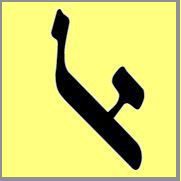
Affichage Dictionnaire
אā, ǟ[ יא ]
Français:
ô
English:
o
Nature mot:
inter.
Enoncés
| ## | Car. Lat | Français | Anglais | Sources | Car. Hébr |
|---|---|---|---|---|---|
| 1 | ǟ bāba | papa ! | dad! | (El-Jadida, CHEd 487) | א באבא |
| 2 | ǟ bn-i | mon fils ! | my son! | (El-Jadida, CHEd 487) | א בני |
| 3 | ā ulǟd əl-ḥăṛām | bâtards ! | bastards! | (Fès, BRU 13) | א ולאד לחראם |
| 4 | ţˁarfi ā-yīmma bǟyn | sache maman que | know mom that | (Conte, Debdou, PEL 124) | תעארפ̇י א ייממא באיין |
| 5 | ǟ sīd-i ṛā-k ġəḷṭti | Maître, vous avez fait une erreur | Master, you made a mistake | (El-Jadida, CHEd 487) | א סידי ראך ג̇לטתי |
| 6 | b-ǟs mǟţ bȫ-k ā l-mṛa, məṛḍ u-mǟţ | de quoi est mort ton père ô femme, il est tombé malade puis mort | how did your father die O wife, he got sick and died | (Proverbe, Fès, VAN PR407) | באס מאת בוך א למרא, מרץ̇ ומאת |
א Voir יא , כא
אבāb
Français:pèreEnglish:fatherNature mot:n.m. - langue du Sharh uniquementRacine:ˀB - אב
Enoncés
## Car. Lat Français Anglais Sources Car. Hébr
1 u-di yədˁi l-ab-ūh aw umm-o Celui qui maudit son père ou sa mère Anyone who curses his father or mother (Sharh, Bible, Ex 21:17, Marrakech, ZAF 40) ודי ידעי לאבוה או אוממו
אבāb, ǟb
Français:Av, mois du calendrier hébraïqueEnglish:Av, month of the Hebrew calendarNature mot:n.pr.Etymologie:"< Heb. ˀāḇ ""Av"" < Bab. abu")
אבאניכוābǟnīko (Meknès), bǟnīko (El-Jadida)[ באניכו, אבאניתא ]
Français:éventailEnglish:fan (device blowing air)Nature mot:n.m.Etymologie:"< Esp. abanico ""éventail""")
אבאניתאābǟnīta (Meknès)[ אבאניכו, באניכו ]
Français:éventailEnglish:fan (device blowing air)Nature mot:n.f. - issu du portugais avec suffixe espagnol plutôt que de l'espagnol (LEV 1141), voir aussi abānīkoEtymologie:"< Por. abano ""éventail""")
אבדābād, ābda[ אבדא ]
Français:éternitéEnglish:eternityNature mot:n.m.Racine:ˀBD - אבד
Enoncés
## Car. Lat Français Anglais Sources Car. Hébr
1 l-əl-ābda à jamais forever (Sharh, Bible, Ex 21:6, Marrakech, ZAF 38) ללאבדא
אבד / יאבדˀibbəd / yibbəd[ איבד ]
Français:arnaquer, escroquerEnglish:to scam, swindleNature mot:v. - langue secrèteEtymologie:"< Heb. ˀibbēd ""perdre""")
Enoncés
## Car. Lat Français Anglais Sources Car. Hébr
1 ˀibbədţē-h zəˁma ˁməlţ l-o mīm zəˁma nəkṛān Tu l'as saqué ? En gros, tu lui as fait 'Mim' ? C’est-à-dire que tu as renié ta dette ? Did you stiff him? Basically, you pulled a fast one on him? Meaning you reneged on your debt? (Lashoniya, Rabat-Salé, LEV 492) איבבדתיה זעמא עמלתלו ם זעמא נכראן
אבדןǟbǟdən, ˀäbǟdăn[ אבאדן, אבאדאן ]
Français:jamais, nonEnglish:never, notNature mot:adv.Racine:ˀBD - אבד
אבוגאדוābōgādo, bōgādo (Meknès), ābōkādo (Casablanca), abogādo[ אבוגדו, אבוכאדו ]
Français:avocat (droit)English:lawyer, counselNature mot:n.m. - pl. -ōt (Fès)Etymologie:"< Esp. abogado ""avocat""")
אבוכאāvōka, lāvōka, ābōga (Sefrou)[ אווכא, לאבוכא, לאווכא, אבוגא ]
Français:avocat (fruit)English:avocadoNature mot:n.m.Etymologie:< Fra. avocat)
אבונאדוābōnāḍo, ābōnādo
Français:abonnéEnglish:subscriberNature mot:n.m. - f. -aEtymologie:"< Esp. abonado ""abonné""")
Enoncés
## Car. Lat Français Anglais Sources Car. Hébr
1 kul mən dī yqbəl tlāta nūmērōs nḥəsbu-h ābōnādo u-nkəttru xīr-o Toute personne qui reçoit trois numéros, nous le considérons comme abonné et le remerçions. Anyone who receives three issues is considered a subscriber and is thanked accordingly. (Presse, Tanger, Casablanca, ORH 20/11/1922) כול מן די יקבל 3 נומירוס נחסבוה אבונאדו ונכתרו כ̇ירו
אבוקאāvōka[ אבוכא ]
Français:avocat (droit)English:lawyer, counselNature mot:n.m.Etymologie:< Fra. avocat)
Enoncés
## Car. Lat Français Anglais Sources Car. Hébr
1 ṣəqṣīt līzāvōka d-əḍ-ḍāṛ əl-bēḍa J'ai consulté les avocats de Casablanca. I consulted the lawyers in Casablanca. (Lettre, Casablanca, LET3) צקצית ליזאבוקא דדאר לבידא
אבורוקaborōˀ (Meknès), bārōˀ (Fès)[ בארוק ]
Français:récipient à anse pour puiser de l'eau ou mesurer de la farine (Meknès), cafetière (Fès)English:container with a handle for drawing water or measuring flour (Meknes), coffee pot (Fez)Nature mot:n.m.Racine:BRQ - ברק
אבותˀabōt, ābōt, ǟbȫt
Français:les patriarches, ancêtresEnglish:the patriarchs, ancestorsNature mot:n.m. pl. - "avec flexion héb. : ˀabīnu ""nos ancêtres"""Etymologie:"< Heb. ˀāḇōṯ ""pères, patriarches""")
Enoncés
## Car. Lat Français Anglais Sources Car. Hébr
1 tlāta hūma l-ābōt trois, ce sont les patriarches three, they are the patriarchs (Piyyout, DAN 40) תלאתא הומא לאבות
אבי הבןabi hăbbīn, abi hăbbēn, behabbēn (Meknès), labihəbbīn (Tafilalet)[ ביהבבן, לביהבן ]
Français:Le père du nouveau néEnglish:the father of the newbornNature mot:locu.heb.Etymologie:< Heb. ˀăḇī hab-bēn “father of the newborn”))
אביאץ̇ābyāḍ[ אביאד ]
Français:quelle joie ! quel bonheur !English:what a joy, a delight!Nature mot:inter. - se fléchit : ābyād-e, ābyāḍ-ək, ābyāḍ-oRacine:BYḌ - ביץ̇
Enoncés
## Car. Lat Français Anglais Sources Car. Hébr
1 ābyāḍ-na b-ət-ţōṛa de mosse rābbe-no grand est notre bonheur d'avoir la Torah de Moïse notre maître what a delight to have the Torah of Moses (our master) (Fès, LEV 418) אביאצ̇נא בתתורה די משה רבינו 2 ābyāḍ-o di qəlb-u fəṛḥān, kəll nhāṛ ˁənd-u l-ˁīd bienheureux est celui dont le coeur est joyeux, chaque jour pour lui est une fête blessed is he whose heart is happy, to him, everyday is a holiday (Proverbe, Taroudant, CHEb 58) אביאצ̇ו די קלבו פ̇רחאן, כל נהאר ענדו לעיד 3 ābyāḍ-o li ˁənd-u l-ḥāyṭ ˁăl-ǟs itəkki heureux qui a un mur sur quoi s'appuyer happy is the one who has a wall to lean on (Casablanca, IMM 58) אביאצ̇ו לי ענדו לחית עלאס יתככי 4 abyāḍ lle ẓāṛo bienheureux ceux qui ont fait leur pélerinage blessed are those who have made their pilgrimage (Fès, LEV 1141) אביאץ̇ ללי זארו
אביגילābīgāyīl, bīgāyēl (Sefrou)[ אביגייל, ביגאיל ]
Français:AbigaïlEnglish:AbigailNature mot:n.pr.Etymologie:< Heb. ˀăḇīḡayil)
אביטבולābiṭbōl (Sefrou), ṭŏbbāli (Sefrou)[ טובבאלי ]
Français:Abitbol, TobbaliEnglish:Abitbol, TobbaliNature mot:patr.
אבלǟbīl, lǟbīl[ לאבל, אביל ]
Français:grand deuilEnglish:mourningNature mot:n.m.Etymologie:"< Aram. ˀāḇīl ""deuil""")
Enoncés
## Car. Lat Français Anglais Sources Car. Hébr
1 nˁe lǟbīl personne méprisable despicable person (Fès, LEV 419) נעי לאבל 2 sēdēr ˀēbīlīm Rangée des gens en deuil (à la synagogue). Row of mourners (at the synagogue). (Fès, LEV 555) סדר אבלים
אבלוחāblūḥ, āblōḥ
Français:dattesEnglish:dateNature mot:n.coll.Racine:BLḤ - בלח
אבלותābīlūt, ǟbīlȫţ[ אבילות ]
Français:deuil, période de deuil, fait d'être en deuilEnglish:mourning, period of mourning, state of being in mourningNature mot:n.f.Etymologie:"< Heb. ˀăḇēlūṯ ""deuil""")
אבראזabrāz[ בראז ]
Français:1. présentation (mise en avant) de la mariée pendant le mariage 2. moment lors duquel la fiancée est assise en compagnie de ses English:1. introduction (spotlight) of the bride during the wedding 2. the moment when the bride-to-be is seated with her friendsNature mot:n.m.Racine:BRZ - ברז
Enoncés
## Car. Lat Français Anglais Sources Car. Hébr
1 səbț äbrǟz nhāṛ əs-səbț d-əl-bədyǟ d-əl-ˁəṛṣ Le samedi de l'Abraz, c'est le samedi du début du mariage. The Saturday of the Abraz is the Saturday marking the beginning of the wedding. (Taroudant, CHE 240) סבת אבראז נהאר אססבת דלבדיאן דלערס
אברהםabrāhām, brāhām, brāhəm[ ברהם, בראהם, בריהמו ]
Français:AbrahamEnglish:AbrahamNature mot:n.pr. - dim. brēhmo (Fès)Etymologie:"< Heb. ˀaḇrāhām ""Abraham""")
Enoncés
## Car. Lat Français Anglais Sources Car. Hébr
1 ḷḷāh bṛāham, ḷḷāh yiṣḥāˀ, ḷḷāh yaˁǖb Dieu d'Abraham, d'Isaac et de Jacob God of Abraham, Isaac and Jacob (Sefrou, STI 52) ללאה אברהם ללאה יצחק ללאה יעקוב 2 sīd-na abṛāhām notre seigneur Abraham our lord Abraham (Conte, Debdou, PEL 123) סידנא אברהם 3 bṛāhām bərdūgu kǟn ˁäsīr Braham Berdugo était riche Braham Berdugo was a rich man (Meknès, CHEe 84) ברהם ברגודו כאן עשיר 4 msāt mˁā-na ḥnīna mṛāt bṛāhām Hnina, la femme d'Abraham est venue avec nous. Hnina, Abraham's wife, came with us. (Marrakech, KNA 65) מסאת מעאנא חנינא מראת אברהם
אבריגוäbrigo[ לאבריגו ]
Français:châleEnglish:shawlNature mot:n.m. - pl. -ȫţ (Fès, Sefrou), -ȫz (Meknès), -o(s) (Rabat, El-Jadida)
אברילābrīl, āfrīl, āvrīl[ אפ̇ריל, אווריל ]
Français:avril, mois d'avrilEnglish:AprilNature mot:n.pr.Etymologie:< Fra. Avril)
Enoncés
## Car. Lat Français Anglais Sources Car. Hébr
1 kədbǟt āfrīl poisson d'avril April fool's joke (Casablanca, IMM 62) כדבת אפ̇ריל 2 yūm šīši səbˁa āvrīl Vendredi 7 avril. Friday, 7th of April. (Registre, Oujda, REG 85) יום שישי 7 אווריל
אברילאטאabrelāṭa[ אברילאתא ]
Français:ouvre-boîteEnglish:can openerNature mot:n.f.Etymologie:"< Esp. abrelatas ""ouvre-boîte""")
אברנוסabərnōs
Français:noir, de mauvaise augureEnglish:black, ominousNature mot:n.m.
אג̣לāžāl, āzāl, āžəl, āzəl[ אג̣אל, אזאל ]
Français:sursis, délai, termeEnglish:reprieve, delay, termNature mot:n.m. - pl. -ātRacine:ˀŽL - אג̣ל
Enoncés
## Car. Lat Français Anglais Sources Car. Hébr
1 f-ōṣṭ l-āzāl l-mədkōr dans le délai mentionné within the specified time frame (Lettre, Essaouira-Mogador, LET2) פ̇וצט לאזאל למדכור
אגג̣דורgəždōr, gəzdōr, agəzdōr, gəždūr, agəzdĭr[ גג̣דור, גזדור, אגזדור ]
Français:1. griffures sur le visage 2. lamentations 3. malheur, calamité 4. omelette aux pommes de terreEnglish:1. scratches on the face 2. lamentations 3. misfortune, calamity 4. potato omeletNature mot:n.m.Etymologie:"< Tam. agəždur ""lamentations de femmes pendant un enterrement""")Racine:GŽDR - גג̣דר
אגדהaggāda
Français:Aggada, corpus littéraire de la tradition rabbiniqueEnglish:Aggada, literary corpus of the rabbinic traditionNature mot:n.f.Etymologie:"< Ara. ˀaggāḏâ ""récitation""")
אגריוזagrīz (Fès), grǟwz (Meknès), grīws (Marrakech)[ גריוס, גראוז, גראווז ]
Français:nom d'un gâteau au mielEnglish:name of a honey cakeNature mot:n.m.
אגריסāgrīs
Français:gelée, givre, grand froidEnglish:frost, severe coldNature mot:n.m.Etymologie:< Tam.)
אגררוזagərrȫz
Français:1. petite jarre 2. pot de grèsEnglish:1. small jar 2. stoneware potNature mot:n.m.
אדדיəddi[ אללי, ללי, די, אלדי ]
Français:qui, que, celui quiEnglish:that, whoNature mot:pr.rel.
Enoncés
## Car. Lat Français Anglais Sources Car. Hébr
1 u-hǟdö s-srǟyăˁ əddi tăˁmăl l-qəddǟm-höm voici les lois que tu mettras devant eux these are the rules that you shall set before them (Sharh, Bible, Ex 21:1, Marrakech, ZAF 38) והאדו ססראיע אדדי תעמל לקדדאמהום 2 u-nəzˁăl ilǟ-k mūḍăˁ əddi yəhṛăb l-təmma je te désignerai un lieu où il se réfugiera I will designate for you a place, to which he can flee (Sharh, Bible, Ex 21:13, Marrakech, ZAF 38) ונזעל אילאך מוצ̇ע אדדי יהרב לתממא 3 žmīˁ əddi yəḥdǟž iˁməl pīsǟḥ īži w-īˁməl pisǟḥ Que celui qui a besoin de faire Pessah vienne faire Pessah. Let anyone who needs to celebrate Passover come and celebrate Passover. (Sharh, Haggadah, Tinghir, ZAF 85) ג̣מיע אדדי יחדאג̣ יעמל פסח יג̣י ויעמל פסח
אדוןˀādōn, ādōn, ǟdȫn
Français:1. monsieur 2. Dieu, SeigneurEnglish:1. mister 2. God, LordNature mot:n.m. - se fléchit en hébreu : -i, -xa, -ex, -o… et au pl. : -ay, exa, -ayix…Etymologie:"< Heb. ˀāḏōn ""monsieur, seigneur""")
Enoncés
## Car. Lat Français Anglais Sources Car. Hébr
1 pisǟḥ hu l-ādōnāy ḥəttä l-līlt-u Pessah appartient au Seigneur, jusqu'à la veille de la fête Pesach belongs to the Lord, until the eve of the feast (Taroudant, CHE 152) פסח הוא לאדוניי חתתא ללילתו
אדוקādūq, ādōˀ, ǟdȫˀ
Français:fanatique, extrémisteEnglish:fanatic, radicalNature mot:n.m. - f. -a, pl. -īm, f.pl. -ōtEtymologie:"< Heb. ˀāḏūq ""fanatique""")
Enoncés
## Car. Lat Français Anglais Sources Car. Hébr
1 ādūqīm ˁaṛbiyīm des fanatiques arabes some arab fanatics (DAN 66) אדוקים ערביים
אדםˀādām, ādām[ אדאם ]
Français:hommeEnglish:manNature mot:n.m.Etymologie:"< Heb. ˀāḏām ""homme""")
אדם הראשוןǟdǟm (h)ärisȫn
Français:le premier hommeEnglish:the first manNature mot:locu.heb.Etymologie:"< Heb. ˀāḏām ha-rīšōn ""le premier homme""")
אדמיˀǟdǟme
Français:foule, gens, êtres humainsEnglish:people, human beingNature mot:n.m.Racine:ˀDM - אדם
Enoncés
## Car. Lat Français Anglais Sources Car. Hébr
1 əl-ˀǟdǟme du monde, la foule the people, the crowd (Fès, LEV 340) אלאדמי
אדניˀādōnāy[ אדוני, אדונאי ]
Français:DieuEnglish:GodNature mot:n.m.Etymologie:"< Heb. ˀăḏōnāy ""Notre Seigneur""")
אדקקאadəqqa, adəˀˀa
Français:argile fineEnglish:fine clayNature mot:n.f.Etymologie:"< Tam. idəqqi ""argile""")
אדרāḍāṛ[ אדאר ]
Français:Adar, mois du calendrier hébraïqueEnglish:Adar, month of the Hebrew calendarNature mot:n.pr.Etymologie:"< Heb. ˀăḏār ""Adar"" < Bab. adaru")
אדרבאādrābba, hādrābba (Fès), ˁādrābba (El-Jadida)[ אדרבה ]
Français:au contraire, à plus forte raisonEnglish:on the contraryNature mot:adv.Etymologie:"< Aram. ˀaddərabbā ""au contraire""")
אדריסadrēs, adrēsa, drīsa[ אדריסא, דריסא ]
Français:adresseEnglish:adressNature mot:n.m. ou f. - m. adrēs, f. adrēsa, pl. -ātEtymologie:< Fra. adresse)
אהāh, ǟh
Français:1. oh (plaintif) 2. ah (surprise, étonnement, émerveillement)English:1. oh (complaining) 2. ah (surprise, astonishment, wonder)Nature mot:excl.
Enoncés
## Car. Lat Français Anglais Sources Car. Hébr
1 ǟh, ǟs n-hūwä hǟd əl-ˁzəb hǟdä ah, quelle est cette merveille ? ah, what is this wonder? (El-Jadida, CHEd 487) אה, אס נהווא האד אלעזב האדא
אהלˀăhl, ˀāhl
Français:famille, prochesEnglish:family, family membersNature mot:n.coll.Racine:ˀHL - אהל
Enoncés
## Car. Lat Français Anglais Sources Car. Hébr
1 əl-xīr ţǟ-ytţkəl mˁä ǟhl-u l'abondance se consomme avec les siens abundance is shared with family (Proverbe, Taroudant, CHEc 33) אלכ̇יר תאיתתכל מעא אהלו
אהלאלוˀăhlālo, āhlālo
Français:berceau accroché au plafondEnglish:ceiling-mounted cradleNature mot:n.m.
אהלןˀāhlən, ˀǟhläl (Casablanca)[ אהלאן ]
Français:bienvenuEnglish:welcomeNature mot:inter.Etymologie:"< Ara. ˀahl-an ""(que tu trouves) une famille""")Racine:ˀHL - אהל
Enoncés
## Car. Lat Français Anglais Sources Car. Hébr
1 ˀǟhläl ˀǟhläl bienvenue, bienvenue ! welcome, welcome! (Casablanca, IMM 66) אהלל אהלל
אוˀāw, āw, yāw[ אוו, יאו, יאוו ]
Français:ou, ou bienEnglish:or, or else, eitherNature mot:conj.Racine:ˀW - או
Enoncés
## Car. Lat Français Anglais Sources Car. Hébr
1 ka-yākəl əl-xŭbz u-z-zəbda ˀ āw z-zītūn il mange du pain et du beurre ou bien des olives he eats bread and butter or olives (DANb 2) כאיאכל לכ̇בז וזזבדא או אזזיתון 2 aw s-dǟk-se ou quelque chose comme ça or something like that (Fès, LEV 436) או סדאכסי 3 ṭāl nhāṛ aw yȫmǟyn ȫ-ḥǟydȫ-h il fut libéré au bout d'un jour ou deux he was released after a day or two (Fès, LEV 437) טאל נהאר או יומיין וחיידוה 4 wāš hād əl-ḥəss dyāl-k āw d-əllāh est-ce que ce bruit provient de toi ou de Dieu does this noise come from you or from God (Conte, Debdou, PEL 126) ואש האד אלחסס דיאלך או דללאה 5 ṭāḥ ˁlī-hä wǟḥ əṣ-ṣhəṛ kǟ-ybǟn l-i yǟw ṣəhṛāyn Il lui est arrivé qu'un mois ou peut-être deux It happened to her that a month or maybe two (Meknès, CHEe 84) טאח עליהא ואח אססהר כאיבאן לי יאו סהראין 6 kǟ-yˁăbbi f-idd-o xāțəm āw zȫz d-əd-dhəb mnĕbbțīn b-əd-dyamānṭ Il emporte avec lui une bague ou deux en or, incrustées de diamants. He takes with him a gold ring or two, set with diamonds. (Fès, BRU 123) כאיעבבי פ̇ידדו כ̇אתם או זוז דדדהב מנבבתין בדדיאמאנט 7 ən-nsība dyǟl-o yaw nsīb-o Sa belle-mère ou son beau-père. Her mother-in-law or father-in-law. (Debdou, LEV 548) אננסיבא דיאלו יאו נסיבו 8 ṣaym aw-lla ? gəddāb oṛṛe-ni lsān-k ! Tu jeûnes ou pas ? Menteur, montre-moi ta langue ! Are you fasting or not? Liar, stick out your tongue! (GRFAC) צאים או ללא? גדדאב ורריני לסאנך!
אוג̣ד / יוג̣דāwžəd, awzăd / yūžəd[ אוג̣ד, אוזד, וזד ]
Français:préparer, disposerEnglish:to prepare, arrangeNature mot:v. - relicat de forme IV, en partie mélée à forme I ūžəd (Sharh uniquement)Racine:WŽD - וג̣ד
Enoncés
## Car. Lat Français Anglais Sources Car. Hébr
1 u-s-sĭyyăd əḷḷāh awzăd l-idd-o le seigneur Dieu a conduit sa main but God brought it to his hand (Sharh, Bible, Ex 21:13, Marrakech, ZAF 38) וססייד אללאה אווזד לידדו
אודןūdən, ōdən[ ודן ]
Français:1. oreille 2. anse d'un panier ou récipientEnglish:1. ear 2. handle of a basket or containerNature mot:n.f. - pl. -īnRacine:ˀDN - אדן
Enoncés
## Car. Lat Français Anglais Sources Car. Hébr
1 hdər l-ha f-ūdnī-ha il lui dit à l'oreille he said in her ears (Conte, SHIa 1) הדרלהא פ̇ודניהא 2 itqăb sīd-o udn-o b-əl-mətqəb son maître se percera l'oreille avec un poinçon his master shall pierce his ear with an awl (Sharh, Bible, Ex 21:6, Marrakech, ZAF 38) יתקב סידו אודנו בלמתקב 3 l-ḥəbṛa kā-yˀəbḍu ˀəffa kəll waḥi mən ūdn-a chaque membre de la ḥəbṛa tient une anse du panier each member of the ḥəbṛa hold a handle of the basket (Meknès, TED 695) לחברא כאיקבדו קפ̇פ̇א כל ואחי מן אודנא 4 lli ḥəbt əz-zīn tṣbăṛ tqēb l-udnīn celle qui veut être belle doit endurer le perçage des oreilles she who wants to be beautiful must endure having her ears pierced (Casablanca, IMM 74) ללי חבת אזזין תצבר תקיב לודנין 5 di ˁṭa fəmm-o ăˁṭe-h wŭdn-ək Celui qui te donne sa bouche, donne lui ton oreille ! He who gives you his mouth, give him your ear! (Proverbe, Fès, OBASIB 59) די עטאך פ̇ממו עטיה ודנך
אווטāwṭ
Français:août, mois d'aoûtEnglish:AugustNature mot:n.pr.Etymologie:< Fra. août)
Enoncés
## Car. Lat Français Anglais Sources Car. Hébr
1 țǟrīx ˁăšṛa āwṭ ǟlf təsˁ myä təsˁā w-ˁăšrīn Date du 9 août 1929. Date: 9 August 1929. (Registre, Oujda, REG 47) תאריך̇ 10 אווט 1929
אוולˀăwwəl, ˀŭwwəl[ אול ]
Français:premier, débutEnglish:first, beginningNature mot:n.m. - f. -a, pl. -īnRacine:ˀWL - אול
אוירhəvvīr (Fès), (l)āwīr (Taf.), həbbi (Midelt), (l)āwwīr (El-Jadida), (l)awwīr (Marrakech), (l)aṿṿeṛ (Meknès), (l)āvvīr (Rabat-Sal[ אוויר, לאויר, לאוויר ]
Français:1. air 2. toit de la maisonEnglish:1. air 2. roof of the houseNature mot:n.m. - généralement précédé de l-Etymologie:"< Heb. ˀăwīr ""air""")
אוכאזיוןōkāzyɔ̃[ אוקאזיון ]
Français:occasion, chance, opportunitéEnglish:opportunity, chanceNature mot:n.m.Etymologie:< Fra. occasion)
אוכטוברōkṭōbəṛ[ אוקטובר ]
Français:octobre, mois d'octobreEnglish:OctoberNature mot:n.pr.Etymologie:"< Fra. octobre ""mois d'octobre""")
Enoncés
## Car. Lat Français Anglais Sources Car. Hébr
1 nəfṭār lebēt ˁōlāmo yūm əl-ḥədd ṛbăˁṭāš ḥēšwān tmənya u-ˁăšrīn ōkṭōbəṛ Décédé dimanche quatorze Heshvan vingt-huit octobre. Passed away on Sunday, 14th of Heshvan, 28th of October. (Registre, Oujda, REG 45) נפלב״ע יום לחד 14 חשון 28 אוקטובר
אולופ̇אˀŭlūfa, ūlūfa[ ולופ̇א ]
Français:dressage, domesticationEnglish:training, domesticationNature mot:n.f. - pl. -ātRacine:ˀLF - אלף̇
אוםˀŭmm, ūmm, wumm (Sefrou), ōmm (Fès), ömm, wĕmm (Meknès)[ אומם, וום, וממאת ]
Français:mèreEnglish:motherNature mot:n.f. - pl. ommātRacine:ˀMM - אמם
Enoncés
## Car. Lat Français Anglais Sources Car. Hébr
1 hǟd əl-wŭmm a-ţˁăṭē-ha l-hāde cette mère le donne à sa fille this mother gives it to her daughter (Sefrou, STIc 486) האד לווממא אתעטיהא להאדי 2 əl-ˀŭmm hīya di ka-tṛăḥm ˁăla ūlād-ha c'est la mère qui a de la clémence envers ses enfants the mother is the one who is merciful with her children (DANb 27) אלאום הייא די כאתראחם עלא אולאדהא 3 ȫmm-o sa mère his mother (Fès, LEV 355) אוממו 4 ūmm-ĕk ta mère your mother (Meknès, CHE 166) וממך 5 ḍăṛbt-a ömm-a sa mère la frappa her mother hit her (Fès, BRU 23) צ̇רבתא אוממא 6 u-di yədˁi l-ab-ūh aw umm-o Celui qui maudit son père ou sa mère Anyone who curses his father or mother (Sharh, Bible, Ex 21:17, Marrakech, ZAF 40) ודי ידעי לאבוה או אוממו 7 di mǟt l-o bo-h yōssəd əṛ-ṛəkba u-di mǟt l-o wmm-o yōssəd əl-ˁəțba Qui perd son père s'appuie sur le genou et qui perd sa mère s'appuie sur le seuil de la porte ! He who loses his father leans on a knee, and he who loses his mother leans on the doorstep! (Proverbe, Fès, OBASIB 29) די מאתלו בוה יוססד אררכבא ודי מאתלו וממו יוססד אלעתא 8 əl-ġnāwi d-əl-wŏmm ˁăla uld-a Les chants de la mère pour son enfant. The mother's songs for her child. (Fès, BRU 93) אלג̇נאוי דלוומם עלא ולדהא
אומורōmōr, lōmōr[ ומור, לומור ]
Français:affaire, occupationEnglish:matter, business, occupationNature mot:n.pl. - pl. spécifique de āmṛRacine:ˀMR - אמר
Enoncés
## Car. Lat Français Anglais Sources Car. Hébr
1 hōwa ˁād ḥāyər fī hād l-ōmōr il était encore perplexe sur ce sujet he was still hesitant on this subject (Conte, Debdou, PEL 124) הווא עאד חאייר פ̇י האד לומור
אומליטōmlēṭ
Français:omeletteEnglish:omeletteNature mot:n.f.Etymologie:< Fra. omelette)
אונורˀōnōṛ[ ונור ]
Français:1. honneur, plaisir 2. rangEnglish:1. honour, pleasure 2. rankNature mot:n.m.Etymologie:< Emprunt roman)
Enoncés
## Car. Lat Français Anglais Sources Car. Hébr
1 ˁənd-na ˀōnōr nˁəlmo l-qāhāl bāyn nous avons l'honneur d'informer la communauté que we are pleased to inform the community that (Lettre, Essaouira-Mogador, LET2) ענדנא אונור נעלמו לקהל באיין
אוצולˀoṣōl
Français:biens immobiliersEnglish:real propertyNature mot:n.pl.Racine:WṢL - וצל
אורוōṛo, ūṛo
Français:euroEnglish:euroNature mot:n.m.Etymologie:< Fra. euro)
אורובידאorōvīda, rȫbīdä (Sefrou)[ רובידא ]
Français:OrovidaEnglish:OrovidaNature mot:n.pr.
אורופאˀōṛōpa, ˀōṛōppa, ˀōrōpa
Français:EuropeEnglish:EuropeNature mot:n.f.Etymologie:< Emprunt roman)
Enoncés
## Car. Lat Français Anglais Sources Car. Hébr
1 w-āmma l-īhūd di ˀōrōppa quant aux Juifs d'Europe concerning the european Jews (DAN 66) ואממא ליהוד די אורופא 2 tˁəlləm f-əs-skāwəl əl-kbāṛ dī wruppa Il étudie dans les grandes écoles européennes. He studies at the top European universities. (Presse, Tanger, Casablanca, ORH 01/02/1923) תעללם פ̇ססכאוול אלכבאר די אורופא
אורחōrīyāḥ, (l)ōrīyāḥ[ אורייאח, אורחים, אוראחים, לורייאח, לוראחים ]
Français:invitéEnglish:guestNature mot:n.m. - pl. (l)ōrāḥīmEtymologie:"< Heb. ˀōrēaḥ ""invité""")
אורך ימיםōrēx yāmīm
Français:longueur de joursEnglish:lenght of daysNature mot:locu.heb.Etymologie:"< Heb. ˀoreḵ yāmīm ""longueur de jours""")
או״עˀōr ˁēnāy[ אור עיני ]
Français:lumière de mes yeuxEnglish:light of my eyesNature mot:locu.heb. - le plus souvent noté sous forme d'acronymeEtymologie:"< Heb. ˀōr ˁēnā-y ""lumière de mes yeux""")
Enoncés
## Car. Lat Français Anglais Sources Car. Hébr
1 yedīd-i we-ˀōr ˁēnāy mon ami lumière de mes yeux my friend, light of my eyes (Lettre, Ouezzane, LET1) ידידי ואו״ע
אזכרהāzkāṛā
Français:commémorationEnglish:commemorationNature mot:n.f.Etymologie:"< Heb. ˀazkārā ""commémoration""")
אזללוםazəllōm
Français:tresses de cheveux ou de faux cheveux dans la coiffure de la mariéeEnglish:braids of hair or fake hair in the bride's hairstyleNature mot:n.m. - pl. -īnEtymologie:< Tam.)
Enoncés
## Car. Lat Français Anglais Sources Car. Hébr
1 kǟno iˀəbṭo kəl ntīkä ō-yṭəffṛō-ha ō-yˁəmlo azəllöm On prenait chaque mêche, on la tressait et on faisait azəllöm. We took each strand, braided it, and made azəllöm. (Sefrou, LEV 528) כאנו יקבטו כל נתיכא ויטפ̇פ̇רוהא ועמלו אזללום
אחד״שˀăḥaddiso, āḥaddiso[ אחדיש״ו, אחדישו״ט, אחדיס״ו, אחדי״ס, אחרי דרישת שלום ]
Français:après requête de votre bonne santé (après les salutations)English:after inquiring about your good health (after greetings)Nature mot:locu.heb. - acronyme hébreu de la langue epistolaireEtymologie:"< Heb. ˀaḥărē dərīšaṯ šəlōm-ō wə-ṭōḇāṯ-ō ""après requête de votre bonne santé (après les saluta)
אחיתופלˀaḥitofel
Français:mauvais conseiller (Tafilalet), médisant (Aït Bu Ulli), traitreEnglish:bad advisor (Tafilalet), slanderer (Aït Bu Ulli), traitorNature mot:n.m. et adj.Etymologie:"< Heb. ˀăḥīṯōpel ""Ahitofel""")
Enoncés
## Car. Lat Français Anglais Sources Car. Hébr
1 wāḥi li kā-yˁəbbi l-hədṛa w-izīb-ha iqūlu l-u aḥītōfēl Quelqu'un qui médit (amène une parole et l'apporte) est appelé Ahitofel Someone who slanders (brings a word) is called Ahitofel (Aït Bu Ulli, TEDe 274) ואחי לי כאיעבבי להדרא ויזיבהא יקולולו אחיתופל
איאיחˀiˀiḥ
Français:cacaEnglish:poopNature mot:n.m. - langage enfantin
Enoncés
## Car. Lat Français Anglais Sources Car. Hébr
1 ˀiˀiḥ māmma ˀiˀiḥ Caca maman, Caca ! Poop, Mom, poop! (Fès, BRU 103) איאיח מאממא איאיח
איג̣אראīžāṛa, īzāṛa[ איזארא, יג̣ארא, יזארא ]
Français:salaire, rémunérationEnglish:salary, remunerationNature mot:n.f.Racine:ˀŽR - אג̣ר
אידאīdā, īda[ ידא ]
Français:si, au cas oùEnglish:if, in caseNature mot:conj.
Enoncés
## Car. Lat Français Anglais Sources Car. Hébr
1 īdā b-ūḥd-o yədxăl s'il entre seul if he comes alone (Sharh, Bible, Ex 21:3, Marrakech, ZAF 38) אידא בוחדו ידכ̇ל 2 īda msa ṭ-ṭbăˀ tze wəsla si un plateau est perdu, une planche le remplacera if a tray is lost, a board will replace it (Proverbe, Fès, VAN PR406) אידא מסא אטטבאק תזי ווסלא 3 ida dāz əl-ḥədd u-t-tnayn ṛəṭṭbu l-ḥəmṣ l-s-sxāyn Si dimanche et lundi sont passés, trempez les pois-chiches dans les plats du Shabbat. If Sunday and Monday have passed, soak the chickpeas for Shabbat meals. (proverbe, GRFAC) אידא דאז לחדד ותתנאין רטטבו לחמץ לססכ̇אין
איואēwa, īwa, āywa[ איווא ]
Français:eh bien, donc, alorsEnglish:well, hey, soNature mot:inter.
Enoncés
## Car. Lat Français Anglais Sources Car. Hébr
1 ēwa, sēnyōṛ kǟn mzūwəz b-zȫz də-n-nsa eh bien, mon beau-père avait deux épouses well, my father-in-law was married to two women (Fès, LEV 435) איוא סניור כאן מזווז בזוז דננסא 2 īwä dǟk l-ūzīr ˁəbbä dūk əl-ˁbīd le vizir emmena donc les esclaves so the vizier took away the slaves (El-Jadida, CHEd 487) איוא דאך לוזיר עבבא דוך לעביד 3 īwa kǟno izhǟw w-isəkro alors ils s'amusaient et s'enivraient so they were having fun and getting drunk (Fès, LEV 436) איוא כאנו יזהאו ויסכרו 4 īwa ət-ţrītəl b-əsm əläh eh bien, le Treitel, Dieu nous en préserve well, the Treitel, God forbid (Fès, BEN 84) איווא תתריתל בסמללאה 5 ǟywa dāk-si xăṣṣ-na eh bien, il ne manquait plus que ça! well, that's all we needed! (Casablanca, IMM 134) איוא דאכסי כ̇צצנא 6 īwa mä hnǟk lä kȫhin lä wǟlo Eh bien, il n'y a là-bas ni Cohen ni rien Well, there's no Cohen or anything over there (El-Jadida, LEV 713) איווא מא הנאך לא כוהן לא ואלו 7 īwa ntsənnǟ-k Alors je t'attends ? So, shall I wait for you? (Fès, BRU 117) איוא נתסננאך
איזבלīzēbēl
Français:femme méchante et tyranniqueEnglish:mean and tyrannical womanNature mot:n.f.Etymologie:"< Heb. ˀīzeḇel ""Jézabel""")
Enoncés
## Car. Lat Français Anglais Sources Car. Hébr
1 īda kānț mṛa ˀbīḥa u-l-māˁāsīm dyāl-ha ma məzyānīn-s mən di ka-ddkəṛ-ha ka-țˀūl īzēbēl Si une femme est mauvaise et que ses actes ne sont pas bons, en l'évoquant on l'appelle Jezabel If a woman is bad and her actions are not good, she is referred to as Jezebel (Meknès, TEDe 274) ידא כאנת מרא קביחא ולמעשים דיאלהא מא מזיאנינס מן די כאדדכרהא כאתקול איזבל
אייאˀiyya, iyya, yya[ ייא ]
Français:English:Nature mot:part. - "dans flex. avec conj. w- ""et"" : w-iyyā-k ""avec toi"", w-iyyā-ha ""avec elle"", ou seul avec pr.pers.suffixe comme inter."
Enoncés
## Car. Lat Français Anglais Sources Car. Hébr
1 āna w-iyyā-h lui et moi he and I (Fès, LEV 404) אנא וייאה
אייאהˀiyyēh, ˀiyyāh, ˀāh, ˀahā, ˀēh[ אייה, אה, אהא, איה ]
Français:oui, certes, en effetEnglish:yes, indeedNature mot:part.aff.
Enoncés
## Car. Lat Français Anglais Sources Car. Hébr
1 iyyēh oui yes (Fès, LEV 412) אייה 2 iyyǟh oui yes (Conte, Debdou, PEL 124) אייאה 3 ēh, īyēh Oui, oui Yes, yes (El-Jadida, LEV 713) איה, איאה 4 iyēh bǟs nˁămlo lāmōṛ Oui, pour que nous fassions l'amour ! Yes, so that we can make love! (Fès, BRU 117) אייה באס נעמלו לאמור 5 īyēh sbăˀ ənţīn Oui, pars, toi le premier ! Yes, go ahead, you first! (Fès, BRU 117) אייה סבק אנתין
אילאila, īla[ ילא ]
Français:siEnglish:ifNature mot:conj.cond.
Enoncés
## Car. Lat Français Anglais Sources Car. Hébr
1 īla kǟnţ mṛa ˁāgra, ka-ţwülü̆d si une femme était stérile, elle pouvait alors avoir des enfants if a woman was barren, she would bear a child (Sefrou, STI 65) אילא כאנת מרא עאגרא כאתוולוד 2 īla ˁməlnǟ-ha b-əṭ-ṭēţ, ġəlṭa si nous l'écrivions avec un Tet, ce serait une erreur if we spelled it with a Teth, that would be a mistake (Fès, LEV 299) אילא עמלנאהא בטטית, ג̇לטא 3 īla ˁyīţ ˀöl ˁād bdīţ si tu te fatigues, dis « je viens de commencer ! » "if you get tired, say ""I just started""" (Proverbe, Fès, OBASIB 1) ילא עיית קול עאד בדית 4 ġəddä īlä tkūn tǟzər si demain tu deviens riche if tomorrow you get rich (El-Jadida, CHEd 487) ג̇דדא אילא תכון תאזר 5 īla ṭāḥţ əs-sţa ikbər ər-rbēˁ s'il pleut, l'herbe poussera if it rains, the grass will grow (Fès, LEV 409) אילא טאחת אססתא יכבר אררביע 6 o-ḥţa īla za et même s'il vient and even if he comes (Fès, LEV 410) וחתא אילא זא 7 ḥţa īla ˁṭīţ-hom du moins si je leur donne in case I give them (Marrakech, LEV 410) חתא אילא עטיתהום 8 īla ˁāsţ ṛ-ṛāṣ ma ţăˁdəm sāsīya si la tête survit, elle ne manque pas de coiffe ! if the head survives, it doesn’t lack a hat! (Proverbe, Fès, OBASIB 1) אילא עאסת ארראס מא תעדם סאסיא 9 īlä ˁzəb-k əl-ḥǟl əl-yūm ǟzi ġədwä si tu t'es plu aujourd'hui reviens demain if you enjoyed today come back tomorrow (Proverbe, Tafilalet, CHEc 36) אילא עזבך לחאל אליום אזי ג̇דוא
אילאˀīla[ ילא ]
Français:vers, àEnglish:to, towardsNature mot:prép. - forme littéraire avec flexion il-i, il-ək, il-oEtymologie:"< Arab. ˀilā ""vers""")
Enoncés
## Car. Lat Français Anglais Sources Car. Hébr
1 u-kǟn klǟm ḷḷāh ˀīla Yōna la parole de Dieu s'adressa à Jonas the word of the Lord came to Jonah (Bible, Fès, TEDc 259) וכאן כלאם אללאה אילא יונה 2 īda sīd-o yăˁṭe il-o lə-mṛa si son maître lui donne une femme if his master gives him a wife (Sharh, Bible, Ex 21:4, Marrakech, ZAF 38) אידא סידו יעטי אילו למרא 3 mǟ il-e-s, mǟ il-ək-s, mǟ il-ȫ-s ce n'est pas à moi, à toi, à lui it is not mine, yours, his (Fès, LEV 395) מא איליס, מא אילכס, מא אילוס 4 u-nəzˁăl ilǟ-k mūḍăˁ əddi yəhṛăb l-təmma je te désignerai un lieu où il se réfugiera I will designate for you a place, to which he can flee (Sharh, Bible, Ex 21:13, Marrakech, ZAF 38) ונזעל אילאך מוצ̇ע אדדי יהרב לתממא 5 fəggəd ḷḷāh kūm-ū yˁṭī ylī-hum əṭ-ṭˁām Dieu se souvint de son peuple et lui donna à manger. God remembered his people and gave them food. (Sharh, Bible, Rt 1:6, Tafilalet, BAR 1-287) פ̇גגד ללאה קומו יעטי יליהום טעאם
אילאהīlāh
Français:Dieu, divinitéEnglish:God, divinity, deityNature mot:n.m.Racine:ˀLH - אלה
Enoncés
## Car. Lat Français Anglais Sources Car. Hébr
1 kān ikǖl l-hüm hōwa l-īlāh di xlək əd-dnya il leur disait qu'il était le Dieu qui a créé le monde he was telling them he is God creator of the world (Conte, Debdou, PEL 123) כאן יקול להום הווא אלאילאה די כ̇לק אדדניא 2 lā ˀīlāh ˀillā hū il n'y a de divinité que Lui there is no deity but Him (Piyyout, DAN 39) לא אילאה איללא הוא 3 kāyn īlāh ˁăḍēm il y a un Dieu suprême there is a supreme God (Conte, Debdou, PEL 124) כאיין אילאה עצ̇ים 4 īlǟh ābṛahām Dieu d'Abraham God of Abraham (Fès, BRUb 5) אילאה אברהם
איללאˀillā, ilā[ אילא, אלא ]
Français:sauf, excepté, à partEnglish:except, butNature mot:part. - engage la condition potentielle (pour irréelle voir lūkān)
Enoncés
## Car. Lat Français Anglais Sources Car. Hébr
1 lā ˀīlāh ˀillā hū il n'y a de divinité que Lui there is no deity but Him (Piyyout, DAN 39) לא אילאה איללא הוא 2 hādi s-sətta ˀilla ṛobˁ il est six heures moins le quart it's a quarter to six (DAN 44) האדי אססתתא איללא רובע
אימאםˀīmām
Français:Cohen, prêtreEnglish:Cohen, priestNature mot:n.m. - langue du SharhRacine:ˀMM - אמם
אימהותˀimmāhōt, limmāhōt[ לאימהות, אמהות, לאמהות ]
Français:les matriarchesEnglish:the matriarchsNature mot:n.pl.Etymologie:"< Heb. immāhōt ""mères, matriarches""")
Enoncés
## Car. Lat Français Anglais Sources Car. Hébr
1 āṛbˁa d-l-immāhōt les quatre matriarches the four matriarchs (Piyyout, DAN 40) ארבעא דלאימהות
אימתאimta, əmta (Sefrou), aymta (Casablanca)[ מנימתא, ימתא ]
Français:quand, à quel momentEnglish:when, at what timeNature mot:m.int.
Enoncés
## Car. Lat Français Anglais Sources Car. Hébr
1 u-ntīn, imta ka-tqūm et toi, quand te lèves-tu ? and you, when do you get up? (DANb 15) ונתין, אימתא כאתקום 2 imţä mǟsi ţəˀbəḍ əṣ-ṣəḍḍōṛ ţəˀṛa à quel moment pourrait-elle prendre un Sidour et lire ? when could she possibly take a Siddur and read? (Meknès, CHE 130) אימתא מאסי תקבץ̇ אססדור תקרא 3 mn-īmţa depuis quand since when (Fès, LEV 305) מנימתא 4 imţa quand ? when? (Fès, LEV 382) אימתא 5 kā-ytsənnǟh imţa ize il l'attend impatiemment (il attend quand il viendra) he waits impatiently (he waits when he comes) (Fès, LEV 407) כאיתסננאה איתמא יזי 6 kǟ-yṛəṣṣēw imţa yăˁmlo l-mlǟk Ils fixaient la date des fiançailles. They were setting the date for the engagement. (Fès, BRU 123) כאירססיו ימתא יעמלו למלאך 7 o-māssāyssa imța ka-tˁəmlȫ-ha Et Massa Issa, quand le faites-vous ? And Massa Issa, when are you going to do it? (Sefrou, LEV 529) ומצא אישה אימתא כאתעמלוהא
איןˀin, īn
Français:siEnglish:ifNature mot:conj. - forme littéraire
Enoncés
## Car. Lat Français Anglais Sources Car. Hébr
1 w-īn ibīˁ ăṛ-ṛāẓəl bənt-o si un homme vent sa fille if a woman sells his daughter (Sharh, Bible, Ex 21:7, Marrakech, ZAF 38) וין יביע ארראזל בנתו
אינאīna[ ינא, אואנין, אוואנין ]
Français:ustensile, récipient, vaseEnglish:utensil, container, vaseNature mot:n.m. - "pl. ˀawānīn (pl. lwāni ""la vaisselle"")"Racine:ˀNY - אני
אינגליזīnglīz[ ינגליז, ינגליזי, לינגליז ]
Français:anglaisEnglish:EnglishNature mot:n.m. - gent. (ou variante pour langue) -i, f. -īya, pl. -īyīnEtymologie:< Fra. anglais)
Enoncés
## Car. Lat Français Anglais Sources Car. Hébr
1 dwi mˁā-ya b-l-īnglīzīya parle-moi en anglais talk to me in English (Casablanca, IMM 57) דוי מעאיא בלינגליזייא
אינטריאīnṭrīya, īṭrīya[ איטריא, אינטרייא, איטרייא ]
Français:pâtes, macaronis, vermicellesEnglish:pasta, macaroni, vermicelliNature mot:n.f.
אינכאכ̇יēnkāxe, lēnkāxe[ לינכאכ̇י, ינכאכ̇י ]
Français:dentelleEnglish:laceNature mot:n.m. - pl. -sEtymologie:"< Esp. encaje ""dentelle""")
אינשאללאהinšaˁăḷḷāh, insaˁăḷḷāh[ אינסאללאה, אינסאעאללאה ]
Français:si Dieu veutEnglish:God willingNature mot:locu.ara.Etymologie:"< Ara. in šāˀa llāh ""si Dieu veut""")
איסםˀism, ˀisəm, ism, āsm[ אסם, יסם, סמייא, סמיא ]
Français:nomEnglish:nameNature mot:n.m. - dim. smīya (f.)Racine:ˀSM, SMY - סמי
Enoncés
## Car. Lat Français Anglais Sources Car. Hébr
1 īsm-o dawid son nom est David his name is David (DAN 6) אסמו דוד 2 u-xtī ism-ha səmḥa et ma sœur s'appelle Simha and my sister’s name is Simha (DAN 6) וכ̇תי אסמהא שמחה 3 īyūb ism-u son nom est Job his name is Job (Sharh, Bible, Jb 1:1, Essaouira-Mogador, CHE 132) איוב איסמו 4 īsm əḷḷāh mˁǟ-k que le nom de Dieu soit avec toi may the name of God be with you (Fès, LEV 308) איסם אללאה מעאך 5 hīya măˁrōfa f-fǟs b-īsəm ḥībṛaţ ṛəbbi səmˁȫn bāṛ yūḥǟy elle est connu à Fès sous le nom de Hebrat Rabbi Shimon Bar Yohai it is known in Fez as Hebrat Rabbi Shimon Bar Yohai (Fès, BRU 41) הייא מערופ̇א פ̇פ̇אס ביסם חברת רבי שמעון בר יוחאי 6 īwa ət-ţrītəl b-əsm əläh eh bien, le Treitel, Dieu nous en préserve well, the Treitel, God forbid (Fès, BEN 84) איווא תתריתל בסמללאה 7 hād əṣ-ṣaḍḍēk smīyţ-o mōl əs-sədṛa "Ce saint, son nom est ""celui du buisson""." This saint's name is ‘the one of the bush’. (Ksar Essouk, ISH) האד אצצדיק סמייתו מול אססדרא 8 ixəṣṣ ism-i Que mon nom vienne à manquer (je pourrais me sacrifier pour toi) ! May my name be forgotten (I could sacrifice myself for you)! (GRFAC) יכ̇צץ יסמי
אכ̇ד / יאכ̇דāxəd, xəd, xād, xdā / yaxōd, yaxūd[ כ̇ד, כ̇אד, כ̇דא, יאכ̇וד, יכ̇וד ]
Français:prendreEnglish:to takeNature mot:v. - /d/ de la racine peut sauter dans certaines positionsRacine:ˀXD - אכ̇ד
Enoncés
## Car. Lat Français Anglais Sources Car. Hébr
1 xȫd prends ! take! (Fès, LEV 359) כ̇וד 2 xū(d) prends ! take! (Ksar Essouk, HEABAR 36) כ̇ו(ד) 3 īda uxṛa yāxūd lī-h s'il s'en prend une autre if he takes another (Sharh, Bible, Ex 21:10, Marrakech, ZAF 38) אידא אוכ̇רא יאכ̇וד ליה 4 nāxō bās que je prenne ton mal may I take your pain (away) (Rabat-Salé, LEV 479) נאכ̇ו באס 5 m-ˁänd mdəbḥi tǟxd-o l-əl-qṭēl depuis Mon autel tu le conduiras à la mort from My altar you should take him to be put to death (Sharh, Bible, Ex 21:14, Marrakech, ZAF 38) מענד מדבחי תאכ̇דו ללקטיל
אכ̇ורāxōṛ[ אוכ̇רא, וכ̇רא, אוכ̇רין, וכ̇רין ]
Français:"1. autre 2. formule de conclusion concluant une injure : ""espèce de -"" (l-āxōr)"English:"1. other 2. concluding term of an insult ""you -"" (l-āxōr)"Nature mot:adj. - f. ōxṛa, ūxṛa pl. ōxṛēn, ūxṛīnRacine:ˀXR - אכ̇ר
Enoncés
## Car. Lat Français Anglais Sources Car. Hébr
1 nzəddəd ūxṛīn j'en ferai de nouvelles, je recommencerai I will do it again, I will add new ones (DAN 60) נג̣דד אוכ̇רין 2 ma i-zūwəz-hä ḥəd āxōṛ mən ġēṛ-e personne d'autre que moi ne l'épousera no one but me will mary her (Meknès, LEV 469) מא יזווזהא חד אכ̇ור מן ג̇ירי 3 bəl l-islāmi l-āxōr espèce de fils de converti à l'Islam ! you son of a convert to Islam (Fès, Sefrou, STIb 146) בל לאסלאמי לאכ̇ור 4 ǟ bəl l-mämzīr l-āxōr espèce de bâtard ! you bastard! (El-Jadida, CHEd 487) א בל לממזר לאכ̇ור 5 de ma ˁənd-ȫ-s ma mǟ-se itˀˀdd mˁa ȫḥdēn ȫxṛēn de ˁənd-ȫm celui qui n'a rien ne peut rivaliser avec ceux qui ont he who has nothing cannot compete with those who have (Fès, LEV 396) די מא ענדוס מא מא סי יתקאדד מעא אוחדין אוכ̇רין די ענדום 6 īda uxṛa yāxūd lī-h s'il s'en prend une autre if he takes another (Sharh, Bible, Ex 21:10, Marrakech, ZAF 38) אידא אוכ̇רא יאכ̇וד ליה 7 wǟḥd ən-nhāṛ āxōṛ un autre jour another day (Meknès, LEV 468) ואחד אננהאר אכ̇ור 8 blǟd ōxra un autre pays another country (Conte, Debdou, PEL 126) בלאד אוכ̇רא 9 əs-sĕrr di kǟn l-a ma kǟnţ ţkəsb-o tţa bĕnţ ŏxṛa sa grâce, nulle autre fille ne la possédait her grace, no other girl possessed it (Fès, BRU 21) אססרר די כאן להא מא כאנת תכסבו תתא בנת וכ̇רא 10 bəṛṛa mən zmǟm āxōṛ di ṛō-ho tkāḍa l-i f-əl-kəțba f-hǟd əț-țǟrīx əl-mədkōṛ À part un autre registre qui a été achevé d'écrire à la date indiquée Apart from another register that was completed on the date indicated (Registre, Oujda, REG Intro) בררא מן זמאם אכ̇ור די רוהו תקאצ̇אלי פ̇לכתבא פ̇האד אתתאריך̇ אלמדכור 11 ța se ūḥdīn ța ūma əz-zəmˁa l-ōxṛa zäw l-hnä Des gens, eux aussi, la semaine dernière, sont venus ici. Some people also came here last week. (Sefrou, LEV 526) תא סי וחדין תא הומא אזזמעא לו̇כרא זאו להנא
אכ̇ירāxēr, āxr[ אכ̇ר, כ̇ירי, כ̇יריהי ]
Français:1. fin 2. dernierEnglish:1. end 2. lastNature mot:n.m. - "s'utilise aussi comme adj. ""dernier"""Racine:ˀXR - אכ̇ר
Enoncés
## Car. Lat Français Anglais Sources Car. Hébr
1 īla xērēhe et alors ? et donc ? so what? (Fès, LEV 448) ילא כ̇יריהי
אכ̇כ̇רəxxəṛ, ăxxăṛ[ כ̇ר ]
Français:1. fin 2. dernierEnglish:1. end 2. lastNature mot:n.m. - "s'utilise aussi comme adj. ""dernier"""Racine:ˀXR - אכ̇ר
אכ̇כ̇ריəxxri, əxri[ אכ̇רי ]
Français:dernierEnglish:lastNature mot:adj. - f. -ya, pl. -yīn, toujours avec l- ou lə-Racine:ˀXR - אכ̇ר
אכ̇ראניəxṛāni, əxxṛāni, xṛāni, xxṛāni, l-əxṛāni, l-əxxṛāni, lə-xṛāni, lə-xxṛāni[ אכ̇כ̇ראני, כ̇ראני, לאכ̇ראני, לאכ̇כ̇ראני, לכ̇ראני ]
Français:dernierEnglish:lastNature mot:adj. - f. -ya, pl. -yīn, toujours avec l- ou lə-Racine:ˀXR - אכ̇ר
אכזריăxzǟri, xzǟri[ כ̇זארי ]
Français:cruelEnglish:cruelNature mot:adj.Etymologie:"< Heb. ˀaḵzāri ""cruel""")
אכילהˀăxīla, āxīla
Français:nourritureEnglish:foodNature mot:n.f.Etymologie:"< Heb. ˀăḵīlâ ""nourriture""")
אכי״רāmēn kēn ihi ṛāṣōn[ אמן כן יהי רצון ]
Français:amen qu'il en soit ainsiEnglish:amen, so be itNature mot:locu.heb.Etymologie:"< Heb. ˀāmēn kēn yəhî rāṣōn ""Amen, qu'il en soit ainsi""")
Enoncés
## Car. Lat Français Anglais Sources Car. Hébr
1 ḥta ndəfsu ḥēlēq šēni āmēn kēn ihi ṛāṣōn Jusqu'à ce que nous publions le deuxième volume, amen qu'il en soit ainsi. Until we publish the second volume, so be it. (Texte, SHIa Intro) חתא נדפסו חלק שני אכי״ר 2 ṛəḅḅe ibəṭṭəl ˁălē-w l-gẓēṛā w-ˁălē-kom ˀāmēn kēn ehē ṛāṣōn Qu’Il l’épargne de la calamité et qu’Il vous épargne aussi, amen, ainsi soit-il. May He spare him from calamity and may He spare you too, amen, so be it. (Ksar Essouk, ISH) רבבי יבטטל עליו אלגזירא ועליכום אכי״ר 3 yēḥi šēmo lāˁād āmēn kēn ihī ṛāṣōn Que son nom vive pour l'éternité, amen, qu'il en soit ainsi ! May his name live forever, amen, so be it! (Registre, Oujda, REG 43) יחש״ל אכי״ר
אכל / יאכלākəl, kəl, kāl, tal (Ksar Essouk) / yākəl, yākul[ כל, כאל ]
Français:mangerEnglish:to eatNature mot:v.Racine:ˀKL - אכל
Enoncés
## Car. Lat Français Anglais Sources Car. Hébr
1 f-hād l-ˁīd ḥṛām nāklu l-xŭbz pendant cette fête, il nous est interdit de manger du pain we are not allowed to eat bread during this festival (DAN 17) פ̇האד לעיד חראם נאכלו לכ̇בז 2 kont kä-nǟkəl u-kont ka-nsmǟn je mangeais et je grossissais I was eating and gaining weight (El Jadida, LEV 714) כונת כאנאכל וכונת כאנסמאן 3 ka-nākəl l-xŭbz u-z-zəbda ˀāw z-zītūn je mange du pain et du beurre ou bien des olives I eat bread and butter or olives (DANb 2) כאנאכל לכ̇בז וזזבדא או אזזיתון 4 di kəl əl-ldǟwd celui qui a goûté les délices whoever has tasted the delights (Proverbe, Taroudant, CHEb 57) די כל אללדאוד 5 žǟt lə-qṭēṭa o-kǟlăt lē-ždīwa vint un petit chat qui mangea le petit agneau then came a kitty and ate the kid (Piyyout, Tinghir, ZAF 90) ג̣את לקטיטא וכאלאת לג̣דיווא 6 ma nǟkəl-s je ne mangerai pas I won't eat (Fès, LEV 381) מא נאכלס 7 kĕl nţāˁ ən-nǟs il a fait faillite (mangé le bien des gens) he went bankrupt (ate people’s good) (Fès, BRUb 4) כל נתאע אננאס 8 kĕl ţăḥmīla il a reçu des coups de bâton he was beaten with a stick (Fès, BRUb 4) כל תחמילא 9 di ḥəsb-a ma kəl-ha Qui calcule ne mange pas ! He who calculates does not eat! (Proverbe, Fès, OBASIB 25) די חסבא מא כלהא 10 ma ˀa-yākəl-s Il s'adonne à la boisson (il ne mange pas). He indulges in drink (he does not eat). (Sefrou, LEV 520) מא איאכלס 11 kǟ-yklo lă-ḥlawǟţ Ils mangent des gâteaux. They are eating pastries. (Fès, BRU 123) כאיכלו לחלאואת
אלəl, l, lə[ ל ]
Français:le, la, lesEnglish:theNature mot:art.déf. - assimilation complète à la première consonne du mot défini lorsque celle-ci est une coronale : *əl-dār > əd-dār
Enoncés
## Car. Lat Français Anglais Sources Car. Hébr
1 əl-mǟysṭṛo l'instituteur the teacher (Fès, LEV 436) אלמאיסטרו 2 əl-kȫmīṭe le comité the committee (Fès, LEV 437) לכומיטי 3 u-hǟdo s-srǟyăˁ voici les lois these are the rules (Sharh, Bible, Ex 21:1, Marrakech, ZAF 38) והאדו ססראיע 4 ǟh, ǟs n-hūwä hǟd əl-ˁzəb hǟdä ah, quelle est cette merveille ? ah, what is this wonder? (El-Jadida, CHEd 487) אה, אס נהווא האד אלעזב האדא 5 ō-lē-hǟda et tout ça, et le reste, et le machin and else, and that thing (Fès, LEV 449) וליהאדא 6 əlli ṣāb ma ḥla m-əl-ˁsăl idūwəz bī-h qui trouve plus doux que le miel le mange avec du pain he who finds sweeter than honey may eat it with bread (Proverbe, Fès, VAN PR412) אללי צאב מא חלא מלעסל ידווז ביה 7 rzăˁ fī-h ər-rūḥ il est revenu à lui (a retrouvé ses esprits) he came to his senses (Casablanca, IMM 56) רזעת פ̇יה אררוח 8 mä ṛāṭ-o ḥətţä ţəqbiţ səbˁä d-əl-mhǟrz elle ne l'a vu qu'après avoir troué sept mortiers she didn't see him until after she'd holed seven mortars (Taroudant, CHEb 64) מא ראתו חתתא תקבית סבעא דלמהארז
אלאˀāla, ˀǟla (Rabat-Salé)
Français:1. musique 2. instrument à cordes 3. orchestre à cordesEnglish:1. music 2. string instrument 3. string orchestraNature mot:n.f.Racine:ˀWL - אול
Enoncés
## Car. Lat Français Anglais Sources Car. Hébr
1 ḥdās d-əl-ˀǟlä les onzes (modes de la) ˀāla the eleven modes of the ˀāla (El-Jadida, CHEd 487) חדאס דלאלא 2 kā-ykūn əl-ˀǟla ˁărbīya il y a de la musique arabe there is Arabic music (Rabat-Salé, LEV 490) כאיכון אלאלא ערבייא
אלבאזəlbǟz (Sefrou)
Français:Elbaz, ElbèzeEnglish:ElbazNature mot:patr.
אלבארחəl-bārăḥ, əl-bārḥ (El-Jadida)[ לבארח ]
Français:hierEnglish:yesterdayNature mot:adv.
Enoncés
## Car. Lat Français Anglais Sources Car. Hébr
1 dīma ka-tṣŏwwəb li ṭāṣa wāḥda, u-l-bārăḥ zūz tu me prépares toujours une seule tasse, mais hier deux you always make me single cup, but yesterday two (DANb 18) דימא כאתצווב לי טאסא ואחדא, ולבארח זוז 2 m-əl-bǟrḥ depuis hier since yesterday (Fès, LEV 305) מלבארח 3 əl-bǟrḥ f-əl-līl hier soir, la veille last night (El-Jadida, CHEd 487) אלבארח פ̇לליל 4 nˁəsţ l-bǟrḥ as-tu (bien) dormi hier ? did you sleep (well) yesterday? (Fès, LEV 382) נעסת לבארח 5 wəl-l-bǟrḥ avant-hier the day before yesterday (Casablanca, IMM 61) וללבארח
אלג̣דידאəž-ždīda, əz-zdīda, ždīda, zdīda[ אג̣ג̣דידא, ג̣דידא, אזזדידא, זדידא ]
Français:El-JadidaEnglish:El-JadidaNature mot:n.pr.
אלג̣יריalžīri, alzīri[ אלזירי ]
Français:AlgérieEnglish:AlgiersNature mot:n.pr.Etymologie:< Fra. Algérie)
Enoncés
## Car. Lat Français Anglais Sources Car. Hébr
1 təkwīn d-l-īhūd f-l-ālzīri, f-tūns u-ktərt si f-əl-māṛōk Naissance de la communauté juive en Algérie, en Tunisie et principalement au Maroc Birth of the Jewish community in Algeria, Tunisia, and mainly Morocco (Texte, HIS 11) תכוין דליהוד פ̇לאלזירי פ̇תונס וכתרת סי פ̇למארוך
אלדיəldi[ אללי, ללי, די, אדדי ]
Français:que, quiEnglish:that, what, whoNature mot:pr.rel. - forme littéraire
אלורālōṛ
Français:alorsEnglish:so, thenNature mot:adv.Etymologie:< Fra. alors)
Enoncés
## Car. Lat Français Anglais Sources Car. Hébr
1 ālōṛ zǟţ əl-ˀəṭṭa alors vint le chat then the cat came (Meknès, LEV 468) אלור זאת אלקטטא
אליˀāli
Français:musicienEnglish:musicianNature mot:n.m. - pl. -īyīnRacine:ˀWL - אול
Enoncés
## Car. Lat Français Anglais Sources Car. Hébr
1 izīb əl-ˀǟliyēn il amène les musiciens he brings the musicians (Fès, LEV 437) יזיב אלאליין
אליהוiliyahu, liyāho[ ליאהו, לויהו, לוויהו ]
Français:Élie, EliyahouEnglish:Elijah, EliasNature mot:n.pr. - dim. lwīhoEtymologie:"< Heb. ˀēliyyāhū ""Élie""")
Enoncés
## Car. Lat Français Anglais Sources Car. Hébr
1 liyāho hannābi le prophète Élie prophet Elijah (Fès, BRUb 9) אליהו הנביא
אלכולalkōl
Français:alcoolEnglish:alcoholNature mot:n.m.Etymologie:< Fra. alcool)
Enoncés
## Car. Lat Français Anglais Sources Car. Hébr
1 ma fī-ha la alkōl u-la ḥta ḥāza d-əl-ḥṛām Elle ne contient ni alcool ni quoi que ce soit d'illicite. It contains neither alcohol nor anything forbidden. (Casablanca, FV1) מא פ̇יהא לא אלכול ולא חתא חאזא דלחראם
אללאהəḷḷāh, ḷḷāh, llāh, ḷḷa, ˀaḷḷāh[ ללאה, לאה, אללה ]
Français:DieuEnglish:GodNature mot:n.m.Racine:ˀLH - אלה
Enoncés
## Car. Lat Français Anglais Sources Car. Hébr
1 nəmrǖd mā-kān-š iˁrəf llāh Nemrod ne connaissait pas Dieu Nemrod didn’t know God (Conte, Debdou, PEL 123) נמרוד מא כאנש יערף̇ ללאה 2 ˀaḷḷāh əl-muzəlli Dieu le majestueux God the majestic (Piyyout, DAN 39) אללאה אלמוג̣ללי 3 xāyf əḷḷāh craignant Dieu God-fearing (Fès, BRU 9) כ̇איף̇ אללאה 4 tbārk allāh que Dieu soit béni may God be blessed (Conte, SHIa 1) תבארך אללאה 5 īsm əḷḷāh mˁǟ-k que le nom de Dieu soit avec toi may the name of God be with you (Fès, LEV 308) איסם אללאה מעאך 6 b-zǟhd əḷḷāh par la force de Dieu, si Dieu veut with God's power, God willing (Fès, LEV 308) בזהד אללאה 7 u-ḷḷah par Dieu ! by God! (El-Jadida, CHEd 487) וללאה 8 ḷḷāh bṛāham, ḷḷāh yiṣḥāˀ, ḷḷāh yaˁǖb Dieu d'Abraham, d'Isaac et de Jacob God of Abraham, Isaac and Jacob (Sefrou, STI 52) ללאה אברהם ללאה יצחק ללאה יעקוב 9 ḷḷāh irəḥm-o de bȫ-k ton (défunt) père, que Dieu l'ait en miséricorde your (dead) father, may God have mercy on him (Fès, LEV 438) ללאה ירחמו די בוך 10 īwa ət-ţrītəl b-əsm əläh eh bien, le Treitel, Dieu nous en préserve well, the Treitel, God forbid (Fès, BEN 84) איווא תתריתל בסמללאה 11 llāh iṭŭwwəl ˁmăṛ-k que Dieu allonge ta vie may God lengthen your life (Casablanca, IMM 56) ללאה יטוול עמרך 12 ḥănn fī-na ḷḷāh Dieu eu pitié de nous God had mercy on us (Fès, BRU 21) חנן פ̇ינא ללאה 13 sĭyyăd əḷḷāh Seigneur Dieu Lord God (Sharh, Bible, Ex 21:13, Marrakech, ZAF 38) סייד אללאה 14 di ˁṭa mţāˁ-o f-ḥyǟţ-o ṭəlb əllāh u-ma ġǟţ-o qui lègue ses biens de son vivant fait appel à Dieu mais ne sera pas sauvé pour autant who bequeaths his property during his lifetime appeals to God but will not be saved for all that (Proverbe, Fès, OBASIB1) די עטא מתאעו פ̇חייאתו טלב אללאה ומא ג̇אתו 15 mən ḥīț bˀǟț b-ˁǟhd əḷḷāh ˁlä ṛāẓəl-ha Parce qu'elle s'était solennellement engagée devant Dieu au sujet de son mari Because she had made a solemn vow before God concerning her husband (Meknès, CHEe 84) מן חית בקאת בעאהד אללאה עלא ראזלהא
אללאהי תאעאלאəḷḷāhi tāˁāla
Français:Dieu, qu'il soit exaltéEnglish:God, may He be exaltedNature mot:locu.ara. - langue du Sharh
Enoncés
## Car. Lat Français Anglais Sources Car. Hébr
1 kdǟläk nṭăḷbo mən əḷḷāhi tǟˁǟla C'est ainsi que nous demandons à Dieu, qu'il soit exalté. This is how we ask God, may He be exalted. (Sharh, Haggadah, Tinghir, ZAF 85) כדאלך נטלבו מן אללאהי תאעאלא
אלליəlli, lli, lle, li[ ללי, לי, אדדי, אלדי, די, בללי ]
Français:que, quiEnglish:that, what, whoNature mot:pr.rel. - "avec b- b-əlli (courant à Salé et El-Jadida) ""qui, que"" et m- m-əlli ""puisque"" (rare)"
Enoncés
## Car. Lat Français Anglais Sources Car. Hébr
1 nˁārfo ġēr lle ta-nˁārfo ḥna nous ne savons que ce que nous savons nous we know only what we know ourselves (Azemmour, LEV 726) נעארפ̇ו ג̇יר ללי תאנעארפ̇ו חנא 2 mä xəllä lli mä ˁəlləm l-u il lui avait tout appris (il n'avait rien laissé qu'il ne lui avait pas appris) he taught him everything (he did not put anything aside that he did not teach him) (El-Jadida, CHEd 487) מא כ̇ללא ללי מא עללם לו 3 ikȫn lle kǟn qui que ce soit whoever that is (Fès, LEV 396) יכון ללי כאן 4 kǟ-yˀȫlo b-əlli ils disent que they say that (Fès, BRU 51) כאיקולו בללי 5 yǟna lli kunţ fəḍḍa wəlīţ nḥǟs moi qui était argent suis devenu cuivre I who was silver have turned to copper (Poésie, Sefrou, STI 50) יאנא ללי כונת פ̇צ̇צ̇א וולית נחאס 6 əlli ṣāb ma ḥla m-əl-ˁsăl idūwəz bī-h qui trouve plus doux que le miel le mange avec du pain he who finds sweeter than honey may eat it with bread (Proverbe, Fès, VAN PR412) אללי צאב מא חלא מלעסל ידווז ביה 7 lli fǟt mǟt ce qui est passé est mort what has passed is dead (Proverbe, Casablanca, IMM 151) אללי פ̇את מאת 8 s-sāˁa de ˁāṛfo b-əlle ṛā-h əl-mōḍăˁ mkăddəs Quand les gens surent que le lieu était saint. The moment people knew that the place was holy. (Ksar Essouk, ISH) ססאיא די עארפ̇ו בללי ראה למוצ̇י מקקדס 9 o-l-līl nˁəṛḍo ˁ-ən-nǟs məzmȫˁīn əlle dā-y-ţȫno Et le soir, nous invitons tous les gens qui sont (en ville). And in the evening, we invite everyone who's (in town). (Debdou, LEV 550) ולליל נערצ̇ו עננאס מזמועין אללי דאיכונו
אלמאניאālmānya, ālēmanya[ אלימאניא, אלמניא ]
Français:AllemagneEnglish:GermanyNature mot:n.pr. - gent. -i, f. -īya, pl. -īyīnEtymologie:< Fra. Allemagne)
אלף ביתālf bīt[ אלפבית ]
Français:alphabetEnglish:alphabetNature mot:locu.heb.Etymologie:< Heb. ˀālep̄ bēṯ (deux 1ères lettres de l'alphabet))
אלף̇ālf, āləf, ˀāləf[ אלפ̇אין, אלפ̇איין, אלאף̇ ]
Français:milleEnglish:one thousandNature mot:nomb.card. - du. ālfāyn, pl. ālāfRacine:ˀLF - אלף̇
Enoncés
## Car. Lat Français Anglais Sources Car. Hébr
1 myǟţ ǟlf cent-mille one hundred thousand (Rabat-Salé, LEV 478) מיאת אלף̇ 2 mǟţo məl-l-ihȫd di fǟs alfǟyn ṛōḥ il mourut chez les Juifs de Fès deux mille personnes two thousand people died among Fassi Jews (Fès, BRU 5) מאתו מליהוד די פ̇אס אלפ̇יין רוח 3 tkȫn se rəbˁ-ālǟf d-l-ēhȫd il devait y avait environ 4000 Juifs there must have been about 4000 Jews (Azemmour, LEV 726) תכון סי רבעאלאף̇ דליהוד 4 konna səţ ǟlǟf d-ən-nǟs f-sla nous étions six mille personnes à Salé there were six thousand of us in Salé (Rabat-Salé, LEV 490) כוננא סתת אלאף̇ דננאס פ̇סלא 5 xəms mya aw səţ myǟţ ǟlf frānk cinq ou six cent mille francs. five or six hundred thousand francs. (Rabat-Salé, LEV 490) כ̇מס מיא או סת מיאת אלף̇ פ̇ראנך
אם הבניםīmm habbanīm
Français:nom d'une société de Fès ayant fondé une école talmudiqueEnglish:name of a company in Fez that founded a Talmudic schoolNature mot:locu.heb.Etymologie:"< Heb. ˀēm hab-bānīm ""la mère des enfants""")
אם יגזור השם בחייםim iġzor ašem vaḥayīm
Français:si Dieu nous prête vieEnglish:if God gives us lifeNature mot:locu.heb.Etymologie:"< Heb. ˀīm yiḡzōr haš-šēm ba-ḥayyīm ""si Dieu nous prête vie""")
אם כןīm kīn, īm kēn
Français:dans ce casEnglish:if soNature mot:locu.heb.Etymologie:"< Heb. ˀīm kēn ""si oui""")
Enoncés
## Car. Lat Français Anglais Sources Car. Hébr
1 īm kēn, bīˁ hād əl-bnīta dans ce cas, vends cette petite fille if so, sell that little girl (DANb 27) אם כן, ביע האד לבניתא
אמאāma, āmma
Français:à quel, quel, lequelEnglish:at what, what, whichNature mot:m.int.
Enoncés
## Car. Lat Français Anglais Sources Car. Hébr
1 āma sāˁa kā-yqūm à quelle heure se lève-t-il ? what time does he get up? (DANb 15) אמא סאעא כאיקום 2 ˀama wǟḥe ţḥəb lequel préfères-tu ? which one do you like the most? (Fès, BEN 44) אמא ואחי תחב 3 āma wǟḥed lequel which one (male) (Marrakech, FEN) אמא ואחד
אמאזיג̇āmāzīġ[ אמזיג̇, אימאזיג̇ן ]
Français:Amazigh, Berbère (peuple)English:Amazigh, Berber (people)Nature mot:n.m. - pl. imāzīġənEtymologie:< Tam.)
אמאזיג̇יāmāzīġi
Français:amazigh, berbèreEnglish:Amazigh, BerberNature mot:adj. - f. -a, pl. -īnEtymologie:< Tam.)
אמאןāmān, ˀāmān
Français:1. confiance 2. sécuritéEnglish:1. trust 2. securityNature mot:n.m.Racine:ˀMN - אמן
אמאנאˀamāna
Français:dépôt, somme laissée en lieu sûrEnglish:safekeepingNature mot:n.f. - pl. -ātRacine:ˀMN - אמן
אמדראamdṛa, aməndṛa[ אמנדרא ]
Français:à propos, au faitEnglish:apropos, regardingNature mot:m.int. - < a-mən-dṛa
אמונהemōna (Fès)[ ימונא ]
Français:confiance, foiEnglish:trust, faithNature mot:n.f.Etymologie:"< Heb. ˀĕmūnâ ""confiance, foi""")
אמורāmōṛ, lāmōṛ[ לאמור ]
Français:amourEnglish:loveNature mot:n.m.Etymologie:< Fra. (l')amour)
Enoncés
## Car. Lat Français Anglais Sources Car. Hébr
1 iyēh bǟs nˁămlo lāmōṛ Oui, pour que nous fassions l'amour ! Yes, so that we can make love! (Fès, BRU 117) אייה באס נעמלו לאמור
אמיןāmīn, ˀāmīn
Français:amen, ainsi soit-ilEnglish:amen, so be itNature mot:adv.excl.Racine:ˀMN - אמן
אמירāmīr, mīr[ מיר, אומארא, ומארא ]
Français:prince, émirEnglish:prince, emirNature mot:n.m. - f. -a, pl. ūmāṛaRacine:ˀMR - אמר
Enoncés
## Car. Lat Français Anglais Sources Car. Hébr
1 ǟna mēr u-nţi mēr u-skūn igūwəd lə-ḥmēr je suis prince et tu es prince alors qui va conduire les ânes ? I am a prince and you are a prince, so who will drive the donkeys? (Proverbe, Fès, OBASIB 22) אנא מיר ונתי מיר וסכון יגווד לחמיר
אמיריכאāmirīka, āmrīka, āmērīk[ אמריכא, מיריכאן, לאמיריכאן, מיריכאני, אמיריך ]
Français:AmériqueEnglish:AmericaNature mot:n.pr. - gent. āmīrīkān, mīrīkān, lāmīrīkān, mīrīkāni, f. -a, pl. īnEtymologie:< Fra. Amérique)
Enoncés
## Car. Lat Français Anglais Sources Car. Hébr
1 b-əz-zərba zāw l-āmīrīkān En hâte sont arrivés les américains The Americans came in great haste (Sharh, Haggadah, Rabat-Salé, HIT) בזזרבא זאו לאמיריכאן 2 ṛāẓəl-ha məl-lǟmērīk Son mari est d'Amérique. Her husband is from America. (Sefrou, LEV 526) ראזלהא מללאמיריך
אממאāmma, umma, imma[ אוממא, אמא, איממא ]
Français:quant à, en ce qui concerne, tandis queEnglish:about, concerningNature mot:prép.
Enoncés
## Car. Lat Français Anglais Sources Car. Hébr
1 w-āmma l-īhūd di ˀōrōppa quant aux Juifs d'Europe concerning the european Jews (DAN 66) ואממא ליהוד די אורופא 2 ūmma yǟna dǟba et moi alors ! and what about me!? (Fès, LEV 405) אוממא יאנא דאבא 3 swa l-ˁǟsēr swa l-ḥəbṛe swa kīf əmma kǟn que l'on soit riche ou ḥebṛe ou quoi que ce soit whether one is rich or ḥebṛe or whatever (Fès, LEV 437) סוא לעשיר סוא לחברי סוא כיף̇ אממא כאן 4 immä dǟbä Tandis que maintenant. Whereas now. (Sefrou, LEV 529) איממא דאבא
אמן / יאמןāmən / yāmən
Français:faire confiance, croire enEnglish:to trust, believe inNature mot:v.Racine:ˀMN - אמן
Enoncés
## Car. Lat Français Anglais Sources Car. Hébr
1 āna ˁăbd-ö u-nāmən fī-h je suis Son serviteur et je crois en Lui I am His servant and I believe in Him (Conte, Debdou, PEL 125) אנא עבדו ונאמן פ̇יה 2 āškūn yāmn-ək qui te croira ? who will believe you? (Conte, SHIa 2) אשכון יאמנך 3 āmənț b-əllāh mən kəlb-ha Elle cru en Dieu du fond du cœur. She believed in God with all her heart. (Conte, Debdou, PEL 127) אמנת בללאה מן קלבהא 4 rā-h ixərwəd l-ən-nās bǟš ma yāmnȫ-š bī-ya Il intrigue auprès des gens pour qu'ils ne croient plus en moi. He's trying to confuse people so they'll stop believing in me. (Conte, Debdou, PEL 127) ראה יכ̇רווד לננאס באש מא יאמנוש בייא
אמנדרא Voir אמדרא
אמרāməṛ
Français:qui commandeEnglish:commandingNature mot:part. - f. -a, pl. -īnRacine:ˀMR - אמר
אמרāməṛ, ˀaməṛ, ˀāmăṛ
Français:ordreEnglish:orderNature mot:n.m.Racine:ˀMR - אמר
Enoncés
## Car. Lat Français Anglais Sources Car. Hébr
1 āla ˀāmăṛ əṣ-ṣəlṭān sur ordre du Sultan by order of the Sultan (Fès, BRU 19) עלא אמר אצצלטאן
אמר Voir לאמר
אמר / יאמרāməṛ, ˀāməṛ / yāməṛ, yăˀməṛ, iˀāməṛ
Français:donner un ordre, commanderEnglish:to order, commandNature mot:v.Racine:ˀMR - אמר
Enoncés
## Car. Lat Français Anglais Sources Car. Hébr
1 w-āmər ˁăl-l-ḥökǖma dyāl-ö bǟš ikǖnö ibāyˁo kŏddǟm-ö il avait ordonné à ses sujets de se prosterner devant lui he ordered his subjects to bow down before him (Conte, Debdou, PEL 123) ואמר על לחכומא דיאלו באש יבאיעו קודדאמו
אנאāna, ˀāna, yāna, ānāya[ יאנא, אנאיא ]
Français:je, moiEnglish:I, meNature mot:pr.pers.
Enoncés
## Car. Lat Français Anglais Sources Car. Hébr
1 āna ka-(n)msi l-əs-skwīla je vais à l'école I go to school (DAN 6) אנא כאמשי לססכווילא 2 ḥţa yǟna moi aussi me too, even me (Fès, LEV 394) חתא יאנא 3 yǟna t-ţəmnä je suis la huitième I am the eight (Sefrou, STIc 486) יאנא תתאמנא 4 nˁăbbī-k ˀāna l-bābīl je te transporterai moi-même à Babel I’ll take you to Babel myself (Conte, Debdou, PEL 125) נעבביך אנא לבאביל 5 l-məšyān mšīt-ȫ yāna la marche, moi je l'ai accomplie the walk, I did it (Conte, Debdou, PEL 126) למשיאן משיתו יאנא 6 mǟ se yǟna de ˁməlţ-a ce n'est pas moi qui l'ai fait I didn't do it (Fès, LEV 438) מא סי יאנא די עמלתא 7 āna gŭtt l-ək bās bāba kān yĭxdəm ˁănd Kartye je t'ai dit que mon père travaillait chez Cartier I told you that my father worked at Cartier (Essaouira-Mogador, FRA 138) אנא גותת לך באס באבא כאן יכ̇דם ענד כרתיי 8 huwä w-ǟnä lui et moi he and I (Meknès, CHE 171) הווא ואנא 9 ǟna mēr u-nţi mēr u-skūn igūwəd lə-ḥmēr je suis prince et tu es prince alors qui va conduire les ânes ? I am a prince and you are a prince, so who will drive the donkeys? (Proverbe, Fès, OBASIB 22) אנא מיר ונתי מיר וסכון יגווד לחמיר 10 hǟdä zmǟm l-ūlǟd di bdīț nxəttən ǟnä mən tǟrīx 12 fēvrīye Ceci est le registre des enfants que j'ai commencé à circoncire depuis le 12 février This is the register of children I have begun circumcising since February 12. (Registre, Oujda, REG Intro) האדא זמאם לולאד די בדית נכ̇תתן אנא מן תאריך 12 פ̇יווריי
אנאליזānālīz
Français:analyseEnglish:test, analysisNature mot:n.f.Etymologie:< Fra. analyse)
Enoncés
## Car. Lat Français Anglais Sources Car. Hébr
1 l-ānālīz d-əl-lābōṛāṭwāṛ tēknōlōzīk d-ḍāṛ əl-bēḍa L'analyse du laboratoire technologique de Casablanca. The analysis by the Casablanca Technology Laboratory. (Casablanca, FV1) לאנאליז דללאבוראטוואר טיכנולוג̣יך דדאר אלבידא
אנאנאanānā, anānās[ אננא, אננס, אנאנאס ]
Français:ananasEnglish:pineappleNature mot:n.m.
אנפ̇יף̇ǟnfīf (Sefrou)
Français:entonnoirEnglish:funnelNature mot:n.m.Etymologie:"< Tam. ānfīf ""entonnoir""")
אסלאמיislāmi[ איסלאמי ]
Français:juif récemment converti à l'IslamEnglish:recently converted Jew to IslamNature mot:adj. - f. -a, pl. yinRacine:SLM - סלם
Enoncés
## Car. Lat Français Anglais Sources Car. Hébr
1 bəl l-islāmi l-āxōr fils de converti à l'Islam ! Son of a convert to Islam (Fès, Sefrou, STIb 146) בל לאסלאמי לאכ̇ור
אסתרistēr, isţər (Sefrou)[ סתיתו ]
Français:EstherEnglish:EstherNature mot:n.pr. - dim. stīto (Fès)Etymologie:"< Heb. ˀestēr ""Esther""")
אסתרייאestrēya, strīya (Sefrou)[ סתרייא ]
Français:Estrella, StrellaEnglish:Estrella, StrellaNature mot:n.pr.
אפ̇זאןäfzǟn
Français:sorte d'artichaut sauvageEnglish:wild artichokeNature mot:n.m.
אפ̇רדוafərdo
Français:grand mortier de boisEnglish:large wooden mortarNature mot:n.m.Etymologie:"< Tam. aferdu ""grand mortier""")
אפ̇ריאטafəryāṭ (Sefrou)[ אפ̇רייאט ]
Français:Afryat, AferyatEnglish:Afryat, AferyatNature mot:patr.
אפוטרופוסaboṭṛopōs, boṭṛopōs[ אבוטרופוס, אפיטרופוס, אבוטרופוסים ]
Français:1. tuteur d'orphelins 2. défenseurEnglish:1. tutor, guardian of orphans 2. defender, protectorNature mot:n.m. - pl. -īmEtymologie:"< Heb. ˀepiṭrōpōs ""tuteur"" < Grec επιτροπος ""tuteur, superviseur""")
אפלוāfəllo (Sefrou), āfillo, āfillu (Sefrou), ˀafəllo[ אפילו, אפ̇ללו ]
Français:pas même, du moinsEnglish:not evenNature mot:adv.Etymologie:"< Heb. ˀăp̄illū ""même, pas même""")
אפלו הכיˀafəllo, āfəllo, āfillo hāxe[ אפילו הכי ]
Français:malgré tout, cependantEnglish:nevertheless, howeverNature mot:locu.heb.Etymologie:"< Heb. ˀăp̄illū hā-ḵē ""malgré tout""")
אצבעˀeṣbāˁ
Français:doigt en argent utilisé pour suivre la lecture du Sefer TorahEnglish:silver pointer (Torah reading)Nature mot:n.m.Etymologie:"< Heb. ˀeṣbaˁ ""doigt""")
אצלˀāṣəl[ אסל, אוצול, וצול, אוסול, וסול ]
Français:1. racine, origine 2. bien immobilierEnglish:1. origin, root 2. real estateNature mot:n.m. - pl. ˀōṣōlRacine:ˀṢL - אצל
אראāṛa
Français:1. donne ! 2. voilà que, donc, orEnglish:1. give! 2. now, then, thusNature mot:v. - v. figé sur l'impératif : f. āri, pl. āṛāw
Enoncés
## Car. Lat Français Anglais Sources Car. Hébr
1 āṛa hūwä hǟdǟk l-ūzīr d-əṣ-ṣəḷṭān kǟn mūlūˁ ḥəttä hūwä il se trouva que le vizir du sultan était lui aussi un mélomane it turned out that the sultan’s vizier was also a music lover (El-Jadida, CHEd 487) ארא הווא האדאך לוזיר דצצלטאן כאן מולוע חתתא הווא
ארבע רוחות העולםˀarbāˁ rūḥōt haˁōlām
Français:les quatre coins du mondeEnglish:all over the worldNature mot:locu.heb.Etymologie:"< Heb. ˀarbaˁ rūḥōṯ hāˁōlām ""les quatre ""vents"" du monde""")
Enoncés
## Car. Lat Français Anglais Sources Car. Hébr
1 f-əl-wəqt di ṭīṭūs haṛasaˁ səttət l-īhūd l-āṛbāˁ rūḥōt haˁōlām À l'époque ou Titus le maléfique a éparpillé les Juifs aux quatre coins du monde. At the time when the evil Titus scattered the Jews all around the world. (Texte, HIS 11) פ̇לווקת די טיטוס הרשע סתת ליהוד לארבע רוחות העולם
ארבעאāṛbˁa, ṛəbˁa[ ארבע, רבעא ]
Français:1. quatre 2. mercrediEnglish:1. four 2. WednesdayNature mot:nomb.card. - ct. ṛəbˁ, ṛəbˁa, ṛbăˁ, āṛbˁă, āṛbəˁRacine:RBˁ - רבע
Enoncés
## Car. Lat Français Anglais Sources Car. Hébr
1 tkȫn se rəbˁ-ālǟf d-l-ēhȫd il devait y avait environ 4000 Juifs there must have been about 4000 Jews (Azemmour, LEV 726) תכון סי רבעאלאף̇ דליהוד 2 kā-yḥtāz isəṛb āṛbˁa d-əl-kōsōt də-s-sṛāb il doit boire quatre verres de vin he has to drink four glasses of wine (DAN 17) כאיחתאג̣ ישרב ארבעא דלכוסות דששראב 3 āṛbəˁ snīn quatre ans four years (DAN 33) ארבע סנין 4 nhāṛ l-āṛbăˁ mercredi Wednesday (DAN 45) נהאר לארבע 5 hǟd əl-mȫţa iḥəb l-ȫm iˁəmlo rbˁa o-ˁăsrīn sǟˁa ˁǟd iṭṭəfno les morts il faut attendre vingt-quatre heures avant qu'ils soient enterrés the dead must wait twenty four hours before they are buried (Fès, LEV 436) האד למותא יחבלום יעמלו רבעא ועסרין סאעא עאד יתתפ̇נו 6 rbăˁţ iyyǟm quatre jours four days (Sefrou, STI 53) רבעת אייאם 7 ṛăbˁ ǟlǟf quatre mille four thousand (Casablanca, IMM 164) רבע אלאף
ארבעיןāṛbˁīn, ṛəbˁīn[ רבעין ]
Français:quaranteEnglish:fourtyNature mot:nomb.card.Racine:RBˁ - רבע
Enoncés
## Car. Lat Français Anglais Sources Car. Hébr
1 ārbˁīn yōm quarante jours fourty days (Conte, Debdou, PEL 126) ארבעין יום 2 əd-dənba d-əs-slūgi, ˁəmlū-ha rəbˁīn ˁām f-əl-ˀālb, u-bˀāț ˁȫza La queue du lévrier a été placée quarante ans dans un moule et est restée tordue ! The greyhound's tail was placed in a mould for forty years and remained twisted! (Proverbe, Fès, VAN PR430) אדדנבא דססלוגי עמלוהא רבעין עאם פ̇לקאלב ובקאת עוזא
ארבעתאשāṛbăˁṭāš, ṛbăˁṭāš, ṛbăˁṭās[ רבעתאש, רבעטאש, ארבעתאס ]
Français:quatorzeEnglish:fourteenNature mot:nomb.card.Racine:RBˁ - רבע
Enoncés
## Car. Lat Français Anglais Sources Car. Hébr
1 wāḥăd ən-nhāṛ u-hīya mölǟţ ṛăbbaˁṭās-r ˁām un jour, lorsqu'elle avair quatorze ans one day, when she was fourteen (Fès, BRU 23) ואחד אננהאר והייא מולאת רבעתאסר עאם 2 nəfṭār lebēt ˁōlāmo yūm əl-ḥədd ṛbăˁṭāš ḥēšwān tmənya u-ˁăšrīn ōkṭōbəṛ Décédé dimanche quatorze Heshvan vingt-huit octobre. Passed away on Sunday, 14th of Heshvan, 28th of October. (Registre, Oujda, REG 45) נפלב״ע יום לחד 14 חשון 28 אוקטובר
ארגאןārgān[ ארגן, ארגאנא, ארגנא ]
Français:1. arganier 2. arganEnglish:arganNature mot:n.coll. - d'unité -aEtymologie:< Tam.)
ארטיזאārṭēza
Français:lavoir en boisEnglish:wooden wash houseNature mot:n.f.Etymologie:"< Esp. artesa ""pétrin de bois""")
ארץ ישראלērēṣ iṣṛāel
Français:terre d'IsraëlEnglish:land of IsraelNature mot:locu.heb.Etymologie:"< Heb. ˀereṣ yiśrāˀēl ""terre d'Israël""")
Enoncés
## Car. Lat Français Anglais Sources Car. Hébr
1 ˀǟna l-gnǟza ṛā-e f-ēṛēṣ iṣṛāel Moi, mon corps est en terre d'Israël. As for me, my body is in the land of Israel. (Ksar Essouk, ISH) אנא לגנאזא ראהי פ̇ארץ ישראל 2 ḥkəm ˁla ˀērēṣ iṣṛāel Il régnait sur la terre d'Israël. He reigned over the land of Israel. (Texte, HIS 11) חכם עלא ארץ ישראל
ארץ̇ˀăṛḍ, āṛḍ, lāṛḍ (Rabat-Salé)[ ארד, אראצ̇י, אראדי ]
Français:terre, sol, territoire, paysEnglish:earth, ground, countryNature mot:n.f. - pl. āṛāde, formes lit. classicisantes ˀāṛāḍ / ˀăṛdā-huRacine:ˀRḌ - ארץ̇
Enoncés
## Car. Lat Français Anglais Sources Car. Hébr
1 u-l-ˀăṛḍ ˀăṛdā-hu la terre est Sa terre the earth is His earth (Piyyout, DAN 39) ולארץ̇ ארצ̇הו 2 ṛāzəl kǟn f-ˀaṛḍ ˁōṣ il y avait un homme au pays de Ous there was a man in the land of Uz (Sharh, Bible, Jb 1:1, Essaouira-Mogador, CHE 132) ראזל כאן פ̇ארץ̇ עוץ 3 gəlst f-l-āṛḍ elle s'est assise par terre she sat on the floor (Conte, SHIa 1) גלסת פ̇לארץ̇ 4 nṛā-k ţġbər f-səˀˀa d-lāṛḍ que je te voie disparaître dans une fente du sol may I see you disappear into a crack in the ground (Fès, LEV 410) נראך תג̇בר פ̇סקקא דלארץ̇ 5 əs-sma u-l-ˀaṛḍ le ciel et la terre heaven and earth (Conte, Debdou, PEL 124) אססמא ולארץ̇
אשāš, əš, š-, ās, s-[ אס, ס, ש ]
Français:quoi, qu'est ce queEnglish:whatNature mot:m.int.Racine:ŠYˀ - שיא
Enoncés
## Car. Lat Français Anglais Sources Car. Hébr
1 s-ka-yăˁməl mnōṛ tfəlla que fait-il après la prière ? what does he do after the prayer? (DANb 7) שכאיעמל מנור תפ̇לה 2 s-kā-yxdəm que fait-il comme travail ? what does he do for a living? (DANb 7) שכאיכ̇דם 3 āš ˁănd-ək qu'as-tu ? what's the matter with you? (Conte, Debdou, PEL 123) אש ענדך 4 ǟs quoi ? what? (El-Jadida, CHEd 487) אס 5 ās n-hūwa s-sḥōr di ˁməlt quelle est cette sorcellerie que tu as faite what is this sorcery you just did (Conte, SHIa 2) אס נהווא סחור די עמלת 6 ǟs n-hīyä comment ça ? what? How? How so? (El-Jadida, CHEd 487) אס נהייא 7 ǟh, ǟs n-hūwä hǟd əl-ˁzəb hǟdä ah, quelle est cette merveille ? ah, what is this wonder? (El-Jadida, CHEd 487) אה, אס נהווא האד אלעזב האדא 8 ǟs ḍăṛb bi-k qu'est ce qui t'a frappé ? (quelle mouche t'a piqué) what hit you? (what's gotten into you) (Casablanca, IMM 111) אס צ̇רב ביך 9 s-mǟse nˁəmlo bē-ha dǟba qu'allons nous en, faire maintenant what will we do with it now (Fès, LEV 448) אס מאסי נעמלו ביהא דאבא 10 ǟs tăˁməl quel est ton travail what is your job (Marrakech, FEN) אס תעמל 11 d-ās de quoi ? what? (Marrakech, KNA 23) דאס 12 u-s-ˀȫlt l-o? wālo! Et que lui ais-je dit ? Rien ! And what did I say to him? Nothing! (Fès, BEN 145) וסקולת לו? ואלו! 13 w-āš mən fāyda yˁməl l-i Quel avantage me procurera-t-il ? What benefit will it bring me? (Conte, Debdou, PEL 127) ואש מן פ̇אידא יעמל לי 14 ˁlǟš dǟbä țəbki u-țəsgi, ǟš kǟyən Pourquoi cries-tu et pleures-tu ? Qu'y a-t-il ? Why are you shouting and crying? What's wrong? (Oujda, CHEe 378) עלאש דאבא תבכי ותסגי אש כאין
אש מאāš ma, ās ma[ אס מא, אשמא ]
Français:que, qui, quoi queEnglish:that, which, whateverNature mot:conj.rel.
Enoncés
## Car. Lat Français Anglais Sources Car. Hébr
1 b-ǟs ma, mn-ǟs ma, ˁl-ǟs ma avec qui, d'où, sur quoi que with what / whom, from whence, on what (Fès, LEV 396) באס מא, מנאס מא, עלאס מא
אשנוašnū, ašnō, šnō, snō[ שנו, סנו ]
Français:quoi, qu'est ce queEnglish:whatNature mot:m.int. - de āš-n-hōwa
Enoncés
## Car. Lat Français Anglais Sources Car. Hébr
1 snū hǟd-se qu'est-ce que c'est ? what is this? (Sefrou, STI 49) סנו האדסי 2 sno hǟdǟk qu'est ce que c'est ? what is this ? (Meknès, LEV 468) סנו האדאך
אשריāšrē-, āsre-[ אסרי ]
Français:bienheureux (es-tu, est-il...)English:blessed - (are you, is he...)Nature mot:locu.heb. - se fléchie : āšrā-y, āšrē-xa, āšrā-w...Etymologie:"< Heb. ˀašrē- ""bienheureux-""")
Enoncés
## Car. Lat Français Anglais Sources Car. Hébr
1 āsrē-xa zkīt ḥătta smăˁt īlīyāhu bienheureux es-tu d'avoir eu assez de mérite pour entendre Eliyahou blessed are you to have had enough merit to hear Eliyahu (DANb 18) אשריך זכית חתתא סמעת אליהו 2 ṛab bāˁāl sīm ṭōb āsrā-w le rav Baal Shem Tov, bienheureux soit-il rabbi Baal Shem Tov, blessed is he (DAN 60) רב בעל שם טוב אשריו
אשת חילˀēšēt ḥāyl, ˀēsēt ḥāyl[ אסת חיל, אשת חייל, אסת חייל ]
Français:femme vertueuseEnglish:woman of valorNature mot:locu.heb.Etymologie:"< Heb. ˀēšeṯ ḥayil ""femme vertueuse""")
אתא / יאתיāta / yāti
Français:venir, arriver, survenir, advenir, se passerEnglish:to come, arrive, occur, happen, take placeNature mot:v.Racine:ˀTY - אתי
אתאיātāy
Français:théEnglish:teaNature mot:n.m.
Enoncés
## Car. Lat Français Anglais Sources Car. Hébr
1 kā-ysəṛb əl-qahwa ˀāw ātāy il boit un café ou bien un thé he drinks a coffee or a tea (DANb 2) כאישרב לקהווא או אתאי 2 kǟs d-ǟţǟy b-nəˁnǟˁ-o xīr mən t-ţǟzər b-mţǟˁ-o un verre de thé à la menthe vaut mieux que la fortune d'un grand marchand a glass of mint tea is better than the fortune of a great merchant (Proverbe, Sefrou, CHEb 59) כאס דאתאי בנענאעו כ̇יר מן תתאזר במתאעו 3 nəṣba d-ǟţǟy service à thé tea set (Fès, LEV 1512) נצבא דאתאי 4 ma kǟyn xēṛ ǟţǟy o-pāḷḷēbe il n'y a (dans les mariages) que du thé et des pallebe there is (in weddings) only tea and pallebe (Fès, LEV 437) מא כאין כ̇יר אתאי ופאלליבי 5 nfȫţo ǟţǟy Quand nous aurons dépassé le (moment du) thé (bu le thé). Once we've had our tea. (Debdou, LEV 552) נפ̇ותו אתאי
אתאןātān
Français:ânesseEnglish:jenny, she-assNature mot:n.f. - pl. -ātRacine:ˀTN - אתן
Enoncés
## Car. Lat Français Anglais Sources Car. Hébr
1 xəms myä d-l-ǟtǟnǟţ cinq cent ânesses five hundred she-asses (Sharh, Bible, Jb 1:3, Essaouira-Mogador, CHE 132) כ̇מס מיא דלאתאנאת
אתיˀāti
Français:1. désormais 2. qui vient, à venirEnglish:1. from now on 2. coming, to comeNature mot:n.m., part., adv.Racine:ˀTY - אתי
אתרātəṛ[ אתאר ]
Français:trace, trace de pas, signe, vestigeEnglish:trace, footprint, mark, remnantNature mot:n.m. - pl. ātāṛRacine:ˀTR - אתר
בb, bə, bi[ בי ]
Français:à, avec, par, enEnglish:by, with, for, on, toNature mot:prép. - flex. b-i/bī-ya, bī-k, bī-h, bī-ha, bī-na, bī-kum, bī-hum
Enoncés
## Car. Lat Français Anglais Sources Car. Hébr
1 kǟn mzūwəz b-zȫz d-ən-nsa il était marié à deux femmes he was married to two women (Fès, LEV 435) כאן מזווז בזוז דננסא 2 kā-yqṛāw l-hăggāda b-əl-ˁibrīt ils lisent la Haggada en hébreu they read the Haggada in Hebrew (DAN 17) כאיקראו להגדה בלעברית 3 b-zxūt əs-sbǟˁ pour l'amour du lion for the sake of the lion (Piyyout, Tinghir, ZAF 182) בזכות אססבאע 4 b-išəm Mordīxǟy au nom de Mordekhay by the name of Mordechai (Piyyout, Tinghir, ZAF 107) באיסם מרדכי 5 bē-ha c'est pourquoi, ainsi that is why, thus (Fès, LEV 299) ביהא 6 ṛbəṭ l-bəgṛa bās iḥṛət bī-ha il brida la vache pour la faire labourer he bridled the cow to make her plow (Conte, SHIa 1) רבט לבגרא באס יחרת ביהא 7 b-əl-xūfa dans un état de terreur in a state of fear (Fès, BRU 13) בלכ̇ופ̇א 8 p-ṣăḥţ-ək à ta santé ! to your health! Cheers! (Sefrou, STI 32) בצחתך 9 s-mǟse nˁəmlo bē-ha dǟba qu'allons nous en, faire maintenant what will we do with it now (Fès, LEV 448) אס מאסי נעמלו ביהא דאבא 10 əlli ṣāb ma ḥla m-əl-ˁsăl idūwəz bī-h qui trouve plus doux que le miel le mange avec du pain he who finds sweeter than honey may eat it with bread (Proverbe, Fès, VAN PR412) אללי צאב מא חלא מלעסל ידווז ביה 11 hā-wmāk zǟyīn b-tlǟţa d-əl-musǟfīm les voilà arriver avec trois personnes de plus here they come with three more people (Fès, TED 694) האוומאך זאיין בתלאתא דלמוספים 12 īwa ət-ţrītəl b-əsm əläh eh bien, le Treitel, Dieu nous en préserve well, the Treitel, God forbid (Fès, BEN 84) איווא תתריתל בסמללאה 13 b-əs-sīf de force (par l'épée) by force (by sword) (Casablanca, IMM 61) בסיף̇
באבbāb[ בויבא, בוויבא ]
Français:porteEnglish:door, gateNature mot:n.m. - pl. bibān, dim. bwibaRacine:BWB - בוב
Enoncés
## Car. Lat Français Anglais Sources Car. Hébr
1 bǟb əl-məllǟḥ la porte du Mellah the Mellah's gate (Fès, BRU 3) באב אלמללאח 2 ˁăbbāw l-bibǟn u-l-gwǟyz ils emportèrent les portes et les poutres they took the doors and the beams (Fès, BRU 11) עבבאו לביבאן ולגואיז 3 bāb əl-blād la porte de la ville the city gate (DAN 66) באב אלבלאד 4 bibǟn əs-sma məḥlȫlīn les portes du ciel sont ouvertes the gates of heaven are open (Proverbe, Fès, VAN PR402) ביבאן אססמא מחלולין 5 si wǟḥi kā-ydăqq ˁăl l-bǟb quelqu'un frappe à la porte someone is knocking on the door (Casablanca, IMM 111) סי ואחי כאידקק על לבאב 6 mnōr əl-bǟb derrière la porte behind the door (Rabat-Salé, LEV 477) מנור אלבאב 7 nṛā-ˀ b-əṛ-ṛēḥ de bǟb əṣ-ṣṭāḥ Que je te voie sous un mauvais courant d'air (celui qui souffle de la porte menant à la terrasse) ! May I see you in a bad draught (the one blowing from the door leading to the terrace)! (Sefrou, LEV 521) נראך ברריח די באב אססטאח 8 zəd əl-bāb b-ət-țǟpa Il a fermé la porte avec la targette. He locked the door with the bolt. (Fès, BENb 223) זד אלבאב בתתאפא
באבאbāba[ בבא ]
Français:1. papa, père 2. chéri, aiméEnglish:dad, father 2. belovedNature mot:n.m.
Enoncés
## Car. Lat Français Anglais Sources Car. Hébr
1 hāda bāba voici mon père here is my father (DAN 6) האדא באבא 2 bāba kā-yxdəm f-bīt dīn papa travaille dans un Bet Din dad works in a Beit Din (DANb 2) באבא כאיכ̇דם פ̇בית דין 3 ǟ bāba papa ! dad! (El-Jadida, CHEd 487) א באבא 4 žbər bābā-h w-īmmāh il rencontra son père et sa mère he met his father and his mother (Conte, Debdou, PEL 126) ג̣בר באבאה ויממאה 5 mnǟyn smăˁ bābā-h hād əl-klǟm lorsque son père entendit ces mots when his father heard these words (Conte, Debdou, PEL 126) מנאין סמע באבאה האד לכלאם 6 āna gŭtt l-ək bās bāba kān yĭxdəm ˁănd Kartye je t'ai dit que mon père travaillait chez Cartier I told you that my father worked at Cartier (Essaouira-Mogador, FRA 138) אנא גותת לך באס באבא כאן יכ̇דם ענד כרתיי
באבבושאbabbōša, bābōsa, bobbōsa, bibbūs (Casablanca)[ באבבוסא, בובוסא, בבבוסא ]
Français:escargotsEnglish:snailsNature mot:n.u.Etymologie:"< Esp. babosa ""limace""")
באבונג̣bābūnəž, bǟbȫnīz (Fès, Meknès), bǟbnȫs (Safi, El-Jadida), bǟbnȫz (Marrakech)[ באבוניז, באבנוס, באבנוז ]
Français:camomilleEnglish:camomileNature mot:n.m.
באבותשאbābōtša, bābōtsa[ באבותסא ]
Français:baboucheEnglish:baboucheNature mot:n.f.Etymologie:"< Esp. babucha ""babouche""")
באהוbāho, bǟho (Meknès)
Français:vapeur, chaleur humideEnglish:steam, wet heatNature mot:n.m.Etymologie:"< Esp. vaho ""vapeur, buée""")
באהר / יבאהרbāhər / ibāhər
Français:1. s'expliquer publiquement, se disputer, débattre 2. confronter un menteur 3. affirmer un mensonge, nierEnglish:1. to explain oneself publicly, to argue, to debate 2. to confront a liar 3. to assert a lie, denyNature mot:v.Racine:BHR - בהר
Enoncés
## Car. Lat Français Anglais Sources Car. Hébr
1 ma tbahr-ni-s Ne me confronte pas ! Don't confront me! (GRFAC) מא תבאהרניס
באזḅāẓ, bāẓẓ (Marrakech)
Français:1. bravo 2. quelle audace ! 3. chiche !English:1. bravo 2. what a shame! 3. I dare you!Nature mot:inter.Etymologie:"< Esp. paz ""paix""")
באזbāz[ ביזאן ]
Français:fauconEnglish:falcon, hawkNature mot:n.m. - pl. bizān
באטאbāṭa
Français:robeEnglish:dressNature mot:n.f.Etymologie:"< Hak. báta ""robe de chambre""")
באטלbāṭəl, bāṭăl, bāṭāl
Français:1. qui ne marche pas 2. injustice, accusation mensongère, discrédit 3. gratuitement, en vain 4. (Debdou) absentEnglish:1. that doesn't work 2. injustice, false accusation, discredit 3. for no reason, in vain 4. (Debdou) absentNature mot:part. - f. -a, pl. -īnRacine:BṬL - בטל
Enoncés
## Car. Lat Français Anglais Sources Car. Hébr
1 yəxräz ḥoṛṛ bāṭăl il sortira libre sans contrepartie (gratuitement) he shall go out free for nothing (Sharh, Bible, Ex 21:2, Marrakech, ZAF 38) יכ̇רז חורר באטל 2 ṭēyḥo l-bāṭəl ˁăl-l-ihȫd ils accusèrent les Juifs à tort (ils ont fait tomber sur eux une accusation mensongère) they wrongly accused the Jews (they made a false accusation fall on them) (Fès, BRU 3) טייחו לבאטל על ליהוד 3 nṛā-ˀ b-əl-bāṭəl iṭēḥ ˁlī-ˀ Que l'injustice tombe sur toi ! May injustice fall upon you! (Sefrou, LEV 521) נראך בלבאטל יטיח עליך 4 hūwa bāṭəḷ Il est absent. He's not here. (Debdou, LEV 560) הווא באטל
באיןbāyn, bayyən[ באיין ]
Français:que, à savoir que, deEnglish:that, namely that, ofNature mot:part. - fonction déclarative, prép. b- + part. conj. āyn
Enoncés
## Car. Lat Français Anglais Sources Car. Hébr
1 u-ḥăsdo l-ihȫd bǟyn hȫma di ˁămlȫ-ha ils accusèrent (à tort) les Juifs de l'avoir fait they accused the Jews of having done it (Fès, BRU 3) וחסדו ליהוד באין הומא די עמלוהא 2 fhəm bāyn il a compris que he understood that (Conte, SHIa 1) פ̇הם באיין 3 īkǖl bǟyn kāyən l-īlāh f-əs-sma il dit qu'il y a un Dieu dans le ciel he says there is a God in the sky (Conte, Debdou, PEL 125) יקול באיין כאיין לילאה פ̇ססמא 4 ˀǟlo bǟyn ūwa de kā-yˁməl ǟd-se kəll-o ils dirent que c'était lui qui faisait tout cela they said he was the one who did all this (Fès, CHE 436) קאלו באין הווא די כאיעמל האדסי כללו 5 kāl l-i bǟyn il m'a dit que he told me (that) (Conte, Debdou, PEL 126) קאל לי באין 6 mde sǟf bǟyn hīyä mzyǟna quand il vit qu'elle était belle when he saw she was beautiful (Meknès, LEV 469) מדי סאף̇ באיין הייא מזיאנא 7 kā-yqūlu ˁlī-h si sōfrīm bāyn Certains auteurs disent de lui que Some authors say of him that (Texte, HIS 11) כאיקולו עליה סי סופרים
באיןbāyn, bāyən[ באיין ]
Français:apparent, évidentEnglish:apparent, obviousNature mot:part. - f. -a, pl. -īnRacine:BYN - בין
Enoncés
## Car. Lat Français Anglais Sources Car. Hébr
1 xəllǟţ əl-ˁnoˀ d-əl-xwābi bǟynīn elle laissa les cols des jarres libres she left the necks of the jars free (Meknès, LEV 469) כ̇ללאת אלענוק דלכ̇וואבי באינין
באיע / יבאיעbāyăˁ / ibāyăˁ[ באייע ]
Français:se prosterner, faire la révérenceEnglish:to bow downNature mot:v.Racine:BYˁ - ביע
Enoncés
## Car. Lat Français Anglais Sources Car. Hébr
1 w-āmər ˁăl-l-ḥökǖma dyāl-ö bǟš ikǖnö ibāyˁo kŏddǟm-ö il avait ordonné à ses sujets de se prosterner devant lui he ordered his subjects to bow down before him (Conte, Debdou, PEL 123) ואמר על לחכומא דיאלו באש יבאיעו קודדאמו
באירbāyəṛ, bāyr[ באייר ]
Français:1. mis de côté, inutilisable, inécoulable 2. (f.) femme ne trouvant pas de mari, vieille filleEnglish:1. put aside, unusable 2. (f.) wife not finding a husbandNature mot:part. - f. -a, pl. -īn, -ēnRacine:BWR - בור
באכורbākōṛ[ באכורא ]
Français:1. figues précoces 2. chose superflue et sans valeur, surplusEnglish:1. early figs 2. superfluous and worthless thing, surplusNature mot:n.coll. - d'unité -a, pl. -ātRacine:BKR - בכר
באכיbāki
Français:pleurantEnglish:cryingNature mot:part. - f. -a, pl. -īnRacine:BKY - בכי
באלbāl
Français:esprit, idée, mémoire, imagination, attention portéeEnglish:mind, spirit, imagination, memory, paid attentionNature mot:n.m. - "peut-être du proto-arabe *bāˀa l- ""est venu à"""
Enoncés
## Car. Lat Français Anglais Sources Car. Hébr
1 ṛəḍḍ bǟl-k attention ! watch out! (Casablanca, IMM 60) רדד באלך 2 bla mā yrədd bāl-o Sans qu'il prête attention. Without paying attention. (Texte, HIS 5) בלא ממא ירדד באלו
באל / יבולbāl / ibūl
Français:uriner, pisserEnglish:to urinate, pee, pissNature mot:v.Racine:BWL - בול
Enoncés
## Car. Lat Français Anglais Sources Car. Hébr
1 tsărb kǟs u-tbūl zūz bois un verre, tu en pisses deux ! have a drink, you'll piss two! (Casablanca, IMM 47) תסרב כאס ותבול זוז 2 ibūl ˁlīk ṛōplān qu'un avion t'urine dessus! may a plane pee on you! (Casablanca, IMM 62) יבול עליך רופלאן 3 dāba nwăṛṛi l-ək əl-ḥūţ mnāyn kā-ybūl je te montrerai bien la façon d'uriner du poisson ! I'll show you how fish urinate! (Proverbe, Fès, VAN PR424) דאבא נווררי לך אלחות מנאיין כאיבול 4 nṛā-ˀ țbȫl əd-dȫd Que tu pisses des vers ! May you piss worms! (Sefrou, LEV 521) נראך תבול אדדוד
באלאbāla
Français:pelleEnglish:shovelNature mot:n.f. - pl. -ātEtymologie:"< Esp. pala ""pelle""")
באלאדייאbālādīya[ באלאדיא ]
Français:municipalitéEnglish:city hallNature mot:n.f.Racine:BLD - בלד
באליbāli
Français:vieux, uséEnglish:old, wornNature mot:part. - f. -ya, pl. -yīnRacine:BLY - בלי
Enoncés
## Car. Lat Français Anglais Sources Car. Hébr
1 fās əl-bāli le vieux Fès old Fez (DAN 66) פ̇אס אלבאלי
באלכוןbālkōn, bānko (Sefrou)[ באנכו ]
Français:1. balcon 2. (Sefrou) appartement avec balconEnglish:1. balcony 2. (Sefrou) flat with balconyNature mot:n.m. - pl. -ētEtymologie:< Emprunt roman)
Enoncés
## Car. Lat Français Anglais Sources Car. Hébr
1 kŭnna nskūnu f-ḥə-l-bānko Nous vivions dans un appartement avec balcon. We lived in a flat with a balcony. (Sefrou, LEV 519) כוננא נסכונו פ̇חלבאנכו
באן / יבאןbān / ibān
Français:1. apparaître 2. paraître, sembler, donner l'impressionEnglish:1. to appear, come out 2. to seemNature mot:v.Racine:BYN - בין
Enoncés
## Car. Lat Français Anglais Sources Car. Hébr
1 ma bān l-ö wālö rien ne lui apparut nothing appeared to him (Conte, Debdou, PEL 123) מא באן לו ואלו 2 kǟn kǟ-ybǟn l-na il nous a semblé it seemed to us (Fès, BRU 15) כאן כאיבאן לנא 3 əs-səms bǟn bäˁd s-sta le soleil apparu après la pluie the sun appeared after the rain (Casablanca, IMM 57) אססמס באן בעד אססתא 4 ǟs tbǟn l-ək qu'en penses-tu what do you think (Marrakech, FEN) אס תבאן לך 5 ṭāḥ ˁlī-hä wǟḥ əṣ-ṣhəṛ kǟ-ybǟn l-i yǟw ṣəhṛāyn Il lui est arrivé qu'un mois ou peut-être deux It happened to her that a month or maybe two (Meknès, CHEe 84) טאח עליהא ואח אססהר כאיבאן לי יאו סהראין 6 l-imāyər di bāqīyīn ḥətta l-yūm f-əl-māṛōk Les signes toujours apparents aujourd'hui au Maroc. Signs that are still evident today in Morocco. (Texte, HIT 11) לימאייר די באקיין כאיבאנו חתתא ליום פ̇למארוך
באניוbānyo[ בניו ]
Français:baignoire, grande bassineEnglish:bathtub, bath, large basinNature mot:n.m.Etymologie:"< Esp. baño ""salle de bain""")
Enoncés
## Car. Lat Français Anglais Sources Car. Hébr
1 bīt əl-bānyo salle de bain bathroom (Casablanca, IMM 175 ) בית אלבאניו
באנצ̇יbānḍe[ באנדי ]
Français:banditEnglish:bandit, thugNature mot:n.m.Etymologie:< Fra. Bandit)
באנצ̇יצ̇אbanḍēḍa, wanḍēḍa[ ואנדידא, ואנצ̇יצ̇א ]
Français:papier à envelopper la marchandiseEnglish:wrapping paperNature mot:n.f.Etymologie:"< Esp. vendida ""vendue""")
Enoncés
## Car. Lat Français Anglais Sources Car. Hébr
1 kāġt d-əl-banḍēḍa papier à emballer la marchandise wrapping paper (Tafilalet, LEV 291) כאג̇ת דלבנצ̇יצ̇א
באסbās
Français:mal, malheurEnglish:bad, evil, misfortuneNature mot:n.m.Racine:BˀS - באס
Enoncés
## Car. Lat Français Anglais Sources Car. Hébr
1 ma ţrā bās que tu ne voies pas le malheur (se dit à un malade) may you not see misfortune (said to a sick person) (Fès, LEV 381) מא תרא באס 2 lā bās ˁălī-h aisé well-to-do (DAN 75) לא באס עליה 3 nāxō bās que je prenne ton mal may I take your pain (away) (Rabat-Salé, LEV 479) נאכ̇ו באס 4 mā ykūn ta bās b-zəhd əḷḷāh Qu'il n'y ait pas de malheur, avec l'aide de Dieu ! May there be no misfortune, with God's help! (GRFAC) מא יכון תא באס בזהד אללאה
באס / יבוסbās / ibūs
Français:embrasser, baiserEnglish:to kissNature mot:v.Racine:BWS - בוס
Enoncés
## Car. Lat Français Anglais Sources Car. Hébr
1 zǟ ibūs-ha ˁmǟ-ha il est venu l'embrasser, il l'a aveuglée he came to kiss her, he blinded her (Casablanca, IMM 49) זא יבוסהא עמאהא 2 l-ˁrōs bǟs l-ˁrōsa le marié a embrassé la mariée the groom kissed the bride (Casablanca, IMM 63) לערוס באס לערוסא 3 u-nbūs əd-drāri dyāl-um xəms myāt d-əl-būsāt Et j'embrasse ses enfants de cinq cent baisers. And I kiss her children five hundred times. (Lettre, Ouezzane, LET1) ונבוס דרארי דיאלום כמבמיאת דלבוסאת 4 bȫs əl-kəlb f-fəmm-o ḥța təˀḍe ḥāsț-ək mənn-o Embrasse le chien sur la bouche jusqu'à ce que tu obtiennes ce que tu veux de lui ! Kiss the dog on the mouth until you get what you want from him! (Proverbe, Fès, OBASIB 27) בוס אלכלב פ̇פ̇ממו חתא תקצ̇י חאסתך מננו 5 kǟ-yzībo l-bĕnţ ţbȫs b-idd hād əl-mixobbadīm Ils menaient leur fille baiser la main de ces notables. They led their daughter to kiss the hands of these dignitaries. (Fès, BRU 123) כאיזיבו לבנת תבוס בידד האד אלמכובדים
באסלbāsəl
Français:1. fade, aigre (aliment) 2. ennuyeux, imbécile, lourdEnglish:1. bland, sour (food) 2. boring, stupid, tactlessNature mot:part. - f. -a, pl. -īnRacine:BSL - בסל
באע / יביעbāˁ / ibīˁ, ibēˁ
Français:vendreEnglish:to sellNature mot:v.Racine:BYˁ - ביע
Enoncés
## Car. Lat Français Anglais Sources Car. Hébr
1 msa bāˁ hādīk l-bəgṛa il partit vendre cette vache he went to sell that cow (Conte, SHIa 1) מסא באע האדיך לבגרא 2 bāˁ-ha-lo il lui a vendu he sold it to her (Conte, SHIa 1) באעהאלו 3 w-īn ibīˁ ăṛ-ṛāẓəl bənt-o si un homme vend sa fille if a man sells his daughter (Sharh, Bible, Ex 21:7, Marrakech, ZAF 38) וין יביע ארראזל בנתו 4 bēˁ vends ! sell! (Fès, LEV 346) ביע 5 kīf ḥəttä bū-k bǟˁ-k comment en est-on arrivé à ce que ton père te vende ? how did we get to the point your dad sold you? (El-Jadida, CHEd 487) כיף̇ חתתא בוך באעך 6 sīrö bīˁö ṣ-ṣnāmāţ allez vendre les idoles go sell the idols (Conte, Debdou, PEL 126) סירו ביעו אצצנאמאת
באפורbāpōṛ (Rabat-Salé), bāppōṛ, bəppōṛ (Marrakech), bābōṛ, pāpōṛ (Meknès)[ בפפור, באבור, בבבור, באבבור, פאפור ]
Français:bateau, bateau à vapeurEnglish:boat, steamboatNature mot:n.m. - pl. -ātEtymologie:"< Esp. vapor ""vapeur""")
Enoncés
## Car. Lat Français Anglais Sources Car. Hébr
1 kā-ydūzu ˁla tūns bās itsənnāw l-bāpōṛ Ils transitent par Tunis pour attendre le bateau. They are passing through Tunis to wait for the boat. (Presse, Tanger, Casablanca, ORH 18/01/1923) כאידוזו עלא תונס באס כאיתסננאו לבאפור
באץ̇ / יביץ̇bāḍ / ibēḍ[ באד ]
Français:pondreEnglish:to lay eggsNature mot:v.Racine:BYḌ - ביץ̇
Enoncés
## Car. Lat Français Anglais Sources Car. Hébr
1 kǟ-yḥəbb iˁāṛf l-bēḍa u-m-bāḍ-ha u-l-ḥăṛṛāţ lle ḥəṛţ-ha il veut connaitre l’œuf, qui l’a pondu, le laboureur et qui l’a labouré he wants to know the egg, who laid it, the ploughman and who ploughed it (Proverbe, Fès, DIF) כאיחבב יערף̇ אלביצ̇א ומן באצ̇הא ולחרראת ללי חרתהא
באקיbāqi, bāqe, bāˀe (Rabat-Salé)
Français:1. qui reste, restant, éternel, toujours 2. encore (continuité)English:1. staying 2. still, alwaysNature mot:part.Racine:BQY - בקי
Enoncés
## Car. Lat Français Anglais Sources Car. Hébr
1 hād əl-ḥāxām kān bāqi l-na ce sage était toujours là pour nous this wise man was always there for us (DAN 55) האד אלחכם כאן באקי לנא 2 wāḥd l-mṛa ˁănd-ha bənt bāqīya ka-tṛəḍḍăˁ-ha une femme qui a une fille qu'elle allaite encore a woman with a daughter she is still breastfeeding (DANb 27) ואחד למרא ענדהא בנת באקייא כאתרצ̇צ̇עהא 3 bāqi ġīr wəld ṣġīr il n'était encore qu'un petit garçon he was still a little boy (El-Jadida, CHEd 487) באקי ג̇יר ולד צג̇יר 4 bāˀe ma pas encore not yet (Fès, LEV 381) באקי מא 5 bāˀē ma ōṣəl ḥţa ṭāṛ ˁlē-h à peine était-il arrivé qu'il lui sauta dessus hardly had he arrived, he jumped on him (Fès, LEV 408) באקי מא אוצל חתא טאר עליה 6 bāˀya l-bĕnţ zġēra La fille est encore jeune. The girl is still young. (Fès, BRU 121) באקיא לבנת צג̇ירא 7 l-imāyər di bāqīyīn ḥətta l-yūm f-əl-māṛōk Les signes toujours apparents aujourd'hui au Maroc. Signs that are still evident today in Morocco. (Texte, HIT 11) לימאייר די באקיין כאיבאנו חתתא ליום פ̇למארוך
באראטוbārāṭo, bārāto[ באראתו ]
Français:1. bon marché 2. somme d'argent donnée dans jeu de carteEnglish:1. cheap 2. amount of money given for a card gameNature mot:n.m.Etymologie:"< Esp. barato ""bon marché""")
בארבאbāṛba[ ברבא ]
Français:barbeEnglish:beardNature mot:n.f.Etymologie:"< Esp. barba ""barbe""")
בארבאbāṛba[ ברבא ]
Français:betteraveEnglish:beet, beetrootNature mot:n.coll.Etymologie:"< Ita. barbabietola ""betterave""")
בארדbārd, bārəd
Français:1. froid, frais 2. sans saveur, obtenu sans effort, gratuitEnglish:1. cold, fresh 2. tasteless, obtained without effortNature mot:part. - f. -a, pl. -īnRacine:BRD - ברד
Enoncés
## Car. Lat Français Anglais Sources Car. Hébr
1 əl-ləqmä di zǟţ bǟrdä ţā-yţkūn dīmä ldīdä un repas gratuit est toujours délicieux free food is always delicious (Proverbe, Taroudant, CHEc 35) אללקמא די זאת בארדא תאיתכון דימא לדידא
בארודbāṛōḍ, baṛōḍ
Français:1. poudre à canon 2. fusillade, cannonadeEnglish:1. gunpowder 2. shootingNature mot:n.m.Racine:BRD - ברד
Enoncés
## Car. Lat Français Anglais Sources Car. Hébr
1 kǟ-yfăṛṛăġ fī-h l-baṛōḍ il le fusille (il lui vide sa poudre à canon dessus) he shoots him (empties his gunpowder on him) (Fès, BRU 13) כאיפ̇ררג̇ פ̇יה לבארוד
באריbāri, bāṛe
Français:1. guéri, bien portant 2. riche 3. innocent, absout, acquittéEnglish:1. healed, in good health 2. rich 3. innocent, acquitted, cleared of chargesNature mot:part. - f. -īya, pl. -īyēnRacine:BRˀ - ברא
בארך / יבארךbārək, bārk / ibārək
Français:bénir, féliciter, dire une bénédictionEnglish:to bless, congratulate, say a blessingNature mot:v.Racine:BRK - ברך
Enoncés
## Car. Lat Français Anglais Sources Car. Hébr
1 mnōṛ əl-mākla, kā-ybārk bərkat māzōn après le repas, il fait le Birkat HaMazon (prière d'après le repas) after the meal, he says the Birkat HaMazon (grace after meals) (DANb 2) מנור למאכלא, כאיבארך ברכת מזון 2 kā-ybārku l-gīfən ils font la bénédiction sur le vin they say the blessing of wine (DAN 17) כאיבארכו לגפן 3 msāw l-ˁănd-o bǟs iborko l-o ils allèrent chez lui pour lui adresser leurs félicitations they went to meet him on order to bless him (Fès, BRU 9) מסאו לענדו באס יבארכו לו 4 bōṛk félicite ! congratulate! (Fès, LEV 310) בורך 5 bǟrk bénis ! bless! (Fès, LEV 346) בארך
באשbāš, bās[ באס ]
Français:1. pour que, afin de 2. que, de 3. avec lequel, avec quoi, commentEnglish:1. for, in order to 2. that, so that 3. with which, with what, howNature mot:conj., pr.rel. - transcrit b-āš quand les deux éléments sont sémantiquement bien séparés
Enoncés
## Car. Lat Français Anglais Sources Car. Hébr
1 ka-nˁăyydu pisāḥ kəll ˁām bās nətfəkkṛu xrūz isṛāˀil mən māṣăṛ nous fêtons Pessah chaque année pour nous souvenir de la sortie d'Egypte des enfants d'Israel we celebrate Pesach each year in order to remember when Israel went out of Egypt (DAN 17) כאנעיידו פסח כל עאם באס נתפ̇ככרו כ̇רוז ישראל מן מאצאר 2 w-āmər ˁăl-l-ḥökǖma dyāl-ö bǟš ikǖnö ibāyˁo kŏddǟm-ö il avait ordonné à ses sujets de se prosterner devant lui he ordered his subjects to bow down before him (Conte, Debdou, PEL 123) ואמר על לחכומא דיאלו באש יבאיעו קודדאמו 3 hǟde miyāţǟyn ˁām bǟs nifṭāṛ cela fait deux cent ans qu'il est mort it has been two hundred years since he died (Sefrou, STI 65) האדי מיאתאיין עאם באס נפטר 4 ˁṭā ṛ-ṛāy bās il a donné l'idée de he gave the idea of (DAN 66) עטא ארראי באס 5 ma ˁənde-s b-ǟs nəfṭəṛ je n'ai pas de quoi déjeuner I have nothing to eat (Fès, LEV 405) מא ענדיס באס נפ̇טר 6 bǟs ikȫn s-sālȫm f-d-dāṛ pour que le foyer soit en paix for peace in the home (Fès, TED 692) באס יכון שלון פ̇דדאר 7 b-ǟs təqdəṛ tˁīs avec lequel tu pourras vivre with which you will be able to live (El-Jadida, CHEd 487) באס תקדר תעיס 8 b-ǟs ka-ţˁāṛfō-h comment le savez-vous how do you know (Fès, LEV 436) באס כאתעארפ̇וה 9 b-ǟs mǟţ bȫ-k ā l-mṛa, məṛḍ u-mǟţ de quoi est mort ton père ô femme, il est tombé malade puis mort how did your father die O wife, he got sick and died (Proverbe, Fès, VAN PR407) באס מאת בוך א למרא, מרץ̇ ומאת 10 ˀrēb bǟs inēfṭāṛ mən hǟd d-dənyä près d'abandonner ce monde close to abandoning this world (Meknès, LEV 469) קריב באס יניפ̇טאר מן האד אדדניא 11 āna gŭtt l-ək bās bāba kān yĭxdəm ˁănd Kartye je t'ai dit que mon père travaillait chez Cartier I told you that my father worked at Cartier (Essaouira-Mogador, FRA 138) אנא גותת לך באס באבא כאן יכ̇דם ענד כרתיי
באשאbāša, bāsa[ באסא ]
Français:pachaEnglish:PashaNature mot:n.m.
Enoncés
## Car. Lat Français Anglais Sources Car. Hébr
1 zäb əl-kläm m-ˁănd əl-bǟsa il fut autorisé par le (rapporta les paroles du) pacha he was allowed by the Pasha (Fès, BRU 7) זאב לכלאם מענד לבאסא 2 hīya msǟt l-dār bāsa elle se rendit chez le Pacha she went to the Pasha's house (Safi, ROS) הייא מסאת לדאר באסא 3 lökǟn ma zǟt-o xōfa məl-l-bǟsa lökǟn ṛā-h ţmāṭa ˁălī-ha si la crainte du pacha ne l'avait pas retenu, il se serait jeté sur elle if fear of the pasha had not held him back, he would have thrown himself at her (Fès, BRU 23) לוכאן מא זאתו כ̇ופ̇א מלבאסא לוכאן ראה תמאטא עליהא 4 kǟno kā-yddǟˁǟw ˁənd əl-bǟsa ils étaient en procès devant le pacha they were on trial before the pasha (Rabat-Salé, LEV 492) כאנו כאידדאעאו ענד אלבאסא
באת / יבאת, יביתbāt / ibāt, ibīt
Français:passer la nuitEnglish:to spend the nightNature mot:v.Racine:BYT - בית
Enoncés
## Car. Lat Français Anglais Sources Car. Hébr
1 kǟno imsēw ibīţo mˁǟ-h ils venaient passer la nuit avec lui they came to spend the night with him (Fès, LEV 437) כאנו ימסיו יביתו מעאה 2 könna nbīţu ġēr f-ăṛ-ṛwa d-əl-bġǟl nous ne dormions que dans les écuries des mulets we only slept in the mule stables (Fès, BRU 21) כוננא נביתו ג̇יר פ̇אררוא דלבג̇אל 3 țəˀbāḍo o-țrəbṭo o-bǟțo f-wǟḥd əl-mōḍăˁ Ils furent pris, entravés et passèrent la nuit dans un endroit They were captured, bound, and spent the night in a place (Rabat-Salé, LEV 491) תקבאצ̇ו ותרבטו ובאתו פ̇ואחד אלמוצ̇ע 4 ˀȫl l-ḥăˀ ö-bǟț f-ḍāṛ-kom Dis la vérité et passe la nuit chez toi ! Tell the truth and spend the night at home! (Proverbe, Fès, OBASIB 60) קול לחק ובאת פ̇דארכום 5 di wəldəț u-ṛəbbāț f-əs-sōˀ țbǟț Celle qui a mis au monde et elevé (ses enfants), passera la nuit dans la rue. The woman who gave birth to and raised (her children) will spend the night on the street. (Proverbe, Fès, VAN PR436) די ולדת ורבבאת פ̇ססוק תבאת
באתותוbǟțȫțo, bǟțīțo (Casablanca), bāțȫț (Sefrou)[ באתיתו, באתות ]
Français:1. (Sefrou) seringue (à eau) 2. canule de la poire à lavementEnglish:1. (Sefrou) syringe (for water) 2. enema bulb cannulaNature mot:n.m.Etymologie:"< Hak. bachucho ""seringue""")
Enoncés
## Car. Lat Français Anglais Sources Car. Hébr
1 bǟțȫț d-əl-ma Seringue à eau. Syringe for water. (Sefrou, LEV 518) באתות דלמא
באתיבאbatība (Casablanca, Meknès, Salé, Safi), labatība (Marrakech), lābāṭēba (Rabat-Salé), maṭēba (El-Jadida)[ בתיבא, לאבאתיבא, מאטיבא ]
Français:lavement, clystère, poire à lavementEnglish:enema, clystery, enema bulbNature mot:n.f.Etymologie:"< Esp. lavativa ""lavement, liquide de lavement""")
באתיתו Voir באתותו
בבהילוbibhilu, bibilu
Français:"""Bibilou"", avec hâte"English:"""Bibilu"", in great haste"Nature mot:locu.aram. - locu.aram. apparaissant dans l'introduction des haggadot marocainesEtymologie:"< Aram. bi-ḇhīlū ""avec hâte""")
בבלbābil[ באבל ]
Français:Babylone, BabelEnglish:Babylon, BabelNature mot:n.pr.Etymologie:"< Heb. bābel ""Babel""")
Enoncés
## Car. Lat Français Anglais Sources Car. Hébr
1 wŏṣləţ l-hna l-bābil je suis arrivé ici, à Babel I arrived here, in Babel (Conte, Debdou, PEL 126) ווצלית להנא לבבל
בג̇א / יבג̇יbġa / ibġi
Français:vouloirEnglish:to want, wishNature mot:v.Racine:BĠY - בג̇י
Enoncés
## Car. Lat Français Anglais Sources Car. Hébr
1 bxa isāli măˁa-ha il voulut en terminer avec elle he wanted to be done with her (Safi, ROS) בג̇א יסאלי מעאהא 2 kīyţ əḍ-ḍēf isḥǟb l-ö mȫl l-xīma ybġē-h əl-fəmm isəlləm w-əl-kəlb ixəmməm Douleur de l'invité qui croit que le maître de la tente l'apprécie : les salutations fusent mais le coeur est perplexe. Pain of the guest who believes the host appreciates him: greetings are exchanged, but the heart is filled with doubt. (Proverbe, Oujda, CHEc 41) כיית אצ̇צ̇יף̇ יסחאב לו מול אלכ̇ימא יבג̇יה אלפ̇מם יסללם ולקלב יכ̇ממם
בג̇לbġəl, bəġla[ בג̇לא ]
Français:muletEnglish:muleNature mot:n.m. - f. bəġlaRacine:BĠL - בג̇ל
Enoncés
## Car. Lat Français Anglais Sources Car. Hébr
1 bəġla msərrzä məqṭōˁt əṛ-ṛẓa une mule avec sa selle est privée d'espérance a mule with its saddle is deprived of hope (Taroudant, CHEb 65) בג̇לא מסררזא מקטועת אררזא 2 könna nbīţu ġēr f-ăṛ-ṛwa d-əl-bġǟl nous ne dormions que dans les écuries des mulets we only slept in the mule stables (Fès, BRU 21) כוננא נביתו ג̇יר פ̇אררוא דלבג̇אל
בג̇רירbəġrīr, bəġrēr[ בג̇רירא ]
Français:sorte de crêpeEnglish:type of crepe, pancakeNature mot:n.coll. - d'unité -aRacine:BĠRR - בג̇רר
בג̣bēž, bēz[ ביג̣, בז, ביז ]
Français:beigeEnglish:beigeNature mot:adj.Etymologie:< Fra. beige)
בגריbəgri, băgri (Casablanca)[ בקרי ]
Français:1. relatif aux bovins (viande de boeuf) 2. les bovinsEnglish:1. relating to cattle (meat, beef) 2. cattleNature mot:adj.Racine:BQR - בקר
בדא / יבדאbda / ibda
Français:commencerEnglish:to begin, startNature mot:v.Racine:BDˀ - בדא
Enoncés
## Car. Lat Français Anglais Sources Car. Hébr
1 ˁǟd bdīna nṛāw əs-sīfĕr, u-ˁzəb-nä l-ḥǟl ce n'est que quand nous nous sommes mises à regarder le rouleau de la Torah que ça a commencé à nous plaire it is only when we started looking at the Torah scrolls that we began to like it (Meknès, CHE 130) עאד בדינא נראו אסספר ועזבנא לחאל 2 ḍāṛēyīn ən-nsa ibdāw s-səxṛa ṣbāḥ pōrīm les femmes sont habituées à commencer le ménage le matin de Pourim women are used to begin the cleaning on Purim's morning (DAN 17) דאריין אננסא יבדאו אססכ̇רא צבאח פורים 3 īla ˁyīţ ˀöl ˁād bdīţ si tu te fatigues, dis « je viens de commencer ! » "if you get tired, say ""I just started""" (Proverbe, Fès, OBASIB 1) ילא עיית קול עאד בדית 4 bda kǟ-yḍăṛb əl-kōṛ d-əl-mədfäˁ il se mit à tirer des boulets de canon he started firing cannonballs (Fès, BRU 19) בדא כאיצ̇רב לכור דלמדפ̇ע 5 hǟdä zmǟm l-ūlǟd di bdīț nxəttən ǟnä mən tǟrīx 12 fēvrīye Ceci est le registre des enfants que j'ai commencé à circoncire depuis le 12 février This is the register of children I have begun circumcising since February 12. (Registre, Oujda, REG Intro) האדא זמאם לולאד די בדית נכ̇תתן אנא מן תאריך 12 פ̇יווריי 6 bdā yˁəlləm hūwa b-nəfs-o l-ˁĭbrīt f-əs-skāwəl Il s'est mis à enseigner l'hébreu lui-même dans les écoles. He began teaching Hebrew himself in schools. (Presse, Tanger, Casablanca, ORH 01/02/1923) בדא יעללם הווא בנפסו לעיברית פ̇ססכאוול
בדאיאbdāya[ בדאייא ]
Français:commencement, débutEnglish:beginningNature mot:n.f.Racine:BDˀ - בדא
בדדא(lā, wā-lā +) budda, bədda, bədd
Français:absolument nécessaireEnglish:absolutely necessaryNature mot:locu.adv. - n'apparaît jamais sans lā ou wā-lāRacine:BDD - בדד
Enoncés
## Car. Lat Français Anglais Sources Car. Hébr
1 wǟ-lā bədda il faut absolument it is absolutely necessary (Casablanca, IMM 53) ואלא בדדא
בדדח / יבדדחbəddəḥ (Fès) / ibəddəḥ
Français:1. applaudir 2. battre des mains en rythmeEnglish:1. to applause, clap 2. to clap hands in rhythmNature mot:v.Racine:BDḤ - בדח
בדדל / יבדדלbəddəl / ibəddəl
Français:1. changer, échanger, modifier 2. se changer (vêtements)English:1. to change, exchange, modify 2. to change clothesNature mot:v.Racine:BDL - בדל
Enoncés
## Car. Lat Français Anglais Sources Car. Hébr
1 ən-nǟs kāmlīn ibəddlö tous les gens mettent leurs habits (de fête) everyone puts on their (party) clothes (Conte, Debdou, PEL 126) אננאס כאמלין יבדדלו 2 waxxa nˁarf ṛāṣ-e tənˀṭăˁ ma nbĕddĕl-s dīn-i Même si j'étais sûre d'être décapitée, je ne changerais pas de religion Even if I were sure to be beheaded, I would not change my religion (Fès, BRU 23) ואכ̇כ̇א נעארף̇ ראצי תנקטע מא נבדדלס דיני 3 bəddəl ism-o Il a changé son nom. He changed his name. (Presse, Tanger, Casablanca, ORH 01/02/1923) בדדל איסמו 4 āna mǟsya nbĕddəl Je vais me changer. I'm going to change my clothes. (Fès, BRU 117) אנא מאסייא נבבדל 5 nbəddəl mˁā-k On n'a qu'à échanger ! (dit ironiquement à celui qui relativise un problème) “Let's just switch places!” (said ironically to someone who downplays a problem) (GRFAC) נבדדל מעאך
בדיאןbədyān
Français:commencement, débutEnglish:beginningNature mot:n.m.Racine:BDˀ - בדא
Enoncés
## Car. Lat Français Anglais Sources Car. Hébr
1 səbț äbrǟz nhāṛ əs-səbț d-əl-bədyǟ d-əl-ˁəṛṣ Le samedi de l'Abraz, c'est le samedi du début du mariage. The Saturday of the Abraz is the Saturday marking the beginning of the wedding. (Taroudant, CHE 240) סבת אבראז נהאר אססבת דלבדיאן דלערס
בדיקת חמץbdīqāt ḥāmēṣ
Français:recherche du Hametz avant l'arrivée de PessahEnglish:search for chametz before the arrival of PassoverNature mot:locu.heb.Etymologie:"< Heb. bəḏīqaṯ ḥāmēṣ ""recherche du Hamets""")
בדק / יבדקbdəq, bdəˀ / ibdəq
Français:1. vérfier (en général pour la vérification du Hametz avant la fête de Pessah) 2. (Sefrou) faire un grand ménageEnglish:1. to check (usually for Hametz before the Passover holiday) 2. (Sefrou) to do a thorough cleaningNature mot:v.Etymologie:"< Heb. bāḏaq ""vérifier""")Racine:BDQ - בדק
Enoncés
## Car. Lat Français Anglais Sources Car. Hébr
1 mūl əḍ-ḍāṛ kā-ybdəq ḥāmēṣ le chef de famille vérifie le Hamets the father checks the Chametz (DAN 17) מול אדדאר כאיבדק חמץ
בהימאbhīma[ בהאיים, בהאים ]
Français:1. bête, bestiaux, animal 2. personne stupide, rustreEnglish:1. beast, cattle, animal 2. stupid, rude personNature mot:n.f. - pl. bhāym, bhayəmRacine:BHM - בהם
בוbu, bo, bȫ
Français:pèreEnglish:fatherNature mot:n.m.Racine:BW - בו
Enoncés
## Car. Lat Français Anglais Sources Car. Hébr
1 ka-yăˁṭe əl-bu swiyəs d-əl-kṛāfs l-kəl wāḥəd le père donne un peu de céleri à chacun the father gives everyone a bit of celery (DAN 17) כאיעטי אלבו שוייש דלכראפ̇ס לכל ואחד 2 bō-y mon père my father (Fès, LEV 289) בוי 3 f-iyām mōlā-y moḥămməd bō-h sous le règne de son père Moulay Mohammed under the reign of his father Mulay Muhammad (Fès, BRU 7) פ̇ייאם מולאי מוחממד בוה 4 bu-na notre père our father (Sefrou, STI 51) בונא 5 kīf ḥəttä bū-k bǟˁ-k comment en est-on arrivé à ce que ton père te vende ? how did we get to the point your dad sold you? (El-Jadida, CHEd 487) כיף̇ חתתא בוך באעך 6 bū-ya xṣəṛ ˁlī-ya l-māl əlli ma kāyn-s f-əl-ˁūlām mon père a dépensé pour moi plus d'argent que ne contient le monde my father has spent more money for me than the world contains (El-Jadida, CHEd 487) בויא כ̇סר עלייא למאל אללי מא כאינס פ̇לעולם 7 ḷḷāh irəḥm-o de bȫ-k ton (défunt) père, que Dieu l'ait en miséricorde your (dead) father, may God have mercy on him (Fès, LEV 438) ללאה ירחמו די בוך 8 bȫ-h son père his father (Meknès, LEV 457) בוה 9 kīma ˁkəlt ˁla žədd-i di bu bāba comme je me rappelle de mon grand père le père de mon père as I remember my grandfather, my father's father (Essaouira-Mogador, FRA 139) כימא עקלת עלא ג̣דדי די בו באבא 10 di mǟt l-o bo-h yōssəd əṛ-ṛəkba u-di mǟt l-o wmm-o yōssəd əl-ˁəțba Qui perd son père s'appuie sur le genou et qui perd sa mère s'appuie sur le seuil de la porte ! He who loses his father leans on a knee, and he who loses his mother leans on the doorstep! (Proverbe, Fès, OBASIB 29) די מאתלו בוה יוססד אררכבא ודי מאתלו וממו יוססד אלעתא
בו גליבbū-glīb[ בוגליב ]
Français:1. épidémie, choléra, grippe 2. type de malédictionEnglish:1. epidemic, cholera, influenza 2. type of curseNature mot:locu. - "bū ""celui qui"" (< ""père"")+ glīb ""renversement"""Racine:QLB - קלב
בו זבאילbū-zbāyl[ בוזבאיל, בו זבאייל ]
Français:gaffeurEnglish:clumsy, goofy, blunderingNature mot:n.m.Racine:ZBL - זבל
בו חמרוןbū-ḥəmṛōn, bū-ḥămṛōn[ בוחמרון ]
Français:rougeoleEnglish:measlesNature mot:n.m. - "bū ""celui qui"" (< ""père"") + racine ḤMR ""rouge"""Racine:ḤMR - חמר
בו כ̇נונאbū-xnūna[ בוכ̇נונא ]
Français:morveuxEnglish:snotty-nosedNature mot:n.m.Racine:XNN - כ̇נן
בו לחיאbū-ləḥya[ בולחיא ]
Français:barbuEnglish:bearded manNature mot:n.m. - "bū ""celui qui"" (< ""père"")+ ləḥya ""barbe"""Racine:LḤY - לחי
בו מזויbū-məzwi, bū-məzwe[ בומזוי, בו מזווי ]
Français:dysenterie, maladie à coliqueEnglish:dysentery, colic deseaseNature mot:n.m. - "bū ""celui qui"" (< ""père"")+ məzwi ""pris de violente colique"""Racine:ZWY - זוי
בו מקאץbū-mqāṣ[ בומקאץ ]
Français:perce-oreilleEnglish:earwigNature mot:n.m. - dim. bū-mqīyəṣRacine:MQṢ - מקץ
בו צפ̇פ̇ירbū-ṣəffēṛ[ בוצפ̇פ̇יר, בו צפ̇ר ]
Français:jaunisseEnglish:jaundiceNature mot:n.m.Racine:ṢFR - צפ̇ר
בו תלליסbū-təllīs[ בותלליס ]
Français:1. cauchemar 2. personnage mythique qui cause les cauchemarsEnglish:1. nightmare 2. mythical character who causes nightmaresNature mot:n.m.Racine:TLS - תלס
Enoncés
## Car. Lat Français Anglais Sources Car. Hébr
1 ṭāḥ ˁlī-h bū-təllīs il a fait un cauchemar he had a nightmare (Casablanca, IMM 73) טאח עליה בו תלליס
בואסרbwāsər[ בוואסר ]
Français:hémorroïdesEnglish:hemorrhoidsNature mot:n.m.Racine:BWSR - בוסר
בוג̣אדיbūžādi, būzādi[ בוזאדי ]
Français:débutant, inexpérimenté (qui apprend les premières lettres de l'alphabet)English:beginner, inexperienced (who learns the first letters of the alphabet)Nature mot:n.m. - f. -īya, pl. -īyīn, construit sur les lettres de l'alphabet B-G-D
בוהbōh (Fès)[ ווה ]
Français:bou !, malheurEnglish:boo!, misfortuneNature mot:excl.
Enoncés
## Car. Lat Français Anglais Sources Car. Hébr
1 bōh malheur ! woe! (Fès, LEV 290) בוה 2 li mä qra f-ṣəġr-o būh ˁlī-h f-kəbro celui qui n'a pas étudié jeune, malheur à lui âgé he who has not studied young, woe to him old (Proverbe, Casablanca, IMM 133) לי מא קרא פ̇צג̇רו בוה עליה פ̇כברו
בוואלbəwwāl, bŭwwāl[ בואל ]
Français:pisseurEnglish:pisserNature mot:n.f. - f. -a, pl. īnRacine:BWL - בול
בוטbōṭ[ בוטא ]
Français:bottesEnglish:bootsNature mot:n.coll. - d'unité -aEtymologie:< Emprunt roman (Fra. botte, Esp. bota))
בויוזbōyōz (Fès), bōyōs (Rabat-Salé, Casablanca)[ בויוס, בויוזא, בויוסא ]
Français:"brioche pour fête de Pourim (aussi appelée ""yeux d'Haman"")"English:Purim brioche (also called “Haman's eyes”)Nature mot:n.coll. - d'unité -aEtymologie:"< Esp. bollo ""viennoiserie""")
בולאbūla
Français:urineEnglish:urine, peeNature mot:n.f.Racine:BWL - בול
Enoncés
## Car. Lat Français Anglais Sources Car. Hébr
1 ṣāym ˁla xəbza u-ngōla u-kās d-əl-bōla Il jeûne d'une miche de pain, d'un petit pain et d'un verre d'urine ! He's fasting on a loaf of bread, a roll, and a glass of urine! (GRFAC) צאים עלא כ̇בזא ונגולא וכאס דלבולא
בולאbōḷa
Français:ampoule électriqueEnglish:light bulbNature mot:n.f. - pl. -ātEtymologie:"< Esp. bola ""boule""")Racine:BWL - בול
Enoncés
## Car. Lat Français Anglais Sources Car. Hébr
1 ṣăbbăr f-əl-bōḷa tu peux toujours t'accrocher (accroche-toi à l'ampoule) you'll never have it (hang on to the bulb) (Casablanca, IMM 57) צבבר פ̇לבולא
בולטאןbŭlṭān, bŭlṭɛ̃
Français:bulletinEnglish:bulletin, paper, newsletterNature mot:n.m. - n.m.Etymologie:< Fra. bulletin)
Enoncés
## Car. Lat Français Anglais Sources Car. Hébr
1 hād əl-bŭlṭɛ̃ kā-ytfərrəq bla flūs Ce bulletin est distribué gratuitement. This newsletter is distributed for free. (Presse, Casablanca, XBA 03/03/1956) האד לבולטאן כאיתפ̇ררק בלא פ̇לוס
בולסאbolsa
Français:bourseEnglish:purseNature mot:n.f. - pl. -ātEtymologie:"< Esp. bolsa ""bourse""")
בומבאbōmba
Français:bombeEnglish:bombNature mot:n.f. - pl. -ātEtymologie:< Emprunt roman)
Enoncés
## Car. Lat Français Anglais Sources Car. Hébr
1 əṛ-ṛōplān lǟḥ bōmba ˁəl l-mdīna l'avion a lâché une bombe sur la ville the plane dropped a bomb on the town (Casablanca, IMM 67) אררופלאן לאח בומבא על למדינא
בונדיגאזbōndīgāz (Fès), būndīgǟz (Meknès)
Français:boulettes de viandeEnglish:meatballsNature mot:n.pl.Etymologie:"< Esp. albóndigas ""boulettes""")
בוסbūs[ בוסא ]
Français:baiser, bisouEnglish:kissNature mot:n.coll. - pl. -āt, d'unité -a, dim. bwīsaRacine:BWS - בוס
Enoncés
## Car. Lat Français Anglais Sources Car. Hébr
1 bȫsa un baiser a kiss (Fès, LEV 354) בוסא 2 u-nbūs əd-drāri dyāl-um xəms myāt d-əl-būsāt et j'embrasse ses enfants de cinq cent baisers and I kiss her children five hundred times (Lettre, Ouezzane, LET1) ונבוס דרארי דיאלום כמבמיאת דלבוסאת
בועוידbūˁwīd[ בועוויד, בועווידא, בועוידא ]
Français:poireEnglish:pearNature mot:n.coll. - d'unité būˁwīda
בועלולוbŭˁlulu[ בעלולו ]
Français:croquemitaineEnglish:bogeymanNature mot:n.m.
בועמיראbu-ˁmīra
Français:crécerelleEnglish:kestrelNature mot:n.m.Racine:ˁMR - עמר
Enoncés
## Car. Lat Français Anglais Sources Car. Hébr
1 bu-ˁmīra kərs-o kbīra La crécelle a un gros ventre ! The kestrel has a big belly! (GRFAC) בועמירא כרסו כבירא
בוצדדאר Voir וצדדאר
בוצלאנאbōṣlāna, bōṛṣlāna[ בורצלאנא ]
Français:cimentEnglish:cementNature mot:n.f.Etymologie:"< Esp. puzolana ""pouzzolane""")
Enoncés
## Car. Lat Français Anglais Sources Car. Hébr
1 əl-bōṣlāna u-l-yāzōṛ le ciment et la brique cement and brick (Casablanca, IMM 69) אלבוצלאנא וליאזור
בורדוbōṛdo
Français:canne (pour marcher)English:walking stickNature mot:n.m. - pl. -wātEtymologie:"< Esp. bordón ""bâton""")
בוריbūri[ בוריא ]
Français:muletEnglish:muleNature mot:n.coll. - d'unité -a
Enoncés
## Car. Lat Français Anglais Sources Car. Hébr
1 s-swǟri d-əl-būri le sac de la mule the mule's bag (Casablanca, IMM 65) סוארי בלבורי
בורךboṛk, bəṛk, băṛk (Casablanca)[ ברך, ברכא, בורכא ]
Français:canards, canesEnglish:ducksNature mot:n.coll. - d'unité -a, pl. -ātRacine:BRK - ברך
בורך / יבורךbōṛk (Fès), bōrk / ibōṛk
Français:féliciterEnglish:to congratulateNature mot:v. - "à Fès, distinction entre bārk ""bénir"" et bōrk ""féliciter"""Racine:BRK - ברך
Enoncés
## Car. Lat Français Anglais Sources Car. Hébr
1 bȫṛk l-o félicite-le congratulate him (Fès, LEV 358) בורך לו
בורצ̇אצ̇וboṛdāḍo[ בורדאדו ]
Français:broderie anglaise, dentelleEnglish:broderie anglaise, laceNature mot:n.m. - pl. -ōț (Fès, Sefrou), -ōz (Meknès), -oz (Rabat-Salé, Safi, Essouira, Marrakech)Etymologie:"< Esp. bordado ""broderie""")
בושוןbūšōn (Debdou), būsōn (Sefrou), būsɔ̃[ בוסון ]
Français:bouchonEnglish:cap, topNature mot:n.m.Etymologie:< Fra. bouchon)
Enoncés
## Car. Lat Français Anglais Sources Car. Hébr
1 l-būsōn d-ṭōw La prise de courant. The power socket. (Sefrou, LEV 519) לבוסון דטוו
בותיכאbōtīka, pȫțīka (Fès, Sefrou), pōțīkä (Meknès), pōțīka (Salé)[ פותיכא ]
Français:pharmacieEnglish:pharmacyNature mot:n.f.Etymologie:"< Esp. botica ""pharmacie""")
בזאקbzāq, bzāˀ (Fès)
Français:salive, salive crachéeEnglish:saliva, spat salivaNature mot:n.m.Racine:BZQ - בזק
בזארbzāṛ, ēbzāṛ, lēbzāṛ[ יבזאר, לבזאר, ליבזאר ]
Français:poivre en grainsEnglish:pepperNature mot:n.coll.Racine:BZR - בזר
בזבוזbəzbūz, bĭzbūz
Français:robinetEnglish:faucetNature mot:n.m.Racine:BZBZ - בזבז
בזדיbəzdi (Fès, Meknès), məzdi[ מזדי ]
Français:bras d'honneurEnglish:middle fingerNature mot:n.m. - pl. bzǟdaEtymologie:"< Tam. Ibəẓḍ ""pisser""")Racine:BZDY - בזדי
בזזbəzz, bəz[ בז, זזז ]
Français:par force, sous la contrainteEnglish:by force, under duressNature mot:locu.adv. - "de b-əz-zəz ""avec violence"""Racine:ZZZ - זזז
Enoncés
## Car. Lat Français Anglais Sources Car. Hébr
1 nzūwəz-hä bəz mən-hä je l'épouserai de force I'll marry her by force (Meknès, LEV 469) נזווזהא בז מנהא
בזזא / יבזזיbəzza / ibəzzi
Français:confondre un menteur, faire honte en publicEnglish:to foil, confound, embarassNature mot:v.Racine:BZY - בזי
Enoncés
## Car. Lat Français Anglais Sources Car. Hébr
1 ma tbəzzi-ni-s ne me fais pas honte do not embarass me (Casablanca, IMM 106) מא תבזזיניס 2 bəzzā-k il t'a démasqué he has exposed you (Marrakech, KNA 25) בזזאך
בזזאגbəzzāg
Français:qui mouilleEnglish:wetting, that wetsNature mot:n.m. - f. -a, pl. -īnRacine:BZG - בזג
בזזאף̇b-əz-zāf, b-zāf[ בזאף̇ ]
Français:beaucoupEnglish:a lotNature mot:adv.Racine:ZYF/ZWF - זיף̇/זוף̇
Enoncés
## Car. Lat Français Anglais Sources Car. Hébr
1 l-ihȫd kǟno b-əz-zǟf les Juifs étaient nombreux Jews were numerous (Azemmour, LEV 726) ליהוד כאנו בזזאף̇ 2 ˀətlo b-əz-zǟf d-l-ihȫd ils tuèrent beaucoup de Juifs they killed many Jews (Fès, BRU 3) קתלו בזזאף̇ דליהוד 3 ˁməl mṣāḥăf b-əz-zāf il a écrit de nombreux livres he wrote many books (DAN 55) עמל מצאחף̇ בזזאף̇ 4 hūwa isərb b-əz-zǟf d-māḥya il boit beaucoup de Mahya he drinks a lot of Mahya (Sefrou, STI 40) הווא יסרב בזזאף̇ דמאחיא 5 xāf mən-hüm b-əz-zǟf il eut très peur d'eux he was very afraid of them (Conte, Debdou, PEL 125) כ̇אף̇ מנהום בזזאף̇ 6 mzyǟn b-əz-zǟf très bon very good (Meknès, LEV 469) מזיאן בזזאף̇ 7 waxxa rzăˁ dəzzār bqa mlīḥ b-əz-zǟf bien que devenu riche, il est resté très gentil although he became rich, he remained very kind (Casablanca, IMM 66) ואכ̇כ̇א רזע דזזאר בקא בזזאף̇ 8 lä mbəddlä mä si b-əz-zǟf non ! elle est différente mais pas de beaucoup no! it's different, but not by much (Meknès, CHE 176) לא מבדדלא מא סי בזזאף̇ 9 kartye kān wāḥəd n-năṣṛāni lli kān ˁănd-u bīˁ u-sra kbīr b-əz-zāf Cartier était un chrétien qui avait un grand commerce Cartier was a Christian who had a very big store (Essaouira-Mogador, FRA 138) כארתיי כאן ואחד אננצראני ללי כאן ענדו ביע וסרא כביר בזזאף̇ 10 ˀbəl mə-l-ˁǟmǟţ b-əz-zǟf Il y a bien des années (avant de nombreuses années). Many years ago (before many years). (Rabat-Salé, ROS) קבל מלעאמאת בזזאף̇
בזזג / יבזזגbəzzəg, bezzăˀ (Fès)/ ibəzzəg
Français:1. mouiller, humidifier 2. (Fès forme bezzăˀ) mouiller avec de la saliveEnglish:1. to wet, to moisten 2. (in Fez verb bezzăˀ) to wet with salivaNature mot:v.Etymologie:< Tam.)Racine:BZG - בזג
בזזולאbəzzūla[ בזולא, בזאזל ]
Français:mamelle, seinEnglish:breast, udderNature mot:n.f. - pl. bzāzəlRacine:BZL - בזל
בזזעטb-əz-zăˁṭ[ בזעט, בזזאעט ]
Français:je m'en moque !, chiche !, et alors?English:I don’t care!, so what?Nature mot:locu.
בזטאםbəẓṭām, məṣṭām (Casablanca)[ מסטאם, מצטאם ]
Français:portefeuille, porte-monnaieEnglish:wallet, purseNature mot:n.m. - pl. bẓāṭəmRacine:BZṬM - בזטם
בזקbzəq, bəzq[ בזג, בזקא, בזגא ]
Français:crachatsEnglish:spitNature mot:n.coll. - unit -aRacine:BZQ - בזק
בזק / יבזקbzəq, bzăˀ (Fès), bzəg (Ksar Essouk) / ibzəq[ בזג ]
Français:cracherEnglish:to spitNature mot:v.Racine:BZQ - בזק
Enoncés
## Car. Lat Français Anglais Sources Car. Hébr
1 ka-nrəġbu-kum bās ma tbəzqu-s f-əṣ-ṣla Nous vous prions de ne pas cracher dans la synagogue. Please do not spit in the synagogue. (GRFAC) כאנרג̇בוכום באס מא תבזקוס פ̇צצלא
בזקאbəzqa, bəzˀa
Français:crachatEnglish:spitNature mot:n.f. - pl. -ātRacine:BZQ - בזק
בחורbāḥūr
Français:jeune homme célibataireEnglish:a young single manNature mot:n.m. - pl. -īmEtymologie:"< Heb. bāḥūr ""jeune homme""")
בחיתbḥīt
Français:recherche, enquête, investigationEnglish:research, survey, investigationNature mot:n.m.Racine:BḤT - בחת
Enoncés
## Car. Lat Français Anglais Sources Car. Hébr
1 f-əl-bḥīt dyāl-o Dans son enquête. In his research. (Texte, HIS 11) פ̇לבחית דיאלו
בחרbḥăṛ, bḥəṛ
Français:merEnglish:seaNature mot:n.m.Racine:BḤR - בחר
Enoncés
## Car. Lat Français Anglais Sources Car. Hébr
1 ṛəḅḅi ka-yăˁməl ṭṛīq f-əl-bḥăṛ Dieu fraie un chemin dans la mer God opens a path through the sea (=there is still hope) (TEDb 46) רבבי כאיעמל טריק פ̇לבחר 2 ddǟ-h əl-bḥăṛ la mer l'a emporté the sea took him away (Casablanca, IMM 97) דדאה אלבחר 3 kānt zˁūfa kbīṛa f-əl-bḥăṛ il y avait une grande tempête sur la mer there was a great storm on the sea (Bible, Fès, TEDc 281) כאנת זעופ̇א כבירא פ̇לבחר 4 hǟkda qăṣm əḷḷāh lə-bḥăṛ ˁla ṭnāˁš əl-ṭṛēq C'est ainsi que Dieu partagea la mer en douze voies. And so God divided the sea into twelve paths. (Sharh, Haggadah, Tinghir, ZAF 85) האכדא קסם אללאה לבחר עלא טנאעש אלטריק
בחראbəḥṛa
Français:1. à l'instant même, au moment où, à peine, tout juste 2. il est temps deEnglish:1. at the very moment, at the moment when, barely 2. it is time toNature mot:adv. - "prép. b- + ḥṛa (racine ḤRY ""bonne conduite"")"
Enoncés
## Car. Lat Français Anglais Sources Car. Hébr
1 bəḥṛa tōṣəl l-əs-skwīla il est temps de partir si tu veux arriver à l'heure à l'école it’s time to leave if you want to get to school on time (Fès, LEV 408) בחרא תוצל לססכוילא 2 bəḥṛa ōṣəl o-hȫma ifəţḥo à peine était-il arrivé qu'ils commencèrent no sooner had he arrived than they started (Fès, LEV 409) בחרא אוצל והומא יפ̇תחו 3 mṛa ma ţəḥməl mṛa ġē yla kǟnţ bənţ-a bəḥṛa une femme n'en supporte une autre que s'il s'agit de sa propre fille, et encore ! a woman will only put up with another if it's her own daughter, and even then! (Proverbe, Fès, OBASIB 1) מרא מא תחמל מרא ג̇י אילא כאנת בנתהא בחרא 4 wǟḥd l-ēhōde dərwīs sra sǟbəl bəḥḥṛa ˁǟd kǟn za ˁǟd dūwwəˀ un Juif pauvre avait acheté de l'alose, à peine arrivée, tout juste mangeable a poor Jew had bought some shad, freshly arrived and barely edible (Rabat-Salé, LEV 491) ואחד ליהודי דרוויס סרא סאבל בחחרא עאד כאן זא עאד דווק
בחתbəḥt, băḥt
Français:rechercheEnglish:researchNature mot:n.m.Racine:BḤT - בחת
בחת / יבחתbḥət, bḥăt / ibḥət
Français:enquêter, rechercher, interrogerEnglish:to investigate, research, interrogateNature mot:v.Racine:BḤT - בחת
Enoncés
## Car. Lat Français Anglais Sources Car. Hébr
1 zā bās ibḥət u-ysūf kīf iqdər yăˁməl sālōm bāyn isṛāel u-zīrān-ha Il est venu pour réfléchir et voir comment faire la paix entre Israël et ses voisins. He came to reflect and see how to make peace between Israel and its neighbours. (Presse, Casablanca, XBA 03/03/1956) זא באס יבחת ויסוף̇ כיף̇ יקדר יעמל שלום באיין ישראל וזיראנהא
בטאטאbāṭāṭa, bṭāṭa (Sefrou)
Français:patate, pomme de terreEnglish:potatoNature mot:n.coll. et d'unitéRacine:BṬṬ - בטט
Enoncés
## Car. Lat Français Anglais Sources Car. Hébr
1 l-bēṭa u-bṭāṭa des oeufs et des patates eggs and potatoes (Sefrou, STIc 486) לביטא ובטאטא 2 băṭāṭa ḥlūwa patate douce sweet potato (Casablanca, IMM 151) בטאטא חלווא 3 băṭāṭa qăṣbīya topinambour Jerusalem artichoke, sunchoke (Casablanca, IMM 186) בטאטא קצבייא
בטאיחיbṭāyḥi
Français:nom d'un rythme andalouEnglish:name of an Andalusian rhythmNature mot:n.m.Racine:BṬḤ - בטח
בטאיטאיb-ṭāy-ṭāy
Français:publiquementEnglish:publiclyNature mot:locu.adv.
Enoncés
## Car. Lat Français Anglais Sources Car. Hébr
1 qult-ha l-o b-ṭāy-ṭāy Je lui ai dit devant tout le monde ! I told him right in front of everyone! (GRFAC) קולתהא לו בטאיטאי
בטחוןbəṭṭaḥōn
Français:confiance, assuranceEnglish:confidence, faithNature mot:n.m.Etymologie:"< Heb. biṭṭāḥōn ""confiance, assurance, sécurité""")
Enoncés
## Car. Lat Français Anglais Sources Car. Hébr
1 əl-bəṭṭaḥōn f-əs-sīm itbaṛax la confiance en Dieu (le nom soit beni) trust in God (name be praised) (DAN 60) אלבטחון פ̇שי״ת
בטטאbəṭṭa[ בתתא ]
Français:burette à huileEnglish:buretteNature mot:n.f. - pl. -ātRacine:BṬṬ - בטט
Enoncés
## Car. Lat Français Anglais Sources Car. Hébr
1 hǟda l-gdūb əl-mbəṛṛəˀ ṭāḥţ əl-bəṭṭa u-bˀa z-zīţ mˁăllăˀ c'est un mensonge étincellant, la burette est tombée et l'huile est restée suspendue it’s a blatant lie, the burette fell down and the oil remained suspended (Proverbe, Fès, VAN PR403) האדא לגדוב אלמבררק טאחת אלבטטא ובקא אזזית מעללק
בטטאנייאbəṭṭānīya[ בטטאניא ]
Français:couverture épaisseEnglish:thick blanketNature mot:n.f. - pl. -ātRacine:BṬN - בטן
בטטיך̇bəṭṭēx, pəṭṭēx, bəddēx (Fès), bətţēx (Fès)[ פטטיך̇, בדדיך̇, בתתיך̇, בטטיכ̇א, בדידכ̇א ]
Français:melonEnglish:melonNature mot:n.coll. - d'unité -a, dim. Fès bdēdxa, pl. -ātRacine:BṬX - בטך̇
בטטל / יבטטלbəṭṭəl / ibəṭṭəl
Français:faire cesser, annulerEnglish:to make stop, cancelNature mot:v.Racine:BṬL - בטל
Enoncés
## Car. Lat Français Anglais Sources Car. Hébr
1 ṛəḅḅe ibəṭṭəl ˁălē-w l-gẓēṛā w-ˁălē-kom ˀāmēn kēn ehē ṛāṣōn Qu’Il l’épargne de la calamité et qu’Il vous épargne aussi, amen, ainsi soit-il. May He spare him from calamity and may He spare you too, amen, so be it. (Ksar Essouk, ISH) רבבי יבטטל עליו אלגזירא ועליכום אכי״ר
בטל / יבטלbṭəl / ibṭəl
Français:1. cesser, invalider, annuler, être annulé 2. suspendre, consacrerEnglish:1. to cease, invalidate, cancel, be canceled 2. to suspend, devoteNature mot:v.Racine:BṬL - בטל
Enoncés
## Car. Lat Français Anglais Sources Car. Hébr
1 kāyn di kā-ybṭəl ṭəṛf ktīr mən ˁəmṛ-o bās iktəb Il y en a qui consacrent une importante partie de leur vie à écrire. Some people devote a significant part of their lives to writing. (Texte, HIS 5) כאין די כאיבטל טרף̇ כתיר מן עמרו באס יכתב
בטלאןbəṭlān
Français:chômageEnglish:1. unemployment 2. unemployment benefitNature mot:n.m.Racine:BṬL - בטל
Enoncés
## Car. Lat Français Anglais Sources Car. Hébr
1 ġīr bəṭlān-o yăˁṭe Il devra juste lui donner son chômage. He'll just have to give him his unemployment benefits. (Sharh, Bible, Ex 21:19, Marrakech, ZAF 40) ג̇יר בטלאנו יעטי
בטןbəṭn
Français:ventreEnglish:stomach, bellyNature mot:n.f.Racine:BṬN - בטן
Enoncés
## Car. Lat Français Anglais Sources Car. Hébr
1 bətn-ək kbīra ton ventre est gros you have a big belly (Conte, Debdou, PEL 123) בטנך כבירא
ביאץ̇byāḍ
Français:1. blancheur, ce qui est blanc 2. charbon de boisEnglish:1. whiteness, what is white 2. charcoalNature mot:n.m.Racine:BYḌ - ביץ̇
Enoncés
## Car. Lat Français Anglais Sources Car. Hébr
1 byāḍ əṣ-ṣăˁḍ destin heureux happy destiny (Fès, LEV 418) ביאץ̇ אססעד
ביאץ̇ / יביאץ̇byāḍ / ibyāḍ[ ביאד ]
Français:blanchir, devenir blancEnglish:to become whiteNature mot:v.Racine:BYḌ - ביץ̇
Enoncés
## Car. Lat Français Anglais Sources Car. Hébr
1 ma ţəḥla l-ḥma ḥətţa tbyāḍ əl-făḥma la chaleur ne s’atténue que lorsque blanchi le charbon ! the heat only goes down when the coal is bleached! (Proverbe, Fès, OBASIB1) מא תחלא לחמא חתא תביאץ̇ לפ̇חמא
ביבאסbības[ ביבס ]
Français:BibasEnglish:BibasNature mot:n.pr.
Enoncés
## Car. Lat Français Anglais Sources Car. Hébr
1 ṣlāţ bības synagogue de Bibas (Salé) Bibas synagogue (Salé) (Rabat-Salé, LEV 479) צלאת ביבאס
ביביbībi, bibbi[ ביבייא, ביביא ]
Français:dindon, dindeEnglish:turkeyNature mot:n.coll. et d'unité - f. bībīya, pl. bībīyāt
ביהאbī-ha, bē-ha
Français:c'est pourquoi, ainsiEnglish:that's why, thusNature mot:prép.flé.
Enoncés
## Car. Lat Français Anglais Sources Car. Hébr
1 "bē-ha kä-nˀȫlo ""t""" c'est pourquoi nous prononçons /t/ that's why we pronounce it /t/ (Fès, LEV 299) ביהא כאנקולו ״ת״ 2 bē-ha ma ḥəb-s izūwəz mˁä-ha c'est pourquoi il ne voulait pas l'épouser that's why he did not want to marry her (Fès, LEV 406) ביהא מא חבס יזווז מעאהא
ביזאר / יביזארbezār, bizār / ibizār
Français:combiner lettres et points-voyelles de l'hébreu pour former des syllabesEnglish:to combine Hebrew letters and vowel dots in order to form syllablesNature mot:v.Etymologie:"< Esp. méd. bezar ""enseigner"" (LEVb 274)")
ביזיטאbīzīṭa, bīzīta (Marrakech)[ ביזיתא ]
Français:1. visite (Rabat-Salé, El-Jadida, Safi) 2. récéption (Fès,Meknès, Sefrou) 3. visite médicaleEnglish:1. visit 2. reception 3. medical visitNature mot:n.f. - pl. -ātEtymologie:"< Esp. visita ""visite""")
בייאעbəyyāˁ, bĭyyāˁ
Français:vendeurEnglish:sellerNature mot:n.m. - f. -a, pl. īnRacine:BYˁ - ביע
Enoncés
## Car. Lat Français Anglais Sources Car. Hébr
1 bĭyyǟˁ u-sərrǟy commerçant (vendeur et acheteur) trader, businessman (seller and buyer) (Casablanca, IMM 80) בייאע וסרראי
בייץ̇byəḍ, byăḍ (Casablanca), bēṭ (Sefrou)[ בייט, ביצ̇א, בייצ̇א, בידא, ביידא, ביט, ביטא ]
Français:blancEnglish:whiteNature mot:adj. - f. bēḍa, biḍa, bĕyḍa (Casablanca)Racine:BYḌ - ביץ̇
Enoncés
## Car. Lat Français Anglais Sources Car. Hébr
1 ḍāṛ əl-bēḍa Casablanca (la maison blanche) Casablanca (the white house) (DAN 55) דאר אלביצ̇א 2 ā-inbāˁo l-ḥmər o-l-bēṭ ils sont vendus en rouge et en blanc they are sold in red and in white (Sefrou, STIc 486) אינבאעו לחמר ולביט 3 əṭ-ṭəṛf əl-byəḍ le ruban blanc (du mariage) the white ribbon (of the wedding) (Fès, LEV 449) אטטרף̇ אלבייץ̇ 4 ṭəṛf əl-bē+K3849ṭ Ruban blanc (du mariage) White ribbon (of the wedding) (Fès, LEV 449) טרף̇ אלביט
בייץ̇ / יבייץ̇bəyyəḍ, bĭyyəḍ / ibəyyəḍ[ בייד ]
Français:pondre intensémentEnglish:to lay eggsNature mot:v.Racine:BYḌ - ביץ̇
Enoncés
## Car. Lat Français Anglais Sources Car. Hébr
1 əd-dzǟzä tǟ-ytbīyḍ la poule pond the chicken lays (Taroudant, CHE 151) אדדזאזא תאיתבייץ̇
בילוbīlo
Français:voileEnglish:headscarfNature mot:n.m.
Enoncés
## Car. Lat Français Anglais Sources Car. Hébr
1 b-əl-bīlo Avec le voile. With the headscarf. (Sefrou, LEV 528) בילבילו
ביןbīn, bēn, bāyn[ באין, באיין ]
Français:entre, avec, parmiEnglish:between, with, amongNature mot:prép. - base de flexion pour suffixes pl. bīnat-, voir aussi mābīnRacine:BYN - בין
Enoncés
## Car. Lat Français Anglais Sources Car. Hébr
1 əl-mǟklä bīn l-ḥbǟb nzǟhä manger avec ses amis est un plaisir eating with friends is a pleasure (Proverbe, Sefrou, CHEc 32) אלמאכלא בין לחבאב נזאהא 2 ixăbbi n-nəṣṣ bīn əl-mīda u-l-məndīl il en cache la moitié entre la table et la nappe he hides the first half between the table and the cloth (DAN 17) יכ̇בבי אננץ בין למידא ולמדנדיל 3 l-maṛōṛ hīya l-mḍāṛba bīn l-mṛa u-ṛ-ṛāzəl le Maror c'est une querelle entre un homme et son épouse the Maror is a fight between a man and his wife (Fès, TED 692) למרור הייא למצ̇ארבא בין למרא ורראזל 4 ţrāyāw bēnāţ-hüm ils se concertèrent they talked to each other (Conte, Debdou, PEL 125) תראיאו בינאתהום 5 bēn-ö u-bēn dāk əl-kǖm entre lui et cette foule between him and this crowd (Conte, Debdou, PEL 125) בינו ובין דאך לקום 6 hǟdsi ibqa binǟt-na ça reste entre nous this stays between us (Casablanca, IMM 99) האדסי יבקא בינאתנא 7 ddərrəg-na bīn lə-ˀboṛāţ nous nous sommes cachés entre les tombes we hid between the graves (Fès, BRU 17) תדררגנא בין אלקבוראת 8 kǟməl-na ūlǟd əḷḷāh, mä bin-nä ġīr d-dbǟḥ u-n-nkǟḥ Nous sommes tous les enfants de Dieu, seuls nous séparent la viande et le mariage ! We are all children of God, only meat and marriage separate us! (Proverbe, Taroudant, CHEc 39) כאמלנא ולאד אללאה מא ביננא ג̇יר אדדבאח וננכאח 9 zā bās ibḥət u-ysūf kīf iqdər yăˁməl sālōm bāyn isṛāel u-zīrān-ha Il est venu pour réfléchir et voir comment faire la paix entre Israël et ses voisins. He came to reflect and see how to make peace between Israel and its neighbours. (Presse, Casablanca, XBA 03/03/1956) זא באס יבחת ויסוף̇ כיף̇ יקדר יעמל שלום באיין ישראל וזיראנהא
בין כך ובין כךbin kax o-bin kax
Français:d'une façon ou d'une autreEnglish:anywayNature mot:locu.heb.Etymologie:"< Heb. bēn kāḵ ū-ḇēn kāḵ ""d'une façon où d'un autre, dans tous les cas""")
ביני ביניbīne bīne
Français:entre-tempsEnglish:meanwhileNature mot:locu.aram.Etymologie:"< Emprunt sémitique bīni bīni ""entre moi et moi""")
Enoncés
## Car. Lat Français Anglais Sources Car. Hébr
1 bīne bīne əl-ma bərd en attendant, l'eau s'est refroidie in the meantime, the water has cooled down (Fès, BEN 44) ביני ביני אלמא ברד 2 de bīn-e bīn-e entre-temps meanwhile (Fès, LEV 415) די ביני ביני
ביעbīˁ, bēˁ
Français:vente, action de vendreEnglish:sale, action to sellNature mot:n.m.Racine:BYˁ - ביע
Enoncés
## Car. Lat Français Anglais Sources Car. Hébr
1 l-bīˁ u-s-srä le commerce (la vente et l'achat) trade, business (sale and purchase) (Casablanca, IMM 192) לביע וששרא 2 kartye kān wāḥəd n-năṣṛāni lli kān ˁănd-u bīˁ u-sra kbīr b-əz-zāf Cartier était un chrétien qui avait un grand commerce Cartier was a Christian who had a very big store (Essaouira-Mogador, FRA 138) כארתיי כאן ואחד אננצראני ללי כאן ענדו ביע וסרא כביר בזזאף̇
ביעאbīˁa, beˁa
Français:vente, affaire commerciale, transactionEnglish:sale, business, transactionNature mot:n.f. - pl. -ātRacine:BYˁ - ביע
Enoncés
## Car. Lat Français Anglais Sources Car. Hébr
1 əl-beˁa o-sərya xərzţ fālṣo l'affaire est sortie de travers (a eu un résultat négatif) the deal went bad (had a negative result) (Fès, LEV 417) אלביעא וסריא כ̇רזת פ̇אלסו
ביץ̇bēḍ, bāyḍ (Fès, Marrakech, Casablanca, Safi, Essaouira), bēṭ (Sefrou), bəṭ (Sefrou)[ באיץ̇,בייץ̇, ביט, ביצ̇א, ביטא ]
Français:œufEnglish:eggNature mot:n.coll. - d'unité -a, dim. bwēḍaRacine:BYḌ - ביץ̇
Enoncés
## Car. Lat Français Anglais Sources Car. Hébr
1 nsrīw l-kəmmǖn de nˁămlu f-l-bēṭa nous achetons du cumin que nous mettons sur l'oeuf we buy cumin that we put on the egg (Sefrou, STIc 486) נסריו לכממון די נעמלו פ̇לביטא 2 kǟno imsēw w-iˁămlo l-bēḍa ils allaient faire l'oeuf (prendre un petit déjeuner) they were going to do the egg (have breakfast) (Fès, LEV 436) כאנו ימסיו ויעמלו לביצ̇א 3 əl-bēḍa mä ţšəbbəˁ-š ġīr l-xāṭəṛ iūžəˁ un œuf ne rassasie pas, mais la mésestime est pénible an egg won't fill you up, but it's a pain to be underestimated (Proverbe, Oujda, CHEc 38) אלביצ̇א מא תשבבעש ג̇יר לכ̇אטר יוג̣ע 4 kǟ-yḥəbb iˁāṛf l-bēḍa u-m-bāḍ-ha u-l-ḥăṛṛāţ lle ḥəṛţ-ha il veut connaitre l’œuf, qui l’a pondu, le laboureur et qui l’a labouré he wants to know the egg, who laid it, the ploughman and who ploughed it (Proverbe, Fès, DIF) כאיחבב יערף̇ אלביצ̇א ומן באצ̇הא ולחרראת ללי חרתהא 5 ṭăṛṛăb l-bāyḍ f-ṭ-ṭəbsēl bats les oeufs dans l'assiette beat the eggs on the plate (Casablanca, IMM 64) טררב אלביץ̇ פ̇טטבסיל 6 dīk əz-zdīwdä kä-țwəld l-hä bwēḍa Cette petite poule lui délivre un petit œuf. This little hen lays a small egg for her. (Meknès, CHEe 84) דיך אזזדיודא כאתולד להא בויצ̇א 7 əḍ-ḍṛāba d-əl-bāyḍ Le fouet à œuf. The egg whisk. (GRFAC) אצ̇צ̇ראבא דלבייד
ביצ̇אויbēḍāwi[ ביצ̇אווי, בידאוי ]
Français:casablancais, originaire de CasablancaEnglish:from CasablancaNature mot:n.m. - f. -īya, pl. -īyīn, bēḍāwaRacine:BYḌ - ביץ̇
ביצאראbēṣāṛa, bīṣār (Fès)[ ביצאר, ביסארא, ביסאר ]
Français:purée, soupe ou bouillie de fèvesEnglish:bean purée, mashed or soupNature mot:n.f.Racine:BYṢR - ביצר
בירbīr
Français:puitsEnglish:wellNature mot:n.m. - pl. byārRacine:BYR - ביר
Enoncés
## Car. Lat Français Anglais Sources Car. Hébr
1 kǟn iˁăllī-h f-əl-bīr il le jetait au puits he threw it down a well (Fès, BRU 13) כאן יעלליה פ̇לביר 2 bīr-u ġārq il est secret, mystérieux, sage (son puits est profond) he's very secretive, mysterious, wise (his well is deep) (Casablanca, IMM 162) בירו ג̇ארק
ביריbēre
Français:béretEnglish:beretNature mot:n.m. - pl. -ēţEtymologie:< Fra béret)
בירראbīrra[ בירא ]
Français:bièreEnglish:beerNature mot:n.f.Etymologie:< Emprunt roman)
ביתbīt[ ביות ]
Français:chambre, pièceEnglish:bedroom, roomNature mot:n.m. - pl. byūt, dim. bwĭyyətRacine:BYT - בית
Enoncés
## Car. Lat Français Anglais Sources Car. Hébr
1 kəl wǟḥe kǟn ˀābṭ əl-bīţ dyǟl-o chacune avait sa chambre each one had her own room (Fès, LEV 435) כל ואחי כאן קאבט לבית דיאלו 2 bīţ-ȫm leur chambre their room (Fès, LEV 324) ביתהום 3 kǟno itəxlo l-na ətţa l-ˀəlb byȫt-na ils entraient chez nous jusque dans nos chambres they would enter our houses literally to our rooms (Fès, BRU 15) כאנו יתכ̇לו לנא חתתא לקלב ביותנא 4 bīt əl-bānyo, əl-ma, əl-mǟkla, əs-sābōn, ən-nˁās salle de bain, toilettes, à manger, buanderie, à coucher bathroom, toilets, dining room, laundry, bedroom (Casablanca, IMM 69-174-175-186) בית אלבאניו, בית אלמא, בית אלמאכלא, בית אססאבון, בית אננעאס 5 kǟnu f-əl-bēt ils étaient dans la chambre they were in the bedroom (Safi, ROS) כאנו פ̇לבית 6 öri l-i bwīyț-e nȫri l-k nīyț-e Montre-moi ma chambre, je te montrerai ma loyauté ! Show me my room, and I'll show you my loyalty! (Proverbe, Fès, OBASIB 51) ורי לי בוויתי נורי לך נייתי
בית דיןbīt dīn
Français:tribunal rabbiniqueEnglish:Rabbinical CourtNature mot:locu.heb.Etymologie:"< Heb. bēṯ dīn ""Bet Din, tribunal rabbinique""")
Enoncés
## Car. Lat Français Anglais Sources Car. Hébr
1 bāba kā-yxdəm f-bīt dīn papa travaille dans un Bet Din dad works in a Beit Din (DANb 2) באבא כאיכ̇דם פ̇בית דין 2 b-əṭ-ṭābăˁ di bīt dīn avec le cachet du tribunal rabbinique with the seal of the rabbinical court (Casablanca, IMM 71) בטטאבע די בית דין
בית המדרשbīt hăm-miḍṛāš, miḍṛās
Français:beth midrash, lieu d'enseignementEnglish:Beth Midrash, Jewish school of a SynagogueNature mot:locu.heb.Etymologie:"< Heb. bēṯ miḏrāš ""beth midrash, lieu d'étude""")
Enoncés
## Car. Lat Français Anglais Sources Car. Hébr
1 hədmo bīţ hămmiḍṛāṣ ils détruisirent des bate midrash they destroyed Batei Midrash (Fès, BRU 9) הדמו בית המדרש
בית כנסתbīt kənīsit
Français:synagogueEnglish:synagogueNature mot:locu.heb.Etymologie:"< Heb. bēṯ kəneseṯ""synagogue""")
Enoncés
## Car. Lat Français Anglais Sources Car. Hébr
1 ṭlăˁ l-bīt a-knīsit il se rendit (monta) à la synagogue he went to the synagogue (DANb 18) טלע לבית הכנסת
ביתרינאbitrina, vītrīna (Rabat-Salé)[ ויתרינא ]
Français:vitrineEnglish:shop windowNature mot:n.f.Etymologie:< Emprunt roman)
בכ̇ורbxōṛ
Français:encens, aromateEnglish:incense, herb, spiceNature mot:n.m. - pl. -ātRacine:BXR - בכ̇ר
בכ̇כ̇ר / יבכ̇כ̇רbəxxəṛ, băxxăṛ / ibəxxəṛ
Français:parfumer d'encens, faire des fumigationsEnglish:to burn incense, to fumigateNature mot:v.Racine:BXR - בכ̇ר
Enoncés
## Car. Lat Français Anglais Sources Car. Hébr
1 kǟ-ybəxxṛō-hom bă-ˁȫd əl-ˀmāyṛe Ils les fumigent au bois d'aloès. They fumigate them with aloe wood. (Fès, BRU 123) כאיבכ̇כ̇רוהום בעוד לקמאירי
בכאbka, bki[ בכי ]
Français:1. fait de pleurer 2. pleursEnglish:cryingNature mot:n.m.Racine:BKY - בכי
Enoncés
## Car. Lat Français Anglais Sources Car. Hébr
1 ṣăddăˁtī-ni b-hǟd l-bka tu m'assommes avec ces pleurs you stunned me with those tears (Casablanca, IMM 60) צדדעתיני בהאד לבכא
בכא / יבכיbka / ibki
Français:pleurerEnglish:to cryNature mot:v.Racine:BKY - בכי
Enoncés
## Car. Lat Français Anglais Sources Car. Hébr
1 bkī pleure ! cry! (Sefrou, STI 46) בכי 2 nəbki ˁăla ma zṛa l-i je pleure sur ce qu'il m'est arrivé I cry over what has befallen me (Sefrou, STI 51) נבכי עלא מא זרא לי 3 āš ˁănd-ək rā nţi ţəbki qu'as-tu à pleurer ? why are you crying? (Conte, Debdou, PEL 125) אש ענדך רא נתי תבכי 4 nəbki ˁəl l-ˁīn dī yḥdǟz l-kḥūl il est triste d'avoir besoin de maquillage (je plains l'œil qui a besoin de khôl) it's sad to need make-up (I feel sorry for the eye that needs kohl) (Casablanca, IMM 65) נבכי על לעין די יחדאז לכחול 5 ka-nbki ḥta tˁəmlət l-bṛa b-dmūˁ je pleure tant que la lettre est mouillée de larmes I cry so much that the letter is wet with tears (Lettre, Ouezzane, LET1) כאנבי חתא תעמלית לברא בדמוע 6 ˁlǟš dǟbä țəbki u-țəsgi, ǟš kǟyən Pourquoi cries-tu et pleures-tu ? Qu'y a-t-il ? Why are you shouting and crying? What's wrong? (Oujda, CHEe 378) עלאש דאבא תבכי ותסגי אש כאין
בכורbexoṛ, bixoṛ[ בכ̇ור ]
Français:1. premier né, ainé 2. benêt, niaisEnglish:1. first born 2. simpleton, stupidNature mot:n.m. - f. -a, pl. -īm,-ōtEtymologie:"< Heb. bəḵōr ""premier né""")
בכוראbkōṛa
Français:(Sefrou) rachat du premier néEnglish:(Sefrou) redemption of the first-born sonNature mot:n.f.Racine:BKR - בכר
בככר / יבככרbəkkər / ibəkkər
Français:se lever tôt, faire tôtEnglish:to get up/do/be earlyNature mot:v.Racine:BKR - בכר
Enoncés
## Car. Lat Français Anglais Sources Car. Hébr
1 bəkkər f-əṣ-ṣbāḥ il s'est levé tôt he got up early (Sharh, Bible, Jb 1:5, Essaouira-Mogador, CHE 133) בככר פ̇צצבאח
בכללbixlāl
Français:du toutEnglish:at allNature mot:locu.heb.Etymologie:"< Heb. biḵlāl ""du tout, complètement""")
בכרbkər
Français:premier néEnglish:first bornNature mot:n.m.Racine:BKR - בכר
Enoncés
## Car. Lat Français Anglais Sources Car. Hébr
1 ˀǟbǟl l-bkər-k j'en souhaite autant pour ton ainé I wish the same for your eldest (Fès, LEV 1553) קבאל לבכרך
בכריbəkri, bəkkri (Sefrou)[ בכארא, בככרי ]
Français:tôt, en avanceEnglish:earlyNature mot:adj. - f. bəkrīya, pl. bkāraRacine:BKR - בכר
Enoncés
## Car. Lat Français Anglais Sources Car. Hébr
1 nəmsi l-fǟs bəkri f-əṣ-ṣbāḥ je vais à Fès tôt demain I will go to Fez early in the morning (Sefrou, STI 32) נמסי לפ̇אס בכרי פ̇צצבאח 2 f-əṣ-ṣbāḥ bəkkṛe Le matin de bonne heure. Early in the morning. (Sefrou, LEV 528) פ̇צצבאח בככרי
בלאbla
Français:sansEnglish:withoutNature mot:prép.
Enoncés
## Car. Lat Français Anglais Sources Car. Hébr
1 bla sˁōṛ sans mesure without counting (DAN 60) בלא שיעור 2 blā səkk sans doute no doubt (DAN 66) בלא סך 3 blā bī-ya sans moi without me (Fès, LEV 395) בלא בייא 4 blā zmīl de rien you're welcome (Casablanca, IMM 171) בלא זמיל 5 blä fǟyda sans résultat without result (Casablanca, IMM 170) בלא פ̇אידא 6 bla ˀyāṣ outre mesure, intensément excessively, intensely (Meknès, LEV 469) בלא קיאץ 7 l-gəlsa blä sġăl kä-tkəttər l-hmūm rester assis sans occupation augmente les soucis unoccupied sitting increases worries (Casablanca, IMM 60) אלגלסא בלא סג̇ל כאתכתתר להמום 8 bla mā yrədd bāl-o Sans qu'il prête attention. Without paying attention. (Texte, HIS 5) בלא ממא ירדד באלו
בלאדblād[ בלדאן ]
Français:pays, région, ville, village, campagneEnglish:country, region, city, village, countrysideNature mot:n.f. - pl. bəldān, blādātRacine:BLD - בלד
Enoncés
## Car. Lat Français Anglais Sources Car. Hébr
1 mən hād əl-blād de ce pays from that country (DAN 17) מן האד לבלאד 2 l-blǟd əz-zdīda la ville nouvelle the new town (Sefrou, STI 13) לבלאד אזזדידא 3 za mən blād-o il vint de son pays he came from his country (DAN 60) זא מן בלאדו 4 əl-bǟsa d-əl-blǟd le pacha de la ville the town's Pasha (Fès, BRU 7) לבאסא דלבלאד 5 f-blād fās à Fès in Fez (DAN 66) פ̇בלאד פ̇אס 6 bəldǟn ən-nǟs (à l')étranger abroad (Casablanca, IMM 102) בלדאן אננאס 7 l-blǟd kəll-a ˀāmţ toute la ville s'est dressée the whole city stood (Fès, LEV 437) לבלאד כללהא קאמת 8 əl-gnǟza de fǟs ḥsən mən ˁăṛs əl-blǟdǟţ les obsèques de Fès sont mieux que les noces des autres villes funerals in Fez are better than weddings in other cities (Fès, LEV 449) אלגנאזא די פ̇אס חסן מן ערס אלבלאדאת 9 blǟd ōxra un autre pays another country (Conte, Debdou, PEL 126) בלאד אוכ̇רא 10 kəll blǟd u-l-həḍṛa dyǟl-hä chaque ville a son parler every city has its own language (Meknès, CHE 176) כל בלאד ולהדרא דיאלהא 11 l-ˁməs f-blǟd əl-ˁmi səlṭān le chassieux au pays de l'aveugle est roi the squinty-eyed man is king in the land of the blind (Proverbe, Casablanca, IMM 76) לעמס פ̇בלאד אלעמי סלטאן
בלאשblāš, blās[ בלאס ]
Français:rien, sans rien, gratuitementEnglish:nothing, without anything, for freeNature mot:locu.adv. - "< blā ši ""sans rien"""
Enoncés
## Car. Lat Français Anglais Sources Car. Hébr
1 ˁṭī-ni mṭəṛqa. ˁənd-i ġīr idd əl-məhrāz! wāxxa ḥsən mən blās! Donne moi un marteau. Je n'ai qu'un pilon de mortier ! D'accord, c'est mieux que rien ! Give me a hammer. All I have is a mortar pestle! Okay, it's better than nothing! (GRFAC) עטיני מטרקא. ענדי ג̇יר ידד אלמהראז! ואכ̇כ̇א חסן מן בלאס!
בלבלbəlbəl, bəlbūl, bŭlbūl[ בלבול, בולבול ]
Français:rossignolEnglish:nightingaleNature mot:n.m.Racine:BLBL - בלבל
בלג̇אbəlġa[ בלאג̇י, בלוג̇את ]
Français:babouche, chaussure, pantoufleEnglish:babouche, shoe, slipperNature mot:n.f. - pl. blāġe, blŭġāt (Sefrou)Racine:BLĠ - בלג̇
Enoncés
## Car. Lat Français Anglais Sources Car. Hébr
1 l-blŭġǟţ de xdĭmţ les babouches que j'ai faites the slippers I made (Sefrou, STI 50) לבלוג̇את די כ̇דימת
בלדיbəldi
Français:1. indigène, local, Juif autochtone 2. campagnardEnglish:1. indigenous, local 2. country dwellerNature mot:adj. - f. -a, pl. -īnRacine:BLD - בלד
Enoncés
## Car. Lat Français Anglais Sources Car. Hébr
1 nəˁnāˁ l-bəldi menthe du pays country mint (Casablanca, IMM 72) נענע לבדי
בלוסאblūsa
Français:blouse en cotonnade pour garçonEnglish:cotton blouse for boysNature mot:n.f. - pl. -ātEtymologie:"< Esp. blusa ""blouse""")
בלחקb-əl-ḥăqq, b-əl-ḥəqq, b-əl-ḥəˀˀ, b-əl-ḥāq (Safi), b-əl-ḥāk, b-əl-ḥāˀ (Fès, Rabat, Sefrou)[ בלחאק, בלחקק ]
Français:toutefois, en fait, mais, par contreEnglish:however, actuallyNature mot:conj. - "mot à mot ""en vérité"""
Enoncés
## Car. Lat Français Anglais Sources Car. Hébr
1 b-əl-ḥāk ma nˁārfō-hom-s kǟmlīn toutefois, nous ne les connaissons pas toutes however, we don't know them all (Azemmour, LEV 726) בלחק מא נעארפ̇והומס כאמלין 2 b-əl-ḥāq nbīˁ l-ək ġēr ən-nəṣ mais je ne t'en vends que la moitié but I send you only half of it (DANb 27) בלחק נביע לך ג̇יר אננץ 3 b-əl-ḥāˀ ən-nǟs əl-kbāṛ kǟno igǟblȫ-höm xēṛ ən-nǟs əl-kbǟṛēn par contre, les gens d'âge respectable, seuls les gens importants s'en occupaient on the other hand, people of respectable age, only important people took care of them (Fès, LEV 435) בלחק אננאס אלכבאר כאנו יגאבלוהום ג̇יר אננאס אלכבארין 4 b-əl-ḥāˀ hīyä zūwəzț mˁǟ-h Mais elle l'a épousé. But she married him. (Sefrou, LEV 526) בלחאק הייא זווזת מעאה
בלייאblīya[ בליא ]
Français:1. catastrophe, fléau 2. addiction, mauvaise habitudeEnglish:1. disaster, scourge 2. addiction, bad habitNature mot:n.f. - pl. -ātRacine:BLY - בלי
בללארbəllāṛ[ בללארא ]
Français:cristalEnglish:crystalNature mot:n.coll.Racine:BLR - בלר
Enoncés
## Car. Lat Français Anglais Sources Car. Hébr
1 sǟbba k-əl-bəllaṛa belle comme du cristal beautiful as crystal (Casablanca, IMM 64) סאבבא כלבללארא
בללאתיb-əllāti[ בלאתי ]
Français:1. doucement, lentement 2. attends !English:1. easy, slowly 2. hold on!Nature mot:locu.adv.
בללוטbəllūṭ, bəllōṭ[ בללוטא ]
Français:glands du chêneEnglish:oak acornsNature mot:n.coll. - d'unité -aRacine:BLṬ - בלט
בללי Voir אללי
בלע / יבלעblăˁ / iblăˁ[ בלאע ]
Français:avalerEnglish:to swallowNature mot:v.Racine:BLˁ - בלע
בלקbālāq
Français:individu mauvais ou cruelEnglish:evil or cruel personNature mot:n.m.Etymologie:"< Heb. bālāq ""Balak""")
בןbən, bəl (devant un l)[ בל, בנין ]
Français:filsEnglish:sonNature mot:n.m. - fléchi : bn-i, bn-ək, bn-o, bn-a.. dim. bnīn-, assimilation devant l : bəlRacine:BN - בן
Enoncés
## Car. Lat Français Anglais Sources Car. Hébr
1 ǟ bn-i mon fils my son (El-Jadida, CHEd 487) א בני 2 bən mimȫn fils de Mimoun son of Mimun (Fès, LEV 305) בן מימון 3 ā bnīn-i mon fils chéri my dear son (El-Jadida, CHEd 487) א בניני 4 bəl l-islǟmi l-āxōṛ fils de converti à l'Islam ! son of a convert to Islam (Fès, Sefrou, STIb 146) בל לאיסלאמי לאכ̇ור 5 bəl l-mämzīr l-āxōr espèce de bâtard ! you bastard! (El-Jadida, CHEd 487) בל לממזר לאכ̇ור 6 xŏlāk u-rā-h hōwa bn-i il est né et c'est mon fils he's born and he's my son (Conte, Debdou, PEL 125) כ̇ולאק וראה הווא בני 7 w-īda l-bn-o izuwwəz-ha s'il la marie à son fils if he marries her to his son (Sharh, Bible, Ex 21:9, Marrakech, ZAF 38) וידא לבנו יזוזזהא 8 מראת בני mrāt bn-i la femme de mon fils my daughter in law 9 (Casablanca, IMM 65)
בן שגראbən šəgṛa, bən zəgṛa (Fès)[ בן זגרא ]
Français:sorte de couverture ou de tapisEnglish:a kind of blanket or rugNature mot:n.pl. - pl. -wāt
בנא / יבניbna / ibni, yəbni
Français:construire, bâtirEnglish:to buildNature mot:v.Racine:BNY - בני
Enoncés
## Car. Lat Français Anglais Sources Car. Hébr
1 si familyǟţ ṭḷăˁo bnǟw l-məllǟḥ certaines familles sortirent et construisirent le Mellah some families came out and built the Mellah (Fès, BRU 3) סי פ̇אמיליאת טלעו בנאו למללאח 2 ţəbni dār kbīra construis une grande maison build a big house (Conte, Debdou, PEL 123) תבני דאר כבירא 3 mdi bnāw ˁălē-h dāk s-se ṭāḥ f-əl-lēl Et quand ils construisirent dessus, cette chose (l’édifice) s’effondra pendant la nuit. And when they built upon it, that thing (the building) collapsed during the night. (Ksar Essouk, ISH) מדי בנאו עליה דאך אססי טאח פ̇לליל 4 ḥsūma ˁlē-kom ḥna bĭnna ˁal sid u-nţōma ṭāyĕḥţ-o C'est une honte, nous avons construit ce bâtiment en l’honneur d’un Saint et vous l’avez détruit. It's a shame, we built this building in honour of a saint and you destroyed it. (Ksar Essouk, ISH) חסומא עליכום חנא בננא על סיד ונתומא טאייחתו
בנאדםbnādəm
Français:l'homme, humanité, gensEnglish:mankind, peopleNature mot:n.coll.
Enoncés
## Car. Lat Français Anglais Sources Car. Hébr
1 məṣwa ˁlā bnādəm ikūn fəṛḥān c'est une obligation religieuse pour les hommes d'être heureux it is a religious obligation for men to be happy (DAN 17) מצוה עלא בנאדם יכון פ̇רחאן 2 wǟḥd bnǟdəm kǟn ˁənd-u wǟḥd əl-wəld un homme avait un enfant a man had a boy (El-Jadida, CHEd 487) ואחד בנאדם כאן ענדו ואחד אלולד 3 kānu iməllḥu əṛ-ṛōs di bnādəm ils salaient les têtes des gens they used to salt people's head (DAN 66) כאנו ימללחו אררוס די בנאדם 4 bnādəm ḥăyyāb idūˀ nhāṛ z-zəmˁa f-lă-ˁsīya mən l-ḥwāyz kəll-um l'homme doit goûter le vendredi en fin d'après-midi à tous les mets the man must taste on Friday in the late afternoon at all the dishes (Fès, TED 692) בנאדם חייב ידוק נהאר אזזמעא פ̇לעסייא מן לחואייז כללהום 5 kīf-ǟš rā-nţom tˁăbdö bnādəm f-ḥāl-kom comment pouvez-vous adorer un homme comme vous how can you worship a man like you (Conte, Debdou, PEL 126) כיפ̇אס ראנתום תעבדו בנאדם פ̇חאלכום 6 lāzəm ˁla bnādəm bās iˁāṛf-ha L'homme se doit de le savoir. Man must know this. (Texte, HIS 5) לאזם עלא בנאדם באס יעארפ̇הא
בנאןbanān[ בויננא, בוויננא, באנאנא,בנאנא, בננא ]
Français:bananeEnglish:bananaNature mot:n.coll. - d'unité -a, dim. bwīnna
בנוזbanȫz (Sefrou)[ באנוז ]
Français:Banoze, BanouzeEnglish:Banoz, BanuzNature mot:patr.
בניעישbniˁīs (Sefrou)[ בניעיס ]
Français:BenyaicheEnglish:BenyaishNature mot:patr.
בניקאbnēqa, bnīka (Ksar Essouk)[ בניכא ]
Français:1. petite pièce, chambre 2. type de chapeau (bnēqa d-əṛ-ṛāṣ)English:1. small room 2. hat type (bnēqa d-əṛ-ṛāṣ)Nature mot:n.f.Racine:BNQ - בנק
Enoncés
## Car. Lat Français Anglais Sources Car. Hébr
1 l-bnīka le chapeau the hat (Ksar Essouk, HEABAR 36) לבניקא 2 kǟnţ wǟḥd əl-bnēˀa il y avait une petite pièce there was a small room (Fès, LEV 437) כאנת ואחד לבניקא 3 təxxlȫ-na l-wāḥăd əl-bnīˀāţ ˀəddǟm lə-ˀfȫza on nous fit entrer dans de petites pièces à côté des cages we were ushered into small rooms next to the cages (Fès, BRU 19) דכ̇כ̇לונא לואחד לבניקאת קדדאם לקפ̇וזא
בננאbənna[ בנאן ]
Français:orteil, doigt de piedEnglish:toeNature mot:n.f. - pl. bnānRacine:BNN - בנן
בננאיbənnāy
Français:maçonEnglish:bricklayerNature mot:n.m. - pl. -aRacine:BNY - בני
בננד / יבננדbənnəd / ibənnəd
Français:dresser, pointer, désignerEnglish:to raise, point, prick upNature mot:v.Racine:BND - בנד
Enoncés
## Car. Lat Français Anglais Sources Car. Hébr
1 ibənnəd fī-na mkḥalţ-o il a pointé son fusil sur nous he pointed his shotgun at us (Fès, BRU 13) יבננד פ̇ינא מכחלתו
בנתbənt[ בניתא, בנאת ]
Français:filleEnglish:girl, daughterNature mot:n.f. - pl. bnāt, dim. bnīta pl. bnītātRacine:BN - בן
Enoncés
## Car. Lat Français Anglais Sources Car. Hébr
1 hīya bənt ṣġēṛa c'est une petite fille she is a young girl (DAN 6) הייא בנת צג̇ירא 2 kǟnȫ l-a l-bnǟţ elle avait des filles she had daughters (Fès, LEV 435) כאנו להא לבנאת 3 hād əl-bnīta cette petite fille that little girl (DANb 27) האד לבניתא 4 bĭnt-u sa fille his daughter (Sefrou, STI 51) בנתו 5 mbārta l-bnīta bénie soit la petite fille (naissance) blessed be the little girl (new born) (Ksar Essouk, HEABAR 36) מבארכא לבניתא 6 kīf sräˁ lə-bnǟt selon la loi des filles according to girls' law (Sharh, Bible, Ex 21:9, Marrakech, ZAF 38) כיף̇ סראע לבנאת 7 l-bĭnṭ dyǟl-na notre fille our daughter (Sefrou, STI 52) אלבנת דיאלנא 8 ṛāzəl bənt-i mon gendre, beau-fils my son-in-law (Casablanca, IMM 64) ראזל בנתי 9 mṛa ma ţəḥməl mṛa ġē yla kǟnţ bənţ-a bəḥṛa une femme n'en supporte une autre que s'il s'agit de sa propre fille, et encore ! a woman will only put up with another if it's her own daughter, and even then! (Proverbe, Fès, OBASIB 1) מרא מא תחמל מרא ג̇י אילא כאנת בנתהא בחרא
בסאל / יבסאלbsāl / ibsāl
Français:1. devenir ennuyeux, niais, insipide 2. devenir agaçant, dérangeant, harcelantEnglish:1. to become boring, stupid, insipid 2. to become disturbing, annoying, harassingNature mot:v.Racine:BSL - בסל
Enoncés
## Car. Lat Français Anglais Sources Car. Hébr
1 ma ḥədd-o kǟ-ykbər u-hūwa kǟ-ybsǟl plus il grandit plus il devient niais the bigger he gets the dumber he gets (Fès, LEV 408) מא חדדו כאיכבר והווא כאיבסאל 2 kāno bsālo ˁlē-h ils devenaient harcelant avec lui they became harassing with him (Fès, LEV 437) כאנו בסאלו עליה
בסאלאbsāla, psāla[ פסאלא ]
Français:bêtise, fadaise, lourdeurEnglish:stupidity, nonsenseNature mot:n.f. - pl. -ātRacine:BSL - בסל
Enoncés
## Car. Lat Français Anglais Sources Car. Hébr
1 ˁla psǟla quelle bêtise ! what nonsense! (Fès, DIF) עלא פסאלא 2 l-bsǟla ma ka-tkȫn-s Il ne faut pas exagérer (les bêtises, ça ne sera pas) ! That's enough (nonsense, it won't happen)! (Fès, DIF) לבסאלא מא כאתכונס
בסבאסbəsbās
Français:fenouilEnglish:fennelNature mot:n.coll.Racine:BSBS - בסבס
בסט״וbēsīmānṭōb[ בסימן טוב ]
Français:1. félicitations 2. à la bonne heureEnglish:1. congratulations 2. under a good sign, on a positive noteNature mot:locu.heb.Etymologie:"< Heb. bə-sīmān ṭōḇ ""sous un signe favorable""")
Enoncés
## Car. Lat Français Anglais Sources Car. Hébr
1 besīmān ṭōb wīhī ṛāṣōn À la bonne heure, qu'il en soit ainsi ! Under a good sign, and may it be so! (Registre, Oujda, REG Intro) בסט״ו ויה״ר 2 a xā-y b-əs-səmmǟn ṭōb Mon cher, c'est de bon augure ! My dear, that's a good sign! (Fès, BRU 121) א כ̇אי בססימן טוב
בסכליטאbəsklēṭa, bišklīṭa, bisklīṭa, bəsklīṭ (Casablanca)[ בשכליטא, בסכלית ]
Français:bicyclette, véloEnglish:bicycle, bikeNature mot:n.f.Etymologie:"< Esp. bicicleta ""bicyclette""")
בססם / יבססםbəssəm, pəssəm (Fès) / ibəssəm[ פססם ]
Français:1. sourire 2. faire sourireEnglish:1. to smile 2. to make smileNature mot:v.Racine:BSM - בסם
Enoncés
## Car. Lat Français Anglais Sources Car. Hébr
1 pəssəm l-a il la fit sourire he made her smile (Fès, LEV 292) בססם להא 2 pəssĕm l-a p-tăḥka il se mit à lui sourire he began to smile at her (Fès, BRU 23) בססם להא בטחכא
בסקיטוbəšqēṭo, bəsqēṭo, bŏsqoṭos, busquṭus[ בושקוטוש, בשקיטו, בוסקוטוס, ביסכוטו ]
Français:biscuitEnglish:biscuitNature mot:n.coll. - pl. -sEtymologie:< Emprunt roman)
בסתרbāssēter
Français:discrêtement, en secretEnglish:secretlyNature mot:locu.heb.Etymologie:"< Heb. b-as-sēṯer ""en secret""")
בעדbəˁd, băˁd
Français:1. après 2. lorsque (rare)English:1. after 2. when (rare)Nature mot:prép.Racine:BˁD - בעד
Enoncés
## Car. Lat Français Anglais Sources Car. Hébr
1 băˁd ma après que after (Fès, LEV 408) בעד מא 2 bəˁd kāno itəfno se ḥəd lorsqu'on enterrait quelqu'un when someone was burried (Safi, LEV 408) בעד כאנו יתפ̇נו סי חד 3 əs-səms bǟn bäˁd s-sta le soleil apparu après la pluie the sun appeared after the rain (Casablanca, IMM 57) אססמס באן בעד אססתא 4 bəˁd ġədda après demain after tomorrow (Casablanca, IMM 58) בעד ג̇דדא 5 băˁd əs-slām Après les salutations After the greetings (Lettre, Marrakech, LET4) בעד אססלאם
בעד מאbăˁd ma
Français:après queEnglish:afterNature mot:locu conj.
Enoncés
## Car. Lat Français Anglais Sources Car. Hébr
1 băˁd mä msä après être parti after he left (Casablanca, IMM 58) בעד מא מסא
בעדאbăˁda, bəˁdǟn (Rabat-Salé)[ בעדאן ]
Français:d'abord, déjàEnglish:already, at first, evenNature mot:adv.Racine:BˁD - בעד
Enoncés
## Car. Lat Français Anglais Sources Car. Hébr
1 kǟ-yˀrāw se bəˁda ils étudient quelque chose au moins ? Are they even studying something? (Fès, LEV 382) כאיקראו סי בעדא 2 hīya băˁda ṣăfra u-zǟţ əl-ḥbǟla u-kəmməlţ ˁlī-ha elle était déjà pâle, la grossesse l'a terminée she was already pale, the pregnancy ended her (Proverbe, Fès, VAN PR410) הייא בעדא צפ̇רא וזאת לחבאלא וכממלת עליהא
בעזהי״תbīˁīzrat hăssīm yitbārāx, hăssīm yitbārāx[ בעזרת השם יתברך, ש״י, שי״ת ]
Français:avec l'aide de DieuEnglish:with God's helpNature mot:locu.heb. - le plus souvent noté sous forme d'acronymeEtymologie:"< Heb. bə-ˁezraṯ haššēm yiṯbāraḵ ""avec l'aide de D. qu'il soit béni""")
Enoncés
## Car. Lat Français Anglais Sources Car. Hébr
1 bīˁīzrāt hăssīm yītbārāx avec l'aide de Dieu with God's help (DAN 60) בעזהי״ת
בעידbˁīd[ בעאד ]
Français:loin, éloignéEnglish:farNature mot:adj. - f. -a, pl. -īn, bˁādRacine:BˁD - בעד
Enoncés
## Car. Lat Français Anglais Sources Car. Hébr
1 trēk bˁēd b-əz-zǟf la route est très longue it's a very long road (Conte, Debdou, PEL 125) טריק בעיד בזזאף̇ 2 mdi rīţ-a m-əl-băˁīd zǟya Lorsque je la vis venir de loin. When I saw her coming from a distance. (Fès, BRU 117) מדי ריתהא מלבעיד זאיא
בעעוbăˁˁo, bōˁˁo (Fès), bəˁˁo[ בועעו ]
Français:1. croquemitaine, loup-garou, ogre 2. moutonEnglish:1. bogeyman, werewolf, ogre 2. sheepNature mot:n.m.Racine:Bˁˁ - בעע
בע״הbēˁēzṛātāyēl, bīˁīzṛātāyīl, bīˁīzrāt hăssīm[ בעזרת האל, בעזרת השם ]
Français:avec l'aide de DieuEnglish:with God's helpNature mot:locu.heb. - le plus souvent noté sous forme d'acronymeEtymologie:"< Heb. bə-ˁezraṯ hā-ˀēl, bə-ˁezraṯ haš-šēm ""avec l'aide de Dieu, du nom""")
בפרהסיהbēpārāsia[ בפרסיה ]
Français:publiquementEnglish:publicly, in public, openlyNature mot:locu.heb.Etymologie:"< Heb. bə-p̄arhesyâ ""publiquement""")
בפרטbi-fṛāṭ
Français:publiquementEnglish:in particularNature mot:locu.heb.Etymologie:"< Heb. bi-p̄rāṭ ""en particulier""")
בצלbṣəl[ בצלא, בסלא ]
Français:oignonEnglish:onionNature mot:n.coll. - d'unité bəṣla, pl. -ātRacine:BṢL - בצל
בקא / יבקאbqa / yəbqa
Français:1. rester, continuer, attendre (rester jusqu'à ce que)English:to stay, remain, keep up, continue, wait (until)Nature mot:v.Racine:BQY - בקי
Enoncés
## Car. Lat Français Anglais Sources Car. Hébr
1 ka-təbqa f-əḍ-ḍāṛ elle reste à la maison she stays home (DAN 6) כאתבקא פ̇דדאר 2 ma bˀa f-əl-məllǟḥ ġēr ˁăsrīn d-ər-rzǟl il ne restait que vingt hommes au Mellah only twenty men remained in the Mellah (Fès, BRU 3) מא בקא פ̇למללאח ג̇יר עסרין דררזאל 3 ma bˀāw-s ils cessèrent they stopped (Fès, BRU 11) מא בקאוס 4 ma bqa f-īdd-o wālu il ne lui restait rien, n'avait plus rien he had nothing left (Conte, SHIa 1) מא בקא פ̇ידו ואלו 5 mä təbqä-s ˁənd-i tu ne resteras pas chez moi you won't stay at my place (El-Jadida, CHEd 487) מא תבקאס ענדי 6 bqa ḥəttä di qāḍa l-ġnä il attendit qu'il termine de chanter et de jouer he waited for him to finish singing and playing (El-Jadida, CHEd 487) בקא חתתא די קאצ̇א לג̇נא 7 rəbˁa o-ˁəsrīn sǟˁa iḥţǟz i-bˀā n-nēfṭāṛ il faut laisser le défunt en attente vingt-quatre heures one has to leave the deceased on hold 24 hours (Fès, LEV 436) רבעא ועסרין סאעא יחתאז יבקא אננפ̇טאר 8 ma bˀa fī-hȫm lā kbīr wa-lā zġēr il ne resta parmi eux ni grand ni petit neither old nor young remained among them (Fès, BRU 19) מא בקא פ̇יהום לא כביר ולא זג̇יר 9 waxxa rzăˁ dəzzār bqa mlīḥ b-əz-zǟf bien que devenu riche, il est resté très gentil although he became rich, he remained very kind (Casablanca, IMM 66) ואכ̇כ̇א רזע דזזאר בקא בזזאף̇ 10 zǟw ˁənd ẓāṛț-e o-bˀāț ˀa-țˁǟwd l-öm ˁəl ḥəmlä de kǟnț nzəlț Ils sont venus chez ma voisine et elle leur a longuement raconté la crue qui s'était abattue. They came to my neighbour's house and she told them at length about the flood that had struck. (Sefrou, LEV 526) זאו ענד זארתי ובקאת אתעאווד להום על חמלא די כאנת נזלת 11 ma bˀā-s dǟˀ əz-zmǟn Ce temps-là est révolu. Those days are long gone. (Sefrou, LEV 528) מא בקאס דאך אזזמאן 12 msīţ l-wǟd fǟs u-bˀīţ gǟləs ţāḥţ wāḥt əs-sĕzṛa Je partis vers l'oued Fès et je restai assis à attendre sous un arbre. I headed toward the Fès wadi and sat waiting under a tree. (Fès, BRU 117) מסית לואד פ̇אס ובקית גאלס תחת ואחד אססזרא
בקור חוליםbēqōr ḥōlīm, bēkōr ḥōlīm[ ביקור חולים ]
Français:œuvre d'assistance aux maladesEnglish:assistance to the sickNature mot:locu.heb.Etymologie:"< Heb. biqqūr ḥōlīm ""visite des malades""")
Enoncés
## Car. Lat Français Anglais Sources Car. Hébr
1 kǟn ˁənd-na bēkōr ḥōlīm b-zȫz ṭəbba nous avions Bikkour Holim avec deux médecins we had Bikur Cholim with two doctors (Rabat-Salé, LEV 490) כאן ענדנא בקור חולים בזוז טבבא
בקקbəqq[ בקקא ]
Français:punaiseEnglish:stink bugNature mot:n.coll. - d'unité -aRacine:BQQ - בקק
בקרbqəṛ, bgəṛ[ בגר, בקרא, בגרא ]
Français:bovins, bœufsEnglish:bovineNature mot:n.coll. - unit -aRacine:BQR - בקר
Enoncés
## Car. Lat Français Anglais Sources Car. Hébr
1 xəms myä zwǟz d-əl-bgəṛ cinq cent paires de bœufs five hundred yoke of oxen (Sharh, Bible, Jb 1:3, Essaouira-Mogador, CHE 132) כ̇מס מיא זואז דלבגר
בקראbəqṛa, bəgṛa (Fès, Ksar Essouk), bəkṛa (Ksar Essouk)[ בגרא ]
Français:vacheEnglish:cowNature mot:n.f. - pl. -ātRacine:BQR - בקר
Enoncés
## Car. Lat Français Anglais Sources Car. Hébr
1 kānt ˁănd-o bəgṛa il avait une vache he owned a cow (Conte, SHIa 1) כאנת ענדו בגרא
בראbṛa[ בריוא, בריווא, בראואת, בראוואת ]
Français:lettre, missiveEnglish:letterNature mot:n.f. - pl. bṛawāt, dim. bṛēwa, pl. -ātRacine:BRˀ - ברא
Enoncés
## Car. Lat Français Anglais Sources Car. Hébr
1 zǟbo bṛāwāţ əl-l-ˀiyǟd ils amenèrent des missives aux gouverneurs they brought letters to the governors (Fès, BRU 9) זאבו בראואת ללקייאד 2 mən di ˀəbdət l-brāwāt dyāl-kum au moment où j'ai reçu tes lettres when I received your letters (Lettre, Ouezzane, LET1) מן די קבדית לבראוואת דיאלכום 3 zǟț-ni bṛa mən ˁənd yăˁqōb J'ai reçu une lettre de Yaakov. I received a letter from Yaakov. (Lettre, Casablanca, LET3) זאתני ברא מן ענד אהרן 4 qbəḍt ˁəzz bṛāt-k J'ai reçu ton honorée lettre. I have received your honorable letter. (Lettre, Marrakech, LET4) קבדת עז בראתך
ברא / יבראbṛa / ibṛa
Français:guérirEnglish:to healNature mot:v.Racine:BRˀ - ברא
Enoncés
## Car. Lat Français Anglais Sources Car. Hébr
1 īlä kǟn ˁănd-ha se măṛṭ küll-ü ā-ibṛa si elle avait une maladie, elle était entièrement guérie if she had a disease, she was entirely cured (Sefrou, STI 65) אילא כאן ענדהא סי מרט כוללו א יברא 2 hǟy hǟy ḥəṭṭ-o ˁăl əd-dəbṛa ţəbṛa oh la la, applique-le sur la plaie, elle guérira ! oh dear, put it on the wound it will heal! (Proverbe, Fès, VAN PR417) האי האי חטטו על אדדברא תברא
בראבוbṛābo, bṛāvo
Français:bravoEnglish:bravoNature mot:inter.Etymologie:"< Esp. bravo ""bravo""")
בראח Voir מראח
ברברbərbər[ ברברי, בראבר ]
Français:1. Berbère, Amazigh 2. berbèreEnglish:Berber, AmazighNature mot:n.coll. - gent. -i, f. -īya, pl. -īyīn, brābər
Enoncés
## Car. Lat Français Anglais Sources Car. Hébr
1 səkkān-o l-lūwlīyīn kānu l-bṛābər Ses premiers habitants étaient les Berbères. Its first inhabitants were the Berbers. (Texte, HIS 11) סוככאנו לווליין כאנו לבראבר
ברג̇ותbərġōt[ ברג̇ותא ]
Français:puceEnglish:fleaNature mot:n.coll. - d'unité -aRacine:BRĠT - ברג̇ת
ברג̣bərž, bəṛẓ (Fès), bŭrz[ ברז ]
Français:tour, fortEnglish:tower, fortNature mot:n.m.Etymologie:"< Gre. πύργος ""tour""")Racine:BRŽ - ברג̣
Enoncés
## Car. Lat Français Anglais Sources Car. Hébr
1 bŭṛz ən-nōṛ le fort de la lumière (< le fort du Nord) "the fort of light (< from French ""north"")" (Fès, BRU 19) ברז אננור
ברג̣אbăṛža, băṛza[ ברזא ]
Français:1. tour de rempart 2. chambre fermée contenant des tombesEnglish:1. rampart tower 2. closed chamber containing gravesNature mot:n.f.Racine:BRŽ - ברג̣
Enoncés
## Car. Lat Français Anglais Sources Car. Hébr
1 əl-măˀţölīn ntəfno f-wāḥăd l-băṛza "les victimes furent enterrés dans une ""barja""" "the victims were buried in a ""barja""" (Fès, BRU 3) למקתולין נתפ̇נו פ̇ואחד לברזא
ברדbərd (Tafilalet), bəṛḍ (Fès)
Français:froidEnglish:coldNature mot:n.m.Racine:BRD - ברד
Enoncés
## Car. Lat Français Anglais Sources Car. Hébr
1 ˀǟḥ ˁla bəṛḍ l-yȫm quel froid aujourd'hui how cold it is today (Fès, LEV 310) אח עלא ברד ליום 2 ṛəḅḅe ka-yăˁṭe l-bəṛḍ ˁla ˀədd lă-ˁṛa Dieu attribue le froid en fonction de la nudité God sends the cold depending on the nudity (Proverbe, Fès, OBASIB 1) רבי כאיעטי לברד עלא קד לערא
ברד / יברדbrəd, bərd / ibrəd
Français:se refroidirEnglish:to cool downNature mot:v. - conj. à ressaut (Fès) : bərtt, bərd, bərtto, nbərd, ibərd, ibərdoRacine:BRD - ברד
Enoncés
## Car. Lat Français Anglais Sources Car. Hébr
1 bīne bīne əl-ma bərd en attendant, l'eau s'est refroidie in the meantime, the water has cooled down (Fès, BEN 44) ביני ביני אלמא ברד 2 bərdət mde sməˁt-o J'ai été refroidi par ce que j'ai entendu. I was put off by what I heard. (Fès, BENb 223) ברדת מדי סמעתו
ברד / יברדbṛəḍ, bəṛḍ / ibṛəḍ
Français:limerEnglish:to fileNature mot:v.Racine:BRD - ברד
Enoncés
## Car. Lat Français Anglais Sources Car. Hébr
1 bṛəḍ lime ! file! (Fès, LEV 371) ברד 2 bəṛḍ-o lime-le file it! (Fès, LEV 371) ברדו
ברויטאbəṛwēṭa[ ברוויטא, בראווט ]
Français:brouetteEnglish:wheelbarrowNature mot:n.f. - pl. bṛāwəṭEtymologie:< Emprunt roman)
ברוךbaṛūx, baṛōx, bāṛōx (Sefrou)[ בארוך̇ ]
Français:1. béni 2. Baroukh (prénom)English:1. blessed 2. Baruch (first name)Nature mot:part. - f. -a, pl. -īm, f. pl. -ōtEtymologie:"< Heb. bārūḵ ""bénie""")
Enoncés
## Car. Lat Français Anglais Sources Car. Hébr
1 di zä bǟrūx əbbä u-di msä əḷḷah mˁä-h Celui qui vient est le bienvenu, celui qui part, que Dieu soit avec lui ! He who comes is welcome; he who leaves, may God be with him! (Proverbe, Taroudant, CHEc 43) די זא ברוך הבא ודי מסא אללאה מעאה
ברוך הבאbaṛux hăbba
Français:bienvenuEnglish:welcomeNature mot:locu.heb. - s'accompagne couramment de la prép. arabe fléchie b-Etymologie:"< Heb. bārūḵ hab-bā ""bienvenu""")
Enoncés
## Car. Lat Français Anglais Sources Car. Hébr
1 bărūx hăbba bienvenu welcome (DAN 60) ברוך הבא 2 di zä bǟrūx əbbä u-di msä əḷḷah mˁä-h Celui qui vient est le bienvenu, celui qui part, que Dieu soit avec lui ! He who comes is welcome; he who leaves, may God be with him! (Proverbe, Taroudant, CHEc 43) די זא ברוך הבא ודי מסא אללאה מעאה
ברז / יברזbrəz, bərz / ibrəz
Français:se placer, se mettre en évidence, émergerEnglish:to put oneself forward, stand outNature mot:v.Racine:BRZ - ברז
Enoncés
## Car. Lat Français Anglais Sources Car. Hébr
1 ṣḥābāt əl-ˁṛōṣa țǟ-ybərzu mˁǟ-hä f-ḍāṛ-ha Les amies de la fiancée s'assoient à ses côtés. The bride's friends sit next to her. (Taroudant, CHE 240) צחאבאת אלערוסא תאיברזו מעאהא פ̇דארהא
ברטאלbəṛṭāl[ בראטל ]
Français:moineau, oiseauEnglish:sparrow, birdNature mot:n.m. - pl. bṛāṭəlEtymologie:"< Esp. pardal ""moineau""")
בריחbrīḥ, brēḥ
Français:annonce publique, criEnglish:public announcement, shoutNature mot:n.m.Racine:BRḤ - ברח
Enoncés
## Car. Lat Français Anglais Sources Car. Hébr
1 ăˁməl l-brēḥ f-əl-mdīna Fais une annonce en ville. Make a public announcement in town. (Conte, Debdou, PEL 127) אעמל לבריח פ̇למדינא
ברך Voir בורך
ברך / יברךbrək, bərk / ibrək
Français:1. s'accroupir, s'agenouiller, s'asseoir sur le sol 2. bénirEnglish:1. to squat, kneel down, sit on the floor 2. to blessNature mot:v.Racine:BRK - ברך
Enoncés
## Car. Lat Français Anglais Sources Car. Hébr
1 bərk accroupis-toi ! squat down! (Fès, LEV 346) ברך 2 bărt il a béni he blessed (Ksar Essouk, HEABAR 35) ברך
ברכאbāṛāka, bəṛka (Ksar Essouk)[ באראכא ]
Français:1. bénédiction 2. chance 3. assez!English:1. blessing 2. luck 3. enough!Nature mot:n.f.Racine:BRK - ברך
ברכהbṛāxa, berāxa[ בראכ̇א ]
Français:formule de bénédictionEnglish:blessingNature mot:n.f. - pl. -ōtEtymologie:"< Heb. bərāḵâ ""bénédiction""")
Enoncés
## Car. Lat Français Anglais Sources Car. Hébr
1 bṛāxoţ bénédictions blessings (Fès, LEV 359) ברכות 2 mnōṛ əl-mākla, kā-ybārk bərkat māzōn après le repas, il fait le Birkat HaMazon after the meal, he says the Birkat HaMazon (DANb 2) מנור למאכלא, כאיבארך ברכת מזון 3 sbăˁ bṛāxōţ les septs bénédictions (du mariage) the seven blessings (of the wedding) (Fès, LEV 449) שבע ברכות
ברכוכשbərkūkəš, bərkūks[ ברכוכס ]
Français:couscous à gros grains cuit au lait (pour Pourim)English:big grain couscous cooked in milk (for Pourim)Nature mot:n.m. - ne prend pas l'article
ברכת המזוןbərkat (ham-)māzōn[ ברכת מזון ]
Français:Birkat HaMazon (prière d'après le repas)English:Birkat HaMazon (grace after meal)Nature mot:locu.heb.Etymologie:"< Heb. birkaṯ ham-māzōn ""bénédiction de la nourriture""")
Enoncés
## Car. Lat Français Anglais Sources Car. Hébr
1 mnōṛ əl-mākla, kā-ybārk bərkat māzōn après le repas, il fait le Birkat HaMazon (prière d'après le repas) after the meal, he says the Birkat HaMazon (grace after meal) (DANb 2) מנור למאכלא, כאיבארך ברכת מזון
ברמאbəṛma, băṛma
Français:bassine, cuve, marmiteEnglish:basin, vat, potNature mot:n.f. - pl. -ātRacine:BRM - ברם
Enoncés
## Car. Lat Français Anglais Sources Car. Hébr
1 əl-bəṛma d-əl-ḥlīb Le pot à lait. The milk can. (GRFAC) אלברמא דלחליב
ברמילbərmīl[ בראמל ]
Français:baril, tonneauEnglish:barrelNature mot:n.m. - brāməlEtymologie:"< Esp. barril ""tonneau""")Racine:BRML - ברמל
ברנאטאbəṛnāṭa
Français:drap bleu très foncéEnglish:dark blue sheetNature mot:n.f.Etymologie:"< Esp. bruneta ""drap noir""")
ברנוסbəṛnūs[ בראנס ]
Français:burnousEnglish:burnousNature mot:n.m. - pl. bṛānəsRacine:BRNS - ברנס
ברניסbərnīs, bərnīz[ ברניז ]
Français:vernisEnglish:varnishNature mot:n.m.Etymologie:"< Esp. barniz ""vernis""")
ברעושbəṛˁūš, bəṛˁōs, bəṛˁūs (Casablanca)[ ברעוס, ברעוש, ברעוסא ]
Français:blatteEnglish:cockroachNature mot:n.coll. - d'unité -aRacine:BRˁŠ - ברעש
ברקbṛəq, băṛq[ ברקא ]
Français:éclairsEnglish:lightningNature mot:n.coll. - d'unité -aRacine:BRQ - ברק
ברקוקbəṛqōq, bərˀōˀ[ ברקוקא ]
Français:prunesEnglish:plumNature mot:n.coll. - d'unité -aRacine:BRQQ - ברקק
ברראbəṛṛa, băṛṛa
Français:1. extérieur, dehors 2. banlieue, campagneEnglish:1. outside 2. suburb, countrysideNature mot:n.inv., adv.Racine:BRR - ברר
Enoncés
## Car. Lat Français Anglais Sources Car. Hébr
1 bəṛṛa m-əl-blād en dehors de la ville outside the city (DAN 66) בררא מלבלאד 2 bərra mən à l'exception de apart from (Fès, LEV 403) בררא מן 3 bəṛṛa mən zmǟm āxōṛ di ṛō-ho tkāḍa l-i f-əl-kəțba f-hǟd əț-țǟrīx əl-mədkōṛ À part un autre registre qui a été achevé d'écrire à la date indiquée Apart from another register that was completed on the date indicated (Registre, Oujda, REG Intro) בררא מן זמאם אכ̇ור די רוהו תקאצ̇אלי פ̇לכתבא פ̇האד אתתאריך̇ אלמדכור 4 idā yqūm w-itməssa f-bəṛṛa ˁla ṣăḥḥt-o S'il se relève et marche dehors après avoir recouvré sa santé. If he gets back on his feet and goes outside after recovering his health. (Sharh, Bible, Ex 21:19, Marrakech, ZAF 40) אידא יקום ויתמססא פ̇בררא עלא צאחחתו
בררא / יברריbərra / ibərri
Français:innocenter, disculperEnglish:to clear of blame, exonerateNature mot:v.Racine:BRY - ברי
ברראדbərrād[ ברארד ]
Français:théièreEnglish:teapotNature mot:n.m. - pl. brārədRacine:BRD - ברד
Enoncés
## Car. Lat Français Anglais Sources Car. Hébr
1 bərrād d-ātāy théière teapot (FB) ברראד דאתאי
ברראחbərrāḥ[ ברארח ]
Français:crieur publicEnglish:town crierNature mot:n.m. - f. -a, pl. brārəḥRacine:BRḤ - ברח
Enoncés
## Car. Lat Français Anglais Sources Car. Hébr
1 bəṛṛāḥ məsləm b-ˁălm əṣ-ṣəlṭān dǟz kǟ-yˁăyyəṭ un crieur musulman envoyé par le Sultan passa en appelant a Muslim crier sent by the Sultan passed by calling out (Fès, BRU 19) ברראח מסלם בעלם אצצלטאן דאז כאיעייט
ברראכאbərrāka
Français:baraqueEnglish:shackNature mot:n.f. - pl. -ātEtymologie:< Emprunt roman)
ברראניbəṛṛāni
Français:1. étranger 2. à l'extérieur, de l'extérieurEnglish:1. foreign 2. externalNature mot:adj. - f. -īya, pl. -īyīnRacine:BRR - ברר
Enoncés
## Car. Lat Français Anglais Sources Car. Hébr
1 qāwm bəṛṛāni un peuple étranger a foreign people (Sharh, Bible, Ex 21:8, Marrakech, ZAF 38) קאום ברראני
בררוגbərrōg, bərrȫˀ (Sefrou)[ ברארג ]
Français:coqEnglish:rooster, cockerelNature mot:n.m. - pl. brārəg, abrārəg
בררח / יבררחbərrəḥ, bərrăḥ / ibərrəḥ[ ברראח ]
Français:appeler, annoncer, crierEnglish:to announce, call, shoutNature mot:v.Racine:BRḤ - ברח
Enoncés
## Car. Lat Français Anglais Sources Car. Hébr
1 ţbərrəḥ f-əs-sŏltna dyāl-k tu feras annoncer dans ton royaume you will inform/announce in your kingdom (Conte, Debdou, PEL 123) תבררח פ̇ססולטנא דיאלך 2 smăˁ bāt qōl ka-tbəṛṛăḥ il entendit un écho appeler he heard an echo calling (DAN 60) סמע בת קול כאתבררח 3 ṣīfḍo u-bərrḥu l-tlǟtä xwǟtǟt-hum ils envoyaient inviter leurs trois soeurs they would send and invite their three sisters (Sharh, Bible, Jb 1:4, Essaouira-Mogador, CHE 133) ציפ̇צ̇ו ובררחו לתלאתא כ̇ואתאתהום 4 kǟ-ybəṛṛḥu ţāmīd kä-txəṛṛəz l-um ġəṛṛāf d-ṭ-ṭḥīn ils crient « Tamid » et on leur sort un bol de farine they shout “Tamid” and we bring them a bowl of flour (Meknès, TED 695) כאיבררחו תמיד כאתכ̇ררזלום ג̇רראף̇ דטטחין 5 hūma kāmo u-bərrḥö dūk l-msĭlmin Ils se levèrent pour appeler les Musulmans. They stood up to call the Muslims. (Ksar Essouk, ISH) הומא קאמו ובררחו דוך למסלמין
בששארbəššāṛ, pəssāṛ (Fès)[ בססאר, פססאר ]
Français:messager, annonciateur d'une bonne nouvelleEnglish:messenger of good newsNature mot:n.m. - f. -a, pl. -īnRacine:BŠR - בשר
Enoncés
## Car. Lat Français Anglais Sources Car. Hébr
1 pəssāṛ l-xēr 1. messager de bonne augure 2. papillon de nuit 1. messenger of good news 2. moth (Fès, BEN 45) פססאר לכ̇יר
בששר / יבששרbəššər, bəssər / ibəššər[ בססר ]
Français:annoncer, informer, donner une nouvelleEnglish:to announce, inform, give newsNature mot:v.Racine:BŠR - בשר
Enoncés
## Car. Lat Français Anglais Sources Car. Hébr
1 žīţ nbəššr-ək bǟyn je suis venu t'annoncer que I came to tell you that (Conte, Debdou, PEL 125) ג̣ית נבששרך באיין
בת קולbāt qōl
Français:écho, voix divineEnglish:echo, divine voiceNature mot:locu.heb. (f.)Etymologie:"< Heb. baṯ qōl ""écho, voix divine""")
Enoncés
## Car. Lat Français Anglais Sources Car. Hébr
1 smăˁ bāt qōl ka-tbəṛṛăḥ il entendit un écho appeler he heard an echo calling (DAN 60) סמע בת קול כאתבררח
בתולהbĭţȫla (Fès)[ ביתולא ]
Français:jeune fille en âge de se marierEnglish:girl of marrying ageNature mot:n.f. - pl. -ōtEtymologie:"< Heb. bəṯūlâ ""jeune femme, vierge""")
בתתאbətta, batta
Français:robeEnglish:dressNature mot:n.f.Racine:BTT - בתת
ג̇א Voir ג̇אדי
ג̇אב / יג̇יבġāb / iġīb
Français:disparaître, s'absenter, se coucher (astre)English:to disappear, be away,(heavenly body):to go down, setNature mot:v.Racine:ĠYB - ג̇יב
Enoncés
## Car. Lat Français Anglais Sources Car. Hébr
1 ġābţ əš-šəmš le soleil s'est couché the sun went down (Conte, Debdou, PEL 124) ג̇אבת אששמש 2 ġībti ˁlī-na tu t'es absentée de nous (tu nous as manqué) you were absent from us (we missed you) (Casablanca, IMM 52) ג̇יבתי עלינא 3 əl-flūs tži u-tġīb u-š-šəbˁa f-əl-gəlb ma ši f-əž-žīb L'argent va et vient, le contentement est dans le cœur, pas dans la poche ! Money comes and goes, contentment is in the heart, not in the pocket! (Proverbe, GRFAC) אלפ̇לוס תג̣י ותג̇יב וששבעא פ̇לגלב מא שי פ̇ג̣ג̣יב
ג̇אבאġāba
Français:forêt, boisEnglish:forestNature mot:n.f. - pl. -āt
ג̇אדיġādi, ġa[ ג̇א ]
Français:préfixe préverbal du futur : ġādi/ġa + conjugaison préfixaleEnglish:verbal future tense prefix: ġādi/ġa + prefixal conjugationNature mot:prév. - part.
Enoncés
## Car. Lat Français Anglais Sources Car. Hébr
1 ġǟdi nˁəlləm l-k ḥǟza ūḥdä je vais t'enseigner une chose I will teach you something (El-Jadida, CHEd 487) ג̇אדי נעללמלך חאזא וחדא 2 ō f-šabbāt ġǟde tṣəḷḷe təmma Et le Shabbat, tu feras ta prière là-bas ? And on Shabbat, will you say your prayers there? (El-Jadida, LEV 713) ופ̇שבת ג̇אדי תצללי תממא
ג̇איאġāya[ ג̇איתו ]
Français:1. but, objectif 2. summum, extrême 3. (adv.) en bref (ġāyt-o)English:1. goal 2. summum, extreme 3. (adv.) in brief (ġāyt-o)Nature mot:n.f.Racine:ĠWY - ג̇וי
Enoncés
## Car. Lat Français Anglais Sources Car. Hébr
1 ġǟyţ-o enfin bref anyway, in short (Fès, LEV 437) ג̇איתו
ג̇איבġāyb, ġāyəb
Français:absentEnglish:absentNature mot:part. - f. -a, pl. -īnRacine:ĠYB - ג̇יב
ג̇איתו Voir ג̇איא
ג̇אלבġāləb, ġālb
Français:vainqueurEnglish:winnerNature mot:part. - f. -a, pl. -īnRacine:ĠLB - ג̇לב
ג̇אליġāli, ġāle
Français:cherEnglish:expensiveNature mot:part. - f. -a, pl. -īnRacine:ĠLY - ג̇לי
ג̇אמלġāməl
Français:moisi, rance, vermouluEnglish:moldy, rancid, worm-eatenNature mot:part. - f. -a, pl. -īnRacine:ĠML - ג̇מל
ג̇אסולġāsūl
Français:"""rhassoul"", type d'argile utilisé comme soin beauté"English:"""rhassoul"", a type of clay used as a beauty treatment"Nature mot:n.m.Racine:ĠSL - ג̇סל
ג̇אפ̇לġāfəl
Français:distrait, inattentifEnglish:distracted, inattentiveNature mot:part. - f. -a, pl. -īnRacine:ĠFL - ג̇פ̇ל
Enoncés
## Car. Lat Français Anglais Sources Car. Hébr
1 kyāsa di kān ġāfəl mənn-ha Une subtilité à laquelle il avait échappé. A subtlety he had missed. (Texte, HIS 5) כיאסא די כאן ג̇אפ̇ל מננהא
ג̇ארġāṛ[ ג̇יראן ]
Français:1. grotte, caverne 2. trou 3. tunnelEnglish:1. cave 2. hole 3. tunnelNature mot:n.m. - pl. ġiṛānRacine:ĠWR - ג̇ור
ג̇אר / יג̇ירġāṛ / iġīr, iġēr
Français:être jaloux, devenir jaloux, envier, jalouserEnglish:to be jealous, become jealous, envy, be enviousNature mot:v.Racine:ĠYR - גיר
ג̇ארקġārəq
Français:1. innondé 2. profond (puits, cours d'eau)English:1. flooded 2. deep (wells, streams)Nature mot:part. - f. -a, pl. -īnRacine:ĠRQ - ג̇רק
Enoncés
## Car. Lat Français Anglais Sources Car. Hébr
1 bīr-u ġārq il est secret, mystérieux, sage (son puits est profond) he's very secretive, mysterious, wise (his well is deep) (Casablanca, IMM 162) בירו ג̇ארק
ג̇את / יג̇יתġāt / iġīt
Français:secourirEnglish:to rescueNature mot:v.Racine:ĠYT - ג̇ית
Enoncés
## Car. Lat Français Anglais Sources Car. Hébr
1 di ˁṭa mţāˁ-o f-ḥyǟţ-o ṭəlb əllāh u-ma ġǟţ-o qui lègue ses biens de son vivant fait appel à Dieu mais ne sera pas sauvé pour autant who bequeaths his property during his lifetime appeals to God but will not be saved for all that (Proverbe, Fès, OBASIB1) די עטא מתאעו פ̇חייאתו טלב אללאה ומא ג̇אתו 2 kǟ-yġīțo Ils secourent. They rescue (Fès, LEV 735) כאיג̇יתו 3 fäkk-hōm ō-ġǟt-hōm Il les sauva et les délivra. He saved them and delivered them. (Sharh, Haggadah, Tinghir, ZAF 85) פ̇ככהום וג̇אתהום
ג̇בבאġəbba, ġăbba, ġŏbba[ ג̇ובבא ]
Français:double mentonEnglish:double chinNature mot:n.f.Racine:ĠBB - ג̇בב
ג̇בבן / יג̇בבןġəbbən / iġəbbən
Français:attrister, faire de la peineEnglish:to sadden, cause griefNature mot:v.Racine:ĠBN - ג̇בן
ג̇בבר / יג̇בברġəbbər / iġəbbər
Français:1. faire disparaître 2. subtiliser, voler, cacherEnglish:1. to make something disappear 2. to steal, pilfer, ideNature mot:v.Racine:ĠBR - ג̇בר
Enoncés
## Car. Lat Français Anglais Sources Car. Hébr
1 fāyn ġəbbərti s-sṛāb Où as-tu caché le vin ? Where did you hide the wine? (GRFAC) פ̇אין ג̇בברתי אססראב 2 fāyn ġəbbərtu ˁāwtāni sārūt d-əḍ-ḍāṛ Où encore avez-vous disparu, clés de maison ! Where on earth have you gone again, house keys! (GRFAC) פ̇אין ג̇בברתו עאותאני סארות דדדאר
ג̇בינאġbīna[ ג̇באין, ג̇באיין ]
Français:tristesse, peine, chagrinEnglish:sadness, sorrow, griefNature mot:n.f. - pl. ġbāynRacine:ĠBN - ג̇בן
Enoncés
## Car. Lat Français Anglais Sources Car. Hébr
1 u-s-n-īya lă-ġbīna l-kbīra di känţ ţḥărˀ-na f-zȫf-na quel était l'immense chagrin qui nous brûlait le coeur what was the immense sorrow that burned our hearts (Fès, BRU 15) וסנייא לג̇בינא לכבירא די כאנת תחרקנא פ̇זופ̇נא 2 ˁənd-na ṣāˁāṛ u-ġbīna kbīra ndəkṛu u-nxəbbru l-xwān-na l-mūt di ˀīlīˁēzēr bēn yēhūda Nous avons la peine et la grande tristesse de vous indiquer et de vous informer de la mort d'Eliezer Ben Yehouda. It is with deep sorrow and sadness that we announce and inform you of the death of Eliezer Ben Yehouda. (Presse, Tanger, Casablanca, ORH 01/02/1923) ענדנא צער וג̇בינא כבירא נדכרו ונכ̇בברו לכ̇ואננא אלמות די אליעזר בן יהודה
ג̇בר / יג̇ברġbər / iġbər
Français:disparaîtreEnglish:to vanish, disappearNature mot:v.Racine:ĠBR - ג̇בר
Enoncés
## Car. Lat Français Anglais Sources Car. Hébr
1 nṛā-k ţġbər f-səˀˀa d-lāṛḍ que je te voie disparaître dans une fente du sol may I see you disappear into a crack in the ground (Fès, LEV 410) נראך תג̇בר פ̇סקקא דלארץ̇
ג̇בראġəbṛa, ġăbṛa
Français:poussièreEnglish:dustNature mot:n.f.Racine:ĠBR - ג̇בר
ג̇בראġəbṛa
Français:disparitionEnglish:disappearanceNature mot:n.f.Racine:ĠBR - ג̇בר
Enoncés
## Car. Lat Français Anglais Sources Car. Hébr
1 dzē-h se ġəbra qu'il disparaisse ! (que lui vienne une disparition) may he disappear! (may disappearance come to him) (Rabat-Salé, LEV 478) דזיה סי ג̇ברא
ג̇דאġda
Français:déjeuner, repas de midiEnglish:lunchNature mot:n.m. ou f.Racine:ĠDY - ג̇די
ג̇דדאġədda, ġŏdda[ ג̇ודדא, ג̇דאיד, ג̇דאייד ]
Français:vexation, rancœur, peineEnglish:vexation, resentment, griefNature mot:n.m. - pl. ġdāydRacine:ĠDD - ג̇דד
Enoncés
## Car. Lat Français Anglais Sources Car. Hébr
1 kŭnna b-əl-ġdāyd Nous étions rongés par la peine. We were consumed by grief. (Sharh, Haggadah, Rabat-Salé, HIT) כוננא בלג̇דאיד
ג̇דדאġədda, ġda, ġədwa[ ג̇דא, ג̇דוא ]
Français:1. demain 2. le lendemain (rare)English:1. tomorrow 2. the following day (rare)Nature mot:adv.Racine:ĠDY - ג̇די
Enoncés
## Car. Lat Français Anglais Sources Car. Hébr
1 ġəddä īlä tkūn tǟzər si demain tu deviens riche if tomorrow you get rich (El-Jadida, CHEd 487) ג̇דדא אילא תכון תאזר 2 f-ˁwǟd ma tsāfəṛ ġədda au lieu de partir demain en voyage instead of travelling tomorrow (Fès, LEV 403) פ̇עוואד מא תסאפ̇ר ג̇דדא 3 īlä ˁzəb-k əl-ḥǟl əl-yūm ǟzi ġədwä si tu t'es plu aujourd'hui reviens demain if you enjoyed today come back tomorrow (Proverbe, Tafilalet, CHEc 36) אילא עזבך לחאל אליום אזי ג̇דוא 4 bəˁd ġədda après demain after tomorrow (Casablanca, IMM 58) בעד ג̇דדא 5 ḥăyyī-ni l-yūm u-qtəl-ni ġədda laisse-moi vivre aujourd'hui et tue-moi demain let me live today and kill me tomorrow (Proverbe, Fès, VAN PR420) חיייני אליום וקתלני ג̇דדא 6 o-ġədda f-əṣ-ṣbāḥ Et le lendemain matin And the next morning (Rabat-Salé, LEV 491) וג̇דדא פ̇צצבאח
ג̇דדארġəddāṛ, ġəḍḍāṛ
Français:1. traitre 2. infidèle (f.)English:1. traitor 2. cheating, unfaithful (f.)Nature mot:nom, adj. - f. -a, pl. -īnRacine:ĠDR - ג̇דר
ג̇דרġdər, ġḍəṛ, ġdăṛ
Français:trahison, tromperieEnglish:treason, deceptionNature mot:n.m.Racine:ĠDR - ג̇דר
ג̇דר / יג̇דרġdər, ġḍəṛ / iġdər
Français:1. tromper, trahir 2. prendre en traitreEnglish:1. to deceive or betray 2. to ambushNature mot:v.Racine:ĠDR - ג̇דר
Enoncés
## Car. Lat Français Anglais Sources Car. Hébr
1 f-ġdīr-o fī-ha il l'a trompée he cheated on her (Sharh, Bible, Ex 21:8, Marrakech, ZAF 38) פ̇ג̇דירו פ̇יהא 2 əl-mūt di ġədrət līlt əs-səbt La mort qui (l')a pris en traitre vendredi soir. Death, which took (him) by surprise on Friday evening. (Presse, Tanger, Casablanca, ORH 01/02/1923) אלמות די ג̇דרת לילת אששבת
ג̇ואġwa[ ג̇ווא ]
Français:néant, chaosEnglish:nothingness, chaosNature mot:n.m.Racine:ĠWY - ג̇וי
ג̇וא / יג̇ויġwa / iġwi[ ג̇ווא ]
Français:encourager, entrainer à faire une mauvaise chose, inciterEnglish:to incite, lead to do a bad thingNature mot:v.Racine:ĠWY - ג̇וי
Enoncés
## Car. Lat Français Anglais Sources Car. Hébr
1 u-ˁăya mā-yġwi fī-ha b-ḥwǟyz d-dhĕb il s'efforça tant qu'il put de la séduire avec des bijoux d'or he tried his best to seduce her with gold jewelry (Fès, LEV 23) ועיא מא יג̇וי פ̇יהא בחוואייז דדהב
ג̇ואתġwāt[ ג̇וואת ]
Français:1. fait de crier 2. esclandre 3. crisEnglish:shoutingNature mot:n.m. - pl. -ātRacine:ĠWT - ג̇ות
ג̇וג̇אġōġa
Français:rébellion, émeuteEnglish:rebellion, riotNature mot:n.f. - pl. -ātRacine:ĠWĠ - ג̇וג̇
ג̇וות / יג̇וותġəwwət, ġŭwwət, ġŏwwət, ġūwət / iġəwwət
Français:1. crier, appeler à l'aide 2. réprimander, tancerEnglish:1. to shout, call for help 2. to reprimand, admonishNature mot:v.Racine:ĠWT - ג̇ות
Enoncés
## Car. Lat Français Anglais Sources Car. Hébr
1 ġūwəţ il a tancé he scolded (Rabat-Salé, LEV 485) ג̇וות 2 hīya tġūwət ˁălē-h kŭl yōm elle lui crie dessus tous les jours she shouts at him everyday (Safi, ROS) הייא תג̇וות עליה כול יום 3 kān iġūwət mˁa-hom Il les invectivait. He was shouting abuse at them. (Presse, Tanger, Casablanca, ORH 01/02/1923) כאן יג̇וות מעאהום
ג̇ולġōl[ ג̇וואל, ג̇ואל ]
Français:ogre, monstreEnglish:oger, monsterNature mot:n.m. - f. -a, pl. ġwālRacine:ĠWL - ג̇ול
ג̇ותאġūta, ġōta[ ג̇יתא ]
Français:criEnglish:shout, screamNature mot:n.f. - pl. -ātRacine:ĠWT - ג̇ות
Enoncés
## Car. Lat Français Anglais Sources Car. Hébr
1 əl-ġūta tā-ytsəmməm l-mlūk əḍ-ḍāṛ Le cri agace les génies du foyer ! The screaming annoys the household spirits! (GRFAC) אלג̇ותא תאיתסממם למלוך אדדאר
ג̇זאלġzāl[ ג̇זילא, ג̇זיילא, ג̇זאלא ]
Français:1. gazelle 2. ce qui est beau, beauté 3. belle filleEnglish:1. gazelle 2. what is beautiful, beauty 3. beautiful girlNature mot:n.coll. - d'unité -a, f. -a, pl.masculin ġəzlān, pl.f. -āt, dim. ġzīylaRacine:ĠZL - ג̇זל
Enoncés
## Car. Lat Français Anglais Sources Car. Hébr
1 nsībt-i ġzǟla ma belle-soeur est belle my sister-in-law is pretty (Casablanca, IMM 65) נסיבתי ג̇זאלא 2 ˀwīˀo, fiˀaţ a ġzǟli! Coco, tu es réveillé ma gazelle ? Coco, are you awake, my gazelle? (Fès, BRU 103) קוויקו, פ̇יקת א ג̇זאלי!
ג̇זזז / יג̇זזזġəzzəz / iġəzzəz[ ג̇זז, כזזז, גזזז ]
Français:grincer (des dents)English:to be grinding (of the teeth)Nature mot:v.Racine:ĠZZ - ג̇זז
ג̇זיאġəzya
Français:piqûreEnglish:prickNature mot:n.f.Racine:ĠZY - ג̇זי
ג̇טאġṭa, xṭa[ כ̇טא ]
Français:couverture, couvercle, couvre-litEnglish:cover, blanketNature mot:n.f.Racine:ĠṬY - ג̇טי
ג̇טטא / יג̇טטיġəṭṭa, xəṭṭa / iġəṭṭe[ כ̇טטא ]
Français:couvrir, recouvrirEnglish:to cover, wrapNature mot:v.Racine:ĠṬY - ג̇טי
Enoncés
## Car. Lat Français Anglais Sources Car. Hébr
1 ġəṭṭǟţ-ö u-xəllǟţ-ö ţəmma elle le recouvrit puis le laissa là-bas she covered him and left him there (Conte, Debdou, PEL 124) ג̇טטאתו וכ̇ללאתו תממא
ג̇טיאġəṭya, xəṭya[ ג̇טייא, כ̇טיא, כ̇טייא ]
Français:coussinEnglish:pillowNature mot:n.f. - pl. -ātRacine:ĠṬY - ג̇טי
ג̇טס / יג̇טסġṭəṣ, xṭəṣ / iġṭəs[ ג̇טץ, כ̇טס ]
Français:tremper, immergerEnglish:to soakNature mot:v.Racine:ĠṬS - ג̇טס
ג̇יבאġība[ ג̇ואיב, ג̇ואייב ]
Français:absence, long voyageEnglish:absence, long journeyNature mot:n.f. - pl. ġwāybRacine:ĠYB - ג̇יב
Enoncés
## Car. Lat Français Anglais Sources Car. Hébr
1 ǟs hǟd əl-ġība quelle longue absence ! what a long absence! (Casablanca, IMM 52) אס האד לג̇יבא
ג̇יטאġēṭa[ ג̇ואט, ג̇וואט ]
Français:criEnglish:shout, screamNature mot:n.f. - pl. ġwāṭRacine:ĠYṬ - ג̇יט
ג̇ייט / יג̇ייטġəyyəṭ, ġĕyyeṭ, ġĭyyəṭ, ġīyəṭ / iġəyyəṭ
Français:crier, appelerEnglish:to shout, callNature mot:v.Racine:ĠYṬ - ג̇יט
ג̇ייר / יג̇יירġəyyər, ġĕyyer, ġĭyyər, ġīyər / iġəyyer
Français:1. changer, altérer 2. prendre son petit déjeunerEnglish:1. to change, damage 2. to have breakfastNature mot:v.Racine:ĠYR - ג̇יר
Enoncés
## Car. Lat Français Anglais Sources Car. Hébr
1 iġīyr-o ils prennent leur petit-déjeuner they're having breakfast (Fès, LEV 365) יג̇יירו 2 kā-yġsəl idd-ēh, kā-ymṣi ū-yġeyyəṛ il se lave les mains, fait le Motsi et prend son petit-déjeuner he washes his hands, says the HaMotzi and has breakfast (DANb 2) כאיג̇סל ידדיה, כאימצי ויג̇ייר 3 iˁămlo l-bēḍa hīya iġĭyyro ṣ-ṣəfra ils font l'oeuf, c'est à dire ils prennent leur petit-déjeuner they do the egg, that is, they have breakfast (Fès, LEV 436) יעמלו לביצ̇א הייא יג̇יירו אצצפ̇רא
ג̇יסġēs[ ג̇יוס ]
Français:boueEnglish:mudNature mot:n.m. - pl. ġyūsRacine:ĠYS - ג̇יס
ג̇ירġēr (Meknès), ġīr (Fès, El-Jadida) ġēṛ, xēṛ (Fès), ġē (Fès)[ כ̇יר, ג̇י ]
Français:1. seulement, juste, sauf, moins, autre, 2. dès que, à peine 3. étrangerEnglish:1. only, fair, except, less, other, 2. as soon as 3. foreignerNature mot:prép., adv., n.Racine:ĠYR - ג̇יר
Enoncés
## Car. Lat Français Anglais Sources Car. Hébr
1 kǟnö l-a xēṛ zȫz d-l-ȫlǟd elle n'avait que deux enfants she had only two children (Fès, LEV 435) כאנו להא כ̇יר זוז דלולאד 2 nˁārfo ġēr lle ta-nˁārfo ḥna nous ne savons que ce que nous savons we know only what we know (Azemmour, LEV 726) נעארפ̇ו ג̇יר ללי תאנעארפ̇ו חנא 3 ma bˀa f-əl-məllǟḥ ġēr ˁăsrīn d-ər-rzǟl il ne restait que vingt hommes au Mellah only twenty men remained in the Mellah (Fès, BRU 3) מא בקא פ̇למללאח ג̇יר עסרין דררזאל 4 hādi t-tlāta ġēṛ qəsmāyn il est trois heures moins dix it's ten to three (DAN 44) האדי אתתלאתא ג̇יר קסמיין 5 xīr-nä mǟ iˁăbbīw-h ġīr-nä des étrangers ne profiteront pas de notre abondance foreigners won't take away our abundance (Proverbe, Taroudant, CHEc 34) כ̇ירנא מא יעבביוה ג̇ירנא 6 mən ġēr hormis except (Fès, LEV 403) מן ג̇יר 7 xēr iˀȫl ūwa l-kəlma ṣāfe dès qu'il avait dit son mot, tout était dit as soon as he had said his word, everything was said (Fès, LEV 436) כ̇יר יקול הווא לכלמא צאפ̇י 8 ma kǟyn xēṛ ǟţǟy o-pāḷḷēbe il n'y a (dans les mariages) que du thé et des pallebe there is (in weddings) only tea and pallebe (Fès, LEV 437) מא כאין כ̇יר אתאי ופאלליבי 9 ġēr-e sauf moi except me (Meknès, LEV 455) ג̇ירי 10 mṛa ma ţəḥməl mṛa ġē yla kǟnţ bənţ-a bəḥṛa une femme n'en supporte une autre que s'il s'agit de sa propre fille, et encore ! a woman will only put up with another if it's her own daughter, and even then! (Proverbe, Fès, OBASIB 1) מרא מא תחמל מרא ג̇י אילא כאנת בנתהא בחרא 11 u-nti ġīr hdərt l-ha f-udnī-ha uqfət à peine lui as-tu parlé dans les oreilles qu'elle s'est arrêtée. no sooner had you spoken into her ears than she stopped. (Conte, SHIa 2) ונתי ג̇יר הדרת להא פ̇ודניהא אוקפ̇ת 12 əl-ˁṛōṣa ġēr bənt ˁṣəṛ snīn La fiancée n'a que dix ans. The fiancée is only ten years old. (Debdou, LEV 560) אלערוסא ג̇יר בנת עסר סנין
ג̇יראġīra, ġēra
Français:jalousie, envieEnglish:envy, jalousyNature mot:n.f.Racine:ĠYR - ג̇יר
ג̇יתא Voir ג̇ותא
ג̇לאġla
Français:cherté, vie chère, prix élevéEnglish:high cost, high living, high priceNature mot:n.m.Racine:ĠLY - ג̇לי
Enoncés
## Car. Lat Français Anglais Sources Car. Hébr
1 əl-ġla o-lē-hǟda la vie chère et le reste the high cost of living and so on (Fès, LEV 437) לג̇לא וליהאדא
ג̇לא / יג̇לאġla / iġla
Français:devenir cherEnglish:to become expensiveNature mot:v.Racine:ĠLY - ג̇לי
Enoncés
## Car. Lat Français Anglais Sources Car. Hébr
1 əz-zṛăˁ ġla b-əz-zǟf le blé devint très cher wheat became very expensive (Fès, BRU 5) אזזרע ג̇לא בזזאף̇
ג̇לא / יג̇ליġla / iġli
Français:bouillirEnglish:to boilNature mot:v.Racine:ĠLY - ג̇לי
Enoncés
## Car. Lat Français Anglais Sources Car. Hébr
1 ġlāţ elle a bouilli it boiled (Fès, LEV 308) ג̇לאת 2 l-mä kǟ-yġli l'eau bout the water boils (Casablanca, IMM 67) למא כאיג̇לי
ג̇לאף̇ġlāf, ˁlǟf (Erfoud)[ עלאף̇ ]
Français:enveloppeEnglish:envelopeNature mot:n.m. - pl. ġlāyfRacine:ĠLF - ג̇לף̇
ג̇לב / יג̇לבġləb, ġəlb / iġləb
Français:vaincre, gagner, battreEnglish:to defeat, win, beatNature mot:v.Racine:ĠLB - ג̇לב
Enoncés
## Car. Lat Français Anglais Sources Car. Hébr
1 ṛəbbe ma yăˁṭe-na mā yġəlb-na Dieu ne nous donne rien que nous ne puissions surmonter ! God gives us nothing we cannot overcome! (Proverbe, Fès, OBASIB 54) רבבי מא יעטינא מא יג̇לבנא
ג̇לט / יג̇לטġləṭ, ġəlṭ / iġləṭ
Français:se tromper, faire une erreurEnglish:to make a mistakeNature mot:v.Racine:ĠLṬ - ג̇לט
Enoncés
## Car. Lat Français Anglais Sources Car. Hébr
1 ǟ sīd-i ṛā-k ġəḷṭti Maître, vous avez fait une erreur Master, you made a mistake (El-Jadida, CHEd 487) א סידי ראך ג̇לטתי
ג̇לטאġəlṭa
Français:erreur, fauteEnglish:mistake, errorNature mot:n.f. - pl. -ātRacine:ĠLṬ - ג̇לט
Enoncés
## Car. Lat Français Anglais Sources Car. Hébr
1 īla ˁməlnǟ-ha b-əṭ-ṭēţ ġəlṭa si nous l'écrivions avec un Tet, ce serait une erreur if we spelled it with a Teth, that would be a mistake (Fès, LEV 299) אילא עמלנאהא בטטית, ג̇לטא 2 ġălṭa f-sīfər ḥlǟl une faute dans le Sefer Torah est permise (l'erreur est humaine) a mistake in the Sefer Torah is permissible (err is human) (Fès, DIF) ג̇לטא פ̇ספר חלאל
ג̇ליאןġəlyān
Français:1. ébullition 2. qui bout, bouillantEnglish:1. boil 2. boilingNature mot:n.m., adj. - f. -a, pl. -īnRacine:ĠLY - ג̇לי
Enoncés
## Car. Lat Français Anglais Sources Car. Hébr
1 l-mä ġəlyǟn l'eau est bouillante the water is boiling (Casablanca, IMM 67) למא ג̇ליאן
ג̇ליץ̇ġlēḍ[ ג̇ליד, ג̇לאץ̇, ג̇לאד ]
Français:gros, grasEnglish:fat, bigNature mot:adj. - f. -a, pl. ġlāḍRacine:ĠLḌ - ג̇לץ̇
Enoncés
## Car. Lat Français Anglais Sources Car. Hébr
1 b-ḥrūf ġlāḍ u-b-tṣāwəṛ En gros caractères (d'écriture) et avec illustrations. In large letters and with illustrations. (Haggadah, Casablanca, HAGb 1) בחרוף̇ ג̇לאץ̇ ובתצאוור
ג̇ללא / יג̇לליġəlla / iġəlli
Français:faire bouillirEnglish:to boil, bring to boilNature mot:v.Racine:ĠLY - ג̇לי
Enoncés
## Car. Lat Français Anglais Sources Car. Hébr
1 ġəlli l-ma f-əl-kǟftīra fais bouillir l'eau dans la bouilloire boil the water in the kettle (Casablanca, IMM 67) ג̇ללי למא פ̇לכאפ̇תירא
ג̇ללאיġəllǟy
Français:bouilloireEnglish:kettleNature mot:n.m.Racine:ĠLY - ג̇לי
ג̇לםġləm
Français:petit bétail, ovinsEnglish:ovineNature mot:n.coll.f.Racine:ĠLM - ג̇לם
ג̇למיġəlmi, ġəlme
Français:de mouton (viande ou cuir)English:sheep (leather or meat)Nature mot:adj. - f. -a, pl. -īnRacine:ĠLM - ג̇לם
ג̇לץ̇ġləḍ
Français:plus gros, plus grasEnglish:bigger, fatterNature mot:comp. - invar.Racine:ĠLḌ - ג̇לץ̇
ג̇לק / יג̇לקġləq, ġəlq / iġləq
Français:fermer, obstruerEnglish:to close, shutNature mot:v.Racine:ĠLQ - ג̇לק
ג̇מאםġmām, ġŏmām, ŏġmām[ וג̇מאם, ג̇ומאם ]
Français:nuages, brouillard, brumeEnglish:clouds, fog, mistNature mot:n.coll.Racine:ĠMM - ג̇מם
Enoncés
## Car. Lat Français Anglais Sources Car. Hébr
1 ˁăməl llāh l-ŏġmām u-d-dlām Dieu plaça des nuages et de l'obscurité God placed clouds and darkness (Conte, Debdou, PEL 125) עמל ללאה לוג̇מאם וצ̇צ̇לאם
ג̇מאראġmāṛa
Français:Ghomara (groupe amazigh)English:Ghomara (Amazigh tribe)Nature mot:n.pr. - gentilé ġmāriRacine:ĠMR - ג̇מר
ג̇מאריġmāri, ġmāre
Français:1. d'origine de ghomara 2. nom d'un lézard ventriloque et d'un oiseau pilleur 3. collectionneur compulsifEnglish:1. originating from Ghomara 2. name of a ventriloquist lizard and a bird of prey 3. compulsive collectorNature mot:adj.Racine:ĠMR - ג̇מר
Enoncés
## Car. Lat Français Anglais Sources Car. Hébr
1 ṭōṭo l-ġmāre amasseur fou (ou lézard ventriloque) mad collector (or ventriloquist lizard) (Fès, DIF) טוטו לג̇מארי
ג̇מז / יג̇מזġməz / iġməz
Français:faire un signe de l'oeilEnglish:to express, indicate with the eyesNature mot:v.Racine:ĠMZ - ג̇מז
ג̇מזאġəmza
Français:clin d'oeil, clignementEnglish:wink, blinkNature mot:n.f. - pl. -ātRacine:ĠMZ - ג̇מז
Enoncés
## Car. Lat Français Anglais Sources Car. Hébr
1 l-kĭyyəs b-əl-ġəmza u-l-ḥmāṛ b-əd-dəbza le sage par le clin d'œil, l'âne par le coup de poing ! the wise man with a wink, the donkey with a punch! (Proverbe, Fès, OBASIB 21) אלכייס בלג̇מזא ולחמאר בדדבזא
ג̇מל / יג̇מלġməl / iġməl
Français:moisir, pourrir, rancirEnglish:to mold, rot, rancidNature mot:v.Racine:ĠML - ג̇מל
ג̇מם / יג̇מםġəmm / iġəmm
Français:1. recouvrir, étouffer 2. causer de la peineEnglish:1. to cover, choke 2. to cause painNature mot:v.Racine:ĠMM - ג̇מם
ג̇ממאġəmma
Français:1. étouffement, écrasement 2. plainte, tristesse, affliction, peine, cafardEnglish:1. choking, crushing 2. complaint, sadness, affliction, painNature mot:n.f.Racine:ĠMM - ג̇מם
ג̇ממז / יג̇ממזġəmməz / iġəmməz
Français:faire un clin d'oeilEnglish:to winkNature mot:v.Racine:ĠMZ - ג̇מז
ג̇ממץ̇ / ג̇ממץ̇ġəmməḍ / iġəmməḍ[ ג̇ממד ]
Français:fermer (les yeux)English:to close (one's eyes)Nature mot:v.Racine:ĠMḌ - ג̇מץ̇
Enoncés
## Car. Lat Français Anglais Sources Car. Hébr
1 di ˁəbba ḥəˀˀ-ō yġəmməḍ ˁēyn-o Qui a pris sa part ferme les yeux ! Whoever took their share closes their eyes! (Proverbe, Fès, OBASIB 50) די עבבא חקקו יג̇ממץ̇ עינו
ג̇נאġna
Français:1. chant, action de chanter 2. action de jouer de la musiqueEnglish:1. singing 2. music playing actionNature mot:n.m.Racine:ĠNY - ג̇ני
Enoncés
## Car. Lat Français Anglais Sources Car. Hébr
1 bqa ḥəttä di qāḍa l-ġnä il attendit qu'il termine de chanter et de jouer he waited for him to finish singing and playing (El-Jadida, CHEd 487) בקא חתתא די קאצ̇א לג̇נא
ג̇נאןġnān
Français:différend, entêtement à défendre une thèse fausseEnglish:dispute, stubbornness in defending a false thesisNature mot:n.m.Racine:ĠNN - ג̇נן
ג̇נבאזġənbāz
Français:sorte de djellabaEnglish:sort of DjellabaNature mot:n.m.Racine:ĠNBZ - ג̇נבז
ג̇ניאġənya[ ג̇נייא, ג̇נאוי, ג̇נאווי ]
Français:chanson, chantEnglish:songNature mot:n.f. - pl. -āt, ġnāwi, dim. ġnīyaRacine:ĠNY - ג̇ני
Enoncés
## Car. Lat Français Anglais Sources Car. Hébr
1 ġənya d-t-ţrītəl chant du Treitel song of the Treitel (Fès, BEN 79) ג̇ניא דתתריתל 2 əl-ġnāwi d-əl-wŏmm ˁăla uld-a Les chants de la mère pour son enfant. The mother's songs for her child. (Fès, BRU 93) אלג̇נאוי דלוומם עלא ולדהא
ג̇נםġnəm
Français:petit bétail, ovins, moutonsEnglish:ovine, sheepNature mot:n.coll. et d'unitéRacine:ĠNM - ג̇נם
Enoncés
## Car. Lat Français Anglais Sources Car. Hébr
1 u-kǟn kəsb-u səbˁ ǟlǟf d-əl-ġnəm son troupeau était de sept mille moutons his possessions were seven thousand sheep (Sharh, Bible, Jb 1:3, Essaouira-Mogador, CHE 132) וכאן כסבו סבע אלאף̇ דלג̇נם 2 f-ḥāl əd-dȫla d-əl-ġnəm comme un troupeau de mouton like a flock of sheep (Fès, BRU 17) פ̇חאל אדדולא דלג̇נם
ג̇נמיġənmi, ġəlme (Fès)[ ג̇למי ]
Français:1. relatif au mouton 2. viande de moutonEnglish:1. related to sheep 2. sheep meatNature mot:adj.Racine:ĠNM - ג̇נם
ג̇ננא / יג̇נניġənna / iġənni
Français:chanterEnglish:to singNature mot:v.Racine:ĠNY - ג̇ני
Enoncés
## Car. Lat Français Anglais Sources Car. Hébr
1 īla tˁəmməṛet əl-kərs tǟ-iţqōl l-əṛ-ṛāṣ ġənni si le ventre se remplit, il demande à la tête de chanter when the belly fills up, it asks for the head to sing (Proverbe, Taroudant, CHEb 58) אילא תעממרית אלכרס תאתקול לרראס ג̇נני 2 ḥār di ṣəlla wā-ˁăssǟ-k di ġənna est troublé celui qui fait la prière, plus encore celui qui chante confused he who prays, even more he who sings (Proverbe, Fès, VAN PR405) חאר די צללא ואעססאך די ג̇ננא 3 gəls tǟ-iġənni il se mit à chanter he started to sing (El-Jadida, CHEd 487) גלס תאיג̇נני 4 ġənna u-ṣăqqfu ˁlī-h il a chanté et ils l'ont applaudi he sang and they applauded him (Casablanca, IMM 58) ג̇ננא וצקקפ̇ו עליה
ג̇ננאיġənnāy
Français:chanteurEnglish:singerNature mot:n.m. - f. -a, pl. -īnRacine:ĠNY - ג̇ני
ג̇סל / יג̇סלġsəl, xsəl / iġsəl[ כ̇סל ]
Français:laverEnglish:to cleanNature mot:v.Racine:ĠSL - ג̇סל
Enoncés
## Car. Lat Français Anglais Sources Car. Hébr
1 kā-yġsəl idd-ēh il se lave les mains he washes his hands (DANb 2) כאיג̇סל ידדיה 2 xsĕl o-bəddĕl lave-toi et change-toi wash and change (Meknès, LEV 458) כ̇סל ובדדל 3 flǖs-o ixəslo kəffǖs-o Son argent nettoie même les saletés ! His money even cleans dirt! (Proverbe, Fès, OBASIB 52) פ̇לוסו יכ̇סלו כפ̇פ̇וסו
ג̇פ̇אראġfāṛa, xfāṛa (Fès)[ כ̇פ̇ארא, ג̇פ̇איר, ג̇פ̇אייר, כ̇פ̇איר, כ̇פ̇אייר ]
Français:housse, étuiEnglish:coverNature mot:n.f. - pl. xfāyrRacine:ĠFR - ג̇פ̇ר
Enoncés
## Car. Lat Français Anglais Sources Car. Hébr
1 xfāyr t-s-sīfər housses des rouleaux de la Torah Torah scroll's cover (Fès, LEV 301) כ̇פ̇איר דסספר
ג̇פ̇ל / יג̇פ̇לġfəl / iġfəl
Français:être inattentif, distraitEnglish:to be inattentive, distractedNature mot:v.Racine:ĠFL - ג̇פ̇ל
ג̇פ̇לאġəfla, xəfla
Français:absence, inattentionEnglish:blank, inattention, distractionNature mot:n.f.Racine:ĠFL - ג̇פ̇ל
ג̇צ̇ב / יג̇צ̇בġḍəb, xṭəb (Sefrou) / iġḍəb[ ג̇דב ]
Français:1. se fâcher 2. se vexer, bouder, quitter le domicile conjugal en signe de protestationEnglish:1. to get angry 2. to take offence, sulk, leave the marital home in protestNature mot:v.Racine:ĠḌB - ג̇צ̇ב
Enoncés
## Car. Lat Français Anglais Sources Car. Hébr
1 xəṭbəț Elle a quitté le domicile conjugal en signe de protestationom She left the marital home in protest. (Sefrou, LEV 507) כ̇טבת
ג̇צ̇באġəḍba[ ג̇דבא ]
Français:1. colère, crise de colère 2. bouderie, vexationEnglish:Nature mot:n.f.Racine:ĠḌB - ג̇צ̇ב
ג̇צ̇באןġəḍbān[ ג̇דבאן ]
Français:1. faché, en colère 2. vexé, irrité, boudeurEnglish:1. mad, angry 2. upset, offended, grouchyNature mot:adj. - f. -a, pl. -īnRacine:ĠḌB - ג̇צ̇ב
ג̇ראמאġṛāma
Français:don, offrance, contributionEnglish:donation, offer, contributionNature mot:n.f. - pl. ġṛāymRacine:ĠRM - ג̇רם
ג̇רבġəṛb, ġăṛb[ ג̇ארב ]
Français:1. Occident 2. Gharb (région du Nord du Maroc) 3. MarocEnglish:1. West 2. Gharb (northern Morocco) 3. MoroccoNature mot:n.m.Racine:ĠRB - ג̇רב
Enoncés
## Car. Lat Français Anglais Sources Car. Hébr
1 dāxəl əl-ġărb, xārəž əl-ġărb de l'intérieur du Gharb, de l'extérieur du Gharb from inside Gharb, from outside Gharb (Presse, Tanger, HOR 14/01/1921) דאכ̇ל אלג̇רב, כ̇ארג̣ אלג̇רב 2 təkwīn d-l-īhūd f-əl-ġăṛb Naissance de la communauté juive dans le Gharb Birth of the Jewish community in the Gharb (Texte, HIS 11) תכוין דליהוד פ̇לג̇רב 3 ihūd tūns kā-ygāblū w-iˁāwnu mlīḥ l-īhūd əl-ġăṛb Les Juifs de Tunis s'impliquent et aident beaucoup les Juifs du Maroc. The Jews of Tunis are very involved and help the Jews of Morocco a great deal. (Presse, Tanger, Casablanca, ORH 18/01/1923) יהוד תונס כאיגאבלו ויעאוונו מליח ובפ̇רחא ליהוד אלג̇רב 4 səttət-hum f-hād əz-zwāyəh d-əl-ġərb Il les éparpilla dans ces régions du Gharb. He scattered them throughout those regions of the Gharb. (Texte, HIS 11) סתתהום פ̇האד אזזואייה דלג̇רב
ג̇רב / יג̇רבġrəb, ġərb / iġrəb
Français:1. se coucher (soleil) 2. s'exilerEnglish:1. to go down, set (sun) 2. to go into exileNature mot:v.Racine:ĠRB - ג̇רב
ג̇רבאġəṛba, ġŏṛba, ġăṛba[ ג̇ורבא ]
Français:exilEnglish:exileNature mot:n.f.Racine:ĠRB - ג̇רב
ג̇רבאלġərbāl[ ג̇ראבל ]
Français:tamisEnglish:sifterNature mot:n.m. - pl. ġrābəlRacine:ĠRBL - ג̇רבל
ג̇רביl-ġəṛbe(Fès, Meknès), aġəṛbe (Rabat, Essaouira-Mogador)[ אג̇רבי, אלג̇רבי ]
Français:1. vent d'ouest, bonne brise (Fès, Meknès) 2. mauvais vent (Rabat, Essaouira)English:1. West wind, good breeze (Fez, Meknes) 2. bad wind (Rabat, Essaouira)Nature mot:n.m.Racine:ĠRB - ג̇רב
ג̇רבל / יג̇רבלġərbəl / iġərbəl
Français:tamiserEnglish:to sieveNature mot:v.Racine:ĠRBL - ג̇רבל
Enoncés
## Car. Lat Français Anglais Sources Car. Hébr
1 ġərbəlţo vous avez tamisé you sieved (Fès, LEV 376) ג̇רבלתו
ג̇ריבġrīb[ ג̇ראב ]
Français:étrange, extraordinaire, merveilleuxEnglish:strange, extraordinary, wonderfulNature mot:adj. - f. -a, pl. -īn, ġrābRacine:ĠRB - ג̇רב
ג̇ריבאġrība[ ג̇ראיב, ג̇ראייב ]
Français:chose hors du commun, étrange, extraordinaireEnglish:something unusual, strange, extraordinaryNature mot:n.f. - pl. ġrāybRacine:ĠRB - ג̇רב
Enoncés
## Car. Lat Français Anglais Sources Car. Hébr
1 əz-zīn dyǟl-a kǟn dǟk əs-si lə-ġrāyb sa beauté était quelque chose d'extraordinaire her beauty was something extraordinary (Fès, BRU 21) אזזין דיאלהא כאן דאך אססי לג̇ראייב
ג̇רייבאġrīyba[ ג̇ריבא ]
Français:petits gâteaux, sablésEnglish:shortbread cookies, biscuitsNature mot:n.coll. et d'unitéRacine:ĠRB - ג̇רב
ג̇רם / יג̇רםġrəm, ġərm / iġrəm
Français:donner (offrande), faire un donEnglish:to give (offering), make a donationNature mot:v.Racine:ĠRM - ג̇רם
Enoncés
## Car. Lat Français Anglais Sources Car. Hébr
1 de ḥəbb iġəṛm se, yāllāh celui qui veut faire un don, il peut anyone who wants to make a donation, he may do it (Fès, LEV 438) די חבב יג̇רם סי יאללאה 2 ˀā-ybdǟw ən-nǟs iġəṛmo ˁlē-ha Les gens commencent à lui offrir des cadeaux (en argent). People are starting to give him gifts (of money). (Sefrou, LEV 530) איבדאו אננאס יג̇רמו עליהא
ג̇רסġəṛs, ġəṛṣ
Français:1. les plantes 2. plantation (fait de planter)English:1. plants 2. plantation (planting)Nature mot:n.coll.Racine:ĠRS - ג̇רס
ג̇רס / יג̇רסġṛəs, ġṛəṣ, ġəṛṣ / iġṛəs
Français:planterEnglish:to plantNature mot:v.Racine:ĠRS - ג̇רס
ג̇רק / יג̇רקġrəq, ġərq / iġrəq
Français:se noyer, coulerEnglish:to drown, sinkNature mot:v.Racine:ĠRQ - ג̇רק
ג̇רר / יג̇ררġəṛṛ / iġəṛṛ, iġorr
Français:tromper, abuser, induire en erreurEnglish:to mislead, trickNature mot:v.Racine:ĠRR - ג̇רר
Enoncés
## Car. Lat Français Anglais Sources Car. Hébr
1 xō-k xōk la iġəṛṛ-k ṣāḥb-k ton frère est ton frère, ne te laisse pas tromper par ton ami ! your brother is your brother, don't let your friend mislead you! (Proverbe, Fès, OBASIB 10) כ̇וך כ̇וך לא יג̇ררך צאחבך
ג̇רראיאġəṛṛāya, xəṛṛāya (Casablanca)[ כ̇רראיא ]
Français:douille (en patisserie)English:nozzleNature mot:n.f. - pl. -ātRacine:ĠRY - ג̇רי
ג̇רראף̇ġəṛṛāf
Français:carafe, pichet, bolEnglish:pitcher, bowlNature mot:n.f.Etymologie:< Emprunt roman)
Enoncés
## Car. Lat Français Anglais Sources Car. Hébr
1 kǟ-ybəṛṛḥu ţāmīd kä-txəṛṛəz l-um ġəṛṛāf d-ṭ-ṭḥīn ils crient « Tamid » et on leur sort un bol de farine they shout “Tamid” and we bring them a bowl of flour (Meknès, TED 695) כאיבררחו תמיד כאתכ̇ררזלום ג̇רראף̇ דטטחין
ג̇ררב / יג̇ררבġərrəb / iġərrəb
Français:1. se coucher (soleil) 2. s'exiler, devenir étrangerEnglish:1. to set (sun) 2. to go into exile, become a strangerNature mot:v.Racine:ĠRB - ג̇רב
ג̇שיםġšīm, ġsīm[ ג̇סים, ג̇שאם, ג̇שסאם ]
Français:naïf, ignorant, simplet, nigaud, candideEnglish:naive, ignorant, simpleNature mot:adj. - f. -a, pl. ġšāmRacine:ĠŠM - ג̇שם
ג̇שש / יג̇ששġəšš, ġəss / iġošš, iġəss[ ג̇סס ]
Français:tricher, duperEnglish:to cheatNature mot:v.Racine:ĠŠŠ - ג̇שש
Enoncés
## Car. Lat Français Anglais Sources Car. Hébr
1 ġəss fraude ! cheat! (Fès, LEV 346) ג̇סס 2 di ġəss ġəss ṛāṣ-o Celui qui triche se trompe soi-même ! He who cheats cheats himself! (Proverbe, Fès, OBASIB 45) די ג̇סס ג̇סס ראסו
ג̇ששאשġəššāš, ġəssās[ ג̇ססאס ]
Français:tricheur, trompeur, fraudeur, non appliquéEnglish:cheat, fraudster, not hardworkingNature mot:n.m. - pl. -aRacine:ĠŠŠ - ג̇שש
ג̇ששם / יג̇ששםġəššəm, ġəssəm / iġəššəm[ ג̇ססם ]
Français:duper, tromperEnglish:to dupe, trickNature mot:v.Racine:ĠŠM - ג̇שם
ג̣א / יג̣יža, za / iži[ זא ]
Français:1. venir, arriver 2. avoir lieu 3. trouver, considérer (avec pro.pers.suffixe)English:1. to come, arrive 2. to happen, occur 3. to find, consider (with suff.pers.pronom)Nature mot:v.Racine:ŽY - ג̣י
Enoncés
## Car. Lat Français Anglais Sources Car. Hébr
1 za l-fǟs il est venu à Fès he came to Fez (Fès, BRU 5) זא לפ̇אס 2 zǟţ mən sivilya elle est venue de Seville she came from Seville (Fès, BRU 3) זאת מן סיביליא 3 zī-na nous sommes venus, nous sommes arrivés we came, we're here (DANb 27) ג̣ינא 4 ˀazi mˁā-ya viens avec moi come with me (Conte, SHIa 1) אזי מעייא 5 ˁărft-ək ˁălās zīt je sais pourquoi tu es venu I know why you came (DAN 60) עארפ̇תך עלאש ג̣ית 6 dāba nzi j'arrive, je vais venir I'll come, I'm coming (DAN 64) דאבא נג̣י 7 pisāḥ kǟ-yzīna f-nisǟn Pessah a lieu au mois de Nisan Pesach occurs in (the Hebrew month of) Nisan (Fès, BRU 65) פסח כאיזינא פ̇ניסן 8 kǟno izīw-hȫm ən-nǟs les gens venaient chez eux people came to their homes (Fès, LEV 324) כאנו יזיוהום אננאס 9 žǟţ hīya u-kālţ l-ö elle vint lui dire she came to tell him (Conte, Debdou, PEL 124) ג̣את הייא וקאלת לו 10 ˁăla slǟmţ di za ö-zǟb bienvenu à ce lui qui vient en apportant quelque chose ! welcome to him who comes with something! (Proverbe, Fès, OBASIB 1) עלא סלאמת די זא וזאב 11 ǟzi ǟ ulīd-i viens voir, mon enfant come here son (El-Jadida, CHEd 487) אזי א וליידי 12 hā hōwa ža le voici ! here he comes! (Conte, Debdou, PEL 126) הא הווא ג̣א 13 hīya băˁda ṣăfra u-zǟţ əl-ḥbǟla u-kəmməlţ ˁlī-ha elle était déjà pâle, la grossesse l'a terminée she was already pale, the pregnancy ended her (Proverbe, Fès, VAN PR410) הייא בעדא צפ̇רא וזאת לחבאלא וכממלת עליהא 14 īlä ˁzəb-k əl-ḥǟl əl-yūm ǟzi ġədwä si tu t'es plu aujourd'hui reviens demain if you enjoyed today come back tomorrow (Proverbe, Tafilalet, CHEc 36) אילא עזבך לחאל אליום אזי ג̇דוא 15 dāq l-ˁsəl u-zǟ-h ldīd il a goûté au miel est a trouvé ça délicieux (Casablanca, IMM 67) דאק לעסל וזאה לדיד 16 lökǟn ma zǟt-o xōfa məl-l-bǟsa lökǟn ṛā-h ţmāṭa ˁălī-ha si la crainte du pacha ne l'avait pas retenu, il se serait jeté sur elle if fear of the pasha had not held him back, he would have thrown himself at her (Fès, BRU 23) לוכאן מא זאתו כ̇ופ̇א מלבאסא לוכאן ראה תמאטא עליהא
ג̣אב / יג̣יבžāb, zāb / ižīb[ זאב ]
Français:amener, apporterEnglish:to bringNature mot:v.Racine:ŽYB - ג̣יב
Enoncés
## Car. Lat Français Anglais Sources Car. Hébr
1 zǟb l-u mˁəlləm kǟ-yˁəlləm l-u d-dəndnä il fit venir un maître qui lui apprit à jouer de la musique he brought a teacher who taught him how to play the music (El-Jadida, CHEd 487) זאב לו מעללם כאיעללם לו דדנדנא 2 žāb l-ö l-ḥlīb il lui apporta du lait he brought him milk (Conte, Debdou, PEL 124) ג̣אב לו לחליב 3 zǟb əl-klǟm m-ˁănd əl-bǟsa il fut autorisé par le (il rapporta les paroles du) pacha he was allowed by the Pasha (Fès, BRU 7) זאב לכלאם מענד לבאסא 4 tzīb-u hna amène-le ici bring him here (DAN 60) תג̣יבו הנא 5 di ˁăbba ma zāb-o o-di xălla ma ṣāb-o ce qu’il a amené, il ne l’a pas remporté et ce qu’il a laissé il ne l’a pas retrouvé ! what he brought, he didnt take it back and what he left there, he could not find it anymore! (Proverbe, Fès, OBASIB 1) די עבבא מא זאבו ודי כ̇ללא מא סאבו 6 ˁăla slǟmţ di za ö-zǟb bienvenu à ce lui qui vient en apportant quelque chose ! welcome to him who comes with something! (Proverbe, Fès, OBASIB 1) עלא סלאמת די זא וזאב 7 ka-nəˁˀəl kǟno n-nǟs izībo d-drǟre dyǟl-hom mən ər-rbāṭ bǟs iˀrāw ˁənd-na je me souviens que des gens de Rabat amenaient leurs enfants pour qu'ils étudient chez nous I remember people from Rabat bringing their children to study with us (Rabat-Salé, LEV 490) כאנעקל כאנו ננאס יזיבו דדרארי דיאלהום מן אררבאט באס יקראו ענדנא 8 kǟ-yzībo l-bĕnţ ţbȫs b-idd hād əl-mixobbadīm Ils menaient leur fille baiser la main de ces notables. They led their daughter to kiss the hands of these dignitaries. (Fès, BRU 123) כאיזיבו לבנת תבוס בידד האד אלמכובדים
ג̣אבאדורžābādōṛ, zābādōṛ[ זאבאדור ]
Français:"""Jabador"" sorte de veste longue"English:"""Jabador"" sort of long jacket"Nature mot:n.m.Etymologie:< Tur. žabaduli?)
ג̣אבאןžābān, zābān[ זאבאן ]
Français:nougatEnglish:nougatNature mot:n.m. - ne prend pas l'article
ג̣אוב / יג̣אובžāwəb, žāwb, zāwəb, wāžəb, wāzb / ižāwəb[ ג̣אווב, זאווב, ואג̣ב, וואג̣ב, ואזב ]
Français:répondreEnglish:to answerNature mot:v.Racine:ŽWB - ג̣וב
Enoncés
## Car. Lat Français Anglais Sources Car. Hébr
1 ma wāzəbti-ni-s Tu ne m'as pas répondu. You did not answer me. (Lettre, Casablanca, LET3) מא ואזבתיניס 2 di kān izī yhdər mˁā-h b-gəns axōṛ, ma kān-s iwāzb-o Celui qui venait lui parler dans une langue etrangère, il ne lui répondait pas. He did not answer anyone who spoke to him in a foreign language. (Presse, Tanger, Casablanca, ORH 01/02/1923) די כאן יזי יהדר מעאה בגנס אכ̇ור מא כאנס יוואזבו 3 bö l-bĕnţ kǟ-ywāzb-o Le père de la fille lui répond. The girl's father answers him. (Fès, BRU 121) בו לבנת כאיואזבו 4 nətsāwăṛ mˁa ṛāṣ-e wāḥăd əz-zəmˁa aw zȫz u-nwāzb-ĕk Je réfléchis une semaine ou deux et te réponds. I'll think it over for a week or two and get back to you. (Fès, BRU 121) נתסאוור מעא ראסי ואחד אזזמעא או זוז ונואזבך
ג̣אויžāwi, zāwi[ ג̣אווי, זאוי ]
Français:benjoinEnglish:benzoinNature mot:n.m. - d'unité -a, pl. žāwīyātRacine:ŽWY - ג̣וי
Enoncés
## Car. Lat Français Anglais Sources Car. Hébr
1 əz-zǟwīyǟţ bḥǟl ṭōbǟţ de la gomme benjoin, qui est comme des petits cailloux pieces of benzoin gum which are like stones (Sefrou, STIc 486) אזזאוויאת בחאל טובאת
ג̣אזא / יג̣אזיžāza, zāza / ižāzi[ זאזא ]
Français:1. récompenser 2. prendre soin deEnglish:1. to reward 2. to take care ofNature mot:v.Racine:ŽZY - ג̣זי
ג̣איžāy, zāy[ זאי ]
Français:1. venant, arrivant 2. suivant, prochainEnglish:1. coming 2. upcomingNature mot:part. - f. -a, pl. -īnRacine:ŽY - ג̣י
Enoncés
## Car. Lat Français Anglais Sources Car. Hébr
1 s-sna z-zāya l'an prochain next year (Sharh, Haggadah, Rabat-Salé, HAG 24) שנא זאיא 2 ˀāl bǟyn zǟy il m'a dit qu'il vient he told me he's coming (Fès, LEV 405) קאל לי באיין זאי 3 xzər-hüm žāyīn il les vit arriver he saw them coming (Conte, Debdou, PEL 125) כ̇זרהום ג̣איין 4 hā-nni zǟya-kȫm Je passerai vous voir. I'll come by to see you. (Fès, BRU 177) האנני זאייאכום 5 mdi rīţ-a m-əl-băˁīd zǟya Lorsque je la vis venir de loin. When I saw her coming from a distance. (Fès, BRU 117) מדי ריתהא מלבעיד זאיא
ג̣איבžāyb, zāyb[ זאיב ]
Français:amenant, apportantEnglish:bringingNature mot:part. - f. -a, pl. -īnRacine:ŽYB - ג̣יב
ג̣אכיטאžākēṭa, zākēṭa, zākīṭa (Casablanca)[ זאכיטא ]
Français:manteau, gilet, veste, chemisierEnglish:coat, vest, jacket, blouseNature mot:n.f.Etymologie:< Fra. jaquette)
ג̣אמעžāmăˁ, zāmăˁ[ זאמע, ג̣אמאע ]
Français:temple, synagogue, mosquéeEnglish:temple, Synagogue, MosqueNature mot:n.m. ou f.Racine:ŽMˁ - ג̣מע
Enoncés
## Car. Lat Français Anglais Sources Car. Hébr
1 l-msəlmīn ṣābo ˀăṛˁa t-əs-sṛāb f-əz-zǟmäˁ dyǟl-ȫm les musulmans ont trouvé une bouteille de vin dans leur mosquée the Muslims found a bottle of wine in their Mosque (Fès, BRU 3) למסלמין צאבו קרעא דששראב פ̇ג̣ג̣אמע דיאלהום
ג̣אנוייžānvye, žɑ̃vye[ ג̣אנווי ]
Français:janvier, mois de janvierEnglish:JanuaryNature mot:n.pr.Etymologie:< Fra. janvier)
Enoncés
## Car. Lat Français Anglais Sources Car. Hébr
1 yūm ˁăšrīn žɑ̃vye Jour du 20 janvier. The 20th of January. (Registre, Oujda, REG 53) יום 20 ג̣אנוויי
ג̣אע / יג̣ועžāˁ, zāˁ / ižūˁ[ זאע ]
Français:avoir faim, être affaméEnglish:to be hungry, starvingNature mot:v.Racine:ŽWˁ - ג̣וע
Enoncés
## Car. Lat Français Anglais Sources Car. Hébr
1 ˀəbṭ-a mən yĕd əs-səbˁān ila zāˁ u-la țˀəbṭ-a mən yĕd əz-zēˁān ila sbăˁ Prends de la main du rassasié quand il a faim mais pas de l'affamé quand il est rassasié ! Take from the sated when he is hungry, but not from the hungry when he is sated! (Proverbe, Fès, OBASIB 33) קבטהא מן יד אססבעאן ילא זאע ולא תקבטהא מן יד אזזיעאן ילא סבע
ג̣ארžāṛ, ẓāṛ[ זאר, ג̣יראן, זיראן ]
Français:voisinEnglish:neighboorNature mot:n.m. - f. -a, pl. žiṛānRacine:ŽWR - ג̣ור
Enoncés
## Car. Lat Français Anglais Sources Car. Hébr
1 ẓāṛ-i mon voisin my neighboor (CHEe Intro) זארי 2 ṛəbbi săḥma mən ḍāṛ-o ila ˁəzbț-o țəˁzəb zāṛ-o Accrois sa graisse, si ça ne lui plait pas, ça plaira à son voisin ! Increase his fat, if he doesn't like it, his neighbor will! (Proverbe, Fès, OBASIB 35) רבבי סחמא מן דארו ילא מא עזבתו תעזב זארו 3 ẓāṛț-e Ma voisine. My neighboor. (Sefrou, LEV 507) זארתי 4 zǟw ˁənd ẓāṛț-e o-bˀ+L1279āț ˀa-țˁǟwd l-öm ˁəl ḥəmlä de kǟnț nzəlț Ils sont venus chez ma voisine et elle leur a longuement raconté la crue qui s'était abattue. They came to my neighbour's house and she told them at length about the flood that had struck. (Sefrou, LEV 526) זאו ענד זארתי ובקאת אתעאווד להום על חמלא די כאנת נזלת 5 mˁā-hȫm zirǟn əḍ-ḍāṛ Avec eux, les voisins de la maison. Along with them, the neighbors of the house. (Fès, BRU 89) מעאהום זיראן אדדאר
ג̣בבאנאžəbbāna, zəbbāna[ זבבאנא, ג̣ביבנא, זביבנא, ג̣באבן, זבאבן ]
Français:compotier, récipient, soupière, saladier, plateauEnglish:compotier, container, soup tureen, salad bowl, trayNature mot:n.f. - pl. žbābən, dim. žbibnaRacine:ŽBN - ג̣בן
Enoncés
## Car. Lat Français Anglais Sources Car. Hébr
1 zbībna d-əl-məˁzȫn un compotier de confiture a container of jam (Fès, LEV 398) זביבנא דלמעזון 2 rəvd əz-zəbbǟna aw dǟba nˀəbṭ-a nhərrəs-ha reprends le compotier ou je le prends et le casse take back the container or I take it and break it (Fès, LEV 438) רפ̇ד אזזבאנא או דאבא נקבטא ונהררסהא
ג̣בד / יג̣בדžbəd, zbəd / ižbəd[ זבד ]
Français:retirer, tirer, sortir (trans.) attirer, attirer la conversation vers un sujet précis, dévoiler un secretEnglish:to pull, pull out, take out, attract, bring up a topic, reveal a secretNature mot:v.Racine:ŽBD - ג̣בד
Enoncés
## Car. Lat Français Anglais Sources Car. Hébr
1 ḥləf bə-sibūˁa bās ma təzbəd-s hād əs-sōd fais le serment que tu ne dévoileras pas ce secret swear the oath that you will not disclose this secret (DANb 18) חלף̇ בשבועה באס מא תזבדש האד אססוד 2 ḥəll-hum u-zbəd rġāyf il les ouvrit et en retira des galettes de pain azyme he opened them and pulled out some Matzos (DAN 60) חללהום וזבד רג̇אייף̇ 3 hūwä izbəd wǟḥd əl-kǟmǟnzä Il prit son violon he took his violin (El-Jadida, CHEd 487) הווא יזבד ואחד אלכאמאנזא 4 zəbd l-öm əl-ˀoppōţ il leur sortit les troncs à aumone he took out the cash boxes for them (Fès, LEV 438) זבדלום אלקופות 5 ḥəkk ˁal-n-nöˀṛa țəzbəd ən-nḥǟs Frotte l'argent, tu trouveras du cuivre ! Scratch the silver, you'll find copper! (Proverbe, Fès, OBASIB 53) חכך על אננוקרא תזבד אננחאס
ג̣בהאžəbha, zəbha[ זבהא ]
Français:frontEnglish:foreheadNature mot:n.f. - pl. -ātRacine:ŽBH - ג̣בה
ג̣בלžbəl, zbəl[ זבל, ג̣באל, זבאל ]
Français:montagneEnglish:mountainNature mot:n.m. - pl. žbālRacine:ŽBL - ג̣בל
Enoncés
## Car. Lat Français Anglais Sources Car. Hébr
1 z-zbəl lə-kbīr la grande montagne the big mountain (Sefrou, STI 23) אזזבל לכביר 2 mȫl əz-zbəl Le seigneur de la montagne (nom d'un pèlerinage près de Sefrou). The Lord of the Mountain (name of a pilgrimage site near Sefrou). (Sefrou, LEV 504) מול אזזבל
ג̣בןžbən[ זבן, ג̣בנא, זבנא ]
Français:fromageEnglish:cheeseNature mot:n.coll. - d'unité žəbna, zəbna, zŭbnaRacine:ŽBN - ג̣בן
ג̣בר / יג̣ברžbəṛ (Debdou), zbər / ižbəṛ[ זבר ]
Français:trouverEnglish:to findNature mot:v.Racine:ŽBR - ג̣בר
Enoncés
## Car. Lat Français Anglais Sources Car. Hébr
1 žbərţ ţəmma wāḥd əl-kǟf elle y trouva une caverne she found a cave there (Conte, Debdou, PEL 123) ג̣ברת תממא ואחד אלכאף̇ 2 žbər bābā-h w-īmmāh il rencontra son père et sa mère he met his father and his mother (Conte, Debdou, PEL 126) ג̣בר באבאה ויממאה
ג̣ג̇מאžăġma, zăġma, žŏġma[ ג̣וג̇מא, זג̇מא ]
Français:gorgée de liquideEnglish:gulp of liquidNature mot:n.f. - pl. -ātRacine:ŽĠM - ג̣ג̇ם
Enoncés
## Car. Lat Français Anglais Sources Car. Hébr
1 ma kǟ-yṣēbo bǟs iˁăţˀo ṛōḥ-om waxxa b-zăġma d-əl-ma ils ne trouvaient pour se sustenter même pas une goutte d’eau they couldn't even find a drop of water to feed themselves (Fès, BRU 19) מא כאיציבו באס יעתקו רוחום ואכ̇כ̇א בזג̇מא דלמא
ג̣דאדא Voir דג̣אג̣
ג̣דדžədd, zədd, zəd[ זדד, ג̣דדא, זדדא ]
Français:grand-parent, grand-père, ancêtreEnglish:grandparent, grandfather, ancestorNature mot:n.m. - f. -a (grand-mère), pl. ždūdRacine:ŽDD - ג̣דד
Enoncés
## Car. Lat Français Anglais Sources Car. Hébr
1 f-əl-hăggāda ka-nˁāwdu l-ḥāla di zdūd-na f-māṣāṛ dans la Haggada, on raconte la mauvaise situation de nos ancêtres en Egypte the Haggadah describes/tells the bad situation of our ancestors in Egypt (DAN 17) פ̇להגדה כאנעאודו לחאלא די ג̣דודנא פ̇מאצאר 2 lä mǟl lä zdūd ni fortune ni aïeux neither fortune nor ancestor (Casablanca, IMM 54) לא מאל לא זדוד 3 zdǖd-hǖm d-bīn āzȫlǟy les descendants de Ben Azoulay the descendants of Ben Azulay (Sefrou, STI 52) זדודהום די בן אזולאי 4 kīma ˁkəlt ˁla žədd-i di bu bāba comme je me rappelle de mon grand père le père de mon père as I remember my grandfather, my father's father (Essaouira-Mogador, FRA 139) כימא עקלת עלא ג̣דדי די בו באבא 5 zdūd-na ˁəlmu-na Nos ancêtres nous ont enseigné. Our ancestors taught us. (GRFAC) זדודנא עלמונא
ג̣דד / יג̣דדžəddəd, zəddəd / ižəddəd[ זדד ]
Français:renouveler, recommencer, faire à nouveauEnglish:to do again, do once more, renew, repeatNature mot:v.Racine:ŽDD - ג̣דד
Enoncés
## Car. Lat Français Anglais Sources Car. Hébr
1 nzəddəd ūxṛīn j'en ferai de nouvelles, je recommencerai I will do it again, I will add new ones (DAN 60) נג̣דד אוכ̇רין
ג̣דיždi, zdi[ זדי, ג̣דיוא, ג̣דיווא, זדיוא, זדיווא, ג̣דיאן, זדיאן ]
Français:chevreau, agneauEnglish:little goat, lamb, kidNature mot:n.m. - f žədya, pl. žədyān, dim. ždīwaRacine:ŽDY - ג̣די
Enoncés
## Car. Lat Français Anglais Sources Car. Hébr
1 wǟḥd əž-ždīwa un petit agneau one little goat (Piyyout, Tinghir, ZAF 89) ואחד אג̣דיווא
ג̣דידždīd, zdīd[ זדיד, ג̣דאד, זדאד ]
Français:récent, neuf, nouveau, moderneEnglish:new, recent, modernNature mot:adj. - f. -a, pl. ždādRacine:ŽDD - ג̣דד
Enoncés
## Car. Lat Français Anglais Sources Car. Hébr
1 l-məllǟḥ di kǟn kā-ytţəbna zdīd le Mellah qui se était en train de se contruire à neuf the Mellah that was being built brand new (Fès, BRU 3) למללאח די כאן כאיתתבנא זדיד 2 dərb ždīd nouvelle rue new street (Azemmour, LEV 726) דרב ג̣דיד 3 məzmūˁīn fī-h māˁāsīyōt ḥaqīqīyīn u-mˁəzzbīn zdād Y sont réunies de nouvelles histoires réelles et merveilleuses. It contains a collection of new, true and wonderful stories. (Texte, SHIa Intro) מזמועין פ̇יה מעשיות חקיקיין ומעזזבין זדאד 4 yăˁni, yitˁəlləm wāḥd əl-ˁăqlīya zdīda C’est-à-dire qu'il apprendra une nouvelle mentalité. That is to say, he will learn a new mindset. (Texte, HIS 5) יעני יתעללם ואחד אלעקלייא זדידא
ג̣דילאždīla (Debdou)
Français:paillettes en métal, fils d'ornementEnglish:metal glitter, decorative threadsNature mot:n.pl.Racine:ŽDL - ג̣דל
ג̣דרždər, zdər[ זדר ]
Français:racine, soucheEnglish:root, stumpNature mot:n.m. - pl. ždūrRacine:ŽDR - ג̣דר
ג̣הדžəhd, zăhd (Fès)[ זהד, ג̣הוד, זהוד ]
Français:effort, lutte, forceEnglish:effort, struggle, forceNature mot:n.m. - pl. žhūdRacine:ŽHD - ג̣הד
Enoncés
## Car. Lat Français Anglais Sources Car. Hébr
1 b-zǟhd əḷḷāh avec la force de Dieu, si Dieu veut with God's power, God willing (Fès, LEV 308) בזהד אללאה 2 əṣ-ṣbəṛ mən ˀətt əz-zəhd la patience est à la mesure des forces disponibles ! patience is commensurate with the forces available! (Proverbe, Fès, OBASIB 1) אצצבר מן קדד אזזהד 3 mā ykūn ta bās b-zəhd əḷḷāh Qu'il n'y ait pas de malheur, avec l'aide de Dieu ! May there be no misfortune, with God's help! (GRFAC) מא יכון תא באס בזהד אללאה 4 mā fī-h l-žəhd b-ǟš ifəkk rǖḥ-ö mən əs-sŏrrāk Il n'a pas assez de force pour se libérer des voleurs. He doesn't have enough strength to free himself from the thieves. (Conte, Debdou, PEL 127) מא פ̇יה לג̣הד באש יפ̇כך רוחו מן אססורראק
ג̣ואžwa, zwa[ זוא ]
Français:étui, enveloppeEnglish:case, envelopeNature mot:n.m. - pl. -yātRacine:ŽWY - ג̣וי
Enoncés
## Car. Lat Français Anglais Sources Car. Hébr
1 dxăl f-zwǟ-k mêle toi de ce qui te regarde ! (entre dans ton enveloppe) mind your own business! (enter your envelope) (Casablanca, IMM 100) דכ̇ל פ̇זוואך
ג̣ואבžwāb, ōzāb, ūzāb[ וג̣אב, וזאב ]
Français:réponseEnglish:answerNature mot:n.m. - pl. -ātRacine:ŽWB - ג̣וב
Enoncés
## Car. Lat Français Anglais Sources Car. Hébr
1 di kā-ydăˀˀ ˁəl-l-bāb kā-ysmăˁ l-ūzāb celui qui frappe à la porte entend la réponse the one who knocks on the door hears the answer (Proverbe, Fès, VAN PR423) די כאידקק על לבאב כאיסמע לוזאב 2 kǟ-yṛẓăˁ hadǟk əl-xəṭṭāb l-bö l-bĕnț bǟs yăˁṭe-h l-özǟb Le négociateur revient vers le père de la fille pour qu'il lui donne une réponse. The negotiator returns to the girl's father to get his answer. (Fès, BRU 121) כאירזע האדאך אלכ̇טטאב לבו לבנת באס יעטי לוזאב
ג̣ואןžwān, zwān, žwɛ̃, zwɛ̃[ ג̣וואן, זואן ]
Français:juinEnglish:juneNature mot:n.pr.Etymologie:< Fr. juin)
Enoncés
## Car. Lat Français Anglais Sources Car. Hébr
1 sbəˁṭāš siwǟn šǟna šlēma taṛpāḥ (5688) li-fṛāṭ kāṭān tǟrīx xəmsä žwɛ̃ ǟlf tsəˁ myä ţmənyä w-ˁəšrīn 17 sivan de l'année pleine (5)688 du petit compte, date du 5 juin 1928 17 Sivan of the full year (5)688 of the small count, date of June 5, 1928 (Registre, Oujda, REG 46) סבעתאש סיון ש״ש תרפ״ח תאריך̇ 5 ג̣וואן 1928
ג̣והרžōhəṛ, zōhəṛ, ẓōhəṛ[ זוהר, ג̣והרא, זוהרא, ג̣ואהר, זואהר ]
Français:perles, pierres précieusesEnglish:pearls, gemstonesNature mot:n.coll. - d'unité -a, pl. žwāhəṛRacine:ŽWHR - ג̣והר
ג̣וטייאžōṭēya, zōṭēya[ זוטייא, ג̣וטיא, זוטיא, ג̣ותייא, זוטייא ]
Français:brocante, friperie, marché d'occasionEnglish:flea market, second-hand shop, second-hand marketNature mot:n.f.Racine:ŽWṬ - ג̣וט
ג̣וליטžūlyit[ ג̣ולייט ]
Français:julliet, mois de juilletEnglish:JulyNature mot:n.pr.Etymologie:< Fra. juillet)
Enoncés
## Car. Lat Français Anglais Sources Car. Hébr
1 yūm țmənyā-w-ˁăšrīn žūlyit Jour du 28 juillet. 28th of July. (Registre, Oujda, REG 88) יום 28 ג̣וליט
ג̣ולקžōlăq, zōlŏˀ (Meknès), ẓōlˀ[ ג̣ולוק, ג̣ולאק, זולק, זולוק, זולאק ]
Français:tiroir, coffretEnglish:drawer, caseNature mot:n.m.Racine:ŽWLQ - ג̣ולק
ג̣ועžūˁ, zōˁ[ זוע ]
Français:faim, famineEnglish:hunger, famineNature mot:n.m.Racine:ŽWˁ - ג̣וע
Enoncés
## Car. Lat Français Anglais Sources Car. Hébr
1 kǟn za zȫˁ ˀwe il s'ensuivit une cruelle famine this led to a severe famine (Fès, BRU 5) כאן זא זוע קוי 2 ka-nmūtu b-əž-žūˁ nous mourons de faim we are starving (dying of hunger) (DANb 27) כאנמותו בג̣ג̣וע 3 ma ˀöt l-ȫ-s bǟyn ǟna ka-nxəllī-k b-z-zȫˁ Ne lui as-tu pas dit que je te laisse mourir de faim ? Didn't you tell him that I'm starving you to death? (Fès, BRU 145) מא קולתלוס באין אנא כאנכ̇לליך בזזוע 4 u-kān f-īyām săṛˁ sāṛˁīn u-kān əz-zūˁ f-l-āṛḍ À l’époque où gouvernaient les Juges, il y eut une famine dans le pays. In the days when the chieftains ruled, there was a famine in the land. (Sharh, Bible, Rt 1:1, Tafilalet, BAR 1-286) וכאן פ̇ייאם סארע סארעין וכאן אג̣וע פ̇לארד
ג̣וף̇žūf, zūf[ זוף̇, ג̣ואף̇, זואף̇ ]
Français:ventreEnglish:stomach, bellyNature mot:n.m. - pl. žwāfRacine:ŽWF - ג̣וף̇
Enoncés
## Car. Lat Français Anglais Sources Car. Hébr
1 iˀəṭăˁ əz-zwǟf ça fait peine à voir (ça déchire les ventres) it is heartbreaking (it tears stomachs) (Fès, BEN 44) יקטע אזזואף̇ 2 u-s-n-īya lă-ġbīna l-kbīra di känţ ţḥărˀ-na f-zȫf-na quel était l'immense chagrin qui nous brûlait le coeur what was the immense sorrow that burned our hearts (Fès, BRU 15) וסנייא לג̇בינא לכבירא די כאנת תחרקנא פ̇זופ̇נא 3 l-līla hādi l-fəṛḥa f-əz-zūf Cette nuit-ci, la joie au ventre. This night, with joy in the belly. (Sharh, Haggadah, Rabat-Salé, HIT) ללילא האדי לפ̇רחא פ̇זזוף̇
ג̣ורנאלžōṛnāl, zōṛnāl[ זונאל ]
Français:journalEnglish:newspaperNature mot:n.m. - pl. -ātEtymologie:< Fr. journal)
ג̣חאžḥa, zḥa, žoḥa[ זחא, ג̣וחא ]
Français:Djouha, Joha, Djeha, Chha (personnage de conte)English:Djuha, Joha, Djeha, Chha (tale character)Nature mot:n.pr.
ג̣יבžīb, zīb[ זיב, ג̣יאב, זיאב ]
Français:pocheEnglish:pocketNature mot:n.m. - pl. žyābRacine:ŽYB - ג̣יב
Enoncés
## Car. Lat Français Anglais Sources Car. Hébr
1 əl-flūs tži u-tġīb u-š-šəbˁa f-əl-gəlb ma ši f-əž-žīb L'argent va et vient, le contentement est dans le cœur, pas dans la poche ! Money comes and goes, contentment is in the heart, not in the pocket! (Proverbe, GRFAC) אלפ̇לוס תג̣י ותג̇יב וששבעא פ̇לגלב מא שי פ̇ג̣ג̣יב
ג̣יהאžīha, zīha[ זיהא, ג̣ואייה, ג̣וואייה, זואיה, זוואייה ]
Français:côté, directionEnglish:side, directionNature mot:n.f. - pl. žwāyəhRacine:WŽH - וג̣ה
Enoncés
## Car. Lat Français Anglais Sources Car. Hébr
1 v-z-zīha fǟs n-īya l-yȫm dans l'endroit qui est aujourd'hui in the place that is today (Fès, BRU 5) פ̇זזיהא פ̇אס נייא ליום 2 səttət-hum f-hād əz-zwāyəh d-əl-ġərb Il les éparpilla dans ces régions du Gharb. He scattered them throughout those regions of the Gharb. (Texte, HIS 11) סתתהום פ̇האד אזזואייה דלג̇רב
ג̣ייף̇ / יג̣ייף̇žəyyəf, žĭyyəf, žīyəf, zĭyyəf / ižəyyəf[ זייף̇ ]
Français:étrangler, etouffer (trans.)English:to strangle, asphyxiateNature mot:v.Racine:ŽYF - ג̣יף̇
Enoncés
## Car. Lat Français Anglais Sources Car. Hébr
1 rəbbe kā-yzīyəf u-ma kā-yˀtəl-s Dieu étouffe mais il ne tue pas God strangles but he doesn't kill (Proverbe, Fès, OBASIB 1) רבי כאיזייף̇ ומא כאיקטלס
ג̣ילžīl, zīl[ זיל ]
Français:générationEnglish:generationNature mot:n.m. - pl. žyalRacine:ŽYL - ג̣יל
Enoncés
## Car. Lat Français Anglais Sources Car. Hébr
1 ˁāwd f-äd əz-zīl d-əl-yȫm skəl axōṛ À nouveau, dans cette génération d'aujourd'hui, c'est un autre genre. Once again, in today's generation, it's a different story. (Sefrou, LEV 529) עאוד פ̇האד אזזיל דליום סכל אכ̇ור
ג̣יניראלžīnīṛāl, zīnīrāl, zēnērāl[ זיניראל ]
Français:généralEnglish:generalNature mot:adj.Etymologie:< Fra. général)
Enoncés
## Car. Lat Français Anglais Sources Car. Hébr
1 sȫkrītīr zīnīrāl d-zmīˁ d-əl-gnūs Secrétaire général des Nations unies. Secretary-General of the United Nations (Presse, Casablanca, XBA 03/03/1956) סיקריטיר זיניראל דזמיע דלגנוס
ג̣יעאןžīˁān, zīˁān[ זיעאן ]
Français:qui a faim, affaméEnglish:hungryNature mot:adj. - f. -a, pl. -īnRacine:ŽWˁ - ג̣וע
Enoncés
## Car. Lat Français Anglais Sources Car. Hébr
1 zmīˁ zīˁān izi u-yākəl quiconque a faim vienne et mange whoever is hungry, let him come and eat (Sharh, Haggadah, Rabat-Salé, HAG 24) זמיע זיעאן יזי ויאכל 2 ˀəbṭ-a mən yĕd əs-səbˁān ila zāˁ u-la țˀəbṭ-a mən yĕd əz-zēˁān ila sbăˁ Prends de la main du rassasié quand il a faim mais pas de l'affamé quand il est rassasié ! Take from the sated when he is hungry, but not from the hungry when he is sated! (Proverbe, Fès, OBASIB 33) קבטהא מן יד אססבעאן ילא זאע ולא תקבטהא מן יד אזזיעאן ילא סבע
ג̣יפ̇אžīfa, zīfa[ זיפ̇א ]
Français:charogneEnglish:carrionNature mot:n.f. - f. -ātRacine:ŽYF - ג̣יף̇
ג̣ירžīr, zīr[ זיר ]
Français:chauxEnglish:whitewashNature mot:n.m.Racine:ŽYR - ג̣יר
ג̣ישžīš, zīs[ זיס, ג̣יוש, זיוס ]
Français:arméeEnglish:armyNature mot:n.m. - pl. žyūšRacine:ŽYŠ - ג̣יש
ג̣לא / יג̣ליžla, zla / ižli[ זלא ]
Français:expulser, bannirEnglish:to deport, expel, throw out of the countryNature mot:v.Racine:ŽLY - ג̣לי
Enoncés
## Car. Lat Français Anglais Sources Car. Hébr
1 zlāw-hȫm lə-mselmīn les musulmans les ont expulsé the Muslims expelled them (Fès, BRU 3) זלאוהום למסלמין
ג̣לב / יג̣לבžləb, zəlb / ižləb[ זלב, זללב ]
Français:1. attirer vers soi 2. s'attirer de l'attention (problèmes ou affection)English:1. to attract 2. to draw attentionNature mot:v.Racine:ŽLB - ג̣לב
Enoncés
## Car. Lat Français Anglais Sources Car. Hébr
1 dnūb-i zəlb l-i ḥta bīˁt-ək mon amoralité m'a conduit à te vendre my amorality led me to sell you (Conte, SHIa 1) דנובי זללבלי חתא ביעתך 2 inḍəṛ əl-kūwāḥ u-l-qeddūsa d-ət-tōṛa ās tzəlb l-ō yˁāṛf Il verra ce que la force et la sainteté de la Torah lui ont fait connaître. He will see what the strength and holiness of the Torah have revealed to himasculin (Texte, SHIAa Intro) ינצ̇ר לכוח ולקדושה דתורה אס תזלבלו יעארף̇
ג̣לבאןžəlbān, zəlbān[ זלבאן, ג̣לבאא, זלבאנא ]
Français:petit pois, poisEnglish:peaNature mot:n.coll. - d'unité (ou var. collectif) žəlbānaRacine:ŽLBN - ג̣לבן
ג̣לג̣לאןzəlžlān, zəlzlān, zənzlān[ זלזלאן, זנזלאן, זנג̣לאן, ג̣נג̣לאן ]
Français:graines de sesameEnglish:sesame seedNature mot:n.coll.
Enoncés
## Car. Lat Français Anglais Sources Car. Hébr
1 nǟfəˁ u-zənzlǟn mélange de graines d'anis et de sésame mixture of anise and sesame seeds (Casablanca, IMM 57) נאפ̇ע וזנזלאן
ג̣לדžəld, zəld[ זלד, ג̣לוד, זלוד ]
Français:peau, cuirEnglish:skin, leatherNature mot:n.m. - pl. žlūdRacine:ŽLD - ג̣לד
ג̣לדאžəlda, zəlda[ זלדא ]
Français:peau, morceau de peau, peau entièreEnglish:skin, piece of skin, whole skinNature mot:n.f. - pl. -ātRacine:ŽLD - ג̣לד
ג̣לואžəlwa, zəlwa[ זלוא ]
Français:expulsion, bannissementEnglish:expulsion, banishmentNature mot:n.f.Racine:ŽLY - ג̣לי
Enoncés
## Car. Lat Français Anglais Sources Car. Hébr
1 zəlwa di sīvīlya expulsion de Séville expulsion from Seville (Fès, BRU 3) זלוא די סיביליא
ג̣לטיטאžəlṭēṭa, ẓəlṭēṭa (Fès)[ זלטיטא ]
Français:longue jupeEnglish:long whirling skirtNature mot:n.f.Etymologie:"< Esp. giraldetta ""petite girouette""")
ג̣ללאבאžəllāba, zəllǟba, žəllābīya, zəllābīya[ זללאבא, ג̣ללאביא, ג̣ללאבייא, זללאביא, זללאבייא ]
Français:"""djellaba"", vêtement traditionnel, longue robe avec capuche"English:"""jellaba"", traditional long robe"Nature mot:n.f.Racine:ŽLB - ג̣לב
Enoncés
## Car. Lat Français Anglais Sources Car. Hébr
1 kǟn lǟbs əz-zəllǟba il portait la djellaba he wore the jellaba (Fès, LEV 435) כאן לאבס אזזללאבא
ג̣ללינארžəllēnāṛ, zənnēnāṛ (Fès)[ זננינאר ]
Français:généralEnglish:generalNature mot:n.m. - pl. -ātEtymologie:< Fra. général)
ג̣מאעאžmāˁa, žmaˁa, zmaˁa[ זמאעא, ג̣מיעא, זמיעא ]
Français:groupe de gens réunis, assemblée, congrégationEnglish:group of people, meetingNature mot:n.f. - dim. žmiˁaRacine:ŽMˁ - ג̣מע
Enoncés
## Car. Lat Français Anglais Sources Car. Hébr
1 ˀətlo nnīt zmaˁa d-l-ihȫd ils tuèrent également un groupe de Juifs they killed a group of Jews too (Fès, BRU 3) קתלו ננית זמאעא דליהוד 2 kǟ-ydzmăˁo zmiˁǟţ zmiˁǟţ ils se réunissent en petits groupes they gather into small groups (Fès, BRU 13) כאיתזמעו זמיעאת זמיעאת 3 əl-ḥībṛa hīya wāḥd əz-zmāˁa d-əd-dīn la Hebra est une congrégation religieuse the Hebra is a religious congregation (Fès, BRU 41) אלחברה הייא ואחד אג̣ג̣מאעא דדין
ג̣מילžmīl, zmīl[ זמיל ]
Français:faveur, service, contrepartieEnglish:favour, serviceNature mot:n.m.Racine:ŽML - ג̣מל
Enoncés
## Car. Lat Français Anglais Sources Car. Hébr
1 blā zmīl de rien you're welcome (Casablanca, IMM 171) בלא זמיל
ג̣מיעžmīˁ, zmīˁ[ זמיע, גמיע ]
Français:1. collecte 2. tout, l'ensembleEnglish:1. gathering 2. all, everyNature mot:n.m. - "devant nom = ""tout"", souvent noté avec ג dans les lettres"Racine:ŽMˁ - ג̣מע
Enoncés
## Car. Lat Français Anglais Sources Car. Hébr
1 žmīˁ ən-nsa toutes les femmes all women (Conte, Debdou, PEL 123) ג̣מיע אננסא 2 zmīˁ ūlǟd əs-səṛq tous les fils de l'Orient all sons of the East (Sharh, Bible, Jb 1:3, Essaouira-Mogador, CHE 132) זמיע ולאד אססרק 3 zmīˁ əz-zīˁān itsāra ū-yxāf celui qui a faim erre et craint the hungry shall walk and fear (Sharh, Haggadah, Rabat-Salé, HIT) זמיע אזזיעאן יתסארא ויכ̇אף̇ 4 sȫkrītīr zīnīrāl d-zmīˁ d-əl-gnūs Secrétaire général des Nations unies. Secretary-General of the United Nations (Presse, Casablanca, XBA 03/03/1956) סיקריטיר זיניראל דזמיע דלגנוס 5 səlləm ˁla l-fāmīlya zmīˁ Salue la famille toute entière ! Say hello to the whole family! (Lettre, Marrakech, LET4) ס״ע לפ̇״ל גמיע
ג̣מלžməl, zməl[ זמל, ג̣מאל, זמאל ]
Français:chameau, dromadaireEnglish:camel, dromedaryNature mot:n.m. - pl. žmālRacine:ŽML - ג̣מל
Enoncés
## Car. Lat Français Anglais Sources Car. Hébr
1 təlt ǟlǟf d-əz-zmǟl trois mille chameaux three thousand camels (Sharh, Bible, Jb 1:3, Essaouira-Mogador, CHE 132) תלת אלאף̇ דזזמאל 2 f-ṛāṣ əz-zməl f-ṛāṣ əz-zəmmǟl ce qui est dans la tête du chameau l'est dans celle du chamelier what is in the camel's mind is in the camel driver's mind (Casablanca, IMM 75) פ̇ראס אזזמל פ̇ראס אזזממאל
ג̣ממאלžəmmāl, zəmmāl[ זממאל ]
Français:chamelierEnglish:camel driverNature mot:n.m. - pl. -aRacine:ŽML - ג̣מל
Enoncés
## Car. Lat Français Anglais Sources Car. Hébr
1 f-ṛāṣ əz-zməl f-ṛāṣ əz-zəmmǟl ce qui est dans la tête du chameau l'est dans celle du chamelier what is in the camel's mind is in the camel driver's mind (Casablanca, IMM 75) פ̇ראס אזזמל פ̇ראס אזזממאל
ג̣ממר / יג̣ממרžəmməṛ, zəmməṛ / ižəmməṛ[ זממר ]
Français:rôtir, faire grillerEnglish:to roast, grillNature mot:v.Racine:ŽMR - ג̣מר
ג̣מע / יג̣מעžmăˁ, zmăˁ, zməˁ (Rabat-Salé) / ižmăˁ[ זמע ]
Français:1. assembler, rassembler, réunir, ramasser 2. additionnerEnglish:1. to gather, assemble, collect 2. addNature mot:v.Racine:ŽMˁ - ג̣מע
Enoncés
## Car. Lat Français Anglais Sources Car. Hébr
1 zmăˁ lă-ˁḍām d-əl-miyţīn il rassembla les ossements des morts he gathered the bones of the dead (Fès, BRU 7) זמע לעצ̇אם דלמייתין
ג̣מעאžəmˁa, žūmˁa, zəmˁa[ זמעא, ג̣מאעי, זמאעי, ג̣מעאתאיין, זמעאתאיין ]
Français:1. semaine 2. vendrediEnglish:1. week 2. FridayNature mot:n.f. - pl. -āt, žmāˁi, du. žməˁtāynRacine:ŽMˁ - ג̣מע
Enoncés
## Car. Lat Français Anglais Sources Car. Hébr
1 nhāṛ əz-zəmˁa vendredi Friday (DAN 45) נהאר לג̣מעא 2 sətt iyyām d-əz-zəmˁa six jours de la semaine six days of the week (Conte, SHIa 1) סתת אייאם דזזמעא 3 sĭtţ zmăˁǟţ six semaines six weeks (Sefrou, STI 53) סתת זמעאת 4 kä-ţˀdər tūkkəl əd-drǟre əz-zəmˁa kəll-a tu aurais pu nourrir tes enfants toute la semaine you could have fed your children all week (Rabat-Salé, LEV 491) כאתקדר תוככל אדדרארי דיאלך אזזמעא כללא 5 yūm əl-žəmˁa Vendredi Friday (Registre, Oujda, REG 59) יום אלג̣מעא 6 ța se ūḥdīn ța ūma əz-zəmˁa l-ōxṛa zäw l-hnä Des gens, eux aussi, la semaine dernière, sont venus ici. Some people also came here last week. (Sefrou, LEV 526) תא סי וחדין תא הומא אזזמעא לו̇כרא זאו להנא 7 nətsāwăṛ mˁa ṛāṣ-e wāḥăd əz-zəmˁa aw zȫz u-nwāzb-ĕk Je réfléchis une semaine ou deux et te réponds. I'll think it over for a week or two and get back to you. (Fès, BRU 121) נתסאוור מעא ראסי ואחד אזזמעא או זוז ונואזבך
ג̣מרžməṛ, zməṛ[ זמר, ג̣מאר, זמאר, ג̣מרא, זמרא ]
Français:braiseEnglish:emberNature mot:n.coll. - pl. žmāṛ, d'unité -aRacine:ŽMR - ג̣מר
ג̣נאןžnān, znān[ זנאן ]
Français:jardinEnglish:gardenNature mot:n.m. - pl. -ātRacine:ŽNN - ג̣נן
Enoncés
## Car. Lat Français Anglais Sources Car. Hébr
1 mȫl əz-znǟn le propriétaire du jardin the owner of the garden (Sefrou, STI 51) מול אזזנאן 2 ižīw l-əž-žnān iˁămlö l-fəṛḥa Ils viennent dans le jardin prendre part aux réjouissances. They come into the garden to join in the festivities. (Debdou, PEL 127) יג̣יו לג̣ג̣נאן יעמלו לפ̇רחא
ג̣נבžənb, zənb[ זנב, ג̣נוב, זנוב ]
Français:côté, flancEnglish:side, flankNature mot:n.m. - pl. žnūb, žnābRacine:ŽNB - ג̣נב
ג̣נדרמיžandārmi, zandarmi, žadārrmi, zādarmi, žɑ̃dārmi, zɑ̃darmi[ זנדרמי, ג̣נדארמי, ג̣אנדארמי, זדרמי, זדארמי, זאדארמי ]
Français:1. gendarme 2. gendarmerie, arméeEnglish:1. police officer (French model) 2. police, armyNature mot:n.m. - pl. -īyaEtymologie:< Fra. gendarme)
ג̣נחžənḥ, zənḥ, znāḥ[ זנח, ג̣נאח, זנאח ]
Français:aileEnglish:wingNature mot:n.m. - pl. -īn, žnāḥRacine:ŽNḤ - ג̣נח
ג̣נןžənn, zənn, zən (Fès)[ זנן, זן, ג̣נון, זנון ]
Français:génie, esprit, djinn, démonEnglish:spirit, djinn, demonNature mot:n.coll. - f. -īya, pl. žnūnRacine:ŽNN - ג̣נן
ג̣עבאžəˁba, žăˁba, zəˁba (Casablanca)[ זעבא ]
Français:tuyau, cylindre, tubeEnglish:pipe, cylinder, tubeNature mot:n.f. - pl. -āt, žˁāb, dim. žˁēba, pl. -ātRacine:ŽˁB - ג̣עב
Enoncés
## Car. Lat Français Anglais Sources Car. Hébr
1 zəˁba məġlōqa tuyau bouché blocked pipe (Casablanca, IMM 67) זעבא מג̇לוקא 2 zəˁba d-əl-bāpōṛ cheminée de bateau à vapeur (et images associées : long nez, personne bruyante) steamboat funnel (and associated images: long nose, noisy person) (GRFAC) זעבא דלבאפור
ג̣על / יג̣עלžˁəl, žˁăl, zˁəl / ižˁəl[ זעל / יזעל ]
Français:mettre, placer, faireEnglish:to put, set, placeNature mot:v. - généralement avec Dieu comme sujetRacine:ŽˁL - ג̣על
Enoncés
## Car. Lat Français Anglais Sources Car. Hébr
1 u-nəzˁăl ilǟ-k mūḍăˁ əddi yəhṛăb l-təmma je te désignerai un lieu où il se réfugiera I will designate for you a place, to which he can flee (Sharh, Bible, Ex 21:13, Marrakech, ZAF 38) ונזעל אילאך מוצ̇ע אדדי יהרב לתממא
ג̣פ̇לאžəfla, zəfla (Safi), səfla (Fès, Meknès)[ זפ̇לא, ספ̇לא ]
Français:trac, craine, malaiseEnglish:nerves, anxiety, uneaseNature mot:n.f.Racine:ŽFL - ג̣פ̇ל
ג̣פ̇נאžəfna, zəfna (Marrakech), zəfnä (Meknès), səfna (Fès)[ זפ̇נא, ספ̇נא ]
Français:auge, jatte, huche, plat, terrineEnglish:trough, bowl, binNature mot:n.f.Racine:ŽFN - ג̣פ̇ן
ג̣פ̇פ̇אפ̇אžəffāfa, zəffāfa, səffāfa (Fès)[ זפ̇פ̇אפ̇א, ספ̇פ̇אפ̇א ]
Français:serpillièreEnglish:mopNature mot:n.f. - pl. -ātRacine:ŽFF - ג̣פ̇ף̇
ג̣רא / יג̣ראžra, zra, ẓṛa (Meknès) / ižra[ זרא ]
Français:arriver, se produire, se passerEnglish:to happenNature mot:v.Racine:ŽRY - ג̣רי
Enoncés
## Car. Lat Français Anglais Sources Car. Hébr
1 nəbki ˁăla ma zṛa l-i je pleure sur ce qu'il m'est arrivé I cry over what has befallen me (Sefrou, STI 51) נבכי עלא מא זרא לי 2 māˁāse zṛa f-iyyǟm saˀul hammēlēx c'est arrivé au temps du roi Saül it happened in the time of King Saul (Meknès, LEV 469) מעשה זרא פ̇ייאם שאול המלך 3 ǟs zṛa l-k que t'est-il arrivé ? what happened to you? (Casablanca, IMM 59) אז זרא לך
ג̣רא / יג̣ריžra, zra / ižri[ זרא ]
Français:courirEnglish:to runNature mot:v.Racine:ŽRY - ג̣רי
Enoncés
## Car. Lat Français Anglais Sources Car. Hébr
1 zra l-ˁănd l-īhūdi il courut chez le Juif he ran to the house of the Jew (Conte, SHIa 1) זרא לענד ליהודי 2 bdǟw si kǟ-yzri ˁăla si ils se mirent à courir les uns après les autres they started runing one after another (Fès, BRU 11) בדאו סי כאיזרי עלא סי 3 zrēţ j'ai couru I ran (Fès, LEV 347) זרית 4 zrǟţ Elle a couru She ran (Fès, LEV 347) זראת
ג̣ראדžṛād, zṛād[ זראד, ג̣ראדא, זראדא ]
Français:sauterelleEnglish:grasshopperNature mot:n.coll. - unit. -aRacine:ŽRD - ג̣רד
ג̣ראןžṛān, zṛān[ זראן, ג̣ראנא, זראנא ]
Français:grenouilleEnglish:frogNature mot:n.coll. - unit. -aRacine:ŽRN - ג̣רן
ג̣רחžəṛḥ, zəṛḥ[ זרח, ג̣ראח, זראח ]
Français:blessureEnglish:woundNature mot:n.m. ou coll. - pl. žṛāḥRacine:ŽRḤ - ג̣רח
ג̣רח / יג̣רחžṛəḥ, žṛăḥ, zəṛḥ / ižṛăḥ[ זרח / יזרח ]
Français:blesserEnglish:to hurtNature mot:v.Racine:ŽRḤ - ג̣רח
ג̣רחאžəṛḥa, zəṛḥa[ זרחא ]
Français:coupure, blessureEnglish:cut, woundNature mot:n.f. - n.u. de žəṛḥ, pl. žṛūḥRacine:ŽRḤ - ג̣רח
ג̣ריאžərya, zərya[ זריא ]
Français:action de courir, courseEnglish:act of running, runningNature mot:n.f.Racine:ŽRY - ג̣רי
ג̣רידžrīd, zrīd[ זריד ]
Français:palme de palmierEnglish:palm frondNature mot:n.coll. - unit -a, pl. žṛāydRacine:ŽRD - ג̣רד
ג̣רר / יג̣ררžəṛṛ, zəṛṛ / ižəṛṛ[ זרר ]
Français:trainer, tirer derrière soiEnglish:to dragNature mot:v.Racine:ŽRR - ג̣רר
Enoncés
## Car. Lat Français Anglais Sources Car. Hébr
1 zəṛṛ traîne ! drag! (Fès, LEV 370) זרר 2 kān ižərr-hüm fi l-ˀaṛḍ il les trainait par terre he dragged them along the floor (Conte, Debdou, PEL 127) כאן יג̣ררהום פ̇י לארץ̇
ג̣ררא / יג̣רריžərra / ižərri[ זררא ]
Français:1. courir avec force, vite, se hâter 2. foncer sur, courir après quelqu'un, chargerEnglish:1. to run with force, quickly, to hurry 2. to rush toward, run after someoneNature mot:v.Racine:ŽRY - ג̣רי
Enoncés
## Car. Lat Français Anglais Sources Car. Hébr
1 skūn zərra ˁlī-k Qui te court après ? (dit à celui qui est pressé et stressé) Who's chasing you? (said to someone who's in a hurry and stressed out) (GRFAC) סכון זררא עליך
ג̣ררב / יג̣ררבžəṛṛəb, zəṛṛəb / ižəṛṛəb[ זררב ]
Français:essayerEnglish:to tryNature mot:v.Racine:ŽRB - ג̣רב
גאביטאgābēṭa
Français:tiroirEnglish:drawerNature mot:n.f.Etymologie:"< Esp. gaveta ""tiroir""")
גאבל / יגאבלgābəl, gǟbĕl (Meknès) / igābəl[ קאבל ]
Français:s'occuper deEnglish:to take care of, be in charge of, look afterNature mot:v. - réalisé gābəl même dans parlers en qRacine:QBL - קבל
Enoncés
## Car. Lat Français Anglais Sources Car. Hébr
1 kǟn igǟbəl əl-mȫţa kəll-öm il s'occupait de tous les morts he was taking care of all the dead (Fès, LEV 435) כאן יגאבל למותא כללהום 2 gǟbəl il a servi it served (Fès, LEV 338) גאבל 3 gǟblö-hȫm ils se sont occupés d'eux they took care of them (Fès, LEV 351) גאבלוהום 4 ihūd tūns kā-ygāblū w-iˁāwnu mlīḥ l-īhūd əl-ġăṛb Les Juifs de Tunis s'impliquent et aident beaucoup les Juifs du Maroc. The Jews of Tunis are very involved and help the Jews of Morocco a great deal. (Presse, Tanger, Casablanca, ORH 18/01/1923) יהוד תונס כאיגאבלו ויעאוונו מליח ובפ̇רחא ליהוד אלג̇רב
גאזgāz
Français:essence, pétroleEnglish:petrol, oilNature mot:n.m.
גאז / יגוז Voir דאז / ידוז
גאזיטאgāzīṭa, gāzēṭa[ גאזיתא ]
Français:journal, gazetteEnglish:newspaperNature mot:n.f. - pl. -āt, gwāzəṭEtymologie:"< Esp. gaceta ""journal, gazette""")
Enoncés
## Car. Lat Français Anglais Sources Car. Hébr
1 tāmān wāḥd əl-gāzēṭa 50 sānṭēm d-əl-frānk prix d'un journal 50 centimes de francs price of a newspaper 50 centimes de francs (Presse, Tanger, HOR 14/01/1921) תאמאן ואחד לגאזיטא 50 סאנטים דלפ̇ראנך 2 ˁməl b-əz-zāf d-əl-gwāzəṭ b-əl-ˁĭbrīt Il a créé beaucoup de journaux en hébreu. He established many newspapers in Hebrew. (Presse, Tanger, Casablanca, ORH 01/02/1923) עמל בזזאף̇ דלגואזט בלעיברית
גאטוgāṭo[ גטו ]
Français:gâteauEnglish:cakeNature mot:n.m. - pl. -ōzEtymologie:< Fra. gâteau)
Enoncés
## Car. Lat Français Anglais Sources Car. Hébr
1 əl-gāṭōz Les gâteaux. The cakes. (Meknès, CHE 437) אלגאטוז
גאיזאgāyza[ גוואייז, גואיז ]
Français:poutreEnglish:beamNature mot:n.f. - pl. gwāyzRacine:ŽWZ - ג̣וז
Enoncés
## Car. Lat Français Anglais Sources Car. Hébr
1 ˁăbbāw l-bibǟn u-l-gwǟyz ils emportèrent les portes et les poutres they took the doors and the beams (Fès, BRU 11) עבבאו לביבאן ולגואיז
גאלסgāləs, gāls
Français:1. assis 2. assis à ne rien faire 3. être en train de faire quelque chose (quand suivi d'un autre v.)English:1. sitting, staying, being somewhere 2. not doing anything 3. (followed by a second verb) doing somethingNature mot:part. - "f. -a, pl. -īn, devant v. conjugué avec prév. ka-, prend le sens de ""être en train de"""Racine:ŽLS - ג̣לס
Enoncés
## Car. Lat Français Anglais Sources Car. Hébr
1 ḥna gǟlsīn v-ḍyōṛ-na nous sommes (posés, installés) dans nos maisons we are (sitting, waiting, installed) in our house (Fès, BRU 13) חנא גאלסין פ̇דיורנא 2 gǟlsa gǟlsa tant que tu es assise (à ne rien faire) since you are sitting (not doing anything) (Fès, BEN 43) גאלסא גאלסא 3 ġēr gāləs il ne fait rien (est assis toute la journée) he doesn't do anything (DANb 27) ג̇יר גאלס 4 mde za o-hūwa gǟls depuis qu'il est arrivé, il chôme since he arrived, he does nothing (Fès, LEV 407) מדי זא והווא גאלס 5 səbˁ iyyǟm ˀbəl o-hūma gǟlsīn ils venaient s'installer sept jours à l'avance they came to set up seven days in advance (Rabat-Salé, LEV 490) סבע אייאם קבל והומא גאלסין 6 msīţ l-wǟd fǟs u-bˀīţ gǟləs ţāḥţ wāḥt əs-sĕzṛa Je partis vers l'oued Fès et je restai assis à attendre sous un arbre. I headed toward the Fès wadi and sat waiting under a tree. (Fès, BRU 117) מסית לואד פ̇אס ובקית גאלס תחת ואחד אססזרא
גאנאgāna
Français:envie, plaisirEnglish:desire, envy, pleasureNature mot:n.f.Etymologie:"< Esp. gana ""envie""")
Enoncés
## Car. Lat Français Anglais Sources Car. Hébr
1 mä ˁănd-i gǟna je n'ai pas d'appétit I have no appetite (Casablanca, IMM 58) מא ענדי גאנא
גאעgāˁ
Français:1. tout, tous, entièrement 2. aucun, guère, pas du toutEnglish:1. all, entirely 2. none, hardly, not at allNature mot:adv., adj.
גאראג̣gārāž, gāṛāz (Fès)[ גאראז ]
Français:garageEnglish:garageNature mot:n.m.Etymologie:< Fra. garage)
גארפ̇וgāṛfo[ גרפ̇ו, גווארפ̇ות, גוארפ̇ות ]
Français:fourchetteEnglish:forkNature mot:n.m. - pl. -ōt, gwāṛfōt, -wāt, -yāt (Debdou), gāṛfōs (Rabat-Salé), gāṛfōz (Meknès)Etymologie:"< Esp. garfio ""crochet""")
Enoncés
## Car. Lat Français Anglais Sources Car. Hébr
1 ţəsˁa gāṛfōz Neuf fourchettes. Nine forks. (Meknès, CHE 437) תסעא גארפ̇וז
גאררוgāṛṛo[ גררו ]
Français:cigaretteEnglish:cigaretteNature mot:n.coll. et d'unitéEtymologie:"< Esp. cigarro ""cigarette""")
Enoncés
## Car. Lat Français Anglais Sources Car. Hébr
1 dəxxǟna d-əl-gāṛṛo fumée de cigarette cigarette smoke (Casablanca, IMM 112) דכ̇כ̇אנא דלגאררו
גבבאץgəbbāṣ, gəbbāz[ גבבאז ]
Français:plâtrierEnglish:plastererNature mot:n.m. - f. -a, pl. -īnRacine:GBṢ - גבץ
גבבל / יגבבלgəbbəl / igəbbəl
Français:s'occuper deEnglish:to take care of, look afterNature mot:v. - réalisé gəbbəl même dans parlers en qRacine:QBL - קבל
Enoncés
## Car. Lat Français Anglais Sources Car. Hébr
1 ţgəbbəl ṛāẓəl-hä u-ţgəbbəl ūlǟd-hä elle s'occupe de son mari et de ses enfants she takes care of her husband and of her children (Meknès, CHE 130) תגבבל ראזלהא ותגבבל ולאדהא 2 gəbbel-hȫm mlēḥ il leur fit un excellent accueil he kindly welcomed them (Fès, BRU 9) גבבלהום מליח
גבורgəbbōṛ, gĭbbōṛ
Français:personne très forteEnglish:very strong personNature mot:n.m.Etymologie:< Heb. gibbōr)
גבץgəbs, gəbṣ, gĭbṣ (Ksar Essouk), găbz (Casablanca)[ גבס, גבז ]
Français:plâtreEnglish:plaster, gypsumNature mot:n.m.Racine:ŽBṢ - ג̣בץ
גדדם / יגדדםgəddəm / igəddəm
Français:1. foncer droit devant 2. bousculerEnglish:1. to charge straight ahead 2. to rush, shoveNature mot:v.Racine:QDM - קדם
גדוארgədwāṛ[ גדוואר, גדאור, גדאוור ]
Français:1. lange 2. bout de vieux tissuEnglish:1. swaddle cloth 2. piece of old fabricNature mot:n.m. - pl. gdāwəṛEtymologie:< Tam.)
Enoncés
## Car. Lat Français Anglais Sources Car. Hébr
1 ţəˀṭēˁ l-gdǟwər La coupe des langes (nom d'une cérémonie dans laquelle on apportait la layette à la future mère). The cutting of the diapers (name of a ceremony in which the layette was brought to the expectant mother). (Fès, BRU 288) תקטיע לגדאוור 2 ţəfṣēl lə-gdǟwəṛ Le détail (ou la coupe) des langes. The detail (or the cut) of the diapers. (Fès, BRU 87) תפ̇ציל אלגדאוור
גדולgadōl
Français:grandEnglish:bigNature mot:adj.Etymologie:"< Heb. gāḏōl ""grand""")
גדםgdəm
Français:1. talon 2. coup de piedEnglish:1. heel 2. kickNature mot:n.m.Racine:QDM - קדם
גהם / יגהםghəm / ighəm
Français:gaver, bourrer (de nourriture), écoeurer (en gavant), rassasierEnglish:to force-feed, fill, make sick (from force-feeding)Nature mot:v.Racine:QHM - קהם
גוגאוgugāw (Ksar Essouk)[ גוגאוו ]
Français:bègueEnglish:stutterer, stammererNature mot:n.m.Racine:GWGW - גוגו
גודgūd
Français:1. sens, direction 2. en face, tout droitEnglish:1. direction 2. straight aheadNature mot:n.m. - < racine QWDRacine:QWD - קוד
Enoncés
## Car. Lat Français Anglais Sources Car. Hébr
1 ila zǟţ ka-ţgŏwwəd-a săˁṛa w-ila msǟţ ka-ţˀəṭṭăˁ snāsl elle arrive menée par un cheveu et repart en brisant des chaînes ! she arrives led by a hair and leaves breaking chains! (Proverbe, Fès, OBASIB 20) אילא זאת כאתגוודהא סערא וילא מסאת כאתקטטע סנאסל
גווד / יגוודgəwwəd, gŭwwəd / igəwwəd
Français:conduireEnglish:to guide, leadNature mot:v. - < racine QWDRacine:QWD - קוד
Enoncés
## Car. Lat Français Anglais Sources Car. Hébr
1 gūwəd conduis ! lead! (Fès, LEV 337) גווד 2 ǟna mēr u-nţi mēr u-skūn igūwəd lə-ḥmēr je suis prince et tu es prince alors qui va conduire les ânes ? I am a prince and you are a prince, so who will drive the donkeys? (Proverbe, Fès, OBASIB 22) אנא מיר ונתי מיר וסכון יגווד לחמיר
גוזgōz, gawz (Meknès)[ גאוז, גוזא ]
Français:noixEnglish:nut, walnutNature mot:n.coll. - d'unité -aRacine:ŽWZ - ג̣וז
גוזמותgōzmōt[ גזמות ]
Français:bêtises, lourdeurs, stupiditésEnglish:rubbish, nonsenseNature mot:n.pl.Etymologie:"< Heb. guzmâ ""exagération""")
גויgōy
Français:1. Musulman 2. non-juifEnglish:1. Muslim 2. non-JewNature mot:n.m.Etymologie:"< Heb. gōy ""gentil, nation""")
גוסטוgūsṭo, gōsṭo (Meknès)
Français:plaisir, envieEnglish:pleasure, desire, wishNature mot:n.m.Etymologie:"< Esp. gusto ""goût, plaisir""")
Enoncés
## Car. Lat Français Anglais Sources Car. Hébr
1 iṣēb wāḥd əl-guṣṭo kbīr Il y trouve un grand intérêt. He finds it very interesting. (Texte, SHIa Intro) יציב ואחד אלגוסטו כביר
גוףgūf, gǖf (Sefrou)
Français:corpsEnglish:bodyNature mot:n.m. - pl. -īmEtymologie:"< Heb. gūp̄ ""corps""")
גורראgōṛṛa
Français:casquetteEnglish:cap, gatNature mot:n.f.Etymologie:"< Esp. gorra ""casquette""")
Enoncés
## Car. Lat Français Anglais Sources Car. Hébr
1 ṣāb gōrra u-xərg-ha il a trouvé une casquette et l'a enfilée he found a cap and put it on (Casablanca, IMM 54) צאב גוררא וכ̇רגהא
גזברgəzbāṛ[ גזבאר ]
Français:1. trésorier de la communauté 2. (f.pl.) vieilles femmes qui chantent en l'honneur de la mariée (Sefrou)English:1. community treasurer 2. (f.pl.) elderly women who sing in honor of the bride (Sefrou)Nature mot:n.m. - pl. -ēm; -āt (autre sens)Etymologie:"< Heb. gizbār ""trésorier""")
Enoncés
## Car. Lat Français Anglais Sources Car. Hébr
1 ḥǟnȫţ d-əl-gəzbārēm local des trésoriers the treasurer’s office (Fès, LEV 449) חנות דלגזברים 2 nhār s-səbˁ iyyǟm kǟno izībo hǟdȫˀ l-īhȫdīyǟţ əl-kbāṛ əl-gəzbāṛāţ Le septième jour, on amenait ces juives âgées, les gezbarat. On the seventh day, they brought in these elderly Jewish women, the gezbarat. (Sefrou, LEV 530) נהאר אססבע אייאם כאנו יזיבו האדוך ליהודייאת אלכבאר לגזבראת
גזגז / יגזגזgəzgəz, gəzgĭz (Ksar Essouk) / igəzgəz
Français:scintiller (métal)English:to shine (metal)Nature mot:v.Racine:GZGZ - גזגז
גזזארgəzzāṛ
Français:boucherEnglish:butcherNature mot:n.m. - pl. -aRacine:ŽZR - ג̣זר
Enoncés
## Car. Lat Français Anglais Sources Car. Hébr
1 ṭāzen əl-gəzzāṛ la marmite du boucher (nom d'un plat) butcher’s pot (name of a dish) (Fès, LEV 397) טאזין לגזזאר
גזיאgzya (Marrakech), gzāya[ גזאיא ]
Français:vaccin, vaccinationEnglish:vaccine, vaccinationNature mot:n.f.Etymologie:"< Tam. gzi ""inciser""")Racine:GZY - גזי
גזרהgzēṛa, gēzēṛa gīzīṛa[ גזירה, גזירא, גזרא ]
Français:1. décret, sentence 2. châtiment 3. calamité, catastropheEnglish:1. decree, sentence 2. punishment 3. calamity, disasterNature mot:n.f.Etymologie:"< Heb. gəzērâ ""décret""")
Enoncés
## Car. Lat Français Anglais Sources Car. Hébr
1 ṛəḅḅe ibəṭṭəl ˁălē-w l-gẓēṛā w-ˁălē-kom ˀāmēn kēn ehē ṛāṣōn Qu’Il l’épargne de la calamité et qu’Il vous épargne aussi, amen, ainsi soit-il. May He spare him from calamity and may He spare you too, amen, so be it. (Ksar Essouk, ISH) רבבי יבטטל עליו אלגזירא ועליכום אכי״ר
גטgēṭ, gīṭ (Sefrou)[ גטין ]
Français:acte de divorceEnglish:divorce certificateNature mot:n.m. - pl. gīṭṭīnEtymologie:"< Heb. gēṭ ""acte de divorce""")
גיטוןgīṭūn, gēṭōn[ גיאתן ]
Français:tente, tente de toileEnglish:tentNature mot:n.m. - pl. gyāṭənEtymologie:"< Gre. κοιτών ""chambre à coucher""")Racine:GYṬN - גיטן
גייד / יגיידgəyyəd, gĭyyəd / igəyyəd[ קייד ]
Français:entraîner quelqu'un vers un piège, séduire, convaincre, leurrerEnglish:to entice, lure into a trap, seduceNature mot:v.Racine:QYD - קיד
גייר / יגיירgəyyər, gĭyyər / igəyyər
Français:convertirEnglish:to convertNature mot:v.Etymologie:"< Heb. giyyēr ""convertir au judaïsme""")
גירראgēṛṛa, gīṛṛa
Français:guerreEnglish:warNature mot:n.f. - pl. -ātEtymologie:"< Esp. guerra ""guerre""")
Enoncés
## Car. Lat Français Anglais Sources Car. Hébr
1 wəˀ d-əl-gēṛṛa À l'époque de la guerre. During the war. (Sefrou, LEV 508) וקת דלגיררא
גלותgālūt, gǟlȫţ (Fès)[ גאלות, גלויות ]
Français:exil (en dehors de la terre d'Israël)English:exile (outside the land of Israel)Nature mot:n.f. - pl. gālūyōtEtymologie:"< Heb. gālūṯ ""exil""")
Enoncés
## Car. Lat Français Anglais Sources Car. Hébr
1 llāh fəkk-na mən hǟd əl-gǟlūt Dieu, délivre nous de cet exil God, deliver us from this exile (Casablanca, IMM 103) ללאה פ̇ככנא מן האד לגלות
גליזייאglīzya (Debdou)
Français:égliseEnglish:churchNature mot:n.f.Etymologie:"< Esp. iglesia ""église""")
Enoncés
## Car. Lat Français Anglais Sources Car. Hébr
1 əl-glīzya d-ən-nsāṛa L'église des chrétiens. The Christian church. (Debdou, LEV 552) אלגליזייא דננצארא
גלילglīl[ קליל, גלאלים, גלאלין ]
Français:pauvreEnglish:poorNature mot:n.m. - pl. glālīm, glālīnRacine:QLL - קלל
גליתgōlyāt[ גולית, גוליאת ]
Français:homme grand et fortEnglish:tall and strong manNature mot:n.m.Etymologie:"< Heb. golyāṯ ""Goliath""")
גללב / יגללבgəlləb, gălləb / igəlləb
Français:se retournerEnglish:to turn aroundNature mot:v.Racine:QLB - קלב
גלס / יגלסgləs, gəls (Fès) / igləs
Français:1. s'asseoir 2. rester, continuer 3. se mettre àEnglish:1. to sit 2. stay, remain, continue 3. startNature mot:v. - conj. à ressaut (Fès) : gəlst, gəls, gəlsto, ngəls, igəls, igəlsoRacine:ŽLS - ג̣לס
Enoncés
## Car. Lat Français Anglais Sources Car. Hébr
1 gəlst f-l-āṛḍ elle s'est assise par terre she sat on the floor (Conte, SHIa 1) גלסת פ̇לארץ̇ 2 gəlsna si kǟ-yzri ˁăla si nous nous mîmes à courir les uns après les autres we started chasing one another (Fès, BRU 13) גלסנא סי כאיזרי עלא סי 3 gəls mˁǟ-y reste avec moi stay with me (Fès, LEV 406) גלס מעאי 4 gəls tǟ-iġənni il se mit à chanter he started to sing (El-Jadida, CHEd 487) גלס תאיג̇נני 5 fḥǟl di xṛā w-igəls ˁlī-h comme celui qui défèque puis s'assoit dessus ! like someone who defecates and then sits on it! (Fès, DIF) פ̇חאל די כ̇רא ויגלס עליה
גלסאgəlsa[ גלאסי ]
Français:1. fait de s'asseoir, façon d'être assis 2. siège 3. session, séance 3. fête, soiréeEnglish:1. the act of sitting, the state of being seated 2. seat 3. session, meeting 3. party, evening eventNature mot:n.f. - pl. -āt, glāsiRacine:ŽLS - גלס
Enoncés
## Car. Lat Français Anglais Sources Car. Hébr
1 l-gəlsa blä sġăl kä-tkəttər l-hmūm rester assis sans occupation augmente les soucis unoccupied sitting increases worries (Casablanca, IMM 60) אלגלסא בלא סג̇ל כאתכתתר להמום
גלתאgəlta
Français:flaque, mareEnglish:puddle, pondNature mot:n.m. - pl. -ātRacine:GLT - גלת
גם כןgām kēn, gǟm kīn
Français:aussi, de mêmeEnglish:also, tooNature mot:locu.heb.Etymologie:"< Heb. gam kēn ""aussi, de même""")
גמורgāmōṛ, gamūṛ
Français:achevé, parfaitEnglish:completed, perfectNature mot:adj.Etymologie:"< Heb. gamūr ""achevé, terminé""")
Enoncés
## Car. Lat Français Anglais Sources Car. Hébr
1 kān ḍaṛsān gāmōṛ c'était un orateur achevé he was a perfect orator (DAN 55) כאן דרשן גמור
גמראgmāṛa, gēmāṛa[ גמארא, גמרה, גמריות ]
Français:"Guemara, partie du Talmud (souvent utilisé dans le sens général d'""études talmudiques"")"English:Gemara, part of the Talmud (often used for general Talmudic studies)Nature mot:n.f. - pl. -āt, -iyōtEtymologie:"< Aram. gəmārā ""teaching, completion, part of the Talmud""")
Enoncés
## Car. Lat Français Anglais Sources Car. Hébr
1 fḥāl di qāl f-əl-gmāṛa comme il est dit dans la Guemara as stated in the Gemara (Texte, BAH 167) פ̇חאל די קאל פ̇גמרא
גמראgəmṛa[ קמרא, גמירא ]
Français:luneEnglish:moonNature mot:n.f. - dim. (prénom) ˀmēra (Sefrou)Racine:QMR - קמר
Enoncés
## Car. Lat Français Anglais Sources Car. Hébr
1 xrəžţ əl-gəmṛa la lune apparut the moon appeared (Conte, Debdou, PEL 124) כ̇רג̣ת לגמרא
גנאזאgnāza[ גנאיז, גנאייז ]
Français:1. enterrement, convoi funéraire 2. cadavreEnglish:1. burial, funeral, funeral convoy 2. corpseNature mot:n.f. - pl. gnāyzRacine:ŽNZ - ג̣נז
Enoncés
## Car. Lat Français Anglais Sources Car. Hébr
1 əl-gnǟza de fǟs ḥsən mən ˁăṛs əl-blǟdǟţ les obsèques de Fès sont mieux que les noces des autres villes funerals in Fez are better than weddings in other cities (Fès, LEV 449) אלגנאזא די פ̇אס חסן מן ערס אלבלאדאת 2 gnǟza kbīra u-l-mĭyyət fār grande cérémonie d'enterrement et le mort est un rat great burial ceremony and the dead is a rat (Proverbe, Casablanca, IMM 15) גנאזא כבירא ולמיית פ̇אר 3 ˀǟna l-gnǟza ṛā-e f-ēṛēṣ iṣṛāel Moi, mon corps est en terre d'Israël. As for me, my body is in the land of Israel. (Ksar Essouk, ISH) אנא לגנאזא ראהי פ̇ארץ ישראל
גנבריgənbri[ גנאבר ]
Français:guembri, instrument de musique proche d'une guitare ou d'un violon, banjo, mandolineEnglish:guembri, musical instrument similar to a guitar or violin, banjo, mandolin instrument similar to a guitar, banjoNature mot:n.m. - pl. gnābərRacine:QNBR - קנבר
גנסgəns[ ג̣נס, גנוס ]
Français:espèce, race, genre, étrangerEnglish:species, race, gender, foreignerNature mot:n.m. - pl. gnūsRacine:ŽNS - ג̣נס
Enoncés
## Car. Lat Français Anglais Sources Car. Hébr
1 di kān izī yhdər mˁā-h b-gəns axōṛ, ma kān-s iwāzb-o Celui qui venait lui parler dans une langue etrangère, il ne lui répondait pas. He did not answer anyone who spoke to him in a foreign language. (Presse, Tanger, Casablanca, ORH 01/02/1923) די כאן יזי יהדר מעאה בגנס אכ̇ור מא כאנס יוואזבו 2 sȫkrītīr zīnīrāl d-zmīˁ d-əl-gnūs Secrétaire général des Nations unies. Secretary-General of the United Nations (Presse, Casablanca, XBA 03/03/1956) סיקריטיר זיניראל דזמיע דלגנוס
גפןgīfən, gifən[ גפ̇ן ]
Français:1. vin 2. nom de la prière sur le vinEnglish:1. wine 2. name of the blessing of the wineNature mot:n.m.Etymologie:"< Heb. gep̄en ""grapevine""")
Enoncés
## Car. Lat Français Anglais Sources Car. Hébr
1 kā-ybārku l-gīfən ils font la prière sur le vin they say the blessing of wine (DAN 17) כאיבארכו לגפן 2 ḥătta l-gīfən ma kāyn nous n'avons même pas de vin we don't even have wine (DAN 60) חתתא לגפן מא כאיין 3 kǟn ize ā-iˀra l-gīfən il venait pour réciter la prière sur le vin he would come to read the blessing of wine (Sefrou, STI 41) כאן יזי איקרא לגפן
גראבאטאgṛābāṭa, gŏrbāṭa (Casablanca), gərbāṭa[ גראבאתא, גורבאטא, גרבאטא ]
Français:cravateEnglish:tieNature mot:n.f.Etymologie:"< Ita. cravatta ""cravate""")
גראבאנסאgṛābānsa (Debdou)
Français:pois-chichesEnglish:chickpeasNature mot:n.pl.Etymologie:"< Esp. garbanzo ""pois chiche""")
גראסיאgṛāsya (Sefrou)
Français:GraciaEnglish:GraciaNature mot:n.pr.Etymologie:"< Esp. gracia ""Gracia""")
Enoncés
## Car. Lat Français Anglais Sources Car. Hébr
1 kǟn əl-ˁǟrṣ de grāsya c'était le mariage de Gracia that was Gracia's wedding (Fès, LEV 438) כאן לערס די גראסיא
גרבאgərba
Français:outre à eau ou huile, gourdeEnglish:goatskin water bag, flaskNature mot:n.f. - pl. -āt, < QRBRacine:GRB - גרב
Enoncés
## Car. Lat Français Anglais Sources Car. Hébr
1 əl-gəṛba d-əl-ma La gourde d'eau. The water flask. (Fès, DIF) אלגרבא דלמא
גרג̣ומאgəṛgăˁ[ גרזומא, גראג̣ם, גראזם ]
Français:gorgeEnglish:throatNature mot:n.f. - pl. grāžəmRacine:GRŽM - גרג̣ם
גרגעgəṛgăˁ[ גרגעא ]
Français:noixEnglish:nut, walnutNature mot:n.coll. - d'unité -aRacine:GRGˁ - גרגע
גרואג̣אgərwāža, gərwāza[ גרואזא, גראוג̣, גראוז, גראווז ]
Français:1. vaisselle abimée, objet sans valeur 2. (pl.) broutilles 3. jouetsEnglish:1. damaged crockery, worthless object 2. (pl.) trifles 3. toysNature mot:n.f. - pl. grāwžRacine:GRŽ - גרג̣
גרושgērūš, gērōš, gērōs[ גירוש, גירוס ]
Français:expulsion (le plus souvent pour parler des expulsions des Juifs de la péninsule Ibérique)English:expulsion (most often used to refer to the expulsions of Jews from the Iberian Peninsula)Nature mot:n.m.Etymologie:"< Héb. gērūš ""expulsion""")
Enoncés
## Car. Lat Français Anglais Sources Car. Hébr
1 gērōš šbīlya Expulsion de Séville. Eviction from Seville. (Debdou, LEV 535) גירוש שביליא
גרזיgŭrzi, gərze[ גורזי ]
Français:1. gosier, gorge 2. voix puissanteEnglish:1. throat 2. powerful voiceNature mot:n.m.Racine:GRZ - גרז
Enoncés
## Car. Lat Français Anglais Sources Car. Hébr
1 dǟba iṭəlˀ dǟk əl-gərze il va se mettre à crier (ce cri va être relâché) he’ll start screaming (this cry will be released) (Fès, LEV 404) דאבא יטלק דאך לגרזי
גריגgrīg[ גריגי ]
Français:(les) GrecsEnglish:(the) GreeksNature mot:n.coll. - d'unité -iRacine:GRG - גרג
גריגיgrīgi
Français:grec, GrecEnglish:GreekNature mot:n.m. et adj. - f. -īya, pl. -īyīnRacine:GRG - גרג
גרמל / יגרמלgərməl / igərməl
Français:faire bien cuire, rendre croustillantEnglish:to cook thoroughly, make crispyNature mot:v.Racine:GRML - גרמל
גרנאgərna, gurna[ גורנא ]
Français:abattoirEnglish:slaughterhouse, abattoirNature mot:n.f.Racine:ŽRN - ג̣רן
גרעgṛăˁ, kṛăˁ (Ksar Essouk, Debdou)[ קרע, גראע, קרעא, גרעא, כרעא ]
Français:courgette, courge, citrouilleEnglish:courgette, zucchini, pumpkinNature mot:n.coll. - d'unité (ou var. collectif) gəṛˁa, ˀərˁa (Fès)Racine:QRˁ - קרע
גררא / יגרריgərra / igərri
Français:dépouillerEnglish:to robNature mot:v. - "toujours en allit. avec ˁərra ""dénuder"" ou ˁəbba ""emporter"""Racine:GRY - גרי
Enoncés
## Car. Lat Français Anglais Sources Car. Hébr
1 ˁəbäw-na wŭ-gərǟw-na ils nous ont pris et nous ont dépouillé they took from us and robbed us (Poésie, Fès, BEN 85) עבבאונא וגרראונא
גרראבgərrāb
Français:porteur et vendeur d'eauEnglish:water carrier and sellerNature mot:n.m. - pl. -aRacine:GRB - גרב
גררח / יגררחgərrăḥ, gərrəḥ, gərrḥ / igərrăḥ
Français:se disputer, dire la vérité sans détour, manquer de respectEnglish:to argue, say the truth roughly, lack respectNature mot:v.Racine:QRḤ - קרח
Enoncés
## Car. Lat Français Anglais Sources Car. Hébr
1 u-dǟbä tgərrḥ mˁǟ-yä hǟd l-ḥǟzä et tu me dis ça comme ça (voilà que tu m'invectives avec ça) you're saying it to me like that (bothering me with that) (El-Jadida, CHEd 487) ודאבא תגררח מעאיא האד לחאזא
גרשgərš, gərs[ גרס, גרוש, גרוס ]
Français:ancienne monnaieEnglish:old currency, old coinNature mot:n.coll. - pl. grūšRacine:GRŠ - גרש
גרשל / יגרשלgəršəl, gərsəl / igəršəl[ גרסל ]
Français:moudre (du grain), hacher menuEnglish:to grind (grain), chop finelyNature mot:v.Racine:GRŠL - גרשל
דdǟlţ (Rabat-Salé)[ דלת, דאלת ]
Français:lettre hébraïque DaletEnglish:Hebrew letter DaletNature mot:n.f.Etymologie:"< Heb. dāleṯ ""nom de la quatrième lettre de l'alphabet""")
דאבאdāba
Français:1. maintenant, à présent, désormais 2. puisqueEnglish:1. now 2. sinceNature mot:adv.Racine:DˀB - דאב
Enoncés
## Car. Lat Français Anglais Sources Car. Hébr
1 mā zāl dāba encore maintenant even now (DAN 55) מא זאל דאבא 2 ḥătta l-dāba jusqu'à maintenant until now (DAN 60) חתתא לדאבא 3 dāba nzi je vais venir, j'arrive I'll come, I'm coming (DAN 64) דאבא נג̣י 4 dǟba de zēţ puisque tu es venu since you came (Fès, LEV 406) דאבא די זית 5 dǟba nnīţ tout de suite right now (Fès, LEV 412) דאבא ננית 6 dāba rā-k f-rsūt-o maintenant tu es sous sa responsabilité by now you’re under his responsibility (Conte, SHIa 1) דאבא ראך פ̇רשותו 7 dǟbä əlli ntīnä hǟgdä maintenant que (je sais que) tu es comme ça now that (I know) you’re like this (El-Jadida, CHEd 487) דאבא אללי נתינא האגדא 8 dǟba dǟba à l'instant, tout de suite right now (Casablanca, IMM 122) דאבא דאבא 9 s-mǟse nˁəmlo bē-ha dǟba qu'allons nous en, faire maintenant what will we do with it now (Fès, LEV 448) אס מאסי נעמלו ביהא דאבא 10 rəvd əz-zəbbǟna aw dǟba nˀəbṭ-a nhərrəs-ha reprends le compotier ou je le prends et le casse take back the container or I take it and break it (Fès, LEV 438) רפ̇ד אזזבאנא או דאבא נקבטא ונהררסהא 11 dāba nwăṛṛi l-ək əl-ḥūţ mnāyn kā-ybūl je te montrerai bien la façon d'uriner du poisson ! I'll show you how fish urinate! (Proverbe, Fès, VAN PR424) דאבא נווררי לך אלחות מנאיין כאיבול 12 hūwa dǟba sḥǟb l-o komplīs Et c'est là qu'il s'est imaginé qu'il était complice Et c'est là qu'il s'est imaginé qu'il était complice (Rabat-Salé, LEV 492) הווא דאבא סחאב לו כומפליס
דאהשdāhəš, dāhəs[ דאהס ]
Français:hébété, ahuri, stupéfaitEnglish:dazed, stunnedNature mot:part.Racine:DHŠ - דהש
דאוא / ידאויdāwa / idāwi[ דאווא / ידאווי ]
Français:soigner, guérirEnglish:to heal, cureNature mot:v.Racine:DWY - דוי
Enoncés
## Car. Lat Français Anglais Sources Car. Hébr
1 dǟwī-ni guéris-moi ! heal me! (Casablanca, IMM 117) דאוויני 2 ḍăṛb u-dǟwi frappe et soigne ! (double jeu, manipulateur) hit and heal! (double game, manipulator) (Casablanca, IMM 178) צ̇רב ודאווי 3 əd-dwa idǟwī-h Il lui donnera ses médicaments. He'll give him his medication. (Sharh, Bible, Ex 21:19, Marrakech, ZAF 40) אדדוא ידאויה
דאז / ידוזdāz, gāz (Sefrou) / idūz, idȫz (Rabat)[ גאז, ג̣אז ]
Français:passer, traverser, manquerEnglish:to go through, pass, cross, missNature mot:v. - "racine avec dissimilation Ž-Z > D-Z & G-Z (Cf. Arab ǧāza ""passer, traverser"")"Racine:ŽWZ - ג̣וז
Enoncés
## Car. Lat Français Anglais Sources Car. Hébr
1 sǟˁţ əz-zhö ma ţdūz-hä-s l'heure de plaisir, ne la rate pas do not miss the happy hour (Proverbe, Meknès, CHEb 56) סאעת אזזהו מא תדוזהאס 2 pisǟḥ kəll-o dǟz ˁălī-na ġēr p-əṣ-ṣāṛa Pessah tout entier se passa pour nous dans l'angoisse we went through the entire period of Pessach in anguish (Fès, BRU 13) פסח כללו דאז עלינא ג̇יר בצצרה 3 dȫz passe ! go! (Fès, LEV 355) דוז 4 mən gǟz quiconque passe whoever passes (Sefrou, STI 50) מן גאז 5 īlä ţţḥəlliţ t-trīq idūz əl-ˁdu u-s-sdīq quand la route s'ouvre, y passe l'ennemi ou l'ami when the road opens, the enemy or friend passes by (Taroudant, CHEb 64) אילא תתחללית אטטריק ידוז אלעדו וססדיק 6 bəṛṛāḥ məsləm b-ˁălm əṣ-ṣəlṭān dǟz kǟ-yˁăyyəṭ un crieur musulman envoyé par le Sultan passa en appelant a Muslim crier sent by the Sultan passed by calling out (Fès, BRU 19) ברראח מסלם בעלם אצצלטאן דאז כאיעייט 7 f-əs-shəṛ di dāz Le mois dernier. Last month. (Presse, Casablanca, XBA 03/03/1956) פ̇ששהר די דאז 8 kā-ydūzu ˁla tūns bās itsənnāw l-bāpōṛ Ils transitent par Tunis pour attendre le bateau. They are passing through Tunis to wait for the boat. (Presse, Tanger, Casablanca, ORH 18/01/1923) כאידוזו עלא תונס באס כאיתסננאו לבאפור 9 נתומא כאתדוזו פ̇טטריק ואנא האני מדפ̇ון תחת אססדרא ומא כאתזורוניס nţūma ka-ddȫzo f-ṭ-ṭrēk w-ǟna hā-ne mədfōn ţḥəţ s-sədra u-ma ka-ţzōṛo-ne-s Vous passez sur le chemin et moi je suis enterré sous le buisson et vous ne me rendez pas visite. You pass by on the path and I am buried under the bush, yet you do not visit me. 10 (Ksar Essouk, ISH)
דאיםdāym, dǟyəm[ דאיים ]
Français:éternel, durable, perpétuelEnglish:eternal, lasting, perpetualNature mot:part. - f. -a, pl. -īnRacine:DWM - דום
Enoncés
## Car. Lat Français Anglais Sources Car. Hébr
1 əd-dāym əllāh celui qui est éternel c'est Dieu the one who is eternal is God (GRFAC) אדדאיים אללאה
דאיעdāyăˁ[ דאייע ]
Français:qui se répand, qui envahitEnglish:spreading, invadingNature mot:part.Racine:DYˁ - דיע
Enoncés
## Car. Lat Français Anglais Sources Car. Hébr
1 dǟyˁa f-əz-znāqe qui se répand dans les rues (répandu, qui court les rues) spreading in the streets (widespread, common) (Casablanca, IMM 169) דאיעא פ̇זזנאקי
דאירdāyr
Français:qui entoureEnglish:surroundingNature mot:part.Racine:DWR - דור
דאךdāk (masculin), dīk (f.), dūk, dȫk (Rabat)(pl.)[ דיך, דוך ]
Français:ce, cette, cesEnglish:this, that, these, thoseNature mot:pr.dém. - masculin dāk, f. dīk, pl. dūk (à Debdou les emplois sont dégenrés)
Enoncés
## Car. Lat Français Anglais Sources Car. Hébr
1 dāk əs-si cela, cette chose that, that thing (DAN 55) דאך אששי 2 dāk ən-nhār ce jour-là that day (Conte, Debdou, PEL 124) דאך אננהאר 3 dīk əs-sāˁa à ce moment là at that moment (DAN 60) דיך אססאעא 4 o-dǟk se et tout ça, etc. and stuff, and all that (Azemmour, LEV 726) ודאך סי 5 īwä dǟk l-ūzīr ˁəbbä dūk əl-ˁbīd le vizir emmena donc les esclaves so the vizier took away the slaves (El-Jadida, CHEd 487) איוא דאך לוזיר עבבא דוך לעביד 6 di dāk əl-wəqt de cette période from this period (DAN 66) די דאך אלווקת 7 dȫk əl-ˁzǟra ces célibataires those bachelors (Fès, LEV 435) דוך לעזארא 8 aw s-dǟk-se ou quelque chose comme ça or something like that (Fès, LEV 436) או סדאכסי 9 dȫk əl-kōṛ ṭīyḥo n-nəṣṣ f-əl-məllǟḥ les obus firent tomber la moitié du Mellah the shells destroyed half the Mellah (Fès, BRU 19) דוך לכור טייחו ננצץ פ̇למללאח 10 dǟk əs-si kĕll-o ma ṛḍāt-s bī-h Toutes ces choses, elle les refusa She refused all these things (Fès, BRU 23) דאך אססי כללו מא רצ̇אתס ביה 11 dīk əl-mra Cette femme-ci. This womanom (Conte, Debdou, PEL 127) דיך למרא
דאך אששיdāk əš-ši, dāk əs-si, dākši, dākse,[ דאכשי, דאכסי, דאך אששי, דאך אססי ]
Français:cela, ça, cette chose, quelque choseEnglish:that, that thing, somethingNature mot:locu
Enoncés
## Car. Lat Français Anglais Sources Car. Hébr
1 aw s-dǟk-se ou quelque chose comme ça or something like that (Fès, LEV 436) או סדאכסי 2 dāk-si xăṣṣ-na il ne manquait plus que ça! that's all we need! (Casablanca, IMM 134) דאכסי כ̇צצנא 3 mnṻr dāk əš-ši après cela after that (Conte, Debdou, PEL 126) מנור דאך אששי 4 ˁlä dǟk əs-si ˁlǟs bäˁ-ni c'est pourquoi il m'a vendu that is the reason why he sold me (El-Jadida, CHEd 488) עלא דאך אססי עלאס באעני 5 fḥǟl dǟˀ-se Comme ça Like that (Sefrou, LEV 526) פ̇חאל דאך סי
דאכ̇ולאdaxūla, daxȫla (Fès)[ דכ̇ולא, דכ̇ילא, תכ̇ילא ]
Français:cagibi, réduitEnglish:storage roomNature mot:n.f.Racine:DXL - דכ̇ל
דאכ̇לdāxəl
Français:1. qui entre, entrant 2. intérieurEnglish:1. entering 2. insideNature mot:part. - f. -a, pl. -īnRacine:DXL - דכ̇ל
Enoncés
## Car. Lat Français Anglais Sources Car. Hébr
1 hūwa dāxəl il entre he enters, comes inside (DAN 71) הווא דאכ̇ל 2 dāxəl əl-ġărb, xārəž əl-ġărb de l'intérieur du Gharb, de l'extérieur du Gharb from inside Gharb, from outside Gharb (Presse, Tanger, HOR 14/01/1921) דאכ̇ל אלג̇רב, כ̇ארג̣ אלג̇רב
דאכוירדוdākwērdo[ דכוירדו, דאכווירדו ]
Français:d'accordEnglish:ok, agreeNature mot:inter.Etymologie:"< Esp. de acuerdo ""d'accord""")
דאכתילוdāktīlo[ דכתילו ]
Français:dactyloEnglish:typistNature mot:n.m.Etymologie:< Fra. dactylo)
Enoncés
## Car. Lat Français Anglais Sources Car. Hébr
1 mākīna də-dāktīlo machine à écrire typewriter (GRFAC) מאכינא דדאכתילו
דאליאdālya[ דואלי, דוואלי ]
Français:vigne, pied de vigneEnglish:vine, grapevineNature mot:n.f. - pl. dwāliRacine:DLY - דלי
Enoncés
## Car. Lat Français Anglais Sources Car. Hébr
1 ibso s-səzāṛ u-z-ziţȫn u-d-dǟlya Les arbres, les oliviers, la vigne fûrent desséchés the trees, the olive trees, the vine were dried out (Fès, BRU 5) יבסו ססזר וזזיתון ודדאליא
דאם / ידוםdām / idūm
Français:durerEnglish:to lastNature mot:v.Racine:DWM - דום
Enoncés
## Car. Lat Français Anglais Sources Car. Hébr
1 dəˀˀa ma ka-ddȫm-s Un coup porté ne s'étale pas dans le temps ! A blow struck does not spread out over time! (Proverbe, Fès, OBASIB 48) דקקא מא כאתדוםס
דאמיג̣אנאdāmīžāna, dāmīzāna[ דאמיזאנא, דמיזאנא ]
Français:dame-jeanne (grosse bouteille arrondie)English:demijohn (large glass)Nature mot:n.f.Etymologie:< Fra. dame-jeanne)
דאנסינגdānsīng
Français:dancingEnglish:dancingNature mot:n.m.Etymologie:< Ang. dancing)
דאסרdāsəṛ, dāsăṛ[ גאסר ]
Français:insolent, effrontéEnglish:cheeky, insolent, disrespectfulNature mot:part. - "f. -a, pl. -īn, racine avec dissimilation Ž-S > D-S & G-S (Cf. Arab. žassara ""enhardir"")"Racine:ŽSR - ג̣סר
דאפ̇וניdāfūni[ דאפ̇וניא ]
Français:violent coup de poingEnglish:violent punchNature mot:n.coll. - d'unité -aRacine:DFN - דפ̇ן
דאפ̇יdāfi
Français:tiède, assez chaudEnglish:barely warm, warmNature mot:part. - f. -īya, pl. -īyīnRacine:DFˀ - דפ̇א
דאק / ידוקdāq / idūq, idōq
Français:goûterEnglish:to tasteNature mot:v.Racine:DWQ - דוק
Enoncés
## Car. Lat Français Anglais Sources Car. Hébr
1 dōˀ goûte ! taste! (Fès, LEV 335) דוק 2 bnǟdəm ḥăyyāb idūˀ nhāṛ z-zəmˁa f-lă-ˁsīya mən l-ḥwǟyz kəll-um l'homme doit goûter le vendredi en fin d'après-midi à tous les mets the man must taste on Friday in the late afternoon at all the dishes (Fès, TED 692) בנאדם חייב ידוק נהאר אזזמעא פ̇לעסייא מן לחואייז כללהום 3 kǟn ize l-ˁȫlǟm kəll-a ḍḍōˀ-a tout le monde venait goûter everyone came to taste (Fès, LEV 436) כאן יזי לעולם כללהא תדוקהא 4 dāq l-ˁsəl u-zǟ-h ldīd il a goûté au miel est a trouvé ça délicieux (Casablanca, IMM 67) דאק לעסל וזאה לדיד
דארḍāṛ, dāṛ[ צ̇אר, דיור, צ̇יור, דיאר, צ̇יאר ]
Français:1. maison, foyer 2. familleEnglish:1. house, home 2. familyNature mot:n.f. - pl. ḍyāṛ, ḍyōṛ (Meknès); les formes flléchies au pl. renvoient généralement au foyer, surtout celui de la famille parentaleRacine:DWR - דור
Enoncés
## Car. Lat Français Anglais Sources Car. Hébr
1 ka-təbqa f-əḍ-ḍāṛ elle reste à la maison she stays home (DAN 6) כאתבקא פ̇דדאר 2 əḍ-ḍāṛ di-li ma maison my house (Tafilalet, LEV 400) אדדאר די לי 3 mūlāt əḍ-ḍāṛ la maîtresse de maison the housekeeper, housewife (DAN 17) מולאת אדדאר 4 əḍ-ḍyāṛ xlāw les maisons furent abandonnées houses were deserted (Fès, BRU 5) אדדיאר כ̇לאו 5 ḥna gǟlsīn v-ḍyōṛ-na nous sommes (assis, installés) dans nos maisons we are (sitting, waiting, installed) in our houses (Fès, BRU 13) חנא גאלסין פ̇דיורנא 6 ḍāṛ əl-biḍa Casablanca Casablanca (Fès, LEV 349) צ̇אר לביצ̇א 7 ḍāṛ-hōm sa / leur famille his / their family (Fès, LEV 363) דארהום 8 kǟno iˁəmlö-ha ˁla zȫz əḍ-ḍyāṛ ils l'organisaient sur deux maisons they did it on two houses (Fès, LEV 436) כאנו יעמלוהא עלא זוז אדדיאר 9 ţəmsīw l-ḍāṛ əl-məxzĕn rendez-vous au Dar-el-Makhzen (au palais) go to Dar-el-Makhzen (the palace) (Fès, BRU 19) תמסיו לדאר למכ̇זן 10 ən-nǟs d-əl-fāmīlya kä-ţzməˁ f-əḍ-ḍāṛ d-əl-ˁăṛṣ les gens de la famille se réunissent dans la maison du mariage family members gather in the wedding house (Rabat-Salé, LEV 490) אננאס דלפ̇אמיליא כאתתזמע פ̇דדאר דלערס 11 ˀȫl l-ḥăˀ ö-bǟț f-ḍāṛ-kom Dis la vérité et passe la nuit chez toi ! Tell the truth and spend the night at home! (Proverbe, Fès, OBASIB 60) קול לחק ובאת פ̇דארכום 12 kǟ-yūzdo ḍāṛ əl-mmĕllĕk u-ḍāṛ əl-mĕllka lă-ḥlawǟţ La famille du fiancé et celle de la fiancée préparent des gâteaux. The groom's family and the bride's family are baking cakes. (Fès, BRU 123) כאיוזדו דאר לממללך ודאר לממללכא לחלאואת
דאר / ידורdār, ḍāṛ / idūr, idōr[ צ̇אר ]
Français:1. tourner, pivoter 2. parcourir, s'écoulerEnglish:1. to turn 2. to cross, endNature mot:v.Racine:DWR - דור
Enoncés
## Car. Lat Français Anglais Sources Car. Hébr
1 ḍāṛo iyǟm əl-mgəls les jours du festin s'étaient écoulés the days of feasting were over (Sharh, Bible, Jb 1:5, Essaouira-Mogador, CHE 133) דארו אייאם למגלס 2 dōr dāra u-rzăˁ va faire un tour et reviens go for a walk and come back (Casablanca, IMM 187) דור דארא ורזע 3 dōṛ fais le tour go around (Marrakech, KNA 21) דור 4 īya o-ṛāẓəl-ha ˀā-ydōṛo l-bəldǟn Elle et son mari tournent dans les villes. She and her husband travel around cities. (Sefrou, LEV 526) הייא וראזלהא אידורו לבלדאן
דאר / ידירdār / idīr
Français:faireEnglish:to doNature mot:v.Racine:DYR - דיר
Enoncés
## Car. Lat Français Anglais Sources Car. Hébr
1 dǟr il a fait he did (Meknès, CHE 168) דאר 2 ma dəṛna wālo Nous n'avons rien fait. We did not do anything. (Ksar Essouk, ISH) מא דרנא ואלו 3 dīru lă-ˁssa u-tsōfo Vous n’avez qu’à monter la garde et vous verrez. Just stand guard and you'll see. (Ksar Essouk, ISH) דירו לעססא ותסופ̇ו
דאר אלביצ̇אḍāṛ əl-bēḍa[ צ̇אר לביצ̇א, דאר אלבידא, דאלביצ̇א ]
Français:CasablancaEnglish:CasablancaNature mot:n.pr. - gentilé bēḍāwi
Enoncés
## Car. Lat Français Anglais Sources Car. Hébr
1 mṣāḥăf di ntəfsu f-rūslāyəm u-f-əḍ-ḍāṛ əl-bēḍa des livres qui ont été imprimés à Jérusalem et à Casablanca books printed in Jerusalem and in Casablanca (DAN 55) מצאחף̇ די נתפ̇סו פ̇רושלאים ופ̇דדאר לביצ̇א 2 ṣəqṣīt līzāvōka d-əḍ-ḍāṛ əl-bēḍa J'ai consulté les avocats de Casablanca. I consulted the lawyers in Casablanca. (Lettre, Casablanca, LET3) צקצית ליזאבוקא דדאר לבידא
דאראdāra, ḍāṛa[ צ̇ארא ]
Français:1. tour, contour 2. cercle 3. promenadeEnglish:1. turn, contour 2. circle 3. walkNature mot:n.f. - pl. -ātRacine:DWR - דור
Enoncés
## Car. Lat Français Anglais Sources Car. Hébr
1 dōr dāra u-rzăˁ va faire un tour et reviens go for a walk and come back (Casablanca, IMM 187) דור דארא ורזע
דאריג̣אdāriža, dāriza[ דאריזא ]
Français:arabe dialectal marocainEnglish:moroccan dialectal ArabicNature mot:n.f.Racine:DRŽ - דרג̣
דאשdāš, dās[ דאס ]
Français:de quoi ?English:what ?Nature mot:m.int. - d- (di) + -ās
דבאזdbāz
Français:dispute, rixeEnglish:argument, brawlNature mot:n.m.Racine:DBZ - דבז
דבאחdbāḥ
Français:viande (le résultat de ce qui est égorgé)English:meat (the result of slaughter)Nature mot:n.m.Racine:DBḤ - דבח
Enoncés
## Car. Lat Français Anglais Sources Car. Hébr
1 kǟməl-na ūlǟd əḷḷāh, mä bin-nä ġīr d-dbǟḥ u-n-nkǟḥ Nous sommes tous les enfants de Dieu, seuls nous séparent la viande et le mariage ! We are all children of God, only meat and marriage separate us! (Proverbe, Taroudant, CHEc 39) כאמלנא ולאד אללאה מא ביננא ג̇יר אדדבאח וננכאח
דבבאזdəbbāz
Français:1. mauvais travailleur, saboteur 2. disputailleurEnglish:1. bad worker, saboteur 2. disputatorNature mot:adj. - f. -a, pl. -īnRacine:DBZ - דבז
דבבאןdəbbān[ דבבאנא ]
Français:moucheEnglish:fly (insect)Nature mot:n.coll. - unit -aRacine:DBN - דבן
Enoncés
## Car. Lat Français Anglais Sources Car. Hébr
1 əl-fəm əl-məsdūd mǟ ydəxl-u-s dəbbǟn la bouche fermée, n'y entre pas une mouche mouth closed, not a fly gets in (Proverbe, Casablanca, IMM 67) אלפ̇ם אלמסדוד מא ידכ̇לוס דבבאן
דבבארdəbbār
Français:malin, intelligent, débrouillardEnglish:smart, resourcefulNature mot:adj. - f. -a, pl. -īnRacine:DBR - דבר
דבבז / ידבבזdəbbəz, təbbəz / idəbbəz[ תבבז ]
Français:1. frapper, donner des coups de poings 2. se disputer 3. remplir, bourrerEnglish:1. to hit, punch 2. to argue 3. to fill, stuffNature mot:v.Racine:DBZ - דבז
דבבר / ידבברdəbbəṛ / idəbbəṛ
Français:gérer une situation, arrangerEnglish:to manage, handle, deal withNature mot:v.Racine:DBR - דבר
Enoncés
## Car. Lat Français Anglais Sources Car. Hébr
1 w-āməṛ ˁăl-l-mdəbbrīn u-l-kēysīn idəbbrö ˁălē-h il ordonna aux conseillers et aux sages de l'en délivrer he ordered the advisors and the wise men to get him out of this situation (Conte, Debdou, PEL 123) ואמר על למדבברין ולכייסין ודבברו עליה 2 dəbbəṛ ṛās-ək débrouille-toi manage for yourself (Sefrou, STI 49) דבבר ראסך
דבג̇ / ידבג̇dbăġ, dbəġ / idbăġ
Français:tannerEnglish:to tanNature mot:v.Racine:DBĠ - דבג̇
דבדוdəbdu[ דבאדבא ]
Français:Debdou, ville de l'Est marocainEnglish:Debdou, city in eastern MoroccoNature mot:n.pr. - gent. -i, pl. dbǟbda
Enoncés
## Car. Lat Français Anglais Sources Car. Hébr
1 ṣḷāț əd-dbǟbda La synagogue des gens de Debdou (à Fès). The synagogue of the people of Debdou (in Fez). (Debdou, LEV 555) צלאת אדדבאדבא
דבורהdebōṛa, dēbōṛa (Sefrou)[ דיבורא ]
Français:DéborahEnglish:DeborahNature mot:n.pr.Etymologie:< Heb. Dəḇōrâ)
דבזאdəbza
Français:1. poing 2. coup de poing 3. bagarreEnglish:1. fist 2. punch 3. fightNature mot:n.f. - pl. -ātRacine:DBZ - דבז
Enoncés
## Car. Lat Français Anglais Sources Car. Hébr
1 l-kĭyyəs b-əl-ġəmza u-l-ḥmāṛ b-əd-dəbza le sage par le clin d'œil, l'âne par le coup de poing ! the wise man with a wink, the donkey with a punch! (Proverbe, Fès, OBASIB 21) אלכייס בלג̇מזא ולחמאר בדדבזא 2 iḍṛăb əṛ-ṛāẓəl ṣāḥb-o b-əl-ḥẓəṛ aw b-əd-dəbza L'homme en frappe un autre avec une pierre ou avec le poing One person hits another with a stone or with their fist (Sharh, Bible, Ex 21:18, Marrakech, ZAF 40) יצ̇רב ארראזל צאחבו בלחזר או בדדבזא
דבח / ידבחdbăḥ, dbəḥ / idbăḥ
Français:égorgerEnglish:to cut somebody's throatNature mot:v.Racine:DBḤ - דבח
Enoncés
## Car. Lat Français Anglais Sources Car. Hébr
1 idəbḥǖ-h ˁălā sdər immā-h elles l'égorgent sur le sein de sa mère they cut his throat on his mother's breast (Conte, Debdou, PEL 123) ידבחוה עלא סדר איממאה 2 l-wəˀt fǟs kǟno mǟse idəbḥö-ha au moment où ils allaient l'égorger when they were about to cut her throat (Fès, LEV 407) לוקת פ̇אס כאנו מאסי ידבחוהא
דבליג̣ Voir דמליג̣
דברdībeṛ
Français:1. peste 2. foule de gens (péjoratif)English:1. plague 2. crowd of peopleNature mot:n.m.Etymologie:"< Heb. deḇer ""peste""")
Enoncés
## Car. Lat Français Anglais Sources Car. Hébr
1 kǟnu b-əz-zǟf d-ən-nǟs, d-dībeṛ il y avait foule, le dever there was a large crowd - the dever (Fès, TED 693) כאנו בזזאף̇ דננאס, דדבר
דבראdəbṛa[ דבארי ]
Français:plaieEnglish:cut, woundNature mot:n.f. - pl. dbāṛeRacine:DBR - דבר
Enoncés
## Car. Lat Français Anglais Sources Car. Hébr
1 hǟy hǟy ḥəṭṭ-o ˁăl əd-dəbṛa ţəbṛa oh la la, applique-le sur la plaie, elle guérira ! oh dear, put it on the wound it will heal! (Proverbe, Fès, VAN PR417) האי האי חטטו על אדדברא תברא 2 ˁməl mənġǟz bīn lə-ḥmēr ö-mȫl dəbrā yndəˀ Donne des coups d'aiguillon entre les ânes, celui qui a une plaie prendra la parole ! Stir things up among the donkeys, and the one with a sore will speak up! (Proverbe, Fès, OBASIB 41) עמל מנג̇אז בין לחמיר ומול דברא ינדק
דג̇אליסdġālis[ דג̇אלס ]
Français:triche, tricherieEnglish:cheatingNature mot:n.f. - "base dġl / dġm avec idée de ""fraude"" : dġəl, dġəm, dəġməs…"Racine:DĠLS - דג̇לס
דג̇ייאdġīya, dəġya (Fès)
Français:rapidement, viteEnglish:quicklyNature mot:adv.Etymologie:"< Tam. dġi ""maintenant""")
Enoncés
## Car. Lat Français Anglais Sources Car. Hébr
1 dġīya msa il partit rapidement he left quickly (Conte, SHIa 1) דג̇ייא מסא 2 ǟzi dəġya viens vite ! come quick! (Casablanca, IMM 194) אזי דג̇ייא
דג̇לdġəl, dġŏl[ דג̇ול ]
Français:vice, tare, défautEnglish:vice, tare, defectNature mot:n.m. - "base dġl / dġm avec idée de ""fraude"" : dġəl, dġəm, dəġməs…"Racine:DĠL - דג̇ל
דג̇לאסdəġlās
Français:tricheurEnglish:cheaterNature mot:n.m. - "base dġl / dġm avec idée de ""fraude"" : dġəl, dġəm, dəġməs…"Racine:DĠLS - דג̇לס
דג̇לס / ידג̇לסdġəls /idġəls[ דג̇מס, דג̇מש ]
Français:tricher, duperEnglish:to cheat, trickNature mot:v. - "base dġl / dġm avec idée de ""fraude"" : dġəl, dġəm, dəġməs…"Racine:DĠLS - דג̇לס
דג̇ם / ידג̇םdġəm / idġəm
Français:frauderEnglish:to fraud, cheatNature mot:v. - "base dġl / dġm avec idée de ""fraude"" : dġəl, dġəm, dəġməs…"Racine:DĠM - דג̇ם
דג̇מס / ידג̇מסdəġməs, dġəms / idəġməs
Français:flouer, rouler, arnaquerEnglish:to swindle, foolNature mot:v. - "base dġl / dġm avec idée de ""fraude"" : dġəl, dġəm, dəġməs…"Racine:DĠMS - דג̇מס
דג̣אג̣džāž, dzāz, zdād (Fès, Meknès)[ דזאז, דג̣אג̣א, דזאזא, זדאד, זדיודא ]
Français:pouleEnglish:chickenNature mot:n.coll. - d'unité -a, dim. zdīwdaRacine:DŽŽ - דג̣ג̣
Enoncés
## Car. Lat Français Anglais Sources Car. Hébr
1 əd-dzǟzä tǟ-ytbīyḍ la poule pond the chicken lays (Taroudant, CHE 151) אדדזאזא תאיתבייץ̇ 2 yǟklo l-bēḍa o-l-kəfţa o-z-zdǟd ils mangent des oeufs, de la viande hachée et du poulet they eat eggs, minced meat and chicken (Fès, LEV 436) יאכלו לביצ̇א ולכפ̇תא וזזדאד 3 b-sḥǟl hǟd əd-dzǟzä combien vaut cette poule how much for this chicken (Casablanca, IMM 80) בסחאל האד אדדזאזא 4 dzǟza smīna une poule grasse a fat hen (Casablanca, IMM 160) דזאזא סמינא 5 nhāṛ əs-sţä mä ţəˁṭi l-əz-zdǟd iṣəṛbo ne donne pas à boire aux poules un jour de pluie do not give water tot the chicken on rainy days (Proverbe, Meknès, CHEc 36) נהאר אססתא מא תעטי לזזדאד יסרבו 6 könna fḥāl əd-dzǟz di kǟ-yṭēṛo ˁăl ən-nˀob nous étions comme des poulets qui sautent sur le grain we were like chickens jumping on the grain (Fès, BRU 19) פ̇חאל אדדזאז די כאיטירו על אננקוב 7 kǟnt l-hä wǟḥd əz-zdīwda kä-țṛəḅḅē-ha Elle élevait une petite poule She was raising a little hen (Meknès, CHEe 84) כאנת להא ואחד אזזדיודא כאתרבביהא
דגג / ידגגdəgg / idəgg[ דקק ]
Français:1. planter, enfoncer 2. piler, pilonnerEnglish:1. to plant, press 2. to crush, poundNature mot:v. - voir aussi דקקRacine:DGG - דגג
דגדג /ידגדגdəgdəg / idəgdəg
Français:moudre, concasserEnglish:to grind, crushNature mot:v.Racine:DGDG - דגדג
דגשdāġeš, dāgeš, dāġiš, dāgiš, dāġes, dāges[ דאגיש, דאגיס, דאג̇יש, דאג̇יס ]
Français:"""Daguech"" point placé au centre d'une lettre hébraïque pour indiquer son redoublement"English:“Dagesh” dot placed in the center of a Hebrew letter to indicate its doublingNature mot:n.m.Etymologie:"< Heb. Dāḡēš ""Daguech""")
Enoncés
## Car. Lat Français Anglais Sources Car. Hébr
1 b-nəˀṭa f-əl-wəṣṭ, b-əd-dāġes Avec un point au milieu, un daguech (doublement) With a dot in the middle, a dagesh (doubled) (Lashoniya, Rabat-Salé, LEV 492) בנקטא פ̇לווצט בדדגש
דדא / ידדיdda, da / iddi[ דא ]
Français:emporter, emmenerEnglish:to take, bringNature mot:v.Racine:ˀDY - אדי
Enoncés
## Car. Lat Français Anglais Sources Car. Hébr
1 ddǟ-h əl-bḥăṛ la mer l'a emporté the sea took him away (Casablanca, IMM 97) דדאה אלבחר
דהאיביdhāybi
Français:doreur, orfèvreEnglish:gilder, goldsmithNature mot:n.m. - f. -a, pl. -īnRacine:DHB - דהב
דהבdhəb
Français:1. or 2. bijou en orEnglish:1. gold 2. gold jewelleryNature mot:n.m.Racine:DHB - דהב
Enoncés
## Car. Lat Français Anglais Sources Car. Hébr
1 ḥwǟyz d-əd-dhəb objets en or gold objects (Fès, BRU 7) חואיז דדדהב 2 iləbsö d-dhəb u-l-fŏdda Ils se parent de leurs bijoux d'or et d'argent. They adorn themselves with gold and silver jewelry. (Conte, Debdou, PEL 127) ילבסו אדדהב ולפ̇ודדא 3 kǟ-yˁăbbi f-idd-o xāțəm āw zȫz d-əd-dhəb mnĕbbțīn b-əd-dyamānṭ Il emporte avec lui une bague ou deux en or, incrustées de diamants. He takes with him a gold ring or two, set with diamonds. (Fès, BRU 123) כאיעבבי פ̇ידדו כ̇אתם או זוז דדדהב מנבבתין בדדיאמאנט
דהביdəhbi
Français:doré, couleur orEnglish:golden, gold-coloredNature mot:adj. - f. -īya, pl. -īyīnRacine:DHB - דהב
דההאבdəhhāb
Français:orfèvre, bijoutierEnglish:goldsmith, jewellerNature mot:n.m. - pl. -īnRacine:DHB - דהב
דהן / ידהןdhən / idhən
Français:enduire, graisser, oindreEnglish:to coat, grease, oil, anointNature mot:v.Racine:DHN - דהן
דהש / ידהשdhəš, dhəs / idhəš[ דהס ]
Français:être saisi, tourmenté, effrayé, hébéteEnglish:to be shocked, tormented, frightened, stupifiedNature mot:v.Racine:DHŠ - דהש
Enoncés
## Car. Lat Français Anglais Sources Car. Hébr
1 kifǟš tədhəš mən wāḥd əl-wŏld sġēr comment peux-tu t'effrayer d'un petit garçon how can you be scared of a little boy (Conte, Debdou, PEL 125) כיפ̇אש תדהש מן ואחד לוולד סג̇יר
דהשאdəhša[ דהסא ]
Français:effroi, stupeur, stupéfactionEnglish:fright, stupor, stupefactionNature mot:n.f.Racine:DHŠ - דהש
Enoncés
## Car. Lat Français Anglais Sources Car. Hébr
1 dəhšö dəhša kbīra ils furent saisis d'une grande frayeur they were seized with great fear (Conte, Debdou, PEL 125) דהשו דהשא כבירא
דואdwa[ דווא ]
Français:médicamentEnglish:cure, drugNature mot:n.m. - pl. -yātRacine:DWY - דוי
Enoncés
## Car. Lat Français Anglais Sources Car. Hébr
1 hǟd əd-dwa nfəˁ-ni ce médicament m'a fait du bien this medicine did me good (Casablanca, IMM 65) האד אדדוא נפ̇עני 2 əd-dwa idǟwī-h Il lui donnera ses médicaments. He'll give him his medication. (Sharh, Bible, Ex 21:19, Marrakech, ZAF 40) אדדוא ידאויה
דוא / ידויdwa / idwi[ דווא ]
Français:parlerEnglish:to talkNature mot:v.Racine:DWY - דוי
Enoncés
## Car. Lat Français Anglais Sources Car. Hébr
1 dwi mˁā-ya b-l-īnglīzīya parle-moi en anglais talk to me in English (Casablanca, IMM 57) דוי מעאיא בלינגליזייא 2 dwi mˁā-ya b-əl-ˁărbīya parle-moi clairement (en arabe) speak to me clearly (in arabic) (Casablanca, IMM 58) דוי מעאיא בלערבייא 3 xsārţ-ək dwīţi Dommage que tu aies parlé ! Too bad you spoke up! (Proverbe, Fès, OBASIB 63) כ̇סארתך דוויתי
דואזdwāz[ דוואז ]
Français:action de passer, qui passe, circulation, qui arrive aprèsEnglish:passing, passage, circulation, that happens/comes nextNature mot:n.m.Racine:ŽWZ - ג̣וז
Enoncés
## Car. Lat Français Anglais Sources Car. Hébr
1 əz-zmäˁa di dwǟz pisǟḥ le semaine qui suivit Pessah during the week following Pessach (Fès, BRU 13) אזזמעא די דואז פסח
דובלאדייוḍōblāḍiyyo[ צ̇ובלאצ̇ייו ]
Français:ourletEnglish:hemNature mot:n.m.Etymologie:"< Esp. dobladillo ""ourlet""")
דובליdōble, ḍōble[ צ̇ובלי ]
Français:doubleEnglish:doubleNature mot:adj., adv.Etymologie:"< Esp. doble ""double""")
Enoncés
## Car. Lat Français Anglais Sources Car. Hébr
1 xəlləṣ dōble il a payé double he paid double (Fès, LEV 417) כ̇ללץ דובלי
דוג̇ריdoġri, duġri
Français:franc, direct, droitEnglish:frank, straight, honnestNature mot:adj. - f. -īya, pl. -īyīnEtymologie:"< Tur. doğru ""vérité""")
דודdawīd, dabīd, davīd[ דוידו, דווידו ]
Français:DavidEnglish:DavidNature mot:n.pr. - dim. dwīdo (Fès), dbīdu (Debdou), dodo (Debdou)Etymologie:< Heb. dāwid)
דודdūd, dōd[ דודא ]
Français:vers, vermineEnglish:wormsNature mot:n.coll. - d'unité -a, pl. -ātRacine:DWD - דוד
Enoncés
## Car. Lat Français Anglais Sources Car. Hébr
1 nṛā-ˀ țbȫl əd-dȫd Que tu pisses des vers ! May you piss worms! (Sefrou, LEV 521) נראך תבול אדדוד
דוואזdŭwwāz, dūwāz
Français:passeurEnglish:smugglerNature mot:n.m. - f. -a, pl. -īnRacine:ŽWZ - ג̣וז
דווארḍŏwwāṛ, ḍŭwwāṛ, dūwāṛ[ צ̇וואר, דוואוור, צ̇וואוור, דואוור, צ̇ואוור ]
Français:douar, village, campementEnglish:douar, village, campNature mot:n.m. - pl. ḍwāwəṛRacine:DWR - דור
דוואראḍŏwwāṛa, dūwāṛa
Français:1. cercle 2. organes de bovin (panse, tripe, cœur, poumon, foie)English:1. circle 2. bovine organs (rumen, tripe, heart, lung, liver)Nature mot:n.f. - pl. -ātRacine:DWR - דור
דווז / ידווזdəwwəz, dŭwwəz, dūwəz / idəwwəz
Français:1. faire passer, traverser 2. accompagner (aliment) 3. corrigerEnglish:1. to pass, cross 2. To go with (food) 3. to correct, studyNature mot:v.Racine:ŽWZ - ג̣וז
Enoncés
## Car. Lat Français Anglais Sources Car. Hébr
1 ˁălm əḷḷāh ˁălī-na kīf dūwuz-na pisǟḥ Dieu seul sait comment nous avons fait pour traverser cette période de Pessah God know how we made it through that period of Pessach (Fès, BRU 13) עלם אללאה עלינא כיף̇ דווזנא פסח 2 əlli ṣāb ma ḥla m-əl-ˁsăl idūwəz bī-h qui trouve plus doux que le miel le mange avec du pain he who finds sweeter than honey may eat it with bread (Proverbe, Fès, VAN PR412) אללי צאב מא חלא מלעסל ידווז ביה
דווך̇ / ידווך̇dəwwəx, dŭwwəx, dūwəx / idəwwəx
Français:étourdir, donner le vertigeEnglish:to stun, dazeNature mot:v.Racine:DWX - דוך̇
Enoncés
## Car. Lat Français Anglais Sources Car. Hébr
1 hǟd zăˁlūla dŭwwəxt-ni ce manège m'a donné le vertige this ride made me dizzy (Casablanca, IMM 193) האד זעלולא דווכ̇תני
דווק / ידווקdəwwəq, dŭwwəq, dūwəq, dəwwəˀ / idəwwəq
Français:1. faire goûter 2. être consommableEnglish:1. to make someone taste 2. to be consumableNature mot:v.Racine:DWQ - דוק
Enoncés
## Car. Lat Français Anglais Sources Car. Hébr
1 dūwq-ni fais-moi goûter make me taste (CHEe Intro) דווקני 2 wǟḥd l-ēhōde dərwīs sra sǟbəl bəḥḥṛa ˁǟd kǟn za ˁǟd dūwwəˀ un Juif pauvre avait acheté de l'alose, à peine arrivée, tout juste mangeable a poor Jew had bought some shad, freshly arrived and barely edible (Rabat-Salé, LEV 491) ואחד ליהודי דרוויס סרא סאבל בחחרא עאד כאן זא עאד דווק
דוור / ידוורḍəwwəṛ, ḍŏwwəṛ, ḍōwəṛ / iḍŏwwəṛ[ צ̇וור / יצ̇וור ]
Français:1. tourner, se tourner 2. faire tournerEnglish:1. to turn, to turn around 2. to spinNature mot:v.Racine:DWR - דור
Enoncés
## Car. Lat Français Anglais Sources Car. Hébr
1 ḍōwṛ-o fais-le tourner, retourne-le turn it around (CHEe Intro) דוורו 2 dūwwəṛ rəbbe rēfāyl Rabbi Refael se tourna Rabbi Refael turned around (Rabat-Salé, LEV 492) דוור רבבי רפאל 3 kǟ-ybdā yḍōwṛ-a bīn əl-ḥyōṭ Il se met à le faire passer le long des murs. He starts running it along the walls. (Fès, BRU 89) כאיבדא ידוורהא בין לחיוט
דוזאdōza[ גוזא ]
Français:1. action de passer, passage 2. coup 3. flânerieEnglish:1. passing 2. hitting 3. strollingNature mot:n.f.Racine:ŽWZ - ג̣וז
דוכ̇אdūxa, dōxa
Français:vertige, étourdissementEnglish:vertigo, dizzinessNature mot:n.f.Racine:DWX - דוך
דוכתורdūktūr, dōktōṛ
Français:médecin, docteurEnglish:doctorNature mot:n.m.Etymologie:< Fra. docteur)
Enoncés
## Car. Lat Français Anglais Sources Car. Hébr
1 māt əd-dūktūr yehosūwaˁ Le docteur Yehoshoua est mort. Dr Yehoshoua has passed away. (Presse, Tanger, Casablanca, ORH 20/12/1922) מאת אדדוכתור יהושע
דולאdūla
Français:1. troupeau 2. (pl. dūwāl) état, paysEnglish:1. herd 2. (pl. dūwāl) state, countryNature mot:n.f. - pl. -ātRacine:DWL - דול
Enoncés
## Car. Lat Français Anglais Sources Car. Hébr
1 f-ḥāl əd-dȫla d-əl-ġnəm comme un troupeau de mouton like a flock of sheep (Fès, BRU 17) פ̇חאל אדדולא דלג̇נם
דוןdūn, dōn
Français:sauf, exceptéEnglish:exceptNature mot:prép. - généralement dans constr. complexe mən dūn (rare), mdōnRacine:DWN - דון
Enoncés
## Car. Lat Français Anglais Sources Car. Hébr
1 mdȫn wəˀţ avant le moment before the time (Fès, LEV 403) מדון וקת 2 mǟţ mdȫn wəˀţ il est mort jeune he died young (Fès, LEV 403) מאת מדון וקת
דורdōṛ
Français:génération, époqueEnglish:generation, timeNature mot:n.m. - pl. dōṛōtEtymologie:"< Heb. ""génération""")
Enoncés
## Car. Lat Français Anglais Sources Car. Hébr
1 kān bāqi l-na f-əḍ-ḍōṛ il était toujours là pour nous pendant cette période he was always there for at that time (DAN 55) כאן באקי לנא פ̇דדור
דוראןdōṛān, ddōṛān (Sefrou)[ דדוראן ]
Français:promenadeEnglish:walk, strollNature mot:n.m.Racine:DWR - דור
דזאירdzāyr, dzazāyr (Casablanca)[ דזאייר, דזאזאיר ]
Français:AlgérieEnglish:AlgeriaNature mot:n.pr. - gent. -i, f. -īya, pl. -īyīnRacine:ŽZR - ג̣זר
דחא / ידחיdḥa, ṭḥa / idḥi
Français:pousser, chasser, introduire, expulserEnglish:to press, expel, chaseNature mot:v.Racine:DḤY - דחי
Enoncés
## Car. Lat Français Anglais Sources Car. Hébr
1 tḥā-h il l'a renvoyé, expédié he sent him away (Fès, BEN 45) תחאה 2 mȫlǟ-y l-yǟzīd ṭḥa l-īhȫd m-əl-məllǟḥ Moulay Al-Yazid chassa les Juifs du Mellah Mulay Al-Yazid threw the Jews out of the Mellah (Fès, BRU 7) מולאי אליאזיד דחא ליהוד מלמללאח
דיdə, di, de[ ד ]
Français:de, que, qui, lequel, celui quiEnglish:of, that, which, whoever, he thatNature mot:prép.
Enoncés
## Car. Lat Français Anglais Sources Car. Hébr
1 əḍ-ḍāṛ di-li ma maison my house (Tafilalet, LEV 400) אדדאר די לי 2 de kǟn iḥəbb iˁməl l-ˁărṣ celui qui veut organiser un mariage whoever wants to plan a wedding (Fès, LEV 437) די כאן יחבב יעמל לערס 3 hīya de kǟnö l-a d-drǟre b-ez-zǟf c'était elle qui avait de nombreux enfants it was she who had many children (Fès, LEV 435) הייא די כאנו להא דדרארי בזזאפ̇ 4 māˁāse di wāḥd l-īhūdi di kānt ˁănd-u bəgṛa c'est l'histoire d'un Juif qui avait une vache this is the story of a Jew who owned a cow (Conte, SHIa 1) מעשה די ואחד ליהודי די כאנת ענדו בגרא 5 di ţxəllī-ni nxəllī-ha qui me laisse , je la laisse ! (marchandise au marché) what leaves me alone, I leave it alone! (goods at the market) (Proverbe, Fès, OBASIB 1) די תכ̇לליני נכ̇לליהא 6 de mən hǟd əl-mǟkīnä à qui est cette voiture ? whose car is that? (Sefrou, STI 50) די מן האד למכינא 7 di dāk əl-wŏqt de cette époque from this period (DAN 66) די דאך אלווקת 8 kāyn di kā-ybṭəl ṭəṛf ktīr mən ˁəmṛ-o bās iktəb Il y en a qui consacrent une importante partie de leur vie à écrire. Some people devote a significant part of their lives to writing. (Texte, HIS 5) כאין די כאיבטל טרף̇ כתיר מן עמרו באס יכתב 9 wŏld di lī-h ˁăšrīn yōm un enfant qui a vingt jours a child who has twenty days (Conte, Debdou, PEL 125) ולד די ליה עשרין יום 10 di ḥəlb isərḥ celui qui a trait doit aller faire paître whoever milks (a cow) has to graze (Proverbe, Fès, VAN PR404) די חלב יסרח 11 bqa ḥəttä di qāḍa l-ġnä il attendit qu'il termine de chanter et de jouer he waited for him to finish singing and playing (El-Jadida, CHEd 487) בקא חתתא די קאצ̇א לג̇נא 12 ḷḷāh irəḥm-o de bȫ-k ton (défunt) père, que Dieu l'ait en miséricorde your (dead) father, may God have mercy on him (Fès, LEV 438) ללאה ירחמו די בוך 13 zǖz d-əl-məslīmīn deux musulmans two Muslims (Sefrou, STI 52) זוז דלמסלימין 14 əl-ˀǟyd de hǟdek əl-mdīnä le gouverneur de cette ville the governor of this city (Meknès, LEV 469) אלקאיד די האדיך למדינא 15 di yəḍṛăb əṛ-ṛāẓəl w-imūt celui qui frappe un homme à mort one who fatally strikes another (Sharh, Bible, Ex 21:12, Marrakech, ZAF 38) די יצ̇רב ארראזל וימות 16 sxēna d-z-zrăˁ la Skhina au blé Skhina with wheat (Casablanca, IMM 66) סכ̇ינא דזזרע
דיאלdyāl, dyǟl[ די ]
Français:de (possession)English:of (possession)Nature mot:prép. - flex. dyāl-i, -ək, -o, -ha/a, -na, -kum/köm, -hum/um/höm
Enoncés
## Car. Lat Français Anglais Sources Car. Hébr
1 əl-ḥökǖma dyāl-ö ses sujets his subjects (Conte, Debdou, PEL 123) לחכומא דיאלו 2 əl-msəlmīn f-əz-zǟmäˁ dyǟl-öm les musulmans sont dans leur mosquée the Muslims are in their Mosque (Fès, BRU 3) למסלמין פ̇זזאמע דיאלהום 3 əl-bīţ dyǟl-o sa chambre his room (Fès, LEV 351) אלבית דיאלו 4 ḥbīb-i dyǟl-i mon bien-aimé my beloved (Casablanca, IMM 139) חביבי דיאלי 5 dyǟl-ö à lui his (Meknès, LEV 457) דיאלו 6 kəll blǟd u-l-həḍṛa dyǟl-hä chaque ville a son parler every city has its own language (Meknès, CHE 176) כל בלאד ולהדרא דיאלהא 7 ka-nəˁˀəl kǟno n-nǟs izībo d-drǟre dyǟl-hom mən ər-rbāṭ bǟs iˀrāw ˁənd-na je me souviens que des gens de Rabat amenaient leurs enfants pour qu'ils étudient chez nous I remember people from Rabat bringing their children to study with us (Rabat-Salé, LEV 490) כאנעקל כאנו ננאס יזיבו דדרארי דיאלהום מן אררבאט באס יקראו ענדנא
דיאמאנתdyāmānt[ דיאמאנט ]
Français:1. diamant 2. parfait, parfaitementEnglish:1. diamond 2. perfectNature mot:n.m., adv.Etymologie:"< Esp. diamante ""diamant")
Enoncés
## Car. Lat Français Anglais Sources Car. Hébr
1 kǟ-yze dyāmānt il réussit parfaitement he succeeds perfectly (Fès, LEV 417) כאיזי דיאמאנת 2 kǟ-yˁăbbi f-idd-o xāțəm āw zȫz d-əd-dhəb mnĕbbțīn b-əd-dyamānṭ Il emporte avec lui une bague ou deux en or, incrustées de diamants. He takes with him a gold ring or two, set with diamonds. (Fès, BRU 123) כאיעבבי פ̇ידדו כ̇אתם או זוז דדדהב מנבבתין בדדיאמאנט
דיבdīb[ דיאב ]
Français:1. loup 2. chacalEnglish:1. wolf 2. jackalNature mot:n.m. - f. -a, pl. dyābRacine:DYB - דיב
דיואןdīvān, ḍēvān, dīvɑ̃, ḍēvɑ̃[ דיבאן ]
Français:divanEnglish:divan, couchNature mot:n.m.Etymologie:< Fra. divan)
דיואנאdīwāna[ דיוואנא ]
Français:douaneEnglish:customsNature mot:n.f. - pl. -ātRacine:DWN - דון
דייןdĭyyān, dăyyān, dīyān[ דין, דייאן ]
Français:rabbin-juge, grand-rabbinEnglish:rabbinical judgeNature mot:n.m. - pl. diyānīm, dăyyānīmEtymologie:"< Heb. dayyān ""rabbin- juge""")Racine:DYN - דין
Enoncés
## Car. Lat Français Anglais Sources Car. Hébr
1 əd-diyyǟn di kǟn hād əl-waˀţ kǟn ism-o rabbi yaˁˀōb be-ṛāb le grand-rabbin de cette époque s'appelait Rabbi Ya'qob Bé-Rab the Dayan at that time was Rabbi Ya'qob Be-Rab (Fès, BRU 5) אדדייאן די כאן האד לוקת כאן איסמו רבי יעקוב ביראב 2 kǟno nəzzlo fē-ha l-xāxāmīm kəll-öm o-d-dīyǟnīm tous les rabbins et les juges l'avaient contresignée all the rabbis and judges had countersigned it (Fès, LEV 437) כאנו נזזלו פ̇יהא אלחכמים כללום ודדיינים
דיךdīk
Français:coqEnglish:rooster, cockerelNature mot:n.m.Racine:DYK - דיך
Enoncés
## Car. Lat Français Anglais Sources Car. Hébr
1 əd-dzǟzä tǟ-ytbīyḍ u-d-dīk kǟ-yūzˁ-u nəṣṣ-o la poule pond et le coq a mal à l'anus (l'anus le fait souffrir) the chicken lays and the rooster's anus hurts (Taroudant, CHE 151) אדדזאזא תאיתבייץ̇ ודדיך כאיוזעו נצצו
דימאdīma
Français:toujours, constammentEnglish:always, constantlyNature mot:adv.Racine:DWM - דום
Enoncés
## Car. Lat Français Anglais Sources Car. Hébr
1 dīma ka-tṣŏwwəb li ṭāṣa wāḥda tu me prépares toujours une seule tasse you always make me single cup (DANb 18) דימא כאתצווב לי טאסא ואחדא 2 kä-nkəţbȫ-ha b-ət-ţǟf dīma nous l'écrivons toujours avec un Tav (lettre ת) we always write it with a Tav (letter ת) (Fès, LEV 299) כאנכתבוהא בתתאף̇ דימא 3 əl-ləqmä di zǟţ bǟrdä ţā-yţkūn dīmä ldīdä un repas gratuit est toujours délicieux free food is always delicious (Proverbe, Taroudant, CHEc 35) אללקמא די זאת בארדא תאיתכון דימא לדידא 4 dīmä dīmä dīmä kä-țxəḷḷṣ-o elle le payait absolument toujours she always paid him without fail (Meknès, CHEe 84) דימא דימא דימא כאתכ̇ללצו
דיןdīn[ דיאן, דייאן ]
Français:religionEnglish:religionNature mot:n.m. - pl. dyānRacine:DYN - דין
Enoncés
## Car. Lat Français Anglais Sources Car. Hébr
1 əl-ḥībṛa hīya wāḥd əz-zmāˁa d-əd-dīn la Hebra est une congrégation religieuse the Hebra is a religious congregation (Fès, BRU 41) אלחברה הייא ואחד אג̣ג̣מאעא דדין 2 qbōṭ d-dīn piété devotion (DAN 75) קבוט דדין 3 waxxa nˁarf ṛāṣ-e tənˀṭăˁ ma nbĕddĕl-s dīn-i Même si j'étais sûre d'être décapitée, je ne changerais pas de religion Even if I were sure to be beheaded, I would not change my religion (Fès, BRU 23) ואכ̇כ̇א נעארף̇ ראצי תנקטע מא נבדדלס דיני
דיןdīn[ דיון ]
Français:créance, detteEnglish:debtNature mot:n.m. - pl. dyūnRacine:DYN - דין
Enoncés
## Car. Lat Français Anglais Sources Car. Hébr
1 ˁəmməṛ ţimkīlīn mä ixəḷḷṣo d-dīn offrir des collations (à des créanciers) ne paie pas les dettes offering snacks (to creditors) does not pay debts (Proverbe, Taroudant, CHEc 36) עממר תמכילין מא יכ̇ללצו דדין
דינהdīna[ דינא ]
Français:Dina (prénom)English:Dina (first name)Nature mot:n.pr.
Enoncés
## Car. Lat Français Anglais Sources Car. Hébr
1 ḥmǟţ-hä d-dīnä la belle-mère de Dina Dina's mother-in-law (Sefrou, STI 52) חמאתהא דדינה
דיניםddīnīm, dīnīm, dinim[ דדינים ]
Français:lois juivesEnglish:Jewish lawsNature mot:n.pl.Etymologie:"< Heb. dīnīm ""laws""")
Enoncés
## Car. Lat Français Anglais Sources Car. Hébr
1 ddīnīm di nhāṛ zəmˁa les lois du vendredi Friday's laws (Texte, BAH 173) דינים די נהאר זמעא
דיסכורdiskūṛ[ דיסקור ]
Français:discoursEnglish:speech, talkNature mot:n.m.Etymologie:< Fra. discours)
Enoncés
## Car. Lat Français Anglais Sources Car. Hébr
1 ˁməl wāḥd əl-diskūṛ Il a fait un discours. He gave a speech. (Presse, Casablanca, XBA 03/03/1956) עמל ואחד אלדיסקור
דיפ̇אנדיdēfānde, dīfāndi[ דפ̇אנדי ]
Français:interditEnglish:forbidden, not allowedNature mot:adj. - invar.Etymologie:< Fra défendu)
דיצאמברdēṣāmbəṛ[ דיסאמבר ]
Français:décembre, mois de décembreEnglish:DecemberNature mot:n.pr.Etymologie:< Fra. décembre)
Enoncés
## Car. Lat Français Anglais Sources Car. Hébr
1 yōm šăbbāț tnīn u-ˁăšrīn dēṣāmbəṛ Samedi 22 décembre. Saturday, 22nd December. (Registre, Oujda, REG 52) יום שבת 22 דיצאמבר
דיריכתורdīrēktōr[ דיריכטור ]
Français:directeurEnglish:head, bossNature mot:n.m. - pl. -ēsEtymologie:"< Esp. director ""directeur""")
Enoncés
## Car. Lat Français Anglais Sources Car. Hébr
1 əd-dīrēkṭōrēs d-əs-skwēla les directeurs de l'école the school principals (Lettre, Essaouira-Mogador, LET2) אדדיריכטורב דססכווילא
דכ̇אלאdxāla
Français:raclée (coups)English:beating, spankingNature mot:n.f.Racine:DXL - דכ̇ל
דכ̇ולdxōl, dxūl
Français:entrée, fait d'entrerEnglish:entrance, enteringNature mot:n.m.Racine:DXL - דכ̇ל
Enoncés
## Car. Lat Français Anglais Sources Car. Hébr
1 dxūl əs-səbt entrée du Shabbat Shabbat entrance (TEDb 46) דכ̇ול אססבת
דכ̇כ̇אןdəxxān, təxxān, dəxxāna (Casablanca)[ תכ̇כ̇אן, דכ̇אכ̇ן, תכ̇אכ̇ן ]
Français:fumée, vapeurEnglish:smoke, steamNature mot:n.m. - pl. dxāxən, forme dəxxāna f.Racine:DXN - דכ̇ן
Enoncés
## Car. Lat Français Anglais Sources Car. Hébr
1 dəxxǟna d-əl-gāṛṛo fumée de cigarette cigarette smoke (Casablanca, IMM 112) דכ̇כ̇אנא דלגאררו 2 u-ḥəqq əd-dəxxǟn di sţǟrk-nä, ḥnā wlǟd əl-ˁəmm Par le voisinage que nous avons partagé, nous sommes des cousins ! Through the surroundings we have shared, we are cousins! (Proverbe, Taroudant, CHEc 40) וחקק אדדכ̇כ̇אן די סתארכנא חנא ולאד לעמם
דכ̇כ̇ל / ידכ̇כ̇לdăxxăl, dəxxəl / idəxxəl
Français:faire entrerEnglish:to bring in, force somebody intoNature mot:v.Racine:DXL - דכ̇ל
Enoncés
## Car. Lat Français Anglais Sources Car. Hébr
1 kān kā-ydăxxəl l-ōm ət-tōṛa f-ˁăql-ōm il faisait pénétrer la Torah dans leurs esprits he led the Torah penetrate their minds (DAN 55) כאן כאידכ̇כ̇ל לום אתתורה פ̇עקלום 2 kǟno ţˁǟyle ṭəxxlȫ-h se nȫba l-ḥəbs il me semble qu'ils l'ont emprisonné une fois it seems to me that they imprisoned him once (Fès, LEV 437) כאנו תעאילי תכ̇כ̇לוה סי נובא לחבס 3 təxxlȫ-na l-wāḥăd əl-bnīˀāţ ˀəddǟm lə-ˀfȫza on nous fit entrer dans de petites pièces à côté des cages we were ushered into small rooms next to the cages (Fès, BRU 19) דכ̇כ̇לונא לואחד לבניקאת קדדאם לקפ̇וזא 4 dəxxəlna-hom isəṛḅo ṛ-ṛāyb ˀālo ˁənd-na ḥəˀˀ-na f-əḍ-ḍṛāyb Nous les avons fait entrer boire le lait caillé, ils ont prétendu avoir leur part dans les vaches ! We invited them in to drink some curdled milk, and they claimed they had a stake in the cows! (Proverbe, Fès, VAN PR431) דכ̇כ̇לנאהום יסרבו ארראייב, קאלו ענדנא חקקנא פ̇צ̇צ̇ראייב
דכ̇ל / ידכ̇לdxəl, txəl (Sefrou, Fès, Meknès, Salé) / idxəl[ תכ̇ל ]
Français:1. entrer 2. s'interposer 3. se battreEnglish:1. to enter, go into, walk into 2. interpose 3. fightNature mot:v.Racine:DXL - דכ̇ל
Enoncés
## Car. Lat Français Anglais Sources Car. Hébr
1 kifǟs təxlo l-ihȫd l-əl-məllǟḥ di fǟs comment les Juifs sont entrés dans le Mellah de Fès How did the Jews enter the Mellah of Fez (Fès, BRU 3) כיפ̇אש דכ̇לו ליהוד ללמללאח די פ̇אס 2 idā b-ūḥd-o yədxăl s'il entre seul if he comes alone (Sharh, Bible, Ex 21:3, Marrakech, ZAF 38) אידא בוחדו ידכ̇ל 3 txəl entre ! come in! (Sefrou, STI 32) תכ̇ל 4 dxăl f-zwǟ-k mêle toi de ce qui te regarde ! (entre dans ton enveloppe) mind your own business! (enter your envelope) (Casablanca, IMM 100) דכ̇ל פ̇זוואך 5 txəlţ əl-xōfa f-ˀəlb-hä bla ˀyāṣ une peur immense envahit son coeur an immense fear invaded her heart (Meknès, LEV 469) תכ̇לת אלכ̇ופ̇א פ̇קלבהא בלא קיאץ 6 di zǟb l-ˁṣa idxăl bī-ha qui apporte un bâton sera battu avec who brings a stick will be beaten with it (Proverbe, Casablanca, IMM 64) די זאב לעצא ידכ̇ל ביהא 7 txəlţ f-əl-kōmīte de sla je suis entré au comité de Salé I joined the Salé committee (Rabat-Salé, LEV 490) תכ̇לת פ̇לכומיתי דסלא 8 dǟba ntxəl l-tnǟyn o-təsˁīn wǟḥd o-təsˁīn qāḍīt-ha J'entre maintenant dans ma 92ème année, la 91ème je l'ai achevée I am now entering my 92nd year, I have completed my 91st (El-Jadida, LEV 713) דאבא נתכ̇ל לתנאין ותסעין ואחד ותסעין קאצ̇יתהא
דכ̇לאdəxla, təxla[ תכ̇לא ]
Français:entrée, rentrée, retourEnglish:entering, returnNature mot:n.f.Racine:DXL - דכ̇ל
Enoncés
## Car. Lat Français Anglais Sources Car. Hébr
1 ət-təxla le retour (de la mariée au domicile conjugal après 1ères règles) the return (of the bride to marital home after first period) (Fès, LEV 450) אתתכ̇לא 2 əd-dəxla d-əl-fṛānṣes L'arrivée des Français. The arrival of the French. (Marrakech, KNA 65) אדדכ̇לא דלפ̇ראנציץ
דכירtkēṛ (Fès)[ תכיר ]
Français:nom d'un jeu de cartes (Fès)English:name of a card game (Fez)Nature mot:n.m.Racine:DKR - דכר
דככן / ידככןdəkkən, təkkən / idəkkən[ תככן ]
Français:tasser, bourrerEnglish:to pack, stuffNature mot:v.Racine:DKN - דכן
Enoncés
## Car. Lat Français Anglais Sources Car. Hébr
1 ˁămmăr əl-mxədda ma ttəkkən-ha-s remplis le coussin, ne le bourre pas fill the cushion, don't stuff it (Casablanca, IMM 67) עממר למכ̇דדא מא תתככנהאס
דכר / ידכרdkəṛ / idkəṛ
Français:mentionner, citerEnglish:to mention, quoteNature mot:v.Racine:DKR - דכר
Enoncés
## Car. Lat Français Anglais Sources Car. Hébr
1 īda kānț mṛa ˀbīḥa u-l-māˁāsīm dyāl-ha ma məzyānīn-s mən di ka-ddkəṛ-ha ka-țˀūl īzēbēl Si une femme est mauvaise et que ses actes ne sont pas bons, en l'évoquant on l'appelle Jezabel If a woman is bad and her actions are not good, she is referred to as Jezebel (Meknès, TEDe 274) ידא כאנת מרא קביחא ולמעשים דיאלהא מא מזיאנינס מן די כאדדכרהא כאתקול איזבל 2 ˁənd-na ṣāˁāṛ u-ġbīna kbīra ndəkṛu u-nxəbbru l-xwān-na l-mūt di ˀīlīˁēzēr bēn yēhūda Nous avons la peine et la grande tristesse de vous indiquer et de vous informer de la mort d'Eliezer Ben Yehouda. It is with deep sorrow and sadness that we announce and inform you of the death of Eliezer Ben Yehouda. (Presse, Tanger, Casablanca, ORH 01/02/1923) ענדנא צער וג̇בינא כבירא נדכרו ונכ̇בברו לכ̇ואננא אלמות די אליעזר בן יהודה
דלאלdlǟl[ דלאיל, דלאייל ]
Français:tresse de cheveuxEnglish:hair braidNature mot:n.m. - pl. dlǟylEtymologie:"< Tam. ādlāl ""cheveux, chevelure, tresse""")Racine:DLL - דלל
Enoncés
## Car. Lat Français Anglais Sources Car. Hébr
1 sǟb dlǟl-i u-ˁmǟsö ˁīnī-yä mes cheveux ont blanchi et mes yeux sont devenus chassieux my hair turned white and my eyes got rheumy (Tafilalet, CHEb 63) שאב דלאלי ועמאסו עינייא
דלוdlu, dlo
Français:seauEnglish:bucketNature mot:n.m.Racine:DLW - דלו
Enoncés
## Car. Lat Français Anglais Sources Car. Hébr
1 əd-dlö dyǟl-ö son seau his bucket (Meknès, CHE 172) אדדלו דיאלו
דללאחdəllāḥ, dəllāˁ[ דללאע, דללאחא, דללאעא ]
Français:pastèqueEnglish:watermelonNature mot:n.coll. - d'unité -aRacine:DLḤ - דלח
Enoncés
## Car. Lat Français Anglais Sources Car. Hébr
1 kǟ-ybīˁ əd-dəllǟḥa b-əṭ-ṭābăˁ il vend la pastèque avec vérification de sa maturité par regard rectangulaire he sells watermelons after checking their ripeness with a rectangular viewfinder (Casablanca, IMM 71) כאיביע אדדללאחא בטטאבע
דללאלdəllāl
Français:crieur, annonceur public de cadeaux pendant les mariagesEnglish:town crier, a person who publicly announces gifts at weddingsNature mot:n.m. - pl. -aRacine:DLL - דלל
דללאע Voir דללאח
דללך / ידללךdəllək / idəllək
Français:1. s'essuyer les mains, frotter 2. pétrir la pâteEnglish:1. to wipe hands, rub 2. to knead doughNature mot:v.Racine:DLK - דלך
דללל / ידלללdəlləl / idəlləl[ דלל ]
Français:1. abaisser, humilier 2. vendre aux enchèresEnglish:1. to demean, humiliate 2. to auction offNature mot:v.Racine:DLL - דלל
דםdəm, dəmm[ דמם ]
Français:sangEnglish:bloodNature mot:n.m.Racine:DMM - דמם
Enoncés
## Car. Lat Français Anglais Sources Car. Hébr
1 ya l-ˀāṭəˁ b-əd-dəmm ya l-xāsəṛ Toi qui romps avec ton sang, tu finiras par pourrir ! You who turn your back on your own kin will end up rotting away! (Proverbe, Fès, OBASIB 65) יא לקאטע בדדמם יא לכ̇אסר
דמאג̇dmāġ
Français:1. cerveau 2. intelligence, espritEnglish:1. brain 2. intelligenceNature mot:n.m. - pl. -ātRacine:DMĠ - דמג̇
Enoncés
## Car. Lat Français Anglais Sources Car. Hébr
1 f-dǟk əd-dmǟġ dyǟl-u dans son cerveau, dans sa tête in his brain (El-Jadida, CHEd 487) פ̇דאך אדדמאג̇ דיאלו
דמיוןdĭmyūn, dəmyōn
Français:1. peur, inquiétude, suspicion superstitieuse, appréhension 2. maladie mentale, épilepsieEnglish:1. fear, worry, superstitious suspicion, apprehension 2. mental illness, epilepsyNature mot:n.m.Etymologie:"< Heb. dimyōn ""imagination""")
Enoncés
## Car. Lat Français Anglais Sources Car. Hébr
1 fi-h əd-dəmyȫn il est malade (épilepsie ou maladie mentale) he is ill (epilepsy or mental illness) (Marrakech, BAH 175) פ̇יה אדדימיון
דמליג̣dəmlīž, dəmlīz[ דמליז, דבליג̣, דמילג̣, דמילז, דמיילג̣, דמאלג̣, דמאלז, דמלג̣, דמלז ]
Français:braceletEnglish:braceletNature mot:n.m. - pl. dmāləž, dməlz, dim. dmīləž, pl. dmīlžāt
דמעאdəmˁa[ דמוע ]
Français:larmeEnglish:tearNature mot:n.f. - pl. dmūˁRacine:DMˁ - דמע
Enoncés
## Car. Lat Français Anglais Sources Car. Hébr
1 ka-nbki ḥta tˁəmlət l-bṛa b-dmūˁ je pleure tant que la lettre est mouillée de larmes I cry so much that the letter is wet with tears (Lettre, Ouezzane, LET1) כאנבי חתא תעמלית לברא בדמוע
דנאדניאdnādnīya
Français:orchestreEnglish:orchestraNature mot:n.f.Racine:DNDN - דנדן
דנבdənb[ דנוב ]
Français:1. péché, faute morale 2. (dnūb) somme des péchés d'une personneEnglish:1. sin, moral fault 2. (dnūb) sum of a person’s sinsNature mot:n.m. - pl. dnūbRacine:DNB - דנב
Enoncés
## Car. Lat Français Anglais Sources Car. Hébr
1 dnūb-i zəlb l-i ḥta bīˁt-ək mon amoralité m'a conduit à te vendre my amorality led me to sell you (Conte, SHIa 1) דנובי זללבלי חתא ביעתך
דנבאdənba[ דנאבי, דנייבא ]
Français:queue d'animalEnglish:tailNature mot:n.m. - pl. dnǟbi, dim. dnība, dənnībaRacine:DNB - דנב
Enoncés
## Car. Lat Français Anglais Sources Car. Hébr
1 ˀəbḍ-o mən dnībţ-o iġănni l-k touche lui la queue il se mettra à chanter touch his tail, he'll start singing (Proverbe, Fès, VAN PR415) קבצ̇ו מן דניבתו יג̇נני לך 2 əd-dənba d-əs-slūgi, ˁəmlū-ha rəbˁīn ˁām f-əl-ˀālb, u-bˀāț ˁȫza La queue du lévrier a été placée quarante ans dans un moule et est restée tordue ! The greyhound's tail was placed in a mould for forty years and remained twisted! (Proverbe, Fès, VAN PR430) אדדנבא דססלוגי עמלוהא רבעין עאם פ̇לקאלב ובקאת עוזא
דנג̣אלdənžǟl, dənzl, bdənžǟl, bdəlzǟn, dənzǟn[ דנזאל, בדלזאן, דנזאן, דנג̣אלא, דנזאנא, דנזאלא ]
Français:aubergineEnglish:aubergine, eggplantNature mot:n.coll. - d'unité -aRacine:DNŽL - דנג̣ל
Enoncés
## Car. Lat Français Anglais Sources Car. Hébr
1 əl-məˁzȫn d-əl-bdəlzǟn la confiture d'aubergine eggplant jam (Fès, LEV 417) אלמעזון דלבדלזאן
דנדנאdəndna
Français:musiqueEnglish:musicNature mot:n.f.Racine:DNDN - דנדן
Enoncés
## Car. Lat Français Anglais Sources Car. Hébr
1 ttˁəlləm əd-dəndnä tu vas apprendre (à jouer de) la musique you will learn (how to play) music (El-Jadida, CHEd 487) תתעללם אדדנדנא
דניאdənya, dnya, dunya[ דוניא ]
Français:monde, universEnglish:world, universeNature mot:n.f.Racine:DNY - דני
Enoncés
## Car. Lat Français Anglais Sources Car. Hébr
1 kān ikǖl l-hüm hōwa l-īlāh di xlək əd-dnya il leur disait qu'il était le Dieu qui a créé le monde he was telling them he is God creator of the world (Conte, Debdou, PEL 123) כאן יקול להום הווא אלאילאה די כ̇לק אדדניא 2 shuwt əd-dənyä fsǟd-hä les délices de ce monde résident dans sa volupté the pleasures of this world are found in its debauchery (Proverbe, Fès, CHEb 57) סהוות אדדניא פ̇סאדהא 3 könna nˀȫlo bäyn əd-dənya mǟse ţexla nous disions que le monde allair finir we were saying the world would end (Fès, BRU 17) כוננא נקולו באיין אדדניא מאסי תכ̇לא 4 ˀrēb bǟs inēfṭāṛ mən hǟd d-dənyä près d'abandonner ce monde close to abandoning this world (Meknès, LEV 469) קריב באס יניפ̇טאר מן האד אדדניא
דסאראgṣāṛa, dṣāṛa, tṣāṛa (Marrakech)[ גסארא, תסארא, צ̇צארא, טצארא, גצארא, תצארא, דצארא ]
Français:insolence, audace, effronterieEnglish:insolence, audacity, effronteryNature mot:n.f.Racine:ŽSR - ג̣סר
דסר / ידסרdsəṛ, tsəṛ (Fès), dsăṛ (Casablanca) / itsəṛ[ תסר ]
Français:être insolentEnglish:to be insolentNature mot:v.Racine:ŽSR - ג̣סר
Enoncés
## Car. Lat Français Anglais Sources Car. Hébr
1 tsəṛ ˁlīya il m'a manqué de respect he disrespected me (Fès, LEV 302) תסר עליא
דעא / ידעיdˁa / idˁi
Français:1. invoquer Dieu en faveur de ou pour maudire quelqu'un 2. assigner en justiceEnglish:1. to invoke God in favour of or to curse someone 2. to take legal action against someoneNature mot:v.Racine:DˁW - דעו
Enoncés
## Car. Lat Français Anglais Sources Car. Hébr
1 u-di yədˁi l-ab-ūh aw umm-o Celui qui maudit son père ou sa mère Anyone who curses his father or mother (Sharh, Bible, Ex 21:17, Marrakech, ZAF 40) ודי ידעי לאבוה או אוממו
דעואdăˁwa[ דאעוא, דאעווא, דעאוי, דעאווי ]
Français:1. invocation, vœu, malédiction, bénédiction 2. assignation en justiceEnglish:1. invocation, vow, curse, blessing 2. writ of summonsNature mot:n.f. - pl. dˁāwiRacine:DˁW - דעו
דעס / ידעסdˁəs / idˁəs
Français:fouler aux pieds, écraser, appuyer, bousculerEnglish:to trample, crush, press down, jostleNature mot:v.Racine:DˁS - דעס
דפ̇ינאdfīna, dăfīna, tfīna[ תפ̇ינא ]
Français:1. inhumation 2. Dafina, plat traditionnel du ChabbatEnglish:1. burial 2. Dafina, traditional Shabbat dishNature mot:n.f.Racine:DFN - דפ̇ן
דפ̇ן / ידפ̇ןdfən, tfən / idfən[ תפ̇ן ]
Français:enterrer, inhumerEnglish:to buryNature mot:v.Racine:DFN - דפ̇ן
Enoncés
## Car. Lat Français Anglais Sources Car. Hébr
1 kǟ-ytəfno ils enterrent they bury (Fès, BRU 5) כאיתפ̇נו 2 kǟn kǟ-yţfən mǟl-o f-l-āṛḍ il enterrait ses biens he buried his goods (Fès, BRU 13) כאן כאיתפ̇ן מאלו פ̇לארץ̇ 3 bəˁd kǟno itəfno se ḥəd lorsqu'on enterrait quelqu'un when someone was burried (Safi, LEV 408) בעד כאנו יתפ̇נו סי חד 4 wāḥd əz-zmāˁa mkəllfa bǟs ţədfən əl-mīyţīn une congrégation chargée d'enterrer les morts a congregation in charge of burying the dead (Fès, BRU 41) ואחד אג̣ג̣מאעא מכללפ̇א באס תדפ̇ן אלמייתין
דפ̇נאdəfna, təfna[ תפ̇נא ]
Français:mise sous terre, enterrementEnglish:burial, intermentNature mot:n.f.Racine:DFN - דפ̇ן
דפ̇ע / ידפ̇עdfăˁ, tfăˁ, ṭfăˁ (Fès, Sefrou)/ idfăˁ[ תפ̇ע, טפ̇ע ]
Français:pousser, repousser, remettre de l'argentEnglish:to push, return/remit moneyNature mot:v.Racine:DFˁ - דפ̇ע
Enoncés
## Car. Lat Français Anglais Sources Car. Hébr
1 ṭfəˁţ-hom f-īd wǟḥd ər-rǟzəl elle les remit (l'argent) à un homme she gave them (the money) to a man (Meknès, LEV 469) טפ̇עתהום פ̇יד ואחד ארראזל
דפ̇פ̇אdəffa
Français:battant de la porte, porteEnglish:door wing, doorNature mot:n.f.Racine:DFF - דפ̇ף̇
Enoncés
## Car. Lat Français Anglais Sources Car. Hébr
1 iqăṛṛb-o ila d-dəffa il le rapprochera de la porte he shall bring him to the door (Sharh, Bible, Ex 21:6, Marrakech, ZAF 38) יקררבו אילא אדדפ̇פ̇א
דפס / ידפסdfəs, ṭfəs / idfəs[ דפ̇ס, טפ̇ס, תפ̇ס ]
Français:imprimerEnglish:to printNature mot:v.Etymologie:"< Heb. racine DPS ""imprimer""")
Enoncés
## Car. Lat Français Anglais Sources Car. Hébr
1 ḥta ndəfsu ḥēlēq šēni Jusqu'à ce que nous publions le deuxième volume. Until we publish the second volume. (Texte, SHIa Intro) חתא נדפסו חלק שני 2 kā-ykətbu w-idəfsu si mṣḥāf Ils écrivent et impriment des livres. They write and print books. (Texte, HIS 5) כאיכתבו וידפ̇סו סי מצחאף̇
דקיקdqēq, ṭˀēˀ (Fès), tqēq (Casablanca), dˀēˀ (Sefrou)[ תקיק ]
Français:farineEnglish:flourNature mot:n.coll.Racine:DQQ - דקק
Enoncés
## Car. Lat Français Anglais Sources Car. Hébr
1 si mā ma ṭāḥ f-dˀīˀ aucune eau n'est tombée dans la farine no water fell into the flour (Proverbe, Fès, VAN PR413) סי מא מא טאח פ̇דקיק 2 zīd əl-mä zīd ət-tqēq ajoute de l'eau ajoute de la farine add some water add some flour (Proverbe, Casablanca, IMM 55) זיד למא זיד אתקיק
דקיקאdqēqa[ דקאייק, דקאיק ]
Français:minuteEnglish:minuteNature mot:n.f. - pl. dqāyəqRacine:DQQ - דקק
דקק / ידקקdəqq, dəkk (Ksar Essouk), dəgg / idəqq
Français:1. frapper, toquer 2. pilerEnglish:1. to knock 2. to grind, crushNature mot:v.Racine:DQQ - דקק
Enoncés
## Car. Lat Français Anglais Sources Car. Hébr
1 si wǟḥi kā-ydăqq ˁăl l-bǟb quelqu'un frappe à la porte someone is knocking on the door (Casablanca, IMM 111) סי ואחי כאידקק על לבאב 2 di kā-ydăˀˀ ˁəl-l-bāb kā-ysmăˁ l-ūzāb celui qui frappe à la porte entend la réponse the one who knocks on the door hears the answer (Proverbe, Fès, VAN PR423) די כאידקק על לבאב כאיסמע לוזאב
דקקאdəqqa
Français:coup (porté ou reçu)English:blow, knock, punchNature mot:n.f.Racine:DQQ - דקק
Enoncés
## Car. Lat Français Anglais Sources Car. Hébr
1 ˀana b-əl-ləˀma l-fəmm-o u-hŭwwa b-əd-dəˀˀa l-sənn-i Moi je mets la bouchée à sa bouche et lui m'envoie un coup à la dent ! I put the food in his mouth and he punches me in the teeth! (Proverbe, Fès, VAN PR429) אנא בללקמא לפ̇ממו והווא בדדקקא לסנני 2 dəˀˀa ma ka-ddȫm-s Un coup porté ne s'étale pas dans le temps ! A blow struck does not spread out over time! (Proverbe, Fès, OBASIB 48) דקקא מא כאתדוםס
דרא / ידריdṛa / yədri
Français:1. savoir, avoir connaissance de 2. être habitué à (Fès)English:1. to know, to be aware of 2. to be accustomed to (Fez)Nature mot:v.Racine:DRY - דרי
Enoncés
## Car. Lat Français Anglais Sources Car. Hébr
1 tăˁləm u-tədri sache et aie connaissance know and be aware (Piyyout, DAN 39) תעלם ותדרי 2 amdṛa à propos regarding (Fès, LEV 382) אמדרא
דראעdrāˁ[ דרריעא ]
Français:1. bras, haut du brasEnglish:2. arm, upper armNature mot:n.m. - pl. dərˁīn, dim. dərriˁaRacine:DRˁ - דרע
דראשdṛāš, dṛās[ דראס ]
Français:homélieEnglish:homilyNature mot:n.m.Etymologie:"< Heb. √DRŠ ""faire un sermon""")
Enoncés
## Car. Lat Français Anglais Sources Car. Hébr
1 ən-nās kānu izīw bās iḥəḍru f-əḍ-ḍṛāṣ di kān ka-yăˁməl les gens venaient assister aux homélies qu'il faisait people came to attend his homilies (DAN 55) אננאס כאנו יג̣יו באס יחצ̇רו פ̇דדראש די כאן כאיעמל
דרבdərb[ דרוב, דרובא ]
Français:rue, ruelle, rue de vieille ville, quartierEnglish:street of the old town, lane, neighborhoodNature mot:n.m. - pl. drūb, drūbaRacine:DRB - דרב
Enoncés
## Car. Lat Français Anglais Sources Car. Hébr
1 dərb əṣ-ṣāba l-wāsˁa rue Assaba Lwas'a (la voûte large ) Assaba Lwas'a street (the wide arch) (Fès, BRU 5) דרב אצצאבא לואצעא 2 dərb ždīd nouvelle rue new street (Azemmour, LEV 726) דרב ג̣דיד 3 dərb əl-fǟsiyīn rue (de la synagogue) des fassis Fassi's street (Fès, LEV 296) דרב לפ̇אסיין 4 ksəb sərwǟl, f-kəll dərb iḥəll-o il a acquit un pantalon, à chaque rue il l'ouvre ! he bought pants, and unzips them on every street! (Proverbe, Fès, VAN PR425) כסב סרוואל פ̇כלל דרב יחללו
דרבאdərba
Français:1. expérience, savoir-faire, habitude, entrainement 2. manie, mauvaise habitudeEnglish:1. experience, habit, training 2. mania, bad habitNature mot:n.f.Racine:DRB - דרב
דרבאזdərbāz[ דראבז ]
Français:brouillon, désordonné, sagouin, escrocEnglish:rough, messy, sagouin, crookNature mot:adj. - f. -a, pl. -īnRacine:DRBZ - דרבז
דרבוזḍəṛbōẓ[ צ̇רבוז ]
Français:balustradeEnglish:balustrade, railingNature mot:n.m. - pl. ḍṛābəẓRacine:DRBZ - דרבז
דרבוכאdərbūka, tərbūka[ תרבוכא ]
Français:derboukaEnglish:darbukaNature mot:n.f.Racine:DRBK - דרבך
דרג̣אḍəṛža, dərza, dəṛẓa (Meknès)[ דרזא, צ̇רג̣א, צ̇רזא, דרוג̣, דרוז, צ̇רוג̣, צ̇רוז ]
Français:degré, marche (pl. escalier)English:level, grade, step, degree (pl. stairs)Nature mot:n.f. - "pl. ḍṛūž (""escalier"")"Racine:DRŽ - דרג̣
Enoncés
## Car. Lat Français Anglais Sources Car. Hébr
1 dgərgəb f-əḍ-ḍṛōz il est tombé dans les escaliers he fell down the stairs (Casablanca, IMM 88) דגרגב פ̇דדרוז
דרהםdərhəm, dərhăm[ צ̇רהם, דראהם, צ̇ראהם ]
Français:dirham, monnaie marocaineEnglish:dirham, Moroccan currencyNature mot:n.m. - pl. drāhəmEtymologie:"< Gre δραχμή drakhmé ""drachme""")
Enoncés
## Car. Lat Français Anglais Sources Car. Hébr
1 u-žāb əd-drāhəm l-bābā-h il rapporta l'argent à son père he took the money back to his father (Conte, Debdou, PEL 126) ג̣אב אדדראהם לבאבאה
דרוישdərwīš, dərwīs[ דרוויש, דרויס, דראווש, דראוש ]
Français:pauvre, brave hommeEnglish:poor, brave manNature mot:n.m. - f. a - pl. drāwšRacine:DRWŠ - דרוש
Enoncés
## Car. Lat Français Anglais Sources Car. Hébr
1 ḍāṛ əd-drǟws soupe populaire (maison des pauvres) soup kitchen (house of the poor) (Fès, LEV 398) דאר אדדראוס 2 wǟḥd l-ēhōde dərwīs sra sǟbəl bəḥḥṛa ˁǟd kǟn za ˁǟd dūwwəˀ un Juif pauvre avait acheté de l'alose, à peine arrivée, tout juste mangeable a poor Jew had bought some shad, freshly arrived and barely edible (Rabat-Salé, LEV 491) ואחד ליהודי דרוויס סרא סאבל בחחרא עאד כאן זא עאד דווק 3 kā-yxəḷḷṣo l-flȫs l-əd-dr+Y912ǟws Ils versent de l'argent pour les pauvres They donate money to the poor (Rabat-Salé, LEV 492) כאיכ̇ללצו לפ̇לוס לדדראוס 4 kǟnț əl-məġbōna dərwīsä La triste femme était pauvre The sad lady was poor (Meknès, CHEe 84) כאנת אלמג̇בונא דרוויסא
דרך ארץdērēx ērēṣ
Français:politesse, savoir-vivre, respectEnglish:politeness, etiquette, respectNature mot:locu.heb.Etymologie:"< Heb dereḵ ˀereṣ ""courtoisie, respect, politesse""")
Enoncés
## Car. Lat Français Anglais Sources Car. Hébr
1 wǟḥd derex ereṣ un homme aux bonnes manières a man of good manners (LEV 1235) ואחד דרך ארץ
דרריdərri[ דרארי ]
Français:enfant, jeune personne, jeune garçon, garsEnglish:child, young person, young boy, guyNature mot:n.m. - pl. drāri, drāre, f. īya, pl. -ātRacine:DRR - דרר
Enoncés
## Car. Lat Français Anglais Sources Car. Hébr
1 hīya de kǟnö l-a d-drǟre b-ez-zǟf c'était elle qui avait de nombreux enfants it was she who had many children (Fès, LEV 435) הייא די כאנו להא דדרארי בזזאפ̇ 2 rzǟl u-nsa u-drǟri hommes, femmes et enfants men, women and children (Fès, BRU 3) רזאל ונסא ודרארי 3 drǟri di māţü des enfants qui sont morts children who died (Sefrou, STI 50) דרארי די מאתו 4 ˀǟbǟl fəṛḥ əd-drǟre pour les occasions joyeuses (mariages) de vos enfants for your children's happy occasions (weddings) (Fès, LEV 1553) קבאל פ̇רח אדדרארי 5 ka-nəˁˀəl kǟno n-nǟs izībo d-drǟre dyǟl-hom mən ər-rbāṭ bǟs iˀrāw ˁənd-na je me souviens que des gens de Rabat amenaient leurs enfants pour qu'ils étudient chez nous I remember people from Rabat bringing their children to study with us (Rabat-Salé, LEV 490) כאנעקל כאנו ננאס יזיבו דדרארי דיאלהום מן אררבאט באס יקראו ענדנא 6 u-nbūs əd-drāri dyāl-um xəms myāt d-əl-būsāt et j'embrasse ses enfants de cinq cent baisers and I kiss her children five hundred times (Lettre, Ouezzane, LET1) ונבוס דרארי דיאלום כמבמיאת דלבוסאת
דרריעותdərriˁāˀōt
Français:bras de bois du Sefer TorahEnglish:wooden arms of the Sefer TorahNature mot:n.pl. - "construit sur dim. de drāˁ ""bras"" avec pl. Heb."Racine:DRˁ - דרע
דררק / ידררקdərrəq, dərrəg / idərrəq[ דררג ]
Français:abriter, cacherEnglish:to hide, shelterNature mot:v.Racine:DRQ - דרק
דרש / ידרשḍṛəš, ḍṛăṣ, ḍəṛṣ / iḍṛəš
Français:1. faire un sermon, un discours 2. s'autocongratulerEnglish:1. to give a sermon or speech 2. to congratulate oneselfNature mot:v.Etymologie:"< Heb. dāraš ""faire un sermon""")
Enoncés
## Car. Lat Français Anglais Sources Car. Hébr
1 di kān isəmˁ-o kā-yḍăṛṣ celui qui l'écoutait faire un discours he that listened to him make a speech (DAN 55) די כאן יסמעו כאידרש 2 tā-ydəṛṣ Il s'autocongratule. He congratulates himself. (GRFAC) תאידרס
דרשןḍăṛšān, ḍăṛsān
Français:orateur, prédicateurEnglish:orator, preacherNature mot:n.m.Etymologie:"< Heb. daršān ""prédicateur""")
Enoncés
## Car. Lat Français Anglais Sources Car. Hébr
1 kān ḍaṛsān gamōṛ c'était un orateur achevé he was a perfect orator (DAN 55) כאן דרשן גמור
דשישdšīš, dsīs, tsīs[ דסיס ]
Français:poussière de moutureEnglish:ground cereals, powder of cerealsNature mot:n.m.Racine:ŽŠŠ - ג̣שש
האha
Français:voici, voilàEnglish:here is, here comesNature mot:prép. - avec pro.pers. hā hūwa ou flex. hā-wk, hā-yk, hā-wmāk
Enoncés
## Car. Lat Français Anglais Sources Car. Hébr
1 hä l-ˁāvōn zä voilà le péché qui arrive here comes the sin (Meknès, CHE 130) הא לעון זא 2 ha ḥna ṣībna voilà que nous avons découvert (que ...) here we have found (that...) (DANb 27) הא חנא ציבנא 3 hā-wwa za l-maṛōṛ voilà qu'arrive la discorde here comes the discord (Fès, TED 692) האווא זא למרור 4 hā hōwa ža le voici ! here he comes! (Conte, Debdou, PEL 126) הא הווא ג̣א 5 hā-wk dxəl le voilà qui entre here he comes in (Fès, BEN 45) האוך דכ̇ל 6 hā-wmāk zǟyīn b-tlǟţa d-əl-musǟfīm les voilà arriver avec trois personnes de plus here they come with three more people (Fès, TED 694) האוומאך זאיין בתלאתא דלמוספים 7 ha s-sma ha l-ma Voici le ciel et voilà l'eau ! Here is the sky, and here is the water! (Proverbe, Fès, OBASIB 47) הא ססמא הא למא 8 hā-nni zǟya-kȫm Je passerai vous voir. I'll come by to see you. (Fès, BRU 177) האנני זאייאכום 9 nţūma ka-ddȫzo f-ṭ-ṭrēk w-ǟna hā-ne mədfōn ţḥəţ s-sədra u-ma ka-ţzōṛo-ne-s Vous passez sur le chemin et moi je suis enterré sous le buisson et vous ne me rendez pas visite. You pass by on the path and I am buried under the bush, yet you do not visit me. (Ksar Essouk, ISH) נתומא כאתדוזו פ̇טטריק ואנא האני מדפ̇ון תחת אססדרא ומא כאתזורוניס
האב / יהיבhāb / ihīb, ihēb
Français:craindre, respecterEnglish:to fear, respectNature mot:v.Racine:HYB - היב
Enoncés
## Car. Lat Français Anglais Sources Car. Hébr
1 hīb-ö hīb-ö di iˁməl l-xīṛ fǟyn lä iṣēb-o respecte celui qui fait le bien sans rien attendre en retour respect the one who does good without expectation of reward (Proverbe, Fès, CHEc 38) היבו היבו די יעמל לכ̇יר פ̇איין לא יציבו
האגדאך Voir האכדאך
האדhād, hāt[ הד ]
Français:ce, cette, cesEnglish:this, that, these, thoseNature mot:dém.(+ n.déf.)
Enoncés
## Car. Lat Français Anglais Sources Car. Hébr
1 mən hād əl-blād de ce pays from that country (DAN 17) מן האד לבלאד 2 hād əs-sŏltān ce roi that king (Conte, Debdou, PEL 123) האד אססלטאן 3 hǟd əṣ-ṣlāwāt ces synagogues these synagogues (Azemmour, LEV 726) האד אצצלאוואת 4 hāt əs-si məs-səbba di c'est parce que (cette chose vient de la raison que) this is because (this thing is from the reason) (Fès, BRU 3) האד אססי מססבבא די 5 hād l-klǟm ces paroles those words (Conte, Debdou, PEL 124) האד לכלאם 6 hǟd əl-līlä cette nuit là that night (CHEe Intro) האד אללילא 7 ǟh, ǟs n-hūwä hǟd əl-ˁzəb hǟdä ah, quelle est cette merveille ? ah, what is this wonder? (El-Jadida, CHEd 487) אה, אס נהווא האד אלעזב האדא 8 llāh fəkk-na mən hǟd əl-gǟlūt Dieu, délivre nous de cet exil God, deliver us from this exile (Casablanca, IMM 103) ללאה פ̇ככנא מן האד לגלות 9 bəṛṛa mən zmǟm āxōṛ di ṛō-ho tkāḍa l-i f-əl-kəțba f-hǟd əț-țǟrīx əl-mədkōṛ À part un autre registre qui a été achevé d'écrire à la date indiquée Apart from another register that was completed on the date indicated (Registre, Oujda, REG Intro) בררא מן זמאם אכ̇ור די רוהו תקאצ̇אלי פ̇לכתבא פ̇האד אתתאריך̇ אלמדכור 10 kǟ-yzībo l-bĕnţ ţbȫs b-idd hād əl-mixobbadīm Ils menaient leur fille baiser la main de ces notables. They led their daughter to kiss the hands of these dignitaries. (Fès, BRU 123) כאיזיבו לבנת תבוס בידד האד אלמכובדים
האדא האדי האדוhāda, hādi, hādu[ הדא ]
Français:ce, cela, cette, cesEnglish:this, that, it, these, thoseNature mot:pr.dém. - masculin hāda, f. hādi, hāde pl. hādu, hādo
Enoncés
## Car. Lat Français Anglais Sources Car. Hébr
1 hāda bāba c'est mon père this is/ here is my dad (DAN 6) האדא באבא 2 hǟde ma nˀəbl-ǟ-s cela je ne l'accepterai pas I won't accept that (Fès, LEV 436) האדי מא נקבלהאס 3 hǟde miyāţǟyn ˁām bǟs nifṭāṛ cela fait deux cent ans qu'il est mort it has been two hundred years since he died (Sefrou, STI 65) האדי מיאתאיין עאם באס נפטר 4 hādi t-tnās d-əl-līl il est minuit it is midnight (DAN 43) האדי אתתנאש דלליל 5 hāda hōwa l-īlāh c'est lui le dieu it is the god (Conte, Debdou, PEL 124) האדא הווא לילאה 6 ǟh, ǟs n-hūwä hǟd əl-ˁzəb hǟdä ah, quelle est cette merveille ? ah, what is this wonder? (El-Jadida, CHEd 487) אה, אס נהווא האד אלעזב האדא 7 ō-lē-hǟda et tout ça, et le reste, et le machin and else, and that thing (Fès, LEV 449) וליהאדא 8 hǟde wǟḥd əl-ˀəṭṭa fǟsīyä o-l-ˀəṭṭa məknǟsīya il y avait un chat de Fès et un de Meknès there was a cat from Fez and one from Meknes (Meknès, LEV 468) האדי ואחד לקטטא פ̇אסייא ולקטטא מכנאסייא 9 hǟdä zmǟm l-ūlǟd di bdīț nxəttən ǟnä mən tǟrīx 12 fēvrīye Ceci est le registre des enfants que j'ai commencé à circoncire depuis le 12 février This is the register of children I have begun circumcising since February 12. (Registre, Oujda, REG Intro) האדא זמאם לולאד די בדית נכ̇תתן אנא מן תאריך 12 פ̇יווריי 10 l-hǟde tout ça / ça / ce sujet / ce truc / cette chose en question all that / that / this subject / this thing / this thing in question (Sefrou, LEV 526) להאדי
האדאך האדיך האדוךhādāk, hādīk, hādūk, hǟdȫk[ הדאך ]
Français:celui-là, celle-là, ceux-làEnglish:this one, that one, these ones, those onesNature mot:pr.dém. - demasculin de distance ou d'insistance, masculin hādāk, f. hādīk / hādēk, pl. hādūk / hādōk
Enoncés
## Car. Lat Français Anglais Sources Car. Hébr
1 fi hādāk əl-wŏkţ à ce moment là at that very moment (Conte, Debdou, PEL 123) פ̇האדאך אלוקת 2 fi hādīk əs-sāˁa à ce moment-là, précis at that time, at this point (Conte, Debdou, PEL 124) פ̇י האדיך אססאעא 3 hādāk l-pāṛsi qbəd hādīk l-bəgṛa ce Perse prit cette vache that Persian man took that cow (Conte, SHIa 1) האדאך לפרסי קבד האדיך לבגרא 4 fḥǟl hǟdȫk comme celles-là like those (Azemmour, LEV 726) פ̇חאל האדוך 5 hǟdēk f-bīţ-a ō-ǟdēk f-bīţ-a celle-ci dans sa chambre et celle-là dans la sienne this one in her room and that one in hers (Fès, LEV 324) האדיך פ̇ביתהא והאדיך פ̇ביתהא 6 hǟdȫk əd-drǟre ces jeunes gens these young people (Fès, LEV 435) האדוך אדדרארי 7 əl-ˀǟyd de hǟdek əl-mdīnä le gouverneur de cette ville the governor of this city (Meknès, LEV 469) אלקאיד די האדיך למדינא
האדשיhādši, hādsi, hād əš-ši, d-š-ši[ האדסי, האד סי, האד אששי ]
Français:ça (cette chose), celaEnglish:that (that thing)Nature mot:locu - demasculin hād + art.def. + ši
Enoncés
## Car. Lat Français Anglais Sources Car. Hébr
1 năˁṭī-k tīsūba l-hād əs-si je vais te donner une réponse à ça I will give you an answer about that (DANb 27) נעטיך תשובה להאד אששי 2 snū hǟd-se qu'est-ce que c'est ? what is this? (Sefrou, STI 49) סנו האדסי 3 hāt əs-si məs-səbba di c'est pour cela que (<cette chose de la raison que) that's why (<that thing from the reason that) (Fès, BRU 3) האד אססי מססבבא די 4 ˀǟlo bǟyn ūwa de kā-yˁməl ǟd-se kəll-o ils dirent que c'était lui qui faisait tout cela they said he was the one who did all this (Fès, CHE 436) קאלו באין הווא די כאיעמל האדסי כללו 5 mnǟyn smăˁ ṣ-ṣŏlṭān d-š-ši quand le roi entendit cela when the king heard it (Conte, Debdou, PEL 126) מנאיין סמע צצולטאן דששי 6 ˀbəl m-ǟd se Avant ça Before that (Sefrou, LEV 528) קבל מהאד סי
האודאhāwda
Français:ainsi, comme çaEnglish:like this, in this way, thusNature mot:locu.adv. - forme littéraire de hāyda
האולhāwl, hōl[ האוול, הול ]
Français:agitation de l'esprit, tourment, désir, panique, peine, terreurEnglish:agitation of the mind, torment, desire, panic, pain, terrorNature mot:n.m. - pl. hwālRacine:HWL - הול
האי האיhāy hāy[ היי היי ]
Français:ah, oh la la, eh ben, wow, oh, ehEnglish:well, oh, ah, yeah, oh my GodNature mot:inter. - marque l'admiration
Enoncés
## Car. Lat Français Anglais Sources Car. Hébr
1 hǟy hǟy oh la la... ! oh dear! (Fès, LEV 436) האי האי 2 hǟy hǟy ḥəṭṭ-o ˁăl əd-dəbṛa ţəbṛa oh la la, applique-le sur la plaie, elle guérira ! oh dear, put it on the wound it will heal! (Proverbe, Fès, VAN PR417) האי האי חטטו על אדדברא תברא 3 āzīö zībȫ-ni hǟy hǟy Allez-y, jetez-moi des fleurs (apportez-moi du hay hay) ! Go ahead and cheer me on (bring me some hay hay)! (Proverbe, Fès, OBASIB 56) אזיו זיבוני האי האי
האיאיhāyāy
Français:ouille, aïe (plainte)English:ouch, ow (complaintNature mot:inter.
האידאhāyda
Français:ainsi, comme çaEnglish:like this, in this way, thusNature mot:locu.adv. - locu.adv. de proximité
Enoncés
## Car. Lat Français Anglais Sources Car. Hébr
1 kǟno iˀəbṭo kəl ntikä d-əs-sˁəṛ o-iṭəffṛō-ha hāyda On prenait chaque petite mêche de cheveux et on la tressait comme ceci. We took each small strand of hair and braided it like this. (Sefrou, LEV 528) כאנו יקבטו כל נתיכא דססער ויטפ̇פ̇רוהא האידא
האידאךhāydak (Fès, Debdou)
Français:ainsi, comme çaEnglish:like this, in this way, thusNature mot:locu.adv. - locu.adv. d'eloignement
Enoncés
## Car. Lat Français Anglais Sources Car. Hébr
1 u-ˁməl hāydāk sīd-na Ābrāhām ainsi fit Abraham thus did Abraham (Conte, Debdou, PEL 125) ועמל האידאך סידנא אברהם
האךhāk
Français:tiens, prendsEnglish:take, take this, hereNature mot:locu
Enoncés
## Car. Lat Français Anglais Sources Car. Hébr
1 hāk təkbīra, hādi hīya l-īmāṛa bās ta-nḥəbb-ək Prends, cadeau, c'est la preuve que je t'aime ! Here, take this, it's a gift, proof that I love you! (GRFAC) האך תכבירא, האדי הייא לימארא באס תאנחבבך
האכדאhākda, hāgda, hǟgda (Rabat, Salé, Sefrou), hākdat (Ksar Essouk), hǟyda (Sefrou, Fès)[ האגדא, האידא ]
Français:ainsi, comme çaEnglish:like this, in this way, thusNature mot:locu.adv. - locu.adv. de proximité
Enoncés
## Car. Lat Français Anglais Sources Car. Hébr
1 sdəqt hǟgdä voilà ce que tu es devenu that is what you became (El-Jadida, CHEd 487) סדקת האגדא 2 ṛəḍḍt-k hǟgdä je t'ai rendu ainsi I made you become like that (El-Jadida, CHEd 487) רדדתך האגדא 3 hǟkda qăṣm əḷḷāh lə-bḥăṛ ˁla ṭnāˁš əl-ṭṛēq C'est ainsi que Dieu partagea la mer en douze voies. And so God divided the sea into twelve paths. (Sharh, Haggadah, Tinghir, ZAF 85) האכדא קסם אללאה לבחר עלא טנאעש אלטריק 4 ˀbəl m-ǟd se l-ˁăṛṣ ma kǟn-s hǟgdä Avant ça, le mariage n'était pas comme ça. Before that, marriage wasn't like that. (Sefrou, LEV 528) קבל מהאד סי לערס מא כאנס האגדא 5 kā-yṭəlbo hāgda ˁăl l-wŏld u-ˁăl ən-nfīsa bǟs mā-ynxlăˁȫ-s Ils demandent par là que l'enfant et sa mère ne soient pas effrayés. By saying this, they are asking that the child and his mother not be frightened. (Fès, BRU 89) כאיטלבו האגדא על לוולד ועל אננפ̇יסא באס מא ינכ̇לעוס
האכדאךhākdāk, hāgdāk, hăgdāk[ האגדאך, האידאך ]
Français:ainsi, de cette façonEnglish:like this, in this way, thusNature mot:locu.adv. - locu.adv. d'eloignement
Enoncés
## Car. Lat Français Anglais Sources Car. Hébr
1 hăgdǟk kǟn ainsi fut fait thus it was done (Fès, BRU 5) האגדאך כאן 2 lˁăb ˁălī-hȫm hăgdǟk il se joua d'eux ainsi he played them that way (Fès, BRU 7) לעב עליהום האגדאך 3 ṭālţ hagdǟk si shăṛǟyn deux mois environ s'écoulèrent about two months passed (Fès, BRU 21) טאלת האגדאך סי סהראיין 4 səll mənn-o hǟgdǟk Il lui avait soutiré ainsi (la vérité) He had thus extracted (the truth) from him (Rabat-Salé, LEV 492) סלל מננו האגדאך 5 bo l-wŏld hăgdǟk ənnīţ Le père du garçon en faisait autant. The boy's father was doing the same thing. (Fès, BRU 123) בו לוולד האגדאך ננית
האניhāni
Français:tranquille, paisibleEnglish:quiet, peacefulNature mot:adj. - f. -īRacine:HNˀ - הנא
האראג̣hāṛāž, hāṛāz[ האראז ]
Français:1. bruit, vacarme 2. scandaleEnglish:1. noise 2. scandalNature mot:n.m.Racine:HRŽ - הרג̣
Enoncés
## Car. Lat Français Anglais Sources Car. Hébr
1 kǟno ˀīymo ˁlē-ha wǟḥd əl-hāṛāz on avait soulevé un scandale autour de cette affaire a scandal had been raised about this case (Fès, LEV 436) כאנו קיימו עליהא ואחד אלבאראז
הבאלhbāl
Français:folie, stupiditéEnglish:madness, stupidityNature mot:n.m.Racine:HBL - הבל
Enoncés
## Car. Lat Français Anglais Sources Car. Hébr
1 de ṣāb əṛ-ṛāḥa f-əl-hbǟl ma ˁănd-o ma yăˁməl b-əl-ˁăˀəl qui trouve le repos dans la folie n'a rien à faire de la sagesse who finds rest in madness has nothing to do with the spirit (Fès, DIF) די צאב ארראחא פ̇להבאל מא ענדו מא יעמל בלעקל
הבבט / יהבבטhəbbəṭ / ihəbbəṭ
Français:faire descendre, abaisserEnglish:to lower, put downNature mot:v.Racine:HBṬ - הבט
הבבל / יהבבלhəbbəl / ihəbbəl
Français:rendre fouEnglish:to drive mad, crazyNature mot:v.Racine:HBL - הבל
הבדלהhabdāla, bdāla[ בדלה, בדאלא ]
Français:prière de sortie du ShabbatEnglish:end of Shabbat prayerNature mot:n.f. - forme bdāla par identification à tort de ha- à l'article de l'hébreuEtymologie:"< Heb. haḇdālâ ""séparation""")
הבט / יהבטhbəṭ / ihbəṭ
Français:descendre, allerEnglish:to go down, come down, descend, go toNature mot:v.Racine:HBṬ - הבט
Enoncés
## Car. Lat Français Anglais Sources Car. Hébr
1 u-hbəṭ fī-ha bās izi mˁā-hum l-Tuns il descendit (dans le bateau) pour aller avec eux à Tunis he descended (into the boat) to go with them to Tunis (Bible, Fès, TEDc 259) והבט פ̇יהא באס יזי מעהום לתונס 2 ma kǟyn ˁlǟs ţhbəṭ ˁǟwd il est inutile que tu descendes à nouveau there is no reason why you should come down again (Fès, LEV 415) מא כאין עלאס תהבט עאוד 3 əs-sˁăṛ dyǟl-a kǟn kä-yhăbăṭ l-a tţa lə-rkĕbţ-a sa chevelure lui descendait jusqu'aux genoux her hair came down to her knees (Fès, BRU 21) אססער דיאלא כאן כאיהבט לא תתא לרכבתא
הבילhbīl[ הבבאל ]
Français:idiot, stupideEnglish:idiot, stupidNature mot:adj. - f. -a, pl. -īn, həbbālRacine:HBL - הבל
הבל / יהבלhbəl / ihbəl
Français:devenir fou, perdre la raisonEnglish:to lose one's mind, go crazyNature mot:v.Racine:HBL - הבל
Enoncés
## Car. Lat Français Anglais Sources Car. Hébr
1 hbəlt Tu es devenu fou ? Have you lost your mind? (GRFAC) הבלת
הג̣ג̣אלhəžžāl, həzzāl, hzǟl[ הזזאל, הג̣אג̣ל, הזאזל ]
Français:veuf, divorcéEnglish:widowed, divorcedNature mot:n.m. - f. -a, pl. hžāžəlRacine:HŽL - הג̣ל
Enoncés
## Car. Lat Français Anglais Sources Car. Hébr
1 žḥa kǟn hzǟl u-ḥəbb izūwəz măˁa hzǟla Žḥa était veuf et souhaitait épouser une femme veuve Žḥa was a widower and wanted to marry a widow. (Safi, ROS) ג̣חא כאן הזאל וחבב יזווז מעא הזאלא
הגדהhăggāda
Français:"""Haggada"", le texte du Seder de Pessah"English:"""Haggadah"", Jewish text of Pesach"Nature mot:n.f.Etymologie:"< Heb. haggāḏâ ""tale, legend""")
Enoncés
## Car. Lat Français Anglais Sources Car. Hébr
1 kā-yqṛāw l-hăggāda b-əl-ˁibrīt ils lisent la Haggada en hébreu they read the Haggadah in Hebrew (DAN 17) כאיקראו להגדה בלעברית 2 hăggāda sēl pīsāḥ məsrūḥa b-əl-ˁărbīya Haggadah de Pessah traduite en arabe. Passover Haggadah translated into Arabic. (Haggadah, Casablanca, HAGb 1) הגדה של פסח מסורחא בלערבייא
הגדייאhəggādīya (Debdou)[ הגגאדייא ]
Français:nom de la langue secrèteEnglish:name of the secret languageNature mot:n.f.Etymologie:"< Heb. haggāḏâ ""tale, legend""")
הגעלהhaġˁāla, ˁāġāla, ġāġāla (Fès)
Français:lavage purificateurEnglish:purifying cleaningNature mot:n.f.Etymologie:"< Heb. haḡˁālâ ""ébouillantage des ustensiles de cuisine""")
הדא / יהדיhda / ihdi
Français:1. guider, conseiller 2. calmer, apaiserEnglish:1. to guide, advise 2. to calm, calm down, appease, sootheNature mot:v.Racine:HDY - הדי
הדדאhədda
Français:grande fatigueEnglish:extreme fatigueNature mot:n.f.Racine:HDD - הדד
הדדן / יהדדןhəddən / ihəddən
Français:calmer, apaiserEnglish:to calm, pacifyNature mot:v.Racine:HDN - הדן
הדייאhdīya[ הדיא ]
Français:cadeau, offrandeEnglish:gift, offeringNature mot:n.f. - pl. -ātRacine:HDY - הדי
Enoncés
## Car. Lat Français Anglais Sources Car. Hébr
1 əl-hdīya annonce publique des cadeaux (du mariage) public announcement of the gifts (wedding) (Fès, LEV 449) אלהדייא
הדם / יהדםhdəm, hdəm / ihdəm
Français:détruire, démolierEnglish:to destroy, demolishNature mot:v.Racine:HDM - הדם
Enoncés
## Car. Lat Français Anglais Sources Car. Hébr
1 bǟs ihdəm əṣ-ṣlawāţ pour détruire les synagogues in order to demolish the synagogues (Fès, BRU 5) הדם אצצלאואת
הדר / יהדרhḍəṛ, hḍăṛ (Rabat-Salé) / ihḍəṛ[ הצ̇ר ]
Français:parlerEnglish:to talk, speakNature mot:v.Racine:HDR - הדר
Enoncés
## Car. Lat Français Anglais Sources Car. Hébr
1 hdər l-ha f-ūdnī-ha il lui dit à l'oreille he said in her ears (Conte, SHIa 1) הדרלהא פ̇ודניהא 2 rā nţi ţəhdər voilà que tu parles now you're speaking (Conte, Debdou, PEL 124) רא נתי תהדר 3 xāf la ihḍəṛ il a peur de parler he's afraid to talk (Fès, LEV 405) כ̇אף̇ לא יהדר 4 kä-ţhḍəṛ de-b-nīya tu parles sérieusement are you speaking seriously (Fès, LEV 414) כאתהדר דיבנייא 5 əl-fǟsi kǟ-yhdər b-əl-ˀǟla le fassi parle en ˀāla (il prononce /ˀ/ pour /q/) the fassi speaks in ˀāla (he says /ˀ/ for/q/) (Casablanca, IMM 57) אלפ̇אסי כאיהדר בלקאלא 6 hīya ka-təhdər ˁăla ṛ-ṛāzəl dyāl-ha w-āna nəhdər ˁăla l-mṛa dyāl-i elle parle de son mari et moi je parle de ma femme she's talking about her husband and I talk about my wife (Safi, ROS) הייא תהדר עלא רראזל דיאלהא ואנא כאנהדר עלא למרא דיאלי 7 kǟnō yṣēvdo wāḥăd əṛ-ṛāẓăḷ mixobbād ihdăṛ maˁ bȫ-ha d-əl-bĕnț Ils envoyaient un notable parler au père de la jeune fille. They sent a prominent figure to speak with the girl's father. (Fès, BRU 121) כאנו יציפ̇צ̇ו ואחד ארראזל מכובד יהדר מעא בוהא דלבנת
הדראhădṛa, hədra[ הדור ]
Français:1. parler, dialecte, langage 2. parole, conversationEnglish:1. dialect, language 2. speech, conversationNature mot:n.f. - pl. hdōrRacine:HDR - הדר
Enoncés
## Car. Lat Français Anglais Sources Car. Hébr
1 l-hədṛa ṣ-ṣġēṛa la petite langue (les parlers qui prononcent /q/ > /k/) the small dialect (dialects of Arabic realizing /q/ as /k/) (Fès, LEV 334) להדרא צצג̇ירא 2 əl-hədṛa d-əl-msəlmīn le parler des musulmans Muslim's dialect (Fès, LEV 399) להדרא דלמסלמין 3 mən hād əl-hădra de ces mots from these words (Conte, Debdou, PEL 125) מן האד להדרא 4 kəll blǟd u-l-həḍṛa dyǟl-hä chaque ville a son parler every city has its own language (Meknès, CHE 176) כל בלאד ולהדרא דיאלהא 5 əl-həḍṛa di fǟs mǟ si fḥǟl l-həḍṛa di məknǟs le parler de Fès n'est pas comme celui de Meknès the language of Fez is not like that of Meknes (Meknès, CHE 176) אלהדרא די פ̇אס מא סי פ̇חאל להדרא די מכנאס 6 əl-haḍṛa d-ət-ţṛābi Le langage puéril. Childish language. (Fès, BRU 103) אלהדרא דתתראבי
הואhwa[ הואין, הוואיין ]
Français:air, ventEnglish:air, windNature mot:n.m. - pl.ct. hwāynRacine:HWY - הוי
Enoncés
## Car. Lat Français Anglais Sources Car. Hébr
1 lə-hwa l'air the air (Fès, LEV 323) להוא 2 rī-na wāḥăd əs-söˁāla d-ən-nāṛ ṭālˁa tţa l-hwǟyn əs-sma nous vîmes une grande flamme s'élever jusqu'au fond du ciel we saw a great flame rising to the depths of the sky (Fès, BRU 15) רינא ואחד אססעאלא דננאר טאלעא תתא להוואין אססמא
הואhū[ הו ]
Français:LuiEnglish:HimNature mot:pr.pers. - "uniquement dans formule ""classicisante"" lā ˀīlāh ˀillā hū"
Enoncés
## Car. Lat Français Anglais Sources Car. Hébr
1 lā ˀīlāh ˀillā hū il n'y a de divinité que Lui there is no deity but Him (Piyyout, DAN 39) לא אילאה איללא הוא
הואסhwās
Français:1. fort bruit, tumulte 2. angoisse, tracas, anxiétéEnglish:1. loud noise, tumult 2. anguish, worryNature mot:n.m.Racine:HWS - הוס
הוואhūwa, hōwa (Debdou)[ הוא ]
Français:il, luiEnglish:he, himNature mot:pr.pers.
Enoncés
## Car. Lat Français Anglais Sources Car. Hébr
1 hūwa māyṣṭṛo il est instituteur he is a teacher (DAN 6) הווא מאיסטרו 2 hāda hōwa l-īlāh c'est lui le dieu he is the god (Conte, Debdou, PEL 124) האדא הווא לילאה 3 kǟn ūwa ṣēx o-kǟn za wǟḥ əl-mǟysṭṛo alors qu'il était cheikh était arrivé un maître d'école while he was a sheikh a school teacher arrived (Fès, LEV 436) כאן הווא סיך̇ וכאן זא ואח אלמאיסטרו 4 ās n-hūwa s-sḥōr di ˁməlt quelle est cette sorcellerie que tu as faite what is this sorcery you just did (Conte, SHIa 2) אס נהווא סחור די עמלת 5 ǟh, ǟs n-hūwä hǟd əl-ˁzəb hǟdä ah, quelle est cette merveille ? ah, what is this wonder? (El-Jadida, CHEd 487) אה, אס נהווא האד אלעזב האדא 6 o-n-ūwa ma kǟn-s itḥĭyyəṛ ˁlē-hȫm il ne se mettait pas en colère à leur sujet he didn’t get angry about them (Fès, LEV 436) ונווא מא כאנס יתחייר עליהום 7 hā hōwa ža le voici ! here he comes! (Conte, Debdou, PEL 126) הא הווא ג̣א 8 flǟn de n-hūwa un tel qui est one who is (Rabat-Salé, LEV 477) פ̇לאן די נהווא 9 huwä w-ǟnä lui et moi he and I (Meknès, CHE 171) הווא ואנא
הווד / יהוודhəwwəd, hŭwwəd, hŏwwəd, hūwəd (Ksar Essouk) / ihəwwəd
Français:1. descendre (tomber) 2. descendre (aller)English:1. to go down 2. to come downNature mot:v.Racine:HWD - הוד
Enoncés
## Car. Lat Français Anglais Sources Car. Hébr
1 kǟn ihūwəd ḥţa sēnyōṛ ize l-ˁənd-na mon beau-père descendait aussi pour venir chez nous my father-in-law was also coming down to our house (Fès, LEV 436) כאן יהווד חתא סניור יזי לענדנא
הוול / יהוולhəwwəl, hŭwwəl, hŏwwəl / ihəwwəl
Français:tourmenter, tracasser, faire peur, inquiéterEnglish:to torment, hassle, scare, worryNature mot:v.Racine:HWL - הול
הולhōl[ הואל, הוואל ]
Français:1. cause d'agitation émotionnelle (pensée, pulsion, désir) 2. (pl. ) brouhaha, bruit de foule (Fès, Meknès, Marrakech)English:1. any source of emotional turmoil (thought, impulse, desire) 2. (pl.) hubbub, the sound of a crowd (Fez, Meknes, Marrakesh)Nature mot:n.m. - pl. hwālRacine:HWL - הול
הומאhōma, hȫma, hūma (Salé), həmma (Marrakech), hŭmma (Casablanca)
Français:ils, elles, eux, ellesEnglish:they, themNature mot:pr.pers.
Enoncés
## Car. Lat Français Anglais Sources Car. Hébr
1 u-ḥăsdo l-ihȫd bǟyn hȫma di ˁămlȫ-ha ils accusèrent les Juifs de l'avoir fait (que c'étaient eux qui) they accused the Jews of having done it (that they had done it) (Fès, BRU 3) וחסדו ליהוד באין הומא די עמלוהא 2 zǟw hȫma eux alors ! gosh those guys! (Fès, LEV 324) זאו הומא 3 žāw hǖma kālȫ l-ö ils vinrent et lui dirent they came and told him (Conte, Debdou, PEL 125) ג̣או הומא קאלו לו 4 mən əhnǟ-k o-hȫma ˀābṭēn sēnyōṛ dēk əs-sǟˁa de là ils s'en sont pris à mon beau-père from there they went after my father-in-law (Fès, LEV 436) מן אהנאך והומא קאבטין סניור דיך אססאעא 5 səbˁ iyyǟm ˀbəl o-hūma gǟlsīn ils venaient s'installer sept jours à l'avance they came to set up seven days in advance (Rabat-Salé, LEV 490) סבע אייאם קבל והומא גאלסין 6 ța se ūḥdīn ța ūma əz-zəmˁa l-ōxṛa zäw l-hnä Des gens, eux aussi, la semaine dernière, sont venus ici. Some people also came here last week. (Sefrou, LEV 526) תא סי וחדין תא הומא אזזמעא לו̇כרא זאו להנא
הזז / יהזזhəzz / ihəzz
Français:1. lever, soulever, hisser 2. secouerEnglish:1. to lift, raise 2. to shakeNature mot:v.Racine:HZZ - הזז
Enoncés
## Car. Lat Français Anglais Sources Car. Hébr
1 a-yhəzzu ils soulèveraient they would lift (Sefrou, STI 40) איהזזו 2 ḥkəm fī-h u-həzz-ö il le saisit et le secoua he grabbed him and shook him (Conte, Debdou, PEL 126) חכם פ̇יה והזזו 3 di mä ˁəzb-u l-ḥǟl ihəzz flūs-u celui qui n'est pas content n'a qu'à reprendre son argent anyone who is not happy can take their money back (Proverbe, Taroudant, CHEc 38) די מא עזבו לחאל יהזז פ̇לוסו
היבאhība
Français:stature, prestige, attitude, aspect, éléganceEnglish:prestige, stature, attitude that inspires respect, eleganceNature mot:n.f.Racine:HYB - היב
Enoncés
## Car. Lat Français Anglais Sources Car. Hébr
1 l-hība dyāl-o kānt mən ktərt əs-sxīna de ˁṭa-lo ṛəḅḅe le respect qu'il inspirait venait de la grande aura que Dieu lui avait attribué the respect inspired by his attitude came from the divine aura God gave him (DAN 55) להיבא דיאלו כאנת מן כתרת אששכינה די עטא לו רבבי 2 l-ˁaˀəl ka-yăˁṭe l-hība L'esprit confère la stature ! It is intelligence that gives stature! (Proverbe, Fès, OBASIB 24) לעקל כאיעטי להיבא
הייאhīya, hĭyya[ היא ]
Français:1. elle 2. c'est à direEnglish:1. she, her 2. that is to say, that isNature mot:pr.pers.
Enoncés
## Car. Lat Français Anglais Sources Car. Hébr
1 hīya de kǟnö l-a d-drǟre b-ez-zǟf c'était elle qui avait de nombreux enfants it was she who had many children (Fès, LEV 435) הייא די כאנו להא דדרארי בזזאף̇ 2 l-maṛōṛ hīya l-mḍāṛba bīn l-mṛa u-ṛ-ṛāzəl le Maror c'est une querelle entre un homme et son épouse the Maror is a fight between a man and his wife (Fès, TED 692) למרור הייא למצ̇ארבא בין למרא ורראזל 3 wǟḥĭd l-mṛa de hīyä ma məzyǟnä-s une femme qui n'est pas bien a woman who is not good (Sefrou, STI 50) ואחיד למרא די הייא מא מזיאנאס 4 iˁămlo l-bēḍa hīya iġĭyyro ṣ-ṣəfra ils font l'oeuf, c'est à dire ils prennent leur petit-déjeuner they do the egg, that is, they have breakfast (Fès, LEV 436) יעמלו לביצ̇א הייא יג̇יירו אצצפ̇רא 5 ˁāwd ˀəddǟs n-īya encore une fois quel événement c'était ! again what an event it was! (Fès, LEV 436) עאוד קדדאס נ הייא 6 ǟs n-hīyä comment ça ? what? How? How so? (El-Jadida, CHEd 487) אס נהייא 7 hīya băˁda ṣăfra u-zǟţ əl-ḥbǟla u-kəmməlţ ˁlī-ha elle était déjà pâle, la grossesse l'a terminée she was already pale, the pregnancy ended her (Proverbe, Fès, VAN PR410) הייא בעדא צפ̇רא וזאת לחבאלא וכממלת עליהא 8 hīya ˁənd-a wǟḥd əṭ-ṭəṛf d-əl-lḥăm f-fəmm-ä elle avait un morceau de viande dans la bouche she had a piece of meat in her mouth (Meknès, LEV 468) הייא ענדהא ואחד אטטרף̇ דללחם פ̇פ̇ממהא 9 əš-šṻra dī-n-hīya l-kŏswa d-əl-ˁărṻsa Le trousseau qui est composé des vêtements de la mariée. The bridal trousseau, which consists of the bride's clothing. (Debdou, PEL 133) אששורא די נהייא לכוסוא דלערוסא
היכלhēxăl
Français:arche sainte (dans la synagogue)English:Torah ark (at the synagogue)Nature mot:n.m.Etymologie:"< Heb. hēḵāl ""palais, temple""")
Enoncés
## Car. Lat Français Anglais Sources Car. Hébr
1 mȫl pīţīḥaţ hāhīxǟl le responsable de l'ouverture de l'Arche the person responsible for opening the Ark (Fès, BRU 53) מול פתיחת ההיכל
היסטוריאhisṭōrya, istorya[ הסתוריה ]
Français:1. histoire 2. anecdote, récitEnglish:1. history 2. tale, storyNature mot:n.f.Etymologie:< Emprunt roman ou hébreu moderne)
Enoncés
## Car. Lat Français Anglais Sources Car. Hébr
1 f-mṣḥāf-o d-l-isṭōrya dans ses livres d'histoire in his history books (DAN 66) פ̇מצחאפ̇ו דלהיסטוריא
הישhīš, hīs[ היס, היוש, היוס ]
Français:idiot, stupide, brute, sauvageEnglish:idiot, stupid, brute, savageNature mot:n.m. - f. -a, pl. hyūšRacine:HWŠ - הוש
Enoncés
## Car. Lat Français Anglais Sources Car. Hébr
1 hīs d-əl-xlä sauvage wild idiot (Casablanca, IMM 69) היס דלכ̇לא
הי״וhaššem yišmerehu wiḥayehu, hassem yismerehu wiḥayehu[ השם יחיהו וישמרהו ]
Français:que Dieu le garde et le maintienne en vieEnglish:may the Lord preserve and keep him aliveNature mot:locu.heb.Etymologie:"Heb. haš-šēm yišmərē-hu wi-ḥayyē-hu ""que Dieu le garde et le maintienne en vie""")
הלאלhlāl
Français:croissant de luneEnglish:crescent moonNature mot:n.m.Racine:HLL - הלל
הלך / יהלךhlək, həlk / ihlək
Français:1. être proche de la mort 2. tuer, abattre, faire mourir 3. épuiser, abîmer la santé, faire malEnglish:1. to be close to death 2. to kill, slaughter, cause death 3. to exhaust, damage one's health, cause harmNature mot:v.Racine:HLK - הלך
Enoncés
## Car. Lat Français Anglais Sources Car. Hébr
1 rəbbi mā yxərz mən-na mā yhəlk-na Que Dieu ne nous abandonne pas ni ne nous mette à bout de force ! May God not forsake us or let us run out of strength! (Proverbe, Fès, OBASIB 67) רבבי מא יכ̇רז מננא מא יהלכנא
הלכהhālāxa
Français:loi juiveEnglish:Jewish lawNature mot:n.f. - pl. -ōt (les lois)Etymologie:"< Heb. hălāḵâ ""loi juive""")
הללhəllīl, hăllil
Français:"""Hallel"", psaumes du Seder de Pessah"English:"""Hallel"", psalms read during Pesach's Seder"Nature mot:nomEtymologie:"< Heb. hallēl ""éloge""")
Enoncés
## Car. Lat Français Anglais Sources Car. Hébr
1 kā-yqṛāw l-hăllēl ils lisent le Hallel they read the Hallel (DAN 17) כאיקראו להלל
הללולאhəllōla[ הילולה, הילולא ]
Français:"""Hiloula, Hilloula"", pèlerinage sur la tombe d'un saint"English:"""Hillula"", pilgrimage to a Saint's tomb"Nature mot:n.f.Etymologie:"< Aram. hīlūlā ""fête du mariage, de la mort ou anniversaire du décès"" ou bien de arab. hīlūla)
Enoncés
## Car. Lat Français Anglais Sources Car. Hébr
1 kǟno iˁəmlo l-həllȫla de rəbbe səmˁȫn ils célébraient la Hilloula de Rabbi Shimon they celebrated Rabbi Shimon’s Hillula (Fès, LEV 436) כאנו יעמלו להללולא די רבבי שמעון 2 l-hillūla de rəbbi Mīyər bǟˁǟl hannīs la Hiloula de Rebbi Meyer Baal Hannis the Hillula of Rebbi Meyer Baal Hannis (Rabat-Salé, LEV 490) להללולא די רבבי מאיר בעל הנס
המםhəmm, həm (Fès), hĕmm (Meknès)[ הם, המום ]
Français:soucisEnglish:worryNature mot:n.m.Racine:HMM - המם
Enoncés
## Car. Lat Français Anglais Sources Car. Hébr
1 di mä sməˁ b-ṛiy kbīr-o əl-həmm təḍbēṛ-o qui n'écoute pas le conseil de son ainé l'anxiété le guette who doesn’t listen to the advice of elders, worry is his measure (Sefrou, CHEb 61) די מא סמע בריי כבירו להמם תדבירו 2 həmm-ĕk ton soucis your problem (Meknès, CHE 166) הממך 3 l-gəlsa blä sġăl kä-tkəttər l-hmūm rester assis sans occupation augmente les soucis unoccupied sitting increases worries (Casablanca, IMM 60) אלגלסא בלא סג̇ל כאתכתתר להמום 4 ma f-əl-həmm ġēr di kā-yfhəm N'a de soucis que celui qui comprend bien ! Only those who understand well have worries! (Proverbe, Fès, OBASIB 23) מא פ̇להמם ג̇יר די כאיפ̇הם 5 l-ȫm sdər lə-hmȫm La mère est le réceptacle des soucis ! A mother is the receptacle of worries! (Proverbe, Fès, OBASIB 49) לום סדר להמום
הממאhəmma
Français:désir, fierté, dignité, noblesse, honneur, forceEnglish:desire, pride, dignity, honor, strengthNature mot:n.f.Racine:HMM - המם
המןhāmān
Français:Haman, vizir de l'Empire perse dans le livre d'EstherEnglish:Haman, vizier of the Persian Empire in the Book of EstherNature mot:n.pr.
Enoncés
## Car. Lat Français Anglais Sources Car. Hébr
1 ˁīn di hāmān Œil d'Haman (patisserie de Pourim). Haman's eye (Purim pastry). (Casablanca, GRFAC) עין די המן
הנאhna
Français:paix, sérénité, calme, apaisementEnglish:peace, serenity, calmNature mot:n.m.Racine:HNˀ - הנא
Enoncés
## Car. Lat Français Anglais Sources Car. Hébr
1 mţəbbəˁ əl-hnä u-ḍṛēb l-ˁəṛḍa il se voue au plaisir et à la réception de convives he's commited to serenity and to reception of guests (Proverbe, Taroudant, CHEc 32) מתבבע להנא וצ̇ריב לערצ̇א 2 hād əs-sna hna s-sna z-zāya f-lă-hna cette année ici, l'an prochain dans la paix et la sérénité this year here, next year may we have peace and calm (Sharh, Haggadah, Rabat-Salé, HIT) האד סנא הנא סנא זאייא פ̇להנא 3 əl-hnǟ w-əl-ˁzǟ u-lä kṭēˁ əṛ-ṛẓa bonheur (des garçons) et malheur (des filles) mais pas le désespoir (de la stérilité) happiness (for boys) and unhappiness (for girls) but not despair (from infertility) (Proverbe, Tafilalet, CHEb 65) להנא ולעזא ולא קטיע אררזא
הנאhna, hĭna (Rabat, Meknès), hnāya[ הינא, הנאיא, הנאייא ]
Français:iciEnglish:hereNature mot:adv. de lieu
Enoncés
## Car. Lat Français Anglais Sources Car. Hébr
1 hād əs-sna hna cette année ici this year here (Sharh, Haggadah, Rabat-Salé, HIT) האד סנא הנא 2 zīţo txəbbāw hna vous êtes venus vous cacher ici you came to hide here (Fès, BRU 17) זיתו תכ̇בבאו הנא 3 wŏṣləţ l-hna l-bābil je suis arrivé ici, à Babel I arrived here, in Babel (Conte, Debdou, PEL 126) ווצלית להנא לבבל 4 ța se ūḥdīn ța ūma əz-zəmˁa l-ōxṛa zäw l-hnä Des gens, eux aussi, la semaine dernière, sont venus ici. Some people also came here last week. (Sefrou, LEV 526) תא סי וחדין תא הומא אזזמעא לו̇כרא זאו להנא 5 kānu hna mən tārīx təlt mya u-ˁəsṛīn ˁām qbəl mən lə-ḥsöb d-nṣāṛa Ils étaient là depuis la date de 320 avant l'ère chrétienne. They had been there since 320 BC. (Texte, HIS 11) כאנו הנא מן תאריך̇ 320 עאם קבל מן לחסאב דנצארא
הנא / יהניhna / ihni
Français:se calmer, s'apaiser, se tranquilliserEnglish:to calm down, settle down, relaxNature mot:v.Racine:HNˀ - הנא
הנאהhānāˀa
Français:1. joie, plaisir, intérêt 2. tranquilitéEnglish:1. joy, pleasure, interest 2. tranquilityNature mot:n.f. - pl. -ōtEtymologie:"< Heb. hănāˀâ ""joie, plaisir""")
Enoncés
## Car. Lat Français Anglais Sources Car. Hébr
1 hǟdēk hīya l-hǟnǟˀa dyǟl-o c'est ce qui est bon pour lui that's what is good for him (Fès, LEV 436) האדיך הייא להנאה דיאלו
הנאךhnāk, əhnāk
Français:là-basEnglish:over thereNature mot:adv. de lieu
Enoncés
## Car. Lat Français Anglais Sources Car. Hébr
1 kā-ybqa hnāk il reste là-bas he stays over there (DAN 46) כאיבקא הנאך 2 mən əhnǟ-k o-hȫma ˀābṭēn sēnyōṛ dēk əs-sǟˁa de là ils s'en sont pris à mon beau-père from there they went after my father-in-law (Fès, LEV 436) מן אהנאך והומא קאבטין סניור דיך אססאעא 3 īwa mä hnǟk lä kȫhin lä wǟlo Eh bien, il n'y a là-bas ni Cohen ni rien Well, there's no Cohen or anything over there (El-Jadida, LEV 713) איווא מא הנאך לא כוהן לא ואלו
הנדhənd
Français:acierEnglish:steelNature mot:n.m.Racine:HND - הנד
הנדז / יהנדזhəndəz / ihəndəz
Français:mesurer, soupeser, inspecter, agir intelligemment, faire avec soinEnglish:to measure, weigh, inspect, act intelligently, do with careNature mot:v.Racine:HNDZ - הנדז
הנדיhəndi
Français:figuierEnglish:fig treeNature mot:n.coll. - d'unité -a (figue de barbarie), pl. -ātRacine:HND - הנד
הניאhnīya
Français:félicitation, bénédictionEnglish:congratulation, blessingNature mot:n.f.Racine:HNˀ - הנא
Enoncés
## Car. Lat Français Anglais Sources Car. Hébr
1 hnīya ˁălī-na c'est une bénédiction pour nous this is a blessing to us (Fès, BRU 15) הניא עלינא
הננא / יהנניhənna / ihənni
Français:apaiser, tranquilliser, laisser tranquilleEnglish:to pacify, let go in peaceNature mot:v.Racine:HNˀ - הנא
Enoncés
## Car. Lat Français Anglais Sources Car. Hébr
1 ḷḷāh ihənni-k bon voyage (que Dieu te laisse aller en paix) may God let you go in peace (Sefrou, STI 38) ללאה יהנניך 2 hənna il a laissé he left alone (Marrakech, KNA 19) הננא
הקב״הhaqqādōš bārūx hu, haqqādōs bārūx hu
Français:Dieu, le Saint Béni Soit-ilEnglish:God, the Holy One, Blessed be HeNature mot:locu.heb.Etymologie:"< Heb. haq-qāḏōš bārūḵ hū ""le Saint Béni Soit-Il""")
Enoncés
## Car. Lat Français Anglais Sources Car. Hébr
1 l-xūfa d-haqqādōs bāṛūx hū La crainte du Saint Béni Soit-Il. The fear of the Holy One, blessed be He. (Texte, SHIa Intro) לכ̇ופ̇א דהקב״ה 2 ṛūḥ o-nsāma ṭlăˁţ l-ak-kādōs bāṛōx ho L’âme et l’esprit sont montés vers le Saint béni soit-Il. The soul and spirit ascended to the Holy One, blessed be He. (Ksar Essouk, ISH) רוח ונשמה טלעת להקב״ה
הרב / יהרבhṛəb, hṛăb / ihṛəb
Français:fuirEnglish:to flee, run awayNature mot:v.Racine:HRB - הרב
Enoncés
## Car. Lat Français Anglais Sources Car. Hébr
1 u-qām Yōna bās ihṛəb l-Tuns mais Jonas se leva pour fuir à Tunis but Jonah got up to flee to Tunis (Bible, Fès, TEDc 259) וקאם יונה באס יהרב לתונס 2 hăṛbo u-mənˁo ils fuyèrent et se mirent à l'abri they ran away and took shelter (Fès, BRU 3) הרבו ומנעו 3 l-wŏld dī hərbəţ mən kŏddǟm-ö l'enfant que tu as fui the child you ran away from (Conte, Debdou, PEL 126) לולד די הרבת מן קודדאמו 4 hərbəţ mən dēk əl-mdīnä elle s'enfuit de la ville she fled the city (Meknès, LEV 469) הרבת מן דיך למדינא 5 u-nəzˁăl ilǟ-k mūḍăˁ əddi yəhṛăb l-təmma je te désignerai un lieu où il se réfugiera I will designate for you a place, to which he can flee (Sharh, Bible, Ex 21:13, Marrakech, ZAF 38) ונזעל אילאך מוצ̇ע אדדי יהרב לתממא 6 zǟ yˁāwn-o f-ˀbəṛ bȫ-h həṛb l-ö b-əl-fǟs Il est venu l'aider à enterrer son père et s'est enfui avec la pioche ! He came to help him bury his father and ran off with the pickaxe! (Proverbe, Fès, VAN PR428) זא יעאוונו פ̇קבר בוה הרב לו בלפ̇אס 7 xāyfīn u-nhərbu (Nous étions) effrayés et voulions fuir. (We were) scared and wanted to run away. (Sharh, Haggadah, Rabat-Salé, HIT) כ̇איפ̇ין ונהרבו
הרבאhəṛba, hăṛba
Français:fuite, fugueEnglish:escape, runawayNature mot:n.f.Racine:HRB - הרב
הריhri[ הריאן ]
Français:magasinEnglish:storeNature mot:n.m. - pl. həryānRacine:HRY - הרי
הריסאhrīsa
Français:1. objet abîmé, cassé 2. bouillieEnglish:1. damaged, broken object 2. mushNature mot:n.f.Racine:HRS - הרס
הררhərr, hărr
Français:conversation désorganisée, bavardage inutileEnglish:disorganized conversation, idle chatterNature mot:n.m.Racine:HRR - הרר
הרר / יהררhərr / ihərr
Français:chatouillerEnglish:to tickleNature mot:v.Racine:HRR - הרר
הררב / יהררבhəṛṛəb / ihəṛṛəb
Français:mettre en fuiteEnglish:to cause to run awayNature mot:v.Racine:HRB - הרב
Enoncés
## Car. Lat Français Anglais Sources Car. Hébr
1 za nuwa bǟs ihăṛṛab lə-msəlmīn Il vint pour chasser les Musulmans he came to drive out the Muslims (Fès, BRU 19) זא נווא באס יהררב למסלמין
הררס / יהררסhərrəs / ihərrəs
Français:casser, briserEnglish:to break, smackNature mot:v.Racine:HRS - הרס
Enoncés
## Car. Lat Français Anglais Sources Car. Hébr
1 rəvd əz-zəbbǟna aw dǟba nˀəbṭ-a nhərrəs-ha reprends le compotier ou je le prends et le casse take back the container or I take it and break it (Fès, LEV 438) רפ̇ד אזזבאנא או דאבא נקבטא ונהררסהא 2 hād pēxa hūwa de hərrs-o C'est ce lourdaud qui l'a cassé. That clumsy oaf broke it. (Fès, BENb 223) האד פיכ̇א הווא די הררסו 3 hərrəs dǖk əs-snāmāț Il brisa ces idoles. He smashed those idols. (Conte, Debdou, PEL 127) הררס דוך אצצנאמאת 4 ənhərrs əl-k kābēssa Je vais te casser la tête ! I'm going to smash your head in. (Debdou, LEV 552) נהרססלך כאביססא
השםhaššēm, hassīm (Sefrou)
Français:Dieu (le nom)English:God (the name)Nature mot:locu.heb.Etymologie:"< Heb. haš-šēm ""le nom""")
התוף̇htūf
Français:chose insignifiante, sans valeur, parole en l'air, pure perteEnglish:trifle, worthless thing, empty promise, a waste of timeNature mot:n.pl.Racine:HTF - התף̇
Enoncés
## Car. Lat Français Anglais Sources Car. Hébr
1 əl-xīr f-ūlǟd ən-nǟs məxlōf, u-f-ūlǟd əl-klǟb hţūf Un bienfait à des gens bien élevés n'est jamais perdu, à des fils de chiens il est pure perte. A kindness shown to well-mannered people is never wasted; shown to scoundrels, it is a complete waste. (Proverbe, Fès, VAN PR432) אלכ̇יר פ̇ולאד אננאס מכ̇לוף̇, ופ̇ולאד אלכלאב התוף̇
התקוממותhitqōmēmūt, hitˀōmēmōt, ītqōmēmūt
Français:soulèvement, rebellion, révolteEnglish:uprising, revoltNature mot:n.f.Etymologie:"< Heb. hiṯqōməmūṯ ""soulèvement, rebellion""")
Enoncés
## Car. Lat Français Anglais Sources Car. Hébr
1 wāḥd l-ītqōmēmūt di kānt nēgēd ā-yēhūdīm un soulèvement ayant eu lieu contre les Juifs an uprising against the Jews (DAN 66) ואחד אלהתקוממות די כאנת נגד היהודים
וo, ö, ō, ȫ, u, ü, ū, ǖ, w-, wa, wā
Français:1. et, avec 2. par (pour jurer)English:1. and, with 2. by (to swear)Nature mot:conj. - "flex. avec part. iyya : w-iyyāk ""avec / et toi"", w-iyyā-ha ""avec / et elle"""
Enoncés
## Car. Lat Français Anglais Sources Car. Hébr
1 rəbˁa o-ˁəsrīn sǟˁa vingt-quatre heures twenty four hours (Fès, LEV 436) רבעא ועסרין סאעא 2 l-ˁăṛbīya u-l-ˁibrīt arabe et hébreu Arabic and Hebrew (DAN 6) לערבייא ולעברית 3 hǟde miyāţǟyn w-iţnǟyn u-tlǟţīn ˁām cela fait deux cent trente deux ans it was two hundred and thirty two years ago (Sefrou, STI 65) האדי מיאתאיין ויתנאיין ותלאתין עאם 4 o-ḥəˀ rəbbe ˁămrān par Rabbi Amran! by Ribbi Amran (Fès, LEV 402) וחקק רבבי עמרן 5 la ... wā-la ni ... ni neither ... nor (Fès, LEV 404) לא ... ואלא 6 kǟno imsēw w-iˁămlo l-bēḍa ils allaient faire l'oeuf (prendre un petit déjeuner) they were going to do the egg (have breakfast) (Fès, LEV 436) כאנו ימסיו ויעמלו לביצ̇א 7 mən əhnǟ-k o-hȫma ˀābṭēn sēnyōṛ dēk əs-sǟˁa de là ils s'en sont pris à mon beau-père from there they went after my father-in-law (Fès, LEV 436) מן אהנאך והומא קאבטין סניור דיך אססאעא 8 u-s-ˀȫlt l-o? wālo! Et que lui ais-je dit ? Rien ! And what did I say to him? Nothing! (Fès, BEN 145) וסקולת לו? ואלו!
וא לאwā-la[ ואלא ]
Français:1. plutôt que 2. niEnglish:1. rather than 2. nor, neitherNature mot:locu
Enoncés
## Car. Lat Français Anglais Sources Car. Hébr
1 ma fē-ha lā kīne wǟ-la mīne il n'y a rien à redire there is nothing wrong in it (Fès, LEV 404) מא פ̇יהא לא כיני וא לא מיני
ואג̣ב / יואג̣ב Voir ג̣אוב / יג̣אוב
ואג̣דwāžəd, wāzəd[ ואזד ]
Français:prêtEnglish:readyNature mot:part.Racine:WŽD - וג̣ד
ואדwād[ וואד, וידאן, ווידאן ]
Français:oued, rivièreEnglish:wadi, riverNature mot:n.m. - pl. widān
Enoncés
## Car. Lat Français Anglais Sources Car. Hébr
1 kŏddǟm wāḥd əl-wǟd en face d'une rivière in front of a river (Conte, Debdou, PEL 123) קדדאם ואחד אלואד 2 wǟd d-ṣfṛu la rivière de Sefrou Sefrou's river (Sefrou, STI 52) ואד דצפ̇רו 3 msīţ l-wǟd fǟs u-bˀīţ gǟləs ţāḥţ wāḥt əs-sĕzṛa Je partis vers l'oued Fès et je restai assis à attendre sous un arbre. I headed toward the Fès wadi and sat waiting under a tree. (Fès, BRU 117) מסית לואד פ̇אס ובקית גאלס תחת ואחד אססזרא
ואדארופפאwādāṛŏppa[ וואדארופפא ]
Français:garde-robeEnglish:wardrobeNature mot:n.f.Etymologie:< Esp. guardarropa)
ואזvāz, vāẓ (Marrakech)[ באז ]
Français:vaseEnglish:vaseNature mot:n.m.Etymologie:< Fra. vase)
ואזזאןwazzān[ ווזזאן, וואזזאן, וואזאן ]
Français:OuezzaneEnglish:OuazzaneNature mot:n.pr.
Enoncés
## Car. Lat Français Anglais Sources Car. Hébr
1 wəzzān 12 nūvāmbr 1964 Ouezzane, le 12 novembre 1964 Ouazzane, 12 November 1964 (Lettre, Ouezzane, LET1) וואזאן 12 נובמבר 1964 2 de ma ləḥˀ-o-s f-wăzzān ˀa-yləḥˀ-o f-səfṛo Celui qui n'a pas pu l'atteindre à Ouezzane, l'atteindra à Sefrou ! He who could not reach him in Ouezzane will reach him in Sefrou! (Sefrou, LEV 504) די מא לחקוס פ̇וואזזאן אילחקו פ̇ספרו
ואחדwāḥd, wāḥəd, wāḥĭd, wāḥi, wāḥe, wāḥ, ḥā, ḥəd (Sefrou)[ וואחד, ואחי, חא, ואח, אוחדין, וחדין, ואחדין, וחדא, חל ]
Français:1. un 2. uniqueEnglish:1. one, a 2. uniqueNature mot:nomb.card., art.indéf., adj. - "f. -a, pl. -īn, ct. wăḥd, avec prép. b- et flexion = ""seul"""Racine:WḤD - וחד
Enoncés
## Car. Lat Français Anglais Sources Car. Hébr
1 nˁǟwd l-kum ˁălā wǟḥĭd l-ḥāxām je vais vous raconter l'histoire d'un sage I will tell you about a scholar (Sefrou, STI 65) נעאוד לכום עלא ואחד לחכם 2 wǟḥe mǟţ l'un est mort one of them is dead (Fès, LEV 435) ואחי מאת 3 iqsəm wāḥda ˁlā zūz il en coupe une en deux he cuts one in half (DAN 17) יקסם ואחדא עלא זוז 4 ṛāžəl wāḥăd u-mṛa wāḥda un seul homme et une seule femme a single man and a single woman (DAN 33) ראג̣ל ואחד ומרא ואחדא 5 wǟḥi-n-nhāṛ un jour one day, once (Sefrou, STI 65) ואחי ננהאר 6 ḥā l-wŏld un petit garçon a child, one child (Conte, Debdou, PEL 124) חא לולד 7 ḥəl-l-līlä une nuit one night (Sefrou, STI 36) חד ללילא 8 se wǟḥi quelqu'un someone (Sefrou, STI 49) סי ואחי 9 b-ǖḥd-i, b-ǖḥd-ək, b-ǖḥd-ü moi-même, toi-même, lui-même by myself, by yourself, by himself (Sefrou, STI 49) בוחדי, בוחדך, בוחדו 10 de ma ˁənd-ȫ-s ma mǟ-se itˀˀdd mˁa ȫḥdēn ȫxṛēn de ˁənd-ȫm celui qui n'a rien ne peut rivaliser avec ceux qui ont he who has nothing cannot compete with those who have (Fès, LEV 396) די מא ענדוס מא מא סי יתקאדד מעא אוחדין אוכ̇רין די ענדום 11 kǟn kǟ-ybǟn l-na bǟyn əs-sōˀ kəll-o kǟn söˁāla öḥda il nous semblait que la rue toute entière n'était qu'un seul brasier it seemed to us that the entire street was just one big flame (Fès, BRU 15) כאן כאיבאן לנא באיין אססוק כאן סעאלא וחדא 12 kǟn ūwa ṣēx o-kǟn za wǟḥ əl-mǟysṭṛo alors qu'il était cheikh était arrivé un maître d'école while he was a sheikh a school teacher arrived (Fès, LEV 436) כאן הווא סיך̇ וכאן זא ואח אלמאיסטרו 13 ṭāḥ ˁlī-hä wǟḥ əṣ-ṣhəṛ kǟ-ybǟn l-i yǟw ṣəhṛāyn Il lui est arrivé qu'un mois ou peut-être deux It happened to her that a month or maybe two (Meknès, CHEe 84) טאח עליהא ואח אססהר כאיבאן לי יאו סהראין 14 ța se ūḥdīn ța ūma əz-zəmˁa l-ōxṛa zäw l-hnä Des gens, eux aussi, la semaine dernière, sont venus ici. Some people also came here last week. (Sefrou, LEV 526) תא סי וחדין תא הומא אזזמעא לו̇כרא זאו להנא
ואך ואךwāk wāk
Français:aïe aïe aïe (crainte)English:oh no (worry, fear)Nature mot:excl.
ואכ̇כ̇אwāxxa, wəxxa[ וואכ̇כ̇א, ואכ̇א, וואכ̇א ]
Français:1. d'accord!, bien!, ok! 2. bien que, même si 3. ne serait-ce queEnglish:1. well, ok 2. although, even if, as well as 3. if onlyNature mot:inter., adv. - "quand suivi par acc. ""bien que"", par inacc. ""même si"""
Enoncés
## Car. Lat Français Anglais Sources Car. Hébr
1 wāxxa bon, d'accord ok, good (Azemmour, LEV 726) ואכ̇כ̇א 2 īla tze mˁǟ-y wāxxa si tu viens avec moi, d'accord if you come with me, fine (Fès, LEV 409) אילא זתי מעאי ואכ̇כ̇א 3 əl-lȫsa sȫsa wəxxa ţkȫn ˀədd əl-xănfȫsa la belle-sœur est une teigne même si elle n’a que la taille d’un cafard ! the sister-in-law is a vermin even though she’s only the size of a cockroach! (Proverbe, Fès, OBASIB 1) אללוסא סוסא ואכ̇כ̇א תכון קדד אלכ̇נפ̇וסא 4 ma kǟ-yṣēbo bǟs iˁăţˀo ṛōḥ-om waxxa b-zăġma d-əl-ma ils ne trouvaient pour se sustenter même pas une goutte d’eau they couldn't even find a drop of water to feed themselves (Fès, BRU 19) מא כאיציבו באס יעתקו רוחום ואכ̇כ̇א בזג̇מא דלמא 5 mǟ yörrī-ha l-na-s kţăṛ waxxa f-əl-mnǟm qu'il ne nous le montre plus même en rêve may he no longer show it to us even in dreams (Fès, BRU 21) מא יורריהא לנאס כתר ואכ̇כ̇א פ̇למנאם 6 waxxa rzăˁ dəzzār bqa mlīḥ b-əz-zǟf bien que devenu riche, il est resté très gentil although he became rich, he remained very kind (Casablanca, IMM 66) ואכ̇כ̇א רזע דזזאר בקא בזזאף̇ 7 waxxa nˁarf ṛāṣ-e tənˀṭăˁ ma nbĕddĕl-s dīn-i Même si j'étais sûre d'être décapitée, je ne changerais pas de religion Even if I were sure to be beheaded, I would not change my religion (Fès, BRU 23) ואכ̇כ̇א נעארף̇ ראצי תנקטע מא נבדדלס דיני 8 ˁṭī-ni mṭəṛqa. ˁənd-i ġīr idd əl-məhrāz! wāxxa ḥsən mən blās! Donne moi un marteau. Je n'ai qu'un pilon de mortier ! D'accord, c'est mieux que rien ! Give me a hammer. All I have is a mortar pestle! Okay, it's better than nothing! (GRFAC) עטיני מטרקא. ענדי ג̇יר ידד אלמהראז! ואכ̇כ̇א חסן מן בלאס!
ואלא / יואליwāla / iwāli[ וואלא ]
Français:1. être proche, s'approcher, se rapprocher 2. bien s'entendre avec quelqu'unEnglish:1. to close, get close 2. to get along with someoneNature mot:v.Racine:WLY - ולי
ואלאכין Voir לאכין
ואלוwālu, wālo, wǟlo (Rabat-Salé)[ וואלו ]
Français:rienEnglish:nothingNature mot:pronomindéf.
Enoncés
## Car. Lat Français Anglais Sources Car. Hébr
1 ma bān l-ö wālö rien ne lui apparut nothing appeared to him (Conte, Debdou, PEL 123) מא באן לו ואלו 2 ma bqa f-īdd-o wālu il ne lui restait rien he had nothing left (Conte, SHIa 1) מא בקא פ̇ידדו ואלו 3 ma kǟnţ l-ȫm la ˁădda la wǟlu il n'avaient ni armes ni rien (pour se défendre) they had no weapons or anything (to defend themselves) (Fès, BRU 19) מא כאנת לום לא עדדא לא ואלו 4 īwa mä hnǟk lä kȫhin lä wǟlo Eh bien, il n'y a là-bas ni Cohen ni rien Well, there's no Cohen or anything over there (El-Jadida, LEV 713) איווא מא הנאך לא כוהן לא ואלו 5 u-s-ˀȫlt l-o? wālo! Et que lui ais-je dit ? Rien ! And what did I say to him? Nothing! (Fès, BEN 145) וסקולת לו? ואלו!
ואלידwālīd
Français:parentEnglish:parentNature mot:n.m. - f. -a, pl. wāldīn, wālīdīnRacine:WLD - ולד
Enoncés
## Car. Lat Français Anglais Sources Car. Hébr
1 əl-ˁəˀlīyä di wǟldīyä la mentalité de mes parents the mentality of my parents (Meknès, CHE 130) אלעקלייא די ואלדייא 2 hǟde de l-wǟlidīn ça vient de mes ancêtres it comes from my ancestors (Sefrou, STIc 486) האדי די לואלידין 3 wāldē-hōm leurs parents their parents (Rabat-Salé, LEV 483) ואלדיהום 4 wǟldī-ha kǟ-yˁăbbīw l-a ţəfṣēl lə-gdāwĕṛ Ses parents lui apportent la layette. Her parents bring her the layette. (Fès, BRU 87) ואלדיהא כאיעבביו להא תפ̇ציל לגדאוור 5 zmǟn mnǟyn kǟno l-waldīn d-əl-wŏld iṣēbo si bĕnţ di ţˁăzb-ȫm Jadis, lorsque les parents d'un jeune homme trouvaient une jeune fille qui leur plaisait. In the old days, when a young man's parents found a young woman they liked. (Fès, BRU 121) זמאן מנאין כאנו לואלדין דלוולד יציבו סי בנת די תעזבהום
ואליזאvālīza, bālīza, bǟlīzä (Meknès)[ באליזא ]
Français:valiseEnglish:suitcaseNature mot:n.f.Etymologie:< Emprunt roman)
ואסעwāṣăˁ[ וואסע, ואצע ]
Français:large, étendu, ampleEnglish:wide, largeNature mot:part. - f. -a, pl. -īnRacine:WṢˁ - וצע
Enoncés
## Car. Lat Français Anglais Sources Car. Hébr
1 dərb əṣ-ṣāba l-wāsˁa rue Assaba Lwas'a (la voûte large ) Assaba Lwas'a street (the wide arch) (Fès, BRU 5) דרב אצצאבא לואצעא
ואעססאך Voir עססא
ואערwāˁăṛ
Français:difficile, pénibleEnglish:difficult, hardNature mot:part. - f. -a, pl. -īnRacine:WˁR - וער
Enoncés
## Car. Lat Français Anglais Sources Car. Hébr
1 kä-tzē-na wǟˁṛa ça nous est difficile it is hard for us (Fès, LEV 299) כאתזינא ואערא
ואפ̇יwāfi
Français:1. noble, généreux 2. beauEnglish:1. noble, generous 2. beautifulNature mot:adj. - f. -a, pl. -yīnRacine:WFY - ופ̇י
ואצלwāṣəl, wāṣl
Français:1. arrivant 2.arrivéEnglish:1. arriving 2. arrivedNature mot:part. - f. -a, pl. wāṣlīn / wəṣlīnRacine:WṢL - וצל
ואקילאwāqīla, wāqēla[ וקילא ]
Français:peut-êtreEnglish:maybeNature mot:adv. - "de l'arabe wa+qīla ""et il se dit"""Racine:QWL - קול
Enoncés
## Car. Lat Français Anglais Sources Car. Hébr
1 əṣ-ṣənˁa ţəsţər wāˀīla dzīd f-lă-ˁmər Le travail met à l'abri et augmente peut-être même l'espérance de vie ! Work provides security and may even increase life expectancy! (Proverbe, Fès, OBASIB 68) אצצנעא תסתר ואקילא תזיד פ̇לעמר
ואקף̇wāqəf
Français:1. debout 2. à l'arrêtEnglish:standingNature mot:part.Racine:WQF - וקף̇
Enoncés
## Car. Lat Français Anglais Sources Car. Hébr
1 wākəf ˁăla ḥāšīt əl-wǟd debout sur la berge standing by the side of the river bank (Conte, Debdou, PEL 124) ואקף̇ עלא חאשית לואד
ואשwāš, wās[ ואס ]
Français:est-ce queEnglish:do, does (introduction to a question)Nature mot:m.int.
Enoncés
## Car. Lat Français Anglais Sources Car. Hébr
1 wāš kāyən l-īlāh di kţər m-nəmrǖd y a-t-il un Dieu plus important que Nimrod is there a God more important than Nimrod (Conte, Debdou, PEL 124) ואש כאיין לילאה די כתר מן נמרוד 2 wǟs ṛzəl-k kǟ-yḍăṛṛ-äk est-ce que ta jambe te fait mal ? does your leg hurts? (Casablanca, IMM 133) ואס רזלך כאיצ̇ררך 3 wǟs əl-mlīḥ kǟ-yskăr ṛāṣ-o ce qui est bon a-t-il besoin de vanter ses mérites ? does what is good need to be praised? (Proverbe, Fès, VAN PR417) ואס למליח כאיסכר ראסו 4 wās māsī yṣīṭ mənn-o si fāyda l-qāri Est-ce que le lecteur en tirera quelque profit ? Will the reader benefit from it? (Texte, HIS 5) ואס מאסי יציט מננו סי פ̇אידא לקארי
ואתא / יואתיwāta / iwāti
Français:convenir, seoirEnglish:to fit, suit, be properNature mot:v.Racine:ˀTY - אתי
Enoncés
## Car. Lat Français Anglais Sources Car. Hébr
1 hǟd əl-kəswa kǟ-twǟtī-k cette robe te va bien that dress suits you well (Casablanca, IMM 56) האד לכסווא כאתוואתיך
וג̣אב Voir ג̣ואב
וג̣ג̣ד / יוג̣ג̣דwŭžžəd, wŭzzəd, ūžžəd, wŏzzəd (Marrakech), ōzəd (Fès) / iwŭžžəd, yōzəd (Fès)[ ווג̣ג̣ד, ווזזד ]
Français:préparer, disposer, placerEnglish:to prepare, place, stationNature mot:v.Racine:WŽD - וג̣ד
Enoncés
## Car. Lat Français Anglais Sources Car. Hébr
1 w-ūžžəd-hüm ţəmma et il les installa là-bas and he stationed them there (Conte, Debdou, PEL 123) ווג̣ג̣דהום תממא 2 əl-ḥlāwǟţ di kä-yȫzdo les gâteaux qu'ils préparent the cakes they make (Fès, BRU 61) אלחלאוואת די כאיוזדו 3 ūzd-o l-ö il lui a préparé he prepared it for him (Meknès, LEV 456) וזדולו 4 kǟ-yūzdo ḍāṛ əl-mmĕllĕk u-ḍāṛ əl-mĕllka lă-ḥlawǟţ La famille du fiancé et celle de la fiancée préparent des gâteaux. The groom's family and the bride's family are baking cakes. (Fès, BRU 123) כאיוזדו דאר לממללך ודאר לממללכא לחלאואת
וג̣ד / יוג̣דūžəd / yūžəd[ וזד, אוג̣ד, אוזד ]
Français:1. être prêt, disponible, accessible, en stock, se trouver 2. trouverEnglish:1. to be ready, accessible, somewhere 2. to findNature mot:v.Racine:WŽD - וג̣ד
וג̣הūžh, wŭžh, ūzh, ūza, wŏž, ōzəh (Fès), ūzĭh (Sefrou)[ וזה, ווג̣, אוג̣ה, וג̣ייהא, וזייהא, וג̣וה, וזוה ]
Français:visage, faceEnglish:faceNature mot:n.m. - pl. ūžūh, dim. uzīha (Sefrou)Racine:WŽH - וג̣ה
Enoncés
## Car. Lat Français Anglais Sources Car. Hébr
1 wŏž-ha sfār son visage jaunit her face turned yellow (Conte, Debdou, PEL 123) ווג̣הא ספ̇אר 2 ṭāḥət ˁăla ūzh-a elle tomba face contre terre she fell face down (DANb 27) טאחת עלא אוג̣הא 3 hād l-ūzūh ḍˁāf ces visages creusés those furrowed faces (Sharh, Haggadah, Rabat-Salé, HIT) האד לוזוה דעאף̇ 4 ūzh-ĕk ton visage your face (Meknès, LEV 458) וזהך 5 ǖzah sāṛfa ma țəxṭa waxxa tənˀa b-əl-ḥəlfa Le visage d'une vieille femme ne trompe pas, même nettoyé à l'alfa ! An old woman's face cannot fool, even when cleaned with halfa! (Proverbe, Fès, OBASIB 32) וזה סארפ̇א מא תכ̇טא ואכ̇כ̇א תנקא בלחלפ̇א 6 l-măˁṛōḍēn kǟ-yzīw ˁăla uzäh əl-līl Les invités venaient à la tombée de la nuit. The guests arrived at dusk. (Fès, BRU 123) למערוצ̇ין כאיזיו עלא וזה אלליל
וג̣עŭžăˁ, ŭzăˁ[ וג̣אע ]
Français:1. douleur physique 2. mal de ventre, coliqueEnglish:1. physical pain 2. stomach ache, colicNature mot:n.m. - pl. ŭžāˁRacine:WŽˁ - וג̣ע
וג̣ע / יוג̣עūžăˁ, ūzăˁ / yūžăˁ
Français:faire malEnglish:to hurtNature mot:v.Racine:WŽˁ - וג̣ע
Enoncés
## Car. Lat Français Anglais Sources Car. Hébr
1 əd-dzǟzä tǟ-ytbīyḍ u-d-dīk kǟ-yūzˁ-u nəṣṣ-o la poule pond et le coq a mal à l'anus (l'anus le fait souffrir) the chicken lays and the rooster's anus hurts (Taroudant, CHE 151) אדדזאזא תאיתבייץ̇ ודדיך כאיוזעו נצצו 2 əl-bēḍa mä ţšəbbəˁ-š ġīr l-xāṭəṛ iūžəˁ un œuf ne rassasie pas, mais la mésestime est pénible an egg won't fill you up, but it's a pain to be underestimated (Proverbe, Oujda, CHEc 38) אלביצ̇א מא תשבבעש ג̇יר לכ̇אטר יוג̣ע
וגגא / יוגגאugga / yugga
Français:regarder, se concentrer surEnglish:to look at, focus onNature mot:v.Etymologie:"< Tam. agg ""regarder depuis une hauteur""")Racine:WGY - וגי
Enoncés
## Car. Lat Français Anglais Sources Car. Hébr
1 kǟ-yugga ˁlī-hum Il s'occupe d'eux. He takes care of themasculin (Casablanca, IMM כאיוגגא עליהום
ודאיūddāy, bāddāy (Fès, Sefrou, Casablanca, Meknès), vāddāy (Meknès), būddāy (Marrakech, Tafilalet)[ וודאי, בוודאי ]
Français:certainement, bien sûr, absolumentEnglish:of course, most probablyNature mot:adv.Etymologie:"< Heb. bə-waddāy ""certainement""")
ודדא / יודדיwudda / iwuddi[ וודדא ]
Français:1. être puni, endurer 2. accuser, maltraiterEnglish:1. to be punished, endure 2. to abuseNature mot:v.Racine:ˀDY - אדי
Enoncés
## Car. Lat Français Anglais Sources Car. Hébr
1 mȫlǟ-y l-yǟzīd wudda bi-hōm b-əz-zǟf Moulay Al-Yazid les maltraita durement Mulay Al-Yazid abused them severly (Fès, BRU 7) מולאי אליאזיד ודדא ביהום בזזאף̇ 2 kǟ-yȫdde bī-ya il m'en fait voir de toutes les couleurs he gives me a hard time (Fès, LEV 355) כאיודדי בייא 3 ka-nȫddi bī-k je te maltraite I mistreat you (Fès, BRU 145) כאנודדי ביך
ודדיwŭddi, wəddi[ וודדי, אוודדי, אודדי ]
Français:mon cher, allons mon cherEnglish:my dear, my dear friend, come on dearNature mot:nomfléchiRacine:WDD - ודד
Enoncés
## Car. Lat Français Anglais Sources Car. Hébr
1 ā wəddi mon cher my dear friend (Piyyout, DAN 39) אוודדי, א וודדי 2 a wəddi gəlsu nṣəṛbo si kǟs d-ǟtǟy allons, arrêtons-nous prendre une verre de thé my dear, let’s stop for a cup of tea (El-Jadida, CHEd 487) א וודדי גלסו נסרבו סי כאס דאתאי
ודויwəddōy, vəddōy (Fès), fəddōy[ וידוי, פ̇דדוי ]
Français:confessionEnglish:confessionNature mot:n.m.Etymologie:"< Heb. widdūy ""confession""")
ווהwōh, wūh[ בוה ]
Français:malheurEnglish:miseryNature mot:excl.
Enoncés
## Car. Lat Français Anglais Sources Car. Hébr
1 wōh malheur ! woe! (Fès, LEV 290) ווה 2 əṣ-ṣyāḥ d-əl-wōh les cris du malheur (lors d'un décès) cries/screams of pain (in relation to someone's death) (Fès, LEV 290) אצציאח דלווה 3 wūh di ulətţ-ək quel malheur que je t'aies mis au monde what a pity I gave you birth (Conte, Debdou, PEL 123) ווה די ולדתך
ווטארvōṭāṛ / ivōṭāṛ
Français:voterEnglish:to voteNature mot:v.Etymologie:< emprunt roman)
וזירūzīr[ וזרא, ווזרא, וזארא ]
Français:ministre, vizirEnglish:minister, vizierNature mot:n.m. - pl. wuzra, ūzāraRacine:WZR - וזר
Enoncés
## Car. Lat Français Anglais Sources Car. Hébr
1 īwä dǟk l-ūzīr ˁəbbä dūk əl-ˁbīd le vizir emmena donc les esclaves so the vizier took away the slaves (El-Jadida, CHEd 487) איוא דאך לוזיר עבבא דוך לעביד 2 fāţ kŏddǟm l-ūzāra u-l-kwĭyyǟd il passa devant les ministres et les officiers he passed in front of the ministers and officers (Conte, Debdou, PEL 126) פ̇את קודדאם לוזארא ולקוייאד
וחדūḥd, wəḥd
Français:seul, isoléEnglish:alone, isolatedNature mot:dans locu adv. - toujours fléchi et souvent avec prép. b-Racine:WḤD - וחד
Enoncés
## Car. Lat Français Anglais Sources Car. Hébr
1 idā b-ūḥd-o yədxăl s'il entre seul if he comes alone (Sharh, Bible, Ex 21:3, Marrakech, ZAF 38) אידא בוחדו ידכ̇ל 2 mä ţä-yǟkəl b-ūḥd-u ġīr əṭ-ṭbəl seul le tambour mange seul only the drum eats alone (Proverbe, Taroudant, CHEc 34) מא תאיאכל בוחדו ג̇יר אטטבל 3 b-ūḥd-hūm tout seuls (eux) by themselves (DAN 66) בוחדהום 4 xărrĕz ən-nsa dyǟl-o u-bˀa b-öḥd-o mˁa-ha f-əl-bīţ il fit sortir les femmes et resta seul avec elle dans la pièce he sent the women out and remained alone with her in the roomasculin (Fès, BRU 23) כ̇ררז אננסא דיאלו ובקא בוחדו מעאהא פ̇לבית 5 dǟba bqēti kȫhin b-ȫḥd-ək À présent, tu es resté le seul Cohen ? Now, you are the only Cohen left ? (El-Jadida, LEV 713) דאבא בקיתי כוהן בוחדך
וחידūḥīd
Français:seul, isolé, solitaireEnglish:alone, isolated, solitaryNature mot:adj. - f. -aRacine:WḤD - וחד
וחל / יוחלūḥəl / yūḥəl
Français:s'embrouiller, se compliquer, se trouver dans une situation complexeEnglish:to get tangled up, become complicated, find oneself in a complex situationNature mot:v.Racine:WḤL - וחל
וחלאūḥla, wəḥla[ ווחלא ]
Français:embarras, situation embarrassanteEnglish:embarrassment, awkward situationNature mot:n.f. - pl. -ātRacine:WḤL - וחל
וחםūḥəm[ וחאם, ווחאם ]
Français:envie (de la femme enceinte)English:desire, wish (of the pregnant woman)Nature mot:n.m. - pl. ūḥāmRacine:WḤM - וחם
Enoncés
## Car. Lat Français Anglais Sources Car. Hébr
1 l-ōḥām les envies de la femme enceinte the desires of the pregnant woman (Meknès, LEV 458) לוחאם
וחשwăḥš, wăḥs[ ואחש, ווחש, וואחש, ואחס, וחוש, ווחוש, וחוס, ווחוס ]
Français:1. nostalgie, peine de la solitude 2. sauvageEnglish:1. nostalgia, sorrow of loneliness 2. wildNature mot:n.m. - pl. ūḥūš, ḥūšRacine:WḤŠ - וחש
וטיל(l)ūṭēl,(l)ūṭīl[ לוטיל ]
Français:hôtelEnglish:hotelNature mot:n.m. - pl. -ātEtymologie:< Fra. hôtel)
וילwīl[ וויל ]
Français:misère, catastropheEnglish:misery, catastropheNature mot:n.m.Racine:WYL - ויל
Enoncés
## Car. Lat Français Anglais Sources Car. Hébr
1 ˀa wīl-e wās ad ən-nhāṛ Ah, malheur à moi, quel jour ce fut ! Oh, woe is me, what a day that was! (Fès, BEN 85) א וילי ואס האד אננהאר
ויללאvīlla[ וילא ]
Français:villaEnglish:villaNature mot:n.f.Etymologie:< Fra. villa)
וכ̇כ̇ר / יוכ̇כ̇רwŭxxəṛ, ūxxəṛ, ōxxəṛ / iwŭxxəṛ, yūxxəṛ, yōxxəṛ[ ווכ̇כ̇ר ]
Français:1. retarder 2. arriver en retardEnglish:1. to delay 2. to arrive lateNature mot:v.Racine:ˀXR/WXR - אכ̇ר/וכ̇ר
וכאןūkān, ōkān
Français:1. si 2. c'est tout, seulementEnglish:1. if 2. only, that's itNature mot:part. - "de ū-kān ""et-il était"""
וככל / יוככלwŭkkəl, ūkkəl (Sefrou) / iwŭkkəl[ ווככל ]
Français:nourrir, faire mangerEnglish:to feedNature mot:v.Racine:ˀKL - אכל
Enoncés
## Car. Lat Français Anglais Sources Car. Hébr
1 di iwəkkəl mä ixāṣəm qui reçoit à table ne crée pas la discorde who invites for dinner does not cause to quarrel (Proverbe, Fès, CHEc 37) די יווככל מא יכ̇אצם 2 kä-ţˀdər tūkkəl əd-drǟre əz-zəmˁa kəll-a tu aurais pu nourrir tes enfants toute la semaine you could have fed your children all week (Rabat-Salé, LEV 491) כאתקדר תוככל אדדרארי דיאלך אזזמעא כללא
ולאulā, ulla, wəlla[ וללא ]
Français:ou, ou bienEnglish:or, or elseNature mot:conj.
Enoncés
## Car. Lat Français Anglais Sources Car. Hébr
1 əṣ-ṣla ṣlāt-hom iqṛāw fī-hä wǟ-yslǟḥ ullä bi-səllǟḥ la synagogue leur appartient, qu'ils y lisent (la paracha) vayishlah ou bien veshallah the synagogue belongs to them, whether they read (the Parasha) vayishlah or veshallah (Taroudant, CHE 152) אצצלא צלאתהום יקראו יפ̇יהא וישלח וללא בשלח 2 ḥəblä ullä təṛḍḍəˁ elle est enceinte ou allaite déjà is she pregnant or already breastfeeding (Taroudant, CHEb 62) חבלא וללא תרצ̇צ̇ע 3 ṭfəḷ öllä ṭəfḷa garçon ou fille boy or girl (Oujda, CHEb 64) טפ̇ל וללא טפ̇לא
ולדwəld, wuld, wŏld (Debdou)[ ולייד, ולאד ]
Français:1. fils, garçon 2. enfantEnglish:1. boy, son 2. child, kidNature mot:n.m. - pl. ūlād, ōlād, dim. ūlīyəd, pl. ūlīdātRacine:WLD - ולד
Enoncés
## Car. Lat Français Anglais Sources Car. Hébr
1 āna wəld ṣġēṛ je suis un petit garçon I’m a young boy (DAN 6) אנא ולד צג̇יר 2 kǟnö l-a zȫz d-l-ȫlǟd elle avait deux garçons she had two boys (Fès, LEV 435) כאנו להא זוז דלולאד 3 l-ūlidǟţ kǟ-ymsīw l-ət-tfəllä les enfants vont à la prière kids go to prayer (Meknès, CHE 130) לולידאת כאימסיו לתתפ̇לה 4 nṭəlb ˁălī-k bās ikūn ˁănd-ək wəld je prie pour que tu aies un enfant I pray for you to have a child (DAN 60) נטלב עליך באס יכון ענדך ולד 5 l-wŏld dī xəzrəţ f-ən-nžǖm le garçon que j'ai vu dans les astres the boy I saw in the stars (Conte, Debdou, PEL 125) לוולד די כ̇זרת פ̇ננג̣ום 6 wŏld di lī-h ˁăšrīn yōm un enfant qui a vingt jours a child who has twenty days (Conte, Debdou, PEL 125) ולד די ליה עשרין יום 7 ǟzi ǟ ulīd-i viens voir, mon enfant come here son (El-Jadida, CHEd 487) אזי א וליידי 8 kǟməl-nä ulǟd ţəsˁ ṣhōṛ nous sommes tous âgés de neuf mois we are all nine months old (Taroudant, CHEb 63) כאמלנא ולאד תסע סהור 9 hǟdä zmǟm l-ūlǟd di bdīț nxəttən ǟnä mən tǟrīx 12 fēvrīye Ceci est le registre des enfants que j'ai commencé à circoncire depuis le 12 février This is the register of children I have begun circumcising since February 12. (Registre, Oujda, REG Intro) האדא זמאם לולאד די בדית נכ̇תתן אנא מן תאריך 12 פ̇יווריי 10 zexōţ-o ţūkf mˁā-kum u-mˁā-na u-măˁā wlēdāţ iṣṛāel Que son mérite vous soutienne et nous soutienne et qu’il soutienne les enfants d’Israël. May his merit sustain you and us, and may it sustain the children of Israel. (Ksar Essouk, ISH) זכותו תוקף̇ מעאכום ומעאנא ומעא ולידאת ישראל 11 ūlǟd ən-nǟs Gens bien élevés. Well-mannered people. (Fès, VAN PR432) ולאד אננאס
ולד / יולדwŭləd, ūləd / yūləd, yūlŭd[ וולד, ולוד ]
Français:enfanter, accoucherEnglish:to give birthNature mot:v.Racine:WLD - ולד
Enoncés
## Car. Lat Français Anglais Sources Car. Hébr
1 īla kǟnţ mṛa ˁāgra, ka-ţwülü̆d si une femme était stérile, elle pouvait alors avoir des enfants if a woman was barren, she would bear a child (Sefrou, STI 65) אילא כאנת מרא עאגרא כאתוולוד 2 wəldət lī-h l-ūlǟd ˀāw bnǟt elle lui offre (donne naissance) des garçons ou des filles she bears him sons or daughters (Sharh, Bible, Ex 21:4, Marrakech, ZAF 38) ולדת ליה לולאד או בנאת 3 lə-mra di ţǖləd əl-wŏld la femme qui met au monde un garçon the woman who gives birth to a boy (Conte, Debdou, PEL 123) למרא די תולד אלולד 4 kǟno kä-yˁăṣṣro w-yūldo elles se contorsionnaient et enfantaient they contorted themselves and gave birth (Fès, BRU 17) כאנו כאיעצצרו ויוולדו 5 ḥna f-əḍ-ḍēˀ u-t-tṭərṭēˀ u-sēnyȫra ˀǟmt ţwəld u-ţwǟma zǟydūn à l'étroit à craquer et la belle-mère accouche, et de jumeaux ! cramped as hell and the mother-in-law gives birth, to twins! (Proverbe, Fès, VAN PR409) חנא פ̇צ̇צ̇יק ותתטרטיק וסניורא קאמת תולד ותוואמא זאידון
ולד כ̇אלwəld xāl[ בנת כ̇אל, ולד כ̇אלא, בנת כ̇אלא ]
Français:cousin (enfant des frères ou sœurs de la mère)English:cousin (child of the mother's brothers or sisters)Nature mot:n.comp. - f. bənt xāl (fille oncle maternel), wəld / bənt xāla (fils/fille tante maternelle), se fléchit
ולד עמםwəld ˁămm[ בנת עמם, ולד עממא, בנת עממא ]
Français:cousin (enfant des frères ou sœurs du père)English:cousin (child of the father's brothers or sisters)Nature mot:n.comp. - f. bənt ˁămm (fille oncle paternel), wəld / bənt ˁămma (fils/fille tante paternelle), se fléchit
Enoncés
## Car. Lat Français Anglais Sources Car. Hébr
1 u-ḥəqq əd-dəxxǟn di sţǟrk-nä, ḥnā wlǟd əl-ˁəmm Par le voisinage que nous avons partagé, nous sommes des cousins ! Through the surroundings we have shared, we are cousins! (Proverbe, Taroudant, CHEc 40) וחקק אדדכ̇כ̇אן די סתארכנא חנא ולאד לעמם
ולדאwəlda, wulda[ וולדא ]
Français:accouchement, naissanceEnglish:delivery, childbirthNature mot:n.f.Racine:WLD - ולד
Enoncés
## Car. Lat Français Anglais Sources Car. Hébr
1 kbət-ha t-tālk d-əl-wəlda elle fut saisie par la douleur des contractions she was seized by contraction pains (Conte, Debdou, PEL 123) קבטהא אטטאלק דלוולדא 2 ˁəmməṛ l-wəldä mä ţä-yttəḥḍa la mise au monde ne saurait être cachée giving birth cannot be hidden (Taroudant, CHEb 62) עממר לוולדא מא תאיתתחצ̇א
וללא / יולליwəlla, ūlla / iwəlli[ ווללא ]
Français:revenir, devenirEnglish:to come back, become, turn intoNature mot:v.Racine:WLY - ולי
Enoncés
## Car. Lat Français Anglais Sources Car. Hébr
1 ullä ḥǟxǟm kbīr il est devenu un grand savant he became a great wise man (El-Jadida, CHEd 487) ווללא חכם כביר 2 əl-mṛa īlä ṣəllāt fḥǟl əl-xīl īlä wəlläţ la femme quand elle fait la prière, c'est comme les chevaux qui rentrent (de guerre) a woman when she prays, is like a horse coming back (from war) (Meknès, CHE 130) אלמרא אילא צללאת פ̇חאל אלכ̇יל אילא ווללאת 3 yǟna lli kunţ fəḍḍa wəlīţ nḥǟs moi qui était argent suis devenu cuivre I who was silver have turned to copper (Poésie, Sefrou, STI 50) יאנא ללי כונת פ̇צ̇צ̇א וולית נחאס 4 ūllāw f-ḥāl-hüm ils rentrèrent chez eux they went back home (Conte, Debdou, PEL 125) וללאו פ̇חאלהום 5 əl-mūm ṛāˁ țǟ-yttmōmāṛ, țǟ-ytțsəmmäd u-kǟ-ywəlli ṛāˁ "Le ""Moum Ra"" se change, il se converti et devient mauvais." The ‘Moum Ra’ changes, converts and becomes bad. (Bzu, CHEe 144) אלמום רע תאיתתמומר, תאיתתסממד וכאיווללי רע
ולסיסwəlsīs, wulsīs, ulsīs, bulsīs[ בולסיס, וולסיס, בולסיסא, וולסיסא, ולאלס ]
Français:abcès, glande, ganglionEnglish:abscess, ganglionNature mot:n.coll. - d'unité -a, pl. ulāsəs
וסאדאūsāda
Français:coussinEnglish:pillow, cushionNature mot:n.f.Racine:WSD - וסד
וסטwəṣṭ, ōṣṭ[ וצט, ווסט ]
Français:milieu, centreEnglish:middle, centerNature mot:n.m.Racine:WSṬ - וסט
Enoncés
## Car. Lat Français Anglais Sources Car. Hébr
1 f-ōṣṭ ˁām 5551 au milieu de l'année 5551 in the middle of the year 5551 (Fès, BRU 9) פ̇וסט עאם 5551 2 f-l-ōṣṭ / f-əl-wəṣṭ au milieu in the middle (Rabat-Salé, LEV 486) פ̇לוסט / פ̇לווסט 3 b-nəˀṭa f-əl-wəṣṭ, b-əd-dāġes Avec un point au milieu, un daguech (doublement) With a dot in the middle, a dagesh (doubled) (Lashoniya, Rabat-Salé, LEV 492) בנקטא פ̇לווצט בדדגש
וסטאןōṣṭān, wōṣṭān, bōṣṭān (Debdou)[ וצטאן, בוסטאן, ווצטאן ]
Français:période entre les premiers et derniers jours de Pessah et SouccotEnglish:period between the first and last days of Passover and SukkotNature mot:n.m.Racine:WSṬ - וסט
וסטאניōṣṭāni[ וצטאני ]
Français:central, médian, du milieuEnglish:central, middle,Nature mot:adj. - f. -īya, pl. -īyīnRacine:WSṬ - וסט
וססד / יוססדwŭssəd, wŏssəd (Marrakech) / iwŭssəd, yūssəd[ ווססד ]
Français:s'accouder, poser sa têteEnglish:to lean on, to rest one's headNature mot:v.Racine:WSD - וסד
Enoncés
## Car. Lat Français Anglais Sources Car. Hébr
1 di mǟt l-o bo-h yōssəd əṛ-ṛəkba u-di mǟt l-o wmm-o yōssəd əl-ˁəțba Qui perd son père s'appuie sur le genou et qui perd sa mère s'appuie sur le seuil de la porte ! He who loses his father leans on a knee, and he who loses his mother leans on the doorstep! (Proverbe, Fès, OBASIB 29) די מאתלו בוה יוססד אררכבא ודי מאתלו וממו יוססד אלעתא
ועער / יועערwəˁˁəṛ, wăˁˁăṛ / iwəˁˁəṛ[ וועער / יוועער ]
Français:rendre quelque chose difficileEnglish:to make something difficultNature mot:v.Racine:WˁR - וער
ופ̇א / יופ̇יūfa / yūfi
Français:1. accomplir, terminer, achever, remplir ses engagements 2. être fini, achevé, expirer 3. prendre un dessertEnglish:1. to accomplish, complete, fulfill one's commitments 2. to be finished, completed, expired 3. to have dessertNature mot:v.Racine:WFY - ופ̇י
ופ̇יאןōfyān[ אופ̇יאן ]
Français:dessertEnglish:dessertNature mot:n.m.Racine:WFY - ופ̇י
ופ̇פ̇א / יופ̇פ̇יuffa / yuffi
Français:terminerEnglish:to end, finishNature mot:v.Racine:WFY - ופ̇י
Enoncés
## Car. Lat Français Anglais Sources Car. Hébr
1 zmǟn kǟn ixəṣṣ-ni țsäˁtǟš bǟš nuffi ˁəšrīn u-l-yūm ixəṣṣ-ni țəsˁä w-țəsˁīn bǟš nuffi myä Avant, il me manquait dix-neuf ans pour terminer vingt, aujourd’hui il me manque quatre-vingt-dix-neuf pour terminer cent ! Before, I was nineteen away from finishing twenty, today, I am ninety-nine away from finishing one hundred! (Proverbe, Oujda, CHEe 378) זמאן כאן יכ̇צצני תסעתאש באש נופ̇פ̇י עשרין ליום יכ̇צצני תסעא ותסעין באש נופ̇פ̇י מיא
וצ̇ע / יוצ̇עūḍăˁ, ūṭəˁ (Ksar Essouk) / yūḍăˁ[ וטע ]
Français:placer, poserEnglish:to put downRacine:WḌˁ - וצ̇ע
Enoncés
## Car. Lat Français Anglais Sources Car. Hébr
1 wŭḍăˁ əs-sārȫt ţǟma Il a posé les clefs là-bas. He put the keys over there. (Fès, BENb 223) ווצ̇ע אססארות תאמא
וצאיאōṣāya, ūṣāya[ וצאייא, וצצאיא ]
Français:recommandation, conseil, consigneEnglish:recommendation, advice, ruleNature mot:n.f.Racine:WṢY - וצי
Enoncés
## Car. Lat Français Anglais Sources Car. Hébr
1 hǟdǟk huwä ūṣāyt-hä c'est ça sa consigne ? is it the instruction? (Meknès, CHE 130) האדאך הווא וצאיתהא
וצדדארwōṣ-əḍ-ḍāṛ, bōṣəḍḍāṛ[ בוצדדאר, ווצדדאר ]
Français:patioEnglish:patioNature mot:locu - "< nom wəsṭ ""milieu"" + əḍ-ḍāṛ ""la maison"""
וצל / יוצלūṣəl, ōṣəl, wṣəl / yūṣəl[ אוצל, ווצל, וסל ]
Français:arriver, atteindreEnglish:to arrive, get to, reachNature mot:v.Racine:WṢL - וצל
Enoncés
## Car. Lat Français Anglais Sources Car. Hébr
1 mən di ūṣəl quand il arriva, au moment où il arriva when he got there (Conte, SHIa 1) מן די אוצל 2 bāˀē ma ōṣəl ḥţa ṭāṛ ˁlē-h à peine était-il arrivé qu'il lui sauta dessus hardly had he arrived, he jumped on him (Fès, LEV 408) באקי מא אוצל חתא טאר עליה 3 wŏṣləţ l-hna l-bābil je suis arrivé ici, à Babel I arrived here, in Babel (Conte, Debdou, PEL 126) ווצלית להנא לבבל 4 ōṣlo ils arrivèrent they arrived (Meknès, LEV 456) וצלו 5 ōṣlo ˁlä xēr ils sont bien arrivés they've arrived safely (Casablanca, IMM 59) אוצלו עלא כ̇יר 6 mnǟyn uṣăḷţ ˀĕddǟm-i ˀāt l-i Quand elle fut arrivée près de moi, elle me dit : When she came up to me, she said: (Fès, BRU 117) מנאין וצלת קדדאמי קאלת לי 7 mnǟyn ka-ţuṣăl ka-ţbȫs b-idd-o Lorsqu'elle arrive, elle lui baise la main. When she arrives, she kisses his hand. (Fès, BRU 123) מנאיין כאתוצל כאתבוס בידדו
וצלאwəṣla, wŏṣla[ ווצלא, וצלא, וצאלי, וסלא, וסאלי ]
Français:planche à pain, tablette en boisEnglish:breadboard, wooden shelfNature mot:n.f. - pl. ōṣāleRacine:WṢL - וצל
Enoncés
## Car. Lat Français Anglais Sources Car. Hébr
1 īda msa ṭ-ṭbăˀ tze wəsla si un plateau est perdu, une planche le remplacera if a tray is lost, a board will replace it (Proverbe, Fès, VAN PR406) אידא מסא אטטבאק תזי ווסלא 2 əṭ-ṭṛāṛḥa kţəṛ məl-l-ōṣāle les mitrons sont plus nombreux que les planches à pain there are more bakers than breadboards (Proverbe, Fès, VAN PR419) אטטרארחא כתר מללוצאלי
וצצא / יוצציwŭṣṣa, wŏṣṣa, ōṣṣa / iwŭṣṣe, yōṣṣe[ ווצצא, וססא ]
Français:recommander, donner un conseil, conseillerEnglish:to recommend, give adviceNature mot:v.Racine:WṢY - וצי
Enoncés
## Car. Lat Français Anglais Sources Car. Hébr
1 wŏssa s-sŏltān ˁălē-ha Le sultan donna des ordres à son sujet. The sultan gave orders regarding him. (Conte, Debdou, PEL 127) וצצא אססולטאן עליהא
וצצל / יוצצלwŭṣṣəl, wŏṣṣəl, ōṣṣəl / iwŭṣṣəl, yōṣṣəl[ ווצצל, וססל ]
Français:faire arriver, faire parvenir, accompagner, conduireEnglish:to send, accompany, driveNature mot:v.Racine:WṢL - וצל
Enoncés
## Car. Lat Français Anglais Sources Car. Hébr
1 u-f-ūkṯ klīl ūssl-ö l-bābīl en un temps très court, il le mena à Babel in a very short time he led him to Babel (Conte, Debdou, PEL 125) ופ̇וקת קליל וצצלו לבאביל 2 llāh yōṣṣlo ˁlä xēr que Dieu le fasse arriver sain et sauf may God ensure his safe arrival (Casablanca, IMM 59) ללאה יוצצלו עלא כ̇יר
וקח / יוקחūqĕḥ, ūqăḥ / yūqăḥ
Français:agir avec impudenceEnglish:to act impudentlyNature mot:v.Racine:WQḤ - וקח
Enoncés
## Car. Lat Français Anglais Sources Car. Hébr
1 w-īn yūqăḥ əṛ-ṛāẓəl ˁla ṣāḥb-o si quelqu'un agit avec impudence sur son prochain if anyone acts impudently against another (Sharh, Bible, Ex 21:14, Marrakech, ZAF 38) וין יוקח ארראזל עלא צאחבו
וקידūqēd, ōˀīd[ וקידא ]
Français:allumettesEnglish:matchesNature mot:n.coll. - d'unité -a, pl. -ātRacine:WQD - וקד
Enoncés
## Car. Lat Français Anglais Sources Car. Hébr
1 l-öˀīd les allumettes the matches (Fès, LEV 359) לוקיד 2 kā-ylˁəb b-l-ūqīd il joue avec des allumettes he's playing with matches (Casablanca, IMM 56) כאילעב בלוקיד
וקייאōqīya, ōqēya[ וקיא ]
Français:onceEnglish:ounceNature mot:n.f. - duel ōqētāyn, pl. -ātRacine:WQY - וקי
וקע / יוקעūqəˁ, ūqăˁ, ōqăˁ / yūqəˁ
Français:arriver, survenirEnglish:to happenNature mot:v.Racine:WQˁ - וקע
Enoncés
## Car. Lat Français Anglais Sources Car. Hébr
1 yūqăˁ l-əl-fṛās Il doit s'aliter He is confined to bed (Sharh, Bible, Ex 21:18, Marrakech, ZAF 40) יוקע ללפ̇ראס
וקף̇ / יוקף̇ūqəf, ōqəf / yūqəf[ אוקף̇ ]
Français:1. se tenir debout, se mettre debout 2. s'arrêter, stationner 3. secourir, assisterEnglish:1. to stand 2. to stop 3. to rescue, assistNature mot:v.Racine:WQF - וקף̇
Enoncés
## Car. Lat Français Anglais Sources Car. Hébr
1 hīyā uqfət elle s'arrêta she stopped, stood there (Conte, SHIa 1) הייא אוקפ̇ת 2 əs-səḍḍēˀa ţūˀăf mˁā-k que la sainte (Solika) te secoure may the saint (Solika) help you (Fès, BRU 213) אצצדדיקא תוקף̇ מעאך 3 zexōţ-o ţūkf mˁā-kum u-mˁā-na u-măˁā wlēdāţ iṣṛāel Que son mérite vous soutienne et nous soutienne et qu’il soutienne les enfants d’Israël. May his merit sustain you and us, and may it sustain the children of Israel. (Ksar Essouk, ISH) זכותו תוקף̇ מעאכום ומעאנא ומעא ולידאת ישראל
וקתwəqt, wŏqt, ōqt, waˀt, wəˀt (Fès)[ ווקת, וקאת, וקות ]
Français:temps, instant, momentEnglish:time, instant, momentNature mot:n.m. ou f. - pl. ōqāt, ūqūt, ōˀōt (grandes occasions)Racine:WQT - וקת
Enoncés
## Car. Lat Français Anglais Sources Car. Hébr
1 ka-nˁămlu kəl ḥāza f-ūqt-ha nous faisons chaque chose en son temps we do one thing at a time (DAN 17) כאנעמלו כל חאג̣א פ̇ווקתהא 2 hād əl-wŏkţ hāda ce moment là that very moment (Conte, Debdou, PEL 124) האד אלווקת האדא 3 xəlle l-na l-wəˀţ laisse-nous le temps give us some time (Fès, LEV 309) כ̇ללי לנא לוקת 4 f-ūkţ klīl en un temps court in a short time (Conte, Debdou, PEL 124) פ̇וקת קליל 5 di dāl əl-wŏqt de cette période from this period (DAN 66) די דאך אלווקת 6 mǟţ mdȫn wəˀţ il est mort jeune he died young (Fès, LEV 403) מאת מדון וקת 7 l-wəˀţ fǟs kǟno mǟse idəbḥö-ha au moment où ils allaient l'égorger when they were about to cut her throat (Fès, LEV 407) לוקת פ̇אס כאנו מאסי ידבחוהא 8 wəˀţ ma chaque fois que each time (Fès, LEV 409) וקת מא 9 f-əl-wəqt di ṭīṭūs haṛasaˁ səttət l-īhūd l-āṛbāˁ rūḥōt haˁōlām À l'époque ou Titus le maléfique a éparpillé les Juifs aux quatre coins du monde. At the time when the evil Titus scattered the Jews all around the world. (Texte, HIS 11) פ̇לווקת די טיטוס הרשע סתת ליהוד לארבע רוחות העולם
וקת מאwəqt ma
Français:chaque fois queEnglish:each timeNature mot:locu.adv.
וראūṛa, ōṛa, ōṛ, l-ōṛ, l-lōṛ[ וורא, ור, אור, לור, לורא, ללור ]
Français:derrière, arrièreEnglish:behind, backNature mot:prép. - rare seul, souvent composé avec mən- ou l-Racine:WRˀ - ורא
Enoncés
## Car. Lat Français Anglais Sources Car. Hébr
1 l-lōṛ en arrière behind, backwards (Fès, LEV 412) ללור 2 mnōṛ après after (Fès, BRUb 130) מנור 3 f-l-ōṛ-ăk derrière toi behind you (Casablanca, IMM 59) פ̇לוראך
וראניl-ōṛāni, l-ōṛānīya[ לוראני, לוראניא ]
Français:celui / celle de derrièreEnglish:the one behindNature mot:adv.
ורגייא(l-)ūrgīya[ ורגיא ]
Français:sorte de légume proche du chouxEnglish:kind of vegetable similar to cabbageNature mot:n.f.
ורדwəṛḍ[ וורד, ורץ̇, וורץ̇ ]
Français:1. rose 2. rosierEnglish:roseNature mot:n.m. - d'unité -a, pl. -ātRacine:WRD - ורד
ורדיwəṛḍi[ ורצ̇י, וורצ̇י, וורדי ]
Français:rose (couleur)English:pinkNature mot:adj. - d'unité -īya, pl. -īyīnRacine:WRD - ורד
ורניvērni (Debdou)[ וורני, וירני, ווירני, פ̇רני, פ̇ירני ]
Français:vernisEnglish:varnishNature mot:n.m.Etymologie:< Fra. Vernis)
ורקאwəṛqa, wŏṛqa, wərˀa (Fès)[ וראק ]
Français:1. feuille 2. billetEnglish:1. leaf 2. billNature mot:n.f. - pl. ōṛāq, ūṛāqRacine:WRQ - ורק
Enoncés
## Car. Lat Français Anglais Sources Car. Hébr
1 wərqa di mya billet de cent one-hundred bill (Casablanca, IMM 63) ורקא די מיא 2 ūṛāq sīd-na mūsa laurier bay tree (Casablanca, IMM 129) וראק סידנא מוסא 3 kǟ-yăˁṭēw b-kĕl wāḥăd zȫz d-əl-ˀăṛṣāţ di pallēbe u-ˀnīdla u-warˀa d-əl-măˁzȫn On donnait à chacun deux pallébés, un petit qandil et un morceau de pâte de confiture. Everyone was given two pallebes, a small qandil, and a piece of jam paste. (Fès, BRU 123) כאיעטיו לכל ואחד זוז דלקרצאת די פאלליבי וקנידלא וורקא דלמעזון
וררא / יורריwəṛṛa, wŭṛṛa, ōṛṛa, ōṛa / iwəṛṛe, iwŭṛṛe, yoṛṛe, yōṛe[ ווררא ]
Français:montrer, faire voirEnglish:to showNature mot:v.Racine:RˀY/WRY - ראי/ורי
Enoncés
## Car. Lat Français Anglais Sources Car. Hébr
1 nȫṛṛe-hȫ-lk je te le montre ? shall I show it to you? (Fès, LEV 435) נורריהולך 2 wŏrri l-i bətn-ək montre-moi ton ventre show me your belly (Conte, Debdou, PEL 123) ווררי לי בטנך 3 ūṛṛāw-ha l-o on lui indiqua (le chemin) he was shown (the way) (DAN 60) אורראוהא לו 4 ǟze nȫrrī l-köm vous allez voir ce que vous allez voir ! I'll show you! (Fès, LEV 437) אזי נוררילכום 5 mǟ yörrī-ha l-na-s kţăṛ waxxa f-əl-mnǟm qu'il ne nous le montre plus même en rêve may he no longer show it to us even in dreams (Fès, BRU 21) מא יורריהא לנאס כתר ואכ̇כ̇א פ̇למנאם 6 dāba nwăṛṛi l-ək əl-ḥūţ mnāyn kā-ybūl je te montrerai bien la façon d'uriner du poisson ! I'll show you how fish urinate! (Proverbe, Fès, VAN PR424) דאבא נווררי לך אלחות מנאיין כאיבול 7 öri l-i bwīyț-e nȫri l-k nīyț-e Montre-moi ma chambre, je te montrerai ma loyauté ! Show me my room, and I'll show you my loyalty! (Proverbe, Fès, OBASIB 51) ורי לי בוויתי נורי לך נייתי 8 ṣaym aw-lla ? gəddāb oṛṛe-ni lsān-k ! Tu jeûnes ou pas ? Menteur, montre-moi ta langue ! Are you fasting or not? Liar, stick out your tongue! (GRFAC) צאים או ללא? גדדאב ורריני לסאנך!
ושאםūšām, ūsām[ וסאם, ושמא, וושמא, וסמא, ווסמא ]
Français:tatouagesEnglish:tattoosNature mot:n.coll. - d'unité wəšma, pl. -ātRacine:WŠM - ושם
ותדūtəd[ ותאד ]
Français:piquet, pieuEnglish:stake, postNature mot:n.m. - pl. ūtādRacine:WTD - ותד
Enoncés
## Car. Lat Français Anglais Sources Car. Hébr
1 əl-mṛa blǟ wlǟd fḥǟl ər-rkīzä blǟ wţǟd Une femme sans enfants est comme un poteau de tente sans pieux ! A woman without children is like a tent pole without stakes! (Proverbe, Tafilalet, CHEb 66) אלמרא בלא ולאד פ̇חאל אררכיזא בלא ולאד
זאג̇ / יזיג̇zāġ / izīġ
Français:1. être indocile, insolent 2. être méchant, perdre la têteEnglish:1. to be indocile, insolent 2. to be wicked, lose headNature mot:v.Racine:ZYĠ - זיג̇
Enoncés
## Car. Lat Français Anglais Sources Car. Hébr
1 zǟdo zāġo ils s'irritèrent davantage they got more angry (Fès, BRU 19) זאדו זאג̇ו
זאג̣zāž, zāz[ זאז ]
Français:verre (matière)English:glass (material)Nature mot:n.coll. - u. -a, pl. -āt
זאד / יזידzād / izīd
Français:1. ajouter, augmenter, approcher, avancer 2. continuer à, faire quand mêmeEnglish:1. to add, increase, approach, advance 2. to continue, do anywayNature mot:v.Racine:ZYD - זיד
Enoncés
## Car. Lat Français Anglais Sources Car. Hébr
1 ma lǟzma-s tzīd l-ˀabər d-əl-ḥāxām elle n'aurait pas dû s'approcher du tombeau du sage she ought not to have approached the scholar's tomb (Sefrou, STI 65) מא לאזמאס תזיד לקבר דלחכם 2 zǟdəţ o-zārţ-o elle a quand même procédé au pèlerinage she performed the pilgrimage anyway (Sefrou, STI 65) זאדת וזארתו 3 o-zīd ö-zīd et davantage, etc and more, and so on, etc (Fès, BEN 43) וזיד וזיד 4 zīdȫ-h ajoutez-le ! add him! (Fès, LEV 357) זידוה 5 di zǟd kəmməl l-na ce qui a terminé de nous achever what ended us up (Fès, BRU 17) די זאד כממל לנא 6 zīd əl-mä zīd ət-tqēq ajoute de l'eau ajoute de la farine add some water add some flour (Proverbe, Casablanca, IMM 55) זיד למא זיד אתקיק 7 zīd gəddǟm continue tout droit go straight ahead (Casablanca, IMM 61) זיד גדדאם 8 lalla zwīna u-zǟd l-ha zīn l-ḥəmmǟm elle est belle et le bain l'a encore embellie she's beautiful and the bath has made her even prettier (Proverbe, Casablanca, IMM 63) לאללא זוינא וזאד להא זין לחממאם 9 əṣ-ṣənˁa ţəsţər wāˀīla dzīd f-lă-ˁmər Le travail met à l'abri et augmente peut-être même l'espérance de vie ! Work provides security and may even increase life expectancy! (Proverbe, Fès, OBASIB 68) אצצנעא תסתר ואקילא תזיד פ̇לעמר
זאואקzāwāq[ זאוואק ]
Français:mercureEnglish:mercuryNature mot:n.m. ou f.Racine:ZWQ - זוק
זאוג / יזאוגzāwəg / izāwəg[ זאווג ]
Français:1. implorer, supplier 2. demander asileEnglish:1. to implore, beg 2. to seek asylumNature mot:v.Racine:ZWG - זוג
Enoncés
## Car. Lat Français Anglais Sources Car. Hébr
1 l-ḥwǟnţīya msǟw izǟwgo f-əl-kbāṛ les commerçants allèrent implorer les notables the shopkeepers went to beg the leaders (Fès, BRU 13) לחואנתיא מסאו יזאוגו פ̇לכבאר 2 ka-nzǟwgo f-əṣ-ṣdēˀēm nous implorons (la protection des) les saints we implore (the protection of) the saints (Fès, BRU 17) כאנזאווגו פ̇צצדיקים
זאושzāwš, zāwz (Casablanca), žāwž[ זאוז, ג̣אוג̣ ]
Français:moineauxEnglish:sparrowsNature mot:n.coll. - dim. zwīyəšRacine:ZWŠ - זוש
זאיג̇zāyġ
Français:insolent, effrontéEnglish:insolent, brazenNature mot:part.Racine:ZYĠ - זיג̇
זאידzāyd
Français:plus, plus grand, au dessusEnglish:more, bigger, upperNature mot:part.Racine:ZYD - זיד
Enoncés
## Car. Lat Français Anglais Sources Car. Hébr
1 zǟyd nāˀs plus ou moins more or less (Fès, LEV 411) זאיד נאקץ 2 ma zāyd fī-h ma nāˀəṣ parfaitement semblable (il n'a ni plus ni moins) perfectly similar (it has nothing more and nothing less) (Fès, BRUb 8) מא זאיד פ̇יה מא נאקץ
זאידוןzāydūn
Français:de surcroîtEnglish:moreoverNature mot:adv.Racine:ZYD - זיד
Enoncés
## Car. Lat Français Anglais Sources Car. Hébr
1 ḥna f-əḍ-ḍēˀ u-t-tṭərṭēˀ u-sēnyȫra ˀǟmt ţwəld u-ţwǟma zǟydūn à l'étroit à craquer et la belle-mère accouche, et de jumeaux ! cramped as hell and the mother-in-law gives birth, to twins! (Proverbe, Fès, VAN PR409) חנא פ̇צ̇צ̇יק ותתטרטיק וסניורא קאמת תולד ותוואמא זאידון
זאל / יזולzāl / izūl
Français:1. s'en aller, s'écarter 2. être enlevé, être effacéEnglish:1. to go away, move away 2. to be removed, erasedNature mot:v.Racine:ZWD - זול
זאליכוzālīko
Français:giletEnglish:vestNature mot:n.m.Etymologie:"< Esp. chaleco ""gilet""")
זאקוף̇zāqōf, zāˀōf[ זואקף̇, זוואקף̇ ]
Français:vieil homme antipathiqueEnglish:unfriendly old manNature mot:n.m. - pl. zwāqəfRacine:ZQF - זקף̇
זאר / יזורzāṛ, ẓāṛ / izōṛ, iẓōṛ, izūr
Français:visiter, rendre visite, aller en pèlerinage sur la tombe d'un saintEnglish:to visit, make pilgrimage to a Saint's tombNature mot:v.Racine:ZWR - זור
Enoncés
## Car. Lat Français Anglais Sources Car. Hébr
1 kǟnţ tze tzūr-o elle est venue à lui en pélerinage she made a pilgrimage to him (Sefrou, STI 65) כאנת תזי תזורו 2 abyāḍ lle ẓāṛo bienheureux ceux qui ont fait leur pélerinage blessed are those who have made their pilgrimage (Fès, LEV 1141) אביאץ̇ ללי זארו 3 msǟ yẓōṛ il est allé péleriner he went on a pilgrimage (Meknès, CHE 168) מסא יזור 4 di ḥəbb izūṛ l-mōḍăˁ mŭkətts À celui qui souhaite venir en pèlerinage, le lieu est saint For those who wish to come on pilgrimage, the place is holy. (Ksar Essouk, ISH) די חבב יזור למוצ̇ע מקדדס 5 nţūma ka-ddȫzo f-ṭ-ṭrēk w-ǟna hā-ne mədfōn ţḥəţ s-sədra u-ma ka-ţzōṛo-ne-s Vous passez sur le chemin et moi je suis enterré sous le buisson et vous ne me rendez pas visite. You pass by on the path and I am buried under the bush, yet you do not visit me. (Ksar Essouk, ISH) נתומא כאתדוזו פ̇טטריק ואנא האני מדפ̇ון תחת אססדרא ומא כאתזורוניס
זבבאלאzəbbāla
Français:décharge, dépotoir, orduresEnglish:landfill, dump, trashNature mot:n.f. - pl. -ātRacine:ZBL - זבל
Enoncés
## Car. Lat Français Anglais Sources Car. Hébr
1 mən ˁṭāni zəbbǟlt əl-bnǟţ nərfəd mənn-ha wḥdä Qui m'eut donné une décharge de filles, que j'en prenne une (de fille) ! If someone had given me a whole bunch of girls, I'd take one (of them)! (Proverbe, Taroudant, CHEb 26) מן עטאני זבבאלת אלבנאת נרפ̇ד מננהא וחדא
זבדאzəbda
Français:beurreEnglish:butterNature mot:n.f.Racine:ZBD - זבד
Enoncés
## Car. Lat Français Anglais Sources Car. Hébr
1 ka-yākəl əl-xəbz u-z-zəbda il mange du pain et du beurre he eats bread and butter (DANb 2) כאיאכל לכ̇בז וזזבדא
זביבzbīb[ זביבא ]
Français:raisin secEnglish:raisinNature mot:n.coll. - d'unité -aRacine:ZBB - זבב
זבלzbəl[ זבלא ]
Français:1. ordure, déchet, bouse 2. ordure (insulte)English:1. trash, garbage, waste, dung 2. trash (insult)Nature mot:n.coll. - "d'unité -a (""bouse"")"Racine:ZBL - זבל
Enoncés
## Car. Lat Français Anglais Sources Car. Hébr
1 ṭənbōṛ d-əz-zbəl boîte à ordures, poubelle trash container, bin, garbage (Fès, LEV 305) טנבור דזזבל 2 ṭāṛṛo d-əz-zbəl poubelle trash container, bin, garbage (Casablanca, IMM 160) טאררו דזזבל
זבלאzəbla[ זבאיל, זבאייל ]
Français:gaffe, bévue, maladresse, fauteEnglish:blunder, clumsiness, faultNature mot:n.f. - pl. zbāylRacine:ZBL - זבל
Enoncés
## Car. Lat Français Anglais Sources Car. Hébr
1 bū-zbǟyl gaffeur clumsy, blunderer (Casablanca, IMM 113) בו זבאיל
זג̇אריתzġārīt, zġāṛēt[ זג̇ראתא ]
Français:youyousEnglish:ululationNature mot:n.pl. - unit zəġrātaRacine:ZĠRT - זג̇רת
Enoncés
## Car. Lat Français Anglais Sources Car. Hébr
1 kǟno kǟ-ydȫzo l-msəlmǟţ b-əz-zġārēţ des femmes musulmanes passaient en poussant des you-you Muslim women were passing by ululating (Fès, BRU 13) כאנו כאידוזו למסלמאת בזג̇ארית 2 ḥəmmu f-oṃṃo u-qāmu ˁlī-h əẓ-ẓġārīț Hammou est encore dans le ventre de sa mère que les youyous fusent déjà ! Hammu is still in his mother's womb, and the youyous are already ringing out! (Proverbe, Taroudant, CHEb 27) חממו פ̇וממו וקאמו עליה אזזג̇ארית
זג̇ביzəġbi, zŏġbi[ זוג̇בי ]
Français:malchanceux, malheureuxEnglish:unlucky, unfortunate personNature mot:adj. - f. -īya, pl. -īyīnRacine:ZĠB - זג̇ב
זג̇ראתאzəġrāta
Français:1. youyou, série de youyous 2. experte en youyous, acclamatriceEnglish:Nature mot:n.m. - pl. zġārt (sens de youyou), -āt (sens d'acclamatrice)Racine:ZĠRT - זג̇רת
Enoncés
## Car. Lat Français Anglais Sources Car. Hébr
1 əz-zəġṛāţāţ hȫma di kǟ-yˁăbbīw-hȫm ətţa l-ḍāṛ əl-mȫzzˁa Ce sont des acclamatrices qui les apportent jusqu'à la maison de la future mère. They are brought to the expectant mother's home by a group of ululating women. (Fès, BRU 87) אזזג̇ראתאת הומא די כאיעבביוהום חתא לדאר למוזזעא
זג̇רת / יזג̇רתzəġrət, zġărt / izəġrət
Français:pousser des youyous, des cris de joieEnglish:to ululateNature mot:v.Racine:ZĠRT - זג̇רת
Enoncés
## Car. Lat Français Anglais Sources Car. Hébr
1 kǟ-yzġărţo elles poussent des youyous they are ululating (Fès, BRU 15) כאיזג̇רתו
זגא / יזגאzga / izga
Français:rester en place, immobileEnglish:to stay still, motionlessNature mot:v.Racine:ZGY - זגי
זגא / יזגיzga / izge
Français:1. crier, hurler 2. appeler en criantEnglish:1. to shout, scream 2. to call out loudlyNature mot:v.Racine:ZGY - זגי
Enoncés
## Car. Lat Français Anglais Sources Car. Hébr
1 zga b-ḥəss kbīr il cria avec force he shouted loudly (Conte, Debdou, PEL 126) זגא בחסס כביר
זגגא / יזגגיzəgga / izəgge
Français:fixer, stabiliser, installerEnglish:to fix, stabilise, installNature mot:v.Racine:ZGY - זגי
זגל / יזגלzgəl / izgəl
Français:1. rater (son coup), manquer 2. dépasser (rater)English:1. to miss 2. to overstepNature mot:v.Etymologie:"< Tam. zgəl ""rater, manquer""")Racine:ZGL - זגל
זגר Voir שקר
זדייאןzdiyān[ זדיאן ]
Français:formation des mots en unissant les syllabesEnglish:making of words by joining syllablesNature mot:n.m.Etymologie:"< Tam. zdi ""être à côté de, réuni""")
Enoncés
## Car. Lat Français Anglais Sources Car. Hébr
1 f-ăṛ-ṛbāˁa l-lowla əd-drǟri kǟ-yˀṛāw ālf bīţ, f-ət-ţǟnya əz-zdyǟn dans la première classe les enfants apprennent l'alphabet, dans la deuxième ils apprennent à syllaber in the first class, children learn the alphabet, in the second one, to join syllables (Fès, BRU 47) פ̇ררבאעא ללוולא אדדרארי כאיקראו אלף בית, פ̇תתאניא זזדיאן
זהא / יזהאzha / izha
Français:1. s'amuser, jouir 2. plaire, séduireEnglish:1. to have fun, enjoy 2. to please, seduceNature mot:v.Racine:ZHW - זהו
Enoncés
## Car. Lat Français Anglais Sources Car. Hébr
1 īwa kǟno izhǟw w-isəkro alors ils s'amusaient et s'enivraient so they were having fun and getting drunk (Fès, LEV 436) איוא כאנו יזהאו ויסכרו
זהוzhu, zho
Français:plaisir, divertissement, réjouissanceEnglish:pleasure, enjoyment, entertainementNature mot:n.m.Racine:ZHW - זהו
Enoncés
## Car. Lat Français Anglais Sources Car. Hébr
1 sǟˁţ əz-zhö ma ţdūz-hä-s l'heure de plaisir, ne la rate pas do not miss the happy hour (Proverbe, Meknès, CHEb 56) סאעת אזזהו מא תדוזהאס 2 nhāṛ əz-zhu mä ţǟ-ytţəḥsäb məl l-ˁməṛ une journée de plaisir ne fait pas partie des jours attribués a fun day is not deducted from the allocated days (Proverbe, Taroudant, CHEb 56) נהאר אזזהו מא תאיתתחסאב מל לעמר
זהק / יזהקzhəq, zhăq / izhəq
Français:1. glisser 2. être glissantEnglish:1. to slide 2. to be slipperyNature mot:v.Racine:ZHQ - זהק
זהקאןzăhqān
Français:glissantEnglish:slipperyNature mot:adj. - f. -a, pl. -īnRacine:ZHQ - זהק
זהרzhəṛ, zhăṛ[ זהרא ]
Français:fleur d'orangerEnglish:orange blossom waterNature mot:n.coll. - d'unité -aRacine:ZHR - זהר
Enoncés
## Car. Lat Français Anglais Sources Car. Hébr
1 qəṭṭāṛa d-əl-mä d-zhăṛ alambic de fleur d'oranger orange blossom still (Casablanca, IMM 55) קטטארא דלמא דזהר 2 kǟ-yrĕsso l-măˁṛōḍēn b-ma zhaṛ Ils aspergent les invités d'eau de fleur d'oranger. They sprinkle the guests with orange blossom water. (Fès, BRU 123) כאירססו למערוצ̇ין במא זהאר
זהרzhəṛ, zhăṛ, ẓhăṛ
Français:chanceEnglish:chance, luckNature mot:n.m.Racine:ZHR - זהר
Enoncés
## Car. Lat Français Anglais Sources Car. Hébr
1 ˁənd-ək z-zhăṛ tu as de la chance you're lucky (Casablanca, IMM 75) ענדך אזזהר
זוא / יזויzwa / izwi[ זווא ]
Français:couper le souffle en frappant l'estomacEnglish:take someone's breath away by punching them in the stomachNature mot:v.Racine:ZWY - זוי
זואג̣zwāž, zwāz[ זואז, זוואג̣, זוואז ]
Français:mariageEnglish:marriageNature mot:n.m.Racine:ZWŽ - זוג̣
Enoncés
## Car. Lat Français Anglais Sources Car. Hébr
1 zwǟz d-əl-ktǟyb mariage enfantin (joué lors de Chavouot) child marriage (played during Shavuot) (Sefrou, LEV 503) זואז דלכתאיב
זואגאzwāga[ זוואגא ]
Français:sifflement de respirationEnglish:wheezingNature mot:n.f. - pl. -ātRacine:ZWG - זוג
זואקzwāq (Casablanca), ṣwāk[ סואק, צואק, זוואק ]
Français:maquillage, ornementEnglish:makeup, decorationNature mot:n.m. - pl. -ātRacine:ZWQ - זוק
זוג̣zūž, zūz, zōz, zȫz (Rabat), zǖz, žǖž (Debdou)[ ג̣וג̣, זוז ]
Français:deuxEnglish:twoNature mot:nomb.card.Racine:ZWŽ - זוג̣
Enoncés
## Car. Lat Français Anglais Sources Car. Hébr
1 kǟnö l-a xēṛ zȫz d-l-ȫlǟd elle n'avait que deux enfants she had only two children (Fès, LEV 435) כאנו להא כ̇יר זוז דלולאד 2 ˀədrä l-zȫz, ˀədrä l-ˁəṣṛa une marmite pour deux peut en nourrir dix a pot for two can feed ten (Proverbe, Sefrou, CHEc 34) קדרא לזוז קדרא לעסרא 3 hādö b-žǖž ces deux-là those two (Conte, Debdou, PEL 124) האדו בג̣וג̣ 4 kǟno iˁəmlö-ha ˁla zȫz əḍ-ḍyāṛ ils l'organisaient sur deux maisons they did it on two houses (Fès, LEV 436) כאנו יעמלוהא עלא זוז אדדיאר 5 zǖz d-əl-məslīmīn deux musulmans two Muslims (Sefrou, STI 52) זוז דלמסלימין 6 kān kābəṭ žǖž d-əṣ-ṣnāmāţ il avait pris deux idoles he took two idols with him (Conte, Debdou, PEL 126) כאן קאבט ג̣וג̣ דצצנאמאת 7 kǟn ˁənd-na bēkōr ḥōlīm b-zȫz ṭəbba nous avions Bikkour Holim avec deux médecins we had Bikur Cholim with two doctors (Rabat-Salé, LEV 490) כאן ענדנא בקור חולים בזוז טבבא 8 se zȫz d-əl-ˁzǟra d-ər-rbāṭ ˀəṭˁo mən rbāṭ l-sla nhāṛ əs-səbt f-əl-flōka Deux jeunes de Rabat avaient traversé (la rivière) en barque pour Salé le samedi Two young people from Rabat had crossed (the river) by boat to Salé on Saturday. (Rabat-Salé, LEV 491) סי זוז דלעזארא דררבאט קטעו מן רבאט לסלא נהאר אססבת פ̇לפ̇לוכא
זוג̣אzūža, zūza[ זוזא, זוואג̣, זוואז, זואג̣, זואז ]
Français:paireEnglish:pairNature mot:n.f. - pl. zwāžRacine:ZWŽ - זוג̣
Enoncés
## Car. Lat Français Anglais Sources Car. Hébr
1 xəms myä zwǟz d-əl-bgəṛ cinq cent paires de bœufs five hundred yoke of oxen (Sharh, Bible, Jb 1:3, Essaouira-Mogador, CHE 132) כ̇מס מיא זואז דלבגר
זוהראẓŏhṛa[ זהרא ]
Français:ZohraEnglish:ZohraNature mot:n.pr. - "n.u. de zhăṛ ""fleur"""
Enoncés
## Car. Lat Français Anglais Sources Car. Hébr
1 lālla ẓŏhṛa madame Zohra lady Zohra (Fès, LEV 438) לאללא זוהרא 2 nsəlləm ˁălī-k aw ˁla ḥbībt-i u-rūḥi zŏhra xt-i je te salue toi et ma chère et mon âme Zohra ma soeur I greet you and my dearest and my soul Zohra, my sister (Lettre, Ouezzane, LET1) נס״ע או עלא חביביתי ורוחי זהרא כ̇תי
זוואיאzŭwwāya, zūwāya, zŏwwāya[ זוואיא, זוואייא ]
Français:trompetteEnglish:trumpetNature mot:n.f.Racine:ZWY - זוי
זווג̣ / יזווג̣zəwwəž, žəwwəž, zŭwwəž, zŭwwəz, zūwəz / izəwwəž[ ג̣ווג̣, זווז ]
Français:1. marier, donner en mariage 2. épouserEnglish:1. to marry 2. get marriedNature mot:v.Racine:ZWŽ - זוג̣
Enoncés
## Car. Lat Français Anglais Sources Car. Hébr
1 zūwz-öm pāpāz rəbbe dyāl-öm c'est le prêtre - leur rabbin - qui les a mariés the priest - their rabbi - married them (Fès, BEN 45) זווזהום פאפאז רבבי דיאלהום 2 ma i-zūwəz-hä ḥəd āxōṛ mən ġēṛ-e personne d'autre que moi ne l'épousera no one but me will mary her (Meknès, LEV 469) מא יזווזהא חד אכ̇ור מן ג̇ירי 3 bē-ha ma ḥəb-s izūwəz mˁä-ha c'est pourquoi il ne voulait pas l'épouser that's why he did not want to marry her (Fès, LEV 406) ביהא מא חבס יזווז מעאהא 4 w-īda l-bn-o izŭwwəz-ha s'il la marie à son fils if he marries her to his son (Sharh, Bible, Ex 21:9, Marrakech, ZAF 38) וידא לבנו יזוזזהא 5 b-əl-ḥāˀ hīyä zūwəzț mˁǟ-h Mais elle l'a épousé. But she married him. (Sefrou, LEV 526) בלחאק הייא זווזת מעאה
זוול / יזוולzəwwəl, zŭwwəl, zŭwul / izəwwəl
Français:ôter, enlever, retirerEnglish:to take out, removeNature mot:v.Racine:ZWL - זול
Enoncés
## Car. Lat Français Anglais Sources Car. Hébr
1 izūwul l-o dǟk əs-si di ˁălī-h il lui retire ses vêtements (ce qu'il a sur lui) he removed his clothing (Fès, BRU 13) יזוול לו דאך סי די עליה
זווק / יזווקzəwwəq, zŭwwəq, zūwəq, zəwwəˀ / izəwwəq
Français:décorer, ornerEnglish:to decorate, beautify, adornNature mot:v.Racine:ZWQ - זוק
זויןzwīn[ זווין ]
Français:beau, joliEnglish:beautiful, pretty, handsomeNature mot:adj. - dim. de zīn, f. -a, pl. -īnRacine:ZYN - זין
Enoncés
## Car. Lat Français Anglais Sources Car. Hébr
1 lalla zwīna u-zǟd l-ha zīn l-ḥəmmǟm elle est belle et le bain l'a encore embellie she's beautiful and the bath has made her even prettier (Proverbe, Casablanca, IMM 63) לאללא זוינא וזאד להא זין לחממאם
זופ̇ריzūfri
Français:1. ouvrier 2. voyouEnglish:1. worker 2. thugNature mot:n.m. - f. -īya, pl. -īyaEtymologie:< Fra. ouvrier)
Enoncés
## Car. Lat Français Anglais Sources Car. Hébr
1 sūwədti-ni săˁd-i u-nkərti-ni ya zūfri Tu as gâché ma vie et m'as renié, voyou ! (tu as assombri mon destin) You ruined my life and disowned me, you scoundrel! (You cast a shadow over my destiny) (GRFAC) סוודתי לי סעדי ונכרתיני יא זופ̇רי
זזזzəzz, zəz[ זז, בזז, בז ]
Français:violence, forceEnglish:violence, forceNature mot:n.m. - "bəz < *b-zəz ""de force"""Racine:ZZZ - זזז
Enoncés
## Car. Lat Français Anglais Sources Car. Hébr
1 nzūwəz-hä bəz mən-hä je l'épouserai de force I'll marry her by force (Meknès, LEV 469) נזווזהא בז מנהא
זחאםzḥām, sḥām (Fès)[ סחאם ]
Français:foule serrée, presséeEnglish:dense crowd, scrumNature mot:n.m.Racine:ZḤM - זחם
זטאטאzṭāṭa
Français:1. protection accordée à un voyageur 2. somme versée pour cette protection (ou extorquée sous la menace)English:1. protection given to a traveller 2. amount of money paid for that protection (or extorted by violence)Nature mot:n.f.Etymologie:"< Tam. zəṭṭəd ""convoyer, protéger""")
Enoncés
## Car. Lat Français Anglais Sources Car. Hébr
1 zībo z-zṭāṭa ā ulǟd əl-ḥăṛām la bourse ou la vie, bâtards ! give us the money you bastards! (Fès, BRU 13) זיבו אזזטאטא א ולאד לחראם
זיאדאzyāda
Français:ajout, accroissement, augmentation, additionEnglish:addition, increase, rise, incrementNature mot:n.f. - pl. -ātRacine:ZYD - זיד
זיאראzyāṛa, zīyāṛa, zēyāṛa
Français:pèlerinage, visiteEnglish:pilgrimage, visitNature mot:n.f. - pl. -ātRacine:ZWR - זור
זייẓēy, ẓē (Casablanca)[ זי ]
Français:son de la voixEnglish:voice soundNature mot:n.m.Racine:ZWY - זוי
זייzīy[ זי ]
Français:coutume, façon de faireEnglish:custom, practice, way of doing thingsNature mot:n.m.Racine:ZYY - זיי
Enoncés
## Car. Lat Français Anglais Sources Car. Hébr
1 azi l-blǟd u-ˁməl zīy-ha Va dans un pays et suis ses coutumes ! Go to a country and follow its customs! (Proverbe, Fès, OBASIB 61) אזי לבלאד ועמל זייהא
זיין / יזייןzəyyən, zĭyyən, zīyən / izəyyən[ זיין ]
Français:rendre beau, embellir, décorerEnglish:to make beautiful, beautify, decorateNature mot:v.Racine:ZYN - זין
Enoncés
## Car. Lat Français Anglais Sources Car. Hébr
1 li ixdəm b-ˁăql-u izīyən b-săġl-o qui travaille son intelligence améliore son business who uses his head improves his business (Casablanca, IMM 54) לי יכ̇דם בעקלו יזיין סג̇לו
זיןzīn
Français:1. beauté physique ou morale 2. beau (adj.)English:1. physical or moral beauty 2. beautiful, handsome (adj.)Nature mot:n.m., adj. - (adj.) f. -a, pl. -īn, dim. zwīn (voir זוין)Racine:ZYN - זין
Enoncés
## Car. Lat Français Anglais Sources Car. Hébr
1 kān əz-zīn dyāl-o qlīl sa beauté était rare his beauty was unique (DAN 55) כאן אזזין דיאלו קליל 2 lalla zwīna u-zǟd l-ha zīn l-ḥəmmǟm elle est belle et le bain l'a encore embellie she's beautiful and the bath has made her even prettier (Proverbe, Casablanca, IMM 63) לאללא זוינא וזאד להא זין לחממאם 3 zīn əl-məkmūl beauté parfaite perfect beauty (Casablanca, IMM 64) זין למכמול 4 əz-zīn dyǟl-a kǟn dǟk əs-si lə-ġrāyb sa beauté était quelque chose d'extraordinaire her beauty was something extraordinary (Fès, BRU 21) אזזין דיאלהא כאן דאך אססי לג̇ראייב 5 la zīn ilā zīn lə-fˁāl Il n'y a de beauté que celle des actes ! There is no beauty except in deeds! (Proverbe, Fès, OBASIB 57) לא זיו ילא זין לפ̇עאל
זינאẓēna
Français:douzaine, grand nombreEnglish:dozen, large numberNature mot:n.f. - pl. -ātRacine:ZYN - זין
זיע״אzixṛōn-(flexion) yāġēn ˁālēnu ˀāmēn
Français:que sa/leur mémoire nous protègeEnglish:may his/their memory protect usNature mot:locu.heb.Etymologie:"< Heb. ziḵrōn- tāḡēn ˁālē-nu ˀāmēn ""que la mémoire de- nous protège Amen""")
Enoncés
## Car. Lat Français Anglais Sources Car. Hébr
1 zixṛōnām tāġēn ˁālēnu ˀāmēn Que leur mémoire nous protège, Amenom May their memory protect us, Amenom (Texte, SHIa Intro) זיע״א
זיף̇zīf, zāyf[ זאיף̇ ]
Français:chiffonEnglish:rag, dusterNature mot:n.m.Racine:ZYF - זיף̇
זיתzīt[ זיות ]
Français:huileEnglish:oilNature mot:n.f. - pl. zyūtRacine:ZYT - זית
Enoncés
## Car. Lat Français Anglais Sources Car. Hébr
1 hǟda l-gdūb əl-mbəṛṛəˀ ṭāḥţ əl-bəṭṭa u-bˀa z-zīţ mˁăllăˀ c'est un mensonge étincellant, la burette est tombée et l'huile est restée suspendue it’s a blatant lie, the burette fell down and the oil remained suspended (Proverbe, Fès, VAN PR403) האדא לגדוב אלמבררק טאחת אלבטטא ובקא אזזית מעללק 2 sərrāq əz-zīt blatte, cancrelat (voleur d'huile) cockroach (oil thief) (Casablanca, IMM 66) סרראק אזזית
זיתוןzītūn[ זיתונא ]
Français:olives, olivierEnglish:olives, olive treeNature mot:n.coll. - d'unité -aRacine:ZYT - זית
Enoncés
## Car. Lat Français Anglais Sources Car. Hébr
1 ka-yākəl əl-xŭbz u-z-zəbda ˀ āw z-zītūn il mange du pain et du beurre ou bien des olives he eats bread and butter or olives (DANb 2) כאיאכל לכ̇בז וזזבדא או אזזיתון 2 ibso s-səzāṛ u-z-ziţȫn u-d-dǟlya Les arbres, les oliviers, la vigne fûrent desséchés the trees, the olive trees, the vine were dried out (Fès, BRU 5) יבסו ססזר וזזיתון ודדאליא 3 ḥătța yaˀōț ṛā-ha ˁămĕlț əṛ-ṛāndevo v-əz-zīțȫn mˁa ḥāyim Yacout, elle aussi, a donné un rendez-vous sous les oliviers à Haïm. Yacout, too, arranged to meet Haim under the olive trees. (Fès, BRU 117) חתתא יאקות ראהא עמלת ארראנדיוו פ̇זזיתון מעא חיים
זכא / יזכיzka / izki, izke
Français:arriver à, obtenir la grâce divine, avoir du mériteEnglish:to get, have enough merit, receive divine graceNature mot:v.Etymologie:"< Heb. zāḵâ ""gagner, obtenir""")Racine:ZKY - זכי
Enoncés
## Car. Lat Français Anglais Sources Car. Hébr
1 āsrē-xa zkīt ḥătta smăˁt īlīyāhu bienheureux es-tu d'avoir eu assez de mérite pour entendre Eliyahou blessed are you to have had enough merit to hear Eliyahu (DANb 18) אשריך זכית חתתא סמעת אליהו
זכותzxūt, zixūt
Français:droit, prérogativeEnglish:right, prerogativeNature mot:n.m. ou f.Etymologie:"< Heb. zəḵūṯ ""droit""")Racine:ZKY - זכי
Enoncés
## Car. Lat Français Anglais Sources Car. Hébr
1 b-zxūt əs-sbǟˁ pour l'amour du lion for the sake of the lion (Piyyout, Tinghir, ZAF 182) בזכות אססבאע 2 zexōţ-o ţūkf mˁā-kum u-mˁā-na u-măˁā wlēdāţ iṣṛāel Que son mérite vous soutienne et nous soutienne et qu’il soutienne les enfants d’Israël. May his merit sustain you and us, and may it sustain the children of Israel. (Ksar Essouk, ISH) זכותו תוקף̇ מעאכום ומעאנא ומעא ולידאת ישראל
זככא / יזככיzəkka / izəkki
Français:accorder la grâce divine, accorder le mériteEnglish:to bestow divine grace, bestow meritNature mot:v.Racine:ZKY - זכי
Enoncés
## Car. Lat Français Anglais Sources Car. Hébr
1 nṭəlbu l-sīm yitbāṛāx izəkki-na Nous demandons au Nom qu'Il Soit Béni qu'il nous accorde Sa grâce. We ask the Blessed Name to grant us His grace. (Texte, SHIa Intro) נטלבו לשי״ת יזככינא
זלאפ̇אzlāfa[ זלייפ̇א ]
Français:bol, assiette creuseEnglish:bowl, plateNature mot:n.f. - f. -āt, dim. zlīyfaRacine:ZLF - זלף̇
זלליג̣zəllīž, zəllīz, zəllāyz (Casablanca)[ זלליז, זלליג̣א, זלליזא, זלאיג̣, זלאיז ]
Français:mosaïque, carreau de terre cuite, carrelageEnglish:mosaic, terracotta tile, tilesNature mot:n.coll. - d'unité -a, pl. zlāyžRacine:ZLŽ - זלג̣
Enoncés
## Car. Lat Français Anglais Sources Car. Hébr
1 hǟd əz-zǟmăˁ kǟn məbni b-əz-zəllīz u-b-əṛ-ṛxām cette mosquée était recouverte de mosaïques et de marbres that mosque was built with mosaics and marble (Fès, BRU 11) האד אזזאמאע כאן מבני בזזלליז ובררכ̇אם
זלק / יזלקzlăq, zləg (Ksar Essouk) / izlăq[ זלג ]
Français:glisserEnglish:to slipNature mot:v.Racine:ZLQ - זלק
זלקוף̇zəlqōf
Français:1. jet d'un objet en l'air 2. nom du jeu des cinq pierresEnglish:1. throwing an object into the air 2. the name of the game played with five stonesNature mot:n.m.Racine:ZLQF - זלקף̇
זלקף̇ / יזלקף̇zəlqəf / izəlqəf
Français:1. jeter un objet en l'air puis le rattraper 2. attraper un objet en l'airEnglish:1. to throw an object in the air and catch it 2. to catch an object in the airNature mot:v.Racine:ZLQF - זלקף̇
זמאםzmām
Français:1. registre, livre de comptes 2. carnet, cahierEnglish:1. register, book of accounts 2. notebookNature mot:n.m. - pl. -ātRacine:ZMM - זמם
Enoncés
## Car. Lat Français Anglais Sources Car. Hébr
1 hǟdä zmǟm l-ūlǟd di bdīț nxəttən ǟnä mən tǟrīx 12 fēvrīye Ceci est le registre des enfants que j'ai commencé à circoncire depuis le 12 février This is the register of children I have begun circumcising since February 12. (Registre, Oujda, REG Intro) האדא זמאם לולאד די בדית נכ̇תתן אנא מן תאריך 12 פ̇יווריי 2 bəṛṛa mən zmǟm āxōṛ di ṛō-ho tkāḍa l-i f-əl-kəțba f-hǟd əț-țǟrīx əl-mədkōṛ À part un autre registre qui a été achevé d'écrire à la date indiquée Apart from another register that was completed on the date indicated (Registre, Oujda, REG Intro) בררא מן זמאם אכ̇ור די רוהו תקאצ̇אלי פ̇לכתבא פ̇האד אתתאריך̇ אלמדכור
זמאןzmān, zāmān[ זמן, זאמאן ]
Français:1. temps, époque 2. autrefois, jadis, avantEnglish:1. time 2. formerly, beforeNature mot:n.m., adv.Racine:ZMN - זמן
Enoncés
## Car. Lat Français Anglais Sources Car. Hébr
1 zmǟn zǟmǟn le passé lointain the distant past (Casablanca, IMM 61) זמאן זאמאן 2 zmǟn kǟn ixəṣṣ-ni țsäˁtǟš bǟš nuffi ˁəšrīn u-l-yūm ixəṣṣ-ni țəsˁä w-țəsˁīn bǟš nuffi myä Avant, il me manquait dix-neuf ans pour terminer vingt, aujourd’hui il me manque quatre-vingt-dix-neuf pour terminer cent ! Before, I was nineteen away from finishing twenty, today, I am ninety-nine away from finishing one hundred! (Proverbe, Oujda, CHEe 378) זמאן כאן יכ̇צצני תסעתאש באש נופ̇פ̇י עשרין ליום יכ̇צצני תסעא ותסעין באש נופ̇פ̇י מיא 3 dǟˀ əz-zmǟn Cette époque là. Those days. (Sefrou, LEV 510) דאך אזזמאן 4 zmǟn mnǟyn kǟno l-waldīn d-əl-wŏld iṣēbo si bĕnţ di ţˁăzb-ȫm Jadis, lorsque les parents d'un jeune homme trouvaient une jeune fille qui leur plaisait. In the old days, when a young man's parents found a young woman they liked. (Fès, BRU 121) זמאן מנאין כאנו לואלדין דלוולד יציבו סי בנת די תעזבהום
זמם / יזמםzəmm / izəmm
Français:serrer, resserrer, fermer, refermerEnglish:to tighten, closeNature mot:v.Racine:ZMM - זמם
Enoncés
## Car. Lat Français Anglais Sources Car. Hébr
1 zəmməţ fəmmä ˁlē-h elle serra les dents (referma sa bouche sur lui) she clenched her teeth (closed her mouth on him) (Meknès, LEV 468) זממת פ̇ממהא עליה 2 zəmm ṛās-k Ressaisis-toi, sois fort ! Pull yourself together, be strong! (Fès, LEV 737) זמם ראסך
זממיתאzəmmīta, zəmmēṭa[ זממיטא ]
Français:plat à base de pois chiches, de blé et d'orge, de sucre, de cannelleEnglish:dish made from chickpeas, wheat, barley, sugar, cinnamonNature mot:n.f.Racine:ZMT - זמת
זנבורẓənbōṛ[ זנאבר, זנבורא ]
Français:guêpeEnglish:waspNature mot:n.m. - pl. znābəṛ, forme f.sing. en ẓənbūṛaRacine:ZNBR - זנבר
זנבילzənbīl[ זנאבל ]
Français:petite boîte métalliqueEnglish:small tin, tea caddyNature mot:n.m. - pl. znābəlRacine:ZNBL - זנבל
זנזוןẓənẓōn, zənzōl, ẓēẓōn[ זנזול, זזון, זנאזן ]
Français:muet, sourt-muetEnglish:mute, deaf-muteNature mot:adj. - f.a, pl. ẓnāẓənRacine:ZNZN - זנזן
זניןẓnēn
Français:pépins, pépins grillésEnglish:pipNature mot:n.pl.Etymologie:"< Tam. tiznin ""amande""")Racine:ZNN - זנן
זנקאzənqa, ẓənˀa (Rabat-Salé)[ זנאקי ]
Français:rue, extérieurEnglish:street, outsideNature mot:n.f. - pl. znāqeRacine:ZNQ - זנק
Enoncés
## Car. Lat Français Anglais Sources Car. Hébr
1 dǟyˁa f-əz-znāqe qui se répand dans les rues (répandu, qui court les rues) spreading in the streets (widespread, common) (Casablanca, IMM 169) דאיעא פ̇זזנאקי 2 kǟno ka-yxərrzo l-ˁṛōṣ l-əẓ-ẓənˀa on faisait sortir le marié dans la rue they took the groom out into the street (Rabat-Salé, LEV 489) כאנו כאיכ̇ררזו לערוס לזזנקא
זעאפ̇רzˁāfəṛ
Français:moustacheEnglish:moustacheNature mot:n.pl.Racine:ZˁFR - זעפ̇ר
זעופ̇אzˁūfa
Français:tempêteEnglish:stormNature mot:n.f.Racine:ZˁF - זעף̇
Enoncés
## Car. Lat Français Anglais Sources Car. Hébr
1 kānt zˁūfa kbīṛa f-əl-bḥăṛ il y avait une grande tempête sur la mer there was a great storm on the sea (Bible, Fès, TEDc 281) כאנת זעופ̇א כבירא פ̇לבחר
זעזע / יזעזעzăˁzăˁ, zäzzăˁ / izăˁzăˁ[ זזע, זזזע ]
Français:bouger, bouger quelque choseEnglish:to move, move somethingNature mot:v.Racine:ZˁZˁ - זעזע
Enoncés
## Car. Lat Français Anglais Sources Car. Hébr
1 mä tzäzˁ-u-s ne le bouge pas don't move it (Casablanca, IMM 67) מא תזאזעוס
זעטzăˁṭ[ זאעט, בזזעט, בזזאעט ]
Français:1. crissement 2. (avec b-əz-) chose inutile, futileEnglish:1. squealing, screetching 2. (with b-əz-) useless, futile thingNature mot:n.m.Racine:ZˁṬ - זעט
Enoncés
## Car. Lat Français Anglais Sources Car. Hébr
1 b-əz-zăˁṭ je m'en moque ! who cares? (Casablanca, IMM 56) בזזעט
זעטוטzăˁṭōṭ
Français:1. singe dressé 2. hurluberlu, personne extravaganteEnglish:1. trained monkey 2. eccentric, extravagant personNature mot:n.m. - pl. zˁāṭəṭRacine:ZˁṬṬ - זעטט
זעטרzăˁṭăṛ
Français:thymEnglish:thymeNature mot:n.m.Racine:ZˁṬR - זעטר
זעלוךzăˁlūk, zəˁlūk[ זאעלוך ]
Français:Zaalouk, sorte de ratatouille généralement à base d'auberginesEnglish:Zaalouk, a kind of ratatouille generally made with eggplantNature mot:n.m.Racine:ZˁLK - זעלך
זעלולאzăˁlūla
Français:manègeEnglish:carousel, rideNature mot:n.f. - pl. -ātRacine:ZˁLL - זעלל
Enoncés
## Car. Lat Français Anglais Sources Car. Hébr
1 hǟd zăˁlūla dŭwwəxt-ni ce manège m'a donné le vertige this ride made me dizzy (Casablanca, IMM 193) האד זעלולא דווכ̇תני
זעםzˁăm[ זעאם ]
Français:audaceEnglish:audacity, daringNature mot:n.m.Racine:ZˁM - זעם
זעם / יזעםzˁăm / izˁăm
Français:oser, être audacieuxEnglish:to dare, be boldNature mot:v.Racine:ZˁM - זעם
זעמאzăˁma[ זאעמא ]
Français:1. soi-disant 2. est-ce à dire que, c'est à direEnglish:1. supposedly 2. does that mean, that is to sayNature mot:adv.Racine:ZˁM - זעם
Enoncés
## Car. Lat Français Anglais Sources Car. Hébr
1 ˀibbədţē-h zəˁma ˁməlţ l-o mīm zəˁma nəkṛān Tu l'as saqué ? En gros, tu lui as fait 'Mim' ? C’est-à-dire que tu as renié ta dette ? Did you stiff him? Basically, you pulled a fast one on him? Meaning you reneged on your debt? (Lashoniya, Rabat-Salé, LEV 492) איבבדתיה זעמא עמלתלו ם זעמא נכראן
זעעאםzəˁˁām, zăˁˁām[ זעאם, זאעעאם ]
Français:audacieux, courageuxEnglish:daring, courageousNature mot:n.m. - f. -a, pl. -ēnRacine:ZˁM - זעם
זעפ̇ראןzăˁfṛān
Français:safranEnglish:saffronNature mot:n.m.Racine:ZˁFR - זעפ̇ר
זערẓˁəṛ, ẓˁăṛ
Français:blond, roux, châtain (cheveux clairs)English:blond, redhead, brown-haired (light hair)Nature mot:adj. - f. -a, pl. -ēnRacine:ZˁR - זער
זפ̇זוף̇zəfzōf, zəbzōf, zəfzēf[ זיפ̇זיף̇, זבזוף̇, זיפ̇זיפ̇א, זבזופ̇א ]
Français:1. jujubier 2. jujubesEnglish:jujubeNature mot:n.coll. - d'unité -aEtymologie:"< Lat. zizyphus ""jujubier""")Racine:ZFZF - זפ̇זף̇
זצ̇ם / יזצ̇םzḍəm, ṣṭəm (Fès) / izḍəm[ צטם, זטם ]
Français:fouler aux piedsEnglish:to trampleNature mot:v.Racine:ZḌM - זצ̇ם
זקאקzqāq, zˀāˀ (Sefrou)
Français:rue, ruelleEnglish:street, alleyNature mot:n.m. - pl. -ātRacine:ZQQ - זקק
זקןzāqēn, zāˀēn, zāˀən (Meknès)[ זקינא, זקינים, זקנה, זקנים ]
Français:vieillard respectableEnglish:respectable old manNature mot:n.m. - f. zqēna, pl. zqēnīmEtymologie:"< Heb. zāqēn ""vieux""")
Enoncés
## Car. Lat Français Anglais Sources Car. Hébr
1 mṛāţ dǟk əz-zāˀēn la femme de ce vieillard this old man's wife (Meknès, LEV 469) מראת דאך אזזקן
זראדיקẓṛādēq, ẓṛādēˀ
Français:(Sefrou) type de crêpe équivalent à la MufletaEnglish:(Sefrou) type of pancake equivalent to MufletaNature mot:n.m.
זרב / יזרבzrəb, zərb / izrəb
Français:1. se hâter, se presser 2. presser (trans.)English:to hurryNature mot:v.Racine:ZRB - זרב
Enoncés
## Car. Lat Français Anglais Sources Car. Hébr
1 zərb il s'est hâté he hastened (Marrakech, KNA 21) זרב
זרבאzərba
Français:hâte, précipitationEnglish:haste, hurryNature mot:n.f. - pl. -ātRacine:ZRB - זרב
Enoncés
## Car. Lat Français Anglais Sources Car. Hébr
1 b-ez-zerba xərzna mən māṣăṛ En hâte nous sommes sortis d'Egypte we came out of Egypt in great haste (Sharh, Haggadah, Rabat-Salé, HAG 24) בזזרבא כ̇רזנא מן מאצר
זרבאןzərbān
Français:pressé, qui se presse, qui se hâteEnglish:hurried, rushing, hastyNature mot:adj. - f. -a, pl. -īnRacine:ZRB - זרב
זרביאẓəṛbīya[ זרבייא, זראבי ]
Français:tapisEnglish:carpetNature mot:n.f. - pl. ẓṛābiRacine:ZRB - זרב
זרדאzərda[ זראדי ]
Français:festin, banquetEnglish:feast, banquetNature mot:n.f. - pl. zrādiRacine:ZRD - זרד
זרואטאẓəṛwāṭa, ẓəṛwēṭa[ זרוואטא, זרויטא, זרוויטא ]
Français:matraque, cravache, fouetEnglish:truncheon, riding crop, whipNature mot:n.f. - pl. ẓṛāwəṭRacine:ZRWṬ - זרוט
זרודייאzrūdīya, zrōdīya (Debdou)
Français:carotteEnglish:carrotNature mot:n.f.Racine:ZRD - זרד
זרזאיzərzāy[ זרזיי ]
Français:porteurEnglish:carrierNature mot:n.m. - pl. -aRacine:ZRZY - זרזי
זרמומייאzərmūmīya
Français:lézardEnglish:lizardNature mot:n.f. - pl. -āt
זרעzṛăˁ[ זראע, זרעא ]
Français:céréales, blé, orgeEnglish:cereals, wheat, barkleyNature mot:n.coll. - d'unité -aRacine:ZRˁ - זרע
Enoncés
## Car. Lat Français Anglais Sources Car. Hébr
1 əz-zṛăˁ ġla b-əz-zǟf le blé devint très cher wheat became very expensive (Fès, BRU 5) אזזרע ג̇לא בזזאף̇ 2 sxēna d-z-zrăˁ la Skhina au blé Skhina with wheat (Casablanca, IMM 66) סכ̇ינא דזזרע
זרע / יזרעzrăˁ, ẓəṛˁ / izrăˁ
Français:semer, ensemencerEnglish:to sowNature mot:v.Racine:ZRˁ - זרע
Enoncés
## Car. Lat Français Anglais Sources Car. Hébr
1 di ẓəṛˁ əḷḷāh nbəţ ce que Dieu a semé a germé what God has sown has grown (Taroudant, CHEb 62) די זרע אללאה נבת
זרקzṛəq, zṛăq (Casablanca) zəṛˀ, zərq[ זורק ]
Français:bleuEnglish:blueNature mot:adj. - f. -a, pl. zōṛəqRacine:ZRQ - זרק
Enoncés
## Car. Lat Français Anglais Sources Car. Hébr
1 l-ˁīn əz-zăṛqa l'oeil bleu (= les yeux bleux) the blue eye (= blue eyes) (Casablanca, IMM 66) לעין אזזרקא
זרריעאzərrīˁa[ זרארע ]
Français:graine, semence, pépinEnglish:seed, pipNature mot:n.f. et collectif - pl. zrārəˁRacine:ZRˁ - זרע
Enoncés
## Car. Lat Français Anglais Sources Car. Hébr
1 zərrīˁa di pāpāġāyo Graine de tournesol. Sunflower seed. (Casablanca, IMM 115) זרריעא די פאפאג̇איו 2 əl-ḥērūt dyāl-o tərzəˁ ḥērūt l-ək u-ḥērūt l-ūlād-ək u-ḥērūt zərrīˁt zərrīˁt-ək Sa liberté revient à la tienne et à la liberté de tes enfants et de la semence de ta semence. His freedom is your freedom and the freedom of your children and your seed's seed. (Presse, Tanger, Casablanca, ORH 20/12/1922) אלחירות דיאלו תרזע חירות לך וחירות לולאדך וחירות זרריעת זרריעתך
ז״לzāxūṛ, zāxōṛ li-ṭōb[ זכור לטוב ]
Français:de mémoire bénieEnglish:of blessed memoryNature mot:locu.heb. - le plus souvent noté sous forme d'acronymeEtymologie:"< Heb. zāḵūr lə-ṭōḇ ""de mémoire bénie""")
Enoncés
## Car. Lat Français Anglais Sources Car. Hébr
1 īlīyāhu zāxūṛ li-ṭōb Eliyahou (le prophète) de mémoire bénie Eliyahu (the prophet) of blessed memory (DANb 18) אליהו ז״ל
ז״לsxolbṛāxa, zixṛām, zixṛōnām, zixṛa l-bṛāxa[ זכרו לברכה, סכ̇ו לברכה, זכרם לברכה, זכרונו לברכה, זכרונם לברכה ]
Français:que sa/leur mémoire soit bénieEnglish:may his/her/their memory be blessedNature mot:locu.heb. - le plus souvent noté sous forme d'acronyme, se décline à l'oralEtymologie:"< Heb. ziḵrōn-ō li-ḇrāḵâ ""que sa mémoire soit bénie""")
Enoncés
## Car. Lat Français Anglais Sources Car. Hébr
1 qālu ḥāxāmīm zixṛōnām l-bṛāxa les sages - que leur mémoire soit bénie- ont dit "the wise men - may their memory be blessed"" told" (Texte, HIS 5) קאלו חכמים ז״ל 2 sxölbṛāxa que sa mémoire soit bénie may his memory be blessed (Fès, BRUb 9) סכ̇ולברכ̇א 3 liyāho hannābi zexṛono libṛāxa le prophète Élie, que sa mémoire soit bénie the prophet Elijah, blessed be his memory (Fès, BRUb 9) אליהו הנביא ז״ל
חא Voir ואחד
חאḥa
Français:Ah ! Tiens !English:Ah! Well, well!Nature mot:inter.
Enoncés
## Car. Lat Français Anglais Sources Car. Hébr
1 ḥa b-ən-nīya ya mlēḥ Tiens ! Vraiment ! Et bien d'accord. Oh really? All right then. (Fès, BRU 117) חא בננייא יא מליח 2 ḥa, nṛā-ni nəmsi kĕppāra ˁăla dǟk əl-xyǟl Ah ! Que l'on me voie devenir la victime expiatoire de ce minois ! Ah! Let me be the scapegoat for that little face! (Fès, BRU 103) חא, נראני נמסי כפרה עלא דאך אלכ̇יאל
חאבבḥābb, ḥāb[ חאב ]
Français:aimant, voulant, désirantEnglish:wanting, liking, wishingNature mot:part.Racine:ḤBB - חבב
Enoncés
## Car. Lat Français Anglais Sources Car. Hébr
1 mṛāwǟţ ḥābbǟţ femmes aimantes women loving / liking (Sefrou, STI 44) מראוואת חאבבאת
חאג̣אḥāža, ḥāza, ḥǟzä (Meknès)[ חאזא, חוואייג̣, חואיג̣, חואייג̣, חוואייז, חואיז, חואייז ]
Français:1. chose, affaire, vêtement 2. besoin, intêretEnglish:1. thing, garment 2. need, interestNature mot:n.f. - pl. ḥwāyž, ḥwāyz, cstr. ḥāžt, ḥāzt, ḥāst-Racine:ḤWŽ - חוג̣
Enoncés
## Car. Lat Français Anglais Sources Car. Hébr
1 ka-nˁămlu kəl ḥāza f-ūqt-ha nous faisons chaque chose en son temps we do one thing at a time (DAN 17) כאנעמלו כל חאג̣א פ̇ווקתהא 2 ḥwǟyz d-əd-dheb des objets en or gold objects (Fès, BRU 7) חואיז דדדהב 3 ḥǟsţ-ək bī-ya as-tu besoin de moi ? do you need me? (Fès, LEV 312) חאזתך בייא 4 ḥətţä ḥǟzä rien nothing (Sefrou, STI 49) חתתא חאזא 5 ḥwǟyz-i mes affaires my stuff (Casablanca, IMM 54) חואייזי 6 bnǟdəm ḥăyyāb idūˀ nhāṛ z-zəmˁa f-lă-ˁsīya mən l-ḥwǟyz kəll-um l'homme doit goûter le vendredi en fin d'après-midi à tous les mets the man must taste on Friday in the late afternoon at all the dishes (Fès, TED 692) בנאדם חייב ידוק נהאר אזזמעא פ̇לעסייא מן לחואייז כללהום 7 kǟn imse ibēˁ ḥwǟyz-o il allait vendre ses affaires he would sell his stuff (Fès, LEV 437) כאן ימסי יביע חואייזו 8 ḥāzt-i bī-h j'ai besoin de lui I need / have to deal with him (Casablanca, IMM 65) חאזתי ביה 9 bȫs əl-kəlb f-fəmm-o ḥța təˀḍe ḥāsț-ək mənn-o Embrasse le chien sur la bouche jusqu'à ce que tu obtiennes ce que tu veux de lui ! Kiss the dog on the mouth until you get what you want from him! (Proverbe, Fès, OBASIB 27) בוס אלכלב פ̇פ̇ממו חתא תקצ̇י חאסתך מננו 10 nˀȫl l-imma mǟsya neˀdi ḥāza Je dirai à ma mère que j'ai à faire une commission. I'll tell my mom I have to run an errand. (Fès, BRU 117) נקול ליממא מאסיא נקצ̇י חאזא
חאג̣בḥāžəb, ḥāzəb[ חאזב, חואג̣ב, חואזב ]
Français:sourcil, arcade sourcilièreEnglish:eyebrow, eyebrow archNature mot:n.m. - pl. ḥwāžbRacine:ḤŽB - חג̣ב
חאג̣ג̣ḥāžž, ḥāzz[ חאזז, חוג̣ג̣אג̣, חוזזאז ]
Français:Hajj, qui a fait le pélerinage à la MecqueEnglish:Hajj, who has done the pilgrimage to MeccaNature mot:n.m. - f. -a, pl. ḥŭžžāž, f.pl. -ātRacine:ḤŽŽ - חג̣ג̣
Enoncés
## Car. Lat Français Anglais Sources Car. Hébr
1 ḍāṛ əl-ḥǟzz la maison du Hajj the house of the Hajj (Sefrou, STI 51) דאר אלחאזז
חאדגאḥādga
Français:bonne ménagère, soigneuseEnglish:good housewife, carefulNature mot:part.Racine:ḤDQ - חדק
חאזןḥāzn, ḥāzən
Français:1. triste 2. en deuilEnglish:1. sad 2. grieving, mourningNature mot:part. - f. -a, pl. -īnRacine:ḤZN - חזן
חאיךḥāyk[ חאייאך ]
Français:haïk, habit traditionnel f., robeEnglish:haik, feminine traditional dressNature mot:n.m. - pl. ḥăyyākRacine:ḤYK - חיך
חאירḥāyər, ḥāyr[ חאייר ]
Français:perplexe, indécis, hésitant, embarrasséEnglish:perplexed, puzzled, hesitant, undecidedNature mot:part. - f. -a, pl. -īnRacine:ḤYR - חיר
Enoncés
## Car. Lat Français Anglais Sources Car. Hébr
1 hōwa ˁād ḥāyər fī hād l-ōmōr il était encore perplexe sur ce sujet he was still hesitant on this subject (Conte, Debdou, PEL 124) הווא עאד חאייר פ̇י האד לומור
חאכםḥākəm, ḥākəm[ חוככאם ]
Français:chef, gouverneur, représentant localEnglish:leader, governorNature mot:n.m. - pl. ḥŏkkāmRacine:ḤKM - חכם
Enoncés
## Car. Lat Français Anglais Sources Car. Hébr
1 l-ḥākəm di kǟn ma iḥəbb-s l-īhȫd le gouverneur qui n'aimait pas les Juis the governor who did not like the Jews (Fès, BRU 5) לחאכם די כאן מא יחבבס ליהוד 2 msǟw răġġbo l-ḥăkkǟm ils allèrent supplier les autorités they went to beg the authorities (Fès, BRU 13) מסאו רג̇ג̇בו לחככאם 3 kānu ḥŭkkām-o ṛ-ṛōmānōs Ce sont les Romains qui y régnaient. It was the Romans who ruled there. (Texte, HIS 11) כאנו חוככאמו אררומאנוס
חאלḥāl
Français:1. état, situation 2. temps (climat)English:1. state, condition, situation 2. weatherNature mot:n.m.Racine:ḤWL - חול
Enoncés
## Car. Lat Français Anglais Sources Car. Hébr
1 ˁzəb-nä l-ḥǟl ça nous a plu (cette situation nous a plu) we liked it (the situation pleased us) (Meknès, CHE 130) עזבנא לחאל 2 ūllāw f-ḥāl-hüm ils rentrèrent chez eux they went back home (Conte, Debdou, PEL 125) וללאו פ̇חאלהום 3 sīr f-ḥǟl-ək va-t'en go away (Casablanca, IMM 55) סיר פ̇חאלך 4 īlä ˁzəb-k əl-ḥǟl əl-yūm ǟzi ġədwä si tu t'es plu aujourd'hui reviens demain if you enjoyed today come back tomorrow (Proverbe, Tafilalet, CHEc 36) אילא עזבך לחאל אליום אזי ג̇דוא 5 kǟ-yˀōmo ymsīw f-ḥāl-ȫm Ils se levaient et partaient. They would get up and leave. (Fès, BRU 125) כאיקומו ימסיו פ̇חאלהום
חאלאḥāla
Français:mauvaise situation, mauvaise passeEnglish:bad situationNature mot:n.f. - pl. -ātRacine:ḤWL - חול
Enoncés
## Car. Lat Français Anglais Sources Car. Hébr
1 f-əl-hăggāda ka-nˁāwdu l-ḥāla di zdūd-na f-māṣāṛ dans la Haggada, on raconte la mauvaise situation de nos ancêtres en Egypte the Haggadah describes/tells the bad situation of our ancestors in Egypt (DAN 17) פ̇להגדה כאנעאודו לחאלא די ג̣דודנא פ̇מאצאר 2 kǟnţ əl-ḥǟla ˀbēḥa la situation était mauvaise the situation was bad (Fès, LEV 437) כאנת לחאלא קביחא
חאללḥāll[ חל, חלל, חאלל ]
Français:ouvert, en serviceEnglish:openNature mot:part. - f. -a, pl. -īnRacine:ḤLL - חלל
חאמאסḥāmās[ חמאס ]
Français:1. querelle 2. tapage, vacarmeEnglish:1. feud, dispute 2. noise, fussNature mot:n.m.Racine:ḤMS - חמס
חאמאסיḥāmāsi[ חמאסי ]
Français:querelleurEnglish:quarrelsomeNature mot:adj. - f. -a, pl. -īnRacine:ḤMS - חמס
חאמיḥāme, ḥāmi
Français:brûlant, très chaudEnglish:very hotNature mot:part.Racine:ḤMY - חמי
חאמץ̇ḥāmḍ, ḥāməḍ[ חאמד, חאמדא, חאמצ̇א ]
Français:citronEnglish:lemonNature mot:n.coll. - d'unité ḥāmḍaRacine:ḤMḌ - חמץ̇
חאמץ̇ḥāmḍ, ḥāməḍ[ חאמד ]
Français:1. aigre, acide 2. désagréableEnglish:1. sour 2. unpleasantNature mot:part. - f. -a, pl. -ēnRacine:ḤMḌ - חמץ̇
חאנותḥānūt[ חנות, חואנת, חוואנת ]
Français:1. boutique, magasin 2. épicerieEnglish:1. shop 2. groceryNature mot:n.f. - pl. ḥwānət, ḥwāntRacine:ḤNT - חנת
Enoncés
## Car. Lat Français Anglais Sources Car. Hébr
1 kǟ-yzəddo ḥwǟnţ-ȫm ils ferment leurs boutiques they close their shop (Fès, BRU 11) כאיזדדו חוואנתום 2 mȫl əl-ḥǟnǖţ le propriétaire du magasin the owner of the shop (Sefrou, STI 51) מול אלחאנות 3 ḥānōţ d-əl-gəzbārēm local des trésoriers the treasurer’s office (Fès, LEV 449) חנות דלגזברים 4 hǟd əl-ḥwǟnĕţ ces magasins these shops (Meknès, CHE 167) האד אלחואנת 5 kˁöd l-i f-əl-ḥānṻţ mˁā s-snāmāţ Reste dans la boutique avec les idôles. Stay in the store with the idols. (Debdou, PEL 127) קעוד לי פ̇לחאנות מעא צצנאמאת
חאסאניḥāsǟni[ חסני ]
Français:1. de l'époque de Hassan I 2. nom d'une ancienne monnaie marocaineEnglish:1. from the time of Hassan I 2. name of an ancient Moroccan coinNature mot:adj. - f. -īya, pl. -īyīnRacine:ḤSN - חסן
חאסבḥāsəb
Français:1. qui calcule 2. à peu près (adv.)English:1. calculating 2. roughly (adv.)Nature mot:part.Racine:ḤṢB - חסב
חאסיבאḥasība[ חסיבא ]
Français:HasibaEnglish:HasibaNature mot:n.pr.
Enoncés
## Car. Lat Français Anglais Sources Car. Hébr
1 ḥasība, a lă-ˁmăṛ dyǟl-i əl-līla ṛāni ntsənnǟ-k f-wǟd fǟs Hasiba, ô ma vie, cette nuit, je t'attendrai à l'oued Fès. Hasiba, my dear, tonight I will wait for you at Oued Fez. (Fès, BRU 117) חאסיבא א לעמר דיאלי אללילא ראני נתסננאך פ̇ואד פ̇אס
חאף̇ / יחוף̇ḥāf / iḥōf
Français:descendreEnglish:to go downNature mot:v.Racine:ḤWF - חוף̇
חאפ̇אḥāfa
Français:ravin, falaiseEnglish:ravine, cliffNature mot:n.f. - pl. -ātRacine:ḤWF - חוף̇
חאפ̇יḥāfi
Français:émoussé, qui ne coupe plus (couteau)English:dull, no longer sharp (knife)Nature mot:part. - f. -a, pl. -īnRacine:ḤFY - חפ̇י
חאפ̇ף̇ḥāff, ḥāf[ חאף̇ ]
Français:rasé, coifféEnglish:shaved, coiffedNature mot:part. - f. -a, pl. -īnRacine:ḤFF - חפ̇ף̇
חאצ̇רḥāḍəṛ[ חאדר ]
Français:présent (ici, qui assiste)English:present (here, in attendance)Nature mot:part. - f. -a, pl. -ēnRacine:ḤḌR - חצ̇ר
Enoncés
## Car. Lat Français Anglais Sources Car. Hébr
1 l-ˁrōs ma ḥāḍəṛ-ṣ Le marié n'est pas présent. The groom is not present. (Debdou, LEV 560) לערוס מא חאצ̇רס
חאר / יחירḥār / iḥīr, iḥēṛ
Français:être perplexe, embarrassé, ne pas savoir quoi faireEnglish:to be perplexed, embarrassed, not knowing what to doNature mot:v.Racine:ḤYR - חיר
Enoncés
## Car. Lat Français Anglais Sources Car. Hébr
1 ḥār di ṣəlla wā-ˁăssǟ-k di ġənna est troublé celui qui fait la prière, plus encore celui qui chante confused he who prays, even more he who sings (Proverbe, Fès, VAN PR405) חאר די צללא ואעססאך די ג̇ננא 2 ḥāṛo t-ţḥāţəḥ wā-ˁəssǟ-k mənţōfi əl-lḥi les forts n'ont rien pu faire, pas même les personnes âgées the strong could do nothing, not even the elderly (Proverbe, Fès, VAN PR411) חארו אתתחאתח ואעססאך מנתופ̇י אללחי
חאררḥāṛṛ, ḥăṛṛ[ חרר ]
Français:1. piquant, épicé 2. brûlant, très chaudEnglish:1. spicy 2. very hotNature mot:part. - f. -a, pl. -īnRacine:ḤRR - חרר
חאשאḥāša, ḥāsa[ חאסא ]
Français:sauf, exceptéEnglish:unless, exceptNature mot:prép., inter. - se fléchit : ḥāšā-k, ḥāšā-komRacine:ḤŠW/Y - חשו/י
Enoncés
## Car. Lat Français Anglais Sources Car. Hébr
1 ḥǟsā-k sauf ton respect with all due respect (Casablanca, IMM 170) חאסאך 2 ḥāsa wās nḍəṛbo l-sīd Il est inconcevable que nous nous en prenions à un Saint. It is inconceivable that we should attack a saint. (Ksar Essouk, ISH) חאסא ואס נצ̇רבו לסיד
חאשיאḥāšya, ḥāsya[ חאסיא ]
Français:bord, bordure, margeEnglish:edge, bank, side, marginNature mot:n.f.Racine:ḤŠY - חשי
Enoncés
## Car. Lat Français Anglais Sources Car. Hébr
1 kān itməšša ˁăla ḥāšīţ əl-wǟd il marchait au bord de la rivière he was walking on the banks of a river (Conte, Debdou, PEL 124) כאן יתמששא עלא חאשית לואד
חבאלאḥbāla
Français:grossesseEnglish:pregnancyNature mot:n.f.Racine:ḤBL - חבל
Enoncés
## Car. Lat Français Anglais Sources Car. Hébr
1 nkərţ mənn-ö l-ḥbāla elle lui cacha sa grossesse she hid her pregnancy from him (Conte, Debdou, PEL 123) נכרת מננו לחאבלא 2 hīya băˁda ṣăfra u-zǟţ əl-ḥbǟla u-kəmməlţ ˁlī-ha elle était déjà pâle, la grossesse l'a terminée she was already pale, the pregnancy ended her (Proverbe, Fès, VAN PR410) הייא בעדא צפ̇רא וזאת לחבאלא וכממלת עליהא
חבבḥăbb[ חבבא ]
Français:1. grains, céréales 2. boutonEnglish:1. seeds 2. spot, pimpleNature mot:n.coll. - "d'unité -a ""graine, bouton"", pl. ḥbūb"Racine:ḤBB - חבב
Enoncés
## Car. Lat Français Anglais Sources Car. Hébr
1 l-ḥbǖb d-l-ˀŭsbōr des graines de coriandre coriander seeds (Sefrou, STIc 486) לחבוב דלקסבור 2 ḥəbb əs-sbǟb acné pimple (Casablanca, IMM 53) חבב אססבאב
חבב / יחבבḥăbb, ḥəbb, ḥəb / iḥəbb[ חב ]
Français:1. aimer, vouloir, souhaiter 2. devoir, nécessiter (pour bien faire)English:1. to like, love, want, wish 2. to have toNature mot:v. - conj. acc. 1ps : ḥəbt, ḥəbbt ou ḥəbbitRacine:ḤBB - חבב
Enoncés
## Car. Lat Français Anglais Sources Car. Hébr
1 kā-yḥəb irzăˁ ifṭəṛ f-əḍ-ḍāṛ il aime rentrer manger à la maison he likes to go home to have lunch (DAN 46) כאיחבב ירג̣ע יפ̇טר פ̇דדאר 2 iḥəbb lə-k ţəbni dār kbīra tu dois construire (il faudrait que tu construises) une grande maison you want to (should) build a big house (Conte, Debdou, PEL 123) יחבב לך תבני דאר כבירא 3 ḥäbbt sīd-i, mṛāt-i ū-ulǟd-i j'aime mon maître, ma femme et mes enfants I love my master, my wife and my children (Sharh, Bible, Ex 21:5, Marrakech, ZAF 38) חבבת סידי, מראתי וולאדי 4 ma ḥəbt si təḥrət elle refusait de labourer she refused to plow (Conte, SHIa 1) מא חבת סי תחרת 5 ma ḥəbt-s elle n'a pas voulu she didn't accept (Fès, LEV 307) מא חבתס 6 di ma kǟn-s kǟ-yḥəbb celui qui ne voulait pas he who didn't want (Fès, BRU 13) די מא כאנס כאיחבב 7 hǟd əl-mȫţa iḥəb l-ȫm iˁəmlo rbˁa o-ˁăsrīn sǟˁa ˁǟd iṭṭəfno les morts il faut attendre vingt-quatre heures avant qu'ils soient enterrés the dead must wait twenty four hours before they are buried (Fès, LEV 436) האד למותא יחבלום יעמלו רבעא ועסרין סאעא עאד יתתפ̇נו 8 nḥəb-k tˁăbbi ˁlī-ya hād əl-bəgṛa je veux que tu me débarrasses de cette vache I want you to take that cow away from me (Conte, SHIa 2) נחבך תעבבי עלייא האד לבגרא 9 de ḥəbb iġəṛm se, yāllāh celui qui veut faire un don, il peut anyone who wants to make a donation, he may do it (Fès, LEV 438) די חבב יג̇רם סי יאללאה 10 əl-ˀəṭṭa fǟsīyä ḥəbţ ţəlˁəb ˁəl ˀəṭṭa l-məknǟsīyä le chat fassi voulu jouer un tour au meknassi the Fassi cat wanted to play tricks to the Meknassi one (Meknès, LEV 468) אלקטטא פ̇אסייא חבת תלעב על קטטא למכנאסייא 11 di ḥəbb-ək mǟkəlţ-ö nḍēfa u-di kəṛh-ək mǟkəlţ-ö ˁīfa qui t’aime te sert un plat soigné, qui te hait une horreur who loves you serves you a neat dish, who hates you fithiness (Proverbe, Fès, CHEc 37) די חבבך מאכלתו נצ̇יפ̇א ודי כרהך מאכלתו עיפ̇א 12 ḥəbţ l-ōxṛa ţ-ṭḥək ˁlē-ha l'autre voulu se moquer d'elle the other one wanted to laugh at her (Meknès, LEV 468) חבבת לוכ̇רא תטחך עליהא 13 ka-nsǟl l-o l-flȫs u-ma ḥəb-s ixəḷḷəṣ-ne Il me doit de l'argent et ne veut pas me payer He owes me money and won't pay me (Rabat-Salé, LEV 492) כאנסאללו לפ̇לוס ומא חבס יכ̇ללצני
חבורהḥbōṛa, ḥēbōṛa[ חבורא ]
Français:1. repas de deuil 2. réunion, conseilEnglish:1. mourning meal 2. council, meetingNature mot:n.f.Etymologie:"< Heb. √ḤBR ""lier""")
חביבḥbīb[ חבאב ]
Français:1. aimé, chérie 2. proche, ami intime, parentEnglish:1. loved, beloved, cherished 2. friend, intimate friend, relatedNature mot:adj. - f. -a, pl. ḥbābRacine:ḤBB - חבב
Enoncés
## Car. Lat Français Anglais Sources Car. Hébr
1 əl-mǟklä bīn l-ḥbǟb nzǟhä manger avec ses amis est un plaisir eating with friends is a pleasure (Proverbe, Sefrou, CHEc 32) אלמאכלא בין לחבאב נזאהא 2 ḥbīb-i dyāl-i mon bien-aimé my beloved (Casablanca, IMM 139) חביבי דיאלי 3 wāḥăd m-ḥbǟb ən-nfīsa l'un des parents de la femme qui accouche one of the parents of the woman giving birth (Fès, BRU 89) ואחד מחבאב אננפ̇יסא 4 s-slām ˁlī-k ya ḥbīb-i bonjour mon cher hello dear (Essaouira-Mogador, FRA 138) אססלאם עליך 5 nsəlləm ˁălī-k aw ˁla ḥbībt-i u-rūḥi zŏhra xt-i je te salue toi et ma chère et mon âme Zohra ma soeur I greet you and my dearest and my soul Zohra, my sister (Lettre, Ouezzane, LET1) נס״ע או עלא חביביתי ורוחי זהרא כ̇תי 6 kǟ-yˁāṛḍo b-əl-fəmm l-ḥbǟb-o u-l-ṣḥāb-o Ils invitent verbalement ses proches et ses amis. They invite his family and friends in person. (Fès, BRU 123) כאיערצ̇ו בלפ̇מם לחבאבו ולצחאבו 7 l-ḥbǟb dyǟl-o w-ˁmȫm-o Ses proches et ses oncles paternels. His close relatives and his paternal uncles. (Debdou, LEV 560) לחבאב דיאלו ועמומו
חבלḥbəl[ חבאל ]
Français:cordage, cordeEnglish:ropeNature mot:n.m. - pl. ḥbǟlRacine:ḤBL - חבל
Enoncés
## Car. Lat Français Anglais Sources Car. Hébr
1 kān ˁāməl l-hüm lă-ḥbəl fi ˁŏnk-hüm il leur avait passé une corde au cou he put a rope around their necks (Conte, Debdou, PEL 126) כאן עאמל להום לחבל פ̇י עונקבום
חבל / יחבלḥbəl / iḥbəl[ חמל ]
Français:tomber enceinteEnglish:to get pregnantNature mot:v.Racine:ḤBL - חבל
Enoncés
## Car. Lat Français Anglais Sources Car. Hébr
1 əl-mṛa ţəḥbĕl la femme tombe enceinte women get pregnant (Meknès, CHE 130) אלמרא תחבל 2 džūwžəţ wāḥd ər-rāžəl u-ḥbəlţ elle épousa un homme et perdit la raison she maried a man and went crazy (Conte, Debdou, PEL 123) תג̣ווג̣ת ואחד ארראג̣ל וחבלת
חבלאḥəbla, ḥŏbla
Français:femme enceinteEnglish:pregnant womanNature mot:adj. - pl. ḥəblātRacine:ḤBL - חבל
Enoncés
## Car. Lat Français Anglais Sources Car. Hébr
1 təsˁ shōṛ d-əl-ḥəbla les neuf mois de la femme enceinte the nine months of the pregnant woman (Piyyout, DAN 40) תסע שהור דלחבלא 2 žmīˁ ən-nsa di hǖma ḥöblāţ toutes les femmes qui sont enceintes all women who are pregnant (Conte, Debdou, PEL 123) ג̣מיע אננסא די הומא חובלאת 3 l-ḥăblǟţ di kǟno mözzăˁāţ les femmes enceintes qui ressentaient les douleurs pregnant women who felt pain (Fès, BRU 17) לחבלאת די כאנו מוזזעאת 4 ḥəblä ullä təṛḍḍəˁ elle est enceinte ou allaite déjà is she pregnant or already breastfeeding (Taroudant, CHEb 62) חבלא וללא תרצ̇צ̇ע
חבסḥəbs, ḥăbs (Meknès), ḥăps (Fès)
Français:prison, captivitéEnglish:prison, jail, captivityNature mot:n.m.Racine:ḤBS - חבס
Enoncés
## Car. Lat Français Anglais Sources Car. Hébr
1 l-ḥăps la prison the jail (Fès, LEV 292) לחבס 2 nˁămlǖ-h f-əl-ḥăbs nous le mettons en prison we put him in jail (Conte, Debdou, PEL 125) נעמנלוה פ̇לחבס 3 kǟno ţˁǟyle ṭəxxlȫ-h se nȫba l-ḥəbs il me semble qu'ils l'ont emprisonné une fois it seems to me that they imprisoned him once (Fès, LEV 437) כאנו תעאילי תכ̇כ̇לוה סי נובא לחבס
חבס / יחבסḥbəs, ḥəbs / iḥbəs
Français:1. arrêter, empêcher, retenir 2. emprisonnerEnglish:1. to stop 2. to arrestNature mot:v.Racine:ḤBS - חבס
חברḥbəṛ, ḥbăṛ
Français:encreEnglish:inkNature mot:n.m.Racine:ḤBR - חבר
חברהḥēbṛa, ḥəbṛa, ḥĭbṛa (Sefrou)[ חברא, חברות ]
Français:confrérie, associationEnglish:association, group, brotherhoodNature mot:n.f. - pl. ḥēbṛōtEtymologie:< Heb. ḥebrâ “society, group”)Racine:ḤBR - חבר
Enoncés
## Car. Lat Français Anglais Sources Car. Hébr
1 ḥēbṛat ribbi šimˁōn Hebra Rabbi Shimon, nom de la plus importante Hebra de Fès Hebra Rabbi Shimon, name of the most important Hebra in the city of Fez (Fès, LEV 445) חברת רבי שמעון 2 əl-ḥəbṛa ṣ-ṣġēra la petite confrérie the small brotherhood (Fès, LEV 324) אלחברה אצצג̇ירא 3 əl-ḥībṛa hīya wāḥd əz-zmāˁa d-əd-dīn la Hebra est une congrégation religieuse the Hebra is a religious congregation (Fès, BRU 41) אלחברה הייא ואחד אג̣ג̣מאעא דדין 4 l-ḥəbṛa kā-yˀəbḍu ˀəffa kəll waḥi mən ūdn-a chaque membre de la ḥəbṛa tient une anse du panier each member of the ḥəbṛa hold a handle of the basket (Meknès, TED 695) לחברא כאיקבדו קפ̇פ̇א כל ואחי מן אודנא
חבריḥəbre, ḥəbri
Français:membre de la ḥəbraEnglish:member of the ḥəbraNature mot:n.m. - pl. -īyēnEtymologie:< Heb. ḥebrâ “society, group”)Racine:ḤBR - חבר
Enoncés
## Car. Lat Français Anglais Sources Car. Hébr
1 swa l-ˁǟsēr swa l-ḥəbṛe swa kīf əmma kǟn que l'on soit riche ou ḥebṛe ou quoi que ce soit whether one is rich or ḥebṛe or whatever (Fès, LEV 437) סוא לעשיר סוא לחברי סוא כיף̇ אממא כאן
חג̣אבḥžǟb, ḥzǟb[ חזאב ]
Français:1. protection divine 2. hijab 3. (Debdou) rideau, portièreEnglish:1. divine protection 2. hijab 3. (Debdou) curtain, doorNature mot:n.m.Racine:ḤŽB - חג̣ב
חג̣ג̣אḥŭžža, ḥəzza[ חזזא ]
Français:1. argument 2. preuveEnglish:1. argument 2. proof, evidenceNature mot:n.f. - pl. -ātRacine:ḤŽŽ - חג̣ג̣
חג̣לḥžəl, ḥzəl[ חזל, חדג̣ל, חג̣לא, חזלא ]
Français:perdrixEnglish:partridgeNature mot:n.coll. - unit ḥăzla, ḥăžla, pl. -ātRacine:ḤŽL - חג̣ל
חג̣רḥžəṛ, ḥzəṛ, ḥžăṛ[ חזר, חג̣רא, חזרא ]
Français:pierres, caillouxEnglish:stone, rockNature mot:n.coll. - unit ḥăžṛa, pl. ḥžāṛ, ḥăžṛātRacine:ḤŽR - חג̣ר
Enoncés
## Car. Lat Français Anglais Sources Car. Hébr
1 ˁăbba lă-ḥzāṛ il emporta les pierres he took the stones (Fès, BRU 7) עבבא לחזאר 2 iḍṛăb əṛ-ṛāẓəl ṣāḥb-o b-əl-ḥẓəṛ aw b-əd-dəbza L'homme en frappe un autre avec une pierre ou avec le poing One person hits another with a stone or with their fist (Sharh, Bible, Ex 21:18, Marrakech, ZAF 40) יצ̇רב ארראזל צאחבו בלחזר או בדדבזא 3 xəmsa d-əl-ḥzāṛ jeu des osselets (les cinq cailloux) knucklebones game (the five stones) (GRFAC) כ̇מסא דלחזאר 4 l-blǟd dī yˁāṛfo-k ḥzāṛ-ha ḥsəl mən dī yˁāṛfo tzāṛ-ha Le pays où te connaissent les pierres vaut mieux que celui où te connaissent les notables ! The country where the stones know you is better than the one where the notables know you! (Proverbe, Fès, OBASIB 38) לבלאד די יעארפ̇וך חזארהא חסל מן די יעארפ̇וך תזארהא
חג̣רḥžər, ḥzər[ חזר, חג̣ור, חזור ]
Français:cuisses et genoux d'une personne assiseEnglish:thigh and knee of a seated personNature mot:n.m. - pl. ḥžūrRacine:ḤŽR - חג̣ר
Enoncés
## Car. Lat Français Anglais Sources Car. Hébr
1 kǟno kǟ-yxəṭfo l-na ulidǟt-na m-ḥăzār-na ils attrapaient nos enfants de sur nos girons they grabbed our children from our laps (Fès, BRU 15) כאנו כאיכ̇טפ̇ו לנא ולידאתנא מן חזרנא
חגר / יחגר Voir חקר / יחקר
חדאḥda
Français:à côté de, près deEnglish:next, nearNature mot:prép.Racine:ḤDY - חדי
Enoncés
## Car. Lat Français Anglais Sources Car. Hébr
1 ḥdā-h à côté de lui next to him (Conte, Debdou, PEL 124) חדאה 2 ḥdä ḍāṛ-na à côté de chez nous next to our house (Casablanca, IMM 52) חדא דארנא 3 f-əs-sălla ḥda ṛ-ṛbāṭ Au Chellah, non loin de Rabat. In Chellah, not far from Rabat. (Texte, HIS 11) פ̇ששללא חדא אררבאט
חדאשḥḍāš, ḥḍās
Français:onzeEnglish:elevenNature mot:nomb.card.Racine:WḤD - וחד
Enoncés
## Car. Lat Français Anglais Sources Car. Hébr
1 ḥḍās əl-ˁām onze ans eleven years (DAN 34) חדאש לעאם 2 yūm əl-ḥədd ḥdāš māṛṣ Dimanche onze mars. Sunday the eleventh of March. (Registre, Oujda, REG 44) יום לחד 11 מארץ
חדבאḥədba
Français:bosseEnglish:bumpNature mot:n.f. - pl. -ātRacine:ḤDB - חדב
חדדḥădd, ḥədd[ חדוד ]
Français:limite, frontière, termeEnglish:boundary, end, limitNature mot:n.m. - pl. ḥdūdRacine:ḤDD - חדד
חדדḥădd, ḥədd[ חד, לחדד, לחד ]
Français:dimancheEnglish:SundayNature mot:n.m.Racine:ˀḤD - אחד
Enoncés
## Car. Lat Français Anglais Sources Car. Hébr
1 nhāṛ əl-ḥădd dimanche Sunday (DAN 45) נהאר אלחדד 2 līlţ əl-ḥəd samedi soir (sortie du Shabbat) Saturday night (when Shabbat's out) (Meknès, LEV 458) לילת לחד 3 ā mĭyyĕţ əs-săbţ əl-ḥədd kā-ytsənna-k ô mort du samedi, le dimanche t'attend ! o death of Saturday, Sunday awaits you! (Proverbe, Fès, VAN PR422) א מיית אססבת אלחדד כאיתסננאך 4 yūm əl-ḥədd ḥdāš māṛṣ Dimanche onze mars. Sunday the eleventh of March. (Registre, Oujda, REG 44) יום לחד 11 מארץ 5 ida dāz əl-ḥədd u-t-tnayn ṛəṭṭbu l-ḥəmṣ l-s-sxāyn Si dimanche et lundi sont passés, trempez les pois-chiches dans les plats du Shabbat. If Sunday and Monday have passed, soak the chickpeas for Shabbat meals. (proverbe, GRFAC) אידא דאז לחדד ותתנאין רטטבו לחמץ לססכ̇אין
חדדḥădd, ḥədd[ חאדד ]
Français:quelqu'unEnglish:someoneNature mot:pronomindéf.Racine:ˀḤD - אחד
Enoncés
## Car. Lat Français Anglais Sources Car. Hébr
1 ḥătta ḥădd personne no one (DAN 55) חתתא חדד 2 bəˁd kǟno itəfno se ḥəd lorsqu'on enterrait quelqu'un when someone was burried (Safi, LEV 408) בעד כאנו יתפ̇נו סי חד
חדד / יחדדḥăddəd, ḥəddəd / iḥăddəd[ חדדד ]
Français:1. repasser (linge) 2. faire le tăḥdīdEnglish:1. to iron (laundry) 2. to make the tăḥdīdNature mot:v.Racine:ḤDD - חדד
Enoncés
## Car. Lat Français Anglais Sources Car. Hébr
1 kä-ybda iḥəddəd il se met à faire le tăḥdīd (éloigner le mauvais oeil avec du fer) he starts doing the tăḥdīd (warding off the evil eye with iron) (Fès, BRU 89) כאיבדא יחדדד
חדדאדḥăddǟd, ḥəddǟd
Français:forgeronEnglish:blacksmithNature mot:n.m. - f. -a, pl. -īnRacine:ḤDD - חדד
חדוראḥdūra, ḥdōra
Français:descente, penteEnglish:slopeNature mot:n.f.Racine:ḤDR - חדר
חדידḥdīd[ חדידא ]
Français:ferEnglish:ironNature mot:n.coll. - d'unité -a, pl. -ātRacine:ḤDD - חדד
Enoncés
## Car. Lat Français Anglais Sources Car. Hébr
1 ṭifōr d-əl-ḥdīd un plat en fer a dish of iron (Sefrou, STI 52) טיפ̇ור דלחדיד
חדיתḥdīt, ḥtīt[ חתית ]
Français:paroles, discours, histoireEnglish:speech, words, storyNature mot:n.m.Racine:ḤDT - חדת
חדיתאḥdīta, ḥădīta
Français:conte, récit, histoireEnglish:story, taleNature mot:n.u. - pl. -ātRacine:ḤDT - חדת
חדר / יחדרḥdər / iḥdər
Français:abaisser, baisserEnglish:to put down, lowerNature mot:v.Racine:ḤDR - חדר
Enoncés
## Car. Lat Français Anglais Sources Car. Hébr
1 ḥdər ṛ-ṛās baisse la tête ! lower your head, keep your head down! (Casablanca, IMM 52) חדר ארראס
חואנתיḥwǟnti[ חוואנתי ]
Français:boutiquier, commerçantEnglish:shopkeeper, merchantNature mot:n.m. - pl. ḥwāntīyaRacine:ḤNT - חנת
Enoncés
## Car. Lat Français Anglais Sources Car. Hébr
1 l-ḥwǟnţīya msǟw izǟwgo f-əl-kbāṛ les commerçants allèrent implorer les notables the shopkeepers went to beg the leaders (Fès, BRU 13) לחואנתיא מסאו יזאוגו פ̇לכבאר
חוולḥwəl[ חול, חולא, חיוול ]
Français:qui louche, atteint de strabismeEnglish:cross eyedNature mot:adj. - f. ḥūla, pl. ḥīwəlRacine:ḤWL - חול
חוום / יחווםḥəwwəm, ḥăwwəm, ḥūwəm / iḥəwwəm
Français:1. planer autour d'une proie (oiseau) 2. rôderEnglish:1. to hover around prey (bird) 2. prowlNature mot:v.Racine:ḤWM - חום
חווץ / יחווץḥəwwəṣ, ḥŏwwəṣ, ḥūwəṣ, ḥūwăṣ (Casablanca), ḥōwəṣ / iḥəwwəṣ[ חווס ]
Français:piller, saccager, dévaliser, cambriolerEnglish:to plunder, sack, burgleNature mot:v.Racine:ḤWṢ - חוץ
Enoncés
## Car. Lat Français Anglais Sources Car. Hébr
1 lă-ˁdo kān iḥōwoṣ-na l'ennemi nous pillait the enemy was looting us (Fès, BRU 13) לעדו כאן יחווצנא
חוזḥōz, ḥāwz
Français:région, territoireEnglish:region, territoryNature mot:n.m. - pl. ḥwāzRacine:ḤWZ - חוז
Enoncés
## Car. Lat Français Anglais Sources Car. Hébr
1 tōṣābu f-hād əl-ḥōz Ils se trouvaient dans cette régionom They were in that region (Texte, HIS 11) תוצאבו פ̇האד לחוז
חולḥōl, ḥȫl, ḥūl
Français:1. profane 2. jour ouvrableEnglish:1. secular 2. working dayNature mot:n.m.Etymologie:"< Heb. ḥōl ""1. profane 2. jour ouvrable""")
Enoncés
## Car. Lat Français Anglais Sources Car. Hébr
1 swa l-ḥȫl swa l-ˁīd que ce soit un jour ouvrable ou férié whether it’s a working day or a holiday (Fès, LEV 404) סוא לחול סוא לעיד
חוליḥūli[ חואלא, חוואלא ]
Français:moutonEnglish:sheepNature mot:n.m. - f. -īya, pl. ḥwālaRacine:ḤWL - חול
חופהḥŏppa, ḥŭppa, ḥöppa
Français:mariageEnglish:weddingNature mot:n.f.Etymologie:"< Heb. ḥuppâ ""canopée (utilisée pour les mariages)""")
Enoncés
## Car. Lat Français Anglais Sources Car. Hébr
1 bās yăˁməl əl-ḥuppa l-wăḥd əl-bənt dyāl-o pour organiser le mariage d'une de ses filles in order to arrange the wedding of one his daughters (Texte, BAH 212) באס יעמל לחופה לואחד לבנת דיאלו
חוץ מכבודכםḥūṣ mi-kibōd-xem, ḥös min akkǟbȫd[ חוץ מן הכבוד ]
Français:sauf votre respectEnglish:with all due respectNature mot:locu.heb.Etymologie:"< Heb. ḥūṣ mik-kəḇōḏ(ə)-ḵem ""with all due respect"" ")
חוץ מן דרכינוḥōṣ min darkēno (Meknès)[ חוץ מן דרכנו ]
Français:Dieu nous en préserve (en dehors de notre chemin)English:God preserves us (out of our way)Nature mot:locu.heb.Etymologie:"< Heb. ḥūṣ min darkē-nū ""en dehors de notre chemin""")
חוקḥōq, ḥōˀ (Fès)
Français:loi, véritéEnglish:law, truthNature mot:n.m.Etymologie:"< Heb. ḥōq ""loi""")
Enoncés
## Car. Lat Français Anglais Sources Car. Hébr
1 ḥəlf ḥōˀ o-ḥōˀ il jurait ses grands dieux he was swearing up and down (Fès, BEN 43) חלף̇ חוק וחוק
חורבןḥŏṛbān[ חרבאן ]
Français:destructionEnglish:destructionNature mot:n.m.Etymologie:"< Heb. ḥurbān ""destruction""")
Enoncés
## Car. Lat Français Anglais Sources Car. Hébr
1 ǟs hǟd əl-ḥəṛbān qu'est-ce que c'est que ce bazar what is this mess (Casablanca, IMM 64) אס האד לחרבן
חוררḥoṛṛ[ חור, חראר ]
Français:libre, libéré, affranchiEnglish:free, freedNature mot:adj. - f. -a, pl. -ēn, ḥṛāṛRacine:ḤRR - חרר
Enoncés
## Car. Lat Français Anglais Sources Car. Hébr
1 sətt snīn ixdäm u-f-əs-sǟbˁa yexrǟz ḥoṛṛ six années il servira, et à la septième, il sortita libre he will serve six years and will fo out free the seventh (Sharh, Bible, Ex 21:2, Marrakech, ZAF 38) סתת סנין יכ̇דם ופ̇ססאבעא יכ̇רז חורר 2 ūlād əl-ḥṛāṛ hommes libres free men (Sharh, Haggadah, Rabat-Salé, HAG 24) וולאד אלחראר
חורריאḥoṛṛēya, ḥūriya[ חוריא, חוררייא ]
Français:libertéEnglish:freedomNature mot:n.f.Racine:ḤRR - חרר
Enoncés
## Car. Lat Français Anglais Sources Car. Hébr
1 əl-ḥorrīya La liberté (nom d'un journal) Freedom (name of a newspaper) (Presse, Tanger, HOR 14/01/1921) אלחוררייא 2 ġǟt-hōm məl l-xädma ṣ-ṣˁēba l-əl-ḥoṛṛēya Il les délivra du travail pénible pour leur donner la liberté. He delivered them from hard labor to give them freedom. (Sharh, Haggadah, Tinghir, ZAF 85) ג̇אתהום מללכ̇דמא צצעיבא ללחוררייא
חותḥūt, ḥōt[ חויתא, חוויתא, חותא ]
Français:poissonEnglish:fishNature mot:n.coll. - d'unité -a, pl. -āt, dim. ḥwītaRacine:ḤWT - חות
Enoncés
## Car. Lat Français Anglais Sources Car. Hébr
1 ˁənd-o mōx d-əl-ḥȫţ il a une cervelle de poisson he has a fish brain (Fès, LEV 398) ענדו מוך̇ דלחות 2 ˁīn əl-ḥǖţ l'œil du poisson the eye of the fish (Sefrou, STI 51) עין אלחות 3 s-sūka d-əl-ḥūt arête de poisson fish bone (Casablanca, IMM 58) ססוכא דלחות 4 ˁṭe l-o səbka mä təˁṭe l-o ḥūta donne-lui un filet, pas un poisson give him a net, not a fish (Casablanca, IMM 72) עטילו סבכא מא תעטילו חותא 5 dāba nwăṛṛi l-ək əl-ḥūţ mnāyn kā-ybūl je te montrerai bien la façon d'uriner du poisson ! I'll show you how fish urinate! (Proverbe, Fès, VAN PR424) דאבא נווררי לך אלחות מנאיין כאיבול
חו״הḥōl ha-mōˁēd[ חול המועד ]
Français:période de 4 jours entre le début et la fin de Pessah et SouccotEnglish:4-day period between the beginning and end of Passover and SukkotNature mot:locu.heb.Etymologie:"< Heb. ḥōl ham-mōˁēḏ ""période profane du temps fixé""")
Enoncés
## Car. Lat Français Anglais Sources Car. Hébr
1 ḥōl hammūˁīd d-pīsāḥ Hol Hamoed de Pessah Passover's Chol Hamoed (Registre, Oujda, REG 104) חו״ה דפסח
חזאםḥzām[ חזאים, חזאיים ]
Français:ceintureEnglish:beltNature mot:n.m. - pl. ḥzāymRacine:ḤZM - חזם
חזאראḥzāṛa[ חזור ]
Français:flatterieEnglish:flatteryNature mot:n.f. - pl. -āt, ḥzōrRacine:ḤZR - חזר
חזוטḥzōṭ
Français:nuEnglish:nakedNature mot:n.m. - terme dont le sens n'est le plus souvent plus comprisEtymologie:"< Tam. aḥəzzuḍ ""nu""")Racine:ḤZṬ - חזט
Enoncés
## Car. Lat Français Anglais Sources Car. Hébr
1 nrāk ḥzōṭ que tu sois tout nu (parole affectueuse dite à un enfant) may you be naked (endearment speech to a child) (Fès, BRUb 32) נראך חזוט 2 nrāk ḥzōṭ mḥăzzăṭ que tu sois dans le dénuement le plus complet (malédiction) may you be in complete destitution (curse) (Fès, BRUb 32) נראך חזוט מחזזט
חזזארḥăzzāṛ, ḥəzzāṛ
Français:1. flatteur 2. câlineurEnglish:1. flatterer 2. nuzzlerNature mot:n.m. - f. -a, pl. -ēnRacine:ḤZR - חזר
חזזן / יחזזןḥăzzən, ḥəzzən / iḥăzzən
Français:rendre triste, attristerEnglish:to make someone sadNature mot:v.Racine:ḤZN - חזן
חזזר / יחזזרḥăzzəṛ, ḥəzzəṛ / iḥăzzəṛ
Français:caprices, manièresEnglish:1. to flatter, coax 2. to cuddleNature mot:v.Racine:ḤZR - חזר
Enoncés
## Car. Lat Français Anglais Sources Car. Hébr
1 bdǟw kä-yḥăzzṛō-ha b-əl-ḥlawāţ ils se mirent à la consoler en lui donnant des gâteaux they began to console her by giving her cakes (Fès, BRU 23) בדאו כאיחזזרוהא בחלאוואת
חזיןḥzīn
Français:1. triste, ému, touché, affecté 2. endeuilléEnglish:1. sad, moved, touched, affected 2. bereavedNature mot:adj. - f. -a, pl. -īnRacine:ḤZN - חזן
Enoncés
## Car. Lat Français Anglais Sources Car. Hébr
1 məṛˀ əl-ḥzīna (Nom d'une) salade de tomates et piments (soupe de la veuve). (Name of a) tomato and chilli salad (widow's soup). (Sefrou, LEV 518) מרק אלחזינא
חזירḥazīr
Français:porc, cochonEnglish:porc, pigNature mot:n.m.Etymologie:"< Heb. ḥăzīr ""porc""")
Enoncés
## Car. Lat Français Anglais Sources Car. Hébr
1 ḥəllūf-ḥazīr porc porc ! pig pig! (Fès, Sefrou STIb 145) חללוף̇ חזיר
חזמאḥəzma
Français:1. grappe, fagot 2. ceintureEnglish:1. bundle 2. beltNature mot:n.f. - pl. -ātRacine:ḤZM - חזם
חזןḥzən, ḥŭzn[ חזאן ]
Français:deuilEnglish:bereavementNature mot:n.m. - pl. ḥzānRacine:ḤZN - חזן
חזןḥăzzān
Français:Hazzan, chantre, cantorEnglish:Hazzan, cantorNature mot:n.m.Etymologie:"< Heb. ḥazzān ""chantre""")
חזן / יחזןḥzən / iḥzən
Français:1. se rendre triste, devenir triste 2. être en deuilEnglish:1. to become sad 2. to be grievingNature mot:v.Racine:ḤZN - חזן
חזק / יחזקḥzəq / iḥzəq
Français:péterEnglish:to fartNature mot:v.Racine:ḤZQ - חזק
Enoncés
## Car. Lat Français Anglais Sources Car. Hébr
1 ḥzăq u-sŭwwəṭ năṣṣ-o il a pété et s'est brûlé le derrière he farted and burned his bottom (Casablanca, IMM 69) חזק וסווט נצצו
חזקאḥəzqa
Français:pet, gaz intestinalEnglish:fart, gasNature mot:n.f. - pl. -ātRacine:ḤZQ - חזק
חטט / יחטטḥəṭṭ, ḥăṭṭ / iḥəṭṭ
Français:poser, déposerEnglish:to putNature mot:v.Racine:ḤṬṬ - חטט
Enoncés
## Car. Lat Français Anglais Sources Car. Hébr
1 hǟy hǟy ḥəṭṭ-o ˁăl əd-dəbṛa ţəbṛa oh la la, applique-le sur la plaie, elle guérira ! oh dear, put it on the wound it will heal! (Proverbe, Fès, VAN PR417) האי האי חטטו על אדדברא תברא
חיאḥya[ חיאת ]
Français:vieEnglish:lifeNature mot:n.f. - ct. ḥyātRacine:ḤYY - חיי
Enoncés
## Car. Lat Français Anglais Sources Car. Hébr
1 fi ḥyāţ-ö pendant sa vie, de son vivant during his life (Conte, Debdou, PEL 123) פ̇י חיאתו 2 di ˁṭa mţāˁ-o f-ḥyǟţ-o ṭəlb əllāh u-ma ġǟţ-o qui lègue ses biens de son vivant fait appel à Dieu mais ne sera pas sauvé pour autant who bequeaths his property during his lifetime appeals to God but will not be saved for all that (Proverbe, Fès, OBASIB1) די עטא מתאעו פ̇חייאתו טלב אללאה ומא ג̇אתו
חיה רעהḥāyāṛˁa (Fès), ḥiyāṛˁa (El-Jadida)
Français:1. abruti 2. sauvageEnglish:1. idiot 2. savageNature mot:locu.heb.Etymologie:"< Heb. ḥayyâ rāˁâ ""mauvais animal""")
חיובḥĭyyōb[ חייוב ]
Français:engagement de l'époux pour son mariageEnglish:husband’s commitment for his marriageNature mot:n.m.Etymologie:"< Heb. ḥiyyūḇ ""obligation""")
חיטḥēṭ (Fès), ḥayṭ (Marrakech)[ חיוט ]
Français:murEnglish:wallNature mot:n.m. - pl. ḥyōṭ, ḥyūṭRacine:ḤWṬ/ḤYṬ - חוט/חיט
Enoncés
## Car. Lat Français Anglais Sources Car. Hébr
1 ābyāḍ-o li ˁənd-u l-ḥāyṭ ˁăl-ǟs itəkki heureux qui a un mur sur quoi s'appuyer happy is the one who has a wall to lean on (Casablanca, IMM 58) אביאצ̇ו לי ענדו לחית עלאס יתככי 2 kǟ-ybdā yḍōwṛ-a bīn əl-ḥyōṭ Il se met à le faire passer le long des murs. He starts running it along the walls. (Fès, BRU 89) כאיבדא ידוורהא בין לחיוט
חייḥăyy[ חאי, חאיי ]
Français:vivantEnglish:alive, livingNature mot:adj. - f. -a, pl. -īnRacine:ḤYY - חיי
חייא / יחיייḥăyya / iḥăyyi
Français:ranimer, faire vivreEnglish:to revive, bring to lifeNature mot:v.Racine:HYY - חיי
Enoncés
## Car. Lat Français Anglais Sources Car. Hébr
1 ḥăyyī-ni l-yūm u-qtəl-ni ġədda laisse-moi vivre aujourd'hui et tue-moi demain let me live today and kill me tomorrow (Proverbe, Fès, VAN PR420) חיייני אליום וקתלני ג̇דדא 2 mən ktərt əl-ḥəṛṛāṣa u-s-səhwa u-l-məḥbba di kānt ˁənd-o bās iḥyi l-lsān dyāl-na lă-ˁzīz Avec toute la passion, le désir et la tendresse qu'il a mis pour ranimer notre chère langue. With all the passion, desire and tenderness he put into reviving our beloved language. (Presse, Tanger, Casablanca, ORH 01/02/1923) מן כתרת אלחראצא וססהוא ולמחבבא די כאנת ענדו באס יחיי ללסאן דיאלנא לעזיז 3 hōwa dī ykțəl w-īḥi C'est lui qui tue et donne la vie. He is the one who kills and gives life. (Conte, Debdou, PEL 127) הווא די יקתל ויחיי
חייבḥăyyāb, ḥāyāb[ חיב ]
Français:1. devoir 2. coupable, condamnéEnglish:1. to must, have to 2. guilty, convictedNature mot:part.Etymologie:"< Heb. ḥayyāḇ ""obligé, requis""")
Enoncés
## Car. Lat Français Anglais Sources Car. Hébr
1 bnǟdəm ḥăyyāb idūˀ nhāṛ z-zəmˁa f-lă-ˁsīya mən l-ḥwǟyz kəll-um l'homme doit goûter le vendredi en fin d'après-midi à tous les mets the man must taste on Friday in the late afternoon at all the dishes (Fès, TED 692) בנאדם חייב ידוק נהאר אזזמעא פ̇לעסייא מן לחואייז כללהום
חייד / יחיידḥəyyəd, ḥăyyəd, ḥĭyyəd / iḥəyyəd[ חאייד ]
Français:retirer, ôterEnglish:to extract, take out, pull out, take off, removeNature mot:v.Racine:ḤYD - חיד
Enoncés
## Car. Lat Français Anglais Sources Car. Hébr
1 azi nəmsīw nḥăyyidu dǟk l-maṛōṛ ôtons ce Maror (mettons fin à cette mésentente) let's take this Maror away (let's end this argument) (Fès, TED 692) אזי נמסיו נחאיידו דאך למרור 2 ḥēydət tərf mən ksǖţ-ha elle retira un morceau de son vêtement she took off a piece of cloth (Conte, Debdou, PEL 124) חיידת טרף̇ מן כסותהא 3 ṭāl nhāṛ aw yȫmǟyn ȫ-ḥǟydȫ-h il fut libéré au bout d'un jour ou deux he was released after a day or two (Fès, LEV 437) טאל נהאר או יומיין וחיידוה
חייוןḥiyyȫn (Sefrou)
Français:HiyyonEnglish:HiyyonNature mot:patr.
חייםḥāym, ḥāyĭm[ חמימו ]
Français:HaïmEnglish:HayimNature mot:n.pr. - dim. ḥmīmo, ḥămīmo (Fès)Etymologie:"< Heb. ḥayyīm ""vie""")
Enoncés
## Car. Lat Français Anglais Sources Car. Hébr
1 ḥătța yaˀōț ṛā-ha ˁămĕlț əṛ-ṛāndevo v-əz-zīțȫn mˁa ḥāyim Yacout, elle aussi, a donné un rendez-vous sous les oliviers à Haïm. Yacout, too, arranged to meet Haim under the olive trees. (Fès, BRU 117) חתתא יאקות ראהא עמלת ארראנדיוו פ̇זזיתון מעא חיים
חילאḥīla
Français:ruseEnglish:ruseNature mot:n.f. - pl. -ātRacine:ḤYL - חיל
Enoncés
## Car. Lat Français Anglais Sources Car. Hébr
1 di fǟţ-əˀ b-līla fǟţ-əˀ b-ḥīla qui te dépasse d'une nuit te surpasse en ruse who surpasses you in one night surpasses you in cunning (Proverbe, Sefrou, CHEb 60) די פ̇אתך בלילא פ̇אתך בחילא
חילותḥīlūt (Ferkla, Tinejdad)
Français:nom de la langue secrèteEnglish:name of the secret langueNature mot:n.f.Racine:ḤYL - חיל
חימרḥimăṛ
Français:Himer, Himar (prénom inventé)English:Himer, Himar (fictional name)Nature mot:n.pr. - nom fictif donné à un élève benêtRacine:ḤMR - חמר
Enoncés
## Car. Lat Français Anglais Sources Car. Hébr
1 ˁǟwd l-pāsȫˀ ya ḥimăṛ répète le verset ô Himer ! repeat the verse O Himer! (Proverbe, Fès, VAN PR416) עאוד לפסוק יא חימר
חיןḥīn
Français:lorsque, au moment oùEnglish:when, as soon asNature mot:conj.Racine:ḤYN - חין
Enoncés
## Car. Lat Français Anglais Sources Car. Hébr
1 ḥīn təsri ˁăbd ihūdi lorsque tu achèteras un esclave juif when you buy a Jewish slave (Sharh, Bible, Ex 21:2, Marrakech, ZAF 38) חין תסרי עבד יהודי 2 ḥīn xäržo yəšraˀil mən māṣăṛ Lorsqu'Israël sortit d'Egypte. When Israel came out of Egypt. (Sharh, Haggadah, Tinghir, ZAF 85) חין כ̇רג̣ו ישראל מן מאצר
חכומאḥkūma, ḥŏkūma
Français:gouvernement, pouvoir > gouvernés, citoyens, sujetsEnglish:government > governed, citizens, subjectsNature mot:n.f.Racine:ḤKM - חכם
Enoncés
## Car. Lat Français Anglais Sources Car. Hébr
1 w-āmər ˁăl-l-ḥökǖma dyāl-ö bǟš ikǖnö ibāyˁo kŏddǟm-ö il avait ordonné à ses sujets de se prosterner devant lui he ordered his subjects to bow down before him (Conte, Debdou, PEL 123) ואמר על לחכומא דיאלו באש יבאיעו קודדאמו
חכך / יחכךḥəkk, ḥăkk, ḥĭtt (Ksar Essouk) / iḥəkk
Français:1. frotter 2. gratterEnglish:1. to rub 2. to scratchNature mot:v.Racine:ḤKK - חכך
Enoncés
## Car. Lat Français Anglais Sources Car. Hébr
1 ḥəkk-o ḥətţa isˁəl frotte-le jusqu'à ce qu'il brille rub it until it shines (Fès, LEV 406) חככו חתתא יסעל 2 ās zāb-k l-əl-ˀṛăˁ, țḥăkk (āw țəmṣəṭ) l-o ṛāṣ-o À quoi bon gratter (ou coiffer) la tête du teigneux ? What's the point of scratching (or combing) the head of someone with ringworm (or who is bald)? (Proverbe, Fès, VAN PR426) אס זאבך ללקרע תחכך (או תמסט) לו ראסו 3 ma ṣēbț-s əl-wəˀ bǟs nḥək ṛās-e Je n'ai pas trouvé le temps de me gratter la tête. I didn't have time to scratch my head. (Sefrou, LEV 527) מא ציבתס אלווק באס נחך ראסי 4 ḥəkk ˁal-n-nöˀṛa țəzbəd ən-nḥǟs Frotte l'argent, tu trouveras du cuivre ! Scratch the silver, you'll find copper! (Proverbe, Fès, OBASIB 53) חכך על אננוקרא תזבד אננחאס
חככאḥəkka, ḥăkka
Français:1. démangeaison 2. gale, maladie à démangeaisonEnglish:1. itching 2. scabies, itching diseaseNature mot:n.f.Racine:ḤKK - חכך
חככז / יחככזḥăkkəz, ḥăkkăz, ḥəkkəz / iḥăkkəz
Français:sautillerEnglish:to hop, jumpNature mot:v.Racine:ḤKZ - חכז
חכםḥāxām, xāxām[ חכאם, חאכאם, חכ̇ם, חכ̇אם, חאכ̇אם, חכמים ]
Français:rabbin, érudit, sageEnglish:rabbi, scholar, wise manNature mot:n.m. - pl. -īmEtymologie:"< Heb. ḥāḵām “wise, rabbi""")
Enoncés
## Car. Lat Français Anglais Sources Car. Hébr
1 nˁǟwd l-kum ˁălā wāḥĭd l-ḥāxām je vais vous raconter l'histoire d'un sage I will tell you about a scholar (Sefrou, STI 65) נעאוד לכום עלא ואחד לחכם 2 qālu ḥāxāmīm zixṛam l-bṛāxa Les sages - que leur mémoire soit bénie - ont dit the wise men - of blessed memory - told (Texte, HIS 5) קאלו חכמים ז״ל 3 kǟno nəzzlo fē-ha l-xāxāmīm kəll-öm o-d-dīyǟnīm tous les rabbins et les juges l'avaient contresignée all the rabbis and judges had countersigned it (Fès, LEV 437) כאנו נזזלו פ̇יהא אלחכמים כללום ודדיינים 4 ās ˁməl l-ḥāxmē hammūsār ce qu'il a fait aux sages de la morale what he did to the wise men of morality (Poésie, ABE 7) אס עמל לחכמי המוסר 5 ḥaxām we-nābōn sage et intelligent wise and clever (Lettre, Ouezzane, LET1) חכאם ונאבון 6 l-mḥəbba d-əl-ḥāxāmīm ˁālēhēm hassālōm L'amour des sages, que sur eux soit la paix. The love of the wise, may peace be upon themasculin (Texte, SHIa Intro) למחבבא דלחכמים עה״ש 7 kǟno yzīw līhȫd əl-ḥāxāmīm iˀrāw l-ˀṛāya Des hommes érudits (rabbins) venaient lire les textes. Learned men (rabbis) would come to read the texts. (Sefrou, LEV 529) כאנו יזיו ליהוד לחכמים יקראו לקראיא
חכם / יחכםḥkəm / iḥkəm
Français:1. règner, gouverner 2. juger, décider 3. saisir, tenir, empoignerEnglish:1. to rule, govern 2. to judge, decide 3. to grasp, hold, graspNature mot:v.Racine:ḤKM - חכם
Enoncés
## Car. Lat Français Anglais Sources Car. Hébr
1 lǟyəs iḥkäm l-ibīˁ-ha il ne peut pas décider de la vendre he cannot decide to sell her (Sharh, Bible, Ex 21:8, Marrakech, ZAF 38) לאייס יחכם ליביעהא 2 ḥkəm fī-h u-həzz-ö il le saisit et le secoua he grabbed him and shook him (Conte, Debdou, PEL 126) חכם פ̇יה והזזו 3 ḥkəm ˁla ˀērēṣ iṣṛāel Il régnait sur la terre d'Israël. He reigned over the land of Israel. (Texte, HIS 11) חכם עלא ארץ ישראל
חכמהḥoxma, ḥuxma[ חוכמה ]
Français:sagesse, éruditionEnglish:wisdom, erudition, knowledgeNature mot:n.f.Etymologie:"< Heb. ḥoḵmâ ""sagesse""")
Enoncés
## Car. Lat Français Anglais Sources Car. Hébr
1 l-ḥoxma dyāl-o, ḥătta ḥădd ma kān iksəb-ha personne ne disposait d'autant de sagesse que lui nobody had as much wisdom as him (DAN 55) לחכמה דיאלו מא, חתתא חדד מא כאן יכסבהא 2 əl-ḥuxmä əlli kǟynä f-əl-ˁūlǟm (toute) la sagesse qu'il y a dans le monde (all) the wisdom there is in the world (El-Jadida, CHEd 487) אלחוכמה אללי כאינא פ̇לעולם
חל Voir ואחד
חלאḥla
Français:plus doux, plus agréableEnglish:softer, nicer, sweeterNature mot:comp.Racine:ḤLW - חלו
Enoncés
## Car. Lat Français Anglais Sources Car. Hébr
1 əlli ṣāb ma ḥla m-əl-ˁsăl idūwəz bī-h qui trouve plus doux que le miel le mange avec du pain he who finds sweeter than honey may eat it with bread (Proverbe, Fès, VAN PR412) אללי צאב מא חלא מלעסל ידווז ביה
חלא / יחלאḥla / yəḥla
Français:1. devenir sucré, doux 2. se radoucir, s'adoucirEnglish:1. to become sweet 2. to softenNature mot:v.Racine:ḤLW - חלו
Enoncés
## Car. Lat Français Anglais Sources Car. Hébr
1 ma ţəḥla l-ḥma ḥətţa tbyāḍ əl-făḥma la chaleur ne s’atténue que lorsque blanchi le charbon ! the heat only goes down when the coal is bleached! (Proverbe, Fès, OBASIB 1) מא תחלא לחמא חתא תביאץ̇ לפ̇חמא
חלאואḥlāwa[ חלאווא ]
Français:douceur, chose sucrée, sucrerie, patisserieEnglish:sweet, soft, pastryNature mot:n.f. - pl. -ātRacine:ḤLW - חלו
Enoncés
## Car. Lat Français Anglais Sources Car. Hébr
1 kǟno əṛ-ṛhōṭ d-əl-ḥlāwǟţ il y avait toutes les sortes de gâteaux there were all kinds of pastries (Fès, BEN 43) כאנו אררהוט דלחלאואת 2 ḥlāwǟţ di kä-yȫzdo les gâteaux qu'on prépare the cakes we make (Fès, BRU 61) חלאוואת די כאיוזדו 3 kǟ-yklo lă-ḥlawǟţ Ils mangent des gâteaux. They are eating pastries. (Fès, BRU 123) כאיכלו לחלאואת
חלאלḥlāl
Français:1. pur 2. légal, conforme à la religionEnglish:1. pure 2. legal, religiously permittedNature mot:adj. - invariableRacine:ḤLL - חלל
Enoncés
## Car. Lat Français Anglais Sources Car. Hébr
1 ḥlāl tsəṛb əs-sṛāb il t'est religieusement permis de boir du vin is it religiously permitted for you to drink wine (DANb 9) חלאל תשרב אששראב 2 ġălṭa f-sīfər ḥlǟl une faute dans le Sefer Torah est permise (l'erreur est humaine) a mistake in the Sefer Torah is permissible (err is human) (Fès, DIF) ג̇לטא פ̇ספר חלאל
חלב / יחלבḥləb, ḥəlb / iḥləb
Français:traireEnglish:to milkNature mot:v.Racine:ḤLB - חלב
Enoncés
## Car. Lat Français Anglais Sources Car. Hébr
1 di ḥəlb isərḥ celui qui a trait doit aller faire paître whoever milks (a cow) has to graze (Proverbe, Fès, VAN PR404) די חלב יסרח
חלבאḥəlba
Français:fenugrec (plante médicinale)English:fenugreek (medicinal plant)Nature mot:n.f.Racine:ḤLB - חלב
חלהḥălla, ḥəlla
Français:1. Hallah, pain traditionnel du Shabbat 2. morceau de pâte brulé en offrandeEnglish:1. Hallah, traditional Shabbat bread 2. Piece of burnt dough offered as a sacrificeNature mot:n.f.Etymologie:"< Heb. ḥallâ ""pain rituel""")
חלוḥlu, ḥlo
Français:doux, sucréEnglish:sweet, softNature mot:adj. - f. -ūwa, pl. -ūwīnRacine:ḤLW - חלו
Enoncés
## Car. Lat Français Anglais Sources Car. Hébr
1 əl-klām əl-ḥlu les douces paroles the sweet words (DAN 55) אלכלאם אלחלו 2 băṭāṭa ḥlūwa patate douce sweet potato (Casablanca, IMM 151) בטאטא חלווא
חלואḥəlwa, ḥălwa[ חלווא, חלאווי, חלאוי ]
Français:pâtisserie, sucrerieEnglish:pastry, sweetNature mot:n.f. - pl. ḥlāwiRacine:ḤLW - חלו
חלולḥəllūl[ חילול, חללול ]
Français:profanationEnglish:desecrationNature mot:n.m.Etymologie:"< Heb. ḥillūl ""profanation""")
Enoncés
## Car. Lat Français Anglais Sources Car. Hébr
1 ḥəllūl šəbbǟt profanation du Chabbat Shabbat desecration (CHEe 20) חילול שבת
חלוםḥālōm ḥālȫm
Français:rêveEnglish:dreamNature mot:n.m. - pl. -ōtEtymologie:"< Heb. ḥălōm ""rêve""")
חליבḥlīb
Français:laitEnglish:milkNature mot:n.m.Racine:ḤLB - חלב
Enoncés
## Car. Lat Français Anglais Sources Car. Hébr
1 žāb l-ö l-ḥlīb il lui apporta du lait he brought him milk (Conte, Debdou, PEL 124) ג̣אב לו לחליב 2 əl-bəṛma d-əl-ḥlīb Le pot à lait. The milk can. (GRFAC) אלברמא דלחליב
חלל / יחללḥăll, ḥəll / iḥăll
Français:1. ouvrir 2. desserrer, libérerEnglish:1. to open 2. to untie, releaseNature mot:v.Racine:ḤLL - חלל
Enoncés
## Car. Lat Français Anglais Sources Car. Hébr
1 ḥəll-hum il les ouvrit he opened them (DAN 60) חללהום 2 ksəb sərwǟl, f-kəll dərb iḥəll-o il a acquit un pantalon, à chaque rue il l'ouvre ! he bought pants, and unzips them on every street! (Proverbe, Fès, VAN PR425) כסב סרוואל פ̇כלל דרב יחללו
חללאבḥăllāb[ חלאב ]
Français:pot de chambreEnglish:chamber potNature mot:n.m.Racine:ḤLB - חלב
חללאןḥăllān, ḥəllān
Français:1. ouverture (action) 2. ouvre-bouteilleEnglish:1. opening 2. bottle openerNature mot:n.m.Racine:ḤLL - חלל
חללוף̇ḥəllūf[ חלאלף̇ ]
Français:porc, sanglier, cochonEnglish:porc, pig, boarNature mot:n.m. - f. -a, pl. ḥlāləfRacine:ḤLF - חלף̇
Enoncés
## Car. Lat Français Anglais Sources Car. Hébr
1 ḥəllūf-ḥazīr porc porc ! pig pig! (Fès, Sefrou STIb 145) חללוף̇ חזיר 2 ḥəllūf-xənzīr porc porc ! pig pig! (Fès, Sefrou STIb 145) חללוף̇ כ̇נזיר
חללק / יחללקḥălləq, ḥəlləq / iḥălləq
Français:parer, orner, couvrir de bijoux, enjoliverEnglish:to adorn, cover with jewels, embellishNature mot:v.Racine:ḤLQ - חלק
חלף̇ / יחלף̇ḥləf, ḥəlf / iḥləf
Français:jurer, prêter sermentEnglish:to swear, take an oathNature mot:v.Racine:ḤLF - חלף̇
Enoncés
## Car. Lat Français Anglais Sources Car. Hébr
1 ḥləf bə-sibūˁa bās ma təzbəd-s hād əs-sōd fais le serment que tune dévoileras pas ce secret swear the oath that you will not disclose this secret (DANb 18) חלף̇ בשבועה באס מא תזבדש האד אססוד 2 bˀa iḥəlf l-o ḥōˀ o-ḥōˀ il jurait ses grands dieux he was swearing up and down (Fès, BEN 43) בקא יחלפלו חוק וחוק 3 di sərq mən əṣ-ṣla fāyn iḥəlf Celui qui a volé à la synagogue, où prêtera-t-il serment ? The one who stole from the synagogue, where will he take an oath? (Proverbe, GRFAC) די סרק מן אצצלא פ̇איין יחלף̇
חלפ̇אḥəlfa
Français:alfa (plante herbacée)English:halfa (herbaceous plant)Nature mot:n.f.Racine:ḤLF - חלף̇
Enoncés
## Car. Lat Français Anglais Sources Car. Hébr
1 ka-ysădd l-i s-sma b-əṣ-ṣōfa u-mä se b-əl-ḥəlfa il me ferme la porte du ciel avec la laine et non avec l'alfa he closes the door of heaven with wool and not with halfa (Proverbe, Fès, VAN PR402) כאיסדד לי אססמא בצצופ̇א ומא סי בלחלפ̇א 2 ǖzah sāṛfa ma țəxṭa waxxa tənˀa b-əl-ḥəlfa Le visage d'une vieille femme ne trompe pas, même nettoyé à l'alfa ! An old woman's face cannot fool, even when cleaned with halfa! (Proverbe, Fès, OBASIB 32) וזה סארפ̇א מא תכ̇טא ואכ̇כ̇א תנקא בלחלפ̇א
חלקḥəlq, ḥălq[ חלוק ]
Français:1. gorge, gosier 2. voixEnglish:1. throat, gullet 2. voiceNature mot:n.m. - pl. ḥlōqRacine:ḤLQ - חלק
חלקḥēlēq
Français:1. tome ou volume d'un ouvrage 2. part attribuée par Dieu à chacun après la mortEnglish:1. volume or part of a work 2. portion assigned by God to each person after deathNature mot:n.m.Etymologie:"< Heb. ḥēleq ""partie, portion""")
Enoncés
## Car. Lat Français Anglais Sources Car. Hébr
1 ḥta ndəfsu ḥēlēq šēni Jusqu'à ce que nous publions le deuxième volume. Until we publish the second volume. (Texte, SHIa Intro) חתא נדפסו חלק שני
חלקאḥəlqa, ḥālqa, ḥəlˀa
Français:1. dé à coudreEnglish:1. thimbleNature mot:n.f.Racine:ḤLQ - חלק
חמאḥmā[ חמאת ]
Français:1. beau-père (père du mari) 2. belle-mère (ḥmat)English:1. father-in-law (on the husband’s side) 2. mother-in-law (ḥmat)Nature mot:n.m. ou f. - f. ḥmātRacine:ḤMY - חמי
Enoncés
## Car. Lat Français Anglais Sources Car. Hébr
1 ḥmǟţ-e kǟnţ lǟbsa l-ˀəfṭān d-əs-sˀəlle ma belle-mère portait un caftan brodé d'or my mother-in-law used to wear a gold-embroided caftan (Fès, LEV 435) חמאתי כאנת לאבסא לקפ̇טאן דססקללי 2 ḥmǟţ-e ma belle-mère my mother-in-law (Sefrou, STI 51) חמאתי 3 ḥmǟţ-hä d-dīnä la belle-mère de Dina Dina's mother-in-law (Sefrou, STI 52) חמאתהא דדינה
חמאḥma
Français:grande chaleurEnglish:great heatNature mot:n.f.Racine:ḤMY - חמי
Enoncés
## Car. Lat Français Anglais Sources Car. Hébr
1 ma ţəḥla l-ḥma ḥətţa tbyāḍ əl-făḥma la chaleur ne s’atténue que lorsque blanchi le charbon ! the heat only goes down when the coal is bleached! (Proverbe, Fès, OBASIB 1) מא תחלא לחמא חתא תביאץ̇ לפ̇חמא
חמאיותḥamāyōt[ חאמאיות ]
Français:caprices, manièresEnglish:whim, caprice, behaviorNature mot:n.f. pl. - "< de ḥma ""belle-mère"" avec pl. hébreu ?"Racine:ḤMY - חמי
חמאלאḥmāla
Français:1. bandoulière, baudrier 2. paillettes pour coiffure (Debdou)English:1. shoulder strap, shoulder harness 2. hair glitter (Debdou)Nature mot:n.f.Racine:ḤML - חמל
חמאםḥmām[ חמאמא, חמימא ]
Français:1. pigeon 2. colombeEnglish:1. pigeon 2. doveNature mot:n.coll. - d'unité -a, pl. -āt, dim. ḥmīmaRacine:ḤMM - חמם
חמאץ̇ / יחמאץ̇ḥmāḍ / iḥmāḍ[ חמאד ]
Français:s'aigrirEnglish:to sourNature mot:v.Racine:ḤMḌ - חמץ̇
Enoncés
## Car. Lat Français Anglais Sources Car. Hébr
1 ţəḥmāḍ elle s'aigrira she will sour (Fès, LEV 303) תחמאץ̇
חמארḥmāṛ[ חמיר ]
Français:âneEnglish:donkeyNature mot:n.m. - pl. ḥmīrRacine:ḤMR - חמר
Enoncés
## Car. Lat Français Anglais Sources Car. Hébr
1 ḥmāṛ ṭəppēs il est excessivement stupide he is very stupid (Fès, BEN 44) חמאר טפש 2 dǟk əl-ḥmāṛ quel âne ! what a donkey! (Casablanca, IMM 73) דאך אלחמאר 3 mǟt si ḥmāṛ il s'est passé quelque chose (un âne est mort) something happened (a donkey died) (Casablanca, IMM 57) מאת סי חמאר 4 l-kĭyyəs b-əl-ġəmza u-l-ḥmāṛ b-əd-dəbza le sage par le clin d'œil, l'âne par le coup de poing ! the wise man with a wink, the donkey with a punch! (Proverbe, Fès, OBASIB 21) אלכייס בלג̇מזא ולחמאר בדדבזא 5 ǟna mēr u-nţi mēr u-skūn igūwəd lə-ḥmēr je suis prince et tu es prince alors qui va conduire les ânes ? I am a prince and you are a prince, so who will drive the donkeys? (Proverbe, Fès, OBASIB 22) אנא מיר ונתי מיר וסכון יגווד לחמיר 6 ˁməl mənġǟz bīn lə-ḥmēr ö-mȫl dəbrā yndəˀ Donne des coups d'aiguillon entre les ânes, celui qui a une plaie prendra la parole ! Stir things up among the donkeys, and the one with a sore will speak up! (Proverbe, Fès, OBASIB 41) עמל מנג̇אז בין לחמיר ומול דברא ינדק
חמד / יחמדḥməd / iḥməd
Français:remercier, louer DieuEnglish:to thank, praise GodNature mot:v.Racine:ḤMD - חמד
חמלḥməl[ חמאל ]
Français:1. charge, poids 2. fardeau 3. grossesse, bébéEnglish:1. load 2. burden 3. pregnancy, babyNature mot:n.m. - pl. ḥmālRacine:ḤML - חמל
חמל / יחמלḥməl / iḥməl
Français:1. porter, transporter 2. supporter 3. tomber enceinte 4. entrer en crueEnglish:1. to carry, transport 2. to stand, handle 3. to get pregnant 4. to rise (river)Nature mot:v.Racine:ḤML - חמל
Enoncés
## Car. Lat Français Anglais Sources Car. Hébr
1 mṛa ma ţəḥməl mṛa ġē yla kǟnţ bənţ-a bəḥṛa une femme n'en supporte une autre que s'il s'agit de sa propre fille, et encore ! a woman will only put up with another if it's her own daughter, and even then! (Proverbe, Fès, OBASIB 1) מרא מא תחמל מרא ג̇י אילא כאנת בנתהא בחרא 2 ma ta-nḥəml-o-s Je ne le supporte pas ! I can't stand him! (GRFAC) מא תאנחמלוס
חמלאḥəmla, ḥămla, ḥĭmla (Sefrou)
Français:1. grossesse 2. crue, inondation, torrent 3. horde, charge, attaqueEnglish:1. pregnancy 2. flood, torrent 3. horde, charge, attackNature mot:n.f. - pl. -ātRacine:ḤML - חמל
Enoncés
## Car. Lat Français Anglais Sources Car. Hébr
1 zǟw ˁənd ẓāṛț-e o-bˀāț ˀa-țˁǟwd l-öm ˁəl ḥəmlä de kǟnț nzəlț Ils sont venus chez ma voisine et elle leur a longuement raconté la crue qui s'était abattue. They came to my neighbour's house and she told them at length about the flood that had struck. (Sefrou, LEV 526) זאו ענד זארתי ובקאת אתעאווד להום על חמלא די כאנת נזלת
חממאḥămma
Français:fièvre, paludisme, chair de pouleEnglish:fever, malaria, goose bumpsNature mot:n.f.Racine:ḤMM - חמם
Enoncés
## Car. Lat Français Anglais Sources Car. Hébr
1 wāḥăd l-mōḍăˁ mōssăx di zǟb l-ḥămma l-līhōd un endroit sale qui causa au Juifs le paludisme a dirty place that caused malaria to the Jews (Fès, BRU 7) ואחד למוצ̇ע מוססך̇ די זאב לחממא לליהוד
חממאלḥămmāl, ḥămmǟl
Français:porteurEnglish:carrierNature mot:n.m. - pl. -aRacine:ḤML - חמל
חממאםḥəmmām, ḥămmām
Français:1. hammam, bain à vapeur 2. bain rituel reservé aux femmes (mariage)English:1. hammam, steam bath 2. ritual bath reserved for women (marriage)Nature mot:n.m. - pl. -ātRacine:ḤMM - חמם
Enoncés
## Car. Lat Français Anglais Sources Car. Hébr
1 lalla zwīna u-zǟd l-ha zīn l-ḥəmmǟm elle est belle et le bain l'a encore embellie she's beautiful and the bath has made her even prettier (Proverbe, Casablanca, IMM 63) לאללא זוינא וזאד להא זין לחממאם
חממארḥəmmāṛ, ḥămmāṛ
Français:ânier, conducteur d'âneEnglish:donkey driverNature mot:n.m.Racine:ḤMR - חמר
חממוḥămmu (Sefrou)[ חאממו ]
Français:Hammou, Hamou, HammoEnglish:Hammu, Hamu, HamoNature mot:n.pr.
Enoncés
## Car. Lat Français Anglais Sources Car. Hébr
1 ḥəmmu f-oṃṃo u-qāmu ˁlī-h əẓ-ẓġārīț Hammou est encore dans le ventre de sa mère que les youyous fusent déjà ! Hammu is still in his mother's womb, and the youyous are already ringing out! (Proverbe, Taroudant, CHEb 27) חממו פ̇וממו וקאמו עליה אזזג̇ארית
חממל / יחממלḥəmməl, ḥămməl / iḥəmməl
Français:1. faire porter, charger 2. soulever pour infliger un châtimentEnglish:1. to carry, to load 2. to lift in order to inflict punishmentNature mot:v.Racine:ḤML - חמל
Enoncés
## Car. Lat Français Anglais Sources Car. Hébr
1 țˀəbḍo țḥəmmlo dȫk əl-ˁzāṛa o-țṛəfˁo f-əl-fālāˀa On prit ces jeunes gens, les fouetta et souleva avec la fālāqa They took these young people, whipped them and lifted them up with the fālāqa (Rabat-Salé, LEV 492) תקבצ̇ו תחממלו דוך לעזארא ותרפ̇עו פ̇לפ̇אקא
חממר / יחממרḥămməṛ, ḥəmməṛ / iḥămməṛ
Français:1. rendre rouge 2. regarder quelqu'un avec colère ou mauvaise intentionEnglish:1. to turn red, make blush 2. to stare ate someone viciously, with bad intentionsNature mot:v.Racine:ḤMR - חמר
Enoncés
## Car. Lat Français Anglais Sources Car. Hébr
1 iḥəmməṛ fī-hä il la regarde fixement he stares at her (Meknès, CHE 130) יחממר פ̇יהא
חמץḥămṣ, ḥəmṣ
Français:pois chichesEnglish:chickpeaNature mot:n.coll.Racine:ḤMṢ - חמץ
Enoncés
## Car. Lat Français Anglais Sources Car. Hébr
1 ida dāz əl-ḥədd u-t-tnayn ṛəṭṭbu l-ḥəmṣ l-s-sxāyn Si dimanche et lundi sont passés, trempez les pois-chiches dans les plats du Shabbat. If Sunday and Monday have passed, soak the chickpeas for Shabbat meals. (proverbe, GRFAC) אידא דאז לחדד ותתנאין רטטבו לחמץ לססכ̇אין
חמץḥāmēṣ, ḥāmīṣ
Français:1. Hamets, pain levé 2. tout objet indésirable 3. quarantaineEnglish:1. Chametz, leavened bread 2. unwelcome object 3. quarantineNature mot:n.m.Etymologie:"< Heb. ḥāmēṣ ""pain levé""")
Enoncés
## Car. Lat Français Anglais Sources Car. Hébr
1 kəll ma hūwa ḥāmēṣ tout ce qui est Hamets (pain levé) whatever is with Chametz (leavened bread) (DAN 17) כל מא הווא חמץ 2 rfəd ˁlī-ya hād əl-ḥāmīṣ débarrasse-moi de ce Hamets (de cet objet indésirable) get rid of this Chametz (unwelcome object) for me (Fès, TED 692) רפ̇ד עלייא האד לחמץ
חמקḥmăq, ḥməq[ חומאק ]
Français:fou, idiot, cingléEnglish:mad, crazy, stupidNature mot:n.m. - f. -a, pl. ḥōmăqRacine:ḤMQ - חמק
חמרḥməṛ, ḥmăṛ[ חומר, חומאר ]
Français:rougeEnglish:redNature mot:adj. - f. ḥămṛa, pl. ḥōməṛ, ḥōmăṛRacine:ḤMR - חמר
Enoncés
## Car. Lat Français Anglais Sources Car. Hébr
1 ā-inbāˁo l-ḥmər o-l-bēṭ o-ṣ-ṣfəṛ o-l-kḥəl ils sont vendus en rouge, en blanc, en jaune et en noir they are sold in red, white, yellow and black (Sefrou, STIc 486) אינבאעו לחמר ולביט וצצפ̇ר ולכחל
חנאḥna, ăḥna[ אחנא ]
Français:nousEnglish:we, usNature mot:pr.pers.
Enoncés
## Car. Lat Français Anglais Sources Car. Hébr
1 nˁārfo ġēr lle ta-nˁārfo ḥna nous ne savons que ce que nous savons nous we know only what we know ourselves (Azemmour, LEV 726) נעארפ̇ו ג̇יר ללי תאנעארפ̇ו חנא 2 ḥna b-əl-xūfa könna nous étions terrifiés we were terrified (Fès, BRU 13) חנא בלכ̇ופ̇א כוננא 3 ḥna ḥṛām ˁlīna nxəllēw əl-mĭyyəţ pour nous il est illicite de laisser le mort (en attente) for us it is unlawful to leave the dead (on hold) (Fès, LEV 436) חנא חראם עלינא נכ̇לליו למיית 4 nţōma ţpīyṭo ˁlīna o-ḥna nˀȫlo l-ˀīnȫţ ˁlī-kȫm chantez-nous des poèmes et nous vous dirons des élégies sing us poems and we’ll tell you elegies (Fès, LEV 471) נתומא תפייטו עלינא וחנא נקולו לקינות עליכום 5 u-ḥəqq əd-dəxxǟn di sţǟrk-nä, ḥnā wlǟd əl-ˁəmm Par le voisinage que nous avons partagé, nous sommes des cousins ! Through the surroundings we have shared, we are cousins! (Proverbe, Taroudant, CHEc 40) וחקק אדדכ̇כ̇אן די סתארכנא חנא ולאד לעמם 6 ḥsūma ˁlē-kom ḥna bĭnna ˁal sid u-nţōma ṭāyĕḥţ-o C'est une honte, nous avons construit ce bâtiment en l’honneur d’un Saint et vous l’avez détruit. It's a shame, we built this building in honour of a saint and you destroyed it. (Ksar Essouk, ISH) חסומא עליכום חנא בננא על סיד ונתומא טאייחתו
חנא / יחניḥna / yăḥni, yăḥne
Français:baisser, abaisserEnglish:to lower, put downNature mot:v.Racine:ḤNY - חני
חנבלḥənbəl, ḥəmbəl[ חמבל, חנאבל ]
Français:1. dessus de lit 2. tapisEnglish:1. bed top 2. carpetNature mot:n.m. - pl. ḥnābəlRacine:ḤNBL - חנבל
חנהḥǟnnä (Meknès)
Français:Hannah (prénom)English:Hannah (first name)Nature mot:n.pr.Etymologie:"< Heb. ḥannâ ""Hannah, Anne""")
חניןḥnīn
Français:1. compatissant, tendre, affectueux 2. (fém.) Hnina (prénom)English:1. compassionate, tender, affectionate 2. (fem.) Hnina (first name)Nature mot:adj. - f. -a, pl. -īnRacine:ḤNN - חנן
Enoncés
## Car. Lat Français Anglais Sources Car. Hébr
1 kǟn wāḥăd əṛ-ṛāzəl mlēḥ u-ḥnīn c'était un homme bon et compatissant he was a good and compassionate man (Fès, BRU 9) כאן ואחד ארראזל מליח וחנין 2 msāt mˁā-na ḥnīna mṛāt bṛāhām Hnina, la femme d'Abraham est venue avec nous. Hnina, Abraham's wife, came with us. (Marrakech, KNA 65) מסאת מעאנא חנינא מראת אברהם
חניפ̇ותḥnīfūt
Français:hypocrisieEnglish:hypocrisyNature mot:n.f.Etymologie:"< Heb. ḥānēp ""flatteur""")Racine:ḤNF - חנף̇
חנישאḥnīša, ḥnīsa[ חניסא ]
Français:ver solitaireEnglish:tapewormNature mot:n.f. - pl. -ātRacine:ḤNŠ - חנש
חנךḥənk, ḥănk[ חנאך ]
Français:mâchoire inférieure, bas de la joue, gorgeEnglish:lowet jaw, bottom of the cheek, throatNature mot:n.m. - pl. ḥnākRacine:ḤNK - חנך
חנן / יחנןḥənn / iḥənn
Français:éprouver de la compassion, de l'affection pour quelqu'unEnglish:to have compassion, affection for someoneNature mot:v.Racine:ḤNN - חנן
Enoncés
## Car. Lat Français Anglais Sources Car. Hébr
1 ḥănn fī-na ḷḷāh Dieu eu pitié de nous God had mercy on us (Fès, BRU 21) חנן פ̇ינא ללאה
חננאḥănna, ḥənna
Français:hennéEnglish:hennaNature mot:n.f.Racine:ḤNˀ - חנא
Enoncés
## Car. Lat Français Anglais Sources Car. Hébr
1 līlţ əl-ḥənna la soirée du henné (pendant le mariage) Henna Night (during the wedding) (Fès, LEV 398) לילת לחננא 2 kǟnţ əl-līla d-əl-ḥənna c'était la soirée du henné it was henna night (Rabat-Salé, LEV 490) כאנת אללילא דלחננא
חננאḥănna, ḥənna
Français:1. grand-mère 2. sage-femme ayant mis au monde le sujetEnglish:1. grandmother 2. midwifeNature mot:n.f.Racine:ḤNN - חנן
חננף̇ / יחננף̇ḥənnəf / iḥənnəf (Erfoud)
Français:faire preuve d'hypocrisieEnglish:to act hypocriticallyNature mot:v.Etymologie:"< Heb. ḥānēp ""flatteur""")Racine:ḤNF - חנף̇
חנשḥănš, ḥəns[ חנס, חנוש, חנוס ]
Français:serpentEnglish:snakeNature mot:n.m. - pl. ḥnūšRacine:ḤNŠ - חנש
חס ושלוםḥās ve-šālōm, ḥās vi-šālōm, ḥās ve-sālōm
Français:en aucun cas !English:God forbids!Nature mot:locu.heb.Etymologie:"< Heb. ḥas wə-šālōm ""en aucun cas !""")
חסאבḥsāb, ḥsǟb
Français:1. estime, importance, nombre 2.compte, calculEnglish:1. consideration, number 2. calculationNature mot:n.m.Racine:ḤSB - חסב
Enoncés
## Car. Lat Français Anglais Sources Car. Hébr
1 kəl-si kā-ykūn ˁălā ḥsāb wāḥd əs-sīdər tout se passe selon (sur l'estime de) un certain ordre everything happens according to (on the estimation of) a certain order (DAN 17) כללשי כאיכון עלא חסאב ואחד אססדר 2 lă-ḥsāb d-ən-nṣāṛa l'ère chrétienne the Christian era (DAN 66) לחסאב דננצארא
חסאב / יחסאבḥsāb / iḥsāb
Français:semblerEnglish:to seemNature mot:v.Racine:ḤSB - חסב
חסב / יחסבḥsəb / iḥsəb
Français:1. compter, calculer, dénombrer 2. estimer, considérerEnglish:1. to count, calculate, enumerate 2. to estimate, considerNature mot:v.Racine:ḤSB - חסב
Enoncés
## Car. Lat Français Anglais Sources Car. Hébr
1 ma nkdər-s bǟs nḥəsb-öm-əlk je ne peux pas te les décompter I can't count them for you (Azemmour, LEV 726) מא נקדרס נחסבהומלך 2 kǟ-yḥəsbo ṛōs-hom m-spānya ils se considèrent comme originaires d'Espagne they consider themselves to be from Spain (Rabat-Salé, LEV 491) כאיחסבו רוסהום מספאניא 3 di ḥəsb-a ma kəl-ha Qui calcule ne mange pas ! He who calculates does not eat! (Proverbe, Fès, OBASIB 25) די חסבא מא כלהא 4 kul mən dī yqbəl tlāta nūmērōs nḥəsbu-h ābōnādo u-nkəttru xīr-o Toute personne qui reçoit trois numéros, nous le considérons comme abonné et le remerçions. Anyone who receives three issues is considered a subscriber and is thanked accordingly. (Presse, Tanger, Casablanca, ORH 20/11/1922) כול מן די יקבל 3 נומירוס נחסבוה אבונאדו ונכתרו כ̇ירו
חסבאḥəsba, ḥăsba
Français:calcul, compte, nombre, résultatEnglish:calculation, count, number, resultNature mot:n.f.Racine:ḤSB - חסב
חסדḥsəd
Français:jalousie mauvaise, haineuseEnglish:hateful jealousyNature mot:n.m.Racine:ḤSD - חסד
חסד / יחסדḥsəd / iḥsəd
Français:1. envier avec haine, jalouser 2. accuser, diffamerEnglish:1. to envy, hate out of jealousy 2. to defame, accuseNature mot:v.Racine:ḤSD - חסד
Enoncés
## Car. Lat Français Anglais Sources Car. Hébr
1 u-ḥăsdo l-ihȫd ils accusèrent (à tort) les Juifs they accused the Jews (Fès, BRU 3) וחסדו ליהוד
חסיבḥsīb[ חסאב, חסיבא ]
Français:1. pudique, modeste, honorable 2. Hasiba (prén.f.)English:1. modest, humble, honourable 2. Hasiba (female name)Nature mot:adj. - f. ḥsība (prénom ḥasība), pl. -īn, ḥsābRacine:ḤSB - חסב
Enoncés
## Car. Lat Français Anglais Sources Car. Hébr
1 əl-mṛa ḥsībä la femme préserve sa pudeur the woman preserves her modesty (Meknès, CHE 130) אלמרא חסיבא
חסיןḥsīn (Sefrou)
Français:fin, minceEnglish:thinNature mot:adj. - f. -aRacine:ḤSN - חסן
חסיפ̇אḥsīfa[ חסאייף̇, חסאיף̇ ]
Français:rancoeur, rancune, ressenti, volonté de vengeanceEnglish:bitterness, resentment, hard feelings, desire for revengeNature mot:n.f. - pl. ḥsāyfRacine:ḤSF - חסף̇
חסכאḥəska
Français:1. chandelier, lampe à huile 2. HanoukiaEnglish:1. candlestick, oil lamp 2. Hanukkah menorahNature mot:n.f. - pl. -ātRacine:ḤSK - חסך
Enoncés
## Car. Lat Français Anglais Sources Car. Hébr
1 ḥəska lǟbsa s-saya un chandelier vêtu d'une jupe (d'une fille mal habillée) a candlestick wearing a skirt (of a poorly dressed girl) (Casablanca, IMM 75) חסכא לאבסא ססאיא
חסןḥsən, ḥsəl (Fès)[ חסל ]
Français:mieux, bienEnglish:better, goodNature mot:adv. - réalisé ḥsəl dans certaines constructionsRacine:ḤSN - חסן
Enoncés
## Car. Lat Français Anglais Sources Car. Hébr
1 ḥsəl l-ək cela vaut mieux pour toi it is better for you (you'd better) (Fès, LEV 306) חסל לך 2 di năˁməl ţăḥţ-i ḥsəl mn-imma u-xţ-i celle que je mets sous moi (ma femme) vaut mieux que ma mère et ma sœur the one I put below me (my wife) is better than my mother and my sister (Fès, LEV 306) די נעמל תחתי חסל מן יממא וכ̇תי 3 lȫkǟn ţze mˁǟ-y ḥsən si tu viens avec moi ce sera mieux if you come with me it will be better (Fès, LEV 409) לוכאן תזי מעאי חסן 4 əl-gnǟza de fǟs ḥsən mən ˁăṛs əl-blǟdǟţ les obsèques de Fès sont mieux que les noces des autres villes funerals in Fez are better than weddings in other cities (Fès, LEV 449) אלגנאזא די פ̇אס חסן מן ערס אלבלאדאת 5 īwa ḥsən Eh bien, tant mieux Well, good (El-Jadida, LEV 713) איוא חסן 6 ṛəțwān mən ḍāṛ ḥsən mən səfṛa l-sȫdān Etre économe à la maison vaut mieux qu'un voyage au Soudan ! Being thrifty at home is better than a trip to Sudan! (Proverbe, Fès, OBASIB 34) רתואן מן דאר חסן מן ספ̇רא לסודאן 7 l-blǟd dī yˁāṛfo-k ḥzāṛ-ha ḥsəl mən dī yˁāṛfo tzāṛ-ha Le pays où te connaissent les pierres vaut mieux que celui où te connaissent les notables ! The country where the stones know you is better than the one where the notables know you! (Proverbe, Fès, OBASIB 38) לבלאד די יעארפ̇וך חזארהא חסל מן די יעארפ̇וך תזארהא 8 ās xbāṛ-k? ḥsəl mənn-ək! Comment vas-tu ? Mieux que toi ! How are you? Better than you! (GRFAC) אס כ̇בארך? חסל מננך! 9 ˁṭī-ni mṭəṛqa. ˁənd-i ġīr idd əl-məhrāz! wāxxa ḥsən mən blās! Donne moi un marteau. Je n'ai qu'un pilon de mortier ! D'accord, c'est mieux que rien ! Give me a hammer. All I have is a mortar pestle! Okay, it's better than nothing! (GRFAC) עטיני מטרקא. ענדי ג̇יר ידד אלמהראז! ואכ̇כ̇א חסן מן בלאס! 10 ilä zä sīd-i ḥsən w-ilä mä zä xīr u-ḥsən Si monsieur a honoré notre invitation c'est bien, s'il ne vient pas c'est encore mieux ! If he accepts our invitation, that's fine; if he doesn't come, that's even better! (Proverbe, Taroudant, CHEc 42) אילא זא סידי חסן וילא מא זא כ̇יר וחסן
חססḥəss
Français:son, bruitEnglish:sound, noiseNature mot:n.m.Racine:ḤSS - חסס
Enoncés
## Car. Lat Français Anglais Sources Car. Hébr
1 zga b-ḥəss kbīr il cria avec force he shouted loudly (Conte, Debdou, PEL 126) זגא בחסס כביר 2 hād əl-ḥəss hōwa ḥəss xlēka di xlək llāh ce bruit est celui d'une créature de Dieu this sound is that of a creature of God (Conte, Debdou, PEL 126) האד לחסס הווא חסס כ̇ליקא די כ̇לק ללאה
חסס / יחססḥəss, ḥăss / iḥəss
Français:sentir, ressentirEnglish:to feelNature mot:v.Racine:ḤSS - חסס
Enoncés
## Car. Lat Français Anglais Sources Car. Hébr
1 ḥăss-na b-ṛās-na bǟyn mǟsi nmöţo kəll-na nous crûmes bien que nous allions tous mourir we believed that we would all die (Fès, BRU 17) חססנא בראסנא באיין מאסי נמותו כללנא
חסראḥəsṛa
Français:regretEnglish:regretNature mot:n.f.Racine:ḤṢR - חסר
Enoncés
## Car. Lat Français Anglais Sources Car. Hébr
1 ya ḥəsṛa hélas ! (nostalgie) alas! (nostalgia) (Fès, LEV 419) יא חסרא
חפ̇א / יחפ̇אḥfa / iḥfa, yăḥfa
Français:1. s'émousser, perdre son coupant (couteau) 2. se fatiguer, être usé par une situationEnglish:1. to become dull, lose its sharpness (knife) 2. to become tired, be worn down by a situationNature mot:v.Racine:ḤFY - חפ̇י
חפ̇יאןḥăfyān, ḥəfyān
Français:pieds nusEnglish:barefeetNature mot:adj. - f. -a, pl. -īnRacine:ḤFY - חפ̇י
Enoncés
## Car. Lat Français Anglais Sources Car. Hébr
1 l-īhȫd kǟno ḥfyǟnīn rǟvdīn ȫlǟd-ȫm fōˀ kţāf-ȫm les Juifs étaient pieds nus portant leurs enfants sur les épaules Jews were barefoot carrying their children on their shoulders (Fès, BRU 17) ליהוד כאנו חפ̇יאנין ראפ̇דין ולאדהום פ̇וק כתאפ̇הום
חפ̇נאḥŏfna, ḥəfna
Français:poignée (contenu, quantité)English:handfulNature mot:n.f. - pl. -ātRacine:ḤFN - חפ̇ן
חפ̇ף̇ / יחפ̇ף̇ḥəff / iḥəff[ חף̇ ]
Français:se couper les cheveux, se raser la barbeEnglish:to cut one's hair, to shave offNature mot:v.Racine:ḤFF - חפ̇ף̇
חפ̇פ̇אף̇ḥəffāf, ḥăffāf
Français:barbier, coiffeurEnglish:barber, hairdresserNature mot:n.m. - f. -a, pl. -īnRacine:ḤFF - חפ̇ף̇
חפ̇פ̇ארḥəffāṛ
Français:fossoyeurEnglish:gravediggerNature mot:n.m. - pl. -a / -īnRacine:ḤFR - חפ̇ר
Enoncés
## Car. Lat Français Anglais Sources Car. Hébr
1 l-ḥəffāṛa ˁǟwd ȫma c'est encore les fossoyeurs qui it is the gravedigger again (Fès, LEV 324) לחפ̇פ̇ארא עאוד הומא 2 kǟnţ əl-ḥəbṛa d-əl-ḥəffārīn il y avait la confrérie des fossoyeurs there was the brotherhood of the gravediggers (Fès, LEV 435) כאנת לחברה דלחפ̇פ̇ארין
חפ̇פ̇ף̇ / יחפ̇פ̇ף̇ḥəffəf, ḥăffəf / iḥəffəf[ חפ̇ף̇ ]
Français:raser la barbe, tailler, couper les cheveuxEnglish:to shave, trim, cut hairNature mot:v.Racine:ḤFF - חפ̇ף̇
Enoncés
## Car. Lat Français Anglais Sources Car. Hébr
1 kā-yḥəffəfu ils coupent les cheveux they cut hair, they shave (CHEe Intro) כאיחפ̇פ̇פ̇ו
חפ̇ץ̇ / יחפ̇ץ̇ḥfăḍ, ḥfəḍ / iḥfăḍ
Français:conserver, préserver, protégerEnglish:to conserve, preserve, protectNature mot:v.Racine:ḤFḌ - חפ̇ץ̇
חפ̇ר / יחפ̇רḥfər / iḥfəṛ
Français:creuserEnglish:to digNature mot:v.Racine:ḤFR - חפ̇ר
Enoncés
## Car. Lat Français Anglais Sources Car. Hébr
1 mnǟyn kǟ-yḥăfṛo quand ils creusent when they dig (Fès, BRU 5) מנאין כאיחפ̇רו 2 hȫma de kǟno ka-ymsēw iḥəfṛo l-ˀbəṛ ce sont eux qui allaient creuser la tombe they were going to dig the grave (Fès, LEV 435) הומא די כאנו כאימסיו יחפ̇רו לקבר
חפ̇ראḥəfṛa[ חפ̇ארי ]
Français:fosse, trou, creuxEnglish:pit, hole, hollowNature mot:n.f. - pl. -āt, ḥfāṛeRacine:ḤFR - חפ̇ר
חפציםḥāfāṣīm, ḥāfāṣēm
Français:bijoux, joyauxEnglish:jewelry, gemsNature mot:n.pl. - toujours au pl.Etymologie:"< Heb. ḥăp̄āṣīm ""objets""")
חצ̇א / יחצ̇יḥḍa, ḥda / yăḥḍe[ חדא ]
Français:protéger, surveillerEnglish:to protect, watch outNature mot:v.Racine:ḤḌY - חצ̇י
Enoncés
## Car. Lat Français Anglais Sources Car. Hébr
1 ḷḷāh iḥḍe ˁlī-k que Dieu veille sur toi ! may God watch over you! (Casablanca, IMM 37) ללאה יחצ̇י עליך 2 rəbbe yiḥde-k o-ynəze-k m-əl-ˀbāḥa puisse Dieu te protèger et te garder du mal may God protect you and keep you from evil (Fès, BEN 45) רבבי יחצ̇יך וינזזיך מלקבאחא
חצ̇ר / יחצ̇רḥḍəṛ / iḥḍəṛ[ חדר ]
Français:assister, être présent, être témoinEnglish:to attend, be present, witnessNature mot:v.Racine:ḤḌR - חצ̇ר
Enoncés
## Car. Lat Français Anglais Sources Car. Hébr
1 ən-nās kānu izīw bās iḥəḍru f-əḍ-ḍṛāṣ di kān ka-yăˁməl Les gens venaient assister aux homélies qu'il faisait people came to attend his homilies (DAN 55) אננאס כאנו יג̣יו באס יחצ̇רו פ̇דדראש די כאן כאיעמל 2 ma nḥḍəṛ-s que je ne sois pas là (que je meure avant cette catastrophe) May I not be here (May I die before it happens) (Fès, LEV 381) מא נחצ̇רס 3 f-kəll ṭˁām iḥḍăṛ xĭzzo dans tous les plats se trouvent des carottes in all dishes are carrots (Proverbe, Fès, VAN PR416) פ̇כל טעאם יחצ̇ר כ̇יזזו
חצל / יחצלḥṣəl / iḥṣəl
Français:se coincer, être coincéEnglish:to get stuckNature mot:v.Racine:ḤṢL - חצל
חצלאḥăṣla[ חסלא ]
Français:piègeEnglish:trapNature mot:n.f. - pl. -ātRacine:ḤṢL - חצל
חצר / יחצרḥṣəṛ / iḥṣəṛ[ חסר ]
Français:arrêter, bloquer, retenirEnglish:to stop, block, holdNature mot:v.Racine:ḤṢR - חצר
Enoncés
## Car. Lat Français Anglais Sources Car. Hébr
1 huwä ḥṣəṛ-hom il les arrêta he stopped them (El-Jadida, CHEd 487) הווא חצרהום 2 ḥṣăṛ t-tǟksi arrête le taxi! stop the cab! (Casablanca, IMM 59) חצר אתתאכסי
חקיקיḥaqīqī, ḥāqēqē
Français:véritable, réél, authentiqueEnglish:genuine, real, authenticNature mot:adj. - f. -īya, pl. -īyīnRacine:ḤQQ - חקק
Enoncés
## Car. Lat Français Anglais Sources Car. Hébr
1 məzmūˁīn fī-h māˁāsīyōt ḥaqīqīyīn u-mˁəzzbīn zdād Y sont réunies de nouvelles histoires réelles et merveilleuses. It contains a collection of new, true and wonderful stories. (Texte, SHIa Intro) מזמועין פ̇יה מעשיות חקיקיין ומעזזבין זדאד
חקקḥăqq, ḥāq, ḥăˀˀ, ḥəˀ (Fès), ḥəq (El-Jadida), ḥăkk (Debdou)[ חאק, חק, חוקוק ]
Français:1. réalité, justice, vérité, droit 2. part, dû, revenuEnglish:1. reality, truth, justice, right 2. portion, due, shareNature mot:n.m. - pl. ḥōqōqRacine:ḤQQ - חקק
Enoncés
## Car. Lat Français Anglais Sources Car. Hébr
1 o-ḥəˀ rəbbe ˁămrān par Rabbi Amran! by Ribbi Amran (Fès, LEV 402) וחקק רבבי עמרן 2 b-əl-ḥāq en vérité, mais, toutefois for real, actually, however, but (DANb 27) בלחק 3 nbīˁ l-ək ġēr ən-nəṣ di ḥăqq-i je ne te vends que la moitié qui m'appartient (ma part) i sell you only the half I own (my part/share) (DANb 27) נביע לך ג̇יר אננץ די חקקי 4 ˁla ḥəq à cause de because of (El-Jadida, LEV 407) עלא חק 5 f-əl-ḥăˀ d-əl-lāh en vérité in truth (Fès, LEV 413) פ̇לחק דללאה 6 ˁănd-ək l-ḥăkk tu as raison you're right (Conte, Debdou, PEL 126) ענדך לחקק 7 u-ḥəqq əd-dəxxǟn di sţǟrk-nä, ḥnā wlǟd əl-ˁəmm Par le voisinage que nous avons partagé, nous sommes des cousins ! Through the surroundings we have shared, we are cousins! (Proverbe, Taroudant, CHEc 40) וחקק אדדכ̇כ̇אן די סתארכנא חנא ולאד לעמם 8 kāmlīn ˁla ṭṛīq əl-ḥəq itməssāw Tous seront conduits vers le chemin de la vérité. All will be led to the path of truth. (Texte, SHIa Intro) כאמלין עלא טריק אלחק יתמששאו 9 di ˁəbba ḥəˀˀ-ō yġəmməḍ ˁēyn-o Qui a pris sa part ferme les yeux ! Whoever took their share closes their eyes! (Proverbe, Fès, OBASIB 50) די עבבא חקקו יג̇ממץ̇ עינו 10 ˀȫl l-ḥăˀ ö-bǟț f-ḍāṛ-kom Dis la vérité et passe la nuit chez toi ! Tell the truth and spend the night at home! (Proverbe, Fès, OBASIB 60) קול לחק ובאת פ̇דארכום
חקקאḥăqqa
Français:raison, causeEnglish:reason, causeNature mot:n.f.Racine:ḤQQ - חקק
Enoncés
## Car. Lat Français Anglais Sources Car. Hébr
1 ˁla ḥăqqa pour une bonne raison for a good reason (Casablanca, IMM 73) עלא חקקא
חקר / יחקרḥqəṛ, ḥgəṛ (Ksar Essouk) / iḥqəṛ[ חגר ]
Français:1. mépriser, détester 2. mal traiter, maltraiterEnglish:1. to despise, hate 2. to treat badly, mistreatNature mot:v.Racine:ḤQR - חקר
חקראḥăqṛa, ḥăgṛa[ חגרא, חאגרא, חוגרא ]
Français:mépris, humiliation, dédain, honteEnglish:contempt, humiliation, shameNature mot:n.f. - pl. -ātRacine:ḤQR - חקר
חראםḥṛām, ḥăṛām
Français:1.tabou, interdit par la religion, prohibé, péché 2. sacré 3. serment (pour jurer)English:1.taboo, forbidden by religion, prohibited, sin 2. sacred 3. oath (to swear)Nature mot:adj.Racine:ḤRM - חרם
Enoncés
## Car. Lat Français Anglais Sources Car. Hébr
1 f-hād l-ˁīd ḥṛām nāklu l-xŭbz pendant cette fête, il nous est interdit de manger du pain we are not allowed to eat bread during this festival (DAN 17) פ̇האד לעיד חראם נאכלו לכ̇בז 2 ā ulǟd l-ḥăṛām bâtards ! you bastards! (Fès, BRU 13) א ולאד לחראם 3 fḥǟl l-ḥṛām je le jure (comme un serment) I swear (lke an oath) (Fès, LEV 402) פ̇חאל לחראם 4 ḥna ḥṛām ˁlīna nxəllēw əl-mĭyyəţ pour nous il est illicite de laisser le mort (en attente) for us it is unlawful to leave the dead (on hold) (Fès, LEV 436) חנא חראם עלינא נכ̇לליו למיית 5 ma fī-ha la alkōl u-la ḥta ḥāza d-əl-ḥṛām Elle ne contient ni alcool ni quoi que ce soit d'illicite. It contains neither alcohol nor anything forbidden. (Casablanca, FV1) מא פ̇יהא לא אלכול ולא חתא חאזא דלחראם
חראמיḥrāmi
Français:bâtard, canailleEnglish:bastardNature mot:adj. - f. -īya, pl. -īyīnRacine:ḤRM - חרם
Enoncés
## Car. Lat Français Anglais Sources Car. Hébr
1 ḥrāmi-mamzīr bâtard bâtard ! bastard bastard! (Fès, Sefrou STIb 145) חראמי ממזר 2 īla nți ḥṛāme āna ḥṛāmīya u-nəṣṣ Si tu es un roublard, je suis une roublarde et demie ! If you're a trickster, I'm a trickster and a half! (Proverbe, Fès, OBASIB 31) אילא נתי חראמי אנא חראמייא ונצץ
חראצאḥăṛṛāṣa[ חרראצא ]
Français:zèle, passion, applicationEnglish:zeal, passion, applicationNature mot:n.f.Racine:ḤRṢ - חרץ
Enoncés
## Car. Lat Français Anglais Sources Car. Hébr
1 əl-ḥăṛṛāṣa b-ās kān kā-ydăxxəl l-ōm ət-tōṛa f-ˁăql-ōm le zèle avec lequel il faisait pénétrer la Torah dans leurs esprits the zeal with which he led the Torah penetrate their minds (DAN 55) אלחרראצא באס כאן כאידכ̇כ̇ל לום אתתורה פ̇עקלום 2 mən ktərt əl-ḥəṛṛāṣa u-s-səhwa u-l-məḥbba di kānt ˁənd-o bās iḥyi l-lsān dyāl-na lă-ˁzīz Avec toute la passion, le désir et la tendresse qu'il a mis pour ranimer notre chère langue. With all the passion, desire and tenderness he put into reviving our beloved language. (Presse, Tanger, Casablanca, ORH 01/02/1923) מן כתרת אלחראצא וססהוא ולמחבבא די כאנת ענדו באס יחיי ללסאן דיאלנא לעזיז
חרבן בית שניḥŏṛbān bēt sēni
Français:destruction du second templeEnglish:destruction of the Second TempleNature mot:locu.heb.Etymologie:"< Heb. ḥorbān bēṯ šēni ""destruction du second temple""")
Enoncés
## Car. Lat Français Anglais Sources Car. Hébr
1 hūwa mən īyyām ḥŏṛbān bīt sīni Il vient de l'époque de la destruction du second temple. It dates back to the time of the destruction of the Second Temple. (Texte, HIS 11) הווא מן אייאם חרבן בית שני
חרוסתḥāṛōsēt[ חרסת ]
Français:Harosset du Seder de Pessah, mélange de divers alimentsEnglish:Harosset for the Pesach Seder, a mixture of various foodsNature mot:n.f.Etymologie:"< Heb. ḥărōseṯ ""Harosset""")
חרורḥṛōṛ
Français:épicesEnglish:spicesNature mot:n.pl.Racine:ḤRR - חרר
חרוראḥṛōṛa
Français:1. âcreté 2. piquantEnglish:1. acridness, bitterness 2. piquancyNature mot:n.f.Racine:ḤRR - חרר
חרותḥērūt, ḥīrūt[ חירות ]
Français:libertéEnglish:liberty, freedomNature mot:n.f.Etymologie:"< Heb. ḥērūṯ ""liberté""")
Enoncés
## Car. Lat Français Anglais Sources Car. Hébr
1 əl-ḥērūt dyāl-o tərzəˁ ḥērūt l-ək u-ḥērūt l-ūlād-ək u-ḥērūt zərrīˁt zərrīˁt-ək Sa liberté revient à la tienne et à la liberté de tes enfants et de la semence de ta semence. His freedom is your freedom and the freedom of your children and your seed's seed. (Presse, Tanger, Casablanca, ORH 20/12/1922) אלחירות דיאלו תרזע חירות לך וחירות לולאדך וחירות זרריעת זרריעתך
חרירḥrīr[ חראיר, חראייר ]
Français:soieEnglish:silkNature mot:n.m. - pl. ḥrāyrRacine:ḤRR - חרר
Enoncés
## Car. Lat Français Anglais Sources Car. Hébr
1 sbǟni d-əl-ḥărīr des foulards de soie silk scarves (Fès, BRU 23) סבאני דלחריר
חריראḥrīra[ חראיר, חראייר ]
Français:soupe, potageEnglish:soupNature mot:n.f. - pl. ḥrāyrRacine:ḤRR - חרר
חרך / יחרךḥrək / iḥrək
Français:remuer, bouger (transitif)English:to stir, mixNature mot:v.Racine:ḤRK - חרך
חרף̇ḥărf[ חארף̇, חרוף̇ ]
Français:1. lettre, signe 2. ligne, trait du visageEnglish:1. letter, sign 2. line, facial featureNature mot:n.m. - forme fem. ḥăṛfa, pl. ḥṛōfRacine:ḤRF - חרף̇
Enoncés
## Car. Lat Français Anglais Sources Car. Hébr
1 b-ḥrūf ġlāḍ u-b-tṣāwəṛ En gros caractères (d'écriture) et avec illustrations. In large letters and with illustrations. (Haggadah, Casablanca, HAGb 1) בחרוף̇ ג̇לאץ̇ ובתצאוור
חרפות עולםḥāṛāfot ˁōlām
Français:bout du monde, disgrâce éternelleEnglish:the edge of the world, eternal disgraceNature mot:locu.heb.Etymologie:"< Heb. ḥerpaṯ ˁōlām ""disgrâce éternelle""")
חרק / יחרקḥṛəq, ḥṛăq, ḥăṛq, ḥăṛˀ / iḥṛəq
Français:brûlerEnglish:to burnNature mot:v.Racine:ḤRQ - חרק
Enoncés
## Car. Lat Français Anglais Sources Car. Hébr
1 llā-ġədda f-əṣ-ṣbāḥ ka-nḥəṛqu ḥāmēṣ le lendemain matin, nous brûlons le Hamets the morning after, we burn the Chametz (DAN 17) ללאג̇דדא פ̇צצבאח כאנחרקו חמץ 2 o-žǟt ən-nāṛ o-ḥăṛqăt lă-ˁṣēwa puis vint le feu qui brûla le baton then came the fire that burned the stick (Piyyout, Tinghir, ZAF 90) וג̣את אננאר וחרקת לעציווא 3 u-s-n-īya lă-ġbīna l-kbīra di känţ ţḥărˀ-na f-zȫf-na quel était l'immense chagrin qui nous brûlait le coeur what was the immense sorrow that burned our hearts (Fès, BRU 15) וסנייא לג̇בינא לכבירא די כאנת תחרקנא פ̇זופ̇נא
חרקאḥăṛqa, ḥərqa
Français:1. brûlure 2. brûlure d'estomacEnglish:1. burn 2. heartburnNature mot:n.f.Racine:ḤRQ - חרק
חרראתḥăṛṛāt
Français:laboureurEnglish:plowman, ploughmanNature mot:n.m. - pl. -aRacine:ḤRT - חרת
Enoncés
## Car. Lat Français Anglais Sources Car. Hébr
1 kǟ-yḥəbb iˁāṛf l-bēḍa u-m-bāḍ-ha u-l-ḥăṛṛāţ lle ḥəṛţ-ha il veut connaitre l’œuf, qui l’a pondu, le laboureur et qui l’a labouré ! he wants to know the egg, who laid it, the ploughman and who ploughed it! (Proverbe, Fès, DIF) כאיחבב יערף̇ אלביצ̇א ומן באצ̇הא ולחרראת ללי חרתהא
חררוסḥărrūs (Sefrou)
Français:Harrous, HarrosEnglish:Harrus, HarrosNature mot:patr.
חררך / יחררךḥărrək, ḥərrək / iḥărrək
Français:faire bouger, secouer, remuer, agiter, touillerEnglish:to move, shake, stirNature mot:v.Racine:ḤRK - חרך
Enoncés
## Car. Lat Français Anglais Sources Car. Hébr
1 tḥərrək swīyəs bouge un peu move a bit (Casablanca, IMM 67) תחררך סווייס
חררר / יחרררḥəṛṛəṛ, ḥăṛṛăṛ / iḥəṛṛəṛ[ חרר ]
Français:libérer, faire libérerEnglish:release, have released, set freeNature mot:v.Racine:ḤRR - חרר
Enoncés
## Car. Lat Français Anglais Sources Car. Hébr
1 ˁād rxā-hōm ˁād ḥəṛṛəṛ-hōm Seulement alors il les relâche, seulement alors il les libéra Only then did he release them, only then did he set them free (Rabat-Salé, LEV 492) עאד רכ̇אהום עאד חרררהום
חרשḥăṛš, ḥərs, ḥăṛṣ (Marrakech)[ חרס, חורש, חורס ]
Français:rude, rugueuxEnglish:rough, ruggedNature mot:adj. - f. -a, pl. ḥōṛšRacine:ḤRŠ - חרש
חרת / יחרתḥṛət, ḥəṛt / iḥṛət
Français:labourerEnglish:to plough, plowNature mot:v.Racine:ḤRT - חרת
Enoncés
## Car. Lat Français Anglais Sources Car. Hébr
1 bəgṛa ta-tḥṛət une vache qui laboure a cow is plowing (a field) (Conte, SHIa 1) בגרא תאתחרת 2 kǟ-yḥəbb iˁāṛf l-bēḍa u-m-bāḍ-ha u-l-ḥăṛṛāţ lle ḥəṛţ-ha il veut connaitre l’œuf, qui l’a pondu, le laboureur et qui l’a labouré he wants to know the egg, who laid it, the ploughman and who ploughed it (Proverbe, Fès, DIF) כאיחבב יערף̇ אלביצ̇א ומן באצ̇הא ולחרראת ללי חרתהא
חשא / יחשיḥša, ḥsa / yəḥši[ חסא ]
Français:enfoncerEnglish:to sink, knock downNature mot:v.Racine:ḤŠY - חשי
חשוך בניםḥāšūx, ḥāsūx bānīm
Français:sans enfantsEnglish:childlessNature mot:locu.heb.Etymologie:"< Heb. ḥăšūḵ bānīm ""sans enfants""")
Enoncés
## Car. Lat Français Anglais Sources Car. Hébr
1 za bās iṭəlb ˁălē-h l-ḥāxām mḥīt hūwa ḥāsūx bānīm il est venu pour que le sage prie pour lui parce qu'il n'arrivait pas à avoir d'enfants he came so that the wise man may pray for him since he could not have children (DAN 60) זא באס יטלב עליה לחכם מחית הווא חשוך בנים
חשומאḥšūma, ḥsūma[ חסומא ]
Français:pudeur, réserve, honteEnglish:modesty, discretion, shameNature mot:n.m.Racine:ḤŠM - חשם
Enoncés
## Car. Lat Français Anglais Sources Car. Hébr
1 ḥsūma ˁlē-kom ḥna bĭnna ˁal sid u-nţōma ṭāyĕḥţ-o C'est une honte, nous avons construit ce bâtiment en l’honneur d’un Saint et vous l’avez détruit. It's a shame, we built this building in honour of a saint and you destroyed it. (Ksar Essouk, ISH) חסומא עליכום חנא בננא על סיד ונתומא טאייחתו
חשישאḥšīša, ḥsīsa[ חסיסא, חשאיש, חסאיס, חשאייש, חסאייס ]
Français:haschichEnglish:hashishNature mot:n.coll. - pl. ḥšāyšRacine:ḤŠŠ - חשש
חשם / יחשםḥšəm, ḥsəm / iḥšəm[ חסם ]
Français:être timide, pudique, honteuxEnglish:to be shy, modest, ashamedNature mot:v.Racine:ḤŠM - חשם
Enoncés
## Car. Lat Français Anglais Sources Car. Hébr
1 mä ḥsəmti-s tu n'as pas honte ? aren't you ashamed? (Casablanca, IMM 62) מא חסמתיס
חשש / יחששḥəšš, ḥəss, ḥăšš / iḥəšš[ חסס ]
Français:faucher, trancher, couper à la faucille, ramasser de l'herbeEnglish:to cut, mow, gather grassNature mot:v.Racine:ḤŠŠ - חשש
Enoncés
## Car. Lat Français Anglais Sources Car. Hébr
1 ḥəss l-o rkǟb-o il lui a coupé l'herbe sous le pieds (il a tranché ses étriers) he pulled the rug out from under (he cut his stirrups) (Fès, LEV 312) חסס לו רכאבו
חתאג̣ / יחתאג̣ḥtāž, ḥtāz, ḥdāz, ḥdǟž (Tinghir) / iḥtāž[ חתאז, חדאז, חדאג̣ ]
Français:1. avoir besoin de 2. devoir 3. être nécessaireEnglish:1. to have to 2. to need 3. to be neededNature mot:v.Racine:ḤWŽ - חוג̣
Enoncés
## Car. Lat Français Anglais Sources Car. Hébr
1 ˁlē-ha qbəl məp-pīsāḥ ka-təḥtāz mūlāt əḍ-ḍāṛ tsəxxəṛ c'est pour cela qu'avant Pessah, la maîtresse de maison doit faire le grand ménage that's why, before Pesach, the housewife has to do the housecleanig (DAN 17) עליהא קבל מפסח כאתחתאז מולאת אדדאר תסכ̇כ̇ר 2 f-əl-ˁīd kā-yḥtāz kəl ihūdi ikūn fəṛḥān pendant la fête, chaque Juif doit être heureux during the holiday, every Jew has to be happy (DANb 9) פ̇לעיד כאיחתאג̣ כל יהודי יכון פ̇רחאן 3 əl-ˀǟdi ˀǟl bǟyn iḥţǟzo ihĕdmo dǟk əz-zǟmăˁ le cadi leur dit qu'ils devaient détruire cette mosquée the cadi told them they had to destroy that mosque (Fès, BRU 11) אלקאצ̇י קאל באין יחתאזו יהדמו דאך אזזאמאע 4 kīf iḥtāz comme il faut properly, as it should be (DAN 60) כיף̇ יחתאז 5 mnǟyn ət-ţfəllīm iḥtǟz iləbs-o kəl nhāṛ car les phylactères, il doit les porter chaque jour because phylacteries, he must wear them every day (Fès, LEV 407) מנאין אתתפ̇לים יחתאז ילבסו כל נהאר 6 rəbˁa o-ˁəsrīn sǟˁa iḥţǟz i-bˀā n-nēfṭāṛ il faut laisser le défunt en attente vingt-quatre heures one has to leave the deceased on hold 24 hours (Fès, LEV 436) רבעא ועסרין סאעא יחתאז יבקא אננפ̇טאר 7 nəbki ˁəl l-ˁīn dī yḥdǟz l-kḥūl il est triste d'avoir besoin de maquillage (je plains l'œil qui a besoin de khôl) it's sad to need make-up (I feel sorry for the eye that needs kohl) (Casablanca, IMM 65) נבכי על לעין די יחדאז לכחול 8 iḥdǟz ixəḷḷəṣ-k Il doit te payer. He has to pay you. (Rabat-Salé, LEV 492) יחדאז יכ̇ללצך 9 žmīˁ əddi yəḥdǟž iˁməl pīsǟḥ īži w-īˁməl pisǟḥ Que celui qui a besoin de faire Pessah vienne faire Pessah. Let anyone who needs to celebrate Passover come and celebrate Passover. (Sharh, Haggadah, Tinghir, ZAF 85) ג̣מיע אדדי יחדאג̣ יעמל פסח יג̣י ויעמל פסח
חתם / יחתםḥtəm / iḥtəm
Français:être obligatoire, nécessaireEnglish:to be necessaryNature mot:v.Racine:ḤTM - חתם
חתןḥātān
Français:fiancé, (le) mariéEnglish:groomNature mot:n.m.Etymologie:"< Heb. ḥāṯān ""fiancé, marié""")
Enoncés
## Car. Lat Français Anglais Sources Car. Hébr
1 nəbki ˁă-l-ˁīn dī iḥdāz əl-kḥūl je pleure sur l'œil qui a besoin de khôl I cry on the eye that needs kohl! (Casablanca, IMM 42) נבכי על לעין די יחדאז לכחול
חתתאḥta (Fès), ḥătta, ḥətţa (Fès), tţa, ţa (Fès)[ חתא, תא, תתא ]
Français:1. même, aussi, aucun 2. jusqu'àEnglish:until, even, too, also, as wellNature mot:prép., conj.
Enoncés
## Car. Lat Français Anglais Sources Car. Hébr
1 ḥătta xāy əl-kbīr mon grand frère aussi my big brother too (DAN 6) חתתא כ̇אי אלכביר 2 ḥătţa l-hād əl-ˁām jusqu'à cette année là until that year (Fès, BRU 3) חתתא להאד לעאם 3 bās ma txălli f-əḍ-ḍāṛ ḥătta ḥāmēṣ pour qu'il ne reste pas de Hamets dans la maison so that no Chametz would remain in the house (DAN 17) באס מא תכ̇ללי פ̇דדאר חתתא חמץ 4 mən li xlāq ḥătta l-dāba depuis le jour où il est né jusqu'à maintenant since the day he was born until now (DAN 60) מן לי כ̇לאק חתתא לדאבא 5 ḥătta l-ǟyn jusqu'où ? how far? (Casablanca, IMM 52) חתתא לאין 6 ţa ḥəd personne no one (Sefrou, STI 49) תא חד 7 ḥătta hūma eux-aussi them too (DAN 66) חתתא הומא 8 ţa wǟḥe pas même un seul not a single one (Fès, LEV 402) תא ואחי 9 kǟno kā-yqṛāw ḥţa ils étaient en train de lire quand tout à coup they were reading when suddenly (Safi, LEV 408) כאנו כאיקראו חתא 10 o-ḥţa īla za et même s'il vient and even if he comes (Fès, LEV 410) וחתא אילא זא 11 ḥţa īla ˁṭīţ-hom du moins si je leur donne in case I give them (Marrakech, LEV 410) חתא אילא עטיתהום 12 kīf ḥəttä bū-k bǟˁ-k comment en est-on arrivé à ce que ton père te vende ? how did we get to the point your dad sold you? (El-Jadida, CHEd 487) כיף̇ חתתא בוך באעך 13 ma ˁəndȫ-s ţa ˁsǟţ līla il n'a même pas de quoi dîner he doesn't even have diner (Fès, LEV 437) מא ענדוס תא עסאת לילא 14 mä ṛāṭ-o ḥətţä ţəqbiţ səbˁä d-əl-mhǟrz elle ne l'a vu qu'après avoir troué sept mortiers she didn't see him until after she'd holed seven mortars (Taroudant, CHEb 64) מא ראתו חתתא תקבית סבעא דלמהארז
חתתא אילאḥətta īla
Français:1. même si 2. au cas où, du moins siEnglish:1. even if 2. in case ofNature mot:locuconj.
Enoncés
## Car. Lat Français Anglais Sources Car. Hébr
1 o-ḥţa īla za et même s'il vient and even if he comes (Fès, LEV 410) וחתא אילא זא 2 ḥţa īla ˁṭīţ-hom du moins si je leur donne in case I give them (Marrakech, LEV 410) חתא אילא עטיתהום
טṭēt[ טית ]
Français:la lettre hébraïque TetEnglish:hebrew letter טNature mot:nomde lettre
Enoncés
## Car. Lat Français Anglais Sources Car. Hébr
1 īla ˁməlnǟ-ha b-əṭ-ṭēţ, ġəlṭa si nous l'écrivions avec un Tet, ce serait une erreur if we spelled it with a Teth, that would be a mistake (Fès, LEV 299) אילא עמלנאהא בטטית, ג̇לטא
טאב / יטיבṭāb / iṭēb
Français:cuire, bouillir, mûrirEnglish:to cook, to boil, to ripenNature mot:v.Racine:ṬYB - טיב
טאבלאṭābḷa[ טואבל, טוואבל ]
Français:plateauEnglish:trayNature mot:n.f. - pl. ṭwābəlEtymologie:"< Esp. tabla ""planche""")
טאבליאṭāblīye, ṭāblīya[ טבליא ]
Français:tablierEnglish:apronNature mot:n.f. - pl. -ātEtymologie:< Fra. tablier)
טאבעṭābăˁ[ טואבע, טוואבע ]
Français:1. tampon, cachet, sceau, poinçon 2. médicament 3. regard rectangulaire, soupirail, orificeEnglish:1. stamp, seal, punch 2. medicine 3. rectangular opening, basement window, holeNature mot:n.m. - pl. ṭwābăˁRacine:ṬBˁ - טבע
Enoncés
## Car. Lat Français Anglais Sources Car. Hébr
1 b-əṭ-ṭābăˁ di bīt dīn avec le cachet du tribunal rabbinique with the seal of the rabbinical court (Casablanca, IMM 71) בטטאבע די בית דין 2 kǟ-ybīˁ əd-dəllǟḥa b-əṭ-ṭābăˁ il vend la pastèque avec vérification de sa maturité par regard rectangulaire he sells watermelons after checking their ripeness with a rectangular viewfinder (Casablanca, IMM 71) כאיביע אדדללאחא בטטאבע
טאג̣יןṭāžīn, ṭāzīn, ṭāzēn[ טאזין, טויג̣ן, טוויג̣ן, טוויזן, טואג̣ן, טואזן, טוואג̣ן, טוואזן ]
Français:plat à tajine, plat cuisiné dans un tajineEnglish:"""Tagine"", cooking pot, name of a dish"Nature mot:n.m. - pl. ṭwāžən, dim. ṭwīžən pl. ṭwēžnātEtymologie:"< Gre. τάγηνον tágēnon ""poêle, casserole""")
Enoncés
## Car. Lat Français Anglais Sources Car. Hébr
1 ţḥămməṣt l-a ṭ-ṭāzēn son plat est devenu inutilisable (à cause d'un contact avec du Hamets) her plate became unusable (from contact with Chametz) (Fès, TED 693) תחממצת להא טטאזין 2 ṭāzen əl-gəzzāṛ la marmite du boucher (nom d'un plat) butcher’s pot (name of a dish) (Fès, LEV 397) טאזין לגזזאר
טאגיאṭāgya, tāgya[ תאגיא, טויגיא, טוויגיא, טואגי, טוואגי ]
Français:calotte, kippaEnglish:skullcap, kippa, yarmulkeNature mot:n.f. - pl. ṭwāgi, dim. ṭwīgyaRacine:ṬWG - טוג
טאוסṭāws, ṭāwəs[ טאווס ]
Français:paonEnglish:peacockNature mot:n.m. - pl. ṭwāsRacine:ṬWS - טוס
טאח / יטיחṭāḥ / iṭēḥ
Français:1. tomber, choir 2. survenir, s'exaucerEnglish:1. to fall 2. to happen, be grantedNature mot:v.Racine:ṬYḤ - טיח
Enoncés
## Car. Lat Français Anglais Sources Car. Hébr
1 ṭāḥət ˁăla ūzh-a elle tomba face contre terre she fell face down (DANb 27) טאחת עלא אוג̣הא 2 ˁăl-ǟs mä kǟn ā-ize ā-iṭēḥ ce pour quoi il était venu s'exauçait for whatever reason he came, it would be granted (Sefrou, STI 65) עלאס מא כאן איזי איטיח 3 ṭāḥo b-əl-ˁāṛ ˁăla mölǟ-y l-yäzīd ils adjurèrent Moulay El-Yazid they implored Mulay Al-Yazid (Fès, BRU 9) טאחו בלעאר עלא מולאי אליאזיד 4 ṭāḥ il est tombé he fell down (Fès, LEV 348) טאח 5 ṭāḥ ˁlī-ya il m'est tombé dessus he came down on me (Fès, LEV 385) טאח עלייא 6 īla ṭāḥţ əs-sţa ikbər ər-rbēˁ s'il pleut, l'herbe poussera if it rains, the grass will grow (Fès, LEV 409) אילא טאחת אססתא יכבר אררביע 7 xəllǟţ kəlsi iṭēḥ elle laissa tout tomber she dropped everything (Meknès, LEV 468) כ̇ללאת כלסי יטיח 8 tāḥo mən ḥəss l-ˁēta ils tombèrent sous l’effet du bruit produit par les cris they fell under the noise of the screams. (Conte, Debdou, PEL 126) טאחו מן חסס אלעיטא 9 ṭēḥţ ˁăl lă-ˁḍəm de ṭīwṭīw tu es tombé sur le coccyx you fell on your coccyx (Fès, DIF) טיחת על לעצ̇ם די טיוטיו 10 hīya ṭāḥt m-əl-kātre elle est tombée du lit she fell out from the bed (Safi, ROS) הייא טאחת מלכאתרי 11 ṭāḥ ˁlī-hä wǟḥ əṣ-ṣhəṛ kǟ-ybǟn l-i yǟw ṣəhṛāyn Il lui est arrivé qu'un mois ou peut-être deux It happened to her that a month or maybe two (Meknès, CHEe 84) טאח עליהא ואח אססהר כאיבאן לי יאו סהראין
טאחונאṭāḥōna
Français:moulinEnglish:millNature mot:n.f. - pl. ṭwāḥənRacine:ṬḤN - טחן
טאיבṭāyb, ṭāyəb[ טאייב ]
Français:mûr, cuitEnglish:ripe, cookedNature mot:adj. - f. -a, pl. -īnRacine:ṬYB - טיב
טאיורṭāyȫr, ṭāyyȫr, tāyȫr (Meknès)[ טאייר, טאייור, תאיור ]
Français:tailleur, cordonnierEnglish:tailor, shoemakerNature mot:n.m.Etymologie:< Fra. tailleur)
Enoncés
## Car. Lat Français Anglais Sources Car. Hébr
1 yūsif əṭ-ṭāyȫṛ Yossef le tailleur Yosef the tailor (Registre, Oujda, REG 97) יוסף̇ אטטריור 2 ˀǟna yākōţ mṛāţ śṭṛēţ ṭ-ṭăyyȫr Je m'appelle Yakot, femme de Chetrit le tailleur. My name is Yakot, wife of Chetrit the tailor. (Ksar Essouk, ISH) אנא יאקות מראת שטרית טאייר
טאיחṭāyăḥ, ṭāyəḥ[ טאייח ]
Français:1. tombé, tombant 2. en perte de valeur, en ruineEnglish:1. fallen, falling 2. worthless, in ruinsNature mot:part. - f. -a, pl. -ēnRacine:ṬYḤ - טיח
טאל / יטולṭāl / iṭūl
Français:1. durer, se prolonger 2. rester quelque part, demeurerEnglish:1. to last, extend 2. to stay somewhereNature mot:v.Racine:ṬWL - טול
Enoncés
## Car. Lat Français Anglais Sources Car. Hébr
1 ṭālo ṛbăˁēn yȫm ils y restèrent quarante jour they stayed fourteen days (Fès, BRU 7) טאלו רבעין יום 2 ṭāl nhāṛ aw yȫmǟyn ȫ-ḥǟydȫ-h il fut libéré au bout d'un jour ou deux he was released after a day or two (Fès, LEV 437) טאל נהאר או יומיין וחיידוה 3 ṭālţ hagdǟk si shăṛǟyn deux mois environ s'écoulèrent about two months passed (Fès, BRU 21) טאלת האגדאך סי סהראיין
טאלאמוןṭālāmōn[ טלמון ]
Français:trône des mariés, dais des mariésEnglish:wedding throne, bridal canopyNature mot:n.m.Etymologie:"< Esp. tálamo ""lieu où mes mariés se plaçaient pendant la noce""")
טאלבṭāləb
Français:1. demandeur, qui demande 2. mendiantEnglish:1. applicant, who applies 2. beggarNature mot:part. - f. -a, pl. -īnRacine:ṬLB - טלב
טאלבמעשוṭāləbmˁāšo[ טאלבמעאסו ]
Français:1. portefaix 2. journalier 3. ouvrier agricoleEnglish:1. porter 2. day labourer 3. workerNature mot:n.m. - "pl. -ōt, construit de ṭāləb ""qui demande"" et mˁāš-o ""le moyen de gagner de sa vie"""
טאליאןṭālyān
Français:1. Italie 2. les ItaliensEnglish:1. Italy 2. ItaliansNature mot:n.coll. - gent. -i, f. -īya, pl. -īyīnEtymologie:< Fra. Italien)
טאלעṭāləˁ, ṭālăˁ
Français:montant, qui monteEnglish:rising, climbing, going upNature mot:part.Racine:ṬLˁ - טלע
Enoncés
## Car. Lat Français Anglais Sources Car. Hébr
1 rī-na wāḥăd əs-söˁāla d-ən-nāṛ ṭālˁa tţa l-hwǟyn əs-sma nous vîmes une grande flamme s'élever jusqu'au fond du ciel וראק סידנא מוסא ūṛāq sīd-na mūsa רינא ואחד אססעאלא דננאר טאלעא תתא להוואין אססמא 2 bay tree (Casablanca, IMM 129) laurier
טאלקṭālq
Français:douleur des contractions utérinesEnglish:pain of the contractions during labourNature mot:n.m.Racine:ṬLQ - טלק
Enoncés
## Car. Lat Français Anglais Sources Car. Hébr
1 kbət-ha t-tālk d-əl-wəlda elle fut saisie par la douleur des contractions she was seized by contraction pains (Conte, Debdou, PEL 123) קבטהא אטטאלק דלוולדא
טאנג̣אṭānža, ṭānza[ טאנכ̇יר, טאנזא ]
Français:TangerEnglish:TangierNature mot:n.pr.
Enoncés
## Car. Lat Français Anglais Sources Car. Hébr
1 lälla sölīka xlāˀăţ f-ṭānza Lalla Solika naquit à Tanger Lalla Solika was born in Tangiers (Fès, BRU 21) לאללא סוליכא כ̇לאקת פ̇טאנזא 2 kōṛtsa di ṭānza couvre-lit à la tangéroise Tangier-style bedspread (GRFAC) כורתסא די תטאנזא
טאנכ̇ירṭānxēr[ טאנג̣א ]
Français:TangerEnglish:TangierNature mot:n.pr.Etymologie:"< Esp. Tánger ""Tanger""")
טאסṭās[ טיסאן ]
Français:bassin, cuvette, bassineEnglish:container, basin, bowlNature mot:n.m. - pl. ṭēsān
טאסאṭāṣa
Français:tasse, gobelet, bolEnglish:cup, tumblerNature mot:n.f. - pl. -āt
Enoncés
## Car. Lat Français Anglais Sources Car. Hébr
1 yăˁməl zūz d-əṭ-ṭāṣāt il prépare deux tasses he prepares two cups (DANb 18) יעמל זוז דטטאסאת
טאעוןṭāˁōn, ṭaˁōn[ טעון ]
Français:peste, choléraEnglish:plague, choleraNature mot:n.m.Racine:ṬˁN - טען
Enoncés
## Car. Lat Français Anglais Sources Car. Hébr
1 ṭ-ṭmăˁ ṭāˁȫn La cupidité est un fléau ! Greed is a scourge! (Proverbe, Fès, OBASIB 62) אטטמע טאעון
טאף̇ / יטוף̇ṭāf / iṭōf
Français:chercher, errer, parcourirEnglish:to seek, search, browse, crossNature mot:v.Racine:ṬWF - טוף̇
Enoncés
## Car. Lat Français Anglais Sources Car. Hébr
1 ṭōf cherche ! search! (Fès, LEV 345) טוף̇ 2 ṭāf il a cherché he searched (Fès, LEV 348) טאף̇ 3 pərdət əl-wăˀţ ka-nṭōf se pyāno J'ai perdu du temps, je cherche un piano. I've been wasting time; I'm looking for a piano. (Fès, BENb 223) פרדת אלווקת כאנטוף̇ סי פיאנו
טאקאṭāqa, ṭāˀa (Fès), ṭāˀ (Sefrou)[ טיקאן, טאק ]
Français:1. fenêtre 2. petite fenêtre, lucarne 3. petit placardEnglish:1. window 2. small window, skylight 3. small closetNature mot:n.f. - pl. -āt, ṭēqānRacine:TWQ - טוק
טאר / יטירṭāṛ / iṭēr
Français:1. voler, s'envoler, bondir 2. disparaître, s'enfuirEnglish:1. to fly, jump 2. to disappear, run awayNature mot:v.Racine:ṬYR - טיר
Enoncés
## Car. Lat Français Anglais Sources Car. Hébr
1 b-əṛ-ṛăˁda kā-yṭēr il s'enfuit en tremblant he shall flee in fright (Sharh, Haggadah, Rabat-Salé, HIT) בררעדא כאיטיר 2 ṭāṛ il s'est envolé it flew away (Fès, LEV 348) טאר 3 ṭāṛ ˁlē-h il lui a sauté dessus he jumped on him (Fès, LEV 408) טאר עליה 4 könna fḥāl əd-dzǟz di kǟ-yṭēṛo ˁăl ən-nˀob nous étions comme des poulets qui sautent sur le grain we were like chickens jumping on the grain (Fès, BRU 19) פ̇חאל אדדזאז די כאיטירו על אננקוב
טאררוṭāṛṛo[ טררו ]
Français:bidon, boîte, fûtEnglish:can, containerNature mot:n.m. - pl. -wātEtymologie:"< Esp. tarro ""pot""")
Enoncés
## Car. Lat Français Anglais Sources Car. Hébr
1 ṭāṛṛo d-əz-zbəl poubelle trash container, bin, garbage (Casablanca, IMM 160) טאררו דזזבל
טבבאך̇ṭəbbāx
Français:cuisinierEnglish:cookNature mot:n.m. - f. -a, pl. -īn
טבבל / יטבבלṭəbbəl / iṭəbbəl
Français:battre du tambourEnglish:to play drumsNature mot:v.Racine:ṬBL - טבל
טביבṭbīb, ṭbēb, ṭḅīḅ[ טבבא ]
Français:médecin, docteurEnglish:doctorNature mot:n.m. - f. -a, pl. ṭəbbaRacine:ṬBB - טבב
Enoncés
## Car. Lat Français Anglais Sources Car. Hébr
1 mrat xǟy ṭbēba ma belle-sœur est médecin my sister-in-law is a doctor (Casablanca, IMM 65) מראת כ̇אי טביבא 2 kǟn ˁənd-na bēkōr ḥōlīm b-zȫz ṭəbba nous avions Bikkour Holim avec deux médecins we had Bikur Cholim with two doctors (Rabat-Salé, LEV 490) כאן ענדנא בקור חולים בזוז טבבא 3 ṭbēb əs-snǟn dentiste dentist (Casablanca, IMM 89) טביב אססנאן
טבילהṭbēla
Français:immersion rituelleEnglish:ritual immersionNature mot:n.f.Etymologie:"< Heb. ṭəḇīlâ ""immersion rituelle""")
טבך̇ / יטבך̇ṭbəx / iṭbəx
Français:cuisiner, faire cuireEnglish:to cook, bakeNature mot:v.Racine:ṬBX - טבך̇
טבלṭbəl, ṭbŏl
Français:tambourin, tambourEnglish:tambourine, drumNature mot:n.m. - pl. ṭbōlaRacine:ṬBL - טבל
Enoncés
## Car. Lat Français Anglais Sources Car. Hébr
1 mä ţä-yǟkəl b-ūḥd-u ġīr əṭ-ṭbəḷ seul le tambour mange seul only the drum eats alone (Proverbe, Taroudant, CHEc 34) מא תאיאכל בוחדו ג̇יר אטטבל
טבל / יטבלṭbəl / iṭbəl
Français:subir un bain purificateurEnglish:to perform ritual immersionNature mot:v.Etymologie:"< Heb. ṭāḇal ""immerger""")
טבסילṭəbsēl, təbsīl, təbsī[ תבסיל, טבסי, טבאסל ]
Français:assiette, platEnglish:plateNature mot:n.m. - pl. ṭbāsəlEtymologie:"< Tur. tepsi ""plateau""")
Enoncés
## Car. Lat Français Anglais Sources Car. Hébr
1 ṭăṛṛăb l-bayḍ f-ṭ-ṭəbsēl bats les oeufs dans l'assiette beat the eggs on the plate (Casablanca, IMM 64) טררב אלביץ̇ פ̇טטבסיל
טבעṭbăˁ
Français:caractère, tempéramentEnglish:personality, natureNature mot:n.m.Racine:ṬBˁ - טבע
טבקṭbăq, ṭbăˀ[ טבאק ]
Français:plateau circulaire en osierEnglish:wicker circular trayNature mot:n.m.Racine:ṬBQ - טבק
Enoncés
## Car. Lat Français Anglais Sources Car. Hébr
1 īda msa ṭ-ṭbăˀ tze wəsla si un plateau est perdu, une planche le remplacera if a tray is lost, a board will replace it (Proverbe, Fès, VAN PR406) אידא מסא אטטבאק תזי ווסלא
טבקאṭəbqa[ טביקא ]
Français:étage, couche, strate, étagère, rayon d'étagèreEnglish:floor, layer, stratum, shelf, shelf spaceNature mot:n.f. - pl. -āt, dim. ṭbēqaRacine:ṬBQ - טבק
Enoncés
## Car. Lat Français Anglais Sources Car. Hébr
1 əl-meˁāṛa kǟno fī-ha ṛṛbˁa d-əṭ-ṭăbˀāţ le cimetière avait quatre couches de tombes superposées in the cemetery were four superposed layers of graves (Fès, BRU 7) אלמערה כאנו פ̇יהא ארבעא דטטבקאת
טוא / יטויṭwa / iṭwe[ טווא ]
Français:plier, enroulerEnglish:to fold, fold up, roll upNature mot:v.Racine:ṬWY - טוי
טואל / יטואלṭwāl, ṭwəl (Sefrou) / iṭwāl[ טוול ]
Français:devenir grand, longEnglish:to become tallNature mot:v.Racine:ṬWL - טול
טובṭōb[ טובא ]
Français:1. motte de terre dure 2. morceau 3. briqueEnglish:1. clod, clump 2. piece, bit, lump 3. brickNature mot:n.coll. - "d'unité -a (""caillou, brique""), pl. ṭōbāt"Racine:ṬWB - טוב
Enoncés
## Car. Lat Français Anglais Sources Car. Hébr
1 əz-zǟwīyǟţ bḥǟl ṭōbǟţ de la gomme benjoin, qui est comme des petits cailloux pieces of benzoin gum which are like stones (Sefrou, STIc 486) אזזאוויאת בחאל טובאת 2 ṭōba d-səkkāṛ morceau de sucre sugar lump (Fès, LEV 357) טובא דסככאר
טובṭōb
Français:bon, bienEnglish:goodNature mot:n.m.Etymologie:"< Heb. ṭōḇ ""good""")
Enoncés
## Car. Lat Français Anglais Sources Car. Hébr
1 ṭōb lēb bon, bienveillant goodhearted (DAN 17) טוב לב 2 bēsīmān ṭōb félicitations congratulations (Fès, LEV 419) בסימן טוב 3 mōˁēd ṭōb umbōrāx bonne fête (fête bonne et bénie) happy and blessed holiday (Fès, DIF) מועד טוב ומבורך
טובאזאṭōbāza[ טובאג̣א ]
Français:serviette de toiletteEnglish:bath towelNature mot:n.f.Etymologie:"< Esp. tobaja ""serviette de toilette""")
טוביסṭōbīs
Français:autobusEnglish:busNature mot:n.m. - pl. -ātEtymologie:< Fra. autobus)
Enoncés
## Car. Lat Français Anglais Sources Car. Hébr
1 ṭōbīs d-s-səlk trolleybus (bus à fil) trolleybuses (buses with wires) (Casablanca, IMM 61) טוביס דססלך
טוואלאṭŭwwāla, ṭūwāla[ טואול, טוואוול, טואוול ]
Français:avenue, longue rueEnglish:avenue, long streetNature mot:n.f. - pl. ṭwāwəlRacine:ṬWL - טול
טוולṭwəl[ טול ]
Français:plus long (que), plus grandEnglish:longer, tallerNature mot:comp.Racine:ṬWL - טול
טוול / יטוולṭŭwwəl, ṭūwəl / iṭŭwwəl
Français:1. prolonger, allonger 2. passer, vivreEnglish:1. to extend, lengthen 2. to go by, pass, liveNature mot:v.Racine:ṬWL - טול
Enoncés
## Car. Lat Français Anglais Sources Car. Hébr
1 llāh iṭŭwwəl ˁmăṛ-k que Dieu allonge ta vie may God lengthen your life (Casablanca, IMM 56) ללאה יטוול עמרך 2 o-ṭūwwəl dēk əz-zəmˁä Et passait cette semaine. And so the week went by. (Sefrou, LEV 528) וטוול דיך אזזמעא
טוזזיṭozze
Français:midiEnglish:noonNature mot:n.m.Etymologie:"< Esp. doce ""douze""")
Enoncés
## Car. Lat Français Anglais Sources Car. Hébr
1 bˀa nǟˁs ḥţa-l-ṭozze il a dormi jusqu'à midi he slept until noon (Fès, LEV 304) בקא נאעס חתתא לטוזזי
טוטאחאṭōṭāḥa[ טויטחא ]
Français:feu avec grandes flammesEnglish:fire with large flamesNature mot:n.f. - dim. ṭwēṭḥaRacine:ṬWṬḤ - טוטח
טוטו לג̇מאריṭōṭo l-ġmāre
Français:personne qui amasse des objets chez lui, accumulateur compulsifEnglish:person who hoards objects in their home, compulsive hoarderNature mot:locu - "d'après le nom d'un lézard dit ""du Ghomara"""
טוילṭwīl, ṭwēl[ טוויל, טואל, טוואל, טואלין, טוואלין ]
Français:1. long 2. grandEnglish:1. long 2. tallNature mot:adj. - f. -a, pl. ṭwāl, ṭwālēnRacine:ṬWL - טול
Enoncés
## Car. Lat Français Anglais Sources Car. Hébr
1 di ḥăbb irbăḥ l-ˁām ṭwīl qui veut gagner, l'année est longue devant lui he who wants to win, the year is long ahead of him (Proverbe, Fès, VAN PR412) די חבב ירבח לעאם טויל
טולṭōl
Français:1. longueur, durée 2. tout droitEnglish:1. lenght 2. straight aheadNature mot:n.m.Racine:ṬWL - טול
Enoncés
## Car. Lat Français Anglais Sources Car. Hébr
1 ṭōl l-iyǟm tous les jours, à longueur de journée always, all the time, all day long (Sharh, Bible, Jb 1:5, Essaouira-Mogador, CHE 133) טול לייאם
טולאןṭūlān, ṭōlān
Français:durée, fait de durerEnglish:lenght, durationNature mot:n.m.Racine:ṬWL - טול
Enoncés
## Car. Lat Français Anglais Sources Car. Hébr
1 nṛā-k b-ṭūlān lă-ˁməṛ puisses-tu avoir longue vie may you live a long life (TEDb 46) נראך בטולאן לעמר 2 əllāh yăˁṭē-h əṛ-ṛṣīya u-ṭūlān lă-ˁmăṛ Déchéance accompagnée d'une longue vie ! (Malédiction) Decline accompanied by a long life! (Curse) (Fès, DIF) אללאה יעטיה אררסייא וטולאן אלעמר
טומאטיזṭōmāṭēz (Fès), ṭōmāṭēs (Marrakech, Fès)[ טומאטיס ]
Français:tomatesEnglish:tomatoesNature mot:n.pl.Etymologie:"< Esp. tomates ""tomates""")
טומובילṭōmōbīl, təmōḅīl (Sefrou), ṭōmōbīla, ṭōnōbīl (Casablanca)[ טמוביל, תמוביל, טומובילא, טונוביל ]
Français:voiture, automobileEnglish:carNature mot:n.f.Etymologie:< Fra. automobile)
טופפאṭōppa (Rabat-Salé, Casablanca, El-Jadida, Azemmour), ṭōpa (Marrakech, Essouira, Safi), ṭōbba[ טובבא, טופא, טובט, טופפ, טובב ]
Français:rat, mulotEnglish:rat, field mouseNature mot:n.coll. ou unitaireRacine:ṬWPP - טופף
טורנאבודאṭōṛnābōda[ תורנאבודא, טורנאביצ̇א ]
Français:retour de la mariée au domicile conjugal après premières règlesEnglish:return of the bride to the marital home after first menstruationNature mot:n.f. - "parfois ṭōṛnābēḍa par étymasculinpop. avec bēḍa ""blanche"""Etymologie:"< Esp. tornaboda ""fète du lendemain des noces""")
טחיןṭḥīn, ṭḥēn
Français:1. action de moudre 2. farine, semouleEnglish:1. action of grinding 2. flour, semolinaNature mot:n.m.Racine:ṬḤN - טחן
Enoncés
## Car. Lat Français Anglais Sources Car. Hébr
1 kǟ-ybəṛṛḥu ţāmīd kä-ţxəṛṛəz l-um ġəṛṛāf d-ṭ-ṭḥīn ils crient « Tamid » et on leur sort un bol de farine they shout “Tamid” and we bring them a bowl of flour (Meknès, TED 695) כאיבררחו תמיד כאתכ̇ררזלום ג̇רראף̇ דטטחין
טחינאṭḥēna
Français:purée de sésameEnglish:sesame pasteNature mot:n.f.Racine:ṬḤN - טחן
טחן / יטחןṭḥən / iṭḥən
Français:moudre, broyer, hacherEnglish:to grind, crush, chopNature mot:v.Racine:ṬḤN - טחן
טיוṭēw, ṭīw, ṭīwṭīw[ טיוטיו ]
Français:coccyxEnglish:coccyxNature mot:n.m.Racine:ṬYW - טיו
Enoncés
## Car. Lat Français Anglais Sources Car. Hébr
1 lă-ˁḍəm de ṭīwṭīw le coccyx the coccyx (Fès, DIF) לעצ̇ם די טיוטיו 2 ṭēḥţ ˁăl lă-ˁḍəm de ṭīwṭīw tu es tombé sur le coccyx you fell on your coccyx (Fès, DIF) טיחת על לעצ̇ם די טיוטיו
טיזṭēz
Français:anus, fessierEnglish:anus, buttNature mot:n.m.Racine:ṬYZ - טיז
טיחאןṭēḥān
Français:rateEnglish:spleenNature mot:n.m.
טיטוסṭīṭōs[ טויטס, טוויטס ]
Français:1. Titus 2. canaille, salopard, personne detestableEnglish:1. Titus 2. rascalNature mot:n.m. - f. -a, dim. ṭwēṭas, f. ṭwēṭsaEtymologie:"< Heb. ṭīṭūs ""Titus""")
Enoncés
## Car. Lat Français Anglais Sources Car. Hébr
1 f-əl-wəqt di ṭīṭūs haṛasaˁ səttət l-īhūd l-āṛbāˁ rūḥōt haˁōlām À l'époque ou Titus le maléfique a éparpillé les Juifs aux quatre coins du monde. At the time when the evil Titus scattered the Jews all around the world. (Texte, HIS 11) פ̇לווקת די טיטוס הרשע סתת ליהוד לארבע רוחות העולם
טייאṭəyya, ṭeyya, ṭĭyya
Français:pli, repli, bourreletEnglish:fold, roll, bulgeNature mot:n.f. - pl. -ātRacine:ṬWY - טוי
Enoncés
## Car. Lat Français Anglais Sources Car. Hébr
1 ṭĭyya ˁlä ṭĭyya pli sur pli fold on fold (CHEe Intro) טייא עלא טייא
טייאראṭiyyāṛa, ṭeyyāṛa, ṭīyāṛa[ טיארא ]
Français:1. avion 2. la mort (celle qui emporte)English:1. airplane 2. death (the one that takes away)Nature mot:n.f. - pl. -ātRacine:ṬYR - טיר
Enoncés
## Car. Lat Français Anglais Sources Car. Hébr
1 itzī-k ṭīyāṛa Que la mort t'emporte ! May death take you away! (GRFAC) יתזיך טייארא
טייב / יטייבṭəyyəb, ṭīyăb / iṭəyyəb
Français:préparer à manger, faire cuire, faire bouillirEnglish:to prepare food, cook, boilNature mot:v.Racine:ṬYB - טיב
Enoncés
## Car. Lat Français Anglais Sources Car. Hébr
1 ṭīyăb əl-ma fais bouillir de l'eau boil some water (Casablanca, IMM 67) טייב למא
טייח / יטייחṭəyyəḥ, ṭĕyyăḥ, ṭĭyyăḥ / iṭəyyəḥ
Français:faire tomber, abattre, démolirEnglish:to make fall, knock down, demolishNature mot:v.Racine:ṬYḤ - טיח
Enoncés
## Car. Lat Français Anglais Sources Car. Hébr
1 ṭēyḥo l-bāṭəl ˁăl-l-ihȫd ils accusèrent les Juifs à tort (ils ont fait tomber sur eux une accusation mensongère) they wrongly accused the Jews (they made a false accusation fall on them) (Fès, BRU 3) טייחו לבאטל על ליהוד 2 ṭīyḥo b-əz-zǟf d-əḍ-ḍyāṛ ils démolirent beaucoup de maisons they destroyed many houses (Fès, BRU 11) טייחו בזזאף̇ דדדיאר 3 ṭīyăḥ il a fait tomber he dropped (Marrakech, KNA 21) טייח 4 ḥsūma ˁlē-kom ḥna bĭnna ˁal sid u-nţōma ṭāyĕḥţ-o C'est une honte, nous avons construit ce bâtiment en l’honneur d’un Saint et vous l’avez détruit. It's a shame, we built this building in honour of a saint and you destroyed it. (Ksar Essouk, ISH) חסומא עליכום חנא בננא על סיד ונתומא טאייחתו
טייר / יטיירṭəyyər, ṭĕyyər, ṭĭyyər / iṭəyyər
Français:1. faire voler, faire s'envoler, faire jaillir 2. causer une forte émotion (avec mənn-) 3. dissiper, chasserEnglish:1. to cause to fly, spring 2. cause strong emotion (with mənn-) 3. make disappear, get rid ofNature mot:v.Racine:ṬYR - טיר
Enoncés
## Car. Lat Français Anglais Sources Car. Hébr
1 ˁăbbi-h o-zīb-o ṭeyyəṛ mənn-o səflōˀ fais le aller et venir, tu le rendras fou make him come and go, you’ll drive him crazy (Proverbe, Fès, OBASIB 5) עבביה וזיבו טייר מננו ספ̇לוק
טיפ̇ורṭēfōṛ (Meknès, Fès), tāyfōṛ (Marrakech, Rabat-Salé), ṭīfōṛ (Sefrou)[ טיאפ̇ר ]
Français:1. plat 2. petite assiette 3. petite table rondeEnglish:1. dish 2. small plate 3. small round tableNature mot:n.m. - pl. ṭyāfəṛ
Enoncés
## Car. Lat Français Anglais Sources Car. Hébr
1 ṭifōr d-əl-ḥdīd un plat en fer a dish of iron (Sefrou, STI 52) טיפ̇ור דלחדיד
טירṭīṛ, ṭēṛ[ טיור ]
Français:oiseau, volailleEnglish:bird, fowlNature mot:n.m. - pl. ṭyōṛRacine:ṬYR - טיר
טיראṭēṛa
Français:vol, envolEnglish:flight, takeoffNature mot:n.f.Racine:ṬYR - טיר
טלאṭla
Français:fait de peindre, peintureEnglish:the act of painting, paintingNature mot:n.m.Racine:ṬLY - טלי
טלא / יטליṭla / iṭle
Français:peindreEnglish:to paintNature mot:v.Racine:ṬLY - טלי
טלב / יטלבṭləb, ṭəlb / iṭləb
Français:1. demander 2. prier 3. mendierEnglish:1. to ask 2. to beg 3. to pleadNature mot:v.Racine:ṬLB - טלב
Enoncés
## Car. Lat Français Anglais Sources Car. Hébr
1 kīf ṭəlb ˁăl-l-ˁāsīr comment a-t-il demandé à l'homme riche ? how did he ask the rich man? (DANb 25) כיף̇ טלב על לעשיר 2 za bās iṭəlb ˁălē-h l-ḥāxām il est venu pour que le sage prie pour lui he came so that the wise man may pray for him (DAN 60) זא באס יטלב עליה לחכם 3 ta-nṭəlb mənn-ək fābōṛ je te demande une faveur I ask you a favor (Conte, SHIa 1) תאנטלב מנך פ̇אבור 4 əṭ-ṭḷēba l-kbīra di könna ka-nṭəlbo la chose la plus importante que nous demandions the most important thing we asked for (Fès, BRU 17) אטטליבא לכבירא די כוננא כאנטלבו 5 ma iṭlăb əl-qrăˁ f-əs-sāsya c'est ce que demande le teigneux contre sa chéchia that's what the scowling man is asking for for his chechia (Proverbe, Fès, VAN PR421) מא יטלב אלקרע פ̇ססאסייא 6 nṭəlbo m-ṛăḅḅi nous demandons à Dieu we're asking God (Fès, BRU 21) נטלבו מרבבי 7 di ˁṭa mţāˁ-o f-ḥyǟţ-o ṭəlb əllāh u-ma ġǟţ-o qui lègue ses biens de son vivant fait appel à Dieu mais ne sera pas sauvé pour autant who bequeaths his property during his lifetime appeals to God but will not be saved for all that (Proverbe, Fès, OBASIB1) די עטא מתאעו פ̇חייאתו טלב אללאה ומא ג̇אתו 8 nṭəlbu l-sīm yitbāṛāx izəkki-na Nous demandons au Nom qu'Il Soit Béni qu'il nous accorde Sa grâce. We ask the Blessed Name to grant us His grace. (Texte, SHIa Intro) נטלבו לשי״ת יזככינא
טליבאṭlēba, ṭlība
Français:demande, vœu, bénédiction, prière, mendicitéEnglish:request, wish, blessing, prayer, beggingNature mot:n.f. - dim. de ṭālāb, pl. ṭlēbātRacine:ṬLB - טלב
Enoncés
## Car. Lat Français Anglais Sources Car. Hébr
1 wās ttəqbālt əṭ-ṭlība est-ce que la requête a été acceptée ? has the request been accepted? (DANb 25) ואס תקבאלת אטטליבא 2 ˀāl l-ōm əṭ-ṭlēba di iṭəlbo iˀbəl-a l-ōm il leur dit qu'il acceptait de satisfaire leur demande he told them he agreed with their request (Fès, BRU 9) קאל להום אטטליבא די יטלבו יקבלהא להום 3 qḍa ṭ-ṭlība dyāl-o il termina sa bénédiction he finished his blessing (DAN 60) קדא אטטליבא דיאלו 4 əṭ-ṭḷēba l-kbīra di könna ka-nṭəlbo la chose la plus importante que nous demandions the most important thing we asked for (Fès, BRU 17) אטטליבא לכבירא די כוננא כאנטלבו
טליתṭăllīt, ṭəllīt, ṭälīt
Français:châle de prièreEnglish:prayer shawlNature mot:n.f. et masculinEtymologie:"< Heb. ṭallīṯ ""châle de prière""")
טללע / יטללעṭəḷḷăˁ, ṭəḷḷəˁ / iṭəḷḷăˁ
Français:1. faire monter, élever 2. apprendre par coeurEnglish:1. to raise, to lift up 2. to learn by heartNature mot:v.Racine:ṬLˁ - טלע
Enoncés
## Car. Lat Français Anglais Sources Car. Hébr
1 ṭəḷḷəˁ əl-ˁūlūt il sacrifia des holocaustes (calque hébreu heˁĕlâ ˁōlōṯ) he would make burnt offerings (calque from heb : heˁĕlâ ˁōlōṯ) (Sharh, Bible, Jb 1:5, Essaouira-Mogador, CHE 133) טללע לעולות
טללק / יטללקṭəḷḷəq / iṭəḷḷəq
Français:divorcer, répudier (son épouse)English:to divorce, repudiate (one's spouse)Nature mot:v.Racine:ṬLQ - טלק
טלע / יטלעṭlăˁ / iṭlăˁ
Français:1. monter, grimper 2. sortir, se rendre à 3. gagner, résulterEnglish:1. to climb 2. to exit, get to 3. to win, resultNature mot:v.Racine:ṬLˁ - טלע
Enoncés
## Car. Lat Français Anglais Sources Car. Hébr
1 si familyǟţ ṭḷăˁo bnǟw l-məllǟḥ certaines familles sortirent et construisirent le Mellah some families came out and built the Mellah (Fès, BRU 3) סי פ̇אמיליאת טלעו בנאו למללאח 2 skǖn di kǟn ā-iṭĭlˁǟw li-ˀăbūṛa di ṛabbi mǖsi bin l-ḥammo celui qui se rendait sur la tombe de Rabbi Musi Bin Lhammo whoever went up to the tomb of Rabbi Musi Bin Lhammo (Sefrou, STI 65) סכון די כאן א יטלעאו לקבורה די רבי משה בן לחממו 3 de kīf ṭlăˁ ən-nhāṛ dès que le jour s'est levé as soon as the day dawned (Fès, LEV 408) די כיף̇ טלע אננהאר 4 mde ṭlăˁ sēnyōr l-blǟd z-zdīda lorsque mon beau-père est monté habiter en ville nouvelle when my father-in-law went to live in the new town (Fès, LEV 436) מדי טלע סניור לבלאד אזזדידא 5 ṛūḥ o-nsāma ṭlăˁţ l-ak-kādōs bāṛōx ho L’âme et l’esprit sont montés vers le Saint béni soit-Il. The soul and spirit ascended to the Holy One, blessed be He. (Ksar Essouk, ISH) רוח ונשמה טלעת להקב״ה
טלעאṭəlˁa, ṭălˁa
Français:montée, côteEnglish:ascent, hillNature mot:n.f. - pl. -ātRacine:ṬLˁ - טלע
Enoncés
## Car. Lat Français Anglais Sources Car. Hébr
1 əṭ-ṭəlˁa d-əz-zbəl La montée à la montagne. The climb up the mountainom (Sefrou, LEV 504) אטטלעא דזזבל
טלקṭălq, ṭəlˀ
Français:crédit (vente)English:credit (sale)Nature mot:n.m.Racine:ṬLQ - טלק
Enoncés
## Car. Lat Français Anglais Sources Car. Hébr
1 b-əṭ-ṭălq à crédit on credit (Casablanca, IMM 52) בטטלק
טלק / יטלקṭləq, ṭəlˀ / iṭləq
Français:libérer, relâcher, desserrer, divorcerEnglish:to release, let go, loosen, divorceNature mot:v.Racine:ṬLQ - טלק
Enoncés
## Car. Lat Français Anglais Sources Car. Hébr
1 dǟba iṭəlˀ dǟk əl-gərze il va se mettre à crier (ce cri sera relâché) he’ll start screaming (this cry will be released) (Fès, LEV 404) דאבא יטלק דאך לגרזי 2 ṭlăˀna-ha nous avons pris nos jambes à notre cou we ran for our lives (Fès, BRU 17) טלקנאהא
טמאṭāme
Français:impurEnglish:impureNature mot:adj. - f. mṭəmmīya (voir mṭəmme)Etymologie:"< Heb. ṭāmē(ˀ) ""impur""")Racine:ṬMY - טמי
טממס / יטממסṭəmməs / iṭəmməs
Français:boucher, obstruerEnglish:to blockNature mot:v.Racine:ṬMS - טמס
Enoncés
## Car. Lat Français Anglais Sources Car. Hébr
1 llāh iṭămmăs bī-k si tərˁa que Dieu se serve de toi pour boucher un trou may God use you to fill a gap (Casablanca, IMM 68) ללאה יטממס ביך סי תרעא
טמס / יטמסṭməṣ / iṭməṣ
Français:boucher, comblerEnglish:to fill, blockNature mot:v.Racine:ṬMS - טמס
טמעṭmăˁ
Français:convoitise, cupidité, désir d'argent, vénalitéEnglish:covetousness, greed, lust for money, venalityNature mot:n.m.Racine:ṬMˁ - טמע
Enoncés
## Car. Lat Français Anglais Sources Car. Hébr
1 ṭ-ṭmăˁ ṭāˁȫn La cupidité est un fléau ! Greed is a scourge! (Proverbe, Fès, OBASIB 62) אטטמע טאעון
טנבורṭənbōṛ
Français:bidon, tambour, boîteEnglish:drum, can, boxNature mot:n.m.Racine:ṬNBR - טנבר
Enoncés
## Car. Lat Français Anglais Sources Car. Hébr
1 ṭənbōṛ d-əz-zbəl boîte à ordures, poubelle trash container, bin, garbage (Fès, LEV 305) טנבור דזזבל
טעאםṭˁām
Français:nourriture, aliment, repas, platEnglish:food, meal, dishNature mot:n.m.Racine:ṬˁM - טעם
Enoncés
## Car. Lat Français Anglais Sources Car. Hébr
1 mä kǟ-ytţkəl ṭ-ṭˁām ġēṛ mˁä mwǟli-h un repas ne se prend qu'avec ses proches one does not eat meal if not with its relatives (Proverbe, Fès, CHEc 33) מא כאיתתכל אטטעאם ג̇יר מעא מואליה 2 f-kəll ṭˁām iḥḍăṛ xĭzzo dans tous les plats se trouvent des carottes in all dishes are carrots (Proverbe, Fès, VAN PR416) פ̇כל טעאם יחצ̇ר כ̇יזזו 3 fəggəd ḷḷāh kūm-ū yˁṭī ylī-hum əṭ-ṭˁām Dieu se souvint de son peuple et lui donna à manger. God remembered his people and gave them food. (Sharh, Bible, Rt 1:6, Tafilalet, BAR 1-287) פ̇גגד ללאה קומו יעטי יליהום טעאם
טפ̇א / יטפ̇יṭfa / iṭfe
Français:éteindreEnglish:to turn off, put out, extinguishNature mot:v.Racine:ṬFˀ - טפא
Enoncés
## Car. Lat Français Anglais Sources Car. Hébr
1 o-žǟt əl-ma ō-ṭfāt l-ən-nāṛ puis vint l'eau qui éteignit le feu then came the water that put the fire out (Piyyout, Tinghir, ZAF 90) וג̣את אלמא וטפ̇את לננאר 2 ṭfe éteinds ! turn off! (Fès, LEV 346) טפ̇י
טפ̇וṭfu, ṭfo[ תפ̇ו ]
Français:berk, pouah, peuh, fiEnglish:ew, ughNature mot:inter. - marquant le dégoût ou la colère
טפ̇לṭfəl[ טפ̇אל ]
Français:enfant, garçonEnglish:child, boyNature mot:n.m. - pl. ṭfālRacine:ṬFL - טפ̇ל
Enoncés
## Car. Lat Français Anglais Sources Car. Hébr
1 ṭfəḷ öllä ṭəfḷa garçon ou fille boy or girl (Oujda, CHEb 64) טפ̇ל וללא טפ̇לא
טפ̇לאṭəfla
Français:fille, petite filleEnglish:girlNature mot:n.f. - pl. -ātRacine:ṬFL - טפ̇ל
Enoncés
## Car. Lat Français Anglais Sources Car. Hébr
1 ṭfəḷ öllä ṭəfḷa garçon ou fille boy or girl (Oujda, CHEb 64) טפ̇ל וללא טפ̇לא
טפ̇פ̇איאṭəffāya
Français:cendrierEnglish:ashtrayNature mot:n.f. - pl. -ātRacine:ṬFˀ - טפ̇א
טפשṭəppīš, ṭəppīs, ṭəppēs
Français:stupide, idiotEnglish:idiot, foolNature mot:adj.Etymologie:"< Heb. ṭippēš ""stupide""")
Enoncés
## Car. Lat Français Anglais Sources Car. Hébr
1 ma nti ilā ṭəppīs qu'es-tu sauf un idiot ? what are you if not an idiot? (Texte, BAH 238) מא נתי אלא טפש 2 ḥmāṛ ṭəppēs il est excessivement stupide he is very stupid (Fès, BEN 44) חמאר טפש
טקקיאṭəqqāya, ṭəˀˀāya
Français:vase en terre cuite, bloc à ablutionEnglish:terracotta vase, ablution cupNature mot:n.f. - pl. -ātRacine:ṬQY - טקי
טרא / יטראṭṛa / iṭṛa
Français:arriver, se passerEnglish:to happenNature mot:v.Racine:ṬRˀ - טרא
Enoncés
## Car. Lat Français Anglais Sources Car. Hébr
1 ma ţəma ma ṭṛa que ne se passa-t-il ! what happened there! (Poésie, Fès, BEN 85) מא תממא מא טרא
טרבושṭəṛbūš, ṭəṛbōṣ[ טרבוס ]
Français:"""tarbouche"", nom d'un couvre chef, généralement noir chez les Juifs"English:"""Tarboosh"", name of a headress, Jews usually wear a black version"Nature mot:n.m.Racine:ṬRBŠ - טרבש
Enoncés
## Car. Lat Français Anglais Sources Car. Hébr
1 kǟn lǟbs əz-zəllǟba, o-ṭ-ṭəṛbōṣ il portait la djellaba et le tarbouche he wore a jellaba and a tarboosh (Fès, LEV 435) כאן לאבס אזזללאבא וטטרבוס
טרווארṭṛōwāṛ
Français:trottoirEnglish:sidewalkNature mot:n.m. - pl. -ēt, -ātEtymologie:< Fra. trottoir)
טרומבאṭṛōmba, tṛōmba, ṭṛōmbīya, ṭṛīmbo, ṭṛīmbōya[ תרומבא, טרומבייא, טרימבו, טרימבויא, טאונבייא ]
Français:toupieEnglish:spinning topNature mot:n.f. ou masculin - masculin en -o, f. en -a, pl. ṭṛāmbeEtymologie:"< Esp. trompo ""toupie""")
טרונוṭṛōno
Français:trône des mariésEnglish:wedding throneNature mot:n.m.Etymologie:"< Esp. trono ""trône""")
טרזṭəṛz, ṭăṛz
Français:broderieEnglish:embroideryNature mot:n.m.Racine:ṬRZ - טרז
טרז / יטרזṭṛəz, ṭəṛz / iṭṛəz
Français:broderEnglish:to embroiderNature mot:v.Racine:ṬRZ - טרז
טרזמן / יטרזמן Voir תרג̣ם / יתרג̣ם
טרח / יטרחṭṛăḥ, ṭəṛḥ / iṭṛăḥ
Français:1. poser (la main) 2. mettre par terreEnglish:1. to put down (one's hand) 2. to put on the groundNature mot:v.Racine:ṬRḤ - טרח
טרטק / יטרטקṭəṛṭəq / iṭəṛṭəq
Français:éclater, faire craquer, faire éclaterEnglish:to crack, popNature mot:v.Racine:ṬRṬQ - טרטק
טריחאṭṛēḥa
Français:racléeEnglish:spankingNature mot:n.f.Racine:ṬRḤ - טרח
טריקṭṛēq, ṭṛīq, trīq (Taroudant), ṭṛēk (Debdou), ṭṛēg (Debdou)[ טרקאן ]
Français:chemin, routeEnglish:way, pathNature mot:n.f. (rarement masculin) - pl. ṭəṛqānRacine:ṬRQ - טרק
Enoncés
## Car. Lat Français Anglais Sources Car. Hébr
1 ṛəḅḅi ka-yăˁməl ṭṛīq f-əl-bḥăṛ Dieu fraie un chemin dans la mer God opens a path through the sea (=there is still hope) (TEDb 46) רבבי כאיעמל טריק פ̇לבחר 2 trēk bˁēd b-əz-zǟf la route est très longue it's a very long road (Conte, Debdou, PEL 125) טריק בעיד בזזאף̇ 3 ṭ-ṭrēˀ d-n-nwǟwŏl kəll-a tout le long du chemin des Nowâoul all along the way of the Nowâoul (Fès, BRU 17) טטריק דננוואוול כללהא 4 šḥāl ˁămləţ d-əṭ-ṭrēk combien de temps as-tu mis pour venir how long did it take you to come (Conte, Debdou, PEL 126) שחאל עמלת דטטריק 5 īlä ţţḥəlliţ t-trīq idūz əl-ˁdu u-s-sdīq quand la route s'ouvre, y passe l'ennemi ou l'ami when the road opens, the enemy or friend passes by (Taroudant, CHEb 64) אילא תתחללית אטטריק ידוז אלעדו וססדיק 6 ma kǟn-s ˁənd-ək əṭ-ṭṛēˀ bǟs ţǟkəl əs-sǟbəl tu n'avais pas les moyens de manger de l'alose you couldn't afford to eat shad (Rabat-Salé, LEV 491) מא כאנס ענדך אטטריק באס תאכל אססאבל 7 nţūma ka-ddȫzo f-ṭ-ṭrēk w-ǟna hā-ne mədfōn ţḥəţ s-sədra u-ma ka-ţzōṛo-ne-s Vous passez sur le chemin et moi je suis enterré sous le buisson et vous ne me rendez pas visite. You pass by on the path and I am buried under the bush, yet you do not visit me. (Ksar Essouk, ISH) נתומא כאתדוזו פ̇טטריק ואנא האני מדפ̇ון תחת אססדרא ומא כאתזורוניס
טרף̇ṭəṛf[ טראף̇ ]
Français:1. bout, morceau 2. pièce, bout de vêtement ou de tissuEnglish:1. piece, bit 2. piece of clothNature mot:n.m. - pl. ṭṛāf, dim. ṭṛĕyyəfRacine:ṬRF - טרף̇
Enoncés
## Car. Lat Français Anglais Sources Car. Hébr
1 ḥēydət tərf mən ksǖţ-ha elle retira un morceau de ses vêtements she took off a piece of cloth (Conte, Debdou, PEL 124) חיידת טרף̇ מן כסותהא 2 ṭăṛf t-ṣ-ṣəmˁa un bout du minaret a piece of the minaret (Fès, BRU 7) טרף̇ די אצצמעא 3 ˀəṭəˁ əl-kəṛnǟsa ṭṛāf ṭṛāf il a mis le cahier en miettes he teared the notebook into pieces (Fès, BEN 43) קטע אלכרנאסא טראף̇ טראף̇ 4 əṭ-ṭəṛf əl-byəḍ le ruban blanc (du mariage) the white ribbon (of the wedding) (Fès, LEV 449) אטטרף̇ אלבייץ̇ 5 hīya ˁənd-a wǟḥd əṭ-ṭəṛf d-əl-lḥăm f-fəmm-ä elle avait un morceau de viande dans la bouche she had a piece of meat in her mouth (Meknès, LEV 468) הייא ענדהא ואחד אטטרף̇ דללחם פ̇פ̇ממהא 6 di mä ˁənd-u xīr f-mkǟn-u iˁəml-u ˁlä ṭəṛf lsǟn-u Qui n'a rien à offrir (n'a pas de biens chez lui), qu'il offre de belles paroles (que ça vienne du bout de sa langue) ! One who has nothing to offer, offers kind words (let it come from the tip of his tongue)! (Proverbe, Taroudant, CHEc 40) די מא ענדו כ̇יר פ̇מכאנו יעמלו עלא טרף̇ לסאנו 7 ka-țăˁṭe l-a ṭṛĕyyĕf d-əl-fāxăṛ Elle lui donne un petit morceau de charbon. She gives him a small piece of coal. (Fès, BRU 177) כאתעטי להא טרייף̇ דלפ̇אכ̇ר 8 kāyn di kā-ybṭəl ṭəṛf ktīr mən ˁəmṛ-o bās iktəb Il y en a qui consacrent une importante partie de leur vie à écrire. Some people devote a significant part of their lives to writing. (Texte, HIS 5) כאין די כאיבטל טרף̇ כתיר מן עמרו באס יכתב
טרקṭəṛq, ṭăṛq
Français:martellement, coup de marteauEnglish:hammering, hammer blowNature mot:n.m.Racine:ṬRQ - טרק
טרראחṭəṛṛāḥ[ טרארחא ]
Français:mitronEnglish:baker's boyNature mot:n.m. - pl. ṭṛāṛḥaRacine:ṬRḤ - טרח
Enoncés
## Car. Lat Français Anglais Sources Car. Hébr
1 mwǟlīn əl-fṛāṛn u-ṭ-ṭṛāṛḥa kǟno kǟ-ytsfǟw fī-na les patrons des fours et les mitrons se réjouissaient de notre malheur the bosses of the ovens and the mitrons rejoiced in our misfortune (Fès, BRU 15) מואלין לפ̇רארן וטטרארחא כאנו כאיתספ̇או פ̇ינא 2 əṭ-ṭṛāṛḥa kţəṛ məl-l-ōṣāle les mitrons sont plus nombreux que les planches à pain there are more bakers than breadboards (Proverbe, Fès, VAN PR419) אטטרארחא כתר מללוצאלי
טררב / יטררבṭəṛṛəb / iṭəṛṛəb
Français:battre, remuer, mélangerEnglish:to beat, stir, mixNature mot:v.Racine:ḌRB - צ̇רב
Enoncés
## Car. Lat Français Anglais Sources Car. Hébr
1 ṭăṛṛăb l-bayḍ f-ṭ-ṭəbsēl bats les oeufs dans l'assiette beat the eggs on the plate (Casablanca, IMM 64) טררב אלביץ̇ פ̇טטבסיל
טררק / יטררקṭəṛṛəq, ṭăṛṛăˀ (Fès) / iṭəṛṛəq
Français:enfoncer un clou, taper à coup de marteauEnglish:to drive a nail in, strike with a hammerNature mot:v.Racine:ṬRQ - טרק
Enoncés
## Car. Lat Français Anglais Sources Car. Hébr
1 iṭăṛṛăˀ bī-ha f-bǟb əl-bīţ Il frappe avec (le sabre) la porte de la chambre. He strikes the bedroom door with it (the sword). (Fès, BRU 89) יטררק ביהא פ̇באב אלבית
טרשṭṛəš, ṭəṛs[ טרס ]
Français:sourdEnglish:deafNature mot:adj. - f. -aRacine:ṬRŠ - טרש
טרשאṭəṛša, ṭəṛsa[ טרסא ]
Français:gifle (qui rend sourd)English:slap (that makes you deaf)Nature mot:n.f. - pl. -ātRacine:ṬRŠ - טרש
יאyā, ya, a[ א ]
Français:1.ô (vocatif ou excl.) 2. soit ... soit (yā ... yā)English:1. o (voc., excl.) 2. eitherNature mot:part.
Enoncés
## Car. Lat Français Anglais Sources Car. Hébr
1 yā ˀaḷḷāh ô Dieu, ô Seigneur o God (Piyyout, DAN 39) יא אללאה 2 yā sīdi monsieur ! sir! (DANb 18) יא סידי 3 ǟ bn-i mon fils ! my son! (El-Jadida, CHEd 487) א בני 4 ā ulǟd l-ḥăṛām bâtards ! bastards! (Fès, BRU 13) א ולאד לחראם 5 ya dāba ya ġədda que ce soit aujourd'hui ou demain whether today or tomorrow (Fès, LEV 404) יא דאבא יא ג̇דדא
יא ללאהyā-ḷḷāh[ יאללאה, יאללה, יללאה ]
Français:allons-y, allezEnglish:let's goNature mot:locu - pl. -o, -ōt
Enoncés
## Car. Lat Français Anglais Sources Car. Hébr
1 de ḥəbb iġəṛm se, yāllāh celui qui veut faire un don, il peut anyone who wants to make a donation, he may do it (Fès, LEV 438) די חבב יג̇רם סי יאללאה
יאבסyābəs, yābs
Français:secEnglish:dryNature mot:part. - f. -a, pl. -īnRacine:YBS - יבס
יאג̣ורyāžōṛ, yāzōṛ[ יאזור ]
Français:briqueEnglish:brickNature mot:n.coll. - d'unité -a
Enoncés
## Car. Lat Français Anglais Sources Car. Hébr
1 əl-bōṣlāna u-l-yāzōṛ le ciment et la brique cement and brick (Casablanca, IMM 69) אלבוצלאנא וליאזור
יאדלליyādəlli
Français:naturellement, bien sûr, bien entenduEnglish:naturally, of course, certainlyNature mot:adv.Etymologie:"< Tam. yādəlli ""naturellement""")
יאךyāk
Français:1. n'est-ce pas ? 2. tiens !English:isn't it?Nature mot:part. - interr. ou excl.
יאמנאyǟmna (Sefrou)
Français:YamnaEnglish:YamnaNature mot:n.pr.
יאסמיןyāsmīn[ יסמין ]
Français:jasminEnglish:jasmineNature mot:n.coll. - d'unité -a
יאסרyāsər
Français:1. beaucoup, très 2. évidemmentEnglish:1. very, a lot 2. of courseNature mot:part.Racine:YSR - יסר
יאפ̇ראגyāfrāg
Français:boulettes de viandeEnglish:meatballsNature mot:n.m.Etymologie:"< Tur. yaprag ""boulettes de viande""")
Enoncés
## Car. Lat Français Anglais Sources Car. Hébr
1 l-yāfrāg les boulettes de viande the meatballs (Tafilalet, LEV 425) ליאפ̇ראג
יאקותyāqōt, yāˀōț (Sefrou)
Français:1. perle, pierre précieuse 2. Yacotte, Yaqout (prénom)English:1. pearl, precious stone 2. Yacotte, Yaqout (first name)Nature mot:n.coll., n.pr. - d'unité -aEtymologie:"< Gre. Ὑάκινθος Hyákinthos ""nom d'une pierre précieuse couleur de jacinthe, hyacinthe""")
Enoncés
## Car. Lat Français Anglais Sources Car. Hébr
1 ḥătța yaˀōț ṛā-ha ˁămĕlț əṛ-ṛāndevo v-əz-zīțȫn mˁa ḥāyim Yacout, elle aussi, a donné un rendez-vous sous les oliviers à Haïm. Yacout, too, arranged to meet Haim under the olive trees. (Fès, BRU 117) חתתא יאקות ראהא עמלת ארראנדיוו פ̇זזיתון מעא חיים 2 ˀǟna yākōţ mṛāţ śṭṛēţ ṭ-ṭăyyȫr Je m'appelle Yakot, femme de Chetrit le tailleur. My name is Yakot, wife of Chetrit the tailor. (Ksar Essouk, ISH) אנא יאקות מראת שטרית טאייר
יבאטībāṭ, ēbāṭ, lēbāṭ[ ליבאט ]
Français:aisselleEnglish:armpitNature mot:n.m.Racine:ˀBṬ - אבט
Enoncés
## Car. Lat Français Anglais Sources Car. Hébr
1 ţəḥţ l-ēbāṭ sous les aisselles underarms (Fès, LEV 302) תחת ליבאט
יבבס / ייבבסyĭbbəs, yəbbəs / iyĭbbəs
Français:faire sécherEnglish:to dry, put to dryNature mot:v.Racine:YBS - יבס
יבס / ייבסībəs / yībəs
Français:sécherEnglish:to dry, dry upNature mot:v.Racine:YBS - יבס
Enoncés
## Car. Lat Français Anglais Sources Car. Hébr
1 ibso s-səzāṛ u-z-ziţȫn u-d-dǟlya Les arbres, les oliviers, la vigne fûrent desséchés the trees, the olive trees, the vine were dried out (Fès, BRU 5) יבסו ססזר וזזיתון ודדאליא 2 ībəs il a séché it dried (Fès, LEV 342) יבס
יבראībra, yibra, lēbra, ēbra, yebra[ ליברא, איברא, יבירא, יבארי, יבראת ]
Français:1. aiguille 2. paquetEnglish:1. needle 2. packNature mot:n.f. - pl. ibāri, ibrāt, dim. ibīraRacine:YBR - יבר
Enoncés
## Car. Lat Français Anglais Sources Car. Hébr
1 kǟ-ytxəl fḥāl l-ibṛa f-əl-lḥəm il entre comme une aiguille dans la chair (c'est un opportuniste) it enters like a needle in the flesh (opportunistic action) (Fès, BRUb 1) כאיתכ̇ל פ̇חאל ליברא פ̇ללחם 2 ibṛa d-əs-smāˁ paquet de bougies pack of candles (Fès, BRUb 1) יברא דססמאע
ידאםīdām, īdǟm (Casablanca)[ אידאם ]
Français:gras, chose grasseEnglish:fat, fatty thingNature mot:n.m. - pl. -ātRacine:YDM - ידם
ידדid, idd, yədd, yidd[ יד ]
Français:1. main 2. poignée 3. cinqEnglish:1. hand 2. handle 3. fiveNature mot:n.f. ou masculin - du. yiddīn, iddīnRacine:YD - יד
Enoncés
## Car. Lat Français Anglais Sources Car. Hébr
1 kā-yġsəl idd-ēh il se lave les mains he washes his hands (DANb 2) כאיג̇סל ידדיה 2 ma bqa f-īdd-o wālu il n'avait plus rien he had nothing left (Conte, SHIa 1) מא בקא פ̇ידדו ואלו 3 idd-ək ta main your hand (Sefrou, STI 51) ידדך 4 bdāw kǟ-yˁămmṛo iddi-hȫm b-əl-xəbz u-l-kăṛmōṣ u-ˁăllīwö l-na ils se remplirent les mains de pain et de figues avant de nous les lancer they filled their hands with bread and figs before tossing them to us (Fès, BRU 19) בדאו כאיעממרו ידדיהום בלכ̇בז ולכרמוס ועלליוו לנא 5 lă-ˁṛōṣ kǟ-yləbbĕs l-ˁăṛōṣț-o l-xāțĕm f-əṣ-ṣbăˁ ət-țǟni d-l-idd l-imni Le fiancé passe l'anneau à sa fiancée sur le second doigt de la main droite. The groom places the ring on his fiancée's second finger of her right hand. (Fès, BRU 135) לערוס כאילבבס לערוסתו לכ̇אתם פ̇צצבע אתתאני דלידד לימני 6 mǟ ymȫțö-s dȫk l-iddīn Que ne meurent pas ces mains ! (dit à une bonne cuisinière) May these hands never die! (said to a good cook) (DIF) מא ימותוס דוך לידדין 7 idd-ək Ta main (cinq). Your hand (five). (Sefrou, LEV 510) ידדך 8 idd-əˀ d-ən-nsa Cinq (ta main des femmes). Five (your ladies' hand). (Sefrou, LEV 520) ידדך דננסא 9 kǟ-yˀbăṭ f-idd-o wāḥt əs-sīf kbīra Il prend en main un grand sabre. He grabs a large sword. (Fès, BRU 89) כאיקבט פ̇ידדו ואחד אססיף̇ כבירא 10 kǟ-yzībo l-bĕnţ ţbȫs b-idd hād əl-mixobbadīm Ils menaient leur fille baiser la main de ces notables. They led their daughter to kiss the hands of these dignitaries. (Fès, BRU 123) כאיזיבו לבנת תבוס בידד האד אלמכובדים
ידידyedīd
Français:amiEnglish:friendNature mot:n.m.Etymologie:"< Heb. yāḏīḏ ""ami""")
Enoncés
## Car. Lat Français Anglais Sources Car. Hébr
1 yedīd-i we-ˀōr ˁēnāy mon ami lumière de mes yeux my friend, light of my eyes (Lettre, Ouezzane, LET1) ידידי ואו״ע
ידי״ןyedīd nafsi
Français:compagnon de mon âmeEnglish:comrade of my soulNature mot:locu.heb. - le plus souvent noté sous forme d'acronymeEtymologie:"< Heb. yəḏīḏ nap̄š-ī ""compagnon de mon âme"" ")
יהודיihūdi, ihōdi, ēhōde, īhōde[ יהוד ]
Français:1. Juif 2. homme (de la communauté)English:1. Jew 2. man (of the community)Nature mot:adj. - f. -īya, f. pl. -īyāt, collectif masculin pl. īhūd, īhōdRacine:YHD - יהד
Enoncés
## Car. Lat Français Anglais Sources Car. Hébr
1 ḥīn təsri ˁăbd ihūdi lorsque tu achèteras un esclave juif when you buy a Jewish slave (Sharh, Bible, Ex 21:2, Marrakech, ZAF 38) חין תסרי עבד יהודי 2 pisāḥ hūwa ˁīd d-l-ihūd Pessah est une fête juive Pesach is a Jewish holiday (DAN 17) פסח הווא עיד דליהוד 3 l-ihȫd kǟno b-əz-zǟf les Juifs étaient nombreux Jews were numerous (Azemmour, LEV 726) ליהוד כאנו בזזאף̇ 4 zǟţ wǟḥĭd ihȫdīya vint une femme juive a jewish woman came (Sefrou, STI 65) זאת ואחיד יהודייא 5 l-īhȫdiyǟţ hȫma di kǟ-yzġărţo ce sont les juives qui poussent des youyous it is the Jewish women who ululate (Fès, BRU 15) ליהודיאת הומא די כאיזג̇רתו 6 mä bīn l-īhȫd iṣəḷḷēw en attendant que les hommes prient waiting for men to pray (Fès, LEV 408) מא בין ליהוד יצלליו 7 hād əl-ḥībṛa xlaˀəţ ˁănd l-ihȫd mn-iyǟm ət-ţalmȫd cette confrérie est née chez les Juifs de l'époque du Talmud this brotherhood was born among the Jews of the Talmud period (Fès, BRU 41) האד אלחברה כ̇לקת ענד ליהוד מן אייאם אתתלמוד 8 əl-həḍṛa d-l-īhūd fḥǟl d-əl-msəlmīn le parler des Juifs est comme celui des Musulmans ? is the language of Jews like that of Muslims? (Meknès, CHE 176) אלהדרא דליהוד פ̇חאל דלמסלמין 9 f-əl-wəqt di ṭīṭūs haṛasaˁ səttət l-īhūd l-āṛbāˁ rūḥōt haˁōlām À l'époque ou Titus le maléfique a éparpillé les Juifs aux quatre coins du monde. At the time when the evil Titus scattered the Jews all around the world. (Texte, HIS 11) פ̇לווקת די טיטוס הרשע סתת ליהוד לארבע רוחות העולם 10 kǟno yzīw līhȫd əl-ḥāxāmīm iˀrāw l-ˀṛāya Des hommes érudits (rabbins) venaient lire les textes. Learned men (rabbis) would come to read the texts. (Sefrou, LEV 529) כאנו יזיו ליהוד לחכמים יקראו לקראיא 11 hǟd l-īhȫdīyǟţ Ces femmes. These women. (Sefrou, LEV 530) האד ליהודייאת
יהודיyēhūdi, ēhōdi
Français:JuifEnglish:JewNature mot:n.m. - f. -īya, pl. -īm, f.pl. -ōtEtymologie:"< Heb. yəhūḏī ""Judéen, Juif""")
Enoncés
## Car. Lat Français Anglais Sources Car. Hébr
1 wāḥd l-ītqōmēmūt di kānt nēgēd ā-yēhūdīm un soulèvement ayant eu lieu contre les Juifs an uprising against the Jews (DAN 66) ואחד אלהתקוממות די כאנת נגד היהודים
יה״רihī ṛāṣōn[ יהי רצון, כיה״ר, אכי״ר ]
Français:ainsi soit Sa volontéEnglish:so be it His willNature mot:locu.heb.Etymologie:"< Heb. yəhî rāṣōn ""(ainsi) soit (Sa) volonté""")
Enoncés
## Car. Lat Français Anglais Sources Car. Hébr
1 besīmān ṭōb wīhī ṛāṣōn À la bonne heure, qu'il en soit ainsi ! Under a good sign, and may it be so! (Registre, Oujda, REG Intro) בסט״ו ויה״ר
יוםyōm, yūm
Français:jourEnglish:dayNature mot:n.m. - du. -āyn, pl. īyām, iyyām, ayyām, yāmāt, iyyāmāt, iyāmātRacine:YWM - יום
Enoncés
## Car. Lat Français Anglais Sources Car. Hébr
1 əl-yȫm aujourd'hui today, nowadays (Fès, BRU 3) אליום 2 hādi sī iyyāmāt qlāl cela fait quelques jours it has been a few days (DAN 55) האדי שי אייאמאת קלאל 3 māˁāse f-iyyām ṛabbi ḥāym pinṭo il était une fois, à l'époque du Rabbi Haïm Pinto once upon a time, at the age of Rabbi Haim Pinto (DANb 18) מעשה פ̇ייאם רבי חיים פינטו 4 mnōṛ si iyǟmǟţ quelques jours plus tard a few days later (Fès, BRU 7) מנור סי אייאמאת 5 f-l-īyǟm dyǟl-na à notre époque in our time (Azemmour, LEV 726) פ̇לייאם דיאלנא 6 ˁăšrīn yōm vingt jours twenty days (Conte, Debdou, PEL 124) עשרין יום 7 l-yȫm aujourd'hui today (Fès, LEV 412) ליום 8 wāš ˁămmər-kom rīţ-o mn-iyyǟm-kom n'avez vous jamais vu de votre vie have you ever seen in your life (Conte, Debdou, PEL 125) ואש עממרכום ריתו מן אייאמכום 9 hād əl-ḥībṛa xlaˀəţ ˁănd l-ihȫd mn-iyǟm ət-ţalmȫd cette confrérie est née chez les Juifs de l'époque du Talmud this brotherhood was born among the Jews of the Talmud period (Fès, BRU 41) האד אלחברה כ̇לקת ענד ליהוד מן אייאם אתתלמוד 10 ṭāl nhāṛ aw yȫmǟyn ȫ-ḥǟydȫ-h il fut libéré au bout d'un jour ou deux he was released after a day or two (Fès, LEV 437) טאל נהאר או יומיין וחיידוה 11 rbăˁţ iyyǟm quatre jours four days (Sefrou, STI 53) רבעת אייאם 12 īlä ˁzəb-k əl-ḥǟl əl-yūm ǟzi ġədwä si tu t'es plu aujourd'hui reviens demain if you enjoyed today come back tomorrow (Proverbe, Tafilalet, CHEc 36) אילא עזבך לחאל אליום אזי ג̇דוא 13 yūm əl-žəmˁa Vendredi Friday (Registre, Oujda, REG 59) יום אלג̣מעא
יוםyōm
Français:jourEnglish:dayNature mot:n.m. - pl. yāmīm, uniquement dans expressions hébraïquesEtymologie:"< Heb. yōm ""jour""")
Enoncés
## Car. Lat Français Anglais Sources Car. Hébr
1 xtənţ ḥāyim wəld xǟ-y yūm šlīši bēšăbbāt kōdēš J'ai circoncis Hayyim le fils de mon frère le troisième jour après Shabbat (mardi) I circumcised Hayyim, my brother's son, on the third day after Shabbat (Tuesday). (Registre, Oujda, REG 46) כ̇תנת חיים ולד כ̇אי יום שלישי בש״ק
יוסףyosəf, yōsəf[ סויסו, סוויסו ]
Français:JosephEnglish:JosephNature mot:n.pr. - dim. swīso (Fès)Etymologie:"< Heb. yōsēf ""Joseph""")
יזארīzār, īẓāṛ, ēẓāṛ
Français:draps de litEnglish:bed sheetsNature mot:n.m. - pl. (l)-ēzōr, īzūrRacine:ˀZR - אזר
יחוסīḥūs, yăḥūs, l-yăḥūs[ ייחוס, ליאחוס, ליחוס ]
Français:nom de famille, patr.English:family name, surnameNature mot:n.m.Etymologie:"< Heb. yiḥūs ""généalogie""")
יחיאyăḥya, iḥya
Français:YahyaEnglish:YahyaNature mot:n.pr.
Enoncés
## Car. Lat Français Anglais Sources Car. Hébr
1 ṛəbbī yḥya l-ḥlö ˁəlǟ-w əs-sālōm Rabbi Yahya Elhlou, que sur lui soit la paix. Rabbi Yahya Elhlu, may peace be upon him. (Ksar Essouk, ISH) רבבי יחיא לחלו ע״ה
יחש״לyeḥi šemo laˁad, yeḥi semo laˁad[ יחי שמו לעד ]
Français:que son nom vive pour toujoursEnglish:may his name live foreverNature mot:locu.heb.Etymologie:"< Heb. yəḥī šəm-ō lā-ˁaḏ ""que son nom vive pour toujours""")
Enoncés
## Car. Lat Français Anglais Sources Car. Hébr
1 yēḥi šēmo lāˁād āmēn kēn ihī ṛāṣōn Que son nom vive pour l'éternité, amen, qu'il en soit ainsi ! May his name live forever, amen, so be it! (Registre, Oujda, REG 43) יחש״ל אכי״ר
ילדא(l)īlda
Français:naissance, accouchementEnglish:birth, deliveryNature mot:n.f.Racine:WLD - ולד
ימאראīmāṛa, ēmāṛa[ אימארא, ימאייר ]
Français:indication, symbole, preuveEnglish:indication, symbol, proofNature mot:n.f. - pl. -āt, imāyərRacine:ˀMR - אמר
Enoncés
## Car. Lat Français Anglais Sources Car. Hébr
1 hāk təkbīra, hādi hīya l-īmāṛa bās ta-nḥəbb-ək Prends, cadeau, c'est la preuve que je t'aime ! Here, take this, it's a gift, proof that I love you! (GRFAC) האך תכבירא, האדי הייא לימארא באס תאנחבבך 2 l-imāyər di bāqīyīn ḥətta l-yūm f-əl-māṛōk Les signes toujours apparents aujourd'hui au Maroc. Signs that are still evident today in Morocco. (Texte, HIT 11) לימאייר די באקיין כאיבאנו חתתא ליום פ̇למארוך
ימוריīmōṛe, mūri[ מורי, מוארא, מואראת ]
Français:aiguille de montreEnglish:watch handNature mot:n.m. - pl. mwāṛa, mwāṛātRacine:ˀMR - אמר
Enoncés
## Car. Lat Français Anglais Sources Car. Hébr
1 dzǟglu l-u l-mwǟṛǟt ses aiguilles sont dérangées (il a perdu la tête) his watch hands are disturbed (he lost his head) (Casablanca, IMM 55) דזאגלולו למואראת
יממאimma, immā, yimmā, imm, yimm[ איממא, ימם, אימם ]
Français:maman, mèreEnglish:mother, momNature mot:n.f.Racine:ˀMM - אמם
Enoncés
## Car. Lat Français Anglais Sources Car. Hébr
1 idəbḥǖ-h ˁălā sdər immā-h elles l'égorgent sur le sein de sa mère they cut his throat on his mother's breast (Conte, Debdou, PEL 123) ידבחוה עלא סדר יממאה 2 immǟ-k ta mère your mother (Fès, LEV 294) יממך 3 u-kālţ immā-h sa mère dit his mother said (Conte, Debdou, PEL 123) וקאלת יממאה 4 xŏft nəḍḥək nfəṛṛăḥ imma J'évite de rire pour ne pas que ma mère se réjouisse ! I try not to laugh so my mom won't get excited! (Proverbe, Fès, VAN PR433) כ̇ופ̇ת נצ̇חך נפ̇ררח יממא 5 nˀȫl l-imma mǟsya neˀdi ḥāza Je dirai à ma mère que j'ai à faire une commission. I'll tell my mom I have to run an errand. (Fès, BRU 117) נקול ליממא מאסיא נקצ̇י חאזא
ימןīmən, īmn[ אימן, יימן ]
Français:côté droit, droiteEnglish:right sideNature mot:n.m.Racine:YMN - ימן
ימניīmni, yimni[ אימני, יימני ]
Français:du côté droitEnglish:on the right side, of the right sideNature mot:adj. - f. -īya, pl. -īyīnRacine:YMN - ימן
Enoncés
## Car. Lat Français Anglais Sources Car. Hébr
1 lă-ˁṛōṣ kǟ-yləbbĕs l-ˁăṛōṣț-o l-xāțĕm f-əṣ-ṣbăˁ ət-țǟni d-l-idd l-imni Le fiancé passe l'anneau à sa fiancée sur le second doigt de la main droite. The groom places the ring on his fiancée's second finger of her right hand. (Fès, BRU 135) לערוס כאילבבס לערוסתו לכ̇אתם פ̇צצבע אתתאני דלידד לימני
יסרīṣəṛ, ēṣəṛ, ēṣăṛ[ איסר, ייסר ]
Français:côté gauche, gaucheEnglish:left sideNature mot:n.m.Racine:YSR - יסר
יסריīṣṛi, ēṣṛe[ איסרי, ייסרי ]
Français:du côté gaucheEnglish:on the left side, of the left sideNature mot:adj. - f. -ēya, pl. -ēyēnRacine:YSR - יסר
יעלyāˁēl, yǟˁēl (Sefrou)
Français:YaëlEnglish:YaelNature mot:n.pr.Etymologie:< Heb. yāˁēl)
יעקבyāˁāqōb, yāˁāˀōb (Fès), yaˁūb (Sefrou)[ יעקוב, קויקו, קוויקו ]
Français:JacobEnglish:JacobNature mot:n.pr. - dim. qwīqo, ˀwīˀo (Fès)Etymologie:"< Heb. yaˁăqōḇ ""Jacob""")
Enoncés
## Car. Lat Français Anglais Sources Car. Hébr
1 ḍāṛ yāˁāˀōb lēbe la maison de Jacob Levi Jacob Levi's house (Fès, LEV 398) דאר יעקב לוי 2 ḷḷāh bṛāham, ḷḷāh yiṣḥāˀ, ḷḷāh yaˁǖb Dieu d'Abraham, d'Isaac et de Jacob God of Abraham, Isaac and Jacob (Sefrou, STI 52) ללאה אברהם ללאה יצחק ללאה יעקוב 3 ˀwīˀo, fiˀaţ a ġzǟli! Coco, tu es réveillé ma gazelle ? Coco, are you awake, my gazelle? (Fès, BRU 103) קוויקו, פ̇יקת א ג̇זאלי!
יצחקiṣḥāq, iṣḥāˀ, yiṣḥāˀ (Sefrou)[ צחיקו, סחיקו ]
Français:IsaacEnglish:IsaacNature mot:n.pr. - dim. ṣḥēˀo (Fès)Etymologie:"< Heb. yiṣḥāq ""Isaac""")
Enoncés
## Car. Lat Français Anglais Sources Car. Hébr
1 ḷḷāh bṛāham, ḷḷāh yiṣḥāˀ, ḷḷāh yaˁǖb Dieu d'Abraham, d'Isaac et de Jacob God of Abraham, Isaac and Jacob (Sefrou, STI 52) ללאה אברהם ללאה יצחק ללאה יעקוב 2 nțīn hīya di msīț ka-țˀōwĕl fī-yaˁănd isḥaˀ xā-k C'est bien toi qui es allée médire de moi à Isaac ton frère ? Was it you who went and told Isaac, your brother, bad things about me? (Fès, BRU 145) נתין הייר די מסית כאתקוול פ̇ייא ענד יצחק כ̇אך
יצ״וyišmerehu ṣuro wiḥayyehu[ ישמרהו צורו ויחייהו ]
Français:que son Rocher le protège et lui accorde la vieEnglish:may his Rock keep him and grant him lifeNature mot:locu.heb.Etymologie:"< Heb. yišmərē-hu ṣūr-ō wi-ḥayyē-hu ""que son Rocher le protège et lui accorde la vie.""")
יקאמאiqāma[ איקאמא, ליקאמא, יקאים, יקאיים ]
Français:épices, assaisonnements, condimentsEnglish:spices, seasoning, condimentsNature mot:n.f. - pl. iqāymRacine:QYM - קים
ירא השםere hassīm, ere hassēm
Français:craignant DieuEnglish:who fears GodNature mot:locu.heb.Etymologie:"< Heb. yārē haš-šēm ""qui craint Dieu""")
ירושליםīrūsālāyīm, ruslāyəm[ רושלאים, ירושלם, רוסלאים ]
Français:JérusalemEnglish:JerusalemNature mot:n.pr.Etymologie:"< Heb. yərūšālayim ""Jerusalem""")
Enoncés
## Car. Lat Français Anglais Sources Car. Hébr
1 mṣāḥăf di ntəfsu f-rūslāyəm u-f-əḍ-ḍāṛ əl-bēḍa des livres qui ont été imprimés à Jérusalem et à Casablanca books printed in Jerusalem and in Casablanca (DAN 55) מצאחף̇ די נתפ̇סו פ̇רושלאים ופ̇דדאר לביצ̇א 2 ˀŏppa de rȫsǟlǟym tirelire de Jérusalem (charité pour marocains de Palestine) Jerusalem moneybox (charity for Moroccans of Palestine) (Fès, LEV 450) קפה דירושלים 3 f-yērūsālāyīm tlāqa mˁa mȫsyö dāvīd bēn gūryōn À Jérusalem, il a rencontré M. David Ben Gourion. In Jerusalem, he met Mr David Ben Gurion. (Presse, Casablanca, XBA 03/03/ 1956) פ̇ירושלים תלאקא מעא מסיו דוד בן גוריון
ישועisȫˁa (Sefrou)[ ישועא, יהושוע, יושוע, יהושע ]
Français:Yeshoua, Yehoshoua, JosuéEnglish:Yeshua, Yehoshua, JoshuaNature mot:n.pr.
Enoncés
## Car. Lat Français Anglais Sources Car. Hébr
1 māt əd-dūktūr yehosūwaˁ Le docteur Yehoshoua est mort. Dr Yehoshoua has passed away. (Presse, Tanger, Casablanca, ORH 20/12/1922) מאת אדדוכתור יהושע
ישיבהyešiba, isiba, lisiba, lēsība[ ישיבא, ליסיבא ]
Français:Yeshiva, école rabbiniqueEnglish:Yeshiva, rabbinical schoolNature mot:n.f. - pl. -ōtEtymologie:"< Heb. yəšīḇâ ""Yeshiva""")
ישפ̇אišfa, isfa[ יספ̇א ]
Français:pointe, alèneEnglish:point, awlNature mot:n.f. - pl. -ātRacine:YŠF - ישף̇
ישראלisṛāˀil, yisrael, yəšraˀil
Français:Israël, Juifs, peuple d'Israël, enfants d'IsraëlEnglish:Israel, people of Israel, children of Israel, JewsNature mot:n.pr.
Enoncés
## Car. Lat Français Anglais Sources Car. Hébr
1 dəxxəl-na ḷ-āṛăḍ israˀil il nous a fait entrer en terre d'Israël he brought us in the land of Israel (Sharh, Haggadah, Tinghir, ZAF 88) דכ̇כ̇לנא לארץ̇ ישראל 2 ḥīn xäṛžo yəšraˀil mən māṣăṛ lorsqu'Israël sortit d'Egypte when the children of Israel went out of Egypt (Sharh, Haggadah, Tinghir, ZAF 85) חין כ̇רג̣ו ישראל מן מאצאר 3 ˀǟna l-gnǟza ṛā-e f-ēṛēṣ iṣṛāel Moi, mon corps est en terre d'Israël. As for me, my body is in the land of Israel. (Ksar Essouk, ISH) אנא לגנאזא ראהי פ̇ארץ ישראל 4 zexōţ-o ţūkf mˁā-kum u-mˁā-na u-măˁā wlēdāţ iṣṛāel Que son mérite vous soutienne et nous soutienne et qu’il soutienne les enfants d’Israël. May his merit sustain you and us, and may it sustain the children of Israel. (Ksar Essouk, ISH) זכותו תוקף̇ מעאכום ומעאנא ומעא ולידאת ישראל
ישראליīsṛāyli[ ישראילי ]
Français:1. Juif, israélite 2. IsraélienEnglish:1. Jew 2. IsraeliNature mot:adj. - f. -a, pl. -īnEtymologie:"< Heb. yiśrəˀēl-i ""Juif""")
ישרוןīsoṛon[ ישורון ]
Français:JuifEnglish:JewNature mot:n.m.Etymologie:"< Heb. yəšurūn ""Yeshurun, Israël, Juif""")
ישתיראךīštīrāk[ אישתיראך ]
Français:abonnementEnglish:subscriptionNature mot:n.m.Etymologie:"< Ara. ištirāk ""participation, contribution""")Racine:ŠRK - שרך
Enoncés
## Car. Lat Français Anglais Sources Car. Hébr
1 tāmān l-ištīrāk prix de l'abonnement subscription price (Presse, Tanger, HOR 14/01/1921) תאמאן לישתיראך
יתיםītīm[ יתאמא ]
Français:1. orphelin 2. souffre-douleurEnglish:1. orphan 2. victim, whipping boyNature mot:n.m. - f. -a, pl. ītāma, f.pl. -ātRacine:YTM - יתם
כ̇אxa, xu (Sefrou)[ כ̇ו, כ̇ואן, כ̇וואן ]
Français:frèreEnglish:brotherNature mot:n.m. - pl. xwānRacine:XW - כ̇ו
Enoncés
## Car. Lat Français Anglais Sources Car. Hébr
1 xā-y əl-kbīr mon grand frère my big brother (DAN 6) כ̇אי אלכביר 2 xā-h son frère his brother (Fès, BRU 9) כ̇אה 3 xō-k xōk la iġəṛṛ-k ṣāḥb-k ton frère est ton frère, ne te laisse pas tromper par ton ami ! your brother is your brother, don't let your friend mislead you! (Proverbe, Fès, OBASIB 10) כ̇וך כ̇וך לא יג̇ררך צאחבך 4 xa mrāt-i mon beau-frère my brother-in-law (Casablanca, IMM 64) כ̇א מראתי 5 mrat xǟy ṭbēba ma belle-sœur est médecin my sister-in-law is a doctor (Casablanca, IMM 65) מראת כ̇אי טביבא 6 kānu zūz d-əl-xwān il y avait deux frères there were two brothers (Essaouira-Mogador, FRA 138) כאנו זוז דלכ̇ואן 7 xtənţ ḥāyim wəld xǟ-y yūm šlīši bēšăbbāt kōdēš J'ai circoncis Hayyim le fils de mon frère le troisième jour après Shabbat (mardi) I circumcised Hayyim, my brother's son, on the third day after Shabbat (Tuesday). (Registre, Oujda, REG 46) כ̇תנת חיים ולד כ̇אי יום שלישי בש״ק 8 nțīn hīya di msīț ka-țˀōwĕl fī-yaˁănd isḥaˀ xā-k C'est bien toi qui es allée médire de moi à Isaac ton frère ? Was it you who went and told Isaac, your brother, bad things about me? (Fès, BRU 145) נתין הייר די מסית כאתקוול פ̇ייא ענד יצחק כ̇אך 9 di ˁəmləț ṛāẓl-a ṣḍēˀ-ha imȫț l-a xā-ha sˀēˀ-ha Celle qui a fait de son mari un confident risque de perdre son frère de sang ! The woman who made her husband her confidant risks losing her blood brother! (Proverbe, Fès, OBASIB 36) די עמלת ראזלהא צדיקהא ימות להא כ̇אהא סקיקהא 10 ˁənd-na ṣāˁāṛ u-ġbīna kbīra ndəkṛu u-nxəbbru l-xwān-na l-mūt di ˀīlīˁēzēr bēn yēhūda Nous avons la peine et la grande tristesse de vous indiquer et de vous informer de la mort d'Eliezer Ben Yehouda. It is with deep sorrow and sadness that we announce and inform you of the death of Eliezer Ben Yehouda. (Presse, Tanger, Casablanca, ORH 01/02/1923) ענדנא צער וג̇בינא כבירא נדכרו ונכ̇בברו לכ̇ואננא אלמות די אליעזר בן יהודה 11 ǟs ḥəbbĕţ ǟ xā-y Que veux-tu, frère ? What do you want, brother? (Meknès, CHE 176) אס חבבת א כ̇אי
כ̇אביאxābya[ כ̇ואבי, כ̇וואבי ]
Français:jarreEnglish:jarNature mot:n.f. - pl. xwābiRacine:XBY / XBW - כ̇בי / כ̇בו
Enoncés
## Car. Lat Français Anglais Sources Car. Hébr
1 ˁməlţ-ö f-əl-xwābi elle le mit dans des jarres she placed it in jars (Meknès, LEV 469) עמלתו פ̇לכ̇וואבי
כ̇אדםxādəm
Français:esclave, servantEnglish:slave, servantNature mot:n.m.Racine:XDM - כ̇דם
Enoncés
## Car. Lat Français Anglais Sources Car. Hébr
1 l-əl-xǟdəm en esclavage in slavery (Sharh, Bible, Ex 21:7, Marrakech, ZAF 38) ללכ̇אדם
כ̇אויxāwi[ כ̇אווי ]
Français:videEnglish:emptyNature mot:adj. - f. -a, pl. -īnRacine:XWY - כ̇וי
Enoncés
## Car. Lat Français Anglais Sources Car. Hébr
1 ma təmsīw-s b-iddī-kum xāwiyīn Ne partez pas les mains vides (dit à ceux qui se lèvent de table sans débarrasser) ! Don't leave empty-handed (said to those who get up from the table without clearing)! (GRFAC) מא תמסיוס בידדיכום כ̇אוויין
כ̇אטיxāṭe
Français:qui échoue, rate, ratéEnglish:failing, failedNature mot:part.Racine:XṬˀ - כ̇טא
Enoncés
## Car. Lat Français Anglais Sources Car. Hébr
1 ṛəḅḅe ˁāṭe mā-hū xăṭe Dieu donne et ne fait jamais défaut God gives and never fails (Proverbe, Fès, OBASIB 1) רבבי עאטי מא הו כ̇אטי
כ̇אטרxāṭəṛ, xāṭăṛ
Français:1. désir, souhait, goût, plaisir 2. attitude, état d'espritEnglish:1. desire, wish, taste, pleasure 2. state of mindNature mot:n.m.Racine:XṬR - כ̇טר
Enoncés
## Car. Lat Français Anglais Sources Car. Hébr
1 ˁălā xātər kān sŏltān ˁḍēm parce que (en la faveur de) c'était un grand roi because (in favor of) he was a great king (Conte, Debdou, PEL 123) עלא כ̇אטר כאן סלטאן עצ̇ים 2 tăˁmăl l-xāṭăṛ l-əṣ-ṣəḷṭān fais plaisir au roi please the king (DANb 27) תעמל לכ̇אטר לצצלטאן 3 ˁməl l-o xāṭṛ-o fais-lui plaisir please him (Fès, LEV 404) עמל לו כ̇אטרו 4 ˁăla xāṭăṛ-k à ton aise as you wish (Casablanca, IMM 55) עלא כ̇אטרך 5 əl-bēḍa mä ţšəbbəˁ-š ġīr l-xāṭəṛ iūžəˁ un œuf ne rassasie pas, mais la mésestime est pénible an egg won't fill you up, but it's a pain to be underestimated (Proverbe, Oujda, CHEc 38) אלביצ̇א מא תשבבעש ג̇יר לכ̇אטר יוג̣ע
כ̇איבxāyb
Français:1. laid, moche, vilain 2. vilain, mauvaisEnglish:1. ugly, unattractive 2. nasty, badNature mot:adj. - f. -a, pl. -īnRacine:XYB - כ̇יב
כ̇איף̇xāyf
Français:craigant, qui a peurEnglish:fearing, afraidNature mot:part.Racine:XWF - כ̇וף̇
Enoncés
## Car. Lat Français Anglais Sources Car. Hébr
1 xǟyĭf əḷ-ḷāh craignant Dieu God-fearing (Sharh, Bible, Jb 1:1, Essaouira-Mogador, CHE 132) כ̇איף̇ אללאה 2 rā-ni xāyəf mən hād ən-nǟs di rǖ-hüm žāyīn iköţlǖ-ni j'ai peur de ces gens qui viennent me tuer I’m afraid of those people who come to kill me (Conte, Debdou, PEL 125) ראני כ̇אייף̇ מן האד אננאס די רוהום ג̣איין יקתלוני 3 xāyfīn u-nhərbu (Nous étions) effrayés et voulions fuir. (We were) scared and wanted to run away. (Sharh, Haggadah, Rabat-Salé, HIT) כ̇איפ̇ין ונהרבו
כ̇אלxāl[ כ̇ואל, כ̇וואל ]
Français:oncle maternelEnglish:maternal uncleNature mot:n.m. - pl. xwāl, f. -a (tante maternelle), pl. -ātRacine:XWL - כ̇ול
כ̇אלxāl, xān[ כ̇אן, כ̇אלא, כ̇אנא, כ̇ילאן ]
Français:grain de beautéEnglish:mole, beauty spotNature mot:n.m. - (parfois f. -a), pl. xēlānRacine:XWL - כ̇ול
כ̇אלאxāla
Français:tante maternelleEnglish:maternal auntNature mot:n.f. - pl. -ātRacine:XWL - כ̇ול
כ̇אליxāli
Français:abandonné, désert, en ruine, détruitEnglish:abandoned, deserted, ruined, crumbling, destroyedNature mot:part. - f. xālya, pl. xālyīnRacine:XLW/XLY - כ̇לו/כ̇לי
Enoncés
## Car. Lat Français Anglais Sources Car. Hébr
1 bdāw kǟ-ysăˀˀfo b-əl-xsəb əl-byȫţ əl-xālyīn ils se mirent à couvrir les maisons abandonnées d'une toiture de bois they began building wooden roofs for abandoned houses (Fès, BRU 9) בדאו כאיסקקפ̇ו בלכ̇סב אלביות אלכ̇אליין 2 l-xwa l-xāli Le bout du monde. The end of the world. (Casablanca, IMM 143) לכ̇וא לכ̇אלי 3 tkūn xālya dīk əs-skwēla Puisse cette école être détruite ! May this school be destroyed! (Proverbe, Oulad Moumen, GEN) תכון כ̇אלייא דיך אססכוילא
כ̇אלף̇ / יכ̇אלף̇xāləf / ixāləf
Français:s'opposer, aller à l'encontreEnglish:to go against, be opposedNature mot:v.Racine:XLF - כ̇לף̇
Enoncés
## Car. Lat Français Anglais Sources Car. Hébr
1 ma nnəžmǖ-š nxālfö ˁăla s-sŏlṭān nous ne pouvons pas nous opposer au roi we can't go against the king (Conte, Debdou, PEL 123) מא ננג̣מוש נכ̇אלפ̇ו עלא ססולטאן
כ̇אמסxāməs, xāms
Français:cinquième (rang)English:fifth (in a series)Nature mot:nombre ordinal, n.m.Racine:XMS - כ̇מס
כ̇אמסאxāmsa
Français:cinquième (fraction)English:fifth (fraction)Nature mot:n.f.Racine:XMS - כ̇מס
כ̇אן / יכ̇וןxān / ixōn
Français:trahir, tromperEnglish:to betrayNature mot:v.Racine:XWN - כ̇ון
כ̇אנזxānəz, xānz
Français:1. pourri, puant, sale, répugnant 2. salaudEnglish:1. rotten, stinking, dirty, disgusting 2. bastardNature mot:part. - f. -a, pl. -īnRacine:XNZ - כ̇נז
כ̇אסרxāsər
Français:corrompu, détérioré, gâché, abîméEnglish:corrupted, deteriorated, ruined, damagedNature mot:part. - f. -a, pl. -īnRacine:XSR - כ̇סר
Enoncés
## Car. Lat Français Anglais Sources Car. Hébr
1 ya l-ˀāṭəˁ b-əd-dəmm ya l-xāsəṛ Toi qui romps avec ton sang, tu finiras par pourrir ! You who turn your back on your own kin will end up rotting away! (Proverbe, Fès, OBASIB 65) יא לקאטע בדדמם יא לכ̇אסר
כ̇אף̇ / יכ̇אף̇, יכ̇וף̇xāf / ixāf, ixūf, ixōf (Fès)
Français:avoir peur, prendre peurEnglish:to fear, to be scaredNature mot:v.Racine:XWF - כ̇וף̇
Enoncés
## Car. Lat Français Anglais Sources Car. Hébr
1 mnǟyn xzər hād əš-ši, xāf il prit peur quand il vit ça he got scared whe he saw that (Conte, Debdou, PEL 123) מנאין כ̇זר האד אששי, כ̇אף̇ 2 xāfəţ ˁăla rās-ha elle prit peur she got scared (Conte, Debdou, PEL 123) כ̇אפ̇ת עלא ראסהא 3 nxāf ˁălē-k j'ai peur pour toi I'm scared for you (Conte, Debdou, PEL 124) נכ̇אף̇ עליך 4 ma txāf-s n'aie pas peur don't be scared (DANb 27) מא תכ̇אפ̇ש 5 xāf il a eu peur he was scared (Fès, LEV 348) כ̇אף̇ 6 di iţəkkel ˁal-ḷāh ma ixōf-s qui s’en remet à Dieu n’a pas peur who entrusts himself to God is not afraid (Proverbe, Fès, OBASIB 1) די יתככל על לאה מא יכ̇ופס 7 xāf la ihḍəṛ il a peur de parler he's afraid to talk (Fès, LEV 405) כ̇אף̇ לא יהדר 8 xāf xōfa kbīra il éprouva une grande frayeur he felt a great fear (Conte, Debdou, PEL 125) כ̇אף̇ כ̇ופ̇א כבירא 9 xŏft nəḍḥək nfəṛṛăḥ imma J'évite de rire pour ne pas que ma mère se réjouisse ! I try not to laugh so my mom won't get excited! (Proverbe, Fès, VAN PR433) כ̇ופ̇ת נצ̇חך נפ̇ררח יממא
כ̇אצם / יכ̇אצםxāṣəm / ixāṣəm[ כ̇אסם ]
Français:se disputer, exprimer son désaccord, se plaindreEnglish:to argue, disagree, complainNature mot:v.Racine:XṢM - כ̇צם
Enoncés
## Car. Lat Français Anglais Sources Car. Hébr
1 di iwəkkəl mä ixāṣəm qui reçoit à table ne crée pas la discorde who invites for dinner does not cause to quarrel (Proverbe, Fès, CHEc 37) די יווככל מא יכ̇אצם 2 w-īn itxāṣmo rzǟl Si des hommes se querellent If men quarrel (Sharh, Bible, Ex 21:18, Marrakech, ZAF 40) וין יתכ̇אצמו רזאל
כ̇אצץxāṣṣ[ כ̇אץ ]
Français:qui manque, manquantEnglish:missingNature mot:part.Racine:XṢṢ - כ̇צץ
כ̇ארג̣xārəž, xārz[ כ̇ארז ]
Français:1. qui sort 2. à l'extérieur deEnglish:1. going out 2. outsideNature mot:part.Racine:XRŽ - כ̇רג̣
Enoncés
## Car. Lat Français Anglais Sources Car. Hébr
1 dāxəl əl-ġărb, xārəž əl-ġărb de l'intérieur du Gharb, de l'extérieur du Gharb from inside Gharb, from outside Gharb (Presse, Tanger, HOR 14/01/1921) דאכ̇ל אלג̇רב, כ̇ארג̣ אלג̇רב 2 xārza əṭ-ṭṛēˀ En dehors du chemin (pour écarter le mal). Off the path (to ward off evil). (Sefrou, LEV 520) כ̇ארזא אטטריק
כ̇אריג̣xārīž (Debdou)[ כ̇אריז ]
Français:à l'extérieur de la villeEnglish:outside the cityNature mot:n.m. - toujours avec l'article; doublon de xārəžRacine:XRŽ - כ̇רג̣
כ̇אתםxātəm[ כ̇ואתם, כ̇וואתם ]
Français:bague, sceauEnglish:ring, sealNature mot:n.m. ou f. - pl. xwātəmRacine:XTM - כ̇תם
Enoncés
## Car. Lat Français Anglais Sources Car. Hébr
1 ǟs xăṣṣ-ək a l-ˁəryǟn, xǟtəm yä mūlǟ-y que te manque-t-il toi le nu, une bague mon seigneur what are you missing, you naked man, a ring my lord (Proverbe, Casablanca, IMM 63) אש כ̇צצך א לעריאן, כ̇אתם יא מולאי 2 lă-ˁṛōṣ kǟ-yləbbĕs l-ˁăṛōṣț-o l-xāțĕm f-əṣ-ṣbăˁ ət-țǟni d-l-idd l-imni Le fiancé passe l'anneau à sa fiancée sur le second doigt de la main droite. The groom places the ring on his fiancée's second finger of her right hand. (Fès, BRU 135) לערוס כאילבבס לערוסתו לכ̇אתם פ̇צצבע אתתאני דלידד לימני 3 kǟ-yˁăbbi f-idd-o xāțəm āw zȫz d-əd-dhəb mnĕbbțīn b-əd-dyamānṭ Il emporte avec lui une bague ou deux en or, incrustées de diamants. He takes with him a gold ring or two, set with diamonds. (Fès, BRU 123) כאיעבבי פ̇ידדו כ̇אתם או זוז דדדהב מנבבתין בדדיאמאנט 4 huwa kǟ-ylbes l-a l-xwāţĕm f-ṣbāˁ-a Il lui passe les bagues au doigt. He slips the rings onto her finger. (Fès, BRU 125) הווא כאילבבס להא לכ̇ואתם פ̇צבעהא
כ̇באבבושxbǟbbūs (Casablanca, Meknès), xbǟbbȫs (Fès)[ כ̇באבבוס ]
Français:toile d'araignéeEnglish:spider's webNature mot:n.m.Racine:XBŠ - כ̇בש
כ̇בארxbāṛ
Français:information, nouvellesEnglish:information, newsNature mot:n.m. ou f. - pl. -ātRacine:XBR - כ̇בר
Enoncés
## Car. Lat Français Anglais Sources Car. Hébr
1 s-xbāṛ-ˀüm comment allez-vous ? How are you? (Sefrou, STI 33) סכ̇בארכום 2 ana ka-nski b-əl-ˁăgrīya u-hūwa kā-yˀȫl as xbār l-ūlǟd je me plains de ma sterilité et lui me demande comment vont les enfants I complain about my sterility and he asks me how are children doing (Proverbe, Fès, VAN PR401) אנא כאנסכי לו בלעגרייא והווא כאיקול לי אס כ̇באר לולאד 3 nhāṛ l-ārbăˁ f-ǟs sāˀo l-xbāṛ c'est mercredi qu'ils ont appris la nouvelle they learned the news on Wednesday (Poésie, Fès, BEN 85) נהאר לארבע פ̇אס סאקו לכ̇באר 4 za l-xbāṛ la nouvelle est venue the news has come (Rabat-Salé, LEV 486) זא לכ̇באר 5 ās xbāṛ-k? ḥsəl mənn-ək! Comment vas-tu ? Mieux que toi ! How are you? Better than you! (GRFAC) אס כ̇בארך? חסל מננך!
כ̇בבא / יכ̇בביxăbba, xəbba (Tafilalet) / ixăbbi
Français:cacher, abriterEnglish:to hide, shelterNature mot:v.Racine:XBY - כ̇בי
Enoncés
## Car. Lat Français Anglais Sources Car. Hébr
1 ixăbbi ən-nəṣṣ bīn l-mīda u-l-məndīl il en cache la moitié entre la table et la nappe he hides the first half between the table and the cloth (DAN 17) יכ̇בבי אננץ בין למידא ולמדנדיל 2 xəbbe-h cache-le hide it (Fès, LEV 365) כ̇בביה 3 zīţo txəbbāw hna vous êtes venus vous cacher ici you came to hide here (Fès, BRU 17) זיתו תכ̇בבאו הנא 4 nsīt fǟyn xəbbīt-u j'ai oublié où je l'ai caché I forgot where I hid it (Casablanca, IMM 71) נסית פ̇איין כ̇בביתו
כ̇בבאזxəbbāz, xəbbǟz
Français:boulangerEnglish:bakerNature mot:n.m. - f. -a, pl. -īnRacine:XBZ - כ̇בז
כ̇בבר / יכ̇בברxăbbəṛ, xŏbbər, xəbbəṛ / ixăbbər
Français:informer, renseignerEnglish:to informNature mot:v.Racine:XBR - כ̇בר
Enoncés
## Car. Lat Français Anglais Sources Car. Hébr
1 xŏbbər l-ö kəll ši il le renseigna sur tout chose he informed him about everything (Conte, Debdou, PEL 124) כ̇בבר לו כל שי 2 ˁənd-na ṣāˁāṛ u-ġbīna kbīra ndəkṛu u-nxəbbru l-xwān-na l-mūt di ˀīlīˁēzēr bēn yēhūda Nous avons la peine et la grande tristesse de vous indiquer et de vous informer de la mort d'Eliezer Ben Yehouda. It is with deep sorrow and sadness that we announce and inform you of the death of Eliezer Ben Yehouda. (Presse, Tanger, Casablanca, ORH 01/02/1923) ענדנא צער וג̇בינא כבירא נדכרו ונכ̇בברו לכ̇ואננא אלמות די אליעזר בן יהודה
כ̇בזxəbz, xŭbz, xŏbz, xĭbz (Ksar Essouk)[ כ̇בזא, כ̇ביזא ]
Français:painEnglish:breadNature mot:n.coll. - d'unité -a, dim. xbīzaRacine:XBZ - כ̇בז
Enoncés
## Car. Lat Français Anglais Sources Car. Hébr
1 f-hād l-ˁīd ḥṛām nāklu l-xŭbz pendant cette fête, il nous est interdit de manger du pain we are not allowed to eat bread during this festival (DAN 17) פ̇האד לעיד חראם נאכלו לכ̇בז 2 lˀīma d-əl-xəbz nˁăţˀo bī-ha ţṛābī-na un petit bout de pain pour apaiser la faim de nos jeunes enfants a small piece of bread to relieve the hunger of our young children (Fès, BRU 17) לקימא דלכ̇בז נעתקו ביהא תראבינא 3 l-xəbza d-ṣ-ṣdāˀa le pain de charité the bread of charity (Fès, TED 694) לכ̇בזא דצצדקה 4 gəṛḍa d-l-xĭbz bout de pain piece of bread (Ksar Essouk, HEABAR 37) גרצ̇א דלכ̇בז 5 lăqma d-əl-xəbz une bouchée de pain a bite of bread (Casablanca, IMM 67) לקמא דלכ̇בז 6 səlləm ˁa-l-ˁəṛbi ţəxṣăṛ xŭbzä Salue un bédouin et tu perdras un pain ! Say hello to a Bedouin, and you'll lose a loaf of bread! (Proverbe, Oujda, CHEc 41) סללם על לערבי תכ̇סר כ̇ובזא 7 ṣāym ˁla xəbza u-ngōla Il jeûne d'une miche de pain et d'un petit pain (il ne jeûne pas). He fasts by eating a loaf of bread and a roll (he isn't fasting). (GRFAC) צאים עלא כ̇בזא ונגולא
כ̇בר / יכ̇ברxbəṛ / ixbəṛ
Français:1. connaître, apprendre 2. informerEnglish:1. to know, learn 2. to informNature mot:v.Racine:XBR - כ̇בר
Enoncés
## Car. Lat Français Anglais Sources Car. Hébr
1 xbəṛ-ni il m'a informé, avisé he informed me (Fès, LEV 307) כ̇ברני
כ̇דדxădd[ כ̇אדד ]
Français:1. joue, pommette 2. montant/jouée de porte, chambranleEnglish:1. cheek, cheekbone 2. door post, frameNature mot:n.m. - pl. -īnRacine:XDD - כ̇דד
Enoncés
## Car. Lat Français Anglais Sources Car. Hébr
1 iqăṛṛb-o ila l-xädd il le rapprochera du chambranle he shall bring him to the doorpost (Sharh, Bible, Ex 21:6, Marrakech, ZAF 38) יקררבו אילא לכ̇דד
כ̇דדאםxəddām
Français:1. qui travaille 2. qui fonctionne, en service 3. ouvrier, travailleurEnglish:1. working 2. functioning, in use 3. worker, labourerNature mot:part. - f. -a, pl. -īnRacine:XDM - כ̇דם
כ̇דדאמאxəddāma
Français:bonne, employée de maison, femme de ménageEnglish:maid, housekeeper, cleaning ladyNature mot:n.f. - pl. -ātRacine:XDM - כ̇דם
כ̇דדאעxəddāˁ, xăddāˁ
Français:traîtreEnglish:betrayer, untrustworthy, traitorNature mot:adj. - f. -a, pl. -īn, -aRacine:XDˁ - כ̇דע
כ̇דדם / כ̇דדםxəddəm, xəddĕm (Meknès) / ixəddəm
Français:faire travaillerEnglish:to put to workNature mot:v.Racine:XDM - כ̇דם
Enoncés
## Car. Lat Français Anglais Sources Car. Hébr
1 xəddm-ĕk il t'a fais travailler he made you work (Meknès, CHE 167) כ̇דדמך
כ̇דיעאxdīˁa
Français:traîtrise, trahisonEnglish:treachery, betrayalNature mot:n.f. - pl. -ātRacine:XDˁ - כ̇דע
Enoncés
## Car. Lat Français Anglais Sources Car. Hébr
1 iqətl-o b-əl-xdīˁa il le tue avec fourberie he kills him with cunning (Sharh, Bible, Ex 21:14, Marrakech, ZAF 38) יקתלו בלכ̇דיעא
כ̇דם / יכ̇דםxdəm, xdĕm (Meknès) / ixdəm, ixdăm
Français:travailler, servir, faire, fabriquerEnglish:to work, serve, do, makeNature mot:v.Racine:XDM - כ̇דם
Enoncés
## Car. Lat Français Anglais Sources Car. Hébr
1 bāba kā-yxdəm f-bīt dīn papa travaille dans un Bet Din dad works in a Beit Din (DANb 2) באבא כאיכ̇דם פ̇בית דין 2 sətt snīn ixdäm il servira pendant six ans he will serve six years (Sharh, Bible, Ex 21:2, Marrakech, ZAF 38) סתת סנין יכ̇דם 3 təxdəm sətt iyyām u-trĭyyăḥ f-nhāṛ səbbāt tu travailles six jours puis te repose le jour de shabbat you work six days and then get some rest on the day of Shabbat (Conte, SHIa 1) תכ̇דם סתת אייאם ותרייח כפנהאר שבת 4 l-blŭġǟţ di xdĭmţ les babouches que j'ai faites the slippers I made (Sefrou, STI 50) לבלוג̇את די כ̇דימת 5 li ixdəm b-ˁăql-u izīyən b-săġl-o qui travaille son intelligence améliore son business who uses his head improves his business (Casablanca, IMM 54) לי יכ̇דם בעקלו יזיין סג̇לו 6 āna gŭtt l-ək bās bāba kān yĭxdəm ˁănd Kartye je t'ai dit que mon père travaillait chez Cartier I told you that my father worked at Cartier (Essaouira-Mogador, FRA 138) אנא גותת לך באס באבא כאן יכ̇דם ענד כרתיי 7 kä-țəxdəm xīr l-ˀərsǟl əl-ˀərsǟl f-əl-māṛōk Elle travaillait comme cardeuse de laine, le cardage du Maroc She worked as a wool carder, carding wool in Morocco (Meknès, CHEe 84) כאתכ̇דם כ̇יר אלקרסאל, אל קרסאל פ̇למארוך 8 ixdəm f-əl-pāṛk Il travaille dans le parc He works in the park (Registre, Oujda, REG 86) יכ̇דם פ̇לפארק
כ̇דמאxədma
Français:travailEnglish:workNature mot:n.f. - pl. -ātRacine:XDM - כ̇דם
Enoncés
## Car. Lat Français Anglais Sources Car. Hébr
1 əs-sūˀ mä kǟyĭn-s u-l-xədmä ma kǟynä-s "le marché ""y'a pas !"", le travail ""y'a pas !""" market, not possible!, work, not possible! (Meknès, CHE 130) אססוק מא כאינס ולכ̇דמא מא כאינאס 2 xədma de pēsa mēxa Travail bâclé. Shoddy work. (Fès, BENb 223) כ̇דמא די פיסא מיכ̇א
כ̇דע / יכ̇דעxdəˁ, xdăˁ / ixdəˁ
Français:trahir, tromperEnglish:to betray, deceiveNature mot:v.Racine:XDˁ - כ̇דע
כ̇ו Voir כ̇א
כ̇ואxwa
Français:vide, espace videEnglish:void, empty spaceNature mot:n.m.Racine:XWY - כ̇וי
Enoncés
## Car. Lat Français Anglais Sources Car. Hébr
1 l-xwa l-xāli Le bout du monde. The end of the world. (Casablanca, IMM 143) לכ̇וא לכ̇אלי
כ̇וא / יכ̇ויxwa / ixwi[ כ̇ווא ]
Français:vider, rendre vide, quitterEnglish:to empty, make empty, leaveNature mot:v.Racine:XWY - כ̇וי
Enoncés
## Car. Lat Français Anglais Sources Car. Hébr
1 xwāw l-blǟd ils quittèrent le pays they left the country (Fès, BRU 9) כ̇ואו לבאד 2 ixwīu dyāṛ-hum ils quittent leur maison they leave their house (DAN 66) יכ̇ויו דיארהום 3 xwāt elle a vidé she emptied (Marrakech, KNA 20) כ̇ואת
כ̇וואןxəwwān, xŭwwān
Français:voleur, fourbe, traitreEnglish:thief, deceiver, traitorNature mot:n.m. - f. -a, pl. -aRacine:XWN - כ̇ון
כ̇וואף̇xəwwāf, xŭwwāf
Français:peureux, froussardEnglish:timid, cowardlyNature mot:n.m. - f. -a, pl. -īnRacine:XWF - כ̇וף̇
כ̇ווף̇ / יכ̇ווף̇xəwwəf, xăwwəf, xŏwwəf, xōwəf / ixəwwəf
Français:faire peurEnglish:to scareNature mot:v.Racine:XWF - כ̇וף̇
כ̇ווץ̇ / יכ̇ווץ̇xəwwəḍ, xəwwəṭ, xŭwwəḍ, xūwəḍ, xūwəṭ / ixəwwəḍ[ כ̇ווט, כ̇ווד, כ̇רוד, כ̇לוד ]
Français:agiter, touillerEnglish:to stir, mixNature mot:v. - formes connexes sans emphase et avec dissimilation XRWD, XLWD etc.Racine:XWḌ - כ̇וץ̇
כ̇וך̇xōx, xūx[ כ̇וכ̇א ]
Français:pècheEnglish:peachNature mot:n.coll. - d'unité xōxaRacine:XWX - כ̇וך̇
כ̇וכ̇אxōxa
Français:KhokhaEnglish:KhokhaNature mot:n.pr.
כ̇ומסxoms[ כ̇מאס ]
Français:cinquième (fraction)English:fifth (fraction)Nature mot:n.m. - pl. xmāsRacine:XMS - כ̇מס
Enoncés
## Car. Lat Français Anglais Sources Car. Hébr
1 xăms xmās d-ət-tōṛa les cinq cinquièmes de la Torah the five fifths of the Torah (Piyyout, DAN 40) כ̇מס כ̇מאס דתתורה
כ̇וף̇xōf
Français:peur, crainteEnglish:fear, terror, anxietyNature mot:n.m. - "d'unité -a (""état de peur à un moment précis"")"Racine:XWF - כ̇וף̇
Enoncés
## Car. Lat Français Anglais Sources Car. Hébr
1 ˁăla ˀibǟlţ kǟn wāḥăd l-xōf kbīr car une grande peur régnait because there was a great fear (Fès, BRU 13) עלא קיבאלת כאן ואחד לכ̇וף̇ כביר
כ̇ופ̇אxūfa, xōfa
Français:peur, frayeur, terreur, état de peur à un moment précisEnglish:fear, fright, terror, state of fear at a specific momentNature mot:n.u.Racine:XWF - כ̇וף̇
Enoncés
## Car. Lat Français Anglais Sources Car. Hébr
1 ḥna b-əl-xūfa könna nous étions terrifiés we were terrified (Fès, BRU 13) חנא בלכ̇ופ̇א כוננא 2 xāf xōfa kbīra il éprouva une grande frayeur he felt a great fear (Conte, Debdou, PEL 125) כ̇אף̇ כ̇ופ̇א כבירא 3 txəlţ əl-xōfa f-ˀəlb-hä bla ˀyāṣ une peur immense envahit son coeur an immense fear invaded her heart (Meknès, LEV 469) תכ̇לת אלכ̇ופ̇א פ̇קלבהא בלא קיאץ 4 lökǟn ma zǟt-o xōfa məl-l-bǟsa lökǟn ṛā-h ţmāṭa ˁălī-ha si la crainte du pacha ne l'avait pas retenu, il se serait jeté sur elle if fear of the pasha had not held him back, he would have thrown himself at her (Fès, BRU 23) לוכאן מא זאתו כ̇ופ̇א מלבאסא לוכאן ראה תמאטא עליהא
כ̇ורדאxorda, xərda[ כ̇רדא ]
Français:1. lot, amas de vieux objets 2. brocanteEnglish:1. pile of old objects 2. flea marketNature mot:n.f. - pl. -āt,Racine:XRD - כ̇רד
Enoncés
## Car. Lat Français Anglais Sources Car. Hébr
1 xərda d-əl-ḥwǟyəz beaucoup de choses a lot of things (Fès, DIF) כ̇רדא דלחוואייז
כ̇זאנאxzāna
Français:grande tenteEnglish:big tentNature mot:n.f. - pl. xzāynRacine:XZN - כ̇זן
כ̇זן / יכ̇זןxzən / ixzən
Français:emmagasinerEnglish:to store upNature mot:v.Racine:XZN - כ̇זן
כ̇זר / יכ̇זרxzər, ġzər (Fès) / ixzər[ ג̇זר ]
Français:regarder attentivement, scruter, voirEnglish:to examine, take a close look, seeNature mot:v.Racine:XZR - כ̇זר
Enoncés
## Car. Lat Français Anglais Sources Car. Hébr
1 u-xzər f-ən-nžǖm il avait vu dans les étoiles he saw in the stars (Conte, Debdou, PEL 123) וכ̇זר פ̇ננג̣ום 2 lă-ˁīnīn dyǟl-a săhwa ţăġzĕr fī-hȫm ses yeux étaient ravissants à contempler her eyes were delightful to behold (Fès, BRU 21) לעינין דיאלא סהווא תג̇זר פ̇יהום 3 mā yxzər əl-ˁṛōṣa ma txəzro Il ne la voit pas et la fiancée ne le voit pas non plus. He doesn't see her, and his fiancée doesn't see him either. (Debdou, LEV 560) מא יכ̇זר אלערוסא מא תכ̇זרו
כ̇זראxəzra, ġəzra[ ג̇זרא ]
Français:regardEnglish:glance, lookNature mot:n.f.Racine:XZR - כ̇זר
כ̇טא / יכ̇טאxṭa / ixṭa
Français:pécher, manquer son coup, raterEnglish:to sin, miss, failNature mot:v.Racine:XṬˀ - כ̇טא
Enoncés
## Car. Lat Français Anglais Sources Car. Hébr
1 xṭāw ūlǟd-i mes fils ont péché my children have sinned (Sharh, Bible, Jb 1:5, Essaouira-Mogador, CHE 133) כ̇טאו ולאדי 2 ǖzah sāṛfa ma țəxṭa waxxa tənˀa b-əl-ḥəlfa Le visage d'une vieille femme ne trompe pas, même nettoyé à l'alfa ! An old woman's face cannot fool, even when cleaned with halfa! (Proverbe, Fès, OBASIB 32) וזה סארפ̇א מא תכ̇טא ואכ̇כ̇א תנקא בלחלפ̇א
כ̇טארxṭāṛ (Fès)[ ג̇צ̇אר ]
Français:plat de terre cuiteEnglish:terracotta dishNature mot:n.m.Racine:ĠḌR - ג̇צ̇ר
כ̇טב / יכ̇טבxṭəb / ixṭəb
Français:1. faire un discours, un sermon 2. demander en mariage, demander la main deEnglish:1. to give a speech, a sermon 2. to propose marriage, to ask for someone's hand in marriageNature mot:v.Racine:XṬB - כ̇טב
Enoncés
## Car. Lat Français Anglais Sources Car. Hébr
1 di kǟ-yzi yxṭəb-ha mä kä-țḥəbb-s tțzūwz-s Celui qui venait demander sa main, elle ne voulait pas l'épouser. If someone came to ask for her hand in marriage, she did not want to marry him. (Meknès, CHEe 84) די כאיזי יכ̇טבהא מא כאתחבבס תתזווז 2 zīna nxəṭbo bĕnţ-kȫm flǟna l-flǟn l-flǟni Nous sommes venus demander votre fille une telle pour un tel. We have come to ask for your daughter's hand in marriage for so-and-so. (Fès, BRU 123) זינא נכ̇טבו בנתכום פ̇לאנא לפ̇לאן לפ̇לאני 3 imsīw ixəṭbō-ha Ils viennent la demander en mariage. They're coming to ask her to marry them. (Debdou, LEV 560) ימיסיו יכ̇טבוהא
כ̇טבאxəṭba
Français:demande en mariageEnglish:marriage proposalNature mot:n.f.Racine:XṬB - כ̇טב
Enoncés
## Car. Lat Français Anglais Sources Car. Hébr
1 kǟ-yṛəṣṣēw si līla bǟs kǟ-ymsīw si nǟs l-əl-xəṭba On désignait la nuit où quelques personnes iraient faire la demande en mariage. They were setting the date for the night when a few people would go to propose. (Fès, BRU 123) כאירססיו סי לילא באס כאימסיו סי נאס ללכ̇טבא
כ̇טטאבxəṭṭāb
Français:"1. ""fianceur"" personne chargée de demander une fille en mariage à son père pour un tiers 2. (fém.) femme qui vient vérifier lEnglish:1. a person tasked with asking a girl's father for her hand in marriage on behalf of a third party 2. (fem.) a woman who comes tNature mot:n.m. - f. -aRacine:XṬB - כ̇טב
Enoncés
## Car. Lat Français Anglais Sources Car. Hébr
1 kǟ-yṛẓăˁ hadǟk əl-xəṭṭāb l-bö l-bĕnț bǟs yăˁṭe-h l-özǟb Le négociateur revient vers le père de la fille pour qu'il lui donne une réponse. The negotiator returns to the girl's father to get his answer. (Fès, BRU 121) כאירזע האדאך אלכ̇טטאב לבו לבנת באס יעטי לוזאב
כ̇טייאxṭīya, xṭēya[ כ̇טיא ]
Français:1. perte (argent) 2. amendeEnglish:1. loss (money) 2. fineNature mot:n.f. - pl. -ātRacine:XṬˀ - כ̇טא
כ̇טיף̇xṭēf
Français:1. saisie rapide, furtive 2. pillage, arnaqueEnglish:1. quick seizure, furtive 2. looting, aranaqueNature mot:n.m.Racine:XṬF - כ̇טף̇
Enoncés
## Car. Lat Français Anglais Sources Car. Hébr
1 ǟs hǟd l-xṭēf qu'est-ce que c'est que cette arnaque what is this scam? (Casablanca, IMM 59) אס האד לכ̇טיף̇
כ̇טף̇ / יכ̇טף̇xṭəf / ixṭəf
Français:arracher brusquement, voler, s'emparer deEnglish:to snatch suddenly, stealNature mot:v.Racine:XṬF - כ̇טף̇
Enoncés
## Car. Lat Français Anglais Sources Car. Hébr
1 kǟno kǟ-yxəṭfo l-na ulidǟt-na m-ḥăzār-na ils attrapaient nos enfants de sur nos girons they grabbed our children from our laps (Fès, BRU 15) כאנו כאיכ̇טפ̇ו לנא ולידאתנא מן חזרנא
כ̇טראxəṭṛa
Français:foisEnglish:time (instance)Nature mot:n.f. - pl. -ātRacine:XYR - כ̇יר
כ̇יאלxyāl
Français:silhouette, imageEnglish:silhouette, shadowNature mot:n.m.Racine:XYL - כ̇יל
Enoncés
## Car. Lat Français Anglais Sources Car. Hébr
1 nṛā-ni nəmsi kĕppāra ˁăla dǟk əl-xyǟl Que l'on me voie devenir la victime expiatoire de ce minois ! Let me be the scapegoat for that little face! (Fès, BRU 103) נראני נמסי כפרה עלא דאך אלכ̇יאל
כ̇יארxyāṛ
Français:1. meilleur 2. d'accord, ah bienEnglish:1. best 2. ok, wellNature mot:superlatifRacine:XYR - כ̇יר
כ̇יארxyāṛ[ כ̇יארא ]
Français:concombreEnglish:cucumberNature mot:n.coll. - d'unité xīāṛaRacine:XYR - כ̇יר
כ̇יזזוxīzzo[ כ̇יזזוא, כ̇יזזווא, כ̇יזזוייא ]
Français:carotteEnglish:carrotNature mot:n.coll. - d'unité xīzzowa, xīzzuya (Casablanca)Racine:XZZ - כ̇זז
Enoncés
## Car. Lat Français Anglais Sources Car. Hébr
1 f-kəll ṭˁām iḥḍăṛ xĭzzo dans tous les plats se trouvent des carottes in all dishes are carrots (Proverbe, Fès, VAN PR416) פ̇כל טעאם יחצ̇ר כ̇יזזו
כ̇יטxēṭ, xāyṭ (Marrakech)
Français:filEnglish:thread, yarnNature mot:n.coll. et d'unitéRacine:XYṬ - כ̇יט
כ̇ייאטxəyyāṭ
Français:couturier, tailleurEnglish:tailorNature mot:n.m. - pl. -aRacine:XYṬ - כ̇יט
כ̇ייט / יכ̇ייטxəyyəṭ / ixəyyəṭ
Français:coudreEnglish:to sew, stitchNature mot:v.Racine:XYṬ - כ̇יט
כ̇ייר / יכ̇יירxəyyəṛ, xĕyyĕṛ, xēyəṛ (Marrakech) / ixəyyəṛ
Français:choisir l'un, préférerEnglish:to choose one, preferNature mot:v.Racine:XYR - כ̇יר
כ̇ילxīl
Français:chevaux (cheval pl.)English:horses (horse pl.)Nature mot:n.pl.Racine:XYL - כ̇יל
Enoncés
## Car. Lat Français Anglais Sources Car. Hébr
1 əl-mṛa īlä ṣəllāt fḥǟl əl-xīl īlä wəlläţ la femme quand elle fait la prière, c'est comme les chevaux qui rentrent (de guerre) a woman when she prays, is like a horse coming back (from war) (Meknès, CHE 130) אלמרא אילא צללאת פ̇חאל אלכ̇יל אילא ווללאת 2 rǟkbīn foˀ l-xīl (montant) à cheval (riding) on horseback (Fès, BRU 13) ראכבין פ̇וק לכ̇יל
כ̇ימאxīma, xēma, xāyma
Français:tente, hutteEnglish:tent, hutNature mot:n.f. - pl. xyāmRacine:XYM - כ̇ים
Enoncés
## Car. Lat Français Anglais Sources Car. Hébr
1 kīyţ əḍ-ḍēf isḥǟb l-ö mȫl l-xīma ybġē-h əl-fəmm isəlləm w-əl-kəlb ixəmməm Douleur de l'invité qui croit que le maître de la tente l'apprécie : les salutations fusent mais le coeur est perplexe. Pain of the guest who believes the host appreciates him: greetings are exchanged, but the heart is filled with doubt. (Proverbe, Oujda, CHEc 41) כיית אצ̇צ̇יף̇ יסחאב לו מול אלכ̇ימא יבג̇יה אלפ̇מם יסללם ולקלב יכ̇ממם
כ̇ירxīr, xēr
Français:1. bon, bien, bonheur, abondance, confort 2. mieux, meilleurEnglish:1. good, well, suitable, happyness, abundance 2. better, bestNature mot:adj.Racine:XYR - כ̇יר
Enoncés
## Car. Lat Français Anglais Sources Car. Hébr
1 fī-ha xēr c'est bien that's good (DANb 27) פ̇יהא כ̇יר 2 ma ixəṣṣ-ha xēr elle ne manquera pas de bonheur she won't lack happyness (DANb 27) מא יכ̇צצהא כ̇יר 3 əl-xīr ţǟ-ytţkəl mˁä ǟhl-u l'abondance se consomme avec les siens abundance is shared with family (Proverbe, Taroudant, CHEc 33) אלכ̇יר תאיתתכל מעא אהלו 4 kǟs d-ǟţǟy b-nəˁnǟˁ-o xīr mən t-ţǟzər b-mţǟˁ-o un verre de thé à la menthe vaut mieux que la fortune d'un grand marchand a glass of mint tea is better than the fortune of a great merchant (Proverbe, Sefrou, CHEb 59) כאס דאתאי בנענאעו כ̇יר מן תתאזר במתאעו 5 llāh ikəttər xēr-k que Dieu accroisse ton bien may God increase your good (Casablanca, IMM 60) ללאה יכתתר כ̇ירך 6 ṛăḍḍ-na l-xēr fǟs könna ˀəbəl m-hād əṣ-ṣāṛa il nous rendit la situation favorable dans laquelle nous étions avant le malheur he restored us to the favourable situation we were in before the misfortune (Fès, BRU 21) רדדנא לכ̇יר פ̇אס כוננא קבל מהאד אצצרה 7 kulsi bi-xēr tout va bien everything's fine (Casablanca, IMM 65) כולסי בכ̇יר 8 ṣbāḥ əl-xēr bonjour good morning (Casablanca, IMM 67) צבאח אלכ̇יר 9 xīr lūkān ma ndəfsu-s mən dī yndəfsu C'est mieux si on ne les imprime pas plutôt qu'ils soient imprimés. It's better not to print them than to have them printed. (Texte, HIS 5) כ̇יר לוכאן מא נדפ̇סוס מן די ינדפ̇סו
כ̇יריxēri, xīri[ כ̇ירייא ]
Français:bénévole, facultatifEnglish:voluntary, optionalNature mot:adj. - f. -a, pl. -īnRacine:XYR - כ̇יר
Enoncés
## Car. Lat Français Anglais Sources Car. Hébr
1 xədma xīrīya Travail bénévole Voluntary work (Fès, LEV 735) כ̇דמא כ̇ירייא
כ̇ירי Voir אכ̇יר
כ̇ירינגוxīrīngo (Casablanca), xrīngo (Fès, Sefrou, Salé)[ כ̇רינגו ]
Français:1. crêpe (Rabat-Salé, Fès, Sefrou) 2. beignet à l'espagnole (Casablanca)English:1. crêpe (Rabat-Salé, Fès, Sefrou) 2. Spanish-style doughnut (Casablanca)Etymologie:"< Esp. tejeringo ""churro""")
כ̇ישxēš, xīs[ כ̇יס ]
Français:toile de jute, toile d'emballageEnglish:burlapNature mot:n.m.Racine:XYŠ - כ̇יש
כ̇לאxla
Français:région déserte, lieu désolé, rase campagne, paysage videEnglish:desert area, middle of nowhereNature mot:n.m.Racine:XLY - כ̇לי
Enoncés
## Car. Lat Français Anglais Sources Car. Hébr
1 mšǟţ l-əl-xla elle partit dans la campagne she went to a remote desert area (Conte, Debdou, PEL 123) משאת ללכ̇לא 2 flus-i əlli msǟw f-l-xlä l'argent gaspillé wasted money (El-Jadida, CHEd 487) פ̇לוסי אללי מסאו פ̇לכ̇לא 3 imse l-xla ḍāṛ bō-h "qu'il aille se faire tabasser ! (mot à mot ""dans la ruine de la maison de son père"")" "may he get beat up (""may he go joint the ruins of his father's house"")" (Fès, LEV 364) ימסי לכ̇לא דאר בוה 4 hīs d-əl-xlä sauvage wild idiot (Casablanca, IMM 69) היס דלכ̇לא
כ̇לא / יכ̇לאxla / ixla
Français:se vider, devenir videEnglish:to empty, become emptyNature mot:v.Racine:XLY - כ̇לי
Enoncés
## Car. Lat Français Anglais Sources Car. Hébr
1 xla l-məllǟḥ le Mellah s'est vidé the Mellah became empty (Fès, BRU 5) כ̇לא למללאח 2 könna nˀȫlo bäyn əd-dənya mǟse ţexla nous disions que le monde allair finir we were saying the world would end (Fès, BRU 17) כוננא נקולו באיין אדדניא מאסי תכ̇לא
כ̇לא / יכ̇ליxla / ixli
Français:vider, rendre désert, détruireEnglish:to empty, desert, destroyNature mot:v.Racine:XLY - כ̇לי
כ̇לאץxlāṣ[ כ̇לאס ]
Français:paiement, action de payerEnglish:payment, action of payingNature mot:n.m.Racine:XLṢ - כ̇לץ
Enoncés
## Car. Lat Français Anglais Sources Car. Hébr
1 l-xlāṣ b-ət-təsbēq paiement à l'avance payment in advance (Presse, Tanger, HOR 14/01/1921) לכ̇לאץ בתתסביק
כ̇לאץxlāṣ[ כ̇לאס ]
Français:1. définitivement 2. ça suffit !English:1. for good 2. enough!Nature mot:adv.Racine:XLṢ - כ̇לץ
כ̇לאק / יכ̇לאקxlāq, xolāq, xlāˀ, xlāk (Ksar Essouk) / ixlāq, yuxlāq
Français:être mis au monde, naîtreEnglish:to be bornNature mot:v.Racine:XLQ - כ̇לק
Enoncés
## Car. Lat Français Anglais Sources Car. Hébr
1 māši yüxlāk wāḥəd bnādəm un homme va naître a man will rise (be born) (Conte, Debdou, PEL 123) מאשי יוכ̇לאק ואחד בנאדם 2 xlāqo l-u səbˁä d-l-ūlǟd u-tlǟtä d-əl-bnǟţ il lui naquit sept garçons et trois filles seven sons and three daughters were born to him (Sharh, Bible, Jb 1:2, Essaouira-Mogador, CHE 132) כ̇לאקו לו סבעא דלולאד ותלאתא דלבנאת 3 mən li xlāq ḥătta l-dāba depuis le moment où il est né jusqu'à maintenant since the moment he was born until now (DAN 60) מן לי כ̇לאק חתתא לדאבא 4 xŏlāk u-rā-h hōwa bn-i il est né et c'est mon fils he's born and he's my son (Conte, Debdou, PEL 125) כ̇ולאק וראה הווא בני 5 lälla sölīka xlāˀăţ f-ṭānza Lalla Solika naquit à Tanger Lalla Solika was born in Tangiers (Fès, BRU 21) לאללא סוליכא כ̇לאקת פ̇טאנזא 6 hād əṛ-ṛāẓəl xlāq f-rūsya Cet homme est né en Russie. This man was born in Russia. (Presse, Tanger, Casablanca, ORH 01/02/1923) האד ארראזל כ̇לאק פ̇רוסיא
כ̇לוקxlōq, xlōˀ
Français:naissance, fondation, de naissanceEnglish:birth, foundationNature mot:n.m.Racine:XLQ - כ̇לק
Enoncés
## Car. Lat Français Anglais Sources Car. Hébr
1 l-ihȫd di kǟno mə-xlōˀ fǟs les Juifs qui étaient à Fès depuis sa fondation the Jews who were in Fez since its foundation (Fès, BRU 3) ליהוד די כאנו מכ̇לוק פ̇אס
כ̇לט / יכ̇לטxləṭ, xəlṭ / ixləṭ
Français:arriver, rejoindreEnglish:to arrive, join, reachNature mot:v.Racine:XLṬ - כ̇לט
Enoncés
## Car. Lat Français Anglais Sources Car. Hébr
1 lă-ˁdo xəlṭ ˁălī-na l'ennemi nous a rattrapé the enemy has caught up with us (Fès, BRU 17) לעדו כ̇לט עלינא
כ̇לילxlīl
Français:ami chéri, bien aiméEnglish:beloved friendNature mot:n.m. - f. -aRacine:XLL - כ̇לל
כ̇ליעxlīˁ, xlēˁ
Français:viande de bœuf en conserve dans l'huileEnglish:beef preserved in oilNature mot:n.coll. - d'unité -aRacine:XLˁ - כ̇לע
כ̇ליף̇xălīf
Français:CalifeEnglish:CaliphNature mot:n.m.Racine:XLF - כ̇לף̇
כ̇ליפ̇אxlīfa
Français:1. remplaçant, remplacement 2. lieutenant, haut fonctionnaire, califeEnglish:1. substitute, replacement 2. lieutenant, high-ranking official, caliphNature mot:n.m.Racine:XLF - כ̇לף̇
Enoncés
## Car. Lat Français Anglais Sources Car. Hébr
1 ṣāfṭ əl-xlīfa dyǟl-o il envoya son lieutenant he sent his lieutenant (Fès, BRU 5) צאפ̇ט לכ̇ליפ̇א דיאלו 2 di xəlla xlīfț-o ma mǟț Qui laisse une descendance ne meurt pas ! He who leaves descendants does not die! (Proverbe, Fès, OBASIB 58) די כ̇ללא כ̇ליפ̇תו מא מאת
כ̇ליקאxlīqa, xlēka (Debdou)[ כ̇לאיק, כ̇לאייק ]
Français:créature, animalEnglish:creature, animalNature mot:n.f. - pl. xlāyəqRacine:XLQ - כ̇לק
Enoncés
## Car. Lat Français Anglais Sources Car. Hébr
1 hād əl-ḥəss hōwa ḥəss xlēka di xlək llāh ce bruit est celui d'une créature de Dieu this sound is that of a creature of God (Conte, Debdou, PEL 126) האד לחסס הווא חסס כ̇ליקא די כ̇לק ללאה 2 ţăˁazzĕb m-dīk əl-xlīˀa il tomba en admiration devant cette créature he fell in admiration of this creature (Fès, BRU 23) תעזזב מדיך לכ̇ליקא
כ̇ללxəll (Fès), xăll[ כ̇ל ]
Français:vinaigreEnglish:vinegarNature mot:n.m.Racine:XLL - כ̇לל
כ̇ללא / יכ̇לליxălla, xəlla / ixălli
Français:laisser, rester, omettreEnglish:to remain, leave, forgetNature mot:v.Racine:XLY - כ̇לי
Enoncés
## Car. Lat Français Anglais Sources Car. Hébr
1 bās ma txălli f-əḍ-ḍāṛ ḥătta ḥāmēṣ pour qu'il ne reste pas de Hamets dans la maison so that no Chametz would remain in the house (DAN 17) באס מא תכ̇ללי פ̇דדאר חתתא חמץ 2 mä xəllä-lu mä iˁāwd il ne lui a rien laissé à raconter he left him nothing to say (Proverbe, Taroudant, CHEb 57) מא כ̇ללא לו מא יעאוד 3 mä xəllä lli mä ˁəlləm l-u il lui avait tout appris (il n'avait rien laissé qu'il ne lui avait pas appris) he taught him everything (he did not put anything aside that he did not teach him) (El-Jadida, CHEd 487) מא כ̇ללא ללי מא עללם לו 4 ġəṭṭǟţ-ö u-xəllǟţ-ö ţəmma elle le recouvrit puis le laissa là-bas she covered him and left him there (Conte, Debdou, PEL 124) ג̇טטאתו וכ̇ללאתו תממא 5 xəlle l-na l-wəˀţ laisse nous le temps give us some time (Fès, LEV 309) כ̇ללי לנא לוקת 6 di ţxəllī-ni nxəllī-ha qui me laisse, je la laisse ! (marchandise au marché) what leaves me alone, I leave it alone! (goods at the market) (Proverbe, Fès, OBASIB 1) די תכ̇לליני נכ̇לליהא 7 ma kǟno ixəllēw ma iˁəmlo il n'y a rien qu'ils n'aient pas fait there’s nothing they haven’t done (Fès, LEV 436) מא כאנו יכ̇לליו מא יעמלו 8 xəllǟţ kəlsi iṭēḥ elle laissa tout tomber she dropped everything (Meknès, LEV 468) כ̇ללאת כלסי יטיח 9 ma ˀöt l-ȫ-s bǟyn ǟna ka-nxəllī-k b-z-zȫˁ Ne lui as-tu pas dit que je te laisse mourir de faim ? Didn't you tell him that I'm starving you to death? (Fès, BRU 145) מא קולתלוס באין אנא כאנכ̇לליך בזזוע
כ̇ללוטxəllōṭ
Français:mélangeEnglish:mixNature mot:n.m.Racine:XLṬ - כ̇לט
כ̇ללט / יכ̇ללטxălləṭ, xəlləṭ / ixălləṭ
Français:mélangerEnglish:to mix, stir togetherNature mot:v.Racine:XLṬ - כ̇לט
כ̇ללף̇ / יכ̇ללף̇xălləf, xəlləf / ixălləf
Français:faire un pas, marcherEnglish:take a step, walkNature mot:v.Racine:XLF - כ̇לף̇
Enoncés
## Car. Lat Français Anglais Sources Car. Hébr
1 ixəlləf ˁăla rəžlē-h il marche sur ses pieds he walks on his feet (Conte, Debdou, PEL 125) יכ̇ללף̇ עלא רג̣ליה
כ̇ללץ / יכ̇ללץxălləṣ, xəlləṣ / ixălləṣ
Français:payerEnglish:to payNature mot:v.Racine:XLṢ - כ̇לץ
Enoncés
## Car. Lat Français Anglais Sources Car. Hébr
1 xălləṣ-ha u-ˁməl-ha rīsībo il la paya et ils firent un reçu he payed her and they made a receipt (DANb 27) כ̇ללצהא ועמל מעאהא ריסיבו 2 xəlləṣ dōble il a payé double he paid double (Fès, LEV 417) כ̇ללץ דובלי 3 əl-fḍūli ixăllăṣ mən skārt-u le curieux paie de sa poche the curious pays out of his own pocket (Proverbe, Casablanca, IMM 17) אלפ̇צ̇ולי יכ̇ללץ מן סכארתו 4 ˁəmməṛ ţimkīlīn mä ixəḷḷṣo d-dīn offrir des collations (à des créanciers) ne paie pas les dettes offering snacks (to creditors) does not pay debts (Proverbe, Taroudant, CHEc 36) עממר תמכילין מא יכ̇ללצו דדין 5 kā-yxəḷḷṣo l-flȫs l-əd-drǟws Ils versent de l'argent pour les pauvres They donate money to the poor (Rabat-Salé, LEV 492) כאיכ̇ללצו לפ̇לוס לדדראוס 6 dīmä dīmä dīmä kä-țxəḷḷṣ-o elle le payait absolument toujours she always paid him without fail (Meknès, CHEe 84) דימא דימא דימא כאתכ̇ללצו 7 ka-nsǟl l-o l-flȫs u-ma ḥəb-s ixəḷḷəṣ-ne Il me doit de l'argent et ne veut pas me payer He owes me money and won't pay me (Rabat-Salé, LEV 492) כאנסאללו לפ̇לוס ומא חבס יכ̇ללצני
כ̇לע / יכ̇לעxlăˁ / ixlăˁ
Français:faire peur, effrayerEnglish:to scare, frightenNature mot:v.Racine:XLˁ - כ̇לע
Enoncés
## Car. Lat Français Anglais Sources Car. Hébr
1 mä l-lǟllä ţəxləˁ pourquoi madame a-t-elle une mine qui fait peur why does madame look so frightening (Taroudant, CHEb 62) מא ללאללא תכ̇לע
כ̇לעאxəlˁa, xălˁa[ כ̇לאעי ]
Français:peur, frayeur, terreurEnglish:fright, scareNature mot:n.f. - pl. xlāˁeRacine:XLˁ - כ̇לע
Enoncés
## Car. Lat Français Anglais Sources Car. Hébr
1 ˀelb-na kǟn kǟ-yrdäḥ b-əl-xəlˁa notre coeur battait de peur our heart was beating with fright (Fès, BRU 11) קלבנא כאן כאירדח בלכ̇לעא 2 b-əl-xəlˁa di hitler par peur d'Hitler frightened by Hitler (Sharh, Haggadah, Rabat-Salé, HIT) בלכ̇לעא די היטליר
כ̇לפ̇אxălfa, xəlfa
Français:pas (mouvement de marche)English:step, paceNature mot:n.f. - pl. -ātRacine:XLF - כ̇לף̇
כ̇לק / יכ̇לקxləq / ixləq
Français:1. créer (Dieu) 2. naître, être crééEnglish:1. to create (God) 2. to be born, createdNature mot:v.Racine:XLQ - כ̇לק
Enoncés
## Car. Lat Français Anglais Sources Car. Hébr
1 kān ikǖl l-hüm hōwa l-īlāh di xlək əd-dnya il leur disait qu'il était le Dieu qui a créé le monde he was telling them he is God creator of the world (Conte, Debdou, PEL 123) כאן יקול להום הווא אלאילאה די כ̇לק אדדניא 2 de kǟn ixlăˀ l-o se lorsque quelqu'un avait une naissance when someone had a birth (Fès, LEV 436) די כאן יכ̇לק לו סי 3 hād əl-ḥībṛa xlaˀəţ ˁănd l-ihȫd mn-iyǟm ət-ţalmȫd cette confrérie est née chez les Juifs de l'époque du Talmud this brotherhood was born among the Jews of the Talmud period (Fès, BRU 41) האד אלחברה כ̇לקת ענד ליהוד מן אייאם אתתלמוד
כ̇מיסxmīs
Français:1. jeudi 2. cinq (doigts de la main pour bénédiction)English:1. Thursday 2. five (fingers of the hand, for the blessings)Nature mot:n.m.Racine:XMS - כ̇מס
כ̇מיראxmīra
Français:levureEnglish:wheatNature mot:n.f.Racine:XMR - כ̇מר
כ̇ממל / יכ̇ממלxəmməl / ixəmməl
Français:nettoyer, débarrasserEnglish:to clean up, clear awayNature mot:v.Racine:XML - כ̇מל
Enoncés
## Car. Lat Français Anglais Sources Car. Hébr
1 xəmmlu mˁā-ya l-mīda Débarrassez la table avec moi. Help me clear the table. (GRFAC) כ̇ממלו מעאיא למידא
כ̇ממם / יכ̇ממםxămməm, xəmməm / ixămməm[ כ̇מם ]
Français:1. penser, réfléchir 2. se soucier, s'inquiéterEnglish:1. to think 2. to worryNature mot:v.Racine:XMM - כ̇מם
Enoncés
## Car. Lat Français Anglais Sources Car. Hébr
1 kā-yxəmməmu bāyn Ils pensent que They think that (Texte, HIS 11) כאיכ̇ממו באיין 2 kīyţ əḍ-ḍēf isḥǟb l-ö mȫl l-xīma ybġē-h əl-fəmm isəlləm w-əl-kəlb ixəmməm Douleur de l'invité qui croit que le maître de la tente l'apprécie : les salutations fusent mais le coeur est perplexe. Pain of the guest who believes the host appreciates him: greetings are exchanged, but the heart is filled with doubt. (Proverbe, Oujda, CHEc 41) כיית אצ̇צ̇יף̇ יסחאב לו מול אלכ̇ימא יבג̇יה אלפ̇מם יסללם ולקלב יכ̇ממם
כ̇ממר / יכ̇ממרxəmmər / ixəmmər
Français:faire lever la pâteEnglish:to let the dough riseNature mot:v.Racine:XMR - כ̇מר
כ̇מסאxămsa
Français:"1. cinq 2. ""khamsa"" symbole de la main qui protège contre le mauvais oeil "English:"1. five 2. ""Hamsa"", palm shaped amulet used against evil eye"Nature mot:nomb.card. - ct. xămsRacine:XMS - כ̇מס
Enoncés
## Car. Lat Français Anglais Sources Car. Hébr
1 xămsa u-tlātīn d-ər-rzāl trente-cinq hommes thirty-five men (DAN 37) כ̇מסא ותלאתין דררזאל 2 xăms xmās d-ət-tōṛa les cinq cinquièmes de la Torah the five fifths of the Torah (Piyyout, DAN 40) כ̇מס כ̇מאס דתתורה 3 xəms līlǟţ cinq nuits five nights (Sefrou, STI 53) כ̇מס לילאת 4 xəms mya aw səţ myǟţ ǟlf frānk cinq ou six cent mille francs. five or six hundred thousand francs. (Rabat-Salé, LEV 490) כ̇מס מיא או סת מיאת אלף̇ פ̇ראנך 5 u-nbūs əd-drāri dyāl-um xəms myāt d-əl-būsāt et j'embrasse ses enfants de cinq cent baisers and I kiss her children five hundred times (Lettre, Ouezzane, LET1) ונבוס דרארי דיאלום כ̇מסמיאת דלבוסאת 6 xəmsa d-əl-ḥzāṛ jeu des osselets (les cinq cailloux) knucklebones game (the five stones) (GRFAC) כ̇מסא דלחזאר
כ̇מסיןxămsīn
Français:cinquanteEnglish:fiftyNature mot:nomb.card.Racine:XMS - כ̇מס
Enoncés
## Car. Lat Français Anglais Sources Car. Hébr
1 tlāta u-xămsīn ˁām cinquante-trois ans fifty-three years (DAN 37) תלאתא וכ̇מסין עאם
כ̇מסתאשxămsṭāš, xămsṭās[ כ̇מסתאס, כ̇מסטאש ]
Français:quinzeEnglish:fifteenNature mot:nomb.card.Racine:XMS - כ̇מס
Enoncés
## Car. Lat Français Anglais Sources Car. Hébr
1 yūm šlīši xămsṭāš māy Mardi quinze mai. Tuesday, the fifteenth of May. (Registre, Oujda, REG 45) יום שלישי כ̇מסטאש מאי 2 nhāṛ xəmsṭās di shăṛ sebāṭ Le quinzième jour du mois de Chevat. The fifteenth day of the month of Shevat. (Presse, Tanger, Casablanca, ORH 18/01/1923) נהאר כ̇מסטאס די שהר שבט
כ̇מ״סxăms myāt slām[ כ̇מס מיאת סלאם ]
Français:cinq cent salamEnglish:five hundred salamNature mot:locu - acronyme arabe
כ̇נאקxnāq
Français:gorge, voixEnglish:throat, voiceNature mot:n.m.Racine:XNQ - כ̇נק
Enoncés
## Car. Lat Français Anglais Sources Car. Hébr
1 ˁənd-u xnāq məzyǟn il a une belle voix he has a beautiful voice (El-Jadida, CHEd 487) ענדו כ̇נאק מזיאן
כ̇נאתxnāt
Français:gâterie, fait de gâterEnglish:state of being spoiledNature mot:n.m.Racine:XNT - כ̇נת
כ̇נונאxnūna
Français:morveEnglish:mucus, snotNature mot:n.f.Racine:XNN - כ̇נן
Enoncés
## Car. Lat Français Anglais Sources Car. Hébr
1 bū-xnūna morveux snotty-nosed (Casablanca, IMM 140) בו כ̇נונא
כ̇נזxənz
Français:chose pourrie, puante, saleEnglish:rotten, stinking, dirty thingNature mot:n.m.Racine:XNZ - כ̇נז
כ̇נז / יכ̇נזxnəz, xənz / xnəz
Français:1. pourrir, sentir mauvais 2. devenir dangereuxEnglish:1. to rot, smell bad 2. to become dangerousNature mot:v.Racine:XNZ - כ̇נז
Enoncés
## Car. Lat Français Anglais Sources Car. Hébr
1 bās ma ixənzu-s pour qu'ils ne pourrissent pas so they don't rot (DAN 66) באס מא יכ̇נזוס
כ̇נזירxənzīr, xănzīr
Français:porc, cochonEnglish:porc, pigNature mot:n.m.Racine:XNZR - כ̇נזר
Enoncés
## Car. Lat Français Anglais Sources Car. Hébr
1 ḥəllūf-xənzīr porc porc ! pig pig! (Fès, Sefrou STIb 145) חללוף̇ כ̇נזיר
כ̇נכ̇ר / יכ̇נכ̇רxənxəṛ / ixənxəṛ
Français:ronflerEnglish:to snoreNature mot:v.Racine:XNXR - כ̇נכ̇ר
כ̇ננת / יכ̇ננתxănnət, xənnət / ixănnət
Français:gâter, câlinerEnglish:to spoil, cuddleNature mot:v.Racine:XNT - כ̇נת
כ̇נפ̇וסxănfōs, xənfōs[ כ̇נפ̇וסא, כ̇נאפ̇ס ]
Français:coléoptère, scarabée, cafardEnglish:beetle, cockroachNature mot:n.coll. - d'unité -a, pl. xnāfəsRacine:XNFS - כ̇נפ̇ס
Enoncés
## Car. Lat Français Anglais Sources Car. Hébr
1 əl-lȫsa sȫsa wəxxa ţkȫn ˀədd əl-xănfȫsa la belle-sœur est une teigne même si elle n’a que la taille d’un cafard ! the sister-in-law is a vermin even though she’s only the size of a cockroach! (Proverbe, Fès, OBASIB 1) אללוסא סוסא ואכ̇כ̇א תכון קדד אלכ̇נפ̇וסא
כ̇נפ̇וראxənfōṛa
Français:gros nezEnglish:big noseNature mot:n.f.Racine:XNFR - כ̇נפ̇ר
כ̇נק / יכ̇נקxnəq / ixnəq
Français:étranglerEnglish:to strangleNature mot:v.Racine:XNQ - כ̇נק
כ̇נשאxənša, xənsa[ כ̇נסא, כ̇נאשי, כ̇נאסי ]
Français:sacEnglish:bag, sackNature mot:n.f. - pl. xnāšiRacine:XNŠ - כ̇נש
כ̇נשושxənšūš, xənsūs[ כ̇נסוס ]
Français:gueule (animal), groinEnglish:muzzle, snout, mouth (animal)Nature mot:n.m. - pl. xnāšəšRacine:XNŠŠ - כ̇נשש
כ̇סאראxsāṛa, xṣāṛa
Français:dommage, perteEnglish:damage, loss, shame, pityNature mot:n.f. - pl. -ātRacine:XSR - כ̇סר
Enoncés
## Car. Lat Français Anglais Sources Car. Hébr
1 xsāṛa dommage ! what a shame! (Fès, LEV 349) כ̇סארא 2 di mä tsǟrä msǟt iyǟm-o xṣāṛa qui n'a pas voyagé a gâché sa vie who didn’t travel ruined his life (Proverbe, Sefrou, CHEb 59) די מא תסארא מסאת איאמו כ̇סארא 3 xsāra ma bˀāt-s ət-ţəˀˀāna dommage que n'existe plus le texte (de l'ordonnance) too bad the text (of the ordinance) no longer exists (Fès, LEV 437) כ̇סארא מא בקאתס ואחד אתתקנה די כאן עמל 4 xsārţ-ək dwīţi Dommage que tu aies parlé ! Too bad you spoke up! (Proverbe, Fès, OBASIB 63) כ̇סארתך דוויתי
כ̇ססר / יכ̇ססרxăṣṣəṛ, xəṣṣəṛ / ixăṣṣəṛ
Français:1. abîmer, gâcher 2. faire perdreEnglish:1. to damage, waste 2. to make loseNature mot:v.Racine:XSR - כ̇סר
כ̇סר / יכ̇סרxṣəṛ, xsər / ixṣəṛ
Français:1. dépenser, gâcher 2. perdreEnglish:1. to spend, waste é. to loseNature mot:v.Racine:XSR - כ̇סר
Enoncés
## Car. Lat Français Anglais Sources Car. Hébr
1 dǟk əs-si əlli kǟ-yṣōwəṛ kəll-u kǟ-yxəṣṛ-o il dépense tout ce qu'il gagne he spends all (the money) he makes (El-Jadida, CHEd 487) דאך אססי אללי כאיצוור כללו כאיכ̇סרו 2 bū-yä xṣəṛ ˁlī-yä l-mǟl əlli mä kǟyn-s f-əl-ˁūlǟm mon père a dépensé pour moi plus d'argent que ne contient le monde my father has spent more money for me than the world contains (El-Jadida, CHEd 487) בויא כ̇סר עלייא למאל אללי מא כאינס פ̇לעולם 3 səlləm ˁa-l-ˁəṛbi ţəxṣăṛ xŭbzä Salue un bédouin et tu perdras un pain ! Say hello to a Bedouin, and you'll lose a loaf of bread! (Proverbe, Oujda, CHEc 41) סללם על לערבי תכ̇סר כ̇ובזא
כ̇סראןxəṣṛān
Français:perteEnglish:loss, wasteNature mot:n.m.Racine:XSR - כ̇סר
כ̇פ̇יף̇xfīf[ כ̇פ̇אף̇, כ̇פ̇אפ̇ין ]
Français:1. léger 2. agileEnglish:1. light 2. agileNature mot:adj. - f. -a, pl. xfāf, xfāfīnRacine:XFF - כ̇פ̇ף̇
כ̇פ̇פ̇אxəffa, xŏffa (Marrakech)[ כ̇ופ̇פ̇א ]
Français:légèretéEnglish:lightnessNature mot:n.f.Racine:XFF - כ̇פ̇ף̇
כ̇פ̇פ̇ף̇ / יכ̇פ̇פ̇ף̇xəffəf / ixəffəf[ כ̇פ̇ף̇ / יכ̇פ̇ף̇ ]
Français:allègerEnglish:to lightenNature mot:v.Racine:XFF - כ̇פ̇ף̇
Enoncés
## Car. Lat Français Anglais Sources Car. Hébr
1 bās ixəffəf mən ˁlī-hum pour s'en alléger to lighten up (Bible, Fès, TEDc 281) באס יכ̇פ̇פ̇ף̇ מן עליהום
כ̇צ̇צ̇ארxəḍḍāṛ, xăḍḍār[ כ̇דדאר ]
Français:marchand de légumesEnglish:greengrocerNature mot:n.m. - pl. -aRacine:XḌR - כ̇צ̇ר
Enoncés
## Car. Lat Français Anglais Sources Car. Hébr
1 l-ˀəbṭa d-əl-xăḍḍār ma fī-ha ma ţəxţār les bottes du marchand de légume sont toutes les mêmes the vegetable merchant’s bunches are all the same (Proverbe, Fès, VAN PR414) אלקבטא דלכ̇צ̇צ̇אר מא פ̇יהא מא תכ̇תאר
כ̇צ̇רxḍəṛ[ כ̇דר, כ̇צ̇רא, כ̇דרא, כ̇וצ̇ר, כ̇ודר ]
Français:vertEnglish:greenNature mot:adj. - f. xəḍṛa, pl. xōḍəṛ, xōḍăṛRacine:XḌR - כ̇צ̇ר
Enoncés
## Car. Lat Français Anglais Sources Car. Hébr
1 ˀṭăˁ ˁălī-hȫm mǟ ilbsȫ-s l-ksǟwi l-xōḍăṛ il leur interdit de porter des vêtements verts he forbade them to wear green clothes (Fès, BRU 7) קטע עליהום מא ילבסוס לכסאוי לכ̇וצ̇רא
כ̇צ̇ראxəḍṛa[ כ̇צ̇ארי, כ̇דארי ]
Français:légumeEnglish:vegetableNature mot:n.coll. - pl. xḍāṛeRacine:XḌR - כ̇צ̇ר
Enoncés
## Car. Lat Français Anglais Sources Car. Hébr
1 sălq əl-xăḍṛa f-əl-mä d-əd-dzǟza fais bouillir les légumes dans le bouillon de poulet boil the vegetables in the chicken stock (Casablanca, IMM 67) סלק לכ̇צ̇רא פ̇למא דדדזאזא
כ̇צץxəṣṣ, xăṣṣ[ כ̇ץץ,כ̇צצא ]
Français:salade, laitueEnglish:lettuceNature mot:n.coll. - d'unité xăṣṣaRacine:XṢṢ - כ̇צץ
Enoncés
## Car. Lat Français Anglais Sources Car. Hébr
1 pīsāḥ ˁīd əl-xăṣṣ nţi ţəsri o-hūwa ixăṣṣ Pessah est la fête de la laitue, toi tu achètes et lui fait défaut Pesach is the holiday of the lettuce, you buy and it lacks (Fès, DIF) פסח עיד אלכ̇צץ נתי תסרי והווא יכ̇צץ
כ̇צץ / יכ̇צץxăṣṣ, xəṣṣ / ixăṣṣ[ כ̇ץץ ]
Français:manquer, avoir besoin de, devoirEnglish:1. to be missing, lacking, needed 2. to hate toNature mot:v.Racine:XṢṢ - כ̇צץ
Enoncés
## Car. Lat Français Anglais Sources Car. Hébr
1 ma ixəṣṣ-ha xēr elle ne manquera pas de bonheur she won't lack happyness (DANb 27) מא יכ̇צצהא כ̇יר 2 ǟywa dāk-si xăṣṣ-na eh bien, il ne manquait plus que ça! well, that's all we needed! (Casablanca, IMM 134) איוא דאכסי כ̇צצנא 3 ǟs xăṣṣ-ək a l-ˁəryǟn, xǟtəm yä mūlǟ-y que te manque-t-il toi le nu, une bague mon seigneur what are you missing, you naked man, a ring my lord (Proverbe, Casablanca, IMM 63) אש כ̇צצך א לעריאן, כ̇אתם יא מולאי 4 pīsāḥ ˁīd əl-xăṣṣ nţi ţəsri o-hūwa ixăṣṣ Pessah est la fête de la laitue, toi tu achètes et lui fait défaut Pesach is the holiday of the lettuce, you buy and it lacks (Fès, DIF) פסח עיד אלכ̇צץ נתי תסרי והווא יכ̇צץ 5 zmǟn kǟn ixəṣṣ-ni țsäˁtǟš bǟš nuffi ˁəšrīn u-l-yūm ixəṣṣ-ni țəsˁä w-țəsˁīn bǟš nuffi myä Avant, il me manquait dix-neuf ans pour terminer vingt, aujourd’hui il me manque quatre-vingt-dix-neuf pour terminer cent ! Before, I was nineteen away from finishing twenty, today, I am ninety-nine away from finishing one hundred! (Proverbe, Oujda, CHEe 378) זמאן כאן יכ̇צצני תסעתאש באש נופ̇פ̇י עשרין ליום יכ̇צצני תסעא ותסעין באש נופ̇פ̇י מיא 6 xəs-kom tzōro-ne ǟna ḥāxām Vous devez me rendre visite, je suis un sage. You must visit me, I am a saint. (Ksar Essouk, ISH) כ̇צכום תזורוני אנא חכם 7 ixəṣṣ ism-i Que mon nom vienne à manquer (je pourrais me sacrifier pour toi) ! May my name be forgotten (I could sacrifice myself for you)! (GRFAC) יכ̇צץ יסמי
כ̇ראxṛa
Français:excréments, merdeEnglish:shit, crap, excrementNature mot:n.f. - pl. -wātRacine:XRY - כ̇רי
כ̇רא / יכ̇ראxṛa / ixṛa
Français:déféquer, chier, faire cacaEnglish:to defecate, shit, poopNature mot:v.Racine:XRY - כ̇רי
Enoncés
## Car. Lat Français Anglais Sources Car. Hébr
1 fḥǟl di xṛā w-igəls ˁlī-h comme celui qui défèque puis s'assoit dessus ! like someone who defecates and then sits on it! (Fès, DIF) פ̇חאל די כ̇רא ויגלס עליה
כ̇ראפ̇אxṛāfa[ כ̇ראיף̇, כ̇ראייף̇ ]
Français:1. conte, anecdote 2. blague, radotageEnglish:1. tale, anecdote 2. joke, drivelNature mot:n.f. - pl. -āt, xṛāyfRacine:XRF - כ̇רף̇
Enoncés
## Car. Lat Français Anglais Sources Car. Hébr
1 kǟynä wǟḥd əl-xṛāfa d-əl-ˀəṭṭa o-d-əl-lḥăm Il existe une fable au sujet du chat et de la viande there is a fable about cat and meat (Meknès, LEV 468) כאיינא ואחד לכ̇ראפ̇א דלקטטא ודללחם
כ̇רבאxərba
Français:1. ruine 2. cuisine (Rabat-Salé)English:1. ruin 2. kitchen (Rabat-Salé)Nature mot:n.f.Racine:XRB - כ̇רב
כ̇רבש / יכ̇רבשxərbəš, xərbəs / ixərbeš[ כ̇רבס ]
Français:grifferEnglish:to scratchNature mot:v.Racine:XRBŠ - כ̇רבש
כ̇רג / יכ̇רגxrəg, xərg / ixrəg
Français:1. trouer, perforer 2. enfiler un vêtementEnglish:1. to make a hole 2. to put on some clothesNature mot:v.Racine:XRQ - כ̇רק
Enoncés
## Car. Lat Français Anglais Sources Car. Hébr
1 ṣāb gōrra u-xərg-ha il a trouvé une casquette et l'a enfilée he found a cap and put it on (Casablanca, IMM 54) צאב גוררא וכ̇רגהא
כ̇רג̣ / יכ̇רג̣xrəž, xrəz, xərz / ixrəž[ כ̇רז ]
Français:1. sortir 2. résulterEnglish:1. to go out 2. to resultNature mot:v. - conj. à ressaut (Fès) : xərzt, xərz, xərzto, nxərz, txərz, ixərzoRacine:XRŽ - כ̇רג̣
Enoncés
## Car. Lat Français Anglais Sources Car. Hébr
1 kā-yxrəz ū-ymsi l-əl-măḥkāma il sort et va au tribunal he goes out and heads for the courthouse (DANb 2) כאיכ̇רג̣ וימשי ללמחכאמא 2 b-ūḥd-o yəxräz il sort seul he leaves alone (Sharh, Bible, Ex 21:3, Marrakech, ZAF 38) בוחדו יכ̇רז 3 xrəž m-əl-kǟf il sortit de la grotte he left the cave (Conte, Debdou, PEL 124) כ̇רג̣ מלכאף̇ 4 xrəžţ əl-gəmṛa la lune apparut the moon appeared (Conte, Debdou, PEL 124) כ̇רג̣ת אלגמרא 5 xrəz sors ! get out! (Fès, LEV 375) כ̇רז 6 əl-beˁa o-sərya xərzţ fālṣo l'affaire est sortie de travers (a eu un résultat négatif) the deal went bad (had a negative result) (Fès, LEV 417) אלביעא וסריא כ̇רזת פ̇אלסו
כ̇רג̣אxərža, xărža, xərza[ כ̇רזא ]
Français:sortie, fait de sortirEnglish:exit, outingNature mot:n.f.Racine:XRŽ - כ̇רג̣
כ̇רואעxəṛwāˁ[ כ̇רוואע ]
Français:ricinEnglish:ricinus, castor oil plantNature mot:n.coll.Racine:XRWˁ - כ̇רוע
Enoncés
## Car. Lat Français Anglais Sources Car. Hébr
1 səzṛa d-əl-xəṛwāˁ (arbre de) ricin ricinus tree (Bible, Fès, TEDc 286) סזרא דלכ̇רוואע
כ̇רוג̣xrūz, xrūž[ כ̇רוז ]
Français:sortieEnglish:exit, way outNature mot:n.m.Racine:XRŽ - כ̇רג̣
Enoncés
## Car. Lat Français Anglais Sources Car. Hébr
1 ka-nˁăyydu pisāḥ kəll ˁām bās nətfəkkṛu xrūz isṛāˀil mən māṣăṛ nous fêtons Pessah chaque année pour nous souvenir de la sortie d'Egypte des enfants d'Israel we celebrate Pesach each year in order to remember when Israel went out of Egypt (DAN 17) כאנעיידו פסח כל עאם באס נתפ̇ככרו כ̇רוז ישראל מן מאצאר 2 xrūz əs-səbt sortie du Shabbat end (exit) of Shabbat (TEDb 46) כ̇רוז אססבת
כ̇רוד / יכ̇רודxəṛwəd, xăṛwəd / ixəṛwəd[ כ̇רווד ]
Français:1. mélanger, troubler 2. créer de la confusion, saboter, embrouillerEnglish:to 1. mix, stir up 2. to create confusion, sabotageNature mot:v.Racine:XRWD - כ̇רוד
Enoncés
## Car. Lat Français Anglais Sources Car. Hébr
1 rā-h ixərwəd l-ən-nās bǟš ma yāmnȫ-š bī-ya Il intrigue auprès des gens pour qu'ils ne croient plus en moi. He's trying to confuse people so they'll stop believing in me. (Conte, Debdou, PEL 127) ראה יכ̇רווד לננאס באש מא יאמנוש בייא
כ̇ריף̇xrīf
Français:automneEnglish:autumn, fallNature mot:n.m.Racine:XRF - כ̇רף̇
כ̇רצאxəṛṣa[ כ̇רסא, כ̇ראץ, כ̇ראס ]
Français:boucle, boucle d'oreilleEnglish:ring, earringNature mot:n.f. - pl. xṛāṣRacine:XRṢ - כ̇רץ
כ̇רקוםxăṛqōm
Français:curcumaEnglish:turmericNature mot:n.m.Racine:XRQM - כ̇רקם
כ̇רראף̇xərrāf, xăṛṛāf
Français:bonimenteur, blagueur, qui raconte des bêtisesEnglish:smooth talker, joker, who talks nonsenseNature mot:n.m.Racine:XRF - כ̇רף̇
כ̇ררג̣ / יכ̇ררג̣xărrəz, xərrəž, xərrəz / ixărrəž[ כ̇ררז ]
Français:faire sortir, sortir (trans.), extraire, expulserEnglish:to bring out, release, expelNature mot:v.Racine:XRŽ - כ̇רג̣
Enoncés
## Car. Lat Français Anglais Sources Car. Hébr
1 bǟs xərrz-ȫm pour les faire sortir in order to bring them out (Fès, BRU 7) באס כ̇ררזהום 2 kǟ-ybəṛṛḥu ţāmīd kä-ţxəṛṛəz l-um ġəṛṛāf d-ṭ-ṭḥīn ils crient « Tamid » et on leur sort un bol de farine they shout “Tamid” and we bring them a bowl of flour (Meknès, TED 695) כאיבררחו תמיד כאתכ̇ררזלום ג̇רראף̇ דטטחין 3 kǟno ka-yxərrzo l-ˁṛōṣ l-əẓ-ẓənˀa on faisait sortir le marié dans la rue they took the groom out into the street (Rabat-Salé, LEV 489) כאנו כאיכ̇ררזו לערוס לזזנקא 4 xărrĕz ən-nsa dyǟl-o u-bˀa b-öḥd-o mˁa-ha f-əl-bīţ il fit sortir les femmes et resta seul avec elle dans la pièce he sent the women out and remained alone with her in the roomasculin (Fès, BRU 23) כ̇ררז אננסא דיאלו ובקא בוחדו מעאהא פ̇לבית
כ̇ררובxərrūb, xăṛṛōb
Français:caroubes, caroubierEnglish:carob beans, carob treeNature mot:n.coll. - d'unité -a, pl. -ātRacine:XRB - כ̇רב
כ̇ררף̇ / יכ̇ררף̇xəṛṛəf, xăṛṛăf / ixəṛṛəf
Français:dire des bêtises, raconter des histoiresEnglish:to talk nonsense, tell storiesNature mot:v.Racine:XRF - כ̇רף̇
כ̇רשוף̇xăršūf, xərsōf[ כ̇רסוף̇, כ̇רשופ̇א, כ̇רסופ̇א ]
Français:cardonEnglish:cardoonNature mot:n.coll. - d'unité -aRacine:XRŠF - כ̇רשף̇
כ̇שבxšəb, xsəb[ כ̇סב, כ̇שבא, כ̇סבא ]
Français:bois, bûcheEnglish:woodNature mot:n.coll. - d'unité -aRacine:XŠB - כ̇שב
Enoncés
## Car. Lat Français Anglais Sources Car. Hébr
1 bdāw kǟ-ysăˀˀfo b-əl-xsəb əl-byȫţ əl-xālyīn ils se mirent à couvrir les maisons abandonnées d'une toiture de bois they began building wooden roofs for abandoned houses (Fès, BRU 9) בדאו כאיסקקפ̇ו בלכ̇סב אלביות אלכ̇אליין
כ̇תxət[ כ̇ואתאת, כ̇וואתאת ]
Français:sœurEnglish:sisterNature mot:n.f. - pl. xwātātRacine:XW - כ̇ו
Enoncés
## Car. Lat Français Anglais Sources Car. Hébr
1 xt-i ism-a səmḥa ma sœur s'appelle Simha my sister’s name is Simha (DAN 6) כ̇תי אסמא שמחה 2 xwǟtǟt-hum leurs soeurs their sisters (Sharh, Bible, Jb 1:4, Essaouira-Mogador, CHE 133) כ̇ואתאתהום 3 xţ-o sa soeur his sister (Fès, LEV 339) כ̇תו 4 xət mrāt-i ābōkādo ma belle-soeur est avocate my sister-in-law is a lawyer (Casablanca, IMM 65) כ̇ת מראתי אבוכאדו 5 nsəlləm ˁălī-k aw ˁla ḥbībt-i u-rūḥi zŏhra xt-i je te salue toi et ma chère et mon âme Zohra ma soeur I greet you and my dearest and my soul Zohra, my sister (Lettre, Ouezzane, LET1) נס״ע או עלא חביביתי ורוחי זהרא כ̇תי 6 wəld xț-i Le fils de ma sœur My sister's son (Registre, Oujda, REG 87) ולד כ̇תי
כ̇תאר / יכ̇תארxtāṛ / ixtāṛ[ כ̇טאר ]
Français:choisirEnglish:to chooseNature mot:v.Racine:XYR - כ̇יר
Enoncés
## Car. Lat Français Anglais Sources Car. Hébr
1 l-ˀəbṭa d-əl-xăḍḍār ma fī-ha ma ţəxţār les bottes du marchand de légume sont toutes les mêmes the vegetable merchant’s bunches are all the same (Proverbe, Fès, VAN PR414) אלקבטא דלכ̇צ̇צ̇אר מא פ̇יהא מא תכ̇תאר 2 xtār l-i wāḥd əl-măˁbūd kbīr di nˁăbd-ö choisis-moi une grande statue que j'adorerai choose me a big statue that I will adore (Conte, Debdou, PEL 127) כ̇תאר לי ואחד למעבוד כביר די נעבדו
כ̇תן / יכ̇תןxtən / ixtən
Français:circoncireEnglish:to circumciseNature mot:v.Racine:XTN - כ̇תן
Enoncés
## Car. Lat Français Anglais Sources Car. Hébr
1 xtənţ ḥāyim wəld xǟ-y yūm šlīši bēšăbbāt kōdēš J'ai circoncis Hayyim le fils de mon frère le troisième jour après Shabbat (mardi) I circumcised Hayyim, my brother's son, on the third day after Shabbat (Tuesday). (Registre, Oujda, REG 46) כ̇תנת חיים ולד כ̇אי יום שלישי בש״ק
כ̇תראןxətṛān
Français:choixEnglish:choiceNature mot:n.m.Racine:XYR - כ̇יר
כ̇תתן / יכ̇תתןxəttən / ixəttən
Français:circoncireEnglish:to circumciseNature mot:v.Racine:XTN - כ̇תן
Enoncés
## Car. Lat Français Anglais Sources Car. Hébr
1 hǟdä zmǟm l-ūlǟd di bdīț nxəttən ǟnä mən tǟrīx 12 fēvrīye Ceci est le registre des enfants que j'ai commencé à circoncire depuis le 12 février This is the register of children I have begun circumcising since February 12. (Registre, Oujda, REG Intro) האדא זמאם לולאד די בדית נכ̇תתן אנא מן תאריך 12 פ̇יווריי
כאka, ta, ˀa (Sefrou), da (Debdou)[ כ, תא, ת, א, דא ]
Français:préfixe préverbal présent : ka (ou ta) + conjugaison préfixaleEnglish:verbal present tense prefix: ka (or ta) + prefixal conjugationNature mot:prév. - ka et ta sont probablement apparentés mais ˀa et da semblent construits sur étymologie différente
Enoncés
## Car. Lat Français Anglais Sources Car. Hébr
1 ˀāna ka-(n)msi l-əs-skwīla je vais à l'école I go to school (DAN 6) אנא כאממשי לסכווילא 2 kǟ-ymsīw l-ət-ţfəllä r-rzǟl les hommes vont à la prière men go to prayer (Meknès, CHE 130) כאימסיו לתתפ̇לה אררזאל 3 kā-ybārku l-gīfən ils font la bénédiction sur le vin they say the blessing on wine (DAN 17) כאיבארכו לגפן 4 kä-tze īyäm īyäm elle vient de temps en temps she comes from time to time (Fès, BEN 43) כאתזי אייאם אייאם 5 tā-ybki il pleure he's crying (Conte, SHIa 2) תאיבכי 6 o-l-līl nˁəṛḍo ˁ-ən-nǟs məzmȫˁīn əlle dā-y-ţȫno Et le soir, nous invitons tous les gens qui sont (en ville). And in the evening, we invite everyone who's (in town). (Debdou, LEV 550) ולליל נערצ̇ו עננאס מזמועין אללי דאיכונו
כאבאילאkābāyla[ כבאילא ]
Français:maquereauEnglish:mackerelNature mot:n.coll.Etymologie:"< Esp. caballa ""maquereau""")
כאבאללירkābāllēr (Fès)[ כבלליר ]
Français:homme noble et généreuxEnglish:noble and generous manNature mot:n.m. - pl. -iyīnEtymologie:"< Esp. caballero ""cavalier, chevalier""")
כאבוסkābūs, kăbbūs[ כואבס ]
Français:pistolet, revolverEnglish:pistol, gunNature mot:n.m. - pl. kwābs
Enoncés
## Car. Lat Français Anglais Sources Car. Hébr
1 ˁămmăṛ l-kǟbūs charge le pistolet load the gun (Casablanca, IMM 75) עממר לכאבוס
כאבינאkābīna, kābīni[ כאביני, כבינא ]
Français:toilettes, latrines, cabinetEnglish:toilet, bathroomNature mot:n.m. ou f.Etymologie:< Fra. cabinets)
כאביסאkābēssa (Debdou)[ כאביססא ]
Français:têteEnglish:headNature mot:n.f.Etymologie:"< Esp. cabeza ""tête""")
Enoncés
## Car. Lat Français Anglais Sources Car. Hébr
1 ənhərrs əl-k kābēssa Je vais te casser la tête ! I'm going to smash your head in. (Debdou, LEV 552) נהרססלך כאביססא
כאג̇טkāġṭ, kāġēṭ, kāxṭ, kāˁṭ (Sefrou)[ כאג̇יט, כאכ̇ט, כאג̇ת, כואג̇ת, כאעט ]
Français:papierEnglish:paperNature mot:n.m. - pl. kwāġṭRacine:KĠṬ - כג̇ט
Enoncés
## Car. Lat Français Anglais Sources Car. Hébr
1 kāġṭ d-əl-banḍēḍa papier à emballer la marchandise wrapping paper (Tafilalet, LEV 291) כאג̇ט דלבנצ̇יצ̇א 2 kǟ-yˁăbbīw-hȫm f-idd-ȫm bla kāxt Ils les emportent chez eux sans papier (d'emballage). They take them home without any (wrapping) paper. (Fès, BRU 123) כאיעבביוהום פ̇ידדהום בלא כאג̇ת
כאדאkāda, kǟda[ כדא ]
Français:tant, autant, telle quantitéEnglish:suchNature mot:adv.Racine:ka + da
Enoncés
## Car. Lat Français Anglais Sources Car. Hébr
1 kǟda kǟda tant that much (Rabat-Salé, LEV 491) כאדא כאדא
כאדוkādo (Debdou)
Français:cadeauEnglish:giftNature mot:n.m.Etymologie:< Fra. cadeau)
כאואתשוkāwātšu, kāwātšo, kāwātsu[ כאואתסו, כאוואתשו, כאוואתסו ]
Français:caoutchoucEnglish:rubber, rubber plantNature mot:n.m.Etymologie:< Fra. caoutchouc)
כאוכאוkāwkāw[ כאווכאוו, כאוכאוו ]
Français:cacahuèteEnglish:peanutNature mot:n.coll. - d'unité -a
כאזאבלאנכאkāzāblānka
Français:CasablancaEnglish:CasablancaNature mot:n.pr.Etymologie:< Esp. Casablanca)
כאזאויkāzāwi[ כאזאווי ]
Français:casablancais, originaire de CasablancaEnglish:from CasablancaNature mot:n.m. - f. -a, pl. -īnEtymologie:< Esp. Casa(blanca))
כאזזkāzz
Français:1. engourdi 2. avare, radinEnglish:1. numb 2. greedy, stingyNature mot:part. - f. -a, pl. -īnRacine:KZZ - כזז
כאזיkāze
Français:bras d'honneurEnglish:middle fingerNature mot:n.m.Etymologie:"< Ita. cazzo (?) ""putain, merde, bite""")
כאטריkāṭṛe, kāṭri (Meknès)[ כאתרי, כאתרית, כאטרית, כתרי ]
Français:lit à une place en bois, divan, banquetteEnglish:single wooden bed, sofa, bench seatNature mot:n.m. - pl. kāṭṛētEtymologie:"< Esp. catre ""lit de camp""")
Enoncés
## Car. Lat Français Anglais Sources Car. Hébr
1 hīya ṭāḥt m-əl-kātre elle est tombée du lit she fell out from the bed (Safi, ROS) הייא טאחת מלכאתרי
כאיןkāyn, kāyən[ כאיין ]
Français:1. existant 2. il y aEnglish:1. existing 2. there isNature mot:part. - f. -a, pl. -īnRacine:KWN - כון
Enoncés
## Car. Lat Français Anglais Sources Car. Hébr
1 əs-sūˀ mä kǟyĭn-s u-l-xədmä ma kǟynä-s "le marché ""y'a pas !"", le travail ""y'a pas !""" market, not possible!, work, not possible! (Meknès, CHE 130) אססוק מא כאינס ולכ̇דמא מא כאינאס 2 əl-ḥuxmä əlli kǟynä f-əl-ˁūlǟm (toute) la sagesse qu'il y a dans le monde (all) the wisdom there is in the world (El-Jadida, CHEd 487) אלחוכמה אללי כאינא פ̇לעולם 3 kāyn īlāh ˁăḍēm il y a un Dieu suprême there is a supreme God (Conte, Debdou, PEL 124) כאיין אילאה עצ̇ים 4 ma kǟyn xēṛ ǟţǟy o-pāḷḷēbe il n'y a (dans les mariages) que du thé et des pallebe there is (in weddings) only tea and pallebe (Fès, LEV 437) מא כאין כ̇יר אתאי ופאלליבי 5 kǟynä wǟḥd əl-xṛāfa d-əl-ˀəṭṭa o-d-əl-lḥăm il existe une fable au sujet du chat et de la viande there is a fable about cat and meat (Meknès, LEV 468) כאיינא ואחד לכ̇ראפ̇א דלקטטא ודללחם 6 ˁlǟš dǟbä țəbki u-țəsgi, ǟš kǟyən Pourquoi cries-tu et pleures-tu ? Qu'y a-t-il ? Why are you shouting and crying? What's wrong? (Oujda, CHEe 378) עלאש דאבא תבכי ותסגי אש כאין 7 kāyn di kā-ybṭəl ṭəṛf ktīr mən ˁəmṛ-o bās iktəb Il y en a qui consacrent une importante partie de leur vie à écrire. Some people devote a significant part of their lives to writing. (Texte, HIS 5) כאין די כאיבטל טרף̇ כתיר מן עמרו באס יכתב
כאליכולkakikūl, kälikūl (Meknès), kälikȫl (Sefrou)[ קאליקול, כואלכול, כוואלכול, קוואלקול ]
Français:rideauEnglish:curtainNature mot:n.m. - pl. kwālkulEtymologie:"< Esp. calicud ""rideau de toile d'Inde""")
Enoncés
## Car. Lat Français Anglais Sources Car. Hébr
1 tlǟţa kwǟlkul trois rideaux three curtains (Meknès, CHE 436) תלאתא קוואליקול
כאמאkāma
Français:grand litEnglish:large bedNature mot:n.f. - pl. -ātEtymologie:"< Esp. cama ""lit""")
כאמאנג̣אkāmānža, kāmānza[ כאמאנזא ]
Français:violonEnglish:violinNature mot:n.f. - pl. -ātEtymologie:"< Pers. kamantcheh ""archer""")
Enoncés
## Car. Lat Français Anglais Sources Car. Hébr
1 hūwä izbəd wǟḥd əl-kǟmǟnzä Il prit son violon he took his violin (El-Jadida, CHEd 487) הווא יזבד ואחד אלכאמאנזא
כאמבוkāmbo, kāmbu, kānbu, kānbo[ כאנבו, כואמב ]
Français:idiot, naïf, imbécile, bêteEnglish:foolish, naive, imbecile, stupidNature mot:n.m. - pl. kwāmbEtymologie:"< ? Esp. campo ""campagne""?")
כאמלkāməl
Français:1. complet, entier 2.toutEnglish:1. entire, complete 2. whole, allNature mot:part. - f. -a, pl. -īnRacine:KML - כמל
Enoncés
## Car. Lat Français Anglais Sources Car. Hébr
1 ma nˁārfō-hom-s kǟmlīn nous ne les connaissons pas tous we don't know all of them (Azemmour, LEV 726) מא נעארפ̇והומס כאמלין 2 sətt iyyām d-əz-zəmˁa kāmlīn les six jours de la semaine au complet the entire six days of the week (Conte, SHIa 1) סתת אייאם דזזמעא כאמלין 3 kānö ţəmma kāmlīn ils étaient tous là-bas they were all there (Conte, Debdou, PEL 125) כאנו תממא כאמלין 4 əd-dənya kāmla le monde entier the whole world (Conte, Debdou, PEL 125) אדדניא כאמלא 5 kǟməl-nä ulǟd ţəsˁ ṣhōṛ nous sommes tous âgés de neuf mois we are all nine months old (Taroudant, CHEb 63) כאמלנא ולאד תסע סהור 6 kāmlīn ˁla ṭṛīq əl-ḥəq itməssāw Tous seront conduits vers le chemin de la vérité. All will be led to the path of truth. (Texte, SHIa Intro) כאמלין עלא טריק אלחק יתמששאו
כאן / יכוןkān, tān (Ksar Essouk)/ ikūn, ikōn
Français:êtreEnglish:to beNature mot:v., auxiliaire - conj. acc. 1ps : kənt, kŏnt (Fès), exprime possession passée et future avec ˁăndRacine:KWN - כון
Enoncés
## Car. Lat Français Anglais Sources Car. Hébr
1 kǟn mzūwəz b-zȫz d-ən-nsa il était marié à deux femmes he was married to two women (Fès, LEV 435) כאן מזווז בזוז דננסא 2 nəmrǖd mā-kān-š iˁrəf llāh Nemrod ne connaissait pas Dieu Nemrod didn’t know God (Conte, Debdou, PEL 123) נמרוד מא כאנש יערף̇ ללאה 3 kānt ˁănd-o bəgṛa il avait une vache he owned a cow (Conte, SHIa 1) כאנת ענדו בגרא 4 nṭəlb ˁălī-k bās ikūn ˁănd-ək wəld je prie pour que tu aies un enfant I pray for you to have a child (DAN 60) נטלב עליך באס יכון ענדך ולד 5 kǟno kǟ-ydȫzo l-msəlmǟţ passaient des musulmanes Muslim women were passing by (Fès, BRU 13) כאנו כאידוזו למסלמאת 6 kȫn sois ! be! (Fès, LEV 356) כון 7 ma nqdər nkūn nəmsi ˁănd-ək f-kŭl məṛṛa je ne peux pas venir chez toi à chaque fois I can’t come to you each time (Conte, SHIa 2) מא נקדר נכון נמסי ענדך פ̇כול מררא 8 kŭneţ, kǟneţ j'étais, elle était I was, she was (Meknès, CHEe Intro) כונת, כאנת 9 hūwa kǟnt l-o əl-kəlma dyǟl-o lui avait son propre avis he had his own opinion (Fès, LEV 436) הווא כאנת לו לכלמא דיאלו 10 kǟnţ ˁənd-o mṛāţ-o mzyǟnä b-əz-zǟf sa femme était très belle his wife was very beautiful (Meknès, LEV 469) כאנת ענדו מראתו מזיאנא בזזאף̇ 11 kān mǖl ˁăšrīn ˁām il avait vingt ans he was twenty years old (Conte, Debdou, PEL 126) כאן מול עשרין עאם 12 mde kǟnţ ˁənde ţmənţās əl-ˁǟm lorsque j'avais dix-huit ans when I was eighteen years old (Rabat-Salé, LEV 490) מדי כאנת ענדי תמנתאס אלעאם 13 āna gŭtt l-ək bās bāba kān yĭxdəm ˁănd Kartye je t'ai dit que mon père travaillait chez Cartier I told you that my father worked at Cartier (Essaouira-Mogador, FRA 138) אנא גותת לך באס באבא כאן יכ̇דם ענד כרתיי
כאנאפיkān, tān (Ksar Essouk)/ ikūn, ikōn[ כאנאפפי ]
Français:canapéEnglish:couch, sofaNature mot:n.m. - pl. -yātEtymologie:< Fra. canapé)
כאנוןkānūn, kǟnūn[ כואנן ]
Français:1. foyer (de feu) 2. réchaud 3. foyer, familleEnglish:1. hearth, fireplace 2. stove 3. hearth, family, homeNature mot:n.m. - pl. kwānənRacine:KWNN - כונן
כאסkās, tās (Ksar Essouk)[ כויס, כוויס, כווייס, כיסאן ]
Français:verreEnglish:glassNature mot:n.m. - pl. kisān, dim. kwiyyəsRacine:KˀS - כאס
Enoncés
## Car. Lat Français Anglais Sources Car. Hébr
1 kǟs-e, kǟs-o, kǟs-a Mon verre, son verre (masculin), son vere (f.) My glass, his glass, her glass (Fès, LEV 347) כאסי, כאסו, כאסא 2 kǟs d-ǟţǟy b-nəˁnǟˁ-o xīr mən t-ţǟzər b-mţǟˁ-o un verre de thé à la menthe vaut mieux que la fortune d'un grand marchand a glass of mint tea is better than the fortune of a great merchant (Proverbe, Sefrou, CHEb 59) כאס דאתאי בנענאעו כ̇יר מן תתאזר במתאעו 3 kwīys d-ǟţǟy un petit verre de thé a little glass of tea (Meknès, CHE 171) כוייס דאתאי
כאסוןkāsōn (Fès)
Français:établi de bijoutierEnglish:jeweler's benchNature mot:n.m.Etymologie:"< Esp. caxon, cajón ""établi de bijoutier"" (LEV 191)")
כאסכיטkāskēṭ
Français:casquette, chapeauEnglish:hat, capNature mot:n.f.Etymologie:< Fra. casquette)
כאסרולאkāsrōla (Casablanca)
Français:casseroleEnglish:saucepanNature mot:n.f. - pl. -ātEtymologie:"< Esp. cacerola ""casserole""")
כאסתיליאkastilya (Fès), kasţṛīya (Rabat-Salé)[ כאסתרייא ]
Français:CastilleEnglish:CastileNature mot:n.f.Etymologie:"< Esp. Castilla ""Castille""")
כאסתרייא Voir כאסתיליא
כאף̇kāf[ כיפ̇אן ]
Français:grotte, caverneEnglish:cave, cavernNature mot:n.m. - pl. kifān
Enoncés
## Car. Lat Français Anglais Sources Car. Hébr
1 žbərţ ţəmma wāḥd əl-kǟf elle y trouva une caverne she found a cave there (Conte, Debdou, PEL 123) ג̣ברת תממא ואחד אלכאף̇ 2 dāk əl-kǟf cette grotte that cave (Conte, Debdou, PEL 124) דאך אלכאף̇ 3 čāf əl-ma La grotte de l'eau. The Water Cave. (Debdou, LEV 542) כאף̇ אלמא
כאפ̇אתיראkāfātīra, kāfītīra, kǟftīra (Casablanca)[ כאפ̇יתירא, כאפ̇תירא ]
Français:bouilloire, cafetièreEnglish:kettle, coffee machineNature mot:n.f. - pl. -ātEtymologie:"< Esp. cafetera ""cafetière""")
Enoncés
## Car. Lat Français Anglais Sources Car. Hébr
1 ġəlli l-ma f-əl-kǟftīra fais bouillir l'eau dans la bouilloire boil the water in the kettle (Casablanca, IMM 67) ג̇ללי למא פ̇לכאפ̇תירא
כאפ̇רkāfəṛ
Français:1. infidèle, mécréant 2. ingrat, impitoyableEnglish:1. unfaithful, unbeliever 2. ungrateful, mercilessNature mot:part. - pl. koffāṛRacine:KFR - כפ̇ר
כארkār[ כיראן ]
Français:car, busEnglish:busNature mot:n.m. - pl. kīrānEtymologie:< Fra. car)
כארטאkāṛṭa[ כרטא, כארתא, כרתא ]
Français:carte (à jouer)English:cardNature mot:n.coll. et d'unitéEtymologie:"< Esp. carta ""carte""")
כארטוןkāṛṭōn
Français:cartonEnglish:cardboard box, boxEtymologie:< Fra. carton)
Enoncés
## Car. Lat Français Anglais Sources Car. Hébr
1 hād əl-kāṛṭōn ma fī-h-s əl-qəbḍa Ce carton n'a pas de poignée. This box doesn't have a handle. (GRFAC) האד לכארטון מא פ̇יהס אלקבצ̇א
כאריkāri
Français:qui loue (locataire ou propriétaire), louant, locataireEnglish:who rents (tenant or owner), renting, tenantNature mot:part. - f. -ya, pl. -yīnRacine:KRY - כרי
Enoncés
## Car. Lat Français Anglais Sources Car. Hébr
1 hūwä kǟn kǟri l-bīț l-wǟḥd l-ihūdīyä Il louait une chambre à une femme juive He rented a room to a Jewish woman (Meknès, CHEe 84) הווא כאן כארי לבית לואחד ליהודיא
כבאלkbāl[ כבלא ]
Français:maïs, épi de maïsEnglish:corn, ear of cornNature mot:n.coll. - d'unité -a, pl. -ātRacine:KBL - כבל
כבב / יכבבkəbb / ikəbb
Français:1. verser, répandre un liquideEnglish:1. to pour a liquidNature mot:v.Racine:KBB - כבב
Enoncés
## Car. Lat Français Anglais Sources Car. Hébr
1 kăbb-o verse-le pour it (Marrakech, KNA 19) כבבו 2 kǟ-ykəbbo ils versent they pour (Rabat-Salé, LEV 489) כאיכבבו 3 fḥǟl de kǟ-ykəbb əl-ma ˁəl l-ˀăṛˁa (āw əṛ-ṛməl) Comme si l'on versait de l'eau sur une bouteille (ou sur le sable) ! As if someone were pouring water onto a bottle (or onto sand)! (Proverbe, Fès, VAN PR427) פ̇חאל די כאיכבב אלמא על לקרעא (או אררמל)
כבבארkəbbāṛ, kəppāṛ (Fès), kăppāṛ (Casablanca)[ כפפאר, כבבארא, כפפארא ]
Français:câpresEnglish:caperNature mot:n.coll. - d'unité -aRacine:KBR - כבר
כבבר / יכבברkəbbər / ikəbbər
Français:1. élever, faire pousser, faire grandir 2. traiter avec respect, faire un cadeauEnglish:1. to raise, grow 2. to treat with respect, give a giftNature mot:v.Racine:KBR - כבר
Enoncés
## Car. Lat Français Anglais Sources Car. Hébr
1 kəll mä kəbbərt fī-k avec toute l'éducation que je t'ai donnée with all the education I gave you (El-Jadida, CHEd 487) כל מא כבברת פ̇יך 2 kəbbərt-k je t'ai élevé I raised you (El-Jadida, CHEd 487) כבברתך
כבדאkəbda[ כבידא ]
Français:1. foie 2. amour, affectionEnglish:1. liver 2. love, affectionNature mot:n.f. - pl. -āt, dim. kbīda, flex. kəbd-, kbədt-Racine:KBD - כבד
Enoncés
## Car. Lat Français Anglais Sources Car. Hébr
1 ā kəbd-e mon chéri my dear (Fès, LEV 448) א כבדי 2 rəbba l-kəbdä ˁăli-h il s'est attaché à lui he became attached to him (Casablanca, IMM 54) רבבא לכבדא עליה
כבודkābōd[ כאבוד ]
Français:respect, honneurEnglish:respect, honnorNature mot:n.m. - ct. kibōd, après prép. xbōdEtymologie:"< Heb. kāḇōḏ ""respect, honneur""")
Enoncés
## Car. Lat Français Anglais Sources Car. Hébr
1 iˁămlu-lo kabōd ktīr ils lui ont fait un grand honneur they did him a great honor (Texte, BAH 253) יעמלולו כבוד כתיר 2 ḥūṣ mi-kibōd-xem sauf votre respect with all due respect (TEDb 47) חוץ מכבודכם
כבירkbīr, tbir (Ksar Essouk)[ כבאר, כבארין ]
Français:1. grand, âgé, gros 2. notable, respectable, important (avec pl. kbāṛēn)English:1. big, tall, old 2. notable, public figure, important (pl. kbāṛēn)Nature mot:adj. - f. -a pl. kbāṛ, kbārēn (sens 2.)Racine:KBR - כבר
Enoncés
## Car. Lat Français Anglais Sources Car. Hébr
1 ḥătta xāy əl-kbīr mon grand frère aussi my big brother too (DAN 6) חתתא כ̇אי אלכביר 2 bətn-ək kbīra ton ventre est gros you have a big belly (Conte, Debdou, PEL 123) בטנך כבירא 3 wāḥd əl-ˁăsīr kbīr un homme très riche a very rich man (DAN 60) ואחד לעשיר כביר 4 msāw mˁā-h tlǟţa məl l-kŏbāṛ d-l-īhȫd trois notables juifs l'accompagnèrent three Jewish notables went with him (Fès, BRU 9) מסאו מעאה תלאתא דלכבאר דליהוד 5 xāf xōfa kbīra il éprouva une grande frayeur he felt a great fear (Conte, Debdou, PEL 125) כ̇אף̇ כ̇ופ̇א כבירא 6 b-əl-ḥāˀ ən-nǟs əl-kbāṛ kǟno igǟblȫ-höm xēṛ ən-nǟs əl-kbǟṛēn par contre, les gens d'âge respectable, seuls les gens importants s'en occupaient on the other hand, people of respectable age, only important people took care of them (Fès, LEV 435) בלחק אננאס אלכבאר כאנו יגאבלוהום ג̇יר אננאס אלכבארין 7 ma bˀa fī-hȫm lā kbīr wa-lā zġēr il ne resta parmi eux ni grand ni petit neither old nor young remained among them (Fès, BRU 19) מא בקא פ̇יהום לא כביר ולא זג̇יר 8 gnǟza kbīra u-l-mĭyyət fār grande cérémonie d'enterrement et le mort est un rat great burial ceremony and the dead is a rat (Proverbe, Casablanca, IMM 15) גנאזא כבירא ולמיית פ̇אר 9 ṛāẓəl-ha kǟn kbīr f-əl-ˁmǟṛ son mari était d'un âge avancé her husband was of advanced age (Meknès, LEV 469) ראזלהא כאן כביר פ̇לעמר 10 di mä sməˁ b-ṛiy kbīr-o əl-həmm təḍbēṛ-o qui nécoute pas le conseil de son ainé, l'anxiété le guette who doesn’t listen to the advice of elders, worry is his measure (Sefrou, CHEb 61) די מא סמע בריי כבירו להמם תדבירו 11 kartye kān wāḥəd n-năṣṛāni lli kān ˁănd-u bīˁ u-sra kbīr b-əz-zāf Cartier était un chrétien qui avait un grand commerce Cartier was a Christian who had a very big store (Essaouira-Mogador, FRA 138) כארתיי כאן ואחד אננצראני ללי כאן ענדו ביע וסרא כביר בזזאף̇
כברkbəṛ
Français:taille, grandeur, âge avancéEnglish:size, advanced ageNature mot:n.m.Racine:KBR - כבר
כברkbər, kbəṛ, kbăṛ
Français:plus grandEnglish:biggerNature mot:comp. - invar.Racine:KBR - כבר
כברkēbāṛ, kebāṛ
Français:1. déjà 2. maintenant que, puisqueEnglish:1. already 2. now that, sinceNature mot:adv.Etymologie:"< Heb. kəḇār ""déjà""")
Enoncés
## Car. Lat Français Anglais Sources Car. Hébr
1 kēbār zīţ maintenant que tu es là now that you're here (Fès, LEV 415) כבר זית 2 kēbār ˀǟl-ha l-o il le lui a déjà dit he already told him (Fès, LEV 415) כבר קאלהא לו 3 kēbāṛ ǟna mnəzzəl déjà, j'ai signé ! for a start, I signed! (Fès, LEV 438) כבר אנא מנזזל
כבר / יכברkbər / ikbər
Français:1. grandir, grossir 2. vieillirEnglish:1. to get bigger, get taller 2. to grow oldNature mot:v.Racine:KBR - כבר
Enoncés
## Car. Lat Français Anglais Sources Car. Hébr
1 kbərţ kərš-ha son ventre grossit her stomach grew (Conte, Debdou, PEL 123) כברת כרשהא 2 l-bənt təkbəṛ mlēḥ la fille grandira dans de bonnes conditions the girl will grow up fine (DANb 27) לבנת תכבר מליח 3 kbər il a grandi he grew up (Fès, LEV 347) כבר 4 kəbrəţ tu as grandi you grew up (Conte, Debdou, PEL 124) כברת 5 ma ḥədd-o kǟ-ykbər u-hūwa kǟ-ybsǟl plus il grandit plus il devient niais the bigger he gets the dumber he gets (Fès, LEV 408) מא חדדו כאיכבר והווא כאיבסאל 6 mä kǟ-ykbər sbǟb ḥətţä kǟ-yfnä sbǟb une génération ne monte pas tant que la précédente n'a pas disparu a generation does not rise until the previous one had disappeared (Proverbe, Tafilalet, CHEb 60) מא כאיכבר סבאב חתא כאיפ̇נא סבאב
כבשkəbš, kəbs[ כבס, כבאש, כבאס ]
Français:mouton, bélierEnglish:sheep, ramNature mot:n.m. - pl. kbāšRacine:KBŠ - כבש
כדאלךkdālăk[ כאדאלך ]
Français:ainsiEnglish:thusNature mot:locu.adv. - langue du Sharh
Enoncés
## Car. Lat Français Anglais Sources Car. Hébr
1 kdǟläk nṭăḷbo mən əḷḷāhi tǟˁǟla C'est ainsi que nous demandons à Dieu, qu'il soit exalté. This is how we ask God, may He be exalted. (Sharh, Haggadah, Tinghir, ZAF 85) כדאלך נטלבו מן אללאהי תאעאלא
כדב / יכדבkdəb, gdəb, tdəb (Ksar Essouk) / ikdəb[ גדב ]
Français:mentirEnglish:to lieNature mot:v.Racine:KDB - כדב
Enoncés
## Car. Lat Français Anglais Sources Car. Hébr
1 kä-nəgdəb ˁlī-k est-ce que je vous mens ? am I lying to you? (El-Jadida, CHEd 487) כאנגדב עליך
כדבאkədba, gədba[ גדבא, כדוב, גדוב ]
Français:mensongeEnglish:lieNature mot:n.u. - pl. kdūbRacine:KDB - כדב
Enoncés
## Car. Lat Français Anglais Sources Car. Hébr
1 kədbǟt āfrīl poisson d'avril April fool's joke (Casablanca, IMM 62) כדבת אפ̇ריל
כדדאבkəddāb, gəddāb, gəddǟb (Rabat-Salé), təddāb (Ksar Essouk)[ גדדאב ]
Français:menteurEnglish:liarNature mot:n.m. - f. -a, pl. -īnRacine:KDB - כדב
Enoncés
## Car. Lat Français Anglais Sources Car. Hébr
1 gəddǟb o-ṣābūwāˁ fieffé menteur (menteur et hypocrite) out-and-out liar (liar and hypocrite) (Fès, BEN 45) גדדאב וצבוע 2 ṣaym aw-lla ? gəddāb oṛṛe-ni lsān-k ! Tu jeûnes ou pas ? Menteur, montre-moi ta langue ! Are you fasting or not? Liar, stick out your tongue! (GRFAC) צאים או ללא? גדדאב ורריני לסאנך!
כדדב / יכדדבkəddəb / ikəddəb[ גדדב ]
Français:faire mentir, démentir, traiter de menteur, dévoiler une impostureEnglish:to belie, refute, expose a shamNature mot:v.Racine:KDB - כדב
Enoncés
## Car. Lat Français Anglais Sources Car. Hébr
1 ikəddəb-ö f-əl-ˁăklīya dyāl-ö il dévoilera l'imposture de sa mentalité he will expose the sham of his mentality (Conte, Debdou, PEL 123) יכדדבו פ̇לעקליא דיאלו
כדובkdūb, gdūb[ גדוב, כדובא, גדובא ]
Français:mensongesEnglish:liesNature mot:n.coll. - d'unité -aRacine:KDB - כדב
Enoncés
## Car. Lat Français Anglais Sources Car. Hébr
1 hǟda l-gdūb əl-mbəṛṛəˀ ṭāḥţ əl-bəṭṭa u-bˀa z-zīţ mˁăllăˀ c'est un mensonge étincellant, la burette est tombée et l'huile est restée suspendue it’s a blatant lie, the burette fell down and the oil remained suspended (Proverbe, Fès, VAN PR403) האדא לגדוב אלמבררק טאחת אלבטטא ובקא אזזית מעללק
כהןkōhēn, kūhēn[ כוהן ]
Français:nom de famille CohenEnglish:family name CohenNature mot:n.pr.Etymologie:"< Heb. kōhēn ""priest, Cohen""")
Enoncés
## Car. Lat Français Anglais Sources Car. Hébr
1 īwa mä hnǟk lä kȫhin lä wǟlo Eh bien, il n'y a là-bas ni Cohen ni rien Well, there's no Cohen or anything over there (El-Jadida, LEV 713) איווא מא הנאך לא כוהן לא ואלו
כוא / יכויkwa / ikwi[ כווא ]
Français:1. brûler, mettre le feu, griller, cautériser 2. causer de la douleurEnglish:1. to burn, set fire, grill, cauterize 2. to cause painNature mot:v.Racine:KWY - כוי
Enoncés
## Car. Lat Français Anglais Sources Car. Hébr
1 səbḥān mən ikwī-h loué soit celui qui le fait souffrir praised be he who sears (Sefrou, STI 50) סבחאן מן יכווי
כואדרוkwādro[ כוואדרו, קוואדרו ]
Français:1. monture de lunette 2. cadre, tableauEnglish:1. spectacle frame 2. frame, picture frameNature mot:n.m. - pl. -yāt, -wāt, -ōz (pour sens de cadre de photos ou gravures à Meknès)Etymologie:"< Esp. cuadro ""cadre""")
Enoncés
## Car. Lat Français Anglais Sources Car. Hébr
1 ţəsˁä kwāḍṛōz Neuf cadres. Nine frames. (Meknès, CHE 437) תסעא קוואדרוז
כובראkobṛa, kobra
Français:1.grandeur, faste 2. notabilité, importance 3. (adj.) important, notableEnglish:1. grandeur, splendor 2. prominence, importance 3. (adj.) important, notableNature mot:n.f., adj.Racine:KBR - כבר
Enoncés
## Car. Lat Français Anglais Sources Car. Hébr
1 ixzər əl-köbra d-əs-sŏltān Il voit le faste royal. He sees the royal splendor. (Debdou, PEL 127) יכ̇זר אלכוברא דססולטאן
כודיאkudya, gdya (Fès)[ גדיא ]
Français:collineEnglish:hillNature mot:n.f. - pl. -āt
כוון / יכווןkəwwən, kŭwwə, kūwən / ikəwwən
Français:se taire, rester silencieuxEnglish:to keep quiet, remain silentNature mot:v.Racine:KWN - כון
כוחkŭwwǟḥ, kūwāḥ[ כווח ]
Français:audace, force, violence, culot, courageEnglish:daring, strength, violence, nerve, braveryNature mot:n.m.Etymologie:"< Heb. kōaḥ ""force""")Racine:KWḤ - כוח
Enoncés
## Car. Lat Français Anglais Sources Car. Hébr
1 inḍəṛ əl-kūwāḥ u-l-qeddūsa d-ət-tōṛa Il verra la force et la sainteté de la Torah. He will see the strength and holiness of the Torah. (Texte, SHIAa Intro) ינצ̇ר לכוח ולקדושה דתורה
כויארkōyāṛ[ כוייאר ]
Français:colEnglish:collarNature mot:n.m. - pl. -ēț (Fès, Sefrou), -ēz (Meknès), -ēs (Rabat-Salé, Eljadida, Safi, Essaouira), kolyārēs (Marrakech)Etymologie:"< Hak. coyāṛ ""col""")
כויראkwēṛa[ כווירא, כוארי, כווארי ]
Français:boulette de viandeEnglish:meatballNature mot:n.f. - pl. kwāṛe, dim. de kōṛRacine:KWR - כור
Enoncés
## Car. Lat Français Anglais Sources Car. Hébr
1 ˁməlti l-na l-krāfs u-l-kwāre tu nous as préparé les boulettes au céleri you prepared the celery dumplings for us (Casablanca, IMM 67) עמלתי לנא לכראפ̇ס ולכווארי
כוכבkōxāb
Français:étoileEnglish:starNature mot:n.m. - pl. kōxābīmEtymologie:"< Heb. kōḵāḇ ""étoile""")
Enoncés
## Car. Lat Français Anglais Sources Car. Hébr
1 ḥdās d-əl-kōxābīm les onze étoiles the eleven stars (Piyyout, DAN 40) חדאש דלכוכבים
כוכוkōko
Français:noix de cocoEnglish:coconutNature mot:n.m.
כוכועעוkūkūˁˁō[ כוכועו ]
Français:chant du coq, cocoricoEnglish:rooster crow, cock-a-doodle DooNature mot:n.m.Racine:KWKˁ - כוכע
כולירkolēr (Debdou), kollēṛ (Debdou), klēṛ (Debdou)[ כולליר, כליר ]
Français:colEnglish:collarNature mot:n.m.Etymologie:"< Esp. collar ""collier""")
Enoncés
## Car. Lat Français Anglais Sources Car. Hébr
1 əl-klēṛ d-əl-kməža Le col de la chemise. The shirt collar. (Debdou, LEV 1393) אלכליר דלכמג̣א
כומאנדארkomãndar[ קומאנדאר ]
Français:commandantEnglish:commandantNature mot:n.m.Etymologie:"< Esp. comandar ""commander""")
Enoncés
## Car. Lat Français Anglais Sources Car. Hébr
1 zāt əl-mḥəla d-əl-komãndar La troupe du commandant est arrivée. The commander's troops have arrived. (Fès, BEN 85) זאת אלמחללא דלכומאנדאר
כומידורkōmēdōr
Français:salle à mangerEnglish:dining roomNature mot:n.m.Etymologie:"< Esp. comedor ""salle à manger""")
כומירkūmīr, kōmēr
Français:pain européen, baguetteEnglish:European bread, baguetteNature mot:n.m. - d'unité -aEtymologie:"< Esp. comer ""manger""")
כומיתיkōmīte, komite, kōmīṭe[ כומיטי ]
Français:le comité de la communautéEnglish:the community's committeeNature mot:n.m.Etymologie:< Fra. comité)
Enoncés
## Car. Lat Français Anglais Sources Car. Hébr
1 fḥǟl əl-kȫmīṭe comme le comité like the committee (Fès, LEV 437) פ̇חאל לכומיטי 2 txəlţ f-əl-kōmīte de sla je suis entré au comité de Salé I joined the Salé committee (Rabat-Salé, LEV 490) תכ̇לת פ̇לכומיתי דסלא 3 kul mən hīya ṭəṛbīya di itəxlāq itəḥdāz itqīyəd ˁənd l-kōmīṭe tout enfant qui vient au monde doit être enregistré auprès du Comité every child born must be registered with the Committee (Lettre, Essaouira-Mogador, LET2) כל מן הייא טרבייא די יתכ̇לאק יתחדאז יתקייד ענד לכומיטי
כומפליסkōmplīs
Français:compliceEnglish:accompliceNature mot:nomEtymologie:< Fra. complice)
Enoncés
## Car. Lat Français Anglais Sources Car. Hébr
1 hūwa dǟba sḥǟb l-o komplīs Et c'est là qu'il s'est imaginé qu'il était complice Et c'est là qu'il s'est imaginé qu'il était complice (Rabat-Salé, LEV 492) הווא דאבא סחאב לו כומפליס
כונאkūna, kōna
Français:berceauEnglish:cradleNature mot:n.f. - pl. -ātEtymologie:"< Esp. cuna ""berceau""")
כונטראדאkōnṭṛāda, kōnṭṛāṭo, kōnṭṛādo[ כונתראדא, כונטראטו, כונטראדו ]
Français:contratEnglish:contract, agreementNature mot:n.f. - pl. -ātEtymologie:"< Esp. contrata ""contrat""")
כונפ̇יתורkōnfītūr, kɔ̃fītūr
Français:confitureEnglish:jam, marmeladeNature mot:n.m.Etymologie:< Fra. confiture)
כונתראkontṛa
Français:1. contre, opposé à 2. contre-pied, inimitiéEnglish:1. against 2. enmityNature mot:prép., nomEtymologie:"< Esp. contra ""contre""")
Enoncés
## Car. Lat Français Anglais Sources Car. Hébr
1 kǟn kōnṭṛa d-l-īhȫd il était contre les Juifs he was against the Jews (Fès, LEV 403) כאן כונתרא דליהוד 2 ˀābṭ mˁǟ-y l-kōnṭṛa il prend envers moi le contre-pied he takes the opposite view against me (Fès, LEV 403) קאבט מעיא לכונתרא
כוסkōs[ כוסות ]
Français:verre (de vin du soir de Pessah)English:glass (of wine for Pessach)Nature mot:n.f. - pl. -ōtEtymologie:"< Heb. kōs ""verre""")
Enoncés
## Car. Lat Français Anglais Sources Car. Hébr
1 kā-yḥtāz isəṛb āṛbˁa d-əl-kōsōt d-əs-sṛāb il doit boire quatre verres de vin he has to drink four glasses of wine (DAN 17) כאיחתאג̣ ישרב ארבעא דלכוסות דששראב
כוסיkūsi (Debdou)
Français:cottonnadeEnglish:cottonadeNature mot:n.m.
כוסינאkussīna, kuzzīna (Sefrou), kužžīna, kuzīna, kūțīna (Sefrou)[ כוססינא, כוזינא, כוזזינא, כושינא, כוג̣ינא, כותינא ]
Français:cuisineEnglish:kitchenNature mot:n.f.Etymologie:"< Esp. cocina ""cuisine""")
כופ̇ריkōfre
Français:coffreEnglish:chestNature mot:n.m.Etymologie:"< Esp. cofre ""coffre""")
כורkōr, kōṛ[ כורא ]
Français:boule, boulet, boulette, bombeEnglish:ball, sphereNature mot:n.coll. - "d'unité -a (""balle, ballon"", voir כורא)"Racine:KWR - כור
Enoncés
## Car. Lat Français Anglais Sources Car. Hébr
1 bda kǟ-yḍăṛb əl-kōṛ d-əl-mədfäˁ il se mit à tirer des boulets de canon he started firing cannonballs (Fès, BRU 19) בדא כאיצ̇רב לכור דלמדפ̇ע
כוראkōṛa
Français:balle, ballon, bouleEnglish:ballNature mot:n.u. - "n.u. de kōr ""boule"""Racine:KWR - כור
Enoncés
## Car. Lat Français Anglais Sources Car. Hébr
1 kǟ-yləˁbu b-əl-kōṛa ils jouent au ballon they play ball (Casablanca, IMM 63) כאילעבו בלכורא
כוריkūri
Français:écurieEnglish:stableNature mot:n.f. - pl. -ātEtymologie:< Fra. écurie)
כורידורkōrēdōr
Français:1. couloir 2. courtierEnglish:1. hallway 2. brokerNature mot:n.m.Etymologie:"< Esp. corredor ""1. couloir, 2. courtier""")
כורתינאkūrtīna
Français:rideauEnglish:curtainNature mot:n.f.Etymologie:"< Esp. cortina ""rideau""")
כורתסאkōṛtsa[ כורתשא ]
Français:couvre-lit de type européen, dessus de litEnglish:European-style bedspreadNature mot:n.f. - pl. -ātEtymologie:"< Esp. colcha ""couvre-lit""")
Enoncés
## Car. Lat Français Anglais Sources Car. Hébr
1 kōṛtsa di ṭānza couvre-lit à la tangéroise Tangier-style bedspread (GRFAC) כורתסא די תטאנזא
כושאkūša, kūsa[ כוסא ]
Français:four à chauxEnglish:lime kilnNature mot:n.f. - pl. -ātRacine:KWŠ - כוש
כושאכאkūšāka, kōsāka[ כוסאכא, כואסך, כוואסך ]
Français:ceinture brodée, en soieEnglish:embroided belt, silk beltNature mot:n.f. - pl. -āt, kwāskEtymologie:"< Tur. qušaq ""ceinture""")
Enoncés
## Car. Lat Français Anglais Sources Car. Hébr
1 ā-yˁəmlo l-o l-kȫsǟkä On lui mettait la Kossaka. They would put the Kossaka on him. (Sefrou, LEV 529) איעמלולו לכוסאכא
כותשאראkuţāra (Meknès), kūțāṛ (Sefrou), kōțāṛ[ כותסארא, כותארא, קותארא, כוואתר, קוואתר, כותאר ]
Français:cuillèreEnglish:spoonNature mot:n.f. - pl. kwātəṛ, la forme de Sefrou kūțāṛ est masculineEtymologie:"< Esp. cuchara ""cuillère""")
Enoncés
## Car. Lat Français Anglais Sources Car. Hébr
1 xəmsä kwǟţăr cinq cuillères five spoons (Meknès, CHE 436) כ̇מסא קוואתר
כותשיkūtši, kōtse[ כותסי, כואתשא, כואתסא ]
Français:calècheEnglish:carriage, horse-drawn carriageNature mot:n.m. - pl. kwātšaEtymologie:"< Esp. coche ""voiture""")
כותשירוkōtšēro, kūtšēro, kūtsīro, kūtsēro[ כותסירו ]
Français:cocherEnglish:coachman, coach driverNature mot:n.m.Etymologie:"< Esp. cochero ""cocher""")
כחב / יכחבkḥəb, kḥăb / ikḥəb
Français:tousserEnglish:to coughNature mot:v.Racine:KḤB - כחב
כחולkḥūl
Français:1. minerai, galène 2. khôlEnglish:1. ore, galena 2. kohlNature mot:n.m.Racine:KḤL - כחל
Enoncés
## Car. Lat Français Anglais Sources Car. Hébr
1 nəbki ˁəl l-ˁīn dī yḥdǟz l-kḥūl il est triste d'avoir besoin de maquillage (je plains l'œil qui a besoin de khôl) it's sad to need make-up (I feel sorry for the eye that needs kohl) (Casablanca, IMM 65) נבכי על לעין די יחדאז לכחול
כחז / יכחזkḥəz, kḥăz, tḥĭz (Ksar Essouk) / ikḥəz
Français:se pousser, s'écarter, se mettre de côtéEnglish:to shift positionNature mot:v.Racine:KḤZ - כחז
כחח / יכחחkăḥḥ, kŭḥḥ, gĭḥḥ (Tafilalet)[ כאחח, כוחח, גיחח ]
Français:tousserEnglish:to coughNature mot:v.Racine:KḤḤ - כחח
כחחז / יכחחזkəḥḥəz / ikəḥḥəz
Français:pousser, repousser, déplacerEnglish:to push, push back, moveNature mot:v.Racine:KḤZ - כחז
כחלkḥəl, kḥăl[ כוחל ]
Français:noirEnglish:blackNature mot:adj. - f. kəḥla, pl. kōḥəlRacine:KḤL - כחל
Enoncés
## Car. Lat Français Anglais Sources Car. Hébr
1 ā-inbāˁo l-ḥmər o-l-bēṭ o-ṣ-ṣfəṛ o-l-kḥəl ils sont vendus en rouge, en blanc, en jaune et en noir they are sold in red, white, yellow and black (Sefrou, STIc 486) אינבאעו לחמר ולביט וצצפ̇ר ולכחל 2 b-sǟˁa kəḥla en une heure noire in a dark hour (Fès, LEV 419) בסאעא כחלא
כיki
Français:lorsqueEnglish:whenNature mot:conj. - (Sharḥ)
כיאסאkyāsa
Français:prudence, précaution, habileté, finesseEnglish:caution, precaution, prudence, delicacyNature mot:n.f.Racine:KYS - כיס
Enoncés
## Car. Lat Français Anglais Sources Car. Hébr
1 kä-tţkəlləm b-kyǟsa b-kyǟsa elle s'adresse à lui avec mille précautions she talks to him very carefully (Fès, BEN 44) כאתתכללם מעאה בכיאסא בכיאסא 2 kyāsa di kān ġāfəl mənn-ha Une subtilité à laquelle il avait échappé. A subtlety he had missed. (Texte, HIS 5) כיאסא די כאן ג̇אפ̇ל מננהא
כיה״רkīnīhīrāṣōn[ כן יהי רצון, יה״ר, אכי״ר ]
Français:ainsi soit-ilEnglish:so be itNature mot:locu.heb.Etymologie:"< Heb. kēn yəhî rāṣōn ""ainsi soit (Sa) volonté""")
כיזוניkēzōne, kēzōni (Fès seulement)[ כיזונה, כזונה, כזוני ]
Français:lourdaud (dit par un fassi à un meknassi uniquement)English:slow-witted, clumsy (only from a Fassi to a Meknassi)Nature mot:n.m. - f. -īya, pl. -īyīn, -īyīmEtymologie:"< éty. incertaine, peut-être de l'Heb. kə-zōnâ ""telle une prostituée"" (voir LEV 471)")
כייאkīya
Français:1. cautérisation, brûlure 2. vive émotion, malheur, douleur aiguë, peine morale, intense désirEnglish:1. cauterization, burn 2. strong emotion, misfortune, acute pain, emotional distress, intense desireNature mot:n.f.Racine:KWY - כוי
Enoncés
## Car. Lat Français Anglais Sources Car. Hébr
1 kīyţ əḍ-ḍēf isḥǟb l-ö mȫl l-xīma ybġē-h əl-fəmm isəlləm w-əl-kəlb ixəmməm Douleur de l'invité qui croit que le maître de la tente l'apprécie : les salutations fusent mais le coeur est perplexe. Pain of the guest who believes the host appreciates him: greetings are exchanged, but the heart is filled with doubt. (Proverbe, Oujda, CHEc 41) כיית אצ̇צ̇יף̇ יסחאב לו מול אלכ̇ימא יבג̇יה אלפ̇מם יסללם ולקלב יכ̇ממם
כייסkiyyīs, kēyis
Français:raffiné, intelligent, sage, gentil, finEnglish:smart, wise, clever, niceNature mot:adj. - f. -a, pl. -īn, dim. kwīyəsRacine:KYS - כיס
Enoncés
## Car. Lat Français Anglais Sources Car. Hébr
1 w-āməṛ ˁăl-l-mdəbbrīn u-l-kēysīn idəbbrö ˁălē-h il ordonna aux conseillers et aux sages de l'en délivrer he ordered his subjects to bow down before him (Conte, Debdou, PEL 123) ואמר על למדבברין ולכייסין ודבברו עליה 2 l-kĭyyəs b-əl-ġəmza u-l-ḥmāṛ b-əd-dəbza le sage par le clin d'œil, l'âne par le coup de poing ! the wise man with a wink, the donkey with a punch! (Proverbe, Fès, OBASIB 21) אלכייס בלג̇מזא ולחמאר בדדבזא
כילוkīlo, kīlu[ קילו ]
Français:kilogrammeEnglish:kilogrammeNature mot:n.m. - souvent invariableEtymologie:< Fra. kilo(gramme))
Enoncés
## Car. Lat Français Anglais Sources Car. Hébr
1 zǖz kīlu deux kilos two kilos (Sefrou, STI 53) זוז כילו
כימאkīma
Français:commeEnglish:as, likeNature mot:conj. - < kif + ma
Enoncés
## Car. Lat Français Anglais Sources Car. Hébr
1 kīma ˁkəlt ˁla žədd-i di bu bāba comme je me rappelle de mon grand père le père de mon père as I remember my grandfather, my father's father (Essaouira-Mogador, FRA 139) כימא עקלת עלא ג̣דדי די בו באבא
כיניkīne
Français:English:Nature mot:dans l'expr. fassie la kīne wā-la mīneRacine:KNY - כני
Enoncés
## Car. Lat Français Anglais Sources Car. Hébr
1 lā kīne wǟ-la mīne rien à redire nothing wrong to say (Fès, LEV 404) לא כיני וא לא מיני
כיף̇kīf
Français:1. comme, tel 2. comment 3. alors que, dès queEnglish:1. like, such 2. how 3. whereas, as soon asNature mot:conj., m.int.Racine:KYF - כיף̇
Enoncés
## Car. Lat Français Anglais Sources Car. Hébr
1 iḍwi kīf əš-šəmš il brille comme le soleil he shines like the sun (Conte, Debdou, PEL 123) יצ̇ווי כיף̇ אששמש 2 kīf kān comment était-il ? how was he? (DANb 25) כיף̇ כאן 3 kīf iḥtāz comme il faut properly, as it should be (DAN 60) כיף̇ יחתאז 4 de kīf ṭlăˁ ən-nhāṛ dès que le jour s'est levé as soon as the day dawned (Fès, LEV 408) די כיף̇ טלע אננהאר 5 kīf sräˁ l-bnǟt selon la loi des filles according to girls' law (Sharh, Bible, Ex 21:9, Marrakech, ZAF 38) כיף̇ סראע לבנאת 6 kīf ḥəttä bū-k bǟˁ-k comment en est-on arrivé à ce que ton père te vende ? how did we get to the point your dad sold you? (El-Jadida, CHEd 487) כיף̇ חתתא בוך באעך 7 swa l-ˁǟsēr swa l-ḥəbṛe swa kīf əmma kǟn que l'on soit riche ou ḥebṛe ou quoi que ce soit whether one is rich or ḥebṛe or whatever (Fès, LEV 437) סוא לעשיר סוא לחברי סוא כיף̇ אממא כאן 8 zā bās ibḥət u-ysūf kīf iqdər yăˁməl sālōm bāyn isṛāel u-zīrān-ha Il est venu pour réfléchir et voir comment faire la paix entre Israël et ses voisins. He came to reflect and see how to make peace between Israel and its neighbours. (Presse, Casablanca, XBA 03/03/1956) זא באס יבחת ויסוף̇ כיף̇ יקדר יעמל שלום באיין ישראל וזיראנהא 9 ṣăḥţ-i kīf tsūwŭkţ l-i J'en ai la chair de poule (ma santé me fait comme si j'étais couverte d'épines). It gives me goose bumps (my health makes me feel as if I were covered in thorns). (Ksar Essouk, ISH) צחתי כיף̇ תסווכת לי
כיפ̇אשkif-āš, kif-ās[ כיפ̇אס ]
Français:commentEnglish:howNature mot:m.int. - < kif + āš
Enoncés
## Car. Lat Français Anglais Sources Car. Hébr
1 kifǟs təxlo l-ihȫd l-əl-məllǟḥ di fǟs comment les Juifs sont entrés dans le Mellah de Fès how did the Jews enter the Mellah of Fez (Fès, BRU 3) כיפ̇אש דכ̇לו ליהוד ללמללאח די פ̇אס 2 kīf-ǟs comment ? how, what? (El-Jadida, CHEd 487) כיפ̇אס 3 kifǟš tədhəš mən wāḥd əl-wŏld sġēr comment peux-tu t'effrayer d'un petit garçon how can you be scared of a little boy (Conte, Debdou, PEL 125) כיפ̇אש תדהש מן ואחד לוולד סג̇יר
כיצ̇ארkayḍāṛ, kēḍāṛ[ כיצ̇ר, כידאר, כידר, כיאדר, כיאדאר, כיאצ̇אר, כיאצ̇ר ]
Français:cheval de somme, âne, muletEnglish:pack animal, horse, donkeyNature mot:n.m. - pl. kyāḍăṛRacine:KYḌR - כיצ̇ר
כירkīr[ כיאר ]
Français:souffletEnglish:bellowsNature mot:n.m. - pl. kyārRacine:KYR - כיר
ככעוkəkˁu, kəkˁo
Français:coqEnglish:rooster, cockerelNature mot:n.m.Racine:KWKˁ - כוכע
כלkəl, kəll (Fès, Meknès), kŭll (Sefrou)[ כלל, כול, כולל ]
Français:chaque, tout, tousEnglish:each, everyNature mot:déterminantRacine:KLL - כלל
Enoncés
## Car. Lat Français Anglais Sources Car. Hébr
1 kəl nhāṛ chaque jour everyday (DAN 6) כל נהאר 2 kəl ṣbāḥ chaque matin every morning (DANb 7) כל צבאח 3 kəl wāḥəd tout le monde everyone (DAN 17) כל ואחד 4 kəll-ȫm eux tous, elles toutes each one of them (Fès, LEV 324) כללהום 5 l-məllǟḥ kəll-o tout le Mellah the entire Mellah (Fès, BRU 11) למללאח כללו 6 küll ma-n-hīyä dyǟl-hüm tout ce qui est à eux all that is theirs (Sefrou, STI 38) כל מא נהיא דיאלהום 7 ən-nhāṛ kəll-o toute la journée the whole day (Fès, LEV 436) אננהאר כללו 8 əs-səlˁa d-əl-ḥwǟnţ kəll-a kǟnţ msīyba f-əs-sōˀ toutes les marchandises étaient dispersées dans la rue all goods were scattered on the street (Fès, BRU 15) אססלעא דלחוואנת כללהא כאנת מסייבא פ̇ססוק 9 f-kŭl məṛṛa à chaque fois every time (Conte, SHIa 2) פ̇כול מררא 10 l-blǟd kəll-a ˀāmţ toute la ville s'est dressée the whole city stood (Fès, LEV 437) לבלאד כללהא קאמת 11 kəll-ö tout entier entire (Meknès, LEV 457) כללו 12 kä-ţˀdər tūkkəl əd-drǟre əz-zəmˁa kəll-a tu aurais pu nourrir tes enfants toute la semaine you could have fed your children all week (Rabat-Salé, LEV 491) כאתקדר תוככל אדדרארי דיאלך אזזמעא כללא
כל / יאכל Voir אכל / יאכל
כל ואחדkəl wāḥəd
Français:chacun, tout le mondeEnglish:everyoneNature mot:locu
Enoncés
## Car. Lat Français Anglais Sources Car. Hébr
1 ka-yăˁṭe əl-bu swiyəs d-əl-kṛāfs l-kəl wāḥəd le père donne un peu de céleri à chacun the father gives everyone a bit of celery (DAN 17) כאיעטי אלבו שוייש דלכראפ̇ס לכל ואחד
כל מאkəl ma, kəll ma[ כל ממא ]
Français:1. tout ce que 2. chaque fois queEnglish:1. anything / everything that is, whatever is 2. each timeNature mot:déterminant + relatif
Enoncés
## Car. Lat Français Anglais Sources Car. Hébr
1 kəl ma hūwa ḥāmēṣ tout ce qui est Hamets (pain levé) whatever is with Chametz (leavened bread) (DAN 17) כל מא הווא חמץ 2 l-məqṣōd di kŭl əmma n-īya qṛāya l'objectif de toute étude (de tout ce qui est étude) the purpose of any study (of what is a study) (Texte, HIS 5) למקצוד די כול ממא נהייא קראיא 3 kəll ma məṣwōt di ˁməl tout ce qu'il avait fait comme Mitsvot everything he had done in terms of Mitzvot (DAN 60) כל מא מצוות די עמל
כל מןkəl mən, kul mən
Français:toute personne quiEnglish:anyone whoNature mot:déterminant + relatif
Enoncés
## Car. Lat Français Anglais Sources Car. Hébr
1 kul mən hīya ṭəṛbīya di itəxlāq itəḥdāz itqīyəd ˁənd l-kōmīṭe tout enfant qui vient au monde doit être enregistré auprès du Comité every child born must be registered with the Committee (Lettre, Essaouira-Mogador, LET2) כל מן הייא טרבייא די יתכ̇לאק יתחדאז יתקייד ענד לכומיטי 2 kul mən dī yqbəl tlāta nūmērōs nḥəsbu-h ābōnādo u-nkəttru xīr-o Toute personne qui reçoit trois numéros, nous le considérons comme abonné et le remerçions. Anyone who receives three issues is considered a subscriber and is thanked accordingly. (Presse, Tanger, Casablanca, ORH 20/11/1922) כול מן די יקבל 3 נומירוס נחסבוה אבונאדו ונכתרו כ̇ירו
כל שיkul-si, kul-ši, kəll-si, kəlsi, təll-si (Ksar Essouk)[ כולשי, כלסי, כולסי, כללשי ]
Français:tout, tout le mondeEnglish:everything, everyoneNature mot:déterminant - < kull + ši
Enoncés
## Car. Lat Français Anglais Sources Car. Hébr
1 u-kəll-si et cetera, etc., et tout et tout et cetera, etc. (Meknès, CHE 130) וכלסי 2 kəl-si kā-ykūn ˁălā ḥsāb tout se déroule selon un certain ordre everything goes according to a certain order (DAN 17) כללשי כאיכון עלא חסאב 3 könna ka-năˁṭē-o l-o kəll-si nous lui donnions tout we gave him everything (Fès, BRU 13) כוננא כאנעטיו לו כלסי 4 xəllǟţ kəlsi iṭēḥ elle laissa tout tomber she dropped everything (Meknès, LEV 468) כ̇ללאת כלסי יטיח 5 kulsi bi-xēr tout va bien everything's fine (Casablanca, IMM 65) כולסי בכ̇יר
כלאםklām
Français:parole, action de parlerEnglish:speaking, wordNature mot:n.m.Racine:KLM - כלם
Enoncés
## Car. Lat Français Anglais Sources Car. Hébr
1 u-kǟn klǟm ḷḷāh ˀīla Yōna la parole de Dieu s'adressa à Jonas the word of the Lord came to Jonah (Bible, Fès, TEDc 259) וכאן כלאם אללאה אילא יונה 2 zǟb əl-klǟm m-ˁănd əl-bǟsa il fut autorisé par le (rapporta les paroles du) pacha he was allowed by the Pasha (Fès, BRU 7) זאב לכלאם מענד לבאסא 3 ˀəbṭō-h f-əl-klǟm ils s'en prirent à lui en paroles they attacked him with words (Fès, LEV 436) קבטוה פ̇לכלאם 4 mnǟyn smăˁ bābā-h hād əl-klǟm lorsque son père entendit ces mots when his father heard these words (Conte, Debdou, PEL 126) מנאין סמע באבאה האד לכלאם 5 klǟm əl-kbāṛ ˁənd əṣ-ṣġāṛ les paroles des grands se retrouvent dans la bouche des petits the words of the adults are in the mouths of the children (Tafilalet, CHEb 61) כלאם אלכבאר ענד אצצג̇אר
כלבkəlb, təlb (Ksar Essouk)[ כלייב, כלאב ]
Français:chienEnglish:dogNature mot:n.m. - f. -a, pl. klāb, dim. klība pl. klībātRacine:KLB - כלב
Enoncés
## Car. Lat Français Anglais Sources Car. Hébr
1 lə-klība di ˁăṭṭăt/ˁăḍḍăt lə-qṭēṭa le petit chien qui a mordu le petit chat the little dog that bit the kitty (Piyyout, Tinghir, ZAF 90) לכליבא די עטטאת/עצ̇צ̇את לקטיטא 2 bȫs əl-kəlb f-fəmm-o ḥța təˀḍe ḥāsț-ək mənn-o Embrasse le chien sur la bouche jusqu'à ce que tu obtiennes ce que tu veux de lui ! Kiss the dog on the mouth until you get what you want from him! (Proverbe, Fès, OBASIB 27) בוס אלכלב פ̇פ̇ממו חתא תקצ̇י חאסתך מננו
כלואkəlwa, təlwa (Ksar Essouk)[ כלווא, כלאוי, כלאווי ]
Français:reinEnglish:kidneyNature mot:n.f. - pl. klāwiRacine:KLW - כלו
כלים נאיםkēlīm, kīlīm nāˀīm
Français:une belle vaisselleEnglish:nice tablewareNature mot:locu.heb.Etymologie:"< Heb. kēlīm nāˀīm ""de beaux outils""")
Enoncés
## Car. Lat Français Anglais Sources Car. Hébr
1 zbəd rġāyf u-kēlīm nāˀīm il sortit des galettes et de la belle vaisselle he pulled out some Matzos and fine tableware (DAN 60) זבד רג̇אייף̇ וכלים נאים
כלכ̇אkəlxa
Français:bouchonEnglish:cap, topNature mot:n.f.Racine:KLX - כלך̇
כללkīlāl, kēlāl[ כילאל ]
Français:pas du tout, absolument pasEnglish:not at all, at all, absolutely notNature mot:adv. - ne s'utilise qu'après un verbe au négatifEtymologie:"< Héb. kəlāl ""pas du tout, absolument pas""")
Enoncés
## Car. Lat Français Anglais Sources Car. Hébr
1 ma kǟ-yṛā-s kilǟl l-mĕllka ḥătța līlț əṛ-ṛŏḥān Il ne voit pas du tout la fiancée jusqu'à la nuit de noce. He doesn't see his fiancée at all until their wedding night. (Fès, BRU 125) מא כאיראס כלל למללכא חתתא לילת אררוחאן
כלמאkəlma, təlma (Ksar Essouk)
Français:1. mot, terme 2. parole 3. avisEnglish:1. word 2. speech 3. opinionNature mot:n.f. - pl. -ātRacine:KLM - כלם
Enoncés
## Car. Lat Français Anglais Sources Car. Hébr
1 hūwa kǟnt l-o əl-kəlma dyǟl-o lui avait son propre avis he had his own opinion (Fès, LEV 436) הווא כאנת לו לכלמא דיאלו
כםkəm
Français:combien de, que deEnglish:how, how manyNature mot:m.int., excl.
כמוהר״רkābōd mōrēno oṛabbēno harab rabbe[ מוהר״ר ]
Français:notre honorable enseignant et rabbin, le rabbinEnglish:our honourable teacher and rabbi, RabbiNature mot:locu.heb. - le plus souvent noté sous forme d'acronymeEtymologie:"< Heb. kāḇōḏ mōrē-nū ū-rabbē-nū hā-raḇ rabbī ""notre honorable enseignant et rabbin, le rabbin )
Enoncés
## Car. Lat Français Anglais Sources Car. Hébr
1 maˁlat haRˀB''D KMWHR''R sa grandeur le rabbin en chef, notre honorable enseignant et rabbin, le rabbin - his Eminence the Chief Rabbi, our honourable teacher and rabbi, Rabbi - (Lettre, Essaouira-Mogador, LET2) מעלת הראב״ד כמוהר״ר
כמיאkəmya
Français:1. bouffée de tabac ou de hachich 2. dose de hachich (de kəm > quantité ?)English:1. puff of tobacco or hashish 2. dose of hashish (from KM > quantity?)Nature mot:n.f.Racine:KMY - כמי
כמיאkəmya
Français:grande quantitéEnglish:large quantityNature mot:n.f.
כמל / יכמלkməl / ikməl
Français:être fini, terminé, completEnglish:to be finished, over, completeNature mot:v.Racine:KML - כמל
כממאןkəmmān[ כמאן ]
Français:embusqué, en embuscadeEnglish:lying in ambushNature mot:n.m.Racine:KMN - כמן
Enoncés
## Car. Lat Français Anglais Sources Car. Hébr
1 ddi lǟyəs kmǟn celui qui ne s'est pas embusqué the one who did not lie in wait (Sharh, Bible, Ex 21:13, Marrakech, ZAF 38) די לאייס כמאן
כממאראkəmmāra[ כמאמר ]
Français:1. sale tête, vilaine tête, moue, grimace, bouderie, visage 2. grande gueule, personne culotéeEnglish:1. grimace, sulking, face 2. cheeky personNature mot:n.f. - pl. kmāmərRacine:KMR - כמר
כממוןkəmmūn (Sefrou), kəmmȫn (Fès), kāmūn[ כמון, כאמון ]
Français:cuminEnglish:cuminNature mot:n.m.Racine:KWMN - כומן
Enoncés
## Car. Lat Français Anglais Sources Car. Hébr
1 a-nəsrīw l-kəmmǖn nous achetons du cumin we buy cumin (Sefrou, STIc 486) אנסריו לכממון
כממל / יכממלkəmməl / ikəmməl
Français:terminer, finir, compléterEnglish:to finish, completeNature mot:v.Racine:KML - כמל
Enoncés
## Car. Lat Français Anglais Sources Car. Hébr
1 āma sāˁa kā-ykəmməl əl-qṛāya f-lă-ˁsīya à quelle heure finit-il les cours en fin de journée ? what time does he finish class in the afternoon? (DANb 15) אמא סאעא כאיכממל אלקראיא פ̇לעשייא 2 ḥătţa kəmməlţ əš-šhōra dyāl-ha jusqu'à ce que se termine sa période de grossesse until her pregnancy perdiod ended (Conte, Debdou, PEL 123) חתתא כממלת אששהורא דיאלהא 3 kəmməl dǟk ət-ţrīko termine ce tricot complete (knitting) that sweater (Fès, BEN 43) כממל דאך אתתריכו 4 di zǟd kəmməl l-na ce qui a terminé de nous achever what ended us up (Fès, BRU 17) די זאד כממל לנא 5 hīya băˁda ṣăfra u-zǟţ əl-ḥbǟla u-kəmməlţ ˁlī-ha elle était déjà pâle, la grossesse l'a terminée she was already pale, the pregnancy ended her (Proverbe, Fès, VAN PR410) הייא בעדא צפ̇רא וזאת לחבאלא וכממלת עליהא 6 kəmməlţ-hom b-əl-ˁsəl elle les compléta avec du miel she supplemented them with honey (Meknès, LEV 469) כממלתהום בלעסל
כןkən
Français:patr.English:surnameNature mot:n.m.Racine:KNY - כני
Enoncés
## Car. Lat Français Anglais Sources Car. Hébr
1 kǟn kən-i ˁəbbo Mon nom de famille était Abbou. My surname was Abbu. (Ksar Essouk, ISH) כאן כני עבבו
כן היהkēn hāya, kīn hāya
Français:il en fut ainsiEnglish:and so it happenedNature mot:locu.heb.Etymologie:"< Heb. kēn hāyâ ""il en fut ainsi""")
Enoncés
## Car. Lat Français Anglais Sources Car. Hébr
1 kīn hāya il en fut ainsi and so it happened (DAN 60) כן היה
כנזkənz[ גנז, גנייז, כנוז ]
Français:trésorEnglish:treasureNature mot:n.m. - pl. knūz, dim. gniyyəz (Fès)Racine:KNZ - כנז
כניאkənya, kŭnya[ כוניא ]
Français:surnom, nom, nom de familleEnglish:nickname, name, surnameNature mot:n.f.Racine:KNY - כני
כניסאknīsa, knīsīya, kānīsa[ כניסיא, כניסייא, כאניסא ]
Français:égliseEnglish:churchNature mot:n.f.Racine:KNS - כנס
כנס / יכנסknəs, kəns (Casablanca), təns (Ksar Essouk) / iknəs
Français:balayerEnglish:to sweepNature mot:v.Racine:KNS - כנס
כנעןkēnāˁān, kīnāˁān, kīnˁān[ כינעאן ]
Français:CanaanEnglish:CanaanNature mot:n.pr.Etymologie:"< Heb. Kənāˁān ""Canaan""")
כסא / יכסיksa / iksi
Français:couvrir, vêtir, habiller, donner des vêtementsEnglish:to cover, clothe, dress, give clothesNature mot:v.Racine:KSW - כסו
כסבkəsb
Français:1. possession, propriété 2. troupeauEnglish:1. possession, property 2. herd, flockNature mot:n.m.Racine:KSB - כסב
Enoncés
## Car. Lat Français Anglais Sources Car. Hébr
1 u-kǟn kəsb-u səbˁ ǟlǟf d-əl-ġnəm son troupeau était de sept mille moutons his possessions were seven thousand sheep (Sharh, Bible, Jb 1:3, Essaouira-Mogador, CHE 132) וכאן כסבו סבע אלאף̇ דלג̇נם
כסב / יכסבksəb / iksəb
Français:1. acquérir 2. posséder, disposer deEnglish:1. to acquire 2. to possess, have at one's disposalNature mot:v.Racine:KSB - כסב
Enoncés
## Car. Lat Français Anglais Sources Car. Hébr
1 l-ḥoxma dyāl-o, ḥătta ḥădd ma kān iksəb-ha personne ne disposait d'autant de sagesse que lui nobody had as much wisdom as him (DAN 55) לחכמה דיאלו מא, חתתא חדד מא כאן יכסבהא 2 əs-sĕrr di kǟn l-a ma kǟnţ ţkəsb-o tţa bĕnţ ŏxṛa sa grâce, nulle autre fille ne la possédait her grace, no other girl possessed it (Fès, BRU 21) אססרר די כאן להא מא כאנת תכסבו תתא בנת וכ̇רא 3 ksəb sərwǟl, f-kəll dərb iḥəll-o il a acquit un pantalon, à chaque rue il l'ouvre ! he bought pants, and unzips them on every street! (Proverbe, Fès, VAN PR425) כסב סרוואל פ̇כלל דרב יחללו
כסואkəswa, kŏswa (Debdou)[ כסווא, כסות, כסאוי, כסאווי, כוסוא, כוסווא ]
Français:vêtement, costume, robeEnglish:cloth, costume, dressNature mot:n.f. - ct. ksūt, pl. ksāwiRacine:KSW - כסו
Enoncés
## Car. Lat Français Anglais Sources Car. Hébr
1 ḥēydət tərf mən ksǖţ-ha elle retira un morceau de ses vêtements she took off a piece of cloth (Conte, Debdou, PEL 124) חיידת טרף̇ מן כסותהא 2 ˀṭăˁ ˁălī-hȫm mǟ ilbsȫ-s l-ksǟwi l-xōḍăṛ il leur interdit de porter des vêtements verts he forbade them to wear green clothes (Fès, BRU 7) קטע עליהום מא ילבסוס לכסאי לכ̇וצ̇ר 3 kĭswä kbīrä robe de mariée wedding dress (Sefrou, STI 48) כסווא כבירא 4 hǟd əl-kəswa kä-twǟtī-k cette robe te va bien that dress suits you well (Casablanca, IMM 56) האד לכסווא כאתוואתיך 5 kəll-öm lǟbsīn əl-ksǟwe l-kbāṛ tous portant leurs habits de cérémonie all wearing their ceremonial clothes (Rabat-Salé, LEV 490) כללום לאבסין אלכסאווי לכבאר 6 əš-šṻra dī-n-hīya l-kŏswa d-əl-ˁărṻsa Le trousseau qui est composé des vêtements de la mariée. The bridal trousseau, which consists of the bride's clothing. (Debdou, PEL 133) אששורא די נהייא לכוסוא דלערוסא
כסידאksīda, ksēda
Français:accidentEnglish:accident, crashNature mot:n.f.Etymologie:< Fra. accident)
כסכאסkəskās
Français:couscoussierEnglish:couscous potNature mot:n.m. - pl. ksākəsRacine:KSKS - כסכס
כסכסוkəskso, səkso, səksö (Meknès)[ סכסו ]
Français:couscousEnglish:couscousNature mot:n.m.Racine:KSKS - כסכס
כסליוkislēw, kislēv[ כסלו ]
Français:Kislev, mois du calendrier hébraïqueEnglish:Kislev, month of the Hebrew calendarNature mot:n.pr.Etymologie:"< Heb. kislēw ""Kislev""")
Enoncés
## Car. Lat Français Anglais Sources Car. Hébr
1 līlt əs-səbt səttā w-ˁăsrīn kislēv Vendredi 26 Kislev au soir. Friday evening, 26 Kislev. (Presse, Tanger, Casablanca, ORH 01/02/1923) לילת אששבת 26 כסליו
כסר / יכסרksər, kṣəṛ (Marrakech) / iksər
Français:1. casser, rompre, briser 2. mettre en dérouteEnglish:1. to break, shatter, smash 2. to routNature mot:v.Racine:KSR - כסר
כעבאkăˁba, ˁăgba (Ksar Essouk)[ עגבא, כעאב ]
Français:chevilleEnglish:ankleNature mot:n.f. - pl. kˁābRacine:KˁB - כעב
כעךkəˁk, kăˁk, kākˁ, kˁǟkəˁ (Rabat-Salé)[ כאעך, כאכע ]
Français:couronnes (gâteaux), gimblettes, petits pains sucrésEnglish:couronne bread, little bread made with a sweet doughNature mot:n.coll. - d'unité -aRacine:KˁK - כעך
כפ̇א / יכפ̇יkfa / ikfi
Français:suffireEnglish:to be sufficient, be enoughNature mot:v.Racine:KFY - כפ̇י
Enoncés
## Car. Lat Français Anglais Sources Car. Hébr
1 ˀədrä l-zȫz ţəkfi ḥətţä l-tlǟţa une marmitte pour deux peut suffire à trois a pot for two is enough for three (Proverbe, Fès, CHEc 35) קדרא לזוז תכפ̇י חתתא לתלאתא
כפ̇ןkfən
Français:linceulEnglish:shroudNature mot:n.m.Racine:KFN - כפ̇ן
כפ̇סkfəs
Français:pire queEnglish:worse thanNature mot:comp.Racine:KFS - כפ̇ס
כפ̇ף̇kəff[ כפ̇וף̇ ]
Français:paume, plante (pieds)English:palm, sole (foot)Nature mot:n.m. - pl. kfūfRacine:KFF - כפ̇ף̇
כפ̇פ̇וסkəffūs
Français:saleté ou graisse du fond d'une casseroleEnglish:dirt or grease from the bottom of a panNature mot:n.m. - pl. kfāfəsEtymologie:< Tam.)Racine:KFS - כפ̇ס
Enoncés
## Car. Lat Français Anglais Sources Car. Hébr
1 flǖs-o ixəslo kəffǖs-o Son argent nettoie même les saletés ! His money even cleans dirt! (Proverbe, Fès, OBASIB 52) פ̇לוסו יכ̇סלו כפ̇פ̇וסו
כפ̇פ̇ר / יכפ̇פ̇רkəffəṛ / ikəffəṛ
Français:1. considérer comme impie, infidèle, rendre impie 2. mettre quelqu'un en colèreEnglish:1. to regard as ungodly, unfaithful, to make ungodly 2. to make someone angryNature mot:v.Racine:KFR - כפ̇ר
כפ̇ר / יכפ̇רkfəṛ, kfăṛ / ikfəṛ
Français:1. blasphémer 2. renier 3. devenir furieux, se mettre en colèreEnglish:1. to blaspheme 2. to deny 3. to become furious, get angryNature mot:v.Racine:KFR - כפ̇ר
Enoncés
## Car. Lat Français Anglais Sources Car. Hébr
1 kīfǟš țəkfĕr fī-ya u-y-āna di ṣōwrț-ək Comment peux-tu me renier alors que c'est moi qui t'ai façonnée ? How can you disown me when I am the one who shaped you? (Conte, Debdou, PEL 127) כיפ̇אש תכפ̇ר פ̇ייא ויאנא די צוורתך
כפ̇תאkəfta, kəfţa (Meknès)
Français:viande hachée, boulettes de viande, keftaEnglish:minced meat, meatballsNature mot:n.f.Racine:KFT - כפ̇ת
Enoncés
## Car. Lat Français Anglais Sources Car. Hébr
1 yǟklo l-bēḍa o-l-kəfţa o-z-zdǟd ils mangent des oeufs, de la viande hachée et du poulet they eat eggs, minced meat and chicken (Fès, LEV 436) יאכלו לביצ̇א ולכפ̇תא וזזדאד 2 ˁməl bī-h kəfta il en a fait une kefta (il l'a roué de coups) he made a kefta of him (he beat him up) (Casablanca, IMM 67) עמל ביה כפ̇תא
כפהkĭppa, kəppa[ כיפה ]
Français:kippa, calotteEnglish:kippah, yarmulkeNature mot:n.f. - pl. -ōtEtymologie:"< Heb. kippâ ""kippa, calotte""")
כפורkippūr, kəppōṛ
Français:"""Kippour"" jour saint du judaïsme"English:"""Kippur"" holiest day in Judaism"Nature mot:n.m.Etymologie:"< Heb. kippūr ""Kippour""")
כפפוטkəppōṭ, kăppōt (Marrakech), kāpōṭe (Casablanca)[ כאפוטי, כפוט ]
Français:manteauEnglish:coatNature mot:n.m.Etymologie:"< Esp. capote/a ""veste, capote""")
Enoncés
## Car. Lat Français Anglais Sources Car. Hébr
1 sṛa s-sāpo u-l-kəpōṭ ˀəl-fēṣṭa Il a acheté le chapeau et le manteau pour la fête. He bought the hat and coat for the party. (Fès, BENb 223) סרא אססאפו ולכפוט אלפ̇יסטא
כפרהkəppāṛa, kăppāṛa, kŏmpāṛa
Français:1. sacrifice 2. bouc émissaire 3. expiationEnglish:1. sacrifice 2. scapegoat 3. atonementNature mot:n.f. - pl. -ōtEtymologie:"< Heb. kappārâ ""expiation""")
Enoncés
## Car. Lat Français Anglais Sources Car. Hébr
1 nəmsi kăppāṛa ˁlī-k que je parte en sacrifice pour toi may I leave as a sacrifice for you (Casablanca, IMM 42) נמסי כפרה עליך 2 nṛā-ni nəmsi kĕppāra ˁăla dǟk əl-xyǟl Que l'on me voie devenir la victime expiatoire de ce minois ! Let me be the scapegoat for that little face! (Fès, BRU 103) נראני נמסי כפרה עלא דאך אלכ̇יאל
כפרותkəfṛōt, kəfṛōt
Français:sauvagerie, brutalité, violenceEnglish:brutality, savagery, violenceNature mot:n.f.Etymologie:"Peut-être < Heb. kəp̄īrōṯ ""hérésies"" ou construction à partir de l'arabe ou de l'hébreu KP/FR)
Enoncés
## Car. Lat Français Anglais Sources Car. Hébr
1 wāḥăd l-kəfṛōţ ˀwīya une grande brutalité a great brutality (Fès, BRU 3) ואחד לכפרות קווייא
כראkra[ כראואת, כראוואת ]
Français:1. location 2. (pl.) loyer, salaireEnglish:1. location 2. (pl.) rent, salaryNature mot:n.m. - pl. krawātRacine:KRY - כרי
כרא / יכריkra, tra (Ksar Essouk) / ikri
Français:louerEnglish:to rentNature mot:v. - "avec prép. l- ""donner en location"", avec prép. mən ""prendre en location)"Racine:KRY - כרי
כראבאטאkṛābāṭa, kṛāvāṭa, koṛbāṭa, kṛobāṭa[ כרבטא, כראואטא, כרובאטא, כורבאטא ]
Français:cravatteEnglish:tieNature mot:n.f. - pl. -ātEtymologie:< Emprunt roman (Fra. cravatte, Esp. corbata))
כראעkrāˁ[ כרעין, כרעא ]
Français:patte, pied (animal)English:leg, footNature mot:n.m. - pl. kərˁīn, d'unité kərˁaRacine:KRˁ - כרע
Enoncés
## Car. Lat Français Anglais Sources Car. Hébr
1 l-kərˁa mzyǟna f-s-sxēna le pied de bœuf c'est bon dans la Skhina neat's foot is good in Skhina (Casablanca, IMM 67) לכרעא מזייאנא לססכ̇ינא
כראפ̇סkṛāfs
Français:céleriEnglish:celeryNature mot:n.m.Racine:KRFS - כרפ̇ס
Enoncés
## Car. Lat Français Anglais Sources Car. Hébr
1 ka-yăˁṭe əl-bu swiyəs d-əl-kṛāfs l-kəl wāḥəd le père donne un peu de céleri à chacun the father gives everyone a bit of celery (DAN 17) כאיעטי אלבו שוייש דלכראפ̇ס לכל ואחד 2 ˁməlti l-na l-krāfs u-l-kwāre tu nous as préparé les boulettes au céleri you prepared the celery dumplings for us (Casablanca, IMM 67) עמלתי לנא לכראפ̇ס ולכווארי
כרה / יכרהkṛăh, kəṛh, təṛh (Ksar Essouk) / ikṛăh
Français:détester, haïrEnglish:to hateNature mot:v.Racine:KRH - כרה
Enoncés
## Car. Lat Français Anglais Sources Car. Hébr
1 kā-ykəṛhu l-īhōd ils détestent les Juifs they hate Jews (DAN 66) כאיכרהו ליהוד 2 di ḥəbb-ək mǟkəlţ-ö nḍēfa u-di kəṛh-ək mǟkəlţ-ö ˁīfa qui t’aime te sert un plat soigné, qui te hait une horreur who loves you serves you a neat dish, who hates you fithiness (Proverbe, Fès, CHEc 37) די חבבך מאכלתו נצ̇יפ̇א ודי כרהך מאכלתו עיפ̇א
כרוייאkəṛwīya[ כרווייא ]
Français:carvi, graine de carviEnglish:caraway seedNature mot:n.f.
כרוילאkəṛwēla, kăṛwēla[ כרווילא ]
Français:carrioleEnglish:cartNature mot:n.f. - pl. -ātEtymologie:"< Esp. carriola ""carriole""")
כרומבkṛomb, kṛonb[ כרונב, כרומבא, כרונבא ]
Français:chouEnglish:cabbageNature mot:n.coll. - d'unité kṛombaEtymologie:"< Gre. κρᾰ́μβη krámbē ""chou""")Racine:KRMB - כרמב
כרינבושkrīnbūš, krīmbōs, krībbōs[ כרינבוס, כרימבוש, כריבוש ]
Français:1. nom d'une mauvaise herbe des champs de céréale 2. légumineuseEnglish:1. name of a cereal field weed 2. legumeNature mot:n.coll.
כרכב / יכרכבkərkəb, gərgəb / ikərkəb[ גרגב / יגרגב ]
Français:1. arrondir, rendre rond 2. faire rouler, faire dégringolerEnglish:1. to round 2. to roll, tumbleNature mot:v.Racine:KRKB - כרכב
כרכס / יכרכסkərkəs / ikərkəs
Français:s'allongerEnglish:to lie downNature mot:v.Racine:KRKS - כרכס
Enoncés
## Car. Lat Français Anglais Sources Car. Hébr
1 tkərkəs Allonge-toi ! Vas te coucher ! Lie down! Go to bed! (Sefrou, LEV 517) תכרכס
כרםkṛəm
Français:figuiersEnglish:fig treesNature mot:n.coll. - d'unité -a, pl. -ātRacine:KRM - כרם
כרמוסkəṛmōṣ, kərmōṣ[ כרמוסא ]
Français:figues sèchesEnglish:figNature mot:n.coll. - d'unité -aRacine:KRMS - כרמס
Enoncés
## Car. Lat Français Anglais Sources Car. Hébr
1 bdāw kǟ-yˁămmṛo iddi-hȫm b-əl-xəbz u-l-kăṛmōṣ u-ˁăllīwö l-na ils se remplirent les mains de pain et de figues avant de nous les lancer they filled their hands with bread and figs before tossing them to us (Fès, BRU 19) בדאו כאיעממרו ידדיהום בלכ̇בז ולכרמוס ועלליוו לנא
כרנאסאkərnāsa (Fès)
Français:cahierEnglish:notebookNature mot:n.f.Etymologie:"< Ara. andalou kurnāsa ""brochure, cahier"", dissimilation de kurrāsa")
Enoncés
## Car. Lat Français Anglais Sources Car. Hébr
1 ˀəṭəˁ əl-kəṛnǟsa ṭṛāf ṭṛāf il a mis le cahier en miettes he teared the notebook into pieces (Fès, BEN 43) קטע לכרנאסא טראף̇ טראף̇
כרסיkəṛsi, kursi[ כורסי, כראסי, כראסא ]
Français:chaise, fauteuil, banc (Fès), tabouretEnglish:chair, benchNature mot:n.m. - pl. krāsi, krāsaRacine:KRS - כרס
Enoncés
## Car. Lat Français Anglais Sources Car. Hébr
1 u-mnǟyn kˁəd fōk əl-kŏrsi dyāl-ö quand il fut assis sur son trône when he sat on his throne (Conte, Debdou, PEL 126) ומנאיין קעד פ̇וק אלכורסי דיאלו
כרפ̇ס / יכרפ̇סkəṛfəṣ / ikəṛfəṣ
Français:abîmer, gâcher, froisserEnglish:to damage, waste, creaseNature mot:v.Racine:KRFS - כרפ̇ס
כררוסאkăṛṛōsa, kəṛṛōsa, kəṛṛōs (Casablanca)[ כררוס, כרארס, כרירסא ]
Français:charrette, landeau, carosseEnglish:carriage, pramNature mot:n.f. (masculin pour kəṛṛōs) - pl. kṛāṛəs, dim. kṛēṛsaEtymologie:< Emprunt roman (Ita. carrozza, Esp. carroza))
כררט / יכררטkəṛṛəṭ / ikəṛṛəṭ
Français:racler, gratterEnglish:to scrape, scrape offNature mot:v.Racine:KRṬ - כרט
כררע / יכררעkərrăˁ / ikərrăˁ
Français:1. attraper un animal par les pattes pour l'égorger 2. blesser 3. électriser, carboniser, calcinerEnglish:1. to grab an animal by the legs to slit its throat 2. to injure 3. to electrify, char, burnNature mot:v.Racine:KRˁ - כרע
כרשkərš, kərs[ כרס ]
Français:ventre, estomacEnglish:stomach, bellyNature mot:n.f.Racine:KRŠ - כרש
Enoncés
## Car. Lat Français Anglais Sources Car. Hébr
1 kbərţ kərš-ha son ventre grossit her stomach grew (Conte, Debdou, PEL 123) כברת כרשהא 2 īla tˁəmməṛet əl-kərs tǟ-iţqōl l-əṛ-ṛāṣ ġənni si le ventre se remplit, il demande à la tête de chanter when the belly fills up, it asks for the head to sing (Proverbe, Taroudant, CHEb 58) אילא תעממרית אלכרס תאתקול לרראס ג̇נני 3 bu-ˁmīra kərs-o kbīra La crécelle a un gros ventre ! The kestrel has a big belly! (GRFAC) בועמירא כרסו כבירא
כרשאkərša, kərsa[ כרסא ]
Français:panse de bêteEnglish:animal stomachNature mot:n.f. - pl. krūšRacine:KRŠ - כרש
כשף̇ / יכשף̇kšəf, ˀsəf (Fès), ksəf (Marrakech) / ikšəf
Français:1. palir, devenir terne 2. se flétrir, se fanerEnglish:1. to fade, grow pale 2. to witherNature mot:v.Racine:KŠF - כשף̇
כשרkāšēr, kǟsēr, kǟsīr (Casablanca)[ כסיר, כאסיר, כאשיר, כישירא, כיסירא ]
Français:casher, liciteEnglish:kosher, legalNature mot:adj. - f. kīsīra (pour femme respectable)Etymologie:"< Heb. kāšēr ""valide, licite""")Racine:KŠR - כשר
Enoncés
## Car. Lat Français Anglais Sources Car. Hébr
1 kā-yshəd bāyn əs-səṛb di kā-ytsəmma pīpsi kōla hūwa kāsēr bla sāfēq Il atteste du fait que la boisson nommée Pepsi Cola est cachère sans nul doute. It certifies that the beverage known as Pepsi Cola is undoubtedly kosher. (Casablanca, FV1) כאיסהד באיין אססרב די כאיתסממא פיפסי כולא הווא כשר בלא ספק
כשרהkīsīra[ כיסירא ]
Français:femme honorableEnglish:honorable womanNature mot:adj.Etymologie:"< Heb. kəšērâ ""valide, licite""")Racine:KŠR - כשר
כשרותkəsrȫţ[ כסרות ]
Français:qualité de ce qui est casherEnglish:kashrut, what is kosherNature mot:n.f.Etymologie:"< Heb. kašrūṯ ""cacheroute""")Racine:KŠR - כשר
Enoncés
## Car. Lat Français Anglais Sources Car. Hébr
1 tīˁūdat kəsrōt Certificat de cacheroute. Kosher certificate. (Casablanca, FV1) תעודת כשרות
כששט / יכששטkəššəṭ, ˀəṣṣəṭ (Fès) / ikəššəṭ
Français:détrousser, dépouillerEnglish:to rob, skinNature mot:v.Racine:KŠṬ - כשט
כששר / יכששרkəššər, kəssər / ikəššər[ כססר / יכססר ]
Français:rendre casher, casheriserEnglish:to make kosher, to kasherizeNature mot:v.Racine:KŠR - כשר
כתאבktǟb[ כתוב ]
Français:cahier, livreEnglish:notebook, bookNature mot:n.m. - pl. ktūbRacine:KTB - כתב
כתב / יכתבktəb / iktəb
Français:écrireEnglish:to writeNature mot:v.Racine:KTB - כתב
Enoncés
## Car. Lat Français Anglais Sources Car. Hébr
1 kä-nkəţbȫ-ha b-ət-ţǟf dīma nous l'écrivons toujours avec un Tav (lettre ת) we always write it with a Tav (letter ת) (Fès, LEV 299) כאנכתבוהא בתתאף̇ דימא 2 kţəbţ elle a écrit she wrote (Sefrou, STI 40) כתבת 3 kā-ykətbu w-idəfsu si mṣḥāf Ils écrivent et impriment des livres. They write and print books. (Texte, HIS 5) כאיכתבו וידפ̇סו סי מצחאף̇
כתבאkətba
Français:1. écriture 2. écritEnglish:1. writing, handwriting 2. written textNature mot:n.f. - pl. -ātRacine:KTB - כתב
Enoncés
## Car. Lat Français Anglais Sources Car. Hébr
1 mākīna d-əl-ktība / d-əl-kətba machine à écrire typewriter (GRFAC) מאכינא דלכתיבא / דלכתבא 2 bəṛṛa mən zmǟm āxōṛ di ṛō-ho tkāḍa l-i f-əl-kəțba f-hǟd əț-țǟrīx əl-mədkōṛ À part un autre registre qui a été achevé d'écrire à la date indiquée Apart from another register that was completed on the date indicated (Registre, Oujda, REG Intro) בררא מן זמאם אכ̇ור די רוהו תקאצ̇אלי פ̇לכתבא פ̇האד אתתאריך̇ אלמדכור
כתובהkētūbba, kţəbba (Fès)[ כתבה ]
Français:Ketouba, contrat de mariageEnglish:Ketubah, Jewish marriage contractNature mot:n.f.Etymologie:"< Heb. kəṯubbâ ""contrat de mariage, Ketouba""")
כתיבאktība
Français:écritEnglish:written textNature mot:n.f.Racine:KTB - כתב
Enoncés
## Car. Lat Français Anglais Sources Car. Hébr
1 mākīna d-əl-ktība machine à écrire typewriter (GRFAC) מאכינא דלכתיבא
כתירktīr, ktēr[ כתאר ]
Français:1. nombreux, important, grand, abondant 2. abondanceEnglish:1. plentiful, important, big, abundant 2. abundance, profusionNature mot:adj. - f. -a, pl. ktāṛRacine:KTR - כתר
Enoncés
## Car. Lat Français Anglais Sources Car. Hébr
1 sǟˁä f-əl-hnä fī-hä fəṛḥ kţīr une heure de bien-être procure une grande joie a hour of well-being is great joy (Proverbe, Fès, CHEb 58) סאעא פ̇להנא פ̇יהא פ̇רח כתיר 2 lə-kţir ka-yaˁˀəl ö-l-ˀlil ka-yahbəl l’abondance rend sage, la pauvreté rend fou abundance makes wise, poverty drives insane! (Proverbe, Fès, OBASIB 1) לכתיר כאיעקל ולקליל כאיהבל 3 b-əl-qlīl āw b-əl-ktīr Un peu ou beaucoup (en donnant ce que l'on veut, en s'investissant comme on le souhaite). A little or a lot (giving what you want, investing as much as you wish). (Presse, Casablanca, XBA 03/03/ 1956) בלקליל אוו בלכתיר 4 kāyn di kā-ybṭəl ṭəṛf ktīr mən ˁəmṛ-o bās iktəb Il y en a qui consacrent une importante partie de leur vie à écrire. Some people devote a significant part of their lives to writing. (Texte, HIS 5) כאין די כאיבטל טרף̇ כתיר מן עמרו באס יכתב
כתף̇ktəf[ כתאף̇ ]
Français:épauleEnglish:shoulderNature mot:n.m. - pl. ktāfRacine:KTF - כתף̇
Enoncés
## Car. Lat Français Anglais Sources Car. Hébr
1 ərkəb ˁălā kəţf-i monte sur mes épaules climb up onto my shoulders (Conte, Debdou, PEL 125) ארכב עלא כתפ̇י 2 l-īhȫd kǟno ḥfyǟnīn rǟvdīn ȫlǟd-ȫm fōˀ kţāf-ȫm les Juifs étaient pieds nus portant leurs enfants sur les épaules Jews were barefoot carrying their children on their shoulders (Fès, BRU 17) ליהוד כאנו חפ̇יאנין ראפ̇דין ולאדהום פ̇וק כתאפ̇הום 3 kǟnţ tṛōḥ foˀ kţǟf-öm Elle se rendait (là-bas) sur leurs épaules. She was being carried (there) on their shoulders. (Sefrou, LEV 529) כאנת תרוח פ̇וק כתאפ̇הום
כתרktəṛ
Français:plus, davantageEnglish:moreNature mot:adv.Racine:KTR - כתר
Enoncés
## Car. Lat Français Anglais Sources Car. Hébr
1 əl-ˀŭmm ktəṛ mən l-bu la mère plus que le père the mother more than the father (DANb 27) אלאום כתר מן לבו 2 wāš kāyən l-īlāh di kţər m-nəmrǖd y a-t-il un Dieu plus important que Nimrod is there a God more important than Nimrod (Conte, Debdou, PEL 124) ואש כאיין לילאה די כתר מן נמרוד 3 kǟno foˀ ṣ-ṣōṛ kţăṛ m-mya d-lă-ˁzǟra d-l-īhȫd plus de cent jeunes juifs se trouvaient sur les remparts more than a hundred young Jews were on the ramparts (Fès, BRU 19) כאנו פ̇וק אצצור כתר ממיא דלעזארא דליהוד 4 əṭ-ṭṛāṛḥa kţəṛ məl-l-ōṣāle les mitrons sont plus nombreux que les planches à pain there are more bakers than breadboards (Proverbe, Fès, VAN PR419) אטטרארחא כתר מללוצאלי 5 mǟ yörrī-ha l-na-s kţăṛ waxxa f-əl-mnǟm qu'il ne nous le montre plus même en rêve may he no longer show it to us even in dreams (Fès, BRU 21) מא יורריהא לנאס כתר ואכ̇כ̇א פ̇למנאם 6 u-səlləm ˁla Mīri ktər mən salām et salue Miri encore davantage and greets Miri even more (Lettre, Ouezzane, LET1) וס״ע מירי כתיר מן סלאם
כתרkitir, keter, kītər
Français:couronne, diadèmeEnglish:crown, diademNature mot:n.m.Etymologie:"< Heb. keṯer ""couronne""")
כתר / יכתרktər / iktər
Français:s'accroître, devenir nombreuxEnglish:to increase, become numerousNature mot:v.Racine:KTR - כתר
Enoncés
## Car. Lat Français Anglais Sources Car. Hébr
1 kǟ-ykţər il s'accroît it is increasing (Fès, LEV 370) כאיכתר
כתראkətra[ כתרת ]
Français:1. quantité, grand nombre, abondance 2. la plupart, majoritéEnglish:1. great quantity, amount, abundance 2. most, majorityNature mot:n.f., adv. - ct. ktərt, ketrətRacine:KTR - כתר
Enoncés
## Car. Lat Français Anglais Sources Car. Hébr
1 l-hība dyāl-o kānt mən ktərt əs-sxīna de ˁṭa-lo ṛəḅḅe le respect qu'il inspirait venait de la grande aura que Dieu lui avait attribué the respect inspired by his attitude came from the divine aura God gave him (DAN 55) להיבא דיאלו כאנת מן כתרת אששכינה די עטא לו רבבי 2 l-kəţṛa la plupart most, majority of (Fès, BRU 5) לכתרא 3 m-ktərt ǟzəmmȫr lle kǟn ˁāməṛ tellement Azemmour était pe from how big Azemmor was (Azemmour, LEV 726) מכתרת אזממור ללי כאן עאמר 4 m-kţərţ əl-mḥəbbä de kǟn iḥəb hǟdek əl-mṛā de tout l'amour qu'il portait à cette femme of all the love he had for this woman (Meknès, LEV 469) מכתרת אלמחבבא די כאן יחב האדיך אלמרא 5 təkwīn d-l-īhūd f-l-ālzīri, f-tūns u-ktərt si f-əl-māṛōk Naissance de la communauté juive en Algérie, en Tunisie et principalement au Maroc Birth of the Jewish community in Algeria, Tunisia, and mainly Morocco (Texte, HIS 11) תכוין דליהוד פ̇לאלזירי פ̇תונס וכתרת סי פ̇למארוך 6 mən ktərt əl-ḥəṛṛāṣa u-s-səhwa u-l-məḥbba di kānt ˁənd-o bās iḥyi l-lsān dyāl-na lă-ˁzīz Avec toute la passion, le désir et la tendresse qu'il a mis pour ranimer notre chère langue. With all the passion, desire and tenderness he put into reviving our beloved language. (Presse, Tanger, Casablanca, ORH 01/02/1923) מן כתרת אלחראצא וססהוא ולמחבבא די כאנת ענדו באס יחיי ללסאן דיאלנא לעזיז 7 bdīţ ka-nţrāˁăd m-kţĕrţ l-făṛḥa di kǟnţ fī-ya Je me mis à trembler tant la joie que j'éprouvais était grande. I began to tremble, so great was the joy I felt. (Fès, BRU 117) בדית כאנתרעעד מכתרת אלפ̇רחא די כאנת פ̇ייא
כתתאןkəttān (Ksar Essouk)
Français:cotonnade, vêtementEnglish:cottonade, clothNature mot:n.m.Racine:QṬN - קטן
כתתף̇ / יכתתף̇kəttəf / ikəttəf
Français:ligoter, attacherEnglish:to tie up, fastenNature mot:v.Racine:KTF - כתף̇
כתתר / יכתתרkəttər / ikəttər
Français:accroître, augmenterEnglish:to increaseNature mot:v.Racine:KTR - כתר
Enoncés
## Car. Lat Français Anglais Sources Car. Hébr
1 l-gəlsa blä sġăl kä-tkəttər l-hmūm rester assis sans occupation augmente les soucis unoccupied sitting increases worries (Casablanca, IMM 60) אלגלסא בלא סג̇ל כאתכתתר להמום 2 kul mən dī yqbəl tlāta nūmērōs nḥəsbu-h ābōnādo u-nkəttru xīr-o Toute personne qui reçoit trois numéros, nous le considérons comme abonné et le remerçions. Anyone who receives three issues is considered a subscriber and is thanked accordingly. (Presse, Tanger, Casablanca, ORH 20/11/1922) כול מן די יקבל 3 נומירוס נחסבוה אבונאדו ונכתרו כ̇ירו 3 kā-ykəttər xīr xwān-na ihūd tūns Il remercie grandement nos frères les Juifs de Tunis. He extends his sincere gratitude to our Jewish brothers in Tunis. (Presse, Tanger, Casablanca, ORH 18/01/1923) כאיכתתר כ̇יר כ̇ואננא יהוד תוניס
לl-, li-, əl-[ אל ]
Français:1. à, dans, vers, pour 2. de (rare)English:1.to, at, in, into, towards, for 2. of (rare)Nature mot:prép.
Enoncés
## Car. Lat Français Anglais Sources Car. Hébr
1 nˁǟwd l-kum ˁălā wāḥĭd l-ḥāxām je vais vous raconter l'histoire d'un sage I will tell you about a scholar (Sefrou, STI 65) נעאוד לכום עלא ואחד לחכם 2 kǟnt l-nä ˁəˀlīyä mä məzyǟnä-s nous avions une mauvaise mentalité we had a bad mentality (Meknès, CHE 130) כאנת לנא עקלייא מא מזיאנאס 3 s ˀāl l-əˀ que t'a-t'il dit ? what did he tell you? (Sefrou, STI 50) ס קאל לך 4 li-l-e, li-l-köm, li-l-na pour moi, vous, nous for me, you, us (Fès, LEV 401) לילי 5 bn-u l-miyr le fils de Meyer Meyer's son (Tafilalet, LEV 400) בנו למאיר 6 wŏld di lī-h ˁăšrīn yōm un enfant qui a vingt jours a child who has twenty days (Conte, Debdou, PEL 125) ולד די ליה עשרין יום 7 īda uxṛa yāxūd lī-h s'il s'en prend une autre if he takes another (for/to him) (Sharh, Bible, Ex 21:10, Marrakech, ZAF 38) אידא אוכ̇רא יאכ̇וד ליה 8 kāl l-i bǟyn il m'a dit que he told me (that) (Conte, Debdou, PEL 126) קאל לי באין 9 u-nəzˁăl ilǟ-k mūḍăˁ əddi yəhṛăb l-təmma je te désignerai un lieu où il se réfugiera I will designate for you a place, to which he can flee (Sharh, Bible, Ex 21:13, Marrakech, ZAF 38) ונזעל אילאך מוצ̇ע אדדי יהרב לתממא 10 wǟḥd līla d-əs-sṭēḥ əl-bēkōr ḥōlīm une soirée dansante au profit de Bikkour Holim a dance party for Bikur Cholim (Rabat-Salé, LEV 490) ואחד לילא דססטיח לבקור חולים 11 u-s-ˀȫlt l-o? wālo! Et que lui ais-je dit ? Rien ! And what did I say to him? Nothing! (Fès, BEN 145) וסקולת לו? ואלו! 12 sṛa s-sāpo u-l-kəpōṭ ˀəl-fēṣṭa Il a acheté le chapeau et le manteau pour la fête. He bought the hat and coat for the party. (Fès, BENb 223) סרא אססאפו ולכפוט אלפ̇יסטא
לאlā, la, lla, lāˀ
Français:1. non, pas 2. niEnglish:1. no, not 2. neither, norNature mot:négation
Enoncés
## Car. Lat Français Anglais Sources Car. Hébr
1 la non ! no! (Azemmour, LEV 726) לא 2 lā ˀīlāh ˀillā hū il n'y a de divinité que Lui there is no deity but Him (Piyyout, DAN 39) לא אילאה איללא הוא 3 la... (wā-)la ni … ni neither… nor (Fès, LEV 404) לא... (וא)לא 4 la hǟde la l-ōxṛa ni celle-ci ni l'autre neither this nor the other (Fès, LEV 404) לא האדי לא לוכ̇רא 5 ma kǟnţ l-ȫm la ˁădda la wǟlu il n'avaient ni armes ni rien (pour se défendre) they had no weapons or anything (to defend themselves) (Fès, BRU 19) מא כאנת לום לא עדדא לא ואלו 6 ma bˀa fī-hȫm lā kbīr wa-lā zġēr il ne resta parmi eux ni grand ni petit neither old nor young remained among them (Fès, BRU 19) מא בקא פ̇יהום לא כביר ולא זג̇יר 7 lä mbəddlä mä si b-əz-zǟf non ! elle est différente mais pas de beaucoup no! it's different, but not by much (Meknès, CHE 176) לא מבדדלא מא סי בזזאף̇ 8 qult l-u lä je lui ai dit que non I told him no (El-Jadida, CHEd 488) קולת לו לא 9 īwa mä hnǟk lä kȫhin lä wǟlo Eh bien, il n'y a là-bas ni Cohen ni rien Well, there's no Cohen or anything over there (El-Jadida, LEV 713) איווא מא הנאך לא כוהן לא ואלו 10 ṣaym aw-lla ? gəddāb oṛṛe-ni lsān-k ! Tu jeûnes ou pas ? Menteur, montre-moi ta langue ! Are you fasting or not? Liar, stick out your tongue! (GRFAC) צאים או ללא? גדדאב ורריני לסאנך!
לאla
Français:(avoir peur) deEnglish:(to be afraid) toNature mot:conj. - complètive
Enoncés
## Car. Lat Français Anglais Sources Car. Hébr
1 xāf la ihḍəṛ il a peur de parler he's afraid to talk (Fès, LEV 405) כ̇אף̇ לא יהדר
לאבאתיבא Voir באתיבא
לאבוראתוארlābōṛāṭwāṛ[ לאבוראטואר, לאבוראתוואר, לאבוראטוואר ]
Français:laboratoireEnglish:laboratory, labNature mot:n.m.Etymologie:< Fra. laboratoire)
Enoncés
## Car. Lat Français Anglais Sources Car. Hébr
1 l-ānālīz d-əl-lābōṛāṭwāṛ tēknōlōzīk d-ḍāṛ əl-bēḍa L'analyse du laboratoire technologique de Casablanca. The analysis by the Casablanca Technology Laboratory. (Casablanca, FV1) לאנאליז דללאבוראטוואר טיכנולוג̣יך דדאר אלבידא
לאבסlābəs, lābs
Français:habillé, portant un vêtementEnglish:wearing, dressedNature mot:part.Racine:LBS - לבס
Enoncés
## Car. Lat Français Anglais Sources Car. Hébr
1 ḥmǟţ-e kǟnţ lǟbsa l-ˀəfṭān d-əs-sˀəlle ma belle-mère portait un caftan brodé d'or my mother-in-law used to wear a gold-embroided caftan (Fès, LEV 435) חמאתי כאנת לאבסא לקפ̇טאן דססקללי 2 kǟn lǟbs əz-zəllǟba il portait la djellaba he wore the jellaba (Fès, LEV 435) כאן לאבס אזזללאבא 3 kəll-öm lǟbsīn əl-ksǟwe l-kbāṛ tous portant leurs habits de cérémonie all wearing their ceremonial clothes (Rabat-Salé, LEV 490) כללום לאבסין אלכסאווי לכבאר 4 ḥəska lǟbsa s-saya un chandelier vêtu d'une jupe (d'une fille mal habillée) a candlestick wearing a skirt (of a poorly dressed girl) (Casablanca, IMM 75) חסכא לאבסא ססאיא
לאג̣ורlāžōṛ, lāzōr[ לאזור, לאג̣ורא, לאזורא ]
Français:briquesEnglish:bricksNature mot:n.coll. - d'unité -aRacine:ˀŽR - אג̣ר
לאהlēˀa (Fès), lēha (Debdou)[ לויאא, לוויאא, לויאה ]
Français:LéaEnglish:LeahNature mot:n.pr. - dim. lwīˀa (Fès)Etymologie:"< Heb. lēˀâ ""Léa""")
לאויוlāvyō, lāvyɔ̃[ לאביו ]
Français:avionEnglish:airplaneNature mot:n.m.Etymologie:< Fra. l'avion)
לאורילlāwrēl[ לאווריל ]
Français:laurierEnglish:bay, bay treeNature mot:n.m.Etymologie:"< Esp. laurel ""laurier""")
לאזםlāzəm
Français:1. il faut, il est nécessaire, obligatoire, indispensable 2. raison, le nécessaireEnglish:1. it has to, it is necessary, essential 2. reason, the necessaryNature mot:part.Racine:LZM - לזם
Enoncés
## Car. Lat Français Anglais Sources Car. Hébr
1 m-lǟzĕm/mən əl-lǟzĕm di bnāw-ăh b-ət-ţṛāb u-l-ḥăzāṛ parce qu'ils l'avaient construite de terre et de pierres since they built it from earth and stones (Fès, BRU 11) מלאזם/מן אללאזם די בנאוה בתתראב ולחזאר 2 lāzm aˁlī-hum ils doivent they have to (DAN 66) לאזם עליהום 3 əṣ-ṣāṛōț d-əl-qāwm l-īhūdi lāzəm-hum ikūnu ṣ-ṣāṛōt dyāl-ək Les problèmes du peuple juif doivent être tes problèmes. The problems of the Jewish people must be your problems. (Presse, Tanger, Casablanca, ORH 20/12/1922) אצצארות דלקאוום ליהודי לאזמהום יכונו אצצארות דיאלך 4 lāzəm ˁla bnādəm bās iˁāṛf-ha L'homme se doit de le savoir. Man must know this. (Texte, HIS 5) לאזם עלא בנאדם באס יעארפ̇הא
לאזם / ילאזםlāzəm / ilāzəm
Français:incomber,devoirEnglish:to have to, must, needNature mot:v.Racine:LZM - לזם
Enoncés
## Car. Lat Français Anglais Sources Car. Hébr
1 ma lǟzma-s tzīd l-ˀabər d-əl-ḥāxām elle n'aurait pas dû s'approcher du tombeau du sage she ought not to have approached the scholar's tomb (Sefrou, STI 65) מא לאזמאס תזיד לקבר דלחכם
לאח / ילוחlāḥ / ilūḥ
Français:lâcher, lancerEnglish:to drop, throwNature mot:v.Racine:LWḤ - לוח
Enoncés
## Car. Lat Français Anglais Sources Car. Hébr
1 əṛ-ṛōplān lǟḥ bōmba ˁəl l-mdīna l'avion a lâché une bombe sur la ville the plane dropped a bomb on the town (Casablanca, IMM 67) אררופלאן לאח בומבא על למדינא
לאחף̇lāḥəf, lāḥf
Français:qui s'enveloppe d'un vêtementEnglish:who wraps oneself in a garmentNature mot:part.Racine:LḤF - לחף̇
לאטוך̇lāṭōx, lāṭox[ לטוך̇ ]
Français:goudron, sorte d'enduitEnglish:tarmacNature mot:n.m.Racine:LṬX - לטך̇
Enoncés
## Car. Lat Français Anglais Sources Car. Hébr
1 əl-lāṭox le goudron the tarmac (Fès, LEV 359) אללאטוך̇
לאיןlāyn, lāyən[ ליין, לאיין ]
Français:puisque, parce queEnglish:since, becauseNature mot:relatif - prép. l- + āyn < *li- +ˀanna
Enoncés
## Car. Lat Français Anglais Sources Car. Hébr
1 rfəd ăˁlī-ya bgəṛt-ək lāyn fī-ha ḥāza qbīḥa récupère ta vache parce qu'elle a quelque chose qui ne va pas get your cow back because something is wrong with her (Conte, SHIa 1) רפ̇ד עלייא בגרתך לאיין פ̇יהא חאזא קביחא
לאיןlāyn, lāyən[ ליין, לאיין ]
Français:où, vers oùEnglish:where, where toNature mot:m.int. - prép. l- + āyn < *li- + ˀayna
Enoncés
## Car. Lat Français Anglais Sources Car. Hébr
1 lāyn kā-ymsi r-rəbbi où va le rabbin ? where is the Rabbi going? (DANb 7) לאין כאימשי אררבי 2 ḥătta l-ǟyn jusqu'où ? how far? (Casablanca, IMM 52) חתתא לאין
לאיסlāyəs[ לאייס ]
Français:ne pasEnglish:notNature mot:négation - littéraire uniquement, placé devant v. à l'inaccompliRacine:LYS - ליס
Enoncés
## Car. Lat Français Anglais Sources Car. Hébr
1 lǟyəs nəxräz ḥoṛṛ je n'en sortirai pas libre I won't go free (Sharh, Bible, Ex 21:5, Marrakech, ZAF 38) לאייס נכ̇רז חורר 2 lǟyəs imūt Il ne meurre pas He does not die (Sharh, Bible, Ex 21:18, Marrakech, ZAF 40) לאיס ימות
לאכאבlākāv (Debdou)[ לאכאף̇ ]
Français:caveEnglish:cellarNature mot:n.f.Etymologie:< Fra. la cave)
לאכיןlākīn, wā-lākīn[ ואלאכין ]
Français:mais, toutefois, cependantEnglish:but, howeverNature mot:part. - conj. adversative
Enoncés
## Car. Lat Français Anglais Sources Car. Hébr
1 ma mbəddla wālǟkīn wāsˁa b-əz-zǟf elle n'est pas différente mais elle est très large it is no different but it is very broad (Fès, BRU 51) מא מבדדלא ואלאכין ואסעא בזזאף̇
לאלא / ילאליlāla / ilāli
Français:errerEnglish:to wanderNature mot:v.Racine:LˀLˀ - לאלא
לאללאlālla, lāḷḷa[ ללא, לאלא ]
Français:dame, madame, belle-mère, mademoiselle, maîtresseEnglish:lady, madam, mother-in-law, miss, mistressNature mot:n.f.
Enoncés
## Car. Lat Français Anglais Sources Car. Hébr
1 lālla ẓŏhṛa madame Zohra lady Zohra (Fès, LEV 438) לאללא זוהרא 2 mä l-lǟllä ţəxləˁ pourquoi madame a-t-elle une mine qui fait peur why does madame look so frightening (Taroudant, CHEb 62) מא ללאללא תכ̇לע 3 lalla zwīna u-zǟd l-ha zīn l-ḥəmmǟm elle est belle et le bain l'a encore embellie she's beautiful and the bath has made her even prettier (Proverbe, Casablanca, IMM 63) לאללא זוינא וזאד להא זין לחממאם 4 lälla sölīka s-səḍḍēˀa Lalla Solika la sainte Lalla Solika the saint (Fès, BRU 21) לאללא סוליכא אצצדדיקא
לאמג̣ילאתlāmžīlǟt[ לאמזילאת ]
Français:rasoir (à barbe)English:razor (for shaving)Nature mot:n.inv.Etymologie:< Fra. lame Gilette (de la marque française de rasoirs))
לאמרl-āməṛ, l-āmăṛ
Français:peste, choléraEnglish:plague, choleraNature mot:n.m. - article l- incorporéRacine:ˀMR - אמר
לאפ̇אבוlāvābo, lāfābo, lābābo[ לבבו, לבאבו, לפ̇אבו, לוואבו ]
Français:lavaboEnglish:sinkNature mot:n.m.Etymologie:< Fra. lavabo)
לאפיזlāpīz, lāpīs (Casablanca)[ לאפיס ]
Français:crayonEnglish:pencilNature mot:n.m.Etymologie:< Esp. lápiz)
לאפיריתיף̇lāpīrītīf, lāpērītīf
Français:repas léger avec salade, viande froide et mahyaEnglish:light meal with salads, cold meat and mahyaNature mot:n.m.Etymologie:< Fra. l'apéritif)
Enoncés
## Car. Lat Français Anglais Sources Car. Hébr
1 lāpīrītīf l'apéritif the light meal (Sefrou, STI 20) לאפיריתיף̇
לאקא / ילאקיlāqa / ilāqe
Français:faire se rencontrer, relier, joindre, rapprocherEnglish:to bring together, connect, joinNature mot:v.Racine:LQY - לקי
לארג̣עl-aržăˁ
Français:peut-êtreEnglish:maybeNature mot:locu.adv. - "< de l-āṛžăḥ, attesté ailleurs dans le monde arabophone, cf. arab. stand. ˁalā l-ˀaržaḥ ""probablement"""
Enoncés
## Car. Lat Français Anglais Sources Car. Hébr
1 l-aržăˁ nţi ḥöbla peut-être es-tu enceinte ? maybe you're pregnant? (Conte, Debdou, PEL 123) לארג̣ע נתי חבלא
לאשlāš, lās[ לאס ]
Français:pour quelle raison, pourquoiEnglish:for what reason, for what, whyNature mot:m.int. - prép. l- + m.int. āš
Enoncés
## Car. Lat Français Anglais Sources Car. Hébr
1 l-ǟs hǟd əṣ-ṣla pourquoi aller prier ? why would one go to pray? (Meknès, CHE 130) לאס האד אצצלא
לבlīb
Français:cœurEnglish:heartEtymologie:"< Heb. lēḇ ""cœur""")
Enoncés
## Car. Lat Français Anglais Sources Car. Hébr
1 ṭōb lēb bon, bienveillant goodhearted (DAN 17) טוב לב
לבאסlbās, lbǟs
Français:1. fait de porter un vêtement 2. habit, vêtement, costume, uniformeEnglish:1. the act of wearing an item of clothing 2. garment, item of clothing, costume, uniformNature mot:n.m. - pl. -ātRacine:LBS - לבס
לבבס / ילבבסləbbəs / iləbbəs
Français:habiller, vêtir, revêtirEnglish:to dress someone, clothe, cover someone with clothingNature mot:v.Racine:LBS - לבס
Enoncés
## Car. Lat Français Anglais Sources Car. Hébr
1 lă-ˁṛōṣ kǟ-yləbbĕs l-ˁăṛōṣț-o l-xāțĕm f-əṣ-ṣbăˁ ət-țǟni d-l-idd l-imni Le fiancé passe l'anneau à sa fiancée sur le second doigt de la main droite. The groom places the ring on his fiancée's second finger of her right hand. (Fès, BRU 135) לערוס כאילבבס לערוסתו לכ̇אתם פ̇צצבע אתתאני דלידד לימני
לבןlbən, əlbin (Sefrou)
Français:1. petit-lait, lait caillé 2. yoghourtEnglish:1. whey, curdled milk 2. yogurtNature mot:n.m.Racine:LBN - לבן
לבסlbəs, ləbs
Français:1. fait de porter un vêtement 2. habitEnglish:1. the act of wearing an item of clothing 2. garmentNature mot:n.m.Racine:LBS - לבס
לבס / ילבסlbəs / ilbəs
Français:porter un vêtement, s'habillerEnglish:to dress, wear somethingNature mot:v.Racine:LBS - לבס
Enoncés
## Car. Lat Français Anglais Sources Car. Hébr
1 ˀṭăˁ ˁălī-hȫm mǟ ilbsȫ-s l-ksǟwi l-xōḍăṛ il leur interdit de porter des vêtements verts he forbade them to wear green clothes (Fès, BRU 7) קטע עליהום מא ילבסוס לכסאוי לכ̇וצ̇רא 2 mnǟyn ət-ţfəllīm iḥţǟz iləbs-o kəl nhāṛ car les phylactères, il doit les porter chaque jour because phylacteries, he must wear them every day (Fès, LEV 407) מנאין אתתפ̇לים יחתאז ילבסו כל נהאר 3 aw t-ţǖb lli lbəst hūwä ˁărrā-ni le vêtement que j'ai porté m'a mis à nu the garment I wore has made me naked (Poésie, Sefrou, STI 50) או אתתוב ללי לבסת הווא ערראני 4 iləbsö d-dhəb u-l-fŏdda Ils se parent de leurs bijoux d'or et d'argent. They adorn themselves with gold and silver jewelry. (Conte, Debdou, PEL 127) ילבסו אדדהב ולפ̇ודדא
לגמריlēgāmṛe
Français:complètementEnglish:completelyNature mot:locu.heb.Etymologie:"< Heb. lə-ḡamrē ""complètement""")
לדדאlədda[ לדאוד, לדאווד ]
Français:délice, goût délicieuxEnglish:delight, delicious tasteNature mot:n.f. - pl. ldāwdRacine:LDD - לדד
Enoncés
## Car. Lat Français Anglais Sources Car. Hébr
1 di kəl əl-ldǟwd celui qui a gôuté les délices whoever tasted the delights (Proverbe, Taroudant, CHEb 57) די כל אללדאוד
לדידldīd
Français:délicieux, savoureuxEnglish:deliciousNature mot:adj. - f. -a, pl. -īn, ldādRacine:LDD - לדד
Enoncés
## Car. Lat Français Anglais Sources Car. Hébr
1 əl-ləqmä di zǟţ bǟrdä ţā-yţkūn dīmä ldīdä un repas gratuit est toujours délicieux free food is always delicious (Proverbe, Taroudant, CHEc 35) אללקמא די זאת בארדא תאיתכון דימא לדידא 2 dāq l-ˁsəl u-zǟ-h ldīd il a goûté au miel est a trouvé ça délicieux (Casablanca, IMM 67) דאק לעסל וזאה לדיד
להיהlhīh, lhēh
Français:là-basEnglish:over thereNature mot:adv.
להלאləhla
Français:1. que Dieu empêche 2. il n'en est pas question 3. tant pisEnglish:1. God prevents 2. no way 3. nevermindNature mot:inter.Etymologie:"< Ara. llāh la ""Dieu ne ... pas""")
Enoncés
## Car. Lat Français Anglais Sources Car. Hébr
1 ləhlā yṛədd-o Que Dieu ne le ramène pas ! May God not bring him back! (GRFAC) להלא ירדדו
לואניlwāni, lwǟni[ לוואני ]
Français:la vaisselleEnglish:the dishes, tablewareNature mot:n.pl. - pl. de īnaRacine:ˀNY - אני
לוביאlūbya
Français:haricotEnglish:beanNature mot:n.coll.Racine:LWB - לוב
לובריזlōbrēz, ōbrēz, obri, lōbri (Meknès)[ ובריז, וברי, אובריז, בובריס, לובריזא, ובריזא, ובריא, אובריזא, בובריסא ]
Français:pis de la vacheEnglish:cow's udderNature mot:n.coll. - d'unité -aEtymologie:"< Esp. ubres ""mamelles""")
לווטl-vōṭ[ ווט ]
Français:le voteEnglish:the voteNature mot:n.m.Etymologie:< Fra. le vote)
לוולŭwwəl, lŭwwəl, lūwəl[ לוול ]
Français:1. le premier, premier 2. début, commencement 3. premièrement (l-lūwla)English:1. the first, first 2. beginningNature mot:adj. - f. -a, pl. -īn, souvent avec assimilation de l'articleRacine:ˀWL - אול
Enoncés
## Car. Lat Français Anglais Sources Car. Hébr
1 ka-nsəmmīw l-līla l-lūwla di pisāḥ līlt əs-sīdər "nous appellons la première nuit de Pessah la ""soirée du Seder""" "we call the first night of Pesach ""the Seder""s evening""" (DAN 17) כאנסממיו אללילא אללוולא די פסח לילת אססדר 2 l-ōwla hīya ṣ-ṣla d-əl-fǟsīyīn la première est la synagogue des Fassis the first is the synagogue of the Fassis (Fès, BRU 51) לוולא הייא אצצלא דלפ̇אסיין 3 m-əl-lōwŏl au début at first (Fès, BRU 17) מללוול 4 ət-tāqāna l-lūwla di ˁməl La première règle qu'il se soit imposée. The first rule he imposed on himself. (Presse, Tanger, Casablanca, ORH 01/02/1923) אתתקנה אלוולא די עמל
לוולאlūwla,l-lūwla
Français:premièrementEnglish:first, firstlyNature mot:adv. - """la première"" avec fonction adverbiale"Racine:ˀWL - אול
לווליluwli, lūwle, lūwlāni[ לולי, לוולאני ]
Français:1. premier 2. (pl.) anciens, ancêtresEnglish:1. first 2. (pl.) ancestorsNature mot:adj. - f. -īya pl. -īyīnRacine:LWL - לול
Enoncés
## Car. Lat Français Anglais Sources Car. Hébr
1 l-mṛa l-lūwlīya la première femme the first wife (Fès, LEV 435) למרא ללווליא 2 əs-sēx hūwa lūwle le sheikh est le premier the sheikh is the first one (Fès, LEV 324) אססיך̇ הווא לוולי 3 səkkān d-l-īhūd l-lūwlīyīn Les premiers habitants juifs. The first Jewish inhabitants. (Texte, HIS 11) סככאן דליהוד ללווליין 4 ma xəllāw l-lūwlīyīn ma qālo Les anciens ont tout dit (ils n'ont rien laissé à dire) ! The ancients said it all (they left nothing to be said)! (Proverbe, Oulad Moumen, GEN) מא כ̇ללאו לווליין מא קאלו
לוזlūz, lōz[ לוזא ]
Français:amandes, noisettesEnglish:almonds, nutsNature mot:n.coll. - d'unité -aRacine:LWZ - לוז
לוחאlōḥa[ לואח, לוואל ]
Français:plancheEnglish:plank, boardNature mot:n.u. - "pl. lwāḥ, loḥāt, collectif əllōḥ ""bois d'oeuvre"""Racine:LWḤ - לוח
Enoncés
## Car. Lat Français Anglais Sources Car. Hébr
1 l-lūḥa d-s-skwēla ardoise d'école school slate (Casablanca, IMM 58) ללוחא דססכווילא
לוטאטיlōṭāṭe
Français:LotatéEnglish:LotateNature mot:patr.
לויlebi, lebe, libe, lewi
Français:LévyEnglish:LevyNature mot:n.pr.Etymologie:< Heb. lēwī)
לויזlwīz[ לוויז, לוייז, לווייז ]
Français:Louis d'orEnglish:Louis d'orNature mot:n.inv. - dim. lwīyyəzEtymologie:< Fra. Louis)
לויסאlwīsa (Casablanca), lwīza[ לוויסא, לויזא,לוויזא ]
Français:verveineEnglish:v.naNature mot:n.f.Etymologie:"< Esp. hierba luisa ""verveine citronnée""")
לוכאןlūkān, lōkān
Français:siEnglish:ifNature mot:part. conditionnelle - "lū ""si"" + kān ""être"", suivi de l'acc. pour cond. Irréelle et d'inacc. pour cond. potentielle"
Enoncés
## Car. Lat Français Anglais Sources Car. Hébr
1 lȫkǟn ţze mˁǟ-y ḥsən si tu viens avec moi ce sera mieux if you come with me it will be better (Fès, LEV 409) לוכאן תזי מעאי חסן 2 lȫkǟn ţṛāw flǟn si jamais vous voyez quelqu'un if you happen to see someone (Fès, LEV 437) לוכאן תראו פ̇לאן 3 lökǟn ma zǟt-o xōfa məl-l-bǟsa lökǟn ṛā-h ţmāṭa ˁălī-ha si la crainte du pacha ne l'avait pas retenu, il se serait jeté sur elle if fear of the pasha had not held him back, he would have thrown himself at her (Fès, BRU 23) לוכאן מא זאתו כ̇ופ̇א מלבאסא לוכאן ראה תמאטא עליהא 4 xīr lūkān ma ndəfsu-s mən dī yndəfsu C'est mieux si on ne les imprime pas plutôt qu'ils soient imprimés. It's better not to print them than to have them printed. (Texte, HIS 5) כ̇יר לוכאן מא נדפ̇סוס מן די ינדפ̇סו
לולבlōlāb, lūlāb[ לואלב, לוואלב ]
Français:Loulav, branche de palmier-dattier utile au culte pour la fête de SouccotEnglish:Lulav, branch of date-palm tree used for Sukkot's holidayNature mot:n.m. - pl. lwāləbEtymologie:< Heb. lūlāḇ)
לומוlōmo
Français:filet (viande)English:fillet, steackNature mot:n.m.Etymologie:"< Esp. lomo ""dos, filet""")
לוןlūn[ לוואן, לואן ]
Français:couleurEnglish:colorNature mot:n.m. - pl. lwānRacine:LWN - לון
לונאlūnä (Meknès)
Français:Luna (prénom)English:Luna (first name)Nature mot:n.pr.Etymologie:< Esp. Luna)
לוסlūs, lōs
Français:beau-frère (frère du mari)English:brother-in-law (husband's brother)Nature mot:n.m. - f. -a (sœur du mari)Etymologie:"< Tam. ālūs ""beau-frère""")Racine:LWS - לוס
Enoncés
## Car. Lat Français Anglais Sources Car. Hébr
1 əl-lȫsa sȫsa wəxxa ţkȫn ˀədd əl-xănfȫsa la belle-sœur est une teigne même si elle n’a que la taille d’un cafard ! the sister-in-law is a vermin even though she’s only the size of a cockroach! (Proverbe, Fès, OBASIB 1) אללוסא סוסא ואכ̇כ̇א תכון קדד אלכ̇נפ̇וסא
לחאף̇lḥāf[ לחיפ̇א, לחאפ̇א ]
Français:1. vêtement 2. matelas, dessus de litEnglish:1. clothing 2. mattress, bedspreadNature mot:n.m. - d'unité -a, pl. lḥōf, dim. lḥēfa, pl. lḥāyfRacine:LḤF - לחף̇
Enoncés
## Car. Lat Français Anglais Sources Car. Hébr
1 kān imse ibēˁ əl-lḥǟfa dyǟl-o il allait vendre son matelas he would sell his mattress (Fès, LEV 437) כאן ימסי יביע אללחאפ̇א דיאלו
לחיאləḥya[ לחי ]
Français:barbeEnglish:beardNature mot:n.f. - pl. lḥiRacine:LḤY - לחי
Enoncés
## Car. Lat Français Anglais Sources Car. Hébr
1 bū-ləḥya barbu bearded man (Casablanca, IMM 64) בולחיא 2 ḥāṛo t-ţḥāţəḥ wā-ˁəssǟ-k mənţōfi əl-lḥi les forts n'ont rien pu faire, pas même les personnes âgées the strong could do nothing, not even the elderly (Proverbe, Fès, VAN PR411) חארו אתתחאתח ואעססאך מנתופ̇י אללחי
לחםlḥəm, lḥăm (Meknès)[ לחמא ]
Français:viande, chairEnglish:meat, fleshNature mot:n.m. - "d'unité lăḥma ""morceau de viande"""Racine:LḤM - לחם
Enoncés
## Car. Lat Français Anglais Sources Car. Hébr
1 kǟynä wǟḥd əl-xṛāfa d-əl-ˀəṭṭa o-d-əl-lḥăm Il existe une fable au sujet du chat et de la viande there is a fable about cat and meat (Meknès, LEV 468) כאיינא ואחד לכ̇ראפ̇א דלקטטא ודללחם
לחןlăḥn, ləḥn, ḥən[ חן ]
Français:mélodie, air de musiqueEnglish:melody, music tuneNature mot:n.m.Racine:LḤN - לחן
לחס / ילחסlḥəs, lḥăs / ilḥəs
Français:lécherEnglish:to lickNature mot:v.Racine:LḤS - לחס
לחף̇ / ילחף̇lḥəf / ilḥəf
Français:s'envelopper dans un vêtementEnglish:to wrap oneself in a garmentNature mot:v.Racine:LḤF - לחף̇
לחק / ילחקlḥăq, lḥăk (Debdou) / ilḥăq
Français:atteindre, arriver, rejoindreEnglish:to reach, arrive, joinNature mot:v.Racine:LḤQ - לחק
Enoncés
## Car. Lat Français Anglais Sources Car. Hébr
1 ḥătţa lḥăk kŏddǟm s-sŏltān jusqu'à arriver devant le roi until he arrived before the king (Conte, Debdou, PEL 126) חתתא לחק קודדאם אססולטאן 2 lăḥqo ḥətta l-hna ils sont arrivés jusqu'ici they've made it this far (Casablanca, IMM 59) לחקו חתתא להנא 3 de ma ləḥˀ-o-s f-wăzzān ˀa-yləḥˀ-o f-səfṛo Celui qui n'a pas pu l'atteindre à Ouezzane, l'atteindra à Sefrou ! He who could not reach him in Ouezzane will reach him in Sefrou! (Sefrou, LEV 504) די מא לחקוס פ̇וואזזאן אילחקו פ̇ספרו
לטיף̇lāṭīf, ḷāṭēf[ לאטיף̇ ]
Français:clémentEnglish:mercifulNature mot:adj. - seulement dans l'invocation (y)ā ḷāṭēfRacine:LṬF - לטף̇
Enoncés
## Car. Lat Français Anglais Sources Car. Hébr
1 yā lāṭīf """Oh Dieu"", ""oh là là""" ‘Oh my God,’ ‘oh dear’ (Casablanca, IMM 146) יא לאטיף̇
לטיף̇lṭēf
Français:clément, courtois, bonEnglish:kind, courteous, goodNature mot:adj. - f. -a, pl. lṭāfRacine:LṬF - לטף̇
ליבראlībra
Français:livre anglaiseEnglish:poundNature mot:n.f. - généralement invariableEtymologie:"< Esp. libra ""livre""")
Enoncés
## Car. Lat Français Anglais Sources Car. Hébr
1 xəms lībrä cinq livres (anglaises) five pounds (Sefrou, STI 53) כ̇מס ליברא
לילlīl (Fès), layl (Marrakech, Safi, Essaouira)[ לאיל, ליאלי ]
Français:nuit (quand le soleil est couché)English:night (when the sun is down)Nature mot:n.m. - pl. lyāliRacine:LYL - ליל
Enoncés
## Car. Lat Français Anglais Sources Car. Hébr
1 kān iqūm iqṛa f-əl-līl il se levait pendant la nuit pour étudier he would get up in the middle of the night to study (DANb 18) כאן יקום יקרא פ̇לליל 2 əl-bǟrḥ f-əl-līl hier soir, la veille last night (El-Jadida, CHEd 487) אלבארח פ̇לליל 3 mdi bnāw ˁălē-h dāk s-se ṭāḥ f-əl-lēl Et quand ils construisirent dessus, cette chose (l’édifice) s’effondra pendant la nuit. And when they built upon it, that thing (the building) collapsed during the night. (Ksar Essouk, ISH) מדי בנאו עליה דאך אססי טאח פ̇לליל 4 l-măˁṛōḍēn kǟ-yzīw ˁăla uzäh əl-līl Les invités venaient à la tombée de la nuit. The guests arrived at dusk. (Fès, BRU 123) למערוצ̇ין כאיזיו עלא וזה אלליל
לילאlīla[ לוילא, לווילא, ליאלי ]
Français:nuit (laps de temps entre deux journées), veilléeEnglish:night (nocturnal part between two days), evening, eveNature mot:n.f. - pl. lyāli, -āt, dim. lwīlaRacine:LYL - ליל
Enoncés
## Car. Lat Français Anglais Sources Car. Hébr
1 əl-līla di qbəl məp-pisāḥ la nuit qui précède Pessah the night before Pesach (DAN 17) אללילא די קבל מפסח 2 küll lilţ sĭbţ chaque vendredi soir (veille de samedi) each Friday evening (Saturday's eve) (Sefrou, STI 41) כל לילת סבת 3 līlt əl-ˁīd la veille de la fête on the eve of the feast (Fès, LEV 398) לילת לעיד 4 pisǟḥ hu l-ādōnāy ḥəttä l-līlt-u Pessah appartient au Seigneur, jusqu'à la veille de la fête Pesach belongs to the Lord, until the eve of the feast (Taroudant, CHE 152) פסח הוא לאדוניי חתתא ללילתו 5 di fǟţ-əˀ b-līla fǟţ-əˀ b-ḥīla qui te dépasse d'une nuit te surpasse en ruse who surpasses you in one night surpasses you in cunning (Proverbe, Sefrou, CHEb 60) די פ̇אתך בלילא פ̇אתך בחילא 6 hǟd əl-līlä cette nuit là that night (CHEe Intro) האד אללילא 7 līlţ əṛ-ṛōḥān nuit de la consommation du mariage night of the consummation of marriage (Fès, LEV 449) לילת אררוחאן 8 ma ˁəndȫ-s ţa ˁsǟţ līla il n'a même pas de quoi dîner he doesn't even have diner (Fès, LEV 437) מא ענדוס תא עסאת לילא 9 xəms līlǟţ cinq nuits five nights (Sefrou, STI 53) כ̇מס לילאת 10 wǟḥd līla d-əs-sṭēḥ une soirée dansante a dance party (Rabat-Salé, LEV 490) ואחד לילא דססטיח 11 kǟnţ əl-līla d-əl-ḥənna c'était la soirée du henné it was henna night (Rabat-Salé, LEV 490) כאנת אללילא דלחננא 12 ās năḥya l-līla hādi mən zmīˁ əl-lyāli Qu'est ce qui distingue cette nuit de toutes les autres nuits ? What makes this night different from all other nights? (Sharh, Haggadah, Casablanca, HAGb 11) אס נאחיא ללילא האדי מן זמיע אלליאלי
ליםlīm[ לימא ]
Français:citron, orangeEnglish:lemon, orangeNature mot:n.coll. - d'unité -aRacine:LYM - לים
לימוןlīmūn
Français:1. orange 2. orangerEnglish:1. orange 2. orange treeNature mot:n.coll. - d'unité -a, pl. -āt
לימוניlīmūni
Français:orange (couleur)English:orange (color)Nature mot:adj. - d'unité -īya, pl. -īyīn
לכ̇א / ילכ̇יlxa / ilxe
Français:lâcher, laisserEnglish:to let go, leave aloneNature mot:v.Racine:LXY - לכ̇י
ללאllā
Français:English:Nature mot:part. - < ən + lā, composante de llā-ġedda
ללאג̇דדאllā-ġedda[ לאג̇דדא, אללאג̇דדא ]
Français:le lendemainEnglish:the day afterNature mot:locuRacine:ĠDY - ג̇די
Enoncés
## Car. Lat Français Anglais Sources Car. Hébr
1 llā-ġədda f-əṣ-ṣbāḥ le lendemain matin the morning after (DAN 17) ללאג̇דדא פ̇צצבאח 2 llā-ġədda le lendemain the day after (Conte, Debdou, PEL 124) ללאג̇דדא
ללור Voir ורא
למבאlāmba (Fès), lamḅa, lāmpa (Rabat-Salé)[ למפא, לאמבא, לאמפא ]
Français:lampe, lampe à pétroleEnglish:lamp, oil lampNature mot:n.f.Etymologie:< emprunt roman)
למרבהlāmmāṛbe
Français:au plusEnglish:at the mostNature mot:locu.adv.Etymologie:"< Heb. lammarbê ""au plus""")
לסאןlsān
Français:1. langue (organe) 2. langue (idiome)English:1. tongue (organ) 2. tongue (language)Nature mot:n.m.Racine:LSN - לסן
Enoncés
## Car. Lat Français Anglais Sources Car. Hébr
1 di mä ˁənd-u xīr f-mkǟn-u iˁəml-u ˁlä ṭəṛf lsǟn-u Qui n'a rien à offrir (n'a pas de biens chez lui), qu'il offre de belles paroles (que ça vienne du bout de sa langue) ! One who has nothing to offer, offers kind words (let it come from the tip of his tongue)! (Proverbe, Taroudant, CHEc 40) די מא ענדו כ̇יר פ̇מכאנו יעמלו עלא טרף̇ לסאנו 2 mən ktərt əl-ḥəṛṛāṣa u-s-səhwa u-l-məḥbba di kānt ˁənd-o bās iḥyi l-lsān dyāl-na lă-ˁzīz Avec toute la passion, le désir et la tendresse qu'il a mis pour ranimer notre chère langue. With all the passion, desire and tenderness he put into reviving our beloved language. (Presse, Tanger, Casablanca, ORH 01/02/1923) מן כתרת אלחראצא וססהוא ולמחבבא די כאנת ענדו באס יחיי ללסאן דיאלנא לעזיז 3 ṣaym aw-lla ? gəddāb oṛṛe-ni lsān-k ! Tu jeûnes ou pas ? Menteur, montre-moi ta langue ! Are you fasting or not? Liar, stick out your tongue! (GRFAC) צאים או ללא? גדדאב ורריני לסאנך!
לסק / ילסקlsəq / ilsəq
Français:collerEnglish:to stickNature mot:v.Racine:LSQ - לסק
לסקאləsqa
Français:"pot de colle (fig.), personne ""collante"" et dérangeante"English:clingy, annoying personNature mot:n.f. - pl. -ātRacine:LSQ - לסק
לעבlăˀb, lˁăb, ləˁb, lˁəb
Français:jeuEnglish:gameNature mot:n.m.Racine:LˁB - לעב
לעב / ילעבlˁăb, lˁəb / ilˁăb
Français:jouerEnglish:to playNature mot:v.Racine:LˁB - לעב
Enoncés
## Car. Lat Français Anglais Sources Car. Hébr
1 l-ūlād kā-ylăˁbu les enfants jouent children play (DAN 46) לולאד כאילעבו 2 lˁăb ˁălī-hȫm il se joua d'eux he played them, was manipulating them (Fès, BRU 7) לעב עליהום 3 kǟ-ylˁəb b-l-ūqīd il joue avec des allumettes he's playing with matches (Casablanca, IMM 56) כאילעב בלוקיד 4 əl-ˀəṭṭa fǟsīyä ḥəbţ ţəlˁəb ˁəl ˀəṭṭa l-məknǟsīyä le chat fassi voulu jouer un tour au meknassi the Fassi cat wanted to play tricks to the Meknassi one (Meknès, LEV 468) אלקטטא פ̇אסייא חבת תלעב על קטטא למכנאסייא 5 kǟ-yləˁbu b-əl-kōṛa ils jouent au ballon they play ball (Casablanca, IMM 63) כאילעבו בלכורא
לעקאlăˁqa, lăˁga (Casablanca)[ לעגא ]
Français:1. malchance, poisse 2. personne qui s'accroche et apporte la malchanceEnglish:1. bad luck, misfortune 2. person who clings on and brings bad luckNature mot:n.f.Racine:LˁQ - לעק
לפ̇עאləfˁa
Français:vipèreEnglish:viperNature mot:n.f.Racine:ˀFˁ - אפ̇ע
לפ̇תləft[ לפ̇תא ]
Français:navetEnglish:turnipNature mot:n.coll. - d'unité ləftaRacine:LFT - לפ̇ת
לפחותlāppāḥōt
Français:au moins, au plus basEnglish:at the leastNature mot:locu.adv.Etymologie:"< Heb. lappāḥōṯ ""au moins""")
לפ״קli-frāṭ qāṭān[ לפרט קטן ]
Français:"""le petit compte"", pour une date hébraïque donnée à l'écrit sans précision des milliers d'années"English:“the small count,” for a Hebrew date given in writing without specifying the thousands of yearsNature mot:locu.heb. - Apparaît après l'écriture de la date hébraïque dans précision des milliers d'années (ex. 758 pour 5758…)Etymologie:"< li-prāṭ qāṭān ""du petit détail""")
Enoncés
## Car. Lat Français Anglais Sources Car. Hébr
1 sbəˁṭāš siwǟn šǟna šlēma taṛpāḥ (5688) li-fṛāṭ kāṭān tǟrīx xəmsä žwɛ̃ K2697ǟlf tsəˁ myä ţmənyä w-ˁəšrīn 17 sivan de l'année pleine (5)688 du petit compte, date du 5 juin 1928 17 Sivan of the full year (5)688 of the small count, date of June 5, 1928 (Registre, Oujda, REG 46) סבעתאש סיון ש״ש תרפ״ח תאריך̇ 5 ג̣וואן 1928
לקא / ילקאlqa / ilqa
Français:rencontrerEnglish:to meetNature mot:v.Racine:LQY - לקי
לקמאləqma, lŏqma[ לקימא ]
Français:bouchée, boulette (de couscous), repasEnglish:bite, mealNature mot:n.f. - pl. -āt, dim. lqīmaRacine:LQM - לקם
Enoncés
## Car. Lat Français Anglais Sources Car. Hébr
1 əl-ləqmä di zǟţ bǟrdä ţā-yţkūn dīmä ldīdä un repas gratuit est toujours délicieux free food is always delicious (Proverbe, Taroudant, CHEc 35) אללקמא די זאת בארדא תאיתכון דימא לדידא 2 lˀīma d-əl-xəbz nˁăţˀo bī-ha ţṛābī-na un petit bout de pain pour apaiser la faim de nos jeunes enfants a small piece of bread to relieve the hunger of our young children (Fès, BRU 17) לקימא דלכ̇בז נעתקו ביהא תראבינא 3 lăqma d-əl-xəbz une bouchée de pain a bite of bread (Casablanca, IMM 67) לקמא דלכ̇בז 4 ˀana b-əl-ləˀma l-fəmm-ək u-ntīn b-əl-ˁūd l-ˁīn-i Moi je mets la bouchée à ta bouche et toi une tige dans mon œil ! I put food in your mouth, and you put a splinter in mine! (Proverbe, Fès, VAN PR429) אנא בללקמא לפ̇ממך ונתין בלעוד לעיני
לקקא / ילקקיləqqa / iləqqe
Français:1. faire se rencontrer 2. rapprocherEnglish:1. to introduce someone to someone else 2. to bring closerNature mot:v.Racine:LQY - לקי
לשוןlāšōn, lāšūn, lāsōn
Français:1. langue (généralement l'hébreu) 2. langue secrèteEnglish:1. language (usually Hebrew) 2. secret languageNature mot:n.f.Etymologie:"< Heb. lāšōn ""langue, idiome""")
Enoncés
## Car. Lat Français Anglais Sources Car. Hébr
1 b-əz-zāf d-ən-nās kā-yˁəgzu bās mā yqṛāw-hum si bə-lāsōn haqqōdēs Beaucoup de personnes ont du mal à les lire dans la langue sainte. Many people find it difficult to read them in the sacred language. (Texte, SHIa Intro) בזזאף̇ דננאס כאיעגזו באס מא יקראוהום סי בלשון הקודש
לשונייאlasōnīya, lašūnīya[ לשוניא, לסונייא ]
Français:langue secrète, argot des marchands juifsEnglish:secret language, Jewish merchants' slangNature mot:n.f.Etymologie:"< Heb. lāšōn ""langue, idiome""")
מmīm[ מים, ם ]
Français:1. lettre Mem de l'aphabet hébreu 2. zéro, rien (en référence à la forme de la lettre)English:1. Mem letter of the Hebrew alphabet 2. zero, nothing (in reference to the shape of the letter)Nature mot:n.f.
Enoncés
## Car. Lat Français Anglais Sources Car. Hébr
1 ˀibbədţē-h zəˁma ˁməlţ l-o mīm zəˁma nəkṛān Tu l'as saqué ? En gros, tu lui as fait 'Mim' ? C’est-à-dire que tu as renié ta dette ? Did you stiff him? Basically, you pulled a fast one on him? Meaning you reneged on your debt? (Lashoniya, Rabat-Salé, LEV 492) איבבדתיה זעמא עמלתלו ם זעמא נכראן 2 mīm mdūwra Rien du tout (mim rond). Nothing at all (round Mim). (Rabat-Salé, LEV 499) מים מדוורא
מאma, mā
Français:ne…pasEnglish:notNature mot:part. négative (ma+v.+ši), se fléchit ma-ni-š, ma-hu ...
Enoncés
## Car. Lat Français Anglais Sources Car. Hébr
1 hūwa ma kā-yqṛa-s il nétudie pas he doesn’t study (DAN 6) הווא מא כאיקראש 2 nəmrǖd mā-kān-š iˁrəf llāh Nemrod ne connaissait pas Dieu Nemrod didn’t know God (Conte, Debdou, PEL 123) נמרוד מא כאנש יערף̇ ללאה 3 bās ma txălli f-əḍ-ḍāṛ ḥătta ḥāmēṣ pour qu'il ne reste pas de Hamets dans la maison so that no Chametz would remain in the house (DAN 17) באס מא תכ̇ללי פ̇דדאר חתתא חמץ 4 ma ḥəbt si elle ne voulait pas she didn't want (Conte, SHIa 1) מא חבת סי 5 ṛəḅḅe ˁāṭe mā-hū xăṭe Dieu donne et ne fait jamais défaut God gives and never fails (Proverbe, Fès, OBASIB 1) רבבי עאטי מא הו כ̇אטי 6 ma kǟyn xēṛ ǟţǟy o-pāḷḷēbe il n'y a (dans les mariages) que du thé et des pallebe there is (in weddings) only tea and pallebe (Fès, LEV 437) מא כאין כ̇יר אתאי ופאלליבי 7 si mā ma ṭāḥ f-tˀēˀ aucune eau n'est tombée dans la farine no water fell into the flour (Proverbe, Fès, VAN PR413) סי מא מא טאח פ̇דקיק 8 mä ṛāṭ-o ḥətţä ţəqbiţ səbˁä d-əl-mhǟrz elle ne l'a vu qu'après avoir troué sept mortiers she didn't see him until after she'd holed seven mortars (Taroudant, CHEb 64) מא ראתו חתתא תקבית סבעא דלמהארז 9 mä ḥsəmti-s tu n'as pas honte ? aren't you ashamed? (Casablanca, IMM 62) מא חסמתיס 10 mǟ ymȫțö-s dȫk l-iddīn Que ne meurent pas ces mains ! (dit à une bonne cuisinière) May these hands never die! (said to a good cook) (DIF) מא ימותוס דוך לידדין
מאma, mma, əmma[ ממא ]
Français:ce que, quelque que, quoi queEnglish:thatNature mot:pr.rel.
Enoncés
## Car. Lat Français Anglais Sources Car. Hébr
1 l-məqṣōd di kŭl əmma n-īya qṛāya l'objectif de toute étude (de tout ce qui est étude) the purpose of any study (of what is a study) (Texte, HIS 5) למקצוד די כול ממא נהייא קראיא 2 mä xəllä-lu mä iˁāwd il ne lui a rien laissé à raconter he left him nothing to say (Proverbe, Taroudant, CHEb 57) מא כ̇ללא לו מא יעאוד 3 əd-dənya u-mā fī-ha le monde et ce qu'il contient the world and what is in it (Conte, Debdou, PEL 124) אדדניא ומא פ̇יהא 4 de ma ˁəndö-s mä celui qui n'a pas de quoi (de moyen) he who has nothing (Fès, LEV 437) די מא ענדוס מא 5 di ˁălās ma ˀdər ce qu'il peut what he can (DAN 79) די עלאש מא קדר 6 ma iṭlăb əl-qrăˁ f-əs-sāsya c'est ce que demande le teigneux contre sa chéchia that's what the scowling man is asking for for his chechia (Proverbe, Fès, VAN PR421) מא יטלב אלקרע פ̇ססאסייא 7 ṛəbbe ma yăˁṭe-na mā yġəlb-na Dieu ne nous donne rien que nous ne puissions surmonter ! God gives us nothing we cannot overcome! (Proverbe, Fès, OBASIB 54) רבבי מא יעטינא מא יג̇לבנא 8 bla mā yrədd bāl-o Sans qu'il prête attention. Without paying attention. (Texte, HIS 5) בלא ממא ירדד באלו
מאma, mä
Français:que, qu'est-ce, quel, pourquoiEnglish:what, whyNature mot:m.int.
Enoncés
## Car. Lat Français Anglais Sources Car. Hébr
1 mä l-lǟllä ţəxləˁ pourquoi madame a-t-elle une mine qui fait peur why does madame look so frightening (Taroudant, CHEb 62) מא ללאללא תכ̇לע
מאma
Français:que! quel!English:how! God! (to express amazement)Nature mot:part. excl. - exprime l'admiration
Enoncés
## Car. Lat Français Anglais Sources Car. Hébr
1 əlli ṣāb ma ḥla m-əl-ˁsăl idūwəz bī-h qui trouve plus doux que le miel le mange avec du pain he who finds sweeter than honey may eat it with bread (Proverbe, Fès, VAN PR412) אללי צאב מא חלא מלעסל ידווז ביה
מאma[ מוימא, מווימא ]
Français:eauEnglish:waterNature mot:n.m. (rarement f.) - dim. mwīma
Enoncés
## Car. Lat Français Anglais Sources Car. Hébr
1 əl-ma di ṭfa l-ən-nāṛ l'eau qui a éteint le feu the water that put the fire out (Piyyout, Tinghir, ZAF 90) אלמא די טפ̇א לננאר 2 si mā ma ṭāḥ f-tˀēˀ aucune eau n'est tombée dans la farine no water fell into the flour (Proverbe, Fès, VAN PR413) סי מא מא טאח פ̇דקיק 3 bīt əl-ma toilettes toilets (Casablanca, IMM 186) בית אלמא 4 ma kǟ-yṣēbo bǟs iˁăţˀo ṛōḥ-om waxxa b-zăġma d-əl-ma ils ne trouvaient pour se sustenter même pas une goutte d’eau they couldn't even find a drop of water to feed themselves (Fès, BRU 19) מא כאיציבו באס יעתקו רוחום ואכ̇כ̇א בזג̇מא דלמא 5 l-mä ġəlyǟn l'eau est bouillante the water is boiling (Casablanca, IMM 67) למא ג̇ליאן 6 fḥǟl de kǟ-ykəbb əl-ma ˁəl l-ˀăṛˁa (āw əṛ-ṛməl) Comme si l'on versait de l'eau sur une bouteille (ou sur le sable) ! As if someone were pouring water onto a bottle (or onto sand)! (Proverbe, Fès, VAN PR427) פ̇חאל די כאיכבב אלמא על לקרעא (או אררמל) 7 ha s-sma ha l-ma Voici le ciel et voilà l'eau ! Here is the sky, and here is the water! (Proverbe, Fès, OBASIB 47) הא ססמא הא למא 8 əl-gəṛba d-əl-ma La gourde d'eau. The water flask. (Fès, DIF) אלגרבא דלמא
מא ביןma bīn[ מאבין ]
Français:au moment où, tandis que, pendant que, alors que, entre-temps, en attendant queEnglish:by the time, when, since, meanwhile, while wainting forNature mot:locuprép. - pr.rel. + prép.
Enoncés
## Car. Lat Français Anglais Sources Car. Hébr
1 ma bīn ḥna ka-nrəvdo l-maḍeṛa d-lă-ˁīd au moment où nous étions en train de réparer (de nous charger de) les désordre de la fête right when we were fixing the mess of the celebration (Fès, BRU 11) מא בין חנא כאנרפ̇דו למאצ̇ירא דלעיד 2 ma bīn ma bīn se ma ˁməlna en attendant, nous n'avons rien fait in the meanwhile, we did nothing (Fès, BEN 44) מא בין מא בין סי מא עמלנא 3 mä bīn l-īhȫd iṣəḷḷēw en attendant que les hommes prient waiting for men to pray (Fès, LEV 408) מא בין ליהוד יצלליו
מא ג̇ירma … ġēr
Français:ne… que, ne … plus queEnglish:only, simply, justNature mot:part. négative + prép. - "négative ma + prép. ġēr ""hormis"""
Enoncés
## Car. Lat Français Anglais Sources Car. Hébr
1 ma bˀa f-əl-məllǟḥ ġēr ˁăsrīn d-ər-rzǟl il ne restait seulement que vingt hommes au Mellah only twenty men remained in the Mellah (Fès, BRU 3) מא בקא פ̇למללאח ג̇יר עסרין דררזאל 2 ma măˁṛōf ġīr f-əl-māṛōk il n'est connu qu'au Maroc it is known only in Morocco (DAN 66) מא מערוף̇ ג̇יר פ̇למארוק 3 ma kǟyn xēṛ ǟţǟy o-pāḷḷēbe il n'y a (dans les mariages) que du thé et des pallebe there is (in weddings) only tea and pallebe (Fès, LEV 437) מא כאין כ̇יר אתאי ופאלליבי 4 ma f-əl-həmm ġēr di kā-yfhəm N'a de soucis que celui qui comprend bien ! Only those who understand well have worries! (Proverbe, Fès, OBASIB 23) מא פ̇להמם ג̇יר די כאיפ̇הם 5 kǟməl-na ūlǟd əḷḷāh, mä bin-nä ġīr d-dbǟḥ u-n-nkǟḥ Nous sommes tous les enfants de Dieu, seuls nous séparent la viande et le mariage ! We are all children of God, only meat and marriage separate us! (Proverbe, Taroudant, CHEc 39) כאמלנא ולאד אללאה מא ביננא ג̇יר אדדבאח וננכאח
מא זאלmā zāl[ מאזאל ]
Français:1. encore 2. pas encore 3. bientôtEnglish:1. still 2. not yet 3. soonNature mot:locuv. figée - f. -ət, -a, pl. -īnRacine:ZWL - זול
Enoncés
## Car. Lat Français Anglais Sources Car. Hébr
1 mā zāl dāba encore maintenant even now (DAN 55) מא זאל דאבא 2 mā zǟl yüxlāk il naîtra bientôt he will be born soon (Conte, Debdou, PEL 125) מא זאל יכ̇לאק
מא חדדma ḥədd, ma ḥədd-o[ מא חדדו ]
Français:1. tant que 2. plus...plusEnglish:1. as long as 2. the more...the moreNature mot:locuconj.
Enoncés
## Car. Lat Français Anglais Sources Car. Hébr
1 ma ḥədd-o kǟ-ykbər u-hūwa kǟ-ybsǟl plus il grandit plus il devient niais the bigger he gets the dumber he gets (Fès, LEV 408) מא חדדו כאיכבר והווא כאיבסאל
מא כאן שיma kān ši, ma kān se[ מאכאנשי, מאכאנסי ]
Français:sinonEnglish:otherwiseNature mot:conj. - "négative ma...ši + v. kān ""être"""
Enoncés
## Car. Lat Français Anglais Sources Car. Hébr
1 ˁməl l-o xāṭṛ-o mā kǟnsi dǟba iṭəlˀ dǟk əl-gərze fais-lui plaisir sinon il va se mettre à crier please him or he’ll start screaming (Fès, LEV 404) עמל לו כ̇אטרו מאכאנסי דאבא יטלק דאך לגרזי
מא שיma ši, ma se[ מא סי ]
Français:pas, non, ne pasEnglish:not, noNature mot:"part. négative + ""chose"""
Enoncés
## Car. Lat Français Anglais Sources Car. Hébr
1 ka-ysădd l-i s-sma b-əṣ-ṣōfa u-mä se b-əl-ḥəlfa il me ferme la porte du ciel avec la laine et non avec l'alfa he closes the door of heaven with wool and not with halfa (Proverbe, Fès, VAN PR402) כאיסדד לי אססמא בצצופ̇א ומא סי בלחלפ̇א 2 mä se l-ḥəbs ce n'est pas la prison this is not jail (Fès, LEV 437) מא סי לחבס 3 mǟ se yǟna de ˁməlţ-a ce n'est pas moi qui l'ai fait I didn't do it (Fès, LEV 438) מא סי יאנא די עמלתא 4 əl-həḍṛa di fǟs mǟ si fḥǟl l-həḍṛa di məknǟs le parler de Fès n'est pas comme celui de Meknès the language of Fez is not like that of Meknes (Meknès, CHE 176) אלהדרא די פ̇אס מא סי פ̇חאל להדרא די מכנאס 5 lä mbəddlä mä si b-əz-zǟf non ! elle est différente mais pas de beaucoup no! it's different, but not by much (Meknès, CHE 176) לא מבדדלא מא סי בזזאף̇ 6 āna mā si səḥḥār je ne suis pas magicien I'm not a magician (Conte, SHIa 2) אנא מא סי סחחאר 7 mä si məswi, mkərrəˁ ce n'est pas grillé, c'est carbonisé It's not burnt, it's charred (Casablanca, IMM 72) מא סי מסווי, מכררע 8 īwa mä hnǟk lä kȫhin lä wǟlo Eh bien, il n'y a là-bas ni Cohen ni rien Well, there's no Cohen or anything over there (El-Jadida, LEV 713) איווא מא הנאך לא כוהן לא ואלו 9 əl-flūs tži u-tġīb u-š-šəbˁa f-əl-gəlb ma ši f-əž-žīb L'argent va et vient, le contentement est dans le cœur, pas dans la poche ! Money comes and goes, contentment is in the heart, not in the pocket! (Proverbe, GRFAC) אלפ̇לוס תג̣י ותג̇יב וששבעא פ̇לגלב מא שי פ̇ג̣ג̣יב
מאביןmābīn
Français:entreEnglish:betweenNature mot:prép. - variante de bīn < ma + bīn
Enoncés
## Car. Lat Français Anglais Sources Car. Hébr
1 mäbīn əṣ-ṣbāḥ o-lə-ˁsīya entre le matin et le soir (du matin au soir) between morning and evening (from morning to evening) (Fès, LEV 402) מאבין אצצבאח ולעסייא
מאגאזאןmāgāzān, māgāza, māgāzɛ̃[ מאגאזא ]
Français:magasin, boutiqueEnglish:store, shopNature mot:n.m.Etymologie:< Fra. magasin)
מאגאנאmāgāna, mǟgǟnä (Meknès)[ מגנא, מואגן, מוואגן ]
Français:montre, horlogeEnglish:watch, clockNature mot:n.f. - pl. mwāgənRacine:MGN - מגן
Enoncés
## Car. Lat Français Anglais Sources Car. Hébr
1 sḥāl hādi f-əl-māgāna quelle heure est il (dans la montre) ? what time is it? (DAN 43) שחאל האדי פ̇למאגאנא 2 hǟd əl-mǟgǟna kä-tsbăq cette montre avance this watch is running fast (Casablanca, IMM 61) האד למאגאנא כאתסבק
מאוןmēˀūn[ מיאון ]
Français:refus de la femme de vivre avec son mari, annulation du mariageEnglish:refusal of the wife to live with her husband, which annuls the marriageNature mot:n.m.Etymologie:"< Heb. mēˀūn ""refus, déni, désaccord""")
מאורעmēorāˁ[ מארע ]
Français:évènement sanglant, incidentEnglish:event, dark eventNature mot:n.m. - pl. -ōtEtymologie:"< Heb. məˀōrāˁ ""évènement, incident""")
Enoncés
## Car. Lat Français Anglais Sources Car. Hébr
1 ṣāṛo sī mēoṛāˁōt de sombres évènements arrivèrent dark events happened (DAN 66) צארו שי מאורעות
מאחיאmāḥya
Français:"""Mahya"", eau de vie"English:"""Mahya"", alcoholic beverage"Nature mot:n.f. - "ma ""eau"" + ḥya ""vie"""
Enoncés
## Car. Lat Français Anglais Sources Car. Hébr
1 māḥya d-ṣfṛu Mahya de Sefrou Mahya from Sefru (Sefrou, STI 20) מאחיא דצפ̇רו 2 hūwa isərb b-əz-zǟf d-māḥya il boit beaucoup de Mahya he drinks a lot of Mahya (Sefrou, STI 40) הווא יסרב בזזאף̇ דמאחיא 3 kǟnţ ţˀəṭṭăṛ mǟḥyä elle distillait l'eau de vie she distilled brandy (Meknès, CHE 174) כאנת תקטטר מאחיא
מאטיבא Voir באתיבא
מאטישאmāṭēša, māṭēsa[ מטיסא ]
Français:tomateEnglish:tomatoNature mot:n.coll.
Enoncés
## Car. Lat Français Anglais Sources Car. Hébr
1 făqqăṣ əl-bāyḍ ˁəl māṭēsa il a cassé les oeufs sur la tomate he broke the eggs on the tomato (Casablanca, IMM 73) פ̇קקץ לבאיץ̇ על מאטיסא
מאטישאmāṭēša, māṭēsa, māṭīsa[ מאטיסא ]
Français:balançoireEnglish:swingNature mot:n.f. - pl. -ātRacine:MTŠ - מטש
מאיmāy, māyo[ מי, מאיו ]
Français:mai, mois de maiEnglish:May (month)Nature mot:n.pr.Etymologie:< Fra. mai)
Enoncés
## Car. Lat Français Anglais Sources Car. Hébr
1 yūm šlīši xămsṭāš māy Mardi quinze mai. Tuesday, the fifteenth of May. (Registre, Oujda, REG 45) יום שלישי כ̇מסטאש מאי
מאיסטרוmāystro, māyṣṭṛo, mǟyströ (Meknès), mēšṭro (Debdou)[ מאשטרו, מישטרו ]
Français:instituteur, maître d'écoleEnglish:school teacherNature mot:n.m. - pl. -ōt, -öz (Meknès) - f. -a, f.pl. āt
Enoncés
## Car. Lat Français Anglais Sources Car. Hébr
1 hūwa māyṣṭṛo il est instituteur he is a school teacher (DAN 6) הווא מאיסטרו 2 bənt-o māyṣṭṛa sa fille est institutrice his daughter is a school teacher (DAN 30) בנתו מאיסטרא 3 kǟn ūwa ṣēx o-kǟn za wǟḥ əl-mǟysṭṛo alors qu'il était cheikh était arrivé un maître d'école while he was a sheikh a school teacher arrived (Fès, LEV 436) כאן הווא סיך̇ וכאן זא ואח אלמאיסטרו
מאירmiyr (Tafilalet), Mīyər (Salé)[ מוייר, מווייר ]
Français:MeïrEnglish:MeirNature mot:n.pr. - dim. mwĭyyerEtymologie:"< Heb. Mēˀīr ""Meir""")
Enoncés
## Car. Lat Français Anglais Sources Car. Hébr
1 bn-u l-miyr le fils de Meyer Meyer's son (Tafilalet, LEV 400) בנו למאיר 2 l-hillūla de rəbbi Mīyər bǟˁǟl hannīs la Hiloula de Rebbi Meyer Baal Hannis the Hillula of Rebbi Meyer Baal Hannis (Rabat-Salé, LEV 490) להללולא די רבבי מאיר בעל הנס
מאכולmākūl
Français:nourritureEnglish:foodNature mot:n.m. - langue du SharhRacine:ˀKL - אכל
מאכינאmakīna, mākīna[ מכינא, מואכן, מוואכן ]
Français:1. machine 2. voitureEnglish:1. machine, engine 2. carNature mot:n.f. - pl. -āt, mwāknEtymologie:"< Esp. máquina ""machine""")Racine:MWKN - מוכן
Enoncés
## Car. Lat Français Anglais Sources Car. Hébr
1 de mən hǟd əl-mǟkīnä à qui est cette voiture ? whose car is that? (Sefrou, STI 50) די מן האד למכינא 2 mākīna də-dāktīlo machine à écrire typewriter (GRFAC) מאכינא דדאכתילו 3 mākīna d-əl-ktība / d-əl-kətba machine à écrire typewriter (GRFAC) מאכינא דלכתיבא / דלכתבא
מאכלאmākla
Français:nourriture, plat, action de mangerEnglish:eating, food, meal, dishNature mot:n.f.Racine:ˀKL - אכל
Enoncés
## Car. Lat Français Anglais Sources Car. Hébr
1 əl-mǟklä bīn l-ḥbǟb nzǟhä manger avec ses amis est un plaisir eating with friends is a pleasure (Proverbe, Sefrou, CHEc 32) אלמאכלא בין לחבאב נזאהא 2 bīt əl-mǟkla salle à manger dining room (Casablanca, IMM 174) בית אלמאכלא 3 di ḥəbb-ək mǟkəlţ-ö nḍēfa u-di kəṛh-ək mǟkəlţ-ö ˁīfa qui t’aime te sert un plat soigné, qui te hait une horreur who loves you serves you a neat dish, who hates you fithiness (Proverbe, Fès, CHEc 37) די חבבך מאכלתו נצ̇יפ̇א ודי כרהך מאכלתו עיפ̇א 4 bǟțo bla mǟkla bla wǟlo Ils passèrent la nuit sans nourriture ni rien They spent the night without food or anything (Rabat-Salé, LEV 491) באתו בלא מאכלא בלא ואלו
מאלmāl[ מואל, מוואל ]
Français:biens, richesse, fortune, financeEnglish:goods, property, moneyNature mot:n.m. - pl. mwālRacine:MWL - מול
Enoncés
## Car. Lat Français Anglais Sources Car. Hébr
1 kǟn kǟ-yţfən mǟl-o f-l-āṛḍ il enterrait ses biens he buried his goods (Fès, BRU 13) כאן כאיתפ̇ן מאלו פ̇לארץ̇ 2 bū-yä xṣəṛ ˁlī-yä l-mǟl əlli mä kǟyn-s f-əl-ˁūlǟm mon père a dépensé pour moi plus d'argent que ne contient le monde my father has spent more money for me than the world contains (El-Jadida, CHEd 487) בויא כ̇סר עלייא למאל אללי מא כאינס פ̇לעולם
מאלחmāləḥ, mālăḥ, mālḥ
Français:saléEnglish:salted, saltyNature mot:part.Racine:MLḤ - מלח
מאליmāli
Français:financier, monétaireEnglish:financial, monetaryNature mot:adj. - f. -īya, pl. -īyīnRacine:MWL - מול
מאליטאmālēṭa
Français:valise, malletteEnglish:suitcase, briefcaseNature mot:n.f.Etymologie:< emprunt roman)
מאמאmāma, mamma[ מאממא ]
Français:maman, mèreEnglish:mom, motherNature mot:n.f. - dim. mwīma
Enoncés
## Car. Lat Français Anglais Sources Car. Hébr
1 hādi māma voici ma mère here is my mom (DAN 6) האדי מאמא 2 ˀiˀiḥ māmma ˀiˀiḥ Caca maman, Caca ! Poop, Mom, poop! (Fès, BRU 103) איאיח מאממא איאיח
מאמאןmämǟn (Sefrou)
Français:Mamane, MamanEnglish:Mamane, MamanNature mot:patr.
מאממאסmāmmās, māmās[ ממאס, מאמאס ]
Français:"nom imaginaire d'un singe, singe savant, ""petit malin"", ouistiti"English:imaginary name for a monkey, ‘clever little thing’, marmosetNature mot:n.pr. - dans l'expression qəṛd māmmās uniquement
Enoncés
## Car. Lat Français Anglais Sources Car. Hébr
1 qrīyəd mǟmǟs ouistiti marmoset (Casablanca, IMM 148) קרייד מאממאס
מאןmān
Français:celui/celle/ceux/celles quiEnglish:the one who, that whichNature mot:pr.rel.
מאנדוליןmānḍōlēn
Français:mandolineEnglish:mandolinNature mot:n.m.Etymologie:< Fra. mandoline)
מאנווריmānūvri[ מאנוברי, מאנופ̇רי ]
Français:manœuvreEnglish:maneuverNature mot:n.f.Etymologie:< emprunt roman)
מאנטאmānṭa
Français:nappeEnglish:tableclothNature mot:n.f.Etymologie:"< Esp. manta ""couverture""")
מאנידוmānīdu[ מנידו ]
Français:avarié, faisandéEnglish:spoiled, rottenNature mot:adj.Etymologie:"< Esp. manido ""avarié""")
מאסאפאןmāsāpān[ מספן ]
Français:massepain, pâte d'amandeEnglish:marzipanNature mot:n.m.Etymologie:"< Esp. mazapán ""massepain""")
מאסיאmāsya
Français:macis, enveloppe de la noix de muscadeEnglish:mace, the outer covering of the nutmegNature mot:n.f.Etymologie:"< Esp. macia ""macis""")
מאעוןmāˁūn[ מואען, מוואען, מעון ]
Français:outil, instrument, vaisselleEnglish:tool, instrument, tablewareNature mot:n.coll. - pl. mwāˁənRacine:MˁN - מען
מאצ̇יmāḍe[ מאדי ]
Français:aiguisé, coupantEnglish:sharpened, sharpNature mot:part.Racine:MḌY - מצ̇י
מאצ̇יראmaḍeṛa, maḍēṛa[ מאדירא, מצ̇ירא ]
Français:desordre (< débris < bois ?)English:mess, disorderNature mot:n.f.Etymologie:"< Esp. madera ""bois""")
Enoncés
## Car. Lat Français Anglais Sources Car. Hébr
1 ma bīn ḥna ka-nrəvdo l-maḍeṛa d-lă-ˁīd au moment où nous étions en train de réparer (de nous charger de) les désordre de la fête right when we were fixing the mess of the celebration (Fès, BRU 11) מא בין חנא כאנרפ̇דו למאצ̇ירא דלעיד 2 ās hād l-maḍēṛa qu'est-ce donc que ce désordre ? what is this mess? (Fès, BRUb 128) אס האד למאצ̇ירא
מאצארmāṣăṛ, māṣāṛ, māṣṛ[ מאצר, מצר ]
Français:EgypteEnglish:EgyptNature mot:n.pr. - gent. -i, f. -īya, pl. -īyīn
Enoncés
## Car. Lat Français Anglais Sources Car. Hébr
1 xrūz isṛaˀil mən māṣăṛ sortie des Juifs d'Egypte exodus of the Jews from Egypt (DAN 17) כ̇רוז ישראל מן מאצאר 2 hūwa kān, f-māṣṛ u-f-sūrya Il est allé en Egypte et en Syrie. He went to Egypt and Syria. (Presse, Casablanca, XBA 03/03/1956) הווא כאן פ̇מאצר ופ̇סוריה
מארוךmārōk, mārrok (Salé), marok[ מארוק ]
Français:MarocEnglish:MoroccoNature mot:n.m. - gent. mārōkān; mārrōki, f. -īya, pl. -īyīn, mrārka;Etymologie:"< Fra. Maroc ""Maroc""")
Enoncés
## Car. Lat Français Anglais Sources Car. Hébr
1 ma măˁṛōf ġīr f-əl-māṛōk il n'est connu qu'au Maroc it is known only in Morocco (DAN 66) מא מערוף̇ ג̇יר פ̇למארוק 2 m-əl-mārrōk kəll-o de tout le Maroc from all over Morocco (Rabat-Salé, LEV 490) מלמארוך כללו 3 kä-țəxdəm xīr l-ˀərsǟl əl-ˀərsǟl f-əl-māṛōk Elle travaillait comme cardeuse de laine, le cardage du Maroc She worked as a wool carder, carding wool in Morocco (Meknès, CHEe 84) כאתכ̇דם כ̇יר אלקרסאל, אל קרסאל פ̇למארוך 4 təkwīn d-l-īhūd f-l-ālzīri, f-tūns u-ktərt si f-əl-māṛōk Naissance de la communauté juive en Algérie, en Tunisie et principalement au Maroc Birth of the Jewish community in Algeria, Tunisia, and mainly Morocco (Texte, HIS 11) תכוין דליהוד פ̇לאלזירי פ̇תונס וכתרת סי פ̇למארוך
מאריוmārīyo[ מריו ]
Français:armoire, commodeEnglish:armoire, cupboard, closetNature mot:n.m. - pl. -ōt, maryōs (Rabat-Salé)Etymologie:"< Esp. armario ""armoire, placard""")
מאריפוסאmārīpōsa, mārīpōza, mālīpōza (Debdou)[ מאריפוזא, מאליפוזא ]
Français:1. veilleuse (lampe) 2. flotteur pour veilleuse à l'huileEnglish:1. pilot light (lamp) 2. float for oil-filled pilot lightNature mot:n.f. - f. -ātEtymologie:"< Esp. mariposa ""papillon""")
מארסmāṛṣ[ מארץ ]
Français:mars, mois de marsEnglish:MarchNature mot:n.pr.Etymologie:"< Fra. mars ""mois de mars""")
Enoncés
## Car. Lat Français Anglais Sources Car. Hébr
1 yūm əl-ḥədd ḥdāš māṛṣ Dimanche onze mars. Sunday the eleventh of March. (Registre, Oujda, REG 44) יום לחד 11 מארץ
מארשי נוארmārse nwār[ מארסי נואר ]
Français:marché noirEnglish:black marketNature mot:locu.fr.Etymologie:"< Fra. ""marché noir""")
Enoncés
## Car. Lat Français Anglais Sources Car. Hébr
1 hād əs-sna hna b-əl-mārse nwār Cette année ici, grâce au marché noir. This year here, thanks to the black market. (Sharh, Haggadah, Rabat-Salé, HIT) האד אססנא הנא בלמארסי נואר
מאשטאmāšṭa, māsṭa
Français:1. coiffeuse 2. personne qui prend en charge la mariée (toilette, protocole)English:1. hairdresser 2. person in charge of the bride (grooming, protocol)Nature mot:n.f.Racine:MŠṬ - משט
מאשיmāši, māsi, māse[ מאסי ]
Français:allant, marchantEnglish:going to, walkingNature mot:part. - f. -a, pl. -īn, introduit le futur proche comme suivi d'un v. inac., à Fès, distinctive du parler musulmanRacine:MŠY - משי
Enoncés
## Car. Lat Français Anglais Sources Car. Hébr
1 māši yüxlāk wāḥəd bnādəm un homme va naître a man will rise (be born) (Conte, Debdou, PEL 123) מאשי יוכ̇לאק ואחד בנאדם 2 imţä mǟsi ţəˀbəḍ əṣ-ṣəḍḍōṛ ţəˀṛa à quel moment pourrait-elle prendre un Sidour et lire ? at what time could she possibly take a Siddur and read? (Meknès, CHE 130) אימתא מאסי תקבץ̇ אססדור תקרא 3 mnǟyn smăˁo bǟyn mǟsi irəzˁo quand ils apprirent qu'ils allaient revenir when they heard they were coming back (Fès, BRU 11) מנאין סמעו באין מאסי ירזעו 4 mǟsyīn mǟsyīn mǟsyīn f-əṭ-ṭrīq ils marchèrent pendant de longues heures they walked for long hours (El-Jadida, CHEd 487) מאסיין מאסיין מאסיין פ̇טטריק 5 l-wəˀt fǟs kǟno mǟse idəbḥö-ha au moment où ils allaient l'égorger when they were about to cut her throat (Fès, LEV 407) לוקת פ̇אס כאנו מאסי ידבחוהא 6 mǟsi nmȫţ b-z-zȫˁ je vais mourir de faim I'll starve to death (Fès, BRU 17) מאסי נמות בזזוע 7 s-mǟse nˁəmlo bē-ha dǟba qu'allons nous en, faire maintenant what will we do with it now (Fès, LEV 448) אס מאסי נעמלו ביהא דאבא 8 əs-sfīna kānt māsi tthərrəs le bateau était sur le point de se briser the boat was about to break up (Bible, Fès, TEDc 281) אסספ̇ינא כאנת מאסי תתהררס 9 māsī ysəbbəb ˁdāb ktīr Ça causera beaucoup de difficultés. It will cause a lot of difficulties. (Texte, HIS 5) מאסי יסבב עדאב כתיר 10 āna mǟsya nbĕddəl Je vais me changer. I'm going to change my clothes. (Fès, BRU 117) אנא מאסייא נבבדל
מאשינאmāšīna, māsīna[ מאסינא ]
Français:machineEnglish:machine, deviceNature mot:n.f. - pl. -ātEtymologie:< Fra machine)
מאת / ימותmāt / imūt, imōt
Français:mourirEnglish:to dieNature mot:v.Racine:MWT - מות
Enoncés
## Car. Lat Français Anglais Sources Car. Hébr
1 wǟḥe mǟţ l'un deux est mort one of them is dead (Fès, LEV 435) ואחי מאת 2 ˁălē-ha mlēḥ bǟš ţmǖţ fī hād əl-kǟf c'est pourquoi il serait bon que tu meures dans cette grotte that's why it would be good if you could die in this cave (Conte, Debdou, PEL 124) עליהא מליח באש תמות פ̇י האד אלכאף̇ 3 mǟţo məl-l-ihȫd di fǟs alfǟyn ṛōḥ il mourut chez les Juifs de Fès deux mille personnes two thousand people died among Fassi Jews (Fès, BRU 5) מאתו מליהוד די פ̇אס אלפ̇יין רוח 4 ka-nmūtu b-əz-zūˁ nous mourons de fin we are starving (dying of hunger) (DANb 27) כאנמותו בג̣ג̣וע 5 mǟţ mdȫn wəˀţ il est mort jeune he died young (Fès, LEV 403) מאת מדון וקת 6 drǟri di māţü des enfants qui sont morts children who died (Sefrou, STI 50) דרארי די מאתו 7 kā-ymūţ il se meurt he is dying (Meknès, LEV 457) כאימות 8 lli fǟt mǟt ce qui est passé est mort what has passed is dead (Proverbe, Casablanca, IMM 151) אללי פ̇את מאת 9 tā-ymȫtö lle iˁārfu-na ˁād nˀōmo nəţḥǟsbo Mourrons ceux qui nous connaissent alors nous pourrons débattre Those who know us will die so we can debate (Proverbe, Fès, DIF) תאימותו ללי יערפ̇ונא עאד נקומו נתחאסבו 10 di yəḍṛăb əṛ-ṛāẓəl w-imūt Celui qui frappe un homme à mort One who fatally strikes another (Sharh, Bible, Ex 21:12, Marrakech, ZAF 38) די יצ̇רב ארראזל וימות 11 l-wəld di mǟt l-u di ma kǟn-š iṛḍăˁ L'enfant qui (lui) est mort de ne pas téter The child who died because he couldn't suckle (Registre, Oujda, REG 57) לולד די מאת לו די מא כאנש ירדע 12 di mǟt l-o bo-h yōssəd əṛ-ṛəkba u-di mǟt l-o wmm-o yōssəd əl-ˁəțba Qui perd son père s'appuie sur le genou et qui perd sa mère s'appuie sur le seuil de la porte ! He who loses his father leans on a knee, and he who loses his mother leans on the doorstep! (Proverbe, Fès, OBASIB 29) די מאתלו בוה יוססד אררכבא ודי מאתלו וממו יוססד אלעתא
מאתרmǟtr (Debdou)
Français:maître d'écoleEnglish:schoolteacherNature mot:n.m.Etymologie:< Fra. maître)
מבאיתאmbāyta (Fès), mbāta[ מבאתא ]
Français:fait de passer la nuit à faire quelque choseEnglish:the fact of spending the night doing somethingNature mot:n.f.Racine:BYT - בית
מבארךmbāṛk, mbāṛək
Français:béniEnglish:blessedNature mot:part. - f. -a, pl. -īnRacine:BRK - ברך
Enoncés
## Car. Lat Français Anglais Sources Car. Hébr
1 di rēţ-o rākb ˁla ˀəṣba, ˀöl-lo mbārk l-ˁǟwd celui que tu vois chevaucher une branche de roseau, dis-lui félicitations pour le cheval ! if you see someone riding a branch of reed, say congrats for the horse! (Proverbe, Fès, OBASIB 1) די ריתו ראכב עלא קסבא קול לו מבארך לעאוד 2 mbāṛk məsˁȫd Félicitations ! (béni et heureux) Congratulations! (blessed and happy) (Fès, LEV 419) מבארך מסעוד 3 mbārta l-bnīta bénie soit la petite fille (naissance) blessed be the little girl (new born) (Ksar Essouk, HEABAR 36) מבארכא לבניתא
מבדדלmbəddəl
Français:différent, changé, altéréEnglish:different, changed, alteredNature mot:part.Racine:BDL - בדל
Enoncés
## Car. Lat Français Anglais Sources Car. Hébr
1 ma mbəddəl ma mġīyər parfaitement semblable (ni changé ni altéré) perfectly similar (neither changed nor altered) (Fès, BRUb 8) מא מבדדל מא מג̇ייר 2 ma mbəddla wālǟkīn wāsˁa b-əz-zǟf elle n'est pas différente mais elle est très large it is no different but it is very broad (Fès, BRU 51) מא מבדדלא ואלאכין ואסעא בזזאף̇ 3 lä mbəddlä mä si b-əz-zǟf non ! elle est différente mais pas de beaucoup no! it's different, but not by much (Meknès, CHE 176) לא מבדדלא מא סי בזזאף̇
מבדילmabdīl
Français:changeant, différentEnglish:changing, differentNature mot:n.m.Etymologie:"< Heb. maḇdīl ""différent, changeant""")
Enoncés
## Car. Lat Français Anglais Sources Car. Hébr
1 hamabdīl c'est la différence that's the difference (Fès, BEN 45) המבדיל
מבוכרmbōkər, mbūkăr
Français:mal fichu, en mauvais état (se dit en réponse à une louange pour la relativiser)English:poorly made, in poor condition (said in response to praise to put it into perspective)Nature mot:part.Racine:BKR - בכר
מבולmabbūl[ מבבול, נבול ]
Français:1. averse, déluge 2. DélugeEnglish:1. shower (weather), downpour 2. FloodNature mot:n.m.Etymologie:"< Heb. mabbūl ""déluge""")
מבורךmeborāx
Français:béniEnglish:blessedNature mot:part.Etymologie:"< Heb. Məḇōrāḵ ""béni""a")
Enoncés
## Car. Lat Français Anglais Sources Car. Hébr
1 mōˁēd ṭōb umbōrāx bonne fête (fête bonne et bénie) happy and blessed holiday (Fès, DIF) מועד טוב ומבורך
מבזזגmbəzzəg (Fès, Rabat)
Français:mouilléEnglish:wetNature mot:part.Racine:BZG - בזג
מבליməbli
Français:1. atteint d'une maladie, accablé, affligé 2. dépendant, accro 3. passionnéEnglish:1. afflicted with illness, overwhelmed, distressed 2. dependent, addicted 3. passionateNature mot:part. - f. -īya, pl. -īyīnRacine:BLY - בלי
מבניməbni
Français:construitEnglish:builtNature mot:part. - f. -īya, pl. -īyīnRacine:BNY - בני
Enoncés
## Car. Lat Français Anglais Sources Car. Hébr
1 hǟd əz-zǟmăˁ kǟn məbni b-əz-zəllīz u-b-əṛ-ṛxām cette mosquée était recouverte de mosaïques et de marbres that mosque was built with mosaics and marble (Fès, BRU 11) האד אזזאמאע כאן מבני בזזלליז ובררכ̇אם
מבננדmbənnəd
Français:qui se prélasseEnglish:loungingNature mot:part. - f. -a, pl. -īnRacine:BND - בנד
מברדməbṛəḍ, mbəṛḍ, mbăṛḍ[ מברץ̇, מבארד, מבארץ̇ ]
Français:lime (pour tailler)English:file (tool)Nature mot:n.m. - pl. mbāṛəḍRacine:BRD - ברד
מברוךməbrōk
Français:1. béni 2. félicitationEnglish:1. blessed 2. congratulationsNature mot:part. - f. -aRacine:BRK - ברך
Enoncés
## Car. Lat Français Anglais Sources Car. Hébr
1 məbrōk əl-ˁīd bonne fête (bénie est la fête) blessed holiday (Fès, DIF) מברוך לעיד
מבררקmbəṛṛəq, mbərrəˀ
Français:1. pur, brillant 2. flagrant, manifesteEnglish:1. pure, brilliant 2. flagrant, manifestNature mot:part. - f. -a, pl. -īnRacine:BRQ - ברק
Enoncés
## Car. Lat Français Anglais Sources Car. Hébr
1 hǟda l-gdūb əl-mbəṛṛəˀ ṭāḥţ əl-bəṭṭa u-bˀa z-zīţ mˁăllăˀ c'est un mensonge étincellant, la burette est tombée et l'huile est restée suspendue it’s a blatant lie, the burette fell down and the oil remained suspended (Proverbe, Fès, VAN PR403) האדא לגדוב אלמבררק טאחת אלבטטא ובקא אזזית מעללק
מג̇בבןmġəbbən
Français:chagriné, tristeEnglish:sad, sorrowfulNature mot:part. - f. -a , pl. -īnRacine:ĠBN - ג̇בן
מג̇בוןməġbūn, məġbōn
Français:1. triste, heurté, blessé, affligé, peiné 2. lésé, frustréEnglish:1. sad, hurt 2. frustratedNature mot:part. - f. -a, pl. -īnRacine:ĠBN - ג̇בן
Enoncés
## Car. Lat Français Anglais Sources Car. Hébr
1 kǟnț əl-məġbōna dərwīsä La triste femme était pauvre The sad lady was poor (Meknès, CHEe 84) כאנת אלמג̇בונא דרוויסא
מג̇טטיmġəṭṭe, mxəṭṭe[ מכ̇טטי ]
Français:couvert, recouvertEnglish:coveredNature mot:part. - f. -ēya, pl. ēyēnRacine:ĠṬY - ג̇טי
Enoncés
## Car. Lat Français Anglais Sources Car. Hébr
1 ṣwāni mxəttīyēn b-sbǟni d-əl-ḥărīr Des plateaux recouverts de foulards de soie. Trays covered with silk scarves. (Fès, BRU 87) צוואני מכ̇טטיין בסבאני דלחריר 2 kǟnţ səbˁ iyyǟm mxəṭṭya b-əl-ˁəbrōˀ Elle restait sept jours recouverte du voile. She remained covered by the veil for seven days. (Sefrou, LEV 529) כאנת סבע אייאם מכ̇טייא בלעברוק
מג̇יארməġyāṛ
Français:jaloux, envieuxEnglish:jealous, enviousNature mot:part. - f. -a, pl. -ēnRacine:ĠYR - ג̇יר
מג̇ייסmġəyyəs, mġĭyyəs, mġīyĕs (Marrakech)
Français:boueuxEnglish:muddyNature mot:part. - f. -a , pl. -īnRacine:ĠYS - ג̇יס
מג̇יירmġəyyər, mġīyər
Français:1. changé, modifié, altéré 2. chagriné, blessé, contrarié 3. jalouxEnglish:1. changed, modified, altered 2. upset, hurt 3. jealousNature mot:part. - f. -a, pl. -īnRacine:ĠYR - ג̇יר
Enoncés
## Car. Lat Français Anglais Sources Car. Hébr
1 ma mbəddəl ma mġīyər parfaitement semblable (ni changé ni altéré) perfectly similar (neither changed nor altered) (Fès, BRUb 8) מא מבדדל מא מג̇ייר
מג̇לובməġlūb, məġlōb
Français:1. vaincu, surpassé 2. oppriméEnglish:1. defeated, surpassed 2. oppressedNature mot:part. - f. -a, pl. -īnRacine:ĠLB - ג̇לב
מג̇לוקməġlūq, məġlōq
Français:fermé, bloqué, bouché, obstruéEnglish:closed, blocked, clogged, obstructedNature mot:part. - f. -a, pl. -īnRacine:ĠLQ - ג̇לק
Enoncés
## Car. Lat Français Anglais Sources Car. Hébr
1 zəˁba məġlōqa tuyau bouché blocked pipe (Casablanca, IMM 67) זעבא מג̇לוקא
מג̇רבməġṛəb, mġəṛb, mġăṛb
Français:coucher du soleil, crépusculeEnglish:sunset, twilightNature mot:n.f.Racine:ĠRB - ג̇רב
מג̇רוף̇məġṛōf[ מג̇ורפ̇א, מג̇ירפ̇א, מג̇ארף̇, מג̇ארפ̇א ]
Français:cuillèreEnglish:spoonNature mot:n.m. - var. mġōṛfa, mġāṛfa (fem.), pl. mġāṛəf, dim. mġērfaRacine:ĠRF - ג̇רף
מג̣בבדmžəbbəd, mzəbbəd[ מזבבד ]
Français:rusé, malin, expérimenté, sûr de luiEnglish:cunning, clever, experienced, self-assuredNature mot:part. - f. -a , pl. -īnRacine:ŽBD - ג̣בד
Enoncés
## Car. Lat Français Anglais Sources Car. Hébr
1 mzəbbəd mˁa ṛāṣ-o Il est rusé ! He is cunning. (GRFAC) מזבבד מעא ראסו
מג̣ג̣וטməžžūṭ, məẓẓōṭ[ מזזוט ]
Français:1. teigneux 2. qui perd ses cheveuxEnglish:1. scabby 2. baldingNature mot:adj. - f. -a, pl. -ēnEtymologie:"< Tam. āməžžūḍ ""teigneux""")
מג̣וועmžəwwəˁ, mzūwəˁ[ מזווע ]
Français:affaméEnglish:starvingNature mot:part. - f. -a, pl. -īnRacine:ŽWˁ - ג̣וע
מג̣מועməžmūˁ, məzmūˁ[ מזמוע ]
Français:réuni, rassembléEnglish:gathered, assembledNature mot:part. - f. -a, pl. -ēnRacine:ŽMˁ - ג̣מע
Enoncés
## Car. Lat Français Anglais Sources Car. Hébr
1 məzmūˁīn fī-h māˁāsīyōt ḥaqīqīyīn u-mˁəzzbīn zdād Y sont réunies de nouvelles histoires réelles et merveilleuses. It contains a collection of new, true and wonderful stories. (Texte, SHIa Intro) מזמועין פ̇יה מעשיות חקיקיין ומעזזבין זדאד 2 o-l-līl nˁəṛḍo ˁ-ən-nǟs məzmȫˁīn əlle dā-y-ţȫno Et le soir, nous invitons tous les gens qui sont (en ville). And in the evening, we invite everyone who's (in town). (Debdou, LEV 550) ולליל נערצ̇ו עננאס מזמועין אללי דאיכונו
מג̣ממרmžəmməṛ, mzəmməṛ[ מזממר ]
Français:1. braisé, rôti 2. très cuitEnglish:1. braised 2. very well doneNature mot:part. - f. -a, pl. -īnRacine:ŽMR - ג̣מר
מג̣מרməžməṛ, məzməṛ, məžmāṛ[ מזמר, מג̣מאר, מג̣אמר, מזאמר ]
Français:1. cuisinière, réchaud 2. braseroEnglish:1. stove, cooker 2. brasero, heaterNature mot:n.m. - pl. mžāməṛRacine:ŽMR - ג̣מר
מג̣ראməžṛa, məzṛa[ מזרא ]
Français:1. lit d'un cours d'eau 2. canalisation, toiletteEnglish:1. riv.d 2. pipe, toiletNature mot:n.f. - pl. mžāreRacine:ŽRY - ג̣רי
מג̣רוחməžrūḥ, məzrūḥ, məžṛōḥ[ מזרוח ]
Français:blesséEnglish:hurt, wounded, injuredNature mot:part. - f. -a, pl. -ēnRacine:ŽRḤ - ג̣רח
מגגינאməggīna, mgīna, migīna, mägīna[ מגינא, מיגינא, מאגינא ]
Français:omelette contenant cervelle et légumesEnglish:omelette with brains and vegetablesNature mot:n.f. - pl. -āt, LEV 1453 propose l'étymologie hébraïque ci-jointeEtymologie:"< Heb. məġinnat lēḇ ""chagrin, qui couvre le cœur"" ?")
מגורשmeġōṛāš, meġōṛās, miġōṛās, megōṛāṣ
Français:"""Megorash"", expulsé d'Espagne"English:"""Megorash"", expelled from spain"Nature mot:n.m. - pl. -īmEtymologie:"< Heb. məḡōrāš ""expulsé, exité""")
Enoncés
## Car. Lat Français Anglais Sources Car. Hébr
1 əṣ-ṣla d-əl-miġorasīm la synagogue des Megorachim the Megorashim's synagogue (Fès, BRU 5) אצצלא דלמגורשים
מגי״לm-ġīr l-bās, mġīlbās[ מג̇יר לבאס, מג̇ילבאס, מג̇ילבס, מג̇י לבאס ]
Français:sans mal, que le mal t'épargne, préservé du malEnglish:without pain, may evil spare youNature mot:locu - le plus souvent noté sous forme d'acronyme
מגלהməġilla, mġəlla (Fès)[ מגילה ]
Français:Megilla (rouleau contenant le livre d'Esther)English:Meguilla, scroll on which is written the book of EstherNature mot:n.f.Etymologie:"< Heb məḡillâ ""rouleau""")
מגלסmgəls (Essaouira-Mogador), məgləs (Debdou)
Français:banquet, festinEnglish:feastNature mot:n.m.Racine:ŽLS - גלס
Enoncés
## Car. Lat Français Anglais Sources Car. Hébr
1 msāw ˁəmlu mgəls ils avaient l'habitude de faire un festin they used to go and hold a feast (Sharh, Bible, Jb 1:4, Essaouira-Mogador, CHE 133) מסאו עמלו מגלס 2 iˁməl ṣ-ṣŏlṭān məgləs dī səbˁ iyyǟm que le roi organise une récéption de sept jours may the king organize a seven-day reception (Conte, Debdou, PEL 126) יעמל צצולטאן מגלס די סבע אייאם
מגרמלmgərməl
Français:croustillant, bien cuit, bien grilléEnglish:crispy, well cooked, well grilledNature mot:part. - f. -a , pl. -īnRacine:GRML - גרמל
מגרנןmgərnən
Français:crépus (cheveux)English:kinky (hair)Nature mot:part. - f. -a, pl. ĪnRacine:GRNN - גרנן
Enoncés
## Car. Lat Français Anglais Sources Car. Hébr
1 sˁăṛ mgərnən cheveux crépus kinky hair (Casablanca, IMM 85) סער מגרנן
מגרשלmgəršəl, mgərsəl[ מגרסל ]
Français:mouluEnglish:milledNature mot:part. - f. -a , pl. -īnRacine:GRŠL - גרשל
מדאדmdād
Français:encreEnglish:inkNature mot:n.m.Racine:MDD - מדד
מדאדיmdādi
Français:mauve, violetEnglish:purpleNature mot:adj. - f. -īya, pl. -īyīnRacine:MDD - מדד
מדבברmdəbbəṛ
Français:1. malin, de bon conseil 2. conseiller 3. riche, à l'aise financièrementEnglish:1. smart 2. advisor 3. financially comfortable, richNature mot:part. - f. -a, pl. -īnRacine:DBR - דבר
Enoncés
## Car. Lat Français Anglais Sources Car. Hébr
1 w-āməṛ ˁăl-l-mdəbbrīn u-l-kēysīn idəbbrö ˁălē-h il ordonna aux conseillers et aux sages de l'en délivrer he ordered the advisors and the wise men to get him out of this situation (Conte, Debdou, PEL 123) ואמר על למדבברין ולכייסין ודבברו עליה
מדבוג̇mədbūġ, mədbōġ
Français:teint, tannéEnglish:dyed, tannedNature mot:part. - f. -a, pl. -īnRacine:DBĠ - דבג̇
מדבוחmədbūḥ, mədbōḥ
Français:égorgéEnglish:slaughtered, throat cutNature mot:part. - f. -a, pl. -īnRacine:DBḤ - דבח
Enoncés
## Car. Lat Français Anglais Sources Car. Hébr
1 u-ma nxəzr-ək-š mədbǖḥ kŏddǟm-i et que je ne te voies pas la gorge tranchée devant moi and I won't see you with your throat cut in front of me (Conte, Debdou, PEL 124) ומא נכ̇זרכש מדבוח קודדאמי
מדבחmədbəḥ, mədbăḥ[ מדאבח ]
Français:autel du sacrificeEnglish:sacrificial altarNature mot:n.m. - pl. mdābəḥRacine:DBḤ - דבח
Enoncés
## Car. Lat Français Anglais Sources Car. Hébr
1 m-ˁänd mdəbḥi tǟxd-o l-əl-qṭēl depuis Mon autel tu le conduiras à la mort from My altar you should take him to be put to death (Sharh, Bible, Ex 21:14, Marrakech, ZAF 38) מענד מדבחי תאכ̇דו ללקטיל
מדגדגmdəgdəg
Français:1. concassé, moulu 2. fatigué, mal en pointEnglish:1. crushed, milled 2. very tired, hurtNature mot:part.Racine:DQDQ - דקדק
מדד / ימדדmədd / imədd
Français:tendre, étendreEnglish:to stretch, extendNature mot:v.Racine:MDD - מדד
Enoncés
## Car. Lat Français Anglais Sources Car. Hébr
1 mədd idd-ö il tendit la main / il s'en occupa he held out a hand (Conte, Debdou, PEL 123) מדד ידדו
מדהוןmədhūn, mədhōn
Français:enduitEnglish:coated, coveredNature mot:part. - f. -a, pl. -īnRacine:DHN - דהן
מדוורmḍŏwwəṛ, mdōwəṛ
Français:qui entoure, entourantEnglish:surroundingNature mot:part. - f. -a, pl. -ēnRacine:DWR - דור
מדימאלmdīmǟl (Fès), bdīmǟl (Rabat)[ בדימאל ]
Français:1. et après ? 2. enfin, pas trop tôt 3. tant pisEnglish:1. so what? 2. finally 3. too badNature mot:inter., adv.Etymologie:"< Esp. veinte males ""vingt maux""")
Enoncés
## Car. Lat Français Anglais Sources Car. Hébr
1 mdīmǟl ˁlī-k tant pis pour toi too bad for you (Fès, LEV 418) מדימאל עליך
מדינאmdīna
Français:1. Médina (vieille ville, vieux quartier central) 2. villeEnglish:1. Medina (old quarter) 2. cityNature mot:n.f.Racine:MDN - מדן
Enoncés
## Car. Lat Français Anglais Sources Car. Hébr
1 kǟno kǟ-ysəkno f-əl-mdīna ils vivaient dans la Médina they lived in the Medina (Fès, BRU 3) כאנו כאיסכנו פ̇למדינא 2 fī žmīˁ əl-mdǖn dans toutes les villes in every city (Conte, Debdou, PEL 126) פ̇ג̣מיע אלמדון 3 əl-ˀǟyd de hǟdek əl-mdīnä le gouverneur de cette ville the governor of this city (Meknès, LEV 469) אלקאיד די האדיך למדינא 4 əṛ-ṛōplān lǟḥ bōmba ˁəl l-mdīna l'avion a lâché une bombe sur la ville the plane dropped a bomb on the town (Casablanca, IMM 67) אררופלאן לאח בומבא על למדינא
מדכורmədkōṛ
Français:mentionné, citéEnglish:mentioned, cited, quotedNature mot:part. - f. -a, pl. -ēnRacine:DKR - דכר
Enoncés
## Car. Lat Français Anglais Sources Car. Hébr
1 f-ōṣṭ l-āzāl l-mədkōr dans le délai mentionné within the specified time frame (Lettre, Essaouira-Mogador, LET2) פ̇וצט לאזאל למדכור 2 bəṛṛa mən zmǟm āxōṛ di ṛō-ho tkāḍa l-i f-əl-kəțba f-hǟd əț-țǟrīx əl-mədkōṛ À part un autre registre qui a été achevé d'écrire à la date indiquée Apart from another register that was completed on the date indicated (Registre, Oujda, REG Intro) בררא מן זמאם אכ̇ור די רוהו תקאצ̇אלי פ̇לכתבא פ̇האד אתתאריך̇ אלמדכור
מדפ̇וןmədfōn
Français:enterréEnglish:buriedNature mot:part. - f. -a, pl. -īnRacine:DFN - דפ̇ן
Enoncés
## Car. Lat Français Anglais Sources Car. Hébr
1 nţūma ka-ddȫzo f-ṭ-ṭrēk w-ǟna hā-ne mədfōn ţḥəţ s-sədra u-ma ka-ţzōṛo-ne-s Vous passez sur le chemin et moi je suis enterré sous le buisson et vous ne me rendez pas visite. You pass by on the path and I am buried under the bush, yet you do not visit me. (Ksar Essouk, ISH) נתומא כאתדוזו פ̇טטריק ואנא האני מדפ̇ון תחת אססדרא ומא כאתזורוניס
מדפ̇עmədfăˁ[ מדפ̇אע, מדאפ̇ע ]
Français:canonEnglish:cannon, barrelNature mot:n.m. - pl. mdāfăˁRacine:DFˁ - דפ̇ע
Enoncés
## Car. Lat Français Anglais Sources Car. Hébr
1 bda kǟ-yḍăṛb əl-kōṛ d-əl-mədfäˁ il se mit à tirer des boulets de canon he started firing cannonballs (Fès, BRU 19) בדא כאיצ̇רב לכור דלמדפ̇ע
מדקוקmədqōq, mədgūg[ מדגוג ]
Français:piléEnglish:crushedNature mot:part. - f. -a, pl. -ēnRacine:DQQ - דקק
מדרסאməḍṛāṣa, mḍəṛṣa[ מדארסא, מדראסא ]
Français:1. école 2. école coraniqueEnglish:1. school 2. Koranic schoolNature mot:n.f. - pl. mḍāṛəṣRacine:DRS - דרס
מהבולməhbūl, məhbōl
Français:fouEnglish:crazy, madNature mot:part. - f. -a , pl. -īnRacine:HBL - הבל
מהדודməhdūd
Français:éreinté, exténuéEnglish:exhausted, worn outNature mot:part. - f. -a , pl. -īnRacine:HDD - הדד
מהוולmhəwwəl, mhŏwwəl, mhūwəl
Français:soucieux, inquiet, tourmentéEnglish:worried, anguished, troubledNature mot:part. - f. -a, pl. -īnRacine:HWL - הול
Enoncés
## Car. Lat Français Anglais Sources Car. Hébr
1 mhūwəl ˁla qibǟl-k soucieux à cause de toi worried because of you (Casablanca, IMM 52) מהוול עלא קיבאלך
מהווסmhəwwəs, mhŭwwəs
Français:anxieux, inquietEnglish:anxiousNature mot:part. - f. -a, pl. -īnRacine:HWS - הוס
מהראזməhrāz[ מהארז ]
Français:mortierEnglish:mortarNature mot:n.m. - pl. mhārəzRacine:HRZ - הרז
Enoncés
## Car. Lat Français Anglais Sources Car. Hébr
1 yidd əl-məhrǟz pilon du mortier pestle (of the mortar) (Casablanca, IMM 156) ידד אלמהראז 2 mä ṛāṭ-o ḥətţä ţəqbiţ səbˁä d-əl-mhǟrz elle ne l'a vu qu'après avoir troué sept mortiers she didn't see him until after she'd holed seven mortars (Taroudant, CHEb 64) מא ראתו חתתא תקבית סבעא דלמהארז 3 ˁṭī-ni mṭəṛqa. ˁənd-i ġīr idd əl-məhrāz! wāxxa ḥsən mən blās! Donne moi un marteau. Je n'ai qu'un pilon de mortier ! D'accord, c'est mieux que rien ! Give me a hammer. All I have is a mortar pestle! Okay, it's better than nothing! (GRFAC) עטיני מטרקא. ענדי ג̇יר ידד אלמהראז! ואכ̇כ̇א חסן מן בלאס!
מהרוולmhərwəl[ מהרול ]
Français:éparpillé, disperséEnglish:scatteredNature mot:part.Racine:HRWL - הרול
מהררסmhərrəs
Français:cassé, briséEnglish:broken, shatteredNature mot:part. - f. -a, pl. -īnRacine:HRS - הרס
מואגניmwāgni[ מוואגני ]
Français:horlogerEnglish:clockmaker, watchmakerNature mot:n.m. - f. -a , pl. -īnRacine:MGN - מגן
מואליmwāli[ מוואלי ]
Français:proche, semblaleEnglish:relative, similarNature mot:part.Racine:WLY - ולי
Enoncés
## Car. Lat Français Anglais Sources Car. Hébr
1 mä kǟ-ytţkəl ṭ-ṭˁām ġēṛ mˁä mwǟli-h un repas ne se prend qu'avec ses proches one does not eat meal if not with its relatives (Proverbe, Fès, CHEc 33) מא כאיתתכל אטטעאם ג̇יר מעא מואליה
מואלף̇mwālf, mwāləf, mwŭlləf[ מוללף̇ ]
Français:habitué àEnglish:used toNature mot:part.Racine:ˀLF - אלף̇
Enoncés
## Car. Lat Français Anglais Sources Car. Hébr
1 hāgdāk kān mwŭlləf-ha hūwa il était habitué à elle ainsi that's how he was used to her (Conte, SHIa 1) האגדאך כאן מוולפ̇הא הווא
מובברmōbbəṛ[ מוובבר ]
Français:veloursEnglish:velvetNature mot:n.m.Racine:WBR - ובר
מוג̣mūž, mūz[ מוז ]
Français:vagueEnglish:waveNature mot:n.coll. - d'unité -a, pl. -āt, mwāžRacine:MWŽ - מוג̣
מוג̣ג̣עmwăžžăˁ, mözzăˁ (Fès)[ מוזזע, מוזזאע ]
Français:1. qui ressent une douleur 2. qui ressent les douleurs de l'accouchementEnglish:1. who feels pain 2. who feels pain in childbirthNature mot:part. - f. -a, pl. -īn, -ātRacine:WŽˁ - וג̣ע
Enoncés
## Car. Lat Français Anglais Sources Car. Hébr
1 l-ḥăblǟţ di kǟno mözzăˁāţ les femmes enceintes qui ressentaient les douleurs pregnant women who felt pain (Fès, BRU 17) לחבלאת די כאנו מוזזעאת 2 əz-zəġṛāţāţ hȫma di kǟ-yˁăbbīw-hȫm ətţa l-ḍāṛ əl-mȫzzˁa Ce sont des acclamatrices qui les apportent jusqu'à la maison de la future mère. They are brought to the expectant mother's home by a group of ululating women. (Fès, BRU 87) אזזג̇ראתאת הומא די כאיעבביוהום חתא לדאר למוזזעא
מוגִודmūžūd, mūzūd[ מוזוד ]
Français:disponible, prêtEnglish:ready, availableNature mot:part.Racine:WŽD - וגִד
מוגִלליmužəlli, muzəlli[ מוזללי ]
Français:majestueuxEnglish:majesticNature mot:part. - "forme ""classicisante"""Racine:ŽLL - גִלל
Enoncés
## Car. Lat Français Anglais Sources Car. Hébr
1 ˀaḷḷāh əl-muzəlli Dieu le majestueux God the majestic (Piyyout, DAN 39) אללאה אלמוגִללי
מודדmudd
Français:1. boisseau, mesure pour céréales 2. (imagé) place, mesureEnglish:1. bushel 2. (figurative) measurement, appropriate placeNature mot:n.m.Racine:MDD - מדד
Enoncés
## Car. Lat Français Anglais Sources Car. Hébr
1 əl-mṛa, mudd-hä mudd əḍ-ḍāṛ la femme, sa place est à la maison the place (proper measure) of a woman is in the house (Meknès, CHE 130) אלמרא, מודדהא מודד אדדאר
מודדאmudda, modda
Français:période, duréeEnglish:period, durationNature mot:n.f.Racine:MDD - מדד
Enoncés
## Car. Lat Français Anglais Sources Car. Hébr
1 xēr ka-tțˀāda hād əl-mödda Dès que la période était terminée. As soon as the period was over. (Fès, BRU 121) ג̇יר כאתתקאצ̇א האד אלמודדא
מודירmūdīr[ מדיר ]
Français:directeurEnglish:directorNature mot:n.m. - f. -a, pl. -īnRacine:DWR - דור
מוהלmōhēl, mȫhīl
Français:Mohel, circonciseurEnglish:Mohel, circumciserNature mot:n.m.Etymologie:"< Heb. mōhēl ""circonciseur""")
מוהנדיסmuhəndīs, muhəndīz[ מוהנדיז ]
Français:ingénieur, architecteEnglish:engineer, architectNature mot:n.m. - f. -aRacine:HNDS - הנדס
Enoncés
## Car. Lat Français Anglais Sources Car. Hébr
1 muhəndīz miˁmāri architecte (ingénieur de construction) architect (construction engineer) (Casablanca, IMM 58) מוהנדיז מיעמארי
מוהר״ר Voir כמוהר״ר
מוואלmŭwwāl, mūwāl
Français:melody, little songEnglish:Nature mot:n.f. - pl. mwāwəlRacine:MWL - מול
מוזיכאmūzīka, mōsīqa[ מוסיכא, מוסיקא ]
Français:musiqueEnglish:musicNature mot:n.f.Etymologie:< Emprunt)
מוכ̇איתוmōxāyto
Français:morveux, garnementEnglish:bratNature mot:nominv. - Fès et Meknès seulementEtymologie:"< Esp. mojado ""mouillé""")
מוכ̇ך̇moxx, mōx (Fès)[ מוך̇, מוכ̇ך̇, מכ̇אך̇ ]
Français:cerveau, cervelle, moelleEnglish:brain, marrowNature mot:n.m. - pl. mxāxRacine:MXX - מכ̇ך̇
Enoncés
## Car. Lat Français Anglais Sources Car. Hébr
1 ˁənd-o mōx d-əl-ḥȫţ il a une cervelle de poisson he has a fish brain (Fès, LEV 398) ענדו מוך̇ דלחות
מוככלmukkəl
Français:qui a avalé une potion magiqueEnglish:who swallowed a magic potionNature mot:part.Racine:ˀKL - אכל
מולאmūla, mōla[ מואלין, מוואלין, מולאי ]
Français:maître, propriétaire, monsieur, DieuEnglish:master, boss, owner, mister, GodNature mot:n.m. - f. mūlāt, pl. mwālīn, ct. mūlRacine:WLY - ולי
Enoncés
## Car. Lat Français Anglais Sources Car. Hébr
1 ka-təḥtāz mūlāt əḍ-ḍāṛ tsəxxəṛ la maîtresse de maison doit faire le grand ménage the housewife has to do the housecleanig (DAN 17) כאתחתאז מולאת אדדאר תסכ̇כ̇ר 2 mūl əḍ-ḍāṛ kā-ybdəq ḥāmēṣ le chef de famille vérifie le Hamets the father checks the Chametz (DAN 17) מול אדדאר כאיבדק חמץ 3 mūl lə-mṛa huwwa il est marié he's married (Sharh, Bible, Ex 21:3, Marrakech, ZAF 38) מול למרא הווא 4 mȫl ţmənţās ər-ˁām à l'âge de dix-huit ans at the age of eighteen (Fès, BRU 5) מול תמנתאס ר עאם 5 mȫlǟ-y l-yǟzīd Moulay El-Yazid Mulay El-Yazid (Fès, BRU 7) מולאי ליאזיד 6 mȫl pīţīḥaţ hāhīxǟl le responsable de l'ouverture de l'Arche the person responsible for opening the Ark (Fès, BRU 53) מול פתיחת ההיכל 7 mwālīn əl-fṛāṛn les patrons des fours the owners of the ovens (Fès, BRU 15) מוואלים לפ̇רארן 8 ǟs xăṣṣ-ək a l-ˁəryǟn, xǟtəm yä mūlǟ-y que te manque-t-il toi le nu, une bague mon seigneur what are you missing, you naked man, a ring my lord (Proverbe, Casablanca, IMM 63) אש כ̇צצך א לעריאן, כ̇אתם יא מולאי 9 kān mǖl ˁăšrīn ˁām il avait vingt ans he was twenty years old (Conte, Debdou, PEL 126) כאן מול עשרין עאם 10 mȫl əz-zbəl Le seigneur de la montagne (nom d'un pèlerinage près de Sefrou). The Lord of the Mountain (name of a pilgrimage site near Sefrou). (Sefrou, LEV 504) מול אזזבל 11 hūma kāmo kālo hāda nsmiw-h mūl ţ-ţrīya "Ils se levèrent et dirent : celui-ci, nous l'appellerons ""le saint (celui) au chandelier""." They stood up and said, ‘We will call this one “the (holy) one with the candlestick”.’ (Ksar Essouk, ISH) הומא קאמו קאלו האדא נסממיוה מול אתתרייא 12 ḷḷa isţər ˁa-l-mālīk mūlǟy l-ḥāsān Que Dieu protège le roi Monseigneur Hassan. May God protect His Majesty King Hassan. (Ksar Essouk, ISH) ללאה יסתר על למאליך מולאי לחסן 13 mūlā-na yfərrəz ˁlī-na Que Dieu nous soulage (de ce malheur) ! May God relieve us (of this misfortune)! (GRFAC) מולאנא יפ̇ררז עלינא
מולועmūlūˁ, mōlōˁ[ מואלע, מוואלע ]
Français:amateur, mélomaneEnglish:amateur, loverNature mot:part. - f. -a, pl. mwālăˁRacine:WLˁ - ולע
Enoncés
## Car. Lat Français Anglais Sources Car. Hébr
1 āṛa hūwä hǟdǟk l-ūzīr d-əṣ-ṣəḷṭān kǟn mūlūˁ ḥəttä hūwä il se trouva que le vizir du sultan était lui aussi un mélomane it turned out that the sultan’s vizier was also a music lover (El-Jadida, CHEd 487) ארא הווא האדאך לוזיר דצצלטאן כאן מולוע חתתא הווא
מום רעmūm ṛāˁ
Français:Juif converti , renégatEnglish:converted Jew, renegadeNature mot:locu.heb.Etymologie:"< Heb. mūm raˁ ""mauvais défaut""")
Enoncés
## Car. Lat Français Anglais Sources Car. Hébr
1 mūm ṛaˁ hūwä l-msəmmäd """Moum Ra"", c'est le converti." ‘Moum Ra’, it is the convert. (Bzu, CHEe 144) מום רע הווא למסממד 2 əl-mūm ṛāˁ țǟ-yttmōmāṛ, țǟ-ytțsəmmäd u-kǟ-ywəlli ṛāˁ "Le ""Moum Ra"" se change, il se converti et devient mauvais." The ‘Moum Ra’ changes, converts and becomes bad. (Bzu, CHEe 144) אלמום רע תאיתתמומר, תאיתתסממד וכאיווללי רע
מוממוmōmmo
Français:1. bébé, jeune enfant 2. pupilleEnglish:1. baby 2. pupil (eye)Nature mot:n.m. - pl. -yāt, langage enfantin
Enoncés
## Car. Lat Français Anglais Sources Car. Hébr
1 ya nīnnī lǟlla ˁăla mommo dyǟl-a yăˁīs w-ibˀa l-a Fais dodo, madame, pour son petit bébé, qu'il vive et reste à sa mère ! Go to sleep, madam, for your little baby, that he may live and remain with his mother! (Fès, BRU 93) יא נינני לאללא עלא מוממו דיאלא יעיס ויבקא להא
מונאmūna, mȫna, mōna
Français:1. ration, vivre 2. petit pain, briocheEnglish:1. supplies, provisions 2. bun, briocheNature mot:n.f. - pl. -ātRacine:MWN - מון
Enoncés
## Car. Lat Français Anglais Sources Car. Hébr
1 kǟno kǟ-yṣēfṭo l-na l-mȫna on nous envoyait des vivres we were sent supplies (Fès, LEV 21) כאנו כאיציפ̇טו לנא למונא
מוניכאmūnīka
Français:poupéeEnglish:dollNature mot:n.f. - pl. -ātEtymologie:"< Esp. muñeca ""poupée""")
מוסmūs, mos[ מואס, מוואס ]
Français:couteau, canifeEnglish:knifeNature mot:n.m. - pl. mwāsRacine:MWS - מוס
Enoncés
## Car. Lat Français Anglais Sources Car. Hébr
1 ma ˁăbba-s əl-mūs d-əl-mīla il n'a pas amené le couteau de la circoncision he didn't bring the knife of the circumcision (Texte, BAH 292) מא עבבאס למוס דלמילה
מוסאmūsa[ משה ]
Français:MoïseEnglish:MosesNature mot:n.pr. - forme coranique du prénom
Enoncés
## Car. Lat Français Anglais Sources Car. Hébr
1 ˁla yədd šīd-na mōša Par la main de notre seigneur Moïse. By the hand of our lord Moses. (Sharh, Haggadah, Tinghir, ZAF 85) עלא ידד סינא מוסא
מוסיוmȫsyö, msyō[ מסיו ]
Français:monsieurEnglish:sir, Mr.Nature mot:n.m.Etymologie:< Fra. monsieur)
Enoncés
## Car. Lat Français Anglais Sources Car. Hébr
1 f-yērūsālāyīm tlāqa mˁa mȫsyö dāvīd bēn gūryōn À Jérusalem, il a rencontré M. David Ben Gourion. In Jerusalem, he met Mr David Ben Gurion. (Presse, Casablanca, XBA 03/03/ 1956) פ̇ירושלים תלאקא מעא מסיו דוד בן גוריון 2 smăˁţ a msyö revvaḥ Vous avez entendu Mr Revvah ? Did you hear me M. Revvah? (Ksar Essouk, ISH) סמעת א מוסיו רווח
מוסיףmōsīf
Français:personne conviée à une lecture supplémentaire à la synagogueEnglish:person invited for a additional reading in the synagogueNature mot:n.m. - f. -a, pl. mūsāfīmEtymologie:"< Heb. mōsīp̄ ""qui ajoute""")
Enoncés
## Car. Lat Français Anglais Sources Car. Hébr
1 xəllī-ni ˀāna ġīr mˁa l-mūsāfīm laissez-moi je m'installerai avec les musafim let me settle down with the musafim (Fès, TED 694) כ̇לליני אנא ג̇יר מעא למוספים
מוססך̇mūssəx, mōssəx, mwăssəx[ מווססך̇ ]
Français:sale, poisseux, pourriEnglish:dirtyNature mot:part. - f. -a, pl. -īnRacine:WSX - וסך̇
Enoncés
## Car. Lat Français Anglais Sources Car. Hébr
1 wāḥăd l-mōḍăˁ mōssăx un endroit sale a dirty place (Fès, BRU 7) ואחד למוצ̇ע מוססך̇
מוססעmūssăˁ, mwūssəˁ[ מווססע ]
Français:1. vaste, large 2. opulent, à l'aise financièrement, richeEnglish:1. vast, wide 2. opulent, financially comfortable, richNature mot:part. - f. -a, pl. -ēnRacine:WSˁ - וסע
מוסףmūsāf, musäf
Français:1. prière supplémentaire de Shabbat 2. personne supplémentaireEnglish:1. additional Shabbat prayer 2. additional personNature mot:n.m. - pl. -īmEtymologie:"< Heb. mūsāp̄ ""supplément""")
Enoncés
## Car. Lat Français Anglais Sources Car. Hébr
1 hā-wmāk zǟyīn b-tlǟţa d-əl-musǟfīm les voilà arriver avec trois personnes de plus here they come with three more people (Fès, TED 694) האוומאך זאיין בתלאתא דלמוספים
מוסרmūsār
Français:éthique, moraleEnglish:ethics, moralNature mot:n.m.Etymologie:"< Heb. mūsār ""éthique, morale""")
Enoncés
## Car. Lat Français Anglais Sources Car. Hébr
1 ās ˁməl l-ḥāxmē hammūsār ce qu'il a fait aux sages de la morale what he did to the wise men of morality (Poésie, ABE 7) אס עמל לחכמי המוסר
מוסתאזאmōstāza
Français:moutardeEnglish:mustardNature mot:n.f.Etymologie:"< Esp. mostaza ""moutarde""")
מועדmōˁēd, mȫˁīd
Français:fête, événement calendaire, date commémorativeEnglish:holiday, calendar event, commemorative dateNature mot:n.m. - pl. mōˁādīmEtymologie:"< Heb. mōˁēd ""événement calendaire, date commémorative""")
Enoncés
## Car. Lat Français Anglais Sources Car. Hébr
1 mōˁēd ṭōb umbōrāx bonne fête (fête bonne et bénie) happy and blessed holiday (Fès, DIF) מועד טוב ומבורך
מוצ̇עmōḍăˁ (Meknès, Rabat), mōdăˁ, mōṭăˁ (Fès, Debdou), mōḍˁ (El-Jadida), mūṭˁ (Tafilalet, Debdou)[ מודע, מוטע, מוצ̇אע, מואצ̇ע, מוואצ̇ע, מואדע, מוואדע ]
Français:lieu, endroitEnglish:placeNature mot:n.m. - pl. mwāḍăˁRacine:WḌˁ - וצ̇ע
Enoncés
## Car. Lat Français Anglais Sources Car. Hébr
1 f-əl-mōḍăˁ di kǟ-ytsəmma plāṣ do komers "dans le lieu appelé ""place du commerce""" "in the place called ""place du commerce""" (Fès, BRU 5) פ̇למוצ̇ע די כאיתסממא פלאס דו כומרס 2 ṛzăˁ f-mōḍˁ-o il prit sa place he took his place (Fès, BRU 9) רזע פ̇מוצ̇עו 3 əl-mōḍˁ dyǟl-u son lieu, chez lui his place (El-Jadida, CHEd 487) למוצ̇ע דיאלו 4 ṛəḍḍ bn-o f-mōṭˁ-o il mit son fils à sa place he gave his son his seat (Fès, LEV 436) רדד בנו פ̇מוטעו 5 kǟn wǟḥd əl-mōṭăˁ il y avait un endroit there was a place (Fès, LEV 437) כאן ואחד אלמוטע 6 l-yōm žīţ mən mǖṭˁ-i je suis arrivé aujourd'hui de l'endroit où j'étais I arrived today from where I was (Conte, Debdou, PEL 126) ליום ג̣ית מן מוטעי 7 u-nəzˁăl ilǟ-k mūḍăˁ əddi yəhṛăb l-təmma je te désignerai un lieu où il se réfugiera I will designate for you a place, to which he can flee (Sharh, Bible, Ex 21:13, Marrakech, ZAF 38) ונזעל אילאך מוצ̇ע אדדי יהרב לתממא 8 țəˀbāḍo o-țrəbṭo o-bǟțo f-wǟḥd əl-mōḍăˁ Ils furent pris, entravés et passèrent la nuit dans un endroit They were captured, bound, and spent the night in a place (Rabat-Salé, LEV 491) תקבאצ̇ו ותרבטו ובאתו פ̇ואחד אלמוצ̇ע 9 mwādăˁ uxṛen D'autres endroits. Other places. (Presse, Casablanca, XBA 03/03/1956) מואדאע אוכ̇רן 10 s-sāˁa de ˁāṛfo b-əlle ṛā-h əl-mōḍăˁ mkăddəs Quand les gens surent que le lieu était saint. The moment people knew that the place was holy. (Ksar Essouk, ISH) ססאיא די עארפ̇ו בללי ראה למוצ̇י מקקדס
מוציאmōṣē, moṣe, moṣi
Français:"bénédiction sur le pain ""Motsi"""English:"blessing on the bread ""Motsi'"Nature mot:n.m.Etymologie:"< Heb. mōṣī ""celui qui fait sortir"", à partir de la bénédiction sur le pain ""celui qui fait )Racine:MṢY - מצי
Enoncés
## Car. Lat Français Anglais Sources Car. Hébr
1 əl-moṣe la bénédiction sur le pain the blessing on the bread (Fès, LEV 357) אלמוציא
מוציבאmūṣība, mōṣēba[ מוסיבא, מצאיב, מבאיב ]
Français:calamité, catastropheEnglish:calamity, catastropheNature mot:n.f. - pl. mṣāebRacine:ṢYB - ציב
Enoncés
## Car. Lat Français Anglais Sources Car. Hébr
1 āywa hādi mūṣība eh bien, c'est une catastrophe ! well, this is a disaster! (Casablanca, IMM 71) איוא האדי מוציבא
מוקולmuqūl
Français:mentionné, cité, ditEnglish:mentioned, cited, saidNature mot:part. - construction littéraireRacine:QWL - קול
Enoncés
## Car. Lat Français Anglais Sources Car. Hébr
1 fḥāl di muqūl d-əl-gmāṛa Comme il est dit dans la Guemara. As stated in the Gemara. (Presse, Tanger, Casablanca, ORH 18/01/1923) פ̇חאל די מוקול פ̇לגמרא
מוקף̇mūqəf, mōˀəf
Français:station, lieu désigné pour les ouvriers qui attendent l'embaucheEnglish:designated location for workers awaiting employmentNature mot:part.Racine:WQF - וקף̇
מוראדmōṛād, mōṛāḍ[ מורד ]
Français:intention, bon vouloirEnglish:intention, goodwillNature mot:part. - "généralement fléchi : mōṛāḍ-e ""c'est dans mon intention de"", mōṛāḍ-o ""dans son intention…"""Racine:RYD - ריד
Enoncés
## Car. Lat Français Anglais Sources Car. Hébr
1 ma mōṛāḍ-o-s Ce n'est pas réellement son intention ! That's not really his intention! (Fès, DIF) מא מוראדוס
מורדתmōrēdēt
Français:femme rebelle, rebellion de la femme qui mène au divorceEnglish:rebellious wife, rebellion leading to divorceNature mot:n.f.Etymologie:"< Heb. mōredet ""femme rebelle""")
מותmūt
Français:mort, décèsEnglish:deathNature mot:n.m. ou f.Racine:MWT - מות
Enoncés
## Car. Lat Français Anglais Sources Car. Hébr
1 ˁām əl-mȫţ l'année de la mort the year of death (Fès, LEV 447) עאם למות 2 əl-mūt di ġədrət līlt əs-səbt La mort qui (l')a pris en traitre vendredi soir. Death, which took (him) by surprise on Friday evening. (Presse, Tanger, Casablanca, ORH 01/02/1923) אלמות די ג̇דרת לילת אששבת 3 mȫț smöyǟl """Mort de Samuel"" (manifestation de douleur disproportionnée au mal)" ‘Death of Samuel’ (disproportionate expression of grief) (Fès, LEV 737) מות שמואל
מזאוגmzāwəg, mzāwg
Français:1. suppliant, demandant une protection ou faveur 2. banni, expulséEnglish:1. begging, seeking protection or favor 2. banished, expelledNature mot:part. - f. -a, pl. -īnRacine:ZWG - זוג
מזאחmzāḥ
Français:nèfle, néflierEnglish:medlar, medlar treeNature mot:n.coll. - d'unité -aRacine:MZḤ - מזח
מזאחmzāḥ
Français:plaisanterie, blague, légèretéEnglish:joke, jest, light-heartednessNature mot:n.m.Racine:MZḤ - מזח
מזג̇ובməzġōb
Français:malchanceux, maudit, malheureuxEnglish:unlucky, cursed, unfortunateNature mot:part. - f. -a, pl. -īnRacine:ZĠB - זג̇ב
מזואלməzwāl
Français:éloigné, écarté, ôté, détournéEnglish:far, removed, turned away fromNature mot:part. - f. -a, pl. -īnRacine:ZWL - זול
Enoncés
## Car. Lat Français Anglais Sources Car. Hébr
1 məzwǟl m-əl-qbīḥ détourné du mal shunned evil (Sharh, Bible, Jb 1:1, Essaouira-Mogador, CHE 132) מזואל מלקביח
מזואראməzwāṛa[ מזווארא ]
Français:femme qui n'a eu qu'un mari, toujours vivant, et qui n'a eu qu'une femmeEnglish:woman who has had only one husband, who is still alive, and who has had only one wifeNature mot:n.f. - pl. -ātEtymologie:"< Tam. amzwāru ""premier""")
Enoncés
## Car. Lat Français Anglais Sources Car. Hébr
1 ən-nāfx d-əl-məzwǟrǟț Le fourneau des Mezwarat (nom d'un rite de sorcellerie pour déjouer le mauvais œil) The Mezwarat stove (name of a witchcraft ritual to ward off the evil eye) (Fès, BRU 177) אננאפ̇ך̇ דלמזוואראת
מזווג̣mzəwwəž, mzŭwwəž, mzŭwwəz, mzūwəz[ מזווז, מג̣ווג̣ ]
Français:mariéEnglish:marriedNature mot:part.Racine:ZWŽ - זוג̣
Enoncés
## Car. Lat Français Anglais Sources Car. Hébr
1 kǟn mzūwəz b-zȫz d-ən-nsa il était marié à deux femmes he was married to two women (Fès, LEV 435) כאן מזווז בזוז דננסא
מזווקmzəwwəq, mzŭwwəq
Français:maquillé, colorié, orné, bien habilléEnglish:wearing makeup, well dressed, decoratedNature mot:part. - f. -a, pl. ĪnRacine:ZWQ - זוק
מזוזהməzūza, məzōza
Français:MezouzaEnglish:MezuzahNature mot:n.f. - pl. -ōtEtymologie:"< Heb. məzūzâ ""Mezouza""")
מזויməzwi, məzwe[ מזווי ]
Français:sonné après avoir reçu un coup au ventreEnglish:stunned by a blow to the stomachNature mot:part. - f. -īya, pl. -īyīnRacine:ZWY - זוי
מזוןmāzōn
Français:nourritureEnglish:foodNature mot:n.m. - élement de la locu d'origine hébraïque bərkat (ha-)māzōnEtymologie:"< Heb. birkaṯ ham-māzōn ""bénédiction de la nourriture""")
Enoncés
## Car. Lat Français Anglais Sources Car. Hébr
1 mnōṛ əl-mākla, kā-ybārk bərkat māzōn après le repas, il fait le Birkat HaMazon after the meal, he says the Birkat HaMazon (DANb 2) מנור למאכלא, כאיבארך ברכת מזון
מזח / ימזחmzəḥ, mzăḥ / imzəḥ
Français:plaisanter, ne pas être sérieuxEnglish:to joke around, not to be seriousNature mot:v.Racine:MZḤ - מזח
מזיאןməzyān[ מזייאן, מזיון, מזיוון ]
Français:beau, bon, bienEnglish:beautiful, goodNature mot:part. - f. -a, pl. -īn, dim. mzīwn,Racine:ZYN - זין
Enoncés
## Car. Lat Français Anglais Sources Car. Hébr
1 kǟno mḥǟbbīn kəll-ȫm, ö-mzyǟnīn, o-mţūwlīn ils étaient tous aimants, bons et comme il faut everyone was loving, decent and correct (Fès, LEV 435) כאנו מחאבבין כללהום, ומזיאנין ומתוולין 2 kǟnţ mǟ-se mzyǟnä elle n'était pas bonne she was not good (Sefrou, STI 65) כאנת מאסי מזיאנא 3 ˁənd-u xnāq məzyǟn il a une belle voix he has a beautiful voice (El-Jadida, CHEd 487) ענדו כ̇נאק מזיאן 4 mzyǟn b-əz-zǟf très bon very good (Meknès, LEV 469) מזיאן בזזאף̇ 5 mde sǟf bǟyn hīyä mzyǟna quand il vit qu'elle était belle when he saw she was beautiful (Meknès, LEV 469) מדי סאף̇ באיין הייא מזיאנא 6 l-kərˁa mzyǟna f-s-sxēna le pied de bœuf c'est bon dans la Skhina neat's foot is good in Skhina (Casablanca, IMM 67) לכרעא מזייאנא לססכ̇ינא 7 ma mzyāna-s ce n'est pas bien it is not good (Safi, ROS) מא מזיאנאס 8 l-mˁāwdāț əl-mzyānīn dyāl əṣ-ṣāḍḍēkīm Les belles histoires des saints. The beautiful stories of the saints. (Ksar Essouk, ISH) למעאודאת למזיאנין דיאל אצצדקים
מזיגהmēzēġa
Français:eau ajoutée au vinEnglish:water poured into wineNature mot:n.f.Etymologie:"< Heb. məzīḡâ ""versement d'un liquide""")
מזייןmzəyyən, mzĭyyən, mzīyən
Français:orné, paré, embelli, bien habilléEnglish:adorned, embellished, well dressedNature mot:part. - f. -a, pl. -īnRacine:ZYN - זין
Enoncés
## Car. Lat Français Anglais Sources Car. Hébr
1 kǟ-ttxĕl ˁănd-ȫm əl-mĕllka mzīyna La fiancée venait vers eux parée. The bride was walking toward them, all dressed up. (Fès, BRU 123) כאתתכ̇ל ענדהום למללכא מזיינא
מזיקməzzīq, măzzīq, məzzīˀ
Français:démon, espritEnglish:demon, spiritNature mot:n.m. - f. -a, pl. -īmEtymologie:"< Heb. mazzīq ""malfaisant, démon""")
מזלməzzāl[ מזזאל ]
Français:destin, chanceEnglish:destiny, luckNature mot:n.m.Etymologie:"< Heb. mazzāl ""signe du zodiaque, destin""")
מזמוםməzmūm, məzmōm
Français:serréEnglish:tight, packedNature mot:part. - f. -a , pl. -īnRacine:ZMM - זמם
מזרובməzrūb, məzrōb
Français:presséEnglish:in a hurryNature mot:part. - f. -a, pl. -īnRacine:ZRB - זרב
מחא / ימחיmḥa / imḥi
Français:effacer, gommerEnglish:to erase, removeNature mot:v.Racine:MḤY - מחי
מחאמיmuḥāmi[ מוחאמי ]
Français:avocatEnglish:lawyerNature mot:n.m.Racine:ḤMY - חמי
מחבבmḥăbbəb, mḥəbbəb[ מחאבב ]
Français:aimant, qui montre son amourEnglish:lovingNature mot:part. - f. -a, pl. -īnRacine:ḤBB - חבב
Enoncés
## Car. Lat Français Anglais Sources Car. Hébr
1 kǟno mḥǟbbīn kəll-öm tout le monde s'aimait they all loved each other (Fès, LEV 435) כאנו מחאבבין כללהום
מחבבאmḥəbba[ מאחבבא, מאחיבבא ]
Français:amour, tendresse, amitié, affectionEnglish:love, tenderness, friendship, affectionNature mot:n.f.Racine:ḤBB - חבב
Enoncés
## Car. Lat Français Anglais Sources Car. Hébr
1 m-kţərţ əl-mḥəbbä de kǟn iḥəb hǟdek əl-mṛā de tout l'amour qu'il portait à cette femme of all the love he had for this woman (Meknès, LEV 469) מכתרת אלמחבבא די כאן יחב האדיך אלמרא 2 l-mḥəbba d-əl-ḥāxāmīm ˁālēhēm hassālōm L'amour des sages, que sur eux soit la paix. The love of the wise, may peace be upon themasculin (Texte, SHIa Intro) למחבבא דלחכמים עה״ש 3 mən ktərt əl-ḥəṛṛāṣa u-s-səhwa u-l-məḥbba di kānt ˁənd-o bās iḥyi l-lsān dyāl-na lă-ˁzīz Avec toute la passion, le désir et la tendresse qu'il a mis pour ranimer notre chère langue. With all the passion, desire and tenderness he put into reviving our beloved language. (Presse, Tanger, Casablanca, ORH 01/02/1923) מן כתרת אלחראצא וססהוא ולמחבבא די כאנת ענדו באס יחיי ללסאן דיאלנא לעזיז
מחבובməḥbūb, məḥbōb
Français:aimé, bien-aiméEnglish:belovedNature mot:part. - f. -a, pl. -īnRacine:ḤBB - חבב
מחבראmḥəbṛa
Français:encrierEnglish:inkwellNature mot:n.f.Racine:ḤBR - חבר
מחג̣ובmăḥžūb, məḥzōb[ מחזוב ]
Français:reclus, cloîtréEnglish:secluded, shut awayNature mot:part. - f. -a, pl. -īnRacine:ḤŽB - חג̣ב
Enoncés
## Car. Lat Français Anglais Sources Car. Hébr
1 fḥāl de məḥzȫbä Comme recluse. As if imprisoned. (Sefrou, LEV 530) פ̇חאל די מחזובא 2 de hīya məḥžȫba Qui est recluse. Who is in seclusion. (Debdou, LEV 551) די הייא מחג̣ובא
מחגןməḥgən
Français:entonnoirEnglish:funnelNature mot:n.m.Racine:ḤGN - חגן
מחזזטmḥəzzəṭ, mḥăẓẓăṭ
Français:dénudéEnglish:nakedNature mot:part.Racine:ḤZṬ - חזט
Enoncés
## Car. Lat Français Anglais Sources Car. Hébr
1 nrāk ḥzōṭ mḥəzzəṭ que tu sois dans le dénuement le plus complet (malédiction) may you be in complete destitution (curse) (Fès, BRUb 32) נראך חזוט מחזזט
מחזזםmḥăzzəm, mḥəzzəm[ מחאזזם ]
Français:1. ceinturé, qui a une ceinture, qui porte quelque chose à la ceinture 2. bien décidéEnglish:1. wearing a belt, with something on the belt 2. determinedNature mot:part. - f. -a, pl. -īnRacine:ḤZM - חזם
Enoncés
## Car. Lat Français Anglais Sources Car. Hébr
1 mḥăzzmīn b-əl-ˀăṛṭāṣ u-b-əl-mkāḥəl avec cartouches et fusils à la ceinture with cartidges on guns on the belt (Fès, BRU 13) מחאזזמין בלקרטאס ובלמכאחל
מחחן / ימחחןməḥḥən / iməḥḥən
Français:faire du mal, faire souffrir, martyriser, tourmenterEnglish:to hurt, cause pain, tormentNature mot:v.Racine:MḤN - מחן
מחיתmḥīt, mḥēt, ḥīt[ חית, מן חית ]
Français:parce que, puisque, car, lorsqueEnglish:since, because, whenNature mot:conj. - < mən + ḥīt, formes alternatives ḥīt, mən ḥīt.Racine:ḤYT - חית
Enoncés
## Car. Lat Français Anglais Sources Car. Hébr
1 za bās iṭəlb ˁălē-h l-ḥāxām mḥīt hūwa ḥāsūx bānīm il est venu pour que le sage prie pour lui parce qu'il n'arrivait pas à avoir d'enfants he came so that the wise man may pray for him since he could not have children (DAN 60) זא באס יטלב עליה לחכם מחית הווא חשוך בנים 2 bdāw izrīw mḥīţ lə-msəlmīn kǟno iˁăllīw l-ˀăṛṭāṣ ils se mirent à courir car les Musulmans tiraient des cartouches they started to run since the Muslims were firing cartridges (Fès, BRU 11) בדאו יזריו מחית למסלמין כאנו יעלליו לקרטאס 3 mḥēt kǟno ˁəṣṛa car il y en avait dix since there were ten of them (Azemmour, LEV 726) מחית כאנו עסרא 4 mən ḥīt de par le fait que since, given that (DANb 18) מן חית 5 mən ḥīt nəfṭāṛ əl-ḥāxām quand le sage est mort when the wise man died (DANb 18) מן חית נפ̇טאר אלחכם 6 nəbki mən ḥīt tfəkkrət əl-fəkṛa dyāl-kum je pleure parce que je me suis mis à penser à vous I'm crying because I started thinking about you (Lettre, Ouezzane, LET1) נבכי מן חית תפ̇כרית לפ̇כרא דיאלכום 7 mən ḥīț bˀǟț b-ˁǟhd əḷḷāh ˁlä ṛāẓəl-ha Parce qu'elle s'était solennellement engagée devant Dieu au sujet de son mari Because she had made a solemn vow before God concerning her husband (Meknès, CHEe 84) מן חית בקאת בעאהד אללאה עלא ראזלהא
מחכאמאmăḥkāma, məḥkāma
Français:tribunal (rabbinique ou non)English:court, courthouse, tribunalRacine:ḤKM - חכם
Enoncés
## Car. Lat Français Anglais Sources Car. Hébr
1 kā-yxrəz ū-ymsi l-əl-măḥkāma il sort et va au tribunal he goes out and heads for the courthouse (DANb 2) כאיכ̇רג̣ וימשי ללמחכאמא
מחלולməḥlūl, məḥlōl
Français:ouvertEnglish:openNature mot:part. - f. -a, pl. -ēnRacine:ḤLL - חלל
Enoncés
## Car. Lat Français Anglais Sources Car. Hébr
1 bibǟn əs-sma məḥlȫlīn les portes du ciel sont ouvertes the gates of heaven are open (Proverbe, Fès, VAN PR402) ביבאן אססמא מחלולין 2 əl-həḍṛa măḥlūlä C'est le parler aux mots ouverts. That's speaking with open words. (Meknès, CHE 176) אלהדרא מחלולא
מחלוקתmăḥlōqet
Français:controverse, disputeEnglish:controversy, disagreement, argumentNature mot:n.f.Etymologie:"< Heb. maḥloqeṯ ""controverse""")
מחללmāḥăll, māḥăl[ מאחלל, מאחאלל, מאחאל, מאחאלל ]
Français:lieu, endroit, foyer, maison, domicile, magasinEnglish:place, location, home, house, residence, storeNature mot:n.m. - pl. -ātRacine:ḤLL - חלל
מחללאmḥălla, mḥəla[ מחלא ]
Français:troupe, colonne militaire, camp militaireEnglish:troop, military column, military campNature mot:n.f. - pl. -ātRacine:ḤLL - חלל
Enoncés
## Car. Lat Français Anglais Sources Car. Hébr
1 zāt əl-mḥəla d-əl-komãndar La troupe du commandant est arrivée. The commander's troops have arrived. (Fès, BEN 85) זאת אלמחללא דלכומאנדאר
מחללקmḥălləq, mḥəlləˀ
Français:bien habilléEnglish:well dressedNature mot:part.Racine:ḤLQ - חלק
מחממראmḥəmmṛa, mḥămmṛa
Français:omelette (la braisée)English:omelette (braised)Nature mot:n.f.Racine:ḤMR - חמר
מחנאməḥna, măḥna
Français:souffrance, tourment, épreuve, fatigueEnglish:suffering, torment, hardship, fatigueNature mot:n.f. - pl. mḥānRacine:MḤN - מחן
Enoncés
## Car. Lat Français Anglais Sources Car. Hébr
1 əl-məḥna r-rkēka L'insipide douleur (se dit d'un ennui profond). A dull ache (used to describe profound boredom). (Fès, DIF) אלמחנא אררכיכא
מחננאmḥənna,[ מחנא ]
Français:1. tendresse 2. pitiéEnglish:1. tenderness 2. mercyNature mot:n.f.Racine:ḤNN - חנן
מחסובməḥsōb
Français:1. compté 2. (Debdou) c’est-à-direEnglish:1. counted 2. (Debdou) that is to sayNature mot:part.Racine:ḤSB - חסב
מחקורməḥqōṛ, məḥgōṛ[ מחגור ]
Français:méprisé, humilié, maltraitéEnglish:despised, humiliated, mistreatedNature mot:part. - f. -a, pl. -ēnRacine:ḤQR - חקר
מחרוקməḥṛōq, măḥṛōˀ
Français:brûlé, incendiéEnglish:burnedNature mot:part. - f. -a, pl. -ēnRacine:ḤRQ - חרק
Enoncés
## Car. Lat Français Anglais Sources Car. Hébr
1 l-ḥwǟnţ kəll-ȫm kǟno măḥṛōˀēn toutes les boutiques étaient incendiées all the shops had been burned down (Fès, BRU 15) לחוואנת כללהום כאנו מחרוקין
מחששאmḥəšša, mḥăšša, mḥəssa, mḥăssa[ מחססא ]
Français:faucilleEnglish:sickleNature mot:n.f. - pl. -ātRacine:ḤŠŠ - חשש
מחתאג̣məḥtāž, măḥdāz (Rabat-Salé)[ מחדאג̣, מחדאז ]
Français:nécessiteux, dans le besoinEnglish:in needNature mot:part. - f. -a, pl. -īnRacine:ḤWŽ - חוג̣
Enoncés
## Car. Lat Français Anglais Sources Car. Hébr
1 zmīˁ əl-măḥdāz izi ū-yˁăyyəd pisāḥ quiconque est dans le besoin vienne fêter Pessah whoever is in need, let him come and celebrate Pessach (Sharh, Haggadah, Rabat-Salé, HAG 24) זמיע למחדאז יזי ויעייד פסח 2 ḥāza di məḥdāza Une chose qui est nécessaire. Something that is necessary. (Texte, HIS 5) חאזא די מחדאזא
מחתוםməḥtūm, məḥtōm
Français:nécessaireEnglish:necessaryNature mot:part.Racine:ḤTM - חתם
מטאישאmŏṭāyša, mŏṭĕysa[ מוטאישא, מטאיסא ]
Français:1. paire de boucles d'oreilles 2. petite balançoireEnglish:Nature mot:n.f. - pl. -āt, dim. de māṭēšaRacine:MṬŠ - מטש
מטבבזmṭəbbəz, mṭəbbəẓ
Français:gras, rond, gros, repletEnglish:fat, large, plumpNature mot:part. - f. -a, pl. -īn, -ēnRacine:ṬBZ - טבז
מטבוך̇məṭbūx, məṭbōx
Français:cuisiné, cuitEnglish:cookedNature mot:part. - f. -a, pl. -īnRacine:ṬBX - טבך̇
Enoncés
## Car. Lat Français Anglais Sources Car. Hébr
1 sālāda məṭbōxa salade de poivrons et tomates pepper and tomato salad (Casablanca, IMM) סאלאדא מטבוכ̇א
מטהməṭṭa, mĭṭṭa (Meknès)[ מטטא ]
Français:cercueilEnglish:coffinNature mot:n.f. - pl. -aEtymologie:"< Heb. miṭṭâ ""lit, civière""")
מטווף̇mṭəwwəf, mṭŭwwəf, mṭūwəf
Français:mis dans une position délicate, accablé par des diresEnglish:put in a difficult position, overwhelmed by rumoursNature mot:part. - f. -a, pl. -īnRacine:ṬWF - טוף̇
מטוורmṭŭwwəṛ, mṭŏwwəṛ
Français:malin, rusé, audacieux, astucieuxEnglish:clever, cunning, audacious, astuteNature mot:part. - f. -a, pl. -ēnRacine:ṬWR - טור
מטופלmĕṭŭppāl (Meknès)[ מטופפל ]
Français:qui a beaucoup d'enfantsEnglish:who has many childrenNature mot:part. - "intérférence entre < Heb. məṭuppāl ""malade, patient, dont on s'occupe"" et racine arabe √ṬFL ""enfant"""Racine:ṬFL - טפ̇ל
מטחוןməṭḥūn, məṭḥōn
Français:mouluEnglish:ground, milledNature mot:part. - f. -a, pl. -īnRacine:ṬḤN - טחן
מטיטסmṭēṭas, mṭēṭaṣ
Français:"dégoutant, vile, ""titussisé"""English:"disgusting, vile, ""titussed"""Nature mot:part.Etymologie:"< Heb. ṭīṭūs ""Titus""")
מטייחmṭəyyəḥ, mṭĕyyăḥ, mṭēyăḥ
Français:1. qui est abattu, mis à terre 2. aliments conservés dans du vinaigreEnglish:1. shot down, knocked down 2. food preserved in vinegarNature mot:part. - f. -a, pl. -ēnRacine:ṬYḤ - טיח
מטלוקməṭlōq
Français:libre, relâché, ouvert, étendu, étaléEnglish:free, released, open, extended, spreadNature mot:part. - f. -a, pl. -ēnRacine:ṬLQ - טלק
מטללקmṭălləq, mṭəlləq
Français:divorcé, répudiéEnglish:divorcedNature mot:part. - f. -aRacine:ṬLQ - טלק
Enoncés
## Car. Lat Français Anglais Sources Car. Hébr
1 fḥǟl mṛāţ l-mənḥȫs ma hūwa mṭəlləˀ ma hūwa ˁṛōṣ comme la femme du malchanceux, ni répudiable ni épousable as the wife of the unlucky, he can not repudiate nor marry her (Proverbe, Fès, VAN PR408) פ̇חאל מראת אלמנחוס, מא הווא מטללק מא הווא ערוס 2 kǟnț mṭəḷḷˀa Elle était divorcée She was divorced (Meknès, CHEe 84) כאנת מטללקא
מטממיmṭəmme
Français:impurEnglish:impureNature mot:part. - f. -īya, pl. -īyīnEtymologie:"< Heb ṭāmē(ˀ) ""impur""")Racine:ṬMY - טמי
מטממסmṭəmməs, mṭămmăs
Français:1. bouché 2. abrutiEnglish:1. blocked 2. stupidNature mot:part. - f. -a, pl. -īnRacine:ṬMS - טמס
Enoncés
## Car. Lat Français Anglais Sources Car. Hébr
1 l-mənxär mṭămmăs le nez bouché blocked nose (Casablanca, IMM 67) למנכ̇ר מטממס
מטפפשmṭəppəš, mṭəppəs[ מטפפס ]
Français:abrutiEnglish:idiotNature mot:part.Racine:ṬPŠ - טפש
מטרג̣מן Voir מתרג̣ם
מטרוזməṭṛōz, məṭṛōẓ
Français:brodéEnglish:embroideredNature mot:part. - f. -a, pl. -īn, -ēnRacine:ṬRZ - טרז
Enoncés
## Car. Lat Français Anglais Sources Car. Hébr
1 ksǟwi məṭṛōzēn p-s-sˀĕlli des vêtements brodés d'or gold-embroidered garments (Fès, BRU 23) כסאווי מטרוזן בסקללי
מטרקאmṭəṛqa
Français:1. marteau 2. coup de marteauEnglish:1. hammer 2. hammer blowNature mot:n.f. - pl. mṭāṛəq, dim. mṭēṛqaRacine:ṬRQ - טרק
Enoncés
## Car. Lat Français Anglais Sources Car. Hébr
1 ˁṭī-ni mṭəṛqa. ˁənd-i ġīr idd əl-məhrāz! wāxxa ḥsən mən blās! Donne moi un marteau. Je n'ai qu'un pilon de mortier ! D'accord, c'est mieux que rien ! Give me a hammer. All I have is a mortar pestle! Okay, it's better than nothing! (GRFAC) עטיני מטרקא. ענדי ג̇יר ידד אלמהראז! ואכ̇כ̇א חסן מן בלאס!
מיאmya, miya[ מיאתין, מיאתאיין, מיאוואת, מיאואת ]
Français:centEnglish:a hundredNature mot:nomb.card. - ct. myāt, du. myātāyn, miyātāyn, pl. myāwāt
Enoncés
## Car. Lat Français Anglais Sources Car. Hébr
1 təlt miya trois cent three hundred (DAN 37) תלת מיא 2 myǟţ ǟlf cent-mille one hundred thousand (Rabat-Salé, LEV 478) מיאת אלף̇ 3 hǟde miyāţǟyn ˁām bǟs nifṭāṛ cela fait deux cent ans qu'il est mort it has been two hundred years since he died (Sefrou, STI 65) האדי מיאתאיין עאם באס נפטר 4 kǟno foˀ ṣ-ṣōṛ kţăṛ m-mya d-lă-ˁzǟra d-l-īhȫd plus de cent jeunes juifs se trouvaient sur les remparts more than a hundred young Jews were on the ramparts (Fès, BRU 19) כאנו פ̇וק אצצור כתר ממיא דלעזארא דליהוד 5 xəms mya aw səţ myǟţ ǟlf frānk cinq ou six cent mille francs. five or six hundred thousand francs. (Rabat-Salé, LEV 490) כ̇מס מיא או סת מיאת אלף̇ פ̇ראנך 6 xəmsa f-əl-mya cinq pourcents five percents (Casablanca, IMM 74) כ̇מסא פ̇למיא 7 u-nbūs əd-drāri dyāl-um xəms myāt d-əl-būsāt et j'embrasse ses enfants de cinq cent baisers and I kiss her children five hundred times (Lettre, Ouezzane, LET1) ונבוס דרארי דיאלום כמבמיאת דלבוסאת
מיג̣אנאmižāna, bīzāna[ מיזאנא, ביזאנא ]
Français:grosse bonbonne de verre au goulot resserréEnglish:large glass bottle with a narrow neckNature mot:n.f.Etymologie:< Fra. dame-jeanne)
מיגאmīga
Français:viande hachée, farce des pastelsEnglish:ground meat, pastel fillingNature mot:n.f.Etymologie:"< Esp. miga ""mie, miette, pain rapé et frit""")
מידאmīda[ מיאדי ]
Français:tableEnglish:tableNature mot:n.f. - pl. myādi, midāt (Fès)Racine:MYD - מיד
Enoncés
## Car. Lat Français Anglais Sources Car. Hébr
1 əl-mīda di f-əḍ-ḍāṛ əl-kbīra la table qui est dans la grande maison the table that is in the big house (DANb 9) אלמידא די פ̇דדאר לכבירא 2 sərbāt l-mīda elle mit la table she set the table (DAN 60) סרבאת למידא 3 hǟd əl-mīda ˁărza cette table est boiteuse this table is lame (Casablanca, IMM 67) האד למידא ערזא 4 f-əl-mīdä À l'heure du repas. At mealtime. (Sefrou, LEV 530) פ̇למידא
מידאמנאתmīdāmnāt, bīdāmnāt, mdāmnāt[ מדמנאת, בידאמנאת, מדאמנאת ]
Français:en attendant que, entre-temps, temporairementEnglish:until, meanwhileNature mot:adv. - (peut-être à partir de bīd-mān ou bīn-ma ?)
מידוםmīdūm, mīdūmi, māydūm[ מידומי, מאידום ]
Français:grasEnglish:greasyNature mot:part. - f. a, -īya pl. īn, -īyīnRacine:YDM - ידם
מידיאסmīdyās, mēdyās[ מידיאסאת ]
Français:bas (vêtement), chaussettesEnglish:stockingNature mot:n.pl. - pl. -ātEtymologie:"< Esp. medias ""bas, chaussettes""")
מידיאסוילאmīdyāswēla, mēdyāswēla[ מידיאסווילא, מידיאסוילא, מידיאסווילא ]
Français:semelleEnglish:sole, insoleNature mot:n.f. - pl. -ātEtymologie:"< Esp. medias + suela ""bas + semelle""")
מיזאןmizān
Français:1. balance 2. rythmeEnglish:1. scale 2. rhythmNature mot:n.m. pl. myāzən, mwāzənRacine:WZN - וזן
Enoncés
## Car. Lat Français Anglais Sources Car. Hébr
1 ˁīn-ĭk mizǟn fais selon ce que tu penses (ton œil est la balance) do as you think (your eye is the scale) (Casablanca, IMM 63) עינך מיזאן
מיזאניאmīzǟnīya[ מיזאנייא ]
Français:budgetEnglish:budgetNature mot:n.f.Racine:WZN - וזן
מיזירייאmīzīrīya[ מזיריא ]
Français:avariceEnglish:avariceNature mot:n.f.Etymologie:"< Esp. miseria ""misère""")
Enoncés
## Car. Lat Français Anglais Sources Car. Hébr
1 wǟḥd əl-mīzǟrīya un de ces avares ! (une de ces avarices !) such a miser! (Casablanca, IMM 61) ואחד למיזיריא
מיטרmīṭəṛ, mīṭṛ[ מטר, מיתר ]
Français:mètreEnglish:meterNature mot:n.m.Etymologie:< Fra. mètre (ou Ang. meter))
Enoncés
## Car. Lat Français Anglais Sources Car. Hébr
1 āṛbăˁ mīṭṛ quatre mètres four meters (Sefrou, STI 53) ארבע מיטר 2 sətţǟs d-əl-mīṭṛ seize mètres sixteen meters (Sefrou, STI 53) סתתאס דלמיטר
מייתmiyyət[ מותא ]
Français:mortEnglish:dead personNature mot:n.m. - pl. mūta, motaRacine:MWT - מות
Enoncés
## Car. Lat Français Anglais Sources Car. Hébr
1 kǟn igǟbəl əl-mȫţa kəll-ȫm il s'occupait de tous les morts he was taking care of all the dead (Fès, LEV 435) כאן יגאבל למותא כללהום 2 ḥna ḥṛām ˁlīna nxəllēw əl-mĭyyəţ pour nous il est illicite de laisser le mort (en attente) for us it is unlawful to leave the dead (on hold) (Fès, LEV 436) חנא חראם עלינא נכ̇לליו למיית 3 gnǟza kbīra u-l-mĭyyət fār grande cérémonie d'enterrement et le mort est un rat great burial ceremony and the dead is a rat (Proverbe, Casablanca, IMM 15) גנאזא כבירא ולמיית פ̇אר 4 ā mĭyyĕţ əs-săbţ əl-ḥədd kā-ytsənna-k ô mort du samedi, le dimanche t'attend ! o death of Saturday, Sunday awaits you! (Proverbe, Fès, VAN PR422) א מיית אססבת אלחדד כאיתסננאך
מייתmiyyət
Français:mortEnglish:deadNature mot:adj., n.m. - f. -a, pl. -īnRacine:MWT - מות
Enoncés
## Car. Lat Français Anglais Sources Car. Hébr
1 zmăˁ lă-ˁḍām d-əl-miyţīn il rassembla les ossements des morts he gathered the bones of the dead (Fès, BRU 7) זמע לעצ̇אם דלמייתין 2 wāḥd əz-zmāˁa mkəllfa bǟs ţədfən əl-mīyţīn une congrégation chargée d'enterrer les morts a congregation in charge of burying the dead (Fès, BRU 41) ואחד אג̣ג̣מאעא מכללפ̇א באס תדפ̇ן אלמייתין
מילהmīla[ למילה, מיאלי ]
Français:circoncisionEnglish:circumcisionNature mot:n.f. - pl. mīlāt, myāliEtymologie:"< Heb. mīlâ ""coupure, circoncision""")
Enoncés
## Car. Lat Français Anglais Sources Car. Hébr
1 təmn iyyām d-əl-mīla les huit jours de la circoncision the eight days of the circumcision (Piyyout, DAN 40) תמן אייאם דלמילה 2 ma ˁăbba-s əl-mūs d-əl-mīla il n'a pas amené le couteau de la circoncision he didn't bring the knife of the circumcision (Texte, BAH 292) מא עבבאס למוס דלמילה
מימוןmīmūn, mīmȫn[ מוימן, מווימן ]
Français:1. chance, fortune, bonheur 2. Mimoun (prénom)English:1. luck, fortune, happiness 2. Mimun (first name)Nature mot:part. - dim. mwīmən (pour le prénom)Racine:YMN - ימן
מימונאmīmūna,mīmȫna
Français:1. prén.f. inusité 2. fête juive marocaineEnglish:1. unusual female name 2. Moroccan Jewish holidayNature mot:part. - f. de mīmūnRacine:YMN - ימן
Enoncés
## Car. Lat Français Anglais Sources Car. Hébr
1 līlț əl-mimȫna Soirée de la Mimouna (dernière nuit de Pessah). Mimouna evening (last night of Passover). (Sefrou, LEV 504) לילת אלמימונא
מיניmīne
Français:English:Nature mot:dans l'expr. fassie la kīne wā-la mīne
Enoncés
## Car. Lat Français Anglais Sources Car. Hébr
1 lā kīne wǟ-la mīne rien à redire nothing wrong to say (Fès, LEV 404) לא כיני וא לא מיני
מיסידוראmēsēdōra[ מסדורא ]
Français:chaise à basculeEnglish:rocking chairNature mot:n.f. - pl. -ātEtymologie:"< Esp. mecedora ""chaise à bascule""")
מיעאדmīˁād[ מעאד, מיעד ]
Français:directement, immédiatement versEnglish:directly, immediately towardsNature mot:prép., adv. - "se fléchit et souvent redoublé : msa mīˁād-o mīˁād ""il est allé directement vers"""Racine:WˁD - ועד
Enoncés
## Car. Lat Français Anglais Sources Car. Hébr
1 msīna mīˁād-na mīˁād ḍāṛ əl-məxzĕn nous sommes allés directement vers le palais we headed straight for the palace (Fès, BRU 19) מסינא מיעאדנא מיעאד דאר אלמכ̇זן
מיריכאן Voir אמיריכא
מירינגיזmērēngīz
Français:meringuesEnglish:meringuesNature mot:n.pl.Etymologie:"< Esp. merengues ""meringues""")
מכ̇בביmxəbbi
Français:cachéEnglish:hiddenNature mot:part. - f. -īya, pl. -īyīnRacine:XBY - כ̇בי
Enoncés
## Car. Lat Français Anglais Sources Car. Hébr
1 kǟnț səbˁ iyyǟm o-hīya mxəbbīya Elle était cachée sept jours. She was hidden for seven days. (Sefrou, LEV 530) כאנת סבע אייאם והייא מכ̇בבייא
מכ̇דדאmxădda, mxədda[ מכ̇אדד ]
Français:coussin, oreillerEnglish:pillowNature mot:n.f. - pl. mxādədRacine:XDD - כ̇דד
Enoncés
## Car. Lat Français Anglais Sources Car. Hébr
1 bǟˁ əl-mxǟdəd dyǟl-o il a vendu ses coussins he sold his pillows (Fès, LEV 437) באע למכ̇אדד דיאלו 2 ˁămmăr əl-mxədda ma ttəkkən-ha-s remplis le coussin, ne le bourre pas fill the cushion, don't stuff it (Casablanca, IMM 67) עממר למכ̇דדא מא תתככנהאס
מכ̇זןməxzən, məxzĕn[ מכ̇אזן ]
Français:1. entrepôt, réserve 2. Makhzen, état marocain, administration, pouvoirEnglish:1. warehouse, reserve 2. Makhzen, Moroccan state, administrationNature mot:n.m. - pl. mxāzənRacine:XZN - כ̇זן
Enoncés
## Car. Lat Français Anglais Sources Car. Hébr
1 msīna ka-nzǟwgo f-əl-məxzən nous allâmes implorer le Makhzen we went to implore the Makhzen (Fès, BRU 19) מסינא כאנזאווגו פ̇למכ̇זן 2 ţəmsīw l-ḍāṛ əl-məxzĕn rendez-vous au Dar-el-Makhzen (au palais) go to Dar-el-Makhzen (the palace) (Fès, BRU 19) תמסיו לדאר למכ̇זן
מכ̇זניmxăzni, mxāzni, moxāzni (Casablanca)[ מכ̇אזני, מוכ̇אזני, מוכ̇זני ]
Français:1. en rapport au Makhzen 2. fonctionnaire, garde (pl. -īya)English:1. in relation to Makhzen 2. civil servant, guard (pl. -īya)Nature mot:adj., n.m. - f. -īya, pl. -īyīnRacine:XZN - כ̇זן
מכ̇יירmxĕyyəṛ, mxīyr (Meknès), mxīyəṛ (Marrakech)
Français:1. qui a le choix 2. bien choisi 3. préféréEnglish:1. who has the choice 2. well chosen 3. favoriteNature mot:part. - f. -a, pl. -ēnRacine:XYR - כ̇יר
מכ̇כ̇ארməxxāṛ, măxxāṛ
Français:voleurEnglish:thiefNature mot:n.m. - f. -a, pl. -ēnRacine:MXR - מכ̇ר
מכ̇כ̇ץ̇ / ימכ̇כ̇ץ̇məxxəḍ, məxxəṭ, məxxəd / iməxxəd[ מכ̇כ̇ט, מכ̇כ̇ד ]
Français:agiter, secouer, mélangerEnglish:to shake, mixNature mot:v.Racine:MXḌ - מכ̇ץ̇
Enoncés
## Car. Lat Français Anglais Sources Car. Hébr
1 məxxd-o ˀbǟla secoue-le (mélange) comme il faut shake it (mix) properly (Fès, LEV 413) מכ̇כ̇דו קבאלא
מכ̇לוף̇məxlūf, məxlōf[ מכ̇ילף̇ ]
Français:1. compensé, réparé, dédommagé 2. prénom MakhloufEnglish:1. compensated, repaired 2. first name MakhlufNature mot:part., n.pr. - dim. mxīləf
Enoncés
## Car. Lat Français Anglais Sources Car. Hébr
1 əl-xīr f-ūlǟd ən-nǟs məxlōf, u-f-ūlǟd əl-klǟb hţūf Un bienfait à des gens bien élevés n'est jamais perdu, à des fils de chiens il est pure perte. A kindness shown to well-mannered people is never wasted; shown to scoundrels, it is a complete waste. (Proverbe, Fès, VAN PR432) אלכ̇יר פ̇ולאד אננאס מכ̇לוף̇, ופ̇ולאד אלכלאב התוף̇
מכ̇ללטmxăḷḷəṭ, mxəlləṭ
Français:mélangéEnglish:mixedNature mot:part.Racine:XLṬ - כ̇לט
מכ̇ננתmxănnət, mxənnət
Français:gâté, pourri gâtéEnglish:spoiledNature mot:part.Racine:XNT - כ̇נת
מכ̇פ̇וטməxfūṭ, məxfōṭ
Français:léger (un thé, un vêtement), allégé, modéré (un prix)English:light, moderateNature mot:part.Racine:XFṬ - כ̇פ̇ט
מכ̇ץ̇ / ימכ̇ץ̇mxəḍ, mxəd, mxəṭ / imxəd[ מכ̇ד, מכ̇ט ]
Français:1. secouer, battre 2. moucher, se moucherEnglish:1. to shake, beat 2. to blow his noseNature mot:v.Racine:MXḌ - מכ̇ץ̇
Enoncés
## Car. Lat Français Anglais Sources Car. Hébr
1 ḥəbb imxəṭ il veut se moucher he wants to blow his nose (Meknès, CHE 174) חבב ימכ̇ט
מכ̇ר / ימכ̇רmxəṛ / imxəṛ
Français:voler, dérober, chiperEnglish:to steal, robNature mot:v.Racine:MXR - מכ̇ר
מכ̇רבלmxərbəl
Français:emmêléEnglish:tangledNature mot:part.Racine:XRBL - כ̇רבל
מכ̇רדלmxərdəl
Français:personne instable, qui divagueEnglish:unstable person, ramblingNature mot:part.Racine:XRDL - כ̇רדל
מכ̇רוודmxərwəd
Français:embrouilléEnglish:confusedNature mot:part.Racine:XRWD - כ̇רוד
מכ̇ררבmxărrəb, mxərrəb
Français:en ruineEnglish:crumblingNature mot:part.Racine:XRB - כ̇רב
מכאןmkān, makān
Français:lieu, endroitEnglish:place, locationNature mot:n.m.Racine:KWN - כון
Enoncés
## Car. Lat Français Anglais Sources Car. Hébr
1 di mä ˁənd-u xīr f-mkǟn-u iˁəml-u ˁlä ṭəṛf lsǟn-u Qui n'a rien à offrir (n'a pas de biens chez lui), qu'il offre de belles paroles (que ça vienne du bout de sa langue) ! One who has nothing to offer, offers kind words (let it come from the tip of his tongue)! (Proverbe, Taroudant, CHEc 40) די מא ענדו כ̇יר פ̇מכאנו יעמלו עלא טרף̇ לסאנו
מכובדmīxūbbād, mīxōbbād[ מיכ̇ובבאד ]
Français:personne respectable, notableEnglish:a respectable, prominent personNature mot:adj.Etymologie:"< Heb. məḵubbāḏ ""respecté""")
Enoncés
## Car. Lat Français Anglais Sources Car. Hébr
1 kǟnō yṣēvdo wāḥăd əṛ-ṛāẓăḷ mixobbād ihdăṛ maˁ bȫ-ha d-əl-bĕnț Ils envoyaient un notable parler au père de la jeune fille. They sent a prominent figure to speak with the girl's father. (Fès, BRU 121) כאנו יציפ̇צ̇ו ואחד ארראזל מכובד יהדר מעא בוהא דלבנת 2 kǟ-yzībo l-bĕnţ ţbȫs b-idd hād əl-mixobbadīm Ils menaient leur fille baiser la main de ces notables. They led their daughter to kiss the hands of these dignitaries. (Fès, BRU 123) כאיזיבו לבנת תבוס בידד האד אלמכובדים
מכווחmkəwwəḥ, mkŭwwăḥ, mkŭwwəḥ
Français:arrogant, audacieuxEnglish:arrogant, daringNature mot:part. - f. -a, pl. -ēnEtymologie:"< Heb. kōaḥ ""force""")Racine:KWḤ - כוח
מכוחלאmkoḥla[ מכחלת, מכאחל ]
Français:fusilEnglish:shotgun, gunNature mot:n.f. - ct. mkḥalt-, pl. mkāḥəlRacine:KḤL - כחל
Enoncés
## Car. Lat Français Anglais Sources Car. Hébr
1 mḥăzzmīn b-əl-ˀăṛṭāṣ u-b-əl-mkāḥəl avec cartouches et fusils à la ceinture with cartidges on guns on the belt (Fès, BRU 13) מחאזזמין בלקרטאס ובלמכאחל
מכללך̇mkəlləx
Français:1. avachi 2. abrutiEnglish:1. slumped 2. stupidNature mot:part.Racine:KLX - כלך̇
מכללף̇mkəlləf
Français:chargé de, désigné pourEnglish:responsible for, tasked withNature mot:part. - f. -a, pl. -īnRacine:KLF - כלף̇
Enoncés
## Car. Lat Français Anglais Sources Car. Hébr
1 wāḥd əz-zmāˁa mkəllfa bǟs ţədfən əl-mīyţīn une congrégation chargée d'enterrer les morts a congregation in charge of burying the dead (Fès, BRU 41) ואחד אג̣ג̣מאעא מכללפ̇א באס תדפ̇ן אלמייתין
מכמולməkmūl
Français:parfaitEnglish:perfectNature mot:part. - f. -a, pl. -īnRacine:KML - כמל
Enoncés
## Car. Lat Français Anglais Sources Car. Hébr
1 zīn əl-məkmūl beauté parfaite perfect beauty (Casablanca, IMM 64) זין למכמול
מכממשmkəmməš, mkəmməs[ מכממס ]
Français:fripé, au visage écrasé et ridé, froisséEnglish:wrinkled, with a crushed and wrinkled face, crumpledNature mot:part. - f. -a, pl. -īnRacine:KMŠ - כמש
מכן / ימכןmkən / imkən
Français:être possibleEnglish:to be possibleNature mot:v.
Enoncés
## Car. Lat Français Anglais Sources Car. Hébr
1 imkən c'est possible it's possible (Fès, LEV 412) ימכן
מכנאסməknās, məknēs
Français:MeknèsEnglish:MeknesNature mot:n.pr. - gent. -i, f. -īya, pl. -īyīn
Enoncés
## Car. Lat Français Anglais Sources Car. Hébr
1 ˀām msa l-məknēs il partit pour Meknès he left for Meknes (Fès, BRU 9) קאם מסא למכנאס 2 hǟde wǟḥd əl-ˀəṭṭa fǟsīyä o-l-ˀəṭṭa məknǟsīya il y avait un chat de Fès et un de Meknès there was a cat from Fez and one from Meknes (Meknès, LEV 468) האדי ואחד לקטטא פ̇אסייא ולקטטא מכנאסייא 3 əl-həḍṛa di fǟs mǟ si fḥǟl l-həḍṛa di məknǟs le parler de Fès n'est pas comme celui de Meknès the language of Fez is not like that of Meknes (Meknès, CHE 176) אלהדרא די פ̇אס מא סי פ̇חאל להדרא די מכנאס
מכפ̇פ̇סmkəffəs
Français:gâché, souillé, saliEnglish:spoiled, soiled, dirtiedNature mot:part. - f. -a, pl. -īnRacine:KFS - כפ̇ס
מכרוהməkṛūh, məkṛōh
Français:1. haineux, méchant 2. détestable, détestéEnglish:1. hateful, nasty 2. detestable, hatedNature mot:part.Racine:KRH - כרה
מכרפ̇סmkərfəs
Français:1. mal fichu 2. froisséEnglish:1. poorly made 2. wrinkledNature mot:part. - f. -a, pl. -īnRacine:KRFS - כרפ̇ס
מכררעmkərrəˁ
Français:carbonisé, brûléEnglish:charred, burntNature mot:part. - f. -a, pl. -ēnRacine:KRˁ - כרע
Enoncés
## Car. Lat Français Anglais Sources Car. Hébr
1 mä si məswi, mkərrəˁ ce n'est pas grillé, c'est carbonisé It's not burnt, it's charred (Casablanca, IMM 72) מא סי מסווי, מכררע
מכשוף̇məkšūf, məksōf[ מכסוף̇ ]
Français:exposé, dénudé, privé deEnglish:exposed, stripped bare, deprived ofNature mot:part. - f. -a, pl. -īnRacine:KŠF - כשף̇
מכתובməktūb, məktōb
Français:1. ce qui est écrit 2. destin 3. (Fès) pocheEnglish:1. what is written 2. destiny 3. (Fez) pocketNature mot:part. - f. -a, pl. -īnRacine:KTB - כתב
מלאג̇אmlāġa
Français:plaisanterie, amusement, légèretéEnglish:joke, joking, fun, light-heartedNature mot:n.f.Racine:MLĠ - מלג̇
Enoncés
## Car. Lat Français Anglais Sources Car. Hébr
1 blä mlǟġa sans blague no kidding (Casablanca, IMM 66) בלא מלאג̇א
מלאחאmlāḥa
Français:bonté, gentillesse, amabilitéEnglish:kindness, gentleness, friendlinessNature mot:n.f.Racine:MLḤ - מלח
מלאיםmlāym, mlāyəm[ מלאיים ]
Français:réuniEnglish:unitedNature mot:part. - pl. -ēnRacine:LˀM - לאם
Enoncés
## Car. Lat Français Anglais Sources Car. Hébr
1 kǟno əl-kbāṛ mlǟymēn les notables étaient réunis the notables were gathered (Fès, LEV 437) כאנו אלכבאר מלאימין
מלאךmālˀāx
Français:angeEnglish:angelNature mot:n.m.Etymologie:"< Heb. malˀāḵ ""ange""")
מלאךmlāk
Français:fiançaillesEnglish:engagementNature mot:n.m.Racine:MLK - מלך
Enoncés
## Car. Lat Français Anglais Sources Car. Hébr
1 kǟ-yṛəṣṣēw imţa yăˁmlo l-mlǟk Ils fixaient la date des fiançailles. They were setting the date for the engagement. (Fès, BRU 123) כאירססיו ימתא יעמלו למלאך
מלהוף̇məlhūf
Français:1. affamé, assoiffé, avide 2. passionnéEnglish:1. hungry, thirsty 2. passionateNature mot:part. - f. -a, pl. -īnRacine:LHF - להף̇
מלהיməlhi, məlhe (Fès)
Français:1. occupé 2. distraitEnglish:1. busy 2. inattentiveNature mot:part.Racine:LHY - להי
מלחməlḥ, mlăḥ (Meknès)
Français:selEnglish:saltNature mot:n.m.Racine:MLḤ - מלח
מלחאməlḥa
Français:sel symboliquement partagé pour un pacteEnglish:shared salt crudely symbolizing a pactNature mot:n.f.Racine:MLḤ - מלח
מלחוןməlḥūn, məlḥōn
Français:genre poétique ou musicalEnglish:poetic and musical genreNature mot:part.Racine:LḤN - לחן
מלחוקməlḥūq, məlḥōq
Français:pauvre, miséreuxEnglish:poor, destituteNature mot:part.Racine:LḤQ - לחק
מליארməlyāṛ
Français:milliardEnglish:milliardNature mot:nomb.card.Etymologie:< Fra. milliard)
מליוןməlyūn, məlyōn
Français:millionEnglish:millionNature mot:nomb.card.Etymologie:< Fra. million ou Esp. millón)
מליחmlīḥ, mlēḥ[ מלאח ]
Français:1. bien, bon, beau 2. (adv.) bien, entendu, d'accordEnglish:1. good, fine, beautiful 2. (adv.) well, of course, all rightNature mot:adj., adv. - f. -a, pl. mlāḥRacine:MLḤ - מלח
Enoncés
## Car. Lat Français Anglais Sources Car. Hébr
1 ˁălē-ha mlēḥ bǟš ţmǖţ fī hād əl-kǟf c'est pourquoi il serait bon que tu meures dans cette grotte that's why it would be good if you could die in this cave (Conte, Debdou, PEL 124) עליהא מליח באש תמות פ̇י האד אלכאף̇ 2 kǟn wāḥăd əṛ-ṛāzəl mlēḥ u-ḥnīn cétait un homme bon et compatissant he was a good and compassionate man (Fès, BRU 9) כאן ואחד ארראזל מליח וחנין 3 təkbəṛ mlēḥ elle grandira dans de bonnes conditions she will grow up just fine (DANb 27) תכבר מליח 4 mlīḥ di zǟt mənn-k c'est bien que ça vienne de toi it’s good that it comes from you (Taroudant, CHE 152) מליח די זאת מננך 5 wǟs əl-mlīḥ kǟ-yskăr ṛāṣ-o ce qui est bon a-t-il besoin de vanter ses mérites ? does what is good need to be praised? (Proverbe, Fès, VAN PR417) ואס למליח כאיסכר ראסו 6 waxxa rzăˁ dəzzār bqa mlīḥ b-əz-zǟf bien que devenu riche, il est resté très gentil although he became rich, he remained very kind (Casablanca, IMM 66) ואכ̇כ̇א רזע דזזאר בקא בזזאף̇ 7 kəl wāḥe kā-ysədd ˀəbṛ-o ˁălē-h b-fˁāl-o lə-ˀbāḥ u-lə-mlāḥ Chacun verra se refermer sa tombe sur ses mauvaises comme ses bonnes actions ! Everyone will see their grave close over both their good and bad deeds! (Proverbe, Fès, OBASIB 30) כל ואחי כאיסדד קברו עליה בפ̇עאלו לקבאח ולמלאח 8 ḥa b-ən-nīya ya mlēḥ Tiens ! Vraiment ! Et bien d'accord. Oh really? All right then. (Fès, BRU 117) חא בננייא יא מליח
מלךməlk[ מלאך ]
Français:propriété privéeEnglish:private propertyNature mot:n.m. - pl. mlākRacine:MLK - מלך
מלךməlk[ מלוך ]
Français:génie de la maison, angeEnglish:household genie, angelNature mot:n.m. - pl. mlūkRacine:MLK - מלך
Enoncés
## Car. Lat Français Anglais Sources Car. Hébr
1 sāft l-ö l-məlk il lui envoya un ange he sent him an angel (Conte, Debdou, PEL 124) צאפ̇ת לו למלך 2 əl-ġūta tā-ytsəmməm l-mlūk əḍ-ḍāṛ Le cri agace les génies du foyer ! The screaming annoys the household spirits! (GRFAC) אלג̇ותא תאיתסממם למלוך אדדאר
מלךmēlēx
Français:roiEnglish:kingNature mot:n.m. - "souvent hammēlēx (< Heb. ham-meleḵ ""le roi"")"Etymologie:"< Heb. meleḵ ""roi"" ")
Enoncés
## Car. Lat Français Anglais Sources Car. Hébr
1 māˁāse zṛa f-iyyǟm saˀul hammēlēx c'est arrivé au temps du roi Saül it happened in the time of King Saul (Meknès, LEV 469) מעשה זרא פ̇ייאם שאול המלך 2 hūwa mən īyyām selōmo hammelex Il vient de l'époque du roi Salomonom It dates back to the time of King Solomonom (Texte, HIS 11) הווא מן אייאם שלמה המלך
מלךmālīk[ מאלך, מאליך ]
Français:roiEnglish:kingNature mot:n.m. - pl. mlūkRacine:MLK - מלך
Enoncés
## Car. Lat Français Anglais Sources Car. Hébr
1 ḷḷa isţər ˁa-l-mālīk mūlǟy l-ḥāsān Que Dieu protège le roi Monseigneur Hassan. May God protect His Majesty King Hassan. (Ksar Essouk, ISH) ללאה יסתר על למאליך מולאי לחסן
מללאג̇məllāġ
Français:blagueurEnglish:jokerNature mot:n.m. - f. -a, pl. -īn / -aRacine:MLĠ - מלג̇
מללאחməllāḥ
Français:Mellah, nom donné aux quartiers juifsEnglish:Mellah, name give to the Jewish neighborhoodsNature mot:n.m.Racine:MLḤ - מלח
Enoncés
## Car. Lat Français Anglais Sources Car. Hébr
1 kifǟs təxlo l-ihȫd l-əl-məllǟḥ di fǟs comment les Juifs sont entrés dans le Mellah de Fès how did the Jews enter the Mellah of Fez (Fès, BRU 3) כיפ̇אש דכ̇לו ליהוד ללמללאח די פ̇אס 2 l-isəm di məllāḥ tkŭwwən f-ˁām 1438 "le nom ""Mellah"" s'est formé en 1438" "the name ""Mellah"" was coined in the year 1438" (DAN 66) ליסם די מללאח תכוון פ̇עאם 1438 3 l-kṣəṛ kəddām əl-mĕllāḥ Le Ksar est à coté du Mellah. The Ksar is next to the Mellah. (Ksar Essouk, ISH) לקצר קדדאם למללאח
מללאחאməllāḥa
Français:salièreEnglish:salt cellarNature mot:n.f.Racine:MLḤ - מלח
מללח / ימללחməllăḥ, məlləḥ / iməllăḥ
Français:salerEnglish:to saltNature mot:v.Racine:MLḤ - מלח
Enoncés
## Car. Lat Français Anglais Sources Car. Hébr
1 kānu iməllḥu əṛ-ṛōs di bnādəm ils salaient les têtes des gens they used to salt people's head (DAN 66) כאנו ימללחו אררוס די בנאדם
מללךməllək, mməllək[ ממללך ]
Français:fiancéEnglish:fiancéNature mot:part. - f. -aRacine:MLK - מלך
Enoncés
## Car. Lat Français Anglais Sources Car. Hébr
1 kǟ-yūzdo ḍāṛ əl-mmĕllĕk u-ḍāṛ əl-mĕllka lă-ḥlawǟţ La famille du fiancé et celle de la fiancée préparent des gâteaux. The groom's family and the bride's family are baking cakes. (Fès, BRU 123) כאיוזדו דאר לממללך ודאר לממללכא לחלאואת
ממוןmāmōn, mǟmȫn
Français:grosse somme d'argentEnglish:lot of moneyNature mot:n.m.Etymologie:"< Heb. māmōn ""fortune, argent""")
Enoncés
## Car. Lat Français Anglais Sources Car. Hébr
1 ˀəbṭţ dǟk əl-māmōn dyǟl-hä elle prit son argent she took her money (Meknès, LEV 469) קבטת דאך אלממון דיאלהא
ממזרmămzīr (Fès), məmzēr
Français:bâtardEnglish:bastardNature mot:n.m.Etymologie:"< Heb. mamzēr ""bâtard""")
Enoncés
## Car. Lat Français Anglais Sources Car. Hébr
1 ḥrāmi-mamzīr bâtard bâtard ! bastard bastard! (Fès, Sefrou, STIb 145) חראמי ממזר 2 ǟ bəl l-mämzīr l-āxōr espèce de bâtard ! you bastard! (El-Jadida, CHEd 487) א בל לממזר לאכ̇ור
מןmən, mənn, əmmən[ אממן, ממן ]
Français:quiEnglish:who, whom, whoseNature mot:m.int. - le plus souvent comme objet d'une prép.
Enoncés
## Car. Lat Français Anglais Sources Car. Hébr
1 l-mən ˁṭēţ l-flǖs à qui as-tu donné l'argent ? to whom did you give the money (Sefrou, STI 50) למן עטית לפ̇לוס 2 mˁa mən avec qui ? with whom? (Sefrou, STI 50) מעא מן 3 de mən hǟd əl-mǟkīnä à qui est cette voiture ? whose car is that? (Sefrou, STI 50) די מן האד למכינא 4 ˁănd mən chez qui ? at whose home? (Sefrou, STI 50) ענד מן 5 mən gǟz quiconque passe whoever passes (Sefrou, STI 50) מן גאז 6 mˁa mən, bi mən, li mən avec qui, pour qui with whom, for whom (Fès, LEV 396) מעא מן, בימן, לימן 7 u-l-əmmən năˁbəd Et qui adorerai-je ? And whom shall I worship? (Conte, Debdou, PEL 127) ולאממן נעבד 8 mən ˁṭāni zəbbǟlt əl-bnǟţ nərfəd mənn-ha wḥdä Qui m'eut donné une décharge de filles, que j'en prenne une (de fille) ! If someone had given me a whole bunch of girls, I'd take one (of them)! (Proverbe, Taroudant, CHEb 26) מן עטאני זבבאלת אלבנאת נרפ̇ד מננהא וחדא
מןmən, məl, məC, m-[ מ ]
Français:de (provenance), depuisEnglish:from, ofNature mot:prép. - forme alternative m+compensation : məC
Enoncés
## Car. Lat Français Anglais Sources Car. Hébr
1 xrūz isṛaˀil mən māṣăṛ sortie des Juifs d'Egypte exodus of the Jews from Egypt (DAN 17) כ̇רוז ישראל מן מאצאר 2 si mənn-ȫm certains d'entre eux some of them (Fès, BRU 3) סי מנהום 3 zǟţ m-miknǟs elle est venue de Meknès she came from Meknes (Sefrou, STI 65) זאת ממכנאס 4 məṣ-ṣṭāḥ lə-ṣṭāḥ d'une terrasse à l'autre from a rooftop to another (Fès, LEV 305) מסטאח לסטאח 5 mən hād ət-tārīx depuis cette date since that time (DAN 66) מן האד אתתאריך̇ 6 bərra mən à l'exception de apart from (Fès, LEV 403) בררא מן 7 mlīḥ di zǟt mənn-k c'est bien que ça vienne de toi it’s good that it comes from you (Taroudant, CHE 152) מליח די זאת מננך 8 mən hād əl-hădra de ces mots from these words (Conte, Debdou, PEL 125) מן האד להדרא 9 ta-nṭəlb mənn-ək fābōṛ je te demande une faveur I ask you a favor (Conte, SHIa 1) תאנטלב מנך פ̇אבור 10 mən əhnǟ-k o-hȫma ˀābṭēn sēnyōṛ dēk əs-sǟˁa de là ils s'en sont pris à mon beau-père from there they went after my father-in-law (Fès, LEV 436) מן אהנאך והומא קאבטין סניור דיך אססאעא 11 l-wŏld dī hərbəţ mən kŏddǟm-ö l'enfant que tu as fui the child you ran away from (Conte, Debdou, PEL 126) לולד די הרבת מן קודדאמו 12 əl-gnǟza de fǟs ḥsən mən ˁăṛs əl-blǟdǟţ les obsèques de Fès sont mieux que les noces des autres villes funerals in Fez are better than weddings in other cities (Fès, LEV 449) אלגנאזא די פ̇אס חסן מן ערס אלבלאדאת 13 əlli ṣāb ma ḥla m-əl-ˁsăl idūwəz bī-h qui trouve plus doux que le miel le mange avec du pain he who finds sweeter than honey may eat it with bread (Proverbe, Fès, VAN PR412) אללי צאב מא חלא מלעסל ידווז ביה 14 kǟno foˀ ṣ-ṣōṛ kţăṛ m-mya d-lă-ˁzǟra d-l-īhȫd plus de cent jeunes juifs se trouvaient sur les remparts more than a hundred young Jews were on the ramparts (Fès, BRU 19) כאנו פ̇וק אצצור כתר ממיא דלעזארא דליהוד 15 mən ˁănd-i de ma part from me (Lettre, Ouezzane, LET1) מן ענדי 16 bȫs əl-kəlb f-fəmm-o ḥța təˀḍe ḥāsț-ək mənn-o Embrasse le chien sur la bouche jusqu'à ce que tu obtiennes ce que tu veux de lui ! Kiss the dog on the mouth until you get what you want from him! (Proverbe, Fès, OBASIB 27) בוס אלכלב פ̇פ̇ממו חתא תקצ̇י חאסתך מננו
מן אשmn-āš, mn-ās[ מנאש, מנאס ]
Français:depuis lequel / laquelle / lesquelsEnglish:from which / from whomNature mot:locu prép. - prép. mən +āš
Enoncés
## Car. Lat Français Anglais Sources Car. Hébr
1 mā yqṛāw-hum mən əl-mṣāḥəf di mn-ās məṛfūdīn Ils ne les lisent pas depuis les livres desquels ils sont extraits. They do not read them from the books from which they are takenom (Texte, SHIa Intro) מא יקראוהום מן למצאחף̇ די מנאס מרפ̇ודין
מן בעדmən băˁd, mbăˁd[ מבעד ]
Français:1. ensuite, après, plus tard 2. après queEnglish:then, after, laterNature mot:locu prép. - prép. mən + prép. băˁd
מן ג̇ירmən ġēr
Français:sauf, hormis, exceptéEnglish:except, apart fromNature mot:locu prép. - prép. mən + prép. ġēr
Enoncés
## Car. Lat Français Anglais Sources Car. Hébr
1 mən ġēr ma sans que without (Fès, LEV 407) מן ג̇יר מא 2 ma i-zūwəz-hä ḥəd āxōṛ mən ġēṛ-e personne d'autre que moi ne l'épousera no one but me will mary her (Meknès, LEV 469) מא יזווזהא חד אכ̇ור מן ג̇ירי
מן דיmən di, mde (Fès, Meknès), əmdi (Sefrou)[ מדדי, מדי , אמדי ]
Français:1. quand, au moment où, depuis que 2. alors que, puisque 3. de ce queEnglish:1. when, just as, by the time 2. since 3. because of, from whatNature mot:locu prép. - prép. mən + relatif di
Enoncés
## Car. Lat Français Anglais Sources Car. Hébr
1 mən di ūṣəl quand arriva, au moment où il arriva when he got there (Conte, SHIa 1) מן די אוצל 2 mde za o-hūwa gǟls depuis qu'il est arrivé, il chôme since he arrived, he does nothing (Fès, LEV 407) מדי זא והווא גאלס 3 mde ṭlăˁ sēnyōr l-blǟd z-zdīda lorsque mon beau-père est monté habiter en ville nouvelle when my father-in-law went to live in the new town (Fès, LEV 436) מדי טלע סניור לבלאד אזזדידא 4 mde sǟf bǟyn hīyä mzyǟna quand il vit qu'elle était belle when he saw she was beautiful (Meknès, LEV 469) מדי סאף̇ באיין הייא מזיאנא 5 mde kǟnţ ˁənde ţmənţās əl-ˁǟm lorsque j'avais dix-huit ans when I was eighteen years old (Rabat-Salé, LEV 490) מדי כאנת ענדי תמנתאס אלעאם 6 sḥǟl ǟde mde msǟț Il y a longtemps qu'elle est partie. She left a long time ago. (Sefrou, LEV 526) סחאל האדי מדי מסאת 7 bərdət mde sməˁt-o J'ai été refroidi par ce que j'ai entendu. I was put off by what I heard. (Fès, BENb 223) ברדת מדי סמעתו 8 mdi rīţ-a m-əl-băˁīd zǟya Lorsque je la vis venir de loin. When I saw her coming from a distance. (Fès, BRU 117) מדי ריתהא מלבעיד זאיא
מן לאזםmən lāzəm[ מללאזם ]
Français:à cause deEnglish:because of, due toNature mot:locu prép. - prép. mən + part. lāzəm
Enoncés
## Car. Lat Français Anglais Sources Car. Hébr
1 məl-lāzəm əl-mərḍāţ dyäl-öm à cause de leurs maladies because of their illnesses (Fès, LEV 407) מללאזם אלמרצ̇את דיאלהום
מן ליmən li[ מלי, מללי ]
Français:1. depuis, depuis que, depuis le moment où 2. lorsque, quandEnglish:1. since, since the moment when 2. when, at the time whenNature mot:locu prép. - prép. mən + relatif li
Enoncés
## Car. Lat Français Anglais Sources Car. Hébr
1 mən li xlāq ḥătta l-dāba depuis le moment où il est né jusqu'à aujourd'hui since the moment he was born until now (DAN 60) מן לי כ̇לאק חתתא לדאבא
מן צאבmən ṣāb, mənṣāb (El-Jadida, Safi, Marrakech), məṣṣāb (Fès), mṣāb (Fès)[ מנצאב, מצצאב, מצאב ]
Français:ah s'il se trouvait queEnglish:ah if it happened thatNature mot:locu inter. - prép. mən + v. ṣāb, se fléchit
Enoncés
## Car. Lat Français Anglais Sources Car. Hébr
1 a mən ṣāb-ni mˁǟ-k lwīla ah si on pouvait me trouver avec toi une petite nuit ah if I could be found with you one night (Fès, LEV 410) א מן צאבני מעאך לוילא 2 məṣṣāb si seulement ! if only! (Fès, LEV 410) מצצאב 3 mṣāb ikȫn za pourvu qu'il soit arrivé let's hope he got there (Fès, LEV 410) מצאב יכון זא 4 a mən ṣāb dǟba si ça pouvait être vrai ! if only that could be true! (Fès, LEV 410) א מן צאב דאבא
מנאיןmnāyn[ מנאיין ]
Français:1. lorsque 2. puisque, carEnglish:1. when 2. since, becauseNature mot:conj.rel.
Enoncés
## Car. Lat Français Anglais Sources Car. Hébr
1 mnǟyn xzər hād əš-ši f-ən-nžǖm lorsqu'il vit cela dans les astres when he saw it in the stars (Conte, Debdou, PEL 123) מנאין כ̇זר האד אששי פ̇ננג̣ום 2 mnǟyn fāţəţ ţlǟţ šhōṛ quand trois mois furent passés when three months had passed (Conte, Debdou, PEL 123) מנאיין פ̇אתת תלת שהור 3 mnǟyn kǟ-yḥăfṛo quand ils creusent when they dig (Fès, BRU 5) מנאין כאיחפ̇רו 4 mnǟyn ət-ţfəllīm iḥţǟz iləbs-o kəl nhāṛ car les phylactères, il doit les porter chaque jour because phylacteries, he must wear them every day (Fès, LEV 407) מנאין אתתפ̇לים יחתאז ילבסו כל נהאר 5 mnǟyn smăˁ bābā-h hād əl-klǟm lorsque son père entendit ces mots when his father heard these words (Conte, Debdou, PEL 126) מנאין סמע באבאה האד לכלאם 6 mnǟyn uṣăḷţ ˀĕddǟm-i ˀāt l-i Quand elle fut arrivée près de moi, elle me dit : When she came up to me, she said: (Fès, BRU 117) מנאין וצלת קדדאמי קאלת לי 7 zmǟn mnǟyn kǟno l-waldīn d-əl-wŏld iṣēbo si bĕnţ di ţˁăzb-ȫm Jadis, lorsque les parents d'un jeune homme trouvaient une jeune fille qui leur plaisait. In the old days, when a young man's parents found a young woman they liked. (Fès, BRU 121) זמאן מנאין כאנו לואלדין דלוולד יציבו סי בנת די תעזבהום
מנאיןmnāyn[ מנאיין ]
Français:d'où, oùEnglish:from whereNature mot:m.int.
Enoncés
## Car. Lat Français Anglais Sources Car. Hébr
1 dāba nwăṛṛi l-ək əl-ḥūţ mnāyn kā-ybūl je te montrerai bien la façon d'uriner du poisson ! I'll show you how fish urinate! (Proverbe, Fès, VAN PR424) דאבא נווררי לך אלחות מנאיין כאיבול
מנאםmnām
Français:rêveEnglish:dreamNature mot:n.m. - pl. mnūmRacine:NWM - נום
Enoncés
## Car. Lat Français Anglais Sources Car. Hébr
1 əl-wəld di nǟm wǟḥd əl-mnǟm l'enfant qui avait fait un rêve the boy who had a dream (El-Jadida, CHEd 487) אלולד די נאם ואחד אלמנאם 2 mǟ yörrī-ha l-na-s kţăṛ waxxa f-əl-mnǟm qu'il ne nous le montre plus même en rêve may he no longer show it to us even in dreams (Fès, BRU 21) מא יורריהא לנאס כתר ואכ̇כ̇א פ̇למנאם 3 za le-om f-əl-mənām Il leur vint en rêve. He came to them in a dream. (Ksar Essouk, ISH) זא ליהום פ̇למנאם
מנאראmnāṛa
Français:1. lampe à huile 2. candélabre 3. minaretEnglish:1. oil lamp 2. candelabra 3. minaretNature mot:n.f.Racine:NWR - נור
מנבבתmnəbbət
Français:incrusté (bijou)English:mounted, set (jewellery)Nature mot:part.Racine:NBT - נבת
Enoncés
## Car. Lat Français Anglais Sources Car. Hébr
1 kǟ-yˁăbbi f-idd-o xāțəm āw zȫz d-əd-dhəb mnĕbbțīn b-əd-dyamānṭ Il emporte avec lui une bague ou deux en or, incrustées de diamants. He takes with him a gold ring or two, set with diamonds. (Fès, BRU 123) כאיעבבי פ̇ידדו כ̇אתם או זוז דדדהב מנבבתין בדדיאמאנט
מנג̇אזmənġāz
Français:aiguillonEnglish:stingNature mot:n.m. - pl. mnāġəzRacine:NĠZ - נג̇ז
Enoncés
## Car. Lat Français Anglais Sources Car. Hébr
1 ˁməl mənġǟz bīn lə-ḥmēr ö-mȫl dəbrā yndəˀ Donne des coups d'aiguillon entre les ânes, celui qui a une plaie prendra la parole ! Stir things up among the donkeys, and the one with a sore will speak up! (Proverbe, Fès, OBASIB 41) עמל מנג̇אז בין לחמיר ומול דברא ינדק
מנג̣ג̣mənžəž, mənzəz, mənsəž, mənsəz, mənšəž, mənžăž, mənzăz[ מנזז, מנסג̣, מנסז, מנשג̣ ]
Français:métier à tisserEnglish:loomNature mot:n.m. - pl. mnāžəžRacine:NŽŽ - נג̣ג̣
מנג̣לmənžəl, mənzəl[ מנזל ]
Français:faucilleEnglish:sickleNature mot:n.m. - pl. mnāžəlRacine:NŽL - נג̣ל
מנדאעלאשməndāˁlāš, mdāˁlās[ מנדאעלאס, מדאעלאס, מדאעלאש ]
Français:entre-temps, pendant ce tempsEnglish:meanwhileNature mot:locu.adv. - < mən + da + ˁăl + āš
מנדילməndīl[ מנאדל ]
Français:nappe, morceau de tissuEnglish:cloth, piece of tissueNature mot:n.m. - mnādəlEtymologie:"< Esp. mandil ""tablier""")
Enoncés
## Car. Lat Français Anglais Sources Car. Hébr
1 ixăbbi ən-nəṣṣ bīn əl-mīda u-l-məndīl il en cache la moitié entre la table et la nappe he hides the first half between the table and the cloth (DAN 17) יכ̇בבי אננץ בין למידא ולמדנדיל
מנהגminhāġ
Français:traditionEnglish:customNature mot:n.m. - pl. -īmEtymologie:"< Heb. minhāḡ ""tradition""")
מנורmnōṛ, mnōr (Rabat-Salé), mnūr, mnoṛa (Meknès), mlōr (Casablanca)[ מנורא, מור, מלור ]
Français:après, derrièreEnglish:after, behindNature mot:prép. - base de flexion mnōṛa, avant un v. mnōṛ-maEtymologie:< Ara. min wara)
Enoncés
## Car. Lat Français Anglais Sources Car. Hébr
1 mnōṛ l-fṭōṛ après le déjeuner after lunch (Fès, BRUb 130) מנור לפ̇טור 2 ṛāk ţəmsi mnōṛā-y que tu partes (meures) après moi may you leave (die) after me (Fès, BRUb 130) ראך תמסי מנוראי 3 mnōṛ si iyǟmǟţ quelques jours plus tard a few days later (Fès, BRU 7) מנור סי אייאמאת 4 mnōṛa-ha après cela, ensuite afterward (Fès, BRU 7) מנוראהא 5 mnōṛ ma ṭālo tnǟyn u-ˁăsṛīn shăṛ f-əl-ˀesba après avoir passé vingt deux ans dans la Kasbah after having spent twenty too years in the Kasbah (Fès, BRU 9) מנור מא טאלו תנאין ועסרין שהר פ̇לקסבא 6 mnǖr dāk əš-ši après ça later, after that (Conte, Debdou, PEL 124) מנור דאך אששי 7 mnōṛā-y derrière moi behind me (Fès, LEV 395) מנוראי 8 mnōr ma après que after (Fès, LEV 408) מנור מא 9 sāftö mnṻr sīd-na abṛāhām on envoya chercher Abraham they sent for Abraham (Conte, Debdou, PEL 126) סאפ̇תו מנור סידנא אברהם 10 mnōr əl-bǟb derrière la porte behind the door (Rabat-Salé, LEV 477) מנור אלבאב
מנור מאmnōr ma, mlōr ma (Casablanca)[ מלור מא ]
Français:après queEnglish:afterNature mot:locu prép.
Enoncés
## Car. Lat Français Anglais Sources Car. Hébr
1 mnǖr ma mša après son départ after he left (Conte, Debdou, PEL 125) מנור מא משא
מנוראדךmnōṛādāk[ מנורדך ]
Français:ensuiteEnglish:then, afterwardsNature mot:adv. - < mnōṛ + hādāk
Enoncés
## Car. Lat Français Anglais Sources Car. Hébr
1 mnōṛādāk, kā-yrzăˁ l-əḍ-ḍāṛ ensuite, il rentre à la maison then, he goes back home (DANb 2) מנוראדך, כאירג̣ע לדדאר
מנורהmēnōṛa
Français:lampe, mêche, veilleuseEnglish:lamp, wick, nightlightNature mot:n.f. - pl. -ātEtymologie:"< Heb. mənōrâ ""lampe""")
מנזזלmnəzzəl
Français:"1. qui place 2. qui a signé (< nəzzəl idd ""qui fait descendre sa main)"English:"1. who places 2. having signed (< nəzzəl idd ""who lowers his hand)"Nature mot:part.Racine:NZL - נזל
Enoncés
## Car. Lat Français Anglais Sources Car. Hébr
1 kēbāṛ ǟna mnəzzəl déjà, j'ai signé ! for a start, I signed! (Fès, LEV 438) כבר אנא מנזזל
מנחוסmənḥūs
Français:1. malchanceux 2. qui porte malheurEnglish:1. unlucky 2. who brings bad luckNature mot:part. - f. -a, pl. -īnRacine:NḤS - נחס
Enoncés
## Car. Lat Français Anglais Sources Car. Hébr
1 fḥǟl mṛāţ l-mənḥȫs ma hūwa mṭəlləˀ ma hūwa ˁṛōṣ comme la femme du malchanceux, ni répudiable ni épousable as the wife of the unlucky, he can not repudiate nor marry her (Proverbe, Fès, VAN PR408) פ̇חאל מראת אלמנחוס, מא הווא מטללק מא הווא ערוס
מניןmənyān[ מניין ]
Français:"""minyan"", dix hommes juifs nécessaires à la tenue de certaines obligations religieuses"English:"""Minyan"", ten jewish men required for some religious obligations"Nature mot:n.m.Etymologie:"< Heb. minyān ""nombre, compte""")
Enoncés
## Car. Lat Français Anglais Sources Car. Hébr
1 ˁăsṛa d-əl-mənyān Les dix du minyan the ten (men) of the Minyan (Piyyout, DAN 40) עשרא דלמניין
מנכ̇רmənxəṛ[ מנאכ̇ר ]
Français:narine, nezEnglish:nostril, noseNature mot:n.m. - pl. mnāxəṛRacine:NXR - נכ̇ר
Enoncés
## Car. Lat Français Anglais Sources Car. Hébr
1 l-mənxär mṭămmăs le nez bouché blocked nose (Casablanca, IMM 67) למנכ̇ר מטממס 2 di yōṣəl l-mənxăṛ-o yˁăḍḍ-o Qui atteint son museau finit par se faire mordre ! Anyone who reaches its snout will eventually get bitten! (Proverbe, Fès, OBASIB 46) די יוצל למנכ̇רו יעצ̇צ̇ו
מנכורmənkūṛ, mənkōṛ
Français:"1. nier, contester 2. ""Mankor"", un des deux anges de la mort (eschatologie islamique)"English:"1. to deny, dispute 2. ""Mankor"", one of the two angels of death (Islamic eschatology)"Nature mot:part.
Enoncés
## Car. Lat Français Anglais Sources Car. Hébr
1 ţqəb ˁīnīn mənkōṛ il a crevé les yeux de l'ange de la mort he blinded the angel of death (Proverbe, Taroudant, CHEb 57) תקב עינין מנכור
מנע / ימנעmnăˁ / imnăˁ[ מנאע ]
Français:empêcher, s'enfuir, se mettre à l'abriEnglish:to prevent, run away, take refugeNature mot:v.Racine:MNˁ - מנע
Enoncés
## Car. Lat Français Anglais Sources Car. Hébr
1 hăṛbo u-mənˁo ils fuyèrent et se mirent à l'abri they ran away and took shelter (Fès, BRU 3) הרבו ומנעו
מנקאשmənqāš, mənˀās[ נמאקש, מנאקס ]
Français:binetteEnglish:hoeNature mot:n.m. - pl. mnāqəšRacine:NQŠ - נקש
מנשארmənšāṛ, mēṣāṛ (Fès, Casablanca)[ מנסאר, מיצר ]
Français:scieEnglish:sawNature mot:n.m.Racine:NŠR - נשר
מנתוף̇məntōf[ מנאתף̇ ]
Français:1. épilé, sans poil 2. ruinéEnglish:1. waxed, hairless 2. ruinedNature mot:part. - pl. -īn, mnātəfRacine:NTF - נתף̇
Enoncés
## Car. Lat Français Anglais Sources Car. Hébr
1 ḥāṛo t-ţḥāţəḥ wā-ˁəssǟ-k mənţōfi əl-lḥi les forts n'ont rien pu faire, pas même les personnes âgées the strong could do nothing, not even the elderly (Proverbe, Fès, VAN PR411) חארו אתתחאתח ואעססאך מנתופ̇י אללחי
מסאפ̇רmsāfəṛ, msāfăṛ
Français:voyageur, voyageant, en voyageEnglish:traveller, travellingNature mot:part. - f. -a, pl. -īnRacine:SFR - ספ̇ר
מסבבאmsəbba
Français:cause, motifEnglish:cause, reasonNature mot:n.f.Racine:SBB - סבב
Enoncés
## Car. Lat Français Anglais Sources Car. Hébr
1 fi msəbbţ-ək à cause de toi because of you (Conte, Debdou, PEL 124) פ̇י מסבבתך
מסגגדmsəggəd, mzəggəd[ מזגגד ]
Français:redressé, droitEnglish:straightened, uprightNature mot:part. - f. -a, pl. -īnRacine:SGD - סגד
מסדודməsdūd, məsdōd
Français:fermé, bloqué, bouchéEnglish:closed, blockedNature mot:part. - f. -a, pl. -īnRacine:SDD - סדד
Enoncés
## Car. Lat Français Anglais Sources Car. Hébr
1 l-ihūdi msa l-əṣ-ṣla ṣāb-ha məsdūda le Juif est allé prier et a trouvé la synagogue fermée the Jew went to pray and found the synagogue closed (Taroudant, CHE 152) ליהודי מסא לצצלא צאבהא מסדודא 2 əl-fəm əl-məsdūd mǟ ydəxl-u-s dəbbǟn la bouche fermée, n'y entre pas une mouche mouth closed, not a fly gets in (Proverbe, Casablanca, IMM 67) אלפ̇ם אלמסדוד מא ידכ̇לוס דבבאן
מסייבmsəyyəb, msĕyyəb, msĭyyəb, msīyəb
Français:laissé à l'abandon, dispersé, délaisséEnglish:abandoned, scatteredNature mot:part. - f. -a, pl. -īnRacine:SYB - סיב
Enoncés
## Car. Lat Français Anglais Sources Car. Hébr
1 əs-səlˁa d-əl-ḥwǟnţ kəll-a kǟnţ msīyba f-əs-sōˀ toutes les marchandises étaient dispersées dans la rue all goods were scattered on the street (Fès, BRU 15) אססלעא דלחוואנת כללהא כאנת מסייבא פ̇ססוק
מסכאməska
Français:1. type de gomme à mâcher utilisée pour parfumer les plats 2. chewing-gumEnglish:1. sort of gum used to flavour dishes 2. chewing-gumNature mot:n.f.Etymologie:"< Gre. Μαστίχη ""mastic""")Racine:MSK - מסך
Enoncés
## Car. Lat Français Anglais Sources Car. Hébr
1 l-ˁŭṭōr ü-l-məska "des épices et du ""meska""" spices and mastic (Sefrou, STIc 486) לעוטור ולמסכא
מסכוןməskūn, məskōn
Français:habitéEnglish:inhabitedNature mot:part. - f. -a, pl. -īnRacine:SKN - סכן
מסכיןməskīn[ מסאכן ]
Français:pauvre, miséreuxEnglish:poor, miserableNature mot:adj. - f. -a, pl. msākənRacine:MSKN - מסכן
Enoncés
## Car. Lat Français Anglais Sources Car. Hébr
1 ˁăne məskīn il est très pauvre he is very poor (Fès, BEN 44) עני מסכין
מסככןmsəkkən
Français:apaisé, rassuréEnglish:soothed, reassuredNature mot:part. - f. -a, pl. -īnRacine:SKN - סכן
מסלוך̇məslūx, məslōx
Français:écorchéEnglish:grazed, skinnedNature mot:part. - f. -a, pl. -īnRacine:SLX - סלך̇
מסלוקməslūq, məslōq
Français:cuit à l'eau bouillante, bouilliEnglish:cooked in boiling water, boiledNature mot:part. - f. -a, pl. -īnRacine:SLQ - סלק
Enoncés
## Car. Lat Français Anglais Sources Car. Hébr
1 ˀōˀa məslōˀa Artichaut bouilli. Boiled artichoke. (GRFAC) קוקא מסלוקא
מסלםməsləm, msəlm
Français:musulmanEnglish:MuslimNature mot:n.m. - f. msəlma pl. msəlmīn f.pl. msəlmātRacine:SLM - סלם
Enoncés
## Car. Lat Français Anglais Sources Car. Hébr
1 l-msəlmīn ṣābo ˀăṛˁa t-əs-sṛāb f-əz-zǟmäˁ dyǟl-ȫm les musulmans ont trouvé une bouteille de vin dans leur mosquée the Muslims found a bottle of wine in their Mosque (Fès, BRU 3) למסלמין צאבו קרעא דששראב פ̇ג̣ג̣אמע דיאלהום 2 wāḥăd əl-məsləm un musulman a Muslim (Fès, BRU 3) ואחד למסלם 3 l-msəlmǟţ les musulmanes Muslim women (Fès, BRU 13) למסלמאת 4 əl-həḍṛa d-l-īhūd fḥǟl d-əl-msəlmīn le parler des Juifs est comme celui des Musulmans ? is the language of Jews like that of Muslims? (Meknès, CHE 176) אלהדרא דליהוד פ̇חאל דלמסלמין 5 mde kǟn sġōl bīn ēhōde o-msəlm Quand une affaire opposait un Juif et un musulman When a case involved a Jew and a Muslim (Rabat-Salé, LEV 492) מדי כאן סג̇ול בין יהודי ומסלם
מסלמאניmsəlmāni
Français:à la manière musulmane, comme le font les musulmansEnglish:in the Muslim way, as Muslims doNature mot:adj. - f. -īya, pl. -īyīnRacine:SLM - סלם
מסמארməsmāṛ[ מסאמר ]
Français:clouEnglish:nail (pin for hanging)Nature mot:n.m. - pl. msāməṛRacine:SMR - סמר
Enoncés
## Car. Lat Français Anglais Sources Car. Hébr
1 sbăˁṭās d-əl-msāməṛ dix-sept clous seventeen nails (DAN 34) סבעתאש דלמסאמר
מסמוםməsmūm
Français:empoisonnéEnglish:poisonedNature mot:part. - f. -a, pl. -īnRacine:SMM - סמם
מסממםmsəmməm
Français:furieux, très en colèreEnglish:furious, very angryNature mot:part. - f. -a, pl. -īnRacine:SMM - סמם
מסממןmsəmmən
Français:1. engraissé, gros 2. Msemmen (sorte de crêpe)English:1. fattened, large 2. Msemmen (a type of pancake)Nature mot:part. - f. -a, pl. -īnRacine:SMN - סמן
מסממרmsəmməṛ, mṣəmməṛ[ מצממר ]
Français:clouéEnglish:nailedNature mot:part. - f. -a, pl. -ēnRacine:SMR - סמר
מסנסלmsənsəl
Français:1. enchaîné 2. en forme de châineEnglish:1. chained 2. chain-shapedNature mot:part. - f. -a, pl. -īnRacine:SNSL - סנסל
מסס / ימססməss / iməss
Français:toucherEnglish:to touchNature mot:v.Racine:MSS - מסס
מססוסməssūs[ מסוס ]
Français:fade, sans goûtEnglish:bland, tastelessNature mot:adj. - f. -a, pl. -īnRacine:MSS - מסס
מסעדרmsäˁdär
Français:aveugle (excusé du fait de son état)English:blind (excused due to his condition)Nature mot:part. - f. -a, pl. -īnRacine:ˁDR - עדר
מסעודməsˁūd, məsˁōd
Français:1. qui porte chance 2. chanceux, fortuné 3. Messod (prénom)English:1. bringing good luck 2. lucky, fortunate 3. Messod (first name)Nature mot:part. - f. -a, pl. īnRacine:SˁD - סעד
Enoncés
## Car. Lat Français Anglais Sources Car. Hébr
1 mbāṛk məsˁȫd félicitations congratulations (Fès, LEV 419) מבארך מסעוד 2 azi a məsˁȫda Viens ici Messoda ! Come here Messoda! (Fès, BRU 145) אזי א מסעודא
מסקקםmsăqqəm, msəggəm[ מסגגם ]
Français:droit, rectiligne, justeEnglish:straight, upright, rectilinear, fair, rightNature mot:part.Racine:SQM - סקם
Enoncés
## Car. Lat Français Anglais Sources Car. Hébr
1 u-kǟn əṛ-ṛāzəl hǟdǟk ṣāfi u-msəggəm cet homme était intègre et droit that man was blameless and upright (Sharh, Bible, Jb 1:1, Essaouira-Mogador, CHE 132) וכאן ארראזל האדאך צאפ̇י ומסגגם
מסרארməsrār
Français:charmant, séduisant, grâcieuxEnglish:charming, attractiveNature mot:adj. - f. -a, pl. -īnRacine:SRR - סרר
מסררג̣msərrəž, msərrəz[ מסררז ]
Français:qui porte une selleEnglish:with a saddleNature mot:part. - f. -a, pl. -īnRacine:SRŽ - סרג̣
Enoncés
## Car. Lat Français Anglais Sources Car. Hébr
1 bəġla msərrzä məqṭōˁt əṛ-ṛẓa une mule avec sa selle est privée d'espérance a mule with its saddle is deprived of hope (Taroudant, CHEb 65) בג̇לא מסררזא מקטועת אררזא
מסררחmsərrəḥ, msərrăḥ
Français:libre, sans obstacle, débouché, libéréEnglish:free, unhindered, open, liberatedNature mot:part. - f. -a, pl. -ēnRacine:SRḤ - סרח
מסתעג̣ג̣בməstˁəžžəb, məstˁəzzəb[ מסתעזזב ]
Français:très surpris, très étonnéEnglish:very surprised, very astonishedNature mot:part. - f. -a, pl. -īnRacine:ˁŽB - עג̣ב
Enoncés
## Car. Lat Français Anglais Sources Car. Hébr
1 bˀa ġēr məsțˁəzzəb Il en fut fort étonné. He was very surprised. (Rabat-Salé, LEV 492) בקא ג̇יר מסתעזזב
מעאmˁā, măˁā[ מאעא ]
Français:avec, à, versEnglish:with, at, at aboutNature mot:prép. - flex. mˁā-ya (ou mˁā-y), -k, -h, -ha, -na, -kum, -hum
Enoncés
## Car. Lat Français Anglais Sources Car. Hébr
1 ka-təbqa mˁa māma elle reste avec maman she stays with mom (DAN 6) כאתבקא מעא מאמא 2 ˀazi mˁa-ya viens avec moi come with me (Conte, SHIa 1) אזי מעייא 3 īsm əḷḷāh mˁǟ-k que le nom de Dieu soit avec toi may the name of God be with you (Fès, LEV 308) איסם אללאה מעאך 4 mˁā mən msīt avec qui es-tu parti ? with whom did you go? (Sefrou, STI 50) מעא מן מסית 5 mˁā-y avec moi with me (Fès, LEV 395) מעאי 6 mˁa lă-ˁsīya vers le soir around evening (Fès, LEV 402) מעא לעסייא 7 kǟno imsēw ibīţo mˁǟ-h ils venaient passer la nuit avec lui they came to spend the night with him (Fès, LEV 437) כאנו ימסיו יביתו מעאה 8 xărrĕz ən-nsa dyǟl-o u-bˀa b-öḥd-o mˁa-ha f-əl-bīţ il fit sortir les femmes et resta seul avec elle dans la pièce he sent the women out and remained alone with her in the roomasculin (Fès, BRU 23) כ̇ררז אננסא דיאלו ובקא בוחדו מעאהא פ̇לבית 9 mˁā-hȫm zirǟn əḍ-ḍāṛ Avec eux, les voisins de la maison. Along with them, the neighbors of the house. (Fès, BRU 89) מעאהום זיראן אדדאר
מעאדנוסmˁădnūs[ מעדנוס ]
Français:persilEnglish:parsleyNature mot:n.m.Etymologie:"< Gre. Μακεδονισιον makedonision ""petit Macédonien"")")
מעאודאmˁāwda[ מעאוודא ]
Français:histoireEnglish:storyNature mot:n.f. - pl. -ātRacine:ˁWD - עוד
Enoncés
## Car. Lat Français Anglais Sources Car. Hébr
1 ˁāwŭd l-i hād l-mˁāwda Il m'a raconté cette histoire. He told me that story. (Ksar Essouk, ISH) עאוד לי האד למעאודא 2 l-mˁāwdāț əl-mzyānīn dyāl əṣ-ṣāḍḍēkīm Les belles histoires des saints. The beautiful stories of the saints. (Ksar Essouk, ISH) למעאודאת למזיאנין דיאל אצצדקים
מעאונאmˁāwna[ מעאוונא ]
Français:entraide, assistanceEnglish:entraid, assistanceNature mot:n.f.Racine:ˁWN - עון
Enoncés
## Car. Lat Français Anglais Sources Car. Hébr
1 l-mˁāwna ka-ţəˀtəl sbăˁ l'entraide peut abattre un lion mutual aid can bring down a lion (Proverbe, Fès, OBASIB 1) אלמעאונא כאתקתל סבע
מעאנדאmˁānda
Français:concurrenceEnglish:competitionNature mot:n.f.Racine:ˁND - ענד
מעאשmˁāš, mˁās[ מעאס ]
Français:revenus, ce qui permet de vivre, subsistanceEnglish:livelihoodNature mot:n.m.Racine:ˁYŠ - עיש
מעבביmˁəbbi (El-Jadida), mˁăbbi
Français:portant, accompagnant, emportantEnglish:bringing, taking, taking awayNature mot:part.Racine:ˁBY - עבי
Enoncés
## Car. Lat Français Anglais Sources Car. Hébr
1 ġǟdi mˁəbbī-h bǟs iˁəbbi-h l-l-mōḍˁ dyǟl-u il le prend pour l'emmener chez lui he picks him up to take him home (El-Jadida, CHEd 487) ג̇אדי מעבביה באס יעבביה ללמוצ̇ע דיאלו
מעבודmăˁbūd
Français:1. ce qui est adoré, vénéré 2. Dieu, statue, idoleEnglish:1. that which is worshipped 2. God, statue, idolNature mot:part.Racine:ˁBD - עבד
Enoncés
## Car. Lat Français Anglais Sources Car. Hébr
1 xtār l-i wāḥd əl-măˁbūd kbīr di nˁăbd-ö choisis-moi une grande statue que j'adorerai choose me a big statue that I will adore (Conte, Debdou, PEL 127) כ̇תאר לי ואחד למעבוד כביר די נעבדו
מעג̣ג̣בmˁəžžəb, mˁəzzəb[ מעזזב ]
Français:magnifique, étonnant, stupéfiantEnglish:magnificent, astonishing, astoundingNature mot:part. - f. -a, pl. -īnRacine:ˁŽB - עג̣ב
Enoncés
## Car. Lat Français Anglais Sources Car. Hébr
1 məzmūˁīn fī-h māˁāsīyōt ḥaqīqīyīn u-mˁəzzbīn zdād Y sont réunies de nouvelles histoires réelles et merveilleuses. It contains a collection of new, true and wonderful stories. (Texte, SHIa Intro) מזמועין פ̇יה מעשיות חקיקיין ומעזזבין זדאד
מעג̣וןmăˁžūn, măˁzōn, məˁzōn, măˁzȫn (Marrakech)[ מעזון ]
Français:1. pétri 2. confiture, fruits confitsEnglish:1. kneaded 2. jam, marmaladeNature mot:part. - f. -a, pl. -īnRacine:ˁŽN - עג̣ן
Enoncés
## Car. Lat Français Anglais Sources Car. Hébr
1 zbībna d-əl-məˁzȫn un compotier de confiture a container of jam (Fès, LEV 398) זביבנא דלמעזון 2 əl-məˁzȫn d-əl-bdəlzǟn la confiture d'aubergine eggplant jam (Fès, LEV 417) אלמעזון דלבדלזאן 3 kǟ-yūzdo lă-ḥlawǟţ pāḷḷēbe u-l-ˀnādəl u-l-măˁzȫn Ils préparent des pâtisseries : des pallébés, des qandils et de la confiture (en pâte sèche). They make pastries: pallebes, qandils, and jam (dry paste). (Fès, BRU 123) כאיוזדו לחלאואת פאלליבי ולקנאדל ולמעזון
מעג̣נאmˁăžna, mˁəzna[ מעזנא ]
Français:grand plat pour pétrir le painEnglish:large bowl for kneading breadNature mot:n.f. - pl. mˁāžənRacine:ˁŽN - עג̣ן
מעגאזmăˁgāz
Français:paresseux, mal réveilléEnglish:lazy, sleepyNature mot:part.Racine:ˁGZ - עג̣ז
מעדודmăˁdūd, măˁdȫd
Français:compté, bien compté, de façon juste, mesurée et avec précisionEnglish:counted, counted correctly, fairly, measuredly, and accuratelyNature mot:part. - f. -a, pl. -īnRacine:ˁDD - עדד
Enoncés
## Car. Lat Français Anglais Sources Car. Hébr
1 yyǟm əl-məṛḍ măˁdȫda ˁănd əllāh Les jours de maladie sont comptés par Dieu ! Disease days are counted by God! (Proverbe, Fès, OBASIB 55) ייאם למרץ̇ מעדודא ענד אללאה
מעווג̣mˁəwwəž, mˁăwwəž, mˁăwwəz, mˁəwwəz[ מעווז ]
Français:1. tordu 2. de mauvaise humeur, mal réveilléEnglish:1. bent, twisted 2. moody, ill-awakenedNature mot:part.Racine:ˁWŽ - עוג̣
מעוודmˁəwwəd, mˁăwwəd, mˁŭwwəd
Français:1. raide, rigide (comme le bois) 2. personne rigideEnglish:1. stiff, rigid (like wood) 2. rigid personNature mot:part.Racine:ˁWD - עוד
מעוולmˁəwwəl, mˁăwwəl, mˁŭwwəl
Français:1. qui est décidé 2. qui s'est préparé 3. qui compte sur quelque choseEnglish:1. who is decided 2. who is prepared 3. who is counting on somethingNature mot:part.Racine:ˁWL - עול
מעזmăˁz[ מאעז ]
Français:chèvreEnglish:goatNature mot:n.coll. - d'unité -a, pl. -ātRacine:MˁZ - מעז
מעזאmăˁza[ מאעזא ]
Français:chèvreEnglish:goatNature mot:n.f. - pl. -ātRacine:MˁZ - מעז
מעזולmăˁzūl, məˁzōl, măˁzȫl (Marrakech)
Français:séparé, mis à l'écart, dissociéEnglish:separated, set asideNature mot:part. - f. -a, pl. -īnRacine:ˁZL - עזל
מעטטלmˁəṭṭəḷ
Français:en retardEnglish:lateNature mot:part.Racine:ˁṬL - עטל
Enoncés
## Car. Lat Français Anglais Sources Car. Hébr
1 sīmǟ-k īla zīţ-o mˁəṭṭəḷ surtout si tu le rejoins en retard especially if you meet him late (Fès, LEV 414) סימאך אילא זיתו מעטטל
מעיידmˁəyyəd, mˁĭyyəd
Français:en fêteEnglish:celebratingNature mot:part.Racine:ˁYD - עיד
מעייקmˁəyyəq
Français:qui exagère, indiscretEnglish:who exaggerates, indiscreetNature mot:part. - f. -a, pl. ēnRacine:ˁYQ - עיק
מעישאmˁīša, mˁīsa[ מעיסא ]
Français:vie, mode de vieEnglish:life, lifestyleNature mot:n.f.Racine:ˁYŠ - עיש
מעככסmˁəkkəs
Français:pessimiste, grognonEnglish:pessimistic, grumpyNature mot:part.Racine:ˁKS - עכס
מעלהmāˁla
Français:grandeur, vertue, prestige, valeurEnglish:greatness, virtue, prestige, valueNature mot:n.f.Etymologie:"< Heb. maˁla ""hauteur, grandeur, vertue""")
Enoncés
## Car. Lat Français Anglais Sources Car. Hébr
1 maˁlat haRˀB''D KMWHR''R sa grandeur le rabbin en chef, notre honorable enseignant et rabbin, le rabbin - his Eminence the Chief Rabbi, our honourable teacher and rabbi, Rabbi - (Lettre, Essaouira-Mogador, LET2) מעלת הראב״ד כמוהר״ר
מעלה מטהmāˁla maṭṭa
Français:plus ou moinsEnglish:more or lessNature mot:locu.heb.Etymologie:"< Heb. maˁlâ maṭṭâ ""plus ou moins""")
מעללםmˁəlləm
Français:1. enseignant, maître, chef 2. expérimentéEnglish:1. teacher, boss 2. experiencedNature mot:n.m.Racine:ˁLM - עלם
Enoncés
## Car. Lat Français Anglais Sources Car. Hébr
1 zǟb l-u mˁəlləm kǟ-yˁəlləm l-u d-dəndnä il fit venir un maître qui lui apprit à jouer de la musique he brought a teacher who taught him how to play the music (El-Jadida, CHEd 487) זאב לו מעללם כאיעללם לו דדנדנא
מעללקmˁəlləq, mˁəlləˀ
Français:suspenduEnglish:hung, hangingNature mot:part. - f. -a, pl. -īnRacine:ˁLQ - עלק
Enoncés
## Car. Lat Français Anglais Sources Car. Hébr
1 hǟda l-gdūb əl-mbəṛṛəˀ ṭāḥţ əl-bəṭṭa u-bˀa z-zīţ mˁăllăˀ c'est un mensonge étincellant, la burette est tombée et l'huile est restée suspendue it’s a blatant lie, the burette fell down and the oil remained suspended (Proverbe, Fès, VAN PR403) האדא לגדוב אלמבררק טאחת אלבטטא ובקא אזזית מעללק
מעלקאmˁălqa, mˁəlˀa (Sefrou)[ מעאלקא ]
Français:1. cuillère 2. cuilléréeEnglish:1. spoon 2. spoonfulNature mot:n.f. - pl. -ātRacine:ˁLQ - עלק
מעמדmaˁămād
Français:conseil de citoyensEnglish:citizen councilNature mot:n.m.Etymologie:"< Heb. maˁămāḏ ""position, présence""")
מעמיməˁmi, măˁmi
Français:aveuglé, aveugleEnglish:blinded, blindNature mot:part. - f. -a, pl. -īnRacine:ˁMY - עמי
מעממרmˁămməṛ
Français:rempli, bourré, chargé, farciEnglish:filled, packed, stuffedNature mot:part. - f. -a, pl. -ēnRacine:ˁMR - עמר
מענאmăˁna[ מאענא, מעינא, מעיינא, מעאני ]
Français:1. sens, signification 2. allusion, insulte 3. proverbeEnglish:1. meaning, signification 2. invective, allusion 3. proverb, sayingNature mot:n.f. - pl. mˁāni, dim. mˁīna, pl. mˁīnātRacine:ˁNY - עני
Enoncés
## Car. Lat Français Anglais Sources Car. Hébr
1 b-əl-məˁna par allusion by allusion (Casablanca, IMM 56) בלמענא
מעססלmˁəssəl
Français:1. au goût de miel, très sucré 2. comportement mielleux 3. doréEnglish:1. honey-flavoured, very sweet 2. honeyed behaviour 3. goldenNature mot:part. - f. -a, pl. -īnRacine:ˁSL - עסל
מעצ̇צ̇םmˁəḍḍəm[ מעדדם, מעצ̇ם, מעדם ]
Français:personne maigre, osseuse, frippéeEnglish:skinny, bony, wrinkled personNature mot:part. - f. -a, pl. -ēnRacine:ˁḌM - עצ̇ם
מעקודmăˁqūd, măˁqōd
Français:épaissi, concentréEnglish:thickened, concentratedNature mot:part.Racine:ˁQD - עקד
מעקודאmăˁqūda, măˁqōda, măˁˀōda, məˁˀōda
Français:omelette aux pommes de terres ou au painEnglish:potatoe or bread omeletteNature mot:n.f. - "(part. f. ""épaissie"" substantivé)"Racine:ˁQD - עקד
מעקולmăˁqūl, măˁqōl
Français:raisonnable, rationnel, sérieuxEnglish:reasonable, rational, seriousNature mot:part. - f. -a, pl. -īnRacine:ˁQL - עקל
מערבmaˁaṛab
Français:1. Maroc 2. occidentEnglish:1. Morocco 2. westNature mot:n.m. - flex. -i, flex.pl. -īmEtymologie:"< Heb. maˁărāḇ ""occident""")
מערהməˁāṛa, mēˁāṛa (Sefrou)
Français:cimetière, cimetière juifEnglish:graveyard, jewish cemeteryNature mot:n.f.Etymologie:"< Heb. məˁārâ ""grotte, caverne""")
Enoncés
## Car. Lat Français Anglais Sources Car. Hébr
1 məˁāṛa d-l-ihȫd cimetière juif Jewish cemetery (Fès, BRU 5) מערה דליהוד
מערוף̇măˁṛūf, măˁṛōf
Français:connu, notoireEnglish:known, famousNature mot:part. - f. -a, pl. -īnRacine:ˁRF - ערף̇
Enoncés
## Car. Lat Français Anglais Sources Car. Hébr
1 ma măˁṛōf ġīr f-əl-māṛōk il n'est connu qu'au Maroc it is known only in Morocco (DAN 66) מא מערוף̇ ג̇יר פ̇למארוק 2 hīya măˁrōfa f-fǟs b-īsəm ḥībṛaţ ṛəbbi səmˁȫn bāṛ yūḥǟy elle est connu à Fès sous le nom de Hebrat Rabbi Shimon Bar Yohai it is known in Fez as Hebrat Rabbi Shimon Bar Yohai (Fès, BRU 41) הייא מערופ̇א פ̇פ̇אס ביסם חברת רבי שמעון בר יוחאי 3 məˁṛūfīn f-əl-ˁōlām Connus dans le monde entier. Known throughout the world. (Texte, SHIa Intro) מערופ̇ין פ̇ילעולם
מערוץ̇məˁṛūḍ, măˁṛōḍ
Français:invitéEnglish:invited, guestNature mot:part. - f. -a, pl. -ēnRacine:ˁRḌ - ערץ̇
Enoncés
## Car. Lat Français Anglais Sources Car. Hébr
1 l-măˁṛōḍēn kǟ-yzīw ˁăla uzäh əl-līl Les invités venaient à la tombée de la nuit. The guests arrived at dusk. (Fès, BRU 123) למערוצ̇ין כאיזיו עלא וזה אלליל
מערוצ̇אməˁṛūḍa, məˁṛōḍa, măˁṛōḍa[ מערודא ]
Français:invitationEnglish:invitationNature mot:n.f.Racine:ˁRḌ - ערץ̇
Enoncés
## Car. Lat Français Anglais Sources Car. Hébr
1 kəll məˁṛōḍa mərbūḥä toute invitation (à un repas) est la bienvenue any invitation is valuable (Proverbe, Taroudant, CHEc 35) כל מערוצ̇א מרבוחא
מעשהmāˁāse[ מעשיות ]
Français:"1. évènement, acte 2. conte, histoire 3. ""il était une fois"""English:1. event, act 2. tale, story 3. “once upon a time”Nature mot:n.m. - "pl. māˁāsīm ""œuvres"", pl. māˁāsiyōt ""contes"""Etymologie:"< Heb. maˁăśê ""évènement, conte"", maˁăśiyyâ ""conte""")
Enoncés
## Car. Lat Français Anglais Sources Car. Hébr
1 māˁāse f-iyyām ṛabbi ḥaym pinṭo il était une fois, à l'époque du Rabbi Haïm Pinto once upon a time, at the age of Rabbi Haim Pinto (DANb 18) מעשה פ̇ייאם רבי חיים פינטו 2 māˁāse di wāḥd l-īhūdi c'est l'histoire d'un Juif this is the story of a Jew (Conte, SHIa 1) מעשה די ואחד ליהודי 3 tṣənnţo hǟd əl-māˁāse écoutez cette histoire listen to that story (Meknès, LEV 469) תצננתו האד למעשה 4 īda kānț mṛa ˀbīḥa u-l-māˁāsīm dyāl-ha ma məzyānīn-s mən di ka-ddkəṛ-ha ka-țˀūl īzēbēl Si une femme est mauvaise et que ses actes ne sont pas bons, en l'évoquant on l'appelle Jezabel If a woman is bad and her actions are not good, she is referred to as Jezebel (Meknès, TEDe 274) ידא כאנת מרא קביחא ולמעשים דיאלהא מא מזיאנינס מן די כאדדכרהא כאתקול איזבל 5 məzmūˁīn fī-h māˁāsīyōt ḥaqīqīyīn u-mˁəzzbīn zdād Y sont réunies de nouvelles histoires réelles et merveilleuses. It contains a collection of new, true and wonderful stories. (Texte, SHIa Intro) מזמועין פ̇יה מעשיות חקיקיין ומעזזבין זדאד
מעשוקmăˁšūq, măˁšōq, məˁsōˀ[ מעסוק, מאעשוק, מאעסוק ]
Français:amoureuxEnglish:in loveNature mot:part. - f. -a, pl. -ēnRacine:ˁŠQ - עשק
Enoncés
## Car. Lat Français Anglais Sources Car. Hébr
1 əl-măˁsōˀ u-l-măˁsōˀa L'amoureux et l'amoureuse. The lovers (boy and girl). (Fès, BRU 117). אלמעסוק ולמעסוקא
מע״אmən ˁənd-ī āna, mən ˁənd-ī yāna[ מ״ע, מן ענדי אנא, מן ענדי יאנא ]
Français:de ma partEnglish:from meNature mot:locu - Langage épistolaire
Enoncés
## Car. Lat Français Anglais Sources Car. Hébr
1 mən ˁənd-ī ana nisīm De ma part, moi Nissimasculin From me, Nisimasculin (Lettre, Casablanca, LET3) מע״א נסים
מפ̇וורmfəwwəṛ, mfŭwwəṛ, mfūwwəṛ
Français:cuit à la vapeurEnglish:steamedNature mot:part.Racine:FWR - פ̇ור
מפ̇ליטאmăflēṭa, mŏflēṭa[ מופ̇ליטא ]
Français:"1. ""Moufleta"", sorte de crèpe 2. désordre"English:"1. ""Mufleta"", type of crèpe 2. mess"Nature mot:n.f. - pas de pl.Etymologie:"< Emprunt roman ? Voir esp. moflet ""grosses joues"", occitan moufle ""potelé"" ")
Enoncés
## Car. Lat Français Anglais Sources Car. Hébr
1 ǟs hǟd l-măflēṭa Qu'est-ce que c'est que ce desordre / tumulte what is this mess / tumult (Sefrou, STI 49) אס האד למפ̇ליטא
מפ̇סודməfsūd, məfsōd
Français:1. gâté, abimé, alteré 2. corrompu, pervertiEnglish:1. spoiled, damaged, alternate 2. corrupt, pervertedNature mot:part. - f. -a, pl. -īnRacine:FSD - פ̇סד
מפ̇קקץmfəqqəṣ[ מפ̇קקס ]
Français:furieux, enragé, en larmesEnglish:furious, in tearsNature mot:particitpe - f. -a, pl. -ēnRacine:FQṢ - פ̇קץ
מפ̇שששmfəššəš, mfəssəs[ מפ̇ססס ]
Français:gâté, dorloté, pourri gâtéEnglish:spoiledNature mot:part.Racine:FŠŠ - פ̇שש
מפ̇תאחməftāḥ, nəftāḥ (Fès)[ נפ̇תאח, מפ̇אתח ]
Français:clefEnglish:keyNature mot:n.m. - pl. mfātəḥRacine:FTḤ - פ̇תח
מפ̇תוחməftūḥ, məftōḥ
Français:1. ouvert 2. clair (couleur)English:1. open 2. bright (color)Nature mot:part. - f. -a, pl. -īnRacine:FTḤ - פ̇תח
מפהmappa (Rabat-Salé, Meknès, El-Jadida, Safi, Marrakech, Zagora)
Français:étui ou ornements du Sefer TorahEnglish:Sefer Torah ornamentsNature mot:n.f. - pl. -ōtEtymologie:"< Heb. mappâ ""nappe, voile""")
מפוארmfəwwəṛ, mfŭwwəṛ[ מפ̇ואר ]
Français:splendide, resplendissantEnglish:splendid, beautiful, resplendent, shiningNature mot:part. - f. -a, pl. -īn, part. emprunté à l'hébreu remoulé sur part. arabeEtymologie:"< Heb. məp̄ōˀār ""splendide, merveilleux""")
Enoncés
## Car. Lat Français Anglais Sources Car. Hébr
1 ṣāb l-bīt mfŭwwra il découvrit la pièce parfaitement arrangée, splendide he found the room beautifully arranged, splendid (DAN 60) צאב לבית מפ̇וארא
מצ̇א / ימצ̇אmḍa / imḍa[ מדא ]
Français:devenir aiguiséEnglish:to become sharpNature mot:v.Racine:MḌY - מצ̇י
מצ̇ארבאmḍāṛba[ מדארבא ]
Français:bagarre, échange de coups, dispute, querelleEnglish:fightNature mot:n.f. - pl. -ātRacine:ḌRB - צ̇רב
Enoncés
## Car. Lat Français Anglais Sources Car. Hébr
1 l-maṛōṛ hīya l-mḍāṛba bīn l-mṛa u-ṛ-ṛāzəl le Maror c'est une querelle entre un homme et son épouse the Maror is a fight between a man and his wife (Fès, TED 692) למרור הייא למצ̇ארבא בין למרא ורראזל 2 mḍāṛba bēn lə-mṛā w-ṛ-ṛāẓəḷ מצ̇ארבא בין למרא ורראזל
מצ̇ייקmḍəyyəq, mḍĕyyəq, mḍəyyəˀ[ מדייק ]
Français:à l'étroit, gêné, mal à l'aiseEnglish:cramped, embarrassed, queasyNature mot:part.Racine:ḌYQ - צ̇יק
מצ̇ממאmḍəmma[ מדממא ]
Français:ceintureEnglish:beltNature mot:part. - pl. -ātRacine:ḌMM - צ̇מם
מצ̇צ̇א / ימצ̇צ̇יməḍḍa / iməḍḍe[ מדדא ]
Français:aiguiserEnglish:to sharpenNature mot:v.Racine:MḌY - מצ̇י
מצ̇ררבאmḍăṛṛba, mḍāṛba, mṭăṛṛba, mṭāṛba[ מצ̇רבא, מצ̇אררבא, מצ̇ארבא, מטרבא, מטאררבא, מטארבא, מטררבא ]
Français:matelasEnglish:mattressNature mot:n.f. - pl. -ātRacine:ḌRB - צ̇רב
מצא / ימציmṣa / imṣi
Français:faite le Motsi (bénédiction sur le pain)English:to say the Ha-Motzi (blessing over bread)Nature mot:v.Etymologie:"< Heb. mōṣī ""celui qui fait sortir"", à partir de la bénédiction sur le pain ""celui qui fait )Racine:MṢY - מצי
Enoncés
## Car. Lat Français Anglais Sources Car. Hébr
1 kā-yġsəl idd-ēh u-kā-ymṣī u-yġeyyər il se lave les mains, fait le Motsi et prend son petit déjeuner he washes his hands, says the HaMotzi and has his breakfast (DANb 2) כאיג̇סל ידדיה וימצי ויג̇ייר 2 imṣe qu'il fasse le Motsi ! let him say the Motzi! (Fès, LEV 315) ימצי
מצא אישהmāṣaˀīssa, mǟssayssa (Sefrou)[ מאססא איססא, מצא אשה ]
Français:soirée du mariage à Fès et Sefrou où on versait des cendres sur la tête du fiancéEnglish:wedding celebrations in Fez and Sefrou, where ashes were poured onto the groom's headNature mot:locu.heb. - nom extrait de la bénédiction nuptialeEtymologie:"< Heb. māṣā ˀiššâ ""celui qui a trouvé une femme""")
Enoncés
## Car. Lat Français Anglais Sources Car. Hébr
1 o-māssāyssa imța ka-tˁəmlȫ-ha Et Massa Issa, quand le faites-vous ? And Massa Issa, when are you going to do it? (Sefrou, LEV 529) ומצא אישה אימתא כאתעמלוהא
מצבהməṣṣēba, māṣṣība, măṣēba[ מציבא ]
Français:pierre tombaleEnglish:tombstoneNature mot:n.f.Etymologie:"< Heb. maṣṣēḇâ ""pierre tombale""")
מצבוג̇məṣbūġ, məṣbōġ[ מסבוג̇ ]
Français:1. peint, coloré 2. épris, imprégné 3. endeuillée (insulte : les femmes juives teignaient leurs vêtements en noir en signe de deEnglish:1. painted, coloured 2. enamoured 3. mourning (insult: Jewish women dyed their clothes black as a sign of mourning)Nature mot:part. - f. -a, pl. -ēnRacine:ṢBĠ - צבג̇
Enoncés
## Car. Lat Français Anglais Sources Car. Hébr
1 nṛa umm-o məṣbōġa ˁlī-h que je voie sa mère porter son deuil ! may I see his mother mourning him! (Fès, DIF) נרא וממו מצבוג̇א עליה
מצהmăṣṣa, məṣṣa[ מציצא, מצות ]
Français:Matsa (pain non levé)English:Matza, Matzo (unleavened bread)Nature mot:n.f. - pl. măṣṣōt, məṣṣōt, dim. mṣēṣa (Taroudant)Etymologie:"< Heb. maṣṣâ ""matsa (pain non levé)""")
Enoncés
## Car. Lat Français Anglais Sources Car. Hébr
1 kā-yqbəṭ əl-bu tlāta d-əl-măṣṣōt le père prend trois matsot the father takes three Matzos (DAN 17) כאיקבט אלבו תלאתא דלמצות
מצה שמורהməṣṣa šīmūṛa
Français:"Matsa surveillée, nom d'une Matsa (pain non levé) spécifique. Dénomination métaphorique d'un ""homme intègre, pieux"" dans les English:controlled Matza, name of a specific Matza (unleavened bread), used metaphorically in the Souss region for “honest man, pious” (Nature mot:locu.heb.Etymologie:"< Heb. maṣṣâ šəmūrâ “controlled Matza""")
Enoncés
## Car. Lat Français Anglais Sources Car. Hébr
1 hādāk məṣṣa šīmūṛa lui, c'est un homme intègre that man is a honest man (Taroudant, TED 691) האדאך מצה שמורה
מצוהməṣwa, mizvä (Meknès)
Français:Mitsva, obligation religieuseEnglish:Mitzva, religious obligationNature mot:n.f.Etymologie:"< Heb. ""commandement""")
Enoncés
## Car. Lat Français Anglais Sources Car. Hébr
1 məṣwa ˁlā bnādəm ikūn fəṛḥān c'est une obligation religieuse pour les hommes d'être heureux it is a religious obligation for men to be happy (DAN 17) מצוה עלא בנאדם יכון פ̇רחאן 2 kəll ma məṣwōt di ˁməl tout ce qu'il avait fait comme Mitsvot everything he had done in terms of Mitzvot (DAN 60) כל מא מצוות די עמל
מצוובmṣəwwəb, mṣŏwwəb, mṣōwəb
Français:préparé, fabriqué, faitEnglish:prepared, manufactured, madeNature mot:part. - f. -a, pl. -īnRacine:ṢWB - צוב
Enoncés
## Car. Lat Français Anglais Sources Car. Hébr
1 mṣūwba ġīr mən l-ˁsūb Elle n'est fabriquée qu'à l'aide de produits végétaux. It is made exclusively from plant-based ingredients. (Casablanca, FV 1) מצוובא ג̇יר מן לעסוב
מצחאף̇məṣḥāf[ מצאחף̇ ]
Français:livreEnglish:bookNature mot:n.m. - pl. mṣāḥăfRacine:ṢḤF - צחף̇
Enoncés
## Car. Lat Français Anglais Sources Car. Hébr
1 ka-nqṛa mṣāḥăf je lis des livres I read books (DANb 10) כאנקרא מצאחף̇ 2 di ṭəṛzmən hād əl-məṣḥāf celui qui a traduit ce livre the one who translated that book (Texte, HIS 5) די טרזמן האד למצחאף̇ 3 ˁməl mṣāḥăf b-əz-zāf il a écrit de nombreux livres he wrote many books (DAN 55) עמל מצאחף̇ בזזאף̇ 4 mā yqṛāw-hum mən əl-mṣāḥəf di mn-ās məṛfūdīn Ils ne les lisent pas depuis les livres desquels ils sont extraits. They do not read them from the books from which they are takenom (Texte, SHIa Intro) מא יקראוהום מן למצאחף̇ די מנאס מרפ̇ודין 5 səmma mṣḥāf-o ānāl māṛōkān "Il a nommé son livre ""Annales marocaines""" "He named his book ""Annales marocaines""" (Texte, HIS 11) סממא מצחאפ̇ו אנאל מארוקאן
מצעורməṣˁōṛ
Français:tourmenté, nerveuxEnglish:troubled, nervousNature mot:part.Etymologie:"< Heb. ṣaˁar ""tourmente, peine""")Racine:ṢˁR - צער
מצץ / ימצץməṣṣ / iməṣṣ[ מץץ ]
Français:sucerEnglish:to suckNature mot:v.Racine:MṢṢ - מצץ
מצצאב Voir מן צאב
מצצל / ימצצלməṣṣəl / iməṣṣəl
Français:passer sous l'eau, égoutterEnglish:to put through water, drainNature mot:v.Racine:MṢL - מצל
מצראןməṣṛān[ מצארן, מסראן, מסארן ]
Français:intestinEnglish:intestineNature mot:n.m. - pl. mṣāṛənRacine:MṢR - מצר
מצרפ̇קmṣəṛfəq[ מסרפ̇ק ]
Français:"1. giflé 2. fou, cinglé, ""tapé"""English:1. slapped 2. mad, crazy, ‘knocked out’Nature mot:part. - f. -a, pl. -ēnRacine:ṢRFQ - צרפ̇ק
מקאבלmqābəl, mgābəl (Ksar Essouk), mkābəlt (Ksar Essouk)[ מגאבל, מקאבלת ]
Français:en face deEnglish:across from, in front ofNature mot:part., locu.adv.Racine:QBL - קבל
מקאםmqām, məˀām (Sefrou)
Français:lieu, station, emplacementEnglish:place, station, locationNature mot:n.m. - pl. -ātRacine:QWM - קום
Enoncés
## Car. Lat Français Anglais Sources Car. Hébr
1 bǟb əl-məˀām la porte de Maqam the Maqam Gate (Sefrou, STI 51) באב אלמקאם
מקבולməqbūl, măˀbōl
Français:1. accepté 2. acceptableEnglish:1. accepted 2. acceptableNature mot:part. - f. -a, pl. -īnRacine:QBL - קבל
מקדדםmqəddəm, mˀəddəm
Français:1. premier 2. tuteur, responsable, représentant localEnglish:1. first 2. guardian, person in charge, local representativeNature mot:part. - f. -a, pl. -īnRacine:QDM - קדם
Enoncés
## Car. Lat Français Anglais Sources Car. Hébr
1 ən-nǟs əl-kbāṛēn əl-mˀəddmīn o-s-sēx les gens importants, les responsables ou le cheikh important people, leaders or the sheikh (Fès, LEV 435) אננאס אלכבארין אלמקדדמין וססיך̇
מקווג̣mqəwwəž, mqăwwəž, mqăwwəz[ מקווז ]
Français:complétement torduEnglish:completely twistedNature mot:part. - "uniquement dans l'expression mˁăwwəz-mqăwwəz ""complétement tordu"""Racine:QWŽ
מקטועməqṭōˁ
Français:1. coupé 2. privé deEnglish:1. cut 2. deprived ofNature mot:part. - f. -a, pl. -ēnRacine:QṬˁ - קטע
Enoncés
## Car. Lat Français Anglais Sources Car. Hébr
1 əṛ-ṛōs əl-məqṭōˁēn les têtes coupées severed heads (DAN 66) אררוס אלמקטועין 2 bəġla msərrzä məqṭōˁt əṛ-ṛẓa une mule avec sa selle est privée d'espérance a mule with its saddle is deprived of hope (Taroudant, CHEb 65) בג̇לא מסררזא מקטועת אררזא
מקטטעmqəṭṭəˁ[ מקטע ]
Français:coupé, rompu, déchiréEnglish:cut, broken, tornNature mot:part. - f. -a, pl. -ēnRacine:QṬˁ - קטע
מקטיעməqṭēˁ, məˀṭēˁ
Français:nom donné à un ragoût à SefrouEnglish:name given to a stew in SefrouNature mot:n.m.Racine:QṬˁ - קטע
מקטעməqṭăˁ
Français:lieu de coupure, limite, ligneEnglish:cut-off point, boundary, lineNature mot:n.m. - pl. mqāṭəˁRacine:QṬˁ - קטע
מקייסmqəyyəs, mqĭyyəs, mqīyĕs (Marrakech)
Français:essayéEnglish:tested, triedNature mot:part.Racine:QYS - קיס
מקלאməqla[ מקאלי ]
Français:poêle à frireEnglish:frying panNature mot:n.f. - pl. mqāliRacine:QLY - קלי
מקלובməqlūb, məqlōb, məˀlōb, məglōb[ מגלוב ]
Français:1. retourné 2. bouleversé, mal réveillé, de mauvaise humeurEnglish:1. upside down 2. in a very bad moodNature mot:part.Racine:QLB - קלב
מקליməqli
Français:frit, grillé (à l'huile)English:fried, roastedNature mot:part.Racine:QLY - קלי
מקלליmqəlli, mqălli
Français:frit, préparé à l'huileEnglish:fried, cooked with oilNature mot:part.Racine:QLY - קלי
מקללקmqəlləq, mˀəlləˀ
Français:énervé, agacé, irrité, irritableEnglish:nervous, annoyed, irritated, irritableNature mot:part.Racine:QLQ - קלק
מקץmqəṣ, mqăṣṣ[ מקצץ, מקייץ ]
Français:paire de ciseauxEnglish:scissorsNature mot:n.m. - "pl. mqāṣṣ, dim. mqīyəṣ, racine MQṢ à partir de M+QṢṢ ""couper"""Racine:MQṢ - מקץ
Enoncés
## Car. Lat Français Anglais Sources Car. Hébr
1 bū-mqāṣ perce-oreille earwig (Casablanca, IMM 153) בו מקאץ
מקצודməqṣūd, məqṣōd
Français:objectif, dessein, but, intentionEnglish:goal, intention, objective, aim, purposeNature mot:part.Racine:QṢD - קצד
Enoncés
## Car. Lat Français Anglais Sources Car. Hébr
1 l-məqṣōd di kŭl əmma n-īya qṛāya l'objectif de toute étude the purpose of any study (Texte, HIS 5) למקצוד די כול ממא נהייא קראיא
מקצצחmqəṣṣəḥ, mqăṣṣăḥ
Français:1. durci 2. qui est dans une situation difficileEnglish:1. hardened 2. in a difficult situationNature mot:part.Racine:QṢḤ - קצח
מקקדסmqəddəs
Français:saint, sacré, vénéréEnglish:holy, sacred, reveredNature mot:part.Racine:QDS - קדס
Enoncés
## Car. Lat Français Anglais Sources Car. Hébr
1 s-sāˁa de ˁāṛfo b-əlle ṛā-h əl-mōḍăˁ mkăddəs Quand les gens surent que le lieu était saint. The moment people knew that the place was holy. (Ksar Essouk, ISH) ססאיא די עארפ̇ו בללי ראה למוצ̇י מקקדס
מקריג̣məˀṛēs (Fès)[ מקריז, מקריס ]
Français:bouilloireEnglish:kettleNature mot:n.m.Etymologie:"< Tur. băqriž ""bouilloire""")
מקתולməqtūl, məqtōl, meˀtōl
Français:tué, assassinéEnglish:killed, assassinatedNature mot:part. - f. -a, pl. -īnRacine:QTL - קתל
Enoncés
## Car. Lat Français Anglais Sources Car. Hébr
1 ṣābo f-əl-mdīna wāḥăd l-məsləm meˀtȫl ils trouvèrent un musulman assassiné dans la Medina they found a killed Muslim in the Medina (Fès, BRU 3) צאבו פ̇למדינא ואחד למסלם מקתול
מראmṛa[ מראואת, מראוואת ]
Français:femmeEnglish:womanNature mot:n.f. - pl. mṛāwāt (voir aussi nsa), ct. mṛāt, mərtRacine:MRˀ - מרא
Enoncés
## Car. Lat Français Anglais Sources Car. Hébr
1 l-mṛa l-lūwlīya la première femme the first wife (Fès, LEV 435) למרא ללווליא 2 kā-ysăṛḥ əl-bu b-əl-ˁăṛbīya l-mṛāt-o le père traduit en arabe pour sa femme the father translates to his wife into Arabic (DAN 17) כאישרח לבו בלערבייא למראתו 3 əl-mṛa ţūlĕd la femme enfante woman gives birth (Meknès, CHE 130) אלמרא תולד 4 ma-na-si mṛa je ne suis pas une femme (si...) I am not a woman (if.omasculin) (Fès, LEV 381) מאנאסי מרא 5 mṛaţ-u sa femme his wife (Sefrou, STI 41) מראתו 6 l-maṛōṛ hīya l-mḍāṛba bīn l-mṛa u-ṛ-ṛāzəl le Maror c'est une querelle entre un homme et son épouse the Maror is a fight between a man and his wife (Fès, TED 692) למרור הייא למצ̇ארבא בין למרא ורראזל 7 mrāt bn-i la femme de mon fils my daughter in law (Casablanca, IMM 64) מראת בני 8 xa mrāt-i mon beau-frère my brother-in-law (Casablanca, IMM 64) כ̇א מראתי 9 mrāt bn-i ma belle-fille my daughter-in-law (Casablanca, IMM 65) מראת בני 10 mrat xǟy ṭbēba ma belle-sœur est médecin my sister-in-law is a doctor (Casablanca, IMM 65) מראת כ̇אי טביבא 11 mṛa ma ţəḥməl mṛa ġē yla kǟnţ bənţ-a bəḥṛa une femme n'en supporte une autre que s'il s'agit de sa propre fille, et encore ! a woman will only put up with another if it's her own daughter, and even then! (Proverbe, Fès, OBASIB 1) מרא מא תחמל מרא ג̇י אילא כאנת בנתהא בחרא
מראחmṛāḥ, bṛāḥ (Fès, Meknès)[ בראח ]
Français:cour intérieureEnglish:courtyardNature mot:n.m.Racine:MRḤ - מרח
Enoncés
## Car. Lat Français Anglais Sources Car. Hébr
1 bṛāḥ əs-ṣəxṛa La cour domestique. The domestic courtyard. (Meknès, LEV 739) בראח אססכ̇רא
מראיאmṛāya
Français:miroir, glaceEnglish:mirror, glassNature mot:n.f. - pl. -ātRacine:RˀY - ראי
מרבביmṛəbbi, məṛbbi
Français:bien élevé, bien éduquéEnglish:well-mannered, well-educatedNature mot:part. - f. -īya, pl. -īyīnRacine:RBY - רבי
Enoncés
## Car. Lat Français Anglais Sources Car. Hébr
1 l-məṛbbe mən ˁănd ṛəḅḅe L'enfant bien éduqué, c'est de Dieu qu'il vient ! A well-behaved child comes from God! (Proverbe, Fès, OBASIB 44) אלמרבבי מן ענד רבבי
מרבבעmṛəbbəˁ, mṛəbbăˁ, măṛbbăˁ, məṛbbăˁ
Français:carré, rectangulaireEnglish:square, rectangularNature mot:part. - f. -a, pl. -ēnRacine:RBˁ - רבע
מרבוחmərbūḥ, mərbōḥ
Français:prospère, qui porte bonheur, chance, succèsEnglish:successful, prosperous, valuableNature mot:part. - f. -a, pl. -īnRacine:RBḤ - רבח
Enoncés
## Car. Lat Français Anglais Sources Car. Hébr
1 kəll məˁṛōḍa mərbūḥä toute invitation (à un repas) est la bienvenue any invitation is valuable (Proverbe, Taroudant, CHEc 35) כל מערוצ̇א מרבוחא
מרבוטməṛbōṭ
Français:1. attaché 2. charmé, ensorceléEnglish:1. attached 2. charmed, bewitchedNature mot:part. - f. -a, pl. ēnRacine:RBṬ - רבט
מרג̣וף̇məṛžūf, məṛzōf[ מרזוף̇ ]
Français:tremblant, excité, frémissantEnglish:trembling, excited, quiveringNature mot:part. - f. -a, pl. -īnRacine:RŽF - רג̣ף̇
מרדדדושmərdəddūš, mərtədūs[ מרדדוש, מרדדדוס, מרדדוס, מרתדוס ]
Français:marjolaineEnglish:marjoramNature mot:n.m.Etymologie:"< Pers. marzanguš ""marjolaine""")
מרדכיmordəxāy[ מרדוך̇, מרידך̇ ]
Français:MardochéEnglish:MordechaiNature mot:n.pr. - dim. mərdōx, mrīdăx (Fès)Etymologie:< Heb. mordəxay)
Enoncés
## Car. Lat Français Anglais Sources Car. Hébr
1 b-išəm Mordīxǟy au nom de Mordekhay by the name of Mordechai (Piyyout, Tinghir, ZAF 107) באיסם מרדכי
מרווחmrəwwəḥ, mrŭwwăḥ
Français:enrhuméEnglish:with a coldNature mot:part.Racine:RWḤ - רוח
מרוזייאmṛōziya, mṛōzēya[ מרוזיא ]
Français:"""Mrouzia"" nom d'un plat à base de mouton ou d'agneau"English:"""Mruzia"" name of a dish made from sheep or lamb"Nature mot:n.f.
מרורmaṛōṛ
Français:1. herbes amères du Seder de Pessah 2. (imagé) discorde, querelle conjugale, mésententeEnglish:1. bitter herbs of Pesach's Seder 2. (figurative) quarrel, dicord, domestic dispute, disagreementNature mot:n.m.Etymologie:"<Heb. mārōr ""amertume, herbe amère du plat du Seder de Pessah""")
Enoncés
## Car. Lat Français Anglais Sources Car. Hébr
1 l-maṛōṛ dxəl l-əḍ-ḍāṛ la mésentente s'est installée dans la maison the conflictuality entered the house (Meknès, TED 692) למרור דכ̇ל לדדאר 2 azi nəmsīw nḥăyydu dǟk l-maṛōṛ ôtons ce Maror (mettons fin à cette mésentente) let's take this Maror away (let's end this argument) (Fès, TED 692) אזי נמסיו נחאיידו דאך למרור 3 l-maṛōṛ hīya l-mḍāṛba bīn l-mṛa u-ṛ-ṛāzəl le Maror c'est une querelle entre un homme et son épouse the Maror is a fight between a man and his wife (Fès, TED 692) למרור הייא למצ̇ארבא בין למרא ורראזל
מרוראmrōra, mṛōṛa, mrūra
Français:amertumeEnglish:bitternessNature mot:n.f.Racine:MRR - מרר
מרזאיאmərzāya (Debdou)[ מרזאייא ]
Français:cotonnadeEnglish:cottonadeNature mot:n.f.Racine:RZY - רזי
מרחבאməṛḥba, măṛḥba, mṛăḥba
Français:bienvenu, bienvenue, bienvenusEnglish:welcomeNature mot:inter.Racine:RḤB - רחב
Enoncés
## Car. Lat Français Anglais Sources Car. Hébr
1 mərḥba bi-kum soyez bienvenus welcome (Casablanca, IMM 66) מרחבא ביכום
מרחשוןmāṛḥēšwān, māṛḥēšvān, māṛḥēswān, māṛḥēsvān, ḥēšwān, ḥēšvān, ḥēswān, ḥēsvān[ מרחשוון, חשון, חשוון ]
Français:Marhechvan (généralement raccourci en Hechvan)English:Marcheshvan (generally shortened to Cheshvan)Nature mot:n.m.Etymologie:"< Heb. marḥešwān ""Marheshvan""")
Enoncés
## Car. Lat Français Anglais Sources Car. Hébr
1 nəfṭār lebēt ˁōlāmo yūm əl-ḥədd ṛbăˁṭāš ḥēšwān tmənya u-ˁăšrīn ōkṭōbəṛ Décédé dimanche quatorze Heshvan vingt-huit octobre. Passed away on Sunday, 14th of Heshvan, 28th of October. (Registre, Oujda, REG 45) נפלב״ע יום לחד 14 חשון 28 אוקטובר
מרטובməṛṭūb, məṛṭōb
Français:mortier finEnglish:mortarNature mot:part. - f. -a, pl. -īnRacine:RṬB - רטב
מריישmrəyyəš, mrəyyəs, mrĭyyəs, mrīyəs[ מרייס ]
Français:1. qui a des plumes, de longs cils (pour l'homme) 2. plumé, dépluméEnglish:1. having feathers, long eyelashes (for a man) 2. plucked, featherlessNature mot:part. - f. -a, pl. -īnRacine:RYŠ - ריש
מריץ̇mṛēḍ, mrīṭ[ מריט, מראץ̇, מראט ]
Français:maladeEnglish:sickNature mot:adj. - f. -a, pl. mṛāḍ, mṛāḍēnRacine:MRḌ - מרץ̇
מריראmrīra, mrēṛa
Français:malheurEnglish:misfortuneNature mot:n.f.Racine:MRR - מרר
מרסטאןməṛṣṭān
Français:"asile, ""hôpital"" (sorte de prison) psychiatrique"English:psychiatric “hospital” (a kind of prison)Nature mot:n.m.
מרסיmersi
Français:merciEnglish:thank youNature mot:inter.Etymologie:< Fra. merci)
מרפ̇ודmərfūd, mərfōd
Français:1. porté, emporté, pris 2. élevéEnglish:1. carried, lifted, taken 2. highNature mot:part. - f. -a, pl. -īnRacine:RFD - רפ̇ד
Enoncés
## Car. Lat Français Anglais Sources Car. Hébr
1 mā yqṛāw-hum mən əl-mṣāḥəf di mn-ās məṛfūdīn Ils ne les lisent pas depuis les livres desquels ils sont extraits. They do not read them from the books from which they are takenom (Texte, SHIa Intro) מא יקראוהום מן למצאחף̇ די מנאס מרפ̇ודין
מרץ̇măṛḍ, măṛṭ, məṛḍ[ מרט, מרד ]
Français:maladieEnglish:disease, sickness, illnessNature mot:n.m. - pl. -ātRacine:MRḌ - מרץ̇
Enoncés
## Car. Lat Français Anglais Sources Car. Hébr
1 kǟn ˁănd-ha si măṛṭ elle avait une maladie she had a disease (Sefrou, STI 65) כאן ענדהא סי מרט 2 fi kəll ˁām u-ˁām dā-iži-ni hād əl-mərd chaque année me vient cette maladie every single year this disease comes to me (Conte, Debdou, PEL 123) פ̇י כלל עאם ועאם תאיג̣יני האד אלמרד 3 məl-lāzəm əl-mərḍāţ dyäl-öm à cause de leurs maladies because of their illnesses (Fès, LEV 407) מללאזם אלמרצ̇את דיאלהום 4 yyǟm əl-məṛḍ măˁdȫda ˁănd əllāh Les jours de maladie sont comptés par Dieu ! Disease days are counted by God! (Proverbe, Fès, OBASIB 55) ייאם למרץ̇ מעדודא ענד אללאה
מרץ̇ / ימרץ̇mṛəḍ, məṛḍ / imṛəḍ[ מרד / ימרד ]
Français:tomber maladeEnglish:to get sickNature mot:v.Racine:MRḌ - מרץ̇
Enoncés
## Car. Lat Français Anglais Sources Car. Hébr
1 b-ǟs mǟţ bȫ-k ā l-mṛa, məṛḍ u-mǟţ de quoi est mort ton père ô femme, il est tombé malade puis mort how did your father die O wife, he got sick and died (Proverbe, Fès, VAN PR407) באס מאת בוך א למרא, מרץ̇ ומאת
מרקmṛəq, məṛq, məṛqa, məṛˀ, măṛq (Casablanca)
Français:bouillon, sauce, soupeEnglish:broth, sauce, soupNature mot:n.f.Racine:MRQ - מרק
Enoncés
## Car. Lat Français Anglais Sources Car. Hébr
1 məṛˀ əl-ḥzīna (Nom d'une) salade de tomates et piments (soupe de la veuve). (Name of a) tomato and chilli salad (widow's soup). (Sefrou, LEV 518) מרק אלחזינא
מררməṛṛ, māṛṛ, mərr[ מארר ]
Français:amerEnglish:bitter, sourNature mot:adj. - f. -a, pl. -īn / mṛāṛRacine:MRR - מרר
מרראməṛṛa[ מרא, מרתאיין, מרתאין ]
Français:foisEnglish:time (instance)Nature mot:n.f. - pl. -āt, duel məṛṛtāynRacine:MRR - מרר
Enoncés
## Car. Lat Français Anglais Sources Car. Hébr
1 kŭl məṛṛa chaque fois every time (Conte, SHIa 2) כול מררא 2 məṛṛa f-əl-ˁǟm une fois par an once a year (Rabat-Salé, LEV 490) מררא פ̇לעאם
מרראכשmăṛṛākš, măṛṛāks[ מרראכס ]
Français:MarrakechEnglish:MarrakeshNature mot:n.pr.
Enoncés
## Car. Lat Français Anglais Sources Car. Hébr
1 mǟţ f-Măṛṛāks il est mort à Marrakech he died in Marrakesh (Fès, BRU 9) מאת פ̇מרראכס
מרשםməršəm, mərṣəm[ מרסם ]
Français:poinçon, marquoirEnglish:awlNature mot:n.m.Racine:RŠM - רשם
Enoncés
## Car. Lat Français Anglais Sources Car. Hébr
1 irṣəm b-əl-mərṣəm il marqua à l'aide d'un poinçon he left a mark with an awl (Sharh, Bible, Ex 21:6, Maroc oriental, ZAF 38) ירסם בלמרסם
משא / ימשיmša, msa / imši,[ מסא ]
Français:aller, partirEnglish:to goNature mot:v.Racine:MŠY - משי
Enoncés
## Car. Lat Français Anglais Sources Car. Hébr
1 ˀāna ka-(n)msi l-əs-skwīla je vais à l'école I go to school (DAN 6) אנא כאמשי לססכווילא 2 msāw l-ˁănd-o ils allèrent chez lui they went to meet him (Fès, BRU 9) מסאו לענדו 3 msa bāˁ hādīk l-bəgṛa il partit vendre cette vache he went to sell that cow (Conte, SHIa 1) מסא באע האדיך לבגרא 4 kəll ma məṣwōt di ˁməl msāw l-o toutes les mitsvot effectués lui étaient perdues all the Mitzvot he did were gone (DAN 60) כל מא מצוות די עמל משאו לו 5 mˁa mən msīţ avec qui es-tu parti ? with whom did you go? (Sefrou, STI 50) מעא מן מסית 6 mša l-ˁănd əs-sŏlṭān il se rendit chez le sultan he went to the sultan (Conte, Debdou, PEL 126) משא לענד אססולטאן 7 ma msā-s il n'est pas parti he did not leave (Marrakech, KNA 20) מא מסאס 8 ila zǟţ ka-ţgŏwwəd-a săˁṛa w-ila msǟţ ka-ţˀəṭṭăˁ snāsl elle arrive menée par un cheveu et repart en brisant des chaînes ! she arrives led by a hair and leaves breaking chains! (Proverbe, Fès, OBASIB 20) אילא זאת כאתגוודהא סערא וילא מסאת כאתקטטע סנאסל
משבבךmšəbbək, msəbbək[ מסבבך ]
Français:1. entrecroisé 2. (Sefrou) décoré de šəbka (type de dentelle), layetteEnglish:1. interwoven 2. (Sefrou) decorated with šəbka (type of lace), layetteNature mot:part.Racine:ŠBK - שבך
משהmōṣe, moṣṣe, mōṣṣe, mȫse (Sefrou)[ משישו, מסיסו, מוסא, מציצו ]
Français:MoïseEnglish:MosesNature mot:n.pr. - dim. msēso, mṣēṣo (Fès)Etymologie:"< Heb. mōšê ""Moïse""")
Enoncés
## Car. Lat Français Anglais Sources Car. Hébr
1 iyyǟm ṛəbbi ṛafayīl mǖsi l-bǟz l'époque de Rabbi Raphaël Moshe Elbaz the days of Rabbi Raphael Moshe Elbaz (Sefrou, STI 51) אייאם רבבי רפאל משה אלבאז
משואməšwa, məswa[ משווא, מסוא, מסווא, משאווי, משאוי, מסאווי, מסאוי ]
Français:grill, rôtissoireEnglish:grill, rotisserieNature mot:n.m. - pl. mšāwiRacine:ŠWY - שוי
משוגעmsūggăˁ, msȫggəˁ (Fès, Meknès), missȫggǟˁ (Tafilalet), msūgaˁ (Casablanca)[ מסוגגע ]
Français:1. fou, dément 2. irritable, vaurien 3. innocentEnglish:1. mad, insane 2. irritable, good-for-nothing 3. innocentNature mot:n.m.Etymologie:"< Heb. məšuggāˁ ""fou""")
משווטmšəwwəṭ, mšŭwwəṭ, msŭwwəṭ, msūwəṭ[ מסווט ]
Français:1. grillé, brûlant 2. bronzéEnglish:1. grilled, scorching 2. tannedNature mot:part. - f. -a, pl. -īnRacine:ŠWṬ - שוט
משויməšwi, məswi[ משווי, מסווי, מסוי ]
Français:grillé, rôtiEnglish:grilled, roastedNature mot:part. - f. -a, pl. -īnRacine:ŠWY - שוי
Enoncés
## Car. Lat Français Anglais Sources Car. Hébr
1 mä si məswi, mkərrəˁ ce n'est pas grillé, c'est carbonisé It's not burnt, it's charred (Casablanca, IMM 72) מא סי מסווי, מכררע
משחאחməšḥāḥ, məsḥāḥ[ מסחאח ]
Français:avareEnglish:miserlyNature mot:part.Racine:ŠḤḤ - שחח
משט / ימשטmšəṭ, mṣəṭ / imšəṭ[ מסט, מסת ]
Français:peigner, se coifferEnglish:to comb, do one's hairNature mot:v.Racine:MŠṬ - משט
Enoncés
## Car. Lat Français Anglais Sources Car. Hébr
1 ās zāb-k l-əl-ˀṛăˁ, țḥăkk (āw țəmṣəṭ) l-o ṛāṣ-o À quoi bon gratter (ou coiffer) la tête du teigneux ? What's the point of scratching (or combing) the head of someone with ringworm (or who is bald)? (Proverbe, Fès, VAN PR426) אס זאבך ללקרע תחכך (או תמסט) לו ראסו
משטאməšṭa, məsṭa[ מסטא, משאטי, מסאטי ]
Français:peigneEnglish:combNature mot:n.f. - pl. mšāṭeRacine:MŠṬ - משט
משיאməšya, məsya, msya[ מסיא ]
Français:départEnglish:departure, leavingNature mot:n.f.Racine:MŠY - משי
Enoncés
## Car. Lat Français Anglais Sources Car. Hébr
1 məsya bla ṛəẓˁa Un départ définitif (départ sans retour). A permanent departure (departure without return). (GRFAC) מסיא בלא רזעא
משיאןməšyān, məsyān[ מסיאן ]
Français:marche, distanceEnglish:walking, distanceNature mot:n.m.Racine:MŠY - משי
Enoncés
## Car. Lat Français Anglais Sources Car. Hébr
1 l-məšyān mšīt-ö la marche, je l'ai accomplie the walk, I accomplished it (Conte, Debdou, PEL 126) אלמשיאן משיתו
משלוטməšlūṭ, məslōt[ מסלוט, צשלות, מסלות ]
Français:ébahi, sidéréEnglish:stunned, dumbfoundedNature mot:part.Racine:ŠLṬ - שלט
משמאשməšmāš, məsmās[ מסמאס, משמאשא, מסמאסא ]
Français:abricotEnglish:apricotNature mot:n.coll. - d'unité -a, pl. -ātRacine:MŠMŠ - משמש
משמוםməšmūm, məsmūm[ מסמום, משאמם, מסאמם ]
Français:bouquetEnglish:bunch, bouquetNature mot:part. - pl. mšāməmRacine:ŠMM - שמם
משממדmšəmməd, msəmməd[ מסממד ]
Français:converti, renégatEnglish:convert, renegadeNature mot:part. - f. -a, pl. -īnEtymologie:"< Heb. racine √ŠMD ""détruire""")Racine:ŠMD - שמד
Enoncés
## Car. Lat Français Anglais Sources Car. Hébr
1 mūm ṛaˁ hūwä l-msəmmäd """Moum Ra"", c'est le converti." ‘Moum Ra’, it is the convert. (Bzu, CHEe 144) מום רע הווא למסממד
משנהməsna, məšna
Français:"""Mishna"", recueil de littérature rabbinique découpé en six parties appellées ""ordres"""English:"""Mishnah"", major work of Rabbinic literature consisting of six parts called ""orders"""Nature mot:n.f.Etymologie:"< Heb. mišnâ ""Mishna""")
Enoncés
## Car. Lat Français Anglais Sources Car. Hébr
1 sətta d-sidre məsna les six ordres de la Mishna the six orders of the Mishna (Piyyout, DAN 40) סתתא דסדרי משנה
משקוף̇məšqūf, məsqōf[ מסקוף̇ ]
Français:1. abîmé, délabré 2. (surtout au fém.) personne à la peau du visage flétrieEnglish:1. damaged, dilapidated 2. (especially of a woman) a person with a withered complexionNature mot:part. - f. -a, pl. -īnRacine:ŠQF - שקף̇
משרוחməšrūḥ, məšṛōḥ, məsṛōḥ[ מסרוח ]
Français:1. commenté, évident 2. traduit en arabe dialectal 3. serein, de bonne humeur, joyeuxEnglish:1. annotated, obvious 2. translated into colloquial Arabic 3. calm, in a good mood, cheerfulNature mot:part. - f. -a, pl. -ēnRacine:ŠRḤ - שרח
Enoncés
## Car. Lat Français Anglais Sources Car. Hébr
1 hăggāda sēl pīsāḥ məsrūḥa b-əl-ˁărbīya Haggadah de Pessah traduite en arabe. Passover Haggadah translated into Arabic. (Haggadah, Casablanca, HAGb 1) הגדה של פסח מסורחא בלערבייא
משרוךməšrūk, məsrūk, məsrōk
Français:associéEnglish:partner, associateNature mot:part. - f. -a, pl. -īnRacine:ŠRK - שרך
משריməšri, msri[ מסרי ]
Français:achetéEnglish:boughtNature mot:part. - f. -a, pl. -yīnRacine:ŠRY - שרי
מששməšš, mušš, məss, muss[ מוש, מושש, מסס, מוסס, מוס ]
Français:chatEnglish:catNature mot:n.m. - pl. mšǟšRacine:MŠŠ - משש
מששא / ימששיməšša, məssa / iməšši[ מססא ]
Français:diriger, faire marcher, mettre en routeEnglish:to direct, to make go, to set in motionNature mot:v.Racine:MŠY - משי
משתתתmšəttət, msəttət[ משתת, מסתתת, מסתת ]
Français:éparpilléEnglish:scatteredNature mot:part. - f. -a, pl. -īnRacine:ŠTT - שתת
מתאעmtāˁ, nţǟˁ (Rabat-Salé)[ נתאע ]
Français:fortune, biens, possessionsEnglish:fortune, wealth, goods, possessionNature mot:n.coll. - "se fléchit pour exprimer la possession : mtǟˁ-i ""à moi"", mtǟˁ-o ""à lui"""Racine:MTˁ - מתע
Enoncés
## Car. Lat Français Anglais Sources Car. Hébr
1 kǟs d-ǟţǟy b-nəˁnǟˁ-o xīr mən t-ţǟzər b-mţǟˁ-o un verre de thé à la menthe vaut mieux que la fortune d'un grand marchand a glass of mint tea is better than the fortune of a great merchant (Proverbe, Sefrou, CHEb 59) כאס דאתאי בנענאעו כ̇יר מן תתאזר במתאעו 2 mţǟˁ mən hǟdse à qui appartient ceci who own this (Fès, LEV 399) מתאע מן האדסי 3 kĕl nţāˁ ən-nǟs il a fait faillite (mangé le bien des gens) he went bankrupt (ate people’s good) (Fès, BRUb 4) כל נתאע אננאס 4 nţǟˁ-k à toi yours (Rabat-Salé, LEV 477) נתאעך 5 di ˁṭa mţāˁ-o f-ḥyǟţ-o ṭəlb əllāh u-ma ġǟţ-o qui lègue ses biens de son vivant fait appel à Dieu mais ne sera pas sauvé pour autant who bequeaths his property during his lifetime appeals to God but will not be saved for all that (Proverbe, Fès, OBASIB 1) די עטא מתאעו פ̇חייאתו טלב אללאה ומא ג̇אתו
מתבבך̇mtəbbəx
Français:gonflé, enfléEnglish:inflated, swollenNature mot:part. - f. -a, pl. -ēnRacine:TBX - תבך̇
מתבבעmtəbbăˁ, mtəbbəˁ[ מתבע ]
Français:voué à, dévoué, qui suit avec fidélitéEnglish:devoted to, committed toNature mot:part.Racine:TBˁ - תבע
Enoncés
## Car. Lat Français Anglais Sources Car. Hébr
1 mţəbbəˁ əl-hnä u-ḍṛēb l-ˁəṛḍa il se voue au plaisir et à la réception de convives he's commited to serenity and to reception of guests (Proverbe, Taroudant, CHEc 32) מתבבע להנא וצ̇ריב לערצ̇א
מתבבתmtəbbət
Français:fixe, stable, clair, exact, précisEnglish:fixed, stable, clear, exact, accurateNature mot:part. - f. -a, pl. -īnRacine:TBT - תבת
מתוולmtəwwəl, mtŭwwəl, mtūwəl
Français:soigneux, correct, ordonné, assidu, sérieux, bien élevé, comme il faut, bon, accompliEnglish:careful, serious, well-mannered, good, correct, accomplishedNature mot:part. - f. -a, pl. -īnRacine:TWL - תול
Enoncés
## Car. Lat Français Anglais Sources Car. Hébr
1 kǟno mḥǟbbīn kəll-ȫm, ö-mzyǟnīn, o-mţūwlīn ils étaient tous aimants, bons et comme il faut everyone was loving, decent and correct (Fès, LEV 435) כאנו מחאבבין כללהום, ומזיאנין ומתוולין 2 mţūwla bien faite well made (Meknès, CHE 171) מתוולא
מתככיmtəkki, mətki[ מתכי ]
Français:appuyé, accoudé, adosséEnglish:leaningNature mot:part. - f. -īya, pl. -īyīnRacine:TKY - תכי
Enoncés
## Car. Lat Français Anglais Sources Car. Hébr
1 f-əl-hna mətkīyīn Paisiblement accoudés. Leaning peacefully on the elbows. (Sharh, Haggadah, Rabat-Salé, HIT) פ̇להנא מתכיין
מתלאmətla[ מתאיל, מתאייל ]
Français:1. Proverbe, dicton, allusion 2. exemple, modèleEnglish:1. proverb, saying 2. example, modelNature mot:n.f. - pl. mtāylRacine:MTL - מתל
מתלוף̇mətlūf, mətlōf
Français:1. errant 2. perdu 3. distraitEnglish:1. wandering 2. lost 3. distracted, absent-mindedNature mot:part. - f. -a, pl. -īnRacine:TLF - תלף̇
מתעג̣ג̣בmətˁəžžəb, mətˁəzzəb, məstˁəzzəb (Rabat-Salé)[ מתעזזב, מתעג̣ב, מתעזב, מסתעזזב ]
Français:surpris, étonnéEnglish:surprised, astonishedNature mot:part.Racine:ˁŽB - עג̣ב
Enoncés
## Car. Lat Français Anglais Sources Car. Hébr
1 məţˁəzzbȫ-h ils l'ont étonné they surprised him (Meknès, LEV 457) מתעזזבוה
מתעללםmətˁəlləm
Français:1. apprenant, apprenti 2. employé 3. serveur 4. (fém.E3043) femme de ménage, bonneEnglish:1. learner, apprentice 2. employee 3. waiter 4. (fem.) cleaning ladyNature mot:part. - f. -a, pl. -īnRacine:ˁLM - עלם
מתקבmətqəb[ מתאקב ]
Français:poinçon, perçoirEnglish:awlNature mot:n.m. - pl. mtāqəbRacine:TQB - תקב
Enoncés
## Car. Lat Français Anglais Sources Car. Hébr
1 itqăb sīd-o udn-o b-əl-mətqəb son maître se percera l'oreille avec un poinçon his master shall pierce his ear with an awl (Sharh, Bible, Ex 21:6, Marrakech, ZAF 38) יתקב סידו אודנו בלמתקב
מתקובmətqūb, mətqōb
Français:percéEnglish:piercedNature mot:part. - f. -a, pl. -īnRacine:TQB - תקב
מתרג̣םmtəržəm, mṭəṛẓmən[ מטרזמן ]
Français:traduitEnglish:translatedNature mot:part. - f. -a, pl. -īn, forme mṭəṛẓmən dérivée du nom təṛẓmānRacine:TRŽM - תרג̣ם
נn
Français:English:Nature mot:consonne euphonique - consonne euphonique, de liaison placée entre quelques inter. ou pro.relatif et les pro. pers. (h)ōwa et (h)īya, avec perte du /h/Etymologie:possiblement < Tam., de la part. génitivale n ou bien du pro.relatif din (voir Sefrou, STI 38))
Enoncés
## Car. Lat Français Anglais Sources Car. Hébr
1 di-n-īya zǟţ mən qui venait de (que elle venait de) that came from (that she came from) (Fès, BRU 3) די נייא זאת מן 2 ǟs nūwa l-maṛōṛ qu'est ce que le Maror ? what is Maror? (Fès, TED 692) אס נווא למרור 3 l-moḍāˁ fǟs n-owa dǟba le lieu qui est désormais the place that is now (Fès, BRU 5) למוצ̇ע פ̇אס נווא דאבא 4 f-kəll mä n-hiyä ḥǟzä dans tous les domaines in everything, in all fields (El-Jadida, CHEd 487) פ̇כלל מא נהייא חאזא 5 ˁāwd ˀəddǟs n-īya encore une fois quel événement c'était ! again what an event it was! (Fès, LEV 436) עאוד קדדאס נ הייא 6 ās n-hūwa s-sḥōr di ˁməlt quelle est cette sorcellerie que tu as faite what is this sorcery you just did (Conte, SHIa 2) אס נהווא סחור די עמלת 7 ǟs n-hīyä comment ça ? what? How? How so? (El-Jadida, CHEd 487) אס נהייא 8 o-n-ūwa ma kǟn-s itḥĭyyəṛ ˁlē-hȫm il ne se mettait pas en colère à leur sujet he didn’t get angry about them (Fès, LEV 436) ונווא מא כאנס יתחייר עליהום 9 flǟn de n-hūwa un tel qui est one who is (Rabat-Salé, LEV 477) פ̇לאן די נהווא 10 əš-šṻra dī-n-hīya l-kŏswa d-əl-ˁărṻsa Le trousseau qui est composé des vêtements de la mariée. The bridal trousseau, which consists of the bride's clothing. (Debdou, PEL 133) אששורא די נהייא לכוסוא דלערוסא
נאיבnāyb, nāyib[ נאייב ]
Français:représentant communautaireEnglish:community representativeNature mot:part.Racine:NWB - נוב
נאיםnāym[ נאיים ]
Français:endormiEnglish:asleep, sleepingNature mot:part.Racine:NWM - נום
נאם / ינוםnām / inūm
Français:1. dormir 2. rêverEnglish:1. to sleep 2. dreamNature mot:v.Racine:NWM - נום
Enoncés
## Car. Lat Français Anglais Sources Car. Hébr
1 əl-wəld di nǟm wǟḥd əl-mnǟm l'enfant qui avait fait un rêve the boy who had a dream (El-Jadida, CHEd 487) אלולד די נאם ואחד אלמנאם 2 numt wǟḥd əl-mnǟm j'ai fait un rêve I had a dream (El-Jadida, CHEd 487) נומת ואחד למנאם
נאמוסnāmūs[ נמוס ]
Français:moustiqueEnglish:mosquitoNature mot:n.coll. - d'unité -aRacine:NWMS - נומס
נאמוסיאnāmūsīya, nāmōsīya[ נאמוסייא, נמוסייא ]
Français:litEnglish:bedNature mot:n.f. - pl. -ātRacine:NWMS - נומס
נאסnās
Français:gens, hommesEnglish:people, menNature mot:n.pl. - (peut s'accorder au f.s.)Racine:ˀNS - אנס
Enoncés
## Car. Lat Français Anglais Sources Car. Hébr
1 ən-nās kānu izīw bās iḥəḍru f-əḍ-ḍṛāṣ di kān ka-yăˁməl Les gens venaient assister aux homélies qu'il faisait people came to attend his homilies (DAN 55) אננאס כאנו יג̣יו באס יחצ̇רו פ̇דדראש די כאן כאיעמל 2 ən-nǟs de n-ȫma mzyǟnīn les gens qui sont honorables people who are honorable (Fès, LEV 307) אננאס די נומא מזיאנין 3 rā-ni xāyəf mən hād ən-nǟs di rǖ-hüm žāyīn iköţlǖ-ni j'ai peur de ces gens qui viennent me tuer I’m afraid of those people who come to kill me (Conte, Debdou, PEL 125) ראני כ̇אייף̇ מן האד אננאס די רוהום ג̣איין יקתלוני 4 bəldǟn ən-nǟs (à l')étranger abroad (Casablanca, IMM 102) בלדאן אננאס 5 ən-nǟs kāmlīn ibəddlö tous les gens mettent leurs habits (de fête) everyone puts on their (party) clothes (Conte, Debdou, PEL 126) אננאס כאמלין יבדדלו 6 sətţǟs di nǟs seize personnes sixteen people (Sefrou, STI 52) סתתאס די נאס 7 kā-yzīw ən-nǟs les gens viennent people come (Rabat-Salé, LEV 486) כאיזיו אננאס 8 konna səţ ǟlǟf d-ən-nǟs f-sla nous étions six mille personnes à Salé there were six thousand of us in Salé (Rabat-Salé, LEV 490) כוננא סתת אלאף̇ דננאס פ̇סלא 9 ən-nǟs d-əl-fāmīlya kä-ţzməˁ f-əḍ-ḍāṛ d-əl-ˁăṛṣ les gens de la famille se réunissent dans la maison du mariage family members gather in the wedding house (Rabat-Salé, LEV 490) אננאס דלפ̇אמיליא כאתתזמע פ̇דדאר דלערס 10 ūlǟd ən-nǟs Gens bien élevés. Well-mannered people. (Fès, VAN PR432) ולאד אננאס
נאעסnāˁs, nāˁăs
Français:endormiEnglish:asleepNature mot:part.Racine:NˁS - נעס
Enoncés
## Car. Lat Français Anglais Sources Car. Hébr
1 bˀa nǟˁs ḥţa-l-ṭozze il a dormi jusqu'à midi he slept (was asleep) until noon (Fès, LEV 304) בקא נאעס חתתא לטוזזי 2 wǟḥd əl-līlä ǟnä nǟˁs u-nŭmt wǟḥd əl-mnǟm une nuit alors que je dormais, j'ai fait un rêve one night while I was sleeping, I had a dream (El-Jadida, CHEd 487-488) ואחד אללילא אנא נאעס ונומת ואחד למנאם
נאפ̇ך̇nāfəx
Français:1. qui souffle, gonfle 2. réchaud 3. fourneauEnglish:1. that blows, inflates 2. stove 3. ovenNature mot:part., n.m. - part. f. -a, pl. -īn, n.m. pl. nwāfəx, dim. nwīfəxRacine:NFX - נפ̇ך̇
נאפ̇עnāfăˁ, nāfĭˁ (Sefrou)
Français:graines de fenouil ou d'anisEnglish:fennel or anise seedNature mot:n.coll.Racine:NFˁ - נפ̇ע
Enoncés
## Car. Lat Français Anglais Sources Car. Hébr
1 l-ḥbǖb d-l-ˀŭsbōr u-n-nǟfĭˁ des graines de coriandre et de fennouil coriander and fennel seeds (Sefrou, STIc 486) לחבוב דלקסבור וננאפ̇ע 2 nǟfəˁ u-zənzlǟn mélange de graines d'anis et de sésame mixture of anise and sesame seeds (Casablanca, IMM 57) נאפ̇ע וזנזלאן
נאץ̇ / ינוץ̇nāḍ / inōḍ[ נאד / ינוד ]
Français:se leverEnglish:to get upNature mot:v.Racine:NWḌ - נוץ̇
נאקוסnāqūs, nāqōṣ[ נאקוץ, נקוס, נאקוס ]
Français:sonnetteEnglish:bell, doorbellNature mot:n.m.Racine:NWQS - נוקס
נאקץnāqəṣ, nāˀṣ[ נאקס ]
Français:moins, moins grand, moindreEnglish:lessNature mot:part.Racine:NQṢ - נקץ
Enoncés
## Car. Lat Français Anglais Sources Car. Hébr
1 zǟyd nāˀs plus ou moins more or less (Fès, LEV 411) זאיד נאקץ 2 ma zāyd fī-h ma nāˀəṣ parfaitement semblable (il n'a ni plus ni moins) perfectly similar (it has nothing more and nothing less) (Fès, BRUb 8) מא זאיד פ̇יה מא נאקץ
נארnāṛ[ ניראן ]
Français:feuEnglish:fireNature mot:n.m. ou f. - pl. nirānRacine:NWR - נור
Enoncés
## Car. Lat Français Anglais Sources Car. Hébr
1 o-žǟt ən-nāṛ o-ḥăṛqăt lă-ˁṣēwa puis vint le feu qui brûla le petit baton then came the fire that burned the stick (Piyyout, Tinghir, ZAF 90) וג̣את אננאר וחרקאת לעציווא 2 rī-na wāḥăd əs-söˁāla d-ən-nāṛ ṭālˁa tţa l-hwǟyn əs-sma nous vîmes une grande flamme s'élever jusqu'au fond du ciel we saw a great flame rising to the depths of the sky (Fès, BRU 15) רינא ואחד אססעאלא דננאר טאלעא תתא להוואין אססמא
נבאע / ינבאעnbāˁ / inbāˁ
Français:être vendu, se vendreEnglish:to be soldNature mot:v.Racine:BYˁ - ביע
Enoncés
## Car. Lat Français Anglais Sources Car. Hébr
1 ā-inbāˁo l-ḥmər o-l-bēṭ o-ṣ-ṣfəṛ o-l-kḥəl ils sont vendus en rouge, en blanc, en jaune et en noir they are sold in red, white, yellow and black (Sefrou, STIc 486) אינבאעו לחמר ולביט וצצפ̇ר ולכחל
נבבת / ינבבתnəbbət / inəbbət
Français:1. pousser (plante), bourgeonner 2. faire pousser (plante) 3. incruster, sertirEnglish:1. to sprout (a plant), bud 2. to grow (a plant) 3. to inlay, setNature mot:v.Racine:NBT - נבת
נבואהnebōˀa, nbȫˀa
Français:prophétieEnglish:prophecyNature mot:n.f.Etymologie:"< Heb. nəḇūˀâ ""prophétie""")
נבודוnbūdu, nbȫdo (Fès), ənbōdo
Français:entonnoirEnglish:funnelNature mot:n.m. - pl. -ȫț (Fès), -ȫz/ūz (Meknès), -ōs (Rabat-Salé)Etymologie:"< Esp. embudo ""entonnoir""")
נבוןnābōn, navōn[ נאבון ]
Français:intelligent, sageEnglish:clever, wiseNature mot:n.m.Etymologie:"< Heb nāḇōn ""intelligent""")
Enoncés
## Car. Lat Français Anglais Sources Car. Hébr
1 ḥaxām we-nābōn sage et intelligent wise and clever (Lettre, Ouezzane, LET1) חכאם ונאבון
נבח / ינבחnbəḥ, nbăḥ / inbəḥ
Français:aboyerEnglish:to barkNature mot:v.Racine:NBḤ - נבח
נביאnābi
Français:prophèteEnglish:prophetNature mot:n.m. - f. nəbīˀa, nbīˀa, pl. nbīˀīm (au masculins. se confond avec l'arabe nābi/nbi)Etymologie:< Heb. nāḇî)
נבקnbəg, nbăˀ (Fès)[ נבג ]
Français:1. jujubes sauvages 2. jujubierEnglish:1. jujube 2. ziziphusNature mot:n.coll.Racine:NBQ - נבק
נבת / ינבתnbət / inbət
Français:pousser (plante, dent, cheveux), germer, croîtreEnglish:to grow (plant, hair, teeth)Nature mot:v.Racine:NBT - נבת
Enoncés
## Car. Lat Français Anglais Sources Car. Hébr
1 di ẓəṛˁ əḷḷāh nbəţ ce que Dieu a semé a germé what God has sown has grown (Taroudant, CHEb 62) די זרע אללאה נבת
נג̇אר / ינג̇ארnġār / inġār
Français:être jaloux, jalouserEnglish:to be jealousNature mot:v.Racine:ĠYR - ג̇יר
Enoncés
## Car. Lat Français Anglais Sources Car. Hébr
1 ṣḥābāţ-a kǟno inġāṛo m-əs-sˁăṛ dyǟl-a ses amies étaient jalouses de sa chevelure her friends were jealous of her hair. (Fès, BRU 21) צחאבאתהא כאנו ינג̇אר מססער דיאלהא
נג̣בד / ינג̣בדnəžbəd, nəzbəd (Ksar Essouk) / inəžbəd
Français:sortirEnglish:to go outNature mot:v.Racine:ŽBD - ג̣בד
נג̣ג̣א / ינג̣ג̣יnəžža, nəzza, nəza / inəžži[ נזזא ]
Français:protéger, garder, libérer, préserverEnglish:to protect, guard, set freeNature mot:v.Racine:NŽY - נג̣י
Enoncés
## Car. Lat Français Anglais Sources Car. Hébr
1 rəbbe yiḥde-k o-ynəze-k m-əl-ˀbǟḥa puisse Dieu te protèger et te garder du mal may God protect you and keep you from evil (Fès, BEN 45) רבבי יחצ̇יך וינזזיך מלקבאחא
נג̣ג̣אםnəžžām, nəzzām[ נזזאם ]
Français:astrologue, diseur de bonne aventureEnglish:astrologist, fortune tellerNature mot:n.m.Racine:NŽM - נג̣ם
Enoncés
## Car. Lat Français Anglais Sources Car. Hébr
1 hād əs-sŏltān kān nəžžǟm ce roi était astrologue that king was an astrologist (Conte, Debdou, PEL 123) האד אססלטאן כאן נג̣ג̣אם
נג̣ג̣ארnəžžāṛ, nəzzāṛ[ נזזאר ]
Français:menuisierEnglish:carpenterNature mot:n.m. - pl. -a, -ēnRacine:NŽR - נג̣ר
נג̣לא / ינג̣לאnəzla, nəžla / inəzla[ נזלא ]
Français:1. être perdu 2. être expulsé, banniEnglish:1. to be lost 2. to be expelledNature mot:v.Racine:ŽLY - ג̣לי
Enoncés
## Car. Lat Français Anglais Sources Car. Hébr
1 kǟn nəzla m-spānya c'était un expulsé d'Espagne he was expelled from Spain (Fès, BRU 5) כאן נזלא מספאניא
נג̣ם / ינג̣םnžəm, nzəm / inžəm[ נזם ]
Français:pouvoir, avoir le moyen deEnglish:to be able to, canNature mot:v.Racine:NŽM - נג̣ם
Enoncés
## Car. Lat Français Anglais Sources Car. Hébr
1 ma nnəžmǖ-š nxālfö ˁăla s-sŏlṭān nous ne pouvons pas nous opposer au roi we can't go against the king (Conte, Debdou, PEL 123) מא ננג̣מוש נכ̇אלפ̇ו עלא ססולטאן
נג̣מאnəžma, nəzma (Sefrou)[ נזמא, נג̣ום, נזום ]
Français:1. étoile 2. Nejma (prénom)English:1. star 2. NejmaNature mot:n.f. - pl. nžūmRacine:NŽM - נג̣ם
Enoncés
## Car. Lat Français Anglais Sources Car. Hébr
1 u-xzər f-ən-nžǖm il avait vu dans les étoiles he saw in the stars (Conte, Debdou, PEL 123) וכ̇זר פ̇ננג̣ום
נג̣מע / ינג̣מעnəžmăˁ, nəžmāˁ, nəzmāˁ / inəžmăˁ[ נזמע, נג̣מאע, נזמאע ]
Français:se rassemblerEnglish:to gather togetherNature mot:v.Racine:ŽMˁ - ג̣מע
Enoncés
## Car. Lat Français Anglais Sources Car. Hébr
1 mnǟyn inžəmˁo kāmlīn ižīw iˁăbdǖ-k quand ils seront tous réunis ils t'adoreront when they are all together they will adore you (Conte, Debdou, PEL 126) מנאיין ינג̣מעו כאמלין יג̣יו יעבדוך 2 ˀā-ynəzmǟˁo Elles se réunissent. They are gathering together. (Sefrou, LEV 530) אינזמאעו
נגאסngās, lingās, nẓāẓ (Ksar Essouk), nḍāẓ (Ksar Essouk)[ לינגאס, נזאז, נדאז, נגאסא, לינגאסא, נזאזא, נדאזא ]
Français:poireEnglish:pearNature mot:n.coll. - d'unité -aRacine:NŽS - נג̣ס
נגגאפ̇אnəggāfa[ נגאגף̇ ]
Français:habilleuse de la mariée et gardienne des traditions du mariage (musulmans)English:bride's dresser and guardian of wedding traditions (Muslims)Nature mot:n.f. - pl. -āt, ngāgəfRacine:NGF - נגף̇
נגדnēḡēd, nēgēd, nīgēd
Français:contreEnglish:againstNature mot:prép.Etymologie:"< Heb. neḡeḏ ""contre""")
Enoncés
## Car. Lat Français Anglais Sources Car. Hébr
1 wāḥd l-ītqōmēmūt di kānt nēgēd ā-yēhūdīm un soulèvement ayant eu lieu contre les Juifs an uprising against the Jews (DAN 66) ואחד אלהתקוממות די כאנת נגד היהודים
נגולאngōla, ngȫla (Fès)
Français:1. petit pain 2. patisserie de PourimEnglish:1. small bread roll 2. Purim pastryNature mot:n.f. - pl. -āt; dim. ngīwlaRacine:NQL - נקל
Enoncés
## Car. Lat Français Anglais Sources Car. Hébr
1 ngīwla de purīm Petits pains de Pourim. Purim rolls. (LEV 1507) נגיולא די פורים 2 ṣāym ˁla xəbza u-ngōla Il jeûne d'une miche de pain et d'un petit pain (il ne jeûne pas). He fasts by eating a loaf of bread and a roll (he isn't fasting). (GRFAC) צאים עלא כ̇בזא ונגולא
נגידnāgīd, nāġīd
Français:chef communautaireEnglish:community leaderNature mot:n.m.Etymologie:"< Heb. nāḡīḏ ""personne influente, leader de la communauté""")
נדאnda
Français:rosée, humidité nocturneEnglish:dew, nighttime humidityNature mot:n.m.Racine:NDW/NDY - נדו/נדי
נדבהndāba[ נדבא, נדאבא, נדבות, נדאבאת ]
Français:donEnglish:donationNature mot:n.f. - pl. ndābōt, ndābātEtymologie:"< Heb. nəḏāḇâ ""don""")
Enoncés
## Car. Lat Français Anglais Sources Car. Hébr
1 ṣāfṭo l-na ndǟbǟţ ils nous envoyèrent des dons (secours, vivres) they sent us gifts (aid, food) (Fès, BRU 21) צאפ̇תו לנא נדאבאת
נדויnəddōy, ndūy (Casablanca)[ נידוי ]
Français:excommunicationEnglish:excommunicationNature mot:n.m.Etymologie:"< Heb. niddūy ""excommunication""")
נדם / ינדםndəm / indəm
Français:regretterEnglish:to regretNature mot:v.Racine:NDM - נדם
נדפ̇ן / ינדפ̇ןnədfən, nətfən / inədfən[ נתפ̇ן ]
Français:être enterréEnglish:to be buriedNature mot:v.Racine:DFN - דפ̇ן
Enoncés
## Car. Lat Français Anglais Sources Car. Hébr
1 l-măˀţölīn ntəfno les victimes furent enterrés the victims were buried (Fès, BRU 3) למקתוליו נתפ̇נו 2 hūwa inṭfənn il se fait enterrer he's being buried (Fès, LEV 436) הווא ינדפ̇ן
נדפס / ינדפסnədfəs / inədfəs[ נדפ̇ס ]
Français:être impriméEnglish:to be printedNature mot:v.Etymologie:"< Heb. racine √DPS ""imprimer""")Racine:DFS - דפס
Enoncés
## Car. Lat Français Anglais Sources Car. Hébr
1 xīr lūkān ma ndəfsu-s mən dī yndəfsu C'est mieux si on ne les imprime pas plutôt qu'ils soient imprimés. It's better not to print them than to have them printed. (Texte, HIS 5) כ̇יר לוכאן מא נדפ̇סוס מן די ינדפ̇סו
נדק / ינדקndəq / indəq
Français:prendre la paroleEnglish:to speak upNature mot:v.Racine:NDQ - נדק
Enoncés
## Car. Lat Français Anglais Sources Car. Hébr
1 ˁməl mənġǟz bīn lə-ḥmēr ö-mȫl dəbrā yndəˀ Donne des coups d'aiguillon entre les ânes, celui qui a une plaie prendra la parole ! Stir things up among the donkeys, and the one with a sore will speak up! (Proverbe, Fès, OBASIB 41) עמל מנג̇אז בין לחמיר ומול דברא ינדק
נהארnhāṛ
Français:jourEnglish:dayNature mot:n.m. - pl. -ātRacine:NHR - נהר
Enoncés
## Car. Lat Français Anglais Sources Car. Hébr
1 kəl nhāṛ chaque jour everyday (DAN 6) כל נהאר 2 nhāṛ əs-səbţ samedi Saturday (Meknès, CHE 130) נהאר אססבת 3 nhāṛ əz-zhu mä ţǟ-ytţəḥsäb məl l-ˁməṛ une journée de plaisir ne fait pas partie des jours attribués a fun day is not deducted from the allocated days (Proverbe, Taroudant, CHEb 56) נהאר אזזהו מא תאיתתחסאב מל לעמר 4 nhāṛ səttās nīsǟn le 16 (du mois de) Nisan the 16th (day of) Nisan (Fès, BRU 9) נהאר סתתאס ניסן 5 ḥən-n-nhār un jour one day (Sefrou, STI 36) חד ננהאר 6 nhāṛāţ əl-xmīs les jeudis on Thursdays (Fès, LEV 387) נהאראת לכ̇מיס 7 ṭlăˁ ən-nhāṛ le jour s'est levé the day dawned (Fès, LEV 408) טלע אננהאר 8 ən-nhāṛ kəll-o toute la journée the whole day (Fès, LEV 436) אננהאר כללו 9 nhāṛ əs-sţä mä ţəˁṭi l-əz-zdǟd iṣəṛbo ne donne pas à boire aux poules un jour de pluie do not give water tot the chicken on rainy days (Proverbe, Meknès, CHEc 36) נהאר אססתא מא תעטי לזזדאד יסרבו 10 hǟd ən-nhāṛ aujourd'hui today (Casablanca, IMM 61) האד אננהאר
נוא / ינויnwa / inwi[ נווא ]
Français:1. décider, avoir l'intention de 2. présumer, supposer, comprendreEnglish:1. to decide, intend to 2. to assume, understandNature mot:v.Racine:NWY - נוי
Enoncés
## Car. Lat Français Anglais Sources Car. Hébr
1 mä nwīt je ne pensais pas, je n'avais pas réalisé I had no idea, I didn't realize (CHEe Intro) מא נוית
נואחnwāḥ
Français:lamentations, cris, chagrin, pleursEnglish:lamentations, cries, grief, tearsNature mot:n.m.Racine:NWḤ - נוח
נואלאnŭwwāla, nwāla[ נוואלא, נואול, נוואוול, נואוול, נואייל ]
Français:1. hutte, chaumière, tente 2. (pl.) nom d'un quartier de FèsEnglish:1. hut, cottage, thatched house 2. name of a district of FezNature mot:n.f. - pl. nwǟwəl, nwǟylRacine:NWL - נול
Enoncés
## Car. Lat Français Anglais Sources Car. Hébr
1 l-īhȫd d-əl-məllǟḥ kĕll-o ṭlăˁo l-nwǟwŏl les Juifs de tout le Mellah se rendirent aux Nowâoul the Jews of all the Mellah went to the Nowâoul (Fès, BRU 17) ליהוד דלמללאח כללו טלעו לנוואוול
נובאnūba
Français:une foisEnglish:once, one timeNature mot:n.f. - pl. -ātRacine:NWB - נוב
Enoncés
## Car. Lat Français Anglais Sources Car. Hébr
1 wǟḥd ən-nȫba une fois once (El-Jadida, CHEd 487) ואחד אננובא 2 kǟno ţˁǟyle ṭəxxlȫ-h se nȫba l-ḥəbs il me semble qu'ils l'ont emprisonné une fois it seems to me that they imprisoned him once (Fès, LEV 437) כאנו תעאילי תכ̇כ̇לוה סי נובא לחבס
נובמברnūwāmbr, novāmbr[ נוומבר, נוואמבר ]
Français:novembreEnglish:novemberNature mot:n.pr.Etymologie:< Fra. novembre)
Enoncés
## Car. Lat Français Anglais Sources Car. Hébr
1 wəzzān 12 nūvāmbr 1964 Ouezzane, le 12 novembre 1964 Ouazzane, 12 November 1964 (Lettre, Ouezzane, LET1) וואזאן 12 נובמבר 1964 2 yūm ḥāmīši țəsˁā w-tlǟțīn nuvāmbəṛ Mardi 29 novembre. Tuesday, 29th November. (Registre, Oujda, REG 51) יום חמישי 29 נוואמבר
נווארnŭwwāṛ, nŏwwāṛ[ נווארא ]
Français:1. fleurs 2. (ˁūd ən-nŏwwāṛ) clou de girofleEnglish:1. flowers 2. (ˁūd ən-nŏwwāṛ) cloverNature mot:n.coll. - d'unité -a, pl. nwāwəṛRacine:NWR - נור
נויגאדוnwēgādo (Meknès)[ נואגאדו, נווגאדו ]
Français:nougatEnglish:nougatNature mot:n.m.Etymologie:"< Esp. nuegado ""nougat""")
נויורךnūyōrk, nyūyōrk[ ניויורך, ניו יורך ]
Français:New YorkEnglish:New YorkNature mot:n.pr.Etymologie:< Ang. New York)
Enoncés
## Car. Lat Français Anglais Sources Car. Hébr
1 ˁāl pi tīˁūda d-ər-rabbānīm di nūyōrk Selon un document des rabbins de New York. According to a document from the rabbis of New York. (Casablanca, FV1) עפ״י תעודה דררבנים די נוירק
נומירוnūmīro, nīmīro, nəmro[ נימירו, נמרו, נו׳ ]
Français:numéroEnglish:numberNature mot:n.m. - pl. -ōs (Casablanca), souvent abrégé à l'écrit en נומ׳Etymologie:< emprunt roman)
Enoncés
## Car. Lat Français Anglais Sources Car. Hébr
1 nūmēro 459 numéro 459 number 459 (Presse, Tanger, HOR 14/01/1921) נומ׳ 359 2 kul mən dī yqbəl tlāta nūmērōs nḥəsbu-h ābōnādo u-nkəttru xīr-o Toute personne qui reçoit trois numéros, nous le considérons comme abonné et le remerçions. Anyone who receives three issues is considered a subscriber and is thanked accordingly. (Presse, Tanger, Casablanca, ORH 20/11/1922) כול מן די יקבל 3 נומירוס נחסבוה אבונאדו ונכתרו כ̇ירו 3 tăḥt ən-nūmīro alfāyn u-təmn mya Sous le numéro 2800. Under number 2800. (Casablanca, FV 1) תחת נו׳ 2800
נונאnona[ נוינא, נווינא ]
Français:NonaEnglish:NonaNature mot:n.pr. - dim. nwīna (Fès)
נוצץnoṣṣ, nəṣṣ (Fès)[ נץ, נצץ, נץץ, נצאץ, נצאצאת ]
Français:1. moitié, milieu 2. milieu du corps, ceinture, anusEnglish:1. half 2. waist, anusNature mot:n.m. - pl. nṣāṣ, nṣāṣātRacine:NṢṢ - נצץ
Enoncés
## Car. Lat Français Anglais Sources Car. Hébr
1 ixăbbi ən-nəṣṣ bīn l-mīda u-l-məndīl il en cache la moitié entre la table et la nappe he hides the first half between the table and the cloth (DAN 17) יכ̇בבי אננץ בין למידא ולמדנדיל 2 nṣāṣāţ əl-līl des minuits (heures indûes) midnights (ungodly hours) (Fès, LEV 387) נצאצאת לליל 3 dȫk əl-kōṛ ṭīyḥo n-nəṣṣ f-əl-məllǟḥ les obus firent tomber la moitié du Mellah the shells destroyed half the Mellah (Fès, BRU 19) דוך לכור טייחו ננצץ פ̇למללאח 4 f-nəṣṣ əl-līl à minuit at midnight (Fès, BRU 89) פ̇נצץ אלליל 5 ḥzăq u-sŭwwəṭ năṣṣ-o il a pété et s'est brûlé le derrière he farted and burned his bottom (Casablanca, IMM 69) חזק וסווט נצצו 6 īla nți ḥṛāme āna ḥṛāmīya u-nəṣṣ Si tu es un roublard, je suis une roublarde et demie ! If you're a trickster, I'm a trickster and a half! (Proverbe, Fès, OBASIB 31) אילא נתי חראמי אנא חראמייא ונצץ
נזאהאnzāha
Français:partie de plaisir, pique-niqueEnglish:happy time, pic-nicNature mot:n.f.Racine:NZH - נזה
Enoncés
## Car. Lat Français Anglais Sources Car. Hébr
1 əl-mǟklä bīn l-ḥbǟb nzǟhä manger avec ses amis est un plaisir eating with friends is a pleasure (Proverbe, Sefrou, CHEc 32) אלמאכלא בין לחבאב נזאהא
נזזל / ינזזלnəzzəl / inəzzəl
Français:1. faire descendre, déposer 2. apposer sa signature, émargerEnglish:1.to bring down, place, leave 2. to sign, countersignNature mot:v. - "sens 2. (signer) < nəzzəl idd-ək ""fais descendre ta main"""Racine:NZL - נזל
Enoncés
## Car. Lat Français Anglais Sources Car. Hébr
1 nəzzəl snādəq il déposa des caisses he left boxes (DAN 60) נזזל סנאדק 2 kǟno nəzzlo fē-ha l-xāxāmīm kəll-öm o-d-dīyǟnīm tous les rabbins et les juges l'avaient contresignée all the rabbis and judges had countersigned it (Fès, LEV 437) כאנו נזזלו פ̇יהא אלחכמים כללום ודדיינים
נזל / ינזלnzəl / inzəl
Français:descendre, faire halteEnglish:to go down, stop, haltNature mot:v.Racine:NZL - נזל
Enoncés
## Car. Lat Français Anglais Sources Car. Hébr
1 wās ˁănd-i ṛīsūt bās nənzəl ˁănd-kūm ais-je la permission de séjourner chez vous can I stay at your house? (DAN 60) ואש ענדי רשות באס ננזל ענדכום 2 nzəl l-s-sōṭāno il est descendu à la cave he went down to the cellar (Casablanca, IMM 73) נזל לססוטאנו 3 əl-ḥəmlä de kǟnț nzəlț La crue qui s'était abattue. The flood that had struck. (Sefrou, LEV 516) אלחמלא די כאנת נזלת 4 hād sĭyyĕd ka-țənzəl ˁălē-h țrīya mən əs-sma Ce saint, un chandelier descend du ciel pour lui. This saint, a candlestick descends from heaven for him. (Ksar Essouk, ISH) האד סייד כאתנזל עליה תרייא מן אססמא
נחא / ינחיnḥa / inḥi
Français:incliner, pencherEnglish:to tilt, inclineNature mot:v.Racine:NḤY - נחי
נחאסnḥās
Français:1. cuivre 2. bronzeEnglish:1. copper 2. bronzeNature mot:n.m.Racine:NḤS - נחס
Enoncés
## Car. Lat Français Anglais Sources Car. Hébr
1 yǟna lli kunţ fəḍḍa wəlīţ nḥǟs moi qui était argent suis devenu cuivre I who was silver have turned to copper (Poésie, Sefrou, STI 50) יאנא ללי כונת פ̇צ̇צ̇א וולית נחאס 2 ḥəkk ˁal-n-nöˀṛa țəzbəd ən-nḥǟs Frotte l'argent, tu trouveras du cuivre ! Scratch the silver, you'll find copper! (Proverbe, Fès, OBASIB 53) חכך על אננוקרא תזבד אננחאס
נחיאnəḥya, năḥya[ נאחיא ]
Français:au contraire, ce n'est pas le casEnglish:on the contrary, that is not the caseNature mot:inter.Racine:NḤY - נחי
Enoncés
## Car. Lat Français Anglais Sources Car. Hébr
1 ās năḥya l-līla hādi mən zmīˁ əl-lyāli Qu'est ce qui distingue cette nuit de toutes les autres nuits ? What makes this night different from all other nights? (Sharh, Haggadah, Casablanca, HAGb 11) אס נאחיא ללילא האדי מן זמיע אלליאלי
נחלnḥəl, nḥăl[ נחלא, נחילא ]
Français:abeilleEnglish:beeNature mot:n.coll. - unit. -a; pl. -āt; dim. NḥīlaRacine:NḤL - נחל
נחת רוחnaḥat rūwāḥ[ נאחאת רוואח ]
Français:sérénité, calme, satisfactionEnglish:serenity, tranquillity, satisfactionNature mot:locu.heb.Etymologie:"< Heb. naḥaṯ rūaḥ ""sérénité, satisfaction""")
נטללק / ינטללקnṭəlləq, nṭəlləˀ / inṭəlləq
Français:être divorcéEnglish:to be divorcedNature mot:v.Racine:ṬLQ - טלק
נטלק / ינטלקnṭḷəq, nṭəḷˀ (Fès), nṭḷəˀ (Sefrou) / inṭḷəq
Français:être relâchéEnglish:to be released, be freedNature mot:v.Racine:ṬLQ - טלק
Enoncés
## Car. Lat Français Anglais Sources Car. Hébr
1 nṭəḷˀ il a été relâché he was released (Fès, LEV 379) נטלק
נטק / ינטקnṭəq, nṭəˀ (Fès), ndəg (Debdou) / inṭəq[ נדג, נצ̇ג ]
Français:prononcerEnglish:to pronounceRacine:NṬQ - נטק
ניגרוnēgro[ נגרו ]
Français:noirEnglish:blackNature mot:adj.Etymologie:"< Esp. negro ""noir""")
נייאnīya[ ניא ]
Français:1. bonne volonté, intention 2. confiance, pureté 3. naïvetéEnglish:1. goodwill, intent 2. confidence, purity 3. naivetyNature mot:n.f.Racine:NWY - נוי
Enoncés
## Car. Lat Français Anglais Sources Car. Hébr
1 b-ən-nīya avec bonne volonté, vraiment with good will, really (Fès, LEV 413) בננייא 2 de b-nīya sérieusement seriously (Fès, LEV 413) די בנייא 3 ḥa b-ən-nīya ya mlēḥ Tiens ! Vraiment ! Et bien d'accord. Oh really? All right then. (Fès, BRU 117) חא בננייא יא מליח 4 öri l-i bwīyț-e nȫri l-k nīyț-e Montre-moi ma chambre, je te montrerai ma loyauté ! Show me my room, and I'll show you my loyalty! (Proverbe, Fès, OBASIB 51) ורי לי בוויתי נורי לך נייתי
נילnīl, nīla[ נילא ]
Français:indigo, bleuEnglish:indigo, blueNature mot:n.m. - forme nīla f.Racine:NYL - ניל
נינניnīnnī
Français:fais dodo !English:go to sleep!Nature mot:inter. - langage enfantin
Enoncés
## Car. Lat Français Anglais Sources Car. Hébr
1 ya nīnnī lǟlla ˁăla mommo dyǟl-a yăˁīs w-ibˀa l-a Fais dodo, madame, pour son petit bébé, qu'il vive et reste à sa mère ! Go to sleep, madam, for your little baby, that he may live and remain with his mother! (Fès, BRU 93) יא נינני לאללא עלא מוממו דיאלא יעיס ויבקא להא
ניסןnisān
Français:Nissan, mois du calendrier hébraïqueEnglish:Nisan, month of the Hebrew calendarNature mot:n.pr.Etymologie:"< Heb. nīsān ""Nissan"" < Bab. nisanu")
Enoncés
## Car. Lat Français Anglais Sources Car. Hébr
1 pisāḥ kǟ-yzīna f-nisǟn Pessah a lieu au mois de Nisan Pesach occurs in (the Hebrew month of) Nisan (Fès, BRU 65) פסח כאיזינא פ̇ניסן 2 nhāṛ səttās nīsǟn le 16 (du mois de) Nisan the 16th (day of) Nisan (Fès, BRU 9) נהאר סתתאס ניסן
נישאןnīšān, nīsān[ נישן, ניסאן, ניסן ]
Français:1. tout droit 2. directementEnglish:1. straight ahead 2. directlyNature mot:adv.Racine:NYŠN - נישן
נכ̇ואnəxwa[ נכ̇ווא ]
Français:fierté, orgueil, prestanceEnglish:pride, dignity, arroganceNature mot:n.f.Racine:NXW - נכ̇ו
נכ̇לע / ינכ̇לעnəxləˁ, nxəlˁ / inəxləˁ
Français:avoir peur, être effrayéEnglish:to be afraid, to be scaredNature mot:v.Racine:XLˁ - כ̇לע
Enoncés
## Car. Lat Français Anglais Sources Car. Hébr
1 kā-yṭəlbo hāgda ˁăl l-wŏld u-ˁăl ən-nfīsa bǟs mā-ynxlăˁȫ-s Ils demandent par là que l'enfant et sa mère ne soient pas effrayés. By saying this, they are asking that the child and his mother not be frightened. (Fès, BRU 89) כאיטלבו האגדא על לוולד ועל אננפ̇יסא באס מא ינכ̇לעוס
נכ̇רnxəṛ
Français:narineEnglish:nostrilNature mot:n.m. - pl. -ātRacine:NXR - נכ̇ר
נכאחnkāḥ, nīkāḥ[ ניכאח ]
Français:mariageEnglish:marriage, weddingNature mot:n.m.Racine:NKḤ - נכח
Enoncés
## Car. Lat Français Anglais Sources Car. Hébr
1 kǟməl-na ūlǟd əḷḷāh, mä bin-nä ġīr d-dbǟḥ u-n-nkǟḥ Nous sommes tous les enfants de Dieu, seuls nous séparent la viande et le mariage ! We are all children of God, only meat and marriage separate us! (Proverbe, Taroudant, CHEc 39) כאמלנא ולאד אללאה מא ביננא ג̇יר אדדבאח וננכאח
נכבדnixbād[ ניכבד, נכבדת, נכבידית ]
Français:respecté, importantEnglish:respected, importantNature mot:n.m. - f. nixbēdet, pl. nixbādīmEtymologie:"< Heb. niḵbāḏ ""respecté""")
Enoncés
## Car. Lat Français Anglais Sources Car. Hébr
1 u-səlləm ˁăla hannixbēdet umm-ək et salue ta mère respectée and greet your respected mother (Lettre, Ouezzane, LET1) וס״ע הנכבידית אומיךּ
נכסא / ינכסאnəksa / inəksa, inksa
Français:se vétirEnglish:to get dressed, dress upNature mot:v.Racine:KSW - כסו
Enoncés
## Car. Lat Français Anglais Sources Car. Hébr
1 kǟno kǟ-ysrīw l-nä l-ḥwǟyz bǟs nnksǟw ils nous achetèrent de quoi nous vétir they bought us clothes to wear (Fès, BRU 21) כאנו כאיסריו לנא לחואייז באס ננכסאו
נכר / ינכרnkəṛ / inkəṛ
Français:nier, contester, cacher la vérité, renier, désavouerEnglish:to deny, dispute, hide the truth, disavow, renounceNature mot:v.Racine:NKR - נכר
Enoncés
## Car. Lat Français Anglais Sources Car. Hébr
1 nkərţ mənn-ö l-ḥbāla elle lui cacha sa grossesse she hid her pregnancy from him (Conte, Debdou, PEL 123) נכרת מננו לחאבלא 2 sūwədti-ni săˁd-i u-nkərti-ni ya zūfri Tu as gâché ma vie et m'as renié, voyou ! (tu as assombri mon destin) You ruined my life and disowned me, you scoundrel! (You cast a shadow over my destiny) (GRFAC) סוודתי לי סעדי ונכרתיני יא זופ̇רי
נכראןnəkṛān
Français:dénégation, déni, négationEnglish:denialNature mot:n.m.Racine:NKR - נכר
Enoncés
## Car. Lat Français Anglais Sources Car. Hébr
1 ˀibbədţē-h zəˁma ˁməlţ l-o mīm zəˁma nəkṛān Tu l'as saqué ? En gros, tu lui as fait 'Mim' ? C’est-à-dire que tu as renié ta dette ? Did you stiff him? Basically, you pulled a fast one on him? Meaning you reneged on your debt? (Lashoniya, Rabat-Salé, LEV 492) איבבדתיה זעמא עמלתלו ם זעמא נכראן
נמלnməl[ נמלא ]
Français:fourmiEnglish:antNature mot:n.coll. - d'unité -aRacine:NML - נמל
נמרnmər[ נמורא ]
Français:panthère, tigreEnglish:panther, tigerNature mot:n.m. - pl. nmūraRacine:NMR - נמר
Enoncés
## Car. Lat Français Anglais Sources Car. Hébr
1 lə-ˀfȫza d-əs-sbȫˁa u-n-nmȫra les cages à lions et à panthères lion and panther cages (Fès, BRU 19) לקפ̇וזא דססבועא וננמורא
נמרודnəmrōd, nəmrūd
Français:NimrodEnglish:NimrodNature mot:n.pr.
נניתnnīt, nīt[ נית ]
Français:précisément, également, mêmeEnglish:precisely, as well, tooNature mot:adv.Etymologie:"< Tam. nnit ""précisément, même""")
Enoncés
## Car. Lat Français Anglais Sources Car. Hébr
1 ˀətlo nnīt zmaˁa d-l-ihȫd ils tuèrent également un groupe de Juifs they killed a group of Jews too (Fès, BRU 3) קתלו ננית זמאעא דליהוד 2 dǟba nnīţ tout de suite right now (Fès, LEV 412) דאבא ננית 3 u-nnīt ma təmsi mən qəddāmi ḥta tqūl l-i et justement, ne bouge pas d'ici avant de m'avoir dit and precisely, do not go away before you tell me (Conte, SHIa 2) ונית מא תמסי מן קדדאמי חתתא תקוללי 4 u-nīt təbbət əl-pāsūq Et comme le rappelle justement la verset. And as the verse rightly reminds us. (Texte, HIS 5) ונית תבבת לפסוק די קאל 5 kǟ-ykȫno ˁāmṛēn ənnīţ p-t-ţĕbdīl t-əṭ-ṭṛēbya Ils contenaient aussi du linge de rechange pour l'enfant. They also contained a change of clothes for the child. (Fès, BRU 87) כאיכונו עאמרין ננית בתתבדיל דטטריבייא 6 bo l-wŏld hăgdǟk ənnīţ Le père du garçon en faisait autant. The boy's father was doing the same thing. (Fès, BRU 123) בו לוולד האגדאך ננית
נסnīs (Fès), nnīs (Casablanca)[ נסים ]
Français:miracle, grâce divineEnglish:miracle, divine graceNature mot:n.m. - pl. nissīmEtymologie:"< Heb. nēs ""miracle""")
נסאnsa
Français:femmesEnglish:womenNature mot:n.pl.Racine:NSW - נסו
Enoncés
## Car. Lat Français Anglais Sources Car. Hébr
1 kǟn mzūwəz b-zȫz d-ən-nsa il était marié à deux femmes he was married to two women (Fès, LEV 435) כאן מזווז בזוז דננסא 2 rzǟl u-nsa u-drǟri hommes, femmes et enfants men, women and children (Fès, BRU 3) רזאל ונסא ודרארי 3 xărrĕz ən-nsa dyǟl-o u-bˀa b-öḥd-o mˁa-ha f-əl-bīţ il fit sortir les femmes et resta seul avec elle dans la pièce he sent the women out and remained alone with her in the roomasculin (Fès, BRU 23) כ̇ררז אננסא דיאלו ובקא בוחדו מעאהא פ̇לבית
נסא / ינסאnsa / insa
Français:oublierEnglish:to forgetNature mot:v.Racine:NSY - נסי
Enoncés
## Car. Lat Français Anglais Sources Car. Hébr
1 nsǟ-h il l'a oublié he forgot him (Fès, LEV 323) נסאה 2 lli tˁəlləmt f-s-skwēla mä ˁămmṛ-ăk mä tənsǟ-h ce que tu as appris à l'école, tu ne l'oublieras jamais what you learned at school, you’ll never forget (Casablanca, IMM 58) ללי תעללמת פ̇ססכווילא מא עממרך מא תנסאה 3 nsīt fǟyn xəbbīt-u j'ai oublié où je l'ai caché I forgot where I hid it (Casablanca, IMM 71) נסית פ̇איין כ̇בביתו
נסיבnsīb
Français:1. gendre 2. beau-frère 3 beau-pèreEnglish:1. son-in-law 2. brother-in-law 3. father-in-lawNature mot:n.m. - "f. -a (""parente par alliance"") pl. nsāb"Racine:NSB - נסב
Enoncés
## Car. Lat Français Anglais Sources Car. Hébr
1 nsībţ-ək ta belle-soeur your sister-in-law (Sefrou, STI 51) נסיבתך 2 nsībt-i ġzǟla ma belle-soeur est belle my sister-in-law is pretty (Casablanca, IMM 65) נסיבתי ג̇זאלא 3 nsīb ṛəḅḅe šəmˁōn Le beau-frère de Rabbi Shimon Rabbi Shimon's brother-in-law (Registre, Oujda, REG 54) נסיב רבבי שמעון 4 ən-nsība dyǟl-o yaw nsīb-o Sa belle-mère ou son beau-père. Her mother-in-law or father-in-law. (Debdou, LEV 548) אננסיבא דיאלו יאו נסיבו
נסךnēsex, nēṣex
Français:vin non casherEnglish:non-kosher wineNature mot:n.m. (rarement f.)Etymologie:"< Heb. neseḵ ""libation""")
נסרק / ינסרקnsəṛq / insəṛq
Français:être volé, avoir été voléEnglish:to be stolen, to have been stolenNature mot:v.Racine:SRQ - סרק
Enoncés
## Car. Lat Français Anglais Sources Car. Hébr
1 lă-ḥwǟyž di nsərko l-ək Les objets qui t'on été volés. The items that were stolen from you. (Conte, Debdou, PEL 127) לחואייג̣ די נסרקו לך
נעאלnˁāl
Français:semelle de cuirEnglish:leather soleNature mot:n.m.Racine:NˁL - נעל
נעאסnˁās
Français:sommeilEnglish:1. sleep 2. sleepinessNature mot:n.m.Racine:NˁS - נעס
Enoncés
## Car. Lat Français Anglais Sources Car. Hébr
1 bīt ən-nˁās chambre à coucher bedroom (Casablanca, IMM 179) בית אננעאס
נעדם / ינעדםnəˁdəm / inəˁdəm
Français:subir des dégatsEnglish:to suffer damageNature mot:v.Racine:ˁDM - עדם
Enoncés
## Car. Lat Français Anglais Sources Car. Hébr
1 ˁəmməṛ ḍāṛ l-xīr mä ţǟ-ytənˁdəm une maison qui déborde de générosité de dépérit pas a house overflowing with generosity does not decay (Proverbe, Taroudant, CHEc 39) עממר דאר לכ̇יר מא תאיתנעדם
נעיnˁi, nˁe[ נעייא ]
Français:vaurien, chose répugnante, homme de peu de valeurEnglish:rascal, disgusting, low-value manNature mot:n.m. - dim. nˁīya, pl. -yōt/yūt (Fès) -yātEtymologie:"< Ara. naˁa ""annoncer un décès""")Racine:NˁY - נעי
Enoncés
## Car. Lat Français Anglais Sources Car. Hébr
1 nˁe lǟbīl personne méprisable despicable person (Fès, LEV 419) נעי לאבל
נעילהnˁīla[ נעילא ]
Français:Né'ila (nom d'une prière de Kippour)English:Ne'ila (name of a Yom Kippur prayer)Nature mot:n.f.Etymologie:"< Heb. nəˁīlâ ""fermeture""")
נעל / ינעלnˁəl / inˁəl
Français:maudireEnglish:to curseNature mot:v.Racine:NˁL - נעל
נענאעnănāˁ[ נענע, נענעא, נענאעא ]
Français:menthe cultivéeEnglish:cultivated mintNature mot:n.coll. - d'unité -aRacine:NˁNˁ - נענע
Enoncés
## Car. Lat Français Anglais Sources Car. Hébr
1 nəˁnāˁ l-bəldi menthe du pays country mint (Casablanca, IMM 72) נענע לבדי
נעס / ינעסnˁăs, nˁəs (Fès) / inˁăs
Français:dormirEnglish:to sleepNature mot:v.Racine:NˁS - נעס
Enoncés
## Car. Lat Français Anglais Sources Car. Hébr
1 nˁəsţ l-bǟrḥ as-tu (bien) dormi hier ? did you sleep (well) yesterday? (Fès, LEV 382) נעסת לבארח 2 kǟno tǟ-ynəˁso ils dormaient they were sleeping (Safi, ROS) כאנו תאינעסו
נפ̇אסnfās, nfǟs
Français:enfantement, accouchementEnglish:childbirthNature mot:n.m.Racine:NFS - נפ̇ס
Enoncés
## Car. Lat Français Anglais Sources Car. Hébr
1 ən-nfǟs d-əl-wŏld la naissance de l'enfant the birth of the child (Fès, BRU 89) אננפ̇אס דלוולד
נפ̇ח / ינפ̇חnfəḥ, nfăḥ / infəḥ
Français:1. priser du tabac, consommer du hachich 2. reniflerEnglish:1. to take snuff, consume hashish 2. to sniffNature mot:v.Racine:NFḤ - נפ̇ח
נפ̇יחאnfīḥa
Français:dose de tabacEnglish:tobacco doseNature mot:n.f.Racine:NFḤ - נפ̇ח
נפ̇יסאnfīsa
Français:femme proche de l'accouchement (avant, pendant ou après)English:women approaching childbirth (before, during or after)Nature mot:n.f. - pl. -ātRacine:NFS - נפ̇ס
Enoncés
## Car. Lat Français Anglais Sources Car. Hébr
1 wāḥăd m-ḥbǟb ən-nfīsa l'un des parents de la femme qui accouche one of the parents of the woman giving birth (Fès, BRU 89) ואחד מחבאב אננפ̇יסא
נפ̇ך̇ / ינפ̇ך̇nfəx / infəx
Français:1. souffler 2. gonfler, enflerEnglish:1. to blow 2. to inflate, swellNature mot:v.Racine:NFX - נפ̇ך̇
נפ̇סnəfs[ נפ̇ש ]
Français:1. souffle 2. âme 3. avec pr.pers. suffixé : soi-même ou sens refléchiEnglish:1. breath 2. soul 3. with suffixed personal pronoun: oneself or reflexive meaningNature mot:n.m. - avec pr.pers. suffixé : soi-même ou sens refléchiRacine:NFS - נפ̇ס
נפ̇עnfəˁ, nfăˁ
Français:avantage, profit, intérêtEnglish:advantage, profit, interestNature mot:n.m.Racine:NFˁ - נפ̇ע
Enoncés
## Car. Lat Français Anglais Sources Car. Hébr
1 hūwa bās iṣīt mənn-ha l-qāṛi āw l-n-nās di kā-ytṣənnto l-o si nfăˁ (Le but) est de laisser quelque chose d'utile au lecteur ou aux personnes qui entendent ses paroles. (The goal) is to leave something useful for the reader or for people who hear his words. (Texte, HIS 5) הווא באס יציט מננהא לקארי אוו לננאס די כא יתצננטולו סי נפע
נפ̇ע /ינפ̇עnfəˁ, nfăˁ / infəˁ[ נפ̇אע ]
Français:faire du bien à, soulager, être profitable, rendre serviceEnglish:to do good for, relieve, be beneficial, be of serviceNature mot:v.Racine:NFˁ - נפ̇ע
Enoncés
## Car. Lat Français Anglais Sources Car. Hébr
1 hǟd əd-dwa nfəˁ-ni ce médicament m'a fait du bien this medicine did me good (Casablanca, IMM 65) האד אדדוא נפ̇עני 2 li fhəmti f-sbǟb-k infəˁ-k kul ˁmăṛ-k ce que tu apprends jeune te sert toute ta vie What you learn when you are young will serve you well throughout your life (Casablanca, IMM 73) לי פ̇המתי פ̇סאסך ינפ̇עך כל עמרך
נפ̇ץ̇ / ינפ̇ץ̇nfəḍ, nfəṭ / infəḍ[ נפ̇ט ]
Français:secouerEnglish:to shake, beatNature mot:v.Racine:NFḌ - נפ̇ץ̇
Enoncés
## Car. Lat Français Anglais Sources Car. Hébr
1 nfəṭ əl-ġəbṛa Il a fait la poussière. He did the dusting. (Sefrou, LEV 518) נפ̇ט אלג̇ברא
נפ̇תאחnəftāḥ[ נפ̇תח, נפ̇אתח ]
Français:cléEnglish:keyNature mot:n.m. - pl. nfātăḥRacine:FTḤ - פ̇תח
נפטרnəfṭāṛ, nifṭar, nēfṭāṛ[ נפ̇טאר, נפ̇טר ]
Français:mort, décédéEnglish:dead, deceasedNature mot:n.m. - f. nifṭeret, pl. -īmEtymologie:< Heb. nip̄ṭār “deceased”)
Enoncés
## Car. Lat Français Anglais Sources Car. Hébr
1 hǟde miyāţǟyn ˁām bǟs nifṭāṛ cela fait deux cent ans qu'il est mort it has been two hundred years since he died (Sefrou, STI 65) האדי מיאתאיין עאם באס נפטר 2 nəfṭāṛ il est décédé he died (Fès, LEV 348) נפ̇טאר 3 rəbˁa o-ˁəsrīn sǟˁa iḥţǟz i-bˀā n-nēfṭāṛ il faut laisser le défunt en attente vingt-quatre heures one has to leave the deceased on hold 24 hours (Fès, LEV 436) רבעא ועסרין סאעא יחתאז יבקא אננפ̇טאר 4 nifṭāṛ lebēt ˁōlāmo Décédé (écarté vers la maison de son monde). Deceased (taken away to his home world). (Registre, Oujda, REG 45) נפלב״ע
נפטר / ינפטרnəfṭāṛ,nəfṭəṛ, nēfṭāṛ (Meknès) / infṭəṛ[ נפ̇טאר, נפ̇טר, ניפ̇טאר ]
Français:mourirEnglish:to dieNature mot:v.Etymologie:< Heb. nip̄ṭar “to die”)
Enoncés
## Car. Lat Français Anglais Sources Car. Hébr
1 ḥătta nənfṭāṛ āna jusqu'à ce que je meure until I die (DANb 18) חתתא נפ̇טאר אנא 2 ˀrēb bǟs inēfṭāṛ mən hǟd d-dənyä près d'abandonner ce monde close to abandoning this world (Meknès, LEV 469) קריב באס יניפ̇טאר מן האד אדדניא
נפלב״עnəfṭār lebēt ˁōlāmo[ נפטר לבית עולמו ]
Français:décédé (écarté vers la maison de son monde)English:deceased (taken away to his home world)Nature mot:locu.heb.Etymologie:"< Heb. nip̄ṭār lə-ḇēṯ ˁōlām-o ""écarté vers la maison de son monde""")
Enoncés
## Car. Lat Français Anglais Sources Car. Hébr
1 nəfṭār lebēt ˁōlāmo yūm əl-ḥədd ṛbăˁṭāš ḥēšwān tmənya u-ˁăšrīn ōkṭōbəṛ Décédé dimanche quatorze Heshvan vingt-huit octobre. Passed away on Sunday, 14th of Heshvan, 28th of October. (Registre, Oujda, REG 45) נפלב״ע יום לחד 14 חשון 28 אוקטובר
נצ̇אראnḍāṛa[ נדארא, נצ̇אצ̇ר, נדאדר ]
Français:lunette, paire de lunettes (au pl.)English:glasses, pair of glasses (plural)Nature mot:n.f. - pl. -āt, nḍāḍəṛRacine:NḌR - נצ̇ר
נצ̇יף̇nḍēf[ נדיף̇, נצ̇אף̇, נדאף̇ ]
Français:propre, soignéEnglish:clean, meticulousNature mot:adj. - f. -a, pl. nḍāfRacine:NḌF - נצ̇ף̇
Enoncés
## Car. Lat Français Anglais Sources Car. Hébr
1 di ḥəbb-ək mǟkəlţ-ö nḍēfa u-di kəṛh-ək mǟkəlţ-ö ˁīfa qui t’aime te sert un plat soigné, qui te hait une horreur who loves you serves you a neat dish, who hates you fithiness (Proverbe, Fès, CHEc 37) די חבבך מאכלתו נצ̇יפ̇א ודי כרהך מאכלתו עיפ̇א
נצ̇ר / ינצ̇רnḍəṛ, nḍăṛ / inḍəṛ[ נדר ]
Français:regarder, voirEnglish:to watch, see, lookNature mot:v.Racine:NḌR - נצ̇ר
Enoncés
## Car. Lat Français Anglais Sources Car. Hébr
1 inḍəṛ əl-kūwāḥ u-l-qeddūsa d-ət-tōṛa Il verra la force et la sainteté de la Torah. He will see the strength and holiness of the Torah. (Texte, SHIAa Intro) ינצ̇ר לכוח ולקדושה דתורה
נצבאnəṣba[ נסבא ]
Français:1. chose préparée, dressée 2. piège, embûche 3. matériel d'accompagnementEnglish:1. prepared thing, set 2. trap 3. accompanying materialNature mot:n.f. - pl. -ātRacine:NṢB - נצב
Enoncés
## Car. Lat Français Anglais Sources Car. Hébr
1 irăfdö n-nəṣba ils transportent le matériel they carry the material (Fès, LEV 436) ירפ̇דו אננצבא 2 nəṣba d-ǟţǟy service à thé tea set (Fès, LEV 1512) נצבא דאתאי
נצראניnəṣṛāni[ נצארא ]
Français:1. chrétien 2. européenEnglish:1. Christian 2. EuropeanNature mot:n.m. - pl. nṣāṛaRacine:NṢR - נצר
Enoncés
## Car. Lat Français Anglais Sources Car. Hébr
1 lă-ḥsāb d-ən-nṣāṛa l'ère chrétienne the Christian era (DAN 66) לחסאב דננצארא 2 kartye kān wāḥəd n-năṣṛāni lli kān ˁănd-u bīˁ u-sra kbīr b-əz-zāf Cartier était un chrétien qui avait un grand commerce Cartier was a Christian who had a very big store (Essaouira-Mogador, FRA 138) כארתיי כאן ואחד אננצראני ללי כאן ענדו ביע וסרא כביר בזזאף̇ 3 əl-glīzya d-ən-nsāṛa L'église des chrétiens. The Christian church. (Debdou, LEV 552) אלגליזייא דננצארא
נקאnqa
Français:propretéEnglish:cleanlinessNature mot:n.m.Racine:NQY - נקי
נקבnqəb, nqob[ נקוב ]
Français:mélange de graines pour poulesEnglish:seed mix for chickensNature mot:n.m.Racine:NQB - נקס
Enoncés
## Car. Lat Français Anglais Sources Car. Hébr
1 könna fḥāl əd-dzǟz di kǟ-yṭēṛo ˁăl ən-nˀob nous étions comme des poulets qui sautent sur le grain we were like chickens jumping on the grain (Fès, BRU 19) פ̇חאל אדדזאז די כאיטירו על אננקוב
נקז / ינקזnqəz / inqəz
Français:sauter, bondirEnglish:to jump, hopNature mot:v.Racine:NQZ - נקז
נקטאnəqṭa, noqṭa[ נקתא, נוקטא, נוקתא ]
Français:1. goutte 2. pointEnglish:1. drop 2. dotNature mot:n.f. - pl. -ātRacine:NQṬ - נקט
Enoncés
## Car. Lat Français Anglais Sources Car. Hébr
1 b-nəˀṭa f-əl-wəṣṭ, b-əd-dāġes Avec un point au milieu, un daguech (doublement) With a dot in the middle, a dagesh (doubled) (Lashoniya, Rabat-Salé, LEV 492) בנקטא פ̇לווצט בדדגש
נקטע / ינקטעnəqṭăˁ / inqṭăˁ
Français:se couper, être coupéEnglish:to cut oneselfNature mot:v.Racine:QṬˁ - קטע
Enoncés
## Car. Lat Français Anglais Sources Car. Hébr
1 tənˀṭăˁ elle se coupe she cuts herself off (Fès, LEV 299) תנקטע 2 waxxa nˁarf ṛāṣ-e tənˀṭăˁ ma nbĕddĕl-s dīn-i Même si j'étais sûre d'être décapitée, je ne changerais pas de religion Even if I were sure to be beheaded, I would not change my religion (Fès, BRU 23) ואכ̇כ̇א נעארף̇ ראצי תנקטע מא נבדדלס דיני
נקיnqe
Français:propreEnglish:cleanNature mot:adj. - f. -ēya, pl. -ēyīnRacine:NQY - נקי
נקים יתנקקםnqīm itnəqqăm
Français:il sera vengéEnglish:he will be avengedNature mot:forme calque - forme calquée sur l'hébreu -dans traductions des textes uniquementEtymologie:"< Héb. nāqōm yinnāqēm ""il sera vengé""")Racine:NQM - נקם
Enoncés
## Car. Lat Français Anglais Sources Car. Hébr
1 ida ymūt täḥt idd-o nqīm itnəqqăm S'il meurt sous ses coups, il sera vengé. If he dies at his hands, he will be avenged. (Sharh, Bible, Ex 21:20, Marrakech, ZAF 40) אידא ימות תחת ידדו נקים יתנקקם
נקללב / ינקללבnqəlləb, nˀəlləb / inqəlləb
Français:être renversé, retournéEnglish:to be overturnedNature mot:v.Racine:QLB - קלב
נקץ / ינקץnqəṣ / inqəṣ
Français:diminuer, soustraireEnglish:to reduce, lower, subtractNature mot:v.Racine:NQṢ - נקץ
Enoncés
## Car. Lat Français Anglais Sources Car. Hébr
1 lǟyəṣ inqăṣ il ne diminuera pas he shall not diminish (Sharh, Bible, Ex 21:10, Marrakech, ZAF 38) לאיס ינקץ
נקקא / ינקקיnəqqa / inəqqe
Français:nettoyer, ranger, préparer, éplucherEnglish:to clean, tidy up, prepare, peelNature mot:v.Racine:נקי
נקקז / יננקזnəqqəz, nəggĭz (Ksar Essouk) / inəqqəz[ נגגז ]
Français:sauter, bondirEnglish:to jumpNature mot:v.Racine:NQZ - נקז
נקר / ינקרnqăṛ, ngəṛ / inqăṛ[ נגר ]
Français:1. frapper, toquer discrètement 2. poindre, se lever (soleil)English:1. to hit, knock quietly 2. to rise (sun)Nature mot:v.Racine:NQR - נקר
Enoncés
## Car. Lat Français Anglais Sources Car. Hébr
1 ngərt əš-šəmš le soleil se leva the sun rose (Conte, Debdou, PEL 124) נגרת אששמש
נקראnəqṛa, nŏqṛa[ נוקרא ]
Français:argent (métal)English:silverNature mot:n.f.Racine:NQR - נקר
Enoncés
## Car. Lat Français Anglais Sources Car. Hébr
1 ḥəkk ˁal-n-nöˀṛa țəzbəd ən-nḥǟs Frotte l'argent, tu trouveras du cuivre ! Scratch the silver, you'll find copper! (Proverbe, Fès, OBASIB 53) חכך על אננוקרא תזבד אננחאס
נקתל / ינקתלnəqtəl, ənqtəl, ənˀtəl / inəqtəl, inqtəl, inˀtəl
Français:être tuéEnglish:to be killedNature mot:v. - forme passiveRacine:QTL - קתל
Enoncés
## Car. Lat Français Anglais Sources Car. Hébr
1 si mənn-ȫm ənˀtlo certains d'entre eux furent tués some of them were killed (Fès, BRU 3) סי מנהום נקתלו 2 qṭēl inəqṭăl il sera tué he shall be put to death (Sharh, Bible, Ex 21:12, Marrakech, ZAF 38) קטיל ינקטל
נראnṛā
Français:que je voie, je verraiEnglish:may I see, I will seeNature mot:v. - v. ṛā 1ms figée avec sens de souhait, se fléchit nṛā-ni, nṛā-k, nṛā-h
Enoncés
## Car. Lat Français Anglais Sources Car. Hébr
1 nṛā-k ţġbər f-səˀˀa d-lāṛḍ que je te voie disparaître dans une fente du sol may I see you disappear into a crack in the ground (Fès, LEV 410) נראך תג̇בר פ̇סקקא דלארץ̇ 2 nrāk ˁrōṣ que tu te maries may you get married (Fès, LEV 411) נראך ערוס 3 nṛā-ni nəmsi kĕppāra ˁăla dǟk əl-xyǟl Que l'on me voie devenir la victime expiatoire de ce minois ! Let me be the scapegoat for that little face! (Fès, BRU 103) נראני נמסי כפרה עלא דאך אלכ̇יאל
נר״וnaṭṛeh ṛaḥmana o-faṛqeh[ ניר״ו, נטריה רחמנא ופרקיה ]
Français:que Dieu le garde et l'épargneEnglish:may God keep and save himNature mot:locu.aram. - acronyme araméenEtymologie:"< Aram. naṭrēh raḥămānā u-p̄arqīh ""que Dieu le garde et l'épargne""")
נשמהnēšāma, nšāma, nīsāma, nsāma
Français:âme, espritEnglish:soul, spiritNature mot:n.f. - pl. -ōtEtymologie:"< Heb. nəšāmâ ""âme, esprit""")
Enoncés
## Car. Lat Français Anglais Sources Car. Hébr
1 ṛūḥ o-nsāma ṭlăˁţ l-ak-kādōs bāṛōx ho L’âme et l’esprit sont montés vers le Saint béni soit-Il. The soul and spirit ascended to the Holy One, blessed be He. (Ksar Essouk, ISH) רוח ונשמה טלעת להקב״ה
נשף̇ / ינשף̇nšəf, nsəf / inšəf[ נסף̇ ]
Français:sécher, devenir secEnglish:to dry out, become dryNature mot:v.Racine:NŠF - נשף̇
נשר / ינשרnšəṛ, nsəṛ / inšəṛ[ נסר ]
Français:étendre (du linge)English:to hang out (laundry)Nature mot:v.Racine:NŠR - נשר
Enoncés
## Car. Lat Français Anglais Sources Car. Hébr
1 tā-ytənsər əṣ-ṣābōn Elle étend le linge. She is hanging out the laundry. (GRFAC) תאיתנסר אצצאבון 2 ka-tənsər l-ḥwayz di ṣəbbnət Elle étend les affaires qu'elle a lavées. She is hanging out the laundry she has washed. (GRFAC) כאתנסר לחואיז די צבבנת
נתאnta, nti, nte, ntīn, ntēn, ntīna[ נתי, נתין, נתינא, אנתא, אנתי ]
Français:tu, toiEnglish:youNature mot:pr.pers. - chacune des formes peut le plus souvent désigner masc. comme fem.
Enoncés
## Car. Lat Français Anglais Sources Car. Hébr
1 u-ntīn, imta ka-tqūm et toi, quand te lèves-tu ? and you, when do you get up? (DANb 15) ונתין, אימתא כאתקום 2 l-aržăˁ nţi ḥöbla peut-être es-tu enceinte ? maybe you're pregnant? (Conte, Debdou, PEL 123) לארג̣ע נתי חבלא 3 ntä ġəḷṭti fī-hä tu y as fait une erreur you made a mistake about that (El-Jadida, CHEd 487) נתא ג̇לטתי פ̇יהא 4 dǟbä əlli ntīnä hǟgdä maintenant que (je sais que) tu es comme ça now that (I know) you’re like this (El-Jadida, CHEd 487) דאבא אללי נתינא האגדא 5 fǟyn ntīna où es-tu ? where are you? (Casablanca, IMM 148) פ̇אין נתינא 6 u-nti ġīr hdərt l-ha f-udnī-ha uqfət à peine lui as-tu parlé dans les oreilles qu'elle s'est arrêtée. no sooner had you spoken into her ears than she stopped. (Conte, SHIa 2) ונתי ג̇יר הדרת להא פ̇ודניהא אוקפ̇ת 7 ǟna mēr u-nţi mēr u-skūn igūwəd lə-ḥmēr je suis prince et tu es prince alors qui va conduire les ânes ? I am a prince and you are a prince, so who will drive the donkeys? (Proverbe, Fès, OBASIB 22) אנא מיר ונתי מיר וסכון יגווד לחמיר 8 nțīn hīya di msīț ka-țˀōwĕl fī-yaˁănd isḥaˀ xā-k C'est bien toi qui es allée médire de moi à Isaac ton frère ? Was it you who went and told Isaac, your brother, bad things about me? (Fès, BRU 145) נתין הייר די מסית כאתקוול פ̇ייא ענד יצחק כ̇אך 9 tfəkkər bāyn əntī yhūdi Souviens-toi que tu es Juif. Remember that you are Jewish. (Presse, Tanger, Casablanca, ORH 20/12/1922) תפ̇ככר באיין אנתי יהודי 10 īyēh sbăˀ ənţīn Oui, pars, toi le premier ! Yes, go ahead, you first! (Fès, BRU 117) אייה סבק אנתין
נתוםntōm, ntōma[ נתומא ]
Français:vous (pl.)English:you (plural)Nature mot:pr.pers.
Enoncés
## Car. Lat Français Anglais Sources Car. Hébr
1 kīf-ǟš rā-nţom tˁăbdö bnādəm f-ḥāl-kom comment pouvez-vous adorer un homme comme vous how can you worship a man like you (Conte, Debdou, PEL 126) כיפ̇אס ראנתום תעבדו בנאדם פ̇חאלכום 2 nţōma ţpīyṭo ˁlīna o-ḥna nˀȫlo l-ˀīnȫţ ˁlī-kȫm chantez-nous des poèmes et nous vous dirons des élégies sing us poems and we’ll tell you elegies (Fès, LEV 471) נתומא תפייטו עלינא וחנא נקולו לקינות עליכום 3 ḥsūma ˁlē-kom ḥna bĭnna ˁal sid u-nţōma ṭāyĕḥţ-o C'est une honte, nous avons construit ce bâtiment en l’honneur d’un Saint et vous l’avez détruit. It's a shame, we built this building in honour of a saint and you destroyed it. (Ksar Essouk, ISH) חסומא עליכום חנא בננא על סיד ונתומא טאייחתו
נתיכא Voir שנתופ̇א
נתלף̇ / ינתלף̇ntəlf / intəlf
Français:se tromper, s'égarerEnglish:to be mistaken, get lostNature mot:v. - forme passive / réfléchieRacine:TLF - תלף̇
Enoncés
## Car. Lat Français Anglais Sources Car. Hébr
1 ntəlf il s'est trompé he was mistaken / wrong (Fès, LEV 379) נתלף̇
נתף̇ / ינתף̇ntəf / intəf
Français:arracher (poil, touffe, tige)English:to tear (hair, tuft, stem)Nature mot:v.Racine:NTF - נתף̇
נתפ̇ס / ינתפ̇סnətfəs / intfəs[ נדפ̇ס ]
Français:être impriméEnglish:to be printedNature mot:v.Etymologie:"< Heb. niḏpas ""être imprimé""")Racine:TFS - תפ̇ס
Enoncés
## Car. Lat Français Anglais Sources Car. Hébr
1 mṣāḥăf di ntəfsu f-rūslāyəm u-f-əḍ-ḍāṛ əl-bēḍa des livres qui ont été imprimés à Jérusalem et à Casablanca books printed in Jerusalem and in Casablanca (DAN 55) מצאחף̇ די נתפ̇סו פ̇רושלאים ופ̇דדאר לביצ̇א
נתר / נתרntəṛ / intəṛ
Français:arracherEnglish:to pull off, removeNature mot:v.Racine:NTR - נתר
ס Voir אש
סאבאניוניזsābānyōnēz, sābbūnīz (Casablanca)[ סאבבוניז ]
Français:engeluresEnglish:chilblainNature mot:n.coll.Etymologie:"< Esp. sabañón ""engelures""")
סאבעsābəˁ, sābăˁ
Français:septième (rang)English:seventh (in a series)Nature mot:nombre ordinal, n.m. - f. sābˁaRacine:SBˁ - סבע
Enoncés
## Car. Lat Français Anglais Sources Car. Hébr
1 sətt snīn ixdäm u-f-əs-sǟbˁa yexrǟz ḥoṛṛ six années il servira, et à la septième, il sortita libre he will serve six years and will fo out free the seventh (Sharh, Bible, Ex 21:2, Marrakech, ZAF 38) סתת סנין יכ̇דם ופ̇ססאבעא יכ̇רז חורר 2 nhāṛ əs-sābăˁ le septième jour the seventh day (Conte, SHIa 1) נהאר סאבע
סאבעאsābˁa
Français:septième (fraction)English:seventh (fraction)Nature mot:n.f.Racine:SBˁ - סבע
סאדדsādd
Français:ferméEnglish:closedNature mot:part.Racine:SDD - סדד
סאדסsādəs, sāds
Français:sixième (rang)English:sixth (in a series)Nature mot:nombre ordinal, n.m. - f. -aRacine:SDS - סדס
Enoncés
## Car. Lat Français Anglais Sources Car. Hébr
1 əl-ˁām əs-sādəs la sixième année the sixth year (Presse, Tanger, HOR 14/01/1921) אלעאם אססאדס
סאהלsāhəl
Français:facile, aiséEnglish:easy, simple, effortlessNature mot:part. - f. -a, pl. -īnRacine:SHL - סהל
סאחותאsāḥȫța (Debdou, Midelt, Tafilalet)
Français:cuillèreEnglish:spoonNature mot:n.f.Racine:SḤT - סחת
סאחלsāḥĕl, sǟḥəl
Français:1. région littorale 2. (Fès) nom d’une partie du cimetièreEnglish:1. coastal region 2. (Fez) name of part of the cemeteryNature mot:n.m.Racine:SḤL - סחל
Enoncés
## Car. Lat Français Anglais Sources Car. Hébr
1 ḥna gǟlsīn f-əs-sāḥĕl nous étions réfugiés au fond du cimetière we took refuge at the bottom of the cemetery (Fès, BRU 19) חנא גאלסין פ̇ססאחל
סאכ̇ף̇sāxəf, sāxf
Français:épuisé, exténuéEnglish:exhausted, worn outNature mot:part. - f. -a, pl. īnRacine:SXF - סכ̇ף̇
סאכאתראפוsākātrāpo, sākāṭrāpo, sākāṭāpo (Fès, Rabat, Marrakech), sekāṭāpo (Meknès), sākāṭāppa (Casablanca)[ סכתרפו, סאכאטאפו, סיכאטאפו, סאכאטראפו, סאכאתאפפא, סאכאטאפפא ]
Français:tire-bouchonEnglish:corkscrewNature mot:n.m. - pl. -yāt, -ōt (Fès), -ōz (Meknès), -ōs (Rabat, Marrakech, Salé, Essaouira, Azemmour, Zagora, El-Jadida)Etymologie:"< Esp. sacatapón ""tire-bouchon"" et sacatrapos ""tire-chiffon""")
סאכןsākən, sātən (Ksar Essouk)
Français:1. qui habite 2. habitant 3. habitéEnglish:1. living 2. inhabitant 3. inhabitedNature mot:part. - pour part. f. -a, pl. īn, pour n.pl. səkkān, sŭkkānRacine:SKN - סכן
Enoncés
## Car. Lat Français Anglais Sources Car. Hébr
1 l-ihōd kāno sāknīn f-əl-mĕllāḥ les Juifs vivaient au Mellah Jews used to live in the Mellah (Fès, BRU 5) ליהוד כאנו סאכנין פ̇למללאח 2 səkkān d-l-īhūd l-lūwlīyīn Les premiers habitants juifs. The first Jewish inhabitants. (Texte, HIS 11) סככאן דליהוד ללווליין 3 zāw l-msəlmīn di sāknīn f-əl-kṣəṛ Les musulmans qui habitaient le Ksar. The Muslims who lived in the Ksar. (Ksar Essouk, ISH) זאו למסלמין די סאכנין פ̇לקצר
סאכתsākət
Français:silencieuxEnglish:silent, quietNature mot:part. - f. -a, pl. īnRacine:SKT - סכת
Enoncés
## Car. Lat Français Anglais Sources Car. Hébr
1 ka-țəmsi f-lă-ˁsīya sǟkța Elle arrive en fin d'après-midi sans mot dire. She arrives late in the afternoon without saying a word. (Fès, BRU 177) כאתמסי פ̇לעסייא סאכתא
סאל / יסאלsāl / isāl
Français:1. demander, questionner 2. réclamer un dûEnglish:1. to ask, question 2. to demand what is owedNature mot:v.Racine:SˀL - סאל
Enoncés
## Car. Lat Français Anglais Sources Car. Hébr
1 ka-nsǟl l-o l-flȫs u-ma ḥəb-s ixəḷḷəṣ-ne Il me doit de l'argent et ne veut pas me payer He owes me money and won't pay me (Rabat-Salé, LEV 492) כאנסאללו לפ̇לוס ומא חבס יכ̇ללצני
סאלא / יסאליsāla / isāli
Français:finir, terminer, acheverEnglish:to finish, end, completeNature mot:v.Racine:SLW/Y - סלו/י
Enoncés
## Car. Lat Français Anglais Sources Car. Hébr
1 bxa isāli măˁa-ha il voulut en terminer avec elle he wanted to be done with her (Safi, ROS) בג̇א יסאלי מעאהא
סאלאדאsālāda, ṣālāḍa, šlāda, ṣlāṭa[ סלאדא, צלאדא, שלאדא, צלאטא, שלאייד, סלאייד, שלאיד, סלאיד ]
Français:saladeEnglish:saladNature mot:n.f. - pl. -āt, šlāydEtymologie:< Fra. salade)
Enoncés
## Car. Lat Français Anglais Sources Car. Hébr
1 sālāda məṭbōxa salade de poivrons et tomates pepper and tomato salad (Casablanca, IMM) סאלאדא מטבוכ̇א
סאליגאן Voir סיניגאל
סאללירוsāllēṛo, salēṛo (Meknès)[ סללירו ]
Français:salièreEnglish:salt cellarNature mot:n.m. - pl. -ōz (Meknès)Etymologie:"< Esp. salero ""salière""")
Enoncés
## Car. Lat Français Anglais Sources Car. Hébr
1 səţţa sālēṛōz Six salières. Six salt cellars. (Meknès, CHE 437) סתתא סאלירוז
סאלסאsālsa
Français:sauceEnglish:sauceNature mot:n.f.Etymologie:"< Esp. salsa ""sauce""")
סאלף̇sālf, sāləf[ סואלף̇, סוואלף̇ ]
Français:fausses mèches de cheveux, qui composent la coiffure traditionnelle de la femme juive mariéeEnglish:false locks of hair, part of the traditionnal hairdress of the married Jewish womanNature mot:n.m. - pl. swālf, swāləfRacine:SLF - סלף̇
Enoncés
## Car. Lat Français Anglais Sources Car. Hébr
1 kǟnţ lǟbsa əṣ-ṣdər ö-s-swǟlf, ö-s-sədda elle portait un bolero (sdər), les traditionelles fausses mèches de cheveux (swālf) et un foulard sur la tête she used to wear a bolero (sdər), and the traditionnal false locks of hair (swālf), and a head scarf (sədda) (Fès, LEV 435) כאנת לאבסא אססדר, וססואלף̇ וססדדא
סאנתיםsāntīm, sānṭēm, sɑ̃tīm[ סאנטים, צאנטים ]
Français:centimeEnglish:cent, centimeNature mot:n.m. - pas de pl.Etymologie:< Fra. centime)
Enoncés
## Car. Lat Français Anglais Sources Car. Hébr
1 tāmān wāḥd əl-gāzēṭa 50 sānṭēm d-əl-frānk prix d'un journal 50 centimes de francs price of a newspaper 50 centimes de francs (Presse, Tanger, HOR 14/01/1921) תאמאן ואחד לגאזיטא 50 סאנטים דלפ̇ראנך
סאסsās, lsās[ לסאס ]
Français:fondationsEnglish:foundationsNature mot:n.m.Racine:ˀSS - אסס
Enoncés
## Car. Lat Français Anglais Sources Car. Hébr
1 əl-sǟs les fondations the foundations (Fès, LEV 339) אלסאס
סאס / יסוסsās / isūs, isōs
Français:secouerEnglish:to shakeNature mot:v.Racine:SWS - סוס
Enoncés
## Car. Lat Français Anglais Sources Car. Hébr
1 sȫs secoue ! (un vêtement) shake! (a piece of clothing) (Fès, LEV 311) סוס
סאסנוsāsno, asāsno[ אסאסנו ]
Français:1. arbouses 2. arbousierEnglish:1. arbutus berry 2. arbutusNature mot:n.coll.
סאעאsāˁa[ סעא, סעאת, סאעאת, סואייע, סוואייע ]
Français:1. heure, temps 2. mais alors, ainsi, doncEnglish:1. hour, time 2. but then, so, thereforeNature mot:n.f. - pl. sāˁāt, swāyăˁRacine:SˁY - סעי
Enoncés
## Car. Lat Français Anglais Sources Car. Hébr
1 sǟˁţ əz-zhö ma ţdūz-hä-s l'heure de plaisir, ne la rate pas do not miss the happy hour (Proverbe, Meknès, CHEb 56) סאעת אזזהו מא תדוזהאס 2 sḥāl hādi f-əs-sāˁa quelle heure est-il ? what time is it ? (DAN 43) שחאל האדי פ̇ססאעא 3 sḥāl d-əs-swāyăˁ kā-yqṛa kəl nhāṛ combien d'heures étudie-t-il chaque jour ? how many hours does he study every day? (DANb 15) שחאל דססוואיע כאיקרא כל נהאר 4 fi hādīk əs-sāˁa à ce moment-là, précis at that time, at this point (Conte, Debdou, PEL 124) פ̇י האדיך אססאעא 5 sˁät-na zǟţ notre heure est venue our time has come (Fès, BRU 15) סעתנא זאת 6 mən sāˁa d'un coup, rapidement suddenly, quickly (Conte, Debdou, PEL 124) מן סאעא 7 hǟd əl-mȫţa iḥəb l-ȫm iˁəmlo rbˁa o-ˁăsrīn sǟˁa ˁǟd iṭṭəfno les morts il faut attendre vingt-quatre heures avant qu'ils soient enterrés the dead must wait twenty four hours before they are buried (Fès, LEV 436) האד למותא יחבלום יעמלו רבעא ועסרין סאעא עאד יתתפ̇נו 8 sāˁa zūwz măˁa hzǟla u-kən nhāṛ ta-yziw ta-yḍḍāṛbo donc il a épousé une jeune fille et tous les jours ils se disputaient so he married a young girl, and every day they argued (Safi, ROS) סאעא זווז מעא הזאלא וכל נהאר תאיזיו תאיצ̇צ̇ארבו 9 s-sāˁa de ˁāṛfo b-əlle ṛā-h əl-mōḍăˁ mkăddəs Quand les gens surent que le lieu était saint. The moment people knew that the place was holy. (Ksar Essouk, ISH) ססאיא די עארפ̇ו בללי ראה למוצ̇י מקקדס
סאעתsāˁat[ סאעאת ]
Français:à ce moment làEnglish:at that timeNature mot:adv.Racine:SˁY - סעי
Enoncés
## Car. Lat Français Anglais Sources Car. Hébr
1 sǟˁăţ dīk l-īhȫdīya kǟnţ mǟ-se mzyǟnä à cette époque, cette femme juive ne se sentait pas bien at that time, that Jewish woman didn't feel well (Sefrou, STI 65) סאעת דיך ליהודייא כאנת מאסי מזיאנא
סאפ̇אליsāfāli[ סאפ̇לי ]
Français:grossier, vulgaireEnglish:crude, vulgarNature mot:adj. - f. -īya, pl. -īyīnRacine:SFL - ספ̇ל
סאפ̇ר / יסאפ̇רsāfəṛ / isāfəṛ
Français:voyager, partir en voyageEnglish:travel, go on a tripNature mot:v.Racine:SFR - ספ̇ר
Enoncés
## Car. Lat Français Anglais Sources Car. Hébr
1 f-ˁwǟd ma tsāfəṛ ġədda au lieu de partir demain en voyage instead of travelling tomorrow (Fès, Lev 403) פ̇עוואד מא תסאפ̇ר ג̇דדא
סאפאתייאsāpātīya, sāpāṭīya[ סאפפאתייא, סאפאטייא ]
Français:savate, chausson, chaussureEnglish:slipper, shoeNature mot:n.f. - pl. -ātEtymologie:"< Esp. zapatilla ""chausson""")
סאפאתירוsāpātēro, sāpāṭēro[ סאפאטירו ]
Français:cordonnierEnglish:shoemakerNature mot:n.m.Etymologie:"< Esp. zapatero ""cordonnier""")
סאק / יסוקsāq, sāg (Ksar Essouk, Debdou) / isūq
Français:1. conduire, mener 2. danserEnglish:1. to lead, drive 2. to danceNature mot:v.Racine:SWQ - סוק
סאק / יסוקsāq / isōq
Français:apprendre (une nouvelle)English:to learn about somethinNature mot:v.Racine:SWQ - סוק
Enoncés
## Car. Lat Français Anglais Sources Car. Hébr
1 nhāṛ l-ārbăˁ f-ǟs sāˀo l-xbāṛ c'est mercredi qu'ils ont appris la nouvelle they learned the news on Wednesday (Poésie, Fès, BEN 85) נהאר לארבע פ̇אס סאקו לכ̇באר
סאקטאsāqṭa
Français:targetteEnglish:boltNature mot:n.f. - pl. swāqəṭRacine:SQṬ - סקט
סאר / יסירsār / isīr
Français:aller, s'en aller, partirEnglish:to go, go awayNature mot:v.Racine:SYR - סיר
Enoncés
## Car. Lat Français Anglais Sources Car. Hébr
1 sēr l-ḍāṛ bȫ-k va chez ton père ! go to your father's! (Fès, LEV 364) סיר לדאר בוך 2 sīr f-ḥǟl-ək va-t'en go away (Casablanca, IMM 55) סיר פ̇חאלך 3 sīrö bīˁö ṣ-ṣnāmāţ allez vendre les idoles go sell the idols (Conte, Debdou, PEL 126) סירו ביעו אצצנאמאת 4 sīro l-țəmma Allez là-bas ! Go there! (Rabat-Salé, LEV 492) סירו לתממא
סאר / יסירsāṛ / isīr[ צאר ]
Français:se mettre à faire quelque choseEnglish:to start doing somethingNature mot:v. - avec désemphatisation de Ṣ > SRacine:ṢYR - ציר
Enoncés
## Car. Lat Français Anglais Sources Car. Hébr
1 kānö n-nǟs sārö iˁəbdǖ-h les gens se sont mis à le vénérer people got to worship him (Conte, Debdou, PEL 123) כאנו אננאס סארו יעבדו
סארותsārūt, sarōt[ סרות, סווארת, סוארת ]
Français:clefEnglish:keyNature mot:n.m. ou f. - pl. swārətEtymologie:"< Tam. tāsārūt ""clef""")Racine:SWRT - סורת
Enoncés
## Car. Lat Français Anglais Sources Car. Hébr
1 əs-sārūţ dyāl-hüm leur clé their key (Sefrou, STI 52) אססארות דיאלהום 2 wŭḍăˁ əs-sārȫt ţǟma Il a posé les clefs là-bas. He put the keys over there. (Fès, BENb 223) ווצ̇ע אססארות תאמא 3 fāyn ġəbbərtu ˁāwtāni sārūt d-əḍ-ḍāṛ Où encore avez-vous disparu, clés de maison ! Where on earth have you gone again, house keys! (GRFAC) פ̇אין ג̇בברתו עאותאני סארות דדדאר
סאריאsārya
Français:colonneEnglish:column, pillarNature mot:n.f. - pl. swāriRacine:SRY - סרי
סאריג̣אsārēža, sārīza[ סאריזא ]
Français:réservoir, évierEnglish:tank, sinkNature mot:n.f. - pl. swārəžRacine:SRŽ - סרג̣
סארסוילאsārsūela
Français:nom d'un plat de poissonEnglish:name of a fish dishNature mot:n.f.Etymologie:"< Esp.zarzuela ""Zarzuela""")
סארקsāṛq[ סורראק ]
Français:1. qui vole 2. voleurEnglish:1. who steals 2. thiefNature mot:part. - f. -a, pl. -īn, (sens de voleur) pl. sŏṛṛāqRacine:SRQ - סרק
Enoncés
## Car. Lat Français Anglais Sources Car. Hébr
1 mā fī-h l-žəhd b-ǟš ifəkk rǖḥ-ö mən əs-sŏrrāk Il n'a pas assez de force pour se libérer des voleurs. He doesn't have enough strength to free himself from the thieves. (Conte, Debdou, PEL 127) מא פ̇יה לג̣הד באש יפ̇כך רוחו מן אססורראק
סאתתsātət, sātt[ סאת ]
Français:sixième (rang)English:sixth (in a series)Nature mot:nombre ordinal, n.m. - f. -aRacine:STT - סתת
סאתתאsātta
Français:sixième (fraction)English:sixth(fraction)Nature mot:n.f.Racine:STT - סתת
סבאבsbāb, sābāb
Français:cause, raison, motifEnglish:cause, reason, motiveNature mot:n.m. - pl. sbābRacine:SBB - סבב
סבאנאsbāna
Français:mouchoirEnglish:tissueNature mot:n.f.Racine:SBN - סבן
סבבאsəbba, səbba[ סבא, סבאיב, סבאייב ]
Français:cause, raison, prétexteEnglish:cause, reason, excuseNature mot:n.f. - pl. sbāybRacine:SBB - סבב
Enoncés
## Car. Lat Français Anglais Sources Car. Hébr
1 hāt əs-si məs-səbba di c'est parce que (cette chose de la raison que) this is because (this thing from the reason that) (Fès, BRU 3) האד אססי מססבבא די 2 fi hād əs-səbba pour cette raison for that reason (Conte, Debdou, PEL 123) פ̇האד אססבבא 3 ˁănd-hum səbba ˁălās ils ont une raison pour laquelle they have a reason why (DAN 66) ענדהום סבבא עלאש
סבבאטsəbbāṭ, ṣəbbāṭ
Français:paire de chaussuresEnglish:pair of shoesNature mot:nom - d'unité -a, pl. ṣbābəṭRacine:SBṬ - סבט
סבבב / סבבבsəbbəb / isəbbəb[ סבב ]
Français:causer, provoquerEnglish:to cause, provokeNature mot:v.Racine:SBB - סבב
Enoncés
## Car. Lat Français Anglais Sources Car. Hébr
1 māsī ysəbbəb ˁdāb ktīr Ça causera beaucoup de difficultés. It will cause a lot of difficulties. (Texte, HIS 5) מאסי יסבב עדאב כתיר
סבבח / יסבבחsəbbəḥ / isəbbəḥ[ שבבח ]
Français:dire des louangesEnglish:to praiseNature mot:v.Racine:SBḤ - סבח
Enoncés
## Car. Lat Français Anglais Sources Car. Hébr
1 səbbəḥu ils prononcèrent des louanges they praised (TEDb 49) סבבחו
סבבע / יסבבעsəbbəˁ, səbbăˁ / isəbbəˁ
Français:1. faire sept fois 2. célébrer la vie (les septs jours d'après la naissance)English:1. to do seven times 2. to celebrate life (the seven days following birth)Nature mot:v.Racine:SBˁ - סבע
Enoncés
## Car. Lat Français Anglais Sources Car. Hébr
1 īla tā-ysərf əs-sbăˁ tā-ysəbbˁo-h l-qrūda Si le lion vieillit, les singes le célèbrent ! If the lion grows old, the monkeys celebrate! (Proverbe, GRFAC) אילא תאיסרף̇ אססבע תאיסבעוה לקרודא
סבג / יסבגsbəg / isbəg[ סבק ]
Français:courirEnglish:to runNature mot:v.Racine:SBQ - סבק
סבגאsəbga[ סבקא ]
Français:course rapideEnglish:fast runningNature mot:n.f.Racine:SBQ - סבק
Enoncés
## Car. Lat Français Anglais Sources Car. Hébr
1 b-səbga wāḥda d'un seul élan, en allant vite with a single impulse, going fast (Fès, BRU 17) בסבגא ואחדא
סבחאןṣŏbḥān, səbḥān[ צבחאן, צובחאן, סובחאן ]
Français:qu'Il soit glorifiéEnglish:let Him be glorifiedNature mot:excl. - "employé devant ˀəḷḷāh ou ṛəḅḅe, ou bien avec liaison ""classicisante"" ṣŏbḥānā-hu"Racine:SBḤ - סבח
Enoncés
## Car. Lat Français Anglais Sources Car. Hébr
1 ṛəḅḅe sŏbḥānā-hu Dieu, qu'Il soit glorifié God, let Him be glorified (Piyyout, DAN 39) רבבי צובחאנאהו 2 səbḥān mən ikwī-h loué soit celui qui le fait souffrir praised be he who sears (Sefrou, STI 50) סבחאן מן יכווי
סבניאsəbnīya[ סבנייא, סבאני ]
Français:1. foulard 2. mouchoirEnglish:1. headscarf 2. tissueNature mot:n.f. - pl. sbāniRacine:SBN - סבן
Enoncés
## Car. Lat Français Anglais Sources Car. Hébr
1 sbǟni d-əl-ḥărīr des foulards de soie silk scarves (Fès, BRU 23) סבאני דלחריר
סבסיsəbsi
Français:pipe à hachichEnglish:hash pipeNature mot:n.m.Etymologie:"< Tur. sipsi ""roseau, pipeau, flûte""")Racine:SBS - סבס
סבעsbəˁ[ סבועא ]
Français:lionEnglish:lionNature mot:n.m. - pl. sbūˁaRacine:SBˁ - סבע
Enoncés
## Car. Lat Français Anglais Sources Car. Hébr
1 l-mˁāwna ka-ţəˀtəl sbăˁ l'entraide peut abattre un lion mutual aid can bring down a lion (Proverbe, Fès, OBASIB 1) אלמעאונא כאתקתל סבע 2 lə-ˀfȫza d-əs-sbȫˁa u-n-nmȫra les cages à lions et à panthères lion and panther cages (Fès, BRU 19) לקפ̇וזא דססבועא וננמורא 3 īla tā-ysərf əs-sbăˁ tā-ysəbbˁo-h l-qrūda Si le lion vieillit, les singes le célèbrent ! If the lion grows old, the monkeys celebrate! (Proverbe, GRFAC) אילא תאיסרף̇ אססבע תאיסבעוה לקרודא
סבעאsəbˁa, sbaˁ (Sefrou)[ סבע ]
Français:septEnglish:sevenNature mot:nomb.card. - ct. səbˁRacine:SBˁ - סבע
Enoncés
## Car. Lat Français Anglais Sources Car. Hébr
1 u-kǟn kəsb-u səbˁ ǟlǟf d-əl-ġnəm son troupeau était de sept mille moutons his possessions were seven thousand sheep (Sharh, Bible, Jb 1:3, Essaouira-Mogador, CHE 132) וכאן כסבו סבע אלאף̇ דלג̇נם 2 sbəˁ ṣnāyəˁ u-r-rzəq ḍǟyəˁ sept métiers et l'argent est perdu (peu d'espoir) seven trades and money is lost (little hope) (Casablanca, IMM 22) סבע צנאייע וררזק צ̇אייע 3 iˁməl ṣ-ṣŏlṭān məgləs dī səbˁ iyyǟm que le roi organise une récéption de sept jours may the king organize a seven-day reception (Conte, Debdou, PEL 126) יעמל צצולטאן מגלס די סבע אייאם 4 mä ṛāṭ-o ḥətţä ţəqbiţ səbˁä d-əl-mhǟrz elle ne l'a vu qu'après avoir troué sept mortiers she didn't see him until after she'd holed seven mortars (Taroudant, CHEb 64) מא ראתו חתתא תקבית סבעא דלמהארז 5 səbˁ iyyǟm ˀbəl o-hūma gǟlsīn ils venaient s'installer sept jours à l'avance they came to set up seven days in advance (Rabat-Salé, LEV 490) סבע אייאם קבל והומא גאלסין
סבעיןsəbˁīn
Français:soixante-dixEnglish:seventyNature mot:nomb.card.Racine:SBˁ - סבע
Enoncés
## Car. Lat Français Anglais Sources Car. Hébr
1 kötlö səbˁīn ǟlf wŏld ils tuèrent soixante-dix mille garçons they killed seventy thousand boys (Conte, Debdou, PEL 123) קתלו סבעין אלף̇ ולד
סבעתאשsbăˁṭāš, sbăˁṭās[ סבעטאס ]
Français:dix-septEnglish:seventeenNature mot:nomb.card.Racine:SBˁ - סבע
Enoncés
## Car. Lat Français Anglais Sources Car. Hébr
1 sbăˁṭās d-əl-msāməṛ dix-sept clous seventeen nails (DAN 34) סבעתאש דלמסאמר
סבק / יסבקsbəq, sbăq / isbəq[ סבג ]
Français:avancer, devancer, précéderEnglish:to go forward, progress, get ahead, precede, go beforeNature mot:v.Racine:SBQ - סבק
Enoncés
## Car. Lat Français Anglais Sources Car. Hébr
1 hǟd əl-mǟgǟna kä-tsbăq cette montre avance this watch is running fast (Casablanca, IMM 61) האד למאגאנא כאתסבק 2 īyēh sbăˀ ənţīn Oui, pars, toi le premier ! Yes, go ahead, you first! (Fès, BRU 117) אייה סבק אנתין
סבתsəbt[ שבת ]
Français:samedi, shabbatEnglish:Saturday, ShabbatNature mot:n.m.Racine:SBT - סבת
Enoncés
## Car. Lat Français Anglais Sources Car. Hébr
1 nhāṛ əs-səbţ f-əṣ-ṣbāḥ samedi matin Saturday morning (Meknès, CHE 130) נהאר אססבת פ̇צצבאח 2 dxūl əs-səbt entrée du Shabbat Shabbat entrance (TEDb 46) דכ̇ול אססבת 3 küll lilţ sĭbţ chaque vendredi soir (veille de samedi) each Friday evening (Saturday's eve) (Sefrou, STI 41) כל לילת סבת 4 səbţ əṛ-ṛāy "le samedi de ""l'avis"" (semaine du mariage)" "Saturday of the ""view, opinion"" (wedding week)" (Fès, LEV 449) סבת ארראי 5 ā mĭyyĕţ əs-săbţ əl-ḥədd kā-ytsənna-k ô mort du samedi, le dimanche t'attend ! o death of Saturday, Sunday awaits you! (Proverbe, Fès, VAN PR422) א מיית אססבת אלחדד כאיתסננאך 6 ṣəḷḷēț ˁənd-höm līlț əs-səbț f-əṣ-ṣbāḥ J'ai prié chez eux vendredi et samedi matin I prayed at their place on Friday and Saturday morning (El-Jadida, LEV 713) צללית ענדהום לילת אססבת ונהאר אססבת פ̇צצבאח 7 səbț əl-bədyǟn Samedi du début (du mariage). The first Saturday (of the marriage). (Taroudant, CHE 240) סבת אלבדיאן
סגא / יסגיsga / isgi
Français:crierEnglish:to shout, cry outNature mot:v.Racine:SGY - סגי
Enoncés
## Car. Lat Français Anglais Sources Car. Hébr
1 ˁlǟš dǟbä țəbki u-țəsgi, ǟš kǟyən Pourquoi cries-tu et pleures-tu ? Qu'y a-t-il ? Why are you shouting and crying? What's wrong? (Oujda, CHEe 378) עלאש דאבא תבכי ותסגי אש כאין
סגגד / יסגגדsəggəd (Debdou), zəggəd / isəggəd[ זגגד ]
Français:redresser, rendre droit, arrangerEnglish:to straighten, make straightNature mot:v.Racine:SGD - סגד
סדדsədd[ סדוד ]
Français:barrageEnglish:flood barrierNature mot:n.m. - pl. sdūdRacine:SDD - סדד
סדד / יסדדsədd, zədd, zəd (Fès) / isədd[ זדד, זד ]
Français:fermer, boucherEnglish:to close, blockNature mot:v.Racine:SDD - סדד
Enoncés
## Car. Lat Français Anglais Sources Car. Hébr
1 f-əl-līl kǟno izəddo l-bibǟn pendant la nuit, ils fermaient les portes at night, they closed the gates (Fès, BRU 11) פ̇לליל כאנו יזדדו לביבאן 2 səddü-hǖm ils les ont fermés they closed them (Sefrou, STI 37) סדדוהום 3 ka-ysădd l-i s-sma b-əṣ-ṣōfa u-mä se b-əl-ḥəlfa il me ferme la porte du ciel avec la laine et non avec l'alfa he closes the door of heaven with wool and not with halfa (Proverbe, Fès, VAN PR402) כאיסדד לי אססמא בצצופ̇א ומא סי בלחלפ̇א 4 kəl wāḥe kā-ysədd ˀəbṛ-o ˁălē-h b-fˁāl-o lə-ˀbāḥ u-lə-mlāḥ Chacun verra se refermer sa tombe sur ses mauvaises comme ses bonnes actions ! Everyone will see their grave close over both their good and bad deeds! (Proverbe, Fès, OBASIB 30) כל ואחי כאיסדד קברו עליה בפ̇עאלו לקבאח ולמלאח 5 țsəd əṭ-ṭəṛf əl-bēṭ Elle noue le ruban blanc (du mariage). She ties the white ribbon (of marriage). (Sefrou, LEV 528) תסד אטטרף̇ אלביט 6 zəd əl-bāb b-ət-țǟpa Il a fermé la porte avec la targette. He locked the door with the bolt. (Fès, BENb 223) זד אלבאב בתתאפא
סדרsīdər, sīdər[ סדרי ]
Français:1.Seder de Pessah, rituel de la fête de Pessah 2. partie de la MishnaEnglish:1. Pesach's Seder, ritual feast 2. part of the MishnaNature mot:n.m. - ct. sidreEtymologie:"< Heb. sēḏer ""ordre""")
Enoncés
## Car. Lat Français Anglais Sources Car. Hébr
1 ka-nsəmmīw l-līla l-lūwla di pisāḥ līlt əs-sīdər "nous appellons la première nuit de Pessah la ""soirée du Seder""" "we call the first night of Pesach ""the Seder""s evening""" (DAN 17) כאנסממיו אללילא אללוולא די פסח לילת אססדר 2 sətta d-əs-sidre məsna les six ordres de la Mishna the six orders of the Mishna (Piyyout, DAN 40) סתתא דסדרי משנה 3 sēdēr ˀēbīlīm Rangée des gens en deuil (à la synagogue). Row of mourners (at the synagogue). (Fès, LEV 555) סדר אבלים
סדרsdəṛ[ סדרא ]
Français:1. jujubier sauvage 2. buissonEnglish:1. wild jujube tree 2. bushNature mot:n.coll. - unit. -aRacine:SDR - סדר
Enoncés
## Car. Lat Français Anglais Sources Car. Hébr
1 hād əṣ-ṣaḍḍēk smīyţ-o mōl əs-sədṛa "Ce saint, son nom est ""celui du buisson""." This saint's name is ‘the one of the bush’. (Ksar Essouk, ISH) האד אצצדיק סמייתו מול אססדרא 2 nţūma ka-ddȫzo f-ṭ-ṭrēk w-ǟna hā-ne mədfōn ţḥəţ s-sədra u-ma ka-ţzōṛo-ne-s Vous passez sur le chemin et moi je suis enterré sous le buisson et vous ne me rendez pas visite. You pass by on the path and I am buried under the bush, yet you do not visit me. (Ksar Essouk, ISH) נתומא כאתדוזו פ̇טטריק ואנא האני מדפ̇ון תחת אססדרא ומא כאתזורוניס
סואswa[ סווא ]
Français:1. valeur 2. valeur égale 3. soit ... soit (swa ... swa), que ce soit ... ou ...English:1. value 2. equal value 3. either ... or (swa ... swa), whether it is ... or ...Nature mot:n.m.Racine:SWY - סוי
Enoncés
## Car. Lat Français Anglais Sources Car. Hébr
1 swa l-ḥȫl swa l-ˁīd que ce soit un jour ouvrable ou férié whether it’s a working day or a holiday (Fès, LEV 404) סוא לחול סוא לעיד 2 swa l-ˁǟsēr swa l-ḥəbṛe swa kīf əmma kǟn que l'on soit riche ou ḥebṛe ou quoi que ce soit whether one is rich or ḥebṛe or whatever (Fès, LEV 437) סוא לעשיר סוא לחברי סוא כיף̇ אממא כאן
סוא / יסואswa / iswa[ סווא ]
Français:valoirEnglish:to be worth, costNature mot:v.Racine:SWY - סוי
Enoncés
## Car. Lat Français Anglais Sources Car. Hébr
1 mā yswa-s Ça ne vaut rien ! It's worthless! (Fès, BENb 223) מא יסואס
סואדswād[ סוואד ]
Français:noirceurEnglish:blackness, darknessNature mot:n.m.Racine:SWD - סוד
Enoncés
## Car. Lat Français Anglais Sources Car. Hébr
1 swǟd əs-săˁd destin funeste dark destiny (Fès, LEV 418) סואד אססעד
סואךswāk[ סוואך ]
Français:écorce (pour se laver les dents)English:bark (for teeth)Nature mot:n.m.Racine:SWK - סוך
סובריsōbre
Français:patisserie en forme de triangleEnglish:triangle-shaped pastryNature mot:n.m. - pl. -s (Sefrou), -t (Fès), sōbri (Meknès)Etymologie:"< Esp. sobre ""enveloppe""")
סודsōd[ סודות ]
Français:secretEnglish:secretNature mot:n.m. - pl. sōdōtEtymologie:"< Heb. sōd ""secret""")
Enoncés
## Car. Lat Français Anglais Sources Car. Hébr
1 ḥləf bə-sibūˁa bās ma təzbəd-s hād əs-sōd fais le serment que tu ne dévoileras pas ce secret swear the oath that you will not disclose this secret (DANb 18) חלף̇ בשבועה באס מא תזבדש האד אססוד
סודאןsūdān
Français:SoudanEnglish:SudanNature mot:n.m. - gent. -i, -īya, -īyinRacine:SWD - סוד
Enoncés
## Car. Lat Français Anglais Sources Car. Hébr
1 fəlfla sūdānīya piment très fort hot pepper, very strong pepper (Casablanca, IMM 156) פ̇לפ̇לא סודאניא 2 ṛəțwān mən ḍāṛ ḥsən mən səfṛa l-sȫdān Etre économe à la maison vaut mieux qu'un voyage au Soudan ! Being thrifty at home is better than a trip to Sudan! (Proverbe, Fès, OBASIB 34) רתואן מן דאר חסן מן ספ̇רא לסודאן
סודאניאsūdānīya
Français:piment du SoudanEnglish:sudan pepperNature mot:n.f. - "< du gent. ""soudanaise"""Racine:SWD - סוד
Enoncés
## Car. Lat Français Anglais Sources Car. Hébr
1 fəlfla sūdānīya piment très fort hot pepper, very strong pepper (Casablanca, IMM 156) פ̇לפ̇לא סודאניא
סוודswəd[ סוד, סודא ]
Français:noirEnglish:blackNature mot:adj. - f. sūda, pl. sūdRacine:SWD - סוד
סווד / יסוודsəwwəd, sŭwwəd, sūwəd / isəwwəd
Français:1. noircir, assombrir 2. entâcher, souiller, déshonorerEnglish:1. to blacken, darken 2. to tarnish, sully, dishonorNature mot:v.Racine:SWD - סוד
Enoncés
## Car. Lat Français Anglais Sources Car. Hébr
1 sūwədti-ni săˁd-i u-nkərti-ni ya zūfri Tu as gâché ma vie et m'as renié, voyou ! (tu as assombri mon destin) You ruined my life and disowned me, you scoundrel! (You cast a shadow over my destiny) (GRFAC) סוודתי לי סעדי ונכרתיני יא זופ̇רי
סוול / יסוולsəwwəl, sŭwwəl, sūwəl / isəwwəl
Français:poser une question, questionner, interrogerEnglish:to ask a question, question, interrogateNature mot:v.Racine:SˀL - סאל
סוטאנוsōṭāno, ṣōṭāno[ צוטאנו, סוטאנות, סואטנוז ]
Français:caveEnglish:basement, cellarNature mot:n.m. - pl. soṭānōt, swāṭnoz (Meknès), soṭānōs (Rabat-Salé)Etymologie:"< Esp. sótano ""cave, sous-sol""")
Enoncés
## Car. Lat Français Anglais Sources Car. Hébr
1 nzəl l-s-sōṭāno il est descendu à la cave he went down to the cellar (Casablanca, IMM 73) נזל לססוטאנו
סוירתיswīrti, swirti[ סווירתי ]
Français:chance, hasardEnglish:chanceNature mot:n.m.Etymologie:"< Esp. suerte ""chance""")
Enoncés
## Car. Lat Français Anglais Sources Car. Hébr
1 mən s-swirti par chance by chance (El-Jadida, CHEd 487) מן אססוירתי 2 mä ˁəndu-s swīrti il n'a pas de chance he's not lucky (Casablanca, IMM 75) מא ענדוס סווירתי
סוכהsəkka[ סכה ]
Français:1. Souccot, fête des cabanes 2. cabane de SouccotEnglish:1. Sukkot, Feast of Tabernacles 2. Sukkot hutNature mot:n.f.Etymologie:"< Heb. sukkâ ""Souccot, fête des cabanes""")
Enoncés
## Car. Lat Français Anglais Sources Car. Hébr
1 ˁīd səkka fête de Souccot Sukkot holiday (Sefrou, STI 51) עיד סכה
סוכריתירsȫkrītēr[ סוקריטיר ]
Français:secrétaireEnglish:secretaryNature mot:n.m.Etymologie:< Fra. secrétaire)
Enoncés
## Car. Lat Français Anglais Sources Car. Hébr
1 sȫkrītīr zīnīrāl d-zmīˁ d-əl-gnūs Secrétaire général des Nations unies. Secretary-General of the United Nations (Presse, Casablanca, XBA 03/03/1956) סיקריטיר זיניראל דזמיע דלגנוס
סולsol[ סוליכא ]
Français:SolEnglish:SolNature mot:n.pr. - dim. solika
סולדיsōlde[ סואלדא ]
Français:sou, argentEnglish:penny, moneyNature mot:n.m. - pl. swāldaEtymologie:"< Ita. soldi ""argent""")
Enoncés
## Car. Lat Français Anglais Sources Car. Hébr
1 la fṛānk la sōlde pas un sou not a single penny (Fès, BEN 45) לא פ̇ראנך לא סולדי
סוליכאsolīka, sölīka[ סול ]
Français:SolikaEnglish:SolikaNature mot:n.pr. - Prénom espagnol Sol avec dim. -ika
Enoncés
## Car. Lat Français Anglais Sources Car. Hébr
1 lälla sölīka s-səḍḍēˀa Lalla Solika la sainte Lalla Solika the saint (Fès, BRU 21) לאללא סוליכא אצצדדיקא
סולימאsūlīma
Français:cinémaEnglish:cinema, moviesNature mot:n.f.Etymologie:< Fra. cinéma)
סוםsōm, sūm[ סומא, סואם, סוואם ]
Français:prix de venteEnglish:selling priceNature mot:n.m. - pl. swām, forme alt. f. sōmaRacine:SWM - סום
Enoncés
## Car. Lat Français Anglais Sources Car. Hébr
1 bāˁt l-o b-wāḥd sōm elle lui vendit à un certain prix she sold him at a certain price (DANb 27) באעת לו בואחד סום 2 sȫmţ-yǟs à quel prix ? at what price? (Fès, LEV 356) סומת יאס
סונאג̣אsōnāža, sŏnāza[ סנאג̣א, סאנג̣א, צונוג̣א, סונאזא, צונאזא, סוינג̣א, סווינזא, סואנג̣, סואנז ]
Français:tambourinEnglish:tambourinNature mot:n.f. - pl. swānəž, swānz, dim. swīnza, pl. -ātEtymologie:"< Esp. sonaja ""cymbale""")
סוסsūs, sōs[ סוסא ]
Français:1. ver 2. teigne, vermine 3. carieEnglish:1. worm, ringworm 2. causing disorder 3. dental cavityNature mot:n.m. - variante sūsa (f), pl. -ātRacine:SWS - סוס
Enoncés
## Car. Lat Français Anglais Sources Car. Hébr
1 əl-lȫsa sȫsa wəxxa ţkȫn ˀədd əl-xănfȫsa la belle-sœur est une teigne même si elle n’a que la taille d’un cafard ! the sister-in-law is a vermin even though she’s only the size of a cockroach! (Proverbe, Fès, OBASIB 1) אללוסא סוסא ואכ̇כ̇א תכון קדד אלכ̇נפ̇וסא
סוסיסsōsīs
Français:saucisseEnglish:sausageNature mot:n.f.Etymologie:< Fra. saucisse)
סופאsōpa, sōppa[ סופפא ]
Français:soupeEnglish:soupNature mot:n.f.Etymologie:"< Esp. sopa ""soupe""")
סופרsōfēṛ, sōfeṛ, sofeṛ
Français:greffier, scribe, notaireEnglish:scribe, court clerkNature mot:n.m. - pl. sōfrīmEtymologie:"< Heb. sōp̄ēr ""scribe, écrivain""")
Enoncés
## Car. Lat Français Anglais Sources Car. Hébr
1 bāba kā-yxdəm f-bīt dīn, hūwa sōfer papa travaille dans un Bet Din, il est greffier dad works in a Beit Din, he's a court clerk (DANb 2) באבא כאיכ̇דם פ̇בית דין, הווא סופר 2 kā-yqūlu ˁlī-h si sōfrīm bāyn Certains auteurs disent de lui que Some authors say of him that (Texte, HIS 11) כאיקולו עליה סי סופרים
סוקsūq, sōq, suˀ, sōˀ[ צוק, סואק, צואק ]
Français:marché, marché rural, grande rue du marché, rueEnglish:market, rural market, main road, streetNature mot:n.m. - pl. swāqRacine:SWQ - סוק
Enoncés
## Car. Lat Français Anglais Sources Car. Hébr
1 əs-sūˀ mä kǟyĭn-s u-l-xədmä ma kǟynä-s nous ne pouvions pas aller au marché ni au travail we could not go to the market or to work (Meknès, CHE 130) אססוק מא כאינס ולכ̇דמא מא כאינאס 2 f-əs-soˀ au marché at the market (Fès, BRU 13) פ̇ססוק 3 f-ōṣṭ əs-soˀ au milieu de la grande rue in the middle of the main road (Fès, BRU 13) פ̇וצט אססוק 4 iˁəbbi-h l-əs-suq il le prit au marché he took him to the market (El-Jadida, CHEd 487) יעבביה לססוק 5 kān ibərrəḥ f-l-əswāk il criait dans les rues he was screaming in the streets (Conte, Debdou, PEL 125) כאן יבררח פ̇לאסואק 6 bǟb əs-sūˀ la porte du marché the Marker Gate (Sefrou, STI 51) באב אססוק 7 di wəldəț u-ṛəbbāț f-əs-sōˀ țbǟț Celle qui a mis au monde et elevé (ses enfants), passera la nuit dans la rue. The woman who gave birth to and raised (her children) will spend the night on the street. (Proverbe, Fès, VAN PR436) די ולדת ורבבאת פ̇ססוק תבאת
סוריאsūrya[ סוריה ]
Français:SyrieEnglish:SyriaNature mot:n.pr. - gent. sūri, -īya, -īyin
Enoncés
## Car. Lat Français Anglais Sources Car. Hébr
1 hūwa kān, f-māṣṛ u-f-sūrya Il est allé en Egypte et en Syrie. He went to Egypt and Syria. (Presse, Casablanca, XBA 03/03/1956) הווא כאן פ̇מאצר ופ̇סוריה
סחאב / יסחאבsḥāb / isḥāb[ חסאב / יחסאב ]
Français:semblerEnglish:to seemNature mot:v. - métathèse de ḥsābRacine:ḤSB - חסב
Enoncés
## Car. Lat Français Anglais Sources Car. Hébr
1 hūwa dǟba sḥǟb l-o komplīs Et c'est là qu'il s'est imaginé qu'il était complice Et c'est là qu'il s'est imaginé qu'il était complice (Rabat-Salé, LEV 492) הווא דאבא סחאב לו כומפליס 2 kīyţ əḍ-ḍēf isḥǟb l-ö mȫl l-xīma ybġē-h əl-fəmm isəlləm w-əl-kəlb ixəmməm Douleur de l'invité qui croit que le maître de la tente l'apprécie : les salutations fusent mais le coeur est perplexe. Pain of the guest who believes the host appreciates him: greetings are exchanged, but the heart is filled with doubt. (Proverbe, Oujda, CHEc 41) כיית אצ̇צ̇יף̇ יסחאב לו מול אלכ̇ימא יבג̇יה אלפ̇מם יסללם ולקלב יכ̇ממם
סחורsḥūr, sḥōr
Français:sort, sorcellerie, magie, charme, sortilègeEnglish:spell, witchcraft, magic, charm, enchantmentNature mot:n.m.Racine:SḤR - סחר
Enoncés
## Car. Lat Français Anglais Sources Car. Hébr
1 ās n-hūwa s-sḥōr di ˁməlt quelle est cette sorcellerie que tu as faite what is this sorcery you just did (Conte, SHIa 2) אס נהווא סחור די עמלת
סחחארsəḥḥār, săḥḥār[ סחאר ]
Français:magicien, sorcier, envoûteur, enchanteurEnglish:magician, sorcerer, bewitcher, enchanterNature mot:n.m. - pl. -aRacine:SḤR - סחר
Enoncés
## Car. Lat Français Anglais Sources Car. Hébr
1 āna mā si səḥḥār je ne suis pas magicien I'm not a magician (Conte, SHIa 2) אנא מא סי סחחאר
סחחאראsəḥḥāra, săḥḥāra[ סיארא ]
Français:magicienne, sorcière, envoûteuse, ensorceleuseEnglish:magician, sorceress, enchantress, bewitchressNature mot:n.f. - pl. -ātRacine:SḤR - סחר
סטאחsṭāḥ, ṣṭāḥ[ סטיחאן ]
Français:terrasseEnglish:terraceNature mot:n.m. - pl. ṣṭēḥānRacine:SṬḤ - סטח
Enoncés
## Car. Lat Français Anglais Sources Car. Hébr
1 f-əṣ-ṣṭāḥ di hād əḍ-ḍāṛ sur la terrasse de cette maison on the terrace (rooftop) of this house (Fès, BRU 7) פ̇ססטאח די האד אדדאר 2 nṛā-ˀ b-əṛ-ṛēḥ de bǟb əṣ-ṣṭāḥ Que je te voie sous un mauvais courant d'air (celui qui souffle de la porte menant à la terrasse) ! May I see you in a bad draught (the one blowing from the door leading to the terrace)! (Sefrou, LEV 521) נראך ברריח די באב אססטאח
סטאטארתsṭāṭāṛț
Français:Nom d'une salade de poivrons et tomatesEnglish:Name of a pepper and tomato saladNature mot:n.f.Etymologie:"< Tam. startar ""bouillir""")
סטואןsəṭwān[ סטוואן ]
Français:patio, vestibuleEnglish:patio, vestibuleNature mot:n.m.Racine:SṬW - סטו
סטלsṭəl, ṣṭəl, ṣṭăl[ צטל ]
Français:seauEnglish:bucketNature mot:n.m.Racine:SṬL - סטל
סטרמאṣṭəṛma, ṣṭŏrmīya, ṣṭərmīya (Meknès)[ צטרמא, סטרמיא, סטורמיא, סטארם, צטארם ]
Français:coussin pour s'accouderEnglish:cushion to lean onNature mot:n.m. - pl. ṣṭāṛəmRacine:SṬRM - סטרם
סיאסאsiyāsa[ סייאסא ]
Français:1. précaution, prudence 2. politiqueEnglish:1. caution, prudence 2. politicsNature mot:n.f.Racine:SYS - סיס
סיגורוsīgūro
Français:1. sûr, assurément 2. sûrementEnglish:1. sure, certainly 2. surelyNature mot:adj., adv.Etymologie:"< Esp. seguro ""sûr""")
סידורsĭddūr, səddōṛ[ סדור, סדאדר, צדאדר ]
Français:1. livre de prière 2. Seder de Pessah, les trois pains azymes nécessaires au SederEnglish:1. prayer book 2. Pessach's Seder, the three required Matzos of Pessach's SederNature mot:n.m. - pl. ṣḍāḍəṛEtymologie:"< Heb. siddūr ""livre de prière""")
Enoncés
## Car. Lat Français Anglais Sources Car. Hébr
1 imţä mǟsi ţəˀbəḍ hǟd əṣ-ṣəḍḍōṛ ţəˀṛa à quel moment pourrait-elle prendre un Siddour et lire at what time could she possibly take a Siddur and read? (Meknès, CHE 130) אימתא מאסי תקבץ̇ האד אססדור תקרא 2 ḥătta l-gīfən ma kāyn u-la ṣəḍḍōṛ même le vin et les trois pains azymes (pour le Seder) nous manquent we don't even have wine, nor Matzos (DAN 60) חתתא לגפן מא כאיין, ולא סדור
סיוןsiwān, sivān
Français:Sivan, mois du calendrier hébraïqueEnglish:Sivan, month of the Hebrew calendarNature mot:n.pr.Etymologie:"< Heb. sīwān ""Sivan"" < Bab. simanu")
Enoncés
## Car. Lat Français Anglais Sources Car. Hébr
1 sbəˁṭāš siwǟn šǟna šlēma taṛpāḥ (5688) li-fṛāṭ kāṭān tǟrīx xəmsä žwɛ̃ ǟlf tsəˁ myä ţmənyä w-ˁəšrīn 17 sivan de l'année pleine (5)688 du petit compte, date du 5 juin 1928 17 Sivan of the full year (5)688 of the small count, date of June 5, 1928 (Registre, Oujda, REG 46) סבעתאש סיון ש״ש תרפ״ח תאריך̇ 5 ג̣וואן 1928
סייאראsiyyāṛa[ סיארא ]
Français:voitureEnglish:carNature mot:n.f.Racine:SYR - סיר
סייב / יסייבsəyyəb, sĕyyəb, sĭyyəb, sīyəb / isəyyəb
Français:laisser aller librement, relâcher, abandonner, jeterEnglish:to let go freely, release, abandon, throwNature mot:v.Racine:SYB - סיב
סיידsĭyyəd, sīd[ סיד, זיאד ]
Français:maître, seigneur, Dieu, monsieurEnglish:master, lord, God, misterNature mot:n.m. - pl. syādRacine:SYD - סיד
Enoncés
## Car. Lat Français Anglais Sources Car. Hébr
1 īda sīd-o yăˁṭe il-o lə-mṛa si son maître lui donne une femme if his master gives him a wife (Sharh, Bible, Ex 21:4, Marrakech, ZAF 38) אידא סידו יעטי אילו למרא 2 sīd-na abṛāhām notre seigneur Abraham our lord Abraham (Conte, Debdou, PEL 123) סידנא אברהם 3 yā sīdi monsieur ! sir! (DANb 18) יא סידי 4 ǟ sīd-i ṛā-k ġəḷṭti Maître, vous avez fait une erreur Master, you made a mistake (El-Jadida, CHEd 487) א סידי ראך ג̇לטתי 5 u-s-sĭyyăd əḷḷāh awzăd l-idd-o le seigneur Dieu a conduit sa main but God brought it to his hand (Sharh, Bible, Ex 21:13, Marrakech, ZAF 38) וססייד אללאה אווזד לידדו 6 ḥsūma ˁlē-kom ḥna bĭnna ˁal sid u-nţōma ṭāyĕḥţ-o C'est une honte, nous avons construit ce bâtiment en l’honneur d’un Saint et vous l’avez détruit. It's a shame, we built this building in honour of a saint and you destroyed it. (Ksar Essouk, ISH) חסומא עליכום חנא בננא על סיד ונתומא טאייחתו 7 hād sĭyyĕd ka-țənzəl ˁălē-h țrīya mən əs-sma Ce saint, un chandelier descend du ciel pour lui. This saint, a candlestick descends from heaven for him. (Ksar Essouk, ISH) האד סייד כאתנזל עליה תרייא מן אססמא
סייטאsīyṭa, sīyta[ סייתא ]
Français:siège, chaise, fauteuil (Fès)English:chair, seatNature mot:n.f. - pl. -ātEtymologie:"< Esp. silleta ""petite chaise""")
סימאךsīmā-k
Français:surtout, en particulierEnglish:especiallyNature mot:locu.adv. - < lā siyyāma + k (Lev 414)
Enoncés
## Car. Lat Français Anglais Sources Car. Hébr
1 sīmǟ-k nţēn surtout toi ! especially you! (Fès, LEV 414) סימאך נתין
סימאנאsīmāna, ṣēmāna[ סמאנא ]
Français:1. semaine 2. qui va par septEnglish:1. week 2. seven of a kindNature mot:n.f. - pl. -ātEtymologie:"< Esp. semana ""semaine""")
סיניגאלsīnīgal, sālīgān[ סאליגאן ]
Français:Les sénégalaisEnglish:the SenegaleseNature mot:n.coll. - gent. -i, -īya, -īyinEtymologie:< Fra. Sénégal)
סינתאsīnta (Fès), sənțä (Sefrou)[ סנתא ]
Français:1. ruban de mercerie 2. (Sefrou) petites tresses faites à la mariée 3. pellicule de film cinématographiqueEnglish:1. haberdashery ribbon 2. (Sefrou) small braids worn by the bride 3. roll of motion picture filmNature mot:n.f. - pl. -āt, snāteEtymologie:"< Esp. cinta ""ruban""")
Enoncés
## Car. Lat Français Anglais Sources Car. Hébr
1 ṭəṛbōs o-ˁǟməl fē-h s-sīnta un tarbouche sur lequel il avait mis un ruban a tarboosh on which he put a turban (Fès, LEV 435) טרבוס ועאמל פיה ססינתא 2 kǟnō yˁəmlo s-sənțä On faisait les tresses (de la coiffure du mariage). We were doing the braids (for the wedding hairstyle). (Sefrou, LEV 528) כאנו יעמלו אססנתא 3 wa s-sīnta La pellicule ! (se dit au cinéma quand la bande du film craque ou brûle) “The film!” (said in a movie theater when the film reel cracks or catches fire) (GRFAC) וא אססינתא
סיסוsīso (Sefrou)
Français:Sisso, SissouEnglish:Siso, SisuNature mot:patr.
סיף̇sīf[ סיוף̇ ]
Français:1. épée, sabre 2. contrainte, menace, forceEnglish:1. sword, sabre 2. constraint, threat, forceNature mot:n.m. ou f. - pl. syōfRacine:SYF - סיף̇
Enoncés
## Car. Lat Français Anglais Sources Car. Hébr
1 b-əs-sīf de force (par l'épée) by force (by sword) (Casablanca, IMM 61) בסיף̇ 2 kǟ-yˀbăṭ f-idd-o wāḥt əs-sīf kbīra Il prend en main un grand sabre. He grabs a large sword. (Fès, BRU 89) כאיקבט פ̇ידדו ואחד אססיף̇ כבירא
סיפ̇אsīfa
Français:visage, mine, traits, figureEnglish:face, appearance, traitsNature mot:n.f.Etymologie:"< Ara. ṣifa ""marque""")Racine:ṢYF - ציף̇
סיפטאמברsēpṭāmbəṛ[ ספטמבר, ספטאמבר ]
Français:septembre, mois de septembreEnglish:SeptemberNature mot:n.pr.Etymologie:< Fra. septembre)
Enoncés
## Car. Lat Français Anglais Sources Car. Hébr
1 țǟrīx tlǟțīn sēpṭāmbəṛ Date du 30 septembre. Date: 30th September. (Registre, Oujda, REG 49) תאריך̇ 30 סיפטאמבר 2 tārīx xəmsa u-ˁăsrīn sēpṭāmbəṛ ālf təsˁ mya wāḥəd u-xəmsīn En date du 25 septembre 1951. Dated September 25, 1951. (Casablanca, FV1) תאריך̇ 25 סיפטאמבר 1951
סיראsīra
Français:manière de marcher, manière de faireEnglish:way of walking, way of doing thingsNature mot:n.f.Racine:SYR - סיר
Enoncés
## Car. Lat Français Anglais Sources Car. Hébr
1 fḥāl hāt əs-sīra On procède ainsi (comme cette manière-là). This is how we do it (like this way). (Fès, BRU 89) פ̇חאל האד אססירא
סיראראsēṛāṛa
Français:droit qui confère une priorité pour devenir rabbin-jugeEnglish:a right that gives priority to becoming a rabbi-judgeNature mot:n.f.Racine:SRR - סרר
סיריזsēṛīz
Français:ceriseEnglish:cherryNature mot:n.coll.Etymologie:< Fra. cerise)
סיריןsīrēn
Français:sirène (alerte de couvre-feu)English:siren (curfew alert)Nature mot:n.f.Etymologie:< Fra. sirène)
סכ̇א / יסכ̇אsxa / isxa
Français:être généreux, accepter, (au négative) (ne pas ) se résignerEnglish:to be generous, accept, (négative) (not) resign oneselfNature mot:v.Racine:SXY - סכ̇י
סכ̇אנאsxāna
Français:1. chaleur 2. fièvreEnglish:1. heat 2. feverNature mot:n.f.Racine:SXN - סכ̇ן
סכ̇ו לברכה Voir ז״ל
סכ̇וןsxūn, sxōn
Français:chaudEnglish:hot, warmNature mot:adj. - f. -a, pl. -īnRacine:SXN - סכ̇ן
סכ̇ינאsxīna, sxēna
Français:"""Skhina"", plat juif du Shabbat"English:"""Skhina"" traditional Shabbat dish"Nature mot:n.f. - pl. -āt, sxāynRacine:SXN - סכ̇ן
Enoncés
## Car. Lat Français Anglais Sources Car. Hébr
1 sxēna d-z-zrăˁ la Skhina au blé Skhina with wheat (Casablanca, IMM 66) סכ̇ינא דזזרע 2 l-kərˁa mzyǟna f-s-sxēna le pied de bœuf c'est bon dans la Skhina neat's foot is good in Skhina (Casablanca, IMM 67) לכרעא מזייאנא לססכ̇ינא 3 ida dāz əl-ḥədd u-t-tnayn ṛəṭṭbu l-ḥəmṣ l-s-sxāyn Si dimanche et lundi sont passés, trempez les pois-chiches dans les plats du Shabbat. If Sunday and Monday have passed, soak the chickpeas for Shabbat meals. (proverbe, GRFAC) אידא דאז לחדד ותתנאין רטטבו לחמץ לססכ̇אין
סכ̇כ̇ר / יסכ̇כ̇רsəxxăṛ, səxxəṛ / isəxxăṛ
Français:faire le ménageEnglish:to clean up, do houseworkNature mot:v.Racine:SXR - סכ̇ר
Enoncés
## Car. Lat Français Anglais Sources Car. Hébr
1 ka-təḥtāz mūlāt əḍ-ḍāṛ tsəxxəṛ la maîtresse de maison doit faire le grand ménage the housewife has to do the housecleanig (DAN 17) כאתחתאז מולאת אדדאר תסכ̇כ̇ר 2 ˀŭm-nä a-nsxṛo ṣbāḥ nous nous sommes levés le matin pour faire le ménage we got up to do our morning housework (Sefrou, STI 41) קומנא אנסכ̇כ̇רו צבאח
סכ̇ן / יסכ̇ןsxən / isxən
Français:chauffer, se chaufferEnglish:to heat up, warm upNature mot:v.Racine:SXN - סכ̇ן
סכ̇ף̇ / יסכ̇ף̇sxəf / isxəf
Français:se sentir mal, s'évanouirEnglish:to feel bad, pass out, faintNature mot:v.Racine:SXF - סכ̇ף̇
סכ̇פ̇אsəxfa
Français:faiblesse, malaise, évanouissement, étourdissementEnglish:weakness, discomfort, fainting, dizzinessNature mot:n.f.Racine:SXF - סכ̇ף̇
סכ̇פ̇אןsəxfān
Français:faible, affaibli, essoufflé, avec la tête qui tourne, proche du malaiseEnglish:weak, weakened, breathless, dizzy, close to faintingNature mot:adj. - f. -a, pl. -īnRacine:SXF - סכ̇ף̇
סכ̇ר / יסכ̇רsxəṛ / isxəṛ
Français:faire des travaux domestiquesEnglish:to do houseworkNature mot:v.Racine:SXR - סכ̇ר
Enoncés
## Car. Lat Français Anglais Sources Car. Hébr
1 ˀumna a-nsxṛo Nous nous sommes levées pour faire les tâches domestiques. We got up to do our housework. (Sefrou, LEV 514) קומנא אנסכ̇רו
סכ̇ראsəxṛa, sŏxṛa[ סוכ̇רא ]
Français:ménage, commissionEnglish:cleaning, mission, commissionNature mot:n.f.Racine:SXR - סכ̇ר
Enoncés
## Car. Lat Français Anglais Sources Car. Hébr
1 ḍaṛēyīn ən-nsa ibdāw əs-səxṛa ṣbāḥ pūrīm les femmes ont l'habitude de commencer le ménage le matin de Pourim women are used to start the cleaning on Purim's morning (DAN 17) דאריין אננסא יבדאו אססכ̇רא צבאח פורים 2 bṛāḥ əs-ṣəxṛa La cour domestique. The domestic courtyard. (Meknès, LEV 739) בראח אססכ̇רא
סכאיריskāyri
Français:ivrogne, soûlardEnglish:drunkardNature mot:n.m. - pl -īyaRacine:SKR - סכר
Enoncés
## Car. Lat Français Anglais Sources Car. Hébr
1 itˁāda ˁlī-k a skāyri Que Dieu te prenne en ennemi, espèce d'ivrogne ! May God take you as His enemy, you drunkard! (GRFAC) יתעאדא עליך א סכאירי
סכובביskŭbbi, skŏppi, skəbbu (avec ˁăbbu)[ סכופפי, סכבבו ]
Français:mensonges, ruses, balivernesEnglish:liesNature mot:n.pl.
Enoncés
## Car. Lat Français Anglais Sources Car. Hébr
1 ˁəbbu u-skəbbu baratin ! bullshit! (Casablanca, IMM 54) עבבו וסכבבו
סכוילאskwīla, skwēla[ סכווילא ]
Français:écoleEnglish:schoolNature mot:n.f. - pl. skāwəlEtymologie:< Esp. escuela “école”)
Enoncés
## Car. Lat Français Anglais Sources Car. Hébr
1 ˀāna ka-(n)msi l-s-skwīla je vais à l'école I go to school (DAN 6) אנא כאמשי לססכווילא 2 lli tˁəlləmt f-s-skwēla mä ˁămmṛ-ăk mä tənsǟ-h ce que tu as appris à l'école, tu ne l'oublieras jamais what you learned at school, you’ll never forget (Casablanca, IMM 58) ללי תעללמת פ̇ססכווילא מא עממרך מא תנסאה 3 l-lūḥa d-s-skwēla ardoise d'école school slate (Casablanca, IMM 58) ללוחא דססכווילא 4 əd-dīrēkṭōrēs d-əs-skwēla les directeurs de l'école the school principals (Lettre, Essaouira-Mogador, LET2) אדדיריכטורב דססכווילא 5 tˁəlləm f-əs-skāwəl əl-kbāṛ dī wruppa Il étudie dans les grandes écoles européennes. He studies at the top European universities. (Presse, Tanger, Casablanca, ORH 01/02/1923) תעללם פ̇ססכאוול אלכבאר די אורופא 6 ġĭyyər əṣ-ṣəfṛa qbəl ma təmsi l-s-skwīla Prends un petit-déjeuner avant d'aller à l'école ! Eat breakfast before you go to school! (GRFAC) ג̇ייר אצצפ̇רא קבל מא תמסי לסכווילא 7 tkūn xālya dīk əs-skwēla Puisse cette école être détruite ! May this school be destroyed! (Proverbe, Oulad Moumen, GEN) תכון כ̇אלייא דיך אססכוילא
סכוככו לעפ̇וskokko lă-ˁfo, skoko, skikko, skiko[ סכוכו, סכיככו, סכיכו ]
Français:"""Dieu nous en garde"", formule pour écarter le mauvais oeil"English:“God forbid,” a phrase used to ward off the evil eyeNature mot:inter.
סכינג̣בירskīnžbīr, skənzbīr[ סכנזביר ]
Français:gingembreEnglish:gingerNature mot:n.coll.
סככאךsəkkāk
Français:1. bijoutier 2. souk des bijoutiersEnglish:1. jeweller 2. jewellers' soukNature mot:n.m. - pl. -a, -īn (pour le lieu, sens 2.)Racine:SKK - סכך
Enoncés
## Car. Lat Français Anglais Sources Car. Hébr
1 ˀəddǟm əs-səkkǟkin à côté du souk des bijoutiers next to the jewellers' souk (Fès, LEV 437) קדדאם אססככאכין
סככארsəkkāṛ, sŭkkăṛ, səkkəṛ (Ksar Essouk), səttəṛ (Ksar Essouk), sǟkkāṛ, səțțāṛ (Debdou)[ סוככאר ]
Français:sucreEnglish:sugarNature mot:n.m.Racine:SKR - סכר
Enoncés
## Car. Lat Français Anglais Sources Car. Hébr
1 ṭōba d-səkkāṛ morceau de sucre sugar lump (Fès, LEV 357) טובא דסככאר 2 kwālb d-səţţāṛ Pain de sucre. Sugar loaf. (Debdou, LEV 551) קואלב דסככאר
סככאתאsəkkāta
Français:tétine, sucetteEnglish:pacifier, dummyNature mot:n.f.Racine:SKT - סכת
סככיןsəkkīn, səttīn (Ksar Essouk)[ סכין, סכאכן ]
Français:couteauEnglish:knifeNature mot:n.m. - pl. skākənRacine:SKN - סכן
Enoncés
## Car. Lat Français Anglais Sources Car. Hébr
1 tzərḥ b-s-səkkīn il s'est blessé avec le couteau he injured himself with the knife (Casablanca, IMM 66) תזרח בססככין
סככן / יסככןsəkkən / isəkkən
Français:apaiser, calmerEnglish:to soothe, calmNature mot:v.Racine:SKN - סכן
סככן / יסככןsəkkən / isəkkən
Français:logerEnglish:to put up, have someone to stay, accomodateNature mot:v.Racine:SKN - סכן
סככת / יסככתsəkkət, səkkĕţ (Meknès) / isəkkət
Français:faire taireEnglish:to silence someoneNature mot:v.Racine:SKT - סכת
Enoncés
## Car. Lat Français Anglais Sources Car. Hébr
1 səkkţţ-u je l'ai fait taire I silenced him (Meknès, CHE 167) סככתתו
סכן / יסכןskən, stən (Ksar Essouk) / iskən[ שכן ]
Français:habiter, vivre, résider, logerEnglish:to live, reside, dwellNature mot:v.Racine:SKN - סכן
Enoncés
## Car. Lat Français Anglais Sources Car. Hébr
1 kǟno kǟ-ysəkno f-əl-mdīna ils vivaient dans la Médina they lived in the Medina (Fès, BRU 3) כאנו כאיסכנו פ̇למדינא 2 zmaˁa d-l-ihȫd di skənţ f-əl-məllǟḥ un groupe de Juifs qui vivaient au Mellah a group of Jews who lived in the Mellah (Fès, BRU 3) זמאעא דליהוד די סכנת פ̇למללאח
סכנהsəkkāna, săkkāna[ סככאנא ]
Français:dangerEnglish:dangerNature mot:n.f.Etymologie:"< Heb. sakkānâ ""danger""")
סכסו Voir כסכסו
סכר / יסכרskər / iskər
Français:boire de l'alcool, s'enivrerEnglish:to drink alcohol, get drunkNature mot:v.Racine:SKR - סכר
Enoncés
## Car. Lat Français Anglais Sources Car. Hébr
1 īwa kǟno izhǟw w-isəkro alors ils s'amusaient et s'enivraient so they were having fun and getting drunk (Fès, LEV 436) איוא כאנו יזהאו ויסכרו
סכראsəkṛa
Français:1. fait de boire de l'alcool 2. ivresse, cuiteEnglish:1. the act of drinking alcohol 2. drunkennessNature mot:n.f. - pl. -ātRacine:SKR - סכר
סכראןsəkṛān
Français:ivre, saoulEnglish:drunkNature mot:adj. - f. -a, pl. -īnRacine:SKR - סכר
Enoncés
## Car. Lat Français Anglais Sources Car. Hébr
1 səkṛǟn pīla ivre mort dead drunk (Fès, LEV 411) סכראן פילא
סכת / יסכתskət, skĕţ (Meknès) / iskət
Français:se taireEnglish:to keep quietNature mot:v.Racine:SKT - סכת
Enoncés
## Car. Lat Français Anglais Sources Car. Hébr
1 skəţ tais-toi ! shut up! (Fès, LEV 344) סכת 2 səkţo taisez-vous ! shut up! (pl.) (Fès, LEV 375) סכתו 3 ǟs nəskət qu'ai-je à me taire ? why must I keep quiet? (El-Jadida, CHEd 487) אס נסכת 4 səkt l-nä il ne nous a pas répondu he hasn't answered us (Meknès, CHE 167) סכת לנא
סלאsla
Français:SaléEnglish:SaléNature mot:n.pr.
Enoncés
## Car. Lat Français Anglais Sources Car. Hébr
1 txəlţ f-əl-kōmīte de sla je suis entré au comité de Salé I joined the Salé committee (Rabat-Salé, LEV 490) תכ̇לת פ̇לכומיתי דסלא 2 se zȫz d-əl-ˁzǟra d-ər-rbāṭ ˀəṭˁo mən rbāṭ l-sla nhāṛ əs-səbt f-əl-flōka Deux jeunes de Rabat avaient traversé (la rivière) en barque pour Salé le samedi Two young people from Rabat had crossed (the river) by boat to Salé on Saturday. (Rabat-Salé, LEV 491) סי זוז דלעזארא דררבאט קטעו מן רבאט לסלא נהאר אססבת פ̇לפ̇לוכא
סלאג̇ותslaġūt (Tafilalet)[ סלג̇ות ]
Français:nom de la langue secrèteEnglish:name of the secret languageNature mot:n.f. - composé de səlġa + terminaison pl. héb. -ōtEtymologie:"< Tam. sləġ ""enduire, coller, recouvrir d'une sorte de mortier""")
סלאגטיslāgṭi, ṣlākṭi (Meknès)[ צלאכטי ]
Français:bandit, chenapan, voyouEnglish:thug, rascal, hoodlumNature mot:n.m.Racine:SLGṬ - סלגט
סלאויאslāwīya[ סלאוויא ]
Français:citrouilleEnglish:pumpkinNature mot:n.f.Racine:SLW - סלו
סלאחslāḥ
Français:armesEnglish:weaponsNature mot:n.coll. - pl. -ātRacine:SLḤ - סלח
סלאטאṣlāṭa[ צלאטא ]
Français:1. calamité 2. acharnementEnglish:1. calamity 2. relentlessnessNature mot:n.f. - pl. -ātRacine:SLṬ - סלט
סלאםslām, sālām[ סאלאם ]
Français:salut, paixEnglish:salute, peaceNature mot:n.m.Racine:SLM - סלם
Enoncés
## Car. Lat Français Anglais Sources Car. Hébr
1 s-slām ˁlī-k ya ḥbīb-i bonjour mon cher hello dear (Essaouira-Mogador, FRA 138) אססלאם עליך 2 u-səlləm ˁla Mīri ktər mən salām et salue Miri encore davantage and greets Miri even more (Lettre, Ouezzane, LET1) וס״ע מירי כתיר מן סלאם 3 băˁd əs-slām Après les salutations After the greetings (Lettre, Marrakech, LET4) בעד אססלאם 4 ˁlī-h əš-šlǟm Que la paix soit sur lui. Peace be upon him. (Sharh, Haggadah, Tinghir, ZAF 85) עליה אססלאם
סלאמאslāma
Français:salut, fait d'être sain et saufEnglish:salute, fact of being safe and soundNature mot:n.f.Racine:SLM - סלם
Enoncés
## Car. Lat Français Anglais Sources Car. Hébr
1 ˁăla slǟmţ di za ö-zǟb bienvenu à ce lui qui vient en apportant quelque chose ! welcome to him who comes with something! (Proverbe, Fès, OBASIB 1) עלא סלאמת די זא וזאב 2 b-slǟma au revoir goodbye (Casablanca, IMM 60) בסלאמא
סלגוטsəlgōṭ, ṣəlgōṭ, ṣălgōṭ
Français:escroc, (f.) coureuse, gourgandineEnglish:crook, (f.) floozy, slutNature mot:n.m. - f. -a, pl. ṣlāgəṭRacine:SLGṬ - סלגט
סלוג̇ייאslūġīya
Français:nom de la langue secrèteEnglish:name of the secret languageNature mot:n.f.Etymologie:"< Tam. sləġ ""enduire, coller, recouvrir d'une sorte de mortier""")
סלוגיslūgi
Français:lévrierEnglish:greyhoundNature mot:n.m. - pl. slāgRacine:SLG - סלג
Enoncés
## Car. Lat Français Anglais Sources Car. Hébr
1 əd-dənba d-əs-slūgi, ˁəmlū-ha rəbˁīn ˁām f-əl-ˀālb, u-bˀāț ˁȫza La queue du lévrier a été placée quarante ans dans un moule et est restée tordue ! The greyhound's tail was placed in a mould for forty years and remained twisted! (Proverbe, Fès, VAN PR430) אדדנבא דססלוגי עמלוהא רבעין עאם פ̇לקאלב ובקאת עוזא
סלטאןṣəḷṭān, ṣŏḷṭān, ṣăḷṭān[ צלטאן ]
Français:roi, sultanEnglish:sultan, kingNature mot:n.m.Racine:SLṬ - סלט
Enoncés
## Car. Lat Français Anglais Sources Car. Hébr
1 hād əs-sŏltān nəmrǖd mā-kān-š iˁrəf llāh ce roi Nemrod ne connaissait pas Dieu that king, Nemrod, didn’t know God (Conte, Debdou, PEL 123) האד אססלטאן נמרוד מא כאנש יערף̇ ללאה 2 hād ṣ-ṣəḷṭān, msāw ˁănd-o l-īhȫd ce sultan, les Juifs allèrent le rencontrer that sultan, Jews went to meet him (Fès, BRU 9) האד צלטאן, מסאו ענדו ליהוד 3 wəld əṣ-ṣəḷṭān le fils du sultan the sultan's son (DAN 66) ולד אצצלטאן 4 l-ˁməs f-blǟd əl-ˁmi səlṭān le chassieux au pays de l'aveugle est roi the squinty-eyed man is king in the land of the blind (Proverbe, Casablanca, IMM 76) לעמס פ̇בלאד אלעמי סלטאן
סלטאנאṣəḷṭāna[ צלטאנא, טאנא ]
Français:SultanaEnglish:SultanaNature mot:n.pr. - dim. ṭāna (Sefrou)
סלטנאṣəlṭna, sŏlṭna[ סולטנא, צלטנא ]
Français:royaume, intronisation, avènementEnglish:kingdom, enthronementNature mot:n.f.Racine:ṢLṬ - סלט
Enoncés
## Car. Lat Français Anglais Sources Car. Hébr
1 ţbərrəḥ f-əs-sŏltna dyāl-k tu feras annoncer dans ton royaume you will inform/announce in your kingdom (Conte, Debdou, PEL 123) תבררח פ̇ססולטנא דיאלך 2 ḥătţa l-ṣəlṭna di mȫlǟ-y yǟzīd jusqu'à l'avènement de Moulay El-Yazid until Mulay Al-Yazid's enthonement (Fès, BRU 7) חתתא לסלטנא די מולאי ליזיד 3 zä wǟḥi mən ṣ-ṣəḷṭna vint un employé du Sultan came an employee of the Sultan (El-Jadida, CHEd 487) זא ואחי מן אצצלטנא
סליאsəlya (Fès), səlyä (Meknès)
Français:chaiseEnglish:chairNature mot:n.f. - pl. -ātEtymologie:"< Esp. silla ""chaise""")
Enoncés
## Car. Lat Français Anglais Sources Car. Hébr
1 kǟno yrūwḥo-ha hȫma foˀ əs-səlya Eux la transportaient sur une chaise. They were carrying her on a chair. (Sefrou, LEV 529) כאנו ירווחוהא הומא פ̇וק אססליא
סלךsəlk[ סלוך ]
Français:fil, fil de fer, filamentEnglish:thread, wire, filamentNature mot:n.m. - pl. slūkRacine:SLK - סלך
Enoncés
## Car. Lat Français Anglais Sources Car. Hébr
1 ṭōbīs d-s-səlk trolleybus (bus à fil) trolleybuses (buses with wires) (Casablanca, IMM 61) טוביס דססלך
סלך̇ / יסלך̇sləx, səlx, sălx / isləx
Français:érafler, écorcher, arracherEnglish:to scratch, scrape, tear offNature mot:v.Racine:SLX - סלך̇
סלכ̇אsəlxa, sălxa
Français:égratinure, éraflure, rayure, bout de peau arrachéeEnglish:scratch, scrape, piece of skin torn offNature mot:n.f.Racine:SLX - סלך̇
סלל / יסללsəll / isəll
Français:retirer, extraire, soutirerEnglish:to remove, extract, draw outNature mot:v.Racine:SLL - סלל
Enoncés
## Car. Lat Français Anglais Sources Car. Hébr
1 səll mənn-o hǟgdǟk Il lui avait soutiré ainsi (la vérité) He had thus extracted (the truth) from him (Rabat-Salé, LEV 492) סלל מננו האגדאך
סללאsəlla
Français:corbeille, panierEnglish:basket, hamperNature mot:n.f. - pl. -ātRacine:SLL - סלל
סללוםsəllūm, səllōm[ סלאלם ]
Français:échelleEnglish:ladderNature mot:n.m. - pl. slālmRacine:SLM - סלם
סללם / יסללםsəlləm / isəlləm[ ס״ע ]
Français:saluerEnglish:to greetNature mot:v.Racine:SLM - סלם
Enoncés
## Car. Lat Français Anglais Sources Car. Hébr
1 nsəlləm ˁălī-k je te salue I greet you (Lettre, Ouezzane, LET1) נס״ע (נסללם עליך) 2 kīyţ əḍ-ḍēf isḥǟb l-ö mȫl l-xīma ybġē-h əl-fəmm isəlləm w-əl-kəlb ixəmməm Douleur de l'invité qui croit que le maître de la tente l'apprécie : les salutations fusent mais le coeur est perplexe. Pain of the guest who believes the host appreciates him: greetings are exchanged, but the heart is filled with doubt. (Proverbe, Oujda, CHEc 41) כיית אצ̇צ̇יף̇ יסחאב לו מול אלכ̇ימא יבג̇יה אלפ̇מם יסללם ולקלב יכ̇ממם 3 səlləm ˁa-l-ˁəṛbi ţəxṣăṛ xŭbzä Salue un bédouin et tu perdras un pain ! Say hello to a Bedouin, and you'll lose a loaf of bread! (Proverbe, Oujda, CHEc 41) סללם על לערבי תכ̇סר כ̇ובזא 4 kŏlt əl-k nsəlləm ˁlī-č Je t'ai dit que je te salue. I told you that I'm saying hello to you. (Debdou, LEV 542) קולתלך נסללם עליך
סללף̇ / יסללף̇səlləf / isəlləf
Français:prêterEnglish:to lendRacine:SLF - סלף̇
סלם / יסלםsləm / isləm
Français:se convertir à l'IslamEnglish:to convert to IslamNature mot:v.Racine:SLM - סלם
Enoncés
## Car. Lat Français Anglais Sources Car. Hébr
1 si mənn-ȫm səlmo certains d'entre eux se sont convertis à l'Islam some of them converted to Islam (Fès, BRU 3) סי מנהום סלמו
סלעאsəlˁa[ סלאעי ]
Français:marchandiseEnglish:merchandiseNature mot:n.f. ou collectif - pl. slāˁeRacine:SLˁ - סלע
Enoncés
## Car. Lat Français Anglais Sources Car. Hébr
1 əs-səlˁa d-əl-ḥwǟnţ kəll-a kǟnţ msīyba f-əs-sōˀ toutes les marchandises étaient dispersées dans la rue all goods were scattered on the street (Fès, BRU 15) אססלעא דלחוואנת כללהא כאנת מסייבא פ̇ססוק
סלקsəlq, sălq (Casablanca)
Français:bette, blette, betteraveEnglish:beet, beetrootNature mot:n.coll.Racine:SLQ - סלק
סלק / יסלקsləq, sălq / isləq
Français:ébouillanter, faire bouillir, faire cuire dans l'eau bouillanteEnglish:to scald, boil, cook in boiling waterNature mot:v.Racine:SLQ - סלק
Enoncés
## Car. Lat Français Anglais Sources Car. Hébr
1 sălq əl-xăḍṛa f-əl-mä d-əd-dzǟza fais bouillir les légumes dans le bouillon de poulet boil the vegetables in the chicken stock (Casablanca, IMM 67) סלק לכ̇צ̇רא פ̇למא דדדזאזא
סמאsma[ סמאואת, סמאוואת ]
Français:cielEnglish:skyNature mot:n.m. - pl. smāwātRacine:SMW - סמו
Enoncés
## Car. Lat Français Anglais Sources Car. Hébr
1 u-s-smāwāt smāwāt-o et les cieux sont Ses cieux and the heavens are His heavens (Piyyout, DAN 39) וססמאואת סמאואתו 2 hōwa di xlək əs-sma c'est Lui qui a créé le ciel it is He who created heaven (Conte, Debdou, PEL 124) הווא די כ̇לק אססמא 3 ka-ysădd l-i s-sma b-əṣ-ṣōfa u-mä se b-əl-ḥəlfa il me ferme la porte du ciel avec la laine et non avec l'alfa he closes the door of heaven with wool and not with halfa (Proverbe, Fès, VAN PR402) כאיסדד לי אססמא בצצופ̇א ומא סי בלחלפ̇א 4 rī-na wāḥăd əs-söˁāla d-ən-nāṛ ṭālˁa tţa l-hwǟyn əs-sma nous vîmes une grande flamme s'élever jusqu'au fond du ciel we saw a great flame rising to the depths of the sky (Fès, BRU 15) רינא ואחד אססעאלא דננאר טאלעא תתא להוואין אססמא 5 ha s-sma ha l-ma Voici le ciel et voilà l'eau ! Here is the sky, and here is the water! (Proverbe, Fès, OBASIB 47) הא ססמא הא למא 6 hād sĭyyĕd ka-țənzəl ˁălē-h țrīya mən əs-sma Ce saint, un chandelier descend du ciel pour lui. This saint, a candlestick descends from heaven for him. (Ksar Essouk, ISH) האד סייד כאתנזל עליה תרייא מן אססמא
סמאן / יסמאןsmān, smǟn / ismān
Français:grossir, s'engraisserEnglish:to get fat, get fatterNature mot:v.Racine:SMN - סמן
Enoncés
## Car. Lat Français Anglais Sources Car. Hébr
1 kont kä-nǟkəl u-kont ka-nsmǟn je mangeais et je grossissais I was eating and gaining weight (El Jadida, LEV 714) כונת כאנאכל וכונת כאנסמאן
סמח / יסמחsməḥ, smăḥ (Meknès) / isməḥ[ סמאח ]
Français:excuser, pardonnerEnglish:to forgiveNature mot:v.Racine:SMḤ - סמח
Enoncés
## Car. Lat Français Anglais Sources Car. Hébr
1 smăḥ l-i a ˁīnī-ya ṛā-ni țˁăṭṭăḷț bī-k Excuse-moi, ô mes yeux, je t'ai fait attendre ! I'm sorry, my eyes, I kept you waiting! (Fès, BRU 117) סמח לי א עינייא ראני תעטטלת עליך
סמטאsəmṭa, ṣəmṭa[ צמטא ]
Français:ceintureEnglish:beltNature mot:n.f.Racine:SMṬ - סמט
סמידsmīd, smīda, sǟmīda (Debdou)[ סמידא, סאמידא ]
Français:semouleEnglish:semolinaNature mot:n.m.Etymologie:"< Gre. σεμίδαλις semídālis ""farine de blé"" (< Semitic)")Racine:SMD - סמד
סמיןsmīn
Français:gros, grasEnglish:fatNature mot:adj. - f. -a, pl. smānRacine:SMN - סמן
סמםsəmm[ סם ]
Français:1. poison, venin 2. colèreEnglish:1. poison, venom 2. angerNature mot:n.m. - pl. smūmRacine:SMM - סמם
סממא / יסממיsəmma / isəmmi
Français:nommer, donner un nomEnglish:to nameNature mot:v.Racine:SMY - סמי
Enoncés
## Car. Lat Français Anglais Sources Car. Hébr
1 ka-nsəmmīw l-līla l-lūwla di pisāḥ līlt əs-sīdər "nous appellons la première nuit de Pessah la ""soirée du Seder""" "we call the first night of Pesach ""the Seder""s evening""" (DAN 17) כאנסממיו אללילא אללוולא די פסח לילת אססדר 2 əḍ-ḍāṛ di ka-nsəmmīw-ha ḍāṛ əz-zǟmăˁ "la maison que nous appelons ""maison de la mosquée""" "the house we call ""house of the Mosque""" (Fès, BRU 7) אדדאר די כאנסממיוהא דאר אזזאמע 3 hūma kāmo kālo hāda nsmiw-h mūl ţ-ţrīya "Ils se levèrent et dirent : celui-ci, nous l'appellerons ""le saint (celui) au chandelier""." They stood up and said, ‘We will call this one “the (holy) one with the candlestick”.’ (Ksar Essouk, ISH) הומא קאמו קאלו האדא נסממיוה מול אתתרייא 4 səmma mṣḥāf-o ānāl māṛōkān "Il a nommé son livre ""Annales marocaines""" "He named his book ""Annales marocaines""" (Texte, HIS 11) סממא מצחאפ̇ו אנאל מארוקאן
סממארṣəmmāṛ[ צממאר ]
Français:maréchal-ferrantEnglish:farrierNature mot:n.m. - pl. -a, -īnRacine:SMR - סמר
סממם / יסממםsəmməm /isəmməm
Français:1. empoisonner 2. irriter, agacerEnglish:1. to poison 2. to irritate, annoyNature mot:v.Racine:SMM - סמם
Enoncés
## Car. Lat Français Anglais Sources Car. Hébr
1 əl-ġūta tā-ytsəmməm l-mlūk əḍ-ḍāṛ Le cri agace les génies du foyer ! The screaming annoys the household spirits! (GRFAC) אלג̇ותא תאיתסממם למלוך אדדאר
סממן / יסממןsəmmən / isəmmən
Français:1. rendre gras, engraisser 2. enrichir 3. faire des promesses de réussiteEnglish:1. make fat, fatten 2. enrich 3. make promises of successNature mot:v.Racine:SMN - סמן
Enoncés
## Car. Lat Français Anglais Sources Car. Hébr
1 səmmən l-i nˁăssəl l-k beurre-moi, je t'étalerai du miel (promets-moi, je te flatterai) ! butter me, I will spread you honey (promise me, I will flatter you)! (Proverbe, Fès, OBASIB 1) סממן לי נעססל לך
סממר / יסממרsəmmər, ṣəmməṛ / isəmmər[ צממר ]
Français:clouerEnglish:to nailNature mot:v.Racine:SMR - סמר
סמןsmən
Français:beurre salé, beurre de conserve, beurre ranceEnglish:salted butter, canned butter, rancid butterNature mot:n.m.Racine:SMN - סמן
סמן / יסמןsmən / ismən
Français:devenir gros, grasEnglish:to become fatNature mot:v.Racine:SMN - סמן
סמסארṣəmṣāṛ[ צמצאר, סמאסרייא, צמאצרייא ]
Français:courtier, agent immobilierEnglish:broker, real estate agentNature mot:n.m. - pl. smāsṛīyaRacine:SMSR - סמסר
סמע / יסמעsmăˁ / ismăˁ[ שמע ]
Français:1. entendre, écouter 2. être informéEnglish:1. to hear, listen 2. to be informedNature mot:v.Racine:SMˁ - סמע
Enoncés
## Car. Lat Français Anglais Sources Car. Hébr
1 smăˁ zūz d-əl-qōlōt il entendit deux voix he heard two voices (DANb 18) סמע זוז דלקולות 2 könna ka-nsmăˁō-höm nous les entendions we heard them (Fès, BRU 15) כוננא כאנסמעוהום 3 a-nsmăˁ j'entendrai I will hear (Sefrou, STI 40) אנסמע 4 mnǟyn smăˁ bābā-h hād əl-klǟm lorsque son père entendit ces mots when his father heard these words (Conte, Debdou, PEL 126) מנאין סמע באבאה האד לכלאם 5 ˁəmmăṛ-kom ma sməˁtȫ-h vous ne l'avez jamais entendu you never heard it (Meknès, LEV 469) עממרכום מא סמעתוה 6 di mä sməˁ b-ṛiy kbīr-o əl-həmm təḍbēṛ-o qui n'écoute pas les conseils de son ainé, l'anxiété le guette who doesn’t listen to the advice of elders, worry is his measure (Sefrou, CHEb 61) די מא סמע בריי כבירו להמם תדבירו 7 bərdət mde sməˁt-o J'ai été refroidi par ce que j'ai entendu. I was put off by what I heard. (Fès, BENb 223) ברדת מדי סמעתו
סמרsmər, ṣmăṛ[ צמר ]
Français:froid, froid humideEnglish:cold, damp coldNature mot:adj. - f. -aRacine:SMR - סמר
סנאsna, sāna[ סאנא, שנא, שנה, סנין ]
Français:année, anEnglish:yearNature mot:n.f. - pl. snīnRacine:SNY - סני
Enoncés
## Car. Lat Français Anglais Sources Car. Hébr
1 sətt snīn six ans six years (Sharh, Bible, Ex 21:2, Marrakech, ZAF 38) סתת סנין 2 hād əs-sna hna s-sna z-zāyya f-āṛḍ israˀil cette année ici, l’an prochain en terre d'Israël this year here, next year in the land of Israel (Sharh, Haggadah, Rabat-Salé, HAG 24) האד שנא הנא שנא זאיא פ̇ארד ישראל 3 l-ˁāmāţ ö-s-snīn des années et des années years and years (Fès, LEV 387) לעאמאת וססנין 4 kǟnţ ˁăzīyzţ-i ˁănd-a l-fhāma ma kǟnţ-s di snīna ma vénérable chérie était dotée d'une intelligence qui n'était pas de son âge my venerable darling was endowed with an intelligence beyond her years (Fès, BRU 21) כאנת עזייזתי ענדא ואחד לפ̇האמא מא כאנתס די סנינא 5 əl-ˁṛōṣa ġēr bənt ˁṣəṛ snīn La fiancée n'a que dix ans. The fiancée is only ten years old. (Debdou, LEV 560) אלערוסא ג̇יר בנת עסר סנין
סנאחsnāḥ[ סנוחא ]
Français:armement, arme, armesEnglish:arms, weapon, weaponsNature mot:n.coll. - pl. -āt, snūḥa, cp. slāḥRacine:SLḤ - סלח
Enoncés
## Car. Lat Français Anglais Sources Car. Hébr
1 iˁăbbī-w s-snāḥ dyāl-hüm ils emportent leurs armes they take their weapons (Conte, Debdou, PEL 125) יעבביו אססנאח דיאלהום
סנדקsăndāq, ṣăndāq[ צנדק ]
Français:Sandak, nom donné à l'homme chargé de tenir le jeune garçon pendant la circoncisionEnglish:Sandek, name given to the man responsible for holding the young boy during circumcisionNature mot:n.m.Etymologie:"< Héb sandāq ""Sandak""")
Enoncés
## Car. Lat Français Anglais Sources Car. Hébr
1 kǟn ṣăndāk dyǟl-u Il était son Sandak He was his Sandek (Registre, Oujda, REG 103) כאן צנדק דיאלו
סניורsēnyōṛ[ סיניור ]
Français:1. monsieur, (f.) madame 2. père du mari, beau-père (Fès) 3. (patr.) SenyorEnglish:1. sir, (feminine) madam 2. father of the husband, father-in-law (Fez) 3. (surname) SenyorNature mot:n.m. - f. sēnyōṛaEtymologie:< Esp. señor, señora “mister, miss”)
Enoncés
## Car. Lat Français Anglais Sources Car. Hébr
1 kǟn iˁməl-ha sēnyōr f-əḍ-ḍāṛ dyǟl-o mon beau-père l'organisait chez lui my father-in-law was doing it at home (Fès, LEV 436) כאן יעמלהא סיניור פ̇דדאר דיאלו 2 ḥna f-əḍ-ḍēˀ u-t-tṭərṭēˀ u-sēnyȫra ˀǟmt ţwəld u-ţwǟma zǟydūn à l'étroit à craquer et la belle-mère accouche, et de jumeaux ! cramped as hell and the mother-in-law gives birth, to twins! (Proverbe, Fès, VAN PR409) חנא פ̇צ̇צ̇יק ותתטרטיק וסניורא קאמת תולד ותוואמא זאידון
סנןsənn[ סן, סנא, סננא, סנאן ]
Français:dentEnglish:toothNature mot:n.coll. - d'unité -a, pl. snānRacine:SNN - סנן
Enoncés
## Car. Lat Français Anglais Sources Car. Hébr
1 sēṭa d-snǟn brosse à dents toothbrush (Casablanca, IMM 69) סיטא דסנאן 2 ṭbēb əs-snǟn dentiste dentist (Casablanca, IMM 89) טביב אססנאן 3 ˀana b-əl-ləˀma l-fəmm-o u-hŭwwa b-əd-dəˀˀa l-sənn-i Moi je mets la bouchée à sa bouche et lui m'envoie un coup à la dent ! I put the food in his mouth and he punches me in the teeth! (Proverbe, Fès, VAN PR429) אנא בללקמא לפ̇ממו והווא בדדקקא לסנני
סנסורsənsōṛ
Français:ascenseurEnglish:elevatorNature mot:n.m.Etymologie:< Fra. ascenseur)
סנסלאsənsla[ סנאסל ]
Français:chaîneEnglish:chainNature mot:n.f. - pl. snāsəlRacine:SNSL - סנסל
Enoncés
## Car. Lat Français Anglais Sources Car. Hébr
1 qfəl u-sənsla cadenas et chaîne padlock and chain (Casablanca, IMM 74) קפ̇ל וסנסלא 2 ila zǟţ ka-ţgŏwwəd-a săˁṛa w-ila msǟţ ka-ţˀəṭṭăˁ snāsl elle arrive menée par un cheveu et repart en brisant des chaînes ! she arrives led by a hair and leaves breaking chains! (Proverbe, Fès, OBASIB 20) אילא זאת כאתגוודהא סערא וילא מסאת כאתקטטע סנאסל
סעאדאsˁāda, sāˁāda[ סאעאדא ]
Français:bonheurEnglish:happynessNature mot:n.f.Racine:SˁD - סעד
סעדsăˁd[ סעוד ]
Français:bonheur, chance, sort, destinEnglish:happyness, chance, fortuneNature mot:n.m. - pl. sˁūdRacine:SˁD - סעד
Enoncés
## Car. Lat Français Anglais Sources Car. Hébr
1 byāḍ əṣ-ṣăˁḍ destin heureux happy destiny (Fès, LEV 418) ביאץ̇ אססעד 2 swǟd əs-săˁd destin funeste dark destiny (Fès, LEV 418) סואד אססעד 3 sūwədti-ni săˁd-i u-nkərti-ni ya zūfri Tu as gâché ma vie et m'as renié, voyou ! (tu as assombri mon destin) You ruined my life and disowned me, you scoundrel! (You cast a shadow over my destiny) (GRFAC) סוודתי לי סעדי ונכרתיני יא זופ̇רי
סעדאsăˁda
Français:SaadaEnglish:SaadaNature mot:n.pr.
סעודsoˁȫd (Fès)[ סועוד ]
Français:ami, bel ami, cher amiEnglish:friend, dear friend, dearest friendNature mot:n.pl. - n.pl. figé utilisé comme expression d'affection à une personneRacine:SˁD - סעד
Enoncés
## Car. Lat Français Anglais Sources Car. Hébr
1 a s-soˁȫd Ô mon bel ami. Oh, my beautiful friend. (Fès, BRU 117) א אססועוד
סעודהsˁūda, sˁȫda (Fès), sēˁōda (Meknès)[ סעודא, סעאיד, סעאייד ]
Français:repas, repas de fête, repas mortuaireEnglish:meal, festive meal, funeral mealNature mot:n.f. - pl. -ōt, -āt, sˁāydEtymologie:"< Heb. səˁūḏâ ""repas""")
Enoncés
## Car. Lat Français Anglais Sources Car. Hébr
1 hǟs-s-sˁǖda ce repas de fête that feast (Sefrou, STI 36) האד אססעודה 2 sēˁōda sīlīsīţ troisième repas (du Shabbat) third meal (of Shabbat) (Meknès, LEV 455) סעודה שלישית 3 ˀā-ynzmǟˁo ˀā-yˀōmo iˁəmlo s-sˁȫdä Elles se réunissent pour faire préparer le repas mortuaire. They gather to have the funeral meal prepared. (Sefrou, LEV 530) אינזמאעו איקומו יעמלו אססעודא
סעל / יסעלsˁəl / isˁəl
Français:tousserEnglish:to coughNature mot:v.Racine:SˁL - סעל
סעף̇ / יסעף̇sˁəf, sˁăf /isˁəf
Français:tenir compte d'un conseil, apprendre de quelqu'un, suivre un avisEnglish:to take advice, learn from someone, follow adviceNature mot:v.Racine:SˁF - סעף̇
Enoncés
## Car. Lat Français Anglais Sources Car. Hébr
1 hād l-wəld ma kā-ysˁəf-s Cet enfant ne tire pas de leçon. That child doesn't learn from his mistakes. (GRFAC) האד לולד מא כאיסעפ̇ס
ספ̇ינאsfīna[ ספ̇ון ]
Français:bateauEnglish:shipNature mot:n.f. - pl. sfūnRacine:SFN - ספ̇ן
Enoncés
## Car. Lat Français Anglais Sources Car. Hébr
1 əs-sfīna kānt māsi tthərrəs le bateau était sur le point de se briser the boat was about to break up (Bible, Fès, TEDc 281) אסספ̇ינא כאנת מאסי תתהררס
ספ̇ליsəfli, səfle (Fès)
Français:1. inférieur, du bas, au rez-de-chaussée 2. (nom) rez-de-chausséeEnglish:1. lower, first floor 2. (nom) first floorNature mot:adj., nom - f. -īya, pl. -īyīnRacine:SFL - ספ̇ל
ספ̇נג̣sfənž, sfənz[ ספ̇נג̣, ספ̇נז ]
Français:1. beignet en anneau 2. (d'unité) zéroEnglish:1. ring doughnut 2. (unit) zeroNature mot:n.coll. - d'unité -aEtymologie:"< Gre. Σπόγγος spongos ""éponge""")Racine:SFNŽ - ספ̇נג̣
ספ̇ף̇ / יספ̇ף̇səff / isəff
Français:absorberEnglish:to absorb, soak upNature mot:v.Racine:SFF - ספ̇ף̇
ספ̇ראsəfṛa, ṣəfṛa[ צפ̇רא ]
Français:voyageEnglish:trip, journeyNature mot:n.f. - pl. -ātRacine:SFR - ספ̇ר
Enoncés
## Car. Lat Français Anglais Sources Car. Hébr
1 ṛəțwān mən ḍāṛ ḥsən mən səfṛa l-sȫdān Etre économe à la maison vaut mieux qu'un voyage au Soudan ! Being thrifty at home is better than a trip to Sudan! (Proverbe, Fès, OBASIB 34) רתואן מן דאר חסן מן ספ̇רא לסודאן
ספ̇רג̣לsfăṛžəl, sfăṛzəl[ ספ̇רזל ]
Français:coingsEnglish:quinceNature mot:n.coll. - d'unité -a
ספאניאspānya[ ספניא, ספאנייא, צפניא, צפאנייא ]
Français:EspagneEnglish:SpainNature mot:n.f. - gent. spānyōli, f. -īya, pl. -īyīn
Enoncés
## Car. Lat Français Anglais Sources Car. Hébr
1 di nəzla m-spānya qui avait été expulsé d'Espagne who was expelled from Spain (Fès, BRU 5) די נזלא מספאניא 2 kǟ-yḥəsbo ṛōs-hom m-spānya ils se considèrent comme originaires d'Espagne they consider themselves to be from Spain (Rabat-Salé, LEV 491) כאיחסבו רוסהום מספאניא 3 əl-həḍṛa dyǟl-na zǟţ mən spānya notre parler vient d'Espagne our dialect comes from Spain (Meknès, CHE 176) אלהדרא דיאלנא זאת מן ספאניא
ספאניולspānyōl[ צפאניול ]
Français:espagnolsEnglish:Spanish peopleNature mot:n.coll.
ספורsəppōṛ
Français:histoire, anecdoteEnglish:storyNature mot:n.m. - pl. -īmEtymologie:"< Heb. sippūr ""histoire""")
Enoncés
## Car. Lat Français Anglais Sources Car. Hébr
1 ˁāwd hād səppōṛ il raconta cette histoire he told that story (DANb 18) עאוד האד ספור
ספינסאspīnsa
Français:cellierEnglish:storeroomNature mot:n.f.Etymologie:"< Esp. despensa ""cellier""")
ספיריטוspīrīṭo, spīrīto[ ספיריתו ]
Français:alcool à brûlerEnglish:methylated spiritNature mot:n.m.Etymologie:"< Esp. espíritu ""esprit, alcool""")
ספיתארspītār (Marrakech), sbēṭāṛ[ סביטאר ]
Français:hôpitalEnglish:hospitalNature mot:n.m. - pl. -ātEtymologie:"< Esp. hospital ""hôpital""")
ספקsāfēq, sāfiˀ
Français:douteEnglish:doubtNature mot:n.m.Etymologie:"< Héb. sāp̄ēq ""doute""")
Enoncés
## Car. Lat Français Anglais Sources Car. Hébr
1 kā-yshəd bāyn əs-səṛb di kā-ytsəmma pīpsi kōla hūwa kāsēr bla sāfēq Il atteste du fait que la boisson nommée Pepsi Cola est cachère sans nul doute. It certifies that the beverage known as Pepsi Cola is undoubtedly kosher. (Casablanca, FV1) כאיסהד באיין אססרב די כאיתסממא פיפסי כולא הווא כשר בלא ספק
ספרsīfəṛ, sīfər (Meknès), sīfer[ סואפר, סואפ̇ר ]
Français:1. rouleau de la Torah (Sefer Torah) 2. livreEnglish:1. Torah scroll (Sefer Torah) 2. bookNature mot:n.m. - pl. sfāṛīm, swāfəṛ, syāfəṛEtymologie:"< Heb. sēp̄er ""book""")
Enoncés
## Car. Lat Français Anglais Sources Car. Hébr
1 ˁǟd bdīna nṛāw əs-sīfĕr, u-ˁzəb-nä l-ḥǟl ce n'est que quand nous nous sommes mises à regarder le rouleau de la Torah que ça a commencé à nous plaire it is only when we started looking at the Torah scrolls that we began to like it (Meknès, CHE 130) עאד בדינא נראו אסספר ועזבנא לחאל 2 sīfər ţōṛa rouleau de la Torah, (imagé) homme intègre Torah scroll, (figurative) honest man (TED 691) ספר תורה 3 xfāyr t-s-sīfər housses des rouleaux de la Torah Torah scroll's cover (Fès, LEV 301) כ̇פ̇איר דסספר 4 ġălṭa f-sīfər ḥlǟl une faute dans le Sefer Torah est permise (l'erreur est humaine) a mistake in the Sefer Torah is permissible (err is human) (Fès, DIF) ג̇לטא פ̇ספר חלאל
ספרדילאspərdīla, spərṭīna (Sefrou)[ ספרטינא ]
Français:espadrilleEnglish:espadrilleNature mot:n.f.Etymologie:< emprunt roman)
סקא / יסקיsqa, sˀa / isqe
Français:abreuver, puiser de l'eau, arroser, irriguer, servir à boireEnglish:to water, to draw water, to irrigate, to serve as a drinkNature mot:v.Racine:SQY - סקי
סקלליsqəlli, sˀălli, sˀəlle (Fès)[ צקללי ]
Français:fil d'orEnglish:gold wireNature mot:n.m.Racine:SQL - סקל
Enoncés
## Car. Lat Français Anglais Sources Car. Hébr
1 ḥmǟţ-e kǟnţ lǟbsa l-ˀəfṭān d-əs-sˀəlle ma belle-mère portait un caftan brodé d'or my mother-in-law used to wear a gold-embroided caftan (Fès, LEV 435) חמאתי כאנת לאבסא לקפ̇טאן דססקללי 2 ksǟwi məṭṛōzēn p-s-sˀĕlli des vêtements brodés d'or gold-embroidered garments (Fès, BRU 23) כסאווי מטרוזן בסקללי
סקף̇sqəf, sqăf[ סקוף̇, סקופ̇א ]
Français:plafond, toitEnglish:ceiling, roofNature mot:n.m. - pl. sqōf, sqōfaRacine:SQF - סקף̇
סקקאיאsəqqāya
Français:fontaine, sourceEnglish:fountain, springNature mot:n.f. - pl. -ātRacine:SQY - סקי
סקקף̇ / יסקקף̇săqqəf / isăqqəf
Français:couvrir d'une toitureEnglish:to cover with a roofNature mot:v.Racine:SQF - סקף̇
Enoncés
## Car. Lat Français Anglais Sources Car. Hébr
1 bdāw kǟ-ysăˀˀfo b-əl-xsəb əl-byȫţ əl-xālyīn il se mirent à couvrir les maisons abandonnées d'une toiture en bois they began building wooden roofs for abandoned houses (Fès, BRU 9) בדאו כאיסקקפ̇ו בלכ̇סב אלביות אלכ̇אליין
סרבא / יסרביsərba / isərbi
Français:1. servir à table, mettre la table 2. se dépêcherEnglish:1. to serve at the table, set the table 2. to hurryNature mot:v.Etymologie:"< Esp. servir ""servir""")Racine:SRBY - סרבי
Enoncés
## Car. Lat Français Anglais Sources Car. Hébr
1 sərbāt l-mīda elle mit la table she set the table (DAN 60) סרבאת למידא
סרביסאsərbīsa, sərbīza (Marrakech)[ סרביזא ]
Français:bièreEnglish:beerNature mot:n.f.Etymologie:"< Esp. cerveza ""bière""")
סרביתאsərbīta, sərbīyta (Marrakech)
Français:serviette de tableEnglish:napkinNature mot:n.f. - pl. -ātEtymologie:"< Esp. servilleta ""serviette de table""")
סרג̣םsəṛžəm, səṛzəm, šəṛžəm[ שרג̣ם, סרזם, שראג̣ם, סראזם ]
Français:fenêtreEnglish:windowNature mot:n.m. - pl. sṛāžəmRacine:SRŽM - סרג̣ם
סרואלsərwāl[ סרוואל, סראוול ]
Français:pantalonEnglish:pantsNature mot:n.m. - pl. srāwəlRacine:SRWL - סרול
Enoncés
## Car. Lat Français Anglais Sources Car. Hébr
1 ksəb sərwǟl, f-kəll dərb iḥəll-o il a acquit un pantalon, à chaque rue il l'ouvre ! he bought pants, and unzips them on every street! (Proverbe, Fès, VAN PR425) כסב סרוואל פ̇כלל דרב יחללו
סרח / יסרחsrəḥ, sərḥ, srăḥ / isrəḥ
Français:paître, faire paîtreEnglish:to grazeNature mot:v.Racine:SRḤ - סרח
Enoncés
## Car. Lat Français Anglais Sources Car. Hébr
1 di ḥəlb isərḥ celui qui a trait doit aller faire paître whoever milks (a cow) has to graze (Proverbe, Fès, VAN PR404) די חלב יסרח
סרט / יסרטsṛəṭ, səṛṭ / isṛəṭ
Français:avaler, gober, engloutirEnglish:to swallow, gulpNature mot:v.Racine:SRṬ - סרט
סריקאsrīqa, sṛēqa
Français:1. vol, action de voler 2. chose volée, butinEnglish:1. theft, the act of stealing 2. stolen goods, lootNature mot:n.f. - pl. -ātRacine:SRQ - סרק
Enoncés
## Car. Lat Français Anglais Sources Car. Hébr
1 žbərț əs-srīka dyāl-ha Elle retrouva ce qu'on lui avait volé. She found what had been stolen from her. (Conte, Debdou, PEL 127) ג̣ברת אססריקא דיאלהא
סרק / יסרקsrəq, sərq, sərˀ, ṣṛəq / isrəq
Français:volerEnglish:to stealNature mot:v.Racine:SRQ - סרק
Enoncés
## Car. Lat Français Anglais Sources Car. Hébr
1 di sṛăq əṛ-ṛāẓəl w-ibīˁo w-ittoṣāb f-idd-o qṭēl inəqṭăl celui qui vole un homme et le vend, s'il est trouvé entre ses mains, il sera mis à mort whoever steals a man and sells him, if he is found in his possession, shall be put to death (Sharh, Bible, Ex 21:2, Marrakech, ZAF 38) די סרק ארראזל ויביעו ויתתוצאב פ̇ידדו קתיל ינקטל 2 sərkǖ-hö l-i Ils me l'ont volé. They stole it from me. (Conte, Debdou, PEL 127) סרקוהולו 3 di sərq mən əṣ-ṣla fāyn iḥəlf Celui qui a volé à la synagogue, où prêtera-t-il serment ? The one who stole from the synagogue, where will he take an oath? (Proverbe, GRFAC) די סרק מן אצצלא פ̇איין יחלף̇
סררsərr[ סראר ]
Français:1. secret 2. charme, grâceEnglish:1. secret 2. charm, appealNature mot:n.m. - pl. srārRacine:SRR - סרר
Enoncés
## Car. Lat Français Anglais Sources Car. Hébr
1 əs-sĕrr di kǟn l-a ma kǟnţ ţkəsb-o tţa bĕnţ ŏxṛa sa grâce, nulle autre fille ne la possédait her grace, no other girl possessed it (Fès, BRU 21) אססרר די כאן להא מא כאנת תכסבו תתא בנת וכ̇רא 2 əs-sĕrr di kǟn kǟ-yˀṭăṛ mĕnn-a la grâce qui émanait d'elle the grace that emanated from her (Fès, BRU 23) אססרר די כאן כאיקטר מננא
סרראקsəṛṛāq
Français:voleur, chapardeurEnglish:thiefNature mot:n.m. - f. -a, pl. -aRacine:SRQ - סרק
Enoncés
## Car. Lat Français Anglais Sources Car. Hébr
1 sərrāq əz-zīt blatte, cancrelat (voleur d'huile) cockroach (oil thief) (Casablanca, IMM 66) סרראק אזזית
סררח / יסררחsərrəḥ, sərrăḥ / isərrəḥ
Français:1. libérer, relâcher 2. désengorger, déboucher, dégager, faciliterEnglish:1. to release, let go 2. to unblock, clear, free upNature mot:v.Racine:SRḤ - סרח
סתרstər
Français:1. caché 2. protectionEnglish:1. hidden 2. protectionNature mot:n.m.Racine:STR - סתר
Enoncés
## Car. Lat Français Anglais Sources Car. Hébr
1 b-əs-stər discrètement discreetly בססתר
סתר / יסתרstər / istər
Français:1. recouvrir 2. protégerEnglish:1. to cover 2. to protectNature mot:v.Racine:STR - סתר
Enoncés
## Car. Lat Français Anglais Sources Car. Hébr
1 ḷḷa isţər ˁa-l-mālīk mūlǟy l-ḥāsān Que Dieu protège le roi Monseigneur Hassan. May God protect His Majesty King Hassan. (Ksar Essouk, ISH) ללאה יסתר על למאליך מולאי לחסן 2 əṣ-ṣənˁa ţəsţər wāˀīla dzīd f-lă-ˁmər Le travail met à l'abri et augmente peut-être même l'espérance de vie ! Work provides security and may even increase life expectancy! (Proverbe, Fès, OBASIB 68) אצצנעא תסתר ואקילא תזיד פ̇לעמר
סתתאsətta, sta[ סתא, סת, סתת ]
Français:sixEnglish:sixNature mot:nomb.card. - ct. səttRacine:STT - סתת
Enoncés
## Car. Lat Français Anglais Sources Car. Hébr
1 sətt snīn six ans six years (Sharh, Bible, Ex 21:2, Marrakech, ZAF 38) סתת סנין 2 sətta d-sidre məsna les six ordres de la Mishna the six orders of the Mishna (Piyyout, DAN 40) סתתא דסדרי משנה 3 sətt iyyām six jours six days (Conte, SHIa 1) סתת אייאם 4 sĭtţ zmăˁǟţ six semaines six weeks (Sefrou, STI 53) סתת זמעאת 5 konna səţ ǟlǟf d-ən-nǟs f-sla nous étions six mille personnes à Salé there were six thousand of us in Salé (Rabat-Salé, LEV 490) כוננא סתת אלאף̇ דננאס פ̇סלא 6 səţţa sālēṛōz Six salières. Six salt cellars. (Meknès, CHE 437) סתתא סאלירוז
סתתאשsəṭṭāš, səṭṭās[ סתתאס, סטטאש, סטטאס ]
Français:"1. seize 2. les ""quatre cents coups"""English:"1. sixteen 2. ""raising hell"""Nature mot:nomb.card.Racine:STT - סתת
Enoncés
## Car. Lat Français Anglais Sources Car. Hébr
1 nhāṛ səttās nīsǟn le 16 (du mois de) Nisan the 16th of Nisan (Fès, BRU 9) נהאר סתתאס ניסן 2 kāno iˁəmlö-ha f-səttās ils faisaient les quatre cents coups they were raising hell (Fès, LEV 436) כאנו יעמלוהא פ̇סתתאס 3 sətţǟs di nǟs seize personnes sixteen people (Sefrou, STI 52) סתתאס די נאס 4 sətţǟs d-əl-mīṭṛ seize mètres sixteen meters (Sefrou, STI 53) סתתאס דלמיטר
סתתאשsəṭṭāš, səṭṭās[ סתתאס, סטטאש, סטטאס ]
Français:ancienne pièce de monnaie marocaineEnglish:old Moroccan coinNature mot:n.coll. - unit. -a, pl. -āt, ṣṭāṭəš
Enoncés
## Car. Lat Français Anglais Sources Car. Hébr
1 ka-țăˁṭe l-a zȫz di sətțās Elle lui donne deux centimes. She gives her two cents. (Fès, BRU 177) כאתעטי להא זוז דסתתאס
סתתיןsəttīn
Français:soixanteEnglish:sixtyNature mot:nomb.card.Racine:STT - סתת
ס״עsəlləm ˁla[ סללם עלא ]
Français:saluerEnglish:to greetNature mot:locu - acronyme de səlləm ˀla dans la langue épistolaire
Enoncés
## Car. Lat Français Anglais Sources Car. Hébr
1 u-səlləm ˁla Mīri ktər mən salām et salue Miri encore davantage and greets Miri even more (Lettre, Ouezzane, LET1) וס״ע מירי כתיר מן סלאם 2 səlləm ˁla l-fāmīlya zmīˁ Salue la famille toute entière ! Say hello to the whole family! (Lettre, Marrakech, LET4) ס״ע לפ̇״ל גמיע
עאגרˁāgər
Français:stérileEnglish:infertile, barrenNature mot:part. - f. -aRacine:ˁQR - עקר
Enoncés
## Car. Lat Français Anglais Sources Car. Hébr
1 īla kǟnţ mṛa ˁāgra, ka-ţwülü̆d si une femme était stérile, elle pouvait alors avoir des enfants if a woman was barren, she would bear a child (Sefrou, STI 65) אילא כאנת מרא עאגרא כאתוולוד
עאדˁād
Français:toujours, encore, c'est à ce moment là que, à partir de ce moment là que, seulement alorsEnglish:still, just now, only now that, only whenNature mot:part. adv.
Enoncés
## Car. Lat Français Anglais Sources Car. Hébr
1 ˁǟd bdīna nṛāw əs-sīfĕr, u-ˁzəb-nä l-ḥǟl ce n'est que quand nous nous sommes mises à regarder le rouleau de la Torah que ça a commencé à nous plaire it is only when we started looking at the Torah scrolls that we began to like it (Meknès, CHE 130) עאד בדינא נראו אסספר ועזבנא לחאל 2 ˁād ma bˀāw-s izəddō-hȫm depuis ils ne les ferment plus since that, they don't close them anymore (Fès, BRU 11) עאד מא בקאוס יזדדוהום 3 hōwa ˁād ḥāyər fī hād l-ōmōr il était toujours perplexe sur ce sujet he was still hesistant on this subject (Conte, Debdou, PEL 124) הווא עאד חאייר פ̇י האד לומור 4 īla ˁyīţ ˀöl ˁād bdīţ si tu te fatigues, dis « je viens de commencer ! » "if you get tired, say ""I just started""" (Proverbe, Fès, OBASIB 1) ילא עיית קול עאד בדית 5 hǟd əl-mȫţa iḥəb l-ȫm iˁəmlo rbˁa o-ˁăsrīn sǟˁa ˁǟd iṭṭəfno les morts il faut attendre vingt-quatre heures avant qu'ils soient enterrés the dead must wait twenty four hours before they are buried (Fès, LEV 436) האד למותא יחבלום יעמלו רבעא ועסרין סאעא עאד יתתפ̇נו 6 tā-ymȫtö lle iˁārfu-na ˁād nˀōmo nəţḥǟsbo mourrons ceux qui nous connaissent alors nous pourrons débattre those who know us will die so we can debate (Proverbe, Fès, DIF) תאימותו ללי יערפ̇ונא עאד נקומו נתחאסבו 7 wǟḥd l-ēhōde dərwīs sra sǟbəl bəḥḥṛa ˁǟd kǟn za ˁǟd dūwwəˀ un Juif pauvre avait acheté de l'alose, à peine arrivée, tout juste mangeable a poor Jew had bought some shad, freshly arrived and barely edible (Rabat-Salé, LEV 491) ואחד ליהודי דרוויס סרא סאבל בחחרא עאד כאן זא עאד דווק 8 ˁād rxā-hōm ˁād ḥəṛṛəṛ-hōm Seulement alors il les relâche, seulement alors il les libéra Only then did he release them, only then did he set them free (Rabat-Salé, LEV 492) עאד רכ̇אהום עאד חרררהום 9 nhāṛ l-arbăˁ ˁǟd ţrōḥ Ce n'est que le mercredi qu'elle s'y rendait. She only went there on Wednesday. (Sefrou, LEV 528) נהאר לארבע עאד תרוח
עאדאˁāda, ˁǟdä (Meknès)[ עואיד, עואייד ]
Français:tradition, coutume, pratiqueEnglish:tradition, customNature mot:n.f. - pl. ˁwāydRacine:ˁWD - עוד
עאודˁāwd
Français:1. qui revient 2. encore, de nouveau, en outre, de plus, mais encore, encore une foisEnglish:1. coming back 2. again, once more, in additionNature mot:part.Racine:ˁWD - עוד
Enoncés
## Car. Lat Français Anglais Sources Car. Hébr
1 ˁǟwd ȫma c'est encore eux it is them again (Fès, LEV 324) עאוד הומא 2 ˁǟwd tǟni encore, à nouveau again (Casablanca, IMM 52) עאוד תאני 3 ma kǟyn ˁlǟs ţhbəṭ ˁǟwd il est inutile que tu descendes à nouveau there is no reason why you should come down again (Fès, LEV 415) מא כאין עלאס תהבט עאוד 4 ˁāwd ˀəddǟs n-īya encore une fois quel événement c'était ! again what an event it was! (Fès, LEV 436) עאוד קדדאס נ הייא 5 ˁǟwd l-pāsȫˀ ya ḥimăṛ répète le verset ô Himer ! repeat the verse O Himer! (Proverbe, Fès, VAN PR416) עאוד לפסוק יא חימר 6 ˁāwd f-äd əz-zīl d-əl-yȫm skəl axōṛ À nouveau, dans cette génération d'aujourd'hui, c'est un autre genre. Once again, in today's generation, it's a different story. (Sefrou, LEV 529) עאוד פ̇האד אזזיל דליום סכל אכ̇ור
עאודˁāwd
Français:chevalEnglish:horseNature mot:n.m. - f. -aRacine:ˁWD - עוד
Enoncés
## Car. Lat Français Anglais Sources Car. Hébr
1 di rēţ-o rākb ˁla ˀəṣba, ˀöl-lo mbārk l-ˁǟwd celui que tu vois chevaucher une branche de roseau, dis-lui félicitations pour le cheval ! if you see someone riding a branch of reed, say congrats for the horse! (Proverbe, Fès, OBASIB 1) די ריתו ראכב עלא קסבא קול לו מבארך לעאוד
עאוד / יעאודˁāwəd, ˁāwd / iˁāwəd[ עאווד ]
Français:1. recommencer 2. raconterEnglish:1. to restart 2. to tell, relateNature mot:v.Racine:ˁWD - עוד
Enoncés
## Car. Lat Français Anglais Sources Car. Hébr
1 nˁǟwd l-kum ˁălā wāḥĭd l-ḥāxām je vais vous raconter l'histoire d'un sage I will tell you about a scholar (Sefrou, STI 65) נעאוד לכום עלא ואחד לחכם 2 f-əl-hăggāda ka-nˁāwdu l-ḥāla di zdūd-na f-māṣāṛ dans la Haggada, on raconte la mauvaise situation de nos ancêtres en Egypte the Haggadah describes/tells the bad situation of our ancestors in Egypt (DAN 17) פ̇להגדה כאנעאודו לחאלא די ג̣דודנא פ̇מאצאר 3 ˁǟwd-hu l-i raconte-le moi tell it to me (El-Jadida, CHEd 487) עאודהו לי 4 mä nˁǟwd l-k-s je ne te raconte pas I won't tell you (El-Jadida, CHEd 487) מא נעאוד לכס 5 kǟno izēw iˁāwdȫ l-ȫm on venait leur raconter people came to tell them (Fès, LEV 437) כאנו יזיו יעאוודולום 6 a ˁāwĕd recommence start again (Meknès, LEV 458) א עאוד 7 ˁāwŭd l-i hād l-mˁāwda Il m'a raconté cette histoire. He told me that story. (Ksar Essouk, ISH) עאוד לי האד למעאודא 8 ˁāwŭdu bnāw Ils reconstruisirent. They rebuilt. (Ksar Essouk, ISH) עאודו בנאו
עאוןˁāwn[ עואן, עוואן, עאוון ]
Français:1. aide 2. (pl.) adjoint, assistantEnglish:1. help 2. aide, assistantNature mot:n.m. - pl. ˁwānRacine:ˁWN - עון
עאון / יעאוןˁāwən, ˁāwn / iˁāwən[ עאוון ]
Français:aiderEnglish:to helpNature mot:v.Racine:ˁWN - עון
Enoncés
## Car. Lat Français Anglais Sources Car. Hébr
1 gəls mˁǟ-y tˁǟwən-n-e reste avec moi pour m'aider stay with me to help me (Fès, LEV 406) גלס מעאי תעאוונני 2 llāh iˁǟwən Dieu aide God helps (Casablanca, IMM 54) ללאה יעאוון 3 zǟ yˁāwn-o f-ˀbəṛ bȫ-h həṛb l-ö b-əl-fǟs Il est venu l'aider à enterrer son père et s'est enfui avec la pioche ! He came to help him bury his father and ran off with the pickaxe! (Proverbe, Fès, VAN PR428) זא יעאוונו פ̇קבר בוה הרב לו בלפ̇אס 4 ihūd tūns kā-ygāblū w-iˁāwnu mlīḥ l-īhūd əl-ġăṛb Les Juifs de Tunis s'impliquent et aident beaucoup les Juifs du Maroc. The Jews of Tunis are very involved and help the Jews of Morocco a great deal. (Presse, Tanger, Casablanca, ORH 18/01/1923) יהוד תונס כאיגאבלו ויעאוונו מליח ובפ̇רחא ליהוד אלג̇רב
עאותאניˁāwtāni[ עאוותאני, עאוד תאני ]
Français:encore, à nouveauEnglish:again, once moreNature mot:adv. - "construit sur ˁāwd ""à nouveau"" + tāni ""deuxième"""
Enoncés
## Car. Lat Français Anglais Sources Car. Hébr
1 ma təmsīw-s b-iddī-kum xāwiyīn ˁāwtāni Ne partez pas à nouveau les mains vides ! Don't leave empty-handed again! (GRFAC) מא תמסיוס בידדיכום כ̇אוויין עאוותאני 2 fāyn ġəbbərtu ˁāwtāni sārūt d-əḍ-ḍāṛ Où encore avez-vous disparu, clés de maison ! Where on earth have you gone again, house keys! (GRFAC) פ̇אין ג̇בברתו עאותאני סארות דדדאר
עאטיˁāṭe
Français:donnant, donneurEnglish:giving, giverNature mot:part. - f -a, pl. -ēnRacine:ˁṬY - עטי
Enoncés
## Car. Lat Français Anglais Sources Car. Hébr
1 ˁănd-hum si səbba ˁălās ˁāṭeyēn l-u hād l-isəm ils ont une raison de lui donner ce nom they have a reason to give it this name (DAN 66) ענדהום שי סבבא עלאש עאטיין לו האד ליסם 2 ṛəḅḅe ˁāṭe mā-hū xăṭe Dieu donne et ne fait jamais défaut God gives and never fails (Proverbe, Fès, OBASIB 1) רבבי עאטי מא הו כ̇אטי
עאיבˁāyb
Français:mauvaisEnglish:badNature mot:part. - f. -a, pl. -īnRacine:ˁYB - עיב
עאילאˁāyla, ˁāˀila
Français:familleEnglish:familyNature mot:n.f.Racine:ˁYL - עיל
עאיר / יעאירˁāyər, ˁiyər / iˁāyər[ עאייר, עייר ]
Français:insulterEnglish:to insultNature mot:v.Racine:ˁYR - עיר
עאישˁāyš, ˁāys[ עאיס ]
Français:vivant, habitantEnglish:livingNature mot:part. - f. -a, pl. -īnRacine:ˁYŠ - עיש
Enoncés
## Car. Lat Français Anglais Sources Car. Hébr
1 kǟnţ ˁǟysa mˁā s-srīka dyǟl-a elle vivait avec sa co-épouse she was living with her co-spouse (Fès, LEV 435) כאנת עאיסא מעא ססריכא דיאלהא 2 kǟno ˁǟysēn ils vivaient they were living (Fès, LEV 364) כאנו עאיסין
עאליˁāli
Français:haut, élevéEnglish:highNature mot:part. - f. -a, pl. -īnRacine:ˁLY - עלי
עאליאˁǟlya (Sefrou)
Français:AlyaEnglish:AlyaNature mot:n.pr. - dim. ˁwǟle (Sefrou)
עאלםˁāləm, ˁālm
Français:sachant, savant, informé, témoinEnglish:knowing, informed, knowledgeable, witnessNature mot:part. - f. -a, pl. -īnRacine:ˁLM - עלם
עאםˁām
Français:année (durée)English:year (length)Nature mot:n.m. - pl. -āt, ˁwām, du. -āyn, parfois f. dans le SharhRacine:ˁWM - עום
Enoncés
## Car. Lat Français Anglais Sources Car. Hébr
1 hǟde miyāţǟyn ˁām bǟs nifṭāṛ cela fait deux cent ans qu'il est mort it has been two hundred years since he died (Sefrou, STI 65) האדי מיאתאיין עאם באס נפטר 2 l-ˁām 5198 l'année 5198 (1437 EC) the year 5198 (1437 CE) (Fès, BRU 3) לעאם 5198 3 mȫl ţmənţās ər-ˁām à l'âge de dix-huit ans at the âge of eighteen (Fès, BRU 5) מול תמנתאס ר עאם 4 fi kəll ˁām u-ˁām chaque année every single year (Conte, Debdou, PEL 123) פ̇י כלל עאם ועאם 5 l-ˁāmāţ ö-s-snīn des années et des années years and years (Fès, LEV 387) לעאמאת וססנין 6 di ḥăbb irbăḥ l-ˁām ṭwīl qui veut gagner, l'année est longue devant lui he who wants to win, the year is long ahead of him (Proverbe, Fès, VAN PR412) די חבב ירבח לעאם טויל 7 əl-ˁām əs-sādəs la sixième année the sixth year (Presse, Tanger, HOR 14/01/1921) אלעאם אססאדס 8 kān mǖl ˁăšrīn ˁām il avait vingt ans he was twenty years old (Conte, Debdou, PEL 126) כאן מול עשרין עאם 9 mde kǟnţ ˁənde ţmənţās əl-ˁǟm lorsque j'avais dix-huit ans when I was eighteen years old (Rabat-Salé, LEV 490) מדי כאנת ענדי תמנתאס אלעאם 10 əl-ˁǟm əž-žǟyya L'année prochaine Next year (Sharh, Haggadah, Tinghir, ZAF 85) אלעאם אג̣ג̣אייא 11 kān śīx-e ˁās miyäţ ˁām bū-h de ṛāẓḷ-i Mon beau-père a vécu 100 ans, le père de mon mari. My father-in-law lived to be 100 years old, my husband's father. (Ksar Essouk, ISH) כאן סיכ̇י עאס מיאת עאם בוה די ראזלי 12 ˀbəl mə-l-ˁǟmǟţ b-əz-zǟf Il y a bien des années (avant de nombreuses années). Many years ago (before many years). (Rabat-Salé, ROS) קבל מלעאמאת בזזאף̇
עאם / יעוםˁām / iˁūm
Français:se baigner, nagerEnglish:to swimNature mot:v.Racine:ˁWM - עום
עאמלˁāməl
Français:faisant, qui est faitEnglish:doing, that is doneNature mot:part.Racine:ˁML - עמל
Enoncés
## Car. Lat Français Anglais Sources Car. Hébr
1 ṭəṛbōs o-ˁǟməl fē-h s-sīnta un tarbouche sur lequel il avait mis (était fait) un ruban a tarboosh on which he put (was done) a turban (Fès, LEV 435) טרבוס ועאמל פיה ססינתא 2 kān ˁāməl l-hüm lă-ḥbəl fi ˁŏnk-hüm il leur avait passé une corde au cou he put a rope around their necks (Conte, Debdou, PEL 126) כאן עאמל להום לחבל פ̇י עונקבום
עאמרˁāməṛ
Français:plein, rempliEnglish:full, filledNature mot:part. - f. -a, pl. -īnRacine:ˁMR - עמר
Enoncés
## Car. Lat Français Anglais Sources Car. Hébr
1 ǟzəmmȫr kǟn ˁāməṛ Azemmour était plein (peuplé) Azemmour was full (highly populated) (Azemmour, LEV 726) אזממור כאן עאמר 2 kǟ-ykȫno ˁāmṛēn ənnīţ p-t-ţĕbdīl t-əṭ-ṭṛēbya Ils contenaient aussi du linge de rechange pour l'enfant. They also contained a change of clothes for the child. (Fès, BRU 87) כאיכונו עאמרין ננית בתתבדיל דטטריבייא
עאניˁāni
Français:1. qui accorde de l'importance 2. fierEnglish:1. who gives importance 2. proudNature mot:part.Racine:ˁNY - עני
Enoncés
## Car. Lat Français Anglais Sources Car. Hébr
1 b-əl-ˁǟni exprès, volontairement on purpose, voluntarily (Fès, LEV 413) בלעאני
עאפ̇אךˁāfā-k
Français:s'il te plaîtEnglish:pleaseNature mot:locu
עאפ̇יאˁāfya[ עפ̇יא, עאפ̇ייא ]
Français:feuEnglish:fireNature mot:n.f.Racine:ˁFW/Y - עפ̇ו/י
Enoncés
## Car. Lat Français Anglais Sources Car. Hébr
1 hȫma kǟ-yḥōwṣo əḍ-ḍyāṛ w-iˀīymo fī-hȫm l-ˁāfya ils pillaient les maisons et y mettaient le feu they looted the houses and set them on fire (Fès, BRU 15) הומא כאיחווצו אדדיאר ויקיימו פ̇יהום לעאפ̇ייא
עאציˁāṣe[ עאסי ]
Français:dur, solide, rassisEnglish:hard, staleNature mot:part. - f. -aRacine:ˁṢY - עצי
עאק / יעיקˁāq, ˁāˀ / iˁēq
Français:être perspicace, deviner, se rendre compteEnglish:to be perceptive, guess, realizeNature mot:v.Racine:ˁYQ - עיק
Enoncés
## Car. Lat Français Anglais Sources Car. Hébr
1 ˁāq bī-na il nous a découvert (supercherie) he discovered us (deception) (Casablanca, IMM 57) עאק בינא
עארˁāṛ[ עיראן ]
Français:1. deshonneur, préjudice, tort 2. cérémonie magique dont le but est de forcer la protection d'une personne puissanteEnglish:1. dishonour, harm, damage 2. magical ceremony whose goal is to obtain protection from a powerful personNature mot:n.m. - pl. ˁēṛānRacine:ˁYR - עיר
Enoncés
## Car. Lat Français Anglais Sources Car. Hébr
1 ṭāḥo b-əl-ˁāṛ ˁăla mölǟ-y l-yäzīd ils supplièrent (par le ˁāṛ) Moulay El-Yazid they implored (using ˁāṛ) Mulay Al-Yazid (Fès, BRU 9) טאחו בלעאר עלא מולאי אליאזיד 2 hǟ l-ˁāṛ voici le ˁāṛ (je demande ta protection, excuse moi s'il te plait) here comes the ˁāṛ (Excuse me please, I ask for you to be protected) (CHEe Intro) הא לעאר
עאש / יעישˁāš, ˁās / iˁīš[ עאס ]
Français:vivreEnglish:to liveNature mot:v.Racine:ˁYŠ - עיש
Enoncés
## Car. Lat Français Anglais Sources Car. Hébr
1 ma nˁīs se que je ne vive pas (aussi longemps pour assister à cette catastrophe) may I not live (long enough to witness this disaster) (Fès, LEV 381) מא נעיס סי 2 īla ˁāsţ ṛ-ṛāṣ ma ţăˁdəm sāsīya si la tête survit, elle ne manque pas de coiffe ! if the head survives, it doesn’t lack a hat! (Proverbe, Fès, OBASIB 1) אילא עאסת ארראס מא תעדם סאסיא 3 kān sīx-e ˁās miyäţ ˁām bū-h de ṛāẓḷ-i Mon beau-père a vécu 100 ans, le père de mon mari. My father-in-law lived to be 100 years old, my husband's father. (Ksar Essouk, ISH) כאן סיכ̇י עאס מיאת עאם בוה די ראזלי
עאשרˁāšəṛ, ˁāsəṛ[ עאסר ]
Français:dixième (rang)English:tenth (in a series)Nature mot:nombre ordinal, n.m.Racine:ˁŠR - עשר
עאשראˁāšṛa, ˁāsṛa[ עאסרא ]
Français:dixième (fraction)English:tenth (fraction)Nature mot:n.f.Racine:ˁŠR - עשר
עאתקˁātəq, ˁāţăˀ (Fès)[ עואתק, עוואתק ]
Français:jeune filleEnglish:young womanNature mot:n.f. - pl. ˁăwāţăˀRacine:ˁTQ - עתק
עבאנאˁbāna
Français:couvertureEnglish:blanket, coverNature mot:n.f.Racine:ˁBN - עבן
Enoncés
## Car. Lat Français Anglais Sources Car. Hébr
1 ˁbāna d-ṣōf tqīla lourde couverture en laine heavy wool blanket (FAC) עבאנא דצוף̇ תקילא
עבארˁbāṛ
Français:poids, mesureEnglish:weight, mesureNature mot:n.m. - pl. ˁbāṛātRacine:ˁBR - עבר
עבארג̣יˁrǟbzi (Meknès)[ עבארזי, עראבזי ]
Français:menteur, voyou, imposteurEnglish:liar, thug, impostorNature mot:adj., n.Racine:ˁBRŽ - עברג̣
עבבא / יעבביˁăbba / iˁăbbi
Français:emmener, apporter, amenerEnglish:to bring, takeNature mot:v.Racine:ˁBY - עבי
Enoncés
## Car. Lat Français Anglais Sources Car. Hébr
1 ma ˁăbba-s əl-mūs d-əl-mīla il n'a pas amené le couteau de la circoncision he didn't bring the knife of the circumcision (Texte, BAH 292) מא עבבאס למוס דלמילה 2 ˁăbba l-ȫm ṛḥīl-ȫm il s'empara de leurs biens mobiliers he took possession of their movable goods (Fès, BRU 7) עבבא להום רחילהום 3 di ˁăbba ma zāb-o o-di xălla ma ṣāb-o ce qu’il a amené, il ne l’a pas remporté et ce qu’il a laissé il ne l’a pas retrouvé ! what he brought, he didnt take it back and what he left there, he could not find it anymore! (Proverbe, Fès, OBASIB 1) די עבבא מא זאבו ודי כ̇ללא מא סאבו 4 iˁəbbi-h l-əs-suq il le prit au marché he took him to the market (El-Jadida, CHEd 487) יעבביה לססוק 5 iˁăbbī-w s-snāḥ dyāl-hüm ils emportent leurs armes they take their weapons (Conte, Debdou, PEL 125) יעבביו אססנאח דיאלהום 6 nḥəb-k tˁăbbi ˁlī-ya hād əl-bəgṛa je veux que tu me débarrasses de cette vache I want you to take that cow away from me (Conte, SHIa 2) נחבך תעבבי עלייא האד לבגרא
עבבאזˁăbbāz
Français:escroc, malhonnêteEnglish:crook, cheatNature mot:n.m.Racine:ˁBZ - עבז
עבבוˁăbbu, ˁăbbo
Français:mensonges, ruses, balivernesEnglish:liesNature mot:n.pl.
Enoncés
## Car. Lat Français Anglais Sources Car. Hébr
1 ˁəbbu u-skəbbu baratin ! bullshit! (Casablanca, IMM 54) עבבו וסכבבו
עבדˁăbd, ˁbəd[ עביד ]
Français:esclave, serviteur, adorateur, domestiqueEnglish:slave, servant, worshiperNature mot:n.m. - pl. ˁbīd, poét. ˁbīdā-huRacine:ˁBD - עבד
Enoncés
## Car. Lat Français Anglais Sources Car. Hébr
1 u-ḥna ˁbīdā-hu et nous sommes Ses serviteurs and we are His servants (Piyyout, DAN 39) וחנא עבידהו 2 ḥīn təsri ˁăbd ihūdi lorsque tu achèteras un esclave juif when you buy a Jewish slave (Sharh, Bible, Ex 21:2, Marrakech, ZAF 38) חין תסרי עבד יהודי 3 īwä dǟk l-ūzīr ˁəbbä dūk əl-ˁbīd le vizir emmena donc les esclaves so the vizier took away the slaves (El-Jadida, CHEd 487) איוא דאך לוזיר עבבא דוך לעביד 4 āna ˁăbd-ö u-nāmən fī-h je suis Son serviteur et je crois en Lui I am His servant and I believe in Him (Conte, Debdou, PEL 125) אנא עבדו ונאמן פ̇יה 5 ˁbīd kŭnna l-hiṭlēr lă-ˁdo Nous étions les esclaves d'Hitler l'ennemi ! We were slaves to Hitler, the enemy! (Sharh, Haggada, Rabat-Salé, HIT) עביד כוננא להיטליר לעדו
עבד / יעבדˁbəd, ˁăbd / yăˁbəd
Français:adorer Dieu, idôlatrer une personneEnglish:to worshipNature mot:v.Racine:ˁBD - עבד
Enoncés
## Car. Lat Français Anglais Sources Car. Hébr
1 w-āmər ˁăl-l-ḥökǖma dyāl-ö bǟš ikǖnö ibāyˁo kŏddǟm-ö il avait ordonné à ses sujets de se prosterner devant lui et de l'adorer he ordered his subjects to bow down before him and to worship him (Conte, Debdou, PEL 123) ואמר על לחכומא דיאלו באש יבאיעו קודדאמו ויעבדוה 2 ˁbəd-ha dāk ən-nhār il se mit à l'adorer ce jour là he began to worship her from that day (Conte, Debdou, PEL 124) עבדהא דאך אננהאר
עבדיהˁobǟdya (Sefrou)[ עובדיה ]
Français:ObadiaEnglish:ObadiaNature mot:patr.
עבודיאˁbūdīya, ˁbādiya[ עבודייא, עבאדיא ]
Français:esclavageEnglish:slaveryNature mot:n.f.Racine:ˁBD - עבד
עבירהˁăbēṛa, ˁbīṛa
Français:transgressionEnglish:transgressionNature mot:n.f.Etymologie:"< Heb. ˁăḇērâ ""transgression""")
עבר / יעברˁbəṛ, ˁbăṛ / yăˁbəṛ
Français:peser, mesurer, évaluer, jaugerEnglish:to weigh, measure, evaluate, gaugeNature mot:v.Racine:ˁBR - עבר
עברוקˁəbrōq[ עבארק ]
Français:voile de mariéeEnglish:bridal veilNature mot:n.m.Racine:ˁBRQ - עבקר
Enoncés
## Car. Lat Français Anglais Sources Car. Hébr
1 kǟnţ səbˁ iyyǟm mxəṭṭya b-əl-ˁəbrōˀ Elle restait sept jours recouverte du voile. She remained covered by the veil for seven days. (Sefrou, LEV 529) כאנת סבע אייאם מכ̇טייא בלעברוק
עבריתˁibrīt[ עיברית ]
Français:hébreu, langue hébraïqueEnglish:Hebrew, the Hebrew languageNature mot:n.f.Etymologie:< Heb. ˁiḇrīṯ “Hebrew language”)
Enoncés
## Car. Lat Français Anglais Sources Car. Hébr
1 l-ˁăṛbīya u-l-ˁibrīt l'arabe et l'hébreu Arabic and hebrew (DAN 6) לערבייא ולעברית 2 kānū yhədru ġēr b-əl-ˁĭbrīt Ils ne parlaient qu'en hébreu. They spoke only Hebrew. (Presse, Tanger, Casablanca, ORH 01/02/1923) כאנו יהדרו ג̇יר בלעיברית
עג̣בˁžəb, ˁzəb[ עזב ]
Français:merveille, admiration, miracleEnglish:wonder, admirable, admiration, surprising, miracle, miraculousNature mot:n.m. - "emploi adv. (d-)lă-ˁžəb ""incroyable"""Racine:ˁŽB - עג̣ב
Enoncés
## Car. Lat Français Anglais Sources Car. Hébr
1 l-fhāma dyāl-o kānt dāk əs-si lă-ˁzəb son intelligence était quelque chose de merveilleux his understanding was wonderful (DAN 55) לפ̇האמא דיאלו כאנת דאך אששי לעג̣ב 2 ǟh, ǟs n-hūwä hǟd əl-ˁzəb hǟdä ah, quelle est cette merveille ? ah, what is this wonder? (El-Jadida, CHEd 487) אה, אס נהווא האד אלעזב האדא 3 kǟno ˁəmlo l-ˁzəb ils faisaient des merveilles they did wonders (Fès, LEV 437) כאנו עמלו לעזב 4 ṣəndūq d-lă-ˁzəb Télévision (boîte aux merveilles). Television (wonder box). (GRFAC) צנדוק דלעזב
עג̣ב / יעג̣בˁžəb, ˁzəb / yăˁžəb, yăˁzəb[ עזב ]
Français:plaire, causer du plaisirEnglish:to please, delight, cause pleasureNature mot:v.Racine:ˁŽB - עג̣ב
Enoncés
## Car. Lat Français Anglais Sources Car. Hébr
1 ˁzəb-nä l-ḥǟl ça nous a plu we liked it (Meknès, CHE 130) עזבנא לחאל 2 īlä ˁzəb-k əl-ḥǟl əl-yūm ǟzi ġədwä si tu t'es plu aujourd'hui reviens demain if you enjoyed today come back tomorrow (Proverbe, Tafilalet, CHEc 36) אילא עזבך לחאל אליום אזי ג̇דוא 3 di mä ˁəzb-u l-ḥǟl ihəzz flūs-u celui qui n'est pas content n'a qu'à reprendre son argent anyone who is not happy can take their money back (Proverbe, Taroudant, CHEc 38) די מא עזבו לחאל יהזז פ̇לוסו 4 hǟdsi mä ˁzəb-ni-s ça ne me plait pas I don't like it (Casablanca, IMM 73) האדסי מא עזבניס 5 ṛəbbi săḥma mən ḍāṛ-o ila ˁəzbț-o țəˁzəb zāṛ-o Accrois sa graisse, si ça ne lui plait pas, ça plaira à son voisin ! Increase his fat, if he doesn't like it, his neighbor will! (Proverbe, Fès, OBASIB 35) רבבי סחמא מן דארו ילא מא עזבתו תעזב זארו 6 zmǟn mnǟyn kǟno l-waldīn d-əl-wŏld iṣēbo si bĕnţ di ţˁăzb-ȫm Jadis, lorsque les parents d'un jeune homme trouvaient une jeune fille qui leur plaisait. In the old days, when a young man's parents found a young woman they liked. (Fès, BRU 121) זמאן מנאין כאנו לואלדין דלוולד יציבו סי בנת די תעזבהום
עג̣יןˁžīn, ˁzīn[ עזין ]
Français:pâte (pétrie)English:doughNature mot:n.m.Racine:ˁŽN - עג̣ן
עג̣מיˁăžmi, ˁăzmi[ עאג̣מי, עזמי ]
Français:1. étranger, non-arabe, Juif expulsé d'Espagne 2. sorte de caftan pour femmes (< qəfṭān ˁăžmi)English:1. foreigner, non-arab, Jew expelled from Spain 2. kind of caftan for women (< qəfṭān ˁăžmi)Nature mot:adj. - f. -a, pl. -īn, ˁžāma, dim. ˁžīmiRacine:ˁŽM - עג̣ם
עג̣מיאˁăžmīya[ עג̣מייא, עזמיא, עזמייא, עג̣אמא, עזאמא, עג̣ימי, עזימי ]
Français:langue européenne, langue des chrétiensEnglish:European language, language of ChristiansNature mot:n.f.Racine:ˁŽM - עג̣ם
עגוזאˁgūza, ˁdūza (Ksar Essouk)[ עדוזא, עגאיז, עגאייז ]
Français:1. vieille dame 2. belle-mère 3. sorcièreEnglish:1. old woman 2. mother-in-law 3. witchNature mot:n.f. - "pl. ˁgāyz, forme ˁdūza ""belle-mère"""Racine:ˁŽZ - עג̣ז
Enoncés
## Car. Lat Français Anglais Sources Car. Hébr
1 ˁdūzt-i ma belle-mère my mother-in-law (Ksar Essouk, HEABAR 37) עדוזתי
עגזˁgəz
Français:paresse, flemmeEnglish:lazinessNature mot:n.m.Racine:ˁŽZ - עג̣ז
עגז / יעגזˁgəz, ˁgĭz (Ksar Essouk) / iˁgəz
Français:1. être paresseux 2. éprouver des difficultés à faireEnglish:1. to be lazy 2. to have difficulty doing somethingNature mot:v.Racine:ˁŽZ - עג̣ז
Enoncés
## Car. Lat Français Anglais Sources Car. Hébr
1 l-fāmilyāt dī yˁəgzo o-mā yqīydo-s ṭ-ṭṛābe di dzādo ˁənd-hom les familles qui ont des difficultés et n’enregistrent pas les enfants qui leur sont nés families who are experiencing difficulties and do not register their children (Lettre, Essaouira-Mogador, LET2) לפ̇אמיליאת די יעגזו ומא יקיידוס טטראבי די דזאדו ענדהום 2 b-əz-zāf d-ən-nās kā-yˁəgzu bās mā yqṛāw-hum si bə-lāsōn haqqōdēs Beaucoup de personnes ont du mal à les lire dans la langue sainte. Many people find it difficult to read them in the sacred language. (Texte, SHIa Intro) בזזאף̇ דננאס כאיעגזו באס מא יקראוהום סי בלשון הקודש
עגזאןˁăgzān
Français:1. fatigué 2. paresseuxEnglish:1. tired 2. lazyNature mot:adj. - f. -a, pl. -īnRacine:ˁŽZ - עג̣ז
עגרˁgər, ˁgār[ עגאר ]
Français:stérilitéEnglish:sterilityNature mot:n.m.Racine:ˁGR - עגר
עגר / יעגרˁgəṛ / yăˁgəṛ[ עקר ]
Français:être stérile, devenir stérileEnglish:to be sterile, become sterileNature mot:v.Racine:ˁQR - עקר
עגרייאˁăgrīya, ˁgūriya[ עגריא, עגאר, עגריא, עקרייא, עגורייא ]
Français:stérilitéEnglish:sterilityNature mot:n.f.Racine:ˁQR - עקר
Enoncés
## Car. Lat Français Anglais Sources Car. Hébr
1 ana ka-nski b-əl-ˁăgrīya u-hūwa kā-yˀȫl as xbār l-ūlǟd je me plains de ma sterilité et lui me demande comment vont les enfants I complain about my sterility and he asks me how are children doing (Proverbe, Fès, VAN PR401) אנא כאנסכי לו בלעגרייא והווא כאיקול לי אס כ̇באר לולאד 2 nəški l-ək b-əl-ˁgȫrīyä je me plains à toi de mon infertilité I complain to you about my infertility (Oujda, CHEb 64) נשכי לך בלעגורייא
עדאבˁdǟb
Français:tourment, dérangement, trouble, peineEnglish:torment, distress, painNature mot:n.m.Racine:ˁDB - עדב
Enoncés
## Car. Lat Français Anglais Sources Car. Hébr
1 māsī ysəbbəb ˁdāb ktīr Ça causera beaucoup de difficultés. It will cause a lot of difficulties. (Texte, HIS 5) מאסי יסבב עדאב כתיר
עדדאˁădda
Français:1. équipement, outillage 2. armementEnglish:1. equipment 2. arsenal, weaponeryNature mot:n.coll.Racine:ˁDD - עדד
Enoncés
## Car. Lat Français Anglais Sources Car. Hébr
1 ma kǟnţ l-ȫm la ˁădda la wǟlu il n'avaient ni armes ni rien (pour se défendre) they had no weapons or anything (to defend themselves) (Fès, BRU 19) מא כאנת לום לא עדדא לא ואלו
עדדא / יעדדיˁădda / iˁăddi
Français:1. passer, dépasser, surpasser 2. endurer, supporter, patienterEnglish:1. to pass, overtake, exceed 2. bear, endureNature mot:v.Racine:ˁDY - עדי
עדדב / יעדדבˁăddəb / iˁăddəb
Français:déranger, tourmenter, torturerEnglish:to disturb, torment, tortureNature mot:v.Racine:ˁDB - עדב
עדוˁdo, ˁdu[ עדיאן, עדייאן ]
Français:ennemiEnglish:enemyNature mot:n.m. - pl. ˁədyānRacine:ˁDW - עדו
Enoncés
## Car. Lat Français Anglais Sources Car. Hébr
1 lă-ˁdo kǟn kǟ-ytxel l-na ətţa l-ˀəlb əḍ-ḍāṛ l'ennemi entrait jusqu'à l'intérieur de nos maisons the enemy entered into our houses (Fès, BRU 13) לעדו כאן כאיתכ̇ל לנא חתתא לקלב אדדאר 2 lă-ˁdo xəlṭ ˁălī-na l'ennemi nous a rattrapé the enemy has caught up with us (Fès, BRU 17) לעדו כ̇לט עלינא 3 īlä ţţḥəlliţ t-trīq idūz əl-ˁdu u-s-sdīq quand la route s'ouvre, y passe l'ennemi ou l'ami when the road opens, the enemy or friend passes by (Taroudant, CHEb 64) אילא תתחללית אטטריק ידוז אלעדו וססדיק 4 ˁbīd kŭnna l-hiṭlēr lă-ˁdo Nous étions les esclaves d'Hitler l'ennemi ! We were slaves to Hitler, the enemy! (Sharh, Haggada, Rabat-Salé, HIT) עביד כוננא להיטליר לעדו
עדם / יעדםˁdəm / iˁdəm
Français:être manquantEnglish:to be lackingNature mot:v.Racine:ˁDM - עדם
Enoncés
## Car. Lat Français Anglais Sources Car. Hébr
1 īla ˁāsţ ṛ-ṛāṣ ma ţăˁdəm sāsīya si la tête survit, elle ne manque pas de coiffe ! if the head survives, it doesn’t lack a hat! (Proverbe, Fès, OBASIB 1) אילא עאסת ארראס מא תעדם סאסיא
עדסˁdəs, ˁəds, ˁəts[ עתס, עדסא, עתסא ]
Français:lentillesEnglish:lentilNature mot:n.coll. - d'unité ˁădsaRacine:ˁDS - עדס
עדר / יעדרˁdəṛ / yăˁdəṛ
Français:excuser, compatirEnglish:to excuse, sympathiseNature mot:v.Racine:ˁDR - עדר
עהדˁăhd, ˁāhd, hāˁd[ עאהד, האעד, עהוד ]
Français:pacte, allianceEnglish:pact, allianceNature mot:n.m. - pl. ˁhūdRacine:ˁHD - עהד
Enoncés
## Car. Lat Français Anglais Sources Car. Hébr
1 mən ḥīț bˀǟț b-ˁǟhd əḷḷāh ˁlä ṛāẓəl-ha Parce qu'elle s'était solennellement engagée devant Dieu au sujet de son mari Because she had made a solemn vow before God concerning her husband (Meknès, CHEe 84) מן חית בקאת בעאהד אללאה עלא ראזלהא
עה״שˁālāw/ˁālēxēm/ˁālēhēm aš-šālōm, ˁālāv as-sālōm[ ע״ה, עליו השלום, עליכם השלום, עליהם השלום ]
Français:que la paix soit sur lui / vous / euxEnglish:may peace be upon him / you / themNature mot:locu.heb.Etymologie:< Heb. ˁālā-w / ˁălē-ḵem / ˁălē-hem haš-šālōm “may peace be upon him”)
Enoncés
## Car. Lat Français Anglais Sources Car. Hébr
1 l-mḥəbba d-əl-ḥāxāmīm ˁālēhēm hassālōm L'amour des sages, que sur eux soit la paix. The love of the wise, may peace be upon themasculin (Texte, SHIa Intro) למחבבא דלחכמים עה״ש 2 ṛəbbī yḥya l-ḥlö ˁəlǟ-w əs-sālōm Rabbi Yahya Elhlou, que sur lui soit la paix. Rabbi Yahya Elhlu, may peace be upon him. (Ksar Essouk, ISH) רבבי יחיא לחלו ע״ה
עואג̣ˁwāž, ˁwāz[ עואז ]
Français:caractère de ce qui est torduEnglish:what is twistedNature mot:nomRacine:ˁWŽ - עוג̣
עואןˁwān
Français:aide, soutienEnglish:help, assistanceNature mot:n.m.Racine:ˁWN - עון
Enoncés
## Car. Lat Français Anglais Sources Car. Hébr
1 lă-ˁwǟn kǟ-yqtəl s-sbăˁ l'aide tue le lion (l'union fait la force) aid kills lion (unity makes strength) (Casablanca, IMM 54) לעואן כאיקתל ססבע
עודˁūd, ˁȫd (Marrakech)[ עואד, עוואד ]
Français:boisEnglish:woodNature mot:n.m. - pl. ˁwādRacine:ˁWD - עוד
Enoncés
## Car. Lat Français Anglais Sources Car. Hébr
1 ˁūd əl-qmāyre type de bois aromatique (du pays des Khmers) aromatic wood (from the Khmer country) (Casablanca, IMM 67) עוד לקמאירי 2 ˀana b-əl-ləˀma l-fəmm-ək u-ntīn b-əl-ˁūd l-ˁīn-i Moi je mets la bouchée à ta bouche et toi une tige dans mon œil ! I put food in your mouth, and you put a splinter in mine! (Proverbe, Fès, VAN PR429) אנא בללקמא לפ̇ממך ונתין בלעוד לעיני 3 ṭəṛb əl-ˁȫd Il a tiré au sort (avec des buchettes). He drew lots (using sticks). (Sefrou, LEV 507) טרב אלעוד 4 kǟ-ybəxxṛō-hom bă-ˁȫd əl-ˀmāyṛe Ils les fumigent au bois d'aloès. They fumigate them with aloe wood. (Fès, BRU 123) כאיבכ̇כ̇רוהום בעוד לקמאירי
עודˁūd[ עידאן, עידן ]
Français:luthEnglish:luteNature mot:n.m. - pl. ˁīdānRacine:ˁWD - עוד
עווג̣ˁwəž, ˁŭwəž, ˁwəz[ עוג̣, עווז, עיווג̣, עיווז ]
Français:torduEnglish:twistedNature mot:adj. - f. ˁăwža, ˁūza, pl. ˁīwəžRacine:ˁWŽ - עוג̣
Enoncés
## Car. Lat Français Anglais Sources Car. Hébr
1 əd-dənba d-əs-slūgi, ˁəmlū-ha rəbˁīn ˁām f-əl-ˀālb, u-bˀāț ˁȫza La queue du lévrier a été placée quarante ans dans un moule et est restée tordue ! The greyhound's tail was placed in a mould for forty years and remained twisted! (Proverbe, Fès, VAN PR430) אדדנבא דססלוגי עמלוהא רבעין עאם פ̇לקאלב ובקאת עוזא
עוול / יעוולˁəwwəl, ˁăwwəl / iˁəwwəl
Français:1. se ravitailler, anticiper 2. compter sur, faire confiance 3. déciderEnglish:1. to resupply, anticipate 2. to count on someone 3. to decideNature mot:v.Racine:ˁWL - עול
עוורˁwəṛ, ˁwăṛ[ עואר, עורא, עיוור ]
Français:1. aveugle 2.borgneEnglish:1. blind 2. one-eyedNature mot:adj. - f. ˁōṛa, pl. ˁēwəṛRacine:ˁWR - עור
עולאˁūla,
Français:provisions pour l'hiver ou pour l'annéeEnglish:provisions for winter or for the yearNature mot:n.f.Racine:ˁWL - עול
עולהˁōla, ˁūla[ עלה ]
Français:holocauste, sacrificeEnglish:burnt offeringNature mot:n.f. - pl. -ōtEtymologie:"< Heb. ˁōlâ ""holocauste, sacrifice, degré""")
Enoncés
## Car. Lat Français Anglais Sources Car. Hébr
1 ṭəlləˁ əl-ˁūlūţ il sacrifia des holocaustes he would make burnt offerings (Essaouira-Mogador, CHE 133) טללע לעולות
עולהˁōla, ˁūla[ עלה ]
Français:holocauste, sacrificeEnglish:burnt offeringNature mot:n.f. - pl. -ōtEtymologie:"< Heb. ˁōlâ ""holocauste, sacrifice, degré""")
Enoncés
## Car. Lat Français Anglais Sources Car. Hébr
1 ṭəlləˁ əl-ˁūlūţ il sacrifia des holocaustes he would make burnt offerings (Essaouira-Mogador, CHE 133) טללע לעולות
עולםˁōlām, ˁolām
Français:mondeEnglish:worldNature mot:n.m. ou f.Etymologie:"< Heb. ˁōlām ""monde, éternité""")
Enoncés
## Car. Lat Français Anglais Sources Car. Hébr
1 əl-ḥuxmä əlli kǟynä f-əl-ˁūlǟm (toute) la sagesse qu'il y a dans le monde (all) the wisdom there is in the world (El-Jadida, CHEd 487) אלחוכמה אללי כאינא פ̇לעולם 2 l-ˁölǟm le monde the world (Fès, LEV 357) לעולם 3 kǟn ize l-ˁȫlǟm kəll-a ḍḍōˀ-a tout le monde venait goûter everyone came to taste (Fès, LEV 436) כאן יזי לעולם כללהא תדוקהא 4 bū-yä xṣəṛ ˁlī-yä l-mǟl əlli mä kǟyn-s f-əl-ˁūlǟm mon père a dépensé pour moi plus d'argent que ne contient le monde my father has spent more money for me than the world contains (El-Jadida, CHEd 487) בויא כ̇סר עלייא למאל אללי מא כאינס פ̇לעולם 5 məˁṛūfīn f-əl-ˁōlām Connus dans le monde entier. Known throughout the world. (Texte, SHIa Intro) מערופ̇ין פ̇ילעולם
עומרˁōmēr, ˁomēr
Français:Nom de la période entre les fêtes de Pessah et de ShavouotEnglish:Name of the period between Passover and ShavuotNature mot:n.m.Etymologie:"< Heb. ˁōmer ""nom de la période entre Pessah et Shavouot""")
עוןˁāwōn, ˁāwūn, ˁāvōn (Fès, Meknès), ˁābōn (Meknès)
Français:péchéEnglish:sinNature mot:n.m. - pl. -ōtEtymologie:"< Heb. ˁāwōn ""péché, transgression""")
Enoncés
## Car. Lat Français Anglais Sources Car. Hébr
1 baˁābōnōţ à cause de nos péchés because of our sins (Fès, LEV 291) בעוונות 2 hä l-ˁāvōn zä voilà le péché qui arrive here comes the sin (Meknès, CHE 130) הא לעון זא
עוץ̇ˁāwḍ, ˁāwṭ, ˁwāt, ˁwād (Fès)[ עווץ̇, עואץ̇, עאוט, עואת, עואד, פ̇עאוץ̇, פ̇אעוץ̇, פ̇עאוד ]
Français:objet de remplacement, chose équivalenteEnglish:replacement object, equivalent thingNature mot:n.m.Racine:ˁWḌ - עוץ̇
Enoncés
## Car. Lat Français Anglais Sources Car. Hébr
1 f-ˁwǟd ma au lieu de, à la place de instead of (Fès, LEV 396) פ̇עוואד מא 2 f-ˁwǟd ma tsāfəṛ ġədda au lieu de partir demain en voyage instead of travelling tomorrow (Fès, LEV 403) פ̇עוואד מא תסאפ̇ר ג̇דדא 3 f-ˁǟwd əl-ḥənna au lieu de la soirée du hénné instead of the evening of the henna (Fès, LEV 438) פ̇עאוד לחננא
עזאˁza
Français:1. présentation de condoléances 2. catastrophe, desastreEnglish:1. presentation of condolences 2. catastrophe, disasterNature mot:n.f.Racine:ˁZY - עזי
Enoncés
## Car. Lat Français Anglais Sources Car. Hébr
1 əl-hnǟ w-əl-ˁzǟ u-lä kṭēˁ əṛ-ṛẓa bonheur (des garçons) et malheur (des filles) mais pas le désespoir (de la stérilité) happiness (for boys) and unhappiness (for girls) but not despair (from infertility) (Proverbe, Tafilalet, CHEb 65) להנא ולעזא ולא קטיע אררזא
עזזˁəzz
Français:honneur, réputation, aura, estime d'autrui, gloireEnglish:reputation, gloryNature mot:n.m.Racine:ˁZZ - עזז
Enoncés
## Car. Lat Français Anglais Sources Car. Hébr
1 qbəḍt ˁəzz bṛāt-k J'ai reçu ton honorée lettre. I have received your honorable letter. (Lettre, Marrakech, LET4) קבדת עז בראתך
עזז / יעזזˁəzz / iˁəzz
Français:1. chérir, honorer 2. avoir de la peine pourEnglish:1. to cherish, honour 2. to feel sorry forNature mot:v.Racine:ˁZZ - עזז
Enoncés
## Car. Lat Français Anglais Sources Car. Hébr
1 lȫkǟn rēt əṣ-ṣāṛa fǟs ǟna kȫnţ ˁəzt bī-k si tu avais vu la détresse dans laquelle je suis, tu aurais eu pitié de moi if you had seen the distress in which I am, you would have taken pity on me (Fès, LEV 409) לוכאן רית אצצרה פ̇אס אנא כונת עזת ביך 2 ḷḷā yˁəzz ā sīdi Que Dieu glorifie notre majesté. May God glorify our majesty. (Ksar Essouk, ISH) ללאה יעזז א סידי
עזזא / יעזזיˁăzza / iˁăzzi
Français:1. présenter ses condoléances 2. consolerEnglish:1. to offer condolences 2. to comfortNature mot:v.Racine:ˁZY - עזי
עזזא / יעזזיˁăẓẓa, ˁăṣṣa / iˁăẓẓe[ עצצא, עססא ]
Français:appuyer, presser, serrerEnglish:to push, pressNature mot:v.Racine:ˁZY - עזי
Enoncés
## Car. Lat Français Anglais Sources Car. Hébr
1 ˁăṣṣēt-e u-ˁăqărti-ni tu as appuyé et tu m'as fait mal you pressed and you hurt me (Casablanca, IMM 58) עצציתי ועקרתיני 2 ˁəssa ˁal əs-sətfa Il a appuyé sur le bouton. He pushed the button. (GRFAC) עססא על אססתפ̇א
עזזאף̇ˁəzzāf, ˁəzzǟf (Fès, Debdou)[ עזאף̇, עזאזף̇ ]
Français:petit balai souple en palmier nainEnglish:small soft broom in dwarf palmNature mot:n.m. - pl. ˁzāzəfRacine:ˁZF - עזף̇
עזיזˁzīz[ עזאז ]
Français:cher, respecté, considéréEnglish:dear, respectedNature mot:adj. - "f. -a, pl. -īn, ˁzāz, dim. ˁzīyz, pl. ˁzāyz ""maîtres"""Racine:ˁZZ - עזז
Enoncés
## Car. Lat Français Anglais Sources Car. Hébr
1 hād lă-ˁzīz mən ḥāxām ce sage des plus respectés that most respected wise man (DAN 55) האד לעזיז מן חכם 2 kǟnţ ˁăzīyzţ-i ˁănd-a l-fhāma ma kǟnţ-s di snīna ma vénérable chérie était dotée d'une intelligence qui n'était pas de son âge my venerable darling was endowed with an intelligence beyond her years (Fès, BRU 21) כאנת עזייזתי ענדא ואחד לפ̇האמא מא כאנתס די סנינא 3 nbūs ˁzǟyz-i j'embrasse mes maîtres I kiss (greet) my masters (Lettre, Ouezzane, LET1) נבוס עזאייזי 4 l-brāwāt lă-ˁzāz les chères lettres the dear letters (Lettre, Ouezzane, LET1) לבראוואת לעזאז 5 mən ktərt əl-ḥəṛṛāṣa u-s-səhwa u-l-məḥbba di kānt ˁənd-o bās iḥyi l-lsān dyāl-na lă-ˁzīz Avec toute la passion, le désir et la tendresse qu'il a mis pour ranimer notre chère langue. With all the passion, desire and tenderness he put into reviving our beloved language. (Presse, Tanger, Casablanca, ORH 01/02/1923) מן כתרת אלחראצא וססהוא ולמחבבא די כאנת ענדו באס יחיי ללסאן דיאלנא לעזיז
עזיזאˁzīza (Sefrou)[ עאזיזא ]
Français:AzizaEnglish:AzizaNature mot:n.pr.
עזיזיˁzīzi
Français:1. beau-frère 2. frère ainé 3. titre de respect pour un rabbin ou de la servante au maître de maisonEnglish:1. brother-in-law 2. older brother 3. title of respect for a rabbi or from maid to householderNature mot:n.m.Racine:ˁZZ - עזז
עזל / יעזלˁzəl, ˁzĕl (Marrakech) / iˁzəl
Français:mettre de côté, sélectionner, choisir, écarterEnglish:to put aside, select, chooseNature mot:v.Racine:ˁZL - עזל
עזלאˁəzla
Français:raie (coiffure), séparation de cheveuxEnglish:parting (hairstyle), hair separationNature mot:n.f.Racine:ˁZL - עזל
עזף̇ / יעזף̇ˁzəf, ˁəzf (Marrakech) / iˁzəf
Français:nettoyer des recoins en hauteur à l'aide d'un balaiEnglish:to use a broom to clean high spotsNature mot:v.Racine:ˁZF - עזף̇
עזריˁăzri[ עזירי, עזארא ]
Français:jeune homme, célibataireEnglish:young man, single manNature mot:n.m. - pl. ˁzāra, dim. ˁzīriRacine:ˁZR - עזר
Enoncés
## Car. Lat Français Anglais Sources Car. Hébr
1 dȫk əl-ˁzǟra ces célibataires those bachelors (Fès, LEV 435) דוך לעזארא 2 kǟno foˀ ṣ-ṣōṛ kţăṛ m-mya d-lă-ˁzǟra d-l-īhȫd plus de cent jeunes juifs se trouvaient sur les remparts more than a hundred young Jews were on the ramparts (Fès, BRU 19) כאנו פ̇וק אצצור כתר ממיא דלעזארא דליהוד 3 se zȫz d-əl-ˁzǟra d-ər-rbāṭ ˀəṭˁo mən rbāṭ l-sla nhāṛ əs-səbt f-əl-flōka Deux jeunes de Rabat avaient traversé (la rivière) en barque pour Salé le samedi Two young people from Rabat had crossed (the river) by boat to Salé on Saturday. (Rabat-Salé, LEV 491) סי זוז דלעזארא דררבאט קטעו מן רבאט לסלא נהאר אססבת פ̇לפ̇לוכא
עטא / יעטיˁṭa / yăˁṭe
Français:donnerEnglish:to giveNature mot:v.Racine:ˁṬY - עטי
Enoncés
## Car. Lat Français Anglais Sources Car. Hébr
1 ka-yăˁṭe əl-bu swiyəs d-əl-kṛāfs l-kəl wāḥəd le père donne un peu de céleri à chacun the father gives everyone a bit of celery (DAN 17) כאיעטי אלבו שוייש דלכראפ̇ס לכל ואחד 2 əs-sxīna de ˁṭa l-o ṛəḅḅe l'aura divine que Dieu lui avait attribuée the divine aura God gave him (DAN 55) אששכינה די עטא לו רבבי 3 ˁṭē-ne donne-moi give me (Fès, LEV 307) עטיני 4 ˁṭe-ni ḥǟzä u-mä təˁṭe-ha-l-i-s donne-moi quelque chose et tu ne me le donne pas give me something and you don't give it to me (El-Jadida, CHEd 487) עטיני חאזא ומא תעטיהאליס 5 ˁṭēti/e tu as donné (f.) you gave (f.) (Marrakech, LEV 376) עטיתי 6 nhāṛ əs-sţä mä ţəˁṭi l-əz-zdǟd iṣəṛbo ne donne pas à boire aux poules un jour de pluie do not give water tot the chicken on rainy days (Proverbe, Meknès, CHEc 36) נהאר אססתא מא תעטי לזזדאד יסרבו 7 ˁṭā ṛās-o il s'adonne he devotes himself (DAN 75) עטא ראסו 8 könna kā-nṛāw ġēr ma năˁṭēw l-ölǟd-na nous ne cherchions que de quoi donner à nos enfants we were just looking for something to give to our children (Fès, BRU 19) כוננא כאנראו ג̇יר מא נעטיו לולאדנא
עטטארˁăṭṭāṛ
Français:épicierEnglish:grocerNature mot:n.m. - f -a, pl. -ēnRacine:ˁṬR - עטר
עטטל / יעטטלˁăṭṭəl, ˁəṭṭəl / iˁăṭṭəl
Français:retarderEnglish:to delay, make somebody lateNature mot:v.Racine:ˁṬL - עטל
עטייאˁṭēya[ עטיא ]
Français:1. fait de donner, livrer 2. donEnglish:1. giving, delivering 2. donation, giftNature mot:n.f.Racine:ˁṬY - עטי
עטס / יעטסˁṭəs, ˁăṭs / yăˁṭəṣ[ עטש ]
Français:éternuerEnglish:to sneezeNature mot:v.Racine:ˁṬS - עטס
עטסאˁəṭṣa, ˁăṭṣa
Français:éternuementEnglish:sneezingNature mot:n.f.Racine:ˁṬS - עטס
עטרˁṭəṛ[ עטור ]
Français:parfum, épiceEnglish:perfume, spiceNature mot:n.m. - pl. ˁṭōṛRacine:ˁṬR - עטר
Enoncés
## Car. Lat Français Anglais Sources Car. Hébr
1 īwa l-ˁŭṭōr il y a aussi des épices also spices (Sefrou, STIc 486) איווא לעוטור
עטשˁṭəš, ˁṭăš, ˁṭəs, ˁăṭs[ עאטש, עטס ]
Français:soifEnglish:thirstNature mot:n.m.Racine:ˁṬŠ - עטש
עטשאןˁăṭšān, ˁăṭsān[ עטסאן ]
Français:assoiffé, qui a soifEnglish:thirstyNature mot:adj. - f. -a, pl. -īnRacine:ˁṬŠ - עטש
עיאˁya
Français:fatigueEnglish:tirednessNature mot:n.m.Racine:ˁYY - עיי
עיא / יעיאˁya / yăˁya
Français:se fatiguer, être fatiguéEnglish:to be tiredNature mot:v.Racine:ˁYY - עיי
Enoncés
## Car. Lat Français Anglais Sources Car. Hébr
1 īla ˁyīţ ˀöl ˁād bdīţ si tu te fatigues, dis « je viens de commencer ! » "if you get tired, say ""I just started""" (Proverbe, Fès, OBASIB 1) ילא עיית קול עאד בדית 2 ṛəḅḅe ka-yăˁṭe u-ma ka-yăˁyā-s Dieu donne et ne se fatigue pas ! God gives and does not get tired! (Proverbe, Fès, OBASIB 1) רבי כאיעטי ומא כאיעיאס 3 ˁyǟw ils se fatiguèrent they got tired (El-Jadida, CHEd 487) עיאו 4 ˁyīt nḍərb b-əl-qṭīb əl-bəgra je me suis fatigué à frapper la vache avec un bâton I got tired of hitting the cow with a stick (Conte, SHIa 2) עיית נצ̇רב בלקטיב לבגרא 5 u-ˁăya mā-yġwi fī-ha b-ḥwǟyz d-dhĕb il s'efforça tant qu'il put de la séduire avec des bijoux d'or he tried his best to seduce her with gold jewelry (Fès, LEV 23) ועיא מא יג̇וי פ̇יהא בחוואייז דדהב
עיארˁyār
Français:insulteEnglish:insultNature mot:n.m.Racine:ˁYR - עיר
עיבˁăib, ˁīb, ˁēb[ עיוב ]
Français:vice, défaut, tareEnglish:vice, defaultNature mot:n.m. - pl. ˁyūbRacine:ˁYB - עיב
Enoncés
## Car. Lat Français Anglais Sources Car. Hébr
1 kǟnţ ˁənd-na ˁīb c'est mal vu chez nous it's frowned upon where I come from (Rabat-Salé, LEV 491) כאנת ענדנא עיב
עיבאראˁēbāṛa
Français:1. expression, formulation 2. laideur, calamitéEnglish:1. expression, turn of phrase 2. calamity, ugly personNature mot:n.f. - pl. -ātRacine:ˁBR - עבר
עידˁīd[ עייאד, עייוד, עיאד, עיוד ]
Français:1. fête religieuse 2. jour fériéEnglish:religious holidayNature mot:n.m. - pl. ˁyād, ˁyūdRacine:ˁYD - עיד
Enoncés
## Car. Lat Français Anglais Sources Car. Hébr
1 pisāḥ hūwa ˁīd d-l-ihūd Pessah est une fête juive Pesach is a Jewish holiday (DAN 17) פסח הווא עיד דליהוד 2 ābyāḍ-o di qəlb-u fəṛḥān, kəll nhāṛ ˁənd-u l-ˁīd bienheureux est celui dont le coeur est joyeux, chaque jour pour lui est une fête blessed is he whose heart is happy, to him, everyday is a holiday (Proverbe, Taroudant, CHEb 58) אביאצ̇ו די קלבו פ̇רחאן, כל נהאר ענדו לעיד 3 nhāṛ lă-ˁīd jour de fête celebration day (Fès, BRU 9) נהאר לעיד 4 līlt əl-ˁīd la veille de la fête on the eve of the feast (Fès, LEV 398) לילת לעיד 5 ˁīd səkka fête de Souccot Sukkot holiday (Sefrou, STI 51) עיד סכה 6 pīsāḥ ˁīd əl-xăṣṣ nţi ţəsri o-hūwa ixăṣṣ Pessah est la fête de la laitue, toi tu achètes et lui fait défaut Pesach is the holiday of the lettuce, you buy and it lacks (Fès, DIF) פסח עיד אלכ̇צץ נתי תסרי והווא יכ̇צץ 7 məbrōk əl-ˁīd bonne fête (bénie est la fête) blessed holiday (Fès, DIF) מברוך לעיד
עיוןˁĭyyūn
Français:étudeEnglish:studyNature mot:n.m.Etymologie:"< Heb. ˁiyyūn ""étude""")
Enoncés
## Car. Lat Français Anglais Sources Car. Hébr
1 qṛāya ˀāw ˁĭyyūn étude ou analyse study or analysis (Texte, HIS 5) קראייא אוו עיון
עיטאˁayṭa, ˁēṭa[ עיאט, עייאט ]
Français:1. cri, appel 2. nom d'un jeu de cartesEnglish:1. cry, call 2. name of a card gameNature mot:n.f. - pl. ˁyāṭRacine:ˁYṬ - עיט
Enoncés
## Car. Lat Français Anglais Sources Car. Hébr
1 smăˁ llāh lă-ˁyāt dyāl-ö Dieu entendit ses cris God heard his cries (Conte, Debdou, PEL 124) סמע ללאה לעיאט דיאלו 2 tāḥo mən ḥəss l-ˁēta ils tombèrent sous l’effet du bruit produit par les cris they fell under the noise of the screams. (Conte, Debdou, PEL 126) טאחו מן חסס אלעיטא
עייאןˁăyyān, ˁəyyān
Français:fatiguéEnglish:tiredNature mot:adj. - f. -a, pl. -īnRacine:ˁYY - עיי
עייארˁīyār (Zagora)[ עיאר ]
Français:aimantEnglish:magnet (qui attire le fer)Nature mot:n.m.Racine:ˁYR - עיר
עייד / יעיידˁəyyəd, ˁăyyəd, ˁĭyyəd / iˁəyyəd
Français:célébrer une fête religieuseEnglish:to celebrate a religious festivalNature mot:v.Racine:ˁYD - עיד
Enoncés
## Car. Lat Français Anglais Sources Car. Hébr
1 ka-nˁăyyədu pisāḥ kəl ˁām nous fêtons Pessah chaque année we celebrate Pesach each year (DAN 17) כאנעיידו פסח כל עאם 2 tˁīydu ˁăla xīr célébrez bien (passez de bonnes fêtes) celebrate well (happy holidays) (Fès, DIF) תעיידו עלא כ̇יר
עייט / יעייטˁəyyəṭ, ˁăyyəṭ, ˁĭyyăṭ, ˁīyăṭ / iˁəyyəṭ[ עאייט ]
Français:1. appeler 2. pousser un criEnglish:1. to call 2. to shoutNature mot:v.Racine:ˁYṬ - עיט
Enoncés
## Car. Lat Français Anglais Sources Car. Hébr
1 ˁăyyəṭ l-əllāh bāš ifəkk-ö mən-hüm il appela Dieu pour qu'il le sauve d'eux he called God to save him from them (Conte, Debdou, PEL 125) עאייט לללאה באש יפ̇ככו מנהום 2 ūlǟd-na kǟ-yˁāyṭo nos enfants demandent en criant our children cry out (Fès, BRU 17) ולאדנא כאיעייטו 3 ˁīyăṭ ˁălī-h appelle-le call him (Casablanca, IMM 58) עייט עליה
עייק / יעייקˁəyyəq / iˁəyyəq
Français:exagérerEnglish:to exaggerateNature mot:v.Racine:ˁYQ - עיק
עייש / יעיישˁəyyəs, ˁăyyəš, ˁăyyəs / iˁəyyəš[ עייס ]
Français:faire vivre, laisser vivre, laisser en vieEnglish:to let liveNature mot:v.Racine:ˁYŠ - עיש
Enoncés
## Car. Lat Français Anglais Sources Car. Hébr
1 di ţǖləd əl-bənţ iˁēyšǖ-ha si elle met au monde une fille, laissez la vivre if she gives birth to a girl, let her live (Conte, Debdou, PEL 123) די תולד אלבנת, יעיישוהו
עימאראˁimāṛa[ עמארא ]
Français:bâtiment, constructionEnglish:buildingNature mot:n.f. - pl. -ātRacine:ˁMR - עמר
עיןˁīn[ עאין, עיון, עוינא ]
Français:"1. œil 2. mauvais œil 3. chéri (""mon œil"" comme ""prunelle de mes yeux)"English:1. eye 2. evil eye 3. darling (“my eye” as in “the apple of my eye”)Nature mot:n.f. - pl. -īn, -āyn, ˁyūn; dim. ˁwīnaRacine:ˁYN - עין
Enoncés
## Car. Lat Français Anglais Sources Car. Hébr
1 ţqəb ˁīnīn mənkōṛ il a crevé les yeux de l'ange de la mort he blinded the angel of death (Proverbe, Taroudant, CHEb 57) תקב עינין מנכור 2 ṛāẓĕl ˁīn-u mˁä mṛa l'homme dirige son regard sur (son œil est avec) la femme the man looks towards the woman (Meknès, CHE 130) ראזל עינו מעא מרא 3 l-ˁīn le mauvais œil the evil eye (Sefrou, STI 25) לעין 4 ˁīnē-h ses yeux his eyes (Meknès, LEV 455) עיניה 5 ˁməl fē-hä ˁīnē-h il s'interessa à elle (mit ses yeux sur elle) he was interested in her (got his eyes on her) (Meknès, LEV 469) עמל פ̇ינהא עיניה 6 sǟb dlǟl-i u-ˁmǟsö ˁīnī-yä mes cheveux ont blanchi et mes yeux sont devenus chassieux my hair turned white and my eyes got rheumy (Tafilalet, CHEb 63) שאב דלאלי ועמאסו עינייא 7 ˁīn-ĭk mizǟn fais selon ce que tu penses (ton œil est la balance) do as you think (your eye is the scale) (Casablanca, IMM 63) עינך מיזאן 8 nəbki ˁəl l-ˁīn dī yḥdǟz l-kḥūl il est triste d'avoir besoin de maquillage (je plains l'œil qui a besoin de khôl) it's sad to need make-up (I feel sorry for the eye that needs kohl) (Casablanca, IMM 65) נבכי על לעין די יחדאז לכחול 9 l-ˁīn əz-zăṛqa l'oeil bleu (= les yeux bleux) the blue eye (= blue eyes) (Casablanca, IMM 66) לעין אזזרקא 10 lă-ˁīnīn dyǟl-a săhwa ţăġzĕr fī-hȫm ses yeux étaient ravissants à contempler her eyes were delightful to behold (Fès, BRU 21) לעינין דיאלא סהווא תג̇זר פ̇יהום 11 ˀana b-əl-ləˀma l-fəmm-ək u-ntīn b-əl-ˁūd l-ˁīn-i Moi je mets la bouchée à ta bouche et toi une tige dans mon œil ! I put food in your mouth, and you put a splinter in mine! (Proverbe, Fès, VAN PR429) אנא בללקמא לפ̇ממך ונתין בלעוד לעיני 12 zǟt-o lă-ˁīn Il a été atteint par le mauvais œil. He has been struck by the evil eye. (Fès, BRU 177) זאתו לעין 13 zūz d-lă-ˁwīnāt Deux petits yeux. Two little eyes. (Casablanca, GRFAC) זוז דלעוינאת 14 smăḥ l-i a ˁīnī-ya ṛā-ni țˁăṭṭăḷț bī-k Excuse-moi, ô mes yeux, je t'ai fait attendre ! I'm sorry, my eyes, I kept you waiting! (Fès, BRU 117) סמח לי א עינייא ראני תעטטלת עליך
עין הרעˁīn (h)arāˁ
Français:mauvais œilEnglish:evil eyeNature mot:locu.heb.Etymologie:"< Heb. ˁayin ha-rāˁ ""le mauvais œil""")
עיפ̇אˁīfa, ˁēfa
Français:chose dégoutante, répugnanteEnglish:disgusting thingNature mot:n.f. - pl. -āt, sp. -ōtRacine:ˁYF - עיף̇
Enoncés
## Car. Lat Français Anglais Sources Car. Hébr
1 ˁīfa d-əl-ˁīfōt répugnance des répugnances repugnance of repugnances (Fès, TEDb 48) עיפ̇א דלעיפות 2 di ḥəbb-ək mǟkəlţ-ö nḍēfa u-di kəṛh-ək mǟkəlţ-ö ˁīfa qui t’aime te sert un plat soigné, qui te hait une horreur who loves you serves you a neat dish, who hates you fithiness (Proverbe, Fès, CHEc 37) די חבבך מאכלתו נצ̇יפ̇א ודי כרהך מאכלתו עיפ̇א
עיקרˁīqāṛ,ˁˀāṛ, ˁqāṛ (Marrakech, Safi, Essaouira), ˁēqāṛ (El-Jadida), ˁīkāṛ (Tafilalet), ˁēˀāṛ (Meknès, Fès, Rabat)[ עיקאר ]
Français:1. essentiel, principal 2. principe, dogmeEnglish:1. essential, principal 2. principle, dogmaNature mot:n.m.Etymologie:"< Heb. ˁiqqār ""principe, principal""")
עירובˁērōb, ˁerōb
Français:rite religieux qui autorise à cuisiner un jour de fêteEnglish:religious ritual that permits cooking on a holidayNature mot:n.m.Etymologie:"< Heb. ˁērūḇ taḇšīlīm ""mélange de plats""")
עישˁīš, ˁīs[ עיס ]
Français:vie, existenceEnglish:life, existenceNature mot:n.m.Racine:ˁYŠ - עיש
Enoncés
## Car. Lat Français Anglais Sources Car. Hébr
1 b-ˁīs-e sur ma vie (je le jure) on my life (I swear) (Fès, LEV 414) בעיסי 2 de-b-nīya aw de-b-ˁīs-e sérieusement ou pour de vrai ? seriously or for real? (Fès, LEV 414) דיבנייא או דיבעיסי
עישאˁīša, ˁīsa[ עיסא ]
Français:vie, existenceEnglish:life, existenceNature mot:n.f.Racine:ˁYŠ - עיש
עכברˁăxbāṛ, ˁəţbāṛ (Tafilalet, Sefrou)[ עאכ̇באר, עכ̇באר, עאתבאר, עתבאר, עתבר ]
Français:rats, sourisEnglish:rats, miceNature mot:n.coll.Etymologie:"< Heb. ˁaḵbār ""rat, souris""")
עככאזˁăkkāz, ˁŏkkāz, ˁəkkāz, ˁkāz (Casablanca)[ עוככאז, עכאז, עכאכז ]
Français:canne, bâtonEnglish:walking stickNature mot:n.m. - pl. ˁkākəz, ˁkākzRacine:ˁKZ - עכז
עכסˁkəs
Français:1. mise à l'envers, contradiction, opposition 2. malchanceEnglish:1. upside down, opposition 2. bad luckNature mot:n.m.Racine:ˁKS - עכס
עכסאןˁəksān
Français:inconsistant, qui se contreditEnglish:inconsistent, self-contradictoryNature mot:adj.Racine:ˁKS - עכס
עכריˁəkri, ˁăkri
Français:rouge, rose (souvent pour désigner la couleur du fard ou du rouge à lèvres)English:red, pinkNature mot:n.m.Racine:ˁKR - עכר
עלאˁăla, ˁla, ˁăl, ˁəl, ˁ[ על, ע ]
Français:sur, à, au-dessus, à propos deEnglish:on, to, above, on the top of, over, aboutNature mot:prép. - flexion : ˁlī-ya / ˁlī-y, ˁlī-k, ˁlē-h, ˁlē-ha, ˁlī-na, ˁlī-kum, ˁlī-humRacine:ˁLY - עלי
Enoncés
## Car. Lat Français Anglais Sources Car. Hébr
1 nˁǟwd l-kum ˁălā wāḥĭd l-ḥāxām je vais vous raconter l'histoire d'un sage I will tell you about a scholar (Sefrou, STI 65) נעאוד לכום עלא ואחד לחכם 2 w-āmər ˁăl-l-ḥökǖma dyāl-ö bǟš ikǖnö ibāyˁo kŏddǟm-ö il avait ordonné à ses sujets de se prosterner devant lui he ordered his subjects to bow down before him (Conte, Debdou, PEL 123) ואמר על לחכומא דיאלו באש יבאיעו קודדאמו 3 iqsəm wăḥda ˁlā zūz il en coupe une en deux he cuts one in half (DAN 17) יקסם ואחדא עלא זוז 4 rfəd ăˁlī-ya bgəṛt-ək récupère moi ta vache ! get your cow back from me! (Conte, SHIa 1) רפ̇ד עלייא בגרתך 5 ixəlləf ˁăla rəžlē-h il marche sur ses pieds he walks on his feet (Conte, Debdou, PEL 125) יכ̇ללף̇ עלא רג̣ליה 6 kǟno iˁəmlö-ha ˁla zȫz əḍ-ḍyāṛ ils l'organisaient sur deux maisons they did it on two houses (Fès, LEV 436) כאנו יעמלוהא עלא זוז אדדיאר 7 nḥəb-k tˁăbbi ˁlī-ya hād əl-bəgṛa je veux que tu me débarrasses de cette vache I want you to take that cow away from me (Conte, SHIa 2) נחבך תעבבי עלייא האד לבגרא 8 ˁlē-h s-slām que sur lui soit la paix may peace be upon him (Marrakech, FEN) עליה אססלאם 9 hīya băˁda ṣăfra u-zǟţ əl-ḥbǟla u-kəmməlţ ˁlī-ha elle était déjà pâle, la grossesse l'a terminée she was already pale, the pregnancy ended her (Proverbe, Fès, VAN PR410) הייא בעדא צפ̇רא וזאת לחבאלא וכממלת עליהא 10 ˁăla ˀāmăṛ əṣ-ṣəlṭān sur ordre du Sultan by order of the Sultan (Fès, BRU 19) עלא אמר אצצלטאן 11 nəbki ˁəl l-ˁīn dī yḥdǟz l-kḥūl il est triste d'avoir besoin de maquillage (je plains l'œil qui a besoin de khôl) it's sad to need make-up (I feel sorry for the eye that needs kohl) (Casablanca, IMM 65) נבכי על לעין די יחדאז לכחול 12 kä-yrəfȫ-h u-kä-ypĭyyṭo ˁlē-h m-dāṛ-hom ḥţa ḍ-ḍāṛ əl-ˁṛōṣa on le portait et chantait pour lui, de chez ses parents jusqu'à la maison de la fiancée we carried him and sang for him, from his parents' house to his fiancée's (Rabat-Salé, LEV 490) כאירפ̇דוה וכאיפייטו עליה מדארהום חתא דדאר לערוסא 13 ṭāḥ ˁlī-hä wǟḥ əṣ-ṣhəṛ kǟ-ybǟn l-i yǟw ṣəhṛāyn Il lui est arrivé qu'un mois ou peut-être deux It happened to her that a month or maybe two (Meknès, CHEe 84) טאח עליהא ואח אססהר כאיבאן לי יאו סהראין 14 o-l-līl nˁəṛḍo ˁ-ən-nǟs məzmȫˁīn əlle dā-y-ţȫno Et le soir, nous invitons tous les gens qui sont (en ville). And in the evening, we invite everyone who's (in town). (Debdou, LEV 550) ולליל נערצ̇ו עננאס מזמועין אללי דאיכונו
עלא ג̇פ̇לאˁăla ġəfla, ˁăla xəfla[ עלא כ̇פ̇לא ]
Français:à l'improviste, soudainementEnglish:unexpectedly, suddenlyNature mot:locu.adv.
Enoncés
## Car. Lat Français Anglais Sources Car. Hébr
1 ža ˁla xəfla il est venu par surprise he arrived unexpectedly (FAC) ג̣א עלא כ̇פ̇לא
עלא חסאבˁălā ḥsāb
Français:selonEnglish:according toNature mot:locu conj.
Enoncés
## Car. Lat Français Anglais Sources Car. Hébr
1 kəl-si kā-ykūn ˁălā ḥsāb wāḥd əs-sīdər tout se passe selon un certain ordre everything happens according to a certain order (DAN 17) כללשי כאיכון עלא חסאב ואחד אססדר
עלא חקקˁăla ḥăqq[ עלא חק ]
Français:à cause deEnglish:because ofNature mot:locu conj.
Enoncés
## Car. Lat Français Anglais Sources Car. Hébr
1 ˁla ḥəq à cause de because of (El-Jadida, LEV 407) עלא חק
עלא ידˁălā yidd[ עלא ידד ]
Français:par, au moyen de, avecEnglish:by, by means of, viaNature mot:locu conj.
Enoncés
## Car. Lat Français Anglais Sources Car. Hébr
1 ˁălā yidd si ādūqīm (commis) par des fanatiques (committed) by some fanatics (DAN 66) עלא יד שי אדוקים 2 ˁla yīd s-shūd devant témoins before witnesses (Meknès, LEV 469) עלא יד ססהוד 3 kā-ytfərrəq ˁla yid ṣḥāb Il est distribué par des amis. It is distributed by friends. (Presse, Casablanca, XBA 03/03/1956) כאיתפ̇ררק עלא יד צחאב
עלא כ̇אטרˁălā xāṭəṛ, xātər[ עלא כ̇אתר ]
Français:parce que, à cause deEnglish:because, since, due toNature mot:locu conj.
Enoncés
## Car. Lat Français Anglais Sources Car. Hébr
1 ˁălā xātər kān sŏltān ˁḍēm parce c'était un grand roi because he was a great king (Conte, Debdou, PEL 123) עלא כ̇אטר כאן סלטאן עצ̇ים 2 ˁăla xāṭăṛ-k à ton aise as you wish (Casablanca, IMM 55) עלא כ̇אטרך
עלא מאˁălā ma
Français:1. tandis que 2. au sujet deEnglish:1. while, whereas 2. concerning thatNature mot:locu conj.
עלא מסבתˁălā msəbt
Français:pour, à cause deEnglish:for, because ofNature mot:locuconj.
Enoncés
## Car. Lat Français Anglais Sources Car. Hébr
1 za ˁla msəbţo il est venu à cause de lui he came because of him (Fès, LEV 406) זא עלא מסבתו
עלא קדדˁălā qədd[ עלא קד ]
Français:selon, à la mesure deEnglish:according toNature mot:locu conj.
עלא קיבאלˁăla qibāl(t), ˁla mˀibǟlt de (Fès, Meknès)[ עלא קיבאלת, עלא מקיבאלת ]
Français:parce que, car, à cause deEnglish:because, sinceNature mot:locu conj. - forme ˁăla qibālt ou ˁăla mqibālt souvent quand suivi d'un substantif
Enoncés
## Car. Lat Français Anglais Sources Car. Hébr
1 ˁăla ˀibǟlţ kǟn wāḥăd l-xōf kbīr car une grande peur régnait because there was a great fear (Fès, BRU 13) עלא קיבאלת כאן ואחד לכ̇וף̇ כביר 2 mhūwəl ˁlä qibǟl-k soucieux à cause de toi worried because of you (Casablanca, IMM 52) מהוול עלא קיבאל 3 ˁla mˀibǟlţ de kǟno zdȫd-na parce que nos ancêtres étaient because our ancestors were (Fès, BRU 65) עלא מקיבאלת די כאנו זדודנא
עלאהˁlāh
Français:pourquoiEnglish:whyNature mot:m.int. - souvent isoléRacine:ˁLY - עלי
עלאשˁălāš, ˁlāš, ˁălās, ˁlās[ עלאס ]
Français:1. pourquoi, quelle que soit la raison 2. une raison pour laquelle 3. sur quoiEnglish:1. why, what for, for what ever reason 2. what for, a reason why 3. on whichNature mot:m.int. - souvent suivi d'un v.
Enoncés
## Car. Lat Français Anglais Sources Car. Hébr
1 ˁălās za l-ˁāsīr ˁănd əṛ-ṛab pourquoi le riche est-il venu chez le rabbin why did the rich man come at the rabbi's house (DANb 25) עלאש ג̣א אלעשיר ענד אררב 2 ˁănd-hum səbba ˁălās ils ont une raison pour laquelle they have a reason why (DAN 66) ענדהום סבבא עלאש 3 ma kǟyn ˁlǟs ţhbəṭ ˁǟwd il est inutile que tu descendes à nouveau there is no reason why you should come down again (Fès, LEV 415) מא כאין עלאס תהבט עאוד 4 ˁălās la pourquoi pas why not (Marrakech, FEN) עלאס לא 5 ābyāḍ-o li ˁənd-u l-ḥāyṭ ˁăl-ǟs itəkki heureux qui a un mur sur quoi s'appuyer happy is the one who has a wall to lean on (Casablanca, IMM 58) אביאצ̇ו לי ענדו לחית עלאס יתככי 6 di ˁălās ma ˀdər ce qu'il peut what he can (DAN 79) די עלאש מא קדר 7 ˁlä dǟk əs-si ˁlǟs bäˁ-ni c'est pourquoi il m'a vendu that is the reason why he sold me (El-Jadida, CHEd 488) עלא דאך אססי עלאס באעני 8 kā-ţˁārfo ˁălǟz zīna Vous savez pouquoi nous sommes venus. You know why we came. (Fès, BRU 123) כאתעארפ̇ו עלאס זינא
עליהאˁlīha, ˁlēha
Français:c'est pourquoi, c'est pour cela que, en raison de, aussiEnglish:that's why, thusNature mot:prép. fléchie - prép. ˁla + fém. imper.Racine:ˁLY - עלי
Enoncés
## Car. Lat Français Anglais Sources Car. Hébr
1 ˁlē-ha qbəl məp-pīsāḥ ka-təḥtāz mūlāt əḍ-ḍāṛ tsəxxəṛ c'est pour cela qu'avant Pessah, la maîtresse de maison doit faire le grand ménage that's why, before Pesach, the housewife has to do the housecleanig (DAN 17) עליהא קבל מפסח כאתחתאז מולאת אדדאר תסכ̇כ̇ר 2 ˁălē-ha mlēḥ bǟš ţmǖţ fī hād əl-kǟf c'est pourquoi il serait bon que tu meures dans cette grotte that's why it would be good if you could die in this cave (Conte, Debdou, PEL 124) עליהא מליח באש תמות פ̇י האד אלכאף̇
עללאˁəlla
Français:1. défaut 2. maladie 3. cause de difficultéEnglish:1. defect 2. sickness 3. cause of a problemNature mot:n.f. - pl. -ātRacine:ˁLL - עלל
Enoncés
## Car. Lat Français Anglais Sources Car. Hébr
1 fī-hä b-əz-zǟf d-əl-ˁəllǟţ il y a plusieurs raisons à ça (causes à ce problème) there are several reasons for this (many causes) (Meknès, CHE 130) פ̇יהא בזזאף̇ דלעללאת
עללא / יעלליˁălla, ˁəlla / iˁălli
Français:élèver, mettre haut, lancer, tirer, jeterEnglish:to raise, elevate, throw, shoot, hoisteNature mot:v.Racine:ˁLY - עלי
Enoncés
## Car. Lat Français Anglais Sources Car. Hébr
1 l-msəlmīn kǟno iˁăllīw l-ˀăṛṭāṣ les Musulmans tiraient des cartouches the Muslims were firing cartridges (Fès, BRU 11) למסלמין כאנו יעלליו לקרטאס 2 kān i-ˁăllī-h f-əl-bīr il le jetait au puit he threw it down the well (Fès, BRU 13) כאן יעלליה פ̇לביר
עללך / יעללךˁăllək / iˁăllək
Français:1. rendre ou devenir visqueux 2. pétrirEnglish:1. to make or become viscous 2. to kneadNature mot:v.Racine:ˁLK - עלך
עללם / יעללםˁălləm, ˁəlləm / iˁălləm
Français:enseigner, apprendre àEnglish:to teachNature mot:v.Racine:ˁLM - עלם
Enoncés
## Car. Lat Français Anglais Sources Car. Hébr
1 mä xəllä lli mä ˁəlləm l-u il lui avait tout appris (il n'avait rien laissé qu'il ne lui avait pas appris) he taught him everything (he did not put anything aside that he did not teach him) (El-Jadida, CHEd 487) מא כ̇ללא ללי מא עללם לו
עללק / יעללקˁălləq, ˁəlləq, ˁălləˀ / iˁălləq
Français:accrocher, mettre en l'air, suspendreEnglish:to hang, suspendNature mot:v.Racine:ˁLQ - עלק
Enoncés
## Car. Lat Français Anglais Sources Car. Hébr
1 ka-tˁəlləq əṣ-ṣābōn Elle étend le linge. She is hanging out the laundry. (GRFAC) כאתעללק אצצאבון
עלםˁəlm, ˁălm
Français:information, connaissance, savoirEnglish:information, knowledgeNature mot:n.m.Racine:ˁLM - עלם
Enoncés
## Car. Lat Français Anglais Sources Car. Hébr
1 bəṛṛāḥ məsləm b-ˁălm əṣ-ṣəlṭān dǟz kǟ-yˁăyyəṭ un crieur musulman envoyé par le Sultan passa en appelant a Muslim crier sent by the Sultan passed by calling out (Fès, BRU 19) ברראח מסלם בעלם אצצלטאן דאז כאיעייט
עלם / יעלםˁləm / yăˁləm
Français:1. savoir, connaître 2. informer, avertirEnglish:1. to know 2. to informNature mot:v.Racine:ˁLM - עלם
Enoncés
## Car. Lat Français Anglais Sources Car. Hébr
1 tăˁləm u-tədri sache et aie connaissance know and be aware (Piyyout, DAN 39) תעלם ותדרי 2 ˁălm əḷḷāh Dieu sait God knows (Fès, BRU 13) עלם אללאה 3 ˁənd-na ˀōnōr nˁəlmo l-qāhāl bāyn nous avons l'honneur d'informer la communauté que we are pleased to inform the community that (Lettre, Essaouira-Mogador, LET2) ענדנא אונור נעלמו לקהל באיין 4 zdūd-na ˁəlmu-na Nos ancêtres nous ont enseigné. Our ancestors taught us. (GRFAC) זדודנא עלמונא
עלמאˁəlma
Français:avertissementEnglish:warningNature mot:n.f.Racine:ˁLM - עלם
עם הארץˁām haˀāṛēṣ, ˁamaˀāreṣ
Français:ignorantEnglish:ignorantNature mot:locu.heb.Etymologie:"< Heb. ˁam hā-ˀāreṣ ""peuple du monde""")
עמאˁma[ עומי ]
Français:aveugleEnglish:blindNature mot:adj. - f. ˁămya, pl. ˁōmiRacine:ˁMY - עמי
עמאˁma
Français:aveuglement, cécitéEnglish:blindnessNature mot:n.m.Racine:ˁMY - עמי
Enoncés
## Car. Lat Français Anglais Sources Car. Hébr
1 lă-ˁma Cécité ! (dit comme une malédiction) Blindness! (said as a curse) (GRFAC) לעמא
עמא / יעמאˁma / yăˁma
Français:devenir aveugleEnglish:to become blindNature mot:v.Racine:ˁMY - עמי
עמא / יעמיˁma / yăˁmi
Français:aveugler quelqu'un, rendre aveugleEnglish:to blind someoneNature mot:v.Racine:ˁMY - עמי
Enoncés
## Car. Lat Français Anglais Sources Car. Hébr
1 zǟ ibūs-ha ˁmǟ-ha il est venu l'embrasser, il l'a aveuglée he came to kiss her, he blinded her (Casablanca, IMM 49) זא יבוסהא עמאהא
עמאשˁmǟš, ˁmǟs[ עמאס ]
Français:chassie, maladie des yeuxEnglish:chassie, eye diseaseNature mot:n.m. - voir aussi ˁməšRacine:ˁMŠ - עמש
עמאש / יעמאשˁmǟš, ˁmǟs / iˁmǟš[ עמאס ]
Français:devenir chassieux (yeux)English:to get rheumy eyesNature mot:v.Racine:ˁMŠ - עמש
Enoncés
## Car. Lat Français Anglais Sources Car. Hébr
1 sǟb dlǟl-i u-ˁmǟsö ˁīnī-yä mes cheveux ont blanchi et mes yeux sont devenus chassieux my hair turned white and my eyes got rheumy (Tafilalet, CHEb 63) שאב דלאלי ועמאסו עינייא
עמיˁmi
Français:aveugleEnglish:blindNature mot:adj. - f. -īya pl. -īyīnRacine:ˁMY - עמי
Enoncés
## Car. Lat Français Anglais Sources Car. Hébr
1 l-ˁməs f-blǟd əl-ˁmi səlṭān le chassieux au pays de l'aveugle est roi the squinty-eyed man is king in the land of the blind (Proverbe, Casablanca, IMM 76) לעמס פ̇בלאד אלעמי סלטאן
עמייאˁmīya[ עמיא ]
Français:cécitéEnglish:blindnessNature mot:n.f.Racine:ˁMY - עמי
Enoncés
## Car. Lat Français Anglais Sources Car. Hébr
1 lă-ˁmiya Cécité ! (dit comme une malédiction) Blindness! (said as a curse) (GRFAC) לעמייא
עמלˁməl[ עמאל ]
Français:acte, oeuvreEnglish:action, act, deedNature mot:n.m. - pl. ˁmālRacine:ˁML - עמל
עמל / יעמלˁməl / yăˁməl
Français:faire, préparer, mettreEnglish:to do, make, setNature mot:v.Racine:ˁML - עמל
Enoncés
## Car. Lat Français Anglais Sources Car. Hébr
1 u-hǟdö s-srǟyăˁ əddi tăˁmăl l-qəddǟm-höm voici les lois que tu mettras devant eux these are the rules that you shall set before them (Sharh, Bible, Ex 21:1, Marrakech, ZAF 38) והאדו ססראיע אדדי תעמל לקדדאמהום 2 ka-nˁămlu kəl ḥāza f-ūqt-ha nous faisons chaque chose en son temps we do one thing at a time (DAN 17) כאנעמלו כל חאג̣א פ̇ווקתהא 3 yăˁməl zūz d-əṭ-ṭāṣāt il prépare deux tasses he prepares two cups (DANb 18) יעמל זוז דטטאסאת 4 əz-zǟmăˁ di ˁămlo l-msəlmīn la mosquée construite par les musulmans the mosque built by the Muslims (Fès, BRU 11) אזזאמע די עמלו למסלמין 5 ˁəml-a ţəmma pose le là-bas put it there (Fès, LEV 324) עמלא תממא 6 ˁməl l-o xāṭṛ-o fais-lui plaisir please him (Fès, LEV 404) עמל לו כ̇אטרו 7 nˁămlǖ-h f-əl-ḥăbs nous le mettons en prison we put him in jail (Conte, Debdou, PEL 125) נעמנלוה פ̇לחבס 8 ās n-hūwa s-sḥōr di ˁməlt quelle est cette sorcellerie que tu as faite what is this sorcery you just did (Conte, SHIa 2) אס נהווא סחור די עמלת 9 s-mǟse nˁəmlo bē-ha dǟba qu'allons nous en, faire maintenant what will we do with it now (Fès, LEV 448) אס מאסי נעמלו ביהא דאבא 10 šḥāl ˁămləţ d-əṭ-ṭrēk combien de temps as-tu mis pour venir how long did it take you to come (Conte, Debdou, PEL 126) שחאל עמלת דטטריק 11 ˁməl fē-hä ˁīnē-h il s'interessa à elle (mit ses yeux sur elle) he was interested in her (got his eyes on her) (Meknès, LEV 469) עמל פ̇ינהא עיניה 12 ǟs tăˁməl quel est ton travail what is your job (Marrakech, FEN) אס תעמל
עמםˁămm[ עם, עאם, עאמם, עמאם ]
Français:oncle paternelEnglish:paternal uncleNature mot:n.m. - pl. ˁmām, ˁmȫm (Debdou); f. -a, pl. -ātRacine:ˁMM - עמם
Enoncés
## Car. Lat Français Anglais Sources Car. Hébr
1 u-ḥəqq əd-dəxxǟn di sţǟrk-nä, ḥnā wlǟd əl-ˁəmm Par le voisinage que nous avons partagé, nous sommes des cousins ! Through the surroundings we have shared, we are cousins! (Proverbe, Taroudant, CHEc 40) וחקק אדדכ̇כ̇אן די סתארכנא חנא ולאד לעמם 2 l-ḥbǟb dyǟl-o w-ˁmȫm-o Ses proches et ses oncles paternels. His close relatives and his paternal uncles. (Debdou, LEV 560) לחבאב דיאלו ועמומו
עממאˁəmma, ˁəmt, ˁətt (Tafilalet)[ עמת, עממת, עתת ]
Français:tante paternelleEnglish:paternal auntNature mot:n.f. - constr. ˁəmt, ˁətt (Tafilalet), pl. -āt, ˁəttāt (Tafilalet)Racine:ˁMM - עמם
עממאריאˁămmāriyya[ עמארייא ]
Français:palanquin de mariageEnglish:palanquin, sedan chairNature mot:n.f.Racine:ˁMR - עמר
עממורămmōṛ
Français:Ammor (prénom)English:Ammor (first name)Nature mot:n.pr.Racine:ˁMR - עמר
עממרˁămməṛ, ˁəmmăṛ
Français:ne ... jamaisEnglish:never, everNature mot:adv. - "accompagné du ma de négation pré ou postposé ma ˁămməṛ ou ˁămməṛ ma, souvent fléchi : ˁămmṛ-o ma ""il n'a jamais"", ma ˁămmṛ-e ""je n'ai jamais"""Racine:ˁMR - עמר
Enoncés
## Car. Lat Français Anglais Sources Car. Hébr
1 ˁəmməṛ mä ˀāl l-nä sīr ţəˀṛa "il ne nous a jamais dit : ""vas lire""!" "he never told us : ""go read""!" (Meknès, CHE 130) עממר מא קאל לנא סיר תקרא 2 ˁămməṛ-ni / ma ˁămmr-i je n'ai jamais I never (Fès, LEV 307) עממרני / מא עממרי 3 wāš ˁămmər-kom rīţ-o mn-iyyǟm-kom n'avez vous jamais vu de votre vie have you ever seen in your life (Conte, Debdou, PEL 125) ואש עממרכום ריתו מן אייאמכום 4 ˁəmmăṛ-kom vous n'avez jamais you never (Meknès, LEV 458) עממרכום 5 lli tˁəlləmt f-s-skwēla mä ˁămmṛ-ăk mä tənsǟ-h ce que tu as appris à l'école, tu ne l'oublieras jamais what you learned at school, you’ll never forget (Casablanca, IMM 58) ללי תעללמת פ̇ססכווילא מא עממרך מא תנסאה 6 ˁəmməṛ l-wəldä mä ţä-yttəḥḍa la mise au monde ne saurait être cachée giving birth cannot be hidden (Taroudant, CHEb 62) עממר לוולדא מא תאיתתחצ̇א 7 ˁəmməṛ-hum ma tkətbu b-əl-ˁăṛbīya Elles n'ont jamais été écrites en arabe. They were never written in Arabic. (Texte, SHIa Intro) עממרהום מא תכתבו בלערבייא
עממר / יעממרˁămməṛ, ˁămmăṛ, ˁəmməṛ / iˁămməṛ
Français:remplir, emplir, chargerEnglish:to fill, fill up, loadNature mot:v.Racine:ˁMR - עמר
Enoncés
## Car. Lat Français Anglais Sources Car. Hébr
1 ˁəmməṛ ţimkīlīn mä ixəḷḷṣo d-dīn offrir des collations (à des créanciers) ne paie pas les dettes offering snacks (to creditors) does not pay debts (Proverbe, Taroudant, CHEc 36) עממר תמכילין מא יכ̇ללצו דדין 2 bdāw kǟ-yˁămmṛo iddi-hȫm b-əl-xəbz u-l-kăṛmōṣ u-ˁăllīwö l-na ils se remplirent les mains de pain et de figues avant de nous les lancer they filled their hands with bread and figs before tossing them to us (Fès, BRU 19) בדאו כאיעממרו ידדיהום בלכ̇בז ולכרמוס ועלליוו לנא 3 ˁămmăr əl-mxədda ma ttəkkən-ha-s remplis le coussin, ne le bourre pas fill the cushion, don't stuff it (Casablanca, IMM 67) עממר למכ̇דדא מא תתככנהאס 4 ˁămmăṛ l-kǟbūs charge le pistolet load the gun (Casablanca, IMM 75) עממר לכאבוס
עמרˁməṛ, ˁămăṛ, ˁmăṛ (Meknès)[ עמאר ]
Français:vie, durée de la vie, âge, existenceEnglish:life, duration of life, age, existenceNature mot:n.m. - pl. ˁmāṛRacine:ˁMR - עמר
Enoncés
## Car. Lat Français Anglais Sources Car. Hébr
1 nṛā-k b-ṭūlān lă-ˁməṛ puisses-tu avoir longue vie may you live a long life (TEDb 46) נראך בטולאן לעמר 2 nhāṛ əz-zhu mä ţǟ-ytţəḥsäb məl l-ˁməṛ une journée de plaisir ne fait pas partie des jours attribués a fun day is not deducted from the allocated days (Proverbe, Taroudant, CHEb 56) נהאר אזזהו מא תאיתתחסאב מל לעמר 3 bǟs ixălli-na b-əl-ˁămăṛ pour qu'il nous laisse en vie so that he let us live (Fès, BRU 13) באס יכ̇ללינא בלעמר 4 b-sḥǟl ˁənd-ək f-ˁmăr-k quel âge as-tu ? how old are you? (Casablanca, IMM 54) בסחאל ענדך פ̇עמרך 5 llāh iṭŭwwəl ˁmăṛ-k que Dieu allonge ta vie may God lengthen your life (Casablanca, IMM 56) ללאה יטוול עמרך 6 ṛāẓəl-ha kǟn kbīr f-əl-ˁmǟṛ son mari était d'un âge avancé her husband was of advanced age (Meknès, LEV 469) ראזלהא כאן כביר פ̇לעמר 7 ǟze a ˁəmṛe Viens, ma vie ! Come, my life! (Sefrou, LEV 513) אזי א עמרי 8 ḥasība, a lă-ˁmăṛ dyǟl-i əl-līla ṛāni ntsənnǟ-k f-wǟd fǟs Hasiba, ô ma vie, cette nuit, je t'attendrai à l'oued Fès. Hasiba, my dear, tonight I will wait for you at Oued Fez. (Fès, BRU 117) חאסיבא א לעמר דיאלי אללילא ראני נתסננאך פ̇ואד פ̇אס 9 kāyn di kā-ybṭəl ṭəṛf ktīr mən ˁəmṛ-o bās iktəb Il y en a qui consacrent une importante partie de leur vie à écrire. Some people devote a significant part of their lives to writing. (Texte, HIS 5) כאין די כאיבטל טרף̇ כתיר מן עמרו באס יכתב 10 əṣ-ṣənˁa ţəsţər wāˀīla dzīd f-lă-ˁmər Le travail met à l'abri et augmente peut-être même l'espérance de vie ! Work provides security and may even increase life expectancy! (Proverbe, Fès, OBASIB 68) אצצנעא תסתר ואקילא תזיד פ̇לעמר
עמשˁməš, ˁmăš, ˁmăs[ עמס, עמאש, עמאס ]
Français:chassie, crotte d'oeil, oeil larmoyantEnglish:rheum, eye rheumNature mot:n.m. - pl. ˁmāšRacine:ˁMŠ - עמש
עמשˁməš, ˁməs[ עמס ]
Français:chassieuxEnglish:with sleep in the eyes, sticky eyes, with gummed-up eyesNature mot:adj. - f. -a, pl. ˁōmašRacine:ˁMŠ - עמש
Enoncés
## Car. Lat Français Anglais Sources Car. Hébr
1 l-ˁməs f-blǟd əl-ˁmi səlṭān le chassieux au pays de l'aveugle est roi the squinty-eyed man is king in the land of the blind (Proverbe, Casablanca, IMM 76) לעמס פ̇בלאד אלעמי סלטאן
ענא / יעניˁna / yăˁni
Français:vouloir dire, signifierEnglish:to meanNature mot:v.Racine:ˁNY - עני
Enoncés
## Car. Lat Français Anglais Sources Car. Hébr
1 yăˁni təlt mya u-ˁəsṛīn qbəl mən lə-ḥsāb d-nṣāṛa C’est-à-dire en 320 avant l'ère chrétienne. That is, in 320 BC. (Texte, HIS 11) יעני 320 עאם קבל מן לחסאב דנצארא
ענבˁnəb, ˁīnəb, ˁĭnb,ˁənb[ עינב, עינבאת ]
Français:raisinEnglish:grapeNature mot:n.coll. - var.collectif ˁănba, pl. ˁīnbātRacine:ˁNB - ענב
ענברˁănbəṛ, ˁănbăṛ[ עאנבר ]
Français:ambreEnglish:amberNature mot:n.m.Racine:ˁNBR - ענבר
ענגראˁăngṛa
Français:nuqueEnglish:back of the neckNature mot:n.f. - pl. -ātRacine:ˁNGR - ענגר
ענדˁănd
Français:1. à, chez 2. avoir (exprime la possession) 3. prendre garde (2ème pers.)English:1. at, close to 2. to have (expresses possession) 3. pay attention, watch out (2nd pers.)Nature mot:prép. - exprime la possession, flex. -i, -ək, -o, -ha/a, -na, kum, hum/umRacine:ˁND - ענד
Enoncés
## Car. Lat Français Anglais Sources Car. Hébr
1 kǟn ˁănd-ha si măṛṭ elle avait une maladie she had a disease (Sefrou, STI 65) כאן ענדהא סי מרט 2 ˁănd l-ihȫd chez les Juifs among the Jews, in the Jewish population (Fès, BRU 5) ענד ליהוד 3 āš ˁănd-ək qu'as-tu ? what's the matter with you? (Conte, Debdou, PEL 123) אש ענדך 4 m-ˁănd əllāh inné, de façon miraculeuse, par magie, provenant de Dieu innate, miraculously, from God, as if by magic (Conte, Debdou, PEL 124) מענד אללאה 5 mä təbqä-s ˁənd-i tu ne resteras pas chez moi you won't stay at my place (El-Jadida, CHEd 487) מא תבקאס ענדי 6 ma ˁənd-ö-s il n'a rien he doesn't have a thing (Fès, LEV 381) מא ענדוס 7 ma nqdər nkūn nəmsi ˁănd-ək f-kŭl məṛṛa je ne peux pas venir chez toi à chaque fois I can’t come to you each time (Conte, SHIa 2) מא נקדר נכון נמסי ענדך פ̇כול מררא 8 hād əl-ḥībṛa xlaˀəţ ˁănd l-ihȫd mn-iyǟm ət-ţalmȫd cette confrérie est née chez les Juifs de l'époque du Talmud this brotherhood was born among the Jews of the Talmud period (Fès, BRU 41) האד אלחברה כ̇לקת ענד ליהוד מן אייאם אתתלמוד 9 mša l-ˁănd əs-sŏlṭān il se rendit chez le sultan he went to the sultan (Conte, Debdou, PEL 126) משא לענד אססולטאן 10 hīya ˁənd-a wǟḥd əṭ-ṭəṛf d-əl-lḥăm f-fəmm-ä elle avait un morceau de viande dans la bouche she had a piece of meat in her mouth (Meknès, LEV 468) הייא ענדהא ואחד אטטרף̇ דללחם פ̇פ̇ממהא 11 klǟm əl-kbāṛ ˁənd əṣ-ṣġāṛ les paroles des grands se retrouvent dans la bouche des petits the words of the adults are in the mouths of the children (Tafilalet, CHEb 61) כלאם אלכבאר ענד אצצג̇אר 12 ˁənd-äk! ˁənd-äkum! attention ! watch out! (Casablanca, IMM 60) ענדך! ענדכום! 13 mde kǟnţ ˁənde ţmənţās əl-ˁǟm lorsque j'avais dix-huit ans when I was eighteen years old (Rabat-Salé, LEV 490) מדי כאנת ענדי תמנתאס אלעאם 14 m-ˁänd mdəbḥi tǟxd-o l-əl-qṭēl depuis Mon autel tu le conduiras à la mort from My altar you should take him to be put to death (Sharh, Bible, Ex 21:14, Marrakech, ZAF 38) מענד מדבחי תאכ̇דו ללקטיל 15 mən ˁănd-i de ma part from me (Lettre, Ouezzane, LET1) מן ענדי
ענדךˁănd-ăk, ˁənd-ək, ˁənd-ăk[ ענדכום, עאנדך ]
Français:attention !, prends garde !English:watch out!, pay attention!Nature mot:locu - prép. ˁănd + possessif 2nd pers., pl. ˁănd-ăkum, ˁănd-kumRacine:ˁND - ענד
Enoncés
## Car. Lat Français Anglais Sources Car. Hébr
1 ˁănd-äkum prenez garde ! watch out! (Casablanca, IMM 60) ענדכום
עניˁāni
Français:pauvreEnglish:poorNature mot:n.m. - f. ˁăniya, pl. -ˁăniyīmEtymologie:"< Heb. ˁāni ""pauvre""")
Enoncés
## Car. Lat Français Anglais Sources Car. Hébr
1 ka-năˁṭēw l-xəbz l-əl-ˁăniyīm nous donnons du pain aux pauvres we give bread to the poor (DANb 10) כאנעטיו לכ̇בז ללעניים 2 ˁăne məskīn il est très pauvre he is very poor (Fès, BEN 44) עני מסכין
עניותˀnīyōt, ˁnīyȫt, ˁnīyūt
Français:pauvretéEnglish:povertyNature mot:n.f.Etymologie:"< Heb. ˁăniyyūṯ ""pauvreté""")
עניןˁĭnyān, ˁənyān[ עניין ]
Français:affaire, casEnglish:caseNature mot:n.m. - pl. -īmEtymologie:"< Heb. ˁinyān ""affaire, intérêt""")
עננק / יעננקˁănnəq, ˁănnăq, ˁənnəq, ˁănnăˀ / iˁănnəq
Français:enlacer, embrasserEnglish:to embrace, hold, enlaceNature mot:v.Racine:ˁNQ - ענק
ענפ̇ג̣ / יענפ̇ג̣ˁănfəž, ˁənvəz (Fès) / iˁănfəž[ ענווז ]
Français:écraser, foulerEnglish:to press, trampleNature mot:v.Racine:ˁNFŽ - ענפ̇ג̣
ענקˁănq, ˁŏnq[ עונק, ענאק, ענוק ]
Français:couEnglish:neckNature mot:n.m. - pl. ˁnāq, ˁnōqRacine:ˁNQ - ענק
Enoncés
## Car. Lat Français Anglais Sources Car. Hébr
1 əl-ˁnoˀ d-əl-xwābi les cols des jarres the necks of the jars (Meknès, LEV 469) אלענוק דלכ̇וואבי 2 kān ˁāməl l-hüm lă-ḥbəl fi ˁŏnk-hüm il leur avait passé une corde au cou he put a rope around their necks (Conte, Debdou, PEL 126) כאן עאמל להום לחבל פ̇י עונקבום
עסכרˁăskəṛ[ עאסכר, עסאכר ]
Français:1. armée 2. soldatEnglish:1. army 2. soldierNature mot:n.m. et n.coll. - pl. ˁāsākəṛRacine:ˁSKR - עסכר
עסלˁsəl, ˁsĕl (Meknès, Marrakech)
Français:mielEnglish:honeyNature mot:n.m. (rarement f.)Racine:ˁSL - עסל
Enoncés
## Car. Lat Français Anglais Sources Car. Hébr
1 əlli ṣāb ma ḥla m-əl-ˁsăl idūwəz bī-h qui trouve plus doux que le miel le mange avec du pain he who finds sweeter than honey may eat it with bread (Proverbe, Fès, VAN PR412) אללי צאב מא חלא מלעסל ידווז ביה 2 dāq l-ˁsəl u-zǟ-h ldīd il a goûté au miel est a trouvé ça délicieux (Casablanca, IMM 67) דאק לעסל וזאה לדיד
עסס / יעססˁăss / iˁăss
Français:veiller, garder, surveillerEnglish:to watch, guardNature mot:v. - (variante ˁăssəs/iˁăssəs)Racine:ˁSS - עסס
עססאˁăssa, ˁəssa[ ואעססאך, וואעססאך, ואעאססאך ]
Français:pour que, dans le cas oùEnglish:so thatNature mot:locu.conj.Racine:ˁSY - עסי
Enoncés
## Car. Lat Français Anglais Sources Car. Hébr
1 wā-ˁəssǟ-k à plus fort raison especially (Fès, LEV 414) ועאססאך 2 ḥār di ṣəlla wā-ˁăssǟ-k di ġənna est troublé celui qui fait la prière, plus encore celui qui chante confused he who prays, even more he who sings (Proverbe, Fès, VAN PR405) חאר די צללא ואעססאך די ג̇ננא 3 ḥāṛo t-ţḥāţəḥ wā-ˁəssǟ-k mənţōfi əl-lḥi les forts n'ont rien pu faire, pas même les personnes âgées the strong could do nothing, not even the elderly (Proverbe, Fès, VAN PR411) חארו אתתחאתח ואעססאך מנתופ̇י אללחי 4 kä-nḥəbbö dī yzi wǟ-ˁəssä-k di mǟ-yzi Nous aimons celui qui accepte notre invitation et plus encore celui qui la refuse ! We love those who accept our invitation and even more so those who turn it down! (Proverbe, Fès, CHEc 43) כאנחבבו די יזי ואעססאך די מא יזי
עססאˁăssa
Français:garde, patrouille, poste de gardeEnglish:guard, watchNature mot:n.f.Racine:ˁSS - עסס
Enoncés
## Car. Lat Français Anglais Sources Car. Hébr
1 dīru lă-ˁssa u-tsōfo Vous n’avez qu’à monter la garde et vous verrez. Just stand guard and you'll see. (Ksar Essouk, ISH) דירו לעססא ותסופ̇ו
עססאסˁăssās
Français:gardien, gardeEnglish:watchman, guardNature mot:n.m. - pl. -īn, -aRacine:ˁSS - עסס
Enoncés
## Car. Lat Français Anglais Sources Car. Hébr
1 ţăˁməl əl-ˁăssāsa tu posteras des gardiens you will post guards (Conte, Debdou, PEL 123) תעמל אלעססאסא
עססל / יעססלˁăssəl / iˁăssəl
Français:1. étaler du miel 2. flatterEnglish:1. to spread honey 2. flatterNature mot:v.Racine:ˁSL - עסל
Enoncés
## Car. Lat Français Anglais Sources Car. Hébr
1 səmmən l-i nˁăssəl l-k beurre-moi, je t'étalerai du miel (promets-moi, je te flatterai) ! butter me, I will spread you honey (promise me, I will flatter you)! (Proverbe, Fès, OBASIB 1) סממן לי נעססל לך
עפ̇א / יעפ̇וˁfa / yăˁfo
Français:aider, guérir, pardonner, préserverEnglish:to help, heal, forgive, preserveNature mot:v.Racine:ˁFW/Y - עפ̇ו/י
עפ̇יוןˁəfyōn
Français:opiumEnglish:opiumNature mot:n.m.Racine:ˁFYN - עפ̇ין
עפ̇ס / יעפ̇סˁfəs / iˁfəs, yăˁfəs
Français:écraser, foulerEnglish:to tread, trampleNature mot:v.Racine:ˁFS - עפ̇ס
עפ̇ריתˁăfrīt, ˁəfrīt[ עפ̇ארת ]
Français:1. génie, démon 2. héros 3. fort, habile, malinEnglish:1. genie, demon 2. hero 3. strong, skilled, smartNature mot:n.m. - f. -a, pl. ˁfārətRacine:ˁFRT - עפ̇רת
עפ״יˁāl pi[ על פי ]
Français:selonEnglish:according toNature mot:locu.heb.Etymologie:"< Héb. ˁal-pī ""selon""")
Enoncés
## Car. Lat Français Anglais Sources Car. Hébr
1 ˁāl pi tīˁūda d-ər-rabbānīm di nūyōrk Selon un document des rabbins de New York. According to a document from the rabbis of New York. (Casablanca, FV1) עפ״י תעודה דררבנים די נוירק
עצ̇יםˁḍēm, ˁăḍēm[ עדים ]
Français:énorme, géant, majestueuxEnglish:huge, great, majesticNature mot:adj. - f. -aRacine:ˁḌM - עצ̇ם
Enoncés
## Car. Lat Français Anglais Sources Car. Hébr
1 ˁăla xātər kān sŏltān ˁḍēm parce c'était un grand roi because he was a great king (Conte, Debdou, PEL 123) עלא כ̇אטר כאן סלטאן עצ̇ים 2 kāyn īlāh ˁăḍēm il y a un Dieu suprême there is a supreme God (Conte, Debdou, PEL 124) כאיין אילאה עצ̇ים
עצ̇םˁḍəm, ˁṭəm[ עדם, עטם, עצ̇אם, עדאם, עטאם ]
Français:os, ossementsEnglish:bone, bonesNature mot:n.m.collectif & d'unité - pl. ˁḍāmRacine:ˁḌM - עצ̇ם
Enoncés
## Car. Lat Français Anglais Sources Car. Hébr
1 zmăˁ lă-ˁḍām d-əl-miyţīn il rassembla les ossements des morts he gathered the bones of the dead (Fès, BRU 7) זמע לעצ̇אם דלמייתין 2 ṭēḥţ ˁăl lă-ˁḍəm de ṭīwṭīw tu es tombé sur le coccyx you fell on your coccyx (Fès, DIF) טיחת על לעצ̇ם די טיוטיו
עצ̇ץ̇ / יעצ̇ץ̇ˁăḍḍ, ˁăṭṭ / iˁăḍḍ[ עטט ]
Français:mordreEnglish:to biteNature mot:v.Racine:ˁḌḌ - עצ̇ץ̇
Enoncés
## Car. Lat Français Anglais Sources Car. Hébr
1 lə-klība di ˁăṭṭăt/ˁăḍḍăt lə-qṭēṭa le petit chien qui a mordu le petit chat the little dog that bit the kitty (Piyyout, Tinghir, ZAF 90) לכליבא די עטטאת/עצ̇צ̇את לקטיטא 2 di yōṣəl l-mənxăṛ-o yˁăḍḍ-o Qui atteint son museau finit par se faire mordre ! Anyone who reaches its snout will eventually get bitten! (Proverbe, Fès, OBASIB 46) די יוצל למנכ̇רו יעצ̇צ̇ו
עצ̇צ̇אˁăḍḍa
Français:morsureEnglish:biteNature mot:n.f.Racine:ˁḌḌ - עצ̇ץ̇
עצאˁṣa[ עציוא, עציווא, עסא, עסיוא ]
Français:bâtonEnglish:stickNature mot:n.f. - ct. ˁṣāt, dim. ˁṣēwaRacine:ˁṢW - עצו
Enoncés
## Car. Lat Français Anglais Sources Car. Hébr
1 žǟt lă-ˁṣa o-ḍăṛbăt lə-klība vint le baton qui frappa le petit chien came the stick and beat the dog (Piyyout, Tinghir, ZAF 90) ג̣את לעצא וצ̇רבאת לכליבא 2 o-žǟt ən-nāṛ o-ḥăṛqăt lă-ˁṣēwa vint le feu qui brûla le petit baton then came the fire and burned the stick (Piyyout, Tinghir, ZAF 90) וג̣את אננאר וחרקת לעציווא 3 di zǟb l-ˁṣa idxăl bī-ha qui apporte un bâton sera battu avec who brings a stick will be beaten with it (Proverbe, Casablanca, IMM 64) די זאב לעצא ידכ̇ל ביהא
עצא / יעציˁṣa / iˁṣe
Français:se rebeller, faire quelque chose de malEnglish:to rebel, do something badNature mot:v.Racine:ˁṢY - עצי
Enoncés
## Car. Lat Français Anglais Sources Car. Hébr
1 ˁăṣāw əḷḷāh f-qəlb-hum ils ont renié/maudit Dieu dans leur coeur they blasphemed God in their hearts (Sharh, Bible, Jb 1:5, Essaouira-Mogador, CHE 133) עצאו אללאה פ̇קלבהום
עצירˁṣēr, ˁṣīṛ
Français:jus presséEnglish:juice, squeezed juiceNature mot:n.m.Racine:ˁṢR - עצר
עצצא / יעצציˁăṣṣa / iˁăṣṣe[ עססא ]
Français:1. rendre difficile 2. réprimander, châtierEnglish:1. to make difficult 2. to reprimand, punishNature mot:v.Racine:ˁṢY - עצי
Enoncés
## Car. Lat Français Anglais Sources Car. Hébr
1 di ḥəb wŭld-o ˁăṣṣā-h Qui aime son enfant le châtie bien ! He who loves his child, chastises him well! (Proverbe, Fès, OBASIB 43) די חב ולדו עצצאה
עצצר / יעצצרˁăṣṣəṛ, ˁəṣṣəṛ / iˁăṣṣəṛ[ עססר ]
Français:essorer, presser, tordre pour extraire un liquideEnglish:to wring, squeeze, twist to extract a liquidNature mot:v.Racine:ˁṢR - עצר
Enoncés
## Car. Lat Français Anglais Sources Car. Hébr
1 kǟno kä-yˁăṣṣro w-yūldo elles se contorsionnaient et enfantaient they contorted themselves and gave birth (Fès, BRU 17) כאנו כאיעצצרו ויוולדו
עצרˁāṣəṛ[ עאצר ]
Français:1. milieu de l'après-midi 2. nom de la troisième prière quotidienne des musulmans.English:1. mid-afternoon 2. name of the third daily prayer for Muslims.Nature mot:n.m.Racine:ˁṢR - עצר
Enoncés
## Car. Lat Français Anglais Sources Car. Hébr
1 nhāṛ z-zəmˁa mənōṛa l-ˁāṣər Vendredi en fin d'après-midi. Late Friday afternoon. (Ksar Essouk, ISH) נהאר אזזמעא מנורא לעאצר
עצרת גשמיםˁăṣaṛāt gīsāmīm
Français:sécheresseEnglish:droughtNature mot:locu.heb.Etymologie:"< Heb. ˁăṣereṯ gəšāmīm ""cessation de pluie""")
Enoncés
## Car. Lat Français Anglais Sources Car. Hébr
1 f-ˁām 5481 kǟnţ ˁăṣaṛāţ gīsāmīm en l'an 5481 il y a eu une sécheresse in the year 5481there was a terrible drought (Fès, BRU 5) פ̇עאם 5481 כאנת עצרת גשמים
עקבאˁăqba, ˁəˀba (Fès), ˁəgba (Ksar Essouk)[ עקאבי ]
Français:pente, montée, rue montanteEnglish:slope, ascent, rising streetNature mot:n.f. - pl. ˁqābiRacine:ˁQB - עקב
Enoncés
## Car. Lat Français Anglais Sources Car. Hébr
1 əl-ˁəˀba de ȫlǟd abənsȫr la côte des Ulad Abensour (nom d'une rue) the slope of the Ulad Abensour (street name) (Fès, LEV 398) אלעקבא די ולאד אבן צור
עקד / יעקדˁqəd / yăˁqəd
Français:s'épaissir, coagulerEnglish:to thicken, coagulateNature mot:v.Racine:ˁQD - עקד
עקד / יעקדˁqəd / yăˁqəd
Français:nouerEnglish:to tieNature mot:v.Racine:ˁQD - עקד
עקדאˁəqda, ˁŏqda, ˁăˀda[ עוקדא, עקאד ]
Français:1. noeud 2. bouton (de vêtement)English:1. knot 2. buttonNature mot:n.f. - pl. ˁqādRacine:ˁQD - עקד
עקדאˁəqda, ˁăqda, ˁəgda[ עגדא ]
Français:boulette de semoule au miel et au poivre (Rabat-Salé)English:semolina dumplings with honey and pepper (Rabat-Salé)Nature mot:n.f.Racine:ˁQD - עקד
עקיקˁqēq
Français:1. perles, cornalines 2. billesEnglish:1. pearls, carnelian 2. marblesNature mot:n.coll. - unit. -a; pl. ˁqāyəqRacine:ˁQQ - עקק
עקלˁqəl, ˁăˀəl (Fès)
Français:esprit, raison, intelligence, mémoireEnglish:mind, spirit, reason, memoryNature mot:n.m.Racine:ˁQL - עקל
Enoncés
## Car. Lat Français Anglais Sources Car. Hébr
1 kān kā-ydăxxəl l-ūm ət-tōṛa f-ˁăql-ūm il faisait pénétrer la Torah dans leurs esprits he led the Torah penetrate their minds (DAN 55) כאן כאידכ̇כ̇ל לום אתתורה פ̇עקלום 2 ˁaˀl-u son esprit his mind (Sefrou, STI 51) עקלו 3 de ṣāb əṛ-ṛāḥa f-əl-hbǟl ma ˁănd-o ma yăˁməl b-əl-ˁăˀəl qui trouve le repos dans la folie n'a rien à faire de la sagesse who finds rest in madness has nothing to do with the spirit (Fès, DIF) די צאב ארראחא פ̇להבאל מא ענדו מא יעמל בלעקל 4 l-ˁăˀəl ka-yăˁṭe l-hība L'esprit confère la stature ! It is intelligence that gives stature! (Proverbe, Fès, OBASIB 24) לעקל כאיעטי להיבא
עקל / יעקלˁqəl, ˁqăl / yăˁqəl
Français:1. se souvenir, avoir toute sa tête 2. assagir, rendre sageEnglish:1. to remember, be sane, right minded 2. to settle down, appease, make wiseNature mot:v.Racine:ˁQL - עקל
Enoncés
## Car. Lat Français Anglais Sources Car. Hébr
1 lle ta-nˁqāl ˁlē-höm ce dont je me souviens d'eux what I remember from them (Azemmour, LEV 726) ללי תאנעקל עליהום 2 lə-kţir ka-yaˁˀəl ö-l-ˀlil ka-yahbəl l’abondance rend sage, la pauvreté rend fou abundance makes wise, poverty drives insane! (Proverbe, Fès, OBASIB 1) לכתיר כאיעקל ולקליל כאיהבל 3 ka-nəˁˀəl kǟno n-nǟs izībo d-drǟre dyǟl-hom mən ər-rbāṭ bǟs iˀrāw ˁənd-na je me souviens que des gens de Rabat amenaient leurs enfants pour qu'ils étudient chez nous I remember people from Rabat bringing their children to study with us (Rabat-Salé, LEV 490) כאנעקל כאנו ננאס יזיבו דדרארי דיאלהום מן אררבאט באס יקראו ענדנא 4 kīma ˁkəlt ˁla žədd-i di bu bāba comme je me rappelle de mon grand père le père de mon père as I remember my grandfather, my father's father (Essaouira-Mogador, FRA 139) כימא עקלת עלא ג̣דדי די בו באבא
עקליאˁăqlīya, ˁəqlīya[ עאקליא, עקלייא ]
Français:mentalité, état d'espritEnglish:mentality, state of mindNature mot:n.f.Racine:ˁQL - עקל
Enoncés
## Car. Lat Français Anglais Sources Car. Hébr
1 kţnt l-na ˁəˀlīyä mä məzyǟnä-s nous avions une mauvaise mentalité we had a bad mentality (Meknès, CHE 130) כאנת לנא עקלייא מא מזיאנאס 2 ikəddəb-ö f-əl-ˁăklīya dyāl-ö il dévoilera l'imposture de sa mentalité he will expose the sham of his mentality (Conte, Debdou, PEL 123) יכדדבו פ̇לעקליא דיאלו 3 yăˁni, yitˁəlləm wāḥd əl-ˁăqlīya zdīda C’est-à-dire qu'il apprendra une nouvelle mentalité. That is to say, he will learn a new mindset. (Texte, HIS 5) יעני יתעללם ואחד אלעקלייא זדידא 4 lă-ˁqlīyāt d-ən-nās Les états d'esprit des gens. People's states of mind. (Texte, HIS 5) אלעקליאת דננאס
עקקל / יעקקלˁăqqəl, ˁəqqəl, ˁăˀˀəl / iˁăqqəl
Français:faire se souvenir, se souvenirEnglish:to remind, recall, rememberNature mot:v.Racine:ˁQL - עקל
עקר / יעקרˁqəṛ, ˁăˀəṛ / yăˁqəṛ[ עקקר ]
Français:faire mal, blesser, heurter, vexerEnglish:to hurt, hit, offendNature mot:v.Racine:ˁQR - עקר
Enoncés
## Car. Lat Français Anglais Sources Car. Hébr
1 ˁăṣṣēt-e u-ˁăqărti-ni tu as appuyé et tu m'as fait mal you pressed and you hurt me (Casablanca, IMM 58) עצציתי ועקרתיני
עקראישאˁăqṛāyša, ˁŏqṛāyša, ˁăqṛāysa[ עוקראישא, עקראיסא, עקארש, עקארס ]
Français:crabeEnglish:crabNature mot:n.f. - pl. -āt, ˁqārəšRacine:ˁQRŠ - עקרש
עראˁṛa
Français:état de nuditéEnglish:state of nudityNature mot:n.m.Racine:ˁRY - ערי
Enoncés
## Car. Lat Français Anglais Sources Car. Hébr
1 ṛəḅḅe ka-yăˁṭe l-bəṛḍ ˁla ˀədd lă-ˁṛa Dieu attribue le froid en fonction de la nudité God sends the cold depending on the nudity (Proverbe, Fès, OBASIB 1) רבי כאיעטי לברד עלא קד לערא
ערבוןˁăṛbūn, ˁăṛbōn
Français:acompteEnglish:depositNature mot:n.m.Racine:ˁRBN - ערבן
ערביˁăṛbi
Français:1. bédouin, paysan 2. ArabeEnglish:1. Bedouin, peasant 2. ArabNature mot:adj. - f. -a, pl. -īnRacine:ˁRB - ערב
Enoncés
## Car. Lat Français Anglais Sources Car. Hébr
1 ˀbǟyl ˁăṛbīyīn des tribus arabes Arab tribes (Fès, BRU 9) קבאיל ערביין 2 kā-ykūn əl-ˀǟla ˁărbīya il y a de la musique arabe there is Arabic music (Rabat-Salé, LEV 490) כאיכון אלאלא ערבייא 3 səlləm ˁa-l-ˁəṛbi ţəxṣăṛ xŭbzä Salue un bédouin et tu perdras un pain ! Say hello to a Bedouin, and you'll lose a loaf of bread! (Proverbe, Oujda, CHEc 41) סללם על לערבי תכ̇סר כ̇ובזא
ערביˁaṛbi, ˁăṛbi
Français:ArabeEnglish:ArabNature mot:n.m. - f. -a, pl. -īm, f.pl. -ōtEtymologie:"< Heb. ˁarḇī ""Arabe""")
Enoncés
## Car. Lat Français Anglais Sources Car. Hébr
1 ādūqīm ˁaṛbīyīm des fanatiques arabes some arab fanatics (DAN 66) אדוקים ערביים
ערבייאˁăṛbīya[ ערביא ]
Français:arabe (généralement le dialecte)English:Arabic (usually dialectal)Nature mot:n.f.Racine:ˁRB - ערב
Enoncés
## Car. Lat Français Anglais Sources Car. Hébr
1 f-əs-skwīla, ka-nqṛa l-ˁăṛbīya à l'école, j'apprends l'arabe I learn Arabic at school (DAN 6) פ̇ססכווילא, כאנקרא לערבייא 2 di ṭəṛzmən hād əl-məṣḥāf b-əl-ˁăṛbīya celui qui a traduit ce livre en arabe the one who translated that book in Arabic (Texte, HIS 5) די טרזמן האד למצחאף̇ בלערבייא 3 dwi mˁā-ya b-əl-ˁărbīya parle-moi clairement (en arabe) speak to me clearly (in arabic) (Casablanca, IMM 58) דוי מעאיא בלערבייא 4 ˁəmməṛ-hum ma tkətbu b-əl-ˁăṛbīya Elles n'ont jamais été écrites en arabe. They were never written in Arabic. (Texte, SHIa Intro) עממרהום מא תכתבו בלערבייא
ערביתˁăṛbīt
Français:prière du soirEnglish:evening prayer serviceNature mot:n.f.Etymologie:"< Heb. ˁarḇīṯ ""prière du soir""")
Enoncés
## Car. Lat Français Anglais Sources Car. Hébr
1 mnōṛ ˁăṛbīt, kā-yrəzˁu r-rzāl l-əḍ-ḍāṛ après la prière du soir, les hommes rentrent à la maison after the evening prayer, men return home (DAN 17) מנור ערבית כאירג̣עו אררזאל לדדאר
ערג̣ˁṛəž, ˁăṛz[ ערז, עארג̣, עורג̣, עורז ]
Français:boiteuxEnglish:lameNature mot:adj. - f. -a, pl. ˁōṛəžRacine:ˁRŽ - ערג̣
Enoncés
## Car. Lat Français Anglais Sources Car. Hébr
1 hǟd əl-mīda ˁărza cette table est boiteuse this table is lame (Casablanca, IMM 67) האד למידא ערזא
ערג̣ / יערג̣ˁṛəž, ˁṛəz, ˁăṛz / yăˁṛəž[ ערז, עארג̣ ]
Français:boiterEnglish:to limpNature mot:v.Racine:ˁRŽ - ערג̣
ערוביˁṛōbi
Français:1. campagnard, bédouin 2. pl. Les campagnards, la campagne 3. poésie populaireEnglish:1. country dweller, Bedouin 2. plural: country dwellers, the countryside 3. folk poetryNature mot:adj. - f. -a, pl. -īnRacine:ˁRB - ערב
ערובייאˁrūbīya, ˁṛōbīya[ ערוביא ]
Français:campagneEnglish:country, countrysideNature mot:n.coll. - "collectif formé sur pl. de ˁṛōbi : ""les campagnards > la campagne"""Racine:ˁRB - ערב
ערוסˁṛōṣ, ˁrōṣ, ˁrīs (Tafilalet)[ עריס, עראיס, ערסאן ]
Français:fiancé, le mariéEnglish:fiancéNature mot:n.m. - f. -a, pl. ˁărsān, f.pl. ˁṛāysRacine:ˁRS - ערס
Enoncés
## Car. Lat Français Anglais Sources Car. Hébr
1 əl-ˁṛōṣa ġēr bənt ˁṣəṛ snīn, o ma i-ˁārf-ha-s əl-ˁrōṣ la fiancée n'a que dix ans et le fiancé ne l'a jamais vue the fiancée is only ten years old, and the fiancé doesn’t know her (Conte, Debdou,LEV 560) לערוסא ג̇יר בנת עסר סנין ומא יעארפ̇האס לערוס 2 nrāk ˁrōṣ que tu te maries may you get married (Fès, LEV 411) נראך ערוס 3 fḥāl mṛāţ l-mənḥūs ma hūwa mṭəlləˀ ma hūwa ˁṛōṣ comme la femme du malchanceux, ni répudiable ni épousable as the wife of the unlucky, he can not repudiate nor marry her (Proverbe, Fès, VAN PR408) פ̇חאל מראת אלמנחוס, מא הווא מטללק מא הווא ערוס 4 l-ˁrōs bǟs l-ˁrōsa le marié a embrassé la mariée the groom kissed the bride (Casablanca, IMM 63) לערוס באס לערוסא 5 kǟno ka-yxərrzo l-ˁṛōṣ l-əẓ-ẓənˀa on faisait sortir le marié dans la rue they took the groom out into the street (Rabat-Salé, LEV 489) כאנו כאיכ̇ררזו לערוס לזזנקא 6 lă-ˁṛōṣ kǟ-yləbbĕs l-ˁăṛōṣț-o l-xāțĕm f-əṣ-ṣbăˁ ət-țǟni d-l-idd l-imni Le fiancé passe l'anneau à sa fiancée sur le second doigt de la main droite. The groom places the ring on his fiancée's second finger of her right hand. (Fès, BRU 135) לערוס כאילבבס לערוסתו לכ̇אתם פ̇צצבע אתתאני דלידד לימני
ערוסאˁṛōṣa[ עראיסאת ]
Français:1. fiancée, mariée 2. bruEnglish:1. fiancée, bride 2. daughter-in-lawNature mot:n.f. - pl. ˁṛāysātRacine:ˁRS - ערס
Enoncés
## Car. Lat Français Anglais Sources Car. Hébr
1 əl-ˁṛōṣa ġēr bənt ˁṣəṛ snīn, o ma i-ˁārf-ha-s əl-ˁrōṣ la fiancée n'a que dix ans et le fiancé ne l'a jamais vue the fiancée is only ten years old, and the fiancé doesn’t know her (Conte, Debdou,LEV 560) לערוסא ג̇יר בנת עסר סנין ומא יעארפ̇האס לערוס 2 lă-ˁṛōṣ kǟ-yləbbĕs l-ˁăṛōṣț-o l-xāțĕm f-əṣ-ṣbăˁ ət-țǟni d-l-idd l-imni Le fiancé passe l'anneau à sa fiancée sur le second doigt de la main droite. The groom places the ring on his fiancée's second finger of her right hand. (Fès, BRU 135) לערוס כאילבבס לערוסתו לכ̇אתם פ̇צצבע אתתאני דלידד לימני 3 u-kāmt hīya u-ˁṛāysāt-ha Elle est ses brus se levèrent. She and her daughters-in-law stood up. (Sharh, Bible, Rt 1:6, Tafilalet, BAR 1-287) וקאמת הייא ועראיסאתהא
עריאןˁăryān, ˁəryān, ˁəryǟn (Rabat-Salé)
Français:nuEnglish:nakedNature mot:adj. - f. -a, pl. -īnRacine:ˁRY - ערי
Enoncés
## Car. Lat Français Anglais Sources Car. Hébr
1 ǟs xăṣṣ-ək a l-ˁəryǟn, xǟtəm yä mūlǟ-y que te manque-t-il toi le nu, une bague mon seigneur what are you missing, you naked man, a ring my lord (Proverbe, Casablanca, IMM 63) אש כ̇צצך א לעריאן, כ̇אתם יא מולאי
עריס Voir ערוס
ערסˁərs, ˁəṛṣ (Fès), ˁăṛṣ (Rabat-Salé, Marrakech)[ ערץ, עראס, עראסאת, עראץ, עראצאת ]
Français:mariageEnglish:marriage, weddingNature mot:n.m. - pl. ˁrās, ˁrāsātRacine:ˁRS - ערס
Enoncés
## Car. Lat Français Anglais Sources Car. Hébr
1 əl-gnǟza de fǟs ḥsən mən ˁăṛs əl-blǟdǟţ les obsèques de Fès sont mieux que les noces des autres villes funerals in Fez are better than weddings in other cities (Fès, LEV 449) אלגנאזא די פ̇אס חסן מן ערס אלבלאדאת 2 ən-nǟs d-əl-fāmīlya kä-ţzməˁ f-əḍ-ḍāṛ d-əl-ˁăṛṣ les gens de la famille se réunissent dans la maison du mariage family members gather in the wedding house (Rabat-Salé, LEV 490) אננאס דלפ̇אמיליא כאתתזמע פ̇דדאר דלערס 3 ˀbəl m-ǟd se l-ˁăṛṣ ma kǟn-s hǟgdä Avant ça, le mariage n'était pas comme ça. Before that, marriage wasn't like that. (Sefrou, LEV 528) קבל מהאד סי לערס מא כאנס האגדא
ערף̇ / יערף̇ˁṛəf, ˁăṛf, ˁāṛəf / yăˁṛəf, iˁṛəf[ עארף̇ ]
Français:savoir, connaîtreEnglish:to knowNature mot:v.Racine:ˁRF - ערף̇
Enoncés
## Car. Lat Français Anglais Sources Car. Hébr
1 nəmrǖd mā-kān-š iˁrəf llāh Nemrod ne connaissait pas Dieu Nemrod didn’t know God (Conte, Debdou, PEL 123) נמרוד מא כאנש יערף̇ ללאה 2 ma nˁārfō-hom-s nous ne les connaissons pas we don't know them (Azemmour, LEV 726) מא נעארפ̇והומס 3 ˁărft-ək ˁălās zīt je sais pourquoi tu es venu I know why you came (DAN 60) עארפ̇תך עלאש ג̣ית 4 ˁārfo-h ils l'ont reconnu they recognized him (Fès, LEV 349) עארפ̇וה 5 ma nˁaṛf je ne sais pas I don't know (Fès, LEV 436) מא נעארף̇ 6 kǟ-yḥəbb iˁāṛf l-bēḍa u-m-bāḍ-ha u-l-ḥăṛṛāţ lle ḥəṛţ-ha il veut connaitre l’œuf, qui l’a pondu, le laboureur et qui l’a labouré he wants to know the egg, who laid it, the ploughman and who ploughed it (Proverbe, Fès, DIF) כאיחבב יערף̇ אלביצ̇א ומן באצ̇הא ולחרראת ללי חרתהא 7 u-āna ta-nəˁṛəf et je sais and I know (Essaouira-Mogador, FRA 138) ואנא תאנערף̇ 8 waxxa nˁarf ṛāṣ-e tənˀṭăˁ ma nbĕddĕl-s dīn-i Même si j'étais sûre d'être décapitée, je ne changerais pas de religion Even if I were sure to be beheaded, I would not change my religion (Fès, BRU 23) ואכ̇כ̇א נעארף̇ ראצי תנקטע מא נבדדלס דיני 9 kā-ţˁārfo ˁălǟz zīna Vous savez pouquoi nous sommes venus. You know why we came. (Fès, BRU 123) כאתעארפ̇ו עלאס זינא
ערץ̇ / יערץ̇ˁṛəḍ, ˁăṛḍ, ˁăṛəḍ / yăˁṛəḍ[ עארץ̇ ]
Français:inviterEnglish:to inviteNature mot:v.Racine:ˁRḌ - ערץ̇
Enoncés
## Car. Lat Français Anglais Sources Car. Hébr
1 kǟ-yˁāṛḍo b-əl-fəmm l-ḥbǟb-o u-l-ṣḥāb-o Ils invitent verbalement ses proches et ses amis. They invite his family and friends in person. (Fès, BRU 123) כאיעארצ̇ו בלפ̇מם לחבאבו ולצחאבו 2 o-l-līl nˁəṛḍo ˁ-ən-nǟs məzmȫˁīn əlle dā-y-ţȫno Et le soir, nous invitons tous les gens qui sont (en ville). And in the evening, we invite everyone who's (in town). (Debdou, LEV 550) ולליל נערצ̇ו עננאס מזמועין אללי דאיכונו
ערצ̇אˁəṛḍa, ˁăṛḍa[ ערדא ]
Français:invitation, réceptionEnglish:invitation, receptionNature mot:n.f.Racine:ˁRḌ - ערץ̇
Enoncés
## Car. Lat Français Anglais Sources Car. Hébr
1 mţəbbəˁ l-hnä u-ḍṛēb l-ˁəṛḍa il se voue au plaisir et à la réception de convives he's commited to serenity and to reception of guests (Proverbe, Taroudant, CHEc 32) מתבבע להנא וצ̇ריב לערצ̇א
ערצאˁăṛṣa[ ערסא, עראיצא, עראיסא, עראסי, עראצי, עריסא, עריצא ]
Français:verger, jardinEnglish:orchard, gardenNature mot:n.f. - pl. ˁṛāṣe, dim. ˁṛāyṣa, ˁṛēṣaRacine:ˁRṢ - ערץ
ערקˁăṛq, ˁăṛˀ[ ערוקאת ]
Français:sueur, transpirationEnglish:sweatNature mot:n.m. - pl. ˁṛōqātRacine:ˁRQ - ערק
ערקˁăṛq, ˁăṛˀ[ ערוק ]
Français:1. nerf, veine 2. racine d'une planteEnglish:1. nerve, vein 2. plant rootNature mot:n.m. - pl. ˁrūqRacine:ˁRQ - ערק
Enoncés
## Car. Lat Français Anglais Sources Car. Hébr
1 āda ˁăṛˀ ət-ţȫma il est maigrichon (une racine d'aïl) he's skinny (a garlic root) (Fès, DIF) האדא ערק אתתומא
ערק / יערקˁṛəq, ˁṛəˀ, ˁṛăq / yăˁṛăq
Français:suer, transpirerEnglish:to sweatNature mot:v.Racine:ˁRQ - ערק
ערקאןˁăṛqān, ˁăṛˀān
Français:en transpirationEnglish:sweatingNature mot:adj. - f. -a, pl. -īnRacine:ˁRQ - ערק
עררˁəṛṛ (Tafilalet), ˁăṛṛ
Français:pire queEnglish:worse thanNature mot:comp.Racine:ˁRR - ערר
עררא / יערריˁărra, ˁərra / iˁărri
Français:déshabiller, dénuderEnglish:to undress, denudeNature mot:v.Racine:ˁRY - ערי
Enoncés
## Car. Lat Français Anglais Sources Car. Hébr
1 aw t-ţǖb lli lbəst hūwä ˁărrā-ni le vêtement que j'ai porté m'a mis à nu the garment I wore has made me naked (Poésie, Sefrou, STI 50) או אתתוב ללי לבסת הווא ערראני
ערראםˁăṛṛām, ˁəṛṛām[ ערארם ]
Français:gros tasEnglish:big pileNature mot:n.m. - pl. ˁṛāṛəmRacine:ˁRM - ערם
עררף̇ / יעררף̇ˁărrəf / iˁărrəf
Français:faire connaîtreEnglish:to make know, publicizeNature mot:v.Racine:ˁRF - ערף̇
Enoncés
## Car. Lat Français Anglais Sources Car. Hébr
1 tˁărrəf-ö b-hād l-klǟm fais-lui connaître ces paroles let him know these words (Conte, Debdou, PEL 124) תעררפ̇ו בהאד לכלאם
עררץ̇ / יעררץ̇ˁărrəḍ / iˁărrəḍ[ עררד ]
Français:mettre en travers, placer quelque chose, interposerEnglish:to put across, place something, interposeNature mot:v.Racine:ˁRḌ - ערץ̇
Enoncés
## Car. Lat Français Anglais Sources Car. Hébr
1 ma dzġəḷḷa dzi țˁăṛṛăḍ l-i f-ət-tsˁȫd d-əl-līl Ne manque pas de venir me rejoindre à neuf heures du soir. Be sure to come and meet me at nine o'clock in the evening. (Fès, BRU 117) מא תכ̇ללא תזי תעררץ̇ לי פ̇תתסעוד דלליל
עשאˁša[ עסא, עשיוא, עסיווא, עשאוי, עשאווי, עסאוי, עסאווי, עשיוואת, עסיוואת, עשיואת, עסיואת ]
Français:1. repas du soir 2. soupeEnglish:1. diner 2. soupNature mot:n.f. - pl. -wāt, ˁšāwe, dim. ˁsīwa, pl. ˁsīwāt (goûter)Racine:ˁŠY - עשי
Enoncés
## Car. Lat Français Anglais Sources Car. Hébr
1 mnōṛ lă-ˁsa après le repas du soir after diner (DAN 17) מנור לעשא 2 kǟno iˁəbbēw l-ˁsǟwe ils apportaient les diners they brought the diners (Fès, LEV 437) כאנו יעבביו לעסאווי 3 ma ˁəndȫ-s ţa ˁsǟţ līla il n'a même pas de quoi dîner he doesn't even have diner (Fès, LEV 437) מא ענדוס תא עסאת לילא
עשא / יעשיˁša, ˁsa / yăˁši[ עסא ]
Français:dînerEnglish:to have dinnerNature mot:v.Racine:ˁŠY - עשי
עשבˁšəb, ˁsəb[ עסב, עשבא, עסבא, עשוב, עסוב ]
Français:herbeEnglish:herb, weedNature mot:n.coll. - d'unité ˁăšba, pl. ˁšūbRacine:ˁŠB - עשב
Enoncés
## Car. Lat Français Anglais Sources Car. Hébr
1 mṣūwba ġīr mən l-ˁsūb Elle n'est fabriquée qu'à l'aide de produits végétaux. It is made exclusively from plant-based ingredients. (Casablanca, FV 1) מצוובא ג̇יר מן לעסוב
עשיואתˁsīwǟţ (Fès)[ עסיואת, עסיוואת ]
Français:goûter de fin d'après-midi pour les enfantsEnglish:late afternoon snack for childrenNature mot:n.pl.Racine:ˁŠˀ - עשא
עשייאˁšīya, ˁsīya[ עסייא, עשיא ]
Français:après-midi, fin d'après-midi, soiréeEnglish:afternoon, late afternoon, eveningNature mot:n.f. - pl. -ātRacine:ˁŠY - עשי
Enoncés
## Car. Lat Français Anglais Sources Car. Hébr
1 xămsa d-lă-ˁšīya cinq heures de l'après midi five PM (DAN 46) כ̇מסא דלעשייא 2 bnǟdəm ḥăyyāb idūˀ nhāṛ z-zəmˁa f-lă-ˁsīya mən l-ḥwǟyz kəll-um l'homme doit goûter le vendredi en fin d'après-midi à tous les mets the man must taste on Friday in the late afternoon at all the dishes (Fès, TED 692) בנאדם חייב ידוק נהאר אזזמעא פ̇לעסייא מן לחואייז כללהום 3 f-ṣ-ṣbāḥ u-f-l-ăˁsīya matin et soir morning and evening (Casablanca, IMM 58) פ̇צצבאח ופ̇לעסייא 4 ka-țəmsi f-lă-ˁsīya sǟkța Elle arrive en fin d'après-midi sans mot dire. She arrives late in the afternoon without saying a word. (Fès, BRU 177) כאתמסי פ̇לעסייא סאכתא
עשירˁāšīr, ˁāsīr
Français:richeEnglish:richNature mot:adj. - pl. -īmEtymologie:"< Heb. ˁāšīr ""riche""")
Enoncés
## Car. Lat Français Anglais Sources Car. Hébr
1 ˁălās za l-ˁāsīr ˁănd əṛ-ṛab pourquoi le riche est-il venu chez le rabbin why did the rich man come at the rabbi's house (DANb 25) עלאש ג̣א אלעשיר ענד אררב 2 swa l-ˁǟsēr swa l-ḥəbṛe swa kīf əmma kǟn que l'on soit riche ou ḥebṛe ou quoi que ce soit whether one is rich or ḥebṛe or whatever (Fès, LEV 437) סוא לעשיר סוא לחברי סוא כיף̇ אממא כאן 3 bṛāhām bərdūgu kǟn ˁäsīr Braham Berdugo était riche Braham Berdugo was a rich man (Meknès, CHEe 84) ברהם ברגודו כאן עשיר
עשק / יעשקˁšəq, ˁšăq, ˁsəq, ˁsəˀ / yăˁšəq[ עסק ]
Français:aimer, tomber amoureuxEnglish:to love, fall in loveNature mot:v.Racine:ˁŠQ - עשק
Enoncés
## Car. Lat Français Anglais Sources Car. Hébr
1 ˁsăq bī-ha il est tombé amoureux d'elle he fell in love with her (Casablanca, IMM 56) עסק ביהא
עשראˁăšṛa, ˁăṣṛa, ˁəṣṛa[ עסרא, עשר, עסר ]
Français:dixEnglish:tenNature mot:nomb.card. - ct. ˁăšṛRacine:ˁŠR - עשר
Enoncés
## Car. Lat Français Anglais Sources Car. Hébr
1 ˁəṣṛa d-əṣ-ṣlāwāt dix synagogues ten synagogues (Azemmour, LEV 726) עסרא דצצלאוואת 2 ˀədrä l-zȫz, ˀədrä l-ˁəṣṛa une marmite pour deux peut en nourrir dix a pot for two can feed ten (Proverbe, Sefrou, CHEc 34) קדרא לזוז קדרא לעסרא 3 əl-ˁṛōṣa ġēr bənt ˁṣəṛ snīn La fiancée n'a que dix ans. The fiancée is only ten years old. (Debdou, LEV 560) אלערוסא ג̇יר בנת עסר סנין
עשריןˁăšrīn, ˁăsrīn[ עסרין ]
Français:vingtEnglish:twentyNature mot:nomb.card.Racine:ˁŠR - עשר
Enoncés
## Car. Lat Français Anglais Sources Car. Hébr
1 ma bˀa f-əl-məllǟḥ ġēr ˁăsrīn d-ər-rzǟl il ne restait seulement que vingt hommes au Mellah only twenty men remained in the Mellah (Fès, BRU 3) מא בקא פ̇למללאח ג̇יר עסרין דררזאל 2 ˁăšrīn yōm vingt jours twenty days (Conte, Debdou, PEL 124) עשרין יום 3 hǟd əl-mȫţa iḥəb l-ȫm iˁəmlo rbˁa o-ˁăsrīn sǟˁa ˁǟd iṭṭəfno les morts il faut attendre vingt-quatre heures avant qu'ils soient enterrés the dead must wait twenty four hours before they are buried (Fès, LEV 436) האד למותא יחבלום יעמלו רבעא ועסרין סאעא עאד יתתפ̇נו 4 wǟḥid w-ˁăsrīn d-r-rzǟl vingt-et-un hommes twenty-one men (Sefrou, STI 52) ואחיד ועסרין דררזאל 5 kān mǖl ˁăšrīn ˁām il avait vingt ans he was twenty years old (Conte, Debdou, PEL 126) כאן מול עשרין עאם 6 nəfṭār lebēt ˁōlāmo yūm əl-ḥədd ṛbăˁṭāš ḥēšwān tmənya u-ˁăšrīn ōkṭōbəṛ Décédé dimanche quatorze Heshvan vingt-huit octobre. Passed away on Sunday, 14th of Heshvan, 28th of October. (Registre, Oujda, REG 45) נפלב״ע יום לחד 14 חשון 28 אוקטובר
עששˁəšš, ˁŏšš, ˁəss, ˁōs (Rabat-Salé), ˁəs (El-Jadida, Essouira, Marrakech), ˁȫs (Safi)[ עסס, עש, עס, עושש, עוס, עשאש, עסאס ]
Français:1. nid 2. lustreEnglish:1. nest 2. chandelierNature mot:n.m. - pl. ˁšāšRacine:ˁŠŠ - עשש
Enoncés
## Car. Lat Français Anglais Sources Car. Hébr
1 ˁōs əḍ-ḍāw lustre (nid de lumière) chandelier (nest of light) (Meknès, LEV 457) עוס אצ̇צ̇או
עששא / יעששיˁəšša, ˁəssa / iˁəšši[ עססא ]
Français:donner à manger (le soir), faire prendre le dînerEnglish:to feed (in the evening), serve dinnerNature mot:v.Racine:ˁŠY - עשי
Enoncés
## Car. Lat Français Anglais Sources Car. Hébr
1 fəṭṭṛ-o ˁām mā yˁăssī-k līla Donne-lui à déjeuner une année, il ne te fera dîner pas même un soir. Feed him lunch for a year, and he won't even treat you to dinner one night. (Proverbe, Fès, VAN PR435) פ̇טטרו עאם מא יעססיך לילא
עששק / יעששקˁəššəq, ˁəssəq, ˁəssəˀ (Fès) / iˁəššəq[ עססק ]
Français:emboîterEnglish:to slotNature mot:v.Racine:ˁŠQ - עשק
עתבאˁătba
Français:seuilEnglish:doorstepNature mot:n.f. - pl. -ātRacine:ˁTB - עתב
Enoncés
## Car. Lat Français Anglais Sources Car. Hébr
1 di mǟt l-o bo-h yōssəd əṛ-ṛəkba u-di mǟt l-o wmm-o yōssəd əl-ˁəțba Qui perd son père s'appuie sur le genou et qui perd sa mère s'appuie sur le seuil de la porte ! He who loses his father leans on a knee, and he who loses his mother leans on the doorstep! (Proverbe, Fès, OBASIB 29) די מאתלו בוה יוססד אררכבא ודי מאתלו וממו יוססד אלעתא
עתק / יעתקˁtəq / yăˁtəq
Français:sauver, libérer, délivrer, sauver du dangerEnglish:to save, release, set freeNature mot:v.Racine:ˁTQ - עתק
Enoncés
## Car. Lat Français Anglais Sources Car. Hébr
1 ˁtəq ṛās-ək sauve ta peau save yourself (DANb 27) עתק ראסך 2 lˀīma d-əl-xəbz nˁăţˀo bī-ha ţṛābī-na un petit bout de pain pour apaiser la faim de nos jeunes enfants a small piece of bread to relieve the hunger of our young children (Fès, BRU 17) לקימא דלכ̇בז נעתקו ביהא תראבינא 3 ma kǟ-yṣēbo bǟs iˁăţˀo ṛōḥ-om waxxa b-zăġma d-əl-ma ils ne trouvaient pour se sustenter même pas une goutte d’eau they couldn't even find a drop of water to feed themselves (Fès, BRU 19) מא כאיציבו באס יעתקו רוחום ואכ̇כ̇א בזג̇מא דלמא 4 ˁətqu-ni Sauvez-moi ! Help me! / Save me! (GRFAC) עתקוני
עתר / יעתרˁtər / yăˁtər
Français:perdre l'équilibre, trébucherEnglish:to lose one's balance, to stumble, tripNature mot:v.Racine:ˁTR - עתר
עתרוסˁătrūs, ˁətrōz (Fès)[ עתרוז, עתארס ]
Français:boucEnglish:goatNature mot:n.m. - pl. ˁtārəsRacine:ˁTRS - עתרס
פ̇אבורfābōṛ
Français:1. faveur, service 2. gratuitementEnglish:1. favor, service 2. for freeNature mot:n.m., adv.Etymologie:"< Esp. favor ""service, faveur""")
Enoncés
## Car. Lat Français Anglais Sources Car. Hébr
1 ta-nṭəlb mənn-ək fābōṛ je te demande une faveur I ask you a favor (Conte, SHIa 1) תאנטלב מנך פ̇אבור
פ̇אהםfāhəm, fāhĕm (Meknès)
Français:intelligentEnglish:intelligentNature mot:part.Racine:FHM - פ̇הם
פ̇אזואלוסfāzwēlōs (Casablanca, Rabat-Salé, El-Jadida, Safi ,Essouira, Marrakech), fādwēlōs (Safi ,Essouira, Marrakech), fizwēlōs[ פ̇זוילוס, פ̇יזוילוס, פאדוילוס ]
Français:sorte de gâteauEnglish:kind of cakeNature mot:n.coll. - d'unité -a (Rabat-Salé)Etymologie:"< Hak. fižuela ""rubans enroulés"" (cp. Esp. hojuela)")
פ̇אטמאfāṭma[ פ̇טימא ]
Français:1. Fatima (prénom) 2. femme de ménage, bonneEnglish:1. Fatima (first name) 2. domestic helpNature mot:n.f. - "du prénom ou au sens du part. du v. ""sevrer"""Racine:FTM - פ̇טם
פ̇אידאfāyda[ פ̇ואיד, פ̇וואייד, פ̇ואייד ]
Français:avantage, profitEnglish:advantage, profitNature mot:n.f. - pl. fwāydRacine:FYD - פ̇יד
Enoncés
## Car. Lat Français Anglais Sources Car. Hébr
1 blä fǟyda sans résultat without result (Casablanca, IMM 170) בלא פ̇אידא 2 škǖn di išri s-snāmāţ di ma fī-hüm fāyda qui veut acheter des idoles qui n'ont aucune utilité who wants to buy idols that are of no use (Debdou, PEL 137) שכון די ישרי ססנאמאת די מא פ̇יהום פ̇אידא 3 w-āš mən fāyda yˁməl l-i Quel avantage me procurera-t-il ? What benefit will it bring me? (Conte, Debdou, PEL 127) ואש מן פ̇אידא יעמל לי 4 wās māsī yṣīṭ mənn-o si fāyda l-qāri Est-ce que le lecteur en tirera quelque profit ? Will the reader benefit from it? (Texte, HIS 5) ואס מאסי יציט מננו סי פ̇אידא לקארי
פ̇איןf-āyn[ פ̇איין, פ̇יין ]
Français:où, dans lequelEnglish:where, in whichNature mot:m.int. - prép. f- + m.int. āyn
Enoncés
## Car. Lat Français Anglais Sources Car. Hébr
1 f-āyn kā-yxdəm où travaille-t-il ? where does he work? (DANb 7) פ̇אין כאיכ̇דם 2 f-ǟyn kǟn ittˁəlləm dans lequel il étudiait in which he was studying (El-Jadida, CHEd 487) פ̇אין כאן יתעללם 3 l-mōḍăˁ di fāyn sāknīn l-ihūd le lieu dans lequel vivent les Juifs the place in which the Jews are living (DAN 66) למוצ̇ע די פ̇איין סאכנין ליהוד 4 fǟyn ntīna où es-tu ? where are you? (Casablanca, IMM 148) פ̇אין נתינא 5 hīb-ö hīb-ö di iˁməl l-xīṛ fǟyn lä iṣēb-o respecte celui qui fait le bien sans rien attendre en retour respect the one who does good without expectation of reward (Proverbe, Fès, CHEc 38) היבו היבו די יעמל לכ̇יר פ̇איין לא יציבו 6 nsīt fǟyn xəbbīt-u j'ai oublié où je l'ai caché I forgot where I hid it (Casablanca, IMM 71) נסית פ̇איין כ̇בביתו 7 di sərq mən əṣ-ṣla fāyn iḥəlf Celui qui a volé à la synagogue, où prêtera-t-il serment ? The one who stole from the synagogue, where will he take an oath? (Proverbe, GRFAC) די סרק מן אצצלא פ̇איין יחלף̇
פ̇איקfāyq
Français:réveillé, éveilléEnglish:awakeNature mot:part.Racine:FYQ - פ̇יק
פ̇אכ̇רfāxəṛ, fāxăṛ[ פ̇אכ̇רא ]
Français:charbonEnglish:coalNature mot:n.coll. - d'unité -aRacine:FXR - פ̇כ̇ר
Enoncés
## Car. Lat Français Anglais Sources Car. Hébr
1 ka-țăˁṭe l-a ṭṛĕyyĕf d-əl-fāxăṛ Elle lui donne un petit morceau de charbon. She gives him a small piece of coal. (Fès, BRU 177) כאתעטי להא טרייף̇ דלפ̇אכ̇ר
פ̇אכ̇תfāxət[ פ̇אכ̇תא ]
Français:tourterelleEnglish:turtledoveNature mot:n.coll. - d'unité -aRacine:FXT - פ̇כ̇ת
פ̇אכטורfākṭōṛ[ פ̇אקטור ]
Français:facteurEnglish:postman, mailmanNature mot:n.m.Etymologie:< Fra. facteur)
Enoncés
## Car. Lat Français Anglais Sources Car. Hébr
1 xtənţ mordixāy wəld žōzǟf əl-fākṭōṛ J'ai circoncis Mordekhay le fils de Joseph le facteur I circumcised Mordekhay, the son of Joseph the mailman (Registre, Oujda, REG 50) כ̇תנן מרדכי ולד ג̣וזאף̇ לפ̇אקטור
פ̇אכיאfākya[ פ̇אכייא ]
Français:fruits secsEnglish:dried fruitsNature mot:n.f.Racine:FKH - פ̇כה
פ̇אלfāl
Français:augure, présageEnglish:omenNature mot:n.m. - pl. -ātRacine:FˀL - פ̇אל
פ̇אלאקאfālāqa[ פ̇לקא, פ̇לאקא ]
Français:1. Falaqa, bâton pour frapper la plante des pieds d'un élève 2. punitionEnglish:1. Falaqa, stick to hit the soles of a student’s feet 2. punishmentNature mot:n.f.Racine:FLQ - פ̇לק
Enoncés
## Car. Lat Français Anglais Sources Car. Hébr
1 țˀəbḍo țḥəmmlo dȫk əl-ˁzāṛa o-țṛəfˁo f-əl-fālāˀa On prit ces jeunes gens, les fouetta et souleva avec la fālāqa They took these young people, whipped them and lifted them up with the fālāqa (Rabat-Salé, LEV 492) תקבצ̇ו תחממלו דוך לעזארא ותרפ̇עו פ̇לפ̇אקא
פ̇אלטאfālṭa, fālta[ פ̇ואלט, פ̇וואלט, פ̇אלתא ]
Français:faute, responsabilitéEnglish:fault, responsibilityNature mot:n.f. - pl. fwālṭEtymologie:"< Esp. falta ""faute""")
Enoncés
## Car. Lat Français Anglais Sources Car. Hébr
1 ˁməl fǟlţa Il a fait une faute. He made a mistake. (Fès, BENb 223 עמל פ̇אלתא 2 ḍəṛb fǟlţa Il a pris la fuite. He ran away. (Fès, BENb 223) צ̇רב פ̇אלתא
פ̇אלסוfālṣo[ פ̇לסו ]
Français:faux, mauvais, de travers, hypocriteEnglish:wrong, false, in a bad way, hypocriteNature mot:adj., adv.Etymologie:"< Esp. falso ""faux""")
Enoncés
## Car. Lat Français Anglais Sources Car. Hébr
1 əl-beˁa o-sərya xərţt fālṣo l'affaire est sortie de travers (a eu un résultat négatif) the deal went bad (had a negative result) (Fès, LEV 417) אלביעא וסריא כ̇רזת פ̇אלסו
פ̇אמיליאfāmīlya , fǟmilya (Fès)[ פ̇״ל ]
Français:familleEnglish:familyNature mot:n.f. - pl. -ātEtymologie:"< Esp. familia ""family""")
Enoncés
## Car. Lat Français Anglais Sources Car. Hébr
1 si familyǟţ ṭḷăˁo bnǟw l-məllǟḥ certaines familles sortirent et construisirent le Mellah some families came out and built the Mellah (Fès, BRU 3) סי פ̇אמיליאת טלעו בנאו למללאח 2 ən-nǟs d-əl-fāmīlya kä-ţzməˁ f-əḍ-ḍāṛ d-əl-ˁăṛṣ les gens de la famille se réunissent dans la maison du mariage family members gather in the wedding house (Rabat-Salé, LEV 490) אננאס דלפ̇אמיליא כאתתזמע פ̇דדאר דלערס 3 l-fāmilyāt dī yˁəgzo o-mā yqīydo-s ṭ-ṭṛābe di dzādo ˁənd-hom les familles qui ont des difficultés et n’enregistrent pas les enfants qui leur sont nés families who are experiencing difficulties and do not register their children (Lettre, Essaouira-Mogador, LET2) לפ̇אמיליאת די יעגזו ומא יקיידוס טטראבי די דזאדו ענדהום 4 səlləm ˁla l-fāmīlya zmīˁ Salue la famille toute entière ! Say hello to the whole family! (Lettre, Marrakech, LET4) ס״ע לפ̇״ל גמיע
פ̇אנטאזייאfănṭāzīya[ פ̇אנטאזיא, פ̇אנתאזייא, פ̇נטאזייא ]
Français:culot, effronterie, orgueilEnglish:nerve, cheekiness, prideNature mot:n.f.Etymologie:"< Esp. fantasía ""fierté""")
פ̇אנידfānīd[ פ̇ניד, פ̇אנידא, פ̇נידא ]
Français:1. bonbon, sucrerie 2. cachet (médicament)English:1. candy 2. tablet (medication)Nature mot:n.coll. - d'unité -aRacine:FND - פ̇נד
Enoncés
## Car. Lat Français Anglais Sources Car. Hébr
1 ˁṭā-ne l-flȫs bǟs nsre l-fǟnīd il m'a donné de l'argent pour que j'achète des he gave me money to buy candy he gave me money to buy candy (Fès, LEV 406) עטאני לפ̇לוס באס נסרי לפ̇אניד
פ̇אנידיfānīdi
Français:rose (couleur)English:pinkNature mot:adj. - d'unité -īya, pl. -īyīnRacine:FND - פ̇נד
פ̇אסfās[ פ̇יסאן ]
Français:piocheEnglish:pickaxeNature mot:n.m. - pl. fisānRacine:FˀS - פ̇אס
Enoncés
## Car. Lat Français Anglais Sources Car. Hébr
1 zǟ yˁāwn-o f-ˀbəṛ bȫ-h həṛb l-ö b-əl-fǟs Il est venu l'aider à enterrer son père et s'est enfui avec la pioche ! He came to help him bury his father and ran off with the pickaxe! (Proverbe, Fès, VAN PR428) זא יעאוונו פ̇קבר בוה הרב לו בלפ̇אס
פ̇אסfās
Français:FèsEnglish:FezNature mot:n.pr. - gent. -i, f. -īya, pl. -īyīn
Enoncés
## Car. Lat Français Anglais Sources Car. Hébr
1 fās ždīd Fès jdid (partie de la ville de Fès) Fez Jdid (part of the city) (DAN 66) פ̇אס ג̣דיד 2 dərb əl-fāsiyēn ruelle (de la synagogue) des Fassis alley (of the synagogue) of the Fassis (Fès, LEV 397) דרב לפ̇אסיין 3 hīya măˁrōfa f-fǟs b-īsəm ḥībṛaţ ṛəbbi səmˁȫn bāṛ yūḥǟy elle est connu à Fès sous le nom de Hebrat Rabbi Shimon Bar Yohai it is known in Fez as Hebrat Rabbi Shimon Bar Yohai (Fès, BRU 41) הייא מערופ̇א פ̇פ̇אס ביסם חברת רבי שמעון בר יוחאי 4 əl-gnǟza de fǟs ḥsən mən ˁăṛs əl-blǟdǟţ les obsèques de Fès sont mieux que les noces des autres villes funerals in Fez are better than weddings in other cities (Fès, LEV 449) אלגנאזא די פ̇אס חסן מן ערס אלבלאדאת 5 əl-fǟsi kǟ-yhdər b-əl-ˀǟla le fassi parle en ˀāla (il prononce /ˀ/ pour /q/) the fassi speaks in ˀāla (he says /ˀ/ for/q/) (Casablanca, IMM 57) אלפ̇אסי כאיהדר בלקאלא 6 hǟde wǟḥd əl-ˀəṭṭa fǟsīyä o-l-ˀəṭṭa məknǟsīya il y avait un chat de Fès et un de Meknès there was a cat from Fez and one from Meknes (Meknès, LEV 468) האדי ואחד לקטטא פ̇אסייא ולקטטא מכנאסייא 7 əl-həḍṛa di fǟs mǟ si fḥǟl l-həḍṛa di məknǟs le parler de Fès n'est pas comme celui de Meknès the language of Fez is not like that of Meknes (Meknès, CHE 176) אלהדרא די פ̇אס מא סי פ̇חאל להדרא די מכנאס 8 msīţ l-wǟd fǟs u-bˀīţ gǟləs ţāḥţ wāḥt əs-sĕzṛa Je partis vers l'oued Fès et je restai assis à attendre sous un arbre. I headed toward the Fès wadi and sat waiting under a tree. (Fès, BRU 117) מסית לואד פ̇אס ובקית גאלס תחת ואחד אססזרא
פ̇אסדfāsəd, fāsd
Français:1. abimé, gâché, souillé 2. mauvais, malveillant 3. prostituée (f.)English:1. damaged, wasted 2. bad, malicious 3. prostitute (f.)Nature mot:part. - f. -a, pl. -īnRacine:FSD - פ̇סד
Enoncés
## Car. Lat Français Anglais Sources Car. Hébr
1 səlˁa fāsda marchandise gâchée ruined merchandise (Casablanca, IMM 113) סלעא פ̇אסדא
פ̇אסדאfāsda, fāzda[ פ̇אזדא ]
Français:prostituéeEnglish:prostituteNature mot:n.f. - pl. -ātRacine:FSD - פ̇סד
פ̇אסוך̇fāsūx, fāsōx, fāsox
Français:mixture remède contre le mauvais œil, antidoteEnglish:medecine against the evil eye, antidoteNature mot:n.m.Racine:FSX - פ̇סך̇
Enoncés
## Car. Lat Français Anglais Sources Car. Hébr
1 ka-tsri țəbxēraz d-lă-ˁīn u-l-fāsōx fī-ha Elle achète les aromates de fumigation contre le mauvais œil dont le Fasoukh. She buys herbs for fumigation against the evil eye, including Fasoukh. (Fès, BRU 177) כאתסרי תבכ̇ירא דלעין ולפ̇אסוך̇ פ̇יהא
פ̇אץ̇ / יפ̇יץ̇fāḍ / ifēḍ[ פ̇אד ]
Français:déborderEnglish:to overflowNature mot:v.Racine:FYḌ - פ̇יץ̇
פ̇אק / יפ̇יקfāq, fāˀ / ifēq
Français:se réveillerEnglish:to wake upNature mot:v.Racine:FYQ - פ̇יק
Enoncés
## Car. Lat Français Anglais Sources Car. Hébr
1 ˀwīˀo, fiˀaţ a ġzǟli! Coco, tu es réveillé ma gazelle ? Coco, are you awake, my gazelle? (Fès, BRU 103) קוויקו, פ̇יקת א ג̇זאלי!
פ̇ארfāṛ[ פ̇יראן ]
Français:souris, ratEnglish:mouse, ratNature mot:n.m. - pl. firānRacine:FˀR - פ̇אר
Enoncés
## Car. Lat Français Anglais Sources Car. Hébr
1 gnǟza kbīra u-l-mĭyyət fār grande cérémonie d'enterrement et le mort est un rat great burial ceremony and the dead is a rat (Proverbe, Casablanca, IMM 15) גנאזא כבירא ולמיית פ̇אר
פ̇ארחfāṛəḥ, fāṛḥ
Français:heureuxEnglish:happyNature mot:part. - f. -a, pl. -īnRacine:FRḤ - פ̇רח
פ̇ארינאfārīna, fǟrīna (Debdou)
Français:farineEnglish:flourNature mot:n.f.Etymologie:< Fra. farine)
פ̇אשfāš, fās[ פ̇אס ]
Français:dans quoi, dans lequel, oùEnglish:in which, whereNature mot:m.int., conj., relatif - prép. f- + m.int. āš
Enoncés
## Car. Lat Français Anglais Sources Car. Hébr
1 l-mōḍăˁ f-ǟs ˁănd-na l-yȫm əl-məllǟḥ le lieu sur lequel nous avons aujourd'hui le Mellah the place in which we have the Mellah today (Fès, BRU 5) למוצ̇ע פ̇אס ענדנא ליום למללאח 2 l-wəˀt fǟs kǟno mǟse idəbḥö-ha au moment où ils allaient l'égorger when they were about to cut her throat (Fès, LEV 407) לוקת פ̇אס כאנו מאסי ידבחוהא 3 əṣ-ṣāṛa fǟs ǟna la détresse dans laquelle je suis the distress in which I am (Fès, LEV 409) אצצרה פ̇אס אנא 4 nhāṛ l-ārbăˁ f-ǟs sāˀo l-xbāṛ c'est mercredi qu'ils ont appris la nouvelle they learned the news on Wednesday (Poésie, Fès, BEN 85) נהאר לארבע פ̇אס סאקו לכ̇באר 5 hǟda f-ǟs yǟna Voilà où j'en suis ! That's where I'm at! (Sefrou, LEV 517) האדא פ̇אס יאנא
פ̇את / יפ̇ותfāt / ifūt
Français:passer, s'écoulerEnglish:to pass (time)Nature mot:v.Racine:FWT - פ̇ות
Enoncés
## Car. Lat Français Anglais Sources Car. Hébr
1 mnǟyn fāţəţ ţlǟţ šhōṛ quand trois mois furent passés when three months had passed (Conte, Debdou, PEL 123) מנאיין פ̇אתת תלת שהור 2 di fǟţ-əˀ b-līla fǟţ-əˀ b-ḥīla qui te dépasse d'une nuit te surpasse en ruse who surpasses you in one night surpasses you in cunning (Proverbe, Sefrou, CHEb 60) די פ̇אתך בלילא פ̇אתך בחילא 3 lli fǟt mǟt ce qui est passé est mort what has passed is dead (Proverbe, Casablanca, IMM 151) אללי פ̇את מאת 4 fāţ kŏddǟm l-ūzāra u-l-kwĭyyǟd il passa devant les ministres et les officiers he passed in front of the ministers and officers (Conte, Debdou, PEL 126) פ̇את קודדאם לוזארא ולקוייאד 5 nfȫţo ǟţǟy Quand nous aurons dépassé le (moment du) thé (bu le thé). Once we've had our tea. (Debdou, LEV 552) נפ̇ותו אתאי
פ̇אתסאדא Voir פ̇רצאדא
פ̇ג̣לfžəl, fzəl, fzĕl (Meknès), bzəl (majorité des parlers juifs)[ פ̇זל, בג̣ל, בזל, פ̇ג̣לא, פ̇זלא, בג̣לא, בזלא ]
Français:radisEnglish:radishNature mot:n.coll. - d'unité bəzla, dim. bzīla, pl. -ātRacine:FŽL - פ̇ג̣ל
פ̇ג̣ע / יפ̇ג̣עfžăˁ, bzăˁ / ifžăˁ[ בג̣ע, בזע, פ̇זע ]
Français:épouvanter, effrayerEnglish:to frightenNature mot:v.Racine:FŽˁ - פ̇ג̣ע
פ̇ג̣עאfəžˁa, bəzˁa[ פ̇זעא, בזעא, בג̣עא ]
Français:sursaut, peur, épouvanteEnglish:startle, fear, terrorNature mot:n.f.Racine:FŽˁ - פ̇ג̣ע
פ̇ג̣רfžər, fžăr, fzər[ פ̇זר, פזאר, פ̇ג̣אר ]
Français:aube, auroreEnglish:dawn, daybreakNature mot:n.m.Racine:FŽR - פ̇ג̣ר
פ̇גגאעfəggāˁ[ פ̇גגיע, פ̇וגגיע, פ̇גיעא, פ̇גאיע, פ̇גאייע ]
Français:champignonsEnglish:mushroomsNature mot:n.coll. - d'unité fgēˁa, pl. fgāyˁRacine:FGˁ - פ̇גע
פ̇גגד / יפ̇גגדfəggəd / ifəggəd
Français:1. rappeler, faire se souvenir 2. se souvenir (Sharh par influence d'Heb. pāqaḏ)English:1. to remind, to cause to remember 2. to remember (Sharh influenced by Hebrew pāqaḏ)Nature mot:v.Racine:FQD - פ̇קד
Enoncés
## Car. Lat Français Anglais Sources Car. Hébr
1 fəggəd ḷḷāh kūm-ū yˁṭī ylī-hum əṭ-ṭˁām Dieu se souvint de son peuple et lui donna à manger. God remembered his people and gave them food. (Sharh, Bible, Rt 1:6, Tafilalet, BAR 1-287) פ̇גגד ללאה קומו יעטי יליהום טעאם
פ̇גדfgəd[ פ̇קד ]
Français:attention portée à quelque choseEnglish:attention paid to somethingNature mot:n.m.Racine:FQD - פ̇קד
Enoncés
## Car. Lat Français Anglais Sources Car. Hébr
1 ṭəṛb l-fgĭd il est venu prendre des nouvelles, surveiller he came to check in, watch (Ksar Essouk, HEABAR 37) טרב לפ̇גד
פ̇גדאfəgda (Debdou)
Français:cadeauEnglish:giftNature mot:n.f.Racine:FQD - פ̇קד
פ̇דא / יפ̇דיfda / ifdi
Français:payer une rançon, remplacer, racheterEnglish:to pay a ransom, replaceNature mot:v.Racine:FDY - פ̇די
Enoncés
## Car. Lat Français Anglais Sources Car. Hébr
1 nəfdi que je sois ta rançon may I be your ransom (Fès, LEV 294) נפ̇די
פ̇דדאןfəddān
Français:champ étendu, grand champEnglish:wide large fieldNature mot:n.m. - pl. fdādənRacine:FDN - פ̇דן
Enoncés
## Car. Lat Français Anglais Sources Car. Hébr
1 msā yskən fi fəddān Mūˁāb Il partit séjourner dans la plaine de Moab. He went to reside in the country of Moab. (Sharh, Bible, Rt 1:1, Tafilalet, BAR 1-286) מסא יסכן פ̇י פ̇דדאן מואב
פ̇דדוי Voir ודוי
פ̇האמאfhāma
Français:intelligence, capacité de compréhensionEnglish:intelligence, understandingNature mot:n.f.Racine:FHM - פ̇הם
Enoncés
## Car. Lat Français Anglais Sources Car. Hébr
1 l-fhāma dyāl-o kānt dāk əs-si lă-ˁzəb son intelligence était quelque chose d'incroyable his understanding was incredible (DAN 55) לפ̇האמא דיאלו כאנת דאך אששי לעג̣ב 2 kǟnţ ˁăzīyzţ-i ˁănd-a l-fhāma ma kǟnţ-s di snīna ma vénérable chérie était dotée d'une intelligence qui n'était pas de son âge my venerable darling was endowed with an intelligence beyond her years (Fès, BRU 21) כאנת עזייזתי ענדא ואחד לפ̇האמא מא כאנתס די סנינא
פ̇הם / יפ̇הםfhəm / ifhəm
Français:comprendreEnglish:to understandNature mot:v.Racine:FHM - פ̇הם
Enoncés
## Car. Lat Français Anglais Sources Car. Hébr
1 fhəm bāyn il a compris que he understood that (Conte, SHIa 1) פ̇הם באין 2 li fhəmti f-sbǟb-k infəˁ-k kul ˁmăṛ-k ce que tu apprends jeune te sert toute ta vie What you learn when you are young will serve you well throughout your life (Casablanca, IMM 73) לי פ̇המתי פ̇סאסך ינפ̇עך כל עמרך 3 ma f-əl-həmm ġēr di kā-yfhəm N'a de soucis que celui qui comprend bien ! Only those who understand well have worries! (Proverbe, Fès, OBASIB 23) מא פ̇להמם ג̇יר די כאיפ̇הם 4 iqdər ikūn mā yfhəm-s Il est possible qu'il ne comprenne pas. It is possible that he may not understand. (Texte, HIS 5) יקדר יכון מא יפ̇המס
פ̇וור / יפ̇וורfəwwəṛ, fŭwwəṛ, fūwəṛ / ifəwwəṛ
Français:cuire à la vapeurEnglish:to steamNature mot:v.Racine:FWR - פ̇ור
פ̇וטאfōṭa, foṭa[ פ̇ואטי, פ̇וואטי ]
Français:serviette de toiletteEnglish:towel, bath towelNature mot:n.f. - pl. -āt, fwāṭeRacine:FWṬ - פ̇וט
פ̇ולfūl, fōl[ פ̇ולא ]
Français:fèveEnglish:bean, broad beanNature mot:n.coll. - d'unité fūlaRacine:FWL - פ̇ול
פ̇ולארfūlāṛ, folāṛ
Français:foulardEnglish:scarf, headscarfNature mot:n.m.Etymologie:< Fra. foulard)
פ̇וקfūq, fōk (Debdou), fōˀ (Fès)
Français:sur, dessus, par-dessusEnglish:on, above, on the top of, overNature mot:prép.Racine:FWQ - פ̇וק
Enoncés
## Car. Lat Français Anglais Sources Car. Hébr
1 kāyən l-īlāh fōk mən-hüm il y a un Dieu au-dessus d'eux there is a God over them (Conte, Debdou, PEL 124) כאיין לילאה פ̇וק מנהום 2 rǟkbīn foˀ l-xīl (montant) à cheval (riding) on horseback (Fès, BRU 13) ראכבין פ̇וק לכ̇יל 3 l-fōˀ en haut above (Fès, LEV 412) לפ̇וק 4 u-mnǟyn kˁəd fōk əl-kŏrsi dyāl-ö quand il fut assis sur son trône when he sat on his throne (Conte, Debdou, PEL 126) ומנאיין קעד פ̇וק אלכורסי דיאלו 5 kǟnţ tṛōḥ foˀ kţǟf-öm Elle se rendait (là-bas) sur leurs épaules. She was being carried (there) on their shoulders. (Sefrou, LEV 529) כאנת תרוח פ̇וק כתאפ̇הום
פ̇וקאניfūqāni, fōqāni
Français:qui est au-dessusEnglish:which is placed aboveNature mot:adj.Racine:FWQ - פ̇וק
פ̇וקאשfūqāš, fōqās[ פ̇וקאס ]
Français:quandEnglish:whenNature mot:m.int. - "< fūq ""dessus"" + āš ""quoi"""
פ̇וקיfōqe, fōˀe
Français:1. à l'étage, en haut 2. le premier étageEnglish:1. upstairs 2. first floorNature mot:adj. - f. -ya, pl. yēnRacine:FWQ - פ̇וק
Enoncés
## Car. Lat Français Anglais Sources Car. Hébr
1 ḥəl-l-fōˀi un appartement à l'étage an upper appartment (Sefrou, STI 36) חד לפ̇וקי
פ̇ורמאfōrma, forma, fərma[ פ̇רמא ]
Français:1. forme, aspect 2. patron (couture)English:1. form, appearance 2. pattern (couture)Nature mot:n.f. - pl. -ātEtymologie:"< Esp. forma ""forme""")
פ̇ותבותfūtbōl, fōtbōl[ פ̇וטבול ]
Français:footballEnglish:football, soccerNature mot:n.m.Etymologie:"< Esp. futbol ""football""")
פ̇ותויfōtōy, fōtūy
Français:fauteuilEnglish:armchair, seatNature mot:n.m.Etymologie:< Fra. fauteuil)
פ̇זעאfəzˁa, bəzˁa (Casablanca), fəžˁa[ בזעא, פ̇ג̣עא ]
Français:frayeurEnglish:frightNature mot:n.f.Racine:FZˁ - פ̇זע
פ̇חאלfḥāl[ בחאל ]
Français:commeEnglish:like, asNature mot:conj. - prép. f- + nom ḥāl
Enoncés
## Car. Lat Français Anglais Sources Car. Hébr
1 əl-mṛa īlä ṣəllāt fḥǟl əl-xīl īlä wəlläţ la femme quand elle fait sa prière, c'est comme les chevaux qui rentrent (de guerre) a woman when she prays, is like a horse coming back (from war) (Meknès, CHE 130) אלמרא אילא צללאת פ̇חאל אלכ̇יל אילא ווללאת 2 fḥāl l-qāˁēda comme il convient appropriately (Conte, SHIa 1) פ̇חאל לקאעידא 3 fḥǟl fḥǟl c'est pareil that's the same (Fès, BEN 44) פ̇חאל פ̇חאל 4 fḥǟl hǟdȫk comme celles-là like those (Azemmour, LEV 726) פ̇חאל האדוך 5 fḥǟl l-ḥṛām je le jure (comme un serment) I swear (lke an oath) (Fès, LEV 402) פ̇חאל לחראם 6 f-ḥāl əd-dȫla d-əl-ġnəm comme un troupeau de mouton like a flock of sheep (Fès, BRU 17) פ̇חאל אדדולא דלג̇נם 7 kīf-ǟš rā-nţom tˁăbdö bnādəm f-ḥāl-kom comment pouvez-vous adorer un homme comme vous how can you worship a man like you (Conte, Debdou, PEL 126) כיפ̇אס ראנתום תעבדו בנאדם פ̇חאלכום 8 əl-həḍṛa di fǟs mǟ si fḥǟl l-həḍṛa di məknǟs le parler de Fès n'est pas comme celui de Meknès the language of Fez is not like that of Meknes (Meknès, CHE 176) אלהדרא די פ̇אס מא סי פ̇חאל להדרא די מכנאס 9 fḥǟl dǟˀ-se Comme ça Like that (Sefrou, LEV 526) פ̇חאל דאך סי 10 əl-mṛa blǟ wlǟd fḥǟl ər-rkīzä blǟ wţǟd Une femme sans enfants est comme un poteau de tente sans pieux ! A woman without children is like a tent pole without stakes! (Proverbe, Tafilalet, CHEb 66) אלמרא בלא ולאד פ̇חאל אררכיזא בלא ולאד
פ̇חאל דיfḥāl de
Français:commeEnglish:like, asNature mot:locu conj.
Enoncés
## Car. Lat Français Anglais Sources Car. Hébr
1 fḥǟl de ˀȫlt l-ək comme je t'ai dit as I told you (Fès, LEV 407) פ̇חאל די קולת לך 2 fḥǟl di xṛā w-igəls ˁlī-h comme celui qui défèque puis s'assoit dessus ! like someone who defecates and then sits on it! (Fès, DIF) פ̇חאל די כ̇רא ויגלס עליה 3 fḥǟl de kǟ-ykəbb əl-ma ˁəl l-ˀăṛˁa (āw əṛ-ṛməl) Comme si l'on versait de l'eau sur une bouteille (ou sur le sable) ! As if someone were pouring water onto a bottle (or onto sand)! (Proverbe, Fès, VAN PR427) פ̇חאל די כאיכבב אלמא על לקרעא (או אררמל)
פ̇חאל מאfḥāl ma
Français:commeEnglish:like, asNature mot:locu conj.
Enoncés
## Car. Lat Français Anglais Sources Car. Hébr
1 fḥāl ma ˀǟl əl-pāsōˀ comme le dit le verset as the verse says (Fès, LEV 407) פ̇חאל מא קאל לפסוק
פ̇חםfḥəm, fəḥm[ פ̇חמא ]
Français:charbonEnglish:coalNature mot:n.coll. - d'unité -a (morceau de charbon)Racine:FḤM - פ̇חם
Enoncés
## Car. Lat Français Anglais Sources Car. Hébr
1 ma ţəḥla l-ḥma ḥətţa tbyāḍ əl-făḥma la chaleur ne s’atténue que lorsque blanchi le charbon ! the heat only goes down when the coal is bleached! (Proverbe, Fès, OBASIB 1) מא תחלא לחמא חתא תביאץ̇ לפ̇חמא
פ̇טורfṭōṛ
Français:1. déjeûner 2. petit-déjeûnerEnglish:1. lunch 2.breakfastNature mot:n.m. - pl. -ātRacine:FṬR - פ̇טר
Enoncés
## Car. Lat Français Anglais Sources Car. Hébr
1 iˁămlo l-fṭōṛāt ils part.nt aux déjeuners they attend the lunches (Fès, LEV 436) יעמלו לפ̇טוראת
פ̇טטר / יפ̇טטרfəṭṭəṛ / ifəṭṭəṛ
Français:nourrir, faire rompre le jeûneEnglish:to feed, provide a meal, break someone's fastNature mot:v.Racine:FṬR - פ̇טר
Enoncés
## Car. Lat Français Anglais Sources Car. Hébr
1 fəṭṭṛ-o ˁām mā yˁăssī-k līla Donne-lui à déjeuner une année, il ne te fera dîner pas même un soir. Feed him lunch for a year, and he won't even treat you to dinner one night. (Proverbe, Fès, VAN PR435) פ̇טטרו עאם מא יעססיך לילא
פ̇טר / יפ̇טרfṭəṛ / ifṭəṛ
Français:1.rompre le jeûne 2. déjeûner (midi)English:1. to break fast 2. to have lunchNature mot:v.Racine:FṬR - פ̇טר
Enoncés
## Car. Lat Français Anglais Sources Car. Hébr
1 kā-yxərzu l-ūlād f-ət-tnās bās ifəṭru les enfants sortent à midi pour déjeûner children come out at noon to have linch (DAN 46) כאיכ̇רג̣ו לולאד פ̇תתנאש באש יפ̇טרו 2 ma ˁənde-s b-ǟs nəfṭəṛ je n'ai pas de quoi déjeuner I have nothing to eat (Fès, LEV 405) מא ענדיס באס נפ̇טר 3 ma țfṭəṛ De quoi prendre le repas. Something to eat. (Debdou, LEV 544) מא תפ̇טר
פ̇יf, fə, fi[ פ̇ ]
Français:à, dansEnglish:in, atNature mot:prép. - se fléchit sur base fī- : -ya, -k, -h, -ha, -na, -kum, hum
Enoncés
## Car. Lat Français Anglais Sources Car. Hébr
1 f-əs-skwīla, ka-nqṛa l-ˁăṛbīya à l'école, j'apprends l'arabe I learn Arabic at school (DAN 6) פ̇ססכווילא, כאנקרא לערבייא 2 fi ḥyāţ-ö pendant sa vie, de son vivant during his life (Conte, Debdou, PEL 123) פ̇י חיאתו 3 kǟno sǟknīn fī-h ˁăsṛīn ǟlf ṛōḥ il y vivait vingt mille âmes twenty thousand souls were living there (Fès, BRU 5) כאנו סאכנין פ̇יה עסרין אלף̇ רוח 4 fī-ha ḥāza qbīḥa elle a (dans elle) quelque chose qui ne va pas something's wrong with her (in her) (Conte, SHIa 1) פ̇יהא חאזא קביחא 5 f-blād fās à Fès in Fez (DAN 66) פ̇בלאד פ̇אס 6 kǟn iˁməl-ha sēnyōr f-əḍ-ḍāṛ dyǟl-o mon beau-père l'organisait chez lui my father-in-law was doing it at home (Fès, LEV 436) כאן יעמלהא סיניור פ̇דדאר דיאלו 7 ntä ġəḷṭti fī-hä tu y as fait une erreur you made a mistake about that (El-Jadida, CHEd 487) נתא ג̇לטתי פ̇יהא 8 kǟno nəzzlo fē-ha l-xāxāmīm kəll-öm o-d-dīyǟnīm tous les rabbins et les juges l'avaient contresignée all the rabbis and judges had countersigned it (Fès, LEV 437) כאנו נזזלו פ̇יהא אלחכמים כללום ודדיינים 9 l-ˀəbṭa d-əl-xăḍḍār ma fī-ha ma ţəxţār les bottes du marchand de légume sont toutes les mêmes the vegetable merchant’s bunches are all the same (Proverbe, Fès, VAN PR414) אלקבטא דלכ̇צ̇צ̇אר מא פ̇יהא מא תכ̇תאר 10 rzăˁ+AB3341 fī-h ər-rūḥ il est revenu à lui (a retrouvé ses esprits) he came to his senses (Casablanca, IMM 56) רזעת פ̇יה אררוח 11 ḥănn fī-na ḷḷāh Dieu eu pitié de nous God had mercy on us (Fès, BRU 21) חנן פ̇ינא ללאה 12 xărrĕz ən-nsa dyǟl-o u-bˀa b-öḥd-o mˁa-ha f-əl-bīţ il fit sortir les femmes et resta seul avec elle dans la pièce he sent the women out and remained alone with her in the roomasculin (Fès, BRU 23) כ̇ררז אננסא דיאלו ובקא בוחדו מעאהא פ̇לבית
פ̇יוורייfēvrīye
Français:févrierEnglish:FebruaryNature mot:n.pr.Etymologie:< Fra. février)
Enoncés
## Car. Lat Français Anglais Sources Car. Hébr
1 hǟdä zmǟm l-ūlǟd di bdīț nxəttən ǟnä mən tǟrīx 12 fēvrīye Ceci est le registre des enfants que j'ai commencé à circoncire depuis le 12 février This is the register of children I have begun circumcising since February 12. (Registre, Oujda, REG Intro) האדא זמאם לולאד די בדית נכ̇תתן אנא מן תאריך 12 פ̇יווריי
פ̇ייק / יפ̇ייקfĭyyəq / ifĭyyəq
Français:réveillerEnglish:to wake somebody upNature mot:v.Racine:FYQ - פ̇יק
פ̇ילfīl[ פ̇יאל ]
Français:éléphantEnglish:elephantNature mot:n.m. - pl. fyālRacine:FYL - פ̇יל
פ̇ינוfīno
Français:de bonne qualitéEnglish:good qualityNature mot:adj., adv.Etymologie:"< Esp. fino ""fin, délicat""")
Enoncés
## Car. Lat Français Anglais Sources Car. Hébr
1 ţkəṛfəṣ fīno d-əl-fīno il s'est complètement esquinté he’s completely ruined himself (Fès, LEV 417) תכרפ̇ס פ̇ינו דלפ̇ינו
פ̇יסטאfēsṭa, fyēsṭa, fēšṭa[ פ̇ייסטא, פ̇שטא ]
Français:fêteEnglish:partyNature mot:n.f. - pl. -ātEtymologie:"< Esp. fiesta ""fête""")
Enoncés
## Car. Lat Français Anglais Sources Car. Hébr
1 sṛa s-sāpo u-l-kəpōṭ ˀəl-fēṣṭa Il a acheté le chapeau et le manteau pour la fête. He bought the hat and coat for the party. (Fès, BENb 223) סרא אססאפו ולכפוט אלפ̇יסטא
פ̇ירינסיאfērīnsīya
Français:différenceEnglish:differenceNature mot:n.f.Etymologie:"< Hak. deferensia ""différence""")
פ̇ירמאfīrma[ פ̇רמא ]
Français:signatureEnglish:signatureEtymologie:"< Esp. firma ""signature""")
פ̇כ̇דfxəd, fxəḍ, făxda[ פ̇כ̇דא, פ̇כ̇אד ]
Français:cuisseEnglish:thighNature mot:n.m. ou f. - pl. fxād (forme făxda f.)Racine:FXD - פ̇כ̇ד
פ̇כ̇וםfxōm
Français:1. vantardise 2. mensongeEnglish:1. bragging 2. lieNature mot:n.m.Racine:FXM - פ̇כ̇ם
פ̇כ̇ימותfximūt
Français:prétentionEnglish:pretensionNature mot:n.f. - avec suff. heb. -ūtRacine:FXM - פ̇כ̇ם
פ̇כ̇כ̇אםfəxxām
Français:vantardEnglish:braggerNature mot:n.m. - pl. -īnRacine:FXM - פ̇כ̇ם
פ̇כ̇כ̇ם / יפ̇כ̇כ̇םfəxxəm / ifəxxəm
Français:grossir le trait, exagérerEnglish:to exaggerate, to overstateNature mot:v.Racine:FXM - פ̇כ̇ם
פ̇כ̇ם / יפ̇כ̇םfxəm / ifxəm
Français:se vanterEnglish:to bragNature mot:v.Racine:FXM - פ̇כ̇ם
פ̇כך / יפ̇כךfəkk / ifəkk[ פ̇ך ]
Français:sauver, libérer, délivrerEnglish:to free, save, deliverNature mot:v.Racine:FKK - פ̇כך
Enoncés
## Car. Lat Français Anglais Sources Car. Hébr
1 sīd-ha ifəkk-ha son maître l'affranchit her master liberates her (Sharh, Bible, Ex 21:8, Marrakech, ZAF 38) סידהא יפ̇ככהא 2 ˁăyyəṭ l-əllāh bāš ifəkk-ö mən-hüm il appela Dieu pour qu'il le sauve d'eux he called God to save him from them (Conte, Debdou, PEL 125) עאייט לללאה באש יפ̇ככו מנהום 3 llāh fəkk-na mən hǟd əl-gǟlūt Dieu, délivre nous de cet exil God, deliver us from this exile (Casablanca, IMM 103) ללאה פ̇ככנא מן האד לגלות 4 fäkk-hōm ō-ġǟt-hōm Il les sauva et les délivra. He saved them and delivered them. (Sharh, Haggadah, Tinghir, ZAF 85) פ̇ככהום וג̇אתהום 5 fəkku-ni Sauvez-moi ! Help me! / Save me! (GRFAC) פ̇ככוני
פ̇כראfəkṛa, fikṛa[ פ̇יכרא ]
Français:idée, penséeEnglish:idéa, thoughtNature mot:n.f. - pl. fkāṛRacine:FKR - פ̇כר
Enoncés
## Car. Lat Français Anglais Sources Car. Hébr
1 nəbki mən ḥīt tfəkkrət əl-fəkṛa dyāl-kum je pleure parce que je me suis mis à penser à vous I'm crying because I started thinking about you (Lettre, Ouezzane, LET1) נבכי מן חית תפ̇כרית לפ̇כרא דיאלכום
פ̇כרוןfəkṛōn, fəkṛūn[ פ̇כארן ]
Français:tortueEnglish:turtleNature mot:n.m. - pl. fkārnEtymologie:"< Tam. afkər ""tortue""")
פ̇לאחאflāḥa
Français:1. agriculture 2. terre de labourEnglish:1. agriculture 2. ploughlandNature mot:n.f.Racine:FLḤ - פ̇לח
פ̇לאןflǟn
Français:untel, quelqu'unEnglish:so-and-so, someoneNature mot:n.m., pr.déf. - f -aRacine:FLN - פ̇לן
Enoncés
## Car. Lat Français Anglais Sources Car. Hébr
1 ma-na-si flǟn je ne suis pas untel/quelqu'un (si…) I am not someone (if…) (Fès, LEV 381) מאנאסי פ̇לאן 2 mrāţ flǟn la femme d'un tel so-and-so’s wife (Fès, LEV 398) מראת פ̇לאן 3 hǟdīk ˀǟlä l-flǟn u-l-flǟnīyä ce morceau de musique fait partie de tel et tel mode this piece of music is part of this and that mode (El-Jadida, CHEd 487) האדיך אלא לפ̇לאן ולפ̇לאנייא 4 lȫkǟn ţṛāw flǟn si jamais vous voyez quelqu'un if you happen to see someone (Fès, LEV 437) לוכאן תראו פ̇לאן 5 flǟn de n-hūwa un tel qui est one who is (Rabat-Salé, LEV 477) פ̇לאן די נהווא 6 irəġb-o yăˁṭe bĕnţ-o l-flǟn əl-flǟni Il le prie de donner sa fille à un tel. He asks him to give his daughter to so-and-so. (Fès, BRU 121) ירג̇בו יעטי לבנתו לפ̇לאן אלפ̇לאני 7 zīna nxəṭbo bĕnţ-kȫm flǟna l-flǟn l-flǟni Nous sommes venus demander votre fille une telle pour un tel. We have come to ask for your daughter's hand in marriage for so-and-so. (Fès, BRU 123) זינא נכ̇טבו בנתכום פ̇לאנא לפ̇לאן לפ̇לאני
פ̇לאניflāni
Français:untel, quelqu'unEnglish:so-and-so, someoneNature mot:adj., pr.indéf. - f. -īya pl. -īyīnRacine:FLN - פ̇לן
Enoncés
## Car. Lat Français Anglais Sources Car. Hébr
1 hǟdīk ˀǟlä l-flǟn u-l-flǟnīyä ce morceau de musique fait partie de tel et tel mode this piece of music is part of this and that mode (El-Jadida, CHEd 487) האדיך אלא לפ̇לאן ולפ̇לאנייא 2 ḍāṛ flǟni la maison d'un tel so-and-so's house (Sefrou, STI 51) דאר פ̇לאני 3 irəġb-o yăˁṭe bĕnţ-o l-flǟn əl-flǟni Il le prie de donner sa fille à un tel. He asks him to give his daughter to so-and-so. (Fès, BRU 121) ירג̇בו יעטי לבנתו לפ̇לאן אלפ̇לאני 4 zīna nxəṭbo bĕnţ-kȫm flǟna l-flǟn l-flǟni Nous sommes venus demander votre fille une telle pour un tel. We have come to ask for your daughter's hand in marriage for so-and-so. (Fès, BRU 123) זינא נכ̇טבו בנתכום פ̇לאנא לפ̇לאן לפ̇לאני
פ̇לאנצאflānṣa, flānsa (Fès)[ פ̇לאנסא ]
Français:pastèqueEnglish:watermelonNature mot:n.f.
פ̇לוכאflūka[ פ̇לאיך, פ̇לאייך ]
Français:barqueEnglish:small boatNature mot:n.f. - pl. flāykRacine:FLK - פ̇לך
Enoncés
## Car. Lat Français Anglais Sources Car. Hébr
1 se zȫz d-əl-ˁzǟra d-ər-rbāṭ ˀəṭˁo mən rbāṭ l-sla nhāṛ əs-səbt f-əl-flōka Deux jeunes de Rabat avaient traversé (la rivière) en barque pour Salé le samedi Two young people from Rabat had crossed (the river) by boat to Salé on Saturday. (Rabat-Salé, LEV 491) סי זוז דלעזארא דררבאט קטעו מן רבאט לסלא נהאר אססבת פ̇לפ̇לוכא
פ̇לוסflūs, flȫs (Rabat)[ פ̇לס ]
Français:argent, pièce d'argentEnglish:money, silver coinNature mot:n.pl. - sing. fəlsRacine:FLS - פ̇לס
Enoncés
## Car. Lat Français Anglais Sources Car. Hébr
1 wǟḥd əž-ždīwa di šrǟ li bǟba b-žūž flūš un petit agneau que mon père m'a acheté pour deux pièces d'argent a little lamb which my father bought me for two silver coins (Piyyout, Tinghir, ZAF 89) ואחד אג̣דיווא די שרא לי באבא בג̣וג̣ פ̇לוס 2 l-flūs di ḥăqq-o l'argent qui lui revient, sa part the money he owes, his share (DANb 27) לפ̇לוס די חקקו 3 flus-i əlli msǟw f-l-xlä l'argent gaspillé wasted money (El-Jadida, CHEd 487) פ̇לוסי אללי מסאו פ̇לכ̇לא 4 l-mən ˁṭēţ l-flǖs à qui as-tu donné l'argent ? to whom did you give the money? (Sefrou, STI 50) למן עטית לפ̇לוס 5 di mä ˁəzb-u l-ḥǟl ihəzz flūs-u celui qui n'est pas content n'a qu'à reprendre son argent anyone who is not happy can take their money back (Proverbe, Taroudant, CHEc 38) די מא עזבו לחאל יהזז פ̇לוסו 6 ˁənd-i l-flūs j'ai l'argent I have the money (Casablanca, IMM 62) ענדי לפ̇לוס 7 kā-yxəḷḷṣo l-flȫs l-əd-drǟws Ils versent de l'argent pour les pauvres They donate money to the poor (Rabat-Salé, LEV 492) כאיכ̇ללצו לפ̇לוס לדדראוס 8 flǖs-o ixəslo kəffǖs-o Son argent nettoie même les saletés ! His money even cleans dirt! (Proverbe, Fès, OBASIB 52) פ̇לוסו יכ̇סלו כפ̇פ̇וסו 9 əl-flūs tži u-tġīb u-š-šəbˁa f-əl-gəlb ma ši f-əž-žīb L'argent va et vient, le contentement est dans le cœur, pas dans la poche ! Money comes and goes, contentment is in the heart, not in the pocket! (Proverbe, GRFAC) אלפ̇לוס תג̣י ותג̇יב וששבעא פ̇לגלב מא שי פ̇ג̣ג̣יב
פ̇לייוflīyo, fliyyo, flāyyo[ פ̇לאיו ]
Français:menthe sauvage, pouliotEnglish:wild mint, pennyroyalNature mot:n.m.Etymologie:< Lat. pulegium)
פ̇ללאחfəllāḥ
Français:paysanEnglish:farmer, peasantNature mot:n.m. - pl. -aRacine:FLḤ - פ̇לח
פ̇ללוסfəllūs
Français:poussinEnglish:chickNature mot:n.m. - f. -a, pl. -ātEtymologie:< Tam. afullus (< Lat. pullus))Racine:FLS - פ̇לס
פ̇לפ̇לfəlfəl[ פ̇לפ̇לא ]
Français:poivron, pimentEnglish:pepper, chilliNature mot:n.coll. - d'unité (ou var. collectif) fəlflaRacine:FLFL - פ̇לפ̇ל
Enoncés
## Car. Lat Français Anglais Sources Car. Hébr
1 fəlfla sūdānīya piment très fort hot pepper, very strong pepper (Casablanca, IMM 156) פ̇לפ̇לא סודאניא
פ̇לת / יפ̇לתflət, fəlt / iflət
Français:échapper, s'échapper, se tirer d'affaireEnglish:to escape, get awayNature mot:v.Racine:FLT - פ̇לת
Enoncés
## Car. Lat Français Anglais Sources Car. Hébr
1 fəlt mən-hum il leur a échappé he escaped from them (Casablanca, IMM 95) פ̇לת מנהום
פ̇םfŭmm, fəmm[ פ̇מם ]
Français:boucheEnglish:mouthNature mot:n.m.Racine:FMM - פ̇מם
Enoncés
## Car. Lat Français Anglais Sources Car. Hébr
1 əl-klām di kā-yqṭəṛ mən fəmm-o les paroles qui coulent de sa bouche the words flowing out of his mouth (DAN 55) אלכלאם די כאיקטר מן פ̇ממו 2 ihdər b-fömm-ö il parle avec sa bouche he speaks with his mouth (Conte, Debdou, PEL 125) יהדר בפ̇ממו 3 hīya ˁənd-a wǟḥd əṭ-ṭəṛf d-əl-lḥăm f-fəmm-ä elle avait un morceau de viande dans la bouche she had a piece of meat in her mouth (Meknès, LEV 468) הייא ענדהא ואחד אטטרף̇ דללחם פ̇פ̇ממהא 4 əl-fəm əl-məsdūd mǟ ydəxl-u-s dəbbǟn la bouche fermée, n'y entre pas une mouche mouth closed, not a fly gets in (Proverbe, Casablanca, IMM 67) אלפ̇ם אלמסדוד מא ידכ̇לוס דבבאן 5 bȫs əl-kəlb f-fəmm-o ḥța təˀḍe ḥāsț-ək mənn-o Embrasse le chien sur la bouche jusqu'à ce que tu obtiennes ce que tu veux de lui ! Kiss the dog on the mouth until you get what you want from him! (Proverbe, Fès, OBASIB 27) בוס אלכלב פ̇פ̇ממו חתא תקצ̇י חאסתך מננו 6 ˀana b-əl-ləˀma l-fəmm-ək u-ntīn b-əl-ˁūd l-ˁīn-i Moi je mets la bouchée à ta bouche et toi une tige dans mon œil ! I put food in your mouth, and you put a splinter in mine! (Proverbe, Fès, VAN PR429) אנא בללקמא לפ̇ממך ונתין בלעוד לעיני 7 kǟ-yˁāṛḍo b-əl-fəmm l-ḥbǟb-o u-l-ṣḥāb-o Ils invitent verbalement ses proches et ses amis. They invite his family and friends in person. (Fès, BRU 123) כאיעארצ̇ו בלפ̇מם לחבאבו ולצחאבו
פ̇נא / יפ̇נאfna / ifna
Français:disparaître, être détruit, être anéantiEnglish:to disappear, be destroyed, be annihilatedNature mot:v.Racine:FNY - פ̇ני
Enoncés
## Car. Lat Français Anglais Sources Car. Hébr
1 mä kǟ-ykbər sbǟb ḥəttä kǟ-yfnä sbǟb une génération ne monte pas tant que la précédente n'a pas disparu a generation does not rise until the previous one had disappeared (Proverbe, Tafilalet, CHEb 60) מא כאיכבר סבאב חתא כאיפ̇נא סבאב
פ̇נארfnāṛ[ פ̇נארא, פ̇נאיר, פ̇נאייר ]
Français:lampe, lanterneEnglish:lamp, lanternNature mot:n.m. - pl. -āt, fnāyəṛRacine:FNR - פ̇נר
פ̇נדקfəndəq, fəndŏq[ פ̇נדוק, פ̇נאדק ]
Français:1. hôtel, auberge 2. entrepôtEnglish:1. hotel, inn 2. warehouseNature mot:n.m. - pl. fnādəqRacine:FNDQ - פ̇נדק
פ̇סאדfsād
Français:débauche, luxure, perversionEnglish:debauchery, immorality, perversionNature mot:n.m.Racine:FSD - פ̇סד
Enoncés
## Car. Lat Français Anglais Sources Car. Hébr
1 shuwt əd-dənyä fsǟd-hä les délices de ce monde résident dans sa volupté the pleasures of this world are found in its debauchery (Proverbe, Fès, CHEb 57) סהוות אדדניא פ̇סאדהא
פ̇סד / יפ̇סדfsəd / ifsəd
Français:gacher, devenir pourri, gâtéEnglish:to waste, become rotten, spoiledNature mot:v.Racine:FSD - פ̇סד
פ̇ססד / יפ̇ססדfəssəd / ifəssəd
Français:1. gâcher, abimer 2. pervertirEnglish:1. to spoil, damage 2. to pervertNature mot:v.Racine:FSD - פ̇סד
Enoncés
## Car. Lat Français Anglais Sources Car. Hébr
1 mǟ se yǟna de ţfəssdȫ l-e ce n'est pas à moi à qui vous gâcherez le travail I'm not the one you'll ruin the work (Fès, LEV 396) מא סי יאנא די תפ̇ססדו לי 2 mā zāl yŭxlāk w-ifəssəd l-ək əs-sŏlṭna il naîtra bientôt et bouleversera ton royaume he will soon be born and will upset your kingdom (Conte, Debdou, PEL 125) מא זאל יכ̇לאק ויפ̇ססד לך אססולטנא
פ̇עלfăˁl[ פ̇עאל ]
Français:acte, œuvre, actionEnglish:act, work, actionNature mot:n.m. - pl. fˁālRacine:FˁL - פ̇על
Enoncés
## Car. Lat Français Anglais Sources Car. Hébr
1 kəl wāḥe kā-ysədd ˀəbṛ-o ˁălē-h b-fˁāl-o lə-ˀbāḥ u-lə-mlāḥ Chacun verra se refermer sa tombe sur ses mauvaises comme ses bonnes actions ! Everyone will see their grave close over both their good and bad deeds! (Proverbe, Fès, OBASIB 30) כל ואחי כאיסדד קברו עליה בפ̇עאלו לקבאח ולמלאח 2 la zīn ilā zīn lə-fˁāl Il n'y a de beauté que celle des actes ! There is no beauty except in deeds! (Proverbe, Fès, OBASIB 57) לא זיו ילא זין לפ̇עאל
פ̇צ̇וליfḍōle[ פ̇דולי ]
Français:1. indiscret 2. curieux, fouineurEnglish:1. indiscreet 2. curious, nosyNature mot:adj. - f. -ēya, pl. ēyēnRacine:FḌL - פ̇צ̇ל
Enoncés
## Car. Lat Français Anglais Sources Car. Hébr
1 əl-fḍūli ixăllăṣ mən skārt-u le curieux paie de sa poche the curious pays out of his own pocket (Proverbe, Casablanca, IMM 17) אלפ̇צ̇ולי יכ̇ללץ מן סכארתו
פ̇צ̇יחאfḍēḥa[ פ̇דיחא, פ̇צ̇איח, פ̇צ̇אייח, פ̇דאיח, פ̇דאייח ]
Français:scandaleEnglish:scandalNature mot:n.f. - pl. fḍāyəḥRacine:FḌḤ - פ̇צ̇ח
פ̇צ̇צ̇אfəḍḍa, fŏdda (Debdou)[ פ̇דדא, פ̇ודדא ]
Français:argent (métal)English:silverNature mot:n.f.Racine:FḌḌ - פ̇צ̇ץ̇
Enoncés
## Car. Lat Français Anglais Sources Car. Hébr
1 yǟna lli kunţ fəḍḍa wəlīţ nḥǟs moi qui était argent suis devenu cuivre I who was silver have turned to copper (Poésie, Sefrou, STI 50) יאנא ללי כונת פ̇צ̇צ̇א וולית נחאס 2 lǟyəs əl-fəḍḍa sans argent without payment (Sharh, Bible, Ex 21:11, Marrakech, ZAF 38) לאייס אלפ̇צ̇צ̇א 3 iləbsö d-dhəb u-l-fŏdda Ils se parent de leurs bijoux d'or et d'argent. They adorn themselves with gold and silver jewelry. (Conte, Debdou, PEL 127) ילבסו אדדהב ולפ̇ודדא
פ̇צ̇צ̇יfăḍḍe[ פ̇דדי ]
Français:argenté (couleur)English:silver (colour)Nature mot:adj. - f. -a, pl. -īnRacine:FḌḌ - פ̇צ̇ץ̇
פ̇צאלאfṣāla[ פ̇צאל, פ̇סאלא, פ̇סאל ]
Français:1. taille, découpe 2. manière d'agirEnglish:1. cut 2. manner, behaviourNature mot:n.f.Racine:FṢL - פ̇צל
פ̇צל / יפ̇צלfṣəl / ifṣəl[ פ̇סל ]
Français:couper, détacher, séparerEnglish:to cut, cut off, slice, separateNature mot:v.Racine:FṢL - פ̇צל
פ̇צץfəṣṣ, fəss (Tanger)[ פ̇סס ]
Français:bras d'honneur, geste obscèneEnglish:middle finger, obscene gestureNature mot:n.m.Racine:FṢṢ - פ̇צץ
פ̇קס / יפ̇קסfqəs / ifqəs
Français:crever (oeil), casser (oeuf)English:to burst, crack (egg)Nature mot:v.Racine:FQS - פ̇קס
פ̇קסאfəqsa, fəqṣa[ פ̇קצא ]
Français:rancœur, peine, amertume, chagrinEnglish:resentment, sorrow, bitterness, griefNature mot:n.f. - pl. fqāysRacine:FQS - פ̇קס
פ̇קקוסfəqqōs, fəqqūs[ פ̇קקוסא ]
Français:variété de concombre courbéEnglish:curved cucumber varietyNature mot:n.coll.Racine:FQS - פ̇קס
פ̇קקס / יפ̇קקסfəqqəṣ, făqqăṣ / ifəqqəṣ[ פ̇קקץ ]
Français:faire éclater, crever (oeil), casser (oeuf)English:to pop, burst (eye), break (egg)Nature mot:v.Racine:FQS - פ̇קס
Enoncés
## Car. Lat Français Anglais Sources Car. Hébr
1 făqqăṣ əl-bāyḍ ˁəl māṭēsa il a cassé les oeufs sur la tomate he broke the eggs on the tomato (Casablanca, IMM 73) פ̇קקץ לבאיץ̇ על מאטיסא
פ̇ראנךfṛānk[ פ̇רנך ]
Français:francEnglish:franc (currency)Nature mot:n.m.Etymologie:< Fra. franc)
Enoncés
## Car. Lat Français Anglais Sources Car. Hébr
1 la fṛānk la sōlde pas un sou not a single penny (Fès, BEN 45) לא פ̇ראנך לא סולדי 2 tāmān wāḥd əl-gāzēṭa 50 sānṭēm d-əl-frānk prix d'un journal 50 centimes de francs price of a newspaper 50 centimes de francs (Presse, Tanger, HOR 14/01/1921) תאמאן ואחד לגאזיטא 50 סאנטים דלפ̇ראנך 3 xəms mya aw səţ myǟţ ǟlf frānk cinq ou six cent mille francs. five or six hundred thousand francs. (Rabat-Salé, LEV 490) כ̇מס מיא או סת מיאת אלף̇ פ̇ראנך
פ̇ראנסאfṛānṣa[ פ̇רנסא, פ̇ראנצא ]
Français:FranceEnglish:FranceNature mot:n.pr. - gent. -āwi, f. -āwīya, pl. -āwīyīnEtymologie:< Fra. France)
פ̇ראנסיסfṛānsēs, fṛānṣēṣ[ פ̇ראנציץ ]
Français:1. français 2. FrançaisEnglish:FrenchNature mot:n.coll., adj.Etymologie:"< Esp. francés ""français""")
Enoncés
## Car. Lat Français Anglais Sources Car. Hébr
1 ətţa l-ǟd l-īyǟm di za l-fṛānsēs jusqu'au jour où arrivèrent les Français until the day the French came (Fès, BRU 11) חתתא להאד לייאם די זא לפ̇ראנסיס 2 f-iyyǟm əl-fransēs À l'époque des français During the French era (Rabat-Salé, LEV 491) פ̇ייאם לפ̇ראנסיס 3 əd-dəxla d-əl-fṛānṣes L'arrivée des Français. The arrival of the French. (Marrakech, KNA 65) אדדכ̇לא דלפ̇ראנציץ
פ̇ראשfṛāš, fṛās[ פ̇ראס ]
Français:litEnglish:bedNature mot:n.m. - pl. -ātRacine:FRŠ - פ̇רש
Enoncés
## Car. Lat Français Anglais Sources Car. Hébr
1 ţăḥţ lə-fṛās sous le lit under the bed (Sefrou, STI 32) תחת לפ̇ראס 2 yūqăˁ l-əl-fṛās Il doit s'aliter He is confined to bed (Sharh, Bible, Ex 21:18, Marrakech, ZAF 40) יוקע ללפ̇ראס
פ̇רג̇ / יפ̇רג̇fṛəġ, fəṛġ / ifṛəġ
Français:1. se vider, se libérer 2. s'affaiblir, s'épuiser, se tarirEnglish:1. to get empty, get free 2. to weaken, exhaust oneself, dry upNature mot:v.Racine:FRĠ - פ̇רג̇
פ̇רג̣fərž, făṛẓ (Marrakech)[ פ̇רז ]
Français:soulagement, guérisonEnglish:reliefNature mot:n.m.Racine:FRŽ - פ̇רג̣
Enoncés
## Car. Lat Français Anglais Sources Car. Hébr
1 izī-k əl-făṛz que la guérison vienne à toi may healing come to you (Casablanca, IMM 117) יזיך לפ̇רז
פ̇רדfərd, fəṛḍ, făṛḍ (Marrakech)[ פ̇רץ̇, פ̇רודא, פ̇רוצ̇א ]
Français:madrier, soliveEnglish:plank, joistNature mot:n.m. - pl. fṛōḍaRacine:FRD - פ̇רד
Enoncés
## Car. Lat Français Anglais Sources Car. Hébr
1 dərb əl-fəṛḍ ruelle des Solives alley of the joists (Fès, LEV 397) דרב לפ̇רד
פ̇רדיfərdi[ פ̇ראדא ]
Français:revolverEnglish:gunNature mot:n.m. - pl. frādaRacine:FRD - פ̇רד
פ̇רותאfṛūta
Français:fruitEnglish:fruitNature mot:n.coll. - pl. -ātEtymologie:"< Esp. fruta ""fruit'")
פ̇רחfəṛḥ
Français:1. joie, bonheur 2. fêteEnglish:1. joy, happiness 2. partyNature mot:n.m.Racine:FRḤ - פ̇רח
Enoncés
## Car. Lat Français Anglais Sources Car. Hébr
1 sǟˁä f-əl-hnä fī-hä fəṛḥ kţīr une heure de bien-être procure une grande joie a hour of well-being is great joy (Proverbe, Fès, CHEb 58) סאעא פ̇להנא פ̇יהא פ̇רח כתיר 2 ˀǟbǟl fəṛḥ əd-drǟre pour les occasions joyeuses (mariages) de vos enfants for your children's happy occasions (weddings) (Fès, LEV 1553) קבאל פ̇רח אדדרארי
פ̇רח / יפ̇רחfṛăḥ, făṛḥ / ifṛăḥ
Français:se réjouir, être contentEnglish:to be happy, be pleasedNature mot:v.Racine:FRḤ - פ̇רח
Enoncés
## Car. Lat Français Anglais Sources Car. Hébr
1 l-ḥāxām fəṛḥ le sage se réjouit the wise man was glad (DAN 60) לחכם פ̇רח 2 ˀăbṭō-ha u-făṛḥo bī-ha ils la reçurent avec joie they welcomed her with joy (Fès, BRU 23) קבטוהא ופ̇רחו ביהא
פ̇רחאfəṛḥa
Français:1. joie, bonheur 2. fêteEnglish:joyNature mot:n.f.Racine:FRḤ - פ̇רח
Enoncés
## Car. Lat Français Anglais Sources Car. Hébr
1 ihūd tūns kā-ygāblū w-iˁāwnu mlīḥ l-īhūd əl-ġăṛb Les Juifs de Tunis s'impliquent et aident beaucoup les Juifs du Maroc. The Jews of Tunis are very involved and help the Jews of Morocco a great deal. (Presse, Tanger, Casablanca, ORH 18/01/1923) יהוד תונס כאיגאבלו ויעאוונו מליח ובפ̇רחא ליהוד אלג̇רב 2 iˁămlö məgləs u-fərḥa Ils organisent une réception et une fête. They are hosting a reception and a party. (Conte, Debdou, PEL 127) יעמלו מגלס ופ̇רחא 3 bdīţ ka-nţrāˁăd m-kţĕrţ l-făṛḥa di kǟnţ fī-ya Je me mis à trembler tant la joie que j'éprouvais était grande. I began to tremble, so great was the joy I felt. (Fès, BRU 117) בדית כאנתרעעד מכתרת אלפ̇רחא די כאנת פ̇ייא 4 l-līla hādi l-fəṛḥa f-əz-zūf Cette nuit-ci, la joie au ventre. This night, with joy in the belly. (Sharh, Haggadah, Rabat-Salé, HIT) ללילא האדי לפ̇רחא פ̇זזוף̇
פ̇רחאןfəṛḥān
Français:heureuxEnglish:happyNature mot:adj. - pl. -īnRacine:FRḤ - פ̇רח
Enoncés
## Car. Lat Français Anglais Sources Car. Hébr
1 f-əl-ˁīd kā-yḥtāz kəl ihūdī ikūn fəṛḥān pendant la fête, chaque Juif doit être heureux during the holiday, every Jew has to be happy (DANb 9) פ̇לעיד כאיחתאג̣ כל יהודי יכון פ̇רחאן 2 ābyāḍ-o di qəlb-u fəṛḥān, kəll nhāṛ ˁənd-u l-ˁīd bienheureux est celui dont le coeur est joyeux, chaque jour pour lui est une fête blessed is he whose heart is happy, to him, everyday is a holiday (Proverbe, Taroudant, CHEb 58) אביאצ̇ו די קלבו פ̇רחאן, כל נהאר ענדו לעיד
פ̇רטאסfəṛṭāṣ[ פ̇רטאץ ]
Français:chauveEnglish:baldNature mot:adj. - pl. fṛāṭəṣRacine:FRṬS - פ̇רטס
פ̇רטיטוfəṛṭēṭo, fəṛṭayṭo (Casablanca)
Français:papillonEnglish:butterflyNature mot:n.coll.Etymologie:"< Tam. afəṛṭīṭu ""papillon""")Racine:FRṬṬ - פ̇רטט
Enoncés
## Car. Lat Français Anglais Sources Car. Hébr
1 fəṛṭēṭo pəssāṛ l-xēr papillon de bonne augure auspicious butterfly (Fès, BEN 45) פ̇רטיטו פססאר לכ̇יר
פ̇ריג̣ידירfrīzīdēr[ פ̇ריזידיר ]
Français:frigidaireEnglish:fridge, refrigeratorNature mot:n.m.Etymologie:< Fra. frigidaire)
פ̇ריחאfṛēḥa (Sefrou)[ פ̇רחא ]
Français:Freha (prénom)English:Freha (first name)Nature mot:n.pr.Racine:FRḤ - פ̇רח
פ̇ריסךfṛēsk, frīsk, frīšk, frīško[ פ̇רישך, פ̇רישכו ]
Français:fraisEnglish:freshNature mot:adj. - f. -aEtymologie:< emprunt roman)
פ̇רך̇fəṛx[ פ̇ראך̇ ]
Français:1. oisillon, petit oiseau, petit d'oiseau 2. jeune animalEnglish:1. baby bird 2. young of an animalNature mot:n.m. - f. -a, pl. fṛāxRacine:FRX - פ̇רך̇
פ̇רסאfəṛsa
Français:objet déchiquetée, charpieEnglish:shredded, torn apart objectNature mot:n.f.Racine:FRS - פ̇רס
Enoncés
## Car. Lat Français Anglais Sources Car. Hébr
1 ˁməl bī-h fəṛsa il l'a réduit en charpie he tore it to shreds (Casablanca, IMM 75) עמל ביה פ̇רסא
פ̇רע / יפ̇רעfṛăˁ / ifṛăˁ
Français:briser, crever, éventrerEnglish:to break, burst, disembowelNature mot:v.Racine:FRˁ - פ̇רע
פ̇רצאדאfəṛṣāda (El-Jadida, Safi, Essaouira, Rabat-Salé), fāṣāda (Meknès, Rabat-Salé), fātsāda (Casablanca)[ פ̇אתסאדא, פ̇אצאדא ]
Français:façade d'une maisonEnglish:facade, frontageNature mot:n.f.Etymologie:"< Esp. fachada ""façade"" (> fātsāda), < Fra façade (> fəṛṣāda, fāṣāda)")
פ̇רקfəṛq, fəṛˀ, făṛq
Français:différenceEnglish:differenceNature mot:n.m.Racine:FRQ - פ̇רק
Enoncés
## Car. Lat Français Anglais Sources Car. Hébr
1 f-təndēˀ kǟyn fəṛˀ il y a une différence dans la prononciation there is a difference in terms of pronunciation (Fès, LEV 297) פ̇תנטיק כאין פ̇רק
פ̇רק / יפ̇רקfṛəq, făṛq / ifṛəq
Français:1. quitter 2. séparerEnglish:1. to leave 2. to separateNature mot:v.Racine:FRQ - פ̇רק
Enoncés
## Car. Lat Français Anglais Sources Car. Hébr
1 fəṛq Il a séparé. He separated. (Marrakech, KNA 26) פ̇רק
פ̇רקאfəṛqa
Français:1. groupe, parti 2. séparationEnglish:1. group, party 2. separationNature mot:n.f.Racine:FRQ - פ̇רק
Enoncés
## Car. Lat Français Anglais Sources Car. Hébr
1 fəṛqa ṭwēla ṣˁēba une longue séparation est difficile a long separation is difficult (Casablanca, IMM 177) פ̇רקא טוילא צעיבא
פ̇רראןfəṛṛān[ פ̇רארן ]
Français:four public, fournil du quartierEnglish:public ovenNature mot:n.m. - pl. fṛāṛənRacine:FRN - פ̇רן
Enoncés
## Car. Lat Français Anglais Sources Car. Hébr
1 ˀəddǟm fəṛṛān əl-fǟsiyīn "devant le ""four des Fassis""" "in front of ""Fassi's oven""" (Fès, BRU 5) קדדאם פ̇רראן לפ̇אסיין 2 făṛṛān əz-zdīd le four neuf the new oven (Fès, BRU 203) פ̇רראן אזזדיד 3 mwǟlīn əl-fṛāṛn les patrons des fours the owners of the ovens (Fès, BRU 15) מוואלים לפ̇רארן
פ̇ררג̇ / יפ̇ררג̇făṛṛăġ, fəṛṛəġ / ifăṛṛăġ
Français:vider, verser, déchargerEnglish:to empty, drain, unloadNature mot:v.Racine:FRĠ - פ̇רג̇
Enoncés
## Car. Lat Français Anglais Sources Car. Hébr
1 kǟ-yfăṛṛăġ fī-h l-baṛōḍ il le fusille (il lui vide sa poudre à canon dessus) he shoots him (empties his gunpowder on him) (Fès, BRU 13) כאיפ̇ררג̇ פ̇יה לבארוד
פ̇ררג̣ / יפ̇ררג̣fərrəž, fəṛṛəž, fərrəz / ifərrəž[ פ̇ררז ]
Français:soulager, apaiser, délivrerEnglish:to relieve, soothe, freeNature mot:v.Racine:FRŽ - פ̇רג̣
Enoncés
## Car. Lat Français Anglais Sources Car. Hébr
1 mūlā-na yfərrəz ˁlī-na Que Dieu nous soulage (de ce malheur) ! May God relieve us (of this misfortune)! (GRFAC) מולאנא יפ̇ררז עלינא
פ̇ררוג̣fəṛṛōž, fəṛṛōz[ פ̇ררוז ]
Français:coqEnglish:roosterNature mot:n.m.Etymologie:"< Tam. afərrūž ""coq""")Racine:FRŽ - פ̇רג̣
פ̇ררז / יפ̇ררזfərrəz / ifərrəz
Français:expliquer, préciserEnglish:to explain, clarifyNature mot:v.Racine:FRZ - פ̇רז
פ̇ררח / יפ̇ררחfəṛṛəḥ, fəṛṛăḥ / ifəṛṛəḥ
Français:réjouir, faire plaisir, rendre heureuxEnglish:to delight, please, make happyNature mot:v.Racine:FRḤ - פ̇רח
Enoncés
## Car. Lat Français Anglais Sources Car. Hébr
1 xŏft nəḍḥək nfəṛṛăḥ imma J'évite de rire pour ne pas que ma mère se réjouisse ! I try not to laugh so my mom won't get excited! (Proverbe, Fès, VAN PR433) כ̇ופ̇ת נצ̇חך נפ̇ררח יממא
פ̇ררק / יפ̇ררקfərrəq / ifərrəq
Français:distribuerEnglish:to distribute, hand outNature mot:v.Racine:FRQ - פ̇רק
Enoncés
## Car. Lat Français Anglais Sources Car. Hébr
1 kǟ-yfərrˀo ils distribuent they distribute (Rabat-Salé, LEV 489) כאיפ̇ררקו
פ̇ררש / יפ̇ררשfəṛṛəš, fəṛṛəs / ifəṛṛəš[ פ̇ררס ]
Français:étendre (drap, nappe, tapis)English:to spread (sheet, tablecloth, carpet)Nature mot:v.Racine:FRŠ - פ̇רש
פ̇רשאfəṛša, fəṛsa[ פ̇רסא, פ̇ראשי, פ̇ראסי ]
Français:couche, strateEnglish:layerNature mot:n.f. - pl. fṛāšiRacine:FRŠ - פ̇רש
פ̇שושfšūš, fsūs, fsōs[ פ̇סוס ]
Français:fait d'être gâté, petits soins, cajolerie, capriceEnglish:fact of being spoiled, cuddle, tantrumNature mot:n.m.Racine:FŠŠ - פ̇שש
פ̇ששש / יפ̇שששfəššəš, fəssəs / ifəššəš[ פ̇שש, פ̇ססס, פ̇סס ]
Français:gâter, cajoler, chouchouterEnglish:to spoilNature mot:v.Racine:FŠŠ - פ̇שש
פ̇תאחftāḥ
Français:serrureEnglish:lock, keyholeNature mot:n.m.Racine:FTḤ - פ̇תח
פ̇תואfətwa[ פ̇תווא, פ̇תאוי, פ̇תאווי ]
Français:décision juridiqueEnglish:legal decisionNature mot:n.f. - pl. ftāwiRacine:FTW/FTY - פ̇תו/פ̇תי
Enoncés
## Car. Lat Français Anglais Sources Car. Hébr
1 mnōṛ ma ˀăbṭo fəţwa m-ˁănd əl-ˀǟḍi après avoir obtenu une décision juridique du cadi after obtaining a legal decision from the Qadi (Fès, BRU 11) מנור מא קבטו פ̇תוא מענד אלקאצ̇י
פ̇תח / יפ̇תחftăḥ / iftăḥ
Français:1. ouvrir, fendre 2. commencer, démarrerEnglish:1. to open, split 2. to startNature mot:v.Racine:FTḤ - פ̇תח
Enoncés
## Car. Lat Français Anglais Sources Car. Hébr
1 kā-yfətḥo tfella f-əs-səbˁa ils démarrent la prière à sept heures they start the prayer at seven (DAN 46) כאיפ̇תחו תפילה פ̇ססבעא
פ̇תחאfətḥa
Français:fente, ouvertureEnglish:opening, crack, gapNature mot:n.f. - pl. -ātRacine:FTḤ - פ̇תח
פ̇תש / יפ̇תשftəš / iftəš
Français:chercher, fouillerEnglish:to look for, searchNature mot:v.Racine:FTŠ - פ̇תש
Enoncés
## Car. Lat Français Anglais Sources Car. Hébr
1 žǟţ immā-h təftəš ˁălē-h sa mère vint le chercher his mother came to find him (Conte, Debdou, PEL 124) ג̣את יממאה תפ̇תש עליה
פ̇תתאfətta[ פ̇תות ]
Français:mietteEnglish:crumb, breadcrumbNature mot:n.f. - pl. ftōtRacine:FTT - פ̇תת
פ̇תתת / יפ̇תתתfəttət, fəṛțəț (Fès) / ifəttət[ פ̇תת, פ̇רתת ]
Français:émietterEnglish:to crumbleNature mot:v. - à Fès avec dissimilation fəttət > fəṛțəțRacine:FTT - פ̇תת
פאג̣וpāžo, pāzo, bāžo[ פאזו, באג̣ו ]
Français:pageotEnglish:sea breamNature mot:n.coll. et d'unité - pl. -ātEtymologie:< Fra. pageot)
פאכיתpākīt, bākīt[ באכית ]
Français:paquetEnglish:packet, packNature mot:n.m. - pl. -ātEtymologie:< Fra. paquet)
פאלאpāla
Français:épaule de mouton ou de boeufEnglish:shoulder of lamb or beefNature mot:n.f. - pl. -ātEtymologie:"< Esp. pala ""épaule""")
פאלאברא דלונורpālābra d-l-ōnōr[ פלברה דלונור ]
Français:parole d'honneurEnglish:word of honorNature mot:locuEtymologie:"< Esp. palabra ""parole"" et honor ""honneur""")
פאליסתיןpālīstīn[ פאליסטין ]
Français:PalestineEnglish:PalestineNature mot:n.pr.Etymologie:< Fra. Palestine)
Enoncés
## Car. Lat Français Anglais Sources Car. Hébr
1 s-sna z-zaya f-pālīstīn L'an prochain en Palestine. Next year in Palestine. (Sharh, Haggadah, Rabat-Salé, HIT) אססנא אזזאיא פ̇פאליסתין
פאליסתינאpālīstīna[ פאליסטינא ]
Français:PalestineEnglish:PalestineNature mot:n.pr.Etymologie:< emprunt roman)
פאלליביpallēbē, pallēbī, pāllēbe (Fès), pāḷḷēbe (Fès), pāllībi (Meknès)[ פלליבי, פאלליבייא ]
Français:nom d'un gâteau composé de deux rondellesEnglish:name of a cakeNature mot:n.coll. - pl. pāllībīyaEtymologie:"< Esp. pan leve(do) ""pain léger"" (Fès BRUb 17)")
Enoncés
## Car. Lat Français Anglais Sources Car. Hébr
1 ma kǟyn xēṛ ǟţǟy o-pāḷḷēbe il n'y a (dans les mariages) que du thé et des pallebe there is (in weddings) only tea and pallebe (Fès, LEV 437) מא כאין כ̇יר אתאי ופאלליבי 2 ˀăṛṣa d-pallēbe Nom du pallebe (pincement de pallebe pour les deux disques de biscuit superposés). Name of the pallebe (pallebe pinch for the two superimposed biscuit discs). (Fès, BRU 289) קרצא דפאלליבי 3 kǟ-yūzdo lă-ḥlawǟţ pāḷḷēbe u-l-ˀnādəl u-l-măˁzȫn Ils préparent des pâtisseries : des pallébés, des qandils et de la confiture (en pâte sèche). They make pastries: pallebes, qandils, and jam (dry paste). (Fès, BRU 123) כאיוזדו לחלאואת פאלליבי ולקנאדל ולמעזון 4 kǟ-yăˁṭēw b-kĕl wāḥăd zȫz d-əl-ˀăṛṣāţ di pallēbe u-ˀnīdla u-warˀa d-əl-măˁzȫn On donnait à chacun deux pallébés, un petit qandil et un morceau de pâte de confiture. Everyone was given two pallebes, a small qandil, and a piece of jam paste. (Fès, BRU 123) כאיעטיו לכל ואחד זוז דלקרצאת די פאלליבי וקנידלא וורקא דלמעזון
פאנטופ̇לאpānṭūfla[ פנטופ̇לא ]
Français:pantoufleEnglish:slipperNature mot:n.f. - pl. -ātEtymologie:"< Esp. pantufla ""pantoufle""")
פאסטאpāsṭa, pāṣṭa[ פסטא ]
Français:1. biscuit de Savoie 2. pâte 3. glace, sorbetEnglish:1. Savoy biscuit 2. pasta 3. ice cream, sorbetNature mot:n.f. - pl. -ātEtymologie:"< Esp. pasta ""pâte""")
פאסטייpāṣtīy[ פאסתיי, פאסטי, פסטי, פאסתי ]
Français:pastilleEnglish:lozenge, pastilleNature mot:n.f.Etymologie:< Fra. pastille)
Enoncés
## Car. Lat Français Anglais Sources Car. Hébr
1 pāstīy vālda pastille Valda Valda lozenge (GRFAC) פאסתיי ואלדא
פאסיוpāsēo (Fès), pāsīo
Français:promenadeEnglish:walk, strollEtymologie:"< Esp. paseo ""promenade""")
Enoncés
## Car. Lat Français Anglais Sources Car. Hébr
1 ḍəṛb əl-pāsīo Faire une promenade. To go for a walk. (El-Jadida, LEV 1525) צ̇רב אלפאסיו 2 nˁəmlo wǟḥd pāsīo Nous ferons une promenade. We will go for a walk. (Safi, LEV 1525) נעמלו ואחד אלפאסיו
פאפאpapa (Meknès), pappa (Marrakech)[ פפא, פאפה, פאפפא ]
Français:papa, pèreEnglish:dad, fatherNature mot:n.m.Etymologie:< Fra. papa)
פאפאזpāpāz
Français:prêtreEnglish:priestNature mot:n.m.Etymologie:< emprunt roman)
Enoncés
## Car. Lat Français Anglais Sources Car. Hébr
1 pāpāz rəbbe dyāl-öm le prêtre c'est leur rabbin the priest is their rabbi (Fès, BEN 45) פאפאז רבבי דיאלהום
פאפורpāpōṛ[ באפור ]
Français:bâteau à vapeurEnglish:steamboatNature mot:n.m. - pl. -ēt, -ātEtymologie:< emprunt roman)
פאפפאג̇איוpappāġāyo, babbāġāyo (Debdou, Tafilalet)[ פאפאג̇איו, באבבאג̇איו, באבאג̇איו ]
Français:perroquetEnglish:parrotNature mot:n.m.Etymologie:"< Esp. papagayo ""perroquet"" (de l'arabe babbaġa)")
Enoncés
## Car. Lat Français Anglais Sources Car. Hébr
1 zərrīˁa di pāpāġāyo Graine de tournesol. Sunflower seed. (Casablanca, IMM 115) זרריעא די פאפאג̇איו
פארךpāṛk[ פארק ]
Français:parc, jardin publicEnglish:park, public gardenNature mot:n.m.Etymologie:< Fra. parc)
Enoncés
## Car. Lat Français Anglais Sources Car. Hébr
1 ixdəm f-əl-pāṛk Il travaille dans le parc He works in the park (Registre, Oujda, REG 86) יכ̇דם פ̇לפארק
פולוסיpōlīsi
Français:policierEnglish:policemanNature mot:n.m. - f. -īya pl. -īyīn, pwāləsEtymologie:< Fra. police)
פוליסpōlīs
Français:police, policierEnglish:police, policemanNature mot:n.m.Etymologie:< Fra. police)
Enoncés
## Car. Lat Français Anglais Sources Car. Hébr
1 əl-pȫlīs le policier the policeman (Fès, LEV 307) אלפוליס
פומאדאpōmāda
Français:pommadeEnglish:ointment, creamNature mot:n.f.Etymologie:< Esp. pomada)
פוניpȫne (Sefrou)
Français:PoneEnglish:PoneNature mot:patr.
פוניאpūnya, būnya[ בוניא ]
Français:coup de poingEnglish:punchNature mot:n.f. - pl. -ātEtymologie:"< Esp. puño ""coup de poing""")
פוסתאpōsta, ppōsta (Marakech), bōṣṭa[ פפוסתא, פוסטא, פוצטא, בוסטא ]
Français:posteEnglish:post-officeNature mot:n.f.Etymologie:"< Esp. posta ""poste""")
פופייאpōpīya (Debdou), pōpya[ פופיא ]
Français:poupéeEnglish:dollNature mot:n.f.Etymologie:< Fra. poupée)
פוריםpūrīm, pōrīm, pȫrīm (Fès)
Français:Pourim, fête juiveEnglish:Purim, a major Jewish holidayNature mot:n.m.Etymologie:"< Heb. pūrīm ""Pourim, fête juive""")
Enoncés
## Car. Lat Français Anglais Sources Car. Hébr
1 ḍaṛēyīn ən-nsa ibdāw əs-səxṛa ṣbāḥ pūrīm les femmes ont l'habitude de commencer le ménage le matin de Pourim women are used to start the cleaning on Purim's morning (DAN 17) דאריין אננסא יבדאו אססכ̇רא צבאח פורים 2 ngīwla de purīm Petits pains de Pourim. Purim rolls. (LEV 1507) נגיולא די פורים
פוררוpoṛṛo, boṛṛo[ פורו, בוררו, בורו ]
Français:poireauEnglish:leekNature mot:n.m.Etymologie:"< Esp. porro, poro, puerro ""poireau""")
פותיכאpotika
Français:pharmacieEnglish:pharmacyNature mot:n.f.Etymologie:"< Esp. botica ""pharmacie""")
פטירהpṭēṛa, ptēra (Marrakech, El-Jadida, Essaouira-Mogador), pēṭēṛa (Fès), fṭēṛa (Tafilalet)
Français:1. décès 2. obsèquesEnglish:1. death 2. funeralNature mot:n.f. - pl. -ōtEtymologie:"< Heb. pəṭīrâ ""décès""")
פיאנוpyano
Français:pianoEnglish:pianoNature mot:n.m.Etymologie:< Fra. piano)
Enoncés
## Car. Lat Français Anglais Sources Car. Hébr
1 pərdət əl-wăˀţ ka-nṭōf se pyāno J'ai perdu du temps, je cherche un piano. I've been wasting time; I'm looking for a piano. (Fès, BENb 223) פרדת אלווקת כאנטוף̇ סי פיאנו
פיוטpĭyyūṭ, pĭyyōṭ (Rabat-Salé), pəyyōṭ, pīyōṭ
Français:poème liturgique, chant en hébreuEnglish:liturgical poem, hebrew songNature mot:n.m. - pl. -īmEtymologie:"< Heb. piyyūṭ ""poème liturgique""")Racine:PYṬ - פיט
פיטןpāyṭān, pēyṭān[ פייטן, פיטאן ]
Français:chantre, poète, chanteurEnglish:cantor, poet, singerNature mot:n.m. - pl. -īm, -īnEtymologie:"< Heb. payṭān ""poète""")Racine:PYṬ - פיט
פייאטpəyyāṭ
Français:chantre, poète, chanteurEnglish:cantor, poet, singerNature mot:n.m.Etymologie:Dérivé de la racine hébraïque PYṬ sur schème arabe)Racine:PYṬ - פיט
Enoncés
## Car. Lat Français Anglais Sources Car. Hébr
1 wəld əl-pəyyāṭ di xlāk l-u mˁä fəṛṭūnä Le fils du chantre qu'il a eu avec Fortuna The son of the cantor that he had with Fortuna (Registre, Oujda, REG 56) ולד אלפייאט די כ̇לאקלו מעא פ̇רטונא
פייט / יפייטpəyyəṭ, pĭyyəṭ, pīyəṭ, pīyăṭ / ipəyyəṭ
Français:1. chanter un poème liturgique, psalmodier 2. chanterEnglish:1. to sing a liturgical poem, intone 2. to singNature mot:v.Etymologie:"< Heb. piyyūṭ ""poème liturgique""")Racine:PYṬ - פיט
Enoncés
## Car. Lat Français Anglais Sources Car. Hébr
1 nţōma ţpīyṭo ˁlīna o-ḥna nˀȫlo l-ˀīnȫţ ˁlī-kȫm chantez-nous des poèmes et nous vous dirons des élégies sing us poems and we’ll tell you elegies (Fès, LEV 471) נתומא תפייטו עלינא וחנא נקולו לקינות עליכום 2 kä-yrəfȫ-h u-kä-ypĭyyṭo ˁlē-h m-dāṛ-hom ḥţa ḍ-ḍāṛ əl-ˁṛōṣa on le portait et chantait pour lui, de chez ses parents jusqu'à la maison de la fiancée we carried him and sang for him, from his parents' house to his fiancée's (Rabat-Salé, LEV 490) כאירפ̇דוה וכאיפייטו עליה מדארהום חתא דדאר לערוסא
פייסאpīysa (Rabat-Salé), pēssa (Fès)[ פיססא ]
Français:pièce de tissuEnglish:fabric partNature mot:n.f. - pl. -ātEtymologie:"< Esp. pieza ""pièce de tissu""")
פיכ̇אpēxa[ פסל מיכה ]
Français:lourdaudEnglish:ungainly, clumsy, dullardNature mot:n.f. - contraction de l'expression d'origine hébraïque pesel mīḵaEtymologie:"< Héb. pesel mīḵâ ""sculpture de Mikha"" ?")
Enoncés
## Car. Lat Français Anglais Sources Car. Hébr
1 hād pēxa hūwa de hərrs-o C'est ce lourdaud qui l'a cassé. That clumsy oaf broke it. (Fès, BENb 223) האד פיכ̇א הווא די הררסו
פילאpīla, bīla[ בילא ]
Français:1. très bon, impeccable 2. intensément, en quantitéEnglish:1. very good, impeccable 2. intensely, in quantityNature mot:adj., adv.Etymologie:"< Esp. pila ""pile, quantité""")
Enoncés
## Car. Lat Français Anglais Sources Car. Hébr
1 səkṛǟn pīla ivre mort dead drunk (Fès, LEV 411) סכראן פילא
פילוטאpēlōṭa (Debdou)
Français:ballonEnglish:ballNature mot:n.f.Etymologie:"< Esp. pelota ""balle, ballon""")
פיסריpisri[ פסרי ]
Français:épicerieEnglish:groceryNature mot:n.m.Etymologie:< Fra. épicerie)
פיראסיוןpērāsyōn, pērāsyɔ̃[ אופיראסיון, פראסיון ]
Français:opération chirurgicaleEnglish:surgical procedureNature mot:n.m.Etymologie:< Fra. opération)
פלאpla (Debdou)
Français:platEnglish:plate, dishNature mot:n.m.Etymologie:< Fra. plat)
פלאטוplāṭo
Français:petite assiette, soucoupeEnglish:small plate, saucerNature mot:n.m.Etymologie:"< Esp. plato ""assiette""")
פלאיאplāya
Français:plageEnglish:beachNature mot:n.f.Etymologie:"< Esp. playa ""plage""")
פלאנתאplānta
Français:fer à repasserEnglish:iron, flatironNature mot:n.f.Etymologie:"< Esp. plancha ""fer à repasser""")
פלאסאplāsa
Français:marchéEnglish:marketNature mot:n.f.Etymologie:"< Esp. plaza ""espace public""")
פלימוplīmo
Français:plumeauEnglish:feather dusterNature mot:n.m.Etymologie:< Fra. plumeau)
פנוארpenwāṛ[ פנוואר ]
Français:peignoirEnglish:bath robeNature mot:n.m.Etymologie:< Fra. peignoir)
פנתוראpəntōra, pənṭōra[ פנטורא ]
Français:peintureEnglish:paintNature mot:n.f.Etymologie:"< Esp. pintura ""peinture""")
פנתר / יפנתרpənṭəṛ / ipənṭəṛ[ פנטר ]
Français:peindreEnglish:to paintNature mot:v.Etymologie:< emprunt roman)
פסולpasūl, pāsōl
Français:impropre, invalideEnglish:unacceptable, not validNature mot:n.m. - f. -a, pl. -īm, f.pl. -ōtEtymologie:"< Heb. pāsūl ""impropre, invalide""")
פסוקpāsūq, pāsōq, pāsōˀ
Français:verset bibliqueEnglish:biblical verseNature mot:n.m. - pl. psōqīmEtymologie:"< Heb. pāsūq ""verset""")
Enoncés
## Car. Lat Français Anglais Sources Car. Hébr
1 fḥāl ma ˀǟl əl-pāsōˀ comme le dit le verset as the verse says (Fès, LEV 407) פ̇חאל מא קאל לפסוק 2 ˁǟwd l-pāsȫˀ ya ḥimăṛ répète le verset ô Himer ! repeat the verse O Himer! (Proverbe, Fès, VAN PR416) עאוד לפסוק יא חימר 3 u-nīt təbbət əl-pāsūq Et comme le rappelle justement la verset. And as the verse rightly reminds us. (Texte, HIS 5) ונית תבבת לפסוק די קאל
פסחpisāḥ
Français:Pessah, fête juiveEnglish:Pesach, a major Jewish holidayNature mot:n.pr.Etymologie:"< Heb. pesaḥ ""Pessah, fête juive""")
Enoncés
## Car. Lat Français Anglais Sources Car. Hébr
1 pisāḥ kǟ-yzīna f-nisǟn Pessah a lieu au mois de Nisan Pesach occurs in (the Hebrew month of) Nisan (Fès, BRU 65) פסח כאיזינא פ̇ניסן 2 pīsāḥ ˁīd əl-xăṣṣ nţi ţəsri o-hūwa ixăṣṣ Pessah est la fête de la laitue, toi tu achètes et lui fait défaut Pesach is the holiday of the lettuce, you buy and it lacks (Fès, DIF) פסח עיד אלכ̇צץ נתי תסרי והווא יכ̇צץ 3 žmīˁ əddi yəḥdǟž iˁməl pīsǟḥ īži w-īˁməl pisǟḥ Que celui qui a besoin de faire Pessah vienne faire Pessah. Let anyone who needs to celebrate Passover come and celebrate Passover. (Sharh, Haggadah, Tinghir, ZAF 85) ג̣מיע אדדי יחדאג̣ יעמל פסח יג̣י ויעמל פסח
פסטילאpəṣṭēla, bəṣṭēla[ בסטילא, פצטילא, בצטילא ]
Français:Pastilla (plat marocain feuilleté à base d'oignon et de pigeon)English:Pastilla (Moroccan puff pastry dish made with onions and pigeon)Nature mot:n.f. - pl. -āt, pṣāṭəlEtymologie:"< Esp. pastel ""gâteau""")
פסל מיכהpīsəl mīxa, pēsa mēxa, pēsəlmēx[ פיסא מיכ̇א, פיסלמיך̇ ]
Français:pauvre type, lourdaud, homme importun (en référence à l'épisode biblique du Pesel Mikha, dans lequel Mikha construit une idôle pEnglish:a poor fellow, a clumsy oaf, a meddlesome man (referring to the biblical story of Pesel Mikha, in which Mikha crafts an idol forNature mot:locu.heb.Etymologie:"< Héb. pesel mīḵâ ""sculpture de Mikha""")
Enoncés
## Car. Lat Français Anglais Sources Car. Hébr
1 xədma de pēsa mēxa Travail bâclé. Shoddy work. (Fès, BENb 223) כ̇דמא די פיסא מיכ̇א
פרגאטאpərgāṭa[ פרגאתא ]
Français:espadrilleEnglish:espadrilleNature mot:n.f. - pl. -āt, prāgəṭEtymologie:"< Esp. alpargata ""espadrille""")
פרדא / יפרדיpərda / ipərdi
Français:perdre, gaspiller, gâcherEnglish:to lose, waste, squanderNature mot:v.Etymologie:"< Esp. perder ""perdre""")
Enoncés
## Car. Lat Français Anglais Sources Car. Hébr
1 pərdət əl-wăˀţ ka-nṭōf se pyāno J'ai perdu du temps, je cherche un piano. I've been wasting time; I'm looking for a piano. (Fès, BENb 223) פרדת אלווקת כאנטוף̇ סי פיאנו
פרושpērūš, pērūs, pīrȫs (Fès)[ פירוש, פרוס, פירוס ]
Français:commentaireEnglish:commentaryNature mot:n.m. - pl. -īmEtymologie:"< Heb. pērūš ""commentaire""")
פרותpirot, pīrōt[ פרות ]
Français:profits, intérêts d'un prêtEnglish:profit, interest on a loanNature mot:n.pl.Etymologie:"< Heb. pērōt ""fruits""")
פרטמאparṭma, parṭmɑ̃[ פארטמא, פרתמא, פרתמאן ]
Français:apartmentEnglish:Nature mot:n.m. ou f. - pl. -ātEtymologie:< Fra. appartement)
פרטקיזpəṛṭqēz, bəṛḍgēz, pŏṛṭqēz, bŏṛḍgēz[ ברדקיז, ברצ̇קיז, פורטקיז, בורדקיז, בורצ̇קיז ]
Français:1. Portugal 2. les portugaisEnglish:1. Portugal 2. The PortugueseNature mot:n.coll. - gent. -i, f. -īya, pl. -īyīnEtymologie:< emprunt roman)
פריזידאןprēzīdān
Français:présidentEnglish:presidentNature mot:n.m.Etymologie:< emprunt roman)
Enoncés
## Car. Lat Français Anglais Sources Car. Hébr
1 l-prēzīdā d-əṭ-ṭrībūnāl rābīnīk Le président du tribunal rabbinique. The president of the rabbinical court. (Casablanca, FV1) אלפריזידאן דטטריבונאל ראביניך
פריזנטאר / יפריזנטארprezenṭāṛ, prezenṭa, prezānt / iprezenṭāṛ, iprezenṭe, iprezānt[ פריזנטא, פריזאנטאר, פריזאנת ]
Français:présenterEnglish:to present, introduceNature mot:v.Etymologie:< emprunt roman)
Enoncés
## Car. Lat Français Anglais Sources Car. Hébr
1 ka-yprezenṭār il présente he's introducing (Fès, LEV 383) כאיפריזנטאר 2 ka-yprēzānto ṣ-ṣōṛa ils présentent le trousseau they present the trousseau (Rabat-Salé, LEV 491) כאיפריזאנתו אצצורא
פריסלprīsəl
Français:persilEnglish:parsleyNature mot:n.coll.Etymologie:< Fra. persil)
פרכוסpərkōs
Français:dernier spasme avant la mortEnglish:last spasm before deathNature mot:n.m.Etymologie:"< Heb. pirkūs ""palpitation""")
פרלאperla[ פרלה ]
Français:Perla, prén.f.English:Perla, girl's nameNature mot:n.pr.
פרסpāṛās[ פרסי, פארסי ]
Français:PerseEnglish:PersiaNature mot:n.pr. - gent. pāṛsiEtymologie:"< Heb. pāras ""Perse""")
Enoncés
## Car. Lat Français Anglais Sources Car. Hébr
1 mən blād pāṛās du pays de Perse from Persia (Conte, SHIa 1) מן בלאד פרס
פרסpeṛāṣ
Français:assistance, allocation, secoursEnglish:assistance, help, allocationNature mot:n.m.Etymologie:"< Heb. pərās ""prix, paye""")
פרעהparˁo, pərˁo
Français:pharaon, canailleEnglish:Pharaoh, rascalNature mot:n.m.Etymologie:"< Heb. parˁô ""pharaon""")
Enoncés
## Car. Lat Français Anglais Sources Car. Hébr
1 parˁo d-māṣār pharaon d'Egypte ! Pharaoh of Egypt! (Fès, Sefrou, STIb 145) פרעה דמאצאר
פררוכאpərrȫka (Rabat-Salé), bərrȫga (Fès)[ פיררוכא, פרוכא, פירוקה, בררוגא ]
Français:perruqueEnglish:wig, perruqueNature mot:n.f.Etymologie:< emprunt roman)
פרשהpṛāṣa[ פראסא ]
Français:Torah, ParashaEnglish:Torah, ParashahNature mot:n.f.Etymologie:"< Heb. pārāšâ ""Parashah, pericope, section of the Torah""")
Enoncés
## Car. Lat Français Anglais Sources Car. Hébr
1 kā-ydŭwwəz əl-pṛāṣa b-əs-săṛḥ il relit la Parasha dans sa traduction he reads the Parasha in its translation again (DANb 2) כאידווז לפרשה בששרח
פתיחהpētīḥa, pītīḥa
Français:ouvertureEnglish:openingNature mot:n.f. - pl. -ōtEtymologie:"< Heb. pəṯīḥâ ""ouverture""")
Enoncés
## Car. Lat Français Anglais Sources Car. Hébr
1 mȫl pīţīḥaţ hāhīxǟl le responsable de l'ouverture de l'Arche the person responsible for opening the Ark (Fès, BRU 53) מול פתיחת ההיכל
פתיפנאptipna[ פטיפנא ]
Français:"""Lahmania"" (exp. aram. de la Haggada לַחְמָא עַנְיָא laḥmā ˁanyā ""pain pauvre""), petit pain "English:"""Lahmanya"" (aram. exp. from the Haggada לַחְמָא עַנְיָא laḥmā ˁanyā ""bread of affliction""), bread roll"Nature mot:n.f.Etymologie:< Fra. petit pain)
פתרולpitrūl, bitrūl[ בתרול, פיתרול, ביתרול, פטרול, ביטרול ]
Français:pétroleEnglish:oil, petrolNature mot:n.m.Etymologie:< Fra. pétrole)
Enoncés
## Car. Lat Français Anglais Sources Car. Hébr
1 swīyəs d-əl-pitrōl un peu de pétrole a little petrol (Sefrou, STI 52) סווייס דלפתרול
צ̇אוḍāw, ṭāw (Sefrou), ṭōw (Sefrou) ṭūw (Ksar Essouk)[ צ̇ו, דאו, דו, טאו, טוו, צ̇אוו ]
Français:lumière, électricité, courantEnglish:light, electricityNature mot:n.m.Racine:ḌWˀ - צ̇וא
Enoncés
## Car. Lat Français Anglais Sources Car. Hébr
1 ma kǟnȫ-s ən-nǟs isăˁlo fīh əḍ-ḍāw nul n'y allumait la lumière no one would turn on the light (Fès, BRU 5) מא כאנוס אננאס יסעלו פ̇יה אצ̇צ̇או 2 ˁōs əḍ-ḍāw lustre (nid de lumière) chandelier (nest of light) (Meknès, LEV 457) עוס אצ̇צ̇או 3 l-būsōn d-ṭōw La prise de courant. The power socket. (Sefrou, LEV 519) לבוסון דטוו 4 ḍāw l-ġăṛb Lumière du Maroc. Light of Morocco. (Presse, Tanger, Casablanca, ORH 05/12/1922) צ̇אוו לג̇רב
צ̇אויḍāwi[ צ̇אווי, דאוי ]
Français:lumineux, clair, éclairéEnglish:bright, clear, illuminatedNature mot:part. - f. -īya pl. -īyīnRacine:ḌWˀ - צ̇וא
צ̇איעḍāyəˁ[ דאיע, צ̇אייע ]
Français:gaspillé, perdu (argent)English:wasted, lost (money)Nature mot:part. - f. -a, pl. -īnRacine:ḌYˁ - צ̇יע
Enoncés
## Car. Lat Français Anglais Sources Car. Hébr
1 sbəˁ ṣnāyəˁ u-r-rzəq ḍǟyəˁ sept métiers et l'argent est perdu (peu d'espoir) seven trades and money is lost (little hope) (Casablanca, IMM 22) סבע צנאייע וררזק צ̇אייע
צ̇ארבḍāṛəb, ḍāṛb[ דארב ]
Français:frappeur, celui qui frappeEnglish:hitter, one who hitsNature mot:part.Racine:ḌRB - צ̇רב
Enoncés
## Car. Lat Français Anglais Sources Car. Hébr
1 itbərra ḍ-ḍāṛəb Celui qui a frappé sera absous. The one who struck the blow will be acquitted. (Sharh, Bible, Ex 21:19, Marrakech, ZAF 40) יתבררא אצ̇צ̇ארב
צ̇אריḍāṛe[ דארי ]
Français:être habitué àEnglish:to be used toNature mot:part. - f.-ya, pl. yīnRacine:ḌRY - צ̇רי
Enoncés
## Car. Lat Français Anglais Sources Car. Hébr
1 ḍaṛēyīn ən-nsa ibdāw əs-səxṛa ṣbāḥ pūrīm les femmes ont l'habitude de commencer le ménage le matin de Pourim women are used to start the cleaning on Purim's morning (DAN 17) דאריין אננסא יבדאו אססכ̇רא צבאח פורים 2 hūwa ḍāṛē imsi l-əṣ-ṣla kəl ṣbāḥ il a l'habitude d'aller à la synagogue chaque matin he is used to go to the Synagogue every morning (DANb 9) הווא דארי ימשי לצצלא כל צבאח
צ̇באבḍbāb[ דבאב ]
Français:brouillard, gros nuageEnglish:fog, big cloudNature mot:n.coll. - d'unité -aRacine:ḌBB - צ̇בב
צ̇בעḍbăˁ, dbăˁ[ צ̇באע, דבע, צ̇בועא, דבועא ]
Français:1. hyène 2. idiot (comme une hyène)English:1. hyena 2. idiot (like a hyena)Nature mot:n.m. - pl. ḍbōˁaRacine:ḌBˁ - צ̇בע
צ̇דדḍədd, ḍəḍḍ (Fès), ṭəḍḍ (Ksar Essouk)[ טתת, טדד, דד, תת, טט, צ̇ץ̇ ]
Français:1. contraire 2. contreEnglish:1. opposite 2. againstNature mot:n.m., prép.Racine:ḌDD - צ̇דד
Enoncés
## Car. Lat Français Anglais Sources Car. Hébr
1 ˀābṭ mˁǟ-y əḍ-ḍəḍḍ il prend envers moi le contre-pied he takes the opposite view (Fès, LEV 403) קאבט מאי אצ̇צ̇דד
צ̇הורḍhōṛ, ḍhoṛ[ צ̇הר, דהור ]
Français:midi, milieu de la journéeEnglish:noon, middle of the dayNature mot:n.m.Racine:ḌHR - צ̇הר
Enoncés
## Car. Lat Français Anglais Sources Car. Hébr
1 f-əḍ-ḍhōṛ à midi at noon (DANb 2) פ̇צ̇צ̇הור 2 əḍ-ḍhōṛ midi, après-midi noon, afternoon (Meknès, LEV 457) אצ̇צ̇הור 3 ka-țəmsi v-əḍ-ḍhōṛ Elle vient dans l'après-midi. She is coming in the afternoon. (Fès, BRU 177) כאתמסי פ̇צ̇צ̇הור
צ̇הרḍhəṛ, ḍhăṛ[ דהר, צ̇הור, דהור ]
Français:dosEnglish:backNature mot:n.m. - pl. ḍhōṛRacine:ḌHR - צ̇הר
צ̇הר / יצ̇הרḍhəṛ / iḍhəṛ[ דהר ]
Français:sembler, paraîtreEnglish:to seemNature mot:v.Racine:ḌHR - צ̇הר
Enoncés
## Car. Lat Français Anglais Sources Car. Hébr
1 z-ḍhəṛ l-kom que vous semble-t-il what does it seem to you (Fès, LEV 309) אס צ̇הר לכום 2 ǟs ḍhăṛ l-ək que te semble-t'il ? what do you think? (how does it seem to you) (Casablanca, IMM 176) אס צ̇הר לך
צ̇וא / יצ̇ויḍwa / iḍwe, iḍwi[ דוא, צ̇ווא ]
Français:illuminer, briller, éclairerEnglish:to shine, illuminate, light upNature mot:v.Racine:ḌWˀ - צ̇וא
Enoncés
## Car. Lat Français Anglais Sources Car. Hébr
1 iḍwi kīf əš-šəmš il brille comme le soleil he shines like the sun (Conte, Debdou, PEL 123) יצ̇ווי כיף̇ אששמש
צ̇חך / יצ̇חךḍḥək (Rabat-Salé), ṭḥək (Sefrou), ṭḥĭt (Ksar Essouk) / iḍḥək[ טחך, תחך ]
Français:rireEnglish:to laughNature mot:v.Racine:ḌḤK - צ̇חך
Enoncés
## Car. Lat Français Anglais Sources Car. Hébr
1 ṭḥək il a ri he laughed (Sefrou, STI 32) טחך 2 ḥəbţ l-ōxṛa ţ-ṭḥək ˁlē-ha l'autre voulu se moquer d'elle the other one wanted to laugh at her (Meknès, LEV 468) חבבת לוכ̇רא תטחך עליהא 3 xŏft nəḍḥək nfəṛṛăḥ imma J'évite de rire pour ne pas que ma mère se réjouisse ! I try not to laugh so my mom won't get excited! (Proverbe, Fès, VAN PR433) כ̇ופ̇ת נצ̇חך נפ̇ררח יממא
צ̇חכאḍăḥka, ṭăḥka (Fès)[ דחכא, טחכא ]
Français:rireEnglish:laughter, laughNature mot:n.f. - pl. -ātRacine:ḌḤK - צ̇חך
Enoncés
## Car. Lat Français Anglais Sources Car. Hébr
1 pəssĕm l-a p-tăḥka il se mit à lui sourire he began to smile at her (Fès, BRU 23) בססם להא בטחכא
צ̇יאḍya[ דיא ]
Français:lumière, éclatEnglish:light, brightnessNature mot:n.m.Racine:ḌWˀ - צ̇וא
Enoncés
## Car. Lat Français Anglais Sources Car. Hébr
1 hād əl-bīt ma fī-h-s ḍya Cette pièce n'est pas lumineuse. This room is not bright. (GRFAC) האד לבית מא פ̇יהס צ̇יא
צ̇ייקḍĭyyəq, ḍĕyyəq, ḍēyəq[ דייק ]
Français:étroitEnglish:narrowNature mot:adj. - f. -a, pl. -ēnRacine:ḌYQ - צ̇יק
צ̇יף̇ḍēf, ḍīf (Meknès)[ דיף̇, צ̇יוף̇, דיוף̇ ]
Français:invité, hôteEnglish:guestNature mot:n.m. - f. -a, pl. ḍyōf, ḍēfān, dyāfənRacine:ḌYF - צ̇יף̇
Enoncés
## Car. Lat Français Anglais Sources Car. Hébr
1 əl-līla əl-lōwla l-wŏld kä-ytsəmma ḍēf "la première soirée, l'enfant est appelé ""invité""" on the first evening, the child is called a ‘guest' (Fès, BRU 89) אללילא אללוולא לוולד כאיתסממא צ̇יף̇ 2 kīyţ əḍ-ḍēf isḥǟb l-ö mȫl l-xīma ybġē-h əl-fəmm isəlləm w-əl-kəlb ixəmməm Douleur de l'invité qui croit que le maître de la tente l'apprécie : les salutations fusent mais le coeur est perplexe. Pain of the guest who believes the host appreciates him: greetings are exchanged, but the heart is filled with doubt. (Proverbe, Oujda, CHEc 41) כיית אצ̇צ̇יף̇ יסחאב לו מול אלכ̇ימא יבג̇יה אלפ̇מם יסללם ולקלב יכ̇ממם
צ̇יקḍēq[ דיק ]
Français:étroitesseEnglish:narrownessNature mot:n.m.Racine:ḌYQ - צ̇יק
Enoncés
## Car. Lat Français Anglais Sources Car. Hébr
1 ḥna f-əḍ-ḍēˀ u-t-tṭərṭēˀ u-sēnyȫra ˀǟmt ţwəld u-ţwǟma zǟydūn à l'étroit à craquer et la belle-mère accouche, et de jumeaux ! cramped as hell and the mother-in-law gives birth, to twins! (Proverbe, Fès, VAN PR409) חנא פ̇צ̇צ̇יק ותתטרטיק וסניורא קאמת תולד ותוואמא זאידון
צ̇יקאḍēqa[ דיקא ]
Français:1. asthme 2. sentiment d'oppressionEnglish:1. asthma 2. feeling of oppressionNature mot:n.f. - pl. -ātRacine:ḌYQ - צ̇יק
צ̇לאםḍlām[ דלאם ]
Français:obscurité, ténèbresEnglish:darknessNature mot:n.m.Racine:ḌLM - צ̇לם
Enoncés
## Car. Lat Français Anglais Sources Car. Hébr
1 ˁăməl llāh l-ŏġmām u-d-dlām Dieu plaça des nuages et de l'obscurité God placed clouds and darkness (Conte, Debdou, PEL 125) עמל ללאה לוג̇מאם וצ̇צ̇לאם
צ̇לל / יצ̇ללḍəll, ḍəḷḷ / iḍəll[ דלל ]
Français:rester, durer, se prolonger, s'occuperEnglish:to stay, last, continue, keep busyRacine:ḌLL - צ̇לל
Enoncés
## Car. Lat Français Anglais Sources Car. Hébr
1 nḍəllo Nous restons. We are staying (Debdou, LEV 544) נצ̇ללו
צ̇ללם / יצ̇ללםḍəlləm / iḍəlləm[ ידללם ]
Français:rendre sombre, obscurcirEnglish:to make dark, to darkenNature mot:v.Racine:ḌLM - צ̇לם
Enoncés
## Car. Lat Français Anglais Sources Car. Hébr
1 iḍəḷḷmo l-ˁrōṣ On attristait le fiancé. We saddened the fiancé. (Sefrou, LEV 529) יצ̇צללמו לערוס
צ̇לם / יצ̇לםḍləm, ḍəlm / iḍləm[ דלם, צ̇ללם ]
Français:opprimer, porter atteinte, faire du malEnglish:to oppress, harm, cause harmNature mot:v.Racine:ḌLM - צ̇לם
צ̇למאḍəlma[ דלמא ]
Français:obscurité, ténèbresEnglish:darknessNature mot:n.f.Racine:ḌLM - צ̇לם
Enoncés
## Car. Lat Français Anglais Sources Car. Hébr
1 qsăˁt-o f-ḍ-ḍălma je l'ai aperçu dans l'obscurité I saw him in the dark (Casablanca, IMM 57) קסעתו פ̇צ̇צ̇למא
צ̇לעאḍəlˁa[ דלעא, צ̇לוע, דלוע ]
Français:côteEnglish:ribNature mot:n.m. - pl. ḍlōˁRacine:ḌLˁ - צ̇לע
צ̇עאף̇ / יצ̇עאף̇ḍˁāf / iḍˁāf[ דעאף̇ / ידעאף̇ ]
Français:maigrirEnglish:to grow thinner, lose weightNature mot:v.Racine:ḌˁF - צ̇עף̇
צ̇עיף̇ḍˁēf, ṭˁīf (Ksar Essouk)[ דעיף̇, טעיף̇, צ̇עאף̇, טעאף̇, דעאף̇ ]
Français:maigre, faible, misérable, tièdeEnglish:skinny, poor, meagre, pitifulNature mot:adj. - f. -a, pl. ḍˁāfRacine:ḌˁF - צ̇עף̇
Enoncés
## Car. Lat Français Anglais Sources Car. Hébr
1 hād əṭ-ṭˁām ḍˁēf ce pain de misère that bread of affliction (Sharh, Haggadah, Rabat-Salé, HAG 24) האד טעם דעיף̇ 2 hād l-ūzūh ḍˁāf ces visages creusés those furrowed faces (Sharh, Haggadah, Rabat-Salé, HIT) האד לוזוה דעאף̇
צ̇פ̇פ̇ר / יצ̇פ̇פ̇רḍəffəṛ, ṭəffəṛ / iḍəffəṛ[ טפ̇פ̇ר ]
Français:tresserEnglish:to braidNature mot:v.Racine:ḌFR - צ̇פ̇ר
Enoncés
## Car. Lat Français Anglais Sources Car. Hébr
1 iṭəffṛō-ha Elles la tressent. They braid her hair. (Sefrou, LEV 507) יטפ̇פ̇רוהא 2 kǟno iˀəbṭo kəl ntikä d-əs-sˁəṛ o-iṭəffṛō-ha hāyda On prenait chaque petite mêche de cheveux et on la tressait comme ceci. We took each small strand of hair and braided it like this. (Sefrou, LEV 528) כאנו יקבטו כל נתיכא דססער ויטפ̇פ̇רוהא האידא
צ̇פ̇רḍfəṛ, ṭfəṛ, ṭfăṛ[ טפ̇ר, צ̇פ̇אר, דפ̇אר, טפ̇אר ]
Français:ongle (humain)English:fingernail, toenail (human)Nature mot:n.m. - pl. ḍfāṛRacine:ḌFR - צ̇פ̇ר
צ̇פ̇ר / יצ̇פ̇רḍfəṛ, ṭfəṛ, ṭfăṛ < iḍfəṛ[ טפ̇ר ]
Français:tresserEnglish:to braidNature mot:v.Racine:ḌFR - צ̇פ̇ר
צ̇ראבאḍṛāba, ṭṛāba[ טראבא ]
Français:batteur, fouetEnglish:whiskRacine:ḌRB - צ̇רב
Enoncés
## Car. Lat Français Anglais Sources Car. Hébr
1 əḍ-ḍṛāba d-əl-bāyḍ Le fouet à œuf. The egg whisk. (GRFAC) אצ̇צ̇ראבא דלבייד
צ̇ראפ̇אḍṛāfa[ דראפ̇א ]
Français:courtoisie, élégance, gentillesse, charmeEnglish:courtesy, elegance, kindness, charmNature mot:n.f.Racine:ḌRF - צ̇רף̇
Enoncés
## Car. Lat Français Anglais Sources Car. Hébr
1 b-ḍ-ḍṛāfa avec grâce with grace (Casablanca, IMM 75) בצ̇צ̇ראפ̇א
צ̇רבḍəṛb
Français:1. fait de frapper 2. coups, combats, guerreEnglish:1. striking 2. punchs, fight, warNature mot:n.m.Racine:ḌRB - צ̇רב
צ̇רב / יצ̇רבḍṛəb, ḍəṛb, ṭəṛb (Ksar Essouk) / iḍṛəb[ דרב ]
Français:1. frapper, battre, attaquer 2. se mettre à 3. jouer d'un instrumentEnglish:1. to hit, beat, attack 2. to start 3. to play an instrumentNature mot:v. - forte polysémie en fonction du nom qui l'accompagne. conj. à ressaut (Fès): ḍəṛbt, ḍəṛb, ḍəṛbto, nḍəṛb, iḍəṛb, iḍəṛboRacine:ḌRB - צ̇רב
Enoncés
## Car. Lat Français Anglais Sources Car. Hébr
1 ḍăṛbăt lə-klība elle a frappé le petit chien she hit the little dog (Piyyout, Tinghir, ZAF 90) צ̇רבת לכליבא 2 qām tā-iḍəṛb-ha il se mit à la frapper he started to beat her (Conte, SHIa 1) קאם תאידרבהא 3 ṭəṛb l-fgĭd il est venu prendre des nouvelles, surveiller he came to check in, watch (Ksar Essouk, HEABAR 37) טרב לפ̇גד 4 zbəd wǟḥd əl-kǟmǟnzä ṣāfe ḍəṛb-ha il prit son violon et se mit à en jouer he took his violin and began to play (El-Jadida, CHEd 487) זבד ואחד לכאמאנזא, צאפ̇י צ̇רבהא 5 ǟs ḍăṛb bi-k qu'est ce qui t'a frappé ? (quelle mouche t'a piqué) what hit you? (what's gotten into you) (Casablanca, IMM 111) אס צ̇רב ביך 6 ḍăṛb u-dǟwi frappe et soigne ! (double jeu, manipulateur) hit and heal! (double game, manipulator) (Casablanca, IMM 178) צ̇רב ודאווי 7 bda kǟ-yḍăṛb əl-kōṛ d-əl-mədfäˁ il se mit à tirer des boulets de canon he started firing cannonballs (Fès, BRU 19) בדא כאיצ̇רב לכור דלמדפ̇ע 8 ḍəṛb əs-sōfāṛ sonner du chofar blowing the Shofar (DAN 75) צ̇רב אששופר 9 di yəḍṛăb əṛ-ṛāẓəl w-imūt celui qui frappe un homme à mort one who fatally strikes another (Sharh, Bible, Ex 21:12, Marrakech, ZAF 38) די יצ̇רב ארראזל וימות 10 ˁyīt nḍərb b-əl-qṭīb əl-bəgra je me suis fatigué à frapper la vache avec un bâton I got tired of hitting the cow with a stick (Conte, SHIa 2) עיית נצ̇רב בלקטיב לבגרא
צ̇רבאḍəṛba, ṭəṛba (Tafilalet, Sefrou)[ דרבא ]
Français:1. coupEnglish:1. hit, blow, punch, kickNature mot:n.f. - pl. -ātRacine:ḌRB - צ̇רב
Enoncés
## Car. Lat Français Anglais Sources Car. Hébr
1 ḍəṛbāt qāṣḥīn de grands coups great knocks (Conte, SHIa 1) דרבאת קאצחין 2 ˁṭā-ha wāḥd ḍəṛba il lui donna un coup he hit her (Safi, ROS) עטאהא ואחד צ̇רבא
צ̇רובאḍṛōba[ צ̇ראיב, צ̇ראייב ]
Français:jeune vache, génisseEnglish:young cow, heiferNature mot:n.f. - pl. -āt, ḍṛāybRacine:ḌRB - צ̇רב
Enoncés
## Car. Lat Français Anglais Sources Car. Hébr
1 dəxxəlna-hom isəṛḅo ṛ-ṛāyb ˀālo ˁənd-na ḥəˀˀ-na f-əḍ-ḍṛāyb Nous les avons fait entrer boire le lait caillé, ils ont prétendu avoir leur part dans les vaches ! We invited them in to drink some curdled milk, and they claimed they had a stake in the cows! (Proverbe, Fès, VAN PR431) דכ̇כ̇לנאהום יסרבו ארראייב, קאלו ענדנא חקקנא פ̇צ̇צ̇ראייב
צ̇ריבḍṛēb, ḍṛīb[ דריב ]
Français:action de frapper, battreEnglish:hitting, beatingNature mot:n.m. - forte polysémie relative aux expressions qui utilisent ḍṛəbRacine:ḌRB - צ̇רב
Enoncés
## Car. Lat Français Anglais Sources Car. Hébr
1 mţəbbəˁ əl-hnä u-ḍṛēb l-ˁəṛḍa il se voue au plaisir et à la réception de convives he's commited to serenity and to reception of guests (Proverbe, Taroudant, CHEc 32) מתבבע להנא וצ̇ריב לערצ̇א
צ̇ריף̇ḍṛēf[ דריף̇, צ̇רייף̇, צ̇ראף̇, דראף̇ ]
Français:gentil, aimable, courtois, charmantEnglish:kind, courteousNature mot:adj. - f.-a, pl. ḍṛāf, dim. ḍrĭyyəfRacine:ḌRF - צ̇רף̇
צ̇רסḍəṛṣ[ דרס, צ̇רסא, דרסא ]
Français:grain, gousseEnglish:grain, seed, pod, cloveNature mot:n.coll. - d'unité -aRacine:ḌRS - צ̇רס
Enoncés
## Car. Lat Français Anglais Sources Car. Hébr
1 ḍəṛṣ t-tūma gousse d'ail garlic clove (Casablanca, IMM 55) צ̇רס דתומא
צ̇רסאḍəṛṣa[ צ̇רצא, דרסא, דרצא, צ̇ראס, צ̇ראץ ]
Français:molaire (dent)English:molar (tooth)Nature mot:n.f. - pl. ḍṛāṣRacine:ḌRS - צ̇רס
צ̇רר / יצ̇ררḍəṛṛ / iḍəṛṛ[ דרר ]
Français:1. faire mal 2. causer du tortEnglish:1. to hurt someone 2. to cause harm, offendNature mot:v.Racine:ḌRR - צ̇רר
Enoncés
## Car. Lat Français Anglais Sources Car. Hébr
1 wǟs ṛzəl-k kǟ-yḍăṛṛ-ăk est-ce que ta jambe te fait mal ? does your leg hurts? (Casablanca, IMM 133) ואס רזלך כאיצ̇ררך
צאב / יציבṣāb / iṣēb
Français:trouver, rencontrerEnglish:to find, meetNature mot:v.Racine:ṢYB - ציב
Enoncés
## Car. Lat Français Anglais Sources Car. Hébr
1 l-msəlmīn ṣābo ˀăṛˁa t-əs-sṛāb f-əz-zǟmäˁ dyǟl-ȫm les musulmans ont trouvé une bouteille de vin dans leur mosquée the Muslims found a bottle of wine in their Mosque (Fès, BRU 3) למסלמין צאבו קרעא דששראב פ̇ג̣ג̣אמע דיאלהום 2 kǟ-yṣēbo l-ˀəbōṛāţ ils trouvent des tombes they find graves (Fès, BRU 5) כאיציבו לקבורת 3 ṣāb l-bīt mfŭwwra il découvrit la pièce parfaitement arrangée, splendide he found the room beautifully arranged, splendid (DAN 60) צאב לבית מפ̇וארא 4 ṣāb il a trouvé he found (Fès, LEV 348) צאב 5 di ˁăbba ma zāb-o o-di xălla ma ṣāb-o ce qu’il a amené, il ne l’a pas remporté et ce qu’il a laissé il ne l’a pas retrouvé ! what he brought, he didnt take it back and what he left there, he could not find it anymore! (Proverbe, Fès, OBASIB 1) די עבבא מא זאבו ודי כ̇ללא מא סאבו 6 a mən ṣāb-ni mˁǟ-k lwīla ah si on pouvait me trouver avec toi une petite nuit ah if I could be found with you one night (Fès, LEV 410) א מן צאבני מעאך לוילא 7 əlli ṣāb ma ḥla m-əl-ˁsăl idūwəz bī-h qui trouve plus doux que le miel le mange avec du pain he who finds sweeter than honey may eat it with bread (Proverbe, Fès, VAN PR412) אללי צאב מא חלא מלעסל ידווז ביה 8 hīb-ö hīb-ö di iˁməl l-xīṛ fǟyn lä iṣēb-o respecte celui qui fait le bien sans rien attendre en retour respect the one who does good without expectation of reward (Proverbe, Fès, CHEc 38) היבו היבו די יעמל לכ̇יר פ̇איין לא יציבו 9 de ṣāb əṛ-ṛāḥa f-əl-hbǟl ma ˁănd-o ma yăˁməl b-əl-ˁăˀəl qui trouve le repos dans la folie n'a rien à faire de la sagesse who finds rest in madness has nothing to do with the spirit (Fès, DIF) די צאב ארראחא פ̇להבאל מא ענדו מא יעמל בלעקל 10 ma kǟ-yṣēbo bǟs iˁăţˀo ṛōḥ-om waxxa b-zăġma d-əl-ma ils ne trouvaient pour se sustenter même pas une goutte d’eau they couldn't even find a drop of water to feed themselves (Fès, BRU 19) מא כאיציבו באס יעתקו רוחום ואכ̇כ̇א בזג̇מא דלמא
צאבאṣāba
Français:passage voûté, voûteEnglish:arch, vaulted passageNature mot:n.f.Racine:ṢYB - ציב
Enoncés
## Car. Lat Français Anglais Sources Car. Hébr
1 dərb əṣ-ṣāba l-wāsˁa rue Assaba Lwas'a (la voûte large ) Assaba Lwas'a street (the wide arch) (Fès, BRU 5) דרב אצצאבא לואצעא
צאבאנאṣābāna, sābāna
Français:1. rideau, rideau de fenêtre 2. portière entre deux chambresEnglish:1. curtain, window curtain 2. door between two roomsNature mot:n.f. - pl. -ātEtymologie:"< Esp. sábana ""drap""")
Enoncés
## Car. Lat Français Anglais Sources Car. Hébr
1 b-əṣ-ṣābāna ˁlē-hä Avec le rideau sur elle (la cachant). With the curtain over her (hiding her). (Sefrou, LEV 529) בצצאבאנא עליהא
צאבוןṣābōn, ṣābon, sābōn[ סאבון, סבון, צאבונא, סאבונא, סבונא ]
Français:1. savon 2. lessive, linge (avant d'être séché)English:1. soap 2. laundry (before drying)Nature mot:n.coll. - d'unité -aRacine:ṢBN - צבן
Enoncés
## Car. Lat Français Anglais Sources Car. Hébr
1 kǟ-ytxsəl b-əs-sābon il est lavé au savon he is washed with soap (Fès, LEV 380) כאיתכ̇סל בססאבון 2 ḍāṛ əṣ-ṣābon fabrique de savon soap factory (Fès, LEV 397) דאר אצצאבון 3 bīt əṣ-ṣābōn buanderie laundry (Casablanca, IMM 69) בית אצצאבון 4 tā-ytənsər əṣ-ṣābōn Elle étend le linge. She is hanging out the laundry. (GRFAC) תאיתנסר אצצאבון
צאבונייאṣābōnīya[ סאבונייא, צבוניא, סבוניא ]
Français:savonnetteEnglish:small soapNature mot:n.f.Racine:ṢBN - צבן
צאג̇אṣāġa[ סאג̇א ]
Français:bijouterieEnglish:jewelry storeNature mot:n.f.Racine:ṢYĠ - ציג̇
צאוב / יצאובṣāwb / iṣāwb[ סאוב, צאווב, סאווב ]
Français:1. arranger 2. (Sefrou) faire une visite de politesseEnglish:1. to arrange 2. (Sefrou) to pay a courtesy visitNature mot:v.Racine:ṢWB - צוב
Enoncés
## Car. Lat Français Anglais Sources Car. Hébr
1 nṣāwbo Faisons une visite de politesse. Let's pay a courtesy visit. (Sefrou, LEV 518) נצאובו
צאחבṣāḥb, ṣāḥəb, ṣăḥb[ סאחב, צחב, צחאב, סחב, סחאב ]
Français:1. ami, copain 2. amant, maîtresse (ṣāḥba)English:1. friend, buddy 2. loverNature mot:n.m. - f. -a, pl. ṣḥāb, f.pl. ṣḥābātRacine:ṢḤB - צחב
Enoncés
## Car. Lat Français Anglais Sources Car. Hébr
1 xō-k xōk la iġəṛṛ-k ṣāḥb-k ton frère est ton frère, ne te laisse pas tromper par ton ami ! your brother is your brother, don't let your friend mislead you! (Proverbe, Fès, OBASIB 10) כ̇וך כ̇וך לא יג̇ררך צאחבך 2 ṣāḥb-ək ton ami your friend (Sefrou, STI 38) צאחבך 3 kǟ-ytxāṛa mˁa ṣăḥb-o il se bat avec son ami he's fighting with his friend (Casablanca, IMM 64) כאיתכ̇ארא מעא צחאבו 4 w-īn yūqăḥ əṛ-ṛāẓəl ˁla ṣāḥb-o si quelqu'un agit avec impudence sur son prochain if anyone acts impudently against another (Sharh, Bible, Ex 21:14, Marrakech, ZAF 38) וין יוקח ארראזל עלא צאחבו 5 ṣḥābāţ-a kǟno inġāṛo m-əs-sˁăṛ dyǟl-a ses amies étaient jalouses de sa chevelure her friends were jealous of her hair. (Fès, BRU 21) צחאבאתהא כאנו ינג̇אר מססער דיאלהא 6 kǟ-yˁāṛḍo b-əl-fəmm l-ḥbǟb-o u-l-ṣḥāb-o Ils invitent verbalement ses proches et ses amis. They invite his family and friends in person. (Fès, BRU 123) כאיעארצ̇ו בלפ̇מם לחבאבו ולצחאבו
צאיםṣāym[ סאים ]
Français:qui jeûne, jeûner, à jeunEnglish:fasting, on an empty stomachNature mot:part. - f. -a, pl. -īnRacine:ṢWM - צום
Enoncés
## Car. Lat Français Anglais Sources Car. Hébr
1 ṣāym ˁla xəbza u-ngōla Il jeûne d'une miche de pain et d'un petit pain (il ne jeûne pas). He fasts by eating a loaf of bread and a roll (he isn't fasting). (GRFAC) צאים עלא כ̇בזא ונגולא 2 ṣaym aw-lla ? gəddāb oṛṛe-ni lsān-k ! Tu jeûnes ou pas ? Menteur, montre-moi ta langue ! Are you fasting or not? Liar, stick out your tongue! (GRFAC) צאים או ללא? גדדאב ורריני לסאנך!
צאלאṣāla[ סאלא ]
Français:salle, salonEnglish:room, living roomNature mot:n.f.Racine:ṢYL - ציל
צאלוןṣālōn[ צלון, סלון ]
Français:salonEnglish:living roomNature mot:n.m.Etymologie:< emprunt roman)
צאלחṣāləḥ, ṣālḥ[ סאלח ]
Français:saint, en bon état, vierge (f. ṣālḥa)English:holy, in good condition, virgin (f. ṣālḥa)Nature mot:part. - f. -a, pl. -ēnRacine:ṢLḤ - צלח
צאלח / יצאלחṣāləḥ, ṣālḥ / iṣāləḥ[ סאלח ]
Français:faire la paix, arranger, régler pacifiquementEnglish:to make peace, settle, resolve peacefullyNature mot:v.Racine:ṢLḤ - צלח
צאם / יצוםṣām / iṣōm
Français:jeûnerEnglish:to fastNature mot:v.Racine:ṢWM - צום
צאפ̇יṣāfi
Français:1. pur, clair, limpide, honnête, intègre, simple, franc 2. c'est bon, parfait, terminé, fini ! ok ! ça suffit !English:1. pure, simple, honest 2. it’s good, perfect, finished!, ok! enough!Nature mot:part.Racine:ṢFY - צפ̇י
Enoncés
## Car. Lat Français Anglais Sources Car. Hébr
1 u-kǟn əṛ-ṛāzəl hǟdǟk ṣāfi u-msəggəm cet homme était intègre et droit that man was blameless and upright (Sharh, Bible, Jb 1:1, Essaouira-Mogador, CHE 132) וכאן ארראזל האדאך צאפ̇י ומסגגם 2 zbəd wǟḥd əl-kǟmǟnzä ṣāfe ḍəṛb-ha il prit son violon et se mit à en jouer he took his violin and began to play (El-Jadida, CHEd 487) זבד ואחד לכאמאנזא, צאפ̇י צ̇רבהא 3 xēr iˀȫl ūwa l-kəlma ṣāfe dès qu'il avait dit son mot, tout était dit as soon as he had said his word, everything was said (Fès, LEV 436) כ̇יר יקול הווא לכלמא צאפ̇י
צאר / יצירṣāṛ / iṣēṛ[ סאר ]
Français:arriver, se passerEnglish:to happen, occurNature mot:v.Racine:ȘYR - ציר
Enoncés
## Car. Lat Français Anglais Sources Car. Hébr
1 ṣāṛo sī mēoṛāˁōt de sombres évènements arrivèrent dark events happened (DAN 66) צארו שי מאורעות 2 āzīw tsəmˁo mā ṣār f-ĭyyām əṣ-ṣŏlṭān qēṣār venez écouter ce qui est arrivé sous le règne de César come and listen to what happened under Caesar (Poèsie, ABE 7) אזיו תסמעו מא צאר פ̇ייאם אצצולטאן קיצאר
צבאג̇אṣbāġa[ סבאג̇א ]
Français:peinture, colorantEnglish:paint, dyeNature mot:n.f.Racine:ṢBĠ - צבג̇
צבאחṣbāḥ
Français:matin, matinéeEnglish:morningNature mot:n.m.Racine:ȘYR - צבח
Enoncés
## Car. Lat Français Anglais Sources Car. Hébr
1 kəl ṣbāḥ, bāba kā-ymsi l-əṣ-ṣla chaque matin, mon père va à la synagogue every morning, my father goes to the synagogue (DANb 2) כל צבאח, באבא כאימשי לצצלא 2 nhāṛ əs-səbţ f-əṣ-ṣbāḥ samedi matin Saturday morning (Meknès, CHE 130) נהאר אססבת פ̇צצבאח 3 f-ṣ-ṣbāḥ u-f-l-ăˁsīya matin et soir morning and evening (Casablanca, IMM 58) פ̇צצבאח ופ̇לעסייא 4 ṣbāḥ əl-xēr bonjour good morning (Casablanca, IMM 67) צבאח אלכ̇יר 5 ṣəḷḷēț ˁənd-höm līlț əs-səbț f-əṣ-ṣbāḥ J'ai prié chez eux vendredi et samedi matin I prayed at their place on Friday and Saturday morning (El-Jadida, LEV 713) צללית ענדהום לילת אססבת ונהאר אססבת פ̇צצבאח 6 f-əṣ-ṣbāḥ bəkkṛe Le matin de bonne heure. Early in the morning. (Sefrou, LEV 528) פ̇צצבאח בככרי
צבאח אלכ̇ירṣbāḥ əl-xēr
Français:bonjour, salutEnglish:good morningNature mot:locu
צבבאג̇ṣəbbāġ, ṣăbbāġ[ סבבאג̇ ]
Français:teinturier, peintreEnglish:dry cleaner, painterNature mot:n.m. - pl. -a, -īnRacine:ṢBĠ - צבג̇
צבבאנאṣəbbāna[ סבבאנא, צבאנא, סבאנא ]
Français:laveuse de linge, lavandièreEnglish:laundry worker, washerwomanNature mot:n.f. - pl. -ātRacine:ṢBN - צבן
צבבן / יצבבןṣəbbən / iṣəbbən[ סבבן ]
Français:1. savonner 2. faire une lessiveEnglish:1. to wash with soap 2. to do the laundryNature mot:v.Racine:ṢBN - צבן
Enoncés
## Car. Lat Français Anglais Sources Car. Hébr
1 ka-tənsər l-ḥwayz di ṣəbbnət Elle étend les affaires qu'elle a lavées. She is hanging out the laundry she has washed. (GRFAC) כאתנסר לחואיז די צבבנת
צבבר / יצבברṣəbbər, ṣəbbəṛ / iṣəbbər[ סבבר ]
Français:1. apaiser, demander de se calmer 2. faire attendreEnglish:1. to soothe, ask to calm down 2. to make someone waitNature mot:v.Racine:ṢBR - צבר
Enoncés
## Car. Lat Français Anglais Sources Car. Hébr
1 ṣăbbăr f-əl-bōḷa tu peux toujours t'accrocher (accroche-toi à l'ampoule) you'll never have it (hang on to the bulb) (Casablanca, IMM 57) צבבר פ̇לבולא
צבג̇ / יצבג̇ṣbəġ / iṣbəġ[ סבג̇ ]
Français:peindre, colorer, teindreEnglish:to paint, colour, dyeNature mot:v.Racine:ṢBĠ - צבג̇
צבועṣābūwāˁ, sābūwāˁ
Français:hypocriteEnglish:hypocriteNature mot:adj.Etymologie:"< Heb. ṣāḇūăˁ ""hypocrite""")
Enoncés
## Car. Lat Français Anglais Sources Car. Hébr
1 gəddǟb o-ṣābūwāˁ fieffé menteur (menteur et hypocrite) out-and-out liar (liar and hypocrite) (Fès, BEN 45) גדדאב וצבוע
צבורṣəbbōṛ, səbbōr[ ציבור ]
Français:public, communauté de fidèlesEnglish:public, community of faithfulNature mot:n.m.Etymologie:"< Heb. ṣibbūr ""public""")
Enoncés
## Car. Lat Français Anglais Sources Car. Hébr
1 sālīyǟḥ səbbōṛ délégué du public, officiant, chantre cantor, prayer leader (Fès, BRUb 63) שליח צבור
צבח / יצבחṣbăḥ / iṣbăḥ
Français:se lever (se dit du matin)English:to come up (morning, daybreak)Nature mot:v.Racine:ṢBḤ - צבח
Enoncés
## Car. Lat Français Anglais Sources Car. Hébr
1 mən ḥīt ṣbăḥ ṣbāḥ puisque le jour se levait since morning came up (DANb 18) מן חית צבח צבאח
צבחאןṣəbḥān[ סבחאן ]
Français:matinalEnglish:morning personNature mot:adj.Racine:ṢBḤ - צבח
צביעותṣbēˁōt, ṣbīˁūt[ סביעות ]
Français:hypocrisieEnglish:hypocrisyNature mot:n.f.Etymologie:"< Heb. ṣəbīˁūt ""hypocrisy""")
צבעṣbăˁ[ סבע, צבאע, סבאע ]
Français:doigtEnglish:fingerNature mot:n.m. - pl. -ātRacine:ṢBˁ - צבע
Enoncés
## Car. Lat Français Anglais Sources Car. Hébr
1 əṣ-ṣbăˁ le doigt the finger (Fès, LEV 339) אצצבע 2 lă-ˁṛōṣ kǟ-yləbbĕs l-ˁăṛōṣț-o l-xāțĕm f-əṣ-ṣbăˁ ət-țǟni d-l-idd l-imni Le fiancé passe l'anneau à sa fiancée sur le second doigt de la main droite. The groom places the ring on his fiancée's second finger of her right hand. (Fès, BRU 135) לערוס כאילבבס לערוסתו לכ̇אתם פ̇צצבע אתתאני דלידד לימני 3 huwa kǟ-ylbes l-a l-xwāţĕm f-ṣbāˁ-a Il lui passe les bagues au doigt. He slips the rings onto her finger. (Fès, BRU 125) הווא כאילבבס להא לכ̇ואתם פ̇צבעהא
צברṣbəṛ[ סבר ]
Français:patienceEnglish:patienceNature mot:n.m.Racine:ṢBR - צבר
Enoncés
## Car. Lat Français Anglais Sources Car. Hébr
1 əṣ-ṣbəṛ mən ˀətt əz-zəhd la patience est à la mesure des forces disponibles ! patience is commensurate with the forces available! (Proverbe, Fès, OBASIB 1) אצצבר מן קדד אזזהד
צבר / יצברṣbəṛ, ṣbăṛ / iṣbəṛ[ סבר ]
Français:attendre, patienterEnglish:to waitNature mot:v.Racine:ṢBR - צבר
Enoncés
## Car. Lat Français Anglais Sources Car. Hébr
1 ṣbəṛ attends ! wait! (Fès, LEV 370) צבר 2 mä ˀdər si iṣbəṛ il ne put attendre he could not wait (Meknès, LEV 469) מא קדר סי יצבר 3 lli ḥəbt əz-zīn tṣbăṛ tqēb l-udnīn celle qui veut être belle doit endurer le perçage des oreilles she who wants to be beautiful must endure having her ears pierced (Casablanca, IMM 74) ללי חבת אזזין תצבר תקיב לודנין
צג̇ג̇ר / יצג̇ג̇רṣəġġəṛ / iṣəġġəṛ[ סג̇ג̇ר ]
Français:rapetisser, rendre petitEnglish:to diminish, to make smallNature mot:v.Racine:ṢĠR - צג̇ר
צג̇ירṣġēṛ, zġēṛ (Sefrou), sġēṛ, ṣġīr (El-Jadida)[ זג̇יר, סג̇יר, צג̇אר, זג̇אר, סג̇אר ]
Français:petit, jeuneEnglish:small, youngNature mot:adj. - f. -a pl. ṣġāṛRacine:ṢĠR - צג̇ר
Enoncés
## Car. Lat Français Anglais Sources Car. Hébr
1 āna wəld ṣġēṛ je suis un petit garçon I’m a young boy (DAN 6) אנא ולד צג̇יר 2 kifǟš tədhəš mən wāḥd əl-wŏld sġēr comment peux-tu t'effrayer d'un petit garçon how can you be scared of a little boy (Conte, Debdou, PEL 125) כיפ̇אש תדהש מן ואחד לוולד סג̇יר 3 s-sġēr di fī-na le plus jeune d'entre nous the youngest of us (Conte, Debdou, PEL 125) אססג̇יר די פ̇ינא 4 əl-ḥēbṛa ṣ-ṣġēra la petite confrérie the small brotherhood (Fès, LEV 324) אלחברה אצצג̇ירא 5 ma bˀa fī-hȫm lā kbīr wa-lā zġēr il ne resta parmi eux ni grand ni petit neither old nor young remained among them (Fès, BRU 19) מא בקא פ̇יהום לא כביר ולא זג̇יר 6 klǟm əl-kbāṛ ˁənd əṣ-ṣġāṛ les paroles des grands se retrouvent dans la bouche des petits the words of the adults are in the mouths of the children (Tafilalet, CHEb 61) כלאם אלכבאר ענד אצצג̇אר
צג̇רṣġər, ṣġăṛ, ẓġər[ סג̇ר, זג̇ר ]
Français:plus petit (que)English:smaller (than)Nature mot:comp. - accompagné de mənRacine:ṢĠR - צג̇ר
צג̇רṣġər, ṣġăṛ, ẓġər, ṣġŏṛ[ סג̇ר, זג̇ר ]
Français:enfance, jeunesseEnglish:childhood, youthNature mot:n.m.Racine:ṢĠR - צג̇ר
צגעṣgăˁ, zgăˁ (Casablanca)[ זגע, סגע, צוגע, סוגע ]
Français:malheureux, malchanceux, candideEnglish:unfortunate, unlucky, naiveNature mot:adj. - f. -a, pl. ṣōgăˁRacine:ṢGˁ - צגע
צדאפ̇אṣdāfa, ṣṭēfa (Fès), ṣəṭfa[ צדיפ̇א, צטיפ̇א, סדאפ̇א, צטפ̇א, צדאיף̇, סדאיף̇, צדאייף̇, סדאייף̇, סתפ̇א ]
Français:bouton de nacreEnglish:pearl buttonNature mot:n.u. - pl. ṣdāyf, ṣṭāyfRacine:ṢDF - צדף̇
Enoncés
## Car. Lat Français Anglais Sources Car. Hébr
1 ˁəssa ˁal əs-sətfa Il a appuyé sur le bouton. He pushed the button. (GRFAC) עססא על אססתפ̇א
צדדע / יצדדעṣəddăˁ, ṣăddăˁ / iṣəddăˁ[ סדדע, צדדאע ]
Français:1. agacer, excéder, étourdir 2. assommerEnglish:1. to annoy, infuriate 2. to stunNature mot:v.Racine:ṢDˁ - צדע
Enoncés
## Car. Lat Français Anglais Sources Car. Hébr
1 ṣăddăˁtī-ni b-hǟd l-bka tu m'assommes avec ces pleurs you stunned me with those tears (Casablanca, IMM 60) צדדעתיני בהאד לבכא
צדיקṣḍēq, sdiq[ סדיק, צדקאן, סדקאן ]
Français:ami proche, fiable, sincèreEnglish:close, reliable, sincere friendNature mot:n.m. - pl. ṣədqānRacine:ṢDQ - צדק
Enoncés
## Car. Lat Français Anglais Sources Car. Hébr
1 īlä ţţḥəlliţ t-trīq idūz əl-ˁdu u-s-sdīq quand la route s'ouvre, y passe l'ennemi ou l'ami when the road opens, the enemy or friend passes by (Taroudant, CHEb 64) אילא תתחללית אטטריק ידוז אלעדו וססדיק 2 di ˁəmləț ṛāẓl-a ṣḍēˀ-ha imȫț l-a xā-ha sˀēˀ-ha Celle qui a fait de son mari un confident risque de perdre son frère de sang ! The woman who made her husband her confidant risks losing her blood brother! (Proverbe, Fès, OBASIB 36) די עמלת ראזלהא צדיקהא ימות להא כ̇אהא סקיקהא
צדיקṣəddēq, ṣăddēq, ṣəddīˀ (Sefrou)
Français:saint, rabbin, sageEnglish:saint, rabbi, wise manNature mot:n.m. - pl. -īmEtymologie:"< Heb. ṣaddiq ""saint""")
Enoncés
## Car. Lat Français Anglais Sources Car. Hébr
1 bāba kǟn ṣăddīˀ papa était rabbin dad was a rabbi (Meknès, CHE 130) באבא כאן צדיק 2 məṣṣa šīmūṛa, hiyya ṣəddīq une Matsa Shmura, c'est un homme intègre a Matza Shemura is a honest man (Taroudant, TED 691) מצה שמורה הייא צדיק 3 ka-nzǟwgo f-əṣ-ṣdēˀēm nous implorons (la protection des) les saints we implore (the protection of) the saints (Fès, BRU 17) כאנזאווגו פ̇צצדיקים 4 lälla sölīka s-səḍḍēˀa Lalla Solika la sainte Lalla Solika the saint (Fès, BRU 21) לאללא סוליכא אצצדדיקא 5 ṛabbōtēnu haqqēdōšīm wehaṣṣāddīqīm Nos saints et justes sages. Our saints and righteous sages. (Texte, SHIa Intro) רבותינו הקדושים והצדיקים 6 l-mˁāwdāț əl-mzyānīn dyāl əṣ-ṣāḍḍēkīm Les belles histoires des saints. The beautiful stories of the saints. (Ksar Essouk, ISH) למעאודאת למזיאנין דיאל אצצדקים
צדעṣḍəˁ, ṣḍāˁ, ẓḍəˁ[ צדאע, סדע ]
Français:bruit, vacarmeEnglish:noise, racketNature mot:n.m.Racine:ṢḌˁ - צדע
Enoncés
## Car. Lat Français Anglais Sources Car. Hébr
1 ǟs hǟd əṣ-ṣdăˁ qu'est-ce que c'est que ce bruit what's that noise? (Casablanca, IMM 69) אס האד אצצדע
צדף̇ṣdəf, ṣṭəf[ צטף̇, סדף̇, צדפ̇א, סדפ̇א, צטפ̇א, סתפ̇א ]
Français:1. nacre 2. bouton de nacre, boutonEnglish:1. mother-of-pearl 2. mother-of-pearl button, buttonNature mot:n.coll. - "d'unité -a ""bouton de nacre"""Racine:ṢDF - צדף̇
Enoncés
## Car. Lat Français Anglais Sources Car. Hébr
1 ˁəssa ˁal əs-sətfa Il a appuyé sur le bouton. He pushed the button. (GRFAC) עססא על אססתפ̇א
צדק / יצדקṣdəq, sdəq / iṣdəq[ סדק ]
Français:1. parler sincèrement 2. réussir 3. devenirEnglish:1. to speak truthfully 2. to succeed 3. to becomeNature mot:v.Racine:ṢDQ - צדק
Enoncés
## Car. Lat Français Anglais Sources Car. Hébr
1 sdəqt hǟgdä voilà ce que tu es devenu that's what you became (El-Jadida, CHEd 487) סדקת האגדא
צדקהṣdāqa, ṣdāka, ṣdāˀa
Français:aumône, charitéEnglish:alms, charityNature mot:n.f. - cp. ara. ṣādāqa de même sensEtymologie:"< Heb. ṣəḏāqâ 'charité, justice""")
Enoncés
## Car. Lat Français Anglais Sources Car. Hébr
1 l-xəbza d-ṣ-ṣdāˀa le pain de charité the bread of charity (Fès, TED 694) לכ̇בזא דצצדקה
צדרṣḍəṛ, sdər, zdər (Meknès)[ סדר ]
Français:1. poitrine 2. sorte de caraco, bolero, partie de la kəswa kbīraEnglish:1. breast 2. kind of cami, bolero, part of the kəswa kbīraNature mot:n.m.Racine:ṢDR - צדר
Enoncés
## Car. Lat Français Anglais Sources Car. Hébr
1 idəbḥǖ-h ˁălā sdər immā-h elles l'égorgent sur le sein de sa mère they cut his throat on his mother's breast (Conte, Debdou, PEL 123) ידבחוה עלא סדר איממאה 2 kǟnţ lǟbsa əṣ-ṣdər ö-s-swǟlf, ö-s-sədda elle portait un bolero (sdər), les traditionelles fausses mèches de cheveux (swālf) et un foulard sur la tête she used to wear a bolero (sdər), and the traditionnal false locks of hair (swālf), and a head scarf (sədda) (Fès, LEV 435) כאנת לאבסא אססדר, וססואלף̇ וססדדא 3 zdər-hä sa poitrine her breast (Meknès, LEV 467) סדרהא 4 l-ȫm sdər lə-hmȫm La mère est le réceptacle des soucis ! A mother is the receptacle of worries! (Proverbe, Fès, OBASIB 49) לום סדר להמום
צהדṣəhd[ סהד ]
Français:chaleur intenseEnglish:intense heatNature mot:n.m.Racine:ṢHD - צהד
צואבṣwāb[ צוואב, סואב, סוואב, צובות, סובות ]
Français:1. adéquat, pertinent 2. politesse, bonnes manières, sagesseEnglish:1. adequate, relevant 2. politeness, good manners, wisdomNature mot:n.m. - pl. ṣōbōtRacine:ṢWB - צוב
צואהṣāvāˀa (Fès)
Français:testamentEnglish:testament, last willNature mot:n.f.Etymologie:"< Heb. ṣawwāˀâ ""testament""")
צובריṣōbre (Fès), ṣōbri (Meknès)[ סוברי, צוברית, צובריאת ]
Français:enveloppeEnglish:envelopeNature mot:n.m. - pl. -īyāt, ṣōbrēt, swābriEtymologie:"< Esp. sobre ""enveloppe""")
צווארṣəwwāṛ, ṣŭwwāṛ, ṣŏwwāṛ[ סוואר ]
Français:photographeEnglish:photographerNature mot:n.m. - f. -aRacine:ṢWR - צור
צווב / יצוובṣəwwəb, ṣŏwwəb, ṣŭwwəb / iṣowwəb
Français:préparer, faire, fabriquer, arrangerEnglish:to prepare, make, manufacture, arrangeNature mot:v.Racine:ṢWB - צוב
Enoncés
## Car. Lat Français Anglais Sources Car. Hébr
1 əs-sālīyāḥ dyāl-o iṣowwəb l-o l-qahwa son serviteur lui prépare un café his servants makes him a coffee (DANb 18) אששליח דיאלו יצווב לו לקהווא
צוור / יצוורṣəwwəṛ, ṣŏwwəṛ, ṣŭwwəṛ, sōwəṛ / iṣəwwəṛ
Français:1. prendre une photo, photographier 2. créer, façonnerEnglish:1. to take a photo, photograph 2. to create, shapeNature mot:v.Racine:ṢWR - צור
Enoncés
## Car. Lat Français Anglais Sources Car. Hébr
1 ṣōwṛ-o prends-le en photo take a picture of him (CHEe Intro) צוורו 2 kīfǟš țəkfĕr fī-ya u-y-āna di ṣōwrț-ək Comment peux-tu me renier alors que c'est moi qui t'ai façonnée ? How can you disown me when I am the one who shaped you? (Conte, Debdou, PEL 127) כיפ̇אש תכפ̇ר פ̇ייא ויאנא די צוורתך
צוור / יצוורṣəwwəṛ, ṣŏwwəṛ, ṣŭwwəṛ, sōwəṛ / iṣəwwəṛ
Français:gagner de l'argentEnglish:to earn/make moneyNature mot:v.Racine:ṢWR - צור
Enoncés
## Car. Lat Français Anglais Sources Car. Hébr
1 dǟk əs-si əlli kǟ-yṣōwəṛ kəll-u kǟ-yxəṣṛ-o il dépense tout ce qu'il gagne he spends all (the money) he makes (El-Jadida, CHEd 487) דאך אססי אללי כאיצוור כללו כאיכ̇סרו
צויראṣwēṛa, əṣ-ṣwēṛa[ צווירא, סוירא, סווירא, אצצוירא, אצצווירא, אססוירא, אססווירא ]
Français:Essaouira, MogadorEnglish:Essaouira, MogadorNature mot:n.pr. - gent. ṣwēṛe, -ēya, ēyēnEtymologie:"< dim. de ṣōṛ ""rempart""")Racine:SWR - סור
Enoncés
## Car. Lat Français Anglais Sources Car. Hébr
1 msīna l-ṣ-ṣwēṛa Nous sommes allées à Essaouira. We went to Essaouira. (Marrakech, KNA 65) מסינא לצצווירא
צוף̇ṣōf[ סוף̇ ]
Français:1. laine 2. moisi, moisissureEnglish:1. wool 2. mouldy, mouldNature mot:n.m. et f.Racine:ṢWF - צוף̇
Enoncés
## Car. Lat Français Anglais Sources Car. Hébr
1 ˁbāna d-ṣōf tqīla lourde couverture en laine heavy wool blanket (FAC) עבאנא דצוף̇ תקילא
צופ̇אṣōfa[ סופ̇א ]
Français:1. laine 2. moisi, moisissureEnglish:1. wool 2. mouldy, mouldNature mot:n.f.Racine:ṢWF - צוף̇
Enoncés
## Car. Lat Français Anglais Sources Car. Hébr
1 ka-ysădd l-i s-sma b-əṣ-ṣōfa u-mä se b-əl-ḥəlfa il me ferme la porte du ciel avec la laine et non avec l'alfa he closes the door of heaven with wool and not with halfa (Proverbe, Fès, VAN PR402) כאיסדד לי אססמא בצצופ̇א ומא סי בלחלפ̇א
צורṣōṛ[ סור ]
Français:muraille, rempart, murEnglish:wall, rampartNature mot:n.m. - emphase de la racine SWRRacine:SWR - סור
Enoncés
## Car. Lat Français Anglais Sources Car. Hébr
1 kǟno foˀ ṣ-ṣōṛ kţăṛ m-mya d-lă-ˁzǟra d-l-īhȫd plus de cent jeunes juifs se trouvaient sur les remparts more than a hundred young Jews were on the ramparts (Fès, BRU 19) כאנו פ̇וק אצצור כתר ממיא דלעזארא דליהוד
צוראṣōṛa[ סורא ]
Français:allure, apparenceEnglish:look, appearanceNature mot:n.f.Racine:ṢWR - צור
צותṣōt[ צוט, סות, צואת, סואת ]
Français:1. voix 2. criEnglish:1. voice 2. shoutingNature mot:n.m. - pl. ṣwātRacine:ṢWT - צות
Enoncés
## Car. Lat Français Anglais Sources Car. Hébr
1 bərrəḥ b-sǖţ kbīr proclame à haute voix proclaim aloud (Conte, Debdou, PEL 125) בררח בצות כביר
צחחṣăḥḥ, ṣāḥ[ צח, צאח, סח, סאח, סחח ]
Français:1. vrai, véritable, authentique 2. plus que, le plusEnglish:1. true, genuine, authentic 2. more than, the mostNature mot:adj.Racine:ṢḤḤ - צחח
צחחאṣăḥḥa, ṣəḥḥa (Meknès)[ צאחא, צאחחא ]
Français:1. santé 2. d'accordEnglish:1. health 2. okay, all rightNature mot:n.f.Racine:ṢḤḤ - צחח
Enoncés
## Car. Lat Français Anglais Sources Car. Hébr
1 p-ṣāḥţ-ək à ta santé ! to your health! cheers! (Sefrou, STI 32) בצחתך 2 ṣăḥḥa d'accord, exact OK, right (Casablanca, IMM 53) צאחחא 3 ṣăḥţ-i kīf tsūwŭkţ l-i J'en ai la chair de poule (ma santé me fait comme si j'étais couverte d'épines). It gives me goose bumps (my health makes me feel as if I were covered in thorns). (Ksar Essouk, ISH) צחתי כיף̇ תסווכת לי 4 idā yqūm w-itməssa f-bəṛṛa ˁla ṣăḥḥt-o S'il se relève et marche dehors après avoir recouvré sa santé. If he gets back on his feet and goes outside after recovering his health. (Sharh, Bible, Ex 21:19, Marrakech, ZAF 40) אידא יקום ויתמססא פ̇בררא עלא צאחחתו
צחיחṣăḥīḥ, ṣḥēḥ
Français:1. solide, dur, robuste 2. authentique, vrai, exact, correctEnglish:1. solid, hard, sturdy 2. authentic, true, accurate, correctNature mot:adj.Racine:ṢḤḤ - צחח
צחראṣəḥṛa, ṣăḥṛa[ סחרא ]
Français:1. désert 2. SaharaEnglish:1. desert 2. SaharaNature mot:n.m.Racine:ṢḤR - צחר
צחראויṣəḥṛāwi[ צחראווי, סחראוי, סחראווי ]
Français:1. saharien, sahraoui 2. (au f.) maniguetteEnglish:1. Saharan, Sahrawi 2. (f.) maniguetteNature mot:adj. - f. -īya pl. -īyīnRacine:ṢḤR - צחר
ציאדאṣyāda, ṣyāḍa[ סיאדא ]
Français:chasse, pêcheEnglish:hunting, fishingNature mot:n.f.Racine:ṢYD - ציד
ציאחṣyāḥ[ סיאח ]
Français:cris, hurlementsEnglish:screamingNature mot:n.coll. - d'unité ṣēḥa, pl. ṣēḥātRacine:ṢYḤ - ציח
Enoncés
## Car. Lat Français Anglais Sources Car. Hébr
1 əṣ-ṣyāḥ d-əl-wōh les cris de peine (lors d'un décès) cries/screams of pain (in relation to someone's death) (Fès, LEV 290) אצציאח דלווה 2 kǟ-yˀȫlo p-s-syāḥ Ils disent à voix haute (en parlant très fort). They say it out loud (speaking very loudly). (Fès, BRU 125) כאיקולו בצציאח
ציאםṣyām[ סיאם ]
Français:jeûneEnglish:fast, fastingNature mot:n.m.Racine:ṢWM - צום
צייאג̇ṣĭyyǟġ[ סייאג̇ ]
Français:bijoutier, orfèvreEnglish:jeweller, goldsmithNature mot:n.m. - pl. -aRacine:ṢYĠ - ציג̇
צייאדṣəyyāḍ, ṣĕyyāḍ[ סייאד ]
Français:chasseur, pêcheurEnglish:hunter, fishermanNature mot:n.m. - f. -a, pl. -ēnRacine:ṢYD - ציד
צייד / יציידṣəyyəd, ṣĭyyăḍ, ṣĕyyəḍ / iṣəyyəd[ סייד ]
Français:chasser, pêcherEnglish:to hunt, fishNature mot:v.Racine:ṢYD - ציד
צייח / יצייחṣəyyəḥ, ṣĭyyəḥ, ṣīyəḥ / iṣəyyəḥ[ סייח ]
Français:hurlerEnglish:to shout, screamNature mot:v.Racine:ṢYḤ - ציח
צינייאṣēnīya[ צנייא, סינייא, צואני, צוינייא ]
Français:plateauEnglish:trayNature mot:n.f. - pl. ṣwāni, dim. ṣwīnīyaRacine:ṢYN - צין
Enoncés
## Car. Lat Français Anglais Sources Car. Hébr
1 ṣwāni mxəttīyēn b-sbǟni d-əl-ḥărīr Des plateaux recouverts de foulards de soie. Trays covered with silk scarves. (Fès, BRU 87) צוואני מכ̇טטיין בסבאני דלחריר
ציף̇ṣēf, ṣeyf[ סיף̇ ]
Français:étéEnglish:summerNature mot:n.m.Racine:ṢYF - ציף̇
ציפ̇אṣīfa, ṣēfa, sīfa[ סיפ̇א ]
Français:1. récolte, bonne récolte 2. apparence, façade, faux-semblants, tête (faire la) 3. étéEnglish:1. harvest 2. appearance, subterfuge, sulking 3. summerNature mot:n.f. - le plus souvent avec perte d'emphase sīfaRacine:ṢYF - ציף̇
ציפ̇ט / יציפ̇טṣēfəṭ, ṣēfṭ (Rabat-Salé), ṣēvəḍ, ṣāfṭ (Fès, Sefrou), sāft (Debdou), sāfṭ, ṣāfd, ṣīfḍ (M-E) / iṣēfəṭ, iṣēfăṭ (Rabat-Salé)[ צאפ̇ט, צאפ̇ד, ציפ̇ד, ציפ̇ץ̇, סאפ̇ת, סאפ̇ט, צאפ̇ת ]
Français:envoyerEnglish:to sendNature mot:v.Racine:ṢYFṬ - ציפ̇ט
Enoncés
## Car. Lat Français Anglais Sources Car. Hébr
1 ṣāfṭ əl-xlīfa dyǟl-o il envoya son lieutenant he sent his lieutenant (Fès, BRU 5) צאפ̇ט לכ̇ליפ̇א דיאלו 2 ṣāfd ˁăla wāḥd l-ḥāxām il fit venir un sage (il envoya chercher) he bourght (sent for) a wise man (DANb 25) צאפ̇ד עלא ואחד לחכם 3 ṣīfḍo u-bərrḥu l-tlǟtä xwǟtǟt-hum ils envoyaient inviter leurs trois soeurs they would send and invite their three sisters (Sharh, Bible, Jb 1:4, Essaouira-Mogador, CHE 133) ציפ̇צ̇ו ובררחו לתלאתא כ̇ואתאתהום 4 ṣēfṭ-o envoie-le ! send him/it! (Fès, LEV 347) ציפ̇טו 5 ṣāfṭ il a envoyé he sent (Fès, LEV 348) צאפ̇ט 6 sāftö mnṻr sīd-na abṛāhām on envoya chercher Abraham they sent for Abraham (Conte, Debdou, PEL 126) סאפ̇תו מנור סידנא אברהם 7 kǟno kǟ-yṣēfṭo l-na l-mȫna on nous envoyait des vivres we were sent supplies (Fès, LEV 21) כאנו כאיציפ̇טו לנא למונא 8 kǟn kā-yṣēfṭ-hom ˁənd rəbbe Rēfāyl Il les envoyait chez Rabbi Refaïl He sent them to Rabbi Refael (Rabat-Salé, LEV 492) כאן כאיציפ̇טהום ענד רבבי רפאל 9 ṣāftət l-ək bṛa rōkōmande Je t'ai envoyé une lettre recommandée. I have sent you a registered letter. (Lettre, Casablanca, LET3) צאפ̇תתלך ברא רוכומנדי 10 kǟnō yṣēvdo wāḥăd əṛ-ṛāẓăḷ mixobbād ihdăṛ maˁ bȫ-ha d-əl-bĕnț Ils envoyaient un notable parler au père de la jeune fille. They sent a prominent figure to speak with the girl's father. (Fès, BRU 121) כאנו יציפ̇צ̇ו ואחד ארראזל מכובד יהדר מעא בוהא דלבנת
ציציתṣēṣēt, ṣeṣēt, ṣīṣīţ (Sefrou)
Français:"""Tsitsit"", « tresses » façonnées au coin des vêtements, notamment sur les bords du talit"English:"""Tzitzit"", ritual fringes"Nature mot:n.f.Etymologie:"< Heb. ṣīṣīt ""« tresses » façonnées au coin des vêtements, notamment sur les bords du talit""")
צלאṣla, ṣḷa (Fès, Meknès)[ צלאואת, צלאוואת, סלאואת, סלאוואת ]
Français:synagogueEnglish:synagogueNature mot:n.f. - pl. ṣlāwātRacine:ṢLY - צלי
Enoncés
## Car. Lat Français Anglais Sources Car. Hébr
1 bāba kā-ymsi l-əṣ-ṣla mon père va à la synagogue my father goes to the synagogue (DANb 2) באבא כאימשי לצצלא 2 ˁəṣṛa d-əṣ-ṣlāwāt dix synagogues ten synagogues (Azemmour, LEV 726) עסרא דצצלאוואת 3 ṣlāt rəbbe līsǟˁ synagogue Rabbi Lisaˁ synagogue Rabbi Lisaˁ (Azemmour, LEV 726) צלאת רבבי אלישע 4 əṣ-ṣla ṣlāthom iqṛāw fī-hä wǟ-yslǟḥ ullä bi-səllǟḥ la synagogue leur appartient, qu'ils y lisent (la paracha) vayishlah ou bien veshallah the synagogue belongs to them, whether they read (the Parasha) vayishlah or veshallah (Taroudant, CHE 152) אצצלא צלאתהום יקראו יפ̇יהא וישלח וללא בשלח 5 ṣlāţ bības synagogue de Bibas (Salé) Bibas synagogue (Salé) (Rabat-Salé, LEV 479) צלאת ביבאס 6 dǟba ṛẓəˁti mˁǟ-höm təmmāk f-əṣ-ṣḷa À présent tu es retourné là-bas avec eux à la synagogue ? Have you now returned there with them to the synagogue? (El-Jadida, LEV 713) דאבא רזעתי מעאהום תממאך פ̇צצלא 7 di sərq mən əṣ-ṣla fāyn iḥəlf Celui qui a volé à la synagogue, où prêtera-t-il serment ? The one who stole from the synagogue, where will he take an oath? (Proverbe, GRFAC) די סרק מן אצצלא פ̇איין יחלף̇ 8 ka-nrəġbu-kum bās ma tbəzqu-s f-əṣ-ṣla Nous vous prions de ne pas cracher dans la synagogue. Please do not spit in the synagogue. (GRFAC) כאנרג̇בוכום באס מא תבזקוס פ̇צצלא
צלח / יצלחṣlăḥ / iṣlăḥ[ צלאח, סלח ]
Français:1. convenir, servir 2. repasser (linge)English:1. to be convenient, suitable, useful 2. to iron (clothes)Nature mot:v.Racine:ṢLḤ - צלח
Enoncés
## Car. Lat Français Anglais Sources Car. Hébr
1 ma kǟ-yṣlăḥ-s il ne sert à rien, il n'y a rien à en tirer there is nothing to be gained from him, he's useless (Fès, BEN 44) מא כאיצלחס
צללא / יצלליṣəḷḷa / iṣəḷḷe
Français:prierEnglish:to prayNature mot:v.Racine:ṢLY - צלי
Enoncés
## Car. Lat Français Anglais Sources Car. Hébr
1 kā-yṣəḷḷe tfella il fait la prière du matin he says the morning prayer (DANb 2) כאיצללי תפ̇לה 2 əl-mṛa, īlä ṣəllāt si la femme prie if a woman prays (Meknès, CHE 130) אלמרא אילא צללאת 3 ḥār di ṣəlla wā-ˁăssǟ-k di ġənna est troublé celui qui fait la prière, plus encore celui qui chante confused he who prays, even more he who sings (Proverbe, Fès, VAN PR405) חאר די צללא ואעססאך די ג̇ננא 4 ṣəḷḷēț ˁənd-höm līlț əs-səbț f-əṣ-ṣbāḥ J'ai prié chez eux vendredi et samedi matin I prayed at their place on Friday and Saturday morning (El-Jadida, LEV 713) צללית ענדהום לילת אססבת ונהאר אססבת פ̇צצבאח
צמוכייאṣmōkīya
Français:surditéEnglish:deafnessNature mot:n.f.Racine:ṢMK - צמך
Enoncés
## Car. Lat Français Anglais Sources Car. Hébr
1 nṛā-ˀ b-əs-smōˀīya l-ˀāsḥa Que tu sois sourd au plus grave degré ! May you be deaf to the most serious degree! (Sefrou, LEV 521) נראך בצצמוכייא לקאצחא
צמךṣmək[ סמך ]
Français:sourdEnglish:deafNature mot:adj. - f. -aRacine:ṢMK - צמך
צמםṣəmm[ צממא, סמם, סממא ]
Français:grosses pierres, galetsEnglish:large stone, pebbleNature mot:n.coll. - d'unité ṣəmmaRacine:ṢMM - צמם
צמעאṣəmˁa
Français:minaretEnglish:minaretNature mot:n.f. - pl. -ātRacine:ṢMˁ - צמע
Enoncés
## Car. Lat Français Anglais Sources Car. Hébr
1 ṭăṛf t-ṣ-ṣəmˁa un bout du minaret a piece of the minaret (Fès, BRU 7) טרף̇ דצצמעא
צנאיעיṣnāyˁi, ṣnāˁi[ צנאעי, סנאעי, סנאיעי ]
Français:artisanEnglish:craftsman, artisanNature mot:adj., n.m. - pl. -īyaRacine:ṢNˁ - צנע
צנאןṣnān[ סנאן ]
Français:1. odeur d'urine 2. autre odeur corporelle, de transpiration, des piedsEnglish:1. urine odor 2. other body odor, sweat odor, foot odorNature mot:n.m.Racine:ṢNN - צנן
צנדוקṣəndōq, səndōq, səndōqa (Casablanca), səndȫk (Debdou)[ סנדוק, צנדוקא, סנדוקא, צנאדר, סנאדק ]
Français:boîte, caisse, coffreEnglish:box, crate, chestNature mot:n.m. - pl. ṣnādəq, forme ṣəndōqa est f.eRacine:ṢNDQ - צנדק
Enoncés
## Car. Lat Français Anglais Sources Car. Hébr
1 nəzzəl snādəq il déposa des caisses he left boxes (DAN 60) נזזל סנאדק 2 ṣəndūq d-lă-ˁzəb Télévision (boîte aux merveilles). Television (wonder box). (GRFAC) צנדוק דלעזב
צנםṣnəm, ṣnām[ סנם, צנאם, סנאם, אצנאם, אסנאם ]
Français:idole, statueEnglish:idol, statueNature mot:n.m. - pl. aṣnām, ṣnāmātRacine:ṢNM - צנם
Enoncés
## Car. Lat Français Anglais Sources Car. Hébr
1 sīrö bīˁö ṣ-ṣnāmāţ allez vendre les idoles go sell the idols (Conte, Debdou, PEL 126) סירו ביעו אצצנאמאת 2 bāˁ wāḥd əṣ-ṣnām il vendit une idole he sold an idol (Conte, Debdou, PEL 126) באע ואחד אצצנאם
צננאראṣənnāṛa[ סננארא ]
Français:crochet, hameçonEnglish:hook, fishhookNature mot:n.f. - pl. ṣnānəṛRacine:ṢNR - צנר
צנעאṣənˁa[ סנעא, צנאייע, סנאייע ]
Français:métier, profession, emploi, expérience, travailEnglish:occupation, profession, job, experience, workNature mot:n.f. - pl. ṣnāyəˁRacine:ṢNˁ - צנע
Enoncés
## Car. Lat Français Anglais Sources Car. Hébr
1 sbəˁ ṣnāyəˁ u-r-rzəq ḍǟyəˁ sept métiers et l'argent est perdu (peu d'espoir) seven trades and money is lost (little hope) (Casablanca, IMM 22) סבע צנאייע וררזק צ̇אייע 2 əṣ-ṣənˁa ţəsţər wāˀīla dzīd f-lă-ˁmər Le travail met à l'abri et augmente peut-être même l'espérance de vie ! Work provides security and may even increase life expectancy! (Proverbe, Fès, OBASIB 68) אצצנעא תסתר ואקילא תזיד פ̇לעמר
צעיבṣˁēb[ סעיב, צעאב, סעאב ]
Français:difficile, dur, pénibleEnglish:difficult, hardNature mot:adj. - f. -a, pl. -īn, ṣˁābRacine:ṢˁB - צעב
Enoncés
## Car. Lat Français Anglais Sources Car. Hébr
1 fəṛqa ṭwēla ṣˁēba une longue séparation est difficile a long separation is difficult (Casablanca, IMM 177) פ̇רקא טוילא צעיבא 2 xädma ṣˁēba Travail pénible Hard work (Sharh, Haggadah, Tinghir, ZAF 85) כ̇דמא צעיבא
צערṣaˁaṛ, ṣāˁāṛ[ סער, סאער, סאעאר ]
Français:tourmente, peineEnglish:torment, sorrowNature mot:n.m.Etymologie:"< Heb. ṣaˁar ""tourmente, peine""")Racine:ṢˁR - צער
Enoncés
## Car. Lat Français Anglais Sources Car. Hébr
1 ˁənd-na ṣāˁāṛ u-ġbīna kbīra ndəkṛu u-nxəbbru l-xwān-na l-mūt di ˀīlīˁēzēr bēn yēhūda Nous avons la peine et la grande tristesse de vous indiquer et de vous informer de la mort d'Eliezer Ben Yehouda. It is with deep sorrow and sadness that we announce and inform you of the death of Eliezer Ben Yehouda. (Presse, Tanger, Casablanca, ORH 01/02/1923) ענדנא צער וג̇בינא כבירא נדכרו ונכ̇בברו לכ̇ואננא אלמות די אליעזר בן יהודה 2 ˁməlti-ni f-ṣāˁāṛ Tu m'as causé du chagrin. You've caused me grief. (GRFAC) עמלתיני פ̇צאעאר
צפ̇אר / יצפ̇ארṣfāṛ, sfār / iṣfāṛ[ ספ̇אר ]
Français:jaunirEnglish:to turn yellowNature mot:v.Racine:ṢFR - צפ̇ר
Enoncés
## Car. Lat Français Anglais Sources Car. Hébr
1 wŏž-ha sfār son visage jaunit her face turned yellow (Conte, Debdou, PEL 123) ווג̣הא ספ̇אר
צפ̇יחאṣfēḥa[ ספ̇יחא ]
Français:fer à chevalEnglish:horseshoeNature mot:n.f. - pl. ṣfāyəḥRacine:ṢFḤ - צפ̇ח
צפ̇ף̇ṣəff, ṣəf[ צפ̇וף̇, ספ̇וף̇ ]
Français:rang, rangéeEnglish:rowNature mot:n.m. - pl. ṣfōfRacine:ṢFF - צפ̇ף̇
צפ̇פ̇א / יצפ̇פ̇יṣəffa / iṣəffe[ ספ̇פ̇א ]
Français:affiner, rendre clair, purifier, purgerEnglish:to refine, clear, purify, purgeNature mot:v.Racine:ṢFY - צפ̇י
צפ̇פ̇איאṣəffāya[ ספ̇פ̇איא ]
Français:filtreEnglish:filterNature mot:n.f.Racine:ṢFY - צפ̇י
צפ̇פ̇אראṣəffāṛa[ ספ̇פ̇ארא ]
Français:siffletEnglish:whistleNature mot:n.f.Racine:ṢFR - צפ̇ר
צפ̇פ̇ק / יצפ̇פ̇קṣəffəq, ṣəqqəf (Casablanca, Marrakech, Essouira, Safi, El-Jadida) səˀˀəf (Rabat-Salé) / iṣəffəq[ צקקף̇, ספ̇פ̇ק, סקקף̇ ]
Français:applaudirEnglish:to applaudNature mot:v.Racine:ṢFQ - צפ̇ק
Enoncés
## Car. Lat Français Anglais Sources Car. Hébr
1 ġənna u-ṣăqqfu ˁlī-h il a chanté et ils l'ont applaudi he sang and they applauded him (Casablanca, IMM 58) ג̇ננא וצקקפ̇ו עליה
צפ̇פ̇ר / יצפ̇פ̇רṣəffəṛ / iṣəffəṛ[ ספ̇פ̇ר ]
Français:sifflerEnglish:to whistleNature mot:v.Racine:ṢFR - צפ̇ר
צפ̇רṣfəṛ, sfər[ ספ̇ר ]
Français:zéroEnglish:zeroNature mot:n.m. - pl. ṣfāṛRacine:ṢFR - צפ̇ר
צפ̇רṣfəṛ, sfər[ ספ̇ר, צופ̇ר, סופ̇ר ]
Français:1. jaune 2. cuivre jaune, laiton 3. pâleEnglish:1. yellow 2. brass 3. paleNature mot:adj. - f. -a, pl. ṣōfəṛRacine:ṢFR - צפ̇ר
Enoncés
## Car. Lat Français Anglais Sources Car. Hébr
1 wŏž-ək səfra ton visage a jaunit your face turned yellow (Conte, Debdou, PEL 123) ווג̣ך ספ̇רא 2 ā-inbāˁo l-ḥmər o-l-bēṭ o-ṣ-ṣfəṛ ils sont vendus en rouge, en blanc et en jaune they are sold in red, in white and in yellow (Sefrou, STIc 486) אינבאעו לחמר ולביט וצצפ̇ר 3 hīya băˁda ṣăfra u-zǟţ əl-ḥbǟla u-kəmməlţ ˁlī-ha elle était déjà pâle, la grossesse l'a terminée she was already pale, the pregnancy ended her (Proverbe, Fès, VAN PR410) הייא בעדא צפ̇רא וזאת לחבאלא וכממלת עליהא
צפ̇ראṣəfṛa[ ספ̇רא ]
Français:bileEnglish:bileNature mot:n.f.Racine:ṢFR - צפ̇ר
Enoncés
## Car. Lat Français Anglais Sources Car. Hébr
1 iġĭyyro ṣ-ṣəfṛa ils prennent leur petit-déjeuner (ils changent la bile) they have breakfast (they replace the bile) (Fès, LEV 436) יג̇יירו אצצפ̇רא 2 ġĭyyər əṣ-ṣəfṛa qbəl ma təmsi l-s-skwīla Prends un petit-déjeuner avant d'aller à l'école ! Eat breakfast before you go to school! (GRFAC) ג̇ייר אצצפ̇רא קבל מא תמסי לסכווילא
צפ̇רוṣfṛu, ṣəfṛu, ṣəfṛo[ ספ̇רו, צפ̇ראוי, ספ̇ראווי, צפ̇ראווי, ספ̇ראוי ]
Français:Sefrou, ville marocaineEnglish:Sefrou, moroccan cityNature mot:n.pr. - gent. ṣəfrāwi, f. -īya, pl. -īyīn
Enoncés
## Car. Lat Français Anglais Sources Car. Hébr
1 wǟd d-ṣfṛu la rivière de Sefrou Sefrou's river (Sefrou, STI 52) ואד דצפ̇רו 2 əl-həḍṛa di ṣəfṛo le parler de Sefrou the language of Sefrou (Meknès, CHE 176) אלהדרא די צפ̇רו 3 de ma ləḥˀ-o-s f-wăzzān ˀa-yləḥˀ-o f-səfṛo Celui qui n'a pas pu l'atteindre à Ouezzane, l'atteindra à Sefrou ! He who could not reach him in Ouezzane will reach him in Sefrou! (Sefrou, LEV 504) די מא לחקוס פ̇וואזזאן אילחקו פ̇ספרו 4 hīyä kǟnț hnǟ, ṣəfṛāwīya Elle était d'ici, de Sefrou. She was from here, from Sefrou. (Sefrou, LEV 526) הייא כאנת הנא צפ̇ראוויא
צפוןṣāfōn[ צאפון, צאפ̇ון ]
Français:nordEnglish:northNature mot:n.m. - langue du SharhEtymologie:"< Heb. ṣāp̄ōn ""nord""")
צפרהṣəppōṛa, səppōṛa (Sefrou)[ צפורה, ציפפורא, ספפורא ]
Français:Tsiporah, Tsippora, SéphoraEnglish:ZipporahNature mot:n.pr.Etymologie:< Heb. ṣippōrâ)
צקל /יצקלṣqəl / iṣqəl[ סקל ]
Français:1. astiquer, polir 2. faire brillerEnglish:1. to polish 2. to shineNature mot:v.Racine:ṢQL - צקל
צקצא / יצקציṣəqṣa, təksa (Debdou), səksa (Tafilalet) / iṣəqṣe[ סקסא, תקצא, תקסא ]
Français:demander, poser une question, questionner, interrogerEnglish:to ask, question, interrogateNature mot:v.Racine:ṢQṢY - צקצי
Enoncés
## Car. Lat Français Anglais Sources Car. Hébr
1 ṣəqṣa ˁăla ḍāṛ əl-ḥāxām il demanda où se trouvait la maison du sage he asked about the wise man's house (DAN 60) צקצא עלא דאר אלחכם 2 ţəksīţ-ö je lui ai demandé I asked him (Conte, Debdou, PEL 126) תקסיתו 3 ṣəqṣīt līzāvōka d-əḍ-ḍāṛ əl-bēḍa J'ai consulté les avocats de Casablanca. I consulted the lawyers in Casablanca. (Lettre, Casablanca, LET3) צקצית ליזאבוקא דדאר לבידא
צקר / יצקרṣqər, ṣˀər, zgər / iṣqər[ זגר ]
Français:1. devenir silencieux, discret, calme 2. se cacher, s'infiltrer, faire en douceEnglish:1. to become quiet, unobtrusive, calm 2. to hide, infiltrate, act covertlyNature mot:v.Racine:ṢQR - צקר
צרהṣāṛa[ צארא ]
Français:angoisse, mauvaise situation, misèreEnglish:anxiety, bad situation, fearNature mot:n.f. - pl. -ōtEtymologie:"< Heb. ṣārâ ""angoisse""")
Enoncés
## Car. Lat Français Anglais Sources Car. Hébr
1 p-əṣ-ṣāṛa dans l'angoisse in distress (Fès, LEV 292) בצצרה 2 pisǟḥ kəll-o dǟz ˁălī-na ġēr p-əṣ-ṣāṛa la fête de Pessah toute entière se passa pour nous dans l'angoisse we went through the entire period of Pessach in anguish (Fès, BRU 13) פסח כללו דאז עלינא ג̇יר בצצרה 3 lȫkǟn rēt əṣ-ṣāṛa fǟs ǟna kȫnţ ˁəzt bī-k si tu avais vu la détresse dans laquelle je suis, tu aurais eu pitié de moi if you had seen the distress in which I am, you would have taken pity on me (Fès, LEV 409) לוכאן רית אצצרה פ̇אס אנא כונת עזת ביך 4 ṛăḍḍ-na l-xēr fǟs könna ˀəbəl m-hād əṣ-ṣāṛa il nous rendit la situation favorable dans laquelle nous étions avant le malheur he restored us to the favourable situation we were in before the misfortune (Fès, BRU 21) רדדנא לכ̇יר פ̇אס כוננא קבל מהאד אצצרה 5 əṣ-ṣāṛōț d-əl-qāwm l-īhūdi lāzəm-hum ikūnu ṣ-ṣāṛōt dyāl-ək Les problèmes du peuple juif doivent être tes problèmes. The problems of the Jewish people must be your problems. (Presse, Tanger, Casablanca, ORH 20/12/1922) אצצארות דלקאוום ליהודי לאזמהום יכונו אצצארות דיאלך
צריךṣārex
Français:nécessaireEnglish:necessaryNature mot:adj.Etymologie:"< Heb. ṣārīḵ ""il faut, nécessaire""")
צרף̇ṣəṛf, ṣăṛf[ סרף̇ ]
Français:monnaie, changeEnglish:change (coins)Nature mot:n.m.Racine:ṢRF - צרף̇
צרף̇ / יצרף̇ṣṛəf, ṣəṛf / iṣṛəf[ סרף̇ ]
Français:dépenser, gaspillerEnglish:to spend money, waste moneyNature mot:v.Racine:ṢRF - צרף̇
צרצרṣəṛṣəṛ / iṣəṛṣəṛ[ סרסר ]
Français:siffler, chanter, sonnerEnglish:to whistle, sing, ringNature mot:v.Racine:ṢṚṢṚ - צרצר
צרראṣəṛṛa, ṣŏṛṛa[ צוררא, סררא ]
Français:1. nombril, cordon ombilical 2. paquet de lingeEnglish:1. navel, belly button, umbilical cord 2. laundry packageNature mot:n.f. - pl. -āt, emphase de la racine arabe SRRRacine:ṢRR - צרר
צררד / יצררדṣəṛṛəd, ṣəṛṛəḍ, sərrəd (Sefrou, Debdou) / iṣəṛṛəd[ סררד ]
Français:envoyer, expédierEnglish:to sendNature mot:v.Racine:ṢRD - צרד
צררף̇ / יצררף̇ṣəṛṛəf / iṣəṛṛəf
Français:faire de la monnaieEnglish:to make changeNature mot:v.Racine:ṢRF - צרף̇
קאבלqābəl, ˀābəl (Fès)
Français:acceptantEnglish:acceptingNature mot:part.Racine:QBL - קבל
קאבל / יקאבלqābəl, gābəl / iqābəl[ גאבל ]
Français:s'occuper deEnglish:to take care of, take charge ofNature mot:v.Racine:QBL - קבל
Enoncés
## Car. Lat Français Anglais Sources Car. Hébr
1 kǟn igǟbəl əl-mȫţa kəll-ȫm il s'occupait de tous les morts he was taking care of all the dead (Fès, LEV 435) כאן יגאבל למותא כללהום
קאבלאqābla, ˀābla (Fès), kābla (Ksar Essouk)
Français:accoucheuse, sage-femmeEnglish:midwifeNature mot:n.f.Racine:QBL - קבל
Enoncés
## Car. Lat Français Anglais Sources Car. Hébr
1 žāb əl-kāblāt il amena des accoucheuses he brought midwives (Conte, Debdou, PEL 123) ג̣אב אלקאבלאת
קאבץ̇qābəḍ, qābəṭ, ˀābəṭ, ˀābṭ[ קאבט ]
Français:1. qui tient fermement, qui a reçu, qui dispose de 2. exiger fermement, s'en prendre à quelqu'unEnglish:1. holding, having 2. firmly demanding, going after someoneNature mot:part.Racine:QBḌ - קבץ̇
Enoncés
## Car. Lat Français Anglais Sources Car. Hébr
1 kəl wǟḥe kǟn ˀābṭ əl-bīţ dyǟl-o chacune avait sa chambre each one had her own room (Fès, LEV 435) כל ואחי כאן קאבט לבית דיאלו 2 ˀābṭ mˁǟ-y l-kōnṭṛa il prend envers moi le contre-pied he takes the opposite view against me (Fès, LEV 403) קאבט מעיא לכונתרא 3 ən-nāṛ ˀābṭa f-əl-məllǟḥ l'incendie est bien installé dans le Mellah the fire is well established in the Mellah (Fès, BRU 15) אננאר קאבטא פ̇למללאח 4 mən əhnǟ-k o-hȫma ˀābṭēn sēnyōṛ dēk əs-sǟˁa de là ils s'en sont pris à mon beau-père from there they went after my father-in-law (Fès, LEV 436) מן אהנאך והומא קאבטין סניור דיך אססאעא 5 kān kābəṭ žǖž d-əṣ-ṣnāmāţ il avait pris deux idoles he took two idols with him (Conte, Debdou, PEL 126) כאן קאבט ג̣וג̣ דצצנאמאת
קאדוםqādūm, kādȫm (Debdou)
Français:binette, houeEnglish:hoe, spadeNature mot:n.m. - dim. qwīdəmRacine:QWDM - קודם
Enoncés
## Car. Lat Français Anglais Sources Car. Hébr
1 rfəd wāḥd əl-kādǖm kbīr Il prit une grosse houe. He picked up a large hoe. (Conte, Debdou, PEL 127) רפ̇ד ואחד אלקאדום
קאדוסqādūs
Français:gouttière, égoutsEnglish:gutter, sewersNature mot:n.m.Racine:QWDS - קודס
קאדרqādər, ˀādər
Français:capableEnglish:ableNature mot:part.Racine:QDR - קדר
קאטעqāṭəˁ, qāṭˁ
Français:1. qui rompt les liens 2. coupant, tranchantEnglish:1. one that breaks ties 2. cutting, sharpNature mot:part.Racine:QṬˁ - קטע
Enoncés
## Car. Lat Français Anglais Sources Car. Hébr
1 ya l-ˀāṭəˁ b-əd-dəmm ya l-xāsəṛ Toi qui romps avec ton sang, tu finiras par pourrir ! You who turn your back on your own kin will end up rotting away! (Proverbe, Fès, OBASIB 65) יא לקאטע בדדמם יא לכ̇אסר
קאידqāyd, kāyəd (Debdou)[ קייאד, קוייד, קווייד ]
Français:gouverneur, caïdEnglish:governorNature mot:n.m. - pl. qəyyādRacine:QYD - קיד
Enoncés
## Car. Lat Français Anglais Sources Car. Hébr
1 zǟbo bṛāwāţ əl-l-ˀiyǟd ils apportèrent des missives aux gouverneurs they brought letters to the governors (Fès, BRU 9) זאבו בראואת ללקייאד 2 kān wāḥəd m-əl-kwiyyǟd d-əs-sŏltān il était un des officiers du roi he was one of the king’s officers (Conte, Debdou, PEL 124) כאן ואחד מלקייאד דצצלטאן 3 əl-ˀäyd le caïd the military governor (Meknès, LEV 454) אלקאיד 4 əl-ˀǟyd de hǟdek əl-mdīnä le gouverneur de cette ville the governor of this city (Meknès, LEV 469) אלקאיד די האדיך למדינא 5 fāţ kŏddǟm l-ūzāra u-l-kwĭyyǟd il passa devant les ministres et les officiers he passed in front of the ministers and officers (Conte, Debdou, PEL 126) פ̇את קודדאם לוזארא ולקוייאד
קאילאqāyla, gāyla (Marrakech)[ גאילא ]
Français:1. moment le plus chaud de la journée 2. caniculeEnglish:1. hottest time of the day 2. heat waveRacine:QYL - קיל
קאיםqāym
Français:debout, levéEnglish:standing upNature mot:part.Racine:QWM - קום
קאל / יקולqāl, gāl (Debdou), ˀāl (Fès, Sefrou), kāl (Azemmour, Debdou, Ksar Essouk) / iqūl[ גאל ]
Français:direEnglish:to say, tellNature mot:v.Racine:QWL - קול
Enoncés
## Car. Lat Français Anglais Sources Car. Hébr
1 kān ikǖl l-hüm hōwa l-īlāh di xlək əd-dnya il leur disait qu'il était le Dieu qui a créé le monde he was telling them he is God creator of the world (Conte, Debdou, PEL 123) כאן יקול להום הווא אלאילאה די כ̇לק אדדניא 2 kāl-ha rāžəl-ha son mari lui dit her husband told her (Conte, Debdou, PEL 123) קאלהא ראג̣להא 3 ˀāl l-ȫm il leur dit he told them (Fès, BRU 7) קאל להום 4 qālt l-u elle lui dit she told him (DAN 60) קאלת לו 5 nkȫl-ȫ-lk je te le dis I tell you (Azemmour, LEV 726) נקולולך 6 ˀāl il a dit he said (Sefrou, STI 31) קאל 7 ˀȫl dis ! say ! (Fès, LEV 351) קול 8 nqul l-k je te dis I tell you (El-Jadida, CHEd 487) נקול לך 9 mä ţˀol l-i mä nˀol l-ĕk ne me dis rien, je ne te dirai rien (laisse moi tranquille) don’t tell me anything, I won’t tell you anything (leave me alone) (Meknès, CHEe Intro) מא תקול לי מא נקול לך 10 kāl l-i bǟyn il m'a dit que he told me (that) (Conte, Debdou, PEL 126) קאל לי באין 11 āna gŭtt l-ək bās bāba kān yĭxdəm ˁănd Kartye je t'ai dit que mon père travaillait chez Cartier I told you that my father worked at Cartier (Essaouira-Mogador, FRA 138) אנא גותת לך באס באבא כאן יכ̇דם ענד כרתיי 12 u-s-ˀȫlt l-o? wālo! Et que lui ais-je dit ? Rien ! And what did I say to him? Nothing! (Fès, BEN 145) וסקולת לו? ואלו! 13 fḥǟl ma tˀȫl Comme qui dirait. As they say. (Sefrou, LEV 529) פ̇חאל מא תקול 14 igōl-ä l-k Il te le dira. He will tell you. (Debdou, LEV 543) יקולהאלך
קאלאqāla, ˀāla
Français:Qala (parler en prononçant /q/ ou /ˀ/)English:Qala (to pronounce /q/ or /ˀ/)Nature mot:n.f. - représente la prononciation du phonème arabe /q/
Enoncés
## Car. Lat Français Anglais Sources Car. Hébr
1 əl-fǟsi kǟ-yhdər b-əl-ˀǟla le fassi parle en ˀāla (il prononce /ˀ/ pour /q/) the fassi speaks in ˀāla (he says /ˀ/ for/q/) (Casablanca, IMM 57) אלפ̇אסי כאיהדר בלקאלא
קאלבqālb, qāləb
Français:1. moule 2. pain de sucre 3. suppositoireEnglish:1. mould 2. sugar loaf 3. suppositoryNature mot:n.m. - pl. qwāləbRacine:QLB - קלב
Enoncés
## Car. Lat Français Anglais Sources Car. Hébr
1 əd-dənba d-əs-slūgi, ˁəmlū-ha rəbˁīn ˁām f-əl-ˀālb, u-bˀāț ˁȫza La queue du lévrier a été placée quarante ans dans un moule et est restée tordue ! The greyhound's tail was placed in a mould for forty years and remained twisted! (Proverbe, Fès, VAN PR430) אדדנבא דססלוגי עמלוהא רבעין עאם פ̇לקאלב ובקאת עוזא 2 kwālb d-səţţāṛ Pain de sucre. Sugar loaf. (Debdou, LEV 551) קואלב דסככאר
קאם / יקוםqām, kām (Ksar Essouk, Debdou) / iqūm
Français:1. se lever, se mettre debout 2. se mettre àEnglish:1. to get up, to wake up 2. to start, beginNature mot:v. - peut avoir valeur d'auxiliaireRacine:QWM - קום
Enoncés
## Car. Lat Français Anglais Sources Car. Hébr
1 u-qām Yōna bās ihṛəb l-Tuns mais Jonas se leva pour fuir à Tunis but Jonah got up to flee to Tunis (Bible, Fès, TEDc 259) וקאם יונה באס יהרב לתונס 2 kā-yqūm kəl ṣbāḥ f-əs-sətta u-nəṣṣ il se lève chaque matin à six heure et demi he gets up every morning at half past six (DAN 46) כאיקום כל צבאח פ̇ססתתא ונץץ 3 ˀām msa l-məknēs il partit pour Meknès he left for Meknes (Fès, BRU 9) קאם מסא למכנאס 4 ˀōm lève-toi !, Viens ! Get up!, Come! (Fès, LEV 335) קום 5 ˀām il s'est levé he got up (Fès, LEV 349) קאם 6 qāmt əl-bəgṛa u-msāt tḥərt la vache se redressa et partit labourer the cow got up and went to plow (Conte, SHIa 1) קאמת לבגרא ומסאת תחרת 7 l-blǟd kəll-a ˀāmţ toute la ville s'est dressée the whole city stood (Fès, LEV 437) לבלאד כללהא קאמת 8 ḥna f-əḍ-ḍēˀ u-t-tṭərṭēˀ u-sēnyȫra ˀǟmt ţwəld u-ţwǟma zǟydūn à l'étroit à craquer et la belle-mère accouche, et de jumeaux ! cramped as hell and the mother-in-law gives birth, to twins! (Proverbe, Fès, VAN PR409) חנא פ̇צ̇צ̇יק ותתטרטיק וסניורא קאמת תולד ותוואמא זאידון 9 tā-ymȫtö lle iˁārfu-na ˁād nˀōmo nəţḥǟsbo mourrons ceux qui nous connaissent alors nous pourrons débattre those who know us will die so we can debate (Proverbe, Fès, DIF) תאימותו ללי יערפ̇ונא עאד נקומו נתחאסבו
קאמאqāma, ˀāma
Français:1. mesure 2. statureEnglish:1. measurement, amount 2. statureNature mot:n.f. - pl. -ātRacine:QWM - קום
Enoncés
## Car. Lat Français Anglais Sources Car. Hébr
1 l-ˀāma d-zīţ la gorgée d'huile the swallow of oil (Sefrou, STI 28) לקאמא דזית
קאמיג̣אqāmīža, qāmīza, qəmza, kməža (Debdou)[ קאמיזא, קמזא, כמג̣א ]
Français:chemiseEnglish:shirtNature mot:n.f.Etymologie:"< Esp. camisa ""chemise""")
Enoncés
## Car. Lat Français Anglais Sources Car. Hébr
1 əl-klēṛ d-əl-kməža Le col de la chemise. The shirt collar. (Debdou, LEV 1393) אלכליר דלכמג̣א
קאנצאqānṣa, qwānṣa (Casablanca)[ קאנסא, קואנס, קוואנס, קואנסא, קוואנץ ]
Français:gésierEnglish:gizzardNature mot:n.f. - pl. qnāṣe, qwānṣRacine:QNṢ - קנץ
קאס / יקיסqās / iqīs
Français:1. toucher, atteindre 2. essayer un vêtementEnglish:1. to touch, to reach 2. to try on an item of clothingNature mot:v.Racine:QYS - קיס
Enoncés
## Car. Lat Français Anglais Sources Car. Hébr
1 l-kōṛa l-kbīra ˀāsţ dȫk lă-ˁzǟra le gros obus atteignit les jeunes gens the big shell hit the young men (Fès, BRU 19) לכורא לכבירא קאסת דוך לעזארא
קאסא / יקאסיqāsa, qāṣa / iqāsi, iqāṣe[ קאצא ]
Français:endurerEnglish:to endureNature mot:v.Racine:QSY - קסי
קאעqāˁ, ˀāˁ[ קיוע ]
Français:1. fond 2. derrière, culEnglish:1. bottom, background 2. bottom, assNature mot:n.m. - pl. qyōˁ (fonds), qēˁān (postérieurs)Racine:Qyˁ - קיע
Enoncés
## Car. Lat Français Anglais Sources Car. Hébr
1 ˀāˁ əl-ˀyōˁ le fin fond the depths (Fès, LEV 386) קאע לקיוע
קאעידאqāˁīda, ˀǟˁīda (Rabat-Salé)[ קעידא, קואעיד, קוואעיד ]
Français:règle, norme, convenance, coutume, habitudeEnglish:rule, norm, convenienceNature mot:n.f. - pl. qāwāˁīdRacine:QˁD - קעד
Enoncés
## Car. Lat Français Anglais Sources Car. Hébr
1 fḥāl l-qāˁēda comme il convient appropriately (Conte, SHIa 1) פ̇חאל לקאעידא 2 kəlse kǟn ka-y-dȫz b-əl-ˀǟˁīda tout se passait comme il faut everything was going as it should (Rabat-Salé, LEV 490) כלסי כא כאידוז בלקאעידא
קאעקוללאqāˁqulla, qāˁqolla, qāqūla[ קאקולא ]
Français:cardamomeEnglish:cardamomNature mot:n.f.
קאפ̇לאqāfla, gāfla (Ksar Essouk)[ גאפ̇לא, קואפ̇ל, גואפ̇ל ]
Français:caravaneEnglish:caravan, trailerNature mot:n.f. - pl. qwāfəlRacine:QFL - קפ̇ל
קאצ̇א / יקאצ̇יqāḍa / iqāḍe[ קאדא ]
Français:achever, terminerEnglish:to finishNature mot:v.Racine:QḌY - קצ̇י
Enoncés
## Car. Lat Français Anglais Sources Car. Hébr
1 bqa ḥəttä di qāḍa l-ġnä il attendit qu'il termine de chanter et de jouer he waited for him to finish singing and playing (El-Jadida, CHEd 487) בקא חתתא די קאצ̇א לג̇נא 2 dǟba ntxəl l-tnǟyn o-təsˁīn wǟḥd o-təsˁīn qāḍīt-ha J'entre maintenant dans ma 92ème année, la 91ème je l'ai achevée I am now entering my 92nd year, I have completed my 91st (El-Jadida, LEV 713) דאבא נתכ̇ל לתנאין ותסעין ואחד ותסעין קאצ̇יתהא
קאצ̇יqāḍi, qāde
Français:juge, magistratEnglish:judge, magistrateNature mot:part.Racine:QḌY - קצ̇י
Enoncés
## Car. Lat Français Anglais Sources Car. Hébr
1 mnōṛ ma ˀăbṭo fəţwa m-ˁănd əl-ˀǟḍi après avoir obtenu une décision juridique du cadi after obtaining a legal decision from the Qadi (Fès, BRU 11) מנור מא קבטו פ̇תוא מענד אלקאצ̇י
קאצ̇ייאqāḍēya, qāḍīya[ קאצ̇יא, קאדייא, קאדיא ]
Français:1. affaire, cas, problème 2. histoireEnglish:1. matter, case, issue 2. storyNature mot:n.f. - pl. -ātRacine:QḌY - קצ̇י
קאצחqāṣəḥ
Français:dur, fort, grand, solideEnglish:hard, strong, difficult, solidNature mot:part. - f. -a, pl. -īnRacine:QṢḤ - קצח
Enoncés
## Car. Lat Français Anglais Sources Car. Hébr
1 ḍəṛbāt qāṣḥīn de grands coups great knocks (Conte, SHIa 1) דרבאת קאצחין 2 nṛā-ˀ b-əs-smōˀīya l-ˀāsḥa Que tu sois sourd au plus grave degré ! May you be deaf to the most serious degree! (Sefrou, LEV 521) נראך בצצמוכייא לקאצחא
קאקא / יקאקיqāqa / iqāqe
Français:caqueter, glousserEnglish:to cluck, cackleNature mot:v.Racine:QQY - קקי
קאקולא Voir קאעקוללא
קאריqāṛe
Français:lecteur, pesonne éduquée, lettréEnglish:reader, educated personNature mot:part. - pl. qāryēnRacine:QRˀ/QRY - קרא
Enoncés
## Car. Lat Français Anglais Sources Car. Hébr
1 təsbēqa l-əl-qāṛe préface pour le lecteur preface to the reader (Texte, HIS 5) תסביקא ללקארי 2 wās māsī yṣīṭ mənn-o si fāyda l-qāri Est-ce que le lecteur en tirera quelque profit ? Will the reader benefit from it? (Texte, HIS 5) ואס מאסי יציט מננו סי פ̇אידא לקארי
קבאחאqbāḥa, ˀbāḥa
Français:méchanceté, mal, malveillanceEnglish:wickedness, evil, malicious intentNature mot:n.f. - pl. -ātRacine:QBḤ - קבח
Enoncés
## Car. Lat Français Anglais Sources Car. Hébr
1 rəbbe yiḥde-k o-ynəze-k m-əl-ˀbǟḥa puisse Dieu te protèger et te garder du mal may God protect you and keep you from evil (Fès, BEN 45) רבבי יחצ̇יך וינזזיך מלקבאחא
קבאלqbāl, qbǟl (Casablanca), ˀbǟl (Fès, Meknès), ˀǟbǟl (Fès), qbǟyl (Casablanca)[ קבאיל ]
Français:"1. avant peu, bientôt 2. (formule de souhait) ""qu'il t'arrive..."""English:1. before long, soon 2. (wishful thinking) ‘may it happen / come to you...’.Nature mot:adv.Racine:QBL - קבל
Enoncés
## Car. Lat Français Anglais Sources Car. Hébr
1 qbǟl myǟt ˁǟm à tes cent ans ! to your hundred years! (Casablanca, IMM 66) קבאל מיאת עאם 2 ˀbǟl lī l-k j'en souhaite autant pour toi I wish the same for you (Fès, LEV 1553) קבאל לילך 3 ˀǟbǟl l-bkər-k j'en souhaite autant pour ton ainé I wish the same for your eldest (Fès, LEV 1553) קבאל לבכרך 4 ˀǟbǟl fəṛḥ əd-drǟre pour les occasions joyeuses (mariages) de vos enfants for your children's happy occasions (weddings) (Fès, LEV 1553) קבאל פ̇רח אדדרארי
קבאלאqbāla, ˀbāla
Français:beaucoup, bien, assurément, fortEnglish:many, well, definitely, strongNature mot:adv.Racine:QBL - קבל
Enoncés
## Car. Lat Français Anglais Sources Car. Hébr
1 məxxd-o ˀbǟla secoue-le (mélange) comme il faut shake it (mix) properly (Fès, LEV 413) מכ̇כ̇דו קבאלא
קבבˀəbb, ˀəb (Fès)
Français:capuchonEnglish:lid, capNature mot:n.m.Racine:QBB - קבב
קבוץ̇qbōḍ, qbōṭ[ קבוט ]
Français:fait de saisir, de percevoirEnglish:seizing, perceivingNature mot:n.m.Racine:QBḌ - קבץ̇
קבורהqbūṛa, ˀĭbōṛa (Fès), ˀăbūṛa / ˀəbūṛa (Sefrou)[ קבוראת ]
Français:tombe (d'un saint)English:grave (of a Saint)Nature mot:n.f. - pl. qbūṛātEtymologie:"< Heb. qəḇūrâ ""tombe""")
Enoncés
## Car. Lat Français Anglais Sources Car. Hébr
1 skǖn di kǟn ā-iṭĭlˁǟw li-ˀăbūṛa di ṛabbi mǖsi bin l-ḥammo celui qui se rendait sur la tombe de Rabbi Musi Bin Lhammo whoever went up to the tomb of Rabbi Musi Bin Lhammo (Sefrou, STI 65) סכון די כאן איטלעאו לקבורה די רבי משה בן לחמו 2 kǟ-yṣēbo l-ˀəbōṛāţ ils trouvent des tombes they find graves (Fès, BRU 5) כאיציבו לקבורת 3 ddərrəg-na bīn lə-ˀboṛāţ nous nous sommes cachés entre les tombes we hid between the graves (Fès, BRU 17) תדררגנא בין אלקבוראת
קבטאלqəbṭāl[ קבאטל ]
Français:coudeEnglish:elbowNature mot:n.m. - pl. qbāṭəlEtymologie:< Lat. cubitellus)
קביחqbīḥ, qbēḥ[ קבאח ]
Français:moche, méchant, mauvaisEnglish:ugly, bad, evilNature mot:adj. - f -a, pl. qbāḥRacine:QBḤ - קבח
Enoncés
## Car. Lat Français Anglais Sources Car. Hébr
1 məzwǟl m-əl-qbīḥ détourné du mal shunned evil (Sharh, Bible, Jb 1:1, Essaouira-Mogador, CHE 132) מזואל מלקביח 2 ḥāza qbīḥa une mauvaise chose a bad thing (Conte, SHIa 1) חאזא קביחא 3 kǟnţ əl-ḥǟla ˀbēḥa la situation était mauvaise the situation was bad (Fès, LEV 437) כאנת לחאלא קביחא 4 kəl wāḥe kā-ysədd ˀəbṛ-o ˁălē-h b-fˁāl-o lə-ˀbāḥ u-lə-mlāḥ Chacun verra se refermer sa tombe sur ses mauvaises comme ses bonnes actions ! Everyone will see their grave close over both their good and bad deeds! (Proverbe, Fès, OBASIB 30) כל ואחי כאיסדד קברו עליה בפ̇עאלו לקבאח ולמלאח 5 īda kānț mṛa ˀbīḥa u-l-māˁāsīm dyāl-ha ma məzyānīn-s mən di ka-ddkəṛ-ha ka-țˀūl īzēbēl Si une femme est mauvaise et que ses actes ne sont pas bons, en l'évoquant on l'appelle Jezabel If a woman is bad and her actions are not good, she is referred to as Jezebel (Meknès, TEDe 274) ידא כאנת מרא קביחא ולמעשים דיאלהא מא מזיאנינס מן די כאדדכרהא כאתקול איזבל
קבילאqbīla[ קבאיל, קבאייל ]
Français:tribu, clan, familleEnglish:tribe, clan, familyNature mot:n.f. - pl. qbāylRacine:QBL - קבל
Enoncés
## Car. Lat Français Anglais Sources Car. Hébr
1 ˀbǟyl ˁăṛbīyīn des tribus arabes Arab tribes (Fès, BRU 9) קבאיל ערביין
קבלqbəl, ˀbəl (Fès, Salé), kbəl (Ksar Essouk)
Français:avantEnglish:beforeNature mot:prép.Racine:QBL - קבל
Enoncés
## Car. Lat Français Anglais Sources Car. Hébr
1 qbəl m-pīsāḥ avant Pessah before Pesach (DAN 17) קבל מפסח 2 ˀbəl ma avant que before (Fès, LEV 408) קבל מא 3 qbəl mənn-i avant moi before me (Casablanca, IMM 61) קבל מנני 4 ṛăḍḍ-na l-xēr fǟs könna ˀəbəl m-hād əṣ-ṣāṛa il nous rendit la situation favorable dans laquelle nous étions avant le malheur he restored us to the favourable situation we were in before the misfortune (Fès, BRU 21) רדדנא לכ̇יר פ̇אס כוננא קבל מהאד אצצרה 5 səbˁ iyyǟm ˀbəl o-hūma gǟlsīn ils venaient s'installer sept jours à l'avance they came to set up seven days in advance (Rabat-Salé, LEV 490) סבע אייאם קבל והומא גאלסין 6 kānu hna mən tārīx təlt mya u-ˁəsṛīn ˁām qbəl mən lə-ḥsöb d-nṣāṛa Ils étaient là depuis la date de 320 avant l'ère chrétienne. They had been there since 320 BC. (Texte, HIS 11) כאנו הנא מן תאריך̇ 320 עאם קבל מן לחסאב דנצארא 7 kul mən dī yqbəl tlāta nūmērōs nḥəsbu-h ābōnādo u-nkəttru xīr-o Toute personne qui reçoit trois numéros, nous le considérons comme abonné et le remerçions. Anyone who receives three issues is considered a subscriber and is thanked accordingly. (Presse, Tanger, Casablanca, ORH 20/11/1922) כול מן די יקבל 3 נומירוס נחסבוה אבונאדו ונכתרו כ̇ירו 8 ˀbəl mə-l-ˁǟmǟţ b-əz-zǟf Il y a bien des années (avant de nombreuses années). Many years ago (before many years). (Rabat-Salé, ROS) קבל מלעאמאת בזזאף̇
קבל / יקבלqbəl, qbəḷ, ˀəbəl / iqbəl
Français:accepter, admettre, recevoirEnglish:to accept, agree, receiveNature mot:v.Racine:QBL - קבל
Enoncés
## Car. Lat Français Anglais Sources Car. Hébr
1 ma ˀbəl-s il refusa he refused (Fès, BRU 9) מא קבלס 2 hǟde ma nˀəbl-ǟ-s cela je ne l'accepterai pas I won't accept that (Fès, LEV 436) האדי מא נקבלהאס 3 ma ˀbəlt l-ȫ-s elle n'a pas accepté (sa demande à lui) she did not accept (his request) (Meknès, LEV 457) מא קבלתלוס
קבל מאqbəl ma
Français:avant queEnglish:beforeNature mot:locu conj.
Enoncés
## Car. Lat Français Anglais Sources Car. Hébr
1 ġĭyyər əṣ-ṣəfṛa qbəl ma təmsi l-s-skwīla Prends un petit-déjeuner avant d'aller à l'école ! Eat breakfast before you go to school! (GRFAC) ג̇ייר אצצפ̇רא קבל מא תמסי לסכווילא
קבץ̇ / יקבץ̇qbəḍ, qbəṭ, ˀəbṭ (Fès), kbət (Debdou, Tafilalet) / iqbəḍ[ קבט, קבד ]
Français:1. prendre, saisir, tenir 2. recevoir, accepter 3. avoir à charge 4. s'en prendre à quelqu'unEnglish:1. to take, seize, hold 2. to receive, accept 3. to be responsible for 4. to attack someoneNature mot:v.Racine:QBḌ - קבץ̇
Enoncés
## Car. Lat Français Anglais Sources Car. Hébr
1 kā-yqbəṭ əl-bu tlāta d-əl-măṣṣōt le père prend trois matsot the father takes three Matzos (DAN 17) כאיקבט אלבו תלאתא דלמצות 2 əl-mṛa ţˀəbḍ əṭ-ṭəṛbyä la femme s'occupe de (a la charge de) l'éducation des enfants women are in charge of child education (Meknès, CHE 130) אלמרא תקבץ̇ אתתרבייא 3 kbət-ha t-tālk d-əl-wəlda elle fut saisie par la douleur des contractions she was seized by contraction pains (Conte, Debdou, PEL 123) קבטהא אטטאלק דלוולדא 4 mnōṛ ma ˀăbṭo fəţwa m-ˁănd əl-ˀǟḍi après avoir obtenu une décision juridique du cadi after obtaining a legal decision from the Qadi (Fès, BRU 11) מנור מא קבטו פ̇תוא מענד אלקאצ̇י 5 kǟno ˀəbṭo-h ils s'en prennaient à lui they went after him (Fès, LEV 436) כאנו קבטוה 6 ˀəbṭō-h f-əl-klǟm ils s'en prirent à lui en paroles they attacked him with words (Fès, LEV 436) קבטוה פ̇לכלאם 7 kǟno kä-yˀăbṭo f-əṛ-ṛbēˁ elles se cramponnaient aux touffes d’herbes they clung to the tufts of grass (Fès, BRU 17) כאנו כאיקבטו פ̇ררביע 8 l-ḥəbṛa kā-yˀəbḍu ˀəffa kəll waḥi mən ūdn-a chaque membre de la ḥəbṛa tient une anse du panier each member of the ḥəbṛa hold a handle of the basket (Meknès, TED 695) לחברא כאיקבדו קפ̇פ̇א כל ואחי מן אודנא 9 ˀăbṭō-ha u-făṛḥo bī-ha ils la reçurent avec joie they welcomed her with joy (Fès, BRU 23) קבטוהא ופ̇רחו ביהא 10 mən di ˀəbdət l-brāwāt dyāl-kum au moment où j'ai reçu tes lettres when I received your letters (Lettre, Ouezzane, LET1) מן די קבדית לבראוואת דיאלכום 11 qbəḍt ˁəzz bṛāt-k J'ai reçu ton honorée lettre. I have received your honorable letter. (Lettre, Marrakech, LET4) קבדת עז בראתך
קבצ̇אqəbḍa, ˀəbṭa[ קבטא, קבאצ̇י, קבאדי, קבאטי ]
Français:1. poignée 2. paquet, botteEnglish:1. handful 2. bunchNature mot:n.f. - pl. qbāḍeRacine:QBḌ - קבץ̇
Enoncés
## Car. Lat Français Anglais Sources Car. Hébr
1 l-ˀəbṭa d-əl-xăḍḍār ma fī-ha ma ţəxţār les bottes du marchand de légume sont toutes les mêmes the vegetable merchant’s bunches are all the same (Proverbe, Fès, VAN PR414) אלקבטא דלכ̇צ̇צ̇אר מא פ̇יהא מא תכ̇תאר 2 hād əl-kāṛṭōn ma fī-h-s əl-qəbḍa Ce carton n'a pas de poignée. This box doesn't have a handle. (GRFAC) האד לכארטון מא פ̇יהס אלקבצ̇א
קברqbəṛ, qbăṛ, ˀbəṛ (Fès), ˀăbəṛ (Sefrou)
Français:tombe, tombeauEnglish:tombNature mot:n.m.Etymologie:"parfois convergence avec Heb. קֶבֶר qeḇer ""tombe""")Racine:QBR - קבר
Enoncés
## Car. Lat Français Anglais Sources Car. Hébr
1 ma lǟzma-s tzīd l-ˀabər d-əl-ḥāxām elle n'aurait pas dû s'approcher du tombeau du sage she ought not to have approached the scholar's tomb (Sefrou, STI 65) מא לאזמאס תזיד לקבר דלחכם 2 hȫma de kǟno ka-ymsēw iḥəfṛo l-ˀbəṛ ce sont eux qui allaient creuser la tombe they were going to dig the grave (Fès, LEV 435) הומא די כאנו כאימסיו יחפ̇רו לקבר 3 kəl wāḥe kā-ysədd ˀəbṛ-o ˁălē-h b-fˁāl-o lə-ˀbāḥ u-lə-mlāḥ Chacun verra se refermer sa tombe sur ses mauvaises comme ses bonnes actions ! Everyone will see their grave close over both their good and bad deeds! (Proverbe, Fès, OBASIB 30) כל ואחי כאיסדד קברו עליה בפ̇עאלו לקבאח ולמלאח 4 zǟ yˁāwn-o f-ˀbəṛ bȫ-h həṛb l-ö b-əl-fǟs Il est venu l'aider à enterrer son père et s'est enfui avec la pioche ! He came to help him bury his father and ran off with the pickaxe! (Proverbe, Fès, VAN PR428) זא יעאוונו פ̇קבר בוה הרב לו בלפ̇אס
קג̣ג̣אםqəžžām, qəzzām[ קזזאם ]
Français:plaisantin, blagueurEnglish:joker, pranksterNature mot:n.m. - f. -a, pl. -īnRacine:QŽM - קג̣ם
קג̣ם / יקג̣םqžəm, qzəm / iqžəm[ קזם ]
Français:plaisanter, blaguerEnglish:to joke, banterNature mot:v.Racine:QŽM - קג̣ם
קג̣מאqəžma, qəzma[ קזמא ]
Français:plaisanterie, blagueEnglish:joke, jestNature mot:n.f. - pl. -ātRacine:QŽM - קג̣ם
קג̣קאלאqəžqāla, qəzqāla[ קזקאלא, קג̣אקל, קזאקל ]
Français:bricole, (pl.) objets sans valeur, abîmés, bric-à-bracEnglish:knick-knack, (pl.) worthless, damaged objects, bric-a-bracNature mot:n.f. - pl. qžāqəlRacine:QŽQL - קג̣קל
קג̣רqžəṛ, kžər
Français:tiroirEnglish:drawerNature mot:n.m.Racine:QŽR - קג̣ר
קדדqədd, qădd, qəd[ קד ]
Français:1. moyen, aptitude, capacité, mesure 2. de la taille deEnglish:1. ability, capacity, amount 2. the size ofNature mot:n.m.Racine:QDD - קדד
Enoncés
## Car. Lat Français Anglais Sources Car. Hébr
1 ˁlä ˀədd selon les moyens de depending on the means of (Meknès, CHEc 33) עלא קדד 2 əṭ-ṭˁām ˁlä ˀədd mwǟli-h les repas sont servis selon les ressources du maître de maison meals are served according to the available ressources of the householder (Meknès, CHEc 33) אטטעאם עלא קדד מואליה 3 ṛəḅḅe ka-yăˁṭe l-bəṛḍ ˁla ˀədd lă-ˁṛa Dieu attribue le froid en fonction de la nudité God sends the cold depending on the nudity (Proverbe, Fès, OBASIB 1) רבי כאיעטי לברד עלא קד לערא 4 ḥəttä tulli qədd əl-qṭēṭa jusqu'à ce qu'elle devienne comme (aussi maigre que) la chatte until she becomes like (as skinny as) the kitten (Taroudant, CHE 152) חתתא תוללי קדד לקטיטא 5 əṣ-ṣbəṛ mən ˀətt əz-zəhd la patience est à la mesure des forces disponibles ! patience is commensurate with the forces available! (Proverbe, Fès, OBASIB 1) אצצבר מן קדד אזזהד 6 qəd qəd à parts égales equally (Casablanca, IMM 150) קד קד
קדד / יקדדqədd, ˀədd / iqədd
Français:1. pouvoir, être capable de 2. égaler, nivelerEnglish:1. to be able to, to be capable of 2. to equal, to levelNature mot:v.Racine:QDD - קדד
Enoncés
## Car. Lat Français Anglais Sources Car. Hébr
1 ma tˀədd si tˀīyəs tu ne peux pas te rendre compte you can't realise (Lettre, Ouezzane, LET1) מא תקדד סי תקייס
קדדאםqəddām, qŏddām, ˀəddǟm (Fès), gəddǟm (Casablanca), kəddām (Ksar Essouk)[ קודדאם, גדדאם ]
Français:1. devant 2. à côté deEnglish:1. in front of, before 2. next toNature mot:prép., adv., n.m.Racine:QDM - קדם
Enoncés
## Car. Lat Français Anglais Sources Car. Hébr
1 w-āmər ˁăl-l-ḥökǖma dyāl-ö bǟš ikǖnö ibāyˁo kŏddǟm-ö il avait ordonné à ses sujets de se prosterner devant lui he ordered his subjects to bow down before him (Conte, Debdou, PEL 123) ואמר על לחכומא דיאלו באש יבאיעו קודדאמו 2 ˀəddǟm fəṛṛān əl-fǟsiyīn "devant le ""four des Fassis""" "in front of ""Fassi's oven""" (Fès, BRU 5) קדדאם פ̇רראן לפ̇אסיין 3 ǟzi qəddǟm-i viens près de moi come next to me (Casablanca, IMM 52) אזי קדדאמי 4 gəls ˀəddǟm-e assieds-toi à côté de moi come sit next to me (Fès, LEV 402) גלס קדדאמי 5 l-ˀəddǟm en avant forward (Fès, LEV 412) לקדדאם 6 ˀəddām-ĕk devant toi in front of you (Meknès, LEV 455) קדדאמך 7 təxxlȫ-na l-wāḥăd əl-bnīˀāţ ˀəddǟm lə-ˀfȫza on nous fit entrer dans de petites pièces à côté des cages we were ushered into small rooms next to the cages (Fès, BRU 19) דכ̇כ̇לונא לואחד לבניקאת קדדאם לקפ̇וזא 8 zīd gəddǟm continue tout droit go straight ahead (Casablanca, IMM 61) זיד גדדאם 9 l-kṣəṛ kəddām əl-mĕllāḥ Le Ksar est à coté du Mellah. The Ksar is next to the Mellah. (Ksar Essouk, ISH) לקצר קדדאם למללאח
קדדאשqəddāš, ˀəddās[ קדדאס, קדאש, קדאס ]
Français:1. combien, comme 2. quel (marque d'admiration ou d'indignation)English:1. how much, how many, how 2. what aNature mot:m.int. - qədd / āš
Enoncés
## Car. Lat Français Anglais Sources Car. Hébr
1 ˀəddǟs ˁălī-na hǟd ən-nhāṛ hnīya ˁălī-na combien ce jour est beau pour nous how this day is for us a blessing (Fès, BRU 13) קדדאס עלינא האד אננהאר הניא עלינא 2 ˁāwd ˀəddǟs n-īya encore une fois quel événement c'était ! again what an event it was! (Fès, LEV 436) עאוד קדדאס נ הייא
קדדם / יקדדםqəddəm / iqəddəm
Français:présenter, introduire, ouvrirEnglish:to present, introduce, openNature mot:v.Racine:QDM - קדם
Enoncés
## Car. Lat Français Anglais Sources Car. Hébr
1 səbț d-ət-țəqdīm țǟ-yqəddmu l-ˁəṛṣ Le samedi de la présentation, on ouvre le mariage. On the Saturday of the presentation, we start the wedding. (Taroudant, CHE 240) סבת דתתקדים תאיקדדמו לערץ
קדדס / יקדדסqəddəs / iqəddəs
Français:sanctifier, purifierEnglish:to sanctify, purifyNature mot:v.Etymologie:"< Heb. qiddēš ""sanctifier, purifier""")
Enoncés
## Car. Lat Français Anglais Sources Car. Hébr
1 ṣāfəḍ u-qəddəs-hum il envoya les chercher pour les purifier he would send word to them to sanctify themselves (Sharh, Bible, Jb 1:5, Essaouira-Mogador, CHE 133) צאפ̇ץ̇ וקדדשהום
קדושqādōš, ˀadōs, ˀādos
Français:saint sacréEnglish:holy, sacred, sanctifiedNature mot:adj.Etymologie:"< Heb. qāḏōš ""saint, sacré""")
Enoncés
## Car. Lat Français Anglais Sources Car. Hébr
1 ṛabbōtēnu haqqēdōšīm wehaṣṣāddīqīm Nos saints et justes sages. Our saints and righteous sages. (Texte, SHIa Intro) רבותינו הקדושים והצדיקים
קדושהqēdŭšša, ˀdəšša, ˀdəssa
Français:sainteté, caractère sacréEnglish:sanctityNature mot:n.f.Etymologie:"< Heb. qədŭššâ ""sainteté""")
Enoncés
## Car. Lat Français Anglais Sources Car. Hébr
1 əl-ˀdəššä d-əš-šəbt, əl-ˀdəssä d-əs-səbt la sainteté du Chabbat the sanctity of the Sabbath (CHEe 20) לקדושה דשבת 2 inḍəṛ əl-kūwāḥ u-l-qeddūsa d-ət-tōṛa Il verra la force et la sainteté de la Torah. He will see the strength and holiness of the Torah. (Texte, SHIAa Intro) ינצ̇ר לכוח ולקדושה דתורה
קדיםqdīm, ˀdīm[ קדאם ]
Français:vieux, ancienEnglish:oldNature mot:adj. - f. -a, pl. qdāmRacine:QDM - קדם
Enoncés
## Car. Lat Français Anglais Sources Car. Hébr
1 ṣlāwāţ ˀədǟm de vieilles synagogues old synagogues (Fès, BRU 51) צלאוואת קדאם 2 əl-ksǟwe l-kbāṛ āl-ˀdǟm les habits de gala anciens ancient ceremonial clothes (Rabat-Salé, LEV 490) אלכסאווי לכבאר לקדאם
קדישqaddīš, ˀĕddīs (Sefrou)
Français:Qaddish (nom de prière)English:Qaddish (name of a prayer)Nature mot:n.m.Etymologie:"< Heb. qaddīš ""sanctification""")
קדםqdəm, qdăm, ˀdəm
Français:plus vieux, plus ancienEnglish:olderNature mot:élatifRacine:QDM - קדם
קדםqdəm, gdəm (Ksar Essouk)[ גדם, קדאם ]
Français:1. pied 2. talon 3. empreinte de pasEnglish:1. foot 2. heel 3. footprintNature mot:n.m. - pl. qdāmRacine:QDM - קדם
קדר / יקדרqḍəṛ, ˀəḍəṛ / iqḍəṛ
Français:pouvoir, être capable deEnglish:to can, may, be able toNature mot:v.Racine:QDR - קדר
Enoncés
## Car. Lat Français Anglais Sources Car. Hébr
1 ma nkdər-s bǟs nḥəsb-öm-əlk je ne peux pas te les décompter I can't count them for you (Azemmour, LEV 726) מא נקדרס נחסבהומלך 2 iˀdər ikȫn peut-être maybe (Fès, LEV 413) יקדר יכון 3 ma nqdər nkōn nəmsi ˁănd-ək f-kŭl məṛṛa je ne peux pas venir chez toi à chaque fois I can’t come to you each time (Conte, SHIa 2) מא נקדר נכון נמסי ענדך פ̇כול מררא 4 mä ˀdər si iṣbəṛ il ne put attendre he could not wait (Meknès, LEV 469) מא קדר סי יצבר 5 di ˁălās ma ˀdər ce qu'il peut what he can (DAN 79) די עלאש מא קדר 6 mä ˀədrĕţ nˀəllĕb ˁlī-h je n'ai pas pu le rechercher I couldn't look it up (Meknès, CHE 176) מא קדרת נקללב עליה 7 kä-ţˀdər tūkkəl əd-drǟre əz-zəmˁa kəll-a tu aurais pu nourrir tes enfants toute la semaine you could have fed your children all week (Rabat-Salé, LEV 491) כאתקדר תוככל אדדרארי דיאלך אזזמעא כללא 8 zā bās ibḥət u-ysūf kīf iqdər yăˁməl sālōm bāyn isṛāel u-zīrān-ha Il est venu pour réfléchir et voir comment faire la paix entre Israël et ses voisins. He came to reflect and see how to make peace between Israel and its neighbours. (Presse, Casablanca, XBA 03/03/1956) זא באס יבחת ויסוף̇ כיף̇ יקדר יעמל שלום באיין ישראל וזיראנהא 9 iqdər ikūn mā yfhəm-s Il est possible qu'il ne comprenne pas. It is possible that he may not understand. (Texte, HIS 5) יקדר יכון מא יפ̇המס
קדראqədra
Français:possibilitéEnglish:possibilityNature mot:n.f. - pl. -ātRacine:QDR - קדר
Enoncés
## Car. Lat Français Anglais Sources Car. Hébr
1 ma bqāț əl-qədṛa ġēr mˁa-k Il n'y a plus de possibilité qu'avec toi. There is no possibility other than with you. (Lettre, Casablanca, LET3) מא בקאת לקדרא ג̇יר מעאך
קדראqədra, kədra (Ksar Essouk)[ קדור ]
Français:marmite, chaudron, potEnglish:pot, cauldronNature mot:n.f. - pl. qdūrRacine:QDR - קדר
Enoncés
## Car. Lat Français Anglais Sources Car. Hébr
1 ˀədrä l-zȫz, ˀədrä l-ˁəṣṛa une marmite pour deux peut en nourrir dix a pot for two can feed ten (Proverbe, Sefrou, CHEc 34) קדרא לזוז קדרא לעסרא
קהואqăhwa, qəhwa[ קהווא ]
Français:caféEnglish:coffeeNature mot:n.f.Racine:QHWY - קהוי
Enoncés
## Car. Lat Français Anglais Sources Car. Hébr
1 kā-ysəṛb əl-qahwa ˀāw ātāy il boit un café ou bien un thé he drinks a coffee or a tea (DANb 2) כאישרב לקהווא או אתאי
קהויqəhwi[ קהווי ]
Français:marron (couleur)English:brownNature mot:adj. - f. -īya, pl. -īyīnRacine:QHWY - קהוי
קהילהˀihĭlla[ קהלה ]
Français:communautéEnglish:communityNature mot:n.f.Etymologie:"< Heb. qəhillâ ""communauté""")
קהלqāhāl, ˀāhāl
Français:communauté de fidèlesEnglish:religious communityNature mot:n.m.Etymologie:"< Heb. qāhāl ""public, communauté""")
Enoncés
## Car. Lat Français Anglais Sources Car. Hébr
1 ˁənd-na ˀōnōr nˁəlmo l-qāhāl bāyn nous avons l'honneur d'informer la communauté que we are pleased to inform the community that (Lettre, Essaouira-Mogador, LET2) ענדנא אונור נעלמו לקהל באיין
קואםqwām
Français:1. ce qui est droit (sens propre ou figuré), bien fait 2. ce qui est nécessaire, vitalEnglish:1. what is right, well done 2. what is necessary, vitalNature mot:n.m.Racine:QWM - קום
Enoncés
## Car. Lat Français Anglais Sources Car. Hébr
1 qwǟm-ha sa subsistance her sustenance (Sharh, Bible, Ex 21:10, Marrakech, ZAF 38) קואמהא
קובבאqobba, gobba (Debdou)
Français:mausolée, coupoleEnglish:mausoleum, domeNature mot:n.f.Racine:QBB - קבב
קודשqōdēš, qōdēs
Français:saint, contraire de profaneEnglish:holy, pure, opposite of profaneNature mot:n.m. - pl. qōdāšīmEtymologie:"< Heb. qoḏeš ""saint, pur""")
Enoncés
## Car. Lat Français Anglais Sources Car. Hébr
1 săbbāt qōdēs le saint shabbat the holy Shabbat (Conte, SHIa 1) שבת קודש 2 b-əz-zāf d-ən-nās kā-yˁəgzu bās mā yqṛāw-hum si bə-lāsōn haqqōdēs Beaucoup de personnes ont du mal à les lire dans la langue sainte. Many people find it difficult to read them in the sacred language. (Texte, SHIa Intro) בזזאף̇ דננאס כאיעגזו באס מא יקראוהום סי בלשון הקודש
קווד / יקוודqəwwəd, qŭwwəd, ˀŭwwəd / iqəwwəd
Français:faire l'entremetteur, emmener des clients à une prostituée, prostituer quelqu'unEnglish:to bring clients to a prostitute, to prostitute someoneNature mot:v.Racine:QWD - קוד
קוול / יקוולqəwwəl, qŏwwəl, qōwəl / iqəwwəl
Français:1. faire dire 2. médire sur quelqu'unEnglish:1. to make someone say something 2. to speak ill of someoneNature mot:v.Racine:QWL - קול
Enoncés
## Car. Lat Français Anglais Sources Car. Hébr
1 nțīn hīya di msīț ka-țˀōwĕl fī-yaˁănd isḥaˀ xā-k C'est bien toi qui es allée médire de moi à Isaac ton frère ? Was it you who went and told Isaac, your brother, bad things about me? (Fès, BRU 145) נתין הייר די מסית כאתקוול פ̇ייא ענד יצחק כ̇אך
קויqwi, ˀwi, qăwi, kwi, qwe[ קווי ]
Français:fort, puissant, intense, aigu (douleur)English:strong, powerful, intense, sharp (pain)Nature mot:adj. - f. -īya pl. -īyīnRacine:QWY - קוי
Enoncés
## Car. Lat Français Anglais Sources Car. Hébr
1 wāḥăd l-kəfṛōţ ˀwīya une grande brutalité a great brutality (Fès, BRU 3) ואחד לכפרות קווייא 2 ˁăla xātər kān sŏltān ˁḍēm u-kwi parce que c'était un roi grand et puissant because he was a strong and great king (Conte, Debdou, PEL 123) עלא כ̇אתר כאן סולטאן עצ̇ים וקוי 3 kǟn za zȫˁ ˀwe il s'ensuivit une cruelle famine this led to a severe famine (Fès, BRU 5) כאן זא זוע קוי
קויל יקולqwīl iqūl[ קוויל יקול ]
Français:il dit, il déclareEnglish:he saysNature mot:forme calque - dans traductions de la Bible, forme calquée sur l'hébreuEtymologie:"< Heb. āmōr yōmar ""il déclare""")Racine:QWL - קול
Enoncés
## Car. Lat Français Anglais Sources Car. Hébr
1 w-īdā qwīl iqūl əl-ˁăbd si l'esclave déclare if the servant declares (Sharh, Bible, Ex 21:5, Marrakech, ZAF 38) ואידא קוויל יקול אלעבד
קולqōl
Français:voixEnglish:voiceNature mot:n.m. - pl. qōlōtEtymologie:"< Heb. qōl ""voix, son""")
Enoncés
## Car. Lat Français Anglais Sources Car. Hébr
1 smăˁ zūz d-əl-qōlōt il entendit deux voix he heard two voices (DANb 18) סמע זוז דלקולות
קוםqōm, qāwm, kūm[ קאום, קוום, קומאן, קאוום ]
Français:peuple, populationEnglish:people, populationNature mot:n.m. - pl. -ānRacine:QWM - קום
Enoncés
## Car. Lat Français Anglais Sources Car. Hébr
1 qāwm bəṛṛāni un peuple étranger a foreign people (Sharh, Bible, Ex 21:8, Marrakech, ZAF 38) קאום ברראני 2 bēn-ö u-bēn dāk əl-kǖm entre lui et cette foule between him and this crowd (Conte, Debdou, PEL 125) בינו ובין דאך לקום 3 fəggəd ḷḷāh kūm-ū yˁṭī ylī-hum əṭ-ṭˁām Dieu se souvint de son peuple et lui donna à manger. God remembered his people and gave them food. (Sharh, Bible, Rt 1:6, Tafilalet, BAR 1-287) פ̇גגד ללאה קומו יעטי יליהום טעאם 4 əṣ-ṣāṛōț d-əl-qāwm l-īhūdi lāzəm-hum ikūnu ṣ-ṣāṛōt dyāl-ək Les problèmes du peuple juif doivent être tes problèmes. The problems of the Jewish people must be your problems. (Presse, Tanger, Casablanca, ORH 20/12/1922) אצצארות דלקאוום ליהודי לאזמהום יכונו אצצארות דיאלך
קוסqōs, qāws, qōsa (f.)[ קאוס, קוסא, קואס ]
Français:arc, objet ou forme voûtée (arche, arcade, aqueduc, arbalète, bâton)English:arch, arched object or form (arcade, aqueduct, crossbow, staff)Nature mot:n.m. - pl. qwāsRacine:QWS - קוס
קוקqōq, ˀōˀ[ קוקא ]
Français:artichautEnglish:artichokeNature mot:n.coll. - d'unité qōqaRacine:QWQ - קוק
Enoncés
## Car. Lat Français Anglais Sources Car. Hébr
1 əl-ˀōˀ l'artichaut the artichoke (Fès, LEV 359) אלקוק 2 qōqa d-s-sūk artichaut sauvage artichoke thistle (Casablanca, IMM 59) קוקא דססוך 3 ˀōˀa məslōˀa Artichaut bouilli. Boiled artichoke. (GRFAC) קוקא מסלוקא
קורניפ̇לורqoṛniflōṛ, kōlīflōṛ (Casablanca)[ כוליפ̇לור ]
Français:chou-fleurEnglish:cauliflowerNature mot:n.coll.
קזבורqəzbōṛ, qəzbūṛ, ˀŭsbōr (Sefrou), ˀəṣbor[ קסבור ]
Français:coriandreEnglish:corianderNature mot:n.m.Racine:QZBR - קזבר
Enoncés
## Car. Lat Français Anglais Sources Car. Hébr
1 l-ḥbǖb d-l-ˀŭsbōr des graines de coriandre coriander seeds (Sefrou, STIc 486) לחבוב דלקסבור
קזדארqəzdār
Français:ferblantierEnglish:tinsmithNature mot:n.m. - pl. -aRacine:QZDR - קזדר
קחבאqəḥba, qăḥba, ˀəḥba
Français:prostituée, puteEnglish:whoreNature mot:n.f. - pl. -ātRacine:QḤB - קחב
קטטאqəṭṭa, ˀəṭṭa (Meknès)[ קטיטא ]
Français:chat, chatteEnglish:catNature mot:n.f. - dim. qṭēṭaRacine:QṬṬ - קטט
Enoncés
## Car. Lat Français Anglais Sources Car. Hébr
1 o-žǟt lə-qṭēṭa et vint une petite chatte and there came a kitty (Piyyout, Tinghir, ZAF 90) וג̣את לקטיטא 2 ḥəttä tulli qədd əl-qṭēṭa jusqu'à ce qu'elle devienne comme (aussi maigre que) la chatte until she becomes like (as skinny as) the kitten (Taroudant, CHE 152) חתתא תוללי קדד לקטיטא 3 kǟynä wǟḥd əl-xṛāfa d-əl-ˀəṭṭa o-d-əl-lḥăm Il existe une fable au sujet du chat et de la viande there is a fable about cat and meat (Meknès, LEV 468) כאיינא ואחד לכ̇ראפ̇א דלקטטא ודללחם
קטטאראqəṭṭāṛa
Français:alambicEnglish:still (alcohol distilling)Nature mot:n.f. - pl. -ātRacine:QṬR - קטר
Enoncés
## Car. Lat Français Anglais Sources Car. Hébr
1 qəṭṭāṛa d-əl-mä d-zhăṛ alambic de fleur d'oranger orange blossom still (Casablanca, IMM 55) קטטארא דלמא דזהר
קטטע / יקטטעqăṭṭăˁ, qəṭṭəˁ / iqăṭṭăˁ
Français:déchirerEnglish:to tear up, ripNature mot:v.Racine:QṬˁ - קטע
Enoncés
## Car. Lat Français Anglais Sources Car. Hébr
1 msa ˀəṭṭəˁ-ha il l'a déchirée he tore it up (Fès, LEV 448) מסא קטטעהא 2 ila zǟţ ka-ţgŏwwəd-a săˁṛa w-ila msǟţ ka-ţˀəṭṭăˁ snāsl elle arrive menée par un cheveu et repart en brisant des chaînes ! she arrives led by a hair and leaves breaking chains! (Proverbe, Fès, OBASIB 20) אילא זאת כאתגוודהא סערא וילא מסאת כאתקטטע סנאסל
קטטר / יקטטרqəṭṭəṛ / iqəṭṭəṛ
Français:distillerEnglish:to distilNature mot:v.Racine:QṬR - קטר
Enoncés
## Car. Lat Français Anglais Sources Car. Hébr
1 kǟnţ ţˀəṭṭăṛ mǟḥyä elle distillait l'eau de vie she distilled brandy (Meknès, CHE 174) כאנת תקטטר מאחיא
קטיעqṭēˁ, qṭīˁ, ˀṭēˁ, kṭēˁ (Tafilalet)
Français:action de couper, trancherEnglish:cutting, section, cutting actionNature mot:n.m.Racine:QṬˁ - קטע
Enoncés
## Car. Lat Français Anglais Sources Car. Hébr
1 ˀṭēˁ əṛ-ṛāṣ décapitation beheading, decapitation (Proverbe, Meknès, CHEb 56) קטיע ארראס 2 əl-hnǟ w-əl-ˁzǟ u-lä kṭēˁ əṛ-ṛẓa bonheur (des garçons) et malheur (des filles) mais pas le désespoir (de la stérilité) happiness (for boys) and unhappiness (for girls) but not despair (from infertility) (Proverbe, Tafilalet, CHEb 65) להנא ולעזא ולא קטיע אררזא
קטןqṭən, qtən (Marrakech)[ קתן ]
Français:cotonEnglish:cottonNature mot:n.m.Racine:QṬN - קטן
קטע / יקטעqṭăˁ / iqṭăˁ
Français:couper, découper, faire cesser, interdireEnglish:to cut, chop, stop, forbidNature mot:v. - Très nombreux sens : couper : détacher, interrompre, dépasser, extraire, acheter, donner…Racine:QṬˁ - קטע
Enoncés
## Car. Lat Français Anglais Sources Car. Hébr
1 ˀṭăˁ ˁălī-hȫm mǟ ilbsȫ-s l-ksǟwi l-xōḍăṛ il leur interdit de porter des vêtements verts he forbade them to wear green clothes (Fès, BRU 7) קטע עליהום מא ילבסוס לכסאוי לכ̇וצ̇רא 2 ˀəṭəˁ əl-kəṛnǟsa ṭṛāf ṭṛāf il a mis le cahier en miettes he teared the notebook into pieces (Fès, BEN 43) קטע אלכרנאסא טראף̇ טראף̇ 3 iˀəṭəˁ əz-zwāf ça fait peine à voir (ça déchire les ventres) it is heartbreaking (it tears stomachs) (Fès, BEN 44) יקטע אזזואף̇ 4 se zȫz d-əl-ˁzǟra d-ər-rbāṭ ˀəṭˁo mən rbāṭ l-sla nhāṛ əs-səbt f-əl-flōka Deux jeunes de Rabat avaient traversé (la rivière) en barque pour Salé le samedi Two young people from Rabat had crossed (the river) by boat to Salé on Saturday. (Rabat-Salé, LEV 491) סי זוז דלעזארא דררבאט קטעו מן רבאט לסלא נהאר אססבת פ̇לפ̇לוכא 5 qṭăˁ ˁla ṛāṣ-ō w-ˁla mṛāt-o Il s'interdit à lui-même et à sa femme. He forbids to himself and his wife. (Presse, Tanger, Casablanca, ORH 01/02/1923) קטע עלא ראסו ועלא מראתו
קטעאqəṭˁa
Français:1. coupure (blessure) 2. coupure (exil) 3. coupe, morceauEnglish:1. cut (injury) 2. cut (exile) 3. cut, pieceNature mot:n.f. - pl. -ātRacine:QṬˁ - קטע
קטפ̇יqəṭfe, ˀəṭfe (Sefrou)
Français:soupe au mentholEnglish:menthol soupNature mot:n.m.Racine:QTF - קטף̇
קטר / יקטרqṭəṛ / iqṭəṛ
Français:couler, déborder, dégouliner, goutter, égoutterEnglish:to flow, dribble, trickle, drainNature mot:v.Racine:QṬR - קטר
Enoncés
## Car. Lat Français Anglais Sources Car. Hébr
1 əl-klām di kā-yqṭəṛ mən fəmm-o les paroles qui coulent de sa bouche the words flowing out of his mouth (DAN 55) אלכלאם די כאיקטר מן פ̇ממו 2 əs-sĕrr di kǟn kǟ-yˀṭăṛ mĕnn-a la grâce qui émanait d'elle the grace that emanated from her (Fès, BRU 23) אססרר די כאן כאיקטר מננא
קטראqəṭṛa
Français:goutteEnglish:drop, spotNature mot:n.f. - pl. -ātRacine:QṬR - קטר
קטראןqəṭṛān, ˀəṭṛān
Français:goudronEnglish:tarNature mot:n.m.Racine:QṬRN - קטרן
קיאסqyās, qyāṣ, ˀyāṣ[ קיאץ, קיוס, קיוץ ]
Français:1. mesure, format, taille 2. patron, modèleEnglish:1. measurement, format, size 2. pattern, modelNature mot:n.m. - pl. qyōsRacine:QYS - קיס
Enoncés
## Car. Lat Français Anglais Sources Car. Hébr
1 bla ˀyāṣ outre mesure, intensément excessively, intensely (Meknès, LEV 469) בלא קיאץ
קיבאל Voir עלא קיבאל
קיחqēḥ
Français:pusEnglish:pusNature mot:n.m.Racine:QYḤ - קיח
קיטאןqēṭān
Français:cordonEnglish:cord, stringNature mot:n.m.Racine:QYṬ - קיט
קייל / יקיילqəyyəl, qĕyyəl, qĭyyəl, ˀĭyyəl, gīyl (Ksar Essouk), kīl (Ksar Essouk) / iqəyyəl
Français:1. passer la journée 2. passer la journée àEnglish:1. to spend the day 2. to spend the day doing somethingNature mot:v.Racine:QYL - קיל
Enoncés
## Car. Lat Français Anglais Sources Car. Hébr
1 kāno iˀĭyylo isəkro n-nhāṛ kəll-o ils passaient la journée à s'enivrer they spent the day getting drunk (Fès, LEV 436) כאנו יקיילו יסכרו אננהאר כללו 2 kīl-ni ˁlī-t laisse-moi tranquille leave me alone (Ksar Essouk, HEABAR 37) קיילני עליך
קיים / יקייםqəyyəm, qĕyyəm, qĭyyəm, qiym (Taroudant) / iqəyyəm
Français:1. faire se lever 2. entretenirEnglish:1. to get something up 2. to maintainRacine:QWM - קום
Enoncés
## Car. Lat Français Anglais Sources Car. Hébr
1 kǟyn mn iṣəlle u-yqīym əṣ-ṣla il y a quelqu'un pour prier et s'occuper de la synagogue there is someone to pray and look after the synagogue (Taroudant, CHE 152) כאין מן יצללי ויקיים אצצלא 2 hȫma kǟ-yḥōwṣo əḍ-ḍyāṛ w-iˀīymo fī-hȫm l-ˁāfya ils pillaient les maisons et y mettaient le feu they looted the houses and set them on fire (Fès, BRU 15) הומא כאיחווצו אדדיאר ויקיימו פ̇יהום לעאפ̇ייא 3 kǟno ˀīymo ˁlē-ha wǟḥd əl-hāṛāz on avait soulevé un scandale autour de cette affaire a scandal had been raised about this case (Fès, LEV 436) כאנו קיימו עליהא ואחד אלבאראז
קייס / יקייסqəyyəs, qĭyyəs, qīyəs / iqəyyəs
Français:mesurer, évaluer, viser, se faire une idéeEnglish:measure, assess, aim, form an opinionNature mot:v.Racine:QYS - קיס
Enoncés
## Car. Lat Français Anglais Sources Car. Hébr
1 ma tˀədd si tˀīyəs tu ne peux pas te rendre compte you can't realise (Lettre, Ouezzane, LET1) מא תקדד סי תקייס
קייר / יקיירqēyəṛ (Marrakech) / iqēyəṛ
Français:faire mijoterEnglish:to simmerNature mot:v.Racine:QYR - קיר
קימאןqēmān, ˀēmān
Français:préparation, évaluation, mise au pointEnglish:preparation, evaluation, developmentNature mot:n.m.Racine:QYM - קים
Enoncés
## Car. Lat Français Anglais Sources Car. Hébr
1 ˀēmān əṣ-ṣōṛa préparation du trousseau preparation of the trousseau (Fès, LEV 449) קימאן אססורא
קינותqinōt, ˀinōt[ קינה ]
Français:élégie, chant funèbreEnglish:elegy, dirgeNature mot:n.pl. - sing. qina (rare)Etymologie:"< Heb. qīnâ ""élégie""")
Enoncés
## Car. Lat Français Anglais Sources Car. Hébr
1 nţȫma ţpīyṭo ˁlīna o-ḥna nˀȫlo l-ˀīnȫţ ˁlī-kȫm chantez-nous des poèmes et nous vous dirons des élégies sing us poems and we’ll tell you elegies (Fès, LEV 471) נתומא תפייטו עלינא וחנא נקולו לקינות עליכום
קיסאריאqīsāriya, qēṣāriya[ קיסארייא, קיצאריא, קיצארייא ]
Français:centre commerçant, centre commercialEnglish:shopping centre, shopping mallNature mot:n.f. - pl. -āt
קיצארqēṣār, qīṣār[ קיצר ]
Français:CésarEnglish:CaesarNature mot:n.pr.
Enoncés
## Car. Lat Français Anglais Sources Car. Hébr
1 āzīw tsəmˁo mā ṣār f-ĭyyām əṣ-ṣŏlṭān qēṣār venez écouter ce qui est arrivé sous le règne de César come and listen to what happened under Caesar (Poèsie, ABE 7) אזיו תסמעו מא צאר פ̇ייאם אצצולטאן קיצאר
קלאעqlāˁ
Français:1. voile de bateau 2. toile, bâcheEnglish:1. boat sail 2. canvas, tarpNature mot:n.m.Racine:QLˁ - קלע
קלבqəlb, ˀəlb, kəlb (Ksar Essouk)[ קלוב, קולובא, גלב ]
Français:1. cœur 2. intérieurEnglish:1. heart 2. insideNature mot:n.m. - pl. qlūb, ˀulūba (Sefrou)Racine:QLB - קלב
Enoncés
## Car. Lat Français Anglais Sources Car. Hébr
1 kān kā-ydxəl-hum f-qəlb-hum dāk əs-si di kān iqūl ce qu'il disait leur allait droit au cœur what he said penetrated their heart (DAN 55) כאן כאידכ̇להום פ̇קלבהום דאך אששי די כאן יקול 2 ābyāḍ-o di qəlb-u fəṛḥān, kəll nhāṛ ˁənd-u l-ˁīd bienheureux est celui dont le coeur est joyeux, chaque jour pour lui est une fête blessed is he whose heart is happy, to him, everyday is a holiday (Proverbe, Taroudant, CHEb 58) אביאצ̇ו די קלבו פ̇רחאן, כל נהאר ענדו לעיד 3 ˀelb-na kǟn kǟ-yrdäḥ b-əl-xəlˁa notre coeur battait de peur ou heart was beating with fright (Fès, BRU 11) קלבנא כאן כאירדח בלכ̇לעא 4 ˀəlb əḍ-ḍāṛ l'intérieur, le centre de la maison inside/center of the house (Fès, BRU 13) קלב אדדאר 5 f-ˀəlb-hä dans son coeur (à elle) in her heart (Meknès, LEV 454) פ̇קלבהא 6 āmənț b-əllāh mən kəlb-ha Elle cru en Dieu du fond du cœur. She believed in God with all her heart. (Conte, Debdou, PEL 127) אמנת בללאה מן קלבהא 7 אלפ̇לוס תג̣י ותג̇יב וששבעא פ̇לגלב מא שי פ̇ג̣ג̣יב əl-flūs tži u-tġīb u-š-šəbˁa f-əl-gəlb ma ši f-əž-žīb L'argent va et vient, le contentement est dans le cœur, pas dans la poche ! Money comes and goes, contentment is in the heart, not in the pocket! שבעא 8 (Proverbe, GRFAC)
קלבqəlb, gəlb[ גלב ]
Français:1. retournement 2. enversEnglish:1. reversal 2. reverseNature mot:n.m.Racine:QLB - קלב
קלב / יקלבqləb, gəlb (Ksar Essouk, Casablanca, Marrakech) / iqləb[ גלב ]
Français:1. retourner, renverser, mettre à l'envers 2. renvoyer 3. se tourner, se retournerEnglish:1. to turn over, turn upside down 2. to return, send back 3. to turn, spinNature mot:v.Racine:QLB - קלב
קלואqălwa, qəlwa, kəlwa (Tafilalet)[ קלווא, קלאוי, קלאווי ]
Français:testiculeEnglish:testicleNature mot:n.f. - pl. qlāwiRacine:QLW - קלו
קלילqlīl[ קלאל ]
Français:peu nombreux, pas beaucoup, en léger nombre, rareEnglish:few, not muchNature mot:adj. - pl. qlālRacine:QLL - קלל
Enoncés
## Car. Lat Français Anglais Sources Car. Hébr
1 hādi sī iyyāmāt qlāl cela fait quelques jours it has been a few days (DAN 55) האדי שי אייאמאת קלאל 2 lə-kţir ka-yaˁˀəl ö-l-ˀlil ka-yahbəl l’abondance rend sage, la pauvreté rend fou abundance makes wise, poverty drives insane! (Proverbe, Fès, OBASIB 1) לכתיר כאיעקל ולקליל כאיהבל 3 f-ūkţ klīl en un temps court in a short time (Conte, Debdou, PEL 124) פ̇וקת קליל 4 b-əl-qlīl āw b-əl-ktīr Un peu ou beaucoup (en donnant ce que l'on veut, en s'investissant comme on le souhaite). A little or a lot (giving what you want, investing as much as you wish). (Presse, Casablanca, XBA 03/03/ 1956) בלקליל אוו בלכתיר
קללב / יקללבqəlləb, qənnəb (Tahala) / iqəlləb
Français:1. retourner, renverser 2. chercher, rechercher, examinerEnglish:1. to return, reverse 2. to searchNature mot:v.Racine:QLB - קלב
Enoncés
## Car. Lat Français Anglais Sources Car. Hébr
1 mä ˀədrĕţ nˀəllĕb ˁlī-h je n'ai pas pu le rechercher I couldn't look it up (Meknès, CHE 176) מא קדרת נקללב עליה
קללל / קלללqəlləl, qălləl / iqəlləl[ קלל ]
Français:diminuer, restreindreEnglish:to reduce, restrictNature mot:v.Racine:QLL - קלל
קללס / יקללסqəlləs, qəls / iqəlləs[ קלס ]
Français:vénérer, exalter, glorifierEnglish:to exalt, praise, glorifyNature mot:v.Etymologie:"< Heb. qillēs ""vénérer, exalter""")
קללע / יקללעqăllăˁ, gəllăˁ (Ksar Essouk) / iqăllăˁ[ גללע ]
Français:ôter, enlever, retirerEnglish:to removeNature mot:v.Racine:QLˁ - קלע
Enoncés
## Car. Lat Français Anglais Sources Car. Hébr
1 gəllăˁ kəlb-u il a vomi (ôté son coeur) he threw up (took away his heart) (Ksar Essouk, HEABAR 37) גללע קלבו
קללק / יקללקqəlləq, qăllăq / iqəlləq
Français:agacer, énerver, ennuyerEnglish:to annoy, irritate, botherRacine:QLQ - קלק
קלםqəlm, qălm[ קלום ]
Français:crayon, bâtonnetEnglish:pencil, stickNature mot:n.m. - pl. qlūmEtymologie:"< Gre. κάλαμος ""roseau""")Racine:QLM - קלם
קלעאqəlˁa[ קלאעי ]
Français:forteresse, lieu fortifiéEnglish:fortress, fortified placeNature mot:n.f. - pl. qlāˁeRacine:QLˁ - קלע
קמאטqmāṭ, gmāṭ[ גמאט ]
Français:langeEnglish:swaddling clothesNature mot:n.m.Racine:QMṬ - קמט
קמאריqmāṛe, qmāyri, ˀămāyri[ קמאירי ]
Français:type de bois (du pays des Khmers), bois d'aloèsEnglish:type of wood (from the land of the Khmer), aloe woodNature mot:adj.Racine:QMR - קמר
Enoncés
## Car. Lat Français Anglais Sources Car. Hébr
1 ˁūd əl-qmāyre type de bois aromatique (du pays des Khmers) aromatic wood (from the Khmer country) (Casablanca, IMM 67) עוד לקמאירי 2 kǟ-ybəxxṛō-hom bă-ˁȫd əl-ˀmāyṛe Ils les fumigent au bois d'aloès. They fumigate them with aloe wood. (Fès, BRU 123) כאיבכ̇כ̇רוהום בעוד לקמאירי
קמחqămḥ, gămḥ, kămḥ (Ksar Essouk)[ גמח ]
Français:bléEnglish:wheatNature mot:n.m.Racine:QMḤ - קמח
קמלqməl[ קמול, קמלא ]
Français:pouEnglish:louseNature mot:n.coll. - unit -a, pl. qmūlRacine:QML - קמל
קממארqəmmāṛ
Français:joueur (cartes, hasard)English:gambler (cards, games of chance)Nature mot:n.m. - f. -a, pl. -aRacine:QMR - קמר
קממט / יקממטqəmməṭ, gəmməṭ, gəmmĭṭ (Ksar Essouk) / qəmməṭ[ גממט ]
Français:emmailloter, mettre une couche (à un bébé)English:to swaddle, put a diaper on a babyNature mot:v.Racine:QMṬ - קמט
קמרqməṛ
Français:luneEnglish:moonNature mot:n.m. ou f. - voir gəmṛaRacine:QMR - קמר
קמראˀămṛa (Sefrou)
Français:Qamra (étoile)English:Qamra (star)Nature mot:n.pr.
קנבאqənba
Français:ficelleEnglish:stringNature mot:n.f.Racine:QNB - קנב
קנבולאqənbūla[ קנאבל ]
Français:1. bombe 2. femme sexy 3. toupieEnglish:1. bomb 2. sexy woman 3. spinning topNature mot:n.f. - pl. qnābəlEtymologie:"< Tur.ott. > Pers. xombāra ""petite boîte""")Racine:QNBL - קנבל
קנדילqəndīl[ קנאדל ]
Français:1. lampe à huile 2. bougeoir 3. pâtisserie dont la forme rappelle le luminaireEnglish:1. oil lamp 2. candleholder 3. pastry shaped like the lampNature mot:n.m. - pl. qnādəl, dim. qnīdlaEtymologie:"< Esp. candela ""chandelle""")Racine:QNDL - קנדל
Enoncés
## Car. Lat Français Anglais Sources Car. Hébr
1 kǟ-yūzdo lă-ḥlawǟţ pāḷḷēbe u-l-ˀnādəl u-l-măˁzȫn Ils préparent des pâtisseries : des pallébés, des qandils et de la confiture (en pâte sèche). They make pastries: pallebes, qandils, and jam (dry paste). (Fès, BRU 123) כאיוזדו לחלאואת פאלליבי ולקנאדל ולמעזון 2 kǟ-yăˁṭēw b-kĕl wāḥăd zȫz d-əl-ˀăṛṣāţ di pallēbe u-ˀnīdla u-warˀa d-əl-măˁzȫn On donnait à chacun deux pallébés, un petit qandil et un morceau de pâte de confiture. Everyone was given two pallebes, a small qandil, and a piece of jam paste. (Fès, BRU 123) כאיעטיו לכל ואחד זוז דלקרצאת די פאלליבי וקנידלא וורקא דלמעזון
קנטארqənṭāṛ
Français:quintal, unité de poidsEnglish:quintal, unit of weightNature mot:n.m. ou f. - du. qənṭṛāyn, pl. qnāṭəṛRacine:QNṬR - קנטר
קנטראqənṭra, gənṭra (Casablanca)[ גנטרא, קנאטר ]
Français:1. poutre 2. pontEnglish:1. beam 2. bridgeNature mot:n.f. - pl. qnāṭərRacine:QNṬR - קנטר
קניאqnīya, ˀnīna (Fès)
Français:lapinEnglish:rabbitNature mot:n.f.Etymologie:< emprunt roman)
קננארqənnāṛ, ˀənnāṛ
Français:cardesEnglish:chardNature mot:n.m.Racine:QNR - קנר
קנפ̇ודqənfūd, gənfūd, qănfūd[ גנפ̇וד, קנאפ̇ד ]
Français:hérissonEnglish:hedgehogNature mot:n.m. - pl. qnāfədRacine:QNFD - קנפ̇ד
קנתqənt, ˀənt (Fès)
Français:angle, coin d'une pièceEnglish:angle, cornerNature mot:n.m.Etymologie:"< Esp. canto ""coin""")
קסטןqəṣṭən, qəṣṭəl, ˀəṣṭən, ˀəṣṭəl, ˀəṣṭān (Fès)[ קצטן, קסטל, קצטל ]
Français:châtaigne, marronEnglish:chestnutNature mot:n.coll.Etymologie:"< Esp. castaña ""châtaigne""")
קסםqsəm[ קסמאין, קסמאיין ]
Français:1. portion 2. tranche de cinq minutesEnglish:1. portion 2. period of five minutesNature mot:n.m. - du. qəsmāyn, pl. qsāmRacine:QSM - קסם
Enoncés
## Car. Lat Français Anglais Sources Car. Hébr
1 hādi t-tlāta u-qəsmāyn il est trois heures dix it's ten past three (DAN 44) האדי אתתלאתא וקסמיין 2 hādi t-tlāta ġēṛ qsəm il est trois heures moins cinq it's five to three (DAN 44) האדי אתתלאתא ג̇יר קסם
קסם / יקסםqsəm, qṣəm / iqsəm[ קצם ]
Français:partager, diviser, couperEnglish:to divide, split, cutNature mot:v.Racine:QSM - קסם
Enoncés
## Car. Lat Français Anglais Sources Car. Hébr
1 iqsəm wāḥda ˁlā zūz il en coupe une en deux he cuts one in half (DAN 17) יקסם ואחדא עלא זוז 2 hǟkda qăṣm əḷḷāh lə-bḥăṛ ˁla ṭnāˁš əl-ṭṛēq C'est ainsi que Dieu partagea la mer en douze voies. And so God divided the sea into twelve paths. (Sharh, Haggadah, Tinghir, ZAF 85) האכדא קסם אללאה לבחר עלא טנאעש אלטריק
קססם / יקססםqəssəm, qəṣṣəm / iqəssəm[ קצצם ]
Français:partager, diviser, couperEnglish:to divide, split, cutNature mot:v.Racine:QSM - קסם
Enoncés
## Car. Lat Français Anglais Sources Car. Hébr
1 ḥāxāmīm zixṛōnām lībṛāxa qəṣṣmu ˁla tlāta Les sages, que leur mémoire soit bénie, les coupent en trois parties. The wise men, may their memory be blessed, cut them into three parts. (Texte, HIS 5) חכמים ז״ל קצצמו עלא תלאתא
קעד / יקעדqˁăd, kˁăd (Debdou), kˁəd (Ksar Essouk) / iqˁăd, ikˁōd (Debdou)
Français:1. s'asseoir 2. resterEnglish:1. to sit down 2. to stayNature mot:v.Racine:QˁD - קעד
Enoncés
## Car. Lat Français Anglais Sources Car. Hébr
1 kˁăd iyyāmǟţ fi dāk əl-kǟf il resta des jours dans cette grotte he stayed many days in that cave (Conte, Debdou, PEL 124) קעד אייאמאת פ̇י דאך אלכאף̇ 2 u-mnǟyn kˁəd fōk əl-kŏrsi dyāl-ö quand il fut assis sur son trône when he sat on his throne (Conte, Debdou, PEL 126) ומנאיין קעד פ̇וק אלכורסי דיאלו 3 ţa-țkˁōd səbˁ īyyǟm ma txərz Elle reste sept jours sans sortir. She stays indoors for seven days. (Debdou, LEV 550) תאתקעוד
קפ̇אqfa
Français:1. nuque 2. arrière, enversEnglish:1. nape of the neck 2. back, reverse sideNature mot:n.m., prép. - pl. -wātRacine:QFY - קפ̇י
קפ̇א / יקפ̇יqfa / iqfi
Français:interrompre une conversation, couper violemment la paroleEnglish:to interrupt a conversation, cut someone off abruptlyNature mot:v.Racine:QFY - קפ̇י
קפ̇זqfəz, ˀfəz (Fès)[ קפ̇וזא ]
Français:cageEnglish:cageNature mot:n.m. - pl. qfūzaRacine:QFZ - קפ̇ז
Enoncés
## Car. Lat Français Anglais Sources Car. Hébr
1 lə-ˀfȫza d-əs-sbȫˁa u-n-nmȫra les cages à lions et à panthères lion and panther cages (Fès, BRU 19) לקפ̇וזא דססבועא וננמורא
קפ̇ז / יקפ̇זqfəz / iqfəz
Français:sursauterEnglish:to jump, startNature mot:v.Racine:QFZ - קפ̇ז
קפ̇טאןqəfṭān, ˀəfṭān[ קפ̇אטן ]
Français:caftanEnglish:caftanNature mot:n.m. - pl. qfāṭən
Enoncés
## Car. Lat Français Anglais Sources Car. Hébr
1 ḥmǟţ-e kǟnţ lǟbsa l-ˀəfṭān d-əs-sˀəlle ma belle-mère portait un caftan brodé d'or my mother-in-law used to wear a gold-embroided caftan (Fès, LEV 435) חמאתי כאנת לאבסא לקפ̇טאן דססקללי
קפ̇לqfəl, kfəl (Ksar Essouk)
Français:serrure, cadenasEnglish:lock, padlockNature mot:n.m.Racine:QFL - קפ̇ל
Enoncés
## Car. Lat Français Anglais Sources Car. Hébr
1 qfəl u-sənsla cadenas et chaîne padlock and chain (Casablanca, IMM 74) קפ̇ל וסנסלא
קפ̇ל / יקפ̇לqfəl, kfəl (Ksar Essouk) / iqfəl
Français:fermer à clefEnglish:to lockNature mot:v.Racine:QFL - קפ̇ל
קפ̇פ̇אqəffa, qŏffa, ˀəffa[ קופ̇פ̇א, קפ̇אף̇ ]
Français:panier, couffinEnglish:basketNature mot:n.f. - pl. qfāfRacine:QFF - קפ̇ף̇
Enoncés
## Car. Lat Français Anglais Sources Car. Hébr
1 l-ḥəbṛa kā-yˀəbḍu ˀəffa kəll waḥi mən ūdn-a chaque membre de la ḥəbṛa tient une anse du panier each member of the ḥəbṛa hold a handle of the basket (Meknès, TED 695) לחברא כאיקבדו קפ̇פ̇א כל ואחי מן אודנא
קפהqŭppa, qŏppa, qəppa, ˀōppa (Fès)[ קופה, קופפא, קופות ]
Français:1. tronc pour quêterEnglish:cash boxNature mot:n.f. - pl. qōppōt, -ātEtymologie:"< Heb. quppâ ""caisse""")
Enoncés
## Car. Lat Français Anglais Sources Car. Hébr
1 ˀŏppa de rȫsǟlǟym tirelire de Jérusalem (charité pour marocains de Palestine) Jerusalem moneybox (charity for Moroccans of Palestine) (Fès, LEV 450) קפה דירושלים 2 zəbd l-öm əl-ˀoppōţ il leur sortit les troncs à aumone he took out the cash boxes for them (Fès, LEV 438) זבדלום אלקופות
קצ̇א / יקצ̇יqḍa, kṭa (Ksar Essouk) / iqḍe[ קדא, קטא ]
Français:1. satisfaire un besoin, servir, réussir 2. faire les courses 3. décider, finir par 4. passer, être écoulé, finirEnglish:1. to satisfy a need, to serve, to succeed 2. to do the shopping 3. to decide, to end up 4. to pass, to be sold, to finishNature mot:v.Racine:QḌY - קצ̇י
Enoncés
## Car. Lat Français Anglais Sources Car. Hébr
1 mən li qda əṣ-ṣla quand la prière fut terminée when the prayer was over (DANb 18) מן לי קדא אצצלא 2 qḍa ṭ-ṭlība dyāl-o il termina sa bénédiction he finished his blessing (DAN 60) קדא אטטליבא דיאלו 3 īwa ˀdǟw et puis ils ont fini par and then they ended up doing (Fès, LEV 436) איוא קדאו 4 kǟ-yˀḍīw ils achèvent they finish (Meknès, CHE 171) כאיקצ̇יו 5 bȫs əl-kəlb f-fəmm-o ḥța təˀḍe ḥāsț-ək mənn-o Embrasse le chien sur la bouche jusqu'à ce que tu obtiennes ce que tu veux de lui ! Kiss the dog on the mouth until you get what you want from him! (Proverbe, Fès, OBASIB 27) בוס אלכלב פ̇פ̇ממו חתא תקצ̇י חאסתך מננו 6 nˀȫl l-imma mǟsya neˀdi ḥāza Je dirai à ma mère que j'ai à faire une commission. I'll tell my mom I have to run an errand. (Fès, BRU 117) נקול ליממא מאסיא נקצ̇י חאזא
קצ̇באqăḍba (Casablanca)[ קדבא, קצ̇באן, קדבאן ]
Français:broche, fer à brochetteEnglish:skewer, spitNature mot:n.f. - pl. qăḍbānRacine:QḌB - קצ̇ב
קצ̇יבqḍēb, qṭēb, ˀṭēb (Fès)[ קטיב , קטבאן ]
Français:1. bâton 2. brochetteEnglish:1. stick 2. skewerNature mot:n.m. - pl. ˀəṭbān (Fès)Racine:QḌB - קצ̇ב
Enoncés
## Car. Lat Français Anglais Sources Car. Hébr
1 ˁyīt nḍərb b-əl-qṭīb əl-bəgra je me suis fatigué à frapper la vache avec un bâton I got tired of hitting the cow with a stick (Conte, SHIa 2) עיית נצ̇רב בלקטיב לבגרא 2 w-īn iḍṛăb ˁäbd-o b-əl-qḍēb S'il frappe son esclave avec un bâton. If he hits his slave with a stick. (Sharh, Bible, Ex 21:20, Marrakech, ZAF 40) וין יצ̇רב עבדו בלקצ̇יב
קצ̇ייאqdīya, qāḍēya[ קדיא, קצ̇ייא, קאצ̇ייא ]
Français:1. affaire, problème, incident, sujet 2. course, achatEnglish:1. matter, problem, incident, subject 2. errand, purchaseNature mot:n.f.Racine:QḌY - קצ̇י
קצבqṣəb, ˀṣəb[ קסב, קצבא, קסבא, קצאב, קסאב ]
Français:bambou, roseauEnglish:bamboo, reedNature mot:n.coll. - pl. qṣāb, d'unité -aRacine:QṢB - קצב
Enoncés
## Car. Lat Français Anglais Sources Car. Hébr
1 di rēţ-o rākb ˁla ˀəṣba, ˀöl-lo mbārk l-ˁǟwd celui que tu vois chevaucher une branche de roseau, dis-lui félicitations pour le cheval ! if you see someone riding a branch of reed, say congrats for the horse! (Proverbe, Fès, OBASIB 1) די ריתו ראכב עלא קסבא קול לו מבארך לעאוד
קצבאqəṣba, ˀəsba (Fès)[ קסבא, קצאבי, קסאבי ]
Français:Kasbah, citadelle, ville fortifiéeEnglish:Kasbah, fortress, citadel, fortified cityNature mot:n.f. - pl. qṣābeRacine:QṢB - קצב
Enoncés
## Car. Lat Français Anglais Sources Car. Hébr
1 l-īhȫd msāw isəkno f-wāḥăd əl-ˀəsba les Juifs allèrent habiter une Kasbah the Jews went to live in a Kasbah (Fès, BRU 7) ליהוד מסאו יסכנו פ̇ואחד לקצבא 2 qəṣba d-rzəl tibia tibia (Casablanca, IMM 185) קצבא דרזל
קצביqəṣbi[ קסבי ]
Français:analogue au roseau ou bambouEnglish:similar to reed or bambooNature mot:adj. - f. -a, pl. -īnRacine:QṢB - קצב
Enoncés
## Car. Lat Français Anglais Sources Car. Hébr
1 băṭāṭa qăṣbīya topinambour Jerusalem artichoke, sunchoke (Casablanca, IMM 186) בטאטא קצבייא
קצידאqṣēda[ קסידא, קצאיד, קצאייד, קסאיד, קסאייד ]
Français:Qasida, poème, chant, histoireEnglish:Qasida, poem, song, storyNature mot:n.f. - pl. qṣāydRacine:QṢD - קצד
קצירqṣīr, qṣēr[ קסיר ]
Français:court, petit (de taille)English:short, small (in size)Nature mot:adj. - f. -a, pl. qṣāṛRacine:QṢR - קצר
קצעאqəṣˁa, gəṣˁa, ˀəṣˁa (Fès)[ קסעא, גסעא, קצאעי, קסאעי ]
Français:large plat, jatte, assiette en terreEnglish:large dish, bowl, earthenware plateNature mot:n.f. - pl. qṣāˁeRacine:QṢˁ - קצע
קצץ / יקצץqəṣṣ / iqəṣṣ[ קסס ]
Français:couper, découperEnglish:to cut, sliceNature mot:v.Racine:QṢṢ - קצץ
קצצאqəṣṣa, qĭṣṣa[ קצא, קסא, קססא ]
Français:légende, conte, histoireEnglish:legend, tale, storyNature mot:n.f. - pl. -ātRacine:QṢṢ - קצץ
קצצח / יקצצחqəṣṣəḥ, qăṣṣăḥ / iqəṣṣəḥ[ קססח ]
Français:rendre dur, durcirEnglish:to harden, toughenNature mot:v.Racine:QṢḤ - קצח
קצצר / יקצצרqəṣṣəṛ, ˀəṣṣəṛ / iqəṣṣəṛ
Français:1. raccourcir 2. passer le tempsEnglish:1. to shorten 2. to pass timeNature mot:v.Racine:QṢR - קצר
Enoncés
## Car. Lat Français Anglais Sources Car. Hébr
1 kāno iˀəṣṣṛo ˁlē-h ils lui faisaient passer du bon temps they gave him a good time (Fès, LEV 437) כאנו יקצצרו עליה 2 gālsīn ta-nqəṣṣṛo Assis à passer du bon temps (en papotant). Sitting around having a good time (chatting). (GRFAC) גאלסין תאנקצצרו
קצרqṣəṛ
Français:1. Ksar, village fortifié 2. châteauEnglish:1. Ksar, fortified village 2. castleNature mot:n.m. - pl. qṣōṛRacine:QṢR - קצר
Enoncés
## Car. Lat Français Anglais Sources Car. Hébr
1 zāw l-msəlmīn di sāknīn f-əl-kṣəṛ Les musulmans qui habitaient le Ksar. The Muslims who lived in the Ksar. (Ksar Essouk, ISH) זאו למסלמין די סאכנין פ̇לקצר
קצרות שניםqəṣrōt šānīm, ˀəsṛōt sānīm
Français:"années courtes (""que tu meures jeune"")"English:"short years ""may you die young"""Nature mot:locuEtymologie:"< Heb racine √QṢR ""racourcir"" et šānīm ""années""")
קצרייאqəṣrīya, qəṣrēya[ קסרייא ]
Français:1. cuve 2. bol en terre cuite pour pétrir la pâteEnglish:1. vat 2. earthenware bowl for kneading doughNature mot:n.f.Racine:QṢR - קצר
קרא / יקראqṛa, ˀṛa / iqṛa
Français:1. étudier, apprendre 2. lire 3. lire, réciter un texte religieuxEnglish:1. to study, learn 2. read 3. to read, recite a religious textNature mot:v.Racine:QRˀ/QRY - קרא
Enoncés
## Car. Lat Français Anglais Sources Car. Hébr
1 f-əs-skwīla, ka-nqṛa l-ˁăṛbīya à l'école, j'apprends l'arabe I learn Arabic at school (DAN 6) פ̇ססכווילא, כאנקרא לערבייא 2 kā-yqṛāw l-hăggāda b-əl-ˁibrīt ils lisent la Haggada en hébreu they read the Haggada in Hebrew (DAN 17) כאיקראו להגדה בלעברית 3 ˀṛāw ils ont lu they did read (Fès, LEV 350) קראו 4 ma ˀrēt-s je n'ai pas étudié I did not study (Fès, LEV 381) מא קריתס 5 kǟn ize ā-iˀra l-gīfən il venait pour réciter la prière sur le vin he would come to read the blessing of wine (Sefrou, STI 41) כאן יזי איקרא לגפן 6 kǟ-yˀrāw se bəˁda ils étudient quelque chose au moins ? Are they even studying something? (Fès, LEV 382) כאיקראו סי בעדא 7 ka-ymsēw iˀrāw l-o ils allaient lire (des Texte religieux) en son honneur they would read (religious texts) in his honor (Fès, LEV 435) כאימסיו יקראו לו 8 ka-nəˁˀəl kǟno n-nǟs izībo d-drǟre dyǟl-hom mən ər-rbāṭ bǟs iˀrāw ˁənd-na je me souviens que des gens de Rabat amenaient leurs enfants pour qu'ils étudient chez nous I remember people from Rabat bringing their children to study with us (Rabat-Salé, LEV 490) כאנעקל כאנו ננאס יזיבו דדרארי דיאלהום מן אררבאט באס יקראו ענדנא 9 kǟ-yˀṛāw si ˀṛayāţ Ils récitent des prières. They are saying prayers. (Fès, BRU 89) כאיקראו סי קראייאת
קראדqrād, grād (Casablanca)[ גראד ]
Français:tiquesEnglish:ticksNature mot:n.coll. - d'unité -a, pl. -ātRacine:QRD - קרד
קראדאqrāda, krāda[ כראדא ]
Français:petite somme d'argent remise aux enfants pour Pourim (Essaouira et Casablanca)English:small amount of money given to children for Purim (Essaouira and Casablanca)Nature mot:n.f.Racine:QRD - קרד
קראיאqṛāya, ˀṛāya[ קראייא ]
Français:1. étude, cours 2. lecture 3. prière, texte sacréEnglish:1. study, class 2. reading 3. prayer, sacred textNature mot:n.f.Racine:QRˀ/QRY - קרא
Enoncés
## Car. Lat Français Anglais Sources Car. Hébr
1 l-məqṣōd di kŭl əmma n-īya qṛāya l'objectif de toute étude the purpose of any study (Texte, HIS 5) למקצוד די כול ממא נהייא קראיא 2 l-qṛāya ka-təbda f-ət-tmənya d-əṣ-ṣbāḥ les cours commencent à huit heures du matin schools starts at height in the morning (DAN 46) לקראייא כאתבדא פ̇תתמניא דצצבאח 3 kǟno iˁəmlo l-ˀṛāya ils faisaient la lecture de Texte sacrés they read sacred texts (Fès, LEV 436) כאנויעמלו לקראייא 4 kǟ-yˀṛāw si ˀṛayāţ Ils récitent des prières. They are saying prayers. (Fès, BRU 89) כאיקראו סי קראייאת 5 kǟno yzīw līhȫd əl-ḥāxāmīm iˀrāw l-ˀṛāya Des hommes érudits (rabbins) venaient lire les textes. Learned men (rabbis) would come to read the texts. (Sefrou, LEV 529) כאנו יזיו ליהוד לחכמים יקראו לקראיא
קרבןqōrbān, qūrbān[ קורבן, קורבאן ]
Français:sacrifice, victimeEnglish:sacrifice, victimNature mot:n.m. - langue du SharhEtymologie:"< Heb. qorbān ""sacrifice, victime)")
קרג̣וטאqəṛžōṭa, qəṛzōṭa, gəṛžōṭa, gəṛzōṭa[ קרזוטא, גרג̣וטא, גרזוטא, קראג̣ט, קראזט ]
Français:gorge, gosierEnglish:throat, gulletNature mot:n.f. - pl. qrāžəṭRacine:QRŽṬ - קרג̣ט
קרדqərd, ˀərd
Français:singeEnglish:monkeyNature mot:n.m. - pl. qrūda; dim. qrīyədRacine:QRD
Enoncés
## Car. Lat Français Anglais Sources Car. Hébr
1 qrīyəd mǟmǟs ouistiti marmoset (Casablanca, IMM 148) קרייד מאממאס 2 īla tā-ysərf əs-sbăˁ tā-ysəbbˁo-h l-qrūda Si le lion vieillit, les singes le célèbrent ! If the lion grows old, the monkeys celebrate! (Proverbe, GRFAC) אילא תאיסרף̇ אססבע תאיסבעוה לקרודא
קרונפ̇לqṛōnfəl, krōmfəl, krōnfəl[ כרומפ̇ל, כרונפ̇ל ]
Français:girofleEnglish:cloveNature mot:n.coll.Etymologie:"< Gre. καρυόφυλλον ""clou de girofle""")
קרזאזqərzāz, qərzǟz (Casablanca)
Français:avareEnglish:miserly, meanNature mot:adj. - f. -aRacine:QRZZ - קרזז
קרט / יקרטqṛəṭ, qṛəḍ, gəṛḍ / iqṛəṭ[ גרד, גרץ̇, קרץ̇ ]
Français:couper, rompreEnglish:to cut, breakNature mot:v.Racine:QRṬ - קרט
קרטאgəṛda, gəṛḍa[ גרדא, גרצ̇א ]
Français:1. morceau (gərḍa) 2. morceau de savon (ˀərḍa)English:piece, bitNature mot:n.f.Etymologie:"< Esp. corta ""coupe""")Racine:QRṬ - קרט
Enoncés
## Car. Lat Français Anglais Sources Car. Hébr
1 gəṛḍa d-l-xĭbz bout de pain piece of bread (Ksar Essouk, HEABAR 37) גרצ̇א דלכ̇בז
קרטאסqăṛṭāṣ, ˀăṛṭāṣ[ קרטאסא ]
Français:cartouche, balle de fusilEnglish:cartridge, rifle bulletNature mot:n.coll. - d'unité -aRacine:QRṬS - קרטס
Enoncés
## Car. Lat Français Anglais Sources Car. Hébr
1 l-msəlmīn kǟno iˁăllīw l-ˀăṛṭāṣ les Musulmans tiraient des cartouches the Muslims were firing cartridges (Fès, BRU 11) למסלמין כאנו יעלליו לקרטאס
קריבqrīb, ˀṛēb (Meknès)[ קראב ]
Français:1. proche, rapproché 2. proche (famille)English:1. close, near 2. family memberNature mot:adj. - pl. qṛābRacine:QRB - קרב
Enoncés
## Car. Lat Français Anglais Sources Car. Hébr
1 qrēb mənn-i près de moi next to me (Casablanca, IMM 52) קריב מנני 2 ˀrēb bǟs inēfṭāṛ mən hǟd d-dənyä près d'abandonner ce monde close to abandoning this world (Meknès, LEV 469) קריב באס יניפ̇טאר מן האד אדדניא
קרינאqṛēna
Français:1. convulsion, crise 2. rage, fureurEnglish:1. convulsion, attack 2. rage, furyNature mot:n.f.Racine:QRN - קרן
קרןqăṛn, găṛn, gəṛn (Ksar Essouk)[ גרן, גרון, קרון, גראינאת, גרינאת ]
Français:1. corne 2. natte, mèche de cheveuxEnglish:1.horn 2. braid, lock of hairNature mot:n.m. - pl. gṛōn (Fès), dim.pl. grāynāt, grēnātRacine:QRN - קרן
קרנוןqərnōn, ˀərnōn
Français:gros artichautsEnglish:big artichokesNature mot:n.m.Racine:QRNN - קרנן
קרעqṛăˁ, ˀrăˁ (Fès)[ קראע, קורע ]
Français:1. teigneux 2. chauveEnglish:1. scabby 2. baldNature mot:adj. - f. -a, pl. qorˁRacine:QRˁ - קרע
Enoncés
## Car. Lat Français Anglais Sources Car. Hébr
1 ma iṭlăb əl-qrăˁ f-əs-sāsya c'est ce que demande le teigneux contre sa chéchia that's what the scowling man is asking for for his chechia (Proverbe, Fès, VAN PR421) מא יטלב אלקרע פ̇ססאסייא 2 ās zāb-k l-əl-ˀṛăˁ, țḥăkk (āw țəmṣəṭ) l-o ṛāṣ-o À quoi bon gratter (ou coiffer) la tête du teigneux ? What's the point of scratching (or combing) the head of someone with ringworm (or who is bald)? (Proverbe, Fès, VAN PR426) אס זאבך ללקרע תחכך (או תמסט) לו ראסו
קרעאqəṛˁa, qăṛˁa (Casablanca), ˀăṛˁa, ˀərˁa (Fès), kəṛˁa (Ksar Essouk), gŏrˁa (Debdou)[ קראעי ]
Français:bouteilleEnglish:bottleNature mot:n.f. - pl. qṛāˁeRacine:QRˁ - קרע
Enoncés
## Car. Lat Français Anglais Sources Car. Hébr
1 ˀăṛˁa t-əs-sṛāb bouteille de vin bottle of wine (Fès, BRU 3) קרעא דששראב 2 fḥǟl de kǟ-ykəbb əl-ma ˁəl l-ˀăṛˁa (āw əṛ-ṛməl) Comme si l'on versait de l'eau sur une bouteille (ou sur le sable) ! As if someone were pouring water onto a bottle (or onto sand)! (Proverbe, Fès, VAN PR427) פ̇חאל די כאיכבב אלמא על לקרעא (או אררמל)
קרעאqəṛˁa, ˀəṛˁa (Fès, Meknès), gəṛˁa (Marrakech)[ גרעא ]
Français:courgeEnglish:squashNature mot:n.coll. et unit.Racine:QRˁ - קרע
קרפ̇אqăṛfa (Casablanca), qəṛfa
Français:cannelleEnglish:cinnamonNature mot:n.f.Racine:QRF - קרף̇
קרץ / יקרץqṛăṣ, qăṛṣ / iqṛăṣ[ קראץ, קרס, קראס ]
Français:pincerEnglish:to pinchNature mot:v.Racine:QRṢ - קרץ
קרצאqəṛṣa, qăṛṣa[ קרסא ]
Français:pincementEnglish:pinchingNature mot:n.f.Racine:QRṢ - קרץ
Enoncés
## Car. Lat Français Anglais Sources Car. Hébr
1 ˀăṛṣa d-pallēbe Nom du pallebe (pincement de pallebe pour les deux disques de biscuit superposés). Name of the pallebe (pallebe pinch for the two superimposed biscuit discs). (Fès, BRU 289) קרצא דפאלליבי 2 kǟ-yăˁṭēw b-kĕl wāḥăd zȫz d-əl-ˀăṛṣāţ di pallēbe u-ˀnīdla u-warˀa d-əl-măˁzȫn On donnait à chacun deux pallébés, un petit qandil et un morceau de pâte de confiture. Everyone was given two pallebes, a small qandil, and a piece of jam paste. (Fès, BRU 123) כאיעטיו לכל ואחד זוז דלקרצאת די פאלליבי וקנידלא וורקא דלמעזון
קררא / יקרריqăṛṛa, qəṛṛa / iqăṛṛe, iqərri
Français:enseignerEnglish:to teachNature mot:v.Racine:QRˀ/QRY - קרא
Enoncés
## Car. Lat Français Anglais Sources Car. Hébr
1 hūwa ma kā-yqṛa-s, hūwa kā-yqăṛṛe il n'étudie pas là-bas, il y enseigne he doesn’t study there, he teaches (DAN 6) הווא מא כאיקראש, הווא כאיקררי
קרראןqărrān
Français:1. cocu 2. banditEnglish:1. cuckold 2. banditNature mot:n.m.Racine:QRN - קרן
קררב / יקררבqəṛṛəb / iqəṛṛəb
Français:s'approcher, approcher, devenir prèsEnglish:to come closer, approachNature mot:v.Racine:QRB - קרב
Enoncés
## Car. Lat Français Anglais Sources Car. Hébr
1 mnǟyn kərrəbţ ţǖləd quand elle fut sur le point d'accoucher when she was about to give birth (Conte, Debdou, PEL 123) מנאין קררבת תולד 2 iqăṛṛb-o sīd-o ila s-sräˁ son maître le conduira devant la justice his master will take him to trial (Sharh, Bible, Ex 21:6, Marrakech, ZAF 38) יקררבו סידו אילא ססראע 3 ma tqărrăb-s ne t'approche pas do not get closer (Casablanca, IMM 58) מא תקררבס
קררט / יקררטqəṛṛəṭ, gəṛṛəḍ, gəṛṛĭḍ (Ksar Essouk) / iqəṛṛəṭ[ גררץ̇, גררד ]
Français:couper en petits morceauxEnglish:to cut into small pieces, chop offNature mot:v.Racine:QRṬ - קרט
קרשאלqəršāl, ˀərsāl, ˀărsāl (Casablanca)[ קרסאל ]
Français:1. cardeur 2. peigne à carderEnglish:1. carder 2. carder combNature mot:n.m. - f. -a, pl. -īnRacine:QRŠL - קרשל
Enoncés
## Car. Lat Français Anglais Sources Car. Hébr
1 kä-țəxdəm xīr l-ˀərsǟl əl-ˀərsǟl f-əl-māṛōk Elle travaillait comme cardeuse de laine, le cardage du Maroc She worked as a wool carder, carding wool in Morocco (Meknès, CHEe 84) כאתכ̇דם כ̇יר אלקרסאל, אל קרסאל פ̇למארוך
קשא / יקשיqša, qsa / iqši[ קסא / יקסי ]
Français:poser une question difficileEnglish:to ask a difficult questionNature mot:v.Etymologie:"< Heb. hiqšâ ""poser une question difficile""")
Enoncés
## Car. Lat Français Anglais Sources Car. Hébr
1 hǟdǟk ġir tǟ-iqsi u-yṭəṛṛəṣ ˁlä ṛāṣ-o celui-là ne fait que poser des questions difficile et y répondre lui même (moulin à paroles) this one only asks difficult questions and answers them himself (chatterbox) (Taroudant, CHEe 11) האדאך ג̇יר תאיקשי ויתררץ עלא ראסו
קשע / יקשעqšăˁ, qsăˁ / iqšăˁ[ קסע ]
Français:apercevoir, distinguerEnglish:to catch sight of, distinguishNature mot:v.Racine:QŠˁ - קשע
Enoncés
## Car. Lat Français Anglais Sources Car. Hébr
1 qsăˁt-o f-ḍ-ḍălma je l'ai aperçu dans l'obscurité I saw him in the dark (Casablanca, IMM 57) קסעתו פ̇צ̇צ̇למא
קשראqəšṛa, qəsṛa, qəṣṛa[ קסרא, קצרא ]
Français:écorce, coquille (œuf), croûte (pain)English:bark, shell (egg), crust (bread)Nature mot:n.f. - pl. -ātRacine:QŠR - קשר
קתילqtīl, qṭēl[ קטיל ]
Français:execution, fait de tuer, mortEnglish:execution, killing, deathNature mot:n.m.Racine:QTL - קתל
Enoncés
## Car. Lat Français Anglais Sources Car. Hébr
1 qṭēl inəqṭăl il sera tué he shall be put to death (Sharh, Bible, Ex 21:12, Marrakech, ZAF 38) קטיל ינקטל 2 m-ˁänd mdəbḥi tǟxd-o l-əl-qṭēl depuis Mon autel tu le conduiras à la mort from My altar you should take him to be put to death (Sharh, Bible, Ex 21:14, Marrakech, ZAF 38) מענד מדבחי תאכ̇דו ללקטיל
קתל / יקתלqtəl / iqtəl[ קטל ]
Français:tuer, assassinerEnglish:to killNature mot:v.Racine:QTL - קתל
Enoncés
## Car. Lat Français Anglais Sources Car. Hébr
1 hȫma di ˀətlȫ-h ce sont eux qui l'ont tué it was they who killed him (Fès, BRU 3) הומא די קתלוה 2 kötlö səbˁīn ǟlf wŏld ils tuèrent soixante-dix mille garçons they killed seventy thousand boys (Conte, Debdou, PEL 123) קתלו סבעין אלף̇ ולד 3 rā-ni xāyəf mən hād ən-nās di rū-hūm žāyīn ikŏtlū-ni j'ai peur de ces gens qui viennent me tuer I’m afraid of those people who come to kill me (Conte, Debdou, PEL 125) ראני כ̇אייף̇ מן האד אננאס די רוהום ג̣איין יקתלוני 4 ḥăyyī-ni l-yūm u-qtəl-ni ġədda laisse-moi vivre aujourd'hui et tue-moi demain let me live today and kill me tomorrow (Proverbe, Fès, VAN PR420) חיייני אליום וקתלני ג̇דדא 5 hōwa dī ykțəl w-īḥi C'est lui qui tue et donne la vie. He is the one who kills and gives life. (Conte, Debdou, PEL 127) הווא די יקתל ויחיי
קתתאלqəttāl
Français:tueur, meurtrier, assassinEnglish:killer, murderer, assassinNature mot:n.m. - f. -a, pl. -īnRacine:QTL - קתל
ראṛa
Français:être, se trouverEnglish:to beNature mot:v. figé - "dérivé de ṛa ""voir"", figé à l'impératif avec fonction présentative, se fléchit avec pronoms affixes ou isolés (à Debdou et Oujda ṛo-ho et ṛo-hom)"Racine:RˀY - ראי
Enoncés
## Car. Lat Français Anglais Sources Car. Hébr
1 rā nţi ţəhdər voilà (il est vu) que tu parles now (it is seen that) you speak (Conte, Debdou, PEL 124) רא נתי תהדר 2 xŏlāk u-rā-h hōwa bn-i il est né et c'est mon fils he's born and he's my son (Conte, Debdou, PEL 125) כ̇ולאק וראה הווא בני 3 rā-ni xāyəf mən hād ən-nǟs di rǖ-hüm žāyīn iköţlǖ-ni j'ai peur de ces gens qui viennent me tuer I’m afraid of those people who come to kill me (Conte, Debdou, PEL 125) ראני כ̇אייף̇ מן האד אננאס די רוהום ג̣איין יקתלוני 4 kīf-ǟš rā-nţom tˁăbdö bnādəm f-ḥāl-kom comment pouvez-vous adorer un homme comme vous how can you worship a man like you (Conte, Debdou, PEL 126) כיפ̇אס ראנתום תעבדו בנאדם פ̇חאלכום 5 ǟ sīd-i ṛā-k ġəḷṭti Maître, vous avez fait une erreur Master, you made a mistake (El-Jadida, CHEd 487) א סידי ראך ג̇לטתי 6 rā nţi ţəhdər voilà (il est vu) que tu parles now (it is seen that) you speak (Conte, Debdou, PEL 124) רא נתי תהדר 7 bəṛṛa mən zmǟm āxōṛ di ṛō-ho tkāḍa l-i f-əl-kəțba f-hǟd əț-țǟrīx əl-mədkōṛ À part un autre registre qui a été achevé d'écrire à la date indiquée Apart from another register that was completed on the date indicated (Registre, Oujda, REG Intro) בררא מן זמאם אכ̇ור די רוהו תקאצ̇אלי פ̇לכתבא פ̇האד אתתאריך̇ אלמדכור 8 ˀǟna l-gnǟza ṛā-e f-ēṛēṣ iṣṛāel Moi, mon corps est en terre d'Israël. As for me, my body is in the land of Israel. (Ksar Essouk, ISH) אנא לגנאזא ראהי פ̇ארץ ישראל 9 smăḥ l-i a ˁīnī-ya ṛā-ni țˁăṭṭăḷț bī-k Excuse-moi, ô mes yeux, je t'ai fait attendre ! I'm sorry, my eyes, I kept you waiting! (Fès, BRU 117) סמח לי א עינייא ראני תעטטלת עליך
רא / יראṛa / iṛa
Français:voir, regarderEnglish:to see, lookNature mot:v.Racine:RˀY - ראי
Enoncés
## Car. Lat Français Anglais Sources Car. Hébr
1 ˁǟd bdīna nṛāw əs-sīfĕr, u-ˁzəb-nä l-ḥǟl ce n'est que quand nous nous sommes mises à regarder le rouleau de la Torah que ça a commencé à nous plaire it is only when we started looking at the Torah scrolls that we began to like it (Meknès, CHE 130) עאד בדינא נראו אסספר ועזבנא לחאל 2 nṛā-k b-ṭūlān lă-ˁməṛ puisses-tu (puis-je te voir) avoir longue vie may (I see) you live a long life (TEDb 46) נראך בטולאן לעמר 3 hīya ṛāt-hōm elle les vit she saw them (DANb 27) הייא ראתהום 4 rīna-hȫm nous les avons vus we saw them (Fès, BRU 13) רינאהום 5 ma ṛeṭe-s n'as-tu pas vu ? didn't you see? (El-Jadida, CHEd 487) מא ריתיס 6 ṛēţ j'ai vu I saw (Fès, LEV 340) רית 7 könna kā-nṛāw ġēr ma năˁṭēw l-ölǟd-na nous ne cherchions que de quoi donner à nos enfants we were just looking for something to give to our children (Fès, BRU 19) כוננא כאנראו ג̇יר מא נעטיו לולאדנא 8 ma ţrā bās que tu ne voies pas le malheur (se dit à un malade) may you not see misfortune (said to a sick person) (Fès, LEV 381) מא תרא באס 9 nṛān-i, nṛā-k, nṛā-h que je me voie, que je te voie, que je le voie... (souhait) may I see me, you, him ... (wish) (Fès, LEV 410) נראני, נראך, נראה.. 10 xŏlāk u-rā-h hōwa bn-i il est né et c'est mon fils he's born and he's my son (Conte, Debdou, PEL 125) כ̇ולאק וראה הווא בני 11 rā-ni xāyəf mən hād ən-nǟs di rǖ-hüm žāyīn iköţlǖ-ni j'ai peur de ces gens qui viennent me tuer I’m afraid of those people who come to kill me (Conte, Debdou, PEL 125) ראני כ̇אייף̇ מן האד אננאס די רוהום ג̣איין יקתלוני 12 dāba rā-k f-rsūt-o maintenant tu es sous sa responsabilité by now you’re under his responsibility (Conte, SHIa 1) דאבא ראך פ̇רשותו 13 lȫkǟn ţṛāw flǟn si jamais vous voyez quelqu'un if you happen to see someone (Fès, LEV 437) לוכאן תראו פ̇לאן 14 s-sāˁa de ˁāṛfo b-əlle ṛā-h əl-mōḍăˁ mkăddəs Quand les gens surent que le lieu était saint. The moment people knew that the place was holy. (Ksar Essouk, ISH) ססאיא די עארפ̇ו בללי ראה למוצ̇י מקקדס
ראבוזṛabōz[ רואבז, רוואבז ]
Français:souffletEnglish:bellowsNature mot:n.m. - pl. ṛwābəz
ראביניךṛābīnīk
Français:rabbiniqueEnglish:rabbinicalNature mot:adj.Etymologie:< Fra. rabbinique)
Enoncés
## Car. Lat Français Anglais Sources Car. Hébr
1 l-prēzīdā d-əṭ-ṭrībūnāl rābīnīk Le président du tribunal rabbinique. The president of the rabbinical court. (Casablanca, FV1) אלפריזידאן דטטריבונאל ראביניך
ראבעṛābəˁ, ṛābăˁ
Français:quatrièmeEnglish:fourthNature mot:nombre ordinal, n.m. - f. -aRacine:RBˁ - רבע
ראבעאṛābˁa, ṛ-ṛābˁa
Français:quatrièmementEnglish:fourthlyNature mot:adv. - """la quatrième"" avec fonction adverbiale"Racine:RBˁ - רבע
ראבעאṛābˁa
Français:quartEnglish:quarterNature mot:n.f.Racine:RBˁ - רבע
ראב״דrōs bīt dīn, rōs abōt bīt dīn
Français:président du tribunal rabbinique, grand rabbinEnglish:president of the rabbinical court, chief rabbiNature mot:locu.heb. - le plus souvent noté sous forme d'acronymeEtymologie:"< Heb. rōš ˀāḇōṯ bēṯ dīn ""président du tribunal rabbinique, grand rabbin""")
Enoncés
## Car. Lat Français Anglais Sources Car. Hébr
1 maˁlat haRˀB''D KMWHR''R sa grandeur le rabbin en chef, notre honorable enseignant et rabbin, le rabbin - his Eminence the Chief Rabbi, our honourable teacher and rabbi, Rabbi - (Lettre, Essaouira-Mogador, LET2) מעלת הראב״ד כמוהר״ר
ראג̣לṛāžəl, rāzəl, ṛāzel (Meknès)[ ראזל, רג̣ל, רג̣אל, רזאל ]
Français:homme, mariEnglish:man, husbandNature mot:n.m. - pl. ržāl, rzālRacine:RŽL - רג̣ל
Enoncés
## Car. Lat Français Anglais Sources Car. Hébr
1 rāzl-ək ton mari your husband (DANb 27) ראג̣לך 2 hād əṛ-ṛāzəl ma ka-yākəl-s əl-xəbz cet homme ne mange pas de pain that man does not eat bread (DANb 9) האד ארראג̣ל מא כאיאכלש אלכ̇בז 3 rzǟl u-nsa u-drǟri hommes, femmes et enfants men, women and children (Fès, BRU 3) רזאל ונסא ודרארי 4 ṛāzəl kǟn f-ˀaṛḍ ˁōṣ il y avait un homme au pays de Ous there was a man in the land of Uz (Sharh, Bible, Jb 1:1, Essaouira-Mogador, CHE 132) ראזל כאן פ̇ארץ̇ עוץ 5 kǟ-ymsīw l-ət-ţfəllä r-rzǟl les hommes vont à la prière men go to prayer (Meknès, CHE 130) כאימסיו לתתפ̇לה אררזאל 6 ma-na-si ṛāẓəl je ne suis pas un homme (si...) I am not a man (if.omasculin) (Fès, LEV 381) מאנאסי ראזל 7 l-maṛōṛ hīya l-mḍāṛba bīn l-mṛa u-ṛ-ṛāzəl le Maror c'est une querelle entre un homme et son épouse the Maror is a fight between a man and his wife (Fès, TED 692) למרור הייא למצ̇ארבא בין למרא ורראזל 8 wǟḥĭd w-ˁăsrīn d-r-rzǟl vingt-et-un hommes twenty-one men (Sefrou, STI 52) ואחיד ועסרין דררזאל 9 ṛāzəl bənt-i mon gendre, beau-fils my son-in-law (Casablanca, IMM 64) ראזל בנתי 10 di yəḍṛăb əṛ-ṛāẓəl w-imūt celui qui frappe un homme à mort one who fatally strikes another (Sharh, Bible, Ex 21:12, Marrakech, ZAF 38) די יצ̇רב ארראזל וימות
ראגבrāgəb (Marrakech)[ ראקב ]
Français:1. qui est penché 2. qui donne sur (fenêtre)English:1. leaning 2. facing (window)Nature mot:part. - f. -a, pl. -īnRacine:RQB - רקב
ראח / ירוחṛāḥ / iṛōḥ
Français:partir, s'en allerEnglish:to go, leaveNature mot:v.Racine:RWḤ - רוח
Enoncés
## Car. Lat Français Anglais Sources Car. Hébr
1 nhāṛ l-arbăˁ ˁǟd ţrōḥ Ce n'est que le mercredi qu'elle s'y rendait. She only went there on Wednesday. (Sefrou, LEV 528) נהאר לארבע עאד תרוח
ראחאṛāḥa
Français:1. repos 2. soulagement, débarras, délivranceEnglish:1. rest 2. relief, release, riddanceNature mot:n.f.Racine:RYḤ - ריח
Enoncés
## Car. Lat Français Anglais Sources Car. Hébr
1 de ṣāb əṛ-ṛāḥa f-əl-hbǟl ma ˁănd-o ma yăˁməl b-əl-ˁăˀəl qui trouve le repos dans la folie n'a rien à faire de la sagesse who finds rest in madness has nothing to do with the spirit (Fès, DIF) די צאב ארראחא פ̇להבאל מא ענדו מא יעמל בלעקל
ראיreyy, ṛāy, ṛē (Fès), ṛiy (Sefrou)
Français:vue, point de vue, avis, conseilEnglish:view, point of view, adviceNature mot:n.m.Racine:RˀY - ראי
Enoncés
## Car. Lat Français Anglais Sources Car. Hébr
1 ər-rĕyy di năˁtīw l-ək le conseil que nous vous donnons the advice we give you (Conte, Debdou, PEL 123) ארראי די נעטיו לך 2 ˁṭā ṛ-ṛāy il a eu / donné l'idée he had the idea (DAN 66) עטא ארראי 3 səbţ əṛ-ṛāy "le samedi de ""l'avis"" (semaine du mariage)" "Saturday of the ""view, opinion"" (wedding week)" (Fès, LEV 449) סבת ארראי 4 di mä sməˁ b-ṛiy kbīr-o əl-həmm təḍbēṛ-o qui n'écoute pas les conseils de son ainé, son anxiété le guette who doesn’t listen to the advice of elders, worry is his measure (Sefrou, CHEb 61) די מא סמע בריי כבירו להמם תדבירו
ראיrāy
Français:voyant, regardantEnglish:seeingNature mot:part. - f. -a, pl. -īnRacine:RˀY - ראי
ראיבṛāyb
Français:lait cailléEnglish:curdled milkNature mot:n.m.Racine:RWB - רוב
Enoncés
## Car. Lat Français Anglais Sources Car. Hébr
1 dəxxəlna-hom isəṛḅo ṛ-ṛāyb ˀālo ˁənd-na ḥəˀˀ-na f-əḍ-ḍṛāyb Nous les avons fait entrer boire le lait caillé, ils ont prétendu avoir leur part dans les vaches ! We invited them in to drink some curdled milk, and they claimed they had a stake in the cows! (Proverbe, Fès, VAN PR431) דכ̇כ̇לנאהום יסרבו ארראייב, קאלו ענדנא חקקנא פ̇צ̇צ̇ראייב
ראכבrākəb, rākb
Français:monté, montant (à cheval ou véhicule), passagerEnglish:riding, passengerNature mot:part.Racine:RKB - רכב
Enoncés
## Car. Lat Français Anglais Sources Car. Hébr
1 rǟkbīn foˀ l-xīl à cheval (montés à cheval) (riding) on horseback (Fès, BRU 13) ראכבין פ̇וק לכ̇יל 2 di rēţ-o rākb ˁla ˀəṣba, ˀöl-lo mbārk l-ˁǟwd celui que tu vois chevaucher une branche de roseau, dis-lui félicitations pour le cheval ! if you see someone riding a branch of reed, say congrats for the horse! (Proverbe, Fès, OBASIB 1) די ריתו ראכב עלא קסבא קול לו מבארך לעאוד
ראנדאrānda
Français:dentelleEnglish:laceNature mot:n.f.Etymologie:"< Esp. randa ""dentelle""")
ראנדיווṛāndēvo, ṛɑ̃dēvo[ ראנדיבו, ראנדיפ̇ו ]
Français:rendez-vousEnglish:appointment, rendez-vousNature mot:n.m.Etymologie:< Fra. rendez-vous)
Enoncés
## Car. Lat Français Anglais Sources Car. Hébr
1 ḥătța yaˀōț ṛā-ha ˁămĕlț əṛ-ṛāndevo v-əz-zīțȫn mˁa ḥāyim Yacout, elle aussi, a donné un rendez-vous sous les oliviers à Haïm. Yacout, too, arranged to meet Haim under the olive trees. (Fès, BRU 117) חתתא יאקות ראהא עמלת ארראנדיוו פ̇זזיתון מעא חיים
ראסṛāṣ, ṛās[ ראש, ראץ, ריוס, ריוץ, רוס, רוץ ]
Français:têteEnglish:headNature mot:n.m. ou f. - pl. ryōṣ, ṛōs (Tafilalet), dim. ṛwīsa, souvent f., avec pr.pers.suffixe : soi-même ou sens refléchiRacine:RˀS - ראס
Enoncés
## Car. Lat Français Anglais Sources Car. Hébr
1 xāfəţ ˁăla rās-ha elle prit peur she got scared (Conte, Debdou, PEL 123) כ̇אפ̇ת עלא ראסהא 2 īla tˁəmməṛet əl-kərs tǟ-iţqōl l-əṛ-ṛāṣ ġənni si le ventre se remplit, il demande à la tête de chanter when the belly fills up, it asks for the head to sing (Proverbe, Taroudant, CHEb 58) אילא תעממרית אלכרס תאתקול לרראס ג̇נני 3 ˁtəq ṛās-ək sauve ta peau save yourself (DANb 27) עתק ראסך 4 dəbbəṛ ṛās-ək débrouille-toi figure it out yourself, manage for yourself (Sefrou, STI 49) דבבר ראסך 5 kānu iməllḥu əṛ-ṛōs di bnādəm ils salaient les têtes des gens they used to salt people's head (DAN 66) כאנו ימללחו אררוס די בנאדם 6 īla ˁāsţ ṛ-ṛāṣ ma ţăˁdəm sāsīya si la tête survit, elle ne manque pas de coiffe ! if the head survives, it doesn’t lack a hat! (Proverbe, Fès, OBASIB 1) אילא עאסת ארראס מא תעדם סאסיא 7 ḥăss-na b-ṛḥăss-na b-ṛās-na bǟyn mǟsi nmöţo kəll-naās-na bäyn mäsi nmöto kəll-na nous crûmes bien que nous allions tous mourir we believed that we would all die (Fès, BRU 17) חססנא בראסנא באיין מאסי נמותו כללנא 8 ţṛāyǟţ mˁa rās-hā elle refléchit she thought to herself (Meknès, LEV 469) תראיאת מעא ראסהא 9 wǟs əl-mlīḥ kǟ-yskăr ṛāṣ-o ce qui est bon a-t-il besoin de vanter ses mérites ? does what is good need to be praised? (Proverbe, Fès, VAN PR417) ואס למליח כאיסכר ראסו 10 kǟ-yḥəsbo ṛōs-hom m-spānya ils se considèrent comme originaires d'Espagne they consider themselves to be from Spain (Rabat-Salé, LEV 491) כאיחסבו רוסהום מספאניא 11 waxxa nˁarf ṛāṣ-e tənˀṭăˁ ma nbĕddĕl-s dīn-i Même si j'étais sûre d'être décapitée, je ne changerais pas de religion Even if I were sure to be beheaded, I would not change my religion (Fès, BRU 23) ואכ̇כ̇א נעארף̇ ראצי תנקטע מא נבדדלס דיני
ראס סאנאṛās sna (Erfoud), ṛāssna, ṛāsna (Fès), rəssna (Meknès), rās sāna (Sefrou)[ ראססנא, ראס סאנא, ראסנא ]
Français:nouvel an (juif)English:(Jewish) new yearNature mot:locu
ראעיṛāˁi[ רעאוי, רעאווי ]
Français:bergerEnglish:shepherdNature mot:part. - pl. ṛˁāwiRacine:RˁY - רעי
ראפ̇אṛāfa, ṛfa[ רפ̇א ]
Français:compassion, bienveillance, sympathieEnglish:compassion, benevolence, sympathyNature mot:n.f.Racine:RWF - רוף̇
ראפ̇דrāfəd, ṛāfd
Français:1. portant, transportant 2. porteurEnglish:1. carrying 2. carrierNature mot:part. - f. -a, pl. -īnRacine:RFD - רפ̇ד
Enoncés
## Car. Lat Français Anglais Sources Car. Hébr
1 l-īhȫd kǟno ḥfyǟnīn rǟvdīn ȫlǟd-ȫm fōˀ kţāf-ȫm les Juifs étaient pieds nus portant leurs enfants sur les épaules Jews were barefoot carrying their children on their shoulders (Fès, BRU 17) ליהוד כאנו חפ̇יאנין ראפ̇דין ולאדהום פ̇וק כתאפ̇הום
ראציוןṛāṣyōn[ רציון, ראסיון, רסיון ]
Français:rationEnglish:ration, portionNature mot:n.m.Etymologie:< Emprunt roman)
Enoncés
## Car. Lat Français Anglais Sources Car. Hébr
1 ma iqəbḍo-s ṛ-ṛāṣyōn dyāl-hom ils ne recevront pas leur ration they will not receive their ration (Lettre, Essaouira-Mogador, LET2) מא יקבדוס ראציון דיאלהום
ראקדṛāqəd
Français:1. endormi 2. allongé, couchéEnglish:1. asleep 2. lying downNature mot:part.Racine:RQD - רקד
ראש השנהrōs sna, rossāna (Marrakech), rossna (Essaouira-Mogador, El-Jdida)[ רוסנא, רוססאנא ]
Français:Roch Hachana, nouvel an juifEnglish:Rosh Hashanah, Jewish New YearEtymologie:"< Heb. rōš haš-šānâ 'nouvel an""")
ראשיṛāši, ṛāse (Fès)[ ראסי ]
Français:friable, fragile, vermoulu, moisiEnglish:fragile, worm-eaten (wood), mouldy, crumblyNature mot:adj. - f. -a, pl. -īnRacine:RŠY - רשי
רבṛāb, ṛab[ רבביין ]
Français:rabbinEnglish:rabbiNature mot:n.m. - pl. rəbbīyīn, rabbānīm, rabbōt- (quand fléchi)Etymologie:"< Heb. raḇ ""rabbin""")
Enoncés
## Car. Lat Français Anglais Sources Car. Hébr
1 ˁălās za l-ˁāsīr ˁănd əṛ-ṛab pourquoi le riche est-il venu chez le rabbin why did the rich man come at the rabbi's house (DANb 25) עלאש ג̣א אלעשיר ענד אררב 2 ṛabbōtēnu haqqēdōšīm wehaṣṣāddīqīm Nos saints et justes sages. Our saints and righteous sages. (Texte, SHIa Intro) רבותינו הקדושים והצדיקים
רבṛob, ṛov[ רוב ]
Français:majoritéEnglish:most, majorityNature mot:adj.Etymologie:"< Heb. rōḇ ""la plupart, la majorité""")
רבאטṛbāṭ, əṛ-ṛbāṭ[ אררבאט ]
Français:RabatEnglish:RabatNature mot:n.pr.Racine:RBṬ - רבט
Enoncés
## Car. Lat Français Anglais Sources Car. Hébr
1 mən əṛ-ṛbāṭ de Rabat from Rabat (Rabat-Salé, LEV 477) מן אררבאט 2 ka-nəˁˀəl kǟno n-nǟs izībo d-drǟre dyǟl-hom mən ər-rbāṭ bǟs iˀrāw ˁənd-na je me souviens que des gens de Rabat amenaient leurs enfants pour qu'ils étudient chez nous I remember people from Rabat bringing their children to study with us (Rabat-Salé, LEV 490) כאנעקל כאנו ננאס יזיבו דדרארי דיאלהום מן אררבאט באס יקראו ענדנא 3 se zȫz d-əl-ˁzǟra d-ər-rbāṭ ˀəṭˁo mən rbāṭ l-sla nhāṛ əs-səbt f-əl-flōka Deux jeunes de Rabat avaient traversé (la rivière) en barque pour Salé le samedi Two young people from Rabat had crossed (the river) by boat to Salé on Saturday. (Rabat-Salé, LEV 491) סי זוז דלעזארא דררבאט קטעו מן רבאט לסלא נהאר אססבת פ̇לפ̇לוכא
רבאעṛbăˁ[ רבע, רבאע ]
Français:quartEnglish:quarterNature mot:n.m. - pl. ṛbāˁRacine:RBˁ - רבע
Enoncés
## Car. Lat Français Anglais Sources Car. Hébr
1 hādi s-səttā u-ṛbăˁ il est six heures et quart it's a quarter past six (DAN 44) האדי אססתתא ורבאע
רבאעאṛbāˁa
Français:1. groupe, bande (travailleurs, musiciens) 2. salle de classeEnglish:1. group, band (workers, musicians) 2. classroomNature mot:n.f.Racine:RBˁ - רבע
Enoncés
## Car. Lat Français Anglais Sources Car. Hébr
1 kā-yrəzˁu l-əṛ-ṛbāˁa ils retournent en classe they go back to class (DAN 46) כאירג̣עו לררבאעא
רבבא / ירבביṛəbba / iṛəbbi
Français:éleverEnglish:to raise, educateNature mot:v.Racine:RBY - רבי
Enoncés
## Car. Lat Français Anglais Sources Car. Hébr
1 kǟnt l-hä wǟḥd əz-zdīwda kä-țṛəḅḅē-ha Elle élevait une petite poule She was raising a little hen (Meknès, CHEe 84) כאנת להא ואחד אזזדיודא כאתרבביהא 2 ṛəbbi săḥma mən ḍāṛ-o ila ˁəzbț-o țəˁzəb zāṛ-o Accrois sa graisse, si ça ne lui plait pas, ça plaira à son voisin ! Increase his fat, if he doesn't like it, his neighbor will! (Proverbe, Fès, OBASIB 35) רבבי סחמא מן דארו ילא מא עזבתו תעזב זארו 3 di wəldəț u-ṛəbbāț f-əs-sōˀ țbǟț Celle qui a mis au monde et elevé (ses enfants), passera la nuit dans la rue. The woman who gave birth to and raised (her children) will spend the night on the street. (Proverbe, Fès, VAN PR436) די ולדת ורבבאת פ̇ססוק תבאת
רבבע / ירבבעṛăbbăˁ, ṛəbbăˁ / iṛăbbăˁ
Français:1. plier en quatre 2. s'accroupirEnglish:1. to bend over backwards 2. to crouchNature mot:v.Racine:RBˁ - רבע
רבחṛbəḥ, ṛbăḥ
Français:gain, profit, succès, réussiteEnglish:gain, profit, success, achievementNature mot:n.m. - pl. ṛbāḥRacine:RBḤ - רבח
רבח / ירבחrbəḥ / irbəḥ
Français:gagner, réussirEnglish:to win, succeedNature mot:v.Racine:RBḤ - רבח
Enoncés
## Car. Lat Français Anglais Sources Car. Hébr
1 di ḥăbb irbăḥ l-ˁām ṭwīl qui veut gagner, l'année est longue devant lui he who wants to win, the year is long ahead of him (Proverbe, Fès, VAN PR412) די חבב ירבח לעאם טויל
רבט / ירבטṛbəṭ / iṛbəṭ
Français:attacher, nouer, lier, brider (animal)English:to fasten, tie, attach,knot, bind, bridleNature mot:v.Racine:RBṬ - רבט
Enoncés
## Car. Lat Français Anglais Sources Car. Hébr
1 ṛbəṭ l-bəgṛa il brida la vache he bridled the cow (Conte, SHIa 1) רבט לבגרא
רביrəbbi, rĭbbi, ṛăbbi, rəbbe (Fès, Rabat-Salé)[ רבן, רבביין ]
Français:Rabbin, enseignant au Talmud TorahEnglish:Rabbi, teacher of Talmud ToraNature mot:n.m. - pl. rəbbīyīn, voir rābbānEtymologie:< Heb. rabbī “My lord”)
Enoncés
## Car. Lat Français Anglais Sources Car. Hébr
1 ṛabbi mǖsī bin əl-ḥămmo Rabbi Moïse ben al-Ḥammo Rabbi Moses bin al-Ḥammo (Sefrou, STI 65) רבי משה בן לחממו 2 lāyn kā-ymsi r-rəbbi où va le rabbin ? where does the Rabbi go ? (DANb 7) לאין כאימשי אררבי 3 o-ḥəˀ rəbbe ˁămrān par Rabbi Amran! by Ribbi Amran (Fès, LEV 402) וחקק רבבי עמרן 4 hīya măˁrōfa f-fǟs b-īsəm ḥībṛaţ ṛəbbi səmˁȫn bāṛ yūḥǟy elle est connu à Fès sous le nom de Hebrat Rabbi Shimon Bar Yohai it is known in Fez as Hebrat Rabbi Shimon Bar Yohai (Fès, BRU 41) הייא מערופ̇א פ̇פ̇אס ביסם חברת רבי שמעון בר יוחאי 5 iyyǟm ṛəbbi ṛafayīl mǖsi l-bǟz l'époque de Rabbi Raphaël Moshe Elbaz the days of Rabbi Raphael Moshe Elbaz (Sefrou, STI 51) אייאם רבבי רפאל משה אלבאז 6 kǟn kā-yṣēfṭ-hom ˁənd rəbbe Rēfāyl Il les envoyait chez Rabbi Refaïl He sent them to Rabbi Refael (Rabat-Salé, LEV 492) כאן כאיציפ̇טהום ענד רבבי רפאל
רביṛəḅḅi, ṛəḅḅe, əṛḅḅi (Sefrou)[ רבבי ]
Français:DieuEnglish:GodNature mot:n.m.Racine:RBB - רבב
Enoncés
## Car. Lat Français Anglais Sources Car. Hébr
1 ṛəḅḅi ka-yăˁməl ṭṛīq f-əl-bḥăṛ Dieu fraie un chemin dans la mer God opens a path through the sea (=there is still hope) (TEDb 46) רבבי כאיעמל טריק פ̇לבחר 2 ṛəḅḅe kā-yzīyəf u-ma kā-yˀtəl-s Dieu étouffe mais il ne tue pas God strangles but he doesn’t kill (Proverbe, Fès, OBASIB 1) רבי כאיזייף̇ ומא כאיקטלס 3 ṛəḅḅe irḥəm-a que le Seigneur l'ait en miséricorde may the Lord have mercy on her (Fès, LEV 438) רבבי ירחמהא 4 l-xəbza di ṛəḅḅi le pain de Dieu the bread of God (Meknès, TED 694) לכ̇בזא די רבבי 5 nṭəlbo m-ṛăḅḅi nous demandons à Dieu we're asking God (Fès, BRU 21) נטלבו מרבבי 6 ṛəḅḅe ibəṭṭəl ˁălē-w l-gẓēṛā w-ˁălē-kom ˀāmēn kēn ehē ṛāṣōn Qu’Il l’épargne de la calamité et qu’Il vous épargne aussi, amen, ainsi soit-il. May He spare him from calamity and may He spare you too, amen, so be it. (Ksar Essouk, ISH) רבבי יבטטל עליו אלגזירא ועליכום אכי״ר
רביעṛbēˁ, rbīˁ
Français:1. herbe verte 2. printempsEnglish:1. green grass 2. springNature mot:n.m.Racine:RBˁ - רבע
Enoncés
## Car. Lat Français Anglais Sources Car. Hébr
1 ṭlăˁ ˁăli-hȫm əṛ-ṛbēˁ l'herbe les envahit grass invaded them (Fès, BRU 5) טלע עליהום אררביע 2 īla ṭāḥţ əs-sţa ikbər ər-rbēˁ s'il pleut, l'herbe poussera if it rains, the grass will grow (Fès, LEV 409) אילא טאחת אססתא יכבר אררביע 3 kǟno kä-yˀăbṭo f-əṛ-ṛbēˁ elles se cramponnaient aux touffes d’herbes they clung to the tufts of grass (Fès, BRU 17) כאנו כאיקבטו פ̇ררביע
רבןrābbān, rabbān[ רבי ]
Français:Rabbin, grand rabbinEnglish:Rabbi, Chief RabbiNature mot:n.m. - pl. -īm (voir aussi entrée ṛāb)Etymologie:"< Heb. rabbān ""grand (en Torah)""")
Enoncés
## Car. Lat Français Anglais Sources Car. Hébr
1 ər-rabbǟn d-əl-blǟd le rabbin de la ville the Rabbi of the town (Sefrou, STI 52) אררבן דלבלאד 2 ˁāl pi tīˁūda d-ər-rabbānīm di nūyōrk Selon un document des rabbins de New York. According to a document from the rabbis of New York. (Casablanca, FV1) עפ״י תעודה דררבנים די נוירק
רבעאṛəbˁa
Français:1. boutique, coffret ou boîte de colporteur juif 2. supercherie, tromperie, ruseEnglish:1. Jewish peddler shop or box 2. trickery, deceptionNature mot:n.f. - pl. -ātRacine:RBˁ - רבע
רבעא Voir ארבעא
רג̇ב / ירג̇בṛġəb / iṛġəb, iṛġŏb
Français:implorer, supplierEnglish:to beg, imploreNature mot:v.Racine:RĠB - רג̇ב
Enoncés
## Car. Lat Français Anglais Sources Car. Hébr
1 nărġbo-h bās ixălli-na b-əl-ˁămăṛ nous le supplions ne nous laisser en vie we beg him to ley us live (Fès, BRU 13) נרג̇בוה באס יכ̇ללינא בלעמר 2 zǟw wālde-hom kā-yṛəġbo Leurs parents vinrent supplier Their parents came begging (Rabat-Salé, LEV 492) זאו ואלדיהום כאירג̇בו 3 irəġb-o yăˁṭe bĕnţ-o l-flǟn əl-flǟni Il le prie de donner sa fille à un tel. He asks him to give his daughter to so-and-so. (Fès, BRU 121) ירג̇בו יעטי לבנתו לפ̇לאן אלפ̇לאני 4 ka-nrəġbu-kum bās ma tbəzqu-s f-əṣ-ṣla Nous vous prions de ne pas cracher dans la synagogue. Please do not spit in the synagogue. (GRFAC) כאנרג̇בוכום באס מא תבזקוס פ̇צצלא
רג̇באṛəġba, ṛŏġba
Français:prière, supplication, demandeEnglish:prayer, supplication, requestNature mot:n.f. - pl. -ātRacine:RĠB - רג̇ב
רג̇ג̇ב / ירג̇ג̇בṛəġġəb / iṛəġġəb
Français:inciter, pousser à, implorerEnglish:to implore, encourageNature mot:v.Racine:RĠB - רג̇ב
Enoncés
## Car. Lat Français Anglais Sources Car. Hébr
1 msǟw răġġbo l-ḥăkkǟm ils allèrent supplier les autorités they went to beg the authorities (Fès, BRU 13) מסאו רג̇ג̇בו לחככאם
רג̇ואṛəġwa[ רג̇ווא ]
Français:mousse, crèmeEnglish:mousse, creamNature mot:n.f.Racine:RĠW - רג̇ו
רג̇יפ̇אrġēfa, ṛġēfa[ רג̇איף̇, רג̇אייף̇ ]
Français:1. sorte de crêpe 2. pain azyme, galetteEnglish:1. kind of crepe 2. MatzoNature mot:n.f. - pl. rġāyfRacine:RĠF - רג̇ף̇
Enoncés
## Car. Lat Français Anglais Sources Car. Hébr
1 ḥəll-hum u-zbəd rġāyf il les ouvrit et en retira des Matsot he opened them and pulled out some Matzos (DAN 60) חללהום וזבד רג̇אייף̇
רג̣אrža, rza, ṛẓa[ רזא ]
Français:espoir, désirEnglish:hope, desireNature mot:n.m.Racine:RŽW / RŽY - רג̣ו / רג̣י
Enoncés
## Car. Lat Français Anglais Sources Car. Hébr
1 bəġla msərrzä məqṭōˁt əṛ-ṛẓa une mule avec sa selle est privée d'espérance a mule with its saddle is deprived of hope (Proverbe, Taroudant, CHEb 65) בג̇לא מסררזא מקטועת אררזא 2 əl-hnǟ w-əl-ˁzǟ u-lä kṭēˁ əṛ-ṛẓa bonheur (des garçons) et malheur (des filles) mais pas le désespoir (de la stérilité) happiness (for boys) and unhappiness (for girls) but not despair (from infertility) (Proverbe, Tafilalet, CHEb 65) להנא ולעזא ולא קטיע אררזא
רג̣א / ירג̣אrža, rza, ṛẓa / irža[ רזא ]
Français:espérer, souhaiterEnglish:to hope, wishNature mot:v.Racine:RŽW / RŽY - רג̣ו / רג̣י
רג̣לržəl, rzəl, rzĕl (Meknès)[ רזל ]
Français:jambe, piedEnglish:leg, footNature mot:n.f. - pl. -īnRacine:RŽL - רג̣ל
Enoncés
## Car. Lat Français Anglais Sources Car. Hébr
1 ixəlləf ˁăla rəžlē-h il marche sur ses pieds he walks on his feet (Conte, Debdou, PEL 125) יכ̇ללף̇ עלא רג̣ליה 2 wǟs ṛzəl-k kǟ-yḍăṛṛ-ək est-ce que ta jambe te fait mal ? does your leg hurts? (Casablanca, IMM 133) ואס רזלך כאיצ̇ררך
רג̣ל Voir ראג̣ל
רג̣ע / ירג̣עržăˁ, rzăˁ, ṛẓăˁ (Meknès) / iržăˁ[ רזע ]
Français:1. revenir, rentrer, retourner 2. devenirEnglish:1. to return, come back 2. to becomeNature mot:v.Racine:RŽˁ - רג̣ע
Enoncés
## Car. Lat Français Anglais Sources Car. Hébr
1 kā-yrzăˁ l-əḍ-ḍāṛ il rentre chez lui he goes back home (DANb 2) כאירזע לדדאר 2 əl-məṣwōt kəll-hom rəzˁu l-o toutes les Mitzvot lui furent rendues all the Mitzvot were returned to him (DAN 60) אלמצוות כללהום רג̣עו לו 3 rzăˁ kā-ytsəmma məllāḥ il est venu à être nommé Mellah it came to be called Mellah (DAN 66) רג̣ע כאיתסממא מללאח 4 dōr dāra u-rzăˁ va faire un tour et reviens go for a walk and come back (Casablanca, IMM 187) דור דארא ורזע 5 rzăˁ fī-h ər-rūḥ il est revenu à lui (a retrouvé ses esprits) he came to his senses (Casablanca, IMM 56) רזעת פ̇יה אררוח 6 waxxa rzăˁ dəzzār bqa mlīḥ b-əz-zǟf bien que devenu riche, il est resté très gentil although he became rich, he remained very kind (Casablanca, IMM 66) ואכ̇כ̇א רזע דזזאר בקא בזזאף̇ 7 bda kǟ-yrəġb-a bǟs ţĕṛẓăˁ (mse) msĕlma il la pressa de se faire musulmane he urged her to become a Muslim (Fès, BRU 23) בדא כאירג̇בא באס תרזע (מסי) מסלמא
רג̣עאṛəžˁa, ṛəzˁa[ רזעא ]
Français:retourEnglish:returnNature mot:n.f.Racine:RŽˁ - רג̣ע
Enoncés
## Car. Lat Français Anglais Sources Car. Hébr
1 məsya bla ṛəẓˁa Un départ définitif (départ sans retour). A permanent departure (departure without return). (GRFAC) מסיא בלא רזעא
רגב / ירגבrgəb / irgəb
Français:arriver quelque part, rendre visiteEnglish:to get somewhere, visitNature mot:v.Racine:RGB - רקב
רגגב / ירגגבrəggəb / irəggəb
Français:guetter, observer, se posterEnglish:to watch, observe, stand guardNature mot:v.Racine:RGB - רגב
רדד / ירדדṛəḍḍ, rədd / iṛəḍḍ
Français:rendre, ramener, faire devenirEnglish:to give back, bring back, return, to turn intoNature mot:v.Racine:RDD - רדד
Enoncés
## Car. Lat Français Anglais Sources Car. Hébr
1 ṭāḥo b-əl-ˁāṛ ˁălē-h bǟs iṛăḍḍ-om l-əl-məllǟḥ ils le supplièrent de les ramener au Mellah they implored him to bring them back to the Mellah (Fès, BRU 9) טאחו בלעאר עליה באס ירדדהום ללמללאח 2 ṛăḍḍo ṣ-ṣla l-kbīra t-ţōsǟbīm zǟmăˁ kbīr ils firent de la synagogue des Toshavim une grande mosquée they turned the Toshavim's synagogue into a big mosque (Fès, BRU 9) רדדו צצלא לכבירא דתתושבים זאמאע כביר 3 kəbbərt-k ḥəttä ṛəḍḍt-k hǟgdä je t'ai élevé de telle sorte que tu es devenu ce que tu es I raised you so that you became like this (El-Jadida, CHEd 487) כבברתך חתתא רדדתך האגדא 4 ṛəḍḍ bn-o f-mōṭˁ-o il mit son fils à sa place he gave his son his seat (Fès, LEV 436) רדד בנו פ̇מוטעו 5 ṛăḍḍu bǟl-kum attention ! watch out! (Casablanca, IMM 60) רדדו באלכום 6 ṛăḍḍ-na l-xēr fǟs könna ˀəbəl m-hād əṣ-ṣāṛa il nous rendit la situation favorable dans laquelle nous étions avant le malheur he restored us to the favourable situation we were in before the misfortune (Fès, BRU 21) רדדנא לכ̇יר פ̇אס כוננא קבל מהאד אצצרה 7 ləhlā yṛədd-o Que Dieu ne le ramène pas ! May God not bring him back! (GRFAC) להלא ירדדו 8 bla mā yrədd bāl-o Sans qu'il prête attention. Without paying attention. (Texte, HIS 5) בלא ממא ירדד באלו 9 kǟ-ymsi iṛăḍḍ l-özǟb Il va porter la réponse. He'll provide the answer. (Fès, BRU 121) כאימסי ירדד לוזאב
רדח / ירדחrdəḥ, rdăḥ / irdəḥ
Français:battre, frapperEnglish:to beat, hitNature mot:v.Racine:RDḤ - רדח
Enoncés
## Car. Lat Français Anglais Sources Car. Hébr
1 ˀelb-na kǟn kǟ-yrdäḥ b-əl-xəlˁa notre coeur battait de peur our heart was beating with fright (Fès, BRU 11) קלבנא כאן כאירדח בלכ̇לעא
רדםrdəm
Français:décombresEnglish:rubble, ruinsNature mot:n.m.Racine:RDM - רדם
Enoncés
## Car. Lat Français Anglais Sources Car. Hébr
1 nṛā-ˀ b-ər-rdəm Que je te voie enseveli sous des ruines ! May I see you buried under ruins! (Sefrou, LEV 521) נראך בררדם
רהטṛəhṭ, ṛăhṭ[ רהוט ]
Français:variété, sorte, genreEnglish:kind, type, varietyNature mot:n.m. - pl. ṛhōṭRacine:RHṬ - רהט
Enoncés
## Car. Lat Français Anglais Sources Car. Hébr
1 ˁla kəll ṛəhṭ de toute sorte of any kind, of all sorts (DAN 60) עלא כל רהט 2 kǟno əṛ-ṛhōṭ d-əl-ḥlāwǟţ il y avait toutes les sortes de gâteaux there were all kinds of pastries (Fès, BEN 43) כאנו אררהוט דלחלאואת
רואrwa, ərrwä (Meknès)[ רווא, אררווא ]
Français:1. vestibule 2. écurieEnglish:1. hall, vestibule 2. stable (horse enclosure)Nature mot:n.f.Racine:RWY - רוי
Enoncés
## Car. Lat Français Anglais Sources Car. Hébr
1 könna nbīţu ġēr f-ăṛ-ṛwa d-əl-bġǟl nous ne dormions que dans les écuries des mulets we only slept in the mule stables (Fès, BRU 21) כוננא נביתו ג̇יר פ̇אררוא דלבג̇אל
רואחṛwāḥ[ רוואח ]
Français:1. brise 2. rhumeEnglish:1. breeze 2. coldNature mot:n.m., prép.Racine:RWḤ - רוח
רובידאrobida, rūbīdä (Meknès)
Français:Robida (prénom)English:Robida (first name)Nature mot:n.pr.Etymologie:< Esp. Robida)
רוביוṛūbyo
Français:1. roux 2. (nom) grondinEnglish:1. redhead 2. (nom) gurnardNature mot:adj. - f. -aEtymologie:"< Esp. rubio ""roux, blond""")
רוביניrōbīne
Français:robinetEnglish:tap, faucetNature mot:n.m.Etymologie:< Fra. robinet)
רובעṛōbˁ, ṛōbōˁ[ רובוע, רובב, רבב, רוב ]
Français:quartEnglish:quarterNature mot:n.m. - après ˀillā/lla: ṛəbb, ṛobb, ṛōb, ṛobˁRacine:RBˁ - רבע
Enoncés
## Car. Lat Français Anglais Sources Car. Hébr
1 hādi s-sətta ˀilla ṛobˁ il est six heures moins le quart it's a quarter to six (DAN 44) האדי אססתתא איללא רובע
רודייאṛōdīya (Fès, Sefrou, Meknès)[ רודיא ]
Français:serviette de tableEnglish:towelNature mot:n.f. - pl. rwāḍeRacine:RDY - רדי
רווח / ירווחrəwwəḥ, ṛŏwwăḥ, ṛūwəḥ / irəwwəḥ
Français:1. rentrer chez soi 2. amener la mariée au domicile conjugal (mariage)English:1. to return home 2. to bring the bride to the marital home (wedding)Nature mot:v.Racine:RWḤ - רוח
Enoncés
## Car. Lat Français Anglais Sources Car. Hébr
1 kǟno yrūwḥo-ha hȫma foˀ əs-səlya Eux la transportaient sur une chaise. They were carrying her on a chair. (Sefrou, LEV 529) כאנו ירווחוהא הומא פ̇וק אססליא
רווח / ירווחrəwwəḥ, ṛŏwwăḥ, ṛūwəḥ / irəwwəḥ
Français:aérerEnglish:to air, ventilateNature mot:v.Racine:RWḤ - רוח
רוון / ירווןrəwwən, rŭwwən, rūwən / irəwwən
Français:1. remuer, mélanger 2. mettre en désordre, brouiller, troubler, semer le chaosEnglish:1. to stir, mix 2. to mess up, confuse, disturb, cause chaosNature mot:v.Racine:RWN - רון
רוזṛūẓ, ṛōẓ (Fès), ṛāwz (Safi, Casablanca)
Français:rizEnglish:riceNature mot:n.coll. - dim. ṛwīyyəzRacine:RWZ - רוז
רוזאrōza (Sefrou)
Français:RosaEnglish:RosaNature mot:n.pr.
רוחrōwāḥ[ רוחות ]
Français:espritEnglish:spiritNature mot:n.f. - pl. rūḥōtEtymologie:"< Heb. rūaḥ ""souffle, esprit""")
רוחṛōḥ, ṛoḥ, rūḥ[ רואח, רוואח ]
Français:1. âme, personne, souffle vital, vie 2. chériEnglish:1. soul, person, vital breath, life 2. dearNature mot:n.f. - pl. ṛwāḥ, accompagné d'un pr.pers. dans le sens de moi-même, toi-même etc.Racine:RWḤ - רוח
Enoncés
## Car. Lat Français Anglais Sources Car. Hébr
1 kǟno sǟknīn fī-h ˁăsṛīn ǟlf ṛōḥ il y vivait vingt mille âmes twenty thousand souls were living there (Fès, BRU 5) כאנו סאכנין פ̇יה עסרין אלף̇ רוח 2 rǖḥ-ha son esprit (à elle) her spirit (Sefrou, STI 51) רוחהא 3 de kīf txərz mənn-o ṛ-ṛōḥ dès que l'âme le quitte as soon as the soul leaves him (Fès, LEV 436) די כיף̇ תכ̇רז מננו אררוח 4 rzăˁ fī-h ər-rūḥ il est revenu à lui (a retrouvé ses esprits) he came to his senses (Casablanca, IMM 56) רזעת פ̇יה אררוח 5 ma kǟ-yṣēbo bǟs iˁăţˀo ṛōḥ-om waxxa b-zăġma d-əl-ma ils ne trouvaient pour se sustenter même pas une goutte d’eau they couldn't even find a drop of water to feed themselves (Fès, BRU 19) מא כאיציבו באס יעתקו רוחום ואכ̇כ̇א בזג̇מא דלמא 6 nsəlləm ˁălī-k aw ˁla ḥbībt-i u-rūḥi zŏhra xt-i je te salue toi et ma chère et mon âme Zohra ma soeur I greet you and my dearest and my soul Zohra, my sister (Lettre, Ouezzane, LET1) נס״ע או עלא חביביתי ורוחי זהרא כ̇תי 7 mā fī-h l-žəhd b-ǟš ifəkk rǖḥ-ö mən əs-sŏrrāk Il n'a pas assez de force pour se libérer des voleurs. He doesn't have enough strength to free himself from the thieves. (Conte, Debdou, PEL 127) מא פ̇יה לג̣הד באש יפ̇כך רוחו מן אססורראק 8 ṛūḥ o-nsāma ṭlăˁţ l-ak-kādōs bāṛōx ho L’âme et l’esprit sont montés vers le Saint béni soit-Il. The soul and spirit ascended to the Holy One, blessed be He. (Ksar Essouk, ISH) רוח ונשמה טלעת להקב״ה
רוחאןṛōḥān
Français:nuit de la consommation du mariageEnglish:night of the consummation of marriageNature mot:n.m.Racine:רוח
Enoncés
## Car. Lat Français Anglais Sources Car. Hébr
1 ṣbāḥ əṛ-ṛōḥān matinée du Rohan (qui suit le mariage) morning of Rohan (which follows the wedding) (Sefrou, STI 51) צבאח אררוחאן 2 līlţ əṛ-ṛōḥān nuit de la consommation du mariage night of the consummation of marriage (Fès, LEV 449) לילת אררוחאן 3 ma kǟ-yṛā-s kilǟl l-mĕllka ḥătța līlț əṛ-ṛŏḥān Il ne voit pas du tout la fiancée jusqu'à la nuit de noce. He doesn't see his fiancée at all until their wedding night. (Fès, BRU 125) מא כאיראס כלל למללכא חתתא לילת אררוחאן
רוינאrwīna[ רווינא ]
Français:désordre, pagailleEnglish:messNature mot:n.f.Racine:RWN - רון
רויצ̇אrwēḍa, rwīda, ərwīda[ רוויצ̇א, רוידא, רואיץ̇, רואייץ̇, רואיד, רואייד ]
Français:roueEnglish:wheelNature mot:n.f. - pl. ṛwāyḍ, ṛwāeḍEtymologie:"< Esp. rueda ""roue""")Racine:RWḌ - רוץ̇
רוכומנדיrōkōmande, rōkōmɑ̃de[ רוכומאנדי ]
Français:recommandéEnglish:registeredNature mot:adj.Etymologie:< Fra. recommandé)
Enoncés
## Car. Lat Français Anglais Sources Car. Hébr
1 ṣāftət l-ək bṛa rōkōmande Je t'ai envoyé une lettre recommandée. I have sent you a registered letter. (Lettre, Casablanca, LET3) צאפ̇תתלך ברא רוכומנדי
רומאןṛōmān, ṛōmāno[ רומאנו ]
Français:RomainEnglish:RomanNature mot:n.pr. - pl. -ōsEtymologie:"< Esp. romano ""Romain""")
Enoncés
## Car. Lat Français Anglais Sources Car. Hébr
1 ṣəḷṭān d-əṛ-ṛōmānōs Roi des romains. King of the Romans. (Texte, HIS 11) צלטאן דררומאנוס
רומיrūmi, rōmi, ṛōmi
Français:1. européen, expulé juif d'Espagne 2. blondEnglish:1. European, Jew expelled from Spain 2. blondNature mot:adj. - f. -īya, pl. -īyīn
רוסיrūsi
Français:russeEnglish:RussianNature mot:n.m. - f. -a, pl. rūs
רוסיאrūsya[ רוסיה ]
Français:RussieEnglish:RussiaNature mot:n.f.
Enoncés
## Car. Lat Français Anglais Sources Car. Hébr
1 hād əṛ-ṛāẓəl xlāq f-rūsya Cet homme est né en Russie. This man was born in Russia. (Presse, Tanger, Casablanca, ORH 01/02/1923) האד ארראזל כ̇לאק פ̇רוסיא
רופ̇ליזṛōflēz, ṛōflēs, ṛṛōfle[ רופ̇ליס, רופ̇לי ]
Français:ourletEnglish:hemNature mot:n.m.Etymologie:"< Ang. ruffle ""plissé de dentelles"" + ez/es pl. Esp.")
רופלאןṛōplān, ṛōblān[ רובלאן ]
Français:avionEnglish:planeNature mot:n.coll.Etymologie:< Fra aéroplane)
Enoncés
## Car. Lat Français Anglais Sources Car. Hébr
1 ibūl ˁlīk ṛōplān qu'un avion t'urine dessus! may a plane pee on you! (Casablanca, IMM 62) יבול עליך רופלאן 2 əṛ-ṛōplān lǟḥ bōmba ˁəl l-mdīna l'avion a lâché une bombe sur la ville the plane dropped a bomb on the town (Casablanca, IMM 67) אררופלאן לאח בומבא על למדינא
רזזאṛəẓẓa[ רזז ]
Français:sorte de turbanEnglish:type of turbanNature mot:n.f. - pl. -āt, ṛẓəẓRacine:RZZ - רזז
Enoncés
## Car. Lat Français Anglais Sources Car. Hébr
1 mǟ-se ṭəṛbōṣ, wāḥd əṛ-ṛəẓẓa pas un tarbouche mais un genre de turban not a tarboosh but a type of turban (Fès, LEV 435) מא סי טרבוס, ואחד אררזזא
רזקṛzəq[ רזאק ]
Français:subsistance, revenu, nourriture (salaire ou envoyé par Dieu), richesseEnglish:subsistence, income, food (salary or sent by God), wealthNature mot:n.m. - pl. ṛzāqRacine:RZQ - רזק
Enoncés
## Car. Lat Français Anglais Sources Car. Hébr
1 sbəˁ ṣnāyəˁ u-r-rzəq ḍǟyəˁ sept métiers et l'argent est perdu (peu d'espoir) seven trades and money is lost (little hope) (Casablanca, IMM 22) סבע צנאייע וררזק צ̇אייע 2 mnǟyn ixzĕr ābṛāhām ər-rzək di ˁănd-hüm Quand Abraham verra les richesses qu'ils possèdent. When Abraham sees the wealth they possess. (Debdou, PEL 127) מנאיין יכ̇זר עברהם אררזק די ענדהום
רזק / ירזקṛzəq / iṛzəq
Français:1. (Dieu) combler, pourvoir 2. être comblé, gratifiéEnglish:1. (God) to provide 2. to be gratifiedNature mot:v.Racine:RZQ - רזק
רחאrḥa, ṛḥa
Français:meule, moulinEnglish:millstone, millNature mot:n.f. - pl. ṛḥiRacine:RḤY - רחי
רחולṛḥūl, ṛḥōl
Français:déménagementEnglish:house moveNature mot:n.m. - pl. -ātRacine:RḤL - רחל
Enoncés
## Car. Lat Français Anglais Sources Car. Hébr
1 zǟ-na f-ṛ-ṛḥȫlǟţ ça nous est arrivé pendant les déménagements it happened during the moves (Fès, BRU 11) זאנא פ̇ררחולאת
רחילṛḥīl, ṛḥēl[ רחאיל, רחאייל ]
Français:biens mobiliers, meublesEnglish:movable goods, household furnituresNature mot:n.m. - pl. ṛḥāylRacine:RḤL - רחל
Enoncés
## Car. Lat Français Anglais Sources Car. Hébr
1 ˁăbba l-ȫm ṛḥīl-ȫm il s'empara de leurs biens mobiliers he took possession of their movable goods (Fès, BRU 7) עבבא להום רחילהום
רחלṛāḥel, ṛāḥēl (Sefrou)[ רויחלא, רוויחלא ]
Français:RachelEnglish:RachelNature mot:n.pr. - dim. ṛweḥla (Fès)Etymologie:"< Heb. rāḥēl ""Rachel""")
רחם / ירחםṛḥəm, ṛḥăm, ṛăḥm / iṛḥəm[ רחאם, ראחם ]
Français:1. avoir de la compassion, pitié être miséricordieux, clément 2. apaiserEnglish:1. to have compassion, mercy, clemency, pity 2. to appeaseNature mot:v.Racine:RḤM - רחם
Enoncés
## Car. Lat Français Anglais Sources Car. Hébr
1 əl-ˀŭmm hīya di ka-tṛăḥm ˁăla ūlād-ha c'est la mère qui a de la clémence envers ses enfants the mother is the one who is merciful with her children (DANb 27) אלאום הייא די כאתראחם עלא ולאדהא 2 ḷḷāh irəḥm-o de bȫ-k ton (défunt) père, que Dieu l'ait en miséricorde your (dead) father, may God have mercy on him (Fès, LEV 438) ללאה ירחמו די בוך 3 ṛəḅḅe irḥəm-a que le Seigneur l'ait en miséricorde may the Lord have mercy on her (Fès, LEV 438) רבבי ירחמהא 4 rxi-höm iraḥmo-k Lâche-les, ils te béniront ! Let them go, they'll bless you! (Proverbe, Fès, OBASIB 26) רכ̇יהום ירחמוך
רחמאṛăḥma
Français:clémence, compassion, pitié, charitéEnglish:mercy, compassion, pity, charityNature mot:n.f.Racine:RḤM - רחם
רטאב / ירטאבṛṭāb / iṛṭāb
Français:se ramollir, devenir doux, mouEnglish:to soften, become soft, become limpNature mot:v.Racine:RṬB - רטב
רטבṛṭəb, ṛṭăb
Français:tendre, mou, moelleux, douxEnglish:tender, soft, sweetNature mot:adj. - f. ṛăṭba, pl. -īnRacine:RṬB - רטב
רטטב / ירטטבṛəṭṭəb / iṛəṭṭəb
Français:1. amollir, adoucir 2. tremper, imbiberEnglish:1. to soften, make tender 2. to soak, saturateNature mot:v.Racine:RṬB - רטב
Enoncés
## Car. Lat Français Anglais Sources Car. Hébr
1 ida dāz əl-ḥədd u-t-tnayn ṛəṭṭbu l-ḥəmṣ l-s-sxāyn Si dimanche et lundi sont passés, trempez les pois-chiches dans les plats du Shabbat. If Sunday and Monday have passed, soak the chickpeas for Shabbat meals. (proverbe, GRFAC) אידא דאז לחדד ותתנאין רטטבו לחמץ לססכ̇אין
רטלṛṭəl[ רטאל, רטלאין, רטלאיין ]
Français:livre (poids)English:poundNature mot:n.m. - pl. ṛṭāl, du. ṛəṭlāynRacine:RṬL - רטל
ריאלryāl
Français:Ryal, cinq centimesEnglish:Ryal, five centsNature mot:n.m. - pl. -ātEtymologie:"< Esp. real ""royal""")
ריגאלוrēgālo, regālo
Français:cadeauEnglish:giftNature mot:n.m. - pl. -ōţ (Fès), -ōs (Rabat, Marrakech)Etymologie:"< Esp. regalo ""cadeau""")
ריחrēḥ, ṛēḥ, rīḥ[ ריאח ]
Français:ventEnglish:windNature mot:n.m. - pl. ryāḥRacine:RYḤ - ריח
Enoncés
## Car. Lat Français Anglais Sources Car. Hébr
1 blǟd sīḥ u-rīḥ pays d'armoise et de vent (désert) land of mugwort and wind (desert) (Casablanca, IMM 59) בלאד סיח וריח 2 nṛā-ˀ b-əṛ-ṛēḥ de bǟb əṣ-ṣṭāḥ Que je te voie sous un mauvais courant d'air (celui qui souffle de la porte menant à la terrasse) ! May I see you in a bad draught (the one blowing from the door leading to the terrace)! (Sefrou, LEV 521) נראך ברריח די באב אססטאח
ריחאrīḥa
Français:odeur, parfumEnglish:smell, scent, perfumeNature mot:n.f. - pl. -ātRacine:RYḤ - ריח
רייאrīya[ ריא, רואוי, רואווי, רוואווי ]
Français:poumonEnglish:lungNature mot:n.f. - pl. -āt, rwāwi, ct. rīyt-Racine:RYY - ריי
רייח / ירייחrəyyəḥ, rĭyyăḥ, rĕyyăḥ, rĭyyəḥ, rīyəḥ / irəyyəḥ[ רייאח ]
Français:se reposerEnglish:to restNature mot:v.Racine:RYḤ - ריח
Enoncés
## Car. Lat Français Anglais Sources Car. Hébr
1 f-əl-ˁăṣṛa, kā-yrĭyyəḥu l-ūlād à dix heures, les enfants se reposent at ten o'clock, children get some rest (DAN 46) פ̇לעשרא כאירייחו לולאד 2 nhāṛ əs-sābăˁ ta-trĭyyăḥ le septième jour elle se repose the seventh day she gets some rest (Conte, SHIa 1) נהאר סאבע תאתרייח 3 nṣəṛbo si kǟs d-ǟtǟy u-nrīyḥu buvons un verre de thé et reposons-nous let’s have a glass of tea and get some rest (El-Jadida, CHEd 487) נסרבו סי כאס דאתאי ונרייחו
רייש / יריישrəyyəš, rĭyyəs, rīyəs / irəyyəš[ רייס ]
Français:plumer, déplumerEnglish:to pluckNature mot:v.Racine:RYŠ - ריש
רימאṛīma
Français:débarras, garde-mangerEnglish:pantry, storeroomNature mot:n.f.Racine:RWM - רום
רינאrēna
Français:RenaEnglish:RenaNature mot:n.pr.
ריסיבוrīsībo
Français:reçuEnglish:receiptNature mot:n.m. - pl. rīsībūyātEtymologie:"< Esp. recibo ""reçu""")
Enoncés
## Car. Lat Français Anglais Sources Car. Hébr
1 xălləṣ-ha u-ˁməl-ha rīsībo il la paya et ils firent un reçu he payed her and they made a receipt (DANb 27) כ̇ללצהא ועמל מעאהא ריסיבו
ריסיתאrēsēta[ ריסיטא ]
Français:recetteEnglish:recipeNature mot:n.f. - pl. -ātEtymologie:"< Esp. receta ""recette""")
ריסתריכסיוןrīstrīksyōn, rēstrīksyɔ̃[ רסתריכסיון ]
Français:restrictionEnglish:restrictionNature mot:n.f.Etymologie:< Fra. restriction)
ריקrēq, rēˀ
Français:saliveEnglish:salivaNature mot:n.m.Racine:RYQ - ריק
Enoncés
## Car. Lat Français Anglais Sources Car. Hébr
1 ˁlä ṛ-ṛēq à jeun (sur la salive) with an empty stomach (on saliva) (Casablanca, IMM 52) עלא ארריק
רישrīš, rīs[ ריס, רישא, ריסא ]
Français:plumeEnglish:featherNature mot:n.coll. - d'unité -a, pl. ryāšRacine:RYŠ - ריש
רכ̇אrxa, ṛxa
Français:ce qui est bon marchéEnglish:cheap, what is cheapNature mot:n.m.Racine:RXY - רכ̇י
רכ̇א / ירכ̇יrxa / irxi
Français:relâcher, lâcher, laisser partirEnglish:to release, let goNature mot:v.Racine:RXY - רכ̇י
Enoncés
## Car. Lat Français Anglais Sources Car. Hébr
1 ˁād rxā-hōm ˁād ḥəṛṛəṛ-hōm Seulement alors il les relâche, seulement alors il les libéra Only then did he release them, only then did he set them free (Rabat-Salé, LEV 492) עאד רכ̇אהום עאד חרררהום 2 rxi-höm iraḥmo-k Lâche-les, ils te béniront ! Let them go, they'll bless you! (Proverbe, Fès, OBASIB 26) רכ̇יהום ירחמוך
רכ̇אםṛxām[ רכ̇אמא ]
Français:marbreEnglish:marbleNature mot:n.coll. - "d'unité -a (""dalle"")"Racine:RXM - רכ̇ם
Enoncés
## Car. Lat Français Anglais Sources Car. Hébr
1 hǟd əz-zǟmăˁ kǟn məbni b-əz-zəllīz u-b-əṛ-ṛxām cette mosquée était recouverte de mosaïques et de marbres that mosque was built with mosaics and marble (Fès, BRU 11) האד אזזאמאע כאן מבני בזזלליז ובררכ̇אם
רכ̇יץṛxēṣ[ רכ̇יס, רכ̇אץ ]
Français:bon marché, pas cherEnglish:inexpensive, cheapNature mot:adj. - f. -a, pl. ṛxāṣRacine:RXṢ - רכ̇ץ
רכאבrkāb
Français:étriersEnglish:stirrupsNature mot:n.pl. - d'unité -aRacine:RKB - רכב
Enoncés
## Car. Lat Français Anglais Sources Car. Hébr
1 ḥəss l-o rkǟb-o il lui a coupé l'herbe sous le pieds (il a tranché ses étriers) he pulled the rug out from under (he cut his stirrups) (Fès, LEV 312) חסס לו רכאבו
רכב / ירכבrkəb, rtəb (Ksar Essouk) / irkəb
Français:monter sur un véhicule ou à chevalEnglish:to get into a vehicle, ride a horseNature mot:v.Racine:RKB - רכב
Enoncés
## Car. Lat Français Anglais Sources Car. Hébr
1 nrəkbo nous montons dans un véhicule we get into a vehicle (Fès, LEV 305) נרכבו 2 ərkəb ˁălā kəţf-i monte sur mes épaules climb up onto my shoulders (Conte, Debdou, PEL 125) ארכב עלא כתפ̇י
רכבאrəkba, rokba, rətba (Ksar Essouk)[ רוכבא, רכאבי ]
Français:genouEnglish:kneeNature mot:n.f. - pl. rkābiRacine:RKB - רכב
Enoncés
## Car. Lat Français Anglais Sources Car. Hébr
1 əs-sˁăṛ dyǟl-a kǟn kä-yhăbăṭ l-a tţa lə-rkĕbţ-a sa chevelure lui descendait jusqu'aux genoux her hair came down to her knees (Fès, BRU 21) אססער דיאלא כאן כאיהבט לא תתא לרכבתא 2 di mǟt l-o bo-h yōssəd əṛ-ṛəkba u-di mǟt l-o wmm-o yōssəd əl-ˁəțba Qui perd son père s'appuie sur le genou et qui perd sa mère s'appuie sur le seuil de la porte ! He who loses his father leans on a knee, and he who loses his mother leans on the doorstep! (Proverbe, Fès, OBASIB 29) די מאתלו בוה יוססד אררכבא ודי מאתלו וממו יוססד אלעתא
רכיזאrkīza[ רכאיז, רכאייז ]
Français:poteau, poteau de tenteEnglish:pole, tent poleNature mot:n.f. - pl. rkāyzRacine:RKZ - רכז
Enoncés
## Car. Lat Français Anglais Sources Car. Hébr
1 əl-mṛa blǟ wlǟd fḥǟl ər-rkīzä blǟ wţǟd Une femme sans enfants est comme un poteau de tente sans pieux ! A woman without children is like a tent pole without stakes! (Proverbe, Tafilalet, CHEb 66) אלמרא בלא ולאד פ̇חאל אררכיזא בלא ולאד
רכיךrkīk
Français:inconsistant, insipide, lourd, ennuyeux, agaçantEnglish:flimsy, bland, heavy, boring, annoyingNature mot:adj. - f. -aRacine:RKK - רכך
Enoncés
## Car. Lat Français Anglais Sources Car. Hébr
1 əl-məḥna r-rkēka L'insipide douleur (se dit d'un ennui profond). A dull ache (used to describe profound boredom). (Fès, DIF) אלמחנא אררכיכא
רכנאrəkna, ṛŏkna[ רוכנא, רכאני ]
Français:coin, angleEnglish:corner, angleNature mot:n.m. - pl. rkāniRacine:RKN - רכן
רמא / ירמיṛma / iṛmi
Français:jeter, lancerEnglish:to throw, tossNature mot:v.Racine:RMY - רמי
רמאדṛmāḍ[ רמאץ̇ ]
Français:cendresEnglish:ashesNature mot:n.coll.Racine:RMD - רמד
רמאדיṛmāḍi[ רמאצ̇י ]
Français:grisEnglish:grayNature mot:adj. - f. -īya, pl. -īyīnRacine:RMD - רמד
רמלṛməl, ṛmăl
Français:sableEnglish:sandNature mot:n.m.Racine:RML - רמל
Enoncés
## Car. Lat Français Anglais Sources Car. Hébr
1 fḥǟl de kǟ-ykəbb əl-ma ˁəl l-ˀăṛˁa (āw əṛ-ṛməl) Comme si l'on versait de l'eau sur une bouteille (ou sur le sable) ! As if someone were pouring water onto a bottle (or onto sand)! (Proverbe, Fès, VAN PR427) פ̇חאל די כאיכבב אלמא על לקרעא (או אררמל)
רממאןṛŏmmān, ṛəmmān[ רוממאן, רוממאנא, רממאנא ]
Français:grenadeEnglish:pomegranateNature mot:n.coll. - d'unité -aRacine:RMN - רמן
רסא / ירסאṛṣa / iṛṣa[ רצא ]
Français:rester tranquille, s'immobiliserEnglish:to stay calm, freezeNature mot:v.Racine:RSY - רסי
רססא / ירססיṛəṣṣa / iṛəṣṣe[ רצצא ]
Français:fixer, installer, stabiliserEnglish:to fix, install, stabilizeNature mot:v.Racine:RSY - רסי
Enoncés
## Car. Lat Français Anglais Sources Car. Hébr
1 ṛəṣṣe l-mīda mets la table ! set the table! (Fès, LEV 315) רססי למידא 2 ṛəṣṣe ṛās-k décide-toi ! (cale ta tête) make up your mind! (Hold your head steady) (Casablanca, IMM 71) רססי ראסך 3 kǟ-yṛəṣṣēw si līla bǟs kǟ-ymsīw si nǟs l-əl-xəṭba On désignait la nuit où quelques personnes iraient faire la demande en mariage. They were setting the date for the night when a few people would go to propose. (Fès, BRU 123) כאירססיו סי לילא באס כאימסיו סי נאס ללכ̇טבא
רעṛāˁ
Français:mauvaisEnglish:badNature mot:adj.Etymologie:"< Heb. raˁ ""mauvais""")
Enoncés
## Car. Lat Français Anglais Sources Car. Hébr
1 mūm ṛaˁ hūwä l-msəmmäd """Moum Ra"", c'est le converti." ‘Moum Ra’, it is the convert. (Bzu, CHEe 144) מום רע הווא למסממד 2 əl-mūm ṛāˁ țǟ-yttmōmāṛ, țǟ-ytțsəmmäd u-kǟ-ywəlli ṛāˁ "Le ""Moum Ra"" se change, il se converti et devient mauvais." The ‘Moum Ra’ changes, converts and becomes bad. (Bzu, CHEe 144) אלמום רע תאיתתמומר, תאיתתסממד וכאיווללי רע
רעא / ירעאṛˁa / iṛˁa
Français:paîtreEnglish:to grazeNature mot:v.Racine:RˁY - רעי
רעדrăˁd, rˁăd[ ראעד, רעאד ]
Français:tonnerreEnglish:thunderNature mot:n.m. - pl. rˁādRacine:RˁD - רעד
Enoncés
## Car. Lat Français Anglais Sources Car. Hébr
1 s-sţa u-ṛ-ṛˁad la pluie et le tonnerre rain and thunder (Fès, BRU 17) אססתא וררעאד
רעד / ירעדrˁəd, rˁăd / irˁəd
Français:1. trembler 2. avoir peur (frissonner)English:1. to shake 2. to be afraid (shiver)Nature mot:v.Racine:RˁD - רעד
רעדאrăˁda
Français:tremblement, frisson (de peur ou de fièvre)English:trembling, chillNature mot:n.f.Racine:RˁD - רעד
Enoncés
## Car. Lat Français Anglais Sources Car. Hébr
1 b-əṛ-ṛăˁda kā-yṭēr il s'enfuit en tremblant he shall flee in fright (Sharh, Haggadah, Rabat-Salé, HIT) בררעדא כאיטיר
רפ̇א / ירפ̇יṛfa / iṛfi
Français:repriser, réparerEnglish:to darn, mendNature mot:v.Racine:RFY - רפ̇י
רפ̇ד / ירפ̇דrfəd / irfəd
Français:1. saisir, attraper, prendre, soulever 2 se charger de 3. tirer une conclusion 4. se charger deEnglish:1. to grasp, catch, take, lift 2. to take charge of 3. to draw a conclusion 4. to take responsibility forNature mot:v.Racine:RFD - רפ̇ד
Enoncés
## Car. Lat Français Anglais Sources Car. Hébr
1 ma bīn ḥna ka-nrəvdo l-maḍeṛa d-lă-ˁīd au moment où nous étions en train de réparer (de nous charger de) les désordre de la fête right when we were fixing the mess of the celebration (Fès, BRU 11) מא בין חנא כאנרפ̇דו למאצ̇ירא דלעיד 2 rfəd ăˁlī-ya bgəṛt-ək récupère ta vache ! get your cow back! (Conte, SHIa 1) רפ̇ד עלייא בגרתך 3 kǟ-yrəfdö l-mȫţa ils transportent les morts they convey the dead (Fès, LEV 351) כאירפ̇דו למותא 4 rfədna mən hād əl-ˁinyān nous saisissons (comprenons) de cette affaire we catch (understand) from this case (DAN 66) רפ̇דנא מן האד אלענין 5 irăfdö n-nəṣba ils transportent le matériel they carry the material (Fès, LEV 436) ירפ̇דו אננצבא 6 rəvd əz-zəbbǟna aw dǟba nˀəbṭ-a nhərrəs-ha reprends le compotier ou je le prends et le casse take back the container or I take it and break it (Fès, LEV 438) רפ̇ד אזזבאנא או דאבא נקבטא ונהררסהא 7 kä-yrəfȫ-h u-kä-ypĭyyṭo ˁlē-h m-dāṛ-hom ḥţa ḍ-ḍāṛ əl-ˁṛōṣa on le portait et chantait pour lui, de chez ses parents jusqu'à la maison de la fiancée we carried him and sang for him, from his parents' house to his fiancée's (Rabat-Salé, LEV 490) כאירפ̇דוה וכאיפייטו עליה מדארהום חתא דדאר לערוסא
רפ̇ס / ירפ̇סrfəs / irfəs
Français:1. piétiner 2. pataugerEnglish:1. to trample 2. to wadeNature mot:v.Racine:RFS - רפ̇ס
Enoncés
## Car. Lat Français Anglais Sources Car. Hébr
1 iˁăllīw-hȫm ţăḥţ əl-xīl irfso ˁălī-hȫm ils les jetaient sur le chemin afin que les chevaux les piétinent they threw them on the path so that the horses trampled them (Fès, BRU 15) יעלליוהום תחת לכ̇יל ירפ̇סו עליהום
רפ̇ע / ירפ̇עṛfəˁ, ṛfăˁ / irfəˁ
Français:souleverEnglish:to lift, raiseNature mot:v.Racine:RFˁ - רפ̇ע
Enoncés
## Car. Lat Français Anglais Sources Car. Hébr
1 țˀəbḍo țḥəmmlo dȫk əl-ˁzāṛa o-țṛəfˁo f-əl-fālāˀa On prit ces jeunes gens, les fouetta et souleva avec la fālāqa They took these young people, whipped them and lifted them up with the fālāqa (Rabat-Salé, LEV 492) תקבצ̇ו תחממלו דוך לעזארא ותרפ̇עו פ̇לפ̇אקא
רפ̇פ̇ס / ירפ̇פ̇סrəffəs / irəffəs
Français:1. piétiner 2. pataugerEnglish:1. to trample 2. to wadeNature mot:v.Racine:RFS - רפ̇ס
רפאלṛafayīl, refayl (Rabat-Salé), rēfayl (Sefrou)[ רפ̇איל, רפ̇ילא ]
Français:RaphaëlEnglish:RaphaelNature mot:n.pr. - dim. rfīla (Fès)Etymologie:"< Heb. rəp̄āˀēl ""Raphael""")
Enoncés
## Car. Lat Français Anglais Sources Car. Hébr
1 iyyǟm ṛəbbi ṛafayīl mǖsi l-bǟz l'époque de Rabbi Raphaël Moshe Elbaz the days of Rabbi Raphael Moshe Elbaz (Sefrou, STI 51) אייאם רבבי רפאל משה אלבאז 2 rəbbi rēfāyl ənkāwa le rabbin Raphael Ankawa Rabbi Raphael Ankawa (Rabat-Salé, LEV 491) רבבי רפאל אנקווא
רצ̇אṛḍa[ רדא ]
Français:satisfaction, bénédictionEnglish:satisfaction, blessingNature mot:n.m.Racine:RḌY - רצ̇י
רצ̇א / ירצ̇יṛḍā / iṛḍē[ רדא ]
Français:accepter, accorder, donner satisfaction, soignerEnglish:to accept, grant, give satisfaction, contentNature mot:v.Racine:RḌY - רצ̇י
Enoncés
## Car. Lat Français Anglais Sources Car. Hébr
1 dǟk əs-si kĕll-o ma ṛḍāt-s bī-h Toutes ces choses, elle les refusa She refused all these things (Fès, BRU 23) דאך אססי כללו מא רצ̇אתס ביה 2 əḷḷāh yəṛḍi ˁlī-k Que Dieu t'accorde sa faveur ! May God grant you His favor! (Fès, DIF) אללאה ירצ̇י עליך
רצ̇ואrəḍwa (Sefrou)[ רצ̇ווא, רדוא, רדווא ]
Français:RedouaEnglish:RedwaNature mot:n.pr.
רצ̇ע / ירצ̇עṛḍăˁ, ṛḍəˁ / iṛḍăˁ[ רדע ]
Français:téter, sucerEnglish:to suckle, suckNature mot:v.Racine:RḌˁ - רצ̇ע
Enoncés
## Car. Lat Français Anglais Sources Car. Hébr
1 l-wəld di mǟt l-u di ma kǟn-š iṛḍăˁ L'enfant qui (lui) est mort de ne pas téter The child who died because he couldn't suckle (Registre, Oujda, REG 57) לולד די מאת לו די מא כאנש ירדע
רצ̇צ̇ע / ירצ̇צ̇עṛəḍḍăˁ / iṛəḍḍăˁ[ רדדע ]
Français:allaiter, donner le seinEnglish:to breastfeed, nurse, suckleNature mot:v.Racine:RḌˁ - רצ̇ע
Enoncés
## Car. Lat Français Anglais Sources Car. Hébr
1 l-məlk žāb l-ö l-ḥlīb u-rŏddˁ-o l'ange lui apporta du lait et le nourrit the angel brought him milk and fed him (Conte, Debdou, PEL 124) למלך ג̣אב לחליב ורוצ̇צ̇עו 2 wāḥd l-mṛa ˁănd-ha bənt bāqīya ka-tṛəḍḍăˁ-ha une femme qui a une fille qu'elle allaite encore a woman with a daughter she's still breastfeeding (DANb 27) ואחד למרא ענדהא בנת באקייא כאתרצ̇צ̇עהא 3 kä-trəḍḍˁ-o elle l'allaite she's breastfeeding him (Casablanca, IMM 55) כאתרצ̇צ̇עו 4 ḥəblä ullä təṛḍḍəˁ elle est enceinte ou allaite déjà is she pregnant or already breastfeeding (Taroudant, CHEb 62) חבלא וללא תרצ̇צ̇ע
רצצף̇ / ירצצף̇rəṣṣəf, rṣəf / irəṣṣəf[ רצף̇ ]
Français:paverEnglish:to paveNature mot:v.Racine:RṢF - רצף̇
רקא / ירקיrqa, rka (Tafilalet) / irqe
Français:1. faire 2. mettre, poserEnglish:1. to do 2. to put, placeNature mot:v.Racine:RQY - רקי
רקאקṛqāq
Français:galette de pain azymeEnglish:unleavened breadNature mot:n.m. - pl. -aRacine:RQQ - רקק
Enoncés
## Car. Lat Français Anglais Sources Car. Hébr
1 "1. mince, maigre, faible 2. galette fine (au f. ""la mince"")"
רקד / ירקדrqəd, rˀəd, rkəd (Tafilalet) / irqəd, irˀŏd
Français:dormir, se coucherEnglish:to sleepNature mot:v.Racine:RQD - רקד
Enoncés
## Car. Lat Français Anglais Sources Car. Hébr
1 ma ţərˀŏd-s ne te couche pas don't go to bed (Meknès, LEV 453) מא תרקדס
רקיקṛqīq, rˀēˀ, ṛqēq (Marrakech)[ רקיווק, רקאק, רקיוויק ]
Français:"1. mince, maigre, faible 2. galette fine (au f. ""la mince"")"English:1. thin, skinny, weak 2. thin biscuit (f. “the thin one”)Nature mot:adj. - f. -a, pl. ṛqāq, dim. rˀīwĕˀ (Meknès)Racine:RQQ - רקק
רקקrəqq, rˀəˀ (Fès)
Français:plus maigre queEnglish:thiner, weakerNature mot:comp.Racine:RQQ - רקק
רקקאץṛəqqāṣ, rəˀˀāṣ[ רקקאס ]
Français:courrier, messagerEnglish:messengerNature mot:n.m. - pl. -aRacine:RQṢ - רקץ
רקקד / ירקקדrəqqəd / irəqqəd
Français:faire dormirEnglish:to make sleepNature mot:v.Racine:RQD - רקד
Enoncés
## Car. Lat Français Anglais Sources Car. Hébr
1 ṛəqqăḍ il a fait dormir he made sleep (Marrakech, KNA 25) רקקד
רשותṛīšūt, ṛīsūt
Français:droit, permission, responsabilité, autoritéEnglish:permission, authorization, responsibility, aythorityNature mot:n.f.Etymologie:"< Heb. rəšūṯ ""permission""")
Enoncés
## Car. Lat Français Anglais Sources Car. Hébr
1 wās ˁănd-i ṛīsūt est-ce que j'ai le droit ? do I have permission? (DAN 60) ואש ענדי רשות 2 mən di kūnti f-rsūt-i depuis que tu étais sous ma responsabilité since you were under my responsibility (Conte, SHIa 1) מן די כונתי פ̇רשותי
רשייאṛšīya, ṛsīya[ רסייא ]
Français:usureEnglish:wear, erosionNature mot:n.f.Racine:RŠY - רשי
Enoncés
## Car. Lat Français Anglais Sources Car. Hébr
1 əllāh yăˁṭē-h əṛ-ṛṣīya u-ṭūlān lă-ˁmăṛ Déchéance accompagnée d'une longue vie ! (Malédiction) Decline accompanied by a long life! (Curse) (Fès, DIF) אללאה יעטיה אררסייא וטולאן אלעמר
רשם / ירשםṛšəm, ṛṣəm / iṛšəm[ רסם ]
Français:marquer d'une empreinteEnglish:to leave a markNature mot:v.Racine:RŠM - רשם
Enoncés
## Car. Lat Français Anglais Sources Car. Hébr
1 irṣəm b-əl-mərṣəm il marqua à l'aide d'un poinçon he left a mark with an awl (Sharh, Bible, Ex 21:6, Maroc oriental, ZAF 38) ירסם בלמרסם
רשק / ירשקṛšəq, ṛsəq / iršəq[ רסק ]
Français:faire plaisir, émoustiller, rendre ivre, exciter, défoncerEnglish:to please, make drunk, excite, get highNature mot:v. - le sujet du v. est souvent l'alcool ou la drogueRacine:RŠQ - רשק
רשש / ירששṛəšš, ṛəss, ṛăss / iṛəšš[ רסס, רש, רס ]
Français:arroserEnglish:to water, sprayNature mot:v.Racine:RŠŠ - רשש
Enoncés
## Car. Lat Français Anglais Sources Car. Hébr
1 kǟ-yrĕsso l-măˁṛōḍēn b-ma zhaṛ Ils aspergent les invités d'eau de fleur d'oranger. They sprinkle the guests with orange blossom water. (Fès, BRU 123) כאירססו למערוצ̇ין במא זהאר
רששאשאṛəššāša, ṛəssāsa, rsāsa[ רססאסא, רסאסא ]
Français:1. arrosoir 2. mitrailleuseEnglish:1. watering can 2. machine gunNature mot:n.f. - pl. -ātRacine:RŠŠ - רשש
רתואןrətwān[ רתוואן ]
Français:économe, précautionneuxEnglish:economical, cautiousNature mot:adj. - f. -a, pl. -īnRacine:RTW - רתו
Enoncés
## Car. Lat Français Anglais Sources Car. Hébr
1 ṛəțwān mən ḍāṛ ḥsən mən səfṛa l-sȫdān Etre économe à la maison vaut mieux qu'un voyage au Soudan ! Being thrifty at home is better than a trip to Sudan! (Proverbe, Fès, OBASIB 34) רתואן מן דאר חסן מן ספ̇רא לסודאן
רתח / ירתחrtăḥ / irtăḥ[ רתאח ]
Français:se reposerEnglish:to rest, have some restNature mot:v.Racine:RTḤ - רתח
רתלאrətla[ רתילא, רתאיל, רתאייל ]
Français:araignéeEnglish:spiderNature mot:n.f. - pl. rtāyl, dim. rtīlaRacine:RTL - רתל
שאב / ישיבšǟb, sǟb / išīb[ סאב ]
Français:1. devenir blanc (cheveux) 2. devenir vieuxEnglish:1. to grey, get grey 2. to get oldNature mot:v.Racine:ŠYB - שיב
Enoncés
## Car. Lat Français Anglais Sources Car. Hébr
1 sǟb dlǟl-i u-ˁmǟsö ˁīnī-yä mes cheveux ont blanchi et mes yeux sont devenus chassieux my hair turned white and my eyes got rheumy (Tafilalet, CHEb 63) שאב דלאלי ועמאסו עינייא 2 sǟb il a vieilli he's grown old (Meknès, CHE 168) סאב
שאבאכוניšabakuni[ שבכוני ]
Français:policier auxiliaireEnglish:auxiliary policemanNature mot:n.m.Etymologie:"étym. populaire < Fra 'ça va cogner"" ")
שאבבšābb, sābb, sāb[ סאבב, שאב, סאב, שבבא, סבבא ]
Français:beau jeune homme (ou femme au f.)English:beautiful young man (or woman)Nature mot:n.m. - f. šābbaRacine:ŠBB - שבב
Enoncés
## Car. Lat Français Anglais Sources Car. Hébr
1 sǟbba k-əl-bəllaṛa belle comme du cristal beautiful as crystal (Casablanca, IMM 64) סאבבא כלבללארא
שאבלšābəl, sābəl[ סאבל ]
Français:aloseEnglish:shadNature mot:n.m.Racine:ŠBL - שבל
Enoncés
## Car. Lat Français Anglais Sources Car. Hébr
1 sṛa s-sǟbəl il acheta de l'alose he bought some shad (Rabat-Salé, LEV 486) סרא ססאבל 2 wǟḥd l-ēhōde dərwīs sra sǟbəl bəḥḥṛa ˁǟd kǟn za ˁǟd dūwwəˀ un Juif pauvre avait acheté de l'alose, à peine arrivée, tout juste mangeable a poor Jew had bought some shad, freshly arrived and barely edible (Rabat-Salé, LEV 491) ואחד ליהודי דרוויס סרא סאבל בחחרא עאד כאן זא עאד דווק
שאהדšāhəd, sāhd, sāhĕd (Meknès)[ סאהד, שהוד, סהוד ]
Français:témoinEnglish:witnessNature mot:part. - pl. šhūdRacine:ŠHD - שהד
Enoncés
## Car. Lat Français Anglais Sources Car. Hébr
1 əs-shūd les témoins the witnesses (Meknès, LEV 457) אססהוד 2 ˁla yīd s-shūd devant témoins before witnesses (Meknès, LEV 469) עלא יד ססהוד
שאולšāwl, sawil, sāwīl (Sefrou)
Français:Saül (prénom)English:Saul (first name)Nature mot:n.pr.Etymologie:"< Heb. šāˀūl ""Saul""")
Enoncés
## Car. Lat Français Anglais Sources Car. Hébr
1 māˁāse zṛa f-iyyǟm saˀul hammēlēx c'est arrivé au temps du roi Saül it happened in the time of King Saul (Meknès, LEV 469) מעשה זרא פ̇ייאם שאול המלך
שאור / ישאורšāwəṛ, sāwăṛ, ṣāwəṛ / išāwəṛ[ סאור / יסאור, שאוור, סאוור ]
Français:demander, consulter, concerterEnglish:to consultNature mot:v.Racine:ŠWR - שור
Enoncés
## Car. Lat Français Anglais Sources Car. Hébr
1 ṣāwṛ-o il l'a consulté he consulted him (CHEe Intro) צאוורו
שאט / ישיטšāṭ, sāṭ, ṣāṭ / išēṭ[ סאט, צאט ]
Français:rester en plus, demeurer en trop, en excédentEnglish:to stay on, remain, be surplus to requirementsNature mot:v.Racine:ŠYṬ - שיט
Enoncés
## Car. Lat Français Anglais Sources Car. Hébr
1 hūwa bās iṣīt mənn-ha l-qāṛi āw l-n-nās di kā-ytṣənnto l-o si nfăˁ (Le but) est de laisser quelque chose d'utile au lecteur ou aux personnes qui entendent ses paroles. (The goal) is to leave something useful for the reader or for people who hear his words. (Texte, HIS 5) הווא באס יציט מננהא לקארי אוו לננאס די כא יתצננטולו סי נפע
שאיšāy, sāy[ סאי ]
Français:1. chose, objet 2. pas (comme 2nde partie de négation)English:1. thing 2. not (2nd part of negation)Nature mot:n.m., part. de négative - variante de שי, marque une forme d'insistance par rapport à שי quand utilisé comme négationRacine:ŠYˀ - שיא
Enoncés
## Car. Lat Français Anglais Sources Car. Hébr
1 mä nˁǟwd l-k sǟy je ne te raconterai rien I won't tell you anything (El-Jadida, CHEd 487) מא נעאוד לך סאי
שאיאšāya, sāyä (Sefrou), sǟyä (Meknès)[ סאיא ]
Français:jupeEnglish:skirtNature mot:n.f.Etymologie:"< Esp. saya ""jupe""")
Enoncés
## Car. Lat Français Anglais Sources Car. Hébr
1 ḥəska lǟbsa s-saya un chandelier vêtu d'une jupe (d'une fille mal habillée) a candlestick wearing a skirt (of a poorly dressed girl) (Casablanca, IMM 75) חסכא לאבסא ססאיא
שאיןšāyn, sāyn[ שאיין, סאין, סאיין ]
Français:ce queEnglish:what, that whichNature mot:pronom - langue écrite uniquementRacine:ŠYˀ - שיא
Enoncés
## Car. Lat Français Anglais Sources Car. Hébr
1 fhəmt sāyn fī-ha J'ai compris ce qu'il y avait dedans. I understood what was in it. (Lettre, Marrakech, LET4) פ̇המת סאין פ̇יהא
שאלšāl, sāl[ סאל ]
Français:châleEnglish:shawlNature mot:n.m.Etymologie:< Fra. châle)
שאללאšālla, sālla[ שללא ]
Français:Chellah, ville antique proche de RabatEnglish:Chellah, an ancient city near RabatNature mot:n.pr.
Enoncés
## Car. Lat Français Anglais Sources Car. Hébr
1 f-əs-sălla ḥda ṛ-ṛbāṭ Au Chellah, non loin de Rabat. In Chellah, not far from Rabat. (Texte, HIS 11) פ̇ששללא חדא אררבאט
שאעלšāˁəl, sāˁl
Français:qui brûle, allumé, qui brilleEnglish:burning, lit, shiningNature mot:part.Racine:ŠˁL - שעל
Enoncés
## Car. Lat Français Anglais Sources Car. Hébr
1 ka-ţənzəl ˁălē-h wāḥd əl-menōṛa sāˁla mən əs-sma Une Menorah allumée descend du ciel sur lui. A lit menorah descends from the sky upon him. (Ksar Essouk, ISH) כאתנזל עליה ואחד למנורה סאעלא מן אססמא
שאף̇ / ישוף̇šāf, sāf, sǟf (Meknès) / išūf[ סאף̇ ]
Français:voir, regarderEnglish:to look at, seeNature mot:v.Racine:ŠWF - שוף̇
Enoncés
## Car. Lat Français Anglais Sources Car. Hébr
1 šāf əš-šəmš il vit le soleil he saw the sun (Conte, Debdou, PEL 124) שאף̇ אששמש 2 mde sǟf bǟyn hīyä mzyǟna quand il vit qu'elle était belle when he saw she was beautiful (Meknès, LEV 469) מדי סאף̇ באיין הייא מזיאנא 3 zā bās ibḥət u-ysūf kīf iqdər yăˁməl sālōm bāyn isṛāel u-zīrān-ha Il est venu pour réfléchir et voir comment faire la paix entre Israël et ses voisins. He came to reflect and see how to make peace between Israel and its neighbours. (Presse, Casablanca, XBA 03/03/1956) זא באס יבחת ויסוף̇ כיף̇ יקדר יעמל שלום באיין ישראל וזיראנהא 4 dīru lă-ˁssa u-tsōfo Vous n’avez qu’à monter la garde et vous verrez. Just stand guard and you'll see. (Ksar Essouk, ISH) דירו לעססא ותסופ̇ו 5 tfərrəz u-sūf Sois bien attentif (regarde et vois) ! Pay close attention (look and see)! (Sharh, Haggadah, Rabat-Salé, HIT) תפ̇ררז וסוף̇
שאפוšāpo, sāpo[ סאפו ]
Français:chapeauEnglish:hatNature mot:n.m.Etymologie:< Fra. chapeau)
Enoncés
## Car. Lat Français Anglais Sources Car. Hébr
1 sṛa s-sāpo u-l-kəpōṭ ˀəl-fēṣṭa Il a acheté le chapeau et le manteau pour la fête. He bought the hat and coat for the party. (Fès, BENb 223) סרא אססאפו ולכפוט אלפ̇יסטא
שאקורšāqōṛ, sāqōṛ[ סאקור ]
Français:hacheEnglish:axeNature mot:n.m. - pl. šwāqəṛRacine:ŠWQR - שוקר
שארבšāṛəb, sāṛb[ סארב ]
Français:1. buvant, buveur 2. ivre, saoulEnglish:1. drinking 2. drunkNature mot:part.Racine:ŠRB - שרב
שארבšāṛəb, sāṛb[ סארב, שוארב, שווארב, סוארב, סווארב ]
Français:lèvreEnglish:lipNature mot:n.m. - pl. šwāṛəbRacine:ŠRB - שרב
שארעšāṛəˁ, sāṛˁ[ סארע ]
Français:juge (du livre des Juges)English:judge (from the Book of Judges)Nature mot:part. - f. -a, pl. -īnRacine:ŠRˁ - שרע
Enoncés
## Car. Lat Français Anglais Sources Car. Hébr
1 u-kān f-īyām săṛˁ sāṛˁīn u-kān əz-zūˁ f-l-āṛḍ À l’époque où gouvernaient les Juges, il y eut une famine dans le pays. In the days when the chieftains ruled, there was a famine in the land. (Sharh, Bible, Rt 1:1, Tafilalet, BAR 1-286) וכאן פ̇ייאם סארע סארעין וכאן אג̣וע פ̇לארד
שארף̇šārf, šārəf, sārf[ סארף̇ ]
Français:vieux, personne âgéEnglish:old, elderly personNature mot:part. - f -a, pl. īnRacine:ŠRF - שרף̇
Enoncés
## Car. Lat Français Anglais Sources Car. Hébr
1 əs-sǟrfīn di ˁəbbǟw u-zǟbu les vieilles (femmes) qui allaient et vennaient the old woman that used to come and go (Meknès, CHE 130) אססארפ̇ין די עבבאו וזאו 2 ǖzah sāṛfa ma țəxṭa waxxa tənˀa b-əl-ḥəlfa Le visage d'une vieille femme ne trompe pas, même nettoyé à l'alfa ! An old woman's face cannot fool, even when cleaned with halfa! (Proverbe, Fès, OBASIB 32) וזה סארפ̇א מא תכ̇טא ואכ̇כ̇א תנקא בלחלפ̇א
שאשייאšāšīya, sāsīya[ שאשיא, סאסייא, שואשי, סואסי ]
Français:chéchia, couvre-chefEnglish:Chechia, headgearNature mot:n.f. - pl. šwāšiRacine:ŠWŠ - שוש
Enoncés
## Car. Lat Français Anglais Sources Car. Hébr
1 īla ˁāsţ ṛ-ṛāṣ ma ţăˁdəm sāsīya si la tête survit, elle ne manque pas de coiffe ! if the head survives, it doesn’t lack a hat! (Proverbe, Fès, OBASIB 1) אילא עאסת ארראס מא תעדם סאסיא 2 ma iṭlăb əl-qrăˁ f-əs-sāsya c'est ce que demande le teigneux contre sa chéchia that's what the scowling man is asking for for his chechia (Proverbe, Fès, VAN PR421) מא יטלב אלקרע פ̇ססאסייא
שבאבšbāb, sbāb[ סבאב ]
Français:1. jeunesse 2. génération 3. jeune personneEnglish:1. youth 2. generation 3. young personNature mot:n.m.Racine:ŠBB - שבב
Enoncés
## Car. Lat Français Anglais Sources Car. Hébr
1 ḥăbb əs-sbǟb bouton d'acné pimple (Casablanca, IMM 53) חבב אסבאב 2 ma kǟ-ykbər sbǟb ḥəttä kǟ-yfnä sbǟb une génération ne monte pas tant que la précédente n'a pas disparu a generation does not rise until the previous one had disappeared (Proverbe, Tafilalet, CHEb 60) מא כאיכבר סבאב חתא כאיפ̇נא סבאב 3 li fhəmti f-sbǟb-k infəˁ-k kul ˁmăṛ-k ce que tu apprends jeune te sert toute ta vie What you learn when you are young will serve you well throughout your life (Casablanca, IMM 73) לי פ̇המתי פ̇סאסך ינפ̇עך כל עמרך
שבבšəbb, səbb[ סבב ]
Français:jeune, beau, jeune personne mariéeEnglish:young, handsome, pretty, newlywedNature mot:n.m. - f. -a, pl.Racine:ŠBB - שבב
שבבאšəbba, šəbb, səbba, səbb[ שבב, סבבא, סבב ]
Français:alunEnglish:alumNature mot:n.m. - la forme en -a est f.Racine:ŠBB - שבב
שבבאכייאšəbbākīya, səbbākīya[ סבבאכייא, שבאכיא, סבאכיא ]
Français:nom d'une pâtisserie au mielEnglish:name of a honey pastryNature mot:n.coll.Racine:ŠBK - שבך
שבבך / ישבבךšəbbək / išəbbək[ סבבך ]
Français:entrelacer, faufilerEnglish:to interlace, weaveNature mot:v.Racine:ŠBK - שבך
שבבע / ישבבעšəbbəˁ, šəbbăˁ, səbbəˁ / išəbbăˁ[ סבבע ]
Français:rassasier, être nourrissantEnglish:to satiate, be nourishingNature mot:v.Racine:ŠBˁ - שבע
Enoncés
## Car. Lat Français Anglais Sources Car. Hébr
1 əl-bēḍa mä ţšəbbəˁ-š ġīr l-xāṭəṛ iūžəˁ un œuf ne rassasie pas, mais la mésestime est pénible an egg won't fill you up, but it's a pain to be underestimated (Proverbe, Oujda, CHEc 38) אלביצ̇א מא תשבבעש ג̇יר לכ̇אטר יוג̣ע
שבבר / ישבברšəbbəṛ, səbbəṛ / išəbbəṛ[ סבבר ]
Français:attraper, saisirEnglish:to catch, holdNature mot:v.Racine:ŠBR - שבר
Enoncés
## Car. Lat Français Anglais Sources Car. Hébr
1 ṣəbbṛ-o il le saisit he grabbed him (El-Jadida, CHEd 487) סבברו
שבועšābūwāˁ, sābūwāˁ
Français:semaineEnglish:weekNature mot:n.m. - pl. -ōtEtymologie:"< Heb. šāḇūăˁ ""semaine""")
Enoncés
## Car. Lat Français Anglais Sources Car. Hébr
1 sābuwāˁ ṭōb bonne semaine (have a) good week (Fès, LEV 373) שבוע טוב
שבועהšibūˁa, sibūˁa, sbūˁa
Français:sermentEnglish:oathNature mot:n.f.Etymologie:"< Heb. šəḇūˁâ ""serment""")
Enoncés
## Car. Lat Français Anglais Sources Car. Hébr
1 ḥləf bə-sibūˁa bās ma təzbəd-s hād əs-sōd fais le serment que tune dévoileras pas ce secret swear the oath that you will not disclose this secret (DANb 18) חלף̇ בשבועה באס מא תזבדש האד אססוד
שבטšebāṭ, sebāṭ
Français:Chevat, mois du calendrier hébraïqueEnglish:Shevat, month of the Hebrew calendarNature mot:n.pr.Etymologie:"< Heb. šəḇāṭ ""Chevat""")
Enoncés
## Car. Lat Français Anglais Sources Car. Hébr
1 nhāṛ xəmsṭās di shăṛ sebāṭ Le quinzième jour du mois de Chevat. The fifteenth day of the month of Shevat. (Presse, Tanger, Casablanca, ORH 18/01/1923) נהאר כ̇מסטאס די שהר שבט
שבטšībeṭ, sībəṭ, sībiṭ[ שבטים, שיבט, סיבט ]
Français:tribu d'IsraëlEnglish:tribe of IsraelNature mot:n.m. - pl. sbāṭīm, sibāṭīmEtymologie:"< Heb. šēḇeṭ ""tribu""")
Enoncés
## Car. Lat Français Anglais Sources Car. Hébr
1 tnās d-əs-sbāṭīm les douze tribus (d'Israël) the twelve tribes (of Israel) (Piyyout, DAN 40) תנאש דששבטים
שביליאšbīlya, sbīlya, sīvīlya[ סביליא, סיביליא ]
Français:SévilleEnglish:SevilleNature mot:n.pr. - gent. sēbīyānoEtymologie:"< Esp. Sevilla ""Séville""")
Enoncés
## Car. Lat Français Anglais Sources Car. Hébr
1 zəlwa di sīvīlya expulsion de Séville expulsion from Seville (Fès, BRU 3) זלוא די סיביליא 2 gērōš šbīlya Expulsion de Séville. Eviction from Seville. (Debdou, LEV 535) גירוש שביליא 3 gērōš sēbīyānōs Expulsion des Sévillans. Expulsion of the Sevillians. (Debdou, LEV 536) גירוש סיבייאנוס
שבכאšəbka, səbka[ סבכא ]
Français:filet, filet de pêcheEnglish:net, fishing netNature mot:n.f. - pl. -ātRacine:ŠBK - שבך
Enoncés
## Car. Lat Français Anglais Sources Car. Hébr
1 ˁṭe l-o səbka mä təˁṭe l-o ḥūta donne-lui un filet, pas un poisson give him a net, not a fish (Casablanca, IMM 72) עטילו סבכא מא תעטילו חותא
שבע / ישבעšbəˁ, šbăˁ sbəˁ / išbəˁ[ סבע ]
Français:être rassasié, repuEnglish:to be full, satiatedNature mot:v.Racine:ŠBˁ - שבע
Enoncés
## Car. Lat Français Anglais Sources Car. Hébr
1 ˀəbṭ-a mən yĕd əs-səbˁān ila zāˁ u-la țˀəbṭ-a mən yĕd əz-zēˁān ila sbăˁ Prends de la main du rassasié quand il a faim mais pas de l'affamé quand il est rassasié ! Take from the sated when he is hungry, but not from the hungry when he is sated! (Proverbe, Fès, OBASIB 33) קבטהא מן יד אססבעאן ילא זאע ולא תקבטהא מן יד אזזיעאן ילא סבע
שבע ברכותšebăˁ bṛāxōţ, sebăˁ bṛāxōţ, sbəˁ bṛāxōţ[ סבע ברכות ]
Français:les sept bénédictions du mariageEnglish:seven blessings of the weddingNature mot:locu.heb.Etymologie:"< Heb. šeḇaˁ bərāḵōṯ ""sept bénédictions""")
Enoncés
## Car. Lat Français Anglais Sources Car. Hébr
1 sbăˁ bṛāxōţ les septs bénédictions (du mariage) the seven blessings (of the wedding) (Fès, LEV 449) שבע ברכות 2 sbəˁ bṛāxōţ les septs bénédictions (du mariage) the seven blessings (of the wedding) (Rabat-Salé, LEV 491) סבע ברכות
שבעאšəbˁā, səbˁā[ סבעא ]
Français:satiété, satisfaction, contentementEnglish:satiety, satisfaction, contentmentNature mot:n.f.Racine:ŠBˁ - שבע
Enoncés
## Car. Lat Français Anglais Sources Car. Hébr
1 əl-flūs tži u-tġīb u-š-šəbˁa f-əl-gəlb ma ši f-əž-žīb L'argent va et vient, le contentement est dans le cœur, pas dans la poche ! Money comes and goes, contentment is in the heart, not in the pocket! (Proverbe, GRFAC) אלפ̇לוס תג̣י ותג̇יב וששבעא פ̇לגלב מא שי פ̇ג̣ג̣יב
שבעאןšəbˁān, səbˁān[ סבעאן ]
Français:repu, rassasiéEnglish:full, repleteNature mot:n.m. - f. -a, pl. -īnRacine:ŠBˁ - שבע
Enoncés
## Car. Lat Français Anglais Sources Car. Hébr
1 ˀəbṭ-a mən yĕd əs-səbˁān ila zāˁ u-la țˀəbṭ-a mən yĕd əz-zēˁān ila sbăˁ Prends de la main du rassasié quand il a faim mais pas de l'affamé quand il est rassasié ! Take from the sated when he is hungry, but not from the hungry when he is sated! (Proverbe, Fès, OBASIB 33) קבטהא מן יד אססבעאן ילא זאע ולא תקבטהא מן יד אזזיעאן ילא סבע
שברšbəṛ, sbər[ סבר, שבאר, סבאר ]
Français:empanEnglish:hand spanNature mot:n.m. - pl. šbāṛ, duel šəbṛāynRacine:ŠBR - שבר
שבתšəbbāt, səbbāt
Français:Shabbat, 7ème jour de la semaine, samediEnglish:Shabbat, 7th day of the week, SaturdayNature mot:n.f. - pl. šəbbātōtEtymologie:"< Heb. šabbāṯ ""shabbat, samedi""")
Enoncés
## Car. Lat Français Anglais Sources Car. Hébr
1 nhāṛ səbbāt le jour du shabbat on Shabbat day (Conte, SHIa 1) נהאר שבת 2 ḥəllūl šəbbǟt profanation du Chabbat Shabbat desecration (CHEe 20) חילול שבת 3 əl-ˀdəššä d-əš-šəbt, əl-ˀdəssä d-əs-səbt la sainteté du Chabbat the sanctity of the Sabbath (CHEe 20) לקדושה דשבת 4 ō f-šabbāt ġǟde tṣəḷḷe təmma Et le Shabbat, tu feras ta prière là-bas ? And on Shabbat, will you say your prayers there? (El-Jadida, LEV 713) ופ̇שבת ג̇אדי תצללי תממא
שג̇לšġəl, šġăl, sġəl (Fès), sġŏl (Rabat)[ סג̇ל, שג̇אל, סג̇אל, סג̇ול ]
Français:travail, affaire, entreprise, ouvrageEnglish:work, businessNature mot:n.m. - pl. šġālRacine:ŠĠL - שג̇ל
Enoncés
## Car. Lat Français Anglais Sources Car. Hébr
1 li ixdəm b-ˁăql-u izīyən b-săġl-o qui travaille son intelligence améliore son business who uses his head improves his business (Casablanca, IMM 54) לי יכ̇דם בעקלו יזיין סג̇לו 2 l-gəlsa blä sġăl kä-tkəttər l-hmūm rester assis sans occupation augmente les soucis unoccupied sitting increases worries (Casablanca, IMM 60) אלגלסא בלא סג̇ל כאתכתתר להמום 3 mde kǟn sġōl bīn ēhōde o-msəlm Quand une affaire opposait un Juif et un musulman When a case involved a Jew and a Muslim (Rabat-Salé, LEV 492) מדי כאן סג̇ול בין יהודי ומסלם
שג̣רšžər, szər[ סזר, שג̣רא, סזרא, שג̣אר, סזאר ]
Français:arbreEnglish:treeNature mot:n.coll. - d'unité šəžṛa, pl. šžāṛRacine:ŠŽR - שג̣ר
Enoncés
## Car. Lat Français Anglais Sources Car. Hébr
1 ibso s-səzāṛ u-z-ziţȫn u-d-dǟlya Les arbres, les oliviers, la vigne fûrent desséchés the trees, the olive trees, the vine were dried out (Fès, BRU 5) יבסו ססזר וזזיתון ודדאליא 2 msīţ l-wǟd fǟs u-bˀīţ gǟləs ţāḥţ wāḥt əs-sĕzṛa Je partis vers l'oued Fès et je restai assis à attendre sous un arbre. I headed toward the Fès wadi and sat waiting under a tree. (Fès, BRU 117) מסית לואד פ̇אס ובקית גאלס תחת ואחד אססזרא
שדšēd, sēd, šīd, sīd[ סיד ]
Français:esprit, démonEnglish:spirit,demonNature mot:n.m. - pl. šēdīmEtymologie:"< Heb. šēḏīm ""esprit, démon""")
שדד / ישדדšədd, sədd, səd / išədd[ סדד, סד ]
Français:1. serrer une ceinture ou un foulard 2. empaqueter, emballer 3. attraper, saisir, tenir, empoignerEnglish:1. to tie a belt or scarf 2. to pack, wrap 3. to grab, seize, hold, clutchNature mot:v.Racine:ŠDD - שדד
שדדאšədda, sədda[ סדדא ]
Français:foulardEnglish:head scarfNature mot:n.f.Racine:ŠDD - שדד
Enoncés
## Car. Lat Français Anglais Sources Car. Hébr
1 kǟnţ lǟbsa əṣ-ṣdər ö-s-swǟlf, ö-s-sədda elle portait un bolero (sdər), les traditionelles fausses mèches de cheveux (swālf) et un foulard sur la tête she used to wear a bolero (sdər), and the traditionnal false locks of hair (swālf), and a head scarf (sədda) (Fès, LEV 435) כאנת לאבסא אססדר, וססואלף̇ וססדדא
שדקšdəq, zdəˀ (Fès)[ סדק, זדק, שדוק, סדוק ]
Français:joueEnglish:cheekNature mot:n.m. - pl. šdōq, sdōˀ (Fès)Racine:ŠDQ - שדק
שהד / ישהדšhəd, shəd / išhəd[ סהד ]
Français:attester, témoignerEnglish:to attest, testifyNature mot:v.Racine:ŠHD - שהד
Enoncés
## Car. Lat Français Anglais Sources Car. Hébr
1 kā-yshəd bāyn əs-səṛb di kā-ytsəmma pīpsi kōla hūwa kāsēr bla sāfēq Il atteste du fait que la boisson nommée Pepsi Cola est cachère sans nul doute. It certifies that the beverage known as Pepsi Cola is undoubtedly kosher. (Casablanca, FV1) כאיסהד באיין אססרב די כאיתסממא פיפסי כולא הווא כשר בלא ספק
שהואšəhwa, səhwa, săhwa[ שהווא, סהווא, שהוות, סהוות ]
Français:désir, envie, jouissanceEnglish:desire, enjoyment, pleasureNature mot:n.f. - ct. šhuwtRacine:ŠHW - שהו
Enoncés
## Car. Lat Français Anglais Sources Car. Hébr
1 shuwt əd-dənyä fsǟd-hä les délices de ce monde résident dans sa volupté the pleasures of this world are found in its debauchery (Proverbe, Fès, CHEb 57) סהוות אדדניא פ̇סאדהא 2 lă-ˁīnīn dyǟl-a săhwa ţăġzĕr fī-hȫm ses yeux étaient ravissants à contempler her eyes were delightful to behold (Fès, BRU 21) לעינין דיאלא סהווא תג̇זר פ̇יהום
שהוראšhōṛa, shōra[ סהורא ]
Français:période de grossesse, mois de la grossesseEnglish:pregnancy period, monthsNature mot:n.f.Racine:ŠHR - שהר
Enoncés
## Car. Lat Français Anglais Sources Car. Hébr
1 ḥătţa kəmməlţ əš-šhōra dyāl-ha jusqu'à ce que se termine sa période de grossesse until her pregnancy period ended (Conte, Debdou, PEL 123) חתתא כממלת אששהורא דיאלהא 2 mən ktərt əl-ḥəṛṛāṣa u-s-səhwa u-l-məḥbba di kānt ˁənd-o bās iḥyi l-lsān dyāl-na lă-ˁzīz Avec toute la passion, le désir et la tendresse qu'il a mis pour ranimer notre chère langue. With all the passion, desire and tenderness he put into reviving our beloved language. (Presse, Tanger, Casablanca, ORH 01/02/1923) מן כתרת אלחראצא וססהוא ולמחבבא די כאנת ענדו באס יחיי ללסאן דיאלנא לעזיז
שהרšhăṛ, shăr[ סהר, שהור, סהור ]
Français:moisEnglish:monthNature mot:n.m. - pl. šhōṛ, šəhrāynRacine:ŠHR - שהר
Enoncés
## Car. Lat Français Anglais Sources Car. Hébr
1 f-əs-shăṛ nīsān pendant le mois de Nisan in (the Hebrew month of) Nisan (DAN 17) פ̇שהר ניסן 2 təsˁ shōṛ d-əl-ḥəbla les neuf mois de la femme enceinte the nine months of the pregnant woman (Piyyout, DAN 40) תסע שהור דלחבלא 3 tĭlţ shūṛ trois mois three months (Sefrou, STI 53) תלת סהור 4 b-shəṛ au mois de in the month of (Rabat-Salé, LEV 477) בסהר 5 ṭālţ hagdǟk si shăṛǟyn deux mois environ s'écoulèrent about two months passed (Fès, BRU 21) טאלת האגדאך סי סהראיין 6 ṭāḥ ˁlī-hä wǟḥ əṣ-ṣhəṛ kǟ-ybǟn l-i yǟw ṣəhṛāyn Il lui est arrivé qu'un mois ou peut-être deux It happened to her that a month or maybe two (Meknès, CHEe 84) טאח עליהא ואח אססהר כאיבאן לי יאו סהראין 7 f-əs-shəṛ di dāz Le mois dernier. Last month. (Presse, Casablanca, XBA 03/03/1956) פ̇ששהר די דאז 8 nhāṛ xəmsṭās di shăṛ sebāṭ Le quinzième jour du mois de Chevat. The fifteenth day of the month of Shevat. (Presse, Tanger, Casablanca, ORH 18/01/1923) נהאר כ̇מסטאס די שהר שבט
שהרייאšəhṛīya, šăhṛīya, səhṛīya, săhṛīya[ סהרייא ]
Français:mensualitéEnglish:monthly payment Nature mot:n.f. - pl. -ātRacine:ŠHR - שהר
שואšwa, swa[ שווא, סוא, סווא ]
Français:grillade, barbecue, viande grilléeEnglish:grill, barbecue, grilled meatNature mot:n.m. - pl. -yātRacine:ŠWY - שוי
שוא / ישויšwa, swa / išwi[ סוא ]
Français:rôtir, faire rôtirEnglish:to roastNature mot:v.Racine:ŠWY - שוי
שואיšwāy, swāy[ שואיי, סואי ]
Français:un peu, quelquesEnglish:a bit, a few, some, not manyNature mot:adv.Racine:ŠYˀ - שיא
Enoncés
## Car. Lat Français Anglais Sources Car. Hébr
1 swǟy d-ər-rzǟl u-swāy d-ən-nsa quelques hommes et quelques femmes a few men and a few women (Fès, BRU 3) סואי דררזאל וסואי דננסא 2 kä-ttsǟra b-swǟy b-swǟy elle marche lentement she walks slowly (Fès, BEN 44) כאתתסארא בסואי בסואי
שואריšwāri, swǟri (Casablanca)[ סוארי, שווארי, זווארי ]
Français:panier, besace, sacEnglish:saddlebag, bagNature mot:n.m. - pl. -yātRacine:ŠRY - שרי
Enoncés
## Car. Lat Français Anglais Sources Car. Hébr
1 s-swǟri d-əl-būri le sac de la mule the mule's bag (Casablanca, IMM 65) סוארי בלבורי
שוואפ̇אšŭwwāfa, səwwāfa[ סוואפ̇א ]
Français:1. voyante 2. longue-vueEnglish:1. clairvoyant, fortune teller 2. telescopeNature mot:n.f. - pl. -ātRacine:ŠWF - שוף̇
שווט / ישווטšəwwəṭ, šŭwwəṭ, sŭwwəṭ, sūwəṭ / išəwwəṭ[ סווט ]
Français:1. griller, brûler 2. bronzerEnglish:1. to grill, burn 2. to tanNature mot:v.Racine:ŠWṬ - שוט
Enoncés
## Car. Lat Français Anglais Sources Car. Hébr
1 ḥzăq u-sŭwwəṭ năṣṣ-o il a pété et s'est brûlé le derrière he farted and burned his bottom (Casablanca, IMM 69) חזק וסווט נצצו
שווך / ישווךšəwwək, šŭwwək, sŭwwək / išŭwwək[ סווך ]
Français:piquerEnglish:to jab, prickNature mot:v.Racine:ŠWK - שוך
שווף̇ / ישווף̇šəwwəf, šŭwwəf, sŭwwəf / išŭwwəf[ סווף̇ ]
Français:faire voirEnglish:to showNature mot:v.Racine:ŠWF - שוף̇
שוטהšōṭe, ṣōṭe (Fès)
Français:idiotEnglish:idiot, fool, foolishNature mot:adj.Etymologie:"< Heb. šōṭê ""idiot""")
שוייאšwīya, swīya[ סוייא ]
Français:chose rôtie, grilléeEnglish:roasted thingNature mot:n.f.Racine:ŠWY - שוי
Enoncés
## Car. Lat Français Anglais Sources Car. Hébr
1 iˁṭe-k swīya qu'il (Dieu) te fasse rôtir may he (God) roast you (Fès, LEV 412) יעטיך סוייא
שוייאšwīya, swīya[ שוייש, סוייא, סוייס, סווייס ]
Français:un peu, peuEnglish:a bitNature mot:n.f. - dim. šwiyəš, swĭyyəs (Fès)Racine:ŠYˀ - שיא
Enoncés
## Car. Lat Français Anglais Sources Car. Hébr
1 ka-yăˁṭe əl-bu swiyəs d-əl-kṛāfs l-kəl wāḥəd le père donne un peu de céleri à chacun the father gives everyone a bit of celery (DAN 17) כאיעטי אלבו שוייש דלכראפ̇ס לכל ואחד 2 b-əs-swīya doucement slowly, carefully (Casablanca, IMM 93) בססוייא 3 swīyəs d-əl-pitrōl un peu de pétrole a little petrol (Sefrou, STI 52) סווייס דלפתרול 4 tḥərrək swīyəs bouge un peu move a bit (Casablanca, IMM 67) תחררך סווייס
שוךšūk, sūk[ סוך, שוכא, סוכא, שוכאת, סוכאת ]
Français:épine, dard, broche, aiguille, seringueEnglish:thorn, sting, pin, needle, syringeNature mot:n.coll. - d'unité šūka, pl. šūkātRacine:ŠWK - שוך
Enoncés
## Car. Lat Français Anglais Sources Car. Hébr
1 s-sūka d-əl-ḥūt arête de poisson fish bone (Casablanca, IMM 58) ססוכא דלחות
שונאsōne, sūni, sōni[ סוני ]
Français:méchant, nerveux, méprisant, hautain, ennemi des JuifsEnglish:mean, nervous, contemptuous, haughty, enemy of the JewsNature mot:adj.Etymologie:"< Heb. śōnē(ˀ) ""ennemi, haineux""")
שופרšōfāṛ, ṣōfāṛ, sōfāṛ
Français:"instrument en corne de bélier ""Chofar"""English:"musical instrument, ram's horn ""Shofar"""Nature mot:n.m.Etymologie:"< Heb. šōfār ""chofar, instrument en corne de bélier""")
Enoncés
## Car. Lat Français Anglais Sources Car. Hébr
1 ḍəṛb əs-sōfāṛ sonner du chofar blowing the Shofar (DAN 75) צ̇רב אששופר
שוראšōṛa, sōṛa, ṣōṛa (Rabat-Salé)[ סורא, צורא ]
Français:trousseau de la mariéeEnglish:trousseauNature mot:n.f.Racine:ŠWR - שור
Enoncés
## Car. Lat Français Anglais Sources Car. Hébr
1 ţəˀwēm əṣ-ṣōṛa évaluation du trousseau estimation of the trousseau (Fès, LEV 449) תקווים אססורא 2 ka-yprēzānto ṣ-ṣōṛa ils présentent le trousseau they present the trousseau (Rabat-Salé, LEV 491) כאיפריזאנתו אצצורא 3 əš-šṻra dī-n-hīya l-kŏswa d-əl-ˁărṻsa Le trousseau qui est composé des vêtements de la mariée. The bridal trousseau, which consists of the bride's clothing. (Debdou, PEL 133) אששורא די נהייא לכוסוא דלערוסא
שחאלšḥāl, sḥāl[ סחאל ]
Français:combienEnglish:how many, how muchNature mot:m.int.
Enoncés
## Car. Lat Français Anglais Sources Car. Hébr
1 sḥāl hādi combien ça coute ? quelle heure est-il ? (< combien c'est) how much does it cost? what time is it? (<how much is it) (DAN 43) שחאל האדי 2 b-sḥǟl hǟd əd-dzǟzä combien vaut cette poule how much for this chicken (Casablanca, IMM 80) בסחאל האד אדדזאזא 3 šḥāl ˁămləţ d-əṭ-ṭrēk combien de temps as-tu mis pour venir how long did it take you to come (Conte, Debdou, PEL 126) שחאל עמלת דטטריק 4 sḥǟl ǟde mde msǟț Il y a longtemps qu'elle est partie. She left a long time ago. (Sefrou, LEV 526) סחאל האדי מדי מסאת
שחטšăḥṭ, săḥṭ[ סחט ]
Français:action ou fait de donner un coup de fouetEnglish:action or act of whippingNature mot:n.m.Racine:ŠḤṬ - שחט
שחט / ישחטšḥəṭ, sḥəṭ, sḥăt / išḥəṭ[ סחט ]
Français:fouetter, donner des coups de ceintureEnglish:to whip, beat with a beltNature mot:v.Racine:ŠḤṬ - שחט
שחטאšəḥṭa, šăḥṭa, səḥṭa, săḥṭa[ סחטא ]
Français:coup de fouetEnglish:whipNature mot:n.u. - pl. -ātRacine:ŠḤṬ - שחט
שחיחותšḥīḥūt, sḥēḥȫţ[ סחיחות ]
Français:avariceEnglish:greed, avariceNature mot:n.f. - racince arabe ŠḤḤ avec suffixe heb. -ūtRacine:ŠḤḤ - שחח
שחםšḥăm, sḥăm, šəḥma, səḥma[ שחאם, סחם, סחאם, שחמא, סחמא ]
Français:graisse, grasEnglish:grease, fatNature mot:n.coll.f.Racine:ŠḤM - שחם
Enoncés
## Car. Lat Français Anglais Sources Car. Hébr
1 ṛəbbi săḥma mən ḍāṛ-o ila ˁəzbț-o țəˁzəb zāṛ-o Accrois sa graisse, si ça ne lui plait pas, ça plaira à son voisin ! Increase his fat, if he doesn't like it, his neighbor will! (Proverbe, Fès, OBASIB 35) רבבי סחמא מן דארו ילא מא עזבתו תעזב זארו
שטח / ישטחšṭəḥ, sṭəḥ, zdəḥ / išṭəḥ[ סטח, זדח ]
Français:1. danser 2. sauter sur placeEnglish:1. to dance 2. to hop on the spotNature mot:v.Racine:ŠṬḤ - שטח
Enoncés
## Car. Lat Français Anglais Sources Car. Hébr
1 ˀa-țˀōm īya țṣṭəḥ l-ˁrōṣa La mariée se met à danser. The bride starts dancing. (Sefrou, LEV 530) אתקום הייא תסטח לערוסא
שטחאšəṭḥa, səṭḥa[ סטחא ]
Français:danse, type de danse, façon de danserEnglish:dance, type of dance, way of dancingNature mot:n.f.Racine:ŠṬḤ - שטח
שטטאבאšəṭṭāba, səṭṭāba[ סטטאבא ]
Français:balai, balayetteEnglish:broom, brushNature mot:n.f. - pl. -ātRacine:ŠṬB - שטב
שטטב / ישטטבšəṭṭəb, săṭṭăb / išəṭṭəb[ סטטב ]
Français:balayerEnglish:to sweepNature mot:v.Racine:ŠṬB - שטב
שטיחšṭēḥ, sṭēḥ[ סטיח ]
Français:danse, fait de danserEnglish:dance, the act of dancingNature mot:n.m.Racine:ŠṬḤ - שטח
Enoncés
## Car. Lat Français Anglais Sources Car. Hébr
1 wǟḥd līla d-əs-sṭēḥ une soirée dansante a dance party (Rabat-Salé, LEV 490) ואחד לילא דססטיח
שטרšṭāṛ, sṭāṛ[ סטר ]
Français:1. écrit, contrat 2. reconnaissance de detteEnglish:1. written document, contract 2. acknowledgment of debtNature mot:n.m. - pl. -ōtEtymologie:"< Heb. šəṭār ""écrit, contrat""")
שיši, si, se (Fès), š-, s-[ סי, ש, ס ]
Français:1. chose, objet 2. que, quoi 3. quelque, environ, certains, des 4. pas (comme 2nde partie de négation)English:1. thing 2. what 3. some, about 4. not (2nd part of negation)Nature mot:n.m., pronom, adj, m.int., négativeRacine:ŠYˀ - שיא
Enoncés
## Car. Lat Français Anglais Sources Car. Hébr
1 si mənn-ȫm certains d'entre eux some of them (Fès, BRU 3) סי מנהום 2 tkȫn se rəbˁ-ālǟf d-l-ēhȫd il devait y avait environ 4000 Juifs there must have been about 4000 Jews (Azemmour, LEV 726) תכון סי רבעאלאף דליהוד 3 hāt əs-si c'est (cette chose est) this is (that thing is) (Fès, BRU 3) האד אששי, האדסי 4 mnōṛ si iyǟmǟţ quelques jours plus tard a few days later (Fès, BRU 7) מנור סי אייאמאת 5 ma ḥəbt si elle ne voulait pas elle ne voulait pas (Conte, SHIa 1) מא חבת סי 6 kǟ-yˀrāw se bəˁda ils étudient quelque chose au moins ? Are they even studying something? (Fès, LEV 382) כאיקראו סי בעדא 7 se wǟḥe quelqu'un someone (Sefrou, STI 49) סי ואחי 8 de kǟn ixlăˀ l-o se lorsque quelqu'un avait une naissance when someone had a birth (Fès, LEV 436) די כאן יכ̇לק לו סי 9 aw s-dǟk-se ou quelque chose comme ça or something like that (Fès, LEV 436) או סדאכסי 10 si mā ma ṭāḥ f-tˀēˀ aucune eau n'est tombée dans la farine no water fell into the flour (Proverbe, Fès, VAN PR413) סי מא מא טאח פ̇דקיק 11 ṭālţ hagdǟk si shăṛǟyn deux mois environ s'écoulèrent about two months passed (Fès, BRU 21) טאלת האגדאך סי סהראיין 12 se zȫz d-əl-ˁzǟra d-ər-rbāṭ ˀəṭˁo mən rbāṭ l-sla nhāṛ əs-səbt f-əl-flōka Deux jeunes de Rabat avaient traversé (la rivière) en barque pour Salé le samedi Two young people from Rabat had crossed (the river) by boat to Salé on Saturday. (Rabat-Salé, LEV 491) סי זוז דלעזארא דררבאט קטעו מן רבאט לסלא נהאר אססבת פ̇לפ̇לוכא 13 si ma ˀȫt l-o Tu ne lui as absolument rient dit ! You didn't tell him anything! (Fès, BRU 145) סי מא קולת לו 14 kā-ykətbu w-idəfsu si mṣḥāf Ils écrivent et impriment des livres. They write and print books. (Texte, HIS 5) כאיכתבו וידפ̇סו סי מצחאף̇
שיאטאšyāṭa, syāṭa[ סיאטא ]
Français:1. excédent, reste, surplus 2. économie, épargneEnglish:1. surplus, remainder, excess 2. economy, savingsNature mot:n.coll.Racine:ŠYṬ - שיט
שיאכ̇אšyāxa, syāxa[ סיאכ̇א ]
Français:fonction du cheikhEnglish:function of the sheikhNature mot:n.f.Racine:ŠYX - שיך̇
שיבאšība, sība[ סיבא ]
Français:absintheEnglish:absinthe, wormwoodNature mot:n.f. - pl. -ātRacine:ŠYB - שיב
שיבאניšībāni, sībāni[ סיבאני ]
Français:vieillardEnglish:old personNature mot:adj. - f. -a, pl. -īnRacine:ŠYB - שיב
שיחšīḥ (Debdou)[ שיאח ]
Français:mouton (du Maroc oriental)English:sheep (from eastern Morocco)Nature mot:n.m. - pl. šyǟḥRacine:ŠYḤ - שיח
שיחšīḥ, šēḥ, sīḥ, sēḥ[ סיח ]
Français:armoise, thym sauvageEnglish:mugwort, wild thymeNature mot:n.m. - pl. -ātRacine:ŠYḤ - שיח
Enoncés
## Car. Lat Français Anglais Sources Car. Hébr
1 blǟd sīḥ u-rīḥ pays d'armoise et de vent (désert) land of mugwort and wind (desert) (Casablanca, IMM 59) בלאד סיח וריח
שיטאןšēṭān, sēṭān[ סיטאן ]
Français:Satan, diableEnglish:Satan, devilNature mot:n.pr.Racine:ŠYṬN - שיטן
Enoncés
## Car. Lat Français Anglais Sources Car. Hébr
1 əs-sēṭān txəl ˁlī-hum Le diable est entré en eux ! The devil has possessed them! (GRFAC) אססיטאן תכ̇ל עליהום
שיית / ישייתšəyyət, səyyət, šəyyəṭ, sīyăṭ / išəyyət[ סיית, שייט, סייט ]
Français:brosserEnglish:to brushNature mot:v.Racine:ŠYT - שית
שיך̇šēx, sēx, ṣēx[ סיך̇ ]
Français:patron, directeur, vieil homme, maîtreEnglish:boss, old man, head ofNature mot:n.m.Racine:ŠYX - שיך̇
Enoncés
## Car. Lat Français Anglais Sources Car. Hébr
1 ṣēx əl-ḥəbṛa le chef de la confrérie the leader of the brotherhood (Fès, LEV 435) סיך לחברא 2 kǟn ūwa ṣēx o-kǟn za wǟḥ əl-mǟysṭṛo alors qu'il était cheikh était arrivé un maître d'école while he was a sheikh a school teacher arrived (Fès, LEV 436) כאן הווא סיך̇ וכאן זא ואח אלמאיסטרו 3 kān sīx-e ˁās miyäţ ˁām bū-h de ṛāẓḷ-i Mon beau-père a vécu 100 ans, le père de mon mari. My father-in-law lived to be 100 years old, my husband's father. (Ksar Essouk, ISH) כאן סיכ̇י עאס מיאת עאם בוה די ראזלי
שיכיšīki, sīki[ סיכי ]
Français:éléganceEnglish:elegance, styleNature mot:n.m.Etymologie:< Fra. chiqué)
שיתאšīta, sīta, šēṭa, sēṭa[ סיתא, שיטא, סיטא ]
Français:brosseEnglish:brushNature mot:n.f. - pl. -ātRacine:ŠYT - שית
Enoncés
## Car. Lat Français Anglais Sources Car. Hébr
1 sēṭa d-snǟn brosse à dents toothbrush (Casablanca, IMM 69) סיטא דסנאן
שי״תəs-šīm, sīm itbaṛax
Français:le nom soit béni, DieuEnglish:the name be praised, GodNature mot:locu.heb.Etymologie:"< Heb. haš-šēm yiṯbāraḵ ""le nom soit béni""")
Enoncés
## Car. Lat Français Anglais Sources Car. Hébr
1 əl-bəṭṭaḥōn f-əs-sīm itbaṛax la confiance en Dieu (le nom soit beni) the trust in God (name be praised) (DAN 60) אלבטחון פ̇שי״ת 2 nṭəlbu l-sīm yitbāṛāx izəkki-na Nous demandons au Nom qu'Il Soit Béni qu'il nous accorde Sa grâce. We ask the Blessed Name to grant us His grace. (Texte, SHIa Intro) נטלבו לשי״ת יזככינא
שכא / ישכיška, ska, sta (Ksar Essouk) / iški[ סכא ]
Français:se plaindreEnglish:to complainNature mot:v.Racine:ŠKY - שכי
Enoncés
## Car. Lat Français Anglais Sources Car. Hébr
1 ana ka-nski b-əl-ˁăgrīya u-hūwa kā-yˀȫl as xbār l-ūlǟd je me plains de ma sterilité et lui me demande comment vont les enfants I complain about my sterility and he asks me how are children doing (Proverbe, Fès, VAN PR401) אנא כאנסכי לו בלעגרייא והווא כאיקול לי אס כ̇באר לולאד
שכאראškāṛa, skāṛa, səkkāṛa[ סכארא, שכאיר, שכאייר, סכאיר, סכאייר, שככארא, סככארא ]
Français:sacoche, pocheEnglish:satchel, bag, purse, pocketNature mot:n.f. - pl. škāyəṛRacine:ŠKR - שכר
Enoncés
## Car. Lat Français Anglais Sources Car. Hébr
1 əl-fḍūli ixăllăṣ mən skārt-u le curieux paie de sa poche the curious pays out of his own pocket (Proverbe, Casablanca, IMM 17) אלפ̇צ̇ולי יכ̇ללץ מן סכארתו
שכואšəkwa, səkwa[ שכווא, סכוא, סכווא ]
Français:plainteEnglish:complaintNature mot:n.m. - pl. škāwiRacine:ŠKY - שכי
שכוןškūn, skūn, stūn (Ksar Essouk)[ סכון, אשכון ]
Français:quiEnglish:whoNature mot:m.int.
Enoncés
## Car. Lat Français Anglais Sources Car. Hébr
1 skūn hūma qui sont-ils ? who are they? (Piyyout, DAN 39) שכון הומא 2 skǖn di kǟn ā-iṭĭlˁǟw li-ˀăbūṛa di ṛabbi mǖsi bin l-ḥammo celui qui se rendait sur la tombe de Rabbi Musi Bin Lhammo whoever went up to the tomb of Rabbi Musi Bin Lhammo (Sefrou, STI 65) סכון די כאן א יטלעאו לקבורה די רבי משה בן לחממו 3 skǖn ˀāl-ha l-k qui te l'a dit ? who told you that? (Sefrou, STI 49) סכון קאלהא לך 4 āškūn yāmn-ək qui te croira ? who will believe you? (Conte, SHIa 2) אשכון יאמנך 5 škǖn di išri s-snāmāţ di ma fī-hüm fāyda qui veut acheter des idoles qui n'ont aucune utilité who wants to buy idols that are of no use (Debdou, PEL 137) שכון די ישרי ססנאמאת די מא פ̇יהום פ̇אידא 6 ǟna mēr u-nţi mēr u-skūn igūwəd lə-ḥmēr je suis prince et tu es prince alors qui va conduire les ânes ? I am a prince and you are a prince, so who will drive the donkeys? (Proverbe, Fès, OBASIB 22) אנא מיר ונתי מיר וסכון יגווד לחמיר
שכינהšxīna, sxīna
Français:présence divine, esprit divin, aura divineEnglish:divine presence, divine spirit, divine auraNature mot:n.f.Etymologie:"< Heb. šəḵīnâ ""présence divine""")
Enoncés
## Car. Lat Français Anglais Sources Car. Hébr
1 l-hība dyāl-o kānt mən ktərt əs-sxīna de ˁṭa-lo ṛəḅḅe le respect qu'il inspirait venait de la grande aura que Dieu lui avait attribué the respect inspired by his attitude came from the divine aura God gave him (DAN 55) להיבא דיאלו כאנת מן כתרת אששכינה די עטא לו רבבי
שכךšəkk, səkk[ שךך, סכך, סך ]
Français:douteEnglish:doubtNature mot:n.m.Racine:ŠKK - שכך
שכך /ישכךšəkk, səkk, sətt (Ksar Essouk) / išəkk[ סכך ]
Français:douter, emettre un douteEnglish:to doubtNature mot:v.Racine:ŠKK - שכך
שכלškəl, skəl[ סכל, שכאל, סכאל ]
Français:sorte, genre, type, variétéEnglish:kind, type, varietyNature mot:n.m. - pl. škālRacine:ŠKL - שכל
Enoncés
## Car. Lat Français Anglais Sources Car. Hébr
1 ˁăla kəll skəl de toute sorte of any kind, of all sorts (Fès, BRU 11) עלא כל סכל 2 ˁāwd f-äd əz-zīl d-əl-yȫm skəl axōṛ À nouveau, dans cette génération d'aujourd'hui, c'est un autre genre. Once again, in today's generation, it's a different story. (Sefrou, LEV 529) עאוד פ̇האד אזזיל דליום סכל אכ̇ור
שכלאטšklāṭ, sklāṭ[ סכלאט ]
Français:chocolatEnglish:chocolateNature mot:n.m.
שכרsāxāṛ
Français:1. rétribution (pour une bonne action) 2. bonne actionEnglish:1. compensation (for a good deed) 2. good deedNature mot:n.m.Etymologie:"< Heb. śāḵār ""rétribution""")
שכרškəṛ, škăṛ, skəṛ, skăṛ[ סכר ]
Français:compliment, louangeEnglish:compliment, praiseNature mot:n.m.Racine:ŠKR - שכר
שכר / ישכרškəṛ, skəṛ / iškəṛ[ סכר ]
Français:louer, faire l'éloge, complimenterEnglish:to praise, complimentNature mot:v.Racine:ŠKR - שכר
Enoncés
## Car. Lat Français Anglais Sources Car. Hébr
1 mā zāl dāba kā-ysəkṛu l-ḥoxma dyāl-o encore aujourd'hui, ils font l'éloge de sa sagesse to this day, they praise his wisdom (DAN 55) מא זאל דאבא כאישכרו לחכמה דיאלו 2 wǟs əl-mlīḥ kǟ-yskăr ṛāṣ-o ce qui est bon a-t-il besoin de vanter ses mérites ? does what is good need to be praised? (Proverbe, Fès, VAN PR417) ואס למליח כאיסכר ראסו
שלוםšālōm, šālūm, sālōm, sālȫm
Français:1. bonjour, salut, paix 2. Shalom (prénom)English:1. hello, peace 2. Shalom (firstname)Nature mot:n.m. - dim. (du prénom) swīlĕm (Fès)Etymologie:"< Heb. šālōm ""plénitude, salut""")
Enoncés
## Car. Lat Français Anglais Sources Car. Hébr
1 ḥǟs vi-sǟlȫm en aucun cas ! God forbids! (Fès, LEV 295) חס ושלום 2 ˁalāv hassalȫm que sur lui soit la paix may peace be upon him (Sefrou, STI 38) עליו השלום 3 bǟs ikūn s-sālōm f-d-dāṛ pour que le foyer soit en paix for peace in the home (Fès, TED 692) באס יכון שלון פ̇דדאר 4 zā bās ibḥət u-ysūf kīf iqdər yăˁməl sālōm bāyn isṛāel u-zīrān-ha Il est venu pour réfléchir et voir comment faire la paix entre Israël et ses voisins. He came to reflect and see how to make peace between Israel and its neighbours. (Presse, Casablanca, XBA 03/03/1956) זא באס יבחת ויסוף̇ כיף̇ יקדר יעמל שלום באיין ישראל וזיראנהא
שלומייאšlūmīya (Debdou)
Français:nom de la langue secrèteEnglish:name of the secret languageNature mot:n.f.Etymologie:"< Heb. šālōm ""plénitude, salut""")
שלחšəlḥ, səlḥ[ סלח, שלוח, סלוח ]
Français:1. peuple Chleuh (Amazigh du sud marocain) 2. Amazigh, BerbèreEnglish:1. Shilha people (Amazigh from southern Morocco) 2. Amazigh, BerberNature mot:n.coll. - d'unité šəlḥ, f. -a, pl. šlūḥRacine:ŠLḤ - שלח
שלחאšəlḥa, səlḥa[ סלחא ]
Français:Tachelhit, langue des Chleuhs, tamazight du sud marocainEnglish:Tashelhit, Shilha language, South Moroccan TamazightNature mot:n.f.Racine:ŠLḤ - שלח
שלחןšŭlḥān, sŭlḥān[ שולחן ]
Français:tableEnglish:tableNature mot:n.m. - pl. -ōtEtymologie:"< Heb. šulḥān ""table""")
שליחšālīyāḥ, sālīyāḥ[ סאלייאח ]
Français:émissaire, serviteurEnglish:emissary, envoy, servantNature mot:n.m. - pl. -īmEtymologie:"< Heb. šālīaḥ ""envoyé, émissaire""")
Enoncés
## Car. Lat Français Anglais Sources Car. Hébr
1 əs-sālīyāḥ dyāl-o iṣŏwwəb l-o l-qahwa son serviteur lui prépare un café his servants makes him a coffee (DANb 18) אששליח דיאלו יצווב לו לקהווא 2 sālīyǟḥ səbbōṛ délégué du public, officiant, chantre cantor, prayer leader (Fès, BRUb 63) שליח צבור
שלימאןšlīmān, slīmān[ סלימאן ]
Français:arsenic, poisonEnglish:arsenic, poisonNature mot:n.m.Racine:ŠLMN - שלמן
שלישיšēlisi, sēlisi, sīlīsi
Français:troisièmeEnglish:thirdNature mot:nombre ordinal hébreu - uniquement dans expressions hébraïquesEtymologie:"< Heb. šəlīšī ""troisième""")
Enoncés
## Car. Lat Français Anglais Sources Car. Hébr
1 sēˁōda sīlīsīţ troisième repas (du Shabbat) third meal (of Shabbat) (Meknès, LEV 455) סעודה שלישית 2 xtənţ ḥāyim wəld xǟ-y yūm šlīši bēšăbbāt kōdēš J'ai circoncis Hayyim le fils de mon frère le troisième jour après Shabbat (mardi) I circumcised Hayyim, my brother's son, on the third day after Shabbat (Tuesday). (Registre, Oujda, REG 46) כ̇תנת חיים ולד כ̇אי יום שלישי בש״ק 3 yūm šlīši xămsṭāš māy Mardi quinze mai. Tuesday, the fifteenth of May. (Registre, Oujda, REG 45) יום שלישי כ̇מסטאש מאי
שלמהšelomo, selomo, slomo[ שוילמו, סווילמו ]
Français:SalomonEnglish:SolomonNature mot:n.pr. - dim. swelmo (Fès)Etymologie:"< Heb. šəlōmô ""Salomon""")
Enoncés
## Car. Lat Français Anglais Sources Car. Hébr
1 wüld slȫmö le fils de Salomon Salomon's son (Sefrou, STI 51) ולד שלמה 2 hūwa mən īyyām selōmo hammelex Il vient de l'époque du roi Salomonom It dates back to the time of King Solomonom (Texte, HIS 11) הווא מן אייאם שלמה המלך
שםšēm, sēm, sīm
Français:nom sacréEnglish:sacred nameNature mot:n.m. - pl. -ōtEtymologie:"< Heb. šēm ""nom""")
שמאעšmāˁ, smāˁ, smăˁ[ סמאע, סמע, שמע, שמאעא, סמאעא,סמעא, שמעא ]
Français:bougiesEnglish:candlesNature mot:n.coll. - d'unité šmāˁa, pl. -ātRacine:ŠMˁ - שמע
שמאתšmāt, smāt[ סמאת ]
Français:gâchis, gaspillageEnglish:wasteNature mot:n.m.Racine:ŠMT - שמת
שמאתאšmāta, smāta[ סמאתא ]
Français:1. (f.) attitude de voyou 2. (masculin) racaille, voyou, salaud, personne mauvaiseEnglish:1. (f.) thuggish behavior 2. (masculin) scum, thug, bastard, bad personNature mot:n.f. et masculinRacine:ŠMT - שמת
שמואלšmūˀēl, smǖˀēl, smoyǟl (Fès)[ סמילא ]
Français:SamuelEnglish:SamuelNature mot:n.pr. - dim. smīla (Fès)Etymologie:"< Heb. šəmūˀēl ""Samuel""")
Enoncés
## Car. Lat Français Anglais Sources Car. Hébr
1 mȫț smöyǟl """Mort de Samuel"" (manifestation de douleur disproportionnée au mal)" ‘Death of Samuel’ (disproportionate expression of grief) (Fès, LEV 737) מות שמואל
שמחsāmīyāḥ
Français:heureuxEnglish:happyNature mot:adj.Etymologie:"< Heb. śāmēaḥ ""heureux""")
Enoncés
## Car. Lat Français Anglais Sources Car. Hébr
1 məṣwa ˁlā bnādəm ikūn sāmīyāḥ c'est une obligation religieuse pour les hommes d'être heureux it is a religious obligation for men to be happy (DAN 17) מצוה עלא בנאדם יכון שמח
שמחהsimḥa
Français:1. joie, bonheur 2. Simha (prénom)English:1. joy, happyness 2. Simha (first name)Nature mot:n.f. - pl. smāḥōtEtymologie:"< Heb. śimḥâ ""joie, bonheur""")
Enoncés
## Car. Lat Français Anglais Sources Car. Hébr
1 qra l-hăggāda b-s-simḥa elle débuta la lecture de la Haggada avec bonheur he started reading the Haggada with joy (DAN 60) קרא להגדה בשמחה 2 əḍ-ḍāṛ d-simḥa la maison de Simha Simha's house (Sefrou, STI 52) אדדאר דשמחה
שמלהsəmla[ סמלא ]
Français:robeEnglish:dressNature mot:n.f.Etymologie:"< Heb. śimlâ ""robe""")
שמם / ישמםšəmm, səmm / išəmm[ סמם ]
Français:sentirEnglish:to smellNature mot:v.Racine:ŠMM - שמם
שממם / ישממםšəmməm, səmməm / išəmməm[ סממם ]
Français:1. faire sentir 2. disposer en bouquetEnglish:1. to make/cause to be smelled 2. to arrange in a bouquetNature mot:v.Racine:ŠMM - שמם
Enoncés
## Car. Lat Français Anglais Sources Car. Hébr
1 səmməm il a fait sentir he made him smell (Fès, LEV 312) סממם
שמנדיפ̇ירšmăndīfīr, šmāndīfīr, smăndīfīr, smāndīfīr[ שמאנדיפ̇יר, סמנדיפ̇יר, סמאנדיפ̇יר ]
Français:chemin de fer, trainEnglish:railway, trainNature mot:locu françaiseEtymologie:< Fra. chemin de fer)
שמסšəmš (Debdou), səms, sĭms[ סמס, שמש ]
Français:soleilEnglish:sunNature mot:n.f.Racine:ŠMS - שמס
Enoncés
## Car. Lat Français Anglais Sources Car. Hébr
1 iḍwi kīf əš-šəmš il brille comme le soleil he shines like the sun (Conte, Debdou, PEL 123) יצ̇ווי כיף̇ אששמש 2 ġābţ əš-šəmš le soleil se coucha the sun went down (Conte, Debdou, PEL 124) ג̇אבת אששמש 3 əs-səms bǟn bäˁd s-sta le soleil apparu après la pluie the sun appeared after the rain (Casablanca, IMM 57) אססמס באן בעד אססתא
שמעšmăˁ, smăˁ[ שמאע, סמע, סמאע ]
Français:cireEnglish:waxNature mot:n.coll.Racine:ŠMˁ - שמע
שמע ישראלšēmāˁ yisrāel, sēmaˁ yisrael, sēmaˁ
Français:Chema, nom d'une prière, profession de foiEnglish:Shema, name of a prayer, profession of faithNature mot:locu.heb.Etymologie:"< Heb. šəmaˁ yiśrāˀēl ""écoute Israël""")
Enoncés
## Car. Lat Français Anglais Sources Car. Hébr
1 ˀəryat sēmāˁ lecture du Chema reading of the Shema (DAN 74) קריאת שמע
שמעאšəmˁa, səmˁa[ סמעא ]
Français:bougieEnglish:candleNature mot:n.f. - pl. -ātRacine:ŠMˁ - שמע
שמעוןšəmˁōn, səmˁōn, sĭmˁȫn (Sefrou), smaˁōn (Fès)[ שמיען, סמיען ]
Français:SimonEnglish:SimonNature mot:n.pr. - dim. smīˁən (Fès)Etymologie:"< Heb. šimˁōn ""Simon""")
Enoncés
## Car. Lat Français Anglais Sources Car. Hébr
1 kǟno iˁəmlo l-həllȫla de rəbbe səmˁȫn ils célébraient la Hilloula de Rabbi Shimon they celebrated Rabbi Shimon’s Hillula (Fès, LEV 436) כאנו יעמלו להללולא די רבבי שמעון
שמשšămmāš, sămmās, səmmās[ שממאש, סממאס ]
Français:"""Chamach"", bedeau, gardien de la synagogue"English:“Shamash,” beadle, guardian of the synagogueNature mot:n.m.Etymologie:"< Heb. šammāš ""servant""")
שמת / ישמתšmət, səmt / išmət[ סמת ]
Français:duper, rouler, tromper, gâcherEnglish:to deceive, cheat, mislead, spoilNature mot:v.Racine:ŠMT - שמת
שמתאšəmta, səmta[ סמתא ]
Français:1.tromperie, duperie 2. tort infligéEnglish:1. deception, trickery 2. wrongdoingNature mot:n.f.Racine:ŠMT - שמת
שנוג̇אṣnōġa
Français:synagogueEnglish:synagogueNature mot:n.f.Etymologie:< Gre. συναγωγή , sunagōgē « assemblée »)
שניšēni, sēni
Français:deuxièmeEnglish:secondNature mot:adj.Etymologie:"< Heb. šēni ""deuxième""")
Enoncés
## Car. Lat Français Anglais Sources Car. Hébr
1 ḥta ndəfsu ḥēlēq šēni Jusqu'à ce que nous publions le deuxième volume. Until we publish the second volume. (Texte, SHIa Intro) חתא נדפסו חלק שני
שנתוכא Voir שנתופ̇א
שנתופ̇אšəntōfa, səntōfa (Fès, Meknès), səntōka (Meknès)[ סנתופ̇א, סנתוכא, סנתיתא, סנתיכא ]
Français:1. touffe de cheveux 2. un peuEnglish:1. tuft of hair 2. a bitNature mot:n.f. - dim. snītfa, snītka, ntīka (Fès, Sefrou), səntīta (Marrakech), səntīka (Rabat, Salé), snītika (El-Jadida)
Enoncés
## Car. Lat Français Anglais Sources Car. Hébr
1 kǟno iˀəbṭo kəl ntikä d-əs-sˁəṛ o-iṭəffṛō-ha hāyda On prenait chaque petite mêche de cheveux et on la tressait comme ceci. We took each small strand of hair and braided it like this. (Sefrou, LEV 528) כאנו יקבטו כל נתיכא דססער ויטפ̇פ̇רוהא האידא
שעורšiˁūr, seˁōṛ, siˁor[ שיעור, סיעור ]
Français:mesure, tailleEnglish:rate, mesureNature mot:n.m.Etymologie:"< Heb. šiˁūr ""mesure""")
Enoncés
## Car. Lat Français Anglais Sources Car. Hébr
1 bla sˁōṛ sans mesure without counting (DAN 60) בלא שיעור 2 hǟd l-blǟd de ˁṭāţ l-ḥāxāmīm bla sēˁōr cette ville qui a donné des rabbins sans compter this city that gave rabbis without counting (Fès, LEV 415) האד לבלאד די עטאת לחכים בלא שיעור 3 sēˁȫr de kǟs un verre (mesure) a glass (measure) (Fès, LEV 415) שיעור די כאס
שעל / ישעלšˁăl, sˁəl / išˁăl[ סעל ]
Français:1. allumer, prendre feu 2. brillerEnglish:1. to turn on the light, catch fire 2. to shineNature mot:v.Racine:ŠˁL - שעל
Enoncés
## Car. Lat Français Anglais Sources Car. Hébr
1 ma kǟnȫ-s ən-nǟs isăˁlo fīh əḍ-ḍāw nul n'y allumait la lumière no one would turn on the light (Fès, BRU 5) מא כאנוס אננאס יסעלו פ̇יה אצ̇צ̇או 2 ḥəkk-o ḥətţa isˁəl frotte-le jusqu'à ce qu'il brille rub it until it shines (Fès, LEV 406) חככו חתתא יסעל
שעעאלאšəˁˁāla, sŏˁāla[ סעעאלא, סעאלא ]
Français:flamme, grande flammeEnglish:large flameNature mot:n.f. - pl. -ātRacine:ŠˁL - שעל
Enoncés
## Car. Lat Français Anglais Sources Car. Hébr
1 rī-na wāḥăd əs-söˁāla d-ən-nāṛ ṭālˁa tţa l-hwǟyn əs-sma nous vîmes une grande flamme s'élever jusqu'au fond du ciel we saw a great flame rising to the depths of the sky (Fès, BRU 15) רינא ואחד אססעאלא דננאר טאלעא תתא להוואין אססמא
שערšˁăṛ, sˁăṛ[ סער, שערא, סערא, שעור, סעור ]
Français:cheveux, poilsEnglish:hairNature mot:n.coll. - d'unité šāˁṛa, pl. šˁōṛRacine:ŠˁR - שער
Enoncés
## Car. Lat Français Anglais Sources Car. Hébr
1 ṣḥābāţ-a kǟno inġāṛo m-əs-sˁăṛ dyǟl-a ses amies étaient jalouses de sa chevelure her friends were jealous of her hair. (Fès, BRU 21) צחאבאתהא כאנו ינג̇אר מססער דיאלהא 2 ila zǟţ ka-ţgŏwwəd-a săˁṛa w-ila msǟţ ka-ţˀəṭṭăˁ snāsl elle arrive menée par un cheveu et repart en brisant des chaînes ! she arrives led by a hair and leaves breaking chains! (Proverbe, Fès, OBASIB 20) אילא זאת כאתגוודהא סערא וילא מסאת כאתקטטע סנאסל 3 sˁăṛ mgərnən cheveux crépus kinky hair (Casablanca, IMM 85) סער מגרנן 4 kǟno iˀəbṭo kəl ntikä d-əs-sˁəṛ o-iṭəffṛō-ha hāyda On prenait chaque petite mêche de cheveux et on la tressait comme ceci. We took each small strand of hair and braided it like this. (Sefrou, LEV 528) כאנו יקבטו כל נתיכא דססער ויטפ̇פ̇רוהא האידא
שפ̇פ̇ארšəffāṛ[ ספ̇פ̇אר ]
Français:voleurEnglish:thiefNature mot:n.m. - pl. -aRacine:ŠFR - שפ̇ר
שקיקšqēq, sˀēˀ[ סקיק, שקאיק, סקאיק ]
Français:frère (f. sœur) germainEnglish:full brother (f. sister)Nature mot:n.m. - pl. šqāyqRacine:ŠQQ - שקק
Enoncés
## Car. Lat Français Anglais Sources Car. Hébr
1 di ˁəmləț ṛāẓl-a ṣḍēˀ-ha imȫț l-a xā-ha sˀēˀ-ha Celle qui a fait de son mari un confident risque de perdre son frère de sang ! The woman who made her husband her confidant risks losing her blood brother! (Proverbe, Fès, OBASIB 36) די עמלת ראזלהא צדיקהא ימות להא כ̇אהא סקיקהא
שקק / ישקקšəqq, səqq / išəqq[ סקק, צקק ]
Français:fendre, couper en deuxEnglish:to split, chopNature mot:v.Racine:ŠQQ - שקק
שקקאšəqqa, səqqa (Marrakech) səˀˀa[ סקקא ]
Français:mesure, tailleEnglish:crack, crevasseNature mot:n.f. - pl. -ātRacine:ŠQQ - שקק
Enoncés
## Car. Lat Français Anglais Sources Car. Hébr
1 nṛā-k ţġbər f-səˀˀa d-lāṛḍ que je te voie disparaître dans une fente du sol may I see you disappear into a crack in the ground (Fès, LEV 410) נראך תג̇בר פ̇סקקא דלארץ̇
שקרšqəṛ, sgəṛ (Ksar Essouk), zgăr (Casablanca)[ שגר, סגר, שוקר, סוקר, זגר ]
Français:1. roux, blond 2. albinosEnglish:1. redhead, blond 2. albinoNature mot:adj. - f. -a, pl. šūqrRacine:ŠQR - שקר
שראšṛa, sra[ סרא ]
Français:achatEnglish:buying, purchaseNature mot:n.m.Racine:ŠRY - שרי
Enoncés
## Car. Lat Français Anglais Sources Car. Hébr
1 l-bīˁ u-s-srä le commerce (la vente et l'achat) trade, business (sale and purchase) (Casablanca, IMM 80) לביע וששרא 2 kartye kān wāḥəd n-năṣṛāni lli kān ˁănd-u bīˁ u-sra kbīr b-əz-zāf Cartier était un chrétien qui avait un grand commerce Cartier was a Christian who had a very big store (Essaouira-Mogador, FRA 138) כארתיי כאן ואחד אננצראני ללי כאן ענדו ביע וסרא כביר בזזאף̇
שרא / ישריšra, sra / išri, isre[ סרא ]
Français:acheter, acquérirEnglish:to buyNature mot:v.Racine:ŠRY - שרי
Enoncés
## Car. Lat Français Anglais Sources Car. Hébr
1 ḥīn təsri ˁăbd ihūdi lorsque tu achèteras un esclave juif when you buy a Jewish slave (Sharh, Bible, Ex 21:2, Marrakech, ZAF 38) חין תסרי עבד יהודי 2 wǟḥd ždīwa di šrǟ li bǟba un petit agneau que papa m'a acheté one little goat, which my dad bought me (Piyyout, Tinghir, ZAF 89) ואחד אג̣ג̣דיווא די שרא לי באבא 3 a-nsrīw l-kəmmǖn nous achetons du cumin we buy cumin (Sefrou, STIc 486) אנסריו לכממון 4 srīţ-ha l-rās-i je me le suis acheté I bought it for myself (Sefrou, STI 49) סריתהא לראסי 5 ˁṭā-ne l-flȫs bǟs nsre l-fǟnīd il m'a donné de l'argent pour que j'achète des he gave me money to buy candy he gave me money to buy candy (Fès, LEV 406) עטאני לפ̇לוס באס נסרי לפ̇אניד 6 sṛa s-sǟbəl il acheta de l'alose he bought some shad (Rabat-Salé, LEV 486) סרא ססאבל 7 škǖn di išri s-snāmāţ di ma fī-hüm fāyda qui veut acheter des idoles qui n'ont aucune utilité who wants to buy idols that are of no use (Debdou, PEL 137) שכון די ישרי ססנאמאת די מא פ̇יהום פ̇אידא
שראבšṛāb, sṛāb[ סראב ]
Français:vinEnglish:wineNature mot:n.m.Racine:ŠRB - שרב
Enoncés
## Car. Lat Français Anglais Sources Car. Hébr
1 ḥlāl tsəṛb əs-sṛāb il t'est religieusement permis de boire du vin is it religiously permitted for you to drink wine (DANb 9) חלאל תשרב אששראב 2 fāyn ġəbbərti s-sṛāb Où as-tu caché le vin ? Where did you hide the wine? (GRFAC) פ̇אין ג̇בברתי אססראב
שרבšəṛb, šăṛb[ סרב ]
Français:boisson, fait de boireEnglish:drink, drinkingNature mot:n.m.Racine:ŠRB - שרב
Enoncés
## Car. Lat Français Anglais Sources Car. Hébr
1 kā-yshəd bāyn əs-səṛb di kā-ytsəmma pīpsi kōla hūwa kāsēr bla sāfēq Il atteste du fait que la boisson nommée Pepsi Cola est cachère sans nul doute. It certifies that the beverage known as Pepsi Cola is undoubtedly kosher. (Casablanca, FV1) כאיסהד באיין אססרב די כאיתסממא פיפסי כולא הווא כשר בלא ספק
שרב / ישרבšṛəb, sṛəb, sərb / išṛəb, isrăb[ סרב ]
Français:boireEnglish:to drinkNature mot:v.Racine:ŠRB - שרב
Enoncés
## Car. Lat Français Anglais Sources Car. Hébr
1 kā-ysəṛb əl-qahwa ˀāw ātāy il boit un café ou bien un thé he drinks a coffee or a tea (DANb 2) כאישרב לקהווא או אתאי 2 yǟklu u-yṣəṛbo mˁä-hum elles mangent et boivent avec eux they eat and drink with them (Sharh, Bible, Jb 1:4, Essaouira-Mogador, CHE 133) יאכלו ויסרבו מעאהום 3 hūwa isərb b-əz-zǟf d-māḥya il boit beaucoup de Mahya he drinks a lot of Mahya (Sefrou, STI 40) הווא יסרב בזזאף̇ דמאחיא 4 tsărb kǟs u-tbūl zūz bois un verre, tu en pisses deux ! have a drink, you'll piss two! (Casablanca, IMM 47) תסרב כאס ותבול זוז 5 nhāṛ əs-sţä mä ţəˁṭi l-əz-zdǟd iṣəṛbo ne donne pas à boire aux poules un jour de pluie do not give water tot the chicken on rainy days (Proverbe, Meknès, CHEc 36) נהאר אססתא מא תעטי לזזדאד יסרבו 6 dəxxəlna-hom isəṛḅo ṛ-ṛāyb ˀālo ˁənd-na ḥəˀˀ-na f-əḍ-ḍṛāyb Nous les avons fait entrer boire le lait caillé, ils ont prétendu avoir leur part dans les vaches ! We invited them in to drink some curdled milk, and they claimed they had a stake in the cows! (Proverbe, Fès, VAN PR431) דכ̇כ̇לנאהום יסרבו ארראייב, קאלו ענדנא חקקנא פ̇צ̇צ̇ראייב
שרבאšəṛba, səṛba[ סרבא ]
Français:siropEnglish:syrupNature mot:n.f.Racine:ŠRB - שרב
שרג̇וšəṛġo, səṛġo[ סרג̇ו ]
Français:sar (poisson)English:sargo (fish)Nature mot:n.m.Etymologie:"< Gre. Σαργός sargos ""sar""")
שרגיšərgi
Français:sirocco, vent d'estEnglish:sirocco, Eastern windNature mot:adj.Racine:ŠRQ - שרק
שרחšăṛḥ, săṛḥ[ סרח ]
Français:traduction calque des Texte sources vers l'arabeEnglish:calque translation of the sacred texts into ArabicNature mot:n.m.Racine:ŠRḤ - שרח
שרח / ישרחšṛăḥ, šăṛḥ, săṛḥ / išṛăḥ[ סרח ]
Français:1. détendre, épanouir, s'épanouir 2. commenter ou traduire un texte religieux en judéo-marocainEnglish:1. to relax, blossom, flourish 2. to comment on or translate a religious text into Judeo-MoroccanNature mot:v.Racine:ŠRḤ - שרח
Enoncés
## Car. Lat Français Anglais Sources Car. Hébr
1 kā-ysəṛḥ əl-bu b-əl-ˁăṛbīya le père traduit en arabe the father translates into Arabic (DAN 17) כאישרח לבו בלערבייא
שרט / ישרטšṛəṭ, səṛṭ / išṛəṭ[ סרט ]
Français:poser une condition, stipulerEnglish:to set a condition, stipulateNature mot:v.Racine:ŠRṬ - שרט
Enoncés
## Car. Lat Français Anglais Sources Car. Hébr
1 səṛṭ il a posé une condition he set a condition (Rabat-Salé, LEV 489) סרט
שרטאšəṛṭa, səṛṭa[ סרטא ]
Français:marque, rayure, éraflureEnglish:mark, stripe, scratchNature mot:n.f. - pl. -ātRacine:ŠRṬ - שרט
שריאšərya, sərya[ סריא ]
Français:achatEnglish:buying, purchaseNature mot:n.f.Racine:ŠRY - שרי
Enoncés
## Car. Lat Français Anglais Sources Car. Hébr
1 əl-beˁa o-sərya xərzţ fālṣo l'affaire est sortie de travers (a eu un résultat négatif) the deal went bad (had a negative result) (Fès, LEV 417) אלביעא וסריא כ̇רזת פ̇אלסו
שריבšrīb, srīb, srēb[ סריב ]
Français:boisson, fait de boireEnglish:drink, drinkingNature mot:n.m.Racine:ŠRB - שרב
Enoncés
## Car. Lat Français Anglais Sources Car. Hébr
1 l-mǟkla öḥda u-s-srēb wǟḥe la même nourriture et la même boisson the same food and the same drinks (Fès, LEV 435) למאכלא וחדא וססריב ואחי
שריחאšrīḥa, srīḥa[ סריחא ]
Français:type de figues séchéesEnglish:type of dried figsNature mot:n.coll. - pas de n.u. ni de n.pl. spécifiqueRacine:ŠRḤ - שרח
שריכאšrīka, srīka[ סריכא ]
Français:co-épouseEnglish:co-spouse, co-wifeNature mot:n.f.Racine:ŠRK - שרך
Enoncés
## Car. Lat Français Anglais Sources Car. Hébr
1 kǟnţ ˁǟysa mˁā s-srīka dyǟl-a elle vivait avec sa co-épouse she was living with her co-spouse (Fès, LEV 435) כאנת עאיסא מעא ססריכא דיאלהא
שריעאšrīˁa, srīˁa[ סריעא, שראיע, סראיאע, שראיאע, שראייע ]
Français:loi religieuse, loi, TorahEnglish:religious law, rule, TorahNature mot:n.f. - pl. šrāyăˁ, srāyăˁRacine:ŠRˁ - שרע
Enoncés
## Car. Lat Français Anglais Sources Car. Hébr
1 mbǟräk dī ˁṭā s-srīˁa béni soit celui qui a donné la Torah blessed is He who gave the Torah (Essaouira-Mogador, ZAF 86) מבארך די עטא ססריעא 2 u-hǟdo s-srǟyăˁ voici les lois and these are the rules (Sharh, Bible, Ex 21:1, Marrakech, ZAF 38) והאדו ססראיע
שרכאšərka, sərka[ סרכא ]
Français:association, participationEnglish:collaborationNature mot:n.f.Racine:ŠRK - שרך
שרעšrăˁ, srăˁ[ שראע, סראע, שרועאת, סרועאת ]
Français:loi, justice, tribunalEnglish:law, justice, courtNature mot:n.m. - pl. šṛōˁātRacine:ŠRˁ - שרע
Enoncés
## Car. Lat Français Anglais Sources Car. Hébr
1 iqăṛṛb-o sīd-o ila s-sräˁ son maître le conduira devant la justice his master will take him to court (Sharh, Bible, Ex 21:6, Marrakech, ZAF 38) יקררבו סידו אילא ססראע 2 əs-sroˁāţ les lois, les procès the laws, the trials (Fès, LEV 358) אססרועאת 3 u-kān f-īyām săṛˁ sāṛˁīn u-kān əz-zūˁ f-l-āṛḍ À l’époque où gouvernaient les Juges, il y eut une famine dans le pays. In the days when the chieftains ruled, there was a famine in the land. (Sharh, Bible, Rt 1:1, Tafilalet, BAR 1-286) וכאן פ̇ייאם סארע סארעין וכאן אג̣וע פ̇לארד
שרעיšăṛˁi, săṛˁi[ סרעי ]
Français:légal, conformeEnglish:legal, compliantNature mot:adj. - f. -a, pl. -īnRacine:ŠRˁ - שרע
שרףsāṛāf[ סאראף̇ ]
Français:Séraphin, type de créature célesteEnglish:Seraphim, type of heavenly creatureNature mot:n.m. - pl. -īmEtymologie:"< Heb. śārāp ""Séraphin""")
שרף̇ / ישרף̇šrəf, sərf /išrəf[ סרף̇ ]
Français:vieillir, devenir vieuxEnglish:to grow old, become oldNature mot:v.Racine:ŠRF - שרף̇
Enoncés
## Car. Lat Français Anglais Sources Car. Hébr
1 īla tā-ysərf əs-sbăˁ tā-ysəbbˁo-h l-qrūda Si le lion vieillit, les singes le célèbrent ! If the lion grows old, the monkeys celebrate! (Proverbe, GRFAC) אילא תאיסרף̇ אססבע תאיסבעוה לקרודא
שרקšəṛq, səṛq[ סרק ]
Français:Est, OrientEnglish:EastNature mot:n.m.Racine:ŠRQ - שרק
Enoncés
## Car. Lat Français Anglais Sources Car. Hébr
1 zmīˁ ūlǟd əs-səṛq tous les fils de l'Orient all sons of the East (Sharh, Bible, Jb 1:3, Essaouira-Mogador, CHE 132) זמיע אלאד אססרק
שרקיšəṛqe, sərgi[ סרקי, סרגי, שרגי ]
Français:gerçures, engeluresEnglish:chapping, frostbiteNature mot:n.coll.Racine:ŠRQ - שרק
שרראבšəṛṛāb, səṛṛāb[ סרראב ]
Français:1. marchand de vin au noir (sans autorisation) 2. gros buveur d'alcoolEnglish:1. bootleg wine seller (unauthorized) 2. heavy drinkerNature mot:n.m.Racine:ŠRB - שרב
שרראיšərrāy, sərrāy[ סרראי ]
Français:acheteurEnglish:buyerNature mot:n.m.Racine:ŠRY - שרי
Enoncés
## Car. Lat Français Anglais Sources Car. Hébr
1 bəyyǟˁ u-sərrǟy commerçant (vendeur et acheteur) trader, businessman (seller and buyer) (Casablanca, IMM 80) בייאע וסרראי
שררט / ישררטšəṛṛəṭ, səṛṛəṭ / išəṛṛəṭ[ סררט ]
Français:rayer, inciser, tailladerEnglish:to scratch, cut, slashNature mot:v.Racine:ŠRṬ - שרט
שתאšta, sta[ סתא ]
Français:1. pluie 2. hiverEnglish:1. rain 2. winterNature mot:n.f.Racine:ŠTW - שתו
Enoncés
## Car. Lat Français Anglais Sources Car. Hébr
1 īla ṭāḥţ əs-sţa ikbər ər-rbēˁ s'il pleut, l'herbe poussera if it rains, the grass will grow (Fès, LEV 409) אילא טאחת אססתא יכבר אררביע 2 nhāṛ əs-sţä mä ţəˁṭi l-əz-zdǟd iṣəṛbo ne donne pas à boire aux poules un jour de pluie do not give water tot the chicken on rainy days (Proverbe, Meknès, CHEc 36) נהאר אססתא מא תעטי לזזדאד יסרבו 3 əs-səms bǟn bäˁd s-sta le soleil apparu après la pluie the sun appeared after the rain (Casablanca, IMM 57) אססמס באן בעד אססתא
שתואšətwa, sətwa[ סתוא ]
Français:hiverEnglish:winterNature mot:n.f.Racine:ŠTW - שתו
שתתא / ישתתיšətta, sətta / išətte[ סתתא, שתה ]
Français:boire de l'alcoolEnglish:to drink alcoholNature mot:v. - ne s'utilise qu'à l'inaccompliEtymologie:"< Heb. šâṯâ ""boire""")Racine:ŠTY - שתי
Enoncés
## Car. Lat Français Anglais Sources Car. Hébr
1 kä-ysətţe il boit de l'alcool he drinks alcohol (Fès, LEV 383) כאיסתתי
שתתת / ישתתתšəttət, səttət / išəttət[ שתת, סתתת, סתת ]
Français:éparpiller, disperserEnglish:to scatter, disperseNature mot:v.Racine:ŠTT - שתת
Enoncés
## Car. Lat Français Anglais Sources Car. Hébr
1 f-əl-wəqt di ṭīṭūs haṛasaˁ səttət l-īhūd l-āṛbāˁ rūḥōt haˁōlām À l'époque ou Titus le maléfique a éparpillé les Juifs aux quatre coins du monde. At the time when the evil Titus scattered the Jews all around the world. (Texte, HIS 11) פ̇לווקת די טיטוס הרשע סתת ליהוד לארבע רוחות העולם
ש״קšăbbāt qōdēš, săbbāt qōdēs[ בש״ק, בשבת קודש ]
Français:"""Shabbat de sainteté"" (appellation du shabbat)"English:“Holy Sabbath” (name given to the Sabbath)Nature mot:locu.heb.Etymologie:"< Heb. šabbāṯ qodeš ""shabbat de sainteté""")
Enoncés
## Car. Lat Français Anglais Sources Car. Hébr
1 xtənţ ḥāyim wəld xǟ-y yūm šlīši bēšăbbāt kōdēš J'ai circoncis Hayyim le fils de mon frère le troisième jour après Shabbat (mardi) I circumcised Hayyim, my brother's son, on the third day after Shabbat (Tuesday). (Registre, Oujda, REG 46) כ̇תנת חיים ולד כ̇אי יום שלישי בש״ק
ש״שšāna šelēma, sāna selēma[ שנה שלמה ]
Français:année de 355 joursEnglish:355-day yearNature mot:locu.heb.Etymologie:"< Heb. šānâ šəlēmâ ""année pleine""")
Enoncés
## Car. Lat Français Anglais Sources Car. Hébr
1 sbəˁṭāš siwǟn šǟna šlēma taṛpāḥ (5688) li-fṛāṭ kāṭān tǟrīx xəmsä žwɛ̃ ǟlf tsəˁ myä ţmənyä w-ˁəšrīn 17 sivan de l'année pleine (5)688 du petit compte, date du 5 juin 1928 17 Sivan of the full year (5)688 of the small count, date of June 5, 1928 (Registre, Oujda, REG 46) סבעתאש סיון ש״ש תרפ״ח תאריך̇ 5 ג̣וואן 1928
תtāf (Fès, Rabat)[ תאף̇ ]
Français:lettre hébraïque TawEnglish:Taw hebrew letterNature mot:n.f.Etymologie:"< Heb. tāw ""nom de la vingt-deuxième lettre de l'alphabet hébreu""")
Enoncés
## Car. Lat Français Anglais Sources Car. Hébr
1 kä-nkəţbȫ-ha b-ət-ţǟf dīma nous l'écrivons toujours avec un Tav (lettre ת) we always write it with a Tav (letter ת) (Fès, LEV 299) כאנכתבוהא בתתאף̇ דימא
תא Voir כא
תאב / יתובtāb, ţǟb (Meknès) / itūb
Français:revenir à Dieu, se repentirEnglish:to return to God, to repentRacine:TWB - תוב
Enoncés
## Car. Lat Français Anglais Sources Car. Hébr
1 ţǟb il s'est repenti he repented (Meknès, CHE 168) תאב
תאבאנצ̇יתţǟbānbḍēţ (Meknès)[ תאבאנדית ]
Français:état, qualité de bandit, banditismeEnglish:state, nature of banditry, banditryNature mot:n.f.Etymologie:< Fra. bandit)
תאבהאימיתtābhāymēt[ תבהיימית ]
Français:bêtiseEnglish:stupidityNature mot:n.f.Racine:BHM - בהם
תאבוריtābūṛe[ תבורי, טבורי ]
Français:tabouretEnglish:stoolNature mot:n.f.Etymologie:< Fra. tabouret)
תאבעtābăˁ
Français:qui suit, suivant, poursuivantEnglish:followingNature mot:part. - f. -a, pl. -īnRacine:TBˁ - תבע
Enoncés
## Car. Lat Français Anglais Sources Car. Hébr
1 lă-ˁdo kǟn ţābăˁ-na l'ennemi nous poursuivait the ennemy was following us (Fès, BRU 17) לעדו כאן תאבענא
תאבתtābt, tābət
Français:1. stable, fixe, authentique 2. (pour une personne) sérieux, fiable, authentiqueEnglish:1. stable, steady, genuine 2. (of a person) serious, reliable, genuineNature mot:part. - f. -a, pl. -īnRacine:TBT - תבת
תאג̇ארתtaġārt (Essaouira)
Français:plageEnglish:beachNature mot:n.f.
תאג̣tāž, tāz[ תאז, תיג̣אן, תיזאן ]
Français:couronne, diadèmeEnglish:crown, diadem, tiaraNature mot:n.m. - pl. tižānRacine:TWŽ - תוג̣
Enoncés
## Car. Lat Français Anglais Sources Car. Hébr
1 a tǟz-e Ma chère (ô ma couronne). My dear (oh my crown). (Sefrou, LEV 520) א תאזי
תאג̣רtāžəṛ, tāzər[ תג̣ג̣אר, תזזאר, תאזר ]
Français:1. commerçant 2. riche 3. honorableEnglish:1. merchant 2. wealthy 3. honorableNature mot:n.m. - f. -a, pl. təžžāṛ / dəzzāṛ (commerçants), tāžrīn (riches)Racine:TŽR - תג̣ר
Enoncés
## Car. Lat Français Anglais Sources Car. Hébr
1 ġəddä īlä tkūn tǟzər si demain tu deviens riche if tomorrow you get rich (El-Jadida, CHEd 487) ג̇דדא אילא תכון תאזר 2 kǟs d-ǟţǟy b-nəˁnǟˁ-o xīr mən t-ţǟzər b-mţǟˁ-o un verre de thé à la menthe vaut mieux que la fortune d'un grand marchand a glass of mint tea is better than the fortune of a great merchant (Proverbe, Sefrou, CHEb 59) כאס דאתאי בנענאעו כ̇יר מן תתאזר במתאעו 3 kǟnţ ţǟzrä b-əz-zǟf elle était très riche she was very rich (Meknès, LEV 469) כאנת תאזרא בזזאף̇ 4 l-blǟd dī yˁāṛfo-k ḥzāṛ-ha ḥsəl mən dī yˁāṛfo tzāṛ-ha Le pays où te connaissent les pierres vaut mieux que celui où te connaissent les notables ! The country where the stones know you is better than the one where the notables know you! (Proverbe, Fès, OBASIB 38) לבלאד די יעארפ̇וך חזארהא חסל מן די יעארפ̇וך תזארהא
תאדאדונתțadǟdūnț (Zagora)
Français:plat à cuire le painEnglish:bread panNature mot:n.f.
תאדאמיתtāˀādāmēt[ תאדמית, תאאדאמית ]
Français:courtoisieEnglish:courtesy, politenessNature mot:n.f.Racine:ˀDM - אדם
תאדההאבתtādəhhābt[ תדההבת ]
Français:orfèvrerieEnglish:goldsmitheryNature mot:n.f.Racine:דהב
תאוילtāwil[ תאוויל ]
Français:1. arrangement 2. ce qui convientEnglish:1. agreement 2. suitable, appropriate,Nature mot:part.Racine:TWL - תול
Enoncés
## Car. Lat Français Anglais Sources Car. Hébr
1 iˁămlö l-öm ət-ţǟwīl dyǟl-öm kəll-o ils leur faisaient tout ce qui doit être fait à leur égard they did to them all that is to be done to them (Fès, LEV 436) יעמלו להום אתתאוויל דיאלהום כללו 2 b-ət-țǟwīl lentement, patiemment, raisonnablement slowly, patiently, reasonably (Fès, BRUb 23) בתתאוויל
תאחממרתtāḥămmărt, tāḥĕmmărt[ תאחיממרת, תאחאממרת ]
Français:ânerie, sotise, stupiditéEnglish:silly thingNature mot:n.f.Racine:ḤMR - חמר
תאחפ̇פ̇אפ̇תţǟḥəffǟfţ (Meknès)
Français:coiffure, métier de coiffeurEnglish:hairstyling, hairdressingNature mot:n.f.Racine:ḤFF - חפ̇ף̇
תאחראמייאתtāḥṛāmīyāt[ תחרמיית ]
Français:ruses, fourberiesEnglish:tricks, trickeriesNature mot:n.pl.Racine:ḤRM - חרם
תאיהודיתtāyhōdīt[ תייהודית ]
Français:fait d'être Juif, judéitéEnglish:JewishnessNature mot:n.f.Racine:YHD - יהד
תאיילtəˀəyyəl, ţĕˀīyĭl, ţĕˀīyĕl
Français:fait de faire de la musique, musiqueEnglish:music doing, musicNature mot:n.m.Racine:ˀWL - אול
Enoncés
## Car. Lat Français Anglais Sources Car. Hébr
1 nhāṛ ət-ţəˀīyəl le jour de la musique (dimanche du mariage) music Day (Wedding Sunday) (Fès, BRUb 4) נהאר אתתאייל
תאכ̇רראזתtāxərrāzt
Français:cordonnerieEnglish:shoemakingNature mot:n.f.Racine:XRZ - כ̇רז
תאכאבאללירתtākābāllērt (Fès)[ תכבללירת ]
Français:esprit chevaleresque, faux airs de grandeur, prétentionEnglish:spirit of chivalry, pretentiousnessNature mot:n.f.Etymologie:"< Esp. caballero ""cavalier, chevalier""")
תאכיזוניתtākēzōnīt[ תכיזונית ]
Français:lourdeur, fait d'être un lourdaudEnglish:clumsiness, the quality of being clumsy, ungainlyNature mot:n.f.Etymologie:"< Héb. kə-zōnâ ""telle une prostituée"" (voir kēzōne")
תאכסיtāksi
Français:taxiEnglish:cabNature mot:n.m. - pl. -īyātEtymologie:< Fra. taxi)
תאלאפ̇אtālāfa, țǟlǟfa (Fès)[ תלאפ̇א ]
Français:1. situation de perte, d'abandon, d'oppression 2. grande presse, hâteEnglish:1. a situation of loss, abandonment, or oppression 2. great urgency, hasteNature mot:n.f.Racine:TLF - תלף̇
תאליtāli
Français:1. qui arrive en dernier 2. dernierEnglish:1. who arrives last 2. lastNature mot:part., adj.Racine:TLY - תלי
תאללאשונתtāllāšūnt[ תאלשונת ]
Français:nom de la langue secrèteEnglish:name of the secret languageNature mot:n.f.Etymologie:"< Heb. lāšōn ""langue""")
תאלתtālət, tālt
Français:troisièmeEnglish:thirdNature mot:nombre ordinal, n.m. - f. -aRacine:TLT - תלת
תאלתאtālta, t-tālta
Français:troisièmementEnglish:thirdlyNature mot:adv. - """la troisième"" avec fonction adverbiale"Racine:TLT - תלת
תאמאזיג̇תtāmāzīġt
Français:tamazight, langue berbèreEnglish:Tamazight, Berber languageNature mot:n.f.Etymologie:"< Tam. tāmāzīġt ""tamazight, berbère""")
תאמאןtāmān
Français:prixEnglish:priceNature mot:n.m.Racine:TMN - תמן
Enoncés
## Car. Lat Français Anglais Sources Car. Hébr
1 tāmān wāḥd əl-gāzēṭa 50 sānṭēm d-əl-frānk prix d'un journal 50 centimes de francs price of a newspaper 50 centimes de francs (Presse, Tanger, HOR 14/01/1921) תאמאן ואחד לגאזיטא 50 סאנטים דלפ̇ראנך
תאמאראtāmāra
Français:corvée, tourment, peine, dur labeurEnglish:chore, torment, painNature mot:n.f. - sans articleEtymologie:"< Tam. tamara ""contrainte, force subie""")
Enoncés
## Car. Lat Français Anglais Sources Car. Hébr
1 ˁăla ţǟmǟra quel surmenage ! what overwork! (Fès, YVE) עלא תאמארא
תאמןtāmən
Français:huitième (rang)English:eighth (in a series)Nature mot:nombre ordinal, n.m. - f. tāmnaRacine:TMN - תמן
Enoncés
## Car. Lat Français Anglais Sources Car. Hébr
1 yǟna t-ţəmnä je suis la huitième I am the eighth (Sefrou, STIc 486) יאנא תתאמנא
תאמנאtāmna
Français:huitième (fraction)English:eighth (fraction)Nature mot:n.f.Racine:TMN - תמן
תאמססומאנתtāməssōmānt[ תמססומנת ]
Français:art de marchanderEnglish:bargainingNature mot:n.f.Racine:SWM - סום
תאמשחיחותtāmšḥiḥūt, təmsḥiḥūt, tamsḥiḥōt[ תמסחיחות ]
Français:avariceEnglish:greed, avariceNature mot:n.f. - avec suff. heb. -ūtRacine:ŠḤḤ - שחח
תאניtāni
Français:deuxième, secondEnglish:secondNature mot:nombre ordinal, n.m. - f. tānyaRacine:TNY - תני
Enoncés
## Car. Lat Français Anglais Sources Car. Hébr
1 l-mṛa t-ţǟnya la seconde épouse the second wife (Fès, LEV 435) למרא אתתאניא 2 hōwa nhāṛ ət-ţǟni di pisǟḥ c'est le deuxième jour de Pessah it is Pessach's second day (Fès, BRU 9) הווא נהאר אתתאני די פסח 3 əl-līla ət-ţǟnya la seconde nuit the second night (Fès, BRU 89) אללילא אתתאניא 4 lă-ˁṛōṣ kǟ-yləbbĕs l-ˁăṛōṣț-o l-xāțĕm f-əṣ-ṣbăˁ ət-țǟni d-l-idd l-imni Le fiancé passe l'anneau à sa fiancée sur le second doigt de la main droite. The groom places the ring on his fiancée's second finger of her right hand. (Fès, BRU 135) לערוס כאילבבס לערוסתו לכ̇אתם פ̇צצבע אתתאני דלידד לימני
תאניאtānya, t-tānya
Français:deuxièmementEnglish:secondlyNature mot:adv. - """la deuxième"" avec fonction adverbiale"Racine:TNY - תני
תאסאפ̇אליתtāsāfālīt, tasafalīt[ תספ̇לית ]
Français:bassesse, grossièretéEnglish:rudeness, lownessNature mot:n.f.Racine:SFL - ספ̇ל
Enoncés
## Car. Lat Français Anglais Sources Car. Hébr
1 ṭāḥ ˁlī-ya b-wǟḥd t-tǟsǟfǟlīţ il m'est tombé dessus avec une de ces bassesses he came down on me with baseness (Fès, LEV 385) טאח עלייא בואחד תתאסאפ̇אלית
תאסלאגטיתtāṣlākṭīţ (Meknès)[ תאצלאכטית ]
Français:état de bandit, de voyou, banditismeEnglish:state of being a bandit or a thug; banditryNature mot:n.f.Racine:SLGṬ - סלגט
תאסעtāsəˁ, tāsăˁ, tāsˁ
Français:neuvième (rang)English:ninth (in a series)Nature mot:nombre ordinal, n.m. - f. -aRacine:TSˁ - תסע
תאסעאtāsˁa
Français:neuvième (fraction)English:ninth (fraction)Nature mot:n.f.Racine:TSˁ - תסע
תאעראבזיתţǟˁrǟbzīţ (Meknès)
Français:état, caractère du voyouEnglish:condition, nature of the thugNature mot:n.f. - avec métathèse sur base ˁBRŽRacine:ˁBRŽ - עברג̣
תאפ̇ליללסתtāflīlləst, tīflīlləst, tīflīləs[ תיפ̇ליללסת, תיפ̇לילס ]
Français:hirondelleEnglish:swallowNature mot:n.f.Etymologie:"< Tam. tāfəllīləst ""hirondelle""")
תאפ̇צ̇וליתtāfḍōlīt[ תאפ̇דולית ]
Français:indiscrétionEnglish:indiscretionNature mot:n.f.Racine:FḌL - פ̇צ̇ל
תאפ̇ראנסיסיתţāfṛānṣēṣīţ (Meknès)[ תאפ̇ראנציצית ]
Français:citoyenneté, culture, identité françaiseEnglish:French citizenship, culture, identityNature mot:n.f.Etymologie:"< Esp. francés ""français""")
תאפ̇ראנסיתtāfṛānsīt, tāfṛānṣīt[ תאפ̇ראנצית ]
Français:langue françaiseEnglish:French languageNature mot:n.f.
תאפפאtāppa, țǟpa (Fès)[ תאפא, תפפא ]
Français:1. serrure, verrou 2. bouchonEnglish:1. lock, bolt 2. cap, plugNature mot:n.f.Etymologie:"< Esp. chapa ""serrure""")
Enoncés
## Car. Lat Français Anglais Sources Car. Hébr
1 zəd əl-bāb b-ət-țǟpa Il a fermé la porte avec la targette. He locked the door with the bolt. (Fès, BENb 223) זד אלבאב בתתאפא
תאצאבואעתtāṣābuwāˁt[ תצבועת ]
Français:hypocrisie, défaut de l'hypocriteEnglish:hypocrisy, fault of the hypocriteNature mot:n.f.Etymologie:"< Heb. ṣāḇūăˁ ""hypocrite""")
תאק / יתיקtāq / itīq, itēq
Français:avoir confianceEnglish:to trustNature mot:v.Racine:TYQ - תיק
Enoncés
## Car. Lat Français Anglais Sources Car. Hébr
1 īla ˁṭā-k se ˀŏbṭ-o mənn-o w-ila ˀǟl-k ma tțēˀ-s bē-h Si l'on te donne quelque chose, prends-le, si l'on t'en parle seulement, ne t'y fie pas ! If someone gives you something, take it, if they only mention it, don't trust it! (Proverbe, Fès, OBASIB 40) ילא עטאך סי קובטו מננו וילא קאלך מא תתיקס ביה
תאקבייליתtāqbāylīt
Français:1. Langue kabyle 2. Tamazight, langue berbèreEnglish:1. Kabyle language 2. Tamazight, Berber languageNature mot:n.f.
תאריך̇tārīx[ תוארך̇, תווארך̇ ]
Français:1. date 2. histoireEnglish:1. date 2. historyNature mot:n.m. - pl. twārəxRacine:ˀRX - ארך
Enoncés
## Car. Lat Français Anglais Sources Car. Hébr
1 mən hād ət-tārīx depuis cette date since that time (DAN 66) מן האד אתתאריך̇ 2 hǟdä zmǟm l-ūlǟd di bdīț nxəttən ǟnä mən tǟrīx 12 fēvrīye Ceci est le registre des enfants que j'ai commencé à circoncire depuis le 12 février This is the register of children I have begun circumcising since February 12. (Registre, Oujda, REG Intro) האדא זמאם לולאד די בדית נכ̇תתן אנא מן תאריך 12 פ̇יווריי 3 bəṛṛa mən zmǟm āxōṛ di ṛō-ho tkāḍa l-i f-əl-kəțba f-hǟd əț-țǟrīx əl-mədkōṛ À part un autre registre qui a été achevé d'écrire à la date indiquée Apart from another register that was completed on the date indicated (Registre, Oujda, REG Intro) בררא מן זמאם אכ̇ור די רוהו תקאצ̇אלי פ̇לכתבא פ̇האד אתתאריך̇ אלמדכור 4 kānu hna mən tārīx təlt mya u-ˁəsṛīn ˁām qbəl mən lə-ḥsöb d-nṣāṛa Ils étaient là depuis la date de 320 avant l'ère chrétienne. They had been there since 320 BC. (Texte, HIS 11) כאנו הנא מן תאריך̇ 320 עאם קבל מן לחסאב דנצארא
תארכ̇יתאtāṛxēta[ תארכ̇יטא, טארכ̇יטא ]
Français:carte postaleEnglish:postcardNature mot:n.f. - pl. -ātEtymologie:"< Esp. tarjeta ""carte""")
תאשלחיתtāšəlḥīt, tāsəlḥīt[ תאסלחית ]
Français:Tachelhit, langue des Chleuhs, tamazight du sud marocainEnglish:Tashelhit, Shilha language, South Moroccan TamazightNature mot:n.f.Racine:ŠLḤ - שלח
תאתאtata, ṭaṭa[ טאטא ]
Français:tante, tataEnglish:auntNature mot:n.f.Etymologie:< Fra. tata)
תאתאיורţǟtayōrţ (Meknès)[ תאטאיור ]
Français:métier de tailleur, couture pour hommeEnglish:tailoring, men's clothingNature mot:n.f.Etymologie:< Fra. tailleur)
תבאכא / יתבאכאtbāka / itbāka
Français:pleurer ensemble, en même tempsEnglish:to cry together, at the same timeNature mot:v.Racine:BKY - בכי
Enoncés
## Car. Lat Français Anglais Sources Car. Hébr
1 ūlǟd-na kǟ-yţbākǟw nos enfants pleuraient à qui mieux mieux our kids were crying each one more so than the other (Fès, BRU 17) ולאדנא כאיתבאכאו
תבארך / יתבארךtbārək, tbārk / itbārək
Français:être béniEnglish:to be blessedNature mot:v.Racine:BRK - ברך
Enoncés
## Car. Lat Français Anglais Sources Car. Hébr
1 tbārk allāh Dieu soit béni may God be blessed (STIb 144) תבארך ללאה
תבבאכ̇אtəbbāxa
Français:1. ballon de baudruche 2. petit ballon avec siffletEnglish:1. balloon 2. small balloon with whistleNature mot:n.f. - pl. -āt, dim. tbībxaRacine:TBX - תבך̇
תבבך̇ / יתבבך̇təbbəx, təbbăx / itəbbəx
Français:gonfler (pneu, ballon)English:to inflate (tire, balloon)Nature mot:v.Racine:TBX - תבך̇
תבבע / יתבבעtəbbəˁ, təbbăˁ / itbbəˁ
Français:1. faire suivre 2. suivre avec insistanceEnglish:1. to have someone followed 2. to follow with insistenceNature mot:v.Racine:TBˁ - תבע
תבבת / יתבבתtəbbət / itəbbət
Français:1. fixer, établir 2. confirmer, affirmer, rappeler, corroborerEnglish:1. to fix, establish 2. to confirm, affirm, remind, corroborateNature mot:v.Racine:TBT - תבת
Enoncés
## Car. Lat Français Anglais Sources Car. Hébr
1 u-nīt təbbət əl-pāsūq Et comme le rappelle justement la verset. And as the verse rightly reminds us. (Texte, HIS 5) ונית תבבת לפסוק די קאל
תבג̇אţabġa (Fès) , ţafġa (Salé), ţəfġa (Rabat-Salé)[ תפ̇ג̇א, תאבג̇א, תאפ̇ג̇א ]
Français:chardon comestibleEnglish:thistleNature mot:n.coll.Etymologie:< Tam.)
תבדדל / יתבדדלtbəddəl / itbəddəl
Français:changer, se modifierEnglish:to change, be changedNature mot:v.Racine:BDL - בדל
תבדיחtəbdēḥ[ תבאדח ]
Français:1. applaudissement 2. battement des mains en rythmeEnglish:1. clapping hands 2. clapping hands rythmicallyNature mot:n.m. - pl. tbādəḥRacine:BDḤ - בדח
תבדילtəbdīl
Français:change, rechangeEnglish:change, baby changingNature mot:n.m.Racine:BDL - בדל
Enoncés
## Car. Lat Français Anglais Sources Car. Hébr
1 kǟ-ykȫno ˁāmṛēn ənnīţ p-t-ţĕbdīl t-əṭ-ṭṛēbya Ils contenaient aussi du linge de rechange pour l'enfant. They also contained a change of clothes for the child. (Fès, BRU 87) כאיכונו עאמרין ננית בתתבדיל דטטריבייא
תבהtība, tēba[ תיבה ]
Français:tribune de synagogue, pupitreEnglish:synagogue tribune, pulpitNature mot:n.f.Etymologie:"< Heb. tēḇâ ""boite, arche""")
תבזיגאtəbzīga
Français:"mouillure, ""pissée"""English:"wetness, ""piss"""Nature mot:n.f.Racine:BZG - בזג
תביזאראtbizāṛa, mbizāṛa[ מביזארא ]
Français:lecture syllabe par syllabeEnglish:reading syllable by syllableNature mot:n.f.Etymologie:"< Esp. méd. bezar ""enseigner"" (LEVb 274)")
Enoncés
## Car. Lat Français Anglais Sources Car. Hébr
1 rəbbi d-ət-ţbizāṛa f-əs-skwīla un rabbin chargé de l'enseignement de la lecture à l'école Rabbi in charge of teaching reading at school (Fès, BRU 163) רבבי דתתביזארא פ̇ססכווילא
תבכ̇יראtəbxēṛa, tăbxēṛa[ תבאכ̇ר ]
Français:1. émission de vapeur 2. fumigation, encensEnglish:1. steam emission 2. fumigation, incenseNature mot:n.f. - pl. tbāxăṛRacine:BXR - בכ̇ר
Enoncés
## Car. Lat Français Anglais Sources Car. Hébr
1 ka-țəmsi l-l-mĕslĕm di kǟ-ybēˁ l-țəbxēra Elle va chez le musulman qui vend les aromates de fumigation. She goes to the Muslim who sells incense. (Fès, BRU 177) כאתמסי ללמסלם די כאיביע לתבכ̇ירא
תבנא / יתבנאtəbna, ttəbna / itəbna[ תתבנא ]
Français:être construit, édifiéEnglish:to be built, constructedNature mot:v.Racine:BNY - בני
Enoncés
## Car. Lat Français Anglais Sources Car. Hébr
1 l-məllǟḥ di kǟn kā-ytţəbna zdīd le Mellah qui se était en train de se contruire à neuf the Mellah that was being built brand new (Fès, BRU 3) למללאח די כאן כאיתתבנא זדיד 2 ma ḥəbs-s bǟs itţəbna ˁălē-h dākse Il refusait que soit construite cette chose en son honneur. He refused to have this thing built in his honour. (Ksar Essouk, ISH) מא חבס באס יתבנא עליה דאכסי
תבננד / יתבננדtbənnəd / itbənnəd
Français:1. se prélasser 2. faire des embarrasEnglish:1. to lounge around 2. to cause troubleNature mot:v.Racine:BND - בנד
תבע / יתבעtbəˁ, tbăˁ / itbəˁ
Français:suivreEnglish:to followNature mot:v.Racine:TBˁ - תבע
תבקקא / יתבקקאtbəqqa / itbəqqa
Français:resterEnglish:to stay, remainNature mot:v.Racine:BQY - בקי
Enoncés
## Car. Lat Français Anglais Sources Car. Hébr
1 tbəkkāt hīya u-zūz ulād-ha Elle resta seule avec ses deux fils. She was left with her two sons. (Sharh, Bible, Rt 1:3, Tafilalet, BAR 1-286) תבקאת הייא וזוז אולאדהא 2 tbəkkāt mən ṛāẓəl-ha Elle resta seule, privée de son mari. she was left without her husband. (Sharh, Bible, Rt 1:5, Tafilalet, BAR 1-286) תבקאת מן ראזלהא
תברנאtbərna[ תבארן ]
Français:taverne, distillerieEnglish:tavern, distilleryNature mot:n.f. - pl. -āt, tbārnEtymologie:"< Esp. taberna ""taverne""")
Enoncés
## Car. Lat Français Anglais Sources Car. Hébr
1 dərb ət-ţbərna rue de la taverne alley of the tavern (Fès, LEV 397) דרב אתתברנא
תבררא / יתברראtbərra / itbərra
Français:1. se justifier, se disculper 2. être acquitté, libreEnglish:1. to justify oneself, clear one's name 2. to be acquitted, be freeNature mot:v.Racine:BRY - ברי
Enoncés
## Car. Lat Français Anglais Sources Car. Hébr
1 itbərra ḍ-ḍāṛəb Celui qui a frappé sera absous. The one who struck the blow will be acquitted. (Sharh, Bible, Ex 21:19, Marrakech, ZAF 40) יתבררא אצ̇צ̇ארב
תג̇אשא / יתג̇אשאtġāša, tġāsa / itġāša[ תג̇אסא ]
Français:s'évanouir, perdre connaissanceEnglish:to faint, lose consciousnessNature mot:v.Racine:ĠŠW / ĠŠY - ג̇שו / ג̇שי
Enoncés
## Car. Lat Français Anglais Sources Car. Hébr
1 msa iţġāsa b-əz-zīn di ˁăṭa l-a ṛăḅḅi il failli s'évanouir devant la beauté que Dieu lui avait donnée he almost fainted at the sight of the beauty that God had given him (Fès, BRU 23) מסא יתג̇אסא בזזין די עטא להא רבבי
תג̇טיאtəxtīya (Marrakech, Safi)[ תכ̇טיא, תג̇טייא, תכ̇אטי, תג̇אטי ]
Français:couverture de laineEnglish:wool blanketNature mot:n.f. - pl. txāteRacine:ĠṬY - ג̇טי
תג̇יירtəġyēr
Français:petit-déjeunerEnglish:breakfastNature mot:n.m. - "de təġyēr əṣ-ṣəfṛa ""changer la jaune, la bile"" > ""déjeuner"""Etymologie:"de təġyēr əṣ-ṣəfṛa ""changer la jaune, la bile"" > ""déjeuner""")
Enoncés
## Car. Lat Français Anglais Sources Car. Hébr
1 kǟno iˁəmlo t-təġyēr v-ḍ-ḍāṛ ils prenaient le petit-déjeuner à la maison they had breakfast at home (Fès, LEV 436) כאנו יעמלו אתתג̇ייר פ̇דדאר
תג̇ייר / יתג̇יירtġəyyər, tġĭyyər, / itġəyyər
Français:1. devenir triste, être contrarié 2. prendre son petit-déjeûnerEnglish:1. to get sad, upset, frustrated 2. to eat breakfastNature mot:v.Racine:ĠYR - ג̇יר
Enoncés
## Car. Lat Français Anglais Sources Car. Hébr
1 ma tġəyyər-s il ne fut pas contrarié he was not upset (DAN 60) מא תג̇יירש 2 tġīyĕr on lui a fait de la peine he was saddened (Marrakech, KNA 25) תג̇ייר
תג̇סילtəġsēl, təxsēl (Fès, Rabat)[ תכ̇סיל ]
Français:vandalismeEnglish:vandalismNature mot:n.m.Racine:ĠSL - ג̇סל
תג̇סל / יתג̇סלtġsəl, txsəl / itġsəl
Français:être lavéEnglish:to be washed, cleanedNature mot:v.Racine:ĠSL - ג̇סל
Enoncés
## Car. Lat Français Anglais Sources Car. Hébr
1 kǟ-ytxsəl b-əs-sābon il est lavé au savon he is washed with soap (Fès, LEV 380) כאיתכ̇סל בססאבון
תג̣בד / יתג̣בדtəžbəd, ttəžbəd, dəzbăd / itəžbəd[ תתג̣בד, דג̣בד, דזבד, תזבד, תג̣באד, דזבאד ]
Français:1. être retiré, se faire retirer 2. sortirEnglish:1. to be removed 2. to go outNature mot:v.Racine:ŽBD - ג̣בד
תג̣לא / יתג̣לאtəžla, ttəžla, təzla, ttəzla / itəžla[ תתג̣לא, תזלא, תתזלא ]
Français:se perdre, être perduEnglish:to get lost, to be lostNature mot:v.Racine:ŽLY - ג̣לי
תג̣ללא / יתג̣ללאtžəlla, tzəlla, džəlla / itžəlla[ תזללא, דג̣ללא ]
Français:apparaîtreEnglish:to appearNature mot:v.Racine:ŽLY - ג̣לי
Enoncés
## Car. Lat Français Anglais Sources Car. Hébr
1 l-məlk džəlla ˁălē-h l'ange lui apparut the angel appeared to him (Conte, Debdou, PEL 124) למלך דג̣ללא עליה
תג̣מע / יתג̣מעtəžmăˁ, ttəžmăˁ, ttəzmăˁ / itəžmăˁ[ תתג̣מע, תג̣מאע, תתזמע ]
Français:se rassembler, se réunirEnglish:to gather, come togetherNature mot:v.Racine:ŽMˁ - ג̣מע
Enoncés
## Car. Lat Français Anglais Sources Car. Hébr
1 kǟ-ydzmăˁo zmiˁǟţ zmiˁǟţ ils se réunissent en petits groupes they gather in small groups (Fès, BRU 13) כאיתזמעו זמיעאת זמיעאת 2 ən-nǟs d-əl-fāmīlya kä-ţzməˁ f-əḍ-ḍāṛ d-əl-ˁăṛṣ les gens de la famille se réunissent dans la maison du mariage family members gather in the wedding house (Rabat-Salé, LEV 490) אננאס דלפ̇אמיליא כאתתזמע פ̇דדאר דלערס
תג̣רח / יתגרחtəžṛəḥ, təžṛăḥ, tzəṛḥ / itəžṛăḥ[ נג̣רח / ינג̣רח ]
Français:se blesserEnglish:to get hurt, hurt yourselfRacine:ŽRḤ - ג̣רח
Enoncés
## Car. Lat Français Anglais Sources Car. Hébr
1 tzərḥ b-s-səkkīn il s'est blessé avec le couteau he injured himself with the knife (Casablanca, IMM 66) תזרח בססככין
תגווז / יתגווזtgəwwəz, tgŭwwəz / itgəwwəz
Français:manger des saladeEnglish:to eat saladsNature mot:v.Racine:ŽWZ - ג̣וז
תגייר /יתגיירtgəyyər, tgĭyyər, tgīyər / itgəyyər
Français:se convertirEnglish:to convertNature mot:v.Etymologie:"< Heb. hiṯgayyēr ""se convertir au judaïsme""")Racine:GYR - גיר
תגעעד / יתגעעדtgəˁˁəd / itgəˁˁəd
Français:se redresserEnglish:to stand / sit up straightNature mot:v.Racine:QˁD - קעד
Enoncés
## Car. Lat Français Anglais Sources Car. Hébr
1 ţgəˁˁəd il s'est redressé he stood up (Fès, LEV 338) תגעעד
תגררע / יתגררעtgərrəˁ / itgərrəˁ
Français:roterEnglish:to belch, burpNature mot:v.Racine:QRˁ - קרע
תדאבז / יתדאבזtdābəz, ddābz / itdābəz[ דדאבז ]
Français:se battre (en particulier à coups de poings)English:to fight (particularly with fists)Nature mot:v.Racine:DBZ - דבז
Enoncés
## Car. Lat Français Anglais Sources Car. Hébr
1 kǟ-ytdǟbzu ils se battent they are fighting (Casablanca, IMM 63) כאיתדאבזו
תדאוזtdǟwz (Fès) tədǟwĭz, țgǟwz (Sefrou)[ תדאויז, תדאוויז, תגאויז, דתויזא, תדוויזא, תגויזא, תגוויזא ]
Français:salades diverses, hors d'oeuvreEnglish:various salads, hors d'oeuvreNature mot:n.coll. - d'unité tədwīzaRacine:DWZ - דוז
תדאוז / יתדאוזtdāwz, ddāwz, tgāwz (Debdou) / itdāwz[ תגאוז, דדאוז ]
Français:1. se passer devant mutuellement 2. (Debdou) passer outreEnglish:1. to pass each other 2. (Debdou) to walk pastNature mot:v.Racine:DWZ - דוז
תדאעא / יתדאעאtdāˁa, ddāˁa / itdāˁa[ דדאעא, דאעא ]
Français:être en procèsEnglish:to be on trialNature mot:v.Racine:DˁW - דעו
Enoncés
## Car. Lat Français Anglais Sources Car. Hébr
1 kǟno kā-yddǟˁǟw ˁənd əl-bǟsa ils étaient en procès devant le pacha they were on trial before the pasha (Rabat-Salé, LEV 492) כאנו כאידדאעאו ענד אלבאסא
תדבירtədbīr, təḍbēṛ
Français:1. ingéniosité 2. mesure, disposition, gestionEnglish:1. ingenuity 2. measurement, layout, managementNature mot:n.m.Racine:DBR - דבר
Enoncés
## Car. Lat Français Anglais Sources Car. Hébr
1 di mä sməˁ b-ṛiy kbīr-o əl-həmm təḍbēṛ-o qui n'écoute pas le conseil de son ainé l'anxiété le guette who doesn’t listen to the advice of elders, worry is his measure (Sefrou, CHEb 61) די מא סמע בריי כבירו להמם תדבירו
תדדtədd, tăd[ תד ]
Français:sein, mamelleEnglish:breast, udderNature mot:n.m. - pl. tdōdRacine:TDD - תדד
תדפ̇ן / יתדפ̇ןtədfən, ttfən / itədfən[ תתפ̇ן / יתתפ̇ן ]
Français:être enterréEnglish:to be buriedNature mot:v.Racine:DFN - דפ̇ן
Enoncés
## Car. Lat Français Anglais Sources Car. Hébr
1 hǟd əl-mȫţa iḥəb l-ȫm iˁəmlo rbˁa o-ˁăsrīn sǟˁa ˁǟd iṭṭəfno les morts il faut attendre vingt-quatre heures avant qu'ils soient enterrés the dead must wait twenty four hours before they are buried (Fès, LEV 436) האד למותא יחבלום יעמלו רבעא ועסרין סאעא עאד יתתפ̇נו
תדררק / יתדררקtdəṛṛəq, ddərrəg / itdəṛṛəq[ דדררק ]
Français:s'abriterEnglish:to take shelterNature mot:v.Racine:DRQ - דרק
Enoncés
## Car. Lat Français Anglais Sources Car. Hébr
1 ddərrəgna nous nous sommes abrités we took shelter (Fès, LEV 302) דדררגנא 2 ddərrəg-na bīn lə-ˀboṛāţ nous nous sommes cachés entre les tombes we hid between the graves (Fès, BRU 17) תדררגנא בין אלקבוראת
תהדדן / יתהדדןthəddən / ithəddən
Français:se calmer, s'apaiserEnglish:to calm downNature mot:v.Racine:HDN - הדן
Enoncés
## Car. Lat Français Anglais Sources Car. Hébr
1 əs-sōˀ bda iţhəddən la rue commençait à se calmer the street was beginning to calm down (Fès, BRU 15) אססוק בדא יתהדדן
תהוול / יתהוולthəwwəl, thŭwwəl, thŏwwəl, thōwəl / ithəwwəl
Français:se tourmenter, se tracasser, être émuEnglish:to worry, be movedNature mot:v.Racine:HWL - הול
תהליםthəllīm, thellim[ תהילים ]
Français:Tehillim, livre des PsaumesEnglish:Tehillim, book of PsalmsNature mot:n.pl.Etymologie:"< Heb. təhillīm ""livre des Psaumes de la Bible hébraïque""")
Enoncés
## Car. Lat Français Anglais Sources Car. Hébr
1 qbəḍ rəbbi ḥayyim məṣḥāf də-thellim Rabbi Haim prit le livre des Psaumes Rabbi Haim took the book of Psalms (Texte, BAH 440) קבד רבי חיים מצחאף̇ דתהלים
תהללא / יתהללאthəlla, thălla / ithəlla
Français:prendre garde, faire attention, veiller sur, favoriserEnglish:to take care, be careful, watch over, favorNature mot:v.Racine:HLY - הלי
Enoncés
## Car. Lat Français Anglais Sources Car. Hébr
1 kā-yţhəḷḷa f-l-ēhūd Il traite les Juifs avec bienveillance. He treats Jews kindly. (Ksar Essouk, ISH) כאיתהללא פ̇ליהוד
תהררס / יתהררסthərrəs / ithərrəs
Français:1. être cassé 2. se casserEnglish:to be brokenNature mot:v.Racine:HRS - הרס
Enoncés
## Car. Lat Français Anglais Sources Car. Hébr
1 əs-sfīna kānt māsi tthərrəs le bateau était sur le point de se briser the boat was about to break up (Bible, Fès, TEDc 281) אסספ̇ינא כאנת מאסי תתהררס 2 ṭāḥ u-thərrəs il est tombé et s'est cassé it fell and broke (Casablanca, IMM 73) טאח ותהררס
תואל / יתואלtwāl / itwāl[ תוואל ]
Français:s'arranger, s'améliorer (après avoir été mauvais)English:to get better, improve (after having been bad)Nature mot:v.Racine:TWL - תול
תובtōb, tūb, tăwb (Casablanca)[ תואב, תוואב ]
Français:tissu, vêtementEnglish:fabric, cloth, garmentNature mot:n.m. - pl. twābRacine:TWB - תוב
Enoncés
## Car. Lat Français Anglais Sources Car. Hébr
1 aw t-ţǖb lli lbəst hūwä ˁărrā-ni le vêtement que j'ai porté m'a mis à nu the garment I wore has made me naked (Poésie, Sefrou, STI 50) או אתתוב ללי לבסת הווא ערראני
תוביתtūbīt
Français:satinette de cotonEnglish:cotton satinNature mot:n.m.
תוג̣ג̣ד / יתוג̣ג̣דtūžžəd, ttužžəd / itūžžəd[ תתוג̣ג̣ד, תתוג̣ד ]
Français:1. être préparé, disposé mis à disposition 2. se trouver, être disponible, trouvableEnglish:1. to be prepared 2. to be foundNature mot:v.Racine:WŽD - וג̣ד
Enoncés
## Car. Lat Français Anglais Sources Car. Hébr
1 mōḍăˁ di tūzzəd u-təˁzəl ˁla qibālt-hum un lieu qui avait été préparé et disposé pour eux a place that had been prepared and disposed for them (DAN 66) מוצ̇ע די תוג̣ג̣ד ותעזל עלא קיבאלתהום
תוגגץ̇ / יתוגגץ̇twŏggəḍ, tuggĭḍ (Ksar Essouk), itwŏggəḍ[ תווגגץ̇, תוגגד, תווגגד ]
Français:s'éveiller, revenir à soi, reprendre vieEnglish:to wake up, come back to life, become livelyNature mot:v.Racine:WGḌ - וגץ̇
תוול / יתוולtəwwəl, tŭwwəl, tūwəl, tōwəl / itəwwəl
Français:arranger, mettre au point, ordonner, faire ce qu'il faut faireEnglish:to arrange, develop, order, do the right / expected thingNature mot:v.Racine:TWL - תול
תוחחם / יתוחחםtwəḥḥəm, twăḥḥăm, twāḥm / itwəḥḥəm[ תוחחם, תואחחם, תואחם, תווחחם, תוואחחם, תוואחם ]
Français:avoir une envie forte, avoir des fantaisies de femme enceinteEnglish:to have strong cravings (especially for pregnant women)Nature mot:v.Racine:WḤM - וחם
תוחחש / יתוחחשtwəḥḥəš, twăḥḥăš, twāḥs / itwəḥḥəš[ תוחחס, תואחחש, תואחש, תואחס, תווחחש, תוואחחש, תוואחש, תוואחס ]
Français:1. agir sauvagement 2. se languir, souffrir du manque de quelqu'unEnglish:1. to act wildly 2. to pine, to suffer from missing someoneNature mot:v.Racine:WḤŠ - וחש
תולאלtūlāl[ תולאלא, תולאלאת ]
Français:verrue, défaut de peauEnglish:wart, skin blemishNature mot:n.coll. - unit. -a, pl. -āt
תולותtūlūt[ תולת ]
Français:tiersEnglish:thirdNature mot:n.m.Racine:TLT - תלת
Enoncés
## Car. Lat Français Anglais Sources Car. Hébr
1 hādi s-sətta ġēṛ tūlūt il est six heures moins vingt (tiers d'heure) it's twenty minutes (third hour) to six (DAN 44) האדי אססתתא ג̇יר תולות
תוםtūm[ תומא ]
Français:ailEnglish:garlicNature mot:n.coll. - d'unité (ou var. collectif) tūmaRacine:TWM - תום
Enoncés
## Car. Lat Français Anglais Sources Car. Hébr
1 ḍəṛṣ t-tūma gousse d'ail garlic clove (Casablanca, IMM 55) צ̇רס דתומא 2 āda ˁăṛˀ ət-ţȫma il est maigrichon (une racine d'aïl) he's skinny (a garlic root) (Fès, DIF) האדא ערק אתתומא
תומיtūmi[ תואם, תוואם ]
Français:jumeauEnglish:twinNature mot:n.m. - f. -īya, pl. twāmRacine:TWM - תום
Enoncés
## Car. Lat Français Anglais Sources Car. Hébr
1 ḥna f-əḍ-ḍēˀ u-t-tṭərṭēˀ u-sēnyȫra ˀǟmt ţwəld u-ţwǟma zǟydūn à l'étroit à craquer et la belle-mère accouche, et de jumeaux ! cramped as hell and the mother-in-law gives birth, to twins! (Proverbe, Fès, VAN PR409) חנא פ̇צ̇צ̇יק ותתטרטיק וסניורא קאמת תולד ותוואמא זאידון
תוןtūn
Français:thonEnglish:tunaNature mot:n.coll. - d'unité -aRacine:TWN - תון
תונסtūnəs, tūns
Français:TunisieEnglish:TunisNature mot:n.pr. - gent. -īRacine:TWNS - תונס
Enoncés
## Car. Lat Français Anglais Sources Car. Hébr
1 təkwīn d-l-īhūd f-l-ālzīri, f-tūns u-ktərt si f-əl-māṛōk Naissance de la communauté juive en Algérie, en Tunisie et principalement au Maroc Birth of the Jewish community in Algeria, Tunisia, and mainly Morocco (Texte, HIS 11) תכוין דליהוד פ̇לאלזירי פ̇תונס וכתרת סי פ̇למארוך 2 kā-ykəttər xīr xwān-na ihūd tūns Il remercie grandement nos frères les Juifs de Tunis. He extends his sincere gratitude to our Jewish brothers in Tunis. (Presse, Tanger, Casablanca, ORH 18/01/1923) כאיכתתר כ̇יר כ̇ואננא יהוד תוניס
תוצאב / יתוצאבtōṣāb, ttōṣāb / itōṣāb[ תתוצאב ]
Français:se trouverEnglish:to be, be found, be locatedNature mot:v.Racine:ṢYB - ציב
Enoncés
## Car. Lat Français Anglais Sources Car. Hébr
1 di sṛăq əṛ-ṛāẓəl w-ibīˁo w-ittoṣāb f-idd-o qṭēl inəqṭăl celui qui vole un homme et le vend, s'il est trouvé entre ses mains, il sera mis à mort whoever steals a man and sells him, if he is found in his possession, shall be put to death (Sharh, Bible, Ex 21:2, Marrakech, ZAF 38) די סרק ארראזל ויביעו ויתתוצאב פ̇ידדו קתיל ינקטל 2 tōṣābu f-hād əl-ḥōz Ils se trouvaient dans cette régionom They were in that region (Texte, HIS 11) תוצאבו פ̇האד לחוז
תוקאל / יתוקאלtoqāl, toˀāl / itoqāl
Français:être dit, se direEnglish:to be saidNature mot:v.Racine:QWL - קול
Enoncés
## Car. Lat Français Anglais Sources Car. Hébr
1 iţöˀǟ l-o que cela lui soit dit may it be said to him (Fès, LEV 380) יתוקאל לו
תורtōṛ, tawr (Marrakech, Safi, Essaouira)[ תאור, תיראן ]
Français:boeuf, taureauEnglish:ox, bullNature mot:n.m. - pl. tīrānRacine:TWR - תור
תורהtōṛā, ṭōṛa, ţōra (Sefrou)
Français:Torah, PentateuqueEnglish:Torah, PentateuchNature mot:n.f.Etymologie:"< Heb. ""Torah, Pentateuque, première des trois parties de la Bible hébraïque, les cinq livres )
Enoncés
## Car. Lat Français Anglais Sources Car. Hébr
1 kā-yqṛa t-tōṛā il étudie la Torah he studies Torah (DANb 2) כאיקרא אתתורה 2 sīfər ţōṛa rouleau de la Torah, (imagé) homme intègre Torah scroll, (figurative) honest man (TED 691) ספר תורה 3 inḍəṛ əl-kūwāḥ u-l-qeddūsa d-ət-tōṛa Il verra la force et la sainteté de la Torah. He will see the strength and holiness of the Torah. (Texte, SHIAa Intro) ינצ̇ר לכוח ולקדושה דתורה
תושבtošab, tosab[ תוסב, תושבים ]
Français:"""Tochav"", Juif indigène au Maroc"English:"""Toshav"", indigenous Jew in Morocco"Nature mot:n.m. - pl. -īmEtymologie:"< Heb. tōšāḇ ""résident, habitant""")
Enoncés
## Car. Lat Français Anglais Sources Car. Hébr
1 əṣ-ṣla d-ət-ţösäbīm la synagogue des Tochavim the Toshavim's synagogue (Fès, BRU 5) אצצלא דתתושבים
תותtūt
Français:mûresEnglish:blackberriesNature mot:n.coll. - d'unité -aRacine:TWT - תות
Enoncés
## Car. Lat Français Anglais Sources Car. Hébr
1 tūt rūmi fraise strawberry (Casablanca, IMM 111) תות רומי
תותיtūti, tōte
Français:nom d'un jeu de cartesEnglish:name of a card gameNature mot:n.m.Etymologie:"< Esp. tute < Ita. tutti ""tous (les rois)""")
תזאגל / יתזאגלtzāgəl / itzāgəl[ דזאגל ]
Français:se rater, rater un rendez-vous, se manquerEnglish:to miss, not to meetNature mot:v.Racine:ZGL - זגל
Enoncés
## Car. Lat Français Anglais Sources Car. Hébr
1 dzǟglu l-u l-mwǟṛǟt ses aiguilles sont dérangées (il a perdu la tête) his watch hands are disturbed (he lost his head) (Casablanca, IMM 55) דזאגלולו למואראת
תזאד / יתזאדtzād, dzād, dzād / itzād[ תתזאד, דזאד ]
Français:1. être ajouté 2. naîtreEnglish:1. to be added 2. to be bornNature mot:v.Racine:ZYD - זיד
Enoncés
## Car. Lat Français Anglais Sources Car. Hébr
1 l-fāmilyāt dī yˁəgzo o-mā yqīydo-s ṭ-ṭṛābe di dzādo ˁənd-hom les familles qui ont des difficultés et n’enregistrent pas les enfants qui leur sont nés families who are experiencing difficulties and do not register their children (Lettre, Essaouira-Mogador, LET2) לפ̇אמיליאת די יעגזו ומא יקיידוס טטראבי די דזאדו ענדהום
תזווג̣ / יתזווג̣tzəwwəž, tzŭwwəž, tzŭwwəz, tžŭwwəž, dzŭwwəz, džūwəž (Debdou) / itzəwwəž[ תזווז, תג̣ווג̣ ]
Français:se marierEnglish:to get married, marryNature mot:v.Racine:ZWŽ - זוג̣
Enoncés
## Car. Lat Français Anglais Sources Car. Hébr
1 džūwžəţ wāḥd ər-rāžəl elle épousa un homme she married a man (Conte, Debdou, PEL 123) תג̣ווג̣ת ואחד ארראג̣ל 2 di kǟ-yzi yxṭəb-ha mä kä-țḥəbb-s tțzūwz-s Celui qui venait demander sa main, elle ne voulait pas l'épouser If someone came to ask for her hand in marriage, she did not want to marry him (Meknès, CHEe 84) די כאיזי יכ̇טבהא מא כאתחבבס תתזווז
תחאסב / יתחאסבtḥāsəb / itḥāsəb
Français:débattre, régler ses comptesEnglish:to debate, settle accountsNature mot:v.Racine:ḤSB - חסב
Enoncés
## Car. Lat Français Anglais Sources Car. Hébr
1 tā-ymȫtö lle iˁārfu-na ˁād nˀōmo nəţḥǟsbo mourrons ceux qui nous connaissent alors nous pourrons débattre those who know us will die so we can debate (Proverbe, Fès, DIF) תאימותו ללי יערפ̇ונא עאד נקומו נתחאסבו
תחדידtăḥdīd
Français:"""Tahdid"", rite de protection du nouveau né garçon"English:‘Tahdid’, a rite of protection for newborn boysNature mot:n.m.Racine:ḤDD - חדד
תחייר / יתחיירtḥəyyəṛ, tḥăyyəṛ, tḥĭyyəṛ / itḥəyyəṛ
Français:devenir furieuxEnglish:to get furiousNature mot:v.Racine:ḤYR - חיר
Enoncés
## Car. Lat Français Anglais Sources Car. Hébr
1 o-n-ūwa ma kǟn-s itḥĭyyəṛ ˁlē-hȫm il ne se mettait pas en colère à leur sujet he didn’t get angry about them (Fès, LEV 436) ונווא מא כאנס יתחייר עליהום
תחלל / יתחללtḥəll, ttḥəll / itḥəll[ תתחלל ]
Français:s'ouvrirEnglish:to open, open up, be openedNature mot:v.Racine:ḤLL - חלל
Enoncés
## Car. Lat Français Anglais Sources Car. Hébr
1 īlä tţḥəlliţ t-trīq idūz əl-ˁdu u-s-sdīq quand la route s'ouvre, y passe l'ennemi ou l'ami when the road opens, the enemy or friend passes by (Taroudant, CHEb 64) אילא תתחללית אטטריק ידוז אלעדו וססדיק
תחמילאtəḥmīla, tăḥmīla
Français:coups de bâtonEnglish:strokes of caneNature mot:n.f.Racine:ḤML - חמל
Enoncés
## Car. Lat Français Anglais Sources Car. Hébr
1 kĕl ţăḥmīla il a reçu des coups de bâton he was beaten with a stick (Fès, BRUb 4) כל תחמילא
תחממץ / יתחממץtḥămməṣ, tḥəmməṣ / itḥămməṣ
Français:devenir indésirable (comme le Hamets à Pessah), inutilisableEnglish:to become unwelcome, undesirable (like Chametz during Pessach), unusableNature mot:v.Etymologie:"< Heb. ḥāmēṣ ""pain levé""")
Enoncés
## Car. Lat Français Anglais Sources Car. Hébr
1 ţḥămməṣt l-a ṭ-ṭāzēn son plat est devenu inutilisable (à cause d'un contact avec du Hamets) her plate became unusable (from contact with Chametz) (Fès, TED 693) תחממצת להא טטאזין
תחסב / יתחסבtəḥsăb, ttəḥsăb, ttəḥsəb / itəḥsăb[ תתחסב, תחסאב ]
Français:être compté, considéréEnglish:to be counted, be consideredNature mot:v.Racine:ḤSB - חסב
Enoncés
## Car. Lat Français Anglais Sources Car. Hébr
1 nhāṛ əz-zhu mä ţǟ-ytţəḥsäb məl l-ˁməṛ une journée de plaisir ne fait pas partie des jours attribués a fun day is not deducted from the allocated days (Proverbe, Taroudant, CHEb 56) נהאר אזזהו מא תאיתתחסאב מל לעמר
תחססב / יתחססבtḥəssəb, tḥăssəb / itḥəssəb
Français:faire le vertueux, le digne, se faire passer pour issu d'une famille distinguéeEnglish:to pretend to be virtuous and dignified, to pass oneself off as coming from a distinguished familyNature mot:v.Racine:ḤSB - חסב
Enoncés
## Car. Lat Français Anglais Sources Car. Hébr
1 āzi ā ymma nəțḥəssbo, ˀat l-a, ḥțā ymȫțö dē yˁāṛfo-na Viens maman, faisons les vertueuses ! Elle lui dit : pas avant que ne meurent ceux qui nous connaissent ! Come, Mum, let us be virtuous! She said to her: not until those who know us are dead! (Proverbe, Fès, OBASIB 42) אזי א יממא נתחססבו קאלת להא חתא ימותו די יעארפ̇ונא
תחצ̇א / יתחצ̇אtəḥḍa, ttəḥḍa / itəḥḍa[ תתחצ̇א, תחדא ]
Français:être caché, être protégéEnglish:to be hidden, protectedNature mot:v.Racine:ḤḌY - חצ̇י
Enoncés
## Car. Lat Français Anglais Sources Car. Hébr
1 ˁəmməṛ l-wəldä mä ţä-yttəḥḍa la mise au monde ne saurait être cachée giving birth cannot be hidden (Taroudant, CHEb 62) עממר לוולדא מא תאיתתחצ̇א
תחרירtăḥṛīṛ, tăḥṛēṛ
Français:libération, affranchissement, libertéEnglish:liberation, emancipation, freedomNature mot:n.m.Racine:ḤRR - חרר
תחררך / יתחררךtḥărrək, tḥərrək / itḥărrək
Français:se bouger, se déplacerEnglish:to moveNature mot:v.Racine:ḤRK - חרך
Enoncés
## Car. Lat Français Anglais Sources Car. Hébr
1 ma ḥəbt si ttḥărrək elle ne voulait pas bouge she wouldn't move (Conte, SHIa 1) מא חבתסי תתחררך
תחתtəḥt, tăḥt
Français:sous, en dessous, le basEnglish:under, belowNature mot:adv., prép.Racine:TḤT - תחת
Enoncés
## Car. Lat Français Anglais Sources Car. Hébr
1 di năˁməl ţăḥţ-i ḥsəl mn-imma u-xţ-i celle que je mets sous moi (ma femme) est mieux que ma mère et ma sœur the one I put below me (my wife) is better than my mother and my sister (Fès, LEV 306) די נעמל תחתי חסל מן יממא וכ̇תי 2 ţăḥţ lə-fṛās sous le lit under the bed (Sefrou, STI 32) תחת לפ̇ראס 3 l-ţəḥţ en bas at the bottom (Fès, LEV 412) לתחת 4 nţūma ka-ddȫzo f-ṭ-ṭrēk w-ǟna hā-ne mədfōn ţḥəţ s-sədra u-ma ka-ţzōṛo-ne-s Vous passez sur le chemin et moi je suis enterré sous le buisson et vous ne me rendez pas visite. You pass by on the path and I am buried under the bush, yet you do not visit me. (Ksar Essouk, ISH) נתומא כאתדוזו פ̇טטריק ואנא האני מדפ̇ון תחת אססדרא ומא כאתזורוניס
תחתאג̣ / יתחתאג̣təḥtāž, təḥtāz, ttəḥtāž / itəḥtāž[ תחתאז, תחדאז, תתחתאג̣, תתחתאז ]
Français:avoir besoin de, devoirEnglish:to need, have toNature mot:v.Racine:ḤWŽ - חוג̣
Enoncés
## Car. Lat Français Anglais Sources Car. Hébr
1 kul mən hīya ṭəṛbīya di itəxlāq itəḥdāz itqīyəd ˁənd l-kōmīṭe tout enfant qui vient au monde doit être enregistré auprès du Comité every child born must be registered with the Committee (Lettre, Essaouira-Mogador, LET2) כל מן הייא טרבייא די יתכ̇לאק יתחדאז יתקייד ענד לכומיטי
תחתאחtəḥtāḥ[ תחאתח, תחתאחא ]
Français:héros, personne forte, espiègle,English:hero, strong person, mischievousNature mot:n.m. - pl. tḥātəḥ, təḥtāḥaRacine:TḤTḤ - תחתח
Enoncés
## Car. Lat Français Anglais Sources Car. Hébr
1 ḥāṛo t-ţḥāţəḥ wā-ˁəssǟ-k mənţōfi əl-lḥi les forts n'ont rien pu faire, pas même les personnes âgées the strong could do nothing, not even the elderly (Proverbe, Fès, VAN PR411) חארו אתתחאתח ואעססאך מנתופ̇י אללחי
תחתאניtəḥtāni[ תחתני ]
Français:de dessous, du basEnglish:from belowNature mot:adj. - f. -īya, pl. -īyīnRacine:TḤT - תחת
תחתיtăḥti, təḥti
Français:1. qui vient d'en bas, du bas pays, voisin du dessous 2. esprit vivant sous le solEnglish:1. the one who lives downstairs, from below 2. spirit from undergroundNature mot:n.m. - f. īya, pl. tḥātaRacine:TḤT - תחת
Enoncés
## Car. Lat Français Anglais Sources Car. Hébr
1 ət-ţḥǟţa dyǟl-na nos esprits homologues du sous-sol our counterparts underground (Sefrou, STI 27) אתתחאתא דיאלנא
תחתיtăḥti, təḥti
Français:inférieur, d'en basEnglish:lowerNature mot:adj. - f. īya, pl. -īyīnRacine:TḤT - תחת
Enoncés
## Car. Lat Français Anglais Sources Car. Hébr
1 făṛṛān ət-ţaḥţi le four inférieur the lower oven (Fès, BRU 203) פ̇רראן אתתחתי
תטויראtăṭwēṛa, təṭwīra[ תאטווירא ]
Français:audace, malice, finesseEnglish:boldness, mischief, finesseNature mot:n.m.Racine:ṬWR - טור
תטרטיקṭṭəṛṭēq[ טרטיק ]
Français:craquement, éclatementEnglish:cracking, burstingNature mot:n.m.Racine:ṬRṬQ - טרטק
Enoncés
## Car. Lat Français Anglais Sources Car. Hébr
1 ḥna f-əḍ-ḍēˀ u-t-tṭərṭēˀ u-sēnyȫra ˀǟmt ţwəld u-ţwǟma zǟydūn à l'étroit à craquer et la belle-mère accouche, et de jumeaux ! cramped as hell and the mother-in-law gives birth, to twins! (Proverbe, Fès, VAN PR409) חנא פ̇צ̇צ̇יק ותתטרטיק וסניורא קאמת תולד ותוואמא זאידון
תטרטק / יתטרטקṭṭəṛṭəq / iṭṭəṛṭəq
Français:éclater, craquerEnglish:to burst, crackNature mot:v.Racine:ṬRṬQ - טרטק
תייוtiyu[ טיו ]
Français:tuyau d'arrosageEnglish:garden hoseNature mot:n.m.Etymologie:< Fra. tuyau)
תיכנולוג̣יךtīknōlōžīk, tīknōlōzīk, tēknōlōžīk, tēknōlōzīk[ תיכנולוזיך, טיכנולוג̣יך, טיכנולוזיך ]
Français:technologiqueEnglish:technologicalNature mot:adj.Etymologie:< Fra. technologique)
Enoncés
## Car. Lat Français Anglais Sources Car. Hébr
1 l-ānālīz d-əl-lābōṛāṭwāṛ tēknōlōzīk d-ḍāṛ əl-bēḍa L'analyse du laboratoire technologique de Casablanca. The analysis by the Casablanca Technology Laboratory. (Casablanca, FV1) לאנאליז דללאבוראטוואר טיכנולוג̣יך דדאר אלבידא
תיליביזיאtīlībīzya, tēlēvizyo (Marrakech), tēlēvizyɔ̃[ תיליויזיו ]
Français:télévisionEnglish:televisionNature mot:n.f. - forme en -o est masculinEtymologie:< Fra. télévision)
תיליפ̇וןtīlīfūn, tīlīfōn, tīrīfūn (Ksar Essouk), tēlēfōn (Marrakech)
Français:téléphoneEnglish:telephoneNature mot:n.m. - pl. -ātEtymologie:< Fra. téléphone)
תימבראtīmbṛa
Français:timbreEnglish:stampNature mot:n.f.Etymologie:< emprunt roman)
תימיניאtīmīnya
Français:cheminéeEnglish:chimneyNature mot:n.f.Etymologie:"< Esp. chimenea ""cheminée""")
תימכיליןtĭmkīlīn[ תמכילין ]
Français:collation, repas léger de mi-journéeEnglish:snack, light mid-day mealNature mot:n.f.Etymologie:"< Tam. iməkli ""repas de mi-journée"" (<kel ""passer la journée"" ≠ Ara. mākla)")
Enoncés
## Car. Lat Français Anglais Sources Car. Hébr
1 ˁəmməṛ ţimkīlīn mä ixəḷḷṣo d-dīn offrir des collations (à des créanciers) ne paie pas les dettes offering snacks (to creditors) does not pay debts (Proverbe, Taroudant, CHEc 36) עממר תמכילין מא יכ̇ללצו דדין
תינאננאזtīnānnāz, tinǟzzǟz (Meknès)
Français:pinces à braiseEnglish:pliersNature mot:n.pl.Etymologie:"< Esp. tenazas ""pinces à braise""")
תינתאtīnta (Meknès, Casablanca)
Français:encreEnglish:inkNature mot:n.f.Etymologie:"< Esp. tinta ""encre""")
תיסאעtīsāˁ[ תואסע, תוואסע ]
Français:largeur, distance, espaceEnglish:width, distanceNature mot:n.m. - pl. twāsˁRacine:WSˁ - וסע
תיקארtīqār
Français:1. respect 2. dignitéEnglish:1. respect 2. dignityNature mot:n.m.Racine:WQR - וקר
תירבושוןtīrbūsōn[ תירבוסון ]
Français:tire-bouchonEnglish:corkscrewNature mot:n.m.Etymologie:< Fra. tire-bouchon)
תכ̇ארא / יתכ̇אראtxāṛa / itxāṛa
Français:se battreEnglish:to fightNature mot:v.Racine:XRY - כ̇רי
Enoncés
## Car. Lat Français Anglais Sources Car. Hébr
1 kǟ-ytxāṛa mˁa ṣăḥb-o il se bat avec son ami he's fighting with his friend (Casablanca, IMM 64) כאיתכ̇ארא מעא צחאבו
תכ̇בבא / יתכ̇בבאtxəbba, txăbba / itxəbba
Français:se cacherEnglish:to hideNature mot:v.Racine:XBY / XBW - כ̇בי /כ̇בו
תכ̇לאק / יתכ̇לאקtəxlāq, təxləq, təxlăq / itəxlāq[ תכ̇לק, תתכ̇לאק, תתכ̇לק ]
Français:être mis au monde, naîtreEnglish:to be born, come into the worldNature mot:v.Racine:XLQ - כ̇לק
Enoncés
## Car. Lat Français Anglais Sources Car. Hébr
1 kul mən hīya ṭəṛbīya di itəxlāq itəḥdāz itqīyəd ˁənd l-kōmīṭe tout enfant qui vient au monde doit être enregistré auprès du Comité every child born must be registered with the Committee (Lettre, Essaouira-Mogador, LET2) כל מן הייא טרבייא די יתכ̇לאק יתחדאז יתקייד ענד לכומיטי
תכ̇ליטאtəxlēṭa
Français:mélange, mixtureEnglish:mixture, blendNature mot:n.f.Racine:XLṬ - כ̇לט
תכ̇ללא / יתכ̇ללאtxəlla / itxəlla
Français:renoncer, abandonner, se désisterEnglish:to give up, abandon, withdrawNature mot:v.Racine:XLY - כ̇לי
Enoncés
## Car. Lat Français Anglais Sources Car. Hébr
1 ma dzġəḷḷa dzi țˁăṛṛăḍ l-i f-ət-tsˁȫd d-əl-līl Ne manque pas de venir me rejoindre à neuf heures du soir. Be sure to come and meet me at nine o'clock in the evening. (Fès, BRU 117) מא תכ̇ללא תזי תעררץ̇ לי פ̇תתסעוד דלליל
תכ̇ללץ / יתכ̇ללץtxălləṣ, txəlləṣ / itxəlləṣ
Français:être payéEnglish:to be paidNature mot:v.Racine:XLṢ - כ̇לץ
תכ̇מימאtəxmīma[ תכ̇אמום ]
Français:pensée, idée, réflexionEnglish:thought, ideaNature mot:n.f. - pl. -āt, ţxǟmŭm (Meknès)Racine:XMM - כ̇מם
תכ̇רוד / יתכ̇רודtxəṛwəd, txăṛwəd / itxəṛwəd[ תכ̇רווד ]
Français:être trouble, devenir troubleEnglish:to be cloudy, become cloudyNature mot:v.Racine:XRWD - כ̇רוד
תכ̇רוידtxəṛwēd, txăṛwēd[ תכ̇רוויד ]
Français:1. bouillie 2. bêtise, embrouille 3. fraude, contrefaçonEnglish:1. mush 2. nonsense, confusion 3. fraud, counterfeitingNature mot:n.m.Racine:XRWD - כ̇רוד
תכביראtəkbīra[ תכאבר ]
Français:cadeau, hommageEnglish:gift, tributeNature mot:n.f. - pl. tkābərRacine:KBR - כבר
Enoncés
## Car. Lat Français Anglais Sources Car. Hébr
1 hāk təkbīra, hādi hīya l-īmāṛa bās ta-nḥəbb-ək Prends, cadeau, c'est la preuve que je t'aime ! Here, take this, it's a gift, proof that I love you! (GRFAC) האך תכבירא, האדי הייא לימארא באס תאנחבבך
תכווח / יתכווחtkəwwəḥ, tkŭwwəḥ, tkŭwwăḥ / itkəwwəḥ
Français:devenir arrogantEnglish:to become arrogantNature mot:v.Etymologie:"< Heb. kōaḥ ""strenght""")Racine:KWḤ - כוח
תכוון / יתכווןtkəwwən, tkŭwwən, tkūwən / itkəwwən
Français:se taire, garder le silenceEnglish:to keep quiet, remain silentNature mot:v.Racine:KWN - כון
תכוון / יתכווןtkəwwən, tkŭwwən, tkūwən / itkəwwən
Français:se former, être forméEnglish:to be shapedNature mot:v.Racine:KWN - כון
Enoncés
## Car. Lat Français Anglais Sources Car. Hébr
1 l-isəm di məllāḥ tkŭwwən f-ˁām 1438 "le nom ""Mellah"" s'est formé en 1438" "the name ""Mellah"" was coined in the year 1438" (DAN 66) ליסם די מללאח תכוון פ̇עאם 1438
תכויחאțəkwīḥa (Fès)[ תכוויחא ]
Français:force brutaleEnglish:brutal strenghtNature mot:n.f.Etymologie:"< Heb. kōaḥ ""strenght""")Racine:KWḤ - כוח
תכויןtəkwīn[ תכווין ]
Français:formation, naissanceEnglish:formation, birthNature mot:n.m.Racine:KWN - כון
Enoncés
## Car. Lat Français Anglais Sources Car. Hébr
1 təkwīn d-l-īhūd f-əl-ġăṛb Naissance de la communauté juive dans le Gharb Birth of the Jewish community in the Gharb (Texte, HIS 11) תכוין דליהוד פ̇לג̇רב
תככאtəkka
Français:cordonEnglish:drawstringNature mot:n.f. - pl. -ātRacine:TKK - תכך
תככא / יתככיtəkka / itəkki
Français:s'appuyerEnglish:to leanNature mot:v.Racine:TKY - תכי
Enoncés
## Car. Lat Français Anglais Sources Car. Hébr
1 ābyāḍ-o li ˁənd-u l-ḥāyṭ ˁăl-ǟs itəkki heureux qui a un mur sur quoi s'appuyer happy is the one who has a wall to lean on (Casablanca, IMM 58) אביאצ̇ו לי ענדו לחית עלאס יתככי
תככל / יתככלtəkkəl / itəkkəl
Français:compter sur, s'en remettre àEnglish:to rely on, count onNature mot:v.Racine:WKL - וכל
Enoncés
## Car. Lat Français Anglais Sources Car. Hébr
1 di iţəkkel ˁal-ḷāh ma ixōf-s qui s’en remet à Dieu n’a pas peur who entrusts himself to God is not afraid (Proverbe, Fès, OBASIB 1) די יתככל על לאה מא יכ̇ופס
תכל / יתכלtkəl, ttkəl, əttkəl, tkāl / itkəl[ תתכל, תכאל ]
Français:être mangéEnglish:to be eatenNature mot:v.Racine:ˀKL - אכל
Enoncés
## Car. Lat Français Anglais Sources Car. Hébr
1 mä kǟ-ytţkəl ṭ-ṭˁām ġēṛ mˁä mwǟli-h un repas ne se prend qu'avec ses proches a meal is not eaten if not with relatives (Proverbe, Fès, CHEc 33) מא כאיתתכל אטטעאם ג̇יר מעא מואליה 2 ma fī-ha ma itţkĕl ça n'a aucune importance (< il n'y rien qui se mange) it doesn’t matter (< there is nothing here to eat) (Fès, BRUb 4) מא פ̇יהא מא יתתכל 3 əl-xīr ţǟ-ytţkəl mˁä ǟhl-u l'abondance se consomme avec les siens abundance is shared with family (Proverbe, Taroudant, CHEc 33) אלכ̇יר תאיתתכל מעא אהלו
תכליכ̇אtəklēxa
Français:nonchalanceEnglish:nonchalanceNature mot:n.f.Racine:KLX - כלך̇
תכללם / יתכללםtkəlləm / itkəlləm
Français:parler, discuterEnglish:to talk, speakNature mot:v.Racine:KLM - כלם
Enoncés
## Car. Lat Français Anglais Sources Car. Hébr
1 ka-tţkəlləm b-kyǟsa b-kyǟsa elle s'adresse à lui avec mille précautions she talks to him very carefully (Fès, BEN 44) כאתתכללם מעאה בכיאסא בכיאסא 2 ma kŭnna-s nqədru ḥətta ntkəllmu Nous ne pouvions même pas parler. We could not even speak. (Sharh, Haggadah, Rabat-Salé, HIT) מא כוננאס נקדרו חתתא נתכללמו
תכללף̇ / יתכללף̇tkəlləf / itkəlləf
Français:être chargé de, se charger de, s'occuper deEnglish:to be responsible for, take charge ofNature mot:v.Racine:KLF - כלף̇
תכממד / יתכממדtkəmməd / itkəmməd
Français:1. se réduire 2. se blottirEnglish:1. to shrink 2. to snuggle upNature mot:v.Racine:KMD - כמד
תכרכב / יתכרכבtkərkəb, tgərgəb, ttgərgəb, dgərgəb / itkərkəb[ תגרגב / יתגרגב ]
Français:1. devenir rond 2. dégringoler 3. friserEnglish:1. to become round 2. to tumble 3. to curlNature mot:v.Racine:KRKB - כרכב
Enoncés
## Car. Lat Français Anglais Sources Car. Hébr
1 ttgərgbu ils ont dégringolé (les escaliers) they tumbled (down the stairs) (CHEe Intro) תגרגבו 2 dgərgəb f-əḍ-ḍṛōz il est tombé dans les escaliers he fell down the stairs (Casablanca, IMM 88) דגרגב פ̇דדרוז
תכרפ̇יסאtkərfēsa[ תכרפ̇סא ]
Français:affront, sabotage, gâchisEnglish:affront, sabotage, wasteNature mot:n.f.Racine:KRFS - כרפ̇ס
תכרפ̇ס / יתכרפ̇סtkərfəs, tkəṛfəṣ / itkərfəs
Français:s'abîmer, être abîméEnglish:to get damaged, be damagedNature mot:v.Racine:KRFS - כרפ̇ס
Enoncés
## Car. Lat Français Anglais Sources Car. Hébr
1 ţkəṛfəṣ fīno d-əl-fīno il s'est complètement esquinté he’s completely ruined himself (Fès, LEV 417) תכרפ̇ס פ̇ינו דלפ̇ינו
תכשירtəkšīr, təksīr[ תכסיר ]
Français:cachérisation, action qui rend casherEnglish:kashering, action that makes kosherNature mot:n.m.Racine:KŠR - כשר
תכתב / יתכתבtəktəb / itəktəb
Français:être écritEnglish:to be writtenNature mot:v.Racine:KTB - כתב
Enoncés
## Car. Lat Français Anglais Sources Car. Hébr
1 ˁəmməṛ-hum ma tkətbu b-əl-ˁăṛbīya Elles n'ont jamais été écrites en arabe. They were never written in Arabic. (Texte, SHIa Intro) עממרהום מא תכתבו בלערבייא
תלאקא / יתלאקאtlāqa / itlāqa
Français:rencontrerEnglish:to meetNature mot:v.Racine:LQY - לקי
Enoncés
## Car. Lat Français Anglais Sources Car. Hébr
1 ţlākāţ bī-h wāḥd əl-mra kbīra une vieille femme le rencontra an old woman met him (Conte, Debdou, PEL 127) תלאקאת ביה ואחד למרא כבירא 2 bǟs mǟ yttlaˀa-s mˁä-h pour qu'il ne le rencontre pas so that he doesn't meet him (Meknès, CHE 172) באס מא יתלאקאס מעאה 3 f-yērūsālāyīm tlāqa mˁa mȫsyö dāvīd bēn gūryōn À Jérusalem, il a rencontré M. David Ben Gourion. In Jerusalem, he met Mr David Ben Gurion. (Presse, Casablanca, XBA 03/03/ 1956) פ̇ירושלים תלאקא מעא מסיו דוד בן גוריון
תלאתאtlāta[ תלתא, תלת ]
Français:1. trois 2. mardiEnglish:1. three 2. mardiNature mot:nomb.card. - ct. təlt, tlătRacine:TLT - תלת
Enoncés
## Car. Lat Français Anglais Sources Car. Hébr
1 kā-yqbəṭ əl-bu tlāta d-əl-măṣṣōt le père prend trois matsot the father takes three Matzos (DAN 17) כאיקבט אלבו תלאתא דלמצות 2 nhāṛ ət-tlāta mardi Tuesday (DAN 45) נהאר אתתלאתא 3 mnǟyn fāţəţ ţlǟţ šhōṛ quand trois mois furent passés when three months had passed (Conte, Debdou, PEL 123) מנאיין פ̇אתת תלת שהור 4 təlt ǟlǟf trois mille three thousand (Sharh, Bible, Jb 1:3, Essaouira-Mogador, CHE 132) תלת אלאף̇ 5 hā-wmāk zǟyīn b-tlǟţa d-əl-musǟfīm les voilà arriver avec trois personnes de plus here they come with three more people (Fès, TED 694) האוומאך זאיין בתלאתא דלמוספים 6 tĭlţ shūṛ trois mois three months (Sefrou, STI 53) תלת סהור
תלאתיןtlātīn[ תלתין ]
Français:trenteEnglish:thirtyNature mot:nomb.card.Racine:TLT - תלת
Enoncés
## Car. Lat Français Anglais Sources Car. Hébr
1 xămsa u-tlātīn d-ər-rzāl trente-cinq hommes thirty-five men (DAN 35) כ̇מסא ותלאתין דררזאל 2 tlātīn ˁām trente ans thirty years (Essaouira-Mogador, FRA 138) תלאתין עאם
תלג̣təlž, təlz[ תלז ]
Français:neige, glaceEnglish:snow, iceNature mot:n.m.Racine:TLŽ - תלג̣
תללאג̣אtəllāža, təllāza[ תללאזא ]
Français:réfrigérateur, congélateurEnglish:refrigerator, freezerNature mot:n.f. - pl. -ātRacine:TLŽ - תלג̣
תללף̇ / יתללף̇təlləf / itəlləf
Français:1. égarer, perdre 2. perturber, faire perdreEnglish:1. to misplace, lose 2. to disrupt, cause to loseNature mot:v.Racine:TLF - תלף̇
תלמודtalmūd, təlmūd, talmōt, tălmǖd (Sefrou), ţălmōd (Fès)
Français:Talmud, loi orale, GuemaraEnglish:Talmud, oral law, GemaraNature mot:n.m.Etymologie:"< Heb. talmūḏ ""Talmud""")
Enoncés
## Car. Lat Français Anglais Sources Car. Hébr
1 hād əl-ḥībṛa xlaˀəţ ˁănd l-ihȫd mn-iyǟm ət-ţalmȫd cette confrérie est née chez les Juifs de l'époque du Talmud this brotherhood was born among the Jews of the Talmud period (Fès, BRU 41) האד אלחברה כ̇לקת ענד ליהוד מן אייאם אתתלמוד 2 əṣ-ṣla lə-kbīra di talmȫt ţōṛa la grande synagogue du Talmud Torah the great synagogue of the Talmud Torah (Fès, BRU 5) אצצלא לכבירא די תלמוד תורה
תלמוד תורהtalmūd, talmōt tōṛa
Français:"""Talmud Torah"" école religieuse pour enfants"English:"""Talmud Torah"" religious school for children"Nature mot:locu.heb.Etymologie:"< Heb. talmūḏ tōrâ ""étude de la Torah""")
Enoncés
## Car. Lat Français Anglais Sources Car. Hébr
1 əṣ-ṣla lə-kbīra di talmȫt ţōṛa la grande synagogue du Talmud Torah the great synagogue of the Talmud Torah (Fès, BRU 5) אצצלא לכבירא די תלמוד תורה 2 kǟn ˁənd-na l-kōmīte de talmud ţōra nous avions un comité de Talmud Torah we had a Talmud Torah committee (Rabat-Salé, LEV 490) כאן ענדנא לכומיתי די תלמוד תורה
תלמידtəlmīd[ תלאמדא ]
Français:élèveEnglish:pupil, discipleNature mot:n.m. - pl. tlāmdaRacine:TLMD - תלמד
Enoncés
## Car. Lat Français Anglais Sources Car. Hébr
1 b-əz-zāf d-əl-ḥāxāmīm d-əl-yōm kānu tlāmda dyāl-o beaucoup des sages d'aujourd'hui ont été ses disciples many of today's wise men were his disciples (DAN 55) בזזאף̇ דלחכמים דליום כאנו תלאמדא דיאלו
תלף̇ / יתלף̇tləf, təlf / itləf
Français:1. se tromper, s'egarer 2. perdre la tête, être confusEnglish:1. to make a mistake, be wrong, get lost 2. to lose one's head, get confusedNature mot:v.Racine:TLF - תלף̇
תלקיטאtəlqēṭa, təlˀēṭa (Sefrou)
Français:pot-pourri, nom d'un remède considéré comme panacée à Sefrou (STI 27)English:potpourri, name of a remedy considered a panaceaNature mot:n.f.Racine:LQṬ - לקט
תלתאשtəlṭāš, təlṭās[ טלטאש, תלתאס, תלטאש, טלטאס ]
Français:treizeEnglish:thirteenNature mot:nomb.card.Racine:TLT - תלת
תמאהל / יתמאהלtmāhəl / itmāhəl
Français:se faire calmerEnglish:to be calmed downNature mot:v.Racine:MHL - מהל
תמאטא / יתמאטאtmāṭa / itmāṭa
Français:s'étendre, s'allongerEnglish:to stretch out, lie downNature mot:v.Racine:MṬY - מטי
Enoncés
## Car. Lat Français Anglais Sources Car. Hébr
1 lökǟn ma zǟt-o xōfa məl-l-bǟsa lökǟn ṛā-h ţmāṭa ˁălī-ha si la crainte du pacha ne l'avait pas retenu, il se serait jeté sur elle if fear of the pasha had not held him back, he would have thrown himself at her (Fès, BRU 23) לוכאן מא זאתו כ̇ופ̇א מלבאסא לוכאן ראה תמאטא עליהא
תמאניןtmānīn[ תמנין ]
Français:quatre-vingtEnglish:eightyNature mot:nomb.card.Racine:TMN - תמן
תמברtəmbər, tənbər[ תנבר ]
Français:timbreEnglish:postage stampNature mot:n.m.Etymologie:< Fra. timbre)
תמוזtămmūz, ţamōz (Fès)
Français:Tamouz, mois du calendrier hébraïqueEnglish:Tammuz, month of the Hebrew calendarNature mot:n.pr.Etymologie:"< Heb. tammūz ""Tamouz"" < Bab. dumuzu")
תמומר / יתמומרtmōmāṛ, ttmōmāṛ / itmōmāṛ[ תתמומר, תמומאר ]
Français:se changer, se convertirEnglish:to change oneself convertNature mot:v.Etymologie:"< Heb. mūmār ""échangé, converti""")Racine:MWMR - מומר
Enoncés
## Car. Lat Français Anglais Sources Car. Hébr
1 əl-mūm ṛāˁ țǟ-yttmōmāṛ, țǟ-ytțsəmmäd u-kǟ-ywəlli ṛāˁ "Le ""Moum Ra"" se change, il se converti et devient mauvais." The ‘Moum Ra’ changes, converts and becomes bad. (Bzu, CHEe 144) אלמום רע תאיתתמומר, תאיתתסממד וכאיווללי רע
תמחא / יתמחאtəmḥa, ttəmḥa, əttəmḥa / itəmḥa[ תתמחא ]
Français:être effacéEnglish:to be erasedNature mot:v.Racine:MḤY - מחי
Enoncés
## Car. Lat Français Anglais Sources Car. Hébr
1 itţəmḥa sm-o que son nom soit effacé may his name be blotted out (Sefrou, STI 47) יתתמחא סמו
תמחחן / יתמחחןtməḥḥən / itməḥḥən
Français:1. subir, peiner, souffrir, être éprouvé 2. se donner du malEnglish:1. to endure, struggle, suffer 2. be mistreated 3. to make an effortNature mot:v.Racine:MḤN - מחן
תמידtāmīd, tämid
Français:1. pain de charité (Sefrou) 2. farine du même pain (Meknès)English:1. bread of charity (Sefrou) 2. flour of the same bread (Meknes)Nature mot:n.m. - "ellipse de lēḥēm tāmīd ""pain perpetuel"""Etymologie:"< Heb. tāmīḏ ""1. constamment 2. offrande quotidienne""")
Enoncés
## Car. Lat Français Anglais Sources Car. Hébr
1 kǟ-ybəṛṛḥu ţāmīd kä-txəṛṛəz l-um ġəṛṛāf d-ṭ-ṭḥīn ils crient « Tamid » et on leur sort un bol de farine they shout “Tamid” and we bring them a bowl of flour (Meknès, TED 695) כאיבררחו תמיד כאתכ̇ררזלום ג̇רראף̇ דטטחין
תמכ̇יצ̇אtəmxēḍa, tămxēḍa[ תמכ̇ידא ]
Français:chagrin d'enfant, vexationEnglish:childhood sorrow, vexationNature mot:n.f.Racine:MXḌ - מכ̇ץ̇
תמללג̇ / יתמללג̇tməlləġ, tmăllăġ (Casablanca) / itməlləġ
Français:plaisanterEnglish:to joke aroundNature mot:v.Racine:MLĠ - מלג̇
Enoncés
## Car. Lat Français Anglais Sources Car. Hébr
1 kǟ-yməlləġ il plaisante he's joking around (Casablanca, IMM 66) כאימללג̇
תממאtəmma, təma, țǟma, țəmmāya (Debdou)[ תמא, תאמא, תממאיא, תממאייא ]
Français:là-bas, làEnglish:there, over thereNature mot:adv.Racine:TMM - תמם
Enoncés
## Car. Lat Français Anglais Sources Car. Hébr
1 w-ūžžəd-hüm ţəmma et il les installa là-bas and he stationed them there (Conte, Debdou, PEL 123) ווג̣ג̣דהום תממא 2 ma ţəma ma ṭṛa que ne se passa-t-il ! what happened there! (Poésie, Fès, BEN 85) מא תממא מא טרא 3 ˁəml-a ţəmma pose le là-bas put it there (Fès, LEV 324) עמלא תממא 4 u-nəzˁăl ilǟ-k mūḍăˁ əddi yəhṛăb l-təmma je te désignerai un lieu où il se réfugiera I will designate for you a place, to which he can flee (Sharh, Bible, Ex 21:13, Marrakech, ZAF 38) ונזעל אילאך מוצ̇ע אדדי יהרב לתממא 5 sīro l-țəmma Allez là-bas ! Go there! (Rabat-Salé, LEV 492) סירו לתממא 6 wŭḍăˁ əs-sārȫt ţǟma Il a posé les clefs là-bas. He put the keys over there. (Fès, BENb 223) ווצ̇ע אססארות תאמא
תממאךtəmmāk
Français:là-bas, làEnglish:there, over thereNature mot:adv.Racine:TMM - תמם
Enoncés
## Car. Lat Français Anglais Sources Car. Hébr
1 dǟba ṛẓəˁti mˁǟ-höm təmmāk f-əṣ-ṣḷa À présent tu es retourné là-bas avec eux à la synagogue ? Have you now returned there with them to the synagogue? (El-Jadida, LEV 713) דאבא רזעתי מעאהום תממאך פ̇צצלא
תמניאtmənya[ תמנייא, תמן ]
Français:huitEnglish:heightNature mot:nomb.card. - ct. təmnRacine:TMN - תמן
Enoncés
## Car. Lat Français Anglais Sources Car. Hébr
1 nəfṭār lebēt ˁōlāmo yūm əl-ḥədd ṛbăˁṭāš ḥēšwān tmənya u-ˁăšrīn ōkṭōbəṛ Décédé dimanche quatorze Heshvan vingt-huit octobre. Passed away on Sunday, 14th of Heshvan, 28th of October. (Registre, Oujda, REG 45) נפלב״ע יום לחד 14 חשון 28 אוקטובר
תמנתאשtmənṭāš, tmənṭās[ תמנתאס, תמנטאש, תמנטאס ]
Français:dix-huitEnglish:heighteenNature mot:nomb.card.Racine:TMN - תמן
Enoncés
## Car. Lat Français Anglais Sources Car. Hébr
1 mȫl ţmənţās ər-ˁām à l'âge de dix-huit ans at the age of eighteen (Fès, BRU 5) מול תמנתאס ר עאם 2 mde kǟnţ ˁənde ţmənţās əl-ˁǟm lorsque j'avais dix-huit ans when I was eighteen years old (Rabat-Salé, LEV 490) מדי כאנת ענדי תמנתאס אלעאם
תמרtməṛ, tmăṛ[ תמרא, תמאר ]
Français:datteEnglish:date (fruit)Nature mot:n.coll. - d'unité təmṛa, pl. tmāṛRacine:TMR - תמר
תמרדיעţmərdēˁ
Français:fait de se donner du mal, effort, peineEnglish:working hard, effort, painNature mot:n.m.Racine:MRDˁ - מרדע
תמרדע / יתמרדעţmərdəˁ / iţmərdəˁ (Fès)
Français:se donner du mal, suer sang et eauEnglish:to work hard, sweat overNature mot:v.Racine:MRDˁ - מרדע
תמריקאtəmrēqa
Français:sauceEnglish:sauceNature mot:n.f. - pl. -ātRacine:MRQ - מרק
תמרמידțmĕrmīd
Français:état de négligence d'une personneEnglish:state of neglect of a personNature mot:n.m.Racine:MRMD - מרמד
תמרמידאțmĕrmīda
Français:désordre, état de négligence dans lequel se trouvent des objetsEnglish:disorder, state of neglect in which objects are foundNature mot:n.f.Racine:MRMD - מרמד
תמששא / יתמששאtməšša, tməssa / itməšša[ תמססא ]
Français:1. marcher, se promener 2. être dirigé, se conduire, appliquerEnglish:1. to walk, to stroll 2. to be directed, to behaveNature mot:v.Racine:MŠY - משי
Enoncés
## Car. Lat Français Anglais Sources Car. Hébr
1 kān itməšša ˁăla ḥāšīţ əl-wǟd il se promenait sur le bord de la rivère he walked along the banks of the river (Conte, Debdou, PEL 124) כאן יתמששא עלא חאשית לואד 2 kāmlīn ˁla ṭṛīq əl-ḥəq itməssāw Tous seront conduits vers le chemin de la vérité. All will be led to the path of truth. (Texte, SHIa Intro) כאמלין עלא טריק אלחק יתמששאו 3 idā yqūm w-itməssa f-bəṛṛa ˁla ṣăḥḥt-o S'il se relève et marche dehors après avoir recouvré sa santé. If he gets back on his feet and goes outside after recovering his health. (Sharh, Bible, Ex 21:19, Marrakech, ZAF 40) אידא יקום ויתמססא פ̇בררא עלא צאחחתו
תמתאםtəmtām
Français:bègueEnglish:stammerer, stuttererNature mot:n.m.Racine:TMTM - תמתם
תמתם / יתמתםtəmtəm / itəmtəm
Français:bégayerEnglish:to stammer, stutterNature mot:v.Racine:TMTM - תמתם
תנאשtnāš, tnās, ṭnāš, ṭnās[ תנאס, טנאש, טנאס, טנאעש ]
Français:1. douze 2. douze heure, midi, minuitEnglish:1. twelve 2. twelve o'clock, noon, midnightNature mot:nomb.card.Racine:TNY - תני
Enoncés
## Car. Lat Français Anglais Sources Car. Hébr
1 tnās d-əs-sbāṭīm les douze tribus (d'Israël) the twelve tribes (of Israel) (Piyyout, DAN 40) תנאש דששבטים 2 hǟkda qăṣm əḷḷāh lə-bḥăṛ ˁla ṭnāˁš əl-ṭṛēq C'est ainsi que Dieu partagea la mer en douze voies. And so God divided the sea into twelve paths. (Sharh, Haggadah, Tinghir, ZAF 85) האכדא קסם אללאה לבחר עלא טנאעש אלטריק
תנדדב / יתנדדבtnəddəb / itnəddəb
Français:faire un donEnglish:to make a donationEtymologie:"< Heb. nədāḇâ ""don, offrande""")Racine:NDB - נדב
תנזזה / יתנזזהtənzzəh, ttənzzəh, tənzzăh / itənzzəh[ תתנזזה, תנזזאה ]
Français:se faire plaisir, se divertirEnglish:to have fun, enjoy, have a good timeNature mot:v.Racine:NZH - נזה
Enoncés
## Car. Lat Français Anglais Sources Car. Hébr
1 di tənzzəh u-kəl əl-ldǟwd celui qui s'est fait plaisir et a goûté aux délices whoever had a good time and tasted the delights (Proverbe, Taroudant, CHEb 57) די תנזזה וכל אללדאוד
תנטיקאtənṭēqa, təndiˀa (Fès), təndēˀ (Fès)
Français:prononciationEnglish:pronunciationNature mot:n.f.Racine:NṬQ - נטק
Enoncés
## Car. Lat Français Anglais Sources Car. Hébr
1 f-təndēˀ kǟyn fəṛˀ il y a une différence dans la prononciation there is a difference in terms of pronunciation (Fès, LEV 297) פ̇תנטיק כאין פ̇רק
תניןtnīn, tnāyn[ תנאיין, יתנאיין ]
Français:1. deux 2. lundiEnglish:1. two 2. MondayNature mot:nomb.card. - s'emploie surtout dans les nombres composésRacine:TNY - תני
Enoncés
## Car. Lat Français Anglais Sources Car. Hébr
1 hǟde miyāţǟyn w-iţnǟyn u-tlǟţīn ˁām cela fait deux cent trente deux ans it was two hundred and thirty two years ago (Sefrou, STI 65) האדי מיאתאיין ויתנאיין ותלאתין עאם 2 nhāṛ ət-tnāyn lundi Monday (DAN 45) נהאר אתתניין 3 nhāṛ əl-tnǟyn lundi Monday (Fès, BRU 13) נהאר לתנאיין 4 dǟba ntxəl l-tnǟyn o-təsˁīn wǟḥd o-təsˁīn qāḍīt-ha J'entre maintenant dans ma 92ème année, la 91ème je l'ai achevée I am now entering my 92nd year, I have completed my 91st (El-Jadida, LEV 713) דאבא נתכ̇ל לתנאין ותסעין ואחד ותסעין קאצ̇יתהא 5 ida dāz əl-ḥədd u-t-tnayn ṛəṭṭbu l-ḥəmṣ l-s-sxāyn Si dimanche et lundi sont passés, trempez les pois-chiches dans les plats du Shabbat. If Sunday and Monday have passed, soak the chickpeas for Shabbat meals. (proverbe, GRFAC) אידא דאז לחדד ותתנאין רטטבו לחמץ לססכ̇אין
תנקא / יתנקאtənqa / itənqa
Français:être nettoyéEnglish:to be cleanedNature mot:v.Racine:NQY - נקי
Enoncés
## Car. Lat Français Anglais Sources Car. Hébr
1 ǖzah sāṛfa ma țəxṭa waxxa tənˀa b-əl-ḥəlfa Le visage d'une vieille femme ne trompe pas, même nettoyé à l'alfa ! An old woman's face cannot fool, even when cleaned with halfa! (Proverbe, Fès, OBASIB 32) וזה סארפ̇א מא תכ̇טא ואכ̇כ̇א תנקא בלחלפ̇א
תנקקם / יתנקקםtnəqqəm / itnəqqəm
Français:se venger, prendre sa revancheEnglish:to get even, take revengeNature mot:v.Racine:NQM - נקם
Enoncés
## Car. Lat Français Anglais Sources Car. Hébr
1 ida ymūt täḥt idd-o nqīm itnəqqăm S'il meurt sous ses coups, il sera vengé. If he dies at his hands, he will be avenged. (Sharh, Bible, Ex 21:20, Marrakech, ZAF 40) אידא ימות תחת ידדו נקים יתנקקם
תסאל / יתסאלtsāl, ttsāl / itsāl[ תתסאל ]
Français:1. être demandé, être réclamé 2. être dû (argent)English:1. to be requested, to be demanded 2. to be owed (money)Nature mot:v.Racine:SˀL - סאל
Enoncés
## Car. Lat Français Anglais Sources Car. Hébr
1 ma tsāl l-u-s "Bravo à lui ! Il n'y en a pas deux comme lui ! (""rien ne lui est dû"")" Well done to him! There's no one else like him! (“nothing is owed to him”) (GRFAC) מא תסאל לוס
תסארא / יתסאראtsāra / itsāra
Français:se promener, marcher, errerEnglish:to walk, take a walk, go for a walkNature mot:v.Racine:SRY - סרי
Enoncés
## Car. Lat Français Anglais Sources Car. Hébr
1 kä-ttsǟra b-swǟy b-swǟy elle marche lentement she walks slowly (Fès, BEN 44) כאתתסארא בסואי בסואי 2 zmīˁ zīˁān itsāra ū-yxāf celui qui a faim erre et craint the hungry shall walk and fear (Sharh, Haggadah, Rabat-Salé, HIT) זמיע זיעאן יתסארא ויכ̇אף̇ 3 di mä ţsǟrä msǟt iyǟm-o xṣāṛa qui n'a pas voyagé a gâché sa vie who didn’t travel ruined his life (Proverbe, Sefrou, CHEb 59) די מא תסארא מסאת איאמו כ̇סארא 4 tsǟreţ t'es-tu promené ? did you go for a walk? (Fès, LEV 382) תסארית 5 hūwa tsāṛa f-əl-bəldān Il s'est promené dans les villes. He wandered around the towns. (Presse, Casablanca, XBA 03/03/1956) הווא תסארא פ̇לבלדאן
תסביקtəsbēq
Français:avance, devance, paiement d'avanceEnglish:advance, advance paymentNature mot:n.m.Racine:SBQ - סבק
Enoncés
## Car. Lat Français Anglais Sources Car. Hébr
1 l-xlāṣ b-ət-təsbēq paiement à l'avance payment in advance (Presse, Tanger, HOR 14/01/1921) לכ̇לאץ בתתסביק
תסביקאtəsbēqa
Français:introduction, préfaceEnglish:introduction, prefaceNature mot:n.f.Racine:SBQ - סבק
Enoncés
## Car. Lat Français Anglais Sources Car. Hébr
1 təsbēqa l-əl-qāṛe préface pour le lecteur preface to the reader (Texte, HIS 5) תסביקא ללקארי
תסללט / יתסללטtṣəlləṭ, tṣăllăṭ, tsəllət / itṣəlləṭ[ תצללט ]
Français:s'acharnerEnglish:to go at somebody fiercelyNature mot:v.Racine:SLṬ - סלט
תסמייאtsəmya, təsmīya[ תסמיא ]
Français:appellation, nomination, désignationEnglish:appointment, designation, namingNature mot:n.f. - pl. -ātRacine:SMY - סמי
Enoncés
## Car. Lat Français Anglais Sources Car. Hébr
1 ət-tsəmya nomination (quand l’épouse nomme les membres de sa belle-famille) appointment (when wife appoints in-laws) (Fès, LEV 449) אתתסמיא
תסממא / יתסממאtsəmma / itsəmma[ תשממא ]
Français:être nommé, s'appelerEnglish:to be calledNature mot:v.Racine:SMY - סמי
Enoncés
## Car. Lat Français Anglais Sources Car. Hébr
1 f-əl-mōḍăˁ di kǟ-ytsəmma plāṣ do komers "dans le lieu appelé ""place du commerce""" "in the place called ""place du commerce""" (Fès, BRU 5) פ̇למוצ̇ע די כאיתסממא פלאס דו כומרס 2 rzăˁ kā-ytsəmma məllāḥ il est venu à être nommé Mellah it came to be called Mellah (DAN 66) רג̣ע כאיתסממא מללאח 3 tsămma il a nommé he named (Marrakech, KNA 19) תסממא 4 əl-līla əl-lōwla l-wŏld kä-ytsəmma ḍēf "la première soirée, l'enfant est appelé ""invité""" on the first evening, the child is called a ‘guest' (Fès, BRU 89) אללילא אללוולא לוולד כאיתסממא צ̇יף̇
תסננא / יתסננאtsənna, stənna, ssənna (Tafilalet) / itsənna[ סתננא ]
Français:attendre, patienterEnglish:to waitNature mot:v.Racine:ˀNY - אני
Enoncés
## Car. Lat Français Anglais Sources Car. Hébr
1 kā-ytsənnǟh imţa ize il l'attend impatiemment (il attend quand il viendra) he waits impatiently (he waits when he comes) (Fès, LEV 407) כאיתסננאה איתמא יזי 2 tsănna il a attendu he waited (Marrakech, KNA 19) תסננא 3 ā mĭyyĕţ əs-săbţ əl-ḥədd kā-ytsənna-k ô mort du samedi, le dimanche t'attend ! o death of Saturday, Sunday awaits you! (Proverbe, Fès, VAN PR422) א מיית אססבת אלחדד כאיתסננאך 4 ḥasība, a lă-ˁmăṛ dyǟl-i əl-līla ṛāni ntsənnǟ-k f-wǟd fǟs Hasiba, ô ma vie, cette nuit, je t'attendrai à l'oued Fès. Hasiba, my dear, tonight I will wait for you at Oued Fez. (Fès, BRU 117) חאסיבא א לעמר דיאלי אללילא ראני נתסננאך פ̇ואד פ̇אס 5 kā-ydūzu ˁla tūns bās itsənnāw l-bāpōṛ Ils transitent par Tunis pour attendre le bateau. They are passing through Tunis to wait for the boat. (Presse, Tanger, Casablanca, ORH 18/01/1923) כאידוזו עלא תונס באס כאיתסננאו לבאפור
תסעאtəsˁa, təsˁōd[ תסעוד, תסע ]
Français:neufEnglish:nineNature mot:nomb.card. - ct. təsˁ, tsāˁRacine:TSˁ - תסע
Enoncés
## Car. Lat Français Anglais Sources Car. Hébr
1 təsˁ shōṛ d-əl-ḥəbla les neuf mois de la femme enceinte the nine months of the pregnant woman (Piyyout, DAN 40) תסע שהור דלחבלא 2 zmǟn kǟn ixəṣṣ-ni țsäˁtǟš bǟš nuffi ˁəšrīn u-l-yūm ixəṣṣ-ni țəsˁä w-țəsˁīn bǟš nuffi myä Avant, il me manquait dix-neuf ans pour terminer vingt, aujourd’hui il me manque quatre-vingt-dix-neuf pour terminer cent ! Before, I was nineteen away from finishing twenty, today, I am ninety-nine away from finishing one hundred! (Proverbe, Oujda, CHEe 378) זמאן כאן יכ̇צצני תסעתאש באש נופ̇פ̇י עשרין ליום יכ̇צצני תסעא ותסעין באש נופ̇פ̇י מיא 3 ma dzġəḷḷa dzi țˁăṛṛăḍ l-i f-ət-tsˁȫd d-əl-līl Ne manque pas de venir me rejoindre à neuf heures du soir. Be sure to come and meet me at nine o'clock in the evening. (Fès, BRU 117) מא תכ̇ללא תזי תעררץ̇ לי פ̇תתסעוד דלליל 4 ţəsˁä kwāḍṛōz Neuf cadres. Nine frames. (Meknès, CHE 437) תסעא קוואדרוז
תסעוד Voir תסעא
תסעיןtəsˁīn
Français:quatre-vingt-dixEnglish:ninetyNature mot:nomb.card.Racine:TSˁ - תסע
Enoncés
## Car. Lat Français Anglais Sources Car. Hébr
1 myā u-təsˁōd u-təsˁīn cent quatre-vingt-dix-neuf one hundred and ninety-nine (DAN 35) מיא ותסעוד ותסעין 2 dǟba ntxəl l-tnǟyn o-təsˁīn wǟḥd o-təsˁīn qāḍīt-ha J'entre maintenant dans ma 92ème année, la 91ème je l'ai achevée I am now entering my 92nd year, I have completed my 91st (El-Jadida, LEV 713) דאבא נתכ̇ל לתנאין ותסעין ואחד ותסעין קאצ̇יתהא 3 zmǟn kǟn ixəṣṣ-ni țsäˁtǟš bǟš nuffi ˁəšrīn u-l-yūm ixəṣṣ-ni țəsˁä w-țəsˁīn bǟš nuffi myä Avant, il me manquait dix-neuf ans pour terminer vingt, aujourd’hui il me manque quatre-vingt-dix-neuf pour terminer cent ! Before, I was nineteen away from finishing twenty, today, I am ninety-nine away from finishing one hundred! (Proverbe, Oujda, CHEe 378) זמאן כאן יכ̇צצני תסעתאש באש נופ̇פ̇י עשרין ליום יכ̇צצני תסעא ותסעין באש נופ̇פ̇י מיא
תסעתאשtsăˁṭāš, tsăˁṭās[ תסעטאש, תסעתאס, תסעטאס ]
Français:dix-neufEnglish:nineteenNature mot:nomb.card.Racine:TSˁ - תסע
Enoncés
## Car. Lat Français Anglais Sources Car. Hébr
1 zmǟn kǟn ixəṣṣ-ni țsäˁtǟš bǟš nuffi ˁəšrīn u-l-yūm ixəṣṣ-ni țəsˁä w-țəsˁīn bǟš nuffi myä Avant, il me manquait dix-neuf ans pour terminer vingt, aujourd’hui il me manque quatre-vingt-dix-neuf pour terminer cent ! Before, I was nineteen away from finishing twenty, today, I am ninety-nine away from finishing one hundred! (Proverbe, Oujda, CHEe 378) זמאן כאן יכ̇צצני תסעתאש באש נופ̇פ̇י עשרין ליום יכ̇צצני תסעא ותסעין באש נופ̇פ̇י מיא
תספ̇אל / יתספ̇אלtəsfāl, ttəsfāl / itəsfāl[ תתספ̇אל ]
Français:considèrer comme de bonne augureEnglish:to consider auspiciousNature mot:v.Racine:FˀL - פ̇אל
תעאדא / יתעאדאtˁāda, ttˁāda / itˁāda[ תתעאדא ]
Français:devenir ennemi, être traité en ennemiEnglish:to become an enemy, be treated as an enemyNature mot:v.Racine:ˁDW - עדו
Enoncés
## Car. Lat Français Anglais Sources Car. Hébr
1 mā-ytˁāda-s Qu'il soit protégé, il est génial (qu'il ne soit pas pris en inimitié) ! May he be protected, he is awesome (may he not be treated with hostility)! (GRFAC) מא יתעאדאס 2 itˁāda ˁlī-k a skāyri Que Dieu te prenne en ennemi, espèce d'ivrogne ! May God take you as His enemy, you drunkard! (GRFAC) יתעאדא עליך א סכאירי
תעאון / יתעאוןtˁāwn, tˁāwən / itˁāwn
Français:s'entraiderEnglish:to help each otherNature mot:v.Racine:ˁWN - עון
תעאילי Voir תעאין / יתעאין
תעאין / יתעאיןtˁāyən / itˁāyən[ תעאיין, תעאילי ]
Français:sembler, sembler à quelqu'unEnglish:to seemNature mot:v. - construit la formule tˁāyle < tˁāyən l-i)Racine:ˁYN - עין
Enoncés
## Car. Lat Français Anglais Sources Car. Hébr
1 tˁǟyle il me semble it seems to me (Fès, LEV 412) תעאילי 2 kǟno ţˁǟyle ṭəxxlȫ-h se nȫba l-ḥəbs il me semble qu'ils l'ont emprisonné une fois it seems to me that they imprisoned him once (Fès, LEV 437) כאנו תעאילי תכ̇כ̇לוה סי נובא לחבס
תעאקר / יתעאקרtˁāqəṛ, tˁāˀəṛ / itˁāqəṛ
Français:se quereller, se faire des reproches mutuelsEnglish:to quarrel with, argueNature mot:v.Racine:ˁQR - עקר
תעבייאtăˁbīya[ תאעבייא ]
Français:chose emportée, ce que l'on emporteEnglish:what is taken awayNature mot:n.f.Racine:ˁBY - עבי
תעג̣ג̣ב / יתעג̣ג̣בtˁăžžəb, tˁəžžəb, tˁăzzəb / itˁăžžəb[ תעזזב ]
Français:s'étonner, être étonné, emerveilléEnglish:to be surprised, amazedNature mot:v.Racine:ˁŽB - עג̣ב
Enoncés
## Car. Lat Français Anglais Sources Car. Hébr
1 wās tˁăzzəb əl-ḥāxām est ce que le sage a été surpris ? was the wise man surprised? (DANb 25) ואס תעג̣ג̣ב אלחכם 2 hǟdǟk ttˁəzzəb il n'en revenait pas he couldn't believe it (El-Jadida, CHEd 487) האדאך תעזזב 3 ţăˁazzĕb m-dīk əl-xlīˀa il tomba en admiration devant cette créature he fell in admiration of this creature (Fès, BRU 23) תעזזב מדיך לכ̇ליקא 4 qāl bāyn kā-ytˁəzzəb ˁla l-ḥwāyz di ˁəmlu l-īhūd Il a dit qu'il était émerveillé par les choses qu'avaient faites les Juifs. He said he was amazed by the things the Jews had done. (Presse, Casablanca, XBA 03/03/1956) קאל באיין כאיתעזזב עלא לחוואייז די עמלו ליהוד
תעדדא / יתעדדאtˁădda / itˁădda
Français:1. dépasser, être meilleur, doubler, outrepasser 2. opprimer, commettre une injusticeEnglish:1. to overtake, pass 2. to oppress, commit an injusticeNature mot:v.Racine:ˁDW - עדו
Enoncés
## Car. Lat Français Anglais Sources Car. Hébr
1 kǟno ţˁəddǟw ˁlē-h ils le calomniaient they slandered him (Fès, LEV 437) כאנו תעדדאו עליה 2 w-īn itˁädda əṛ-ṛāẓəl ˁla ṣāḥb-o si quelqu'un cause du tord à son prochain if someone causes harm to another (Sharh, Bible, Ex 21:14, Marrakech, ZAF 38) וין יתעדדא ארראזל עלא צאחבו
תעדדב / יתעדדבtˁəddəb, tˁăddəb / itˁəddəb
Français:1. être maltraité 2. peiner, se fatiguerEnglish:1. to be mistreated 2. to struggle, tire oneself outNature mot:v.Racine:ˁDB - עדב
Enoncés
## Car. Lat Français Anglais Sources Car. Hébr
1 hād əl-mṣḥāf di ˁlās tˁəddəb Ce livre sur lequel il s'est donné de la peine. This book that he worked so hard on. (Texte, HIS 5) האד למצחאף̇ די עלאס תעדדב
תעודהtēˁūda, tīˁūda
Français:document, certificatEnglish:document, certificateNature mot:n.f.Etymologie:"< Héb. təˁūḏâ ""document, certificat""")
Enoncés
## Car. Lat Français Anglais Sources Car. Hébr
1 tīˁūdat kəsrōt Certificat de cacheroute. Kosher certificate. (Casablanca, FV1) תעודת כשרות 2 ˁāl pi tīˁūda d-ər-rabbānīm di nūyōrk Selon un document des rabbins de New York. According to a document from the rabbis of New York. (Casablanca, FV1) עפ״י תעודה דררבנים די נוירק
תעזזוזיםtaˁəzzozīm
Français:manières (de celui qui se fait prier)English:manner, behaviour (of someone being persuaded)Nature mot:n.pl.Racine:ˁZZ - עזז
תעזזז / יתעזזזtˁəzzəz / itˁəzzəz[ תעזז ]
Français:faire le difficile, être prétentieuxEnglish:to be picky, pretentiousNature mot:v.Racine:ˁZZ - עזז
תעזל / יתעזלtəˁzəl, ttăˁzəl / itəˁzəl[ תתעזל ]
Français:être trié, mis de côté, choisiEnglish:to be sorted, set aside, selectedNature mot:v.Racine:ˁZL - עזל
Enoncés
## Car. Lat Français Anglais Sources Car. Hébr
1 mōḍăˁ di tūzzəd u-təˁzəl ˁla qibālt-hum un lieu qui avait été préparé et disposé pour eux a place that had been prepared and disposed for them (DAN 66) מוצ̇ע די תוג̣ג̣ד ותעזל עלא קיבאלתהום 2 iḥṭāzu itəˁzlu f-wāḥd əl-mōḍăˁ ils doivent être mis de côté dans un lieu they must be set aside in a place (DAN 66) יחתאזו יתעזלו פ̇ואחד למוצ̇ע
תעטטל / יתעטטלtˁăṭṭəl / itˁăṭṭəl
Français:s'attarder, être en retardEnglish:to linger, be lateNature mot:v.Racine:ˁṬL - עטל
Enoncés
## Car. Lat Français Anglais Sources Car. Hébr
1 smăḥ l-i a ˁīnī-ya ṛā-ni țˁăṭṭăḷț bī-k Excuse-moi, ô mes yeux, je t'ai fait attendre ! I'm sorry, my eyes, I kept you waiting! (Fès, BRU 117) סמח לי א עינייא ראני תעטטלת עליך
תעכיסtəˁkīs, tăˁkīs
Français:empêchement, obstacleEnglish:impediment, obstacleNature mot:n.m.Racine:ˁKS - עכס
תעכיסאtəˁkīsa
Français:obstacle, blocageEnglish:obstacle, obstructionNature mot:n.f.Racine:ˁKS - עכס
Enoncés
## Car. Lat Français Anglais Sources Car. Hébr
1 kəl təˁkīsa fī-ha xēr-ha tout empêchement a son bénéfice any impediment has its benefit (Proverbe, Casablanca, IMM 66) כל תעכיסא פ̇יהא כ̇ירהא
תעלבtăˁləb
Français:renardEnglish:foxNature mot:n.m. - pl. tˁālbRacine:TˁLB - תעלב
תעללם / יתעללםtˁəlləm / itˁəlləm
Français:apprendre, étudierEnglish:to learn, studyNature mot:v.Racine:ˁLM - עלם
Enoncés
## Car. Lat Français Anglais Sources Car. Hébr
1 ttˁəlləm əd-dəndnä tu vas apprendre (à jouer de) la musique you will learn (how to play) music (El-Jadida, CHEd 487) תתעללם אדדנדנא 2 lli tˁəlləmt f-s-skwēla mä ˁămmṛ-ăk mä tənsǟ-h ce que tu as appris à l'école, tu ne l'oublieras jamais what you learned at school, you’ll never forget (Casablanca, IMM 58) ללי תעללמת פ̇ססכווילא מא עממרך מא תנסאה 3 tˁəlləm f-əs-skāwəl əl-kbāṛ dī wruppa Il étudie dans les grandes écoles européennes. He studies at the top European universities. (Presse, Tanger, Casablanca, ORH 01/02/1923) תעללם פ̇ססכאוול אלכבאר די אורופא 4 yăˁni, yitˁəlləm wāḥd əl-ˁăqlīya zdīda C’est-à-dire qu'il apprendra une nouvelle mentalité. That is to say, he will learn a new mindset. (Texte, HIS 5) יעני יתעללם ואחד אלעקלייא זדידא
תעללק /יתעללקtˁəlləq, tˁălləq, tˁəlləˀ / itˁəlləq
Français:être pendu, être suspenduEnglish:to be suspended, hungNature mot:v.Racine:ˁLQ - עלק
Enoncés
## Car. Lat Français Anglais Sources Car. Hébr
1 əṛ-ṛōs di lāzm-hum itˁəllqu f-bāb əl-blād les têtes qu'ils devaient suspendre à la porte de la ville the heads they had to hang on the city gate (DAN 66) אררוס די לאזמהום יתעללקו פ̇באב אלבלאד
תעלם / יתעלםtăˁləm / ităˁləm
Français:être avisé, informéEnglish:to be informedNature mot:v.Racine:ˁLM - עלם
Enoncés
## Car. Lat Français Anglais Sources Car. Hébr
1 l-īhūd tăˁlm-u les Juifs en ont été tenu informés the Jews were kept informed (DAN 66) ליהוד תעלמו
תעמל / יתעמלtəˁməl, ttəˁməl / itəˁməl[ תתעמל ]
Français:etre fait, se faireEnglish:to be doneNature mot:v.Racine:ˁML - עמל
Enoncés
## Car. Lat Français Anglais Sources Car. Hébr
1 ka-nbki ḥta tˁəmlət l-bṛa b-dmūˁ je pleure tant que la lettre est mouillée de larmes I cry so much that the letter is wet with tears (Lettre, Ouezzane, LET1) כאנבי חתא תעמלית לברא בדמוע
תעממר / יתעממרtˁəmməṛ / itˁəmməṛ
Français:se remplir, être rempliEnglish:to be filledNature mot:v.Racine:ˁMR - עמר
Enoncés
## Car. Lat Français Anglais Sources Car. Hébr
1 īla tˁəmməṛet əl-kərs tǟ-iţqōl l-əṛ-ṛāṣ ġənni si le ventre se remplit, il demande à la tête de chanter when the belly fills up, it asks for the head to sing (Proverbe, Taroudant, CHEb 58) אילא תעממרית אלכרס תאתקול לרראס ג̇נני 2 əl-məllǟḥ kəll-o ţˁămmăṛ b-əl-msəlmīn rǟkbīn foˀ l-xīl le Mellah fut envahi (se remplit) de Musulmans à cheval the entire Mellah was invaded by (filled with) Muslims on horseback (Fès, BRU 13) למללאח כללו תעממר בלמסלמין ראכבין פ̇וק לכ̇יל
תעריג̣אtəˁṛēža, təṛˁēza[ תעריזא, תרעיזא ]
Français:type de tambourinEnglish:type of tambourineNature mot:n.f. - pl. -ātRacine:ˁRŽ - ערג̣
תערף̇ / יתערף̇tăˁṛəf, ttăˁṛəf, ttăˁrāf / ităˁrəf[ תתעראף̇, תתערף̇ ]
Français:être connu, déceléEnglish:to be known, discoveredNature mot:v.Racine:ˁRF - ערף̇
Enoncés
## Car. Lat Français Anglais Sources Car. Hébr
1 mā tţăˁrāfət-š fi-ha l-ḥbāla la grossesse ne fut pas découverte the pregnancy was not discovered (Conte, Debdou, PEL 123) מא תתעראפ̇תש פ̇יהא אלחבאלא
תעררם / יתעררםtˁăṛṛəm, tˁăṛṛăm / itˁăṛṛəm
Français:s'accumuler, s'amasserEnglish:to pile upNature mot:v.Racine:ˁRM - ערם
תעששא / יתעששאtˁăšša, tˁăssa / itˁăšša[ תעססא ]
Français:dînerEnglish:to have dinnerNature mot:v.Racine:ˁŠY - עשי
תפ̇אייאtfāya[ תפ̇איא ]
Français:1. bouillon de poule, œufs battus et graisse (Fès) 2. type de garnitureEnglish:1. chicken broth, beaten eggs, and fat (Fez) 2. type of fillingNature mot:n.coll.Racine:TFY - תפ̇י
תפ̇גגד / יתפ̇גגדtfəggəd, tfəggĭd (Ksar Essouk) / itfəggəd[ תפ̇קקד ]
Français:commémorerEnglish:to commemorateNature mot:v.Racine:FQD - פ̇קד
תפ̇ובר / יתפ̇וברtfobəṛ / itfobəṛ
Français:donner gratuitementEnglish:to give something for freeNature mot:v. - suivi de la prép. ˁlaEtymologie:"< Esp. favor ""service, faveur""")
תפ̇ווה / יתפ̇ווהtfəwwəh, tfŭwwəh, tfūwəh / itfəwwəh
Français:baillerEnglish:to yawnNature mot:v.Racine:FWH - פ̇וה
תפ̇ויהאtəfwīha[ תפ̇וויהא, תפ̇אווה ]
Français:baillementEnglish:yawningNature mot:n.f. - pl. tfāwəhRacine:FWH - פ̇וה
תפ̇ככר / יתפ̇ככרtfəkkəṛ / itfəkkəṛ
Français:se souvenir, se rappelerEnglish:to rememberNature mot:v.Racine:FKR - פ̇כר
Enoncés
## Car. Lat Français Anglais Sources Car. Hébr
1 ka-nˁăyydu pisāḥ kəll ˁām bās nətfəkkṛu xrūz isṛāˀil mən māṣăṛ nous fêtons Pessah chaque année pour nous souvenir de la sortie d'Egypte des enfants d'Israel we celebrate Pesach each year in order to remember when Israel went out of Egypt (DAN 17) כאנעיידו פסח כל עאם באס נתפ̇ככרו כ̇רוז ישראל מן מאצאר 2 nəbki mən ḥīt tfəkkrət əl-fəkṛa dyāl-kum je pleure parce que je me suis mis à penser à vous I'm crying because I started thinking about you (Lettre, Ouezzane, LET1) נבכי מן חית תפ̇כרית לפ̇כרא דיאלכום 3 tfəkkər bāyn əntī yhūdi Souviens-toi que tu es Juif. Remember that you are Jewish. (Presse, Tanger, Casablanca, ORH 20/12/1922) תפ̇ככר באיין אנתי יהודי
תפ̇ללא / יתפ̇ללאtfəlla / itfəlla
Français:se moquer, blaguerEnglish:to joke, to mockNature mot:v.Racine:FLY - פ̇לי
Enoncés
## Car. Lat Français Anglais Sources Car. Hébr
1 tā-ytfəlla ˁlī-hūm He is mocking them (GRFAC) תאיתפ̇ללא עליהום
תפ̇פ̇אחtəffāḥ[ תפ̇אח, תפ̇פ̇אחא, תפ̇אחא, תפ̇פ̇אחאת ]
Français:pomme, pommierEnglish:apple, apple treeNature mot:n.coll. - d'unité təffāḥa, pl. təffāḥātRacine:TFḤ - תפ̇ח
תפ̇צילtəfṣēl, təfṣēla[ תפ̇סיל, תפ̇צילא, תפ̇סילא ]
Français:1. action de détailler, détail 2. coupon de tissuEnglish:1. the act of detailing; detail 2. a piece of fabricNature mot:n.m. - pl. tfāṣəl (détail), surtout forme f. təfṣēla pl. -āt (coupons)Racine:FṢL - פ̇צל
Enoncés
## Car. Lat Français Anglais Sources Car. Hébr
1 ţəfṣēl lə-gdǟwəṛ Le détail (ou la coupe) des langes. The detail (or the cut) of the diapers. (Fès, BRU 87) תפ̇ציל אלגדאוור
תפ̇רקע / יתפ̇רקעtfəṛqăˁ, tfəṛgăˁ / itfəṛqăˁ[ תפ̇רגע ]
Français:exploser, éclater bruyammentEnglish:to explode, burst loudlyNature mot:v.Racine:FRQˁ - פ̇רקע
תפ̇ררג̣ / יתפ̇ררג̣tfəṛṛəž, tfərrəz, tfărrăz / itfəṛṛəž[ תפ̇ררז ]
Français:contempler, assister à un spectacleEnglish:to contemplate, watch a showNature mot:v.Racine:FRŽ - פ̇רג̣
Enoncés
## Car. Lat Français Anglais Sources Car. Hébr
1 tfərrəz u-sūf Sois bien attentif (regarde et vois) ! Pay close attention (look and see)! (Sharh, Haggadah, Rabat-Salé, HIT) תפ̇ררז וסוף̇
תפ̇ררגק / יתפ̇ררקtfəṛṛəq / itfəṛṛəq
Français:1. se diviser 2. être distribué, se distribuerEnglish:1. to divide 2. to be distributedNature mot:v.Racine:FRQ - פ̇רק
Enoncés
## Car. Lat Français Anglais Sources Car. Hébr
1 hād əl-bŭlṭɛ̃ kā-ytfərrəq bla flūs Ce bulletin est distribué gratuitement. This newsletter is distributed for free. (Presse, Casablanca, XBA 03/03/1956) האד לבולטאן כאיתפ̇ררק בלא פ̇לוס
תפ̇תף̇ / יתפ̇תף̇təftəf / itəftəf
Français:1. faire par à-coups, faire timidement, avec hésitation, faire à moitié 2. bégayer, avoir un cheveu sur la langueEnglish:1. to do in fits and starts, do timidly, hesitantly, or halfheartedly 2. to stutter, have a stutterNature mot:v.Racine:TFTF - תפ̇תף̇
תפוחtəppōḥ, ţĕppōḥ (Sefrou)
Français:pomme de métal ornant le Sefer ToraEnglish:metal apple adorning the Sefer ToraNature mot:n.m. - pl. -īmEtymologie:"< Heb. tappūaḥ ""pomme""")
תפיסיאר / יתפיסיארtpesiāṛ (Fès), tpasiāṛ (Marrakech) / itpesiāṛ[ תפסיאר, תפאסיאר ]
Français:se promenerEnglish:to go for a walkNature mot:v.Etymologie:"< Esp. pasear ""se promener""")
Enoncés
## Car. Lat Français Anglais Sources Car. Hébr
1 ka-nţpesyāṛ je me promène I go for a walk (Fès, LEV 383) כאנתפיסיאר
תפלהtfĕlla, tfəlla[ תפ̇ילה, תפילה, תפ̇לה ]
Français:1.prière du matin 2. synagogue (Meknès)English:1. morning prayer 2. synagogue (Meknes)Nature mot:n.f.Etymologie:"< Heb. təp̄illâ ""prayer""")
Enoncés
## Car. Lat Français Anglais Sources Car. Hébr
1 kā-yṣəḷḷe tfella il fait la prière du matin he says the morning prayer (DANb 2) כאיצללי תפ̇לה 2 kǟ-ymsīw l-ət-ţfəllä r-rzǟl les hommes vont à la prière men go to prayer (Meknès, CHE 130) כאימסיו לתתפ̇לה אררזאל
תפליןtfəllīn, tfəllīn, tfəllīm[ תפילים, תפלים, תפילין ]
Français:phylactèresEnglish:phylacteriesNature mot:n.pl. (parfois singulier) - pl. tfəllīnōt, tfəllīmōtEtymologie:"< Heb. təp̄illīn ""phylactères""")
Enoncés
## Car. Lat Français Anglais Sources Car. Hébr
1 mnǟyn ət-ţfəllīm iḥtǟz iləbs-o kəl nhāṛ car les phylactères, il doit les porter chaque jour because phylacteries, he must wear them every day (Fès, LEV 407) מנאין אתתפ̇לים יחתאז ילבסו כל נהאר
תפלסיףtpəlīf[ תפלסיף̇ ]
Français:minauderiesEnglish:affected ways, simperingNature mot:n.m.Etymologie:"< Heb. pīlōsōf ""philosophe""")Racine:פלסף̇
תפנתירtpəntīr[ תפנטיר ]
Français:action de peindreEnglish:act of paintingNature mot:n.m.Racine:PNTR - פנתר
תפעל / יתפעלtpaˁal / itpaˁal
Français:1. s'enorgueuillir 2. s'emerveillerEnglish:1. to take pride in 2. to be amazedNature mot:v.Etymologie:"< Heb. hiṯpāˁēl ""admirer, être impressionné""")Racine:PˁL - פעל
Enoncés
## Car. Lat Français Anglais Sources Car. Hébr
1 kǟ-ytpāˁǟl bē-h il s'enorgeuillit de lui he prides himself on him (Fès, LEV 383) כאיתפעל ביה
תצ̇ארב / יתצ̇ארבtḍāṛəb, ḍḍāṛəb, ḍḍāṛb / itḍāṛəb[ צ̇צ̇ארב, תדארב, דדארב ]
Français:se battre, se disputerEnglish:to fight, squabbleNature mot:v.Racine:ḌRB - צ̇רב
Enoncés
## Car. Lat Français Anglais Sources Car. Hébr
1 ma kǟnȫ-s kā-yḍḍāṛbo elles ne se disputaient pas they did not fight (Fès, LEV 435) מא כאנוס כאיצ̇צ̇ארבו 2 l-mṛa ka-ţḍāṛb mˁa ṛ-ṛāzəl la femme se dispute avec son mari the wife quarrels with her husband (Fès, TED 692) למרא כאתצ̇ארב מעא ארראזל 3 sāˁa zūwz măˁa hzǟla u-kən nhāṛ ta-yziw ta-yḍḍāṛbo donc il a épousé une veuve et tous les jours ils se disputaient so he married a widow, and every day they argued (Safi, ROS) סאעא זווז מעא הזאלא וכל נהאר תאיזיו תאיצ̇צ̇ארבו
תצאלח / יתצאלחtṣāləḥ / itṣāləḥ
Français:se réconcilierEnglish:to make up, be reconciledNature mot:v.Racine:ṢLḤ - צלח
תצווב / יתצוובtṣŭwwəb, tṣūwəb / itṣŭwwəb[ תסווב ]
Français:1. être fabriqué 2. s'arranger entre soiEnglish:1. to be made 2. to arrange between oneselfNature mot:v.Racine:ṢWB - צוב
Enoncés
## Car. Lat Français Anglais Sources Car. Hébr
1 tṣŭwwăb mˁǟ-h arrange-toi avec lui work it out with him (Casablanca, IMM 59) תצווב מעאה
תצויראtṣwēṛa[ תצווירא, תסוירא, תסווירא, תצאוור ]
Français:dessin, image, photographieEnglish:drawing, image, photographNature mot:n.f. - pl. tṣāwəṛRacine:ṢWR - צור
Enoncés
## Car. Lat Français Anglais Sources Car. Hébr
1 b-ḥrūf ġlāḍ u-b-tṣāwəṛ En gros caractères (d'écriture) et avec illustrations. In large letters and with illustrations. (Haggadah, Casablanca, HAGb 1) בחרוף̇ ג̇לאץ̇ ובתצאוור
תציפ̇ט / יתצפ̇טtṣēfəṭ, tṣāfṭ (Fès), ţṣāfăḍ (Meknès) / itṣēfəṭ[ תצאפ̇ט, תצאפ̇ד, תצאפ̇ץ̇ ]
Français:faire ses adieux, se dire au revoirEnglish:to say goodbyeNature mot:v. - réciprocitéRacine:ṢYFṬ - ציפ̇ט
Enoncés
## Car. Lat Français Anglais Sources Car. Hébr
1 kǟ-ytṣāfṭo ils se disent au revoir they say goodbye to each other (Fès, LEV 380) כאיתצאפ̇טו 2 msä yţţṣāfăḍ mˁǟ-h il est allé se séparer de lui he went to part ways with him (Meknès, CHE 168) מסא יתתצאפץ̇ מעאה
תצננת / יתצננתtṣənnət / itṣənnət[ תסננת, תצננט ]
Français:écouter attentivementEnglish:to listen carefullyNature mot:v.Racine:ṢNT - צנת
Enoncés
## Car. Lat Français Anglais Sources Car. Hébr
1 tṣənnţo écoutez! listen! (Meknès, LEV 456) תצננתו 2 tṣənnţo hǟd əl-māˁāse écoutez cette histoire listen to that story (Meknès, LEV 469) תצננתו האד למעשה 3 hūwa bās iṣīt mənn-ha l-qāṛi āw l-n-nās di kā-ytṣənnto l-o si nfăˁ (Le but) est de laisser quelque chose d'utile au lecteur ou aux personnes qui entendent ses paroles. (The goal) is to leave something useful for the reader or for people who hear his words. (Texte, HIS 5) הווא באס יציט מננהא לקארי אוו לננאס די כא יתצננטולו סי נפע
תצעער / יתצעערtṣəˁˁăṛ, ttṣəˁˁăṛ / itṣəˁˁăṛ
Français:s'énerver, s'emporterEnglish:to get angry, lose one's temperNature mot:v.Etymologie:"< Heb. ṣaˁar ""tourmente, peine""")Racine:ṢˁR - צער
תצפ̇יקtəṣfīq, təṣfēq, təfṣīq, təfṣēqa[ תספ̇יק, תפ̇ציק, תפ̇ציקא ]
Français:applaudissementEnglish:applause, clappingNature mot:n.m. - forme təfṣēqa f.Racine:ṢFQ - צפ̇ק
תצרפ̇יקאtṣəṛfēqa[ תסרפ̇יקא ]
Français:claque, giffle, baffeEnglish:slapNature mot:n.f.Racine:ṢRFQ - צרפ̇ק
תקאדד / יתקאדדtqādd, tˀādd / itqādd[ תקדד, תקד ]
Français:atteindre le même niveau, rivaliser, être comparableEnglish:to reach the same level, compete, be comparableNature mot:v.Racine:QDD - קדד
Enoncés
## Car. Lat Français Anglais Sources Car. Hébr
1 de ma ˁənd-ȫ-s ma mǟ-se itˀˀdd mˁa ȫḥdēn ȫxṛēn de ˁənd-ȫm celui qui n'a rien ne peut rivaliser avec ceux qui ont he who has nothing cannot compete with those who have (Fès, LEV 396) די מא ענדוס מא מא סי יתקאדד מעא אוחדין אוכ̇רין די ענדום
תקאטעtqāṭăˁ
Français:petits morceaux de viandeEnglish:small pieces of meatNature mot:n.pl.Racine:QṬˁ - קטע
תקאטר / יתקאטרtqāṭəṛ, tqāṭăṛ / itqāṭəṛ[ תקאתר ]
Français:dégouliner, ruisselerEnglish:to drip, trickleNature mot:v.Racine:QṬR - קטר
Enoncés
## Car. Lat Français Anglais Sources Car. Hébr
1 tā-ytqătăṛ Il est trempé. He's soaking wet. (Marrakech, KNA 27) תאיתקאטר
תקאצ̇א / יתקאצ̇אtqāḍa / itqāḍa[ תקאדא ]
Français:se terminer, s'achever, arriver à la fin, s'épuiserEnglish:to end, finish, come to an end, run outNature mot:v.Racine:QḌY - קצ̇י
Enoncés
## Car. Lat Français Anglais Sources Car. Hébr
1 bəṛṛa mən zmǟm āxōṛ di ṛō-ho tkāḍa l-i f-əl-kəțba f-hǟd əț-țǟrīx əl-mədkōṛ À part un autre registre qui a été achevé d'écrire à la date indiquée Apart from another register that was completed on the date indicated (Registre, Oujda, REG Intro) בררא מן זמאם אכ̇ור די רוהו תקאצ̇אלי פ̇לכתבא פ̇האד אתתאריך̇ אלמדכור 2 xēr ka-tțˀāda hād əl-mödda Dès que la période était terminée. As soon as the period was over. (Fès, BRU 121) ג̇יר כאתתקאצ̇א האד אלמודדא
תקאקא / יתקאקאtqāqa / itqāqa
Français:s'esclafferEnglish:to laugh loudlyNature mot:v.Racine:QQY - קקי
תקב / יתקבtqəb / itqəb
Français:crever, percerEnglish:to burst, drillNature mot:v.Racine:TQB - תקב
Enoncés
## Car. Lat Français Anglais Sources Car. Hébr
1 tqəb ˁīnīn mənkōṛ il a crevé les yeux de l'ange de la mort he blinded the angel of death (Proverbe, Taroudant, CHEb 57) תקב עינין מנכור 2 itqăb sīd-o b-əl-mətqəb son maître se percera l'oreille avec un poinçon his master shall pierce his ear with an awl (Sharh, Bible, Ex 21:6, Marrakech, ZAF 38) יתקב סידו אודנו בלמתקב 3 mä ṛāṭ-o ḥətţä ţəqbiţ səbˁä d-əl-mhǟrz elle ne l'a vu qu'après avoir troué sept mortiers she didn't see him until after she'd holed seven mortars (Taroudant, CHEb 64) מא ראתו חתתא תקבית סבעא דלמהארז 4 zūz d-lă-ˁwīnāt ntəqbu-hum Deux petits yeux que nous allons crever ! Two little eyes that we're going to gouge out! (Casablanca, GRFAC) זוז דלעוינאת נתקבוהום
תקבאtəqba, tŏqba[ תוקבא ]
Français:trou (percé)English:hole (drilled)Nature mot:n.f. - pl. -ātRacine:TQB - תקב
תקבל / יתקבלtəqbəl, ttəqbəl, ttəqbāl / itəqbəl[ תקבאל, תתקבאל ]
Français:être acceptéEnglish:to be acceptedNature mot:v.Racine:QBL - קבל
Enoncés
## Car. Lat Français Anglais Sources Car. Hébr
1 wās ttəqbālt əṭ-ṭlība est-ce que la requête a été acceptée ? was the resquest accepted? (DANb 25) ואס תקבאלת אטטליבא
תקבץ̇ / יתקבץ̇təqbəḍ, təqbāḍ, ttəqbəd, təqbāṭ / itəqbəḍ[ תתקבץ̇, תקבאץ̇, תקבט, תקבאט ]
Français:être prisEnglish:to be takenNature mot:v.Racine:QBḌ - קבץ̇
Enoncés
## Car. Lat Français Anglais Sources Car. Hébr
1 ţəˀbāḍo / ţˀəbḍo ils ont été arrêtés they were arrested (Rabat-Salé, LEV 487) תקבאצ̇ו / תקבצ̇ו 2 țəˀbāḍo o-țrəbṭo o-bǟțo f-wǟḥd əl-mōḍăˁ Ils furent pris, entravés et passèrent la nuit dans un endroit They were captured, bound, and spent the night in a place (Rabat-Salé, LEV 491) תקבאצ̇ו ותרבטו ובאתו פ̇ואחד אלמוצ̇ע
תקדיםtəqdīm
Français:présentation, ouverture, introductionEnglish:presentation, opening, introductionNature mot:n.m.Racine:QDM - קדם
Enoncés
## Car. Lat Français Anglais Sources Car. Hébr
1 səbț d-ət-țəqdīm țǟ-yqəddmu l-ˁəṛṣ Le samedi de la présentation, on ouvre le mariage. On the Saturday of the presentation, we start the wedding. (Taroudant, CHE 240) סבת דתתקדים תאיקדדמו לערץ
תקוות / יתקוותtqəwwət, tqŭwwət, tqŏwwət / itqəwwət
Français:1. se nourrir de 2. se réjouir, se délecterEnglish:1. to feed on 2. to rejoice, delight inNature mot:v.Racine:QWT - קות
Enoncés
## Car. Lat Français Anglais Sources Car. Hébr
1 kān kā-ytqŭwwət mən əl-klām lă-ḥlu il se nourrissait des douces paroles he fed on his sweet words (DAN 55) כאן כאיתקוות מן אלכלאם לחלו
תקויםtəqwīm, ţəˀwēm (Fès)[ תקווים ]
Français:évaluation, estimationEnglish:valuation, estimationNature mot:n.m.Racine:QWM - קום
Enoncés
## Car. Lat Français Anglais Sources Car. Hébr
1 ţəˀwēm əṣ-ṣōṛa évaluation du trousseau estimation of the trousseau (Fès, LEV 449) תקווים אססורא
תקטיעtəqṭēˁ
Français:action de découpe, découpage, coupeEnglish:cutting process, cutting, cutNature mot:n.m.Racine:QṬˁ - קטע
Enoncés
## Car. Lat Français Anglais Sources Car. Hébr
1 ţəˀṭēˁ l-gdǟwər La coupe des langes (nom d'une cérémonie dans laquelle on apportait la layette à la future mère). The cutting of the diapers (name of a ceremony in which the layette was brought to the expectant mother). (Fès, BRU 288) תקטיע לגדאוור
תקיבtqīb, tqēb
Français:percement, perçage, perforationEnglish:piercing, drillingNature mot:n.m.Racine:TQB - תקב
Enoncés
## Car. Lat Français Anglais Sources Car. Hébr
1 lli ḥəbt əz-zīn tṣbăṛ tqēb l-udnīn celle qui veut être belle doit endurer le perçage des oreilles she who wants to be beautiful must endure having her ears pierced (Casablanca, IMM 74) ללי חבת אזזין תצבר תקיב לודנין
תקייד / יתקיידtqəyyəd, tqĭyyəd tqīyəd / itqəyyəd
Français:etre inscrit, être notéEnglish:to be registeredNature mot:v.Racine:QYD - קיד
Enoncés
## Car. Lat Français Anglais Sources Car. Hébr
1 kul mən hīya ṭəṛbīya di itəxlāq itəḥdāz itqīyəd ˁənd l-kōmīṭe tout enfant qui vient au monde doit être enregistré auprès du Comité every child born must be registered with the Committee (Lettre, Essaouira-Mogador, LET2) כל מן הייא טרבייא די יתכ̇לאק יתחדאז יתקייד ענד לכומיטי
תקייםtəqyīm, ţəˀyīm (Rabat-Salé)
Français:évaluation, estimationEnglish:valuation, estimationNature mot:n.m.Racine:QYM - קים
Enoncés
## Car. Lat Français Anglais Sources Car. Hébr
1 ma kǟn-s ˁənd-na t-ţəˀyīm on ne faisait pas de contrôle (du trousseau) we didn't check (the trousseau) (Rabat-Salé, LEV 491) מא כאנס ענדנא אתתקיים
תקילtqīl, tqēl
Français:1. lourd 2. lourdaudEnglish:1. heavy 2. ungainlyNature mot:adj. - f. -a, pl. -īn, tqālRacine:TQL - תקל
Enoncés
## Car. Lat Français Anglais Sources Car. Hébr
1 ˁbāna d-ṣōf tqīla lourde couverture en laine heavy wool blanket (FAC) עבאנא דצוף̇ תקילא
תקלtqəl
Français:plus lourd (que)English:heavierNature mot:comp.Racine:TQL - תקל
תקליאtqəlya, tqălya
Français:1. plat frit 2. huile de fritureEnglish:1. fried dish 2. frying oilNature mot:n.f.Racine:QLY - קלי
תקליקאtəqlēqa
Français:ennui, mauvaise humeur, émoiEnglish:boredom, bad mood, agitationNature mot:n.f.Racine:QLQ - קלק
תקללק / יתקללקtqəlləq, tqăllăq / itqəlləq
Français:1. s'ennuyer, s'impatienter 2. s'énerverEnglish:1. to get bored, get impatient 2. to get annoyedNature mot:v.Racine:QLQ - קלק
תקממט / יתקממטtqəmməṭ, tgəmməṭ / itqəmməṭ[ תגממט ]
Français:être emmaillotéEnglish:to be swaddledNature mot:v.Racine:QMṬ - קמט
תקנהtəqqāna, ţəˀˀāna (Rabat-Salé), ţˀāna (Fès)
Français:ordonnance, règle, règlementEnglish:ordinance, ruleNature mot:n.f. - pl. təˀˀānōt, tˀanōtEtymologie:"< Heb. taqqānâ ""ordonnance""")
Enoncés
## Car. Lat Français Anglais Sources Car. Hébr
1 ˀām ˁməl l-ȫm ţəˀˀāna il leur fit une taqqāna (ordonnance) he gave hem a taqqāna (ordinance) (Fès, LEV 437) קאם עמללום תקנה 2 ət-tāqāna l-lūwla di ˁməl La première règle qu'il se soit imposée. The first rule he imposed on himself. (Presse, Tanger, Casablanca, ORH 01/02/1923) אתתקנה אלוולא די עמל
תקעעד / יתקעעדtqəˁˁəd, tˀəˁˁəd, tgəˁˁəd (Ksar Essouk), tkəˁˁəd (Ksar Essouk) / itqəˁˁəd[ תגעעד ]
Français:1. se redresser, passer de position allongée à assise 2. se calmer, s'assagirEnglish:1. to sit up 2. to calm downNature mot:v.Racine:QˁD - קעד
Enoncés
## Car. Lat Français Anglais Sources Car. Hébr
1 ţˀəˁˁəd il s'est assagi he calmed down (Fès, LEV 338) תקעעד
תקציראtəqṣēṛa, təˀṣēṛa, ţəˀṣēṛ (Rabat-Salé)[ תקציר, תקאצר, תקאסר ]
Français:conversation agréable, veillée, réunion amicale, soiréeEnglish:nice conversation, reception, partyNature mot:n.f. - pl. tqāṣəṛRacine:QṢR - קצר
Enoncés
## Car. Lat Français Anglais Sources Car. Hébr
1 kǟno iˁəbbēw ət-ţˀāṣəṛ ils emportaient de quoi s'égayer they took things to cheer up (Fès, LEV 437) כאנו יעבביו אתתקאצר 2 o-kəl līla kǟyn ət-ţəˀṣēr et chaque soir il y a une veillée and every evening there is a gathering (Rabat-Salé, LEV 491) וכל לילא כאין אתתקציר
תקקל / יתקקלtəqqəl / itəqqəl
Français:alourdirEnglish:to make heavyNature mot:v.Racine:TQL - תקל
תקרזיזtqərzīz
Français:avariceEnglish:avariceNature mot:n.m.Racine:QRZZ - קרזז
תקרקף̇ / יתקרקף̇tqəṛqəf, țˀəṛˀəf (Fès) / itqəṛqəf
Français:grelotter, frissonerEnglish:to shiver, trembleNature mot:v. - Racine QFQF avec dissimilation QRQFRacine:QRQF - קרקף̇
תראבtṛāb[ תרבאן ]
Français:terre, terre du sol, sableEnglish:soil, earth, sandNature mot:n.m. - pl. təṛbānRacine:TRB - תרב
Enoncés
## Car. Lat Français Anglais Sources Car. Hébr
1 bnāw-äh b-ət-ţṛāb u-l-ḥăzāṛ il l'ont construite de terre et de pierres they made it of earth and stones (Fès, BRU 11) בנאוה בתתראב ולחזאר
תראיא / יתראיאtṛāya / itṛāya
Français:se concerter, débattre, échanger les points de vueEnglish:to consult, debate, exchange viewsNature mot:v.Racine:RˀY - ראי
Enoncés
## Car. Lat Français Anglais Sources Car. Hébr
1 ţrāyāw bēnāţ-hüm ils se concertèrent they talked to each other (Conte, Debdou, PEL 125) תראיאו בינאתהום 2 ţṛāyǟţ mˁa rās-hā elle refléchit she thought to herself (Meknès, LEV 469) תראיאת מעא ראסהא
תראמואיtrāmvāy[ תראמוואי ]
Français:tramwayEnglish:tramNature mot:n.m.Etymologie:< Fra. tramway)
תראמוסtṛāmūs
Français:lupinEnglish:lupinNature mot:n.m.Etymologie:"< Esp. altramuz ""lupin""")
תראןtrān, trǟn (Casablanca), trɛ̃
Français:trainEnglish:trainNature mot:n.m. - pl. -ātEtymologie:< Fra. train)
Enoncés
## Car. Lat Français Anglais Sources Car. Hébr
1 wărqat ət-trǟn billet de train train ticket (Casablanca, IMM 66) ורקת אתתראן
תרבאןtəṛbān, tăṛbān
Français:terre remuée utilisée dans la constructionEnglish:soil used for constructionNature mot:n.coll. - à l'origine n.pl. mais utilisé comme singulierRacine:TRB - תרב
Enoncés
## Car. Lat Français Anglais Sources Car. Hébr
1 hdĕm lĕ-ˀbōṛāţ u-ˁăbba lă-ḥzāṛ u-t-ţăṛbān di fi-hȫm il démolit les tombes puis en emporta les pierres et la terre he destroyed the graves and took the stones and the soil away (Fès, BRU 7) הדם לקבורת ועבבא לחזאר ותתרבאן די פ̇יהום
תרבט / יתרבטtərbəṭ, ttəṛbəṭ / itərbəṭ[ תתרבט ]
Français:1. être attaché 2. s'attacherEnglish:1. to be tied, fastened 2. to tie oneselfNature mot:v.Racine:RBṬ - רבט
Enoncés
## Car. Lat Français Anglais Sources Car. Hébr
1 țəˀbāḍo o-țrəbṭo o-bǟțo f-wǟḥd əl-mōḍăˁ Ils furent pris, entravés et passèrent la nuit dans un endroit They were captured, bound, and spent the night in a place (Rabat-Salé, LEV 491) תקבאצ̇ו ותרבטו ובאתו פ̇ואחד אלמוצ̇ע
תרבייאtəṛbīya, təṛbya[ תרביא, טרבייא, טרביא, תראבי, טראבי, טריבייא ]
Français:1. éducation, fait d'élever des enfants 2. (au pl.) jeune enfant, bébéEnglish:1. education, raising children 2. (at pl.) young child, babyNature mot:n.f. - pl. trābe, dim. trēbya, pl. -ātRacine:RBY - רבי
Enoncés
## Car. Lat Français Anglais Sources Car. Hébr
1 əl-mṛa ţˀəbḍ əṭ-ṭəṛbyä la femme s'occupe de l'éducation (des enfants) women are in charge of child education (Meknès, CHE 130) אלמרא תקבץ̇ אתתרבייא 2 lˀīma d-əl-xəbz nˁăţˀo bī-ha ţṛābī-na un petit bout de pain pour apaiser la faim de nos jeunes enfants a small piece of bread to relieve the hunger of our young children (Fès, BRU 17) לקימא דלכ̇בז נעתקו ביהא תראבינא 3 kul mən hīya ṭəṛbīya di itəxlāq itəḥdāz itqīyəd ˁənd l-kōmīṭe tout enfant qui vient au monde doit être enregistré auprès du Comité every child born must be registered with the Committee (Lettre, Essaouira-Mogador, LET2) כל מן הייא טרבייא די יתכ̇לאק יתחדאז יתקייד ענד לכומיטי 4 kǟ-ykȫno ˁāmṛēn ənnīţ p-t-ţĕbdīl t-əṭ-ṭṛēbya Ils contenaient aussi du linge de rechange pour l'enfant. They also contained a change of clothes for the child. (Fès, BRU 87) כאיכונו עאמרין ננית בתתבדיל דטטריבייא 5 əl-haḍṛa d-ət-ţṛābi Le langage puéril. Childish language. (Fès, BRU 103) אלהדרא דתתראבי
תרג̣ג̣אtṛəžža, tṛəzza, təṛza / itṛəžža[ תרזזא, תרזא ]
Français:espérer, attendre impatiemmentEnglish:to hope, wait impatientlyNature mot:v.Racine:RŽW / RŽY - רג̣ו / רג̣י
תרג̣ם / יתרג̣םtəṛžəm, ṭəṛzmən / itəṛžəm[ תרזם, טרזמן ]
Français:traduireEnglish:to translateNature mot:v.Racine:TRŽM - תרג̣ם
Enoncés
## Car. Lat Français Anglais Sources Car. Hébr
1 di ṭəṛzmən hād əl-məṣḥāf b-əl-ˁăṛbīya celui qui a traduit ce livre en arabe the one who translated that book in Arabic (Texte, HIS 5) די טרזמן האד למצחאף̇ בלערבייא
תרג̣מאןtəṛžmān, ṭəṛẓmān[ טרזמאן, תרזמאן ]
Français:traducteur, interprèteEnglish:translator, interpreterNature mot:n.m.Racine:TRŽM - תרג̣ם
תרגוםtərgūm, tărgūm
Français:Targoum, traduction de la Bible en araméenEnglish:Targum, translation of the Bible into AramaicNature mot:n.m.Etymologie:"< Heb. targūm ""traduction""")
תרווע / יתרוועtrəwwəˁ, trŏwwăˁ / itrəwwəˁ[ תרוואע ]
Français:être paniqué, angoissé, bouleverséEnglish:to be scared, be panic-stricken, anguishedNature mot:v.Racine:RWˁ - רוע
Enoncés
## Car. Lat Français Anglais Sources Car. Hébr
1 l-mĕllǟḥ kĕll-o ţrŏwwăˁ le Mellah tout entier fut pris de panique the entire Mellah was panic-stricken (Fès, BRU 11) למללאח כללו תרווע
תרויחאtərwīḥa[ תרוויחא ]
Français:rhumeEnglish:cold (illness)Nature mot:n.f.Racine:RWḤ - רוח
תרזיםtərzīm, təṛẓēm
Français:baluchon, paquet, emballageEnglish:bundle, package, packNature mot:n.m.Racine:RZM - רזם
תרטטא / יתרטטאtṛəṭṭa, təṛṭṭa / itṛəṭṭa
Français:1. être souple 2. se tortiller, se plier, se débattreEnglish:1. to be flexible 2. to wriggle, bend, struggleNature mot:v.Racine:RṬY - רטי
תריבונאלtrībūnāl[ טריבונאל ]
Français:tribunalEnglish:court, tribunalNature mot:n.m.Etymologie:< Fra. tribunal)
Enoncés
## Car. Lat Français Anglais Sources Car. Hébr
1 l-prēzīdā d-əṭ-ṭrībūnāl rābīnīk Le président du tribunal rabbinique. The president of the rabbinical court. (Casablanca, FV1) אלפריזידאן דטטריבונאל ראביניך
תרייאtrīya, trāya[ תראיא, תראייא ]
Français:lustreEnglish:chandelierNature mot:n.f. - pl. -ātRacine:TRW / TRY - תרו / תרי
Enoncés
## Car. Lat Français Anglais Sources Car. Hébr
1 hād sĭyyĕd ka-țənzəl ˁălē-h țrīya mən əs-sma Ce saint, un chandelier descend du ciel pour lui. This saint, a candlestick descends from heaven for him. (Ksar Essouk, ISH) האד סייד כאתנזל עליה תרייא מן אססמא 2 hūma kāmo kālo hāda nsmiw-h mūl ţ-ţrīya "Ils se levèrent et dirent : celui-ci, nous l'appellerons ""le saint (celui) au chandelier""." They stood up and said, ‘We will call this one “the (holy) one with the candlestick”.’ (Ksar Essouk, ISH) הומא קאמו קאלו האדא נסממיוה מול אתתרייא
תריכוtrīko, trikko[ תריככו ]
Français:tricot, pulloverEnglish:sweaterNature mot:n.m.Etymologie:< Fra. tricot)
Enoncés
## Car. Lat Français Anglais Sources Car. Hébr
1 gālsa gālsa, kəmməl dǟk ət-ţrīko tant que tu es assise, continue ce tricot since you are sitting, complete (knitting) that sweater (Fès, BEN 43) גאלסא גאלסא, כממל האד אתתריכו
תריסינתיtrīsīnti, trīṣēnte
Français:électricitéEnglish:electricityNature mot:n.m.Etymologie:< Fra. électricité)
תריתלtrītəl
Français:1. Treitel, sac du Mellah de Fès (1912) 2. carnage, atrocitéEnglish:1. Treitel, looting of the Mellah of Fez (1912) 2. atrocityNature mot:n.m.Racine:RYTL - ריתל
Enoncés
## Car. Lat Français Anglais Sources Car. Hébr
1 ət-ţrītəl zǟ-na ṣbāḥ pisǟḥ le pillage est survenu le matin de Pessah the sacking happened on Pesach morning (Fès, BRU 11) אתתריתל זאנא צבאח פסח 2 di zǟd kəmməl l-na ˁăl ət-ţrītəl ce qui a terminé de nous achever au sujet du Treitel what ended us up with the Treitel (Fès, BRU 17) די זאד כממל לנא על אתתריתל 3 ġənya d-t-ţrītəl chant du Treitel song of the Treitel (Fès, BEN 79) ג̇ניא דתתריתל 4 īwa ət-ţrītəl b-əsm əläh eh bien, le Treitel, Dieu nous en préserve well, the Treitel, God forbid (Fès, BEN 84) איווא תתריתל בסמללאה
תרך / יתרךtṛək, təṛk / itṛək
Français:laisser, abandonnerEnglish:to leave, abandonNature mot:v.Racine:TRK - תרך
תרנג̣tṛənž, tṛănž, tṛănz, tṛānz[ תרנז, טראנג̣, טראנז, תראנג̣, תראנז ]
Français:cédrat, cédratierEnglish:citron, citron treeNature mot:n.coll.Racine:TRNŽ - תרנג̣
תרנוןtərnōn (Fès, Meknès)
Français:dadais, empoté, malhabileEnglish:clumsy boyNature mot:n.m.Racine:TRNN - תרנן
תרססא / יתרססאtṛəṣṣa / itṛəṣṣa
Français:se reconstruire, se calmer, refaire sa vie, retrouver une situation stable après une période de troublesEnglish:to rebuild one's life, overcome one's problem, renew stability after a troubled periodNature mot:v.Racine:RSY - רסי
Enoncés
## Car. Lat Français Anglais Sources Car. Hébr
1 bnāw l-məllāḥ u-tṛəṣṣāw fī-h ils construisirent le Mellah et s'y épanouirent they build the Mellah and lived their lives (Fès, BRU 7) בנאו למללאח ותרססאו פ̇יה
תרעאtərˁa
Français:brèche, trouEnglish:breach, holeNature mot:n.f. - pl. -ātRacine:TRˁ - תרע
Enoncés
## Car. Lat Français Anglais Sources Car. Hébr
1 llāh iṭămmăs bī-k si tərˁa que Dieu se serve de toi pour boucher un trou may God use you to fill a gap (Casablanca, IMM 68) ללאה יטממס ביך סי תרעא
תרעעד / יתרעעדtrəˁˁəd, trăˁˁăd, trāˁăd / itrəˁˁəd[ תרעד ]
Français:trembler, frissonner, frémir, vibrerEnglish:to tremble, shiver, quiver, vibrateNature mot:v.Racine:RˁD - רעד
Enoncés
## Car. Lat Français Anglais Sources Car. Hébr
1 bdīţ ka-nţrāˁăd m-kţĕrţ l-făṛḥa di kǟnţ fī-ya Je me mis à trembler tant la joie que j'éprouvais était grande. I began to tremble, so great was the joy I felt. (Fès, BRU 117) בדית כאנתרעעד מכתרת אלפ̇רחא די כאנת פ̇ייא
תרפ̇אסtərfās
Français:truffes blanchesEnglish:white trufflesNature mot:n.coll.
תרראסtərrās, tərrǟs
Français:piéton, garçon de course, fantassinEnglish:pedestrian, errand boy, foot soldierNature mot:n.m. - pl. tərrǟsa (Fès), trǟrəsRacine:TRS - תרס
תררץ / יתררץtəṛṛəṣ, ṭəṛṛəṣ / iṭəṛṛəṣ[ טררץ / יטטרץ ]
Français:régler un problème difficileEnglish:to solve a problem, resolve a contradictionNature mot:v.Etymologie:"< Heb. tērēṣ ""régler un problème difficile""")Racine:TRṢ - תרץ
Enoncés
## Car. Lat Français Anglais Sources Car. Hébr
1 hǟdǟk ġir tǟ-iqsi u-yṭəṛṛəṣ ˁlä ṛāṣ-o celui-là ne fait que poser des questions difficile et y répondre lui même (moulin à paroles) this one only asks difficult questions and answers them himself (chatterbox) (Taroudant, CHEe 11) האדאך ג̇יר תאיקשי ויתררץ עלא ראסו
תרתארtərtār, tərtōr[ תרתור ]
Français:bavardEnglish:chattyNature mot:adj.Racine:TRTR - תרתר
תרתור Voir תרתאר
תשאור / יתשאורtšāwăṛ, tsāwəṛ / itšāwăṛ[ תשאוור, תסאור, תסאוור ]
Français:1. se concerter 2. réfléchirEnglish:1. to consult with one another 2. to think it overNature mot:v. - "dans formule avec mˁa ṛāṣ-o = ""réfléchir"""Racine:ŠWR - שור
Enoncés
## Car. Lat Français Anglais Sources Car. Hébr
1 nətsāwăṛ mˁa ṛāṣ-e wāḥăd əz-zəmˁa aw zȫz u-nwāzb-ĕk Je réfléchis une semaine ou deux et te réponds. I'll think it over for a week or two and get back to you. (Fès, BRU 121) נתסאוור מעא ראסי ואחד אזזמעא או זוז ונואזבך
תשארך / יתשארךtšārək, tsārk, stārk / itšārək[ תסארך, סתארך ]
Français:partager, avoir en communEnglish:to share, have in commonNature mot:v.Racine:ŠRK - שרך
Enoncés
## Car. Lat Français Anglais Sources Car. Hébr
1 u-ḥəqq əd-dəxxǟn di sţǟrk-nä, ḥnā wlǟd əl-ˁəmm Par le voisinage que nous avons partagé, nous sommes des cousins ! Through the surroundings we have shared, we are cousins! (Proverbe, Taroudant, CHEc 40) וחקק אדדכ̇כ̇אן די סתארכנא חנא ולאד לעמם
תשאשtšāš, tsās[ תסאס, תשאשא, תסאסא, תשאיש, תסאיס ]
Français:étincelleEnglish:sparkNature mot:n.coll. - d'unité -a, pl. tšāyšRacine:TŠŠ - תשש
תשבבט / יתשבבטtšəbbəṭ, tsəbbəṭ, tsăbbăṭ / itšəbbəṭ[ תסבבט ]
Français:s'accrocher, se cramponnerEnglish:to hang onNature mot:v.Racine:ŠBṬ - שבט
תשובהtīšūba, tīsūba, tēsūba, tsūba
Français:réponse, retour vers le bienEnglish:answer, return to goodNature mot:n.f. - pl. -ōtEtymologie:"< Heb. təšūḇâ ""réponse, retour""")
Enoncés
## Car. Lat Français Anglais Sources Car. Hébr
1 năˁṭī-k tīsūba l-hād əs-si je vais te donner une réponse à ça I will give you an answer about that (DANb 27) נעטיך תשובה להאד אששי
תשווטtšəwwəṭ, tsəwwəṭ, tsŭwwəṭ, tsūwəṭ / tšəwwəṭ[ תסווט ]
Français:se brûlerEnglish:to burn oneselfNature mot:v.Racine:ŠWṬ - שוט
תשווך / יתשווךtšəwwək, tsəwwək, tšŭwwək, tsŭwwək, tšūwək, tsūwək / itšəwwək[ תסווך ]
Français:1. être plein d'épines 2. avoir la chair de pouleEnglish:1. to be covered in thorns 2. to have goose bumpsNature mot:v.Racine:ŠWK - שוך
Enoncés
## Car. Lat Français Anglais Sources Car. Hébr
1 ṣăḥţ-i kīf tsūwŭkţ l-i J'en ai la chair de poule (ma santé me fait comme si j'étais couverte d'épines). It gives me goose bumps (my health makes me feel as if I were covered in thorns). (Ksar Essouk, ISH) צחתי כיף̇ תסווכת לי
תשווק / יתשווקtšəwwəq, tsəwwəq, tsəwwəˀ, tsŭwwəˀ, tsūwəˀ / itšəwwəq[ תסווק ]
Français:se languir, désirer fortementEnglish:to yearn, to desire intenselyNature mot:v.Racine:ŠWQ - שוק
Enoncés
## Car. Lat Français Anglais Sources Car. Hébr
1 ma ntsŭwwəˀ-s fē-ˀ Que je ne te languisse pas ! May I not long for you! (Sefrou, LEV 510) מא נתסווקס פ̇יך
תשויטאtəšwīṭa, təswēṭa[ תשוויטא, תסויטא, תסוויטא ]
Français:brûlureEnglish:burnNature mot:n.f.Racine:ŠWṬ - שוט
תשינאtšīna, tsīna, tīna, lətšīn, lətsīn[ תסינא, תינא, לתשין, לתסין ]
Français:orange (fruit)English:orange (fruit)Nature mot:n.coll.Etymologie:"< Esp. China ""Chine""")
תשככא / יתשככאtšəkka, tsəkka / itšəkka[ תסככא ]
Français:se plaindreEnglish:to complainNature mot:v.Racine:ŠKY - שכי
Enoncés
## Car. Lat Français Anglais Sources Car. Hébr
1 kā-ytsəkkāw mən əṭ-ṭrābe ils se plaignent des enfants they complain about the children (Lettre, Essaouira-Mogador, LET2) כאיתסככאו מן אטטראבי
תשממד / יתשממדtšəmməd, ttšəmməd, tsəmməd, ttsəmməd / itšəmməd[ תסממד ]
Français:se convertir à une autre religion (s'autodétruire)English:to convert to another religion (self-destruct)Nature mot:v.Etymologie:"< Heb. racine √ŠMD ""détruire""")Racine:ŠMD - שמד
Enoncés
## Car. Lat Français Anglais Sources Car. Hébr
1 əl-mūm ṛāˁ țǟ-yttmōmāṛ, țǟ-ytțsəmmäd u-kǟ-ywəlli ṛāˁ "Le ""Moum Ra"" se change, il se converti et devient mauvais." The ‘Moum Ra’ changes, converts and becomes bad. (Bzu, CHEe 144) אלמום רע תאיתתמומר, תאיתתסממד וכאיווללי רע
תשננף̇ / יתשננף̇tšənnəf (Debdou) / itšənnəf[ תסננף̇ ]
Français:être pris d'une peur superstitieuseEnglish:to be seized by a superstitious fearNature mot:v.Racine:ŠNF - שנף̇
Enoncés
## Car. Lat Français Anglais Sources Car. Hébr
1 tšənnəfna Nous avons été pris d'une peur superstitieuse. We were overcome by a superstitious fear. (Debdou, LEV 538) תשננפ̇נא
תשעה באבtšəˁbāb, tsəˁbāb, təˁbāb[ תסעבאב ]
Français:1. neuf du mois de Av (jeûne) 2. canaille, roublard, mauvaise graine 3. catastrophe ambulanteEnglish:1. nine of the month of Av (fasting) 2. scoundrel, rogue 3. walking disasterNature mot:locu.heb.Etymologie:"< Heb. tišˁâ bə-ˀāḇ ""neuf du mois de Av""")
תשפ̇פ̇א / יתשפ̇פ̇אtšəffa, ttəšfa, tsfa (Sefrou) / ittəšfa[ תספ̇פ̇א, תשפ̇א, תתשפ̇א, תספ̇א ]
Français:se réjouir du malheur de quelqu'unEnglish:to gloat at someone's misfortuneNature mot:v.Racine:ŠFY - שפ̇י
Enoncés
## Car. Lat Français Anglais Sources Car. Hébr
1 mwǟlīn əl-fṛāṛn u-ṭ-ṭṛāṛḥa kǟno kǟ-ytsfǟw fī-na les patrons des fours et les mitrons se réjouissaient de notre malheur the bosses of the ovens and the mitrons rejoiced in our misfortune (Fès, BRU 15) מואלין לפ̇רארן וטטרארחא כאנו כאיתספ̇או פ̇ינא
תשרך / יתשרךtəšrək, ttəšrək, təsrək, ttəsrək / itəšrək[ תתשרך, תסרך, תתסרך ]
Français:s'associerEnglish:to go into partnership withNature mot:v.Racine:ŠRK - שרך
Enoncés
## Car. Lat Français Anglais Sources Car. Hébr
1 tsərku ils se sont associés they have teamed up (Casablanca, IMM 60) תסרכו
תשרמילאtšəṛmīla, tsəṛmīla[ תסרמילא ]
Français:marinade pour poissonEnglish:fish marinadeNature mot:n.f.Etymologie:"< Esp. salmuera ""saumure""")
תתבבך̇ / יתתבבך̇ttəbbəx / ittəbbəx
Français:etre gonflé, enfléEnglish:tobe inflated, swollenNature mot:v.Racine:TBX - תבך̇
Français:
père
English:
father
Nature mot:
n.m. - langue du Sharh uniquement
Racine:
ˀB - אב
Enoncés
| ## | Car. Lat | Français | Anglais | Sources | Car. Hébr |
|---|---|---|---|---|---|
| 1 | u-di yədˁi l-ab-ūh aw umm-o | Celui qui maudit son père ou sa mère | Anyone who curses his father or mother | (Sharh, Bible, Ex 21:17, Marrakech, ZAF 40) | ודי ידעי לאבוה או אוממו |
Français:
Av, mois du calendrier hébraïque
English:
Av, month of the Hebrew calendar
Nature mot:
n.pr.
Etymologie:
"< Heb. ˀāḇ ""Av"" < Bab. abu")
Français:
éventail
English:
fan (device blowing air)
Nature mot:
n.m.
Etymologie:
"< Esp. abanico ""éventail""")
Français:
éventail
English:
fan (device blowing air)
Nature mot:
n.f. - issu du portugais avec suffixe espagnol plutôt que de l'espagnol (LEV 1141), voir aussi abānīko
Etymologie:
"< Por. abano ""éventail""")
Français:
éternité
English:
eternity
Nature mot:
n.m.
Racine:
ˀBD - אבד
Enoncés
| ## | Car. Lat | Français | Anglais | Sources | Car. Hébr |
|---|---|---|---|---|---|
| 1 | l-əl-ābda | à jamais | forever | (Sharh, Bible, Ex 21:6, Marrakech, ZAF 38) | ללאבדא |
Français:
arnaquer, escroquer
English:
to scam, swindle
Nature mot:
v. - langue secrète
Etymologie:
"< Heb. ˀibbēd ""perdre""")
Enoncés
| ## | Car. Lat | Français | Anglais | Sources | Car. Hébr |
|---|---|---|---|---|---|
| 1 | ˀibbədţē-h zəˁma ˁməlţ l-o mīm zəˁma nəkṛān | Tu l'as saqué ? En gros, tu lui as fait 'Mim' ? C’est-à-dire que tu as renié ta dette ? | Did you stiff him? Basically, you pulled a fast one on him? Meaning you reneged on your debt? | (Lashoniya, Rabat-Salé, LEV 492) | איבבדתיה זעמא עמלתלו ם זעמא נכראן |
Français:
jamais, non
English:
never, not
Nature mot:
adv.
Racine:
ˀBD - אבד
Français:
avocat (droit)
English:
lawyer, counsel
Nature mot:
n.m. - pl. -ōt (Fès)
Etymologie:
"< Esp. abogado ""avocat""")
Français:
avocat (fruit)
English:
avocado
Nature mot:
n.m.
Etymologie:
< Fra. avocat)
Français:
abonné
English:
subscriber
Nature mot:
n.m. - f. -a
Etymologie:
"< Esp. abonado ""abonné""")
Enoncés
| ## | Car. Lat | Français | Anglais | Sources | Car. Hébr |
|---|---|---|---|---|---|
| 1 | kul mən dī yqbəl tlāta nūmērōs nḥəsbu-h ābōnādo u-nkəttru xīr-o | Toute personne qui reçoit trois numéros, nous le considérons comme abonné et le remerçions. | Anyone who receives three issues is considered a subscriber and is thanked accordingly. | (Presse, Tanger, Casablanca, ORH 20/11/1922) | כול מן די יקבל 3 נומירוס נחסבוה אבונאדו ונכתרו כ̇ירו |
Français:
avocat (droit)
English:
lawyer, counsel
Nature mot:
n.m.
Etymologie:
< Fra. avocat)
Enoncés
| ## | Car. Lat | Français | Anglais | Sources | Car. Hébr |
|---|---|---|---|---|---|
| 1 | ṣəqṣīt līzāvōka d-əḍ-ḍāṛ əl-bēḍa | J'ai consulté les avocats de Casablanca. | I consulted the lawyers in Casablanca. | (Lettre, Casablanca, LET3) | צקצית ליזאבוקא דדאר לבידא |
Français:
récipient à anse pour puiser de l'eau ou mesurer de la farine (Meknès), cafetière (Fès)
English:
container with a handle for drawing water or measuring flour (Meknes), coffee pot (Fez)
Nature mot:
n.m.
Racine:
BRQ - ברק
Français:
les patriarches, ancêtres
English:
the patriarchs, ancestors
Nature mot:
n.m. pl. - "avec flexion héb. : ˀabīnu ""nos ancêtres"""
Etymologie:
"< Heb. ˀāḇōṯ ""pères, patriarches""")
Enoncés
| ## | Car. Lat | Français | Anglais | Sources | Car. Hébr |
|---|---|---|---|---|---|
| 1 | tlāta hūma l-ābōt | trois, ce sont les patriarches | three, they are the patriarchs | (Piyyout, DAN 40) | תלאתא הומא לאבות |
Français:
Le père du nouveau né
English:
the father of the newborn
Nature mot:
locu.heb.
Etymologie:
< Heb. ˀăḇī hab-bēn “father of the newborn”))
Français:
quelle joie ! quel bonheur !
English:
what a joy, a delight!
Nature mot:
inter. - se fléchit : ābyād-e, ābyāḍ-ək, ābyāḍ-o
Racine:
BYḌ - ביץ̇
Enoncés
| ## | Car. Lat | Français | Anglais | Sources | Car. Hébr |
|---|---|---|---|---|---|
| 1 | ābyāḍ-na b-ət-ţōṛa de mosse rābbe-no | grand est notre bonheur d'avoir la Torah de Moïse notre maître | what a delight to have the Torah of Moses (our master) | (Fès, LEV 418) | אביאצ̇נא בתתורה די משה רבינו |
| 2 | ābyāḍ-o di qəlb-u fəṛḥān, kəll nhāṛ ˁənd-u l-ˁīd | bienheureux est celui dont le coeur est joyeux, chaque jour pour lui est une fête | blessed is he whose heart is happy, to him, everyday is a holiday | (Proverbe, Taroudant, CHEb 58) | אביאצ̇ו די קלבו פ̇רחאן, כל נהאר ענדו לעיד |
| 3 | ābyāḍ-o li ˁənd-u l-ḥāyṭ ˁăl-ǟs itəkki | heureux qui a un mur sur quoi s'appuyer | happy is the one who has a wall to lean on | (Casablanca, IMM 58) | אביאצ̇ו לי ענדו לחית עלאס יתככי |
| 4 | abyāḍ lle ẓāṛo | bienheureux ceux qui ont fait leur pélerinage | blessed are those who have made their pilgrimage | (Fès, LEV 1141) | אביאץ̇ ללי זארו |
Français:
Abigaïl
English:
Abigail
Nature mot:
n.pr.
Etymologie:
< Heb. ˀăḇīḡayil)
Français:
Abitbol, Tobbali
English:
Abitbol, Tobbali
Nature mot:
patr.
Français:
grand deuil
English:
mourning
Nature mot:
n.m.
Etymologie:
"< Aram. ˀāḇīl ""deuil""")
Enoncés
| ## | Car. Lat | Français | Anglais | Sources | Car. Hébr |
|---|---|---|---|---|---|
| 1 | nˁe lǟbīl | personne méprisable | despicable person | (Fès, LEV 419) | נעי לאבל |
| 2 | sēdēr ˀēbīlīm | Rangée des gens en deuil (à la synagogue). | Row of mourners (at the synagogue). | (Fès, LEV 555) | סדר אבלים |
Français:
dattes
English:
date
Nature mot:
n.coll.
Racine:
BLḤ - בלח
Français:
deuil, période de deuil, fait d'être en deuil
English:
mourning, period of mourning, state of being in mourning
Nature mot:
n.f.
Etymologie:
"< Heb. ˀăḇēlūṯ ""deuil""")
Français:
1. présentation (mise en avant) de la mariée pendant le mariage 2. moment lors duquel la fiancée est assise en compagnie de ses
English:
1. introduction (spotlight) of the bride during the wedding 2. the moment when the bride-to-be is seated with her friends
Nature mot:
n.m.
Racine:
BRZ - ברז
Enoncés
| ## | Car. Lat | Français | Anglais | Sources | Car. Hébr |
|---|---|---|---|---|---|
| 1 | səbț äbrǟz nhāṛ əs-səbț d-əl-bədyǟ d-əl-ˁəṛṣ | Le samedi de l'Abraz, c'est le samedi du début du mariage. | The Saturday of the Abraz is the Saturday marking the beginning of the wedding. | (Taroudant, CHE 240) | סבת אבראז נהאר אססבת דלבדיאן דלערס |
Français:
Abraham
English:
Abraham
Nature mot:
n.pr. - dim. brēhmo (Fès)
Etymologie:
"< Heb. ˀaḇrāhām ""Abraham""")
Enoncés
| ## | Car. Lat | Français | Anglais | Sources | Car. Hébr |
|---|---|---|---|---|---|
| 1 | ḷḷāh bṛāham, ḷḷāh yiṣḥāˀ, ḷḷāh yaˁǖb | Dieu d'Abraham, d'Isaac et de Jacob | God of Abraham, Isaac and Jacob | (Sefrou, STI 52) | ללאה אברהם ללאה יצחק ללאה יעקוב |
| 2 | sīd-na abṛāhām | notre seigneur Abraham | our lord Abraham | (Conte, Debdou, PEL 123) | סידנא אברהם |
| 3 | bṛāhām bərdūgu kǟn ˁäsīr | Braham Berdugo était riche | Braham Berdugo was a rich man | (Meknès, CHEe 84) | ברהם ברגודו כאן עשיר |
| 4 | msāt mˁā-na ḥnīna mṛāt bṛāhām | Hnina, la femme d'Abraham est venue avec nous. | Hnina, Abraham's wife, came with us. | (Marrakech, KNA 65) | מסאת מעאנא חנינא מראת אברהם |
Français:
châle
English:
shawl
Nature mot:
n.m. - pl. -ȫţ (Fès, Sefrou), -ȫz (Meknès), -o(s) (Rabat, El-Jadida)
Français:
avril, mois d'avril
English:
April
Nature mot:
n.pr.
Etymologie:
< Fra. Avril)
Enoncés
| ## | Car. Lat | Français | Anglais | Sources | Car. Hébr |
|---|---|---|---|---|---|
| 1 | kədbǟt āfrīl | poisson d'avril | April fool's joke | (Casablanca, IMM 62) | כדבת אפ̇ריל |
| 2 | yūm šīši səbˁa āvrīl | Vendredi 7 avril. | Friday, 7th of April. | (Registre, Oujda, REG 85) | יום שישי 7 אווריל |
Français:
ouvre-boîte
English:
can opener
Nature mot:
n.f.
Etymologie:
"< Esp. abrelatas ""ouvre-boîte""")
Français:
noir, de mauvaise augure
English:
black, ominous
Nature mot:
n.m.
Français:
sursis, délai, terme
English:
reprieve, delay, term
Nature mot:
n.m. - pl. -āt
Racine:
ˀŽL - אג̣ל
Enoncés
| ## | Car. Lat | Français | Anglais | Sources | Car. Hébr |
|---|---|---|---|---|---|
| 1 | f-ōṣṭ l-āzāl l-mədkōr | dans le délai mentionné | within the specified time frame | (Lettre, Essaouira-Mogador, LET2) | פ̇וצט לאזאל למדכור |
Français:
1. griffures sur le visage 2. lamentations 3. malheur, calamité 4. omelette aux pommes de terre
English:
1. scratches on the face 2. lamentations 3. misfortune, calamity 4. potato omelet
Nature mot:
n.m.
Etymologie:
"< Tam. agəždur ""lamentations de femmes pendant un enterrement""")
Racine:
GŽDR - גג̣דר
Français:
Aggada, corpus littéraire de la tradition rabbinique
English:
Aggada, literary corpus of the rabbinic tradition
Nature mot:
n.f.
Etymologie:
"< Ara. ˀaggāḏâ ""récitation""")
Français:
nom d'un gâteau au miel
English:
name of a honey cake
Nature mot:
n.m.
Français:
gelée, givre, grand froid
English:
frost, severe cold
Nature mot:
n.m.
Etymologie:
< Tam.)
Français:
1. petite jarre 2. pot de grès
English:
1. small jar 2. stoneware pot
Nature mot:
n.m.
Français:
qui, que, celui qui
English:
that, who
Nature mot:
pr.rel.
Enoncés
| ## | Car. Lat | Français | Anglais | Sources | Car. Hébr |
|---|---|---|---|---|---|
| 1 | u-hǟdö s-srǟyăˁ əddi tăˁmăl l-qəddǟm-höm | voici les lois que tu mettras devant eux | these are the rules that you shall set before them | (Sharh, Bible, Ex 21:1, Marrakech, ZAF 38) | והאדו ססראיע אדדי תעמל לקדדאמהום |
| 2 | u-nəzˁăl ilǟ-k mūḍăˁ əddi yəhṛăb l-təmma | je te désignerai un lieu où il se réfugiera | I will designate for you a place, to which he can flee | (Sharh, Bible, Ex 21:13, Marrakech, ZAF 38) | ונזעל אילאך מוצ̇ע אדדי יהרב לתממא |
| 3 | žmīˁ əddi yəḥdǟž iˁməl pīsǟḥ īži w-īˁməl pisǟḥ | Que celui qui a besoin de faire Pessah vienne faire Pessah. | Let anyone who needs to celebrate Passover come and celebrate Passover. | (Sharh, Haggadah, Tinghir, ZAF 85) | ג̣מיע אדדי יחדאג̣ יעמל פסח יג̣י ויעמל פסח |
Français:
1. monsieur 2. Dieu, Seigneur
English:
1. mister 2. God, Lord
Nature mot:
n.m. - se fléchit en hébreu : -i, -xa, -ex, -o… et au pl. : -ay, exa, -ayix…
Etymologie:
"< Heb. ˀāḏōn ""monsieur, seigneur""")
Enoncés
| ## | Car. Lat | Français | Anglais | Sources | Car. Hébr |
|---|---|---|---|---|---|
| 1 | pisǟḥ hu l-ādōnāy ḥəttä l-līlt-u | Pessah appartient au Seigneur, jusqu'à la veille de la fête | Pesach belongs to the Lord, until the eve of the feast | (Taroudant, CHE 152) | פסח הוא לאדוניי חתתא ללילתו |
Français:
fanatique, extrémiste
English:
fanatic, radical
Nature mot:
n.m. - f. -a, pl. -īm, f.pl. -ōt
Etymologie:
"< Heb. ˀāḏūq ""fanatique""")
Enoncés
| ## | Car. Lat | Français | Anglais | Sources | Car. Hébr |
|---|---|---|---|---|---|
| 1 | ādūqīm ˁaṛbiyīm | des fanatiques arabes | some arab fanatics | (DAN 66) | אדוקים ערביים |
Français:
homme
English:
man
Nature mot:
n.m.
Etymologie:
"< Heb. ˀāḏām ""homme""")
Français:
le premier homme
English:
the first man
Nature mot:
locu.heb.
Etymologie:
"< Heb. ˀāḏām ha-rīšōn ""le premier homme""")
Français:
foule, gens, êtres humains
English:
people, human being
Nature mot:
n.m.
Racine:
ˀDM - אדם
Enoncés
| ## | Car. Lat | Français | Anglais | Sources | Car. Hébr |
|---|---|---|---|---|---|
| 1 | əl-ˀǟdǟme | du monde, la foule | the people, the crowd | (Fès, LEV 340) | אלאדמי |
Français:
Dieu
English:
God
Nature mot:
n.m.
Etymologie:
"< Heb. ˀăḏōnāy ""Notre Seigneur""")
Français:
argile fine
English:
fine clay
Nature mot:
n.f.
Etymologie:
"< Tam. idəqqi ""argile""")
Français:
Adar, mois du calendrier hébraïque
English:
Adar, month of the Hebrew calendar
Nature mot:
n.pr.
Etymologie:
"< Heb. ˀăḏār ""Adar"" < Bab. adaru")
Français:
au contraire, à plus forte raison
English:
on the contrary
Nature mot:
adv.
Etymologie:
"< Aram. ˀaddərabbā ""au contraire""")
Français:
adresse
English:
adress
Nature mot:
n.m. ou f. - m. adrēs, f. adrēsa, pl. -āt
Etymologie:
< Fra. adresse)
Français:
1. oh (plaintif) 2. ah (surprise, étonnement, émerveillement)
English:
1. oh (complaining) 2. ah (surprise, astonishment, wonder)
Nature mot:
excl.
Enoncés
| ## | Car. Lat | Français | Anglais | Sources | Car. Hébr |
|---|---|---|---|---|---|
| 1 | ǟh, ǟs n-hūwä hǟd əl-ˁzəb hǟdä | ah, quelle est cette merveille ? | ah, what is this wonder? | (El-Jadida, CHEd 487) | אה, אס נהווא האד אלעזב האדא |
Français:
famille, proches
English:
family, family members
Nature mot:
n.coll.
Racine:
ˀHL - אהל
Enoncés
| ## | Car. Lat | Français | Anglais | Sources | Car. Hébr |
|---|---|---|---|---|---|
| 1 | əl-xīr ţǟ-ytţkəl mˁä ǟhl-u | l'abondance se consomme avec les siens | abundance is shared with family | (Proverbe, Taroudant, CHEc 33) | אלכ̇יר תאיתתכל מעא אהלו |
Français:
berceau accroché au plafond
English:
ceiling-mounted cradle
Nature mot:
n.m.
Français:
bienvenu
English:
welcome
Nature mot:
inter.
Etymologie:
"< Ara. ˀahl-an ""(que tu trouves) une famille""")
Racine:
ˀHL - אהל
Enoncés
| ## | Car. Lat | Français | Anglais | Sources | Car. Hébr |
|---|---|---|---|---|---|
| 1 | ˀǟhläl ˀǟhläl | bienvenue, bienvenue ! | welcome, welcome! | (Casablanca, IMM 66) | אהלל אהלל |
Français:
ou, ou bien
English:
or, or else, either
Nature mot:
conj.
Racine:
ˀW - או
Enoncés
| ## | Car. Lat | Français | Anglais | Sources | Car. Hébr |
|---|---|---|---|---|---|
| 1 | ka-yākəl əl-xŭbz u-z-zəbda ˀ āw z-zītūn | il mange du pain et du beurre ou bien des olives | he eats bread and butter or olives | (DANb 2) | כאיאכל לכ̇בז וזזבדא או אזזיתון |
| 2 | aw s-dǟk-se | ou quelque chose comme ça | or something like that | (Fès, LEV 436) | או סדאכסי |
| 3 | ṭāl nhāṛ aw yȫmǟyn ȫ-ḥǟydȫ-h | il fut libéré au bout d'un jour ou deux | he was released after a day or two | (Fès, LEV 437) | טאל נהאר או יומיין וחיידוה |
| 4 | wāš hād əl-ḥəss dyāl-k āw d-əllāh | est-ce que ce bruit provient de toi ou de Dieu | does this noise come from you or from God | (Conte, Debdou, PEL 126) | ואש האד אלחסס דיאלך או דללאה |
| 5 | ṭāḥ ˁlī-hä wǟḥ əṣ-ṣhəṛ kǟ-ybǟn l-i yǟw ṣəhṛāyn | Il lui est arrivé qu'un mois ou peut-être deux | It happened to her that a month or maybe two | (Meknès, CHEe 84) | טאח עליהא ואח אססהר כאיבאן לי יאו סהראין |
| 6 | kǟ-yˁăbbi f-idd-o xāțəm āw zȫz d-əd-dhəb mnĕbbțīn b-əd-dyamānṭ | Il emporte avec lui une bague ou deux en or, incrustées de diamants. | He takes with him a gold ring or two, set with diamonds. | (Fès, BRU 123) | כאיעבבי פ̇ידדו כ̇אתם או זוז דדדהב מנבבתין בדדיאמאנט |
| 7 | ən-nsība dyǟl-o yaw nsīb-o | Sa belle-mère ou son beau-père. | Her mother-in-law or father-in-law. | (Debdou, LEV 548) | אננסיבא דיאלו יאו נסיבו |
| 8 | ṣaym aw-lla ? gəddāb oṛṛe-ni lsān-k ! | Tu jeûnes ou pas ? Menteur, montre-moi ta langue ! | Are you fasting or not? Liar, stick out your tongue! | (GRFAC) | צאים או ללא? גדדאב ורריני לסאנך! |
Français:
préparer, disposer
English:
to prepare, arrange
Nature mot:
v. - relicat de forme IV, en partie mélée à forme I ūžəd (Sharh uniquement)
Racine:
WŽD - וג̣ד
Enoncés
| ## | Car. Lat | Français | Anglais | Sources | Car. Hébr |
|---|---|---|---|---|---|
| 1 | u-s-sĭyyăd əḷḷāh awzăd l-idd-o | le seigneur Dieu a conduit sa main | but God brought it to his hand | (Sharh, Bible, Ex 21:13, Marrakech, ZAF 38) | וססייד אללאה אווזד לידדו |
Français:
1. oreille 2. anse d'un panier ou récipient
English:
1. ear 2. handle of a basket or container
Nature mot:
n.f. - pl. -īn
Racine:
ˀDN - אדן
Enoncés
| ## | Car. Lat | Français | Anglais | Sources | Car. Hébr |
|---|---|---|---|---|---|
| 1 | hdər l-ha f-ūdnī-ha | il lui dit à l'oreille | he said in her ears | (Conte, SHIa 1) | הדרלהא פ̇ודניהא |
| 2 | itqăb sīd-o udn-o b-əl-mətqəb | son maître se percera l'oreille avec un poinçon | his master shall pierce his ear with an awl | (Sharh, Bible, Ex 21:6, Marrakech, ZAF 38) | יתקב סידו אודנו בלמתקב |
| 3 | l-ḥəbṛa kā-yˀəbḍu ˀəffa kəll waḥi mən ūdn-a | chaque membre de la ḥəbṛa tient une anse du panier | each member of the ḥəbṛa hold a handle of the basket | (Meknès, TED 695) | לחברא כאיקבדו קפ̇פ̇א כל ואחי מן אודנא |
| 4 | lli ḥəbt əz-zīn tṣbăṛ tqēb l-udnīn | celle qui veut être belle doit endurer le perçage des oreilles | she who wants to be beautiful must endure having her ears pierced | (Casablanca, IMM 74) | ללי חבת אזזין תצבר תקיב לודנין |
| 5 | di ˁṭa fəmm-o ăˁṭe-h wŭdn-ək | Celui qui te donne sa bouche, donne lui ton oreille ! | He who gives you his mouth, give him your ear! | (Proverbe, Fès, OBASIB 59) | די עטאך פ̇ממו עטיה ודנך |
Français:
août, mois d'août
English:
August
Nature mot:
n.pr.
Etymologie:
< Fra. août)
Enoncés
| ## | Car. Lat | Français | Anglais | Sources | Car. Hébr |
|---|---|---|---|---|---|
| 1 | țǟrīx ˁăšṛa āwṭ ǟlf təsˁ myä təsˁā w-ˁăšrīn | Date du 9 août 1929. | Date: 9 August 1929. | (Registre, Oujda, REG 47) | תאריך̇ 10 אווט 1929 |
Français:
premier, début
English:
first, beginning
Nature mot:
n.m. - f. -a, pl. -īn
Racine:
ˀWL - אול
Français:
1. air 2. toit de la maison
English:
1. air 2. roof of the house
Nature mot:
n.m. - généralement précédé de l-
Etymologie:
"< Heb. ˀăwīr ""air""")
Français:
occasion, chance, opportunité
English:
opportunity, chance
Nature mot:
n.m.
Etymologie:
< Fra. occasion)
Français:
octobre, mois d'octobre
English:
October
Nature mot:
n.pr.
Etymologie:
"< Fra. octobre ""mois d'octobre""")
Enoncés
| ## | Car. Lat | Français | Anglais | Sources | Car. Hébr |
|---|---|---|---|---|---|
| 1 | nəfṭār lebēt ˁōlāmo yūm əl-ḥədd ṛbăˁṭāš ḥēšwān tmənya u-ˁăšrīn ōkṭōbəṛ | Décédé dimanche quatorze Heshvan vingt-huit octobre. | Passed away on Sunday, 14th of Heshvan, 28th of October. | (Registre, Oujda, REG 45) | נפלב״ע יום לחד 14 חשון 28 אוקטובר |
Français:
dressage, domestication
English:
training, domestication
Nature mot:
n.f. - pl. -āt
Racine:
ˀLF - אלף̇
Français:
mère
English:
mother
Nature mot:
n.f. - pl. ommāt
Racine:
ˀMM - אמם
Enoncés
| ## | Car. Lat | Français | Anglais | Sources | Car. Hébr |
|---|---|---|---|---|---|
| 1 | hǟd əl-wŭmm a-ţˁăṭē-ha l-hāde | cette mère le donne à sa fille | this mother gives it to her daughter | (Sefrou, STIc 486) | האד לווממא אתעטיהא להאדי |
| 2 | əl-ˀŭmm hīya di ka-tṛăḥm ˁăla ūlād-ha | c'est la mère qui a de la clémence envers ses enfants | the mother is the one who is merciful with her children | (DANb 27) | אלאום הייא די כאתראחם עלא אולאדהא |
| 3 | ȫmm-o | sa mère | his mother | (Fès, LEV 355) | אוממו |
| 4 | ūmm-ĕk | ta mère | your mother | (Meknès, CHE 166) | וממך |
| 5 | ḍăṛbt-a ömm-a | sa mère la frappa | her mother hit her | (Fès, BRU 23) | צ̇רבתא אוממא |
| 6 | u-di yədˁi l-ab-ūh aw umm-o | Celui qui maudit son père ou sa mère | Anyone who curses his father or mother | (Sharh, Bible, Ex 21:17, Marrakech, ZAF 40) | ודי ידעי לאבוה או אוממו |
| 7 | di mǟt l-o bo-h yōssəd əṛ-ṛəkba u-di mǟt l-o wmm-o yōssəd əl-ˁəțba | Qui perd son père s'appuie sur le genou et qui perd sa mère s'appuie sur le seuil de la porte ! | He who loses his father leans on a knee, and he who loses his mother leans on the doorstep! | (Proverbe, Fès, OBASIB 29) | די מאתלו בוה יוססד אררכבא ודי מאתלו וממו יוססד אלעתא |
| 8 | əl-ġnāwi d-əl-wŏmm ˁăla uld-a | Les chants de la mère pour son enfant. | The mother's songs for her child. | (Fès, BRU 93) | אלג̇נאוי דלוומם עלא ולדהא |
Français:
affaire, occupation
English:
matter, business, occupation
Nature mot:
n.pl. - pl. spécifique de āmṛ
Racine:
ˀMR - אמר
Enoncés
| ## | Car. Lat | Français | Anglais | Sources | Car. Hébr |
|---|---|---|---|---|---|
| 1 | hōwa ˁād ḥāyər fī hād l-ōmōr | il était encore perplexe sur ce sujet | he was still hesitant on this subject | (Conte, Debdou, PEL 124) | הווא עאד חאייר פ̇י האד לומור |
Français:
omelette
English:
omelette
Nature mot:
n.f.
Etymologie:
< Fra. omelette)
Français:
1. honneur, plaisir 2. rang
English:
1. honour, pleasure 2. rank
Nature mot:
n.m.
Etymologie:
< Emprunt roman)
Enoncés
| ## | Car. Lat | Français | Anglais | Sources | Car. Hébr |
|---|---|---|---|---|---|
| 1 | ˁənd-na ˀōnōr nˁəlmo l-qāhāl bāyn | nous avons l'honneur d'informer la communauté que | we are pleased to inform the community that | (Lettre, Essaouira-Mogador, LET2) | ענדנא אונור נעלמו לקהל באיין |
Français:
biens immobiliers
English:
real property
Nature mot:
n.pl.
Racine:
WṢL - וצל
Français:
euro
English:
euro
Nature mot:
n.m.
Etymologie:
< Fra. euro)
Français:
Orovida
English:
Orovida
Nature mot:
n.pr.
Français:
Europe
English:
Europe
Nature mot:
n.f.
Etymologie:
< Emprunt roman)
Enoncés
| ## | Car. Lat | Français | Anglais | Sources | Car. Hébr |
|---|---|---|---|---|---|
| 1 | w-āmma l-īhūd di ˀōrōppa | quant aux Juifs d'Europe | concerning the european Jews | (DAN 66) | ואממא ליהוד די אורופא |
| 2 | tˁəlləm f-əs-skāwəl əl-kbāṛ dī wruppa | Il étudie dans les grandes écoles européennes. | He studies at the top European universities. | (Presse, Tanger, Casablanca, ORH 01/02/1923) | תעללם פ̇ססכאוול אלכבאר די אורופא |
Français:
invité
English:
guest
Nature mot:
n.m. - pl. (l)ōrāḥīm
Etymologie:
"< Heb. ˀōrēaḥ ""invité""")
Français:
longueur de jours
English:
lenght of days
Nature mot:
locu.heb.
Etymologie:
"< Heb. ˀoreḵ yāmīm ""longueur de jours""")
Français:
lumière de mes yeux
English:
light of my eyes
Nature mot:
locu.heb. - le plus souvent noté sous forme d'acronyme
Etymologie:
"< Heb. ˀōr ˁēnā-y ""lumière de mes yeux""")
Enoncés
| ## | Car. Lat | Français | Anglais | Sources | Car. Hébr |
|---|---|---|---|---|---|
| 1 | yedīd-i we-ˀōr ˁēnāy | mon ami lumière de mes yeux | my friend, light of my eyes | (Lettre, Ouezzane, LET1) | ידידי ואו״ע |
Français:
commémoration
English:
commemoration
Nature mot:
n.f.
Etymologie:
"< Heb. ˀazkārā ""commémoration""")
Français:
tresses de cheveux ou de faux cheveux dans la coiffure de la mariée
English:
braids of hair or fake hair in the bride's hairstyle
Nature mot:
n.m. - pl. -īn
Etymologie:
< Tam.)
Enoncés
| ## | Car. Lat | Français | Anglais | Sources | Car. Hébr |
|---|---|---|---|---|---|
| 1 | kǟno iˀəbṭo kəl ntīkä ō-yṭəffṛō-ha ō-yˁəmlo azəllöm | On prenait chaque mêche, on la tressait et on faisait azəllöm. | We took each strand, braided it, and made azəllöm. | (Sefrou, LEV 528) | כאנו יקבטו כל נתיכא ויטפ̇פ̇רוהא ועמלו אזללום |
Français:
après requête de votre bonne santé (après les salutations)
English:
after inquiring about your good health (after greetings)
Nature mot:
locu.heb. - acronyme hébreu de la langue epistolaire
Etymologie:
"< Heb. ˀaḥărē dərīšaṯ šəlōm-ō wə-ṭōḇāṯ-ō ""après requête de votre bonne santé (après les saluta)
Français:
mauvais conseiller (Tafilalet), médisant (Aït Bu Ulli), traitre
English:
bad advisor (Tafilalet), slanderer (Aït Bu Ulli), traitor
Nature mot:
n.m. et adj.
Etymologie:
"< Heb. ˀăḥīṯōpel ""Ahitofel""")
Enoncés
| ## | Car. Lat | Français | Anglais | Sources | Car. Hébr |
|---|---|---|---|---|---|
| 1 | wāḥi li kā-yˁəbbi l-hədṛa w-izīb-ha iqūlu l-u aḥītōfēl | Quelqu'un qui médit (amène une parole et l'apporte) est appelé Ahitofel | Someone who slanders (brings a word) is called Ahitofel | (Aït Bu Ulli, TEDe 274) | ואחי לי כאיעבבי להדרא ויזיבהא יקולולו אחיתופל |
Français:
caca
English:
poop
Nature mot:
n.m. - langage enfantin
Enoncés
| ## | Car. Lat | Français | Anglais | Sources | Car. Hébr |
|---|---|---|---|---|---|
| 1 | ˀiˀiḥ māmma ˀiˀiḥ | Caca maman, Caca ! | Poop, Mom, poop! | (Fès, BRU 103) | איאיח מאממא איאיח |
Français:
salaire, rémunération
English:
salary, remuneration
Nature mot:
n.f.
Racine:
ˀŽR - אג̣ר
Français:
si, au cas où
English:
if, in case
Nature mot:
conj.
Enoncés
| ## | Car. Lat | Français | Anglais | Sources | Car. Hébr |
|---|---|---|---|---|---|
| 1 | īdā b-ūḥd-o yədxăl | s'il entre seul | if he comes alone | (Sharh, Bible, Ex 21:3, Marrakech, ZAF 38) | אידא בוחדו ידכ̇ל |
| 2 | īda msa ṭ-ṭbăˀ tze wəsla | si un plateau est perdu, une planche le remplacera | if a tray is lost, a board will replace it | (Proverbe, Fès, VAN PR406) | אידא מסא אטטבאק תזי ווסלא |
| 3 | ida dāz əl-ḥədd u-t-tnayn ṛəṭṭbu l-ḥəmṣ l-s-sxāyn | Si dimanche et lundi sont passés, trempez les pois-chiches dans les plats du Shabbat. | If Sunday and Monday have passed, soak the chickpeas for Shabbat meals. | (proverbe, GRFAC) | אידא דאז לחדד ותתנאין רטטבו לחמץ לססכ̇אין |
Français:
eh bien, donc, alors
English:
well, hey, so
Nature mot:
inter.
Enoncés
| ## | Car. Lat | Français | Anglais | Sources | Car. Hébr |
|---|---|---|---|---|---|
| 1 | ēwa, sēnyōṛ kǟn mzūwəz b-zȫz də-n-nsa | eh bien, mon beau-père avait deux épouses | well, my father-in-law was married to two women | (Fès, LEV 435) | איוא סניור כאן מזווז בזוז דננסא |
| 2 | īwä dǟk l-ūzīr ˁəbbä dūk əl-ˁbīd | le vizir emmena donc les esclaves | so the vizier took away the slaves | (El-Jadida, CHEd 487) | איוא דאך לוזיר עבבא דוך לעביד |
| 3 | īwa kǟno izhǟw w-isəkro | alors ils s'amusaient et s'enivraient | so they were having fun and getting drunk | (Fès, LEV 436) | איוא כאנו יזהאו ויסכרו |
| 4 | īwa ət-ţrītəl b-əsm əläh | eh bien, le Treitel, Dieu nous en préserve | well, the Treitel, God forbid | (Fès, BEN 84) | איווא תתריתל בסמללאה |
| 5 | ǟywa dāk-si xăṣṣ-na | eh bien, il ne manquait plus que ça! | well, that's all we needed! | (Casablanca, IMM 134) | איוא דאכסי כ̇צצנא |
| 6 | īwa mä hnǟk lä kȫhin lä wǟlo | Eh bien, il n'y a là-bas ni Cohen ni rien | Well, there's no Cohen or anything over there | (El-Jadida, LEV 713) | איווא מא הנאך לא כוהן לא ואלו |
| 7 | īwa ntsənnǟ-k | Alors je t'attends ? | So, shall I wait for you? | (Fès, BRU 117) | איוא נתסננאך |
Français:
femme méchante et tyrannique
English:
mean and tyrannical woman
Nature mot:
n.f.
Etymologie:
"< Heb. ˀīzeḇel ""Jézabel""")
Enoncés
| ## | Car. Lat | Français | Anglais | Sources | Car. Hébr |
|---|---|---|---|---|---|
| 1 | īda kānț mṛa ˀbīḥa u-l-māˁāsīm dyāl-ha ma məzyānīn-s mən di ka-ddkəṛ-ha ka-țˀūl īzēbēl | Si une femme est mauvaise et que ses actes ne sont pas bons, en l'évoquant on l'appelle Jezabel | If a woman is bad and her actions are not good, she is referred to as Jezebel | (Meknès, TEDe 274) | ידא כאנת מרא קביחא ולמעשים דיאלהא מא מזיאנינס מן די כאדדכרהא כאתקול איזבל |
Français:
English:
Nature mot:
part. - "dans flex. avec conj. w- ""et"" : w-iyyā-k ""avec toi"", w-iyyā-ha ""avec elle"", ou seul avec pr.pers.suffixe comme inter."
Enoncés
| ## | Car. Lat | Français | Anglais | Sources | Car. Hébr |
|---|---|---|---|---|---|
| 1 | āna w-iyyā-h | lui et moi | he and I | (Fès, LEV 404) | אנא וייאה |
Français:
oui, certes, en effet
English:
yes, indeed
Nature mot:
part.aff.
Enoncés
| ## | Car. Lat | Français | Anglais | Sources | Car. Hébr |
|---|---|---|---|---|---|
| 1 | iyyēh | oui | yes | (Fès, LEV 412) | אייה |
| 2 | iyyǟh | oui | yes | (Conte, Debdou, PEL 124) | אייאה |
| 3 | ēh, īyēh | Oui, oui | Yes, yes | (El-Jadida, LEV 713) | איה, איאה |
| 4 | iyēh bǟs nˁămlo lāmōṛ | Oui, pour que nous fassions l'amour ! | Yes, so that we can make love! | (Fès, BRU 117) | אייה באס נעמלו לאמור |
| 5 | īyēh sbăˀ ənţīn | Oui, pars, toi le premier ! | Yes, go ahead, you first! | (Fès, BRU 117) | אייה סבק אנתין |
Français:
si
English:
if
Nature mot:
conj.cond.
Enoncés
| ## | Car. Lat | Français | Anglais | Sources | Car. Hébr |
|---|---|---|---|---|---|
| 1 | īla kǟnţ mṛa ˁāgra, ka-ţwülü̆d | si une femme était stérile, elle pouvait alors avoir des enfants | if a woman was barren, she would bear a child | (Sefrou, STI 65) | אילא כאנת מרא עאגרא כאתוולוד |
| 2 | īla ˁməlnǟ-ha b-əṭ-ṭēţ, ġəlṭa | si nous l'écrivions avec un Tet, ce serait une erreur | if we spelled it with a Teth, that would be a mistake | (Fès, LEV 299) | אילא עמלנאהא בטטית, ג̇לטא |
| 3 | īla ˁyīţ ˀöl ˁād bdīţ | si tu te fatigues, dis « je viens de commencer ! » | "if you get tired, say ""I just started""" | (Proverbe, Fès, OBASIB 1) | ילא עיית קול עאד בדית |
| 4 | ġəddä īlä tkūn tǟzər | si demain tu deviens riche | if tomorrow you get rich | (El-Jadida, CHEd 487) | ג̇דדא אילא תכון תאזר |
| 5 | īla ṭāḥţ əs-sţa ikbər ər-rbēˁ | s'il pleut, l'herbe poussera | if it rains, the grass will grow | (Fès, LEV 409) | אילא טאחת אססתא יכבר אררביע |
| 6 | o-ḥţa īla za | et même s'il vient | and even if he comes | (Fès, LEV 410) | וחתא אילא זא |
| 7 | ḥţa īla ˁṭīţ-hom | du moins si je leur donne | in case I give them | (Marrakech, LEV 410) | חתא אילא עטיתהום |
| 8 | īla ˁāsţ ṛ-ṛāṣ ma ţăˁdəm sāsīya | si la tête survit, elle ne manque pas de coiffe ! | if the head survives, it doesn’t lack a hat! | (Proverbe, Fès, OBASIB 1) | אילא עאסת ארראס מא תעדם סאסיא |
| 9 | īlä ˁzəb-k əl-ḥǟl əl-yūm ǟzi ġədwä | si tu t'es plu aujourd'hui reviens demain | if you enjoyed today come back tomorrow | (Proverbe, Tafilalet, CHEc 36) | אילא עזבך לחאל אליום אזי ג̇דוא |
Français:
vers, à
English:
to, towards
Nature mot:
prép. - forme littéraire avec flexion il-i, il-ək, il-o
Etymologie:
"< Arab. ˀilā ""vers""")
Enoncés
| ## | Car. Lat | Français | Anglais | Sources | Car. Hébr |
|---|---|---|---|---|---|
| 1 | u-kǟn klǟm ḷḷāh ˀīla Yōna | la parole de Dieu s'adressa à Jonas | the word of the Lord came to Jonah | (Bible, Fès, TEDc 259) | וכאן כלאם אללאה אילא יונה |
| 2 | īda sīd-o yăˁṭe il-o lə-mṛa | si son maître lui donne une femme | if his master gives him a wife | (Sharh, Bible, Ex 21:4, Marrakech, ZAF 38) | אידא סידו יעטי אילו למרא |
| 3 | mǟ il-e-s, mǟ il-ək-s, mǟ il-ȫ-s | ce n'est pas à moi, à toi, à lui | it is not mine, yours, his | (Fès, LEV 395) | מא איליס, מא אילכס, מא אילוס |
| 4 | u-nəzˁăl ilǟ-k mūḍăˁ əddi yəhṛăb l-təmma | je te désignerai un lieu où il se réfugiera | I will designate for you a place, to which he can flee | (Sharh, Bible, Ex 21:13, Marrakech, ZAF 38) | ונזעל אילאך מוצ̇ע אדדי יהרב לתממא |
| 5 | fəggəd ḷḷāh kūm-ū yˁṭī ylī-hum əṭ-ṭˁām | Dieu se souvint de son peuple et lui donna à manger. | God remembered his people and gave them food. | (Sharh, Bible, Rt 1:6, Tafilalet, BAR 1-287) | פ̇גגד ללאה קומו יעטי יליהום טעאם |
Français:
Dieu, divinité
English:
God, divinity, deity
Nature mot:
n.m.
Racine:
ˀLH - אלה
Enoncés
| ## | Car. Lat | Français | Anglais | Sources | Car. Hébr |
|---|---|---|---|---|---|
| 1 | kān ikǖl l-hüm hōwa l-īlāh di xlək əd-dnya | il leur disait qu'il était le Dieu qui a créé le monde | he was telling them he is God creator of the world | (Conte, Debdou, PEL 123) | כאן יקול להום הווא אלאילאה די כ̇לק אדדניא |
| 2 | lā ˀīlāh ˀillā hū | il n'y a de divinité que Lui | there is no deity but Him | (Piyyout, DAN 39) | לא אילאה איללא הוא |
| 3 | kāyn īlāh ˁăḍēm | il y a un Dieu suprême | there is a supreme God | (Conte, Debdou, PEL 124) | כאיין אילאה עצ̇ים |
| 4 | īlǟh ābṛahām | Dieu d'Abraham | God of Abraham | (Fès, BRUb 5) | אילאה אברהם |
Français:
sauf, excepté, à part
English:
except, but
Nature mot:
part. - engage la condition potentielle (pour irréelle voir lūkān)
Enoncés
| ## | Car. Lat | Français | Anglais | Sources | Car. Hébr |
|---|---|---|---|---|---|
| 1 | lā ˀīlāh ˀillā hū | il n'y a de divinité que Lui | there is no deity but Him | (Piyyout, DAN 39) | לא אילאה איללא הוא |
| 2 | hādi s-sətta ˀilla ṛobˁ | il est six heures moins le quart | it's a quarter to six | (DAN 44) | האדי אססתתא איללא רובע |
Français:
Cohen, prêtre
English:
Cohen, priest
Nature mot:
n.m. - langue du Sharh
Racine:
ˀMM - אמם
Français:
les matriarches
English:
the matriarchs
Nature mot:
n.pl.
Etymologie:
"< Heb. immāhōt ""mères, matriarches""")
Enoncés
| ## | Car. Lat | Français | Anglais | Sources | Car. Hébr |
|---|---|---|---|---|---|
| 1 | āṛbˁa d-l-immāhōt | les quatre matriarches | the four matriarchs | (Piyyout, DAN 40) | ארבעא דלאימהות |
Français:
quand, à quel moment
English:
when, at what time
Nature mot:
m.int.
Enoncés
| ## | Car. Lat | Français | Anglais | Sources | Car. Hébr |
|---|---|---|---|---|---|
| 1 | u-ntīn, imta ka-tqūm | et toi, quand te lèves-tu ? | and you, when do you get up? | (DANb 15) | ונתין, אימתא כאתקום |
| 2 | imţä mǟsi ţəˀbəḍ əṣ-ṣəḍḍōṛ ţəˀṛa | à quel moment pourrait-elle prendre un Sidour et lire ? | when could she possibly take a Siddur and read? | (Meknès, CHE 130) | אימתא מאסי תקבץ̇ אססדור תקרא |
| 3 | mn-īmţa | depuis quand | since when | (Fès, LEV 305) | מנימתא |
| 4 | imţa | quand ? | when? | (Fès, LEV 382) | אימתא |
| 5 | kā-ytsənnǟh imţa ize | il l'attend impatiemment (il attend quand il viendra) | he waits impatiently (he waits when he comes) | (Fès, LEV 407) | כאיתסננאה איתמא יזי |
| 6 | kǟ-yṛəṣṣēw imţa yăˁmlo l-mlǟk | Ils fixaient la date des fiançailles. | They were setting the date for the engagement. | (Fès, BRU 123) | כאירססיו ימתא יעמלו למלאך |
| 7 | o-māssāyssa imța ka-tˁəmlȫ-ha | Et Massa Issa, quand le faites-vous ? | And Massa Issa, when are you going to do it? | (Sefrou, LEV 529) | ומצא אישה אימתא כאתעמלוהא |
Français:
si
English:
if
Nature mot:
conj. - forme littéraire
Enoncés
| ## | Car. Lat | Français | Anglais | Sources | Car. Hébr |
|---|---|---|---|---|---|
| 1 | w-īn ibīˁ ăṛ-ṛāẓəl bənt-o | si un homme vent sa fille | if a woman sells his daughter | (Sharh, Bible, Ex 21:7, Marrakech, ZAF 38) | וין יביע ארראזל בנתו |
Français:
ustensile, récipient, vase
English:
utensil, container, vase
Nature mot:
n.m. - "pl. ˀawānīn (pl. lwāni ""la vaisselle"")"
Racine:
ˀNY - אני
Français:
anglais
English:
English
Nature mot:
n.m. - gent. (ou variante pour langue) -i, f. -īya, pl. -īyīn
Etymologie:
< Fra. anglais)
Enoncés
| ## | Car. Lat | Français | Anglais | Sources | Car. Hébr |
|---|---|---|---|---|---|
| 1 | dwi mˁā-ya b-l-īnglīzīya | parle-moi en anglais | talk to me in English | (Casablanca, IMM 57) | דוי מעאיא בלינגליזייא |
Français:
pâtes, macaronis, vermicelles
English:
pasta, macaroni, vermicelli
Nature mot:
n.f.
Français:
dentelle
English:
lace
Nature mot:
n.m. - pl. -s
Etymologie:
"< Esp. encaje ""dentelle""")
Français:
si Dieu veut
English:
God willing
Nature mot:
locu.ara.
Etymologie:
"< Ara. in šāˀa llāh ""si Dieu veut""")
Français:
nom
English:
name
Nature mot:
n.m. - dim. smīya (f.)
Racine:
ˀSM, SMY - סמי
Enoncés
| ## | Car. Lat | Français | Anglais | Sources | Car. Hébr |
|---|---|---|---|---|---|
| 1 | īsm-o dawid | son nom est David | his name is David | (DAN 6) | אסמו דוד |
| 2 | u-xtī ism-ha səmḥa | et ma sœur s'appelle Simha | and my sister’s name is Simha | (DAN 6) | וכ̇תי אסמהא שמחה |
| 3 | īyūb ism-u | son nom est Job | his name is Job | (Sharh, Bible, Jb 1:1, Essaouira-Mogador, CHE 132) | איוב איסמו |
| 4 | īsm əḷḷāh mˁǟ-k | que le nom de Dieu soit avec toi | may the name of God be with you | (Fès, LEV 308) | איסם אללאה מעאך |
| 5 | hīya măˁrōfa f-fǟs b-īsəm ḥībṛaţ ṛəbbi səmˁȫn bāṛ yūḥǟy | elle est connu à Fès sous le nom de Hebrat Rabbi Shimon Bar Yohai | it is known in Fez as Hebrat Rabbi Shimon Bar Yohai | (Fès, BRU 41) | הייא מערופ̇א פ̇פ̇אס ביסם חברת רבי שמעון בר יוחאי |
| 6 | īwa ət-ţrītəl b-əsm əläh | eh bien, le Treitel, Dieu nous en préserve | well, the Treitel, God forbid | (Fès, BEN 84) | איווא תתריתל בסמללאה |
| 7 | hād əṣ-ṣaḍḍēk smīyţ-o mōl əs-sədṛa | "Ce saint, son nom est ""celui du buisson""." | This saint's name is ‘the one of the bush’. | (Ksar Essouk, ISH) | האד אצצדיק סמייתו מול אססדרא |
| 8 | ixəṣṣ ism-i | Que mon nom vienne à manquer (je pourrais me sacrifier pour toi) ! | May my name be forgotten (I could sacrifice myself for you)! | (GRFAC) | יכ̇צץ יסמי |
Français:
prendre
English:
to take
Nature mot:
v. - /d/ de la racine peut sauter dans certaines positions
Racine:
ˀXD - אכ̇ד
Enoncés
| ## | Car. Lat | Français | Anglais | Sources | Car. Hébr |
|---|---|---|---|---|---|
| 1 | xȫd | prends ! | take! | (Fès, LEV 359) | כ̇וד |
| 2 | xū(d) | prends ! | take! | (Ksar Essouk, HEABAR 36) | כ̇ו(ד) |
| 3 | īda uxṛa yāxūd lī-h | s'il s'en prend une autre | if he takes another | (Sharh, Bible, Ex 21:10, Marrakech, ZAF 38) | אידא אוכ̇רא יאכ̇וד ליה |
| 4 | nāxō bās | que je prenne ton mal | may I take your pain (away) | (Rabat-Salé, LEV 479) | נאכ̇ו באס |
| 5 | m-ˁänd mdəbḥi tǟxd-o l-əl-qṭēl | depuis Mon autel tu le conduiras à la mort | from My altar you should take him to be put to death | (Sharh, Bible, Ex 21:14, Marrakech, ZAF 38) | מענד מדבחי תאכ̇דו ללקטיל |
Français:
"1. autre 2. formule de conclusion concluant une injure : ""espèce de -"" (l-āxōr)"
English:
"1. other 2. concluding term of an insult ""you -"" (l-āxōr)"
Nature mot:
adj. - f. ōxṛa, ūxṛa pl. ōxṛēn, ūxṛīn
Racine:
ˀXR - אכ̇ר
Enoncés
| ## | Car. Lat | Français | Anglais | Sources | Car. Hébr |
|---|---|---|---|---|---|
| 1 | nzəddəd ūxṛīn | j'en ferai de nouvelles, je recommencerai | I will do it again, I will add new ones | (DAN 60) | נג̣דד אוכ̇רין |
| 2 | ma i-zūwəz-hä ḥəd āxōṛ mən ġēṛ-e | personne d'autre que moi ne l'épousera | no one but me will mary her | (Meknès, LEV 469) | מא יזווזהא חד אכ̇ור מן ג̇ירי |
| 3 | bəl l-islāmi l-āxōr | espèce de fils de converti à l'Islam ! | you son of a convert to Islam | (Fès, Sefrou, STIb 146) | בל לאסלאמי לאכ̇ור |
| 4 | ǟ bəl l-mämzīr l-āxōr | espèce de bâtard ! | you bastard! | (El-Jadida, CHEd 487) | א בל לממזר לאכ̇ור |
| 5 | de ma ˁənd-ȫ-s ma mǟ-se itˀˀdd mˁa ȫḥdēn ȫxṛēn de ˁənd-ȫm | celui qui n'a rien ne peut rivaliser avec ceux qui ont | he who has nothing cannot compete with those who have | (Fès, LEV 396) | די מא ענדוס מא מא סי יתקאדד מעא אוחדין אוכ̇רין די ענדום |
| 6 | īda uxṛa yāxūd lī-h | s'il s'en prend une autre | if he takes another | (Sharh, Bible, Ex 21:10, Marrakech, ZAF 38) | אידא אוכ̇רא יאכ̇וד ליה |
| 7 | wǟḥd ən-nhāṛ āxōṛ | un autre jour | another day | (Meknès, LEV 468) | ואחד אננהאר אכ̇ור |
| 8 | blǟd ōxra | un autre pays | another country | (Conte, Debdou, PEL 126) | בלאד אוכ̇רא |
| 9 | əs-sĕrr di kǟn l-a ma kǟnţ ţkəsb-o tţa bĕnţ ŏxṛa | sa grâce, nulle autre fille ne la possédait | her grace, no other girl possessed it | (Fès, BRU 21) | אססרר די כאן להא מא כאנת תכסבו תתא בנת וכ̇רא |
| 10 | bəṛṛa mən zmǟm āxōṛ di ṛō-ho tkāḍa l-i f-əl-kəțba f-hǟd əț-țǟrīx əl-mədkōṛ | À part un autre registre qui a été achevé d'écrire à la date indiquée | Apart from another register that was completed on the date indicated | (Registre, Oujda, REG Intro) | בררא מן זמאם אכ̇ור די רוהו תקאצ̇אלי פ̇לכתבא פ̇האד אתתאריך̇ אלמדכור |
| 11 | ța se ūḥdīn ța ūma əz-zəmˁa l-ōxṛa zäw l-hnä | Des gens, eux aussi, la semaine dernière, sont venus ici. | Some people also came here last week. | (Sefrou, LEV 526) | תא סי וחדין תא הומא אזזמעא לו̇כרא זאו להנא |
Français:
1. fin 2. dernier
English:
1. end 2. last
Nature mot:
n.m. - "s'utilise aussi comme adj. ""dernier"""
Racine:
ˀXR - אכ̇ר
Enoncés
| ## | Car. Lat | Français | Anglais | Sources | Car. Hébr |
|---|---|---|---|---|---|
| 1 | īla xērēhe | et alors ? et donc ? | so what? | (Fès, LEV 448) | ילא כ̇יריהי |
Français:
1. fin 2. dernier
English:
1. end 2. last
Nature mot:
n.m. - "s'utilise aussi comme adj. ""dernier"""
Racine:
ˀXR - אכ̇ר
Français:
dernier
English:
last
Nature mot:
adj. - f. -ya, pl. -yīn, toujours avec l- ou lə-
Racine:
ˀXR - אכ̇ר
Français:
dernier
English:
last
Nature mot:
adj. - f. -ya, pl. -yīn, toujours avec l- ou lə-
Racine:
ˀXR - אכ̇ר
Français:
cruel
English:
cruel
Nature mot:
adj.
Etymologie:
"< Heb. ˀaḵzāri ""cruel""")
Français:
nourriture
English:
food
Nature mot:
n.f.
Etymologie:
"< Heb. ˀăḵīlâ ""nourriture""")
Français:
amen qu'il en soit ainsi
English:
amen, so be it
Nature mot:
locu.heb.
Etymologie:
"< Heb. ˀāmēn kēn yəhî rāṣōn ""Amen, qu'il en soit ainsi""")
Enoncés
| ## | Car. Lat | Français | Anglais | Sources | Car. Hébr |
|---|---|---|---|---|---|
| 1 | ḥta ndəfsu ḥēlēq šēni āmēn kēn ihi ṛāṣōn | Jusqu'à ce que nous publions le deuxième volume, amen qu'il en soit ainsi. | Until we publish the second volume, so be it. | (Texte, SHIa Intro) | חתא נדפסו חלק שני אכי״ר |
| 2 | ṛəḅḅe ibəṭṭəl ˁălē-w l-gẓēṛā w-ˁălē-kom ˀāmēn kēn ehē ṛāṣōn | Qu’Il l’épargne de la calamité et qu’Il vous épargne aussi, amen, ainsi soit-il. | May He spare him from calamity and may He spare you too, amen, so be it. | (Ksar Essouk, ISH) | רבבי יבטטל עליו אלגזירא ועליכום אכי״ר |
| 3 | yēḥi šēmo lāˁād āmēn kēn ihī ṛāṣōn | Que son nom vive pour l'éternité, amen, qu'il en soit ainsi ! | May his name live forever, amen, so be it! | (Registre, Oujda, REG 43) | יחש״ל אכי״ר |
Français:
manger
English:
to eat
Nature mot:
v.
Racine:
ˀKL - אכל
Enoncés
| ## | Car. Lat | Français | Anglais | Sources | Car. Hébr |
|---|---|---|---|---|---|
| 1 | f-hād l-ˁīd ḥṛām nāklu l-xŭbz | pendant cette fête, il nous est interdit de manger du pain | we are not allowed to eat bread during this festival | (DAN 17) | פ̇האד לעיד חראם נאכלו לכ̇בז |
| 2 | kont kä-nǟkəl u-kont ka-nsmǟn | je mangeais et je grossissais | I was eating and gaining weight | (El Jadida, LEV 714) | כונת כאנאכל וכונת כאנסמאן |
| 3 | ka-nākəl l-xŭbz u-z-zəbda ˀāw z-zītūn | je mange du pain et du beurre ou bien des olives | I eat bread and butter or olives | (DANb 2) | כאנאכל לכ̇בז וזזבדא או אזזיתון |
| 4 | di kəl əl-ldǟwd | celui qui a goûté les délices | whoever has tasted the delights | (Proverbe, Taroudant, CHEb 57) | די כל אללדאוד |
| 5 | žǟt lə-qṭēṭa o-kǟlăt lē-ždīwa | vint un petit chat qui mangea le petit agneau | then came a kitty and ate the kid | (Piyyout, Tinghir, ZAF 90) | ג̣את לקטיטא וכאלאת לג̣דיווא |
| 6 | ma nǟkəl-s | je ne mangerai pas | I won't eat | (Fès, LEV 381) | מא נאכלס |
| 7 | kĕl nţāˁ ən-nǟs | il a fait faillite (mangé le bien des gens) | he went bankrupt (ate people’s good) | (Fès, BRUb 4) | כל נתאע אננאס |
| 8 | kĕl ţăḥmīla | il a reçu des coups de bâton | he was beaten with a stick | (Fès, BRUb 4) | כל תחמילא |
| 9 | di ḥəsb-a ma kəl-ha | Qui calcule ne mange pas ! | He who calculates does not eat! | (Proverbe, Fès, OBASIB 25) | די חסבא מא כלהא |
| 10 | ma ˀa-yākəl-s | Il s'adonne à la boisson (il ne mange pas). | He indulges in drink (he does not eat). | (Sefrou, LEV 520) | מא איאכלס |
| 11 | kǟ-yklo lă-ḥlawǟţ | Ils mangent des gâteaux. | They are eating pastries. | (Fès, BRU 123) | כאיכלו לחלאואת |
Français:
le, la, les
English:
the
Nature mot:
art.déf. - assimilation complète à la première consonne du mot défini lorsque celle-ci est une coronale : *əl-dār > əd-dār
Enoncés
| ## | Car. Lat | Français | Anglais | Sources | Car. Hébr |
|---|---|---|---|---|---|
| 1 | əl-mǟysṭṛo | l'instituteur | the teacher | (Fès, LEV 436) | אלמאיסטרו |
| 2 | əl-kȫmīṭe | le comité | the committee | (Fès, LEV 437) | לכומיטי |
| 3 | u-hǟdo s-srǟyăˁ | voici les lois | these are the rules | (Sharh, Bible, Ex 21:1, Marrakech, ZAF 38) | והאדו ססראיע |
| 4 | ǟh, ǟs n-hūwä hǟd əl-ˁzəb hǟdä | ah, quelle est cette merveille ? | ah, what is this wonder? | (El-Jadida, CHEd 487) | אה, אס נהווא האד אלעזב האדא |
| 5 | ō-lē-hǟda | et tout ça, et le reste, et le machin | and else, and that thing | (Fès, LEV 449) | וליהאדא |
| 6 | əlli ṣāb ma ḥla m-əl-ˁsăl idūwəz bī-h | qui trouve plus doux que le miel le mange avec du pain | he who finds sweeter than honey may eat it with bread | (Proverbe, Fès, VAN PR412) | אללי צאב מא חלא מלעסל ידווז ביה |
| 7 | rzăˁ fī-h ər-rūḥ | il est revenu à lui (a retrouvé ses esprits) | he came to his senses | (Casablanca, IMM 56) | רזעת פ̇יה אררוח |
| 8 | mä ṛāṭ-o ḥətţä ţəqbiţ səbˁä d-əl-mhǟrz | elle ne l'a vu qu'après avoir troué sept mortiers | she didn't see him until after she'd holed seven mortars | (Taroudant, CHEb 64) | מא ראתו חתתא תקבית סבעא דלמהארז |
Français:
1. musique 2. instrument à cordes 3. orchestre à cordes
English:
1. music 2. string instrument 3. string orchestra
Nature mot:
n.f.
Racine:
ˀWL - אול
Enoncés
| ## | Car. Lat | Français | Anglais | Sources | Car. Hébr |
|---|---|---|---|---|---|
| 1 | ḥdās d-əl-ˀǟlä | les onzes (modes de la) ˀāla | the eleven modes of the ˀāla | (El-Jadida, CHEd 487) | חדאס דלאלא |
| 2 | kā-ykūn əl-ˀǟla ˁărbīya | il y a de la musique arabe | there is Arabic music | (Rabat-Salé, LEV 490) | כאיכון אלאלא ערבייא |
Français:
Elbaz, Elbèze
English:
Elbaz
Nature mot:
patr.
Français:
hier
English:
yesterday
Nature mot:
adv.
Enoncés
| ## | Car. Lat | Français | Anglais | Sources | Car. Hébr |
|---|---|---|---|---|---|
| 1 | dīma ka-tṣŏwwəb li ṭāṣa wāḥda, u-l-bārăḥ zūz | tu me prépares toujours une seule tasse, mais hier deux | you always make me single cup, but yesterday two | (DANb 18) | דימא כאתצווב לי טאסא ואחדא, ולבארח זוז |
| 2 | m-əl-bǟrḥ | depuis hier | since yesterday | (Fès, LEV 305) | מלבארח |
| 3 | əl-bǟrḥ f-əl-līl | hier soir, la veille | last night | (El-Jadida, CHEd 487) | אלבארח פ̇לליל |
| 4 | nˁəsţ l-bǟrḥ | as-tu (bien) dormi hier ? | did you sleep (well) yesterday? | (Fès, LEV 382) | נעסת לבארח |
| 5 | wəl-l-bǟrḥ | avant-hier | the day before yesterday | (Casablanca, IMM 61) | וללבארח |
Français:
El-Jadida
English:
El-Jadida
Nature mot:
n.pr.
Français:
Algérie
English:
Algiers
Nature mot:
n.pr.
Etymologie:
< Fra. Algérie)
Enoncés
| ## | Car. Lat | Français | Anglais | Sources | Car. Hébr |
|---|---|---|---|---|---|
| 1 | təkwīn d-l-īhūd f-l-ālzīri, f-tūns u-ktərt si f-əl-māṛōk | Naissance de la communauté juive en Algérie, en Tunisie et principalement au Maroc | Birth of the Jewish community in Algeria, Tunisia, and mainly Morocco | (Texte, HIS 11) | תכוין דליהוד פ̇לאלזירי פ̇תונס וכתרת סי פ̇למארוך |
Français:
que, qui
English:
that, what, who
Nature mot:
pr.rel. - forme littéraire
Français:
alors
English:
so, then
Nature mot:
adv.
Etymologie:
< Fra. alors)
Enoncés
| ## | Car. Lat | Français | Anglais | Sources | Car. Hébr |
|---|---|---|---|---|---|
| 1 | ālōṛ zǟţ əl-ˀəṭṭa | alors vint le chat | then the cat came | (Meknès, LEV 468) | אלור זאת אלקטטא |
Français:
musicien
English:
musician
Nature mot:
n.m. - pl. -īyīn
Racine:
ˀWL - אול
Enoncés
| ## | Car. Lat | Français | Anglais | Sources | Car. Hébr |
|---|---|---|---|---|---|
| 1 | izīb əl-ˀǟliyēn | il amène les musiciens | he brings the musicians | (Fès, LEV 437) | יזיב אלאליין |
Français:
Élie, Eliyahou
English:
Elijah, Elias
Nature mot:
n.pr. - dim. lwīho
Etymologie:
"< Heb. ˀēliyyāhū ""Élie""")
Enoncés
| ## | Car. Lat | Français | Anglais | Sources | Car. Hébr |
|---|---|---|---|---|---|
| 1 | liyāho hannābi | le prophète Élie | prophet Elijah | (Fès, BRUb 9) | אליהו הנביא |
Français:
alcool
English:
alcohol
Nature mot:
n.m.
Etymologie:
< Fra. alcool)
Enoncés
| ## | Car. Lat | Français | Anglais | Sources | Car. Hébr |
|---|---|---|---|---|---|
| 1 | ma fī-ha la alkōl u-la ḥta ḥāza d-əl-ḥṛām | Elle ne contient ni alcool ni quoi que ce soit d'illicite. | It contains neither alcohol nor anything forbidden. | (Casablanca, FV1) | מא פ̇יהא לא אלכול ולא חתא חאזא דלחראם |
Français:
Dieu
English:
God
Nature mot:
n.m.
Racine:
ˀLH - אלה
Enoncés
| ## | Car. Lat | Français | Anglais | Sources | Car. Hébr |
|---|---|---|---|---|---|
| 1 | nəmrǖd mā-kān-š iˁrəf llāh | Nemrod ne connaissait pas Dieu | Nemrod didn’t know God | (Conte, Debdou, PEL 123) | נמרוד מא כאנש יערף̇ ללאה |
| 2 | ˀaḷḷāh əl-muzəlli | Dieu le majestueux | God the majestic | (Piyyout, DAN 39) | אללאה אלמוג̣ללי |
| 3 | xāyf əḷḷāh | craignant Dieu | God-fearing | (Fès, BRU 9) | כ̇איף̇ אללאה |
| 4 | tbārk allāh | que Dieu soit béni | may God be blessed | (Conte, SHIa 1) | תבארך אללאה |
| 5 | īsm əḷḷāh mˁǟ-k | que le nom de Dieu soit avec toi | may the name of God be with you | (Fès, LEV 308) | איסם אללאה מעאך |
| 6 | b-zǟhd əḷḷāh | par la force de Dieu, si Dieu veut | with God's power, God willing | (Fès, LEV 308) | בזהד אללאה |
| 7 | u-ḷḷah | par Dieu ! | by God! | (El-Jadida, CHEd 487) | וללאה |
| 8 | ḷḷāh bṛāham, ḷḷāh yiṣḥāˀ, ḷḷāh yaˁǖb | Dieu d'Abraham, d'Isaac et de Jacob | God of Abraham, Isaac and Jacob | (Sefrou, STI 52) | ללאה אברהם ללאה יצחק ללאה יעקוב |
| 9 | ḷḷāh irəḥm-o de bȫ-k | ton (défunt) père, que Dieu l'ait en miséricorde | your (dead) father, may God have mercy on him | (Fès, LEV 438) | ללאה ירחמו די בוך |
| 10 | īwa ət-ţrītəl b-əsm əläh | eh bien, le Treitel, Dieu nous en préserve | well, the Treitel, God forbid | (Fès, BEN 84) | איווא תתריתל בסמללאה |
| 11 | llāh iṭŭwwəl ˁmăṛ-k | que Dieu allonge ta vie | may God lengthen your life | (Casablanca, IMM 56) | ללאה יטוול עמרך |
| 12 | ḥănn fī-na ḷḷāh | Dieu eu pitié de nous | God had mercy on us | (Fès, BRU 21) | חנן פ̇ינא ללאה |
| 13 | sĭyyăd əḷḷāh | Seigneur Dieu | Lord God | (Sharh, Bible, Ex 21:13, Marrakech, ZAF 38) | סייד אללאה |
| 14 | di ˁṭa mţāˁ-o f-ḥyǟţ-o ṭəlb əllāh u-ma ġǟţ-o | qui lègue ses biens de son vivant fait appel à Dieu mais ne sera pas sauvé pour autant | who bequeaths his property during his lifetime appeals to God but will not be saved for all that | (Proverbe, Fès, OBASIB1) | די עטא מתאעו פ̇חייאתו טלב אללאה ומא ג̇אתו |
| 15 | mən ḥīț bˀǟț b-ˁǟhd əḷḷāh ˁlä ṛāẓəl-ha | Parce qu'elle s'était solennellement engagée devant Dieu au sujet de son mari | Because she had made a solemn vow before God concerning her husband | (Meknès, CHEe 84) | מן חית בקאת בעאהד אללאה עלא ראזלהא |
Français:
Dieu, qu'il soit exalté
English:
God, may He be exalted
Nature mot:
locu.ara. - langue du Sharh
Enoncés
| ## | Car. Lat | Français | Anglais | Sources | Car. Hébr |
|---|---|---|---|---|---|
| 1 | kdǟläk nṭăḷbo mən əḷḷāhi tǟˁǟla | C'est ainsi que nous demandons à Dieu, qu'il soit exalté. | This is how we ask God, may He be exalted. | (Sharh, Haggadah, Tinghir, ZAF 85) | כדאלך נטלבו מן אללאהי תאעאלא |
Français:
que, qui
English:
that, what, who
Nature mot:
pr.rel. - "avec b- b-əlli (courant à Salé et El-Jadida) ""qui, que"" et m- m-əlli ""puisque"" (rare)"
Enoncés
| ## | Car. Lat | Français | Anglais | Sources | Car. Hébr |
|---|---|---|---|---|---|
| 1 | nˁārfo ġēr lle ta-nˁārfo ḥna | nous ne savons que ce que nous savons nous | we know only what we know ourselves | (Azemmour, LEV 726) | נעארפ̇ו ג̇יר ללי תאנעארפ̇ו חנא |
| 2 | mä xəllä lli mä ˁəlləm l-u | il lui avait tout appris (il n'avait rien laissé qu'il ne lui avait pas appris) | he taught him everything (he did not put anything aside that he did not teach him) | (El-Jadida, CHEd 487) | מא כ̇ללא ללי מא עללם לו |
| 3 | ikȫn lle kǟn | qui que ce soit | whoever that is | (Fès, LEV 396) | יכון ללי כאן |
| 4 | kǟ-yˀȫlo b-əlli | ils disent que | they say that | (Fès, BRU 51) | כאיקולו בללי |
| 5 | yǟna lli kunţ fəḍḍa wəlīţ nḥǟs | moi qui était argent suis devenu cuivre | I who was silver have turned to copper | (Poésie, Sefrou, STI 50) | יאנא ללי כונת פ̇צ̇צ̇א וולית נחאס |
| 6 | əlli ṣāb ma ḥla m-əl-ˁsăl idūwəz bī-h | qui trouve plus doux que le miel le mange avec du pain | he who finds sweeter than honey may eat it with bread | (Proverbe, Fès, VAN PR412) | אללי צאב מא חלא מלעסל ידווז ביה |
| 7 | lli fǟt mǟt | ce qui est passé est mort | what has passed is dead | (Proverbe, Casablanca, IMM 151) | אללי פ̇את מאת |
| 8 | s-sāˁa de ˁāṛfo b-əlle ṛā-h əl-mōḍăˁ mkăddəs | Quand les gens surent que le lieu était saint. | The moment people knew that the place was holy. | (Ksar Essouk, ISH) | ססאיא די עארפ̇ו בללי ראה למוצ̇י מקקדס |
| 9 | o-l-līl nˁəṛḍo ˁ-ən-nǟs məzmȫˁīn əlle dā-y-ţȫno | Et le soir, nous invitons tous les gens qui sont (en ville). | And in the evening, we invite everyone who's (in town). | (Debdou, LEV 550) | ולליל נערצ̇ו עננאס מזמועין אללי דאיכונו |
Français:
Allemagne
English:
Germany
Nature mot:
n.pr. - gent. -i, f. -īya, pl. -īyīn
Etymologie:
< Fra. Allemagne)
Français:
alphabet
English:
alphabet
Nature mot:
locu.heb.
Etymologie:
< Heb. ˀālep̄ bēṯ (deux 1ères lettres de l'alphabet))
Français:
mille
English:
one thousand
Nature mot:
nomb.card. - du. ālfāyn, pl. ālāf
Racine:
ˀLF - אלף̇
Enoncés
| ## | Car. Lat | Français | Anglais | Sources | Car. Hébr |
|---|---|---|---|---|---|
| 1 | myǟţ ǟlf | cent-mille | one hundred thousand | (Rabat-Salé, LEV 478) | מיאת אלף̇ |
| 2 | mǟţo məl-l-ihȫd di fǟs alfǟyn ṛōḥ | il mourut chez les Juifs de Fès deux mille personnes | two thousand people died among Fassi Jews | (Fès, BRU 5) | מאתו מליהוד די פ̇אס אלפ̇יין רוח |
| 3 | tkȫn se rəbˁ-ālǟf d-l-ēhȫd | il devait y avait environ 4000 Juifs | there must have been about 4000 Jews | (Azemmour, LEV 726) | תכון סי רבעאלאף̇ דליהוד |
| 4 | konna səţ ǟlǟf d-ən-nǟs f-sla | nous étions six mille personnes à Salé | there were six thousand of us in Salé | (Rabat-Salé, LEV 490) | כוננא סתת אלאף̇ דננאס פ̇סלא |
| 5 | xəms mya aw səţ myǟţ ǟlf frānk | cinq ou six cent mille francs. | five or six hundred thousand francs. | (Rabat-Salé, LEV 490) | כ̇מס מיא או סת מיאת אלף̇ פ̇ראנך |
Français:
nom d'une société de Fès ayant fondé une école talmudique
English:
name of a company in Fez that founded a Talmudic school
Nature mot:
locu.heb.
Etymologie:
"< Heb. ˀēm hab-bānīm ""la mère des enfants""")
Français:
si Dieu nous prête vie
English:
if God gives us life
Nature mot:
locu.heb.
Etymologie:
"< Heb. ˀīm yiḡzōr haš-šēm ba-ḥayyīm ""si Dieu nous prête vie""")
Français:
dans ce cas
English:
if so
Nature mot:
locu.heb.
Etymologie:
"< Heb. ˀīm kēn ""si oui""")
Enoncés
| ## | Car. Lat | Français | Anglais | Sources | Car. Hébr |
|---|---|---|---|---|---|
| 1 | īm kēn, bīˁ hād əl-bnīta | dans ce cas, vends cette petite fille | if so, sell that little girl | (DANb 27) | אם כן, ביע האד לבניתא |
Français:
à quel, quel, lequel
English:
at what, what, which
Nature mot:
m.int.
Enoncés
| ## | Car. Lat | Français | Anglais | Sources | Car. Hébr |
|---|---|---|---|---|---|
| 1 | āma sāˁa kā-yqūm | à quelle heure se lève-t-il ? | what time does he get up? | (DANb 15) | אמא סאעא כאיקום |
| 2 | ˀama wǟḥe ţḥəb | lequel préfères-tu ? | which one do you like the most? | (Fès, BEN 44) | אמא ואחי תחב |
| 3 | āma wǟḥed | lequel | which one (male) | (Marrakech, FEN) | אמא ואחד |
Français:
Amazigh, Berbère (peuple)
English:
Amazigh, Berber (people)
Nature mot:
n.m. - pl. imāzīġən
Etymologie:
< Tam.)
Français:
amazigh, berbère
English:
Amazigh, Berber
Nature mot:
adj. - f. -a, pl. -īn
Etymologie:
< Tam.)
Français:
1. confiance 2. sécurité
English:
1. trust 2. security
Nature mot:
n.m.
Racine:
ˀMN - אמן
Français:
dépôt, somme laissée en lieu sûr
English:
safekeeping
Nature mot:
n.f. - pl. -āt
Racine:
ˀMN - אמן
Français:
à propos, au fait
English:
apropos, regarding
Nature mot:
m.int. - < a-mən-dṛa
Français:
confiance, foi
English:
trust, faith
Nature mot:
n.f.
Etymologie:
"< Heb. ˀĕmūnâ ""confiance, foi""")
Français:
amour
English:
love
Nature mot:
n.m.
Etymologie:
< Fra. (l')amour)
Enoncés
| ## | Car. Lat | Français | Anglais | Sources | Car. Hébr |
|---|---|---|---|---|---|
| 1 | iyēh bǟs nˁămlo lāmōṛ | Oui, pour que nous fassions l'amour ! | Yes, so that we can make love! | (Fès, BRU 117) | אייה באס נעמלו לאמור |
Français:
amen, ainsi soit-il
English:
amen, so be it
Nature mot:
adv.excl.
Racine:
ˀMN - אמן
Français:
prince, émir
English:
prince, emir
Nature mot:
n.m. - f. -a, pl. ūmāṛa
Racine:
ˀMR - אמר
Enoncés
| ## | Car. Lat | Français | Anglais | Sources | Car. Hébr |
|---|---|---|---|---|---|
| 1 | ǟna mēr u-nţi mēr u-skūn igūwəd lə-ḥmēr | je suis prince et tu es prince alors qui va conduire les ânes ? | I am a prince and you are a prince, so who will drive the donkeys? | (Proverbe, Fès, OBASIB 22) | אנא מיר ונתי מיר וסכון יגווד לחמיר |
Français:
Amérique
English:
America
Nature mot:
n.pr. - gent. āmīrīkān, mīrīkān, lāmīrīkān, mīrīkāni, f. -a, pl. īn
Etymologie:
< Fra. Amérique)
Enoncés
| ## | Car. Lat | Français | Anglais | Sources | Car. Hébr |
|---|---|---|---|---|---|
| 1 | b-əz-zərba zāw l-āmīrīkān | En hâte sont arrivés les américains | The Americans came in great haste | (Sharh, Haggadah, Rabat-Salé, HIT) | בזזרבא זאו לאמיריכאן |
| 2 | ṛāẓəl-ha məl-lǟmērīk | Son mari est d'Amérique. | Her husband is from America. | (Sefrou, LEV 526) | ראזלהא מללאמיריך |
Français:
quant à, en ce qui concerne, tandis que
English:
about, concerning
Nature mot:
prép.
Enoncés
| ## | Car. Lat | Français | Anglais | Sources | Car. Hébr |
|---|---|---|---|---|---|
| 1 | w-āmma l-īhūd di ˀōrōppa | quant aux Juifs d'Europe | concerning the european Jews | (DAN 66) | ואממא ליהוד די אורופא |
| 2 | ūmma yǟna dǟba | et moi alors ! | and what about me!? | (Fès, LEV 405) | אוממא יאנא דאבא |
| 3 | swa l-ˁǟsēr swa l-ḥəbṛe swa kīf əmma kǟn | que l'on soit riche ou ḥebṛe ou quoi que ce soit | whether one is rich or ḥebṛe or whatever | (Fès, LEV 437) | סוא לעשיר סוא לחברי סוא כיף̇ אממא כאן |
| 4 | immä dǟbä | Tandis que maintenant. | Whereas now. | (Sefrou, LEV 529) | איממא דאבא |
Français:
faire confiance, croire en
English:
to trust, believe in
Nature mot:
v.
Racine:
ˀMN - אמן
Enoncés
| ## | Car. Lat | Français | Anglais | Sources | Car. Hébr |
|---|---|---|---|---|---|
| 1 | āna ˁăbd-ö u-nāmən fī-h | je suis Son serviteur et je crois en Lui | I am His servant and I believe in Him | (Conte, Debdou, PEL 125) | אנא עבדו ונאמן פ̇יה |
| 2 | āškūn yāmn-ək | qui te croira ? | who will believe you? | (Conte, SHIa 2) | אשכון יאמנך |
| 3 | āmənț b-əllāh mən kəlb-ha | Elle cru en Dieu du fond du cœur. | She believed in God with all her heart. | (Conte, Debdou, PEL 127) | אמנת בללאה מן קלבהא |
| 4 | rā-h ixərwəd l-ən-nās bǟš ma yāmnȫ-š bī-ya | Il intrigue auprès des gens pour qu'ils ne croient plus en moi. | He's trying to confuse people so they'll stop believing in me. | (Conte, Debdou, PEL 127) | ראה יכ̇רווד לננאס באש מא יאמנוש בייא |
אמרāməṛ
Français:
qui commande
English:
commanding
Nature mot:
part. - f. -a, pl. -īn
Racine:
ˀMR - אמר
אמרāməṛ, ˀaməṛ, ˀāmăṛ
Français:
ordre
English:
order
Nature mot:
n.m.
Racine:
ˀMR - אמר
Enoncés
| ## | Car. Lat | Français | Anglais | Sources | Car. Hébr |
|---|---|---|---|---|---|
| 1 | āla ˀāmăṛ əṣ-ṣəlṭān | sur ordre du Sultan | by order of the Sultan | (Fès, BRU 19) | עלא אמר אצצלטאן |
אמר Voir לאמר
אמר / יאמרāməṛ, ˀāməṛ / yāməṛ, yăˀməṛ, iˀāməṛ
Français:donner un ordre, commanderEnglish:to order, commandNature mot:v.Racine:ˀMR - אמר
Enoncés
## Car. Lat Français Anglais Sources Car. Hébr
1 w-āmər ˁăl-l-ḥökǖma dyāl-ö bǟš ikǖnö ibāyˁo kŏddǟm-ö il avait ordonné à ses sujets de se prosterner devant lui he ordered his subjects to bow down before him (Conte, Debdou, PEL 123) ואמר על לחכומא דיאלו באש יבאיעו קודדאמו
אנאāna, ˀāna, yāna, ānāya[ יאנא, אנאיא ]
Français:je, moiEnglish:I, meNature mot:pr.pers.
Enoncés
## Car. Lat Français Anglais Sources Car. Hébr
1 āna ka-(n)msi l-əs-skwīla je vais à l'école I go to school (DAN 6) אנא כאמשי לססכווילא 2 ḥţa yǟna moi aussi me too, even me (Fès, LEV 394) חתא יאנא 3 yǟna t-ţəmnä je suis la huitième I am the eight (Sefrou, STIc 486) יאנא תתאמנא 4 nˁăbbī-k ˀāna l-bābīl je te transporterai moi-même à Babel I’ll take you to Babel myself (Conte, Debdou, PEL 125) נעבביך אנא לבאביל 5 l-məšyān mšīt-ȫ yāna la marche, moi je l'ai accomplie the walk, I did it (Conte, Debdou, PEL 126) למשיאן משיתו יאנא 6 mǟ se yǟna de ˁməlţ-a ce n'est pas moi qui l'ai fait I didn't do it (Fès, LEV 438) מא סי יאנא די עמלתא 7 āna gŭtt l-ək bās bāba kān yĭxdəm ˁănd Kartye je t'ai dit que mon père travaillait chez Cartier I told you that my father worked at Cartier (Essaouira-Mogador, FRA 138) אנא גותת לך באס באבא כאן יכ̇דם ענד כרתיי 8 huwä w-ǟnä lui et moi he and I (Meknès, CHE 171) הווא ואנא 9 ǟna mēr u-nţi mēr u-skūn igūwəd lə-ḥmēr je suis prince et tu es prince alors qui va conduire les ânes ? I am a prince and you are a prince, so who will drive the donkeys? (Proverbe, Fès, OBASIB 22) אנא מיר ונתי מיר וסכון יגווד לחמיר 10 hǟdä zmǟm l-ūlǟd di bdīț nxəttən ǟnä mən tǟrīx 12 fēvrīye Ceci est le registre des enfants que j'ai commencé à circoncire depuis le 12 février This is the register of children I have begun circumcising since February 12. (Registre, Oujda, REG Intro) האדא זמאם לולאד די בדית נכ̇תתן אנא מן תאריך 12 פ̇יווריי
אנאליזānālīz
Français:analyseEnglish:test, analysisNature mot:n.f.Etymologie:< Fra. analyse)
Enoncés
## Car. Lat Français Anglais Sources Car. Hébr
1 l-ānālīz d-əl-lābōṛāṭwāṛ tēknōlōzīk d-ḍāṛ əl-bēḍa L'analyse du laboratoire technologique de Casablanca. The analysis by the Casablanca Technology Laboratory. (Casablanca, FV1) לאנאליז דללאבוראטוואר טיכנולוג̣יך דדאר אלבידא
אנאנאanānā, anānās[ אננא, אננס, אנאנאס ]
Français:ananasEnglish:pineappleNature mot:n.m.
אנפ̇יף̇ǟnfīf (Sefrou)
Français:entonnoirEnglish:funnelNature mot:n.m.Etymologie:"< Tam. ānfīf ""entonnoir""")
אסלאמיislāmi[ איסלאמי ]
Français:juif récemment converti à l'IslamEnglish:recently converted Jew to IslamNature mot:adj. - f. -a, pl. yinRacine:SLM - סלם
Enoncés
## Car. Lat Français Anglais Sources Car. Hébr
1 bəl l-islāmi l-āxōr fils de converti à l'Islam ! Son of a convert to Islam (Fès, Sefrou, STIb 146) בל לאסלאמי לאכ̇ור
אסתרistēr, isţər (Sefrou)[ סתיתו ]
Français:EstherEnglish:EstherNature mot:n.pr. - dim. stīto (Fès)Etymologie:"< Heb. ˀestēr ""Esther""")
אסתרייאestrēya, strīya (Sefrou)[ סתרייא ]
Français:Estrella, StrellaEnglish:Estrella, StrellaNature mot:n.pr.
אפ̇זאןäfzǟn
Français:sorte d'artichaut sauvageEnglish:wild artichokeNature mot:n.m.
אפ̇רדוafərdo
Français:grand mortier de boisEnglish:large wooden mortarNature mot:n.m.Etymologie:"< Tam. aferdu ""grand mortier""")
אפ̇ריאטafəryāṭ (Sefrou)[ אפ̇רייאט ]
Français:Afryat, AferyatEnglish:Afryat, AferyatNature mot:patr.
אפוטרופוסaboṭṛopōs, boṭṛopōs[ אבוטרופוס, אפיטרופוס, אבוטרופוסים ]
Français:1. tuteur d'orphelins 2. défenseurEnglish:1. tutor, guardian of orphans 2. defender, protectorNature mot:n.m. - pl. -īmEtymologie:"< Heb. ˀepiṭrōpōs ""tuteur"" < Grec επιτροπος ""tuteur, superviseur""")
אפלוāfəllo (Sefrou), āfillo, āfillu (Sefrou), ˀafəllo[ אפילו, אפ̇ללו ]
Français:pas même, du moinsEnglish:not evenNature mot:adv.Etymologie:"< Heb. ˀăp̄illū ""même, pas même""")
אפלו הכיˀafəllo, āfəllo, āfillo hāxe[ אפילו הכי ]
Français:malgré tout, cependantEnglish:nevertheless, howeverNature mot:locu.heb.Etymologie:"< Heb. ˀăp̄illū hā-ḵē ""malgré tout""")
אצבעˀeṣbāˁ
Français:doigt en argent utilisé pour suivre la lecture du Sefer TorahEnglish:silver pointer (Torah reading)Nature mot:n.m.Etymologie:"< Heb. ˀeṣbaˁ ""doigt""")
אצלˀāṣəl[ אסל, אוצול, וצול, אוסול, וסול ]
Français:1. racine, origine 2. bien immobilierEnglish:1. origin, root 2. real estateNature mot:n.m. - pl. ˀōṣōlRacine:ˀṢL - אצל
אראāṛa
Français:1. donne ! 2. voilà que, donc, orEnglish:1. give! 2. now, then, thusNature mot:v. - v. figé sur l'impératif : f. āri, pl. āṛāw
Enoncés
## Car. Lat Français Anglais Sources Car. Hébr
1 āṛa hūwä hǟdǟk l-ūzīr d-əṣ-ṣəḷṭān kǟn mūlūˁ ḥəttä hūwä il se trouva que le vizir du sultan était lui aussi un mélomane it turned out that the sultan’s vizier was also a music lover (El-Jadida, CHEd 487) ארא הווא האדאך לוזיר דצצלטאן כאן מולוע חתתא הווא
ארבע רוחות העולםˀarbāˁ rūḥōt haˁōlām
Français:les quatre coins du mondeEnglish:all over the worldNature mot:locu.heb.Etymologie:"< Heb. ˀarbaˁ rūḥōṯ hāˁōlām ""les quatre ""vents"" du monde""")
Enoncés
## Car. Lat Français Anglais Sources Car. Hébr
1 f-əl-wəqt di ṭīṭūs haṛasaˁ səttət l-īhūd l-āṛbāˁ rūḥōt haˁōlām À l'époque ou Titus le maléfique a éparpillé les Juifs aux quatre coins du monde. At the time when the evil Titus scattered the Jews all around the world. (Texte, HIS 11) פ̇לווקת די טיטוס הרשע סתת ליהוד לארבע רוחות העולם
ארבעאāṛbˁa, ṛəbˁa[ ארבע, רבעא ]
Français:1. quatre 2. mercrediEnglish:1. four 2. WednesdayNature mot:nomb.card. - ct. ṛəbˁ, ṛəbˁa, ṛbăˁ, āṛbˁă, āṛbəˁRacine:RBˁ - רבע
Enoncés
## Car. Lat Français Anglais Sources Car. Hébr
1 tkȫn se rəbˁ-ālǟf d-l-ēhȫd il devait y avait environ 4000 Juifs there must have been about 4000 Jews (Azemmour, LEV 726) תכון סי רבעאלאף̇ דליהוד 2 kā-yḥtāz isəṛb āṛbˁa d-əl-kōsōt də-s-sṛāb il doit boire quatre verres de vin he has to drink four glasses of wine (DAN 17) כאיחתאג̣ ישרב ארבעא דלכוסות דששראב 3 āṛbəˁ snīn quatre ans four years (DAN 33) ארבע סנין 4 nhāṛ l-āṛbăˁ mercredi Wednesday (DAN 45) נהאר לארבע 5 hǟd əl-mȫţa iḥəb l-ȫm iˁəmlo rbˁa o-ˁăsrīn sǟˁa ˁǟd iṭṭəfno les morts il faut attendre vingt-quatre heures avant qu'ils soient enterrés the dead must wait twenty four hours before they are buried (Fès, LEV 436) האד למותא יחבלום יעמלו רבעא ועסרין סאעא עאד יתתפ̇נו 6 rbăˁţ iyyǟm quatre jours four days (Sefrou, STI 53) רבעת אייאם 7 ṛăbˁ ǟlǟf quatre mille four thousand (Casablanca, IMM 164) רבע אלאף
ארבעיןāṛbˁīn, ṛəbˁīn[ רבעין ]
Français:quaranteEnglish:fourtyNature mot:nomb.card.Racine:RBˁ - רבע
Enoncés
## Car. Lat Français Anglais Sources Car. Hébr
1 ārbˁīn yōm quarante jours fourty days (Conte, Debdou, PEL 126) ארבעין יום 2 əd-dənba d-əs-slūgi, ˁəmlū-ha rəbˁīn ˁām f-əl-ˀālb, u-bˀāț ˁȫza La queue du lévrier a été placée quarante ans dans un moule et est restée tordue ! The greyhound's tail was placed in a mould for forty years and remained twisted! (Proverbe, Fès, VAN PR430) אדדנבא דססלוגי עמלוהא רבעין עאם פ̇לקאלב ובקאת עוזא
ארבעתאשāṛbăˁṭāš, ṛbăˁṭāš, ṛbăˁṭās[ רבעתאש, רבעטאש, ארבעתאס ]
Français:quatorzeEnglish:fourteenNature mot:nomb.card.Racine:RBˁ - רבע
Enoncés
## Car. Lat Français Anglais Sources Car. Hébr
1 wāḥăd ən-nhāṛ u-hīya mölǟţ ṛăbbaˁṭās-r ˁām un jour, lorsqu'elle avair quatorze ans one day, when she was fourteen (Fès, BRU 23) ואחד אננהאר והייא מולאת רבעתאסר עאם 2 nəfṭār lebēt ˁōlāmo yūm əl-ḥədd ṛbăˁṭāš ḥēšwān tmənya u-ˁăšrīn ōkṭōbəṛ Décédé dimanche quatorze Heshvan vingt-huit octobre. Passed away on Sunday, 14th of Heshvan, 28th of October. (Registre, Oujda, REG 45) נפלב״ע יום לחד 14 חשון 28 אוקטובר
ארגאןārgān[ ארגן, ארגאנא, ארגנא ]
Français:1. arganier 2. arganEnglish:arganNature mot:n.coll. - d'unité -aEtymologie:< Tam.)
ארטיזאārṭēza
Français:lavoir en boisEnglish:wooden wash houseNature mot:n.f.Etymologie:"< Esp. artesa ""pétrin de bois""")
ארץ ישראלērēṣ iṣṛāel
Français:terre d'IsraëlEnglish:land of IsraelNature mot:locu.heb.Etymologie:"< Heb. ˀereṣ yiśrāˀēl ""terre d'Israël""")
Enoncés
## Car. Lat Français Anglais Sources Car. Hébr
1 ˀǟna l-gnǟza ṛā-e f-ēṛēṣ iṣṛāel Moi, mon corps est en terre d'Israël. As for me, my body is in the land of Israel. (Ksar Essouk, ISH) אנא לגנאזא ראהי פ̇ארץ ישראל 2 ḥkəm ˁla ˀērēṣ iṣṛāel Il régnait sur la terre d'Israël. He reigned over the land of Israel. (Texte, HIS 11) חכם עלא ארץ ישראל
ארץ̇ˀăṛḍ, āṛḍ, lāṛḍ (Rabat-Salé)[ ארד, אראצ̇י, אראדי ]
Français:terre, sol, territoire, paysEnglish:earth, ground, countryNature mot:n.f. - pl. āṛāde, formes lit. classicisantes ˀāṛāḍ / ˀăṛdā-huRacine:ˀRḌ - ארץ̇
Enoncés
## Car. Lat Français Anglais Sources Car. Hébr
1 u-l-ˀăṛḍ ˀăṛdā-hu la terre est Sa terre the earth is His earth (Piyyout, DAN 39) ולארץ̇ ארצ̇הו 2 ṛāzəl kǟn f-ˀaṛḍ ˁōṣ il y avait un homme au pays de Ous there was a man in the land of Uz (Sharh, Bible, Jb 1:1, Essaouira-Mogador, CHE 132) ראזל כאן פ̇ארץ̇ עוץ 3 gəlst f-l-āṛḍ elle s'est assise par terre she sat on the floor (Conte, SHIa 1) גלסת פ̇לארץ̇ 4 nṛā-k ţġbər f-səˀˀa d-lāṛḍ que je te voie disparaître dans une fente du sol may I see you disappear into a crack in the ground (Fès, LEV 410) נראך תג̇בר פ̇סקקא דלארץ̇ 5 əs-sma u-l-ˀaṛḍ le ciel et la terre heaven and earth (Conte, Debdou, PEL 124) אססמא ולארץ̇
אשāš, əš, š-, ās, s-[ אס, ס, ש ]
Français:quoi, qu'est ce queEnglish:whatNature mot:m.int.Racine:ŠYˀ - שיא
Enoncés
## Car. Lat Français Anglais Sources Car. Hébr
1 s-ka-yăˁməl mnōṛ tfəlla que fait-il après la prière ? what does he do after the prayer? (DANb 7) שכאיעמל מנור תפ̇לה 2 s-kā-yxdəm que fait-il comme travail ? what does he do for a living? (DANb 7) שכאיכ̇דם 3 āš ˁănd-ək qu'as-tu ? what's the matter with you? (Conte, Debdou, PEL 123) אש ענדך 4 ǟs quoi ? what? (El-Jadida, CHEd 487) אס 5 ās n-hūwa s-sḥōr di ˁməlt quelle est cette sorcellerie que tu as faite what is this sorcery you just did (Conte, SHIa 2) אס נהווא סחור די עמלת 6 ǟs n-hīyä comment ça ? what? How? How so? (El-Jadida, CHEd 487) אס נהייא 7 ǟh, ǟs n-hūwä hǟd əl-ˁzəb hǟdä ah, quelle est cette merveille ? ah, what is this wonder? (El-Jadida, CHEd 487) אה, אס נהווא האד אלעזב האדא 8 ǟs ḍăṛb bi-k qu'est ce qui t'a frappé ? (quelle mouche t'a piqué) what hit you? (what's gotten into you) (Casablanca, IMM 111) אס צ̇רב ביך 9 s-mǟse nˁəmlo bē-ha dǟba qu'allons nous en, faire maintenant what will we do with it now (Fès, LEV 448) אס מאסי נעמלו ביהא דאבא 10 ǟs tăˁməl quel est ton travail what is your job (Marrakech, FEN) אס תעמל 11 d-ās de quoi ? what? (Marrakech, KNA 23) דאס 12 u-s-ˀȫlt l-o? wālo! Et que lui ais-je dit ? Rien ! And what did I say to him? Nothing! (Fès, BEN 145) וסקולת לו? ואלו! 13 w-āš mən fāyda yˁməl l-i Quel avantage me procurera-t-il ? What benefit will it bring me? (Conte, Debdou, PEL 127) ואש מן פ̇אידא יעמל לי 14 ˁlǟš dǟbä țəbki u-țəsgi, ǟš kǟyən Pourquoi cries-tu et pleures-tu ? Qu'y a-t-il ? Why are you shouting and crying? What's wrong? (Oujda, CHEe 378) עלאש דאבא תבכי ותסגי אש כאין
אש מאāš ma, ās ma[ אס מא, אשמא ]
Français:que, qui, quoi queEnglish:that, which, whateverNature mot:conj.rel.
Enoncés
## Car. Lat Français Anglais Sources Car. Hébr
1 b-ǟs ma, mn-ǟs ma, ˁl-ǟs ma avec qui, d'où, sur quoi que with what / whom, from whence, on what (Fès, LEV 396) באס מא, מנאס מא, עלאס מא
אשנוašnū, ašnō, šnō, snō[ שנו, סנו ]
Français:quoi, qu'est ce queEnglish:whatNature mot:m.int. - de āš-n-hōwa
Enoncés
## Car. Lat Français Anglais Sources Car. Hébr
1 snū hǟd-se qu'est-ce que c'est ? what is this? (Sefrou, STI 49) סנו האדסי 2 sno hǟdǟk qu'est ce que c'est ? what is this ? (Meknès, LEV 468) סנו האדאך
אשריāšrē-, āsre-[ אסרי ]
Français:bienheureux (es-tu, est-il...)English:blessed - (are you, is he...)Nature mot:locu.heb. - se fléchie : āšrā-y, āšrē-xa, āšrā-w...Etymologie:"< Heb. ˀašrē- ""bienheureux-""")
Enoncés
## Car. Lat Français Anglais Sources Car. Hébr
1 āsrē-xa zkīt ḥătta smăˁt īlīyāhu bienheureux es-tu d'avoir eu assez de mérite pour entendre Eliyahou blessed are you to have had enough merit to hear Eliyahu (DANb 18) אשריך זכית חתתא סמעת אליהו 2 ṛab bāˁāl sīm ṭōb āsrā-w le rav Baal Shem Tov, bienheureux soit-il rabbi Baal Shem Tov, blessed is he (DAN 60) רב בעל שם טוב אשריו
אשת חילˀēšēt ḥāyl, ˀēsēt ḥāyl[ אסת חיל, אשת חייל, אסת חייל ]
Français:femme vertueuseEnglish:woman of valorNature mot:locu.heb.Etymologie:"< Heb. ˀēšeṯ ḥayil ""femme vertueuse""")
אתא / יאתיāta / yāti
Français:venir, arriver, survenir, advenir, se passerEnglish:to come, arrive, occur, happen, take placeNature mot:v.Racine:ˀTY - אתי
אתאיātāy
Français:théEnglish:teaNature mot:n.m.
Enoncés
## Car. Lat Français Anglais Sources Car. Hébr
1 kā-ysəṛb əl-qahwa ˀāw ātāy il boit un café ou bien un thé he drinks a coffee or a tea (DANb 2) כאישרב לקהווא או אתאי 2 kǟs d-ǟţǟy b-nəˁnǟˁ-o xīr mən t-ţǟzər b-mţǟˁ-o un verre de thé à la menthe vaut mieux que la fortune d'un grand marchand a glass of mint tea is better than the fortune of a great merchant (Proverbe, Sefrou, CHEb 59) כאס דאתאי בנענאעו כ̇יר מן תתאזר במתאעו 3 nəṣba d-ǟţǟy service à thé tea set (Fès, LEV 1512) נצבא דאתאי 4 ma kǟyn xēṛ ǟţǟy o-pāḷḷēbe il n'y a (dans les mariages) que du thé et des pallebe there is (in weddings) only tea and pallebe (Fès, LEV 437) מא כאין כ̇יר אתאי ופאלליבי 5 nfȫţo ǟţǟy Quand nous aurons dépassé le (moment du) thé (bu le thé). Once we've had our tea. (Debdou, LEV 552) נפ̇ותו אתאי
אתאןātān
Français:ânesseEnglish:jenny, she-assNature mot:n.f. - pl. -ātRacine:ˀTN - אתן
Enoncés
## Car. Lat Français Anglais Sources Car. Hébr
1 xəms myä d-l-ǟtǟnǟţ cinq cent ânesses five hundred she-asses (Sharh, Bible, Jb 1:3, Essaouira-Mogador, CHE 132) כ̇מס מיא דלאתאנאת
אתיˀāti
Français:1. désormais 2. qui vient, à venirEnglish:1. from now on 2. coming, to comeNature mot:n.m., part., adv.Racine:ˀTY - אתי
אתרātəṛ[ אתאר ]
Français:trace, trace de pas, signe, vestigeEnglish:trace, footprint, mark, remnantNature mot:n.m. - pl. ātāṛRacine:ˀTR - אתר
בb, bə, bi[ בי ]
Français:à, avec, par, enEnglish:by, with, for, on, toNature mot:prép. - flex. b-i/bī-ya, bī-k, bī-h, bī-ha, bī-na, bī-kum, bī-hum
Enoncés
## Car. Lat Français Anglais Sources Car. Hébr
1 kǟn mzūwəz b-zȫz d-ən-nsa il était marié à deux femmes he was married to two women (Fès, LEV 435) כאן מזווז בזוז דננסא 2 kā-yqṛāw l-hăggāda b-əl-ˁibrīt ils lisent la Haggada en hébreu they read the Haggada in Hebrew (DAN 17) כאיקראו להגדה בלעברית 3 b-zxūt əs-sbǟˁ pour l'amour du lion for the sake of the lion (Piyyout, Tinghir, ZAF 182) בזכות אססבאע 4 b-išəm Mordīxǟy au nom de Mordekhay by the name of Mordechai (Piyyout, Tinghir, ZAF 107) באיסם מרדכי 5 bē-ha c'est pourquoi, ainsi that is why, thus (Fès, LEV 299) ביהא 6 ṛbəṭ l-bəgṛa bās iḥṛət bī-ha il brida la vache pour la faire labourer he bridled the cow to make her plow (Conte, SHIa 1) רבט לבגרא באס יחרת ביהא 7 b-əl-xūfa dans un état de terreur in a state of fear (Fès, BRU 13) בלכ̇ופ̇א 8 p-ṣăḥţ-ək à ta santé ! to your health! Cheers! (Sefrou, STI 32) בצחתך 9 s-mǟse nˁəmlo bē-ha dǟba qu'allons nous en, faire maintenant what will we do with it now (Fès, LEV 448) אס מאסי נעמלו ביהא דאבא 10 əlli ṣāb ma ḥla m-əl-ˁsăl idūwəz bī-h qui trouve plus doux que le miel le mange avec du pain he who finds sweeter than honey may eat it with bread (Proverbe, Fès, VAN PR412) אללי צאב מא חלא מלעסל ידווז ביה 11 hā-wmāk zǟyīn b-tlǟţa d-əl-musǟfīm les voilà arriver avec trois personnes de plus here they come with three more people (Fès, TED 694) האוומאך זאיין בתלאתא דלמוספים 12 īwa ət-ţrītəl b-əsm əläh eh bien, le Treitel, Dieu nous en préserve well, the Treitel, God forbid (Fès, BEN 84) איווא תתריתל בסמללאה 13 b-əs-sīf de force (par l'épée) by force (by sword) (Casablanca, IMM 61) בסיף̇
באבbāb[ בויבא, בוויבא ]
Français:porteEnglish:door, gateNature mot:n.m. - pl. bibān, dim. bwibaRacine:BWB - בוב
Enoncés
## Car. Lat Français Anglais Sources Car. Hébr
1 bǟb əl-məllǟḥ la porte du Mellah the Mellah's gate (Fès, BRU 3) באב אלמללאח 2 ˁăbbāw l-bibǟn u-l-gwǟyz ils emportèrent les portes et les poutres they took the doors and the beams (Fès, BRU 11) עבבאו לביבאן ולגואיז 3 bāb əl-blād la porte de la ville the city gate (DAN 66) באב אלבלאד 4 bibǟn əs-sma məḥlȫlīn les portes du ciel sont ouvertes the gates of heaven are open (Proverbe, Fès, VAN PR402) ביבאן אססמא מחלולין 5 si wǟḥi kā-ydăqq ˁăl l-bǟb quelqu'un frappe à la porte someone is knocking on the door (Casablanca, IMM 111) סי ואחי כאידקק על לבאב 6 mnōr əl-bǟb derrière la porte behind the door (Rabat-Salé, LEV 477) מנור אלבאב 7 nṛā-ˀ b-əṛ-ṛēḥ de bǟb əṣ-ṣṭāḥ Que je te voie sous un mauvais courant d'air (celui qui souffle de la porte menant à la terrasse) ! May I see you in a bad draught (the one blowing from the door leading to the terrace)! (Sefrou, LEV 521) נראך ברריח די באב אססטאח 8 zəd əl-bāb b-ət-țǟpa Il a fermé la porte avec la targette. He locked the door with the bolt. (Fès, BENb 223) זד אלבאב בתתאפא
באבאbāba[ בבא ]
Français:1. papa, père 2. chéri, aiméEnglish:dad, father 2. belovedNature mot:n.m.
Enoncés
## Car. Lat Français Anglais Sources Car. Hébr
1 hāda bāba voici mon père here is my father (DAN 6) האדא באבא 2 bāba kā-yxdəm f-bīt dīn papa travaille dans un Bet Din dad works in a Beit Din (DANb 2) באבא כאיכ̇דם פ̇בית דין 3 ǟ bāba papa ! dad! (El-Jadida, CHEd 487) א באבא 4 žbər bābā-h w-īmmāh il rencontra son père et sa mère he met his father and his mother (Conte, Debdou, PEL 126) ג̣בר באבאה ויממאה 5 mnǟyn smăˁ bābā-h hād əl-klǟm lorsque son père entendit ces mots when his father heard these words (Conte, Debdou, PEL 126) מנאין סמע באבאה האד לכלאם 6 āna gŭtt l-ək bās bāba kān yĭxdəm ˁănd Kartye je t'ai dit que mon père travaillait chez Cartier I told you that my father worked at Cartier (Essaouira-Mogador, FRA 138) אנא גותת לך באס באבא כאן יכ̇דם ענד כרתיי
באבבושאbabbōša, bābōsa, bobbōsa, bibbūs (Casablanca)[ באבבוסא, בובוסא, בבבוסא ]
Français:escargotsEnglish:snailsNature mot:n.u.Etymologie:"< Esp. babosa ""limace""")
באבונג̣bābūnəž, bǟbȫnīz (Fès, Meknès), bǟbnȫs (Safi, El-Jadida), bǟbnȫz (Marrakech)[ באבוניז, באבנוס, באבנוז ]
Français:camomilleEnglish:camomileNature mot:n.m.
באבותשאbābōtša, bābōtsa[ באבותסא ]
Français:baboucheEnglish:baboucheNature mot:n.f.Etymologie:"< Esp. babucha ""babouche""")
באהוbāho, bǟho (Meknès)
Français:vapeur, chaleur humideEnglish:steam, wet heatNature mot:n.m.Etymologie:"< Esp. vaho ""vapeur, buée""")
באהר / יבאהרbāhər / ibāhər
Français:1. s'expliquer publiquement, se disputer, débattre 2. confronter un menteur 3. affirmer un mensonge, nierEnglish:1. to explain oneself publicly, to argue, to debate 2. to confront a liar 3. to assert a lie, denyNature mot:v.Racine:BHR - בהר
Enoncés
## Car. Lat Français Anglais Sources Car. Hébr
1 ma tbahr-ni-s Ne me confronte pas ! Don't confront me! (GRFAC) מא תבאהרניס
באזḅāẓ, bāẓẓ (Marrakech)
Français:1. bravo 2. quelle audace ! 3. chiche !English:1. bravo 2. what a shame! 3. I dare you!Nature mot:inter.Etymologie:"< Esp. paz ""paix""")
באזbāz[ ביזאן ]
Français:fauconEnglish:falcon, hawkNature mot:n.m. - pl. bizān
באטאbāṭa
Français:robeEnglish:dressNature mot:n.f.Etymologie:"< Hak. báta ""robe de chambre""")
באטלbāṭəl, bāṭăl, bāṭāl
Français:1. qui ne marche pas 2. injustice, accusation mensongère, discrédit 3. gratuitement, en vain 4. (Debdou) absentEnglish:1. that doesn't work 2. injustice, false accusation, discredit 3. for no reason, in vain 4. (Debdou) absentNature mot:part. - f. -a, pl. -īnRacine:BṬL - בטל
Enoncés
## Car. Lat Français Anglais Sources Car. Hébr
1 yəxräz ḥoṛṛ bāṭăl il sortira libre sans contrepartie (gratuitement) he shall go out free for nothing (Sharh, Bible, Ex 21:2, Marrakech, ZAF 38) יכ̇רז חורר באטל 2 ṭēyḥo l-bāṭəl ˁăl-l-ihȫd ils accusèrent les Juifs à tort (ils ont fait tomber sur eux une accusation mensongère) they wrongly accused the Jews (they made a false accusation fall on them) (Fès, BRU 3) טייחו לבאטל על ליהוד 3 nṛā-ˀ b-əl-bāṭəl iṭēḥ ˁlī-ˀ Que l'injustice tombe sur toi ! May injustice fall upon you! (Sefrou, LEV 521) נראך בלבאטל יטיח עליך 4 hūwa bāṭəḷ Il est absent. He's not here. (Debdou, LEV 560) הווא באטל
באיןbāyn, bayyən[ באיין ]
Français:que, à savoir que, deEnglish:that, namely that, ofNature mot:part. - fonction déclarative, prép. b- + part. conj. āyn
Enoncés
## Car. Lat Français Anglais Sources Car. Hébr
1 u-ḥăsdo l-ihȫd bǟyn hȫma di ˁămlȫ-ha ils accusèrent (à tort) les Juifs de l'avoir fait they accused the Jews of having done it (Fès, BRU 3) וחסדו ליהוד באין הומא די עמלוהא 2 fhəm bāyn il a compris que he understood that (Conte, SHIa 1) פ̇הם באיין 3 īkǖl bǟyn kāyən l-īlāh f-əs-sma il dit qu'il y a un Dieu dans le ciel he says there is a God in the sky (Conte, Debdou, PEL 125) יקול באיין כאיין לילאה פ̇ססמא 4 ˀǟlo bǟyn ūwa de kā-yˁməl ǟd-se kəll-o ils dirent que c'était lui qui faisait tout cela they said he was the one who did all this (Fès, CHE 436) קאלו באין הווא די כאיעמל האדסי כללו 5 kāl l-i bǟyn il m'a dit que he told me (that) (Conte, Debdou, PEL 126) קאל לי באין 6 mde sǟf bǟyn hīyä mzyǟna quand il vit qu'elle était belle when he saw she was beautiful (Meknès, LEV 469) מדי סאף̇ באיין הייא מזיאנא 7 kā-yqūlu ˁlī-h si sōfrīm bāyn Certains auteurs disent de lui que Some authors say of him that (Texte, HIS 11) כאיקולו עליה סי סופרים
באיןbāyn, bāyən[ באיין ]
Français:apparent, évidentEnglish:apparent, obviousNature mot:part. - f. -a, pl. -īnRacine:BYN - בין
Enoncés
## Car. Lat Français Anglais Sources Car. Hébr
1 xəllǟţ əl-ˁnoˀ d-əl-xwābi bǟynīn elle laissa les cols des jarres libres she left the necks of the jars free (Meknès, LEV 469) כ̇ללאת אלענוק דלכ̇וואבי באינין
באיע / יבאיעbāyăˁ / ibāyăˁ[ באייע ]
Français:se prosterner, faire la révérenceEnglish:to bow downNature mot:v.Racine:BYˁ - ביע
Enoncés
## Car. Lat Français Anglais Sources Car. Hébr
1 w-āmər ˁăl-l-ḥökǖma dyāl-ö bǟš ikǖnö ibāyˁo kŏddǟm-ö il avait ordonné à ses sujets de se prosterner devant lui he ordered his subjects to bow down before him (Conte, Debdou, PEL 123) ואמר על לחכומא דיאלו באש יבאיעו קודדאמו
באירbāyəṛ, bāyr[ באייר ]
Français:1. mis de côté, inutilisable, inécoulable 2. (f.) femme ne trouvant pas de mari, vieille filleEnglish:1. put aside, unusable 2. (f.) wife not finding a husbandNature mot:part. - f. -a, pl. -īn, -ēnRacine:BWR - בור
באכורbākōṛ[ באכורא ]
Français:1. figues précoces 2. chose superflue et sans valeur, surplusEnglish:1. early figs 2. superfluous and worthless thing, surplusNature mot:n.coll. - d'unité -a, pl. -ātRacine:BKR - בכר
באכיbāki
Français:pleurantEnglish:cryingNature mot:part. - f. -a, pl. -īnRacine:BKY - בכי
באלbāl
Français:esprit, idée, mémoire, imagination, attention portéeEnglish:mind, spirit, imagination, memory, paid attentionNature mot:n.m. - "peut-être du proto-arabe *bāˀa l- ""est venu à"""
Enoncés
## Car. Lat Français Anglais Sources Car. Hébr
1 ṛəḍḍ bǟl-k attention ! watch out! (Casablanca, IMM 60) רדד באלך 2 bla mā yrədd bāl-o Sans qu'il prête attention. Without paying attention. (Texte, HIS 5) בלא ממא ירדד באלו
באל / יבולbāl / ibūl
Français:uriner, pisserEnglish:to urinate, pee, pissNature mot:v.Racine:BWL - בול
Enoncés
## Car. Lat Français Anglais Sources Car. Hébr
1 tsărb kǟs u-tbūl zūz bois un verre, tu en pisses deux ! have a drink, you'll piss two! (Casablanca, IMM 47) תסרב כאס ותבול זוז 2 ibūl ˁlīk ṛōplān qu'un avion t'urine dessus! may a plane pee on you! (Casablanca, IMM 62) יבול עליך רופלאן 3 dāba nwăṛṛi l-ək əl-ḥūţ mnāyn kā-ybūl je te montrerai bien la façon d'uriner du poisson ! I'll show you how fish urinate! (Proverbe, Fès, VAN PR424) דאבא נווררי לך אלחות מנאיין כאיבול 4 nṛā-ˀ țbȫl əd-dȫd Que tu pisses des vers ! May you piss worms! (Sefrou, LEV 521) נראך תבול אדדוד
באלאbāla
Français:pelleEnglish:shovelNature mot:n.f. - pl. -ātEtymologie:"< Esp. pala ""pelle""")
באלאדייאbālādīya[ באלאדיא ]
Français:municipalitéEnglish:city hallNature mot:n.f.Racine:BLD - בלד
באליbāli
Français:vieux, uséEnglish:old, wornNature mot:part. - f. -ya, pl. -yīnRacine:BLY - בלי
Enoncés
## Car. Lat Français Anglais Sources Car. Hébr
1 fās əl-bāli le vieux Fès old Fez (DAN 66) פ̇אס אלבאלי
באלכוןbālkōn, bānko (Sefrou)[ באנכו ]
Français:1. balcon 2. (Sefrou) appartement avec balconEnglish:1. balcony 2. (Sefrou) flat with balconyNature mot:n.m. - pl. -ētEtymologie:< Emprunt roman)
Enoncés
## Car. Lat Français Anglais Sources Car. Hébr
1 kŭnna nskūnu f-ḥə-l-bānko Nous vivions dans un appartement avec balcon. We lived in a flat with a balcony. (Sefrou, LEV 519) כוננא נסכונו פ̇חלבאנכו
באן / יבאןbān / ibān
Français:1. apparaître 2. paraître, sembler, donner l'impressionEnglish:1. to appear, come out 2. to seemNature mot:v.Racine:BYN - בין
Enoncés
## Car. Lat Français Anglais Sources Car. Hébr
1 ma bān l-ö wālö rien ne lui apparut nothing appeared to him (Conte, Debdou, PEL 123) מא באן לו ואלו 2 kǟn kǟ-ybǟn l-na il nous a semblé it seemed to us (Fès, BRU 15) כאן כאיבאן לנא 3 əs-səms bǟn bäˁd s-sta le soleil apparu après la pluie the sun appeared after the rain (Casablanca, IMM 57) אססמס באן בעד אססתא 4 ǟs tbǟn l-ək qu'en penses-tu what do you think (Marrakech, FEN) אס תבאן לך 5 ṭāḥ ˁlī-hä wǟḥ əṣ-ṣhəṛ kǟ-ybǟn l-i yǟw ṣəhṛāyn Il lui est arrivé qu'un mois ou peut-être deux It happened to her that a month or maybe two (Meknès, CHEe 84) טאח עליהא ואח אססהר כאיבאן לי יאו סהראין 6 l-imāyər di bāqīyīn ḥətta l-yūm f-əl-māṛōk Les signes toujours apparents aujourd'hui au Maroc. Signs that are still evident today in Morocco. (Texte, HIT 11) לימאייר די באקיין כאיבאנו חתתא ליום פ̇למארוך
באניוbānyo[ בניו ]
Français:baignoire, grande bassineEnglish:bathtub, bath, large basinNature mot:n.m.Etymologie:"< Esp. baño ""salle de bain""")
Enoncés
## Car. Lat Français Anglais Sources Car. Hébr
1 bīt əl-bānyo salle de bain bathroom (Casablanca, IMM 175 ) בית אלבאניו
באנצ̇יbānḍe[ באנדי ]
Français:banditEnglish:bandit, thugNature mot:n.m.Etymologie:< Fra. Bandit)
באנצ̇יצ̇אbanḍēḍa, wanḍēḍa[ ואנדידא, ואנצ̇יצ̇א ]
Français:papier à envelopper la marchandiseEnglish:wrapping paperNature mot:n.f.Etymologie:"< Esp. vendida ""vendue""")
Enoncés
## Car. Lat Français Anglais Sources Car. Hébr
1 kāġt d-əl-banḍēḍa papier à emballer la marchandise wrapping paper (Tafilalet, LEV 291) כאג̇ת דלבנצ̇יצ̇א
באסbās
Français:mal, malheurEnglish:bad, evil, misfortuneNature mot:n.m.Racine:BˀS - באס
Enoncés
## Car. Lat Français Anglais Sources Car. Hébr
1 ma ţrā bās que tu ne voies pas le malheur (se dit à un malade) may you not see misfortune (said to a sick person) (Fès, LEV 381) מא תרא באס 2 lā bās ˁălī-h aisé well-to-do (DAN 75) לא באס עליה 3 nāxō bās que je prenne ton mal may I take your pain (away) (Rabat-Salé, LEV 479) נאכ̇ו באס 4 mā ykūn ta bās b-zəhd əḷḷāh Qu'il n'y ait pas de malheur, avec l'aide de Dieu ! May there be no misfortune, with God's help! (GRFAC) מא יכון תא באס בזהד אללאה
באס / יבוסbās / ibūs
Français:embrasser, baiserEnglish:to kissNature mot:v.Racine:BWS - בוס
Enoncés
## Car. Lat Français Anglais Sources Car. Hébr
1 zǟ ibūs-ha ˁmǟ-ha il est venu l'embrasser, il l'a aveuglée he came to kiss her, he blinded her (Casablanca, IMM 49) זא יבוסהא עמאהא 2 l-ˁrōs bǟs l-ˁrōsa le marié a embrassé la mariée the groom kissed the bride (Casablanca, IMM 63) לערוס באס לערוסא 3 u-nbūs əd-drāri dyāl-um xəms myāt d-əl-būsāt Et j'embrasse ses enfants de cinq cent baisers. And I kiss her children five hundred times. (Lettre, Ouezzane, LET1) ונבוס דרארי דיאלום כמבמיאת דלבוסאת 4 bȫs əl-kəlb f-fəmm-o ḥța təˀḍe ḥāsț-ək mənn-o Embrasse le chien sur la bouche jusqu'à ce que tu obtiennes ce que tu veux de lui ! Kiss the dog on the mouth until you get what you want from him! (Proverbe, Fès, OBASIB 27) בוס אלכלב פ̇פ̇ממו חתא תקצ̇י חאסתך מננו 5 kǟ-yzībo l-bĕnţ ţbȫs b-idd hād əl-mixobbadīm Ils menaient leur fille baiser la main de ces notables. They led their daughter to kiss the hands of these dignitaries. (Fès, BRU 123) כאיזיבו לבנת תבוס בידד האד אלמכובדים
באסלbāsəl
Français:1. fade, aigre (aliment) 2. ennuyeux, imbécile, lourdEnglish:1. bland, sour (food) 2. boring, stupid, tactlessNature mot:part. - f. -a, pl. -īnRacine:BSL - בסל
באע / יביעbāˁ / ibīˁ, ibēˁ
Français:vendreEnglish:to sellNature mot:v.Racine:BYˁ - ביע
Enoncés
## Car. Lat Français Anglais Sources Car. Hébr
1 msa bāˁ hādīk l-bəgṛa il partit vendre cette vache he went to sell that cow (Conte, SHIa 1) מסא באע האדיך לבגרא 2 bāˁ-ha-lo il lui a vendu he sold it to her (Conte, SHIa 1) באעהאלו 3 w-īn ibīˁ ăṛ-ṛāẓəl bənt-o si un homme vend sa fille if a man sells his daughter (Sharh, Bible, Ex 21:7, Marrakech, ZAF 38) וין יביע ארראזל בנתו 4 bēˁ vends ! sell! (Fès, LEV 346) ביע 5 kīf ḥəttä bū-k bǟˁ-k comment en est-on arrivé à ce que ton père te vende ? how did we get to the point your dad sold you? (El-Jadida, CHEd 487) כיף̇ חתתא בוך באעך 6 sīrö bīˁö ṣ-ṣnāmāţ allez vendre les idoles go sell the idols (Conte, Debdou, PEL 126) סירו ביעו אצצנאמאת
באפורbāpōṛ (Rabat-Salé), bāppōṛ, bəppōṛ (Marrakech), bābōṛ, pāpōṛ (Meknès)[ בפפור, באבור, בבבור, באבבור, פאפור ]
Français:bateau, bateau à vapeurEnglish:boat, steamboatNature mot:n.m. - pl. -ātEtymologie:"< Esp. vapor ""vapeur""")
Enoncés
## Car. Lat Français Anglais Sources Car. Hébr
1 kā-ydūzu ˁla tūns bās itsənnāw l-bāpōṛ Ils transitent par Tunis pour attendre le bateau. They are passing through Tunis to wait for the boat. (Presse, Tanger, Casablanca, ORH 18/01/1923) כאידוזו עלא תונס באס כאיתסננאו לבאפור
באץ̇ / יביץ̇bāḍ / ibēḍ[ באד ]
Français:pondreEnglish:to lay eggsNature mot:v.Racine:BYḌ - ביץ̇
Enoncés
## Car. Lat Français Anglais Sources Car. Hébr
1 kǟ-yḥəbb iˁāṛf l-bēḍa u-m-bāḍ-ha u-l-ḥăṛṛāţ lle ḥəṛţ-ha il veut connaitre l’œuf, qui l’a pondu, le laboureur et qui l’a labouré he wants to know the egg, who laid it, the ploughman and who ploughed it (Proverbe, Fès, DIF) כאיחבב יערף̇ אלביצ̇א ומן באצ̇הא ולחרראת ללי חרתהא
באקיbāqi, bāqe, bāˀe (Rabat-Salé)
Français:1. qui reste, restant, éternel, toujours 2. encore (continuité)English:1. staying 2. still, alwaysNature mot:part.Racine:BQY - בקי
Enoncés
## Car. Lat Français Anglais Sources Car. Hébr
1 hād əl-ḥāxām kān bāqi l-na ce sage était toujours là pour nous this wise man was always there for us (DAN 55) האד אלחכם כאן באקי לנא 2 wāḥd l-mṛa ˁănd-ha bənt bāqīya ka-tṛəḍḍăˁ-ha une femme qui a une fille qu'elle allaite encore a woman with a daughter she is still breastfeeding (DANb 27) ואחד למרא ענדהא בנת באקייא כאתרצ̇צ̇עהא 3 bāqi ġīr wəld ṣġīr il n'était encore qu'un petit garçon he was still a little boy (El-Jadida, CHEd 487) באקי ג̇יר ולד צג̇יר 4 bāˀe ma pas encore not yet (Fès, LEV 381) באקי מא 5 bāˀē ma ōṣəl ḥţa ṭāṛ ˁlē-h à peine était-il arrivé qu'il lui sauta dessus hardly had he arrived, he jumped on him (Fès, LEV 408) באקי מא אוצל חתא טאר עליה 6 bāˀya l-bĕnţ zġēra La fille est encore jeune. The girl is still young. (Fès, BRU 121) באקיא לבנת צג̇ירא 7 l-imāyər di bāqīyīn ḥətta l-yūm f-əl-māṛōk Les signes toujours apparents aujourd'hui au Maroc. Signs that are still evident today in Morocco. (Texte, HIT 11) לימאייר די באקיין כאיבאנו חתתא ליום פ̇למארוך
באראטוbārāṭo, bārāto[ באראתו ]
Français:1. bon marché 2. somme d'argent donnée dans jeu de carteEnglish:1. cheap 2. amount of money given for a card gameNature mot:n.m.Etymologie:"< Esp. barato ""bon marché""")
בארבאbāṛba[ ברבא ]
Français:barbeEnglish:beardNature mot:n.f.Etymologie:"< Esp. barba ""barbe""")
בארבאbāṛba[ ברבא ]
Français:betteraveEnglish:beet, beetrootNature mot:n.coll.Etymologie:"< Ita. barbabietola ""betterave""")
בארדbārd, bārəd
Français:1. froid, frais 2. sans saveur, obtenu sans effort, gratuitEnglish:1. cold, fresh 2. tasteless, obtained without effortNature mot:part. - f. -a, pl. -īnRacine:BRD - ברד
Enoncés
## Car. Lat Français Anglais Sources Car. Hébr
1 əl-ləqmä di zǟţ bǟrdä ţā-yţkūn dīmä ldīdä un repas gratuit est toujours délicieux free food is always delicious (Proverbe, Taroudant, CHEc 35) אללקמא די זאת בארדא תאיתכון דימא לדידא
בארודbāṛōḍ, baṛōḍ
Français:1. poudre à canon 2. fusillade, cannonadeEnglish:1. gunpowder 2. shootingNature mot:n.m.Racine:BRD - ברד
Enoncés
## Car. Lat Français Anglais Sources Car. Hébr
1 kǟ-yfăṛṛăġ fī-h l-baṛōḍ il le fusille (il lui vide sa poudre à canon dessus) he shoots him (empties his gunpowder on him) (Fès, BRU 13) כאיפ̇ררג̇ פ̇יה לבארוד
באריbāri, bāṛe
Français:1. guéri, bien portant 2. riche 3. innocent, absout, acquittéEnglish:1. healed, in good health 2. rich 3. innocent, acquitted, cleared of chargesNature mot:part. - f. -īya, pl. -īyēnRacine:BRˀ - ברא
בארך / יבארךbārək, bārk / ibārək
Français:bénir, féliciter, dire une bénédictionEnglish:to bless, congratulate, say a blessingNature mot:v.Racine:BRK - ברך
Enoncés
## Car. Lat Français Anglais Sources Car. Hébr
1 mnōṛ əl-mākla, kā-ybārk bərkat māzōn après le repas, il fait le Birkat HaMazon (prière d'après le repas) after the meal, he says the Birkat HaMazon (grace after meals) (DANb 2) מנור למאכלא, כאיבארך ברכת מזון 2 kā-ybārku l-gīfən ils font la bénédiction sur le vin they say the blessing of wine (DAN 17) כאיבארכו לגפן 3 msāw l-ˁănd-o bǟs iborko l-o ils allèrent chez lui pour lui adresser leurs félicitations they went to meet him on order to bless him (Fès, BRU 9) מסאו לענדו באס יבארכו לו 4 bōṛk félicite ! congratulate! (Fès, LEV 310) בורך 5 bǟrk bénis ! bless! (Fès, LEV 346) בארך
באשbāš, bās[ באס ]
Français:1. pour que, afin de 2. que, de 3. avec lequel, avec quoi, commentEnglish:1. for, in order to 2. that, so that 3. with which, with what, howNature mot:conj., pr.rel. - transcrit b-āš quand les deux éléments sont sémantiquement bien séparés
Enoncés
## Car. Lat Français Anglais Sources Car. Hébr
1 ka-nˁăyydu pisāḥ kəll ˁām bās nətfəkkṛu xrūz isṛāˀil mən māṣăṛ nous fêtons Pessah chaque année pour nous souvenir de la sortie d'Egypte des enfants d'Israel we celebrate Pesach each year in order to remember when Israel went out of Egypt (DAN 17) כאנעיידו פסח כל עאם באס נתפ̇ככרו כ̇רוז ישראל מן מאצאר 2 w-āmər ˁăl-l-ḥökǖma dyāl-ö bǟš ikǖnö ibāyˁo kŏddǟm-ö il avait ordonné à ses sujets de se prosterner devant lui he ordered his subjects to bow down before him (Conte, Debdou, PEL 123) ואמר על לחכומא דיאלו באש יבאיעו קודדאמו 3 hǟde miyāţǟyn ˁām bǟs nifṭāṛ cela fait deux cent ans qu'il est mort it has been two hundred years since he died (Sefrou, STI 65) האדי מיאתאיין עאם באס נפטר 4 ˁṭā ṛ-ṛāy bās il a donné l'idée de he gave the idea of (DAN 66) עטא ארראי באס 5 ma ˁənde-s b-ǟs nəfṭəṛ je n'ai pas de quoi déjeuner I have nothing to eat (Fès, LEV 405) מא ענדיס באס נפ̇טר 6 bǟs ikȫn s-sālȫm f-d-dāṛ pour que le foyer soit en paix for peace in the home (Fès, TED 692) באס יכון שלון פ̇דדאר 7 b-ǟs təqdəṛ tˁīs avec lequel tu pourras vivre with which you will be able to live (El-Jadida, CHEd 487) באס תקדר תעיס 8 b-ǟs ka-ţˁāṛfō-h comment le savez-vous how do you know (Fès, LEV 436) באס כאתעארפ̇וה 9 b-ǟs mǟţ bȫ-k ā l-mṛa, məṛḍ u-mǟţ de quoi est mort ton père ô femme, il est tombé malade puis mort how did your father die O wife, he got sick and died (Proverbe, Fès, VAN PR407) באס מאת בוך א למרא, מרץ̇ ומאת 10 ˀrēb bǟs inēfṭāṛ mən hǟd d-dənyä près d'abandonner ce monde close to abandoning this world (Meknès, LEV 469) קריב באס יניפ̇טאר מן האד אדדניא 11 āna gŭtt l-ək bās bāba kān yĭxdəm ˁănd Kartye je t'ai dit que mon père travaillait chez Cartier I told you that my father worked at Cartier (Essaouira-Mogador, FRA 138) אנא גותת לך באס באבא כאן יכ̇דם ענד כרתיי
באשאbāša, bāsa[ באסא ]
Français:pachaEnglish:PashaNature mot:n.m.
Enoncés
## Car. Lat Français Anglais Sources Car. Hébr
1 zäb əl-kläm m-ˁănd əl-bǟsa il fut autorisé par le (rapporta les paroles du) pacha he was allowed by the Pasha (Fès, BRU 7) זאב לכלאם מענד לבאסא 2 hīya msǟt l-dār bāsa elle se rendit chez le Pacha she went to the Pasha's house (Safi, ROS) הייא מסאת לדאר באסא 3 lökǟn ma zǟt-o xōfa məl-l-bǟsa lökǟn ṛā-h ţmāṭa ˁălī-ha si la crainte du pacha ne l'avait pas retenu, il se serait jeté sur elle if fear of the pasha had not held him back, he would have thrown himself at her (Fès, BRU 23) לוכאן מא זאתו כ̇ופ̇א מלבאסא לוכאן ראה תמאטא עליהא 4 kǟno kā-yddǟˁǟw ˁənd əl-bǟsa ils étaient en procès devant le pacha they were on trial before the pasha (Rabat-Salé, LEV 492) כאנו כאידדאעאו ענד אלבאסא
באת / יבאת, יביתbāt / ibāt, ibīt
Français:passer la nuitEnglish:to spend the nightNature mot:v.Racine:BYT - בית
Enoncés
## Car. Lat Français Anglais Sources Car. Hébr
1 kǟno imsēw ibīţo mˁǟ-h ils venaient passer la nuit avec lui they came to spend the night with him (Fès, LEV 437) כאנו ימסיו יביתו מעאה 2 könna nbīţu ġēr f-ăṛ-ṛwa d-əl-bġǟl nous ne dormions que dans les écuries des mulets we only slept in the mule stables (Fès, BRU 21) כוננא נביתו ג̇יר פ̇אררוא דלבג̇אל 3 țəˀbāḍo o-țrəbṭo o-bǟțo f-wǟḥd əl-mōḍăˁ Ils furent pris, entravés et passèrent la nuit dans un endroit They were captured, bound, and spent the night in a place (Rabat-Salé, LEV 491) תקבאצ̇ו ותרבטו ובאתו פ̇ואחד אלמוצ̇ע 4 ˀȫl l-ḥăˀ ö-bǟț f-ḍāṛ-kom Dis la vérité et passe la nuit chez toi ! Tell the truth and spend the night at home! (Proverbe, Fès, OBASIB 60) קול לחק ובאת פ̇דארכום 5 di wəldəț u-ṛəbbāț f-əs-sōˀ țbǟț Celle qui a mis au monde et elevé (ses enfants), passera la nuit dans la rue. The woman who gave birth to and raised (her children) will spend the night on the street. (Proverbe, Fès, VAN PR436) די ולדת ורבבאת פ̇ססוק תבאת
באתותוbǟțȫțo, bǟțīțo (Casablanca), bāțȫț (Sefrou)[ באתיתו, באתות ]
Français:1. (Sefrou) seringue (à eau) 2. canule de la poire à lavementEnglish:1. (Sefrou) syringe (for water) 2. enema bulb cannulaNature mot:n.m.Etymologie:"< Hak. bachucho ""seringue""")
Enoncés
## Car. Lat Français Anglais Sources Car. Hébr
1 bǟțȫț d-əl-ma Seringue à eau. Syringe for water. (Sefrou, LEV 518) באתות דלמא
באתיבאbatība (Casablanca, Meknès, Salé, Safi), labatība (Marrakech), lābāṭēba (Rabat-Salé), maṭēba (El-Jadida)[ בתיבא, לאבאתיבא, מאטיבא ]
Français:lavement, clystère, poire à lavementEnglish:enema, clystery, enema bulbNature mot:n.f.Etymologie:"< Esp. lavativa ""lavement, liquide de lavement""")
באתיתו Voir באתותו
בבהילוbibhilu, bibilu
Français:"""Bibilou"", avec hâte"English:"""Bibilu"", in great haste"Nature mot:locu.aram. - locu.aram. apparaissant dans l'introduction des haggadot marocainesEtymologie:"< Aram. bi-ḇhīlū ""avec hâte""")
בבלbābil[ באבל ]
Français:Babylone, BabelEnglish:Babylon, BabelNature mot:n.pr.Etymologie:"< Heb. bābel ""Babel""")
Enoncés
## Car. Lat Français Anglais Sources Car. Hébr
1 wŏṣləţ l-hna l-bābil je suis arrivé ici, à Babel I arrived here, in Babel (Conte, Debdou, PEL 126) ווצלית להנא לבבל
בג̇א / יבג̇יbġa / ibġi
Français:vouloirEnglish:to want, wishNature mot:v.Racine:BĠY - בג̇י
Enoncés
## Car. Lat Français Anglais Sources Car. Hébr
1 bxa isāli măˁa-ha il voulut en terminer avec elle he wanted to be done with her (Safi, ROS) בג̇א יסאלי מעאהא 2 kīyţ əḍ-ḍēf isḥǟb l-ö mȫl l-xīma ybġē-h əl-fəmm isəlləm w-əl-kəlb ixəmməm Douleur de l'invité qui croit que le maître de la tente l'apprécie : les salutations fusent mais le coeur est perplexe. Pain of the guest who believes the host appreciates him: greetings are exchanged, but the heart is filled with doubt. (Proverbe, Oujda, CHEc 41) כיית אצ̇צ̇יף̇ יסחאב לו מול אלכ̇ימא יבג̇יה אלפ̇מם יסללם ולקלב יכ̇ממם
בג̇לbġəl, bəġla[ בג̇לא ]
Français:muletEnglish:muleNature mot:n.m. - f. bəġlaRacine:BĠL - בג̇ל
Enoncés
## Car. Lat Français Anglais Sources Car. Hébr
1 bəġla msərrzä məqṭōˁt əṛ-ṛẓa une mule avec sa selle est privée d'espérance a mule with its saddle is deprived of hope (Taroudant, CHEb 65) בג̇לא מסררזא מקטועת אררזא 2 könna nbīţu ġēr f-ăṛ-ṛwa d-əl-bġǟl nous ne dormions que dans les écuries des mulets we only slept in the mule stables (Fès, BRU 21) כוננא נביתו ג̇יר פ̇אררוא דלבג̇אל
בג̇רירbəġrīr, bəġrēr[ בג̇רירא ]
Français:sorte de crêpeEnglish:type of crepe, pancakeNature mot:n.coll. - d'unité -aRacine:BĠRR - בג̇רר
בג̣bēž, bēz[ ביג̣, בז, ביז ]
Français:beigeEnglish:beigeNature mot:adj.Etymologie:< Fra. beige)
בגריbəgri, băgri (Casablanca)[ בקרי ]
Français:1. relatif aux bovins (viande de boeuf) 2. les bovinsEnglish:1. relating to cattle (meat, beef) 2. cattleNature mot:adj.Racine:BQR - בקר
בדא / יבדאbda / ibda
Français:commencerEnglish:to begin, startNature mot:v.Racine:BDˀ - בדא
Enoncés
## Car. Lat Français Anglais Sources Car. Hébr
1 ˁǟd bdīna nṛāw əs-sīfĕr, u-ˁzəb-nä l-ḥǟl ce n'est que quand nous nous sommes mises à regarder le rouleau de la Torah que ça a commencé à nous plaire it is only when we started looking at the Torah scrolls that we began to like it (Meknès, CHE 130) עאד בדינא נראו אסספר ועזבנא לחאל 2 ḍāṛēyīn ən-nsa ibdāw s-səxṛa ṣbāḥ pōrīm les femmes sont habituées à commencer le ménage le matin de Pourim women are used to begin the cleaning on Purim's morning (DAN 17) דאריין אננסא יבדאו אססכ̇רא צבאח פורים 3 īla ˁyīţ ˀöl ˁād bdīţ si tu te fatigues, dis « je viens de commencer ! » "if you get tired, say ""I just started""" (Proverbe, Fès, OBASIB 1) ילא עיית קול עאד בדית 4 bda kǟ-yḍăṛb əl-kōṛ d-əl-mədfäˁ il se mit à tirer des boulets de canon he started firing cannonballs (Fès, BRU 19) בדא כאיצ̇רב לכור דלמדפ̇ע 5 hǟdä zmǟm l-ūlǟd di bdīț nxəttən ǟnä mən tǟrīx 12 fēvrīye Ceci est le registre des enfants que j'ai commencé à circoncire depuis le 12 février This is the register of children I have begun circumcising since February 12. (Registre, Oujda, REG Intro) האדא זמאם לולאד די בדית נכ̇תתן אנא מן תאריך 12 פ̇יווריי 6 bdā yˁəlləm hūwa b-nəfs-o l-ˁĭbrīt f-əs-skāwəl Il s'est mis à enseigner l'hébreu lui-même dans les écoles. He began teaching Hebrew himself in schools. (Presse, Tanger, Casablanca, ORH 01/02/1923) בדא יעללם הווא בנפסו לעיברית פ̇ססכאוול
בדאיאbdāya[ בדאייא ]
Français:commencement, débutEnglish:beginningNature mot:n.f.Racine:BDˀ - בדא
בדדא(lā, wā-lā +) budda, bədda, bədd
Français:absolument nécessaireEnglish:absolutely necessaryNature mot:locu.adv. - n'apparaît jamais sans lā ou wā-lāRacine:BDD - בדד
Enoncés
## Car. Lat Français Anglais Sources Car. Hébr
1 wǟ-lā bədda il faut absolument it is absolutely necessary (Casablanca, IMM 53) ואלא בדדא
בדדח / יבדדחbəddəḥ (Fès) / ibəddəḥ
Français:1. applaudir 2. battre des mains en rythmeEnglish:1. to applause, clap 2. to clap hands in rhythmNature mot:v.Racine:BDḤ - בדח
בדדל / יבדדלbəddəl / ibəddəl
Français:1. changer, échanger, modifier 2. se changer (vêtements)English:1. to change, exchange, modify 2. to change clothesNature mot:v.Racine:BDL - בדל
Enoncés
## Car. Lat Français Anglais Sources Car. Hébr
1 ən-nǟs kāmlīn ibəddlö tous les gens mettent leurs habits (de fête) everyone puts on their (party) clothes (Conte, Debdou, PEL 126) אננאס כאמלין יבדדלו 2 waxxa nˁarf ṛāṣ-e tənˀṭăˁ ma nbĕddĕl-s dīn-i Même si j'étais sûre d'être décapitée, je ne changerais pas de religion Even if I were sure to be beheaded, I would not change my religion (Fès, BRU 23) ואכ̇כ̇א נעארף̇ ראצי תנקטע מא נבדדלס דיני 3 bəddəl ism-o Il a changé son nom. He changed his name. (Presse, Tanger, Casablanca, ORH 01/02/1923) בדדל איסמו 4 āna mǟsya nbĕddəl Je vais me changer. I'm going to change my clothes. (Fès, BRU 117) אנא מאסייא נבבדל 5 nbəddəl mˁā-k On n'a qu'à échanger ! (dit ironiquement à celui qui relativise un problème) “Let's just switch places!” (said ironically to someone who downplays a problem) (GRFAC) נבדדל מעאך
בדיאןbədyān
Français:commencement, débutEnglish:beginningNature mot:n.m.Racine:BDˀ - בדא
Enoncés
## Car. Lat Français Anglais Sources Car. Hébr
1 səbț äbrǟz nhāṛ əs-səbț d-əl-bədyǟ d-əl-ˁəṛṣ Le samedi de l'Abraz, c'est le samedi du début du mariage. The Saturday of the Abraz is the Saturday marking the beginning of the wedding. (Taroudant, CHE 240) סבת אבראז נהאר אססבת דלבדיאן דלערס
בדיקת חמץbdīqāt ḥāmēṣ
Français:recherche du Hametz avant l'arrivée de PessahEnglish:search for chametz before the arrival of PassoverNature mot:locu.heb.Etymologie:"< Heb. bəḏīqaṯ ḥāmēṣ ""recherche du Hamets""")
בדק / יבדקbdəq, bdəˀ / ibdəq
Français:1. vérfier (en général pour la vérification du Hametz avant la fête de Pessah) 2. (Sefrou) faire un grand ménageEnglish:1. to check (usually for Hametz before the Passover holiday) 2. (Sefrou) to do a thorough cleaningNature mot:v.Etymologie:"< Heb. bāḏaq ""vérifier""")Racine:BDQ - בדק
Enoncés
## Car. Lat Français Anglais Sources Car. Hébr
1 mūl əḍ-ḍāṛ kā-ybdəq ḥāmēṣ le chef de famille vérifie le Hamets the father checks the Chametz (DAN 17) מול אדדאר כאיבדק חמץ
בהימאbhīma[ בהאיים, בהאים ]
Français:1. bête, bestiaux, animal 2. personne stupide, rustreEnglish:1. beast, cattle, animal 2. stupid, rude personNature mot:n.f. - pl. bhāym, bhayəmRacine:BHM - בהם
בוbu, bo, bȫ
Français:pèreEnglish:fatherNature mot:n.m.Racine:BW - בו
Enoncés
## Car. Lat Français Anglais Sources Car. Hébr
1 ka-yăˁṭe əl-bu swiyəs d-əl-kṛāfs l-kəl wāḥəd le père donne un peu de céleri à chacun the father gives everyone a bit of celery (DAN 17) כאיעטי אלבו שוייש דלכראפ̇ס לכל ואחד 2 bō-y mon père my father (Fès, LEV 289) בוי 3 f-iyām mōlā-y moḥămməd bō-h sous le règne de son père Moulay Mohammed under the reign of his father Mulay Muhammad (Fès, BRU 7) פ̇ייאם מולאי מוחממד בוה 4 bu-na notre père our father (Sefrou, STI 51) בונא 5 kīf ḥəttä bū-k bǟˁ-k comment en est-on arrivé à ce que ton père te vende ? how did we get to the point your dad sold you? (El-Jadida, CHEd 487) כיף̇ חתתא בוך באעך 6 bū-ya xṣəṛ ˁlī-ya l-māl əlli ma kāyn-s f-əl-ˁūlām mon père a dépensé pour moi plus d'argent que ne contient le monde my father has spent more money for me than the world contains (El-Jadida, CHEd 487) בויא כ̇סר עלייא למאל אללי מא כאינס פ̇לעולם 7 ḷḷāh irəḥm-o de bȫ-k ton (défunt) père, que Dieu l'ait en miséricorde your (dead) father, may God have mercy on him (Fès, LEV 438) ללאה ירחמו די בוך 8 bȫ-h son père his father (Meknès, LEV 457) בוה 9 kīma ˁkəlt ˁla žədd-i di bu bāba comme je me rappelle de mon grand père le père de mon père as I remember my grandfather, my father's father (Essaouira-Mogador, FRA 139) כימא עקלת עלא ג̣דדי די בו באבא 10 di mǟt l-o bo-h yōssəd əṛ-ṛəkba u-di mǟt l-o wmm-o yōssəd əl-ˁəțba Qui perd son père s'appuie sur le genou et qui perd sa mère s'appuie sur le seuil de la porte ! He who loses his father leans on a knee, and he who loses his mother leans on the doorstep! (Proverbe, Fès, OBASIB 29) די מאתלו בוה יוססד אררכבא ודי מאתלו וממו יוססד אלעתא
בו גליבbū-glīb[ בוגליב ]
Français:1. épidémie, choléra, grippe 2. type de malédictionEnglish:1. epidemic, cholera, influenza 2. type of curseNature mot:locu. - "bū ""celui qui"" (< ""père"")+ glīb ""renversement"""Racine:QLB - קלב
בו זבאילbū-zbāyl[ בוזבאיל, בו זבאייל ]
Français:gaffeurEnglish:clumsy, goofy, blunderingNature mot:n.m.Racine:ZBL - זבל
בו חמרוןbū-ḥəmṛōn, bū-ḥămṛōn[ בוחמרון ]
Français:rougeoleEnglish:measlesNature mot:n.m. - "bū ""celui qui"" (< ""père"") + racine ḤMR ""rouge"""Racine:ḤMR - חמר
בו כ̇נונאbū-xnūna[ בוכ̇נונא ]
Français:morveuxEnglish:snotty-nosedNature mot:n.m.Racine:XNN - כ̇נן
בו לחיאbū-ləḥya[ בולחיא ]
Français:barbuEnglish:bearded manNature mot:n.m. - "bū ""celui qui"" (< ""père"")+ ləḥya ""barbe"""Racine:LḤY - לחי
בו מזויbū-məzwi, bū-məzwe[ בומזוי, בו מזווי ]
Français:dysenterie, maladie à coliqueEnglish:dysentery, colic deseaseNature mot:n.m. - "bū ""celui qui"" (< ""père"")+ məzwi ""pris de violente colique"""Racine:ZWY - זוי
בו מקאץbū-mqāṣ[ בומקאץ ]
Français:perce-oreilleEnglish:earwigNature mot:n.m. - dim. bū-mqīyəṣRacine:MQṢ - מקץ
בו צפ̇פ̇ירbū-ṣəffēṛ[ בוצפ̇פ̇יר, בו צפ̇ר ]
Français:jaunisseEnglish:jaundiceNature mot:n.m.Racine:ṢFR - צפ̇ר
בו תלליסbū-təllīs[ בותלליס ]
Français:1. cauchemar 2. personnage mythique qui cause les cauchemarsEnglish:1. nightmare 2. mythical character who causes nightmaresNature mot:n.m.Racine:TLS - תלס
Enoncés
## Car. Lat Français Anglais Sources Car. Hébr
1 ṭāḥ ˁlī-h bū-təllīs il a fait un cauchemar he had a nightmare (Casablanca, IMM 73) טאח עליה בו תלליס
בואסרbwāsər[ בוואסר ]
Français:hémorroïdesEnglish:hemorrhoidsNature mot:n.m.Racine:BWSR - בוסר
בוג̣אדיbūžādi, būzādi[ בוזאדי ]
Français:débutant, inexpérimenté (qui apprend les premières lettres de l'alphabet)English:beginner, inexperienced (who learns the first letters of the alphabet)Nature mot:n.m. - f. -īya, pl. -īyīn, construit sur les lettres de l'alphabet B-G-D
בוהbōh (Fès)[ ווה ]
Français:bou !, malheurEnglish:boo!, misfortuneNature mot:excl.
Enoncés
## Car. Lat Français Anglais Sources Car. Hébr
1 bōh malheur ! woe! (Fès, LEV 290) בוה 2 li mä qra f-ṣəġr-o būh ˁlī-h f-kəbro celui qui n'a pas étudié jeune, malheur à lui âgé he who has not studied young, woe to him old (Proverbe, Casablanca, IMM 133) לי מא קרא פ̇צג̇רו בוה עליה פ̇כברו
בוואלbəwwāl, bŭwwāl[ בואל ]
Français:pisseurEnglish:pisserNature mot:n.f. - f. -a, pl. īnRacine:BWL - בול
בוטbōṭ[ בוטא ]
Français:bottesEnglish:bootsNature mot:n.coll. - d'unité -aEtymologie:< Emprunt roman (Fra. botte, Esp. bota))
בויוזbōyōz (Fès), bōyōs (Rabat-Salé, Casablanca)[ בויוס, בויוזא, בויוסא ]
Français:"brioche pour fête de Pourim (aussi appelée ""yeux d'Haman"")"English:Purim brioche (also called “Haman's eyes”)Nature mot:n.coll. - d'unité -aEtymologie:"< Esp. bollo ""viennoiserie""")
בולאbūla
Français:urineEnglish:urine, peeNature mot:n.f.Racine:BWL - בול
Enoncés
## Car. Lat Français Anglais Sources Car. Hébr
1 ṣāym ˁla xəbza u-ngōla u-kās d-əl-bōla Il jeûne d'une miche de pain, d'un petit pain et d'un verre d'urine ! He's fasting on a loaf of bread, a roll, and a glass of urine! (GRFAC) צאים עלא כ̇בזא ונגולא וכאס דלבולא
בולאbōḷa
Français:ampoule électriqueEnglish:light bulbNature mot:n.f. - pl. -ātEtymologie:"< Esp. bola ""boule""")Racine:BWL - בול
Enoncés
## Car. Lat Français Anglais Sources Car. Hébr
1 ṣăbbăr f-əl-bōḷa tu peux toujours t'accrocher (accroche-toi à l'ampoule) you'll never have it (hang on to the bulb) (Casablanca, IMM 57) צבבר פ̇לבולא
בולטאןbŭlṭān, bŭlṭɛ̃
Français:bulletinEnglish:bulletin, paper, newsletterNature mot:n.m. - n.m.Etymologie:< Fra. bulletin)
Enoncés
## Car. Lat Français Anglais Sources Car. Hébr
1 hād əl-bŭlṭɛ̃ kā-ytfərrəq bla flūs Ce bulletin est distribué gratuitement. This newsletter is distributed for free. (Presse, Casablanca, XBA 03/03/1956) האד לבולטאן כאיתפ̇ררק בלא פ̇לוס
בולסאbolsa
Français:bourseEnglish:purseNature mot:n.f. - pl. -ātEtymologie:"< Esp. bolsa ""bourse""")
בומבאbōmba
Français:bombeEnglish:bombNature mot:n.f. - pl. -ātEtymologie:< Emprunt roman)
Enoncés
## Car. Lat Français Anglais Sources Car. Hébr
1 əṛ-ṛōplān lǟḥ bōmba ˁəl l-mdīna l'avion a lâché une bombe sur la ville the plane dropped a bomb on the town (Casablanca, IMM 67) אררופלאן לאח בומבא על למדינא
בונדיגאזbōndīgāz (Fès), būndīgǟz (Meknès)
Français:boulettes de viandeEnglish:meatballsNature mot:n.pl.Etymologie:"< Esp. albóndigas ""boulettes""")
בוסbūs[ בוסא ]
Français:baiser, bisouEnglish:kissNature mot:n.coll. - pl. -āt, d'unité -a, dim. bwīsaRacine:BWS - בוס
Enoncés
## Car. Lat Français Anglais Sources Car. Hébr
1 bȫsa un baiser a kiss (Fès, LEV 354) בוסא 2 u-nbūs əd-drāri dyāl-um xəms myāt d-əl-būsāt et j'embrasse ses enfants de cinq cent baisers and I kiss her children five hundred times (Lettre, Ouezzane, LET1) ונבוס דרארי דיאלום כמבמיאת דלבוסאת
בועוידbūˁwīd[ בועוויד, בועווידא, בועוידא ]
Français:poireEnglish:pearNature mot:n.coll. - d'unité būˁwīda
בועלולוbŭˁlulu[ בעלולו ]
Français:croquemitaineEnglish:bogeymanNature mot:n.m.
בועמיראbu-ˁmīra
Français:crécerelleEnglish:kestrelNature mot:n.m.Racine:ˁMR - עמר
Enoncés
## Car. Lat Français Anglais Sources Car. Hébr
1 bu-ˁmīra kərs-o kbīra La crécelle a un gros ventre ! The kestrel has a big belly! (GRFAC) בועמירא כרסו כבירא
בוצדדאר Voir וצדדאר
בוצלאנאbōṣlāna, bōṛṣlāna[ בורצלאנא ]
Français:cimentEnglish:cementNature mot:n.f.Etymologie:"< Esp. puzolana ""pouzzolane""")
Enoncés
## Car. Lat Français Anglais Sources Car. Hébr
1 əl-bōṣlāna u-l-yāzōṛ le ciment et la brique cement and brick (Casablanca, IMM 69) אלבוצלאנא וליאזור
בורדוbōṛdo
Français:canne (pour marcher)English:walking stickNature mot:n.m. - pl. -wātEtymologie:"< Esp. bordón ""bâton""")
בוריbūri[ בוריא ]
Français:muletEnglish:muleNature mot:n.coll. - d'unité -a
Enoncés
## Car. Lat Français Anglais Sources Car. Hébr
1 s-swǟri d-əl-būri le sac de la mule the mule's bag (Casablanca, IMM 65) סוארי בלבורי
בורךboṛk, bəṛk, băṛk (Casablanca)[ ברך, ברכא, בורכא ]
Français:canards, canesEnglish:ducksNature mot:n.coll. - d'unité -a, pl. -ātRacine:BRK - ברך
בורך / יבורךbōṛk (Fès), bōrk / ibōṛk
Français:féliciterEnglish:to congratulateNature mot:v. - "à Fès, distinction entre bārk ""bénir"" et bōrk ""féliciter"""Racine:BRK - ברך
Enoncés
## Car. Lat Français Anglais Sources Car. Hébr
1 bȫṛk l-o félicite-le congratulate him (Fès, LEV 358) בורך לו
בורצ̇אצ̇וboṛdāḍo[ בורדאדו ]
Français:broderie anglaise, dentelleEnglish:broderie anglaise, laceNature mot:n.m. - pl. -ōț (Fès, Sefrou), -ōz (Meknès), -oz (Rabat-Salé, Safi, Essouira, Marrakech)Etymologie:"< Esp. bordado ""broderie""")
בושוןbūšōn (Debdou), būsōn (Sefrou), būsɔ̃[ בוסון ]
Français:bouchonEnglish:cap, topNature mot:n.m.Etymologie:< Fra. bouchon)
Enoncés
## Car. Lat Français Anglais Sources Car. Hébr
1 l-būsōn d-ṭōw La prise de courant. The power socket. (Sefrou, LEV 519) לבוסון דטוו
בותיכאbōtīka, pȫțīka (Fès, Sefrou), pōțīkä (Meknès), pōțīka (Salé)[ פותיכא ]
Français:pharmacieEnglish:pharmacyNature mot:n.f.Etymologie:"< Esp. botica ""pharmacie""")
בזאקbzāq, bzāˀ (Fès)
Français:salive, salive crachéeEnglish:saliva, spat salivaNature mot:n.m.Racine:BZQ - בזק
בזארbzāṛ, ēbzāṛ, lēbzāṛ[ יבזאר, לבזאר, ליבזאר ]
Français:poivre en grainsEnglish:pepperNature mot:n.coll.Racine:BZR - בזר
בזבוזbəzbūz, bĭzbūz
Français:robinetEnglish:faucetNature mot:n.m.Racine:BZBZ - בזבז
בזדיbəzdi (Fès, Meknès), məzdi[ מזדי ]
Français:bras d'honneurEnglish:middle fingerNature mot:n.m. - pl. bzǟdaEtymologie:"< Tam. Ibəẓḍ ""pisser""")Racine:BZDY - בזדי
בזזbəzz, bəz[ בז, זזז ]
Français:par force, sous la contrainteEnglish:by force, under duressNature mot:locu.adv. - "de b-əz-zəz ""avec violence"""Racine:ZZZ - זזז
Enoncés
## Car. Lat Français Anglais Sources Car. Hébr
1 nzūwəz-hä bəz mən-hä je l'épouserai de force I'll marry her by force (Meknès, LEV 469) נזווזהא בז מנהא
בזזא / יבזזיbəzza / ibəzzi
Français:confondre un menteur, faire honte en publicEnglish:to foil, confound, embarassNature mot:v.Racine:BZY - בזי
Enoncés
## Car. Lat Français Anglais Sources Car. Hébr
1 ma tbəzzi-ni-s ne me fais pas honte do not embarass me (Casablanca, IMM 106) מא תבזזיניס 2 bəzzā-k il t'a démasqué he has exposed you (Marrakech, KNA 25) בזזאך
בזזאגbəzzāg
Français:qui mouilleEnglish:wetting, that wetsNature mot:n.m. - f. -a, pl. -īnRacine:BZG - בזג
בזזאף̇b-əz-zāf, b-zāf[ בזאף̇ ]
Français:beaucoupEnglish:a lotNature mot:adv.Racine:ZYF/ZWF - זיף̇/זוף̇
Enoncés
## Car. Lat Français Anglais Sources Car. Hébr
1 l-ihȫd kǟno b-əz-zǟf les Juifs étaient nombreux Jews were numerous (Azemmour, LEV 726) ליהוד כאנו בזזאף̇ 2 ˀətlo b-əz-zǟf d-l-ihȫd ils tuèrent beaucoup de Juifs they killed many Jews (Fès, BRU 3) קתלו בזזאף̇ דליהוד 3 ˁməl mṣāḥăf b-əz-zāf il a écrit de nombreux livres he wrote many books (DAN 55) עמל מצאחף̇ בזזאף̇ 4 hūwa isərb b-əz-zǟf d-māḥya il boit beaucoup de Mahya he drinks a lot of Mahya (Sefrou, STI 40) הווא יסרב בזזאף̇ דמאחיא 5 xāf mən-hüm b-əz-zǟf il eut très peur d'eux he was very afraid of them (Conte, Debdou, PEL 125) כ̇אף̇ מנהום בזזאף̇ 6 mzyǟn b-əz-zǟf très bon very good (Meknès, LEV 469) מזיאן בזזאף̇ 7 waxxa rzăˁ dəzzār bqa mlīḥ b-əz-zǟf bien que devenu riche, il est resté très gentil although he became rich, he remained very kind (Casablanca, IMM 66) ואכ̇כ̇א רזע דזזאר בקא בזזאף̇ 8 lä mbəddlä mä si b-əz-zǟf non ! elle est différente mais pas de beaucoup no! it's different, but not by much (Meknès, CHE 176) לא מבדדלא מא סי בזזאף̇ 9 kartye kān wāḥəd n-năṣṛāni lli kān ˁănd-u bīˁ u-sra kbīr b-əz-zāf Cartier était un chrétien qui avait un grand commerce Cartier was a Christian who had a very big store (Essaouira-Mogador, FRA 138) כארתיי כאן ואחד אננצראני ללי כאן ענדו ביע וסרא כביר בזזאף̇ 10 ˀbəl mə-l-ˁǟmǟţ b-əz-zǟf Il y a bien des années (avant de nombreuses années). Many years ago (before many years). (Rabat-Salé, ROS) קבל מלעאמאת בזזאף̇
בזזג / יבזזגbəzzəg, bezzăˀ (Fès)/ ibəzzəg
Français:1. mouiller, humidifier 2. (Fès forme bezzăˀ) mouiller avec de la saliveEnglish:1. to wet, to moisten 2. (in Fez verb bezzăˀ) to wet with salivaNature mot:v.Etymologie:< Tam.)Racine:BZG - בזג
בזזולאbəzzūla[ בזולא, בזאזל ]
Français:mamelle, seinEnglish:breast, udderNature mot:n.f. - pl. bzāzəlRacine:BZL - בזל
בזזעטb-əz-zăˁṭ[ בזעט, בזזאעט ]
Français:je m'en moque !, chiche !, et alors?English:I don’t care!, so what?Nature mot:locu.
בזטאםbəẓṭām, məṣṭām (Casablanca)[ מסטאם, מצטאם ]
Français:portefeuille, porte-monnaieEnglish:wallet, purseNature mot:n.m. - pl. bẓāṭəmRacine:BZṬM - בזטם
בזקbzəq, bəzq[ בזג, בזקא, בזגא ]
Français:crachatsEnglish:spitNature mot:n.coll. - unit -aRacine:BZQ - בזק
בזק / יבזקbzəq, bzăˀ (Fès), bzəg (Ksar Essouk) / ibzəq[ בזג ]
Français:cracherEnglish:to spitNature mot:v.Racine:BZQ - בזק
Enoncés
## Car. Lat Français Anglais Sources Car. Hébr
1 ka-nrəġbu-kum bās ma tbəzqu-s f-əṣ-ṣla Nous vous prions de ne pas cracher dans la synagogue. Please do not spit in the synagogue. (GRFAC) כאנרג̇בוכום באס מא תבזקוס פ̇צצלא
בזקאbəzqa, bəzˀa
Français:crachatEnglish:spitNature mot:n.f. - pl. -ātRacine:BZQ - בזק
בחורbāḥūr
Français:jeune homme célibataireEnglish:a young single manNature mot:n.m. - pl. -īmEtymologie:"< Heb. bāḥūr ""jeune homme""")
בחיתbḥīt
Français:recherche, enquête, investigationEnglish:research, survey, investigationNature mot:n.m.Racine:BḤT - בחת
Enoncés
## Car. Lat Français Anglais Sources Car. Hébr
1 f-əl-bḥīt dyāl-o Dans son enquête. In his research. (Texte, HIS 11) פ̇לבחית דיאלו
בחרbḥăṛ, bḥəṛ
Français:merEnglish:seaNature mot:n.m.Racine:BḤR - בחר
Enoncés
## Car. Lat Français Anglais Sources Car. Hébr
1 ṛəḅḅi ka-yăˁməl ṭṛīq f-əl-bḥăṛ Dieu fraie un chemin dans la mer God opens a path through the sea (=there is still hope) (TEDb 46) רבבי כאיעמל טריק פ̇לבחר 2 ddǟ-h əl-bḥăṛ la mer l'a emporté the sea took him away (Casablanca, IMM 97) דדאה אלבחר 3 kānt zˁūfa kbīṛa f-əl-bḥăṛ il y avait une grande tempête sur la mer there was a great storm on the sea (Bible, Fès, TEDc 281) כאנת זעופ̇א כבירא פ̇לבחר 4 hǟkda qăṣm əḷḷāh lə-bḥăṛ ˁla ṭnāˁš əl-ṭṛēq C'est ainsi que Dieu partagea la mer en douze voies. And so God divided the sea into twelve paths. (Sharh, Haggadah, Tinghir, ZAF 85) האכדא קסם אללאה לבחר עלא טנאעש אלטריק
בחראbəḥṛa
Français:1. à l'instant même, au moment où, à peine, tout juste 2. il est temps deEnglish:1. at the very moment, at the moment when, barely 2. it is time toNature mot:adv. - "prép. b- + ḥṛa (racine ḤRY ""bonne conduite"")"
Enoncés
## Car. Lat Français Anglais Sources Car. Hébr
1 bəḥṛa tōṣəl l-əs-skwīla il est temps de partir si tu veux arriver à l'heure à l'école it’s time to leave if you want to get to school on time (Fès, LEV 408) בחרא תוצל לססכוילא 2 bəḥṛa ōṣəl o-hȫma ifəţḥo à peine était-il arrivé qu'ils commencèrent no sooner had he arrived than they started (Fès, LEV 409) בחרא אוצל והומא יפ̇תחו 3 mṛa ma ţəḥməl mṛa ġē yla kǟnţ bənţ-a bəḥṛa une femme n'en supporte une autre que s'il s'agit de sa propre fille, et encore ! a woman will only put up with another if it's her own daughter, and even then! (Proverbe, Fès, OBASIB 1) מרא מא תחמל מרא ג̇י אילא כאנת בנתהא בחרא 4 wǟḥd l-ēhōde dərwīs sra sǟbəl bəḥḥṛa ˁǟd kǟn za ˁǟd dūwwəˀ un Juif pauvre avait acheté de l'alose, à peine arrivée, tout juste mangeable a poor Jew had bought some shad, freshly arrived and barely edible (Rabat-Salé, LEV 491) ואחד ליהודי דרוויס סרא סאבל בחחרא עאד כאן זא עאד דווק
בחתbəḥt, băḥt
Français:rechercheEnglish:researchNature mot:n.m.Racine:BḤT - בחת
בחת / יבחתbḥət, bḥăt / ibḥət
Français:enquêter, rechercher, interrogerEnglish:to investigate, research, interrogateNature mot:v.Racine:BḤT - בחת
Enoncés
## Car. Lat Français Anglais Sources Car. Hébr
1 zā bās ibḥət u-ysūf kīf iqdər yăˁməl sālōm bāyn isṛāel u-zīrān-ha Il est venu pour réfléchir et voir comment faire la paix entre Israël et ses voisins. He came to reflect and see how to make peace between Israel and its neighbours. (Presse, Casablanca, XBA 03/03/1956) זא באס יבחת ויסוף̇ כיף̇ יקדר יעמל שלום באיין ישראל וזיראנהא
בטאטאbāṭāṭa, bṭāṭa (Sefrou)
Français:patate, pomme de terreEnglish:potatoNature mot:n.coll. et d'unitéRacine:BṬṬ - בטט
Enoncés
## Car. Lat Français Anglais Sources Car. Hébr
1 l-bēṭa u-bṭāṭa des oeufs et des patates eggs and potatoes (Sefrou, STIc 486) לביטא ובטאטא 2 băṭāṭa ḥlūwa patate douce sweet potato (Casablanca, IMM 151) בטאטא חלווא 3 băṭāṭa qăṣbīya topinambour Jerusalem artichoke, sunchoke (Casablanca, IMM 186) בטאטא קצבייא
בטאיחיbṭāyḥi
Français:nom d'un rythme andalouEnglish:name of an Andalusian rhythmNature mot:n.m.Racine:BṬḤ - בטח
בטאיטאיb-ṭāy-ṭāy
Français:publiquementEnglish:publiclyNature mot:locu.adv.
Enoncés
## Car. Lat Français Anglais Sources Car. Hébr
1 qult-ha l-o b-ṭāy-ṭāy Je lui ai dit devant tout le monde ! I told him right in front of everyone! (GRFAC) קולתהא לו בטאיטאי
בטחוןbəṭṭaḥōn
Français:confiance, assuranceEnglish:confidence, faithNature mot:n.m.Etymologie:"< Heb. biṭṭāḥōn ""confiance, assurance, sécurité""")
Enoncés
## Car. Lat Français Anglais Sources Car. Hébr
1 əl-bəṭṭaḥōn f-əs-sīm itbaṛax la confiance en Dieu (le nom soit beni) trust in God (name be praised) (DAN 60) אלבטחון פ̇שי״ת
בטטאbəṭṭa[ בתתא ]
Français:burette à huileEnglish:buretteNature mot:n.f. - pl. -ātRacine:BṬṬ - בטט
Enoncés
## Car. Lat Français Anglais Sources Car. Hébr
1 hǟda l-gdūb əl-mbəṛṛəˀ ṭāḥţ əl-bəṭṭa u-bˀa z-zīţ mˁăllăˀ c'est un mensonge étincellant, la burette est tombée et l'huile est restée suspendue it’s a blatant lie, the burette fell down and the oil remained suspended (Proverbe, Fès, VAN PR403) האדא לגדוב אלמבררק טאחת אלבטטא ובקא אזזית מעללק
בטטאנייאbəṭṭānīya[ בטטאניא ]
Français:couverture épaisseEnglish:thick blanketNature mot:n.f. - pl. -ātRacine:BṬN - בטן
בטטיך̇bəṭṭēx, pəṭṭēx, bəddēx (Fès), bətţēx (Fès)[ פטטיך̇, בדדיך̇, בתתיך̇, בטטיכ̇א, בדידכ̇א ]
Français:melonEnglish:melonNature mot:n.coll. - d'unité -a, dim. Fès bdēdxa, pl. -ātRacine:BṬX - בטך̇
בטטל / יבטטלbəṭṭəl / ibəṭṭəl
Français:faire cesser, annulerEnglish:to make stop, cancelNature mot:v.Racine:BṬL - בטל
Enoncés
## Car. Lat Français Anglais Sources Car. Hébr
1 ṛəḅḅe ibəṭṭəl ˁălē-w l-gẓēṛā w-ˁălē-kom ˀāmēn kēn ehē ṛāṣōn Qu’Il l’épargne de la calamité et qu’Il vous épargne aussi, amen, ainsi soit-il. May He spare him from calamity and may He spare you too, amen, so be it. (Ksar Essouk, ISH) רבבי יבטטל עליו אלגזירא ועליכום אכי״ר
בטל / יבטלbṭəl / ibṭəl
Français:1. cesser, invalider, annuler, être annulé 2. suspendre, consacrerEnglish:1. to cease, invalidate, cancel, be canceled 2. to suspend, devoteNature mot:v.Racine:BṬL - בטל
Enoncés
## Car. Lat Français Anglais Sources Car. Hébr
1 kāyn di kā-ybṭəl ṭəṛf ktīr mən ˁəmṛ-o bās iktəb Il y en a qui consacrent une importante partie de leur vie à écrire. Some people devote a significant part of their lives to writing. (Texte, HIS 5) כאין די כאיבטל טרף̇ כתיר מן עמרו באס יכתב
בטלאןbəṭlān
Français:chômageEnglish:1. unemployment 2. unemployment benefitNature mot:n.m.Racine:BṬL - בטל
Enoncés
## Car. Lat Français Anglais Sources Car. Hébr
1 ġīr bəṭlān-o yăˁṭe Il devra juste lui donner son chômage. He'll just have to give him his unemployment benefits. (Sharh, Bible, Ex 21:19, Marrakech, ZAF 40) ג̇יר בטלאנו יעטי
בטןbəṭn
Français:ventreEnglish:stomach, bellyNature mot:n.f.Racine:BṬN - בטן
Enoncés
## Car. Lat Français Anglais Sources Car. Hébr
1 bətn-ək kbīra ton ventre est gros you have a big belly (Conte, Debdou, PEL 123) בטנך כבירא
ביאץ̇byāḍ
Français:1. blancheur, ce qui est blanc 2. charbon de boisEnglish:1. whiteness, what is white 2. charcoalNature mot:n.m.Racine:BYḌ - ביץ̇
Enoncés
## Car. Lat Français Anglais Sources Car. Hébr
1 byāḍ əṣ-ṣăˁḍ destin heureux happy destiny (Fès, LEV 418) ביאץ̇ אססעד
ביאץ̇ / יביאץ̇byāḍ / ibyāḍ[ ביאד ]
Français:blanchir, devenir blancEnglish:to become whiteNature mot:v.Racine:BYḌ - ביץ̇
Enoncés
## Car. Lat Français Anglais Sources Car. Hébr
1 ma ţəḥla l-ḥma ḥətţa tbyāḍ əl-făḥma la chaleur ne s’atténue que lorsque blanchi le charbon ! the heat only goes down when the coal is bleached! (Proverbe, Fès, OBASIB1) מא תחלא לחמא חתא תביאץ̇ לפ̇חמא
ביבאסbības[ ביבס ]
Français:BibasEnglish:BibasNature mot:n.pr.
Enoncés
## Car. Lat Français Anglais Sources Car. Hébr
1 ṣlāţ bības synagogue de Bibas (Salé) Bibas synagogue (Salé) (Rabat-Salé, LEV 479) צלאת ביבאס
ביביbībi, bibbi[ ביבייא, ביביא ]
Français:dindon, dindeEnglish:turkeyNature mot:n.coll. et d'unité - f. bībīya, pl. bībīyāt
ביהאbī-ha, bē-ha
Français:c'est pourquoi, ainsiEnglish:that's why, thusNature mot:prép.flé.
Enoncés
## Car. Lat Français Anglais Sources Car. Hébr
1 "bē-ha kä-nˀȫlo ""t""" c'est pourquoi nous prononçons /t/ that's why we pronounce it /t/ (Fès, LEV 299) ביהא כאנקולו ״ת״ 2 bē-ha ma ḥəb-s izūwəz mˁä-ha c'est pourquoi il ne voulait pas l'épouser that's why he did not want to marry her (Fès, LEV 406) ביהא מא חבס יזווז מעאהא
ביזאר / יביזארbezār, bizār / ibizār
Français:combiner lettres et points-voyelles de l'hébreu pour former des syllabesEnglish:to combine Hebrew letters and vowel dots in order to form syllablesNature mot:v.Etymologie:"< Esp. méd. bezar ""enseigner"" (LEVb 274)")
ביזיטאbīzīṭa, bīzīta (Marrakech)[ ביזיתא ]
Français:1. visite (Rabat-Salé, El-Jadida, Safi) 2. récéption (Fès,Meknès, Sefrou) 3. visite médicaleEnglish:1. visit 2. reception 3. medical visitNature mot:n.f. - pl. -ātEtymologie:"< Esp. visita ""visite""")
בייאעbəyyāˁ, bĭyyāˁ
Français:vendeurEnglish:sellerNature mot:n.m. - f. -a, pl. īnRacine:BYˁ - ביע
Enoncés
## Car. Lat Français Anglais Sources Car. Hébr
1 bĭyyǟˁ u-sərrǟy commerçant (vendeur et acheteur) trader, businessman (seller and buyer) (Casablanca, IMM 80) בייאע וסרראי
בייץ̇byəḍ, byăḍ (Casablanca), bēṭ (Sefrou)[ בייט, ביצ̇א, בייצ̇א, בידא, ביידא, ביט, ביטא ]
Français:blancEnglish:whiteNature mot:adj. - f. bēḍa, biḍa, bĕyḍa (Casablanca)Racine:BYḌ - ביץ̇
Enoncés
## Car. Lat Français Anglais Sources Car. Hébr
1 ḍāṛ əl-bēḍa Casablanca (la maison blanche) Casablanca (the white house) (DAN 55) דאר אלביצ̇א 2 ā-inbāˁo l-ḥmər o-l-bēṭ ils sont vendus en rouge et en blanc they are sold in red and in white (Sefrou, STIc 486) אינבאעו לחמר ולביט 3 əṭ-ṭəṛf əl-byəḍ le ruban blanc (du mariage) the white ribbon (of the wedding) (Fès, LEV 449) אטטרף̇ אלבייץ̇ 4 ṭəṛf əl-bē+K3849ṭ Ruban blanc (du mariage) White ribbon (of the wedding) (Fès, LEV 449) טרף̇ אלביט
בייץ̇ / יבייץ̇bəyyəḍ, bĭyyəḍ / ibəyyəḍ[ בייד ]
Français:pondre intensémentEnglish:to lay eggsNature mot:v.Racine:BYḌ - ביץ̇
Enoncés
## Car. Lat Français Anglais Sources Car. Hébr
1 əd-dzǟzä tǟ-ytbīyḍ la poule pond the chicken lays (Taroudant, CHE 151) אדדזאזא תאיתבייץ̇
בילוbīlo
Français:voileEnglish:headscarfNature mot:n.m.
Enoncés
## Car. Lat Français Anglais Sources Car. Hébr
1 b-əl-bīlo Avec le voile. With the headscarf. (Sefrou, LEV 528) בילבילו
ביןbīn, bēn, bāyn[ באין, באיין ]
Français:entre, avec, parmiEnglish:between, with, amongNature mot:prép. - base de flexion pour suffixes pl. bīnat-, voir aussi mābīnRacine:BYN - בין
Enoncés
## Car. Lat Français Anglais Sources Car. Hébr
1 əl-mǟklä bīn l-ḥbǟb nzǟhä manger avec ses amis est un plaisir eating with friends is a pleasure (Proverbe, Sefrou, CHEc 32) אלמאכלא בין לחבאב נזאהא 2 ixăbbi n-nəṣṣ bīn əl-mīda u-l-məndīl il en cache la moitié entre la table et la nappe he hides the first half between the table and the cloth (DAN 17) יכ̇בבי אננץ בין למידא ולמדנדיל 3 l-maṛōṛ hīya l-mḍāṛba bīn l-mṛa u-ṛ-ṛāzəl le Maror c'est une querelle entre un homme et son épouse the Maror is a fight between a man and his wife (Fès, TED 692) למרור הייא למצ̇ארבא בין למרא ורראזל 4 ţrāyāw bēnāţ-hüm ils se concertèrent they talked to each other (Conte, Debdou, PEL 125) תראיאו בינאתהום 5 bēn-ö u-bēn dāk əl-kǖm entre lui et cette foule between him and this crowd (Conte, Debdou, PEL 125) בינו ובין דאך לקום 6 hǟdsi ibqa binǟt-na ça reste entre nous this stays between us (Casablanca, IMM 99) האדסי יבקא בינאתנא 7 ddərrəg-na bīn lə-ˀboṛāţ nous nous sommes cachés entre les tombes we hid between the graves (Fès, BRU 17) תדררגנא בין אלקבוראת 8 kǟməl-na ūlǟd əḷḷāh, mä bin-nä ġīr d-dbǟḥ u-n-nkǟḥ Nous sommes tous les enfants de Dieu, seuls nous séparent la viande et le mariage ! We are all children of God, only meat and marriage separate us! (Proverbe, Taroudant, CHEc 39) כאמלנא ולאד אללאה מא ביננא ג̇יר אדדבאח וננכאח 9 zā bās ibḥət u-ysūf kīf iqdər yăˁməl sālōm bāyn isṛāel u-zīrān-ha Il est venu pour réfléchir et voir comment faire la paix entre Israël et ses voisins. He came to reflect and see how to make peace between Israel and its neighbours. (Presse, Casablanca, XBA 03/03/1956) זא באס יבחת ויסוף̇ כיף̇ יקדר יעמל שלום באיין ישראל וזיראנהא
בין כך ובין כךbin kax o-bin kax
Français:d'une façon ou d'une autreEnglish:anywayNature mot:locu.heb.Etymologie:"< Heb. bēn kāḵ ū-ḇēn kāḵ ""d'une façon où d'un autre, dans tous les cas""")
ביני ביניbīne bīne
Français:entre-tempsEnglish:meanwhileNature mot:locu.aram.Etymologie:"< Emprunt sémitique bīni bīni ""entre moi et moi""")
Enoncés
## Car. Lat Français Anglais Sources Car. Hébr
1 bīne bīne əl-ma bərd en attendant, l'eau s'est refroidie in the meantime, the water has cooled down (Fès, BEN 44) ביני ביני אלמא ברד 2 de bīn-e bīn-e entre-temps meanwhile (Fès, LEV 415) די ביני ביני
ביעbīˁ, bēˁ
Français:vente, action de vendreEnglish:sale, action to sellNature mot:n.m.Racine:BYˁ - ביע
Enoncés
## Car. Lat Français Anglais Sources Car. Hébr
1 l-bīˁ u-s-srä le commerce (la vente et l'achat) trade, business (sale and purchase) (Casablanca, IMM 192) לביע וששרא 2 kartye kān wāḥəd n-năṣṛāni lli kān ˁănd-u bīˁ u-sra kbīr b-əz-zāf Cartier était un chrétien qui avait un grand commerce Cartier was a Christian who had a very big store (Essaouira-Mogador, FRA 138) כארתיי כאן ואחד אננצראני ללי כאן ענדו ביע וסרא כביר בזזאף̇
ביעאbīˁa, beˁa
Français:vente, affaire commerciale, transactionEnglish:sale, business, transactionNature mot:n.f. - pl. -ātRacine:BYˁ - ביע
Enoncés
## Car. Lat Français Anglais Sources Car. Hébr
1 əl-beˁa o-sərya xərzţ fālṣo l'affaire est sortie de travers (a eu un résultat négatif) the deal went bad (had a negative result) (Fès, LEV 417) אלביעא וסריא כ̇רזת פ̇אלסו
ביץ̇bēḍ, bāyḍ (Fès, Marrakech, Casablanca, Safi, Essaouira), bēṭ (Sefrou), bəṭ (Sefrou)[ באיץ̇,בייץ̇, ביט, ביצ̇א, ביטא ]
Français:œufEnglish:eggNature mot:n.coll. - d'unité -a, dim. bwēḍaRacine:BYḌ - ביץ̇
Enoncés
## Car. Lat Français Anglais Sources Car. Hébr
1 nsrīw l-kəmmǖn de nˁămlu f-l-bēṭa nous achetons du cumin que nous mettons sur l'oeuf we buy cumin that we put on the egg (Sefrou, STIc 486) נסריו לכממון די נעמלו פ̇לביטא 2 kǟno imsēw w-iˁămlo l-bēḍa ils allaient faire l'oeuf (prendre un petit déjeuner) they were going to do the egg (have breakfast) (Fès, LEV 436) כאנו ימסיו ויעמלו לביצ̇א 3 əl-bēḍa mä ţšəbbəˁ-š ġīr l-xāṭəṛ iūžəˁ un œuf ne rassasie pas, mais la mésestime est pénible an egg won't fill you up, but it's a pain to be underestimated (Proverbe, Oujda, CHEc 38) אלביצ̇א מא תשבבעש ג̇יר לכ̇אטר יוג̣ע 4 kǟ-yḥəbb iˁāṛf l-bēḍa u-m-bāḍ-ha u-l-ḥăṛṛāţ lle ḥəṛţ-ha il veut connaitre l’œuf, qui l’a pondu, le laboureur et qui l’a labouré he wants to know the egg, who laid it, the ploughman and who ploughed it (Proverbe, Fès, DIF) כאיחבב יערף̇ אלביצ̇א ומן באצ̇הא ולחרראת ללי חרתהא 5 ṭăṛṛăb l-bāyḍ f-ṭ-ṭəbsēl bats les oeufs dans l'assiette beat the eggs on the plate (Casablanca, IMM 64) טררב אלביץ̇ פ̇טטבסיל 6 dīk əz-zdīwdä kä-țwəld l-hä bwēḍa Cette petite poule lui délivre un petit œuf. This little hen lays a small egg for her. (Meknès, CHEe 84) דיך אזזדיודא כאתולד להא בויצ̇א 7 əḍ-ḍṛāba d-əl-bāyḍ Le fouet à œuf. The egg whisk. (GRFAC) אצ̇צ̇ראבא דלבייד
ביצ̇אויbēḍāwi[ ביצ̇אווי, בידאוי ]
Français:casablancais, originaire de CasablancaEnglish:from CasablancaNature mot:n.m. - f. -īya, pl. -īyīn, bēḍāwaRacine:BYḌ - ביץ̇
ביצאראbēṣāṛa, bīṣār (Fès)[ ביצאר, ביסארא, ביסאר ]
Français:purée, soupe ou bouillie de fèvesEnglish:bean purée, mashed or soupNature mot:n.f.Racine:BYṢR - ביצר
בירbīr
Français:puitsEnglish:wellNature mot:n.m. - pl. byārRacine:BYR - ביר
Enoncés
## Car. Lat Français Anglais Sources Car. Hébr
1 kǟn iˁăllī-h f-əl-bīr il le jetait au puits he threw it down a well (Fès, BRU 13) כאן יעלליה פ̇לביר 2 bīr-u ġārq il est secret, mystérieux, sage (son puits est profond) he's very secretive, mysterious, wise (his well is deep) (Casablanca, IMM 162) בירו ג̇ארק
ביריbēre
Français:béretEnglish:beretNature mot:n.m. - pl. -ēţEtymologie:< Fra béret)
בירראbīrra[ בירא ]
Français:bièreEnglish:beerNature mot:n.f.Etymologie:< Emprunt roman)
ביתbīt[ ביות ]
Français:chambre, pièceEnglish:bedroom, roomNature mot:n.m. - pl. byūt, dim. bwĭyyətRacine:BYT - בית
Enoncés
## Car. Lat Français Anglais Sources Car. Hébr
1 kəl wǟḥe kǟn ˀābṭ əl-bīţ dyǟl-o chacune avait sa chambre each one had her own room (Fès, LEV 435) כל ואחי כאן קאבט לבית דיאלו 2 bīţ-ȫm leur chambre their room (Fès, LEV 324) ביתהום 3 kǟno itəxlo l-na ətţa l-ˀəlb byȫt-na ils entraient chez nous jusque dans nos chambres they would enter our houses literally to our rooms (Fès, BRU 15) כאנו יתכ̇לו לנא חתתא לקלב ביותנא 4 bīt əl-bānyo, əl-ma, əl-mǟkla, əs-sābōn, ən-nˁās salle de bain, toilettes, à manger, buanderie, à coucher bathroom, toilets, dining room, laundry, bedroom (Casablanca, IMM 69-174-175-186) בית אלבאניו, בית אלמא, בית אלמאכלא, בית אססאבון, בית אננעאס 5 kǟnu f-əl-bēt ils étaient dans la chambre they were in the bedroom (Safi, ROS) כאנו פ̇לבית 6 öri l-i bwīyț-e nȫri l-k nīyț-e Montre-moi ma chambre, je te montrerai ma loyauté ! Show me my room, and I'll show you my loyalty! (Proverbe, Fès, OBASIB 51) ורי לי בוויתי נורי לך נייתי
בית דיןbīt dīn
Français:tribunal rabbiniqueEnglish:Rabbinical CourtNature mot:locu.heb.Etymologie:"< Heb. bēṯ dīn ""Bet Din, tribunal rabbinique""")
Enoncés
## Car. Lat Français Anglais Sources Car. Hébr
1 bāba kā-yxdəm f-bīt dīn papa travaille dans un Bet Din dad works in a Beit Din (DANb 2) באבא כאיכ̇דם פ̇בית דין 2 b-əṭ-ṭābăˁ di bīt dīn avec le cachet du tribunal rabbinique with the seal of the rabbinical court (Casablanca, IMM 71) בטטאבע די בית דין
בית המדרשbīt hăm-miḍṛāš, miḍṛās
Français:beth midrash, lieu d'enseignementEnglish:Beth Midrash, Jewish school of a SynagogueNature mot:locu.heb.Etymologie:"< Heb. bēṯ miḏrāš ""beth midrash, lieu d'étude""")
Enoncés
## Car. Lat Français Anglais Sources Car. Hébr
1 hədmo bīţ hămmiḍṛāṣ ils détruisirent des bate midrash they destroyed Batei Midrash (Fès, BRU 9) הדמו בית המדרש
בית כנסתbīt kənīsit
Français:synagogueEnglish:synagogueNature mot:locu.heb.Etymologie:"< Heb. bēṯ kəneseṯ""synagogue""")
Enoncés
## Car. Lat Français Anglais Sources Car. Hébr
1 ṭlăˁ l-bīt a-knīsit il se rendit (monta) à la synagogue he went to the synagogue (DANb 18) טלע לבית הכנסת
ביתרינאbitrina, vītrīna (Rabat-Salé)[ ויתרינא ]
Français:vitrineEnglish:shop windowNature mot:n.f.Etymologie:< Emprunt roman)
בכ̇ורbxōṛ
Français:encens, aromateEnglish:incense, herb, spiceNature mot:n.m. - pl. -ātRacine:BXR - בכ̇ר
בכ̇כ̇ר / יבכ̇כ̇רbəxxəṛ, băxxăṛ / ibəxxəṛ
Français:parfumer d'encens, faire des fumigationsEnglish:to burn incense, to fumigateNature mot:v.Racine:BXR - בכ̇ר
Enoncés
## Car. Lat Français Anglais Sources Car. Hébr
1 kǟ-ybəxxṛō-hom bă-ˁȫd əl-ˀmāyṛe Ils les fumigent au bois d'aloès. They fumigate them with aloe wood. (Fès, BRU 123) כאיבכ̇כ̇רוהום בעוד לקמאירי
בכאbka, bki[ בכי ]
Français:1. fait de pleurer 2. pleursEnglish:cryingNature mot:n.m.Racine:BKY - בכי
Enoncés
## Car. Lat Français Anglais Sources Car. Hébr
1 ṣăddăˁtī-ni b-hǟd l-bka tu m'assommes avec ces pleurs you stunned me with those tears (Casablanca, IMM 60) צדדעתיני בהאד לבכא
בכא / יבכיbka / ibki
Français:pleurerEnglish:to cryNature mot:v.Racine:BKY - בכי
Enoncés
## Car. Lat Français Anglais Sources Car. Hébr
1 bkī pleure ! cry! (Sefrou, STI 46) בכי 2 nəbki ˁăla ma zṛa l-i je pleure sur ce qu'il m'est arrivé I cry over what has befallen me (Sefrou, STI 51) נבכי עלא מא זרא לי 3 āš ˁănd-ək rā nţi ţəbki qu'as-tu à pleurer ? why are you crying? (Conte, Debdou, PEL 125) אש ענדך רא נתי תבכי 4 nəbki ˁəl l-ˁīn dī yḥdǟz l-kḥūl il est triste d'avoir besoin de maquillage (je plains l'œil qui a besoin de khôl) it's sad to need make-up (I feel sorry for the eye that needs kohl) (Casablanca, IMM 65) נבכי על לעין די יחדאז לכחול 5 ka-nbki ḥta tˁəmlət l-bṛa b-dmūˁ je pleure tant que la lettre est mouillée de larmes I cry so much that the letter is wet with tears (Lettre, Ouezzane, LET1) כאנבי חתא תעמלית לברא בדמוע 6 ˁlǟš dǟbä țəbki u-țəsgi, ǟš kǟyən Pourquoi cries-tu et pleures-tu ? Qu'y a-t-il ? Why are you shouting and crying? What's wrong? (Oujda, CHEe 378) עלאש דאבא תבכי ותסגי אש כאין
בכורbexoṛ, bixoṛ[ בכ̇ור ]
Français:1. premier né, ainé 2. benêt, niaisEnglish:1. first born 2. simpleton, stupidNature mot:n.m. - f. -a, pl. -īm,-ōtEtymologie:"< Heb. bəḵōr ""premier né""")
בכוראbkōṛa
Français:(Sefrou) rachat du premier néEnglish:(Sefrou) redemption of the first-born sonNature mot:n.f.Racine:BKR - בכר
בככר / יבככרbəkkər / ibəkkər
Français:se lever tôt, faire tôtEnglish:to get up/do/be earlyNature mot:v.Racine:BKR - בכר
Enoncés
## Car. Lat Français Anglais Sources Car. Hébr
1 bəkkər f-əṣ-ṣbāḥ il s'est levé tôt he got up early (Sharh, Bible, Jb 1:5, Essaouira-Mogador, CHE 133) בככר פ̇צצבאח
בכללbixlāl
Français:du toutEnglish:at allNature mot:locu.heb.Etymologie:"< Heb. biḵlāl ""du tout, complètement""")
בכרbkər
Français:premier néEnglish:first bornNature mot:n.m.Racine:BKR - בכר
Enoncés
## Car. Lat Français Anglais Sources Car. Hébr
1 ˀǟbǟl l-bkər-k j'en souhaite autant pour ton ainé I wish the same for your eldest (Fès, LEV 1553) קבאל לבכרך
בכריbəkri, bəkkri (Sefrou)[ בכארא, בככרי ]
Français:tôt, en avanceEnglish:earlyNature mot:adj. - f. bəkrīya, pl. bkāraRacine:BKR - בכר
Enoncés
## Car. Lat Français Anglais Sources Car. Hébr
1 nəmsi l-fǟs bəkri f-əṣ-ṣbāḥ je vais à Fès tôt demain I will go to Fez early in the morning (Sefrou, STI 32) נמסי לפ̇אס בכרי פ̇צצבאח 2 f-əṣ-ṣbāḥ bəkkṛe Le matin de bonne heure. Early in the morning. (Sefrou, LEV 528) פ̇צצבאח בככרי
בלאbla
Français:sansEnglish:withoutNature mot:prép.
Enoncés
## Car. Lat Français Anglais Sources Car. Hébr
1 bla sˁōṛ sans mesure without counting (DAN 60) בלא שיעור 2 blā səkk sans doute no doubt (DAN 66) בלא סך 3 blā bī-ya sans moi without me (Fès, LEV 395) בלא בייא 4 blā zmīl de rien you're welcome (Casablanca, IMM 171) בלא זמיל 5 blä fǟyda sans résultat without result (Casablanca, IMM 170) בלא פ̇אידא 6 bla ˀyāṣ outre mesure, intensément excessively, intensely (Meknès, LEV 469) בלא קיאץ 7 l-gəlsa blä sġăl kä-tkəttər l-hmūm rester assis sans occupation augmente les soucis unoccupied sitting increases worries (Casablanca, IMM 60) אלגלסא בלא סג̇ל כאתכתתר להמום 8 bla mā yrədd bāl-o Sans qu'il prête attention. Without paying attention. (Texte, HIS 5) בלא ממא ירדד באלו
בלאדblād[ בלדאן ]
Français:pays, région, ville, village, campagneEnglish:country, region, city, village, countrysideNature mot:n.f. - pl. bəldān, blādātRacine:BLD - בלד
Enoncés
## Car. Lat Français Anglais Sources Car. Hébr
1 mən hād əl-blād de ce pays from that country (DAN 17) מן האד לבלאד 2 l-blǟd əz-zdīda la ville nouvelle the new town (Sefrou, STI 13) לבלאד אזזדידא 3 za mən blād-o il vint de son pays he came from his country (DAN 60) זא מן בלאדו 4 əl-bǟsa d-əl-blǟd le pacha de la ville the town's Pasha (Fès, BRU 7) לבאסא דלבלאד 5 f-blād fās à Fès in Fez (DAN 66) פ̇בלאד פ̇אס 6 bəldǟn ən-nǟs (à l')étranger abroad (Casablanca, IMM 102) בלדאן אננאס 7 l-blǟd kəll-a ˀāmţ toute la ville s'est dressée the whole city stood (Fès, LEV 437) לבלאד כללהא קאמת 8 əl-gnǟza de fǟs ḥsən mən ˁăṛs əl-blǟdǟţ les obsèques de Fès sont mieux que les noces des autres villes funerals in Fez are better than weddings in other cities (Fès, LEV 449) אלגנאזא די פ̇אס חסן מן ערס אלבלאדאת 9 blǟd ōxra un autre pays another country (Conte, Debdou, PEL 126) בלאד אוכ̇רא 10 kəll blǟd u-l-həḍṛa dyǟl-hä chaque ville a son parler every city has its own language (Meknès, CHE 176) כל בלאד ולהדרא דיאלהא 11 l-ˁməs f-blǟd əl-ˁmi səlṭān le chassieux au pays de l'aveugle est roi the squinty-eyed man is king in the land of the blind (Proverbe, Casablanca, IMM 76) לעמס פ̇בלאד אלעמי סלטאן
בלאשblāš, blās[ בלאס ]
Français:rien, sans rien, gratuitementEnglish:nothing, without anything, for freeNature mot:locu.adv. - "< blā ši ""sans rien"""
Enoncés
## Car. Lat Français Anglais Sources Car. Hébr
1 ˁṭī-ni mṭəṛqa. ˁənd-i ġīr idd əl-məhrāz! wāxxa ḥsən mən blās! Donne moi un marteau. Je n'ai qu'un pilon de mortier ! D'accord, c'est mieux que rien ! Give me a hammer. All I have is a mortar pestle! Okay, it's better than nothing! (GRFAC) עטיני מטרקא. ענדי ג̇יר ידד אלמהראז! ואכ̇כ̇א חסן מן בלאס!
בלבלbəlbəl, bəlbūl, bŭlbūl[ בלבול, בולבול ]
Français:rossignolEnglish:nightingaleNature mot:n.m.Racine:BLBL - בלבל
בלג̇אbəlġa[ בלאג̇י, בלוג̇את ]
Français:babouche, chaussure, pantoufleEnglish:babouche, shoe, slipperNature mot:n.f. - pl. blāġe, blŭġāt (Sefrou)Racine:BLĠ - בלג̇
Enoncés
## Car. Lat Français Anglais Sources Car. Hébr
1 l-blŭġǟţ de xdĭmţ les babouches que j'ai faites the slippers I made (Sefrou, STI 50) לבלוג̇את די כ̇דימת
בלדיbəldi
Français:1. indigène, local, Juif autochtone 2. campagnardEnglish:1. indigenous, local 2. country dwellerNature mot:adj. - f. -a, pl. -īnRacine:BLD - בלד
Enoncés
## Car. Lat Français Anglais Sources Car. Hébr
1 nəˁnāˁ l-bəldi menthe du pays country mint (Casablanca, IMM 72) נענע לבדי
בלוסאblūsa
Français:blouse en cotonnade pour garçonEnglish:cotton blouse for boysNature mot:n.f. - pl. -ātEtymologie:"< Esp. blusa ""blouse""")
בלחקb-əl-ḥăqq, b-əl-ḥəqq, b-əl-ḥəˀˀ, b-əl-ḥāq (Safi), b-əl-ḥāk, b-əl-ḥāˀ (Fès, Rabat, Sefrou)[ בלחאק, בלחקק ]
Français:toutefois, en fait, mais, par contreEnglish:however, actuallyNature mot:conj. - "mot à mot ""en vérité"""
Enoncés
## Car. Lat Français Anglais Sources Car. Hébr
1 b-əl-ḥāk ma nˁārfō-hom-s kǟmlīn toutefois, nous ne les connaissons pas toutes however, we don't know them all (Azemmour, LEV 726) בלחק מא נעארפ̇והומס כאמלין 2 b-əl-ḥāq nbīˁ l-ək ġēr ən-nəṣ mais je ne t'en vends que la moitié but I send you only half of it (DANb 27) בלחק נביע לך ג̇יר אננץ 3 b-əl-ḥāˀ ən-nǟs əl-kbāṛ kǟno igǟblȫ-höm xēṛ ən-nǟs əl-kbǟṛēn par contre, les gens d'âge respectable, seuls les gens importants s'en occupaient on the other hand, people of respectable age, only important people took care of them (Fès, LEV 435) בלחק אננאס אלכבאר כאנו יגאבלוהום ג̇יר אננאס אלכבארין 4 b-əl-ḥāˀ hīyä zūwəzț mˁǟ-h Mais elle l'a épousé. But she married him. (Sefrou, LEV 526) בלחאק הייא זווזת מעאה
בלייאblīya[ בליא ]
Français:1. catastrophe, fléau 2. addiction, mauvaise habitudeEnglish:1. disaster, scourge 2. addiction, bad habitNature mot:n.f. - pl. -ātRacine:BLY - בלי
בללארbəllāṛ[ בללארא ]
Français:cristalEnglish:crystalNature mot:n.coll.Racine:BLR - בלר
Enoncés
## Car. Lat Français Anglais Sources Car. Hébr
1 sǟbba k-əl-bəllaṛa belle comme du cristal beautiful as crystal (Casablanca, IMM 64) סאבבא כלבללארא
בללאתיb-əllāti[ בלאתי ]
Français:1. doucement, lentement 2. attends !English:1. easy, slowly 2. hold on!Nature mot:locu.adv.
בללוטbəllūṭ, bəllōṭ[ בללוטא ]
Français:glands du chêneEnglish:oak acornsNature mot:n.coll. - d'unité -aRacine:BLṬ - בלט
בללי Voir אללי
בלע / יבלעblăˁ / iblăˁ[ בלאע ]
Français:avalerEnglish:to swallowNature mot:v.Racine:BLˁ - בלע
בלקbālāq
Français:individu mauvais ou cruelEnglish:evil or cruel personNature mot:n.m.Etymologie:"< Heb. bālāq ""Balak""")
בןbən, bəl (devant un l)[ בל, בנין ]
Français:filsEnglish:sonNature mot:n.m. - fléchi : bn-i, bn-ək, bn-o, bn-a.. dim. bnīn-, assimilation devant l : bəlRacine:BN - בן
Enoncés
## Car. Lat Français Anglais Sources Car. Hébr
1 ǟ bn-i mon fils my son (El-Jadida, CHEd 487) א בני 2 bən mimȫn fils de Mimoun son of Mimun (Fès, LEV 305) בן מימון 3 ā bnīn-i mon fils chéri my dear son (El-Jadida, CHEd 487) א בניני 4 bəl l-islǟmi l-āxōṛ fils de converti à l'Islam ! son of a convert to Islam (Fès, Sefrou, STIb 146) בל לאיסלאמי לאכ̇ור 5 bəl l-mämzīr l-āxōr espèce de bâtard ! you bastard! (El-Jadida, CHEd 487) בל לממזר לאכ̇ור 6 xŏlāk u-rā-h hōwa bn-i il est né et c'est mon fils he's born and he's my son (Conte, Debdou, PEL 125) כ̇ולאק וראה הווא בני 7 w-īda l-bn-o izuwwəz-ha s'il la marie à son fils if he marries her to his son (Sharh, Bible, Ex 21:9, Marrakech, ZAF 38) וידא לבנו יזוזזהא 8 מראת בני mrāt bn-i la femme de mon fils my daughter in law 9 (Casablanca, IMM 65)
בן שגראbən šəgṛa, bən zəgṛa (Fès)[ בן זגרא ]
Français:sorte de couverture ou de tapisEnglish:a kind of blanket or rugNature mot:n.pl. - pl. -wāt
בנא / יבניbna / ibni, yəbni
Français:construire, bâtirEnglish:to buildNature mot:v.Racine:BNY - בני
Enoncés
## Car. Lat Français Anglais Sources Car. Hébr
1 si familyǟţ ṭḷăˁo bnǟw l-məllǟḥ certaines familles sortirent et construisirent le Mellah some families came out and built the Mellah (Fès, BRU 3) סי פ̇אמיליאת טלעו בנאו למללאח 2 ţəbni dār kbīra construis une grande maison build a big house (Conte, Debdou, PEL 123) תבני דאר כבירא 3 mdi bnāw ˁălē-h dāk s-se ṭāḥ f-əl-lēl Et quand ils construisirent dessus, cette chose (l’édifice) s’effondra pendant la nuit. And when they built upon it, that thing (the building) collapsed during the night. (Ksar Essouk, ISH) מדי בנאו עליה דאך אססי טאח פ̇לליל 4 ḥsūma ˁlē-kom ḥna bĭnna ˁal sid u-nţōma ṭāyĕḥţ-o C'est une honte, nous avons construit ce bâtiment en l’honneur d’un Saint et vous l’avez détruit. It's a shame, we built this building in honour of a saint and you destroyed it. (Ksar Essouk, ISH) חסומא עליכום חנא בננא על סיד ונתומא טאייחתו
בנאדםbnādəm
Français:l'homme, humanité, gensEnglish:mankind, peopleNature mot:n.coll.
Enoncés
## Car. Lat Français Anglais Sources Car. Hébr
1 məṣwa ˁlā bnādəm ikūn fəṛḥān c'est une obligation religieuse pour les hommes d'être heureux it is a religious obligation for men to be happy (DAN 17) מצוה עלא בנאדם יכון פ̇רחאן 2 wǟḥd bnǟdəm kǟn ˁənd-u wǟḥd əl-wəld un homme avait un enfant a man had a boy (El-Jadida, CHEd 487) ואחד בנאדם כאן ענדו ואחד אלולד 3 kānu iməllḥu əṛ-ṛōs di bnādəm ils salaient les têtes des gens they used to salt people's head (DAN 66) כאנו ימללחו אררוס די בנאדם 4 bnādəm ḥăyyāb idūˀ nhāṛ z-zəmˁa f-lă-ˁsīya mən l-ḥwāyz kəll-um l'homme doit goûter le vendredi en fin d'après-midi à tous les mets the man must taste on Friday in the late afternoon at all the dishes (Fès, TED 692) בנאדם חייב ידוק נהאר אזזמעא פ̇לעסייא מן לחואייז כללהום 5 kīf-ǟš rā-nţom tˁăbdö bnādəm f-ḥāl-kom comment pouvez-vous adorer un homme comme vous how can you worship a man like you (Conte, Debdou, PEL 126) כיפ̇אס ראנתום תעבדו בנאדם פ̇חאלכום 6 lāzəm ˁla bnādəm bās iˁāṛf-ha L'homme se doit de le savoir. Man must know this. (Texte, HIS 5) לאזם עלא בנאדם באס יעארפ̇הא
בנאןbanān[ בויננא, בוויננא, באנאנא,בנאנא, בננא ]
Français:bananeEnglish:bananaNature mot:n.coll. - d'unité -a, dim. bwīnna
בנוזbanȫz (Sefrou)[ באנוז ]
Français:Banoze, BanouzeEnglish:Banoz, BanuzNature mot:patr.
בניעישbniˁīs (Sefrou)[ בניעיס ]
Français:BenyaicheEnglish:BenyaishNature mot:patr.
בניקאbnēqa, bnīka (Ksar Essouk)[ בניכא ]
Français:1. petite pièce, chambre 2. type de chapeau (bnēqa d-əṛ-ṛāṣ)English:1. small room 2. hat type (bnēqa d-əṛ-ṛāṣ)Nature mot:n.f.Racine:BNQ - בנק
Enoncés
## Car. Lat Français Anglais Sources Car. Hébr
1 l-bnīka le chapeau the hat (Ksar Essouk, HEABAR 36) לבניקא 2 kǟnţ wǟḥd əl-bnēˀa il y avait une petite pièce there was a small room (Fès, LEV 437) כאנת ואחד לבניקא 3 təxxlȫ-na l-wāḥăd əl-bnīˀāţ ˀəddǟm lə-ˀfȫza on nous fit entrer dans de petites pièces à côté des cages we were ushered into small rooms next to the cages (Fès, BRU 19) דכ̇כ̇לונא לואחד לבניקאת קדדאם לקפ̇וזא
בננאbənna[ בנאן ]
Français:orteil, doigt de piedEnglish:toeNature mot:n.f. - pl. bnānRacine:BNN - בנן
בננאיbənnāy
Français:maçonEnglish:bricklayerNature mot:n.m. - pl. -aRacine:BNY - בני
בננד / יבננדbənnəd / ibənnəd
Français:dresser, pointer, désignerEnglish:to raise, point, prick upNature mot:v.Racine:BND - בנד
Enoncés
## Car. Lat Français Anglais Sources Car. Hébr
1 ibənnəd fī-na mkḥalţ-o il a pointé son fusil sur nous he pointed his shotgun at us (Fès, BRU 13) יבננד פ̇ינא מכחלתו
בנתbənt[ בניתא, בנאת ]
Français:filleEnglish:girl, daughterNature mot:n.f. - pl. bnāt, dim. bnīta pl. bnītātRacine:BN - בן
Enoncés
## Car. Lat Français Anglais Sources Car. Hébr
1 hīya bənt ṣġēṛa c'est une petite fille she is a young girl (DAN 6) הייא בנת צג̇ירא 2 kǟnȫ l-a l-bnǟţ elle avait des filles she had daughters (Fès, LEV 435) כאנו להא לבנאת 3 hād əl-bnīta cette petite fille that little girl (DANb 27) האד לבניתא 4 bĭnt-u sa fille his daughter (Sefrou, STI 51) בנתו 5 mbārta l-bnīta bénie soit la petite fille (naissance) blessed be the little girl (new born) (Ksar Essouk, HEABAR 36) מבארכא לבניתא 6 kīf sräˁ lə-bnǟt selon la loi des filles according to girls' law (Sharh, Bible, Ex 21:9, Marrakech, ZAF 38) כיף̇ סראע לבנאת 7 l-bĭnṭ dyǟl-na notre fille our daughter (Sefrou, STI 52) אלבנת דיאלנא 8 ṛāzəl bənt-i mon gendre, beau-fils my son-in-law (Casablanca, IMM 64) ראזל בנתי 9 mṛa ma ţəḥməl mṛa ġē yla kǟnţ bənţ-a bəḥṛa une femme n'en supporte une autre que s'il s'agit de sa propre fille, et encore ! a woman will only put up with another if it's her own daughter, and even then! (Proverbe, Fès, OBASIB 1) מרא מא תחמל מרא ג̇י אילא כאנת בנתהא בחרא
בסאל / יבסאלbsāl / ibsāl
Français:1. devenir ennuyeux, niais, insipide 2. devenir agaçant, dérangeant, harcelantEnglish:1. to become boring, stupid, insipid 2. to become disturbing, annoying, harassingNature mot:v.Racine:BSL - בסל
Enoncés
## Car. Lat Français Anglais Sources Car. Hébr
1 ma ḥədd-o kǟ-ykbər u-hūwa kǟ-ybsǟl plus il grandit plus il devient niais the bigger he gets the dumber he gets (Fès, LEV 408) מא חדדו כאיכבר והווא כאיבסאל 2 kāno bsālo ˁlē-h ils devenaient harcelant avec lui they became harassing with him (Fès, LEV 437) כאנו בסאלו עליה
בסאלאbsāla, psāla[ פסאלא ]
Français:bêtise, fadaise, lourdeurEnglish:stupidity, nonsenseNature mot:n.f. - pl. -ātRacine:BSL - בסל
Enoncés
## Car. Lat Français Anglais Sources Car. Hébr
1 ˁla psǟla quelle bêtise ! what nonsense! (Fès, DIF) עלא פסאלא 2 l-bsǟla ma ka-tkȫn-s Il ne faut pas exagérer (les bêtises, ça ne sera pas) ! That's enough (nonsense, it won't happen)! (Fès, DIF) לבסאלא מא כאתכונס
בסבאסbəsbās
Français:fenouilEnglish:fennelNature mot:n.coll.Racine:BSBS - בסבס
בסט״וbēsīmānṭōb[ בסימן טוב ]
Français:1. félicitations 2. à la bonne heureEnglish:1. congratulations 2. under a good sign, on a positive noteNature mot:locu.heb.Etymologie:"< Heb. bə-sīmān ṭōḇ ""sous un signe favorable""")
Enoncés
## Car. Lat Français Anglais Sources Car. Hébr
1 besīmān ṭōb wīhī ṛāṣōn À la bonne heure, qu'il en soit ainsi ! Under a good sign, and may it be so! (Registre, Oujda, REG Intro) בסט״ו ויה״ר 2 a xā-y b-əs-səmmǟn ṭōb Mon cher, c'est de bon augure ! My dear, that's a good sign! (Fès, BRU 121) א כ̇אי בססימן טוב
בסכליטאbəsklēṭa, bišklīṭa, bisklīṭa, bəsklīṭ (Casablanca)[ בשכליטא, בסכלית ]
Français:bicyclette, véloEnglish:bicycle, bikeNature mot:n.f.Etymologie:"< Esp. bicicleta ""bicyclette""")
בססם / יבססםbəssəm, pəssəm (Fès) / ibəssəm[ פססם ]
Français:1. sourire 2. faire sourireEnglish:1. to smile 2. to make smileNature mot:v.Racine:BSM - בסם
Enoncés
## Car. Lat Français Anglais Sources Car. Hébr
1 pəssəm l-a il la fit sourire he made her smile (Fès, LEV 292) בססם להא 2 pəssĕm l-a p-tăḥka il se mit à lui sourire he began to smile at her (Fès, BRU 23) בססם להא בטחכא
בסקיטוbəšqēṭo, bəsqēṭo, bŏsqoṭos, busquṭus[ בושקוטוש, בשקיטו, בוסקוטוס, ביסכוטו ]
Français:biscuitEnglish:biscuitNature mot:n.coll. - pl. -sEtymologie:< Emprunt roman)
בסתרbāssēter
Français:discrêtement, en secretEnglish:secretlyNature mot:locu.heb.Etymologie:"< Heb. b-as-sēṯer ""en secret""")
בעדbəˁd, băˁd
Français:1. après 2. lorsque (rare)English:1. after 2. when (rare)Nature mot:prép.Racine:BˁD - בעד
Enoncés
## Car. Lat Français Anglais Sources Car. Hébr
1 băˁd ma après que after (Fès, LEV 408) בעד מא 2 bəˁd kāno itəfno se ḥəd lorsqu'on enterrait quelqu'un when someone was burried (Safi, LEV 408) בעד כאנו יתפ̇נו סי חד 3 əs-səms bǟn bäˁd s-sta le soleil apparu après la pluie the sun appeared after the rain (Casablanca, IMM 57) אססמס באן בעד אססתא 4 bəˁd ġədda après demain after tomorrow (Casablanca, IMM 58) בעד ג̇דדא 5 băˁd əs-slām Après les salutations After the greetings (Lettre, Marrakech, LET4) בעד אססלאם
בעד מאbăˁd ma
Français:après queEnglish:afterNature mot:locu conj.
Enoncés
## Car. Lat Français Anglais Sources Car. Hébr
1 băˁd mä msä après être parti after he left (Casablanca, IMM 58) בעד מא מסא
בעדאbăˁda, bəˁdǟn (Rabat-Salé)[ בעדאן ]
Français:d'abord, déjàEnglish:already, at first, evenNature mot:adv.Racine:BˁD - בעד
Enoncés
## Car. Lat Français Anglais Sources Car. Hébr
1 kǟ-yˀrāw se bəˁda ils étudient quelque chose au moins ? Are they even studying something? (Fès, LEV 382) כאיקראו סי בעדא 2 hīya băˁda ṣăfra u-zǟţ əl-ḥbǟla u-kəmməlţ ˁlī-ha elle était déjà pâle, la grossesse l'a terminée she was already pale, the pregnancy ended her (Proverbe, Fès, VAN PR410) הייא בעדא צפ̇רא וזאת לחבאלא וכממלת עליהא
בעזהי״תbīˁīzrat hăssīm yitbārāx, hăssīm yitbārāx[ בעזרת השם יתברך, ש״י, שי״ת ]
Français:avec l'aide de DieuEnglish:with God's helpNature mot:locu.heb. - le plus souvent noté sous forme d'acronymeEtymologie:"< Heb. bə-ˁezraṯ haššēm yiṯbāraḵ ""avec l'aide de D. qu'il soit béni""")
Enoncés
## Car. Lat Français Anglais Sources Car. Hébr
1 bīˁīzrāt hăssīm yītbārāx avec l'aide de Dieu with God's help (DAN 60) בעזהי״ת
בעידbˁīd[ בעאד ]
Français:loin, éloignéEnglish:farNature mot:adj. - f. -a, pl. -īn, bˁādRacine:BˁD - בעד
Enoncés
## Car. Lat Français Anglais Sources Car. Hébr
1 trēk bˁēd b-əz-zǟf la route est très longue it's a very long road (Conte, Debdou, PEL 125) טריק בעיד בזזאף̇ 2 mdi rīţ-a m-əl-băˁīd zǟya Lorsque je la vis venir de loin. When I saw her coming from a distance. (Fès, BRU 117) מדי ריתהא מלבעיד זאיא
בעעוbăˁˁo, bōˁˁo (Fès), bəˁˁo[ בועעו ]
Français:1. croquemitaine, loup-garou, ogre 2. moutonEnglish:1. bogeyman, werewolf, ogre 2. sheepNature mot:n.m.Racine:Bˁˁ - בעע
בע״הbēˁēzṛātāyēl, bīˁīzṛātāyīl, bīˁīzrāt hăssīm[ בעזרת האל, בעזרת השם ]
Français:avec l'aide de DieuEnglish:with God's helpNature mot:locu.heb. - le plus souvent noté sous forme d'acronymeEtymologie:"< Heb. bə-ˁezraṯ hā-ˀēl, bə-ˁezraṯ haš-šēm ""avec l'aide de Dieu, du nom""")
בפרהסיהbēpārāsia[ בפרסיה ]
Français:publiquementEnglish:publicly, in public, openlyNature mot:locu.heb.Etymologie:"< Heb. bə-p̄arhesyâ ""publiquement""")
בפרטbi-fṛāṭ
Français:publiquementEnglish:in particularNature mot:locu.heb.Etymologie:"< Heb. bi-p̄rāṭ ""en particulier""")
בצלbṣəl[ בצלא, בסלא ]
Français:oignonEnglish:onionNature mot:n.coll. - d'unité bəṣla, pl. -ātRacine:BṢL - בצל
בקא / יבקאbqa / yəbqa
Français:1. rester, continuer, attendre (rester jusqu'à ce que)English:to stay, remain, keep up, continue, wait (until)Nature mot:v.Racine:BQY - בקי
Enoncés
## Car. Lat Français Anglais Sources Car. Hébr
1 ka-təbqa f-əḍ-ḍāṛ elle reste à la maison she stays home (DAN 6) כאתבקא פ̇דדאר 2 ma bˀa f-əl-məllǟḥ ġēr ˁăsrīn d-ər-rzǟl il ne restait que vingt hommes au Mellah only twenty men remained in the Mellah (Fès, BRU 3) מא בקא פ̇למללאח ג̇יר עסרין דררזאל 3 ma bˀāw-s ils cessèrent they stopped (Fès, BRU 11) מא בקאוס 4 ma bqa f-īdd-o wālu il ne lui restait rien, n'avait plus rien he had nothing left (Conte, SHIa 1) מא בקא פ̇ידו ואלו 5 mä təbqä-s ˁənd-i tu ne resteras pas chez moi you won't stay at my place (El-Jadida, CHEd 487) מא תבקאס ענדי 6 bqa ḥəttä di qāḍa l-ġnä il attendit qu'il termine de chanter et de jouer he waited for him to finish singing and playing (El-Jadida, CHEd 487) בקא חתתא די קאצ̇א לג̇נא 7 rəbˁa o-ˁəsrīn sǟˁa iḥţǟz i-bˀā n-nēfṭāṛ il faut laisser le défunt en attente vingt-quatre heures one has to leave the deceased on hold 24 hours (Fès, LEV 436) רבעא ועסרין סאעא יחתאז יבקא אננפ̇טאר 8 ma bˀa fī-hȫm lā kbīr wa-lā zġēr il ne resta parmi eux ni grand ni petit neither old nor young remained among them (Fès, BRU 19) מא בקא פ̇יהום לא כביר ולא זג̇יר 9 waxxa rzăˁ dəzzār bqa mlīḥ b-əz-zǟf bien que devenu riche, il est resté très gentil although he became rich, he remained very kind (Casablanca, IMM 66) ואכ̇כ̇א רזע דזזאר בקא בזזאף̇ 10 zǟw ˁənd ẓāṛț-e o-bˀāț ˀa-țˁǟwd l-öm ˁəl ḥəmlä de kǟnț nzəlț Ils sont venus chez ma voisine et elle leur a longuement raconté la crue qui s'était abattue. They came to my neighbour's house and she told them at length about the flood that had struck. (Sefrou, LEV 526) זאו ענד זארתי ובקאת אתעאווד להום על חמלא די כאנת נזלת 11 ma bˀā-s dǟˀ əz-zmǟn Ce temps-là est révolu. Those days are long gone. (Sefrou, LEV 528) מא בקאס דאך אזזמאן 12 msīţ l-wǟd fǟs u-bˀīţ gǟləs ţāḥţ wāḥt əs-sĕzṛa Je partis vers l'oued Fès et je restai assis à attendre sous un arbre. I headed toward the Fès wadi and sat waiting under a tree. (Fès, BRU 117) מסית לואד פ̇אס ובקית גאלס תחת ואחד אססזרא
בקור חוליםbēqōr ḥōlīm, bēkōr ḥōlīm[ ביקור חולים ]
Français:œuvre d'assistance aux maladesEnglish:assistance to the sickNature mot:locu.heb.Etymologie:"< Heb. biqqūr ḥōlīm ""visite des malades""")
Enoncés
## Car. Lat Français Anglais Sources Car. Hébr
1 kǟn ˁənd-na bēkōr ḥōlīm b-zȫz ṭəbba nous avions Bikkour Holim avec deux médecins we had Bikur Cholim with two doctors (Rabat-Salé, LEV 490) כאן ענדנא בקור חולים בזוז טבבא
בקקbəqq[ בקקא ]
Français:punaiseEnglish:stink bugNature mot:n.coll. - d'unité -aRacine:BQQ - בקק
בקרbqəṛ, bgəṛ[ בגר, בקרא, בגרא ]
Français:bovins, bœufsEnglish:bovineNature mot:n.coll. - unit -aRacine:BQR - בקר
Enoncés
## Car. Lat Français Anglais Sources Car. Hébr
1 xəms myä zwǟz d-əl-bgəṛ cinq cent paires de bœufs five hundred yoke of oxen (Sharh, Bible, Jb 1:3, Essaouira-Mogador, CHE 132) כ̇מס מיא זואז דלבגר
בקראbəqṛa, bəgṛa (Fès, Ksar Essouk), bəkṛa (Ksar Essouk)[ בגרא ]
Français:vacheEnglish:cowNature mot:n.f. - pl. -ātRacine:BQR - בקר
Enoncés
## Car. Lat Français Anglais Sources Car. Hébr
1 kānt ˁănd-o bəgṛa il avait une vache he owned a cow (Conte, SHIa 1) כאנת ענדו בגרא
בראbṛa[ בריוא, בריווא, בראואת, בראוואת ]
Français:lettre, missiveEnglish:letterNature mot:n.f. - pl. bṛawāt, dim. bṛēwa, pl. -ātRacine:BRˀ - ברא
Enoncés
## Car. Lat Français Anglais Sources Car. Hébr
1 zǟbo bṛāwāţ əl-l-ˀiyǟd ils amenèrent des missives aux gouverneurs they brought letters to the governors (Fès, BRU 9) זאבו בראואת ללקייאד 2 mən di ˀəbdət l-brāwāt dyāl-kum au moment où j'ai reçu tes lettres when I received your letters (Lettre, Ouezzane, LET1) מן די קבדית לבראוואת דיאלכום 3 zǟț-ni bṛa mən ˁənd yăˁqōb J'ai reçu une lettre de Yaakov. I received a letter from Yaakov. (Lettre, Casablanca, LET3) זאתני ברא מן ענד אהרן 4 qbəḍt ˁəzz bṛāt-k J'ai reçu ton honorée lettre. I have received your honorable letter. (Lettre, Marrakech, LET4) קבדת עז בראתך
ברא / יבראbṛa / ibṛa
Français:guérirEnglish:to healNature mot:v.Racine:BRˀ - ברא
Enoncés
## Car. Lat Français Anglais Sources Car. Hébr
1 īlä kǟn ˁănd-ha se măṛṭ küll-ü ā-ibṛa si elle avait une maladie, elle était entièrement guérie if she had a disease, she was entirely cured (Sefrou, STI 65) אילא כאן ענדהא סי מרט כוללו א יברא 2 hǟy hǟy ḥəṭṭ-o ˁăl əd-dəbṛa ţəbṛa oh la la, applique-le sur la plaie, elle guérira ! oh dear, put it on the wound it will heal! (Proverbe, Fès, VAN PR417) האי האי חטטו על אדדברא תברא
בראבוbṛābo, bṛāvo
Français:bravoEnglish:bravoNature mot:inter.Etymologie:"< Esp. bravo ""bravo""")
בראח Voir מראח
ברברbərbər[ ברברי, בראבר ]
Français:1. Berbère, Amazigh 2. berbèreEnglish:Berber, AmazighNature mot:n.coll. - gent. -i, f. -īya, pl. -īyīn, brābər
Enoncés
## Car. Lat Français Anglais Sources Car. Hébr
1 səkkān-o l-lūwlīyīn kānu l-bṛābər Ses premiers habitants étaient les Berbères. Its first inhabitants were the Berbers. (Texte, HIS 11) סוככאנו לווליין כאנו לבראבר
ברג̇ותbərġōt[ ברג̇ותא ]
Français:puceEnglish:fleaNature mot:n.coll. - d'unité -aRacine:BRĠT - ברג̇ת
ברג̣bərž, bəṛẓ (Fès), bŭrz[ ברז ]
Français:tour, fortEnglish:tower, fortNature mot:n.m.Etymologie:"< Gre. πύργος ""tour""")Racine:BRŽ - ברג̣
Enoncés
## Car. Lat Français Anglais Sources Car. Hébr
1 bŭṛz ən-nōṛ le fort de la lumière (< le fort du Nord) "the fort of light (< from French ""north"")" (Fès, BRU 19) ברז אננור
ברג̣אbăṛža, băṛza[ ברזא ]
Français:1. tour de rempart 2. chambre fermée contenant des tombesEnglish:1. rampart tower 2. closed chamber containing gravesNature mot:n.f.Racine:BRŽ - ברג̣
Enoncés
## Car. Lat Français Anglais Sources Car. Hébr
1 əl-măˀţölīn ntəfno f-wāḥăd l-băṛza "les victimes furent enterrés dans une ""barja""" "the victims were buried in a ""barja""" (Fès, BRU 3) למקתולין נתפ̇נו פ̇ואחד לברזא
ברדbərd (Tafilalet), bəṛḍ (Fès)
Français:froidEnglish:coldNature mot:n.m.Racine:BRD - ברד
Enoncés
## Car. Lat Français Anglais Sources Car. Hébr
1 ˀǟḥ ˁla bəṛḍ l-yȫm quel froid aujourd'hui how cold it is today (Fès, LEV 310) אח עלא ברד ליום 2 ṛəḅḅe ka-yăˁṭe l-bəṛḍ ˁla ˀədd lă-ˁṛa Dieu attribue le froid en fonction de la nudité God sends the cold depending on the nudity (Proverbe, Fès, OBASIB 1) רבי כאיעטי לברד עלא קד לערא
ברד / יברדbrəd, bərd / ibrəd
Français:se refroidirEnglish:to cool downNature mot:v. - conj. à ressaut (Fès) : bərtt, bərd, bərtto, nbərd, ibərd, ibərdoRacine:BRD - ברד
Enoncés
## Car. Lat Français Anglais Sources Car. Hébr
1 bīne bīne əl-ma bərd en attendant, l'eau s'est refroidie in the meantime, the water has cooled down (Fès, BEN 44) ביני ביני אלמא ברד 2 bərdət mde sməˁt-o J'ai été refroidi par ce que j'ai entendu. I was put off by what I heard. (Fès, BENb 223) ברדת מדי סמעתו
ברד / יברדbṛəḍ, bəṛḍ / ibṛəḍ
Français:limerEnglish:to fileNature mot:v.Racine:BRD - ברד
Enoncés
## Car. Lat Français Anglais Sources Car. Hébr
1 bṛəḍ lime ! file! (Fès, LEV 371) ברד 2 bəṛḍ-o lime-le file it! (Fès, LEV 371) ברדו
ברויטאbəṛwēṭa[ ברוויטא, בראווט ]
Français:brouetteEnglish:wheelbarrowNature mot:n.f. - pl. bṛāwəṭEtymologie:< Emprunt roman)
ברוךbaṛūx, baṛōx, bāṛōx (Sefrou)[ בארוך̇ ]
Français:1. béni 2. Baroukh (prénom)English:1. blessed 2. Baruch (first name)Nature mot:part. - f. -a, pl. -īm, f. pl. -ōtEtymologie:"< Heb. bārūḵ ""bénie""")
Enoncés
## Car. Lat Français Anglais Sources Car. Hébr
1 di zä bǟrūx əbbä u-di msä əḷḷah mˁä-h Celui qui vient est le bienvenu, celui qui part, que Dieu soit avec lui ! He who comes is welcome; he who leaves, may God be with him! (Proverbe, Taroudant, CHEc 43) די זא ברוך הבא ודי מסא אללאה מעאה
ברוך הבאbaṛux hăbba
Français:bienvenuEnglish:welcomeNature mot:locu.heb. - s'accompagne couramment de la prép. arabe fléchie b-Etymologie:"< Heb. bārūḵ hab-bā ""bienvenu""")
Enoncés
## Car. Lat Français Anglais Sources Car. Hébr
1 bărūx hăbba bienvenu welcome (DAN 60) ברוך הבא 2 di zä bǟrūx əbbä u-di msä əḷḷah mˁä-h Celui qui vient est le bienvenu, celui qui part, que Dieu soit avec lui ! He who comes is welcome; he who leaves, may God be with him! (Proverbe, Taroudant, CHEc 43) די זא ברוך הבא ודי מסא אללאה מעאה
ברז / יברזbrəz, bərz / ibrəz
Français:se placer, se mettre en évidence, émergerEnglish:to put oneself forward, stand outNature mot:v.Racine:BRZ - ברז
Enoncés
## Car. Lat Français Anglais Sources Car. Hébr
1 ṣḥābāt əl-ˁṛōṣa țǟ-ybərzu mˁǟ-hä f-ḍāṛ-ha Les amies de la fiancée s'assoient à ses côtés. The bride's friends sit next to her. (Taroudant, CHE 240) צחאבאת אלערוסא תאיברזו מעאהא פ̇דארהא
ברטאלbəṛṭāl[ בראטל ]
Français:moineau, oiseauEnglish:sparrow, birdNature mot:n.m. - pl. bṛāṭəlEtymologie:"< Esp. pardal ""moineau""")
בריחbrīḥ, brēḥ
Français:annonce publique, criEnglish:public announcement, shoutNature mot:n.m.Racine:BRḤ - ברח
Enoncés
## Car. Lat Français Anglais Sources Car. Hébr
1 ăˁməl l-brēḥ f-əl-mdīna Fais une annonce en ville. Make a public announcement in town. (Conte, Debdou, PEL 127) אעמל לבריח פ̇למדינא
ברך Voir בורך
ברך / יברךbrək, bərk / ibrək
Français:1. s'accroupir, s'agenouiller, s'asseoir sur le sol 2. bénirEnglish:1. to squat, kneel down, sit on the floor 2. to blessNature mot:v.Racine:BRK - ברך
Enoncés
## Car. Lat Français Anglais Sources Car. Hébr
1 bərk accroupis-toi ! squat down! (Fès, LEV 346) ברך 2 bărt il a béni he blessed (Ksar Essouk, HEABAR 35) ברך
ברכאbāṛāka, bəṛka (Ksar Essouk)[ באראכא ]
Français:1. bénédiction 2. chance 3. assez!English:1. blessing 2. luck 3. enough!Nature mot:n.f.Racine:BRK - ברך
ברכהbṛāxa, berāxa[ בראכ̇א ]
Français:formule de bénédictionEnglish:blessingNature mot:n.f. - pl. -ōtEtymologie:"< Heb. bərāḵâ ""bénédiction""")
Enoncés
## Car. Lat Français Anglais Sources Car. Hébr
1 bṛāxoţ bénédictions blessings (Fès, LEV 359) ברכות 2 mnōṛ əl-mākla, kā-ybārk bərkat māzōn après le repas, il fait le Birkat HaMazon after the meal, he says the Birkat HaMazon (DANb 2) מנור למאכלא, כאיבארך ברכת מזון 3 sbăˁ bṛāxōţ les septs bénédictions (du mariage) the seven blessings (of the wedding) (Fès, LEV 449) שבע ברכות
ברכוכשbərkūkəš, bərkūks[ ברכוכס ]
Français:couscous à gros grains cuit au lait (pour Pourim)English:big grain couscous cooked in milk (for Pourim)Nature mot:n.m. - ne prend pas l'article
ברכת המזוןbərkat (ham-)māzōn[ ברכת מזון ]
Français:Birkat HaMazon (prière d'après le repas)English:Birkat HaMazon (grace after meal)Nature mot:locu.heb.Etymologie:"< Heb. birkaṯ ham-māzōn ""bénédiction de la nourriture""")
Enoncés
## Car. Lat Français Anglais Sources Car. Hébr
1 mnōṛ əl-mākla, kā-ybārk bərkat māzōn après le repas, il fait le Birkat HaMazon (prière d'après le repas) after the meal, he says the Birkat HaMazon (grace after meal) (DANb 2) מנור למאכלא, כאיבארך ברכת מזון
ברמאbəṛma, băṛma
Français:bassine, cuve, marmiteEnglish:basin, vat, potNature mot:n.f. - pl. -ātRacine:BRM - ברם
Enoncés
## Car. Lat Français Anglais Sources Car. Hébr
1 əl-bəṛma d-əl-ḥlīb Le pot à lait. The milk can. (GRFAC) אלברמא דלחליב
ברמילbərmīl[ בראמל ]
Français:baril, tonneauEnglish:barrelNature mot:n.m. - brāməlEtymologie:"< Esp. barril ""tonneau""")Racine:BRML - ברמל
ברנאטאbəṛnāṭa
Français:drap bleu très foncéEnglish:dark blue sheetNature mot:n.f.Etymologie:"< Esp. bruneta ""drap noir""")
ברנוסbəṛnūs[ בראנס ]
Français:burnousEnglish:burnousNature mot:n.m. - pl. bṛānəsRacine:BRNS - ברנס
ברניסbərnīs, bərnīz[ ברניז ]
Français:vernisEnglish:varnishNature mot:n.m.Etymologie:"< Esp. barniz ""vernis""")
ברעושbəṛˁūš, bəṛˁōs, bəṛˁūs (Casablanca)[ ברעוס, ברעוש, ברעוסא ]
Français:blatteEnglish:cockroachNature mot:n.coll. - d'unité -aRacine:BRˁŠ - ברעש
ברקbṛəq, băṛq[ ברקא ]
Français:éclairsEnglish:lightningNature mot:n.coll. - d'unité -aRacine:BRQ - ברק
ברקוקbəṛqōq, bərˀōˀ[ ברקוקא ]
Français:prunesEnglish:plumNature mot:n.coll. - d'unité -aRacine:BRQQ - ברקק
ברראbəṛṛa, băṛṛa
Français:1. extérieur, dehors 2. banlieue, campagneEnglish:1. outside 2. suburb, countrysideNature mot:n.inv., adv.Racine:BRR - ברר
Enoncés
## Car. Lat Français Anglais Sources Car. Hébr
1 bəṛṛa m-əl-blād en dehors de la ville outside the city (DAN 66) בררא מלבלאד 2 bərra mən à l'exception de apart from (Fès, LEV 403) בררא מן 3 bəṛṛa mən zmǟm āxōṛ di ṛō-ho tkāḍa l-i f-əl-kəțba f-hǟd əț-țǟrīx əl-mədkōṛ À part un autre registre qui a été achevé d'écrire à la date indiquée Apart from another register that was completed on the date indicated (Registre, Oujda, REG Intro) בררא מן זמאם אכ̇ור די רוהו תקאצ̇אלי פ̇לכתבא פ̇האד אתתאריך̇ אלמדכור 4 idā yqūm w-itməssa f-bəṛṛa ˁla ṣăḥḥt-o S'il se relève et marche dehors après avoir recouvré sa santé. If he gets back on his feet and goes outside after recovering his health. (Sharh, Bible, Ex 21:19, Marrakech, ZAF 40) אידא יקום ויתמססא פ̇בררא עלא צאחחתו
בררא / יברריbərra / ibərri
Français:innocenter, disculperEnglish:to clear of blame, exonerateNature mot:v.Racine:BRY - ברי
ברראדbərrād[ ברארד ]
Français:théièreEnglish:teapotNature mot:n.m. - pl. brārədRacine:BRD - ברד
Enoncés
## Car. Lat Français Anglais Sources Car. Hébr
1 bərrād d-ātāy théière teapot (FB) ברראד דאתאי
ברראחbərrāḥ[ ברארח ]
Français:crieur publicEnglish:town crierNature mot:n.m. - f. -a, pl. brārəḥRacine:BRḤ - ברח
Enoncés
## Car. Lat Français Anglais Sources Car. Hébr
1 bəṛṛāḥ məsləm b-ˁălm əṣ-ṣəlṭān dǟz kǟ-yˁăyyəṭ un crieur musulman envoyé par le Sultan passa en appelant a Muslim crier sent by the Sultan passed by calling out (Fès, BRU 19) ברראח מסלם בעלם אצצלטאן דאז כאיעייט
ברראכאbərrāka
Français:baraqueEnglish:shackNature mot:n.f. - pl. -ātEtymologie:< Emprunt roman)
ברראניbəṛṛāni
Français:1. étranger 2. à l'extérieur, de l'extérieurEnglish:1. foreign 2. externalNature mot:adj. - f. -īya, pl. -īyīnRacine:BRR - ברר
Enoncés
## Car. Lat Français Anglais Sources Car. Hébr
1 qāwm bəṛṛāni un peuple étranger a foreign people (Sharh, Bible, Ex 21:8, Marrakech, ZAF 38) קאום ברראני
בררוגbərrōg, bərrȫˀ (Sefrou)[ ברארג ]
Français:coqEnglish:rooster, cockerelNature mot:n.m. - pl. brārəg, abrārəg
בררח / יבררחbərrəḥ, bərrăḥ / ibərrəḥ[ ברראח ]
Français:appeler, annoncer, crierEnglish:to announce, call, shoutNature mot:v.Racine:BRḤ - ברח
Enoncés
## Car. Lat Français Anglais Sources Car. Hébr
1 ţbərrəḥ f-əs-sŏltna dyāl-k tu feras annoncer dans ton royaume you will inform/announce in your kingdom (Conte, Debdou, PEL 123) תבררח פ̇ססולטנא דיאלך 2 smăˁ bāt qōl ka-tbəṛṛăḥ il entendit un écho appeler he heard an echo calling (DAN 60) סמע בת קול כאתבררח 3 ṣīfḍo u-bərrḥu l-tlǟtä xwǟtǟt-hum ils envoyaient inviter leurs trois soeurs they would send and invite their three sisters (Sharh, Bible, Jb 1:4, Essaouira-Mogador, CHE 133) ציפ̇צ̇ו ובררחו לתלאתא כ̇ואתאתהום 4 kǟ-ybəṛṛḥu ţāmīd kä-txəṛṛəz l-um ġəṛṛāf d-ṭ-ṭḥīn ils crient « Tamid » et on leur sort un bol de farine they shout “Tamid” and we bring them a bowl of flour (Meknès, TED 695) כאיבררחו תמיד כאתכ̇ררזלום ג̇רראף̇ דטטחין 5 hūma kāmo u-bərrḥö dūk l-msĭlmin Ils se levèrent pour appeler les Musulmans. They stood up to call the Muslims. (Ksar Essouk, ISH) הומא קאמו ובררחו דוך למסלמין
בששארbəššāṛ, pəssāṛ (Fès)[ בססאר, פססאר ]
Français:messager, annonciateur d'une bonne nouvelleEnglish:messenger of good newsNature mot:n.m. - f. -a, pl. -īnRacine:BŠR - בשר
Enoncés
## Car. Lat Français Anglais Sources Car. Hébr
1 pəssāṛ l-xēr 1. messager de bonne augure 2. papillon de nuit 1. messenger of good news 2. moth (Fès, BEN 45) פססאר לכ̇יר
בששר / יבששרbəššər, bəssər / ibəššər[ בססר ]
Français:annoncer, informer, donner une nouvelleEnglish:to announce, inform, give newsNature mot:v.Racine:BŠR - בשר
Enoncés
## Car. Lat Français Anglais Sources Car. Hébr
1 žīţ nbəššr-ək bǟyn je suis venu t'annoncer que I came to tell you that (Conte, Debdou, PEL 125) ג̣ית נבששרך באיין
בת קולbāt qōl
Français:écho, voix divineEnglish:echo, divine voiceNature mot:locu.heb. (f.)Etymologie:"< Heb. baṯ qōl ""écho, voix divine""")
Enoncés
## Car. Lat Français Anglais Sources Car. Hébr
1 smăˁ bāt qōl ka-tbəṛṛăḥ il entendit un écho appeler he heard an echo calling (DAN 60) סמע בת קול כאתבררח
בתולהbĭţȫla (Fès)[ ביתולא ]
Français:jeune fille en âge de se marierEnglish:girl of marrying ageNature mot:n.f. - pl. -ōtEtymologie:"< Heb. bəṯūlâ ""jeune femme, vierge""")
בתתאbətta, batta
Français:robeEnglish:dressNature mot:n.f.Racine:BTT - בתת
ג̇א Voir ג̇אדי
ג̇אב / יג̇יבġāb / iġīb
Français:disparaître, s'absenter, se coucher (astre)English:to disappear, be away,(heavenly body):to go down, setNature mot:v.Racine:ĠYB - ג̇יב
Enoncés
## Car. Lat Français Anglais Sources Car. Hébr
1 ġābţ əš-šəmš le soleil s'est couché the sun went down (Conte, Debdou, PEL 124) ג̇אבת אששמש 2 ġībti ˁlī-na tu t'es absentée de nous (tu nous as manqué) you were absent from us (we missed you) (Casablanca, IMM 52) ג̇יבתי עלינא 3 əl-flūs tži u-tġīb u-š-šəbˁa f-əl-gəlb ma ši f-əž-žīb L'argent va et vient, le contentement est dans le cœur, pas dans la poche ! Money comes and goes, contentment is in the heart, not in the pocket! (Proverbe, GRFAC) אלפ̇לוס תג̣י ותג̇יב וששבעא פ̇לגלב מא שי פ̇ג̣ג̣יב
ג̇אבאġāba
Français:forêt, boisEnglish:forestNature mot:n.f. - pl. -āt
ג̇אדיġādi, ġa[ ג̇א ]
Français:préfixe préverbal du futur : ġādi/ġa + conjugaison préfixaleEnglish:verbal future tense prefix: ġādi/ġa + prefixal conjugationNature mot:prév. - part.
Enoncés
## Car. Lat Français Anglais Sources Car. Hébr
1 ġǟdi nˁəlləm l-k ḥǟza ūḥdä je vais t'enseigner une chose I will teach you something (El-Jadida, CHEd 487) ג̇אדי נעללמלך חאזא וחדא 2 ō f-šabbāt ġǟde tṣəḷḷe təmma Et le Shabbat, tu feras ta prière là-bas ? And on Shabbat, will you say your prayers there? (El-Jadida, LEV 713) ופ̇שבת ג̇אדי תצללי תממא
ג̇איאġāya[ ג̇איתו ]
Français:1. but, objectif 2. summum, extrême 3. (adv.) en bref (ġāyt-o)English:1. goal 2. summum, extreme 3. (adv.) in brief (ġāyt-o)Nature mot:n.f.Racine:ĠWY - ג̇וי
Enoncés
## Car. Lat Français Anglais Sources Car. Hébr
1 ġǟyţ-o enfin bref anyway, in short (Fès, LEV 437) ג̇איתו
ג̇איבġāyb, ġāyəb
Français:absentEnglish:absentNature mot:part. - f. -a, pl. -īnRacine:ĠYB - ג̇יב
ג̇איתו Voir ג̇איא
ג̇אלבġāləb, ġālb
Français:vainqueurEnglish:winnerNature mot:part. - f. -a, pl. -īnRacine:ĠLB - ג̇לב
ג̇אליġāli, ġāle
Français:cherEnglish:expensiveNature mot:part. - f. -a, pl. -īnRacine:ĠLY - ג̇לי
ג̇אמלġāməl
Français:moisi, rance, vermouluEnglish:moldy, rancid, worm-eatenNature mot:part. - f. -a, pl. -īnRacine:ĠML - ג̇מל
ג̇אסולġāsūl
Français:"""rhassoul"", type d'argile utilisé comme soin beauté"English:"""rhassoul"", a type of clay used as a beauty treatment"Nature mot:n.m.Racine:ĠSL - ג̇סל
ג̇אפ̇לġāfəl
Français:distrait, inattentifEnglish:distracted, inattentiveNature mot:part. - f. -a, pl. -īnRacine:ĠFL - ג̇פ̇ל
Enoncés
## Car. Lat Français Anglais Sources Car. Hébr
1 kyāsa di kān ġāfəl mənn-ha Une subtilité à laquelle il avait échappé. A subtlety he had missed. (Texte, HIS 5) כיאסא די כאן ג̇אפ̇ל מננהא
ג̇ארġāṛ[ ג̇יראן ]
Français:1. grotte, caverne 2. trou 3. tunnelEnglish:1. cave 2. hole 3. tunnelNature mot:n.m. - pl. ġiṛānRacine:ĠWR - ג̇ור
ג̇אר / יג̇ירġāṛ / iġīr, iġēr
Français:être jaloux, devenir jaloux, envier, jalouserEnglish:to be jealous, become jealous, envy, be enviousNature mot:v.Racine:ĠYR - גיר
ג̇ארקġārəq
Français:1. innondé 2. profond (puits, cours d'eau)English:1. flooded 2. deep (wells, streams)Nature mot:part. - f. -a, pl. -īnRacine:ĠRQ - ג̇רק
Enoncés
## Car. Lat Français Anglais Sources Car. Hébr
1 bīr-u ġārq il est secret, mystérieux, sage (son puits est profond) he's very secretive, mysterious, wise (his well is deep) (Casablanca, IMM 162) בירו ג̇ארק
ג̇את / יג̇יתġāt / iġīt
Français:secourirEnglish:to rescueNature mot:v.Racine:ĠYT - ג̇ית
Enoncés
## Car. Lat Français Anglais Sources Car. Hébr
1 di ˁṭa mţāˁ-o f-ḥyǟţ-o ṭəlb əllāh u-ma ġǟţ-o qui lègue ses biens de son vivant fait appel à Dieu mais ne sera pas sauvé pour autant who bequeaths his property during his lifetime appeals to God but will not be saved for all that (Proverbe, Fès, OBASIB1) די עטא מתאעו פ̇חייאתו טלב אללאה ומא ג̇אתו 2 kǟ-yġīțo Ils secourent. They rescue (Fès, LEV 735) כאיג̇יתו 3 fäkk-hōm ō-ġǟt-hōm Il les sauva et les délivra. He saved them and delivered them. (Sharh, Haggadah, Tinghir, ZAF 85) פ̇ככהום וג̇אתהום
ג̇בבאġəbba, ġăbba, ġŏbba[ ג̇ובבא ]
Français:double mentonEnglish:double chinNature mot:n.f.Racine:ĠBB - ג̇בב
ג̇בבן / יג̇בבןġəbbən / iġəbbən
Français:attrister, faire de la peineEnglish:to sadden, cause griefNature mot:v.Racine:ĠBN - ג̇בן
ג̇בבר / יג̇בברġəbbər / iġəbbər
Français:1. faire disparaître 2. subtiliser, voler, cacherEnglish:1. to make something disappear 2. to steal, pilfer, ideNature mot:v.Racine:ĠBR - ג̇בר
Enoncés
## Car. Lat Français Anglais Sources Car. Hébr
1 fāyn ġəbbərti s-sṛāb Où as-tu caché le vin ? Where did you hide the wine? (GRFAC) פ̇אין ג̇בברתי אססראב 2 fāyn ġəbbərtu ˁāwtāni sārūt d-əḍ-ḍāṛ Où encore avez-vous disparu, clés de maison ! Where on earth have you gone again, house keys! (GRFAC) פ̇אין ג̇בברתו עאותאני סארות דדדאר
ג̇בינאġbīna[ ג̇באין, ג̇באיין ]
Français:tristesse, peine, chagrinEnglish:sadness, sorrow, griefNature mot:n.f. - pl. ġbāynRacine:ĠBN - ג̇בן
Enoncés
## Car. Lat Français Anglais Sources Car. Hébr
1 u-s-n-īya lă-ġbīna l-kbīra di känţ ţḥărˀ-na f-zȫf-na quel était l'immense chagrin qui nous brûlait le coeur what was the immense sorrow that burned our hearts (Fès, BRU 15) וסנייא לג̇בינא לכבירא די כאנת תחרקנא פ̇זופ̇נא 2 ˁənd-na ṣāˁāṛ u-ġbīna kbīra ndəkṛu u-nxəbbru l-xwān-na l-mūt di ˀīlīˁēzēr bēn yēhūda Nous avons la peine et la grande tristesse de vous indiquer et de vous informer de la mort d'Eliezer Ben Yehouda. It is with deep sorrow and sadness that we announce and inform you of the death of Eliezer Ben Yehouda. (Presse, Tanger, Casablanca, ORH 01/02/1923) ענדנא צער וג̇בינא כבירא נדכרו ונכ̇בברו לכ̇ואננא אלמות די אליעזר בן יהודה
ג̇בר / יג̇ברġbər / iġbər
Français:disparaîtreEnglish:to vanish, disappearNature mot:v.Racine:ĠBR - ג̇בר
Enoncés
## Car. Lat Français Anglais Sources Car. Hébr
1 nṛā-k ţġbər f-səˀˀa d-lāṛḍ que je te voie disparaître dans une fente du sol may I see you disappear into a crack in the ground (Fès, LEV 410) נראך תג̇בר פ̇סקקא דלארץ̇
ג̇בראġəbṛa, ġăbṛa
Français:poussièreEnglish:dustNature mot:n.f.Racine:ĠBR - ג̇בר
ג̇בראġəbṛa
Français:disparitionEnglish:disappearanceNature mot:n.f.Racine:ĠBR - ג̇בר
Enoncés
## Car. Lat Français Anglais Sources Car. Hébr
1 dzē-h se ġəbra qu'il disparaisse ! (que lui vienne une disparition) may he disappear! (may disappearance come to him) (Rabat-Salé, LEV 478) דזיה סי ג̇ברא
ג̇דאġda
Français:déjeuner, repas de midiEnglish:lunchNature mot:n.m. ou f.Racine:ĠDY - ג̇די
ג̇דדאġədda, ġŏdda[ ג̇ודדא, ג̇דאיד, ג̇דאייד ]
Français:vexation, rancœur, peineEnglish:vexation, resentment, griefNature mot:n.m. - pl. ġdāydRacine:ĠDD - ג̇דד
Enoncés
## Car. Lat Français Anglais Sources Car. Hébr
1 kŭnna b-əl-ġdāyd Nous étions rongés par la peine. We were consumed by grief. (Sharh, Haggadah, Rabat-Salé, HIT) כוננא בלג̇דאיד
ג̇דדאġədda, ġda, ġədwa[ ג̇דא, ג̇דוא ]
Français:1. demain 2. le lendemain (rare)English:1. tomorrow 2. the following day (rare)Nature mot:adv.Racine:ĠDY - ג̇די
Enoncés
## Car. Lat Français Anglais Sources Car. Hébr
1 ġəddä īlä tkūn tǟzər si demain tu deviens riche if tomorrow you get rich (El-Jadida, CHEd 487) ג̇דדא אילא תכון תאזר 2 f-ˁwǟd ma tsāfəṛ ġədda au lieu de partir demain en voyage instead of travelling tomorrow (Fès, LEV 403) פ̇עוואד מא תסאפ̇ר ג̇דדא 3 īlä ˁzəb-k əl-ḥǟl əl-yūm ǟzi ġədwä si tu t'es plu aujourd'hui reviens demain if you enjoyed today come back tomorrow (Proverbe, Tafilalet, CHEc 36) אילא עזבך לחאל אליום אזי ג̇דוא 4 bəˁd ġədda après demain after tomorrow (Casablanca, IMM 58) בעד ג̇דדא 5 ḥăyyī-ni l-yūm u-qtəl-ni ġədda laisse-moi vivre aujourd'hui et tue-moi demain let me live today and kill me tomorrow (Proverbe, Fès, VAN PR420) חיייני אליום וקתלני ג̇דדא 6 o-ġədda f-əṣ-ṣbāḥ Et le lendemain matin And the next morning (Rabat-Salé, LEV 491) וג̇דדא פ̇צצבאח
ג̇דדארġəddāṛ, ġəḍḍāṛ
Français:1. traitre 2. infidèle (f.)English:1. traitor 2. cheating, unfaithful (f.)Nature mot:nom, adj. - f. -a, pl. -īnRacine:ĠDR - ג̇דר
ג̇דרġdər, ġḍəṛ, ġdăṛ
Français:trahison, tromperieEnglish:treason, deceptionNature mot:n.m.Racine:ĠDR - ג̇דר
ג̇דר / יג̇דרġdər, ġḍəṛ / iġdər
Français:1. tromper, trahir 2. prendre en traitreEnglish:1. to deceive or betray 2. to ambushNature mot:v.Racine:ĠDR - ג̇דר
Enoncés
## Car. Lat Français Anglais Sources Car. Hébr
1 f-ġdīr-o fī-ha il l'a trompée he cheated on her (Sharh, Bible, Ex 21:8, Marrakech, ZAF 38) פ̇ג̇דירו פ̇יהא 2 əl-mūt di ġədrət līlt əs-səbt La mort qui (l')a pris en traitre vendredi soir. Death, which took (him) by surprise on Friday evening. (Presse, Tanger, Casablanca, ORH 01/02/1923) אלמות די ג̇דרת לילת אששבת
ג̇ואġwa[ ג̇ווא ]
Français:néant, chaosEnglish:nothingness, chaosNature mot:n.m.Racine:ĠWY - ג̇וי
ג̇וא / יג̇ויġwa / iġwi[ ג̇ווא ]
Français:encourager, entrainer à faire une mauvaise chose, inciterEnglish:to incite, lead to do a bad thingNature mot:v.Racine:ĠWY - ג̇וי
Enoncés
## Car. Lat Français Anglais Sources Car. Hébr
1 u-ˁăya mā-yġwi fī-ha b-ḥwǟyz d-dhĕb il s'efforça tant qu'il put de la séduire avec des bijoux d'or he tried his best to seduce her with gold jewelry (Fès, LEV 23) ועיא מא יג̇וי פ̇יהא בחוואייז דדהב
ג̇ואתġwāt[ ג̇וואת ]
Français:1. fait de crier 2. esclandre 3. crisEnglish:shoutingNature mot:n.m. - pl. -ātRacine:ĠWT - ג̇ות
ג̇וג̇אġōġa
Français:rébellion, émeuteEnglish:rebellion, riotNature mot:n.f. - pl. -ātRacine:ĠWĠ - ג̇וג̇
ג̇וות / יג̇וותġəwwət, ġŭwwət, ġŏwwət, ġūwət / iġəwwət
Français:1. crier, appeler à l'aide 2. réprimander, tancerEnglish:1. to shout, call for help 2. to reprimand, admonishNature mot:v.Racine:ĠWT - ג̇ות
Enoncés
## Car. Lat Français Anglais Sources Car. Hébr
1 ġūwəţ il a tancé he scolded (Rabat-Salé, LEV 485) ג̇וות 2 hīya tġūwət ˁălē-h kŭl yōm elle lui crie dessus tous les jours she shouts at him everyday (Safi, ROS) הייא תג̇וות עליה כול יום 3 kān iġūwət mˁa-hom Il les invectivait. He was shouting abuse at them. (Presse, Tanger, Casablanca, ORH 01/02/1923) כאן יג̇וות מעאהום
ג̇ולġōl[ ג̇וואל, ג̇ואל ]
Français:ogre, monstreEnglish:oger, monsterNature mot:n.m. - f. -a, pl. ġwālRacine:ĠWL - ג̇ול
ג̇ותאġūta, ġōta[ ג̇יתא ]
Français:criEnglish:shout, screamNature mot:n.f. - pl. -ātRacine:ĠWT - ג̇ות
Enoncés
## Car. Lat Français Anglais Sources Car. Hébr
1 əl-ġūta tā-ytsəmməm l-mlūk əḍ-ḍāṛ Le cri agace les génies du foyer ! The screaming annoys the household spirits! (GRFAC) אלג̇ותא תאיתסממם למלוך אדדאר
ג̇זאלġzāl[ ג̇זילא, ג̇זיילא, ג̇זאלא ]
Français:1. gazelle 2. ce qui est beau, beauté 3. belle filleEnglish:1. gazelle 2. what is beautiful, beauty 3. beautiful girlNature mot:n.coll. - d'unité -a, f. -a, pl.masculin ġəzlān, pl.f. -āt, dim. ġzīylaRacine:ĠZL - ג̇זל
Enoncés
## Car. Lat Français Anglais Sources Car. Hébr
1 nsībt-i ġzǟla ma belle-soeur est belle my sister-in-law is pretty (Casablanca, IMM 65) נסיבתי ג̇זאלא 2 ˀwīˀo, fiˀaţ a ġzǟli! Coco, tu es réveillé ma gazelle ? Coco, are you awake, my gazelle? (Fès, BRU 103) קוויקו, פ̇יקת א ג̇זאלי!
ג̇זזז / יג̇זזזġəzzəz / iġəzzəz[ ג̇זז, כזזז, גזזז ]
Français:grincer (des dents)English:to be grinding (of the teeth)Nature mot:v.Racine:ĠZZ - ג̇זז
ג̇זיאġəzya
Français:piqûreEnglish:prickNature mot:n.f.Racine:ĠZY - ג̇זי
ג̇טאġṭa, xṭa[ כ̇טא ]
Français:couverture, couvercle, couvre-litEnglish:cover, blanketNature mot:n.f.Racine:ĠṬY - ג̇טי
ג̇טטא / יג̇טטיġəṭṭa, xəṭṭa / iġəṭṭe[ כ̇טטא ]
Français:couvrir, recouvrirEnglish:to cover, wrapNature mot:v.Racine:ĠṬY - ג̇טי
Enoncés
## Car. Lat Français Anglais Sources Car. Hébr
1 ġəṭṭǟţ-ö u-xəllǟţ-ö ţəmma elle le recouvrit puis le laissa là-bas she covered him and left him there (Conte, Debdou, PEL 124) ג̇טטאתו וכ̇ללאתו תממא
ג̇טיאġəṭya, xəṭya[ ג̇טייא, כ̇טיא, כ̇טייא ]
Français:coussinEnglish:pillowNature mot:n.f. - pl. -ātRacine:ĠṬY - ג̇טי
ג̇טס / יג̇טסġṭəṣ, xṭəṣ / iġṭəs[ ג̇טץ, כ̇טס ]
Français:tremper, immergerEnglish:to soakNature mot:v.Racine:ĠṬS - ג̇טס
ג̇יבאġība[ ג̇ואיב, ג̇ואייב ]
Français:absence, long voyageEnglish:absence, long journeyNature mot:n.f. - pl. ġwāybRacine:ĠYB - ג̇יב
Enoncés
## Car. Lat Français Anglais Sources Car. Hébr
1 ǟs hǟd əl-ġība quelle longue absence ! what a long absence! (Casablanca, IMM 52) אס האד לג̇יבא
ג̇יטאġēṭa[ ג̇ואט, ג̇וואט ]
Français:criEnglish:shout, screamNature mot:n.f. - pl. ġwāṭRacine:ĠYṬ - ג̇יט
ג̇ייט / יג̇ייטġəyyəṭ, ġĕyyeṭ, ġĭyyəṭ, ġīyəṭ / iġəyyəṭ
Français:crier, appelerEnglish:to shout, callNature mot:v.Racine:ĠYṬ - ג̇יט
ג̇ייר / יג̇יירġəyyər, ġĕyyer, ġĭyyər, ġīyər / iġəyyer
Français:1. changer, altérer 2. prendre son petit déjeunerEnglish:1. to change, damage 2. to have breakfastNature mot:v.Racine:ĠYR - ג̇יר
Enoncés
## Car. Lat Français Anglais Sources Car. Hébr
1 iġīyr-o ils prennent leur petit-déjeuner they're having breakfast (Fès, LEV 365) יג̇יירו 2 kā-yġsəl idd-ēh, kā-ymṣi ū-yġeyyəṛ il se lave les mains, fait le Motsi et prend son petit-déjeuner he washes his hands, says the HaMotzi and has breakfast (DANb 2) כאיג̇סל ידדיה, כאימצי ויג̇ייר 3 iˁămlo l-bēḍa hīya iġĭyyro ṣ-ṣəfra ils font l'oeuf, c'est à dire ils prennent leur petit-déjeuner they do the egg, that is, they have breakfast (Fès, LEV 436) יעמלו לביצ̇א הייא יג̇יירו אצצפ̇רא
ג̇יסġēs[ ג̇יוס ]
Français:boueEnglish:mudNature mot:n.m. - pl. ġyūsRacine:ĠYS - ג̇יס
ג̇ירġēr (Meknès), ġīr (Fès, El-Jadida) ġēṛ, xēṛ (Fès), ġē (Fès)[ כ̇יר, ג̇י ]
Français:1. seulement, juste, sauf, moins, autre, 2. dès que, à peine 3. étrangerEnglish:1. only, fair, except, less, other, 2. as soon as 3. foreignerNature mot:prép., adv., n.Racine:ĠYR - ג̇יר
Enoncés
## Car. Lat Français Anglais Sources Car. Hébr
1 kǟnö l-a xēṛ zȫz d-l-ȫlǟd elle n'avait que deux enfants she had only two children (Fès, LEV 435) כאנו להא כ̇יר זוז דלולאד 2 nˁārfo ġēr lle ta-nˁārfo ḥna nous ne savons que ce que nous savons we know only what we know (Azemmour, LEV 726) נעארפ̇ו ג̇יר ללי תאנעארפ̇ו חנא 3 ma bˀa f-əl-məllǟḥ ġēr ˁăsrīn d-ər-rzǟl il ne restait que vingt hommes au Mellah only twenty men remained in the Mellah (Fès, BRU 3) מא בקא פ̇למללאח ג̇יר עסרין דררזאל 4 hādi t-tlāta ġēṛ qəsmāyn il est trois heures moins dix it's ten to three (DAN 44) האדי אתתלאתא ג̇יר קסמיין 5 xīr-nä mǟ iˁăbbīw-h ġīr-nä des étrangers ne profiteront pas de notre abondance foreigners won't take away our abundance (Proverbe, Taroudant, CHEc 34) כ̇ירנא מא יעבביוה ג̇ירנא 6 mən ġēr hormis except (Fès, LEV 403) מן ג̇יר 7 xēr iˀȫl ūwa l-kəlma ṣāfe dès qu'il avait dit son mot, tout était dit as soon as he had said his word, everything was said (Fès, LEV 436) כ̇יר יקול הווא לכלמא צאפ̇י 8 ma kǟyn xēṛ ǟţǟy o-pāḷḷēbe il n'y a (dans les mariages) que du thé et des pallebe there is (in weddings) only tea and pallebe (Fès, LEV 437) מא כאין כ̇יר אתאי ופאלליבי 9 ġēr-e sauf moi except me (Meknès, LEV 455) ג̇ירי 10 mṛa ma ţəḥməl mṛa ġē yla kǟnţ bənţ-a bəḥṛa une femme n'en supporte une autre que s'il s'agit de sa propre fille, et encore ! a woman will only put up with another if it's her own daughter, and even then! (Proverbe, Fès, OBASIB 1) מרא מא תחמל מרא ג̇י אילא כאנת בנתהא בחרא 11 u-nti ġīr hdərt l-ha f-udnī-ha uqfət à peine lui as-tu parlé dans les oreilles qu'elle s'est arrêtée. no sooner had you spoken into her ears than she stopped. (Conte, SHIa 2) ונתי ג̇יר הדרת להא פ̇ודניהא אוקפ̇ת 12 əl-ˁṛōṣa ġēr bənt ˁṣəṛ snīn La fiancée n'a que dix ans. The fiancée is only ten years old. (Debdou, LEV 560) אלערוסא ג̇יר בנת עסר סנין
ג̇יראġīra, ġēra
Français:jalousie, envieEnglish:envy, jalousyNature mot:n.f.Racine:ĠYR - ג̇יר
ג̇יתא Voir ג̇ותא
ג̇לאġla
Français:cherté, vie chère, prix élevéEnglish:high cost, high living, high priceNature mot:n.m.Racine:ĠLY - ג̇לי
Enoncés
## Car. Lat Français Anglais Sources Car. Hébr
1 əl-ġla o-lē-hǟda la vie chère et le reste the high cost of living and so on (Fès, LEV 437) לג̇לא וליהאדא
ג̇לא / יג̇לאġla / iġla
Français:devenir cherEnglish:to become expensiveNature mot:v.Racine:ĠLY - ג̇לי
Enoncés
## Car. Lat Français Anglais Sources Car. Hébr
1 əz-zṛăˁ ġla b-əz-zǟf le blé devint très cher wheat became very expensive (Fès, BRU 5) אזזרע ג̇לא בזזאף̇
ג̇לא / יג̇ליġla / iġli
Français:bouillirEnglish:to boilNature mot:v.Racine:ĠLY - ג̇לי
Enoncés
## Car. Lat Français Anglais Sources Car. Hébr
1 ġlāţ elle a bouilli it boiled (Fès, LEV 308) ג̇לאת 2 l-mä kǟ-yġli l'eau bout the water boils (Casablanca, IMM 67) למא כאיג̇לי
ג̇לאף̇ġlāf, ˁlǟf (Erfoud)[ עלאף̇ ]
Français:enveloppeEnglish:envelopeNature mot:n.m. - pl. ġlāyfRacine:ĠLF - ג̇לף̇
ג̇לב / יג̇לבġləb, ġəlb / iġləb
Français:vaincre, gagner, battreEnglish:to defeat, win, beatNature mot:v.Racine:ĠLB - ג̇לב
Enoncés
## Car. Lat Français Anglais Sources Car. Hébr
1 ṛəbbe ma yăˁṭe-na mā yġəlb-na Dieu ne nous donne rien que nous ne puissions surmonter ! God gives us nothing we cannot overcome! (Proverbe, Fès, OBASIB 54) רבבי מא יעטינא מא יג̇לבנא
ג̇לט / יג̇לטġləṭ, ġəlṭ / iġləṭ
Français:se tromper, faire une erreurEnglish:to make a mistakeNature mot:v.Racine:ĠLṬ - ג̇לט
Enoncés
## Car. Lat Français Anglais Sources Car. Hébr
1 ǟ sīd-i ṛā-k ġəḷṭti Maître, vous avez fait une erreur Master, you made a mistake (El-Jadida, CHEd 487) א סידי ראך ג̇לטתי
ג̇לטאġəlṭa
Français:erreur, fauteEnglish:mistake, errorNature mot:n.f. - pl. -ātRacine:ĠLṬ - ג̇לט
Enoncés
## Car. Lat Français Anglais Sources Car. Hébr
1 īla ˁməlnǟ-ha b-əṭ-ṭēţ ġəlṭa si nous l'écrivions avec un Tet, ce serait une erreur if we spelled it with a Teth, that would be a mistake (Fès, LEV 299) אילא עמלנאהא בטטית, ג̇לטא 2 ġălṭa f-sīfər ḥlǟl une faute dans le Sefer Torah est permise (l'erreur est humaine) a mistake in the Sefer Torah is permissible (err is human) (Fès, DIF) ג̇לטא פ̇ספר חלאל
ג̇ליאןġəlyān
Français:1. ébullition 2. qui bout, bouillantEnglish:1. boil 2. boilingNature mot:n.m., adj. - f. -a, pl. -īnRacine:ĠLY - ג̇לי
Enoncés
## Car. Lat Français Anglais Sources Car. Hébr
1 l-mä ġəlyǟn l'eau est bouillante the water is boiling (Casablanca, IMM 67) למא ג̇ליאן
ג̇ליץ̇ġlēḍ[ ג̇ליד, ג̇לאץ̇, ג̇לאד ]
Français:gros, grasEnglish:fat, bigNature mot:adj. - f. -a, pl. ġlāḍRacine:ĠLḌ - ג̇לץ̇
Enoncés
## Car. Lat Français Anglais Sources Car. Hébr
1 b-ḥrūf ġlāḍ u-b-tṣāwəṛ En gros caractères (d'écriture) et avec illustrations. In large letters and with illustrations. (Haggadah, Casablanca, HAGb 1) בחרוף̇ ג̇לאץ̇ ובתצאוור
ג̇ללא / יג̇לליġəlla / iġəlli
Français:faire bouillirEnglish:to boil, bring to boilNature mot:v.Racine:ĠLY - ג̇לי
Enoncés
## Car. Lat Français Anglais Sources Car. Hébr
1 ġəlli l-ma f-əl-kǟftīra fais bouillir l'eau dans la bouilloire boil the water in the kettle (Casablanca, IMM 67) ג̇ללי למא פ̇לכאפ̇תירא
ג̇ללאיġəllǟy
Français:bouilloireEnglish:kettleNature mot:n.m.Racine:ĠLY - ג̇לי
ג̇לםġləm
Français:petit bétail, ovinsEnglish:ovineNature mot:n.coll.f.Racine:ĠLM - ג̇לם
ג̇למיġəlmi, ġəlme
Français:de mouton (viande ou cuir)English:sheep (leather or meat)Nature mot:adj. - f. -a, pl. -īnRacine:ĠLM - ג̇לם
ג̇לץ̇ġləḍ
Français:plus gros, plus grasEnglish:bigger, fatterNature mot:comp. - invar.Racine:ĠLḌ - ג̇לץ̇
ג̇לק / יג̇לקġləq, ġəlq / iġləq
Français:fermer, obstruerEnglish:to close, shutNature mot:v.Racine:ĠLQ - ג̇לק
ג̇מאםġmām, ġŏmām, ŏġmām[ וג̇מאם, ג̇ומאם ]
Français:nuages, brouillard, brumeEnglish:clouds, fog, mistNature mot:n.coll.Racine:ĠMM - ג̇מם
Enoncés
## Car. Lat Français Anglais Sources Car. Hébr
1 ˁăməl llāh l-ŏġmām u-d-dlām Dieu plaça des nuages et de l'obscurité God placed clouds and darkness (Conte, Debdou, PEL 125) עמל ללאה לוג̇מאם וצ̇צ̇לאם
ג̇מאראġmāṛa
Français:Ghomara (groupe amazigh)English:Ghomara (Amazigh tribe)Nature mot:n.pr. - gentilé ġmāriRacine:ĠMR - ג̇מר
ג̇מאריġmāri, ġmāre
Français:1. d'origine de ghomara 2. nom d'un lézard ventriloque et d'un oiseau pilleur 3. collectionneur compulsifEnglish:1. originating from Ghomara 2. name of a ventriloquist lizard and a bird of prey 3. compulsive collectorNature mot:adj.Racine:ĠMR - ג̇מר
Enoncés
## Car. Lat Français Anglais Sources Car. Hébr
1 ṭōṭo l-ġmāre amasseur fou (ou lézard ventriloque) mad collector (or ventriloquist lizard) (Fès, DIF) טוטו לג̇מארי
ג̇מז / יג̇מזġməz / iġməz
Français:faire un signe de l'oeilEnglish:to express, indicate with the eyesNature mot:v.Racine:ĠMZ - ג̇מז
ג̇מזאġəmza
Français:clin d'oeil, clignementEnglish:wink, blinkNature mot:n.f. - pl. -ātRacine:ĠMZ - ג̇מז
Enoncés
## Car. Lat Français Anglais Sources Car. Hébr
1 l-kĭyyəs b-əl-ġəmza u-l-ḥmāṛ b-əd-dəbza le sage par le clin d'œil, l'âne par le coup de poing ! the wise man with a wink, the donkey with a punch! (Proverbe, Fès, OBASIB 21) אלכייס בלג̇מזא ולחמאר בדדבזא
ג̇מל / יג̇מלġməl / iġməl
Français:moisir, pourrir, rancirEnglish:to mold, rot, rancidNature mot:v.Racine:ĠML - ג̇מל
ג̇מם / יג̇מםġəmm / iġəmm
Français:1. recouvrir, étouffer 2. causer de la peineEnglish:1. to cover, choke 2. to cause painNature mot:v.Racine:ĠMM - ג̇מם
ג̇ממאġəmma
Français:1. étouffement, écrasement 2. plainte, tristesse, affliction, peine, cafardEnglish:1. choking, crushing 2. complaint, sadness, affliction, painNature mot:n.f.Racine:ĠMM - ג̇מם
ג̇ממז / יג̇ממזġəmməz / iġəmməz
Français:faire un clin d'oeilEnglish:to winkNature mot:v.Racine:ĠMZ - ג̇מז
ג̇ממץ̇ / ג̇ממץ̇ġəmməḍ / iġəmməḍ[ ג̇ממד ]
Français:fermer (les yeux)English:to close (one's eyes)Nature mot:v.Racine:ĠMḌ - ג̇מץ̇
Enoncés
## Car. Lat Français Anglais Sources Car. Hébr
1 di ˁəbba ḥəˀˀ-ō yġəmməḍ ˁēyn-o Qui a pris sa part ferme les yeux ! Whoever took their share closes their eyes! (Proverbe, Fès, OBASIB 50) די עבבא חקקו יג̇ממץ̇ עינו
ג̇נאġna
Français:1. chant, action de chanter 2. action de jouer de la musiqueEnglish:1. singing 2. music playing actionNature mot:n.m.Racine:ĠNY - ג̇ני
Enoncés
## Car. Lat Français Anglais Sources Car. Hébr
1 bqa ḥəttä di qāḍa l-ġnä il attendit qu'il termine de chanter et de jouer he waited for him to finish singing and playing (El-Jadida, CHEd 487) בקא חתתא די קאצ̇א לג̇נא
ג̇נאןġnān
Français:différend, entêtement à défendre une thèse fausseEnglish:dispute, stubbornness in defending a false thesisNature mot:n.m.Racine:ĠNN - ג̇נן
ג̇נבאזġənbāz
Français:sorte de djellabaEnglish:sort of DjellabaNature mot:n.m.Racine:ĠNBZ - ג̇נבז
ג̇ניאġənya[ ג̇נייא, ג̇נאוי, ג̇נאווי ]
Français:chanson, chantEnglish:songNature mot:n.f. - pl. -āt, ġnāwi, dim. ġnīyaRacine:ĠNY - ג̇ני
Enoncés
## Car. Lat Français Anglais Sources Car. Hébr
1 ġənya d-t-ţrītəl chant du Treitel song of the Treitel (Fès, BEN 79) ג̇ניא דתתריתל 2 əl-ġnāwi d-əl-wŏmm ˁăla uld-a Les chants de la mère pour son enfant. The mother's songs for her child. (Fès, BRU 93) אלג̇נאוי דלוומם עלא ולדהא
ג̇נםġnəm
Français:petit bétail, ovins, moutonsEnglish:ovine, sheepNature mot:n.coll. et d'unitéRacine:ĠNM - ג̇נם
Enoncés
## Car. Lat Français Anglais Sources Car. Hébr
1 u-kǟn kəsb-u səbˁ ǟlǟf d-əl-ġnəm son troupeau était de sept mille moutons his possessions were seven thousand sheep (Sharh, Bible, Jb 1:3, Essaouira-Mogador, CHE 132) וכאן כסבו סבע אלאף̇ דלג̇נם 2 f-ḥāl əd-dȫla d-əl-ġnəm comme un troupeau de mouton like a flock of sheep (Fès, BRU 17) פ̇חאל אדדולא דלג̇נם
ג̇נמיġənmi, ġəlme (Fès)[ ג̇למי ]
Français:1. relatif au mouton 2. viande de moutonEnglish:1. related to sheep 2. sheep meatNature mot:adj.Racine:ĠNM - ג̇נם
ג̇ננא / יג̇נניġənna / iġənni
Français:chanterEnglish:to singNature mot:v.Racine:ĠNY - ג̇ני
Enoncés
## Car. Lat Français Anglais Sources Car. Hébr
1 īla tˁəmməṛet əl-kərs tǟ-iţqōl l-əṛ-ṛāṣ ġənni si le ventre se remplit, il demande à la tête de chanter when the belly fills up, it asks for the head to sing (Proverbe, Taroudant, CHEb 58) אילא תעממרית אלכרס תאתקול לרראס ג̇נני 2 ḥār di ṣəlla wā-ˁăssǟ-k di ġənna est troublé celui qui fait la prière, plus encore celui qui chante confused he who prays, even more he who sings (Proverbe, Fès, VAN PR405) חאר די צללא ואעססאך די ג̇ננא 3 gəls tǟ-iġənni il se mit à chanter he started to sing (El-Jadida, CHEd 487) גלס תאיג̇נני 4 ġənna u-ṣăqqfu ˁlī-h il a chanté et ils l'ont applaudi he sang and they applauded him (Casablanca, IMM 58) ג̇ננא וצקקפ̇ו עליה
ג̇ננאיġənnāy
Français:chanteurEnglish:singerNature mot:n.m. - f. -a, pl. -īnRacine:ĠNY - ג̇ני
ג̇סל / יג̇סלġsəl, xsəl / iġsəl[ כ̇סל ]
Français:laverEnglish:to cleanNature mot:v.Racine:ĠSL - ג̇סל
Enoncés
## Car. Lat Français Anglais Sources Car. Hébr
1 kā-yġsəl idd-ēh il se lave les mains he washes his hands (DANb 2) כאיג̇סל ידדיה 2 xsĕl o-bəddĕl lave-toi et change-toi wash and change (Meknès, LEV 458) כ̇סל ובדדל 3 flǖs-o ixəslo kəffǖs-o Son argent nettoie même les saletés ! His money even cleans dirt! (Proverbe, Fès, OBASIB 52) פ̇לוסו יכ̇סלו כפ̇פ̇וסו
ג̇פ̇אראġfāṛa, xfāṛa (Fès)[ כ̇פ̇ארא, ג̇פ̇איר, ג̇פ̇אייר, כ̇פ̇איר, כ̇פ̇אייר ]
Français:housse, étuiEnglish:coverNature mot:n.f. - pl. xfāyrRacine:ĠFR - ג̇פ̇ר
Enoncés
## Car. Lat Français Anglais Sources Car. Hébr
1 xfāyr t-s-sīfər housses des rouleaux de la Torah Torah scroll's cover (Fès, LEV 301) כ̇פ̇איר דסספר
ג̇פ̇ל / יג̇פ̇לġfəl / iġfəl
Français:être inattentif, distraitEnglish:to be inattentive, distractedNature mot:v.Racine:ĠFL - ג̇פ̇ל
ג̇פ̇לאġəfla, xəfla
Français:absence, inattentionEnglish:blank, inattention, distractionNature mot:n.f.Racine:ĠFL - ג̇פ̇ל
ג̇צ̇ב / יג̇צ̇בġḍəb, xṭəb (Sefrou) / iġḍəb[ ג̇דב ]
Français:1. se fâcher 2. se vexer, bouder, quitter le domicile conjugal en signe de protestationEnglish:1. to get angry 2. to take offence, sulk, leave the marital home in protestNature mot:v.Racine:ĠḌB - ג̇צ̇ב
Enoncés
## Car. Lat Français Anglais Sources Car. Hébr
1 xəṭbəț Elle a quitté le domicile conjugal en signe de protestationom She left the marital home in protest. (Sefrou, LEV 507) כ̇טבת
ג̇צ̇באġəḍba[ ג̇דבא ]
Français:1. colère, crise de colère 2. bouderie, vexationEnglish:Nature mot:n.f.Racine:ĠḌB - ג̇צ̇ב
ג̇צ̇באןġəḍbān[ ג̇דבאן ]
Français:1. faché, en colère 2. vexé, irrité, boudeurEnglish:1. mad, angry 2. upset, offended, grouchyNature mot:adj. - f. -a, pl. -īnRacine:ĠḌB - ג̇צ̇ב
ג̇ראמאġṛāma
Français:don, offrance, contributionEnglish:donation, offer, contributionNature mot:n.f. - pl. ġṛāymRacine:ĠRM - ג̇רם
ג̇רבġəṛb, ġăṛb[ ג̇ארב ]
Français:1. Occident 2. Gharb (région du Nord du Maroc) 3. MarocEnglish:1. West 2. Gharb (northern Morocco) 3. MoroccoNature mot:n.m.Racine:ĠRB - ג̇רב
Enoncés
## Car. Lat Français Anglais Sources Car. Hébr
1 dāxəl əl-ġărb, xārəž əl-ġărb de l'intérieur du Gharb, de l'extérieur du Gharb from inside Gharb, from outside Gharb (Presse, Tanger, HOR 14/01/1921) דאכ̇ל אלג̇רב, כ̇ארג̣ אלג̇רב 2 təkwīn d-l-īhūd f-əl-ġăṛb Naissance de la communauté juive dans le Gharb Birth of the Jewish community in the Gharb (Texte, HIS 11) תכוין דליהוד פ̇לג̇רב 3 ihūd tūns kā-ygāblū w-iˁāwnu mlīḥ l-īhūd əl-ġăṛb Les Juifs de Tunis s'impliquent et aident beaucoup les Juifs du Maroc. The Jews of Tunis are very involved and help the Jews of Morocco a great deal. (Presse, Tanger, Casablanca, ORH 18/01/1923) יהוד תונס כאיגאבלו ויעאוונו מליח ובפ̇רחא ליהוד אלג̇רב 4 səttət-hum f-hād əz-zwāyəh d-əl-ġərb Il les éparpilla dans ces régions du Gharb. He scattered them throughout those regions of the Gharb. (Texte, HIS 11) סתתהום פ̇האד אזזואייה דלג̇רב
ג̇רב / יג̇רבġrəb, ġərb / iġrəb
Français:1. se coucher (soleil) 2. s'exilerEnglish:1. to go down, set (sun) 2. to go into exileNature mot:v.Racine:ĠRB - ג̇רב
ג̇רבאġəṛba, ġŏṛba, ġăṛba[ ג̇ורבא ]
Français:exilEnglish:exileNature mot:n.f.Racine:ĠRB - ג̇רב
ג̇רבאלġərbāl[ ג̇ראבל ]
Français:tamisEnglish:sifterNature mot:n.m. - pl. ġrābəlRacine:ĠRBL - ג̇רבל
ג̇רביl-ġəṛbe(Fès, Meknès), aġəṛbe (Rabat, Essaouira-Mogador)[ אג̇רבי, אלג̇רבי ]
Français:1. vent d'ouest, bonne brise (Fès, Meknès) 2. mauvais vent (Rabat, Essaouira)English:1. West wind, good breeze (Fez, Meknes) 2. bad wind (Rabat, Essaouira)Nature mot:n.m.Racine:ĠRB - ג̇רב
ג̇רבל / יג̇רבלġərbəl / iġərbəl
Français:tamiserEnglish:to sieveNature mot:v.Racine:ĠRBL - ג̇רבל
Enoncés
## Car. Lat Français Anglais Sources Car. Hébr
1 ġərbəlţo vous avez tamisé you sieved (Fès, LEV 376) ג̇רבלתו
ג̇ריבġrīb[ ג̇ראב ]
Français:étrange, extraordinaire, merveilleuxEnglish:strange, extraordinary, wonderfulNature mot:adj. - f. -a, pl. -īn, ġrābRacine:ĠRB - ג̇רב
ג̇ריבאġrība[ ג̇ראיב, ג̇ראייב ]
Français:chose hors du commun, étrange, extraordinaireEnglish:something unusual, strange, extraordinaryNature mot:n.f. - pl. ġrāybRacine:ĠRB - ג̇רב
Enoncés
## Car. Lat Français Anglais Sources Car. Hébr
1 əz-zīn dyǟl-a kǟn dǟk əs-si lə-ġrāyb sa beauté était quelque chose d'extraordinaire her beauty was something extraordinary (Fès, BRU 21) אזזין דיאלהא כאן דאך אססי לג̇ראייב
ג̇רייבאġrīyba[ ג̇ריבא ]
Français:petits gâteaux, sablésEnglish:shortbread cookies, biscuitsNature mot:n.coll. et d'unitéRacine:ĠRB - ג̇רב
ג̇רם / יג̇רםġrəm, ġərm / iġrəm
Français:donner (offrande), faire un donEnglish:to give (offering), make a donationNature mot:v.Racine:ĠRM - ג̇רם
Enoncés
## Car. Lat Français Anglais Sources Car. Hébr
1 de ḥəbb iġəṛm se, yāllāh celui qui veut faire un don, il peut anyone who wants to make a donation, he may do it (Fès, LEV 438) די חבב יג̇רם סי יאללאה 2 ˀā-ybdǟw ən-nǟs iġəṛmo ˁlē-ha Les gens commencent à lui offrir des cadeaux (en argent). People are starting to give him gifts (of money). (Sefrou, LEV 530) איבדאו אננאס יג̇רמו עליהא
ג̇רסġəṛs, ġəṛṣ
Français:1. les plantes 2. plantation (fait de planter)English:1. plants 2. plantation (planting)Nature mot:n.coll.Racine:ĠRS - ג̇רס
ג̇רס / יג̇רסġṛəs, ġṛəṣ, ġəṛṣ / iġṛəs
Français:planterEnglish:to plantNature mot:v.Racine:ĠRS - ג̇רס
ג̇רק / יג̇רקġrəq, ġərq / iġrəq
Français:se noyer, coulerEnglish:to drown, sinkNature mot:v.Racine:ĠRQ - ג̇רק
ג̇רר / יג̇ררġəṛṛ / iġəṛṛ, iġorr
Français:tromper, abuser, induire en erreurEnglish:to mislead, trickNature mot:v.Racine:ĠRR - ג̇רר
Enoncés
## Car. Lat Français Anglais Sources Car. Hébr
1 xō-k xōk la iġəṛṛ-k ṣāḥb-k ton frère est ton frère, ne te laisse pas tromper par ton ami ! your brother is your brother, don't let your friend mislead you! (Proverbe, Fès, OBASIB 10) כ̇וך כ̇וך לא יג̇ררך צאחבך
ג̇רראיאġəṛṛāya, xəṛṛāya (Casablanca)[ כ̇רראיא ]
Français:douille (en patisserie)English:nozzleNature mot:n.f. - pl. -ātRacine:ĠRY - ג̇רי
ג̇רראף̇ġəṛṛāf
Français:carafe, pichet, bolEnglish:pitcher, bowlNature mot:n.f.Etymologie:< Emprunt roman)
Enoncés
## Car. Lat Français Anglais Sources Car. Hébr
1 kǟ-ybəṛṛḥu ţāmīd kä-txəṛṛəz l-um ġəṛṛāf d-ṭ-ṭḥīn ils crient « Tamid » et on leur sort un bol de farine they shout “Tamid” and we bring them a bowl of flour (Meknès, TED 695) כאיבררחו תמיד כאתכ̇ררזלום ג̇רראף̇ דטטחין
ג̇ררב / יג̇ררבġərrəb / iġərrəb
Français:1. se coucher (soleil) 2. s'exiler, devenir étrangerEnglish:1. to set (sun) 2. to go into exile, become a strangerNature mot:v.Racine:ĠRB - ג̇רב
ג̇שיםġšīm, ġsīm[ ג̇סים, ג̇שאם, ג̇שסאם ]
Français:naïf, ignorant, simplet, nigaud, candideEnglish:naive, ignorant, simpleNature mot:adj. - f. -a, pl. ġšāmRacine:ĠŠM - ג̇שם
ג̇שש / יג̇ששġəšš, ġəss / iġošš, iġəss[ ג̇סס ]
Français:tricher, duperEnglish:to cheatNature mot:v.Racine:ĠŠŠ - ג̇שש
Enoncés
## Car. Lat Français Anglais Sources Car. Hébr
1 ġəss fraude ! cheat! (Fès, LEV 346) ג̇סס 2 di ġəss ġəss ṛāṣ-o Celui qui triche se trompe soi-même ! He who cheats cheats himself! (Proverbe, Fès, OBASIB 45) די ג̇סס ג̇סס ראסו
ג̇ששאשġəššāš, ġəssās[ ג̇ססאס ]
Français:tricheur, trompeur, fraudeur, non appliquéEnglish:cheat, fraudster, not hardworkingNature mot:n.m. - pl. -aRacine:ĠŠŠ - ג̇שש
ג̇ששם / יג̇ששםġəššəm, ġəssəm / iġəššəm[ ג̇ססם ]
Français:duper, tromperEnglish:to dupe, trickNature mot:v.Racine:ĠŠM - ג̇שם
ג̣א / יג̣יža, za / iži[ זא ]
Français:1. venir, arriver 2. avoir lieu 3. trouver, considérer (avec pro.pers.suffixe)English:1. to come, arrive 2. to happen, occur 3. to find, consider (with suff.pers.pronom)Nature mot:v.Racine:ŽY - ג̣י
Enoncés
## Car. Lat Français Anglais Sources Car. Hébr
1 za l-fǟs il est venu à Fès he came to Fez (Fès, BRU 5) זא לפ̇אס 2 zǟţ mən sivilya elle est venue de Seville she came from Seville (Fès, BRU 3) זאת מן סיביליא 3 zī-na nous sommes venus, nous sommes arrivés we came, we're here (DANb 27) ג̣ינא 4 ˀazi mˁā-ya viens avec moi come with me (Conte, SHIa 1) אזי מעייא 5 ˁărft-ək ˁălās zīt je sais pourquoi tu es venu I know why you came (DAN 60) עארפ̇תך עלאש ג̣ית 6 dāba nzi j'arrive, je vais venir I'll come, I'm coming (DAN 64) דאבא נג̣י 7 pisāḥ kǟ-yzīna f-nisǟn Pessah a lieu au mois de Nisan Pesach occurs in (the Hebrew month of) Nisan (Fès, BRU 65) פסח כאיזינא פ̇ניסן 8 kǟno izīw-hȫm ən-nǟs les gens venaient chez eux people came to their homes (Fès, LEV 324) כאנו יזיוהום אננאס 9 žǟţ hīya u-kālţ l-ö elle vint lui dire she came to tell him (Conte, Debdou, PEL 124) ג̣את הייא וקאלת לו 10 ˁăla slǟmţ di za ö-zǟb bienvenu à ce lui qui vient en apportant quelque chose ! welcome to him who comes with something! (Proverbe, Fès, OBASIB 1) עלא סלאמת די זא וזאב 11 ǟzi ǟ ulīd-i viens voir, mon enfant come here son (El-Jadida, CHEd 487) אזי א וליידי 12 hā hōwa ža le voici ! here he comes! (Conte, Debdou, PEL 126) הא הווא ג̣א 13 hīya băˁda ṣăfra u-zǟţ əl-ḥbǟla u-kəmməlţ ˁlī-ha elle était déjà pâle, la grossesse l'a terminée she was already pale, the pregnancy ended her (Proverbe, Fès, VAN PR410) הייא בעדא צפ̇רא וזאת לחבאלא וכממלת עליהא 14 īlä ˁzəb-k əl-ḥǟl əl-yūm ǟzi ġədwä si tu t'es plu aujourd'hui reviens demain if you enjoyed today come back tomorrow (Proverbe, Tafilalet, CHEc 36) אילא עזבך לחאל אליום אזי ג̇דוא 15 dāq l-ˁsəl u-zǟ-h ldīd il a goûté au miel est a trouvé ça délicieux (Casablanca, IMM 67) דאק לעסל וזאה לדיד 16 lökǟn ma zǟt-o xōfa məl-l-bǟsa lökǟn ṛā-h ţmāṭa ˁălī-ha si la crainte du pacha ne l'avait pas retenu, il se serait jeté sur elle if fear of the pasha had not held him back, he would have thrown himself at her (Fès, BRU 23) לוכאן מא זאתו כ̇ופ̇א מלבאסא לוכאן ראה תמאטא עליהא
ג̣אב / יג̣יבžāb, zāb / ižīb[ זאב ]
Français:amener, apporterEnglish:to bringNature mot:v.Racine:ŽYB - ג̣יב
Enoncés
## Car. Lat Français Anglais Sources Car. Hébr
1 zǟb l-u mˁəlləm kǟ-yˁəlləm l-u d-dəndnä il fit venir un maître qui lui apprit à jouer de la musique he brought a teacher who taught him how to play the music (El-Jadida, CHEd 487) זאב לו מעללם כאיעללם לו דדנדנא 2 žāb l-ö l-ḥlīb il lui apporta du lait he brought him milk (Conte, Debdou, PEL 124) ג̣אב לו לחליב 3 zǟb əl-klǟm m-ˁănd əl-bǟsa il fut autorisé par le (il rapporta les paroles du) pacha he was allowed by the Pasha (Fès, BRU 7) זאב לכלאם מענד לבאסא 4 tzīb-u hna amène-le ici bring him here (DAN 60) תג̣יבו הנא 5 di ˁăbba ma zāb-o o-di xălla ma ṣāb-o ce qu’il a amené, il ne l’a pas remporté et ce qu’il a laissé il ne l’a pas retrouvé ! what he brought, he didnt take it back and what he left there, he could not find it anymore! (Proverbe, Fès, OBASIB 1) די עבבא מא זאבו ודי כ̇ללא מא סאבו 6 ˁăla slǟmţ di za ö-zǟb bienvenu à ce lui qui vient en apportant quelque chose ! welcome to him who comes with something! (Proverbe, Fès, OBASIB 1) עלא סלאמת די זא וזאב 7 ka-nəˁˀəl kǟno n-nǟs izībo d-drǟre dyǟl-hom mən ər-rbāṭ bǟs iˀrāw ˁənd-na je me souviens que des gens de Rabat amenaient leurs enfants pour qu'ils étudient chez nous I remember people from Rabat bringing their children to study with us (Rabat-Salé, LEV 490) כאנעקל כאנו ננאס יזיבו דדרארי דיאלהום מן אררבאט באס יקראו ענדנא 8 kǟ-yzībo l-bĕnţ ţbȫs b-idd hād əl-mixobbadīm Ils menaient leur fille baiser la main de ces notables. They led their daughter to kiss the hands of these dignitaries. (Fès, BRU 123) כאיזיבו לבנת תבוס בידד האד אלמכובדים
ג̣אבאדורžābādōṛ, zābādōṛ[ זאבאדור ]
Français:"""Jabador"" sorte de veste longue"English:"""Jabador"" sort of long jacket"Nature mot:n.m.Etymologie:< Tur. žabaduli?)
ג̣אבאןžābān, zābān[ זאבאן ]
Français:nougatEnglish:nougatNature mot:n.m. - ne prend pas l'article
ג̣אוב / יג̣אובžāwəb, žāwb, zāwəb, wāžəb, wāzb / ižāwəb[ ג̣אווב, זאווב, ואג̣ב, וואג̣ב, ואזב ]
Français:répondreEnglish:to answerNature mot:v.Racine:ŽWB - ג̣וב
Enoncés
## Car. Lat Français Anglais Sources Car. Hébr
1 ma wāzəbti-ni-s Tu ne m'as pas répondu. You did not answer me. (Lettre, Casablanca, LET3) מא ואזבתיניס 2 di kān izī yhdər mˁā-h b-gəns axōṛ, ma kān-s iwāzb-o Celui qui venait lui parler dans une langue etrangère, il ne lui répondait pas. He did not answer anyone who spoke to him in a foreign language. (Presse, Tanger, Casablanca, ORH 01/02/1923) די כאן יזי יהדר מעאה בגנס אכ̇ור מא כאנס יוואזבו 3 bö l-bĕnţ kǟ-ywāzb-o Le père de la fille lui répond. The girl's father answers him. (Fès, BRU 121) בו לבנת כאיואזבו 4 nətsāwăṛ mˁa ṛāṣ-e wāḥăd əz-zəmˁa aw zȫz u-nwāzb-ĕk Je réfléchis une semaine ou deux et te réponds. I'll think it over for a week or two and get back to you. (Fès, BRU 121) נתסאוור מעא ראסי ואחד אזזמעא או זוז ונואזבך
ג̣אויžāwi, zāwi[ ג̣אווי, זאוי ]
Français:benjoinEnglish:benzoinNature mot:n.m. - d'unité -a, pl. žāwīyātRacine:ŽWY - ג̣וי
Enoncés
## Car. Lat Français Anglais Sources Car. Hébr
1 əz-zǟwīyǟţ bḥǟl ṭōbǟţ de la gomme benjoin, qui est comme des petits cailloux pieces of benzoin gum which are like stones (Sefrou, STIc 486) אזזאוויאת בחאל טובאת
ג̣אזא / יג̣אזיžāza, zāza / ižāzi[ זאזא ]
Français:1. récompenser 2. prendre soin deEnglish:1. to reward 2. to take care ofNature mot:v.Racine:ŽZY - ג̣זי
ג̣איžāy, zāy[ זאי ]
Français:1. venant, arrivant 2. suivant, prochainEnglish:1. coming 2. upcomingNature mot:part. - f. -a, pl. -īnRacine:ŽY - ג̣י
Enoncés
## Car. Lat Français Anglais Sources Car. Hébr
1 s-sna z-zāya l'an prochain next year (Sharh, Haggadah, Rabat-Salé, HAG 24) שנא זאיא 2 ˀāl bǟyn zǟy il m'a dit qu'il vient he told me he's coming (Fès, LEV 405) קאל לי באיין זאי 3 xzər-hüm žāyīn il les vit arriver he saw them coming (Conte, Debdou, PEL 125) כ̇זרהום ג̣איין 4 hā-nni zǟya-kȫm Je passerai vous voir. I'll come by to see you. (Fès, BRU 177) האנני זאייאכום 5 mdi rīţ-a m-əl-băˁīd zǟya Lorsque je la vis venir de loin. When I saw her coming from a distance. (Fès, BRU 117) מדי ריתהא מלבעיד זאיא
ג̣איבžāyb, zāyb[ זאיב ]
Français:amenant, apportantEnglish:bringingNature mot:part. - f. -a, pl. -īnRacine:ŽYB - ג̣יב
ג̣אכיטאžākēṭa, zākēṭa, zākīṭa (Casablanca)[ זאכיטא ]
Français:manteau, gilet, veste, chemisierEnglish:coat, vest, jacket, blouseNature mot:n.f.Etymologie:< Fra. jaquette)
ג̣אמעžāmăˁ, zāmăˁ[ זאמע, ג̣אמאע ]
Français:temple, synagogue, mosquéeEnglish:temple, Synagogue, MosqueNature mot:n.m. ou f.Racine:ŽMˁ - ג̣מע
Enoncés
## Car. Lat Français Anglais Sources Car. Hébr
1 l-msəlmīn ṣābo ˀăṛˁa t-əs-sṛāb f-əz-zǟmäˁ dyǟl-ȫm les musulmans ont trouvé une bouteille de vin dans leur mosquée the Muslims found a bottle of wine in their Mosque (Fès, BRU 3) למסלמין צאבו קרעא דששראב פ̇ג̣ג̣אמע דיאלהום
ג̣אנוייžānvye, žɑ̃vye[ ג̣אנווי ]
Français:janvier, mois de janvierEnglish:JanuaryNature mot:n.pr.Etymologie:< Fra. janvier)
Enoncés
## Car. Lat Français Anglais Sources Car. Hébr
1 yūm ˁăšrīn žɑ̃vye Jour du 20 janvier. The 20th of January. (Registre, Oujda, REG 53) יום 20 ג̣אנוויי
ג̣אע / יג̣ועžāˁ, zāˁ / ižūˁ[ זאע ]
Français:avoir faim, être affaméEnglish:to be hungry, starvingNature mot:v.Racine:ŽWˁ - ג̣וע
Enoncés
## Car. Lat Français Anglais Sources Car. Hébr
1 ˀəbṭ-a mən yĕd əs-səbˁān ila zāˁ u-la țˀəbṭ-a mən yĕd əz-zēˁān ila sbăˁ Prends de la main du rassasié quand il a faim mais pas de l'affamé quand il est rassasié ! Take from the sated when he is hungry, but not from the hungry when he is sated! (Proverbe, Fès, OBASIB 33) קבטהא מן יד אססבעאן ילא זאע ולא תקבטהא מן יד אזזיעאן ילא סבע
ג̣ארžāṛ, ẓāṛ[ זאר, ג̣יראן, זיראן ]
Français:voisinEnglish:neighboorNature mot:n.m. - f. -a, pl. žiṛānRacine:ŽWR - ג̣ור
Enoncés
## Car. Lat Français Anglais Sources Car. Hébr
1 ẓāṛ-i mon voisin my neighboor (CHEe Intro) זארי 2 ṛəbbi săḥma mən ḍāṛ-o ila ˁəzbț-o țəˁzəb zāṛ-o Accrois sa graisse, si ça ne lui plait pas, ça plaira à son voisin ! Increase his fat, if he doesn't like it, his neighbor will! (Proverbe, Fès, OBASIB 35) רבבי סחמא מן דארו ילא מא עזבתו תעזב זארו 3 ẓāṛț-e Ma voisine. My neighboor. (Sefrou, LEV 507) זארתי 4 zǟw ˁənd ẓāṛț-e o-bˀ+L1279āț ˀa-țˁǟwd l-öm ˁəl ḥəmlä de kǟnț nzəlț Ils sont venus chez ma voisine et elle leur a longuement raconté la crue qui s'était abattue. They came to my neighbour's house and she told them at length about the flood that had struck. (Sefrou, LEV 526) זאו ענד זארתי ובקאת אתעאווד להום על חמלא די כאנת נזלת 5 mˁā-hȫm zirǟn əḍ-ḍāṛ Avec eux, les voisins de la maison. Along with them, the neighbors of the house. (Fès, BRU 89) מעאהום זיראן אדדאר
ג̣בבאנאžəbbāna, zəbbāna[ זבבאנא, ג̣ביבנא, זביבנא, ג̣באבן, זבאבן ]
Français:compotier, récipient, soupière, saladier, plateauEnglish:compotier, container, soup tureen, salad bowl, trayNature mot:n.f. - pl. žbābən, dim. žbibnaRacine:ŽBN - ג̣בן
Enoncés
## Car. Lat Français Anglais Sources Car. Hébr
1 zbībna d-əl-məˁzȫn un compotier de confiture a container of jam (Fès, LEV 398) זביבנא דלמעזון 2 rəvd əz-zəbbǟna aw dǟba nˀəbṭ-a nhərrəs-ha reprends le compotier ou je le prends et le casse take back the container or I take it and break it (Fès, LEV 438) רפ̇ד אזזבאנא או דאבא נקבטא ונהררסהא
ג̣בד / יג̣בדžbəd, zbəd / ižbəd[ זבד ]
Français:retirer, tirer, sortir (trans.) attirer, attirer la conversation vers un sujet précis, dévoiler un secretEnglish:to pull, pull out, take out, attract, bring up a topic, reveal a secretNature mot:v.Racine:ŽBD - ג̣בד
Enoncés
## Car. Lat Français Anglais Sources Car. Hébr
1 ḥləf bə-sibūˁa bās ma təzbəd-s hād əs-sōd fais le serment que tu ne dévoileras pas ce secret swear the oath that you will not disclose this secret (DANb 18) חלף̇ בשבועה באס מא תזבדש האד אססוד 2 ḥəll-hum u-zbəd rġāyf il les ouvrit et en retira des galettes de pain azyme he opened them and pulled out some Matzos (DAN 60) חללהום וזבד רג̇אייף̇ 3 hūwä izbəd wǟḥd əl-kǟmǟnzä Il prit son violon he took his violin (El-Jadida, CHEd 487) הווא יזבד ואחד אלכאמאנזא 4 zəbd l-öm əl-ˀoppōţ il leur sortit les troncs à aumone he took out the cash boxes for them (Fès, LEV 438) זבדלום אלקופות 5 ḥəkk ˁal-n-nöˀṛa țəzbəd ən-nḥǟs Frotte l'argent, tu trouveras du cuivre ! Scratch the silver, you'll find copper! (Proverbe, Fès, OBASIB 53) חכך על אננוקרא תזבד אננחאס
ג̣בהאžəbha, zəbha[ זבהא ]
Français:frontEnglish:foreheadNature mot:n.f. - pl. -ātRacine:ŽBH - ג̣בה
ג̣בלžbəl, zbəl[ זבל, ג̣באל, זבאל ]
Français:montagneEnglish:mountainNature mot:n.m. - pl. žbālRacine:ŽBL - ג̣בל
Enoncés
## Car. Lat Français Anglais Sources Car. Hébr
1 z-zbəl lə-kbīr la grande montagne the big mountain (Sefrou, STI 23) אזזבל לכביר 2 mȫl əz-zbəl Le seigneur de la montagne (nom d'un pèlerinage près de Sefrou). The Lord of the Mountain (name of a pilgrimage site near Sefrou). (Sefrou, LEV 504) מול אזזבל
ג̣בןžbən[ זבן, ג̣בנא, זבנא ]
Français:fromageEnglish:cheeseNature mot:n.coll. - d'unité žəbna, zəbna, zŭbnaRacine:ŽBN - ג̣בן
ג̣בר / יג̣ברžbəṛ (Debdou), zbər / ižbəṛ[ זבר ]
Français:trouverEnglish:to findNature mot:v.Racine:ŽBR - ג̣בר
Enoncés
## Car. Lat Français Anglais Sources Car. Hébr
1 žbərţ ţəmma wāḥd əl-kǟf elle y trouva une caverne she found a cave there (Conte, Debdou, PEL 123) ג̣ברת תממא ואחד אלכאף̇ 2 žbər bābā-h w-īmmāh il rencontra son père et sa mère he met his father and his mother (Conte, Debdou, PEL 126) ג̣בר באבאה ויממאה
ג̣ג̇מאžăġma, zăġma, žŏġma[ ג̣וג̇מא, זג̇מא ]
Français:gorgée de liquideEnglish:gulp of liquidNature mot:n.f. - pl. -ātRacine:ŽĠM - ג̣ג̇ם
Enoncés
## Car. Lat Français Anglais Sources Car. Hébr
1 ma kǟ-yṣēbo bǟs iˁăţˀo ṛōḥ-om waxxa b-zăġma d-əl-ma ils ne trouvaient pour se sustenter même pas une goutte d’eau they couldn't even find a drop of water to feed themselves (Fès, BRU 19) מא כאיציבו באס יעתקו רוחום ואכ̇כ̇א בזג̇מא דלמא
ג̣דאדא Voir דג̣אג̣
ג̣דדžədd, zədd, zəd[ זדד, ג̣דדא, זדדא ]
Français:grand-parent, grand-père, ancêtreEnglish:grandparent, grandfather, ancestorNature mot:n.m. - f. -a (grand-mère), pl. ždūdRacine:ŽDD - ג̣דד
Enoncés
## Car. Lat Français Anglais Sources Car. Hébr
1 f-əl-hăggāda ka-nˁāwdu l-ḥāla di zdūd-na f-māṣāṛ dans la Haggada, on raconte la mauvaise situation de nos ancêtres en Egypte the Haggadah describes/tells the bad situation of our ancestors in Egypt (DAN 17) פ̇להגדה כאנעאודו לחאלא די ג̣דודנא פ̇מאצאר 2 lä mǟl lä zdūd ni fortune ni aïeux neither fortune nor ancestor (Casablanca, IMM 54) לא מאל לא זדוד 3 zdǖd-hǖm d-bīn āzȫlǟy les descendants de Ben Azoulay the descendants of Ben Azulay (Sefrou, STI 52) זדודהום די בן אזולאי 4 kīma ˁkəlt ˁla žədd-i di bu bāba comme je me rappelle de mon grand père le père de mon père as I remember my grandfather, my father's father (Essaouira-Mogador, FRA 139) כימא עקלת עלא ג̣דדי די בו באבא 5 zdūd-na ˁəlmu-na Nos ancêtres nous ont enseigné. Our ancestors taught us. (GRFAC) זדודנא עלמונא
ג̣דד / יג̣דדžəddəd, zəddəd / ižəddəd[ זדד ]
Français:renouveler, recommencer, faire à nouveauEnglish:to do again, do once more, renew, repeatNature mot:v.Racine:ŽDD - ג̣דד
Enoncés
## Car. Lat Français Anglais Sources Car. Hébr
1 nzəddəd ūxṛīn j'en ferai de nouvelles, je recommencerai I will do it again, I will add new ones (DAN 60) נג̣דד אוכ̇רין
ג̣דיždi, zdi[ זדי, ג̣דיוא, ג̣דיווא, זדיוא, זדיווא, ג̣דיאן, זדיאן ]
Français:chevreau, agneauEnglish:little goat, lamb, kidNature mot:n.m. - f žədya, pl. žədyān, dim. ždīwaRacine:ŽDY - ג̣די
Enoncés
## Car. Lat Français Anglais Sources Car. Hébr
1 wǟḥd əž-ždīwa un petit agneau one little goat (Piyyout, Tinghir, ZAF 89) ואחד אג̣דיווא
ג̣דידždīd, zdīd[ זדיד, ג̣דאד, זדאד ]
Français:récent, neuf, nouveau, moderneEnglish:new, recent, modernNature mot:adj. - f. -a, pl. ždādRacine:ŽDD - ג̣דד
Enoncés
## Car. Lat Français Anglais Sources Car. Hébr
1 l-məllǟḥ di kǟn kā-ytţəbna zdīd le Mellah qui se était en train de se contruire à neuf the Mellah that was being built brand new (Fès, BRU 3) למללאח די כאן כאיתתבנא זדיד 2 dərb ždīd nouvelle rue new street (Azemmour, LEV 726) דרב ג̣דיד 3 məzmūˁīn fī-h māˁāsīyōt ḥaqīqīyīn u-mˁəzzbīn zdād Y sont réunies de nouvelles histoires réelles et merveilleuses. It contains a collection of new, true and wonderful stories. (Texte, SHIa Intro) מזמועין פ̇יה מעשיות חקיקיין ומעזזבין זדאד 4 yăˁni, yitˁəlləm wāḥd əl-ˁăqlīya zdīda C’est-à-dire qu'il apprendra une nouvelle mentalité. That is to say, he will learn a new mindset. (Texte, HIS 5) יעני יתעללם ואחד אלעקלייא זדידא
ג̣דילאždīla (Debdou)
Français:paillettes en métal, fils d'ornementEnglish:metal glitter, decorative threadsNature mot:n.pl.Racine:ŽDL - ג̣דל
ג̣דרždər, zdər[ זדר ]
Français:racine, soucheEnglish:root, stumpNature mot:n.m. - pl. ždūrRacine:ŽDR - ג̣דר
ג̣הדžəhd, zăhd (Fès)[ זהד, ג̣הוד, זהוד ]
Français:effort, lutte, forceEnglish:effort, struggle, forceNature mot:n.m. - pl. žhūdRacine:ŽHD - ג̣הד
Enoncés
## Car. Lat Français Anglais Sources Car. Hébr
1 b-zǟhd əḷḷāh avec la force de Dieu, si Dieu veut with God's power, God willing (Fès, LEV 308) בזהד אללאה 2 əṣ-ṣbəṛ mən ˀətt əz-zəhd la patience est à la mesure des forces disponibles ! patience is commensurate with the forces available! (Proverbe, Fès, OBASIB 1) אצצבר מן קדד אזזהד 3 mā ykūn ta bās b-zəhd əḷḷāh Qu'il n'y ait pas de malheur, avec l'aide de Dieu ! May there be no misfortune, with God's help! (GRFAC) מא יכון תא באס בזהד אללאה 4 mā fī-h l-žəhd b-ǟš ifəkk rǖḥ-ö mən əs-sŏrrāk Il n'a pas assez de force pour se libérer des voleurs. He doesn't have enough strength to free himself from the thieves. (Conte, Debdou, PEL 127) מא פ̇יה לג̣הד באש יפ̇כך רוחו מן אססורראק
ג̣ואžwa, zwa[ זוא ]
Français:étui, enveloppeEnglish:case, envelopeNature mot:n.m. - pl. -yātRacine:ŽWY - ג̣וי
Enoncés
## Car. Lat Français Anglais Sources Car. Hébr
1 dxăl f-zwǟ-k mêle toi de ce qui te regarde ! (entre dans ton enveloppe) mind your own business! (enter your envelope) (Casablanca, IMM 100) דכ̇ל פ̇זוואך
ג̣ואבžwāb, ōzāb, ūzāb[ וג̣אב, וזאב ]
Français:réponseEnglish:answerNature mot:n.m. - pl. -ātRacine:ŽWB - ג̣וב
Enoncés
## Car. Lat Français Anglais Sources Car. Hébr
1 di kā-ydăˀˀ ˁəl-l-bāb kā-ysmăˁ l-ūzāb celui qui frappe à la porte entend la réponse the one who knocks on the door hears the answer (Proverbe, Fès, VAN PR423) די כאידקק על לבאב כאיסמע לוזאב 2 kǟ-yṛẓăˁ hadǟk əl-xəṭṭāb l-bö l-bĕnț bǟs yăˁṭe-h l-özǟb Le négociateur revient vers le père de la fille pour qu'il lui donne une réponse. The negotiator returns to the girl's father to get his answer. (Fès, BRU 121) כאירזע האדאך אלכ̇טטאב לבו לבנת באס יעטי לוזאב
ג̣ואןžwān, zwān, žwɛ̃, zwɛ̃[ ג̣וואן, זואן ]
Français:juinEnglish:juneNature mot:n.pr.Etymologie:< Fr. juin)
Enoncés
## Car. Lat Français Anglais Sources Car. Hébr
1 sbəˁṭāš siwǟn šǟna šlēma taṛpāḥ (5688) li-fṛāṭ kāṭān tǟrīx xəmsä žwɛ̃ ǟlf tsəˁ myä ţmənyä w-ˁəšrīn 17 sivan de l'année pleine (5)688 du petit compte, date du 5 juin 1928 17 Sivan of the full year (5)688 of the small count, date of June 5, 1928 (Registre, Oujda, REG 46) סבעתאש סיון ש״ש תרפ״ח תאריך̇ 5 ג̣וואן 1928
ג̣והרžōhəṛ, zōhəṛ, ẓōhəṛ[ זוהר, ג̣והרא, זוהרא, ג̣ואהר, זואהר ]
Français:perles, pierres précieusesEnglish:pearls, gemstonesNature mot:n.coll. - d'unité -a, pl. žwāhəṛRacine:ŽWHR - ג̣והר
ג̣וטייאžōṭēya, zōṭēya[ זוטייא, ג̣וטיא, זוטיא, ג̣ותייא, זוטייא ]
Français:brocante, friperie, marché d'occasionEnglish:flea market, second-hand shop, second-hand marketNature mot:n.f.Racine:ŽWṬ - ג̣וט
ג̣וליטžūlyit[ ג̣ולייט ]
Français:julliet, mois de juilletEnglish:JulyNature mot:n.pr.Etymologie:< Fra. juillet)
Enoncés
## Car. Lat Français Anglais Sources Car. Hébr
1 yūm țmənyā-w-ˁăšrīn žūlyit Jour du 28 juillet. 28th of July. (Registre, Oujda, REG 88) יום 28 ג̣וליט
ג̣ולקžōlăq, zōlŏˀ (Meknès), ẓōlˀ[ ג̣ולוק, ג̣ולאק, זולק, זולוק, זולאק ]
Français:tiroir, coffretEnglish:drawer, caseNature mot:n.m.Racine:ŽWLQ - ג̣ולק
ג̣ועžūˁ, zōˁ[ זוע ]
Français:faim, famineEnglish:hunger, famineNature mot:n.m.Racine:ŽWˁ - ג̣וע
Enoncés
## Car. Lat Français Anglais Sources Car. Hébr
1 kǟn za zȫˁ ˀwe il s'ensuivit une cruelle famine this led to a severe famine (Fès, BRU 5) כאן זא זוע קוי 2 ka-nmūtu b-əž-žūˁ nous mourons de faim we are starving (dying of hunger) (DANb 27) כאנמותו בג̣ג̣וע 3 ma ˀöt l-ȫ-s bǟyn ǟna ka-nxəllī-k b-z-zȫˁ Ne lui as-tu pas dit que je te laisse mourir de faim ? Didn't you tell him that I'm starving you to death? (Fès, BRU 145) מא קולתלוס באין אנא כאנכ̇לליך בזזוע 4 u-kān f-īyām săṛˁ sāṛˁīn u-kān əz-zūˁ f-l-āṛḍ À l’époque où gouvernaient les Juges, il y eut une famine dans le pays. In the days when the chieftains ruled, there was a famine in the land. (Sharh, Bible, Rt 1:1, Tafilalet, BAR 1-286) וכאן פ̇ייאם סארע סארעין וכאן אג̣וע פ̇לארד
ג̣וף̇žūf, zūf[ זוף̇, ג̣ואף̇, זואף̇ ]
Français:ventreEnglish:stomach, bellyNature mot:n.m. - pl. žwāfRacine:ŽWF - ג̣וף̇
Enoncés
## Car. Lat Français Anglais Sources Car. Hébr
1 iˀəṭăˁ əz-zwǟf ça fait peine à voir (ça déchire les ventres) it is heartbreaking (it tears stomachs) (Fès, BEN 44) יקטע אזזואף̇ 2 u-s-n-īya lă-ġbīna l-kbīra di känţ ţḥărˀ-na f-zȫf-na quel était l'immense chagrin qui nous brûlait le coeur what was the immense sorrow that burned our hearts (Fès, BRU 15) וסנייא לג̇בינא לכבירא די כאנת תחרקנא פ̇זופ̇נא 3 l-līla hādi l-fəṛḥa f-əz-zūf Cette nuit-ci, la joie au ventre. This night, with joy in the belly. (Sharh, Haggadah, Rabat-Salé, HIT) ללילא האדי לפ̇רחא פ̇זזוף̇
ג̣ורנאלžōṛnāl, zōṛnāl[ זונאל ]
Français:journalEnglish:newspaperNature mot:n.m. - pl. -ātEtymologie:< Fr. journal)
ג̣חאžḥa, zḥa, žoḥa[ זחא, ג̣וחא ]
Français:Djouha, Joha, Djeha, Chha (personnage de conte)English:Djuha, Joha, Djeha, Chha (tale character)Nature mot:n.pr.
ג̣יבžīb, zīb[ זיב, ג̣יאב, זיאב ]
Français:pocheEnglish:pocketNature mot:n.m. - pl. žyābRacine:ŽYB - ג̣יב
Enoncés
## Car. Lat Français Anglais Sources Car. Hébr
1 əl-flūs tži u-tġīb u-š-šəbˁa f-əl-gəlb ma ši f-əž-žīb L'argent va et vient, le contentement est dans le cœur, pas dans la poche ! Money comes and goes, contentment is in the heart, not in the pocket! (Proverbe, GRFAC) אלפ̇לוס תג̣י ותג̇יב וששבעא פ̇לגלב מא שי פ̇ג̣ג̣יב
ג̣יהאžīha, zīha[ זיהא, ג̣ואייה, ג̣וואייה, זואיה, זוואייה ]
Français:côté, directionEnglish:side, directionNature mot:n.f. - pl. žwāyəhRacine:WŽH - וג̣ה
Enoncés
## Car. Lat Français Anglais Sources Car. Hébr
1 v-z-zīha fǟs n-īya l-yȫm dans l'endroit qui est aujourd'hui in the place that is today (Fès, BRU 5) פ̇זזיהא פ̇אס נייא ליום 2 səttət-hum f-hād əz-zwāyəh d-əl-ġərb Il les éparpilla dans ces régions du Gharb. He scattered them throughout those regions of the Gharb. (Texte, HIS 11) סתתהום פ̇האד אזזואייה דלג̇רב
ג̣ייף̇ / יג̣ייף̇žəyyəf, žĭyyəf, žīyəf, zĭyyəf / ižəyyəf[ זייף̇ ]
Français:étrangler, etouffer (trans.)English:to strangle, asphyxiateNature mot:v.Racine:ŽYF - ג̣יף̇
Enoncés
## Car. Lat Français Anglais Sources Car. Hébr
1 rəbbe kā-yzīyəf u-ma kā-yˀtəl-s Dieu étouffe mais il ne tue pas God strangles but he doesn't kill (Proverbe, Fès, OBASIB 1) רבי כאיזייף̇ ומא כאיקטלס
ג̣ילžīl, zīl[ זיל ]
Français:générationEnglish:generationNature mot:n.m. - pl. žyalRacine:ŽYL - ג̣יל
Enoncés
## Car. Lat Français Anglais Sources Car. Hébr
1 ˁāwd f-äd əz-zīl d-əl-yȫm skəl axōṛ À nouveau, dans cette génération d'aujourd'hui, c'est un autre genre. Once again, in today's generation, it's a different story. (Sefrou, LEV 529) עאוד פ̇האד אזזיל דליום סכל אכ̇ור
ג̣יניראלžīnīṛāl, zīnīrāl, zēnērāl[ זיניראל ]
Français:généralEnglish:generalNature mot:adj.Etymologie:< Fra. général)
Enoncés
## Car. Lat Français Anglais Sources Car. Hébr
1 sȫkrītīr zīnīrāl d-zmīˁ d-əl-gnūs Secrétaire général des Nations unies. Secretary-General of the United Nations (Presse, Casablanca, XBA 03/03/1956) סיקריטיר זיניראל דזמיע דלגנוס
ג̣יעאןžīˁān, zīˁān[ זיעאן ]
Français:qui a faim, affaméEnglish:hungryNature mot:adj. - f. -a, pl. -īnRacine:ŽWˁ - ג̣וע
Enoncés
## Car. Lat Français Anglais Sources Car. Hébr
1 zmīˁ zīˁān izi u-yākəl quiconque a faim vienne et mange whoever is hungry, let him come and eat (Sharh, Haggadah, Rabat-Salé, HAG 24) זמיע זיעאן יזי ויאכל 2 ˀəbṭ-a mən yĕd əs-səbˁān ila zāˁ u-la țˀəbṭ-a mən yĕd əz-zēˁān ila sbăˁ Prends de la main du rassasié quand il a faim mais pas de l'affamé quand il est rassasié ! Take from the sated when he is hungry, but not from the hungry when he is sated! (Proverbe, Fès, OBASIB 33) קבטהא מן יד אססבעאן ילא זאע ולא תקבטהא מן יד אזזיעאן ילא סבע
ג̣יפ̇אžīfa, zīfa[ זיפ̇א ]
Français:charogneEnglish:carrionNature mot:n.f. - f. -ātRacine:ŽYF - ג̣יף̇
ג̣ירžīr, zīr[ זיר ]
Français:chauxEnglish:whitewashNature mot:n.m.Racine:ŽYR - ג̣יר
ג̣ישžīš, zīs[ זיס, ג̣יוש, זיוס ]
Français:arméeEnglish:armyNature mot:n.m. - pl. žyūšRacine:ŽYŠ - ג̣יש
ג̣לא / יג̣ליžla, zla / ižli[ זלא ]
Français:expulser, bannirEnglish:to deport, expel, throw out of the countryNature mot:v.Racine:ŽLY - ג̣לי
Enoncés
## Car. Lat Français Anglais Sources Car. Hébr
1 zlāw-hȫm lə-mselmīn les musulmans les ont expulsé the Muslims expelled them (Fès, BRU 3) זלאוהום למסלמין
ג̣לב / יג̣לבžləb, zəlb / ižləb[ זלב, זללב ]
Français:1. attirer vers soi 2. s'attirer de l'attention (problèmes ou affection)English:1. to attract 2. to draw attentionNature mot:v.Racine:ŽLB - ג̣לב
Enoncés
## Car. Lat Français Anglais Sources Car. Hébr
1 dnūb-i zəlb l-i ḥta bīˁt-ək mon amoralité m'a conduit à te vendre my amorality led me to sell you (Conte, SHIa 1) דנובי זללבלי חתא ביעתך 2 inḍəṛ əl-kūwāḥ u-l-qeddūsa d-ət-tōṛa ās tzəlb l-ō yˁāṛf Il verra ce que la force et la sainteté de la Torah lui ont fait connaître. He will see what the strength and holiness of the Torah have revealed to himasculin (Texte, SHIAa Intro) ינצ̇ר לכוח ולקדושה דתורה אס תזלבלו יעארף̇
ג̣לבאןžəlbān, zəlbān[ זלבאן, ג̣לבאא, זלבאנא ]
Français:petit pois, poisEnglish:peaNature mot:n.coll. - d'unité (ou var. collectif) žəlbānaRacine:ŽLBN - ג̣לבן
ג̣לג̣לאןzəlžlān, zəlzlān, zənzlān[ זלזלאן, זנזלאן, זנג̣לאן, ג̣נג̣לאן ]
Français:graines de sesameEnglish:sesame seedNature mot:n.coll.
Enoncés
## Car. Lat Français Anglais Sources Car. Hébr
1 nǟfəˁ u-zənzlǟn mélange de graines d'anis et de sésame mixture of anise and sesame seeds (Casablanca, IMM 57) נאפ̇ע וזנזלאן
ג̣לדžəld, zəld[ זלד, ג̣לוד, זלוד ]
Français:peau, cuirEnglish:skin, leatherNature mot:n.m. - pl. žlūdRacine:ŽLD - ג̣לד
ג̣לדאžəlda, zəlda[ זלדא ]
Français:peau, morceau de peau, peau entièreEnglish:skin, piece of skin, whole skinNature mot:n.f. - pl. -ātRacine:ŽLD - ג̣לד
ג̣לואžəlwa, zəlwa[ זלוא ]
Français:expulsion, bannissementEnglish:expulsion, banishmentNature mot:n.f.Racine:ŽLY - ג̣לי
Enoncés
## Car. Lat Français Anglais Sources Car. Hébr
1 zəlwa di sīvīlya expulsion de Séville expulsion from Seville (Fès, BRU 3) זלוא די סיביליא
ג̣לטיטאžəlṭēṭa, ẓəlṭēṭa (Fès)[ זלטיטא ]
Français:longue jupeEnglish:long whirling skirtNature mot:n.f.Etymologie:"< Esp. giraldetta ""petite girouette""")
ג̣ללאבאžəllāba, zəllǟba, žəllābīya, zəllābīya[ זללאבא, ג̣ללאביא, ג̣ללאבייא, זללאביא, זללאבייא ]
Français:"""djellaba"", vêtement traditionnel, longue robe avec capuche"English:"""jellaba"", traditional long robe"Nature mot:n.f.Racine:ŽLB - ג̣לב
Enoncés
## Car. Lat Français Anglais Sources Car. Hébr
1 kǟn lǟbs əz-zəllǟba il portait la djellaba he wore the jellaba (Fès, LEV 435) כאן לאבס אזזללאבא
ג̣ללינארžəllēnāṛ, zənnēnāṛ (Fès)[ זננינאר ]
Français:généralEnglish:generalNature mot:n.m. - pl. -ātEtymologie:< Fra. général)
ג̣מאעאžmāˁa, žmaˁa, zmaˁa[ זמאעא, ג̣מיעא, זמיעא ]
Français:groupe de gens réunis, assemblée, congrégationEnglish:group of people, meetingNature mot:n.f. - dim. žmiˁaRacine:ŽMˁ - ג̣מע
Enoncés
## Car. Lat Français Anglais Sources Car. Hébr
1 ˀətlo nnīt zmaˁa d-l-ihȫd ils tuèrent également un groupe de Juifs they killed a group of Jews too (Fès, BRU 3) קתלו ננית זמאעא דליהוד 2 kǟ-ydzmăˁo zmiˁǟţ zmiˁǟţ ils se réunissent en petits groupes they gather into small groups (Fès, BRU 13) כאיתזמעו זמיעאת זמיעאת 3 əl-ḥībṛa hīya wāḥd əz-zmāˁa d-əd-dīn la Hebra est une congrégation religieuse the Hebra is a religious congregation (Fès, BRU 41) אלחברה הייא ואחד אג̣ג̣מאעא דדין
ג̣מילžmīl, zmīl[ זמיל ]
Français:faveur, service, contrepartieEnglish:favour, serviceNature mot:n.m.Racine:ŽML - ג̣מל
Enoncés
## Car. Lat Français Anglais Sources Car. Hébr
1 blā zmīl de rien you're welcome (Casablanca, IMM 171) בלא זמיל
ג̣מיעžmīˁ, zmīˁ[ זמיע, גמיע ]
Français:1. collecte 2. tout, l'ensembleEnglish:1. gathering 2. all, everyNature mot:n.m. - "devant nom = ""tout"", souvent noté avec ג dans les lettres"Racine:ŽMˁ - ג̣מע
Enoncés
## Car. Lat Français Anglais Sources Car. Hébr
1 žmīˁ ən-nsa toutes les femmes all women (Conte, Debdou, PEL 123) ג̣מיע אננסא 2 zmīˁ ūlǟd əs-səṛq tous les fils de l'Orient all sons of the East (Sharh, Bible, Jb 1:3, Essaouira-Mogador, CHE 132) זמיע ולאד אססרק 3 zmīˁ əz-zīˁān itsāra ū-yxāf celui qui a faim erre et craint the hungry shall walk and fear (Sharh, Haggadah, Rabat-Salé, HIT) זמיע אזזיעאן יתסארא ויכ̇אף̇ 4 sȫkrītīr zīnīrāl d-zmīˁ d-əl-gnūs Secrétaire général des Nations unies. Secretary-General of the United Nations (Presse, Casablanca, XBA 03/03/1956) סיקריטיר זיניראל דזמיע דלגנוס 5 səlləm ˁla l-fāmīlya zmīˁ Salue la famille toute entière ! Say hello to the whole family! (Lettre, Marrakech, LET4) ס״ע לפ̇״ל גמיע
ג̣מלžməl, zməl[ זמל, ג̣מאל, זמאל ]
Français:chameau, dromadaireEnglish:camel, dromedaryNature mot:n.m. - pl. žmālRacine:ŽML - ג̣מל
Enoncés
## Car. Lat Français Anglais Sources Car. Hébr
1 təlt ǟlǟf d-əz-zmǟl trois mille chameaux three thousand camels (Sharh, Bible, Jb 1:3, Essaouira-Mogador, CHE 132) תלת אלאף̇ דזזמאל 2 f-ṛāṣ əz-zməl f-ṛāṣ əz-zəmmǟl ce qui est dans la tête du chameau l'est dans celle du chamelier what is in the camel's mind is in the camel driver's mind (Casablanca, IMM 75) פ̇ראס אזזמל פ̇ראס אזזממאל
ג̣ממאלžəmmāl, zəmmāl[ זממאל ]
Français:chamelierEnglish:camel driverNature mot:n.m. - pl. -aRacine:ŽML - ג̣מל
Enoncés
## Car. Lat Français Anglais Sources Car. Hébr
1 f-ṛāṣ əz-zməl f-ṛāṣ əz-zəmmǟl ce qui est dans la tête du chameau l'est dans celle du chamelier what is in the camel's mind is in the camel driver's mind (Casablanca, IMM 75) פ̇ראס אזזמל פ̇ראס אזזממאל
ג̣ממר / יג̣ממרžəmməṛ, zəmməṛ / ižəmməṛ[ זממר ]
Français:rôtir, faire grillerEnglish:to roast, grillNature mot:v.Racine:ŽMR - ג̣מר
ג̣מע / יג̣מעžmăˁ, zmăˁ, zməˁ (Rabat-Salé) / ižmăˁ[ זמע ]
Français:1. assembler, rassembler, réunir, ramasser 2. additionnerEnglish:1. to gather, assemble, collect 2. addNature mot:v.Racine:ŽMˁ - ג̣מע
Enoncés
## Car. Lat Français Anglais Sources Car. Hébr
1 zmăˁ lă-ˁḍām d-əl-miyţīn il rassembla les ossements des morts he gathered the bones of the dead (Fès, BRU 7) זמע לעצ̇אם דלמייתין
ג̣מעאžəmˁa, žūmˁa, zəmˁa[ זמעא, ג̣מאעי, זמאעי, ג̣מעאתאיין, זמעאתאיין ]
Français:1. semaine 2. vendrediEnglish:1. week 2. FridayNature mot:n.f. - pl. -āt, žmāˁi, du. žməˁtāynRacine:ŽMˁ - ג̣מע
Enoncés
## Car. Lat Français Anglais Sources Car. Hébr
1 nhāṛ əz-zəmˁa vendredi Friday (DAN 45) נהאר לג̣מעא 2 sətt iyyām d-əz-zəmˁa six jours de la semaine six days of the week (Conte, SHIa 1) סתת אייאם דזזמעא 3 sĭtţ zmăˁǟţ six semaines six weeks (Sefrou, STI 53) סתת זמעאת 4 kä-ţˀdər tūkkəl əd-drǟre əz-zəmˁa kəll-a tu aurais pu nourrir tes enfants toute la semaine you could have fed your children all week (Rabat-Salé, LEV 491) כאתקדר תוככל אדדרארי דיאלך אזזמעא כללא 5 yūm əl-žəmˁa Vendredi Friday (Registre, Oujda, REG 59) יום אלג̣מעא 6 ța se ūḥdīn ța ūma əz-zəmˁa l-ōxṛa zäw l-hnä Des gens, eux aussi, la semaine dernière, sont venus ici. Some people also came here last week. (Sefrou, LEV 526) תא סי וחדין תא הומא אזזמעא לו̇כרא זאו להנא 7 nətsāwăṛ mˁa ṛāṣ-e wāḥăd əz-zəmˁa aw zȫz u-nwāzb-ĕk Je réfléchis une semaine ou deux et te réponds. I'll think it over for a week or two and get back to you. (Fès, BRU 121) נתסאוור מעא ראסי ואחד אזזמעא או זוז ונואזבך
ג̣מרžməṛ, zməṛ[ זמר, ג̣מאר, זמאר, ג̣מרא, זמרא ]
Français:braiseEnglish:emberNature mot:n.coll. - pl. žmāṛ, d'unité -aRacine:ŽMR - ג̣מר
ג̣נאןžnān, znān[ זנאן ]
Français:jardinEnglish:gardenNature mot:n.m. - pl. -ātRacine:ŽNN - ג̣נן
Enoncés
## Car. Lat Français Anglais Sources Car. Hébr
1 mȫl əz-znǟn le propriétaire du jardin the owner of the garden (Sefrou, STI 51) מול אזזנאן 2 ižīw l-əž-žnān iˁămlö l-fəṛḥa Ils viennent dans le jardin prendre part aux réjouissances. They come into the garden to join in the festivities. (Debdou, PEL 127) יג̣יו לג̣ג̣נאן יעמלו לפ̇רחא
ג̣נבžənb, zənb[ זנב, ג̣נוב, זנוב ]
Français:côté, flancEnglish:side, flankNature mot:n.m. - pl. žnūb, žnābRacine:ŽNB - ג̣נב
ג̣נדרמיžandārmi, zandarmi, žadārrmi, zādarmi, žɑ̃dārmi, zɑ̃darmi[ זנדרמי, ג̣נדארמי, ג̣אנדארמי, זדרמי, זדארמי, זאדארמי ]
Français:1. gendarme 2. gendarmerie, arméeEnglish:1. police officer (French model) 2. police, armyNature mot:n.m. - pl. -īyaEtymologie:< Fra. gendarme)
ג̣נחžənḥ, zənḥ, znāḥ[ זנח, ג̣נאח, זנאח ]
Français:aileEnglish:wingNature mot:n.m. - pl. -īn, žnāḥRacine:ŽNḤ - ג̣נח
ג̣נןžənn, zənn, zən (Fès)[ זנן, זן, ג̣נון, זנון ]
Français:génie, esprit, djinn, démonEnglish:spirit, djinn, demonNature mot:n.coll. - f. -īya, pl. žnūnRacine:ŽNN - ג̣נן
ג̣עבאžəˁba, žăˁba, zəˁba (Casablanca)[ זעבא ]
Français:tuyau, cylindre, tubeEnglish:pipe, cylinder, tubeNature mot:n.f. - pl. -āt, žˁāb, dim. žˁēba, pl. -ātRacine:ŽˁB - ג̣עב
Enoncés
## Car. Lat Français Anglais Sources Car. Hébr
1 zəˁba məġlōqa tuyau bouché blocked pipe (Casablanca, IMM 67) זעבא מג̇לוקא 2 zəˁba d-əl-bāpōṛ cheminée de bateau à vapeur (et images associées : long nez, personne bruyante) steamboat funnel (and associated images: long nose, noisy person) (GRFAC) זעבא דלבאפור
ג̣על / יג̣עלžˁəl, žˁăl, zˁəl / ižˁəl[ זעל / יזעל ]
Français:mettre, placer, faireEnglish:to put, set, placeNature mot:v. - généralement avec Dieu comme sujetRacine:ŽˁL - ג̣על
Enoncés
## Car. Lat Français Anglais Sources Car. Hébr
1 u-nəzˁăl ilǟ-k mūḍăˁ əddi yəhṛăb l-təmma je te désignerai un lieu où il se réfugiera I will designate for you a place, to which he can flee (Sharh, Bible, Ex 21:13, Marrakech, ZAF 38) ונזעל אילאך מוצ̇ע אדדי יהרב לתממא
ג̣פ̇לאžəfla, zəfla (Safi), səfla (Fès, Meknès)[ זפ̇לא, ספ̇לא ]
Français:trac, craine, malaiseEnglish:nerves, anxiety, uneaseNature mot:n.f.Racine:ŽFL - ג̣פ̇ל
ג̣פ̇נאžəfna, zəfna (Marrakech), zəfnä (Meknès), səfna (Fès)[ זפ̇נא, ספ̇נא ]
Français:auge, jatte, huche, plat, terrineEnglish:trough, bowl, binNature mot:n.f.Racine:ŽFN - ג̣פ̇ן
ג̣פ̇פ̇אפ̇אžəffāfa, zəffāfa, səffāfa (Fès)[ זפ̇פ̇אפ̇א, ספ̇פ̇אפ̇א ]
Français:serpillièreEnglish:mopNature mot:n.f. - pl. -ātRacine:ŽFF - ג̣פ̇ף̇
ג̣רא / יג̣ראžra, zra, ẓṛa (Meknès) / ižra[ זרא ]
Français:arriver, se produire, se passerEnglish:to happenNature mot:v.Racine:ŽRY - ג̣רי
Enoncés
## Car. Lat Français Anglais Sources Car. Hébr
1 nəbki ˁăla ma zṛa l-i je pleure sur ce qu'il m'est arrivé I cry over what has befallen me (Sefrou, STI 51) נבכי עלא מא זרא לי 2 māˁāse zṛa f-iyyǟm saˀul hammēlēx c'est arrivé au temps du roi Saül it happened in the time of King Saul (Meknès, LEV 469) מעשה זרא פ̇ייאם שאול המלך 3 ǟs zṛa l-k que t'est-il arrivé ? what happened to you? (Casablanca, IMM 59) אז זרא לך
ג̣רא / יג̣ריžra, zra / ižri[ זרא ]
Français:courirEnglish:to runNature mot:v.Racine:ŽRY - ג̣רי
Enoncés
## Car. Lat Français Anglais Sources Car. Hébr
1 zra l-ˁănd l-īhūdi il courut chez le Juif he ran to the house of the Jew (Conte, SHIa 1) זרא לענד ליהודי 2 bdǟw si kǟ-yzri ˁăla si ils se mirent à courir les uns après les autres they started runing one after another (Fès, BRU 11) בדאו סי כאיזרי עלא סי 3 zrēţ j'ai couru I ran (Fès, LEV 347) זרית 4 zrǟţ Elle a couru She ran (Fès, LEV 347) זראת
ג̣ראדžṛād, zṛād[ זראד, ג̣ראדא, זראדא ]
Français:sauterelleEnglish:grasshopperNature mot:n.coll. - unit. -aRacine:ŽRD - ג̣רד
ג̣ראןžṛān, zṛān[ זראן, ג̣ראנא, זראנא ]
Français:grenouilleEnglish:frogNature mot:n.coll. - unit. -aRacine:ŽRN - ג̣רן
ג̣רחžəṛḥ, zəṛḥ[ זרח, ג̣ראח, זראח ]
Français:blessureEnglish:woundNature mot:n.m. ou coll. - pl. žṛāḥRacine:ŽRḤ - ג̣רח
ג̣רח / יג̣רחžṛəḥ, žṛăḥ, zəṛḥ / ižṛăḥ[ זרח / יזרח ]
Français:blesserEnglish:to hurtNature mot:v.Racine:ŽRḤ - ג̣רח
ג̣רחאžəṛḥa, zəṛḥa[ זרחא ]
Français:coupure, blessureEnglish:cut, woundNature mot:n.f. - n.u. de žəṛḥ, pl. žṛūḥRacine:ŽRḤ - ג̣רח
ג̣ריאžərya, zərya[ זריא ]
Français:action de courir, courseEnglish:act of running, runningNature mot:n.f.Racine:ŽRY - ג̣רי
ג̣רידžrīd, zrīd[ זריד ]
Français:palme de palmierEnglish:palm frondNature mot:n.coll. - unit -a, pl. žṛāydRacine:ŽRD - ג̣רד
ג̣רר / יג̣ררžəṛṛ, zəṛṛ / ižəṛṛ[ זרר ]
Français:trainer, tirer derrière soiEnglish:to dragNature mot:v.Racine:ŽRR - ג̣רר
Enoncés
## Car. Lat Français Anglais Sources Car. Hébr
1 zəṛṛ traîne ! drag! (Fès, LEV 370) זרר 2 kān ižərr-hüm fi l-ˀaṛḍ il les trainait par terre he dragged them along the floor (Conte, Debdou, PEL 127) כאן יג̣ררהום פ̇י לארץ̇
ג̣ררא / יג̣רריžərra / ižərri[ זררא ]
Français:1. courir avec force, vite, se hâter 2. foncer sur, courir après quelqu'un, chargerEnglish:1. to run with force, quickly, to hurry 2. to rush toward, run after someoneNature mot:v.Racine:ŽRY - ג̣רי
Enoncés
## Car. Lat Français Anglais Sources Car. Hébr
1 skūn zərra ˁlī-k Qui te court après ? (dit à celui qui est pressé et stressé) Who's chasing you? (said to someone who's in a hurry and stressed out) (GRFAC) סכון זררא עליך
ג̣ררב / יג̣ררבžəṛṛəb, zəṛṛəb / ižəṛṛəb[ זררב ]
Français:essayerEnglish:to tryNature mot:v.Racine:ŽRB - ג̣רב
גאביטאgābēṭa
Français:tiroirEnglish:drawerNature mot:n.f.Etymologie:"< Esp. gaveta ""tiroir""")
גאבל / יגאבלgābəl, gǟbĕl (Meknès) / igābəl[ קאבל ]
Français:s'occuper deEnglish:to take care of, be in charge of, look afterNature mot:v. - réalisé gābəl même dans parlers en qRacine:QBL - קבל
Enoncés
## Car. Lat Français Anglais Sources Car. Hébr
1 kǟn igǟbəl əl-mȫţa kəll-öm il s'occupait de tous les morts he was taking care of all the dead (Fès, LEV 435) כאן יגאבל למותא כללהום 2 gǟbəl il a servi it served (Fès, LEV 338) גאבל 3 gǟblö-hȫm ils se sont occupés d'eux they took care of them (Fès, LEV 351) גאבלוהום 4 ihūd tūns kā-ygāblū w-iˁāwnu mlīḥ l-īhūd əl-ġăṛb Les Juifs de Tunis s'impliquent et aident beaucoup les Juifs du Maroc. The Jews of Tunis are very involved and help the Jews of Morocco a great deal. (Presse, Tanger, Casablanca, ORH 18/01/1923) יהוד תונס כאיגאבלו ויעאוונו מליח ובפ̇רחא ליהוד אלג̇רב
גאזgāz
Français:essence, pétroleEnglish:petrol, oilNature mot:n.m.
גאז / יגוז Voir דאז / ידוז
גאזיטאgāzīṭa, gāzēṭa[ גאזיתא ]
Français:journal, gazetteEnglish:newspaperNature mot:n.f. - pl. -āt, gwāzəṭEtymologie:"< Esp. gaceta ""journal, gazette""")
Enoncés
## Car. Lat Français Anglais Sources Car. Hébr
1 tāmān wāḥd əl-gāzēṭa 50 sānṭēm d-əl-frānk prix d'un journal 50 centimes de francs price of a newspaper 50 centimes de francs (Presse, Tanger, HOR 14/01/1921) תאמאן ואחד לגאזיטא 50 סאנטים דלפ̇ראנך 2 ˁməl b-əz-zāf d-əl-gwāzəṭ b-əl-ˁĭbrīt Il a créé beaucoup de journaux en hébreu. He established many newspapers in Hebrew. (Presse, Tanger, Casablanca, ORH 01/02/1923) עמל בזזאף̇ דלגואזט בלעיברית
גאטוgāṭo[ גטו ]
Français:gâteauEnglish:cakeNature mot:n.m. - pl. -ōzEtymologie:< Fra. gâteau)
Enoncés
## Car. Lat Français Anglais Sources Car. Hébr
1 əl-gāṭōz Les gâteaux. The cakes. (Meknès, CHE 437) אלגאטוז
גאיזאgāyza[ גוואייז, גואיז ]
Français:poutreEnglish:beamNature mot:n.f. - pl. gwāyzRacine:ŽWZ - ג̣וז
Enoncés
## Car. Lat Français Anglais Sources Car. Hébr
1 ˁăbbāw l-bibǟn u-l-gwǟyz ils emportèrent les portes et les poutres they took the doors and the beams (Fès, BRU 11) עבבאו לביבאן ולגואיז
גאלסgāləs, gāls
Français:1. assis 2. assis à ne rien faire 3. être en train de faire quelque chose (quand suivi d'un autre v.)English:1. sitting, staying, being somewhere 2. not doing anything 3. (followed by a second verb) doing somethingNature mot:part. - "f. -a, pl. -īn, devant v. conjugué avec prév. ka-, prend le sens de ""être en train de"""Racine:ŽLS - ג̣לס
Enoncés
## Car. Lat Français Anglais Sources Car. Hébr
1 ḥna gǟlsīn v-ḍyōṛ-na nous sommes (posés, installés) dans nos maisons we are (sitting, waiting, installed) in our house (Fès, BRU 13) חנא גאלסין פ̇דיורנא 2 gǟlsa gǟlsa tant que tu es assise (à ne rien faire) since you are sitting (not doing anything) (Fès, BEN 43) גאלסא גאלסא 3 ġēr gāləs il ne fait rien (est assis toute la journée) he doesn't do anything (DANb 27) ג̇יר גאלס 4 mde za o-hūwa gǟls depuis qu'il est arrivé, il chôme since he arrived, he does nothing (Fès, LEV 407) מדי זא והווא גאלס 5 səbˁ iyyǟm ˀbəl o-hūma gǟlsīn ils venaient s'installer sept jours à l'avance they came to set up seven days in advance (Rabat-Salé, LEV 490) סבע אייאם קבל והומא גאלסין 6 msīţ l-wǟd fǟs u-bˀīţ gǟləs ţāḥţ wāḥt əs-sĕzṛa Je partis vers l'oued Fès et je restai assis à attendre sous un arbre. I headed toward the Fès wadi and sat waiting under a tree. (Fès, BRU 117) מסית לואד פ̇אס ובקית גאלס תחת ואחד אססזרא
גאנאgāna
Français:envie, plaisirEnglish:desire, envy, pleasureNature mot:n.f.Etymologie:"< Esp. gana ""envie""")
Enoncés
## Car. Lat Français Anglais Sources Car. Hébr
1 mä ˁănd-i gǟna je n'ai pas d'appétit I have no appetite (Casablanca, IMM 58) מא ענדי גאנא
גאעgāˁ
Français:1. tout, tous, entièrement 2. aucun, guère, pas du toutEnglish:1. all, entirely 2. none, hardly, not at allNature mot:adv., adj.
גאראג̣gārāž, gāṛāz (Fès)[ גאראז ]
Français:garageEnglish:garageNature mot:n.m.Etymologie:< Fra. garage)
גארפ̇וgāṛfo[ גרפ̇ו, גווארפ̇ות, גוארפ̇ות ]
Français:fourchetteEnglish:forkNature mot:n.m. - pl. -ōt, gwāṛfōt, -wāt, -yāt (Debdou), gāṛfōs (Rabat-Salé), gāṛfōz (Meknès)Etymologie:"< Esp. garfio ""crochet""")
Enoncés
## Car. Lat Français Anglais Sources Car. Hébr
1 ţəsˁa gāṛfōz Neuf fourchettes. Nine forks. (Meknès, CHE 437) תסעא גארפ̇וז
גאררוgāṛṛo[ גררו ]
Français:cigaretteEnglish:cigaretteNature mot:n.coll. et d'unitéEtymologie:"< Esp. cigarro ""cigarette""")
Enoncés
## Car. Lat Français Anglais Sources Car. Hébr
1 dəxxǟna d-əl-gāṛṛo fumée de cigarette cigarette smoke (Casablanca, IMM 112) דכ̇כ̇אנא דלגאררו
גבבאץgəbbāṣ, gəbbāz[ גבבאז ]
Français:plâtrierEnglish:plastererNature mot:n.m. - f. -a, pl. -īnRacine:GBṢ - גבץ
גבבל / יגבבלgəbbəl / igəbbəl
Français:s'occuper deEnglish:to take care of, look afterNature mot:v. - réalisé gəbbəl même dans parlers en qRacine:QBL - קבל
Enoncés
## Car. Lat Français Anglais Sources Car. Hébr
1 ţgəbbəl ṛāẓəl-hä u-ţgəbbəl ūlǟd-hä elle s'occupe de son mari et de ses enfants she takes care of her husband and of her children (Meknès, CHE 130) תגבבל ראזלהא ותגבבל ולאדהא 2 gəbbel-hȫm mlēḥ il leur fit un excellent accueil he kindly welcomed them (Fès, BRU 9) גבבלהום מליח
גבורgəbbōṛ, gĭbbōṛ
Français:personne très forteEnglish:very strong personNature mot:n.m.Etymologie:< Heb. gibbōr)
גבץgəbs, gəbṣ, gĭbṣ (Ksar Essouk), găbz (Casablanca)[ גבס, גבז ]
Français:plâtreEnglish:plaster, gypsumNature mot:n.m.Racine:ŽBṢ - ג̣בץ
גדדם / יגדדםgəddəm / igəddəm
Français:1. foncer droit devant 2. bousculerEnglish:1. to charge straight ahead 2. to rush, shoveNature mot:v.Racine:QDM - קדם
גדוארgədwāṛ[ גדוואר, גדאור, גדאוור ]
Français:1. lange 2. bout de vieux tissuEnglish:1. swaddle cloth 2. piece of old fabricNature mot:n.m. - pl. gdāwəṛEtymologie:< Tam.)
Enoncés
## Car. Lat Français Anglais Sources Car. Hébr
1 ţəˀṭēˁ l-gdǟwər La coupe des langes (nom d'une cérémonie dans laquelle on apportait la layette à la future mère). The cutting of the diapers (name of a ceremony in which the layette was brought to the expectant mother). (Fès, BRU 288) תקטיע לגדאוור 2 ţəfṣēl lə-gdǟwəṛ Le détail (ou la coupe) des langes. The detail (or the cut) of the diapers. (Fès, BRU 87) תפ̇ציל אלגדאוור
גדולgadōl
Français:grandEnglish:bigNature mot:adj.Etymologie:"< Heb. gāḏōl ""grand""")
גדםgdəm
Français:1. talon 2. coup de piedEnglish:1. heel 2. kickNature mot:n.m.Racine:QDM - קדם
גהם / יגהםghəm / ighəm
Français:gaver, bourrer (de nourriture), écoeurer (en gavant), rassasierEnglish:to force-feed, fill, make sick (from force-feeding)Nature mot:v.Racine:QHM - קהם
גוגאוgugāw (Ksar Essouk)[ גוגאוו ]
Français:bègueEnglish:stutterer, stammererNature mot:n.m.Racine:GWGW - גוגו
גודgūd
Français:1. sens, direction 2. en face, tout droitEnglish:1. direction 2. straight aheadNature mot:n.m. - < racine QWDRacine:QWD - קוד
Enoncés
## Car. Lat Français Anglais Sources Car. Hébr
1 ila zǟţ ka-ţgŏwwəd-a săˁṛa w-ila msǟţ ka-ţˀəṭṭăˁ snāsl elle arrive menée par un cheveu et repart en brisant des chaînes ! she arrives led by a hair and leaves breaking chains! (Proverbe, Fès, OBASIB 20) אילא זאת כאתגוודהא סערא וילא מסאת כאתקטטע סנאסל
גווד / יגוודgəwwəd, gŭwwəd / igəwwəd
Français:conduireEnglish:to guide, leadNature mot:v. - < racine QWDRacine:QWD - קוד
Enoncés
## Car. Lat Français Anglais Sources Car. Hébr
1 gūwəd conduis ! lead! (Fès, LEV 337) גווד 2 ǟna mēr u-nţi mēr u-skūn igūwəd lə-ḥmēr je suis prince et tu es prince alors qui va conduire les ânes ? I am a prince and you are a prince, so who will drive the donkeys? (Proverbe, Fès, OBASIB 22) אנא מיר ונתי מיר וסכון יגווד לחמיר
גוזgōz, gawz (Meknès)[ גאוז, גוזא ]
Français:noixEnglish:nut, walnutNature mot:n.coll. - d'unité -aRacine:ŽWZ - ג̣וז
גוזמותgōzmōt[ גזמות ]
Français:bêtises, lourdeurs, stupiditésEnglish:rubbish, nonsenseNature mot:n.pl.Etymologie:"< Heb. guzmâ ""exagération""")
גויgōy
Français:1. Musulman 2. non-juifEnglish:1. Muslim 2. non-JewNature mot:n.m.Etymologie:"< Heb. gōy ""gentil, nation""")
גוסטוgūsṭo, gōsṭo (Meknès)
Français:plaisir, envieEnglish:pleasure, desire, wishNature mot:n.m.Etymologie:"< Esp. gusto ""goût, plaisir""")
Enoncés
## Car. Lat Français Anglais Sources Car. Hébr
1 iṣēb wāḥd əl-guṣṭo kbīr Il y trouve un grand intérêt. He finds it very interesting. (Texte, SHIa Intro) יציב ואחד אלגוסטו כביר
גוףgūf, gǖf (Sefrou)
Français:corpsEnglish:bodyNature mot:n.m. - pl. -īmEtymologie:"< Heb. gūp̄ ""corps""")
גורראgōṛṛa
Français:casquetteEnglish:cap, gatNature mot:n.f.Etymologie:"< Esp. gorra ""casquette""")
Enoncés
## Car. Lat Français Anglais Sources Car. Hébr
1 ṣāb gōrra u-xərg-ha il a trouvé une casquette et l'a enfilée he found a cap and put it on (Casablanca, IMM 54) צאב גוררא וכ̇רגהא
גזברgəzbāṛ[ גזבאר ]
Français:1. trésorier de la communauté 2. (f.pl.) vieilles femmes qui chantent en l'honneur de la mariée (Sefrou)English:1. community treasurer 2. (f.pl.) elderly women who sing in honor of the bride (Sefrou)Nature mot:n.m. - pl. -ēm; -āt (autre sens)Etymologie:"< Heb. gizbār ""trésorier""")
Enoncés
## Car. Lat Français Anglais Sources Car. Hébr
1 ḥǟnȫţ d-əl-gəzbārēm local des trésoriers the treasurer’s office (Fès, LEV 449) חנות דלגזברים 2 nhār s-səbˁ iyyǟm kǟno izībo hǟdȫˀ l-īhȫdīyǟţ əl-kbāṛ əl-gəzbāṛāţ Le septième jour, on amenait ces juives âgées, les gezbarat. On the seventh day, they brought in these elderly Jewish women, the gezbarat. (Sefrou, LEV 530) נהאר אססבע אייאם כאנו יזיבו האדוך ליהודייאת אלכבאר לגזבראת
גזגז / יגזגזgəzgəz, gəzgĭz (Ksar Essouk) / igəzgəz
Français:scintiller (métal)English:to shine (metal)Nature mot:v.Racine:GZGZ - גזגז
גזזארgəzzāṛ
Français:boucherEnglish:butcherNature mot:n.m. - pl. -aRacine:ŽZR - ג̣זר
Enoncés
## Car. Lat Français Anglais Sources Car. Hébr
1 ṭāzen əl-gəzzāṛ la marmite du boucher (nom d'un plat) butcher’s pot (name of a dish) (Fès, LEV 397) טאזין לגזזאר
גזיאgzya (Marrakech), gzāya[ גזאיא ]
Français:vaccin, vaccinationEnglish:vaccine, vaccinationNature mot:n.f.Etymologie:"< Tam. gzi ""inciser""")Racine:GZY - גזי
גזרהgzēṛa, gēzēṛa gīzīṛa[ גזירה, גזירא, גזרא ]
Français:1. décret, sentence 2. châtiment 3. calamité, catastropheEnglish:1. decree, sentence 2. punishment 3. calamity, disasterNature mot:n.f.Etymologie:"< Heb. gəzērâ ""décret""")
Enoncés
## Car. Lat Français Anglais Sources Car. Hébr
1 ṛəḅḅe ibəṭṭəl ˁălē-w l-gẓēṛā w-ˁălē-kom ˀāmēn kēn ehē ṛāṣōn Qu’Il l’épargne de la calamité et qu’Il vous épargne aussi, amen, ainsi soit-il. May He spare him from calamity and may He spare you too, amen, so be it. (Ksar Essouk, ISH) רבבי יבטטל עליו אלגזירא ועליכום אכי״ר
גטgēṭ, gīṭ (Sefrou)[ גטין ]
Français:acte de divorceEnglish:divorce certificateNature mot:n.m. - pl. gīṭṭīnEtymologie:"< Heb. gēṭ ""acte de divorce""")
גיטוןgīṭūn, gēṭōn[ גיאתן ]
Français:tente, tente de toileEnglish:tentNature mot:n.m. - pl. gyāṭənEtymologie:"< Gre. κοιτών ""chambre à coucher""")Racine:GYṬN - גיטן
גייד / יגיידgəyyəd, gĭyyəd / igəyyəd[ קייד ]
Français:entraîner quelqu'un vers un piège, séduire, convaincre, leurrerEnglish:to entice, lure into a trap, seduceNature mot:v.Racine:QYD - קיד
גייר / יגיירgəyyər, gĭyyər / igəyyər
Français:convertirEnglish:to convertNature mot:v.Etymologie:"< Heb. giyyēr ""convertir au judaïsme""")
גירראgēṛṛa, gīṛṛa
Français:guerreEnglish:warNature mot:n.f. - pl. -ātEtymologie:"< Esp. guerra ""guerre""")
Enoncés
## Car. Lat Français Anglais Sources Car. Hébr
1 wəˀ d-əl-gēṛṛa À l'époque de la guerre. During the war. (Sefrou, LEV 508) וקת דלגיררא
גלותgālūt, gǟlȫţ (Fès)[ גאלות, גלויות ]
Français:exil (en dehors de la terre d'Israël)English:exile (outside the land of Israel)Nature mot:n.f. - pl. gālūyōtEtymologie:"< Heb. gālūṯ ""exil""")
Enoncés
## Car. Lat Français Anglais Sources Car. Hébr
1 llāh fəkk-na mən hǟd əl-gǟlūt Dieu, délivre nous de cet exil God, deliver us from this exile (Casablanca, IMM 103) ללאה פ̇ככנא מן האד לגלות
גליזייאglīzya (Debdou)
Français:égliseEnglish:churchNature mot:n.f.Etymologie:"< Esp. iglesia ""église""")
Enoncés
## Car. Lat Français Anglais Sources Car. Hébr
1 əl-glīzya d-ən-nsāṛa L'église des chrétiens. The Christian church. (Debdou, LEV 552) אלגליזייא דננצארא
גלילglīl[ קליל, גלאלים, גלאלין ]
Français:pauvreEnglish:poorNature mot:n.m. - pl. glālīm, glālīnRacine:QLL - קלל
גליתgōlyāt[ גולית, גוליאת ]
Français:homme grand et fortEnglish:tall and strong manNature mot:n.m.Etymologie:"< Heb. golyāṯ ""Goliath""")
גללב / יגללבgəlləb, gălləb / igəlləb
Français:se retournerEnglish:to turn aroundNature mot:v.Racine:QLB - קלב
גלס / יגלסgləs, gəls (Fès) / igləs
Français:1. s'asseoir 2. rester, continuer 3. se mettre àEnglish:1. to sit 2. stay, remain, continue 3. startNature mot:v. - conj. à ressaut (Fès) : gəlst, gəls, gəlsto, ngəls, igəls, igəlsoRacine:ŽLS - ג̣לס
Enoncés
## Car. Lat Français Anglais Sources Car. Hébr
1 gəlst f-l-āṛḍ elle s'est assise par terre she sat on the floor (Conte, SHIa 1) גלסת פ̇לארץ̇ 2 gəlsna si kǟ-yzri ˁăla si nous nous mîmes à courir les uns après les autres we started chasing one another (Fès, BRU 13) גלסנא סי כאיזרי עלא סי 3 gəls mˁǟ-y reste avec moi stay with me (Fès, LEV 406) גלס מעאי 4 gəls tǟ-iġənni il se mit à chanter he started to sing (El-Jadida, CHEd 487) גלס תאיג̇נני 5 fḥǟl di xṛā w-igəls ˁlī-h comme celui qui défèque puis s'assoit dessus ! like someone who defecates and then sits on it! (Fès, DIF) פ̇חאל די כ̇רא ויגלס עליה
גלסאgəlsa[ גלאסי ]
Français:1. fait de s'asseoir, façon d'être assis 2. siège 3. session, séance 3. fête, soiréeEnglish:1. the act of sitting, the state of being seated 2. seat 3. session, meeting 3. party, evening eventNature mot:n.f. - pl. -āt, glāsiRacine:ŽLS - גלס
Enoncés
## Car. Lat Français Anglais Sources Car. Hébr
1 l-gəlsa blä sġăl kä-tkəttər l-hmūm rester assis sans occupation augmente les soucis unoccupied sitting increases worries (Casablanca, IMM 60) אלגלסא בלא סג̇ל כאתכתתר להמום
גלתאgəlta
Français:flaque, mareEnglish:puddle, pondNature mot:n.m. - pl. -ātRacine:GLT - גלת
גם כןgām kēn, gǟm kīn
Français:aussi, de mêmeEnglish:also, tooNature mot:locu.heb.Etymologie:"< Heb. gam kēn ""aussi, de même""")
גמורgāmōṛ, gamūṛ
Français:achevé, parfaitEnglish:completed, perfectNature mot:adj.Etymologie:"< Heb. gamūr ""achevé, terminé""")
Enoncés
## Car. Lat Français Anglais Sources Car. Hébr
1 kān ḍaṛsān gāmōṛ c'était un orateur achevé he was a perfect orator (DAN 55) כאן דרשן גמור
גמראgmāṛa, gēmāṛa[ גמארא, גמרה, גמריות ]
Français:"Guemara, partie du Talmud (souvent utilisé dans le sens général d'""études talmudiques"")"English:Gemara, part of the Talmud (often used for general Talmudic studies)Nature mot:n.f. - pl. -āt, -iyōtEtymologie:"< Aram. gəmārā ""teaching, completion, part of the Talmud""")
Enoncés
## Car. Lat Français Anglais Sources Car. Hébr
1 fḥāl di qāl f-əl-gmāṛa comme il est dit dans la Guemara as stated in the Gemara (Texte, BAH 167) פ̇חאל די קאל פ̇גמרא
גמראgəmṛa[ קמרא, גמירא ]
Français:luneEnglish:moonNature mot:n.f. - dim. (prénom) ˀmēra (Sefrou)Racine:QMR - קמר
Enoncés
## Car. Lat Français Anglais Sources Car. Hébr
1 xrəžţ əl-gəmṛa la lune apparut the moon appeared (Conte, Debdou, PEL 124) כ̇רג̣ת לגמרא
גנאזאgnāza[ גנאיז, גנאייז ]
Français:1. enterrement, convoi funéraire 2. cadavreEnglish:1. burial, funeral, funeral convoy 2. corpseNature mot:n.f. - pl. gnāyzRacine:ŽNZ - ג̣נז
Enoncés
## Car. Lat Français Anglais Sources Car. Hébr
1 əl-gnǟza de fǟs ḥsən mən ˁăṛs əl-blǟdǟţ les obsèques de Fès sont mieux que les noces des autres villes funerals in Fez are better than weddings in other cities (Fès, LEV 449) אלגנאזא די פ̇אס חסן מן ערס אלבלאדאת 2 gnǟza kbīra u-l-mĭyyət fār grande cérémonie d'enterrement et le mort est un rat great burial ceremony and the dead is a rat (Proverbe, Casablanca, IMM 15) גנאזא כבירא ולמיית פ̇אר 3 ˀǟna l-gnǟza ṛā-e f-ēṛēṣ iṣṛāel Moi, mon corps est en terre d'Israël. As for me, my body is in the land of Israel. (Ksar Essouk, ISH) אנא לגנאזא ראהי פ̇ארץ ישראל
גנבריgənbri[ גנאבר ]
Français:guembri, instrument de musique proche d'une guitare ou d'un violon, banjo, mandolineEnglish:guembri, musical instrument similar to a guitar or violin, banjo, mandolin instrument similar to a guitar, banjoNature mot:n.m. - pl. gnābərRacine:QNBR - קנבר
גנסgəns[ ג̣נס, גנוס ]
Français:espèce, race, genre, étrangerEnglish:species, race, gender, foreignerNature mot:n.m. - pl. gnūsRacine:ŽNS - ג̣נס
Enoncés
## Car. Lat Français Anglais Sources Car. Hébr
1 di kān izī yhdər mˁā-h b-gəns axōṛ, ma kān-s iwāzb-o Celui qui venait lui parler dans une langue etrangère, il ne lui répondait pas. He did not answer anyone who spoke to him in a foreign language. (Presse, Tanger, Casablanca, ORH 01/02/1923) די כאן יזי יהדר מעאה בגנס אכ̇ור מא כאנס יוואזבו 2 sȫkrītīr zīnīrāl d-zmīˁ d-əl-gnūs Secrétaire général des Nations unies. Secretary-General of the United Nations (Presse, Casablanca, XBA 03/03/1956) סיקריטיר זיניראל דזמיע דלגנוס
גפןgīfən, gifən[ גפ̇ן ]
Français:1. vin 2. nom de la prière sur le vinEnglish:1. wine 2. name of the blessing of the wineNature mot:n.m.Etymologie:"< Heb. gep̄en ""grapevine""")
Enoncés
## Car. Lat Français Anglais Sources Car. Hébr
1 kā-ybārku l-gīfən ils font la prière sur le vin they say the blessing of wine (DAN 17) כאיבארכו לגפן 2 ḥătta l-gīfən ma kāyn nous n'avons même pas de vin we don't even have wine (DAN 60) חתתא לגפן מא כאיין 3 kǟn ize ā-iˀra l-gīfən il venait pour réciter la prière sur le vin he would come to read the blessing of wine (Sefrou, STI 41) כאן יזי איקרא לגפן
גראבאטאgṛābāṭa, gŏrbāṭa (Casablanca), gərbāṭa[ גראבאתא, גורבאטא, גרבאטא ]
Français:cravateEnglish:tieNature mot:n.f.Etymologie:"< Ita. cravatta ""cravate""")
גראבאנסאgṛābānsa (Debdou)
Français:pois-chichesEnglish:chickpeasNature mot:n.pl.Etymologie:"< Esp. garbanzo ""pois chiche""")
גראסיאgṛāsya (Sefrou)
Français:GraciaEnglish:GraciaNature mot:n.pr.Etymologie:"< Esp. gracia ""Gracia""")
Enoncés
## Car. Lat Français Anglais Sources Car. Hébr
1 kǟn əl-ˁǟrṣ de grāsya c'était le mariage de Gracia that was Gracia's wedding (Fès, LEV 438) כאן לערס די גראסיא
גרבאgərba
Français:outre à eau ou huile, gourdeEnglish:goatskin water bag, flaskNature mot:n.f. - pl. -āt, < QRBRacine:GRB - גרב
Enoncés
## Car. Lat Français Anglais Sources Car. Hébr
1 əl-gəṛba d-əl-ma La gourde d'eau. The water flask. (Fès, DIF) אלגרבא דלמא
גרג̣ומאgəṛgăˁ[ גרזומא, גראג̣ם, גראזם ]
Français:gorgeEnglish:throatNature mot:n.f. - pl. grāžəmRacine:GRŽM - גרג̣ם
גרגעgəṛgăˁ[ גרגעא ]
Français:noixEnglish:nut, walnutNature mot:n.coll. - d'unité -aRacine:GRGˁ - גרגע
גרואג̣אgərwāža, gərwāza[ גרואזא, גראוג̣, גראוז, גראווז ]
Français:1. vaisselle abimée, objet sans valeur 2. (pl.) broutilles 3. jouetsEnglish:1. damaged crockery, worthless object 2. (pl.) trifles 3. toysNature mot:n.f. - pl. grāwžRacine:GRŽ - גרג̣
גרושgērūš, gērōš, gērōs[ גירוש, גירוס ]
Français:expulsion (le plus souvent pour parler des expulsions des Juifs de la péninsule Ibérique)English:expulsion (most often used to refer to the expulsions of Jews from the Iberian Peninsula)Nature mot:n.m.Etymologie:"< Héb. gērūš ""expulsion""")
Enoncés
## Car. Lat Français Anglais Sources Car. Hébr
1 gērōš šbīlya Expulsion de Séville. Eviction from Seville. (Debdou, LEV 535) גירוש שביליא
גרזיgŭrzi, gərze[ גורזי ]
Français:1. gosier, gorge 2. voix puissanteEnglish:1. throat 2. powerful voiceNature mot:n.m.Racine:GRZ - גרז
Enoncés
## Car. Lat Français Anglais Sources Car. Hébr
1 dǟba iṭəlˀ dǟk əl-gərze il va se mettre à crier (ce cri va être relâché) he’ll start screaming (this cry will be released) (Fès, LEV 404) דאבא יטלק דאך לגרזי
גריגgrīg[ גריגי ]
Français:(les) GrecsEnglish:(the) GreeksNature mot:n.coll. - d'unité -iRacine:GRG - גרג
גריגיgrīgi
Français:grec, GrecEnglish:GreekNature mot:n.m. et adj. - f. -īya, pl. -īyīnRacine:GRG - גרג
גרמל / יגרמלgərməl / igərməl
Français:faire bien cuire, rendre croustillantEnglish:to cook thoroughly, make crispyNature mot:v.Racine:GRML - גרמל
גרנאgərna, gurna[ גורנא ]
Français:abattoirEnglish:slaughterhouse, abattoirNature mot:n.f.Racine:ŽRN - ג̣רן
גרעgṛăˁ, kṛăˁ (Ksar Essouk, Debdou)[ קרע, גראע, קרעא, גרעא, כרעא ]
Français:courgette, courge, citrouilleEnglish:courgette, zucchini, pumpkinNature mot:n.coll. - d'unité (ou var. collectif) gəṛˁa, ˀərˁa (Fès)Racine:QRˁ - קרע
גררא / יגרריgərra / igərri
Français:dépouillerEnglish:to robNature mot:v. - "toujours en allit. avec ˁərra ""dénuder"" ou ˁəbba ""emporter"""Racine:GRY - גרי
Enoncés
## Car. Lat Français Anglais Sources Car. Hébr
1 ˁəbäw-na wŭ-gərǟw-na ils nous ont pris et nous ont dépouillé they took from us and robbed us (Poésie, Fès, BEN 85) עבבאונא וגרראונא
גרראבgərrāb
Français:porteur et vendeur d'eauEnglish:water carrier and sellerNature mot:n.m. - pl. -aRacine:GRB - גרב
גררח / יגררחgərrăḥ, gərrəḥ, gərrḥ / igərrăḥ
Français:se disputer, dire la vérité sans détour, manquer de respectEnglish:to argue, say the truth roughly, lack respectNature mot:v.Racine:QRḤ - קרח
Enoncés
## Car. Lat Français Anglais Sources Car. Hébr
1 u-dǟbä tgərrḥ mˁǟ-yä hǟd l-ḥǟzä et tu me dis ça comme ça (voilà que tu m'invectives avec ça) you're saying it to me like that (bothering me with that) (El-Jadida, CHEd 487) ודאבא תגררח מעאיא האד לחאזא
גרשgərš, gərs[ גרס, גרוש, גרוס ]
Français:ancienne monnaieEnglish:old currency, old coinNature mot:n.coll. - pl. grūšRacine:GRŠ - גרש
גרשל / יגרשלgəršəl, gərsəl / igəršəl[ גרסל ]
Français:moudre (du grain), hacher menuEnglish:to grind (grain), chop finelyNature mot:v.Racine:GRŠL - גרשל
דdǟlţ (Rabat-Salé)[ דלת, דאלת ]
Français:lettre hébraïque DaletEnglish:Hebrew letter DaletNature mot:n.f.Etymologie:"< Heb. dāleṯ ""nom de la quatrième lettre de l'alphabet""")
דאבאdāba
Français:1. maintenant, à présent, désormais 2. puisqueEnglish:1. now 2. sinceNature mot:adv.Racine:DˀB - דאב
Enoncés
## Car. Lat Français Anglais Sources Car. Hébr
1 mā zāl dāba encore maintenant even now (DAN 55) מא זאל דאבא 2 ḥătta l-dāba jusqu'à maintenant until now (DAN 60) חתתא לדאבא 3 dāba nzi je vais venir, j'arrive I'll come, I'm coming (DAN 64) דאבא נג̣י 4 dǟba de zēţ puisque tu es venu since you came (Fès, LEV 406) דאבא די זית 5 dǟba nnīţ tout de suite right now (Fès, LEV 412) דאבא ננית 6 dāba rā-k f-rsūt-o maintenant tu es sous sa responsabilité by now you’re under his responsibility (Conte, SHIa 1) דאבא ראך פ̇רשותו 7 dǟbä əlli ntīnä hǟgdä maintenant que (je sais que) tu es comme ça now that (I know) you’re like this (El-Jadida, CHEd 487) דאבא אללי נתינא האגדא 8 dǟba dǟba à l'instant, tout de suite right now (Casablanca, IMM 122) דאבא דאבא 9 s-mǟse nˁəmlo bē-ha dǟba qu'allons nous en, faire maintenant what will we do with it now (Fès, LEV 448) אס מאסי נעמלו ביהא דאבא 10 rəvd əz-zəbbǟna aw dǟba nˀəbṭ-a nhərrəs-ha reprends le compotier ou je le prends et le casse take back the container or I take it and break it (Fès, LEV 438) רפ̇ד אזזבאנא או דאבא נקבטא ונהררסהא 11 dāba nwăṛṛi l-ək əl-ḥūţ mnāyn kā-ybūl je te montrerai bien la façon d'uriner du poisson ! I'll show you how fish urinate! (Proverbe, Fès, VAN PR424) דאבא נווררי לך אלחות מנאיין כאיבול 12 hūwa dǟba sḥǟb l-o komplīs Et c'est là qu'il s'est imaginé qu'il était complice Et c'est là qu'il s'est imaginé qu'il était complice (Rabat-Salé, LEV 492) הווא דאבא סחאב לו כומפליס
דאהשdāhəš, dāhəs[ דאהס ]
Français:hébété, ahuri, stupéfaitEnglish:dazed, stunnedNature mot:part.Racine:DHŠ - דהש
דאוא / ידאויdāwa / idāwi[ דאווא / ידאווי ]
Français:soigner, guérirEnglish:to heal, cureNature mot:v.Racine:DWY - דוי
Enoncés
## Car. Lat Français Anglais Sources Car. Hébr
1 dǟwī-ni guéris-moi ! heal me! (Casablanca, IMM 117) דאוויני 2 ḍăṛb u-dǟwi frappe et soigne ! (double jeu, manipulateur) hit and heal! (double game, manipulator) (Casablanca, IMM 178) צ̇רב ודאווי 3 əd-dwa idǟwī-h Il lui donnera ses médicaments. He'll give him his medication. (Sharh, Bible, Ex 21:19, Marrakech, ZAF 40) אדדוא ידאויה
דאז / ידוזdāz, gāz (Sefrou) / idūz, idȫz (Rabat)[ גאז, ג̣אז ]
Français:passer, traverser, manquerEnglish:to go through, pass, cross, missNature mot:v. - "racine avec dissimilation Ž-Z > D-Z & G-Z (Cf. Arab ǧāza ""passer, traverser"")"Racine:ŽWZ - ג̣וז
Enoncés
## Car. Lat Français Anglais Sources Car. Hébr
1 sǟˁţ əz-zhö ma ţdūz-hä-s l'heure de plaisir, ne la rate pas do not miss the happy hour (Proverbe, Meknès, CHEb 56) סאעת אזזהו מא תדוזהאס 2 pisǟḥ kəll-o dǟz ˁălī-na ġēr p-əṣ-ṣāṛa Pessah tout entier se passa pour nous dans l'angoisse we went through the entire period of Pessach in anguish (Fès, BRU 13) פסח כללו דאז עלינא ג̇יר בצצרה 3 dȫz passe ! go! (Fès, LEV 355) דוז 4 mən gǟz quiconque passe whoever passes (Sefrou, STI 50) מן גאז 5 īlä ţţḥəlliţ t-trīq idūz əl-ˁdu u-s-sdīq quand la route s'ouvre, y passe l'ennemi ou l'ami when the road opens, the enemy or friend passes by (Taroudant, CHEb 64) אילא תתחללית אטטריק ידוז אלעדו וססדיק 6 bəṛṛāḥ məsləm b-ˁălm əṣ-ṣəlṭān dǟz kǟ-yˁăyyəṭ un crieur musulman envoyé par le Sultan passa en appelant a Muslim crier sent by the Sultan passed by calling out (Fès, BRU 19) ברראח מסלם בעלם אצצלטאן דאז כאיעייט 7 f-əs-shəṛ di dāz Le mois dernier. Last month. (Presse, Casablanca, XBA 03/03/1956) פ̇ששהר די דאז 8 kā-ydūzu ˁla tūns bās itsənnāw l-bāpōṛ Ils transitent par Tunis pour attendre le bateau. They are passing through Tunis to wait for the boat. (Presse, Tanger, Casablanca, ORH 18/01/1923) כאידוזו עלא תונס באס כאיתסננאו לבאפור 9 נתומא כאתדוזו פ̇טטריק ואנא האני מדפ̇ון תחת אססדרא ומא כאתזורוניס nţūma ka-ddȫzo f-ṭ-ṭrēk w-ǟna hā-ne mədfōn ţḥəţ s-sədra u-ma ka-ţzōṛo-ne-s Vous passez sur le chemin et moi je suis enterré sous le buisson et vous ne me rendez pas visite. You pass by on the path and I am buried under the bush, yet you do not visit me. 10 (Ksar Essouk, ISH)
דאיםdāym, dǟyəm[ דאיים ]
Français:éternel, durable, perpétuelEnglish:eternal, lasting, perpetualNature mot:part. - f. -a, pl. -īnRacine:DWM - דום
Enoncés
## Car. Lat Français Anglais Sources Car. Hébr
1 əd-dāym əllāh celui qui est éternel c'est Dieu the one who is eternal is God (GRFAC) אדדאיים אללאה
דאיעdāyăˁ[ דאייע ]
Français:qui se répand, qui envahitEnglish:spreading, invadingNature mot:part.Racine:DYˁ - דיע
Enoncés
## Car. Lat Français Anglais Sources Car. Hébr
1 dǟyˁa f-əz-znāqe qui se répand dans les rues (répandu, qui court les rues) spreading in the streets (widespread, common) (Casablanca, IMM 169) דאיעא פ̇זזנאקי
דאירdāyr
Français:qui entoureEnglish:surroundingNature mot:part.Racine:DWR - דור
דאךdāk (masculin), dīk (f.), dūk, dȫk (Rabat)(pl.)[ דיך, דוך ]
Français:ce, cette, cesEnglish:this, that, these, thoseNature mot:pr.dém. - masculin dāk, f. dīk, pl. dūk (à Debdou les emplois sont dégenrés)
Enoncés
## Car. Lat Français Anglais Sources Car. Hébr
1 dāk əs-si cela, cette chose that, that thing (DAN 55) דאך אששי 2 dāk ən-nhār ce jour-là that day (Conte, Debdou, PEL 124) דאך אננהאר 3 dīk əs-sāˁa à ce moment là at that moment (DAN 60) דיך אססאעא 4 o-dǟk se et tout ça, etc. and stuff, and all that (Azemmour, LEV 726) ודאך סי 5 īwä dǟk l-ūzīr ˁəbbä dūk əl-ˁbīd le vizir emmena donc les esclaves so the vizier took away the slaves (El-Jadida, CHEd 487) איוא דאך לוזיר עבבא דוך לעביד 6 di dāk əl-wəqt de cette période from this period (DAN 66) די דאך אלווקת 7 dȫk əl-ˁzǟra ces célibataires those bachelors (Fès, LEV 435) דוך לעזארא 8 aw s-dǟk-se ou quelque chose comme ça or something like that (Fès, LEV 436) או סדאכסי 9 dȫk əl-kōṛ ṭīyḥo n-nəṣṣ f-əl-məllǟḥ les obus firent tomber la moitié du Mellah the shells destroyed half the Mellah (Fès, BRU 19) דוך לכור טייחו ננצץ פ̇למללאח 10 dǟk əs-si kĕll-o ma ṛḍāt-s bī-h Toutes ces choses, elle les refusa She refused all these things (Fès, BRU 23) דאך אססי כללו מא רצ̇אתס ביה 11 dīk əl-mra Cette femme-ci. This womanom (Conte, Debdou, PEL 127) דיך למרא
דאך אששיdāk əš-ši, dāk əs-si, dākši, dākse,[ דאכשי, דאכסי, דאך אששי, דאך אססי ]
Français:cela, ça, cette chose, quelque choseEnglish:that, that thing, somethingNature mot:locu
Enoncés
## Car. Lat Français Anglais Sources Car. Hébr
1 aw s-dǟk-se ou quelque chose comme ça or something like that (Fès, LEV 436) או סדאכסי 2 dāk-si xăṣṣ-na il ne manquait plus que ça! that's all we need! (Casablanca, IMM 134) דאכסי כ̇צצנא 3 mnṻr dāk əš-ši après cela after that (Conte, Debdou, PEL 126) מנור דאך אששי 4 ˁlä dǟk əs-si ˁlǟs bäˁ-ni c'est pourquoi il m'a vendu that is the reason why he sold me (El-Jadida, CHEd 488) עלא דאך אססי עלאס באעני 5 fḥǟl dǟˀ-se Comme ça Like that (Sefrou, LEV 526) פ̇חאל דאך סי
דאכ̇ולאdaxūla, daxȫla (Fès)[ דכ̇ולא, דכ̇ילא, תכ̇ילא ]
Français:cagibi, réduitEnglish:storage roomNature mot:n.f.Racine:DXL - דכ̇ל
דאכ̇לdāxəl
Français:1. qui entre, entrant 2. intérieurEnglish:1. entering 2. insideNature mot:part. - f. -a, pl. -īnRacine:DXL - דכ̇ל
Enoncés
## Car. Lat Français Anglais Sources Car. Hébr
1 hūwa dāxəl il entre he enters, comes inside (DAN 71) הווא דאכ̇ל 2 dāxəl əl-ġărb, xārəž əl-ġărb de l'intérieur du Gharb, de l'extérieur du Gharb from inside Gharb, from outside Gharb (Presse, Tanger, HOR 14/01/1921) דאכ̇ל אלג̇רב, כ̇ארג̣ אלג̇רב
דאכוירדוdākwērdo[ דכוירדו, דאכווירדו ]
Français:d'accordEnglish:ok, agreeNature mot:inter.Etymologie:"< Esp. de acuerdo ""d'accord""")
דאכתילוdāktīlo[ דכתילו ]
Français:dactyloEnglish:typistNature mot:n.m.Etymologie:< Fra. dactylo)
Enoncés
## Car. Lat Français Anglais Sources Car. Hébr
1 mākīna də-dāktīlo machine à écrire typewriter (GRFAC) מאכינא דדאכתילו
דאליאdālya[ דואלי, דוואלי ]
Français:vigne, pied de vigneEnglish:vine, grapevineNature mot:n.f. - pl. dwāliRacine:DLY - דלי
Enoncés
## Car. Lat Français Anglais Sources Car. Hébr
1 ibso s-səzāṛ u-z-ziţȫn u-d-dǟlya Les arbres, les oliviers, la vigne fûrent desséchés the trees, the olive trees, the vine were dried out (Fès, BRU 5) יבסו ססזר וזזיתון ודדאליא
דאם / ידוםdām / idūm
Français:durerEnglish:to lastNature mot:v.Racine:DWM - דום
Enoncés
## Car. Lat Français Anglais Sources Car. Hébr
1 dəˀˀa ma ka-ddȫm-s Un coup porté ne s'étale pas dans le temps ! A blow struck does not spread out over time! (Proverbe, Fès, OBASIB 48) דקקא מא כאתדוםס
דאמיג̣אנאdāmīžāna, dāmīzāna[ דאמיזאנא, דמיזאנא ]
Français:dame-jeanne (grosse bouteille arrondie)English:demijohn (large glass)Nature mot:n.f.Etymologie:< Fra. dame-jeanne)
דאנסינגdānsīng
Français:dancingEnglish:dancingNature mot:n.m.Etymologie:< Ang. dancing)
דאסרdāsəṛ, dāsăṛ[ גאסר ]
Français:insolent, effrontéEnglish:cheeky, insolent, disrespectfulNature mot:part. - "f. -a, pl. -īn, racine avec dissimilation Ž-S > D-S & G-S (Cf. Arab. žassara ""enhardir"")"Racine:ŽSR - ג̣סר
דאפ̇וניdāfūni[ דאפ̇וניא ]
Français:violent coup de poingEnglish:violent punchNature mot:n.coll. - d'unité -aRacine:DFN - דפ̇ן
דאפ̇יdāfi
Français:tiède, assez chaudEnglish:barely warm, warmNature mot:part. - f. -īya, pl. -īyīnRacine:DFˀ - דפ̇א
דאק / ידוקdāq / idūq, idōq
Français:goûterEnglish:to tasteNature mot:v.Racine:DWQ - דוק
Enoncés
## Car. Lat Français Anglais Sources Car. Hébr
1 dōˀ goûte ! taste! (Fès, LEV 335) דוק 2 bnǟdəm ḥăyyāb idūˀ nhāṛ z-zəmˁa f-lă-ˁsīya mən l-ḥwǟyz kəll-um l'homme doit goûter le vendredi en fin d'après-midi à tous les mets the man must taste on Friday in the late afternoon at all the dishes (Fès, TED 692) בנאדם חייב ידוק נהאר אזזמעא פ̇לעסייא מן לחואייז כללהום 3 kǟn ize l-ˁȫlǟm kəll-a ḍḍōˀ-a tout le monde venait goûter everyone came to taste (Fès, LEV 436) כאן יזי לעולם כללהא תדוקהא 4 dāq l-ˁsəl u-zǟ-h ldīd il a goûté au miel est a trouvé ça délicieux (Casablanca, IMM 67) דאק לעסל וזאה לדיד
דארḍāṛ, dāṛ[ צ̇אר, דיור, צ̇יור, דיאר, צ̇יאר ]
Français:1. maison, foyer 2. familleEnglish:1. house, home 2. familyNature mot:n.f. - pl. ḍyāṛ, ḍyōṛ (Meknès); les formes flléchies au pl. renvoient généralement au foyer, surtout celui de la famille parentaleRacine:DWR - דור
Enoncés
## Car. Lat Français Anglais Sources Car. Hébr
1 ka-təbqa f-əḍ-ḍāṛ elle reste à la maison she stays home (DAN 6) כאתבקא פ̇דדאר 2 əḍ-ḍāṛ di-li ma maison my house (Tafilalet, LEV 400) אדדאר די לי 3 mūlāt əḍ-ḍāṛ la maîtresse de maison the housekeeper, housewife (DAN 17) מולאת אדדאר 4 əḍ-ḍyāṛ xlāw les maisons furent abandonnées houses were deserted (Fès, BRU 5) אדדיאר כ̇לאו 5 ḥna gǟlsīn v-ḍyōṛ-na nous sommes (assis, installés) dans nos maisons we are (sitting, waiting, installed) in our houses (Fès, BRU 13) חנא גאלסין פ̇דיורנא 6 ḍāṛ əl-biḍa Casablanca Casablanca (Fès, LEV 349) צ̇אר לביצ̇א 7 ḍāṛ-hōm sa / leur famille his / their family (Fès, LEV 363) דארהום 8 kǟno iˁəmlö-ha ˁla zȫz əḍ-ḍyāṛ ils l'organisaient sur deux maisons they did it on two houses (Fès, LEV 436) כאנו יעמלוהא עלא זוז אדדיאר 9 ţəmsīw l-ḍāṛ əl-məxzĕn rendez-vous au Dar-el-Makhzen (au palais) go to Dar-el-Makhzen (the palace) (Fès, BRU 19) תמסיו לדאר למכ̇זן 10 ən-nǟs d-əl-fāmīlya kä-ţzməˁ f-əḍ-ḍāṛ d-əl-ˁăṛṣ les gens de la famille se réunissent dans la maison du mariage family members gather in the wedding house (Rabat-Salé, LEV 490) אננאס דלפ̇אמיליא כאתתזמע פ̇דדאר דלערס 11 ˀȫl l-ḥăˀ ö-bǟț f-ḍāṛ-kom Dis la vérité et passe la nuit chez toi ! Tell the truth and spend the night at home! (Proverbe, Fès, OBASIB 60) קול לחק ובאת פ̇דארכום 12 kǟ-yūzdo ḍāṛ əl-mmĕllĕk u-ḍāṛ əl-mĕllka lă-ḥlawǟţ La famille du fiancé et celle de la fiancée préparent des gâteaux. The groom's family and the bride's family are baking cakes. (Fès, BRU 123) כאיוזדו דאר לממללך ודאר לממללכא לחלאואת
דאר / ידורdār, ḍāṛ / idūr, idōr[ צ̇אר ]
Français:1. tourner, pivoter 2. parcourir, s'écoulerEnglish:1. to turn 2. to cross, endNature mot:v.Racine:DWR - דור
Enoncés
## Car. Lat Français Anglais Sources Car. Hébr
1 ḍāṛo iyǟm əl-mgəls les jours du festin s'étaient écoulés the days of feasting were over (Sharh, Bible, Jb 1:5, Essaouira-Mogador, CHE 133) דארו אייאם למגלס 2 dōr dāra u-rzăˁ va faire un tour et reviens go for a walk and come back (Casablanca, IMM 187) דור דארא ורזע 3 dōṛ fais le tour go around (Marrakech, KNA 21) דור 4 īya o-ṛāẓəl-ha ˀā-ydōṛo l-bəldǟn Elle et son mari tournent dans les villes. She and her husband travel around cities. (Sefrou, LEV 526) הייא וראזלהא אידורו לבלדאן
דאר / ידירdār / idīr
Français:faireEnglish:to doNature mot:v.Racine:DYR - דיר
Enoncés
## Car. Lat Français Anglais Sources Car. Hébr
1 dǟr il a fait he did (Meknès, CHE 168) דאר 2 ma dəṛna wālo Nous n'avons rien fait. We did not do anything. (Ksar Essouk, ISH) מא דרנא ואלו 3 dīru lă-ˁssa u-tsōfo Vous n’avez qu’à monter la garde et vous verrez. Just stand guard and you'll see. (Ksar Essouk, ISH) דירו לעססא ותסופ̇ו
דאר אלביצ̇אḍāṛ əl-bēḍa[ צ̇אר לביצ̇א, דאר אלבידא, דאלביצ̇א ]
Français:CasablancaEnglish:CasablancaNature mot:n.pr. - gentilé bēḍāwi
Enoncés
## Car. Lat Français Anglais Sources Car. Hébr
1 mṣāḥăf di ntəfsu f-rūslāyəm u-f-əḍ-ḍāṛ əl-bēḍa des livres qui ont été imprimés à Jérusalem et à Casablanca books printed in Jerusalem and in Casablanca (DAN 55) מצאחף̇ די נתפ̇סו פ̇רושלאים ופ̇דדאר לביצ̇א 2 ṣəqṣīt līzāvōka d-əḍ-ḍāṛ əl-bēḍa J'ai consulté les avocats de Casablanca. I consulted the lawyers in Casablanca. (Lettre, Casablanca, LET3) צקצית ליזאבוקא דדאר לבידא
דאראdāra, ḍāṛa[ צ̇ארא ]
Français:1. tour, contour 2. cercle 3. promenadeEnglish:1. turn, contour 2. circle 3. walkNature mot:n.f. - pl. -ātRacine:DWR - דור
Enoncés
## Car. Lat Français Anglais Sources Car. Hébr
1 dōr dāra u-rzăˁ va faire un tour et reviens go for a walk and come back (Casablanca, IMM 187) דור דארא ורזע
דאריג̣אdāriža, dāriza[ דאריזא ]
Français:arabe dialectal marocainEnglish:moroccan dialectal ArabicNature mot:n.f.Racine:DRŽ - דרג̣
דאשdāš, dās[ דאס ]
Français:de quoi ?English:what ?Nature mot:m.int. - d- (di) + -ās
דבאזdbāz
Français:dispute, rixeEnglish:argument, brawlNature mot:n.m.Racine:DBZ - דבז
דבאחdbāḥ
Français:viande (le résultat de ce qui est égorgé)English:meat (the result of slaughter)Nature mot:n.m.Racine:DBḤ - דבח
Enoncés
## Car. Lat Français Anglais Sources Car. Hébr
1 kǟməl-na ūlǟd əḷḷāh, mä bin-nä ġīr d-dbǟḥ u-n-nkǟḥ Nous sommes tous les enfants de Dieu, seuls nous séparent la viande et le mariage ! We are all children of God, only meat and marriage separate us! (Proverbe, Taroudant, CHEc 39) כאמלנא ולאד אללאה מא ביננא ג̇יר אדדבאח וננכאח
דבבאזdəbbāz
Français:1. mauvais travailleur, saboteur 2. disputailleurEnglish:1. bad worker, saboteur 2. disputatorNature mot:adj. - f. -a, pl. -īnRacine:DBZ - דבז
דבבאןdəbbān[ דבבאנא ]
Français:moucheEnglish:fly (insect)Nature mot:n.coll. - unit -aRacine:DBN - דבן
Enoncés
## Car. Lat Français Anglais Sources Car. Hébr
1 əl-fəm əl-məsdūd mǟ ydəxl-u-s dəbbǟn la bouche fermée, n'y entre pas une mouche mouth closed, not a fly gets in (Proverbe, Casablanca, IMM 67) אלפ̇ם אלמסדוד מא ידכ̇לוס דבבאן
דבבארdəbbār
Français:malin, intelligent, débrouillardEnglish:smart, resourcefulNature mot:adj. - f. -a, pl. -īnRacine:DBR - דבר
דבבז / ידבבזdəbbəz, təbbəz / idəbbəz[ תבבז ]
Français:1. frapper, donner des coups de poings 2. se disputer 3. remplir, bourrerEnglish:1. to hit, punch 2. to argue 3. to fill, stuffNature mot:v.Racine:DBZ - דבז
דבבר / ידבברdəbbəṛ / idəbbəṛ
Français:gérer une situation, arrangerEnglish:to manage, handle, deal withNature mot:v.Racine:DBR - דבר
Enoncés
## Car. Lat Français Anglais Sources Car. Hébr
1 w-āməṛ ˁăl-l-mdəbbrīn u-l-kēysīn idəbbrö ˁălē-h il ordonna aux conseillers et aux sages de l'en délivrer he ordered the advisors and the wise men to get him out of this situation (Conte, Debdou, PEL 123) ואמר על למדבברין ולכייסין ודבברו עליה 2 dəbbəṛ ṛās-ək débrouille-toi manage for yourself (Sefrou, STI 49) דבבר ראסך
דבג̇ / ידבג̇dbăġ, dbəġ / idbăġ
Français:tannerEnglish:to tanNature mot:v.Racine:DBĠ - דבג̇
דבדוdəbdu[ דבאדבא ]
Français:Debdou, ville de l'Est marocainEnglish:Debdou, city in eastern MoroccoNature mot:n.pr. - gent. -i, pl. dbǟbda
Enoncés
## Car. Lat Français Anglais Sources Car. Hébr
1 ṣḷāț əd-dbǟbda La synagogue des gens de Debdou (à Fès). The synagogue of the people of Debdou (in Fez). (Debdou, LEV 555) צלאת אדדבאדבא
דבורהdebōṛa, dēbōṛa (Sefrou)[ דיבורא ]
Français:DéborahEnglish:DeborahNature mot:n.pr.Etymologie:< Heb. Dəḇōrâ)
דבזאdəbza
Français:1. poing 2. coup de poing 3. bagarreEnglish:1. fist 2. punch 3. fightNature mot:n.f. - pl. -ātRacine:DBZ - דבז
Enoncés
## Car. Lat Français Anglais Sources Car. Hébr
1 l-kĭyyəs b-əl-ġəmza u-l-ḥmāṛ b-əd-dəbza le sage par le clin d'œil, l'âne par le coup de poing ! the wise man with a wink, the donkey with a punch! (Proverbe, Fès, OBASIB 21) אלכייס בלג̇מזא ולחמאר בדדבזא 2 iḍṛăb əṛ-ṛāẓəl ṣāḥb-o b-əl-ḥẓəṛ aw b-əd-dəbza L'homme en frappe un autre avec une pierre ou avec le poing One person hits another with a stone or with their fist (Sharh, Bible, Ex 21:18, Marrakech, ZAF 40) יצ̇רב ארראזל צאחבו בלחזר או בדדבזא
דבח / ידבחdbăḥ, dbəḥ / idbăḥ
Français:égorgerEnglish:to cut somebody's throatNature mot:v.Racine:DBḤ - דבח
Enoncés
## Car. Lat Français Anglais Sources Car. Hébr
1 idəbḥǖ-h ˁălā sdər immā-h elles l'égorgent sur le sein de sa mère they cut his throat on his mother's breast (Conte, Debdou, PEL 123) ידבחוה עלא סדר איממאה 2 l-wəˀt fǟs kǟno mǟse idəbḥö-ha au moment où ils allaient l'égorger when they were about to cut her throat (Fès, LEV 407) לוקת פ̇אס כאנו מאסי ידבחוהא
דבליג̣ Voir דמליג̣
דברdībeṛ
Français:1. peste 2. foule de gens (péjoratif)English:1. plague 2. crowd of peopleNature mot:n.m.Etymologie:"< Heb. deḇer ""peste""")
Enoncés
## Car. Lat Français Anglais Sources Car. Hébr
1 kǟnu b-əz-zǟf d-ən-nǟs, d-dībeṛ il y avait foule, le dever there was a large crowd - the dever (Fès, TED 693) כאנו בזזאף̇ דננאס, דדבר
דבראdəbṛa[ דבארי ]
Français:plaieEnglish:cut, woundNature mot:n.f. - pl. dbāṛeRacine:DBR - דבר
Enoncés
## Car. Lat Français Anglais Sources Car. Hébr
1 hǟy hǟy ḥəṭṭ-o ˁăl əd-dəbṛa ţəbṛa oh la la, applique-le sur la plaie, elle guérira ! oh dear, put it on the wound it will heal! (Proverbe, Fès, VAN PR417) האי האי חטטו על אדדברא תברא 2 ˁməl mənġǟz bīn lə-ḥmēr ö-mȫl dəbrā yndəˀ Donne des coups d'aiguillon entre les ânes, celui qui a une plaie prendra la parole ! Stir things up among the donkeys, and the one with a sore will speak up! (Proverbe, Fès, OBASIB 41) עמל מנג̇אז בין לחמיר ומול דברא ינדק
דג̇אליסdġālis[ דג̇אלס ]
Français:triche, tricherieEnglish:cheatingNature mot:n.f. - "base dġl / dġm avec idée de ""fraude"" : dġəl, dġəm, dəġməs…"Racine:DĠLS - דג̇לס
דג̇ייאdġīya, dəġya (Fès)
Français:rapidement, viteEnglish:quicklyNature mot:adv.Etymologie:"< Tam. dġi ""maintenant""")
Enoncés
## Car. Lat Français Anglais Sources Car. Hébr
1 dġīya msa il partit rapidement he left quickly (Conte, SHIa 1) דג̇ייא מסא 2 ǟzi dəġya viens vite ! come quick! (Casablanca, IMM 194) אזי דג̇ייא
דג̇לdġəl, dġŏl[ דג̇ול ]
Français:vice, tare, défautEnglish:vice, tare, defectNature mot:n.m. - "base dġl / dġm avec idée de ""fraude"" : dġəl, dġəm, dəġməs…"Racine:DĠL - דג̇ל
דג̇לאסdəġlās
Français:tricheurEnglish:cheaterNature mot:n.m. - "base dġl / dġm avec idée de ""fraude"" : dġəl, dġəm, dəġməs…"Racine:DĠLS - דג̇לס
דג̇לס / ידג̇לסdġəls /idġəls[ דג̇מס, דג̇מש ]
Français:tricher, duperEnglish:to cheat, trickNature mot:v. - "base dġl / dġm avec idée de ""fraude"" : dġəl, dġəm, dəġməs…"Racine:DĠLS - דג̇לס
דג̇ם / ידג̇םdġəm / idġəm
Français:frauderEnglish:to fraud, cheatNature mot:v. - "base dġl / dġm avec idée de ""fraude"" : dġəl, dġəm, dəġməs…"Racine:DĠM - דג̇ם
דג̇מס / ידג̇מסdəġməs, dġəms / idəġməs
Français:flouer, rouler, arnaquerEnglish:to swindle, foolNature mot:v. - "base dġl / dġm avec idée de ""fraude"" : dġəl, dġəm, dəġməs…"Racine:DĠMS - דג̇מס
דג̣אג̣džāž, dzāz, zdād (Fès, Meknès)[ דזאז, דג̣אג̣א, דזאזא, זדאד, זדיודא ]
Français:pouleEnglish:chickenNature mot:n.coll. - d'unité -a, dim. zdīwdaRacine:DŽŽ - דג̣ג̣
Enoncés
## Car. Lat Français Anglais Sources Car. Hébr
1 əd-dzǟzä tǟ-ytbīyḍ la poule pond the chicken lays (Taroudant, CHE 151) אדדזאזא תאיתבייץ̇ 2 yǟklo l-bēḍa o-l-kəfţa o-z-zdǟd ils mangent des oeufs, de la viande hachée et du poulet they eat eggs, minced meat and chicken (Fès, LEV 436) יאכלו לביצ̇א ולכפ̇תא וזזדאד 3 b-sḥǟl hǟd əd-dzǟzä combien vaut cette poule how much for this chicken (Casablanca, IMM 80) בסחאל האד אדדזאזא 4 dzǟza smīna une poule grasse a fat hen (Casablanca, IMM 160) דזאזא סמינא 5 nhāṛ əs-sţä mä ţəˁṭi l-əz-zdǟd iṣəṛbo ne donne pas à boire aux poules un jour de pluie do not give water tot the chicken on rainy days (Proverbe, Meknès, CHEc 36) נהאר אססתא מא תעטי לזזדאד יסרבו 6 könna fḥāl əd-dzǟz di kǟ-yṭēṛo ˁăl ən-nˀob nous étions comme des poulets qui sautent sur le grain we were like chickens jumping on the grain (Fès, BRU 19) פ̇חאל אדדזאז די כאיטירו על אננקוב 7 kǟnt l-hä wǟḥd əz-zdīwda kä-țṛəḅḅē-ha Elle élevait une petite poule She was raising a little hen (Meknès, CHEe 84) כאנת להא ואחד אזזדיודא כאתרבביהא
דגג / ידגגdəgg / idəgg[ דקק ]
Français:1. planter, enfoncer 2. piler, pilonnerEnglish:1. to plant, press 2. to crush, poundNature mot:v. - voir aussi דקקRacine:DGG - דגג
דגדג /ידגדגdəgdəg / idəgdəg
Français:moudre, concasserEnglish:to grind, crushNature mot:v.Racine:DGDG - דגדג
דגשdāġeš, dāgeš, dāġiš, dāgiš, dāġes, dāges[ דאגיש, דאגיס, דאג̇יש, דאג̇יס ]
Français:"""Daguech"" point placé au centre d'une lettre hébraïque pour indiquer son redoublement"English:“Dagesh” dot placed in the center of a Hebrew letter to indicate its doublingNature mot:n.m.Etymologie:"< Heb. Dāḡēš ""Daguech""")
Enoncés
## Car. Lat Français Anglais Sources Car. Hébr
1 b-nəˀṭa f-əl-wəṣṭ, b-əd-dāġes Avec un point au milieu, un daguech (doublement) With a dot in the middle, a dagesh (doubled) (Lashoniya, Rabat-Salé, LEV 492) בנקטא פ̇לווצט בדדגש
דדא / ידדיdda, da / iddi[ דא ]
Français:emporter, emmenerEnglish:to take, bringNature mot:v.Racine:ˀDY - אדי
Enoncés
## Car. Lat Français Anglais Sources Car. Hébr
1 ddǟ-h əl-bḥăṛ la mer l'a emporté the sea took him away (Casablanca, IMM 97) דדאה אלבחר
דהאיביdhāybi
Français:doreur, orfèvreEnglish:gilder, goldsmithNature mot:n.m. - f. -a, pl. -īnRacine:DHB - דהב
דהבdhəb
Français:1. or 2. bijou en orEnglish:1. gold 2. gold jewelleryNature mot:n.m.Racine:DHB - דהב
Enoncés
## Car. Lat Français Anglais Sources Car. Hébr
1 ḥwǟyz d-əd-dhəb objets en or gold objects (Fès, BRU 7) חואיז דדדהב 2 iləbsö d-dhəb u-l-fŏdda Ils se parent de leurs bijoux d'or et d'argent. They adorn themselves with gold and silver jewelry. (Conte, Debdou, PEL 127) ילבסו אדדהב ולפ̇ודדא 3 kǟ-yˁăbbi f-idd-o xāțəm āw zȫz d-əd-dhəb mnĕbbțīn b-əd-dyamānṭ Il emporte avec lui une bague ou deux en or, incrustées de diamants. He takes with him a gold ring or two, set with diamonds. (Fès, BRU 123) כאיעבבי פ̇ידדו כ̇אתם או זוז דדדהב מנבבתין בדדיאמאנט
דהביdəhbi
Français:doré, couleur orEnglish:golden, gold-coloredNature mot:adj. - f. -īya, pl. -īyīnRacine:DHB - דהב
דההאבdəhhāb
Français:orfèvre, bijoutierEnglish:goldsmith, jewellerNature mot:n.m. - pl. -īnRacine:DHB - דהב
דהן / ידהןdhən / idhən
Français:enduire, graisser, oindreEnglish:to coat, grease, oil, anointNature mot:v.Racine:DHN - דהן
דהש / ידהשdhəš, dhəs / idhəš[ דהס ]
Français:être saisi, tourmenté, effrayé, hébéteEnglish:to be shocked, tormented, frightened, stupifiedNature mot:v.Racine:DHŠ - דהש
Enoncés
## Car. Lat Français Anglais Sources Car. Hébr
1 kifǟš tədhəš mən wāḥd əl-wŏld sġēr comment peux-tu t'effrayer d'un petit garçon how can you be scared of a little boy (Conte, Debdou, PEL 125) כיפ̇אש תדהש מן ואחד לוולד סג̇יר
דהשאdəhša[ דהסא ]
Français:effroi, stupeur, stupéfactionEnglish:fright, stupor, stupefactionNature mot:n.f.Racine:DHŠ - דהש
Enoncés
## Car. Lat Français Anglais Sources Car. Hébr
1 dəhšö dəhša kbīra ils furent saisis d'une grande frayeur they were seized with great fear (Conte, Debdou, PEL 125) דהשו דהשא כבירא
דואdwa[ דווא ]
Français:médicamentEnglish:cure, drugNature mot:n.m. - pl. -yātRacine:DWY - דוי
Enoncés
## Car. Lat Français Anglais Sources Car. Hébr
1 hǟd əd-dwa nfəˁ-ni ce médicament m'a fait du bien this medicine did me good (Casablanca, IMM 65) האד אדדוא נפ̇עני 2 əd-dwa idǟwī-h Il lui donnera ses médicaments. He'll give him his medication. (Sharh, Bible, Ex 21:19, Marrakech, ZAF 40) אדדוא ידאויה
דוא / ידויdwa / idwi[ דווא ]
Français:parlerEnglish:to talkNature mot:v.Racine:DWY - דוי
Enoncés
## Car. Lat Français Anglais Sources Car. Hébr
1 dwi mˁā-ya b-l-īnglīzīya parle-moi en anglais talk to me in English (Casablanca, IMM 57) דוי מעאיא בלינגליזייא 2 dwi mˁā-ya b-əl-ˁărbīya parle-moi clairement (en arabe) speak to me clearly (in arabic) (Casablanca, IMM 58) דוי מעאיא בלערבייא 3 xsārţ-ək dwīţi Dommage que tu aies parlé ! Too bad you spoke up! (Proverbe, Fès, OBASIB 63) כ̇סארתך דוויתי
דואזdwāz[ דוואז ]
Français:action de passer, qui passe, circulation, qui arrive aprèsEnglish:passing, passage, circulation, that happens/comes nextNature mot:n.m.Racine:ŽWZ - ג̣וז
Enoncés
## Car. Lat Français Anglais Sources Car. Hébr
1 əz-zmäˁa di dwǟz pisǟḥ le semaine qui suivit Pessah during the week following Pessach (Fès, BRU 13) אזזמעא די דואז פסח
דובלאדייוḍōblāḍiyyo[ צ̇ובלאצ̇ייו ]
Français:ourletEnglish:hemNature mot:n.m.Etymologie:"< Esp. dobladillo ""ourlet""")
דובליdōble, ḍōble[ צ̇ובלי ]
Français:doubleEnglish:doubleNature mot:adj., adv.Etymologie:"< Esp. doble ""double""")
Enoncés
## Car. Lat Français Anglais Sources Car. Hébr
1 xəlləṣ dōble il a payé double he paid double (Fès, LEV 417) כ̇ללץ דובלי
דוג̇ריdoġri, duġri
Français:franc, direct, droitEnglish:frank, straight, honnestNature mot:adj. - f. -īya, pl. -īyīnEtymologie:"< Tur. doğru ""vérité""")
דודdawīd, dabīd, davīd[ דוידו, דווידו ]
Français:DavidEnglish:DavidNature mot:n.pr. - dim. dwīdo (Fès), dbīdu (Debdou), dodo (Debdou)Etymologie:< Heb. dāwid)
דודdūd, dōd[ דודא ]
Français:vers, vermineEnglish:wormsNature mot:n.coll. - d'unité -a, pl. -ātRacine:DWD - דוד
Enoncés
## Car. Lat Français Anglais Sources Car. Hébr
1 nṛā-ˀ țbȫl əd-dȫd Que tu pisses des vers ! May you piss worms! (Sefrou, LEV 521) נראך תבול אדדוד
דוואזdŭwwāz, dūwāz
Français:passeurEnglish:smugglerNature mot:n.m. - f. -a, pl. -īnRacine:ŽWZ - ג̣וז
דווארḍŏwwāṛ, ḍŭwwāṛ, dūwāṛ[ צ̇וואר, דוואוור, צ̇וואוור, דואוור, צ̇ואוור ]
Français:douar, village, campementEnglish:douar, village, campNature mot:n.m. - pl. ḍwāwəṛRacine:DWR - דור
דוואראḍŏwwāṛa, dūwāṛa
Français:1. cercle 2. organes de bovin (panse, tripe, cœur, poumon, foie)English:1. circle 2. bovine organs (rumen, tripe, heart, lung, liver)Nature mot:n.f. - pl. -ātRacine:DWR - דור
דווז / ידווזdəwwəz, dŭwwəz, dūwəz / idəwwəz
Français:1. faire passer, traverser 2. accompagner (aliment) 3. corrigerEnglish:1. to pass, cross 2. To go with (food) 3. to correct, studyNature mot:v.Racine:ŽWZ - ג̣וז
Enoncés
## Car. Lat Français Anglais Sources Car. Hébr
1 ˁălm əḷḷāh ˁălī-na kīf dūwuz-na pisǟḥ Dieu seul sait comment nous avons fait pour traverser cette période de Pessah God know how we made it through that period of Pessach (Fès, BRU 13) עלם אללאה עלינא כיף̇ דווזנא פסח 2 əlli ṣāb ma ḥla m-əl-ˁsăl idūwəz bī-h qui trouve plus doux que le miel le mange avec du pain he who finds sweeter than honey may eat it with bread (Proverbe, Fès, VAN PR412) אללי צאב מא חלא מלעסל ידווז ביה
דווך̇ / ידווך̇dəwwəx, dŭwwəx, dūwəx / idəwwəx
Français:étourdir, donner le vertigeEnglish:to stun, dazeNature mot:v.Racine:DWX - דוך̇
Enoncés
## Car. Lat Français Anglais Sources Car. Hébr
1 hǟd zăˁlūla dŭwwəxt-ni ce manège m'a donné le vertige this ride made me dizzy (Casablanca, IMM 193) האד זעלולא דווכ̇תני
דווק / ידווקdəwwəq, dŭwwəq, dūwəq, dəwwəˀ / idəwwəq
Français:1. faire goûter 2. être consommableEnglish:1. to make someone taste 2. to be consumableNature mot:v.Racine:DWQ - דוק
Enoncés
## Car. Lat Français Anglais Sources Car. Hébr
1 dūwq-ni fais-moi goûter make me taste (CHEe Intro) דווקני 2 wǟḥd l-ēhōde dərwīs sra sǟbəl bəḥḥṛa ˁǟd kǟn za ˁǟd dūwwəˀ un Juif pauvre avait acheté de l'alose, à peine arrivée, tout juste mangeable a poor Jew had bought some shad, freshly arrived and barely edible (Rabat-Salé, LEV 491) ואחד ליהודי דרוויס סרא סאבל בחחרא עאד כאן זא עאד דווק
דוור / ידוורḍəwwəṛ, ḍŏwwəṛ, ḍōwəṛ / iḍŏwwəṛ[ צ̇וור / יצ̇וור ]
Français:1. tourner, se tourner 2. faire tournerEnglish:1. to turn, to turn around 2. to spinNature mot:v.Racine:DWR - דור
Enoncés
## Car. Lat Français Anglais Sources Car. Hébr
1 ḍōwṛ-o fais-le tourner, retourne-le turn it around (CHEe Intro) דוורו 2 dūwwəṛ rəbbe rēfāyl Rabbi Refael se tourna Rabbi Refael turned around (Rabat-Salé, LEV 492) דוור רבבי רפאל 3 kǟ-ybdā yḍōwṛ-a bīn əl-ḥyōṭ Il se met à le faire passer le long des murs. He starts running it along the walls. (Fès, BRU 89) כאיבדא ידוורהא בין לחיוט
דוזאdōza[ גוזא ]
Français:1. action de passer, passage 2. coup 3. flânerieEnglish:1. passing 2. hitting 3. strollingNature mot:n.f.Racine:ŽWZ - ג̣וז
דוכ̇אdūxa, dōxa
Français:vertige, étourdissementEnglish:vertigo, dizzinessNature mot:n.f.Racine:DWX - דוך
דוכתורdūktūr, dōktōṛ
Français:médecin, docteurEnglish:doctorNature mot:n.m.Etymologie:< Fra. docteur)
Enoncés
## Car. Lat Français Anglais Sources Car. Hébr
1 māt əd-dūktūr yehosūwaˁ Le docteur Yehoshoua est mort. Dr Yehoshoua has passed away. (Presse, Tanger, Casablanca, ORH 20/12/1922) מאת אדדוכתור יהושע
דולאdūla
Français:1. troupeau 2. (pl. dūwāl) état, paysEnglish:1. herd 2. (pl. dūwāl) state, countryNature mot:n.f. - pl. -ātRacine:DWL - דול
Enoncés
## Car. Lat Français Anglais Sources Car. Hébr
1 f-ḥāl əd-dȫla d-əl-ġnəm comme un troupeau de mouton like a flock of sheep (Fès, BRU 17) פ̇חאל אדדולא דלג̇נם
דוןdūn, dōn
Français:sauf, exceptéEnglish:exceptNature mot:prép. - généralement dans constr. complexe mən dūn (rare), mdōnRacine:DWN - דון
Enoncés
## Car. Lat Français Anglais Sources Car. Hébr
1 mdȫn wəˀţ avant le moment before the time (Fès, LEV 403) מדון וקת 2 mǟţ mdȫn wəˀţ il est mort jeune he died young (Fès, LEV 403) מאת מדון וקת
דורdōṛ
Français:génération, époqueEnglish:generation, timeNature mot:n.m. - pl. dōṛōtEtymologie:"< Heb. ""génération""")
Enoncés
## Car. Lat Français Anglais Sources Car. Hébr
1 kān bāqi l-na f-əḍ-ḍōṛ il était toujours là pour nous pendant cette période he was always there for at that time (DAN 55) כאן באקי לנא פ̇דדור
דוראןdōṛān, ddōṛān (Sefrou)[ דדוראן ]
Français:promenadeEnglish:walk, strollNature mot:n.m.Racine:DWR - דור
דזאירdzāyr, dzazāyr (Casablanca)[ דזאייר, דזאזאיר ]
Français:AlgérieEnglish:AlgeriaNature mot:n.pr. - gent. -i, f. -īya, pl. -īyīnRacine:ŽZR - ג̣זר
דחא / ידחיdḥa, ṭḥa / idḥi
Français:pousser, chasser, introduire, expulserEnglish:to press, expel, chaseNature mot:v.Racine:DḤY - דחי
Enoncés
## Car. Lat Français Anglais Sources Car. Hébr
1 tḥā-h il l'a renvoyé, expédié he sent him away (Fès, BEN 45) תחאה 2 mȫlǟ-y l-yǟzīd ṭḥa l-īhȫd m-əl-məllǟḥ Moulay Al-Yazid chassa les Juifs du Mellah Mulay Al-Yazid threw the Jews out of the Mellah (Fès, BRU 7) מולאי אליאזיד דחא ליהוד מלמללאח
דיdə, di, de[ ד ]
Français:de, que, qui, lequel, celui quiEnglish:of, that, which, whoever, he thatNature mot:prép.
Enoncés
## Car. Lat Français Anglais Sources Car. Hébr
1 əḍ-ḍāṛ di-li ma maison my house (Tafilalet, LEV 400) אדדאר די לי 2 de kǟn iḥəbb iˁməl l-ˁărṣ celui qui veut organiser un mariage whoever wants to plan a wedding (Fès, LEV 437) די כאן יחבב יעמל לערס 3 hīya de kǟnö l-a d-drǟre b-ez-zǟf c'était elle qui avait de nombreux enfants it was she who had many children (Fès, LEV 435) הייא די כאנו להא דדרארי בזזאפ̇ 4 māˁāse di wāḥd l-īhūdi di kānt ˁănd-u bəgṛa c'est l'histoire d'un Juif qui avait une vache this is the story of a Jew who owned a cow (Conte, SHIa 1) מעשה די ואחד ליהודי די כאנת ענדו בגרא 5 di ţxəllī-ni nxəllī-ha qui me laisse , je la laisse ! (marchandise au marché) what leaves me alone, I leave it alone! (goods at the market) (Proverbe, Fès, OBASIB 1) די תכ̇לליני נכ̇לליהא 6 de mən hǟd əl-mǟkīnä à qui est cette voiture ? whose car is that? (Sefrou, STI 50) די מן האד למכינא 7 di dāk əl-wŏqt de cette époque from this period (DAN 66) די דאך אלווקת 8 kāyn di kā-ybṭəl ṭəṛf ktīr mən ˁəmṛ-o bās iktəb Il y en a qui consacrent une importante partie de leur vie à écrire. Some people devote a significant part of their lives to writing. (Texte, HIS 5) כאין די כאיבטל טרף̇ כתיר מן עמרו באס יכתב 9 wŏld di lī-h ˁăšrīn yōm un enfant qui a vingt jours a child who has twenty days (Conte, Debdou, PEL 125) ולד די ליה עשרין יום 10 di ḥəlb isərḥ celui qui a trait doit aller faire paître whoever milks (a cow) has to graze (Proverbe, Fès, VAN PR404) די חלב יסרח 11 bqa ḥəttä di qāḍa l-ġnä il attendit qu'il termine de chanter et de jouer he waited for him to finish singing and playing (El-Jadida, CHEd 487) בקא חתתא די קאצ̇א לג̇נא 12 ḷḷāh irəḥm-o de bȫ-k ton (défunt) père, que Dieu l'ait en miséricorde your (dead) father, may God have mercy on him (Fès, LEV 438) ללאה ירחמו די בוך 13 zǖz d-əl-məslīmīn deux musulmans two Muslims (Sefrou, STI 52) זוז דלמסלימין 14 əl-ˀǟyd de hǟdek əl-mdīnä le gouverneur de cette ville the governor of this city (Meknès, LEV 469) אלקאיד די האדיך למדינא 15 di yəḍṛăb əṛ-ṛāẓəl w-imūt celui qui frappe un homme à mort one who fatally strikes another (Sharh, Bible, Ex 21:12, Marrakech, ZAF 38) די יצ̇רב ארראזל וימות 16 sxēna d-z-zrăˁ la Skhina au blé Skhina with wheat (Casablanca, IMM 66) סכ̇ינא דזזרע
דיאלdyāl, dyǟl[ די ]
Français:de (possession)English:of (possession)Nature mot:prép. - flex. dyāl-i, -ək, -o, -ha/a, -na, -kum/köm, -hum/um/höm
Enoncés
## Car. Lat Français Anglais Sources Car. Hébr
1 əl-ḥökǖma dyāl-ö ses sujets his subjects (Conte, Debdou, PEL 123) לחכומא דיאלו 2 əl-msəlmīn f-əz-zǟmäˁ dyǟl-öm les musulmans sont dans leur mosquée the Muslims are in their Mosque (Fès, BRU 3) למסלמין פ̇זזאמע דיאלהום 3 əl-bīţ dyǟl-o sa chambre his room (Fès, LEV 351) אלבית דיאלו 4 ḥbīb-i dyǟl-i mon bien-aimé my beloved (Casablanca, IMM 139) חביבי דיאלי 5 dyǟl-ö à lui his (Meknès, LEV 457) דיאלו 6 kəll blǟd u-l-həḍṛa dyǟl-hä chaque ville a son parler every city has its own language (Meknès, CHE 176) כל בלאד ולהדרא דיאלהא 7 ka-nəˁˀəl kǟno n-nǟs izībo d-drǟre dyǟl-hom mən ər-rbāṭ bǟs iˀrāw ˁənd-na je me souviens que des gens de Rabat amenaient leurs enfants pour qu'ils étudient chez nous I remember people from Rabat bringing their children to study with us (Rabat-Salé, LEV 490) כאנעקל כאנו ננאס יזיבו דדרארי דיאלהום מן אררבאט באס יקראו ענדנא
דיאמאנתdyāmānt[ דיאמאנט ]
Français:1. diamant 2. parfait, parfaitementEnglish:1. diamond 2. perfectNature mot:n.m., adv.Etymologie:"< Esp. diamante ""diamant")
Enoncés
## Car. Lat Français Anglais Sources Car. Hébr
1 kǟ-yze dyāmānt il réussit parfaitement he succeeds perfectly (Fès, LEV 417) כאיזי דיאמאנת 2 kǟ-yˁăbbi f-idd-o xāțəm āw zȫz d-əd-dhəb mnĕbbțīn b-əd-dyamānṭ Il emporte avec lui une bague ou deux en or, incrustées de diamants. He takes with him a gold ring or two, set with diamonds. (Fès, BRU 123) כאיעבבי פ̇ידדו כ̇אתם או זוז דדדהב מנבבתין בדדיאמאנט
דיבdīb[ דיאב ]
Français:1. loup 2. chacalEnglish:1. wolf 2. jackalNature mot:n.m. - f. -a, pl. dyābRacine:DYB - דיב
דיואןdīvān, ḍēvān, dīvɑ̃, ḍēvɑ̃[ דיבאן ]
Français:divanEnglish:divan, couchNature mot:n.m.Etymologie:< Fra. divan)
דיואנאdīwāna[ דיוואנא ]
Français:douaneEnglish:customsNature mot:n.f. - pl. -ātRacine:DWN - דון
דייןdĭyyān, dăyyān, dīyān[ דין, דייאן ]
Français:rabbin-juge, grand-rabbinEnglish:rabbinical judgeNature mot:n.m. - pl. diyānīm, dăyyānīmEtymologie:"< Heb. dayyān ""rabbin- juge""")Racine:DYN - דין
Enoncés
## Car. Lat Français Anglais Sources Car. Hébr
1 əd-diyyǟn di kǟn hād əl-waˀţ kǟn ism-o rabbi yaˁˀōb be-ṛāb le grand-rabbin de cette époque s'appelait Rabbi Ya'qob Bé-Rab the Dayan at that time was Rabbi Ya'qob Be-Rab (Fès, BRU 5) אדדייאן די כאן האד לוקת כאן איסמו רבי יעקוב ביראב 2 kǟno nəzzlo fē-ha l-xāxāmīm kəll-öm o-d-dīyǟnīm tous les rabbins et les juges l'avaient contresignée all the rabbis and judges had countersigned it (Fès, LEV 437) כאנו נזזלו פ̇יהא אלחכמים כללום ודדיינים
דיךdīk
Français:coqEnglish:rooster, cockerelNature mot:n.m.Racine:DYK - דיך
Enoncés
## Car. Lat Français Anglais Sources Car. Hébr
1 əd-dzǟzä tǟ-ytbīyḍ u-d-dīk kǟ-yūzˁ-u nəṣṣ-o la poule pond et le coq a mal à l'anus (l'anus le fait souffrir) the chicken lays and the rooster's anus hurts (Taroudant, CHE 151) אדדזאזא תאיתבייץ̇ ודדיך כאיוזעו נצצו
דימאdīma
Français:toujours, constammentEnglish:always, constantlyNature mot:adv.Racine:DWM - דום
Enoncés
## Car. Lat Français Anglais Sources Car. Hébr
1 dīma ka-tṣŏwwəb li ṭāṣa wāḥda tu me prépares toujours une seule tasse you always make me single cup (DANb 18) דימא כאתצווב לי טאסא ואחדא 2 kä-nkəţbȫ-ha b-ət-ţǟf dīma nous l'écrivons toujours avec un Tav (lettre ת) we always write it with a Tav (letter ת) (Fès, LEV 299) כאנכתבוהא בתתאף̇ דימא 3 əl-ləqmä di zǟţ bǟrdä ţā-yţkūn dīmä ldīdä un repas gratuit est toujours délicieux free food is always delicious (Proverbe, Taroudant, CHEc 35) אללקמא די זאת בארדא תאיתכון דימא לדידא 4 dīmä dīmä dīmä kä-țxəḷḷṣ-o elle le payait absolument toujours she always paid him without fail (Meknès, CHEe 84) דימא דימא דימא כאתכ̇ללצו
דיןdīn[ דיאן, דייאן ]
Français:religionEnglish:religionNature mot:n.m. - pl. dyānRacine:DYN - דין
Enoncés
## Car. Lat Français Anglais Sources Car. Hébr
1 əl-ḥībṛa hīya wāḥd əz-zmāˁa d-əd-dīn la Hebra est une congrégation religieuse the Hebra is a religious congregation (Fès, BRU 41) אלחברה הייא ואחד אג̣ג̣מאעא דדין 2 qbōṭ d-dīn piété devotion (DAN 75) קבוט דדין 3 waxxa nˁarf ṛāṣ-e tənˀṭăˁ ma nbĕddĕl-s dīn-i Même si j'étais sûre d'être décapitée, je ne changerais pas de religion Even if I were sure to be beheaded, I would not change my religion (Fès, BRU 23) ואכ̇כ̇א נעארף̇ ראצי תנקטע מא נבדדלס דיני
דיןdīn[ דיון ]
Français:créance, detteEnglish:debtNature mot:n.m. - pl. dyūnRacine:DYN - דין
Enoncés
## Car. Lat Français Anglais Sources Car. Hébr
1 ˁəmməṛ ţimkīlīn mä ixəḷḷṣo d-dīn offrir des collations (à des créanciers) ne paie pas les dettes offering snacks (to creditors) does not pay debts (Proverbe, Taroudant, CHEc 36) עממר תמכילין מא יכ̇ללצו דדין
דינהdīna[ דינא ]
Français:Dina (prénom)English:Dina (first name)Nature mot:n.pr.
Enoncés
## Car. Lat Français Anglais Sources Car. Hébr
1 ḥmǟţ-hä d-dīnä la belle-mère de Dina Dina's mother-in-law (Sefrou, STI 52) חמאתהא דדינה
דיניםddīnīm, dīnīm, dinim[ דדינים ]
Français:lois juivesEnglish:Jewish lawsNature mot:n.pl.Etymologie:"< Heb. dīnīm ""laws""")
Enoncés
## Car. Lat Français Anglais Sources Car. Hébr
1 ddīnīm di nhāṛ zəmˁa les lois du vendredi Friday's laws (Texte, BAH 173) דינים די נהאר זמעא
דיסכורdiskūṛ[ דיסקור ]
Français:discoursEnglish:speech, talkNature mot:n.m.Etymologie:< Fra. discours)
Enoncés
## Car. Lat Français Anglais Sources Car. Hébr
1 ˁməl wāḥd əl-diskūṛ Il a fait un discours. He gave a speech. (Presse, Casablanca, XBA 03/03/1956) עמל ואחד אלדיסקור
דיפ̇אנדיdēfānde, dīfāndi[ דפ̇אנדי ]
Français:interditEnglish:forbidden, not allowedNature mot:adj. - invar.Etymologie:< Fra défendu)
דיצאמברdēṣāmbəṛ[ דיסאמבר ]
Français:décembre, mois de décembreEnglish:DecemberNature mot:n.pr.Etymologie:< Fra. décembre)
Enoncés
## Car. Lat Français Anglais Sources Car. Hébr
1 yōm šăbbāț tnīn u-ˁăšrīn dēṣāmbəṛ Samedi 22 décembre. Saturday, 22nd December. (Registre, Oujda, REG 52) יום שבת 22 דיצאמבר
דיריכתורdīrēktōr[ דיריכטור ]
Français:directeurEnglish:head, bossNature mot:n.m. - pl. -ēsEtymologie:"< Esp. director ""directeur""")
Enoncés
## Car. Lat Français Anglais Sources Car. Hébr
1 əd-dīrēkṭōrēs d-əs-skwēla les directeurs de l'école the school principals (Lettre, Essaouira-Mogador, LET2) אדדיריכטורב דססכווילא
דכ̇אלאdxāla
Français:raclée (coups)English:beating, spankingNature mot:n.f.Racine:DXL - דכ̇ל
דכ̇ולdxōl, dxūl
Français:entrée, fait d'entrerEnglish:entrance, enteringNature mot:n.m.Racine:DXL - דכ̇ל
Enoncés
## Car. Lat Français Anglais Sources Car. Hébr
1 dxūl əs-səbt entrée du Shabbat Shabbat entrance (TEDb 46) דכ̇ול אססבת
דכ̇כ̇אןdəxxān, təxxān, dəxxāna (Casablanca)[ תכ̇כ̇אן, דכ̇אכ̇ן, תכ̇אכ̇ן ]
Français:fumée, vapeurEnglish:smoke, steamNature mot:n.m. - pl. dxāxən, forme dəxxāna f.Racine:DXN - דכ̇ן
Enoncés
## Car. Lat Français Anglais Sources Car. Hébr
1 dəxxǟna d-əl-gāṛṛo fumée de cigarette cigarette smoke (Casablanca, IMM 112) דכ̇כ̇אנא דלגאררו 2 u-ḥəqq əd-dəxxǟn di sţǟrk-nä, ḥnā wlǟd əl-ˁəmm Par le voisinage que nous avons partagé, nous sommes des cousins ! Through the surroundings we have shared, we are cousins! (Proverbe, Taroudant, CHEc 40) וחקק אדדכ̇כ̇אן די סתארכנא חנא ולאד לעמם
דכ̇כ̇ל / ידכ̇כ̇לdăxxăl, dəxxəl / idəxxəl
Français:faire entrerEnglish:to bring in, force somebody intoNature mot:v.Racine:DXL - דכ̇ל
Enoncés
## Car. Lat Français Anglais Sources Car. Hébr
1 kān kā-ydăxxəl l-ōm ət-tōṛa f-ˁăql-ōm il faisait pénétrer la Torah dans leurs esprits he led the Torah penetrate their minds (DAN 55) כאן כאידכ̇כ̇ל לום אתתורה פ̇עקלום 2 kǟno ţˁǟyle ṭəxxlȫ-h se nȫba l-ḥəbs il me semble qu'ils l'ont emprisonné une fois it seems to me that they imprisoned him once (Fès, LEV 437) כאנו תעאילי תכ̇כ̇לוה סי נובא לחבס 3 təxxlȫ-na l-wāḥăd əl-bnīˀāţ ˀəddǟm lə-ˀfȫza on nous fit entrer dans de petites pièces à côté des cages we were ushered into small rooms next to the cages (Fès, BRU 19) דכ̇כ̇לונא לואחד לבניקאת קדדאם לקפ̇וזא 4 dəxxəlna-hom isəṛḅo ṛ-ṛāyb ˀālo ˁənd-na ḥəˀˀ-na f-əḍ-ḍṛāyb Nous les avons fait entrer boire le lait caillé, ils ont prétendu avoir leur part dans les vaches ! We invited them in to drink some curdled milk, and they claimed they had a stake in the cows! (Proverbe, Fès, VAN PR431) דכ̇כ̇לנאהום יסרבו ארראייב, קאלו ענדנא חקקנא פ̇צ̇צ̇ראייב
דכ̇ל / ידכ̇לdxəl, txəl (Sefrou, Fès, Meknès, Salé) / idxəl[ תכ̇ל ]
Français:1. entrer 2. s'interposer 3. se battreEnglish:1. to enter, go into, walk into 2. interpose 3. fightNature mot:v.Racine:DXL - דכ̇ל
Enoncés
## Car. Lat Français Anglais Sources Car. Hébr
1 kifǟs təxlo l-ihȫd l-əl-məllǟḥ di fǟs comment les Juifs sont entrés dans le Mellah de Fès How did the Jews enter the Mellah of Fez (Fès, BRU 3) כיפ̇אש דכ̇לו ליהוד ללמללאח די פ̇אס 2 idā b-ūḥd-o yədxăl s'il entre seul if he comes alone (Sharh, Bible, Ex 21:3, Marrakech, ZAF 38) אידא בוחדו ידכ̇ל 3 txəl entre ! come in! (Sefrou, STI 32) תכ̇ל 4 dxăl f-zwǟ-k mêle toi de ce qui te regarde ! (entre dans ton enveloppe) mind your own business! (enter your envelope) (Casablanca, IMM 100) דכ̇ל פ̇זוואך 5 txəlţ əl-xōfa f-ˀəlb-hä bla ˀyāṣ une peur immense envahit son coeur an immense fear invaded her heart (Meknès, LEV 469) תכ̇לת אלכ̇ופ̇א פ̇קלבהא בלא קיאץ 6 di zǟb l-ˁṣa idxăl bī-ha qui apporte un bâton sera battu avec who brings a stick will be beaten with it (Proverbe, Casablanca, IMM 64) די זאב לעצא ידכ̇ל ביהא 7 txəlţ f-əl-kōmīte de sla je suis entré au comité de Salé I joined the Salé committee (Rabat-Salé, LEV 490) תכ̇לת פ̇לכומיתי דסלא 8 dǟba ntxəl l-tnǟyn o-təsˁīn wǟḥd o-təsˁīn qāḍīt-ha J'entre maintenant dans ma 92ème année, la 91ème je l'ai achevée I am now entering my 92nd year, I have completed my 91st (El-Jadida, LEV 713) דאבא נתכ̇ל לתנאין ותסעין ואחד ותסעין קאצ̇יתהא
דכ̇לאdəxla, təxla[ תכ̇לא ]
Français:entrée, rentrée, retourEnglish:entering, returnNature mot:n.f.Racine:DXL - דכ̇ל
Enoncés
## Car. Lat Français Anglais Sources Car. Hébr
1 ət-təxla le retour (de la mariée au domicile conjugal après 1ères règles) the return (of the bride to marital home after first period) (Fès, LEV 450) אתתכ̇לא 2 əd-dəxla d-əl-fṛānṣes L'arrivée des Français. The arrival of the French. (Marrakech, KNA 65) אדדכ̇לא דלפ̇ראנציץ
דכירtkēṛ (Fès)[ תכיר ]
Français:nom d'un jeu de cartes (Fès)English:name of a card game (Fez)Nature mot:n.m.Racine:DKR - דכר
דככן / ידככןdəkkən, təkkən / idəkkən[ תככן ]
Français:tasser, bourrerEnglish:to pack, stuffNature mot:v.Racine:DKN - דכן
Enoncés
## Car. Lat Français Anglais Sources Car. Hébr
1 ˁămmăr əl-mxədda ma ttəkkən-ha-s remplis le coussin, ne le bourre pas fill the cushion, don't stuff it (Casablanca, IMM 67) עממר למכ̇דדא מא תתככנהאס
דכר / ידכרdkəṛ / idkəṛ
Français:mentionner, citerEnglish:to mention, quoteNature mot:v.Racine:DKR - דכר
Enoncés
## Car. Lat Français Anglais Sources Car. Hébr
1 īda kānț mṛa ˀbīḥa u-l-māˁāsīm dyāl-ha ma məzyānīn-s mən di ka-ddkəṛ-ha ka-țˀūl īzēbēl Si une femme est mauvaise et que ses actes ne sont pas bons, en l'évoquant on l'appelle Jezabel If a woman is bad and her actions are not good, she is referred to as Jezebel (Meknès, TEDe 274) ידא כאנת מרא קביחא ולמעשים דיאלהא מא מזיאנינס מן די כאדדכרהא כאתקול איזבל 2 ˁənd-na ṣāˁāṛ u-ġbīna kbīra ndəkṛu u-nxəbbru l-xwān-na l-mūt di ˀīlīˁēzēr bēn yēhūda Nous avons la peine et la grande tristesse de vous indiquer et de vous informer de la mort d'Eliezer Ben Yehouda. It is with deep sorrow and sadness that we announce and inform you of the death of Eliezer Ben Yehouda. (Presse, Tanger, Casablanca, ORH 01/02/1923) ענדנא צער וג̇בינא כבירא נדכרו ונכ̇בברו לכ̇ואננא אלמות די אליעזר בן יהודה
דלאלdlǟl[ דלאיל, דלאייל ]
Français:tresse de cheveuxEnglish:hair braidNature mot:n.m. - pl. dlǟylEtymologie:"< Tam. ādlāl ""cheveux, chevelure, tresse""")Racine:DLL - דלל
Enoncés
## Car. Lat Français Anglais Sources Car. Hébr
1 sǟb dlǟl-i u-ˁmǟsö ˁīnī-yä mes cheveux ont blanchi et mes yeux sont devenus chassieux my hair turned white and my eyes got rheumy (Tafilalet, CHEb 63) שאב דלאלי ועמאסו עינייא
דלוdlu, dlo
Français:seauEnglish:bucketNature mot:n.m.Racine:DLW - דלו
Enoncés
## Car. Lat Français Anglais Sources Car. Hébr
1 əd-dlö dyǟl-ö son seau his bucket (Meknès, CHE 172) אדדלו דיאלו
דללאחdəllāḥ, dəllāˁ[ דללאע, דללאחא, דללאעא ]
Français:pastèqueEnglish:watermelonNature mot:n.coll. - d'unité -aRacine:DLḤ - דלח
Enoncés
## Car. Lat Français Anglais Sources Car. Hébr
1 kǟ-ybīˁ əd-dəllǟḥa b-əṭ-ṭābăˁ il vend la pastèque avec vérification de sa maturité par regard rectangulaire he sells watermelons after checking their ripeness with a rectangular viewfinder (Casablanca, IMM 71) כאיביע אדדללאחא בטטאבע
דללאלdəllāl
Français:crieur, annonceur public de cadeaux pendant les mariagesEnglish:town crier, a person who publicly announces gifts at weddingsNature mot:n.m. - pl. -aRacine:DLL - דלל
דללאע Voir דללאח
דללך / ידללךdəllək / idəllək
Français:1. s'essuyer les mains, frotter 2. pétrir la pâteEnglish:1. to wipe hands, rub 2. to knead doughNature mot:v.Racine:DLK - דלך
דללל / ידלללdəlləl / idəlləl[ דלל ]
Français:1. abaisser, humilier 2. vendre aux enchèresEnglish:1. to demean, humiliate 2. to auction offNature mot:v.Racine:DLL - דלל
דםdəm, dəmm[ דמם ]
Français:sangEnglish:bloodNature mot:n.m.Racine:DMM - דמם
Enoncés
## Car. Lat Français Anglais Sources Car. Hébr
1 ya l-ˀāṭəˁ b-əd-dəmm ya l-xāsəṛ Toi qui romps avec ton sang, tu finiras par pourrir ! You who turn your back on your own kin will end up rotting away! (Proverbe, Fès, OBASIB 65) יא לקאטע בדדמם יא לכ̇אסר
דמאג̇dmāġ
Français:1. cerveau 2. intelligence, espritEnglish:1. brain 2. intelligenceNature mot:n.m. - pl. -ātRacine:DMĠ - דמג̇
Enoncés
## Car. Lat Français Anglais Sources Car. Hébr
1 f-dǟk əd-dmǟġ dyǟl-u dans son cerveau, dans sa tête in his brain (El-Jadida, CHEd 487) פ̇דאך אדדמאג̇ דיאלו
דמיוןdĭmyūn, dəmyōn
Français:1. peur, inquiétude, suspicion superstitieuse, appréhension 2. maladie mentale, épilepsieEnglish:1. fear, worry, superstitious suspicion, apprehension 2. mental illness, epilepsyNature mot:n.m.Etymologie:"< Heb. dimyōn ""imagination""")
Enoncés
## Car. Lat Français Anglais Sources Car. Hébr
1 fi-h əd-dəmyȫn il est malade (épilepsie ou maladie mentale) he is ill (epilepsy or mental illness) (Marrakech, BAH 175) פ̇יה אדדימיון
דמליג̣dəmlīž, dəmlīz[ דמליז, דבליג̣, דמילג̣, דמילז, דמיילג̣, דמאלג̣, דמאלז, דמלג̣, דמלז ]
Français:braceletEnglish:braceletNature mot:n.m. - pl. dmāləž, dməlz, dim. dmīləž, pl. dmīlžāt
דמעאdəmˁa[ דמוע ]
Français:larmeEnglish:tearNature mot:n.f. - pl. dmūˁRacine:DMˁ - דמע
Enoncés
## Car. Lat Français Anglais Sources Car. Hébr
1 ka-nbki ḥta tˁəmlət l-bṛa b-dmūˁ je pleure tant que la lettre est mouillée de larmes I cry so much that the letter is wet with tears (Lettre, Ouezzane, LET1) כאנבי חתא תעמלית לברא בדמוע
דנאדניאdnādnīya
Français:orchestreEnglish:orchestraNature mot:n.f.Racine:DNDN - דנדן
דנבdənb[ דנוב ]
Français:1. péché, faute morale 2. (dnūb) somme des péchés d'une personneEnglish:1. sin, moral fault 2. (dnūb) sum of a person’s sinsNature mot:n.m. - pl. dnūbRacine:DNB - דנב
Enoncés
## Car. Lat Français Anglais Sources Car. Hébr
1 dnūb-i zəlb l-i ḥta bīˁt-ək mon amoralité m'a conduit à te vendre my amorality led me to sell you (Conte, SHIa 1) דנובי זללבלי חתא ביעתך
דנבאdənba[ דנאבי, דנייבא ]
Français:queue d'animalEnglish:tailNature mot:n.m. - pl. dnǟbi, dim. dnība, dənnībaRacine:DNB - דנב
Enoncés
## Car. Lat Français Anglais Sources Car. Hébr
1 ˀəbḍ-o mən dnībţ-o iġănni l-k touche lui la queue il se mettra à chanter touch his tail, he'll start singing (Proverbe, Fès, VAN PR415) קבצ̇ו מן דניבתו יג̇נני לך 2 əd-dənba d-əs-slūgi, ˁəmlū-ha rəbˁīn ˁām f-əl-ˀālb, u-bˀāț ˁȫza La queue du lévrier a été placée quarante ans dans un moule et est restée tordue ! The greyhound's tail was placed in a mould for forty years and remained twisted! (Proverbe, Fès, VAN PR430) אדדנבא דססלוגי עמלוהא רבעין עאם פ̇לקאלב ובקאת עוזא
דנג̣אלdənžǟl, dənzl, bdənžǟl, bdəlzǟn, dənzǟn[ דנזאל, בדלזאן, דנזאן, דנג̣אלא, דנזאנא, דנזאלא ]
Français:aubergineEnglish:aubergine, eggplantNature mot:n.coll. - d'unité -aRacine:DNŽL - דנג̣ל
Enoncés
## Car. Lat Français Anglais Sources Car. Hébr
1 əl-məˁzȫn d-əl-bdəlzǟn la confiture d'aubergine eggplant jam (Fès, LEV 417) אלמעזון דלבדלזאן
דנדנאdəndna
Français:musiqueEnglish:musicNature mot:n.f.Racine:DNDN - דנדן
Enoncés
## Car. Lat Français Anglais Sources Car. Hébr
1 ttˁəlləm əd-dəndnä tu vas apprendre (à jouer de) la musique you will learn (how to play) music (El-Jadida, CHEd 487) תתעללם אדדנדנא
דניאdənya, dnya, dunya[ דוניא ]
Français:monde, universEnglish:world, universeNature mot:n.f.Racine:DNY - דני
Enoncés
## Car. Lat Français Anglais Sources Car. Hébr
1 kān ikǖl l-hüm hōwa l-īlāh di xlək əd-dnya il leur disait qu'il était le Dieu qui a créé le monde he was telling them he is God creator of the world (Conte, Debdou, PEL 123) כאן יקול להום הווא אלאילאה די כ̇לק אדדניא 2 shuwt əd-dənyä fsǟd-hä les délices de ce monde résident dans sa volupté the pleasures of this world are found in its debauchery (Proverbe, Fès, CHEb 57) סהוות אדדניא פ̇סאדהא 3 könna nˀȫlo bäyn əd-dənya mǟse ţexla nous disions que le monde allair finir we were saying the world would end (Fès, BRU 17) כוננא נקולו באיין אדדניא מאסי תכ̇לא 4 ˀrēb bǟs inēfṭāṛ mən hǟd d-dənyä près d'abandonner ce monde close to abandoning this world (Meknès, LEV 469) קריב באס יניפ̇טאר מן האד אדדניא
דסאראgṣāṛa, dṣāṛa, tṣāṛa (Marrakech)[ גסארא, תסארא, צ̇צארא, טצארא, גצארא, תצארא, דצארא ]
Français:insolence, audace, effronterieEnglish:insolence, audacity, effronteryNature mot:n.f.Racine:ŽSR - ג̣סר
דסר / ידסרdsəṛ, tsəṛ (Fès), dsăṛ (Casablanca) / itsəṛ[ תסר ]
Français:être insolentEnglish:to be insolentNature mot:v.Racine:ŽSR - ג̣סר
Enoncés
## Car. Lat Français Anglais Sources Car. Hébr
1 tsəṛ ˁlīya il m'a manqué de respect he disrespected me (Fès, LEV 302) תסר עליא
דעא / ידעיdˁa / idˁi
Français:1. invoquer Dieu en faveur de ou pour maudire quelqu'un 2. assigner en justiceEnglish:1. to invoke God in favour of or to curse someone 2. to take legal action against someoneNature mot:v.Racine:DˁW - דעו
Enoncés
## Car. Lat Français Anglais Sources Car. Hébr
1 u-di yədˁi l-ab-ūh aw umm-o Celui qui maudit son père ou sa mère Anyone who curses his father or mother (Sharh, Bible, Ex 21:17, Marrakech, ZAF 40) ודי ידעי לאבוה או אוממו
דעואdăˁwa[ דאעוא, דאעווא, דעאוי, דעאווי ]
Français:1. invocation, vœu, malédiction, bénédiction 2. assignation en justiceEnglish:1. invocation, vow, curse, blessing 2. writ of summonsNature mot:n.f. - pl. dˁāwiRacine:DˁW - דעו
דעס / ידעסdˁəs / idˁəs
Français:fouler aux pieds, écraser, appuyer, bousculerEnglish:to trample, crush, press down, jostleNature mot:v.Racine:DˁS - דעס
דפ̇ינאdfīna, dăfīna, tfīna[ תפ̇ינא ]
Français:1. inhumation 2. Dafina, plat traditionnel du ChabbatEnglish:1. burial 2. Dafina, traditional Shabbat dishNature mot:n.f.Racine:DFN - דפ̇ן
דפ̇ן / ידפ̇ןdfən, tfən / idfən[ תפ̇ן ]
Français:enterrer, inhumerEnglish:to buryNature mot:v.Racine:DFN - דפ̇ן
Enoncés
## Car. Lat Français Anglais Sources Car. Hébr
1 kǟ-ytəfno ils enterrent they bury (Fès, BRU 5) כאיתפ̇נו 2 kǟn kǟ-yţfən mǟl-o f-l-āṛḍ il enterrait ses biens he buried his goods (Fès, BRU 13) כאן כאיתפ̇ן מאלו פ̇לארץ̇ 3 bəˁd kǟno itəfno se ḥəd lorsqu'on enterrait quelqu'un when someone was burried (Safi, LEV 408) בעד כאנו יתפ̇נו סי חד 4 wāḥd əz-zmāˁa mkəllfa bǟs ţədfən əl-mīyţīn une congrégation chargée d'enterrer les morts a congregation in charge of burying the dead (Fès, BRU 41) ואחד אג̣ג̣מאעא מכללפ̇א באס תדפ̇ן אלמייתין
דפ̇נאdəfna, təfna[ תפ̇נא ]
Français:mise sous terre, enterrementEnglish:burial, intermentNature mot:n.f.Racine:DFN - דפ̇ן
דפ̇ע / ידפ̇עdfăˁ, tfăˁ, ṭfăˁ (Fès, Sefrou)/ idfăˁ[ תפ̇ע, טפ̇ע ]
Français:pousser, repousser, remettre de l'argentEnglish:to push, return/remit moneyNature mot:v.Racine:DFˁ - דפ̇ע
Enoncés
## Car. Lat Français Anglais Sources Car. Hébr
1 ṭfəˁţ-hom f-īd wǟḥd ər-rǟzəl elle les remit (l'argent) à un homme she gave them (the money) to a man (Meknès, LEV 469) טפ̇עתהום פ̇יד ואחד ארראזל
דפ̇פ̇אdəffa
Français:battant de la porte, porteEnglish:door wing, doorNature mot:n.f.Racine:DFF - דפ̇ף̇
Enoncés
## Car. Lat Français Anglais Sources Car. Hébr
1 iqăṛṛb-o ila d-dəffa il le rapprochera de la porte he shall bring him to the door (Sharh, Bible, Ex 21:6, Marrakech, ZAF 38) יקררבו אילא אדדפ̇פ̇א
דפס / ידפסdfəs, ṭfəs / idfəs[ דפ̇ס, טפ̇ס, תפ̇ס ]
Français:imprimerEnglish:to printNature mot:v.Etymologie:"< Heb. racine DPS ""imprimer""")
Enoncés
## Car. Lat Français Anglais Sources Car. Hébr
1 ḥta ndəfsu ḥēlēq šēni Jusqu'à ce que nous publions le deuxième volume. Until we publish the second volume. (Texte, SHIa Intro) חתא נדפסו חלק שני 2 kā-ykətbu w-idəfsu si mṣḥāf Ils écrivent et impriment des livres. They write and print books. (Texte, HIS 5) כאיכתבו וידפ̇סו סי מצחאף̇
דקיקdqēq, ṭˀēˀ (Fès), tqēq (Casablanca), dˀēˀ (Sefrou)[ תקיק ]
Français:farineEnglish:flourNature mot:n.coll.Racine:DQQ - דקק
Enoncés
## Car. Lat Français Anglais Sources Car. Hébr
1 si mā ma ṭāḥ f-dˀīˀ aucune eau n'est tombée dans la farine no water fell into the flour (Proverbe, Fès, VAN PR413) סי מא מא טאח פ̇דקיק 2 zīd əl-mä zīd ət-tqēq ajoute de l'eau ajoute de la farine add some water add some flour (Proverbe, Casablanca, IMM 55) זיד למא זיד אתקיק
דקיקאdqēqa[ דקאייק, דקאיק ]
Français:minuteEnglish:minuteNature mot:n.f. - pl. dqāyəqRacine:DQQ - דקק
דקק / ידקקdəqq, dəkk (Ksar Essouk), dəgg / idəqq
Français:1. frapper, toquer 2. pilerEnglish:1. to knock 2. to grind, crushNature mot:v.Racine:DQQ - דקק
Enoncés
## Car. Lat Français Anglais Sources Car. Hébr
1 si wǟḥi kā-ydăqq ˁăl l-bǟb quelqu'un frappe à la porte someone is knocking on the door (Casablanca, IMM 111) סי ואחי כאידקק על לבאב 2 di kā-ydăˀˀ ˁəl-l-bāb kā-ysmăˁ l-ūzāb celui qui frappe à la porte entend la réponse the one who knocks on the door hears the answer (Proverbe, Fès, VAN PR423) די כאידקק על לבאב כאיסמע לוזאב
דקקאdəqqa
Français:coup (porté ou reçu)English:blow, knock, punchNature mot:n.f.Racine:DQQ - דקק
Enoncés
## Car. Lat Français Anglais Sources Car. Hébr
1 ˀana b-əl-ləˀma l-fəmm-o u-hŭwwa b-əd-dəˀˀa l-sənn-i Moi je mets la bouchée à sa bouche et lui m'envoie un coup à la dent ! I put the food in his mouth and he punches me in the teeth! (Proverbe, Fès, VAN PR429) אנא בללקמא לפ̇ממו והווא בדדקקא לסנני 2 dəˀˀa ma ka-ddȫm-s Un coup porté ne s'étale pas dans le temps ! A blow struck does not spread out over time! (Proverbe, Fès, OBASIB 48) דקקא מא כאתדוםס
דרא / ידריdṛa / yədri
Français:1. savoir, avoir connaissance de 2. être habitué à (Fès)English:1. to know, to be aware of 2. to be accustomed to (Fez)Nature mot:v.Racine:DRY - דרי
Enoncés
## Car. Lat Français Anglais Sources Car. Hébr
1 tăˁləm u-tədri sache et aie connaissance know and be aware (Piyyout, DAN 39) תעלם ותדרי 2 amdṛa à propos regarding (Fès, LEV 382) אמדרא
דראעdrāˁ[ דרריעא ]
Français:1. bras, haut du brasEnglish:2. arm, upper armNature mot:n.m. - pl. dərˁīn, dim. dərriˁaRacine:DRˁ - דרע
דראשdṛāš, dṛās[ דראס ]
Français:homélieEnglish:homilyNature mot:n.m.Etymologie:"< Heb. √DRŠ ""faire un sermon""")
Enoncés
## Car. Lat Français Anglais Sources Car. Hébr
1 ən-nās kānu izīw bās iḥəḍru f-əḍ-ḍṛāṣ di kān ka-yăˁməl les gens venaient assister aux homélies qu'il faisait people came to attend his homilies (DAN 55) אננאס כאנו יג̣יו באס יחצ̇רו פ̇דדראש די כאן כאיעמל
דרבdərb[ דרוב, דרובא ]
Français:rue, ruelle, rue de vieille ville, quartierEnglish:street of the old town, lane, neighborhoodNature mot:n.m. - pl. drūb, drūbaRacine:DRB - דרב
Enoncés
## Car. Lat Français Anglais Sources Car. Hébr
1 dərb əṣ-ṣāba l-wāsˁa rue Assaba Lwas'a (la voûte large ) Assaba Lwas'a street (the wide arch) (Fès, BRU 5) דרב אצצאבא לואצעא 2 dərb ždīd nouvelle rue new street (Azemmour, LEV 726) דרב ג̣דיד 3 dərb əl-fǟsiyīn rue (de la synagogue) des fassis Fassi's street (Fès, LEV 296) דרב לפ̇אסיין 4 ksəb sərwǟl, f-kəll dərb iḥəll-o il a acquit un pantalon, à chaque rue il l'ouvre ! he bought pants, and unzips them on every street! (Proverbe, Fès, VAN PR425) כסב סרוואל פ̇כלל דרב יחללו
דרבאdərba
Français:1. expérience, savoir-faire, habitude, entrainement 2. manie, mauvaise habitudeEnglish:1. experience, habit, training 2. mania, bad habitNature mot:n.f.Racine:DRB - דרב
דרבאזdərbāz[ דראבז ]
Français:brouillon, désordonné, sagouin, escrocEnglish:rough, messy, sagouin, crookNature mot:adj. - f. -a, pl. -īnRacine:DRBZ - דרבז
דרבוזḍəṛbōẓ[ צ̇רבוז ]
Français:balustradeEnglish:balustrade, railingNature mot:n.m. - pl. ḍṛābəẓRacine:DRBZ - דרבז
דרבוכאdərbūka, tərbūka[ תרבוכא ]
Français:derboukaEnglish:darbukaNature mot:n.f.Racine:DRBK - דרבך
דרג̣אḍəṛža, dərza, dəṛẓa (Meknès)[ דרזא, צ̇רג̣א, צ̇רזא, דרוג̣, דרוז, צ̇רוג̣, צ̇רוז ]
Français:degré, marche (pl. escalier)English:level, grade, step, degree (pl. stairs)Nature mot:n.f. - "pl. ḍṛūž (""escalier"")"Racine:DRŽ - דרג̣
Enoncés
## Car. Lat Français Anglais Sources Car. Hébr
1 dgərgəb f-əḍ-ḍṛōz il est tombé dans les escaliers he fell down the stairs (Casablanca, IMM 88) דגרגב פ̇דדרוז
דרהםdərhəm, dərhăm[ צ̇רהם, דראהם, צ̇ראהם ]
Français:dirham, monnaie marocaineEnglish:dirham, Moroccan currencyNature mot:n.m. - pl. drāhəmEtymologie:"< Gre δραχμή drakhmé ""drachme""")
Enoncés
## Car. Lat Français Anglais Sources Car. Hébr
1 u-žāb əd-drāhəm l-bābā-h il rapporta l'argent à son père he took the money back to his father (Conte, Debdou, PEL 126) ג̣אב אדדראהם לבאבאה
דרוישdərwīš, dərwīs[ דרוויש, דרויס, דראווש, דראוש ]
Français:pauvre, brave hommeEnglish:poor, brave manNature mot:n.m. - f. a - pl. drāwšRacine:DRWŠ - דרוש
Enoncés
## Car. Lat Français Anglais Sources Car. Hébr
1 ḍāṛ əd-drǟws soupe populaire (maison des pauvres) soup kitchen (house of the poor) (Fès, LEV 398) דאר אדדראוס 2 wǟḥd l-ēhōde dərwīs sra sǟbəl bəḥḥṛa ˁǟd kǟn za ˁǟd dūwwəˀ un Juif pauvre avait acheté de l'alose, à peine arrivée, tout juste mangeable a poor Jew had bought some shad, freshly arrived and barely edible (Rabat-Salé, LEV 491) ואחד ליהודי דרוויס סרא סאבל בחחרא עאד כאן זא עאד דווק 3 kā-yxəḷḷṣo l-flȫs l-əd-dr+Y912ǟws Ils versent de l'argent pour les pauvres They donate money to the poor (Rabat-Salé, LEV 492) כאיכ̇ללצו לפ̇לוס לדדראוס 4 kǟnț əl-məġbōna dərwīsä La triste femme était pauvre The sad lady was poor (Meknès, CHEe 84) כאנת אלמג̇בונא דרוויסא
דרך ארץdērēx ērēṣ
Français:politesse, savoir-vivre, respectEnglish:politeness, etiquette, respectNature mot:locu.heb.Etymologie:"< Heb dereḵ ˀereṣ ""courtoisie, respect, politesse""")
Enoncés
## Car. Lat Français Anglais Sources Car. Hébr
1 wǟḥd derex ereṣ un homme aux bonnes manières a man of good manners (LEV 1235) ואחד דרך ארץ
דרריdərri[ דרארי ]
Français:enfant, jeune personne, jeune garçon, garsEnglish:child, young person, young boy, guyNature mot:n.m. - pl. drāri, drāre, f. īya, pl. -ātRacine:DRR - דרר
Enoncés
## Car. Lat Français Anglais Sources Car. Hébr
1 hīya de kǟnö l-a d-drǟre b-ez-zǟf c'était elle qui avait de nombreux enfants it was she who had many children (Fès, LEV 435) הייא די כאנו להא דדרארי בזזאפ̇ 2 rzǟl u-nsa u-drǟri hommes, femmes et enfants men, women and children (Fès, BRU 3) רזאל ונסא ודרארי 3 drǟri di māţü des enfants qui sont morts children who died (Sefrou, STI 50) דרארי די מאתו 4 ˀǟbǟl fəṛḥ əd-drǟre pour les occasions joyeuses (mariages) de vos enfants for your children's happy occasions (weddings) (Fès, LEV 1553) קבאל פ̇רח אדדרארי 5 ka-nəˁˀəl kǟno n-nǟs izībo d-drǟre dyǟl-hom mən ər-rbāṭ bǟs iˀrāw ˁənd-na je me souviens que des gens de Rabat amenaient leurs enfants pour qu'ils étudient chez nous I remember people from Rabat bringing their children to study with us (Rabat-Salé, LEV 490) כאנעקל כאנו ננאס יזיבו דדרארי דיאלהום מן אררבאט באס יקראו ענדנא 6 u-nbūs əd-drāri dyāl-um xəms myāt d-əl-būsāt et j'embrasse ses enfants de cinq cent baisers and I kiss her children five hundred times (Lettre, Ouezzane, LET1) ונבוס דרארי דיאלום כמבמיאת דלבוסאת
דרריעותdərriˁāˀōt
Français:bras de bois du Sefer TorahEnglish:wooden arms of the Sefer TorahNature mot:n.pl. - "construit sur dim. de drāˁ ""bras"" avec pl. Heb."Racine:DRˁ - דרע
דררק / ידררקdərrəq, dərrəg / idərrəq[ דררג ]
Français:abriter, cacherEnglish:to hide, shelterNature mot:v.Racine:DRQ - דרק
דרש / ידרשḍṛəš, ḍṛăṣ, ḍəṛṣ / iḍṛəš
Français:1. faire un sermon, un discours 2. s'autocongratulerEnglish:1. to give a sermon or speech 2. to congratulate oneselfNature mot:v.Etymologie:"< Heb. dāraš ""faire un sermon""")
Enoncés
## Car. Lat Français Anglais Sources Car. Hébr
1 di kān isəmˁ-o kā-yḍăṛṣ celui qui l'écoutait faire un discours he that listened to him make a speech (DAN 55) די כאן יסמעו כאידרש 2 tā-ydəṛṣ Il s'autocongratule. He congratulates himself. (GRFAC) תאידרס
דרשןḍăṛšān, ḍăṛsān
Français:orateur, prédicateurEnglish:orator, preacherNature mot:n.m.Etymologie:"< Heb. daršān ""prédicateur""")
Enoncés
## Car. Lat Français Anglais Sources Car. Hébr
1 kān ḍaṛsān gamōṛ c'était un orateur achevé he was a perfect orator (DAN 55) כאן דרשן גמור
דשישdšīš, dsīs, tsīs[ דסיס ]
Français:poussière de moutureEnglish:ground cereals, powder of cerealsNature mot:n.m.Racine:ŽŠŠ - ג̣שש
האha
Français:voici, voilàEnglish:here is, here comesNature mot:prép. - avec pro.pers. hā hūwa ou flex. hā-wk, hā-yk, hā-wmāk
Enoncés
## Car. Lat Français Anglais Sources Car. Hébr
1 hä l-ˁāvōn zä voilà le péché qui arrive here comes the sin (Meknès, CHE 130) הא לעון זא 2 ha ḥna ṣībna voilà que nous avons découvert (que ...) here we have found (that...) (DANb 27) הא חנא ציבנא 3 hā-wwa za l-maṛōṛ voilà qu'arrive la discorde here comes the discord (Fès, TED 692) האווא זא למרור 4 hā hōwa ža le voici ! here he comes! (Conte, Debdou, PEL 126) הא הווא ג̣א 5 hā-wk dxəl le voilà qui entre here he comes in (Fès, BEN 45) האוך דכ̇ל 6 hā-wmāk zǟyīn b-tlǟţa d-əl-musǟfīm les voilà arriver avec trois personnes de plus here they come with three more people (Fès, TED 694) האוומאך זאיין בתלאתא דלמוספים 7 ha s-sma ha l-ma Voici le ciel et voilà l'eau ! Here is the sky, and here is the water! (Proverbe, Fès, OBASIB 47) הא ססמא הא למא 8 hā-nni zǟya-kȫm Je passerai vous voir. I'll come by to see you. (Fès, BRU 177) האנני זאייאכום 9 nţūma ka-ddȫzo f-ṭ-ṭrēk w-ǟna hā-ne mədfōn ţḥəţ s-sədra u-ma ka-ţzōṛo-ne-s Vous passez sur le chemin et moi je suis enterré sous le buisson et vous ne me rendez pas visite. You pass by on the path and I am buried under the bush, yet you do not visit me. (Ksar Essouk, ISH) נתומא כאתדוזו פ̇טטריק ואנא האני מדפ̇ון תחת אססדרא ומא כאתזורוניס
האב / יהיבhāb / ihīb, ihēb
Français:craindre, respecterEnglish:to fear, respectNature mot:v.Racine:HYB - היב
Enoncés
## Car. Lat Français Anglais Sources Car. Hébr
1 hīb-ö hīb-ö di iˁməl l-xīṛ fǟyn lä iṣēb-o respecte celui qui fait le bien sans rien attendre en retour respect the one who does good without expectation of reward (Proverbe, Fès, CHEc 38) היבו היבו די יעמל לכ̇יר פ̇איין לא יציבו
האגדאך Voir האכדאך
האדhād, hāt[ הד ]
Français:ce, cette, cesEnglish:this, that, these, thoseNature mot:dém.(+ n.déf.)
Enoncés
## Car. Lat Français Anglais Sources Car. Hébr
1 mən hād əl-blād de ce pays from that country (DAN 17) מן האד לבלאד 2 hād əs-sŏltān ce roi that king (Conte, Debdou, PEL 123) האד אססלטאן 3 hǟd əṣ-ṣlāwāt ces synagogues these synagogues (Azemmour, LEV 726) האד אצצלאוואת 4 hāt əs-si məs-səbba di c'est parce que (cette chose vient de la raison que) this is because (this thing is from the reason) (Fès, BRU 3) האד אססי מססבבא די 5 hād l-klǟm ces paroles those words (Conte, Debdou, PEL 124) האד לכלאם 6 hǟd əl-līlä cette nuit là that night (CHEe Intro) האד אללילא 7 ǟh, ǟs n-hūwä hǟd əl-ˁzəb hǟdä ah, quelle est cette merveille ? ah, what is this wonder? (El-Jadida, CHEd 487) אה, אס נהווא האד אלעזב האדא 8 llāh fəkk-na mən hǟd əl-gǟlūt Dieu, délivre nous de cet exil God, deliver us from this exile (Casablanca, IMM 103) ללאה פ̇ככנא מן האד לגלות 9 bəṛṛa mən zmǟm āxōṛ di ṛō-ho tkāḍa l-i f-əl-kəțba f-hǟd əț-țǟrīx əl-mədkōṛ À part un autre registre qui a été achevé d'écrire à la date indiquée Apart from another register that was completed on the date indicated (Registre, Oujda, REG Intro) בררא מן זמאם אכ̇ור די רוהו תקאצ̇אלי פ̇לכתבא פ̇האד אתתאריך̇ אלמדכור 10 kǟ-yzībo l-bĕnţ ţbȫs b-idd hād əl-mixobbadīm Ils menaient leur fille baiser la main de ces notables. They led their daughter to kiss the hands of these dignitaries. (Fès, BRU 123) כאיזיבו לבנת תבוס בידד האד אלמכובדים
האדא האדי האדוhāda, hādi, hādu[ הדא ]
Français:ce, cela, cette, cesEnglish:this, that, it, these, thoseNature mot:pr.dém. - masculin hāda, f. hādi, hāde pl. hādu, hādo
Enoncés
## Car. Lat Français Anglais Sources Car. Hébr
1 hāda bāba c'est mon père this is/ here is my dad (DAN 6) האדא באבא 2 hǟde ma nˀəbl-ǟ-s cela je ne l'accepterai pas I won't accept that (Fès, LEV 436) האדי מא נקבלהאס 3 hǟde miyāţǟyn ˁām bǟs nifṭāṛ cela fait deux cent ans qu'il est mort it has been two hundred years since he died (Sefrou, STI 65) האדי מיאתאיין עאם באס נפטר 4 hādi t-tnās d-əl-līl il est minuit it is midnight (DAN 43) האדי אתתנאש דלליל 5 hāda hōwa l-īlāh c'est lui le dieu it is the god (Conte, Debdou, PEL 124) האדא הווא לילאה 6 ǟh, ǟs n-hūwä hǟd əl-ˁzəb hǟdä ah, quelle est cette merveille ? ah, what is this wonder? (El-Jadida, CHEd 487) אה, אס נהווא האד אלעזב האדא 7 ō-lē-hǟda et tout ça, et le reste, et le machin and else, and that thing (Fès, LEV 449) וליהאדא 8 hǟde wǟḥd əl-ˀəṭṭa fǟsīyä o-l-ˀəṭṭa məknǟsīya il y avait un chat de Fès et un de Meknès there was a cat from Fez and one from Meknes (Meknès, LEV 468) האדי ואחד לקטטא פ̇אסייא ולקטטא מכנאסייא 9 hǟdä zmǟm l-ūlǟd di bdīț nxəttən ǟnä mən tǟrīx 12 fēvrīye Ceci est le registre des enfants que j'ai commencé à circoncire depuis le 12 février This is the register of children I have begun circumcising since February 12. (Registre, Oujda, REG Intro) האדא זמאם לולאד די בדית נכ̇תתן אנא מן תאריך 12 פ̇יווריי 10 l-hǟde tout ça / ça / ce sujet / ce truc / cette chose en question all that / that / this subject / this thing / this thing in question (Sefrou, LEV 526) להאדי
האדאך האדיך האדוךhādāk, hādīk, hādūk, hǟdȫk[ הדאך ]
Français:celui-là, celle-là, ceux-làEnglish:this one, that one, these ones, those onesNature mot:pr.dém. - demasculin de distance ou d'insistance, masculin hādāk, f. hādīk / hādēk, pl. hādūk / hādōk
Enoncés
## Car. Lat Français Anglais Sources Car. Hébr
1 fi hādāk əl-wŏkţ à ce moment là at that very moment (Conte, Debdou, PEL 123) פ̇האדאך אלוקת 2 fi hādīk əs-sāˁa à ce moment-là, précis at that time, at this point (Conte, Debdou, PEL 124) פ̇י האדיך אססאעא 3 hādāk l-pāṛsi qbəd hādīk l-bəgṛa ce Perse prit cette vache that Persian man took that cow (Conte, SHIa 1) האדאך לפרסי קבד האדיך לבגרא 4 fḥǟl hǟdȫk comme celles-là like those (Azemmour, LEV 726) פ̇חאל האדוך 5 hǟdēk f-bīţ-a ō-ǟdēk f-bīţ-a celle-ci dans sa chambre et celle-là dans la sienne this one in her room and that one in hers (Fès, LEV 324) האדיך פ̇ביתהא והאדיך פ̇ביתהא 6 hǟdȫk əd-drǟre ces jeunes gens these young people (Fès, LEV 435) האדוך אדדרארי 7 əl-ˀǟyd de hǟdek əl-mdīnä le gouverneur de cette ville the governor of this city (Meknès, LEV 469) אלקאיד די האדיך למדינא
האדשיhādši, hādsi, hād əš-ši, d-š-ši[ האדסי, האד סי, האד אששי ]
Français:ça (cette chose), celaEnglish:that (that thing)Nature mot:locu - demasculin hād + art.def. + ši
Enoncés
## Car. Lat Français Anglais Sources Car. Hébr
1 năˁṭī-k tīsūba l-hād əs-si je vais te donner une réponse à ça I will give you an answer about that (DANb 27) נעטיך תשובה להאד אששי 2 snū hǟd-se qu'est-ce que c'est ? what is this? (Sefrou, STI 49) סנו האדסי 3 hāt əs-si məs-səbba di c'est pour cela que (<cette chose de la raison que) that's why (<that thing from the reason that) (Fès, BRU 3) האד אססי מססבבא די 4 ˀǟlo bǟyn ūwa de kā-yˁməl ǟd-se kəll-o ils dirent que c'était lui qui faisait tout cela they said he was the one who did all this (Fès, CHE 436) קאלו באין הווא די כאיעמל האדסי כללו 5 mnǟyn smăˁ ṣ-ṣŏlṭān d-š-ši quand le roi entendit cela when the king heard it (Conte, Debdou, PEL 126) מנאיין סמע צצולטאן דששי 6 ˀbəl m-ǟd se Avant ça Before that (Sefrou, LEV 528) קבל מהאד סי
האודאhāwda
Français:ainsi, comme çaEnglish:like this, in this way, thusNature mot:locu.adv. - forme littéraire de hāyda
האולhāwl, hōl[ האוול, הול ]
Français:agitation de l'esprit, tourment, désir, panique, peine, terreurEnglish:agitation of the mind, torment, desire, panic, pain, terrorNature mot:n.m. - pl. hwālRacine:HWL - הול
האי האיhāy hāy[ היי היי ]
Français:ah, oh la la, eh ben, wow, oh, ehEnglish:well, oh, ah, yeah, oh my GodNature mot:inter. - marque l'admiration
Enoncés
## Car. Lat Français Anglais Sources Car. Hébr
1 hǟy hǟy oh la la... ! oh dear! (Fès, LEV 436) האי האי 2 hǟy hǟy ḥəṭṭ-o ˁăl əd-dəbṛa ţəbṛa oh la la, applique-le sur la plaie, elle guérira ! oh dear, put it on the wound it will heal! (Proverbe, Fès, VAN PR417) האי האי חטטו על אדדברא תברא 3 āzīö zībȫ-ni hǟy hǟy Allez-y, jetez-moi des fleurs (apportez-moi du hay hay) ! Go ahead and cheer me on (bring me some hay hay)! (Proverbe, Fès, OBASIB 56) אזיו זיבוני האי האי
האיאיhāyāy
Français:ouille, aïe (plainte)English:ouch, ow (complaintNature mot:inter.
האידאhāyda
Français:ainsi, comme çaEnglish:like this, in this way, thusNature mot:locu.adv. - locu.adv. de proximité
Enoncés
## Car. Lat Français Anglais Sources Car. Hébr
1 kǟno iˀəbṭo kəl ntikä d-əs-sˁəṛ o-iṭəffṛō-ha hāyda On prenait chaque petite mêche de cheveux et on la tressait comme ceci. We took each small strand of hair and braided it like this. (Sefrou, LEV 528) כאנו יקבטו כל נתיכא דססער ויטפ̇פ̇רוהא האידא
האידאךhāydak (Fès, Debdou)
Français:ainsi, comme çaEnglish:like this, in this way, thusNature mot:locu.adv. - locu.adv. d'eloignement
Enoncés
## Car. Lat Français Anglais Sources Car. Hébr
1 u-ˁməl hāydāk sīd-na Ābrāhām ainsi fit Abraham thus did Abraham (Conte, Debdou, PEL 125) ועמל האידאך סידנא אברהם
האךhāk
Français:tiens, prendsEnglish:take, take this, hereNature mot:locu
Enoncés
## Car. Lat Français Anglais Sources Car. Hébr
1 hāk təkbīra, hādi hīya l-īmāṛa bās ta-nḥəbb-ək Prends, cadeau, c'est la preuve que je t'aime ! Here, take this, it's a gift, proof that I love you! (GRFAC) האך תכבירא, האדי הייא לימארא באס תאנחבבך
האכדאhākda, hāgda, hǟgda (Rabat, Salé, Sefrou), hākdat (Ksar Essouk), hǟyda (Sefrou, Fès)[ האגדא, האידא ]
Français:ainsi, comme çaEnglish:like this, in this way, thusNature mot:locu.adv. - locu.adv. de proximité
Enoncés
## Car. Lat Français Anglais Sources Car. Hébr
1 sdəqt hǟgdä voilà ce que tu es devenu that is what you became (El-Jadida, CHEd 487) סדקת האגדא 2 ṛəḍḍt-k hǟgdä je t'ai rendu ainsi I made you become like that (El-Jadida, CHEd 487) רדדתך האגדא 3 hǟkda qăṣm əḷḷāh lə-bḥăṛ ˁla ṭnāˁš əl-ṭṛēq C'est ainsi que Dieu partagea la mer en douze voies. And so God divided the sea into twelve paths. (Sharh, Haggadah, Tinghir, ZAF 85) האכדא קסם אללאה לבחר עלא טנאעש אלטריק 4 ˀbəl m-ǟd se l-ˁăṛṣ ma kǟn-s hǟgdä Avant ça, le mariage n'était pas comme ça. Before that, marriage wasn't like that. (Sefrou, LEV 528) קבל מהאד סי לערס מא כאנס האגדא 5 kā-yṭəlbo hāgda ˁăl l-wŏld u-ˁăl ən-nfīsa bǟs mā-ynxlăˁȫ-s Ils demandent par là que l'enfant et sa mère ne soient pas effrayés. By saying this, they are asking that the child and his mother not be frightened. (Fès, BRU 89) כאיטלבו האגדא על לוולד ועל אננפ̇יסא באס מא ינכ̇לעוס
האכדאךhākdāk, hāgdāk, hăgdāk[ האגדאך, האידאך ]
Français:ainsi, de cette façonEnglish:like this, in this way, thusNature mot:locu.adv. - locu.adv. d'eloignement
Enoncés
## Car. Lat Français Anglais Sources Car. Hébr
1 hăgdǟk kǟn ainsi fut fait thus it was done (Fès, BRU 5) האגדאך כאן 2 lˁăb ˁălī-hȫm hăgdǟk il se joua d'eux ainsi he played them that way (Fès, BRU 7) לעב עליהום האגדאך 3 ṭālţ hagdǟk si shăṛǟyn deux mois environ s'écoulèrent about two months passed (Fès, BRU 21) טאלת האגדאך סי סהראיין 4 səll mənn-o hǟgdǟk Il lui avait soutiré ainsi (la vérité) He had thus extracted (the truth) from him (Rabat-Salé, LEV 492) סלל מננו האגדאך 5 bo l-wŏld hăgdǟk ənnīţ Le père du garçon en faisait autant. The boy's father was doing the same thing. (Fès, BRU 123) בו לוולד האגדאך ננית
האניhāni
Français:tranquille, paisibleEnglish:quiet, peacefulNature mot:adj. - f. -īRacine:HNˀ - הנא
האראג̣hāṛāž, hāṛāz[ האראז ]
Français:1. bruit, vacarme 2. scandaleEnglish:1. noise 2. scandalNature mot:n.m.Racine:HRŽ - הרג̣
Enoncés
## Car. Lat Français Anglais Sources Car. Hébr
1 kǟno ˀīymo ˁlē-ha wǟḥd əl-hāṛāz on avait soulevé un scandale autour de cette affaire a scandal had been raised about this case (Fès, LEV 436) כאנו קיימו עליהא ואחד אלבאראז
הבאלhbāl
Français:folie, stupiditéEnglish:madness, stupidityNature mot:n.m.Racine:HBL - הבל
Enoncés
## Car. Lat Français Anglais Sources Car. Hébr
1 de ṣāb əṛ-ṛāḥa f-əl-hbǟl ma ˁănd-o ma yăˁməl b-əl-ˁăˀəl qui trouve le repos dans la folie n'a rien à faire de la sagesse who finds rest in madness has nothing to do with the spirit (Fès, DIF) די צאב ארראחא פ̇להבאל מא ענדו מא יעמל בלעקל
הבבט / יהבבטhəbbəṭ / ihəbbəṭ
Français:faire descendre, abaisserEnglish:to lower, put downNature mot:v.Racine:HBṬ - הבט
הבבל / יהבבלhəbbəl / ihəbbəl
Français:rendre fouEnglish:to drive mad, crazyNature mot:v.Racine:HBL - הבל
הבדלהhabdāla, bdāla[ בדלה, בדאלא ]
Français:prière de sortie du ShabbatEnglish:end of Shabbat prayerNature mot:n.f. - forme bdāla par identification à tort de ha- à l'article de l'hébreuEtymologie:"< Heb. haḇdālâ ""séparation""")
הבט / יהבטhbəṭ / ihbəṭ
Français:descendre, allerEnglish:to go down, come down, descend, go toNature mot:v.Racine:HBṬ - הבט
Enoncés
## Car. Lat Français Anglais Sources Car. Hébr
1 u-hbəṭ fī-ha bās izi mˁā-hum l-Tuns il descendit (dans le bateau) pour aller avec eux à Tunis he descended (into the boat) to go with them to Tunis (Bible, Fès, TEDc 259) והבט פ̇יהא באס יזי מעהום לתונס 2 ma kǟyn ˁlǟs ţhbəṭ ˁǟwd il est inutile que tu descendes à nouveau there is no reason why you should come down again (Fès, LEV 415) מא כאין עלאס תהבט עאוד 3 əs-sˁăṛ dyǟl-a kǟn kä-yhăbăṭ l-a tţa lə-rkĕbţ-a sa chevelure lui descendait jusqu'aux genoux her hair came down to her knees (Fès, BRU 21) אססער דיאלא כאן כאיהבט לא תתא לרכבתא
הבילhbīl[ הבבאל ]
Français:idiot, stupideEnglish:idiot, stupidNature mot:adj. - f. -a, pl. -īn, həbbālRacine:HBL - הבל
הבל / יהבלhbəl / ihbəl
Français:devenir fou, perdre la raisonEnglish:to lose one's mind, go crazyNature mot:v.Racine:HBL - הבל
Enoncés
## Car. Lat Français Anglais Sources Car. Hébr
1 hbəlt Tu es devenu fou ? Have you lost your mind? (GRFAC) הבלת
הג̣ג̣אלhəžžāl, həzzāl, hzǟl[ הזזאל, הג̣אג̣ל, הזאזל ]
Français:veuf, divorcéEnglish:widowed, divorcedNature mot:n.m. - f. -a, pl. hžāžəlRacine:HŽL - הג̣ל
Enoncés
## Car. Lat Français Anglais Sources Car. Hébr
1 žḥa kǟn hzǟl u-ḥəbb izūwəz măˁa hzǟla Žḥa était veuf et souhaitait épouser une femme veuve Žḥa was a widower and wanted to marry a widow. (Safi, ROS) ג̣חא כאן הזאל וחבב יזווז מעא הזאלא
הגדהhăggāda
Français:"""Haggada"", le texte du Seder de Pessah"English:"""Haggadah"", Jewish text of Pesach"Nature mot:n.f.Etymologie:"< Heb. haggāḏâ ""tale, legend""")
Enoncés
## Car. Lat Français Anglais Sources Car. Hébr
1 kā-yqṛāw l-hăggāda b-əl-ˁibrīt ils lisent la Haggada en hébreu they read the Haggadah in Hebrew (DAN 17) כאיקראו להגדה בלעברית 2 hăggāda sēl pīsāḥ məsrūḥa b-əl-ˁărbīya Haggadah de Pessah traduite en arabe. Passover Haggadah translated into Arabic. (Haggadah, Casablanca, HAGb 1) הגדה של פסח מסורחא בלערבייא
הגדייאhəggādīya (Debdou)[ הגגאדייא ]
Français:nom de la langue secrèteEnglish:name of the secret languageNature mot:n.f.Etymologie:"< Heb. haggāḏâ ""tale, legend""")
הגעלהhaġˁāla, ˁāġāla, ġāġāla (Fès)
Français:lavage purificateurEnglish:purifying cleaningNature mot:n.f.Etymologie:"< Heb. haḡˁālâ ""ébouillantage des ustensiles de cuisine""")
הדא / יהדיhda / ihdi
Français:1. guider, conseiller 2. calmer, apaiserEnglish:1. to guide, advise 2. to calm, calm down, appease, sootheNature mot:v.Racine:HDY - הדי
הדדאhədda
Français:grande fatigueEnglish:extreme fatigueNature mot:n.f.Racine:HDD - הדד
הדדן / יהדדןhəddən / ihəddən
Français:calmer, apaiserEnglish:to calm, pacifyNature mot:v.Racine:HDN - הדן
הדייאhdīya[ הדיא ]
Français:cadeau, offrandeEnglish:gift, offeringNature mot:n.f. - pl. -ātRacine:HDY - הדי
Enoncés
## Car. Lat Français Anglais Sources Car. Hébr
1 əl-hdīya annonce publique des cadeaux (du mariage) public announcement of the gifts (wedding) (Fès, LEV 449) אלהדייא
הדם / יהדםhdəm, hdəm / ihdəm
Français:détruire, démolierEnglish:to destroy, demolishNature mot:v.Racine:HDM - הדם
Enoncés
## Car. Lat Français Anglais Sources Car. Hébr
1 bǟs ihdəm əṣ-ṣlawāţ pour détruire les synagogues in order to demolish the synagogues (Fès, BRU 5) הדם אצצלאואת
הדר / יהדרhḍəṛ, hḍăṛ (Rabat-Salé) / ihḍəṛ[ הצ̇ר ]
Français:parlerEnglish:to talk, speakNature mot:v.Racine:HDR - הדר
Enoncés
## Car. Lat Français Anglais Sources Car. Hébr
1 hdər l-ha f-ūdnī-ha il lui dit à l'oreille he said in her ears (Conte, SHIa 1) הדרלהא פ̇ודניהא 2 rā nţi ţəhdər voilà que tu parles now you're speaking (Conte, Debdou, PEL 124) רא נתי תהדר 3 xāf la ihḍəṛ il a peur de parler he's afraid to talk (Fès, LEV 405) כ̇אף̇ לא יהדר 4 kä-ţhḍəṛ de-b-nīya tu parles sérieusement are you speaking seriously (Fès, LEV 414) כאתהדר דיבנייא 5 əl-fǟsi kǟ-yhdər b-əl-ˀǟla le fassi parle en ˀāla (il prononce /ˀ/ pour /q/) the fassi speaks in ˀāla (he says /ˀ/ for/q/) (Casablanca, IMM 57) אלפ̇אסי כאיהדר בלקאלא 6 hīya ka-təhdər ˁăla ṛ-ṛāzəl dyāl-ha w-āna nəhdər ˁăla l-mṛa dyāl-i elle parle de son mari et moi je parle de ma femme she's talking about her husband and I talk about my wife (Safi, ROS) הייא תהדר עלא רראזל דיאלהא ואנא כאנהדר עלא למרא דיאלי 7 kǟnō yṣēvdo wāḥăd əṛ-ṛāẓăḷ mixobbād ihdăṛ maˁ bȫ-ha d-əl-bĕnț Ils envoyaient un notable parler au père de la jeune fille. They sent a prominent figure to speak with the girl's father. (Fès, BRU 121) כאנו יציפ̇צ̇ו ואחד ארראזל מכובד יהדר מעא בוהא דלבנת
הדראhădṛa, hədra[ הדור ]
Français:1. parler, dialecte, langage 2. parole, conversationEnglish:1. dialect, language 2. speech, conversationNature mot:n.f. - pl. hdōrRacine:HDR - הדר
Enoncés
## Car. Lat Français Anglais Sources Car. Hébr
1 l-hədṛa ṣ-ṣġēṛa la petite langue (les parlers qui prononcent /q/ > /k/) the small dialect (dialects of Arabic realizing /q/ as /k/) (Fès, LEV 334) להדרא צצג̇ירא 2 əl-hədṛa d-əl-msəlmīn le parler des musulmans Muslim's dialect (Fès, LEV 399) להדרא דלמסלמין 3 mən hād əl-hădra de ces mots from these words (Conte, Debdou, PEL 125) מן האד להדרא 4 kəll blǟd u-l-həḍṛa dyǟl-hä chaque ville a son parler every city has its own language (Meknès, CHE 176) כל בלאד ולהדרא דיאלהא 5 əl-həḍṛa di fǟs mǟ si fḥǟl l-həḍṛa di məknǟs le parler de Fès n'est pas comme celui de Meknès the language of Fez is not like that of Meknes (Meknès, CHE 176) אלהדרא די פ̇אס מא סי פ̇חאל להדרא די מכנאס 6 əl-haḍṛa d-ət-ţṛābi Le langage puéril. Childish language. (Fès, BRU 103) אלהדרא דתתראבי
הואhwa[ הואין, הוואיין ]
Français:air, ventEnglish:air, windNature mot:n.m. - pl.ct. hwāynRacine:HWY - הוי
Enoncés
## Car. Lat Français Anglais Sources Car. Hébr
1 lə-hwa l'air the air (Fès, LEV 323) להוא 2 rī-na wāḥăd əs-söˁāla d-ən-nāṛ ṭālˁa tţa l-hwǟyn əs-sma nous vîmes une grande flamme s'élever jusqu'au fond du ciel we saw a great flame rising to the depths of the sky (Fès, BRU 15) רינא ואחד אססעאלא דננאר טאלעא תתא להוואין אססמא
הואhū[ הו ]
Français:LuiEnglish:HimNature mot:pr.pers. - "uniquement dans formule ""classicisante"" lā ˀīlāh ˀillā hū"
Enoncés
## Car. Lat Français Anglais Sources Car. Hébr
1 lā ˀīlāh ˀillā hū il n'y a de divinité que Lui there is no deity but Him (Piyyout, DAN 39) לא אילאה איללא הוא
הואסhwās
Français:1. fort bruit, tumulte 2. angoisse, tracas, anxiétéEnglish:1. loud noise, tumult 2. anguish, worryNature mot:n.m.Racine:HWS - הוס
הוואhūwa, hōwa (Debdou)[ הוא ]
Français:il, luiEnglish:he, himNature mot:pr.pers.
Enoncés
## Car. Lat Français Anglais Sources Car. Hébr
1 hūwa māyṣṭṛo il est instituteur he is a teacher (DAN 6) הווא מאיסטרו 2 hāda hōwa l-īlāh c'est lui le dieu he is the god (Conte, Debdou, PEL 124) האדא הווא לילאה 3 kǟn ūwa ṣēx o-kǟn za wǟḥ əl-mǟysṭṛo alors qu'il était cheikh était arrivé un maître d'école while he was a sheikh a school teacher arrived (Fès, LEV 436) כאן הווא סיך̇ וכאן זא ואח אלמאיסטרו 4 ās n-hūwa s-sḥōr di ˁməlt quelle est cette sorcellerie que tu as faite what is this sorcery you just did (Conte, SHIa 2) אס נהווא סחור די עמלת 5 ǟh, ǟs n-hūwä hǟd əl-ˁzəb hǟdä ah, quelle est cette merveille ? ah, what is this wonder? (El-Jadida, CHEd 487) אה, אס נהווא האד אלעזב האדא 6 o-n-ūwa ma kǟn-s itḥĭyyəṛ ˁlē-hȫm il ne se mettait pas en colère à leur sujet he didn’t get angry about them (Fès, LEV 436) ונווא מא כאנס יתחייר עליהום 7 hā hōwa ža le voici ! here he comes! (Conte, Debdou, PEL 126) הא הווא ג̣א 8 flǟn de n-hūwa un tel qui est one who is (Rabat-Salé, LEV 477) פ̇לאן די נהווא 9 huwä w-ǟnä lui et moi he and I (Meknès, CHE 171) הווא ואנא
הווד / יהוודhəwwəd, hŭwwəd, hŏwwəd, hūwəd (Ksar Essouk) / ihəwwəd
Français:1. descendre (tomber) 2. descendre (aller)English:1. to go down 2. to come downNature mot:v.Racine:HWD - הוד
Enoncés
## Car. Lat Français Anglais Sources Car. Hébr
1 kǟn ihūwəd ḥţa sēnyōṛ ize l-ˁənd-na mon beau-père descendait aussi pour venir chez nous my father-in-law was also coming down to our house (Fès, LEV 436) כאן יהווד חתא סניור יזי לענדנא
הוול / יהוולhəwwəl, hŭwwəl, hŏwwəl / ihəwwəl
Français:tourmenter, tracasser, faire peur, inquiéterEnglish:to torment, hassle, scare, worryNature mot:v.Racine:HWL - הול
הולhōl[ הואל, הוואל ]
Français:1. cause d'agitation émotionnelle (pensée, pulsion, désir) 2. (pl. ) brouhaha, bruit de foule (Fès, Meknès, Marrakech)English:1. any source of emotional turmoil (thought, impulse, desire) 2. (pl.) hubbub, the sound of a crowd (Fez, Meknes, Marrakesh)Nature mot:n.m. - pl. hwālRacine:HWL - הול
הומאhōma, hȫma, hūma (Salé), həmma (Marrakech), hŭmma (Casablanca)
Français:ils, elles, eux, ellesEnglish:they, themNature mot:pr.pers.
Enoncés
## Car. Lat Français Anglais Sources Car. Hébr
1 u-ḥăsdo l-ihȫd bǟyn hȫma di ˁămlȫ-ha ils accusèrent les Juifs de l'avoir fait (que c'étaient eux qui) they accused the Jews of having done it (that they had done it) (Fès, BRU 3) וחסדו ליהוד באין הומא די עמלוהא 2 zǟw hȫma eux alors ! gosh those guys! (Fès, LEV 324) זאו הומא 3 žāw hǖma kālȫ l-ö ils vinrent et lui dirent they came and told him (Conte, Debdou, PEL 125) ג̣או הומא קאלו לו 4 mən əhnǟ-k o-hȫma ˀābṭēn sēnyōṛ dēk əs-sǟˁa de là ils s'en sont pris à mon beau-père from there they went after my father-in-law (Fès, LEV 436) מן אהנאך והומא קאבטין סניור דיך אססאעא 5 səbˁ iyyǟm ˀbəl o-hūma gǟlsīn ils venaient s'installer sept jours à l'avance they came to set up seven days in advance (Rabat-Salé, LEV 490) סבע אייאם קבל והומא גאלסין 6 ța se ūḥdīn ța ūma əz-zəmˁa l-ōxṛa zäw l-hnä Des gens, eux aussi, la semaine dernière, sont venus ici. Some people also came here last week. (Sefrou, LEV 526) תא סי וחדין תא הומא אזזמעא לו̇כרא זאו להנא
הזז / יהזזhəzz / ihəzz
Français:1. lever, soulever, hisser 2. secouerEnglish:1. to lift, raise 2. to shakeNature mot:v.Racine:HZZ - הזז
Enoncés
## Car. Lat Français Anglais Sources Car. Hébr
1 a-yhəzzu ils soulèveraient they would lift (Sefrou, STI 40) איהזזו 2 ḥkəm fī-h u-həzz-ö il le saisit et le secoua he grabbed him and shook him (Conte, Debdou, PEL 126) חכם פ̇יה והזזו 3 di mä ˁəzb-u l-ḥǟl ihəzz flūs-u celui qui n'est pas content n'a qu'à reprendre son argent anyone who is not happy can take their money back (Proverbe, Taroudant, CHEc 38) די מא עזבו לחאל יהזז פ̇לוסו
היבאhība
Français:stature, prestige, attitude, aspect, éléganceEnglish:prestige, stature, attitude that inspires respect, eleganceNature mot:n.f.Racine:HYB - היב
Enoncés
## Car. Lat Français Anglais Sources Car. Hébr
1 l-hība dyāl-o kānt mən ktərt əs-sxīna de ˁṭa-lo ṛəḅḅe le respect qu'il inspirait venait de la grande aura que Dieu lui avait attribué the respect inspired by his attitude came from the divine aura God gave him (DAN 55) להיבא דיאלו כאנת מן כתרת אששכינה די עטא לו רבבי 2 l-ˁaˀəl ka-yăˁṭe l-hība L'esprit confère la stature ! It is intelligence that gives stature! (Proverbe, Fès, OBASIB 24) לעקל כאיעטי להיבא
הייאhīya, hĭyya[ היא ]
Français:1. elle 2. c'est à direEnglish:1. she, her 2. that is to say, that isNature mot:pr.pers.
Enoncés
## Car. Lat Français Anglais Sources Car. Hébr
1 hīya de kǟnö l-a d-drǟre b-ez-zǟf c'était elle qui avait de nombreux enfants it was she who had many children (Fès, LEV 435) הייא די כאנו להא דדרארי בזזאף̇ 2 l-maṛōṛ hīya l-mḍāṛba bīn l-mṛa u-ṛ-ṛāzəl le Maror c'est une querelle entre un homme et son épouse the Maror is a fight between a man and his wife (Fès, TED 692) למרור הייא למצ̇ארבא בין למרא ורראזל 3 wǟḥĭd l-mṛa de hīyä ma məzyǟnä-s une femme qui n'est pas bien a woman who is not good (Sefrou, STI 50) ואחיד למרא די הייא מא מזיאנאס 4 iˁămlo l-bēḍa hīya iġĭyyro ṣ-ṣəfra ils font l'oeuf, c'est à dire ils prennent leur petit-déjeuner they do the egg, that is, they have breakfast (Fès, LEV 436) יעמלו לביצ̇א הייא יג̇יירו אצצפ̇רא 5 ˁāwd ˀəddǟs n-īya encore une fois quel événement c'était ! again what an event it was! (Fès, LEV 436) עאוד קדדאס נ הייא 6 ǟs n-hīyä comment ça ? what? How? How so? (El-Jadida, CHEd 487) אס נהייא 7 hīya băˁda ṣăfra u-zǟţ əl-ḥbǟla u-kəmməlţ ˁlī-ha elle était déjà pâle, la grossesse l'a terminée she was already pale, the pregnancy ended her (Proverbe, Fès, VAN PR410) הייא בעדא צפ̇רא וזאת לחבאלא וכממלת עליהא 8 hīya ˁənd-a wǟḥd əṭ-ṭəṛf d-əl-lḥăm f-fəmm-ä elle avait un morceau de viande dans la bouche she had a piece of meat in her mouth (Meknès, LEV 468) הייא ענדהא ואחד אטטרף̇ דללחם פ̇פ̇ממהא 9 əš-šṻra dī-n-hīya l-kŏswa d-əl-ˁărṻsa Le trousseau qui est composé des vêtements de la mariée. The bridal trousseau, which consists of the bride's clothing. (Debdou, PEL 133) אששורא די נהייא לכוסוא דלערוסא
היכלhēxăl
Français:arche sainte (dans la synagogue)English:Torah ark (at the synagogue)Nature mot:n.m.Etymologie:"< Heb. hēḵāl ""palais, temple""")
Enoncés
## Car. Lat Français Anglais Sources Car. Hébr
1 mȫl pīţīḥaţ hāhīxǟl le responsable de l'ouverture de l'Arche the person responsible for opening the Ark (Fès, BRU 53) מול פתיחת ההיכל
היסטוריאhisṭōrya, istorya[ הסתוריה ]
Français:1. histoire 2. anecdote, récitEnglish:1. history 2. tale, storyNature mot:n.f.Etymologie:< Emprunt roman ou hébreu moderne)
Enoncés
## Car. Lat Français Anglais Sources Car. Hébr
1 f-mṣḥāf-o d-l-isṭōrya dans ses livres d'histoire in his history books (DAN 66) פ̇מצחאפ̇ו דלהיסטוריא
הישhīš, hīs[ היס, היוש, היוס ]
Français:idiot, stupide, brute, sauvageEnglish:idiot, stupid, brute, savageNature mot:n.m. - f. -a, pl. hyūšRacine:HWŠ - הוש
Enoncés
## Car. Lat Français Anglais Sources Car. Hébr
1 hīs d-əl-xlä sauvage wild idiot (Casablanca, IMM 69) היס דלכ̇לא
הי״וhaššem yišmerehu wiḥayehu, hassem yismerehu wiḥayehu[ השם יחיהו וישמרהו ]
Français:que Dieu le garde et le maintienne en vieEnglish:may the Lord preserve and keep him aliveNature mot:locu.heb.Etymologie:"Heb. haš-šēm yišmərē-hu wi-ḥayyē-hu ""que Dieu le garde et le maintienne en vie""")
הלאלhlāl
Français:croissant de luneEnglish:crescent moonNature mot:n.m.Racine:HLL - הלל
הלך / יהלךhlək, həlk / ihlək
Français:1. être proche de la mort 2. tuer, abattre, faire mourir 3. épuiser, abîmer la santé, faire malEnglish:1. to be close to death 2. to kill, slaughter, cause death 3. to exhaust, damage one's health, cause harmNature mot:v.Racine:HLK - הלך
Enoncés
## Car. Lat Français Anglais Sources Car. Hébr
1 rəbbi mā yxərz mən-na mā yhəlk-na Que Dieu ne nous abandonne pas ni ne nous mette à bout de force ! May God not forsake us or let us run out of strength! (Proverbe, Fès, OBASIB 67) רבבי מא יכ̇רז מננא מא יהלכנא
הלכהhālāxa
Français:loi juiveEnglish:Jewish lawNature mot:n.f. - pl. -ōt (les lois)Etymologie:"< Heb. hălāḵâ ""loi juive""")
הללhəllīl, hăllil
Français:"""Hallel"", psaumes du Seder de Pessah"English:"""Hallel"", psalms read during Pesach's Seder"Nature mot:nomEtymologie:"< Heb. hallēl ""éloge""")
Enoncés
## Car. Lat Français Anglais Sources Car. Hébr
1 kā-yqṛāw l-hăllēl ils lisent le Hallel they read the Hallel (DAN 17) כאיקראו להלל
הללולאhəllōla[ הילולה, הילולא ]
Français:"""Hiloula, Hilloula"", pèlerinage sur la tombe d'un saint"English:"""Hillula"", pilgrimage to a Saint's tomb"Nature mot:n.f.Etymologie:"< Aram. hīlūlā ""fête du mariage, de la mort ou anniversaire du décès"" ou bien de arab. hīlūla)
Enoncés
## Car. Lat Français Anglais Sources Car. Hébr
1 kǟno iˁəmlo l-həllȫla de rəbbe səmˁȫn ils célébraient la Hilloula de Rabbi Shimon they celebrated Rabbi Shimon’s Hillula (Fès, LEV 436) כאנו יעמלו להללולא די רבבי שמעון 2 l-hillūla de rəbbi Mīyər bǟˁǟl hannīs la Hiloula de Rebbi Meyer Baal Hannis the Hillula of Rebbi Meyer Baal Hannis (Rabat-Salé, LEV 490) להללולא די רבבי מאיר בעל הנס
המםhəmm, həm (Fès), hĕmm (Meknès)[ הם, המום ]
Français:soucisEnglish:worryNature mot:n.m.Racine:HMM - המם
Enoncés
## Car. Lat Français Anglais Sources Car. Hébr
1 di mä sməˁ b-ṛiy kbīr-o əl-həmm təḍbēṛ-o qui n'écoute pas le conseil de son ainé l'anxiété le guette who doesn’t listen to the advice of elders, worry is his measure (Sefrou, CHEb 61) די מא סמע בריי כבירו להמם תדבירו 2 həmm-ĕk ton soucis your problem (Meknès, CHE 166) הממך 3 l-gəlsa blä sġăl kä-tkəttər l-hmūm rester assis sans occupation augmente les soucis unoccupied sitting increases worries (Casablanca, IMM 60) אלגלסא בלא סג̇ל כאתכתתר להמום 4 ma f-əl-həmm ġēr di kā-yfhəm N'a de soucis que celui qui comprend bien ! Only those who understand well have worries! (Proverbe, Fès, OBASIB 23) מא פ̇להמם ג̇יר די כאיפ̇הם 5 l-ȫm sdər lə-hmȫm La mère est le réceptacle des soucis ! A mother is the receptacle of worries! (Proverbe, Fès, OBASIB 49) לום סדר להמום
הממאhəmma
Français:désir, fierté, dignité, noblesse, honneur, forceEnglish:desire, pride, dignity, honor, strengthNature mot:n.f.Racine:HMM - המם
המןhāmān
Français:Haman, vizir de l'Empire perse dans le livre d'EstherEnglish:Haman, vizier of the Persian Empire in the Book of EstherNature mot:n.pr.
Enoncés
## Car. Lat Français Anglais Sources Car. Hébr
1 ˁīn di hāmān Œil d'Haman (patisserie de Pourim). Haman's eye (Purim pastry). (Casablanca, GRFAC) עין די המן
הנאhna
Français:paix, sérénité, calme, apaisementEnglish:peace, serenity, calmNature mot:n.m.Racine:HNˀ - הנא
Enoncés
## Car. Lat Français Anglais Sources Car. Hébr
1 mţəbbəˁ əl-hnä u-ḍṛēb l-ˁəṛḍa il se voue au plaisir et à la réception de convives he's commited to serenity and to reception of guests (Proverbe, Taroudant, CHEc 32) מתבבע להנא וצ̇ריב לערצ̇א 2 hād əs-sna hna s-sna z-zāya f-lă-hna cette année ici, l'an prochain dans la paix et la sérénité this year here, next year may we have peace and calm (Sharh, Haggadah, Rabat-Salé, HIT) האד סנא הנא סנא זאייא פ̇להנא 3 əl-hnǟ w-əl-ˁzǟ u-lä kṭēˁ əṛ-ṛẓa bonheur (des garçons) et malheur (des filles) mais pas le désespoir (de la stérilité) happiness (for boys) and unhappiness (for girls) but not despair (from infertility) (Proverbe, Tafilalet, CHEb 65) להנא ולעזא ולא קטיע אררזא
הנאhna, hĭna (Rabat, Meknès), hnāya[ הינא, הנאיא, הנאייא ]
Français:iciEnglish:hereNature mot:adv. de lieu
Enoncés
## Car. Lat Français Anglais Sources Car. Hébr
1 hād əs-sna hna cette année ici this year here (Sharh, Haggadah, Rabat-Salé, HIT) האד סנא הנא 2 zīţo txəbbāw hna vous êtes venus vous cacher ici you came to hide here (Fès, BRU 17) זיתו תכ̇בבאו הנא 3 wŏṣləţ l-hna l-bābil je suis arrivé ici, à Babel I arrived here, in Babel (Conte, Debdou, PEL 126) ווצלית להנא לבבל 4 ța se ūḥdīn ța ūma əz-zəmˁa l-ōxṛa zäw l-hnä Des gens, eux aussi, la semaine dernière, sont venus ici. Some people also came here last week. (Sefrou, LEV 526) תא סי וחדין תא הומא אזזמעא לו̇כרא זאו להנא 5 kānu hna mən tārīx təlt mya u-ˁəsṛīn ˁām qbəl mən lə-ḥsöb d-nṣāṛa Ils étaient là depuis la date de 320 avant l'ère chrétienne. They had been there since 320 BC. (Texte, HIS 11) כאנו הנא מן תאריך̇ 320 עאם קבל מן לחסאב דנצארא
הנא / יהניhna / ihni
Français:se calmer, s'apaiser, se tranquilliserEnglish:to calm down, settle down, relaxNature mot:v.Racine:HNˀ - הנא
הנאהhānāˀa
Français:1. joie, plaisir, intérêt 2. tranquilitéEnglish:1. joy, pleasure, interest 2. tranquilityNature mot:n.f. - pl. -ōtEtymologie:"< Heb. hănāˀâ ""joie, plaisir""")
Enoncés
## Car. Lat Français Anglais Sources Car. Hébr
1 hǟdēk hīya l-hǟnǟˀa dyǟl-o c'est ce qui est bon pour lui that's what is good for him (Fès, LEV 436) האדיך הייא להנאה דיאלו
הנאךhnāk, əhnāk
Français:là-basEnglish:over thereNature mot:adv. de lieu
Enoncés
## Car. Lat Français Anglais Sources Car. Hébr
1 kā-ybqa hnāk il reste là-bas he stays over there (DAN 46) כאיבקא הנאך 2 mən əhnǟ-k o-hȫma ˀābṭēn sēnyōṛ dēk əs-sǟˁa de là ils s'en sont pris à mon beau-père from there they went after my father-in-law (Fès, LEV 436) מן אהנאך והומא קאבטין סניור דיך אססאעא 3 īwa mä hnǟk lä kȫhin lä wǟlo Eh bien, il n'y a là-bas ni Cohen ni rien Well, there's no Cohen or anything over there (El-Jadida, LEV 713) איווא מא הנאך לא כוהן לא ואלו
הנדhənd
Français:acierEnglish:steelNature mot:n.m.Racine:HND - הנד
הנדז / יהנדזhəndəz / ihəndəz
Français:mesurer, soupeser, inspecter, agir intelligemment, faire avec soinEnglish:to measure, weigh, inspect, act intelligently, do with careNature mot:v.Racine:HNDZ - הנדז
הנדיhəndi
Français:figuierEnglish:fig treeNature mot:n.coll. - d'unité -a (figue de barbarie), pl. -ātRacine:HND - הנד
הניאhnīya
Français:félicitation, bénédictionEnglish:congratulation, blessingNature mot:n.f.Racine:HNˀ - הנא
Enoncés
## Car. Lat Français Anglais Sources Car. Hébr
1 hnīya ˁălī-na c'est une bénédiction pour nous this is a blessing to us (Fès, BRU 15) הניא עלינא
הננא / יהנניhənna / ihənni
Français:apaiser, tranquilliser, laisser tranquilleEnglish:to pacify, let go in peaceNature mot:v.Racine:HNˀ - הנא
Enoncés
## Car. Lat Français Anglais Sources Car. Hébr
1 ḷḷāh ihənni-k bon voyage (que Dieu te laisse aller en paix) may God let you go in peace (Sefrou, STI 38) ללאה יהנניך 2 hənna il a laissé he left alone (Marrakech, KNA 19) הננא
הקב״הhaqqādōš bārūx hu, haqqādōs bārūx hu
Français:Dieu, le Saint Béni Soit-ilEnglish:God, the Holy One, Blessed be HeNature mot:locu.heb.Etymologie:"< Heb. haq-qāḏōš bārūḵ hū ""le Saint Béni Soit-Il""")
Enoncés
## Car. Lat Français Anglais Sources Car. Hébr
1 l-xūfa d-haqqādōs bāṛūx hū La crainte du Saint Béni Soit-Il. The fear of the Holy One, blessed be He. (Texte, SHIa Intro) לכ̇ופ̇א דהקב״ה 2 ṛūḥ o-nsāma ṭlăˁţ l-ak-kādōs bāṛōx ho L’âme et l’esprit sont montés vers le Saint béni soit-Il. The soul and spirit ascended to the Holy One, blessed be He. (Ksar Essouk, ISH) רוח ונשמה טלעת להקב״ה
הרב / יהרבhṛəb, hṛăb / ihṛəb
Français:fuirEnglish:to flee, run awayNature mot:v.Racine:HRB - הרב
Enoncés
## Car. Lat Français Anglais Sources Car. Hébr
1 u-qām Yōna bās ihṛəb l-Tuns mais Jonas se leva pour fuir à Tunis but Jonah got up to flee to Tunis (Bible, Fès, TEDc 259) וקאם יונה באס יהרב לתונס 2 hăṛbo u-mənˁo ils fuyèrent et se mirent à l'abri they ran away and took shelter (Fès, BRU 3) הרבו ומנעו 3 l-wŏld dī hərbəţ mən kŏddǟm-ö l'enfant que tu as fui the child you ran away from (Conte, Debdou, PEL 126) לולד די הרבת מן קודדאמו 4 hərbəţ mən dēk əl-mdīnä elle s'enfuit de la ville she fled the city (Meknès, LEV 469) הרבת מן דיך למדינא 5 u-nəzˁăl ilǟ-k mūḍăˁ əddi yəhṛăb l-təmma je te désignerai un lieu où il se réfugiera I will designate for you a place, to which he can flee (Sharh, Bible, Ex 21:13, Marrakech, ZAF 38) ונזעל אילאך מוצ̇ע אדדי יהרב לתממא 6 zǟ yˁāwn-o f-ˀbəṛ bȫ-h həṛb l-ö b-əl-fǟs Il est venu l'aider à enterrer son père et s'est enfui avec la pioche ! He came to help him bury his father and ran off with the pickaxe! (Proverbe, Fès, VAN PR428) זא יעאוונו פ̇קבר בוה הרב לו בלפ̇אס 7 xāyfīn u-nhərbu (Nous étions) effrayés et voulions fuir. (We were) scared and wanted to run away. (Sharh, Haggadah, Rabat-Salé, HIT) כ̇איפ̇ין ונהרבו
הרבאhəṛba, hăṛba
Français:fuite, fugueEnglish:escape, runawayNature mot:n.f.Racine:HRB - הרב
הריhri[ הריאן ]
Français:magasinEnglish:storeNature mot:n.m. - pl. həryānRacine:HRY - הרי
הריסאhrīsa
Français:1. objet abîmé, cassé 2. bouillieEnglish:1. damaged, broken object 2. mushNature mot:n.f.Racine:HRS - הרס
הררhərr, hărr
Français:conversation désorganisée, bavardage inutileEnglish:disorganized conversation, idle chatterNature mot:n.m.Racine:HRR - הרר
הרר / יהררhərr / ihərr
Français:chatouillerEnglish:to tickleNature mot:v.Racine:HRR - הרר
הררב / יהררבhəṛṛəb / ihəṛṛəb
Français:mettre en fuiteEnglish:to cause to run awayNature mot:v.Racine:HRB - הרב
Enoncés
## Car. Lat Français Anglais Sources Car. Hébr
1 za nuwa bǟs ihăṛṛab lə-msəlmīn Il vint pour chasser les Musulmans he came to drive out the Muslims (Fès, BRU 19) זא נווא באס יהררב למסלמין
הררס / יהררסhərrəs / ihərrəs
Français:casser, briserEnglish:to break, smackNature mot:v.Racine:HRS - הרס
Enoncés
## Car. Lat Français Anglais Sources Car. Hébr
1 rəvd əz-zəbbǟna aw dǟba nˀəbṭ-a nhərrəs-ha reprends le compotier ou je le prends et le casse take back the container or I take it and break it (Fès, LEV 438) רפ̇ד אזזבאנא או דאבא נקבטא ונהררסהא 2 hād pēxa hūwa de hərrs-o C'est ce lourdaud qui l'a cassé. That clumsy oaf broke it. (Fès, BENb 223) האד פיכ̇א הווא די הררסו 3 hərrəs dǖk əs-snāmāț Il brisa ces idoles. He smashed those idols. (Conte, Debdou, PEL 127) הררס דוך אצצנאמאת 4 ənhərrs əl-k kābēssa Je vais te casser la tête ! I'm going to smash your head in. (Debdou, LEV 552) נהרססלך כאביססא
השםhaššēm, hassīm (Sefrou)
Français:Dieu (le nom)English:God (the name)Nature mot:locu.heb.Etymologie:"< Heb. haš-šēm ""le nom""")
התוף̇htūf
Français:chose insignifiante, sans valeur, parole en l'air, pure perteEnglish:trifle, worthless thing, empty promise, a waste of timeNature mot:n.pl.Racine:HTF - התף̇
Enoncés
## Car. Lat Français Anglais Sources Car. Hébr
1 əl-xīr f-ūlǟd ən-nǟs məxlōf, u-f-ūlǟd əl-klǟb hţūf Un bienfait à des gens bien élevés n'est jamais perdu, à des fils de chiens il est pure perte. A kindness shown to well-mannered people is never wasted; shown to scoundrels, it is a complete waste. (Proverbe, Fès, VAN PR432) אלכ̇יר פ̇ולאד אננאס מכ̇לוף̇, ופ̇ולאד אלכלאב התוף̇
התקוממותhitqōmēmūt, hitˀōmēmōt, ītqōmēmūt
Français:soulèvement, rebellion, révolteEnglish:uprising, revoltNature mot:n.f.Etymologie:"< Heb. hiṯqōməmūṯ ""soulèvement, rebellion""")
Enoncés
## Car. Lat Français Anglais Sources Car. Hébr
1 wāḥd l-ītqōmēmūt di kānt nēgēd ā-yēhūdīm un soulèvement ayant eu lieu contre les Juifs an uprising against the Jews (DAN 66) ואחד אלהתקוממות די כאנת נגד היהודים
וo, ö, ō, ȫ, u, ü, ū, ǖ, w-, wa, wā
Français:1. et, avec 2. par (pour jurer)English:1. and, with 2. by (to swear)Nature mot:conj. - "flex. avec part. iyya : w-iyyāk ""avec / et toi"", w-iyyā-ha ""avec / et elle"""
Enoncés
## Car. Lat Français Anglais Sources Car. Hébr
1 rəbˁa o-ˁəsrīn sǟˁa vingt-quatre heures twenty four hours (Fès, LEV 436) רבעא ועסרין סאעא 2 l-ˁăṛbīya u-l-ˁibrīt arabe et hébreu Arabic and Hebrew (DAN 6) לערבייא ולעברית 3 hǟde miyāţǟyn w-iţnǟyn u-tlǟţīn ˁām cela fait deux cent trente deux ans it was two hundred and thirty two years ago (Sefrou, STI 65) האדי מיאתאיין ויתנאיין ותלאתין עאם 4 o-ḥəˀ rəbbe ˁămrān par Rabbi Amran! by Ribbi Amran (Fès, LEV 402) וחקק רבבי עמרן 5 la ... wā-la ni ... ni neither ... nor (Fès, LEV 404) לא ... ואלא 6 kǟno imsēw w-iˁămlo l-bēḍa ils allaient faire l'oeuf (prendre un petit déjeuner) they were going to do the egg (have breakfast) (Fès, LEV 436) כאנו ימסיו ויעמלו לביצ̇א 7 mən əhnǟ-k o-hȫma ˀābṭēn sēnyōṛ dēk əs-sǟˁa de là ils s'en sont pris à mon beau-père from there they went after my father-in-law (Fès, LEV 436) מן אהנאך והומא קאבטין סניור דיך אססאעא 8 u-s-ˀȫlt l-o? wālo! Et que lui ais-je dit ? Rien ! And what did I say to him? Nothing! (Fès, BEN 145) וסקולת לו? ואלו!
וא לאwā-la[ ואלא ]
Français:1. plutôt que 2. niEnglish:1. rather than 2. nor, neitherNature mot:locu
Enoncés
## Car. Lat Français Anglais Sources Car. Hébr
1 ma fē-ha lā kīne wǟ-la mīne il n'y a rien à redire there is nothing wrong in it (Fès, LEV 404) מא פ̇יהא לא כיני וא לא מיני
ואג̣ב / יואג̣ב Voir ג̣אוב / יג̣אוב
ואג̣דwāžəd, wāzəd[ ואזד ]
Français:prêtEnglish:readyNature mot:part.Racine:WŽD - וג̣ד
ואדwād[ וואד, וידאן, ווידאן ]
Français:oued, rivièreEnglish:wadi, riverNature mot:n.m. - pl. widān
Enoncés
## Car. Lat Français Anglais Sources Car. Hébr
1 kŏddǟm wāḥd əl-wǟd en face d'une rivière in front of a river (Conte, Debdou, PEL 123) קדדאם ואחד אלואד 2 wǟd d-ṣfṛu la rivière de Sefrou Sefrou's river (Sefrou, STI 52) ואד דצפ̇רו 3 msīţ l-wǟd fǟs u-bˀīţ gǟləs ţāḥţ wāḥt əs-sĕzṛa Je partis vers l'oued Fès et je restai assis à attendre sous un arbre. I headed toward the Fès wadi and sat waiting under a tree. (Fès, BRU 117) מסית לואד פ̇אס ובקית גאלס תחת ואחד אססזרא
ואדארופפאwādāṛŏppa[ וואדארופפא ]
Français:garde-robeEnglish:wardrobeNature mot:n.f.Etymologie:< Esp. guardarropa)
ואזvāz, vāẓ (Marrakech)[ באז ]
Français:vaseEnglish:vaseNature mot:n.m.Etymologie:< Fra. vase)
ואזזאןwazzān[ ווזזאן, וואזזאן, וואזאן ]
Français:OuezzaneEnglish:OuazzaneNature mot:n.pr.
Enoncés
## Car. Lat Français Anglais Sources Car. Hébr
1 wəzzān 12 nūvāmbr 1964 Ouezzane, le 12 novembre 1964 Ouazzane, 12 November 1964 (Lettre, Ouezzane, LET1) וואזאן 12 נובמבר 1964 2 de ma ləḥˀ-o-s f-wăzzān ˀa-yləḥˀ-o f-səfṛo Celui qui n'a pas pu l'atteindre à Ouezzane, l'atteindra à Sefrou ! He who could not reach him in Ouezzane will reach him in Sefrou! (Sefrou, LEV 504) די מא לחקוס פ̇וואזזאן אילחקו פ̇ספרו
ואחדwāḥd, wāḥəd, wāḥĭd, wāḥi, wāḥe, wāḥ, ḥā, ḥəd (Sefrou)[ וואחד, ואחי, חא, ואח, אוחדין, וחדין, ואחדין, וחדא, חל ]
Français:1. un 2. uniqueEnglish:1. one, a 2. uniqueNature mot:nomb.card., art.indéf., adj. - "f. -a, pl. -īn, ct. wăḥd, avec prép. b- et flexion = ""seul"""Racine:WḤD - וחד
Enoncés
## Car. Lat Français Anglais Sources Car. Hébr
1 nˁǟwd l-kum ˁălā wǟḥĭd l-ḥāxām je vais vous raconter l'histoire d'un sage I will tell you about a scholar (Sefrou, STI 65) נעאוד לכום עלא ואחד לחכם 2 wǟḥe mǟţ l'un est mort one of them is dead (Fès, LEV 435) ואחי מאת 3 iqsəm wāḥda ˁlā zūz il en coupe une en deux he cuts one in half (DAN 17) יקסם ואחדא עלא זוז 4 ṛāžəl wāḥăd u-mṛa wāḥda un seul homme et une seule femme a single man and a single woman (DAN 33) ראג̣ל ואחד ומרא ואחדא 5 wǟḥi-n-nhāṛ un jour one day, once (Sefrou, STI 65) ואחי ננהאר 6 ḥā l-wŏld un petit garçon a child, one child (Conte, Debdou, PEL 124) חא לולד 7 ḥəl-l-līlä une nuit one night (Sefrou, STI 36) חד ללילא 8 se wǟḥi quelqu'un someone (Sefrou, STI 49) סי ואחי 9 b-ǖḥd-i, b-ǖḥd-ək, b-ǖḥd-ü moi-même, toi-même, lui-même by myself, by yourself, by himself (Sefrou, STI 49) בוחדי, בוחדך, בוחדו 10 de ma ˁənd-ȫ-s ma mǟ-se itˀˀdd mˁa ȫḥdēn ȫxṛēn de ˁənd-ȫm celui qui n'a rien ne peut rivaliser avec ceux qui ont he who has nothing cannot compete with those who have (Fès, LEV 396) די מא ענדוס מא מא סי יתקאדד מעא אוחדין אוכ̇רין די ענדום 11 kǟn kǟ-ybǟn l-na bǟyn əs-sōˀ kəll-o kǟn söˁāla öḥda il nous semblait que la rue toute entière n'était qu'un seul brasier it seemed to us that the entire street was just one big flame (Fès, BRU 15) כאן כאיבאן לנא באיין אססוק כאן סעאלא וחדא 12 kǟn ūwa ṣēx o-kǟn za wǟḥ əl-mǟysṭṛo alors qu'il était cheikh était arrivé un maître d'école while he was a sheikh a school teacher arrived (Fès, LEV 436) כאן הווא סיך̇ וכאן זא ואח אלמאיסטרו 13 ṭāḥ ˁlī-hä wǟḥ əṣ-ṣhəṛ kǟ-ybǟn l-i yǟw ṣəhṛāyn Il lui est arrivé qu'un mois ou peut-être deux It happened to her that a month or maybe two (Meknès, CHEe 84) טאח עליהא ואח אססהר כאיבאן לי יאו סהראין 14 ța se ūḥdīn ța ūma əz-zəmˁa l-ōxṛa zäw l-hnä Des gens, eux aussi, la semaine dernière, sont venus ici. Some people also came here last week. (Sefrou, LEV 526) תא סי וחדין תא הומא אזזמעא לו̇כרא זאו להנא
ואך ואךwāk wāk
Français:aïe aïe aïe (crainte)English:oh no (worry, fear)Nature mot:excl.
ואכ̇כ̇אwāxxa, wəxxa[ וואכ̇כ̇א, ואכ̇א, וואכ̇א ]
Français:1. d'accord!, bien!, ok! 2. bien que, même si 3. ne serait-ce queEnglish:1. well, ok 2. although, even if, as well as 3. if onlyNature mot:inter., adv. - "quand suivi par acc. ""bien que"", par inacc. ""même si"""
Enoncés
## Car. Lat Français Anglais Sources Car. Hébr
1 wāxxa bon, d'accord ok, good (Azemmour, LEV 726) ואכ̇כ̇א 2 īla tze mˁǟ-y wāxxa si tu viens avec moi, d'accord if you come with me, fine (Fès, LEV 409) אילא זתי מעאי ואכ̇כ̇א 3 əl-lȫsa sȫsa wəxxa ţkȫn ˀədd əl-xănfȫsa la belle-sœur est une teigne même si elle n’a que la taille d’un cafard ! the sister-in-law is a vermin even though she’s only the size of a cockroach! (Proverbe, Fès, OBASIB 1) אללוסא סוסא ואכ̇כ̇א תכון קדד אלכ̇נפ̇וסא 4 ma kǟ-yṣēbo bǟs iˁăţˀo ṛōḥ-om waxxa b-zăġma d-əl-ma ils ne trouvaient pour se sustenter même pas une goutte d’eau they couldn't even find a drop of water to feed themselves (Fès, BRU 19) מא כאיציבו באס יעתקו רוחום ואכ̇כ̇א בזג̇מא דלמא 5 mǟ yörrī-ha l-na-s kţăṛ waxxa f-əl-mnǟm qu'il ne nous le montre plus même en rêve may he no longer show it to us even in dreams (Fès, BRU 21) מא יורריהא לנאס כתר ואכ̇כ̇א פ̇למנאם 6 waxxa rzăˁ dəzzār bqa mlīḥ b-əz-zǟf bien que devenu riche, il est resté très gentil although he became rich, he remained very kind (Casablanca, IMM 66) ואכ̇כ̇א רזע דזזאר בקא בזזאף̇ 7 waxxa nˁarf ṛāṣ-e tənˀṭăˁ ma nbĕddĕl-s dīn-i Même si j'étais sûre d'être décapitée, je ne changerais pas de religion Even if I were sure to be beheaded, I would not change my religion (Fès, BRU 23) ואכ̇כ̇א נעארף̇ ראצי תנקטע מא נבדדלס דיני 8 ˁṭī-ni mṭəṛqa. ˁənd-i ġīr idd əl-məhrāz! wāxxa ḥsən mən blās! Donne moi un marteau. Je n'ai qu'un pilon de mortier ! D'accord, c'est mieux que rien ! Give me a hammer. All I have is a mortar pestle! Okay, it's better than nothing! (GRFAC) עטיני מטרקא. ענדי ג̇יר ידד אלמהראז! ואכ̇כ̇א חסן מן בלאס!
ואלא / יואליwāla / iwāli[ וואלא ]
Français:1. être proche, s'approcher, se rapprocher 2. bien s'entendre avec quelqu'unEnglish:1. to close, get close 2. to get along with someoneNature mot:v.Racine:WLY - ולי
ואלאכין Voir לאכין
ואלוwālu, wālo, wǟlo (Rabat-Salé)[ וואלו ]
Français:rienEnglish:nothingNature mot:pronomindéf.
Enoncés
## Car. Lat Français Anglais Sources Car. Hébr
1 ma bān l-ö wālö rien ne lui apparut nothing appeared to him (Conte, Debdou, PEL 123) מא באן לו ואלו 2 ma bqa f-īdd-o wālu il ne lui restait rien he had nothing left (Conte, SHIa 1) מא בקא פ̇ידדו ואלו 3 ma kǟnţ l-ȫm la ˁădda la wǟlu il n'avaient ni armes ni rien (pour se défendre) they had no weapons or anything (to defend themselves) (Fès, BRU 19) מא כאנת לום לא עדדא לא ואלו 4 īwa mä hnǟk lä kȫhin lä wǟlo Eh bien, il n'y a là-bas ni Cohen ni rien Well, there's no Cohen or anything over there (El-Jadida, LEV 713) איווא מא הנאך לא כוהן לא ואלו 5 u-s-ˀȫlt l-o? wālo! Et que lui ais-je dit ? Rien ! And what did I say to him? Nothing! (Fès, BEN 145) וסקולת לו? ואלו!
ואלידwālīd
Français:parentEnglish:parentNature mot:n.m. - f. -a, pl. wāldīn, wālīdīnRacine:WLD - ולד
Enoncés
## Car. Lat Français Anglais Sources Car. Hébr
1 əl-ˁəˀlīyä di wǟldīyä la mentalité de mes parents the mentality of my parents (Meknès, CHE 130) אלעקלייא די ואלדייא 2 hǟde de l-wǟlidīn ça vient de mes ancêtres it comes from my ancestors (Sefrou, STIc 486) האדי די לואלידין 3 wāldē-hōm leurs parents their parents (Rabat-Salé, LEV 483) ואלדיהום 4 wǟldī-ha kǟ-yˁăbbīw l-a ţəfṣēl lə-gdāwĕṛ Ses parents lui apportent la layette. Her parents bring her the layette. (Fès, BRU 87) ואלדיהא כאיעבביו להא תפ̇ציל לגדאוור 5 zmǟn mnǟyn kǟno l-waldīn d-əl-wŏld iṣēbo si bĕnţ di ţˁăzb-ȫm Jadis, lorsque les parents d'un jeune homme trouvaient une jeune fille qui leur plaisait. In the old days, when a young man's parents found a young woman they liked. (Fès, BRU 121) זמאן מנאין כאנו לואלדין דלוולד יציבו סי בנת די תעזבהום
ואליזאvālīza, bālīza, bǟlīzä (Meknès)[ באליזא ]
Français:valiseEnglish:suitcaseNature mot:n.f.Etymologie:< Emprunt roman)
ואסעwāṣăˁ[ וואסע, ואצע ]
Français:large, étendu, ampleEnglish:wide, largeNature mot:part. - f. -a, pl. -īnRacine:WṢˁ - וצע
Enoncés
## Car. Lat Français Anglais Sources Car. Hébr
1 dərb əṣ-ṣāba l-wāsˁa rue Assaba Lwas'a (la voûte large ) Assaba Lwas'a street (the wide arch) (Fès, BRU 5) דרב אצצאבא לואצעא
ואעססאך Voir עססא
ואערwāˁăṛ
Français:difficile, pénibleEnglish:difficult, hardNature mot:part. - f. -a, pl. -īnRacine:WˁR - וער
Enoncés
## Car. Lat Français Anglais Sources Car. Hébr
1 kä-tzē-na wǟˁṛa ça nous est difficile it is hard for us (Fès, LEV 299) כאתזינא ואערא
ואפ̇יwāfi
Français:1. noble, généreux 2. beauEnglish:1. noble, generous 2. beautifulNature mot:adj. - f. -a, pl. -yīnRacine:WFY - ופ̇י
ואצלwāṣəl, wāṣl
Français:1. arrivant 2.arrivéEnglish:1. arriving 2. arrivedNature mot:part. - f. -a, pl. wāṣlīn / wəṣlīnRacine:WṢL - וצל
ואקילאwāqīla, wāqēla[ וקילא ]
Français:peut-êtreEnglish:maybeNature mot:adv. - "de l'arabe wa+qīla ""et il se dit"""Racine:QWL - קול
Enoncés
## Car. Lat Français Anglais Sources Car. Hébr
1 əṣ-ṣənˁa ţəsţər wāˀīla dzīd f-lă-ˁmər Le travail met à l'abri et augmente peut-être même l'espérance de vie ! Work provides security and may even increase life expectancy! (Proverbe, Fès, OBASIB 68) אצצנעא תסתר ואקילא תזיד פ̇לעמר
ואקף̇wāqəf
Français:1. debout 2. à l'arrêtEnglish:standingNature mot:part.Racine:WQF - וקף̇
Enoncés
## Car. Lat Français Anglais Sources Car. Hébr
1 wākəf ˁăla ḥāšīt əl-wǟd debout sur la berge standing by the side of the river bank (Conte, Debdou, PEL 124) ואקף̇ עלא חאשית לואד
ואשwāš, wās[ ואס ]
Français:est-ce queEnglish:do, does (introduction to a question)Nature mot:m.int.
Enoncés
## Car. Lat Français Anglais Sources Car. Hébr
1 wāš kāyən l-īlāh di kţər m-nəmrǖd y a-t-il un Dieu plus important que Nimrod is there a God more important than Nimrod (Conte, Debdou, PEL 124) ואש כאיין לילאה די כתר מן נמרוד 2 wǟs ṛzəl-k kǟ-yḍăṛṛ-äk est-ce que ta jambe te fait mal ? does your leg hurts? (Casablanca, IMM 133) ואס רזלך כאיצ̇ררך 3 wǟs əl-mlīḥ kǟ-yskăr ṛāṣ-o ce qui est bon a-t-il besoin de vanter ses mérites ? does what is good need to be praised? (Proverbe, Fès, VAN PR417) ואס למליח כאיסכר ראסו 4 wās māsī yṣīṭ mənn-o si fāyda l-qāri Est-ce que le lecteur en tirera quelque profit ? Will the reader benefit from it? (Texte, HIS 5) ואס מאסי יציט מננו סי פ̇אידא לקארי
ואתא / יואתיwāta / iwāti
Français:convenir, seoirEnglish:to fit, suit, be properNature mot:v.Racine:ˀTY - אתי
Enoncés
## Car. Lat Français Anglais Sources Car. Hébr
1 hǟd əl-kəswa kǟ-twǟtī-k cette robe te va bien that dress suits you well (Casablanca, IMM 56) האד לכסווא כאתוואתיך
וג̣אב Voir ג̣ואב
וג̣ג̣ד / יוג̣ג̣דwŭžžəd, wŭzzəd, ūžžəd, wŏzzəd (Marrakech), ōzəd (Fès) / iwŭžžəd, yōzəd (Fès)[ ווג̣ג̣ד, ווזזד ]
Français:préparer, disposer, placerEnglish:to prepare, place, stationNature mot:v.Racine:WŽD - וג̣ד
Enoncés
## Car. Lat Français Anglais Sources Car. Hébr
1 w-ūžžəd-hüm ţəmma et il les installa là-bas and he stationed them there (Conte, Debdou, PEL 123) ווג̣ג̣דהום תממא 2 əl-ḥlāwǟţ di kä-yȫzdo les gâteaux qu'ils préparent the cakes they make (Fès, BRU 61) אלחלאוואת די כאיוזדו 3 ūzd-o l-ö il lui a préparé he prepared it for him (Meknès, LEV 456) וזדולו 4 kǟ-yūzdo ḍāṛ əl-mmĕllĕk u-ḍāṛ əl-mĕllka lă-ḥlawǟţ La famille du fiancé et celle de la fiancée préparent des gâteaux. The groom's family and the bride's family are baking cakes. (Fès, BRU 123) כאיוזדו דאר לממללך ודאר לממללכא לחלאואת
וג̣ד / יוג̣דūžəd / yūžəd[ וזד, אוג̣ד, אוזד ]
Français:1. être prêt, disponible, accessible, en stock, se trouver 2. trouverEnglish:1. to be ready, accessible, somewhere 2. to findNature mot:v.Racine:WŽD - וג̣ד
וג̣הūžh, wŭžh, ūzh, ūza, wŏž, ōzəh (Fès), ūzĭh (Sefrou)[ וזה, ווג̣, אוג̣ה, וג̣ייהא, וזייהא, וג̣וה, וזוה ]
Français:visage, faceEnglish:faceNature mot:n.m. - pl. ūžūh, dim. uzīha (Sefrou)Racine:WŽH - וג̣ה
Enoncés
## Car. Lat Français Anglais Sources Car. Hébr
1 wŏž-ha sfār son visage jaunit her face turned yellow (Conte, Debdou, PEL 123) ווג̣הא ספ̇אר 2 ṭāḥət ˁăla ūzh-a elle tomba face contre terre she fell face down (DANb 27) טאחת עלא אוג̣הא 3 hād l-ūzūh ḍˁāf ces visages creusés those furrowed faces (Sharh, Haggadah, Rabat-Salé, HIT) האד לוזוה דעאף̇ 4 ūzh-ĕk ton visage your face (Meknès, LEV 458) וזהך 5 ǖzah sāṛfa ma țəxṭa waxxa tənˀa b-əl-ḥəlfa Le visage d'une vieille femme ne trompe pas, même nettoyé à l'alfa ! An old woman's face cannot fool, even when cleaned with halfa! (Proverbe, Fès, OBASIB 32) וזה סארפ̇א מא תכ̇טא ואכ̇כ̇א תנקא בלחלפ̇א 6 l-măˁṛōḍēn kǟ-yzīw ˁăla uzäh əl-līl Les invités venaient à la tombée de la nuit. The guests arrived at dusk. (Fès, BRU 123) למערוצ̇ין כאיזיו עלא וזה אלליל
וג̣עŭžăˁ, ŭzăˁ[ וג̣אע ]
Français:1. douleur physique 2. mal de ventre, coliqueEnglish:1. physical pain 2. stomach ache, colicNature mot:n.m. - pl. ŭžāˁRacine:WŽˁ - וג̣ע
וג̣ע / יוג̣עūžăˁ, ūzăˁ / yūžăˁ
Français:faire malEnglish:to hurtNature mot:v.Racine:WŽˁ - וג̣ע
Enoncés
## Car. Lat Français Anglais Sources Car. Hébr
1 əd-dzǟzä tǟ-ytbīyḍ u-d-dīk kǟ-yūzˁ-u nəṣṣ-o la poule pond et le coq a mal à l'anus (l'anus le fait souffrir) the chicken lays and the rooster's anus hurts (Taroudant, CHE 151) אדדזאזא תאיתבייץ̇ ודדיך כאיוזעו נצצו 2 əl-bēḍa mä ţšəbbəˁ-š ġīr l-xāṭəṛ iūžəˁ un œuf ne rassasie pas, mais la mésestime est pénible an egg won't fill you up, but it's a pain to be underestimated (Proverbe, Oujda, CHEc 38) אלביצ̇א מא תשבבעש ג̇יר לכ̇אטר יוג̣ע
וגגא / יוגגאugga / yugga
Français:regarder, se concentrer surEnglish:to look at, focus onNature mot:v.Etymologie:"< Tam. agg ""regarder depuis une hauteur""")Racine:WGY - וגי
Enoncés
## Car. Lat Français Anglais Sources Car. Hébr
1 kǟ-yugga ˁlī-hum Il s'occupe d'eux. He takes care of themasculin (Casablanca, IMM כאיוגגא עליהום
ודאיūddāy, bāddāy (Fès, Sefrou, Casablanca, Meknès), vāddāy (Meknès), būddāy (Marrakech, Tafilalet)[ וודאי, בוודאי ]
Français:certainement, bien sûr, absolumentEnglish:of course, most probablyNature mot:adv.Etymologie:"< Heb. bə-waddāy ""certainement""")
ודדא / יודדיwudda / iwuddi[ וודדא ]
Français:1. être puni, endurer 2. accuser, maltraiterEnglish:1. to be punished, endure 2. to abuseNature mot:v.Racine:ˀDY - אדי
Enoncés
## Car. Lat Français Anglais Sources Car. Hébr
1 mȫlǟ-y l-yǟzīd wudda bi-hōm b-əz-zǟf Moulay Al-Yazid les maltraita durement Mulay Al-Yazid abused them severly (Fès, BRU 7) מולאי אליאזיד ודדא ביהום בזזאף̇ 2 kǟ-yȫdde bī-ya il m'en fait voir de toutes les couleurs he gives me a hard time (Fès, LEV 355) כאיודדי בייא 3 ka-nȫddi bī-k je te maltraite I mistreat you (Fès, BRU 145) כאנודדי ביך
ודדיwŭddi, wəddi[ וודדי, אוודדי, אודדי ]
Français:mon cher, allons mon cherEnglish:my dear, my dear friend, come on dearNature mot:nomfléchiRacine:WDD - ודד
Enoncés
## Car. Lat Français Anglais Sources Car. Hébr
1 ā wəddi mon cher my dear friend (Piyyout, DAN 39) אוודדי, א וודדי 2 a wəddi gəlsu nṣəṛbo si kǟs d-ǟtǟy allons, arrêtons-nous prendre une verre de thé my dear, let’s stop for a cup of tea (El-Jadida, CHEd 487) א וודדי גלסו נסרבו סי כאס דאתאי
ודויwəddōy, vəddōy (Fès), fəddōy[ וידוי, פ̇דדוי ]
Français:confessionEnglish:confessionNature mot:n.m.Etymologie:"< Heb. widdūy ""confession""")
ווהwōh, wūh[ בוה ]
Français:malheurEnglish:miseryNature mot:excl.
Enoncés
## Car. Lat Français Anglais Sources Car. Hébr
1 wōh malheur ! woe! (Fès, LEV 290) ווה 2 əṣ-ṣyāḥ d-əl-wōh les cris du malheur (lors d'un décès) cries/screams of pain (in relation to someone's death) (Fès, LEV 290) אצציאח דלווה 3 wūh di ulətţ-ək quel malheur que je t'aies mis au monde what a pity I gave you birth (Conte, Debdou, PEL 123) ווה די ולדתך
ווטארvōṭāṛ / ivōṭāṛ
Français:voterEnglish:to voteNature mot:v.Etymologie:< emprunt roman)
וזירūzīr[ וזרא, ווזרא, וזארא ]
Français:ministre, vizirEnglish:minister, vizierNature mot:n.m. - pl. wuzra, ūzāraRacine:WZR - וזר
Enoncés
## Car. Lat Français Anglais Sources Car. Hébr
1 īwä dǟk l-ūzīr ˁəbbä dūk əl-ˁbīd le vizir emmena donc les esclaves so the vizier took away the slaves (El-Jadida, CHEd 487) איוא דאך לוזיר עבבא דוך לעביד 2 fāţ kŏddǟm l-ūzāra u-l-kwĭyyǟd il passa devant les ministres et les officiers he passed in front of the ministers and officers (Conte, Debdou, PEL 126) פ̇את קודדאם לוזארא ולקוייאד
וחדūḥd, wəḥd
Français:seul, isoléEnglish:alone, isolatedNature mot:dans locu adv. - toujours fléchi et souvent avec prép. b-Racine:WḤD - וחד
Enoncés
## Car. Lat Français Anglais Sources Car. Hébr
1 idā b-ūḥd-o yədxăl s'il entre seul if he comes alone (Sharh, Bible, Ex 21:3, Marrakech, ZAF 38) אידא בוחדו ידכ̇ל 2 mä ţä-yǟkəl b-ūḥd-u ġīr əṭ-ṭbəl seul le tambour mange seul only the drum eats alone (Proverbe, Taroudant, CHEc 34) מא תאיאכל בוחדו ג̇יר אטטבל 3 b-ūḥd-hūm tout seuls (eux) by themselves (DAN 66) בוחדהום 4 xărrĕz ən-nsa dyǟl-o u-bˀa b-öḥd-o mˁa-ha f-əl-bīţ il fit sortir les femmes et resta seul avec elle dans la pièce he sent the women out and remained alone with her in the roomasculin (Fès, BRU 23) כ̇ררז אננסא דיאלו ובקא בוחדו מעאהא פ̇לבית 5 dǟba bqēti kȫhin b-ȫḥd-ək À présent, tu es resté le seul Cohen ? Now, you are the only Cohen left ? (El-Jadida, LEV 713) דאבא בקיתי כוהן בוחדך
וחידūḥīd
Français:seul, isolé, solitaireEnglish:alone, isolated, solitaryNature mot:adj. - f. -aRacine:WḤD - וחד
וחל / יוחלūḥəl / yūḥəl
Français:s'embrouiller, se compliquer, se trouver dans une situation complexeEnglish:to get tangled up, become complicated, find oneself in a complex situationNature mot:v.Racine:WḤL - וחל
וחלאūḥla, wəḥla[ ווחלא ]
Français:embarras, situation embarrassanteEnglish:embarrassment, awkward situationNature mot:n.f. - pl. -ātRacine:WḤL - וחל
וחםūḥəm[ וחאם, ווחאם ]
Français:envie (de la femme enceinte)English:desire, wish (of the pregnant woman)Nature mot:n.m. - pl. ūḥāmRacine:WḤM - וחם
Enoncés
## Car. Lat Français Anglais Sources Car. Hébr
1 l-ōḥām les envies de la femme enceinte the desires of the pregnant woman (Meknès, LEV 458) לוחאם
וחשwăḥš, wăḥs[ ואחש, ווחש, וואחש, ואחס, וחוש, ווחוש, וחוס, ווחוס ]
Français:1. nostalgie, peine de la solitude 2. sauvageEnglish:1. nostalgia, sorrow of loneliness 2. wildNature mot:n.m. - pl. ūḥūš, ḥūšRacine:WḤŠ - וחש
וטיל(l)ūṭēl,(l)ūṭīl[ לוטיל ]
Français:hôtelEnglish:hotelNature mot:n.m. - pl. -ātEtymologie:< Fra. hôtel)
וילwīl[ וויל ]
Français:misère, catastropheEnglish:misery, catastropheNature mot:n.m.Racine:WYL - ויל
Enoncés
## Car. Lat Français Anglais Sources Car. Hébr
1 ˀa wīl-e wās ad ən-nhāṛ Ah, malheur à moi, quel jour ce fut ! Oh, woe is me, what a day that was! (Fès, BEN 85) א וילי ואס האד אננהאר
ויללאvīlla[ וילא ]
Français:villaEnglish:villaNature mot:n.f.Etymologie:< Fra. villa)
וכ̇כ̇ר / יוכ̇כ̇רwŭxxəṛ, ūxxəṛ, ōxxəṛ / iwŭxxəṛ, yūxxəṛ, yōxxəṛ[ ווכ̇כ̇ר ]
Français:1. retarder 2. arriver en retardEnglish:1. to delay 2. to arrive lateNature mot:v.Racine:ˀXR/WXR - אכ̇ר/וכ̇ר
וכאןūkān, ōkān
Français:1. si 2. c'est tout, seulementEnglish:1. if 2. only, that's itNature mot:part. - "de ū-kān ""et-il était"""
וככל / יוככלwŭkkəl, ūkkəl (Sefrou) / iwŭkkəl[ ווככל ]
Français:nourrir, faire mangerEnglish:to feedNature mot:v.Racine:ˀKL - אכל
Enoncés
## Car. Lat Français Anglais Sources Car. Hébr
1 di iwəkkəl mä ixāṣəm qui reçoit à table ne crée pas la discorde who invites for dinner does not cause to quarrel (Proverbe, Fès, CHEc 37) די יווככל מא יכ̇אצם 2 kä-ţˀdər tūkkəl əd-drǟre əz-zəmˁa kəll-a tu aurais pu nourrir tes enfants toute la semaine you could have fed your children all week (Rabat-Salé, LEV 491) כאתקדר תוככל אדדרארי דיאלך אזזמעא כללא
ולאulā, ulla, wəlla[ וללא ]
Français:ou, ou bienEnglish:or, or elseNature mot:conj.
Enoncés
## Car. Lat Français Anglais Sources Car. Hébr
1 əṣ-ṣla ṣlāt-hom iqṛāw fī-hä wǟ-yslǟḥ ullä bi-səllǟḥ la synagogue leur appartient, qu'ils y lisent (la paracha) vayishlah ou bien veshallah the synagogue belongs to them, whether they read (the Parasha) vayishlah or veshallah (Taroudant, CHE 152) אצצלא צלאתהום יקראו יפ̇יהא וישלח וללא בשלח 2 ḥəblä ullä təṛḍḍəˁ elle est enceinte ou allaite déjà is she pregnant or already breastfeeding (Taroudant, CHEb 62) חבלא וללא תרצ̇צ̇ע 3 ṭfəḷ öllä ṭəfḷa garçon ou fille boy or girl (Oujda, CHEb 64) טפ̇ל וללא טפ̇לא
ולדwəld, wuld, wŏld (Debdou)[ ולייד, ולאד ]
Français:1. fils, garçon 2. enfantEnglish:1. boy, son 2. child, kidNature mot:n.m. - pl. ūlād, ōlād, dim. ūlīyəd, pl. ūlīdātRacine:WLD - ולד
Enoncés
## Car. Lat Français Anglais Sources Car. Hébr
1 āna wəld ṣġēṛ je suis un petit garçon I’m a young boy (DAN 6) אנא ולד צג̇יר 2 kǟnö l-a zȫz d-l-ȫlǟd elle avait deux garçons she had two boys (Fès, LEV 435) כאנו להא זוז דלולאד 3 l-ūlidǟţ kǟ-ymsīw l-ət-tfəllä les enfants vont à la prière kids go to prayer (Meknès, CHE 130) לולידאת כאימסיו לתתפ̇לה 4 nṭəlb ˁălī-k bās ikūn ˁănd-ək wəld je prie pour que tu aies un enfant I pray for you to have a child (DAN 60) נטלב עליך באס יכון ענדך ולד 5 l-wŏld dī xəzrəţ f-ən-nžǖm le garçon que j'ai vu dans les astres the boy I saw in the stars (Conte, Debdou, PEL 125) לוולד די כ̇זרת פ̇ננג̣ום 6 wŏld di lī-h ˁăšrīn yōm un enfant qui a vingt jours a child who has twenty days (Conte, Debdou, PEL 125) ולד די ליה עשרין יום 7 ǟzi ǟ ulīd-i viens voir, mon enfant come here son (El-Jadida, CHEd 487) אזי א וליידי 8 kǟməl-nä ulǟd ţəsˁ ṣhōṛ nous sommes tous âgés de neuf mois we are all nine months old (Taroudant, CHEb 63) כאמלנא ולאד תסע סהור 9 hǟdä zmǟm l-ūlǟd di bdīț nxəttən ǟnä mən tǟrīx 12 fēvrīye Ceci est le registre des enfants que j'ai commencé à circoncire depuis le 12 février This is the register of children I have begun circumcising since February 12. (Registre, Oujda, REG Intro) האדא זמאם לולאד די בדית נכ̇תתן אנא מן תאריך 12 פ̇יווריי 10 zexōţ-o ţūkf mˁā-kum u-mˁā-na u-măˁā wlēdāţ iṣṛāel Que son mérite vous soutienne et nous soutienne et qu’il soutienne les enfants d’Israël. May his merit sustain you and us, and may it sustain the children of Israel. (Ksar Essouk, ISH) זכותו תוקף̇ מעאכום ומעאנא ומעא ולידאת ישראל 11 ūlǟd ən-nǟs Gens bien élevés. Well-mannered people. (Fès, VAN PR432) ולאד אננאס
ולד / יולדwŭləd, ūləd / yūləd, yūlŭd[ וולד, ולוד ]
Français:enfanter, accoucherEnglish:to give birthNature mot:v.Racine:WLD - ולד
Enoncés
## Car. Lat Français Anglais Sources Car. Hébr
1 īla kǟnţ mṛa ˁāgra, ka-ţwülü̆d si une femme était stérile, elle pouvait alors avoir des enfants if a woman was barren, she would bear a child (Sefrou, STI 65) אילא כאנת מרא עאגרא כאתוולוד 2 wəldət lī-h l-ūlǟd ˀāw bnǟt elle lui offre (donne naissance) des garçons ou des filles she bears him sons or daughters (Sharh, Bible, Ex 21:4, Marrakech, ZAF 38) ולדת ליה לולאד או בנאת 3 lə-mra di ţǖləd əl-wŏld la femme qui met au monde un garçon the woman who gives birth to a boy (Conte, Debdou, PEL 123) למרא די תולד אלולד 4 kǟno kä-yˁăṣṣro w-yūldo elles se contorsionnaient et enfantaient they contorted themselves and gave birth (Fès, BRU 17) כאנו כאיעצצרו ויוולדו 5 ḥna f-əḍ-ḍēˀ u-t-tṭərṭēˀ u-sēnyȫra ˀǟmt ţwəld u-ţwǟma zǟydūn à l'étroit à craquer et la belle-mère accouche, et de jumeaux ! cramped as hell and the mother-in-law gives birth, to twins! (Proverbe, Fès, VAN PR409) חנא פ̇צ̇צ̇יק ותתטרטיק וסניורא קאמת תולד ותוואמא זאידון
ולד כ̇אלwəld xāl[ בנת כ̇אל, ולד כ̇אלא, בנת כ̇אלא ]
Français:cousin (enfant des frères ou sœurs de la mère)English:cousin (child of the mother's brothers or sisters)Nature mot:n.comp. - f. bənt xāl (fille oncle maternel), wəld / bənt xāla (fils/fille tante maternelle), se fléchit
ולד עמםwəld ˁămm[ בנת עמם, ולד עממא, בנת עממא ]
Français:cousin (enfant des frères ou sœurs du père)English:cousin (child of the father's brothers or sisters)Nature mot:n.comp. - f. bənt ˁămm (fille oncle paternel), wəld / bənt ˁămma (fils/fille tante paternelle), se fléchit
Enoncés
## Car. Lat Français Anglais Sources Car. Hébr
1 u-ḥəqq əd-dəxxǟn di sţǟrk-nä, ḥnā wlǟd əl-ˁəmm Par le voisinage que nous avons partagé, nous sommes des cousins ! Through the surroundings we have shared, we are cousins! (Proverbe, Taroudant, CHEc 40) וחקק אדדכ̇כ̇אן די סתארכנא חנא ולאד לעמם
ולדאwəlda, wulda[ וולדא ]
Français:accouchement, naissanceEnglish:delivery, childbirthNature mot:n.f.Racine:WLD - ולד
Enoncés
## Car. Lat Français Anglais Sources Car. Hébr
1 kbət-ha t-tālk d-əl-wəlda elle fut saisie par la douleur des contractions she was seized by contraction pains (Conte, Debdou, PEL 123) קבטהא אטטאלק דלוולדא 2 ˁəmməṛ l-wəldä mä ţä-yttəḥḍa la mise au monde ne saurait être cachée giving birth cannot be hidden (Taroudant, CHEb 62) עממר לוולדא מא תאיתתחצ̇א
וללא / יולליwəlla, ūlla / iwəlli[ ווללא ]
Français:revenir, devenirEnglish:to come back, become, turn intoNature mot:v.Racine:WLY - ולי
Enoncés
## Car. Lat Français Anglais Sources Car. Hébr
1 ullä ḥǟxǟm kbīr il est devenu un grand savant he became a great wise man (El-Jadida, CHEd 487) ווללא חכם כביר 2 əl-mṛa īlä ṣəllāt fḥǟl əl-xīl īlä wəlläţ la femme quand elle fait la prière, c'est comme les chevaux qui rentrent (de guerre) a woman when she prays, is like a horse coming back (from war) (Meknès, CHE 130) אלמרא אילא צללאת פ̇חאל אלכ̇יל אילא ווללאת 3 yǟna lli kunţ fəḍḍa wəlīţ nḥǟs moi qui était argent suis devenu cuivre I who was silver have turned to copper (Poésie, Sefrou, STI 50) יאנא ללי כונת פ̇צ̇צ̇א וולית נחאס 4 ūllāw f-ḥāl-hüm ils rentrèrent chez eux they went back home (Conte, Debdou, PEL 125) וללאו פ̇חאלהום 5 əl-mūm ṛāˁ țǟ-yttmōmāṛ, țǟ-ytțsəmmäd u-kǟ-ywəlli ṛāˁ "Le ""Moum Ra"" se change, il se converti et devient mauvais." The ‘Moum Ra’ changes, converts and becomes bad. (Bzu, CHEe 144) אלמום רע תאיתתמומר, תאיתתסממד וכאיווללי רע
ולסיסwəlsīs, wulsīs, ulsīs, bulsīs[ בולסיס, וולסיס, בולסיסא, וולסיסא, ולאלס ]
Français:abcès, glande, ganglionEnglish:abscess, ganglionNature mot:n.coll. - d'unité -a, pl. ulāsəs
וסאדאūsāda
Français:coussinEnglish:pillow, cushionNature mot:n.f.Racine:WSD - וסד
וסטwəṣṭ, ōṣṭ[ וצט, ווסט ]
Français:milieu, centreEnglish:middle, centerNature mot:n.m.Racine:WSṬ - וסט
Enoncés
## Car. Lat Français Anglais Sources Car. Hébr
1 f-ōṣṭ ˁām 5551 au milieu de l'année 5551 in the middle of the year 5551 (Fès, BRU 9) פ̇וסט עאם 5551 2 f-l-ōṣṭ / f-əl-wəṣṭ au milieu in the middle (Rabat-Salé, LEV 486) פ̇לוסט / פ̇לווסט 3 b-nəˀṭa f-əl-wəṣṭ, b-əd-dāġes Avec un point au milieu, un daguech (doublement) With a dot in the middle, a dagesh (doubled) (Lashoniya, Rabat-Salé, LEV 492) בנקטא פ̇לווצט בדדגש
וסטאןōṣṭān, wōṣṭān, bōṣṭān (Debdou)[ וצטאן, בוסטאן, ווצטאן ]
Français:période entre les premiers et derniers jours de Pessah et SouccotEnglish:period between the first and last days of Passover and SukkotNature mot:n.m.Racine:WSṬ - וסט
וסטאניōṣṭāni[ וצטאני ]
Français:central, médian, du milieuEnglish:central, middle,Nature mot:adj. - f. -īya, pl. -īyīnRacine:WSṬ - וסט
וססד / יוססדwŭssəd, wŏssəd (Marrakech) / iwŭssəd, yūssəd[ ווססד ]
Français:s'accouder, poser sa têteEnglish:to lean on, to rest one's headNature mot:v.Racine:WSD - וסד
Enoncés
## Car. Lat Français Anglais Sources Car. Hébr
1 di mǟt l-o bo-h yōssəd əṛ-ṛəkba u-di mǟt l-o wmm-o yōssəd əl-ˁəțba Qui perd son père s'appuie sur le genou et qui perd sa mère s'appuie sur le seuil de la porte ! He who loses his father leans on a knee, and he who loses his mother leans on the doorstep! (Proverbe, Fès, OBASIB 29) די מאתלו בוה יוססד אררכבא ודי מאתלו וממו יוססד אלעתא
ועער / יועערwəˁˁəṛ, wăˁˁăṛ / iwəˁˁəṛ[ וועער / יוועער ]
Français:rendre quelque chose difficileEnglish:to make something difficultNature mot:v.Racine:WˁR - וער
ופ̇א / יופ̇יūfa / yūfi
Français:1. accomplir, terminer, achever, remplir ses engagements 2. être fini, achevé, expirer 3. prendre un dessertEnglish:1. to accomplish, complete, fulfill one's commitments 2. to be finished, completed, expired 3. to have dessertNature mot:v.Racine:WFY - ופ̇י
ופ̇יאןōfyān[ אופ̇יאן ]
Français:dessertEnglish:dessertNature mot:n.m.Racine:WFY - ופ̇י
ופ̇פ̇א / יופ̇פ̇יuffa / yuffi
Français:terminerEnglish:to end, finishNature mot:v.Racine:WFY - ופ̇י
Enoncés
## Car. Lat Français Anglais Sources Car. Hébr
1 zmǟn kǟn ixəṣṣ-ni țsäˁtǟš bǟš nuffi ˁəšrīn u-l-yūm ixəṣṣ-ni țəsˁä w-țəsˁīn bǟš nuffi myä Avant, il me manquait dix-neuf ans pour terminer vingt, aujourd’hui il me manque quatre-vingt-dix-neuf pour terminer cent ! Before, I was nineteen away from finishing twenty, today, I am ninety-nine away from finishing one hundred! (Proverbe, Oujda, CHEe 378) זמאן כאן יכ̇צצני תסעתאש באש נופ̇פ̇י עשרין ליום יכ̇צצני תסעא ותסעין באש נופ̇פ̇י מיא
וצ̇ע / יוצ̇עūḍăˁ, ūṭəˁ (Ksar Essouk) / yūḍăˁ[ וטע ]
Français:placer, poserEnglish:to put downRacine:WḌˁ - וצ̇ע
Enoncés
## Car. Lat Français Anglais Sources Car. Hébr
1 wŭḍăˁ əs-sārȫt ţǟma Il a posé les clefs là-bas. He put the keys over there. (Fès, BENb 223) ווצ̇ע אססארות תאמא
וצאיאōṣāya, ūṣāya[ וצאייא, וצצאיא ]
Français:recommandation, conseil, consigneEnglish:recommendation, advice, ruleNature mot:n.f.Racine:WṢY - וצי
Enoncés
## Car. Lat Français Anglais Sources Car. Hébr
1 hǟdǟk huwä ūṣāyt-hä c'est ça sa consigne ? is it the instruction? (Meknès, CHE 130) האדאך הווא וצאיתהא
וצדדארwōṣ-əḍ-ḍāṛ, bōṣəḍḍāṛ[ בוצדדאר, ווצדדאר ]
Français:patioEnglish:patioNature mot:locu - "< nom wəsṭ ""milieu"" + əḍ-ḍāṛ ""la maison"""
וצל / יוצלūṣəl, ōṣəl, wṣəl / yūṣəl[ אוצל, ווצל, וסל ]
Français:arriver, atteindreEnglish:to arrive, get to, reachNature mot:v.Racine:WṢL - וצל
Enoncés
## Car. Lat Français Anglais Sources Car. Hébr
1 mən di ūṣəl quand il arriva, au moment où il arriva when he got there (Conte, SHIa 1) מן די אוצל 2 bāˀē ma ōṣəl ḥţa ṭāṛ ˁlē-h à peine était-il arrivé qu'il lui sauta dessus hardly had he arrived, he jumped on him (Fès, LEV 408) באקי מא אוצל חתא טאר עליה 3 wŏṣləţ l-hna l-bābil je suis arrivé ici, à Babel I arrived here, in Babel (Conte, Debdou, PEL 126) ווצלית להנא לבבל 4 ōṣlo ils arrivèrent they arrived (Meknès, LEV 456) וצלו 5 ōṣlo ˁlä xēr ils sont bien arrivés they've arrived safely (Casablanca, IMM 59) אוצלו עלא כ̇יר 6 mnǟyn uṣăḷţ ˀĕddǟm-i ˀāt l-i Quand elle fut arrivée près de moi, elle me dit : When she came up to me, she said: (Fès, BRU 117) מנאין וצלת קדדאמי קאלת לי 7 mnǟyn ka-ţuṣăl ka-ţbȫs b-idd-o Lorsqu'elle arrive, elle lui baise la main. When she arrives, she kisses his hand. (Fès, BRU 123) מנאיין כאתוצל כאתבוס בידדו
וצלאwəṣla, wŏṣla[ ווצלא, וצלא, וצאלי, וסלא, וסאלי ]
Français:planche à pain, tablette en boisEnglish:breadboard, wooden shelfNature mot:n.f. - pl. ōṣāleRacine:WṢL - וצל
Enoncés
## Car. Lat Français Anglais Sources Car. Hébr
1 īda msa ṭ-ṭbăˀ tze wəsla si un plateau est perdu, une planche le remplacera if a tray is lost, a board will replace it (Proverbe, Fès, VAN PR406) אידא מסא אטטבאק תזי ווסלא 2 əṭ-ṭṛāṛḥa kţəṛ məl-l-ōṣāle les mitrons sont plus nombreux que les planches à pain there are more bakers than breadboards (Proverbe, Fès, VAN PR419) אטטרארחא כתר מללוצאלי
וצצא / יוצציwŭṣṣa, wŏṣṣa, ōṣṣa / iwŭṣṣe, yōṣṣe[ ווצצא, וססא ]
Français:recommander, donner un conseil, conseillerEnglish:to recommend, give adviceNature mot:v.Racine:WṢY - וצי
Enoncés
## Car. Lat Français Anglais Sources Car. Hébr
1 wŏssa s-sŏltān ˁălē-ha Le sultan donna des ordres à son sujet. The sultan gave orders regarding him. (Conte, Debdou, PEL 127) וצצא אססולטאן עליהא
וצצל / יוצצלwŭṣṣəl, wŏṣṣəl, ōṣṣəl / iwŭṣṣəl, yōṣṣəl[ ווצצל, וססל ]
Français:faire arriver, faire parvenir, accompagner, conduireEnglish:to send, accompany, driveNature mot:v.Racine:WṢL - וצל
Enoncés
## Car. Lat Français Anglais Sources Car. Hébr
1 u-f-ūkṯ klīl ūssl-ö l-bābīl en un temps très court, il le mena à Babel in a very short time he led him to Babel (Conte, Debdou, PEL 125) ופ̇וקת קליל וצצלו לבאביל 2 llāh yōṣṣlo ˁlä xēr que Dieu le fasse arriver sain et sauf may God ensure his safe arrival (Casablanca, IMM 59) ללאה יוצצלו עלא כ̇יר
וקח / יוקחūqĕḥ, ūqăḥ / yūqăḥ
Français:agir avec impudenceEnglish:to act impudentlyNature mot:v.Racine:WQḤ - וקח
Enoncés
## Car. Lat Français Anglais Sources Car. Hébr
1 w-īn yūqăḥ əṛ-ṛāẓəl ˁla ṣāḥb-o si quelqu'un agit avec impudence sur son prochain if anyone acts impudently against another (Sharh, Bible, Ex 21:14, Marrakech, ZAF 38) וין יוקח ארראזל עלא צאחבו
וקידūqēd, ōˀīd[ וקידא ]
Français:allumettesEnglish:matchesNature mot:n.coll. - d'unité -a, pl. -ātRacine:WQD - וקד
Enoncés
## Car. Lat Français Anglais Sources Car. Hébr
1 l-öˀīd les allumettes the matches (Fès, LEV 359) לוקיד 2 kā-ylˁəb b-l-ūqīd il joue avec des allumettes he's playing with matches (Casablanca, IMM 56) כאילעב בלוקיד
וקייאōqīya, ōqēya[ וקיא ]
Français:onceEnglish:ounceNature mot:n.f. - duel ōqētāyn, pl. -ātRacine:WQY - וקי
וקע / יוקעūqəˁ, ūqăˁ, ōqăˁ / yūqəˁ
Français:arriver, survenirEnglish:to happenNature mot:v.Racine:WQˁ - וקע
Enoncés
## Car. Lat Français Anglais Sources Car. Hébr
1 yūqăˁ l-əl-fṛās Il doit s'aliter He is confined to bed (Sharh, Bible, Ex 21:18, Marrakech, ZAF 40) יוקע ללפ̇ראס
וקף̇ / יוקף̇ūqəf, ōqəf / yūqəf[ אוקף̇ ]
Français:1. se tenir debout, se mettre debout 2. s'arrêter, stationner 3. secourir, assisterEnglish:1. to stand 2. to stop 3. to rescue, assistNature mot:v.Racine:WQF - וקף̇
Enoncés
## Car. Lat Français Anglais Sources Car. Hébr
1 hīyā uqfət elle s'arrêta she stopped, stood there (Conte, SHIa 1) הייא אוקפ̇ת 2 əs-səḍḍēˀa ţūˀăf mˁā-k que la sainte (Solika) te secoure may the saint (Solika) help you (Fès, BRU 213) אצצדדיקא תוקף̇ מעאך 3 zexōţ-o ţūkf mˁā-kum u-mˁā-na u-măˁā wlēdāţ iṣṛāel Que son mérite vous soutienne et nous soutienne et qu’il soutienne les enfants d’Israël. May his merit sustain you and us, and may it sustain the children of Israel. (Ksar Essouk, ISH) זכותו תוקף̇ מעאכום ומעאנא ומעא ולידאת ישראל
וקתwəqt, wŏqt, ōqt, waˀt, wəˀt (Fès)[ ווקת, וקאת, וקות ]
Français:temps, instant, momentEnglish:time, instant, momentNature mot:n.m. ou f. - pl. ōqāt, ūqūt, ōˀōt (grandes occasions)Racine:WQT - וקת
Enoncés
## Car. Lat Français Anglais Sources Car. Hébr
1 ka-nˁămlu kəl ḥāza f-ūqt-ha nous faisons chaque chose en son temps we do one thing at a time (DAN 17) כאנעמלו כל חאג̣א פ̇ווקתהא 2 hād əl-wŏkţ hāda ce moment là that very moment (Conte, Debdou, PEL 124) האד אלווקת האדא 3 xəlle l-na l-wəˀţ laisse-nous le temps give us some time (Fès, LEV 309) כ̇ללי לנא לוקת 4 f-ūkţ klīl en un temps court in a short time (Conte, Debdou, PEL 124) פ̇וקת קליל 5 di dāl əl-wŏqt de cette période from this period (DAN 66) די דאך אלווקת 6 mǟţ mdȫn wəˀţ il est mort jeune he died young (Fès, LEV 403) מאת מדון וקת 7 l-wəˀţ fǟs kǟno mǟse idəbḥö-ha au moment où ils allaient l'égorger when they were about to cut her throat (Fès, LEV 407) לוקת פ̇אס כאנו מאסי ידבחוהא 8 wəˀţ ma chaque fois que each time (Fès, LEV 409) וקת מא 9 f-əl-wəqt di ṭīṭūs haṛasaˁ səttət l-īhūd l-āṛbāˁ rūḥōt haˁōlām À l'époque ou Titus le maléfique a éparpillé les Juifs aux quatre coins du monde. At the time when the evil Titus scattered the Jews all around the world. (Texte, HIS 11) פ̇לווקת די טיטוס הרשע סתת ליהוד לארבע רוחות העולם
וקת מאwəqt ma
Français:chaque fois queEnglish:each timeNature mot:locu.adv.
וראūṛa, ōṛa, ōṛ, l-ōṛ, l-lōṛ[ וורא, ור, אור, לור, לורא, ללור ]
Français:derrière, arrièreEnglish:behind, backNature mot:prép. - rare seul, souvent composé avec mən- ou l-Racine:WRˀ - ורא
Enoncés
## Car. Lat Français Anglais Sources Car. Hébr
1 l-lōṛ en arrière behind, backwards (Fès, LEV 412) ללור 2 mnōṛ après after (Fès, BRUb 130) מנור 3 f-l-ōṛ-ăk derrière toi behind you (Casablanca, IMM 59) פ̇לוראך
וראניl-ōṛāni, l-ōṛānīya[ לוראני, לוראניא ]
Français:celui / celle de derrièreEnglish:the one behindNature mot:adv.
ורגייא(l-)ūrgīya[ ורגיא ]
Français:sorte de légume proche du chouxEnglish:kind of vegetable similar to cabbageNature mot:n.f.
ורדwəṛḍ[ וורד, ורץ̇, וורץ̇ ]
Français:1. rose 2. rosierEnglish:roseNature mot:n.m. - d'unité -a, pl. -ātRacine:WRD - ורד
ורדיwəṛḍi[ ורצ̇י, וורצ̇י, וורדי ]
Français:rose (couleur)English:pinkNature mot:adj. - d'unité -īya, pl. -īyīnRacine:WRD - ורד
ורניvērni (Debdou)[ וורני, וירני, ווירני, פ̇רני, פ̇ירני ]
Français:vernisEnglish:varnishNature mot:n.m.Etymologie:< Fra. Vernis)
ורקאwəṛqa, wŏṛqa, wərˀa (Fès)[ וראק ]
Français:1. feuille 2. billetEnglish:1. leaf 2. billNature mot:n.f. - pl. ōṛāq, ūṛāqRacine:WRQ - ורק
Enoncés
## Car. Lat Français Anglais Sources Car. Hébr
1 wərqa di mya billet de cent one-hundred bill (Casablanca, IMM 63) ורקא די מיא 2 ūṛāq sīd-na mūsa laurier bay tree (Casablanca, IMM 129) וראק סידנא מוסא 3 kǟ-yăˁṭēw b-kĕl wāḥăd zȫz d-əl-ˀăṛṣāţ di pallēbe u-ˀnīdla u-warˀa d-əl-măˁzȫn On donnait à chacun deux pallébés, un petit qandil et un morceau de pâte de confiture. Everyone was given two pallebes, a small qandil, and a piece of jam paste. (Fès, BRU 123) כאיעטיו לכל ואחד זוז דלקרצאת די פאלליבי וקנידלא וורקא דלמעזון
וררא / יורריwəṛṛa, wŭṛṛa, ōṛṛa, ōṛa / iwəṛṛe, iwŭṛṛe, yoṛṛe, yōṛe[ ווררא ]
Français:montrer, faire voirEnglish:to showNature mot:v.Racine:RˀY/WRY - ראי/ורי
Enoncés
## Car. Lat Français Anglais Sources Car. Hébr
1 nȫṛṛe-hȫ-lk je te le montre ? shall I show it to you? (Fès, LEV 435) נורריהולך 2 wŏrri l-i bətn-ək montre-moi ton ventre show me your belly (Conte, Debdou, PEL 123) ווררי לי בטנך 3 ūṛṛāw-ha l-o on lui indiqua (le chemin) he was shown (the way) (DAN 60) אורראוהא לו 4 ǟze nȫrrī l-köm vous allez voir ce que vous allez voir ! I'll show you! (Fès, LEV 437) אזי נוררילכום 5 mǟ yörrī-ha l-na-s kţăṛ waxxa f-əl-mnǟm qu'il ne nous le montre plus même en rêve may he no longer show it to us even in dreams (Fès, BRU 21) מא יורריהא לנאס כתר ואכ̇כ̇א פ̇למנאם 6 dāba nwăṛṛi l-ək əl-ḥūţ mnāyn kā-ybūl je te montrerai bien la façon d'uriner du poisson ! I'll show you how fish urinate! (Proverbe, Fès, VAN PR424) דאבא נווררי לך אלחות מנאיין כאיבול 7 öri l-i bwīyț-e nȫri l-k nīyț-e Montre-moi ma chambre, je te montrerai ma loyauté ! Show me my room, and I'll show you my loyalty! (Proverbe, Fès, OBASIB 51) ורי לי בוויתי נורי לך נייתי 8 ṣaym aw-lla ? gəddāb oṛṛe-ni lsān-k ! Tu jeûnes ou pas ? Menteur, montre-moi ta langue ! Are you fasting or not? Liar, stick out your tongue! (GRFAC) צאים או ללא? גדדאב ורריני לסאנך!
ושאםūšām, ūsām[ וסאם, ושמא, וושמא, וסמא, ווסמא ]
Français:tatouagesEnglish:tattoosNature mot:n.coll. - d'unité wəšma, pl. -ātRacine:WŠM - ושם
ותדūtəd[ ותאד ]
Français:piquet, pieuEnglish:stake, postNature mot:n.m. - pl. ūtādRacine:WTD - ותד
Enoncés
## Car. Lat Français Anglais Sources Car. Hébr
1 əl-mṛa blǟ wlǟd fḥǟl ər-rkīzä blǟ wţǟd Une femme sans enfants est comme un poteau de tente sans pieux ! A woman without children is like a tent pole without stakes! (Proverbe, Tafilalet, CHEb 66) אלמרא בלא ולאד פ̇חאל אררכיזא בלא ולאד
זאג̇ / יזיג̇zāġ / izīġ
Français:1. être indocile, insolent 2. être méchant, perdre la têteEnglish:1. to be indocile, insolent 2. to be wicked, lose headNature mot:v.Racine:ZYĠ - זיג̇
Enoncés
## Car. Lat Français Anglais Sources Car. Hébr
1 zǟdo zāġo ils s'irritèrent davantage they got more angry (Fès, BRU 19) זאדו זאג̇ו
זאג̣zāž, zāz[ זאז ]
Français:verre (matière)English:glass (material)Nature mot:n.coll. - u. -a, pl. -āt
זאד / יזידzād / izīd
Français:1. ajouter, augmenter, approcher, avancer 2. continuer à, faire quand mêmeEnglish:1. to add, increase, approach, advance 2. to continue, do anywayNature mot:v.Racine:ZYD - זיד
Enoncés
## Car. Lat Français Anglais Sources Car. Hébr
1 ma lǟzma-s tzīd l-ˀabər d-əl-ḥāxām elle n'aurait pas dû s'approcher du tombeau du sage she ought not to have approached the scholar's tomb (Sefrou, STI 65) מא לאזמאס תזיד לקבר דלחכם 2 zǟdəţ o-zārţ-o elle a quand même procédé au pèlerinage she performed the pilgrimage anyway (Sefrou, STI 65) זאדת וזארתו 3 o-zīd ö-zīd et davantage, etc and more, and so on, etc (Fès, BEN 43) וזיד וזיד 4 zīdȫ-h ajoutez-le ! add him! (Fès, LEV 357) זידוה 5 di zǟd kəmməl l-na ce qui a terminé de nous achever what ended us up (Fès, BRU 17) די זאד כממל לנא 6 zīd əl-mä zīd ət-tqēq ajoute de l'eau ajoute de la farine add some water add some flour (Proverbe, Casablanca, IMM 55) זיד למא זיד אתקיק 7 zīd gəddǟm continue tout droit go straight ahead (Casablanca, IMM 61) זיד גדדאם 8 lalla zwīna u-zǟd l-ha zīn l-ḥəmmǟm elle est belle et le bain l'a encore embellie she's beautiful and the bath has made her even prettier (Proverbe, Casablanca, IMM 63) לאללא זוינא וזאד להא זין לחממאם 9 əṣ-ṣənˁa ţəsţər wāˀīla dzīd f-lă-ˁmər Le travail met à l'abri et augmente peut-être même l'espérance de vie ! Work provides security and may even increase life expectancy! (Proverbe, Fès, OBASIB 68) אצצנעא תסתר ואקילא תזיד פ̇לעמר
זאואקzāwāq[ זאוואק ]
Français:mercureEnglish:mercuryNature mot:n.m. ou f.Racine:ZWQ - זוק
זאוג / יזאוגzāwəg / izāwəg[ זאווג ]
Français:1. implorer, supplier 2. demander asileEnglish:1. to implore, beg 2. to seek asylumNature mot:v.Racine:ZWG - זוג
Enoncés
## Car. Lat Français Anglais Sources Car. Hébr
1 l-ḥwǟnţīya msǟw izǟwgo f-əl-kbāṛ les commerçants allèrent implorer les notables the shopkeepers went to beg the leaders (Fès, BRU 13) לחואנתיא מסאו יזאוגו פ̇לכבאר 2 ka-nzǟwgo f-əṣ-ṣdēˀēm nous implorons (la protection des) les saints we implore (the protection of) the saints (Fès, BRU 17) כאנזאווגו פ̇צצדיקים
זאושzāwš, zāwz (Casablanca), žāwž[ זאוז, ג̣אוג̣ ]
Français:moineauxEnglish:sparrowsNature mot:n.coll. - dim. zwīyəšRacine:ZWŠ - זוש
זאיג̇zāyġ
Français:insolent, effrontéEnglish:insolent, brazenNature mot:part.Racine:ZYĠ - זיג̇
זאידzāyd
Français:plus, plus grand, au dessusEnglish:more, bigger, upperNature mot:part.Racine:ZYD - זיד
Enoncés
## Car. Lat Français Anglais Sources Car. Hébr
1 zǟyd nāˀs plus ou moins more or less (Fès, LEV 411) זאיד נאקץ 2 ma zāyd fī-h ma nāˀəṣ parfaitement semblable (il n'a ni plus ni moins) perfectly similar (it has nothing more and nothing less) (Fès, BRUb 8) מא זאיד פ̇יה מא נאקץ
זאידוןzāydūn
Français:de surcroîtEnglish:moreoverNature mot:adv.Racine:ZYD - זיד
Enoncés
## Car. Lat Français Anglais Sources Car. Hébr
1 ḥna f-əḍ-ḍēˀ u-t-tṭərṭēˀ u-sēnyȫra ˀǟmt ţwəld u-ţwǟma zǟydūn à l'étroit à craquer et la belle-mère accouche, et de jumeaux ! cramped as hell and the mother-in-law gives birth, to twins! (Proverbe, Fès, VAN PR409) חנא פ̇צ̇צ̇יק ותתטרטיק וסניורא קאמת תולד ותוואמא זאידון
זאל / יזולzāl / izūl
Français:1. s'en aller, s'écarter 2. être enlevé, être effacéEnglish:1. to go away, move away 2. to be removed, erasedNature mot:v.Racine:ZWD - זול
זאליכוzālīko
Français:giletEnglish:vestNature mot:n.m.Etymologie:"< Esp. chaleco ""gilet""")
זאקוף̇zāqōf, zāˀōf[ זואקף̇, זוואקף̇ ]
Français:vieil homme antipathiqueEnglish:unfriendly old manNature mot:n.m. - pl. zwāqəfRacine:ZQF - זקף̇
זאר / יזורzāṛ, ẓāṛ / izōṛ, iẓōṛ, izūr
Français:visiter, rendre visite, aller en pèlerinage sur la tombe d'un saintEnglish:to visit, make pilgrimage to a Saint's tombNature mot:v.Racine:ZWR - זור
Enoncés
## Car. Lat Français Anglais Sources Car. Hébr
1 kǟnţ tze tzūr-o elle est venue à lui en pélerinage she made a pilgrimage to him (Sefrou, STI 65) כאנת תזי תזורו 2 abyāḍ lle ẓāṛo bienheureux ceux qui ont fait leur pélerinage blessed are those who have made their pilgrimage (Fès, LEV 1141) אביאץ̇ ללי זארו 3 msǟ yẓōṛ il est allé péleriner he went on a pilgrimage (Meknès, CHE 168) מסא יזור 4 di ḥəbb izūṛ l-mōḍăˁ mŭkətts À celui qui souhaite venir en pèlerinage, le lieu est saint For those who wish to come on pilgrimage, the place is holy. (Ksar Essouk, ISH) די חבב יזור למוצ̇ע מקדדס 5 nţūma ka-ddȫzo f-ṭ-ṭrēk w-ǟna hā-ne mədfōn ţḥəţ s-sədra u-ma ka-ţzōṛo-ne-s Vous passez sur le chemin et moi je suis enterré sous le buisson et vous ne me rendez pas visite. You pass by on the path and I am buried under the bush, yet you do not visit me. (Ksar Essouk, ISH) נתומא כאתדוזו פ̇טטריק ואנא האני מדפ̇ון תחת אססדרא ומא כאתזורוניס
זבבאלאzəbbāla
Français:décharge, dépotoir, orduresEnglish:landfill, dump, trashNature mot:n.f. - pl. -ātRacine:ZBL - זבל
Enoncés
## Car. Lat Français Anglais Sources Car. Hébr
1 mən ˁṭāni zəbbǟlt əl-bnǟţ nərfəd mənn-ha wḥdä Qui m'eut donné une décharge de filles, que j'en prenne une (de fille) ! If someone had given me a whole bunch of girls, I'd take one (of them)! (Proverbe, Taroudant, CHEb 26) מן עטאני זבבאלת אלבנאת נרפ̇ד מננהא וחדא
זבדאzəbda
Français:beurreEnglish:butterNature mot:n.f.Racine:ZBD - זבד
Enoncés
## Car. Lat Français Anglais Sources Car. Hébr
1 ka-yākəl əl-xəbz u-z-zəbda il mange du pain et du beurre he eats bread and butter (DANb 2) כאיאכל לכ̇בז וזזבדא
זביבzbīb[ זביבא ]
Français:raisin secEnglish:raisinNature mot:n.coll. - d'unité -aRacine:ZBB - זבב
זבלzbəl[ זבלא ]
Français:1. ordure, déchet, bouse 2. ordure (insulte)English:1. trash, garbage, waste, dung 2. trash (insult)Nature mot:n.coll. - "d'unité -a (""bouse"")"Racine:ZBL - זבל
Enoncés
## Car. Lat Français Anglais Sources Car. Hébr
1 ṭənbōṛ d-əz-zbəl boîte à ordures, poubelle trash container, bin, garbage (Fès, LEV 305) טנבור דזזבל 2 ṭāṛṛo d-əz-zbəl poubelle trash container, bin, garbage (Casablanca, IMM 160) טאררו דזזבל
זבלאzəbla[ זבאיל, זבאייל ]
Français:gaffe, bévue, maladresse, fauteEnglish:blunder, clumsiness, faultNature mot:n.f. - pl. zbāylRacine:ZBL - זבל
Enoncés
## Car. Lat Français Anglais Sources Car. Hébr
1 bū-zbǟyl gaffeur clumsy, blunderer (Casablanca, IMM 113) בו זבאיל
זג̇אריתzġārīt, zġāṛēt[ זג̇ראתא ]
Français:youyousEnglish:ululationNature mot:n.pl. - unit zəġrātaRacine:ZĠRT - זג̇רת
Enoncés
## Car. Lat Français Anglais Sources Car. Hébr
1 kǟno kǟ-ydȫzo l-msəlmǟţ b-əz-zġārēţ des femmes musulmanes passaient en poussant des you-you Muslim women were passing by ululating (Fès, BRU 13) כאנו כאידוזו למסלמאת בזג̇ארית 2 ḥəmmu f-oṃṃo u-qāmu ˁlī-h əẓ-ẓġārīț Hammou est encore dans le ventre de sa mère que les youyous fusent déjà ! Hammu is still in his mother's womb, and the youyous are already ringing out! (Proverbe, Taroudant, CHEb 27) חממו פ̇וממו וקאמו עליה אזזג̇ארית
זג̇ביzəġbi, zŏġbi[ זוג̇בי ]
Français:malchanceux, malheureuxEnglish:unlucky, unfortunate personNature mot:adj. - f. -īya, pl. -īyīnRacine:ZĠB - זג̇ב
זג̇ראתאzəġrāta
Français:1. youyou, série de youyous 2. experte en youyous, acclamatriceEnglish:Nature mot:n.m. - pl. zġārt (sens de youyou), -āt (sens d'acclamatrice)Racine:ZĠRT - זג̇רת
Enoncés
## Car. Lat Français Anglais Sources Car. Hébr
1 əz-zəġṛāţāţ hȫma di kǟ-yˁăbbīw-hȫm ətţa l-ḍāṛ əl-mȫzzˁa Ce sont des acclamatrices qui les apportent jusqu'à la maison de la future mère. They are brought to the expectant mother's home by a group of ululating women. (Fès, BRU 87) אזזג̇ראתאת הומא די כאיעבביוהום חתא לדאר למוזזעא
זג̇רת / יזג̇רתzəġrət, zġărt / izəġrət
Français:pousser des youyous, des cris de joieEnglish:to ululateNature mot:v.Racine:ZĠRT - זג̇רת
Enoncés
## Car. Lat Français Anglais Sources Car. Hébr
1 kǟ-yzġărţo elles poussent des youyous they are ululating (Fès, BRU 15) כאיזג̇רתו
זגא / יזגאzga / izga
Français:rester en place, immobileEnglish:to stay still, motionlessNature mot:v.Racine:ZGY - זגי
זגא / יזגיzga / izge
Français:1. crier, hurler 2. appeler en criantEnglish:1. to shout, scream 2. to call out loudlyNature mot:v.Racine:ZGY - זגי
Enoncés
## Car. Lat Français Anglais Sources Car. Hébr
1 zga b-ḥəss kbīr il cria avec force he shouted loudly (Conte, Debdou, PEL 126) זגא בחסס כביר
זגגא / יזגגיzəgga / izəgge
Français:fixer, stabiliser, installerEnglish:to fix, stabilise, installNature mot:v.Racine:ZGY - זגי
זגל / יזגלzgəl / izgəl
Français:1. rater (son coup), manquer 2. dépasser (rater)English:1. to miss 2. to overstepNature mot:v.Etymologie:"< Tam. zgəl ""rater, manquer""")Racine:ZGL - זגל
זגר Voir שקר
זדייאןzdiyān[ זדיאן ]
Français:formation des mots en unissant les syllabesEnglish:making of words by joining syllablesNature mot:n.m.Etymologie:"< Tam. zdi ""être à côté de, réuni""")
Enoncés
## Car. Lat Français Anglais Sources Car. Hébr
1 f-ăṛ-ṛbāˁa l-lowla əd-drǟri kǟ-yˀṛāw ālf bīţ, f-ət-ţǟnya əz-zdyǟn dans la première classe les enfants apprennent l'alphabet, dans la deuxième ils apprennent à syllaber in the first class, children learn the alphabet, in the second one, to join syllables (Fès, BRU 47) פ̇ררבאעא ללוולא אדדרארי כאיקראו אלף בית, פ̇תתאניא זזדיאן
זהא / יזהאzha / izha
Français:1. s'amuser, jouir 2. plaire, séduireEnglish:1. to have fun, enjoy 2. to please, seduceNature mot:v.Racine:ZHW - זהו
Enoncés
## Car. Lat Français Anglais Sources Car. Hébr
1 īwa kǟno izhǟw w-isəkro alors ils s'amusaient et s'enivraient so they were having fun and getting drunk (Fès, LEV 436) איוא כאנו יזהאו ויסכרו
זהוzhu, zho
Français:plaisir, divertissement, réjouissanceEnglish:pleasure, enjoyment, entertainementNature mot:n.m.Racine:ZHW - זהו
Enoncés
## Car. Lat Français Anglais Sources Car. Hébr
1 sǟˁţ əz-zhö ma ţdūz-hä-s l'heure de plaisir, ne la rate pas do not miss the happy hour (Proverbe, Meknès, CHEb 56) סאעת אזזהו מא תדוזהאס 2 nhāṛ əz-zhu mä ţǟ-ytţəḥsäb məl l-ˁməṛ une journée de plaisir ne fait pas partie des jours attribués a fun day is not deducted from the allocated days (Proverbe, Taroudant, CHEb 56) נהאר אזזהו מא תאיתתחסאב מל לעמר
זהק / יזהקzhəq, zhăq / izhəq
Français:1. glisser 2. être glissantEnglish:1. to slide 2. to be slipperyNature mot:v.Racine:ZHQ - זהק
זהקאןzăhqān
Français:glissantEnglish:slipperyNature mot:adj. - f. -a, pl. -īnRacine:ZHQ - זהק
זהרzhəṛ, zhăṛ[ זהרא ]
Français:fleur d'orangerEnglish:orange blossom waterNature mot:n.coll. - d'unité -aRacine:ZHR - זהר
Enoncés
## Car. Lat Français Anglais Sources Car. Hébr
1 qəṭṭāṛa d-əl-mä d-zhăṛ alambic de fleur d'oranger orange blossom still (Casablanca, IMM 55) קטטארא דלמא דזהר 2 kǟ-yrĕsso l-măˁṛōḍēn b-ma zhaṛ Ils aspergent les invités d'eau de fleur d'oranger. They sprinkle the guests with orange blossom water. (Fès, BRU 123) כאירססו למערוצ̇ין במא זהאר
זהרzhəṛ, zhăṛ, ẓhăṛ
Français:chanceEnglish:chance, luckNature mot:n.m.Racine:ZHR - זהר
Enoncés
## Car. Lat Français Anglais Sources Car. Hébr
1 ˁənd-ək z-zhăṛ tu as de la chance you're lucky (Casablanca, IMM 75) ענדך אזזהר
זוא / יזויzwa / izwi[ זווא ]
Français:couper le souffle en frappant l'estomacEnglish:take someone's breath away by punching them in the stomachNature mot:v.Racine:ZWY - זוי
זואג̣zwāž, zwāz[ זואז, זוואג̣, זוואז ]
Français:mariageEnglish:marriageNature mot:n.m.Racine:ZWŽ - זוג̣
Enoncés
## Car. Lat Français Anglais Sources Car. Hébr
1 zwǟz d-əl-ktǟyb mariage enfantin (joué lors de Chavouot) child marriage (played during Shavuot) (Sefrou, LEV 503) זואז דלכתאיב
זואגאzwāga[ זוואגא ]
Français:sifflement de respirationEnglish:wheezingNature mot:n.f. - pl. -ātRacine:ZWG - זוג
זואקzwāq (Casablanca), ṣwāk[ סואק, צואק, זוואק ]
Français:maquillage, ornementEnglish:makeup, decorationNature mot:n.m. - pl. -ātRacine:ZWQ - זוק
זוג̣zūž, zūz, zōz, zȫz (Rabat), zǖz, žǖž (Debdou)[ ג̣וג̣, זוז ]
Français:deuxEnglish:twoNature mot:nomb.card.Racine:ZWŽ - זוג̣
Enoncés
## Car. Lat Français Anglais Sources Car. Hébr
1 kǟnö l-a xēṛ zȫz d-l-ȫlǟd elle n'avait que deux enfants she had only two children (Fès, LEV 435) כאנו להא כ̇יר זוז דלולאד 2 ˀədrä l-zȫz, ˀədrä l-ˁəṣṛa une marmite pour deux peut en nourrir dix a pot for two can feed ten (Proverbe, Sefrou, CHEc 34) קדרא לזוז קדרא לעסרא 3 hādö b-žǖž ces deux-là those two (Conte, Debdou, PEL 124) האדו בג̣וג̣ 4 kǟno iˁəmlö-ha ˁla zȫz əḍ-ḍyāṛ ils l'organisaient sur deux maisons they did it on two houses (Fès, LEV 436) כאנו יעמלוהא עלא זוז אדדיאר 5 zǖz d-əl-məslīmīn deux musulmans two Muslims (Sefrou, STI 52) זוז דלמסלימין 6 kān kābəṭ žǖž d-əṣ-ṣnāmāţ il avait pris deux idoles he took two idols with him (Conte, Debdou, PEL 126) כאן קאבט ג̣וג̣ דצצנאמאת 7 kǟn ˁənd-na bēkōr ḥōlīm b-zȫz ṭəbba nous avions Bikkour Holim avec deux médecins we had Bikur Cholim with two doctors (Rabat-Salé, LEV 490) כאן ענדנא בקור חולים בזוז טבבא 8 se zȫz d-əl-ˁzǟra d-ər-rbāṭ ˀəṭˁo mən rbāṭ l-sla nhāṛ əs-səbt f-əl-flōka Deux jeunes de Rabat avaient traversé (la rivière) en barque pour Salé le samedi Two young people from Rabat had crossed (the river) by boat to Salé on Saturday. (Rabat-Salé, LEV 491) סי זוז דלעזארא דררבאט קטעו מן רבאט לסלא נהאר אססבת פ̇לפ̇לוכא
זוג̣אzūža, zūza[ זוזא, זוואג̣, זוואז, זואג̣, זואז ]
Français:paireEnglish:pairNature mot:n.f. - pl. zwāžRacine:ZWŽ - זוג̣
Enoncés
## Car. Lat Français Anglais Sources Car. Hébr
1 xəms myä zwǟz d-əl-bgəṛ cinq cent paires de bœufs five hundred yoke of oxen (Sharh, Bible, Jb 1:3, Essaouira-Mogador, CHE 132) כ̇מס מיא זואז דלבגר
זוהראẓŏhṛa[ זהרא ]
Français:ZohraEnglish:ZohraNature mot:n.pr. - "n.u. de zhăṛ ""fleur"""
Enoncés
## Car. Lat Français Anglais Sources Car. Hébr
1 lālla ẓŏhṛa madame Zohra lady Zohra (Fès, LEV 438) לאללא זוהרא 2 nsəlləm ˁălī-k aw ˁla ḥbībt-i u-rūḥi zŏhra xt-i je te salue toi et ma chère et mon âme Zohra ma soeur I greet you and my dearest and my soul Zohra, my sister (Lettre, Ouezzane, LET1) נס״ע או עלא חביביתי ורוחי זהרא כ̇תי
זוואיאzŭwwāya, zūwāya, zŏwwāya[ זוואיא, זוואייא ]
Français:trompetteEnglish:trumpetNature mot:n.f.Racine:ZWY - זוי
זווג̣ / יזווג̣zəwwəž, žəwwəž, zŭwwəž, zŭwwəz, zūwəz / izəwwəž[ ג̣ווג̣, זווז ]
Français:1. marier, donner en mariage 2. épouserEnglish:1. to marry 2. get marriedNature mot:v.Racine:ZWŽ - זוג̣
Enoncés
## Car. Lat Français Anglais Sources Car. Hébr
1 zūwz-öm pāpāz rəbbe dyāl-öm c'est le prêtre - leur rabbin - qui les a mariés the priest - their rabbi - married them (Fès, BEN 45) זווזהום פאפאז רבבי דיאלהום 2 ma i-zūwəz-hä ḥəd āxōṛ mən ġēṛ-e personne d'autre que moi ne l'épousera no one but me will mary her (Meknès, LEV 469) מא יזווזהא חד אכ̇ור מן ג̇ירי 3 bē-ha ma ḥəb-s izūwəz mˁä-ha c'est pourquoi il ne voulait pas l'épouser that's why he did not want to marry her (Fès, LEV 406) ביהא מא חבס יזווז מעאהא 4 w-īda l-bn-o izŭwwəz-ha s'il la marie à son fils if he marries her to his son (Sharh, Bible, Ex 21:9, Marrakech, ZAF 38) וידא לבנו יזוזזהא 5 b-əl-ḥāˀ hīyä zūwəzț mˁǟ-h Mais elle l'a épousé. But she married him. (Sefrou, LEV 526) בלחאק הייא זווזת מעאה
זוול / יזוולzəwwəl, zŭwwəl, zŭwul / izəwwəl
Français:ôter, enlever, retirerEnglish:to take out, removeNature mot:v.Racine:ZWL - זול
Enoncés
## Car. Lat Français Anglais Sources Car. Hébr
1 izūwul l-o dǟk əs-si di ˁălī-h il lui retire ses vêtements (ce qu'il a sur lui) he removed his clothing (Fès, BRU 13) יזוול לו דאך סי די עליה
זווק / יזווקzəwwəq, zŭwwəq, zūwəq, zəwwəˀ / izəwwəq
Français:décorer, ornerEnglish:to decorate, beautify, adornNature mot:v.Racine:ZWQ - זוק
זויןzwīn[ זווין ]
Français:beau, joliEnglish:beautiful, pretty, handsomeNature mot:adj. - dim. de zīn, f. -a, pl. -īnRacine:ZYN - זין
Enoncés
## Car. Lat Français Anglais Sources Car. Hébr
1 lalla zwīna u-zǟd l-ha zīn l-ḥəmmǟm elle est belle et le bain l'a encore embellie she's beautiful and the bath has made her even prettier (Proverbe, Casablanca, IMM 63) לאללא זוינא וזאד להא זין לחממאם
זופ̇ריzūfri
Français:1. ouvrier 2. voyouEnglish:1. worker 2. thugNature mot:n.m. - f. -īya, pl. -īyaEtymologie:< Fra. ouvrier)
Enoncés
## Car. Lat Français Anglais Sources Car. Hébr
1 sūwədti-ni săˁd-i u-nkərti-ni ya zūfri Tu as gâché ma vie et m'as renié, voyou ! (tu as assombri mon destin) You ruined my life and disowned me, you scoundrel! (You cast a shadow over my destiny) (GRFAC) סוודתי לי סעדי ונכרתיני יא זופ̇רי
זזזzəzz, zəz[ זז, בזז, בז ]
Français:violence, forceEnglish:violence, forceNature mot:n.m. - "bəz < *b-zəz ""de force"""Racine:ZZZ - זזז
Enoncés
## Car. Lat Français Anglais Sources Car. Hébr
1 nzūwəz-hä bəz mən-hä je l'épouserai de force I'll marry her by force (Meknès, LEV 469) נזווזהא בז מנהא
זחאםzḥām, sḥām (Fès)[ סחאם ]
Français:foule serrée, presséeEnglish:dense crowd, scrumNature mot:n.m.Racine:ZḤM - זחם
זטאטאzṭāṭa
Français:1. protection accordée à un voyageur 2. somme versée pour cette protection (ou extorquée sous la menace)English:1. protection given to a traveller 2. amount of money paid for that protection (or extorted by violence)Nature mot:n.f.Etymologie:"< Tam. zəṭṭəd ""convoyer, protéger""")
Enoncés
## Car. Lat Français Anglais Sources Car. Hébr
1 zībo z-zṭāṭa ā ulǟd əl-ḥăṛām la bourse ou la vie, bâtards ! give us the money you bastards! (Fès, BRU 13) זיבו אזזטאטא א ולאד לחראם
זיאדאzyāda
Français:ajout, accroissement, augmentation, additionEnglish:addition, increase, rise, incrementNature mot:n.f. - pl. -ātRacine:ZYD - זיד
זיאראzyāṛa, zīyāṛa, zēyāṛa
Français:pèlerinage, visiteEnglish:pilgrimage, visitNature mot:n.f. - pl. -ātRacine:ZWR - זור
זייẓēy, ẓē (Casablanca)[ זי ]
Français:son de la voixEnglish:voice soundNature mot:n.m.Racine:ZWY - זוי
זייzīy[ זי ]
Français:coutume, façon de faireEnglish:custom, practice, way of doing thingsNature mot:n.m.Racine:ZYY - זיי
Enoncés
## Car. Lat Français Anglais Sources Car. Hébr
1 azi l-blǟd u-ˁməl zīy-ha Va dans un pays et suis ses coutumes ! Go to a country and follow its customs! (Proverbe, Fès, OBASIB 61) אזי לבלאד ועמל זייהא
זיין / יזייןzəyyən, zĭyyən, zīyən / izəyyən[ זיין ]
Français:rendre beau, embellir, décorerEnglish:to make beautiful, beautify, decorateNature mot:v.Racine:ZYN - זין
Enoncés
## Car. Lat Français Anglais Sources Car. Hébr
1 li ixdəm b-ˁăql-u izīyən b-săġl-o qui travaille son intelligence améliore son business who uses his head improves his business (Casablanca, IMM 54) לי יכ̇דם בעקלו יזיין סג̇לו
זיןzīn
Français:1. beauté physique ou morale 2. beau (adj.)English:1. physical or moral beauty 2. beautiful, handsome (adj.)Nature mot:n.m., adj. - (adj.) f. -a, pl. -īn, dim. zwīn (voir זוין)Racine:ZYN - זין
Enoncés
## Car. Lat Français Anglais Sources Car. Hébr
1 kān əz-zīn dyāl-o qlīl sa beauté était rare his beauty was unique (DAN 55) כאן אזזין דיאלו קליל 2 lalla zwīna u-zǟd l-ha zīn l-ḥəmmǟm elle est belle et le bain l'a encore embellie she's beautiful and the bath has made her even prettier (Proverbe, Casablanca, IMM 63) לאללא זוינא וזאד להא זין לחממאם 3 zīn əl-məkmūl beauté parfaite perfect beauty (Casablanca, IMM 64) זין למכמול 4 əz-zīn dyǟl-a kǟn dǟk əs-si lə-ġrāyb sa beauté était quelque chose d'extraordinaire her beauty was something extraordinary (Fès, BRU 21) אזזין דיאלהא כאן דאך אססי לג̇ראייב 5 la zīn ilā zīn lə-fˁāl Il n'y a de beauté que celle des actes ! There is no beauty except in deeds! (Proverbe, Fès, OBASIB 57) לא זיו ילא זין לפ̇עאל
זינאẓēna
Français:douzaine, grand nombreEnglish:dozen, large numberNature mot:n.f. - pl. -ātRacine:ZYN - זין
זיע״אzixṛōn-(flexion) yāġēn ˁālēnu ˀāmēn
Français:que sa/leur mémoire nous protègeEnglish:may his/their memory protect usNature mot:locu.heb.Etymologie:"< Heb. ziḵrōn- tāḡēn ˁālē-nu ˀāmēn ""que la mémoire de- nous protège Amen""")
Enoncés
## Car. Lat Français Anglais Sources Car. Hébr
1 zixṛōnām tāġēn ˁālēnu ˀāmēn Que leur mémoire nous protège, Amenom May their memory protect us, Amenom (Texte, SHIa Intro) זיע״א
זיף̇zīf, zāyf[ זאיף̇ ]
Français:chiffonEnglish:rag, dusterNature mot:n.m.Racine:ZYF - זיף̇
זיתzīt[ זיות ]
Français:huileEnglish:oilNature mot:n.f. - pl. zyūtRacine:ZYT - זית
Enoncés
## Car. Lat Français Anglais Sources Car. Hébr
1 hǟda l-gdūb əl-mbəṛṛəˀ ṭāḥţ əl-bəṭṭa u-bˀa z-zīţ mˁăllăˀ c'est un mensonge étincellant, la burette est tombée et l'huile est restée suspendue it’s a blatant lie, the burette fell down and the oil remained suspended (Proverbe, Fès, VAN PR403) האדא לגדוב אלמבררק טאחת אלבטטא ובקא אזזית מעללק 2 sərrāq əz-zīt blatte, cancrelat (voleur d'huile) cockroach (oil thief) (Casablanca, IMM 66) סרראק אזזית
זיתוןzītūn[ זיתונא ]
Français:olives, olivierEnglish:olives, olive treeNature mot:n.coll. - d'unité -aRacine:ZYT - זית
Enoncés
## Car. Lat Français Anglais Sources Car. Hébr
1 ka-yākəl əl-xŭbz u-z-zəbda ˀ āw z-zītūn il mange du pain et du beurre ou bien des olives he eats bread and butter or olives (DANb 2) כאיאכל לכ̇בז וזזבדא או אזזיתון 2 ibso s-səzāṛ u-z-ziţȫn u-d-dǟlya Les arbres, les oliviers, la vigne fûrent desséchés the trees, the olive trees, the vine were dried out (Fès, BRU 5) יבסו ססזר וזזיתון ודדאליא 3 ḥătța yaˀōț ṛā-ha ˁămĕlț əṛ-ṛāndevo v-əz-zīțȫn mˁa ḥāyim Yacout, elle aussi, a donné un rendez-vous sous les oliviers à Haïm. Yacout, too, arranged to meet Haim under the olive trees. (Fès, BRU 117) חתתא יאקות ראהא עמלת ארראנדיוו פ̇זזיתון מעא חיים
זכא / יזכיzka / izki, izke
Français:arriver à, obtenir la grâce divine, avoir du mériteEnglish:to get, have enough merit, receive divine graceNature mot:v.Etymologie:"< Heb. zāḵâ ""gagner, obtenir""")Racine:ZKY - זכי
Enoncés
## Car. Lat Français Anglais Sources Car. Hébr
1 āsrē-xa zkīt ḥătta smăˁt īlīyāhu bienheureux es-tu d'avoir eu assez de mérite pour entendre Eliyahou blessed are you to have had enough merit to hear Eliyahu (DANb 18) אשריך זכית חתתא סמעת אליהו
זכותzxūt, zixūt
Français:droit, prérogativeEnglish:right, prerogativeNature mot:n.m. ou f.Etymologie:"< Heb. zəḵūṯ ""droit""")Racine:ZKY - זכי
Enoncés
## Car. Lat Français Anglais Sources Car. Hébr
1 b-zxūt əs-sbǟˁ pour l'amour du lion for the sake of the lion (Piyyout, Tinghir, ZAF 182) בזכות אססבאע 2 zexōţ-o ţūkf mˁā-kum u-mˁā-na u-măˁā wlēdāţ iṣṛāel Que son mérite vous soutienne et nous soutienne et qu’il soutienne les enfants d’Israël. May his merit sustain you and us, and may it sustain the children of Israel. (Ksar Essouk, ISH) זכותו תוקף̇ מעאכום ומעאנא ומעא ולידאת ישראל
זככא / יזככיzəkka / izəkki
Français:accorder la grâce divine, accorder le mériteEnglish:to bestow divine grace, bestow meritNature mot:v.Racine:ZKY - זכי
Enoncés
## Car. Lat Français Anglais Sources Car. Hébr
1 nṭəlbu l-sīm yitbāṛāx izəkki-na Nous demandons au Nom qu'Il Soit Béni qu'il nous accorde Sa grâce. We ask the Blessed Name to grant us His grace. (Texte, SHIa Intro) נטלבו לשי״ת יזככינא
זלאפ̇אzlāfa[ זלייפ̇א ]
Français:bol, assiette creuseEnglish:bowl, plateNature mot:n.f. - f. -āt, dim. zlīyfaRacine:ZLF - זלף̇
זלליג̣zəllīž, zəllīz, zəllāyz (Casablanca)[ זלליז, זלליג̣א, זלליזא, זלאיג̣, זלאיז ]
Français:mosaïque, carreau de terre cuite, carrelageEnglish:mosaic, terracotta tile, tilesNature mot:n.coll. - d'unité -a, pl. zlāyžRacine:ZLŽ - זלג̣
Enoncés
## Car. Lat Français Anglais Sources Car. Hébr
1 hǟd əz-zǟmăˁ kǟn məbni b-əz-zəllīz u-b-əṛ-ṛxām cette mosquée était recouverte de mosaïques et de marbres that mosque was built with mosaics and marble (Fès, BRU 11) האד אזזאמאע כאן מבני בזזלליז ובררכ̇אם
זלק / יזלקzlăq, zləg (Ksar Essouk) / izlăq[ זלג ]
Français:glisserEnglish:to slipNature mot:v.Racine:ZLQ - זלק
זלקוף̇zəlqōf
Français:1. jet d'un objet en l'air 2. nom du jeu des cinq pierresEnglish:1. throwing an object into the air 2. the name of the game played with five stonesNature mot:n.m.Racine:ZLQF - זלקף̇
זלקף̇ / יזלקף̇zəlqəf / izəlqəf
Français:1. jeter un objet en l'air puis le rattraper 2. attraper un objet en l'airEnglish:1. to throw an object in the air and catch it 2. to catch an object in the airNature mot:v.Racine:ZLQF - זלקף̇
זמאםzmām
Français:1. registre, livre de comptes 2. carnet, cahierEnglish:1. register, book of accounts 2. notebookNature mot:n.m. - pl. -ātRacine:ZMM - זמם
Enoncés
## Car. Lat Français Anglais Sources Car. Hébr
1 hǟdä zmǟm l-ūlǟd di bdīț nxəttən ǟnä mən tǟrīx 12 fēvrīye Ceci est le registre des enfants que j'ai commencé à circoncire depuis le 12 février This is the register of children I have begun circumcising since February 12. (Registre, Oujda, REG Intro) האדא זמאם לולאד די בדית נכ̇תתן אנא מן תאריך 12 פ̇יווריי 2 bəṛṛa mən zmǟm āxōṛ di ṛō-ho tkāḍa l-i f-əl-kəțba f-hǟd əț-țǟrīx əl-mədkōṛ À part un autre registre qui a été achevé d'écrire à la date indiquée Apart from another register that was completed on the date indicated (Registre, Oujda, REG Intro) בררא מן זמאם אכ̇ור די רוהו תקאצ̇אלי פ̇לכתבא פ̇האד אתתאריך̇ אלמדכור
זמאןzmān, zāmān[ זמן, זאמאן ]
Français:1. temps, époque 2. autrefois, jadis, avantEnglish:1. time 2. formerly, beforeNature mot:n.m., adv.Racine:ZMN - זמן
Enoncés
## Car. Lat Français Anglais Sources Car. Hébr
1 zmǟn zǟmǟn le passé lointain the distant past (Casablanca, IMM 61) זמאן זאמאן 2 zmǟn kǟn ixəṣṣ-ni țsäˁtǟš bǟš nuffi ˁəšrīn u-l-yūm ixəṣṣ-ni țəsˁä w-țəsˁīn bǟš nuffi myä Avant, il me manquait dix-neuf ans pour terminer vingt, aujourd’hui il me manque quatre-vingt-dix-neuf pour terminer cent ! Before, I was nineteen away from finishing twenty, today, I am ninety-nine away from finishing one hundred! (Proverbe, Oujda, CHEe 378) זמאן כאן יכ̇צצני תסעתאש באש נופ̇פ̇י עשרין ליום יכ̇צצני תסעא ותסעין באש נופ̇פ̇י מיא 3 dǟˀ əz-zmǟn Cette époque là. Those days. (Sefrou, LEV 510) דאך אזזמאן 4 zmǟn mnǟyn kǟno l-waldīn d-əl-wŏld iṣēbo si bĕnţ di ţˁăzb-ȫm Jadis, lorsque les parents d'un jeune homme trouvaient une jeune fille qui leur plaisait. In the old days, when a young man's parents found a young woman they liked. (Fès, BRU 121) זמאן מנאין כאנו לואלדין דלוולד יציבו סי בנת די תעזבהום
זמם / יזמםzəmm / izəmm
Français:serrer, resserrer, fermer, refermerEnglish:to tighten, closeNature mot:v.Racine:ZMM - זמם
Enoncés
## Car. Lat Français Anglais Sources Car. Hébr
1 zəmməţ fəmmä ˁlē-h elle serra les dents (referma sa bouche sur lui) she clenched her teeth (closed her mouth on him) (Meknès, LEV 468) זממת פ̇ממהא עליה 2 zəmm ṛās-k Ressaisis-toi, sois fort ! Pull yourself together, be strong! (Fès, LEV 737) זמם ראסך
זממיתאzəmmīta, zəmmēṭa[ זממיטא ]
Français:plat à base de pois chiches, de blé et d'orge, de sucre, de cannelleEnglish:dish made from chickpeas, wheat, barley, sugar, cinnamonNature mot:n.f.Racine:ZMT - זמת
זנבורẓənbōṛ[ זנאבר, זנבורא ]
Français:guêpeEnglish:waspNature mot:n.m. - pl. znābəṛ, forme f.sing. en ẓənbūṛaRacine:ZNBR - זנבר
זנבילzənbīl[ זנאבל ]
Français:petite boîte métalliqueEnglish:small tin, tea caddyNature mot:n.m. - pl. znābəlRacine:ZNBL - זנבל
זנזוןẓənẓōn, zənzōl, ẓēẓōn[ זנזול, זזון, זנאזן ]
Français:muet, sourt-muetEnglish:mute, deaf-muteNature mot:adj. - f.a, pl. ẓnāẓənRacine:ZNZN - זנזן
זניןẓnēn
Français:pépins, pépins grillésEnglish:pipNature mot:n.pl.Etymologie:"< Tam. tiznin ""amande""")Racine:ZNN - זנן
זנקאzənqa, ẓənˀa (Rabat-Salé)[ זנאקי ]
Français:rue, extérieurEnglish:street, outsideNature mot:n.f. - pl. znāqeRacine:ZNQ - זנק
Enoncés
## Car. Lat Français Anglais Sources Car. Hébr
1 dǟyˁa f-əz-znāqe qui se répand dans les rues (répandu, qui court les rues) spreading in the streets (widespread, common) (Casablanca, IMM 169) דאיעא פ̇זזנאקי 2 kǟno ka-yxərrzo l-ˁṛōṣ l-əẓ-ẓənˀa on faisait sortir le marié dans la rue they took the groom out into the street (Rabat-Salé, LEV 489) כאנו כאיכ̇ררזו לערוס לזזנקא
זעאפ̇רzˁāfəṛ
Français:moustacheEnglish:moustacheNature mot:n.pl.Racine:ZˁFR - זעפ̇ר
זעופ̇אzˁūfa
Français:tempêteEnglish:stormNature mot:n.f.Racine:ZˁF - זעף̇
Enoncés
## Car. Lat Français Anglais Sources Car. Hébr
1 kānt zˁūfa kbīṛa f-əl-bḥăṛ il y avait une grande tempête sur la mer there was a great storm on the sea (Bible, Fès, TEDc 281) כאנת זעופ̇א כבירא פ̇לבחר
זעזע / יזעזעzăˁzăˁ, zäzzăˁ / izăˁzăˁ[ זזע, זזזע ]
Français:bouger, bouger quelque choseEnglish:to move, move somethingNature mot:v.Racine:ZˁZˁ - זעזע
Enoncés
## Car. Lat Français Anglais Sources Car. Hébr
1 mä tzäzˁ-u-s ne le bouge pas don't move it (Casablanca, IMM 67) מא תזאזעוס
זעטzăˁṭ[ זאעט, בזזעט, בזזאעט ]
Français:1. crissement 2. (avec b-əz-) chose inutile, futileEnglish:1. squealing, screetching 2. (with b-əz-) useless, futile thingNature mot:n.m.Racine:ZˁṬ - זעט
Enoncés
## Car. Lat Français Anglais Sources Car. Hébr
1 b-əz-zăˁṭ je m'en moque ! who cares? (Casablanca, IMM 56) בזזעט
זעטוטzăˁṭōṭ
Français:1. singe dressé 2. hurluberlu, personne extravaganteEnglish:1. trained monkey 2. eccentric, extravagant personNature mot:n.m. - pl. zˁāṭəṭRacine:ZˁṬṬ - זעטט
זעטרzăˁṭăṛ
Français:thymEnglish:thymeNature mot:n.m.Racine:ZˁṬR - זעטר
זעלוךzăˁlūk, zəˁlūk[ זאעלוך ]
Français:Zaalouk, sorte de ratatouille généralement à base d'auberginesEnglish:Zaalouk, a kind of ratatouille generally made with eggplantNature mot:n.m.Racine:ZˁLK - זעלך
זעלולאzăˁlūla
Français:manègeEnglish:carousel, rideNature mot:n.f. - pl. -ātRacine:ZˁLL - זעלל
Enoncés
## Car. Lat Français Anglais Sources Car. Hébr
1 hǟd zăˁlūla dŭwwəxt-ni ce manège m'a donné le vertige this ride made me dizzy (Casablanca, IMM 193) האד זעלולא דווכ̇תני
זעםzˁăm[ זעאם ]
Français:audaceEnglish:audacity, daringNature mot:n.m.Racine:ZˁM - זעם
זעם / יזעםzˁăm / izˁăm
Français:oser, être audacieuxEnglish:to dare, be boldNature mot:v.Racine:ZˁM - זעם
זעמאzăˁma[ זאעמא ]
Français:1. soi-disant 2. est-ce à dire que, c'est à direEnglish:1. supposedly 2. does that mean, that is to sayNature mot:adv.Racine:ZˁM - זעם
Enoncés
## Car. Lat Français Anglais Sources Car. Hébr
1 ˀibbədţē-h zəˁma ˁməlţ l-o mīm zəˁma nəkṛān Tu l'as saqué ? En gros, tu lui as fait 'Mim' ? C’est-à-dire que tu as renié ta dette ? Did you stiff him? Basically, you pulled a fast one on him? Meaning you reneged on your debt? (Lashoniya, Rabat-Salé, LEV 492) איבבדתיה זעמא עמלתלו ם זעמא נכראן
זעעאםzəˁˁām, zăˁˁām[ זעאם, זאעעאם ]
Français:audacieux, courageuxEnglish:daring, courageousNature mot:n.m. - f. -a, pl. -ēnRacine:ZˁM - זעם
זעפ̇ראןzăˁfṛān
Français:safranEnglish:saffronNature mot:n.m.Racine:ZˁFR - זעפ̇ר
זערẓˁəṛ, ẓˁăṛ
Français:blond, roux, châtain (cheveux clairs)English:blond, redhead, brown-haired (light hair)Nature mot:adj. - f. -a, pl. -ēnRacine:ZˁR - זער
זפ̇זוף̇zəfzōf, zəbzōf, zəfzēf[ זיפ̇זיף̇, זבזוף̇, זיפ̇זיפ̇א, זבזופ̇א ]
Français:1. jujubier 2. jujubesEnglish:jujubeNature mot:n.coll. - d'unité -aEtymologie:"< Lat. zizyphus ""jujubier""")Racine:ZFZF - זפ̇זף̇
זצ̇ם / יזצ̇םzḍəm, ṣṭəm (Fès) / izḍəm[ צטם, זטם ]
Français:fouler aux piedsEnglish:to trampleNature mot:v.Racine:ZḌM - זצ̇ם
זקאקzqāq, zˀāˀ (Sefrou)
Français:rue, ruelleEnglish:street, alleyNature mot:n.m. - pl. -ātRacine:ZQQ - זקק
זקןzāqēn, zāˀēn, zāˀən (Meknès)[ זקינא, זקינים, זקנה, זקנים ]
Français:vieillard respectableEnglish:respectable old manNature mot:n.m. - f. zqēna, pl. zqēnīmEtymologie:"< Heb. zāqēn ""vieux""")
Enoncés
## Car. Lat Français Anglais Sources Car. Hébr
1 mṛāţ dǟk əz-zāˀēn la femme de ce vieillard this old man's wife (Meknès, LEV 469) מראת דאך אזזקן
זראדיקẓṛādēq, ẓṛādēˀ
Français:(Sefrou) type de crêpe équivalent à la MufletaEnglish:(Sefrou) type of pancake equivalent to MufletaNature mot:n.m.
זרב / יזרבzrəb, zərb / izrəb
Français:1. se hâter, se presser 2. presser (trans.)English:to hurryNature mot:v.Racine:ZRB - זרב
Enoncés
## Car. Lat Français Anglais Sources Car. Hébr
1 zərb il s'est hâté he hastened (Marrakech, KNA 21) זרב
זרבאzərba
Français:hâte, précipitationEnglish:haste, hurryNature mot:n.f. - pl. -ātRacine:ZRB - זרב
Enoncés
## Car. Lat Français Anglais Sources Car. Hébr
1 b-ez-zerba xərzna mən māṣăṛ En hâte nous sommes sortis d'Egypte we came out of Egypt in great haste (Sharh, Haggadah, Rabat-Salé, HAG 24) בזזרבא כ̇רזנא מן מאצר
זרבאןzərbān
Français:pressé, qui se presse, qui se hâteEnglish:hurried, rushing, hastyNature mot:adj. - f. -a, pl. -īnRacine:ZRB - זרב
זרביאẓəṛbīya[ זרבייא, זראבי ]
Français:tapisEnglish:carpetNature mot:n.f. - pl. ẓṛābiRacine:ZRB - זרב
זרדאzərda[ זראדי ]
Français:festin, banquetEnglish:feast, banquetNature mot:n.f. - pl. zrādiRacine:ZRD - זרד
זרואטאẓəṛwāṭa, ẓəṛwēṭa[ זרוואטא, זרויטא, זרוויטא ]
Français:matraque, cravache, fouetEnglish:truncheon, riding crop, whipNature mot:n.f. - pl. ẓṛāwəṭRacine:ZRWṬ - זרוט
זרודייאzrūdīya, zrōdīya (Debdou)
Français:carotteEnglish:carrotNature mot:n.f.Racine:ZRD - זרד
זרזאיzərzāy[ זרזיי ]
Français:porteurEnglish:carrierNature mot:n.m. - pl. -aRacine:ZRZY - זרזי
זרמומייאzərmūmīya
Français:lézardEnglish:lizardNature mot:n.f. - pl. -āt
זרעzṛăˁ[ זראע, זרעא ]
Français:céréales, blé, orgeEnglish:cereals, wheat, barkleyNature mot:n.coll. - d'unité -aRacine:ZRˁ - זרע
Enoncés
## Car. Lat Français Anglais Sources Car. Hébr
1 əz-zṛăˁ ġla b-əz-zǟf le blé devint très cher wheat became very expensive (Fès, BRU 5) אזזרע ג̇לא בזזאף̇ 2 sxēna d-z-zrăˁ la Skhina au blé Skhina with wheat (Casablanca, IMM 66) סכ̇ינא דזזרע
זרע / יזרעzrăˁ, ẓəṛˁ / izrăˁ
Français:semer, ensemencerEnglish:to sowNature mot:v.Racine:ZRˁ - זרע
Enoncés
## Car. Lat Français Anglais Sources Car. Hébr
1 di ẓəṛˁ əḷḷāh nbəţ ce que Dieu a semé a germé what God has sown has grown (Taroudant, CHEb 62) די זרע אללאה נבת
זרקzṛəq, zṛăq (Casablanca) zəṛˀ, zərq[ זורק ]
Français:bleuEnglish:blueNature mot:adj. - f. -a, pl. zōṛəqRacine:ZRQ - זרק
Enoncés
## Car. Lat Français Anglais Sources Car. Hébr
1 l-ˁīn əz-zăṛqa l'oeil bleu (= les yeux bleux) the blue eye (= blue eyes) (Casablanca, IMM 66) לעין אזזרקא
זרריעאzərrīˁa[ זרארע ]
Français:graine, semence, pépinEnglish:seed, pipNature mot:n.f. et collectif - pl. zrārəˁRacine:ZRˁ - זרע
Enoncés
## Car. Lat Français Anglais Sources Car. Hébr
1 zərrīˁa di pāpāġāyo Graine de tournesol. Sunflower seed. (Casablanca, IMM 115) זרריעא די פאפאג̇איו 2 əl-ḥērūt dyāl-o tərzəˁ ḥērūt l-ək u-ḥērūt l-ūlād-ək u-ḥērūt zərrīˁt zərrīˁt-ək Sa liberté revient à la tienne et à la liberté de tes enfants et de la semence de ta semence. His freedom is your freedom and the freedom of your children and your seed's seed. (Presse, Tanger, Casablanca, ORH 20/12/1922) אלחירות דיאלו תרזע חירות לך וחירות לולאדך וחירות זרריעת זרריעתך
ז״לzāxūṛ, zāxōṛ li-ṭōb[ זכור לטוב ]
Français:de mémoire bénieEnglish:of blessed memoryNature mot:locu.heb. - le plus souvent noté sous forme d'acronymeEtymologie:"< Heb. zāḵūr lə-ṭōḇ ""de mémoire bénie""")
Enoncés
## Car. Lat Français Anglais Sources Car. Hébr
1 īlīyāhu zāxūṛ li-ṭōb Eliyahou (le prophète) de mémoire bénie Eliyahu (the prophet) of blessed memory (DANb 18) אליהו ז״ל
ז״לsxolbṛāxa, zixṛām, zixṛōnām, zixṛa l-bṛāxa[ זכרו לברכה, סכ̇ו לברכה, זכרם לברכה, זכרונו לברכה, זכרונם לברכה ]
Français:que sa/leur mémoire soit bénieEnglish:may his/her/their memory be blessedNature mot:locu.heb. - le plus souvent noté sous forme d'acronyme, se décline à l'oralEtymologie:"< Heb. ziḵrōn-ō li-ḇrāḵâ ""que sa mémoire soit bénie""")
Enoncés
## Car. Lat Français Anglais Sources Car. Hébr
1 qālu ḥāxāmīm zixṛōnām l-bṛāxa les sages - que leur mémoire soit bénie- ont dit "the wise men - may their memory be blessed"" told" (Texte, HIS 5) קאלו חכמים ז״ל 2 sxölbṛāxa que sa mémoire soit bénie may his memory be blessed (Fès, BRUb 9) סכ̇ולברכ̇א 3 liyāho hannābi zexṛono libṛāxa le prophète Élie, que sa mémoire soit bénie the prophet Elijah, blessed be his memory (Fès, BRUb 9) אליהו הנביא ז״ל
חא Voir ואחד
חאḥa
Français:Ah ! Tiens !English:Ah! Well, well!Nature mot:inter.
Enoncés
## Car. Lat Français Anglais Sources Car. Hébr
1 ḥa b-ən-nīya ya mlēḥ Tiens ! Vraiment ! Et bien d'accord. Oh really? All right then. (Fès, BRU 117) חא בננייא יא מליח 2 ḥa, nṛā-ni nəmsi kĕppāra ˁăla dǟk əl-xyǟl Ah ! Que l'on me voie devenir la victime expiatoire de ce minois ! Ah! Let me be the scapegoat for that little face! (Fès, BRU 103) חא, נראני נמסי כפרה עלא דאך אלכ̇יאל
חאבבḥābb, ḥāb[ חאב ]
Français:aimant, voulant, désirantEnglish:wanting, liking, wishingNature mot:part.Racine:ḤBB - חבב
Enoncés
## Car. Lat Français Anglais Sources Car. Hébr
1 mṛāwǟţ ḥābbǟţ femmes aimantes women loving / liking (Sefrou, STI 44) מראוואת חאבבאת
חאג̣אḥāža, ḥāza, ḥǟzä (Meknès)[ חאזא, חוואייג̣, חואיג̣, חואייג̣, חוואייז, חואיז, חואייז ]
Français:1. chose, affaire, vêtement 2. besoin, intêretEnglish:1. thing, garment 2. need, interestNature mot:n.f. - pl. ḥwāyž, ḥwāyz, cstr. ḥāžt, ḥāzt, ḥāst-Racine:ḤWŽ - חוג̣
Enoncés
## Car. Lat Français Anglais Sources Car. Hébr
1 ka-nˁămlu kəl ḥāza f-ūqt-ha nous faisons chaque chose en son temps we do one thing at a time (DAN 17) כאנעמלו כל חאג̣א פ̇ווקתהא 2 ḥwǟyz d-əd-dheb des objets en or gold objects (Fès, BRU 7) חואיז דדדהב 3 ḥǟsţ-ək bī-ya as-tu besoin de moi ? do you need me? (Fès, LEV 312) חאזתך בייא 4 ḥətţä ḥǟzä rien nothing (Sefrou, STI 49) חתתא חאזא 5 ḥwǟyz-i mes affaires my stuff (Casablanca, IMM 54) חואייזי 6 bnǟdəm ḥăyyāb idūˀ nhāṛ z-zəmˁa f-lă-ˁsīya mən l-ḥwǟyz kəll-um l'homme doit goûter le vendredi en fin d'après-midi à tous les mets the man must taste on Friday in the late afternoon at all the dishes (Fès, TED 692) בנאדם חייב ידוק נהאר אזזמעא פ̇לעסייא מן לחואייז כללהום 7 kǟn imse ibēˁ ḥwǟyz-o il allait vendre ses affaires he would sell his stuff (Fès, LEV 437) כאן ימסי יביע חואייזו 8 ḥāzt-i bī-h j'ai besoin de lui I need / have to deal with him (Casablanca, IMM 65) חאזתי ביה 9 bȫs əl-kəlb f-fəmm-o ḥța təˀḍe ḥāsț-ək mənn-o Embrasse le chien sur la bouche jusqu'à ce que tu obtiennes ce que tu veux de lui ! Kiss the dog on the mouth until you get what you want from him! (Proverbe, Fès, OBASIB 27) בוס אלכלב פ̇פ̇ממו חתא תקצ̇י חאסתך מננו 10 nˀȫl l-imma mǟsya neˀdi ḥāza Je dirai à ma mère que j'ai à faire une commission. I'll tell my mom I have to run an errand. (Fès, BRU 117) נקול ליממא מאסיא נקצ̇י חאזא
חאג̣בḥāžəb, ḥāzəb[ חאזב, חואג̣ב, חואזב ]
Français:sourcil, arcade sourcilièreEnglish:eyebrow, eyebrow archNature mot:n.m. - pl. ḥwāžbRacine:ḤŽB - חג̣ב
חאג̣ג̣ḥāžž, ḥāzz[ חאזז, חוג̣ג̣אג̣, חוזזאז ]
Français:Hajj, qui a fait le pélerinage à la MecqueEnglish:Hajj, who has done the pilgrimage to MeccaNature mot:n.m. - f. -a, pl. ḥŭžžāž, f.pl. -ātRacine:ḤŽŽ - חג̣ג̣
Enoncés
## Car. Lat Français Anglais Sources Car. Hébr
1 ḍāṛ əl-ḥǟzz la maison du Hajj the house of the Hajj (Sefrou, STI 51) דאר אלחאזז
חאדגאḥādga
Français:bonne ménagère, soigneuseEnglish:good housewife, carefulNature mot:part.Racine:ḤDQ - חדק
חאזןḥāzn, ḥāzən
Français:1. triste 2. en deuilEnglish:1. sad 2. grieving, mourningNature mot:part. - f. -a, pl. -īnRacine:ḤZN - חזן
חאיךḥāyk[ חאייאך ]
Français:haïk, habit traditionnel f., robeEnglish:haik, feminine traditional dressNature mot:n.m. - pl. ḥăyyākRacine:ḤYK - חיך
חאירḥāyər, ḥāyr[ חאייר ]
Français:perplexe, indécis, hésitant, embarrasséEnglish:perplexed, puzzled, hesitant, undecidedNature mot:part. - f. -a, pl. -īnRacine:ḤYR - חיר
Enoncés
## Car. Lat Français Anglais Sources Car. Hébr
1 hōwa ˁād ḥāyər fī hād l-ōmōr il était encore perplexe sur ce sujet he was still hesitant on this subject (Conte, Debdou, PEL 124) הווא עאד חאייר פ̇י האד לומור
חאכםḥākəm, ḥākəm[ חוככאם ]
Français:chef, gouverneur, représentant localEnglish:leader, governorNature mot:n.m. - pl. ḥŏkkāmRacine:ḤKM - חכם
Enoncés
## Car. Lat Français Anglais Sources Car. Hébr
1 l-ḥākəm di kǟn ma iḥəbb-s l-īhȫd le gouverneur qui n'aimait pas les Juis the governor who did not like the Jews (Fès, BRU 5) לחאכם די כאן מא יחבבס ליהוד 2 msǟw răġġbo l-ḥăkkǟm ils allèrent supplier les autorités they went to beg the authorities (Fès, BRU 13) מסאו רג̇ג̇בו לחככאם 3 kānu ḥŭkkām-o ṛ-ṛōmānōs Ce sont les Romains qui y régnaient. It was the Romans who ruled there. (Texte, HIS 11) כאנו חוככאמו אררומאנוס
חאלḥāl
Français:1. état, situation 2. temps (climat)English:1. state, condition, situation 2. weatherNature mot:n.m.Racine:ḤWL - חול
Enoncés
## Car. Lat Français Anglais Sources Car. Hébr
1 ˁzəb-nä l-ḥǟl ça nous a plu (cette situation nous a plu) we liked it (the situation pleased us) (Meknès, CHE 130) עזבנא לחאל 2 ūllāw f-ḥāl-hüm ils rentrèrent chez eux they went back home (Conte, Debdou, PEL 125) וללאו פ̇חאלהום 3 sīr f-ḥǟl-ək va-t'en go away (Casablanca, IMM 55) סיר פ̇חאלך 4 īlä ˁzəb-k əl-ḥǟl əl-yūm ǟzi ġədwä si tu t'es plu aujourd'hui reviens demain if you enjoyed today come back tomorrow (Proverbe, Tafilalet, CHEc 36) אילא עזבך לחאל אליום אזי ג̇דוא 5 kǟ-yˀōmo ymsīw f-ḥāl-ȫm Ils se levaient et partaient. They would get up and leave. (Fès, BRU 125) כאיקומו ימסיו פ̇חאלהום
חאלאḥāla
Français:mauvaise situation, mauvaise passeEnglish:bad situationNature mot:n.f. - pl. -ātRacine:ḤWL - חול
Enoncés
## Car. Lat Français Anglais Sources Car. Hébr
1 f-əl-hăggāda ka-nˁāwdu l-ḥāla di zdūd-na f-māṣāṛ dans la Haggada, on raconte la mauvaise situation de nos ancêtres en Egypte the Haggadah describes/tells the bad situation of our ancestors in Egypt (DAN 17) פ̇להגדה כאנעאודו לחאלא די ג̣דודנא פ̇מאצאר 2 kǟnţ əl-ḥǟla ˀbēḥa la situation était mauvaise the situation was bad (Fès, LEV 437) כאנת לחאלא קביחא
חאללḥāll[ חל, חלל, חאלל ]
Français:ouvert, en serviceEnglish:openNature mot:part. - f. -a, pl. -īnRacine:ḤLL - חלל
חאמאסḥāmās[ חמאס ]
Français:1. querelle 2. tapage, vacarmeEnglish:1. feud, dispute 2. noise, fussNature mot:n.m.Racine:ḤMS - חמס
חאמאסיḥāmāsi[ חמאסי ]
Français:querelleurEnglish:quarrelsomeNature mot:adj. - f. -a, pl. -īnRacine:ḤMS - חמס
חאמיḥāme, ḥāmi
Français:brûlant, très chaudEnglish:very hotNature mot:part.Racine:ḤMY - חמי
חאמץ̇ḥāmḍ, ḥāməḍ[ חאמד, חאמדא, חאמצ̇א ]
Français:citronEnglish:lemonNature mot:n.coll. - d'unité ḥāmḍaRacine:ḤMḌ - חמץ̇
חאמץ̇ḥāmḍ, ḥāməḍ[ חאמד ]
Français:1. aigre, acide 2. désagréableEnglish:1. sour 2. unpleasantNature mot:part. - f. -a, pl. -ēnRacine:ḤMḌ - חמץ̇
חאנותḥānūt[ חנות, חואנת, חוואנת ]
Français:1. boutique, magasin 2. épicerieEnglish:1. shop 2. groceryNature mot:n.f. - pl. ḥwānət, ḥwāntRacine:ḤNT - חנת
Enoncés
## Car. Lat Français Anglais Sources Car. Hébr
1 kǟ-yzəddo ḥwǟnţ-ȫm ils ferment leurs boutiques they close their shop (Fès, BRU 11) כאיזדדו חוואנתום 2 mȫl əl-ḥǟnǖţ le propriétaire du magasin the owner of the shop (Sefrou, STI 51) מול אלחאנות 3 ḥānōţ d-əl-gəzbārēm local des trésoriers the treasurer’s office (Fès, LEV 449) חנות דלגזברים 4 hǟd əl-ḥwǟnĕţ ces magasins these shops (Meknès, CHE 167) האד אלחואנת 5 kˁöd l-i f-əl-ḥānṻţ mˁā s-snāmāţ Reste dans la boutique avec les idôles. Stay in the store with the idols. (Debdou, PEL 127) קעוד לי פ̇לחאנות מעא צצנאמאת
חאסאניḥāsǟni[ חסני ]
Français:1. de l'époque de Hassan I 2. nom d'une ancienne monnaie marocaineEnglish:1. from the time of Hassan I 2. name of an ancient Moroccan coinNature mot:adj. - f. -īya, pl. -īyīnRacine:ḤSN - חסן
חאסבḥāsəb
Français:1. qui calcule 2. à peu près (adv.)English:1. calculating 2. roughly (adv.)Nature mot:part.Racine:ḤṢB - חסב
חאסיבאḥasība[ חסיבא ]
Français:HasibaEnglish:HasibaNature mot:n.pr.
Enoncés
## Car. Lat Français Anglais Sources Car. Hébr
1 ḥasība, a lă-ˁmăṛ dyǟl-i əl-līla ṛāni ntsənnǟ-k f-wǟd fǟs Hasiba, ô ma vie, cette nuit, je t'attendrai à l'oued Fès. Hasiba, my dear, tonight I will wait for you at Oued Fez. (Fès, BRU 117) חאסיבא א לעמר דיאלי אללילא ראני נתסננאך פ̇ואד פ̇אס
חאף̇ / יחוף̇ḥāf / iḥōf
Français:descendreEnglish:to go downNature mot:v.Racine:ḤWF - חוף̇
חאפ̇אḥāfa
Français:ravin, falaiseEnglish:ravine, cliffNature mot:n.f. - pl. -ātRacine:ḤWF - חוף̇
חאפ̇יḥāfi
Français:émoussé, qui ne coupe plus (couteau)English:dull, no longer sharp (knife)Nature mot:part. - f. -a, pl. -īnRacine:ḤFY - חפ̇י
חאפ̇ף̇ḥāff, ḥāf[ חאף̇ ]
Français:rasé, coifféEnglish:shaved, coiffedNature mot:part. - f. -a, pl. -īnRacine:ḤFF - חפ̇ף̇
חאצ̇רḥāḍəṛ[ חאדר ]
Français:présent (ici, qui assiste)English:present (here, in attendance)Nature mot:part. - f. -a, pl. -ēnRacine:ḤḌR - חצ̇ר
Enoncés
## Car. Lat Français Anglais Sources Car. Hébr
1 l-ˁrōs ma ḥāḍəṛ-ṣ Le marié n'est pas présent. The groom is not present. (Debdou, LEV 560) לערוס מא חאצ̇רס
חאר / יחירḥār / iḥīr, iḥēṛ
Français:être perplexe, embarrassé, ne pas savoir quoi faireEnglish:to be perplexed, embarrassed, not knowing what to doNature mot:v.Racine:ḤYR - חיר
Enoncés
## Car. Lat Français Anglais Sources Car. Hébr
1 ḥār di ṣəlla wā-ˁăssǟ-k di ġənna est troublé celui qui fait la prière, plus encore celui qui chante confused he who prays, even more he who sings (Proverbe, Fès, VAN PR405) חאר די צללא ואעססאך די ג̇ננא 2 ḥāṛo t-ţḥāţəḥ wā-ˁəssǟ-k mənţōfi əl-lḥi les forts n'ont rien pu faire, pas même les personnes âgées the strong could do nothing, not even the elderly (Proverbe, Fès, VAN PR411) חארו אתתחאתח ואעססאך מנתופ̇י אללחי
חאררḥāṛṛ, ḥăṛṛ[ חרר ]
Français:1. piquant, épicé 2. brûlant, très chaudEnglish:1. spicy 2. very hotNature mot:part. - f. -a, pl. -īnRacine:ḤRR - חרר
חאשאḥāša, ḥāsa[ חאסא ]
Français:sauf, exceptéEnglish:unless, exceptNature mot:prép., inter. - se fléchit : ḥāšā-k, ḥāšā-komRacine:ḤŠW/Y - חשו/י
Enoncés
## Car. Lat Français Anglais Sources Car. Hébr
1 ḥǟsā-k sauf ton respect with all due respect (Casablanca, IMM 170) חאסאך 2 ḥāsa wās nḍəṛbo l-sīd Il est inconcevable que nous nous en prenions à un Saint. It is inconceivable that we should attack a saint. (Ksar Essouk, ISH) חאסא ואס נצ̇רבו לסיד
חאשיאḥāšya, ḥāsya[ חאסיא ]
Français:bord, bordure, margeEnglish:edge, bank, side, marginNature mot:n.f.Racine:ḤŠY - חשי
Enoncés
## Car. Lat Français Anglais Sources Car. Hébr
1 kān itməšša ˁăla ḥāšīţ əl-wǟd il marchait au bord de la rivière he was walking on the banks of a river (Conte, Debdou, PEL 124) כאן יתמששא עלא חאשית לואד
חבאלאḥbāla
Français:grossesseEnglish:pregnancyNature mot:n.f.Racine:ḤBL - חבל
Enoncés
## Car. Lat Français Anglais Sources Car. Hébr
1 nkərţ mənn-ö l-ḥbāla elle lui cacha sa grossesse she hid her pregnancy from him (Conte, Debdou, PEL 123) נכרת מננו לחאבלא 2 hīya băˁda ṣăfra u-zǟţ əl-ḥbǟla u-kəmməlţ ˁlī-ha elle était déjà pâle, la grossesse l'a terminée she was already pale, the pregnancy ended her (Proverbe, Fès, VAN PR410) הייא בעדא צפ̇רא וזאת לחבאלא וכממלת עליהא
חבבḥăbb[ חבבא ]
Français:1. grains, céréales 2. boutonEnglish:1. seeds 2. spot, pimpleNature mot:n.coll. - "d'unité -a ""graine, bouton"", pl. ḥbūb"Racine:ḤBB - חבב
Enoncés
## Car. Lat Français Anglais Sources Car. Hébr
1 l-ḥbǖb d-l-ˀŭsbōr des graines de coriandre coriander seeds (Sefrou, STIc 486) לחבוב דלקסבור 2 ḥəbb əs-sbǟb acné pimple (Casablanca, IMM 53) חבב אססבאב
חבב / יחבבḥăbb, ḥəbb, ḥəb / iḥəbb[ חב ]
Français:1. aimer, vouloir, souhaiter 2. devoir, nécessiter (pour bien faire)English:1. to like, love, want, wish 2. to have toNature mot:v. - conj. acc. 1ps : ḥəbt, ḥəbbt ou ḥəbbitRacine:ḤBB - חבב
Enoncés
## Car. Lat Français Anglais Sources Car. Hébr
1 kā-yḥəb irzăˁ ifṭəṛ f-əḍ-ḍāṛ il aime rentrer manger à la maison he likes to go home to have lunch (DAN 46) כאיחבב ירג̣ע יפ̇טר פ̇דדאר 2 iḥəbb lə-k ţəbni dār kbīra tu dois construire (il faudrait que tu construises) une grande maison you want to (should) build a big house (Conte, Debdou, PEL 123) יחבב לך תבני דאר כבירא 3 ḥäbbt sīd-i, mṛāt-i ū-ulǟd-i j'aime mon maître, ma femme et mes enfants I love my master, my wife and my children (Sharh, Bible, Ex 21:5, Marrakech, ZAF 38) חבבת סידי, מראתי וולאדי 4 ma ḥəbt si təḥrət elle refusait de labourer she refused to plow (Conte, SHIa 1) מא חבת סי תחרת 5 ma ḥəbt-s elle n'a pas voulu she didn't accept (Fès, LEV 307) מא חבתס 6 di ma kǟn-s kǟ-yḥəbb celui qui ne voulait pas he who didn't want (Fès, BRU 13) די מא כאנס כאיחבב 7 hǟd əl-mȫţa iḥəb l-ȫm iˁəmlo rbˁa o-ˁăsrīn sǟˁa ˁǟd iṭṭəfno les morts il faut attendre vingt-quatre heures avant qu'ils soient enterrés the dead must wait twenty four hours before they are buried (Fès, LEV 436) האד למותא יחבלום יעמלו רבעא ועסרין סאעא עאד יתתפ̇נו 8 nḥəb-k tˁăbbi ˁlī-ya hād əl-bəgṛa je veux que tu me débarrasses de cette vache I want you to take that cow away from me (Conte, SHIa 2) נחבך תעבבי עלייא האד לבגרא 9 de ḥəbb iġəṛm se, yāllāh celui qui veut faire un don, il peut anyone who wants to make a donation, he may do it (Fès, LEV 438) די חבב יג̇רם סי יאללאה 10 əl-ˀəṭṭa fǟsīyä ḥəbţ ţəlˁəb ˁəl ˀəṭṭa l-məknǟsīyä le chat fassi voulu jouer un tour au meknassi the Fassi cat wanted to play tricks to the Meknassi one (Meknès, LEV 468) אלקטטא פ̇אסייא חבת תלעב על קטטא למכנאסייא 11 di ḥəbb-ək mǟkəlţ-ö nḍēfa u-di kəṛh-ək mǟkəlţ-ö ˁīfa qui t’aime te sert un plat soigné, qui te hait une horreur who loves you serves you a neat dish, who hates you fithiness (Proverbe, Fès, CHEc 37) די חבבך מאכלתו נצ̇יפ̇א ודי כרהך מאכלתו עיפ̇א 12 ḥəbţ l-ōxṛa ţ-ṭḥək ˁlē-ha l'autre voulu se moquer d'elle the other one wanted to laugh at her (Meknès, LEV 468) חבבת לוכ̇רא תטחך עליהא 13 ka-nsǟl l-o l-flȫs u-ma ḥəb-s ixəḷḷəṣ-ne Il me doit de l'argent et ne veut pas me payer He owes me money and won't pay me (Rabat-Salé, LEV 492) כאנסאללו לפ̇לוס ומא חבס יכ̇ללצני
חבורהḥbōṛa, ḥēbōṛa[ חבורא ]
Français:1. repas de deuil 2. réunion, conseilEnglish:1. mourning meal 2. council, meetingNature mot:n.f.Etymologie:"< Heb. √ḤBR ""lier""")
חביבḥbīb[ חבאב ]
Français:1. aimé, chérie 2. proche, ami intime, parentEnglish:1. loved, beloved, cherished 2. friend, intimate friend, relatedNature mot:adj. - f. -a, pl. ḥbābRacine:ḤBB - חבב
Enoncés
## Car. Lat Français Anglais Sources Car. Hébr
1 əl-mǟklä bīn l-ḥbǟb nzǟhä manger avec ses amis est un plaisir eating with friends is a pleasure (Proverbe, Sefrou, CHEc 32) אלמאכלא בין לחבאב נזאהא 2 ḥbīb-i dyāl-i mon bien-aimé my beloved (Casablanca, IMM 139) חביבי דיאלי 3 wāḥăd m-ḥbǟb ən-nfīsa l'un des parents de la femme qui accouche one of the parents of the woman giving birth (Fès, BRU 89) ואחד מחבאב אננפ̇יסא 4 s-slām ˁlī-k ya ḥbīb-i bonjour mon cher hello dear (Essaouira-Mogador, FRA 138) אססלאם עליך 5 nsəlləm ˁălī-k aw ˁla ḥbībt-i u-rūḥi zŏhra xt-i je te salue toi et ma chère et mon âme Zohra ma soeur I greet you and my dearest and my soul Zohra, my sister (Lettre, Ouezzane, LET1) נס״ע או עלא חביביתי ורוחי זהרא כ̇תי 6 kǟ-yˁāṛḍo b-əl-fəmm l-ḥbǟb-o u-l-ṣḥāb-o Ils invitent verbalement ses proches et ses amis. They invite his family and friends in person. (Fès, BRU 123) כאיערצ̇ו בלפ̇מם לחבאבו ולצחאבו 7 l-ḥbǟb dyǟl-o w-ˁmȫm-o Ses proches et ses oncles paternels. His close relatives and his paternal uncles. (Debdou, LEV 560) לחבאב דיאלו ועמומו
חבלḥbəl[ חבאל ]
Français:cordage, cordeEnglish:ropeNature mot:n.m. - pl. ḥbǟlRacine:ḤBL - חבל
Enoncés
## Car. Lat Français Anglais Sources Car. Hébr
1 kān ˁāməl l-hüm lă-ḥbəl fi ˁŏnk-hüm il leur avait passé une corde au cou he put a rope around their necks (Conte, Debdou, PEL 126) כאן עאמל להום לחבל פ̇י עונקבום
חבל / יחבלḥbəl / iḥbəl[ חמל ]
Français:tomber enceinteEnglish:to get pregnantNature mot:v.Racine:ḤBL - חבל
Enoncés
## Car. Lat Français Anglais Sources Car. Hébr
1 əl-mṛa ţəḥbĕl la femme tombe enceinte women get pregnant (Meknès, CHE 130) אלמרא תחבל 2 džūwžəţ wāḥd ər-rāžəl u-ḥbəlţ elle épousa un homme et perdit la raison she maried a man and went crazy (Conte, Debdou, PEL 123) תג̣ווג̣ת ואחד ארראג̣ל וחבלת
חבלאḥəbla, ḥŏbla
Français:femme enceinteEnglish:pregnant womanNature mot:adj. - pl. ḥəblātRacine:ḤBL - חבל
Enoncés
## Car. Lat Français Anglais Sources Car. Hébr
1 təsˁ shōṛ d-əl-ḥəbla les neuf mois de la femme enceinte the nine months of the pregnant woman (Piyyout, DAN 40) תסע שהור דלחבלא 2 žmīˁ ən-nsa di hǖma ḥöblāţ toutes les femmes qui sont enceintes all women who are pregnant (Conte, Debdou, PEL 123) ג̣מיע אננסא די הומא חובלאת 3 l-ḥăblǟţ di kǟno mözzăˁāţ les femmes enceintes qui ressentaient les douleurs pregnant women who felt pain (Fès, BRU 17) לחבלאת די כאנו מוזזעאת 4 ḥəblä ullä təṛḍḍəˁ elle est enceinte ou allaite déjà is she pregnant or already breastfeeding (Taroudant, CHEb 62) חבלא וללא תרצ̇צ̇ע
חבסḥəbs, ḥăbs (Meknès), ḥăps (Fès)
Français:prison, captivitéEnglish:prison, jail, captivityNature mot:n.m.Racine:ḤBS - חבס
Enoncés
## Car. Lat Français Anglais Sources Car. Hébr
1 l-ḥăps la prison the jail (Fès, LEV 292) לחבס 2 nˁămlǖ-h f-əl-ḥăbs nous le mettons en prison we put him in jail (Conte, Debdou, PEL 125) נעמנלוה פ̇לחבס 3 kǟno ţˁǟyle ṭəxxlȫ-h se nȫba l-ḥəbs il me semble qu'ils l'ont emprisonné une fois it seems to me that they imprisoned him once (Fès, LEV 437) כאנו תעאילי תכ̇כ̇לוה סי נובא לחבס
חבס / יחבסḥbəs, ḥəbs / iḥbəs
Français:1. arrêter, empêcher, retenir 2. emprisonnerEnglish:1. to stop 2. to arrestNature mot:v.Racine:ḤBS - חבס
חברḥbəṛ, ḥbăṛ
Français:encreEnglish:inkNature mot:n.m.Racine:ḤBR - חבר
חברהḥēbṛa, ḥəbṛa, ḥĭbṛa (Sefrou)[ חברא, חברות ]
Français:confrérie, associationEnglish:association, group, brotherhoodNature mot:n.f. - pl. ḥēbṛōtEtymologie:< Heb. ḥebrâ “society, group”)Racine:ḤBR - חבר
Enoncés
## Car. Lat Français Anglais Sources Car. Hébr
1 ḥēbṛat ribbi šimˁōn Hebra Rabbi Shimon, nom de la plus importante Hebra de Fès Hebra Rabbi Shimon, name of the most important Hebra in the city of Fez (Fès, LEV 445) חברת רבי שמעון 2 əl-ḥəbṛa ṣ-ṣġēra la petite confrérie the small brotherhood (Fès, LEV 324) אלחברה אצצג̇ירא 3 əl-ḥībṛa hīya wāḥd əz-zmāˁa d-əd-dīn la Hebra est une congrégation religieuse the Hebra is a religious congregation (Fès, BRU 41) אלחברה הייא ואחד אג̣ג̣מאעא דדין 4 l-ḥəbṛa kā-yˀəbḍu ˀəffa kəll waḥi mən ūdn-a chaque membre de la ḥəbṛa tient une anse du panier each member of the ḥəbṛa hold a handle of the basket (Meknès, TED 695) לחברא כאיקבדו קפ̇פ̇א כל ואחי מן אודנא
חבריḥəbre, ḥəbri
Français:membre de la ḥəbraEnglish:member of the ḥəbraNature mot:n.m. - pl. -īyēnEtymologie:< Heb. ḥebrâ “society, group”)Racine:ḤBR - חבר
Enoncés
## Car. Lat Français Anglais Sources Car. Hébr
1 swa l-ˁǟsēr swa l-ḥəbṛe swa kīf əmma kǟn que l'on soit riche ou ḥebṛe ou quoi que ce soit whether one is rich or ḥebṛe or whatever (Fès, LEV 437) סוא לעשיר סוא לחברי סוא כיף̇ אממא כאן
חג̣אבḥžǟb, ḥzǟb[ חזאב ]
Français:1. protection divine 2. hijab 3. (Debdou) rideau, portièreEnglish:1. divine protection 2. hijab 3. (Debdou) curtain, doorNature mot:n.m.Racine:ḤŽB - חג̣ב
חג̣ג̣אḥŭžža, ḥəzza[ חזזא ]
Français:1. argument 2. preuveEnglish:1. argument 2. proof, evidenceNature mot:n.f. - pl. -ātRacine:ḤŽŽ - חג̣ג̣
חג̣לḥžəl, ḥzəl[ חזל, חדג̣ל, חג̣לא, חזלא ]
Français:perdrixEnglish:partridgeNature mot:n.coll. - unit ḥăzla, ḥăžla, pl. -ātRacine:ḤŽL - חג̣ל
חג̣רḥžəṛ, ḥzəṛ, ḥžăṛ[ חזר, חג̣רא, חזרא ]
Français:pierres, caillouxEnglish:stone, rockNature mot:n.coll. - unit ḥăžṛa, pl. ḥžāṛ, ḥăžṛātRacine:ḤŽR - חג̣ר
Enoncés
## Car. Lat Français Anglais Sources Car. Hébr
1 ˁăbba lă-ḥzāṛ il emporta les pierres he took the stones (Fès, BRU 7) עבבא לחזאר 2 iḍṛăb əṛ-ṛāẓəl ṣāḥb-o b-əl-ḥẓəṛ aw b-əd-dəbza L'homme en frappe un autre avec une pierre ou avec le poing One person hits another with a stone or with their fist (Sharh, Bible, Ex 21:18, Marrakech, ZAF 40) יצ̇רב ארראזל צאחבו בלחזר או בדדבזא 3 xəmsa d-əl-ḥzāṛ jeu des osselets (les cinq cailloux) knucklebones game (the five stones) (GRFAC) כ̇מסא דלחזאר 4 l-blǟd dī yˁāṛfo-k ḥzāṛ-ha ḥsəl mən dī yˁāṛfo tzāṛ-ha Le pays où te connaissent les pierres vaut mieux que celui où te connaissent les notables ! The country where the stones know you is better than the one where the notables know you! (Proverbe, Fès, OBASIB 38) לבלאד די יעארפ̇וך חזארהא חסל מן די יעארפ̇וך תזארהא
חג̣רḥžər, ḥzər[ חזר, חג̣ור, חזור ]
Français:cuisses et genoux d'une personne assiseEnglish:thigh and knee of a seated personNature mot:n.m. - pl. ḥžūrRacine:ḤŽR - חג̣ר
Enoncés
## Car. Lat Français Anglais Sources Car. Hébr
1 kǟno kǟ-yxəṭfo l-na ulidǟt-na m-ḥăzār-na ils attrapaient nos enfants de sur nos girons they grabbed our children from our laps (Fès, BRU 15) כאנו כאיכ̇טפ̇ו לנא ולידאתנא מן חזרנא
חגר / יחגר Voir חקר / יחקר
חדאḥda
Français:à côté de, près deEnglish:next, nearNature mot:prép.Racine:ḤDY - חדי
Enoncés
## Car. Lat Français Anglais Sources Car. Hébr
1 ḥdā-h à côté de lui next to him (Conte, Debdou, PEL 124) חדאה 2 ḥdä ḍāṛ-na à côté de chez nous next to our house (Casablanca, IMM 52) חדא דארנא 3 f-əs-sălla ḥda ṛ-ṛbāṭ Au Chellah, non loin de Rabat. In Chellah, not far from Rabat. (Texte, HIS 11) פ̇ששללא חדא אררבאט
חדאשḥḍāš, ḥḍās
Français:onzeEnglish:elevenNature mot:nomb.card.Racine:WḤD - וחד
Enoncés
## Car. Lat Français Anglais Sources Car. Hébr
1 ḥḍās əl-ˁām onze ans eleven years (DAN 34) חדאש לעאם 2 yūm əl-ḥədd ḥdāš māṛṣ Dimanche onze mars. Sunday the eleventh of March. (Registre, Oujda, REG 44) יום לחד 11 מארץ
חדבאḥədba
Français:bosseEnglish:bumpNature mot:n.f. - pl. -ātRacine:ḤDB - חדב
חדדḥădd, ḥədd[ חדוד ]
Français:limite, frontière, termeEnglish:boundary, end, limitNature mot:n.m. - pl. ḥdūdRacine:ḤDD - חדד
חדדḥădd, ḥədd[ חד, לחדד, לחד ]
Français:dimancheEnglish:SundayNature mot:n.m.Racine:ˀḤD - אחד
Enoncés
## Car. Lat Français Anglais Sources Car. Hébr
1 nhāṛ əl-ḥădd dimanche Sunday (DAN 45) נהאר אלחדד 2 līlţ əl-ḥəd samedi soir (sortie du Shabbat) Saturday night (when Shabbat's out) (Meknès, LEV 458) לילת לחד 3 ā mĭyyĕţ əs-săbţ əl-ḥədd kā-ytsənna-k ô mort du samedi, le dimanche t'attend ! o death of Saturday, Sunday awaits you! (Proverbe, Fès, VAN PR422) א מיית אססבת אלחדד כאיתסננאך 4 yūm əl-ḥədd ḥdāš māṛṣ Dimanche onze mars. Sunday the eleventh of March. (Registre, Oujda, REG 44) יום לחד 11 מארץ 5 ida dāz əl-ḥədd u-t-tnayn ṛəṭṭbu l-ḥəmṣ l-s-sxāyn Si dimanche et lundi sont passés, trempez les pois-chiches dans les plats du Shabbat. If Sunday and Monday have passed, soak the chickpeas for Shabbat meals. (proverbe, GRFAC) אידא דאז לחדד ותתנאין רטטבו לחמץ לססכ̇אין
חדדḥădd, ḥədd[ חאדד ]
Français:quelqu'unEnglish:someoneNature mot:pronomindéf.Racine:ˀḤD - אחד
Enoncés
## Car. Lat Français Anglais Sources Car. Hébr
1 ḥătta ḥădd personne no one (DAN 55) חתתא חדד 2 bəˁd kǟno itəfno se ḥəd lorsqu'on enterrait quelqu'un when someone was burried (Safi, LEV 408) בעד כאנו יתפ̇נו סי חד
חדד / יחדדḥăddəd, ḥəddəd / iḥăddəd[ חדדד ]
Français:1. repasser (linge) 2. faire le tăḥdīdEnglish:1. to iron (laundry) 2. to make the tăḥdīdNature mot:v.Racine:ḤDD - חדד
Enoncés
## Car. Lat Français Anglais Sources Car. Hébr
1 kä-ybda iḥəddəd il se met à faire le tăḥdīd (éloigner le mauvais oeil avec du fer) he starts doing the tăḥdīd (warding off the evil eye with iron) (Fès, BRU 89) כאיבדא יחדדד
חדדאדḥăddǟd, ḥəddǟd
Français:forgeronEnglish:blacksmithNature mot:n.m. - f. -a, pl. -īnRacine:ḤDD - חדד
חדוראḥdūra, ḥdōra
Français:descente, penteEnglish:slopeNature mot:n.f.Racine:ḤDR - חדר
חדידḥdīd[ חדידא ]
Français:ferEnglish:ironNature mot:n.coll. - d'unité -a, pl. -ātRacine:ḤDD - חדד
Enoncés
## Car. Lat Français Anglais Sources Car. Hébr
1 ṭifōr d-əl-ḥdīd un plat en fer a dish of iron (Sefrou, STI 52) טיפ̇ור דלחדיד
חדיתḥdīt, ḥtīt[ חתית ]
Français:paroles, discours, histoireEnglish:speech, words, storyNature mot:n.m.Racine:ḤDT - חדת
חדיתאḥdīta, ḥădīta
Français:conte, récit, histoireEnglish:story, taleNature mot:n.u. - pl. -ātRacine:ḤDT - חדת
חדר / יחדרḥdər / iḥdər
Français:abaisser, baisserEnglish:to put down, lowerNature mot:v.Racine:ḤDR - חדר
Enoncés
## Car. Lat Français Anglais Sources Car. Hébr
1 ḥdər ṛ-ṛās baisse la tête ! lower your head, keep your head down! (Casablanca, IMM 52) חדר ארראס
חואנתיḥwǟnti[ חוואנתי ]
Français:boutiquier, commerçantEnglish:shopkeeper, merchantNature mot:n.m. - pl. ḥwāntīyaRacine:ḤNT - חנת
Enoncés
## Car. Lat Français Anglais Sources Car. Hébr
1 l-ḥwǟnţīya msǟw izǟwgo f-əl-kbāṛ les commerçants allèrent implorer les notables the shopkeepers went to beg the leaders (Fès, BRU 13) לחואנתיא מסאו יזאוגו פ̇לכבאר
חוולḥwəl[ חול, חולא, חיוול ]
Français:qui louche, atteint de strabismeEnglish:cross eyedNature mot:adj. - f. ḥūla, pl. ḥīwəlRacine:ḤWL - חול
חוום / יחווםḥəwwəm, ḥăwwəm, ḥūwəm / iḥəwwəm
Français:1. planer autour d'une proie (oiseau) 2. rôderEnglish:1. to hover around prey (bird) 2. prowlNature mot:v.Racine:ḤWM - חום
חווץ / יחווץḥəwwəṣ, ḥŏwwəṣ, ḥūwəṣ, ḥūwăṣ (Casablanca), ḥōwəṣ / iḥəwwəṣ[ חווס ]
Français:piller, saccager, dévaliser, cambriolerEnglish:to plunder, sack, burgleNature mot:v.Racine:ḤWṢ - חוץ
Enoncés
## Car. Lat Français Anglais Sources Car. Hébr
1 lă-ˁdo kān iḥōwoṣ-na l'ennemi nous pillait the enemy was looting us (Fès, BRU 13) לעדו כאן יחווצנא
חוזḥōz, ḥāwz
Français:région, territoireEnglish:region, territoryNature mot:n.m. - pl. ḥwāzRacine:ḤWZ - חוז
Enoncés
## Car. Lat Français Anglais Sources Car. Hébr
1 tōṣābu f-hād əl-ḥōz Ils se trouvaient dans cette régionom They were in that region (Texte, HIS 11) תוצאבו פ̇האד לחוז
חולḥōl, ḥȫl, ḥūl
Français:1. profane 2. jour ouvrableEnglish:1. secular 2. working dayNature mot:n.m.Etymologie:"< Heb. ḥōl ""1. profane 2. jour ouvrable""")
Enoncés
## Car. Lat Français Anglais Sources Car. Hébr
1 swa l-ḥȫl swa l-ˁīd que ce soit un jour ouvrable ou férié whether it’s a working day or a holiday (Fès, LEV 404) סוא לחול סוא לעיד
חוליḥūli[ חואלא, חוואלא ]
Français:moutonEnglish:sheepNature mot:n.m. - f. -īya, pl. ḥwālaRacine:ḤWL - חול
חופהḥŏppa, ḥŭppa, ḥöppa
Français:mariageEnglish:weddingNature mot:n.f.Etymologie:"< Heb. ḥuppâ ""canopée (utilisée pour les mariages)""")
Enoncés
## Car. Lat Français Anglais Sources Car. Hébr
1 bās yăˁməl əl-ḥuppa l-wăḥd əl-bənt dyāl-o pour organiser le mariage d'une de ses filles in order to arrange the wedding of one his daughters (Texte, BAH 212) באס יעמל לחופה לואחד לבנת דיאלו
חוץ מכבודכםḥūṣ mi-kibōd-xem, ḥös min akkǟbȫd[ חוץ מן הכבוד ]
Français:sauf votre respectEnglish:with all due respectNature mot:locu.heb.Etymologie:"< Heb. ḥūṣ mik-kəḇōḏ(ə)-ḵem ""with all due respect"" ")
חוץ מן דרכינוḥōṣ min darkēno (Meknès)[ חוץ מן דרכנו ]
Français:Dieu nous en préserve (en dehors de notre chemin)English:God preserves us (out of our way)Nature mot:locu.heb.Etymologie:"< Heb. ḥūṣ min darkē-nū ""en dehors de notre chemin""")
חוקḥōq, ḥōˀ (Fès)
Français:loi, véritéEnglish:law, truthNature mot:n.m.Etymologie:"< Heb. ḥōq ""loi""")
Enoncés
## Car. Lat Français Anglais Sources Car. Hébr
1 ḥəlf ḥōˀ o-ḥōˀ il jurait ses grands dieux he was swearing up and down (Fès, BEN 43) חלף̇ חוק וחוק
חורבןḥŏṛbān[ חרבאן ]
Français:destructionEnglish:destructionNature mot:n.m.Etymologie:"< Heb. ḥurbān ""destruction""")
Enoncés
## Car. Lat Français Anglais Sources Car. Hébr
1 ǟs hǟd əl-ḥəṛbān qu'est-ce que c'est que ce bazar what is this mess (Casablanca, IMM 64) אס האד לחרבן
חוררḥoṛṛ[ חור, חראר ]
Français:libre, libéré, affranchiEnglish:free, freedNature mot:adj. - f. -a, pl. -ēn, ḥṛāṛRacine:ḤRR - חרר
Enoncés
## Car. Lat Français Anglais Sources Car. Hébr
1 sətt snīn ixdäm u-f-əs-sǟbˁa yexrǟz ḥoṛṛ six années il servira, et à la septième, il sortita libre he will serve six years and will fo out free the seventh (Sharh, Bible, Ex 21:2, Marrakech, ZAF 38) סתת סנין יכ̇דם ופ̇ססאבעא יכ̇רז חורר 2 ūlād əl-ḥṛāṛ hommes libres free men (Sharh, Haggadah, Rabat-Salé, HAG 24) וולאד אלחראר
חורריאḥoṛṛēya, ḥūriya[ חוריא, חוררייא ]
Français:libertéEnglish:freedomNature mot:n.f.Racine:ḤRR - חרר
Enoncés
## Car. Lat Français Anglais Sources Car. Hébr
1 əl-ḥorrīya La liberté (nom d'un journal) Freedom (name of a newspaper) (Presse, Tanger, HOR 14/01/1921) אלחוררייא 2 ġǟt-hōm məl l-xädma ṣ-ṣˁēba l-əl-ḥoṛṛēya Il les délivra du travail pénible pour leur donner la liberté. He delivered them from hard labor to give them freedom. (Sharh, Haggadah, Tinghir, ZAF 85) ג̇אתהום מללכ̇דמא צצעיבא ללחוררייא
חותḥūt, ḥōt[ חויתא, חוויתא, חותא ]
Français:poissonEnglish:fishNature mot:n.coll. - d'unité -a, pl. -āt, dim. ḥwītaRacine:ḤWT - חות
Enoncés
## Car. Lat Français Anglais Sources Car. Hébr
1 ˁənd-o mōx d-əl-ḥȫţ il a une cervelle de poisson he has a fish brain (Fès, LEV 398) ענדו מוך̇ דלחות 2 ˁīn əl-ḥǖţ l'œil du poisson the eye of the fish (Sefrou, STI 51) עין אלחות 3 s-sūka d-əl-ḥūt arête de poisson fish bone (Casablanca, IMM 58) ססוכא דלחות 4 ˁṭe l-o səbka mä təˁṭe l-o ḥūta donne-lui un filet, pas un poisson give him a net, not a fish (Casablanca, IMM 72) עטילו סבכא מא תעטילו חותא 5 dāba nwăṛṛi l-ək əl-ḥūţ mnāyn kā-ybūl je te montrerai bien la façon d'uriner du poisson ! I'll show you how fish urinate! (Proverbe, Fès, VAN PR424) דאבא נווררי לך אלחות מנאיין כאיבול
חו״הḥōl ha-mōˁēd[ חול המועד ]
Français:période de 4 jours entre le début et la fin de Pessah et SouccotEnglish:4-day period between the beginning and end of Passover and SukkotNature mot:locu.heb.Etymologie:"< Heb. ḥōl ham-mōˁēḏ ""période profane du temps fixé""")
Enoncés
## Car. Lat Français Anglais Sources Car. Hébr
1 ḥōl hammūˁīd d-pīsāḥ Hol Hamoed de Pessah Passover's Chol Hamoed (Registre, Oujda, REG 104) חו״ה דפסח
חזאםḥzām[ חזאים, חזאיים ]
Français:ceintureEnglish:beltNature mot:n.m. - pl. ḥzāymRacine:ḤZM - חזם
חזאראḥzāṛa[ חזור ]
Français:flatterieEnglish:flatteryNature mot:n.f. - pl. -āt, ḥzōrRacine:ḤZR - חזר
חזוטḥzōṭ
Français:nuEnglish:nakedNature mot:n.m. - terme dont le sens n'est le plus souvent plus comprisEtymologie:"< Tam. aḥəzzuḍ ""nu""")Racine:ḤZṬ - חזט
Enoncés
## Car. Lat Français Anglais Sources Car. Hébr
1 nrāk ḥzōṭ que tu sois tout nu (parole affectueuse dite à un enfant) may you be naked (endearment speech to a child) (Fès, BRUb 32) נראך חזוט 2 nrāk ḥzōṭ mḥăzzăṭ que tu sois dans le dénuement le plus complet (malédiction) may you be in complete destitution (curse) (Fès, BRUb 32) נראך חזוט מחזזט
חזזארḥăzzāṛ, ḥəzzāṛ
Français:1. flatteur 2. câlineurEnglish:1. flatterer 2. nuzzlerNature mot:n.m. - f. -a, pl. -ēnRacine:ḤZR - חזר
חזזן / יחזזןḥăzzən, ḥəzzən / iḥăzzən
Français:rendre triste, attristerEnglish:to make someone sadNature mot:v.Racine:ḤZN - חזן
חזזר / יחזזרḥăzzəṛ, ḥəzzəṛ / iḥăzzəṛ
Français:caprices, manièresEnglish:1. to flatter, coax 2. to cuddleNature mot:v.Racine:ḤZR - חזר
Enoncés
## Car. Lat Français Anglais Sources Car. Hébr
1 bdǟw kä-yḥăzzṛō-ha b-əl-ḥlawāţ ils se mirent à la consoler en lui donnant des gâteaux they began to console her by giving her cakes (Fès, BRU 23) בדאו כאיחזזרוהא בחלאוואת
חזיןḥzīn
Français:1. triste, ému, touché, affecté 2. endeuilléEnglish:1. sad, moved, touched, affected 2. bereavedNature mot:adj. - f. -a, pl. -īnRacine:ḤZN - חזן
Enoncés
## Car. Lat Français Anglais Sources Car. Hébr
1 məṛˀ əl-ḥzīna (Nom d'une) salade de tomates et piments (soupe de la veuve). (Name of a) tomato and chilli salad (widow's soup). (Sefrou, LEV 518) מרק אלחזינא
חזירḥazīr
Français:porc, cochonEnglish:porc, pigNature mot:n.m.Etymologie:"< Heb. ḥăzīr ""porc""")
Enoncés
## Car. Lat Français Anglais Sources Car. Hébr
1 ḥəllūf-ḥazīr porc porc ! pig pig! (Fès, Sefrou STIb 145) חללוף̇ חזיר
חזמאḥəzma
Français:1. grappe, fagot 2. ceintureEnglish:1. bundle 2. beltNature mot:n.f. - pl. -ātRacine:ḤZM - חזם
חזןḥzən, ḥŭzn[ חזאן ]
Français:deuilEnglish:bereavementNature mot:n.m. - pl. ḥzānRacine:ḤZN - חזן
חזןḥăzzān
Français:Hazzan, chantre, cantorEnglish:Hazzan, cantorNature mot:n.m.Etymologie:"< Heb. ḥazzān ""chantre""")
חזן / יחזןḥzən / iḥzən
Français:1. se rendre triste, devenir triste 2. être en deuilEnglish:1. to become sad 2. to be grievingNature mot:v.Racine:ḤZN - חזן
חזק / יחזקḥzəq / iḥzəq
Français:péterEnglish:to fartNature mot:v.Racine:ḤZQ - חזק
Enoncés
## Car. Lat Français Anglais Sources Car. Hébr
1 ḥzăq u-sŭwwəṭ năṣṣ-o il a pété et s'est brûlé le derrière he farted and burned his bottom (Casablanca, IMM 69) חזק וסווט נצצו
חזקאḥəzqa
Français:pet, gaz intestinalEnglish:fart, gasNature mot:n.f. - pl. -ātRacine:ḤZQ - חזק
חטט / יחטטḥəṭṭ, ḥăṭṭ / iḥəṭṭ
Français:poser, déposerEnglish:to putNature mot:v.Racine:ḤṬṬ - חטט
Enoncés
## Car. Lat Français Anglais Sources Car. Hébr
1 hǟy hǟy ḥəṭṭ-o ˁăl əd-dəbṛa ţəbṛa oh la la, applique-le sur la plaie, elle guérira ! oh dear, put it on the wound it will heal! (Proverbe, Fès, VAN PR417) האי האי חטטו על אדדברא תברא
חיאḥya[ חיאת ]
Français:vieEnglish:lifeNature mot:n.f. - ct. ḥyātRacine:ḤYY - חיי
Enoncés
## Car. Lat Français Anglais Sources Car. Hébr
1 fi ḥyāţ-ö pendant sa vie, de son vivant during his life (Conte, Debdou, PEL 123) פ̇י חיאתו 2 di ˁṭa mţāˁ-o f-ḥyǟţ-o ṭəlb əllāh u-ma ġǟţ-o qui lègue ses biens de son vivant fait appel à Dieu mais ne sera pas sauvé pour autant who bequeaths his property during his lifetime appeals to God but will not be saved for all that (Proverbe, Fès, OBASIB1) די עטא מתאעו פ̇חייאתו טלב אללאה ומא ג̇אתו
חיה רעהḥāyāṛˁa (Fès), ḥiyāṛˁa (El-Jadida)
Français:1. abruti 2. sauvageEnglish:1. idiot 2. savageNature mot:locu.heb.Etymologie:"< Heb. ḥayyâ rāˁâ ""mauvais animal""")
חיובḥĭyyōb[ חייוב ]
Français:engagement de l'époux pour son mariageEnglish:husband’s commitment for his marriageNature mot:n.m.Etymologie:"< Heb. ḥiyyūḇ ""obligation""")
חיטḥēṭ (Fès), ḥayṭ (Marrakech)[ חיוט ]
Français:murEnglish:wallNature mot:n.m. - pl. ḥyōṭ, ḥyūṭRacine:ḤWṬ/ḤYṬ - חוט/חיט
Enoncés
## Car. Lat Français Anglais Sources Car. Hébr
1 ābyāḍ-o li ˁənd-u l-ḥāyṭ ˁăl-ǟs itəkki heureux qui a un mur sur quoi s'appuyer happy is the one who has a wall to lean on (Casablanca, IMM 58) אביאצ̇ו לי ענדו לחית עלאס יתככי 2 kǟ-ybdā yḍōwṛ-a bīn əl-ḥyōṭ Il se met à le faire passer le long des murs. He starts running it along the walls. (Fès, BRU 89) כאיבדא ידוורהא בין לחיוט
חייḥăyy[ חאי, חאיי ]
Français:vivantEnglish:alive, livingNature mot:adj. - f. -a, pl. -īnRacine:ḤYY - חיי
חייא / יחיייḥăyya / iḥăyyi
Français:ranimer, faire vivreEnglish:to revive, bring to lifeNature mot:v.Racine:HYY - חיי
Enoncés
## Car. Lat Français Anglais Sources Car. Hébr
1 ḥăyyī-ni l-yūm u-qtəl-ni ġədda laisse-moi vivre aujourd'hui et tue-moi demain let me live today and kill me tomorrow (Proverbe, Fès, VAN PR420) חיייני אליום וקתלני ג̇דדא 2 mən ktərt əl-ḥəṛṛāṣa u-s-səhwa u-l-məḥbba di kānt ˁənd-o bās iḥyi l-lsān dyāl-na lă-ˁzīz Avec toute la passion, le désir et la tendresse qu'il a mis pour ranimer notre chère langue. With all the passion, desire and tenderness he put into reviving our beloved language. (Presse, Tanger, Casablanca, ORH 01/02/1923) מן כתרת אלחראצא וססהוא ולמחבבא די כאנת ענדו באס יחיי ללסאן דיאלנא לעזיז 3 hōwa dī ykțəl w-īḥi C'est lui qui tue et donne la vie. He is the one who kills and gives life. (Conte, Debdou, PEL 127) הווא די יקתל ויחיי
חייבḥăyyāb, ḥāyāb[ חיב ]
Français:1. devoir 2. coupable, condamnéEnglish:1. to must, have to 2. guilty, convictedNature mot:part.Etymologie:"< Heb. ḥayyāḇ ""obligé, requis""")
Enoncés
## Car. Lat Français Anglais Sources Car. Hébr
1 bnǟdəm ḥăyyāb idūˀ nhāṛ z-zəmˁa f-lă-ˁsīya mən l-ḥwǟyz kəll-um l'homme doit goûter le vendredi en fin d'après-midi à tous les mets the man must taste on Friday in the late afternoon at all the dishes (Fès, TED 692) בנאדם חייב ידוק נהאר אזזמעא פ̇לעסייא מן לחואייז כללהום
חייד / יחיידḥəyyəd, ḥăyyəd, ḥĭyyəd / iḥəyyəd[ חאייד ]
Français:retirer, ôterEnglish:to extract, take out, pull out, take off, removeNature mot:v.Racine:ḤYD - חיד
Enoncés
## Car. Lat Français Anglais Sources Car. Hébr
1 azi nəmsīw nḥăyyidu dǟk l-maṛōṛ ôtons ce Maror (mettons fin à cette mésentente) let's take this Maror away (let's end this argument) (Fès, TED 692) אזי נמסיו נחאיידו דאך למרור 2 ḥēydət tərf mən ksǖţ-ha elle retira un morceau de son vêtement she took off a piece of cloth (Conte, Debdou, PEL 124) חיידת טרף̇ מן כסותהא 3 ṭāl nhāṛ aw yȫmǟyn ȫ-ḥǟydȫ-h il fut libéré au bout d'un jour ou deux he was released after a day or two (Fès, LEV 437) טאל נהאר או יומיין וחיידוה
חייוןḥiyyȫn (Sefrou)
Français:HiyyonEnglish:HiyyonNature mot:patr.
חייםḥāym, ḥāyĭm[ חמימו ]
Français:HaïmEnglish:HayimNature mot:n.pr. - dim. ḥmīmo, ḥămīmo (Fès)Etymologie:"< Heb. ḥayyīm ""vie""")
Enoncés
## Car. Lat Français Anglais Sources Car. Hébr
1 ḥătța yaˀōț ṛā-ha ˁămĕlț əṛ-ṛāndevo v-əz-zīțȫn mˁa ḥāyim Yacout, elle aussi, a donné un rendez-vous sous les oliviers à Haïm. Yacout, too, arranged to meet Haim under the olive trees. (Fès, BRU 117) חתתא יאקות ראהא עמלת ארראנדיוו פ̇זזיתון מעא חיים
חילאḥīla
Français:ruseEnglish:ruseNature mot:n.f. - pl. -ātRacine:ḤYL - חיל
Enoncés
## Car. Lat Français Anglais Sources Car. Hébr
1 di fǟţ-əˀ b-līla fǟţ-əˀ b-ḥīla qui te dépasse d'une nuit te surpasse en ruse who surpasses you in one night surpasses you in cunning (Proverbe, Sefrou, CHEb 60) די פ̇אתך בלילא פ̇אתך בחילא
חילותḥīlūt (Ferkla, Tinejdad)
Français:nom de la langue secrèteEnglish:name of the secret langueNature mot:n.f.Racine:ḤYL - חיל
חימרḥimăṛ
Français:Himer, Himar (prénom inventé)English:Himer, Himar (fictional name)Nature mot:n.pr. - nom fictif donné à un élève benêtRacine:ḤMR - חמר
Enoncés
## Car. Lat Français Anglais Sources Car. Hébr
1 ˁǟwd l-pāsȫˀ ya ḥimăṛ répète le verset ô Himer ! repeat the verse O Himer! (Proverbe, Fès, VAN PR416) עאוד לפסוק יא חימר
חיןḥīn
Français:lorsque, au moment oùEnglish:when, as soon asNature mot:conj.Racine:ḤYN - חין
Enoncés
## Car. Lat Français Anglais Sources Car. Hébr
1 ḥīn təsri ˁăbd ihūdi lorsque tu achèteras un esclave juif when you buy a Jewish slave (Sharh, Bible, Ex 21:2, Marrakech, ZAF 38) חין תסרי עבד יהודי 2 ḥīn xäržo yəšraˀil mən māṣăṛ Lorsqu'Israël sortit d'Egypte. When Israel came out of Egypt. (Sharh, Haggadah, Tinghir, ZAF 85) חין כ̇רג̣ו ישראל מן מאצר
חכומאḥkūma, ḥŏkūma
Français:gouvernement, pouvoir > gouvernés, citoyens, sujetsEnglish:government > governed, citizens, subjectsNature mot:n.f.Racine:ḤKM - חכם
Enoncés
## Car. Lat Français Anglais Sources Car. Hébr
1 w-āmər ˁăl-l-ḥökǖma dyāl-ö bǟš ikǖnö ibāyˁo kŏddǟm-ö il avait ordonné à ses sujets de se prosterner devant lui he ordered his subjects to bow down before him (Conte, Debdou, PEL 123) ואמר על לחכומא דיאלו באש יבאיעו קודדאמו
חכך / יחכךḥəkk, ḥăkk, ḥĭtt (Ksar Essouk) / iḥəkk
Français:1. frotter 2. gratterEnglish:1. to rub 2. to scratchNature mot:v.Racine:ḤKK - חכך
Enoncés
## Car. Lat Français Anglais Sources Car. Hébr
1 ḥəkk-o ḥətţa isˁəl frotte-le jusqu'à ce qu'il brille rub it until it shines (Fès, LEV 406) חככו חתתא יסעל 2 ās zāb-k l-əl-ˀṛăˁ, țḥăkk (āw țəmṣəṭ) l-o ṛāṣ-o À quoi bon gratter (ou coiffer) la tête du teigneux ? What's the point of scratching (or combing) the head of someone with ringworm (or who is bald)? (Proverbe, Fès, VAN PR426) אס זאבך ללקרע תחכך (או תמסט) לו ראסו 3 ma ṣēbț-s əl-wəˀ bǟs nḥək ṛās-e Je n'ai pas trouvé le temps de me gratter la tête. I didn't have time to scratch my head. (Sefrou, LEV 527) מא ציבתס אלווק באס נחך ראסי 4 ḥəkk ˁal-n-nöˀṛa țəzbəd ən-nḥǟs Frotte l'argent, tu trouveras du cuivre ! Scratch the silver, you'll find copper! (Proverbe, Fès, OBASIB 53) חכך על אננוקרא תזבד אננחאס
חככאḥəkka, ḥăkka
Français:1. démangeaison 2. gale, maladie à démangeaisonEnglish:1. itching 2. scabies, itching diseaseNature mot:n.f.Racine:ḤKK - חכך
חככז / יחככזḥăkkəz, ḥăkkăz, ḥəkkəz / iḥăkkəz
Français:sautillerEnglish:to hop, jumpNature mot:v.Racine:ḤKZ - חכז
חכםḥāxām, xāxām[ חכאם, חאכאם, חכ̇ם, חכ̇אם, חאכ̇אם, חכמים ]
Français:rabbin, érudit, sageEnglish:rabbi, scholar, wise manNature mot:n.m. - pl. -īmEtymologie:"< Heb. ḥāḵām “wise, rabbi""")
Enoncés
## Car. Lat Français Anglais Sources Car. Hébr
1 nˁǟwd l-kum ˁălā wāḥĭd l-ḥāxām je vais vous raconter l'histoire d'un sage I will tell you about a scholar (Sefrou, STI 65) נעאוד לכום עלא ואחד לחכם 2 qālu ḥāxāmīm zixṛam l-bṛāxa Les sages - que leur mémoire soit bénie - ont dit the wise men - of blessed memory - told (Texte, HIS 5) קאלו חכמים ז״ל 3 kǟno nəzzlo fē-ha l-xāxāmīm kəll-öm o-d-dīyǟnīm tous les rabbins et les juges l'avaient contresignée all the rabbis and judges had countersigned it (Fès, LEV 437) כאנו נזזלו פ̇יהא אלחכמים כללום ודדיינים 4 ās ˁməl l-ḥāxmē hammūsār ce qu'il a fait aux sages de la morale what he did to the wise men of morality (Poésie, ABE 7) אס עמל לחכמי המוסר 5 ḥaxām we-nābōn sage et intelligent wise and clever (Lettre, Ouezzane, LET1) חכאם ונאבון 6 l-mḥəbba d-əl-ḥāxāmīm ˁālēhēm hassālōm L'amour des sages, que sur eux soit la paix. The love of the wise, may peace be upon themasculin (Texte, SHIa Intro) למחבבא דלחכמים עה״ש 7 kǟno yzīw līhȫd əl-ḥāxāmīm iˀrāw l-ˀṛāya Des hommes érudits (rabbins) venaient lire les textes. Learned men (rabbis) would come to read the texts. (Sefrou, LEV 529) כאנו יזיו ליהוד לחכמים יקראו לקראיא
חכם / יחכםḥkəm / iḥkəm
Français:1. règner, gouverner 2. juger, décider 3. saisir, tenir, empoignerEnglish:1. to rule, govern 2. to judge, decide 3. to grasp, hold, graspNature mot:v.Racine:ḤKM - חכם
Enoncés
## Car. Lat Français Anglais Sources Car. Hébr
1 lǟyəs iḥkäm l-ibīˁ-ha il ne peut pas décider de la vendre he cannot decide to sell her (Sharh, Bible, Ex 21:8, Marrakech, ZAF 38) לאייס יחכם ליביעהא 2 ḥkəm fī-h u-həzz-ö il le saisit et le secoua he grabbed him and shook him (Conte, Debdou, PEL 126) חכם פ̇יה והזזו 3 ḥkəm ˁla ˀērēṣ iṣṛāel Il régnait sur la terre d'Israël. He reigned over the land of Israel. (Texte, HIS 11) חכם עלא ארץ ישראל
חכמהḥoxma, ḥuxma[ חוכמה ]
Français:sagesse, éruditionEnglish:wisdom, erudition, knowledgeNature mot:n.f.Etymologie:"< Heb. ḥoḵmâ ""sagesse""")
Enoncés
## Car. Lat Français Anglais Sources Car. Hébr
1 l-ḥoxma dyāl-o, ḥătta ḥădd ma kān iksəb-ha personne ne disposait d'autant de sagesse que lui nobody had as much wisdom as him (DAN 55) לחכמה דיאלו מא, חתתא חדד מא כאן יכסבהא 2 əl-ḥuxmä əlli kǟynä f-əl-ˁūlǟm (toute) la sagesse qu'il y a dans le monde (all) the wisdom there is in the world (El-Jadida, CHEd 487) אלחוכמה אללי כאינא פ̇לעולם
חל Voir ואחד
חלאḥla
Français:plus doux, plus agréableEnglish:softer, nicer, sweeterNature mot:comp.Racine:ḤLW - חלו
Enoncés
## Car. Lat Français Anglais Sources Car. Hébr
1 əlli ṣāb ma ḥla m-əl-ˁsăl idūwəz bī-h qui trouve plus doux que le miel le mange avec du pain he who finds sweeter than honey may eat it with bread (Proverbe, Fès, VAN PR412) אללי צאב מא חלא מלעסל ידווז ביה
חלא / יחלאḥla / yəḥla
Français:1. devenir sucré, doux 2. se radoucir, s'adoucirEnglish:1. to become sweet 2. to softenNature mot:v.Racine:ḤLW - חלו
Enoncés
## Car. Lat Français Anglais Sources Car. Hébr
1 ma ţəḥla l-ḥma ḥətţa tbyāḍ əl-făḥma la chaleur ne s’atténue que lorsque blanchi le charbon ! the heat only goes down when the coal is bleached! (Proverbe, Fès, OBASIB 1) מא תחלא לחמא חתא תביאץ̇ לפ̇חמא
חלאואḥlāwa[ חלאווא ]
Français:douceur, chose sucrée, sucrerie, patisserieEnglish:sweet, soft, pastryNature mot:n.f. - pl. -ātRacine:ḤLW - חלו
Enoncés
## Car. Lat Français Anglais Sources Car. Hébr
1 kǟno əṛ-ṛhōṭ d-əl-ḥlāwǟţ il y avait toutes les sortes de gâteaux there were all kinds of pastries (Fès, BEN 43) כאנו אררהוט דלחלאואת 2 ḥlāwǟţ di kä-yȫzdo les gâteaux qu'on prépare the cakes we make (Fès, BRU 61) חלאוואת די כאיוזדו 3 kǟ-yklo lă-ḥlawǟţ Ils mangent des gâteaux. They are eating pastries. (Fès, BRU 123) כאיכלו לחלאואת
חלאלḥlāl
Français:1. pur 2. légal, conforme à la religionEnglish:1. pure 2. legal, religiously permittedNature mot:adj. - invariableRacine:ḤLL - חלל
Enoncés
## Car. Lat Français Anglais Sources Car. Hébr
1 ḥlāl tsəṛb əs-sṛāb il t'est religieusement permis de boir du vin is it religiously permitted for you to drink wine (DANb 9) חלאל תשרב אששראב 2 ġălṭa f-sīfər ḥlǟl une faute dans le Sefer Torah est permise (l'erreur est humaine) a mistake in the Sefer Torah is permissible (err is human) (Fès, DIF) ג̇לטא פ̇ספר חלאל
חלב / יחלבḥləb, ḥəlb / iḥləb
Français:traireEnglish:to milkNature mot:v.Racine:ḤLB - חלב
Enoncés
## Car. Lat Français Anglais Sources Car. Hébr
1 di ḥəlb isərḥ celui qui a trait doit aller faire paître whoever milks (a cow) has to graze (Proverbe, Fès, VAN PR404) די חלב יסרח
חלבאḥəlba
Français:fenugrec (plante médicinale)English:fenugreek (medicinal plant)Nature mot:n.f.Racine:ḤLB - חלב
חלהḥălla, ḥəlla
Français:1. Hallah, pain traditionnel du Shabbat 2. morceau de pâte brulé en offrandeEnglish:1. Hallah, traditional Shabbat bread 2. Piece of burnt dough offered as a sacrificeNature mot:n.f.Etymologie:"< Heb. ḥallâ ""pain rituel""")
חלוḥlu, ḥlo
Français:doux, sucréEnglish:sweet, softNature mot:adj. - f. -ūwa, pl. -ūwīnRacine:ḤLW - חלו
Enoncés
## Car. Lat Français Anglais Sources Car. Hébr
1 əl-klām əl-ḥlu les douces paroles the sweet words (DAN 55) אלכלאם אלחלו 2 băṭāṭa ḥlūwa patate douce sweet potato (Casablanca, IMM 151) בטאטא חלווא
חלואḥəlwa, ḥălwa[ חלווא, חלאווי, חלאוי ]
Français:pâtisserie, sucrerieEnglish:pastry, sweetNature mot:n.f. - pl. ḥlāwiRacine:ḤLW - חלו
חלולḥəllūl[ חילול, חללול ]
Français:profanationEnglish:desecrationNature mot:n.m.Etymologie:"< Heb. ḥillūl ""profanation""")
Enoncés
## Car. Lat Français Anglais Sources Car. Hébr
1 ḥəllūl šəbbǟt profanation du Chabbat Shabbat desecration (CHEe 20) חילול שבת
חלוםḥālōm ḥālȫm
Français:rêveEnglish:dreamNature mot:n.m. - pl. -ōtEtymologie:"< Heb. ḥălōm ""rêve""")
חליבḥlīb
Français:laitEnglish:milkNature mot:n.m.Racine:ḤLB - חלב
Enoncés
## Car. Lat Français Anglais Sources Car. Hébr
1 žāb l-ö l-ḥlīb il lui apporta du lait he brought him milk (Conte, Debdou, PEL 124) ג̣אב לו לחליב 2 əl-bəṛma d-əl-ḥlīb Le pot à lait. The milk can. (GRFAC) אלברמא דלחליב
חלל / יחללḥăll, ḥəll / iḥăll
Français:1. ouvrir 2. desserrer, libérerEnglish:1. to open 2. to untie, releaseNature mot:v.Racine:ḤLL - חלל
Enoncés
## Car. Lat Français Anglais Sources Car. Hébr
1 ḥəll-hum il les ouvrit he opened them (DAN 60) חללהום 2 ksəb sərwǟl, f-kəll dərb iḥəll-o il a acquit un pantalon, à chaque rue il l'ouvre ! he bought pants, and unzips them on every street! (Proverbe, Fès, VAN PR425) כסב סרוואל פ̇כלל דרב יחללו
חללאבḥăllāb[ חלאב ]
Français:pot de chambreEnglish:chamber potNature mot:n.m.Racine:ḤLB - חלב
חללאןḥăllān, ḥəllān
Français:1. ouverture (action) 2. ouvre-bouteilleEnglish:1. opening 2. bottle openerNature mot:n.m.Racine:ḤLL - חלל
חללוף̇ḥəllūf[ חלאלף̇ ]
Français:porc, sanglier, cochonEnglish:porc, pig, boarNature mot:n.m. - f. -a, pl. ḥlāləfRacine:ḤLF - חלף̇
Enoncés
## Car. Lat Français Anglais Sources Car. Hébr
1 ḥəllūf-ḥazīr porc porc ! pig pig! (Fès, Sefrou STIb 145) חללוף̇ חזיר 2 ḥəllūf-xənzīr porc porc ! pig pig! (Fès, Sefrou STIb 145) חללוף̇ כ̇נזיר
חללק / יחללקḥălləq, ḥəlləq / iḥălləq
Français:parer, orner, couvrir de bijoux, enjoliverEnglish:to adorn, cover with jewels, embellishNature mot:v.Racine:ḤLQ - חלק
חלף̇ / יחלף̇ḥləf, ḥəlf / iḥləf
Français:jurer, prêter sermentEnglish:to swear, take an oathNature mot:v.Racine:ḤLF - חלף̇
Enoncés
## Car. Lat Français Anglais Sources Car. Hébr
1 ḥləf bə-sibūˁa bās ma təzbəd-s hād əs-sōd fais le serment que tune dévoileras pas ce secret swear the oath that you will not disclose this secret (DANb 18) חלף̇ בשבועה באס מא תזבדש האד אססוד 2 bˀa iḥəlf l-o ḥōˀ o-ḥōˀ il jurait ses grands dieux he was swearing up and down (Fès, BEN 43) בקא יחלפלו חוק וחוק 3 di sərq mən əṣ-ṣla fāyn iḥəlf Celui qui a volé à la synagogue, où prêtera-t-il serment ? The one who stole from the synagogue, where will he take an oath? (Proverbe, GRFAC) די סרק מן אצצלא פ̇איין יחלף̇
חלפ̇אḥəlfa
Français:alfa (plante herbacée)English:halfa (herbaceous plant)Nature mot:n.f.Racine:ḤLF - חלף̇
Enoncés
## Car. Lat Français Anglais Sources Car. Hébr
1 ka-ysădd l-i s-sma b-əṣ-ṣōfa u-mä se b-əl-ḥəlfa il me ferme la porte du ciel avec la laine et non avec l'alfa he closes the door of heaven with wool and not with halfa (Proverbe, Fès, VAN PR402) כאיסדד לי אססמא בצצופ̇א ומא סי בלחלפ̇א 2 ǖzah sāṛfa ma țəxṭa waxxa tənˀa b-əl-ḥəlfa Le visage d'une vieille femme ne trompe pas, même nettoyé à l'alfa ! An old woman's face cannot fool, even when cleaned with halfa! (Proverbe, Fès, OBASIB 32) וזה סארפ̇א מא תכ̇טא ואכ̇כ̇א תנקא בלחלפ̇א
חלקḥəlq, ḥălq[ חלוק ]
Français:1. gorge, gosier 2. voixEnglish:1. throat, gullet 2. voiceNature mot:n.m. - pl. ḥlōqRacine:ḤLQ - חלק
חלקḥēlēq
Français:1. tome ou volume d'un ouvrage 2. part attribuée par Dieu à chacun après la mortEnglish:1. volume or part of a work 2. portion assigned by God to each person after deathNature mot:n.m.Etymologie:"< Heb. ḥēleq ""partie, portion""")
Enoncés
## Car. Lat Français Anglais Sources Car. Hébr
1 ḥta ndəfsu ḥēlēq šēni Jusqu'à ce que nous publions le deuxième volume. Until we publish the second volume. (Texte, SHIa Intro) חתא נדפסו חלק שני
חלקאḥəlqa, ḥālqa, ḥəlˀa
Français:1. dé à coudreEnglish:1. thimbleNature mot:n.f.Racine:ḤLQ - חלק
חמאḥmā[ חמאת ]
Français:1. beau-père (père du mari) 2. belle-mère (ḥmat)English:1. father-in-law (on the husband’s side) 2. mother-in-law (ḥmat)Nature mot:n.m. ou f. - f. ḥmātRacine:ḤMY - חמי
Enoncés
## Car. Lat Français Anglais Sources Car. Hébr
1 ḥmǟţ-e kǟnţ lǟbsa l-ˀəfṭān d-əs-sˀəlle ma belle-mère portait un caftan brodé d'or my mother-in-law used to wear a gold-embroided caftan (Fès, LEV 435) חמאתי כאנת לאבסא לקפ̇טאן דססקללי 2 ḥmǟţ-e ma belle-mère my mother-in-law (Sefrou, STI 51) חמאתי 3 ḥmǟţ-hä d-dīnä la belle-mère de Dina Dina's mother-in-law (Sefrou, STI 52) חמאתהא דדינה
חמאḥma
Français:grande chaleurEnglish:great heatNature mot:n.f.Racine:ḤMY - חמי
Enoncés
## Car. Lat Français Anglais Sources Car. Hébr
1 ma ţəḥla l-ḥma ḥətţa tbyāḍ əl-făḥma la chaleur ne s’atténue que lorsque blanchi le charbon ! the heat only goes down when the coal is bleached! (Proverbe, Fès, OBASIB 1) מא תחלא לחמא חתא תביאץ̇ לפ̇חמא
חמאיותḥamāyōt[ חאמאיות ]
Français:caprices, manièresEnglish:whim, caprice, behaviorNature mot:n.f. pl. - "< de ḥma ""belle-mère"" avec pl. hébreu ?"Racine:ḤMY - חמי
חמאלאḥmāla
Français:1. bandoulière, baudrier 2. paillettes pour coiffure (Debdou)English:1. shoulder strap, shoulder harness 2. hair glitter (Debdou)Nature mot:n.f.Racine:ḤML - חמל
חמאםḥmām[ חמאמא, חמימא ]
Français:1. pigeon 2. colombeEnglish:1. pigeon 2. doveNature mot:n.coll. - d'unité -a, pl. -āt, dim. ḥmīmaRacine:ḤMM - חמם
חמאץ̇ / יחמאץ̇ḥmāḍ / iḥmāḍ[ חמאד ]
Français:s'aigrirEnglish:to sourNature mot:v.Racine:ḤMḌ - חמץ̇
Enoncés
## Car. Lat Français Anglais Sources Car. Hébr
1 ţəḥmāḍ elle s'aigrira she will sour (Fès, LEV 303) תחמאץ̇
חמארḥmāṛ[ חמיר ]
Français:âneEnglish:donkeyNature mot:n.m. - pl. ḥmīrRacine:ḤMR - חמר
Enoncés
## Car. Lat Français Anglais Sources Car. Hébr
1 ḥmāṛ ṭəppēs il est excessivement stupide he is very stupid (Fès, BEN 44) חמאר טפש 2 dǟk əl-ḥmāṛ quel âne ! what a donkey! (Casablanca, IMM 73) דאך אלחמאר 3 mǟt si ḥmāṛ il s'est passé quelque chose (un âne est mort) something happened (a donkey died) (Casablanca, IMM 57) מאת סי חמאר 4 l-kĭyyəs b-əl-ġəmza u-l-ḥmāṛ b-əd-dəbza le sage par le clin d'œil, l'âne par le coup de poing ! the wise man with a wink, the donkey with a punch! (Proverbe, Fès, OBASIB 21) אלכייס בלג̇מזא ולחמאר בדדבזא 5 ǟna mēr u-nţi mēr u-skūn igūwəd lə-ḥmēr je suis prince et tu es prince alors qui va conduire les ânes ? I am a prince and you are a prince, so who will drive the donkeys? (Proverbe, Fès, OBASIB 22) אנא מיר ונתי מיר וסכון יגווד לחמיר 6 ˁməl mənġǟz bīn lə-ḥmēr ö-mȫl dəbrā yndəˀ Donne des coups d'aiguillon entre les ânes, celui qui a une plaie prendra la parole ! Stir things up among the donkeys, and the one with a sore will speak up! (Proverbe, Fès, OBASIB 41) עמל מנג̇אז בין לחמיר ומול דברא ינדק
חמד / יחמדḥməd / iḥməd
Français:remercier, louer DieuEnglish:to thank, praise GodNature mot:v.Racine:ḤMD - חמד
חמלḥməl[ חמאל ]
Français:1. charge, poids 2. fardeau 3. grossesse, bébéEnglish:1. load 2. burden 3. pregnancy, babyNature mot:n.m. - pl. ḥmālRacine:ḤML - חמל
חמל / יחמלḥməl / iḥməl
Français:1. porter, transporter 2. supporter 3. tomber enceinte 4. entrer en crueEnglish:1. to carry, transport 2. to stand, handle 3. to get pregnant 4. to rise (river)Nature mot:v.Racine:ḤML - חמל
Enoncés
## Car. Lat Français Anglais Sources Car. Hébr
1 mṛa ma ţəḥməl mṛa ġē yla kǟnţ bənţ-a bəḥṛa une femme n'en supporte une autre que s'il s'agit de sa propre fille, et encore ! a woman will only put up with another if it's her own daughter, and even then! (Proverbe, Fès, OBASIB 1) מרא מא תחמל מרא ג̇י אילא כאנת בנתהא בחרא 2 ma ta-nḥəml-o-s Je ne le supporte pas ! I can't stand him! (GRFAC) מא תאנחמלוס
חמלאḥəmla, ḥămla, ḥĭmla (Sefrou)
Français:1. grossesse 2. crue, inondation, torrent 3. horde, charge, attaqueEnglish:1. pregnancy 2. flood, torrent 3. horde, charge, attackNature mot:n.f. - pl. -ātRacine:ḤML - חמל
Enoncés
## Car. Lat Français Anglais Sources Car. Hébr
1 zǟw ˁənd ẓāṛț-e o-bˀāț ˀa-țˁǟwd l-öm ˁəl ḥəmlä de kǟnț nzəlț Ils sont venus chez ma voisine et elle leur a longuement raconté la crue qui s'était abattue. They came to my neighbour's house and she told them at length about the flood that had struck. (Sefrou, LEV 526) זאו ענד זארתי ובקאת אתעאווד להום על חמלא די כאנת נזלת
חממאḥămma
Français:fièvre, paludisme, chair de pouleEnglish:fever, malaria, goose bumpsNature mot:n.f.Racine:ḤMM - חמם
Enoncés
## Car. Lat Français Anglais Sources Car. Hébr
1 wāḥăd l-mōḍăˁ mōssăx di zǟb l-ḥămma l-līhōd un endroit sale qui causa au Juifs le paludisme a dirty place that caused malaria to the Jews (Fès, BRU 7) ואחד למוצ̇ע מוססך̇ די זאב לחממא לליהוד
חממאלḥămmāl, ḥămmǟl
Français:porteurEnglish:carrierNature mot:n.m. - pl. -aRacine:ḤML - חמל
חממאםḥəmmām, ḥămmām
Français:1. hammam, bain à vapeur 2. bain rituel reservé aux femmes (mariage)English:1. hammam, steam bath 2. ritual bath reserved for women (marriage)Nature mot:n.m. - pl. -ātRacine:ḤMM - חמם
Enoncés
## Car. Lat Français Anglais Sources Car. Hébr
1 lalla zwīna u-zǟd l-ha zīn l-ḥəmmǟm elle est belle et le bain l'a encore embellie she's beautiful and the bath has made her even prettier (Proverbe, Casablanca, IMM 63) לאללא זוינא וזאד להא זין לחממאם
חממארḥəmmāṛ, ḥămmāṛ
Français:ânier, conducteur d'âneEnglish:donkey driverNature mot:n.m.Racine:ḤMR - חמר
חממוḥămmu (Sefrou)[ חאממו ]
Français:Hammou, Hamou, HammoEnglish:Hammu, Hamu, HamoNature mot:n.pr.
Enoncés
## Car. Lat Français Anglais Sources Car. Hébr
1 ḥəmmu f-oṃṃo u-qāmu ˁlī-h əẓ-ẓġārīț Hammou est encore dans le ventre de sa mère que les youyous fusent déjà ! Hammu is still in his mother's womb, and the youyous are already ringing out! (Proverbe, Taroudant, CHEb 27) חממו פ̇וממו וקאמו עליה אזזג̇ארית
חממל / יחממלḥəmməl, ḥămməl / iḥəmməl
Français:1. faire porter, charger 2. soulever pour infliger un châtimentEnglish:1. to carry, to load 2. to lift in order to inflict punishmentNature mot:v.Racine:ḤML - חמל
Enoncés
## Car. Lat Français Anglais Sources Car. Hébr
1 țˀəbḍo țḥəmmlo dȫk əl-ˁzāṛa o-țṛəfˁo f-əl-fālāˀa On prit ces jeunes gens, les fouetta et souleva avec la fālāqa They took these young people, whipped them and lifted them up with the fālāqa (Rabat-Salé, LEV 492) תקבצ̇ו תחממלו דוך לעזארא ותרפ̇עו פ̇לפ̇אקא
חממר / יחממרḥămməṛ, ḥəmməṛ / iḥămməṛ
Français:1. rendre rouge 2. regarder quelqu'un avec colère ou mauvaise intentionEnglish:1. to turn red, make blush 2. to stare ate someone viciously, with bad intentionsNature mot:v.Racine:ḤMR - חמר
Enoncés
## Car. Lat Français Anglais Sources Car. Hébr
1 iḥəmməṛ fī-hä il la regarde fixement he stares at her (Meknès, CHE 130) יחממר פ̇יהא
חמץḥămṣ, ḥəmṣ
Français:pois chichesEnglish:chickpeaNature mot:n.coll.Racine:ḤMṢ - חמץ
Enoncés
## Car. Lat Français Anglais Sources Car. Hébr
1 ida dāz əl-ḥədd u-t-tnayn ṛəṭṭbu l-ḥəmṣ l-s-sxāyn Si dimanche et lundi sont passés, trempez les pois-chiches dans les plats du Shabbat. If Sunday and Monday have passed, soak the chickpeas for Shabbat meals. (proverbe, GRFAC) אידא דאז לחדד ותתנאין רטטבו לחמץ לססכ̇אין
חמץḥāmēṣ, ḥāmīṣ
Français:1. Hamets, pain levé 2. tout objet indésirable 3. quarantaineEnglish:1. Chametz, leavened bread 2. unwelcome object 3. quarantineNature mot:n.m.Etymologie:"< Heb. ḥāmēṣ ""pain levé""")
Enoncés
## Car. Lat Français Anglais Sources Car. Hébr
1 kəll ma hūwa ḥāmēṣ tout ce qui est Hamets (pain levé) whatever is with Chametz (leavened bread) (DAN 17) כל מא הווא חמץ 2 rfəd ˁlī-ya hād əl-ḥāmīṣ débarrasse-moi de ce Hamets (de cet objet indésirable) get rid of this Chametz (unwelcome object) for me (Fès, TED 692) רפ̇ד עלייא האד לחמץ
חמקḥmăq, ḥməq[ חומאק ]
Français:fou, idiot, cingléEnglish:mad, crazy, stupidNature mot:n.m. - f. -a, pl. ḥōmăqRacine:ḤMQ - חמק
חמרḥməṛ, ḥmăṛ[ חומר, חומאר ]
Français:rougeEnglish:redNature mot:adj. - f. ḥămṛa, pl. ḥōməṛ, ḥōmăṛRacine:ḤMR - חמר
Enoncés
## Car. Lat Français Anglais Sources Car. Hébr
1 ā-inbāˁo l-ḥmər o-l-bēṭ o-ṣ-ṣfəṛ o-l-kḥəl ils sont vendus en rouge, en blanc, en jaune et en noir they are sold in red, white, yellow and black (Sefrou, STIc 486) אינבאעו לחמר ולביט וצצפ̇ר ולכחל
חנאḥna, ăḥna[ אחנא ]
Français:nousEnglish:we, usNature mot:pr.pers.
Enoncés
## Car. Lat Français Anglais Sources Car. Hébr
1 nˁārfo ġēr lle ta-nˁārfo ḥna nous ne savons que ce que nous savons nous we know only what we know ourselves (Azemmour, LEV 726) נעארפ̇ו ג̇יר ללי תאנעארפ̇ו חנא 2 ḥna b-əl-xūfa könna nous étions terrifiés we were terrified (Fès, BRU 13) חנא בלכ̇ופ̇א כוננא 3 ḥna ḥṛām ˁlīna nxəllēw əl-mĭyyəţ pour nous il est illicite de laisser le mort (en attente) for us it is unlawful to leave the dead (on hold) (Fès, LEV 436) חנא חראם עלינא נכ̇לליו למיית 4 nţōma ţpīyṭo ˁlīna o-ḥna nˀȫlo l-ˀīnȫţ ˁlī-kȫm chantez-nous des poèmes et nous vous dirons des élégies sing us poems and we’ll tell you elegies (Fès, LEV 471) נתומא תפייטו עלינא וחנא נקולו לקינות עליכום 5 u-ḥəqq əd-dəxxǟn di sţǟrk-nä, ḥnā wlǟd əl-ˁəmm Par le voisinage que nous avons partagé, nous sommes des cousins ! Through the surroundings we have shared, we are cousins! (Proverbe, Taroudant, CHEc 40) וחקק אדדכ̇כ̇אן די סתארכנא חנא ולאד לעמם 6 ḥsūma ˁlē-kom ḥna bĭnna ˁal sid u-nţōma ṭāyĕḥţ-o C'est une honte, nous avons construit ce bâtiment en l’honneur d’un Saint et vous l’avez détruit. It's a shame, we built this building in honour of a saint and you destroyed it. (Ksar Essouk, ISH) חסומא עליכום חנא בננא על סיד ונתומא טאייחתו
חנא / יחניḥna / yăḥni, yăḥne
Français:baisser, abaisserEnglish:to lower, put downNature mot:v.Racine:ḤNY - חני
חנבלḥənbəl, ḥəmbəl[ חמבל, חנאבל ]
Français:1. dessus de lit 2. tapisEnglish:1. bed top 2. carpetNature mot:n.m. - pl. ḥnābəlRacine:ḤNBL - חנבל
חנהḥǟnnä (Meknès)
Français:Hannah (prénom)English:Hannah (first name)Nature mot:n.pr.Etymologie:"< Heb. ḥannâ ""Hannah, Anne""")
חניןḥnīn
Français:1. compatissant, tendre, affectueux 2. (fém.) Hnina (prénom)English:1. compassionate, tender, affectionate 2. (fem.) Hnina (first name)Nature mot:adj. - f. -a, pl. -īnRacine:ḤNN - חנן
Enoncés
## Car. Lat Français Anglais Sources Car. Hébr
1 kǟn wāḥăd əṛ-ṛāzəl mlēḥ u-ḥnīn c'était un homme bon et compatissant he was a good and compassionate man (Fès, BRU 9) כאן ואחד ארראזל מליח וחנין 2 msāt mˁā-na ḥnīna mṛāt bṛāhām Hnina, la femme d'Abraham est venue avec nous. Hnina, Abraham's wife, came with us. (Marrakech, KNA 65) מסאת מעאנא חנינא מראת אברהם
חניפ̇ותḥnīfūt
Français:hypocrisieEnglish:hypocrisyNature mot:n.f.Etymologie:"< Heb. ḥānēp ""flatteur""")Racine:ḤNF - חנף̇
חנישאḥnīša, ḥnīsa[ חניסא ]
Français:ver solitaireEnglish:tapewormNature mot:n.f. - pl. -ātRacine:ḤNŠ - חנש
חנךḥənk, ḥănk[ חנאך ]
Français:mâchoire inférieure, bas de la joue, gorgeEnglish:lowet jaw, bottom of the cheek, throatNature mot:n.m. - pl. ḥnākRacine:ḤNK - חנך
חנן / יחנןḥənn / iḥənn
Français:éprouver de la compassion, de l'affection pour quelqu'unEnglish:to have compassion, affection for someoneNature mot:v.Racine:ḤNN - חנן
Enoncés
## Car. Lat Français Anglais Sources Car. Hébr
1 ḥănn fī-na ḷḷāh Dieu eu pitié de nous God had mercy on us (Fès, BRU 21) חנן פ̇ינא ללאה
חננאḥănna, ḥənna
Français:hennéEnglish:hennaNature mot:n.f.Racine:ḤNˀ - חנא
Enoncés
## Car. Lat Français Anglais Sources Car. Hébr
1 līlţ əl-ḥənna la soirée du henné (pendant le mariage) Henna Night (during the wedding) (Fès, LEV 398) לילת לחננא 2 kǟnţ əl-līla d-əl-ḥənna c'était la soirée du henné it was henna night (Rabat-Salé, LEV 490) כאנת אללילא דלחננא
חננאḥănna, ḥənna
Français:1. grand-mère 2. sage-femme ayant mis au monde le sujetEnglish:1. grandmother 2. midwifeNature mot:n.f.Racine:ḤNN - חנן
חננף̇ / יחננף̇ḥənnəf / iḥənnəf (Erfoud)
Français:faire preuve d'hypocrisieEnglish:to act hypocriticallyNature mot:v.Etymologie:"< Heb. ḥānēp ""flatteur""")Racine:ḤNF - חנף̇
חנשḥănš, ḥəns[ חנס, חנוש, חנוס ]
Français:serpentEnglish:snakeNature mot:n.m. - pl. ḥnūšRacine:ḤNŠ - חנש
חס ושלוםḥās ve-šālōm, ḥās vi-šālōm, ḥās ve-sālōm
Français:en aucun cas !English:God forbids!Nature mot:locu.heb.Etymologie:"< Heb. ḥas wə-šālōm ""en aucun cas !""")
חסאבḥsāb, ḥsǟb
Français:1. estime, importance, nombre 2.compte, calculEnglish:1. consideration, number 2. calculationNature mot:n.m.Racine:ḤSB - חסב
Enoncés
## Car. Lat Français Anglais Sources Car. Hébr
1 kəl-si kā-ykūn ˁălā ḥsāb wāḥd əs-sīdər tout se passe selon (sur l'estime de) un certain ordre everything happens according to (on the estimation of) a certain order (DAN 17) כללשי כאיכון עלא חסאב ואחד אססדר 2 lă-ḥsāb d-ən-nṣāṛa l'ère chrétienne the Christian era (DAN 66) לחסאב דננצארא
חסאב / יחסאבḥsāb / iḥsāb
Français:semblerEnglish:to seemNature mot:v.Racine:ḤSB - חסב
חסב / יחסבḥsəb / iḥsəb
Français:1. compter, calculer, dénombrer 2. estimer, considérerEnglish:1. to count, calculate, enumerate 2. to estimate, considerNature mot:v.Racine:ḤSB - חסב
Enoncés
## Car. Lat Français Anglais Sources Car. Hébr
1 ma nkdər-s bǟs nḥəsb-öm-əlk je ne peux pas te les décompter I can't count them for you (Azemmour, LEV 726) מא נקדרס נחסבהומלך 2 kǟ-yḥəsbo ṛōs-hom m-spānya ils se considèrent comme originaires d'Espagne they consider themselves to be from Spain (Rabat-Salé, LEV 491) כאיחסבו רוסהום מספאניא 3 di ḥəsb-a ma kəl-ha Qui calcule ne mange pas ! He who calculates does not eat! (Proverbe, Fès, OBASIB 25) די חסבא מא כלהא 4 kul mən dī yqbəl tlāta nūmērōs nḥəsbu-h ābōnādo u-nkəttru xīr-o Toute personne qui reçoit trois numéros, nous le considérons comme abonné et le remerçions. Anyone who receives three issues is considered a subscriber and is thanked accordingly. (Presse, Tanger, Casablanca, ORH 20/11/1922) כול מן די יקבל 3 נומירוס נחסבוה אבונאדו ונכתרו כ̇ירו
חסבאḥəsba, ḥăsba
Français:calcul, compte, nombre, résultatEnglish:calculation, count, number, resultNature mot:n.f.Racine:ḤSB - חסב
חסדḥsəd
Français:jalousie mauvaise, haineuseEnglish:hateful jealousyNature mot:n.m.Racine:ḤSD - חסד
חסד / יחסדḥsəd / iḥsəd
Français:1. envier avec haine, jalouser 2. accuser, diffamerEnglish:1. to envy, hate out of jealousy 2. to defame, accuseNature mot:v.Racine:ḤSD - חסד
Enoncés
## Car. Lat Français Anglais Sources Car. Hébr
1 u-ḥăsdo l-ihȫd ils accusèrent (à tort) les Juifs they accused the Jews (Fès, BRU 3) וחסדו ליהוד
חסיבḥsīb[ חסאב, חסיבא ]
Français:1. pudique, modeste, honorable 2. Hasiba (prén.f.)English:1. modest, humble, honourable 2. Hasiba (female name)Nature mot:adj. - f. ḥsība (prénom ḥasība), pl. -īn, ḥsābRacine:ḤSB - חסב
Enoncés
## Car. Lat Français Anglais Sources Car. Hébr
1 əl-mṛa ḥsībä la femme préserve sa pudeur the woman preserves her modesty (Meknès, CHE 130) אלמרא חסיבא
חסיןḥsīn (Sefrou)
Français:fin, minceEnglish:thinNature mot:adj. - f. -aRacine:ḤSN - חסן
חסיפ̇אḥsīfa[ חסאייף̇, חסאיף̇ ]
Français:rancoeur, rancune, ressenti, volonté de vengeanceEnglish:bitterness, resentment, hard feelings, desire for revengeNature mot:n.f. - pl. ḥsāyfRacine:ḤSF - חסף̇
חסכאḥəska
Français:1. chandelier, lampe à huile 2. HanoukiaEnglish:1. candlestick, oil lamp 2. Hanukkah menorahNature mot:n.f. - pl. -ātRacine:ḤSK - חסך
Enoncés
## Car. Lat Français Anglais Sources Car. Hébr
1 ḥəska lǟbsa s-saya un chandelier vêtu d'une jupe (d'une fille mal habillée) a candlestick wearing a skirt (of a poorly dressed girl) (Casablanca, IMM 75) חסכא לאבסא ססאיא
חסןḥsən, ḥsəl (Fès)[ חסל ]
Français:mieux, bienEnglish:better, goodNature mot:adv. - réalisé ḥsəl dans certaines constructionsRacine:ḤSN - חסן
Enoncés
## Car. Lat Français Anglais Sources Car. Hébr
1 ḥsəl l-ək cela vaut mieux pour toi it is better for you (you'd better) (Fès, LEV 306) חסל לך 2 di năˁməl ţăḥţ-i ḥsəl mn-imma u-xţ-i celle que je mets sous moi (ma femme) vaut mieux que ma mère et ma sœur the one I put below me (my wife) is better than my mother and my sister (Fès, LEV 306) די נעמל תחתי חסל מן יממא וכ̇תי 3 lȫkǟn ţze mˁǟ-y ḥsən si tu viens avec moi ce sera mieux if you come with me it will be better (Fès, LEV 409) לוכאן תזי מעאי חסן 4 əl-gnǟza de fǟs ḥsən mən ˁăṛs əl-blǟdǟţ les obsèques de Fès sont mieux que les noces des autres villes funerals in Fez are better than weddings in other cities (Fès, LEV 449) אלגנאזא די פ̇אס חסן מן ערס אלבלאדאת 5 īwa ḥsən Eh bien, tant mieux Well, good (El-Jadida, LEV 713) איוא חסן 6 ṛəțwān mən ḍāṛ ḥsən mən səfṛa l-sȫdān Etre économe à la maison vaut mieux qu'un voyage au Soudan ! Being thrifty at home is better than a trip to Sudan! (Proverbe, Fès, OBASIB 34) רתואן מן דאר חסן מן ספ̇רא לסודאן 7 l-blǟd dī yˁāṛfo-k ḥzāṛ-ha ḥsəl mən dī yˁāṛfo tzāṛ-ha Le pays où te connaissent les pierres vaut mieux que celui où te connaissent les notables ! The country where the stones know you is better than the one where the notables know you! (Proverbe, Fès, OBASIB 38) לבלאד די יעארפ̇וך חזארהא חסל מן די יעארפ̇וך תזארהא 8 ās xbāṛ-k? ḥsəl mənn-ək! Comment vas-tu ? Mieux que toi ! How are you? Better than you! (GRFAC) אס כ̇בארך? חסל מננך! 9 ˁṭī-ni mṭəṛqa. ˁənd-i ġīr idd əl-məhrāz! wāxxa ḥsən mən blās! Donne moi un marteau. Je n'ai qu'un pilon de mortier ! D'accord, c'est mieux que rien ! Give me a hammer. All I have is a mortar pestle! Okay, it's better than nothing! (GRFAC) עטיני מטרקא. ענדי ג̇יר ידד אלמהראז! ואכ̇כ̇א חסן מן בלאס! 10 ilä zä sīd-i ḥsən w-ilä mä zä xīr u-ḥsən Si monsieur a honoré notre invitation c'est bien, s'il ne vient pas c'est encore mieux ! If he accepts our invitation, that's fine; if he doesn't come, that's even better! (Proverbe, Taroudant, CHEc 42) אילא זא סידי חסן וילא מא זא כ̇יר וחסן
חססḥəss
Français:son, bruitEnglish:sound, noiseNature mot:n.m.Racine:ḤSS - חסס
Enoncés
## Car. Lat Français Anglais Sources Car. Hébr
1 zga b-ḥəss kbīr il cria avec force he shouted loudly (Conte, Debdou, PEL 126) זגא בחסס כביר 2 hād əl-ḥəss hōwa ḥəss xlēka di xlək llāh ce bruit est celui d'une créature de Dieu this sound is that of a creature of God (Conte, Debdou, PEL 126) האד לחסס הווא חסס כ̇ליקא די כ̇לק ללאה
חסס / יחססḥəss, ḥăss / iḥəss
Français:sentir, ressentirEnglish:to feelNature mot:v.Racine:ḤSS - חסס
Enoncés
## Car. Lat Français Anglais Sources Car. Hébr
1 ḥăss-na b-ṛās-na bǟyn mǟsi nmöţo kəll-na nous crûmes bien que nous allions tous mourir we believed that we would all die (Fès, BRU 17) חססנא בראסנא באיין מאסי נמותו כללנא
חסראḥəsṛa
Français:regretEnglish:regretNature mot:n.f.Racine:ḤṢR - חסר
Enoncés
## Car. Lat Français Anglais Sources Car. Hébr
1 ya ḥəsṛa hélas ! (nostalgie) alas! (nostalgia) (Fès, LEV 419) יא חסרא
חפ̇א / יחפ̇אḥfa / iḥfa, yăḥfa
Français:1. s'émousser, perdre son coupant (couteau) 2. se fatiguer, être usé par une situationEnglish:1. to become dull, lose its sharpness (knife) 2. to become tired, be worn down by a situationNature mot:v.Racine:ḤFY - חפ̇י
חפ̇יאןḥăfyān, ḥəfyān
Français:pieds nusEnglish:barefeetNature mot:adj. - f. -a, pl. -īnRacine:ḤFY - חפ̇י
Enoncés
## Car. Lat Français Anglais Sources Car. Hébr
1 l-īhȫd kǟno ḥfyǟnīn rǟvdīn ȫlǟd-ȫm fōˀ kţāf-ȫm les Juifs étaient pieds nus portant leurs enfants sur les épaules Jews were barefoot carrying their children on their shoulders (Fès, BRU 17) ליהוד כאנו חפ̇יאנין ראפ̇דין ולאדהום פ̇וק כתאפ̇הום
חפ̇נאḥŏfna, ḥəfna
Français:poignée (contenu, quantité)English:handfulNature mot:n.f. - pl. -ātRacine:ḤFN - חפ̇ן
חפ̇ף̇ / יחפ̇ף̇ḥəff / iḥəff[ חף̇ ]
Français:se couper les cheveux, se raser la barbeEnglish:to cut one's hair, to shave offNature mot:v.Racine:ḤFF - חפ̇ף̇
חפ̇פ̇אף̇ḥəffāf, ḥăffāf
Français:barbier, coiffeurEnglish:barber, hairdresserNature mot:n.m. - f. -a, pl. -īnRacine:ḤFF - חפ̇ף̇
חפ̇פ̇ארḥəffāṛ
Français:fossoyeurEnglish:gravediggerNature mot:n.m. - pl. -a / -īnRacine:ḤFR - חפ̇ר
Enoncés
## Car. Lat Français Anglais Sources Car. Hébr
1 l-ḥəffāṛa ˁǟwd ȫma c'est encore les fossoyeurs qui it is the gravedigger again (Fès, LEV 324) לחפ̇פ̇ארא עאוד הומא 2 kǟnţ əl-ḥəbṛa d-əl-ḥəffārīn il y avait la confrérie des fossoyeurs there was the brotherhood of the gravediggers (Fès, LEV 435) כאנת לחברה דלחפ̇פ̇ארין
חפ̇פ̇ף̇ / יחפ̇פ̇ף̇ḥəffəf, ḥăffəf / iḥəffəf[ חפ̇ף̇ ]
Français:raser la barbe, tailler, couper les cheveuxEnglish:to shave, trim, cut hairNature mot:v.Racine:ḤFF - חפ̇ף̇
Enoncés
## Car. Lat Français Anglais Sources Car. Hébr
1 kā-yḥəffəfu ils coupent les cheveux they cut hair, they shave (CHEe Intro) כאיחפ̇פ̇פ̇ו
חפ̇ץ̇ / יחפ̇ץ̇ḥfăḍ, ḥfəḍ / iḥfăḍ
Français:conserver, préserver, protégerEnglish:to conserve, preserve, protectNature mot:v.Racine:ḤFḌ - חפ̇ץ̇
חפ̇ר / יחפ̇רḥfər / iḥfəṛ
Français:creuserEnglish:to digNature mot:v.Racine:ḤFR - חפ̇ר
Enoncés
## Car. Lat Français Anglais Sources Car. Hébr
1 mnǟyn kǟ-yḥăfṛo quand ils creusent when they dig (Fès, BRU 5) מנאין כאיחפ̇רו 2 hȫma de kǟno ka-ymsēw iḥəfṛo l-ˀbəṛ ce sont eux qui allaient creuser la tombe they were going to dig the grave (Fès, LEV 435) הומא די כאנו כאימסיו יחפ̇רו לקבר
חפ̇ראḥəfṛa[ חפ̇ארי ]
Français:fosse, trou, creuxEnglish:pit, hole, hollowNature mot:n.f. - pl. -āt, ḥfāṛeRacine:ḤFR - חפ̇ר
חפציםḥāfāṣīm, ḥāfāṣēm
Français:bijoux, joyauxEnglish:jewelry, gemsNature mot:n.pl. - toujours au pl.Etymologie:"< Heb. ḥăp̄āṣīm ""objets""")
חצ̇א / יחצ̇יḥḍa, ḥda / yăḥḍe[ חדא ]
Français:protéger, surveillerEnglish:to protect, watch outNature mot:v.Racine:ḤḌY - חצ̇י
Enoncés
## Car. Lat Français Anglais Sources Car. Hébr
1 ḷḷāh iḥḍe ˁlī-k que Dieu veille sur toi ! may God watch over you! (Casablanca, IMM 37) ללאה יחצ̇י עליך 2 rəbbe yiḥde-k o-ynəze-k m-əl-ˀbāḥa puisse Dieu te protèger et te garder du mal may God protect you and keep you from evil (Fès, BEN 45) רבבי יחצ̇יך וינזזיך מלקבאחא
חצ̇ר / יחצ̇רḥḍəṛ / iḥḍəṛ[ חדר ]
Français:assister, être présent, être témoinEnglish:to attend, be present, witnessNature mot:v.Racine:ḤḌR - חצ̇ר
Enoncés
## Car. Lat Français Anglais Sources Car. Hébr
1 ən-nās kānu izīw bās iḥəḍru f-əḍ-ḍṛāṣ di kān ka-yăˁməl Les gens venaient assister aux homélies qu'il faisait people came to attend his homilies (DAN 55) אננאס כאנו יג̣יו באס יחצ̇רו פ̇דדראש די כאן כאיעמל 2 ma nḥḍəṛ-s que je ne sois pas là (que je meure avant cette catastrophe) May I not be here (May I die before it happens) (Fès, LEV 381) מא נחצ̇רס 3 f-kəll ṭˁām iḥḍăṛ xĭzzo dans tous les plats se trouvent des carottes in all dishes are carrots (Proverbe, Fès, VAN PR416) פ̇כל טעאם יחצ̇ר כ̇יזזו
חצל / יחצלḥṣəl / iḥṣəl
Français:se coincer, être coincéEnglish:to get stuckNature mot:v.Racine:ḤṢL - חצל
חצלאḥăṣla[ חסלא ]
Français:piègeEnglish:trapNature mot:n.f. - pl. -ātRacine:ḤṢL - חצל
חצר / יחצרḥṣəṛ / iḥṣəṛ[ חסר ]
Français:arrêter, bloquer, retenirEnglish:to stop, block, holdNature mot:v.Racine:ḤṢR - חצר
Enoncés
## Car. Lat Français Anglais Sources Car. Hébr
1 huwä ḥṣəṛ-hom il les arrêta he stopped them (El-Jadida, CHEd 487) הווא חצרהום 2 ḥṣăṛ t-tǟksi arrête le taxi! stop the cab! (Casablanca, IMM 59) חצר אתתאכסי
חקיקיḥaqīqī, ḥāqēqē
Français:véritable, réél, authentiqueEnglish:genuine, real, authenticNature mot:adj. - f. -īya, pl. -īyīnRacine:ḤQQ - חקק
Enoncés
## Car. Lat Français Anglais Sources Car. Hébr
1 məzmūˁīn fī-h māˁāsīyōt ḥaqīqīyīn u-mˁəzzbīn zdād Y sont réunies de nouvelles histoires réelles et merveilleuses. It contains a collection of new, true and wonderful stories. (Texte, SHIa Intro) מזמועין פ̇יה מעשיות חקיקיין ומעזזבין זדאד
חקקḥăqq, ḥāq, ḥăˀˀ, ḥəˀ (Fès), ḥəq (El-Jadida), ḥăkk (Debdou)[ חאק, חק, חוקוק ]
Français:1. réalité, justice, vérité, droit 2. part, dû, revenuEnglish:1. reality, truth, justice, right 2. portion, due, shareNature mot:n.m. - pl. ḥōqōqRacine:ḤQQ - חקק
Enoncés
## Car. Lat Français Anglais Sources Car. Hébr
1 o-ḥəˀ rəbbe ˁămrān par Rabbi Amran! by Ribbi Amran (Fès, LEV 402) וחקק רבבי עמרן 2 b-əl-ḥāq en vérité, mais, toutefois for real, actually, however, but (DANb 27) בלחק 3 nbīˁ l-ək ġēr ən-nəṣ di ḥăqq-i je ne te vends que la moitié qui m'appartient (ma part) i sell you only the half I own (my part/share) (DANb 27) נביע לך ג̇יר אננץ די חקקי 4 ˁla ḥəq à cause de because of (El-Jadida, LEV 407) עלא חק 5 f-əl-ḥăˀ d-əl-lāh en vérité in truth (Fès, LEV 413) פ̇לחק דללאה 6 ˁănd-ək l-ḥăkk tu as raison you're right (Conte, Debdou, PEL 126) ענדך לחקק 7 u-ḥəqq əd-dəxxǟn di sţǟrk-nä, ḥnā wlǟd əl-ˁəmm Par le voisinage que nous avons partagé, nous sommes des cousins ! Through the surroundings we have shared, we are cousins! (Proverbe, Taroudant, CHEc 40) וחקק אדדכ̇כ̇אן די סתארכנא חנא ולאד לעמם 8 kāmlīn ˁla ṭṛīq əl-ḥəq itməssāw Tous seront conduits vers le chemin de la vérité. All will be led to the path of truth. (Texte, SHIa Intro) כאמלין עלא טריק אלחק יתמששאו 9 di ˁəbba ḥəˀˀ-ō yġəmməḍ ˁēyn-o Qui a pris sa part ferme les yeux ! Whoever took their share closes their eyes! (Proverbe, Fès, OBASIB 50) די עבבא חקקו יג̇ממץ̇ עינו 10 ˀȫl l-ḥăˀ ö-bǟț f-ḍāṛ-kom Dis la vérité et passe la nuit chez toi ! Tell the truth and spend the night at home! (Proverbe, Fès, OBASIB 60) קול לחק ובאת פ̇דארכום
חקקאḥăqqa
Français:raison, causeEnglish:reason, causeNature mot:n.f.Racine:ḤQQ - חקק
Enoncés
## Car. Lat Français Anglais Sources Car. Hébr
1 ˁla ḥăqqa pour une bonne raison for a good reason (Casablanca, IMM 73) עלא חקקא
חקר / יחקרḥqəṛ, ḥgəṛ (Ksar Essouk) / iḥqəṛ[ חגר ]
Français:1. mépriser, détester 2. mal traiter, maltraiterEnglish:1. to despise, hate 2. to treat badly, mistreatNature mot:v.Racine:ḤQR - חקר
חקראḥăqṛa, ḥăgṛa[ חגרא, חאגרא, חוגרא ]
Français:mépris, humiliation, dédain, honteEnglish:contempt, humiliation, shameNature mot:n.f. - pl. -ātRacine:ḤQR - חקר
חראםḥṛām, ḥăṛām
Français:1.tabou, interdit par la religion, prohibé, péché 2. sacré 3. serment (pour jurer)English:1.taboo, forbidden by religion, prohibited, sin 2. sacred 3. oath (to swear)Nature mot:adj.Racine:ḤRM - חרם
Enoncés
## Car. Lat Français Anglais Sources Car. Hébr
1 f-hād l-ˁīd ḥṛām nāklu l-xŭbz pendant cette fête, il nous est interdit de manger du pain we are not allowed to eat bread during this festival (DAN 17) פ̇האד לעיד חראם נאכלו לכ̇בז 2 ā ulǟd l-ḥăṛām bâtards ! you bastards! (Fès, BRU 13) א ולאד לחראם 3 fḥǟl l-ḥṛām je le jure (comme un serment) I swear (lke an oath) (Fès, LEV 402) פ̇חאל לחראם 4 ḥna ḥṛām ˁlīna nxəllēw əl-mĭyyəţ pour nous il est illicite de laisser le mort (en attente) for us it is unlawful to leave the dead (on hold) (Fès, LEV 436) חנא חראם עלינא נכ̇לליו למיית 5 ma fī-ha la alkōl u-la ḥta ḥāza d-əl-ḥṛām Elle ne contient ni alcool ni quoi que ce soit d'illicite. It contains neither alcohol nor anything forbidden. (Casablanca, FV1) מא פ̇יהא לא אלכול ולא חתא חאזא דלחראם
חראמיḥrāmi
Français:bâtard, canailleEnglish:bastardNature mot:adj. - f. -īya, pl. -īyīnRacine:ḤRM - חרם
Enoncés
## Car. Lat Français Anglais Sources Car. Hébr
1 ḥrāmi-mamzīr bâtard bâtard ! bastard bastard! (Fès, Sefrou STIb 145) חראמי ממזר 2 īla nți ḥṛāme āna ḥṛāmīya u-nəṣṣ Si tu es un roublard, je suis une roublarde et demie ! If you're a trickster, I'm a trickster and a half! (Proverbe, Fès, OBASIB 31) אילא נתי חראמי אנא חראמייא ונצץ
חראצאḥăṛṛāṣa[ חרראצא ]
Français:zèle, passion, applicationEnglish:zeal, passion, applicationNature mot:n.f.Racine:ḤRṢ - חרץ
Enoncés
## Car. Lat Français Anglais Sources Car. Hébr
1 əl-ḥăṛṛāṣa b-ās kān kā-ydăxxəl l-ōm ət-tōṛa f-ˁăql-ōm le zèle avec lequel il faisait pénétrer la Torah dans leurs esprits the zeal with which he led the Torah penetrate their minds (DAN 55) אלחרראצא באס כאן כאידכ̇כ̇ל לום אתתורה פ̇עקלום 2 mən ktərt əl-ḥəṛṛāṣa u-s-səhwa u-l-məḥbba di kānt ˁənd-o bās iḥyi l-lsān dyāl-na lă-ˁzīz Avec toute la passion, le désir et la tendresse qu'il a mis pour ranimer notre chère langue. With all the passion, desire and tenderness he put into reviving our beloved language. (Presse, Tanger, Casablanca, ORH 01/02/1923) מן כתרת אלחראצא וססהוא ולמחבבא די כאנת ענדו באס יחיי ללסאן דיאלנא לעזיז
חרבן בית שניḥŏṛbān bēt sēni
Français:destruction du second templeEnglish:destruction of the Second TempleNature mot:locu.heb.Etymologie:"< Heb. ḥorbān bēṯ šēni ""destruction du second temple""")
Enoncés
## Car. Lat Français Anglais Sources Car. Hébr
1 hūwa mən īyyām ḥŏṛbān bīt sīni Il vient de l'époque de la destruction du second temple. It dates back to the time of the destruction of the Second Temple. (Texte, HIS 11) הווא מן אייאם חרבן בית שני
חרוסתḥāṛōsēt[ חרסת ]
Français:Harosset du Seder de Pessah, mélange de divers alimentsEnglish:Harosset for the Pesach Seder, a mixture of various foodsNature mot:n.f.Etymologie:"< Heb. ḥărōseṯ ""Harosset""")
חרורḥṛōṛ
Français:épicesEnglish:spicesNature mot:n.pl.Racine:ḤRR - חרר
חרוראḥṛōṛa
Français:1. âcreté 2. piquantEnglish:1. acridness, bitterness 2. piquancyNature mot:n.f.Racine:ḤRR - חרר
חרותḥērūt, ḥīrūt[ חירות ]
Français:libertéEnglish:liberty, freedomNature mot:n.f.Etymologie:"< Heb. ḥērūṯ ""liberté""")
Enoncés
## Car. Lat Français Anglais Sources Car. Hébr
1 əl-ḥērūt dyāl-o tərzəˁ ḥērūt l-ək u-ḥērūt l-ūlād-ək u-ḥērūt zərrīˁt zərrīˁt-ək Sa liberté revient à la tienne et à la liberté de tes enfants et de la semence de ta semence. His freedom is your freedom and the freedom of your children and your seed's seed. (Presse, Tanger, Casablanca, ORH 20/12/1922) אלחירות דיאלו תרזע חירות לך וחירות לולאדך וחירות זרריעת זרריעתך
חרירḥrīr[ חראיר, חראייר ]
Français:soieEnglish:silkNature mot:n.m. - pl. ḥrāyrRacine:ḤRR - חרר
Enoncés
## Car. Lat Français Anglais Sources Car. Hébr
1 sbǟni d-əl-ḥărīr des foulards de soie silk scarves (Fès, BRU 23) סבאני דלחריר
חריראḥrīra[ חראיר, חראייר ]
Français:soupe, potageEnglish:soupNature mot:n.f. - pl. ḥrāyrRacine:ḤRR - חרר
חרך / יחרךḥrək / iḥrək
Français:remuer, bouger (transitif)English:to stir, mixNature mot:v.Racine:ḤRK - חרך
חרף̇ḥărf[ חארף̇, חרוף̇ ]
Français:1. lettre, signe 2. ligne, trait du visageEnglish:1. letter, sign 2. line, facial featureNature mot:n.m. - forme fem. ḥăṛfa, pl. ḥṛōfRacine:ḤRF - חרף̇
Enoncés
## Car. Lat Français Anglais Sources Car. Hébr
1 b-ḥrūf ġlāḍ u-b-tṣāwəṛ En gros caractères (d'écriture) et avec illustrations. In large letters and with illustrations. (Haggadah, Casablanca, HAGb 1) בחרוף̇ ג̇לאץ̇ ובתצאוור
חרפות עולםḥāṛāfot ˁōlām
Français:bout du monde, disgrâce éternelleEnglish:the edge of the world, eternal disgraceNature mot:locu.heb.Etymologie:"< Heb. ḥerpaṯ ˁōlām ""disgrâce éternelle""")
חרק / יחרקḥṛəq, ḥṛăq, ḥăṛq, ḥăṛˀ / iḥṛəq
Français:brûlerEnglish:to burnNature mot:v.Racine:ḤRQ - חרק
Enoncés
## Car. Lat Français Anglais Sources Car. Hébr
1 llā-ġədda f-əṣ-ṣbāḥ ka-nḥəṛqu ḥāmēṣ le lendemain matin, nous brûlons le Hamets the morning after, we burn the Chametz (DAN 17) ללאג̇דדא פ̇צצבאח כאנחרקו חמץ 2 o-žǟt ən-nāṛ o-ḥăṛqăt lă-ˁṣēwa puis vint le feu qui brûla le baton then came the fire that burned the stick (Piyyout, Tinghir, ZAF 90) וג̣את אננאר וחרקת לעציווא 3 u-s-n-īya lă-ġbīna l-kbīra di känţ ţḥărˀ-na f-zȫf-na quel était l'immense chagrin qui nous brûlait le coeur what was the immense sorrow that burned our hearts (Fès, BRU 15) וסנייא לג̇בינא לכבירא די כאנת תחרקנא פ̇זופ̇נא
חרקאḥăṛqa, ḥərqa
Français:1. brûlure 2. brûlure d'estomacEnglish:1. burn 2. heartburnNature mot:n.f.Racine:ḤRQ - חרק
חרראתḥăṛṛāt
Français:laboureurEnglish:plowman, ploughmanNature mot:n.m. - pl. -aRacine:ḤRT - חרת
Enoncés
## Car. Lat Français Anglais Sources Car. Hébr
1 kǟ-yḥəbb iˁāṛf l-bēḍa u-m-bāḍ-ha u-l-ḥăṛṛāţ lle ḥəṛţ-ha il veut connaitre l’œuf, qui l’a pondu, le laboureur et qui l’a labouré ! he wants to know the egg, who laid it, the ploughman and who ploughed it! (Proverbe, Fès, DIF) כאיחבב יערף̇ אלביצ̇א ומן באצ̇הא ולחרראת ללי חרתהא
חררוסḥărrūs (Sefrou)
Français:Harrous, HarrosEnglish:Harrus, HarrosNature mot:patr.
חררך / יחררךḥărrək, ḥərrək / iḥărrək
Français:faire bouger, secouer, remuer, agiter, touillerEnglish:to move, shake, stirNature mot:v.Racine:ḤRK - חרך
Enoncés
## Car. Lat Français Anglais Sources Car. Hébr
1 tḥərrək swīyəs bouge un peu move a bit (Casablanca, IMM 67) תחררך סווייס
חררר / יחרררḥəṛṛəṛ, ḥăṛṛăṛ / iḥəṛṛəṛ[ חרר ]
Français:libérer, faire libérerEnglish:release, have released, set freeNature mot:v.Racine:ḤRR - חרר
Enoncés
## Car. Lat Français Anglais Sources Car. Hébr
1 ˁād rxā-hōm ˁād ḥəṛṛəṛ-hōm Seulement alors il les relâche, seulement alors il les libéra Only then did he release them, only then did he set them free (Rabat-Salé, LEV 492) עאד רכ̇אהום עאד חרררהום
חרשḥăṛš, ḥərs, ḥăṛṣ (Marrakech)[ חרס, חורש, חורס ]
Français:rude, rugueuxEnglish:rough, ruggedNature mot:adj. - f. -a, pl. ḥōṛšRacine:ḤRŠ - חרש
חרת / יחרתḥṛət, ḥəṛt / iḥṛət
Français:labourerEnglish:to plough, plowNature mot:v.Racine:ḤRT - חרת
Enoncés
## Car. Lat Français Anglais Sources Car. Hébr
1 bəgṛa ta-tḥṛət une vache qui laboure a cow is plowing (a field) (Conte, SHIa 1) בגרא תאתחרת 2 kǟ-yḥəbb iˁāṛf l-bēḍa u-m-bāḍ-ha u-l-ḥăṛṛāţ lle ḥəṛţ-ha il veut connaitre l’œuf, qui l’a pondu, le laboureur et qui l’a labouré he wants to know the egg, who laid it, the ploughman and who ploughed it (Proverbe, Fès, DIF) כאיחבב יערף̇ אלביצ̇א ומן באצ̇הא ולחרראת ללי חרתהא
חשא / יחשיḥša, ḥsa / yəḥši[ חסא ]
Français:enfoncerEnglish:to sink, knock downNature mot:v.Racine:ḤŠY - חשי
חשוך בניםḥāšūx, ḥāsūx bānīm
Français:sans enfantsEnglish:childlessNature mot:locu.heb.Etymologie:"< Heb. ḥăšūḵ bānīm ""sans enfants""")
Enoncés
## Car. Lat Français Anglais Sources Car. Hébr
1 za bās iṭəlb ˁălē-h l-ḥāxām mḥīt hūwa ḥāsūx bānīm il est venu pour que le sage prie pour lui parce qu'il n'arrivait pas à avoir d'enfants he came so that the wise man may pray for him since he could not have children (DAN 60) זא באס יטלב עליה לחכם מחית הווא חשוך בנים
חשומאḥšūma, ḥsūma[ חסומא ]
Français:pudeur, réserve, honteEnglish:modesty, discretion, shameNature mot:n.m.Racine:ḤŠM - חשם
Enoncés
## Car. Lat Français Anglais Sources Car. Hébr
1 ḥsūma ˁlē-kom ḥna bĭnna ˁal sid u-nţōma ṭāyĕḥţ-o C'est une honte, nous avons construit ce bâtiment en l’honneur d’un Saint et vous l’avez détruit. It's a shame, we built this building in honour of a saint and you destroyed it. (Ksar Essouk, ISH) חסומא עליכום חנא בננא על סיד ונתומא טאייחתו
חשישאḥšīša, ḥsīsa[ חסיסא, חשאיש, חסאיס, חשאייש, חסאייס ]
Français:haschichEnglish:hashishNature mot:n.coll. - pl. ḥšāyšRacine:ḤŠŠ - חשש
חשם / יחשםḥšəm, ḥsəm / iḥšəm[ חסם ]
Français:être timide, pudique, honteuxEnglish:to be shy, modest, ashamedNature mot:v.Racine:ḤŠM - חשם
Enoncés
## Car. Lat Français Anglais Sources Car. Hébr
1 mä ḥsəmti-s tu n'as pas honte ? aren't you ashamed? (Casablanca, IMM 62) מא חסמתיס
חשש / יחששḥəšš, ḥəss, ḥăšš / iḥəšš[ חסס ]
Français:faucher, trancher, couper à la faucille, ramasser de l'herbeEnglish:to cut, mow, gather grassNature mot:v.Racine:ḤŠŠ - חשש
Enoncés
## Car. Lat Français Anglais Sources Car. Hébr
1 ḥəss l-o rkǟb-o il lui a coupé l'herbe sous le pieds (il a tranché ses étriers) he pulled the rug out from under (he cut his stirrups) (Fès, LEV 312) חסס לו רכאבו
חתאג̣ / יחתאג̣ḥtāž, ḥtāz, ḥdāz, ḥdǟž (Tinghir) / iḥtāž[ חתאז, חדאז, חדאג̣ ]
Français:1. avoir besoin de 2. devoir 3. être nécessaireEnglish:1. to have to 2. to need 3. to be neededNature mot:v.Racine:ḤWŽ - חוג̣
Enoncés
## Car. Lat Français Anglais Sources Car. Hébr
1 ˁlē-ha qbəl məp-pīsāḥ ka-təḥtāz mūlāt əḍ-ḍāṛ tsəxxəṛ c'est pour cela qu'avant Pessah, la maîtresse de maison doit faire le grand ménage that's why, before Pesach, the housewife has to do the housecleanig (DAN 17) עליהא קבל מפסח כאתחתאז מולאת אדדאר תסכ̇כ̇ר 2 f-əl-ˁīd kā-yḥtāz kəl ihūdi ikūn fəṛḥān pendant la fête, chaque Juif doit être heureux during the holiday, every Jew has to be happy (DANb 9) פ̇לעיד כאיחתאג̣ כל יהודי יכון פ̇רחאן 3 əl-ˀǟdi ˀǟl bǟyn iḥţǟzo ihĕdmo dǟk əz-zǟmăˁ le cadi leur dit qu'ils devaient détruire cette mosquée the cadi told them they had to destroy that mosque (Fès, BRU 11) אלקאצ̇י קאל באין יחתאזו יהדמו דאך אזזאמאע 4 kīf iḥtāz comme il faut properly, as it should be (DAN 60) כיף̇ יחתאז 5 mnǟyn ət-ţfəllīm iḥtǟz iləbs-o kəl nhāṛ car les phylactères, il doit les porter chaque jour because phylacteries, he must wear them every day (Fès, LEV 407) מנאין אתתפ̇לים יחתאז ילבסו כל נהאר 6 rəbˁa o-ˁəsrīn sǟˁa iḥţǟz i-bˀā n-nēfṭāṛ il faut laisser le défunt en attente vingt-quatre heures one has to leave the deceased on hold 24 hours (Fès, LEV 436) רבעא ועסרין סאעא יחתאז יבקא אננפ̇טאר 7 nəbki ˁəl l-ˁīn dī yḥdǟz l-kḥūl il est triste d'avoir besoin de maquillage (je plains l'œil qui a besoin de khôl) it's sad to need make-up (I feel sorry for the eye that needs kohl) (Casablanca, IMM 65) נבכי על לעין די יחדאז לכחול 8 iḥdǟz ixəḷḷəṣ-k Il doit te payer. He has to pay you. (Rabat-Salé, LEV 492) יחדאז יכ̇ללצך 9 žmīˁ əddi yəḥdǟž iˁməl pīsǟḥ īži w-īˁməl pisǟḥ Que celui qui a besoin de faire Pessah vienne faire Pessah. Let anyone who needs to celebrate Passover come and celebrate Passover. (Sharh, Haggadah, Tinghir, ZAF 85) ג̣מיע אדדי יחדאג̣ יעמל פסח יג̣י ויעמל פסח
חתם / יחתםḥtəm / iḥtəm
Français:être obligatoire, nécessaireEnglish:to be necessaryNature mot:v.Racine:ḤTM - חתם
חתןḥātān
Français:fiancé, (le) mariéEnglish:groomNature mot:n.m.Etymologie:"< Heb. ḥāṯān ""fiancé, marié""")
Enoncés
## Car. Lat Français Anglais Sources Car. Hébr
1 nəbki ˁă-l-ˁīn dī iḥdāz əl-kḥūl je pleure sur l'œil qui a besoin de khôl I cry on the eye that needs kohl! (Casablanca, IMM 42) נבכי על לעין די יחדאז לכחול
חתתאḥta (Fès), ḥătta, ḥətţa (Fès), tţa, ţa (Fès)[ חתא, תא, תתא ]
Français:1. même, aussi, aucun 2. jusqu'àEnglish:until, even, too, also, as wellNature mot:prép., conj.
Enoncés
## Car. Lat Français Anglais Sources Car. Hébr
1 ḥătta xāy əl-kbīr mon grand frère aussi my big brother too (DAN 6) חתתא כ̇אי אלכביר 2 ḥătţa l-hād əl-ˁām jusqu'à cette année là until that year (Fès, BRU 3) חתתא להאד לעאם 3 bās ma txălli f-əḍ-ḍāṛ ḥătta ḥāmēṣ pour qu'il ne reste pas de Hamets dans la maison so that no Chametz would remain in the house (DAN 17) באס מא תכ̇ללי פ̇דדאר חתתא חמץ 4 mən li xlāq ḥătta l-dāba depuis le jour où il est né jusqu'à maintenant since the day he was born until now (DAN 60) מן לי כ̇לאק חתתא לדאבא 5 ḥătta l-ǟyn jusqu'où ? how far? (Casablanca, IMM 52) חתתא לאין 6 ţa ḥəd personne no one (Sefrou, STI 49) תא חד 7 ḥătta hūma eux-aussi them too (DAN 66) חתתא הומא 8 ţa wǟḥe pas même un seul not a single one (Fès, LEV 402) תא ואחי 9 kǟno kā-yqṛāw ḥţa ils étaient en train de lire quand tout à coup they were reading when suddenly (Safi, LEV 408) כאנו כאיקראו חתא 10 o-ḥţa īla za et même s'il vient and even if he comes (Fès, LEV 410) וחתא אילא זא 11 ḥţa īla ˁṭīţ-hom du moins si je leur donne in case I give them (Marrakech, LEV 410) חתא אילא עטיתהום 12 kīf ḥəttä bū-k bǟˁ-k comment en est-on arrivé à ce que ton père te vende ? how did we get to the point your dad sold you? (El-Jadida, CHEd 487) כיף̇ חתתא בוך באעך 13 ma ˁəndȫ-s ţa ˁsǟţ līla il n'a même pas de quoi dîner he doesn't even have diner (Fès, LEV 437) מא ענדוס תא עסאת לילא 14 mä ṛāṭ-o ḥətţä ţəqbiţ səbˁä d-əl-mhǟrz elle ne l'a vu qu'après avoir troué sept mortiers she didn't see him until after she'd holed seven mortars (Taroudant, CHEb 64) מא ראתו חתתא תקבית סבעא דלמהארז
חתתא אילאḥətta īla
Français:1. même si 2. au cas où, du moins siEnglish:1. even if 2. in case ofNature mot:locuconj.
Enoncés
## Car. Lat Français Anglais Sources Car. Hébr
1 o-ḥţa īla za et même s'il vient and even if he comes (Fès, LEV 410) וחתא אילא זא 2 ḥţa īla ˁṭīţ-hom du moins si je leur donne in case I give them (Marrakech, LEV 410) חתא אילא עטיתהום
טṭēt[ טית ]
Français:la lettre hébraïque TetEnglish:hebrew letter טNature mot:nomde lettre
Enoncés
## Car. Lat Français Anglais Sources Car. Hébr
1 īla ˁməlnǟ-ha b-əṭ-ṭēţ, ġəlṭa si nous l'écrivions avec un Tet, ce serait une erreur if we spelled it with a Teth, that would be a mistake (Fès, LEV 299) אילא עמלנאהא בטטית, ג̇לטא
טאב / יטיבṭāb / iṭēb
Français:cuire, bouillir, mûrirEnglish:to cook, to boil, to ripenNature mot:v.Racine:ṬYB - טיב
טאבלאṭābḷa[ טואבל, טוואבל ]
Français:plateauEnglish:trayNature mot:n.f. - pl. ṭwābəlEtymologie:"< Esp. tabla ""planche""")
טאבליאṭāblīye, ṭāblīya[ טבליא ]
Français:tablierEnglish:apronNature mot:n.f. - pl. -ātEtymologie:< Fra. tablier)
טאבעṭābăˁ[ טואבע, טוואבע ]
Français:1. tampon, cachet, sceau, poinçon 2. médicament 3. regard rectangulaire, soupirail, orificeEnglish:1. stamp, seal, punch 2. medicine 3. rectangular opening, basement window, holeNature mot:n.m. - pl. ṭwābăˁRacine:ṬBˁ - טבע
Enoncés
## Car. Lat Français Anglais Sources Car. Hébr
1 b-əṭ-ṭābăˁ di bīt dīn avec le cachet du tribunal rabbinique with the seal of the rabbinical court (Casablanca, IMM 71) בטטאבע די בית דין 2 kǟ-ybīˁ əd-dəllǟḥa b-əṭ-ṭābăˁ il vend la pastèque avec vérification de sa maturité par regard rectangulaire he sells watermelons after checking their ripeness with a rectangular viewfinder (Casablanca, IMM 71) כאיביע אדדללאחא בטטאבע
טאג̣יןṭāžīn, ṭāzīn, ṭāzēn[ טאזין, טויג̣ן, טוויג̣ן, טוויזן, טואג̣ן, טואזן, טוואג̣ן, טוואזן ]
Français:plat à tajine, plat cuisiné dans un tajineEnglish:"""Tagine"", cooking pot, name of a dish"Nature mot:n.m. - pl. ṭwāžən, dim. ṭwīžən pl. ṭwēžnātEtymologie:"< Gre. τάγηνον tágēnon ""poêle, casserole""")
Enoncés
## Car. Lat Français Anglais Sources Car. Hébr
1 ţḥămməṣt l-a ṭ-ṭāzēn son plat est devenu inutilisable (à cause d'un contact avec du Hamets) her plate became unusable (from contact with Chametz) (Fès, TED 693) תחממצת להא טטאזין 2 ṭāzen əl-gəzzāṛ la marmite du boucher (nom d'un plat) butcher’s pot (name of a dish) (Fès, LEV 397) טאזין לגזזאר
טאגיאṭāgya, tāgya[ תאגיא, טויגיא, טוויגיא, טואגי, טוואגי ]
Français:calotte, kippaEnglish:skullcap, kippa, yarmulkeNature mot:n.f. - pl. ṭwāgi, dim. ṭwīgyaRacine:ṬWG - טוג
טאוסṭāws, ṭāwəs[ טאווס ]
Français:paonEnglish:peacockNature mot:n.m. - pl. ṭwāsRacine:ṬWS - טוס
טאח / יטיחṭāḥ / iṭēḥ
Français:1. tomber, choir 2. survenir, s'exaucerEnglish:1. to fall 2. to happen, be grantedNature mot:v.Racine:ṬYḤ - טיח
Enoncés
## Car. Lat Français Anglais Sources Car. Hébr
1 ṭāḥət ˁăla ūzh-a elle tomba face contre terre she fell face down (DANb 27) טאחת עלא אוג̣הא 2 ˁăl-ǟs mä kǟn ā-ize ā-iṭēḥ ce pour quoi il était venu s'exauçait for whatever reason he came, it would be granted (Sefrou, STI 65) עלאס מא כאן איזי איטיח 3 ṭāḥo b-əl-ˁāṛ ˁăla mölǟ-y l-yäzīd ils adjurèrent Moulay El-Yazid they implored Mulay Al-Yazid (Fès, BRU 9) טאחו בלעאר עלא מולאי אליאזיד 4 ṭāḥ il est tombé he fell down (Fès, LEV 348) טאח 5 ṭāḥ ˁlī-ya il m'est tombé dessus he came down on me (Fès, LEV 385) טאח עלייא 6 īla ṭāḥţ əs-sţa ikbər ər-rbēˁ s'il pleut, l'herbe poussera if it rains, the grass will grow (Fès, LEV 409) אילא טאחת אססתא יכבר אררביע 7 xəllǟţ kəlsi iṭēḥ elle laissa tout tomber she dropped everything (Meknès, LEV 468) כ̇ללאת כלסי יטיח 8 tāḥo mən ḥəss l-ˁēta ils tombèrent sous l’effet du bruit produit par les cris they fell under the noise of the screams. (Conte, Debdou, PEL 126) טאחו מן חסס אלעיטא 9 ṭēḥţ ˁăl lă-ˁḍəm de ṭīwṭīw tu es tombé sur le coccyx you fell on your coccyx (Fès, DIF) טיחת על לעצ̇ם די טיוטיו 10 hīya ṭāḥt m-əl-kātre elle est tombée du lit she fell out from the bed (Safi, ROS) הייא טאחת מלכאתרי 11 ṭāḥ ˁlī-hä wǟḥ əṣ-ṣhəṛ kǟ-ybǟn l-i yǟw ṣəhṛāyn Il lui est arrivé qu'un mois ou peut-être deux It happened to her that a month or maybe two (Meknès, CHEe 84) טאח עליהא ואח אססהר כאיבאן לי יאו סהראין
טאחונאṭāḥōna
Français:moulinEnglish:millNature mot:n.f. - pl. ṭwāḥənRacine:ṬḤN - טחן
טאיבṭāyb, ṭāyəb[ טאייב ]
Français:mûr, cuitEnglish:ripe, cookedNature mot:adj. - f. -a, pl. -īnRacine:ṬYB - טיב
טאיורṭāyȫr, ṭāyyȫr, tāyȫr (Meknès)[ טאייר, טאייור, תאיור ]
Français:tailleur, cordonnierEnglish:tailor, shoemakerNature mot:n.m.Etymologie:< Fra. tailleur)
Enoncés
## Car. Lat Français Anglais Sources Car. Hébr
1 yūsif əṭ-ṭāyȫṛ Yossef le tailleur Yosef the tailor (Registre, Oujda, REG 97) יוסף̇ אטטריור 2 ˀǟna yākōţ mṛāţ śṭṛēţ ṭ-ṭăyyȫr Je m'appelle Yakot, femme de Chetrit le tailleur. My name is Yakot, wife of Chetrit the tailor. (Ksar Essouk, ISH) אנא יאקות מראת שטרית טאייר
טאיחṭāyăḥ, ṭāyəḥ[ טאייח ]
Français:1. tombé, tombant 2. en perte de valeur, en ruineEnglish:1. fallen, falling 2. worthless, in ruinsNature mot:part. - f. -a, pl. -ēnRacine:ṬYḤ - טיח
טאל / יטולṭāl / iṭūl
Français:1. durer, se prolonger 2. rester quelque part, demeurerEnglish:1. to last, extend 2. to stay somewhereNature mot:v.Racine:ṬWL - טול
Enoncés
## Car. Lat Français Anglais Sources Car. Hébr
1 ṭālo ṛbăˁēn yȫm ils y restèrent quarante jour they stayed fourteen days (Fès, BRU 7) טאלו רבעין יום 2 ṭāl nhāṛ aw yȫmǟyn ȫ-ḥǟydȫ-h il fut libéré au bout d'un jour ou deux he was released after a day or two (Fès, LEV 437) טאל נהאר או יומיין וחיידוה 3 ṭālţ hagdǟk si shăṛǟyn deux mois environ s'écoulèrent about two months passed (Fès, BRU 21) טאלת האגדאך סי סהראיין
טאלאמוןṭālāmōn[ טלמון ]
Français:trône des mariés, dais des mariésEnglish:wedding throne, bridal canopyNature mot:n.m.Etymologie:"< Esp. tálamo ""lieu où mes mariés se plaçaient pendant la noce""")
טאלבṭāləb
Français:1. demandeur, qui demande 2. mendiantEnglish:1. applicant, who applies 2. beggarNature mot:part. - f. -a, pl. -īnRacine:ṬLB - טלב
טאלבמעשוṭāləbmˁāšo[ טאלבמעאסו ]
Français:1. portefaix 2. journalier 3. ouvrier agricoleEnglish:1. porter 2. day labourer 3. workerNature mot:n.m. - "pl. -ōt, construit de ṭāləb ""qui demande"" et mˁāš-o ""le moyen de gagner de sa vie"""
טאליאןṭālyān
Français:1. Italie 2. les ItaliensEnglish:1. Italy 2. ItaliansNature mot:n.coll. - gent. -i, f. -īya, pl. -īyīnEtymologie:< Fra. Italien)
טאלעṭāləˁ, ṭālăˁ
Français:montant, qui monteEnglish:rising, climbing, going upNature mot:part.Racine:ṬLˁ - טלע
Enoncés
## Car. Lat Français Anglais Sources Car. Hébr
1 rī-na wāḥăd əs-söˁāla d-ən-nāṛ ṭālˁa tţa l-hwǟyn əs-sma nous vîmes une grande flamme s'élever jusqu'au fond du ciel וראק סידנא מוסא ūṛāq sīd-na mūsa רינא ואחד אססעאלא דננאר טאלעא תתא להוואין אססמא 2 bay tree (Casablanca, IMM 129) laurier
טאלקṭālq
Français:douleur des contractions utérinesEnglish:pain of the contractions during labourNature mot:n.m.Racine:ṬLQ - טלק
Enoncés
## Car. Lat Français Anglais Sources Car. Hébr
1 kbət-ha t-tālk d-əl-wəlda elle fut saisie par la douleur des contractions she was seized by contraction pains (Conte, Debdou, PEL 123) קבטהא אטטאלק דלוולדא
טאנג̣אṭānža, ṭānza[ טאנכ̇יר, טאנזא ]
Français:TangerEnglish:TangierNature mot:n.pr.
Enoncés
## Car. Lat Français Anglais Sources Car. Hébr
1 lälla sölīka xlāˀăţ f-ṭānza Lalla Solika naquit à Tanger Lalla Solika was born in Tangiers (Fès, BRU 21) לאללא סוליכא כ̇לאקת פ̇טאנזא 2 kōṛtsa di ṭānza couvre-lit à la tangéroise Tangier-style bedspread (GRFAC) כורתסא די תטאנזא
טאנכ̇ירṭānxēr[ טאנג̣א ]
Français:TangerEnglish:TangierNature mot:n.pr.Etymologie:"< Esp. Tánger ""Tanger""")
טאסṭās[ טיסאן ]
Français:bassin, cuvette, bassineEnglish:container, basin, bowlNature mot:n.m. - pl. ṭēsān
טאסאṭāṣa
Français:tasse, gobelet, bolEnglish:cup, tumblerNature mot:n.f. - pl. -āt
Enoncés
## Car. Lat Français Anglais Sources Car. Hébr
1 yăˁməl zūz d-əṭ-ṭāṣāt il prépare deux tasses he prepares two cups (DANb 18) יעמל זוז דטטאסאת
טאעוןṭāˁōn, ṭaˁōn[ טעון ]
Français:peste, choléraEnglish:plague, choleraNature mot:n.m.Racine:ṬˁN - טען
Enoncés
## Car. Lat Français Anglais Sources Car. Hébr
1 ṭ-ṭmăˁ ṭāˁȫn La cupidité est un fléau ! Greed is a scourge! (Proverbe, Fès, OBASIB 62) אטטמע טאעון
טאף̇ / יטוף̇ṭāf / iṭōf
Français:chercher, errer, parcourirEnglish:to seek, search, browse, crossNature mot:v.Racine:ṬWF - טוף̇
Enoncés
## Car. Lat Français Anglais Sources Car. Hébr
1 ṭōf cherche ! search! (Fès, LEV 345) טוף̇ 2 ṭāf il a cherché he searched (Fès, LEV 348) טאף̇ 3 pərdət əl-wăˀţ ka-nṭōf se pyāno J'ai perdu du temps, je cherche un piano. I've been wasting time; I'm looking for a piano. (Fès, BENb 223) פרדת אלווקת כאנטוף̇ סי פיאנו
טאקאṭāqa, ṭāˀa (Fès), ṭāˀ (Sefrou)[ טיקאן, טאק ]
Français:1. fenêtre 2. petite fenêtre, lucarne 3. petit placardEnglish:1. window 2. small window, skylight 3. small closetNature mot:n.f. - pl. -āt, ṭēqānRacine:TWQ - טוק
טאר / יטירṭāṛ / iṭēr
Français:1. voler, s'envoler, bondir 2. disparaître, s'enfuirEnglish:1. to fly, jump 2. to disappear, run awayNature mot:v.Racine:ṬYR - טיר
Enoncés
## Car. Lat Français Anglais Sources Car. Hébr
1 b-əṛ-ṛăˁda kā-yṭēr il s'enfuit en tremblant he shall flee in fright (Sharh, Haggadah, Rabat-Salé, HIT) בררעדא כאיטיר 2 ṭāṛ il s'est envolé it flew away (Fès, LEV 348) טאר 3 ṭāṛ ˁlē-h il lui a sauté dessus he jumped on him (Fès, LEV 408) טאר עליה 4 könna fḥāl əd-dzǟz di kǟ-yṭēṛo ˁăl ən-nˀob nous étions comme des poulets qui sautent sur le grain we were like chickens jumping on the grain (Fès, BRU 19) פ̇חאל אדדזאז די כאיטירו על אננקוב
טאררוṭāṛṛo[ טררו ]
Français:bidon, boîte, fûtEnglish:can, containerNature mot:n.m. - pl. -wātEtymologie:"< Esp. tarro ""pot""")
Enoncés
## Car. Lat Français Anglais Sources Car. Hébr
1 ṭāṛṛo d-əz-zbəl poubelle trash container, bin, garbage (Casablanca, IMM 160) טאררו דזזבל
טבבאך̇ṭəbbāx
Français:cuisinierEnglish:cookNature mot:n.m. - f. -a, pl. -īn
טבבל / יטבבלṭəbbəl / iṭəbbəl
Français:battre du tambourEnglish:to play drumsNature mot:v.Racine:ṬBL - טבל
טביבṭbīb, ṭbēb, ṭḅīḅ[ טבבא ]
Français:médecin, docteurEnglish:doctorNature mot:n.m. - f. -a, pl. ṭəbbaRacine:ṬBB - טבב
Enoncés
## Car. Lat Français Anglais Sources Car. Hébr
1 mrat xǟy ṭbēba ma belle-sœur est médecin my sister-in-law is a doctor (Casablanca, IMM 65) מראת כ̇אי טביבא 2 kǟn ˁənd-na bēkōr ḥōlīm b-zȫz ṭəbba nous avions Bikkour Holim avec deux médecins we had Bikur Cholim with two doctors (Rabat-Salé, LEV 490) כאן ענדנא בקור חולים בזוז טבבא 3 ṭbēb əs-snǟn dentiste dentist (Casablanca, IMM 89) טביב אססנאן
טבילהṭbēla
Français:immersion rituelleEnglish:ritual immersionNature mot:n.f.Etymologie:"< Heb. ṭəḇīlâ ""immersion rituelle""")
טבך̇ / יטבך̇ṭbəx / iṭbəx
Français:cuisiner, faire cuireEnglish:to cook, bakeNature mot:v.Racine:ṬBX - טבך̇
טבלṭbəl, ṭbŏl
Français:tambourin, tambourEnglish:tambourine, drumNature mot:n.m. - pl. ṭbōlaRacine:ṬBL - טבל
Enoncés
## Car. Lat Français Anglais Sources Car. Hébr
1 mä ţä-yǟkəl b-ūḥd-u ġīr əṭ-ṭbəḷ seul le tambour mange seul only the drum eats alone (Proverbe, Taroudant, CHEc 34) מא תאיאכל בוחדו ג̇יר אטטבל
טבל / יטבלṭbəl / iṭbəl
Français:subir un bain purificateurEnglish:to perform ritual immersionNature mot:v.Etymologie:"< Heb. ṭāḇal ""immerger""")
טבסילṭəbsēl, təbsīl, təbsī[ תבסיל, טבסי, טבאסל ]
Français:assiette, platEnglish:plateNature mot:n.m. - pl. ṭbāsəlEtymologie:"< Tur. tepsi ""plateau""")
Enoncés
## Car. Lat Français Anglais Sources Car. Hébr
1 ṭăṛṛăb l-bayḍ f-ṭ-ṭəbsēl bats les oeufs dans l'assiette beat the eggs on the plate (Casablanca, IMM 64) טררב אלביץ̇ פ̇טטבסיל
טבעṭbăˁ
Français:caractère, tempéramentEnglish:personality, natureNature mot:n.m.Racine:ṬBˁ - טבע
טבקṭbăq, ṭbăˀ[ טבאק ]
Français:plateau circulaire en osierEnglish:wicker circular trayNature mot:n.m.Racine:ṬBQ - טבק
Enoncés
## Car. Lat Français Anglais Sources Car. Hébr
1 īda msa ṭ-ṭbăˀ tze wəsla si un plateau est perdu, une planche le remplacera if a tray is lost, a board will replace it (Proverbe, Fès, VAN PR406) אידא מסא אטטבאק תזי ווסלא
טבקאṭəbqa[ טביקא ]
Français:étage, couche, strate, étagère, rayon d'étagèreEnglish:floor, layer, stratum, shelf, shelf spaceNature mot:n.f. - pl. -āt, dim. ṭbēqaRacine:ṬBQ - טבק
Enoncés
## Car. Lat Français Anglais Sources Car. Hébr
1 əl-meˁāṛa kǟno fī-ha ṛṛbˁa d-əṭ-ṭăbˀāţ le cimetière avait quatre couches de tombes superposées in the cemetery were four superposed layers of graves (Fès, BRU 7) אלמערה כאנו פ̇יהא ארבעא דטטבקאת
טוא / יטויṭwa / iṭwe[ טווא ]
Français:plier, enroulerEnglish:to fold, fold up, roll upNature mot:v.Racine:ṬWY - טוי
טואל / יטואלṭwāl, ṭwəl (Sefrou) / iṭwāl[ טוול ]
Français:devenir grand, longEnglish:to become tallNature mot:v.Racine:ṬWL - טול
טובṭōb[ טובא ]
Français:1. motte de terre dure 2. morceau 3. briqueEnglish:1. clod, clump 2. piece, bit, lump 3. brickNature mot:n.coll. - "d'unité -a (""caillou, brique""), pl. ṭōbāt"Racine:ṬWB - טוב
Enoncés
## Car. Lat Français Anglais Sources Car. Hébr
1 əz-zǟwīyǟţ bḥǟl ṭōbǟţ de la gomme benjoin, qui est comme des petits cailloux pieces of benzoin gum which are like stones (Sefrou, STIc 486) אזזאוויאת בחאל טובאת 2 ṭōba d-səkkāṛ morceau de sucre sugar lump (Fès, LEV 357) טובא דסככאר
טובṭōb
Français:bon, bienEnglish:goodNature mot:n.m.Etymologie:"< Heb. ṭōḇ ""good""")
Enoncés
## Car. Lat Français Anglais Sources Car. Hébr
1 ṭōb lēb bon, bienveillant goodhearted (DAN 17) טוב לב 2 bēsīmān ṭōb félicitations congratulations (Fès, LEV 419) בסימן טוב 3 mōˁēd ṭōb umbōrāx bonne fête (fête bonne et bénie) happy and blessed holiday (Fès, DIF) מועד טוב ומבורך
טובאזאṭōbāza[ טובאג̣א ]
Français:serviette de toiletteEnglish:bath towelNature mot:n.f.Etymologie:"< Esp. tobaja ""serviette de toilette""")
טוביסṭōbīs
Français:autobusEnglish:busNature mot:n.m. - pl. -ātEtymologie:< Fra. autobus)
Enoncés
## Car. Lat Français Anglais Sources Car. Hébr
1 ṭōbīs d-s-səlk trolleybus (bus à fil) trolleybuses (buses with wires) (Casablanca, IMM 61) טוביס דססלך
טוואלאṭŭwwāla, ṭūwāla[ טואול, טוואוול, טואוול ]
Français:avenue, longue rueEnglish:avenue, long streetNature mot:n.f. - pl. ṭwāwəlRacine:ṬWL - טול
טוולṭwəl[ טול ]
Français:plus long (que), plus grandEnglish:longer, tallerNature mot:comp.Racine:ṬWL - טול
טוול / יטוולṭŭwwəl, ṭūwəl / iṭŭwwəl
Français:1. prolonger, allonger 2. passer, vivreEnglish:1. to extend, lengthen 2. to go by, pass, liveNature mot:v.Racine:ṬWL - טול
Enoncés
## Car. Lat Français Anglais Sources Car. Hébr
1 llāh iṭŭwwəl ˁmăṛ-k que Dieu allonge ta vie may God lengthen your life (Casablanca, IMM 56) ללאה יטוול עמרך 2 o-ṭūwwəl dēk əz-zəmˁä Et passait cette semaine. And so the week went by. (Sefrou, LEV 528) וטוול דיך אזזמעא
טוזזיṭozze
Français:midiEnglish:noonNature mot:n.m.Etymologie:"< Esp. doce ""douze""")
Enoncés
## Car. Lat Français Anglais Sources Car. Hébr
1 bˀa nǟˁs ḥţa-l-ṭozze il a dormi jusqu'à midi he slept until noon (Fès, LEV 304) בקא נאעס חתתא לטוזזי
טוטאחאṭōṭāḥa[ טויטחא ]
Français:feu avec grandes flammesEnglish:fire with large flamesNature mot:n.f. - dim. ṭwēṭḥaRacine:ṬWṬḤ - טוטח
טוטו לג̇מאריṭōṭo l-ġmāre
Français:personne qui amasse des objets chez lui, accumulateur compulsifEnglish:person who hoards objects in their home, compulsive hoarderNature mot:locu - "d'après le nom d'un lézard dit ""du Ghomara"""
טוילṭwīl, ṭwēl[ טוויל, טואל, טוואל, טואלין, טוואלין ]
Français:1. long 2. grandEnglish:1. long 2. tallNature mot:adj. - f. -a, pl. ṭwāl, ṭwālēnRacine:ṬWL - טול
Enoncés
## Car. Lat Français Anglais Sources Car. Hébr
1 di ḥăbb irbăḥ l-ˁām ṭwīl qui veut gagner, l'année est longue devant lui he who wants to win, the year is long ahead of him (Proverbe, Fès, VAN PR412) די חבב ירבח לעאם טויל
טולṭōl
Français:1. longueur, durée 2. tout droitEnglish:1. lenght 2. straight aheadNature mot:n.m.Racine:ṬWL - טול
Enoncés
## Car. Lat Français Anglais Sources Car. Hébr
1 ṭōl l-iyǟm tous les jours, à longueur de journée always, all the time, all day long (Sharh, Bible, Jb 1:5, Essaouira-Mogador, CHE 133) טול לייאם
טולאןṭūlān, ṭōlān
Français:durée, fait de durerEnglish:lenght, durationNature mot:n.m.Racine:ṬWL - טול
Enoncés
## Car. Lat Français Anglais Sources Car. Hébr
1 nṛā-k b-ṭūlān lă-ˁməṛ puisses-tu avoir longue vie may you live a long life (TEDb 46) נראך בטולאן לעמר 2 əllāh yăˁṭē-h əṛ-ṛṣīya u-ṭūlān lă-ˁmăṛ Déchéance accompagnée d'une longue vie ! (Malédiction) Decline accompanied by a long life! (Curse) (Fès, DIF) אללאה יעטיה אררסייא וטולאן אלעמר
טומאטיזṭōmāṭēz (Fès), ṭōmāṭēs (Marrakech, Fès)[ טומאטיס ]
Français:tomatesEnglish:tomatoesNature mot:n.pl.Etymologie:"< Esp. tomates ""tomates""")
טומובילṭōmōbīl, təmōḅīl (Sefrou), ṭōmōbīla, ṭōnōbīl (Casablanca)[ טמוביל, תמוביל, טומובילא, טונוביל ]
Français:voiture, automobileEnglish:carNature mot:n.f.Etymologie:< Fra. automobile)
טופפאṭōppa (Rabat-Salé, Casablanca, El-Jadida, Azemmour), ṭōpa (Marrakech, Essouira, Safi), ṭōbba[ טובבא, טופא, טובט, טופפ, טובב ]
Français:rat, mulotEnglish:rat, field mouseNature mot:n.coll. ou unitaireRacine:ṬWPP - טופף
טורנאבודאṭōṛnābōda[ תורנאבודא, טורנאביצ̇א ]
Français:retour de la mariée au domicile conjugal après premières règlesEnglish:return of the bride to the marital home after first menstruationNature mot:n.f. - "parfois ṭōṛnābēḍa par étymasculinpop. avec bēḍa ""blanche"""Etymologie:"< Esp. tornaboda ""fète du lendemain des noces""")
טחיןṭḥīn, ṭḥēn
Français:1. action de moudre 2. farine, semouleEnglish:1. action of grinding 2. flour, semolinaNature mot:n.m.Racine:ṬḤN - טחן
Enoncés
## Car. Lat Français Anglais Sources Car. Hébr
1 kǟ-ybəṛṛḥu ţāmīd kä-ţxəṛṛəz l-um ġəṛṛāf d-ṭ-ṭḥīn ils crient « Tamid » et on leur sort un bol de farine they shout “Tamid” and we bring them a bowl of flour (Meknès, TED 695) כאיבררחו תמיד כאתכ̇ררזלום ג̇רראף̇ דטטחין
טחינאṭḥēna
Français:purée de sésameEnglish:sesame pasteNature mot:n.f.Racine:ṬḤN - טחן
טחן / יטחןṭḥən / iṭḥən
Français:moudre, broyer, hacherEnglish:to grind, crush, chopNature mot:v.Racine:ṬḤN - טחן
טיוṭēw, ṭīw, ṭīwṭīw[ טיוטיו ]
Français:coccyxEnglish:coccyxNature mot:n.m.Racine:ṬYW - טיו
Enoncés
## Car. Lat Français Anglais Sources Car. Hébr
1 lă-ˁḍəm de ṭīwṭīw le coccyx the coccyx (Fès, DIF) לעצ̇ם די טיוטיו 2 ṭēḥţ ˁăl lă-ˁḍəm de ṭīwṭīw tu es tombé sur le coccyx you fell on your coccyx (Fès, DIF) טיחת על לעצ̇ם די טיוטיו
טיזṭēz
Français:anus, fessierEnglish:anus, buttNature mot:n.m.Racine:ṬYZ - טיז
טיחאןṭēḥān
Français:rateEnglish:spleenNature mot:n.m.
טיטוסṭīṭōs[ טויטס, טוויטס ]
Français:1. Titus 2. canaille, salopard, personne detestableEnglish:1. Titus 2. rascalNature mot:n.m. - f. -a, dim. ṭwēṭas, f. ṭwēṭsaEtymologie:"< Heb. ṭīṭūs ""Titus""")
Enoncés
## Car. Lat Français Anglais Sources Car. Hébr
1 f-əl-wəqt di ṭīṭūs haṛasaˁ səttət l-īhūd l-āṛbāˁ rūḥōt haˁōlām À l'époque ou Titus le maléfique a éparpillé les Juifs aux quatre coins du monde. At the time when the evil Titus scattered the Jews all around the world. (Texte, HIS 11) פ̇לווקת די טיטוס הרשע סתת ליהוד לארבע רוחות העולם
טייאṭəyya, ṭeyya, ṭĭyya
Français:pli, repli, bourreletEnglish:fold, roll, bulgeNature mot:n.f. - pl. -ātRacine:ṬWY - טוי
Enoncés
## Car. Lat Français Anglais Sources Car. Hébr
1 ṭĭyya ˁlä ṭĭyya pli sur pli fold on fold (CHEe Intro) טייא עלא טייא
טייאראṭiyyāṛa, ṭeyyāṛa, ṭīyāṛa[ טיארא ]
Français:1. avion 2. la mort (celle qui emporte)English:1. airplane 2. death (the one that takes away)Nature mot:n.f. - pl. -ātRacine:ṬYR - טיר
Enoncés
## Car. Lat Français Anglais Sources Car. Hébr
1 itzī-k ṭīyāṛa Que la mort t'emporte ! May death take you away! (GRFAC) יתזיך טייארא
טייב / יטייבṭəyyəb, ṭīyăb / iṭəyyəb
Français:préparer à manger, faire cuire, faire bouillirEnglish:to prepare food, cook, boilNature mot:v.Racine:ṬYB - טיב
Enoncés
## Car. Lat Français Anglais Sources Car. Hébr
1 ṭīyăb əl-ma fais bouillir de l'eau boil some water (Casablanca, IMM 67) טייב למא
טייח / יטייחṭəyyəḥ, ṭĕyyăḥ, ṭĭyyăḥ / iṭəyyəḥ
Français:faire tomber, abattre, démolirEnglish:to make fall, knock down, demolishNature mot:v.Racine:ṬYḤ - טיח
Enoncés
## Car. Lat Français Anglais Sources Car. Hébr
1 ṭēyḥo l-bāṭəl ˁăl-l-ihȫd ils accusèrent les Juifs à tort (ils ont fait tomber sur eux une accusation mensongère) they wrongly accused the Jews (they made a false accusation fall on them) (Fès, BRU 3) טייחו לבאטל על ליהוד 2 ṭīyḥo b-əz-zǟf d-əḍ-ḍyāṛ ils démolirent beaucoup de maisons they destroyed many houses (Fès, BRU 11) טייחו בזזאף̇ דדדיאר 3 ṭīyăḥ il a fait tomber he dropped (Marrakech, KNA 21) טייח 4 ḥsūma ˁlē-kom ḥna bĭnna ˁal sid u-nţōma ṭāyĕḥţ-o C'est une honte, nous avons construit ce bâtiment en l’honneur d’un Saint et vous l’avez détruit. It's a shame, we built this building in honour of a saint and you destroyed it. (Ksar Essouk, ISH) חסומא עליכום חנא בננא על סיד ונתומא טאייחתו
טייר / יטיירṭəyyər, ṭĕyyər, ṭĭyyər / iṭəyyər
Français:1. faire voler, faire s'envoler, faire jaillir 2. causer une forte émotion (avec mənn-) 3. dissiper, chasserEnglish:1. to cause to fly, spring 2. cause strong emotion (with mənn-) 3. make disappear, get rid ofNature mot:v.Racine:ṬYR - טיר
Enoncés
## Car. Lat Français Anglais Sources Car. Hébr
1 ˁăbbi-h o-zīb-o ṭeyyəṛ mənn-o səflōˀ fais le aller et venir, tu le rendras fou make him come and go, you’ll drive him crazy (Proverbe, Fès, OBASIB 5) עבביה וזיבו טייר מננו ספ̇לוק
טיפ̇ורṭēfōṛ (Meknès, Fès), tāyfōṛ (Marrakech, Rabat-Salé), ṭīfōṛ (Sefrou)[ טיאפ̇ר ]
Français:1. plat 2. petite assiette 3. petite table rondeEnglish:1. dish 2. small plate 3. small round tableNature mot:n.m. - pl. ṭyāfəṛ
Enoncés
## Car. Lat Français Anglais Sources Car. Hébr
1 ṭifōr d-əl-ḥdīd un plat en fer a dish of iron (Sefrou, STI 52) טיפ̇ור דלחדיד
טירṭīṛ, ṭēṛ[ טיור ]
Français:oiseau, volailleEnglish:bird, fowlNature mot:n.m. - pl. ṭyōṛRacine:ṬYR - טיר
טיראṭēṛa
Français:vol, envolEnglish:flight, takeoffNature mot:n.f.Racine:ṬYR - טיר
טלאṭla
Français:fait de peindre, peintureEnglish:the act of painting, paintingNature mot:n.m.Racine:ṬLY - טלי
טלא / יטליṭla / iṭle
Français:peindreEnglish:to paintNature mot:v.Racine:ṬLY - טלי
טלב / יטלבṭləb, ṭəlb / iṭləb
Français:1. demander 2. prier 3. mendierEnglish:1. to ask 2. to beg 3. to pleadNature mot:v.Racine:ṬLB - טלב
Enoncés
## Car. Lat Français Anglais Sources Car. Hébr
1 kīf ṭəlb ˁăl-l-ˁāsīr comment a-t-il demandé à l'homme riche ? how did he ask the rich man? (DANb 25) כיף̇ טלב על לעשיר 2 za bās iṭəlb ˁălē-h l-ḥāxām il est venu pour que le sage prie pour lui he came so that the wise man may pray for him (DAN 60) זא באס יטלב עליה לחכם 3 ta-nṭəlb mənn-ək fābōṛ je te demande une faveur I ask you a favor (Conte, SHIa 1) תאנטלב מנך פ̇אבור 4 əṭ-ṭḷēba l-kbīra di könna ka-nṭəlbo la chose la plus importante que nous demandions the most important thing we asked for (Fès, BRU 17) אטטליבא לכבירא די כוננא כאנטלבו 5 ma iṭlăb əl-qrăˁ f-əs-sāsya c'est ce que demande le teigneux contre sa chéchia that's what the scowling man is asking for for his chechia (Proverbe, Fès, VAN PR421) מא יטלב אלקרע פ̇ססאסייא 6 nṭəlbo m-ṛăḅḅi nous demandons à Dieu we're asking God (Fès, BRU 21) נטלבו מרבבי 7 di ˁṭa mţāˁ-o f-ḥyǟţ-o ṭəlb əllāh u-ma ġǟţ-o qui lègue ses biens de son vivant fait appel à Dieu mais ne sera pas sauvé pour autant who bequeaths his property during his lifetime appeals to God but will not be saved for all that (Proverbe, Fès, OBASIB1) די עטא מתאעו פ̇חייאתו טלב אללאה ומא ג̇אתו 8 nṭəlbu l-sīm yitbāṛāx izəkki-na Nous demandons au Nom qu'Il Soit Béni qu'il nous accorde Sa grâce. We ask the Blessed Name to grant us His grace. (Texte, SHIa Intro) נטלבו לשי״ת יזככינא
טליבאṭlēba, ṭlība
Français:demande, vœu, bénédiction, prière, mendicitéEnglish:request, wish, blessing, prayer, beggingNature mot:n.f. - dim. de ṭālāb, pl. ṭlēbātRacine:ṬLB - טלב
Enoncés
## Car. Lat Français Anglais Sources Car. Hébr
1 wās ttəqbālt əṭ-ṭlība est-ce que la requête a été acceptée ? has the request been accepted? (DANb 25) ואס תקבאלת אטטליבא 2 ˀāl l-ōm əṭ-ṭlēba di iṭəlbo iˀbəl-a l-ōm il leur dit qu'il acceptait de satisfaire leur demande he told them he agreed with their request (Fès, BRU 9) קאל להום אטטליבא די יטלבו יקבלהא להום 3 qḍa ṭ-ṭlība dyāl-o il termina sa bénédiction he finished his blessing (DAN 60) קדא אטטליבא דיאלו 4 əṭ-ṭḷēba l-kbīra di könna ka-nṭəlbo la chose la plus importante que nous demandions the most important thing we asked for (Fès, BRU 17) אטטליבא לכבירא די כוננא כאנטלבו
טליתṭăllīt, ṭəllīt, ṭälīt
Français:châle de prièreEnglish:prayer shawlNature mot:n.f. et masculinEtymologie:"< Heb. ṭallīṯ ""châle de prière""")
טללע / יטללעṭəḷḷăˁ, ṭəḷḷəˁ / iṭəḷḷăˁ
Français:1. faire monter, élever 2. apprendre par coeurEnglish:1. to raise, to lift up 2. to learn by heartNature mot:v.Racine:ṬLˁ - טלע
Enoncés
## Car. Lat Français Anglais Sources Car. Hébr
1 ṭəḷḷəˁ əl-ˁūlūt il sacrifia des holocaustes (calque hébreu heˁĕlâ ˁōlōṯ) he would make burnt offerings (calque from heb : heˁĕlâ ˁōlōṯ) (Sharh, Bible, Jb 1:5, Essaouira-Mogador, CHE 133) טללע לעולות
טללק / יטללקṭəḷḷəq / iṭəḷḷəq
Français:divorcer, répudier (son épouse)English:to divorce, repudiate (one's spouse)Nature mot:v.Racine:ṬLQ - טלק
טלע / יטלעṭlăˁ / iṭlăˁ
Français:1. monter, grimper 2. sortir, se rendre à 3. gagner, résulterEnglish:1. to climb 2. to exit, get to 3. to win, resultNature mot:v.Racine:ṬLˁ - טלע
Enoncés
## Car. Lat Français Anglais Sources Car. Hébr
1 si familyǟţ ṭḷăˁo bnǟw l-məllǟḥ certaines familles sortirent et construisirent le Mellah some families came out and built the Mellah (Fès, BRU 3) סי פ̇אמיליאת טלעו בנאו למללאח 2 skǖn di kǟn ā-iṭĭlˁǟw li-ˀăbūṛa di ṛabbi mǖsi bin l-ḥammo celui qui se rendait sur la tombe de Rabbi Musi Bin Lhammo whoever went up to the tomb of Rabbi Musi Bin Lhammo (Sefrou, STI 65) סכון די כאן א יטלעאו לקבורה די רבי משה בן לחממו 3 de kīf ṭlăˁ ən-nhāṛ dès que le jour s'est levé as soon as the day dawned (Fès, LEV 408) די כיף̇ טלע אננהאר 4 mde ṭlăˁ sēnyōr l-blǟd z-zdīda lorsque mon beau-père est monté habiter en ville nouvelle when my father-in-law went to live in the new town (Fès, LEV 436) מדי טלע סניור לבלאד אזזדידא 5 ṛūḥ o-nsāma ṭlăˁţ l-ak-kādōs bāṛōx ho L’âme et l’esprit sont montés vers le Saint béni soit-Il. The soul and spirit ascended to the Holy One, blessed be He. (Ksar Essouk, ISH) רוח ונשמה טלעת להקב״ה
טלעאṭəlˁa, ṭălˁa
Français:montée, côteEnglish:ascent, hillNature mot:n.f. - pl. -ātRacine:ṬLˁ - טלע
Enoncés
## Car. Lat Français Anglais Sources Car. Hébr
1 əṭ-ṭəlˁa d-əz-zbəl La montée à la montagne. The climb up the mountainom (Sefrou, LEV 504) אטטלעא דזזבל
טלקṭălq, ṭəlˀ
Français:crédit (vente)English:credit (sale)Nature mot:n.m.Racine:ṬLQ - טלק
Enoncés
## Car. Lat Français Anglais Sources Car. Hébr
1 b-əṭ-ṭălq à crédit on credit (Casablanca, IMM 52) בטטלק
טלק / יטלקṭləq, ṭəlˀ / iṭləq
Français:libérer, relâcher, desserrer, divorcerEnglish:to release, let go, loosen, divorceNature mot:v.Racine:ṬLQ - טלק
Enoncés
## Car. Lat Français Anglais Sources Car. Hébr
1 dǟba iṭəlˀ dǟk əl-gərze il va se mettre à crier (ce cri sera relâché) he’ll start screaming (this cry will be released) (Fès, LEV 404) דאבא יטלק דאך לגרזי 2 ṭlăˀna-ha nous avons pris nos jambes à notre cou we ran for our lives (Fès, BRU 17) טלקנאהא
טמאṭāme
Français:impurEnglish:impureNature mot:adj. - f. mṭəmmīya (voir mṭəmme)Etymologie:"< Heb. ṭāmē(ˀ) ""impur""")Racine:ṬMY - טמי
טממס / יטממסṭəmməs / iṭəmməs
Français:boucher, obstruerEnglish:to blockNature mot:v.Racine:ṬMS - טמס
Enoncés
## Car. Lat Français Anglais Sources Car. Hébr
1 llāh iṭămmăs bī-k si tərˁa que Dieu se serve de toi pour boucher un trou may God use you to fill a gap (Casablanca, IMM 68) ללאה יטממס ביך סי תרעא
טמס / יטמסṭməṣ / iṭməṣ
Français:boucher, comblerEnglish:to fill, blockNature mot:v.Racine:ṬMS - טמס
טמעṭmăˁ
Français:convoitise, cupidité, désir d'argent, vénalitéEnglish:covetousness, greed, lust for money, venalityNature mot:n.m.Racine:ṬMˁ - טמע
Enoncés
## Car. Lat Français Anglais Sources Car. Hébr
1 ṭ-ṭmăˁ ṭāˁȫn La cupidité est un fléau ! Greed is a scourge! (Proverbe, Fès, OBASIB 62) אטטמע טאעון
טנבורṭənbōṛ
Français:bidon, tambour, boîteEnglish:drum, can, boxNature mot:n.m.Racine:ṬNBR - טנבר
Enoncés
## Car. Lat Français Anglais Sources Car. Hébr
1 ṭənbōṛ d-əz-zbəl boîte à ordures, poubelle trash container, bin, garbage (Fès, LEV 305) טנבור דזזבל
טעאםṭˁām
Français:nourriture, aliment, repas, platEnglish:food, meal, dishNature mot:n.m.Racine:ṬˁM - טעם
Enoncés
## Car. Lat Français Anglais Sources Car. Hébr
1 mä kǟ-ytţkəl ṭ-ṭˁām ġēṛ mˁä mwǟli-h un repas ne se prend qu'avec ses proches one does not eat meal if not with its relatives (Proverbe, Fès, CHEc 33) מא כאיתתכל אטטעאם ג̇יר מעא מואליה 2 f-kəll ṭˁām iḥḍăṛ xĭzzo dans tous les plats se trouvent des carottes in all dishes are carrots (Proverbe, Fès, VAN PR416) פ̇כל טעאם יחצ̇ר כ̇יזזו 3 fəggəd ḷḷāh kūm-ū yˁṭī ylī-hum əṭ-ṭˁām Dieu se souvint de son peuple et lui donna à manger. God remembered his people and gave them food. (Sharh, Bible, Rt 1:6, Tafilalet, BAR 1-287) פ̇גגד ללאה קומו יעטי יליהום טעאם
טפ̇א / יטפ̇יṭfa / iṭfe
Français:éteindreEnglish:to turn off, put out, extinguishNature mot:v.Racine:ṬFˀ - טפא
Enoncés
## Car. Lat Français Anglais Sources Car. Hébr
1 o-žǟt əl-ma ō-ṭfāt l-ən-nāṛ puis vint l'eau qui éteignit le feu then came the water that put the fire out (Piyyout, Tinghir, ZAF 90) וג̣את אלמא וטפ̇את לננאר 2 ṭfe éteinds ! turn off! (Fès, LEV 346) טפ̇י
טפ̇וṭfu, ṭfo[ תפ̇ו ]
Français:berk, pouah, peuh, fiEnglish:ew, ughNature mot:inter. - marquant le dégoût ou la colère
טפ̇לṭfəl[ טפ̇אל ]
Français:enfant, garçonEnglish:child, boyNature mot:n.m. - pl. ṭfālRacine:ṬFL - טפ̇ל
Enoncés
## Car. Lat Français Anglais Sources Car. Hébr
1 ṭfəḷ öllä ṭəfḷa garçon ou fille boy or girl (Oujda, CHEb 64) טפ̇ל וללא טפ̇לא
טפ̇לאṭəfla
Français:fille, petite filleEnglish:girlNature mot:n.f. - pl. -ātRacine:ṬFL - טפ̇ל
Enoncés
## Car. Lat Français Anglais Sources Car. Hébr
1 ṭfəḷ öllä ṭəfḷa garçon ou fille boy or girl (Oujda, CHEb 64) טפ̇ל וללא טפ̇לא
טפ̇פ̇איאṭəffāya
Français:cendrierEnglish:ashtrayNature mot:n.f. - pl. -ātRacine:ṬFˀ - טפ̇א
טפשṭəppīš, ṭəppīs, ṭəppēs
Français:stupide, idiotEnglish:idiot, foolNature mot:adj.Etymologie:"< Heb. ṭippēš ""stupide""")
Enoncés
## Car. Lat Français Anglais Sources Car. Hébr
1 ma nti ilā ṭəppīs qu'es-tu sauf un idiot ? what are you if not an idiot? (Texte, BAH 238) מא נתי אלא טפש 2 ḥmāṛ ṭəppēs il est excessivement stupide he is very stupid (Fès, BEN 44) חמאר טפש
טקקיאṭəqqāya, ṭəˀˀāya
Français:vase en terre cuite, bloc à ablutionEnglish:terracotta vase, ablution cupNature mot:n.f. - pl. -ātRacine:ṬQY - טקי
טרא / יטראṭṛa / iṭṛa
Français:arriver, se passerEnglish:to happenNature mot:v.Racine:ṬRˀ - טרא
Enoncés
## Car. Lat Français Anglais Sources Car. Hébr
1 ma ţəma ma ṭṛa que ne se passa-t-il ! what happened there! (Poésie, Fès, BEN 85) מא תממא מא טרא
טרבושṭəṛbūš, ṭəṛbōṣ[ טרבוס ]
Français:"""tarbouche"", nom d'un couvre chef, généralement noir chez les Juifs"English:"""Tarboosh"", name of a headress, Jews usually wear a black version"Nature mot:n.m.Racine:ṬRBŠ - טרבש
Enoncés
## Car. Lat Français Anglais Sources Car. Hébr
1 kǟn lǟbs əz-zəllǟba, o-ṭ-ṭəṛbōṣ il portait la djellaba et le tarbouche he wore a jellaba and a tarboosh (Fès, LEV 435) כאן לאבס אזזללאבא וטטרבוס
טרווארṭṛōwāṛ
Français:trottoirEnglish:sidewalkNature mot:n.m. - pl. -ēt, -ātEtymologie:< Fra. trottoir)
טרומבאṭṛōmba, tṛōmba, ṭṛōmbīya, ṭṛīmbo, ṭṛīmbōya[ תרומבא, טרומבייא, טרימבו, טרימבויא, טאונבייא ]
Français:toupieEnglish:spinning topNature mot:n.f. ou masculin - masculin en -o, f. en -a, pl. ṭṛāmbeEtymologie:"< Esp. trompo ""toupie""")
טרונוṭṛōno
Français:trône des mariésEnglish:wedding throneNature mot:n.m.Etymologie:"< Esp. trono ""trône""")
טרזṭəṛz, ṭăṛz
Français:broderieEnglish:embroideryNature mot:n.m.Racine:ṬRZ - טרז
טרז / יטרזṭṛəz, ṭəṛz / iṭṛəz
Français:broderEnglish:to embroiderNature mot:v.Racine:ṬRZ - טרז
טרזמן / יטרזמן Voir תרג̣ם / יתרג̣ם
טרח / יטרחṭṛăḥ, ṭəṛḥ / iṭṛăḥ
Français:1. poser (la main) 2. mettre par terreEnglish:1. to put down (one's hand) 2. to put on the groundNature mot:v.Racine:ṬRḤ - טרח
טרטק / יטרטקṭəṛṭəq / iṭəṛṭəq
Français:éclater, faire craquer, faire éclaterEnglish:to crack, popNature mot:v.Racine:ṬRṬQ - טרטק
טריחאṭṛēḥa
Français:racléeEnglish:spankingNature mot:n.f.Racine:ṬRḤ - טרח
טריקṭṛēq, ṭṛīq, trīq (Taroudant), ṭṛēk (Debdou), ṭṛēg (Debdou)[ טרקאן ]
Français:chemin, routeEnglish:way, pathNature mot:n.f. (rarement masculin) - pl. ṭəṛqānRacine:ṬRQ - טרק
Enoncés
## Car. Lat Français Anglais Sources Car. Hébr
1 ṛəḅḅi ka-yăˁməl ṭṛīq f-əl-bḥăṛ Dieu fraie un chemin dans la mer God opens a path through the sea (=there is still hope) (TEDb 46) רבבי כאיעמל טריק פ̇לבחר 2 trēk bˁēd b-əz-zǟf la route est très longue it's a very long road (Conte, Debdou, PEL 125) טריק בעיד בזזאף̇ 3 ṭ-ṭrēˀ d-n-nwǟwŏl kəll-a tout le long du chemin des Nowâoul all along the way of the Nowâoul (Fès, BRU 17) טטריק דננוואוול כללהא 4 šḥāl ˁămləţ d-əṭ-ṭrēk combien de temps as-tu mis pour venir how long did it take you to come (Conte, Debdou, PEL 126) שחאל עמלת דטטריק 5 īlä ţţḥəlliţ t-trīq idūz əl-ˁdu u-s-sdīq quand la route s'ouvre, y passe l'ennemi ou l'ami when the road opens, the enemy or friend passes by (Taroudant, CHEb 64) אילא תתחללית אטטריק ידוז אלעדו וססדיק 6 ma kǟn-s ˁənd-ək əṭ-ṭṛēˀ bǟs ţǟkəl əs-sǟbəl tu n'avais pas les moyens de manger de l'alose you couldn't afford to eat shad (Rabat-Salé, LEV 491) מא כאנס ענדך אטטריק באס תאכל אססאבל 7 nţūma ka-ddȫzo f-ṭ-ṭrēk w-ǟna hā-ne mədfōn ţḥəţ s-sədra u-ma ka-ţzōṛo-ne-s Vous passez sur le chemin et moi je suis enterré sous le buisson et vous ne me rendez pas visite. You pass by on the path and I am buried under the bush, yet you do not visit me. (Ksar Essouk, ISH) נתומא כאתדוזו פ̇טטריק ואנא האני מדפ̇ון תחת אססדרא ומא כאתזורוניס
טרף̇ṭəṛf[ טראף̇ ]
Français:1. bout, morceau 2. pièce, bout de vêtement ou de tissuEnglish:1. piece, bit 2. piece of clothNature mot:n.m. - pl. ṭṛāf, dim. ṭṛĕyyəfRacine:ṬRF - טרף̇
Enoncés
## Car. Lat Français Anglais Sources Car. Hébr
1 ḥēydət tərf mən ksǖţ-ha elle retira un morceau de ses vêtements she took off a piece of cloth (Conte, Debdou, PEL 124) חיידת טרף̇ מן כסותהא 2 ṭăṛf t-ṣ-ṣəmˁa un bout du minaret a piece of the minaret (Fès, BRU 7) טרף̇ די אצצמעא 3 ˀəṭəˁ əl-kəṛnǟsa ṭṛāf ṭṛāf il a mis le cahier en miettes he teared the notebook into pieces (Fès, BEN 43) קטע אלכרנאסא טראף̇ טראף̇ 4 əṭ-ṭəṛf əl-byəḍ le ruban blanc (du mariage) the white ribbon (of the wedding) (Fès, LEV 449) אטטרף̇ אלבייץ̇ 5 hīya ˁənd-a wǟḥd əṭ-ṭəṛf d-əl-lḥăm f-fəmm-ä elle avait un morceau de viande dans la bouche she had a piece of meat in her mouth (Meknès, LEV 468) הייא ענדהא ואחד אטטרף̇ דללחם פ̇פ̇ממהא 6 di mä ˁənd-u xīr f-mkǟn-u iˁəml-u ˁlä ṭəṛf lsǟn-u Qui n'a rien à offrir (n'a pas de biens chez lui), qu'il offre de belles paroles (que ça vienne du bout de sa langue) ! One who has nothing to offer, offers kind words (let it come from the tip of his tongue)! (Proverbe, Taroudant, CHEc 40) די מא ענדו כ̇יר פ̇מכאנו יעמלו עלא טרף̇ לסאנו 7 ka-țăˁṭe l-a ṭṛĕyyĕf d-əl-fāxăṛ Elle lui donne un petit morceau de charbon. She gives him a small piece of coal. (Fès, BRU 177) כאתעטי להא טרייף̇ דלפ̇אכ̇ר 8 kāyn di kā-ybṭəl ṭəṛf ktīr mən ˁəmṛ-o bās iktəb Il y en a qui consacrent une importante partie de leur vie à écrire. Some people devote a significant part of their lives to writing. (Texte, HIS 5) כאין די כאיבטל טרף̇ כתיר מן עמרו באס יכתב
טרקṭəṛq, ṭăṛq
Français:martellement, coup de marteauEnglish:hammering, hammer blowNature mot:n.m.Racine:ṬRQ - טרק
טרראחṭəṛṛāḥ[ טרארחא ]
Français:mitronEnglish:baker's boyNature mot:n.m. - pl. ṭṛāṛḥaRacine:ṬRḤ - טרח
Enoncés
## Car. Lat Français Anglais Sources Car. Hébr
1 mwǟlīn əl-fṛāṛn u-ṭ-ṭṛāṛḥa kǟno kǟ-ytsfǟw fī-na les patrons des fours et les mitrons se réjouissaient de notre malheur the bosses of the ovens and the mitrons rejoiced in our misfortune (Fès, BRU 15) מואלין לפ̇רארן וטטרארחא כאנו כאיתספ̇או פ̇ינא 2 əṭ-ṭṛāṛḥa kţəṛ məl-l-ōṣāle les mitrons sont plus nombreux que les planches à pain there are more bakers than breadboards (Proverbe, Fès, VAN PR419) אטטרארחא כתר מללוצאלי
טררב / יטררבṭəṛṛəb / iṭəṛṛəb
Français:battre, remuer, mélangerEnglish:to beat, stir, mixNature mot:v.Racine:ḌRB - צ̇רב
Enoncés
## Car. Lat Français Anglais Sources Car. Hébr
1 ṭăṛṛăb l-bayḍ f-ṭ-ṭəbsēl bats les oeufs dans l'assiette beat the eggs on the plate (Casablanca, IMM 64) טררב אלביץ̇ פ̇טטבסיל
טררק / יטררקṭəṛṛəq, ṭăṛṛăˀ (Fès) / iṭəṛṛəq
Français:enfoncer un clou, taper à coup de marteauEnglish:to drive a nail in, strike with a hammerNature mot:v.Racine:ṬRQ - טרק
Enoncés
## Car. Lat Français Anglais Sources Car. Hébr
1 iṭăṛṛăˀ bī-ha f-bǟb əl-bīţ Il frappe avec (le sabre) la porte de la chambre. He strikes the bedroom door with it (the sword). (Fès, BRU 89) יטררק ביהא פ̇באב אלבית
טרשṭṛəš, ṭəṛs[ טרס ]
Français:sourdEnglish:deafNature mot:adj. - f. -aRacine:ṬRŠ - טרש
טרשאṭəṛša, ṭəṛsa[ טרסא ]
Français:gifle (qui rend sourd)English:slap (that makes you deaf)Nature mot:n.f. - pl. -ātRacine:ṬRŠ - טרש
יאyā, ya, a[ א ]
Français:1.ô (vocatif ou excl.) 2. soit ... soit (yā ... yā)English:1. o (voc., excl.) 2. eitherNature mot:part.
Enoncés
## Car. Lat Français Anglais Sources Car. Hébr
1 yā ˀaḷḷāh ô Dieu, ô Seigneur o God (Piyyout, DAN 39) יא אללאה 2 yā sīdi monsieur ! sir! (DANb 18) יא סידי 3 ǟ bn-i mon fils ! my son! (El-Jadida, CHEd 487) א בני 4 ā ulǟd l-ḥăṛām bâtards ! bastards! (Fès, BRU 13) א ולאד לחראם 5 ya dāba ya ġədda que ce soit aujourd'hui ou demain whether today or tomorrow (Fès, LEV 404) יא דאבא יא ג̇דדא
יא ללאהyā-ḷḷāh[ יאללאה, יאללה, יללאה ]
Français:allons-y, allezEnglish:let's goNature mot:locu - pl. -o, -ōt
Enoncés
## Car. Lat Français Anglais Sources Car. Hébr
1 de ḥəbb iġəṛm se, yāllāh celui qui veut faire un don, il peut anyone who wants to make a donation, he may do it (Fès, LEV 438) די חבב יג̇רם סי יאללאה
יאבסyābəs, yābs
Français:secEnglish:dryNature mot:part. - f. -a, pl. -īnRacine:YBS - יבס
יאג̣ורyāžōṛ, yāzōṛ[ יאזור ]
Français:briqueEnglish:brickNature mot:n.coll. - d'unité -a
Enoncés
## Car. Lat Français Anglais Sources Car. Hébr
1 əl-bōṣlāna u-l-yāzōṛ le ciment et la brique cement and brick (Casablanca, IMM 69) אלבוצלאנא וליאזור
יאדלליyādəlli
Français:naturellement, bien sûr, bien entenduEnglish:naturally, of course, certainlyNature mot:adv.Etymologie:"< Tam. yādəlli ""naturellement""")
יאךyāk
Français:1. n'est-ce pas ? 2. tiens !English:isn't it?Nature mot:part. - interr. ou excl.
יאמנאyǟmna (Sefrou)
Français:YamnaEnglish:YamnaNature mot:n.pr.
יאסמיןyāsmīn[ יסמין ]
Français:jasminEnglish:jasmineNature mot:n.coll. - d'unité -a
יאסרyāsər
Français:1. beaucoup, très 2. évidemmentEnglish:1. very, a lot 2. of courseNature mot:part.Racine:YSR - יסר
יאפ̇ראגyāfrāg
Français:boulettes de viandeEnglish:meatballsNature mot:n.m.Etymologie:"< Tur. yaprag ""boulettes de viande""")
Enoncés
## Car. Lat Français Anglais Sources Car. Hébr
1 l-yāfrāg les boulettes de viande the meatballs (Tafilalet, LEV 425) ליאפ̇ראג
יאקותyāqōt, yāˀōț (Sefrou)
Français:1. perle, pierre précieuse 2. Yacotte, Yaqout (prénom)English:1. pearl, precious stone 2. Yacotte, Yaqout (first name)Nature mot:n.coll., n.pr. - d'unité -aEtymologie:"< Gre. Ὑάκινθος Hyákinthos ""nom d'une pierre précieuse couleur de jacinthe, hyacinthe""")
Enoncés
## Car. Lat Français Anglais Sources Car. Hébr
1 ḥătța yaˀōț ṛā-ha ˁămĕlț əṛ-ṛāndevo v-əz-zīțȫn mˁa ḥāyim Yacout, elle aussi, a donné un rendez-vous sous les oliviers à Haïm. Yacout, too, arranged to meet Haim under the olive trees. (Fès, BRU 117) חתתא יאקות ראהא עמלת ארראנדיוו פ̇זזיתון מעא חיים 2 ˀǟna yākōţ mṛāţ śṭṛēţ ṭ-ṭăyyȫr Je m'appelle Yakot, femme de Chetrit le tailleur. My name is Yakot, wife of Chetrit the tailor. (Ksar Essouk, ISH) אנא יאקות מראת שטרית טאייר
יבאטībāṭ, ēbāṭ, lēbāṭ[ ליבאט ]
Français:aisselleEnglish:armpitNature mot:n.m.Racine:ˀBṬ - אבט
Enoncés
## Car. Lat Français Anglais Sources Car. Hébr
1 ţəḥţ l-ēbāṭ sous les aisselles underarms (Fès, LEV 302) תחת ליבאט
יבבס / ייבבסyĭbbəs, yəbbəs / iyĭbbəs
Français:faire sécherEnglish:to dry, put to dryNature mot:v.Racine:YBS - יבס
יבס / ייבסībəs / yībəs
Français:sécherEnglish:to dry, dry upNature mot:v.Racine:YBS - יבס
Enoncés
## Car. Lat Français Anglais Sources Car. Hébr
1 ibso s-səzāṛ u-z-ziţȫn u-d-dǟlya Les arbres, les oliviers, la vigne fûrent desséchés the trees, the olive trees, the vine were dried out (Fès, BRU 5) יבסו ססזר וזזיתון ודדאליא 2 ībəs il a séché it dried (Fès, LEV 342) יבס
יבראībra, yibra, lēbra, ēbra, yebra[ ליברא, איברא, יבירא, יבארי, יבראת ]
Français:1. aiguille 2. paquetEnglish:1. needle 2. packNature mot:n.f. - pl. ibāri, ibrāt, dim. ibīraRacine:YBR - יבר
Enoncés
## Car. Lat Français Anglais Sources Car. Hébr
1 kǟ-ytxəl fḥāl l-ibṛa f-əl-lḥəm il entre comme une aiguille dans la chair (c'est un opportuniste) it enters like a needle in the flesh (opportunistic action) (Fès, BRUb 1) כאיתכ̇ל פ̇חאל ליברא פ̇ללחם 2 ibṛa d-əs-smāˁ paquet de bougies pack of candles (Fès, BRUb 1) יברא דססמאע
ידאםīdām, īdǟm (Casablanca)[ אידאם ]
Français:gras, chose grasseEnglish:fat, fatty thingNature mot:n.m. - pl. -ātRacine:YDM - ידם
ידדid, idd, yədd, yidd[ יד ]
Français:1. main 2. poignée 3. cinqEnglish:1. hand 2. handle 3. fiveNature mot:n.f. ou masculin - du. yiddīn, iddīnRacine:YD - יד
Enoncés
## Car. Lat Français Anglais Sources Car. Hébr
1 kā-yġsəl idd-ēh il se lave les mains he washes his hands (DANb 2) כאיג̇סל ידדיה 2 ma bqa f-īdd-o wālu il n'avait plus rien he had nothing left (Conte, SHIa 1) מא בקא פ̇ידדו ואלו 3 idd-ək ta main your hand (Sefrou, STI 51) ידדך 4 bdāw kǟ-yˁămmṛo iddi-hȫm b-əl-xəbz u-l-kăṛmōṣ u-ˁăllīwö l-na ils se remplirent les mains de pain et de figues avant de nous les lancer they filled their hands with bread and figs before tossing them to us (Fès, BRU 19) בדאו כאיעממרו ידדיהום בלכ̇בז ולכרמוס ועלליוו לנא 5 lă-ˁṛōṣ kǟ-yləbbĕs l-ˁăṛōṣț-o l-xāțĕm f-əṣ-ṣbăˁ ət-țǟni d-l-idd l-imni Le fiancé passe l'anneau à sa fiancée sur le second doigt de la main droite. The groom places the ring on his fiancée's second finger of her right hand. (Fès, BRU 135) לערוס כאילבבס לערוסתו לכ̇אתם פ̇צצבע אתתאני דלידד לימני 6 mǟ ymȫțö-s dȫk l-iddīn Que ne meurent pas ces mains ! (dit à une bonne cuisinière) May these hands never die! (said to a good cook) (DIF) מא ימותוס דוך לידדין 7 idd-ək Ta main (cinq). Your hand (five). (Sefrou, LEV 510) ידדך 8 idd-əˀ d-ən-nsa Cinq (ta main des femmes). Five (your ladies' hand). (Sefrou, LEV 520) ידדך דננסא 9 kǟ-yˀbăṭ f-idd-o wāḥt əs-sīf kbīra Il prend en main un grand sabre. He grabs a large sword. (Fès, BRU 89) כאיקבט פ̇ידדו ואחד אססיף̇ כבירא 10 kǟ-yzībo l-bĕnţ ţbȫs b-idd hād əl-mixobbadīm Ils menaient leur fille baiser la main de ces notables. They led their daughter to kiss the hands of these dignitaries. (Fès, BRU 123) כאיזיבו לבנת תבוס בידד האד אלמכובדים
ידידyedīd
Français:amiEnglish:friendNature mot:n.m.Etymologie:"< Heb. yāḏīḏ ""ami""")
Enoncés
## Car. Lat Français Anglais Sources Car. Hébr
1 yedīd-i we-ˀōr ˁēnāy mon ami lumière de mes yeux my friend, light of my eyes (Lettre, Ouezzane, LET1) ידידי ואו״ע
ידי״ןyedīd nafsi
Français:compagnon de mon âmeEnglish:comrade of my soulNature mot:locu.heb. - le plus souvent noté sous forme d'acronymeEtymologie:"< Heb. yəḏīḏ nap̄š-ī ""compagnon de mon âme"" ")
יהודיihūdi, ihōdi, ēhōde, īhōde[ יהוד ]
Français:1. Juif 2. homme (de la communauté)English:1. Jew 2. man (of the community)Nature mot:adj. - f. -īya, f. pl. -īyāt, collectif masculin pl. īhūd, īhōdRacine:YHD - יהד
Enoncés
## Car. Lat Français Anglais Sources Car. Hébr
1 ḥīn təsri ˁăbd ihūdi lorsque tu achèteras un esclave juif when you buy a Jewish slave (Sharh, Bible, Ex 21:2, Marrakech, ZAF 38) חין תסרי עבד יהודי 2 pisāḥ hūwa ˁīd d-l-ihūd Pessah est une fête juive Pesach is a Jewish holiday (DAN 17) פסח הווא עיד דליהוד 3 l-ihȫd kǟno b-əz-zǟf les Juifs étaient nombreux Jews were numerous (Azemmour, LEV 726) ליהוד כאנו בזזאף̇ 4 zǟţ wǟḥĭd ihȫdīya vint une femme juive a jewish woman came (Sefrou, STI 65) זאת ואחיד יהודייא 5 l-īhȫdiyǟţ hȫma di kǟ-yzġărţo ce sont les juives qui poussent des youyous it is the Jewish women who ululate (Fès, BRU 15) ליהודיאת הומא די כאיזג̇רתו 6 mä bīn l-īhȫd iṣəḷḷēw en attendant que les hommes prient waiting for men to pray (Fès, LEV 408) מא בין ליהוד יצלליו 7 hād əl-ḥībṛa xlaˀəţ ˁănd l-ihȫd mn-iyǟm ət-ţalmȫd cette confrérie est née chez les Juifs de l'époque du Talmud this brotherhood was born among the Jews of the Talmud period (Fès, BRU 41) האד אלחברה כ̇לקת ענד ליהוד מן אייאם אתתלמוד 8 əl-həḍṛa d-l-īhūd fḥǟl d-əl-msəlmīn le parler des Juifs est comme celui des Musulmans ? is the language of Jews like that of Muslims? (Meknès, CHE 176) אלהדרא דליהוד פ̇חאל דלמסלמין 9 f-əl-wəqt di ṭīṭūs haṛasaˁ səttət l-īhūd l-āṛbāˁ rūḥōt haˁōlām À l'époque ou Titus le maléfique a éparpillé les Juifs aux quatre coins du monde. At the time when the evil Titus scattered the Jews all around the world. (Texte, HIS 11) פ̇לווקת די טיטוס הרשע סתת ליהוד לארבע רוחות העולם 10 kǟno yzīw līhȫd əl-ḥāxāmīm iˀrāw l-ˀṛāya Des hommes érudits (rabbins) venaient lire les textes. Learned men (rabbis) would come to read the texts. (Sefrou, LEV 529) כאנו יזיו ליהוד לחכמים יקראו לקראיא 11 hǟd l-īhȫdīyǟţ Ces femmes. These women. (Sefrou, LEV 530) האד ליהודייאת
יהודיyēhūdi, ēhōdi
Français:JuifEnglish:JewNature mot:n.m. - f. -īya, pl. -īm, f.pl. -ōtEtymologie:"< Heb. yəhūḏī ""Judéen, Juif""")
Enoncés
## Car. Lat Français Anglais Sources Car. Hébr
1 wāḥd l-ītqōmēmūt di kānt nēgēd ā-yēhūdīm un soulèvement ayant eu lieu contre les Juifs an uprising against the Jews (DAN 66) ואחד אלהתקוממות די כאנת נגד היהודים
יה״רihī ṛāṣōn[ יהי רצון, כיה״ר, אכי״ר ]
Français:ainsi soit Sa volontéEnglish:so be it His willNature mot:locu.heb.Etymologie:"< Heb. yəhî rāṣōn ""(ainsi) soit (Sa) volonté""")
Enoncés
## Car. Lat Français Anglais Sources Car. Hébr
1 besīmān ṭōb wīhī ṛāṣōn À la bonne heure, qu'il en soit ainsi ! Under a good sign, and may it be so! (Registre, Oujda, REG Intro) בסט״ו ויה״ר
יוםyōm, yūm
Français:jourEnglish:dayNature mot:n.m. - du. -āyn, pl. īyām, iyyām, ayyām, yāmāt, iyyāmāt, iyāmātRacine:YWM - יום
Enoncés
## Car. Lat Français Anglais Sources Car. Hébr
1 əl-yȫm aujourd'hui today, nowadays (Fès, BRU 3) אליום 2 hādi sī iyyāmāt qlāl cela fait quelques jours it has been a few days (DAN 55) האדי שי אייאמאת קלאל 3 māˁāse f-iyyām ṛabbi ḥāym pinṭo il était une fois, à l'époque du Rabbi Haïm Pinto once upon a time, at the age of Rabbi Haim Pinto (DANb 18) מעשה פ̇ייאם רבי חיים פינטו 4 mnōṛ si iyǟmǟţ quelques jours plus tard a few days later (Fès, BRU 7) מנור סי אייאמאת 5 f-l-īyǟm dyǟl-na à notre époque in our time (Azemmour, LEV 726) פ̇לייאם דיאלנא 6 ˁăšrīn yōm vingt jours twenty days (Conte, Debdou, PEL 124) עשרין יום 7 l-yȫm aujourd'hui today (Fès, LEV 412) ליום 8 wāš ˁămmər-kom rīţ-o mn-iyyǟm-kom n'avez vous jamais vu de votre vie have you ever seen in your life (Conte, Debdou, PEL 125) ואש עממרכום ריתו מן אייאמכום 9 hād əl-ḥībṛa xlaˀəţ ˁănd l-ihȫd mn-iyǟm ət-ţalmȫd cette confrérie est née chez les Juifs de l'époque du Talmud this brotherhood was born among the Jews of the Talmud period (Fès, BRU 41) האד אלחברה כ̇לקת ענד ליהוד מן אייאם אתתלמוד 10 ṭāl nhāṛ aw yȫmǟyn ȫ-ḥǟydȫ-h il fut libéré au bout d'un jour ou deux he was released after a day or two (Fès, LEV 437) טאל נהאר או יומיין וחיידוה 11 rbăˁţ iyyǟm quatre jours four days (Sefrou, STI 53) רבעת אייאם 12 īlä ˁzəb-k əl-ḥǟl əl-yūm ǟzi ġədwä si tu t'es plu aujourd'hui reviens demain if you enjoyed today come back tomorrow (Proverbe, Tafilalet, CHEc 36) אילא עזבך לחאל אליום אזי ג̇דוא 13 yūm əl-žəmˁa Vendredi Friday (Registre, Oujda, REG 59) יום אלג̣מעא
יוםyōm
Français:jourEnglish:dayNature mot:n.m. - pl. yāmīm, uniquement dans expressions hébraïquesEtymologie:"< Heb. yōm ""jour""")
Enoncés
## Car. Lat Français Anglais Sources Car. Hébr
1 xtənţ ḥāyim wəld xǟ-y yūm šlīši bēšăbbāt kōdēš J'ai circoncis Hayyim le fils de mon frère le troisième jour après Shabbat (mardi) I circumcised Hayyim, my brother's son, on the third day after Shabbat (Tuesday). (Registre, Oujda, REG 46) כ̇תנת חיים ולד כ̇אי יום שלישי בש״ק
יוסףyosəf, yōsəf[ סויסו, סוויסו ]
Français:JosephEnglish:JosephNature mot:n.pr. - dim. swīso (Fès)Etymologie:"< Heb. yōsēf ""Joseph""")
יזארīzār, īẓāṛ, ēẓāṛ
Français:draps de litEnglish:bed sheetsNature mot:n.m. - pl. (l)-ēzōr, īzūrRacine:ˀZR - אזר
יחוסīḥūs, yăḥūs, l-yăḥūs[ ייחוס, ליאחוס, ליחוס ]
Français:nom de famille, patr.English:family name, surnameNature mot:n.m.Etymologie:"< Heb. yiḥūs ""généalogie""")
יחיאyăḥya, iḥya
Français:YahyaEnglish:YahyaNature mot:n.pr.
Enoncés
## Car. Lat Français Anglais Sources Car. Hébr
1 ṛəbbī yḥya l-ḥlö ˁəlǟ-w əs-sālōm Rabbi Yahya Elhlou, que sur lui soit la paix. Rabbi Yahya Elhlu, may peace be upon him. (Ksar Essouk, ISH) רבבי יחיא לחלו ע״ה
יחש״לyeḥi šemo laˁad, yeḥi semo laˁad[ יחי שמו לעד ]
Français:que son nom vive pour toujoursEnglish:may his name live foreverNature mot:locu.heb.Etymologie:"< Heb. yəḥī šəm-ō lā-ˁaḏ ""que son nom vive pour toujours""")
Enoncés
## Car. Lat Français Anglais Sources Car. Hébr
1 yēḥi šēmo lāˁād āmēn kēn ihī ṛāṣōn Que son nom vive pour l'éternité, amen, qu'il en soit ainsi ! May his name live forever, amen, so be it! (Registre, Oujda, REG 43) יחש״ל אכי״ר
ילדא(l)īlda
Français:naissance, accouchementEnglish:birth, deliveryNature mot:n.f.Racine:WLD - ולד
ימאראīmāṛa, ēmāṛa[ אימארא, ימאייר ]
Français:indication, symbole, preuveEnglish:indication, symbol, proofNature mot:n.f. - pl. -āt, imāyərRacine:ˀMR - אמר
Enoncés
## Car. Lat Français Anglais Sources Car. Hébr
1 hāk təkbīra, hādi hīya l-īmāṛa bās ta-nḥəbb-ək Prends, cadeau, c'est la preuve que je t'aime ! Here, take this, it's a gift, proof that I love you! (GRFAC) האך תכבירא, האדי הייא לימארא באס תאנחבבך 2 l-imāyər di bāqīyīn ḥətta l-yūm f-əl-māṛōk Les signes toujours apparents aujourd'hui au Maroc. Signs that are still evident today in Morocco. (Texte, HIT 11) לימאייר די באקיין כאיבאנו חתתא ליום פ̇למארוך
ימוריīmōṛe, mūri[ מורי, מוארא, מואראת ]
Français:aiguille de montreEnglish:watch handNature mot:n.m. - pl. mwāṛa, mwāṛātRacine:ˀMR - אמר
Enoncés
## Car. Lat Français Anglais Sources Car. Hébr
1 dzǟglu l-u l-mwǟṛǟt ses aiguilles sont dérangées (il a perdu la tête) his watch hands are disturbed (he lost his head) (Casablanca, IMM 55) דזאגלולו למואראת
יממאimma, immā, yimmā, imm, yimm[ איממא, ימם, אימם ]
Français:maman, mèreEnglish:mother, momNature mot:n.f.Racine:ˀMM - אמם
Enoncés
## Car. Lat Français Anglais Sources Car. Hébr
1 idəbḥǖ-h ˁălā sdər immā-h elles l'égorgent sur le sein de sa mère they cut his throat on his mother's breast (Conte, Debdou, PEL 123) ידבחוה עלא סדר יממאה 2 immǟ-k ta mère your mother (Fès, LEV 294) יממך 3 u-kālţ immā-h sa mère dit his mother said (Conte, Debdou, PEL 123) וקאלת יממאה 4 xŏft nəḍḥək nfəṛṛăḥ imma J'évite de rire pour ne pas que ma mère se réjouisse ! I try not to laugh so my mom won't get excited! (Proverbe, Fès, VAN PR433) כ̇ופ̇ת נצ̇חך נפ̇ררח יממא 5 nˀȫl l-imma mǟsya neˀdi ḥāza Je dirai à ma mère que j'ai à faire une commission. I'll tell my mom I have to run an errand. (Fès, BRU 117) נקול ליממא מאסיא נקצ̇י חאזא
ימןīmən, īmn[ אימן, יימן ]
Français:côté droit, droiteEnglish:right sideNature mot:n.m.Racine:YMN - ימן
ימניīmni, yimni[ אימני, יימני ]
Français:du côté droitEnglish:on the right side, of the right sideNature mot:adj. - f. -īya, pl. -īyīnRacine:YMN - ימן
Enoncés
## Car. Lat Français Anglais Sources Car. Hébr
1 lă-ˁṛōṣ kǟ-yləbbĕs l-ˁăṛōṣț-o l-xāțĕm f-əṣ-ṣbăˁ ət-țǟni d-l-idd l-imni Le fiancé passe l'anneau à sa fiancée sur le second doigt de la main droite. The groom places the ring on his fiancée's second finger of her right hand. (Fès, BRU 135) לערוס כאילבבס לערוסתו לכ̇אתם פ̇צצבע אתתאני דלידד לימני
יסרīṣəṛ, ēṣəṛ, ēṣăṛ[ איסר, ייסר ]
Français:côté gauche, gaucheEnglish:left sideNature mot:n.m.Racine:YSR - יסר
יסריīṣṛi, ēṣṛe[ איסרי, ייסרי ]
Français:du côté gaucheEnglish:on the left side, of the left sideNature mot:adj. - f. -ēya, pl. -ēyēnRacine:YSR - יסר
יעלyāˁēl, yǟˁēl (Sefrou)
Français:YaëlEnglish:YaelNature mot:n.pr.Etymologie:< Heb. yāˁēl)
יעקבyāˁāqōb, yāˁāˀōb (Fès), yaˁūb (Sefrou)[ יעקוב, קויקו, קוויקו ]
Français:JacobEnglish:JacobNature mot:n.pr. - dim. qwīqo, ˀwīˀo (Fès)Etymologie:"< Heb. yaˁăqōḇ ""Jacob""")
Enoncés
## Car. Lat Français Anglais Sources Car. Hébr
1 ḍāṛ yāˁāˀōb lēbe la maison de Jacob Levi Jacob Levi's house (Fès, LEV 398) דאר יעקב לוי 2 ḷḷāh bṛāham, ḷḷāh yiṣḥāˀ, ḷḷāh yaˁǖb Dieu d'Abraham, d'Isaac et de Jacob God of Abraham, Isaac and Jacob (Sefrou, STI 52) ללאה אברהם ללאה יצחק ללאה יעקוב 3 ˀwīˀo, fiˀaţ a ġzǟli! Coco, tu es réveillé ma gazelle ? Coco, are you awake, my gazelle? (Fès, BRU 103) קוויקו, פ̇יקת א ג̇זאלי!
יצחקiṣḥāq, iṣḥāˀ, yiṣḥāˀ (Sefrou)[ צחיקו, סחיקו ]
Français:IsaacEnglish:IsaacNature mot:n.pr. - dim. ṣḥēˀo (Fès)Etymologie:"< Heb. yiṣḥāq ""Isaac""")
Enoncés
## Car. Lat Français Anglais Sources Car. Hébr
1 ḷḷāh bṛāham, ḷḷāh yiṣḥāˀ, ḷḷāh yaˁǖb Dieu d'Abraham, d'Isaac et de Jacob God of Abraham, Isaac and Jacob (Sefrou, STI 52) ללאה אברהם ללאה יצחק ללאה יעקוב 2 nțīn hīya di msīț ka-țˀōwĕl fī-yaˁănd isḥaˀ xā-k C'est bien toi qui es allée médire de moi à Isaac ton frère ? Was it you who went and told Isaac, your brother, bad things about me? (Fès, BRU 145) נתין הייר די מסית כאתקוול פ̇ייא ענד יצחק כ̇אך
יצ״וyišmerehu ṣuro wiḥayyehu[ ישמרהו צורו ויחייהו ]
Français:que son Rocher le protège et lui accorde la vieEnglish:may his Rock keep him and grant him lifeNature mot:locu.heb.Etymologie:"< Heb. yišmərē-hu ṣūr-ō wi-ḥayyē-hu ""que son Rocher le protège et lui accorde la vie.""")
יקאמאiqāma[ איקאמא, ליקאמא, יקאים, יקאיים ]
Français:épices, assaisonnements, condimentsEnglish:spices, seasoning, condimentsNature mot:n.f. - pl. iqāymRacine:QYM - קים
ירא השםere hassīm, ere hassēm
Français:craignant DieuEnglish:who fears GodNature mot:locu.heb.Etymologie:"< Heb. yārē haš-šēm ""qui craint Dieu""")
ירושליםīrūsālāyīm, ruslāyəm[ רושלאים, ירושלם, רוסלאים ]
Français:JérusalemEnglish:JerusalemNature mot:n.pr.Etymologie:"< Heb. yərūšālayim ""Jerusalem""")
Enoncés
## Car. Lat Français Anglais Sources Car. Hébr
1 mṣāḥăf di ntəfsu f-rūslāyəm u-f-əḍ-ḍāṛ əl-bēḍa des livres qui ont été imprimés à Jérusalem et à Casablanca books printed in Jerusalem and in Casablanca (DAN 55) מצאחף̇ די נתפ̇סו פ̇רושלאים ופ̇דדאר לביצ̇א 2 ˀŏppa de rȫsǟlǟym tirelire de Jérusalem (charité pour marocains de Palestine) Jerusalem moneybox (charity for Moroccans of Palestine) (Fès, LEV 450) קפה דירושלים 3 f-yērūsālāyīm tlāqa mˁa mȫsyö dāvīd bēn gūryōn À Jérusalem, il a rencontré M. David Ben Gourion. In Jerusalem, he met Mr David Ben Gurion. (Presse, Casablanca, XBA 03/03/ 1956) פ̇ירושלים תלאקא מעא מסיו דוד בן גוריון
ישועisȫˁa (Sefrou)[ ישועא, יהושוע, יושוע, יהושע ]
Français:Yeshoua, Yehoshoua, JosuéEnglish:Yeshua, Yehoshua, JoshuaNature mot:n.pr.
Enoncés
## Car. Lat Français Anglais Sources Car. Hébr
1 māt əd-dūktūr yehosūwaˁ Le docteur Yehoshoua est mort. Dr Yehoshoua has passed away. (Presse, Tanger, Casablanca, ORH 20/12/1922) מאת אדדוכתור יהושע
ישיבהyešiba, isiba, lisiba, lēsība[ ישיבא, ליסיבא ]
Français:Yeshiva, école rabbiniqueEnglish:Yeshiva, rabbinical schoolNature mot:n.f. - pl. -ōtEtymologie:"< Heb. yəšīḇâ ""Yeshiva""")
ישפ̇אišfa, isfa[ יספ̇א ]
Français:pointe, alèneEnglish:point, awlNature mot:n.f. - pl. -ātRacine:YŠF - ישף̇
ישראלisṛāˀil, yisrael, yəšraˀil
Français:Israël, Juifs, peuple d'Israël, enfants d'IsraëlEnglish:Israel, people of Israel, children of Israel, JewsNature mot:n.pr.
Enoncés
## Car. Lat Français Anglais Sources Car. Hébr
1 dəxxəl-na ḷ-āṛăḍ israˀil il nous a fait entrer en terre d'Israël he brought us in the land of Israel (Sharh, Haggadah, Tinghir, ZAF 88) דכ̇כ̇לנא לארץ̇ ישראל 2 ḥīn xäṛžo yəšraˀil mən māṣăṛ lorsqu'Israël sortit d'Egypte when the children of Israel went out of Egypt (Sharh, Haggadah, Tinghir, ZAF 85) חין כ̇רג̣ו ישראל מן מאצאר 3 ˀǟna l-gnǟza ṛā-e f-ēṛēṣ iṣṛāel Moi, mon corps est en terre d'Israël. As for me, my body is in the land of Israel. (Ksar Essouk, ISH) אנא לגנאזא ראהי פ̇ארץ ישראל 4 zexōţ-o ţūkf mˁā-kum u-mˁā-na u-măˁā wlēdāţ iṣṛāel Que son mérite vous soutienne et nous soutienne et qu’il soutienne les enfants d’Israël. May his merit sustain you and us, and may it sustain the children of Israel. (Ksar Essouk, ISH) זכותו תוקף̇ מעאכום ומעאנא ומעא ולידאת ישראל
ישראליīsṛāyli[ ישראילי ]
Français:1. Juif, israélite 2. IsraélienEnglish:1. Jew 2. IsraeliNature mot:adj. - f. -a, pl. -īnEtymologie:"< Heb. yiśrəˀēl-i ""Juif""")
ישרוןīsoṛon[ ישורון ]
Français:JuifEnglish:JewNature mot:n.m.Etymologie:"< Heb. yəšurūn ""Yeshurun, Israël, Juif""")
ישתיראךīštīrāk[ אישתיראך ]
Français:abonnementEnglish:subscriptionNature mot:n.m.Etymologie:"< Ara. ištirāk ""participation, contribution""")Racine:ŠRK - שרך
Enoncés
## Car. Lat Français Anglais Sources Car. Hébr
1 tāmān l-ištīrāk prix de l'abonnement subscription price (Presse, Tanger, HOR 14/01/1921) תאמאן לישתיראך
יתיםītīm[ יתאמא ]
Français:1. orphelin 2. souffre-douleurEnglish:1. orphan 2. victim, whipping boyNature mot:n.m. - f. -a, pl. ītāma, f.pl. -ātRacine:YTM - יתם
כ̇אxa, xu (Sefrou)[ כ̇ו, כ̇ואן, כ̇וואן ]
Français:frèreEnglish:brotherNature mot:n.m. - pl. xwānRacine:XW - כ̇ו
Enoncés
## Car. Lat Français Anglais Sources Car. Hébr
1 xā-y əl-kbīr mon grand frère my big brother (DAN 6) כ̇אי אלכביר 2 xā-h son frère his brother (Fès, BRU 9) כ̇אה 3 xō-k xōk la iġəṛṛ-k ṣāḥb-k ton frère est ton frère, ne te laisse pas tromper par ton ami ! your brother is your brother, don't let your friend mislead you! (Proverbe, Fès, OBASIB 10) כ̇וך כ̇וך לא יג̇ררך צאחבך 4 xa mrāt-i mon beau-frère my brother-in-law (Casablanca, IMM 64) כ̇א מראתי 5 mrat xǟy ṭbēba ma belle-sœur est médecin my sister-in-law is a doctor (Casablanca, IMM 65) מראת כ̇אי טביבא 6 kānu zūz d-əl-xwān il y avait deux frères there were two brothers (Essaouira-Mogador, FRA 138) כאנו זוז דלכ̇ואן 7 xtənţ ḥāyim wəld xǟ-y yūm šlīši bēšăbbāt kōdēš J'ai circoncis Hayyim le fils de mon frère le troisième jour après Shabbat (mardi) I circumcised Hayyim, my brother's son, on the third day after Shabbat (Tuesday). (Registre, Oujda, REG 46) כ̇תנת חיים ולד כ̇אי יום שלישי בש״ק 8 nțīn hīya di msīț ka-țˀōwĕl fī-yaˁănd isḥaˀ xā-k C'est bien toi qui es allée médire de moi à Isaac ton frère ? Was it you who went and told Isaac, your brother, bad things about me? (Fès, BRU 145) נתין הייר די מסית כאתקוול פ̇ייא ענד יצחק כ̇אך 9 di ˁəmləț ṛāẓl-a ṣḍēˀ-ha imȫț l-a xā-ha sˀēˀ-ha Celle qui a fait de son mari un confident risque de perdre son frère de sang ! The woman who made her husband her confidant risks losing her blood brother! (Proverbe, Fès, OBASIB 36) די עמלת ראזלהא צדיקהא ימות להא כ̇אהא סקיקהא 10 ˁənd-na ṣāˁāṛ u-ġbīna kbīra ndəkṛu u-nxəbbru l-xwān-na l-mūt di ˀīlīˁēzēr bēn yēhūda Nous avons la peine et la grande tristesse de vous indiquer et de vous informer de la mort d'Eliezer Ben Yehouda. It is with deep sorrow and sadness that we announce and inform you of the death of Eliezer Ben Yehouda. (Presse, Tanger, Casablanca, ORH 01/02/1923) ענדנא צער וג̇בינא כבירא נדכרו ונכ̇בברו לכ̇ואננא אלמות די אליעזר בן יהודה 11 ǟs ḥəbbĕţ ǟ xā-y Que veux-tu, frère ? What do you want, brother? (Meknès, CHE 176) אס חבבת א כ̇אי
כ̇אביאxābya[ כ̇ואבי, כ̇וואבי ]
Français:jarreEnglish:jarNature mot:n.f. - pl. xwābiRacine:XBY / XBW - כ̇בי / כ̇בו
Enoncés
## Car. Lat Français Anglais Sources Car. Hébr
1 ˁməlţ-ö f-əl-xwābi elle le mit dans des jarres she placed it in jars (Meknès, LEV 469) עמלתו פ̇לכ̇וואבי
כ̇אדםxādəm
Français:esclave, servantEnglish:slave, servantNature mot:n.m.Racine:XDM - כ̇דם
Enoncés
## Car. Lat Français Anglais Sources Car. Hébr
1 l-əl-xǟdəm en esclavage in slavery (Sharh, Bible, Ex 21:7, Marrakech, ZAF 38) ללכ̇אדם
כ̇אויxāwi[ כ̇אווי ]
Français:videEnglish:emptyNature mot:adj. - f. -a, pl. -īnRacine:XWY - כ̇וי
Enoncés
## Car. Lat Français Anglais Sources Car. Hébr
1 ma təmsīw-s b-iddī-kum xāwiyīn Ne partez pas les mains vides (dit à ceux qui se lèvent de table sans débarrasser) ! Don't leave empty-handed (said to those who get up from the table without clearing)! (GRFAC) מא תמסיוס בידדיכום כ̇אוויין
כ̇אטיxāṭe
Français:qui échoue, rate, ratéEnglish:failing, failedNature mot:part.Racine:XṬˀ - כ̇טא
Enoncés
## Car. Lat Français Anglais Sources Car. Hébr
1 ṛəḅḅe ˁāṭe mā-hū xăṭe Dieu donne et ne fait jamais défaut God gives and never fails (Proverbe, Fès, OBASIB 1) רבבי עאטי מא הו כ̇אטי
כ̇אטרxāṭəṛ, xāṭăṛ
Français:1. désir, souhait, goût, plaisir 2. attitude, état d'espritEnglish:1. desire, wish, taste, pleasure 2. state of mindNature mot:n.m.Racine:XṬR - כ̇טר
Enoncés
## Car. Lat Français Anglais Sources Car. Hébr
1 ˁălā xātər kān sŏltān ˁḍēm parce que (en la faveur de) c'était un grand roi because (in favor of) he was a great king (Conte, Debdou, PEL 123) עלא כ̇אטר כאן סלטאן עצ̇ים 2 tăˁmăl l-xāṭăṛ l-əṣ-ṣəḷṭān fais plaisir au roi please the king (DANb 27) תעמל לכ̇אטר לצצלטאן 3 ˁməl l-o xāṭṛ-o fais-lui plaisir please him (Fès, LEV 404) עמל לו כ̇אטרו 4 ˁăla xāṭăṛ-k à ton aise as you wish (Casablanca, IMM 55) עלא כ̇אטרך 5 əl-bēḍa mä ţšəbbəˁ-š ġīr l-xāṭəṛ iūžəˁ un œuf ne rassasie pas, mais la mésestime est pénible an egg won't fill you up, but it's a pain to be underestimated (Proverbe, Oujda, CHEc 38) אלביצ̇א מא תשבבעש ג̇יר לכ̇אטר יוג̣ע
כ̇איבxāyb
Français:1. laid, moche, vilain 2. vilain, mauvaisEnglish:1. ugly, unattractive 2. nasty, badNature mot:adj. - f. -a, pl. -īnRacine:XYB - כ̇יב
כ̇איף̇xāyf
Français:craigant, qui a peurEnglish:fearing, afraidNature mot:part.Racine:XWF - כ̇וף̇
Enoncés
## Car. Lat Français Anglais Sources Car. Hébr
1 xǟyĭf əḷ-ḷāh craignant Dieu God-fearing (Sharh, Bible, Jb 1:1, Essaouira-Mogador, CHE 132) כ̇איף̇ אללאה 2 rā-ni xāyəf mən hād ən-nǟs di rǖ-hüm žāyīn iköţlǖ-ni j'ai peur de ces gens qui viennent me tuer I’m afraid of those people who come to kill me (Conte, Debdou, PEL 125) ראני כ̇אייף̇ מן האד אננאס די רוהום ג̣איין יקתלוני 3 xāyfīn u-nhərbu (Nous étions) effrayés et voulions fuir. (We were) scared and wanted to run away. (Sharh, Haggadah, Rabat-Salé, HIT) כ̇איפ̇ין ונהרבו
כ̇אלxāl[ כ̇ואל, כ̇וואל ]
Français:oncle maternelEnglish:maternal uncleNature mot:n.m. - pl. xwāl, f. -a (tante maternelle), pl. -ātRacine:XWL - כ̇ול
כ̇אלxāl, xān[ כ̇אן, כ̇אלא, כ̇אנא, כ̇ילאן ]
Français:grain de beautéEnglish:mole, beauty spotNature mot:n.m. - (parfois f. -a), pl. xēlānRacine:XWL - כ̇ול
כ̇אלאxāla
Français:tante maternelleEnglish:maternal auntNature mot:n.f. - pl. -ātRacine:XWL - כ̇ול
כ̇אליxāli
Français:abandonné, désert, en ruine, détruitEnglish:abandoned, deserted, ruined, crumbling, destroyedNature mot:part. - f. xālya, pl. xālyīnRacine:XLW/XLY - כ̇לו/כ̇לי
Enoncés
## Car. Lat Français Anglais Sources Car. Hébr
1 bdāw kǟ-ysăˀˀfo b-əl-xsəb əl-byȫţ əl-xālyīn ils se mirent à couvrir les maisons abandonnées d'une toiture de bois they began building wooden roofs for abandoned houses (Fès, BRU 9) בדאו כאיסקקפ̇ו בלכ̇סב אלביות אלכ̇אליין 2 l-xwa l-xāli Le bout du monde. The end of the world. (Casablanca, IMM 143) לכ̇וא לכ̇אלי 3 tkūn xālya dīk əs-skwēla Puisse cette école être détruite ! May this school be destroyed! (Proverbe, Oulad Moumen, GEN) תכון כ̇אלייא דיך אססכוילא
כ̇אלף̇ / יכ̇אלף̇xāləf / ixāləf
Français:s'opposer, aller à l'encontreEnglish:to go against, be opposedNature mot:v.Racine:XLF - כ̇לף̇
Enoncés
## Car. Lat Français Anglais Sources Car. Hébr
1 ma nnəžmǖ-š nxālfö ˁăla s-sŏlṭān nous ne pouvons pas nous opposer au roi we can't go against the king (Conte, Debdou, PEL 123) מא ננג̣מוש נכ̇אלפ̇ו עלא ססולטאן
כ̇אמסxāməs, xāms
Français:cinquième (rang)English:fifth (in a series)Nature mot:nombre ordinal, n.m.Racine:XMS - כ̇מס
כ̇אמסאxāmsa
Français:cinquième (fraction)English:fifth (fraction)Nature mot:n.f.Racine:XMS - כ̇מס
כ̇אן / יכ̇וןxān / ixōn
Français:trahir, tromperEnglish:to betrayNature mot:v.Racine:XWN - כ̇ון
כ̇אנזxānəz, xānz
Français:1. pourri, puant, sale, répugnant 2. salaudEnglish:1. rotten, stinking, dirty, disgusting 2. bastardNature mot:part. - f. -a, pl. -īnRacine:XNZ - כ̇נז
כ̇אסרxāsər
Français:corrompu, détérioré, gâché, abîméEnglish:corrupted, deteriorated, ruined, damagedNature mot:part. - f. -a, pl. -īnRacine:XSR - כ̇סר
Enoncés
## Car. Lat Français Anglais Sources Car. Hébr
1 ya l-ˀāṭəˁ b-əd-dəmm ya l-xāsəṛ Toi qui romps avec ton sang, tu finiras par pourrir ! You who turn your back on your own kin will end up rotting away! (Proverbe, Fès, OBASIB 65) יא לקאטע בדדמם יא לכ̇אסר
כ̇אף̇ / יכ̇אף̇, יכ̇וף̇xāf / ixāf, ixūf, ixōf (Fès)
Français:avoir peur, prendre peurEnglish:to fear, to be scaredNature mot:v.Racine:XWF - כ̇וף̇
Enoncés
## Car. Lat Français Anglais Sources Car. Hébr
1 mnǟyn xzər hād əš-ši, xāf il prit peur quand il vit ça he got scared whe he saw that (Conte, Debdou, PEL 123) מנאין כ̇זר האד אששי, כ̇אף̇ 2 xāfəţ ˁăla rās-ha elle prit peur she got scared (Conte, Debdou, PEL 123) כ̇אפ̇ת עלא ראסהא 3 nxāf ˁălē-k j'ai peur pour toi I'm scared for you (Conte, Debdou, PEL 124) נכ̇אף̇ עליך 4 ma txāf-s n'aie pas peur don't be scared (DANb 27) מא תכ̇אפ̇ש 5 xāf il a eu peur he was scared (Fès, LEV 348) כ̇אף̇ 6 di iţəkkel ˁal-ḷāh ma ixōf-s qui s’en remet à Dieu n’a pas peur who entrusts himself to God is not afraid (Proverbe, Fès, OBASIB 1) די יתככל על לאה מא יכ̇ופס 7 xāf la ihḍəṛ il a peur de parler he's afraid to talk (Fès, LEV 405) כ̇אף̇ לא יהדר 8 xāf xōfa kbīra il éprouva une grande frayeur he felt a great fear (Conte, Debdou, PEL 125) כ̇אף̇ כ̇ופ̇א כבירא 9 xŏft nəḍḥək nfəṛṛăḥ imma J'évite de rire pour ne pas que ma mère se réjouisse ! I try not to laugh so my mom won't get excited! (Proverbe, Fès, VAN PR433) כ̇ופ̇ת נצ̇חך נפ̇ררח יממא
כ̇אצם / יכ̇אצםxāṣəm / ixāṣəm[ כ̇אסם ]
Français:se disputer, exprimer son désaccord, se plaindreEnglish:to argue, disagree, complainNature mot:v.Racine:XṢM - כ̇צם
Enoncés
## Car. Lat Français Anglais Sources Car. Hébr
1 di iwəkkəl mä ixāṣəm qui reçoit à table ne crée pas la discorde who invites for dinner does not cause to quarrel (Proverbe, Fès, CHEc 37) די יווככל מא יכ̇אצם 2 w-īn itxāṣmo rzǟl Si des hommes se querellent If men quarrel (Sharh, Bible, Ex 21:18, Marrakech, ZAF 40) וין יתכ̇אצמו רזאל
כ̇אצץxāṣṣ[ כ̇אץ ]
Français:qui manque, manquantEnglish:missingNature mot:part.Racine:XṢṢ - כ̇צץ
כ̇ארג̣xārəž, xārz[ כ̇ארז ]
Français:1. qui sort 2. à l'extérieur deEnglish:1. going out 2. outsideNature mot:part.Racine:XRŽ - כ̇רג̣
Enoncés
## Car. Lat Français Anglais Sources Car. Hébr
1 dāxəl əl-ġărb, xārəž əl-ġărb de l'intérieur du Gharb, de l'extérieur du Gharb from inside Gharb, from outside Gharb (Presse, Tanger, HOR 14/01/1921) דאכ̇ל אלג̇רב, כ̇ארג̣ אלג̇רב 2 xārza əṭ-ṭṛēˀ En dehors du chemin (pour écarter le mal). Off the path (to ward off evil). (Sefrou, LEV 520) כ̇ארזא אטטריק
כ̇אריג̣xārīž (Debdou)[ כ̇אריז ]
Français:à l'extérieur de la villeEnglish:outside the cityNature mot:n.m. - toujours avec l'article; doublon de xārəžRacine:XRŽ - כ̇רג̣
כ̇אתםxātəm[ כ̇ואתם, כ̇וואתם ]
Français:bague, sceauEnglish:ring, sealNature mot:n.m. ou f. - pl. xwātəmRacine:XTM - כ̇תם
Enoncés
## Car. Lat Français Anglais Sources Car. Hébr
1 ǟs xăṣṣ-ək a l-ˁəryǟn, xǟtəm yä mūlǟ-y que te manque-t-il toi le nu, une bague mon seigneur what are you missing, you naked man, a ring my lord (Proverbe, Casablanca, IMM 63) אש כ̇צצך א לעריאן, כ̇אתם יא מולאי 2 lă-ˁṛōṣ kǟ-yləbbĕs l-ˁăṛōṣț-o l-xāțĕm f-əṣ-ṣbăˁ ət-țǟni d-l-idd l-imni Le fiancé passe l'anneau à sa fiancée sur le second doigt de la main droite. The groom places the ring on his fiancée's second finger of her right hand. (Fès, BRU 135) לערוס כאילבבס לערוסתו לכ̇אתם פ̇צצבע אתתאני דלידד לימני 3 kǟ-yˁăbbi f-idd-o xāțəm āw zȫz d-əd-dhəb mnĕbbțīn b-əd-dyamānṭ Il emporte avec lui une bague ou deux en or, incrustées de diamants. He takes with him a gold ring or two, set with diamonds. (Fès, BRU 123) כאיעבבי פ̇ידדו כ̇אתם או זוז דדדהב מנבבתין בדדיאמאנט 4 huwa kǟ-ylbes l-a l-xwāţĕm f-ṣbāˁ-a Il lui passe les bagues au doigt. He slips the rings onto her finger. (Fès, BRU 125) הווא כאילבבס להא לכ̇ואתם פ̇צבעהא
כ̇באבבושxbǟbbūs (Casablanca, Meknès), xbǟbbȫs (Fès)[ כ̇באבבוס ]
Français:toile d'araignéeEnglish:spider's webNature mot:n.m.Racine:XBŠ - כ̇בש
כ̇בארxbāṛ
Français:information, nouvellesEnglish:information, newsNature mot:n.m. ou f. - pl. -ātRacine:XBR - כ̇בר
Enoncés
## Car. Lat Français Anglais Sources Car. Hébr
1 s-xbāṛ-ˀüm comment allez-vous ? How are you? (Sefrou, STI 33) סכ̇בארכום 2 ana ka-nski b-əl-ˁăgrīya u-hūwa kā-yˀȫl as xbār l-ūlǟd je me plains de ma sterilité et lui me demande comment vont les enfants I complain about my sterility and he asks me how are children doing (Proverbe, Fès, VAN PR401) אנא כאנסכי לו בלעגרייא והווא כאיקול לי אס כ̇באר לולאד 3 nhāṛ l-ārbăˁ f-ǟs sāˀo l-xbāṛ c'est mercredi qu'ils ont appris la nouvelle they learned the news on Wednesday (Poésie, Fès, BEN 85) נהאר לארבע פ̇אס סאקו לכ̇באר 4 za l-xbāṛ la nouvelle est venue the news has come (Rabat-Salé, LEV 486) זא לכ̇באר 5 ās xbāṛ-k? ḥsəl mənn-ək! Comment vas-tu ? Mieux que toi ! How are you? Better than you! (GRFAC) אס כ̇בארך? חסל מננך!
כ̇בבא / יכ̇בביxăbba, xəbba (Tafilalet) / ixăbbi
Français:cacher, abriterEnglish:to hide, shelterNature mot:v.Racine:XBY - כ̇בי
Enoncés
## Car. Lat Français Anglais Sources Car. Hébr
1 ixăbbi ən-nəṣṣ bīn l-mīda u-l-məndīl il en cache la moitié entre la table et la nappe he hides the first half between the table and the cloth (DAN 17) יכ̇בבי אננץ בין למידא ולמדנדיל 2 xəbbe-h cache-le hide it (Fès, LEV 365) כ̇בביה 3 zīţo txəbbāw hna vous êtes venus vous cacher ici you came to hide here (Fès, BRU 17) זיתו תכ̇בבאו הנא 4 nsīt fǟyn xəbbīt-u j'ai oublié où je l'ai caché I forgot where I hid it (Casablanca, IMM 71) נסית פ̇איין כ̇בביתו
כ̇בבאזxəbbāz, xəbbǟz
Français:boulangerEnglish:bakerNature mot:n.m. - f. -a, pl. -īnRacine:XBZ - כ̇בז
כ̇בבר / יכ̇בברxăbbəṛ, xŏbbər, xəbbəṛ / ixăbbər
Français:informer, renseignerEnglish:to informNature mot:v.Racine:XBR - כ̇בר
Enoncés
## Car. Lat Français Anglais Sources Car. Hébr
1 xŏbbər l-ö kəll ši il le renseigna sur tout chose he informed him about everything (Conte, Debdou, PEL 124) כ̇בבר לו כל שי 2 ˁənd-na ṣāˁāṛ u-ġbīna kbīra ndəkṛu u-nxəbbru l-xwān-na l-mūt di ˀīlīˁēzēr bēn yēhūda Nous avons la peine et la grande tristesse de vous indiquer et de vous informer de la mort d'Eliezer Ben Yehouda. It is with deep sorrow and sadness that we announce and inform you of the death of Eliezer Ben Yehouda. (Presse, Tanger, Casablanca, ORH 01/02/1923) ענדנא צער וג̇בינא כבירא נדכרו ונכ̇בברו לכ̇ואננא אלמות די אליעזר בן יהודה
כ̇בזxəbz, xŭbz, xŏbz, xĭbz (Ksar Essouk)[ כ̇בזא, כ̇ביזא ]
Français:painEnglish:breadNature mot:n.coll. - d'unité -a, dim. xbīzaRacine:XBZ - כ̇בז
Enoncés
## Car. Lat Français Anglais Sources Car. Hébr
1 f-hād l-ˁīd ḥṛām nāklu l-xŭbz pendant cette fête, il nous est interdit de manger du pain we are not allowed to eat bread during this festival (DAN 17) פ̇האד לעיד חראם נאכלו לכ̇בז 2 lˀīma d-əl-xəbz nˁăţˀo bī-ha ţṛābī-na un petit bout de pain pour apaiser la faim de nos jeunes enfants a small piece of bread to relieve the hunger of our young children (Fès, BRU 17) לקימא דלכ̇בז נעתקו ביהא תראבינא 3 l-xəbza d-ṣ-ṣdāˀa le pain de charité the bread of charity (Fès, TED 694) לכ̇בזא דצצדקה 4 gəṛḍa d-l-xĭbz bout de pain piece of bread (Ksar Essouk, HEABAR 37) גרצ̇א דלכ̇בז 5 lăqma d-əl-xəbz une bouchée de pain a bite of bread (Casablanca, IMM 67) לקמא דלכ̇בז 6 səlləm ˁa-l-ˁəṛbi ţəxṣăṛ xŭbzä Salue un bédouin et tu perdras un pain ! Say hello to a Bedouin, and you'll lose a loaf of bread! (Proverbe, Oujda, CHEc 41) סללם על לערבי תכ̇סר כ̇ובזא 7 ṣāym ˁla xəbza u-ngōla Il jeûne d'une miche de pain et d'un petit pain (il ne jeûne pas). He fasts by eating a loaf of bread and a roll (he isn't fasting). (GRFAC) צאים עלא כ̇בזא ונגולא
כ̇בר / יכ̇ברxbəṛ / ixbəṛ
Français:1. connaître, apprendre 2. informerEnglish:1. to know, learn 2. to informNature mot:v.Racine:XBR - כ̇בר
Enoncés
## Car. Lat Français Anglais Sources Car. Hébr
1 xbəṛ-ni il m'a informé, avisé he informed me (Fès, LEV 307) כ̇ברני
כ̇דדxădd[ כ̇אדד ]
Français:1. joue, pommette 2. montant/jouée de porte, chambranleEnglish:1. cheek, cheekbone 2. door post, frameNature mot:n.m. - pl. -īnRacine:XDD - כ̇דד
Enoncés
## Car. Lat Français Anglais Sources Car. Hébr
1 iqăṛṛb-o ila l-xädd il le rapprochera du chambranle he shall bring him to the doorpost (Sharh, Bible, Ex 21:6, Marrakech, ZAF 38) יקררבו אילא לכ̇דד
כ̇דדאםxəddām
Français:1. qui travaille 2. qui fonctionne, en service 3. ouvrier, travailleurEnglish:1. working 2. functioning, in use 3. worker, labourerNature mot:part. - f. -a, pl. -īnRacine:XDM - כ̇דם
כ̇דדאמאxəddāma
Français:bonne, employée de maison, femme de ménageEnglish:maid, housekeeper, cleaning ladyNature mot:n.f. - pl. -ātRacine:XDM - כ̇דם
כ̇דדאעxəddāˁ, xăddāˁ
Français:traîtreEnglish:betrayer, untrustworthy, traitorNature mot:adj. - f. -a, pl. -īn, -aRacine:XDˁ - כ̇דע
כ̇דדם / כ̇דדםxəddəm, xəddĕm (Meknès) / ixəddəm
Français:faire travaillerEnglish:to put to workNature mot:v.Racine:XDM - כ̇דם
Enoncés
## Car. Lat Français Anglais Sources Car. Hébr
1 xəddm-ĕk il t'a fais travailler he made you work (Meknès, CHE 167) כ̇דדמך
כ̇דיעאxdīˁa
Français:traîtrise, trahisonEnglish:treachery, betrayalNature mot:n.f. - pl. -ātRacine:XDˁ - כ̇דע
Enoncés
## Car. Lat Français Anglais Sources Car. Hébr
1 iqətl-o b-əl-xdīˁa il le tue avec fourberie he kills him with cunning (Sharh, Bible, Ex 21:14, Marrakech, ZAF 38) יקתלו בלכ̇דיעא
כ̇דם / יכ̇דםxdəm, xdĕm (Meknès) / ixdəm, ixdăm
Français:travailler, servir, faire, fabriquerEnglish:to work, serve, do, makeNature mot:v.Racine:XDM - כ̇דם
Enoncés
## Car. Lat Français Anglais Sources Car. Hébr
1 bāba kā-yxdəm f-bīt dīn papa travaille dans un Bet Din dad works in a Beit Din (DANb 2) באבא כאיכ̇דם פ̇בית דין 2 sətt snīn ixdäm il servira pendant six ans he will serve six years (Sharh, Bible, Ex 21:2, Marrakech, ZAF 38) סתת סנין יכ̇דם 3 təxdəm sətt iyyām u-trĭyyăḥ f-nhāṛ səbbāt tu travailles six jours puis te repose le jour de shabbat you work six days and then get some rest on the day of Shabbat (Conte, SHIa 1) תכ̇דם סתת אייאם ותרייח כפנהאר שבת 4 l-blŭġǟţ di xdĭmţ les babouches que j'ai faites the slippers I made (Sefrou, STI 50) לבלוג̇את די כ̇דימת 5 li ixdəm b-ˁăql-u izīyən b-săġl-o qui travaille son intelligence améliore son business who uses his head improves his business (Casablanca, IMM 54) לי יכ̇דם בעקלו יזיין סג̇לו 6 āna gŭtt l-ək bās bāba kān yĭxdəm ˁănd Kartye je t'ai dit que mon père travaillait chez Cartier I told you that my father worked at Cartier (Essaouira-Mogador, FRA 138) אנא גותת לך באס באבא כאן יכ̇דם ענד כרתיי 7 kä-țəxdəm xīr l-ˀərsǟl əl-ˀərsǟl f-əl-māṛōk Elle travaillait comme cardeuse de laine, le cardage du Maroc She worked as a wool carder, carding wool in Morocco (Meknès, CHEe 84) כאתכ̇דם כ̇יר אלקרסאל, אל קרסאל פ̇למארוך 8 ixdəm f-əl-pāṛk Il travaille dans le parc He works in the park (Registre, Oujda, REG 86) יכ̇דם פ̇לפארק
כ̇דמאxədma
Français:travailEnglish:workNature mot:n.f. - pl. -ātRacine:XDM - כ̇דם
Enoncés
## Car. Lat Français Anglais Sources Car. Hébr
1 əs-sūˀ mä kǟyĭn-s u-l-xədmä ma kǟynä-s "le marché ""y'a pas !"", le travail ""y'a pas !""" market, not possible!, work, not possible! (Meknès, CHE 130) אססוק מא כאינס ולכ̇דמא מא כאינאס 2 xədma de pēsa mēxa Travail bâclé. Shoddy work. (Fès, BENb 223) כ̇דמא די פיסא מיכ̇א
כ̇דע / יכ̇דעxdəˁ, xdăˁ / ixdəˁ
Français:trahir, tromperEnglish:to betray, deceiveNature mot:v.Racine:XDˁ - כ̇דע
כ̇ו Voir כ̇א
כ̇ואxwa
Français:vide, espace videEnglish:void, empty spaceNature mot:n.m.Racine:XWY - כ̇וי
Enoncés
## Car. Lat Français Anglais Sources Car. Hébr
1 l-xwa l-xāli Le bout du monde. The end of the world. (Casablanca, IMM 143) לכ̇וא לכ̇אלי
כ̇וא / יכ̇ויxwa / ixwi[ כ̇ווא ]
Français:vider, rendre vide, quitterEnglish:to empty, make empty, leaveNature mot:v.Racine:XWY - כ̇וי
Enoncés
## Car. Lat Français Anglais Sources Car. Hébr
1 xwāw l-blǟd ils quittèrent le pays they left the country (Fès, BRU 9) כ̇ואו לבאד 2 ixwīu dyāṛ-hum ils quittent leur maison they leave their house (DAN 66) יכ̇ויו דיארהום 3 xwāt elle a vidé she emptied (Marrakech, KNA 20) כ̇ואת
כ̇וואןxəwwān, xŭwwān
Français:voleur, fourbe, traitreEnglish:thief, deceiver, traitorNature mot:n.m. - f. -a, pl. -aRacine:XWN - כ̇ון
כ̇וואף̇xəwwāf, xŭwwāf
Français:peureux, froussardEnglish:timid, cowardlyNature mot:n.m. - f. -a, pl. -īnRacine:XWF - כ̇וף̇
כ̇ווף̇ / יכ̇ווף̇xəwwəf, xăwwəf, xŏwwəf, xōwəf / ixəwwəf
Français:faire peurEnglish:to scareNature mot:v.Racine:XWF - כ̇וף̇
כ̇ווץ̇ / יכ̇ווץ̇xəwwəḍ, xəwwəṭ, xŭwwəḍ, xūwəḍ, xūwəṭ / ixəwwəḍ[ כ̇ווט, כ̇ווד, כ̇רוד, כ̇לוד ]
Français:agiter, touillerEnglish:to stir, mixNature mot:v. - formes connexes sans emphase et avec dissimilation XRWD, XLWD etc.Racine:XWḌ - כ̇וץ̇
כ̇וך̇xōx, xūx[ כ̇וכ̇א ]
Français:pècheEnglish:peachNature mot:n.coll. - d'unité xōxaRacine:XWX - כ̇וך̇
כ̇וכ̇אxōxa
Français:KhokhaEnglish:KhokhaNature mot:n.pr.
כ̇ומסxoms[ כ̇מאס ]
Français:cinquième (fraction)English:fifth (fraction)Nature mot:n.m. - pl. xmāsRacine:XMS - כ̇מס
Enoncés
## Car. Lat Français Anglais Sources Car. Hébr
1 xăms xmās d-ət-tōṛa les cinq cinquièmes de la Torah the five fifths of the Torah (Piyyout, DAN 40) כ̇מס כ̇מאס דתתורה
כ̇וף̇xōf
Français:peur, crainteEnglish:fear, terror, anxietyNature mot:n.m. - "d'unité -a (""état de peur à un moment précis"")"Racine:XWF - כ̇וף̇
Enoncés
## Car. Lat Français Anglais Sources Car. Hébr
1 ˁăla ˀibǟlţ kǟn wāḥăd l-xōf kbīr car une grande peur régnait because there was a great fear (Fès, BRU 13) עלא קיבאלת כאן ואחד לכ̇וף̇ כביר
כ̇ופ̇אxūfa, xōfa
Français:peur, frayeur, terreur, état de peur à un moment précisEnglish:fear, fright, terror, state of fear at a specific momentNature mot:n.u.Racine:XWF - כ̇וף̇
Enoncés
## Car. Lat Français Anglais Sources Car. Hébr
1 ḥna b-əl-xūfa könna nous étions terrifiés we were terrified (Fès, BRU 13) חנא בלכ̇ופ̇א כוננא 2 xāf xōfa kbīra il éprouva une grande frayeur he felt a great fear (Conte, Debdou, PEL 125) כ̇אף̇ כ̇ופ̇א כבירא 3 txəlţ əl-xōfa f-ˀəlb-hä bla ˀyāṣ une peur immense envahit son coeur an immense fear invaded her heart (Meknès, LEV 469) תכ̇לת אלכ̇ופ̇א פ̇קלבהא בלא קיאץ 4 lökǟn ma zǟt-o xōfa məl-l-bǟsa lökǟn ṛā-h ţmāṭa ˁălī-ha si la crainte du pacha ne l'avait pas retenu, il se serait jeté sur elle if fear of the pasha had not held him back, he would have thrown himself at her (Fès, BRU 23) לוכאן מא זאתו כ̇ופ̇א מלבאסא לוכאן ראה תמאטא עליהא
כ̇ורדאxorda, xərda[ כ̇רדא ]
Français:1. lot, amas de vieux objets 2. brocanteEnglish:1. pile of old objects 2. flea marketNature mot:n.f. - pl. -āt,Racine:XRD - כ̇רד
Enoncés
## Car. Lat Français Anglais Sources Car. Hébr
1 xərda d-əl-ḥwǟyəz beaucoup de choses a lot of things (Fès, DIF) כ̇רדא דלחוואייז
כ̇זאנאxzāna
Français:grande tenteEnglish:big tentNature mot:n.f. - pl. xzāynRacine:XZN - כ̇זן
כ̇זן / יכ̇זןxzən / ixzən
Français:emmagasinerEnglish:to store upNature mot:v.Racine:XZN - כ̇זן
כ̇זר / יכ̇זרxzər, ġzər (Fès) / ixzər[ ג̇זר ]
Français:regarder attentivement, scruter, voirEnglish:to examine, take a close look, seeNature mot:v.Racine:XZR - כ̇זר
Enoncés
## Car. Lat Français Anglais Sources Car. Hébr
1 u-xzər f-ən-nžǖm il avait vu dans les étoiles he saw in the stars (Conte, Debdou, PEL 123) וכ̇זר פ̇ננג̣ום 2 lă-ˁīnīn dyǟl-a săhwa ţăġzĕr fī-hȫm ses yeux étaient ravissants à contempler her eyes were delightful to behold (Fès, BRU 21) לעינין דיאלא סהווא תג̇זר פ̇יהום 3 mā yxzər əl-ˁṛōṣa ma txəzro Il ne la voit pas et la fiancée ne le voit pas non plus. He doesn't see her, and his fiancée doesn't see him either. (Debdou, LEV 560) מא יכ̇זר אלערוסא מא תכ̇זרו
כ̇זראxəzra, ġəzra[ ג̇זרא ]
Français:regardEnglish:glance, lookNature mot:n.f.Racine:XZR - כ̇זר
כ̇טא / יכ̇טאxṭa / ixṭa
Français:pécher, manquer son coup, raterEnglish:to sin, miss, failNature mot:v.Racine:XṬˀ - כ̇טא
Enoncés
## Car. Lat Français Anglais Sources Car. Hébr
1 xṭāw ūlǟd-i mes fils ont péché my children have sinned (Sharh, Bible, Jb 1:5, Essaouira-Mogador, CHE 133) כ̇טאו ולאדי 2 ǖzah sāṛfa ma țəxṭa waxxa tənˀa b-əl-ḥəlfa Le visage d'une vieille femme ne trompe pas, même nettoyé à l'alfa ! An old woman's face cannot fool, even when cleaned with halfa! (Proverbe, Fès, OBASIB 32) וזה סארפ̇א מא תכ̇טא ואכ̇כ̇א תנקא בלחלפ̇א
כ̇טארxṭāṛ (Fès)[ ג̇צ̇אר ]
Français:plat de terre cuiteEnglish:terracotta dishNature mot:n.m.Racine:ĠḌR - ג̇צ̇ר
כ̇טב / יכ̇טבxṭəb / ixṭəb
Français:1. faire un discours, un sermon 2. demander en mariage, demander la main deEnglish:1. to give a speech, a sermon 2. to propose marriage, to ask for someone's hand in marriageNature mot:v.Racine:XṬB - כ̇טב
Enoncés
## Car. Lat Français Anglais Sources Car. Hébr
1 di kǟ-yzi yxṭəb-ha mä kä-țḥəbb-s tțzūwz-s Celui qui venait demander sa main, elle ne voulait pas l'épouser. If someone came to ask for her hand in marriage, she did not want to marry him. (Meknès, CHEe 84) די כאיזי יכ̇טבהא מא כאתחבבס תתזווז 2 zīna nxəṭbo bĕnţ-kȫm flǟna l-flǟn l-flǟni Nous sommes venus demander votre fille une telle pour un tel. We have come to ask for your daughter's hand in marriage for so-and-so. (Fès, BRU 123) זינא נכ̇טבו בנתכום פ̇לאנא לפ̇לאן לפ̇לאני 3 imsīw ixəṭbō-ha Ils viennent la demander en mariage. They're coming to ask her to marry them. (Debdou, LEV 560) ימיסיו יכ̇טבוהא
כ̇טבאxəṭba
Français:demande en mariageEnglish:marriage proposalNature mot:n.f.Racine:XṬB - כ̇טב
Enoncés
## Car. Lat Français Anglais Sources Car. Hébr
1 kǟ-yṛəṣṣēw si līla bǟs kǟ-ymsīw si nǟs l-əl-xəṭba On désignait la nuit où quelques personnes iraient faire la demande en mariage. They were setting the date for the night when a few people would go to propose. (Fès, BRU 123) כאירססיו סי לילא באס כאימסיו סי נאס ללכ̇טבא
כ̇טטאבxəṭṭāb
Français:"1. ""fianceur"" personne chargée de demander une fille en mariage à son père pour un tiers 2. (fém.) femme qui vient vérifier lEnglish:1. a person tasked with asking a girl's father for her hand in marriage on behalf of a third party 2. (fem.) a woman who comes tNature mot:n.m. - f. -aRacine:XṬB - כ̇טב
Enoncés
## Car. Lat Français Anglais Sources Car. Hébr
1 kǟ-yṛẓăˁ hadǟk əl-xəṭṭāb l-bö l-bĕnț bǟs yăˁṭe-h l-özǟb Le négociateur revient vers le père de la fille pour qu'il lui donne une réponse. The negotiator returns to the girl's father to get his answer. (Fès, BRU 121) כאירזע האדאך אלכ̇טטאב לבו לבנת באס יעטי לוזאב
כ̇טייאxṭīya, xṭēya[ כ̇טיא ]
Français:1. perte (argent) 2. amendeEnglish:1. loss (money) 2. fineNature mot:n.f. - pl. -ātRacine:XṬˀ - כ̇טא
כ̇טיף̇xṭēf
Français:1. saisie rapide, furtive 2. pillage, arnaqueEnglish:1. quick seizure, furtive 2. looting, aranaqueNature mot:n.m.Racine:XṬF - כ̇טף̇
Enoncés
## Car. Lat Français Anglais Sources Car. Hébr
1 ǟs hǟd l-xṭēf qu'est-ce que c'est que cette arnaque what is this scam? (Casablanca, IMM 59) אס האד לכ̇טיף̇
כ̇טף̇ / יכ̇טף̇xṭəf / ixṭəf
Français:arracher brusquement, voler, s'emparer deEnglish:to snatch suddenly, stealNature mot:v.Racine:XṬF - כ̇טף̇
Enoncés
## Car. Lat Français Anglais Sources Car. Hébr
1 kǟno kǟ-yxəṭfo l-na ulidǟt-na m-ḥăzār-na ils attrapaient nos enfants de sur nos girons they grabbed our children from our laps (Fès, BRU 15) כאנו כאיכ̇טפ̇ו לנא ולידאתנא מן חזרנא
כ̇טראxəṭṛa
Français:foisEnglish:time (instance)Nature mot:n.f. - pl. -ātRacine:XYR - כ̇יר
כ̇יאלxyāl
Français:silhouette, imageEnglish:silhouette, shadowNature mot:n.m.Racine:XYL - כ̇יל
Enoncés
## Car. Lat Français Anglais Sources Car. Hébr
1 nṛā-ni nəmsi kĕppāra ˁăla dǟk əl-xyǟl Que l'on me voie devenir la victime expiatoire de ce minois ! Let me be the scapegoat for that little face! (Fès, BRU 103) נראני נמסי כפרה עלא דאך אלכ̇יאל
כ̇יארxyāṛ
Français:1. meilleur 2. d'accord, ah bienEnglish:1. best 2. ok, wellNature mot:superlatifRacine:XYR - כ̇יר
כ̇יארxyāṛ[ כ̇יארא ]
Français:concombreEnglish:cucumberNature mot:n.coll. - d'unité xīāṛaRacine:XYR - כ̇יר
כ̇יזזוxīzzo[ כ̇יזזוא, כ̇יזזווא, כ̇יזזוייא ]
Français:carotteEnglish:carrotNature mot:n.coll. - d'unité xīzzowa, xīzzuya (Casablanca)Racine:XZZ - כ̇זז
Enoncés
## Car. Lat Français Anglais Sources Car. Hébr
1 f-kəll ṭˁām iḥḍăṛ xĭzzo dans tous les plats se trouvent des carottes in all dishes are carrots (Proverbe, Fès, VAN PR416) פ̇כל טעאם יחצ̇ר כ̇יזזו
כ̇יטxēṭ, xāyṭ (Marrakech)
Français:filEnglish:thread, yarnNature mot:n.coll. et d'unitéRacine:XYṬ - כ̇יט
כ̇ייאטxəyyāṭ
Français:couturier, tailleurEnglish:tailorNature mot:n.m. - pl. -aRacine:XYṬ - כ̇יט
כ̇ייט / יכ̇ייטxəyyəṭ / ixəyyəṭ
Français:coudreEnglish:to sew, stitchNature mot:v.Racine:XYṬ - כ̇יט
כ̇ייר / יכ̇יירxəyyəṛ, xĕyyĕṛ, xēyəṛ (Marrakech) / ixəyyəṛ
Français:choisir l'un, préférerEnglish:to choose one, preferNature mot:v.Racine:XYR - כ̇יר
כ̇ילxīl
Français:chevaux (cheval pl.)English:horses (horse pl.)Nature mot:n.pl.Racine:XYL - כ̇יל
Enoncés
## Car. Lat Français Anglais Sources Car. Hébr
1 əl-mṛa īlä ṣəllāt fḥǟl əl-xīl īlä wəlläţ la femme quand elle fait la prière, c'est comme les chevaux qui rentrent (de guerre) a woman when she prays, is like a horse coming back (from war) (Meknès, CHE 130) אלמרא אילא צללאת פ̇חאל אלכ̇יל אילא ווללאת 2 rǟkbīn foˀ l-xīl (montant) à cheval (riding) on horseback (Fès, BRU 13) ראכבין פ̇וק לכ̇יל
כ̇ימאxīma, xēma, xāyma
Français:tente, hutteEnglish:tent, hutNature mot:n.f. - pl. xyāmRacine:XYM - כ̇ים
Enoncés
## Car. Lat Français Anglais Sources Car. Hébr
1 kīyţ əḍ-ḍēf isḥǟb l-ö mȫl l-xīma ybġē-h əl-fəmm isəlləm w-əl-kəlb ixəmməm Douleur de l'invité qui croit que le maître de la tente l'apprécie : les salutations fusent mais le coeur est perplexe. Pain of the guest who believes the host appreciates him: greetings are exchanged, but the heart is filled with doubt. (Proverbe, Oujda, CHEc 41) כיית אצ̇צ̇יף̇ יסחאב לו מול אלכ̇ימא יבג̇יה אלפ̇מם יסללם ולקלב יכ̇ממם
כ̇ירxīr, xēr
Français:1. bon, bien, bonheur, abondance, confort 2. mieux, meilleurEnglish:1. good, well, suitable, happyness, abundance 2. better, bestNature mot:adj.Racine:XYR - כ̇יר
Enoncés
## Car. Lat Français Anglais Sources Car. Hébr
1 fī-ha xēr c'est bien that's good (DANb 27) פ̇יהא כ̇יר 2 ma ixəṣṣ-ha xēr elle ne manquera pas de bonheur she won't lack happyness (DANb 27) מא יכ̇צצהא כ̇יר 3 əl-xīr ţǟ-ytţkəl mˁä ǟhl-u l'abondance se consomme avec les siens abundance is shared with family (Proverbe, Taroudant, CHEc 33) אלכ̇יר תאיתתכל מעא אהלו 4 kǟs d-ǟţǟy b-nəˁnǟˁ-o xīr mən t-ţǟzər b-mţǟˁ-o un verre de thé à la menthe vaut mieux que la fortune d'un grand marchand a glass of mint tea is better than the fortune of a great merchant (Proverbe, Sefrou, CHEb 59) כאס דאתאי בנענאעו כ̇יר מן תתאזר במתאעו 5 llāh ikəttər xēr-k que Dieu accroisse ton bien may God increase your good (Casablanca, IMM 60) ללאה יכתתר כ̇ירך 6 ṛăḍḍ-na l-xēr fǟs könna ˀəbəl m-hād əṣ-ṣāṛa il nous rendit la situation favorable dans laquelle nous étions avant le malheur he restored us to the favourable situation we were in before the misfortune (Fès, BRU 21) רדדנא לכ̇יר פ̇אס כוננא קבל מהאד אצצרה 7 kulsi bi-xēr tout va bien everything's fine (Casablanca, IMM 65) כולסי בכ̇יר 8 ṣbāḥ əl-xēr bonjour good morning (Casablanca, IMM 67) צבאח אלכ̇יר 9 xīr lūkān ma ndəfsu-s mən dī yndəfsu C'est mieux si on ne les imprime pas plutôt qu'ils soient imprimés. It's better not to print them than to have them printed. (Texte, HIS 5) כ̇יר לוכאן מא נדפ̇סוס מן די ינדפ̇סו
כ̇יריxēri, xīri[ כ̇ירייא ]
Français:bénévole, facultatifEnglish:voluntary, optionalNature mot:adj. - f. -a, pl. -īnRacine:XYR - כ̇יר
Enoncés
## Car. Lat Français Anglais Sources Car. Hébr
1 xədma xīrīya Travail bénévole Voluntary work (Fès, LEV 735) כ̇דמא כ̇ירייא
כ̇ירי Voir אכ̇יר
כ̇ירינגוxīrīngo (Casablanca), xrīngo (Fès, Sefrou, Salé)[ כ̇רינגו ]
Français:1. crêpe (Rabat-Salé, Fès, Sefrou) 2. beignet à l'espagnole (Casablanca)English:1. crêpe (Rabat-Salé, Fès, Sefrou) 2. Spanish-style doughnut (Casablanca)Etymologie:"< Esp. tejeringo ""churro""")
כ̇ישxēš, xīs[ כ̇יס ]
Français:toile de jute, toile d'emballageEnglish:burlapNature mot:n.m.Racine:XYŠ - כ̇יש
כ̇לאxla
Français:région déserte, lieu désolé, rase campagne, paysage videEnglish:desert area, middle of nowhereNature mot:n.m.Racine:XLY - כ̇לי
Enoncés
## Car. Lat Français Anglais Sources Car. Hébr
1 mšǟţ l-əl-xla elle partit dans la campagne she went to a remote desert area (Conte, Debdou, PEL 123) משאת ללכ̇לא 2 flus-i əlli msǟw f-l-xlä l'argent gaspillé wasted money (El-Jadida, CHEd 487) פ̇לוסי אללי מסאו פ̇לכ̇לא 3 imse l-xla ḍāṛ bō-h "qu'il aille se faire tabasser ! (mot à mot ""dans la ruine de la maison de son père"")" "may he get beat up (""may he go joint the ruins of his father's house"")" (Fès, LEV 364) ימסי לכ̇לא דאר בוה 4 hīs d-əl-xlä sauvage wild idiot (Casablanca, IMM 69) היס דלכ̇לא
כ̇לא / יכ̇לאxla / ixla
Français:se vider, devenir videEnglish:to empty, become emptyNature mot:v.Racine:XLY - כ̇לי
Enoncés
## Car. Lat Français Anglais Sources Car. Hébr
1 xla l-məllǟḥ le Mellah s'est vidé the Mellah became empty (Fès, BRU 5) כ̇לא למללאח 2 könna nˀȫlo bäyn əd-dənya mǟse ţexla nous disions que le monde allair finir we were saying the world would end (Fès, BRU 17) כוננא נקולו באיין אדדניא מאסי תכ̇לא
כ̇לא / יכ̇ליxla / ixli
Français:vider, rendre désert, détruireEnglish:to empty, desert, destroyNature mot:v.Racine:XLY - כ̇לי
כ̇לאץxlāṣ[ כ̇לאס ]
Français:paiement, action de payerEnglish:payment, action of payingNature mot:n.m.Racine:XLṢ - כ̇לץ
Enoncés
## Car. Lat Français Anglais Sources Car. Hébr
1 l-xlāṣ b-ət-təsbēq paiement à l'avance payment in advance (Presse, Tanger, HOR 14/01/1921) לכ̇לאץ בתתסביק
כ̇לאץxlāṣ[ כ̇לאס ]
Français:1. définitivement 2. ça suffit !English:1. for good 2. enough!Nature mot:adv.Racine:XLṢ - כ̇לץ
כ̇לאק / יכ̇לאקxlāq, xolāq, xlāˀ, xlāk (Ksar Essouk) / ixlāq, yuxlāq
Français:être mis au monde, naîtreEnglish:to be bornNature mot:v.Racine:XLQ - כ̇לק
Enoncés
## Car. Lat Français Anglais Sources Car. Hébr
1 māši yüxlāk wāḥəd bnādəm un homme va naître a man will rise (be born) (Conte, Debdou, PEL 123) מאשי יוכ̇לאק ואחד בנאדם 2 xlāqo l-u səbˁä d-l-ūlǟd u-tlǟtä d-əl-bnǟţ il lui naquit sept garçons et trois filles seven sons and three daughters were born to him (Sharh, Bible, Jb 1:2, Essaouira-Mogador, CHE 132) כ̇לאקו לו סבעא דלולאד ותלאתא דלבנאת 3 mən li xlāq ḥătta l-dāba depuis le moment où il est né jusqu'à maintenant since the moment he was born until now (DAN 60) מן לי כ̇לאק חתתא לדאבא 4 xŏlāk u-rā-h hōwa bn-i il est né et c'est mon fils he's born and he's my son (Conte, Debdou, PEL 125) כ̇ולאק וראה הווא בני 5 lälla sölīka xlāˀăţ f-ṭānza Lalla Solika naquit à Tanger Lalla Solika was born in Tangiers (Fès, BRU 21) לאללא סוליכא כ̇לאקת פ̇טאנזא 6 hād əṛ-ṛāẓəl xlāq f-rūsya Cet homme est né en Russie. This man was born in Russia. (Presse, Tanger, Casablanca, ORH 01/02/1923) האד ארראזל כ̇לאק פ̇רוסיא
כ̇לוקxlōq, xlōˀ
Français:naissance, fondation, de naissanceEnglish:birth, foundationNature mot:n.m.Racine:XLQ - כ̇לק
Enoncés
## Car. Lat Français Anglais Sources Car. Hébr
1 l-ihȫd di kǟno mə-xlōˀ fǟs les Juifs qui étaient à Fès depuis sa fondation the Jews who were in Fez since its foundation (Fès, BRU 3) ליהוד די כאנו מכ̇לוק פ̇אס
כ̇לט / יכ̇לטxləṭ, xəlṭ / ixləṭ
Français:arriver, rejoindreEnglish:to arrive, join, reachNature mot:v.Racine:XLṬ - כ̇לט
Enoncés
## Car. Lat Français Anglais Sources Car. Hébr
1 lă-ˁdo xəlṭ ˁălī-na l'ennemi nous a rattrapé the enemy has caught up with us (Fès, BRU 17) לעדו כ̇לט עלינא
כ̇לילxlīl
Français:ami chéri, bien aiméEnglish:beloved friendNature mot:n.m. - f. -aRacine:XLL - כ̇לל
כ̇ליעxlīˁ, xlēˁ
Français:viande de bœuf en conserve dans l'huileEnglish:beef preserved in oilNature mot:n.coll. - d'unité -aRacine:XLˁ - כ̇לע
כ̇ליף̇xălīf
Français:CalifeEnglish:CaliphNature mot:n.m.Racine:XLF - כ̇לף̇
כ̇ליפ̇אxlīfa
Français:1. remplaçant, remplacement 2. lieutenant, haut fonctionnaire, califeEnglish:1. substitute, replacement 2. lieutenant, high-ranking official, caliphNature mot:n.m.Racine:XLF - כ̇לף̇
Enoncés
## Car. Lat Français Anglais Sources Car. Hébr
1 ṣāfṭ əl-xlīfa dyǟl-o il envoya son lieutenant he sent his lieutenant (Fès, BRU 5) צאפ̇ט לכ̇ליפ̇א דיאלו 2 di xəlla xlīfț-o ma mǟț Qui laisse une descendance ne meurt pas ! He who leaves descendants does not die! (Proverbe, Fès, OBASIB 58) די כ̇ללא כ̇ליפ̇תו מא מאת
כ̇ליקאxlīqa, xlēka (Debdou)[ כ̇לאיק, כ̇לאייק ]
Français:créature, animalEnglish:creature, animalNature mot:n.f. - pl. xlāyəqRacine:XLQ - כ̇לק
Enoncés
## Car. Lat Français Anglais Sources Car. Hébr
1 hād əl-ḥəss hōwa ḥəss xlēka di xlək llāh ce bruit est celui d'une créature de Dieu this sound is that of a creature of God (Conte, Debdou, PEL 126) האד לחסס הווא חסס כ̇ליקא די כ̇לק ללאה 2 ţăˁazzĕb m-dīk əl-xlīˀa il tomba en admiration devant cette créature he fell in admiration of this creature (Fès, BRU 23) תעזזב מדיך לכ̇ליקא
כ̇ללxəll (Fès), xăll[ כ̇ל ]
Français:vinaigreEnglish:vinegarNature mot:n.m.Racine:XLL - כ̇לל
כ̇ללא / יכ̇לליxălla, xəlla / ixălli
Français:laisser, rester, omettreEnglish:to remain, leave, forgetNature mot:v.Racine:XLY - כ̇לי
Enoncés
## Car. Lat Français Anglais Sources Car. Hébr
1 bās ma txălli f-əḍ-ḍāṛ ḥătta ḥāmēṣ pour qu'il ne reste pas de Hamets dans la maison so that no Chametz would remain in the house (DAN 17) באס מא תכ̇ללי פ̇דדאר חתתא חמץ 2 mä xəllä-lu mä iˁāwd il ne lui a rien laissé à raconter he left him nothing to say (Proverbe, Taroudant, CHEb 57) מא כ̇ללא לו מא יעאוד 3 mä xəllä lli mä ˁəlləm l-u il lui avait tout appris (il n'avait rien laissé qu'il ne lui avait pas appris) he taught him everything (he did not put anything aside that he did not teach him) (El-Jadida, CHEd 487) מא כ̇ללא ללי מא עללם לו 4 ġəṭṭǟţ-ö u-xəllǟţ-ö ţəmma elle le recouvrit puis le laissa là-bas she covered him and left him there (Conte, Debdou, PEL 124) ג̇טטאתו וכ̇ללאתו תממא 5 xəlle l-na l-wəˀţ laisse nous le temps give us some time (Fès, LEV 309) כ̇ללי לנא לוקת 6 di ţxəllī-ni nxəllī-ha qui me laisse, je la laisse ! (marchandise au marché) what leaves me alone, I leave it alone! (goods at the market) (Proverbe, Fès, OBASIB 1) די תכ̇לליני נכ̇לליהא 7 ma kǟno ixəllēw ma iˁəmlo il n'y a rien qu'ils n'aient pas fait there’s nothing they haven’t done (Fès, LEV 436) מא כאנו יכ̇לליו מא יעמלו 8 xəllǟţ kəlsi iṭēḥ elle laissa tout tomber she dropped everything (Meknès, LEV 468) כ̇ללאת כלסי יטיח 9 ma ˀöt l-ȫ-s bǟyn ǟna ka-nxəllī-k b-z-zȫˁ Ne lui as-tu pas dit que je te laisse mourir de faim ? Didn't you tell him that I'm starving you to death? (Fès, BRU 145) מא קולתלוס באין אנא כאנכ̇לליך בזזוע
כ̇ללוטxəllōṭ
Français:mélangeEnglish:mixNature mot:n.m.Racine:XLṬ - כ̇לט
כ̇ללט / יכ̇ללטxălləṭ, xəlləṭ / ixălləṭ
Français:mélangerEnglish:to mix, stir togetherNature mot:v.Racine:XLṬ - כ̇לט
כ̇ללף̇ / יכ̇ללף̇xălləf, xəlləf / ixălləf
Français:faire un pas, marcherEnglish:take a step, walkNature mot:v.Racine:XLF - כ̇לף̇
Enoncés
## Car. Lat Français Anglais Sources Car. Hébr
1 ixəlləf ˁăla rəžlē-h il marche sur ses pieds he walks on his feet (Conte, Debdou, PEL 125) יכ̇ללף̇ עלא רג̣ליה
כ̇ללץ / יכ̇ללץxălləṣ, xəlləṣ / ixălləṣ
Français:payerEnglish:to payNature mot:v.Racine:XLṢ - כ̇לץ
Enoncés
## Car. Lat Français Anglais Sources Car. Hébr
1 xălləṣ-ha u-ˁməl-ha rīsībo il la paya et ils firent un reçu he payed her and they made a receipt (DANb 27) כ̇ללצהא ועמל מעאהא ריסיבו 2 xəlləṣ dōble il a payé double he paid double (Fès, LEV 417) כ̇ללץ דובלי 3 əl-fḍūli ixăllăṣ mən skārt-u le curieux paie de sa poche the curious pays out of his own pocket (Proverbe, Casablanca, IMM 17) אלפ̇צ̇ולי יכ̇ללץ מן סכארתו 4 ˁəmməṛ ţimkīlīn mä ixəḷḷṣo d-dīn offrir des collations (à des créanciers) ne paie pas les dettes offering snacks (to creditors) does not pay debts (Proverbe, Taroudant, CHEc 36) עממר תמכילין מא יכ̇ללצו דדין 5 kā-yxəḷḷṣo l-flȫs l-əd-drǟws Ils versent de l'argent pour les pauvres They donate money to the poor (Rabat-Salé, LEV 492) כאיכ̇ללצו לפ̇לוס לדדראוס 6 dīmä dīmä dīmä kä-țxəḷḷṣ-o elle le payait absolument toujours she always paid him without fail (Meknès, CHEe 84) דימא דימא דימא כאתכ̇ללצו 7 ka-nsǟl l-o l-flȫs u-ma ḥəb-s ixəḷḷəṣ-ne Il me doit de l'argent et ne veut pas me payer He owes me money and won't pay me (Rabat-Salé, LEV 492) כאנסאללו לפ̇לוס ומא חבס יכ̇ללצני
כ̇לע / יכ̇לעxlăˁ / ixlăˁ
Français:faire peur, effrayerEnglish:to scare, frightenNature mot:v.Racine:XLˁ - כ̇לע
Enoncés
## Car. Lat Français Anglais Sources Car. Hébr
1 mä l-lǟllä ţəxləˁ pourquoi madame a-t-elle une mine qui fait peur why does madame look so frightening (Taroudant, CHEb 62) מא ללאללא תכ̇לע
כ̇לעאxəlˁa, xălˁa[ כ̇לאעי ]
Français:peur, frayeur, terreurEnglish:fright, scareNature mot:n.f. - pl. xlāˁeRacine:XLˁ - כ̇לע
Enoncés
## Car. Lat Français Anglais Sources Car. Hébr
1 ˀelb-na kǟn kǟ-yrdäḥ b-əl-xəlˁa notre coeur battait de peur our heart was beating with fright (Fès, BRU 11) קלבנא כאן כאירדח בלכ̇לעא 2 b-əl-xəlˁa di hitler par peur d'Hitler frightened by Hitler (Sharh, Haggadah, Rabat-Salé, HIT) בלכ̇לעא די היטליר
כ̇לפ̇אxălfa, xəlfa
Français:pas (mouvement de marche)English:step, paceNature mot:n.f. - pl. -ātRacine:XLF - כ̇לף̇
כ̇לק / יכ̇לקxləq / ixləq
Français:1. créer (Dieu) 2. naître, être crééEnglish:1. to create (God) 2. to be born, createdNature mot:v.Racine:XLQ - כ̇לק
Enoncés
## Car. Lat Français Anglais Sources Car. Hébr
1 kān ikǖl l-hüm hōwa l-īlāh di xlək əd-dnya il leur disait qu'il était le Dieu qui a créé le monde he was telling them he is God creator of the world (Conte, Debdou, PEL 123) כאן יקול להום הווא אלאילאה די כ̇לק אדדניא 2 de kǟn ixlăˀ l-o se lorsque quelqu'un avait une naissance when someone had a birth (Fès, LEV 436) די כאן יכ̇לק לו סי 3 hād əl-ḥībṛa xlaˀəţ ˁănd l-ihȫd mn-iyǟm ət-ţalmȫd cette confrérie est née chez les Juifs de l'époque du Talmud this brotherhood was born among the Jews of the Talmud period (Fès, BRU 41) האד אלחברה כ̇לקת ענד ליהוד מן אייאם אתתלמוד
כ̇מיסxmīs
Français:1. jeudi 2. cinq (doigts de la main pour bénédiction)English:1. Thursday 2. five (fingers of the hand, for the blessings)Nature mot:n.m.Racine:XMS - כ̇מס
כ̇מיראxmīra
Français:levureEnglish:wheatNature mot:n.f.Racine:XMR - כ̇מר
כ̇ממל / יכ̇ממלxəmməl / ixəmməl
Français:nettoyer, débarrasserEnglish:to clean up, clear awayNature mot:v.Racine:XML - כ̇מל
Enoncés
## Car. Lat Français Anglais Sources Car. Hébr
1 xəmmlu mˁā-ya l-mīda Débarrassez la table avec moi. Help me clear the table. (GRFAC) כ̇ממלו מעאיא למידא
כ̇ממם / יכ̇ממםxămməm, xəmməm / ixămməm[ כ̇מם ]
Français:1. penser, réfléchir 2. se soucier, s'inquiéterEnglish:1. to think 2. to worryNature mot:v.Racine:XMM - כ̇מם
Enoncés
## Car. Lat Français Anglais Sources Car. Hébr
1 kā-yxəmməmu bāyn Ils pensent que They think that (Texte, HIS 11) כאיכ̇ממו באיין 2 kīyţ əḍ-ḍēf isḥǟb l-ö mȫl l-xīma ybġē-h əl-fəmm isəlləm w-əl-kəlb ixəmməm Douleur de l'invité qui croit que le maître de la tente l'apprécie : les salutations fusent mais le coeur est perplexe. Pain of the guest who believes the host appreciates him: greetings are exchanged, but the heart is filled with doubt. (Proverbe, Oujda, CHEc 41) כיית אצ̇צ̇יף̇ יסחאב לו מול אלכ̇ימא יבג̇יה אלפ̇מם יסללם ולקלב יכ̇ממם
כ̇ממר / יכ̇ממרxəmmər / ixəmmər
Français:faire lever la pâteEnglish:to let the dough riseNature mot:v.Racine:XMR - כ̇מר
כ̇מסאxămsa
Français:"1. cinq 2. ""khamsa"" symbole de la main qui protège contre le mauvais oeil "English:"1. five 2. ""Hamsa"", palm shaped amulet used against evil eye"Nature mot:nomb.card. - ct. xămsRacine:XMS - כ̇מס
Enoncés
## Car. Lat Français Anglais Sources Car. Hébr
1 xămsa u-tlātīn d-ər-rzāl trente-cinq hommes thirty-five men (DAN 37) כ̇מסא ותלאתין דררזאל 2 xăms xmās d-ət-tōṛa les cinq cinquièmes de la Torah the five fifths of the Torah (Piyyout, DAN 40) כ̇מס כ̇מאס דתתורה 3 xəms līlǟţ cinq nuits five nights (Sefrou, STI 53) כ̇מס לילאת 4 xəms mya aw səţ myǟţ ǟlf frānk cinq ou six cent mille francs. five or six hundred thousand francs. (Rabat-Salé, LEV 490) כ̇מס מיא או סת מיאת אלף̇ פ̇ראנך 5 u-nbūs əd-drāri dyāl-um xəms myāt d-əl-būsāt et j'embrasse ses enfants de cinq cent baisers and I kiss her children five hundred times (Lettre, Ouezzane, LET1) ונבוס דרארי דיאלום כ̇מסמיאת דלבוסאת 6 xəmsa d-əl-ḥzāṛ jeu des osselets (les cinq cailloux) knucklebones game (the five stones) (GRFAC) כ̇מסא דלחזאר
כ̇מסיןxămsīn
Français:cinquanteEnglish:fiftyNature mot:nomb.card.Racine:XMS - כ̇מס
Enoncés
## Car. Lat Français Anglais Sources Car. Hébr
1 tlāta u-xămsīn ˁām cinquante-trois ans fifty-three years (DAN 37) תלאתא וכ̇מסין עאם
כ̇מסתאשxămsṭāš, xămsṭās[ כ̇מסתאס, כ̇מסטאש ]
Français:quinzeEnglish:fifteenNature mot:nomb.card.Racine:XMS - כ̇מס
Enoncés
## Car. Lat Français Anglais Sources Car. Hébr
1 yūm šlīši xămsṭāš māy Mardi quinze mai. Tuesday, the fifteenth of May. (Registre, Oujda, REG 45) יום שלישי כ̇מסטאש מאי 2 nhāṛ xəmsṭās di shăṛ sebāṭ Le quinzième jour du mois de Chevat. The fifteenth day of the month of Shevat. (Presse, Tanger, Casablanca, ORH 18/01/1923) נהאר כ̇מסטאס די שהר שבט
כ̇מ״סxăms myāt slām[ כ̇מס מיאת סלאם ]
Français:cinq cent salamEnglish:five hundred salamNature mot:locu - acronyme arabe
כ̇נאקxnāq
Français:gorge, voixEnglish:throat, voiceNature mot:n.m.Racine:XNQ - כ̇נק
Enoncés
## Car. Lat Français Anglais Sources Car. Hébr
1 ˁənd-u xnāq məzyǟn il a une belle voix he has a beautiful voice (El-Jadida, CHEd 487) ענדו כ̇נאק מזיאן
כ̇נאתxnāt
Français:gâterie, fait de gâterEnglish:state of being spoiledNature mot:n.m.Racine:XNT - כ̇נת
כ̇נונאxnūna
Français:morveEnglish:mucus, snotNature mot:n.f.Racine:XNN - כ̇נן
Enoncés
## Car. Lat Français Anglais Sources Car. Hébr
1 bū-xnūna morveux snotty-nosed (Casablanca, IMM 140) בו כ̇נונא
כ̇נזxənz
Français:chose pourrie, puante, saleEnglish:rotten, stinking, dirty thingNature mot:n.m.Racine:XNZ - כ̇נז
כ̇נז / יכ̇נזxnəz, xənz / xnəz
Français:1. pourrir, sentir mauvais 2. devenir dangereuxEnglish:1. to rot, smell bad 2. to become dangerousNature mot:v.Racine:XNZ - כ̇נז
Enoncés
## Car. Lat Français Anglais Sources Car. Hébr
1 bās ma ixənzu-s pour qu'ils ne pourrissent pas so they don't rot (DAN 66) באס מא יכ̇נזוס
כ̇נזירxənzīr, xănzīr
Français:porc, cochonEnglish:porc, pigNature mot:n.m.Racine:XNZR - כ̇נזר
Enoncés
## Car. Lat Français Anglais Sources Car. Hébr
1 ḥəllūf-xənzīr porc porc ! pig pig! (Fès, Sefrou STIb 145) חללוף̇ כ̇נזיר
כ̇נכ̇ר / יכ̇נכ̇רxənxəṛ / ixənxəṛ
Français:ronflerEnglish:to snoreNature mot:v.Racine:XNXR - כ̇נכ̇ר
כ̇ננת / יכ̇ננתxănnət, xənnət / ixănnət
Français:gâter, câlinerEnglish:to spoil, cuddleNature mot:v.Racine:XNT - כ̇נת
כ̇נפ̇וסxănfōs, xənfōs[ כ̇נפ̇וסא, כ̇נאפ̇ס ]
Français:coléoptère, scarabée, cafardEnglish:beetle, cockroachNature mot:n.coll. - d'unité -a, pl. xnāfəsRacine:XNFS - כ̇נפ̇ס
Enoncés
## Car. Lat Français Anglais Sources Car. Hébr
1 əl-lȫsa sȫsa wəxxa ţkȫn ˀədd əl-xănfȫsa la belle-sœur est une teigne même si elle n’a que la taille d’un cafard ! the sister-in-law is a vermin even though she’s only the size of a cockroach! (Proverbe, Fès, OBASIB 1) אללוסא סוסא ואכ̇כ̇א תכון קדד אלכ̇נפ̇וסא
כ̇נפ̇וראxənfōṛa
Français:gros nezEnglish:big noseNature mot:n.f.Racine:XNFR - כ̇נפ̇ר
כ̇נק / יכ̇נקxnəq / ixnəq
Français:étranglerEnglish:to strangleNature mot:v.Racine:XNQ - כ̇נק
כ̇נשאxənša, xənsa[ כ̇נסא, כ̇נאשי, כ̇נאסי ]
Français:sacEnglish:bag, sackNature mot:n.f. - pl. xnāšiRacine:XNŠ - כ̇נש
כ̇נשושxənšūš, xənsūs[ כ̇נסוס ]
Français:gueule (animal), groinEnglish:muzzle, snout, mouth (animal)Nature mot:n.m. - pl. xnāšəšRacine:XNŠŠ - כ̇נשש
כ̇סאראxsāṛa, xṣāṛa
Français:dommage, perteEnglish:damage, loss, shame, pityNature mot:n.f. - pl. -ātRacine:XSR - כ̇סר
Enoncés
## Car. Lat Français Anglais Sources Car. Hébr
1 xsāṛa dommage ! what a shame! (Fès, LEV 349) כ̇סארא 2 di mä tsǟrä msǟt iyǟm-o xṣāṛa qui n'a pas voyagé a gâché sa vie who didn’t travel ruined his life (Proverbe, Sefrou, CHEb 59) די מא תסארא מסאת איאמו כ̇סארא 3 xsāra ma bˀāt-s ət-ţəˀˀāna dommage que n'existe plus le texte (de l'ordonnance) too bad the text (of the ordinance) no longer exists (Fès, LEV 437) כ̇סארא מא בקאתס ואחד אתתקנה די כאן עמל 4 xsārţ-ək dwīţi Dommage que tu aies parlé ! Too bad you spoke up! (Proverbe, Fès, OBASIB 63) כ̇סארתך דוויתי
כ̇ססר / יכ̇ססרxăṣṣəṛ, xəṣṣəṛ / ixăṣṣəṛ
Français:1. abîmer, gâcher 2. faire perdreEnglish:1. to damage, waste 2. to make loseNature mot:v.Racine:XSR - כ̇סר
כ̇סר / יכ̇סרxṣəṛ, xsər / ixṣəṛ
Français:1. dépenser, gâcher 2. perdreEnglish:1. to spend, waste é. to loseNature mot:v.Racine:XSR - כ̇סר
Enoncés
## Car. Lat Français Anglais Sources Car. Hébr
1 dǟk əs-si əlli kǟ-yṣōwəṛ kəll-u kǟ-yxəṣṛ-o il dépense tout ce qu'il gagne he spends all (the money) he makes (El-Jadida, CHEd 487) דאך אססי אללי כאיצוור כללו כאיכ̇סרו 2 bū-yä xṣəṛ ˁlī-yä l-mǟl əlli mä kǟyn-s f-əl-ˁūlǟm mon père a dépensé pour moi plus d'argent que ne contient le monde my father has spent more money for me than the world contains (El-Jadida, CHEd 487) בויא כ̇סר עלייא למאל אללי מא כאינס פ̇לעולם 3 səlləm ˁa-l-ˁəṛbi ţəxṣăṛ xŭbzä Salue un bédouin et tu perdras un pain ! Say hello to a Bedouin, and you'll lose a loaf of bread! (Proverbe, Oujda, CHEc 41) סללם על לערבי תכ̇סר כ̇ובזא
כ̇סראןxəṣṛān
Français:perteEnglish:loss, wasteNature mot:n.m.Racine:XSR - כ̇סר
כ̇פ̇יף̇xfīf[ כ̇פ̇אף̇, כ̇פ̇אפ̇ין ]
Français:1. léger 2. agileEnglish:1. light 2. agileNature mot:adj. - f. -a, pl. xfāf, xfāfīnRacine:XFF - כ̇פ̇ף̇
כ̇פ̇פ̇אxəffa, xŏffa (Marrakech)[ כ̇ופ̇פ̇א ]
Français:légèretéEnglish:lightnessNature mot:n.f.Racine:XFF - כ̇פ̇ף̇
כ̇פ̇פ̇ף̇ / יכ̇פ̇פ̇ף̇xəffəf / ixəffəf[ כ̇פ̇ף̇ / יכ̇פ̇ף̇ ]
Français:allègerEnglish:to lightenNature mot:v.Racine:XFF - כ̇פ̇ף̇
Enoncés
## Car. Lat Français Anglais Sources Car. Hébr
1 bās ixəffəf mən ˁlī-hum pour s'en alléger to lighten up (Bible, Fès, TEDc 281) באס יכ̇פ̇פ̇ף̇ מן עליהום
כ̇צ̇צ̇ארxəḍḍāṛ, xăḍḍār[ כ̇דדאר ]
Français:marchand de légumesEnglish:greengrocerNature mot:n.m. - pl. -aRacine:XḌR - כ̇צ̇ר
Enoncés
## Car. Lat Français Anglais Sources Car. Hébr
1 l-ˀəbṭa d-əl-xăḍḍār ma fī-ha ma ţəxţār les bottes du marchand de légume sont toutes les mêmes the vegetable merchant’s bunches are all the same (Proverbe, Fès, VAN PR414) אלקבטא דלכ̇צ̇צ̇אר מא פ̇יהא מא תכ̇תאר
כ̇צ̇רxḍəṛ[ כ̇דר, כ̇צ̇רא, כ̇דרא, כ̇וצ̇ר, כ̇ודר ]
Français:vertEnglish:greenNature mot:adj. - f. xəḍṛa, pl. xōḍəṛ, xōḍăṛRacine:XḌR - כ̇צ̇ר
Enoncés
## Car. Lat Français Anglais Sources Car. Hébr
1 ˀṭăˁ ˁălī-hȫm mǟ ilbsȫ-s l-ksǟwi l-xōḍăṛ il leur interdit de porter des vêtements verts he forbade them to wear green clothes (Fès, BRU 7) קטע עליהום מא ילבסוס לכסאוי לכ̇וצ̇רא
כ̇צ̇ראxəḍṛa[ כ̇צ̇ארי, כ̇דארי ]
Français:légumeEnglish:vegetableNature mot:n.coll. - pl. xḍāṛeRacine:XḌR - כ̇צ̇ר
Enoncés
## Car. Lat Français Anglais Sources Car. Hébr
1 sălq əl-xăḍṛa f-əl-mä d-əd-dzǟza fais bouillir les légumes dans le bouillon de poulet boil the vegetables in the chicken stock (Casablanca, IMM 67) סלק לכ̇צ̇רא פ̇למא דדדזאזא
כ̇צץxəṣṣ, xăṣṣ[ כ̇ץץ,כ̇צצא ]
Français:salade, laitueEnglish:lettuceNature mot:n.coll. - d'unité xăṣṣaRacine:XṢṢ - כ̇צץ
Enoncés
## Car. Lat Français Anglais Sources Car. Hébr
1 pīsāḥ ˁīd əl-xăṣṣ nţi ţəsri o-hūwa ixăṣṣ Pessah est la fête de la laitue, toi tu achètes et lui fait défaut Pesach is the holiday of the lettuce, you buy and it lacks (Fès, DIF) פסח עיד אלכ̇צץ נתי תסרי והווא יכ̇צץ
כ̇צץ / יכ̇צץxăṣṣ, xəṣṣ / ixăṣṣ[ כ̇ץץ ]
Français:manquer, avoir besoin de, devoirEnglish:1. to be missing, lacking, needed 2. to hate toNature mot:v.Racine:XṢṢ - כ̇צץ
Enoncés
## Car. Lat Français Anglais Sources Car. Hébr
1 ma ixəṣṣ-ha xēr elle ne manquera pas de bonheur she won't lack happyness (DANb 27) מא יכ̇צצהא כ̇יר 2 ǟywa dāk-si xăṣṣ-na eh bien, il ne manquait plus que ça! well, that's all we needed! (Casablanca, IMM 134) איוא דאכסי כ̇צצנא 3 ǟs xăṣṣ-ək a l-ˁəryǟn, xǟtəm yä mūlǟ-y que te manque-t-il toi le nu, une bague mon seigneur what are you missing, you naked man, a ring my lord (Proverbe, Casablanca, IMM 63) אש כ̇צצך א לעריאן, כ̇אתם יא מולאי 4 pīsāḥ ˁīd əl-xăṣṣ nţi ţəsri o-hūwa ixăṣṣ Pessah est la fête de la laitue, toi tu achètes et lui fait défaut Pesach is the holiday of the lettuce, you buy and it lacks (Fès, DIF) פסח עיד אלכ̇צץ נתי תסרי והווא יכ̇צץ 5 zmǟn kǟn ixəṣṣ-ni țsäˁtǟš bǟš nuffi ˁəšrīn u-l-yūm ixəṣṣ-ni țəsˁä w-țəsˁīn bǟš nuffi myä Avant, il me manquait dix-neuf ans pour terminer vingt, aujourd’hui il me manque quatre-vingt-dix-neuf pour terminer cent ! Before, I was nineteen away from finishing twenty, today, I am ninety-nine away from finishing one hundred! (Proverbe, Oujda, CHEe 378) זמאן כאן יכ̇צצני תסעתאש באש נופ̇פ̇י עשרין ליום יכ̇צצני תסעא ותסעין באש נופ̇פ̇י מיא 6 xəs-kom tzōro-ne ǟna ḥāxām Vous devez me rendre visite, je suis un sage. You must visit me, I am a saint. (Ksar Essouk, ISH) כ̇צכום תזורוני אנא חכם 7 ixəṣṣ ism-i Que mon nom vienne à manquer (je pourrais me sacrifier pour toi) ! May my name be forgotten (I could sacrifice myself for you)! (GRFAC) יכ̇צץ יסמי
כ̇ראxṛa
Français:excréments, merdeEnglish:shit, crap, excrementNature mot:n.f. - pl. -wātRacine:XRY - כ̇רי
כ̇רא / יכ̇ראxṛa / ixṛa
Français:déféquer, chier, faire cacaEnglish:to defecate, shit, poopNature mot:v.Racine:XRY - כ̇רי
Enoncés
## Car. Lat Français Anglais Sources Car. Hébr
1 fḥǟl di xṛā w-igəls ˁlī-h comme celui qui défèque puis s'assoit dessus ! like someone who defecates and then sits on it! (Fès, DIF) פ̇חאל די כ̇רא ויגלס עליה
כ̇ראפ̇אxṛāfa[ כ̇ראיף̇, כ̇ראייף̇ ]
Français:1. conte, anecdote 2. blague, radotageEnglish:1. tale, anecdote 2. joke, drivelNature mot:n.f. - pl. -āt, xṛāyfRacine:XRF - כ̇רף̇
Enoncés
## Car. Lat Français Anglais Sources Car. Hébr
1 kǟynä wǟḥd əl-xṛāfa d-əl-ˀəṭṭa o-d-əl-lḥăm Il existe une fable au sujet du chat et de la viande there is a fable about cat and meat (Meknès, LEV 468) כאיינא ואחד לכ̇ראפ̇א דלקטטא ודללחם
כ̇רבאxərba
Français:1. ruine 2. cuisine (Rabat-Salé)English:1. ruin 2. kitchen (Rabat-Salé)Nature mot:n.f.Racine:XRB - כ̇רב
כ̇רבש / יכ̇רבשxərbəš, xərbəs / ixərbeš[ כ̇רבס ]
Français:grifferEnglish:to scratchNature mot:v.Racine:XRBŠ - כ̇רבש
כ̇רג / יכ̇רגxrəg, xərg / ixrəg
Français:1. trouer, perforer 2. enfiler un vêtementEnglish:1. to make a hole 2. to put on some clothesNature mot:v.Racine:XRQ - כ̇רק
Enoncés
## Car. Lat Français Anglais Sources Car. Hébr
1 ṣāb gōrra u-xərg-ha il a trouvé une casquette et l'a enfilée he found a cap and put it on (Casablanca, IMM 54) צאב גוררא וכ̇רגהא
כ̇רג̣ / יכ̇רג̣xrəž, xrəz, xərz / ixrəž[ כ̇רז ]
Français:1. sortir 2. résulterEnglish:1. to go out 2. to resultNature mot:v. - conj. à ressaut (Fès) : xərzt, xərz, xərzto, nxərz, txərz, ixərzoRacine:XRŽ - כ̇רג̣
Enoncés
## Car. Lat Français Anglais Sources Car. Hébr
1 kā-yxrəz ū-ymsi l-əl-măḥkāma il sort et va au tribunal he goes out and heads for the courthouse (DANb 2) כאיכ̇רג̣ וימשי ללמחכאמא 2 b-ūḥd-o yəxräz il sort seul he leaves alone (Sharh, Bible, Ex 21:3, Marrakech, ZAF 38) בוחדו יכ̇רז 3 xrəž m-əl-kǟf il sortit de la grotte he left the cave (Conte, Debdou, PEL 124) כ̇רג̣ מלכאף̇ 4 xrəžţ əl-gəmṛa la lune apparut the moon appeared (Conte, Debdou, PEL 124) כ̇רג̣ת אלגמרא 5 xrəz sors ! get out! (Fès, LEV 375) כ̇רז 6 əl-beˁa o-sərya xərzţ fālṣo l'affaire est sortie de travers (a eu un résultat négatif) the deal went bad (had a negative result) (Fès, LEV 417) אלביעא וסריא כ̇רזת פ̇אלסו
כ̇רג̣אxərža, xărža, xərza[ כ̇רזא ]
Français:sortie, fait de sortirEnglish:exit, outingNature mot:n.f.Racine:XRŽ - כ̇רג̣
כ̇רואעxəṛwāˁ[ כ̇רוואע ]
Français:ricinEnglish:ricinus, castor oil plantNature mot:n.coll.Racine:XRWˁ - כ̇רוע
Enoncés
## Car. Lat Français Anglais Sources Car. Hébr
1 səzṛa d-əl-xəṛwāˁ (arbre de) ricin ricinus tree (Bible, Fès, TEDc 286) סזרא דלכ̇רוואע
כ̇רוג̣xrūz, xrūž[ כ̇רוז ]
Français:sortieEnglish:exit, way outNature mot:n.m.Racine:XRŽ - כ̇רג̣
Enoncés
## Car. Lat Français Anglais Sources Car. Hébr
1 ka-nˁăyydu pisāḥ kəll ˁām bās nətfəkkṛu xrūz isṛāˀil mən māṣăṛ nous fêtons Pessah chaque année pour nous souvenir de la sortie d'Egypte des enfants d'Israel we celebrate Pesach each year in order to remember when Israel went out of Egypt (DAN 17) כאנעיידו פסח כל עאם באס נתפ̇ככרו כ̇רוז ישראל מן מאצאר 2 xrūz əs-səbt sortie du Shabbat end (exit) of Shabbat (TEDb 46) כ̇רוז אססבת
כ̇רוד / יכ̇רודxəṛwəd, xăṛwəd / ixəṛwəd[ כ̇רווד ]
Français:1. mélanger, troubler 2. créer de la confusion, saboter, embrouillerEnglish:to 1. mix, stir up 2. to create confusion, sabotageNature mot:v.Racine:XRWD - כ̇רוד
Enoncés
## Car. Lat Français Anglais Sources Car. Hébr
1 rā-h ixərwəd l-ən-nās bǟš ma yāmnȫ-š bī-ya Il intrigue auprès des gens pour qu'ils ne croient plus en moi. He's trying to confuse people so they'll stop believing in me. (Conte, Debdou, PEL 127) ראה יכ̇רווד לננאס באש מא יאמנוש בייא
כ̇ריף̇xrīf
Français:automneEnglish:autumn, fallNature mot:n.m.Racine:XRF - כ̇רף̇
כ̇רצאxəṛṣa[ כ̇רסא, כ̇ראץ, כ̇ראס ]
Français:boucle, boucle d'oreilleEnglish:ring, earringNature mot:n.f. - pl. xṛāṣRacine:XRṢ - כ̇רץ
כ̇רקוםxăṛqōm
Français:curcumaEnglish:turmericNature mot:n.m.Racine:XRQM - כ̇רקם
כ̇רראף̇xərrāf, xăṛṛāf
Français:bonimenteur, blagueur, qui raconte des bêtisesEnglish:smooth talker, joker, who talks nonsenseNature mot:n.m.Racine:XRF - כ̇רף̇
כ̇ררג̣ / יכ̇ררג̣xărrəz, xərrəž, xərrəz / ixărrəž[ כ̇ררז ]
Français:faire sortir, sortir (trans.), extraire, expulserEnglish:to bring out, release, expelNature mot:v.Racine:XRŽ - כ̇רג̣
Enoncés
## Car. Lat Français Anglais Sources Car. Hébr
1 bǟs xərrz-ȫm pour les faire sortir in order to bring them out (Fès, BRU 7) באס כ̇ררזהום 2 kǟ-ybəṛṛḥu ţāmīd kä-ţxəṛṛəz l-um ġəṛṛāf d-ṭ-ṭḥīn ils crient « Tamid » et on leur sort un bol de farine they shout “Tamid” and we bring them a bowl of flour (Meknès, TED 695) כאיבררחו תמיד כאתכ̇ררזלום ג̇רראף̇ דטטחין 3 kǟno ka-yxərrzo l-ˁṛōṣ l-əẓ-ẓənˀa on faisait sortir le marié dans la rue they took the groom out into the street (Rabat-Salé, LEV 489) כאנו כאיכ̇ררזו לערוס לזזנקא 4 xărrĕz ən-nsa dyǟl-o u-bˀa b-öḥd-o mˁa-ha f-əl-bīţ il fit sortir les femmes et resta seul avec elle dans la pièce he sent the women out and remained alone with her in the roomasculin (Fès, BRU 23) כ̇ררז אננסא דיאלו ובקא בוחדו מעאהא פ̇לבית
כ̇ררובxərrūb, xăṛṛōb
Français:caroubes, caroubierEnglish:carob beans, carob treeNature mot:n.coll. - d'unité -a, pl. -ātRacine:XRB - כ̇רב
כ̇ררף̇ / יכ̇ררף̇xəṛṛəf, xăṛṛăf / ixəṛṛəf
Français:dire des bêtises, raconter des histoiresEnglish:to talk nonsense, tell storiesNature mot:v.Racine:XRF - כ̇רף̇
כ̇רשוף̇xăršūf, xərsōf[ כ̇רסוף̇, כ̇רשופ̇א, כ̇רסופ̇א ]
Français:cardonEnglish:cardoonNature mot:n.coll. - d'unité -aRacine:XRŠF - כ̇רשף̇
כ̇שבxšəb, xsəb[ כ̇סב, כ̇שבא, כ̇סבא ]
Français:bois, bûcheEnglish:woodNature mot:n.coll. - d'unité -aRacine:XŠB - כ̇שב
Enoncés
## Car. Lat Français Anglais Sources Car. Hébr
1 bdāw kǟ-ysăˀˀfo b-əl-xsəb əl-byȫţ əl-xālyīn ils se mirent à couvrir les maisons abandonnées d'une toiture de bois they began building wooden roofs for abandoned houses (Fès, BRU 9) בדאו כאיסקקפ̇ו בלכ̇סב אלביות אלכ̇אליין
כ̇תxət[ כ̇ואתאת, כ̇וואתאת ]
Français:sœurEnglish:sisterNature mot:n.f. - pl. xwātātRacine:XW - כ̇ו
Enoncés
## Car. Lat Français Anglais Sources Car. Hébr
1 xt-i ism-a səmḥa ma sœur s'appelle Simha my sister’s name is Simha (DAN 6) כ̇תי אסמא שמחה 2 xwǟtǟt-hum leurs soeurs their sisters (Sharh, Bible, Jb 1:4, Essaouira-Mogador, CHE 133) כ̇ואתאתהום 3 xţ-o sa soeur his sister (Fès, LEV 339) כ̇תו 4 xət mrāt-i ābōkādo ma belle-soeur est avocate my sister-in-law is a lawyer (Casablanca, IMM 65) כ̇ת מראתי אבוכאדו 5 nsəlləm ˁălī-k aw ˁla ḥbībt-i u-rūḥi zŏhra xt-i je te salue toi et ma chère et mon âme Zohra ma soeur I greet you and my dearest and my soul Zohra, my sister (Lettre, Ouezzane, LET1) נס״ע או עלא חביביתי ורוחי זהרא כ̇תי 6 wəld xț-i Le fils de ma sœur My sister's son (Registre, Oujda, REG 87) ולד כ̇תי
כ̇תאר / יכ̇תארxtāṛ / ixtāṛ[ כ̇טאר ]
Français:choisirEnglish:to chooseNature mot:v.Racine:XYR - כ̇יר
Enoncés
## Car. Lat Français Anglais Sources Car. Hébr
1 l-ˀəbṭa d-əl-xăḍḍār ma fī-ha ma ţəxţār les bottes du marchand de légume sont toutes les mêmes the vegetable merchant’s bunches are all the same (Proverbe, Fès, VAN PR414) אלקבטא דלכ̇צ̇צ̇אר מא פ̇יהא מא תכ̇תאר 2 xtār l-i wāḥd əl-măˁbūd kbīr di nˁăbd-ö choisis-moi une grande statue que j'adorerai choose me a big statue that I will adore (Conte, Debdou, PEL 127) כ̇תאר לי ואחד למעבוד כביר די נעבדו
כ̇תן / יכ̇תןxtən / ixtən
Français:circoncireEnglish:to circumciseNature mot:v.Racine:XTN - כ̇תן
Enoncés
## Car. Lat Français Anglais Sources Car. Hébr
1 xtənţ ḥāyim wəld xǟ-y yūm šlīši bēšăbbāt kōdēš J'ai circoncis Hayyim le fils de mon frère le troisième jour après Shabbat (mardi) I circumcised Hayyim, my brother's son, on the third day after Shabbat (Tuesday). (Registre, Oujda, REG 46) כ̇תנת חיים ולד כ̇אי יום שלישי בש״ק
כ̇תראןxətṛān
Français:choixEnglish:choiceNature mot:n.m.Racine:XYR - כ̇יר
כ̇תתן / יכ̇תתןxəttən / ixəttən
Français:circoncireEnglish:to circumciseNature mot:v.Racine:XTN - כ̇תן
Enoncés
## Car. Lat Français Anglais Sources Car. Hébr
1 hǟdä zmǟm l-ūlǟd di bdīț nxəttən ǟnä mən tǟrīx 12 fēvrīye Ceci est le registre des enfants que j'ai commencé à circoncire depuis le 12 février This is the register of children I have begun circumcising since February 12. (Registre, Oujda, REG Intro) האדא זמאם לולאד די בדית נכ̇תתן אנא מן תאריך 12 פ̇יווריי
כאka, ta, ˀa (Sefrou), da (Debdou)[ כ, תא, ת, א, דא ]
Français:préfixe préverbal présent : ka (ou ta) + conjugaison préfixaleEnglish:verbal present tense prefix: ka (or ta) + prefixal conjugationNature mot:prév. - ka et ta sont probablement apparentés mais ˀa et da semblent construits sur étymologie différente
Enoncés
## Car. Lat Français Anglais Sources Car. Hébr
1 ˀāna ka-(n)msi l-əs-skwīla je vais à l'école I go to school (DAN 6) אנא כאממשי לסכווילא 2 kǟ-ymsīw l-ət-ţfəllä r-rzǟl les hommes vont à la prière men go to prayer (Meknès, CHE 130) כאימסיו לתתפ̇לה אררזאל 3 kā-ybārku l-gīfən ils font la bénédiction sur le vin they say the blessing on wine (DAN 17) כאיבארכו לגפן 4 kä-tze īyäm īyäm elle vient de temps en temps she comes from time to time (Fès, BEN 43) כאתזי אייאם אייאם 5 tā-ybki il pleure he's crying (Conte, SHIa 2) תאיבכי 6 o-l-līl nˁəṛḍo ˁ-ən-nǟs məzmȫˁīn əlle dā-y-ţȫno Et le soir, nous invitons tous les gens qui sont (en ville). And in the evening, we invite everyone who's (in town). (Debdou, LEV 550) ולליל נערצ̇ו עננאס מזמועין אללי דאיכונו
כאבאילאkābāyla[ כבאילא ]
Français:maquereauEnglish:mackerelNature mot:n.coll.Etymologie:"< Esp. caballa ""maquereau""")
כאבאללירkābāllēr (Fès)[ כבלליר ]
Français:homme noble et généreuxEnglish:noble and generous manNature mot:n.m. - pl. -iyīnEtymologie:"< Esp. caballero ""cavalier, chevalier""")
כאבוסkābūs, kăbbūs[ כואבס ]
Français:pistolet, revolverEnglish:pistol, gunNature mot:n.m. - pl. kwābs
Enoncés
## Car. Lat Français Anglais Sources Car. Hébr
1 ˁămmăṛ l-kǟbūs charge le pistolet load the gun (Casablanca, IMM 75) עממר לכאבוס
כאבינאkābīna, kābīni[ כאביני, כבינא ]
Français:toilettes, latrines, cabinetEnglish:toilet, bathroomNature mot:n.m. ou f.Etymologie:< Fra. cabinets)
כאביסאkābēssa (Debdou)[ כאביססא ]
Français:têteEnglish:headNature mot:n.f.Etymologie:"< Esp. cabeza ""tête""")
Enoncés
## Car. Lat Français Anglais Sources Car. Hébr
1 ənhərrs əl-k kābēssa Je vais te casser la tête ! I'm going to smash your head in. (Debdou, LEV 552) נהרססלך כאביססא
כאג̇טkāġṭ, kāġēṭ, kāxṭ, kāˁṭ (Sefrou)[ כאג̇יט, כאכ̇ט, כאג̇ת, כואג̇ת, כאעט ]
Français:papierEnglish:paperNature mot:n.m. - pl. kwāġṭRacine:KĠṬ - כג̇ט
Enoncés
## Car. Lat Français Anglais Sources Car. Hébr
1 kāġṭ d-əl-banḍēḍa papier à emballer la marchandise wrapping paper (Tafilalet, LEV 291) כאג̇ט דלבנצ̇יצ̇א 2 kǟ-yˁăbbīw-hȫm f-idd-ȫm bla kāxt Ils les emportent chez eux sans papier (d'emballage). They take them home without any (wrapping) paper. (Fès, BRU 123) כאיעבביוהום פ̇ידדהום בלא כאג̇ת
כאדאkāda, kǟda[ כדא ]
Français:tant, autant, telle quantitéEnglish:suchNature mot:adv.Racine:ka + da
Enoncés
## Car. Lat Français Anglais Sources Car. Hébr
1 kǟda kǟda tant that much (Rabat-Salé, LEV 491) כאדא כאדא
כאדוkādo (Debdou)
Français:cadeauEnglish:giftNature mot:n.m.Etymologie:< Fra. cadeau)
כאואתשוkāwātšu, kāwātšo, kāwātsu[ כאואתסו, כאוואתשו, כאוואתסו ]
Français:caoutchoucEnglish:rubber, rubber plantNature mot:n.m.Etymologie:< Fra. caoutchouc)
כאוכאוkāwkāw[ כאווכאוו, כאוכאוו ]
Français:cacahuèteEnglish:peanutNature mot:n.coll. - d'unité -a
כאזאבלאנכאkāzāblānka
Français:CasablancaEnglish:CasablancaNature mot:n.pr.Etymologie:< Esp. Casablanca)
כאזאויkāzāwi[ כאזאווי ]
Français:casablancais, originaire de CasablancaEnglish:from CasablancaNature mot:n.m. - f. -a, pl. -īnEtymologie:< Esp. Casa(blanca))
כאזזkāzz
Français:1. engourdi 2. avare, radinEnglish:1. numb 2. greedy, stingyNature mot:part. - f. -a, pl. -īnRacine:KZZ - כזז
כאזיkāze
Français:bras d'honneurEnglish:middle fingerNature mot:n.m.Etymologie:"< Ita. cazzo (?) ""putain, merde, bite""")
כאטריkāṭṛe, kāṭri (Meknès)[ כאתרי, כאתרית, כאטרית, כתרי ]
Français:lit à une place en bois, divan, banquetteEnglish:single wooden bed, sofa, bench seatNature mot:n.m. - pl. kāṭṛētEtymologie:"< Esp. catre ""lit de camp""")
Enoncés
## Car. Lat Français Anglais Sources Car. Hébr
1 hīya ṭāḥt m-əl-kātre elle est tombée du lit she fell out from the bed (Safi, ROS) הייא טאחת מלכאתרי
כאיןkāyn, kāyən[ כאיין ]
Français:1. existant 2. il y aEnglish:1. existing 2. there isNature mot:part. - f. -a, pl. -īnRacine:KWN - כון
Enoncés
## Car. Lat Français Anglais Sources Car. Hébr
1 əs-sūˀ mä kǟyĭn-s u-l-xədmä ma kǟynä-s "le marché ""y'a pas !"", le travail ""y'a pas !""" market, not possible!, work, not possible! (Meknès, CHE 130) אססוק מא כאינס ולכ̇דמא מא כאינאס 2 əl-ḥuxmä əlli kǟynä f-əl-ˁūlǟm (toute) la sagesse qu'il y a dans le monde (all) the wisdom there is in the world (El-Jadida, CHEd 487) אלחוכמה אללי כאינא פ̇לעולם 3 kāyn īlāh ˁăḍēm il y a un Dieu suprême there is a supreme God (Conte, Debdou, PEL 124) כאיין אילאה עצ̇ים 4 ma kǟyn xēṛ ǟţǟy o-pāḷḷēbe il n'y a (dans les mariages) que du thé et des pallebe there is (in weddings) only tea and pallebe (Fès, LEV 437) מא כאין כ̇יר אתאי ופאלליבי 5 kǟynä wǟḥd əl-xṛāfa d-əl-ˀəṭṭa o-d-əl-lḥăm il existe une fable au sujet du chat et de la viande there is a fable about cat and meat (Meknès, LEV 468) כאיינא ואחד לכ̇ראפ̇א דלקטטא ודללחם 6 ˁlǟš dǟbä țəbki u-țəsgi, ǟš kǟyən Pourquoi cries-tu et pleures-tu ? Qu'y a-t-il ? Why are you shouting and crying? What's wrong? (Oujda, CHEe 378) עלאש דאבא תבכי ותסגי אש כאין 7 kāyn di kā-ybṭəl ṭəṛf ktīr mən ˁəmṛ-o bās iktəb Il y en a qui consacrent une importante partie de leur vie à écrire. Some people devote a significant part of their lives to writing. (Texte, HIS 5) כאין די כאיבטל טרף̇ כתיר מן עמרו באס יכתב
כאליכולkakikūl, kälikūl (Meknès), kälikȫl (Sefrou)[ קאליקול, כואלכול, כוואלכול, קוואלקול ]
Français:rideauEnglish:curtainNature mot:n.m. - pl. kwālkulEtymologie:"< Esp. calicud ""rideau de toile d'Inde""")
Enoncés
## Car. Lat Français Anglais Sources Car. Hébr
1 tlǟţa kwǟlkul trois rideaux three curtains (Meknès, CHE 436) תלאתא קוואליקול
כאמאkāma
Français:grand litEnglish:large bedNature mot:n.f. - pl. -ātEtymologie:"< Esp. cama ""lit""")
כאמאנג̣אkāmānža, kāmānza[ כאמאנזא ]
Français:violonEnglish:violinNature mot:n.f. - pl. -ātEtymologie:"< Pers. kamantcheh ""archer""")
Enoncés
## Car. Lat Français Anglais Sources Car. Hébr
1 hūwä izbəd wǟḥd əl-kǟmǟnzä Il prit son violon he took his violin (El-Jadida, CHEd 487) הווא יזבד ואחד אלכאמאנזא
כאמבוkāmbo, kāmbu, kānbu, kānbo[ כאנבו, כואמב ]
Français:idiot, naïf, imbécile, bêteEnglish:foolish, naive, imbecile, stupidNature mot:n.m. - pl. kwāmbEtymologie:"< ? Esp. campo ""campagne""?")
כאמלkāməl
Français:1. complet, entier 2.toutEnglish:1. entire, complete 2. whole, allNature mot:part. - f. -a, pl. -īnRacine:KML - כמל
Enoncés
## Car. Lat Français Anglais Sources Car. Hébr
1 ma nˁārfō-hom-s kǟmlīn nous ne les connaissons pas tous we don't know all of them (Azemmour, LEV 726) מא נעארפ̇והומס כאמלין 2 sətt iyyām d-əz-zəmˁa kāmlīn les six jours de la semaine au complet the entire six days of the week (Conte, SHIa 1) סתת אייאם דזזמעא כאמלין 3 kānö ţəmma kāmlīn ils étaient tous là-bas they were all there (Conte, Debdou, PEL 125) כאנו תממא כאמלין 4 əd-dənya kāmla le monde entier the whole world (Conte, Debdou, PEL 125) אדדניא כאמלא 5 kǟməl-nä ulǟd ţəsˁ ṣhōṛ nous sommes tous âgés de neuf mois we are all nine months old (Taroudant, CHEb 63) כאמלנא ולאד תסע סהור 6 kāmlīn ˁla ṭṛīq əl-ḥəq itməssāw Tous seront conduits vers le chemin de la vérité. All will be led to the path of truth. (Texte, SHIa Intro) כאמלין עלא טריק אלחק יתמששאו
כאן / יכוןkān, tān (Ksar Essouk)/ ikūn, ikōn
Français:êtreEnglish:to beNature mot:v., auxiliaire - conj. acc. 1ps : kənt, kŏnt (Fès), exprime possession passée et future avec ˁăndRacine:KWN - כון
Enoncés
## Car. Lat Français Anglais Sources Car. Hébr
1 kǟn mzūwəz b-zȫz d-ən-nsa il était marié à deux femmes he was married to two women (Fès, LEV 435) כאן מזווז בזוז דננסא 2 nəmrǖd mā-kān-š iˁrəf llāh Nemrod ne connaissait pas Dieu Nemrod didn’t know God (Conte, Debdou, PEL 123) נמרוד מא כאנש יערף̇ ללאה 3 kānt ˁănd-o bəgṛa il avait une vache he owned a cow (Conte, SHIa 1) כאנת ענדו בגרא 4 nṭəlb ˁălī-k bās ikūn ˁănd-ək wəld je prie pour que tu aies un enfant I pray for you to have a child (DAN 60) נטלב עליך באס יכון ענדך ולד 5 kǟno kǟ-ydȫzo l-msəlmǟţ passaient des musulmanes Muslim women were passing by (Fès, BRU 13) כאנו כאידוזו למסלמאת 6 kȫn sois ! be! (Fès, LEV 356) כון 7 ma nqdər nkūn nəmsi ˁănd-ək f-kŭl məṛṛa je ne peux pas venir chez toi à chaque fois I can’t come to you each time (Conte, SHIa 2) מא נקדר נכון נמסי ענדך פ̇כול מררא 8 kŭneţ, kǟneţ j'étais, elle était I was, she was (Meknès, CHEe Intro) כונת, כאנת 9 hūwa kǟnt l-o əl-kəlma dyǟl-o lui avait son propre avis he had his own opinion (Fès, LEV 436) הווא כאנת לו לכלמא דיאלו 10 kǟnţ ˁənd-o mṛāţ-o mzyǟnä b-əz-zǟf sa femme était très belle his wife was very beautiful (Meknès, LEV 469) כאנת ענדו מראתו מזיאנא בזזאף̇ 11 kān mǖl ˁăšrīn ˁām il avait vingt ans he was twenty years old (Conte, Debdou, PEL 126) כאן מול עשרין עאם 12 mde kǟnţ ˁənde ţmənţās əl-ˁǟm lorsque j'avais dix-huit ans when I was eighteen years old (Rabat-Salé, LEV 490) מדי כאנת ענדי תמנתאס אלעאם 13 āna gŭtt l-ək bās bāba kān yĭxdəm ˁănd Kartye je t'ai dit que mon père travaillait chez Cartier I told you that my father worked at Cartier (Essaouira-Mogador, FRA 138) אנא גותת לך באס באבא כאן יכ̇דם ענד כרתיי
כאנאפיkān, tān (Ksar Essouk)/ ikūn, ikōn[ כאנאפפי ]
Français:canapéEnglish:couch, sofaNature mot:n.m. - pl. -yātEtymologie:< Fra. canapé)
כאנוןkānūn, kǟnūn[ כואנן ]
Français:1. foyer (de feu) 2. réchaud 3. foyer, familleEnglish:1. hearth, fireplace 2. stove 3. hearth, family, homeNature mot:n.m. - pl. kwānənRacine:KWNN - כונן
כאסkās, tās (Ksar Essouk)[ כויס, כוויס, כווייס, כיסאן ]
Français:verreEnglish:glassNature mot:n.m. - pl. kisān, dim. kwiyyəsRacine:KˀS - כאס
Enoncés
## Car. Lat Français Anglais Sources Car. Hébr
1 kǟs-e, kǟs-o, kǟs-a Mon verre, son verre (masculin), son vere (f.) My glass, his glass, her glass (Fès, LEV 347) כאסי, כאסו, כאסא 2 kǟs d-ǟţǟy b-nəˁnǟˁ-o xīr mən t-ţǟzər b-mţǟˁ-o un verre de thé à la menthe vaut mieux que la fortune d'un grand marchand a glass of mint tea is better than the fortune of a great merchant (Proverbe, Sefrou, CHEb 59) כאס דאתאי בנענאעו כ̇יר מן תתאזר במתאעו 3 kwīys d-ǟţǟy un petit verre de thé a little glass of tea (Meknès, CHE 171) כוייס דאתאי
כאסוןkāsōn (Fès)
Français:établi de bijoutierEnglish:jeweler's benchNature mot:n.m.Etymologie:"< Esp. caxon, cajón ""établi de bijoutier"" (LEV 191)")
כאסכיטkāskēṭ
Français:casquette, chapeauEnglish:hat, capNature mot:n.f.Etymologie:< Fra. casquette)
כאסרולאkāsrōla (Casablanca)
Français:casseroleEnglish:saucepanNature mot:n.f. - pl. -ātEtymologie:"< Esp. cacerola ""casserole""")
כאסתיליאkastilya (Fès), kasţṛīya (Rabat-Salé)[ כאסתרייא ]
Français:CastilleEnglish:CastileNature mot:n.f.Etymologie:"< Esp. Castilla ""Castille""")
כאסתרייא Voir כאסתיליא
כאף̇kāf[ כיפ̇אן ]
Français:grotte, caverneEnglish:cave, cavernNature mot:n.m. - pl. kifān
Enoncés
## Car. Lat Français Anglais Sources Car. Hébr
1 žbərţ ţəmma wāḥd əl-kǟf elle y trouva une caverne she found a cave there (Conte, Debdou, PEL 123) ג̣ברת תממא ואחד אלכאף̇ 2 dāk əl-kǟf cette grotte that cave (Conte, Debdou, PEL 124) דאך אלכאף̇ 3 čāf əl-ma La grotte de l'eau. The Water Cave. (Debdou, LEV 542) כאף̇ אלמא
כאפ̇אתיראkāfātīra, kāfītīra, kǟftīra (Casablanca)[ כאפ̇יתירא, כאפ̇תירא ]
Français:bouilloire, cafetièreEnglish:kettle, coffee machineNature mot:n.f. - pl. -ātEtymologie:"< Esp. cafetera ""cafetière""")
Enoncés
## Car. Lat Français Anglais Sources Car. Hébr
1 ġəlli l-ma f-əl-kǟftīra fais bouillir l'eau dans la bouilloire boil the water in the kettle (Casablanca, IMM 67) ג̇ללי למא פ̇לכאפ̇תירא
כאפ̇רkāfəṛ
Français:1. infidèle, mécréant 2. ingrat, impitoyableEnglish:1. unfaithful, unbeliever 2. ungrateful, mercilessNature mot:part. - pl. koffāṛRacine:KFR - כפ̇ר
כארkār[ כיראן ]
Français:car, busEnglish:busNature mot:n.m. - pl. kīrānEtymologie:< Fra. car)
כארטאkāṛṭa[ כרטא, כארתא, כרתא ]
Français:carte (à jouer)English:cardNature mot:n.coll. et d'unitéEtymologie:"< Esp. carta ""carte""")
כארטוןkāṛṭōn
Français:cartonEnglish:cardboard box, boxEtymologie:< Fra. carton)
Enoncés
## Car. Lat Français Anglais Sources Car. Hébr
1 hād əl-kāṛṭōn ma fī-h-s əl-qəbḍa Ce carton n'a pas de poignée. This box doesn't have a handle. (GRFAC) האד לכארטון מא פ̇יהס אלקבצ̇א
כאריkāri
Français:qui loue (locataire ou propriétaire), louant, locataireEnglish:who rents (tenant or owner), renting, tenantNature mot:part. - f. -ya, pl. -yīnRacine:KRY - כרי
Enoncés
## Car. Lat Français Anglais Sources Car. Hébr
1 hūwä kǟn kǟri l-bīț l-wǟḥd l-ihūdīyä Il louait une chambre à une femme juive He rented a room to a Jewish woman (Meknès, CHEe 84) הווא כאן כארי לבית לואחד ליהודיא
כבאלkbāl[ כבלא ]
Français:maïs, épi de maïsEnglish:corn, ear of cornNature mot:n.coll. - d'unité -a, pl. -ātRacine:KBL - כבל
כבב / יכבבkəbb / ikəbb
Français:1. verser, répandre un liquideEnglish:1. to pour a liquidNature mot:v.Racine:KBB - כבב
Enoncés
## Car. Lat Français Anglais Sources Car. Hébr
1 kăbb-o verse-le pour it (Marrakech, KNA 19) כבבו 2 kǟ-ykəbbo ils versent they pour (Rabat-Salé, LEV 489) כאיכבבו 3 fḥǟl de kǟ-ykəbb əl-ma ˁəl l-ˀăṛˁa (āw əṛ-ṛməl) Comme si l'on versait de l'eau sur une bouteille (ou sur le sable) ! As if someone were pouring water onto a bottle (or onto sand)! (Proverbe, Fès, VAN PR427) פ̇חאל די כאיכבב אלמא על לקרעא (או אררמל)
כבבארkəbbāṛ, kəppāṛ (Fès), kăppāṛ (Casablanca)[ כפפאר, כבבארא, כפפארא ]
Français:câpresEnglish:caperNature mot:n.coll. - d'unité -aRacine:KBR - כבר
כבבר / יכבברkəbbər / ikəbbər
Français:1. élever, faire pousser, faire grandir 2. traiter avec respect, faire un cadeauEnglish:1. to raise, grow 2. to treat with respect, give a giftNature mot:v.Racine:KBR - כבר
Enoncés
## Car. Lat Français Anglais Sources Car. Hébr
1 kəll mä kəbbərt fī-k avec toute l'éducation que je t'ai donnée with all the education I gave you (El-Jadida, CHEd 487) כל מא כבברת פ̇יך 2 kəbbərt-k je t'ai élevé I raised you (El-Jadida, CHEd 487) כבברתך
כבדאkəbda[ כבידא ]
Français:1. foie 2. amour, affectionEnglish:1. liver 2. love, affectionNature mot:n.f. - pl. -āt, dim. kbīda, flex. kəbd-, kbədt-Racine:KBD - כבד
Enoncés
## Car. Lat Français Anglais Sources Car. Hébr
1 ā kəbd-e mon chéri my dear (Fès, LEV 448) א כבדי 2 rəbba l-kəbdä ˁăli-h il s'est attaché à lui he became attached to him (Casablanca, IMM 54) רבבא לכבדא עליה
כבודkābōd[ כאבוד ]
Français:respect, honneurEnglish:respect, honnorNature mot:n.m. - ct. kibōd, après prép. xbōdEtymologie:"< Heb. kāḇōḏ ""respect, honneur""")
Enoncés
## Car. Lat Français Anglais Sources Car. Hébr
1 iˁămlu-lo kabōd ktīr ils lui ont fait un grand honneur they did him a great honor (Texte, BAH 253) יעמלולו כבוד כתיר 2 ḥūṣ mi-kibōd-xem sauf votre respect with all due respect (TEDb 47) חוץ מכבודכם
כבירkbīr, tbir (Ksar Essouk)[ כבאר, כבארין ]
Français:1. grand, âgé, gros 2. notable, respectable, important (avec pl. kbāṛēn)English:1. big, tall, old 2. notable, public figure, important (pl. kbāṛēn)Nature mot:adj. - f. -a pl. kbāṛ, kbārēn (sens 2.)Racine:KBR - כבר
Enoncés
## Car. Lat Français Anglais Sources Car. Hébr
1 ḥătta xāy əl-kbīr mon grand frère aussi my big brother too (DAN 6) חתתא כ̇אי אלכביר 2 bətn-ək kbīra ton ventre est gros you have a big belly (Conte, Debdou, PEL 123) בטנך כבירא 3 wāḥd əl-ˁăsīr kbīr un homme très riche a very rich man (DAN 60) ואחד לעשיר כביר 4 msāw mˁā-h tlǟţa məl l-kŏbāṛ d-l-īhȫd trois notables juifs l'accompagnèrent three Jewish notables went with him (Fès, BRU 9) מסאו מעאה תלאתא דלכבאר דליהוד 5 xāf xōfa kbīra il éprouva une grande frayeur he felt a great fear (Conte, Debdou, PEL 125) כ̇אף̇ כ̇ופ̇א כבירא 6 b-əl-ḥāˀ ən-nǟs əl-kbāṛ kǟno igǟblȫ-höm xēṛ ən-nǟs əl-kbǟṛēn par contre, les gens d'âge respectable, seuls les gens importants s'en occupaient on the other hand, people of respectable age, only important people took care of them (Fès, LEV 435) בלחק אננאס אלכבאר כאנו יגאבלוהום ג̇יר אננאס אלכבארין 7 ma bˀa fī-hȫm lā kbīr wa-lā zġēr il ne resta parmi eux ni grand ni petit neither old nor young remained among them (Fès, BRU 19) מא בקא פ̇יהום לא כביר ולא זג̇יר 8 gnǟza kbīra u-l-mĭyyət fār grande cérémonie d'enterrement et le mort est un rat great burial ceremony and the dead is a rat (Proverbe, Casablanca, IMM 15) גנאזא כבירא ולמיית פ̇אר 9 ṛāẓəl-ha kǟn kbīr f-əl-ˁmǟṛ son mari était d'un âge avancé her husband was of advanced age (Meknès, LEV 469) ראזלהא כאן כביר פ̇לעמר 10 di mä sməˁ b-ṛiy kbīr-o əl-həmm təḍbēṛ-o qui nécoute pas le conseil de son ainé, l'anxiété le guette who doesn’t listen to the advice of elders, worry is his measure (Sefrou, CHEb 61) די מא סמע בריי כבירו להמם תדבירו 11 kartye kān wāḥəd n-năṣṛāni lli kān ˁănd-u bīˁ u-sra kbīr b-əz-zāf Cartier était un chrétien qui avait un grand commerce Cartier was a Christian who had a very big store (Essaouira-Mogador, FRA 138) כארתיי כאן ואחד אננצראני ללי כאן ענדו ביע וסרא כביר בזזאף̇
כברkbəṛ
Français:taille, grandeur, âge avancéEnglish:size, advanced ageNature mot:n.m.Racine:KBR - כבר
כברkbər, kbəṛ, kbăṛ
Français:plus grandEnglish:biggerNature mot:comp. - invar.Racine:KBR - כבר
כברkēbāṛ, kebāṛ
Français:1. déjà 2. maintenant que, puisqueEnglish:1. already 2. now that, sinceNature mot:adv.Etymologie:"< Heb. kəḇār ""déjà""")
Enoncés
## Car. Lat Français Anglais Sources Car. Hébr
1 kēbār zīţ maintenant que tu es là now that you're here (Fès, LEV 415) כבר זית 2 kēbār ˀǟl-ha l-o il le lui a déjà dit he already told him (Fès, LEV 415) כבר קאלהא לו 3 kēbāṛ ǟna mnəzzəl déjà, j'ai signé ! for a start, I signed! (Fès, LEV 438) כבר אנא מנזזל
כבר / יכברkbər / ikbər
Français:1. grandir, grossir 2. vieillirEnglish:1. to get bigger, get taller 2. to grow oldNature mot:v.Racine:KBR - כבר
Enoncés
## Car. Lat Français Anglais Sources Car. Hébr
1 kbərţ kərš-ha son ventre grossit her stomach grew (Conte, Debdou, PEL 123) כברת כרשהא 2 l-bənt təkbəṛ mlēḥ la fille grandira dans de bonnes conditions the girl will grow up fine (DANb 27) לבנת תכבר מליח 3 kbər il a grandi he grew up (Fès, LEV 347) כבר 4 kəbrəţ tu as grandi you grew up (Conte, Debdou, PEL 124) כברת 5 ma ḥədd-o kǟ-ykbər u-hūwa kǟ-ybsǟl plus il grandit plus il devient niais the bigger he gets the dumber he gets (Fès, LEV 408) מא חדדו כאיכבר והווא כאיבסאל 6 mä kǟ-ykbər sbǟb ḥətţä kǟ-yfnä sbǟb une génération ne monte pas tant que la précédente n'a pas disparu a generation does not rise until the previous one had disappeared (Proverbe, Tafilalet, CHEb 60) מא כאיכבר סבאב חתא כאיפ̇נא סבאב
כבשkəbš, kəbs[ כבס, כבאש, כבאס ]
Français:mouton, bélierEnglish:sheep, ramNature mot:n.m. - pl. kbāšRacine:KBŠ - כבש
כדאלךkdālăk[ כאדאלך ]
Français:ainsiEnglish:thusNature mot:locu.adv. - langue du Sharh
Enoncés
## Car. Lat Français Anglais Sources Car. Hébr
1 kdǟläk nṭăḷbo mən əḷḷāhi tǟˁǟla C'est ainsi que nous demandons à Dieu, qu'il soit exalté. This is how we ask God, may He be exalted. (Sharh, Haggadah, Tinghir, ZAF 85) כדאלך נטלבו מן אללאהי תאעאלא
כדב / יכדבkdəb, gdəb, tdəb (Ksar Essouk) / ikdəb[ גדב ]
Français:mentirEnglish:to lieNature mot:v.Racine:KDB - כדב
Enoncés
## Car. Lat Français Anglais Sources Car. Hébr
1 kä-nəgdəb ˁlī-k est-ce que je vous mens ? am I lying to you? (El-Jadida, CHEd 487) כאנגדב עליך
כדבאkədba, gədba[ גדבא, כדוב, גדוב ]
Français:mensongeEnglish:lieNature mot:n.u. - pl. kdūbRacine:KDB - כדב
Enoncés
## Car. Lat Français Anglais Sources Car. Hébr
1 kədbǟt āfrīl poisson d'avril April fool's joke (Casablanca, IMM 62) כדבת אפ̇ריל
כדדאבkəddāb, gəddāb, gəddǟb (Rabat-Salé), təddāb (Ksar Essouk)[ גדדאב ]
Français:menteurEnglish:liarNature mot:n.m. - f. -a, pl. -īnRacine:KDB - כדב
Enoncés
## Car. Lat Français Anglais Sources Car. Hébr
1 gəddǟb o-ṣābūwāˁ fieffé menteur (menteur et hypocrite) out-and-out liar (liar and hypocrite) (Fès, BEN 45) גדדאב וצבוע 2 ṣaym aw-lla ? gəddāb oṛṛe-ni lsān-k ! Tu jeûnes ou pas ? Menteur, montre-moi ta langue ! Are you fasting or not? Liar, stick out your tongue! (GRFAC) צאים או ללא? גדדאב ורריני לסאנך!
כדדב / יכדדבkəddəb / ikəddəb[ גדדב ]
Français:faire mentir, démentir, traiter de menteur, dévoiler une impostureEnglish:to belie, refute, expose a shamNature mot:v.Racine:KDB - כדב
Enoncés
## Car. Lat Français Anglais Sources Car. Hébr
1 ikəddəb-ö f-əl-ˁăklīya dyāl-ö il dévoilera l'imposture de sa mentalité he will expose the sham of his mentality (Conte, Debdou, PEL 123) יכדדבו פ̇לעקליא דיאלו
כדובkdūb, gdūb[ גדוב, כדובא, גדובא ]
Français:mensongesEnglish:liesNature mot:n.coll. - d'unité -aRacine:KDB - כדב
Enoncés
## Car. Lat Français Anglais Sources Car. Hébr
1 hǟda l-gdūb əl-mbəṛṛəˀ ṭāḥţ əl-bəṭṭa u-bˀa z-zīţ mˁăllăˀ c'est un mensonge étincellant, la burette est tombée et l'huile est restée suspendue it’s a blatant lie, the burette fell down and the oil remained suspended (Proverbe, Fès, VAN PR403) האדא לגדוב אלמבררק טאחת אלבטטא ובקא אזזית מעללק
כהןkōhēn, kūhēn[ כוהן ]
Français:nom de famille CohenEnglish:family name CohenNature mot:n.pr.Etymologie:"< Heb. kōhēn ""priest, Cohen""")
Enoncés
## Car. Lat Français Anglais Sources Car. Hébr
1 īwa mä hnǟk lä kȫhin lä wǟlo Eh bien, il n'y a là-bas ni Cohen ni rien Well, there's no Cohen or anything over there (El-Jadida, LEV 713) איווא מא הנאך לא כוהן לא ואלו
כוא / יכויkwa / ikwi[ כווא ]
Français:1. brûler, mettre le feu, griller, cautériser 2. causer de la douleurEnglish:1. to burn, set fire, grill, cauterize 2. to cause painNature mot:v.Racine:KWY - כוי
Enoncés
## Car. Lat Français Anglais Sources Car. Hébr
1 səbḥān mən ikwī-h loué soit celui qui le fait souffrir praised be he who sears (Sefrou, STI 50) סבחאן מן יכווי
כואדרוkwādro[ כוואדרו, קוואדרו ]
Français:1. monture de lunette 2. cadre, tableauEnglish:1. spectacle frame 2. frame, picture frameNature mot:n.m. - pl. -yāt, -wāt, -ōz (pour sens de cadre de photos ou gravures à Meknès)Etymologie:"< Esp. cuadro ""cadre""")
Enoncés
## Car. Lat Français Anglais Sources Car. Hébr
1 ţəsˁä kwāḍṛōz Neuf cadres. Nine frames. (Meknès, CHE 437) תסעא קוואדרוז
כובראkobṛa, kobra
Français:1.grandeur, faste 2. notabilité, importance 3. (adj.) important, notableEnglish:1. grandeur, splendor 2. prominence, importance 3. (adj.) important, notableNature mot:n.f., adj.Racine:KBR - כבר
Enoncés
## Car. Lat Français Anglais Sources Car. Hébr
1 ixzər əl-köbra d-əs-sŏltān Il voit le faste royal. He sees the royal splendor. (Debdou, PEL 127) יכ̇זר אלכוברא דססולטאן
כודיאkudya, gdya (Fès)[ גדיא ]
Français:collineEnglish:hillNature mot:n.f. - pl. -āt
כוון / יכווןkəwwən, kŭwwə, kūwən / ikəwwən
Français:se taire, rester silencieuxEnglish:to keep quiet, remain silentNature mot:v.Racine:KWN - כון
כוחkŭwwǟḥ, kūwāḥ[ כווח ]
Français:audace, force, violence, culot, courageEnglish:daring, strength, violence, nerve, braveryNature mot:n.m.Etymologie:"< Heb. kōaḥ ""force""")Racine:KWḤ - כוח
Enoncés
## Car. Lat Français Anglais Sources Car. Hébr
1 inḍəṛ əl-kūwāḥ u-l-qeddūsa d-ət-tōṛa Il verra la force et la sainteté de la Torah. He will see the strength and holiness of the Torah. (Texte, SHIAa Intro) ינצ̇ר לכוח ולקדושה דתורה
כויארkōyāṛ[ כוייאר ]
Français:colEnglish:collarNature mot:n.m. - pl. -ēț (Fès, Sefrou), -ēz (Meknès), -ēs (Rabat-Salé, Eljadida, Safi, Essaouira), kolyārēs (Marrakech)Etymologie:"< Hak. coyāṛ ""col""")
כויראkwēṛa[ כווירא, כוארי, כווארי ]
Français:boulette de viandeEnglish:meatballNature mot:n.f. - pl. kwāṛe, dim. de kōṛRacine:KWR - כור
Enoncés
## Car. Lat Français Anglais Sources Car. Hébr
1 ˁməlti l-na l-krāfs u-l-kwāre tu nous as préparé les boulettes au céleri you prepared the celery dumplings for us (Casablanca, IMM 67) עמלתי לנא לכראפ̇ס ולכווארי
כוכבkōxāb
Français:étoileEnglish:starNature mot:n.m. - pl. kōxābīmEtymologie:"< Heb. kōḵāḇ ""étoile""")
Enoncés
## Car. Lat Français Anglais Sources Car. Hébr
1 ḥdās d-əl-kōxābīm les onze étoiles the eleven stars (Piyyout, DAN 40) חדאש דלכוכבים
כוכוkōko
Français:noix de cocoEnglish:coconutNature mot:n.m.
כוכועעוkūkūˁˁō[ כוכועו ]
Français:chant du coq, cocoricoEnglish:rooster crow, cock-a-doodle DooNature mot:n.m.Racine:KWKˁ - כוכע
כולירkolēr (Debdou), kollēṛ (Debdou), klēṛ (Debdou)[ כולליר, כליר ]
Français:colEnglish:collarNature mot:n.m.Etymologie:"< Esp. collar ""collier""")
Enoncés
## Car. Lat Français Anglais Sources Car. Hébr
1 əl-klēṛ d-əl-kməža Le col de la chemise. The shirt collar. (Debdou, LEV 1393) אלכליר דלכמג̣א
כומאנדארkomãndar[ קומאנדאר ]
Français:commandantEnglish:commandantNature mot:n.m.Etymologie:"< Esp. comandar ""commander""")
Enoncés
## Car. Lat Français Anglais Sources Car. Hébr
1 zāt əl-mḥəla d-əl-komãndar La troupe du commandant est arrivée. The commander's troops have arrived. (Fès, BEN 85) זאת אלמחללא דלכומאנדאר
כומידורkōmēdōr
Français:salle à mangerEnglish:dining roomNature mot:n.m.Etymologie:"< Esp. comedor ""salle à manger""")
כומירkūmīr, kōmēr
Français:pain européen, baguetteEnglish:European bread, baguetteNature mot:n.m. - d'unité -aEtymologie:"< Esp. comer ""manger""")
כומיתיkōmīte, komite, kōmīṭe[ כומיטי ]
Français:le comité de la communautéEnglish:the community's committeeNature mot:n.m.Etymologie:< Fra. comité)
Enoncés
## Car. Lat Français Anglais Sources Car. Hébr
1 fḥǟl əl-kȫmīṭe comme le comité like the committee (Fès, LEV 437) פ̇חאל לכומיטי 2 txəlţ f-əl-kōmīte de sla je suis entré au comité de Salé I joined the Salé committee (Rabat-Salé, LEV 490) תכ̇לת פ̇לכומיתי דסלא 3 kul mən hīya ṭəṛbīya di itəxlāq itəḥdāz itqīyəd ˁənd l-kōmīṭe tout enfant qui vient au monde doit être enregistré auprès du Comité every child born must be registered with the Committee (Lettre, Essaouira-Mogador, LET2) כל מן הייא טרבייא די יתכ̇לאק יתחדאז יתקייד ענד לכומיטי
כומפליסkōmplīs
Français:compliceEnglish:accompliceNature mot:nomEtymologie:< Fra. complice)
Enoncés
## Car. Lat Français Anglais Sources Car. Hébr
1 hūwa dǟba sḥǟb l-o komplīs Et c'est là qu'il s'est imaginé qu'il était complice Et c'est là qu'il s'est imaginé qu'il était complice (Rabat-Salé, LEV 492) הווא דאבא סחאב לו כומפליס
כונאkūna, kōna
Français:berceauEnglish:cradleNature mot:n.f. - pl. -ātEtymologie:"< Esp. cuna ""berceau""")
כונטראדאkōnṭṛāda, kōnṭṛāṭo, kōnṭṛādo[ כונתראדא, כונטראטו, כונטראדו ]
Français:contratEnglish:contract, agreementNature mot:n.f. - pl. -ātEtymologie:"< Esp. contrata ""contrat""")
כונפ̇יתורkōnfītūr, kɔ̃fītūr
Français:confitureEnglish:jam, marmeladeNature mot:n.m.Etymologie:< Fra. confiture)
כונתראkontṛa
Français:1. contre, opposé à 2. contre-pied, inimitiéEnglish:1. against 2. enmityNature mot:prép., nomEtymologie:"< Esp. contra ""contre""")
Enoncés
## Car. Lat Français Anglais Sources Car. Hébr
1 kǟn kōnṭṛa d-l-īhȫd il était contre les Juifs he was against the Jews (Fès, LEV 403) כאן כונתרא דליהוד 2 ˀābṭ mˁǟ-y l-kōnṭṛa il prend envers moi le contre-pied he takes the opposite view against me (Fès, LEV 403) קאבט מעיא לכונתרא
כוסkōs[ כוסות ]
Français:verre (de vin du soir de Pessah)English:glass (of wine for Pessach)Nature mot:n.f. - pl. -ōtEtymologie:"< Heb. kōs ""verre""")
Enoncés
## Car. Lat Français Anglais Sources Car. Hébr
1 kā-yḥtāz isəṛb āṛbˁa d-əl-kōsōt d-əs-sṛāb il doit boire quatre verres de vin he has to drink four glasses of wine (DAN 17) כאיחתאג̣ ישרב ארבעא דלכוסות דששראב
כוסיkūsi (Debdou)
Français:cottonnadeEnglish:cottonadeNature mot:n.m.
כוסינאkussīna, kuzzīna (Sefrou), kužžīna, kuzīna, kūțīna (Sefrou)[ כוססינא, כוזינא, כוזזינא, כושינא, כוג̣ינא, כותינא ]
Français:cuisineEnglish:kitchenNature mot:n.f.Etymologie:"< Esp. cocina ""cuisine""")
כופ̇ריkōfre
Français:coffreEnglish:chestNature mot:n.m.Etymologie:"< Esp. cofre ""coffre""")
כורkōr, kōṛ[ כורא ]
Français:boule, boulet, boulette, bombeEnglish:ball, sphereNature mot:n.coll. - "d'unité -a (""balle, ballon"", voir כורא)"Racine:KWR - כור
Enoncés
## Car. Lat Français Anglais Sources Car. Hébr
1 bda kǟ-yḍăṛb əl-kōṛ d-əl-mədfäˁ il se mit à tirer des boulets de canon he started firing cannonballs (Fès, BRU 19) בדא כאיצ̇רב לכור דלמדפ̇ע
כוראkōṛa
Français:balle, ballon, bouleEnglish:ballNature mot:n.u. - "n.u. de kōr ""boule"""Racine:KWR - כור
Enoncés
## Car. Lat Français Anglais Sources Car. Hébr
1 kǟ-yləˁbu b-əl-kōṛa ils jouent au ballon they play ball (Casablanca, IMM 63) כאילעבו בלכורא
כוריkūri
Français:écurieEnglish:stableNature mot:n.f. - pl. -ātEtymologie:< Fra. écurie)
כורידורkōrēdōr
Français:1. couloir 2. courtierEnglish:1. hallway 2. brokerNature mot:n.m.Etymologie:"< Esp. corredor ""1. couloir, 2. courtier""")
כורתינאkūrtīna
Français:rideauEnglish:curtainNature mot:n.f.Etymologie:"< Esp. cortina ""rideau""")
כורתסאkōṛtsa[ כורתשא ]
Français:couvre-lit de type européen, dessus de litEnglish:European-style bedspreadNature mot:n.f. - pl. -ātEtymologie:"< Esp. colcha ""couvre-lit""")
Enoncés
## Car. Lat Français Anglais Sources Car. Hébr
1 kōṛtsa di ṭānza couvre-lit à la tangéroise Tangier-style bedspread (GRFAC) כורתסא די תטאנזא
כושאkūša, kūsa[ כוסא ]
Français:four à chauxEnglish:lime kilnNature mot:n.f. - pl. -ātRacine:KWŠ - כוש
כושאכאkūšāka, kōsāka[ כוסאכא, כואסך, כוואסך ]
Français:ceinture brodée, en soieEnglish:embroided belt, silk beltNature mot:n.f. - pl. -āt, kwāskEtymologie:"< Tur. qušaq ""ceinture""")
Enoncés
## Car. Lat Français Anglais Sources Car. Hébr
1 ā-yˁəmlo l-o l-kȫsǟkä On lui mettait la Kossaka. They would put the Kossaka on him. (Sefrou, LEV 529) איעמלולו לכוסאכא
כותשאראkuţāra (Meknès), kūțāṛ (Sefrou), kōțāṛ[ כותסארא, כותארא, קותארא, כוואתר, קוואתר, כותאר ]
Français:cuillèreEnglish:spoonNature mot:n.f. - pl. kwātəṛ, la forme de Sefrou kūțāṛ est masculineEtymologie:"< Esp. cuchara ""cuillère""")
Enoncés
## Car. Lat Français Anglais Sources Car. Hébr
1 xəmsä kwǟţăr cinq cuillères five spoons (Meknès, CHE 436) כ̇מסא קוואתר
כותשיkūtši, kōtse[ כותסי, כואתשא, כואתסא ]
Français:calècheEnglish:carriage, horse-drawn carriageNature mot:n.m. - pl. kwātšaEtymologie:"< Esp. coche ""voiture""")
כותשירוkōtšēro, kūtšēro, kūtsīro, kūtsēro[ כותסירו ]
Français:cocherEnglish:coachman, coach driverNature mot:n.m.Etymologie:"< Esp. cochero ""cocher""")
כחב / יכחבkḥəb, kḥăb / ikḥəb
Français:tousserEnglish:to coughNature mot:v.Racine:KḤB - כחב
כחולkḥūl
Français:1. minerai, galène 2. khôlEnglish:1. ore, galena 2. kohlNature mot:n.m.Racine:KḤL - כחל
Enoncés
## Car. Lat Français Anglais Sources Car. Hébr
1 nəbki ˁəl l-ˁīn dī yḥdǟz l-kḥūl il est triste d'avoir besoin de maquillage (je plains l'œil qui a besoin de khôl) it's sad to need make-up (I feel sorry for the eye that needs kohl) (Casablanca, IMM 65) נבכי על לעין די יחדאז לכחול
כחז / יכחזkḥəz, kḥăz, tḥĭz (Ksar Essouk) / ikḥəz
Français:se pousser, s'écarter, se mettre de côtéEnglish:to shift positionNature mot:v.Racine:KḤZ - כחז
כחח / יכחחkăḥḥ, kŭḥḥ, gĭḥḥ (Tafilalet)[ כאחח, כוחח, גיחח ]
Français:tousserEnglish:to coughNature mot:v.Racine:KḤḤ - כחח
כחחז / יכחחזkəḥḥəz / ikəḥḥəz
Français:pousser, repousser, déplacerEnglish:to push, push back, moveNature mot:v.Racine:KḤZ - כחז
כחלkḥəl, kḥăl[ כוחל ]
Français:noirEnglish:blackNature mot:adj. - f. kəḥla, pl. kōḥəlRacine:KḤL - כחל
Enoncés
## Car. Lat Français Anglais Sources Car. Hébr
1 ā-inbāˁo l-ḥmər o-l-bēṭ o-ṣ-ṣfəṛ o-l-kḥəl ils sont vendus en rouge, en blanc, en jaune et en noir they are sold in red, white, yellow and black (Sefrou, STIc 486) אינבאעו לחמר ולביט וצצפ̇ר ולכחל 2 b-sǟˁa kəḥla en une heure noire in a dark hour (Fès, LEV 419) בסאעא כחלא
כיki
Français:lorsqueEnglish:whenNature mot:conj. - (Sharḥ)
כיאסאkyāsa
Français:prudence, précaution, habileté, finesseEnglish:caution, precaution, prudence, delicacyNature mot:n.f.Racine:KYS - כיס
Enoncés
## Car. Lat Français Anglais Sources Car. Hébr
1 kä-tţkəlləm b-kyǟsa b-kyǟsa elle s'adresse à lui avec mille précautions she talks to him very carefully (Fès, BEN 44) כאתתכללם מעאה בכיאסא בכיאסא 2 kyāsa di kān ġāfəl mənn-ha Une subtilité à laquelle il avait échappé. A subtlety he had missed. (Texte, HIS 5) כיאסא די כאן ג̇אפ̇ל מננהא
כיה״רkīnīhīrāṣōn[ כן יהי רצון, יה״ר, אכי״ר ]
Français:ainsi soit-ilEnglish:so be itNature mot:locu.heb.Etymologie:"< Heb. kēn yəhî rāṣōn ""ainsi soit (Sa) volonté""")
כיזוניkēzōne, kēzōni (Fès seulement)[ כיזונה, כזונה, כזוני ]
Français:lourdaud (dit par un fassi à un meknassi uniquement)English:slow-witted, clumsy (only from a Fassi to a Meknassi)Nature mot:n.m. - f. -īya, pl. -īyīn, -īyīmEtymologie:"< éty. incertaine, peut-être de l'Heb. kə-zōnâ ""telle une prostituée"" (voir LEV 471)")
כייאkīya
Français:1. cautérisation, brûlure 2. vive émotion, malheur, douleur aiguë, peine morale, intense désirEnglish:1. cauterization, burn 2. strong emotion, misfortune, acute pain, emotional distress, intense desireNature mot:n.f.Racine:KWY - כוי
Enoncés
## Car. Lat Français Anglais Sources Car. Hébr
1 kīyţ əḍ-ḍēf isḥǟb l-ö mȫl l-xīma ybġē-h əl-fəmm isəlləm w-əl-kəlb ixəmməm Douleur de l'invité qui croit que le maître de la tente l'apprécie : les salutations fusent mais le coeur est perplexe. Pain of the guest who believes the host appreciates him: greetings are exchanged, but the heart is filled with doubt. (Proverbe, Oujda, CHEc 41) כיית אצ̇צ̇יף̇ יסחאב לו מול אלכ̇ימא יבג̇יה אלפ̇מם יסללם ולקלב יכ̇ממם
כייסkiyyīs, kēyis
Français:raffiné, intelligent, sage, gentil, finEnglish:smart, wise, clever, niceNature mot:adj. - f. -a, pl. -īn, dim. kwīyəsRacine:KYS - כיס
Enoncés
## Car. Lat Français Anglais Sources Car. Hébr
1 w-āməṛ ˁăl-l-mdəbbrīn u-l-kēysīn idəbbrö ˁălē-h il ordonna aux conseillers et aux sages de l'en délivrer he ordered his subjects to bow down before him (Conte, Debdou, PEL 123) ואמר על למדבברין ולכייסין ודבברו עליה 2 l-kĭyyəs b-əl-ġəmza u-l-ḥmāṛ b-əd-dəbza le sage par le clin d'œil, l'âne par le coup de poing ! the wise man with a wink, the donkey with a punch! (Proverbe, Fès, OBASIB 21) אלכייס בלג̇מזא ולחמאר בדדבזא
כילוkīlo, kīlu[ קילו ]
Français:kilogrammeEnglish:kilogrammeNature mot:n.m. - souvent invariableEtymologie:< Fra. kilo(gramme))
Enoncés
## Car. Lat Français Anglais Sources Car. Hébr
1 zǖz kīlu deux kilos two kilos (Sefrou, STI 53) זוז כילו
כימאkīma
Français:commeEnglish:as, likeNature mot:conj. - < kif + ma
Enoncés
## Car. Lat Français Anglais Sources Car. Hébr
1 kīma ˁkəlt ˁla žədd-i di bu bāba comme je me rappelle de mon grand père le père de mon père as I remember my grandfather, my father's father (Essaouira-Mogador, FRA 139) כימא עקלת עלא ג̣דדי די בו באבא
כיניkīne
Français:English:Nature mot:dans l'expr. fassie la kīne wā-la mīneRacine:KNY - כני
Enoncés
## Car. Lat Français Anglais Sources Car. Hébr
1 lā kīne wǟ-la mīne rien à redire nothing wrong to say (Fès, LEV 404) לא כיני וא לא מיני
כיף̇kīf
Français:1. comme, tel 2. comment 3. alors que, dès queEnglish:1. like, such 2. how 3. whereas, as soon asNature mot:conj., m.int.Racine:KYF - כיף̇
Enoncés
## Car. Lat Français Anglais Sources Car. Hébr
1 iḍwi kīf əš-šəmš il brille comme le soleil he shines like the sun (Conte, Debdou, PEL 123) יצ̇ווי כיף̇ אששמש 2 kīf kān comment était-il ? how was he? (DANb 25) כיף̇ כאן 3 kīf iḥtāz comme il faut properly, as it should be (DAN 60) כיף̇ יחתאז 4 de kīf ṭlăˁ ən-nhāṛ dès que le jour s'est levé as soon as the day dawned (Fès, LEV 408) די כיף̇ טלע אננהאר 5 kīf sräˁ l-bnǟt selon la loi des filles according to girls' law (Sharh, Bible, Ex 21:9, Marrakech, ZAF 38) כיף̇ סראע לבנאת 6 kīf ḥəttä bū-k bǟˁ-k comment en est-on arrivé à ce que ton père te vende ? how did we get to the point your dad sold you? (El-Jadida, CHEd 487) כיף̇ חתתא בוך באעך 7 swa l-ˁǟsēr swa l-ḥəbṛe swa kīf əmma kǟn que l'on soit riche ou ḥebṛe ou quoi que ce soit whether one is rich or ḥebṛe or whatever (Fès, LEV 437) סוא לעשיר סוא לחברי סוא כיף̇ אממא כאן 8 zā bās ibḥət u-ysūf kīf iqdər yăˁməl sālōm bāyn isṛāel u-zīrān-ha Il est venu pour réfléchir et voir comment faire la paix entre Israël et ses voisins. He came to reflect and see how to make peace between Israel and its neighbours. (Presse, Casablanca, XBA 03/03/1956) זא באס יבחת ויסוף̇ כיף̇ יקדר יעמל שלום באיין ישראל וזיראנהא 9 ṣăḥţ-i kīf tsūwŭkţ l-i J'en ai la chair de poule (ma santé me fait comme si j'étais couverte d'épines). It gives me goose bumps (my health makes me feel as if I were covered in thorns). (Ksar Essouk, ISH) צחתי כיף̇ תסווכת לי
כיפ̇אשkif-āš, kif-ās[ כיפ̇אס ]
Français:commentEnglish:howNature mot:m.int. - < kif + āš
Enoncés
## Car. Lat Français Anglais Sources Car. Hébr
1 kifǟs təxlo l-ihȫd l-əl-məllǟḥ di fǟs comment les Juifs sont entrés dans le Mellah de Fès how did the Jews enter the Mellah of Fez (Fès, BRU 3) כיפ̇אש דכ̇לו ליהוד ללמללאח די פ̇אס 2 kīf-ǟs comment ? how, what? (El-Jadida, CHEd 487) כיפ̇אס 3 kifǟš tədhəš mən wāḥd əl-wŏld sġēr comment peux-tu t'effrayer d'un petit garçon how can you be scared of a little boy (Conte, Debdou, PEL 125) כיפ̇אש תדהש מן ואחד לוולד סג̇יר
כיצ̇ארkayḍāṛ, kēḍāṛ[ כיצ̇ר, כידאר, כידר, כיאדר, כיאדאר, כיאצ̇אר, כיאצ̇ר ]
Français:cheval de somme, âne, muletEnglish:pack animal, horse, donkeyNature mot:n.m. - pl. kyāḍăṛRacine:KYḌR - כיצ̇ר
כירkīr[ כיאר ]
Français:souffletEnglish:bellowsNature mot:n.m. - pl. kyārRacine:KYR - כיר
ככעוkəkˁu, kəkˁo
Français:coqEnglish:rooster, cockerelNature mot:n.m.Racine:KWKˁ - כוכע
כלkəl, kəll (Fès, Meknès), kŭll (Sefrou)[ כלל, כול, כולל ]
Français:chaque, tout, tousEnglish:each, everyNature mot:déterminantRacine:KLL - כלל
Enoncés
## Car. Lat Français Anglais Sources Car. Hébr
1 kəl nhāṛ chaque jour everyday (DAN 6) כל נהאר 2 kəl ṣbāḥ chaque matin every morning (DANb 7) כל צבאח 3 kəl wāḥəd tout le monde everyone (DAN 17) כל ואחד 4 kəll-ȫm eux tous, elles toutes each one of them (Fès, LEV 324) כללהום 5 l-məllǟḥ kəll-o tout le Mellah the entire Mellah (Fès, BRU 11) למללאח כללו 6 küll ma-n-hīyä dyǟl-hüm tout ce qui est à eux all that is theirs (Sefrou, STI 38) כל מא נהיא דיאלהום 7 ən-nhāṛ kəll-o toute la journée the whole day (Fès, LEV 436) אננהאר כללו 8 əs-səlˁa d-əl-ḥwǟnţ kəll-a kǟnţ msīyba f-əs-sōˀ toutes les marchandises étaient dispersées dans la rue all goods were scattered on the street (Fès, BRU 15) אססלעא דלחוואנת כללהא כאנת מסייבא פ̇ססוק 9 f-kŭl məṛṛa à chaque fois every time (Conte, SHIa 2) פ̇כול מררא 10 l-blǟd kəll-a ˀāmţ toute la ville s'est dressée the whole city stood (Fès, LEV 437) לבלאד כללהא קאמת 11 kəll-ö tout entier entire (Meknès, LEV 457) כללו 12 kä-ţˀdər tūkkəl əd-drǟre əz-zəmˁa kəll-a tu aurais pu nourrir tes enfants toute la semaine you could have fed your children all week (Rabat-Salé, LEV 491) כאתקדר תוככל אדדרארי דיאלך אזזמעא כללא
כל / יאכל Voir אכל / יאכל
כל ואחדkəl wāḥəd
Français:chacun, tout le mondeEnglish:everyoneNature mot:locu
Enoncés
## Car. Lat Français Anglais Sources Car. Hébr
1 ka-yăˁṭe əl-bu swiyəs d-əl-kṛāfs l-kəl wāḥəd le père donne un peu de céleri à chacun the father gives everyone a bit of celery (DAN 17) כאיעטי אלבו שוייש דלכראפ̇ס לכל ואחד
כל מאkəl ma, kəll ma[ כל ממא ]
Français:1. tout ce que 2. chaque fois queEnglish:1. anything / everything that is, whatever is 2. each timeNature mot:déterminant + relatif
Enoncés
## Car. Lat Français Anglais Sources Car. Hébr
1 kəl ma hūwa ḥāmēṣ tout ce qui est Hamets (pain levé) whatever is with Chametz (leavened bread) (DAN 17) כל מא הווא חמץ 2 l-məqṣōd di kŭl əmma n-īya qṛāya l'objectif de toute étude (de tout ce qui est étude) the purpose of any study (of what is a study) (Texte, HIS 5) למקצוד די כול ממא נהייא קראיא 3 kəll ma məṣwōt di ˁməl tout ce qu'il avait fait comme Mitsvot everything he had done in terms of Mitzvot (DAN 60) כל מא מצוות די עמל
כל מןkəl mən, kul mən
Français:toute personne quiEnglish:anyone whoNature mot:déterminant + relatif
Enoncés
## Car. Lat Français Anglais Sources Car. Hébr
1 kul mən hīya ṭəṛbīya di itəxlāq itəḥdāz itqīyəd ˁənd l-kōmīṭe tout enfant qui vient au monde doit être enregistré auprès du Comité every child born must be registered with the Committee (Lettre, Essaouira-Mogador, LET2) כל מן הייא טרבייא די יתכ̇לאק יתחדאז יתקייד ענד לכומיטי 2 kul mən dī yqbəl tlāta nūmērōs nḥəsbu-h ābōnādo u-nkəttru xīr-o Toute personne qui reçoit trois numéros, nous le considérons comme abonné et le remerçions. Anyone who receives three issues is considered a subscriber and is thanked accordingly. (Presse, Tanger, Casablanca, ORH 20/11/1922) כול מן די יקבל 3 נומירוס נחסבוה אבונאדו ונכתרו כ̇ירו
כל שיkul-si, kul-ši, kəll-si, kəlsi, təll-si (Ksar Essouk)[ כולשי, כלסי, כולסי, כללשי ]
Français:tout, tout le mondeEnglish:everything, everyoneNature mot:déterminant - < kull + ši
Enoncés
## Car. Lat Français Anglais Sources Car. Hébr
1 u-kəll-si et cetera, etc., et tout et tout et cetera, etc. (Meknès, CHE 130) וכלסי 2 kəl-si kā-ykūn ˁălā ḥsāb tout se déroule selon un certain ordre everything goes according to a certain order (DAN 17) כללשי כאיכון עלא חסאב 3 könna ka-năˁṭē-o l-o kəll-si nous lui donnions tout we gave him everything (Fès, BRU 13) כוננא כאנעטיו לו כלסי 4 xəllǟţ kəlsi iṭēḥ elle laissa tout tomber she dropped everything (Meknès, LEV 468) כ̇ללאת כלסי יטיח 5 kulsi bi-xēr tout va bien everything's fine (Casablanca, IMM 65) כולסי בכ̇יר
כלאםklām
Français:parole, action de parlerEnglish:speaking, wordNature mot:n.m.Racine:KLM - כלם
Enoncés
## Car. Lat Français Anglais Sources Car. Hébr
1 u-kǟn klǟm ḷḷāh ˀīla Yōna la parole de Dieu s'adressa à Jonas the word of the Lord came to Jonah (Bible, Fès, TEDc 259) וכאן כלאם אללאה אילא יונה 2 zǟb əl-klǟm m-ˁănd əl-bǟsa il fut autorisé par le (rapporta les paroles du) pacha he was allowed by the Pasha (Fès, BRU 7) זאב לכלאם מענד לבאסא 3 ˀəbṭō-h f-əl-klǟm ils s'en prirent à lui en paroles they attacked him with words (Fès, LEV 436) קבטוה פ̇לכלאם 4 mnǟyn smăˁ bābā-h hād əl-klǟm lorsque son père entendit ces mots when his father heard these words (Conte, Debdou, PEL 126) מנאין סמע באבאה האד לכלאם 5 klǟm əl-kbāṛ ˁənd əṣ-ṣġāṛ les paroles des grands se retrouvent dans la bouche des petits the words of the adults are in the mouths of the children (Tafilalet, CHEb 61) כלאם אלכבאר ענד אצצג̇אר
כלבkəlb, təlb (Ksar Essouk)[ כלייב, כלאב ]
Français:chienEnglish:dogNature mot:n.m. - f. -a, pl. klāb, dim. klība pl. klībātRacine:KLB - כלב
Enoncés
## Car. Lat Français Anglais Sources Car. Hébr
1 lə-klība di ˁăṭṭăt/ˁăḍḍăt lə-qṭēṭa le petit chien qui a mordu le petit chat the little dog that bit the kitty (Piyyout, Tinghir, ZAF 90) לכליבא די עטטאת/עצ̇צ̇את לקטיטא 2 bȫs əl-kəlb f-fəmm-o ḥța təˀḍe ḥāsț-ək mənn-o Embrasse le chien sur la bouche jusqu'à ce que tu obtiennes ce que tu veux de lui ! Kiss the dog on the mouth until you get what you want from him! (Proverbe, Fès, OBASIB 27) בוס אלכלב פ̇פ̇ממו חתא תקצ̇י חאסתך מננו
כלואkəlwa, təlwa (Ksar Essouk)[ כלווא, כלאוי, כלאווי ]
Français:reinEnglish:kidneyNature mot:n.f. - pl. klāwiRacine:KLW - כלו
כלים נאיםkēlīm, kīlīm nāˀīm
Français:une belle vaisselleEnglish:nice tablewareNature mot:locu.heb.Etymologie:"< Heb. kēlīm nāˀīm ""de beaux outils""")
Enoncés
## Car. Lat Français Anglais Sources Car. Hébr
1 zbəd rġāyf u-kēlīm nāˀīm il sortit des galettes et de la belle vaisselle he pulled out some Matzos and fine tableware (DAN 60) זבד רג̇אייף̇ וכלים נאים
כלכ̇אkəlxa
Français:bouchonEnglish:cap, topNature mot:n.f.Racine:KLX - כלך̇
כללkīlāl, kēlāl[ כילאל ]
Français:pas du tout, absolument pasEnglish:not at all, at all, absolutely notNature mot:adv. - ne s'utilise qu'après un verbe au négatifEtymologie:"< Héb. kəlāl ""pas du tout, absolument pas""")
Enoncés
## Car. Lat Français Anglais Sources Car. Hébr
1 ma kǟ-yṛā-s kilǟl l-mĕllka ḥătța līlț əṛ-ṛŏḥān Il ne voit pas du tout la fiancée jusqu'à la nuit de noce. He doesn't see his fiancée at all until their wedding night. (Fès, BRU 125) מא כאיראס כלל למללכא חתתא לילת אררוחאן
כלמאkəlma, təlma (Ksar Essouk)
Français:1. mot, terme 2. parole 3. avisEnglish:1. word 2. speech 3. opinionNature mot:n.f. - pl. -ātRacine:KLM - כלם
Enoncés
## Car. Lat Français Anglais Sources Car. Hébr
1 hūwa kǟnt l-o əl-kəlma dyǟl-o lui avait son propre avis he had his own opinion (Fès, LEV 436) הווא כאנת לו לכלמא דיאלו
כםkəm
Français:combien de, que deEnglish:how, how manyNature mot:m.int., excl.
כמוהר״רkābōd mōrēno oṛabbēno harab rabbe[ מוהר״ר ]
Français:notre honorable enseignant et rabbin, le rabbinEnglish:our honourable teacher and rabbi, RabbiNature mot:locu.heb. - le plus souvent noté sous forme d'acronymeEtymologie:"< Heb. kāḇōḏ mōrē-nū ū-rabbē-nū hā-raḇ rabbī ""notre honorable enseignant et rabbin, le rabbin )
Enoncés
## Car. Lat Français Anglais Sources Car. Hébr
1 maˁlat haRˀB''D KMWHR''R sa grandeur le rabbin en chef, notre honorable enseignant et rabbin, le rabbin - his Eminence the Chief Rabbi, our honourable teacher and rabbi, Rabbi - (Lettre, Essaouira-Mogador, LET2) מעלת הראב״ד כמוהר״ר
כמיאkəmya
Français:1. bouffée de tabac ou de hachich 2. dose de hachich (de kəm > quantité ?)English:1. puff of tobacco or hashish 2. dose of hashish (from KM > quantity?)Nature mot:n.f.Racine:KMY - כמי
כמיאkəmya
Français:grande quantitéEnglish:large quantityNature mot:n.f.
כמל / יכמלkməl / ikməl
Français:être fini, terminé, completEnglish:to be finished, over, completeNature mot:v.Racine:KML - כמל
כממאןkəmmān[ כמאן ]
Français:embusqué, en embuscadeEnglish:lying in ambushNature mot:n.m.Racine:KMN - כמן
Enoncés
## Car. Lat Français Anglais Sources Car. Hébr
1 ddi lǟyəs kmǟn celui qui ne s'est pas embusqué the one who did not lie in wait (Sharh, Bible, Ex 21:13, Marrakech, ZAF 38) די לאייס כמאן
כממאראkəmmāra[ כמאמר ]
Français:1. sale tête, vilaine tête, moue, grimace, bouderie, visage 2. grande gueule, personne culotéeEnglish:1. grimace, sulking, face 2. cheeky personNature mot:n.f. - pl. kmāmərRacine:KMR - כמר
כממוןkəmmūn (Sefrou), kəmmȫn (Fès), kāmūn[ כמון, כאמון ]
Français:cuminEnglish:cuminNature mot:n.m.Racine:KWMN - כומן
Enoncés
## Car. Lat Français Anglais Sources Car. Hébr
1 a-nəsrīw l-kəmmǖn nous achetons du cumin we buy cumin (Sefrou, STIc 486) אנסריו לכממון
כממל / יכממלkəmməl / ikəmməl
Français:terminer, finir, compléterEnglish:to finish, completeNature mot:v.Racine:KML - כמל
Enoncés
## Car. Lat Français Anglais Sources Car. Hébr
1 āma sāˁa kā-ykəmməl əl-qṛāya f-lă-ˁsīya à quelle heure finit-il les cours en fin de journée ? what time does he finish class in the afternoon? (DANb 15) אמא סאעא כאיכממל אלקראיא פ̇לעשייא 2 ḥătţa kəmməlţ əš-šhōra dyāl-ha jusqu'à ce que se termine sa période de grossesse until her pregnancy perdiod ended (Conte, Debdou, PEL 123) חתתא כממלת אששהורא דיאלהא 3 kəmməl dǟk ət-ţrīko termine ce tricot complete (knitting) that sweater (Fès, BEN 43) כממל דאך אתתריכו 4 di zǟd kəmməl l-na ce qui a terminé de nous achever what ended us up (Fès, BRU 17) די זאד כממל לנא 5 hīya băˁda ṣăfra u-zǟţ əl-ḥbǟla u-kəmməlţ ˁlī-ha elle était déjà pâle, la grossesse l'a terminée she was already pale, the pregnancy ended her (Proverbe, Fès, VAN PR410) הייא בעדא צפ̇רא וזאת לחבאלא וכממלת עליהא 6 kəmməlţ-hom b-əl-ˁsəl elle les compléta avec du miel she supplemented them with honey (Meknès, LEV 469) כממלתהום בלעסל
כןkən
Français:patr.English:surnameNature mot:n.m.Racine:KNY - כני
Enoncés
## Car. Lat Français Anglais Sources Car. Hébr
1 kǟn kən-i ˁəbbo Mon nom de famille était Abbou. My surname was Abbu. (Ksar Essouk, ISH) כאן כני עבבו
כן היהkēn hāya, kīn hāya
Français:il en fut ainsiEnglish:and so it happenedNature mot:locu.heb.Etymologie:"< Heb. kēn hāyâ ""il en fut ainsi""")
Enoncés
## Car. Lat Français Anglais Sources Car. Hébr
1 kīn hāya il en fut ainsi and so it happened (DAN 60) כן היה
כנזkənz[ גנז, גנייז, כנוז ]
Français:trésorEnglish:treasureNature mot:n.m. - pl. knūz, dim. gniyyəz (Fès)Racine:KNZ - כנז
כניאkənya, kŭnya[ כוניא ]
Français:surnom, nom, nom de familleEnglish:nickname, name, surnameNature mot:n.f.Racine:KNY - כני
כניסאknīsa, knīsīya, kānīsa[ כניסיא, כניסייא, כאניסא ]
Français:égliseEnglish:churchNature mot:n.f.Racine:KNS - כנס
כנס / יכנסknəs, kəns (Casablanca), təns (Ksar Essouk) / iknəs
Français:balayerEnglish:to sweepNature mot:v.Racine:KNS - כנס
כנעןkēnāˁān, kīnāˁān, kīnˁān[ כינעאן ]
Français:CanaanEnglish:CanaanNature mot:n.pr.Etymologie:"< Heb. Kənāˁān ""Canaan""")
כסא / יכסיksa / iksi
Français:couvrir, vêtir, habiller, donner des vêtementsEnglish:to cover, clothe, dress, give clothesNature mot:v.Racine:KSW - כסו
כסבkəsb
Français:1. possession, propriété 2. troupeauEnglish:1. possession, property 2. herd, flockNature mot:n.m.Racine:KSB - כסב
Enoncés
## Car. Lat Français Anglais Sources Car. Hébr
1 u-kǟn kəsb-u səbˁ ǟlǟf d-əl-ġnəm son troupeau était de sept mille moutons his possessions were seven thousand sheep (Sharh, Bible, Jb 1:3, Essaouira-Mogador, CHE 132) וכאן כסבו סבע אלאף̇ דלג̇נם
כסב / יכסבksəb / iksəb
Français:1. acquérir 2. posséder, disposer deEnglish:1. to acquire 2. to possess, have at one's disposalNature mot:v.Racine:KSB - כסב
Enoncés
## Car. Lat Français Anglais Sources Car. Hébr
1 l-ḥoxma dyāl-o, ḥătta ḥădd ma kān iksəb-ha personne ne disposait d'autant de sagesse que lui nobody had as much wisdom as him (DAN 55) לחכמה דיאלו מא, חתתא חדד מא כאן יכסבהא 2 əs-sĕrr di kǟn l-a ma kǟnţ ţkəsb-o tţa bĕnţ ŏxṛa sa grâce, nulle autre fille ne la possédait her grace, no other girl possessed it (Fès, BRU 21) אססרר די כאן להא מא כאנת תכסבו תתא בנת וכ̇רא 3 ksəb sərwǟl, f-kəll dərb iḥəll-o il a acquit un pantalon, à chaque rue il l'ouvre ! he bought pants, and unzips them on every street! (Proverbe, Fès, VAN PR425) כסב סרוואל פ̇כלל דרב יחללו
כסואkəswa, kŏswa (Debdou)[ כסווא, כסות, כסאוי, כסאווי, כוסוא, כוסווא ]
Français:vêtement, costume, robeEnglish:cloth, costume, dressNature mot:n.f. - ct. ksūt, pl. ksāwiRacine:KSW - כסו
Enoncés
## Car. Lat Français Anglais Sources Car. Hébr
1 ḥēydət tərf mən ksǖţ-ha elle retira un morceau de ses vêtements she took off a piece of cloth (Conte, Debdou, PEL 124) חיידת טרף̇ מן כסותהא 2 ˀṭăˁ ˁălī-hȫm mǟ ilbsȫ-s l-ksǟwi l-xōḍăṛ il leur interdit de porter des vêtements verts he forbade them to wear green clothes (Fès, BRU 7) קטע עליהום מא ילבסוס לכסאי לכ̇וצ̇ר 3 kĭswä kbīrä robe de mariée wedding dress (Sefrou, STI 48) כסווא כבירא 4 hǟd əl-kəswa kä-twǟtī-k cette robe te va bien that dress suits you well (Casablanca, IMM 56) האד לכסווא כאתוואתיך 5 kəll-öm lǟbsīn əl-ksǟwe l-kbāṛ tous portant leurs habits de cérémonie all wearing their ceremonial clothes (Rabat-Salé, LEV 490) כללום לאבסין אלכסאווי לכבאר 6 əš-šṻra dī-n-hīya l-kŏswa d-əl-ˁărṻsa Le trousseau qui est composé des vêtements de la mariée. The bridal trousseau, which consists of the bride's clothing. (Debdou, PEL 133) אששורא די נהייא לכוסוא דלערוסא
כסידאksīda, ksēda
Français:accidentEnglish:accident, crashNature mot:n.f.Etymologie:< Fra. accident)
כסכאסkəskās
Français:couscoussierEnglish:couscous potNature mot:n.m. - pl. ksākəsRacine:KSKS - כסכס
כסכסוkəskso, səkso, səksö (Meknès)[ סכסו ]
Français:couscousEnglish:couscousNature mot:n.m.Racine:KSKS - כסכס
כסליוkislēw, kislēv[ כסלו ]
Français:Kislev, mois du calendrier hébraïqueEnglish:Kislev, month of the Hebrew calendarNature mot:n.pr.Etymologie:"< Heb. kislēw ""Kislev""")
Enoncés
## Car. Lat Français Anglais Sources Car. Hébr
1 līlt əs-səbt səttā w-ˁăsrīn kislēv Vendredi 26 Kislev au soir. Friday evening, 26 Kislev. (Presse, Tanger, Casablanca, ORH 01/02/1923) לילת אששבת 26 כסליו
כסר / יכסרksər, kṣəṛ (Marrakech) / iksər
Français:1. casser, rompre, briser 2. mettre en dérouteEnglish:1. to break, shatter, smash 2. to routNature mot:v.Racine:KSR - כסר
כעבאkăˁba, ˁăgba (Ksar Essouk)[ עגבא, כעאב ]
Français:chevilleEnglish:ankleNature mot:n.f. - pl. kˁābRacine:KˁB - כעב
כעךkəˁk, kăˁk, kākˁ, kˁǟkəˁ (Rabat-Salé)[ כאעך, כאכע ]
Français:couronnes (gâteaux), gimblettes, petits pains sucrésEnglish:couronne bread, little bread made with a sweet doughNature mot:n.coll. - d'unité -aRacine:KˁK - כעך
כפ̇א / יכפ̇יkfa / ikfi
Français:suffireEnglish:to be sufficient, be enoughNature mot:v.Racine:KFY - כפ̇י
Enoncés
## Car. Lat Français Anglais Sources Car. Hébr
1 ˀədrä l-zȫz ţəkfi ḥətţä l-tlǟţa une marmitte pour deux peut suffire à trois a pot for two is enough for three (Proverbe, Fès, CHEc 35) קדרא לזוז תכפ̇י חתתא לתלאתא
כפ̇ןkfən
Français:linceulEnglish:shroudNature mot:n.m.Racine:KFN - כפ̇ן
כפ̇סkfəs
Français:pire queEnglish:worse thanNature mot:comp.Racine:KFS - כפ̇ס
כפ̇ף̇kəff[ כפ̇וף̇ ]
Français:paume, plante (pieds)English:palm, sole (foot)Nature mot:n.m. - pl. kfūfRacine:KFF - כפ̇ף̇
כפ̇פ̇וסkəffūs
Français:saleté ou graisse du fond d'une casseroleEnglish:dirt or grease from the bottom of a panNature mot:n.m. - pl. kfāfəsEtymologie:< Tam.)Racine:KFS - כפ̇ס
Enoncés
## Car. Lat Français Anglais Sources Car. Hébr
1 flǖs-o ixəslo kəffǖs-o Son argent nettoie même les saletés ! His money even cleans dirt! (Proverbe, Fès, OBASIB 52) פ̇לוסו יכ̇סלו כפ̇פ̇וסו
כפ̇פ̇ר / יכפ̇פ̇רkəffəṛ / ikəffəṛ
Français:1. considérer comme impie, infidèle, rendre impie 2. mettre quelqu'un en colèreEnglish:1. to regard as ungodly, unfaithful, to make ungodly 2. to make someone angryNature mot:v.Racine:KFR - כפ̇ר
כפ̇ר / יכפ̇רkfəṛ, kfăṛ / ikfəṛ
Français:1. blasphémer 2. renier 3. devenir furieux, se mettre en colèreEnglish:1. to blaspheme 2. to deny 3. to become furious, get angryNature mot:v.Racine:KFR - כפ̇ר
Enoncés
## Car. Lat Français Anglais Sources Car. Hébr
1 kīfǟš țəkfĕr fī-ya u-y-āna di ṣōwrț-ək Comment peux-tu me renier alors que c'est moi qui t'ai façonnée ? How can you disown me when I am the one who shaped you? (Conte, Debdou, PEL 127) כיפ̇אש תכפ̇ר פ̇ייא ויאנא די צוורתך
כפ̇תאkəfta, kəfţa (Meknès)
Français:viande hachée, boulettes de viande, keftaEnglish:minced meat, meatballsNature mot:n.f.Racine:KFT - כפ̇ת
Enoncés
## Car. Lat Français Anglais Sources Car. Hébr
1 yǟklo l-bēḍa o-l-kəfţa o-z-zdǟd ils mangent des oeufs, de la viande hachée et du poulet they eat eggs, minced meat and chicken (Fès, LEV 436) יאכלו לביצ̇א ולכפ̇תא וזזדאד 2 ˁməl bī-h kəfta il en a fait une kefta (il l'a roué de coups) he made a kefta of him (he beat him up) (Casablanca, IMM 67) עמל ביה כפ̇תא
כפהkĭppa, kəppa[ כיפה ]
Français:kippa, calotteEnglish:kippah, yarmulkeNature mot:n.f. - pl. -ōtEtymologie:"< Heb. kippâ ""kippa, calotte""")
כפורkippūr, kəppōṛ
Français:"""Kippour"" jour saint du judaïsme"English:"""Kippur"" holiest day in Judaism"Nature mot:n.m.Etymologie:"< Heb. kippūr ""Kippour""")
כפפוטkəppōṭ, kăppōt (Marrakech), kāpōṭe (Casablanca)[ כאפוטי, כפוט ]
Français:manteauEnglish:coatNature mot:n.m.Etymologie:"< Esp. capote/a ""veste, capote""")
Enoncés
## Car. Lat Français Anglais Sources Car. Hébr
1 sṛa s-sāpo u-l-kəpōṭ ˀəl-fēṣṭa Il a acheté le chapeau et le manteau pour la fête. He bought the hat and coat for the party. (Fès, BENb 223) סרא אססאפו ולכפוט אלפ̇יסטא
כפרהkəppāṛa, kăppāṛa, kŏmpāṛa
Français:1. sacrifice 2. bouc émissaire 3. expiationEnglish:1. sacrifice 2. scapegoat 3. atonementNature mot:n.f. - pl. -ōtEtymologie:"< Heb. kappārâ ""expiation""")
Enoncés
## Car. Lat Français Anglais Sources Car. Hébr
1 nəmsi kăppāṛa ˁlī-k que je parte en sacrifice pour toi may I leave as a sacrifice for you (Casablanca, IMM 42) נמסי כפרה עליך 2 nṛā-ni nəmsi kĕppāra ˁăla dǟk əl-xyǟl Que l'on me voie devenir la victime expiatoire de ce minois ! Let me be the scapegoat for that little face! (Fès, BRU 103) נראני נמסי כפרה עלא דאך אלכ̇יאל
כפרותkəfṛōt, kəfṛōt
Français:sauvagerie, brutalité, violenceEnglish:brutality, savagery, violenceNature mot:n.f.Etymologie:"Peut-être < Heb. kəp̄īrōṯ ""hérésies"" ou construction à partir de l'arabe ou de l'hébreu KP/FR)
Enoncés
## Car. Lat Français Anglais Sources Car. Hébr
1 wāḥăd l-kəfṛōţ ˀwīya une grande brutalité a great brutality (Fès, BRU 3) ואחד לכפרות קווייא
כראkra[ כראואת, כראוואת ]
Français:1. location 2. (pl.) loyer, salaireEnglish:1. location 2. (pl.) rent, salaryNature mot:n.m. - pl. krawātRacine:KRY - כרי
כרא / יכריkra, tra (Ksar Essouk) / ikri
Français:louerEnglish:to rentNature mot:v. - "avec prép. l- ""donner en location"", avec prép. mən ""prendre en location)"Racine:KRY - כרי
כראבאטאkṛābāṭa, kṛāvāṭa, koṛbāṭa, kṛobāṭa[ כרבטא, כראואטא, כרובאטא, כורבאטא ]
Français:cravatteEnglish:tieNature mot:n.f. - pl. -ātEtymologie:< Emprunt roman (Fra. cravatte, Esp. corbata))
כראעkrāˁ[ כרעין, כרעא ]
Français:patte, pied (animal)English:leg, footNature mot:n.m. - pl. kərˁīn, d'unité kərˁaRacine:KRˁ - כרע
Enoncés
## Car. Lat Français Anglais Sources Car. Hébr
1 l-kərˁa mzyǟna f-s-sxēna le pied de bœuf c'est bon dans la Skhina neat's foot is good in Skhina (Casablanca, IMM 67) לכרעא מזייאנא לססכ̇ינא
כראפ̇סkṛāfs
Français:céleriEnglish:celeryNature mot:n.m.Racine:KRFS - כרפ̇ס
Enoncés
## Car. Lat Français Anglais Sources Car. Hébr
1 ka-yăˁṭe əl-bu swiyəs d-əl-kṛāfs l-kəl wāḥəd le père donne un peu de céleri à chacun the father gives everyone a bit of celery (DAN 17) כאיעטי אלבו שוייש דלכראפ̇ס לכל ואחד 2 ˁməlti l-na l-krāfs u-l-kwāre tu nous as préparé les boulettes au céleri you prepared the celery dumplings for us (Casablanca, IMM 67) עמלתי לנא לכראפ̇ס ולכווארי
כרה / יכרהkṛăh, kəṛh, təṛh (Ksar Essouk) / ikṛăh
Français:détester, haïrEnglish:to hateNature mot:v.Racine:KRH - כרה
Enoncés
## Car. Lat Français Anglais Sources Car. Hébr
1 kā-ykəṛhu l-īhōd ils détestent les Juifs they hate Jews (DAN 66) כאיכרהו ליהוד 2 di ḥəbb-ək mǟkəlţ-ö nḍēfa u-di kəṛh-ək mǟkəlţ-ö ˁīfa qui t’aime te sert un plat soigné, qui te hait une horreur who loves you serves you a neat dish, who hates you fithiness (Proverbe, Fès, CHEc 37) די חבבך מאכלתו נצ̇יפ̇א ודי כרהך מאכלתו עיפ̇א
כרוייאkəṛwīya[ כרווייא ]
Français:carvi, graine de carviEnglish:caraway seedNature mot:n.f.
כרוילאkəṛwēla, kăṛwēla[ כרווילא ]
Français:carrioleEnglish:cartNature mot:n.f. - pl. -ātEtymologie:"< Esp. carriola ""carriole""")
כרומבkṛomb, kṛonb[ כרונב, כרומבא, כרונבא ]
Français:chouEnglish:cabbageNature mot:n.coll. - d'unité kṛombaEtymologie:"< Gre. κρᾰ́μβη krámbē ""chou""")Racine:KRMB - כרמב
כרינבושkrīnbūš, krīmbōs, krībbōs[ כרינבוס, כרימבוש, כריבוש ]
Français:1. nom d'une mauvaise herbe des champs de céréale 2. légumineuseEnglish:1. name of a cereal field weed 2. legumeNature mot:n.coll.
כרכב / יכרכבkərkəb, gərgəb / ikərkəb[ גרגב / יגרגב ]
Français:1. arrondir, rendre rond 2. faire rouler, faire dégringolerEnglish:1. to round 2. to roll, tumbleNature mot:v.Racine:KRKB - כרכב
כרכס / יכרכסkərkəs / ikərkəs
Français:s'allongerEnglish:to lie downNature mot:v.Racine:KRKS - כרכס
Enoncés
## Car. Lat Français Anglais Sources Car. Hébr
1 tkərkəs Allonge-toi ! Vas te coucher ! Lie down! Go to bed! (Sefrou, LEV 517) תכרכס
כרםkṛəm
Français:figuiersEnglish:fig treesNature mot:n.coll. - d'unité -a, pl. -ātRacine:KRM - כרם
כרמוסkəṛmōṣ, kərmōṣ[ כרמוסא ]
Français:figues sèchesEnglish:figNature mot:n.coll. - d'unité -aRacine:KRMS - כרמס
Enoncés
## Car. Lat Français Anglais Sources Car. Hébr
1 bdāw kǟ-yˁămmṛo iddi-hȫm b-əl-xəbz u-l-kăṛmōṣ u-ˁăllīwö l-na ils se remplirent les mains de pain et de figues avant de nous les lancer they filled their hands with bread and figs before tossing them to us (Fès, BRU 19) בדאו כאיעממרו ידדיהום בלכ̇בז ולכרמוס ועלליוו לנא
כרנאסאkərnāsa (Fès)
Français:cahierEnglish:notebookNature mot:n.f.Etymologie:"< Ara. andalou kurnāsa ""brochure, cahier"", dissimilation de kurrāsa")
Enoncés
## Car. Lat Français Anglais Sources Car. Hébr
1 ˀəṭəˁ əl-kəṛnǟsa ṭṛāf ṭṛāf il a mis le cahier en miettes he teared the notebook into pieces (Fès, BEN 43) קטע לכרנאסא טראף̇ טראף̇
כרסיkəṛsi, kursi[ כורסי, כראסי, כראסא ]
Français:chaise, fauteuil, banc (Fès), tabouretEnglish:chair, benchNature mot:n.m. - pl. krāsi, krāsaRacine:KRS - כרס
Enoncés
## Car. Lat Français Anglais Sources Car. Hébr
1 u-mnǟyn kˁəd fōk əl-kŏrsi dyāl-ö quand il fut assis sur son trône when he sat on his throne (Conte, Debdou, PEL 126) ומנאיין קעד פ̇וק אלכורסי דיאלו
כרפ̇ס / יכרפ̇סkəṛfəṣ / ikəṛfəṣ
Français:abîmer, gâcher, froisserEnglish:to damage, waste, creaseNature mot:v.Racine:KRFS - כרפ̇ס
כררוסאkăṛṛōsa, kəṛṛōsa, kəṛṛōs (Casablanca)[ כררוס, כרארס, כרירסא ]
Français:charrette, landeau, carosseEnglish:carriage, pramNature mot:n.f. (masculin pour kəṛṛōs) - pl. kṛāṛəs, dim. kṛēṛsaEtymologie:< Emprunt roman (Ita. carrozza, Esp. carroza))
כררט / יכררטkəṛṛəṭ / ikəṛṛəṭ
Français:racler, gratterEnglish:to scrape, scrape offNature mot:v.Racine:KRṬ - כרט
כררע / יכררעkərrăˁ / ikərrăˁ
Français:1. attraper un animal par les pattes pour l'égorger 2. blesser 3. électriser, carboniser, calcinerEnglish:1. to grab an animal by the legs to slit its throat 2. to injure 3. to electrify, char, burnNature mot:v.Racine:KRˁ - כרע
כרשkərš, kərs[ כרס ]
Français:ventre, estomacEnglish:stomach, bellyNature mot:n.f.Racine:KRŠ - כרש
Enoncés
## Car. Lat Français Anglais Sources Car. Hébr
1 kbərţ kərš-ha son ventre grossit her stomach grew (Conte, Debdou, PEL 123) כברת כרשהא 2 īla tˁəmməṛet əl-kərs tǟ-iţqōl l-əṛ-ṛāṣ ġənni si le ventre se remplit, il demande à la tête de chanter when the belly fills up, it asks for the head to sing (Proverbe, Taroudant, CHEb 58) אילא תעממרית אלכרס תאתקול לרראס ג̇נני 3 bu-ˁmīra kərs-o kbīra La crécelle a un gros ventre ! The kestrel has a big belly! (GRFAC) בועמירא כרסו כבירא
כרשאkərša, kərsa[ כרסא ]
Français:panse de bêteEnglish:animal stomachNature mot:n.f. - pl. krūšRacine:KRŠ - כרש
כשף̇ / יכשף̇kšəf, ˀsəf (Fès), ksəf (Marrakech) / ikšəf
Français:1. palir, devenir terne 2. se flétrir, se fanerEnglish:1. to fade, grow pale 2. to witherNature mot:v.Racine:KŠF - כשף̇
כשרkāšēr, kǟsēr, kǟsīr (Casablanca)[ כסיר, כאסיר, כאשיר, כישירא, כיסירא ]
Français:casher, liciteEnglish:kosher, legalNature mot:adj. - f. kīsīra (pour femme respectable)Etymologie:"< Heb. kāšēr ""valide, licite""")Racine:KŠR - כשר
Enoncés
## Car. Lat Français Anglais Sources Car. Hébr
1 kā-yshəd bāyn əs-səṛb di kā-ytsəmma pīpsi kōla hūwa kāsēr bla sāfēq Il atteste du fait que la boisson nommée Pepsi Cola est cachère sans nul doute. It certifies that the beverage known as Pepsi Cola is undoubtedly kosher. (Casablanca, FV1) כאיסהד באיין אססרב די כאיתסממא פיפסי כולא הווא כשר בלא ספק
כשרהkīsīra[ כיסירא ]
Français:femme honorableEnglish:honorable womanNature mot:adj.Etymologie:"< Heb. kəšērâ ""valide, licite""")Racine:KŠR - כשר
כשרותkəsrȫţ[ כסרות ]
Français:qualité de ce qui est casherEnglish:kashrut, what is kosherNature mot:n.f.Etymologie:"< Heb. kašrūṯ ""cacheroute""")Racine:KŠR - כשר
Enoncés
## Car. Lat Français Anglais Sources Car. Hébr
1 tīˁūdat kəsrōt Certificat de cacheroute. Kosher certificate. (Casablanca, FV1) תעודת כשרות
כששט / יכששטkəššəṭ, ˀəṣṣəṭ (Fès) / ikəššəṭ
Français:détrousser, dépouillerEnglish:to rob, skinNature mot:v.Racine:KŠṬ - כשט
כששר / יכששרkəššər, kəssər / ikəššər[ כססר / יכססר ]
Français:rendre casher, casheriserEnglish:to make kosher, to kasherizeNature mot:v.Racine:KŠR - כשר
כתאבktǟb[ כתוב ]
Français:cahier, livreEnglish:notebook, bookNature mot:n.m. - pl. ktūbRacine:KTB - כתב
כתב / יכתבktəb / iktəb
Français:écrireEnglish:to writeNature mot:v.Racine:KTB - כתב
Enoncés
## Car. Lat Français Anglais Sources Car. Hébr
1 kä-nkəţbȫ-ha b-ət-ţǟf dīma nous l'écrivons toujours avec un Tav (lettre ת) we always write it with a Tav (letter ת) (Fès, LEV 299) כאנכתבוהא בתתאף̇ דימא 2 kţəbţ elle a écrit she wrote (Sefrou, STI 40) כתבת 3 kā-ykətbu w-idəfsu si mṣḥāf Ils écrivent et impriment des livres. They write and print books. (Texte, HIS 5) כאיכתבו וידפ̇סו סי מצחאף̇
כתבאkətba
Français:1. écriture 2. écritEnglish:1. writing, handwriting 2. written textNature mot:n.f. - pl. -ātRacine:KTB - כתב
Enoncés
## Car. Lat Français Anglais Sources Car. Hébr
1 mākīna d-əl-ktība / d-əl-kətba machine à écrire typewriter (GRFAC) מאכינא דלכתיבא / דלכתבא 2 bəṛṛa mən zmǟm āxōṛ di ṛō-ho tkāḍa l-i f-əl-kəțba f-hǟd əț-țǟrīx əl-mədkōṛ À part un autre registre qui a été achevé d'écrire à la date indiquée Apart from another register that was completed on the date indicated (Registre, Oujda, REG Intro) בררא מן זמאם אכ̇ור די רוהו תקאצ̇אלי פ̇לכתבא פ̇האד אתתאריך̇ אלמדכור
כתובהkētūbba, kţəbba (Fès)[ כתבה ]
Français:Ketouba, contrat de mariageEnglish:Ketubah, Jewish marriage contractNature mot:n.f.Etymologie:"< Heb. kəṯubbâ ""contrat de mariage, Ketouba""")
כתיבאktība
Français:écritEnglish:written textNature mot:n.f.Racine:KTB - כתב
Enoncés
## Car. Lat Français Anglais Sources Car. Hébr
1 mākīna d-əl-ktība machine à écrire typewriter (GRFAC) מאכינא דלכתיבא
כתירktīr, ktēr[ כתאר ]
Français:1. nombreux, important, grand, abondant 2. abondanceEnglish:1. plentiful, important, big, abundant 2. abundance, profusionNature mot:adj. - f. -a, pl. ktāṛRacine:KTR - כתר
Enoncés
## Car. Lat Français Anglais Sources Car. Hébr
1 sǟˁä f-əl-hnä fī-hä fəṛḥ kţīr une heure de bien-être procure une grande joie a hour of well-being is great joy (Proverbe, Fès, CHEb 58) סאעא פ̇להנא פ̇יהא פ̇רח כתיר 2 lə-kţir ka-yaˁˀəl ö-l-ˀlil ka-yahbəl l’abondance rend sage, la pauvreté rend fou abundance makes wise, poverty drives insane! (Proverbe, Fès, OBASIB 1) לכתיר כאיעקל ולקליל כאיהבל 3 b-əl-qlīl āw b-əl-ktīr Un peu ou beaucoup (en donnant ce que l'on veut, en s'investissant comme on le souhaite). A little or a lot (giving what you want, investing as much as you wish). (Presse, Casablanca, XBA 03/03/ 1956) בלקליל אוו בלכתיר 4 kāyn di kā-ybṭəl ṭəṛf ktīr mən ˁəmṛ-o bās iktəb Il y en a qui consacrent une importante partie de leur vie à écrire. Some people devote a significant part of their lives to writing. (Texte, HIS 5) כאין די כאיבטל טרף̇ כתיר מן עמרו באס יכתב
כתף̇ktəf[ כתאף̇ ]
Français:épauleEnglish:shoulderNature mot:n.m. - pl. ktāfRacine:KTF - כתף̇
Enoncés
## Car. Lat Français Anglais Sources Car. Hébr
1 ərkəb ˁălā kəţf-i monte sur mes épaules climb up onto my shoulders (Conte, Debdou, PEL 125) ארכב עלא כתפ̇י 2 l-īhȫd kǟno ḥfyǟnīn rǟvdīn ȫlǟd-ȫm fōˀ kţāf-ȫm les Juifs étaient pieds nus portant leurs enfants sur les épaules Jews were barefoot carrying their children on their shoulders (Fès, BRU 17) ליהוד כאנו חפ̇יאנין ראפ̇דין ולאדהום פ̇וק כתאפ̇הום 3 kǟnţ tṛōḥ foˀ kţǟf-öm Elle se rendait (là-bas) sur leurs épaules. She was being carried (there) on their shoulders. (Sefrou, LEV 529) כאנת תרוח פ̇וק כתאפ̇הום
כתרktəṛ
Français:plus, davantageEnglish:moreNature mot:adv.Racine:KTR - כתר
Enoncés
## Car. Lat Français Anglais Sources Car. Hébr
1 əl-ˀŭmm ktəṛ mən l-bu la mère plus que le père the mother more than the father (DANb 27) אלאום כתר מן לבו 2 wāš kāyən l-īlāh di kţər m-nəmrǖd y a-t-il un Dieu plus important que Nimrod is there a God more important than Nimrod (Conte, Debdou, PEL 124) ואש כאיין לילאה די כתר מן נמרוד 3 kǟno foˀ ṣ-ṣōṛ kţăṛ m-mya d-lă-ˁzǟra d-l-īhȫd plus de cent jeunes juifs se trouvaient sur les remparts more than a hundred young Jews were on the ramparts (Fès, BRU 19) כאנו פ̇וק אצצור כתר ממיא דלעזארא דליהוד 4 əṭ-ṭṛāṛḥa kţəṛ məl-l-ōṣāle les mitrons sont plus nombreux que les planches à pain there are more bakers than breadboards (Proverbe, Fès, VAN PR419) אטטרארחא כתר מללוצאלי 5 mǟ yörrī-ha l-na-s kţăṛ waxxa f-əl-mnǟm qu'il ne nous le montre plus même en rêve may he no longer show it to us even in dreams (Fès, BRU 21) מא יורריהא לנאס כתר ואכ̇כ̇א פ̇למנאם 6 u-səlləm ˁla Mīri ktər mən salām et salue Miri encore davantage and greets Miri even more (Lettre, Ouezzane, LET1) וס״ע מירי כתיר מן סלאם
כתרkitir, keter, kītər
Français:couronne, diadèmeEnglish:crown, diademNature mot:n.m.Etymologie:"< Heb. keṯer ""couronne""")
כתר / יכתרktər / iktər
Français:s'accroître, devenir nombreuxEnglish:to increase, become numerousNature mot:v.Racine:KTR - כתר
Enoncés
## Car. Lat Français Anglais Sources Car. Hébr
1 kǟ-ykţər il s'accroît it is increasing (Fès, LEV 370) כאיכתר
כתראkətra[ כתרת ]
Français:1. quantité, grand nombre, abondance 2. la plupart, majoritéEnglish:1. great quantity, amount, abundance 2. most, majorityNature mot:n.f., adv. - ct. ktərt, ketrətRacine:KTR - כתר
Enoncés
## Car. Lat Français Anglais Sources Car. Hébr
1 l-hība dyāl-o kānt mən ktərt əs-sxīna de ˁṭa-lo ṛəḅḅe le respect qu'il inspirait venait de la grande aura que Dieu lui avait attribué the respect inspired by his attitude came from the divine aura God gave him (DAN 55) להיבא דיאלו כאנת מן כתרת אששכינה די עטא לו רבבי 2 l-kəţṛa la plupart most, majority of (Fès, BRU 5) לכתרא 3 m-ktərt ǟzəmmȫr lle kǟn ˁāməṛ tellement Azemmour était pe from how big Azemmor was (Azemmour, LEV 726) מכתרת אזממור ללי כאן עאמר 4 m-kţərţ əl-mḥəbbä de kǟn iḥəb hǟdek əl-mṛā de tout l'amour qu'il portait à cette femme of all the love he had for this woman (Meknès, LEV 469) מכתרת אלמחבבא די כאן יחב האדיך אלמרא 5 təkwīn d-l-īhūd f-l-ālzīri, f-tūns u-ktərt si f-əl-māṛōk Naissance de la communauté juive en Algérie, en Tunisie et principalement au Maroc Birth of the Jewish community in Algeria, Tunisia, and mainly Morocco (Texte, HIS 11) תכוין דליהוד פ̇לאלזירי פ̇תונס וכתרת סי פ̇למארוך 6 mən ktərt əl-ḥəṛṛāṣa u-s-səhwa u-l-məḥbba di kānt ˁənd-o bās iḥyi l-lsān dyāl-na lă-ˁzīz Avec toute la passion, le désir et la tendresse qu'il a mis pour ranimer notre chère langue. With all the passion, desire and tenderness he put into reviving our beloved language. (Presse, Tanger, Casablanca, ORH 01/02/1923) מן כתרת אלחראצא וססהוא ולמחבבא די כאנת ענדו באס יחיי ללסאן דיאלנא לעזיז 7 bdīţ ka-nţrāˁăd m-kţĕrţ l-făṛḥa di kǟnţ fī-ya Je me mis à trembler tant la joie que j'éprouvais était grande. I began to tremble, so great was the joy I felt. (Fès, BRU 117) בדית כאנתרעעד מכתרת אלפ̇רחא די כאנת פ̇ייא
כתתאןkəttān (Ksar Essouk)
Français:cotonnade, vêtementEnglish:cottonade, clothNature mot:n.m.Racine:QṬN - קטן
כתתף̇ / יכתתף̇kəttəf / ikəttəf
Français:ligoter, attacherEnglish:to tie up, fastenNature mot:v.Racine:KTF - כתף̇
כתתר / יכתתרkəttər / ikəttər
Français:accroître, augmenterEnglish:to increaseNature mot:v.Racine:KTR - כתר
Enoncés
## Car. Lat Français Anglais Sources Car. Hébr
1 l-gəlsa blä sġăl kä-tkəttər l-hmūm rester assis sans occupation augmente les soucis unoccupied sitting increases worries (Casablanca, IMM 60) אלגלסא בלא סג̇ל כאתכתתר להמום 2 kul mən dī yqbəl tlāta nūmērōs nḥəsbu-h ābōnādo u-nkəttru xīr-o Toute personne qui reçoit trois numéros, nous le considérons comme abonné et le remerçions. Anyone who receives three issues is considered a subscriber and is thanked accordingly. (Presse, Tanger, Casablanca, ORH 20/11/1922) כול מן די יקבל 3 נומירוס נחסבוה אבונאדו ונכתרו כ̇ירו 3 kā-ykəttər xīr xwān-na ihūd tūns Il remercie grandement nos frères les Juifs de Tunis. He extends his sincere gratitude to our Jewish brothers in Tunis. (Presse, Tanger, Casablanca, ORH 18/01/1923) כאיכתתר כ̇יר כ̇ואננא יהוד תוניס
לl-, li-, əl-[ אל ]
Français:1. à, dans, vers, pour 2. de (rare)English:1.to, at, in, into, towards, for 2. of (rare)Nature mot:prép.
Enoncés
## Car. Lat Français Anglais Sources Car. Hébr
1 nˁǟwd l-kum ˁălā wāḥĭd l-ḥāxām je vais vous raconter l'histoire d'un sage I will tell you about a scholar (Sefrou, STI 65) נעאוד לכום עלא ואחד לחכם 2 kǟnt l-nä ˁəˀlīyä mä məzyǟnä-s nous avions une mauvaise mentalité we had a bad mentality (Meknès, CHE 130) כאנת לנא עקלייא מא מזיאנאס 3 s ˀāl l-əˀ que t'a-t'il dit ? what did he tell you? (Sefrou, STI 50) ס קאל לך 4 li-l-e, li-l-köm, li-l-na pour moi, vous, nous for me, you, us (Fès, LEV 401) לילי 5 bn-u l-miyr le fils de Meyer Meyer's son (Tafilalet, LEV 400) בנו למאיר 6 wŏld di lī-h ˁăšrīn yōm un enfant qui a vingt jours a child who has twenty days (Conte, Debdou, PEL 125) ולד די ליה עשרין יום 7 īda uxṛa yāxūd lī-h s'il s'en prend une autre if he takes another (for/to him) (Sharh, Bible, Ex 21:10, Marrakech, ZAF 38) אידא אוכ̇רא יאכ̇וד ליה 8 kāl l-i bǟyn il m'a dit que he told me (that) (Conte, Debdou, PEL 126) קאל לי באין 9 u-nəzˁăl ilǟ-k mūḍăˁ əddi yəhṛăb l-təmma je te désignerai un lieu où il se réfugiera I will designate for you a place, to which he can flee (Sharh, Bible, Ex 21:13, Marrakech, ZAF 38) ונזעל אילאך מוצ̇ע אדדי יהרב לתממא 10 wǟḥd līla d-əs-sṭēḥ əl-bēkōr ḥōlīm une soirée dansante au profit de Bikkour Holim a dance party for Bikur Cholim (Rabat-Salé, LEV 490) ואחד לילא דססטיח לבקור חולים 11 u-s-ˀȫlt l-o? wālo! Et que lui ais-je dit ? Rien ! And what did I say to him? Nothing! (Fès, BEN 145) וסקולת לו? ואלו! 12 sṛa s-sāpo u-l-kəpōṭ ˀəl-fēṣṭa Il a acheté le chapeau et le manteau pour la fête. He bought the hat and coat for the party. (Fès, BENb 223) סרא אססאפו ולכפוט אלפ̇יסטא
לאlā, la, lla, lāˀ
Français:1. non, pas 2. niEnglish:1. no, not 2. neither, norNature mot:négation
Enoncés
## Car. Lat Français Anglais Sources Car. Hébr
1 la non ! no! (Azemmour, LEV 726) לא 2 lā ˀīlāh ˀillā hū il n'y a de divinité que Lui there is no deity but Him (Piyyout, DAN 39) לא אילאה איללא הוא 3 la... (wā-)la ni … ni neither… nor (Fès, LEV 404) לא... (וא)לא 4 la hǟde la l-ōxṛa ni celle-ci ni l'autre neither this nor the other (Fès, LEV 404) לא האדי לא לוכ̇רא 5 ma kǟnţ l-ȫm la ˁădda la wǟlu il n'avaient ni armes ni rien (pour se défendre) they had no weapons or anything (to defend themselves) (Fès, BRU 19) מא כאנת לום לא עדדא לא ואלו 6 ma bˀa fī-hȫm lā kbīr wa-lā zġēr il ne resta parmi eux ni grand ni petit neither old nor young remained among them (Fès, BRU 19) מא בקא פ̇יהום לא כביר ולא זג̇יר 7 lä mbəddlä mä si b-əz-zǟf non ! elle est différente mais pas de beaucoup no! it's different, but not by much (Meknès, CHE 176) לא מבדדלא מא סי בזזאף̇ 8 qult l-u lä je lui ai dit que non I told him no (El-Jadida, CHEd 488) קולת לו לא 9 īwa mä hnǟk lä kȫhin lä wǟlo Eh bien, il n'y a là-bas ni Cohen ni rien Well, there's no Cohen or anything over there (El-Jadida, LEV 713) איווא מא הנאך לא כוהן לא ואלו 10 ṣaym aw-lla ? gəddāb oṛṛe-ni lsān-k ! Tu jeûnes ou pas ? Menteur, montre-moi ta langue ! Are you fasting or not? Liar, stick out your tongue! (GRFAC) צאים או ללא? גדדאב ורריני לסאנך!
לאla
Français:(avoir peur) deEnglish:(to be afraid) toNature mot:conj. - complètive
Enoncés
## Car. Lat Français Anglais Sources Car. Hébr
1 xāf la ihḍəṛ il a peur de parler he's afraid to talk (Fès, LEV 405) כ̇אף̇ לא יהדר
לאבאתיבא Voir באתיבא
לאבוראתוארlābōṛāṭwāṛ[ לאבוראטואר, לאבוראתוואר, לאבוראטוואר ]
Français:laboratoireEnglish:laboratory, labNature mot:n.m.Etymologie:< Fra. laboratoire)
Enoncés
## Car. Lat Français Anglais Sources Car. Hébr
1 l-ānālīz d-əl-lābōṛāṭwāṛ tēknōlōzīk d-ḍāṛ əl-bēḍa L'analyse du laboratoire technologique de Casablanca. The analysis by the Casablanca Technology Laboratory. (Casablanca, FV1) לאנאליז דללאבוראטוואר טיכנולוג̣יך דדאר אלבידא
לאבסlābəs, lābs
Français:habillé, portant un vêtementEnglish:wearing, dressedNature mot:part.Racine:LBS - לבס
Enoncés
## Car. Lat Français Anglais Sources Car. Hébr
1 ḥmǟţ-e kǟnţ lǟbsa l-ˀəfṭān d-əs-sˀəlle ma belle-mère portait un caftan brodé d'or my mother-in-law used to wear a gold-embroided caftan (Fès, LEV 435) חמאתי כאנת לאבסא לקפ̇טאן דססקללי 2 kǟn lǟbs əz-zəllǟba il portait la djellaba he wore the jellaba (Fès, LEV 435) כאן לאבס אזזללאבא 3 kəll-öm lǟbsīn əl-ksǟwe l-kbāṛ tous portant leurs habits de cérémonie all wearing their ceremonial clothes (Rabat-Salé, LEV 490) כללום לאבסין אלכסאווי לכבאר 4 ḥəska lǟbsa s-saya un chandelier vêtu d'une jupe (d'une fille mal habillée) a candlestick wearing a skirt (of a poorly dressed girl) (Casablanca, IMM 75) חסכא לאבסא ססאיא
לאג̣ורlāžōṛ, lāzōr[ לאזור, לאג̣ורא, לאזורא ]
Français:briquesEnglish:bricksNature mot:n.coll. - d'unité -aRacine:ˀŽR - אג̣ר
לאהlēˀa (Fès), lēha (Debdou)[ לויאא, לוויאא, לויאה ]
Français:LéaEnglish:LeahNature mot:n.pr. - dim. lwīˀa (Fès)Etymologie:"< Heb. lēˀâ ""Léa""")
לאויוlāvyō, lāvyɔ̃[ לאביו ]
Français:avionEnglish:airplaneNature mot:n.m.Etymologie:< Fra. l'avion)
לאורילlāwrēl[ לאווריל ]
Français:laurierEnglish:bay, bay treeNature mot:n.m.Etymologie:"< Esp. laurel ""laurier""")
לאזםlāzəm
Français:1. il faut, il est nécessaire, obligatoire, indispensable 2. raison, le nécessaireEnglish:1. it has to, it is necessary, essential 2. reason, the necessaryNature mot:part.Racine:LZM - לזם
Enoncés
## Car. Lat Français Anglais Sources Car. Hébr
1 m-lǟzĕm/mən əl-lǟzĕm di bnāw-ăh b-ət-ţṛāb u-l-ḥăzāṛ parce qu'ils l'avaient construite de terre et de pierres since they built it from earth and stones (Fès, BRU 11) מלאזם/מן אללאזם די בנאוה בתתראב ולחזאר 2 lāzm aˁlī-hum ils doivent they have to (DAN 66) לאזם עליהום 3 əṣ-ṣāṛōț d-əl-qāwm l-īhūdi lāzəm-hum ikūnu ṣ-ṣāṛōt dyāl-ək Les problèmes du peuple juif doivent être tes problèmes. The problems of the Jewish people must be your problems. (Presse, Tanger, Casablanca, ORH 20/12/1922) אצצארות דלקאוום ליהודי לאזמהום יכונו אצצארות דיאלך 4 lāzəm ˁla bnādəm bās iˁāṛf-ha L'homme se doit de le savoir. Man must know this. (Texte, HIS 5) לאזם עלא בנאדם באס יעארפ̇הא
לאזם / ילאזםlāzəm / ilāzəm
Français:incomber,devoirEnglish:to have to, must, needNature mot:v.Racine:LZM - לזם
Enoncés
## Car. Lat Français Anglais Sources Car. Hébr
1 ma lǟzma-s tzīd l-ˀabər d-əl-ḥāxām elle n'aurait pas dû s'approcher du tombeau du sage she ought not to have approached the scholar's tomb (Sefrou, STI 65) מא לאזמאס תזיד לקבר דלחכם
לאח / ילוחlāḥ / ilūḥ
Français:lâcher, lancerEnglish:to drop, throwNature mot:v.Racine:LWḤ - לוח
Enoncés
## Car. Lat Français Anglais Sources Car. Hébr
1 əṛ-ṛōplān lǟḥ bōmba ˁəl l-mdīna l'avion a lâché une bombe sur la ville the plane dropped a bomb on the town (Casablanca, IMM 67) אררופלאן לאח בומבא על למדינא
לאחף̇lāḥəf, lāḥf
Français:qui s'enveloppe d'un vêtementEnglish:who wraps oneself in a garmentNature mot:part.Racine:LḤF - לחף̇
לאטוך̇lāṭōx, lāṭox[ לטוך̇ ]
Français:goudron, sorte d'enduitEnglish:tarmacNature mot:n.m.Racine:LṬX - לטך̇
Enoncés
## Car. Lat Français Anglais Sources Car. Hébr
1 əl-lāṭox le goudron the tarmac (Fès, LEV 359) אללאטוך̇
לאיןlāyn, lāyən[ ליין, לאיין ]
Français:puisque, parce queEnglish:since, becauseNature mot:relatif - prép. l- + āyn < *li- +ˀanna
Enoncés
## Car. Lat Français Anglais Sources Car. Hébr
1 rfəd ăˁlī-ya bgəṛt-ək lāyn fī-ha ḥāza qbīḥa récupère ta vache parce qu'elle a quelque chose qui ne va pas get your cow back because something is wrong with her (Conte, SHIa 1) רפ̇ד עלייא בגרתך לאיין פ̇יהא חאזא קביחא
לאיןlāyn, lāyən[ ליין, לאיין ]
Français:où, vers oùEnglish:where, where toNature mot:m.int. - prép. l- + āyn < *li- + ˀayna
Enoncés
## Car. Lat Français Anglais Sources Car. Hébr
1 lāyn kā-ymsi r-rəbbi où va le rabbin ? where is the Rabbi going? (DANb 7) לאין כאימשי אררבי 2 ḥătta l-ǟyn jusqu'où ? how far? (Casablanca, IMM 52) חתתא לאין
לאיסlāyəs[ לאייס ]
Français:ne pasEnglish:notNature mot:négation - littéraire uniquement, placé devant v. à l'inaccompliRacine:LYS - ליס
Enoncés
## Car. Lat Français Anglais Sources Car. Hébr
1 lǟyəs nəxräz ḥoṛṛ je n'en sortirai pas libre I won't go free (Sharh, Bible, Ex 21:5, Marrakech, ZAF 38) לאייס נכ̇רז חורר 2 lǟyəs imūt Il ne meurre pas He does not die (Sharh, Bible, Ex 21:18, Marrakech, ZAF 40) לאיס ימות
לאכאבlākāv (Debdou)[ לאכאף̇ ]
Français:caveEnglish:cellarNature mot:n.f.Etymologie:< Fra. la cave)
לאכיןlākīn, wā-lākīn[ ואלאכין ]
Français:mais, toutefois, cependantEnglish:but, howeverNature mot:part. - conj. adversative
Enoncés
## Car. Lat Français Anglais Sources Car. Hébr
1 ma mbəddla wālǟkīn wāsˁa b-əz-zǟf elle n'est pas différente mais elle est très large it is no different but it is very broad (Fès, BRU 51) מא מבדדלא ואלאכין ואסעא בזזאף̇
לאלא / ילאליlāla / ilāli
Français:errerEnglish:to wanderNature mot:v.Racine:LˀLˀ - לאלא
לאללאlālla, lāḷḷa[ ללא, לאלא ]
Français:dame, madame, belle-mère, mademoiselle, maîtresseEnglish:lady, madam, mother-in-law, miss, mistressNature mot:n.f.
Enoncés
## Car. Lat Français Anglais Sources Car. Hébr
1 lālla ẓŏhṛa madame Zohra lady Zohra (Fès, LEV 438) לאללא זוהרא 2 mä l-lǟllä ţəxləˁ pourquoi madame a-t-elle une mine qui fait peur why does madame look so frightening (Taroudant, CHEb 62) מא ללאללא תכ̇לע 3 lalla zwīna u-zǟd l-ha zīn l-ḥəmmǟm elle est belle et le bain l'a encore embellie she's beautiful and the bath has made her even prettier (Proverbe, Casablanca, IMM 63) לאללא זוינא וזאד להא זין לחממאם 4 lälla sölīka s-səḍḍēˀa Lalla Solika la sainte Lalla Solika the saint (Fès, BRU 21) לאללא סוליכא אצצדדיקא
לאמג̣ילאתlāmžīlǟt[ לאמזילאת ]
Français:rasoir (à barbe)English:razor (for shaving)Nature mot:n.inv.Etymologie:< Fra. lame Gilette (de la marque française de rasoirs))
לאמרl-āməṛ, l-āmăṛ
Français:peste, choléraEnglish:plague, choleraNature mot:n.m. - article l- incorporéRacine:ˀMR - אמר
לאפ̇אבוlāvābo, lāfābo, lābābo[ לבבו, לבאבו, לפ̇אבו, לוואבו ]
Français:lavaboEnglish:sinkNature mot:n.m.Etymologie:< Fra. lavabo)
לאפיזlāpīz, lāpīs (Casablanca)[ לאפיס ]
Français:crayonEnglish:pencilNature mot:n.m.Etymologie:< Esp. lápiz)
לאפיריתיף̇lāpīrītīf, lāpērītīf
Français:repas léger avec salade, viande froide et mahyaEnglish:light meal with salads, cold meat and mahyaNature mot:n.m.Etymologie:< Fra. l'apéritif)
Enoncés
## Car. Lat Français Anglais Sources Car. Hébr
1 lāpīrītīf l'apéritif the light meal (Sefrou, STI 20) לאפיריתיף̇
לאקא / ילאקיlāqa / ilāqe
Français:faire se rencontrer, relier, joindre, rapprocherEnglish:to bring together, connect, joinNature mot:v.Racine:LQY - לקי
לארג̣עl-aržăˁ
Français:peut-êtreEnglish:maybeNature mot:locu.adv. - "< de l-āṛžăḥ, attesté ailleurs dans le monde arabophone, cf. arab. stand. ˁalā l-ˀaržaḥ ""probablement"""
Enoncés
## Car. Lat Français Anglais Sources Car. Hébr
1 l-aržăˁ nţi ḥöbla peut-être es-tu enceinte ? maybe you're pregnant? (Conte, Debdou, PEL 123) לארג̣ע נתי חבלא
לאשlāš, lās[ לאס ]
Français:pour quelle raison, pourquoiEnglish:for what reason, for what, whyNature mot:m.int. - prép. l- + m.int. āš
Enoncés
## Car. Lat Français Anglais Sources Car. Hébr
1 l-ǟs hǟd əṣ-ṣla pourquoi aller prier ? why would one go to pray? (Meknès, CHE 130) לאס האד אצצלא
לבlīb
Français:cœurEnglish:heartEtymologie:"< Heb. lēḇ ""cœur""")
Enoncés
## Car. Lat Français Anglais Sources Car. Hébr
1 ṭōb lēb bon, bienveillant goodhearted (DAN 17) טוב לב
לבאסlbās, lbǟs
Français:1. fait de porter un vêtement 2. habit, vêtement, costume, uniformeEnglish:1. the act of wearing an item of clothing 2. garment, item of clothing, costume, uniformNature mot:n.m. - pl. -ātRacine:LBS - לבס
לבבס / ילבבסləbbəs / iləbbəs
Français:habiller, vêtir, revêtirEnglish:to dress someone, clothe, cover someone with clothingNature mot:v.Racine:LBS - לבס
Enoncés
## Car. Lat Français Anglais Sources Car. Hébr
1 lă-ˁṛōṣ kǟ-yləbbĕs l-ˁăṛōṣț-o l-xāțĕm f-əṣ-ṣbăˁ ət-țǟni d-l-idd l-imni Le fiancé passe l'anneau à sa fiancée sur le second doigt de la main droite. The groom places the ring on his fiancée's second finger of her right hand. (Fès, BRU 135) לערוס כאילבבס לערוסתו לכ̇אתם פ̇צצבע אתתאני דלידד לימני
לבןlbən, əlbin (Sefrou)
Français:1. petit-lait, lait caillé 2. yoghourtEnglish:1. whey, curdled milk 2. yogurtNature mot:n.m.Racine:LBN - לבן
לבסlbəs, ləbs
Français:1. fait de porter un vêtement 2. habitEnglish:1. the act of wearing an item of clothing 2. garmentNature mot:n.m.Racine:LBS - לבס
לבס / ילבסlbəs / ilbəs
Français:porter un vêtement, s'habillerEnglish:to dress, wear somethingNature mot:v.Racine:LBS - לבס
Enoncés
## Car. Lat Français Anglais Sources Car. Hébr
1 ˀṭăˁ ˁălī-hȫm mǟ ilbsȫ-s l-ksǟwi l-xōḍăṛ il leur interdit de porter des vêtements verts he forbade them to wear green clothes (Fès, BRU 7) קטע עליהום מא ילבסוס לכסאוי לכ̇וצ̇רא 2 mnǟyn ət-ţfəllīm iḥţǟz iləbs-o kəl nhāṛ car les phylactères, il doit les porter chaque jour because phylacteries, he must wear them every day (Fès, LEV 407) מנאין אתתפ̇לים יחתאז ילבסו כל נהאר 3 aw t-ţǖb lli lbəst hūwä ˁărrā-ni le vêtement que j'ai porté m'a mis à nu the garment I wore has made me naked (Poésie, Sefrou, STI 50) או אתתוב ללי לבסת הווא ערראני 4 iləbsö d-dhəb u-l-fŏdda Ils se parent de leurs bijoux d'or et d'argent. They adorn themselves with gold and silver jewelry. (Conte, Debdou, PEL 127) ילבסו אדדהב ולפ̇ודדא
לגמריlēgāmṛe
Français:complètementEnglish:completelyNature mot:locu.heb.Etymologie:"< Heb. lə-ḡamrē ""complètement""")
לדדאlədda[ לדאוד, לדאווד ]
Français:délice, goût délicieuxEnglish:delight, delicious tasteNature mot:n.f. - pl. ldāwdRacine:LDD - לדד
Enoncés
## Car. Lat Français Anglais Sources Car. Hébr
1 di kəl əl-ldǟwd celui qui a gôuté les délices whoever tasted the delights (Proverbe, Taroudant, CHEb 57) די כל אללדאוד
לדידldīd
Français:délicieux, savoureuxEnglish:deliciousNature mot:adj. - f. -a, pl. -īn, ldādRacine:LDD - לדד
Enoncés
## Car. Lat Français Anglais Sources Car. Hébr
1 əl-ləqmä di zǟţ bǟrdä ţā-yţkūn dīmä ldīdä un repas gratuit est toujours délicieux free food is always delicious (Proverbe, Taroudant, CHEc 35) אללקמא די זאת בארדא תאיתכון דימא לדידא 2 dāq l-ˁsəl u-zǟ-h ldīd il a goûté au miel est a trouvé ça délicieux (Casablanca, IMM 67) דאק לעסל וזאה לדיד
להיהlhīh, lhēh
Français:là-basEnglish:over thereNature mot:adv.
להלאləhla
Français:1. que Dieu empêche 2. il n'en est pas question 3. tant pisEnglish:1. God prevents 2. no way 3. nevermindNature mot:inter.Etymologie:"< Ara. llāh la ""Dieu ne ... pas""")
Enoncés
## Car. Lat Français Anglais Sources Car. Hébr
1 ləhlā yṛədd-o Que Dieu ne le ramène pas ! May God not bring him back! (GRFAC) להלא ירדדו
לואניlwāni, lwǟni[ לוואני ]
Français:la vaisselleEnglish:the dishes, tablewareNature mot:n.pl. - pl. de īnaRacine:ˀNY - אני
לוביאlūbya
Français:haricotEnglish:beanNature mot:n.coll.Racine:LWB - לוב
לובריזlōbrēz, ōbrēz, obri, lōbri (Meknès)[ ובריז, וברי, אובריז, בובריס, לובריזא, ובריזא, ובריא, אובריזא, בובריסא ]
Français:pis de la vacheEnglish:cow's udderNature mot:n.coll. - d'unité -aEtymologie:"< Esp. ubres ""mamelles""")
לווטl-vōṭ[ ווט ]
Français:le voteEnglish:the voteNature mot:n.m.Etymologie:< Fra. le vote)
לוולŭwwəl, lŭwwəl, lūwəl[ לוול ]
Français:1. le premier, premier 2. début, commencement 3. premièrement (l-lūwla)English:1. the first, first 2. beginningNature mot:adj. - f. -a, pl. -īn, souvent avec assimilation de l'articleRacine:ˀWL - אול
Enoncés
## Car. Lat Français Anglais Sources Car. Hébr
1 ka-nsəmmīw l-līla l-lūwla di pisāḥ līlt əs-sīdər "nous appellons la première nuit de Pessah la ""soirée du Seder""" "we call the first night of Pesach ""the Seder""s evening""" (DAN 17) כאנסממיו אללילא אללוולא די פסח לילת אססדר 2 l-ōwla hīya ṣ-ṣla d-əl-fǟsīyīn la première est la synagogue des Fassis the first is the synagogue of the Fassis (Fès, BRU 51) לוולא הייא אצצלא דלפ̇אסיין 3 m-əl-lōwŏl au début at first (Fès, BRU 17) מללוול 4 ət-tāqāna l-lūwla di ˁməl La première règle qu'il se soit imposée. The first rule he imposed on himself. (Presse, Tanger, Casablanca, ORH 01/02/1923) אתתקנה אלוולא די עמל
לוולאlūwla,l-lūwla
Français:premièrementEnglish:first, firstlyNature mot:adv. - """la première"" avec fonction adverbiale"Racine:ˀWL - אול
לווליluwli, lūwle, lūwlāni[ לולי, לוולאני ]
Français:1. premier 2. (pl.) anciens, ancêtresEnglish:1. first 2. (pl.) ancestorsNature mot:adj. - f. -īya pl. -īyīnRacine:LWL - לול
Enoncés
## Car. Lat Français Anglais Sources Car. Hébr
1 l-mṛa l-lūwlīya la première femme the first wife (Fès, LEV 435) למרא ללווליא 2 əs-sēx hūwa lūwle le sheikh est le premier the sheikh is the first one (Fès, LEV 324) אססיך̇ הווא לוולי 3 səkkān d-l-īhūd l-lūwlīyīn Les premiers habitants juifs. The first Jewish inhabitants. (Texte, HIS 11) סככאן דליהוד ללווליין 4 ma xəllāw l-lūwlīyīn ma qālo Les anciens ont tout dit (ils n'ont rien laissé à dire) ! The ancients said it all (they left nothing to be said)! (Proverbe, Oulad Moumen, GEN) מא כ̇ללאו לווליין מא קאלו
לוזlūz, lōz[ לוזא ]
Français:amandes, noisettesEnglish:almonds, nutsNature mot:n.coll. - d'unité -aRacine:LWZ - לוז
לוחאlōḥa[ לואח, לוואל ]
Français:plancheEnglish:plank, boardNature mot:n.u. - "pl. lwāḥ, loḥāt, collectif əllōḥ ""bois d'oeuvre"""Racine:LWḤ - לוח
Enoncés
## Car. Lat Français Anglais Sources Car. Hébr
1 l-lūḥa d-s-skwēla ardoise d'école school slate (Casablanca, IMM 58) ללוחא דססכווילא
לוטאטיlōṭāṭe
Français:LotatéEnglish:LotateNature mot:patr.
לויlebi, lebe, libe, lewi
Français:LévyEnglish:LevyNature mot:n.pr.Etymologie:< Heb. lēwī)
לויזlwīz[ לוויז, לוייז, לווייז ]
Français:Louis d'orEnglish:Louis d'orNature mot:n.inv. - dim. lwīyyəzEtymologie:< Fra. Louis)
לויסאlwīsa (Casablanca), lwīza[ לוויסא, לויזא,לוויזא ]
Français:verveineEnglish:v.naNature mot:n.f.Etymologie:"< Esp. hierba luisa ""verveine citronnée""")
לוכאןlūkān, lōkān
Français:siEnglish:ifNature mot:part. conditionnelle - "lū ""si"" + kān ""être"", suivi de l'acc. pour cond. Irréelle et d'inacc. pour cond. potentielle"
Enoncés
## Car. Lat Français Anglais Sources Car. Hébr
1 lȫkǟn ţze mˁǟ-y ḥsən si tu viens avec moi ce sera mieux if you come with me it will be better (Fès, LEV 409) לוכאן תזי מעאי חסן 2 lȫkǟn ţṛāw flǟn si jamais vous voyez quelqu'un if you happen to see someone (Fès, LEV 437) לוכאן תראו פ̇לאן 3 lökǟn ma zǟt-o xōfa məl-l-bǟsa lökǟn ṛā-h ţmāṭa ˁălī-ha si la crainte du pacha ne l'avait pas retenu, il se serait jeté sur elle if fear of the pasha had not held him back, he would have thrown himself at her (Fès, BRU 23) לוכאן מא זאתו כ̇ופ̇א מלבאסא לוכאן ראה תמאטא עליהא 4 xīr lūkān ma ndəfsu-s mən dī yndəfsu C'est mieux si on ne les imprime pas plutôt qu'ils soient imprimés. It's better not to print them than to have them printed. (Texte, HIS 5) כ̇יר לוכאן מא נדפ̇סוס מן די ינדפ̇סו
לולבlōlāb, lūlāb[ לואלב, לוואלב ]
Français:Loulav, branche de palmier-dattier utile au culte pour la fête de SouccotEnglish:Lulav, branch of date-palm tree used for Sukkot's holidayNature mot:n.m. - pl. lwāləbEtymologie:< Heb. lūlāḇ)
לומוlōmo
Français:filet (viande)English:fillet, steackNature mot:n.m.Etymologie:"< Esp. lomo ""dos, filet""")
לוןlūn[ לוואן, לואן ]
Français:couleurEnglish:colorNature mot:n.m. - pl. lwānRacine:LWN - לון
לונאlūnä (Meknès)
Français:Luna (prénom)English:Luna (first name)Nature mot:n.pr.Etymologie:< Esp. Luna)
לוסlūs, lōs
Français:beau-frère (frère du mari)English:brother-in-law (husband's brother)Nature mot:n.m. - f. -a (sœur du mari)Etymologie:"< Tam. ālūs ""beau-frère""")Racine:LWS - לוס
Enoncés
## Car. Lat Français Anglais Sources Car. Hébr
1 əl-lȫsa sȫsa wəxxa ţkȫn ˀədd əl-xănfȫsa la belle-sœur est une teigne même si elle n’a que la taille d’un cafard ! the sister-in-law is a vermin even though she’s only the size of a cockroach! (Proverbe, Fès, OBASIB 1) אללוסא סוסא ואכ̇כ̇א תכון קדד אלכ̇נפ̇וסא
לחאף̇lḥāf[ לחיפ̇א, לחאפ̇א ]
Français:1. vêtement 2. matelas, dessus de litEnglish:1. clothing 2. mattress, bedspreadNature mot:n.m. - d'unité -a, pl. lḥōf, dim. lḥēfa, pl. lḥāyfRacine:LḤF - לחף̇
Enoncés
## Car. Lat Français Anglais Sources Car. Hébr
1 kān imse ibēˁ əl-lḥǟfa dyǟl-o il allait vendre son matelas he would sell his mattress (Fès, LEV 437) כאן ימסי יביע אללחאפ̇א דיאלו
לחיאləḥya[ לחי ]
Français:barbeEnglish:beardNature mot:n.f. - pl. lḥiRacine:LḤY - לחי
Enoncés
## Car. Lat Français Anglais Sources Car. Hébr
1 bū-ləḥya barbu bearded man (Casablanca, IMM 64) בולחיא 2 ḥāṛo t-ţḥāţəḥ wā-ˁəssǟ-k mənţōfi əl-lḥi les forts n'ont rien pu faire, pas même les personnes âgées the strong could do nothing, not even the elderly (Proverbe, Fès, VAN PR411) חארו אתתחאתח ואעססאך מנתופ̇י אללחי
לחםlḥəm, lḥăm (Meknès)[ לחמא ]
Français:viande, chairEnglish:meat, fleshNature mot:n.m. - "d'unité lăḥma ""morceau de viande"""Racine:LḤM - לחם
Enoncés
## Car. Lat Français Anglais Sources Car. Hébr
1 kǟynä wǟḥd əl-xṛāfa d-əl-ˀəṭṭa o-d-əl-lḥăm Il existe une fable au sujet du chat et de la viande there is a fable about cat and meat (Meknès, LEV 468) כאיינא ואחד לכ̇ראפ̇א דלקטטא ודללחם
לחןlăḥn, ləḥn, ḥən[ חן ]
Français:mélodie, air de musiqueEnglish:melody, music tuneNature mot:n.m.Racine:LḤN - לחן
לחס / ילחסlḥəs, lḥăs / ilḥəs
Français:lécherEnglish:to lickNature mot:v.Racine:LḤS - לחס
לחף̇ / ילחף̇lḥəf / ilḥəf
Français:s'envelopper dans un vêtementEnglish:to wrap oneself in a garmentNature mot:v.Racine:LḤF - לחף̇
לחק / ילחקlḥăq, lḥăk (Debdou) / ilḥăq
Français:atteindre, arriver, rejoindreEnglish:to reach, arrive, joinNature mot:v.Racine:LḤQ - לחק
Enoncés
## Car. Lat Français Anglais Sources Car. Hébr
1 ḥătţa lḥăk kŏddǟm s-sŏltān jusqu'à arriver devant le roi until he arrived before the king (Conte, Debdou, PEL 126) חתתא לחק קודדאם אססולטאן 2 lăḥqo ḥətta l-hna ils sont arrivés jusqu'ici they've made it this far (Casablanca, IMM 59) לחקו חתתא להנא 3 de ma ləḥˀ-o-s f-wăzzān ˀa-yləḥˀ-o f-səfṛo Celui qui n'a pas pu l'atteindre à Ouezzane, l'atteindra à Sefrou ! He who could not reach him in Ouezzane will reach him in Sefrou! (Sefrou, LEV 504) די מא לחקוס פ̇וואזזאן אילחקו פ̇ספרו
לטיף̇lāṭīf, ḷāṭēf[ לאטיף̇ ]
Français:clémentEnglish:mercifulNature mot:adj. - seulement dans l'invocation (y)ā ḷāṭēfRacine:LṬF - לטף̇
Enoncés
## Car. Lat Français Anglais Sources Car. Hébr
1 yā lāṭīf """Oh Dieu"", ""oh là là""" ‘Oh my God,’ ‘oh dear’ (Casablanca, IMM 146) יא לאטיף̇
לטיף̇lṭēf
Français:clément, courtois, bonEnglish:kind, courteous, goodNature mot:adj. - f. -a, pl. lṭāfRacine:LṬF - לטף̇
ליבראlībra
Français:livre anglaiseEnglish:poundNature mot:n.f. - généralement invariableEtymologie:"< Esp. libra ""livre""")
Enoncés
## Car. Lat Français Anglais Sources Car. Hébr
1 xəms lībrä cinq livres (anglaises) five pounds (Sefrou, STI 53) כ̇מס ליברא
לילlīl (Fès), layl (Marrakech, Safi, Essaouira)[ לאיל, ליאלי ]
Français:nuit (quand le soleil est couché)English:night (when the sun is down)Nature mot:n.m. - pl. lyāliRacine:LYL - ליל
Enoncés
## Car. Lat Français Anglais Sources Car. Hébr
1 kān iqūm iqṛa f-əl-līl il se levait pendant la nuit pour étudier he would get up in the middle of the night to study (DANb 18) כאן יקום יקרא פ̇לליל 2 əl-bǟrḥ f-əl-līl hier soir, la veille last night (El-Jadida, CHEd 487) אלבארח פ̇לליל 3 mdi bnāw ˁălē-h dāk s-se ṭāḥ f-əl-lēl Et quand ils construisirent dessus, cette chose (l’édifice) s’effondra pendant la nuit. And when they built upon it, that thing (the building) collapsed during the night. (Ksar Essouk, ISH) מדי בנאו עליה דאך אססי טאח פ̇לליל 4 l-măˁṛōḍēn kǟ-yzīw ˁăla uzäh əl-līl Les invités venaient à la tombée de la nuit. The guests arrived at dusk. (Fès, BRU 123) למערוצ̇ין כאיזיו עלא וזה אלליל
לילאlīla[ לוילא, לווילא, ליאלי ]
Français:nuit (laps de temps entre deux journées), veilléeEnglish:night (nocturnal part between two days), evening, eveNature mot:n.f. - pl. lyāli, -āt, dim. lwīlaRacine:LYL - ליל
Enoncés
## Car. Lat Français Anglais Sources Car. Hébr
1 əl-līla di qbəl məp-pisāḥ la nuit qui précède Pessah the night before Pesach (DAN 17) אללילא די קבל מפסח 2 küll lilţ sĭbţ chaque vendredi soir (veille de samedi) each Friday evening (Saturday's eve) (Sefrou, STI 41) כל לילת סבת 3 līlt əl-ˁīd la veille de la fête on the eve of the feast (Fès, LEV 398) לילת לעיד 4 pisǟḥ hu l-ādōnāy ḥəttä l-līlt-u Pessah appartient au Seigneur, jusqu'à la veille de la fête Pesach belongs to the Lord, until the eve of the feast (Taroudant, CHE 152) פסח הוא לאדוניי חתתא ללילתו 5 di fǟţ-əˀ b-līla fǟţ-əˀ b-ḥīla qui te dépasse d'une nuit te surpasse en ruse who surpasses you in one night surpasses you in cunning (Proverbe, Sefrou, CHEb 60) די פ̇אתך בלילא פ̇אתך בחילא 6 hǟd əl-līlä cette nuit là that night (CHEe Intro) האד אללילא 7 līlţ əṛ-ṛōḥān nuit de la consommation du mariage night of the consummation of marriage (Fès, LEV 449) לילת אררוחאן 8 ma ˁəndȫ-s ţa ˁsǟţ līla il n'a même pas de quoi dîner he doesn't even have diner (Fès, LEV 437) מא ענדוס תא עסאת לילא 9 xəms līlǟţ cinq nuits five nights (Sefrou, STI 53) כ̇מס לילאת 10 wǟḥd līla d-əs-sṭēḥ une soirée dansante a dance party (Rabat-Salé, LEV 490) ואחד לילא דססטיח 11 kǟnţ əl-līla d-əl-ḥənna c'était la soirée du henné it was henna night (Rabat-Salé, LEV 490) כאנת אללילא דלחננא 12 ās năḥya l-līla hādi mən zmīˁ əl-lyāli Qu'est ce qui distingue cette nuit de toutes les autres nuits ? What makes this night different from all other nights? (Sharh, Haggadah, Casablanca, HAGb 11) אס נאחיא ללילא האדי מן זמיע אלליאלי
ליםlīm[ לימא ]
Français:citron, orangeEnglish:lemon, orangeNature mot:n.coll. - d'unité -aRacine:LYM - לים
לימוןlīmūn
Français:1. orange 2. orangerEnglish:1. orange 2. orange treeNature mot:n.coll. - d'unité -a, pl. -āt
לימוניlīmūni
Français:orange (couleur)English:orange (color)Nature mot:adj. - d'unité -īya, pl. -īyīn
לכ̇א / ילכ̇יlxa / ilxe
Français:lâcher, laisserEnglish:to let go, leave aloneNature mot:v.Racine:LXY - לכ̇י
ללאllā
Français:English:Nature mot:part. - < ən + lā, composante de llā-ġedda
ללאג̇דדאllā-ġedda[ לאג̇דדא, אללאג̇דדא ]
Français:le lendemainEnglish:the day afterNature mot:locuRacine:ĠDY - ג̇די
Enoncés
## Car. Lat Français Anglais Sources Car. Hébr
1 llā-ġədda f-əṣ-ṣbāḥ le lendemain matin the morning after (DAN 17) ללאג̇דדא פ̇צצבאח 2 llā-ġədda le lendemain the day after (Conte, Debdou, PEL 124) ללאג̇דדא
ללור Voir ורא
למבאlāmba (Fès), lamḅa, lāmpa (Rabat-Salé)[ למפא, לאמבא, לאמפא ]
Français:lampe, lampe à pétroleEnglish:lamp, oil lampNature mot:n.f.Etymologie:< emprunt roman)
למרבהlāmmāṛbe
Français:au plusEnglish:at the mostNature mot:locu.adv.Etymologie:"< Heb. lammarbê ""au plus""")
לסאןlsān
Français:1. langue (organe) 2. langue (idiome)English:1. tongue (organ) 2. tongue (language)Nature mot:n.m.Racine:LSN - לסן
Enoncés
## Car. Lat Français Anglais Sources Car. Hébr
1 di mä ˁənd-u xīr f-mkǟn-u iˁəml-u ˁlä ṭəṛf lsǟn-u Qui n'a rien à offrir (n'a pas de biens chez lui), qu'il offre de belles paroles (que ça vienne du bout de sa langue) ! One who has nothing to offer, offers kind words (let it come from the tip of his tongue)! (Proverbe, Taroudant, CHEc 40) די מא ענדו כ̇יר פ̇מכאנו יעמלו עלא טרף̇ לסאנו 2 mən ktərt əl-ḥəṛṛāṣa u-s-səhwa u-l-məḥbba di kānt ˁənd-o bās iḥyi l-lsān dyāl-na lă-ˁzīz Avec toute la passion, le désir et la tendresse qu'il a mis pour ranimer notre chère langue. With all the passion, desire and tenderness he put into reviving our beloved language. (Presse, Tanger, Casablanca, ORH 01/02/1923) מן כתרת אלחראצא וססהוא ולמחבבא די כאנת ענדו באס יחיי ללסאן דיאלנא לעזיז 3 ṣaym aw-lla ? gəddāb oṛṛe-ni lsān-k ! Tu jeûnes ou pas ? Menteur, montre-moi ta langue ! Are you fasting or not? Liar, stick out your tongue! (GRFAC) צאים או ללא? גדדאב ורריני לסאנך!
לסק / ילסקlsəq / ilsəq
Français:collerEnglish:to stickNature mot:v.Racine:LSQ - לסק
לסקאləsqa
Français:"pot de colle (fig.), personne ""collante"" et dérangeante"English:clingy, annoying personNature mot:n.f. - pl. -ātRacine:LSQ - לסק
לעבlăˀb, lˁăb, ləˁb, lˁəb
Français:jeuEnglish:gameNature mot:n.m.Racine:LˁB - לעב
לעב / ילעבlˁăb, lˁəb / ilˁăb
Français:jouerEnglish:to playNature mot:v.Racine:LˁB - לעב
Enoncés
## Car. Lat Français Anglais Sources Car. Hébr
1 l-ūlād kā-ylăˁbu les enfants jouent children play (DAN 46) לולאד כאילעבו 2 lˁăb ˁălī-hȫm il se joua d'eux he played them, was manipulating them (Fès, BRU 7) לעב עליהום 3 kǟ-ylˁəb b-l-ūqīd il joue avec des allumettes he's playing with matches (Casablanca, IMM 56) כאילעב בלוקיד 4 əl-ˀəṭṭa fǟsīyä ḥəbţ ţəlˁəb ˁəl ˀəṭṭa l-məknǟsīyä le chat fassi voulu jouer un tour au meknassi the Fassi cat wanted to play tricks to the Meknassi one (Meknès, LEV 468) אלקטטא פ̇אסייא חבת תלעב על קטטא למכנאסייא 5 kǟ-yləˁbu b-əl-kōṛa ils jouent au ballon they play ball (Casablanca, IMM 63) כאילעבו בלכורא
לעקאlăˁqa, lăˁga (Casablanca)[ לעגא ]
Français:1. malchance, poisse 2. personne qui s'accroche et apporte la malchanceEnglish:1. bad luck, misfortune 2. person who clings on and brings bad luckNature mot:n.f.Racine:LˁQ - לעק
לפ̇עאləfˁa
Français:vipèreEnglish:viperNature mot:n.f.Racine:ˀFˁ - אפ̇ע
לפ̇תləft[ לפ̇תא ]
Français:navetEnglish:turnipNature mot:n.coll. - d'unité ləftaRacine:LFT - לפ̇ת
לפחותlāppāḥōt
Français:au moins, au plus basEnglish:at the leastNature mot:locu.adv.Etymologie:"< Heb. lappāḥōṯ ""au moins""")
לפ״קli-frāṭ qāṭān[ לפרט קטן ]
Français:"""le petit compte"", pour une date hébraïque donnée à l'écrit sans précision des milliers d'années"English:“the small count,” for a Hebrew date given in writing without specifying the thousands of yearsNature mot:locu.heb. - Apparaît après l'écriture de la date hébraïque dans précision des milliers d'années (ex. 758 pour 5758…)Etymologie:"< li-prāṭ qāṭān ""du petit détail""")
Enoncés
## Car. Lat Français Anglais Sources Car. Hébr
1 sbəˁṭāš siwǟn šǟna šlēma taṛpāḥ (5688) li-fṛāṭ kāṭān tǟrīx xəmsä žwɛ̃ K2697ǟlf tsəˁ myä ţmənyä w-ˁəšrīn 17 sivan de l'année pleine (5)688 du petit compte, date du 5 juin 1928 17 Sivan of the full year (5)688 of the small count, date of June 5, 1928 (Registre, Oujda, REG 46) סבעתאש סיון ש״ש תרפ״ח תאריך̇ 5 ג̣וואן 1928
לקא / ילקאlqa / ilqa
Français:rencontrerEnglish:to meetNature mot:v.Racine:LQY - לקי
לקמאləqma, lŏqma[ לקימא ]
Français:bouchée, boulette (de couscous), repasEnglish:bite, mealNature mot:n.f. - pl. -āt, dim. lqīmaRacine:LQM - לקם
Enoncés
## Car. Lat Français Anglais Sources Car. Hébr
1 əl-ləqmä di zǟţ bǟrdä ţā-yţkūn dīmä ldīdä un repas gratuit est toujours délicieux free food is always delicious (Proverbe, Taroudant, CHEc 35) אללקמא די זאת בארדא תאיתכון דימא לדידא 2 lˀīma d-əl-xəbz nˁăţˀo bī-ha ţṛābī-na un petit bout de pain pour apaiser la faim de nos jeunes enfants a small piece of bread to relieve the hunger of our young children (Fès, BRU 17) לקימא דלכ̇בז נעתקו ביהא תראבינא 3 lăqma d-əl-xəbz une bouchée de pain a bite of bread (Casablanca, IMM 67) לקמא דלכ̇בז 4 ˀana b-əl-ləˀma l-fəmm-ək u-ntīn b-əl-ˁūd l-ˁīn-i Moi je mets la bouchée à ta bouche et toi une tige dans mon œil ! I put food in your mouth, and you put a splinter in mine! (Proverbe, Fès, VAN PR429) אנא בללקמא לפ̇ממך ונתין בלעוד לעיני
לקקא / ילקקיləqqa / iləqqe
Français:1. faire se rencontrer 2. rapprocherEnglish:1. to introduce someone to someone else 2. to bring closerNature mot:v.Racine:LQY - לקי
לשוןlāšōn, lāšūn, lāsōn
Français:1. langue (généralement l'hébreu) 2. langue secrèteEnglish:1. language (usually Hebrew) 2. secret languageNature mot:n.f.Etymologie:"< Heb. lāšōn ""langue, idiome""")
Enoncés
## Car. Lat Français Anglais Sources Car. Hébr
1 b-əz-zāf d-ən-nās kā-yˁəgzu bās mā yqṛāw-hum si bə-lāsōn haqqōdēs Beaucoup de personnes ont du mal à les lire dans la langue sainte. Many people find it difficult to read them in the sacred language. (Texte, SHIa Intro) בזזאף̇ דננאס כאיעגזו באס מא יקראוהום סי בלשון הקודש
לשונייאlasōnīya, lašūnīya[ לשוניא, לסונייא ]
Français:langue secrète, argot des marchands juifsEnglish:secret language, Jewish merchants' slangNature mot:n.f.Etymologie:"< Heb. lāšōn ""langue, idiome""")
מmīm[ מים, ם ]
Français:1. lettre Mem de l'aphabet hébreu 2. zéro, rien (en référence à la forme de la lettre)English:1. Mem letter of the Hebrew alphabet 2. zero, nothing (in reference to the shape of the letter)Nature mot:n.f.
Enoncés
## Car. Lat Français Anglais Sources Car. Hébr
1 ˀibbədţē-h zəˁma ˁməlţ l-o mīm zəˁma nəkṛān Tu l'as saqué ? En gros, tu lui as fait 'Mim' ? C’est-à-dire que tu as renié ta dette ? Did you stiff him? Basically, you pulled a fast one on him? Meaning you reneged on your debt? (Lashoniya, Rabat-Salé, LEV 492) איבבדתיה זעמא עמלתלו ם זעמא נכראן 2 mīm mdūwra Rien du tout (mim rond). Nothing at all (round Mim). (Rabat-Salé, LEV 499) מים מדוורא
מאma, mā
Français:ne…pasEnglish:notNature mot:part. négative (ma+v.+ši), se fléchit ma-ni-š, ma-hu ...
Enoncés
## Car. Lat Français Anglais Sources Car. Hébr
1 hūwa ma kā-yqṛa-s il nétudie pas he doesn’t study (DAN 6) הווא מא כאיקראש 2 nəmrǖd mā-kān-š iˁrəf llāh Nemrod ne connaissait pas Dieu Nemrod didn’t know God (Conte, Debdou, PEL 123) נמרוד מא כאנש יערף̇ ללאה 3 bās ma txălli f-əḍ-ḍāṛ ḥătta ḥāmēṣ pour qu'il ne reste pas de Hamets dans la maison so that no Chametz would remain in the house (DAN 17) באס מא תכ̇ללי פ̇דדאר חתתא חמץ 4 ma ḥəbt si elle ne voulait pas she didn't want (Conte, SHIa 1) מא חבת סי 5 ṛəḅḅe ˁāṭe mā-hū xăṭe Dieu donne et ne fait jamais défaut God gives and never fails (Proverbe, Fès, OBASIB 1) רבבי עאטי מא הו כ̇אטי 6 ma kǟyn xēṛ ǟţǟy o-pāḷḷēbe il n'y a (dans les mariages) que du thé et des pallebe there is (in weddings) only tea and pallebe (Fès, LEV 437) מא כאין כ̇יר אתאי ופאלליבי 7 si mā ma ṭāḥ f-tˀēˀ aucune eau n'est tombée dans la farine no water fell into the flour (Proverbe, Fès, VAN PR413) סי מא מא טאח פ̇דקיק 8 mä ṛāṭ-o ḥətţä ţəqbiţ səbˁä d-əl-mhǟrz elle ne l'a vu qu'après avoir troué sept mortiers she didn't see him until after she'd holed seven mortars (Taroudant, CHEb 64) מא ראתו חתתא תקבית סבעא דלמהארז 9 mä ḥsəmti-s tu n'as pas honte ? aren't you ashamed? (Casablanca, IMM 62) מא חסמתיס 10 mǟ ymȫțö-s dȫk l-iddīn Que ne meurent pas ces mains ! (dit à une bonne cuisinière) May these hands never die! (said to a good cook) (DIF) מא ימותוס דוך לידדין
מאma, mma, əmma[ ממא ]
Français:ce que, quelque que, quoi queEnglish:thatNature mot:pr.rel.
Enoncés
## Car. Lat Français Anglais Sources Car. Hébr
1 l-məqṣōd di kŭl əmma n-īya qṛāya l'objectif de toute étude (de tout ce qui est étude) the purpose of any study (of what is a study) (Texte, HIS 5) למקצוד די כול ממא נהייא קראיא 2 mä xəllä-lu mä iˁāwd il ne lui a rien laissé à raconter he left him nothing to say (Proverbe, Taroudant, CHEb 57) מא כ̇ללא לו מא יעאוד 3 əd-dənya u-mā fī-ha le monde et ce qu'il contient the world and what is in it (Conte, Debdou, PEL 124) אדדניא ומא פ̇יהא 4 de ma ˁəndö-s mä celui qui n'a pas de quoi (de moyen) he who has nothing (Fès, LEV 437) די מא ענדוס מא 5 di ˁălās ma ˀdər ce qu'il peut what he can (DAN 79) די עלאש מא קדר 6 ma iṭlăb əl-qrăˁ f-əs-sāsya c'est ce que demande le teigneux contre sa chéchia that's what the scowling man is asking for for his chechia (Proverbe, Fès, VAN PR421) מא יטלב אלקרע פ̇ססאסייא 7 ṛəbbe ma yăˁṭe-na mā yġəlb-na Dieu ne nous donne rien que nous ne puissions surmonter ! God gives us nothing we cannot overcome! (Proverbe, Fès, OBASIB 54) רבבי מא יעטינא מא יג̇לבנא 8 bla mā yrədd bāl-o Sans qu'il prête attention. Without paying attention. (Texte, HIS 5) בלא ממא ירדד באלו
מאma, mä
Français:que, qu'est-ce, quel, pourquoiEnglish:what, whyNature mot:m.int.
Enoncés
## Car. Lat Français Anglais Sources Car. Hébr
1 mä l-lǟllä ţəxləˁ pourquoi madame a-t-elle une mine qui fait peur why does madame look so frightening (Taroudant, CHEb 62) מא ללאללא תכ̇לע
מאma
Français:que! quel!English:how! God! (to express amazement)Nature mot:part. excl. - exprime l'admiration
Enoncés
## Car. Lat Français Anglais Sources Car. Hébr
1 əlli ṣāb ma ḥla m-əl-ˁsăl idūwəz bī-h qui trouve plus doux que le miel le mange avec du pain he who finds sweeter than honey may eat it with bread (Proverbe, Fès, VAN PR412) אללי צאב מא חלא מלעסל ידווז ביה
מאma[ מוימא, מווימא ]
Français:eauEnglish:waterNature mot:n.m. (rarement f.) - dim. mwīma
Enoncés
## Car. Lat Français Anglais Sources Car. Hébr
1 əl-ma di ṭfa l-ən-nāṛ l'eau qui a éteint le feu the water that put the fire out (Piyyout, Tinghir, ZAF 90) אלמא די טפ̇א לננאר 2 si mā ma ṭāḥ f-tˀēˀ aucune eau n'est tombée dans la farine no water fell into the flour (Proverbe, Fès, VAN PR413) סי מא מא טאח פ̇דקיק 3 bīt əl-ma toilettes toilets (Casablanca, IMM 186) בית אלמא 4 ma kǟ-yṣēbo bǟs iˁăţˀo ṛōḥ-om waxxa b-zăġma d-əl-ma ils ne trouvaient pour se sustenter même pas une goutte d’eau they couldn't even find a drop of water to feed themselves (Fès, BRU 19) מא כאיציבו באס יעתקו רוחום ואכ̇כ̇א בזג̇מא דלמא 5 l-mä ġəlyǟn l'eau est bouillante the water is boiling (Casablanca, IMM 67) למא ג̇ליאן 6 fḥǟl de kǟ-ykəbb əl-ma ˁəl l-ˀăṛˁa (āw əṛ-ṛməl) Comme si l'on versait de l'eau sur une bouteille (ou sur le sable) ! As if someone were pouring water onto a bottle (or onto sand)! (Proverbe, Fès, VAN PR427) פ̇חאל די כאיכבב אלמא על לקרעא (או אררמל) 7 ha s-sma ha l-ma Voici le ciel et voilà l'eau ! Here is the sky, and here is the water! (Proverbe, Fès, OBASIB 47) הא ססמא הא למא 8 əl-gəṛba d-əl-ma La gourde d'eau. The water flask. (Fès, DIF) אלגרבא דלמא
מא ביןma bīn[ מאבין ]
Français:au moment où, tandis que, pendant que, alors que, entre-temps, en attendant queEnglish:by the time, when, since, meanwhile, while wainting forNature mot:locuprép. - pr.rel. + prép.
Enoncés
## Car. Lat Français Anglais Sources Car. Hébr
1 ma bīn ḥna ka-nrəvdo l-maḍeṛa d-lă-ˁīd au moment où nous étions en train de réparer (de nous charger de) les désordre de la fête right when we were fixing the mess of the celebration (Fès, BRU 11) מא בין חנא כאנרפ̇דו למאצ̇ירא דלעיד 2 ma bīn ma bīn se ma ˁməlna en attendant, nous n'avons rien fait in the meanwhile, we did nothing (Fès, BEN 44) מא בין מא בין סי מא עמלנא 3 mä bīn l-īhȫd iṣəḷḷēw en attendant que les hommes prient waiting for men to pray (Fès, LEV 408) מא בין ליהוד יצלליו
מא ג̇ירma … ġēr
Français:ne… que, ne … plus queEnglish:only, simply, justNature mot:part. négative + prép. - "négative ma + prép. ġēr ""hormis"""
Enoncés
## Car. Lat Français Anglais Sources Car. Hébr
1 ma bˀa f-əl-məllǟḥ ġēr ˁăsrīn d-ər-rzǟl il ne restait seulement que vingt hommes au Mellah only twenty men remained in the Mellah (Fès, BRU 3) מא בקא פ̇למללאח ג̇יר עסרין דררזאל 2 ma măˁṛōf ġīr f-əl-māṛōk il n'est connu qu'au Maroc it is known only in Morocco (DAN 66) מא מערוף̇ ג̇יר פ̇למארוק 3 ma kǟyn xēṛ ǟţǟy o-pāḷḷēbe il n'y a (dans les mariages) que du thé et des pallebe there is (in weddings) only tea and pallebe (Fès, LEV 437) מא כאין כ̇יר אתאי ופאלליבי 4 ma f-əl-həmm ġēr di kā-yfhəm N'a de soucis que celui qui comprend bien ! Only those who understand well have worries! (Proverbe, Fès, OBASIB 23) מא פ̇להמם ג̇יר די כאיפ̇הם 5 kǟməl-na ūlǟd əḷḷāh, mä bin-nä ġīr d-dbǟḥ u-n-nkǟḥ Nous sommes tous les enfants de Dieu, seuls nous séparent la viande et le mariage ! We are all children of God, only meat and marriage separate us! (Proverbe, Taroudant, CHEc 39) כאמלנא ולאד אללאה מא ביננא ג̇יר אדדבאח וננכאח
מא זאלmā zāl[ מאזאל ]
Français:1. encore 2. pas encore 3. bientôtEnglish:1. still 2. not yet 3. soonNature mot:locuv. figée - f. -ət, -a, pl. -īnRacine:ZWL - זול
Enoncés
## Car. Lat Français Anglais Sources Car. Hébr
1 mā zāl dāba encore maintenant even now (DAN 55) מא זאל דאבא 2 mā zǟl yüxlāk il naîtra bientôt he will be born soon (Conte, Debdou, PEL 125) מא זאל יכ̇לאק
מא חדדma ḥədd, ma ḥədd-o[ מא חדדו ]
Français:1. tant que 2. plus...plusEnglish:1. as long as 2. the more...the moreNature mot:locuconj.
Enoncés
## Car. Lat Français Anglais Sources Car. Hébr
1 ma ḥədd-o kǟ-ykbər u-hūwa kǟ-ybsǟl plus il grandit plus il devient niais the bigger he gets the dumber he gets (Fès, LEV 408) מא חדדו כאיכבר והווא כאיבסאל
מא כאן שיma kān ši, ma kān se[ מאכאנשי, מאכאנסי ]
Français:sinonEnglish:otherwiseNature mot:conj. - "négative ma...ši + v. kān ""être"""
Enoncés
## Car. Lat Français Anglais Sources Car. Hébr
1 ˁməl l-o xāṭṛ-o mā kǟnsi dǟba iṭəlˀ dǟk əl-gərze fais-lui plaisir sinon il va se mettre à crier please him or he’ll start screaming (Fès, LEV 404) עמל לו כ̇אטרו מאכאנסי דאבא יטלק דאך לגרזי
מא שיma ši, ma se[ מא סי ]
Français:pas, non, ne pasEnglish:not, noNature mot:"part. négative + ""chose"""
Enoncés
## Car. Lat Français Anglais Sources Car. Hébr
1 ka-ysădd l-i s-sma b-əṣ-ṣōfa u-mä se b-əl-ḥəlfa il me ferme la porte du ciel avec la laine et non avec l'alfa he closes the door of heaven with wool and not with halfa (Proverbe, Fès, VAN PR402) כאיסדד לי אססמא בצצופ̇א ומא סי בלחלפ̇א 2 mä se l-ḥəbs ce n'est pas la prison this is not jail (Fès, LEV 437) מא סי לחבס 3 mǟ se yǟna de ˁməlţ-a ce n'est pas moi qui l'ai fait I didn't do it (Fès, LEV 438) מא סי יאנא די עמלתא 4 əl-həḍṛa di fǟs mǟ si fḥǟl l-həḍṛa di məknǟs le parler de Fès n'est pas comme celui de Meknès the language of Fez is not like that of Meknes (Meknès, CHE 176) אלהדרא די פ̇אס מא סי פ̇חאל להדרא די מכנאס 5 lä mbəddlä mä si b-əz-zǟf non ! elle est différente mais pas de beaucoup no! it's different, but not by much (Meknès, CHE 176) לא מבדדלא מא סי בזזאף̇ 6 āna mā si səḥḥār je ne suis pas magicien I'm not a magician (Conte, SHIa 2) אנא מא סי סחחאר 7 mä si məswi, mkərrəˁ ce n'est pas grillé, c'est carbonisé It's not burnt, it's charred (Casablanca, IMM 72) מא סי מסווי, מכררע 8 īwa mä hnǟk lä kȫhin lä wǟlo Eh bien, il n'y a là-bas ni Cohen ni rien Well, there's no Cohen or anything over there (El-Jadida, LEV 713) איווא מא הנאך לא כוהן לא ואלו 9 əl-flūs tži u-tġīb u-š-šəbˁa f-əl-gəlb ma ši f-əž-žīb L'argent va et vient, le contentement est dans le cœur, pas dans la poche ! Money comes and goes, contentment is in the heart, not in the pocket! (Proverbe, GRFAC) אלפ̇לוס תג̣י ותג̇יב וששבעא פ̇לגלב מא שי פ̇ג̣ג̣יב
מאביןmābīn
Français:entreEnglish:betweenNature mot:prép. - variante de bīn < ma + bīn
Enoncés
## Car. Lat Français Anglais Sources Car. Hébr
1 mäbīn əṣ-ṣbāḥ o-lə-ˁsīya entre le matin et le soir (du matin au soir) between morning and evening (from morning to evening) (Fès, LEV 402) מאבין אצצבאח ולעסייא
מאגאזאןmāgāzān, māgāza, māgāzɛ̃[ מאגאזא ]
Français:magasin, boutiqueEnglish:store, shopNature mot:n.m.Etymologie:< Fra. magasin)
מאגאנאmāgāna, mǟgǟnä (Meknès)[ מגנא, מואגן, מוואגן ]
Français:montre, horlogeEnglish:watch, clockNature mot:n.f. - pl. mwāgənRacine:MGN - מגן
Enoncés
## Car. Lat Français Anglais Sources Car. Hébr
1 sḥāl hādi f-əl-māgāna quelle heure est il (dans la montre) ? what time is it? (DAN 43) שחאל האדי פ̇למאגאנא 2 hǟd əl-mǟgǟna kä-tsbăq cette montre avance this watch is running fast (Casablanca, IMM 61) האד למאגאנא כאתסבק
מאוןmēˀūn[ מיאון ]
Français:refus de la femme de vivre avec son mari, annulation du mariageEnglish:refusal of the wife to live with her husband, which annuls the marriageNature mot:n.m.Etymologie:"< Heb. mēˀūn ""refus, déni, désaccord""")
מאורעmēorāˁ[ מארע ]
Français:évènement sanglant, incidentEnglish:event, dark eventNature mot:n.m. - pl. -ōtEtymologie:"< Heb. məˀōrāˁ ""évènement, incident""")
Enoncés
## Car. Lat Français Anglais Sources Car. Hébr
1 ṣāṛo sī mēoṛāˁōt de sombres évènements arrivèrent dark events happened (DAN 66) צארו שי מאורעות
מאחיאmāḥya
Français:"""Mahya"", eau de vie"English:"""Mahya"", alcoholic beverage"Nature mot:n.f. - "ma ""eau"" + ḥya ""vie"""
Enoncés
## Car. Lat Français Anglais Sources Car. Hébr
1 māḥya d-ṣfṛu Mahya de Sefrou Mahya from Sefru (Sefrou, STI 20) מאחיא דצפ̇רו 2 hūwa isərb b-əz-zǟf d-māḥya il boit beaucoup de Mahya he drinks a lot of Mahya (Sefrou, STI 40) הווא יסרב בזזאף̇ דמאחיא 3 kǟnţ ţˀəṭṭăṛ mǟḥyä elle distillait l'eau de vie she distilled brandy (Meknès, CHE 174) כאנת תקטטר מאחיא
מאטיבא Voir באתיבא
מאטישאmāṭēša, māṭēsa[ מטיסא ]
Français:tomateEnglish:tomatoNature mot:n.coll.
Enoncés
## Car. Lat Français Anglais Sources Car. Hébr
1 făqqăṣ əl-bāyḍ ˁəl māṭēsa il a cassé les oeufs sur la tomate he broke the eggs on the tomato (Casablanca, IMM 73) פ̇קקץ לבאיץ̇ על מאטיסא
מאטישאmāṭēša, māṭēsa, māṭīsa[ מאטיסא ]
Français:balançoireEnglish:swingNature mot:n.f. - pl. -ātRacine:MTŠ - מטש
מאיmāy, māyo[ מי, מאיו ]
Français:mai, mois de maiEnglish:May (month)Nature mot:n.pr.Etymologie:< Fra. mai)
Enoncés
## Car. Lat Français Anglais Sources Car. Hébr
1 yūm šlīši xămsṭāš māy Mardi quinze mai. Tuesday, the fifteenth of May. (Registre, Oujda, REG 45) יום שלישי כ̇מסטאש מאי
מאיסטרוmāystro, māyṣṭṛo, mǟyströ (Meknès), mēšṭro (Debdou)[ מאשטרו, מישטרו ]
Français:instituteur, maître d'écoleEnglish:school teacherNature mot:n.m. - pl. -ōt, -öz (Meknès) - f. -a, f.pl. āt
Enoncés
## Car. Lat Français Anglais Sources Car. Hébr
1 hūwa māyṣṭṛo il est instituteur he is a school teacher (DAN 6) הווא מאיסטרו 2 bənt-o māyṣṭṛa sa fille est institutrice his daughter is a school teacher (DAN 30) בנתו מאיסטרא 3 kǟn ūwa ṣēx o-kǟn za wǟḥ əl-mǟysṭṛo alors qu'il était cheikh était arrivé un maître d'école while he was a sheikh a school teacher arrived (Fès, LEV 436) כאן הווא סיך̇ וכאן זא ואח אלמאיסטרו
מאירmiyr (Tafilalet), Mīyər (Salé)[ מוייר, מווייר ]
Français:MeïrEnglish:MeirNature mot:n.pr. - dim. mwĭyyerEtymologie:"< Heb. Mēˀīr ""Meir""")
Enoncés
## Car. Lat Français Anglais Sources Car. Hébr
1 bn-u l-miyr le fils de Meyer Meyer's son (Tafilalet, LEV 400) בנו למאיר 2 l-hillūla de rəbbi Mīyər bǟˁǟl hannīs la Hiloula de Rebbi Meyer Baal Hannis the Hillula of Rebbi Meyer Baal Hannis (Rabat-Salé, LEV 490) להללולא די רבבי מאיר בעל הנס
מאכולmākūl
Français:nourritureEnglish:foodNature mot:n.m. - langue du SharhRacine:ˀKL - אכל
מאכינאmakīna, mākīna[ מכינא, מואכן, מוואכן ]
Français:1. machine 2. voitureEnglish:1. machine, engine 2. carNature mot:n.f. - pl. -āt, mwāknEtymologie:"< Esp. máquina ""machine""")Racine:MWKN - מוכן
Enoncés
## Car. Lat Français Anglais Sources Car. Hébr
1 de mən hǟd əl-mǟkīnä à qui est cette voiture ? whose car is that? (Sefrou, STI 50) די מן האד למכינא 2 mākīna də-dāktīlo machine à écrire typewriter (GRFAC) מאכינא דדאכתילו 3 mākīna d-əl-ktība / d-əl-kətba machine à écrire typewriter (GRFAC) מאכינא דלכתיבא / דלכתבא
מאכלאmākla
Français:nourriture, plat, action de mangerEnglish:eating, food, meal, dishNature mot:n.f.Racine:ˀKL - אכל
Enoncés
## Car. Lat Français Anglais Sources Car. Hébr
1 əl-mǟklä bīn l-ḥbǟb nzǟhä manger avec ses amis est un plaisir eating with friends is a pleasure (Proverbe, Sefrou, CHEc 32) אלמאכלא בין לחבאב נזאהא 2 bīt əl-mǟkla salle à manger dining room (Casablanca, IMM 174) בית אלמאכלא 3 di ḥəbb-ək mǟkəlţ-ö nḍēfa u-di kəṛh-ək mǟkəlţ-ö ˁīfa qui t’aime te sert un plat soigné, qui te hait une horreur who loves you serves you a neat dish, who hates you fithiness (Proverbe, Fès, CHEc 37) די חבבך מאכלתו נצ̇יפ̇א ודי כרהך מאכלתו עיפ̇א 4 bǟțo bla mǟkla bla wǟlo Ils passèrent la nuit sans nourriture ni rien They spent the night without food or anything (Rabat-Salé, LEV 491) באתו בלא מאכלא בלא ואלו
מאלmāl[ מואל, מוואל ]
Français:biens, richesse, fortune, financeEnglish:goods, property, moneyNature mot:n.m. - pl. mwālRacine:MWL - מול
Enoncés
## Car. Lat Français Anglais Sources Car. Hébr
1 kǟn kǟ-yţfən mǟl-o f-l-āṛḍ il enterrait ses biens he buried his goods (Fès, BRU 13) כאן כאיתפ̇ן מאלו פ̇לארץ̇ 2 bū-yä xṣəṛ ˁlī-yä l-mǟl əlli mä kǟyn-s f-əl-ˁūlǟm mon père a dépensé pour moi plus d'argent que ne contient le monde my father has spent more money for me than the world contains (El-Jadida, CHEd 487) בויא כ̇סר עלייא למאל אללי מא כאינס פ̇לעולם
מאלחmāləḥ, mālăḥ, mālḥ
Français:saléEnglish:salted, saltyNature mot:part.Racine:MLḤ - מלח
מאליmāli
Français:financier, monétaireEnglish:financial, monetaryNature mot:adj. - f. -īya, pl. -īyīnRacine:MWL - מול
מאליטאmālēṭa
Français:valise, malletteEnglish:suitcase, briefcaseNature mot:n.f.Etymologie:< emprunt roman)
מאמאmāma, mamma[ מאממא ]
Français:maman, mèreEnglish:mom, motherNature mot:n.f. - dim. mwīma
Enoncés
## Car. Lat Français Anglais Sources Car. Hébr
1 hādi māma voici ma mère here is my mom (DAN 6) האדי מאמא 2 ˀiˀiḥ māmma ˀiˀiḥ Caca maman, Caca ! Poop, Mom, poop! (Fès, BRU 103) איאיח מאממא איאיח
מאמאןmämǟn (Sefrou)
Français:Mamane, MamanEnglish:Mamane, MamanNature mot:patr.
מאממאסmāmmās, māmās[ ממאס, מאמאס ]
Français:"nom imaginaire d'un singe, singe savant, ""petit malin"", ouistiti"English:imaginary name for a monkey, ‘clever little thing’, marmosetNature mot:n.pr. - dans l'expression qəṛd māmmās uniquement
Enoncés
## Car. Lat Français Anglais Sources Car. Hébr
1 qrīyəd mǟmǟs ouistiti marmoset (Casablanca, IMM 148) קרייד מאממאס
מאןmān
Français:celui/celle/ceux/celles quiEnglish:the one who, that whichNature mot:pr.rel.
מאנדוליןmānḍōlēn
Français:mandolineEnglish:mandolinNature mot:n.m.Etymologie:< Fra. mandoline)
מאנווריmānūvri[ מאנוברי, מאנופ̇רי ]
Français:manœuvreEnglish:maneuverNature mot:n.f.Etymologie:< emprunt roman)
מאנטאmānṭa
Français:nappeEnglish:tableclothNature mot:n.f.Etymologie:"< Esp. manta ""couverture""")
מאנידוmānīdu[ מנידו ]
Français:avarié, faisandéEnglish:spoiled, rottenNature mot:adj.Etymologie:"< Esp. manido ""avarié""")
מאסאפאןmāsāpān[ מספן ]
Français:massepain, pâte d'amandeEnglish:marzipanNature mot:n.m.Etymologie:"< Esp. mazapán ""massepain""")
מאסיאmāsya
Français:macis, enveloppe de la noix de muscadeEnglish:mace, the outer covering of the nutmegNature mot:n.f.Etymologie:"< Esp. macia ""macis""")
מאעוןmāˁūn[ מואען, מוואען, מעון ]
Français:outil, instrument, vaisselleEnglish:tool, instrument, tablewareNature mot:n.coll. - pl. mwāˁənRacine:MˁN - מען
מאצ̇יmāḍe[ מאדי ]
Français:aiguisé, coupantEnglish:sharpened, sharpNature mot:part.Racine:MḌY - מצ̇י
מאצ̇יראmaḍeṛa, maḍēṛa[ מאדירא, מצ̇ירא ]
Français:desordre (< débris < bois ?)English:mess, disorderNature mot:n.f.Etymologie:"< Esp. madera ""bois""")
Enoncés
## Car. Lat Français Anglais Sources Car. Hébr
1 ma bīn ḥna ka-nrəvdo l-maḍeṛa d-lă-ˁīd au moment où nous étions en train de réparer (de nous charger de) les désordre de la fête right when we were fixing the mess of the celebration (Fès, BRU 11) מא בין חנא כאנרפ̇דו למאצ̇ירא דלעיד 2 ās hād l-maḍēṛa qu'est-ce donc que ce désordre ? what is this mess? (Fès, BRUb 128) אס האד למאצ̇ירא
מאצארmāṣăṛ, māṣāṛ, māṣṛ[ מאצר, מצר ]
Français:EgypteEnglish:EgyptNature mot:n.pr. - gent. -i, f. -īya, pl. -īyīn
Enoncés
## Car. Lat Français Anglais Sources Car. Hébr
1 xrūz isṛaˀil mən māṣăṛ sortie des Juifs d'Egypte exodus of the Jews from Egypt (DAN 17) כ̇רוז ישראל מן מאצאר 2 hūwa kān, f-māṣṛ u-f-sūrya Il est allé en Egypte et en Syrie. He went to Egypt and Syria. (Presse, Casablanca, XBA 03/03/1956) הווא כאן פ̇מאצר ופ̇סוריה
מארוךmārōk, mārrok (Salé), marok[ מארוק ]
Français:MarocEnglish:MoroccoNature mot:n.m. - gent. mārōkān; mārrōki, f. -īya, pl. -īyīn, mrārka;Etymologie:"< Fra. Maroc ""Maroc""")
Enoncés
## Car. Lat Français Anglais Sources Car. Hébr
1 ma măˁṛōf ġīr f-əl-māṛōk il n'est connu qu'au Maroc it is known only in Morocco (DAN 66) מא מערוף̇ ג̇יר פ̇למארוק 2 m-əl-mārrōk kəll-o de tout le Maroc from all over Morocco (Rabat-Salé, LEV 490) מלמארוך כללו 3 kä-țəxdəm xīr l-ˀərsǟl əl-ˀərsǟl f-əl-māṛōk Elle travaillait comme cardeuse de laine, le cardage du Maroc She worked as a wool carder, carding wool in Morocco (Meknès, CHEe 84) כאתכ̇דם כ̇יר אלקרסאל, אל קרסאל פ̇למארוך 4 təkwīn d-l-īhūd f-l-ālzīri, f-tūns u-ktərt si f-əl-māṛōk Naissance de la communauté juive en Algérie, en Tunisie et principalement au Maroc Birth of the Jewish community in Algeria, Tunisia, and mainly Morocco (Texte, HIS 11) תכוין דליהוד פ̇לאלזירי פ̇תונס וכתרת סי פ̇למארוך
מאריוmārīyo[ מריו ]
Français:armoire, commodeEnglish:armoire, cupboard, closetNature mot:n.m. - pl. -ōt, maryōs (Rabat-Salé)Etymologie:"< Esp. armario ""armoire, placard""")
מאריפוסאmārīpōsa, mārīpōza, mālīpōza (Debdou)[ מאריפוזא, מאליפוזא ]
Français:1. veilleuse (lampe) 2. flotteur pour veilleuse à l'huileEnglish:1. pilot light (lamp) 2. float for oil-filled pilot lightNature mot:n.f. - f. -ātEtymologie:"< Esp. mariposa ""papillon""")
מארסmāṛṣ[ מארץ ]
Français:mars, mois de marsEnglish:MarchNature mot:n.pr.Etymologie:"< Fra. mars ""mois de mars""")
Enoncés
## Car. Lat Français Anglais Sources Car. Hébr
1 yūm əl-ḥədd ḥdāš māṛṣ Dimanche onze mars. Sunday the eleventh of March. (Registre, Oujda, REG 44) יום לחד 11 מארץ
מארשי נוארmārse nwār[ מארסי נואר ]
Français:marché noirEnglish:black marketNature mot:locu.fr.Etymologie:"< Fra. ""marché noir""")
Enoncés
## Car. Lat Français Anglais Sources Car. Hébr
1 hād əs-sna hna b-əl-mārse nwār Cette année ici, grâce au marché noir. This year here, thanks to the black market. (Sharh, Haggadah, Rabat-Salé, HIT) האד אססנא הנא בלמארסי נואר
מאשטאmāšṭa, māsṭa
Français:1. coiffeuse 2. personne qui prend en charge la mariée (toilette, protocole)English:1. hairdresser 2. person in charge of the bride (grooming, protocol)Nature mot:n.f.Racine:MŠṬ - משט
מאשיmāši, māsi, māse[ מאסי ]
Français:allant, marchantEnglish:going to, walkingNature mot:part. - f. -a, pl. -īn, introduit le futur proche comme suivi d'un v. inac., à Fès, distinctive du parler musulmanRacine:MŠY - משי
Enoncés
## Car. Lat Français Anglais Sources Car. Hébr
1 māši yüxlāk wāḥəd bnādəm un homme va naître a man will rise (be born) (Conte, Debdou, PEL 123) מאשי יוכ̇לאק ואחד בנאדם 2 imţä mǟsi ţəˀbəḍ əṣ-ṣəḍḍōṛ ţəˀṛa à quel moment pourrait-elle prendre un Sidour et lire ? at what time could she possibly take a Siddur and read? (Meknès, CHE 130) אימתא מאסי תקבץ̇ אססדור תקרא 3 mnǟyn smăˁo bǟyn mǟsi irəzˁo quand ils apprirent qu'ils allaient revenir when they heard they were coming back (Fès, BRU 11) מנאין סמעו באין מאסי ירזעו 4 mǟsyīn mǟsyīn mǟsyīn f-əṭ-ṭrīq ils marchèrent pendant de longues heures they walked for long hours (El-Jadida, CHEd 487) מאסיין מאסיין מאסיין פ̇טטריק 5 l-wəˀt fǟs kǟno mǟse idəbḥö-ha au moment où ils allaient l'égorger when they were about to cut her throat (Fès, LEV 407) לוקת פ̇אס כאנו מאסי ידבחוהא 6 mǟsi nmȫţ b-z-zȫˁ je vais mourir de faim I'll starve to death (Fès, BRU 17) מאסי נמות בזזוע 7 s-mǟse nˁəmlo bē-ha dǟba qu'allons nous en, faire maintenant what will we do with it now (Fès, LEV 448) אס מאסי נעמלו ביהא דאבא 8 əs-sfīna kānt māsi tthərrəs le bateau était sur le point de se briser the boat was about to break up (Bible, Fès, TEDc 281) אסספ̇ינא כאנת מאסי תתהררס 9 māsī ysəbbəb ˁdāb ktīr Ça causera beaucoup de difficultés. It will cause a lot of difficulties. (Texte, HIS 5) מאסי יסבב עדאב כתיר 10 āna mǟsya nbĕddəl Je vais me changer. I'm going to change my clothes. (Fès, BRU 117) אנא מאסייא נבבדל
מאשינאmāšīna, māsīna[ מאסינא ]
Français:machineEnglish:machine, deviceNature mot:n.f. - pl. -ātEtymologie:< Fra machine)
מאת / ימותmāt / imūt, imōt
Français:mourirEnglish:to dieNature mot:v.Racine:MWT - מות
Enoncés
## Car. Lat Français Anglais Sources Car. Hébr
1 wǟḥe mǟţ l'un deux est mort one of them is dead (Fès, LEV 435) ואחי מאת 2 ˁălē-ha mlēḥ bǟš ţmǖţ fī hād əl-kǟf c'est pourquoi il serait bon que tu meures dans cette grotte that's why it would be good if you could die in this cave (Conte, Debdou, PEL 124) עליהא מליח באש תמות פ̇י האד אלכאף̇ 3 mǟţo məl-l-ihȫd di fǟs alfǟyn ṛōḥ il mourut chez les Juifs de Fès deux mille personnes two thousand people died among Fassi Jews (Fès, BRU 5) מאתו מליהוד די פ̇אס אלפ̇יין רוח 4 ka-nmūtu b-əz-zūˁ nous mourons de fin we are starving (dying of hunger) (DANb 27) כאנמותו בג̣ג̣וע 5 mǟţ mdȫn wəˀţ il est mort jeune he died young (Fès, LEV 403) מאת מדון וקת 6 drǟri di māţü des enfants qui sont morts children who died (Sefrou, STI 50) דרארי די מאתו 7 kā-ymūţ il se meurt he is dying (Meknès, LEV 457) כאימות 8 lli fǟt mǟt ce qui est passé est mort what has passed is dead (Proverbe, Casablanca, IMM 151) אללי פ̇את מאת 9 tā-ymȫtö lle iˁārfu-na ˁād nˀōmo nəţḥǟsbo Mourrons ceux qui nous connaissent alors nous pourrons débattre Those who know us will die so we can debate (Proverbe, Fès, DIF) תאימותו ללי יערפ̇ונא עאד נקומו נתחאסבו 10 di yəḍṛăb əṛ-ṛāẓəl w-imūt Celui qui frappe un homme à mort One who fatally strikes another (Sharh, Bible, Ex 21:12, Marrakech, ZAF 38) די יצ̇רב ארראזל וימות 11 l-wəld di mǟt l-u di ma kǟn-š iṛḍăˁ L'enfant qui (lui) est mort de ne pas téter The child who died because he couldn't suckle (Registre, Oujda, REG 57) לולד די מאת לו די מא כאנש ירדע 12 di mǟt l-o bo-h yōssəd əṛ-ṛəkba u-di mǟt l-o wmm-o yōssəd əl-ˁəțba Qui perd son père s'appuie sur le genou et qui perd sa mère s'appuie sur le seuil de la porte ! He who loses his father leans on a knee, and he who loses his mother leans on the doorstep! (Proverbe, Fès, OBASIB 29) די מאתלו בוה יוססד אררכבא ודי מאתלו וממו יוססד אלעתא
מאתרmǟtr (Debdou)
Français:maître d'écoleEnglish:schoolteacherNature mot:n.m.Etymologie:< Fra. maître)
מבאיתאmbāyta (Fès), mbāta[ מבאתא ]
Français:fait de passer la nuit à faire quelque choseEnglish:the fact of spending the night doing somethingNature mot:n.f.Racine:BYT - בית
מבארךmbāṛk, mbāṛək
Français:béniEnglish:blessedNature mot:part. - f. -a, pl. -īnRacine:BRK - ברך
Enoncés
## Car. Lat Français Anglais Sources Car. Hébr
1 di rēţ-o rākb ˁla ˀəṣba, ˀöl-lo mbārk l-ˁǟwd celui que tu vois chevaucher une branche de roseau, dis-lui félicitations pour le cheval ! if you see someone riding a branch of reed, say congrats for the horse! (Proverbe, Fès, OBASIB 1) די ריתו ראכב עלא קסבא קול לו מבארך לעאוד 2 mbāṛk məsˁȫd Félicitations ! (béni et heureux) Congratulations! (blessed and happy) (Fès, LEV 419) מבארך מסעוד 3 mbārta l-bnīta bénie soit la petite fille (naissance) blessed be the little girl (new born) (Ksar Essouk, HEABAR 36) מבארכא לבניתא
מבדדלmbəddəl
Français:différent, changé, altéréEnglish:different, changed, alteredNature mot:part.Racine:BDL - בדל
Enoncés
## Car. Lat Français Anglais Sources Car. Hébr
1 ma mbəddəl ma mġīyər parfaitement semblable (ni changé ni altéré) perfectly similar (neither changed nor altered) (Fès, BRUb 8) מא מבדדל מא מג̇ייר 2 ma mbəddla wālǟkīn wāsˁa b-əz-zǟf elle n'est pas différente mais elle est très large it is no different but it is very broad (Fès, BRU 51) מא מבדדלא ואלאכין ואסעא בזזאף̇ 3 lä mbəddlä mä si b-əz-zǟf non ! elle est différente mais pas de beaucoup no! it's different, but not by much (Meknès, CHE 176) לא מבדדלא מא סי בזזאף̇
מבדילmabdīl
Français:changeant, différentEnglish:changing, differentNature mot:n.m.Etymologie:"< Heb. maḇdīl ""différent, changeant""")
Enoncés
## Car. Lat Français Anglais Sources Car. Hébr
1 hamabdīl c'est la différence that's the difference (Fès, BEN 45) המבדיל
מבוכרmbōkər, mbūkăr
Français:mal fichu, en mauvais état (se dit en réponse à une louange pour la relativiser)English:poorly made, in poor condition (said in response to praise to put it into perspective)Nature mot:part.Racine:BKR - בכר
מבולmabbūl[ מבבול, נבול ]
Français:1. averse, déluge 2. DélugeEnglish:1. shower (weather), downpour 2. FloodNature mot:n.m.Etymologie:"< Heb. mabbūl ""déluge""")
מבורךmeborāx
Français:béniEnglish:blessedNature mot:part.Etymologie:"< Heb. Məḇōrāḵ ""béni""a")
Enoncés
## Car. Lat Français Anglais Sources Car. Hébr
1 mōˁēd ṭōb umbōrāx bonne fête (fête bonne et bénie) happy and blessed holiday (Fès, DIF) מועד טוב ומבורך
מבזזגmbəzzəg (Fès, Rabat)
Français:mouilléEnglish:wetNature mot:part.Racine:BZG - בזג
מבליməbli
Français:1. atteint d'une maladie, accablé, affligé 2. dépendant, accro 3. passionnéEnglish:1. afflicted with illness, overwhelmed, distressed 2. dependent, addicted 3. passionateNature mot:part. - f. -īya, pl. -īyīnRacine:BLY - בלי
מבניməbni
Français:construitEnglish:builtNature mot:part. - f. -īya, pl. -īyīnRacine:BNY - בני
Enoncés
## Car. Lat Français Anglais Sources Car. Hébr
1 hǟd əz-zǟmăˁ kǟn məbni b-əz-zəllīz u-b-əṛ-ṛxām cette mosquée était recouverte de mosaïques et de marbres that mosque was built with mosaics and marble (Fès, BRU 11) האד אזזאמאע כאן מבני בזזלליז ובררכ̇אם
מבננדmbənnəd
Français:qui se prélasseEnglish:loungingNature mot:part. - f. -a, pl. -īnRacine:BND - בנד
מברדməbṛəḍ, mbəṛḍ, mbăṛḍ[ מברץ̇, מבארד, מבארץ̇ ]
Français:lime (pour tailler)English:file (tool)Nature mot:n.m. - pl. mbāṛəḍRacine:BRD - ברד
מברוךməbrōk
Français:1. béni 2. félicitationEnglish:1. blessed 2. congratulationsNature mot:part. - f. -aRacine:BRK - ברך
Enoncés
## Car. Lat Français Anglais Sources Car. Hébr
1 məbrōk əl-ˁīd bonne fête (bénie est la fête) blessed holiday (Fès, DIF) מברוך לעיד
מבררקmbəṛṛəq, mbərrəˀ
Français:1. pur, brillant 2. flagrant, manifesteEnglish:1. pure, brilliant 2. flagrant, manifestNature mot:part. - f. -a, pl. -īnRacine:BRQ - ברק
Enoncés
## Car. Lat Français Anglais Sources Car. Hébr
1 hǟda l-gdūb əl-mbəṛṛəˀ ṭāḥţ əl-bəṭṭa u-bˀa z-zīţ mˁăllăˀ c'est un mensonge étincellant, la burette est tombée et l'huile est restée suspendue it’s a blatant lie, the burette fell down and the oil remained suspended (Proverbe, Fès, VAN PR403) האדא לגדוב אלמבררק טאחת אלבטטא ובקא אזזית מעללק
מג̇בבןmġəbbən
Français:chagriné, tristeEnglish:sad, sorrowfulNature mot:part. - f. -a , pl. -īnRacine:ĠBN - ג̇בן
מג̇בוןməġbūn, məġbōn
Français:1. triste, heurté, blessé, affligé, peiné 2. lésé, frustréEnglish:1. sad, hurt 2. frustratedNature mot:part. - f. -a, pl. -īnRacine:ĠBN - ג̇בן
Enoncés
## Car. Lat Français Anglais Sources Car. Hébr
1 kǟnț əl-məġbōna dərwīsä La triste femme était pauvre The sad lady was poor (Meknès, CHEe 84) כאנת אלמג̇בונא דרוויסא
מג̇טטיmġəṭṭe, mxəṭṭe[ מכ̇טטי ]
Français:couvert, recouvertEnglish:coveredNature mot:part. - f. -ēya, pl. ēyēnRacine:ĠṬY - ג̇טי
Enoncés
## Car. Lat Français Anglais Sources Car. Hébr
1 ṣwāni mxəttīyēn b-sbǟni d-əl-ḥărīr Des plateaux recouverts de foulards de soie. Trays covered with silk scarves. (Fès, BRU 87) צוואני מכ̇טטיין בסבאני דלחריר 2 kǟnţ səbˁ iyyǟm mxəṭṭya b-əl-ˁəbrōˀ Elle restait sept jours recouverte du voile. She remained covered by the veil for seven days. (Sefrou, LEV 529) כאנת סבע אייאם מכ̇טייא בלעברוק
מג̇יארməġyāṛ
Français:jaloux, envieuxEnglish:jealous, enviousNature mot:part. - f. -a, pl. -ēnRacine:ĠYR - ג̇יר
מג̇ייסmġəyyəs, mġĭyyəs, mġīyĕs (Marrakech)
Français:boueuxEnglish:muddyNature mot:part. - f. -a , pl. -īnRacine:ĠYS - ג̇יס
מג̇יירmġəyyər, mġīyər
Français:1. changé, modifié, altéré 2. chagriné, blessé, contrarié 3. jalouxEnglish:1. changed, modified, altered 2. upset, hurt 3. jealousNature mot:part. - f. -a, pl. -īnRacine:ĠYR - ג̇יר
Enoncés
## Car. Lat Français Anglais Sources Car. Hébr
1 ma mbəddəl ma mġīyər parfaitement semblable (ni changé ni altéré) perfectly similar (neither changed nor altered) (Fès, BRUb 8) מא מבדדל מא מג̇ייר
מג̇לובməġlūb, məġlōb
Français:1. vaincu, surpassé 2. oppriméEnglish:1. defeated, surpassed 2. oppressedNature mot:part. - f. -a, pl. -īnRacine:ĠLB - ג̇לב
מג̇לוקməġlūq, məġlōq
Français:fermé, bloqué, bouché, obstruéEnglish:closed, blocked, clogged, obstructedNature mot:part. - f. -a, pl. -īnRacine:ĠLQ - ג̇לק
Enoncés
## Car. Lat Français Anglais Sources Car. Hébr
1 zəˁba məġlōqa tuyau bouché blocked pipe (Casablanca, IMM 67) זעבא מג̇לוקא
מג̇רבməġṛəb, mġəṛb, mġăṛb
Français:coucher du soleil, crépusculeEnglish:sunset, twilightNature mot:n.f.Racine:ĠRB - ג̇רב
מג̇רוף̇məġṛōf[ מג̇ורפ̇א, מג̇ירפ̇א, מג̇ארף̇, מג̇ארפ̇א ]
Français:cuillèreEnglish:spoonNature mot:n.m. - var. mġōṛfa, mġāṛfa (fem.), pl. mġāṛəf, dim. mġērfaRacine:ĠRF - ג̇רף
מג̣בבדmžəbbəd, mzəbbəd[ מזבבד ]
Français:rusé, malin, expérimenté, sûr de luiEnglish:cunning, clever, experienced, self-assuredNature mot:part. - f. -a , pl. -īnRacine:ŽBD - ג̣בד
Enoncés
## Car. Lat Français Anglais Sources Car. Hébr
1 mzəbbəd mˁa ṛāṣ-o Il est rusé ! He is cunning. (GRFAC) מזבבד מעא ראסו
מג̣ג̣וטməžžūṭ, məẓẓōṭ[ מזזוט ]
Français:1. teigneux 2. qui perd ses cheveuxEnglish:1. scabby 2. baldingNature mot:adj. - f. -a, pl. -ēnEtymologie:"< Tam. āməžžūḍ ""teigneux""")
מג̣וועmžəwwəˁ, mzūwəˁ[ מזווע ]
Français:affaméEnglish:starvingNature mot:part. - f. -a, pl. -īnRacine:ŽWˁ - ג̣וע
מג̣מועməžmūˁ, məzmūˁ[ מזמוע ]
Français:réuni, rassembléEnglish:gathered, assembledNature mot:part. - f. -a, pl. -ēnRacine:ŽMˁ - ג̣מע
Enoncés
## Car. Lat Français Anglais Sources Car. Hébr
1 məzmūˁīn fī-h māˁāsīyōt ḥaqīqīyīn u-mˁəzzbīn zdād Y sont réunies de nouvelles histoires réelles et merveilleuses. It contains a collection of new, true and wonderful stories. (Texte, SHIa Intro) מזמועין פ̇יה מעשיות חקיקיין ומעזזבין זדאד 2 o-l-līl nˁəṛḍo ˁ-ən-nǟs məzmȫˁīn əlle dā-y-ţȫno Et le soir, nous invitons tous les gens qui sont (en ville). And in the evening, we invite everyone who's (in town). (Debdou, LEV 550) ולליל נערצ̇ו עננאס מזמועין אללי דאיכונו
מג̣ממרmžəmməṛ, mzəmməṛ[ מזממר ]
Français:1. braisé, rôti 2. très cuitEnglish:1. braised 2. very well doneNature mot:part. - f. -a, pl. -īnRacine:ŽMR - ג̣מר
מג̣מרməžməṛ, məzməṛ, məžmāṛ[ מזמר, מג̣מאר, מג̣אמר, מזאמר ]
Français:1. cuisinière, réchaud 2. braseroEnglish:1. stove, cooker 2. brasero, heaterNature mot:n.m. - pl. mžāməṛRacine:ŽMR - ג̣מר
מג̣ראməžṛa, məzṛa[ מזרא ]
Français:1. lit d'un cours d'eau 2. canalisation, toiletteEnglish:1. riv.d 2. pipe, toiletNature mot:n.f. - pl. mžāreRacine:ŽRY - ג̣רי
מג̣רוחməžrūḥ, məzrūḥ, məžṛōḥ[ מזרוח ]
Français:blesséEnglish:hurt, wounded, injuredNature mot:part. - f. -a, pl. -ēnRacine:ŽRḤ - ג̣רח
מגגינאməggīna, mgīna, migīna, mägīna[ מגינא, מיגינא, מאגינא ]
Français:omelette contenant cervelle et légumesEnglish:omelette with brains and vegetablesNature mot:n.f. - pl. -āt, LEV 1453 propose l'étymologie hébraïque ci-jointeEtymologie:"< Heb. məġinnat lēḇ ""chagrin, qui couvre le cœur"" ?")
מגורשmeġōṛāš, meġōṛās, miġōṛās, megōṛāṣ
Français:"""Megorash"", expulsé d'Espagne"English:"""Megorash"", expelled from spain"Nature mot:n.m. - pl. -īmEtymologie:"< Heb. məḡōrāš ""expulsé, exité""")
Enoncés
## Car. Lat Français Anglais Sources Car. Hébr
1 əṣ-ṣla d-əl-miġorasīm la synagogue des Megorachim the Megorashim's synagogue (Fès, BRU 5) אצצלא דלמגורשים
מגי״לm-ġīr l-bās, mġīlbās[ מג̇יר לבאס, מג̇ילבאס, מג̇ילבס, מג̇י לבאס ]
Français:sans mal, que le mal t'épargne, préservé du malEnglish:without pain, may evil spare youNature mot:locu - le plus souvent noté sous forme d'acronyme
מגלהməġilla, mġəlla (Fès)[ מגילה ]
Français:Megilla (rouleau contenant le livre d'Esther)English:Meguilla, scroll on which is written the book of EstherNature mot:n.f.Etymologie:"< Heb məḡillâ ""rouleau""")
מגלסmgəls (Essaouira-Mogador), məgləs (Debdou)
Français:banquet, festinEnglish:feastNature mot:n.m.Racine:ŽLS - גלס
Enoncés
## Car. Lat Français Anglais Sources Car. Hébr
1 msāw ˁəmlu mgəls ils avaient l'habitude de faire un festin they used to go and hold a feast (Sharh, Bible, Jb 1:4, Essaouira-Mogador, CHE 133) מסאו עמלו מגלס 2 iˁməl ṣ-ṣŏlṭān məgləs dī səbˁ iyyǟm que le roi organise une récéption de sept jours may the king organize a seven-day reception (Conte, Debdou, PEL 126) יעמל צצולטאן מגלס די סבע אייאם
מגרמלmgərməl
Français:croustillant, bien cuit, bien grilléEnglish:crispy, well cooked, well grilledNature mot:part. - f. -a , pl. -īnRacine:GRML - גרמל
מגרנןmgərnən
Français:crépus (cheveux)English:kinky (hair)Nature mot:part. - f. -a, pl. ĪnRacine:GRNN - גרנן
Enoncés
## Car. Lat Français Anglais Sources Car. Hébr
1 sˁăṛ mgərnən cheveux crépus kinky hair (Casablanca, IMM 85) סער מגרנן
מגרשלmgəršəl, mgərsəl[ מגרסל ]
Français:mouluEnglish:milledNature mot:part. - f. -a , pl. -īnRacine:GRŠL - גרשל
מדאדmdād
Français:encreEnglish:inkNature mot:n.m.Racine:MDD - מדד
מדאדיmdādi
Français:mauve, violetEnglish:purpleNature mot:adj. - f. -īya, pl. -īyīnRacine:MDD - מדד
מדבברmdəbbəṛ
Français:1. malin, de bon conseil 2. conseiller 3. riche, à l'aise financièrementEnglish:1. smart 2. advisor 3. financially comfortable, richNature mot:part. - f. -a, pl. -īnRacine:DBR - דבר
Enoncés
## Car. Lat Français Anglais Sources Car. Hébr
1 w-āməṛ ˁăl-l-mdəbbrīn u-l-kēysīn idəbbrö ˁălē-h il ordonna aux conseillers et aux sages de l'en délivrer he ordered the advisors and the wise men to get him out of this situation (Conte, Debdou, PEL 123) ואמר על למדבברין ולכייסין ודבברו עליה
מדבוג̇mədbūġ, mədbōġ
Français:teint, tannéEnglish:dyed, tannedNature mot:part. - f. -a, pl. -īnRacine:DBĠ - דבג̇
מדבוחmədbūḥ, mədbōḥ
Français:égorgéEnglish:slaughtered, throat cutNature mot:part. - f. -a, pl. -īnRacine:DBḤ - דבח
Enoncés
## Car. Lat Français Anglais Sources Car. Hébr
1 u-ma nxəzr-ək-š mədbǖḥ kŏddǟm-i et que je ne te voies pas la gorge tranchée devant moi and I won't see you with your throat cut in front of me (Conte, Debdou, PEL 124) ומא נכ̇זרכש מדבוח קודדאמי
מדבחmədbəḥ, mədbăḥ[ מדאבח ]
Français:autel du sacrificeEnglish:sacrificial altarNature mot:n.m. - pl. mdābəḥRacine:DBḤ - דבח
Enoncés
## Car. Lat Français Anglais Sources Car. Hébr
1 m-ˁänd mdəbḥi tǟxd-o l-əl-qṭēl depuis Mon autel tu le conduiras à la mort from My altar you should take him to be put to death (Sharh, Bible, Ex 21:14, Marrakech, ZAF 38) מענד מדבחי תאכ̇דו ללקטיל
מדגדגmdəgdəg
Français:1. concassé, moulu 2. fatigué, mal en pointEnglish:1. crushed, milled 2. very tired, hurtNature mot:part.Racine:DQDQ - דקדק
מדד / ימדדmədd / imədd
Français:tendre, étendreEnglish:to stretch, extendNature mot:v.Racine:MDD - מדד
Enoncés
## Car. Lat Français Anglais Sources Car. Hébr
1 mədd idd-ö il tendit la main / il s'en occupa he held out a hand (Conte, Debdou, PEL 123) מדד ידדו
מדהוןmədhūn, mədhōn
Français:enduitEnglish:coated, coveredNature mot:part. - f. -a, pl. -īnRacine:DHN - דהן
מדוורmḍŏwwəṛ, mdōwəṛ
Français:qui entoure, entourantEnglish:surroundingNature mot:part. - f. -a, pl. -ēnRacine:DWR - דור
מדימאלmdīmǟl (Fès), bdīmǟl (Rabat)[ בדימאל ]
Français:1. et après ? 2. enfin, pas trop tôt 3. tant pisEnglish:1. so what? 2. finally 3. too badNature mot:inter., adv.Etymologie:"< Esp. veinte males ""vingt maux""")
Enoncés
## Car. Lat Français Anglais Sources Car. Hébr
1 mdīmǟl ˁlī-k tant pis pour toi too bad for you (Fès, LEV 418) מדימאל עליך
מדינאmdīna
Français:1. Médina (vieille ville, vieux quartier central) 2. villeEnglish:1. Medina (old quarter) 2. cityNature mot:n.f.Racine:MDN - מדן
Enoncés
## Car. Lat Français Anglais Sources Car. Hébr
1 kǟno kǟ-ysəkno f-əl-mdīna ils vivaient dans la Médina they lived in the Medina (Fès, BRU 3) כאנו כאיסכנו פ̇למדינא 2 fī žmīˁ əl-mdǖn dans toutes les villes in every city (Conte, Debdou, PEL 126) פ̇ג̣מיע אלמדון 3 əl-ˀǟyd de hǟdek əl-mdīnä le gouverneur de cette ville the governor of this city (Meknès, LEV 469) אלקאיד די האדיך למדינא 4 əṛ-ṛōplān lǟḥ bōmba ˁəl l-mdīna l'avion a lâché une bombe sur la ville the plane dropped a bomb on the town (Casablanca, IMM 67) אררופלאן לאח בומבא על למדינא
מדכורmədkōṛ
Français:mentionné, citéEnglish:mentioned, cited, quotedNature mot:part. - f. -a, pl. -ēnRacine:DKR - דכר
Enoncés
## Car. Lat Français Anglais Sources Car. Hébr
1 f-ōṣṭ l-āzāl l-mədkōr dans le délai mentionné within the specified time frame (Lettre, Essaouira-Mogador, LET2) פ̇וצט לאזאל למדכור 2 bəṛṛa mən zmǟm āxōṛ di ṛō-ho tkāḍa l-i f-əl-kəțba f-hǟd əț-țǟrīx əl-mədkōṛ À part un autre registre qui a été achevé d'écrire à la date indiquée Apart from another register that was completed on the date indicated (Registre, Oujda, REG Intro) בררא מן זמאם אכ̇ור די רוהו תקאצ̇אלי פ̇לכתבא פ̇האד אתתאריך̇ אלמדכור
מדפ̇וןmədfōn
Français:enterréEnglish:buriedNature mot:part. - f. -a, pl. -īnRacine:DFN - דפ̇ן
Enoncés
## Car. Lat Français Anglais Sources Car. Hébr
1 nţūma ka-ddȫzo f-ṭ-ṭrēk w-ǟna hā-ne mədfōn ţḥəţ s-sədra u-ma ka-ţzōṛo-ne-s Vous passez sur le chemin et moi je suis enterré sous le buisson et vous ne me rendez pas visite. You pass by on the path and I am buried under the bush, yet you do not visit me. (Ksar Essouk, ISH) נתומא כאתדוזו פ̇טטריק ואנא האני מדפ̇ון תחת אססדרא ומא כאתזורוניס
מדפ̇עmədfăˁ[ מדפ̇אע, מדאפ̇ע ]
Français:canonEnglish:cannon, barrelNature mot:n.m. - pl. mdāfăˁRacine:DFˁ - דפ̇ע
Enoncés
## Car. Lat Français Anglais Sources Car. Hébr
1 bda kǟ-yḍăṛb əl-kōṛ d-əl-mədfäˁ il se mit à tirer des boulets de canon he started firing cannonballs (Fès, BRU 19) בדא כאיצ̇רב לכור דלמדפ̇ע
מדקוקmədqōq, mədgūg[ מדגוג ]
Français:piléEnglish:crushedNature mot:part. - f. -a, pl. -ēnRacine:DQQ - דקק
מדרסאməḍṛāṣa, mḍəṛṣa[ מדארסא, מדראסא ]
Français:1. école 2. école coraniqueEnglish:1. school 2. Koranic schoolNature mot:n.f. - pl. mḍāṛəṣRacine:DRS - דרס
מהבולməhbūl, məhbōl
Français:fouEnglish:crazy, madNature mot:part. - f. -a , pl. -īnRacine:HBL - הבל
מהדודməhdūd
Français:éreinté, exténuéEnglish:exhausted, worn outNature mot:part. - f. -a , pl. -īnRacine:HDD - הדד
מהוולmhəwwəl, mhŏwwəl, mhūwəl
Français:soucieux, inquiet, tourmentéEnglish:worried, anguished, troubledNature mot:part. - f. -a, pl. -īnRacine:HWL - הול
Enoncés
## Car. Lat Français Anglais Sources Car. Hébr
1 mhūwəl ˁla qibǟl-k soucieux à cause de toi worried because of you (Casablanca, IMM 52) מהוול עלא קיבאלך
מהווסmhəwwəs, mhŭwwəs
Français:anxieux, inquietEnglish:anxiousNature mot:part. - f. -a, pl. -īnRacine:HWS - הוס
מהראזməhrāz[ מהארז ]
Français:mortierEnglish:mortarNature mot:n.m. - pl. mhārəzRacine:HRZ - הרז
Enoncés
## Car. Lat Français Anglais Sources Car. Hébr
1 yidd əl-məhrǟz pilon du mortier pestle (of the mortar) (Casablanca, IMM 156) ידד אלמהראז 2 mä ṛāṭ-o ḥətţä ţəqbiţ səbˁä d-əl-mhǟrz elle ne l'a vu qu'après avoir troué sept mortiers she didn't see him until after she'd holed seven mortars (Taroudant, CHEb 64) מא ראתו חתתא תקבית סבעא דלמהארז 3 ˁṭī-ni mṭəṛqa. ˁənd-i ġīr idd əl-məhrāz! wāxxa ḥsən mən blās! Donne moi un marteau. Je n'ai qu'un pilon de mortier ! D'accord, c'est mieux que rien ! Give me a hammer. All I have is a mortar pestle! Okay, it's better than nothing! (GRFAC) עטיני מטרקא. ענדי ג̇יר ידד אלמהראז! ואכ̇כ̇א חסן מן בלאס!
מהרוולmhərwəl[ מהרול ]
Français:éparpillé, disperséEnglish:scatteredNature mot:part.Racine:HRWL - הרול
מהררסmhərrəs
Français:cassé, briséEnglish:broken, shatteredNature mot:part. - f. -a, pl. -īnRacine:HRS - הרס
מואגניmwāgni[ מוואגני ]
Français:horlogerEnglish:clockmaker, watchmakerNature mot:n.m. - f. -a , pl. -īnRacine:MGN - מגן
מואליmwāli[ מוואלי ]
Français:proche, semblaleEnglish:relative, similarNature mot:part.Racine:WLY - ולי
Enoncés
## Car. Lat Français Anglais Sources Car. Hébr
1 mä kǟ-ytţkəl ṭ-ṭˁām ġēṛ mˁä mwǟli-h un repas ne se prend qu'avec ses proches one does not eat meal if not with its relatives (Proverbe, Fès, CHEc 33) מא כאיתתכל אטטעאם ג̇יר מעא מואליה
מואלף̇mwālf, mwāləf, mwŭlləf[ מוללף̇ ]
Français:habitué àEnglish:used toNature mot:part.Racine:ˀLF - אלף̇
Enoncés
## Car. Lat Français Anglais Sources Car. Hébr
1 hāgdāk kān mwŭlləf-ha hūwa il était habitué à elle ainsi that's how he was used to her (Conte, SHIa 1) האגדאך כאן מוולפ̇הא הווא
מובברmōbbəṛ[ מוובבר ]
Français:veloursEnglish:velvetNature mot:n.m.Racine:WBR - ובר
מוג̣mūž, mūz[ מוז ]
Français:vagueEnglish:waveNature mot:n.coll. - d'unité -a, pl. -āt, mwāžRacine:MWŽ - מוג̣
מוג̣ג̣עmwăžžăˁ, mözzăˁ (Fès)[ מוזזע, מוזזאע ]
Français:1. qui ressent une douleur 2. qui ressent les douleurs de l'accouchementEnglish:1. who feels pain 2. who feels pain in childbirthNature mot:part. - f. -a, pl. -īn, -ātRacine:WŽˁ - וג̣ע
Enoncés
## Car. Lat Français Anglais Sources Car. Hébr
1 l-ḥăblǟţ di kǟno mözzăˁāţ les femmes enceintes qui ressentaient les douleurs pregnant women who felt pain (Fès, BRU 17) לחבלאת די כאנו מוזזעאת 2 əz-zəġṛāţāţ hȫma di kǟ-yˁăbbīw-hȫm ətţa l-ḍāṛ əl-mȫzzˁa Ce sont des acclamatrices qui les apportent jusqu'à la maison de la future mère. They are brought to the expectant mother's home by a group of ululating women. (Fès, BRU 87) אזזג̇ראתאת הומא די כאיעבביוהום חתא לדאר למוזזעא
מוגִודmūžūd, mūzūd[ מוזוד ]
Français:disponible, prêtEnglish:ready, availableNature mot:part.Racine:WŽD - וגִד
מוגִלליmužəlli, muzəlli[ מוזללי ]
Français:majestueuxEnglish:majesticNature mot:part. - "forme ""classicisante"""Racine:ŽLL - גִלל
Enoncés
## Car. Lat Français Anglais Sources Car. Hébr
1 ˀaḷḷāh əl-muzəlli Dieu le majestueux God the majestic (Piyyout, DAN 39) אללאה אלמוגִללי
מודדmudd
Français:1. boisseau, mesure pour céréales 2. (imagé) place, mesureEnglish:1. bushel 2. (figurative) measurement, appropriate placeNature mot:n.m.Racine:MDD - מדד
Enoncés
## Car. Lat Français Anglais Sources Car. Hébr
1 əl-mṛa, mudd-hä mudd əḍ-ḍāṛ la femme, sa place est à la maison the place (proper measure) of a woman is in the house (Meknès, CHE 130) אלמרא, מודדהא מודד אדדאר
מודדאmudda, modda
Français:période, duréeEnglish:period, durationNature mot:n.f.Racine:MDD - מדד
Enoncés
## Car. Lat Français Anglais Sources Car. Hébr
1 xēr ka-tțˀāda hād əl-mödda Dès que la période était terminée. As soon as the period was over. (Fès, BRU 121) ג̇יר כאתתקאצ̇א האד אלמודדא
מודירmūdīr[ מדיר ]
Français:directeurEnglish:directorNature mot:n.m. - f. -a, pl. -īnRacine:DWR - דור
מוהלmōhēl, mȫhīl
Français:Mohel, circonciseurEnglish:Mohel, circumciserNature mot:n.m.Etymologie:"< Heb. mōhēl ""circonciseur""")
מוהנדיסmuhəndīs, muhəndīz[ מוהנדיז ]
Français:ingénieur, architecteEnglish:engineer, architectNature mot:n.m. - f. -aRacine:HNDS - הנדס
Enoncés
## Car. Lat Français Anglais Sources Car. Hébr
1 muhəndīz miˁmāri architecte (ingénieur de construction) architect (construction engineer) (Casablanca, IMM 58) מוהנדיז מיעמארי
מוהר״ר Voir כמוהר״ר
מוואלmŭwwāl, mūwāl
Français:melody, little songEnglish:Nature mot:n.f. - pl. mwāwəlRacine:MWL - מול
מוזיכאmūzīka, mōsīqa[ מוסיכא, מוסיקא ]
Français:musiqueEnglish:musicNature mot:n.f.Etymologie:< Emprunt)
מוכ̇איתוmōxāyto
Français:morveux, garnementEnglish:bratNature mot:nominv. - Fès et Meknès seulementEtymologie:"< Esp. mojado ""mouillé""")
מוכ̇ך̇moxx, mōx (Fès)[ מוך̇, מוכ̇ך̇, מכ̇אך̇ ]
Français:cerveau, cervelle, moelleEnglish:brain, marrowNature mot:n.m. - pl. mxāxRacine:MXX - מכ̇ך̇
Enoncés
## Car. Lat Français Anglais Sources Car. Hébr
1 ˁənd-o mōx d-əl-ḥȫţ il a une cervelle de poisson he has a fish brain (Fès, LEV 398) ענדו מוך̇ דלחות
מוככלmukkəl
Français:qui a avalé une potion magiqueEnglish:who swallowed a magic potionNature mot:part.Racine:ˀKL - אכל
מולאmūla, mōla[ מואלין, מוואלין, מולאי ]
Français:maître, propriétaire, monsieur, DieuEnglish:master, boss, owner, mister, GodNature mot:n.m. - f. mūlāt, pl. mwālīn, ct. mūlRacine:WLY - ולי
Enoncés
## Car. Lat Français Anglais Sources Car. Hébr
1 ka-təḥtāz mūlāt əḍ-ḍāṛ tsəxxəṛ la maîtresse de maison doit faire le grand ménage the housewife has to do the housecleanig (DAN 17) כאתחתאז מולאת אדדאר תסכ̇כ̇ר 2 mūl əḍ-ḍāṛ kā-ybdəq ḥāmēṣ le chef de famille vérifie le Hamets the father checks the Chametz (DAN 17) מול אדדאר כאיבדק חמץ 3 mūl lə-mṛa huwwa il est marié he's married (Sharh, Bible, Ex 21:3, Marrakech, ZAF 38) מול למרא הווא 4 mȫl ţmənţās ər-ˁām à l'âge de dix-huit ans at the age of eighteen (Fès, BRU 5) מול תמנתאס ר עאם 5 mȫlǟ-y l-yǟzīd Moulay El-Yazid Mulay El-Yazid (Fès, BRU 7) מולאי ליאזיד 6 mȫl pīţīḥaţ hāhīxǟl le responsable de l'ouverture de l'Arche the person responsible for opening the Ark (Fès, BRU 53) מול פתיחת ההיכל 7 mwālīn əl-fṛāṛn les patrons des fours the owners of the ovens (Fès, BRU 15) מוואלים לפ̇רארן 8 ǟs xăṣṣ-ək a l-ˁəryǟn, xǟtəm yä mūlǟ-y que te manque-t-il toi le nu, une bague mon seigneur what are you missing, you naked man, a ring my lord (Proverbe, Casablanca, IMM 63) אש כ̇צצך א לעריאן, כ̇אתם יא מולאי 9 kān mǖl ˁăšrīn ˁām il avait vingt ans he was twenty years old (Conte, Debdou, PEL 126) כאן מול עשרין עאם 10 mȫl əz-zbəl Le seigneur de la montagne (nom d'un pèlerinage près de Sefrou). The Lord of the Mountain (name of a pilgrimage site near Sefrou). (Sefrou, LEV 504) מול אזזבל 11 hūma kāmo kālo hāda nsmiw-h mūl ţ-ţrīya "Ils se levèrent et dirent : celui-ci, nous l'appellerons ""le saint (celui) au chandelier""." They stood up and said, ‘We will call this one “the (holy) one with the candlestick”.’ (Ksar Essouk, ISH) הומא קאמו קאלו האדא נסממיוה מול אתתרייא 12 ḷḷa isţər ˁa-l-mālīk mūlǟy l-ḥāsān Que Dieu protège le roi Monseigneur Hassan. May God protect His Majesty King Hassan. (Ksar Essouk, ISH) ללאה יסתר על למאליך מולאי לחסן 13 mūlā-na yfərrəz ˁlī-na Que Dieu nous soulage (de ce malheur) ! May God relieve us (of this misfortune)! (GRFAC) מולאנא יפ̇ררז עלינא
מולועmūlūˁ, mōlōˁ[ מואלע, מוואלע ]
Français:amateur, mélomaneEnglish:amateur, loverNature mot:part. - f. -a, pl. mwālăˁRacine:WLˁ - ולע
Enoncés
## Car. Lat Français Anglais Sources Car. Hébr
1 āṛa hūwä hǟdǟk l-ūzīr d-əṣ-ṣəḷṭān kǟn mūlūˁ ḥəttä hūwä il se trouva que le vizir du sultan était lui aussi un mélomane it turned out that the sultan’s vizier was also a music lover (El-Jadida, CHEd 487) ארא הווא האדאך לוזיר דצצלטאן כאן מולוע חתתא הווא
מום רעmūm ṛāˁ
Français:Juif converti , renégatEnglish:converted Jew, renegadeNature mot:locu.heb.Etymologie:"< Heb. mūm raˁ ""mauvais défaut""")
Enoncés
## Car. Lat Français Anglais Sources Car. Hébr
1 mūm ṛaˁ hūwä l-msəmmäd """Moum Ra"", c'est le converti." ‘Moum Ra’, it is the convert. (Bzu, CHEe 144) מום רע הווא למסממד 2 əl-mūm ṛāˁ țǟ-yttmōmāṛ, țǟ-ytțsəmmäd u-kǟ-ywəlli ṛāˁ "Le ""Moum Ra"" se change, il se converti et devient mauvais." The ‘Moum Ra’ changes, converts and becomes bad. (Bzu, CHEe 144) אלמום רע תאיתתמומר, תאיתתסממד וכאיווללי רע
מוממוmōmmo
Français:1. bébé, jeune enfant 2. pupilleEnglish:1. baby 2. pupil (eye)Nature mot:n.m. - pl. -yāt, langage enfantin
Enoncés
## Car. Lat Français Anglais Sources Car. Hébr
1 ya nīnnī lǟlla ˁăla mommo dyǟl-a yăˁīs w-ibˀa l-a Fais dodo, madame, pour son petit bébé, qu'il vive et reste à sa mère ! Go to sleep, madam, for your little baby, that he may live and remain with his mother! (Fès, BRU 93) יא נינני לאללא עלא מוממו דיאלא יעיס ויבקא להא
מונאmūna, mȫna, mōna
Français:1. ration, vivre 2. petit pain, briocheEnglish:1. supplies, provisions 2. bun, briocheNature mot:n.f. - pl. -ātRacine:MWN - מון
Enoncés
## Car. Lat Français Anglais Sources Car. Hébr
1 kǟno kǟ-yṣēfṭo l-na l-mȫna on nous envoyait des vivres we were sent supplies (Fès, LEV 21) כאנו כאיציפ̇טו לנא למונא
מוניכאmūnīka
Français:poupéeEnglish:dollNature mot:n.f. - pl. -ātEtymologie:"< Esp. muñeca ""poupée""")
מוסmūs, mos[ מואס, מוואס ]
Français:couteau, canifeEnglish:knifeNature mot:n.m. - pl. mwāsRacine:MWS - מוס
Enoncés
## Car. Lat Français Anglais Sources Car. Hébr
1 ma ˁăbba-s əl-mūs d-əl-mīla il n'a pas amené le couteau de la circoncision he didn't bring the knife of the circumcision (Texte, BAH 292) מא עבבאס למוס דלמילה
מוסאmūsa[ משה ]
Français:MoïseEnglish:MosesNature mot:n.pr. - forme coranique du prénom
Enoncés
## Car. Lat Français Anglais Sources Car. Hébr
1 ˁla yədd šīd-na mōša Par la main de notre seigneur Moïse. By the hand of our lord Moses. (Sharh, Haggadah, Tinghir, ZAF 85) עלא ידד סינא מוסא
מוסיוmȫsyö, msyō[ מסיו ]
Français:monsieurEnglish:sir, Mr.Nature mot:n.m.Etymologie:< Fra. monsieur)
Enoncés
## Car. Lat Français Anglais Sources Car. Hébr
1 f-yērūsālāyīm tlāqa mˁa mȫsyö dāvīd bēn gūryōn À Jérusalem, il a rencontré M. David Ben Gourion. In Jerusalem, he met Mr David Ben Gurion. (Presse, Casablanca, XBA 03/03/ 1956) פ̇ירושלים תלאקא מעא מסיו דוד בן גוריון 2 smăˁţ a msyö revvaḥ Vous avez entendu Mr Revvah ? Did you hear me M. Revvah? (Ksar Essouk, ISH) סמעת א מוסיו רווח
מוסיףmōsīf
Français:personne conviée à une lecture supplémentaire à la synagogueEnglish:person invited for a additional reading in the synagogueNature mot:n.m. - f. -a, pl. mūsāfīmEtymologie:"< Heb. mōsīp̄ ""qui ajoute""")
Enoncés
## Car. Lat Français Anglais Sources Car. Hébr
1 xəllī-ni ˀāna ġīr mˁa l-mūsāfīm laissez-moi je m'installerai avec les musafim let me settle down with the musafim (Fès, TED 694) כ̇לליני אנא ג̇יר מעא למוספים
מוססך̇mūssəx, mōssəx, mwăssəx[ מווססך̇ ]
Français:sale, poisseux, pourriEnglish:dirtyNature mot:part. - f. -a, pl. -īnRacine:WSX - וסך̇
Enoncés
## Car. Lat Français Anglais Sources Car. Hébr
1 wāḥăd l-mōḍăˁ mōssăx un endroit sale a dirty place (Fès, BRU 7) ואחד למוצ̇ע מוססך̇
מוססעmūssăˁ, mwūssəˁ[ מווססע ]
Français:1. vaste, large 2. opulent, à l'aise financièrement, richeEnglish:1. vast, wide 2. opulent, financially comfortable, richNature mot:part. - f. -a, pl. -ēnRacine:WSˁ - וסע
מוסףmūsāf, musäf
Français:1. prière supplémentaire de Shabbat 2. personne supplémentaireEnglish:1. additional Shabbat prayer 2. additional personNature mot:n.m. - pl. -īmEtymologie:"< Heb. mūsāp̄ ""supplément""")
Enoncés
## Car. Lat Français Anglais Sources Car. Hébr
1 hā-wmāk zǟyīn b-tlǟţa d-əl-musǟfīm les voilà arriver avec trois personnes de plus here they come with three more people (Fès, TED 694) האוומאך זאיין בתלאתא דלמוספים
מוסרmūsār
Français:éthique, moraleEnglish:ethics, moralNature mot:n.m.Etymologie:"< Heb. mūsār ""éthique, morale""")
Enoncés
## Car. Lat Français Anglais Sources Car. Hébr
1 ās ˁməl l-ḥāxmē hammūsār ce qu'il a fait aux sages de la morale what he did to the wise men of morality (Poésie, ABE 7) אס עמל לחכמי המוסר
מוסתאזאmōstāza
Français:moutardeEnglish:mustardNature mot:n.f.Etymologie:"< Esp. mostaza ""moutarde""")
מועדmōˁēd, mȫˁīd
Français:fête, événement calendaire, date commémorativeEnglish:holiday, calendar event, commemorative dateNature mot:n.m. - pl. mōˁādīmEtymologie:"< Heb. mōˁēd ""événement calendaire, date commémorative""")
Enoncés
## Car. Lat Français Anglais Sources Car. Hébr
1 mōˁēd ṭōb umbōrāx bonne fête (fête bonne et bénie) happy and blessed holiday (Fès, DIF) מועד טוב ומבורך
מוצ̇עmōḍăˁ (Meknès, Rabat), mōdăˁ, mōṭăˁ (Fès, Debdou), mōḍˁ (El-Jadida), mūṭˁ (Tafilalet, Debdou)[ מודע, מוטע, מוצ̇אע, מואצ̇ע, מוואצ̇ע, מואדע, מוואדע ]
Français:lieu, endroitEnglish:placeNature mot:n.m. - pl. mwāḍăˁRacine:WḌˁ - וצ̇ע
Enoncés
## Car. Lat Français Anglais Sources Car. Hébr
1 f-əl-mōḍăˁ di kǟ-ytsəmma plāṣ do komers "dans le lieu appelé ""place du commerce""" "in the place called ""place du commerce""" (Fès, BRU 5) פ̇למוצ̇ע די כאיתסממא פלאס דו כומרס 2 ṛzăˁ f-mōḍˁ-o il prit sa place he took his place (Fès, BRU 9) רזע פ̇מוצ̇עו 3 əl-mōḍˁ dyǟl-u son lieu, chez lui his place (El-Jadida, CHEd 487) למוצ̇ע דיאלו 4 ṛəḍḍ bn-o f-mōṭˁ-o il mit son fils à sa place he gave his son his seat (Fès, LEV 436) רדד בנו פ̇מוטעו 5 kǟn wǟḥd əl-mōṭăˁ il y avait un endroit there was a place (Fès, LEV 437) כאן ואחד אלמוטע 6 l-yōm žīţ mən mǖṭˁ-i je suis arrivé aujourd'hui de l'endroit où j'étais I arrived today from where I was (Conte, Debdou, PEL 126) ליום ג̣ית מן מוטעי 7 u-nəzˁăl ilǟ-k mūḍăˁ əddi yəhṛăb l-təmma je te désignerai un lieu où il se réfugiera I will designate for you a place, to which he can flee (Sharh, Bible, Ex 21:13, Marrakech, ZAF 38) ונזעל אילאך מוצ̇ע אדדי יהרב לתממא 8 țəˀbāḍo o-țrəbṭo o-bǟțo f-wǟḥd əl-mōḍăˁ Ils furent pris, entravés et passèrent la nuit dans un endroit They were captured, bound, and spent the night in a place (Rabat-Salé, LEV 491) תקבאצ̇ו ותרבטו ובאתו פ̇ואחד אלמוצ̇ע 9 mwādăˁ uxṛen D'autres endroits. Other places. (Presse, Casablanca, XBA 03/03/1956) מואדאע אוכ̇רן 10 s-sāˁa de ˁāṛfo b-əlle ṛā-h əl-mōḍăˁ mkăddəs Quand les gens surent que le lieu était saint. The moment people knew that the place was holy. (Ksar Essouk, ISH) ססאיא די עארפ̇ו בללי ראה למוצ̇י מקקדס
מוציאmōṣē, moṣe, moṣi
Français:"bénédiction sur le pain ""Motsi"""English:"blessing on the bread ""Motsi'"Nature mot:n.m.Etymologie:"< Heb. mōṣī ""celui qui fait sortir"", à partir de la bénédiction sur le pain ""celui qui fait )Racine:MṢY - מצי
Enoncés
## Car. Lat Français Anglais Sources Car. Hébr
1 əl-moṣe la bénédiction sur le pain the blessing on the bread (Fès, LEV 357) אלמוציא
מוציבאmūṣība, mōṣēba[ מוסיבא, מצאיב, מבאיב ]
Français:calamité, catastropheEnglish:calamity, catastropheNature mot:n.f. - pl. mṣāebRacine:ṢYB - ציב
Enoncés
## Car. Lat Français Anglais Sources Car. Hébr
1 āywa hādi mūṣība eh bien, c'est une catastrophe ! well, this is a disaster! (Casablanca, IMM 71) איוא האדי מוציבא
מוקולmuqūl
Français:mentionné, cité, ditEnglish:mentioned, cited, saidNature mot:part. - construction littéraireRacine:QWL - קול
Enoncés
## Car. Lat Français Anglais Sources Car. Hébr
1 fḥāl di muqūl d-əl-gmāṛa Comme il est dit dans la Guemara. As stated in the Gemara. (Presse, Tanger, Casablanca, ORH 18/01/1923) פ̇חאל די מוקול פ̇לגמרא
מוקף̇mūqəf, mōˀəf
Français:station, lieu désigné pour les ouvriers qui attendent l'embaucheEnglish:designated location for workers awaiting employmentNature mot:part.Racine:WQF - וקף̇
מוראדmōṛād, mōṛāḍ[ מורד ]
Français:intention, bon vouloirEnglish:intention, goodwillNature mot:part. - "généralement fléchi : mōṛāḍ-e ""c'est dans mon intention de"", mōṛāḍ-o ""dans son intention…"""Racine:RYD - ריד
Enoncés
## Car. Lat Français Anglais Sources Car. Hébr
1 ma mōṛāḍ-o-s Ce n'est pas réellement son intention ! That's not really his intention! (Fès, DIF) מא מוראדוס
מורדתmōrēdēt
Français:femme rebelle, rebellion de la femme qui mène au divorceEnglish:rebellious wife, rebellion leading to divorceNature mot:n.f.Etymologie:"< Heb. mōredet ""femme rebelle""")
מותmūt
Français:mort, décèsEnglish:deathNature mot:n.m. ou f.Racine:MWT - מות
Enoncés
## Car. Lat Français Anglais Sources Car. Hébr
1 ˁām əl-mȫţ l'année de la mort the year of death (Fès, LEV 447) עאם למות 2 əl-mūt di ġədrət līlt əs-səbt La mort qui (l')a pris en traitre vendredi soir. Death, which took (him) by surprise on Friday evening. (Presse, Tanger, Casablanca, ORH 01/02/1923) אלמות די ג̇דרת לילת אששבת 3 mȫț smöyǟl """Mort de Samuel"" (manifestation de douleur disproportionnée au mal)" ‘Death of Samuel’ (disproportionate expression of grief) (Fès, LEV 737) מות שמואל
מזאוגmzāwəg, mzāwg
Français:1. suppliant, demandant une protection ou faveur 2. banni, expulséEnglish:1. begging, seeking protection or favor 2. banished, expelledNature mot:part. - f. -a, pl. -īnRacine:ZWG - זוג
מזאחmzāḥ
Français:nèfle, néflierEnglish:medlar, medlar treeNature mot:n.coll. - d'unité -aRacine:MZḤ - מזח
מזאחmzāḥ
Français:plaisanterie, blague, légèretéEnglish:joke, jest, light-heartednessNature mot:n.m.Racine:MZḤ - מזח
מזג̇ובməzġōb
Français:malchanceux, maudit, malheureuxEnglish:unlucky, cursed, unfortunateNature mot:part. - f. -a, pl. -īnRacine:ZĠB - זג̇ב
מזואלməzwāl
Français:éloigné, écarté, ôté, détournéEnglish:far, removed, turned away fromNature mot:part. - f. -a, pl. -īnRacine:ZWL - זול
Enoncés
## Car. Lat Français Anglais Sources Car. Hébr
1 məzwǟl m-əl-qbīḥ détourné du mal shunned evil (Sharh, Bible, Jb 1:1, Essaouira-Mogador, CHE 132) מזואל מלקביח
מזואראməzwāṛa[ מזווארא ]
Français:femme qui n'a eu qu'un mari, toujours vivant, et qui n'a eu qu'une femmeEnglish:woman who has had only one husband, who is still alive, and who has had only one wifeNature mot:n.f. - pl. -ātEtymologie:"< Tam. amzwāru ""premier""")
Enoncés
## Car. Lat Français Anglais Sources Car. Hébr
1 ən-nāfx d-əl-məzwǟrǟț Le fourneau des Mezwarat (nom d'un rite de sorcellerie pour déjouer le mauvais œil) The Mezwarat stove (name of a witchcraft ritual to ward off the evil eye) (Fès, BRU 177) אננאפ̇ך̇ דלמזוואראת
מזווג̣mzəwwəž, mzŭwwəž, mzŭwwəz, mzūwəz[ מזווז, מג̣ווג̣ ]
Français:mariéEnglish:marriedNature mot:part.Racine:ZWŽ - זוג̣
Enoncés
## Car. Lat Français Anglais Sources Car. Hébr
1 kǟn mzūwəz b-zȫz d-ən-nsa il était marié à deux femmes he was married to two women (Fès, LEV 435) כאן מזווז בזוז דננסא
מזווקmzəwwəq, mzŭwwəq
Français:maquillé, colorié, orné, bien habilléEnglish:wearing makeup, well dressed, decoratedNature mot:part. - f. -a, pl. ĪnRacine:ZWQ - זוק
מזוזהməzūza, məzōza
Français:MezouzaEnglish:MezuzahNature mot:n.f. - pl. -ōtEtymologie:"< Heb. məzūzâ ""Mezouza""")
מזויməzwi, məzwe[ מזווי ]
Français:sonné après avoir reçu un coup au ventreEnglish:stunned by a blow to the stomachNature mot:part. - f. -īya, pl. -īyīnRacine:ZWY - זוי
מזוןmāzōn
Français:nourritureEnglish:foodNature mot:n.m. - élement de la locu d'origine hébraïque bərkat (ha-)māzōnEtymologie:"< Heb. birkaṯ ham-māzōn ""bénédiction de la nourriture""")
Enoncés
## Car. Lat Français Anglais Sources Car. Hébr
1 mnōṛ əl-mākla, kā-ybārk bərkat māzōn après le repas, il fait le Birkat HaMazon after the meal, he says the Birkat HaMazon (DANb 2) מנור למאכלא, כאיבארך ברכת מזון
מזח / ימזחmzəḥ, mzăḥ / imzəḥ
Français:plaisanter, ne pas être sérieuxEnglish:to joke around, not to be seriousNature mot:v.Racine:MZḤ - מזח
מזיאןməzyān[ מזייאן, מזיון, מזיוון ]
Français:beau, bon, bienEnglish:beautiful, goodNature mot:part. - f. -a, pl. -īn, dim. mzīwn,Racine:ZYN - זין
Enoncés
## Car. Lat Français Anglais Sources Car. Hébr
1 kǟno mḥǟbbīn kəll-ȫm, ö-mzyǟnīn, o-mţūwlīn ils étaient tous aimants, bons et comme il faut everyone was loving, decent and correct (Fès, LEV 435) כאנו מחאבבין כללהום, ומזיאנין ומתוולין 2 kǟnţ mǟ-se mzyǟnä elle n'était pas bonne she was not good (Sefrou, STI 65) כאנת מאסי מזיאנא 3 ˁənd-u xnāq məzyǟn il a une belle voix he has a beautiful voice (El-Jadida, CHEd 487) ענדו כ̇נאק מזיאן 4 mzyǟn b-əz-zǟf très bon very good (Meknès, LEV 469) מזיאן בזזאף̇ 5 mde sǟf bǟyn hīyä mzyǟna quand il vit qu'elle était belle when he saw she was beautiful (Meknès, LEV 469) מדי סאף̇ באיין הייא מזיאנא 6 l-kərˁa mzyǟna f-s-sxēna le pied de bœuf c'est bon dans la Skhina neat's foot is good in Skhina (Casablanca, IMM 67) לכרעא מזייאנא לססכ̇ינא 7 ma mzyāna-s ce n'est pas bien it is not good (Safi, ROS) מא מזיאנאס 8 l-mˁāwdāț əl-mzyānīn dyāl əṣ-ṣāḍḍēkīm Les belles histoires des saints. The beautiful stories of the saints. (Ksar Essouk, ISH) למעאודאת למזיאנין דיאל אצצדקים
מזיגהmēzēġa
Français:eau ajoutée au vinEnglish:water poured into wineNature mot:n.f.Etymologie:"< Heb. məzīḡâ ""versement d'un liquide""")
מזייןmzəyyən, mzĭyyən, mzīyən
Français:orné, paré, embelli, bien habilléEnglish:adorned, embellished, well dressedNature mot:part. - f. -a, pl. -īnRacine:ZYN - זין
Enoncés
## Car. Lat Français Anglais Sources Car. Hébr
1 kǟ-ttxĕl ˁănd-ȫm əl-mĕllka mzīyna La fiancée venait vers eux parée. The bride was walking toward them, all dressed up. (Fès, BRU 123) כאתתכ̇ל ענדהום למללכא מזיינא
מזיקməzzīq, măzzīq, məzzīˀ
Français:démon, espritEnglish:demon, spiritNature mot:n.m. - f. -a, pl. -īmEtymologie:"< Heb. mazzīq ""malfaisant, démon""")
מזלməzzāl[ מזזאל ]
Français:destin, chanceEnglish:destiny, luckNature mot:n.m.Etymologie:"< Heb. mazzāl ""signe du zodiaque, destin""")
מזמוםməzmūm, məzmōm
Français:serréEnglish:tight, packedNature mot:part. - f. -a , pl. -īnRacine:ZMM - זמם
מזרובməzrūb, məzrōb
Français:presséEnglish:in a hurryNature mot:part. - f. -a, pl. -īnRacine:ZRB - זרב
מחא / ימחיmḥa / imḥi
Français:effacer, gommerEnglish:to erase, removeNature mot:v.Racine:MḤY - מחי
מחאמיmuḥāmi[ מוחאמי ]
Français:avocatEnglish:lawyerNature mot:n.m.Racine:ḤMY - חמי
מחבבmḥăbbəb, mḥəbbəb[ מחאבב ]
Français:aimant, qui montre son amourEnglish:lovingNature mot:part. - f. -a, pl. -īnRacine:ḤBB - חבב
Enoncés
## Car. Lat Français Anglais Sources Car. Hébr
1 kǟno mḥǟbbīn kəll-öm tout le monde s'aimait they all loved each other (Fès, LEV 435) כאנו מחאבבין כללהום
מחבבאmḥəbba[ מאחבבא, מאחיבבא ]
Français:amour, tendresse, amitié, affectionEnglish:love, tenderness, friendship, affectionNature mot:n.f.Racine:ḤBB - חבב
Enoncés
## Car. Lat Français Anglais Sources Car. Hébr
1 m-kţərţ əl-mḥəbbä de kǟn iḥəb hǟdek əl-mṛā de tout l'amour qu'il portait à cette femme of all the love he had for this woman (Meknès, LEV 469) מכתרת אלמחבבא די כאן יחב האדיך אלמרא 2 l-mḥəbba d-əl-ḥāxāmīm ˁālēhēm hassālōm L'amour des sages, que sur eux soit la paix. The love of the wise, may peace be upon themasculin (Texte, SHIa Intro) למחבבא דלחכמים עה״ש 3 mən ktərt əl-ḥəṛṛāṣa u-s-səhwa u-l-məḥbba di kānt ˁənd-o bās iḥyi l-lsān dyāl-na lă-ˁzīz Avec toute la passion, le désir et la tendresse qu'il a mis pour ranimer notre chère langue. With all the passion, desire and tenderness he put into reviving our beloved language. (Presse, Tanger, Casablanca, ORH 01/02/1923) מן כתרת אלחראצא וססהוא ולמחבבא די כאנת ענדו באס יחיי ללסאן דיאלנא לעזיז
מחבובməḥbūb, məḥbōb
Français:aimé, bien-aiméEnglish:belovedNature mot:part. - f. -a, pl. -īnRacine:ḤBB - חבב
מחבראmḥəbṛa
Français:encrierEnglish:inkwellNature mot:n.f.Racine:ḤBR - חבר
מחג̣ובmăḥžūb, məḥzōb[ מחזוב ]
Français:reclus, cloîtréEnglish:secluded, shut awayNature mot:part. - f. -a, pl. -īnRacine:ḤŽB - חג̣ב
Enoncés
## Car. Lat Français Anglais Sources Car. Hébr
1 fḥāl de məḥzȫbä Comme recluse. As if imprisoned. (Sefrou, LEV 530) פ̇חאל די מחזובא 2 de hīya məḥžȫba Qui est recluse. Who is in seclusion. (Debdou, LEV 551) די הייא מחג̣ובא
מחגןməḥgən
Français:entonnoirEnglish:funnelNature mot:n.m.Racine:ḤGN - חגן
מחזזטmḥəzzəṭ, mḥăẓẓăṭ
Français:dénudéEnglish:nakedNature mot:part.Racine:ḤZṬ - חזט
Enoncés
## Car. Lat Français Anglais Sources Car. Hébr
1 nrāk ḥzōṭ mḥəzzəṭ que tu sois dans le dénuement le plus complet (malédiction) may you be in complete destitution (curse) (Fès, BRUb 32) נראך חזוט מחזזט
מחזזםmḥăzzəm, mḥəzzəm[ מחאזזם ]
Français:1. ceinturé, qui a une ceinture, qui porte quelque chose à la ceinture 2. bien décidéEnglish:1. wearing a belt, with something on the belt 2. determinedNature mot:part. - f. -a, pl. -īnRacine:ḤZM - חזם
Enoncés
## Car. Lat Français Anglais Sources Car. Hébr
1 mḥăzzmīn b-əl-ˀăṛṭāṣ u-b-əl-mkāḥəl avec cartouches et fusils à la ceinture with cartidges on guns on the belt (Fès, BRU 13) מחאזזמין בלקרטאס ובלמכאחל
מחחן / ימחחןməḥḥən / iməḥḥən
Français:faire du mal, faire souffrir, martyriser, tourmenterEnglish:to hurt, cause pain, tormentNature mot:v.Racine:MḤN - מחן
מחיתmḥīt, mḥēt, ḥīt[ חית, מן חית ]
Français:parce que, puisque, car, lorsqueEnglish:since, because, whenNature mot:conj. - < mən + ḥīt, formes alternatives ḥīt, mən ḥīt.Racine:ḤYT - חית
Enoncés
## Car. Lat Français Anglais Sources Car. Hébr
1 za bās iṭəlb ˁălē-h l-ḥāxām mḥīt hūwa ḥāsūx bānīm il est venu pour que le sage prie pour lui parce qu'il n'arrivait pas à avoir d'enfants he came so that the wise man may pray for him since he could not have children (DAN 60) זא באס יטלב עליה לחכם מחית הווא חשוך בנים 2 bdāw izrīw mḥīţ lə-msəlmīn kǟno iˁăllīw l-ˀăṛṭāṣ ils se mirent à courir car les Musulmans tiraient des cartouches they started to run since the Muslims were firing cartridges (Fès, BRU 11) בדאו יזריו מחית למסלמין כאנו יעלליו לקרטאס 3 mḥēt kǟno ˁəṣṛa car il y en avait dix since there were ten of them (Azemmour, LEV 726) מחית כאנו עסרא 4 mən ḥīt de par le fait que since, given that (DANb 18) מן חית 5 mən ḥīt nəfṭāṛ əl-ḥāxām quand le sage est mort when the wise man died (DANb 18) מן חית נפ̇טאר אלחכם 6 nəbki mən ḥīt tfəkkrət əl-fəkṛa dyāl-kum je pleure parce que je me suis mis à penser à vous I'm crying because I started thinking about you (Lettre, Ouezzane, LET1) נבכי מן חית תפ̇כרית לפ̇כרא דיאלכום 7 mən ḥīț bˀǟț b-ˁǟhd əḷḷāh ˁlä ṛāẓəl-ha Parce qu'elle s'était solennellement engagée devant Dieu au sujet de son mari Because she had made a solemn vow before God concerning her husband (Meknès, CHEe 84) מן חית בקאת בעאהד אללאה עלא ראזלהא
מחכאמאmăḥkāma, məḥkāma
Français:tribunal (rabbinique ou non)English:court, courthouse, tribunalRacine:ḤKM - חכם
Enoncés
## Car. Lat Français Anglais Sources Car. Hébr
1 kā-yxrəz ū-ymsi l-əl-măḥkāma il sort et va au tribunal he goes out and heads for the courthouse (DANb 2) כאיכ̇רג̣ וימשי ללמחכאמא
מחלולməḥlūl, məḥlōl
Français:ouvertEnglish:openNature mot:part. - f. -a, pl. -ēnRacine:ḤLL - חלל
Enoncés
## Car. Lat Français Anglais Sources Car. Hébr
1 bibǟn əs-sma məḥlȫlīn les portes du ciel sont ouvertes the gates of heaven are open (Proverbe, Fès, VAN PR402) ביבאן אססמא מחלולין 2 əl-həḍṛa măḥlūlä C'est le parler aux mots ouverts. That's speaking with open words. (Meknès, CHE 176) אלהדרא מחלולא
מחלוקתmăḥlōqet
Français:controverse, disputeEnglish:controversy, disagreement, argumentNature mot:n.f.Etymologie:"< Heb. maḥloqeṯ ""controverse""")
מחללmāḥăll, māḥăl[ מאחלל, מאחאלל, מאחאל, מאחאלל ]
Français:lieu, endroit, foyer, maison, domicile, magasinEnglish:place, location, home, house, residence, storeNature mot:n.m. - pl. -ātRacine:ḤLL - חלל
מחללאmḥălla, mḥəla[ מחלא ]
Français:troupe, colonne militaire, camp militaireEnglish:troop, military column, military campNature mot:n.f. - pl. -ātRacine:ḤLL - חלל
Enoncés
## Car. Lat Français Anglais Sources Car. Hébr
1 zāt əl-mḥəla d-əl-komãndar La troupe du commandant est arrivée. The commander's troops have arrived. (Fès, BEN 85) זאת אלמחללא דלכומאנדאר
מחללקmḥălləq, mḥəlləˀ
Français:bien habilléEnglish:well dressedNature mot:part.Racine:ḤLQ - חלק
מחממראmḥəmmṛa, mḥămmṛa
Français:omelette (la braisée)English:omelette (braised)Nature mot:n.f.Racine:ḤMR - חמר
מחנאməḥna, măḥna
Français:souffrance, tourment, épreuve, fatigueEnglish:suffering, torment, hardship, fatigueNature mot:n.f. - pl. mḥānRacine:MḤN - מחן
Enoncés
## Car. Lat Français Anglais Sources Car. Hébr
1 əl-məḥna r-rkēka L'insipide douleur (se dit d'un ennui profond). A dull ache (used to describe profound boredom). (Fès, DIF) אלמחנא אררכיכא
מחננאmḥənna,[ מחנא ]
Français:1. tendresse 2. pitiéEnglish:1. tenderness 2. mercyNature mot:n.f.Racine:ḤNN - חנן
מחסובməḥsōb
Français:1. compté 2. (Debdou) c’est-à-direEnglish:1. counted 2. (Debdou) that is to sayNature mot:part.Racine:ḤSB - חסב
מחקורməḥqōṛ, məḥgōṛ[ מחגור ]
Français:méprisé, humilié, maltraitéEnglish:despised, humiliated, mistreatedNature mot:part. - f. -a, pl. -ēnRacine:ḤQR - חקר
מחרוקməḥṛōq, măḥṛōˀ
Français:brûlé, incendiéEnglish:burnedNature mot:part. - f. -a, pl. -ēnRacine:ḤRQ - חרק
Enoncés
## Car. Lat Français Anglais Sources Car. Hébr
1 l-ḥwǟnţ kəll-ȫm kǟno măḥṛōˀēn toutes les boutiques étaient incendiées all the shops had been burned down (Fès, BRU 15) לחוואנת כללהום כאנו מחרוקין
מחששאmḥəšša, mḥăšša, mḥəssa, mḥăssa[ מחססא ]
Français:faucilleEnglish:sickleNature mot:n.f. - pl. -ātRacine:ḤŠŠ - חשש
מחתאג̣məḥtāž, măḥdāz (Rabat-Salé)[ מחדאג̣, מחדאז ]
Français:nécessiteux, dans le besoinEnglish:in needNature mot:part. - f. -a, pl. -īnRacine:ḤWŽ - חוג̣
Enoncés
## Car. Lat Français Anglais Sources Car. Hébr
1 zmīˁ əl-măḥdāz izi ū-yˁăyyəd pisāḥ quiconque est dans le besoin vienne fêter Pessah whoever is in need, let him come and celebrate Pessach (Sharh, Haggadah, Rabat-Salé, HAG 24) זמיע למחדאז יזי ויעייד פסח 2 ḥāza di məḥdāza Une chose qui est nécessaire. Something that is necessary. (Texte, HIS 5) חאזא די מחדאזא
מחתוםməḥtūm, məḥtōm
Français:nécessaireEnglish:necessaryNature mot:part.Racine:ḤTM - חתם
מטאישאmŏṭāyša, mŏṭĕysa[ מוטאישא, מטאיסא ]
Français:1. paire de boucles d'oreilles 2. petite balançoireEnglish:Nature mot:n.f. - pl. -āt, dim. de māṭēšaRacine:MṬŠ - מטש
מטבבזmṭəbbəz, mṭəbbəẓ
Français:gras, rond, gros, repletEnglish:fat, large, plumpNature mot:part. - f. -a, pl. -īn, -ēnRacine:ṬBZ - טבז
מטבוך̇məṭbūx, məṭbōx
Français:cuisiné, cuitEnglish:cookedNature mot:part. - f. -a, pl. -īnRacine:ṬBX - טבך̇
Enoncés
## Car. Lat Français Anglais Sources Car. Hébr
1 sālāda məṭbōxa salade de poivrons et tomates pepper and tomato salad (Casablanca, IMM) סאלאדא מטבוכ̇א
מטהməṭṭa, mĭṭṭa (Meknès)[ מטטא ]
Français:cercueilEnglish:coffinNature mot:n.f. - pl. -aEtymologie:"< Heb. miṭṭâ ""lit, civière""")
מטווף̇mṭəwwəf, mṭŭwwəf, mṭūwəf
Français:mis dans une position délicate, accablé par des diresEnglish:put in a difficult position, overwhelmed by rumoursNature mot:part. - f. -a, pl. -īnRacine:ṬWF - טוף̇
מטוורmṭŭwwəṛ, mṭŏwwəṛ
Français:malin, rusé, audacieux, astucieuxEnglish:clever, cunning, audacious, astuteNature mot:part. - f. -a, pl. -ēnRacine:ṬWR - טור
מטופלmĕṭŭppāl (Meknès)[ מטופפל ]
Français:qui a beaucoup d'enfantsEnglish:who has many childrenNature mot:part. - "intérférence entre < Heb. məṭuppāl ""malade, patient, dont on s'occupe"" et racine arabe √ṬFL ""enfant"""Racine:ṬFL - טפ̇ל
מטחוןməṭḥūn, məṭḥōn
Français:mouluEnglish:ground, milledNature mot:part. - f. -a, pl. -īnRacine:ṬḤN - טחן
מטיטסmṭēṭas, mṭēṭaṣ
Français:"dégoutant, vile, ""titussisé"""English:"disgusting, vile, ""titussed"""Nature mot:part.Etymologie:"< Heb. ṭīṭūs ""Titus""")
מטייחmṭəyyəḥ, mṭĕyyăḥ, mṭēyăḥ
Français:1. qui est abattu, mis à terre 2. aliments conservés dans du vinaigreEnglish:1. shot down, knocked down 2. food preserved in vinegarNature mot:part. - f. -a, pl. -ēnRacine:ṬYḤ - טיח
מטלוקməṭlōq
Français:libre, relâché, ouvert, étendu, étaléEnglish:free, released, open, extended, spreadNature mot:part. - f. -a, pl. -ēnRacine:ṬLQ - טלק
מטללקmṭălləq, mṭəlləq
Français:divorcé, répudiéEnglish:divorcedNature mot:part. - f. -aRacine:ṬLQ - טלק
Enoncés
## Car. Lat Français Anglais Sources Car. Hébr
1 fḥǟl mṛāţ l-mənḥȫs ma hūwa mṭəlləˀ ma hūwa ˁṛōṣ comme la femme du malchanceux, ni répudiable ni épousable as the wife of the unlucky, he can not repudiate nor marry her (Proverbe, Fès, VAN PR408) פ̇חאל מראת אלמנחוס, מא הווא מטללק מא הווא ערוס 2 kǟnț mṭəḷḷˀa Elle était divorcée She was divorced (Meknès, CHEe 84) כאנת מטללקא
מטממיmṭəmme
Français:impurEnglish:impureNature mot:part. - f. -īya, pl. -īyīnEtymologie:"< Heb ṭāmē(ˀ) ""impur""")Racine:ṬMY - טמי
מטממסmṭəmməs, mṭămmăs
Français:1. bouché 2. abrutiEnglish:1. blocked 2. stupidNature mot:part. - f. -a, pl. -īnRacine:ṬMS - טמס
Enoncés
## Car. Lat Français Anglais Sources Car. Hébr
1 l-mənxär mṭămmăs le nez bouché blocked nose (Casablanca, IMM 67) למנכ̇ר מטממס
מטפפשmṭəppəš, mṭəppəs[ מטפפס ]
Français:abrutiEnglish:idiotNature mot:part.Racine:ṬPŠ - טפש
מטרג̣מן Voir מתרג̣ם
מטרוזməṭṛōz, məṭṛōẓ
Français:brodéEnglish:embroideredNature mot:part. - f. -a, pl. -īn, -ēnRacine:ṬRZ - טרז
Enoncés
## Car. Lat Français Anglais Sources Car. Hébr
1 ksǟwi məṭṛōzēn p-s-sˀĕlli des vêtements brodés d'or gold-embroidered garments (Fès, BRU 23) כסאווי מטרוזן בסקללי
מטרקאmṭəṛqa
Français:1. marteau 2. coup de marteauEnglish:1. hammer 2. hammer blowNature mot:n.f. - pl. mṭāṛəq, dim. mṭēṛqaRacine:ṬRQ - טרק
Enoncés
## Car. Lat Français Anglais Sources Car. Hébr
1 ˁṭī-ni mṭəṛqa. ˁənd-i ġīr idd əl-məhrāz! wāxxa ḥsən mən blās! Donne moi un marteau. Je n'ai qu'un pilon de mortier ! D'accord, c'est mieux que rien ! Give me a hammer. All I have is a mortar pestle! Okay, it's better than nothing! (GRFAC) עטיני מטרקא. ענדי ג̇יר ידד אלמהראז! ואכ̇כ̇א חסן מן בלאס!
מיאmya, miya[ מיאתין, מיאתאיין, מיאוואת, מיאואת ]
Français:centEnglish:a hundredNature mot:nomb.card. - ct. myāt, du. myātāyn, miyātāyn, pl. myāwāt
Enoncés
## Car. Lat Français Anglais Sources Car. Hébr
1 təlt miya trois cent three hundred (DAN 37) תלת מיא 2 myǟţ ǟlf cent-mille one hundred thousand (Rabat-Salé, LEV 478) מיאת אלף̇ 3 hǟde miyāţǟyn ˁām bǟs nifṭāṛ cela fait deux cent ans qu'il est mort it has been two hundred years since he died (Sefrou, STI 65) האדי מיאתאיין עאם באס נפטר 4 kǟno foˀ ṣ-ṣōṛ kţăṛ m-mya d-lă-ˁzǟra d-l-īhȫd plus de cent jeunes juifs se trouvaient sur les remparts more than a hundred young Jews were on the ramparts (Fès, BRU 19) כאנו פ̇וק אצצור כתר ממיא דלעזארא דליהוד 5 xəms mya aw səţ myǟţ ǟlf frānk cinq ou six cent mille francs. five or six hundred thousand francs. (Rabat-Salé, LEV 490) כ̇מס מיא או סת מיאת אלף̇ פ̇ראנך 6 xəmsa f-əl-mya cinq pourcents five percents (Casablanca, IMM 74) כ̇מסא פ̇למיא 7 u-nbūs əd-drāri dyāl-um xəms myāt d-əl-būsāt et j'embrasse ses enfants de cinq cent baisers and I kiss her children five hundred times (Lettre, Ouezzane, LET1) ונבוס דרארי דיאלום כמבמיאת דלבוסאת
מיג̣אנאmižāna, bīzāna[ מיזאנא, ביזאנא ]
Français:grosse bonbonne de verre au goulot resserréEnglish:large glass bottle with a narrow neckNature mot:n.f.Etymologie:< Fra. dame-jeanne)
מיגאmīga
Français:viande hachée, farce des pastelsEnglish:ground meat, pastel fillingNature mot:n.f.Etymologie:"< Esp. miga ""mie, miette, pain rapé et frit""")
מידאmīda[ מיאדי ]
Français:tableEnglish:tableNature mot:n.f. - pl. myādi, midāt (Fès)Racine:MYD - מיד
Enoncés
## Car. Lat Français Anglais Sources Car. Hébr
1 əl-mīda di f-əḍ-ḍāṛ əl-kbīra la table qui est dans la grande maison the table that is in the big house (DANb 9) אלמידא די פ̇דדאר לכבירא 2 sərbāt l-mīda elle mit la table she set the table (DAN 60) סרבאת למידא 3 hǟd əl-mīda ˁărza cette table est boiteuse this table is lame (Casablanca, IMM 67) האד למידא ערזא 4 f-əl-mīdä À l'heure du repas. At mealtime. (Sefrou, LEV 530) פ̇למידא
מידאמנאתmīdāmnāt, bīdāmnāt, mdāmnāt[ מדמנאת, בידאמנאת, מדאמנאת ]
Français:en attendant que, entre-temps, temporairementEnglish:until, meanwhileNature mot:adv. - (peut-être à partir de bīd-mān ou bīn-ma ?)
מידוםmīdūm, mīdūmi, māydūm[ מידומי, מאידום ]
Français:grasEnglish:greasyNature mot:part. - f. a, -īya pl. īn, -īyīnRacine:YDM - ידם
מידיאסmīdyās, mēdyās[ מידיאסאת ]
Français:bas (vêtement), chaussettesEnglish:stockingNature mot:n.pl. - pl. -ātEtymologie:"< Esp. medias ""bas, chaussettes""")
מידיאסוילאmīdyāswēla, mēdyāswēla[ מידיאסווילא, מידיאסוילא, מידיאסווילא ]
Français:semelleEnglish:sole, insoleNature mot:n.f. - pl. -ātEtymologie:"< Esp. medias + suela ""bas + semelle""")
מיזאןmizān
Français:1. balance 2. rythmeEnglish:1. scale 2. rhythmNature mot:n.m. pl. myāzən, mwāzənRacine:WZN - וזן
Enoncés
## Car. Lat Français Anglais Sources Car. Hébr
1 ˁīn-ĭk mizǟn fais selon ce que tu penses (ton œil est la balance) do as you think (your eye is the scale) (Casablanca, IMM 63) עינך מיזאן
מיזאניאmīzǟnīya[ מיזאנייא ]
Français:budgetEnglish:budgetNature mot:n.f.Racine:WZN - וזן
מיזירייאmīzīrīya[ מזיריא ]
Français:avariceEnglish:avariceNature mot:n.f.Etymologie:"< Esp. miseria ""misère""")
Enoncés
## Car. Lat Français Anglais Sources Car. Hébr
1 wǟḥd əl-mīzǟrīya un de ces avares ! (une de ces avarices !) such a miser! (Casablanca, IMM 61) ואחד למיזיריא
מיטרmīṭəṛ, mīṭṛ[ מטר, מיתר ]
Français:mètreEnglish:meterNature mot:n.m.Etymologie:< Fra. mètre (ou Ang. meter))
Enoncés
## Car. Lat Français Anglais Sources Car. Hébr
1 āṛbăˁ mīṭṛ quatre mètres four meters (Sefrou, STI 53) ארבע מיטר 2 sətţǟs d-əl-mīṭṛ seize mètres sixteen meters (Sefrou, STI 53) סתתאס דלמיטר
מייתmiyyət[ מותא ]
Français:mortEnglish:dead personNature mot:n.m. - pl. mūta, motaRacine:MWT - מות
Enoncés
## Car. Lat Français Anglais Sources Car. Hébr
1 kǟn igǟbəl əl-mȫţa kəll-ȫm il s'occupait de tous les morts he was taking care of all the dead (Fès, LEV 435) כאן יגאבל למותא כללהום 2 ḥna ḥṛām ˁlīna nxəllēw əl-mĭyyəţ pour nous il est illicite de laisser le mort (en attente) for us it is unlawful to leave the dead (on hold) (Fès, LEV 436) חנא חראם עלינא נכ̇לליו למיית 3 gnǟza kbīra u-l-mĭyyət fār grande cérémonie d'enterrement et le mort est un rat great burial ceremony and the dead is a rat (Proverbe, Casablanca, IMM 15) גנאזא כבירא ולמיית פ̇אר 4 ā mĭyyĕţ əs-săbţ əl-ḥədd kā-ytsənna-k ô mort du samedi, le dimanche t'attend ! o death of Saturday, Sunday awaits you! (Proverbe, Fès, VAN PR422) א מיית אססבת אלחדד כאיתסננאך
מייתmiyyət
Français:mortEnglish:deadNature mot:adj., n.m. - f. -a, pl. -īnRacine:MWT - מות
Enoncés
## Car. Lat Français Anglais Sources Car. Hébr
1 zmăˁ lă-ˁḍām d-əl-miyţīn il rassembla les ossements des morts he gathered the bones of the dead (Fès, BRU 7) זמע לעצ̇אם דלמייתין 2 wāḥd əz-zmāˁa mkəllfa bǟs ţədfən əl-mīyţīn une congrégation chargée d'enterrer les morts a congregation in charge of burying the dead (Fès, BRU 41) ואחד אג̣ג̣מאעא מכללפ̇א באס תדפ̇ן אלמייתין
מילהmīla[ למילה, מיאלי ]
Français:circoncisionEnglish:circumcisionNature mot:n.f. - pl. mīlāt, myāliEtymologie:"< Heb. mīlâ ""coupure, circoncision""")
Enoncés
## Car. Lat Français Anglais Sources Car. Hébr
1 təmn iyyām d-əl-mīla les huit jours de la circoncision the eight days of the circumcision (Piyyout, DAN 40) תמן אייאם דלמילה 2 ma ˁăbba-s əl-mūs d-əl-mīla il n'a pas amené le couteau de la circoncision he didn't bring the knife of the circumcision (Texte, BAH 292) מא עבבאס למוס דלמילה
מימוןmīmūn, mīmȫn[ מוימן, מווימן ]
Français:1. chance, fortune, bonheur 2. Mimoun (prénom)English:1. luck, fortune, happiness 2. Mimun (first name)Nature mot:part. - dim. mwīmən (pour le prénom)Racine:YMN - ימן
מימונאmīmūna,mīmȫna
Français:1. prén.f. inusité 2. fête juive marocaineEnglish:1. unusual female name 2. Moroccan Jewish holidayNature mot:part. - f. de mīmūnRacine:YMN - ימן
Enoncés
## Car. Lat Français Anglais Sources Car. Hébr
1 līlț əl-mimȫna Soirée de la Mimouna (dernière nuit de Pessah). Mimouna evening (last night of Passover). (Sefrou, LEV 504) לילת אלמימונא
מיניmīne
Français:English:Nature mot:dans l'expr. fassie la kīne wā-la mīne
Enoncés
## Car. Lat Français Anglais Sources Car. Hébr
1 lā kīne wǟ-la mīne rien à redire nothing wrong to say (Fès, LEV 404) לא כיני וא לא מיני
מיסידוראmēsēdōra[ מסדורא ]
Français:chaise à basculeEnglish:rocking chairNature mot:n.f. - pl. -ātEtymologie:"< Esp. mecedora ""chaise à bascule""")
מיעאדmīˁād[ מעאד, מיעד ]
Français:directement, immédiatement versEnglish:directly, immediately towardsNature mot:prép., adv. - "se fléchit et souvent redoublé : msa mīˁād-o mīˁād ""il est allé directement vers"""Racine:WˁD - ועד
Enoncés
## Car. Lat Français Anglais Sources Car. Hébr
1 msīna mīˁād-na mīˁād ḍāṛ əl-məxzĕn nous sommes allés directement vers le palais we headed straight for the palace (Fès, BRU 19) מסינא מיעאדנא מיעאד דאר אלמכ̇זן
מיריכאן Voir אמיריכא
מירינגיזmērēngīz
Français:meringuesEnglish:meringuesNature mot:n.pl.Etymologie:"< Esp. merengues ""meringues""")
מכ̇בביmxəbbi
Français:cachéEnglish:hiddenNature mot:part. - f. -īya, pl. -īyīnRacine:XBY - כ̇בי
Enoncés
## Car. Lat Français Anglais Sources Car. Hébr
1 kǟnț səbˁ iyyǟm o-hīya mxəbbīya Elle était cachée sept jours. She was hidden for seven days. (Sefrou, LEV 530) כאנת סבע אייאם והייא מכ̇בבייא
מכ̇דדאmxădda, mxədda[ מכ̇אדד ]
Français:coussin, oreillerEnglish:pillowNature mot:n.f. - pl. mxādədRacine:XDD - כ̇דד
Enoncés
## Car. Lat Français Anglais Sources Car. Hébr
1 bǟˁ əl-mxǟdəd dyǟl-o il a vendu ses coussins he sold his pillows (Fès, LEV 437) באע למכ̇אדד דיאלו 2 ˁămmăr əl-mxədda ma ttəkkən-ha-s remplis le coussin, ne le bourre pas fill the cushion, don't stuff it (Casablanca, IMM 67) עממר למכ̇דדא מא תתככנהאס
מכ̇זןməxzən, məxzĕn[ מכ̇אזן ]
Français:1. entrepôt, réserve 2. Makhzen, état marocain, administration, pouvoirEnglish:1. warehouse, reserve 2. Makhzen, Moroccan state, administrationNature mot:n.m. - pl. mxāzənRacine:XZN - כ̇זן
Enoncés
## Car. Lat Français Anglais Sources Car. Hébr
1 msīna ka-nzǟwgo f-əl-məxzən nous allâmes implorer le Makhzen we went to implore the Makhzen (Fès, BRU 19) מסינא כאנזאווגו פ̇למכ̇זן 2 ţəmsīw l-ḍāṛ əl-məxzĕn rendez-vous au Dar-el-Makhzen (au palais) go to Dar-el-Makhzen (the palace) (Fès, BRU 19) תמסיו לדאר למכ̇זן
מכ̇זניmxăzni, mxāzni, moxāzni (Casablanca)[ מכ̇אזני, מוכ̇אזני, מוכ̇זני ]
Français:1. en rapport au Makhzen 2. fonctionnaire, garde (pl. -īya)English:1. in relation to Makhzen 2. civil servant, guard (pl. -īya)Nature mot:adj., n.m. - f. -īya, pl. -īyīnRacine:XZN - כ̇זן
מכ̇יירmxĕyyəṛ, mxīyr (Meknès), mxīyəṛ (Marrakech)
Français:1. qui a le choix 2. bien choisi 3. préféréEnglish:1. who has the choice 2. well chosen 3. favoriteNature mot:part. - f. -a, pl. -ēnRacine:XYR - כ̇יר
מכ̇כ̇ארməxxāṛ, măxxāṛ
Français:voleurEnglish:thiefNature mot:n.m. - f. -a, pl. -ēnRacine:MXR - מכ̇ר
מכ̇כ̇ץ̇ / ימכ̇כ̇ץ̇məxxəḍ, məxxəṭ, məxxəd / iməxxəd[ מכ̇כ̇ט, מכ̇כ̇ד ]
Français:agiter, secouer, mélangerEnglish:to shake, mixNature mot:v.Racine:MXḌ - מכ̇ץ̇
Enoncés
## Car. Lat Français Anglais Sources Car. Hébr
1 məxxd-o ˀbǟla secoue-le (mélange) comme il faut shake it (mix) properly (Fès, LEV 413) מכ̇כ̇דו קבאלא
מכ̇לוף̇məxlūf, məxlōf[ מכ̇ילף̇ ]
Français:1. compensé, réparé, dédommagé 2. prénom MakhloufEnglish:1. compensated, repaired 2. first name MakhlufNature mot:part., n.pr. - dim. mxīləf
Enoncés
## Car. Lat Français Anglais Sources Car. Hébr
1 əl-xīr f-ūlǟd ən-nǟs məxlōf, u-f-ūlǟd əl-klǟb hţūf Un bienfait à des gens bien élevés n'est jamais perdu, à des fils de chiens il est pure perte. A kindness shown to well-mannered people is never wasted; shown to scoundrels, it is a complete waste. (Proverbe, Fès, VAN PR432) אלכ̇יר פ̇ולאד אננאס מכ̇לוף̇, ופ̇ולאד אלכלאב התוף̇
מכ̇ללטmxăḷḷəṭ, mxəlləṭ
Français:mélangéEnglish:mixedNature mot:part.Racine:XLṬ - כ̇לט
מכ̇ננתmxănnət, mxənnət
Français:gâté, pourri gâtéEnglish:spoiledNature mot:part.Racine:XNT - כ̇נת
מכ̇פ̇וטməxfūṭ, məxfōṭ
Français:léger (un thé, un vêtement), allégé, modéré (un prix)English:light, moderateNature mot:part.Racine:XFṬ - כ̇פ̇ט
מכ̇ץ̇ / ימכ̇ץ̇mxəḍ, mxəd, mxəṭ / imxəd[ מכ̇ד, מכ̇ט ]
Français:1. secouer, battre 2. moucher, se moucherEnglish:1. to shake, beat 2. to blow his noseNature mot:v.Racine:MXḌ - מכ̇ץ̇
Enoncés
## Car. Lat Français Anglais Sources Car. Hébr
1 ḥəbb imxəṭ il veut se moucher he wants to blow his nose (Meknès, CHE 174) חבב ימכ̇ט
מכ̇ר / ימכ̇רmxəṛ / imxəṛ
Français:voler, dérober, chiperEnglish:to steal, robNature mot:v.Racine:MXR - מכ̇ר
מכ̇רבלmxərbəl
Français:emmêléEnglish:tangledNature mot:part.Racine:XRBL - כ̇רבל
מכ̇רדלmxərdəl
Français:personne instable, qui divagueEnglish:unstable person, ramblingNature mot:part.Racine:XRDL - כ̇רדל
מכ̇רוודmxərwəd
Français:embrouilléEnglish:confusedNature mot:part.Racine:XRWD - כ̇רוד
מכ̇ררבmxărrəb, mxərrəb
Français:en ruineEnglish:crumblingNature mot:part.Racine:XRB - כ̇רב
מכאןmkān, makān
Français:lieu, endroitEnglish:place, locationNature mot:n.m.Racine:KWN - כון
Enoncés
## Car. Lat Français Anglais Sources Car. Hébr
1 di mä ˁənd-u xīr f-mkǟn-u iˁəml-u ˁlä ṭəṛf lsǟn-u Qui n'a rien à offrir (n'a pas de biens chez lui), qu'il offre de belles paroles (que ça vienne du bout de sa langue) ! One who has nothing to offer, offers kind words (let it come from the tip of his tongue)! (Proverbe, Taroudant, CHEc 40) די מא ענדו כ̇יר פ̇מכאנו יעמלו עלא טרף̇ לסאנו
מכובדmīxūbbād, mīxōbbād[ מיכ̇ובבאד ]
Français:personne respectable, notableEnglish:a respectable, prominent personNature mot:adj.Etymologie:"< Heb. məḵubbāḏ ""respecté""")
Enoncés
## Car. Lat Français Anglais Sources Car. Hébr
1 kǟnō yṣēvdo wāḥăd əṛ-ṛāẓăḷ mixobbād ihdăṛ maˁ bȫ-ha d-əl-bĕnț Ils envoyaient un notable parler au père de la jeune fille. They sent a prominent figure to speak with the girl's father. (Fès, BRU 121) כאנו יציפ̇צ̇ו ואחד ארראזל מכובד יהדר מעא בוהא דלבנת 2 kǟ-yzībo l-bĕnţ ţbȫs b-idd hād əl-mixobbadīm Ils menaient leur fille baiser la main de ces notables. They led their daughter to kiss the hands of these dignitaries. (Fès, BRU 123) כאיזיבו לבנת תבוס בידד האד אלמכובדים
מכווחmkəwwəḥ, mkŭwwăḥ, mkŭwwəḥ
Français:arrogant, audacieuxEnglish:arrogant, daringNature mot:part. - f. -a, pl. -ēnEtymologie:"< Heb. kōaḥ ""force""")Racine:KWḤ - כוח
מכוחלאmkoḥla[ מכחלת, מכאחל ]
Français:fusilEnglish:shotgun, gunNature mot:n.f. - ct. mkḥalt-, pl. mkāḥəlRacine:KḤL - כחל
Enoncés
## Car. Lat Français Anglais Sources Car. Hébr
1 mḥăzzmīn b-əl-ˀăṛṭāṣ u-b-əl-mkāḥəl avec cartouches et fusils à la ceinture with cartidges on guns on the belt (Fès, BRU 13) מחאזזמין בלקרטאס ובלמכאחל
מכללך̇mkəlləx
Français:1. avachi 2. abrutiEnglish:1. slumped 2. stupidNature mot:part.Racine:KLX - כלך̇
מכללף̇mkəlləf
Français:chargé de, désigné pourEnglish:responsible for, tasked withNature mot:part. - f. -a, pl. -īnRacine:KLF - כלף̇
Enoncés
## Car. Lat Français Anglais Sources Car. Hébr
1 wāḥd əz-zmāˁa mkəllfa bǟs ţədfən əl-mīyţīn une congrégation chargée d'enterrer les morts a congregation in charge of burying the dead (Fès, BRU 41) ואחד אג̣ג̣מאעא מכללפ̇א באס תדפ̇ן אלמייתין
מכמולməkmūl
Français:parfaitEnglish:perfectNature mot:part. - f. -a, pl. -īnRacine:KML - כמל
Enoncés
## Car. Lat Français Anglais Sources Car. Hébr
1 zīn əl-məkmūl beauté parfaite perfect beauty (Casablanca, IMM 64) זין למכמול
מכממשmkəmməš, mkəmməs[ מכממס ]
Français:fripé, au visage écrasé et ridé, froisséEnglish:wrinkled, with a crushed and wrinkled face, crumpledNature mot:part. - f. -a, pl. -īnRacine:KMŠ - כמש
מכן / ימכןmkən / imkən
Français:être possibleEnglish:to be possibleNature mot:v.
Enoncés
## Car. Lat Français Anglais Sources Car. Hébr
1 imkən c'est possible it's possible (Fès, LEV 412) ימכן
מכנאסməknās, məknēs
Français:MeknèsEnglish:MeknesNature mot:n.pr. - gent. -i, f. -īya, pl. -īyīn
Enoncés
## Car. Lat Français Anglais Sources Car. Hébr
1 ˀām msa l-məknēs il partit pour Meknès he left for Meknes (Fès, BRU 9) קאם מסא למכנאס 2 hǟde wǟḥd əl-ˀəṭṭa fǟsīyä o-l-ˀəṭṭa məknǟsīya il y avait un chat de Fès et un de Meknès there was a cat from Fez and one from Meknes (Meknès, LEV 468) האדי ואחד לקטטא פ̇אסייא ולקטטא מכנאסייא 3 əl-həḍṛa di fǟs mǟ si fḥǟl l-həḍṛa di məknǟs le parler de Fès n'est pas comme celui de Meknès the language of Fez is not like that of Meknes (Meknès, CHE 176) אלהדרא די פ̇אס מא סי פ̇חאל להדרא די מכנאס
מכפ̇פ̇סmkəffəs
Français:gâché, souillé, saliEnglish:spoiled, soiled, dirtiedNature mot:part. - f. -a, pl. -īnRacine:KFS - כפ̇ס
מכרוהməkṛūh, məkṛōh
Français:1. haineux, méchant 2. détestable, détestéEnglish:1. hateful, nasty 2. detestable, hatedNature mot:part.Racine:KRH - כרה
מכרפ̇סmkərfəs
Français:1. mal fichu 2. froisséEnglish:1. poorly made 2. wrinkledNature mot:part. - f. -a, pl. -īnRacine:KRFS - כרפ̇ס
מכררעmkərrəˁ
Français:carbonisé, brûléEnglish:charred, burntNature mot:part. - f. -a, pl. -ēnRacine:KRˁ - כרע
Enoncés
## Car. Lat Français Anglais Sources Car. Hébr
1 mä si məswi, mkərrəˁ ce n'est pas grillé, c'est carbonisé It's not burnt, it's charred (Casablanca, IMM 72) מא סי מסווי, מכררע
מכשוף̇məkšūf, məksōf[ מכסוף̇ ]
Français:exposé, dénudé, privé deEnglish:exposed, stripped bare, deprived ofNature mot:part. - f. -a, pl. -īnRacine:KŠF - כשף̇
מכתובməktūb, məktōb
Français:1. ce qui est écrit 2. destin 3. (Fès) pocheEnglish:1. what is written 2. destiny 3. (Fez) pocketNature mot:part. - f. -a, pl. -īnRacine:KTB - כתב
מלאג̇אmlāġa
Français:plaisanterie, amusement, légèretéEnglish:joke, joking, fun, light-heartedNature mot:n.f.Racine:MLĠ - מלג̇
Enoncés
## Car. Lat Français Anglais Sources Car. Hébr
1 blä mlǟġa sans blague no kidding (Casablanca, IMM 66) בלא מלאג̇א
מלאחאmlāḥa
Français:bonté, gentillesse, amabilitéEnglish:kindness, gentleness, friendlinessNature mot:n.f.Racine:MLḤ - מלח
מלאיםmlāym, mlāyəm[ מלאיים ]
Français:réuniEnglish:unitedNature mot:part. - pl. -ēnRacine:LˀM - לאם
Enoncés
## Car. Lat Français Anglais Sources Car. Hébr
1 kǟno əl-kbāṛ mlǟymēn les notables étaient réunis the notables were gathered (Fès, LEV 437) כאנו אלכבאר מלאימין
מלאךmālˀāx
Français:angeEnglish:angelNature mot:n.m.Etymologie:"< Heb. malˀāḵ ""ange""")
מלאךmlāk
Français:fiançaillesEnglish:engagementNature mot:n.m.Racine:MLK - מלך
Enoncés
## Car. Lat Français Anglais Sources Car. Hébr
1 kǟ-yṛəṣṣēw imţa yăˁmlo l-mlǟk Ils fixaient la date des fiançailles. They were setting the date for the engagement. (Fès, BRU 123) כאירססיו ימתא יעמלו למלאך
מלהוף̇məlhūf
Français:1. affamé, assoiffé, avide 2. passionnéEnglish:1. hungry, thirsty 2. passionateNature mot:part. - f. -a, pl. -īnRacine:LHF - להף̇
מלהיməlhi, məlhe (Fès)
Français:1. occupé 2. distraitEnglish:1. busy 2. inattentiveNature mot:part.Racine:LHY - להי
מלחməlḥ, mlăḥ (Meknès)
Français:selEnglish:saltNature mot:n.m.Racine:MLḤ - מלח
מלחאməlḥa
Français:sel symboliquement partagé pour un pacteEnglish:shared salt crudely symbolizing a pactNature mot:n.f.Racine:MLḤ - מלח
מלחוןməlḥūn, məlḥōn
Français:genre poétique ou musicalEnglish:poetic and musical genreNature mot:part.Racine:LḤN - לחן
מלחוקməlḥūq, məlḥōq
Français:pauvre, miséreuxEnglish:poor, destituteNature mot:part.Racine:LḤQ - לחק
מליארməlyāṛ
Français:milliardEnglish:milliardNature mot:nomb.card.Etymologie:< Fra. milliard)
מליוןməlyūn, məlyōn
Français:millionEnglish:millionNature mot:nomb.card.Etymologie:< Fra. million ou Esp. millón)
מליחmlīḥ, mlēḥ[ מלאח ]
Français:1. bien, bon, beau 2. (adv.) bien, entendu, d'accordEnglish:1. good, fine, beautiful 2. (adv.) well, of course, all rightNature mot:adj., adv. - f. -a, pl. mlāḥRacine:MLḤ - מלח
Enoncés
## Car. Lat Français Anglais Sources Car. Hébr
1 ˁălē-ha mlēḥ bǟš ţmǖţ fī hād əl-kǟf c'est pourquoi il serait bon que tu meures dans cette grotte that's why it would be good if you could die in this cave (Conte, Debdou, PEL 124) עליהא מליח באש תמות פ̇י האד אלכאף̇ 2 kǟn wāḥăd əṛ-ṛāzəl mlēḥ u-ḥnīn cétait un homme bon et compatissant he was a good and compassionate man (Fès, BRU 9) כאן ואחד ארראזל מליח וחנין 3 təkbəṛ mlēḥ elle grandira dans de bonnes conditions she will grow up just fine (DANb 27) תכבר מליח 4 mlīḥ di zǟt mənn-k c'est bien que ça vienne de toi it’s good that it comes from you (Taroudant, CHE 152) מליח די זאת מננך 5 wǟs əl-mlīḥ kǟ-yskăr ṛāṣ-o ce qui est bon a-t-il besoin de vanter ses mérites ? does what is good need to be praised? (Proverbe, Fès, VAN PR417) ואס למליח כאיסכר ראסו 6 waxxa rzăˁ dəzzār bqa mlīḥ b-əz-zǟf bien que devenu riche, il est resté très gentil although he became rich, he remained very kind (Casablanca, IMM 66) ואכ̇כ̇א רזע דזזאר בקא בזזאף̇ 7 kəl wāḥe kā-ysədd ˀəbṛ-o ˁălē-h b-fˁāl-o lə-ˀbāḥ u-lə-mlāḥ Chacun verra se refermer sa tombe sur ses mauvaises comme ses bonnes actions ! Everyone will see their grave close over both their good and bad deeds! (Proverbe, Fès, OBASIB 30) כל ואחי כאיסדד קברו עליה בפ̇עאלו לקבאח ולמלאח 8 ḥa b-ən-nīya ya mlēḥ Tiens ! Vraiment ! Et bien d'accord. Oh really? All right then. (Fès, BRU 117) חא בננייא יא מליח
מלךməlk[ מלאך ]
Français:propriété privéeEnglish:private propertyNature mot:n.m. - pl. mlākRacine:MLK - מלך
מלךməlk[ מלוך ]
Français:génie de la maison, angeEnglish:household genie, angelNature mot:n.m. - pl. mlūkRacine:MLK - מלך
Enoncés
## Car. Lat Français Anglais Sources Car. Hébr
1 sāft l-ö l-məlk il lui envoya un ange he sent him an angel (Conte, Debdou, PEL 124) צאפ̇ת לו למלך 2 əl-ġūta tā-ytsəmməm l-mlūk əḍ-ḍāṛ Le cri agace les génies du foyer ! The screaming annoys the household spirits! (GRFAC) אלג̇ותא תאיתסממם למלוך אדדאר
מלךmēlēx
Français:roiEnglish:kingNature mot:n.m. - "souvent hammēlēx (< Heb. ham-meleḵ ""le roi"")"Etymologie:"< Heb. meleḵ ""roi"" ")
Enoncés
## Car. Lat Français Anglais Sources Car. Hébr
1 māˁāse zṛa f-iyyǟm saˀul hammēlēx c'est arrivé au temps du roi Saül it happened in the time of King Saul (Meknès, LEV 469) מעשה זרא פ̇ייאם שאול המלך 2 hūwa mən īyyām selōmo hammelex Il vient de l'époque du roi Salomonom It dates back to the time of King Solomonom (Texte, HIS 11) הווא מן אייאם שלמה המלך
מלךmālīk[ מאלך, מאליך ]
Français:roiEnglish:kingNature mot:n.m. - pl. mlūkRacine:MLK - מלך
Enoncés
## Car. Lat Français Anglais Sources Car. Hébr
1 ḷḷa isţər ˁa-l-mālīk mūlǟy l-ḥāsān Que Dieu protège le roi Monseigneur Hassan. May God protect His Majesty King Hassan. (Ksar Essouk, ISH) ללאה יסתר על למאליך מולאי לחסן
מללאג̇məllāġ
Français:blagueurEnglish:jokerNature mot:n.m. - f. -a, pl. -īn / -aRacine:MLĠ - מלג̇
מללאחməllāḥ
Français:Mellah, nom donné aux quartiers juifsEnglish:Mellah, name give to the Jewish neighborhoodsNature mot:n.m.Racine:MLḤ - מלח
Enoncés
## Car. Lat Français Anglais Sources Car. Hébr
1 kifǟs təxlo l-ihȫd l-əl-məllǟḥ di fǟs comment les Juifs sont entrés dans le Mellah de Fès how did the Jews enter the Mellah of Fez (Fès, BRU 3) כיפ̇אש דכ̇לו ליהוד ללמללאח די פ̇אס 2 l-isəm di məllāḥ tkŭwwən f-ˁām 1438 "le nom ""Mellah"" s'est formé en 1438" "the name ""Mellah"" was coined in the year 1438" (DAN 66) ליסם די מללאח תכוון פ̇עאם 1438 3 l-kṣəṛ kəddām əl-mĕllāḥ Le Ksar est à coté du Mellah. The Ksar is next to the Mellah. (Ksar Essouk, ISH) לקצר קדדאם למללאח
מללאחאməllāḥa
Français:salièreEnglish:salt cellarNature mot:n.f.Racine:MLḤ - מלח
מללח / ימללחməllăḥ, məlləḥ / iməllăḥ
Français:salerEnglish:to saltNature mot:v.Racine:MLḤ - מלח
Enoncés
## Car. Lat Français Anglais Sources Car. Hébr
1 kānu iməllḥu əṛ-ṛōs di bnādəm ils salaient les têtes des gens they used to salt people's head (DAN 66) כאנו ימללחו אררוס די בנאדם
מללךməllək, mməllək[ ממללך ]
Français:fiancéEnglish:fiancéNature mot:part. - f. -aRacine:MLK - מלך
Enoncés
## Car. Lat Français Anglais Sources Car. Hébr
1 kǟ-yūzdo ḍāṛ əl-mmĕllĕk u-ḍāṛ əl-mĕllka lă-ḥlawǟţ La famille du fiancé et celle de la fiancée préparent des gâteaux. The groom's family and the bride's family are baking cakes. (Fès, BRU 123) כאיוזדו דאר לממללך ודאר לממללכא לחלאואת
ממוןmāmōn, mǟmȫn
Français:grosse somme d'argentEnglish:lot of moneyNature mot:n.m.Etymologie:"< Heb. māmōn ""fortune, argent""")
Enoncés
## Car. Lat Français Anglais Sources Car. Hébr
1 ˀəbṭţ dǟk əl-māmōn dyǟl-hä elle prit son argent she took her money (Meknès, LEV 469) קבטת דאך אלממון דיאלהא
ממזרmămzīr (Fès), məmzēr
Français:bâtardEnglish:bastardNature mot:n.m.Etymologie:"< Heb. mamzēr ""bâtard""")
Enoncés
## Car. Lat Français Anglais Sources Car. Hébr
1 ḥrāmi-mamzīr bâtard bâtard ! bastard bastard! (Fès, Sefrou, STIb 145) חראמי ממזר 2 ǟ bəl l-mämzīr l-āxōr espèce de bâtard ! you bastard! (El-Jadida, CHEd 487) א בל לממזר לאכ̇ור
מןmən, mənn, əmmən[ אממן, ממן ]
Français:quiEnglish:who, whom, whoseNature mot:m.int. - le plus souvent comme objet d'une prép.
Enoncés
## Car. Lat Français Anglais Sources Car. Hébr
1 l-mən ˁṭēţ l-flǖs à qui as-tu donné l'argent ? to whom did you give the money (Sefrou, STI 50) למן עטית לפ̇לוס 2 mˁa mən avec qui ? with whom? (Sefrou, STI 50) מעא מן 3 de mən hǟd əl-mǟkīnä à qui est cette voiture ? whose car is that? (Sefrou, STI 50) די מן האד למכינא 4 ˁănd mən chez qui ? at whose home? (Sefrou, STI 50) ענד מן 5 mən gǟz quiconque passe whoever passes (Sefrou, STI 50) מן גאז 6 mˁa mən, bi mən, li mən avec qui, pour qui with whom, for whom (Fès, LEV 396) מעא מן, בימן, לימן 7 u-l-əmmən năˁbəd Et qui adorerai-je ? And whom shall I worship? (Conte, Debdou, PEL 127) ולאממן נעבד 8 mən ˁṭāni zəbbǟlt əl-bnǟţ nərfəd mənn-ha wḥdä Qui m'eut donné une décharge de filles, que j'en prenne une (de fille) ! If someone had given me a whole bunch of girls, I'd take one (of them)! (Proverbe, Taroudant, CHEb 26) מן עטאני זבבאלת אלבנאת נרפ̇ד מננהא וחדא
מןmən, məl, məC, m-[ מ ]
Français:de (provenance), depuisEnglish:from, ofNature mot:prép. - forme alternative m+compensation : məC
Enoncés
## Car. Lat Français Anglais Sources Car. Hébr
1 xrūz isṛaˀil mən māṣăṛ sortie des Juifs d'Egypte exodus of the Jews from Egypt (DAN 17) כ̇רוז ישראל מן מאצאר 2 si mənn-ȫm certains d'entre eux some of them (Fès, BRU 3) סי מנהום 3 zǟţ m-miknǟs elle est venue de Meknès she came from Meknes (Sefrou, STI 65) זאת ממכנאס 4 məṣ-ṣṭāḥ lə-ṣṭāḥ d'une terrasse à l'autre from a rooftop to another (Fès, LEV 305) מסטאח לסטאח 5 mən hād ət-tārīx depuis cette date since that time (DAN 66) מן האד אתתאריך̇ 6 bərra mən à l'exception de apart from (Fès, LEV 403) בררא מן 7 mlīḥ di zǟt mənn-k c'est bien que ça vienne de toi it’s good that it comes from you (Taroudant, CHE 152) מליח די זאת מננך 8 mən hād əl-hădra de ces mots from these words (Conte, Debdou, PEL 125) מן האד להדרא 9 ta-nṭəlb mənn-ək fābōṛ je te demande une faveur I ask you a favor (Conte, SHIa 1) תאנטלב מנך פ̇אבור 10 mən əhnǟ-k o-hȫma ˀābṭēn sēnyōṛ dēk əs-sǟˁa de là ils s'en sont pris à mon beau-père from there they went after my father-in-law (Fès, LEV 436) מן אהנאך והומא קאבטין סניור דיך אססאעא 11 l-wŏld dī hərbəţ mən kŏddǟm-ö l'enfant que tu as fui the child you ran away from (Conte, Debdou, PEL 126) לולד די הרבת מן קודדאמו 12 əl-gnǟza de fǟs ḥsən mən ˁăṛs əl-blǟdǟţ les obsèques de Fès sont mieux que les noces des autres villes funerals in Fez are better than weddings in other cities (Fès, LEV 449) אלגנאזא די פ̇אס חסן מן ערס אלבלאדאת 13 əlli ṣāb ma ḥla m-əl-ˁsăl idūwəz bī-h qui trouve plus doux que le miel le mange avec du pain he who finds sweeter than honey may eat it with bread (Proverbe, Fès, VAN PR412) אללי צאב מא חלא מלעסל ידווז ביה 14 kǟno foˀ ṣ-ṣōṛ kţăṛ m-mya d-lă-ˁzǟra d-l-īhȫd plus de cent jeunes juifs se trouvaient sur les remparts more than a hundred young Jews were on the ramparts (Fès, BRU 19) כאנו פ̇וק אצצור כתר ממיא דלעזארא דליהוד 15 mən ˁănd-i de ma part from me (Lettre, Ouezzane, LET1) מן ענדי 16 bȫs əl-kəlb f-fəmm-o ḥța təˀḍe ḥāsț-ək mənn-o Embrasse le chien sur la bouche jusqu'à ce que tu obtiennes ce que tu veux de lui ! Kiss the dog on the mouth until you get what you want from him! (Proverbe, Fès, OBASIB 27) בוס אלכלב פ̇פ̇ממו חתא תקצ̇י חאסתך מננו
מן אשmn-āš, mn-ās[ מנאש, מנאס ]
Français:depuis lequel / laquelle / lesquelsEnglish:from which / from whomNature mot:locu prép. - prép. mən +āš
Enoncés
## Car. Lat Français Anglais Sources Car. Hébr
1 mā yqṛāw-hum mən əl-mṣāḥəf di mn-ās məṛfūdīn Ils ne les lisent pas depuis les livres desquels ils sont extraits. They do not read them from the books from which they are takenom (Texte, SHIa Intro) מא יקראוהום מן למצאחף̇ די מנאס מרפ̇ודין
מן בעדmən băˁd, mbăˁd[ מבעד ]
Français:1. ensuite, après, plus tard 2. après queEnglish:then, after, laterNature mot:locu prép. - prép. mən + prép. băˁd
מן ג̇ירmən ġēr
Français:sauf, hormis, exceptéEnglish:except, apart fromNature mot:locu prép. - prép. mən + prép. ġēr
Enoncés
## Car. Lat Français Anglais Sources Car. Hébr
1 mən ġēr ma sans que without (Fès, LEV 407) מן ג̇יר מא 2 ma i-zūwəz-hä ḥəd āxōṛ mən ġēṛ-e personne d'autre que moi ne l'épousera no one but me will mary her (Meknès, LEV 469) מא יזווזהא חד אכ̇ור מן ג̇ירי
מן דיmən di, mde (Fès, Meknès), əmdi (Sefrou)[ מדדי, מדי , אמדי ]
Français:1. quand, au moment où, depuis que 2. alors que, puisque 3. de ce queEnglish:1. when, just as, by the time 2. since 3. because of, from whatNature mot:locu prép. - prép. mən + relatif di
Enoncés
## Car. Lat Français Anglais Sources Car. Hébr
1 mən di ūṣəl quand arriva, au moment où il arriva when he got there (Conte, SHIa 1) מן די אוצל 2 mde za o-hūwa gǟls depuis qu'il est arrivé, il chôme since he arrived, he does nothing (Fès, LEV 407) מדי זא והווא גאלס 3 mde ṭlăˁ sēnyōr l-blǟd z-zdīda lorsque mon beau-père est monté habiter en ville nouvelle when my father-in-law went to live in the new town (Fès, LEV 436) מדי טלע סניור לבלאד אזזדידא 4 mde sǟf bǟyn hīyä mzyǟna quand il vit qu'elle était belle when he saw she was beautiful (Meknès, LEV 469) מדי סאף̇ באיין הייא מזיאנא 5 mde kǟnţ ˁənde ţmənţās əl-ˁǟm lorsque j'avais dix-huit ans when I was eighteen years old (Rabat-Salé, LEV 490) מדי כאנת ענדי תמנתאס אלעאם 6 sḥǟl ǟde mde msǟț Il y a longtemps qu'elle est partie. She left a long time ago. (Sefrou, LEV 526) סחאל האדי מדי מסאת 7 bərdət mde sməˁt-o J'ai été refroidi par ce que j'ai entendu. I was put off by what I heard. (Fès, BENb 223) ברדת מדי סמעתו 8 mdi rīţ-a m-əl-băˁīd zǟya Lorsque je la vis venir de loin. When I saw her coming from a distance. (Fès, BRU 117) מדי ריתהא מלבעיד זאיא
מן לאזםmən lāzəm[ מללאזם ]
Français:à cause deEnglish:because of, due toNature mot:locu prép. - prép. mən + part. lāzəm
Enoncés
## Car. Lat Français Anglais Sources Car. Hébr
1 məl-lāzəm əl-mərḍāţ dyäl-öm à cause de leurs maladies because of their illnesses (Fès, LEV 407) מללאזם אלמרצ̇את דיאלהום
מן ליmən li[ מלי, מללי ]
Français:1. depuis, depuis que, depuis le moment où 2. lorsque, quandEnglish:1. since, since the moment when 2. when, at the time whenNature mot:locu prép. - prép. mən + relatif li
Enoncés
## Car. Lat Français Anglais Sources Car. Hébr
1 mən li xlāq ḥătta l-dāba depuis le moment où il est né jusqu'à aujourd'hui since the moment he was born until now (DAN 60) מן לי כ̇לאק חתתא לדאבא
מן צאבmən ṣāb, mənṣāb (El-Jadida, Safi, Marrakech), məṣṣāb (Fès), mṣāb (Fès)[ מנצאב, מצצאב, מצאב ]
Français:ah s'il se trouvait queEnglish:ah if it happened thatNature mot:locu inter. - prép. mən + v. ṣāb, se fléchit
Enoncés
## Car. Lat Français Anglais Sources Car. Hébr
1 a mən ṣāb-ni mˁǟ-k lwīla ah si on pouvait me trouver avec toi une petite nuit ah if I could be found with you one night (Fès, LEV 410) א מן צאבני מעאך לוילא 2 məṣṣāb si seulement ! if only! (Fès, LEV 410) מצצאב 3 mṣāb ikȫn za pourvu qu'il soit arrivé let's hope he got there (Fès, LEV 410) מצאב יכון זא 4 a mən ṣāb dǟba si ça pouvait être vrai ! if only that could be true! (Fès, LEV 410) א מן צאב דאבא
מנאיןmnāyn[ מנאיין ]
Français:1. lorsque 2. puisque, carEnglish:1. when 2. since, becauseNature mot:conj.rel.
Enoncés
## Car. Lat Français Anglais Sources Car. Hébr
1 mnǟyn xzər hād əš-ši f-ən-nžǖm lorsqu'il vit cela dans les astres when he saw it in the stars (Conte, Debdou, PEL 123) מנאין כ̇זר האד אששי פ̇ננג̣ום 2 mnǟyn fāţəţ ţlǟţ šhōṛ quand trois mois furent passés when three months had passed (Conte, Debdou, PEL 123) מנאיין פ̇אתת תלת שהור 3 mnǟyn kǟ-yḥăfṛo quand ils creusent when they dig (Fès, BRU 5) מנאין כאיחפ̇רו 4 mnǟyn ət-ţfəllīm iḥţǟz iləbs-o kəl nhāṛ car les phylactères, il doit les porter chaque jour because phylacteries, he must wear them every day (Fès, LEV 407) מנאין אתתפ̇לים יחתאז ילבסו כל נהאר 5 mnǟyn smăˁ bābā-h hād əl-klǟm lorsque son père entendit ces mots when his father heard these words (Conte, Debdou, PEL 126) מנאין סמע באבאה האד לכלאם 6 mnǟyn uṣăḷţ ˀĕddǟm-i ˀāt l-i Quand elle fut arrivée près de moi, elle me dit : When she came up to me, she said: (Fès, BRU 117) מנאין וצלת קדדאמי קאלת לי 7 zmǟn mnǟyn kǟno l-waldīn d-əl-wŏld iṣēbo si bĕnţ di ţˁăzb-ȫm Jadis, lorsque les parents d'un jeune homme trouvaient une jeune fille qui leur plaisait. In the old days, when a young man's parents found a young woman they liked. (Fès, BRU 121) זמאן מנאין כאנו לואלדין דלוולד יציבו סי בנת די תעזבהום
מנאיןmnāyn[ מנאיין ]
Français:d'où, oùEnglish:from whereNature mot:m.int.
Enoncés
## Car. Lat Français Anglais Sources Car. Hébr
1 dāba nwăṛṛi l-ək əl-ḥūţ mnāyn kā-ybūl je te montrerai bien la façon d'uriner du poisson ! I'll show you how fish urinate! (Proverbe, Fès, VAN PR424) דאבא נווררי לך אלחות מנאיין כאיבול
מנאםmnām
Français:rêveEnglish:dreamNature mot:n.m. - pl. mnūmRacine:NWM - נום
Enoncés
## Car. Lat Français Anglais Sources Car. Hébr
1 əl-wəld di nǟm wǟḥd əl-mnǟm l'enfant qui avait fait un rêve the boy who had a dream (El-Jadida, CHEd 487) אלולד די נאם ואחד אלמנאם 2 mǟ yörrī-ha l-na-s kţăṛ waxxa f-əl-mnǟm qu'il ne nous le montre plus même en rêve may he no longer show it to us even in dreams (Fès, BRU 21) מא יורריהא לנאס כתר ואכ̇כ̇א פ̇למנאם 3 za le-om f-əl-mənām Il leur vint en rêve. He came to them in a dream. (Ksar Essouk, ISH) זא ליהום פ̇למנאם
מנאראmnāṛa
Français:1. lampe à huile 2. candélabre 3. minaretEnglish:1. oil lamp 2. candelabra 3. minaretNature mot:n.f.Racine:NWR - נור
מנבבתmnəbbət
Français:incrusté (bijou)English:mounted, set (jewellery)Nature mot:part.Racine:NBT - נבת
Enoncés
## Car. Lat Français Anglais Sources Car. Hébr
1 kǟ-yˁăbbi f-idd-o xāțəm āw zȫz d-əd-dhəb mnĕbbțīn b-əd-dyamānṭ Il emporte avec lui une bague ou deux en or, incrustées de diamants. He takes with him a gold ring or two, set with diamonds. (Fès, BRU 123) כאיעבבי פ̇ידדו כ̇אתם או זוז דדדהב מנבבתין בדדיאמאנט
מנג̇אזmənġāz
Français:aiguillonEnglish:stingNature mot:n.m. - pl. mnāġəzRacine:NĠZ - נג̇ז
Enoncés
## Car. Lat Français Anglais Sources Car. Hébr
1 ˁməl mənġǟz bīn lə-ḥmēr ö-mȫl dəbrā yndəˀ Donne des coups d'aiguillon entre les ânes, celui qui a une plaie prendra la parole ! Stir things up among the donkeys, and the one with a sore will speak up! (Proverbe, Fès, OBASIB 41) עמל מנג̇אז בין לחמיר ומול דברא ינדק
מנג̣ג̣mənžəž, mənzəz, mənsəž, mənsəz, mənšəž, mənžăž, mənzăz[ מנזז, מנסג̣, מנסז, מנשג̣ ]
Français:métier à tisserEnglish:loomNature mot:n.m. - pl. mnāžəžRacine:NŽŽ - נג̣ג̣
מנג̣לmənžəl, mənzəl[ מנזל ]
Français:faucilleEnglish:sickleNature mot:n.m. - pl. mnāžəlRacine:NŽL - נג̣ל
מנדאעלאשməndāˁlāš, mdāˁlās[ מנדאעלאס, מדאעלאס, מדאעלאש ]
Français:entre-temps, pendant ce tempsEnglish:meanwhileNature mot:locu.adv. - < mən + da + ˁăl + āš
מנדילməndīl[ מנאדל ]
Français:nappe, morceau de tissuEnglish:cloth, piece of tissueNature mot:n.m. - mnādəlEtymologie:"< Esp. mandil ""tablier""")
Enoncés
## Car. Lat Français Anglais Sources Car. Hébr
1 ixăbbi ən-nəṣṣ bīn əl-mīda u-l-məndīl il en cache la moitié entre la table et la nappe he hides the first half between the table and the cloth (DAN 17) יכ̇בבי אננץ בין למידא ולמדנדיל
מנהגminhāġ
Français:traditionEnglish:customNature mot:n.m. - pl. -īmEtymologie:"< Heb. minhāḡ ""tradition""")
מנורmnōṛ, mnōr (Rabat-Salé), mnūr, mnoṛa (Meknès), mlōr (Casablanca)[ מנורא, מור, מלור ]
Français:après, derrièreEnglish:after, behindNature mot:prép. - base de flexion mnōṛa, avant un v. mnōṛ-maEtymologie:< Ara. min wara)
Enoncés
## Car. Lat Français Anglais Sources Car. Hébr
1 mnōṛ l-fṭōṛ après le déjeuner after lunch (Fès, BRUb 130) מנור לפ̇טור 2 ṛāk ţəmsi mnōṛā-y que tu partes (meures) après moi may you leave (die) after me (Fès, BRUb 130) ראך תמסי מנוראי 3 mnōṛ si iyǟmǟţ quelques jours plus tard a few days later (Fès, BRU 7) מנור סי אייאמאת 4 mnōṛa-ha après cela, ensuite afterward (Fès, BRU 7) מנוראהא 5 mnōṛ ma ṭālo tnǟyn u-ˁăsṛīn shăṛ f-əl-ˀesba après avoir passé vingt deux ans dans la Kasbah after having spent twenty too years in the Kasbah (Fès, BRU 9) מנור מא טאלו תנאין ועסרין שהר פ̇לקסבא 6 mnǖr dāk əš-ši après ça later, after that (Conte, Debdou, PEL 124) מנור דאך אששי 7 mnōṛā-y derrière moi behind me (Fès, LEV 395) מנוראי 8 mnōr ma après que after (Fès, LEV 408) מנור מא 9 sāftö mnṻr sīd-na abṛāhām on envoya chercher Abraham they sent for Abraham (Conte, Debdou, PEL 126) סאפ̇תו מנור סידנא אברהם 10 mnōr əl-bǟb derrière la porte behind the door (Rabat-Salé, LEV 477) מנור אלבאב
מנור מאmnōr ma, mlōr ma (Casablanca)[ מלור מא ]
Français:après queEnglish:afterNature mot:locu prép.
Enoncés
## Car. Lat Français Anglais Sources Car. Hébr
1 mnǖr ma mša après son départ after he left (Conte, Debdou, PEL 125) מנור מא משא
מנוראדךmnōṛādāk[ מנורדך ]
Français:ensuiteEnglish:then, afterwardsNature mot:adv. - < mnōṛ + hādāk
Enoncés
## Car. Lat Français Anglais Sources Car. Hébr
1 mnōṛādāk, kā-yrzăˁ l-əḍ-ḍāṛ ensuite, il rentre à la maison then, he goes back home (DANb 2) מנוראדך, כאירג̣ע לדדאר
מנורהmēnōṛa
Français:lampe, mêche, veilleuseEnglish:lamp, wick, nightlightNature mot:n.f. - pl. -ātEtymologie:"< Heb. mənōrâ ""lampe""")
מנזזלmnəzzəl
Français:"1. qui place 2. qui a signé (< nəzzəl idd ""qui fait descendre sa main)"English:"1. who places 2. having signed (< nəzzəl idd ""who lowers his hand)"Nature mot:part.Racine:NZL - נזל
Enoncés
## Car. Lat Français Anglais Sources Car. Hébr
1 kēbāṛ ǟna mnəzzəl déjà, j'ai signé ! for a start, I signed! (Fès, LEV 438) כבר אנא מנזזל
מנחוסmənḥūs
Français:1. malchanceux 2. qui porte malheurEnglish:1. unlucky 2. who brings bad luckNature mot:part. - f. -a, pl. -īnRacine:NḤS - נחס
Enoncés
## Car. Lat Français Anglais Sources Car. Hébr
1 fḥǟl mṛāţ l-mənḥȫs ma hūwa mṭəlləˀ ma hūwa ˁṛōṣ comme la femme du malchanceux, ni répudiable ni épousable as the wife of the unlucky, he can not repudiate nor marry her (Proverbe, Fès, VAN PR408) פ̇חאל מראת אלמנחוס, מא הווא מטללק מא הווא ערוס
מניןmənyān[ מניין ]
Français:"""minyan"", dix hommes juifs nécessaires à la tenue de certaines obligations religieuses"English:"""Minyan"", ten jewish men required for some religious obligations"Nature mot:n.m.Etymologie:"< Heb. minyān ""nombre, compte""")
Enoncés
## Car. Lat Français Anglais Sources Car. Hébr
1 ˁăsṛa d-əl-mənyān Les dix du minyan the ten (men) of the Minyan (Piyyout, DAN 40) עשרא דלמניין
מנכ̇רmənxəṛ[ מנאכ̇ר ]
Français:narine, nezEnglish:nostril, noseNature mot:n.m. - pl. mnāxəṛRacine:NXR - נכ̇ר
Enoncés
## Car. Lat Français Anglais Sources Car. Hébr
1 l-mənxär mṭămmăs le nez bouché blocked nose (Casablanca, IMM 67) למנכ̇ר מטממס 2 di yōṣəl l-mənxăṛ-o yˁăḍḍ-o Qui atteint son museau finit par se faire mordre ! Anyone who reaches its snout will eventually get bitten! (Proverbe, Fès, OBASIB 46) די יוצל למנכ̇רו יעצ̇צ̇ו
מנכורmənkūṛ, mənkōṛ
Français:"1. nier, contester 2. ""Mankor"", un des deux anges de la mort (eschatologie islamique)"English:"1. to deny, dispute 2. ""Mankor"", one of the two angels of death (Islamic eschatology)"Nature mot:part.
Enoncés
## Car. Lat Français Anglais Sources Car. Hébr
1 ţqəb ˁīnīn mənkōṛ il a crevé les yeux de l'ange de la mort he blinded the angel of death (Proverbe, Taroudant, CHEb 57) תקב עינין מנכור
מנע / ימנעmnăˁ / imnăˁ[ מנאע ]
Français:empêcher, s'enfuir, se mettre à l'abriEnglish:to prevent, run away, take refugeNature mot:v.Racine:MNˁ - מנע
Enoncés
## Car. Lat Français Anglais Sources Car. Hébr
1 hăṛbo u-mənˁo ils fuyèrent et se mirent à l'abri they ran away and took shelter (Fès, BRU 3) הרבו ומנעו
מנקאשmənqāš, mənˀās[ נמאקש, מנאקס ]
Français:binetteEnglish:hoeNature mot:n.m. - pl. mnāqəšRacine:NQŠ - נקש
מנשארmənšāṛ, mēṣāṛ (Fès, Casablanca)[ מנסאר, מיצר ]
Français:scieEnglish:sawNature mot:n.m.Racine:NŠR - נשר
מנתוף̇məntōf[ מנאתף̇ ]
Français:1. épilé, sans poil 2. ruinéEnglish:1. waxed, hairless 2. ruinedNature mot:part. - pl. -īn, mnātəfRacine:NTF - נתף̇
Enoncés
## Car. Lat Français Anglais Sources Car. Hébr
1 ḥāṛo t-ţḥāţəḥ wā-ˁəssǟ-k mənţōfi əl-lḥi les forts n'ont rien pu faire, pas même les personnes âgées the strong could do nothing, not even the elderly (Proverbe, Fès, VAN PR411) חארו אתתחאתח ואעססאך מנתופ̇י אללחי
מסאפ̇רmsāfəṛ, msāfăṛ
Français:voyageur, voyageant, en voyageEnglish:traveller, travellingNature mot:part. - f. -a, pl. -īnRacine:SFR - ספ̇ר
מסבבאmsəbba
Français:cause, motifEnglish:cause, reasonNature mot:n.f.Racine:SBB - סבב
Enoncés
## Car. Lat Français Anglais Sources Car. Hébr
1 fi msəbbţ-ək à cause de toi because of you (Conte, Debdou, PEL 124) פ̇י מסבבתך
מסגגדmsəggəd, mzəggəd[ מזגגד ]
Français:redressé, droitEnglish:straightened, uprightNature mot:part. - f. -a, pl. -īnRacine:SGD - סגד
מסדודməsdūd, məsdōd
Français:fermé, bloqué, bouchéEnglish:closed, blockedNature mot:part. - f. -a, pl. -īnRacine:SDD - סדד
Enoncés
## Car. Lat Français Anglais Sources Car. Hébr
1 l-ihūdi msa l-əṣ-ṣla ṣāb-ha məsdūda le Juif est allé prier et a trouvé la synagogue fermée the Jew went to pray and found the synagogue closed (Taroudant, CHE 152) ליהודי מסא לצצלא צאבהא מסדודא 2 əl-fəm əl-məsdūd mǟ ydəxl-u-s dəbbǟn la bouche fermée, n'y entre pas une mouche mouth closed, not a fly gets in (Proverbe, Casablanca, IMM 67) אלפ̇ם אלמסדוד מא ידכ̇לוס דבבאן
מסייבmsəyyəb, msĕyyəb, msĭyyəb, msīyəb
Français:laissé à l'abandon, dispersé, délaisséEnglish:abandoned, scatteredNature mot:part. - f. -a, pl. -īnRacine:SYB - סיב
Enoncés
## Car. Lat Français Anglais Sources Car. Hébr
1 əs-səlˁa d-əl-ḥwǟnţ kəll-a kǟnţ msīyba f-əs-sōˀ toutes les marchandises étaient dispersées dans la rue all goods were scattered on the street (Fès, BRU 15) אססלעא דלחוואנת כללהא כאנת מסייבא פ̇ססוק
מסכאməska
Français:1. type de gomme à mâcher utilisée pour parfumer les plats 2. chewing-gumEnglish:1. sort of gum used to flavour dishes 2. chewing-gumNature mot:n.f.Etymologie:"< Gre. Μαστίχη ""mastic""")Racine:MSK - מסך
Enoncés
## Car. Lat Français Anglais Sources Car. Hébr
1 l-ˁŭṭōr ü-l-məska "des épices et du ""meska""" spices and mastic (Sefrou, STIc 486) לעוטור ולמסכא
מסכוןməskūn, məskōn
Français:habitéEnglish:inhabitedNature mot:part. - f. -a, pl. -īnRacine:SKN - סכן
מסכיןməskīn[ מסאכן ]
Français:pauvre, miséreuxEnglish:poor, miserableNature mot:adj. - f. -a, pl. msākənRacine:MSKN - מסכן
Enoncés
## Car. Lat Français Anglais Sources Car. Hébr
1 ˁăne məskīn il est très pauvre he is very poor (Fès, BEN 44) עני מסכין
מסככןmsəkkən
Français:apaisé, rassuréEnglish:soothed, reassuredNature mot:part. - f. -a, pl. -īnRacine:SKN - סכן
מסלוך̇məslūx, məslōx
Français:écorchéEnglish:grazed, skinnedNature mot:part. - f. -a, pl. -īnRacine:SLX - סלך̇
מסלוקməslūq, məslōq
Français:cuit à l'eau bouillante, bouilliEnglish:cooked in boiling water, boiledNature mot:part. - f. -a, pl. -īnRacine:SLQ - סלק
Enoncés
## Car. Lat Français Anglais Sources Car. Hébr
1 ˀōˀa məslōˀa Artichaut bouilli. Boiled artichoke. (GRFAC) קוקא מסלוקא
מסלםməsləm, msəlm
Français:musulmanEnglish:MuslimNature mot:n.m. - f. msəlma pl. msəlmīn f.pl. msəlmātRacine:SLM - סלם
Enoncés
## Car. Lat Français Anglais Sources Car. Hébr
1 l-msəlmīn ṣābo ˀăṛˁa t-əs-sṛāb f-əz-zǟmäˁ dyǟl-ȫm les musulmans ont trouvé une bouteille de vin dans leur mosquée the Muslims found a bottle of wine in their Mosque (Fès, BRU 3) למסלמין צאבו קרעא דששראב פ̇ג̣ג̣אמע דיאלהום 2 wāḥăd əl-məsləm un musulman a Muslim (Fès, BRU 3) ואחד למסלם 3 l-msəlmǟţ les musulmanes Muslim women (Fès, BRU 13) למסלמאת 4 əl-həḍṛa d-l-īhūd fḥǟl d-əl-msəlmīn le parler des Juifs est comme celui des Musulmans ? is the language of Jews like that of Muslims? (Meknès, CHE 176) אלהדרא דליהוד פ̇חאל דלמסלמין 5 mde kǟn sġōl bīn ēhōde o-msəlm Quand une affaire opposait un Juif et un musulman When a case involved a Jew and a Muslim (Rabat-Salé, LEV 492) מדי כאן סג̇ול בין יהודי ומסלם
מסלמאניmsəlmāni
Français:à la manière musulmane, comme le font les musulmansEnglish:in the Muslim way, as Muslims doNature mot:adj. - f. -īya, pl. -īyīnRacine:SLM - סלם
מסמארməsmāṛ[ מסאמר ]
Français:clouEnglish:nail (pin for hanging)Nature mot:n.m. - pl. msāməṛRacine:SMR - סמר
Enoncés
## Car. Lat Français Anglais Sources Car. Hébr
1 sbăˁṭās d-əl-msāməṛ dix-sept clous seventeen nails (DAN 34) סבעתאש דלמסאמר
מסמוםməsmūm
Français:empoisonnéEnglish:poisonedNature mot:part. - f. -a, pl. -īnRacine:SMM - סמם
מסממםmsəmməm
Français:furieux, très en colèreEnglish:furious, very angryNature mot:part. - f. -a, pl. -īnRacine:SMM - סמם
מסממןmsəmmən
Français:1. engraissé, gros 2. Msemmen (sorte de crêpe)English:1. fattened, large 2. Msemmen (a type of pancake)Nature mot:part. - f. -a, pl. -īnRacine:SMN - סמן
מסממרmsəmməṛ, mṣəmməṛ[ מצממר ]
Français:clouéEnglish:nailedNature mot:part. - f. -a, pl. -ēnRacine:SMR - סמר
מסנסלmsənsəl
Français:1. enchaîné 2. en forme de châineEnglish:1. chained 2. chain-shapedNature mot:part. - f. -a, pl. -īnRacine:SNSL - סנסל
מסס / ימססməss / iməss
Français:toucherEnglish:to touchNature mot:v.Racine:MSS - מסס
מססוסməssūs[ מסוס ]
Français:fade, sans goûtEnglish:bland, tastelessNature mot:adj. - f. -a, pl. -īnRacine:MSS - מסס
מסעדרmsäˁdär
Français:aveugle (excusé du fait de son état)English:blind (excused due to his condition)Nature mot:part. - f. -a, pl. -īnRacine:ˁDR - עדר
מסעודməsˁūd, məsˁōd
Français:1. qui porte chance 2. chanceux, fortuné 3. Messod (prénom)English:1. bringing good luck 2. lucky, fortunate 3. Messod (first name)Nature mot:part. - f. -a, pl. īnRacine:SˁD - סעד
Enoncés
## Car. Lat Français Anglais Sources Car. Hébr
1 mbāṛk məsˁȫd félicitations congratulations (Fès, LEV 419) מבארך מסעוד 2 azi a məsˁȫda Viens ici Messoda ! Come here Messoda! (Fès, BRU 145) אזי א מסעודא
מסקקםmsăqqəm, msəggəm[ מסגגם ]
Français:droit, rectiligne, justeEnglish:straight, upright, rectilinear, fair, rightNature mot:part.Racine:SQM - סקם
Enoncés
## Car. Lat Français Anglais Sources Car. Hébr
1 u-kǟn əṛ-ṛāzəl hǟdǟk ṣāfi u-msəggəm cet homme était intègre et droit that man was blameless and upright (Sharh, Bible, Jb 1:1, Essaouira-Mogador, CHE 132) וכאן ארראזל האדאך צאפ̇י ומסגגם
מסרארməsrār
Français:charmant, séduisant, grâcieuxEnglish:charming, attractiveNature mot:adj. - f. -a, pl. -īnRacine:SRR - סרר
מסררג̣msərrəž, msərrəz[ מסררז ]
Français:qui porte une selleEnglish:with a saddleNature mot:part. - f. -a, pl. -īnRacine:SRŽ - סרג̣
Enoncés
## Car. Lat Français Anglais Sources Car. Hébr
1 bəġla msərrzä məqṭōˁt əṛ-ṛẓa une mule avec sa selle est privée d'espérance a mule with its saddle is deprived of hope (Taroudant, CHEb 65) בג̇לא מסררזא מקטועת אררזא
מסררחmsərrəḥ, msərrăḥ
Français:libre, sans obstacle, débouché, libéréEnglish:free, unhindered, open, liberatedNature mot:part. - f. -a, pl. -ēnRacine:SRḤ - סרח
מסתעג̣ג̣בməstˁəžžəb, məstˁəzzəb[ מסתעזזב ]
Français:très surpris, très étonnéEnglish:very surprised, very astonishedNature mot:part. - f. -a, pl. -īnRacine:ˁŽB - עג̣ב
Enoncés
## Car. Lat Français Anglais Sources Car. Hébr
1 bˀa ġēr məsțˁəzzəb Il en fut fort étonné. He was very surprised. (Rabat-Salé, LEV 492) בקא ג̇יר מסתעזזב
מעאmˁā, măˁā[ מאעא ]
Français:avec, à, versEnglish:with, at, at aboutNature mot:prép. - flex. mˁā-ya (ou mˁā-y), -k, -h, -ha, -na, -kum, -hum
Enoncés
## Car. Lat Français Anglais Sources Car. Hébr
1 ka-təbqa mˁa māma elle reste avec maman she stays with mom (DAN 6) כאתבקא מעא מאמא 2 ˀazi mˁa-ya viens avec moi come with me (Conte, SHIa 1) אזי מעייא 3 īsm əḷḷāh mˁǟ-k que le nom de Dieu soit avec toi may the name of God be with you (Fès, LEV 308) איסם אללאה מעאך 4 mˁā mən msīt avec qui es-tu parti ? with whom did you go? (Sefrou, STI 50) מעא מן מסית 5 mˁā-y avec moi with me (Fès, LEV 395) מעאי 6 mˁa lă-ˁsīya vers le soir around evening (Fès, LEV 402) מעא לעסייא 7 kǟno imsēw ibīţo mˁǟ-h ils venaient passer la nuit avec lui they came to spend the night with him (Fès, LEV 437) כאנו ימסיו יביתו מעאה 8 xărrĕz ən-nsa dyǟl-o u-bˀa b-öḥd-o mˁa-ha f-əl-bīţ il fit sortir les femmes et resta seul avec elle dans la pièce he sent the women out and remained alone with her in the roomasculin (Fès, BRU 23) כ̇ררז אננסא דיאלו ובקא בוחדו מעאהא פ̇לבית 9 mˁā-hȫm zirǟn əḍ-ḍāṛ Avec eux, les voisins de la maison. Along with them, the neighbors of the house. (Fès, BRU 89) מעאהום זיראן אדדאר
מעאדנוסmˁădnūs[ מעדנוס ]
Français:persilEnglish:parsleyNature mot:n.m.Etymologie:"< Gre. Μακεδονισιον makedonision ""petit Macédonien"")")
מעאודאmˁāwda[ מעאוודא ]
Français:histoireEnglish:storyNature mot:n.f. - pl. -ātRacine:ˁWD - עוד
Enoncés
## Car. Lat Français Anglais Sources Car. Hébr
1 ˁāwŭd l-i hād l-mˁāwda Il m'a raconté cette histoire. He told me that story. (Ksar Essouk, ISH) עאוד לי האד למעאודא 2 l-mˁāwdāț əl-mzyānīn dyāl əṣ-ṣāḍḍēkīm Les belles histoires des saints. The beautiful stories of the saints. (Ksar Essouk, ISH) למעאודאת למזיאנין דיאל אצצדקים
מעאונאmˁāwna[ מעאוונא ]
Français:entraide, assistanceEnglish:entraid, assistanceNature mot:n.f.Racine:ˁWN - עון
Enoncés
## Car. Lat Français Anglais Sources Car. Hébr
1 l-mˁāwna ka-ţəˀtəl sbăˁ l'entraide peut abattre un lion mutual aid can bring down a lion (Proverbe, Fès, OBASIB 1) אלמעאונא כאתקתל סבע
מעאנדאmˁānda
Français:concurrenceEnglish:competitionNature mot:n.f.Racine:ˁND - ענד
מעאשmˁāš, mˁās[ מעאס ]
Français:revenus, ce qui permet de vivre, subsistanceEnglish:livelihoodNature mot:n.m.Racine:ˁYŠ - עיש
מעבביmˁəbbi (El-Jadida), mˁăbbi
Français:portant, accompagnant, emportantEnglish:bringing, taking, taking awayNature mot:part.Racine:ˁBY - עבי
Enoncés
## Car. Lat Français Anglais Sources Car. Hébr
1 ġǟdi mˁəbbī-h bǟs iˁəbbi-h l-l-mōḍˁ dyǟl-u il le prend pour l'emmener chez lui he picks him up to take him home (El-Jadida, CHEd 487) ג̇אדי מעבביה באס יעבביה ללמוצ̇ע דיאלו
מעבודmăˁbūd
Français:1. ce qui est adoré, vénéré 2. Dieu, statue, idoleEnglish:1. that which is worshipped 2. God, statue, idolNature mot:part.Racine:ˁBD - עבד
Enoncés
## Car. Lat Français Anglais Sources Car. Hébr
1 xtār l-i wāḥd əl-măˁbūd kbīr di nˁăbd-ö choisis-moi une grande statue que j'adorerai choose me a big statue that I will adore (Conte, Debdou, PEL 127) כ̇תאר לי ואחד למעבוד כביר די נעבדו
מעג̣ג̣בmˁəžžəb, mˁəzzəb[ מעזזב ]
Français:magnifique, étonnant, stupéfiantEnglish:magnificent, astonishing, astoundingNature mot:part. - f. -a, pl. -īnRacine:ˁŽB - עג̣ב
Enoncés
## Car. Lat Français Anglais Sources Car. Hébr
1 məzmūˁīn fī-h māˁāsīyōt ḥaqīqīyīn u-mˁəzzbīn zdād Y sont réunies de nouvelles histoires réelles et merveilleuses. It contains a collection of new, true and wonderful stories. (Texte, SHIa Intro) מזמועין פ̇יה מעשיות חקיקיין ומעזזבין זדאד
מעג̣וןmăˁžūn, măˁzōn, məˁzōn, măˁzȫn (Marrakech)[ מעזון ]
Français:1. pétri 2. confiture, fruits confitsEnglish:1. kneaded 2. jam, marmaladeNature mot:part. - f. -a, pl. -īnRacine:ˁŽN - עג̣ן
Enoncés
## Car. Lat Français Anglais Sources Car. Hébr
1 zbībna d-əl-məˁzȫn un compotier de confiture a container of jam (Fès, LEV 398) זביבנא דלמעזון 2 əl-məˁzȫn d-əl-bdəlzǟn la confiture d'aubergine eggplant jam (Fès, LEV 417) אלמעזון דלבדלזאן 3 kǟ-yūzdo lă-ḥlawǟţ pāḷḷēbe u-l-ˀnādəl u-l-măˁzȫn Ils préparent des pâtisseries : des pallébés, des qandils et de la confiture (en pâte sèche). They make pastries: pallebes, qandils, and jam (dry paste). (Fès, BRU 123) כאיוזדו לחלאואת פאלליבי ולקנאדל ולמעזון
מעג̣נאmˁăžna, mˁəzna[ מעזנא ]
Français:grand plat pour pétrir le painEnglish:large bowl for kneading breadNature mot:n.f. - pl. mˁāžənRacine:ˁŽN - עג̣ן
מעגאזmăˁgāz
Français:paresseux, mal réveilléEnglish:lazy, sleepyNature mot:part.Racine:ˁGZ - עג̣ז
מעדודmăˁdūd, măˁdȫd
Français:compté, bien compté, de façon juste, mesurée et avec précisionEnglish:counted, counted correctly, fairly, measuredly, and accuratelyNature mot:part. - f. -a, pl. -īnRacine:ˁDD - עדד
Enoncés
## Car. Lat Français Anglais Sources Car. Hébr
1 yyǟm əl-məṛḍ măˁdȫda ˁănd əllāh Les jours de maladie sont comptés par Dieu ! Disease days are counted by God! (Proverbe, Fès, OBASIB 55) ייאם למרץ̇ מעדודא ענד אללאה
מעווג̣mˁəwwəž, mˁăwwəž, mˁăwwəz, mˁəwwəz[ מעווז ]
Français:1. tordu 2. de mauvaise humeur, mal réveilléEnglish:1. bent, twisted 2. moody, ill-awakenedNature mot:part.Racine:ˁWŽ - עוג̣
מעוודmˁəwwəd, mˁăwwəd, mˁŭwwəd
Français:1. raide, rigide (comme le bois) 2. personne rigideEnglish:1. stiff, rigid (like wood) 2. rigid personNature mot:part.Racine:ˁWD - עוד
מעוולmˁəwwəl, mˁăwwəl, mˁŭwwəl
Français:1. qui est décidé 2. qui s'est préparé 3. qui compte sur quelque choseEnglish:1. who is decided 2. who is prepared 3. who is counting on somethingNature mot:part.Racine:ˁWL - עול
מעזmăˁz[ מאעז ]
Français:chèvreEnglish:goatNature mot:n.coll. - d'unité -a, pl. -ātRacine:MˁZ - מעז
מעזאmăˁza[ מאעזא ]
Français:chèvreEnglish:goatNature mot:n.f. - pl. -ātRacine:MˁZ - מעז
מעזולmăˁzūl, məˁzōl, măˁzȫl (Marrakech)
Français:séparé, mis à l'écart, dissociéEnglish:separated, set asideNature mot:part. - f. -a, pl. -īnRacine:ˁZL - עזל
מעטטלmˁəṭṭəḷ
Français:en retardEnglish:lateNature mot:part.Racine:ˁṬL - עטל
Enoncés
## Car. Lat Français Anglais Sources Car. Hébr
1 sīmǟ-k īla zīţ-o mˁəṭṭəḷ surtout si tu le rejoins en retard especially if you meet him late (Fès, LEV 414) סימאך אילא זיתו מעטטל
מעיידmˁəyyəd, mˁĭyyəd
Français:en fêteEnglish:celebratingNature mot:part.Racine:ˁYD - עיד
מעייקmˁəyyəq
Français:qui exagère, indiscretEnglish:who exaggerates, indiscreetNature mot:part. - f. -a, pl. ēnRacine:ˁYQ - עיק
מעישאmˁīša, mˁīsa[ מעיסא ]
Français:vie, mode de vieEnglish:life, lifestyleNature mot:n.f.Racine:ˁYŠ - עיש
מעככסmˁəkkəs
Français:pessimiste, grognonEnglish:pessimistic, grumpyNature mot:part.Racine:ˁKS - עכס
מעלהmāˁla
Français:grandeur, vertue, prestige, valeurEnglish:greatness, virtue, prestige, valueNature mot:n.f.Etymologie:"< Heb. maˁla ""hauteur, grandeur, vertue""")
Enoncés
## Car. Lat Français Anglais Sources Car. Hébr
1 maˁlat haRˀB''D KMWHR''R sa grandeur le rabbin en chef, notre honorable enseignant et rabbin, le rabbin - his Eminence the Chief Rabbi, our honourable teacher and rabbi, Rabbi - (Lettre, Essaouira-Mogador, LET2) מעלת הראב״ד כמוהר״ר
מעלה מטהmāˁla maṭṭa
Français:plus ou moinsEnglish:more or lessNature mot:locu.heb.Etymologie:"< Heb. maˁlâ maṭṭâ ""plus ou moins""")
מעללםmˁəlləm
Français:1. enseignant, maître, chef 2. expérimentéEnglish:1. teacher, boss 2. experiencedNature mot:n.m.Racine:ˁLM - עלם
Enoncés
## Car. Lat Français Anglais Sources Car. Hébr
1 zǟb l-u mˁəlləm kǟ-yˁəlləm l-u d-dəndnä il fit venir un maître qui lui apprit à jouer de la musique he brought a teacher who taught him how to play the music (El-Jadida, CHEd 487) זאב לו מעללם כאיעללם לו דדנדנא
מעללקmˁəlləq, mˁəlləˀ
Français:suspenduEnglish:hung, hangingNature mot:part. - f. -a, pl. -īnRacine:ˁLQ - עלק
Enoncés
## Car. Lat Français Anglais Sources Car. Hébr
1 hǟda l-gdūb əl-mbəṛṛəˀ ṭāḥţ əl-bəṭṭa u-bˀa z-zīţ mˁăllăˀ c'est un mensonge étincellant, la burette est tombée et l'huile est restée suspendue it’s a blatant lie, the burette fell down and the oil remained suspended (Proverbe, Fès, VAN PR403) האדא לגדוב אלמבררק טאחת אלבטטא ובקא אזזית מעללק
מעלקאmˁălqa, mˁəlˀa (Sefrou)[ מעאלקא ]
Français:1. cuillère 2. cuilléréeEnglish:1. spoon 2. spoonfulNature mot:n.f. - pl. -ātRacine:ˁLQ - עלק
מעמדmaˁămād
Français:conseil de citoyensEnglish:citizen councilNature mot:n.m.Etymologie:"< Heb. maˁămāḏ ""position, présence""")
מעמיməˁmi, măˁmi
Français:aveuglé, aveugleEnglish:blinded, blindNature mot:part. - f. -a, pl. -īnRacine:ˁMY - עמי
מעממרmˁămməṛ
Français:rempli, bourré, chargé, farciEnglish:filled, packed, stuffedNature mot:part. - f. -a, pl. -ēnRacine:ˁMR - עמר
מענאmăˁna[ מאענא, מעינא, מעיינא, מעאני ]
Français:1. sens, signification 2. allusion, insulte 3. proverbeEnglish:1. meaning, signification 2. invective, allusion 3. proverb, sayingNature mot:n.f. - pl. mˁāni, dim. mˁīna, pl. mˁīnātRacine:ˁNY - עני
Enoncés
## Car. Lat Français Anglais Sources Car. Hébr
1 b-əl-məˁna par allusion by allusion (Casablanca, IMM 56) בלמענא
מעססלmˁəssəl
Français:1. au goût de miel, très sucré 2. comportement mielleux 3. doréEnglish:1. honey-flavoured, very sweet 2. honeyed behaviour 3. goldenNature mot:part. - f. -a, pl. -īnRacine:ˁSL - עסל
מעצ̇צ̇םmˁəḍḍəm[ מעדדם, מעצ̇ם, מעדם ]
Français:personne maigre, osseuse, frippéeEnglish:skinny, bony, wrinkled personNature mot:part. - f. -a, pl. -ēnRacine:ˁḌM - עצ̇ם
מעקודmăˁqūd, măˁqōd
Français:épaissi, concentréEnglish:thickened, concentratedNature mot:part.Racine:ˁQD - עקד
מעקודאmăˁqūda, măˁqōda, măˁˀōda, məˁˀōda
Français:omelette aux pommes de terres ou au painEnglish:potatoe or bread omeletteNature mot:n.f. - "(part. f. ""épaissie"" substantivé)"Racine:ˁQD - עקד
מעקולmăˁqūl, măˁqōl
Français:raisonnable, rationnel, sérieuxEnglish:reasonable, rational, seriousNature mot:part. - f. -a, pl. -īnRacine:ˁQL - עקל
מערבmaˁaṛab
Français:1. Maroc 2. occidentEnglish:1. Morocco 2. westNature mot:n.m. - flex. -i, flex.pl. -īmEtymologie:"< Heb. maˁărāḇ ""occident""")
מערהməˁāṛa, mēˁāṛa (Sefrou)
Français:cimetière, cimetière juifEnglish:graveyard, jewish cemeteryNature mot:n.f.Etymologie:"< Heb. məˁārâ ""grotte, caverne""")
Enoncés
## Car. Lat Français Anglais Sources Car. Hébr
1 məˁāṛa d-l-ihȫd cimetière juif Jewish cemetery (Fès, BRU 5) מערה דליהוד
מערוף̇măˁṛūf, măˁṛōf
Français:connu, notoireEnglish:known, famousNature mot:part. - f. -a, pl. -īnRacine:ˁRF - ערף̇
Enoncés
## Car. Lat Français Anglais Sources Car. Hébr
1 ma măˁṛōf ġīr f-əl-māṛōk il n'est connu qu'au Maroc it is known only in Morocco (DAN 66) מא מערוף̇ ג̇יר פ̇למארוק 2 hīya măˁrōfa f-fǟs b-īsəm ḥībṛaţ ṛəbbi səmˁȫn bāṛ yūḥǟy elle est connu à Fès sous le nom de Hebrat Rabbi Shimon Bar Yohai it is known in Fez as Hebrat Rabbi Shimon Bar Yohai (Fès, BRU 41) הייא מערופ̇א פ̇פ̇אס ביסם חברת רבי שמעון בר יוחאי 3 məˁṛūfīn f-əl-ˁōlām Connus dans le monde entier. Known throughout the world. (Texte, SHIa Intro) מערופ̇ין פ̇ילעולם
מערוץ̇məˁṛūḍ, măˁṛōḍ
Français:invitéEnglish:invited, guestNature mot:part. - f. -a, pl. -ēnRacine:ˁRḌ - ערץ̇
Enoncés
## Car. Lat Français Anglais Sources Car. Hébr
1 l-măˁṛōḍēn kǟ-yzīw ˁăla uzäh əl-līl Les invités venaient à la tombée de la nuit. The guests arrived at dusk. (Fès, BRU 123) למערוצ̇ין כאיזיו עלא וזה אלליל
מערוצ̇אməˁṛūḍa, məˁṛōḍa, măˁṛōḍa[ מערודא ]
Français:invitationEnglish:invitationNature mot:n.f.Racine:ˁRḌ - ערץ̇
Enoncés
## Car. Lat Français Anglais Sources Car. Hébr
1 kəll məˁṛōḍa mərbūḥä toute invitation (à un repas) est la bienvenue any invitation is valuable (Proverbe, Taroudant, CHEc 35) כל מערוצ̇א מרבוחא
מעשהmāˁāse[ מעשיות ]
Français:"1. évènement, acte 2. conte, histoire 3. ""il était une fois"""English:1. event, act 2. tale, story 3. “once upon a time”Nature mot:n.m. - "pl. māˁāsīm ""œuvres"", pl. māˁāsiyōt ""contes"""Etymologie:"< Heb. maˁăśê ""évènement, conte"", maˁăśiyyâ ""conte""")
Enoncés
## Car. Lat Français Anglais Sources Car. Hébr
1 māˁāse f-iyyām ṛabbi ḥaym pinṭo il était une fois, à l'époque du Rabbi Haïm Pinto once upon a time, at the age of Rabbi Haim Pinto (DANb 18) מעשה פ̇ייאם רבי חיים פינטו 2 māˁāse di wāḥd l-īhūdi c'est l'histoire d'un Juif this is the story of a Jew (Conte, SHIa 1) מעשה די ואחד ליהודי 3 tṣənnţo hǟd əl-māˁāse écoutez cette histoire listen to that story (Meknès, LEV 469) תצננתו האד למעשה 4 īda kānț mṛa ˀbīḥa u-l-māˁāsīm dyāl-ha ma məzyānīn-s mən di ka-ddkəṛ-ha ka-țˀūl īzēbēl Si une femme est mauvaise et que ses actes ne sont pas bons, en l'évoquant on l'appelle Jezabel If a woman is bad and her actions are not good, she is referred to as Jezebel (Meknès, TEDe 274) ידא כאנת מרא קביחא ולמעשים דיאלהא מא מזיאנינס מן די כאדדכרהא כאתקול איזבל 5 məzmūˁīn fī-h māˁāsīyōt ḥaqīqīyīn u-mˁəzzbīn zdād Y sont réunies de nouvelles histoires réelles et merveilleuses. It contains a collection of new, true and wonderful stories. (Texte, SHIa Intro) מזמועין פ̇יה מעשיות חקיקיין ומעזזבין זדאד
מעשוקmăˁšūq, măˁšōq, məˁsōˀ[ מעסוק, מאעשוק, מאעסוק ]
Français:amoureuxEnglish:in loveNature mot:part. - f. -a, pl. -ēnRacine:ˁŠQ - עשק
Enoncés
## Car. Lat Français Anglais Sources Car. Hébr
1 əl-măˁsōˀ u-l-măˁsōˀa L'amoureux et l'amoureuse. The lovers (boy and girl). (Fès, BRU 117). אלמעסוק ולמעסוקא
מע״אmən ˁənd-ī āna, mən ˁənd-ī yāna[ מ״ע, מן ענדי אנא, מן ענדי יאנא ]
Français:de ma partEnglish:from meNature mot:locu - Langage épistolaire
Enoncés
## Car. Lat Français Anglais Sources Car. Hébr
1 mən ˁənd-ī ana nisīm De ma part, moi Nissimasculin From me, Nisimasculin (Lettre, Casablanca, LET3) מע״א נסים
מפ̇וורmfəwwəṛ, mfŭwwəṛ, mfūwwəṛ
Français:cuit à la vapeurEnglish:steamedNature mot:part.Racine:FWR - פ̇ור
מפ̇ליטאmăflēṭa, mŏflēṭa[ מופ̇ליטא ]
Français:"1. ""Moufleta"", sorte de crèpe 2. désordre"English:"1. ""Mufleta"", type of crèpe 2. mess"Nature mot:n.f. - pas de pl.Etymologie:"< Emprunt roman ? Voir esp. moflet ""grosses joues"", occitan moufle ""potelé"" ")
Enoncés
## Car. Lat Français Anglais Sources Car. Hébr
1 ǟs hǟd l-măflēṭa Qu'est-ce que c'est que ce desordre / tumulte what is this mess / tumult (Sefrou, STI 49) אס האד למפ̇ליטא
מפ̇סודməfsūd, məfsōd
Français:1. gâté, abimé, alteré 2. corrompu, pervertiEnglish:1. spoiled, damaged, alternate 2. corrupt, pervertedNature mot:part. - f. -a, pl. -īnRacine:FSD - פ̇סד
מפ̇קקץmfəqqəṣ[ מפ̇קקס ]
Français:furieux, enragé, en larmesEnglish:furious, in tearsNature mot:particitpe - f. -a, pl. -ēnRacine:FQṢ - פ̇קץ
מפ̇שששmfəššəš, mfəssəs[ מפ̇ססס ]
Français:gâté, dorloté, pourri gâtéEnglish:spoiledNature mot:part.Racine:FŠŠ - פ̇שש
מפ̇תאחməftāḥ, nəftāḥ (Fès)[ נפ̇תאח, מפ̇אתח ]
Français:clefEnglish:keyNature mot:n.m. - pl. mfātəḥRacine:FTḤ - פ̇תח
מפ̇תוחməftūḥ, məftōḥ
Français:1. ouvert 2. clair (couleur)English:1. open 2. bright (color)Nature mot:part. - f. -a, pl. -īnRacine:FTḤ - פ̇תח
מפהmappa (Rabat-Salé, Meknès, El-Jadida, Safi, Marrakech, Zagora)
Français:étui ou ornements du Sefer TorahEnglish:Sefer Torah ornamentsNature mot:n.f. - pl. -ōtEtymologie:"< Heb. mappâ ""nappe, voile""")
מפוארmfəwwəṛ, mfŭwwəṛ[ מפ̇ואר ]
Français:splendide, resplendissantEnglish:splendid, beautiful, resplendent, shiningNature mot:part. - f. -a, pl. -īn, part. emprunté à l'hébreu remoulé sur part. arabeEtymologie:"< Heb. məp̄ōˀār ""splendide, merveilleux""")
Enoncés
## Car. Lat Français Anglais Sources Car. Hébr
1 ṣāb l-bīt mfŭwwra il découvrit la pièce parfaitement arrangée, splendide he found the room beautifully arranged, splendid (DAN 60) צאב לבית מפ̇וארא
מצ̇א / ימצ̇אmḍa / imḍa[ מדא ]
Français:devenir aiguiséEnglish:to become sharpNature mot:v.Racine:MḌY - מצ̇י
מצ̇ארבאmḍāṛba[ מדארבא ]
Français:bagarre, échange de coups, dispute, querelleEnglish:fightNature mot:n.f. - pl. -ātRacine:ḌRB - צ̇רב
Enoncés
## Car. Lat Français Anglais Sources Car. Hébr
1 l-maṛōṛ hīya l-mḍāṛba bīn l-mṛa u-ṛ-ṛāzəl le Maror c'est une querelle entre un homme et son épouse the Maror is a fight between a man and his wife (Fès, TED 692) למרור הייא למצ̇ארבא בין למרא ורראזל 2 mḍāṛba bēn lə-mṛā w-ṛ-ṛāẓəḷ מצ̇ארבא בין למרא ורראזל
מצ̇ייקmḍəyyəq, mḍĕyyəq, mḍəyyəˀ[ מדייק ]
Français:à l'étroit, gêné, mal à l'aiseEnglish:cramped, embarrassed, queasyNature mot:part.Racine:ḌYQ - צ̇יק
מצ̇ממאmḍəmma[ מדממא ]
Français:ceintureEnglish:beltNature mot:part. - pl. -ātRacine:ḌMM - צ̇מם
מצ̇צ̇א / ימצ̇צ̇יməḍḍa / iməḍḍe[ מדדא ]
Français:aiguiserEnglish:to sharpenNature mot:v.Racine:MḌY - מצ̇י
מצ̇ררבאmḍăṛṛba, mḍāṛba, mṭăṛṛba, mṭāṛba[ מצ̇רבא, מצ̇אררבא, מצ̇ארבא, מטרבא, מטאררבא, מטארבא, מטררבא ]
Français:matelasEnglish:mattressNature mot:n.f. - pl. -ātRacine:ḌRB - צ̇רב
מצא / ימציmṣa / imṣi
Français:faite le Motsi (bénédiction sur le pain)English:to say the Ha-Motzi (blessing over bread)Nature mot:v.Etymologie:"< Heb. mōṣī ""celui qui fait sortir"", à partir de la bénédiction sur le pain ""celui qui fait )Racine:MṢY - מצי
Enoncés
## Car. Lat Français Anglais Sources Car. Hébr
1 kā-yġsəl idd-ēh u-kā-ymṣī u-yġeyyər il se lave les mains, fait le Motsi et prend son petit déjeuner he washes his hands, says the HaMotzi and has his breakfast (DANb 2) כאיג̇סל ידדיה וימצי ויג̇ייר 2 imṣe qu'il fasse le Motsi ! let him say the Motzi! (Fès, LEV 315) ימצי
מצא אישהmāṣaˀīssa, mǟssayssa (Sefrou)[ מאססא איססא, מצא אשה ]
Français:soirée du mariage à Fès et Sefrou où on versait des cendres sur la tête du fiancéEnglish:wedding celebrations in Fez and Sefrou, where ashes were poured onto the groom's headNature mot:locu.heb. - nom extrait de la bénédiction nuptialeEtymologie:"< Heb. māṣā ˀiššâ ""celui qui a trouvé une femme""")
Enoncés
## Car. Lat Français Anglais Sources Car. Hébr
1 o-māssāyssa imța ka-tˁəmlȫ-ha Et Massa Issa, quand le faites-vous ? And Massa Issa, when are you going to do it? (Sefrou, LEV 529) ומצא אישה אימתא כאתעמלוהא
מצבהməṣṣēba, māṣṣība, măṣēba[ מציבא ]
Français:pierre tombaleEnglish:tombstoneNature mot:n.f.Etymologie:"< Heb. maṣṣēḇâ ""pierre tombale""")
מצבוג̇məṣbūġ, məṣbōġ[ מסבוג̇ ]
Français:1. peint, coloré 2. épris, imprégné 3. endeuillée (insulte : les femmes juives teignaient leurs vêtements en noir en signe de deEnglish:1. painted, coloured 2. enamoured 3. mourning (insult: Jewish women dyed their clothes black as a sign of mourning)Nature mot:part. - f. -a, pl. -ēnRacine:ṢBĠ - צבג̇
Enoncés
## Car. Lat Français Anglais Sources Car. Hébr
1 nṛa umm-o məṣbōġa ˁlī-h que je voie sa mère porter son deuil ! may I see his mother mourning him! (Fès, DIF) נרא וממו מצבוג̇א עליה
מצהmăṣṣa, məṣṣa[ מציצא, מצות ]
Français:Matsa (pain non levé)English:Matza, Matzo (unleavened bread)Nature mot:n.f. - pl. măṣṣōt, məṣṣōt, dim. mṣēṣa (Taroudant)Etymologie:"< Heb. maṣṣâ ""matsa (pain non levé)""")
Enoncés
## Car. Lat Français Anglais Sources Car. Hébr
1 kā-yqbəṭ əl-bu tlāta d-əl-măṣṣōt le père prend trois matsot the father takes three Matzos (DAN 17) כאיקבט אלבו תלאתא דלמצות
מצה שמורהməṣṣa šīmūṛa
Français:"Matsa surveillée, nom d'une Matsa (pain non levé) spécifique. Dénomination métaphorique d'un ""homme intègre, pieux"" dans les English:controlled Matza, name of a specific Matza (unleavened bread), used metaphorically in the Souss region for “honest man, pious” (Nature mot:locu.heb.Etymologie:"< Heb. maṣṣâ šəmūrâ “controlled Matza""")
Enoncés
## Car. Lat Français Anglais Sources Car. Hébr
1 hādāk məṣṣa šīmūṛa lui, c'est un homme intègre that man is a honest man (Taroudant, TED 691) האדאך מצה שמורה
מצוהməṣwa, mizvä (Meknès)
Français:Mitsva, obligation religieuseEnglish:Mitzva, religious obligationNature mot:n.f.Etymologie:"< Heb. ""commandement""")
Enoncés
## Car. Lat Français Anglais Sources Car. Hébr
1 məṣwa ˁlā bnādəm ikūn fəṛḥān c'est une obligation religieuse pour les hommes d'être heureux it is a religious obligation for men to be happy (DAN 17) מצוה עלא בנאדם יכון פ̇רחאן 2 kəll ma məṣwōt di ˁməl tout ce qu'il avait fait comme Mitsvot everything he had done in terms of Mitzvot (DAN 60) כל מא מצוות די עמל
מצוובmṣəwwəb, mṣŏwwəb, mṣōwəb
Français:préparé, fabriqué, faitEnglish:prepared, manufactured, madeNature mot:part. - f. -a, pl. -īnRacine:ṢWB - צוב
Enoncés
## Car. Lat Français Anglais Sources Car. Hébr
1 mṣūwba ġīr mən l-ˁsūb Elle n'est fabriquée qu'à l'aide de produits végétaux. It is made exclusively from plant-based ingredients. (Casablanca, FV 1) מצוובא ג̇יר מן לעסוב
מצחאף̇məṣḥāf[ מצאחף̇ ]
Français:livreEnglish:bookNature mot:n.m. - pl. mṣāḥăfRacine:ṢḤF - צחף̇
Enoncés
## Car. Lat Français Anglais Sources Car. Hébr
1 ka-nqṛa mṣāḥăf je lis des livres I read books (DANb 10) כאנקרא מצאחף̇ 2 di ṭəṛzmən hād əl-məṣḥāf celui qui a traduit ce livre the one who translated that book (Texte, HIS 5) די טרזמן האד למצחאף̇ 3 ˁməl mṣāḥăf b-əz-zāf il a écrit de nombreux livres he wrote many books (DAN 55) עמל מצאחף̇ בזזאף̇ 4 mā yqṛāw-hum mən əl-mṣāḥəf di mn-ās məṛfūdīn Ils ne les lisent pas depuis les livres desquels ils sont extraits. They do not read them from the books from which they are takenom (Texte, SHIa Intro) מא יקראוהום מן למצאחף̇ די מנאס מרפ̇ודין 5 səmma mṣḥāf-o ānāl māṛōkān "Il a nommé son livre ""Annales marocaines""" "He named his book ""Annales marocaines""" (Texte, HIS 11) סממא מצחאפ̇ו אנאל מארוקאן
מצעורməṣˁōṛ
Français:tourmenté, nerveuxEnglish:troubled, nervousNature mot:part.Etymologie:"< Heb. ṣaˁar ""tourmente, peine""")Racine:ṢˁR - צער
מצץ / ימצץməṣṣ / iməṣṣ[ מץץ ]
Français:sucerEnglish:to suckNature mot:v.Racine:MṢṢ - מצץ
מצצאב Voir מן צאב
מצצל / ימצצלməṣṣəl / iməṣṣəl
Français:passer sous l'eau, égoutterEnglish:to put through water, drainNature mot:v.Racine:MṢL - מצל
מצראןməṣṛān[ מצארן, מסראן, מסארן ]
Français:intestinEnglish:intestineNature mot:n.m. - pl. mṣāṛənRacine:MṢR - מצר
מצרפ̇קmṣəṛfəq[ מסרפ̇ק ]
Français:"1. giflé 2. fou, cinglé, ""tapé"""English:1. slapped 2. mad, crazy, ‘knocked out’Nature mot:part. - f. -a, pl. -ēnRacine:ṢRFQ - צרפ̇ק
מקאבלmqābəl, mgābəl (Ksar Essouk), mkābəlt (Ksar Essouk)[ מגאבל, מקאבלת ]
Français:en face deEnglish:across from, in front ofNature mot:part., locu.adv.Racine:QBL - קבל
מקאםmqām, məˀām (Sefrou)
Français:lieu, station, emplacementEnglish:place, station, locationNature mot:n.m. - pl. -ātRacine:QWM - קום
Enoncés
## Car. Lat Français Anglais Sources Car. Hébr
1 bǟb əl-məˀām la porte de Maqam the Maqam Gate (Sefrou, STI 51) באב אלמקאם
מקבולməqbūl, măˀbōl
Français:1. accepté 2. acceptableEnglish:1. accepted 2. acceptableNature mot:part. - f. -a, pl. -īnRacine:QBL - קבל
מקדדםmqəddəm, mˀəddəm
Français:1. premier 2. tuteur, responsable, représentant localEnglish:1. first 2. guardian, person in charge, local representativeNature mot:part. - f. -a, pl. -īnRacine:QDM - קדם
Enoncés
## Car. Lat Français Anglais Sources Car. Hébr
1 ən-nǟs əl-kbāṛēn əl-mˀəddmīn o-s-sēx les gens importants, les responsables ou le cheikh important people, leaders or the sheikh (Fès, LEV 435) אננאס אלכבארין אלמקדדמין וססיך̇
מקווג̣mqəwwəž, mqăwwəž, mqăwwəz[ מקווז ]
Français:complétement torduEnglish:completely twistedNature mot:part. - "uniquement dans l'expression mˁăwwəz-mqăwwəz ""complétement tordu"""Racine:QWŽ
מקטועməqṭōˁ
Français:1. coupé 2. privé deEnglish:1. cut 2. deprived ofNature mot:part. - f. -a, pl. -ēnRacine:QṬˁ - קטע
Enoncés
## Car. Lat Français Anglais Sources Car. Hébr
1 əṛ-ṛōs əl-məqṭōˁēn les têtes coupées severed heads (DAN 66) אררוס אלמקטועין 2 bəġla msərrzä məqṭōˁt əṛ-ṛẓa une mule avec sa selle est privée d'espérance a mule with its saddle is deprived of hope (Taroudant, CHEb 65) בג̇לא מסררזא מקטועת אררזא
מקטטעmqəṭṭəˁ[ מקטע ]
Français:coupé, rompu, déchiréEnglish:cut, broken, tornNature mot:part. - f. -a, pl. -ēnRacine:QṬˁ - קטע
מקטיעməqṭēˁ, məˀṭēˁ
Français:nom donné à un ragoût à SefrouEnglish:name given to a stew in SefrouNature mot:n.m.Racine:QṬˁ - קטע
מקטעməqṭăˁ
Français:lieu de coupure, limite, ligneEnglish:cut-off point, boundary, lineNature mot:n.m. - pl. mqāṭəˁRacine:QṬˁ - קטע
מקייסmqəyyəs, mqĭyyəs, mqīyĕs (Marrakech)
Français:essayéEnglish:tested, triedNature mot:part.Racine:QYS - קיס
מקלאməqla[ מקאלי ]
Français:poêle à frireEnglish:frying panNature mot:n.f. - pl. mqāliRacine:QLY - קלי
מקלובməqlūb, məqlōb, məˀlōb, məglōb[ מגלוב ]
Français:1. retourné 2. bouleversé, mal réveillé, de mauvaise humeurEnglish:1. upside down 2. in a very bad moodNature mot:part.Racine:QLB - קלב
מקליməqli
Français:frit, grillé (à l'huile)English:fried, roastedNature mot:part.Racine:QLY - קלי
מקלליmqəlli, mqălli
Français:frit, préparé à l'huileEnglish:fried, cooked with oilNature mot:part.Racine:QLY - קלי
מקללקmqəlləq, mˀəlləˀ
Français:énervé, agacé, irrité, irritableEnglish:nervous, annoyed, irritated, irritableNature mot:part.Racine:QLQ - קלק
מקץmqəṣ, mqăṣṣ[ מקצץ, מקייץ ]
Français:paire de ciseauxEnglish:scissorsNature mot:n.m. - "pl. mqāṣṣ, dim. mqīyəṣ, racine MQṢ à partir de M+QṢṢ ""couper"""Racine:MQṢ - מקץ
Enoncés
## Car. Lat Français Anglais Sources Car. Hébr
1 bū-mqāṣ perce-oreille earwig (Casablanca, IMM 153) בו מקאץ
מקצודməqṣūd, məqṣōd
Français:objectif, dessein, but, intentionEnglish:goal, intention, objective, aim, purposeNature mot:part.Racine:QṢD - קצד
Enoncés
## Car. Lat Français Anglais Sources Car. Hébr
1 l-məqṣōd di kŭl əmma n-īya qṛāya l'objectif de toute étude the purpose of any study (Texte, HIS 5) למקצוד די כול ממא נהייא קראיא
מקצצחmqəṣṣəḥ, mqăṣṣăḥ
Français:1. durci 2. qui est dans une situation difficileEnglish:1. hardened 2. in a difficult situationNature mot:part.Racine:QṢḤ - קצח
מקקדסmqəddəs
Français:saint, sacré, vénéréEnglish:holy, sacred, reveredNature mot:part.Racine:QDS - קדס
Enoncés
## Car. Lat Français Anglais Sources Car. Hébr
1 s-sāˁa de ˁāṛfo b-əlle ṛā-h əl-mōḍăˁ mkăddəs Quand les gens surent que le lieu était saint. The moment people knew that the place was holy. (Ksar Essouk, ISH) ססאיא די עארפ̇ו בללי ראה למוצ̇י מקקדס
מקריג̣məˀṛēs (Fès)[ מקריז, מקריס ]
Français:bouilloireEnglish:kettleNature mot:n.m.Etymologie:"< Tur. băqriž ""bouilloire""")
מקתולməqtūl, məqtōl, meˀtōl
Français:tué, assassinéEnglish:killed, assassinatedNature mot:part. - f. -a, pl. -īnRacine:QTL - קתל
Enoncés
## Car. Lat Français Anglais Sources Car. Hébr
1 ṣābo f-əl-mdīna wāḥăd l-məsləm meˀtȫl ils trouvèrent un musulman assassiné dans la Medina they found a killed Muslim in the Medina (Fès, BRU 3) צאבו פ̇למדינא ואחד למסלם מקתול
מראmṛa[ מראואת, מראוואת ]
Français:femmeEnglish:womanNature mot:n.f. - pl. mṛāwāt (voir aussi nsa), ct. mṛāt, mərtRacine:MRˀ - מרא
Enoncés
## Car. Lat Français Anglais Sources Car. Hébr
1 l-mṛa l-lūwlīya la première femme the first wife (Fès, LEV 435) למרא ללווליא 2 kā-ysăṛḥ əl-bu b-əl-ˁăṛbīya l-mṛāt-o le père traduit en arabe pour sa femme the father translates to his wife into Arabic (DAN 17) כאישרח לבו בלערבייא למראתו 3 əl-mṛa ţūlĕd la femme enfante woman gives birth (Meknès, CHE 130) אלמרא תולד 4 ma-na-si mṛa je ne suis pas une femme (si...) I am not a woman (if.omasculin) (Fès, LEV 381) מאנאסי מרא 5 mṛaţ-u sa femme his wife (Sefrou, STI 41) מראתו 6 l-maṛōṛ hīya l-mḍāṛba bīn l-mṛa u-ṛ-ṛāzəl le Maror c'est une querelle entre un homme et son épouse the Maror is a fight between a man and his wife (Fès, TED 692) למרור הייא למצ̇ארבא בין למרא ורראזל 7 mrāt bn-i la femme de mon fils my daughter in law (Casablanca, IMM 64) מראת בני 8 xa mrāt-i mon beau-frère my brother-in-law (Casablanca, IMM 64) כ̇א מראתי 9 mrāt bn-i ma belle-fille my daughter-in-law (Casablanca, IMM 65) מראת בני 10 mrat xǟy ṭbēba ma belle-sœur est médecin my sister-in-law is a doctor (Casablanca, IMM 65) מראת כ̇אי טביבא 11 mṛa ma ţəḥməl mṛa ġē yla kǟnţ bənţ-a bəḥṛa une femme n'en supporte une autre que s'il s'agit de sa propre fille, et encore ! a woman will only put up with another if it's her own daughter, and even then! (Proverbe, Fès, OBASIB 1) מרא מא תחמל מרא ג̇י אילא כאנת בנתהא בחרא
מראחmṛāḥ, bṛāḥ (Fès, Meknès)[ בראח ]
Français:cour intérieureEnglish:courtyardNature mot:n.m.Racine:MRḤ - מרח
Enoncés
## Car. Lat Français Anglais Sources Car. Hébr
1 bṛāḥ əs-ṣəxṛa La cour domestique. The domestic courtyard. (Meknès, LEV 739) בראח אססכ̇רא
מראיאmṛāya
Français:miroir, glaceEnglish:mirror, glassNature mot:n.f. - pl. -ātRacine:RˀY - ראי
מרבביmṛəbbi, məṛbbi
Français:bien élevé, bien éduquéEnglish:well-mannered, well-educatedNature mot:part. - f. -īya, pl. -īyīnRacine:RBY - רבי
Enoncés
## Car. Lat Français Anglais Sources Car. Hébr
1 l-məṛbbe mən ˁănd ṛəḅḅe L'enfant bien éduqué, c'est de Dieu qu'il vient ! A well-behaved child comes from God! (Proverbe, Fès, OBASIB 44) אלמרבבי מן ענד רבבי
מרבבעmṛəbbəˁ, mṛəbbăˁ, măṛbbăˁ, məṛbbăˁ
Français:carré, rectangulaireEnglish:square, rectangularNature mot:part. - f. -a, pl. -ēnRacine:RBˁ - רבע
מרבוחmərbūḥ, mərbōḥ
Français:prospère, qui porte bonheur, chance, succèsEnglish:successful, prosperous, valuableNature mot:part. - f. -a, pl. -īnRacine:RBḤ - רבח
Enoncés
## Car. Lat Français Anglais Sources Car. Hébr
1 kəll məˁṛōḍa mərbūḥä toute invitation (à un repas) est la bienvenue any invitation is valuable (Proverbe, Taroudant, CHEc 35) כל מערוצ̇א מרבוחא
מרבוטməṛbōṭ
Français:1. attaché 2. charmé, ensorceléEnglish:1. attached 2. charmed, bewitchedNature mot:part. - f. -a, pl. ēnRacine:RBṬ - רבט
מרג̣וף̇məṛžūf, məṛzōf[ מרזוף̇ ]
Français:tremblant, excité, frémissantEnglish:trembling, excited, quiveringNature mot:part. - f. -a, pl. -īnRacine:RŽF - רג̣ף̇
מרדדדושmərdəddūš, mərtədūs[ מרדדוש, מרדדדוס, מרדדוס, מרתדוס ]
Français:marjolaineEnglish:marjoramNature mot:n.m.Etymologie:"< Pers. marzanguš ""marjolaine""")
מרדכיmordəxāy[ מרדוך̇, מרידך̇ ]
Français:MardochéEnglish:MordechaiNature mot:n.pr. - dim. mərdōx, mrīdăx (Fès)Etymologie:< Heb. mordəxay)
Enoncés
## Car. Lat Français Anglais Sources Car. Hébr
1 b-išəm Mordīxǟy au nom de Mordekhay by the name of Mordechai (Piyyout, Tinghir, ZAF 107) באיסם מרדכי
מרווחmrəwwəḥ, mrŭwwăḥ
Français:enrhuméEnglish:with a coldNature mot:part.Racine:RWḤ - רוח
מרוזייאmṛōziya, mṛōzēya[ מרוזיא ]
Français:"""Mrouzia"" nom d'un plat à base de mouton ou d'agneau"English:"""Mruzia"" name of a dish made from sheep or lamb"Nature mot:n.f.
מרורmaṛōṛ
Français:1. herbes amères du Seder de Pessah 2. (imagé) discorde, querelle conjugale, mésententeEnglish:1. bitter herbs of Pesach's Seder 2. (figurative) quarrel, dicord, domestic dispute, disagreementNature mot:n.m.Etymologie:"<Heb. mārōr ""amertume, herbe amère du plat du Seder de Pessah""")
Enoncés
## Car. Lat Français Anglais Sources Car. Hébr
1 l-maṛōṛ dxəl l-əḍ-ḍāṛ la mésentente s'est installée dans la maison the conflictuality entered the house (Meknès, TED 692) למרור דכ̇ל לדדאר 2 azi nəmsīw nḥăyydu dǟk l-maṛōṛ ôtons ce Maror (mettons fin à cette mésentente) let's take this Maror away (let's end this argument) (Fès, TED 692) אזי נמסיו נחאיידו דאך למרור 3 l-maṛōṛ hīya l-mḍāṛba bīn l-mṛa u-ṛ-ṛāzəl le Maror c'est une querelle entre un homme et son épouse the Maror is a fight between a man and his wife (Fès, TED 692) למרור הייא למצ̇ארבא בין למרא ורראזל
מרוראmrōra, mṛōṛa, mrūra
Français:amertumeEnglish:bitternessNature mot:n.f.Racine:MRR - מרר
מרזאיאmərzāya (Debdou)[ מרזאייא ]
Français:cotonnadeEnglish:cottonadeNature mot:n.f.Racine:RZY - רזי
מרחבאməṛḥba, măṛḥba, mṛăḥba
Français:bienvenu, bienvenue, bienvenusEnglish:welcomeNature mot:inter.Racine:RḤB - רחב
Enoncés
## Car. Lat Français Anglais Sources Car. Hébr
1 mərḥba bi-kum soyez bienvenus welcome (Casablanca, IMM 66) מרחבא ביכום
מרחשוןmāṛḥēšwān, māṛḥēšvān, māṛḥēswān, māṛḥēsvān, ḥēšwān, ḥēšvān, ḥēswān, ḥēsvān[ מרחשוון, חשון, חשוון ]
Français:Marhechvan (généralement raccourci en Hechvan)English:Marcheshvan (generally shortened to Cheshvan)Nature mot:n.m.Etymologie:"< Heb. marḥešwān ""Marheshvan""")
Enoncés
## Car. Lat Français Anglais Sources Car. Hébr
1 nəfṭār lebēt ˁōlāmo yūm əl-ḥədd ṛbăˁṭāš ḥēšwān tmənya u-ˁăšrīn ōkṭōbəṛ Décédé dimanche quatorze Heshvan vingt-huit octobre. Passed away on Sunday, 14th of Heshvan, 28th of October. (Registre, Oujda, REG 45) נפלב״ע יום לחד 14 חשון 28 אוקטובר
מרטובməṛṭūb, məṛṭōb
Français:mortier finEnglish:mortarNature mot:part. - f. -a, pl. -īnRacine:RṬB - רטב
מריישmrəyyəš, mrəyyəs, mrĭyyəs, mrīyəs[ מרייס ]
Français:1. qui a des plumes, de longs cils (pour l'homme) 2. plumé, dépluméEnglish:1. having feathers, long eyelashes (for a man) 2. plucked, featherlessNature mot:part. - f. -a, pl. -īnRacine:RYŠ - ריש
מריץ̇mṛēḍ, mrīṭ[ מריט, מראץ̇, מראט ]
Français:maladeEnglish:sickNature mot:adj. - f. -a, pl. mṛāḍ, mṛāḍēnRacine:MRḌ - מרץ̇
מריראmrīra, mrēṛa
Français:malheurEnglish:misfortuneNature mot:n.f.Racine:MRR - מרר
מרסטאןməṛṣṭān
Français:"asile, ""hôpital"" (sorte de prison) psychiatrique"English:psychiatric “hospital” (a kind of prison)Nature mot:n.m.
מרסיmersi
Français:merciEnglish:thank youNature mot:inter.Etymologie:< Fra. merci)
מרפ̇ודmərfūd, mərfōd
Français:1. porté, emporté, pris 2. élevéEnglish:1. carried, lifted, taken 2. highNature mot:part. - f. -a, pl. -īnRacine:RFD - רפ̇ד
Enoncés
## Car. Lat Français Anglais Sources Car. Hébr
1 mā yqṛāw-hum mən əl-mṣāḥəf di mn-ās məṛfūdīn Ils ne les lisent pas depuis les livres desquels ils sont extraits. They do not read them from the books from which they are takenom (Texte, SHIa Intro) מא יקראוהום מן למצאחף̇ די מנאס מרפ̇ודין
מרץ̇măṛḍ, măṛṭ, məṛḍ[ מרט, מרד ]
Français:maladieEnglish:disease, sickness, illnessNature mot:n.m. - pl. -ātRacine:MRḌ - מרץ̇
Enoncés
## Car. Lat Français Anglais Sources Car. Hébr
1 kǟn ˁănd-ha si măṛṭ elle avait une maladie she had a disease (Sefrou, STI 65) כאן ענדהא סי מרט 2 fi kəll ˁām u-ˁām dā-iži-ni hād əl-mərd chaque année me vient cette maladie every single year this disease comes to me (Conte, Debdou, PEL 123) פ̇י כלל עאם ועאם תאיג̣יני האד אלמרד 3 məl-lāzəm əl-mərḍāţ dyäl-öm à cause de leurs maladies because of their illnesses (Fès, LEV 407) מללאזם אלמרצ̇את דיאלהום 4 yyǟm əl-məṛḍ măˁdȫda ˁănd əllāh Les jours de maladie sont comptés par Dieu ! Disease days are counted by God! (Proverbe, Fès, OBASIB 55) ייאם למרץ̇ מעדודא ענד אללאה
מרץ̇ / ימרץ̇mṛəḍ, məṛḍ / imṛəḍ[ מרד / ימרד ]
Français:tomber maladeEnglish:to get sickNature mot:v.Racine:MRḌ - מרץ̇
Enoncés
## Car. Lat Français Anglais Sources Car. Hébr
1 b-ǟs mǟţ bȫ-k ā l-mṛa, məṛḍ u-mǟţ de quoi est mort ton père ô femme, il est tombé malade puis mort how did your father die O wife, he got sick and died (Proverbe, Fès, VAN PR407) באס מאת בוך א למרא, מרץ̇ ומאת
מרקmṛəq, məṛq, məṛqa, məṛˀ, măṛq (Casablanca)
Français:bouillon, sauce, soupeEnglish:broth, sauce, soupNature mot:n.f.Racine:MRQ - מרק
Enoncés
## Car. Lat Français Anglais Sources Car. Hébr
1 məṛˀ əl-ḥzīna (Nom d'une) salade de tomates et piments (soupe de la veuve). (Name of a) tomato and chilli salad (widow's soup). (Sefrou, LEV 518) מרק אלחזינא
מררməṛṛ, māṛṛ, mərr[ מארר ]
Français:amerEnglish:bitter, sourNature mot:adj. - f. -a, pl. -īn / mṛāṛRacine:MRR - מרר
מרראməṛṛa[ מרא, מרתאיין, מרתאין ]
Français:foisEnglish:time (instance)Nature mot:n.f. - pl. -āt, duel məṛṛtāynRacine:MRR - מרר
Enoncés
## Car. Lat Français Anglais Sources Car. Hébr
1 kŭl məṛṛa chaque fois every time (Conte, SHIa 2) כול מררא 2 məṛṛa f-əl-ˁǟm une fois par an once a year (Rabat-Salé, LEV 490) מררא פ̇לעאם
מרראכשmăṛṛākš, măṛṛāks[ מרראכס ]
Français:MarrakechEnglish:MarrakeshNature mot:n.pr.
Enoncés
## Car. Lat Français Anglais Sources Car. Hébr
1 mǟţ f-Măṛṛāks il est mort à Marrakech he died in Marrakesh (Fès, BRU 9) מאת פ̇מרראכס
מרשםməršəm, mərṣəm[ מרסם ]
Français:poinçon, marquoirEnglish:awlNature mot:n.m.Racine:RŠM - רשם
Enoncés
## Car. Lat Français Anglais Sources Car. Hébr
1 irṣəm b-əl-mərṣəm il marqua à l'aide d'un poinçon he left a mark with an awl (Sharh, Bible, Ex 21:6, Maroc oriental, ZAF 38) ירסם בלמרסם
משא / ימשיmša, msa / imši,[ מסא ]
Français:aller, partirEnglish:to goNature mot:v.Racine:MŠY - משי
Enoncés
## Car. Lat Français Anglais Sources Car. Hébr
1 ˀāna ka-(n)msi l-əs-skwīla je vais à l'école I go to school (DAN 6) אנא כאמשי לססכווילא 2 msāw l-ˁănd-o ils allèrent chez lui they went to meet him (Fès, BRU 9) מסאו לענדו 3 msa bāˁ hādīk l-bəgṛa il partit vendre cette vache he went to sell that cow (Conte, SHIa 1) מסא באע האדיך לבגרא 4 kəll ma məṣwōt di ˁməl msāw l-o toutes les mitsvot effectués lui étaient perdues all the Mitzvot he did were gone (DAN 60) כל מא מצוות די עמל משאו לו 5 mˁa mən msīţ avec qui es-tu parti ? with whom did you go? (Sefrou, STI 50) מעא מן מסית 6 mša l-ˁănd əs-sŏlṭān il se rendit chez le sultan he went to the sultan (Conte, Debdou, PEL 126) משא לענד אססולטאן 7 ma msā-s il n'est pas parti he did not leave (Marrakech, KNA 20) מא מסאס 8 ila zǟţ ka-ţgŏwwəd-a săˁṛa w-ila msǟţ ka-ţˀəṭṭăˁ snāsl elle arrive menée par un cheveu et repart en brisant des chaînes ! she arrives led by a hair and leaves breaking chains! (Proverbe, Fès, OBASIB 20) אילא זאת כאתגוודהא סערא וילא מסאת כאתקטטע סנאסל
משבבךmšəbbək, msəbbək[ מסבבך ]
Français:1. entrecroisé 2. (Sefrou) décoré de šəbka (type de dentelle), layetteEnglish:1. interwoven 2. (Sefrou) decorated with šəbka (type of lace), layetteNature mot:part.Racine:ŠBK - שבך
משהmōṣe, moṣṣe, mōṣṣe, mȫse (Sefrou)[ משישו, מסיסו, מוסא, מציצו ]
Français:MoïseEnglish:MosesNature mot:n.pr. - dim. msēso, mṣēṣo (Fès)Etymologie:"< Heb. mōšê ""Moïse""")
Enoncés
## Car. Lat Français Anglais Sources Car. Hébr
1 iyyǟm ṛəbbi ṛafayīl mǖsi l-bǟz l'époque de Rabbi Raphaël Moshe Elbaz the days of Rabbi Raphael Moshe Elbaz (Sefrou, STI 51) אייאם רבבי רפאל משה אלבאז
משואməšwa, məswa[ משווא, מסוא, מסווא, משאווי, משאוי, מסאווי, מסאוי ]
Français:grill, rôtissoireEnglish:grill, rotisserieNature mot:n.m. - pl. mšāwiRacine:ŠWY - שוי
משוגעmsūggăˁ, msȫggəˁ (Fès, Meknès), missȫggǟˁ (Tafilalet), msūgaˁ (Casablanca)[ מסוגגע ]
Français:1. fou, dément 2. irritable, vaurien 3. innocentEnglish:1. mad, insane 2. irritable, good-for-nothing 3. innocentNature mot:n.m.Etymologie:"< Heb. məšuggāˁ ""fou""")
משווטmšəwwəṭ, mšŭwwəṭ, msŭwwəṭ, msūwəṭ[ מסווט ]
Français:1. grillé, brûlant 2. bronzéEnglish:1. grilled, scorching 2. tannedNature mot:part. - f. -a, pl. -īnRacine:ŠWṬ - שוט
משויməšwi, məswi[ משווי, מסווי, מסוי ]
Français:grillé, rôtiEnglish:grilled, roastedNature mot:part. - f. -a, pl. -īnRacine:ŠWY - שוי
Enoncés
## Car. Lat Français Anglais Sources Car. Hébr
1 mä si məswi, mkərrəˁ ce n'est pas grillé, c'est carbonisé It's not burnt, it's charred (Casablanca, IMM 72) מא סי מסווי, מכררע
משחאחməšḥāḥ, məsḥāḥ[ מסחאח ]
Français:avareEnglish:miserlyNature mot:part.Racine:ŠḤḤ - שחח
משט / ימשטmšəṭ, mṣəṭ / imšəṭ[ מסט, מסת ]
Français:peigner, se coifferEnglish:to comb, do one's hairNature mot:v.Racine:MŠṬ - משט
Enoncés
## Car. Lat Français Anglais Sources Car. Hébr
1 ās zāb-k l-əl-ˀṛăˁ, țḥăkk (āw țəmṣəṭ) l-o ṛāṣ-o À quoi bon gratter (ou coiffer) la tête du teigneux ? What's the point of scratching (or combing) the head of someone with ringworm (or who is bald)? (Proverbe, Fès, VAN PR426) אס זאבך ללקרע תחכך (או תמסט) לו ראסו
משטאməšṭa, məsṭa[ מסטא, משאטי, מסאטי ]
Français:peigneEnglish:combNature mot:n.f. - pl. mšāṭeRacine:MŠṬ - משט
משיאməšya, məsya, msya[ מסיא ]
Français:départEnglish:departure, leavingNature mot:n.f.Racine:MŠY - משי
Enoncés
## Car. Lat Français Anglais Sources Car. Hébr
1 məsya bla ṛəẓˁa Un départ définitif (départ sans retour). A permanent departure (departure without return). (GRFAC) מסיא בלא רזעא
משיאןməšyān, məsyān[ מסיאן ]
Français:marche, distanceEnglish:walking, distanceNature mot:n.m.Racine:MŠY - משי
Enoncés
## Car. Lat Français Anglais Sources Car. Hébr
1 l-məšyān mšīt-ö la marche, je l'ai accomplie the walk, I accomplished it (Conte, Debdou, PEL 126) אלמשיאן משיתו
משלוטməšlūṭ, məslōt[ מסלוט, צשלות, מסלות ]
Français:ébahi, sidéréEnglish:stunned, dumbfoundedNature mot:part.Racine:ŠLṬ - שלט
משמאשməšmāš, məsmās[ מסמאס, משמאשא, מסמאסא ]
Français:abricotEnglish:apricotNature mot:n.coll. - d'unité -a, pl. -ātRacine:MŠMŠ - משמש
משמוםməšmūm, məsmūm[ מסמום, משאמם, מסאמם ]
Français:bouquetEnglish:bunch, bouquetNature mot:part. - pl. mšāməmRacine:ŠMM - שמם
משממדmšəmməd, msəmməd[ מסממד ]
Français:converti, renégatEnglish:convert, renegadeNature mot:part. - f. -a, pl. -īnEtymologie:"< Heb. racine √ŠMD ""détruire""")Racine:ŠMD - שמד
Enoncés
## Car. Lat Français Anglais Sources Car. Hébr
1 mūm ṛaˁ hūwä l-msəmmäd """Moum Ra"", c'est le converti." ‘Moum Ra’, it is the convert. (Bzu, CHEe 144) מום רע הווא למסממד
משנהməsna, məšna
Français:"""Mishna"", recueil de littérature rabbinique découpé en six parties appellées ""ordres"""English:"""Mishnah"", major work of Rabbinic literature consisting of six parts called ""orders"""Nature mot:n.f.Etymologie:"< Heb. mišnâ ""Mishna""")
Enoncés
## Car. Lat Français Anglais Sources Car. Hébr
1 sətta d-sidre məsna les six ordres de la Mishna the six orders of the Mishna (Piyyout, DAN 40) סתתא דסדרי משנה
משקוף̇məšqūf, məsqōf[ מסקוף̇ ]
Français:1. abîmé, délabré 2. (surtout au fém.) personne à la peau du visage flétrieEnglish:1. damaged, dilapidated 2. (especially of a woman) a person with a withered complexionNature mot:part. - f. -a, pl. -īnRacine:ŠQF - שקף̇
משרוחməšrūḥ, məšṛōḥ, məsṛōḥ[ מסרוח ]
Français:1. commenté, évident 2. traduit en arabe dialectal 3. serein, de bonne humeur, joyeuxEnglish:1. annotated, obvious 2. translated into colloquial Arabic 3. calm, in a good mood, cheerfulNature mot:part. - f. -a, pl. -ēnRacine:ŠRḤ - שרח
Enoncés
## Car. Lat Français Anglais Sources Car. Hébr
1 hăggāda sēl pīsāḥ məsrūḥa b-əl-ˁărbīya Haggadah de Pessah traduite en arabe. Passover Haggadah translated into Arabic. (Haggadah, Casablanca, HAGb 1) הגדה של פסח מסורחא בלערבייא
משרוךməšrūk, məsrūk, məsrōk
Français:associéEnglish:partner, associateNature mot:part. - f. -a, pl. -īnRacine:ŠRK - שרך
משריməšri, msri[ מסרי ]
Français:achetéEnglish:boughtNature mot:part. - f. -a, pl. -yīnRacine:ŠRY - שרי
מששməšš, mušš, məss, muss[ מוש, מושש, מסס, מוסס, מוס ]
Français:chatEnglish:catNature mot:n.m. - pl. mšǟšRacine:MŠŠ - משש
מששא / ימששיməšša, məssa / iməšši[ מססא ]
Français:diriger, faire marcher, mettre en routeEnglish:to direct, to make go, to set in motionNature mot:v.Racine:MŠY - משי
משתתתmšəttət, msəttət[ משתת, מסתתת, מסתת ]
Français:éparpilléEnglish:scatteredNature mot:part. - f. -a, pl. -īnRacine:ŠTT - שתת
מתאעmtāˁ, nţǟˁ (Rabat-Salé)[ נתאע ]
Français:fortune, biens, possessionsEnglish:fortune, wealth, goods, possessionNature mot:n.coll. - "se fléchit pour exprimer la possession : mtǟˁ-i ""à moi"", mtǟˁ-o ""à lui"""Racine:MTˁ - מתע
Enoncés
## Car. Lat Français Anglais Sources Car. Hébr
1 kǟs d-ǟţǟy b-nəˁnǟˁ-o xīr mən t-ţǟzər b-mţǟˁ-o un verre de thé à la menthe vaut mieux que la fortune d'un grand marchand a glass of mint tea is better than the fortune of a great merchant (Proverbe, Sefrou, CHEb 59) כאס דאתאי בנענאעו כ̇יר מן תתאזר במתאעו 2 mţǟˁ mən hǟdse à qui appartient ceci who own this (Fès, LEV 399) מתאע מן האדסי 3 kĕl nţāˁ ən-nǟs il a fait faillite (mangé le bien des gens) he went bankrupt (ate people’s good) (Fès, BRUb 4) כל נתאע אננאס 4 nţǟˁ-k à toi yours (Rabat-Salé, LEV 477) נתאעך 5 di ˁṭa mţāˁ-o f-ḥyǟţ-o ṭəlb əllāh u-ma ġǟţ-o qui lègue ses biens de son vivant fait appel à Dieu mais ne sera pas sauvé pour autant who bequeaths his property during his lifetime appeals to God but will not be saved for all that (Proverbe, Fès, OBASIB 1) די עטא מתאעו פ̇חייאתו טלב אללאה ומא ג̇אתו
מתבבך̇mtəbbəx
Français:gonflé, enfléEnglish:inflated, swollenNature mot:part. - f. -a, pl. -ēnRacine:TBX - תבך̇
מתבבעmtəbbăˁ, mtəbbəˁ[ מתבע ]
Français:voué à, dévoué, qui suit avec fidélitéEnglish:devoted to, committed toNature mot:part.Racine:TBˁ - תבע
Enoncés
## Car. Lat Français Anglais Sources Car. Hébr
1 mţəbbəˁ əl-hnä u-ḍṛēb l-ˁəṛḍa il se voue au plaisir et à la réception de convives he's commited to serenity and to reception of guests (Proverbe, Taroudant, CHEc 32) מתבבע להנא וצ̇ריב לערצ̇א
מתבבתmtəbbət
Français:fixe, stable, clair, exact, précisEnglish:fixed, stable, clear, exact, accurateNature mot:part. - f. -a, pl. -īnRacine:TBT - תבת
מתוולmtəwwəl, mtŭwwəl, mtūwəl
Français:soigneux, correct, ordonné, assidu, sérieux, bien élevé, comme il faut, bon, accompliEnglish:careful, serious, well-mannered, good, correct, accomplishedNature mot:part. - f. -a, pl. -īnRacine:TWL - תול
Enoncés
## Car. Lat Français Anglais Sources Car. Hébr
1 kǟno mḥǟbbīn kəll-ȫm, ö-mzyǟnīn, o-mţūwlīn ils étaient tous aimants, bons et comme il faut everyone was loving, decent and correct (Fès, LEV 435) כאנו מחאבבין כללהום, ומזיאנין ומתוולין 2 mţūwla bien faite well made (Meknès, CHE 171) מתוולא
מתככיmtəkki, mətki[ מתכי ]
Français:appuyé, accoudé, adosséEnglish:leaningNature mot:part. - f. -īya, pl. -īyīnRacine:TKY - תכי
Enoncés
## Car. Lat Français Anglais Sources Car. Hébr
1 f-əl-hna mətkīyīn Paisiblement accoudés. Leaning peacefully on the elbows. (Sharh, Haggadah, Rabat-Salé, HIT) פ̇להנא מתכיין
מתלאmətla[ מתאיל, מתאייל ]
Français:1. Proverbe, dicton, allusion 2. exemple, modèleEnglish:1. proverb, saying 2. example, modelNature mot:n.f. - pl. mtāylRacine:MTL - מתל
מתלוף̇mətlūf, mətlōf
Français:1. errant 2. perdu 3. distraitEnglish:1. wandering 2. lost 3. distracted, absent-mindedNature mot:part. - f. -a, pl. -īnRacine:TLF - תלף̇
מתעג̣ג̣בmətˁəžžəb, mətˁəzzəb, məstˁəzzəb (Rabat-Salé)[ מתעזזב, מתעג̣ב, מתעזב, מסתעזזב ]
Français:surpris, étonnéEnglish:surprised, astonishedNature mot:part.Racine:ˁŽB - עג̣ב
Enoncés
## Car. Lat Français Anglais Sources Car. Hébr
1 məţˁəzzbȫ-h ils l'ont étonné they surprised him (Meknès, LEV 457) מתעזזבוה
מתעללםmətˁəlləm
Français:1. apprenant, apprenti 2. employé 3. serveur 4. (fém.E3043) femme de ménage, bonneEnglish:1. learner, apprentice 2. employee 3. waiter 4. (fem.) cleaning ladyNature mot:part. - f. -a, pl. -īnRacine:ˁLM - עלם
מתקבmətqəb[ מתאקב ]
Français:poinçon, perçoirEnglish:awlNature mot:n.m. - pl. mtāqəbRacine:TQB - תקב
Enoncés
## Car. Lat Français Anglais Sources Car. Hébr
1 itqăb sīd-o udn-o b-əl-mətqəb son maître se percera l'oreille avec un poinçon his master shall pierce his ear with an awl (Sharh, Bible, Ex 21:6, Marrakech, ZAF 38) יתקב סידו אודנו בלמתקב
מתקובmətqūb, mətqōb
Français:percéEnglish:piercedNature mot:part. - f. -a, pl. -īnRacine:TQB - תקב
מתרג̣םmtəržəm, mṭəṛẓmən[ מטרזמן ]
Français:traduitEnglish:translatedNature mot:part. - f. -a, pl. -īn, forme mṭəṛẓmən dérivée du nom təṛẓmānRacine:TRŽM - תרג̣ם
נn
Français:English:Nature mot:consonne euphonique - consonne euphonique, de liaison placée entre quelques inter. ou pro.relatif et les pro. pers. (h)ōwa et (h)īya, avec perte du /h/Etymologie:possiblement < Tam., de la part. génitivale n ou bien du pro.relatif din (voir Sefrou, STI 38))
Enoncés
## Car. Lat Français Anglais Sources Car. Hébr
1 di-n-īya zǟţ mən qui venait de (que elle venait de) that came from (that she came from) (Fès, BRU 3) די נייא זאת מן 2 ǟs nūwa l-maṛōṛ qu'est ce que le Maror ? what is Maror? (Fès, TED 692) אס נווא למרור 3 l-moḍāˁ fǟs n-owa dǟba le lieu qui est désormais the place that is now (Fès, BRU 5) למוצ̇ע פ̇אס נווא דאבא 4 f-kəll mä n-hiyä ḥǟzä dans tous les domaines in everything, in all fields (El-Jadida, CHEd 487) פ̇כלל מא נהייא חאזא 5 ˁāwd ˀəddǟs n-īya encore une fois quel événement c'était ! again what an event it was! (Fès, LEV 436) עאוד קדדאס נ הייא 6 ās n-hūwa s-sḥōr di ˁməlt quelle est cette sorcellerie que tu as faite what is this sorcery you just did (Conte, SHIa 2) אס נהווא סחור די עמלת 7 ǟs n-hīyä comment ça ? what? How? How so? (El-Jadida, CHEd 487) אס נהייא 8 o-n-ūwa ma kǟn-s itḥĭyyəṛ ˁlē-hȫm il ne se mettait pas en colère à leur sujet he didn’t get angry about them (Fès, LEV 436) ונווא מא כאנס יתחייר עליהום 9 flǟn de n-hūwa un tel qui est one who is (Rabat-Salé, LEV 477) פ̇לאן די נהווא 10 əš-šṻra dī-n-hīya l-kŏswa d-əl-ˁărṻsa Le trousseau qui est composé des vêtements de la mariée. The bridal trousseau, which consists of the bride's clothing. (Debdou, PEL 133) אששורא די נהייא לכוסוא דלערוסא
נאיבnāyb, nāyib[ נאייב ]
Français:représentant communautaireEnglish:community representativeNature mot:part.Racine:NWB - נוב
נאיםnāym[ נאיים ]
Français:endormiEnglish:asleep, sleepingNature mot:part.Racine:NWM - נום
נאם / ינוםnām / inūm
Français:1. dormir 2. rêverEnglish:1. to sleep 2. dreamNature mot:v.Racine:NWM - נום
Enoncés
## Car. Lat Français Anglais Sources Car. Hébr
1 əl-wəld di nǟm wǟḥd əl-mnǟm l'enfant qui avait fait un rêve the boy who had a dream (El-Jadida, CHEd 487) אלולד די נאם ואחד אלמנאם 2 numt wǟḥd əl-mnǟm j'ai fait un rêve I had a dream (El-Jadida, CHEd 487) נומת ואחד למנאם
נאמוסnāmūs[ נמוס ]
Français:moustiqueEnglish:mosquitoNature mot:n.coll. - d'unité -aRacine:NWMS - נומס
נאמוסיאnāmūsīya, nāmōsīya[ נאמוסייא, נמוסייא ]
Français:litEnglish:bedNature mot:n.f. - pl. -ātRacine:NWMS - נומס
נאסnās
Français:gens, hommesEnglish:people, menNature mot:n.pl. - (peut s'accorder au f.s.)Racine:ˀNS - אנס
Enoncés
## Car. Lat Français Anglais Sources Car. Hébr
1 ən-nās kānu izīw bās iḥəḍru f-əḍ-ḍṛāṣ di kān ka-yăˁməl Les gens venaient assister aux homélies qu'il faisait people came to attend his homilies (DAN 55) אננאס כאנו יג̣יו באס יחצ̇רו פ̇דדראש די כאן כאיעמל 2 ən-nǟs de n-ȫma mzyǟnīn les gens qui sont honorables people who are honorable (Fès, LEV 307) אננאס די נומא מזיאנין 3 rā-ni xāyəf mən hād ən-nǟs di rǖ-hüm žāyīn iköţlǖ-ni j'ai peur de ces gens qui viennent me tuer I’m afraid of those people who come to kill me (Conte, Debdou, PEL 125) ראני כ̇אייף̇ מן האד אננאס די רוהום ג̣איין יקתלוני 4 bəldǟn ən-nǟs (à l')étranger abroad (Casablanca, IMM 102) בלדאן אננאס 5 ən-nǟs kāmlīn ibəddlö tous les gens mettent leurs habits (de fête) everyone puts on their (party) clothes (Conte, Debdou, PEL 126) אננאס כאמלין יבדדלו 6 sətţǟs di nǟs seize personnes sixteen people (Sefrou, STI 52) סתתאס די נאס 7 kā-yzīw ən-nǟs les gens viennent people come (Rabat-Salé, LEV 486) כאיזיו אננאס 8 konna səţ ǟlǟf d-ən-nǟs f-sla nous étions six mille personnes à Salé there were six thousand of us in Salé (Rabat-Salé, LEV 490) כוננא סתת אלאף̇ דננאס פ̇סלא 9 ən-nǟs d-əl-fāmīlya kä-ţzməˁ f-əḍ-ḍāṛ d-əl-ˁăṛṣ les gens de la famille se réunissent dans la maison du mariage family members gather in the wedding house (Rabat-Salé, LEV 490) אננאס דלפ̇אמיליא כאתתזמע פ̇דדאר דלערס 10 ūlǟd ən-nǟs Gens bien élevés. Well-mannered people. (Fès, VAN PR432) ולאד אננאס
נאעסnāˁs, nāˁăs
Français:endormiEnglish:asleepNature mot:part.Racine:NˁS - נעס
Enoncés
## Car. Lat Français Anglais Sources Car. Hébr
1 bˀa nǟˁs ḥţa-l-ṭozze il a dormi jusqu'à midi he slept (was asleep) until noon (Fès, LEV 304) בקא נאעס חתתא לטוזזי 2 wǟḥd əl-līlä ǟnä nǟˁs u-nŭmt wǟḥd əl-mnǟm une nuit alors que je dormais, j'ai fait un rêve one night while I was sleeping, I had a dream (El-Jadida, CHEd 487-488) ואחד אללילא אנא נאעס ונומת ואחד למנאם
נאפ̇ך̇nāfəx
Français:1. qui souffle, gonfle 2. réchaud 3. fourneauEnglish:1. that blows, inflates 2. stove 3. ovenNature mot:part., n.m. - part. f. -a, pl. -īn, n.m. pl. nwāfəx, dim. nwīfəxRacine:NFX - נפ̇ך̇
נאפ̇עnāfăˁ, nāfĭˁ (Sefrou)
Français:graines de fenouil ou d'anisEnglish:fennel or anise seedNature mot:n.coll.Racine:NFˁ - נפ̇ע
Enoncés
## Car. Lat Français Anglais Sources Car. Hébr
1 l-ḥbǖb d-l-ˀŭsbōr u-n-nǟfĭˁ des graines de coriandre et de fennouil coriander and fennel seeds (Sefrou, STIc 486) לחבוב דלקסבור וננאפ̇ע 2 nǟfəˁ u-zənzlǟn mélange de graines d'anis et de sésame mixture of anise and sesame seeds (Casablanca, IMM 57) נאפ̇ע וזנזלאן
נאץ̇ / ינוץ̇nāḍ / inōḍ[ נאד / ינוד ]
Français:se leverEnglish:to get upNature mot:v.Racine:NWḌ - נוץ̇
נאקוסnāqūs, nāqōṣ[ נאקוץ, נקוס, נאקוס ]
Français:sonnetteEnglish:bell, doorbellNature mot:n.m.Racine:NWQS - נוקס
נאקץnāqəṣ, nāˀṣ[ נאקס ]
Français:moins, moins grand, moindreEnglish:lessNature mot:part.Racine:NQṢ - נקץ
Enoncés
## Car. Lat Français Anglais Sources Car. Hébr
1 zǟyd nāˀs plus ou moins more or less (Fès, LEV 411) זאיד נאקץ 2 ma zāyd fī-h ma nāˀəṣ parfaitement semblable (il n'a ni plus ni moins) perfectly similar (it has nothing more and nothing less) (Fès, BRUb 8) מא זאיד פ̇יה מא נאקץ
נארnāṛ[ ניראן ]
Français:feuEnglish:fireNature mot:n.m. ou f. - pl. nirānRacine:NWR - נור
Enoncés
## Car. Lat Français Anglais Sources Car. Hébr
1 o-žǟt ən-nāṛ o-ḥăṛqăt lă-ˁṣēwa puis vint le feu qui brûla le petit baton then came the fire that burned the stick (Piyyout, Tinghir, ZAF 90) וג̣את אננאר וחרקאת לעציווא 2 rī-na wāḥăd əs-söˁāla d-ən-nāṛ ṭālˁa tţa l-hwǟyn əs-sma nous vîmes une grande flamme s'élever jusqu'au fond du ciel we saw a great flame rising to the depths of the sky (Fès, BRU 15) רינא ואחד אססעאלא דננאר טאלעא תתא להוואין אססמא
נבאע / ינבאעnbāˁ / inbāˁ
Français:être vendu, se vendreEnglish:to be soldNature mot:v.Racine:BYˁ - ביע
Enoncés
## Car. Lat Français Anglais Sources Car. Hébr
1 ā-inbāˁo l-ḥmər o-l-bēṭ o-ṣ-ṣfəṛ o-l-kḥəl ils sont vendus en rouge, en blanc, en jaune et en noir they are sold in red, white, yellow and black (Sefrou, STIc 486) אינבאעו לחמר ולביט וצצפ̇ר ולכחל
נבבת / ינבבתnəbbət / inəbbət
Français:1. pousser (plante), bourgeonner 2. faire pousser (plante) 3. incruster, sertirEnglish:1. to sprout (a plant), bud 2. to grow (a plant) 3. to inlay, setNature mot:v.Racine:NBT - נבת
נבואהnebōˀa, nbȫˀa
Français:prophétieEnglish:prophecyNature mot:n.f.Etymologie:"< Heb. nəḇūˀâ ""prophétie""")
נבודוnbūdu, nbȫdo (Fès), ənbōdo
Français:entonnoirEnglish:funnelNature mot:n.m. - pl. -ȫț (Fès), -ȫz/ūz (Meknès), -ōs (Rabat-Salé)Etymologie:"< Esp. embudo ""entonnoir""")
נבוןnābōn, navōn[ נאבון ]
Français:intelligent, sageEnglish:clever, wiseNature mot:n.m.Etymologie:"< Heb nāḇōn ""intelligent""")
Enoncés
## Car. Lat Français Anglais Sources Car. Hébr
1 ḥaxām we-nābōn sage et intelligent wise and clever (Lettre, Ouezzane, LET1) חכאם ונאבון
נבח / ינבחnbəḥ, nbăḥ / inbəḥ
Français:aboyerEnglish:to barkNature mot:v.Racine:NBḤ - נבח
נביאnābi
Français:prophèteEnglish:prophetNature mot:n.m. - f. nəbīˀa, nbīˀa, pl. nbīˀīm (au masculins. se confond avec l'arabe nābi/nbi)Etymologie:< Heb. nāḇî)
נבקnbəg, nbăˀ (Fès)[ נבג ]
Français:1. jujubes sauvages 2. jujubierEnglish:1. jujube 2. ziziphusNature mot:n.coll.Racine:NBQ - נבק
נבת / ינבתnbət / inbət
Français:pousser (plante, dent, cheveux), germer, croîtreEnglish:to grow (plant, hair, teeth)Nature mot:v.Racine:NBT - נבת
Enoncés
## Car. Lat Français Anglais Sources Car. Hébr
1 di ẓəṛˁ əḷḷāh nbəţ ce que Dieu a semé a germé what God has sown has grown (Taroudant, CHEb 62) די זרע אללאה נבת
נג̇אר / ינג̇ארnġār / inġār
Français:être jaloux, jalouserEnglish:to be jealousNature mot:v.Racine:ĠYR - ג̇יר
Enoncés
## Car. Lat Français Anglais Sources Car. Hébr
1 ṣḥābāţ-a kǟno inġāṛo m-əs-sˁăṛ dyǟl-a ses amies étaient jalouses de sa chevelure her friends were jealous of her hair. (Fès, BRU 21) צחאבאתהא כאנו ינג̇אר מססער דיאלהא
נג̣בד / ינג̣בדnəžbəd, nəzbəd (Ksar Essouk) / inəžbəd
Français:sortirEnglish:to go outNature mot:v.Racine:ŽBD - ג̣בד
נג̣ג̣א / ינג̣ג̣יnəžža, nəzza, nəza / inəžži[ נזזא ]
Français:protéger, garder, libérer, préserverEnglish:to protect, guard, set freeNature mot:v.Racine:NŽY - נג̣י
Enoncés
## Car. Lat Français Anglais Sources Car. Hébr
1 rəbbe yiḥde-k o-ynəze-k m-əl-ˀbǟḥa puisse Dieu te protèger et te garder du mal may God protect you and keep you from evil (Fès, BEN 45) רבבי יחצ̇יך וינזזיך מלקבאחא
נג̣ג̣אםnəžžām, nəzzām[ נזזאם ]
Français:astrologue, diseur de bonne aventureEnglish:astrologist, fortune tellerNature mot:n.m.Racine:NŽM - נג̣ם
Enoncés
## Car. Lat Français Anglais Sources Car. Hébr
1 hād əs-sŏltān kān nəžžǟm ce roi était astrologue that king was an astrologist (Conte, Debdou, PEL 123) האד אססלטאן כאן נג̣ג̣אם
נג̣ג̣ארnəžžāṛ, nəzzāṛ[ נזזאר ]
Français:menuisierEnglish:carpenterNature mot:n.m. - pl. -a, -ēnRacine:NŽR - נג̣ר
נג̣לא / ינג̣לאnəzla, nəžla / inəzla[ נזלא ]
Français:1. être perdu 2. être expulsé, banniEnglish:1. to be lost 2. to be expelledNature mot:v.Racine:ŽLY - ג̣לי
Enoncés
## Car. Lat Français Anglais Sources Car. Hébr
1 kǟn nəzla m-spānya c'était un expulsé d'Espagne he was expelled from Spain (Fès, BRU 5) כאן נזלא מספאניא
נג̣ם / ינג̣םnžəm, nzəm / inžəm[ נזם ]
Français:pouvoir, avoir le moyen deEnglish:to be able to, canNature mot:v.Racine:NŽM - נג̣ם
Enoncés
## Car. Lat Français Anglais Sources Car. Hébr
1 ma nnəžmǖ-š nxālfö ˁăla s-sŏlṭān nous ne pouvons pas nous opposer au roi we can't go against the king (Conte, Debdou, PEL 123) מא ננג̣מוש נכ̇אלפ̇ו עלא ססולטאן
נג̣מאnəžma, nəzma (Sefrou)[ נזמא, נג̣ום, נזום ]
Français:1. étoile 2. Nejma (prénom)English:1. star 2. NejmaNature mot:n.f. - pl. nžūmRacine:NŽM - נג̣ם
Enoncés
## Car. Lat Français Anglais Sources Car. Hébr
1 u-xzər f-ən-nžǖm il avait vu dans les étoiles he saw in the stars (Conte, Debdou, PEL 123) וכ̇זר פ̇ננג̣ום
נג̣מע / ינג̣מעnəžmăˁ, nəžmāˁ, nəzmāˁ / inəžmăˁ[ נזמע, נג̣מאע, נזמאע ]
Français:se rassemblerEnglish:to gather togetherNature mot:v.Racine:ŽMˁ - ג̣מע
Enoncés
## Car. Lat Français Anglais Sources Car. Hébr
1 mnǟyn inžəmˁo kāmlīn ižīw iˁăbdǖ-k quand ils seront tous réunis ils t'adoreront when they are all together they will adore you (Conte, Debdou, PEL 126) מנאיין ינג̣מעו כאמלין יג̣יו יעבדוך 2 ˀā-ynəzmǟˁo Elles se réunissent. They are gathering together. (Sefrou, LEV 530) אינזמאעו
נגאסngās, lingās, nẓāẓ (Ksar Essouk), nḍāẓ (Ksar Essouk)[ לינגאס, נזאז, נדאז, נגאסא, לינגאסא, נזאזא, נדאזא ]
Français:poireEnglish:pearNature mot:n.coll. - d'unité -aRacine:NŽS - נג̣ס
נגגאפ̇אnəggāfa[ נגאגף̇ ]
Français:habilleuse de la mariée et gardienne des traditions du mariage (musulmans)English:bride's dresser and guardian of wedding traditions (Muslims)Nature mot:n.f. - pl. -āt, ngāgəfRacine:NGF - נגף̇
נגדnēḡēd, nēgēd, nīgēd
Français:contreEnglish:againstNature mot:prép.Etymologie:"< Heb. neḡeḏ ""contre""")
Enoncés
## Car. Lat Français Anglais Sources Car. Hébr
1 wāḥd l-ītqōmēmūt di kānt nēgēd ā-yēhūdīm un soulèvement ayant eu lieu contre les Juifs an uprising against the Jews (DAN 66) ואחד אלהתקוממות די כאנת נגד היהודים
נגולאngōla, ngȫla (Fès)
Français:1. petit pain 2. patisserie de PourimEnglish:1. small bread roll 2. Purim pastryNature mot:n.f. - pl. -āt; dim. ngīwlaRacine:NQL - נקל
Enoncés
## Car. Lat Français Anglais Sources Car. Hébr
1 ngīwla de purīm Petits pains de Pourim. Purim rolls. (LEV 1507) נגיולא די פורים 2 ṣāym ˁla xəbza u-ngōla Il jeûne d'une miche de pain et d'un petit pain (il ne jeûne pas). He fasts by eating a loaf of bread and a roll (he isn't fasting). (GRFAC) צאים עלא כ̇בזא ונגולא
נגידnāgīd, nāġīd
Français:chef communautaireEnglish:community leaderNature mot:n.m.Etymologie:"< Heb. nāḡīḏ ""personne influente, leader de la communauté""")
נדאnda
Français:rosée, humidité nocturneEnglish:dew, nighttime humidityNature mot:n.m.Racine:NDW/NDY - נדו/נדי
נדבהndāba[ נדבא, נדאבא, נדבות, נדאבאת ]
Français:donEnglish:donationNature mot:n.f. - pl. ndābōt, ndābātEtymologie:"< Heb. nəḏāḇâ ""don""")
Enoncés
## Car. Lat Français Anglais Sources Car. Hébr
1 ṣāfṭo l-na ndǟbǟţ ils nous envoyèrent des dons (secours, vivres) they sent us gifts (aid, food) (Fès, BRU 21) צאפ̇תו לנא נדאבאת
נדויnəddōy, ndūy (Casablanca)[ נידוי ]
Français:excommunicationEnglish:excommunicationNature mot:n.m.Etymologie:"< Heb. niddūy ""excommunication""")
נדם / ינדםndəm / indəm
Français:regretterEnglish:to regretNature mot:v.Racine:NDM - נדם
נדפ̇ן / ינדפ̇ןnədfən, nətfən / inədfən[ נתפ̇ן ]
Français:être enterréEnglish:to be buriedNature mot:v.Racine:DFN - דפ̇ן
Enoncés
## Car. Lat Français Anglais Sources Car. Hébr
1 l-măˀţölīn ntəfno les victimes furent enterrés the victims were buried (Fès, BRU 3) למקתוליו נתפ̇נו 2 hūwa inṭfənn il se fait enterrer he's being buried (Fès, LEV 436) הווא ינדפ̇ן
נדפס / ינדפסnədfəs / inədfəs[ נדפ̇ס ]
Français:être impriméEnglish:to be printedNature mot:v.Etymologie:"< Heb. racine √DPS ""imprimer""")Racine:DFS - דפס
Enoncés
## Car. Lat Français Anglais Sources Car. Hébr
1 xīr lūkān ma ndəfsu-s mən dī yndəfsu C'est mieux si on ne les imprime pas plutôt qu'ils soient imprimés. It's better not to print them than to have them printed. (Texte, HIS 5) כ̇יר לוכאן מא נדפ̇סוס מן די ינדפ̇סו
נדק / ינדקndəq / indəq
Français:prendre la paroleEnglish:to speak upNature mot:v.Racine:NDQ - נדק
Enoncés
## Car. Lat Français Anglais Sources Car. Hébr
1 ˁməl mənġǟz bīn lə-ḥmēr ö-mȫl dəbrā yndəˀ Donne des coups d'aiguillon entre les ânes, celui qui a une plaie prendra la parole ! Stir things up among the donkeys, and the one with a sore will speak up! (Proverbe, Fès, OBASIB 41) עמל מנג̇אז בין לחמיר ומול דברא ינדק
נהארnhāṛ
Français:jourEnglish:dayNature mot:n.m. - pl. -ātRacine:NHR - נהר
Enoncés
## Car. Lat Français Anglais Sources Car. Hébr
1 kəl nhāṛ chaque jour everyday (DAN 6) כל נהאר 2 nhāṛ əs-səbţ samedi Saturday (Meknès, CHE 130) נהאר אססבת 3 nhāṛ əz-zhu mä ţǟ-ytţəḥsäb məl l-ˁməṛ une journée de plaisir ne fait pas partie des jours attribués a fun day is not deducted from the allocated days (Proverbe, Taroudant, CHEb 56) נהאר אזזהו מא תאיתתחסאב מל לעמר 4 nhāṛ səttās nīsǟn le 16 (du mois de) Nisan the 16th (day of) Nisan (Fès, BRU 9) נהאר סתתאס ניסן 5 ḥən-n-nhār un jour one day (Sefrou, STI 36) חד ננהאר 6 nhāṛāţ əl-xmīs les jeudis on Thursdays (Fès, LEV 387) נהאראת לכ̇מיס 7 ṭlăˁ ən-nhāṛ le jour s'est levé the day dawned (Fès, LEV 408) טלע אננהאר 8 ən-nhāṛ kəll-o toute la journée the whole day (Fès, LEV 436) אננהאר כללו 9 nhāṛ əs-sţä mä ţəˁṭi l-əz-zdǟd iṣəṛbo ne donne pas à boire aux poules un jour de pluie do not give water tot the chicken on rainy days (Proverbe, Meknès, CHEc 36) נהאר אססתא מא תעטי לזזדאד יסרבו 10 hǟd ən-nhāṛ aujourd'hui today (Casablanca, IMM 61) האד אננהאר
נוא / ינויnwa / inwi[ נווא ]
Français:1. décider, avoir l'intention de 2. présumer, supposer, comprendreEnglish:1. to decide, intend to 2. to assume, understandNature mot:v.Racine:NWY - נוי
Enoncés
## Car. Lat Français Anglais Sources Car. Hébr
1 mä nwīt je ne pensais pas, je n'avais pas réalisé I had no idea, I didn't realize (CHEe Intro) מא נוית
נואחnwāḥ
Français:lamentations, cris, chagrin, pleursEnglish:lamentations, cries, grief, tearsNature mot:n.m.Racine:NWḤ - נוח
נואלאnŭwwāla, nwāla[ נוואלא, נואול, נוואוול, נואוול, נואייל ]
Français:1. hutte, chaumière, tente 2. (pl.) nom d'un quartier de FèsEnglish:1. hut, cottage, thatched house 2. name of a district of FezNature mot:n.f. - pl. nwǟwəl, nwǟylRacine:NWL - נול
Enoncés
## Car. Lat Français Anglais Sources Car. Hébr
1 l-īhȫd d-əl-məllǟḥ kĕll-o ṭlăˁo l-nwǟwŏl les Juifs de tout le Mellah se rendirent aux Nowâoul the Jews of all the Mellah went to the Nowâoul (Fès, BRU 17) ליהוד דלמללאח כללו טלעו לנוואוול
נובאnūba
Français:une foisEnglish:once, one timeNature mot:n.f. - pl. -ātRacine:NWB - נוב
Enoncés
## Car. Lat Français Anglais Sources Car. Hébr
1 wǟḥd ən-nȫba une fois once (El-Jadida, CHEd 487) ואחד אננובא 2 kǟno ţˁǟyle ṭəxxlȫ-h se nȫba l-ḥəbs il me semble qu'ils l'ont emprisonné une fois it seems to me that they imprisoned him once (Fès, LEV 437) כאנו תעאילי תכ̇כ̇לוה סי נובא לחבס
נובמברnūwāmbr, novāmbr[ נוומבר, נוואמבר ]
Français:novembreEnglish:novemberNature mot:n.pr.Etymologie:< Fra. novembre)
Enoncés
## Car. Lat Français Anglais Sources Car. Hébr
1 wəzzān 12 nūvāmbr 1964 Ouezzane, le 12 novembre 1964 Ouazzane, 12 November 1964 (Lettre, Ouezzane, LET1) וואזאן 12 נובמבר 1964 2 yūm ḥāmīši țəsˁā w-tlǟțīn nuvāmbəṛ Mardi 29 novembre. Tuesday, 29th November. (Registre, Oujda, REG 51) יום חמישי 29 נוואמבר
נווארnŭwwāṛ, nŏwwāṛ[ נווארא ]
Français:1. fleurs 2. (ˁūd ən-nŏwwāṛ) clou de girofleEnglish:1. flowers 2. (ˁūd ən-nŏwwāṛ) cloverNature mot:n.coll. - d'unité -a, pl. nwāwəṛRacine:NWR - נור
נויגאדוnwēgādo (Meknès)[ נואגאדו, נווגאדו ]
Français:nougatEnglish:nougatNature mot:n.m.Etymologie:"< Esp. nuegado ""nougat""")
נויורךnūyōrk, nyūyōrk[ ניויורך, ניו יורך ]
Français:New YorkEnglish:New YorkNature mot:n.pr.Etymologie:< Ang. New York)
Enoncés
## Car. Lat Français Anglais Sources Car. Hébr
1 ˁāl pi tīˁūda d-ər-rabbānīm di nūyōrk Selon un document des rabbins de New York. According to a document from the rabbis of New York. (Casablanca, FV1) עפ״י תעודה דררבנים די נוירק
נומירוnūmīro, nīmīro, nəmro[ נימירו, נמרו, נו׳ ]
Français:numéroEnglish:numberNature mot:n.m. - pl. -ōs (Casablanca), souvent abrégé à l'écrit en נומ׳Etymologie:< emprunt roman)
Enoncés
## Car. Lat Français Anglais Sources Car. Hébr
1 nūmēro 459 numéro 459 number 459 (Presse, Tanger, HOR 14/01/1921) נומ׳ 359 2 kul mən dī yqbəl tlāta nūmērōs nḥəsbu-h ābōnādo u-nkəttru xīr-o Toute personne qui reçoit trois numéros, nous le considérons comme abonné et le remerçions. Anyone who receives three issues is considered a subscriber and is thanked accordingly. (Presse, Tanger, Casablanca, ORH 20/11/1922) כול מן די יקבל 3 נומירוס נחסבוה אבונאדו ונכתרו כ̇ירו 3 tăḥt ən-nūmīro alfāyn u-təmn mya Sous le numéro 2800. Under number 2800. (Casablanca, FV 1) תחת נו׳ 2800
נונאnona[ נוינא, נווינא ]
Français:NonaEnglish:NonaNature mot:n.pr. - dim. nwīna (Fès)
נוצץnoṣṣ, nəṣṣ (Fès)[ נץ, נצץ, נץץ, נצאץ, נצאצאת ]
Français:1. moitié, milieu 2. milieu du corps, ceinture, anusEnglish:1. half 2. waist, anusNature mot:n.m. - pl. nṣāṣ, nṣāṣātRacine:NṢṢ - נצץ
Enoncés
## Car. Lat Français Anglais Sources Car. Hébr
1 ixăbbi ən-nəṣṣ bīn l-mīda u-l-məndīl il en cache la moitié entre la table et la nappe he hides the first half between the table and the cloth (DAN 17) יכ̇בבי אננץ בין למידא ולמדנדיל 2 nṣāṣāţ əl-līl des minuits (heures indûes) midnights (ungodly hours) (Fès, LEV 387) נצאצאת לליל 3 dȫk əl-kōṛ ṭīyḥo n-nəṣṣ f-əl-məllǟḥ les obus firent tomber la moitié du Mellah the shells destroyed half the Mellah (Fès, BRU 19) דוך לכור טייחו ננצץ פ̇למללאח 4 f-nəṣṣ əl-līl à minuit at midnight (Fès, BRU 89) פ̇נצץ אלליל 5 ḥzăq u-sŭwwəṭ năṣṣ-o il a pété et s'est brûlé le derrière he farted and burned his bottom (Casablanca, IMM 69) חזק וסווט נצצו 6 īla nți ḥṛāme āna ḥṛāmīya u-nəṣṣ Si tu es un roublard, je suis une roublarde et demie ! If you're a trickster, I'm a trickster and a half! (Proverbe, Fès, OBASIB 31) אילא נתי חראמי אנא חראמייא ונצץ
נזאהאnzāha
Français:partie de plaisir, pique-niqueEnglish:happy time, pic-nicNature mot:n.f.Racine:NZH - נזה
Enoncés
## Car. Lat Français Anglais Sources Car. Hébr
1 əl-mǟklä bīn l-ḥbǟb nzǟhä manger avec ses amis est un plaisir eating with friends is a pleasure (Proverbe, Sefrou, CHEc 32) אלמאכלא בין לחבאב נזאהא
נזזל / ינזזלnəzzəl / inəzzəl
Français:1. faire descendre, déposer 2. apposer sa signature, émargerEnglish:1.to bring down, place, leave 2. to sign, countersignNature mot:v. - "sens 2. (signer) < nəzzəl idd-ək ""fais descendre ta main"""Racine:NZL - נזל
Enoncés
## Car. Lat Français Anglais Sources Car. Hébr
1 nəzzəl snādəq il déposa des caisses he left boxes (DAN 60) נזזל סנאדק 2 kǟno nəzzlo fē-ha l-xāxāmīm kəll-öm o-d-dīyǟnīm tous les rabbins et les juges l'avaient contresignée all the rabbis and judges had countersigned it (Fès, LEV 437) כאנו נזזלו פ̇יהא אלחכמים כללום ודדיינים
נזל / ינזלnzəl / inzəl
Français:descendre, faire halteEnglish:to go down, stop, haltNature mot:v.Racine:NZL - נזל
Enoncés
## Car. Lat Français Anglais Sources Car. Hébr
1 wās ˁănd-i ṛīsūt bās nənzəl ˁănd-kūm ais-je la permission de séjourner chez vous can I stay at your house? (DAN 60) ואש ענדי רשות באס ננזל ענדכום 2 nzəl l-s-sōṭāno il est descendu à la cave he went down to the cellar (Casablanca, IMM 73) נזל לססוטאנו 3 əl-ḥəmlä de kǟnț nzəlț La crue qui s'était abattue. The flood that had struck. (Sefrou, LEV 516) אלחמלא די כאנת נזלת 4 hād sĭyyĕd ka-țənzəl ˁălē-h țrīya mən əs-sma Ce saint, un chandelier descend du ciel pour lui. This saint, a candlestick descends from heaven for him. (Ksar Essouk, ISH) האד סייד כאתנזל עליה תרייא מן אססמא
נחא / ינחיnḥa / inḥi
Français:incliner, pencherEnglish:to tilt, inclineNature mot:v.Racine:NḤY - נחי
נחאסnḥās
Français:1. cuivre 2. bronzeEnglish:1. copper 2. bronzeNature mot:n.m.Racine:NḤS - נחס
Enoncés
## Car. Lat Français Anglais Sources Car. Hébr
1 yǟna lli kunţ fəḍḍa wəlīţ nḥǟs moi qui était argent suis devenu cuivre I who was silver have turned to copper (Poésie, Sefrou, STI 50) יאנא ללי כונת פ̇צ̇צ̇א וולית נחאס 2 ḥəkk ˁal-n-nöˀṛa țəzbəd ən-nḥǟs Frotte l'argent, tu trouveras du cuivre ! Scratch the silver, you'll find copper! (Proverbe, Fès, OBASIB 53) חכך על אננוקרא תזבד אננחאס
נחיאnəḥya, năḥya[ נאחיא ]
Français:au contraire, ce n'est pas le casEnglish:on the contrary, that is not the caseNature mot:inter.Racine:NḤY - נחי
Enoncés
## Car. Lat Français Anglais Sources Car. Hébr
1 ās năḥya l-līla hādi mən zmīˁ əl-lyāli Qu'est ce qui distingue cette nuit de toutes les autres nuits ? What makes this night different from all other nights? (Sharh, Haggadah, Casablanca, HAGb 11) אס נאחיא ללילא האדי מן זמיע אלליאלי
נחלnḥəl, nḥăl[ נחלא, נחילא ]
Français:abeilleEnglish:beeNature mot:n.coll. - unit. -a; pl. -āt; dim. NḥīlaRacine:NḤL - נחל
נחת רוחnaḥat rūwāḥ[ נאחאת רוואח ]
Français:sérénité, calme, satisfactionEnglish:serenity, tranquillity, satisfactionNature mot:locu.heb.Etymologie:"< Heb. naḥaṯ rūaḥ ""sérénité, satisfaction""")
נטללק / ינטללקnṭəlləq, nṭəlləˀ / inṭəlləq
Français:être divorcéEnglish:to be divorcedNature mot:v.Racine:ṬLQ - טלק
נטלק / ינטלקnṭḷəq, nṭəḷˀ (Fès), nṭḷəˀ (Sefrou) / inṭḷəq
Français:être relâchéEnglish:to be released, be freedNature mot:v.Racine:ṬLQ - טלק
Enoncés
## Car. Lat Français Anglais Sources Car. Hébr
1 nṭəḷˀ il a été relâché he was released (Fès, LEV 379) נטלק
נטק / ינטקnṭəq, nṭəˀ (Fès), ndəg (Debdou) / inṭəq[ נדג, נצ̇ג ]
Français:prononcerEnglish:to pronounceRacine:NṬQ - נטק
ניגרוnēgro[ נגרו ]
Français:noirEnglish:blackNature mot:adj.Etymologie:"< Esp. negro ""noir""")
נייאnīya[ ניא ]
Français:1. bonne volonté, intention 2. confiance, pureté 3. naïvetéEnglish:1. goodwill, intent 2. confidence, purity 3. naivetyNature mot:n.f.Racine:NWY - נוי
Enoncés
## Car. Lat Français Anglais Sources Car. Hébr
1 b-ən-nīya avec bonne volonté, vraiment with good will, really (Fès, LEV 413) בננייא 2 de b-nīya sérieusement seriously (Fès, LEV 413) די בנייא 3 ḥa b-ən-nīya ya mlēḥ Tiens ! Vraiment ! Et bien d'accord. Oh really? All right then. (Fès, BRU 117) חא בננייא יא מליח 4 öri l-i bwīyț-e nȫri l-k nīyț-e Montre-moi ma chambre, je te montrerai ma loyauté ! Show me my room, and I'll show you my loyalty! (Proverbe, Fès, OBASIB 51) ורי לי בוויתי נורי לך נייתי
נילnīl, nīla[ נילא ]
Français:indigo, bleuEnglish:indigo, blueNature mot:n.m. - forme nīla f.Racine:NYL - ניל
נינניnīnnī
Français:fais dodo !English:go to sleep!Nature mot:inter. - langage enfantin
Enoncés
## Car. Lat Français Anglais Sources Car. Hébr
1 ya nīnnī lǟlla ˁăla mommo dyǟl-a yăˁīs w-ibˀa l-a Fais dodo, madame, pour son petit bébé, qu'il vive et reste à sa mère ! Go to sleep, madam, for your little baby, that he may live and remain with his mother! (Fès, BRU 93) יא נינני לאללא עלא מוממו דיאלא יעיס ויבקא להא
ניסןnisān
Français:Nissan, mois du calendrier hébraïqueEnglish:Nisan, month of the Hebrew calendarNature mot:n.pr.Etymologie:"< Heb. nīsān ""Nissan"" < Bab. nisanu")
Enoncés
## Car. Lat Français Anglais Sources Car. Hébr
1 pisāḥ kǟ-yzīna f-nisǟn Pessah a lieu au mois de Nisan Pesach occurs in (the Hebrew month of) Nisan (Fès, BRU 65) פסח כאיזינא פ̇ניסן 2 nhāṛ səttās nīsǟn le 16 (du mois de) Nisan the 16th (day of) Nisan (Fès, BRU 9) נהאר סתתאס ניסן
נישאןnīšān, nīsān[ נישן, ניסאן, ניסן ]
Français:1. tout droit 2. directementEnglish:1. straight ahead 2. directlyNature mot:adv.Racine:NYŠN - נישן
נכ̇ואnəxwa[ נכ̇ווא ]
Français:fierté, orgueil, prestanceEnglish:pride, dignity, arroganceNature mot:n.f.Racine:NXW - נכ̇ו
נכ̇לע / ינכ̇לעnəxləˁ, nxəlˁ / inəxləˁ
Français:avoir peur, être effrayéEnglish:to be afraid, to be scaredNature mot:v.Racine:XLˁ - כ̇לע
Enoncés
## Car. Lat Français Anglais Sources Car. Hébr
1 kā-yṭəlbo hāgda ˁăl l-wŏld u-ˁăl ən-nfīsa bǟs mā-ynxlăˁȫ-s Ils demandent par là que l'enfant et sa mère ne soient pas effrayés. By saying this, they are asking that the child and his mother not be frightened. (Fès, BRU 89) כאיטלבו האגדא על לוולד ועל אננפ̇יסא באס מא ינכ̇לעוס
נכ̇רnxəṛ
Français:narineEnglish:nostrilNature mot:n.m. - pl. -ātRacine:NXR - נכ̇ר
נכאחnkāḥ, nīkāḥ[ ניכאח ]
Français:mariageEnglish:marriage, weddingNature mot:n.m.Racine:NKḤ - נכח
Enoncés
## Car. Lat Français Anglais Sources Car. Hébr
1 kǟməl-na ūlǟd əḷḷāh, mä bin-nä ġīr d-dbǟḥ u-n-nkǟḥ Nous sommes tous les enfants de Dieu, seuls nous séparent la viande et le mariage ! We are all children of God, only meat and marriage separate us! (Proverbe, Taroudant, CHEc 39) כאמלנא ולאד אללאה מא ביננא ג̇יר אדדבאח וננכאח
נכבדnixbād[ ניכבד, נכבדת, נכבידית ]
Français:respecté, importantEnglish:respected, importantNature mot:n.m. - f. nixbēdet, pl. nixbādīmEtymologie:"< Heb. niḵbāḏ ""respecté""")
Enoncés
## Car. Lat Français Anglais Sources Car. Hébr
1 u-səlləm ˁăla hannixbēdet umm-ək et salue ta mère respectée and greet your respected mother (Lettre, Ouezzane, LET1) וס״ע הנכבידית אומיךּ
נכסא / ינכסאnəksa / inəksa, inksa
Français:se vétirEnglish:to get dressed, dress upNature mot:v.Racine:KSW - כסו
Enoncés
## Car. Lat Français Anglais Sources Car. Hébr
1 kǟno kǟ-ysrīw l-nä l-ḥwǟyz bǟs nnksǟw ils nous achetèrent de quoi nous vétir they bought us clothes to wear (Fès, BRU 21) כאנו כאיסריו לנא לחואייז באס ננכסאו
נכר / ינכרnkəṛ / inkəṛ
Français:nier, contester, cacher la vérité, renier, désavouerEnglish:to deny, dispute, hide the truth, disavow, renounceNature mot:v.Racine:NKR - נכר
Enoncés
## Car. Lat Français Anglais Sources Car. Hébr
1 nkərţ mənn-ö l-ḥbāla elle lui cacha sa grossesse she hid her pregnancy from him (Conte, Debdou, PEL 123) נכרת מננו לחאבלא 2 sūwədti-ni săˁd-i u-nkərti-ni ya zūfri Tu as gâché ma vie et m'as renié, voyou ! (tu as assombri mon destin) You ruined my life and disowned me, you scoundrel! (You cast a shadow over my destiny) (GRFAC) סוודתי לי סעדי ונכרתיני יא זופ̇רי
נכראןnəkṛān
Français:dénégation, déni, négationEnglish:denialNature mot:n.m.Racine:NKR - נכר
Enoncés
## Car. Lat Français Anglais Sources Car. Hébr
1 ˀibbədţē-h zəˁma ˁməlţ l-o mīm zəˁma nəkṛān Tu l'as saqué ? En gros, tu lui as fait 'Mim' ? C’est-à-dire que tu as renié ta dette ? Did you stiff him? Basically, you pulled a fast one on him? Meaning you reneged on your debt? (Lashoniya, Rabat-Salé, LEV 492) איבבדתיה זעמא עמלתלו ם זעמא נכראן
נמלnməl[ נמלא ]
Français:fourmiEnglish:antNature mot:n.coll. - d'unité -aRacine:NML - נמל
נמרnmər[ נמורא ]
Français:panthère, tigreEnglish:panther, tigerNature mot:n.m. - pl. nmūraRacine:NMR - נמר
Enoncés
## Car. Lat Français Anglais Sources Car. Hébr
1 lə-ˀfȫza d-əs-sbȫˁa u-n-nmȫra les cages à lions et à panthères lion and panther cages (Fès, BRU 19) לקפ̇וזא דססבועא וננמורא
נמרודnəmrōd, nəmrūd
Français:NimrodEnglish:NimrodNature mot:n.pr.
נניתnnīt, nīt[ נית ]
Français:précisément, également, mêmeEnglish:precisely, as well, tooNature mot:adv.Etymologie:"< Tam. nnit ""précisément, même""")
Enoncés
## Car. Lat Français Anglais Sources Car. Hébr
1 ˀətlo nnīt zmaˁa d-l-ihȫd ils tuèrent également un groupe de Juifs they killed a group of Jews too (Fès, BRU 3) קתלו ננית זמאעא דליהוד 2 dǟba nnīţ tout de suite right now (Fès, LEV 412) דאבא ננית 3 u-nnīt ma təmsi mən qəddāmi ḥta tqūl l-i et justement, ne bouge pas d'ici avant de m'avoir dit and precisely, do not go away before you tell me (Conte, SHIa 2) ונית מא תמסי מן קדדאמי חתתא תקוללי 4 u-nīt təbbət əl-pāsūq Et comme le rappelle justement la verset. And as the verse rightly reminds us. (Texte, HIS 5) ונית תבבת לפסוק די קאל 5 kǟ-ykȫno ˁāmṛēn ənnīţ p-t-ţĕbdīl t-əṭ-ṭṛēbya Ils contenaient aussi du linge de rechange pour l'enfant. They also contained a change of clothes for the child. (Fès, BRU 87) כאיכונו עאמרין ננית בתתבדיל דטטריבייא 6 bo l-wŏld hăgdǟk ənnīţ Le père du garçon en faisait autant. The boy's father was doing the same thing. (Fès, BRU 123) בו לוולד האגדאך ננית
נסnīs (Fès), nnīs (Casablanca)[ נסים ]
Français:miracle, grâce divineEnglish:miracle, divine graceNature mot:n.m. - pl. nissīmEtymologie:"< Heb. nēs ""miracle""")
נסאnsa
Français:femmesEnglish:womenNature mot:n.pl.Racine:NSW - נסו
Enoncés
## Car. Lat Français Anglais Sources Car. Hébr
1 kǟn mzūwəz b-zȫz d-ən-nsa il était marié à deux femmes he was married to two women (Fès, LEV 435) כאן מזווז בזוז דננסא 2 rzǟl u-nsa u-drǟri hommes, femmes et enfants men, women and children (Fès, BRU 3) רזאל ונסא ודרארי 3 xărrĕz ən-nsa dyǟl-o u-bˀa b-öḥd-o mˁa-ha f-əl-bīţ il fit sortir les femmes et resta seul avec elle dans la pièce he sent the women out and remained alone with her in the roomasculin (Fès, BRU 23) כ̇ררז אננסא דיאלו ובקא בוחדו מעאהא פ̇לבית
נסא / ינסאnsa / insa
Français:oublierEnglish:to forgetNature mot:v.Racine:NSY - נסי
Enoncés
## Car. Lat Français Anglais Sources Car. Hébr
1 nsǟ-h il l'a oublié he forgot him (Fès, LEV 323) נסאה 2 lli tˁəlləmt f-s-skwēla mä ˁămmṛ-ăk mä tənsǟ-h ce que tu as appris à l'école, tu ne l'oublieras jamais what you learned at school, you’ll never forget (Casablanca, IMM 58) ללי תעללמת פ̇ססכווילא מא עממרך מא תנסאה 3 nsīt fǟyn xəbbīt-u j'ai oublié où je l'ai caché I forgot where I hid it (Casablanca, IMM 71) נסית פ̇איין כ̇בביתו
נסיבnsīb
Français:1. gendre 2. beau-frère 3 beau-pèreEnglish:1. son-in-law 2. brother-in-law 3. father-in-lawNature mot:n.m. - "f. -a (""parente par alliance"") pl. nsāb"Racine:NSB - נסב
Enoncés
## Car. Lat Français Anglais Sources Car. Hébr
1 nsībţ-ək ta belle-soeur your sister-in-law (Sefrou, STI 51) נסיבתך 2 nsībt-i ġzǟla ma belle-soeur est belle my sister-in-law is pretty (Casablanca, IMM 65) נסיבתי ג̇זאלא 3 nsīb ṛəḅḅe šəmˁōn Le beau-frère de Rabbi Shimon Rabbi Shimon's brother-in-law (Registre, Oujda, REG 54) נסיב רבבי שמעון 4 ən-nsība dyǟl-o yaw nsīb-o Sa belle-mère ou son beau-père. Her mother-in-law or father-in-law. (Debdou, LEV 548) אננסיבא דיאלו יאו נסיבו
נסךnēsex, nēṣex
Français:vin non casherEnglish:non-kosher wineNature mot:n.m. (rarement f.)Etymologie:"< Heb. neseḵ ""libation""")
נסרק / ינסרקnsəṛq / insəṛq
Français:être volé, avoir été voléEnglish:to be stolen, to have been stolenNature mot:v.Racine:SRQ - סרק
Enoncés
## Car. Lat Français Anglais Sources Car. Hébr
1 lă-ḥwǟyž di nsərko l-ək Les objets qui t'on été volés. The items that were stolen from you. (Conte, Debdou, PEL 127) לחואייג̣ די נסרקו לך
נעאלnˁāl
Français:semelle de cuirEnglish:leather soleNature mot:n.m.Racine:NˁL - נעל
נעאסnˁās
Français:sommeilEnglish:1. sleep 2. sleepinessNature mot:n.m.Racine:NˁS - נעס
Enoncés
## Car. Lat Français Anglais Sources Car. Hébr
1 bīt ən-nˁās chambre à coucher bedroom (Casablanca, IMM 179) בית אננעאס
נעדם / ינעדםnəˁdəm / inəˁdəm
Français:subir des dégatsEnglish:to suffer damageNature mot:v.Racine:ˁDM - עדם
Enoncés
## Car. Lat Français Anglais Sources Car. Hébr
1 ˁəmməṛ ḍāṛ l-xīr mä ţǟ-ytənˁdəm une maison qui déborde de générosité de dépérit pas a house overflowing with generosity does not decay (Proverbe, Taroudant, CHEc 39) עממר דאר לכ̇יר מא תאיתנעדם
נעיnˁi, nˁe[ נעייא ]
Français:vaurien, chose répugnante, homme de peu de valeurEnglish:rascal, disgusting, low-value manNature mot:n.m. - dim. nˁīya, pl. -yōt/yūt (Fès) -yātEtymologie:"< Ara. naˁa ""annoncer un décès""")Racine:NˁY - נעי
Enoncés
## Car. Lat Français Anglais Sources Car. Hébr
1 nˁe lǟbīl personne méprisable despicable person (Fès, LEV 419) נעי לאבל
נעילהnˁīla[ נעילא ]
Français:Né'ila (nom d'une prière de Kippour)English:Ne'ila (name of a Yom Kippur prayer)Nature mot:n.f.Etymologie:"< Heb. nəˁīlâ ""fermeture""")
נעל / ינעלnˁəl / inˁəl
Français:maudireEnglish:to curseNature mot:v.Racine:NˁL - נעל
נענאעnănāˁ[ נענע, נענעא, נענאעא ]
Français:menthe cultivéeEnglish:cultivated mintNature mot:n.coll. - d'unité -aRacine:NˁNˁ - נענע
Enoncés
## Car. Lat Français Anglais Sources Car. Hébr
1 nəˁnāˁ l-bəldi menthe du pays country mint (Casablanca, IMM 72) נענע לבדי
נעס / ינעסnˁăs, nˁəs (Fès) / inˁăs
Français:dormirEnglish:to sleepNature mot:v.Racine:NˁS - נעס
Enoncés
## Car. Lat Français Anglais Sources Car. Hébr
1 nˁəsţ l-bǟrḥ as-tu (bien) dormi hier ? did you sleep (well) yesterday? (Fès, LEV 382) נעסת לבארח 2 kǟno tǟ-ynəˁso ils dormaient they were sleeping (Safi, ROS) כאנו תאינעסו
נפ̇אסnfās, nfǟs
Français:enfantement, accouchementEnglish:childbirthNature mot:n.m.Racine:NFS - נפ̇ס
Enoncés
## Car. Lat Français Anglais Sources Car. Hébr
1 ən-nfǟs d-əl-wŏld la naissance de l'enfant the birth of the child (Fès, BRU 89) אננפ̇אס דלוולד
נפ̇ח / ינפ̇חnfəḥ, nfăḥ / infəḥ
Français:1. priser du tabac, consommer du hachich 2. reniflerEnglish:1. to take snuff, consume hashish 2. to sniffNature mot:v.Racine:NFḤ - נפ̇ח
נפ̇יחאnfīḥa
Français:dose de tabacEnglish:tobacco doseNature mot:n.f.Racine:NFḤ - נפ̇ח
נפ̇יסאnfīsa
Français:femme proche de l'accouchement (avant, pendant ou après)English:women approaching childbirth (before, during or after)Nature mot:n.f. - pl. -ātRacine:NFS - נפ̇ס
Enoncés
## Car. Lat Français Anglais Sources Car. Hébr
1 wāḥăd m-ḥbǟb ən-nfīsa l'un des parents de la femme qui accouche one of the parents of the woman giving birth (Fès, BRU 89) ואחד מחבאב אננפ̇יסא
נפ̇ך̇ / ינפ̇ך̇nfəx / infəx
Français:1. souffler 2. gonfler, enflerEnglish:1. to blow 2. to inflate, swellNature mot:v.Racine:NFX - נפ̇ך̇
נפ̇סnəfs[ נפ̇ש ]
Français:1. souffle 2. âme 3. avec pr.pers. suffixé : soi-même ou sens refléchiEnglish:1. breath 2. soul 3. with suffixed personal pronoun: oneself or reflexive meaningNature mot:n.m. - avec pr.pers. suffixé : soi-même ou sens refléchiRacine:NFS - נפ̇ס
נפ̇עnfəˁ, nfăˁ
Français:avantage, profit, intérêtEnglish:advantage, profit, interestNature mot:n.m.Racine:NFˁ - נפ̇ע
Enoncés
## Car. Lat Français Anglais Sources Car. Hébr
1 hūwa bās iṣīt mənn-ha l-qāṛi āw l-n-nās di kā-ytṣənnto l-o si nfăˁ (Le but) est de laisser quelque chose d'utile au lecteur ou aux personnes qui entendent ses paroles. (The goal) is to leave something useful for the reader or for people who hear his words. (Texte, HIS 5) הווא באס יציט מננהא לקארי אוו לננאס די כא יתצננטולו סי נפע
נפ̇ע /ינפ̇עnfəˁ, nfăˁ / infəˁ[ נפ̇אע ]
Français:faire du bien à, soulager, être profitable, rendre serviceEnglish:to do good for, relieve, be beneficial, be of serviceNature mot:v.Racine:NFˁ - נפ̇ע
Enoncés
## Car. Lat Français Anglais Sources Car. Hébr
1 hǟd əd-dwa nfəˁ-ni ce médicament m'a fait du bien this medicine did me good (Casablanca, IMM 65) האד אדדוא נפ̇עני 2 li fhəmti f-sbǟb-k infəˁ-k kul ˁmăṛ-k ce que tu apprends jeune te sert toute ta vie What you learn when you are young will serve you well throughout your life (Casablanca, IMM 73) לי פ̇המתי פ̇סאסך ינפ̇עך כל עמרך
נפ̇ץ̇ / ינפ̇ץ̇nfəḍ, nfəṭ / infəḍ[ נפ̇ט ]
Français:secouerEnglish:to shake, beatNature mot:v.Racine:NFḌ - נפ̇ץ̇
Enoncés
## Car. Lat Français Anglais Sources Car. Hébr
1 nfəṭ əl-ġəbṛa Il a fait la poussière. He did the dusting. (Sefrou, LEV 518) נפ̇ט אלג̇ברא
נפ̇תאחnəftāḥ[ נפ̇תח, נפ̇אתח ]
Français:cléEnglish:keyNature mot:n.m. - pl. nfātăḥRacine:FTḤ - פ̇תח
נפטרnəfṭāṛ, nifṭar, nēfṭāṛ[ נפ̇טאר, נפ̇טר ]
Français:mort, décédéEnglish:dead, deceasedNature mot:n.m. - f. nifṭeret, pl. -īmEtymologie:< Heb. nip̄ṭār “deceased”)
Enoncés
## Car. Lat Français Anglais Sources Car. Hébr
1 hǟde miyāţǟyn ˁām bǟs nifṭāṛ cela fait deux cent ans qu'il est mort it has been two hundred years since he died (Sefrou, STI 65) האדי מיאתאיין עאם באס נפטר 2 nəfṭāṛ il est décédé he died (Fès, LEV 348) נפ̇טאר 3 rəbˁa o-ˁəsrīn sǟˁa iḥţǟz i-bˀā n-nēfṭāṛ il faut laisser le défunt en attente vingt-quatre heures one has to leave the deceased on hold 24 hours (Fès, LEV 436) רבעא ועסרין סאעא יחתאז יבקא אננפ̇טאר 4 nifṭāṛ lebēt ˁōlāmo Décédé (écarté vers la maison de son monde). Deceased (taken away to his home world). (Registre, Oujda, REG 45) נפלב״ע
נפטר / ינפטרnəfṭāṛ,nəfṭəṛ, nēfṭāṛ (Meknès) / infṭəṛ[ נפ̇טאר, נפ̇טר, ניפ̇טאר ]
Français:mourirEnglish:to dieNature mot:v.Etymologie:< Heb. nip̄ṭar “to die”)
Enoncés
## Car. Lat Français Anglais Sources Car. Hébr
1 ḥătta nənfṭāṛ āna jusqu'à ce que je meure until I die (DANb 18) חתתא נפ̇טאר אנא 2 ˀrēb bǟs inēfṭāṛ mən hǟd d-dənyä près d'abandonner ce monde close to abandoning this world (Meknès, LEV 469) קריב באס יניפ̇טאר מן האד אדדניא
נפלב״עnəfṭār lebēt ˁōlāmo[ נפטר לבית עולמו ]
Français:décédé (écarté vers la maison de son monde)English:deceased (taken away to his home world)Nature mot:locu.heb.Etymologie:"< Heb. nip̄ṭār lə-ḇēṯ ˁōlām-o ""écarté vers la maison de son monde""")
Enoncés
## Car. Lat Français Anglais Sources Car. Hébr
1 nəfṭār lebēt ˁōlāmo yūm əl-ḥədd ṛbăˁṭāš ḥēšwān tmənya u-ˁăšrīn ōkṭōbəṛ Décédé dimanche quatorze Heshvan vingt-huit octobre. Passed away on Sunday, 14th of Heshvan, 28th of October. (Registre, Oujda, REG 45) נפלב״ע יום לחד 14 חשון 28 אוקטובר
נצ̇אראnḍāṛa[ נדארא, נצ̇אצ̇ר, נדאדר ]
Français:lunette, paire de lunettes (au pl.)English:glasses, pair of glasses (plural)Nature mot:n.f. - pl. -āt, nḍāḍəṛRacine:NḌR - נצ̇ר
נצ̇יף̇nḍēf[ נדיף̇, נצ̇אף̇, נדאף̇ ]
Français:propre, soignéEnglish:clean, meticulousNature mot:adj. - f. -a, pl. nḍāfRacine:NḌF - נצ̇ף̇
Enoncés
## Car. Lat Français Anglais Sources Car. Hébr
1 di ḥəbb-ək mǟkəlţ-ö nḍēfa u-di kəṛh-ək mǟkəlţ-ö ˁīfa qui t’aime te sert un plat soigné, qui te hait une horreur who loves you serves you a neat dish, who hates you fithiness (Proverbe, Fès, CHEc 37) די חבבך מאכלתו נצ̇יפ̇א ודי כרהך מאכלתו עיפ̇א
נצ̇ר / ינצ̇רnḍəṛ, nḍăṛ / inḍəṛ[ נדר ]
Français:regarder, voirEnglish:to watch, see, lookNature mot:v.Racine:NḌR - נצ̇ר
Enoncés
## Car. Lat Français Anglais Sources Car. Hébr
1 inḍəṛ əl-kūwāḥ u-l-qeddūsa d-ət-tōṛa Il verra la force et la sainteté de la Torah. He will see the strength and holiness of the Torah. (Texte, SHIAa Intro) ינצ̇ר לכוח ולקדושה דתורה
נצבאnəṣba[ נסבא ]
Français:1. chose préparée, dressée 2. piège, embûche 3. matériel d'accompagnementEnglish:1. prepared thing, set 2. trap 3. accompanying materialNature mot:n.f. - pl. -ātRacine:NṢB - נצב
Enoncés
## Car. Lat Français Anglais Sources Car. Hébr
1 irăfdö n-nəṣba ils transportent le matériel they carry the material (Fès, LEV 436) ירפ̇דו אננצבא 2 nəṣba d-ǟţǟy service à thé tea set (Fès, LEV 1512) נצבא דאתאי
נצראניnəṣṛāni[ נצארא ]
Français:1. chrétien 2. européenEnglish:1. Christian 2. EuropeanNature mot:n.m. - pl. nṣāṛaRacine:NṢR - נצר
Enoncés
## Car. Lat Français Anglais Sources Car. Hébr
1 lă-ḥsāb d-ən-nṣāṛa l'ère chrétienne the Christian era (DAN 66) לחסאב דננצארא 2 kartye kān wāḥəd n-năṣṛāni lli kān ˁănd-u bīˁ u-sra kbīr b-əz-zāf Cartier était un chrétien qui avait un grand commerce Cartier was a Christian who had a very big store (Essaouira-Mogador, FRA 138) כארתיי כאן ואחד אננצראני ללי כאן ענדו ביע וסרא כביר בזזאף̇ 3 əl-glīzya d-ən-nsāṛa L'église des chrétiens. The Christian church. (Debdou, LEV 552) אלגליזייא דננצארא
נקאnqa
Français:propretéEnglish:cleanlinessNature mot:n.m.Racine:NQY - נקי
נקבnqəb, nqob[ נקוב ]
Français:mélange de graines pour poulesEnglish:seed mix for chickensNature mot:n.m.Racine:NQB - נקס
Enoncés
## Car. Lat Français Anglais Sources Car. Hébr
1 könna fḥāl əd-dzǟz di kǟ-yṭēṛo ˁăl ən-nˀob nous étions comme des poulets qui sautent sur le grain we were like chickens jumping on the grain (Fès, BRU 19) פ̇חאל אדדזאז די כאיטירו על אננקוב
נקז / ינקזnqəz / inqəz
Français:sauter, bondirEnglish:to jump, hopNature mot:v.Racine:NQZ - נקז
נקטאnəqṭa, noqṭa[ נקתא, נוקטא, נוקתא ]
Français:1. goutte 2. pointEnglish:1. drop 2. dotNature mot:n.f. - pl. -ātRacine:NQṬ - נקט
Enoncés
## Car. Lat Français Anglais Sources Car. Hébr
1 b-nəˀṭa f-əl-wəṣṭ, b-əd-dāġes Avec un point au milieu, un daguech (doublement) With a dot in the middle, a dagesh (doubled) (Lashoniya, Rabat-Salé, LEV 492) בנקטא פ̇לווצט בדדגש
נקטע / ינקטעnəqṭăˁ / inqṭăˁ
Français:se couper, être coupéEnglish:to cut oneselfNature mot:v.Racine:QṬˁ - קטע
Enoncés
## Car. Lat Français Anglais Sources Car. Hébr
1 tənˀṭăˁ elle se coupe she cuts herself off (Fès, LEV 299) תנקטע 2 waxxa nˁarf ṛāṣ-e tənˀṭăˁ ma nbĕddĕl-s dīn-i Même si j'étais sûre d'être décapitée, je ne changerais pas de religion Even if I were sure to be beheaded, I would not change my religion (Fès, BRU 23) ואכ̇כ̇א נעארף̇ ראצי תנקטע מא נבדדלס דיני
נקיnqe
Français:propreEnglish:cleanNature mot:adj. - f. -ēya, pl. -ēyīnRacine:NQY - נקי
נקים יתנקקםnqīm itnəqqăm
Français:il sera vengéEnglish:he will be avengedNature mot:forme calque - forme calquée sur l'hébreu -dans traductions des textes uniquementEtymologie:"< Héb. nāqōm yinnāqēm ""il sera vengé""")Racine:NQM - נקם
Enoncés
## Car. Lat Français Anglais Sources Car. Hébr
1 ida ymūt täḥt idd-o nqīm itnəqqăm S'il meurt sous ses coups, il sera vengé. If he dies at his hands, he will be avenged. (Sharh, Bible, Ex 21:20, Marrakech, ZAF 40) אידא ימות תחת ידדו נקים יתנקקם
נקללב / ינקללבnqəlləb, nˀəlləb / inqəlləb
Français:être renversé, retournéEnglish:to be overturnedNature mot:v.Racine:QLB - קלב
נקץ / ינקץnqəṣ / inqəṣ
Français:diminuer, soustraireEnglish:to reduce, lower, subtractNature mot:v.Racine:NQṢ - נקץ
Enoncés
## Car. Lat Français Anglais Sources Car. Hébr
1 lǟyəṣ inqăṣ il ne diminuera pas he shall not diminish (Sharh, Bible, Ex 21:10, Marrakech, ZAF 38) לאיס ינקץ
נקקא / ינקקיnəqqa / inəqqe
Français:nettoyer, ranger, préparer, éplucherEnglish:to clean, tidy up, prepare, peelNature mot:v.Racine:נקי
נקקז / יננקזnəqqəz, nəggĭz (Ksar Essouk) / inəqqəz[ נגגז ]
Français:sauter, bondirEnglish:to jumpNature mot:v.Racine:NQZ - נקז
נקר / ינקרnqăṛ, ngəṛ / inqăṛ[ נגר ]
Français:1. frapper, toquer discrètement 2. poindre, se lever (soleil)English:1. to hit, knock quietly 2. to rise (sun)Nature mot:v.Racine:NQR - נקר
Enoncés
## Car. Lat Français Anglais Sources Car. Hébr
1 ngərt əš-šəmš le soleil se leva the sun rose (Conte, Debdou, PEL 124) נגרת אששמש
נקראnəqṛa, nŏqṛa[ נוקרא ]
Français:argent (métal)English:silverNature mot:n.f.Racine:NQR - נקר
Enoncés
## Car. Lat Français Anglais Sources Car. Hébr
1 ḥəkk ˁal-n-nöˀṛa țəzbəd ən-nḥǟs Frotte l'argent, tu trouveras du cuivre ! Scratch the silver, you'll find copper! (Proverbe, Fès, OBASIB 53) חכך על אננוקרא תזבד אננחאס
נקתל / ינקתלnəqtəl, ənqtəl, ənˀtəl / inəqtəl, inqtəl, inˀtəl
Français:être tuéEnglish:to be killedNature mot:v. - forme passiveRacine:QTL - קתל
Enoncés
## Car. Lat Français Anglais Sources Car. Hébr
1 si mənn-ȫm ənˀtlo certains d'entre eux furent tués some of them were killed (Fès, BRU 3) סי מנהום נקתלו 2 qṭēl inəqṭăl il sera tué he shall be put to death (Sharh, Bible, Ex 21:12, Marrakech, ZAF 38) קטיל ינקטל
נראnṛā
Français:que je voie, je verraiEnglish:may I see, I will seeNature mot:v. - v. ṛā 1ms figée avec sens de souhait, se fléchit nṛā-ni, nṛā-k, nṛā-h
Enoncés
## Car. Lat Français Anglais Sources Car. Hébr
1 nṛā-k ţġbər f-səˀˀa d-lāṛḍ que je te voie disparaître dans une fente du sol may I see you disappear into a crack in the ground (Fès, LEV 410) נראך תג̇בר פ̇סקקא דלארץ̇ 2 nrāk ˁrōṣ que tu te maries may you get married (Fès, LEV 411) נראך ערוס 3 nṛā-ni nəmsi kĕppāra ˁăla dǟk əl-xyǟl Que l'on me voie devenir la victime expiatoire de ce minois ! Let me be the scapegoat for that little face! (Fès, BRU 103) נראני נמסי כפרה עלא דאך אלכ̇יאל
נר״וnaṭṛeh ṛaḥmana o-faṛqeh[ ניר״ו, נטריה רחמנא ופרקיה ]
Français:que Dieu le garde et l'épargneEnglish:may God keep and save himNature mot:locu.aram. - acronyme araméenEtymologie:"< Aram. naṭrēh raḥămānā u-p̄arqīh ""que Dieu le garde et l'épargne""")
נשמהnēšāma, nšāma, nīsāma, nsāma
Français:âme, espritEnglish:soul, spiritNature mot:n.f. - pl. -ōtEtymologie:"< Heb. nəšāmâ ""âme, esprit""")
Enoncés
## Car. Lat Français Anglais Sources Car. Hébr
1 ṛūḥ o-nsāma ṭlăˁţ l-ak-kādōs bāṛōx ho L’âme et l’esprit sont montés vers le Saint béni soit-Il. The soul and spirit ascended to the Holy One, blessed be He. (Ksar Essouk, ISH) רוח ונשמה טלעת להקב״ה
נשף̇ / ינשף̇nšəf, nsəf / inšəf[ נסף̇ ]
Français:sécher, devenir secEnglish:to dry out, become dryNature mot:v.Racine:NŠF - נשף̇
נשר / ינשרnšəṛ, nsəṛ / inšəṛ[ נסר ]
Français:étendre (du linge)English:to hang out (laundry)Nature mot:v.Racine:NŠR - נשר
Enoncés
## Car. Lat Français Anglais Sources Car. Hébr
1 tā-ytənsər əṣ-ṣābōn Elle étend le linge. She is hanging out the laundry. (GRFAC) תאיתנסר אצצאבון 2 ka-tənsər l-ḥwayz di ṣəbbnət Elle étend les affaires qu'elle a lavées. She is hanging out the laundry she has washed. (GRFAC) כאתנסר לחואיז די צבבנת
נתאnta, nti, nte, ntīn, ntēn, ntīna[ נתי, נתין, נתינא, אנתא, אנתי ]
Français:tu, toiEnglish:youNature mot:pr.pers. - chacune des formes peut le plus souvent désigner masc. comme fem.
Enoncés
## Car. Lat Français Anglais Sources Car. Hébr
1 u-ntīn, imta ka-tqūm et toi, quand te lèves-tu ? and you, when do you get up? (DANb 15) ונתין, אימתא כאתקום 2 l-aržăˁ nţi ḥöbla peut-être es-tu enceinte ? maybe you're pregnant? (Conte, Debdou, PEL 123) לארג̣ע נתי חבלא 3 ntä ġəḷṭti fī-hä tu y as fait une erreur you made a mistake about that (El-Jadida, CHEd 487) נתא ג̇לטתי פ̇יהא 4 dǟbä əlli ntīnä hǟgdä maintenant que (je sais que) tu es comme ça now that (I know) you’re like this (El-Jadida, CHEd 487) דאבא אללי נתינא האגדא 5 fǟyn ntīna où es-tu ? where are you? (Casablanca, IMM 148) פ̇אין נתינא 6 u-nti ġīr hdərt l-ha f-udnī-ha uqfət à peine lui as-tu parlé dans les oreilles qu'elle s'est arrêtée. no sooner had you spoken into her ears than she stopped. (Conte, SHIa 2) ונתי ג̇יר הדרת להא פ̇ודניהא אוקפ̇ת 7 ǟna mēr u-nţi mēr u-skūn igūwəd lə-ḥmēr je suis prince et tu es prince alors qui va conduire les ânes ? I am a prince and you are a prince, so who will drive the donkeys? (Proverbe, Fès, OBASIB 22) אנא מיר ונתי מיר וסכון יגווד לחמיר 8 nțīn hīya di msīț ka-țˀōwĕl fī-yaˁănd isḥaˀ xā-k C'est bien toi qui es allée médire de moi à Isaac ton frère ? Was it you who went and told Isaac, your brother, bad things about me? (Fès, BRU 145) נתין הייר די מסית כאתקוול פ̇ייא ענד יצחק כ̇אך 9 tfəkkər bāyn əntī yhūdi Souviens-toi que tu es Juif. Remember that you are Jewish. (Presse, Tanger, Casablanca, ORH 20/12/1922) תפ̇ככר באיין אנתי יהודי 10 īyēh sbăˀ ənţīn Oui, pars, toi le premier ! Yes, go ahead, you first! (Fès, BRU 117) אייה סבק אנתין
נתוםntōm, ntōma[ נתומא ]
Français:vous (pl.)English:you (plural)Nature mot:pr.pers.
Enoncés
## Car. Lat Français Anglais Sources Car. Hébr
1 kīf-ǟš rā-nţom tˁăbdö bnādəm f-ḥāl-kom comment pouvez-vous adorer un homme comme vous how can you worship a man like you (Conte, Debdou, PEL 126) כיפ̇אס ראנתום תעבדו בנאדם פ̇חאלכום 2 nţōma ţpīyṭo ˁlīna o-ḥna nˀȫlo l-ˀīnȫţ ˁlī-kȫm chantez-nous des poèmes et nous vous dirons des élégies sing us poems and we’ll tell you elegies (Fès, LEV 471) נתומא תפייטו עלינא וחנא נקולו לקינות עליכום 3 ḥsūma ˁlē-kom ḥna bĭnna ˁal sid u-nţōma ṭāyĕḥţ-o C'est une honte, nous avons construit ce bâtiment en l’honneur d’un Saint et vous l’avez détruit. It's a shame, we built this building in honour of a saint and you destroyed it. (Ksar Essouk, ISH) חסומא עליכום חנא בננא על סיד ונתומא טאייחתו
נתיכא Voir שנתופ̇א
נתלף̇ / ינתלף̇ntəlf / intəlf
Français:se tromper, s'égarerEnglish:to be mistaken, get lostNature mot:v. - forme passive / réfléchieRacine:TLF - תלף̇
Enoncés
## Car. Lat Français Anglais Sources Car. Hébr
1 ntəlf il s'est trompé he was mistaken / wrong (Fès, LEV 379) נתלף̇
נתף̇ / ינתף̇ntəf / intəf
Français:arracher (poil, touffe, tige)English:to tear (hair, tuft, stem)Nature mot:v.Racine:NTF - נתף̇
נתפ̇ס / ינתפ̇סnətfəs / intfəs[ נדפ̇ס ]
Français:être impriméEnglish:to be printedNature mot:v.Etymologie:"< Heb. niḏpas ""être imprimé""")Racine:TFS - תפ̇ס
Enoncés
## Car. Lat Français Anglais Sources Car. Hébr
1 mṣāḥăf di ntəfsu f-rūslāyəm u-f-əḍ-ḍāṛ əl-bēḍa des livres qui ont été imprimés à Jérusalem et à Casablanca books printed in Jerusalem and in Casablanca (DAN 55) מצאחף̇ די נתפ̇סו פ̇רושלאים ופ̇דדאר לביצ̇א
נתר / נתרntəṛ / intəṛ
Français:arracherEnglish:to pull off, removeNature mot:v.Racine:NTR - נתר
ס Voir אש
סאבאניוניזsābānyōnēz, sābbūnīz (Casablanca)[ סאבבוניז ]
Français:engeluresEnglish:chilblainNature mot:n.coll.Etymologie:"< Esp. sabañón ""engelures""")
סאבעsābəˁ, sābăˁ
Français:septième (rang)English:seventh (in a series)Nature mot:nombre ordinal, n.m. - f. sābˁaRacine:SBˁ - סבע
Enoncés
## Car. Lat Français Anglais Sources Car. Hébr
1 sətt snīn ixdäm u-f-əs-sǟbˁa yexrǟz ḥoṛṛ six années il servira, et à la septième, il sortita libre he will serve six years and will fo out free the seventh (Sharh, Bible, Ex 21:2, Marrakech, ZAF 38) סתת סנין יכ̇דם ופ̇ססאבעא יכ̇רז חורר 2 nhāṛ əs-sābăˁ le septième jour the seventh day (Conte, SHIa 1) נהאר סאבע
סאבעאsābˁa
Français:septième (fraction)English:seventh (fraction)Nature mot:n.f.Racine:SBˁ - סבע
סאדדsādd
Français:ferméEnglish:closedNature mot:part.Racine:SDD - סדד
סאדסsādəs, sāds
Français:sixième (rang)English:sixth (in a series)Nature mot:nombre ordinal, n.m. - f. -aRacine:SDS - סדס
Enoncés
## Car. Lat Français Anglais Sources Car. Hébr
1 əl-ˁām əs-sādəs la sixième année the sixth year (Presse, Tanger, HOR 14/01/1921) אלעאם אססאדס
סאהלsāhəl
Français:facile, aiséEnglish:easy, simple, effortlessNature mot:part. - f. -a, pl. -īnRacine:SHL - סהל
סאחותאsāḥȫța (Debdou, Midelt, Tafilalet)
Français:cuillèreEnglish:spoonNature mot:n.f.Racine:SḤT - סחת
סאחלsāḥĕl, sǟḥəl
Français:1. région littorale 2. (Fès) nom d’une partie du cimetièreEnglish:1. coastal region 2. (Fez) name of part of the cemeteryNature mot:n.m.Racine:SḤL - סחל
Enoncés
## Car. Lat Français Anglais Sources Car. Hébr
1 ḥna gǟlsīn f-əs-sāḥĕl nous étions réfugiés au fond du cimetière we took refuge at the bottom of the cemetery (Fès, BRU 19) חנא גאלסין פ̇ססאחל
סאכ̇ף̇sāxəf, sāxf
Français:épuisé, exténuéEnglish:exhausted, worn outNature mot:part. - f. -a, pl. īnRacine:SXF - סכ̇ף̇
סאכאתראפוsākātrāpo, sākāṭrāpo, sākāṭāpo (Fès, Rabat, Marrakech), sekāṭāpo (Meknès), sākāṭāppa (Casablanca)[ סכתרפו, סאכאטאפו, סיכאטאפו, סאכאטראפו, סאכאתאפפא, סאכאטאפפא ]
Français:tire-bouchonEnglish:corkscrewNature mot:n.m. - pl. -yāt, -ōt (Fès), -ōz (Meknès), -ōs (Rabat, Marrakech, Salé, Essaouira, Azemmour, Zagora, El-Jadida)Etymologie:"< Esp. sacatapón ""tire-bouchon"" et sacatrapos ""tire-chiffon""")
סאכןsākən, sātən (Ksar Essouk)
Français:1. qui habite 2. habitant 3. habitéEnglish:1. living 2. inhabitant 3. inhabitedNature mot:part. - pour part. f. -a, pl. īn, pour n.pl. səkkān, sŭkkānRacine:SKN - סכן
Enoncés
## Car. Lat Français Anglais Sources Car. Hébr
1 l-ihōd kāno sāknīn f-əl-mĕllāḥ les Juifs vivaient au Mellah Jews used to live in the Mellah (Fès, BRU 5) ליהוד כאנו סאכנין פ̇למללאח 2 səkkān d-l-īhūd l-lūwlīyīn Les premiers habitants juifs. The first Jewish inhabitants. (Texte, HIS 11) סככאן דליהוד ללווליין 3 zāw l-msəlmīn di sāknīn f-əl-kṣəṛ Les musulmans qui habitaient le Ksar. The Muslims who lived in the Ksar. (Ksar Essouk, ISH) זאו למסלמין די סאכנין פ̇לקצר
סאכתsākət
Français:silencieuxEnglish:silent, quietNature mot:part. - f. -a, pl. īnRacine:SKT - סכת
Enoncés
## Car. Lat Français Anglais Sources Car. Hébr
1 ka-țəmsi f-lă-ˁsīya sǟkța Elle arrive en fin d'après-midi sans mot dire. She arrives late in the afternoon without saying a word. (Fès, BRU 177) כאתמסי פ̇לעסייא סאכתא
סאל / יסאלsāl / isāl
Français:1. demander, questionner 2. réclamer un dûEnglish:1. to ask, question 2. to demand what is owedNature mot:v.Racine:SˀL - סאל
Enoncés
## Car. Lat Français Anglais Sources Car. Hébr
1 ka-nsǟl l-o l-flȫs u-ma ḥəb-s ixəḷḷəṣ-ne Il me doit de l'argent et ne veut pas me payer He owes me money and won't pay me (Rabat-Salé, LEV 492) כאנסאללו לפ̇לוס ומא חבס יכ̇ללצני
סאלא / יסאליsāla / isāli
Français:finir, terminer, acheverEnglish:to finish, end, completeNature mot:v.Racine:SLW/Y - סלו/י
Enoncés
## Car. Lat Français Anglais Sources Car. Hébr
1 bxa isāli măˁa-ha il voulut en terminer avec elle he wanted to be done with her (Safi, ROS) בג̇א יסאלי מעאהא
סאלאדאsālāda, ṣālāḍa, šlāda, ṣlāṭa[ סלאדא, צלאדא, שלאדא, צלאטא, שלאייד, סלאייד, שלאיד, סלאיד ]
Français:saladeEnglish:saladNature mot:n.f. - pl. -āt, šlāydEtymologie:< Fra. salade)
Enoncés
## Car. Lat Français Anglais Sources Car. Hébr
1 sālāda məṭbōxa salade de poivrons et tomates pepper and tomato salad (Casablanca, IMM) סאלאדא מטבוכ̇א
סאליגאן Voir סיניגאל
סאללירוsāllēṛo, salēṛo (Meknès)[ סללירו ]
Français:salièreEnglish:salt cellarNature mot:n.m. - pl. -ōz (Meknès)Etymologie:"< Esp. salero ""salière""")
Enoncés
## Car. Lat Français Anglais Sources Car. Hébr
1 səţţa sālēṛōz Six salières. Six salt cellars. (Meknès, CHE 437) סתתא סאלירוז
סאלסאsālsa
Français:sauceEnglish:sauceNature mot:n.f.Etymologie:"< Esp. salsa ""sauce""")
סאלף̇sālf, sāləf[ סואלף̇, סוואלף̇ ]
Français:fausses mèches de cheveux, qui composent la coiffure traditionnelle de la femme juive mariéeEnglish:false locks of hair, part of the traditionnal hairdress of the married Jewish womanNature mot:n.m. - pl. swālf, swāləfRacine:SLF - סלף̇
Enoncés
## Car. Lat Français Anglais Sources Car. Hébr
1 kǟnţ lǟbsa əṣ-ṣdər ö-s-swǟlf, ö-s-sədda elle portait un bolero (sdər), les traditionelles fausses mèches de cheveux (swālf) et un foulard sur la tête she used to wear a bolero (sdər), and the traditionnal false locks of hair (swālf), and a head scarf (sədda) (Fès, LEV 435) כאנת לאבסא אססדר, וססואלף̇ וססדדא
סאנתיםsāntīm, sānṭēm, sɑ̃tīm[ סאנטים, צאנטים ]
Français:centimeEnglish:cent, centimeNature mot:n.m. - pas de pl.Etymologie:< Fra. centime)
Enoncés
## Car. Lat Français Anglais Sources Car. Hébr
1 tāmān wāḥd əl-gāzēṭa 50 sānṭēm d-əl-frānk prix d'un journal 50 centimes de francs price of a newspaper 50 centimes de francs (Presse, Tanger, HOR 14/01/1921) תאמאן ואחד לגאזיטא 50 סאנטים דלפ̇ראנך
סאסsās, lsās[ לסאס ]
Français:fondationsEnglish:foundationsNature mot:n.m.Racine:ˀSS - אסס
Enoncés
## Car. Lat Français Anglais Sources Car. Hébr
1 əl-sǟs les fondations the foundations (Fès, LEV 339) אלסאס
סאס / יסוסsās / isūs, isōs
Français:secouerEnglish:to shakeNature mot:v.Racine:SWS - סוס
Enoncés
## Car. Lat Français Anglais Sources Car. Hébr
1 sȫs secoue ! (un vêtement) shake! (a piece of clothing) (Fès, LEV 311) סוס
סאסנוsāsno, asāsno[ אסאסנו ]
Français:1. arbouses 2. arbousierEnglish:1. arbutus berry 2. arbutusNature mot:n.coll.
סאעאsāˁa[ סעא, סעאת, סאעאת, סואייע, סוואייע ]
Français:1. heure, temps 2. mais alors, ainsi, doncEnglish:1. hour, time 2. but then, so, thereforeNature mot:n.f. - pl. sāˁāt, swāyăˁRacine:SˁY - סעי
Enoncés
## Car. Lat Français Anglais Sources Car. Hébr
1 sǟˁţ əz-zhö ma ţdūz-hä-s l'heure de plaisir, ne la rate pas do not miss the happy hour (Proverbe, Meknès, CHEb 56) סאעת אזזהו מא תדוזהאס 2 sḥāl hādi f-əs-sāˁa quelle heure est-il ? what time is it ? (DAN 43) שחאל האדי פ̇ססאעא 3 sḥāl d-əs-swāyăˁ kā-yqṛa kəl nhāṛ combien d'heures étudie-t-il chaque jour ? how many hours does he study every day? (DANb 15) שחאל דססוואיע כאיקרא כל נהאר 4 fi hādīk əs-sāˁa à ce moment-là, précis at that time, at this point (Conte, Debdou, PEL 124) פ̇י האדיך אססאעא 5 sˁät-na zǟţ notre heure est venue our time has come (Fès, BRU 15) סעתנא זאת 6 mən sāˁa d'un coup, rapidement suddenly, quickly (Conte, Debdou, PEL 124) מן סאעא 7 hǟd əl-mȫţa iḥəb l-ȫm iˁəmlo rbˁa o-ˁăsrīn sǟˁa ˁǟd iṭṭəfno les morts il faut attendre vingt-quatre heures avant qu'ils soient enterrés the dead must wait twenty four hours before they are buried (Fès, LEV 436) האד למותא יחבלום יעמלו רבעא ועסרין סאעא עאד יתתפ̇נו 8 sāˁa zūwz măˁa hzǟla u-kən nhāṛ ta-yziw ta-yḍḍāṛbo donc il a épousé une jeune fille et tous les jours ils se disputaient so he married a young girl, and every day they argued (Safi, ROS) סאעא זווז מעא הזאלא וכל נהאר תאיזיו תאיצ̇צ̇ארבו 9 s-sāˁa de ˁāṛfo b-əlle ṛā-h əl-mōḍăˁ mkăddəs Quand les gens surent que le lieu était saint. The moment people knew that the place was holy. (Ksar Essouk, ISH) ססאיא די עארפ̇ו בללי ראה למוצ̇י מקקדס
סאעתsāˁat[ סאעאת ]
Français:à ce moment làEnglish:at that timeNature mot:adv.Racine:SˁY - סעי
Enoncés
## Car. Lat Français Anglais Sources Car. Hébr
1 sǟˁăţ dīk l-īhȫdīya kǟnţ mǟ-se mzyǟnä à cette époque, cette femme juive ne se sentait pas bien at that time, that Jewish woman didn't feel well (Sefrou, STI 65) סאעת דיך ליהודייא כאנת מאסי מזיאנא
סאפ̇אליsāfāli[ סאפ̇לי ]
Français:grossier, vulgaireEnglish:crude, vulgarNature mot:adj. - f. -īya, pl. -īyīnRacine:SFL - ספ̇ל
סאפ̇ר / יסאפ̇רsāfəṛ / isāfəṛ
Français:voyager, partir en voyageEnglish:travel, go on a tripNature mot:v.Racine:SFR - ספ̇ר
Enoncés
## Car. Lat Français Anglais Sources Car. Hébr
1 f-ˁwǟd ma tsāfəṛ ġədda au lieu de partir demain en voyage instead of travelling tomorrow (Fès, Lev 403) פ̇עוואד מא תסאפ̇ר ג̇דדא
סאפאתייאsāpātīya, sāpāṭīya[ סאפפאתייא, סאפאטייא ]
Français:savate, chausson, chaussureEnglish:slipper, shoeNature mot:n.f. - pl. -ātEtymologie:"< Esp. zapatilla ""chausson""")
סאפאתירוsāpātēro, sāpāṭēro[ סאפאטירו ]
Français:cordonnierEnglish:shoemakerNature mot:n.m.Etymologie:"< Esp. zapatero ""cordonnier""")
סאק / יסוקsāq, sāg (Ksar Essouk, Debdou) / isūq
Français:1. conduire, mener 2. danserEnglish:1. to lead, drive 2. to danceNature mot:v.Racine:SWQ - סוק
סאק / יסוקsāq / isōq
Français:apprendre (une nouvelle)English:to learn about somethinNature mot:v.Racine:SWQ - סוק
Enoncés
## Car. Lat Français Anglais Sources Car. Hébr
1 nhāṛ l-ārbăˁ f-ǟs sāˀo l-xbāṛ c'est mercredi qu'ils ont appris la nouvelle they learned the news on Wednesday (Poésie, Fès, BEN 85) נהאר לארבע פ̇אס סאקו לכ̇באר
סאקטאsāqṭa
Français:targetteEnglish:boltNature mot:n.f. - pl. swāqəṭRacine:SQṬ - סקט
סאר / יסירsār / isīr
Français:aller, s'en aller, partirEnglish:to go, go awayNature mot:v.Racine:SYR - סיר
Enoncés
## Car. Lat Français Anglais Sources Car. Hébr
1 sēr l-ḍāṛ bȫ-k va chez ton père ! go to your father's! (Fès, LEV 364) סיר לדאר בוך 2 sīr f-ḥǟl-ək va-t'en go away (Casablanca, IMM 55) סיר פ̇חאלך 3 sīrö bīˁö ṣ-ṣnāmāţ allez vendre les idoles go sell the idols (Conte, Debdou, PEL 126) סירו ביעו אצצנאמאת 4 sīro l-țəmma Allez là-bas ! Go there! (Rabat-Salé, LEV 492) סירו לתממא
סאר / יסירsāṛ / isīr[ צאר ]
Français:se mettre à faire quelque choseEnglish:to start doing somethingNature mot:v. - avec désemphatisation de Ṣ > SRacine:ṢYR - ציר
Enoncés
## Car. Lat Français Anglais Sources Car. Hébr
1 kānö n-nǟs sārö iˁəbdǖ-h les gens se sont mis à le vénérer people got to worship him (Conte, Debdou, PEL 123) כאנו אננאס סארו יעבדו
סארותsārūt, sarōt[ סרות, סווארת, סוארת ]
Français:clefEnglish:keyNature mot:n.m. ou f. - pl. swārətEtymologie:"< Tam. tāsārūt ""clef""")Racine:SWRT - סורת
Enoncés
## Car. Lat Français Anglais Sources Car. Hébr
1 əs-sārūţ dyāl-hüm leur clé their key (Sefrou, STI 52) אססארות דיאלהום 2 wŭḍăˁ əs-sārȫt ţǟma Il a posé les clefs là-bas. He put the keys over there. (Fès, BENb 223) ווצ̇ע אססארות תאמא 3 fāyn ġəbbərtu ˁāwtāni sārūt d-əḍ-ḍāṛ Où encore avez-vous disparu, clés de maison ! Where on earth have you gone again, house keys! (GRFAC) פ̇אין ג̇בברתו עאותאני סארות דדדאר
סאריאsārya
Français:colonneEnglish:column, pillarNature mot:n.f. - pl. swāriRacine:SRY - סרי
סאריג̣אsārēža, sārīza[ סאריזא ]
Français:réservoir, évierEnglish:tank, sinkNature mot:n.f. - pl. swārəžRacine:SRŽ - סרג̣
סארסוילאsārsūela
Français:nom d'un plat de poissonEnglish:name of a fish dishNature mot:n.f.Etymologie:"< Esp.zarzuela ""Zarzuela""")
סארקsāṛq[ סורראק ]
Français:1. qui vole 2. voleurEnglish:1. who steals 2. thiefNature mot:part. - f. -a, pl. -īn, (sens de voleur) pl. sŏṛṛāqRacine:SRQ - סרק
Enoncés
## Car. Lat Français Anglais Sources Car. Hébr
1 mā fī-h l-žəhd b-ǟš ifəkk rǖḥ-ö mən əs-sŏrrāk Il n'a pas assez de force pour se libérer des voleurs. He doesn't have enough strength to free himself from the thieves. (Conte, Debdou, PEL 127) מא פ̇יה לג̣הד באש יפ̇כך רוחו מן אססורראק
סאתתsātət, sātt[ סאת ]
Français:sixième (rang)English:sixth (in a series)Nature mot:nombre ordinal, n.m. - f. -aRacine:STT - סתת
סאתתאsātta
Français:sixième (fraction)English:sixth(fraction)Nature mot:n.f.Racine:STT - סתת
סבאבsbāb, sābāb
Français:cause, raison, motifEnglish:cause, reason, motiveNature mot:n.m. - pl. sbābRacine:SBB - סבב
סבאנאsbāna
Français:mouchoirEnglish:tissueNature mot:n.f.Racine:SBN - סבן
סבבאsəbba, səbba[ סבא, סבאיב, סבאייב ]
Français:cause, raison, prétexteEnglish:cause, reason, excuseNature mot:n.f. - pl. sbāybRacine:SBB - סבב
Enoncés
## Car. Lat Français Anglais Sources Car. Hébr
1 hāt əs-si məs-səbba di c'est parce que (cette chose de la raison que) this is because (this thing from the reason that) (Fès, BRU 3) האד אססי מססבבא די 2 fi hād əs-səbba pour cette raison for that reason (Conte, Debdou, PEL 123) פ̇האד אססבבא 3 ˁănd-hum səbba ˁălās ils ont une raison pour laquelle they have a reason why (DAN 66) ענדהום סבבא עלאש
סבבאטsəbbāṭ, ṣəbbāṭ
Français:paire de chaussuresEnglish:pair of shoesNature mot:nom - d'unité -a, pl. ṣbābəṭRacine:SBṬ - סבט
סבבב / סבבבsəbbəb / isəbbəb[ סבב ]
Français:causer, provoquerEnglish:to cause, provokeNature mot:v.Racine:SBB - סבב
Enoncés
## Car. Lat Français Anglais Sources Car. Hébr
1 māsī ysəbbəb ˁdāb ktīr Ça causera beaucoup de difficultés. It will cause a lot of difficulties. (Texte, HIS 5) מאסי יסבב עדאב כתיר
סבבח / יסבבחsəbbəḥ / isəbbəḥ[ שבבח ]
Français:dire des louangesEnglish:to praiseNature mot:v.Racine:SBḤ - סבח
Enoncés
## Car. Lat Français Anglais Sources Car. Hébr
1 səbbəḥu ils prononcèrent des louanges they praised (TEDb 49) סבבחו
סבבע / יסבבעsəbbəˁ, səbbăˁ / isəbbəˁ
Français:1. faire sept fois 2. célébrer la vie (les septs jours d'après la naissance)English:1. to do seven times 2. to celebrate life (the seven days following birth)Nature mot:v.Racine:SBˁ - סבע
Enoncés
## Car. Lat Français Anglais Sources Car. Hébr
1 īla tā-ysərf əs-sbăˁ tā-ysəbbˁo-h l-qrūda Si le lion vieillit, les singes le célèbrent ! If the lion grows old, the monkeys celebrate! (Proverbe, GRFAC) אילא תאיסרף̇ אססבע תאיסבעוה לקרודא
סבג / יסבגsbəg / isbəg[ סבק ]
Français:courirEnglish:to runNature mot:v.Racine:SBQ - סבק
סבגאsəbga[ סבקא ]
Français:course rapideEnglish:fast runningNature mot:n.f.Racine:SBQ - סבק
Enoncés
## Car. Lat Français Anglais Sources Car. Hébr
1 b-səbga wāḥda d'un seul élan, en allant vite with a single impulse, going fast (Fès, BRU 17) בסבגא ואחדא
סבחאןṣŏbḥān, səbḥān[ צבחאן, צובחאן, סובחאן ]
Français:qu'Il soit glorifiéEnglish:let Him be glorifiedNature mot:excl. - "employé devant ˀəḷḷāh ou ṛəḅḅe, ou bien avec liaison ""classicisante"" ṣŏbḥānā-hu"Racine:SBḤ - סבח
Enoncés
## Car. Lat Français Anglais Sources Car. Hébr
1 ṛəḅḅe sŏbḥānā-hu Dieu, qu'Il soit glorifié God, let Him be glorified (Piyyout, DAN 39) רבבי צובחאנאהו 2 səbḥān mən ikwī-h loué soit celui qui le fait souffrir praised be he who sears (Sefrou, STI 50) סבחאן מן יכווי
סבניאsəbnīya[ סבנייא, סבאני ]
Français:1. foulard 2. mouchoirEnglish:1. headscarf 2. tissueNature mot:n.f. - pl. sbāniRacine:SBN - סבן
Enoncés
## Car. Lat Français Anglais Sources Car. Hébr
1 sbǟni d-əl-ḥărīr des foulards de soie silk scarves (Fès, BRU 23) סבאני דלחריר
סבסיsəbsi
Français:pipe à hachichEnglish:hash pipeNature mot:n.m.Etymologie:"< Tur. sipsi ""roseau, pipeau, flûte""")Racine:SBS - סבס
סבעsbəˁ[ סבועא ]
Français:lionEnglish:lionNature mot:n.m. - pl. sbūˁaRacine:SBˁ - סבע
Enoncés
## Car. Lat Français Anglais Sources Car. Hébr
1 l-mˁāwna ka-ţəˀtəl sbăˁ l'entraide peut abattre un lion mutual aid can bring down a lion (Proverbe, Fès, OBASIB 1) אלמעאונא כאתקתל סבע 2 lə-ˀfȫza d-əs-sbȫˁa u-n-nmȫra les cages à lions et à panthères lion and panther cages (Fès, BRU 19) לקפ̇וזא דססבועא וננמורא 3 īla tā-ysərf əs-sbăˁ tā-ysəbbˁo-h l-qrūda Si le lion vieillit, les singes le célèbrent ! If the lion grows old, the monkeys celebrate! (Proverbe, GRFAC) אילא תאיסרף̇ אססבע תאיסבעוה לקרודא
סבעאsəbˁa, sbaˁ (Sefrou)[ סבע ]
Français:septEnglish:sevenNature mot:nomb.card. - ct. səbˁRacine:SBˁ - סבע
Enoncés
## Car. Lat Français Anglais Sources Car. Hébr
1 u-kǟn kəsb-u səbˁ ǟlǟf d-əl-ġnəm son troupeau était de sept mille moutons his possessions were seven thousand sheep (Sharh, Bible, Jb 1:3, Essaouira-Mogador, CHE 132) וכאן כסבו סבע אלאף̇ דלג̇נם 2 sbəˁ ṣnāyəˁ u-r-rzəq ḍǟyəˁ sept métiers et l'argent est perdu (peu d'espoir) seven trades and money is lost (little hope) (Casablanca, IMM 22) סבע צנאייע וררזק צ̇אייע 3 iˁməl ṣ-ṣŏlṭān məgləs dī səbˁ iyyǟm que le roi organise une récéption de sept jours may the king organize a seven-day reception (Conte, Debdou, PEL 126) יעמל צצולטאן מגלס די סבע אייאם 4 mä ṛāṭ-o ḥətţä ţəqbiţ səbˁä d-əl-mhǟrz elle ne l'a vu qu'après avoir troué sept mortiers she didn't see him until after she'd holed seven mortars (Taroudant, CHEb 64) מא ראתו חתתא תקבית סבעא דלמהארז 5 səbˁ iyyǟm ˀbəl o-hūma gǟlsīn ils venaient s'installer sept jours à l'avance they came to set up seven days in advance (Rabat-Salé, LEV 490) סבע אייאם קבל והומא גאלסין
סבעיןsəbˁīn
Français:soixante-dixEnglish:seventyNature mot:nomb.card.Racine:SBˁ - סבע
Enoncés
## Car. Lat Français Anglais Sources Car. Hébr
1 kötlö səbˁīn ǟlf wŏld ils tuèrent soixante-dix mille garçons they killed seventy thousand boys (Conte, Debdou, PEL 123) קתלו סבעין אלף̇ ולד
סבעתאשsbăˁṭāš, sbăˁṭās[ סבעטאס ]
Français:dix-septEnglish:seventeenNature mot:nomb.card.Racine:SBˁ - סבע
Enoncés
## Car. Lat Français Anglais Sources Car. Hébr
1 sbăˁṭās d-əl-msāməṛ dix-sept clous seventeen nails (DAN 34) סבעתאש דלמסאמר
סבק / יסבקsbəq, sbăq / isbəq[ סבג ]
Français:avancer, devancer, précéderEnglish:to go forward, progress, get ahead, precede, go beforeNature mot:v.Racine:SBQ - סבק
Enoncés
## Car. Lat Français Anglais Sources Car. Hébr
1 hǟd əl-mǟgǟna kä-tsbăq cette montre avance this watch is running fast (Casablanca, IMM 61) האד למאגאנא כאתסבק 2 īyēh sbăˀ ənţīn Oui, pars, toi le premier ! Yes, go ahead, you first! (Fès, BRU 117) אייה סבק אנתין
סבתsəbt[ שבת ]
Français:samedi, shabbatEnglish:Saturday, ShabbatNature mot:n.m.Racine:SBT - סבת
Enoncés
## Car. Lat Français Anglais Sources Car. Hébr
1 nhāṛ əs-səbţ f-əṣ-ṣbāḥ samedi matin Saturday morning (Meknès, CHE 130) נהאר אססבת פ̇צצבאח 2 dxūl əs-səbt entrée du Shabbat Shabbat entrance (TEDb 46) דכ̇ול אססבת 3 küll lilţ sĭbţ chaque vendredi soir (veille de samedi) each Friday evening (Saturday's eve) (Sefrou, STI 41) כל לילת סבת 4 səbţ əṛ-ṛāy "le samedi de ""l'avis"" (semaine du mariage)" "Saturday of the ""view, opinion"" (wedding week)" (Fès, LEV 449) סבת ארראי 5 ā mĭyyĕţ əs-săbţ əl-ḥədd kā-ytsənna-k ô mort du samedi, le dimanche t'attend ! o death of Saturday, Sunday awaits you! (Proverbe, Fès, VAN PR422) א מיית אססבת אלחדד כאיתסננאך 6 ṣəḷḷēț ˁənd-höm līlț əs-səbț f-əṣ-ṣbāḥ J'ai prié chez eux vendredi et samedi matin I prayed at their place on Friday and Saturday morning (El-Jadida, LEV 713) צללית ענדהום לילת אססבת ונהאר אססבת פ̇צצבאח 7 səbț əl-bədyǟn Samedi du début (du mariage). The first Saturday (of the marriage). (Taroudant, CHE 240) סבת אלבדיאן
סגא / יסגיsga / isgi
Français:crierEnglish:to shout, cry outNature mot:v.Racine:SGY - סגי
Enoncés
## Car. Lat Français Anglais Sources Car. Hébr
1 ˁlǟš dǟbä țəbki u-țəsgi, ǟš kǟyən Pourquoi cries-tu et pleures-tu ? Qu'y a-t-il ? Why are you shouting and crying? What's wrong? (Oujda, CHEe 378) עלאש דאבא תבכי ותסגי אש כאין
סגגד / יסגגדsəggəd (Debdou), zəggəd / isəggəd[ זגגד ]
Français:redresser, rendre droit, arrangerEnglish:to straighten, make straightNature mot:v.Racine:SGD - סגד
סדדsədd[ סדוד ]
Français:barrageEnglish:flood barrierNature mot:n.m. - pl. sdūdRacine:SDD - סדד
סדד / יסדדsədd, zədd, zəd (Fès) / isədd[ זדד, זד ]
Français:fermer, boucherEnglish:to close, blockNature mot:v.Racine:SDD - סדד
Enoncés
## Car. Lat Français Anglais Sources Car. Hébr
1 f-əl-līl kǟno izəddo l-bibǟn pendant la nuit, ils fermaient les portes at night, they closed the gates (Fès, BRU 11) פ̇לליל כאנו יזדדו לביבאן 2 səddü-hǖm ils les ont fermés they closed them (Sefrou, STI 37) סדדוהום 3 ka-ysădd l-i s-sma b-əṣ-ṣōfa u-mä se b-əl-ḥəlfa il me ferme la porte du ciel avec la laine et non avec l'alfa he closes the door of heaven with wool and not with halfa (Proverbe, Fès, VAN PR402) כאיסדד לי אססמא בצצופ̇א ומא סי בלחלפ̇א 4 kəl wāḥe kā-ysədd ˀəbṛ-o ˁălē-h b-fˁāl-o lə-ˀbāḥ u-lə-mlāḥ Chacun verra se refermer sa tombe sur ses mauvaises comme ses bonnes actions ! Everyone will see their grave close over both their good and bad deeds! (Proverbe, Fès, OBASIB 30) כל ואחי כאיסדד קברו עליה בפ̇עאלו לקבאח ולמלאח 5 țsəd əṭ-ṭəṛf əl-bēṭ Elle noue le ruban blanc (du mariage). She ties the white ribbon (of marriage). (Sefrou, LEV 528) תסד אטטרף̇ אלביט 6 zəd əl-bāb b-ət-țǟpa Il a fermé la porte avec la targette. He locked the door with the bolt. (Fès, BENb 223) זד אלבאב בתתאפא
סדרsīdər, sīdər[ סדרי ]
Français:1.Seder de Pessah, rituel de la fête de Pessah 2. partie de la MishnaEnglish:1. Pesach's Seder, ritual feast 2. part of the MishnaNature mot:n.m. - ct. sidreEtymologie:"< Heb. sēḏer ""ordre""")
Enoncés
## Car. Lat Français Anglais Sources Car. Hébr
1 ka-nsəmmīw l-līla l-lūwla di pisāḥ līlt əs-sīdər "nous appellons la première nuit de Pessah la ""soirée du Seder""" "we call the first night of Pesach ""the Seder""s evening""" (DAN 17) כאנסממיו אללילא אללוולא די פסח לילת אססדר 2 sətta d-əs-sidre məsna les six ordres de la Mishna the six orders of the Mishna (Piyyout, DAN 40) סתתא דסדרי משנה 3 sēdēr ˀēbīlīm Rangée des gens en deuil (à la synagogue). Row of mourners (at the synagogue). (Fès, LEV 555) סדר אבלים
סדרsdəṛ[ סדרא ]
Français:1. jujubier sauvage 2. buissonEnglish:1. wild jujube tree 2. bushNature mot:n.coll. - unit. -aRacine:SDR - סדר
Enoncés
## Car. Lat Français Anglais Sources Car. Hébr
1 hād əṣ-ṣaḍḍēk smīyţ-o mōl əs-sədṛa "Ce saint, son nom est ""celui du buisson""." This saint's name is ‘the one of the bush’. (Ksar Essouk, ISH) האד אצצדיק סמייתו מול אססדרא 2 nţūma ka-ddȫzo f-ṭ-ṭrēk w-ǟna hā-ne mədfōn ţḥəţ s-sədra u-ma ka-ţzōṛo-ne-s Vous passez sur le chemin et moi je suis enterré sous le buisson et vous ne me rendez pas visite. You pass by on the path and I am buried under the bush, yet you do not visit me. (Ksar Essouk, ISH) נתומא כאתדוזו פ̇טטריק ואנא האני מדפ̇ון תחת אססדרא ומא כאתזורוניס
סואswa[ סווא ]
Français:1. valeur 2. valeur égale 3. soit ... soit (swa ... swa), que ce soit ... ou ...English:1. value 2. equal value 3. either ... or (swa ... swa), whether it is ... or ...Nature mot:n.m.Racine:SWY - סוי
Enoncés
## Car. Lat Français Anglais Sources Car. Hébr
1 swa l-ḥȫl swa l-ˁīd que ce soit un jour ouvrable ou férié whether it’s a working day or a holiday (Fès, LEV 404) סוא לחול סוא לעיד 2 swa l-ˁǟsēr swa l-ḥəbṛe swa kīf əmma kǟn que l'on soit riche ou ḥebṛe ou quoi que ce soit whether one is rich or ḥebṛe or whatever (Fès, LEV 437) סוא לעשיר סוא לחברי סוא כיף̇ אממא כאן
סוא / יסואswa / iswa[ סווא ]
Français:valoirEnglish:to be worth, costNature mot:v.Racine:SWY - סוי
Enoncés
## Car. Lat Français Anglais Sources Car. Hébr
1 mā yswa-s Ça ne vaut rien ! It's worthless! (Fès, BENb 223) מא יסואס
סואדswād[ סוואד ]
Français:noirceurEnglish:blackness, darknessNature mot:n.m.Racine:SWD - סוד
Enoncés
## Car. Lat Français Anglais Sources Car. Hébr
1 swǟd əs-săˁd destin funeste dark destiny (Fès, LEV 418) סואד אססעד
סואךswāk[ סוואך ]
Français:écorce (pour se laver les dents)English:bark (for teeth)Nature mot:n.m.Racine:SWK - סוך
סובריsōbre
Français:patisserie en forme de triangleEnglish:triangle-shaped pastryNature mot:n.m. - pl. -s (Sefrou), -t (Fès), sōbri (Meknès)Etymologie:"< Esp. sobre ""enveloppe""")
סודsōd[ סודות ]
Français:secretEnglish:secretNature mot:n.m. - pl. sōdōtEtymologie:"< Heb. sōd ""secret""")
Enoncés
## Car. Lat Français Anglais Sources Car. Hébr
1 ḥləf bə-sibūˁa bās ma təzbəd-s hād əs-sōd fais le serment que tu ne dévoileras pas ce secret swear the oath that you will not disclose this secret (DANb 18) חלף̇ בשבועה באס מא תזבדש האד אססוד
סודאןsūdān
Français:SoudanEnglish:SudanNature mot:n.m. - gent. -i, -īya, -īyinRacine:SWD - סוד
Enoncés
## Car. Lat Français Anglais Sources Car. Hébr
1 fəlfla sūdānīya piment très fort hot pepper, very strong pepper (Casablanca, IMM 156) פ̇לפ̇לא סודאניא 2 ṛəțwān mən ḍāṛ ḥsən mən səfṛa l-sȫdān Etre économe à la maison vaut mieux qu'un voyage au Soudan ! Being thrifty at home is better than a trip to Sudan! (Proverbe, Fès, OBASIB 34) רתואן מן דאר חסן מן ספ̇רא לסודאן
סודאניאsūdānīya
Français:piment du SoudanEnglish:sudan pepperNature mot:n.f. - "< du gent. ""soudanaise"""Racine:SWD - סוד
Enoncés
## Car. Lat Français Anglais Sources Car. Hébr
1 fəlfla sūdānīya piment très fort hot pepper, very strong pepper (Casablanca, IMM 156) פ̇לפ̇לא סודאניא
סוודswəd[ סוד, סודא ]
Français:noirEnglish:blackNature mot:adj. - f. sūda, pl. sūdRacine:SWD - סוד
סווד / יסוודsəwwəd, sŭwwəd, sūwəd / isəwwəd
Français:1. noircir, assombrir 2. entâcher, souiller, déshonorerEnglish:1. to blacken, darken 2. to tarnish, sully, dishonorNature mot:v.Racine:SWD - סוד
Enoncés
## Car. Lat Français Anglais Sources Car. Hébr
1 sūwədti-ni săˁd-i u-nkərti-ni ya zūfri Tu as gâché ma vie et m'as renié, voyou ! (tu as assombri mon destin) You ruined my life and disowned me, you scoundrel! (You cast a shadow over my destiny) (GRFAC) סוודתי לי סעדי ונכרתיני יא זופ̇רי
סוול / יסוולsəwwəl, sŭwwəl, sūwəl / isəwwəl
Français:poser une question, questionner, interrogerEnglish:to ask a question, question, interrogateNature mot:v.Racine:SˀL - סאל
סוטאנוsōṭāno, ṣōṭāno[ צוטאנו, סוטאנות, סואטנוז ]
Français:caveEnglish:basement, cellarNature mot:n.m. - pl. soṭānōt, swāṭnoz (Meknès), soṭānōs (Rabat-Salé)Etymologie:"< Esp. sótano ""cave, sous-sol""")
Enoncés
## Car. Lat Français Anglais Sources Car. Hébr
1 nzəl l-s-sōṭāno il est descendu à la cave he went down to the cellar (Casablanca, IMM 73) נזל לססוטאנו
סוירתיswīrti, swirti[ סווירתי ]
Français:chance, hasardEnglish:chanceNature mot:n.m.Etymologie:"< Esp. suerte ""chance""")
Enoncés
## Car. Lat Français Anglais Sources Car. Hébr
1 mən s-swirti par chance by chance (El-Jadida, CHEd 487) מן אססוירתי 2 mä ˁəndu-s swīrti il n'a pas de chance he's not lucky (Casablanca, IMM 75) מא ענדוס סווירתי
סוכהsəkka[ סכה ]
Français:1. Souccot, fête des cabanes 2. cabane de SouccotEnglish:1. Sukkot, Feast of Tabernacles 2. Sukkot hutNature mot:n.f.Etymologie:"< Heb. sukkâ ""Souccot, fête des cabanes""")
Enoncés
## Car. Lat Français Anglais Sources Car. Hébr
1 ˁīd səkka fête de Souccot Sukkot holiday (Sefrou, STI 51) עיד סכה
סוכריתירsȫkrītēr[ סוקריטיר ]
Français:secrétaireEnglish:secretaryNature mot:n.m.Etymologie:< Fra. secrétaire)
Enoncés
## Car. Lat Français Anglais Sources Car. Hébr
1 sȫkrītīr zīnīrāl d-zmīˁ d-əl-gnūs Secrétaire général des Nations unies. Secretary-General of the United Nations (Presse, Casablanca, XBA 03/03/1956) סיקריטיר זיניראל דזמיע דלגנוס
סולsol[ סוליכא ]
Français:SolEnglish:SolNature mot:n.pr. - dim. solika
סולדיsōlde[ סואלדא ]
Français:sou, argentEnglish:penny, moneyNature mot:n.m. - pl. swāldaEtymologie:"< Ita. soldi ""argent""")
Enoncés
## Car. Lat Français Anglais Sources Car. Hébr
1 la fṛānk la sōlde pas un sou not a single penny (Fès, BEN 45) לא פ̇ראנך לא סולדי
סוליכאsolīka, sölīka[ סול ]
Français:SolikaEnglish:SolikaNature mot:n.pr. - Prénom espagnol Sol avec dim. -ika
Enoncés
## Car. Lat Français Anglais Sources Car. Hébr
1 lälla sölīka s-səḍḍēˀa Lalla Solika la sainte Lalla Solika the saint (Fès, BRU 21) לאללא סוליכא אצצדדיקא
סולימאsūlīma
Français:cinémaEnglish:cinema, moviesNature mot:n.f.Etymologie:< Fra. cinéma)
סוםsōm, sūm[ סומא, סואם, סוואם ]
Français:prix de venteEnglish:selling priceNature mot:n.m. - pl. swām, forme alt. f. sōmaRacine:SWM - סום
Enoncés
## Car. Lat Français Anglais Sources Car. Hébr
1 bāˁt l-o b-wāḥd sōm elle lui vendit à un certain prix she sold him at a certain price (DANb 27) באעת לו בואחד סום 2 sȫmţ-yǟs à quel prix ? at what price? (Fès, LEV 356) סומת יאס
סונאג̣אsōnāža, sŏnāza[ סנאג̣א, סאנג̣א, צונוג̣א, סונאזא, צונאזא, סוינג̣א, סווינזא, סואנג̣, סואנז ]
Français:tambourinEnglish:tambourinNature mot:n.f. - pl. swānəž, swānz, dim. swīnza, pl. -ātEtymologie:"< Esp. sonaja ""cymbale""")
סוסsūs, sōs[ סוסא ]
Français:1. ver 2. teigne, vermine 3. carieEnglish:1. worm, ringworm 2. causing disorder 3. dental cavityNature mot:n.m. - variante sūsa (f), pl. -ātRacine:SWS - סוס
Enoncés
## Car. Lat Français Anglais Sources Car. Hébr
1 əl-lȫsa sȫsa wəxxa ţkȫn ˀədd əl-xănfȫsa la belle-sœur est une teigne même si elle n’a que la taille d’un cafard ! the sister-in-law is a vermin even though she’s only the size of a cockroach! (Proverbe, Fès, OBASIB 1) אללוסא סוסא ואכ̇כ̇א תכון קדד אלכ̇נפ̇וסא
סוסיסsōsīs
Français:saucisseEnglish:sausageNature mot:n.f.Etymologie:< Fra. saucisse)
סופאsōpa, sōppa[ סופפא ]
Français:soupeEnglish:soupNature mot:n.f.Etymologie:"< Esp. sopa ""soupe""")
סופרsōfēṛ, sōfeṛ, sofeṛ
Français:greffier, scribe, notaireEnglish:scribe, court clerkNature mot:n.m. - pl. sōfrīmEtymologie:"< Heb. sōp̄ēr ""scribe, écrivain""")
Enoncés
## Car. Lat Français Anglais Sources Car. Hébr
1 bāba kā-yxdəm f-bīt dīn, hūwa sōfer papa travaille dans un Bet Din, il est greffier dad works in a Beit Din, he's a court clerk (DANb 2) באבא כאיכ̇דם פ̇בית דין, הווא סופר 2 kā-yqūlu ˁlī-h si sōfrīm bāyn Certains auteurs disent de lui que Some authors say of him that (Texte, HIS 11) כאיקולו עליה סי סופרים
סוקsūq, sōq, suˀ, sōˀ[ צוק, סואק, צואק ]
Français:marché, marché rural, grande rue du marché, rueEnglish:market, rural market, main road, streetNature mot:n.m. - pl. swāqRacine:SWQ - סוק
Enoncés
## Car. Lat Français Anglais Sources Car. Hébr
1 əs-sūˀ mä kǟyĭn-s u-l-xədmä ma kǟynä-s nous ne pouvions pas aller au marché ni au travail we could not go to the market or to work (Meknès, CHE 130) אססוק מא כאינס ולכ̇דמא מא כאינאס 2 f-əs-soˀ au marché at the market (Fès, BRU 13) פ̇ססוק 3 f-ōṣṭ əs-soˀ au milieu de la grande rue in the middle of the main road (Fès, BRU 13) פ̇וצט אססוק 4 iˁəbbi-h l-əs-suq il le prit au marché he took him to the market (El-Jadida, CHEd 487) יעבביה לססוק 5 kān ibərrəḥ f-l-əswāk il criait dans les rues he was screaming in the streets (Conte, Debdou, PEL 125) כאן יבררח פ̇לאסואק 6 bǟb əs-sūˀ la porte du marché the Marker Gate (Sefrou, STI 51) באב אססוק 7 di wəldəț u-ṛəbbāț f-əs-sōˀ țbǟț Celle qui a mis au monde et elevé (ses enfants), passera la nuit dans la rue. The woman who gave birth to and raised (her children) will spend the night on the street. (Proverbe, Fès, VAN PR436) די ולדת ורבבאת פ̇ססוק תבאת
סוריאsūrya[ סוריה ]
Français:SyrieEnglish:SyriaNature mot:n.pr. - gent. sūri, -īya, -īyin
Enoncés
## Car. Lat Français Anglais Sources Car. Hébr
1 hūwa kān, f-māṣṛ u-f-sūrya Il est allé en Egypte et en Syrie. He went to Egypt and Syria. (Presse, Casablanca, XBA 03/03/1956) הווא כאן פ̇מאצר ופ̇סוריה
סחאב / יסחאבsḥāb / isḥāb[ חסאב / יחסאב ]
Français:semblerEnglish:to seemNature mot:v. - métathèse de ḥsābRacine:ḤSB - חסב
Enoncés
## Car. Lat Français Anglais Sources Car. Hébr
1 hūwa dǟba sḥǟb l-o komplīs Et c'est là qu'il s'est imaginé qu'il était complice Et c'est là qu'il s'est imaginé qu'il était complice (Rabat-Salé, LEV 492) הווא דאבא סחאב לו כומפליס 2 kīyţ əḍ-ḍēf isḥǟb l-ö mȫl l-xīma ybġē-h əl-fəmm isəlləm w-əl-kəlb ixəmməm Douleur de l'invité qui croit que le maître de la tente l'apprécie : les salutations fusent mais le coeur est perplexe. Pain of the guest who believes the host appreciates him: greetings are exchanged, but the heart is filled with doubt. (Proverbe, Oujda, CHEc 41) כיית אצ̇צ̇יף̇ יסחאב לו מול אלכ̇ימא יבג̇יה אלפ̇מם יסללם ולקלב יכ̇ממם
סחורsḥūr, sḥōr
Français:sort, sorcellerie, magie, charme, sortilègeEnglish:spell, witchcraft, magic, charm, enchantmentNature mot:n.m.Racine:SḤR - סחר
Enoncés
## Car. Lat Français Anglais Sources Car. Hébr
1 ās n-hūwa s-sḥōr di ˁməlt quelle est cette sorcellerie que tu as faite what is this sorcery you just did (Conte, SHIa 2) אס נהווא סחור די עמלת
סחחארsəḥḥār, săḥḥār[ סחאר ]
Français:magicien, sorcier, envoûteur, enchanteurEnglish:magician, sorcerer, bewitcher, enchanterNature mot:n.m. - pl. -aRacine:SḤR - סחר
Enoncés
## Car. Lat Français Anglais Sources Car. Hébr
1 āna mā si səḥḥār je ne suis pas magicien I'm not a magician (Conte, SHIa 2) אנא מא סי סחחאר
סחחאראsəḥḥāra, săḥḥāra[ סיארא ]
Français:magicienne, sorcière, envoûteuse, ensorceleuseEnglish:magician, sorceress, enchantress, bewitchressNature mot:n.f. - pl. -ātRacine:SḤR - סחר
סטאחsṭāḥ, ṣṭāḥ[ סטיחאן ]
Français:terrasseEnglish:terraceNature mot:n.m. - pl. ṣṭēḥānRacine:SṬḤ - סטח
Enoncés
## Car. Lat Français Anglais Sources Car. Hébr
1 f-əṣ-ṣṭāḥ di hād əḍ-ḍāṛ sur la terrasse de cette maison on the terrace (rooftop) of this house (Fès, BRU 7) פ̇ססטאח די האד אדדאר 2 nṛā-ˀ b-əṛ-ṛēḥ de bǟb əṣ-ṣṭāḥ Que je te voie sous un mauvais courant d'air (celui qui souffle de la porte menant à la terrasse) ! May I see you in a bad draught (the one blowing from the door leading to the terrace)! (Sefrou, LEV 521) נראך ברריח די באב אססטאח
סטאטארתsṭāṭāṛț
Français:Nom d'une salade de poivrons et tomatesEnglish:Name of a pepper and tomato saladNature mot:n.f.Etymologie:"< Tam. startar ""bouillir""")
סטואןsəṭwān[ סטוואן ]
Français:patio, vestibuleEnglish:patio, vestibuleNature mot:n.m.Racine:SṬW - סטו
סטלsṭəl, ṣṭəl, ṣṭăl[ צטל ]
Français:seauEnglish:bucketNature mot:n.m.Racine:SṬL - סטל
סטרמאṣṭəṛma, ṣṭŏrmīya, ṣṭərmīya (Meknès)[ צטרמא, סטרמיא, סטורמיא, סטארם, צטארם ]
Français:coussin pour s'accouderEnglish:cushion to lean onNature mot:n.m. - pl. ṣṭāṛəmRacine:SṬRM - סטרם
סיאסאsiyāsa[ סייאסא ]
Français:1. précaution, prudence 2. politiqueEnglish:1. caution, prudence 2. politicsNature mot:n.f.Racine:SYS - סיס
סיגורוsīgūro
Français:1. sûr, assurément 2. sûrementEnglish:1. sure, certainly 2. surelyNature mot:adj., adv.Etymologie:"< Esp. seguro ""sûr""")
סידורsĭddūr, səddōṛ[ סדור, סדאדר, צדאדר ]
Français:1. livre de prière 2. Seder de Pessah, les trois pains azymes nécessaires au SederEnglish:1. prayer book 2. Pessach's Seder, the three required Matzos of Pessach's SederNature mot:n.m. - pl. ṣḍāḍəṛEtymologie:"< Heb. siddūr ""livre de prière""")
Enoncés
## Car. Lat Français Anglais Sources Car. Hébr
1 imţä mǟsi ţəˀbəḍ hǟd əṣ-ṣəḍḍōṛ ţəˀṛa à quel moment pourrait-elle prendre un Siddour et lire at what time could she possibly take a Siddur and read? (Meknès, CHE 130) אימתא מאסי תקבץ̇ האד אססדור תקרא 2 ḥătta l-gīfən ma kāyn u-la ṣəḍḍōṛ même le vin et les trois pains azymes (pour le Seder) nous manquent we don't even have wine, nor Matzos (DAN 60) חתתא לגפן מא כאיין, ולא סדור
סיוןsiwān, sivān
Français:Sivan, mois du calendrier hébraïqueEnglish:Sivan, month of the Hebrew calendarNature mot:n.pr.Etymologie:"< Heb. sīwān ""Sivan"" < Bab. simanu")
Enoncés
## Car. Lat Français Anglais Sources Car. Hébr
1 sbəˁṭāš siwǟn šǟna šlēma taṛpāḥ (5688) li-fṛāṭ kāṭān tǟrīx xəmsä žwɛ̃ ǟlf tsəˁ myä ţmənyä w-ˁəšrīn 17 sivan de l'année pleine (5)688 du petit compte, date du 5 juin 1928 17 Sivan of the full year (5)688 of the small count, date of June 5, 1928 (Registre, Oujda, REG 46) סבעתאש סיון ש״ש תרפ״ח תאריך̇ 5 ג̣וואן 1928
סייאראsiyyāṛa[ סיארא ]
Français:voitureEnglish:carNature mot:n.f.Racine:SYR - סיר
סייב / יסייבsəyyəb, sĕyyəb, sĭyyəb, sīyəb / isəyyəb
Français:laisser aller librement, relâcher, abandonner, jeterEnglish:to let go freely, release, abandon, throwNature mot:v.Racine:SYB - סיב
סיידsĭyyəd, sīd[ סיד, זיאד ]
Français:maître, seigneur, Dieu, monsieurEnglish:master, lord, God, misterNature mot:n.m. - pl. syādRacine:SYD - סיד
Enoncés
## Car. Lat Français Anglais Sources Car. Hébr
1 īda sīd-o yăˁṭe il-o lə-mṛa si son maître lui donne une femme if his master gives him a wife (Sharh, Bible, Ex 21:4, Marrakech, ZAF 38) אידא סידו יעטי אילו למרא 2 sīd-na abṛāhām notre seigneur Abraham our lord Abraham (Conte, Debdou, PEL 123) סידנא אברהם 3 yā sīdi monsieur ! sir! (DANb 18) יא סידי 4 ǟ sīd-i ṛā-k ġəḷṭti Maître, vous avez fait une erreur Master, you made a mistake (El-Jadida, CHEd 487) א סידי ראך ג̇לטתי 5 u-s-sĭyyăd əḷḷāh awzăd l-idd-o le seigneur Dieu a conduit sa main but God brought it to his hand (Sharh, Bible, Ex 21:13, Marrakech, ZAF 38) וססייד אללאה אווזד לידדו 6 ḥsūma ˁlē-kom ḥna bĭnna ˁal sid u-nţōma ṭāyĕḥţ-o C'est une honte, nous avons construit ce bâtiment en l’honneur d’un Saint et vous l’avez détruit. It's a shame, we built this building in honour of a saint and you destroyed it. (Ksar Essouk, ISH) חסומא עליכום חנא בננא על סיד ונתומא טאייחתו 7 hād sĭyyĕd ka-țənzəl ˁălē-h țrīya mən əs-sma Ce saint, un chandelier descend du ciel pour lui. This saint, a candlestick descends from heaven for him. (Ksar Essouk, ISH) האד סייד כאתנזל עליה תרייא מן אססמא
סייטאsīyṭa, sīyta[ סייתא ]
Français:siège, chaise, fauteuil (Fès)English:chair, seatNature mot:n.f. - pl. -ātEtymologie:"< Esp. silleta ""petite chaise""")
סימאךsīmā-k
Français:surtout, en particulierEnglish:especiallyNature mot:locu.adv. - < lā siyyāma + k (Lev 414)
Enoncés
## Car. Lat Français Anglais Sources Car. Hébr
1 sīmǟ-k nţēn surtout toi ! especially you! (Fès, LEV 414) סימאך נתין
סימאנאsīmāna, ṣēmāna[ סמאנא ]
Français:1. semaine 2. qui va par septEnglish:1. week 2. seven of a kindNature mot:n.f. - pl. -ātEtymologie:"< Esp. semana ""semaine""")
סיניגאלsīnīgal, sālīgān[ סאליגאן ]
Français:Les sénégalaisEnglish:the SenegaleseNature mot:n.coll. - gent. -i, -īya, -īyinEtymologie:< Fra. Sénégal)
סינתאsīnta (Fès), sənțä (Sefrou)[ סנתא ]
Français:1. ruban de mercerie 2. (Sefrou) petites tresses faites à la mariée 3. pellicule de film cinématographiqueEnglish:1. haberdashery ribbon 2. (Sefrou) small braids worn by the bride 3. roll of motion picture filmNature mot:n.f. - pl. -āt, snāteEtymologie:"< Esp. cinta ""ruban""")
Enoncés
## Car. Lat Français Anglais Sources Car. Hébr
1 ṭəṛbōs o-ˁǟməl fē-h s-sīnta un tarbouche sur lequel il avait mis un ruban a tarboosh on which he put a turban (Fès, LEV 435) טרבוס ועאמל פיה ססינתא 2 kǟnō yˁəmlo s-sənțä On faisait les tresses (de la coiffure du mariage). We were doing the braids (for the wedding hairstyle). (Sefrou, LEV 528) כאנו יעמלו אססנתא 3 wa s-sīnta La pellicule ! (se dit au cinéma quand la bande du film craque ou brûle) “The film!” (said in a movie theater when the film reel cracks or catches fire) (GRFAC) וא אססינתא
סיסוsīso (Sefrou)
Français:Sisso, SissouEnglish:Siso, SisuNature mot:patr.
סיף̇sīf[ סיוף̇ ]
Français:1. épée, sabre 2. contrainte, menace, forceEnglish:1. sword, sabre 2. constraint, threat, forceNature mot:n.m. ou f. - pl. syōfRacine:SYF - סיף̇
Enoncés
## Car. Lat Français Anglais Sources Car. Hébr
1 b-əs-sīf de force (par l'épée) by force (by sword) (Casablanca, IMM 61) בסיף̇ 2 kǟ-yˀbăṭ f-idd-o wāḥt əs-sīf kbīra Il prend en main un grand sabre. He grabs a large sword. (Fès, BRU 89) כאיקבט פ̇ידדו ואחד אססיף̇ כבירא
סיפ̇אsīfa
Français:visage, mine, traits, figureEnglish:face, appearance, traitsNature mot:n.f.Etymologie:"< Ara. ṣifa ""marque""")Racine:ṢYF - ציף̇
סיפטאמברsēpṭāmbəṛ[ ספטמבר, ספטאמבר ]
Français:septembre, mois de septembreEnglish:SeptemberNature mot:n.pr.Etymologie:< Fra. septembre)
Enoncés
## Car. Lat Français Anglais Sources Car. Hébr
1 țǟrīx tlǟțīn sēpṭāmbəṛ Date du 30 septembre. Date: 30th September. (Registre, Oujda, REG 49) תאריך̇ 30 סיפטאמבר 2 tārīx xəmsa u-ˁăsrīn sēpṭāmbəṛ ālf təsˁ mya wāḥəd u-xəmsīn En date du 25 septembre 1951. Dated September 25, 1951. (Casablanca, FV1) תאריך̇ 25 סיפטאמבר 1951
סיראsīra
Français:manière de marcher, manière de faireEnglish:way of walking, way of doing thingsNature mot:n.f.Racine:SYR - סיר
Enoncés
## Car. Lat Français Anglais Sources Car. Hébr
1 fḥāl hāt əs-sīra On procède ainsi (comme cette manière-là). This is how we do it (like this way). (Fès, BRU 89) פ̇חאל האד אססירא
סיראראsēṛāṛa
Français:droit qui confère une priorité pour devenir rabbin-jugeEnglish:a right that gives priority to becoming a rabbi-judgeNature mot:n.f.Racine:SRR - סרר
סיריזsēṛīz
Français:ceriseEnglish:cherryNature mot:n.coll.Etymologie:< Fra. cerise)
סיריןsīrēn
Français:sirène (alerte de couvre-feu)English:siren (curfew alert)Nature mot:n.f.Etymologie:< Fra. sirène)
סכ̇א / יסכ̇אsxa / isxa
Français:être généreux, accepter, (au négative) (ne pas ) se résignerEnglish:to be generous, accept, (négative) (not) resign oneselfNature mot:v.Racine:SXY - סכ̇י
סכ̇אנאsxāna
Français:1. chaleur 2. fièvreEnglish:1. heat 2. feverNature mot:n.f.Racine:SXN - סכ̇ן
סכ̇ו לברכה Voir ז״ל
סכ̇וןsxūn, sxōn
Français:chaudEnglish:hot, warmNature mot:adj. - f. -a, pl. -īnRacine:SXN - סכ̇ן
סכ̇ינאsxīna, sxēna
Français:"""Skhina"", plat juif du Shabbat"English:"""Skhina"" traditional Shabbat dish"Nature mot:n.f. - pl. -āt, sxāynRacine:SXN - סכ̇ן
Enoncés
## Car. Lat Français Anglais Sources Car. Hébr
1 sxēna d-z-zrăˁ la Skhina au blé Skhina with wheat (Casablanca, IMM 66) סכ̇ינא דזזרע 2 l-kərˁa mzyǟna f-s-sxēna le pied de bœuf c'est bon dans la Skhina neat's foot is good in Skhina (Casablanca, IMM 67) לכרעא מזייאנא לססכ̇ינא 3 ida dāz əl-ḥədd u-t-tnayn ṛəṭṭbu l-ḥəmṣ l-s-sxāyn Si dimanche et lundi sont passés, trempez les pois-chiches dans les plats du Shabbat. If Sunday and Monday have passed, soak the chickpeas for Shabbat meals. (proverbe, GRFAC) אידא דאז לחדד ותתנאין רטטבו לחמץ לססכ̇אין
סכ̇כ̇ר / יסכ̇כ̇רsəxxăṛ, səxxəṛ / isəxxăṛ
Français:faire le ménageEnglish:to clean up, do houseworkNature mot:v.Racine:SXR - סכ̇ר
Enoncés
## Car. Lat Français Anglais Sources Car. Hébr
1 ka-təḥtāz mūlāt əḍ-ḍāṛ tsəxxəṛ la maîtresse de maison doit faire le grand ménage the housewife has to do the housecleanig (DAN 17) כאתחתאז מולאת אדדאר תסכ̇כ̇ר 2 ˀŭm-nä a-nsxṛo ṣbāḥ nous nous sommes levés le matin pour faire le ménage we got up to do our morning housework (Sefrou, STI 41) קומנא אנסכ̇כ̇רו צבאח
סכ̇ן / יסכ̇ןsxən / isxən
Français:chauffer, se chaufferEnglish:to heat up, warm upNature mot:v.Racine:SXN - סכ̇ן
סכ̇ף̇ / יסכ̇ף̇sxəf / isxəf
Français:se sentir mal, s'évanouirEnglish:to feel bad, pass out, faintNature mot:v.Racine:SXF - סכ̇ף̇
סכ̇פ̇אsəxfa
Français:faiblesse, malaise, évanouissement, étourdissementEnglish:weakness, discomfort, fainting, dizzinessNature mot:n.f.Racine:SXF - סכ̇ף̇
סכ̇פ̇אןsəxfān
Français:faible, affaibli, essoufflé, avec la tête qui tourne, proche du malaiseEnglish:weak, weakened, breathless, dizzy, close to faintingNature mot:adj. - f. -a, pl. -īnRacine:SXF - סכ̇ף̇
סכ̇ר / יסכ̇רsxəṛ / isxəṛ
Français:faire des travaux domestiquesEnglish:to do houseworkNature mot:v.Racine:SXR - סכ̇ר
Enoncés
## Car. Lat Français Anglais Sources Car. Hébr
1 ˀumna a-nsxṛo Nous nous sommes levées pour faire les tâches domestiques. We got up to do our housework. (Sefrou, LEV 514) קומנא אנסכ̇רו
סכ̇ראsəxṛa, sŏxṛa[ סוכ̇רא ]
Français:ménage, commissionEnglish:cleaning, mission, commissionNature mot:n.f.Racine:SXR - סכ̇ר
Enoncés
## Car. Lat Français Anglais Sources Car. Hébr
1 ḍaṛēyīn ən-nsa ibdāw əs-səxṛa ṣbāḥ pūrīm les femmes ont l'habitude de commencer le ménage le matin de Pourim women are used to start the cleaning on Purim's morning (DAN 17) דאריין אננסא יבדאו אססכ̇רא צבאח פורים 2 bṛāḥ əs-ṣəxṛa La cour domestique. The domestic courtyard. (Meknès, LEV 739) בראח אססכ̇רא
סכאיריskāyri
Français:ivrogne, soûlardEnglish:drunkardNature mot:n.m. - pl -īyaRacine:SKR - סכר
Enoncés
## Car. Lat Français Anglais Sources Car. Hébr
1 itˁāda ˁlī-k a skāyri Que Dieu te prenne en ennemi, espèce d'ivrogne ! May God take you as His enemy, you drunkard! (GRFAC) יתעאדא עליך א סכאירי
סכובביskŭbbi, skŏppi, skəbbu (avec ˁăbbu)[ סכופפי, סכבבו ]
Français:mensonges, ruses, balivernesEnglish:liesNature mot:n.pl.
Enoncés
## Car. Lat Français Anglais Sources Car. Hébr
1 ˁəbbu u-skəbbu baratin ! bullshit! (Casablanca, IMM 54) עבבו וסכבבו
סכוילאskwīla, skwēla[ סכווילא ]
Français:écoleEnglish:schoolNature mot:n.f. - pl. skāwəlEtymologie:< Esp. escuela “école”)
Enoncés
## Car. Lat Français Anglais Sources Car. Hébr
1 ˀāna ka-(n)msi l-s-skwīla je vais à l'école I go to school (DAN 6) אנא כאמשי לססכווילא 2 lli tˁəlləmt f-s-skwēla mä ˁămmṛ-ăk mä tənsǟ-h ce que tu as appris à l'école, tu ne l'oublieras jamais what you learned at school, you’ll never forget (Casablanca, IMM 58) ללי תעללמת פ̇ססכווילא מא עממרך מא תנסאה 3 l-lūḥa d-s-skwēla ardoise d'école school slate (Casablanca, IMM 58) ללוחא דססכווילא 4 əd-dīrēkṭōrēs d-əs-skwēla les directeurs de l'école the school principals (Lettre, Essaouira-Mogador, LET2) אדדיריכטורב דססכווילא 5 tˁəlləm f-əs-skāwəl əl-kbāṛ dī wruppa Il étudie dans les grandes écoles européennes. He studies at the top European universities. (Presse, Tanger, Casablanca, ORH 01/02/1923) תעללם פ̇ססכאוול אלכבאר די אורופא 6 ġĭyyər əṣ-ṣəfṛa qbəl ma təmsi l-s-skwīla Prends un petit-déjeuner avant d'aller à l'école ! Eat breakfast before you go to school! (GRFAC) ג̇ייר אצצפ̇רא קבל מא תמסי לסכווילא 7 tkūn xālya dīk əs-skwēla Puisse cette école être détruite ! May this school be destroyed! (Proverbe, Oulad Moumen, GEN) תכון כ̇אלייא דיך אססכוילא
סכוככו לעפ̇וskokko lă-ˁfo, skoko, skikko, skiko[ סכוכו, סכיככו, סכיכו ]
Français:"""Dieu nous en garde"", formule pour écarter le mauvais oeil"English:“God forbid,” a phrase used to ward off the evil eyeNature mot:inter.
סכינג̣בירskīnžbīr, skənzbīr[ סכנזביר ]
Français:gingembreEnglish:gingerNature mot:n.coll.
סככאךsəkkāk
Français:1. bijoutier 2. souk des bijoutiersEnglish:1. jeweller 2. jewellers' soukNature mot:n.m. - pl. -a, -īn (pour le lieu, sens 2.)Racine:SKK - סכך
Enoncés
## Car. Lat Français Anglais Sources Car. Hébr
1 ˀəddǟm əs-səkkǟkin à côté du souk des bijoutiers next to the jewellers' souk (Fès, LEV 437) קדדאם אססככאכין
סככארsəkkāṛ, sŭkkăṛ, səkkəṛ (Ksar Essouk), səttəṛ (Ksar Essouk), sǟkkāṛ, səțțāṛ (Debdou)[ סוככאר ]
Français:sucreEnglish:sugarNature mot:n.m.Racine:SKR - סכר
Enoncés
## Car. Lat Français Anglais Sources Car. Hébr
1 ṭōba d-səkkāṛ morceau de sucre sugar lump (Fès, LEV 357) טובא דסככאר 2 kwālb d-səţţāṛ Pain de sucre. Sugar loaf. (Debdou, LEV 551) קואלב דסככאר
סככאתאsəkkāta
Français:tétine, sucetteEnglish:pacifier, dummyNature mot:n.f.Racine:SKT - סכת
סככיןsəkkīn, səttīn (Ksar Essouk)[ סכין, סכאכן ]
Français:couteauEnglish:knifeNature mot:n.m. - pl. skākənRacine:SKN - סכן
Enoncés
## Car. Lat Français Anglais Sources Car. Hébr
1 tzərḥ b-s-səkkīn il s'est blessé avec le couteau he injured himself with the knife (Casablanca, IMM 66) תזרח בססככין
סככן / יסככןsəkkən / isəkkən
Français:apaiser, calmerEnglish:to soothe, calmNature mot:v.Racine:SKN - סכן
סככן / יסככןsəkkən / isəkkən
Français:logerEnglish:to put up, have someone to stay, accomodateNature mot:v.Racine:SKN - סכן
סככת / יסככתsəkkət, səkkĕţ (Meknès) / isəkkət
Français:faire taireEnglish:to silence someoneNature mot:v.Racine:SKT - סכת
Enoncés
## Car. Lat Français Anglais Sources Car. Hébr
1 səkkţţ-u je l'ai fait taire I silenced him (Meknès, CHE 167) סככתתו
סכן / יסכןskən, stən (Ksar Essouk) / iskən[ שכן ]
Français:habiter, vivre, résider, logerEnglish:to live, reside, dwellNature mot:v.Racine:SKN - סכן
Enoncés
## Car. Lat Français Anglais Sources Car. Hébr
1 kǟno kǟ-ysəkno f-əl-mdīna ils vivaient dans la Médina they lived in the Medina (Fès, BRU 3) כאנו כאיסכנו פ̇למדינא 2 zmaˁa d-l-ihȫd di skənţ f-əl-məllǟḥ un groupe de Juifs qui vivaient au Mellah a group of Jews who lived in the Mellah (Fès, BRU 3) זמאעא דליהוד די סכנת פ̇למללאח
סכנהsəkkāna, săkkāna[ סככאנא ]
Français:dangerEnglish:dangerNature mot:n.f.Etymologie:"< Heb. sakkānâ ""danger""")
סכסו Voir כסכסו
סכר / יסכרskər / iskər
Français:boire de l'alcool, s'enivrerEnglish:to drink alcohol, get drunkNature mot:v.Racine:SKR - סכר
Enoncés
## Car. Lat Français Anglais Sources Car. Hébr
1 īwa kǟno izhǟw w-isəkro alors ils s'amusaient et s'enivraient so they were having fun and getting drunk (Fès, LEV 436) איוא כאנו יזהאו ויסכרו
סכראsəkṛa
Français:1. fait de boire de l'alcool 2. ivresse, cuiteEnglish:1. the act of drinking alcohol 2. drunkennessNature mot:n.f. - pl. -ātRacine:SKR - סכר
סכראןsəkṛān
Français:ivre, saoulEnglish:drunkNature mot:adj. - f. -a, pl. -īnRacine:SKR - סכר
Enoncés
## Car. Lat Français Anglais Sources Car. Hébr
1 səkṛǟn pīla ivre mort dead drunk (Fès, LEV 411) סכראן פילא
סכת / יסכתskət, skĕţ (Meknès) / iskət
Français:se taireEnglish:to keep quietNature mot:v.Racine:SKT - סכת
Enoncés
## Car. Lat Français Anglais Sources Car. Hébr
1 skəţ tais-toi ! shut up! (Fès, LEV 344) סכת 2 səkţo taisez-vous ! shut up! (pl.) (Fès, LEV 375) סכתו 3 ǟs nəskət qu'ai-je à me taire ? why must I keep quiet? (El-Jadida, CHEd 487) אס נסכת 4 səkt l-nä il ne nous a pas répondu he hasn't answered us (Meknès, CHE 167) סכת לנא
סלאsla
Français:SaléEnglish:SaléNature mot:n.pr.
Enoncés
## Car. Lat Français Anglais Sources Car. Hébr
1 txəlţ f-əl-kōmīte de sla je suis entré au comité de Salé I joined the Salé committee (Rabat-Salé, LEV 490) תכ̇לת פ̇לכומיתי דסלא 2 se zȫz d-əl-ˁzǟra d-ər-rbāṭ ˀəṭˁo mən rbāṭ l-sla nhāṛ əs-səbt f-əl-flōka Deux jeunes de Rabat avaient traversé (la rivière) en barque pour Salé le samedi Two young people from Rabat had crossed (the river) by boat to Salé on Saturday. (Rabat-Salé, LEV 491) סי זוז דלעזארא דררבאט קטעו מן רבאט לסלא נהאר אססבת פ̇לפ̇לוכא
סלאג̇ותslaġūt (Tafilalet)[ סלג̇ות ]
Français:nom de la langue secrèteEnglish:name of the secret languageNature mot:n.f. - composé de səlġa + terminaison pl. héb. -ōtEtymologie:"< Tam. sləġ ""enduire, coller, recouvrir d'une sorte de mortier""")
סלאגטיslāgṭi, ṣlākṭi (Meknès)[ צלאכטי ]
Français:bandit, chenapan, voyouEnglish:thug, rascal, hoodlumNature mot:n.m.Racine:SLGṬ - סלגט
סלאויאslāwīya[ סלאוויא ]
Français:citrouilleEnglish:pumpkinNature mot:n.f.Racine:SLW - סלו
סלאחslāḥ
Français:armesEnglish:weaponsNature mot:n.coll. - pl. -ātRacine:SLḤ - סלח
סלאטאṣlāṭa[ צלאטא ]
Français:1. calamité 2. acharnementEnglish:1. calamity 2. relentlessnessNature mot:n.f. - pl. -ātRacine:SLṬ - סלט
סלאםslām, sālām[ סאלאם ]
Français:salut, paixEnglish:salute, peaceNature mot:n.m.Racine:SLM - סלם
Enoncés
## Car. Lat Français Anglais Sources Car. Hébr
1 s-slām ˁlī-k ya ḥbīb-i bonjour mon cher hello dear (Essaouira-Mogador, FRA 138) אססלאם עליך 2 u-səlləm ˁla Mīri ktər mən salām et salue Miri encore davantage and greets Miri even more (Lettre, Ouezzane, LET1) וס״ע מירי כתיר מן סלאם 3 băˁd əs-slām Après les salutations After the greetings (Lettre, Marrakech, LET4) בעד אססלאם 4 ˁlī-h əš-šlǟm Que la paix soit sur lui. Peace be upon him. (Sharh, Haggadah, Tinghir, ZAF 85) עליה אססלאם
סלאמאslāma
Français:salut, fait d'être sain et saufEnglish:salute, fact of being safe and soundNature mot:n.f.Racine:SLM - סלם
Enoncés
## Car. Lat Français Anglais Sources Car. Hébr
1 ˁăla slǟmţ di za ö-zǟb bienvenu à ce lui qui vient en apportant quelque chose ! welcome to him who comes with something! (Proverbe, Fès, OBASIB 1) עלא סלאמת די זא וזאב 2 b-slǟma au revoir goodbye (Casablanca, IMM 60) בסלאמא
סלגוטsəlgōṭ, ṣəlgōṭ, ṣălgōṭ
Français:escroc, (f.) coureuse, gourgandineEnglish:crook, (f.) floozy, slutNature mot:n.m. - f. -a, pl. ṣlāgəṭRacine:SLGṬ - סלגט
סלוג̇ייאslūġīya
Français:nom de la langue secrèteEnglish:name of the secret languageNature mot:n.f.Etymologie:"< Tam. sləġ ""enduire, coller, recouvrir d'une sorte de mortier""")
סלוגיslūgi
Français:lévrierEnglish:greyhoundNature mot:n.m. - pl. slāgRacine:SLG - סלג
Enoncés
## Car. Lat Français Anglais Sources Car. Hébr
1 əd-dənba d-əs-slūgi, ˁəmlū-ha rəbˁīn ˁām f-əl-ˀālb, u-bˀāț ˁȫza La queue du lévrier a été placée quarante ans dans un moule et est restée tordue ! The greyhound's tail was placed in a mould for forty years and remained twisted! (Proverbe, Fès, VAN PR430) אדדנבא דססלוגי עמלוהא רבעין עאם פ̇לקאלב ובקאת עוזא
סלטאןṣəḷṭān, ṣŏḷṭān, ṣăḷṭān[ צלטאן ]
Français:roi, sultanEnglish:sultan, kingNature mot:n.m.Racine:SLṬ - סלט
Enoncés
## Car. Lat Français Anglais Sources Car. Hébr
1 hād əs-sŏltān nəmrǖd mā-kān-š iˁrəf llāh ce roi Nemrod ne connaissait pas Dieu that king, Nemrod, didn’t know God (Conte, Debdou, PEL 123) האד אססלטאן נמרוד מא כאנש יערף̇ ללאה 2 hād ṣ-ṣəḷṭān, msāw ˁănd-o l-īhȫd ce sultan, les Juifs allèrent le rencontrer that sultan, Jews went to meet him (Fès, BRU 9) האד צלטאן, מסאו ענדו ליהוד 3 wəld əṣ-ṣəḷṭān le fils du sultan the sultan's son (DAN 66) ולד אצצלטאן 4 l-ˁməs f-blǟd əl-ˁmi səlṭān le chassieux au pays de l'aveugle est roi the squinty-eyed man is king in the land of the blind (Proverbe, Casablanca, IMM 76) לעמס פ̇בלאד אלעמי סלטאן
סלטאנאṣəḷṭāna[ צלטאנא, טאנא ]
Français:SultanaEnglish:SultanaNature mot:n.pr. - dim. ṭāna (Sefrou)
סלטנאṣəlṭna, sŏlṭna[ סולטנא, צלטנא ]
Français:royaume, intronisation, avènementEnglish:kingdom, enthronementNature mot:n.f.Racine:ṢLṬ - סלט
Enoncés
## Car. Lat Français Anglais Sources Car. Hébr
1 ţbərrəḥ f-əs-sŏltna dyāl-k tu feras annoncer dans ton royaume you will inform/announce in your kingdom (Conte, Debdou, PEL 123) תבררח פ̇ססולטנא דיאלך 2 ḥătţa l-ṣəlṭna di mȫlǟ-y yǟzīd jusqu'à l'avènement de Moulay El-Yazid until Mulay Al-Yazid's enthonement (Fès, BRU 7) חתתא לסלטנא די מולאי ליזיד 3 zä wǟḥi mən ṣ-ṣəḷṭna vint un employé du Sultan came an employee of the Sultan (El-Jadida, CHEd 487) זא ואחי מן אצצלטנא
סליאsəlya (Fès), səlyä (Meknès)
Français:chaiseEnglish:chairNature mot:n.f. - pl. -ātEtymologie:"< Esp. silla ""chaise""")
Enoncés
## Car. Lat Français Anglais Sources Car. Hébr
1 kǟno yrūwḥo-ha hȫma foˀ əs-səlya Eux la transportaient sur une chaise. They were carrying her on a chair. (Sefrou, LEV 529) כאנו ירווחוהא הומא פ̇וק אססליא
סלךsəlk[ סלוך ]
Français:fil, fil de fer, filamentEnglish:thread, wire, filamentNature mot:n.m. - pl. slūkRacine:SLK - סלך
Enoncés
## Car. Lat Français Anglais Sources Car. Hébr
1 ṭōbīs d-s-səlk trolleybus (bus à fil) trolleybuses (buses with wires) (Casablanca, IMM 61) טוביס דססלך
סלך̇ / יסלך̇sləx, səlx, sălx / isləx
Français:érafler, écorcher, arracherEnglish:to scratch, scrape, tear offNature mot:v.Racine:SLX - סלך̇
סלכ̇אsəlxa, sălxa
Français:égratinure, éraflure, rayure, bout de peau arrachéeEnglish:scratch, scrape, piece of skin torn offNature mot:n.f.Racine:SLX - סלך̇
סלל / יסללsəll / isəll
Français:retirer, extraire, soutirerEnglish:to remove, extract, draw outNature mot:v.Racine:SLL - סלל
Enoncés
## Car. Lat Français Anglais Sources Car. Hébr
1 səll mənn-o hǟgdǟk Il lui avait soutiré ainsi (la vérité) He had thus extracted (the truth) from him (Rabat-Salé, LEV 492) סלל מננו האגדאך
סללאsəlla
Français:corbeille, panierEnglish:basket, hamperNature mot:n.f. - pl. -ātRacine:SLL - סלל
סללוםsəllūm, səllōm[ סלאלם ]
Français:échelleEnglish:ladderNature mot:n.m. - pl. slālmRacine:SLM - סלם
סללם / יסללםsəlləm / isəlləm[ ס״ע ]
Français:saluerEnglish:to greetNature mot:v.Racine:SLM - סלם
Enoncés
## Car. Lat Français Anglais Sources Car. Hébr
1 nsəlləm ˁălī-k je te salue I greet you (Lettre, Ouezzane, LET1) נס״ע (נסללם עליך) 2 kīyţ əḍ-ḍēf isḥǟb l-ö mȫl l-xīma ybġē-h əl-fəmm isəlləm w-əl-kəlb ixəmməm Douleur de l'invité qui croit que le maître de la tente l'apprécie : les salutations fusent mais le coeur est perplexe. Pain of the guest who believes the host appreciates him: greetings are exchanged, but the heart is filled with doubt. (Proverbe, Oujda, CHEc 41) כיית אצ̇צ̇יף̇ יסחאב לו מול אלכ̇ימא יבג̇יה אלפ̇מם יסללם ולקלב יכ̇ממם 3 səlləm ˁa-l-ˁəṛbi ţəxṣăṛ xŭbzä Salue un bédouin et tu perdras un pain ! Say hello to a Bedouin, and you'll lose a loaf of bread! (Proverbe, Oujda, CHEc 41) סללם על לערבי תכ̇סר כ̇ובזא 4 kŏlt əl-k nsəlləm ˁlī-č Je t'ai dit que je te salue. I told you that I'm saying hello to you. (Debdou, LEV 542) קולתלך נסללם עליך
סללף̇ / יסללף̇səlləf / isəlləf
Français:prêterEnglish:to lendRacine:SLF - סלף̇
סלם / יסלםsləm / isləm
Français:se convertir à l'IslamEnglish:to convert to IslamNature mot:v.Racine:SLM - סלם
Enoncés
## Car. Lat Français Anglais Sources Car. Hébr
1 si mənn-ȫm səlmo certains d'entre eux se sont convertis à l'Islam some of them converted to Islam (Fès, BRU 3) סי מנהום סלמו
סלעאsəlˁa[ סלאעי ]
Français:marchandiseEnglish:merchandiseNature mot:n.f. ou collectif - pl. slāˁeRacine:SLˁ - סלע
Enoncés
## Car. Lat Français Anglais Sources Car. Hébr
1 əs-səlˁa d-əl-ḥwǟnţ kəll-a kǟnţ msīyba f-əs-sōˀ toutes les marchandises étaient dispersées dans la rue all goods were scattered on the street (Fès, BRU 15) אססלעא דלחוואנת כללהא כאנת מסייבא פ̇ססוק
סלקsəlq, sălq (Casablanca)
Français:bette, blette, betteraveEnglish:beet, beetrootNature mot:n.coll.Racine:SLQ - סלק
סלק / יסלקsləq, sălq / isləq
Français:ébouillanter, faire bouillir, faire cuire dans l'eau bouillanteEnglish:to scald, boil, cook in boiling waterNature mot:v.Racine:SLQ - סלק
Enoncés
## Car. Lat Français Anglais Sources Car. Hébr
1 sălq əl-xăḍṛa f-əl-mä d-əd-dzǟza fais bouillir les légumes dans le bouillon de poulet boil the vegetables in the chicken stock (Casablanca, IMM 67) סלק לכ̇צ̇רא פ̇למא דדדזאזא
סמאsma[ סמאואת, סמאוואת ]
Français:cielEnglish:skyNature mot:n.m. - pl. smāwātRacine:SMW - סמו
Enoncés
## Car. Lat Français Anglais Sources Car. Hébr
1 u-s-smāwāt smāwāt-o et les cieux sont Ses cieux and the heavens are His heavens (Piyyout, DAN 39) וססמאואת סמאואתו 2 hōwa di xlək əs-sma c'est Lui qui a créé le ciel it is He who created heaven (Conte, Debdou, PEL 124) הווא די כ̇לק אססמא 3 ka-ysădd l-i s-sma b-əṣ-ṣōfa u-mä se b-əl-ḥəlfa il me ferme la porte du ciel avec la laine et non avec l'alfa he closes the door of heaven with wool and not with halfa (Proverbe, Fès, VAN PR402) כאיסדד לי אססמא בצצופ̇א ומא סי בלחלפ̇א 4 rī-na wāḥăd əs-söˁāla d-ən-nāṛ ṭālˁa tţa l-hwǟyn əs-sma nous vîmes une grande flamme s'élever jusqu'au fond du ciel we saw a great flame rising to the depths of the sky (Fès, BRU 15) רינא ואחד אססעאלא דננאר טאלעא תתא להוואין אססמא 5 ha s-sma ha l-ma Voici le ciel et voilà l'eau ! Here is the sky, and here is the water! (Proverbe, Fès, OBASIB 47) הא ססמא הא למא 6 hād sĭyyĕd ka-țənzəl ˁălē-h țrīya mən əs-sma Ce saint, un chandelier descend du ciel pour lui. This saint, a candlestick descends from heaven for him. (Ksar Essouk, ISH) האד סייד כאתנזל עליה תרייא מן אססמא
סמאן / יסמאןsmān, smǟn / ismān
Français:grossir, s'engraisserEnglish:to get fat, get fatterNature mot:v.Racine:SMN - סמן
Enoncés
## Car. Lat Français Anglais Sources Car. Hébr
1 kont kä-nǟkəl u-kont ka-nsmǟn je mangeais et je grossissais I was eating and gaining weight (El Jadida, LEV 714) כונת כאנאכל וכונת כאנסמאן
סמח / יסמחsməḥ, smăḥ (Meknès) / isməḥ[ סמאח ]
Français:excuser, pardonnerEnglish:to forgiveNature mot:v.Racine:SMḤ - סמח
Enoncés
## Car. Lat Français Anglais Sources Car. Hébr
1 smăḥ l-i a ˁīnī-ya ṛā-ni țˁăṭṭăḷț bī-k Excuse-moi, ô mes yeux, je t'ai fait attendre ! I'm sorry, my eyes, I kept you waiting! (Fès, BRU 117) סמח לי א עינייא ראני תעטטלת עליך
סמטאsəmṭa, ṣəmṭa[ צמטא ]
Français:ceintureEnglish:beltNature mot:n.f.Racine:SMṬ - סמט
סמידsmīd, smīda, sǟmīda (Debdou)[ סמידא, סאמידא ]
Français:semouleEnglish:semolinaNature mot:n.m.Etymologie:"< Gre. σεμίδαλις semídālis ""farine de blé"" (< Semitic)")Racine:SMD - סמד
סמיןsmīn
Français:gros, grasEnglish:fatNature mot:adj. - f. -a, pl. smānRacine:SMN - סמן
סמםsəmm[ סם ]
Français:1. poison, venin 2. colèreEnglish:1. poison, venom 2. angerNature mot:n.m. - pl. smūmRacine:SMM - סמם
סממא / יסממיsəmma / isəmmi
Français:nommer, donner un nomEnglish:to nameNature mot:v.Racine:SMY - סמי
Enoncés
## Car. Lat Français Anglais Sources Car. Hébr
1 ka-nsəmmīw l-līla l-lūwla di pisāḥ līlt əs-sīdər "nous appellons la première nuit de Pessah la ""soirée du Seder""" "we call the first night of Pesach ""the Seder""s evening""" (DAN 17) כאנסממיו אללילא אללוולא די פסח לילת אססדר 2 əḍ-ḍāṛ di ka-nsəmmīw-ha ḍāṛ əz-zǟmăˁ "la maison que nous appelons ""maison de la mosquée""" "the house we call ""house of the Mosque""" (Fès, BRU 7) אדדאר די כאנסממיוהא דאר אזזאמע 3 hūma kāmo kālo hāda nsmiw-h mūl ţ-ţrīya "Ils se levèrent et dirent : celui-ci, nous l'appellerons ""le saint (celui) au chandelier""." They stood up and said, ‘We will call this one “the (holy) one with the candlestick”.’ (Ksar Essouk, ISH) הומא קאמו קאלו האדא נסממיוה מול אתתרייא 4 səmma mṣḥāf-o ānāl māṛōkān "Il a nommé son livre ""Annales marocaines""" "He named his book ""Annales marocaines""" (Texte, HIS 11) סממא מצחאפ̇ו אנאל מארוקאן
סממארṣəmmāṛ[ צממאר ]
Français:maréchal-ferrantEnglish:farrierNature mot:n.m. - pl. -a, -īnRacine:SMR - סמר
סממם / יסממםsəmməm /isəmməm
Français:1. empoisonner 2. irriter, agacerEnglish:1. to poison 2. to irritate, annoyNature mot:v.Racine:SMM - סמם
Enoncés
## Car. Lat Français Anglais Sources Car. Hébr
1 əl-ġūta tā-ytsəmməm l-mlūk əḍ-ḍāṛ Le cri agace les génies du foyer ! The screaming annoys the household spirits! (GRFAC) אלג̇ותא תאיתסממם למלוך אדדאר
סממן / יסממןsəmmən / isəmmən
Français:1. rendre gras, engraisser 2. enrichir 3. faire des promesses de réussiteEnglish:1. make fat, fatten 2. enrich 3. make promises of successNature mot:v.Racine:SMN - סמן
Enoncés
## Car. Lat Français Anglais Sources Car. Hébr
1 səmmən l-i nˁăssəl l-k beurre-moi, je t'étalerai du miel (promets-moi, je te flatterai) ! butter me, I will spread you honey (promise me, I will flatter you)! (Proverbe, Fès, OBASIB 1) סממן לי נעססל לך
סממר / יסממרsəmmər, ṣəmməṛ / isəmmər[ צממר ]
Français:clouerEnglish:to nailNature mot:v.Racine:SMR - סמר
סמןsmən
Français:beurre salé, beurre de conserve, beurre ranceEnglish:salted butter, canned butter, rancid butterNature mot:n.m.Racine:SMN - סמן
סמן / יסמןsmən / ismən
Français:devenir gros, grasEnglish:to become fatNature mot:v.Racine:SMN - סמן
סמסארṣəmṣāṛ[ צמצאר, סמאסרייא, צמאצרייא ]
Français:courtier, agent immobilierEnglish:broker, real estate agentNature mot:n.m. - pl. smāsṛīyaRacine:SMSR - סמסר
סמע / יסמעsmăˁ / ismăˁ[ שמע ]
Français:1. entendre, écouter 2. être informéEnglish:1. to hear, listen 2. to be informedNature mot:v.Racine:SMˁ - סמע
Enoncés
## Car. Lat Français Anglais Sources Car. Hébr
1 smăˁ zūz d-əl-qōlōt il entendit deux voix he heard two voices (DANb 18) סמע זוז דלקולות 2 könna ka-nsmăˁō-höm nous les entendions we heard them (Fès, BRU 15) כוננא כאנסמעוהום 3 a-nsmăˁ j'entendrai I will hear (Sefrou, STI 40) אנסמע 4 mnǟyn smăˁ bābā-h hād əl-klǟm lorsque son père entendit ces mots when his father heard these words (Conte, Debdou, PEL 126) מנאין סמע באבאה האד לכלאם 5 ˁəmmăṛ-kom ma sməˁtȫ-h vous ne l'avez jamais entendu you never heard it (Meknès, LEV 469) עממרכום מא סמעתוה 6 di mä sməˁ b-ṛiy kbīr-o əl-həmm təḍbēṛ-o qui n'écoute pas les conseils de son ainé, l'anxiété le guette who doesn’t listen to the advice of elders, worry is his measure (Sefrou, CHEb 61) די מא סמע בריי כבירו להמם תדבירו 7 bərdət mde sməˁt-o J'ai été refroidi par ce que j'ai entendu. I was put off by what I heard. (Fès, BENb 223) ברדת מדי סמעתו
סמרsmər, ṣmăṛ[ צמר ]
Français:froid, froid humideEnglish:cold, damp coldNature mot:adj. - f. -aRacine:SMR - סמר
סנאsna, sāna[ סאנא, שנא, שנה, סנין ]
Français:année, anEnglish:yearNature mot:n.f. - pl. snīnRacine:SNY - סני
Enoncés
## Car. Lat Français Anglais Sources Car. Hébr
1 sətt snīn six ans six years (Sharh, Bible, Ex 21:2, Marrakech, ZAF 38) סתת סנין 2 hād əs-sna hna s-sna z-zāyya f-āṛḍ israˀil cette année ici, l’an prochain en terre d'Israël this year here, next year in the land of Israel (Sharh, Haggadah, Rabat-Salé, HAG 24) האד שנא הנא שנא זאיא פ̇ארד ישראל 3 l-ˁāmāţ ö-s-snīn des années et des années years and years (Fès, LEV 387) לעאמאת וססנין 4 kǟnţ ˁăzīyzţ-i ˁănd-a l-fhāma ma kǟnţ-s di snīna ma vénérable chérie était dotée d'une intelligence qui n'était pas de son âge my venerable darling was endowed with an intelligence beyond her years (Fès, BRU 21) כאנת עזייזתי ענדא ואחד לפ̇האמא מא כאנתס די סנינא 5 əl-ˁṛōṣa ġēr bənt ˁṣəṛ snīn La fiancée n'a que dix ans. The fiancée is only ten years old. (Debdou, LEV 560) אלערוסא ג̇יר בנת עסר סנין
סנאחsnāḥ[ סנוחא ]
Français:armement, arme, armesEnglish:arms, weapon, weaponsNature mot:n.coll. - pl. -āt, snūḥa, cp. slāḥRacine:SLḤ - סלח
Enoncés
## Car. Lat Français Anglais Sources Car. Hébr
1 iˁăbbī-w s-snāḥ dyāl-hüm ils emportent leurs armes they take their weapons (Conte, Debdou, PEL 125) יעבביו אססנאח דיאלהום
סנדקsăndāq, ṣăndāq[ צנדק ]
Français:Sandak, nom donné à l'homme chargé de tenir le jeune garçon pendant la circoncisionEnglish:Sandek, name given to the man responsible for holding the young boy during circumcisionNature mot:n.m.Etymologie:"< Héb sandāq ""Sandak""")
Enoncés
## Car. Lat Français Anglais Sources Car. Hébr
1 kǟn ṣăndāk dyǟl-u Il était son Sandak He was his Sandek (Registre, Oujda, REG 103) כאן צנדק דיאלו
סניורsēnyōṛ[ סיניור ]
Français:1. monsieur, (f.) madame 2. père du mari, beau-père (Fès) 3. (patr.) SenyorEnglish:1. sir, (feminine) madam 2. father of the husband, father-in-law (Fez) 3. (surname) SenyorNature mot:n.m. - f. sēnyōṛaEtymologie:< Esp. señor, señora “mister, miss”)
Enoncés
## Car. Lat Français Anglais Sources Car. Hébr
1 kǟn iˁməl-ha sēnyōr f-əḍ-ḍāṛ dyǟl-o mon beau-père l'organisait chez lui my father-in-law was doing it at home (Fès, LEV 436) כאן יעמלהא סיניור פ̇דדאר דיאלו 2 ḥna f-əḍ-ḍēˀ u-t-tṭərṭēˀ u-sēnyȫra ˀǟmt ţwəld u-ţwǟma zǟydūn à l'étroit à craquer et la belle-mère accouche, et de jumeaux ! cramped as hell and the mother-in-law gives birth, to twins! (Proverbe, Fès, VAN PR409) חנא פ̇צ̇צ̇יק ותתטרטיק וסניורא קאמת תולד ותוואמא זאידון
סנןsənn[ סן, סנא, סננא, סנאן ]
Français:dentEnglish:toothNature mot:n.coll. - d'unité -a, pl. snānRacine:SNN - סנן
Enoncés
## Car. Lat Français Anglais Sources Car. Hébr
1 sēṭa d-snǟn brosse à dents toothbrush (Casablanca, IMM 69) סיטא דסנאן 2 ṭbēb əs-snǟn dentiste dentist (Casablanca, IMM 89) טביב אססנאן 3 ˀana b-əl-ləˀma l-fəmm-o u-hŭwwa b-əd-dəˀˀa l-sənn-i Moi je mets la bouchée à sa bouche et lui m'envoie un coup à la dent ! I put the food in his mouth and he punches me in the teeth! (Proverbe, Fès, VAN PR429) אנא בללקמא לפ̇ממו והווא בדדקקא לסנני
סנסורsənsōṛ
Français:ascenseurEnglish:elevatorNature mot:n.m.Etymologie:< Fra. ascenseur)
סנסלאsənsla[ סנאסל ]
Français:chaîneEnglish:chainNature mot:n.f. - pl. snāsəlRacine:SNSL - סנסל
Enoncés
## Car. Lat Français Anglais Sources Car. Hébr
1 qfəl u-sənsla cadenas et chaîne padlock and chain (Casablanca, IMM 74) קפ̇ל וסנסלא 2 ila zǟţ ka-ţgŏwwəd-a săˁṛa w-ila msǟţ ka-ţˀəṭṭăˁ snāsl elle arrive menée par un cheveu et repart en brisant des chaînes ! she arrives led by a hair and leaves breaking chains! (Proverbe, Fès, OBASIB 20) אילא זאת כאתגוודהא סערא וילא מסאת כאתקטטע סנאסל
סעאדאsˁāda, sāˁāda[ סאעאדא ]
Français:bonheurEnglish:happynessNature mot:n.f.Racine:SˁD - סעד
סעדsăˁd[ סעוד ]
Français:bonheur, chance, sort, destinEnglish:happyness, chance, fortuneNature mot:n.m. - pl. sˁūdRacine:SˁD - סעד
Enoncés
## Car. Lat Français Anglais Sources Car. Hébr
1 byāḍ əṣ-ṣăˁḍ destin heureux happy destiny (Fès, LEV 418) ביאץ̇ אססעד 2 swǟd əs-săˁd destin funeste dark destiny (Fès, LEV 418) סואד אססעד 3 sūwədti-ni săˁd-i u-nkərti-ni ya zūfri Tu as gâché ma vie et m'as renié, voyou ! (tu as assombri mon destin) You ruined my life and disowned me, you scoundrel! (You cast a shadow over my destiny) (GRFAC) סוודתי לי סעדי ונכרתיני יא זופ̇רי
סעדאsăˁda
Français:SaadaEnglish:SaadaNature mot:n.pr.
סעודsoˁȫd (Fès)[ סועוד ]
Français:ami, bel ami, cher amiEnglish:friend, dear friend, dearest friendNature mot:n.pl. - n.pl. figé utilisé comme expression d'affection à une personneRacine:SˁD - סעד
Enoncés
## Car. Lat Français Anglais Sources Car. Hébr
1 a s-soˁȫd Ô mon bel ami. Oh, my beautiful friend. (Fès, BRU 117) א אססועוד
סעודהsˁūda, sˁȫda (Fès), sēˁōda (Meknès)[ סעודא, סעאיד, סעאייד ]
Français:repas, repas de fête, repas mortuaireEnglish:meal, festive meal, funeral mealNature mot:n.f. - pl. -ōt, -āt, sˁāydEtymologie:"< Heb. səˁūḏâ ""repas""")
Enoncés
## Car. Lat Français Anglais Sources Car. Hébr
1 hǟs-s-sˁǖda ce repas de fête that feast (Sefrou, STI 36) האד אססעודה 2 sēˁōda sīlīsīţ troisième repas (du Shabbat) third meal (of Shabbat) (Meknès, LEV 455) סעודה שלישית 3 ˀā-ynzmǟˁo ˀā-yˀōmo iˁəmlo s-sˁȫdä Elles se réunissent pour faire préparer le repas mortuaire. They gather to have the funeral meal prepared. (Sefrou, LEV 530) אינזמאעו איקומו יעמלו אססעודא
סעל / יסעלsˁəl / isˁəl
Français:tousserEnglish:to coughNature mot:v.Racine:SˁL - סעל
סעף̇ / יסעף̇sˁəf, sˁăf /isˁəf
Français:tenir compte d'un conseil, apprendre de quelqu'un, suivre un avisEnglish:to take advice, learn from someone, follow adviceNature mot:v.Racine:SˁF - סעף̇
Enoncés
## Car. Lat Français Anglais Sources Car. Hébr
1 hād l-wəld ma kā-ysˁəf-s Cet enfant ne tire pas de leçon. That child doesn't learn from his mistakes. (GRFAC) האד לולד מא כאיסעפ̇ס
ספ̇ינאsfīna[ ספ̇ון ]
Français:bateauEnglish:shipNature mot:n.f. - pl. sfūnRacine:SFN - ספ̇ן
Enoncés
## Car. Lat Français Anglais Sources Car. Hébr
1 əs-sfīna kānt māsi tthərrəs le bateau était sur le point de se briser the boat was about to break up (Bible, Fès, TEDc 281) אסספ̇ינא כאנת מאסי תתהררס
ספ̇ליsəfli, səfle (Fès)
Français:1. inférieur, du bas, au rez-de-chaussée 2. (nom) rez-de-chausséeEnglish:1. lower, first floor 2. (nom) first floorNature mot:adj., nom - f. -īya, pl. -īyīnRacine:SFL - ספ̇ל
ספ̇נג̣sfənž, sfənz[ ספ̇נג̣, ספ̇נז ]
Français:1. beignet en anneau 2. (d'unité) zéroEnglish:1. ring doughnut 2. (unit) zeroNature mot:n.coll. - d'unité -aEtymologie:"< Gre. Σπόγγος spongos ""éponge""")Racine:SFNŽ - ספ̇נג̣
ספ̇ף̇ / יספ̇ף̇səff / isəff
Français:absorberEnglish:to absorb, soak upNature mot:v.Racine:SFF - ספ̇ף̇
ספ̇ראsəfṛa, ṣəfṛa[ צפ̇רא ]
Français:voyageEnglish:trip, journeyNature mot:n.f. - pl. -ātRacine:SFR - ספ̇ר
Enoncés
## Car. Lat Français Anglais Sources Car. Hébr
1 ṛəțwān mən ḍāṛ ḥsən mən səfṛa l-sȫdān Etre économe à la maison vaut mieux qu'un voyage au Soudan ! Being thrifty at home is better than a trip to Sudan! (Proverbe, Fès, OBASIB 34) רתואן מן דאר חסן מן ספ̇רא לסודאן
ספ̇רג̣לsfăṛžəl, sfăṛzəl[ ספ̇רזל ]
Français:coingsEnglish:quinceNature mot:n.coll. - d'unité -a
ספאניאspānya[ ספניא, ספאנייא, צפניא, צפאנייא ]
Français:EspagneEnglish:SpainNature mot:n.f. - gent. spānyōli, f. -īya, pl. -īyīn
Enoncés
## Car. Lat Français Anglais Sources Car. Hébr
1 di nəzla m-spānya qui avait été expulsé d'Espagne who was expelled from Spain (Fès, BRU 5) די נזלא מספאניא 2 kǟ-yḥəsbo ṛōs-hom m-spānya ils se considèrent comme originaires d'Espagne they consider themselves to be from Spain (Rabat-Salé, LEV 491) כאיחסבו רוסהום מספאניא 3 əl-həḍṛa dyǟl-na zǟţ mən spānya notre parler vient d'Espagne our dialect comes from Spain (Meknès, CHE 176) אלהדרא דיאלנא זאת מן ספאניא
ספאניולspānyōl[ צפאניול ]
Français:espagnolsEnglish:Spanish peopleNature mot:n.coll.
ספורsəppōṛ
Français:histoire, anecdoteEnglish:storyNature mot:n.m. - pl. -īmEtymologie:"< Heb. sippūr ""histoire""")
Enoncés
## Car. Lat Français Anglais Sources Car. Hébr
1 ˁāwd hād səppōṛ il raconta cette histoire he told that story (DANb 18) עאוד האד ספור
ספינסאspīnsa
Français:cellierEnglish:storeroomNature mot:n.f.Etymologie:"< Esp. despensa ""cellier""")
ספיריטוspīrīṭo, spīrīto[ ספיריתו ]
Français:alcool à brûlerEnglish:methylated spiritNature mot:n.m.Etymologie:"< Esp. espíritu ""esprit, alcool""")
ספיתארspītār (Marrakech), sbēṭāṛ[ סביטאר ]
Français:hôpitalEnglish:hospitalNature mot:n.m. - pl. -ātEtymologie:"< Esp. hospital ""hôpital""")
ספקsāfēq, sāfiˀ
Français:douteEnglish:doubtNature mot:n.m.Etymologie:"< Héb. sāp̄ēq ""doute""")
Enoncés
## Car. Lat Français Anglais Sources Car. Hébr
1 kā-yshəd bāyn əs-səṛb di kā-ytsəmma pīpsi kōla hūwa kāsēr bla sāfēq Il atteste du fait que la boisson nommée Pepsi Cola est cachère sans nul doute. It certifies that the beverage known as Pepsi Cola is undoubtedly kosher. (Casablanca, FV1) כאיסהד באיין אססרב די כאיתסממא פיפסי כולא הווא כשר בלא ספק
ספרsīfəṛ, sīfər (Meknès), sīfer[ סואפר, סואפ̇ר ]
Français:1. rouleau de la Torah (Sefer Torah) 2. livreEnglish:1. Torah scroll (Sefer Torah) 2. bookNature mot:n.m. - pl. sfāṛīm, swāfəṛ, syāfəṛEtymologie:"< Heb. sēp̄er ""book""")
Enoncés
## Car. Lat Français Anglais Sources Car. Hébr
1 ˁǟd bdīna nṛāw əs-sīfĕr, u-ˁzəb-nä l-ḥǟl ce n'est que quand nous nous sommes mises à regarder le rouleau de la Torah que ça a commencé à nous plaire it is only when we started looking at the Torah scrolls that we began to like it (Meknès, CHE 130) עאד בדינא נראו אסספר ועזבנא לחאל 2 sīfər ţōṛa rouleau de la Torah, (imagé) homme intègre Torah scroll, (figurative) honest man (TED 691) ספר תורה 3 xfāyr t-s-sīfər housses des rouleaux de la Torah Torah scroll's cover (Fès, LEV 301) כ̇פ̇איר דסספר 4 ġălṭa f-sīfər ḥlǟl une faute dans le Sefer Torah est permise (l'erreur est humaine) a mistake in the Sefer Torah is permissible (err is human) (Fès, DIF) ג̇לטא פ̇ספר חלאל
ספרדילאspərdīla, spərṭīna (Sefrou)[ ספרטינא ]
Français:espadrilleEnglish:espadrilleNature mot:n.f.Etymologie:< emprunt roman)
סקא / יסקיsqa, sˀa / isqe
Français:abreuver, puiser de l'eau, arroser, irriguer, servir à boireEnglish:to water, to draw water, to irrigate, to serve as a drinkNature mot:v.Racine:SQY - סקי
סקלליsqəlli, sˀălli, sˀəlle (Fès)[ צקללי ]
Français:fil d'orEnglish:gold wireNature mot:n.m.Racine:SQL - סקל
Enoncés
## Car. Lat Français Anglais Sources Car. Hébr
1 ḥmǟţ-e kǟnţ lǟbsa l-ˀəfṭān d-əs-sˀəlle ma belle-mère portait un caftan brodé d'or my mother-in-law used to wear a gold-embroided caftan (Fès, LEV 435) חמאתי כאנת לאבסא לקפ̇טאן דססקללי 2 ksǟwi məṭṛōzēn p-s-sˀĕlli des vêtements brodés d'or gold-embroidered garments (Fès, BRU 23) כסאווי מטרוזן בסקללי
סקף̇sqəf, sqăf[ סקוף̇, סקופ̇א ]
Français:plafond, toitEnglish:ceiling, roofNature mot:n.m. - pl. sqōf, sqōfaRacine:SQF - סקף̇
סקקאיאsəqqāya
Français:fontaine, sourceEnglish:fountain, springNature mot:n.f. - pl. -ātRacine:SQY - סקי
סקקף̇ / יסקקף̇săqqəf / isăqqəf
Français:couvrir d'une toitureEnglish:to cover with a roofNature mot:v.Racine:SQF - סקף̇
Enoncés
## Car. Lat Français Anglais Sources Car. Hébr
1 bdāw kǟ-ysăˀˀfo b-əl-xsəb əl-byȫţ əl-xālyīn il se mirent à couvrir les maisons abandonnées d'une toiture en bois they began building wooden roofs for abandoned houses (Fès, BRU 9) בדאו כאיסקקפ̇ו בלכ̇סב אלביות אלכ̇אליין
סרבא / יסרביsərba / isərbi
Français:1. servir à table, mettre la table 2. se dépêcherEnglish:1. to serve at the table, set the table 2. to hurryNature mot:v.Etymologie:"< Esp. servir ""servir""")Racine:SRBY - סרבי
Enoncés
## Car. Lat Français Anglais Sources Car. Hébr
1 sərbāt l-mīda elle mit la table she set the table (DAN 60) סרבאת למידא
סרביסאsərbīsa, sərbīza (Marrakech)[ סרביזא ]
Français:bièreEnglish:beerNature mot:n.f.Etymologie:"< Esp. cerveza ""bière""")
סרביתאsərbīta, sərbīyta (Marrakech)
Français:serviette de tableEnglish:napkinNature mot:n.f. - pl. -ātEtymologie:"< Esp. servilleta ""serviette de table""")
סרג̣םsəṛžəm, səṛzəm, šəṛžəm[ שרג̣ם, סרזם, שראג̣ם, סראזם ]
Français:fenêtreEnglish:windowNature mot:n.m. - pl. sṛāžəmRacine:SRŽM - סרג̣ם
סרואלsərwāl[ סרוואל, סראוול ]
Français:pantalonEnglish:pantsNature mot:n.m. - pl. srāwəlRacine:SRWL - סרול
Enoncés
## Car. Lat Français Anglais Sources Car. Hébr
1 ksəb sərwǟl, f-kəll dərb iḥəll-o il a acquit un pantalon, à chaque rue il l'ouvre ! he bought pants, and unzips them on every street! (Proverbe, Fès, VAN PR425) כסב סרוואל פ̇כלל דרב יחללו
סרח / יסרחsrəḥ, sərḥ, srăḥ / isrəḥ
Français:paître, faire paîtreEnglish:to grazeNature mot:v.Racine:SRḤ - סרח
Enoncés
## Car. Lat Français Anglais Sources Car. Hébr
1 di ḥəlb isərḥ celui qui a trait doit aller faire paître whoever milks (a cow) has to graze (Proverbe, Fès, VAN PR404) די חלב יסרח
סרט / יסרטsṛəṭ, səṛṭ / isṛəṭ
Français:avaler, gober, engloutirEnglish:to swallow, gulpNature mot:v.Racine:SRṬ - סרט
סריקאsrīqa, sṛēqa
Français:1. vol, action de voler 2. chose volée, butinEnglish:1. theft, the act of stealing 2. stolen goods, lootNature mot:n.f. - pl. -ātRacine:SRQ - סרק
Enoncés
## Car. Lat Français Anglais Sources Car. Hébr
1 žbərț əs-srīka dyāl-ha Elle retrouva ce qu'on lui avait volé. She found what had been stolen from her. (Conte, Debdou, PEL 127) ג̣ברת אססריקא דיאלהא
סרק / יסרקsrəq, sərq, sərˀ, ṣṛəq / isrəq
Français:volerEnglish:to stealNature mot:v.Racine:SRQ - סרק
Enoncés
## Car. Lat Français Anglais Sources Car. Hébr
1 di sṛăq əṛ-ṛāẓəl w-ibīˁo w-ittoṣāb f-idd-o qṭēl inəqṭăl celui qui vole un homme et le vend, s'il est trouvé entre ses mains, il sera mis à mort whoever steals a man and sells him, if he is found in his possession, shall be put to death (Sharh, Bible, Ex 21:2, Marrakech, ZAF 38) די סרק ארראזל ויביעו ויתתוצאב פ̇ידדו קתיל ינקטל 2 sərkǖ-hö l-i Ils me l'ont volé. They stole it from me. (Conte, Debdou, PEL 127) סרקוהולו 3 di sərq mən əṣ-ṣla fāyn iḥəlf Celui qui a volé à la synagogue, où prêtera-t-il serment ? The one who stole from the synagogue, where will he take an oath? (Proverbe, GRFAC) די סרק מן אצצלא פ̇איין יחלף̇
סררsərr[ סראר ]
Français:1. secret 2. charme, grâceEnglish:1. secret 2. charm, appealNature mot:n.m. - pl. srārRacine:SRR - סרר
Enoncés
## Car. Lat Français Anglais Sources Car. Hébr
1 əs-sĕrr di kǟn l-a ma kǟnţ ţkəsb-o tţa bĕnţ ŏxṛa sa grâce, nulle autre fille ne la possédait her grace, no other girl possessed it (Fès, BRU 21) אססרר די כאן להא מא כאנת תכסבו תתא בנת וכ̇רא 2 əs-sĕrr di kǟn kǟ-yˀṭăṛ mĕnn-a la grâce qui émanait d'elle the grace that emanated from her (Fès, BRU 23) אססרר די כאן כאיקטר מננא
סרראקsəṛṛāq
Français:voleur, chapardeurEnglish:thiefNature mot:n.m. - f. -a, pl. -aRacine:SRQ - סרק
Enoncés
## Car. Lat Français Anglais Sources Car. Hébr
1 sərrāq əz-zīt blatte, cancrelat (voleur d'huile) cockroach (oil thief) (Casablanca, IMM 66) סרראק אזזית
סררח / יסררחsərrəḥ, sərrăḥ / isərrəḥ
Français:1. libérer, relâcher 2. désengorger, déboucher, dégager, faciliterEnglish:1. to release, let go 2. to unblock, clear, free upNature mot:v.Racine:SRḤ - סרח
סתרstər
Français:1. caché 2. protectionEnglish:1. hidden 2. protectionNature mot:n.m.Racine:STR - סתר
Enoncés
## Car. Lat Français Anglais Sources Car. Hébr
1 b-əs-stər discrètement discreetly בססתר
סתר / יסתרstər / istər
Français:1. recouvrir 2. protégerEnglish:1. to cover 2. to protectNature mot:v.Racine:STR - סתר
Enoncés
## Car. Lat Français Anglais Sources Car. Hébr
1 ḷḷa isţər ˁa-l-mālīk mūlǟy l-ḥāsān Que Dieu protège le roi Monseigneur Hassan. May God protect His Majesty King Hassan. (Ksar Essouk, ISH) ללאה יסתר על למאליך מולאי לחסן 2 əṣ-ṣənˁa ţəsţər wāˀīla dzīd f-lă-ˁmər Le travail met à l'abri et augmente peut-être même l'espérance de vie ! Work provides security and may even increase life expectancy! (Proverbe, Fès, OBASIB 68) אצצנעא תסתר ואקילא תזיד פ̇לעמר
סתתאsətta, sta[ סתא, סת, סתת ]
Français:sixEnglish:sixNature mot:nomb.card. - ct. səttRacine:STT - סתת
Enoncés
## Car. Lat Français Anglais Sources Car. Hébr
1 sətt snīn six ans six years (Sharh, Bible, Ex 21:2, Marrakech, ZAF 38) סתת סנין 2 sətta d-sidre məsna les six ordres de la Mishna the six orders of the Mishna (Piyyout, DAN 40) סתתא דסדרי משנה 3 sətt iyyām six jours six days (Conte, SHIa 1) סתת אייאם 4 sĭtţ zmăˁǟţ six semaines six weeks (Sefrou, STI 53) סתת זמעאת 5 konna səţ ǟlǟf d-ən-nǟs f-sla nous étions six mille personnes à Salé there were six thousand of us in Salé (Rabat-Salé, LEV 490) כוננא סתת אלאף̇ דננאס פ̇סלא 6 səţţa sālēṛōz Six salières. Six salt cellars. (Meknès, CHE 437) סתתא סאלירוז
סתתאשsəṭṭāš, səṭṭās[ סתתאס, סטטאש, סטטאס ]
Français:"1. seize 2. les ""quatre cents coups"""English:"1. sixteen 2. ""raising hell"""Nature mot:nomb.card.Racine:STT - סתת
Enoncés
## Car. Lat Français Anglais Sources Car. Hébr
1 nhāṛ səttās nīsǟn le 16 (du mois de) Nisan the 16th of Nisan (Fès, BRU 9) נהאר סתתאס ניסן 2 kāno iˁəmlö-ha f-səttās ils faisaient les quatre cents coups they were raising hell (Fès, LEV 436) כאנו יעמלוהא פ̇סתתאס 3 sətţǟs di nǟs seize personnes sixteen people (Sefrou, STI 52) סתתאס די נאס 4 sətţǟs d-əl-mīṭṛ seize mètres sixteen meters (Sefrou, STI 53) סתתאס דלמיטר
סתתאשsəṭṭāš, səṭṭās[ סתתאס, סטטאש, סטטאס ]
Français:ancienne pièce de monnaie marocaineEnglish:old Moroccan coinNature mot:n.coll. - unit. -a, pl. -āt, ṣṭāṭəš
Enoncés
## Car. Lat Français Anglais Sources Car. Hébr
1 ka-țăˁṭe l-a zȫz di sətțās Elle lui donne deux centimes. She gives her two cents. (Fès, BRU 177) כאתעטי להא זוז דסתתאס
סתתיןsəttīn
Français:soixanteEnglish:sixtyNature mot:nomb.card.Racine:STT - סתת
ס״עsəlləm ˁla[ סללם עלא ]
Français:saluerEnglish:to greetNature mot:locu - acronyme de səlləm ˀla dans la langue épistolaire
Enoncés
## Car. Lat Français Anglais Sources Car. Hébr
1 u-səlləm ˁla Mīri ktər mən salām et salue Miri encore davantage and greets Miri even more (Lettre, Ouezzane, LET1) וס״ע מירי כתיר מן סלאם 2 səlləm ˁla l-fāmīlya zmīˁ Salue la famille toute entière ! Say hello to the whole family! (Lettre, Marrakech, LET4) ס״ע לפ̇״ל גמיע
עאגרˁāgər
Français:stérileEnglish:infertile, barrenNature mot:part. - f. -aRacine:ˁQR - עקר
Enoncés
## Car. Lat Français Anglais Sources Car. Hébr
1 īla kǟnţ mṛa ˁāgra, ka-ţwülü̆d si une femme était stérile, elle pouvait alors avoir des enfants if a woman was barren, she would bear a child (Sefrou, STI 65) אילא כאנת מרא עאגרא כאתוולוד
עאדˁād
Français:toujours, encore, c'est à ce moment là que, à partir de ce moment là que, seulement alorsEnglish:still, just now, only now that, only whenNature mot:part. adv.
Enoncés
## Car. Lat Français Anglais Sources Car. Hébr
1 ˁǟd bdīna nṛāw əs-sīfĕr, u-ˁzəb-nä l-ḥǟl ce n'est que quand nous nous sommes mises à regarder le rouleau de la Torah que ça a commencé à nous plaire it is only when we started looking at the Torah scrolls that we began to like it (Meknès, CHE 130) עאד בדינא נראו אסספר ועזבנא לחאל 2 ˁād ma bˀāw-s izəddō-hȫm depuis ils ne les ferment plus since that, they don't close them anymore (Fès, BRU 11) עאד מא בקאוס יזדדוהום 3 hōwa ˁād ḥāyər fī hād l-ōmōr il était toujours perplexe sur ce sujet he was still hesistant on this subject (Conte, Debdou, PEL 124) הווא עאד חאייר פ̇י האד לומור 4 īla ˁyīţ ˀöl ˁād bdīţ si tu te fatigues, dis « je viens de commencer ! » "if you get tired, say ""I just started""" (Proverbe, Fès, OBASIB 1) ילא עיית קול עאד בדית 5 hǟd əl-mȫţa iḥəb l-ȫm iˁəmlo rbˁa o-ˁăsrīn sǟˁa ˁǟd iṭṭəfno les morts il faut attendre vingt-quatre heures avant qu'ils soient enterrés the dead must wait twenty four hours before they are buried (Fès, LEV 436) האד למותא יחבלום יעמלו רבעא ועסרין סאעא עאד יתתפ̇נו 6 tā-ymȫtö lle iˁārfu-na ˁād nˀōmo nəţḥǟsbo mourrons ceux qui nous connaissent alors nous pourrons débattre those who know us will die so we can debate (Proverbe, Fès, DIF) תאימותו ללי יערפ̇ונא עאד נקומו נתחאסבו 7 wǟḥd l-ēhōde dərwīs sra sǟbəl bəḥḥṛa ˁǟd kǟn za ˁǟd dūwwəˀ un Juif pauvre avait acheté de l'alose, à peine arrivée, tout juste mangeable a poor Jew had bought some shad, freshly arrived and barely edible (Rabat-Salé, LEV 491) ואחד ליהודי דרוויס סרא סאבל בחחרא עאד כאן זא עאד דווק 8 ˁād rxā-hōm ˁād ḥəṛṛəṛ-hōm Seulement alors il les relâche, seulement alors il les libéra Only then did he release them, only then did he set them free (Rabat-Salé, LEV 492) עאד רכ̇אהום עאד חרררהום 9 nhāṛ l-arbăˁ ˁǟd ţrōḥ Ce n'est que le mercredi qu'elle s'y rendait. She only went there on Wednesday. (Sefrou, LEV 528) נהאר לארבע עאד תרוח
עאדאˁāda, ˁǟdä (Meknès)[ עואיד, עואייד ]
Français:tradition, coutume, pratiqueEnglish:tradition, customNature mot:n.f. - pl. ˁwāydRacine:ˁWD - עוד
עאודˁāwd
Français:1. qui revient 2. encore, de nouveau, en outre, de plus, mais encore, encore une foisEnglish:1. coming back 2. again, once more, in additionNature mot:part.Racine:ˁWD - עוד
Enoncés
## Car. Lat Français Anglais Sources Car. Hébr
1 ˁǟwd ȫma c'est encore eux it is them again (Fès, LEV 324) עאוד הומא 2 ˁǟwd tǟni encore, à nouveau again (Casablanca, IMM 52) עאוד תאני 3 ma kǟyn ˁlǟs ţhbəṭ ˁǟwd il est inutile que tu descendes à nouveau there is no reason why you should come down again (Fès, LEV 415) מא כאין עלאס תהבט עאוד 4 ˁāwd ˀəddǟs n-īya encore une fois quel événement c'était ! again what an event it was! (Fès, LEV 436) עאוד קדדאס נ הייא 5 ˁǟwd l-pāsȫˀ ya ḥimăṛ répète le verset ô Himer ! repeat the verse O Himer! (Proverbe, Fès, VAN PR416) עאוד לפסוק יא חימר 6 ˁāwd f-äd əz-zīl d-əl-yȫm skəl axōṛ À nouveau, dans cette génération d'aujourd'hui, c'est un autre genre. Once again, in today's generation, it's a different story. (Sefrou, LEV 529) עאוד פ̇האד אזזיל דליום סכל אכ̇ור
עאודˁāwd
Français:chevalEnglish:horseNature mot:n.m. - f. -aRacine:ˁWD - עוד
Enoncés
## Car. Lat Français Anglais Sources Car. Hébr
1 di rēţ-o rākb ˁla ˀəṣba, ˀöl-lo mbārk l-ˁǟwd celui que tu vois chevaucher une branche de roseau, dis-lui félicitations pour le cheval ! if you see someone riding a branch of reed, say congrats for the horse! (Proverbe, Fès, OBASIB 1) די ריתו ראכב עלא קסבא קול לו מבארך לעאוד
עאוד / יעאודˁāwəd, ˁāwd / iˁāwəd[ עאווד ]
Français:1. recommencer 2. raconterEnglish:1. to restart 2. to tell, relateNature mot:v.Racine:ˁWD - עוד
Enoncés
## Car. Lat Français Anglais Sources Car. Hébr
1 nˁǟwd l-kum ˁălā wāḥĭd l-ḥāxām je vais vous raconter l'histoire d'un sage I will tell you about a scholar (Sefrou, STI 65) נעאוד לכום עלא ואחד לחכם 2 f-əl-hăggāda ka-nˁāwdu l-ḥāla di zdūd-na f-māṣāṛ dans la Haggada, on raconte la mauvaise situation de nos ancêtres en Egypte the Haggadah describes/tells the bad situation of our ancestors in Egypt (DAN 17) פ̇להגדה כאנעאודו לחאלא די ג̣דודנא פ̇מאצאר 3 ˁǟwd-hu l-i raconte-le moi tell it to me (El-Jadida, CHEd 487) עאודהו לי 4 mä nˁǟwd l-k-s je ne te raconte pas I won't tell you (El-Jadida, CHEd 487) מא נעאוד לכס 5 kǟno izēw iˁāwdȫ l-ȫm on venait leur raconter people came to tell them (Fès, LEV 437) כאנו יזיו יעאוודולום 6 a ˁāwĕd recommence start again (Meknès, LEV 458) א עאוד 7 ˁāwŭd l-i hād l-mˁāwda Il m'a raconté cette histoire. He told me that story. (Ksar Essouk, ISH) עאוד לי האד למעאודא 8 ˁāwŭdu bnāw Ils reconstruisirent. They rebuilt. (Ksar Essouk, ISH) עאודו בנאו
עאוןˁāwn[ עואן, עוואן, עאוון ]
Français:1. aide 2. (pl.) adjoint, assistantEnglish:1. help 2. aide, assistantNature mot:n.m. - pl. ˁwānRacine:ˁWN - עון
עאון / יעאוןˁāwən, ˁāwn / iˁāwən[ עאוון ]
Français:aiderEnglish:to helpNature mot:v.Racine:ˁWN - עון
Enoncés
## Car. Lat Français Anglais Sources Car. Hébr
1 gəls mˁǟ-y tˁǟwən-n-e reste avec moi pour m'aider stay with me to help me (Fès, LEV 406) גלס מעאי תעאוונני 2 llāh iˁǟwən Dieu aide God helps (Casablanca, IMM 54) ללאה יעאוון 3 zǟ yˁāwn-o f-ˀbəṛ bȫ-h həṛb l-ö b-əl-fǟs Il est venu l'aider à enterrer son père et s'est enfui avec la pioche ! He came to help him bury his father and ran off with the pickaxe! (Proverbe, Fès, VAN PR428) זא יעאוונו פ̇קבר בוה הרב לו בלפ̇אס 4 ihūd tūns kā-ygāblū w-iˁāwnu mlīḥ l-īhūd əl-ġăṛb Les Juifs de Tunis s'impliquent et aident beaucoup les Juifs du Maroc. The Jews of Tunis are very involved and help the Jews of Morocco a great deal. (Presse, Tanger, Casablanca, ORH 18/01/1923) יהוד תונס כאיגאבלו ויעאוונו מליח ובפ̇רחא ליהוד אלג̇רב
עאותאניˁāwtāni[ עאוותאני, עאוד תאני ]
Français:encore, à nouveauEnglish:again, once moreNature mot:adv. - "construit sur ˁāwd ""à nouveau"" + tāni ""deuxième"""
Enoncés
## Car. Lat Français Anglais Sources Car. Hébr
1 ma təmsīw-s b-iddī-kum xāwiyīn ˁāwtāni Ne partez pas à nouveau les mains vides ! Don't leave empty-handed again! (GRFAC) מא תמסיוס בידדיכום כ̇אוויין עאוותאני 2 fāyn ġəbbərtu ˁāwtāni sārūt d-əḍ-ḍāṛ Où encore avez-vous disparu, clés de maison ! Where on earth have you gone again, house keys! (GRFAC) פ̇אין ג̇בברתו עאותאני סארות דדדאר
עאטיˁāṭe
Français:donnant, donneurEnglish:giving, giverNature mot:part. - f -a, pl. -ēnRacine:ˁṬY - עטי
Enoncés
## Car. Lat Français Anglais Sources Car. Hébr
1 ˁănd-hum si səbba ˁălās ˁāṭeyēn l-u hād l-isəm ils ont une raison de lui donner ce nom they have a reason to give it this name (DAN 66) ענדהום שי סבבא עלאש עאטיין לו האד ליסם 2 ṛəḅḅe ˁāṭe mā-hū xăṭe Dieu donne et ne fait jamais défaut God gives and never fails (Proverbe, Fès, OBASIB 1) רבבי עאטי מא הו כ̇אטי
עאיבˁāyb
Français:mauvaisEnglish:badNature mot:part. - f. -a, pl. -īnRacine:ˁYB - עיב
עאילאˁāyla, ˁāˀila
Français:familleEnglish:familyNature mot:n.f.Racine:ˁYL - עיל
עאיר / יעאירˁāyər, ˁiyər / iˁāyər[ עאייר, עייר ]
Français:insulterEnglish:to insultNature mot:v.Racine:ˁYR - עיר
עאישˁāyš, ˁāys[ עאיס ]
Français:vivant, habitantEnglish:livingNature mot:part. - f. -a, pl. -īnRacine:ˁYŠ - עיש
Enoncés
## Car. Lat Français Anglais Sources Car. Hébr
1 kǟnţ ˁǟysa mˁā s-srīka dyǟl-a elle vivait avec sa co-épouse she was living with her co-spouse (Fès, LEV 435) כאנת עאיסא מעא ססריכא דיאלהא 2 kǟno ˁǟysēn ils vivaient they were living (Fès, LEV 364) כאנו עאיסין
עאליˁāli
Français:haut, élevéEnglish:highNature mot:part. - f. -a, pl. -īnRacine:ˁLY - עלי
עאליאˁǟlya (Sefrou)
Français:AlyaEnglish:AlyaNature mot:n.pr. - dim. ˁwǟle (Sefrou)
עאלםˁāləm, ˁālm
Français:sachant, savant, informé, témoinEnglish:knowing, informed, knowledgeable, witnessNature mot:part. - f. -a, pl. -īnRacine:ˁLM - עלם
עאםˁām
Français:année (durée)English:year (length)Nature mot:n.m. - pl. -āt, ˁwām, du. -āyn, parfois f. dans le SharhRacine:ˁWM - עום
Enoncés
## Car. Lat Français Anglais Sources Car. Hébr
1 hǟde miyāţǟyn ˁām bǟs nifṭāṛ cela fait deux cent ans qu'il est mort it has been two hundred years since he died (Sefrou, STI 65) האדי מיאתאיין עאם באס נפטר 2 l-ˁām 5198 l'année 5198 (1437 EC) the year 5198 (1437 CE) (Fès, BRU 3) לעאם 5198 3 mȫl ţmənţās ər-ˁām à l'âge de dix-huit ans at the âge of eighteen (Fès, BRU 5) מול תמנתאס ר עאם 4 fi kəll ˁām u-ˁām chaque année every single year (Conte, Debdou, PEL 123) פ̇י כלל עאם ועאם 5 l-ˁāmāţ ö-s-snīn des années et des années years and years (Fès, LEV 387) לעאמאת וססנין 6 di ḥăbb irbăḥ l-ˁām ṭwīl qui veut gagner, l'année est longue devant lui he who wants to win, the year is long ahead of him (Proverbe, Fès, VAN PR412) די חבב ירבח לעאם טויל 7 əl-ˁām əs-sādəs la sixième année the sixth year (Presse, Tanger, HOR 14/01/1921) אלעאם אססאדס 8 kān mǖl ˁăšrīn ˁām il avait vingt ans he was twenty years old (Conte, Debdou, PEL 126) כאן מול עשרין עאם 9 mde kǟnţ ˁənde ţmənţās əl-ˁǟm lorsque j'avais dix-huit ans when I was eighteen years old (Rabat-Salé, LEV 490) מדי כאנת ענדי תמנתאס אלעאם 10 əl-ˁǟm əž-žǟyya L'année prochaine Next year (Sharh, Haggadah, Tinghir, ZAF 85) אלעאם אג̣ג̣אייא 11 kān śīx-e ˁās miyäţ ˁām bū-h de ṛāẓḷ-i Mon beau-père a vécu 100 ans, le père de mon mari. My father-in-law lived to be 100 years old, my husband's father. (Ksar Essouk, ISH) כאן סיכ̇י עאס מיאת עאם בוה די ראזלי 12 ˀbəl mə-l-ˁǟmǟţ b-əz-zǟf Il y a bien des années (avant de nombreuses années). Many years ago (before many years). (Rabat-Salé, ROS) קבל מלעאמאת בזזאף̇
עאם / יעוםˁām / iˁūm
Français:se baigner, nagerEnglish:to swimNature mot:v.Racine:ˁWM - עום
עאמלˁāməl
Français:faisant, qui est faitEnglish:doing, that is doneNature mot:part.Racine:ˁML - עמל
Enoncés
## Car. Lat Français Anglais Sources Car. Hébr
1 ṭəṛbōs o-ˁǟməl fē-h s-sīnta un tarbouche sur lequel il avait mis (était fait) un ruban a tarboosh on which he put (was done) a turban (Fès, LEV 435) טרבוס ועאמל פיה ססינתא 2 kān ˁāməl l-hüm lă-ḥbəl fi ˁŏnk-hüm il leur avait passé une corde au cou he put a rope around their necks (Conte, Debdou, PEL 126) כאן עאמל להום לחבל פ̇י עונקבום
עאמרˁāməṛ
Français:plein, rempliEnglish:full, filledNature mot:part. - f. -a, pl. -īnRacine:ˁMR - עמר
Enoncés
## Car. Lat Français Anglais Sources Car. Hébr
1 ǟzəmmȫr kǟn ˁāməṛ Azemmour était plein (peuplé) Azemmour was full (highly populated) (Azemmour, LEV 726) אזממור כאן עאמר 2 kǟ-ykȫno ˁāmṛēn ənnīţ p-t-ţĕbdīl t-əṭ-ṭṛēbya Ils contenaient aussi du linge de rechange pour l'enfant. They also contained a change of clothes for the child. (Fès, BRU 87) כאיכונו עאמרין ננית בתתבדיל דטטריבייא
עאניˁāni
Français:1. qui accorde de l'importance 2. fierEnglish:1. who gives importance 2. proudNature mot:part.Racine:ˁNY - עני
Enoncés
## Car. Lat Français Anglais Sources Car. Hébr
1 b-əl-ˁǟni exprès, volontairement on purpose, voluntarily (Fès, LEV 413) בלעאני
עאפ̇אךˁāfā-k
Français:s'il te plaîtEnglish:pleaseNature mot:locu
עאפ̇יאˁāfya[ עפ̇יא, עאפ̇ייא ]
Français:feuEnglish:fireNature mot:n.f.Racine:ˁFW/Y - עפ̇ו/י
Enoncés
## Car. Lat Français Anglais Sources Car. Hébr
1 hȫma kǟ-yḥōwṣo əḍ-ḍyāṛ w-iˀīymo fī-hȫm l-ˁāfya ils pillaient les maisons et y mettaient le feu they looted the houses and set them on fire (Fès, BRU 15) הומא כאיחווצו אדדיאר ויקיימו פ̇יהום לעאפ̇ייא
עאציˁāṣe[ עאסי ]
Français:dur, solide, rassisEnglish:hard, staleNature mot:part. - f. -aRacine:ˁṢY - עצי
עאק / יעיקˁāq, ˁāˀ / iˁēq
Français:être perspicace, deviner, se rendre compteEnglish:to be perceptive, guess, realizeNature mot:v.Racine:ˁYQ - עיק
Enoncés
## Car. Lat Français Anglais Sources Car. Hébr
1 ˁāq bī-na il nous a découvert (supercherie) he discovered us (deception) (Casablanca, IMM 57) עאק בינא
עארˁāṛ[ עיראן ]
Français:1. deshonneur, préjudice, tort 2. cérémonie magique dont le but est de forcer la protection d'une personne puissanteEnglish:1. dishonour, harm, damage 2. magical ceremony whose goal is to obtain protection from a powerful personNature mot:n.m. - pl. ˁēṛānRacine:ˁYR - עיר
Enoncés
## Car. Lat Français Anglais Sources Car. Hébr
1 ṭāḥo b-əl-ˁāṛ ˁăla mölǟ-y l-yäzīd ils supplièrent (par le ˁāṛ) Moulay El-Yazid they implored (using ˁāṛ) Mulay Al-Yazid (Fès, BRU 9) טאחו בלעאר עלא מולאי אליאזיד 2 hǟ l-ˁāṛ voici le ˁāṛ (je demande ta protection, excuse moi s'il te plait) here comes the ˁāṛ (Excuse me please, I ask for you to be protected) (CHEe Intro) הא לעאר
עאש / יעישˁāš, ˁās / iˁīš[ עאס ]
Français:vivreEnglish:to liveNature mot:v.Racine:ˁYŠ - עיש
Enoncés
## Car. Lat Français Anglais Sources Car. Hébr
1 ma nˁīs se que je ne vive pas (aussi longemps pour assister à cette catastrophe) may I not live (long enough to witness this disaster) (Fès, LEV 381) מא נעיס סי 2 īla ˁāsţ ṛ-ṛāṣ ma ţăˁdəm sāsīya si la tête survit, elle ne manque pas de coiffe ! if the head survives, it doesn’t lack a hat! (Proverbe, Fès, OBASIB 1) אילא עאסת ארראס מא תעדם סאסיא 3 kān sīx-e ˁās miyäţ ˁām bū-h de ṛāẓḷ-i Mon beau-père a vécu 100 ans, le père de mon mari. My father-in-law lived to be 100 years old, my husband's father. (Ksar Essouk, ISH) כאן סיכ̇י עאס מיאת עאם בוה די ראזלי
עאשרˁāšəṛ, ˁāsəṛ[ עאסר ]
Français:dixième (rang)English:tenth (in a series)Nature mot:nombre ordinal, n.m.Racine:ˁŠR - עשר
עאשראˁāšṛa, ˁāsṛa[ עאסרא ]
Français:dixième (fraction)English:tenth (fraction)Nature mot:n.f.Racine:ˁŠR - עשר
עאתקˁātəq, ˁāţăˀ (Fès)[ עואתק, עוואתק ]
Français:jeune filleEnglish:young womanNature mot:n.f. - pl. ˁăwāţăˀRacine:ˁTQ - עתק
עבאנאˁbāna
Français:couvertureEnglish:blanket, coverNature mot:n.f.Racine:ˁBN - עבן
Enoncés
## Car. Lat Français Anglais Sources Car. Hébr
1 ˁbāna d-ṣōf tqīla lourde couverture en laine heavy wool blanket (FAC) עבאנא דצוף̇ תקילא
עבארˁbāṛ
Français:poids, mesureEnglish:weight, mesureNature mot:n.m. - pl. ˁbāṛātRacine:ˁBR - עבר
עבארג̣יˁrǟbzi (Meknès)[ עבארזי, עראבזי ]
Français:menteur, voyou, imposteurEnglish:liar, thug, impostorNature mot:adj., n.Racine:ˁBRŽ - עברג̣
עבבא / יעבביˁăbba / iˁăbbi
Français:emmener, apporter, amenerEnglish:to bring, takeNature mot:v.Racine:ˁBY - עבי
Enoncés
## Car. Lat Français Anglais Sources Car. Hébr
1 ma ˁăbba-s əl-mūs d-əl-mīla il n'a pas amené le couteau de la circoncision he didn't bring the knife of the circumcision (Texte, BAH 292) מא עבבאס למוס דלמילה 2 ˁăbba l-ȫm ṛḥīl-ȫm il s'empara de leurs biens mobiliers he took possession of their movable goods (Fès, BRU 7) עבבא להום רחילהום 3 di ˁăbba ma zāb-o o-di xălla ma ṣāb-o ce qu’il a amené, il ne l’a pas remporté et ce qu’il a laissé il ne l’a pas retrouvé ! what he brought, he didnt take it back and what he left there, he could not find it anymore! (Proverbe, Fès, OBASIB 1) די עבבא מא זאבו ודי כ̇ללא מא סאבו 4 iˁəbbi-h l-əs-suq il le prit au marché he took him to the market (El-Jadida, CHEd 487) יעבביה לססוק 5 iˁăbbī-w s-snāḥ dyāl-hüm ils emportent leurs armes they take their weapons (Conte, Debdou, PEL 125) יעבביו אססנאח דיאלהום 6 nḥəb-k tˁăbbi ˁlī-ya hād əl-bəgṛa je veux que tu me débarrasses de cette vache I want you to take that cow away from me (Conte, SHIa 2) נחבך תעבבי עלייא האד לבגרא
עבבאזˁăbbāz
Français:escroc, malhonnêteEnglish:crook, cheatNature mot:n.m.Racine:ˁBZ - עבז
עבבוˁăbbu, ˁăbbo
Français:mensonges, ruses, balivernesEnglish:liesNature mot:n.pl.
Enoncés
## Car. Lat Français Anglais Sources Car. Hébr
1 ˁəbbu u-skəbbu baratin ! bullshit! (Casablanca, IMM 54) עבבו וסכבבו
עבדˁăbd, ˁbəd[ עביד ]
Français:esclave, serviteur, adorateur, domestiqueEnglish:slave, servant, worshiperNature mot:n.m. - pl. ˁbīd, poét. ˁbīdā-huRacine:ˁBD - עבד
Enoncés
## Car. Lat Français Anglais Sources Car. Hébr
1 u-ḥna ˁbīdā-hu et nous sommes Ses serviteurs and we are His servants (Piyyout, DAN 39) וחנא עבידהו 2 ḥīn təsri ˁăbd ihūdi lorsque tu achèteras un esclave juif when you buy a Jewish slave (Sharh, Bible, Ex 21:2, Marrakech, ZAF 38) חין תסרי עבד יהודי 3 īwä dǟk l-ūzīr ˁəbbä dūk əl-ˁbīd le vizir emmena donc les esclaves so the vizier took away the slaves (El-Jadida, CHEd 487) איוא דאך לוזיר עבבא דוך לעביד 4 āna ˁăbd-ö u-nāmən fī-h je suis Son serviteur et je crois en Lui I am His servant and I believe in Him (Conte, Debdou, PEL 125) אנא עבדו ונאמן פ̇יה 5 ˁbīd kŭnna l-hiṭlēr lă-ˁdo Nous étions les esclaves d'Hitler l'ennemi ! We were slaves to Hitler, the enemy! (Sharh, Haggada, Rabat-Salé, HIT) עביד כוננא להיטליר לעדו
עבד / יעבדˁbəd, ˁăbd / yăˁbəd
Français:adorer Dieu, idôlatrer une personneEnglish:to worshipNature mot:v.Racine:ˁBD - עבד
Enoncés
## Car. Lat Français Anglais Sources Car. Hébr
1 w-āmər ˁăl-l-ḥökǖma dyāl-ö bǟš ikǖnö ibāyˁo kŏddǟm-ö il avait ordonné à ses sujets de se prosterner devant lui et de l'adorer he ordered his subjects to bow down before him and to worship him (Conte, Debdou, PEL 123) ואמר על לחכומא דיאלו באש יבאיעו קודדאמו ויעבדוה 2 ˁbəd-ha dāk ən-nhār il se mit à l'adorer ce jour là he began to worship her from that day (Conte, Debdou, PEL 124) עבדהא דאך אננהאר
עבדיהˁobǟdya (Sefrou)[ עובדיה ]
Français:ObadiaEnglish:ObadiaNature mot:patr.
עבודיאˁbūdīya, ˁbādiya[ עבודייא, עבאדיא ]
Français:esclavageEnglish:slaveryNature mot:n.f.Racine:ˁBD - עבד
עבירהˁăbēṛa, ˁbīṛa
Français:transgressionEnglish:transgressionNature mot:n.f.Etymologie:"< Heb. ˁăḇērâ ""transgression""")
עבר / יעברˁbəṛ, ˁbăṛ / yăˁbəṛ
Français:peser, mesurer, évaluer, jaugerEnglish:to weigh, measure, evaluate, gaugeNature mot:v.Racine:ˁBR - עבר
עברוקˁəbrōq[ עבארק ]
Français:voile de mariéeEnglish:bridal veilNature mot:n.m.Racine:ˁBRQ - עבקר
Enoncés
## Car. Lat Français Anglais Sources Car. Hébr
1 kǟnţ səbˁ iyyǟm mxəṭṭya b-əl-ˁəbrōˀ Elle restait sept jours recouverte du voile. She remained covered by the veil for seven days. (Sefrou, LEV 529) כאנת סבע אייאם מכ̇טייא בלעברוק
עבריתˁibrīt[ עיברית ]
Français:hébreu, langue hébraïqueEnglish:Hebrew, the Hebrew languageNature mot:n.f.Etymologie:< Heb. ˁiḇrīṯ “Hebrew language”)
Enoncés
## Car. Lat Français Anglais Sources Car. Hébr
1 l-ˁăṛbīya u-l-ˁibrīt l'arabe et l'hébreu Arabic and hebrew (DAN 6) לערבייא ולעברית 2 kānū yhədru ġēr b-əl-ˁĭbrīt Ils ne parlaient qu'en hébreu. They spoke only Hebrew. (Presse, Tanger, Casablanca, ORH 01/02/1923) כאנו יהדרו ג̇יר בלעיברית
עג̣בˁžəb, ˁzəb[ עזב ]
Français:merveille, admiration, miracleEnglish:wonder, admirable, admiration, surprising, miracle, miraculousNature mot:n.m. - "emploi adv. (d-)lă-ˁžəb ""incroyable"""Racine:ˁŽB - עג̣ב
Enoncés
## Car. Lat Français Anglais Sources Car. Hébr
1 l-fhāma dyāl-o kānt dāk əs-si lă-ˁzəb son intelligence était quelque chose de merveilleux his understanding was wonderful (DAN 55) לפ̇האמא דיאלו כאנת דאך אששי לעג̣ב 2 ǟh, ǟs n-hūwä hǟd əl-ˁzəb hǟdä ah, quelle est cette merveille ? ah, what is this wonder? (El-Jadida, CHEd 487) אה, אס נהווא האד אלעזב האדא 3 kǟno ˁəmlo l-ˁzəb ils faisaient des merveilles they did wonders (Fès, LEV 437) כאנו עמלו לעזב 4 ṣəndūq d-lă-ˁzəb Télévision (boîte aux merveilles). Television (wonder box). (GRFAC) צנדוק דלעזב
עג̣ב / יעג̣בˁžəb, ˁzəb / yăˁžəb, yăˁzəb[ עזב ]
Français:plaire, causer du plaisirEnglish:to please, delight, cause pleasureNature mot:v.Racine:ˁŽB - עג̣ב
Enoncés
## Car. Lat Français Anglais Sources Car. Hébr
1 ˁzəb-nä l-ḥǟl ça nous a plu we liked it (Meknès, CHE 130) עזבנא לחאל 2 īlä ˁzəb-k əl-ḥǟl əl-yūm ǟzi ġədwä si tu t'es plu aujourd'hui reviens demain if you enjoyed today come back tomorrow (Proverbe, Tafilalet, CHEc 36) אילא עזבך לחאל אליום אזי ג̇דוא 3 di mä ˁəzb-u l-ḥǟl ihəzz flūs-u celui qui n'est pas content n'a qu'à reprendre son argent anyone who is not happy can take their money back (Proverbe, Taroudant, CHEc 38) די מא עזבו לחאל יהזז פ̇לוסו 4 hǟdsi mä ˁzəb-ni-s ça ne me plait pas I don't like it (Casablanca, IMM 73) האדסי מא עזבניס 5 ṛəbbi săḥma mən ḍāṛ-o ila ˁəzbț-o țəˁzəb zāṛ-o Accrois sa graisse, si ça ne lui plait pas, ça plaira à son voisin ! Increase his fat, if he doesn't like it, his neighbor will! (Proverbe, Fès, OBASIB 35) רבבי סחמא מן דארו ילא מא עזבתו תעזב זארו 6 zmǟn mnǟyn kǟno l-waldīn d-əl-wŏld iṣēbo si bĕnţ di ţˁăzb-ȫm Jadis, lorsque les parents d'un jeune homme trouvaient une jeune fille qui leur plaisait. In the old days, when a young man's parents found a young woman they liked. (Fès, BRU 121) זמאן מנאין כאנו לואלדין דלוולד יציבו סי בנת די תעזבהום
עג̣יןˁžīn, ˁzīn[ עזין ]
Français:pâte (pétrie)English:doughNature mot:n.m.Racine:ˁŽN - עג̣ן
עג̣מיˁăžmi, ˁăzmi[ עאג̣מי, עזמי ]
Français:1. étranger, non-arabe, Juif expulsé d'Espagne 2. sorte de caftan pour femmes (< qəfṭān ˁăžmi)English:1. foreigner, non-arab, Jew expelled from Spain 2. kind of caftan for women (< qəfṭān ˁăžmi)Nature mot:adj. - f. -a, pl. -īn, ˁžāma, dim. ˁžīmiRacine:ˁŽM - עג̣ם
עג̣מיאˁăžmīya[ עג̣מייא, עזמיא, עזמייא, עג̣אמא, עזאמא, עג̣ימי, עזימי ]
Français:langue européenne, langue des chrétiensEnglish:European language, language of ChristiansNature mot:n.f.Racine:ˁŽM - עג̣ם
עגוזאˁgūza, ˁdūza (Ksar Essouk)[ עדוזא, עגאיז, עגאייז ]
Français:1. vieille dame 2. belle-mère 3. sorcièreEnglish:1. old woman 2. mother-in-law 3. witchNature mot:n.f. - "pl. ˁgāyz, forme ˁdūza ""belle-mère"""Racine:ˁŽZ - עג̣ז
Enoncés
## Car. Lat Français Anglais Sources Car. Hébr
1 ˁdūzt-i ma belle-mère my mother-in-law (Ksar Essouk, HEABAR 37) עדוזתי
עגזˁgəz
Français:paresse, flemmeEnglish:lazinessNature mot:n.m.Racine:ˁŽZ - עג̣ז
עגז / יעגזˁgəz, ˁgĭz (Ksar Essouk) / iˁgəz
Français:1. être paresseux 2. éprouver des difficultés à faireEnglish:1. to be lazy 2. to have difficulty doing somethingNature mot:v.Racine:ˁŽZ - עג̣ז
Enoncés
## Car. Lat Français Anglais Sources Car. Hébr
1 l-fāmilyāt dī yˁəgzo o-mā yqīydo-s ṭ-ṭṛābe di dzādo ˁənd-hom les familles qui ont des difficultés et n’enregistrent pas les enfants qui leur sont nés families who are experiencing difficulties and do not register their children (Lettre, Essaouira-Mogador, LET2) לפ̇אמיליאת די יעגזו ומא יקיידוס טטראבי די דזאדו ענדהום 2 b-əz-zāf d-ən-nās kā-yˁəgzu bās mā yqṛāw-hum si bə-lāsōn haqqōdēs Beaucoup de personnes ont du mal à les lire dans la langue sainte. Many people find it difficult to read them in the sacred language. (Texte, SHIa Intro) בזזאף̇ דננאס כאיעגזו באס מא יקראוהום סי בלשון הקודש
עגזאןˁăgzān
Français:1. fatigué 2. paresseuxEnglish:1. tired 2. lazyNature mot:adj. - f. -a, pl. -īnRacine:ˁŽZ - עג̣ז
עגרˁgər, ˁgār[ עגאר ]
Français:stérilitéEnglish:sterilityNature mot:n.m.Racine:ˁGR - עגר
עגר / יעגרˁgəṛ / yăˁgəṛ[ עקר ]
Français:être stérile, devenir stérileEnglish:to be sterile, become sterileNature mot:v.Racine:ˁQR - עקר
עגרייאˁăgrīya, ˁgūriya[ עגריא, עגאר, עגריא, עקרייא, עגורייא ]
Français:stérilitéEnglish:sterilityNature mot:n.f.Racine:ˁQR - עקר
Enoncés
## Car. Lat Français Anglais Sources Car. Hébr
1 ana ka-nski b-əl-ˁăgrīya u-hūwa kā-yˀȫl as xbār l-ūlǟd je me plains de ma sterilité et lui me demande comment vont les enfants I complain about my sterility and he asks me how are children doing (Proverbe, Fès, VAN PR401) אנא כאנסכי לו בלעגרייא והווא כאיקול לי אס כ̇באר לולאד 2 nəški l-ək b-əl-ˁgȫrīyä je me plains à toi de mon infertilité I complain to you about my infertility (Oujda, CHEb 64) נשכי לך בלעגורייא
עדאבˁdǟb
Français:tourment, dérangement, trouble, peineEnglish:torment, distress, painNature mot:n.m.Racine:ˁDB - עדב
Enoncés
## Car. Lat Français Anglais Sources Car. Hébr
1 māsī ysəbbəb ˁdāb ktīr Ça causera beaucoup de difficultés. It will cause a lot of difficulties. (Texte, HIS 5) מאסי יסבב עדאב כתיר
עדדאˁădda
Français:1. équipement, outillage 2. armementEnglish:1. equipment 2. arsenal, weaponeryNature mot:n.coll.Racine:ˁDD - עדד
Enoncés
## Car. Lat Français Anglais Sources Car. Hébr
1 ma kǟnţ l-ȫm la ˁădda la wǟlu il n'avaient ni armes ni rien (pour se défendre) they had no weapons or anything (to defend themselves) (Fès, BRU 19) מא כאנת לום לא עדדא לא ואלו
עדדא / יעדדיˁădda / iˁăddi
Français:1. passer, dépasser, surpasser 2. endurer, supporter, patienterEnglish:1. to pass, overtake, exceed 2. bear, endureNature mot:v.Racine:ˁDY - עדי
עדדב / יעדדבˁăddəb / iˁăddəb
Français:déranger, tourmenter, torturerEnglish:to disturb, torment, tortureNature mot:v.Racine:ˁDB - עדב
עדוˁdo, ˁdu[ עדיאן, עדייאן ]
Français:ennemiEnglish:enemyNature mot:n.m. - pl. ˁədyānRacine:ˁDW - עדו
Enoncés
## Car. Lat Français Anglais Sources Car. Hébr
1 lă-ˁdo kǟn kǟ-ytxel l-na ətţa l-ˀəlb əḍ-ḍāṛ l'ennemi entrait jusqu'à l'intérieur de nos maisons the enemy entered into our houses (Fès, BRU 13) לעדו כאן כאיתכ̇ל לנא חתתא לקלב אדדאר 2 lă-ˁdo xəlṭ ˁălī-na l'ennemi nous a rattrapé the enemy has caught up with us (Fès, BRU 17) לעדו כ̇לט עלינא 3 īlä ţţḥəlliţ t-trīq idūz əl-ˁdu u-s-sdīq quand la route s'ouvre, y passe l'ennemi ou l'ami when the road opens, the enemy or friend passes by (Taroudant, CHEb 64) אילא תתחללית אטטריק ידוז אלעדו וססדיק 4 ˁbīd kŭnna l-hiṭlēr lă-ˁdo Nous étions les esclaves d'Hitler l'ennemi ! We were slaves to Hitler, the enemy! (Sharh, Haggada, Rabat-Salé, HIT) עביד כוננא להיטליר לעדו
עדם / יעדםˁdəm / iˁdəm
Français:être manquantEnglish:to be lackingNature mot:v.Racine:ˁDM - עדם
Enoncés
## Car. Lat Français Anglais Sources Car. Hébr
1 īla ˁāsţ ṛ-ṛāṣ ma ţăˁdəm sāsīya si la tête survit, elle ne manque pas de coiffe ! if the head survives, it doesn’t lack a hat! (Proverbe, Fès, OBASIB 1) אילא עאסת ארראס מא תעדם סאסיא
עדסˁdəs, ˁəds, ˁəts[ עתס, עדסא, עתסא ]
Français:lentillesEnglish:lentilNature mot:n.coll. - d'unité ˁădsaRacine:ˁDS - עדס
עדר / יעדרˁdəṛ / yăˁdəṛ
Français:excuser, compatirEnglish:to excuse, sympathiseNature mot:v.Racine:ˁDR - עדר
עהדˁăhd, ˁāhd, hāˁd[ עאהד, האעד, עהוד ]
Français:pacte, allianceEnglish:pact, allianceNature mot:n.m. - pl. ˁhūdRacine:ˁHD - עהד
Enoncés
## Car. Lat Français Anglais Sources Car. Hébr
1 mən ḥīț bˀǟț b-ˁǟhd əḷḷāh ˁlä ṛāẓəl-ha Parce qu'elle s'était solennellement engagée devant Dieu au sujet de son mari Because she had made a solemn vow before God concerning her husband (Meknès, CHEe 84) מן חית בקאת בעאהד אללאה עלא ראזלהא
עה״שˁālāw/ˁālēxēm/ˁālēhēm aš-šālōm, ˁālāv as-sālōm[ ע״ה, עליו השלום, עליכם השלום, עליהם השלום ]
Français:que la paix soit sur lui / vous / euxEnglish:may peace be upon him / you / themNature mot:locu.heb.Etymologie:< Heb. ˁālā-w / ˁălē-ḵem / ˁălē-hem haš-šālōm “may peace be upon him”)
Enoncés
## Car. Lat Français Anglais Sources Car. Hébr
1 l-mḥəbba d-əl-ḥāxāmīm ˁālēhēm hassālōm L'amour des sages, que sur eux soit la paix. The love of the wise, may peace be upon themasculin (Texte, SHIa Intro) למחבבא דלחכמים עה״ש 2 ṛəbbī yḥya l-ḥlö ˁəlǟ-w əs-sālōm Rabbi Yahya Elhlou, que sur lui soit la paix. Rabbi Yahya Elhlu, may peace be upon him. (Ksar Essouk, ISH) רבבי יחיא לחלו ע״ה
עואג̣ˁwāž, ˁwāz[ עואז ]
Français:caractère de ce qui est torduEnglish:what is twistedNature mot:nomRacine:ˁWŽ - עוג̣
עואןˁwān
Français:aide, soutienEnglish:help, assistanceNature mot:n.m.Racine:ˁWN - עון
Enoncés
## Car. Lat Français Anglais Sources Car. Hébr
1 lă-ˁwǟn kǟ-yqtəl s-sbăˁ l'aide tue le lion (l'union fait la force) aid kills lion (unity makes strength) (Casablanca, IMM 54) לעואן כאיקתל ססבע
עודˁūd, ˁȫd (Marrakech)[ עואד, עוואד ]
Français:boisEnglish:woodNature mot:n.m. - pl. ˁwādRacine:ˁWD - עוד
Enoncés
## Car. Lat Français Anglais Sources Car. Hébr
1 ˁūd əl-qmāyre type de bois aromatique (du pays des Khmers) aromatic wood (from the Khmer country) (Casablanca, IMM 67) עוד לקמאירי 2 ˀana b-əl-ləˀma l-fəmm-ək u-ntīn b-əl-ˁūd l-ˁīn-i Moi je mets la bouchée à ta bouche et toi une tige dans mon œil ! I put food in your mouth, and you put a splinter in mine! (Proverbe, Fès, VAN PR429) אנא בללקמא לפ̇ממך ונתין בלעוד לעיני 3 ṭəṛb əl-ˁȫd Il a tiré au sort (avec des buchettes). He drew lots (using sticks). (Sefrou, LEV 507) טרב אלעוד 4 kǟ-ybəxxṛō-hom bă-ˁȫd əl-ˀmāyṛe Ils les fumigent au bois d'aloès. They fumigate them with aloe wood. (Fès, BRU 123) כאיבכ̇כ̇רוהום בעוד לקמאירי
עודˁūd[ עידאן, עידן ]
Français:luthEnglish:luteNature mot:n.m. - pl. ˁīdānRacine:ˁWD - עוד
עווג̣ˁwəž, ˁŭwəž, ˁwəz[ עוג̣, עווז, עיווג̣, עיווז ]
Français:torduEnglish:twistedNature mot:adj. - f. ˁăwža, ˁūza, pl. ˁīwəžRacine:ˁWŽ - עוג̣
Enoncés
## Car. Lat Français Anglais Sources Car. Hébr
1 əd-dənba d-əs-slūgi, ˁəmlū-ha rəbˁīn ˁām f-əl-ˀālb, u-bˀāț ˁȫza La queue du lévrier a été placée quarante ans dans un moule et est restée tordue ! The greyhound's tail was placed in a mould for forty years and remained twisted! (Proverbe, Fès, VAN PR430) אדדנבא דססלוגי עמלוהא רבעין עאם פ̇לקאלב ובקאת עוזא
עוול / יעוולˁəwwəl, ˁăwwəl / iˁəwwəl
Français:1. se ravitailler, anticiper 2. compter sur, faire confiance 3. déciderEnglish:1. to resupply, anticipate 2. to count on someone 3. to decideNature mot:v.Racine:ˁWL - עול
עוורˁwəṛ, ˁwăṛ[ עואר, עורא, עיוור ]
Français:1. aveugle 2.borgneEnglish:1. blind 2. one-eyedNature mot:adj. - f. ˁōṛa, pl. ˁēwəṛRacine:ˁWR - עור
עולאˁūla,
Français:provisions pour l'hiver ou pour l'annéeEnglish:provisions for winter or for the yearNature mot:n.f.Racine:ˁWL - עול
עולהˁōla, ˁūla[ עלה ]
Français:holocauste, sacrificeEnglish:burnt offeringNature mot:n.f. - pl. -ōtEtymologie:"< Heb. ˁōlâ ""holocauste, sacrifice, degré""")
Enoncés
## Car. Lat Français Anglais Sources Car. Hébr
1 ṭəlləˁ əl-ˁūlūţ il sacrifia des holocaustes he would make burnt offerings (Essaouira-Mogador, CHE 133) טללע לעולות
עולהˁōla, ˁūla[ עלה ]
Français:holocauste, sacrificeEnglish:burnt offeringNature mot:n.f. - pl. -ōtEtymologie:"< Heb. ˁōlâ ""holocauste, sacrifice, degré""")
Enoncés
## Car. Lat Français Anglais Sources Car. Hébr
1 ṭəlləˁ əl-ˁūlūţ il sacrifia des holocaustes he would make burnt offerings (Essaouira-Mogador, CHE 133) טללע לעולות
עולםˁōlām, ˁolām
Français:mondeEnglish:worldNature mot:n.m. ou f.Etymologie:"< Heb. ˁōlām ""monde, éternité""")
Enoncés
## Car. Lat Français Anglais Sources Car. Hébr
1 əl-ḥuxmä əlli kǟynä f-əl-ˁūlǟm (toute) la sagesse qu'il y a dans le monde (all) the wisdom there is in the world (El-Jadida, CHEd 487) אלחוכמה אללי כאינא פ̇לעולם 2 l-ˁölǟm le monde the world (Fès, LEV 357) לעולם 3 kǟn ize l-ˁȫlǟm kəll-a ḍḍōˀ-a tout le monde venait goûter everyone came to taste (Fès, LEV 436) כאן יזי לעולם כללהא תדוקהא 4 bū-yä xṣəṛ ˁlī-yä l-mǟl əlli mä kǟyn-s f-əl-ˁūlǟm mon père a dépensé pour moi plus d'argent que ne contient le monde my father has spent more money for me than the world contains (El-Jadida, CHEd 487) בויא כ̇סר עלייא למאל אללי מא כאינס פ̇לעולם 5 məˁṛūfīn f-əl-ˁōlām Connus dans le monde entier. Known throughout the world. (Texte, SHIa Intro) מערופ̇ין פ̇ילעולם
עומרˁōmēr, ˁomēr
Français:Nom de la période entre les fêtes de Pessah et de ShavouotEnglish:Name of the period between Passover and ShavuotNature mot:n.m.Etymologie:"< Heb. ˁōmer ""nom de la période entre Pessah et Shavouot""")
עוןˁāwōn, ˁāwūn, ˁāvōn (Fès, Meknès), ˁābōn (Meknès)
Français:péchéEnglish:sinNature mot:n.m. - pl. -ōtEtymologie:"< Heb. ˁāwōn ""péché, transgression""")
Enoncés
## Car. Lat Français Anglais Sources Car. Hébr
1 baˁābōnōţ à cause de nos péchés because of our sins (Fès, LEV 291) בעוונות 2 hä l-ˁāvōn zä voilà le péché qui arrive here comes the sin (Meknès, CHE 130) הא לעון זא
עוץ̇ˁāwḍ, ˁāwṭ, ˁwāt, ˁwād (Fès)[ עווץ̇, עואץ̇, עאוט, עואת, עואד, פ̇עאוץ̇, פ̇אעוץ̇, פ̇עאוד ]
Français:objet de remplacement, chose équivalenteEnglish:replacement object, equivalent thingNature mot:n.m.Racine:ˁWḌ - עוץ̇
Enoncés
## Car. Lat Français Anglais Sources Car. Hébr
1 f-ˁwǟd ma au lieu de, à la place de instead of (Fès, LEV 396) פ̇עוואד מא 2 f-ˁwǟd ma tsāfəṛ ġədda au lieu de partir demain en voyage instead of travelling tomorrow (Fès, LEV 403) פ̇עוואד מא תסאפ̇ר ג̇דדא 3 f-ˁǟwd əl-ḥənna au lieu de la soirée du hénné instead of the evening of the henna (Fès, LEV 438) פ̇עאוד לחננא
עזאˁza
Français:1. présentation de condoléances 2. catastrophe, desastreEnglish:1. presentation of condolences 2. catastrophe, disasterNature mot:n.f.Racine:ˁZY - עזי
Enoncés
## Car. Lat Français Anglais Sources Car. Hébr
1 əl-hnǟ w-əl-ˁzǟ u-lä kṭēˁ əṛ-ṛẓa bonheur (des garçons) et malheur (des filles) mais pas le désespoir (de la stérilité) happiness (for boys) and unhappiness (for girls) but not despair (from infertility) (Proverbe, Tafilalet, CHEb 65) להנא ולעזא ולא קטיע אררזא
עזזˁəzz
Français:honneur, réputation, aura, estime d'autrui, gloireEnglish:reputation, gloryNature mot:n.m.Racine:ˁZZ - עזז
Enoncés
## Car. Lat Français Anglais Sources Car. Hébr
1 qbəḍt ˁəzz bṛāt-k J'ai reçu ton honorée lettre. I have received your honorable letter. (Lettre, Marrakech, LET4) קבדת עז בראתך
עזז / יעזזˁəzz / iˁəzz
Français:1. chérir, honorer 2. avoir de la peine pourEnglish:1. to cherish, honour 2. to feel sorry forNature mot:v.Racine:ˁZZ - עזז
Enoncés
## Car. Lat Français Anglais Sources Car. Hébr
1 lȫkǟn rēt əṣ-ṣāṛa fǟs ǟna kȫnţ ˁəzt bī-k si tu avais vu la détresse dans laquelle je suis, tu aurais eu pitié de moi if you had seen the distress in which I am, you would have taken pity on me (Fès, LEV 409) לוכאן רית אצצרה פ̇אס אנא כונת עזת ביך 2 ḷḷā yˁəzz ā sīdi Que Dieu glorifie notre majesté. May God glorify our majesty. (Ksar Essouk, ISH) ללאה יעזז א סידי
עזזא / יעזזיˁăzza / iˁăzzi
Français:1. présenter ses condoléances 2. consolerEnglish:1. to offer condolences 2. to comfortNature mot:v.Racine:ˁZY - עזי
עזזא / יעזזיˁăẓẓa, ˁăṣṣa / iˁăẓẓe[ עצצא, עססא ]
Français:appuyer, presser, serrerEnglish:to push, pressNature mot:v.Racine:ˁZY - עזי
Enoncés
## Car. Lat Français Anglais Sources Car. Hébr
1 ˁăṣṣēt-e u-ˁăqărti-ni tu as appuyé et tu m'as fait mal you pressed and you hurt me (Casablanca, IMM 58) עצציתי ועקרתיני 2 ˁəssa ˁal əs-sətfa Il a appuyé sur le bouton. He pushed the button. (GRFAC) עססא על אססתפ̇א
עזזאף̇ˁəzzāf, ˁəzzǟf (Fès, Debdou)[ עזאף̇, עזאזף̇ ]
Français:petit balai souple en palmier nainEnglish:small soft broom in dwarf palmNature mot:n.m. - pl. ˁzāzəfRacine:ˁZF - עזף̇
עזיזˁzīz[ עזאז ]
Français:cher, respecté, considéréEnglish:dear, respectedNature mot:adj. - "f. -a, pl. -īn, ˁzāz, dim. ˁzīyz, pl. ˁzāyz ""maîtres"""Racine:ˁZZ - עזז
Enoncés
## Car. Lat Français Anglais Sources Car. Hébr
1 hād lă-ˁzīz mən ḥāxām ce sage des plus respectés that most respected wise man (DAN 55) האד לעזיז מן חכם 2 kǟnţ ˁăzīyzţ-i ˁănd-a l-fhāma ma kǟnţ-s di snīna ma vénérable chérie était dotée d'une intelligence qui n'était pas de son âge my venerable darling was endowed with an intelligence beyond her years (Fès, BRU 21) כאנת עזייזתי ענדא ואחד לפ̇האמא מא כאנתס די סנינא 3 nbūs ˁzǟyz-i j'embrasse mes maîtres I kiss (greet) my masters (Lettre, Ouezzane, LET1) נבוס עזאייזי 4 l-brāwāt lă-ˁzāz les chères lettres the dear letters (Lettre, Ouezzane, LET1) לבראוואת לעזאז 5 mən ktərt əl-ḥəṛṛāṣa u-s-səhwa u-l-məḥbba di kānt ˁənd-o bās iḥyi l-lsān dyāl-na lă-ˁzīz Avec toute la passion, le désir et la tendresse qu'il a mis pour ranimer notre chère langue. With all the passion, desire and tenderness he put into reviving our beloved language. (Presse, Tanger, Casablanca, ORH 01/02/1923) מן כתרת אלחראצא וססהוא ולמחבבא די כאנת ענדו באס יחיי ללסאן דיאלנא לעזיז
עזיזאˁzīza (Sefrou)[ עאזיזא ]
Français:AzizaEnglish:AzizaNature mot:n.pr.
עזיזיˁzīzi
Français:1. beau-frère 2. frère ainé 3. titre de respect pour un rabbin ou de la servante au maître de maisonEnglish:1. brother-in-law 2. older brother 3. title of respect for a rabbi or from maid to householderNature mot:n.m.Racine:ˁZZ - עזז
עזל / יעזלˁzəl, ˁzĕl (Marrakech) / iˁzəl
Français:mettre de côté, sélectionner, choisir, écarterEnglish:to put aside, select, chooseNature mot:v.Racine:ˁZL - עזל
עזלאˁəzla
Français:raie (coiffure), séparation de cheveuxEnglish:parting (hairstyle), hair separationNature mot:n.f.Racine:ˁZL - עזל
עזף̇ / יעזף̇ˁzəf, ˁəzf (Marrakech) / iˁzəf
Français:nettoyer des recoins en hauteur à l'aide d'un balaiEnglish:to use a broom to clean high spotsNature mot:v.Racine:ˁZF - עזף̇
עזריˁăzri[ עזירי, עזארא ]
Français:jeune homme, célibataireEnglish:young man, single manNature mot:n.m. - pl. ˁzāra, dim. ˁzīriRacine:ˁZR - עזר
Enoncés
## Car. Lat Français Anglais Sources Car. Hébr
1 dȫk əl-ˁzǟra ces célibataires those bachelors (Fès, LEV 435) דוך לעזארא 2 kǟno foˀ ṣ-ṣōṛ kţăṛ m-mya d-lă-ˁzǟra d-l-īhȫd plus de cent jeunes juifs se trouvaient sur les remparts more than a hundred young Jews were on the ramparts (Fès, BRU 19) כאנו פ̇וק אצצור כתר ממיא דלעזארא דליהוד 3 se zȫz d-əl-ˁzǟra d-ər-rbāṭ ˀəṭˁo mən rbāṭ l-sla nhāṛ əs-səbt f-əl-flōka Deux jeunes de Rabat avaient traversé (la rivière) en barque pour Salé le samedi Two young people from Rabat had crossed (the river) by boat to Salé on Saturday. (Rabat-Salé, LEV 491) סי זוז דלעזארא דררבאט קטעו מן רבאט לסלא נהאר אססבת פ̇לפ̇לוכא
עטא / יעטיˁṭa / yăˁṭe
Français:donnerEnglish:to giveNature mot:v.Racine:ˁṬY - עטי
Enoncés
## Car. Lat Français Anglais Sources Car. Hébr
1 ka-yăˁṭe əl-bu swiyəs d-əl-kṛāfs l-kəl wāḥəd le père donne un peu de céleri à chacun the father gives everyone a bit of celery (DAN 17) כאיעטי אלבו שוייש דלכראפ̇ס לכל ואחד 2 əs-sxīna de ˁṭa l-o ṛəḅḅe l'aura divine que Dieu lui avait attribuée the divine aura God gave him (DAN 55) אששכינה די עטא לו רבבי 3 ˁṭē-ne donne-moi give me (Fès, LEV 307) עטיני 4 ˁṭe-ni ḥǟzä u-mä təˁṭe-ha-l-i-s donne-moi quelque chose et tu ne me le donne pas give me something and you don't give it to me (El-Jadida, CHEd 487) עטיני חאזא ומא תעטיהאליס 5 ˁṭēti/e tu as donné (f.) you gave (f.) (Marrakech, LEV 376) עטיתי 6 nhāṛ əs-sţä mä ţəˁṭi l-əz-zdǟd iṣəṛbo ne donne pas à boire aux poules un jour de pluie do not give water tot the chicken on rainy days (Proverbe, Meknès, CHEc 36) נהאר אססתא מא תעטי לזזדאד יסרבו 7 ˁṭā ṛās-o il s'adonne he devotes himself (DAN 75) עטא ראסו 8 könna kā-nṛāw ġēr ma năˁṭēw l-ölǟd-na nous ne cherchions que de quoi donner à nos enfants we were just looking for something to give to our children (Fès, BRU 19) כוננא כאנראו ג̇יר מא נעטיו לולאדנא
עטטארˁăṭṭāṛ
Français:épicierEnglish:grocerNature mot:n.m. - f -a, pl. -ēnRacine:ˁṬR - עטר
עטטל / יעטטלˁăṭṭəl, ˁəṭṭəl / iˁăṭṭəl
Français:retarderEnglish:to delay, make somebody lateNature mot:v.Racine:ˁṬL - עטל
עטייאˁṭēya[ עטיא ]
Français:1. fait de donner, livrer 2. donEnglish:1. giving, delivering 2. donation, giftNature mot:n.f.Racine:ˁṬY - עטי
עטס / יעטסˁṭəs, ˁăṭs / yăˁṭəṣ[ עטש ]
Français:éternuerEnglish:to sneezeNature mot:v.Racine:ˁṬS - עטס
עטסאˁəṭṣa, ˁăṭṣa
Français:éternuementEnglish:sneezingNature mot:n.f.Racine:ˁṬS - עטס
עטרˁṭəṛ[ עטור ]
Français:parfum, épiceEnglish:perfume, spiceNature mot:n.m. - pl. ˁṭōṛRacine:ˁṬR - עטר
Enoncés
## Car. Lat Français Anglais Sources Car. Hébr
1 īwa l-ˁŭṭōr il y a aussi des épices also spices (Sefrou, STIc 486) איווא לעוטור
עטשˁṭəš, ˁṭăš, ˁṭəs, ˁăṭs[ עאטש, עטס ]
Français:soifEnglish:thirstNature mot:n.m.Racine:ˁṬŠ - עטש
עטשאןˁăṭšān, ˁăṭsān[ עטסאן ]
Français:assoiffé, qui a soifEnglish:thirstyNature mot:adj. - f. -a, pl. -īnRacine:ˁṬŠ - עטש
עיאˁya
Français:fatigueEnglish:tirednessNature mot:n.m.Racine:ˁYY - עיי
עיא / יעיאˁya / yăˁya
Français:se fatiguer, être fatiguéEnglish:to be tiredNature mot:v.Racine:ˁYY - עיי
Enoncés
## Car. Lat Français Anglais Sources Car. Hébr
1 īla ˁyīţ ˀöl ˁād bdīţ si tu te fatigues, dis « je viens de commencer ! » "if you get tired, say ""I just started""" (Proverbe, Fès, OBASIB 1) ילא עיית קול עאד בדית 2 ṛəḅḅe ka-yăˁṭe u-ma ka-yăˁyā-s Dieu donne et ne se fatigue pas ! God gives and does not get tired! (Proverbe, Fès, OBASIB 1) רבי כאיעטי ומא כאיעיאס 3 ˁyǟw ils se fatiguèrent they got tired (El-Jadida, CHEd 487) עיאו 4 ˁyīt nḍərb b-əl-qṭīb əl-bəgra je me suis fatigué à frapper la vache avec un bâton I got tired of hitting the cow with a stick (Conte, SHIa 2) עיית נצ̇רב בלקטיב לבגרא 5 u-ˁăya mā-yġwi fī-ha b-ḥwǟyz d-dhĕb il s'efforça tant qu'il put de la séduire avec des bijoux d'or he tried his best to seduce her with gold jewelry (Fès, LEV 23) ועיא מא יג̇וי פ̇יהא בחוואייז דדהב
עיארˁyār
Français:insulteEnglish:insultNature mot:n.m.Racine:ˁYR - עיר
עיבˁăib, ˁīb, ˁēb[ עיוב ]
Français:vice, défaut, tareEnglish:vice, defaultNature mot:n.m. - pl. ˁyūbRacine:ˁYB - עיב
Enoncés
## Car. Lat Français Anglais Sources Car. Hébr
1 kǟnţ ˁənd-na ˁīb c'est mal vu chez nous it's frowned upon where I come from (Rabat-Salé, LEV 491) כאנת ענדנא עיב
עיבאראˁēbāṛa
Français:1. expression, formulation 2. laideur, calamitéEnglish:1. expression, turn of phrase 2. calamity, ugly personNature mot:n.f. - pl. -ātRacine:ˁBR - עבר
עידˁīd[ עייאד, עייוד, עיאד, עיוד ]
Français:1. fête religieuse 2. jour fériéEnglish:religious holidayNature mot:n.m. - pl. ˁyād, ˁyūdRacine:ˁYD - עיד
Enoncés
## Car. Lat Français Anglais Sources Car. Hébr
1 pisāḥ hūwa ˁīd d-l-ihūd Pessah est une fête juive Pesach is a Jewish holiday (DAN 17) פסח הווא עיד דליהוד 2 ābyāḍ-o di qəlb-u fəṛḥān, kəll nhāṛ ˁənd-u l-ˁīd bienheureux est celui dont le coeur est joyeux, chaque jour pour lui est une fête blessed is he whose heart is happy, to him, everyday is a holiday (Proverbe, Taroudant, CHEb 58) אביאצ̇ו די קלבו פ̇רחאן, כל נהאר ענדו לעיד 3 nhāṛ lă-ˁīd jour de fête celebration day (Fès, BRU 9) נהאר לעיד 4 līlt əl-ˁīd la veille de la fête on the eve of the feast (Fès, LEV 398) לילת לעיד 5 ˁīd səkka fête de Souccot Sukkot holiday (Sefrou, STI 51) עיד סכה 6 pīsāḥ ˁīd əl-xăṣṣ nţi ţəsri o-hūwa ixăṣṣ Pessah est la fête de la laitue, toi tu achètes et lui fait défaut Pesach is the holiday of the lettuce, you buy and it lacks (Fès, DIF) פסח עיד אלכ̇צץ נתי תסרי והווא יכ̇צץ 7 məbrōk əl-ˁīd bonne fête (bénie est la fête) blessed holiday (Fès, DIF) מברוך לעיד
עיוןˁĭyyūn
Français:étudeEnglish:studyNature mot:n.m.Etymologie:"< Heb. ˁiyyūn ""étude""")
Enoncés
## Car. Lat Français Anglais Sources Car. Hébr
1 qṛāya ˀāw ˁĭyyūn étude ou analyse study or analysis (Texte, HIS 5) קראייא אוו עיון
עיטאˁayṭa, ˁēṭa[ עיאט, עייאט ]
Français:1. cri, appel 2. nom d'un jeu de cartesEnglish:1. cry, call 2. name of a card gameNature mot:n.f. - pl. ˁyāṭRacine:ˁYṬ - עיט
Enoncés
## Car. Lat Français Anglais Sources Car. Hébr
1 smăˁ llāh lă-ˁyāt dyāl-ö Dieu entendit ses cris God heard his cries (Conte, Debdou, PEL 124) סמע ללאה לעיאט דיאלו 2 tāḥo mən ḥəss l-ˁēta ils tombèrent sous l’effet du bruit produit par les cris they fell under the noise of the screams. (Conte, Debdou, PEL 126) טאחו מן חסס אלעיטא
עייאןˁăyyān, ˁəyyān
Français:fatiguéEnglish:tiredNature mot:adj. - f. -a, pl. -īnRacine:ˁYY - עיי
עייארˁīyār (Zagora)[ עיאר ]
Français:aimantEnglish:magnet (qui attire le fer)Nature mot:n.m.Racine:ˁYR - עיר
עייד / יעיידˁəyyəd, ˁăyyəd, ˁĭyyəd / iˁəyyəd
Français:célébrer une fête religieuseEnglish:to celebrate a religious festivalNature mot:v.Racine:ˁYD - עיד
Enoncés
## Car. Lat Français Anglais Sources Car. Hébr
1 ka-nˁăyyədu pisāḥ kəl ˁām nous fêtons Pessah chaque année we celebrate Pesach each year (DAN 17) כאנעיידו פסח כל עאם 2 tˁīydu ˁăla xīr célébrez bien (passez de bonnes fêtes) celebrate well (happy holidays) (Fès, DIF) תעיידו עלא כ̇יר
עייט / יעייטˁəyyəṭ, ˁăyyəṭ, ˁĭyyăṭ, ˁīyăṭ / iˁəyyəṭ[ עאייט ]
Français:1. appeler 2. pousser un criEnglish:1. to call 2. to shoutNature mot:v.Racine:ˁYṬ - עיט
Enoncés
## Car. Lat Français Anglais Sources Car. Hébr
1 ˁăyyəṭ l-əllāh bāš ifəkk-ö mən-hüm il appela Dieu pour qu'il le sauve d'eux he called God to save him from them (Conte, Debdou, PEL 125) עאייט לללאה באש יפ̇ככו מנהום 2 ūlǟd-na kǟ-yˁāyṭo nos enfants demandent en criant our children cry out (Fès, BRU 17) ולאדנא כאיעייטו 3 ˁīyăṭ ˁălī-h appelle-le call him (Casablanca, IMM 58) עייט עליה
עייק / יעייקˁəyyəq / iˁəyyəq
Français:exagérerEnglish:to exaggerateNature mot:v.Racine:ˁYQ - עיק
עייש / יעיישˁəyyəs, ˁăyyəš, ˁăyyəs / iˁəyyəš[ עייס ]
Français:faire vivre, laisser vivre, laisser en vieEnglish:to let liveNature mot:v.Racine:ˁYŠ - עיש
Enoncés
## Car. Lat Français Anglais Sources Car. Hébr
1 di ţǖləd əl-bənţ iˁēyšǖ-ha si elle met au monde une fille, laissez la vivre if she gives birth to a girl, let her live (Conte, Debdou, PEL 123) די תולד אלבנת, יעיישוהו
עימאראˁimāṛa[ עמארא ]
Français:bâtiment, constructionEnglish:buildingNature mot:n.f. - pl. -ātRacine:ˁMR - עמר
עיןˁīn[ עאין, עיון, עוינא ]
Français:"1. œil 2. mauvais œil 3. chéri (""mon œil"" comme ""prunelle de mes yeux)"English:1. eye 2. evil eye 3. darling (“my eye” as in “the apple of my eye”)Nature mot:n.f. - pl. -īn, -āyn, ˁyūn; dim. ˁwīnaRacine:ˁYN - עין
Enoncés
## Car. Lat Français Anglais Sources Car. Hébr
1 ţqəb ˁīnīn mənkōṛ il a crevé les yeux de l'ange de la mort he blinded the angel of death (Proverbe, Taroudant, CHEb 57) תקב עינין מנכור 2 ṛāẓĕl ˁīn-u mˁä mṛa l'homme dirige son regard sur (son œil est avec) la femme the man looks towards the woman (Meknès, CHE 130) ראזל עינו מעא מרא 3 l-ˁīn le mauvais œil the evil eye (Sefrou, STI 25) לעין 4 ˁīnē-h ses yeux his eyes (Meknès, LEV 455) עיניה 5 ˁməl fē-hä ˁīnē-h il s'interessa à elle (mit ses yeux sur elle) he was interested in her (got his eyes on her) (Meknès, LEV 469) עמל פ̇ינהא עיניה 6 sǟb dlǟl-i u-ˁmǟsö ˁīnī-yä mes cheveux ont blanchi et mes yeux sont devenus chassieux my hair turned white and my eyes got rheumy (Tafilalet, CHEb 63) שאב דלאלי ועמאסו עינייא 7 ˁīn-ĭk mizǟn fais selon ce que tu penses (ton œil est la balance) do as you think (your eye is the scale) (Casablanca, IMM 63) עינך מיזאן 8 nəbki ˁəl l-ˁīn dī yḥdǟz l-kḥūl il est triste d'avoir besoin de maquillage (je plains l'œil qui a besoin de khôl) it's sad to need make-up (I feel sorry for the eye that needs kohl) (Casablanca, IMM 65) נבכי על לעין די יחדאז לכחול 9 l-ˁīn əz-zăṛqa l'oeil bleu (= les yeux bleux) the blue eye (= blue eyes) (Casablanca, IMM 66) לעין אזזרקא 10 lă-ˁīnīn dyǟl-a săhwa ţăġzĕr fī-hȫm ses yeux étaient ravissants à contempler her eyes were delightful to behold (Fès, BRU 21) לעינין דיאלא סהווא תג̇זר פ̇יהום 11 ˀana b-əl-ləˀma l-fəmm-ək u-ntīn b-əl-ˁūd l-ˁīn-i Moi je mets la bouchée à ta bouche et toi une tige dans mon œil ! I put food in your mouth, and you put a splinter in mine! (Proverbe, Fès, VAN PR429) אנא בללקמא לפ̇ממך ונתין בלעוד לעיני 12 zǟt-o lă-ˁīn Il a été atteint par le mauvais œil. He has been struck by the evil eye. (Fès, BRU 177) זאתו לעין 13 zūz d-lă-ˁwīnāt Deux petits yeux. Two little eyes. (Casablanca, GRFAC) זוז דלעוינאת 14 smăḥ l-i a ˁīnī-ya ṛā-ni țˁăṭṭăḷț bī-k Excuse-moi, ô mes yeux, je t'ai fait attendre ! I'm sorry, my eyes, I kept you waiting! (Fès, BRU 117) סמח לי א עינייא ראני תעטטלת עליך
עין הרעˁīn (h)arāˁ
Français:mauvais œilEnglish:evil eyeNature mot:locu.heb.Etymologie:"< Heb. ˁayin ha-rāˁ ""le mauvais œil""")
עיפ̇אˁīfa, ˁēfa
Français:chose dégoutante, répugnanteEnglish:disgusting thingNature mot:n.f. - pl. -āt, sp. -ōtRacine:ˁYF - עיף̇
Enoncés
## Car. Lat Français Anglais Sources Car. Hébr
1 ˁīfa d-əl-ˁīfōt répugnance des répugnances repugnance of repugnances (Fès, TEDb 48) עיפ̇א דלעיפות 2 di ḥəbb-ək mǟkəlţ-ö nḍēfa u-di kəṛh-ək mǟkəlţ-ö ˁīfa qui t’aime te sert un plat soigné, qui te hait une horreur who loves you serves you a neat dish, who hates you fithiness (Proverbe, Fès, CHEc 37) די חבבך מאכלתו נצ̇יפ̇א ודי כרהך מאכלתו עיפ̇א
עיקרˁīqāṛ,ˁˀāṛ, ˁqāṛ (Marrakech, Safi, Essaouira), ˁēqāṛ (El-Jadida), ˁīkāṛ (Tafilalet), ˁēˀāṛ (Meknès, Fès, Rabat)[ עיקאר ]
Français:1. essentiel, principal 2. principe, dogmeEnglish:1. essential, principal 2. principle, dogmaNature mot:n.m.Etymologie:"< Heb. ˁiqqār ""principe, principal""")
עירובˁērōb, ˁerōb
Français:rite religieux qui autorise à cuisiner un jour de fêteEnglish:religious ritual that permits cooking on a holidayNature mot:n.m.Etymologie:"< Heb. ˁērūḇ taḇšīlīm ""mélange de plats""")
עישˁīš, ˁīs[ עיס ]
Français:vie, existenceEnglish:life, existenceNature mot:n.m.Racine:ˁYŠ - עיש
Enoncés
## Car. Lat Français Anglais Sources Car. Hébr
1 b-ˁīs-e sur ma vie (je le jure) on my life (I swear) (Fès, LEV 414) בעיסי 2 de-b-nīya aw de-b-ˁīs-e sérieusement ou pour de vrai ? seriously or for real? (Fès, LEV 414) דיבנייא או דיבעיסי
עישאˁīša, ˁīsa[ עיסא ]
Français:vie, existenceEnglish:life, existenceNature mot:n.f.Racine:ˁYŠ - עיש
עכברˁăxbāṛ, ˁəţbāṛ (Tafilalet, Sefrou)[ עאכ̇באר, עכ̇באר, עאתבאר, עתבאר, עתבר ]
Français:rats, sourisEnglish:rats, miceNature mot:n.coll.Etymologie:"< Heb. ˁaḵbār ""rat, souris""")
עככאזˁăkkāz, ˁŏkkāz, ˁəkkāz, ˁkāz (Casablanca)[ עוככאז, עכאז, עכאכז ]
Français:canne, bâtonEnglish:walking stickNature mot:n.m. - pl. ˁkākəz, ˁkākzRacine:ˁKZ - עכז
עכסˁkəs
Français:1. mise à l'envers, contradiction, opposition 2. malchanceEnglish:1. upside down, opposition 2. bad luckNature mot:n.m.Racine:ˁKS - עכס
עכסאןˁəksān
Français:inconsistant, qui se contreditEnglish:inconsistent, self-contradictoryNature mot:adj.Racine:ˁKS - עכס
עכריˁəkri, ˁăkri
Français:rouge, rose (souvent pour désigner la couleur du fard ou du rouge à lèvres)English:red, pinkNature mot:n.m.Racine:ˁKR - עכר
עלאˁăla, ˁla, ˁăl, ˁəl, ˁ[ על, ע ]
Français:sur, à, au-dessus, à propos deEnglish:on, to, above, on the top of, over, aboutNature mot:prép. - flexion : ˁlī-ya / ˁlī-y, ˁlī-k, ˁlē-h, ˁlē-ha, ˁlī-na, ˁlī-kum, ˁlī-humRacine:ˁLY - עלי
Enoncés
## Car. Lat Français Anglais Sources Car. Hébr
1 nˁǟwd l-kum ˁălā wāḥĭd l-ḥāxām je vais vous raconter l'histoire d'un sage I will tell you about a scholar (Sefrou, STI 65) נעאוד לכום עלא ואחד לחכם 2 w-āmər ˁăl-l-ḥökǖma dyāl-ö bǟš ikǖnö ibāyˁo kŏddǟm-ö il avait ordonné à ses sujets de se prosterner devant lui he ordered his subjects to bow down before him (Conte, Debdou, PEL 123) ואמר על לחכומא דיאלו באש יבאיעו קודדאמו 3 iqsəm wăḥda ˁlā zūz il en coupe une en deux he cuts one in half (DAN 17) יקסם ואחדא עלא זוז 4 rfəd ăˁlī-ya bgəṛt-ək récupère moi ta vache ! get your cow back from me! (Conte, SHIa 1) רפ̇ד עלייא בגרתך 5 ixəlləf ˁăla rəžlē-h il marche sur ses pieds he walks on his feet (Conte, Debdou, PEL 125) יכ̇ללף̇ עלא רג̣ליה 6 kǟno iˁəmlö-ha ˁla zȫz əḍ-ḍyāṛ ils l'organisaient sur deux maisons they did it on two houses (Fès, LEV 436) כאנו יעמלוהא עלא זוז אדדיאר 7 nḥəb-k tˁăbbi ˁlī-ya hād əl-bəgṛa je veux que tu me débarrasses de cette vache I want you to take that cow away from me (Conte, SHIa 2) נחבך תעבבי עלייא האד לבגרא 8 ˁlē-h s-slām que sur lui soit la paix may peace be upon him (Marrakech, FEN) עליה אססלאם 9 hīya băˁda ṣăfra u-zǟţ əl-ḥbǟla u-kəmməlţ ˁlī-ha elle était déjà pâle, la grossesse l'a terminée she was already pale, the pregnancy ended her (Proverbe, Fès, VAN PR410) הייא בעדא צפ̇רא וזאת לחבאלא וכממלת עליהא 10 ˁăla ˀāmăṛ əṣ-ṣəlṭān sur ordre du Sultan by order of the Sultan (Fès, BRU 19) עלא אמר אצצלטאן 11 nəbki ˁəl l-ˁīn dī yḥdǟz l-kḥūl il est triste d'avoir besoin de maquillage (je plains l'œil qui a besoin de khôl) it's sad to need make-up (I feel sorry for the eye that needs kohl) (Casablanca, IMM 65) נבכי על לעין די יחדאז לכחול 12 kä-yrəfȫ-h u-kä-ypĭyyṭo ˁlē-h m-dāṛ-hom ḥţa ḍ-ḍāṛ əl-ˁṛōṣa on le portait et chantait pour lui, de chez ses parents jusqu'à la maison de la fiancée we carried him and sang for him, from his parents' house to his fiancée's (Rabat-Salé, LEV 490) כאירפ̇דוה וכאיפייטו עליה מדארהום חתא דדאר לערוסא 13 ṭāḥ ˁlī-hä wǟḥ əṣ-ṣhəṛ kǟ-ybǟn l-i yǟw ṣəhṛāyn Il lui est arrivé qu'un mois ou peut-être deux It happened to her that a month or maybe two (Meknès, CHEe 84) טאח עליהא ואח אססהר כאיבאן לי יאו סהראין 14 o-l-līl nˁəṛḍo ˁ-ən-nǟs məzmȫˁīn əlle dā-y-ţȫno Et le soir, nous invitons tous les gens qui sont (en ville). And in the evening, we invite everyone who's (in town). (Debdou, LEV 550) ולליל נערצ̇ו עננאס מזמועין אללי דאיכונו
עלא ג̇פ̇לאˁăla ġəfla, ˁăla xəfla[ עלא כ̇פ̇לא ]
Français:à l'improviste, soudainementEnglish:unexpectedly, suddenlyNature mot:locu.adv.
Enoncés
## Car. Lat Français Anglais Sources Car. Hébr
1 ža ˁla xəfla il est venu par surprise he arrived unexpectedly (FAC) ג̣א עלא כ̇פ̇לא
עלא חסאבˁălā ḥsāb
Français:selonEnglish:according toNature mot:locu conj.
Enoncés
## Car. Lat Français Anglais Sources Car. Hébr
1 kəl-si kā-ykūn ˁălā ḥsāb wāḥd əs-sīdər tout se passe selon un certain ordre everything happens according to a certain order (DAN 17) כללשי כאיכון עלא חסאב ואחד אססדר
עלא חקקˁăla ḥăqq[ עלא חק ]
Français:à cause deEnglish:because ofNature mot:locu conj.
Enoncés
## Car. Lat Français Anglais Sources Car. Hébr
1 ˁla ḥəq à cause de because of (El-Jadida, LEV 407) עלא חק
עלא ידˁălā yidd[ עלא ידד ]
Français:par, au moyen de, avecEnglish:by, by means of, viaNature mot:locu conj.
Enoncés
## Car. Lat Français Anglais Sources Car. Hébr
1 ˁălā yidd si ādūqīm (commis) par des fanatiques (committed) by some fanatics (DAN 66) עלא יד שי אדוקים 2 ˁla yīd s-shūd devant témoins before witnesses (Meknès, LEV 469) עלא יד ססהוד 3 kā-ytfərrəq ˁla yid ṣḥāb Il est distribué par des amis. It is distributed by friends. (Presse, Casablanca, XBA 03/03/1956) כאיתפ̇ררק עלא יד צחאב
עלא כ̇אטרˁălā xāṭəṛ, xātər[ עלא כ̇אתר ]
Français:parce que, à cause deEnglish:because, since, due toNature mot:locu conj.
Enoncés
## Car. Lat Français Anglais Sources Car. Hébr
1 ˁălā xātər kān sŏltān ˁḍēm parce c'était un grand roi because he was a great king (Conte, Debdou, PEL 123) עלא כ̇אטר כאן סלטאן עצ̇ים 2 ˁăla xāṭăṛ-k à ton aise as you wish (Casablanca, IMM 55) עלא כ̇אטרך
עלא מאˁălā ma
Français:1. tandis que 2. au sujet deEnglish:1. while, whereas 2. concerning thatNature mot:locu conj.
עלא מסבתˁălā msəbt
Français:pour, à cause deEnglish:for, because ofNature mot:locuconj.
Enoncés
## Car. Lat Français Anglais Sources Car. Hébr
1 za ˁla msəbţo il est venu à cause de lui he came because of him (Fès, LEV 406) זא עלא מסבתו
עלא קדדˁălā qədd[ עלא קד ]
Français:selon, à la mesure deEnglish:according toNature mot:locu conj.
עלא קיבאלˁăla qibāl(t), ˁla mˀibǟlt de (Fès, Meknès)[ עלא קיבאלת, עלא מקיבאלת ]
Français:parce que, car, à cause deEnglish:because, sinceNature mot:locu conj. - forme ˁăla qibālt ou ˁăla mqibālt souvent quand suivi d'un substantif
Enoncés
## Car. Lat Français Anglais Sources Car. Hébr
1 ˁăla ˀibǟlţ kǟn wāḥăd l-xōf kbīr car une grande peur régnait because there was a great fear (Fès, BRU 13) עלא קיבאלת כאן ואחד לכ̇וף̇ כביר 2 mhūwəl ˁlä qibǟl-k soucieux à cause de toi worried because of you (Casablanca, IMM 52) מהוול עלא קיבאל 3 ˁla mˀibǟlţ de kǟno zdȫd-na parce que nos ancêtres étaient because our ancestors were (Fès, BRU 65) עלא מקיבאלת די כאנו זדודנא
עלאהˁlāh
Français:pourquoiEnglish:whyNature mot:m.int. - souvent isoléRacine:ˁLY - עלי
עלאשˁălāš, ˁlāš, ˁălās, ˁlās[ עלאס ]
Français:1. pourquoi, quelle que soit la raison 2. une raison pour laquelle 3. sur quoiEnglish:1. why, what for, for what ever reason 2. what for, a reason why 3. on whichNature mot:m.int. - souvent suivi d'un v.
Enoncés
## Car. Lat Français Anglais Sources Car. Hébr
1 ˁălās za l-ˁāsīr ˁănd əṛ-ṛab pourquoi le riche est-il venu chez le rabbin why did the rich man come at the rabbi's house (DANb 25) עלאש ג̣א אלעשיר ענד אררב 2 ˁănd-hum səbba ˁălās ils ont une raison pour laquelle they have a reason why (DAN 66) ענדהום סבבא עלאש 3 ma kǟyn ˁlǟs ţhbəṭ ˁǟwd il est inutile que tu descendes à nouveau there is no reason why you should come down again (Fès, LEV 415) מא כאין עלאס תהבט עאוד 4 ˁălās la pourquoi pas why not (Marrakech, FEN) עלאס לא 5 ābyāḍ-o li ˁənd-u l-ḥāyṭ ˁăl-ǟs itəkki heureux qui a un mur sur quoi s'appuyer happy is the one who has a wall to lean on (Casablanca, IMM 58) אביאצ̇ו לי ענדו לחית עלאס יתככי 6 di ˁălās ma ˀdər ce qu'il peut what he can (DAN 79) די עלאש מא קדר 7 ˁlä dǟk əs-si ˁlǟs bäˁ-ni c'est pourquoi il m'a vendu that is the reason why he sold me (El-Jadida, CHEd 488) עלא דאך אססי עלאס באעני 8 kā-ţˁārfo ˁălǟz zīna Vous savez pouquoi nous sommes venus. You know why we came. (Fès, BRU 123) כאתעארפ̇ו עלאס זינא
עליהאˁlīha, ˁlēha
Français:c'est pourquoi, c'est pour cela que, en raison de, aussiEnglish:that's why, thusNature mot:prép. fléchie - prép. ˁla + fém. imper.Racine:ˁLY - עלי
Enoncés
## Car. Lat Français Anglais Sources Car. Hébr
1 ˁlē-ha qbəl məp-pīsāḥ ka-təḥtāz mūlāt əḍ-ḍāṛ tsəxxəṛ c'est pour cela qu'avant Pessah, la maîtresse de maison doit faire le grand ménage that's why, before Pesach, the housewife has to do the housecleanig (DAN 17) עליהא קבל מפסח כאתחתאז מולאת אדדאר תסכ̇כ̇ר 2 ˁălē-ha mlēḥ bǟš ţmǖţ fī hād əl-kǟf c'est pourquoi il serait bon que tu meures dans cette grotte that's why it would be good if you could die in this cave (Conte, Debdou, PEL 124) עליהא מליח באש תמות פ̇י האד אלכאף̇
עללאˁəlla
Français:1. défaut 2. maladie 3. cause de difficultéEnglish:1. defect 2. sickness 3. cause of a problemNature mot:n.f. - pl. -ātRacine:ˁLL - עלל
Enoncés
## Car. Lat Français Anglais Sources Car. Hébr
1 fī-hä b-əz-zǟf d-əl-ˁəllǟţ il y a plusieurs raisons à ça (causes à ce problème) there are several reasons for this (many causes) (Meknès, CHE 130) פ̇יהא בזזאף̇ דלעללאת
עללא / יעלליˁălla, ˁəlla / iˁălli
Français:élèver, mettre haut, lancer, tirer, jeterEnglish:to raise, elevate, throw, shoot, hoisteNature mot:v.Racine:ˁLY - עלי
Enoncés
## Car. Lat Français Anglais Sources Car. Hébr
1 l-msəlmīn kǟno iˁăllīw l-ˀăṛṭāṣ les Musulmans tiraient des cartouches the Muslims were firing cartridges (Fès, BRU 11) למסלמין כאנו יעלליו לקרטאס 2 kān i-ˁăllī-h f-əl-bīr il le jetait au puit he threw it down the well (Fès, BRU 13) כאן יעלליה פ̇לביר
עללך / יעללךˁăllək / iˁăllək
Français:1. rendre ou devenir visqueux 2. pétrirEnglish:1. to make or become viscous 2. to kneadNature mot:v.Racine:ˁLK - עלך
עללם / יעללםˁălləm, ˁəlləm / iˁălləm
Français:enseigner, apprendre àEnglish:to teachNature mot:v.Racine:ˁLM - עלם
Enoncés
## Car. Lat Français Anglais Sources Car. Hébr
1 mä xəllä lli mä ˁəlləm l-u il lui avait tout appris (il n'avait rien laissé qu'il ne lui avait pas appris) he taught him everything (he did not put anything aside that he did not teach him) (El-Jadida, CHEd 487) מא כ̇ללא ללי מא עללם לו
עללק / יעללקˁălləq, ˁəlləq, ˁălləˀ / iˁălləq
Français:accrocher, mettre en l'air, suspendreEnglish:to hang, suspendNature mot:v.Racine:ˁLQ - עלק
Enoncés
## Car. Lat Français Anglais Sources Car. Hébr
1 ka-tˁəlləq əṣ-ṣābōn Elle étend le linge. She is hanging out the laundry. (GRFAC) כאתעללק אצצאבון
עלםˁəlm, ˁălm
Français:information, connaissance, savoirEnglish:information, knowledgeNature mot:n.m.Racine:ˁLM - עלם
Enoncés
## Car. Lat Français Anglais Sources Car. Hébr
1 bəṛṛāḥ məsləm b-ˁălm əṣ-ṣəlṭān dǟz kǟ-yˁăyyəṭ un crieur musulman envoyé par le Sultan passa en appelant a Muslim crier sent by the Sultan passed by calling out (Fès, BRU 19) ברראח מסלם בעלם אצצלטאן דאז כאיעייט
עלם / יעלםˁləm / yăˁləm
Français:1. savoir, connaître 2. informer, avertirEnglish:1. to know 2. to informNature mot:v.Racine:ˁLM - עלם
Enoncés
## Car. Lat Français Anglais Sources Car. Hébr
1 tăˁləm u-tədri sache et aie connaissance know and be aware (Piyyout, DAN 39) תעלם ותדרי 2 ˁălm əḷḷāh Dieu sait God knows (Fès, BRU 13) עלם אללאה 3 ˁənd-na ˀōnōr nˁəlmo l-qāhāl bāyn nous avons l'honneur d'informer la communauté que we are pleased to inform the community that (Lettre, Essaouira-Mogador, LET2) ענדנא אונור נעלמו לקהל באיין 4 zdūd-na ˁəlmu-na Nos ancêtres nous ont enseigné. Our ancestors taught us. (GRFAC) זדודנא עלמונא
עלמאˁəlma
Français:avertissementEnglish:warningNature mot:n.f.Racine:ˁLM - עלם
עם הארץˁām haˀāṛēṣ, ˁamaˀāreṣ
Français:ignorantEnglish:ignorantNature mot:locu.heb.Etymologie:"< Heb. ˁam hā-ˀāreṣ ""peuple du monde""")
עמאˁma[ עומי ]
Français:aveugleEnglish:blindNature mot:adj. - f. ˁămya, pl. ˁōmiRacine:ˁMY - עמי
עמאˁma
Français:aveuglement, cécitéEnglish:blindnessNature mot:n.m.Racine:ˁMY - עמי
Enoncés
## Car. Lat Français Anglais Sources Car. Hébr
1 lă-ˁma Cécité ! (dit comme une malédiction) Blindness! (said as a curse) (GRFAC) לעמא
עמא / יעמאˁma / yăˁma
Français:devenir aveugleEnglish:to become blindNature mot:v.Racine:ˁMY - עמי
עמא / יעמיˁma / yăˁmi
Français:aveugler quelqu'un, rendre aveugleEnglish:to blind someoneNature mot:v.Racine:ˁMY - עמי
Enoncés
## Car. Lat Français Anglais Sources Car. Hébr
1 zǟ ibūs-ha ˁmǟ-ha il est venu l'embrasser, il l'a aveuglée he came to kiss her, he blinded her (Casablanca, IMM 49) זא יבוסהא עמאהא
עמאשˁmǟš, ˁmǟs[ עמאס ]
Français:chassie, maladie des yeuxEnglish:chassie, eye diseaseNature mot:n.m. - voir aussi ˁməšRacine:ˁMŠ - עמש
עמאש / יעמאשˁmǟš, ˁmǟs / iˁmǟš[ עמאס ]
Français:devenir chassieux (yeux)English:to get rheumy eyesNature mot:v.Racine:ˁMŠ - עמש
Enoncés
## Car. Lat Français Anglais Sources Car. Hébr
1 sǟb dlǟl-i u-ˁmǟsö ˁīnī-yä mes cheveux ont blanchi et mes yeux sont devenus chassieux my hair turned white and my eyes got rheumy (Tafilalet, CHEb 63) שאב דלאלי ועמאסו עינייא
עמיˁmi
Français:aveugleEnglish:blindNature mot:adj. - f. -īya pl. -īyīnRacine:ˁMY - עמי
Enoncés
## Car. Lat Français Anglais Sources Car. Hébr
1 l-ˁməs f-blǟd əl-ˁmi səlṭān le chassieux au pays de l'aveugle est roi the squinty-eyed man is king in the land of the blind (Proverbe, Casablanca, IMM 76) לעמס פ̇בלאד אלעמי סלטאן
עמייאˁmīya[ עמיא ]
Français:cécitéEnglish:blindnessNature mot:n.f.Racine:ˁMY - עמי
Enoncés
## Car. Lat Français Anglais Sources Car. Hébr
1 lă-ˁmiya Cécité ! (dit comme une malédiction) Blindness! (said as a curse) (GRFAC) לעמייא
עמלˁməl[ עמאל ]
Français:acte, oeuvreEnglish:action, act, deedNature mot:n.m. - pl. ˁmālRacine:ˁML - עמל
עמל / יעמלˁməl / yăˁməl
Français:faire, préparer, mettreEnglish:to do, make, setNature mot:v.Racine:ˁML - עמל
Enoncés
## Car. Lat Français Anglais Sources Car. Hébr
1 u-hǟdö s-srǟyăˁ əddi tăˁmăl l-qəddǟm-höm voici les lois que tu mettras devant eux these are the rules that you shall set before them (Sharh, Bible, Ex 21:1, Marrakech, ZAF 38) והאדו ססראיע אדדי תעמל לקדדאמהום 2 ka-nˁămlu kəl ḥāza f-ūqt-ha nous faisons chaque chose en son temps we do one thing at a time (DAN 17) כאנעמלו כל חאג̣א פ̇ווקתהא 3 yăˁməl zūz d-əṭ-ṭāṣāt il prépare deux tasses he prepares two cups (DANb 18) יעמל זוז דטטאסאת 4 əz-zǟmăˁ di ˁămlo l-msəlmīn la mosquée construite par les musulmans the mosque built by the Muslims (Fès, BRU 11) אזזאמע די עמלו למסלמין 5 ˁəml-a ţəmma pose le là-bas put it there (Fès, LEV 324) עמלא תממא 6 ˁməl l-o xāṭṛ-o fais-lui plaisir please him (Fès, LEV 404) עמל לו כ̇אטרו 7 nˁămlǖ-h f-əl-ḥăbs nous le mettons en prison we put him in jail (Conte, Debdou, PEL 125) נעמנלוה פ̇לחבס 8 ās n-hūwa s-sḥōr di ˁməlt quelle est cette sorcellerie que tu as faite what is this sorcery you just did (Conte, SHIa 2) אס נהווא סחור די עמלת 9 s-mǟse nˁəmlo bē-ha dǟba qu'allons nous en, faire maintenant what will we do with it now (Fès, LEV 448) אס מאסי נעמלו ביהא דאבא 10 šḥāl ˁămləţ d-əṭ-ṭrēk combien de temps as-tu mis pour venir how long did it take you to come (Conte, Debdou, PEL 126) שחאל עמלת דטטריק 11 ˁməl fē-hä ˁīnē-h il s'interessa à elle (mit ses yeux sur elle) he was interested in her (got his eyes on her) (Meknès, LEV 469) עמל פ̇ינהא עיניה 12 ǟs tăˁməl quel est ton travail what is your job (Marrakech, FEN) אס תעמל
עמםˁămm[ עם, עאם, עאמם, עמאם ]
Français:oncle paternelEnglish:paternal uncleNature mot:n.m. - pl. ˁmām, ˁmȫm (Debdou); f. -a, pl. -ātRacine:ˁMM - עמם
Enoncés
## Car. Lat Français Anglais Sources Car. Hébr
1 u-ḥəqq əd-dəxxǟn di sţǟrk-nä, ḥnā wlǟd əl-ˁəmm Par le voisinage que nous avons partagé, nous sommes des cousins ! Through the surroundings we have shared, we are cousins! (Proverbe, Taroudant, CHEc 40) וחקק אדדכ̇כ̇אן די סתארכנא חנא ולאד לעמם 2 l-ḥbǟb dyǟl-o w-ˁmȫm-o Ses proches et ses oncles paternels. His close relatives and his paternal uncles. (Debdou, LEV 560) לחבאב דיאלו ועמומו
עממאˁəmma, ˁəmt, ˁətt (Tafilalet)[ עמת, עממת, עתת ]
Français:tante paternelleEnglish:paternal auntNature mot:n.f. - constr. ˁəmt, ˁətt (Tafilalet), pl. -āt, ˁəttāt (Tafilalet)Racine:ˁMM - עמם
עממאריאˁămmāriyya[ עמארייא ]
Français:palanquin de mariageEnglish:palanquin, sedan chairNature mot:n.f.Racine:ˁMR - עמר
עממורămmōṛ
Français:Ammor (prénom)English:Ammor (first name)Nature mot:n.pr.Racine:ˁMR - עמר
עממרˁămməṛ, ˁəmmăṛ
Français:ne ... jamaisEnglish:never, everNature mot:adv. - "accompagné du ma de négation pré ou postposé ma ˁămməṛ ou ˁămməṛ ma, souvent fléchi : ˁămmṛ-o ma ""il n'a jamais"", ma ˁămmṛ-e ""je n'ai jamais"""Racine:ˁMR - עמר
Enoncés
## Car. Lat Français Anglais Sources Car. Hébr
1 ˁəmməṛ mä ˀāl l-nä sīr ţəˀṛa "il ne nous a jamais dit : ""vas lire""!" "he never told us : ""go read""!" (Meknès, CHE 130) עממר מא קאל לנא סיר תקרא 2 ˁămməṛ-ni / ma ˁămmr-i je n'ai jamais I never (Fès, LEV 307) עממרני / מא עממרי 3 wāš ˁămmər-kom rīţ-o mn-iyyǟm-kom n'avez vous jamais vu de votre vie have you ever seen in your life (Conte, Debdou, PEL 125) ואש עממרכום ריתו מן אייאמכום 4 ˁəmmăṛ-kom vous n'avez jamais you never (Meknès, LEV 458) עממרכום 5 lli tˁəlləmt f-s-skwēla mä ˁămmṛ-ăk mä tənsǟ-h ce que tu as appris à l'école, tu ne l'oublieras jamais what you learned at school, you’ll never forget (Casablanca, IMM 58) ללי תעללמת פ̇ססכווילא מא עממרך מא תנסאה 6 ˁəmməṛ l-wəldä mä ţä-yttəḥḍa la mise au monde ne saurait être cachée giving birth cannot be hidden (Taroudant, CHEb 62) עממר לוולדא מא תאיתתחצ̇א 7 ˁəmməṛ-hum ma tkətbu b-əl-ˁăṛbīya Elles n'ont jamais été écrites en arabe. They were never written in Arabic. (Texte, SHIa Intro) עממרהום מא תכתבו בלערבייא
עממר / יעממרˁămməṛ, ˁămmăṛ, ˁəmməṛ / iˁămməṛ
Français:remplir, emplir, chargerEnglish:to fill, fill up, loadNature mot:v.Racine:ˁMR - עמר
Enoncés
## Car. Lat Français Anglais Sources Car. Hébr
1 ˁəmməṛ ţimkīlīn mä ixəḷḷṣo d-dīn offrir des collations (à des créanciers) ne paie pas les dettes offering snacks (to creditors) does not pay debts (Proverbe, Taroudant, CHEc 36) עממר תמכילין מא יכ̇ללצו דדין 2 bdāw kǟ-yˁămmṛo iddi-hȫm b-əl-xəbz u-l-kăṛmōṣ u-ˁăllīwö l-na ils se remplirent les mains de pain et de figues avant de nous les lancer they filled their hands with bread and figs before tossing them to us (Fès, BRU 19) בדאו כאיעממרו ידדיהום בלכ̇בז ולכרמוס ועלליוו לנא 3 ˁămmăr əl-mxədda ma ttəkkən-ha-s remplis le coussin, ne le bourre pas fill the cushion, don't stuff it (Casablanca, IMM 67) עממר למכ̇דדא מא תתככנהאס 4 ˁămmăṛ l-kǟbūs charge le pistolet load the gun (Casablanca, IMM 75) עממר לכאבוס
עמרˁməṛ, ˁămăṛ, ˁmăṛ (Meknès)[ עמאר ]
Français:vie, durée de la vie, âge, existenceEnglish:life, duration of life, age, existenceNature mot:n.m. - pl. ˁmāṛRacine:ˁMR - עמר
Enoncés
## Car. Lat Français Anglais Sources Car. Hébr
1 nṛā-k b-ṭūlān lă-ˁməṛ puisses-tu avoir longue vie may you live a long life (TEDb 46) נראך בטולאן לעמר 2 nhāṛ əz-zhu mä ţǟ-ytţəḥsäb məl l-ˁməṛ une journée de plaisir ne fait pas partie des jours attribués a fun day is not deducted from the allocated days (Proverbe, Taroudant, CHEb 56) נהאר אזזהו מא תאיתתחסאב מל לעמר 3 bǟs ixălli-na b-əl-ˁămăṛ pour qu'il nous laisse en vie so that he let us live (Fès, BRU 13) באס יכ̇ללינא בלעמר 4 b-sḥǟl ˁənd-ək f-ˁmăr-k quel âge as-tu ? how old are you? (Casablanca, IMM 54) בסחאל ענדך פ̇עמרך 5 llāh iṭŭwwəl ˁmăṛ-k que Dieu allonge ta vie may God lengthen your life (Casablanca, IMM 56) ללאה יטוול עמרך 6 ṛāẓəl-ha kǟn kbīr f-əl-ˁmǟṛ son mari était d'un âge avancé her husband was of advanced age (Meknès, LEV 469) ראזלהא כאן כביר פ̇לעמר 7 ǟze a ˁəmṛe Viens, ma vie ! Come, my life! (Sefrou, LEV 513) אזי א עמרי 8 ḥasība, a lă-ˁmăṛ dyǟl-i əl-līla ṛāni ntsənnǟ-k f-wǟd fǟs Hasiba, ô ma vie, cette nuit, je t'attendrai à l'oued Fès. Hasiba, my dear, tonight I will wait for you at Oued Fez. (Fès, BRU 117) חאסיבא א לעמר דיאלי אללילא ראני נתסננאך פ̇ואד פ̇אס 9 kāyn di kā-ybṭəl ṭəṛf ktīr mən ˁəmṛ-o bās iktəb Il y en a qui consacrent une importante partie de leur vie à écrire. Some people devote a significant part of their lives to writing. (Texte, HIS 5) כאין די כאיבטל טרף̇ כתיר מן עמרו באס יכתב 10 əṣ-ṣənˁa ţəsţər wāˀīla dzīd f-lă-ˁmər Le travail met à l'abri et augmente peut-être même l'espérance de vie ! Work provides security and may even increase life expectancy! (Proverbe, Fès, OBASIB 68) אצצנעא תסתר ואקילא תזיד פ̇לעמר
עמשˁməš, ˁmăš, ˁmăs[ עמס, עמאש, עמאס ]
Français:chassie, crotte d'oeil, oeil larmoyantEnglish:rheum, eye rheumNature mot:n.m. - pl. ˁmāšRacine:ˁMŠ - עמש
עמשˁməš, ˁməs[ עמס ]
Français:chassieuxEnglish:with sleep in the eyes, sticky eyes, with gummed-up eyesNature mot:adj. - f. -a, pl. ˁōmašRacine:ˁMŠ - עמש
Enoncés
## Car. Lat Français Anglais Sources Car. Hébr
1 l-ˁməs f-blǟd əl-ˁmi səlṭān le chassieux au pays de l'aveugle est roi the squinty-eyed man is king in the land of the blind (Proverbe, Casablanca, IMM 76) לעמס פ̇בלאד אלעמי סלטאן
ענא / יעניˁna / yăˁni
Français:vouloir dire, signifierEnglish:to meanNature mot:v.Racine:ˁNY - עני
Enoncés
## Car. Lat Français Anglais Sources Car. Hébr
1 yăˁni təlt mya u-ˁəsṛīn qbəl mən lə-ḥsāb d-nṣāṛa C’est-à-dire en 320 avant l'ère chrétienne. That is, in 320 BC. (Texte, HIS 11) יעני 320 עאם קבל מן לחסאב דנצארא
ענבˁnəb, ˁīnəb, ˁĭnb,ˁənb[ עינב, עינבאת ]
Français:raisinEnglish:grapeNature mot:n.coll. - var.collectif ˁănba, pl. ˁīnbātRacine:ˁNB - ענב
ענברˁănbəṛ, ˁănbăṛ[ עאנבר ]
Français:ambreEnglish:amberNature mot:n.m.Racine:ˁNBR - ענבר
ענגראˁăngṛa
Français:nuqueEnglish:back of the neckNature mot:n.f. - pl. -ātRacine:ˁNGR - ענגר
ענדˁănd
Français:1. à, chez 2. avoir (exprime la possession) 3. prendre garde (2ème pers.)English:1. at, close to 2. to have (expresses possession) 3. pay attention, watch out (2nd pers.)Nature mot:prép. - exprime la possession, flex. -i, -ək, -o, -ha/a, -na, kum, hum/umRacine:ˁND - ענד
Enoncés
## Car. Lat Français Anglais Sources Car. Hébr
1 kǟn ˁănd-ha si măṛṭ elle avait une maladie she had a disease (Sefrou, STI 65) כאן ענדהא סי מרט 2 ˁănd l-ihȫd chez les Juifs among the Jews, in the Jewish population (Fès, BRU 5) ענד ליהוד 3 āš ˁănd-ək qu'as-tu ? what's the matter with you? (Conte, Debdou, PEL 123) אש ענדך 4 m-ˁănd əllāh inné, de façon miraculeuse, par magie, provenant de Dieu innate, miraculously, from God, as if by magic (Conte, Debdou, PEL 124) מענד אללאה 5 mä təbqä-s ˁənd-i tu ne resteras pas chez moi you won't stay at my place (El-Jadida, CHEd 487) מא תבקאס ענדי 6 ma ˁənd-ö-s il n'a rien he doesn't have a thing (Fès, LEV 381) מא ענדוס 7 ma nqdər nkūn nəmsi ˁănd-ək f-kŭl məṛṛa je ne peux pas venir chez toi à chaque fois I can’t come to you each time (Conte, SHIa 2) מא נקדר נכון נמסי ענדך פ̇כול מררא 8 hād əl-ḥībṛa xlaˀəţ ˁănd l-ihȫd mn-iyǟm ət-ţalmȫd cette confrérie est née chez les Juifs de l'époque du Talmud this brotherhood was born among the Jews of the Talmud period (Fès, BRU 41) האד אלחברה כ̇לקת ענד ליהוד מן אייאם אתתלמוד 9 mša l-ˁănd əs-sŏlṭān il se rendit chez le sultan he went to the sultan (Conte, Debdou, PEL 126) משא לענד אססולטאן 10 hīya ˁənd-a wǟḥd əṭ-ṭəṛf d-əl-lḥăm f-fəmm-ä elle avait un morceau de viande dans la bouche she had a piece of meat in her mouth (Meknès, LEV 468) הייא ענדהא ואחד אטטרף̇ דללחם פ̇פ̇ממהא 11 klǟm əl-kbāṛ ˁənd əṣ-ṣġāṛ les paroles des grands se retrouvent dans la bouche des petits the words of the adults are in the mouths of the children (Tafilalet, CHEb 61) כלאם אלכבאר ענד אצצג̇אר 12 ˁənd-äk! ˁənd-äkum! attention ! watch out! (Casablanca, IMM 60) ענדך! ענדכום! 13 mde kǟnţ ˁənde ţmənţās əl-ˁǟm lorsque j'avais dix-huit ans when I was eighteen years old (Rabat-Salé, LEV 490) מדי כאנת ענדי תמנתאס אלעאם 14 m-ˁänd mdəbḥi tǟxd-o l-əl-qṭēl depuis Mon autel tu le conduiras à la mort from My altar you should take him to be put to death (Sharh, Bible, Ex 21:14, Marrakech, ZAF 38) מענד מדבחי תאכ̇דו ללקטיל 15 mən ˁănd-i de ma part from me (Lettre, Ouezzane, LET1) מן ענדי
ענדךˁănd-ăk, ˁənd-ək, ˁənd-ăk[ ענדכום, עאנדך ]
Français:attention !, prends garde !English:watch out!, pay attention!Nature mot:locu - prép. ˁănd + possessif 2nd pers., pl. ˁănd-ăkum, ˁănd-kumRacine:ˁND - ענד
Enoncés
## Car. Lat Français Anglais Sources Car. Hébr
1 ˁănd-äkum prenez garde ! watch out! (Casablanca, IMM 60) ענדכום
עניˁāni
Français:pauvreEnglish:poorNature mot:n.m. - f. ˁăniya, pl. -ˁăniyīmEtymologie:"< Heb. ˁāni ""pauvre""")
Enoncés
## Car. Lat Français Anglais Sources Car. Hébr
1 ka-năˁṭēw l-xəbz l-əl-ˁăniyīm nous donnons du pain aux pauvres we give bread to the poor (DANb 10) כאנעטיו לכ̇בז ללעניים 2 ˁăne məskīn il est très pauvre he is very poor (Fès, BEN 44) עני מסכין
עניותˀnīyōt, ˁnīyȫt, ˁnīyūt
Français:pauvretéEnglish:povertyNature mot:n.f.Etymologie:"< Heb. ˁăniyyūṯ ""pauvreté""")
עניןˁĭnyān, ˁənyān[ עניין ]
Français:affaire, casEnglish:caseNature mot:n.m. - pl. -īmEtymologie:"< Heb. ˁinyān ""affaire, intérêt""")
עננק / יעננקˁănnəq, ˁănnăq, ˁənnəq, ˁănnăˀ / iˁănnəq
Français:enlacer, embrasserEnglish:to embrace, hold, enlaceNature mot:v.Racine:ˁNQ - ענק
ענפ̇ג̣ / יענפ̇ג̣ˁănfəž, ˁənvəz (Fès) / iˁănfəž[ ענווז ]
Français:écraser, foulerEnglish:to press, trampleNature mot:v.Racine:ˁNFŽ - ענפ̇ג̣
ענקˁănq, ˁŏnq[ עונק, ענאק, ענוק ]
Français:couEnglish:neckNature mot:n.m. - pl. ˁnāq, ˁnōqRacine:ˁNQ - ענק
Enoncés
## Car. Lat Français Anglais Sources Car. Hébr
1 əl-ˁnoˀ d-əl-xwābi les cols des jarres the necks of the jars (Meknès, LEV 469) אלענוק דלכ̇וואבי 2 kān ˁāməl l-hüm lă-ḥbəl fi ˁŏnk-hüm il leur avait passé une corde au cou he put a rope around their necks (Conte, Debdou, PEL 126) כאן עאמל להום לחבל פ̇י עונקבום
עסכרˁăskəṛ[ עאסכר, עסאכר ]
Français:1. armée 2. soldatEnglish:1. army 2. soldierNature mot:n.m. et n.coll. - pl. ˁāsākəṛRacine:ˁSKR - עסכר
עסלˁsəl, ˁsĕl (Meknès, Marrakech)
Français:mielEnglish:honeyNature mot:n.m. (rarement f.)Racine:ˁSL - עסל
Enoncés
## Car. Lat Français Anglais Sources Car. Hébr
1 əlli ṣāb ma ḥla m-əl-ˁsăl idūwəz bī-h qui trouve plus doux que le miel le mange avec du pain he who finds sweeter than honey may eat it with bread (Proverbe, Fès, VAN PR412) אללי צאב מא חלא מלעסל ידווז ביה 2 dāq l-ˁsəl u-zǟ-h ldīd il a goûté au miel est a trouvé ça délicieux (Casablanca, IMM 67) דאק לעסל וזאה לדיד
עסס / יעססˁăss / iˁăss
Français:veiller, garder, surveillerEnglish:to watch, guardNature mot:v. - (variante ˁăssəs/iˁăssəs)Racine:ˁSS - עסס
עססאˁăssa, ˁəssa[ ואעססאך, וואעססאך, ואעאססאך ]
Français:pour que, dans le cas oùEnglish:so thatNature mot:locu.conj.Racine:ˁSY - עסי
Enoncés
## Car. Lat Français Anglais Sources Car. Hébr
1 wā-ˁəssǟ-k à plus fort raison especially (Fès, LEV 414) ועאססאך 2 ḥār di ṣəlla wā-ˁăssǟ-k di ġənna est troublé celui qui fait la prière, plus encore celui qui chante confused he who prays, even more he who sings (Proverbe, Fès, VAN PR405) חאר די צללא ואעססאך די ג̇ננא 3 ḥāṛo t-ţḥāţəḥ wā-ˁəssǟ-k mənţōfi əl-lḥi les forts n'ont rien pu faire, pas même les personnes âgées the strong could do nothing, not even the elderly (Proverbe, Fès, VAN PR411) חארו אתתחאתח ואעססאך מנתופ̇י אללחי 4 kä-nḥəbbö dī yzi wǟ-ˁəssä-k di mǟ-yzi Nous aimons celui qui accepte notre invitation et plus encore celui qui la refuse ! We love those who accept our invitation and even more so those who turn it down! (Proverbe, Fès, CHEc 43) כאנחבבו די יזי ואעססאך די מא יזי
עססאˁăssa
Français:garde, patrouille, poste de gardeEnglish:guard, watchNature mot:n.f.Racine:ˁSS - עסס
Enoncés
## Car. Lat Français Anglais Sources Car. Hébr
1 dīru lă-ˁssa u-tsōfo Vous n’avez qu’à monter la garde et vous verrez. Just stand guard and you'll see. (Ksar Essouk, ISH) דירו לעססא ותסופ̇ו
עססאסˁăssās
Français:gardien, gardeEnglish:watchman, guardNature mot:n.m. - pl. -īn, -aRacine:ˁSS - עסס
Enoncés
## Car. Lat Français Anglais Sources Car. Hébr
1 ţăˁməl əl-ˁăssāsa tu posteras des gardiens you will post guards (Conte, Debdou, PEL 123) תעמל אלעססאסא
עססל / יעססלˁăssəl / iˁăssəl
Français:1. étaler du miel 2. flatterEnglish:1. to spread honey 2. flatterNature mot:v.Racine:ˁSL - עסל
Enoncés
## Car. Lat Français Anglais Sources Car. Hébr
1 səmmən l-i nˁăssəl l-k beurre-moi, je t'étalerai du miel (promets-moi, je te flatterai) ! butter me, I will spread you honey (promise me, I will flatter you)! (Proverbe, Fès, OBASIB 1) סממן לי נעססל לך
עפ̇א / יעפ̇וˁfa / yăˁfo
Français:aider, guérir, pardonner, préserverEnglish:to help, heal, forgive, preserveNature mot:v.Racine:ˁFW/Y - עפ̇ו/י
עפ̇יוןˁəfyōn
Français:opiumEnglish:opiumNature mot:n.m.Racine:ˁFYN - עפ̇ין
עפ̇ס / יעפ̇סˁfəs / iˁfəs, yăˁfəs
Français:écraser, foulerEnglish:to tread, trampleNature mot:v.Racine:ˁFS - עפ̇ס
עפ̇ריתˁăfrīt, ˁəfrīt[ עפ̇ארת ]
Français:1. génie, démon 2. héros 3. fort, habile, malinEnglish:1. genie, demon 2. hero 3. strong, skilled, smartNature mot:n.m. - f. -a, pl. ˁfārətRacine:ˁFRT - עפ̇רת
עפ״יˁāl pi[ על פי ]
Français:selonEnglish:according toNature mot:locu.heb.Etymologie:"< Héb. ˁal-pī ""selon""")
Enoncés
## Car. Lat Français Anglais Sources Car. Hébr
1 ˁāl pi tīˁūda d-ər-rabbānīm di nūyōrk Selon un document des rabbins de New York. According to a document from the rabbis of New York. (Casablanca, FV1) עפ״י תעודה דררבנים די נוירק
עצ̇יםˁḍēm, ˁăḍēm[ עדים ]
Français:énorme, géant, majestueuxEnglish:huge, great, majesticNature mot:adj. - f. -aRacine:ˁḌM - עצ̇ם
Enoncés
## Car. Lat Français Anglais Sources Car. Hébr
1 ˁăla xātər kān sŏltān ˁḍēm parce c'était un grand roi because he was a great king (Conte, Debdou, PEL 123) עלא כ̇אטר כאן סלטאן עצ̇ים 2 kāyn īlāh ˁăḍēm il y a un Dieu suprême there is a supreme God (Conte, Debdou, PEL 124) כאיין אילאה עצ̇ים
עצ̇םˁḍəm, ˁṭəm[ עדם, עטם, עצ̇אם, עדאם, עטאם ]
Français:os, ossementsEnglish:bone, bonesNature mot:n.m.collectif & d'unité - pl. ˁḍāmRacine:ˁḌM - עצ̇ם
Enoncés
## Car. Lat Français Anglais Sources Car. Hébr
1 zmăˁ lă-ˁḍām d-əl-miyţīn il rassembla les ossements des morts he gathered the bones of the dead (Fès, BRU 7) זמע לעצ̇אם דלמייתין 2 ṭēḥţ ˁăl lă-ˁḍəm de ṭīwṭīw tu es tombé sur le coccyx you fell on your coccyx (Fès, DIF) טיחת על לעצ̇ם די טיוטיו
עצ̇ץ̇ / יעצ̇ץ̇ˁăḍḍ, ˁăṭṭ / iˁăḍḍ[ עטט ]
Français:mordreEnglish:to biteNature mot:v.Racine:ˁḌḌ - עצ̇ץ̇
Enoncés
## Car. Lat Français Anglais Sources Car. Hébr
1 lə-klība di ˁăṭṭăt/ˁăḍḍăt lə-qṭēṭa le petit chien qui a mordu le petit chat the little dog that bit the kitty (Piyyout, Tinghir, ZAF 90) לכליבא די עטטאת/עצ̇צ̇את לקטיטא 2 di yōṣəl l-mənxăṛ-o yˁăḍḍ-o Qui atteint son museau finit par se faire mordre ! Anyone who reaches its snout will eventually get bitten! (Proverbe, Fès, OBASIB 46) די יוצל למנכ̇רו יעצ̇צ̇ו
עצ̇צ̇אˁăḍḍa
Français:morsureEnglish:biteNature mot:n.f.Racine:ˁḌḌ - עצ̇ץ̇
עצאˁṣa[ עציוא, עציווא, עסא, עסיוא ]
Français:bâtonEnglish:stickNature mot:n.f. - ct. ˁṣāt, dim. ˁṣēwaRacine:ˁṢW - עצו
Enoncés
## Car. Lat Français Anglais Sources Car. Hébr
1 žǟt lă-ˁṣa o-ḍăṛbăt lə-klība vint le baton qui frappa le petit chien came the stick and beat the dog (Piyyout, Tinghir, ZAF 90) ג̣את לעצא וצ̇רבאת לכליבא 2 o-žǟt ən-nāṛ o-ḥăṛqăt lă-ˁṣēwa vint le feu qui brûla le petit baton then came the fire and burned the stick (Piyyout, Tinghir, ZAF 90) וג̣את אננאר וחרקת לעציווא 3 di zǟb l-ˁṣa idxăl bī-ha qui apporte un bâton sera battu avec who brings a stick will be beaten with it (Proverbe, Casablanca, IMM 64) די זאב לעצא ידכ̇ל ביהא
עצא / יעציˁṣa / iˁṣe
Français:se rebeller, faire quelque chose de malEnglish:to rebel, do something badNature mot:v.Racine:ˁṢY - עצי
Enoncés
## Car. Lat Français Anglais Sources Car. Hébr
1 ˁăṣāw əḷḷāh f-qəlb-hum ils ont renié/maudit Dieu dans leur coeur they blasphemed God in their hearts (Sharh, Bible, Jb 1:5, Essaouira-Mogador, CHE 133) עצאו אללאה פ̇קלבהום
עצירˁṣēr, ˁṣīṛ
Français:jus presséEnglish:juice, squeezed juiceNature mot:n.m.Racine:ˁṢR - עצר
עצצא / יעצציˁăṣṣa / iˁăṣṣe[ עססא ]
Français:1. rendre difficile 2. réprimander, châtierEnglish:1. to make difficult 2. to reprimand, punishNature mot:v.Racine:ˁṢY - עצי
Enoncés
## Car. Lat Français Anglais Sources Car. Hébr
1 di ḥəb wŭld-o ˁăṣṣā-h Qui aime son enfant le châtie bien ! He who loves his child, chastises him well! (Proverbe, Fès, OBASIB 43) די חב ולדו עצצאה
עצצר / יעצצרˁăṣṣəṛ, ˁəṣṣəṛ / iˁăṣṣəṛ[ עססר ]
Français:essorer, presser, tordre pour extraire un liquideEnglish:to wring, squeeze, twist to extract a liquidNature mot:v.Racine:ˁṢR - עצר
Enoncés
## Car. Lat Français Anglais Sources Car. Hébr
1 kǟno kä-yˁăṣṣro w-yūldo elles se contorsionnaient et enfantaient they contorted themselves and gave birth (Fès, BRU 17) כאנו כאיעצצרו ויוולדו
עצרˁāṣəṛ[ עאצר ]
Français:1. milieu de l'après-midi 2. nom de la troisième prière quotidienne des musulmans.English:1. mid-afternoon 2. name of the third daily prayer for Muslims.Nature mot:n.m.Racine:ˁṢR - עצר
Enoncés
## Car. Lat Français Anglais Sources Car. Hébr
1 nhāṛ z-zəmˁa mənōṛa l-ˁāṣər Vendredi en fin d'après-midi. Late Friday afternoon. (Ksar Essouk, ISH) נהאר אזזמעא מנורא לעאצר
עצרת גשמיםˁăṣaṛāt gīsāmīm
Français:sécheresseEnglish:droughtNature mot:locu.heb.Etymologie:"< Heb. ˁăṣereṯ gəšāmīm ""cessation de pluie""")
Enoncés
## Car. Lat Français Anglais Sources Car. Hébr
1 f-ˁām 5481 kǟnţ ˁăṣaṛāţ gīsāmīm en l'an 5481 il y a eu une sécheresse in the year 5481there was a terrible drought (Fès, BRU 5) פ̇עאם 5481 כאנת עצרת גשמים
עקבאˁăqba, ˁəˀba (Fès), ˁəgba (Ksar Essouk)[ עקאבי ]
Français:pente, montée, rue montanteEnglish:slope, ascent, rising streetNature mot:n.f. - pl. ˁqābiRacine:ˁQB - עקב
Enoncés
## Car. Lat Français Anglais Sources Car. Hébr
1 əl-ˁəˀba de ȫlǟd abənsȫr la côte des Ulad Abensour (nom d'une rue) the slope of the Ulad Abensour (street name) (Fès, LEV 398) אלעקבא די ולאד אבן צור
עקד / יעקדˁqəd / yăˁqəd
Français:s'épaissir, coagulerEnglish:to thicken, coagulateNature mot:v.Racine:ˁQD - עקד
עקד / יעקדˁqəd / yăˁqəd
Français:nouerEnglish:to tieNature mot:v.Racine:ˁQD - עקד
עקדאˁəqda, ˁŏqda, ˁăˀda[ עוקדא, עקאד ]
Français:1. noeud 2. bouton (de vêtement)English:1. knot 2. buttonNature mot:n.f. - pl. ˁqādRacine:ˁQD - עקד
עקדאˁəqda, ˁăqda, ˁəgda[ עגדא ]
Français:boulette de semoule au miel et au poivre (Rabat-Salé)English:semolina dumplings with honey and pepper (Rabat-Salé)Nature mot:n.f.Racine:ˁQD - עקד
עקיקˁqēq
Français:1. perles, cornalines 2. billesEnglish:1. pearls, carnelian 2. marblesNature mot:n.coll. - unit. -a; pl. ˁqāyəqRacine:ˁQQ - עקק
עקלˁqəl, ˁăˀəl (Fès)
Français:esprit, raison, intelligence, mémoireEnglish:mind, spirit, reason, memoryNature mot:n.m.Racine:ˁQL - עקל
Enoncés
## Car. Lat Français Anglais Sources Car. Hébr
1 kān kā-ydăxxəl l-ūm ət-tōṛa f-ˁăql-ūm il faisait pénétrer la Torah dans leurs esprits he led the Torah penetrate their minds (DAN 55) כאן כאידכ̇כ̇ל לום אתתורה פ̇עקלום 2 ˁaˀl-u son esprit his mind (Sefrou, STI 51) עקלו 3 de ṣāb əṛ-ṛāḥa f-əl-hbǟl ma ˁănd-o ma yăˁməl b-əl-ˁăˀəl qui trouve le repos dans la folie n'a rien à faire de la sagesse who finds rest in madness has nothing to do with the spirit (Fès, DIF) די צאב ארראחא פ̇להבאל מא ענדו מא יעמל בלעקל 4 l-ˁăˀəl ka-yăˁṭe l-hība L'esprit confère la stature ! It is intelligence that gives stature! (Proverbe, Fès, OBASIB 24) לעקל כאיעטי להיבא
עקל / יעקלˁqəl, ˁqăl / yăˁqəl
Français:1. se souvenir, avoir toute sa tête 2. assagir, rendre sageEnglish:1. to remember, be sane, right minded 2. to settle down, appease, make wiseNature mot:v.Racine:ˁQL - עקל
Enoncés
## Car. Lat Français Anglais Sources Car. Hébr
1 lle ta-nˁqāl ˁlē-höm ce dont je me souviens d'eux what I remember from them (Azemmour, LEV 726) ללי תאנעקל עליהום 2 lə-kţir ka-yaˁˀəl ö-l-ˀlil ka-yahbəl l’abondance rend sage, la pauvreté rend fou abundance makes wise, poverty drives insane! (Proverbe, Fès, OBASIB 1) לכתיר כאיעקל ולקליל כאיהבל 3 ka-nəˁˀəl kǟno n-nǟs izībo d-drǟre dyǟl-hom mən ər-rbāṭ bǟs iˀrāw ˁənd-na je me souviens que des gens de Rabat amenaient leurs enfants pour qu'ils étudient chez nous I remember people from Rabat bringing their children to study with us (Rabat-Salé, LEV 490) כאנעקל כאנו ננאס יזיבו דדרארי דיאלהום מן אררבאט באס יקראו ענדנא 4 kīma ˁkəlt ˁla žədd-i di bu bāba comme je me rappelle de mon grand père le père de mon père as I remember my grandfather, my father's father (Essaouira-Mogador, FRA 139) כימא עקלת עלא ג̣דדי די בו באבא
עקליאˁăqlīya, ˁəqlīya[ עאקליא, עקלייא ]
Français:mentalité, état d'espritEnglish:mentality, state of mindNature mot:n.f.Racine:ˁQL - עקל
Enoncés
## Car. Lat Français Anglais Sources Car. Hébr
1 kţnt l-na ˁəˀlīyä mä məzyǟnä-s nous avions une mauvaise mentalité we had a bad mentality (Meknès, CHE 130) כאנת לנא עקלייא מא מזיאנאס 2 ikəddəb-ö f-əl-ˁăklīya dyāl-ö il dévoilera l'imposture de sa mentalité he will expose the sham of his mentality (Conte, Debdou, PEL 123) יכדדבו פ̇לעקליא דיאלו 3 yăˁni, yitˁəlləm wāḥd əl-ˁăqlīya zdīda C’est-à-dire qu'il apprendra une nouvelle mentalité. That is to say, he will learn a new mindset. (Texte, HIS 5) יעני יתעללם ואחד אלעקלייא זדידא 4 lă-ˁqlīyāt d-ən-nās Les états d'esprit des gens. People's states of mind. (Texte, HIS 5) אלעקליאת דננאס
עקקל / יעקקלˁăqqəl, ˁəqqəl, ˁăˀˀəl / iˁăqqəl
Français:faire se souvenir, se souvenirEnglish:to remind, recall, rememberNature mot:v.Racine:ˁQL - עקל
עקר / יעקרˁqəṛ, ˁăˀəṛ / yăˁqəṛ[ עקקר ]
Français:faire mal, blesser, heurter, vexerEnglish:to hurt, hit, offendNature mot:v.Racine:ˁQR - עקר
Enoncés
## Car. Lat Français Anglais Sources Car. Hébr
1 ˁăṣṣēt-e u-ˁăqărti-ni tu as appuyé et tu m'as fait mal you pressed and you hurt me (Casablanca, IMM 58) עצציתי ועקרתיני
עקראישאˁăqṛāyša, ˁŏqṛāyša, ˁăqṛāysa[ עוקראישא, עקראיסא, עקארש, עקארס ]
Français:crabeEnglish:crabNature mot:n.f. - pl. -āt, ˁqārəšRacine:ˁQRŠ - עקרש
עראˁṛa
Français:état de nuditéEnglish:state of nudityNature mot:n.m.Racine:ˁRY - ערי
Enoncés
## Car. Lat Français Anglais Sources Car. Hébr
1 ṛəḅḅe ka-yăˁṭe l-bəṛḍ ˁla ˀədd lă-ˁṛa Dieu attribue le froid en fonction de la nudité God sends the cold depending on the nudity (Proverbe, Fès, OBASIB 1) רבי כאיעטי לברד עלא קד לערא
ערבוןˁăṛbūn, ˁăṛbōn
Français:acompteEnglish:depositNature mot:n.m.Racine:ˁRBN - ערבן
ערביˁăṛbi
Français:1. bédouin, paysan 2. ArabeEnglish:1. Bedouin, peasant 2. ArabNature mot:adj. - f. -a, pl. -īnRacine:ˁRB - ערב
Enoncés
## Car. Lat Français Anglais Sources Car. Hébr
1 ˀbǟyl ˁăṛbīyīn des tribus arabes Arab tribes (Fès, BRU 9) קבאיל ערביין 2 kā-ykūn əl-ˀǟla ˁărbīya il y a de la musique arabe there is Arabic music (Rabat-Salé, LEV 490) כאיכון אלאלא ערבייא 3 səlləm ˁa-l-ˁəṛbi ţəxṣăṛ xŭbzä Salue un bédouin et tu perdras un pain ! Say hello to a Bedouin, and you'll lose a loaf of bread! (Proverbe, Oujda, CHEc 41) סללם על לערבי תכ̇סר כ̇ובזא
ערביˁaṛbi, ˁăṛbi
Français:ArabeEnglish:ArabNature mot:n.m. - f. -a, pl. -īm, f.pl. -ōtEtymologie:"< Heb. ˁarḇī ""Arabe""")
Enoncés
## Car. Lat Français Anglais Sources Car. Hébr
1 ādūqīm ˁaṛbīyīm des fanatiques arabes some arab fanatics (DAN 66) אדוקים ערביים
ערבייאˁăṛbīya[ ערביא ]
Français:arabe (généralement le dialecte)English:Arabic (usually dialectal)Nature mot:n.f.Racine:ˁRB - ערב
Enoncés
## Car. Lat Français Anglais Sources Car. Hébr
1 f-əs-skwīla, ka-nqṛa l-ˁăṛbīya à l'école, j'apprends l'arabe I learn Arabic at school (DAN 6) פ̇ססכווילא, כאנקרא לערבייא 2 di ṭəṛzmən hād əl-məṣḥāf b-əl-ˁăṛbīya celui qui a traduit ce livre en arabe the one who translated that book in Arabic (Texte, HIS 5) די טרזמן האד למצחאף̇ בלערבייא 3 dwi mˁā-ya b-əl-ˁărbīya parle-moi clairement (en arabe) speak to me clearly (in arabic) (Casablanca, IMM 58) דוי מעאיא בלערבייא 4 ˁəmməṛ-hum ma tkətbu b-əl-ˁăṛbīya Elles n'ont jamais été écrites en arabe. They were never written in Arabic. (Texte, SHIa Intro) עממרהום מא תכתבו בלערבייא
ערביתˁăṛbīt
Français:prière du soirEnglish:evening prayer serviceNature mot:n.f.Etymologie:"< Heb. ˁarḇīṯ ""prière du soir""")
Enoncés
## Car. Lat Français Anglais Sources Car. Hébr
1 mnōṛ ˁăṛbīt, kā-yrəzˁu r-rzāl l-əḍ-ḍāṛ après la prière du soir, les hommes rentrent à la maison after the evening prayer, men return home (DAN 17) מנור ערבית כאירג̣עו אררזאל לדדאר
ערג̣ˁṛəž, ˁăṛz[ ערז, עארג̣, עורג̣, עורז ]
Français:boiteuxEnglish:lameNature mot:adj. - f. -a, pl. ˁōṛəžRacine:ˁRŽ - ערג̣
Enoncés
## Car. Lat Français Anglais Sources Car. Hébr
1 hǟd əl-mīda ˁărza cette table est boiteuse this table is lame (Casablanca, IMM 67) האד למידא ערזא
ערג̣ / יערג̣ˁṛəž, ˁṛəz, ˁăṛz / yăˁṛəž[ ערז, עארג̣ ]
Français:boiterEnglish:to limpNature mot:v.Racine:ˁRŽ - ערג̣
ערוביˁṛōbi
Français:1. campagnard, bédouin 2. pl. Les campagnards, la campagne 3. poésie populaireEnglish:1. country dweller, Bedouin 2. plural: country dwellers, the countryside 3. folk poetryNature mot:adj. - f. -a, pl. -īnRacine:ˁRB - ערב
ערובייאˁrūbīya, ˁṛōbīya[ ערוביא ]
Français:campagneEnglish:country, countrysideNature mot:n.coll. - "collectif formé sur pl. de ˁṛōbi : ""les campagnards > la campagne"""Racine:ˁRB - ערב
ערוסˁṛōṣ, ˁrōṣ, ˁrīs (Tafilalet)[ עריס, עראיס, ערסאן ]
Français:fiancé, le mariéEnglish:fiancéNature mot:n.m. - f. -a, pl. ˁărsān, f.pl. ˁṛāysRacine:ˁRS - ערס
Enoncés
## Car. Lat Français Anglais Sources Car. Hébr
1 əl-ˁṛōṣa ġēr bənt ˁṣəṛ snīn, o ma i-ˁārf-ha-s əl-ˁrōṣ la fiancée n'a que dix ans et le fiancé ne l'a jamais vue the fiancée is only ten years old, and the fiancé doesn’t know her (Conte, Debdou,LEV 560) לערוסא ג̇יר בנת עסר סנין ומא יעארפ̇האס לערוס 2 nrāk ˁrōṣ que tu te maries may you get married (Fès, LEV 411) נראך ערוס 3 fḥāl mṛāţ l-mənḥūs ma hūwa mṭəlləˀ ma hūwa ˁṛōṣ comme la femme du malchanceux, ni répudiable ni épousable as the wife of the unlucky, he can not repudiate nor marry her (Proverbe, Fès, VAN PR408) פ̇חאל מראת אלמנחוס, מא הווא מטללק מא הווא ערוס 4 l-ˁrōs bǟs l-ˁrōsa le marié a embrassé la mariée the groom kissed the bride (Casablanca, IMM 63) לערוס באס לערוסא 5 kǟno ka-yxərrzo l-ˁṛōṣ l-əẓ-ẓənˀa on faisait sortir le marié dans la rue they took the groom out into the street (Rabat-Salé, LEV 489) כאנו כאיכ̇ררזו לערוס לזזנקא 6 lă-ˁṛōṣ kǟ-yləbbĕs l-ˁăṛōṣț-o l-xāțĕm f-əṣ-ṣbăˁ ət-țǟni d-l-idd l-imni Le fiancé passe l'anneau à sa fiancée sur le second doigt de la main droite. The groom places the ring on his fiancée's second finger of her right hand. (Fès, BRU 135) לערוס כאילבבס לערוסתו לכ̇אתם פ̇צצבע אתתאני דלידד לימני
ערוסאˁṛōṣa[ עראיסאת ]
Français:1. fiancée, mariée 2. bruEnglish:1. fiancée, bride 2. daughter-in-lawNature mot:n.f. - pl. ˁṛāysātRacine:ˁRS - ערס
Enoncés
## Car. Lat Français Anglais Sources Car. Hébr
1 əl-ˁṛōṣa ġēr bənt ˁṣəṛ snīn, o ma i-ˁārf-ha-s əl-ˁrōṣ la fiancée n'a que dix ans et le fiancé ne l'a jamais vue the fiancée is only ten years old, and the fiancé doesn’t know her (Conte, Debdou,LEV 560) לערוסא ג̇יר בנת עסר סנין ומא יעארפ̇האס לערוס 2 lă-ˁṛōṣ kǟ-yləbbĕs l-ˁăṛōṣț-o l-xāțĕm f-əṣ-ṣbăˁ ət-țǟni d-l-idd l-imni Le fiancé passe l'anneau à sa fiancée sur le second doigt de la main droite. The groom places the ring on his fiancée's second finger of her right hand. (Fès, BRU 135) לערוס כאילבבס לערוסתו לכ̇אתם פ̇צצבע אתתאני דלידד לימני 3 u-kāmt hīya u-ˁṛāysāt-ha Elle est ses brus se levèrent. She and her daughters-in-law stood up. (Sharh, Bible, Rt 1:6, Tafilalet, BAR 1-287) וקאמת הייא ועראיסאתהא
עריאןˁăryān, ˁəryān, ˁəryǟn (Rabat-Salé)
Français:nuEnglish:nakedNature mot:adj. - f. -a, pl. -īnRacine:ˁRY - ערי
Enoncés
## Car. Lat Français Anglais Sources Car. Hébr
1 ǟs xăṣṣ-ək a l-ˁəryǟn, xǟtəm yä mūlǟ-y que te manque-t-il toi le nu, une bague mon seigneur what are you missing, you naked man, a ring my lord (Proverbe, Casablanca, IMM 63) אש כ̇צצך א לעריאן, כ̇אתם יא מולאי
עריס Voir ערוס
ערסˁərs, ˁəṛṣ (Fès), ˁăṛṣ (Rabat-Salé, Marrakech)[ ערץ, עראס, עראסאת, עראץ, עראצאת ]
Français:mariageEnglish:marriage, weddingNature mot:n.m. - pl. ˁrās, ˁrāsātRacine:ˁRS - ערס
Enoncés
## Car. Lat Français Anglais Sources Car. Hébr
1 əl-gnǟza de fǟs ḥsən mən ˁăṛs əl-blǟdǟţ les obsèques de Fès sont mieux que les noces des autres villes funerals in Fez are better than weddings in other cities (Fès, LEV 449) אלגנאזא די פ̇אס חסן מן ערס אלבלאדאת 2 ən-nǟs d-əl-fāmīlya kä-ţzməˁ f-əḍ-ḍāṛ d-əl-ˁăṛṣ les gens de la famille se réunissent dans la maison du mariage family members gather in the wedding house (Rabat-Salé, LEV 490) אננאס דלפ̇אמיליא כאתתזמע פ̇דדאר דלערס 3 ˀbəl m-ǟd se l-ˁăṛṣ ma kǟn-s hǟgdä Avant ça, le mariage n'était pas comme ça. Before that, marriage wasn't like that. (Sefrou, LEV 528) קבל מהאד סי לערס מא כאנס האגדא
ערף̇ / יערף̇ˁṛəf, ˁăṛf, ˁāṛəf / yăˁṛəf, iˁṛəf[ עארף̇ ]
Français:savoir, connaîtreEnglish:to knowNature mot:v.Racine:ˁRF - ערף̇
Enoncés
## Car. Lat Français Anglais Sources Car. Hébr
1 nəmrǖd mā-kān-š iˁrəf llāh Nemrod ne connaissait pas Dieu Nemrod didn’t know God (Conte, Debdou, PEL 123) נמרוד מא כאנש יערף̇ ללאה 2 ma nˁārfō-hom-s nous ne les connaissons pas we don't know them (Azemmour, LEV 726) מא נעארפ̇והומס 3 ˁărft-ək ˁălās zīt je sais pourquoi tu es venu I know why you came (DAN 60) עארפ̇תך עלאש ג̣ית 4 ˁārfo-h ils l'ont reconnu they recognized him (Fès, LEV 349) עארפ̇וה 5 ma nˁaṛf je ne sais pas I don't know (Fès, LEV 436) מא נעארף̇ 6 kǟ-yḥəbb iˁāṛf l-bēḍa u-m-bāḍ-ha u-l-ḥăṛṛāţ lle ḥəṛţ-ha il veut connaitre l’œuf, qui l’a pondu, le laboureur et qui l’a labouré he wants to know the egg, who laid it, the ploughman and who ploughed it (Proverbe, Fès, DIF) כאיחבב יערף̇ אלביצ̇א ומן באצ̇הא ולחרראת ללי חרתהא 7 u-āna ta-nəˁṛəf et je sais and I know (Essaouira-Mogador, FRA 138) ואנא תאנערף̇ 8 waxxa nˁarf ṛāṣ-e tənˀṭăˁ ma nbĕddĕl-s dīn-i Même si j'étais sûre d'être décapitée, je ne changerais pas de religion Even if I were sure to be beheaded, I would not change my religion (Fès, BRU 23) ואכ̇כ̇א נעארף̇ ראצי תנקטע מא נבדדלס דיני 9 kā-ţˁārfo ˁălǟz zīna Vous savez pouquoi nous sommes venus. You know why we came. (Fès, BRU 123) כאתעארפ̇ו עלאס זינא
ערץ̇ / יערץ̇ˁṛəḍ, ˁăṛḍ, ˁăṛəḍ / yăˁṛəḍ[ עארץ̇ ]
Français:inviterEnglish:to inviteNature mot:v.Racine:ˁRḌ - ערץ̇
Enoncés
## Car. Lat Français Anglais Sources Car. Hébr
1 kǟ-yˁāṛḍo b-əl-fəmm l-ḥbǟb-o u-l-ṣḥāb-o Ils invitent verbalement ses proches et ses amis. They invite his family and friends in person. (Fès, BRU 123) כאיעארצ̇ו בלפ̇מם לחבאבו ולצחאבו 2 o-l-līl nˁəṛḍo ˁ-ən-nǟs məzmȫˁīn əlle dā-y-ţȫno Et le soir, nous invitons tous les gens qui sont (en ville). And in the evening, we invite everyone who's (in town). (Debdou, LEV 550) ולליל נערצ̇ו עננאס מזמועין אללי דאיכונו
ערצ̇אˁəṛḍa, ˁăṛḍa[ ערדא ]
Français:invitation, réceptionEnglish:invitation, receptionNature mot:n.f.Racine:ˁRḌ - ערץ̇
Enoncés
## Car. Lat Français Anglais Sources Car. Hébr
1 mţəbbəˁ l-hnä u-ḍṛēb l-ˁəṛḍa il se voue au plaisir et à la réception de convives he's commited to serenity and to reception of guests (Proverbe, Taroudant, CHEc 32) מתבבע להנא וצ̇ריב לערצ̇א
ערצאˁăṛṣa[ ערסא, עראיצא, עראיסא, עראסי, עראצי, עריסא, עריצא ]
Français:verger, jardinEnglish:orchard, gardenNature mot:n.f. - pl. ˁṛāṣe, dim. ˁṛāyṣa, ˁṛēṣaRacine:ˁRṢ - ערץ
ערקˁăṛq, ˁăṛˀ[ ערוקאת ]
Français:sueur, transpirationEnglish:sweatNature mot:n.m. - pl. ˁṛōqātRacine:ˁRQ - ערק
ערקˁăṛq, ˁăṛˀ[ ערוק ]
Français:1. nerf, veine 2. racine d'une planteEnglish:1. nerve, vein 2. plant rootNature mot:n.m. - pl. ˁrūqRacine:ˁRQ - ערק
Enoncés
## Car. Lat Français Anglais Sources Car. Hébr
1 āda ˁăṛˀ ət-ţȫma il est maigrichon (une racine d'aïl) he's skinny (a garlic root) (Fès, DIF) האדא ערק אתתומא
ערק / יערקˁṛəq, ˁṛəˀ, ˁṛăq / yăˁṛăq
Français:suer, transpirerEnglish:to sweatNature mot:v.Racine:ˁRQ - ערק
ערקאןˁăṛqān, ˁăṛˀān
Français:en transpirationEnglish:sweatingNature mot:adj. - f. -a, pl. -īnRacine:ˁRQ - ערק
עררˁəṛṛ (Tafilalet), ˁăṛṛ
Français:pire queEnglish:worse thanNature mot:comp.Racine:ˁRR - ערר
עררא / יערריˁărra, ˁərra / iˁărri
Français:déshabiller, dénuderEnglish:to undress, denudeNature mot:v.Racine:ˁRY - ערי
Enoncés
## Car. Lat Français Anglais Sources Car. Hébr
1 aw t-ţǖb lli lbəst hūwä ˁărrā-ni le vêtement que j'ai porté m'a mis à nu the garment I wore has made me naked (Poésie, Sefrou, STI 50) או אתתוב ללי לבסת הווא ערראני
ערראםˁăṛṛām, ˁəṛṛām[ ערארם ]
Français:gros tasEnglish:big pileNature mot:n.m. - pl. ˁṛāṛəmRacine:ˁRM - ערם
עררף̇ / יעררף̇ˁărrəf / iˁărrəf
Français:faire connaîtreEnglish:to make know, publicizeNature mot:v.Racine:ˁRF - ערף̇
Enoncés
## Car. Lat Français Anglais Sources Car. Hébr
1 tˁărrəf-ö b-hād l-klǟm fais-lui connaître ces paroles let him know these words (Conte, Debdou, PEL 124) תעררפ̇ו בהאד לכלאם
עררץ̇ / יעררץ̇ˁărrəḍ / iˁărrəḍ[ עררד ]
Français:mettre en travers, placer quelque chose, interposerEnglish:to put across, place something, interposeNature mot:v.Racine:ˁRḌ - ערץ̇
Enoncés
## Car. Lat Français Anglais Sources Car. Hébr
1 ma dzġəḷḷa dzi țˁăṛṛăḍ l-i f-ət-tsˁȫd d-əl-līl Ne manque pas de venir me rejoindre à neuf heures du soir. Be sure to come and meet me at nine o'clock in the evening. (Fès, BRU 117) מא תכ̇ללא תזי תעררץ̇ לי פ̇תתסעוד דלליל
עשאˁša[ עסא, עשיוא, עסיווא, עשאוי, עשאווי, עסאוי, עסאווי, עשיוואת, עסיוואת, עשיואת, עסיואת ]
Français:1. repas du soir 2. soupeEnglish:1. diner 2. soupNature mot:n.f. - pl. -wāt, ˁšāwe, dim. ˁsīwa, pl. ˁsīwāt (goûter)Racine:ˁŠY - עשי
Enoncés
## Car. Lat Français Anglais Sources Car. Hébr
1 mnōṛ lă-ˁsa après le repas du soir after diner (DAN 17) מנור לעשא 2 kǟno iˁəbbēw l-ˁsǟwe ils apportaient les diners they brought the diners (Fès, LEV 437) כאנו יעבביו לעסאווי 3 ma ˁəndȫ-s ţa ˁsǟţ līla il n'a même pas de quoi dîner he doesn't even have diner (Fès, LEV 437) מא ענדוס תא עסאת לילא
עשא / יעשיˁša, ˁsa / yăˁši[ עסא ]
Français:dînerEnglish:to have dinnerNature mot:v.Racine:ˁŠY - עשי
עשבˁšəb, ˁsəb[ עסב, עשבא, עסבא, עשוב, עסוב ]
Français:herbeEnglish:herb, weedNature mot:n.coll. - d'unité ˁăšba, pl. ˁšūbRacine:ˁŠB - עשב
Enoncés
## Car. Lat Français Anglais Sources Car. Hébr
1 mṣūwba ġīr mən l-ˁsūb Elle n'est fabriquée qu'à l'aide de produits végétaux. It is made exclusively from plant-based ingredients. (Casablanca, FV 1) מצוובא ג̇יר מן לעסוב
עשיואתˁsīwǟţ (Fès)[ עסיואת, עסיוואת ]
Français:goûter de fin d'après-midi pour les enfantsEnglish:late afternoon snack for childrenNature mot:n.pl.Racine:ˁŠˀ - עשא
עשייאˁšīya, ˁsīya[ עסייא, עשיא ]
Français:après-midi, fin d'après-midi, soiréeEnglish:afternoon, late afternoon, eveningNature mot:n.f. - pl. -ātRacine:ˁŠY - עשי
Enoncés
## Car. Lat Français Anglais Sources Car. Hébr
1 xămsa d-lă-ˁšīya cinq heures de l'après midi five PM (DAN 46) כ̇מסא דלעשייא 2 bnǟdəm ḥăyyāb idūˀ nhāṛ z-zəmˁa f-lă-ˁsīya mən l-ḥwǟyz kəll-um l'homme doit goûter le vendredi en fin d'après-midi à tous les mets the man must taste on Friday in the late afternoon at all the dishes (Fès, TED 692) בנאדם חייב ידוק נהאר אזזמעא פ̇לעסייא מן לחואייז כללהום 3 f-ṣ-ṣbāḥ u-f-l-ăˁsīya matin et soir morning and evening (Casablanca, IMM 58) פ̇צצבאח ופ̇לעסייא 4 ka-țəmsi f-lă-ˁsīya sǟkța Elle arrive en fin d'après-midi sans mot dire. She arrives late in the afternoon without saying a word. (Fès, BRU 177) כאתמסי פ̇לעסייא סאכתא
עשירˁāšīr, ˁāsīr
Français:richeEnglish:richNature mot:adj. - pl. -īmEtymologie:"< Heb. ˁāšīr ""riche""")
Enoncés
## Car. Lat Français Anglais Sources Car. Hébr
1 ˁălās za l-ˁāsīr ˁănd əṛ-ṛab pourquoi le riche est-il venu chez le rabbin why did the rich man come at the rabbi's house (DANb 25) עלאש ג̣א אלעשיר ענד אררב 2 swa l-ˁǟsēr swa l-ḥəbṛe swa kīf əmma kǟn que l'on soit riche ou ḥebṛe ou quoi que ce soit whether one is rich or ḥebṛe or whatever (Fès, LEV 437) סוא לעשיר סוא לחברי סוא כיף̇ אממא כאן 3 bṛāhām bərdūgu kǟn ˁäsīr Braham Berdugo était riche Braham Berdugo was a rich man (Meknès, CHEe 84) ברהם ברגודו כאן עשיר
עשק / יעשקˁšəq, ˁšăq, ˁsəq, ˁsəˀ / yăˁšəq[ עסק ]
Français:aimer, tomber amoureuxEnglish:to love, fall in loveNature mot:v.Racine:ˁŠQ - עשק
Enoncés
## Car. Lat Français Anglais Sources Car. Hébr
1 ˁsăq bī-ha il est tombé amoureux d'elle he fell in love with her (Casablanca, IMM 56) עסק ביהא
עשראˁăšṛa, ˁăṣṛa, ˁəṣṛa[ עסרא, עשר, עסר ]
Français:dixEnglish:tenNature mot:nomb.card. - ct. ˁăšṛRacine:ˁŠR - עשר
Enoncés
## Car. Lat Français Anglais Sources Car. Hébr
1 ˁəṣṛa d-əṣ-ṣlāwāt dix synagogues ten synagogues (Azemmour, LEV 726) עסרא דצצלאוואת 2 ˀədrä l-zȫz, ˀədrä l-ˁəṣṛa une marmite pour deux peut en nourrir dix a pot for two can feed ten (Proverbe, Sefrou, CHEc 34) קדרא לזוז קדרא לעסרא 3 əl-ˁṛōṣa ġēr bənt ˁṣəṛ snīn La fiancée n'a que dix ans. The fiancée is only ten years old. (Debdou, LEV 560) אלערוסא ג̇יר בנת עסר סנין
עשריןˁăšrīn, ˁăsrīn[ עסרין ]
Français:vingtEnglish:twentyNature mot:nomb.card.Racine:ˁŠR - עשר
Enoncés
## Car. Lat Français Anglais Sources Car. Hébr
1 ma bˀa f-əl-məllǟḥ ġēr ˁăsrīn d-ər-rzǟl il ne restait seulement que vingt hommes au Mellah only twenty men remained in the Mellah (Fès, BRU 3) מא בקא פ̇למללאח ג̇יר עסרין דררזאל 2 ˁăšrīn yōm vingt jours twenty days (Conte, Debdou, PEL 124) עשרין יום 3 hǟd əl-mȫţa iḥəb l-ȫm iˁəmlo rbˁa o-ˁăsrīn sǟˁa ˁǟd iṭṭəfno les morts il faut attendre vingt-quatre heures avant qu'ils soient enterrés the dead must wait twenty four hours before they are buried (Fès, LEV 436) האד למותא יחבלום יעמלו רבעא ועסרין סאעא עאד יתתפ̇נו 4 wǟḥid w-ˁăsrīn d-r-rzǟl vingt-et-un hommes twenty-one men (Sefrou, STI 52) ואחיד ועסרין דררזאל 5 kān mǖl ˁăšrīn ˁām il avait vingt ans he was twenty years old (Conte, Debdou, PEL 126) כאן מול עשרין עאם 6 nəfṭār lebēt ˁōlāmo yūm əl-ḥədd ṛbăˁṭāš ḥēšwān tmənya u-ˁăšrīn ōkṭōbəṛ Décédé dimanche quatorze Heshvan vingt-huit octobre. Passed away on Sunday, 14th of Heshvan, 28th of October. (Registre, Oujda, REG 45) נפלב״ע יום לחד 14 חשון 28 אוקטובר
עששˁəšš, ˁŏšš, ˁəss, ˁōs (Rabat-Salé), ˁəs (El-Jadida, Essouira, Marrakech), ˁȫs (Safi)[ עסס, עש, עס, עושש, עוס, עשאש, עסאס ]
Français:1. nid 2. lustreEnglish:1. nest 2. chandelierNature mot:n.m. - pl. ˁšāšRacine:ˁŠŠ - עשש
Enoncés
## Car. Lat Français Anglais Sources Car. Hébr
1 ˁōs əḍ-ḍāw lustre (nid de lumière) chandelier (nest of light) (Meknès, LEV 457) עוס אצ̇צ̇או
עששא / יעששיˁəšša, ˁəssa / iˁəšši[ עססא ]
Français:donner à manger (le soir), faire prendre le dînerEnglish:to feed (in the evening), serve dinnerNature mot:v.Racine:ˁŠY - עשי
Enoncés
## Car. Lat Français Anglais Sources Car. Hébr
1 fəṭṭṛ-o ˁām mā yˁăssī-k līla Donne-lui à déjeuner une année, il ne te fera dîner pas même un soir. Feed him lunch for a year, and he won't even treat you to dinner one night. (Proverbe, Fès, VAN PR435) פ̇טטרו עאם מא יעססיך לילא
עששק / יעששקˁəššəq, ˁəssəq, ˁəssəˀ (Fès) / iˁəššəq[ עססק ]
Français:emboîterEnglish:to slotNature mot:v.Racine:ˁŠQ - עשק
עתבאˁătba
Français:seuilEnglish:doorstepNature mot:n.f. - pl. -ātRacine:ˁTB - עתב
Enoncés
## Car. Lat Français Anglais Sources Car. Hébr
1 di mǟt l-o bo-h yōssəd əṛ-ṛəkba u-di mǟt l-o wmm-o yōssəd əl-ˁəțba Qui perd son père s'appuie sur le genou et qui perd sa mère s'appuie sur le seuil de la porte ! He who loses his father leans on a knee, and he who loses his mother leans on the doorstep! (Proverbe, Fès, OBASIB 29) די מאתלו בוה יוססד אררכבא ודי מאתלו וממו יוססד אלעתא
עתק / יעתקˁtəq / yăˁtəq
Français:sauver, libérer, délivrer, sauver du dangerEnglish:to save, release, set freeNature mot:v.Racine:ˁTQ - עתק
Enoncés
## Car. Lat Français Anglais Sources Car. Hébr
1 ˁtəq ṛās-ək sauve ta peau save yourself (DANb 27) עתק ראסך 2 lˀīma d-əl-xəbz nˁăţˀo bī-ha ţṛābī-na un petit bout de pain pour apaiser la faim de nos jeunes enfants a small piece of bread to relieve the hunger of our young children (Fès, BRU 17) לקימא דלכ̇בז נעתקו ביהא תראבינא 3 ma kǟ-yṣēbo bǟs iˁăţˀo ṛōḥ-om waxxa b-zăġma d-əl-ma ils ne trouvaient pour se sustenter même pas une goutte d’eau they couldn't even find a drop of water to feed themselves (Fès, BRU 19) מא כאיציבו באס יעתקו רוחום ואכ̇כ̇א בזג̇מא דלמא 4 ˁətqu-ni Sauvez-moi ! Help me! / Save me! (GRFAC) עתקוני
עתר / יעתרˁtər / yăˁtər
Français:perdre l'équilibre, trébucherEnglish:to lose one's balance, to stumble, tripNature mot:v.Racine:ˁTR - עתר
עתרוסˁătrūs, ˁətrōz (Fès)[ עתרוז, עתארס ]
Français:boucEnglish:goatNature mot:n.m. - pl. ˁtārəsRacine:ˁTRS - עתרס
פ̇אבורfābōṛ
Français:1. faveur, service 2. gratuitementEnglish:1. favor, service 2. for freeNature mot:n.m., adv.Etymologie:"< Esp. favor ""service, faveur""")
Enoncés
## Car. Lat Français Anglais Sources Car. Hébr
1 ta-nṭəlb mənn-ək fābōṛ je te demande une faveur I ask you a favor (Conte, SHIa 1) תאנטלב מנך פ̇אבור
פ̇אהםfāhəm, fāhĕm (Meknès)
Français:intelligentEnglish:intelligentNature mot:part.Racine:FHM - פ̇הם
פ̇אזואלוסfāzwēlōs (Casablanca, Rabat-Salé, El-Jadida, Safi ,Essouira, Marrakech), fādwēlōs (Safi ,Essouira, Marrakech), fizwēlōs[ פ̇זוילוס, פ̇יזוילוס, פאדוילוס ]
Français:sorte de gâteauEnglish:kind of cakeNature mot:n.coll. - d'unité -a (Rabat-Salé)Etymologie:"< Hak. fižuela ""rubans enroulés"" (cp. Esp. hojuela)")
פ̇אטמאfāṭma[ פ̇טימא ]
Français:1. Fatima (prénom) 2. femme de ménage, bonneEnglish:1. Fatima (first name) 2. domestic helpNature mot:n.f. - "du prénom ou au sens du part. du v. ""sevrer"""Racine:FTM - פ̇טם
פ̇אידאfāyda[ פ̇ואיד, פ̇וואייד, פ̇ואייד ]
Français:avantage, profitEnglish:advantage, profitNature mot:n.f. - pl. fwāydRacine:FYD - פ̇יד
Enoncés
## Car. Lat Français Anglais Sources Car. Hébr
1 blä fǟyda sans résultat without result (Casablanca, IMM 170) בלא פ̇אידא 2 škǖn di išri s-snāmāţ di ma fī-hüm fāyda qui veut acheter des idoles qui n'ont aucune utilité who wants to buy idols that are of no use (Debdou, PEL 137) שכון די ישרי ססנאמאת די מא פ̇יהום פ̇אידא 3 w-āš mən fāyda yˁməl l-i Quel avantage me procurera-t-il ? What benefit will it bring me? (Conte, Debdou, PEL 127) ואש מן פ̇אידא יעמל לי 4 wās māsī yṣīṭ mənn-o si fāyda l-qāri Est-ce que le lecteur en tirera quelque profit ? Will the reader benefit from it? (Texte, HIS 5) ואס מאסי יציט מננו סי פ̇אידא לקארי
פ̇איןf-āyn[ פ̇איין, פ̇יין ]
Français:où, dans lequelEnglish:where, in whichNature mot:m.int. - prép. f- + m.int. āyn
Enoncés
## Car. Lat Français Anglais Sources Car. Hébr
1 f-āyn kā-yxdəm où travaille-t-il ? where does he work? (DANb 7) פ̇אין כאיכ̇דם 2 f-ǟyn kǟn ittˁəlləm dans lequel il étudiait in which he was studying (El-Jadida, CHEd 487) פ̇אין כאן יתעללם 3 l-mōḍăˁ di fāyn sāknīn l-ihūd le lieu dans lequel vivent les Juifs the place in which the Jews are living (DAN 66) למוצ̇ע די פ̇איין סאכנין ליהוד 4 fǟyn ntīna où es-tu ? where are you? (Casablanca, IMM 148) פ̇אין נתינא 5 hīb-ö hīb-ö di iˁməl l-xīṛ fǟyn lä iṣēb-o respecte celui qui fait le bien sans rien attendre en retour respect the one who does good without expectation of reward (Proverbe, Fès, CHEc 38) היבו היבו די יעמל לכ̇יר פ̇איין לא יציבו 6 nsīt fǟyn xəbbīt-u j'ai oublié où je l'ai caché I forgot where I hid it (Casablanca, IMM 71) נסית פ̇איין כ̇בביתו 7 di sərq mən əṣ-ṣla fāyn iḥəlf Celui qui a volé à la synagogue, où prêtera-t-il serment ? The one who stole from the synagogue, where will he take an oath? (Proverbe, GRFAC) די סרק מן אצצלא פ̇איין יחלף̇
פ̇איקfāyq
Français:réveillé, éveilléEnglish:awakeNature mot:part.Racine:FYQ - פ̇יק
פ̇אכ̇רfāxəṛ, fāxăṛ[ פ̇אכ̇רא ]
Français:charbonEnglish:coalNature mot:n.coll. - d'unité -aRacine:FXR - פ̇כ̇ר
Enoncés
## Car. Lat Français Anglais Sources Car. Hébr
1 ka-țăˁṭe l-a ṭṛĕyyĕf d-əl-fāxăṛ Elle lui donne un petit morceau de charbon. She gives him a small piece of coal. (Fès, BRU 177) כאתעטי להא טרייף̇ דלפ̇אכ̇ר
פ̇אכ̇תfāxət[ פ̇אכ̇תא ]
Français:tourterelleEnglish:turtledoveNature mot:n.coll. - d'unité -aRacine:FXT - פ̇כ̇ת
פ̇אכטורfākṭōṛ[ פ̇אקטור ]
Français:facteurEnglish:postman, mailmanNature mot:n.m.Etymologie:< Fra. facteur)
Enoncés
## Car. Lat Français Anglais Sources Car. Hébr
1 xtənţ mordixāy wəld žōzǟf əl-fākṭōṛ J'ai circoncis Mordekhay le fils de Joseph le facteur I circumcised Mordekhay, the son of Joseph the mailman (Registre, Oujda, REG 50) כ̇תנן מרדכי ולד ג̣וזאף̇ לפ̇אקטור
פ̇אכיאfākya[ פ̇אכייא ]
Français:fruits secsEnglish:dried fruitsNature mot:n.f.Racine:FKH - פ̇כה
פ̇אלfāl
Français:augure, présageEnglish:omenNature mot:n.m. - pl. -ātRacine:FˀL - פ̇אל
פ̇אלאקאfālāqa[ פ̇לקא, פ̇לאקא ]
Français:1. Falaqa, bâton pour frapper la plante des pieds d'un élève 2. punitionEnglish:1. Falaqa, stick to hit the soles of a student’s feet 2. punishmentNature mot:n.f.Racine:FLQ - פ̇לק
Enoncés
## Car. Lat Français Anglais Sources Car. Hébr
1 țˀəbḍo țḥəmmlo dȫk əl-ˁzāṛa o-țṛəfˁo f-əl-fālāˀa On prit ces jeunes gens, les fouetta et souleva avec la fālāqa They took these young people, whipped them and lifted them up with the fālāqa (Rabat-Salé, LEV 492) תקבצ̇ו תחממלו דוך לעזארא ותרפ̇עו פ̇לפ̇אקא
פ̇אלטאfālṭa, fālta[ פ̇ואלט, פ̇וואלט, פ̇אלתא ]
Français:faute, responsabilitéEnglish:fault, responsibilityNature mot:n.f. - pl. fwālṭEtymologie:"< Esp. falta ""faute""")
Enoncés
## Car. Lat Français Anglais Sources Car. Hébr
1 ˁməl fǟlţa Il a fait une faute. He made a mistake. (Fès, BENb 223 עמל פ̇אלתא 2 ḍəṛb fǟlţa Il a pris la fuite. He ran away. (Fès, BENb 223) צ̇רב פ̇אלתא
פ̇אלסוfālṣo[ פ̇לסו ]
Français:faux, mauvais, de travers, hypocriteEnglish:wrong, false, in a bad way, hypocriteNature mot:adj., adv.Etymologie:"< Esp. falso ""faux""")
Enoncés
## Car. Lat Français Anglais Sources Car. Hébr
1 əl-beˁa o-sərya xərţt fālṣo l'affaire est sortie de travers (a eu un résultat négatif) the deal went bad (had a negative result) (Fès, LEV 417) אלביעא וסריא כ̇רזת פ̇אלסו
פ̇אמיליאfāmīlya , fǟmilya (Fès)[ פ̇״ל ]
Français:familleEnglish:familyNature mot:n.f. - pl. -ātEtymologie:"< Esp. familia ""family""")
Enoncés
## Car. Lat Français Anglais Sources Car. Hébr
1 si familyǟţ ṭḷăˁo bnǟw l-məllǟḥ certaines familles sortirent et construisirent le Mellah some families came out and built the Mellah (Fès, BRU 3) סי פ̇אמיליאת טלעו בנאו למללאח 2 ən-nǟs d-əl-fāmīlya kä-ţzməˁ f-əḍ-ḍāṛ d-əl-ˁăṛṣ les gens de la famille se réunissent dans la maison du mariage family members gather in the wedding house (Rabat-Salé, LEV 490) אננאס דלפ̇אמיליא כאתתזמע פ̇דדאר דלערס 3 l-fāmilyāt dī yˁəgzo o-mā yqīydo-s ṭ-ṭṛābe di dzādo ˁənd-hom les familles qui ont des difficultés et n’enregistrent pas les enfants qui leur sont nés families who are experiencing difficulties and do not register their children (Lettre, Essaouira-Mogador, LET2) לפ̇אמיליאת די יעגזו ומא יקיידוס טטראבי די דזאדו ענדהום 4 səlləm ˁla l-fāmīlya zmīˁ Salue la famille toute entière ! Say hello to the whole family! (Lettre, Marrakech, LET4) ס״ע לפ̇״ל גמיע
פ̇אנטאזייאfănṭāzīya[ פ̇אנטאזיא, פ̇אנתאזייא, פ̇נטאזייא ]
Français:culot, effronterie, orgueilEnglish:nerve, cheekiness, prideNature mot:n.f.Etymologie:"< Esp. fantasía ""fierté""")
פ̇אנידfānīd[ פ̇ניד, פ̇אנידא, פ̇נידא ]
Français:1. bonbon, sucrerie 2. cachet (médicament)English:1. candy 2. tablet (medication)Nature mot:n.coll. - d'unité -aRacine:FND - פ̇נד
Enoncés
## Car. Lat Français Anglais Sources Car. Hébr
1 ˁṭā-ne l-flȫs bǟs nsre l-fǟnīd il m'a donné de l'argent pour que j'achète des he gave me money to buy candy he gave me money to buy candy (Fès, LEV 406) עטאני לפ̇לוס באס נסרי לפ̇אניד
פ̇אנידיfānīdi
Français:rose (couleur)English:pinkNature mot:adj. - d'unité -īya, pl. -īyīnRacine:FND - פ̇נד
פ̇אסfās[ פ̇יסאן ]
Français:piocheEnglish:pickaxeNature mot:n.m. - pl. fisānRacine:FˀS - פ̇אס
Enoncés
## Car. Lat Français Anglais Sources Car. Hébr
1 zǟ yˁāwn-o f-ˀbəṛ bȫ-h həṛb l-ö b-əl-fǟs Il est venu l'aider à enterrer son père et s'est enfui avec la pioche ! He came to help him bury his father and ran off with the pickaxe! (Proverbe, Fès, VAN PR428) זא יעאוונו פ̇קבר בוה הרב לו בלפ̇אס
פ̇אסfās
Français:FèsEnglish:FezNature mot:n.pr. - gent. -i, f. -īya, pl. -īyīn
Enoncés
## Car. Lat Français Anglais Sources Car. Hébr
1 fās ždīd Fès jdid (partie de la ville de Fès) Fez Jdid (part of the city) (DAN 66) פ̇אס ג̣דיד 2 dərb əl-fāsiyēn ruelle (de la synagogue) des Fassis alley (of the synagogue) of the Fassis (Fès, LEV 397) דרב לפ̇אסיין 3 hīya măˁrōfa f-fǟs b-īsəm ḥībṛaţ ṛəbbi səmˁȫn bāṛ yūḥǟy elle est connu à Fès sous le nom de Hebrat Rabbi Shimon Bar Yohai it is known in Fez as Hebrat Rabbi Shimon Bar Yohai (Fès, BRU 41) הייא מערופ̇א פ̇פ̇אס ביסם חברת רבי שמעון בר יוחאי 4 əl-gnǟza de fǟs ḥsən mən ˁăṛs əl-blǟdǟţ les obsèques de Fès sont mieux que les noces des autres villes funerals in Fez are better than weddings in other cities (Fès, LEV 449) אלגנאזא די פ̇אס חסן מן ערס אלבלאדאת 5 əl-fǟsi kǟ-yhdər b-əl-ˀǟla le fassi parle en ˀāla (il prononce /ˀ/ pour /q/) the fassi speaks in ˀāla (he says /ˀ/ for/q/) (Casablanca, IMM 57) אלפ̇אסי כאיהדר בלקאלא 6 hǟde wǟḥd əl-ˀəṭṭa fǟsīyä o-l-ˀəṭṭa məknǟsīya il y avait un chat de Fès et un de Meknès there was a cat from Fez and one from Meknes (Meknès, LEV 468) האדי ואחד לקטטא פ̇אסייא ולקטטא מכנאסייא 7 əl-həḍṛa di fǟs mǟ si fḥǟl l-həḍṛa di məknǟs le parler de Fès n'est pas comme celui de Meknès the language of Fez is not like that of Meknes (Meknès, CHE 176) אלהדרא די פ̇אס מא סי פ̇חאל להדרא די מכנאס 8 msīţ l-wǟd fǟs u-bˀīţ gǟləs ţāḥţ wāḥt əs-sĕzṛa Je partis vers l'oued Fès et je restai assis à attendre sous un arbre. I headed toward the Fès wadi and sat waiting under a tree. (Fès, BRU 117) מסית לואד פ̇אס ובקית גאלס תחת ואחד אססזרא
פ̇אסדfāsəd, fāsd
Français:1. abimé, gâché, souillé 2. mauvais, malveillant 3. prostituée (f.)English:1. damaged, wasted 2. bad, malicious 3. prostitute (f.)Nature mot:part. - f. -a, pl. -īnRacine:FSD - פ̇סד
Enoncés
## Car. Lat Français Anglais Sources Car. Hébr
1 səlˁa fāsda marchandise gâchée ruined merchandise (Casablanca, IMM 113) סלעא פ̇אסדא
פ̇אסדאfāsda, fāzda[ פ̇אזדא ]
Français:prostituéeEnglish:prostituteNature mot:n.f. - pl. -ātRacine:FSD - פ̇סד
פ̇אסוך̇fāsūx, fāsōx, fāsox
Français:mixture remède contre le mauvais œil, antidoteEnglish:medecine against the evil eye, antidoteNature mot:n.m.Racine:FSX - פ̇סך̇
Enoncés
## Car. Lat Français Anglais Sources Car. Hébr
1 ka-tsri țəbxēraz d-lă-ˁīn u-l-fāsōx fī-ha Elle achète les aromates de fumigation contre le mauvais œil dont le Fasoukh. She buys herbs for fumigation against the evil eye, including Fasoukh. (Fès, BRU 177) כאתסרי תבכ̇ירא דלעין ולפ̇אסוך̇ פ̇יהא
פ̇אץ̇ / יפ̇יץ̇fāḍ / ifēḍ[ פ̇אד ]
Français:déborderEnglish:to overflowNature mot:v.Racine:FYḌ - פ̇יץ̇
פ̇אק / יפ̇יקfāq, fāˀ / ifēq
Français:se réveillerEnglish:to wake upNature mot:v.Racine:FYQ - פ̇יק
Enoncés
## Car. Lat Français Anglais Sources Car. Hébr
1 ˀwīˀo, fiˀaţ a ġzǟli! Coco, tu es réveillé ma gazelle ? Coco, are you awake, my gazelle? (Fès, BRU 103) קוויקו, פ̇יקת א ג̇זאלי!
פ̇ארfāṛ[ פ̇יראן ]
Français:souris, ratEnglish:mouse, ratNature mot:n.m. - pl. firānRacine:FˀR - פ̇אר
Enoncés
## Car. Lat Français Anglais Sources Car. Hébr
1 gnǟza kbīra u-l-mĭyyət fār grande cérémonie d'enterrement et le mort est un rat great burial ceremony and the dead is a rat (Proverbe, Casablanca, IMM 15) גנאזא כבירא ולמיית פ̇אר
פ̇ארחfāṛəḥ, fāṛḥ
Français:heureuxEnglish:happyNature mot:part. - f. -a, pl. -īnRacine:FRḤ - פ̇רח
פ̇ארינאfārīna, fǟrīna (Debdou)
Français:farineEnglish:flourNature mot:n.f.Etymologie:< Fra. farine)
פ̇אשfāš, fās[ פ̇אס ]
Français:dans quoi, dans lequel, oùEnglish:in which, whereNature mot:m.int., conj., relatif - prép. f- + m.int. āš
Enoncés
## Car. Lat Français Anglais Sources Car. Hébr
1 l-mōḍăˁ f-ǟs ˁănd-na l-yȫm əl-məllǟḥ le lieu sur lequel nous avons aujourd'hui le Mellah the place in which we have the Mellah today (Fès, BRU 5) למוצ̇ע פ̇אס ענדנא ליום למללאח 2 l-wəˀt fǟs kǟno mǟse idəbḥö-ha au moment où ils allaient l'égorger when they were about to cut her throat (Fès, LEV 407) לוקת פ̇אס כאנו מאסי ידבחוהא 3 əṣ-ṣāṛa fǟs ǟna la détresse dans laquelle je suis the distress in which I am (Fès, LEV 409) אצצרה פ̇אס אנא 4 nhāṛ l-ārbăˁ f-ǟs sāˀo l-xbāṛ c'est mercredi qu'ils ont appris la nouvelle they learned the news on Wednesday (Poésie, Fès, BEN 85) נהאר לארבע פ̇אס סאקו לכ̇באר 5 hǟda f-ǟs yǟna Voilà où j'en suis ! That's where I'm at! (Sefrou, LEV 517) האדא פ̇אס יאנא
פ̇את / יפ̇ותfāt / ifūt
Français:passer, s'écoulerEnglish:to pass (time)Nature mot:v.Racine:FWT - פ̇ות
Enoncés
## Car. Lat Français Anglais Sources Car. Hébr
1 mnǟyn fāţəţ ţlǟţ šhōṛ quand trois mois furent passés when three months had passed (Conte, Debdou, PEL 123) מנאיין פ̇אתת תלת שהור 2 di fǟţ-əˀ b-līla fǟţ-əˀ b-ḥīla qui te dépasse d'une nuit te surpasse en ruse who surpasses you in one night surpasses you in cunning (Proverbe, Sefrou, CHEb 60) די פ̇אתך בלילא פ̇אתך בחילא 3 lli fǟt mǟt ce qui est passé est mort what has passed is dead (Proverbe, Casablanca, IMM 151) אללי פ̇את מאת 4 fāţ kŏddǟm l-ūzāra u-l-kwĭyyǟd il passa devant les ministres et les officiers he passed in front of the ministers and officers (Conte, Debdou, PEL 126) פ̇את קודדאם לוזארא ולקוייאד 5 nfȫţo ǟţǟy Quand nous aurons dépassé le (moment du) thé (bu le thé). Once we've had our tea. (Debdou, LEV 552) נפ̇ותו אתאי
פ̇אתסאדא Voir פ̇רצאדא
פ̇ג̣לfžəl, fzəl, fzĕl (Meknès), bzəl (majorité des parlers juifs)[ פ̇זל, בג̣ל, בזל, פ̇ג̣לא, פ̇זלא, בג̣לא, בזלא ]
Français:radisEnglish:radishNature mot:n.coll. - d'unité bəzla, dim. bzīla, pl. -ātRacine:FŽL - פ̇ג̣ל
פ̇ג̣ע / יפ̇ג̣עfžăˁ, bzăˁ / ifžăˁ[ בג̣ע, בזע, פ̇זע ]
Français:épouvanter, effrayerEnglish:to frightenNature mot:v.Racine:FŽˁ - פ̇ג̣ע
פ̇ג̣עאfəžˁa, bəzˁa[ פ̇זעא, בזעא, בג̣עא ]
Français:sursaut, peur, épouvanteEnglish:startle, fear, terrorNature mot:n.f.Racine:FŽˁ - פ̇ג̣ע
פ̇ג̣רfžər, fžăr, fzər[ פ̇זר, פזאר, פ̇ג̣אר ]
Français:aube, auroreEnglish:dawn, daybreakNature mot:n.m.Racine:FŽR - פ̇ג̣ר
פ̇גגאעfəggāˁ[ פ̇גגיע, פ̇וגגיע, פ̇גיעא, פ̇גאיע, פ̇גאייע ]
Français:champignonsEnglish:mushroomsNature mot:n.coll. - d'unité fgēˁa, pl. fgāyˁRacine:FGˁ - פ̇גע
פ̇גגד / יפ̇גגדfəggəd / ifəggəd
Français:1. rappeler, faire se souvenir 2. se souvenir (Sharh par influence d'Heb. pāqaḏ)English:1. to remind, to cause to remember 2. to remember (Sharh influenced by Hebrew pāqaḏ)Nature mot:v.Racine:FQD - פ̇קד
Enoncés
## Car. Lat Français Anglais Sources Car. Hébr
1 fəggəd ḷḷāh kūm-ū yˁṭī ylī-hum əṭ-ṭˁām Dieu se souvint de son peuple et lui donna à manger. God remembered his people and gave them food. (Sharh, Bible, Rt 1:6, Tafilalet, BAR 1-287) פ̇גגד ללאה קומו יעטי יליהום טעאם
פ̇גדfgəd[ פ̇קד ]
Français:attention portée à quelque choseEnglish:attention paid to somethingNature mot:n.m.Racine:FQD - פ̇קד
Enoncés
## Car. Lat Français Anglais Sources Car. Hébr
1 ṭəṛb l-fgĭd il est venu prendre des nouvelles, surveiller he came to check in, watch (Ksar Essouk, HEABAR 37) טרב לפ̇גד
פ̇גדאfəgda (Debdou)
Français:cadeauEnglish:giftNature mot:n.f.Racine:FQD - פ̇קד
פ̇דא / יפ̇דיfda / ifdi
Français:payer une rançon, remplacer, racheterEnglish:to pay a ransom, replaceNature mot:v.Racine:FDY - פ̇די
Enoncés
## Car. Lat Français Anglais Sources Car. Hébr
1 nəfdi que je sois ta rançon may I be your ransom (Fès, LEV 294) נפ̇די
פ̇דדאןfəddān
Français:champ étendu, grand champEnglish:wide large fieldNature mot:n.m. - pl. fdādənRacine:FDN - פ̇דן
Enoncés
## Car. Lat Français Anglais Sources Car. Hébr
1 msā yskən fi fəddān Mūˁāb Il partit séjourner dans la plaine de Moab. He went to reside in the country of Moab. (Sharh, Bible, Rt 1:1, Tafilalet, BAR 1-286) מסא יסכן פ̇י פ̇דדאן מואב
פ̇דדוי Voir ודוי
פ̇האמאfhāma
Français:intelligence, capacité de compréhensionEnglish:intelligence, understandingNature mot:n.f.Racine:FHM - פ̇הם
Enoncés
## Car. Lat Français Anglais Sources Car. Hébr
1 l-fhāma dyāl-o kānt dāk əs-si lă-ˁzəb son intelligence était quelque chose d'incroyable his understanding was incredible (DAN 55) לפ̇האמא דיאלו כאנת דאך אששי לעג̣ב 2 kǟnţ ˁăzīyzţ-i ˁănd-a l-fhāma ma kǟnţ-s di snīna ma vénérable chérie était dotée d'une intelligence qui n'était pas de son âge my venerable darling was endowed with an intelligence beyond her years (Fès, BRU 21) כאנת עזייזתי ענדא ואחד לפ̇האמא מא כאנתס די סנינא
פ̇הם / יפ̇הםfhəm / ifhəm
Français:comprendreEnglish:to understandNature mot:v.Racine:FHM - פ̇הם
Enoncés
## Car. Lat Français Anglais Sources Car. Hébr
1 fhəm bāyn il a compris que he understood that (Conte, SHIa 1) פ̇הם באין 2 li fhəmti f-sbǟb-k infəˁ-k kul ˁmăṛ-k ce que tu apprends jeune te sert toute ta vie What you learn when you are young will serve you well throughout your life (Casablanca, IMM 73) לי פ̇המתי פ̇סאסך ינפ̇עך כל עמרך 3 ma f-əl-həmm ġēr di kā-yfhəm N'a de soucis que celui qui comprend bien ! Only those who understand well have worries! (Proverbe, Fès, OBASIB 23) מא פ̇להמם ג̇יר די כאיפ̇הם 4 iqdər ikūn mā yfhəm-s Il est possible qu'il ne comprenne pas. It is possible that he may not understand. (Texte, HIS 5) יקדר יכון מא יפ̇המס
פ̇וור / יפ̇וורfəwwəṛ, fŭwwəṛ, fūwəṛ / ifəwwəṛ
Français:cuire à la vapeurEnglish:to steamNature mot:v.Racine:FWR - פ̇ור
פ̇וטאfōṭa, foṭa[ פ̇ואטי, פ̇וואטי ]
Français:serviette de toiletteEnglish:towel, bath towelNature mot:n.f. - pl. -āt, fwāṭeRacine:FWṬ - פ̇וט
פ̇ולfūl, fōl[ פ̇ולא ]
Français:fèveEnglish:bean, broad beanNature mot:n.coll. - d'unité fūlaRacine:FWL - פ̇ול
פ̇ולארfūlāṛ, folāṛ
Français:foulardEnglish:scarf, headscarfNature mot:n.m.Etymologie:< Fra. foulard)
פ̇וקfūq, fōk (Debdou), fōˀ (Fès)
Français:sur, dessus, par-dessusEnglish:on, above, on the top of, overNature mot:prép.Racine:FWQ - פ̇וק
Enoncés
## Car. Lat Français Anglais Sources Car. Hébr
1 kāyən l-īlāh fōk mən-hüm il y a un Dieu au-dessus d'eux there is a God over them (Conte, Debdou, PEL 124) כאיין לילאה פ̇וק מנהום 2 rǟkbīn foˀ l-xīl (montant) à cheval (riding) on horseback (Fès, BRU 13) ראכבין פ̇וק לכ̇יל 3 l-fōˀ en haut above (Fès, LEV 412) לפ̇וק 4 u-mnǟyn kˁəd fōk əl-kŏrsi dyāl-ö quand il fut assis sur son trône when he sat on his throne (Conte, Debdou, PEL 126) ומנאיין קעד פ̇וק אלכורסי דיאלו 5 kǟnţ tṛōḥ foˀ kţǟf-öm Elle se rendait (là-bas) sur leurs épaules. She was being carried (there) on their shoulders. (Sefrou, LEV 529) כאנת תרוח פ̇וק כתאפ̇הום
פ̇וקאניfūqāni, fōqāni
Français:qui est au-dessusEnglish:which is placed aboveNature mot:adj.Racine:FWQ - פ̇וק
פ̇וקאשfūqāš, fōqās[ פ̇וקאס ]
Français:quandEnglish:whenNature mot:m.int. - "< fūq ""dessus"" + āš ""quoi"""
פ̇וקיfōqe, fōˀe
Français:1. à l'étage, en haut 2. le premier étageEnglish:1. upstairs 2. first floorNature mot:adj. - f. -ya, pl. yēnRacine:FWQ - פ̇וק
Enoncés
## Car. Lat Français Anglais Sources Car. Hébr
1 ḥəl-l-fōˀi un appartement à l'étage an upper appartment (Sefrou, STI 36) חד לפ̇וקי
פ̇ורמאfōrma, forma, fərma[ פ̇רמא ]
Français:1. forme, aspect 2. patron (couture)English:1. form, appearance 2. pattern (couture)Nature mot:n.f. - pl. -ātEtymologie:"< Esp. forma ""forme""")
פ̇ותבותfūtbōl, fōtbōl[ פ̇וטבול ]
Français:footballEnglish:football, soccerNature mot:n.m.Etymologie:"< Esp. futbol ""football""")
פ̇ותויfōtōy, fōtūy
Français:fauteuilEnglish:armchair, seatNature mot:n.m.Etymologie:< Fra. fauteuil)
פ̇זעאfəzˁa, bəzˁa (Casablanca), fəžˁa[ בזעא, פ̇ג̣עא ]
Français:frayeurEnglish:frightNature mot:n.f.Racine:FZˁ - פ̇זע
פ̇חאלfḥāl[ בחאל ]
Français:commeEnglish:like, asNature mot:conj. - prép. f- + nom ḥāl
Enoncés
## Car. Lat Français Anglais Sources Car. Hébr
1 əl-mṛa īlä ṣəllāt fḥǟl əl-xīl īlä wəlläţ la femme quand elle fait sa prière, c'est comme les chevaux qui rentrent (de guerre) a woman when she prays, is like a horse coming back (from war) (Meknès, CHE 130) אלמרא אילא צללאת פ̇חאל אלכ̇יל אילא ווללאת 2 fḥāl l-qāˁēda comme il convient appropriately (Conte, SHIa 1) פ̇חאל לקאעידא 3 fḥǟl fḥǟl c'est pareil that's the same (Fès, BEN 44) פ̇חאל פ̇חאל 4 fḥǟl hǟdȫk comme celles-là like those (Azemmour, LEV 726) פ̇חאל האדוך 5 fḥǟl l-ḥṛām je le jure (comme un serment) I swear (lke an oath) (Fès, LEV 402) פ̇חאל לחראם 6 f-ḥāl əd-dȫla d-əl-ġnəm comme un troupeau de mouton like a flock of sheep (Fès, BRU 17) פ̇חאל אדדולא דלג̇נם 7 kīf-ǟš rā-nţom tˁăbdö bnādəm f-ḥāl-kom comment pouvez-vous adorer un homme comme vous how can you worship a man like you (Conte, Debdou, PEL 126) כיפ̇אס ראנתום תעבדו בנאדם פ̇חאלכום 8 əl-həḍṛa di fǟs mǟ si fḥǟl l-həḍṛa di məknǟs le parler de Fès n'est pas comme celui de Meknès the language of Fez is not like that of Meknes (Meknès, CHE 176) אלהדרא די פ̇אס מא סי פ̇חאל להדרא די מכנאס 9 fḥǟl dǟˀ-se Comme ça Like that (Sefrou, LEV 526) פ̇חאל דאך סי 10 əl-mṛa blǟ wlǟd fḥǟl ər-rkīzä blǟ wţǟd Une femme sans enfants est comme un poteau de tente sans pieux ! A woman without children is like a tent pole without stakes! (Proverbe, Tafilalet, CHEb 66) אלמרא בלא ולאד פ̇חאל אררכיזא בלא ולאד
פ̇חאל דיfḥāl de
Français:commeEnglish:like, asNature mot:locu conj.
Enoncés
## Car. Lat Français Anglais Sources Car. Hébr
1 fḥǟl de ˀȫlt l-ək comme je t'ai dit as I told you (Fès, LEV 407) פ̇חאל די קולת לך 2 fḥǟl di xṛā w-igəls ˁlī-h comme celui qui défèque puis s'assoit dessus ! like someone who defecates and then sits on it! (Fès, DIF) פ̇חאל די כ̇רא ויגלס עליה 3 fḥǟl de kǟ-ykəbb əl-ma ˁəl l-ˀăṛˁa (āw əṛ-ṛməl) Comme si l'on versait de l'eau sur une bouteille (ou sur le sable) ! As if someone were pouring water onto a bottle (or onto sand)! (Proverbe, Fès, VAN PR427) פ̇חאל די כאיכבב אלמא על לקרעא (או אררמל)
פ̇חאל מאfḥāl ma
Français:commeEnglish:like, asNature mot:locu conj.
Enoncés
## Car. Lat Français Anglais Sources Car. Hébr
1 fḥāl ma ˀǟl əl-pāsōˀ comme le dit le verset as the verse says (Fès, LEV 407) פ̇חאל מא קאל לפסוק
פ̇חםfḥəm, fəḥm[ פ̇חמא ]
Français:charbonEnglish:coalNature mot:n.coll. - d'unité -a (morceau de charbon)Racine:FḤM - פ̇חם
Enoncés
## Car. Lat Français Anglais Sources Car. Hébr
1 ma ţəḥla l-ḥma ḥətţa tbyāḍ əl-făḥma la chaleur ne s’atténue que lorsque blanchi le charbon ! the heat only goes down when the coal is bleached! (Proverbe, Fès, OBASIB 1) מא תחלא לחמא חתא תביאץ̇ לפ̇חמא
פ̇טורfṭōṛ
Français:1. déjeûner 2. petit-déjeûnerEnglish:1. lunch 2.breakfastNature mot:n.m. - pl. -ātRacine:FṬR - פ̇טר
Enoncés
## Car. Lat Français Anglais Sources Car. Hébr
1 iˁămlo l-fṭōṛāt ils part.nt aux déjeuners they attend the lunches (Fès, LEV 436) יעמלו לפ̇טוראת
פ̇טטר / יפ̇טטרfəṭṭəṛ / ifəṭṭəṛ
Français:nourrir, faire rompre le jeûneEnglish:to feed, provide a meal, break someone's fastNature mot:v.Racine:FṬR - פ̇טר
Enoncés
## Car. Lat Français Anglais Sources Car. Hébr
1 fəṭṭṛ-o ˁām mā yˁăssī-k līla Donne-lui à déjeuner une année, il ne te fera dîner pas même un soir. Feed him lunch for a year, and he won't even treat you to dinner one night. (Proverbe, Fès, VAN PR435) פ̇טטרו עאם מא יעססיך לילא
פ̇טר / יפ̇טרfṭəṛ / ifṭəṛ
Français:1.rompre le jeûne 2. déjeûner (midi)English:1. to break fast 2. to have lunchNature mot:v.Racine:FṬR - פ̇טר
Enoncés
## Car. Lat Français Anglais Sources Car. Hébr
1 kā-yxərzu l-ūlād f-ət-tnās bās ifəṭru les enfants sortent à midi pour déjeûner children come out at noon to have linch (DAN 46) כאיכ̇רג̣ו לולאד פ̇תתנאש באש יפ̇טרו 2 ma ˁənde-s b-ǟs nəfṭəṛ je n'ai pas de quoi déjeuner I have nothing to eat (Fès, LEV 405) מא ענדיס באס נפ̇טר 3 ma țfṭəṛ De quoi prendre le repas. Something to eat. (Debdou, LEV 544) מא תפ̇טר
פ̇יf, fə, fi[ פ̇ ]
Français:à, dansEnglish:in, atNature mot:prép. - se fléchit sur base fī- : -ya, -k, -h, -ha, -na, -kum, hum
Enoncés
## Car. Lat Français Anglais Sources Car. Hébr
1 f-əs-skwīla, ka-nqṛa l-ˁăṛbīya à l'école, j'apprends l'arabe I learn Arabic at school (DAN 6) פ̇ססכווילא, כאנקרא לערבייא 2 fi ḥyāţ-ö pendant sa vie, de son vivant during his life (Conte, Debdou, PEL 123) פ̇י חיאתו 3 kǟno sǟknīn fī-h ˁăsṛīn ǟlf ṛōḥ il y vivait vingt mille âmes twenty thousand souls were living there (Fès, BRU 5) כאנו סאכנין פ̇יה עסרין אלף̇ רוח 4 fī-ha ḥāza qbīḥa elle a (dans elle) quelque chose qui ne va pas something's wrong with her (in her) (Conte, SHIa 1) פ̇יהא חאזא קביחא 5 f-blād fās à Fès in Fez (DAN 66) פ̇בלאד פ̇אס 6 kǟn iˁməl-ha sēnyōr f-əḍ-ḍāṛ dyǟl-o mon beau-père l'organisait chez lui my father-in-law was doing it at home (Fès, LEV 436) כאן יעמלהא סיניור פ̇דדאר דיאלו 7 ntä ġəḷṭti fī-hä tu y as fait une erreur you made a mistake about that (El-Jadida, CHEd 487) נתא ג̇לטתי פ̇יהא 8 kǟno nəzzlo fē-ha l-xāxāmīm kəll-öm o-d-dīyǟnīm tous les rabbins et les juges l'avaient contresignée all the rabbis and judges had countersigned it (Fès, LEV 437) כאנו נזזלו פ̇יהא אלחכמים כללום ודדיינים 9 l-ˀəbṭa d-əl-xăḍḍār ma fī-ha ma ţəxţār les bottes du marchand de légume sont toutes les mêmes the vegetable merchant’s bunches are all the same (Proverbe, Fès, VAN PR414) אלקבטא דלכ̇צ̇צ̇אר מא פ̇יהא מא תכ̇תאר 10 rzăˁ+AB3341 fī-h ər-rūḥ il est revenu à lui (a retrouvé ses esprits) he came to his senses (Casablanca, IMM 56) רזעת פ̇יה אררוח 11 ḥănn fī-na ḷḷāh Dieu eu pitié de nous God had mercy on us (Fès, BRU 21) חנן פ̇ינא ללאה 12 xărrĕz ən-nsa dyǟl-o u-bˀa b-öḥd-o mˁa-ha f-əl-bīţ il fit sortir les femmes et resta seul avec elle dans la pièce he sent the women out and remained alone with her in the roomasculin (Fès, BRU 23) כ̇ררז אננסא דיאלו ובקא בוחדו מעאהא פ̇לבית
פ̇יוורייfēvrīye
Français:févrierEnglish:FebruaryNature mot:n.pr.Etymologie:< Fra. février)
Enoncés
## Car. Lat Français Anglais Sources Car. Hébr
1 hǟdä zmǟm l-ūlǟd di bdīț nxəttən ǟnä mən tǟrīx 12 fēvrīye Ceci est le registre des enfants que j'ai commencé à circoncire depuis le 12 février This is the register of children I have begun circumcising since February 12. (Registre, Oujda, REG Intro) האדא זמאם לולאד די בדית נכ̇תתן אנא מן תאריך 12 פ̇יווריי
פ̇ייק / יפ̇ייקfĭyyəq / ifĭyyəq
Français:réveillerEnglish:to wake somebody upNature mot:v.Racine:FYQ - פ̇יק
פ̇ילfīl[ פ̇יאל ]
Français:éléphantEnglish:elephantNature mot:n.m. - pl. fyālRacine:FYL - פ̇יל
פ̇ינוfīno
Français:de bonne qualitéEnglish:good qualityNature mot:adj., adv.Etymologie:"< Esp. fino ""fin, délicat""")
Enoncés
## Car. Lat Français Anglais Sources Car. Hébr
1 ţkəṛfəṣ fīno d-əl-fīno il s'est complètement esquinté he’s completely ruined himself (Fès, LEV 417) תכרפ̇ס פ̇ינו דלפ̇ינו
פ̇יסטאfēsṭa, fyēsṭa, fēšṭa[ פ̇ייסטא, פ̇שטא ]
Français:fêteEnglish:partyNature mot:n.f. - pl. -ātEtymologie:"< Esp. fiesta ""fête""")
Enoncés
## Car. Lat Français Anglais Sources Car. Hébr
1 sṛa s-sāpo u-l-kəpōṭ ˀəl-fēṣṭa Il a acheté le chapeau et le manteau pour la fête. He bought the hat and coat for the party. (Fès, BENb 223) סרא אססאפו ולכפוט אלפ̇יסטא
פ̇ירינסיאfērīnsīya
Français:différenceEnglish:differenceNature mot:n.f.Etymologie:"< Hak. deferensia ""différence""")
פ̇ירמאfīrma[ פ̇רמא ]
Français:signatureEnglish:signatureEtymologie:"< Esp. firma ""signature""")
פ̇כ̇דfxəd, fxəḍ, făxda[ פ̇כ̇דא, פ̇כ̇אד ]
Français:cuisseEnglish:thighNature mot:n.m. ou f. - pl. fxād (forme făxda f.)Racine:FXD - פ̇כ̇ד
פ̇כ̇וםfxōm
Français:1. vantardise 2. mensongeEnglish:1. bragging 2. lieNature mot:n.m.Racine:FXM - פ̇כ̇ם
פ̇כ̇ימותfximūt
Français:prétentionEnglish:pretensionNature mot:n.f. - avec suff. heb. -ūtRacine:FXM - פ̇כ̇ם
פ̇כ̇כ̇אםfəxxām
Français:vantardEnglish:braggerNature mot:n.m. - pl. -īnRacine:FXM - פ̇כ̇ם
פ̇כ̇כ̇ם / יפ̇כ̇כ̇םfəxxəm / ifəxxəm
Français:grossir le trait, exagérerEnglish:to exaggerate, to overstateNature mot:v.Racine:FXM - פ̇כ̇ם
פ̇כ̇ם / יפ̇כ̇םfxəm / ifxəm
Français:se vanterEnglish:to bragNature mot:v.Racine:FXM - פ̇כ̇ם
פ̇כך / יפ̇כךfəkk / ifəkk[ פ̇ך ]
Français:sauver, libérer, délivrerEnglish:to free, save, deliverNature mot:v.Racine:FKK - פ̇כך
Enoncés
## Car. Lat Français Anglais Sources Car. Hébr
1 sīd-ha ifəkk-ha son maître l'affranchit her master liberates her (Sharh, Bible, Ex 21:8, Marrakech, ZAF 38) סידהא יפ̇ככהא 2 ˁăyyəṭ l-əllāh bāš ifəkk-ö mən-hüm il appela Dieu pour qu'il le sauve d'eux he called God to save him from them (Conte, Debdou, PEL 125) עאייט לללאה באש יפ̇ככו מנהום 3 llāh fəkk-na mən hǟd əl-gǟlūt Dieu, délivre nous de cet exil God, deliver us from this exile (Casablanca, IMM 103) ללאה פ̇ככנא מן האד לגלות 4 fäkk-hōm ō-ġǟt-hōm Il les sauva et les délivra. He saved them and delivered them. (Sharh, Haggadah, Tinghir, ZAF 85) פ̇ככהום וג̇אתהום 5 fəkku-ni Sauvez-moi ! Help me! / Save me! (GRFAC) פ̇ככוני
פ̇כראfəkṛa, fikṛa[ פ̇יכרא ]
Français:idée, penséeEnglish:idéa, thoughtNature mot:n.f. - pl. fkāṛRacine:FKR - פ̇כר
Enoncés
## Car. Lat Français Anglais Sources Car. Hébr
1 nəbki mən ḥīt tfəkkrət əl-fəkṛa dyāl-kum je pleure parce que je me suis mis à penser à vous I'm crying because I started thinking about you (Lettre, Ouezzane, LET1) נבכי מן חית תפ̇כרית לפ̇כרא דיאלכום
פ̇כרוןfəkṛōn, fəkṛūn[ פ̇כארן ]
Français:tortueEnglish:turtleNature mot:n.m. - pl. fkārnEtymologie:"< Tam. afkər ""tortue""")
פ̇לאחאflāḥa
Français:1. agriculture 2. terre de labourEnglish:1. agriculture 2. ploughlandNature mot:n.f.Racine:FLḤ - פ̇לח
פ̇לאןflǟn
Français:untel, quelqu'unEnglish:so-and-so, someoneNature mot:n.m., pr.déf. - f -aRacine:FLN - פ̇לן
Enoncés
## Car. Lat Français Anglais Sources Car. Hébr
1 ma-na-si flǟn je ne suis pas untel/quelqu'un (si…) I am not someone (if…) (Fès, LEV 381) מאנאסי פ̇לאן 2 mrāţ flǟn la femme d'un tel so-and-so’s wife (Fès, LEV 398) מראת פ̇לאן 3 hǟdīk ˀǟlä l-flǟn u-l-flǟnīyä ce morceau de musique fait partie de tel et tel mode this piece of music is part of this and that mode (El-Jadida, CHEd 487) האדיך אלא לפ̇לאן ולפ̇לאנייא 4 lȫkǟn ţṛāw flǟn si jamais vous voyez quelqu'un if you happen to see someone (Fès, LEV 437) לוכאן תראו פ̇לאן 5 flǟn de n-hūwa un tel qui est one who is (Rabat-Salé, LEV 477) פ̇לאן די נהווא 6 irəġb-o yăˁṭe bĕnţ-o l-flǟn əl-flǟni Il le prie de donner sa fille à un tel. He asks him to give his daughter to so-and-so. (Fès, BRU 121) ירג̇בו יעטי לבנתו לפ̇לאן אלפ̇לאני 7 zīna nxəṭbo bĕnţ-kȫm flǟna l-flǟn l-flǟni Nous sommes venus demander votre fille une telle pour un tel. We have come to ask for your daughter's hand in marriage for so-and-so. (Fès, BRU 123) זינא נכ̇טבו בנתכום פ̇לאנא לפ̇לאן לפ̇לאני
פ̇לאניflāni
Français:untel, quelqu'unEnglish:so-and-so, someoneNature mot:adj., pr.indéf. - f. -īya pl. -īyīnRacine:FLN - פ̇לן
Enoncés
## Car. Lat Français Anglais Sources Car. Hébr
1 hǟdīk ˀǟlä l-flǟn u-l-flǟnīyä ce morceau de musique fait partie de tel et tel mode this piece of music is part of this and that mode (El-Jadida, CHEd 487) האדיך אלא לפ̇לאן ולפ̇לאנייא 2 ḍāṛ flǟni la maison d'un tel so-and-so's house (Sefrou, STI 51) דאר פ̇לאני 3 irəġb-o yăˁṭe bĕnţ-o l-flǟn əl-flǟni Il le prie de donner sa fille à un tel. He asks him to give his daughter to so-and-so. (Fès, BRU 121) ירג̇בו יעטי לבנתו לפ̇לאן אלפ̇לאני 4 zīna nxəṭbo bĕnţ-kȫm flǟna l-flǟn l-flǟni Nous sommes venus demander votre fille une telle pour un tel. We have come to ask for your daughter's hand in marriage for so-and-so. (Fès, BRU 123) זינא נכ̇טבו בנתכום פ̇לאנא לפ̇לאן לפ̇לאני
פ̇לאנצאflānṣa, flānsa (Fès)[ פ̇לאנסא ]
Français:pastèqueEnglish:watermelonNature mot:n.f.
פ̇לוכאflūka[ פ̇לאיך, פ̇לאייך ]
Français:barqueEnglish:small boatNature mot:n.f. - pl. flāykRacine:FLK - פ̇לך
Enoncés
## Car. Lat Français Anglais Sources Car. Hébr
1 se zȫz d-əl-ˁzǟra d-ər-rbāṭ ˀəṭˁo mən rbāṭ l-sla nhāṛ əs-səbt f-əl-flōka Deux jeunes de Rabat avaient traversé (la rivière) en barque pour Salé le samedi Two young people from Rabat had crossed (the river) by boat to Salé on Saturday. (Rabat-Salé, LEV 491) סי זוז דלעזארא דררבאט קטעו מן רבאט לסלא נהאר אססבת פ̇לפ̇לוכא
פ̇לוסflūs, flȫs (Rabat)[ פ̇לס ]
Français:argent, pièce d'argentEnglish:money, silver coinNature mot:n.pl. - sing. fəlsRacine:FLS - פ̇לס
Enoncés
## Car. Lat Français Anglais Sources Car. Hébr
1 wǟḥd əž-ždīwa di šrǟ li bǟba b-žūž flūš un petit agneau que mon père m'a acheté pour deux pièces d'argent a little lamb which my father bought me for two silver coins (Piyyout, Tinghir, ZAF 89) ואחד אג̣דיווא די שרא לי באבא בג̣וג̣ פ̇לוס 2 l-flūs di ḥăqq-o l'argent qui lui revient, sa part the money he owes, his share (DANb 27) לפ̇לוס די חקקו 3 flus-i əlli msǟw f-l-xlä l'argent gaspillé wasted money (El-Jadida, CHEd 487) פ̇לוסי אללי מסאו פ̇לכ̇לא 4 l-mən ˁṭēţ l-flǖs à qui as-tu donné l'argent ? to whom did you give the money? (Sefrou, STI 50) למן עטית לפ̇לוס 5 di mä ˁəzb-u l-ḥǟl ihəzz flūs-u celui qui n'est pas content n'a qu'à reprendre son argent anyone who is not happy can take their money back (Proverbe, Taroudant, CHEc 38) די מא עזבו לחאל יהזז פ̇לוסו 6 ˁənd-i l-flūs j'ai l'argent I have the money (Casablanca, IMM 62) ענדי לפ̇לוס 7 kā-yxəḷḷṣo l-flȫs l-əd-drǟws Ils versent de l'argent pour les pauvres They donate money to the poor (Rabat-Salé, LEV 492) כאיכ̇ללצו לפ̇לוס לדדראוס 8 flǖs-o ixəslo kəffǖs-o Son argent nettoie même les saletés ! His money even cleans dirt! (Proverbe, Fès, OBASIB 52) פ̇לוסו יכ̇סלו כפ̇פ̇וסו 9 əl-flūs tži u-tġīb u-š-šəbˁa f-əl-gəlb ma ši f-əž-žīb L'argent va et vient, le contentement est dans le cœur, pas dans la poche ! Money comes and goes, contentment is in the heart, not in the pocket! (Proverbe, GRFAC) אלפ̇לוס תג̣י ותג̇יב וששבעא פ̇לגלב מא שי פ̇ג̣ג̣יב
פ̇לייוflīyo, fliyyo, flāyyo[ פ̇לאיו ]
Français:menthe sauvage, pouliotEnglish:wild mint, pennyroyalNature mot:n.m.Etymologie:< Lat. pulegium)
פ̇ללאחfəllāḥ
Français:paysanEnglish:farmer, peasantNature mot:n.m. - pl. -aRacine:FLḤ - פ̇לח
פ̇ללוסfəllūs
Français:poussinEnglish:chickNature mot:n.m. - f. -a, pl. -ātEtymologie:< Tam. afullus (< Lat. pullus))Racine:FLS - פ̇לס
פ̇לפ̇לfəlfəl[ פ̇לפ̇לא ]
Français:poivron, pimentEnglish:pepper, chilliNature mot:n.coll. - d'unité (ou var. collectif) fəlflaRacine:FLFL - פ̇לפ̇ל
Enoncés
## Car. Lat Français Anglais Sources Car. Hébr
1 fəlfla sūdānīya piment très fort hot pepper, very strong pepper (Casablanca, IMM 156) פ̇לפ̇לא סודאניא
פ̇לת / יפ̇לתflət, fəlt / iflət
Français:échapper, s'échapper, se tirer d'affaireEnglish:to escape, get awayNature mot:v.Racine:FLT - פ̇לת
Enoncés
## Car. Lat Français Anglais Sources Car. Hébr
1 fəlt mən-hum il leur a échappé he escaped from them (Casablanca, IMM 95) פ̇לת מנהום
פ̇םfŭmm, fəmm[ פ̇מם ]
Français:boucheEnglish:mouthNature mot:n.m.Racine:FMM - פ̇מם
Enoncés
## Car. Lat Français Anglais Sources Car. Hébr
1 əl-klām di kā-yqṭəṛ mən fəmm-o les paroles qui coulent de sa bouche the words flowing out of his mouth (DAN 55) אלכלאם די כאיקטר מן פ̇ממו 2 ihdər b-fömm-ö il parle avec sa bouche he speaks with his mouth (Conte, Debdou, PEL 125) יהדר בפ̇ממו 3 hīya ˁənd-a wǟḥd əṭ-ṭəṛf d-əl-lḥăm f-fəmm-ä elle avait un morceau de viande dans la bouche she had a piece of meat in her mouth (Meknès, LEV 468) הייא ענדהא ואחד אטטרף̇ דללחם פ̇פ̇ממהא 4 əl-fəm əl-məsdūd mǟ ydəxl-u-s dəbbǟn la bouche fermée, n'y entre pas une mouche mouth closed, not a fly gets in (Proverbe, Casablanca, IMM 67) אלפ̇ם אלמסדוד מא ידכ̇לוס דבבאן 5 bȫs əl-kəlb f-fəmm-o ḥța təˀḍe ḥāsț-ək mənn-o Embrasse le chien sur la bouche jusqu'à ce que tu obtiennes ce que tu veux de lui ! Kiss the dog on the mouth until you get what you want from him! (Proverbe, Fès, OBASIB 27) בוס אלכלב פ̇פ̇ממו חתא תקצ̇י חאסתך מננו 6 ˀana b-əl-ləˀma l-fəmm-ək u-ntīn b-əl-ˁūd l-ˁīn-i Moi je mets la bouchée à ta bouche et toi une tige dans mon œil ! I put food in your mouth, and you put a splinter in mine! (Proverbe, Fès, VAN PR429) אנא בללקמא לפ̇ממך ונתין בלעוד לעיני 7 kǟ-yˁāṛḍo b-əl-fəmm l-ḥbǟb-o u-l-ṣḥāb-o Ils invitent verbalement ses proches et ses amis. They invite his family and friends in person. (Fès, BRU 123) כאיעארצ̇ו בלפ̇מם לחבאבו ולצחאבו
פ̇נא / יפ̇נאfna / ifna
Français:disparaître, être détruit, être anéantiEnglish:to disappear, be destroyed, be annihilatedNature mot:v.Racine:FNY - פ̇ני
Enoncés
## Car. Lat Français Anglais Sources Car. Hébr
1 mä kǟ-ykbər sbǟb ḥəttä kǟ-yfnä sbǟb une génération ne monte pas tant que la précédente n'a pas disparu a generation does not rise until the previous one had disappeared (Proverbe, Tafilalet, CHEb 60) מא כאיכבר סבאב חתא כאיפ̇נא סבאב
פ̇נארfnāṛ[ פ̇נארא, פ̇נאיר, פ̇נאייר ]
Français:lampe, lanterneEnglish:lamp, lanternNature mot:n.m. - pl. -āt, fnāyəṛRacine:FNR - פ̇נר
פ̇נדקfəndəq, fəndŏq[ פ̇נדוק, פ̇נאדק ]
Français:1. hôtel, auberge 2. entrepôtEnglish:1. hotel, inn 2. warehouseNature mot:n.m. - pl. fnādəqRacine:FNDQ - פ̇נדק
פ̇סאדfsād
Français:débauche, luxure, perversionEnglish:debauchery, immorality, perversionNature mot:n.m.Racine:FSD - פ̇סד
Enoncés
## Car. Lat Français Anglais Sources Car. Hébr
1 shuwt əd-dənyä fsǟd-hä les délices de ce monde résident dans sa volupté the pleasures of this world are found in its debauchery (Proverbe, Fès, CHEb 57) סהוות אדדניא פ̇סאדהא
פ̇סד / יפ̇סדfsəd / ifsəd
Français:gacher, devenir pourri, gâtéEnglish:to waste, become rotten, spoiledNature mot:v.Racine:FSD - פ̇סד
פ̇ססד / יפ̇ססדfəssəd / ifəssəd
Français:1. gâcher, abimer 2. pervertirEnglish:1. to spoil, damage 2. to pervertNature mot:v.Racine:FSD - פ̇סד
Enoncés
## Car. Lat Français Anglais Sources Car. Hébr
1 mǟ se yǟna de ţfəssdȫ l-e ce n'est pas à moi à qui vous gâcherez le travail I'm not the one you'll ruin the work (Fès, LEV 396) מא סי יאנא די תפ̇ססדו לי 2 mā zāl yŭxlāk w-ifəssəd l-ək əs-sŏlṭna il naîtra bientôt et bouleversera ton royaume he will soon be born and will upset your kingdom (Conte, Debdou, PEL 125) מא זאל יכ̇לאק ויפ̇ססד לך אססולטנא
פ̇עלfăˁl[ פ̇עאל ]
Français:acte, œuvre, actionEnglish:act, work, actionNature mot:n.m. - pl. fˁālRacine:FˁL - פ̇על
Enoncés
## Car. Lat Français Anglais Sources Car. Hébr
1 kəl wāḥe kā-ysədd ˀəbṛ-o ˁălē-h b-fˁāl-o lə-ˀbāḥ u-lə-mlāḥ Chacun verra se refermer sa tombe sur ses mauvaises comme ses bonnes actions ! Everyone will see their grave close over both their good and bad deeds! (Proverbe, Fès, OBASIB 30) כל ואחי כאיסדד קברו עליה בפ̇עאלו לקבאח ולמלאח 2 la zīn ilā zīn lə-fˁāl Il n'y a de beauté que celle des actes ! There is no beauty except in deeds! (Proverbe, Fès, OBASIB 57) לא זיו ילא זין לפ̇עאל
פ̇צ̇וליfḍōle[ פ̇דולי ]
Français:1. indiscret 2. curieux, fouineurEnglish:1. indiscreet 2. curious, nosyNature mot:adj. - f. -ēya, pl. ēyēnRacine:FḌL - פ̇צ̇ל
Enoncés
## Car. Lat Français Anglais Sources Car. Hébr
1 əl-fḍūli ixăllăṣ mən skārt-u le curieux paie de sa poche the curious pays out of his own pocket (Proverbe, Casablanca, IMM 17) אלפ̇צ̇ולי יכ̇ללץ מן סכארתו
פ̇צ̇יחאfḍēḥa[ פ̇דיחא, פ̇צ̇איח, פ̇צ̇אייח, פ̇דאיח, פ̇דאייח ]
Français:scandaleEnglish:scandalNature mot:n.f. - pl. fḍāyəḥRacine:FḌḤ - פ̇צ̇ח
פ̇צ̇צ̇אfəḍḍa, fŏdda (Debdou)[ פ̇דדא, פ̇ודדא ]
Français:argent (métal)English:silverNature mot:n.f.Racine:FḌḌ - פ̇צ̇ץ̇
Enoncés
## Car. Lat Français Anglais Sources Car. Hébr
1 yǟna lli kunţ fəḍḍa wəlīţ nḥǟs moi qui était argent suis devenu cuivre I who was silver have turned to copper (Poésie, Sefrou, STI 50) יאנא ללי כונת פ̇צ̇צ̇א וולית נחאס 2 lǟyəs əl-fəḍḍa sans argent without payment (Sharh, Bible, Ex 21:11, Marrakech, ZAF 38) לאייס אלפ̇צ̇צ̇א 3 iləbsö d-dhəb u-l-fŏdda Ils se parent de leurs bijoux d'or et d'argent. They adorn themselves with gold and silver jewelry. (Conte, Debdou, PEL 127) ילבסו אדדהב ולפ̇ודדא
פ̇צ̇צ̇יfăḍḍe[ פ̇דדי ]
Français:argenté (couleur)English:silver (colour)Nature mot:adj. - f. -a, pl. -īnRacine:FḌḌ - פ̇צ̇ץ̇
פ̇צאלאfṣāla[ פ̇צאל, פ̇סאלא, פ̇סאל ]
Français:1. taille, découpe 2. manière d'agirEnglish:1. cut 2. manner, behaviourNature mot:n.f.Racine:FṢL - פ̇צל
פ̇צל / יפ̇צלfṣəl / ifṣəl[ פ̇סל ]
Français:couper, détacher, séparerEnglish:to cut, cut off, slice, separateNature mot:v.Racine:FṢL - פ̇צל
פ̇צץfəṣṣ, fəss (Tanger)[ פ̇סס ]
Français:bras d'honneur, geste obscèneEnglish:middle finger, obscene gestureNature mot:n.m.Racine:FṢṢ - פ̇צץ
פ̇קס / יפ̇קסfqəs / ifqəs
Français:crever (oeil), casser (oeuf)English:to burst, crack (egg)Nature mot:v.Racine:FQS - פ̇קס
פ̇קסאfəqsa, fəqṣa[ פ̇קצא ]
Français:rancœur, peine, amertume, chagrinEnglish:resentment, sorrow, bitterness, griefNature mot:n.f. - pl. fqāysRacine:FQS - פ̇קס
פ̇קקוסfəqqōs, fəqqūs[ פ̇קקוסא ]
Français:variété de concombre courbéEnglish:curved cucumber varietyNature mot:n.coll.Racine:FQS - פ̇קס
פ̇קקס / יפ̇קקסfəqqəṣ, făqqăṣ / ifəqqəṣ[ פ̇קקץ ]
Français:faire éclater, crever (oeil), casser (oeuf)English:to pop, burst (eye), break (egg)Nature mot:v.Racine:FQS - פ̇קס
Enoncés
## Car. Lat Français Anglais Sources Car. Hébr
1 făqqăṣ əl-bāyḍ ˁəl māṭēsa il a cassé les oeufs sur la tomate he broke the eggs on the tomato (Casablanca, IMM 73) פ̇קקץ לבאיץ̇ על מאטיסא
פ̇ראנךfṛānk[ פ̇רנך ]
Français:francEnglish:franc (currency)Nature mot:n.m.Etymologie:< Fra. franc)
Enoncés
## Car. Lat Français Anglais Sources Car. Hébr
1 la fṛānk la sōlde pas un sou not a single penny (Fès, BEN 45) לא פ̇ראנך לא סולדי 2 tāmān wāḥd əl-gāzēṭa 50 sānṭēm d-əl-frānk prix d'un journal 50 centimes de francs price of a newspaper 50 centimes de francs (Presse, Tanger, HOR 14/01/1921) תאמאן ואחד לגאזיטא 50 סאנטים דלפ̇ראנך 3 xəms mya aw səţ myǟţ ǟlf frānk cinq ou six cent mille francs. five or six hundred thousand francs. (Rabat-Salé, LEV 490) כ̇מס מיא או סת מיאת אלף̇ פ̇ראנך
פ̇ראנסאfṛānṣa[ פ̇רנסא, פ̇ראנצא ]
Français:FranceEnglish:FranceNature mot:n.pr. - gent. -āwi, f. -āwīya, pl. -āwīyīnEtymologie:< Fra. France)
פ̇ראנסיסfṛānsēs, fṛānṣēṣ[ פ̇ראנציץ ]
Français:1. français 2. FrançaisEnglish:FrenchNature mot:n.coll., adj.Etymologie:"< Esp. francés ""français""")
Enoncés
## Car. Lat Français Anglais Sources Car. Hébr
1 ətţa l-ǟd l-īyǟm di za l-fṛānsēs jusqu'au jour où arrivèrent les Français until the day the French came (Fès, BRU 11) חתתא להאד לייאם די זא לפ̇ראנסיס 2 f-iyyǟm əl-fransēs À l'époque des français During the French era (Rabat-Salé, LEV 491) פ̇ייאם לפ̇ראנסיס 3 əd-dəxla d-əl-fṛānṣes L'arrivée des Français. The arrival of the French. (Marrakech, KNA 65) אדדכ̇לא דלפ̇ראנציץ
פ̇ראשfṛāš, fṛās[ פ̇ראס ]
Français:litEnglish:bedNature mot:n.m. - pl. -ātRacine:FRŠ - פ̇רש
Enoncés
## Car. Lat Français Anglais Sources Car. Hébr
1 ţăḥţ lə-fṛās sous le lit under the bed (Sefrou, STI 32) תחת לפ̇ראס 2 yūqăˁ l-əl-fṛās Il doit s'aliter He is confined to bed (Sharh, Bible, Ex 21:18, Marrakech, ZAF 40) יוקע ללפ̇ראס
פ̇רג̇ / יפ̇רג̇fṛəġ, fəṛġ / ifṛəġ
Français:1. se vider, se libérer 2. s'affaiblir, s'épuiser, se tarirEnglish:1. to get empty, get free 2. to weaken, exhaust oneself, dry upNature mot:v.Racine:FRĠ - פ̇רג̇
פ̇רג̣fərž, făṛẓ (Marrakech)[ פ̇רז ]
Français:soulagement, guérisonEnglish:reliefNature mot:n.m.Racine:FRŽ - פ̇רג̣
Enoncés
## Car. Lat Français Anglais Sources Car. Hébr
1 izī-k əl-făṛz que la guérison vienne à toi may healing come to you (Casablanca, IMM 117) יזיך לפ̇רז
פ̇רדfərd, fəṛḍ, făṛḍ (Marrakech)[ פ̇רץ̇, פ̇רודא, פ̇רוצ̇א ]
Français:madrier, soliveEnglish:plank, joistNature mot:n.m. - pl. fṛōḍaRacine:FRD - פ̇רד
Enoncés
## Car. Lat Français Anglais Sources Car. Hébr
1 dərb əl-fəṛḍ ruelle des Solives alley of the joists (Fès, LEV 397) דרב לפ̇רד
פ̇רדיfərdi[ פ̇ראדא ]
Français:revolverEnglish:gunNature mot:n.m. - pl. frādaRacine:FRD - פ̇רד
פ̇רותאfṛūta
Français:fruitEnglish:fruitNature mot:n.coll. - pl. -ātEtymologie:"< Esp. fruta ""fruit'")
פ̇רחfəṛḥ
Français:1. joie, bonheur 2. fêteEnglish:1. joy, happiness 2. partyNature mot:n.m.Racine:FRḤ - פ̇רח
Enoncés
## Car. Lat Français Anglais Sources Car. Hébr
1 sǟˁä f-əl-hnä fī-hä fəṛḥ kţīr une heure de bien-être procure une grande joie a hour of well-being is great joy (Proverbe, Fès, CHEb 58) סאעא פ̇להנא פ̇יהא פ̇רח כתיר 2 ˀǟbǟl fəṛḥ əd-drǟre pour les occasions joyeuses (mariages) de vos enfants for your children's happy occasions (weddings) (Fès, LEV 1553) קבאל פ̇רח אדדרארי
פ̇רח / יפ̇רחfṛăḥ, făṛḥ / ifṛăḥ
Français:se réjouir, être contentEnglish:to be happy, be pleasedNature mot:v.Racine:FRḤ - פ̇רח
Enoncés
## Car. Lat Français Anglais Sources Car. Hébr
1 l-ḥāxām fəṛḥ le sage se réjouit the wise man was glad (DAN 60) לחכם פ̇רח 2 ˀăbṭō-ha u-făṛḥo bī-ha ils la reçurent avec joie they welcomed her with joy (Fès, BRU 23) קבטוהא ופ̇רחו ביהא
פ̇רחאfəṛḥa
Français:1. joie, bonheur 2. fêteEnglish:joyNature mot:n.f.Racine:FRḤ - פ̇רח
Enoncés
## Car. Lat Français Anglais Sources Car. Hébr
1 ihūd tūns kā-ygāblū w-iˁāwnu mlīḥ l-īhūd əl-ġăṛb Les Juifs de Tunis s'impliquent et aident beaucoup les Juifs du Maroc. The Jews of Tunis are very involved and help the Jews of Morocco a great deal. (Presse, Tanger, Casablanca, ORH 18/01/1923) יהוד תונס כאיגאבלו ויעאוונו מליח ובפ̇רחא ליהוד אלג̇רב 2 iˁămlö məgləs u-fərḥa Ils organisent une réception et une fête. They are hosting a reception and a party. (Conte, Debdou, PEL 127) יעמלו מגלס ופ̇רחא 3 bdīţ ka-nţrāˁăd m-kţĕrţ l-făṛḥa di kǟnţ fī-ya Je me mis à trembler tant la joie que j'éprouvais était grande. I began to tremble, so great was the joy I felt. (Fès, BRU 117) בדית כאנתרעעד מכתרת אלפ̇רחא די כאנת פ̇ייא 4 l-līla hādi l-fəṛḥa f-əz-zūf Cette nuit-ci, la joie au ventre. This night, with joy in the belly. (Sharh, Haggadah, Rabat-Salé, HIT) ללילא האדי לפ̇רחא פ̇זזוף̇
פ̇רחאןfəṛḥān
Français:heureuxEnglish:happyNature mot:adj. - pl. -īnRacine:FRḤ - פ̇רח
Enoncés
## Car. Lat Français Anglais Sources Car. Hébr
1 f-əl-ˁīd kā-yḥtāz kəl ihūdī ikūn fəṛḥān pendant la fête, chaque Juif doit être heureux during the holiday, every Jew has to be happy (DANb 9) פ̇לעיד כאיחתאג̣ כל יהודי יכון פ̇רחאן 2 ābyāḍ-o di qəlb-u fəṛḥān, kəll nhāṛ ˁənd-u l-ˁīd bienheureux est celui dont le coeur est joyeux, chaque jour pour lui est une fête blessed is he whose heart is happy, to him, everyday is a holiday (Proverbe, Taroudant, CHEb 58) אביאצ̇ו די קלבו פ̇רחאן, כל נהאר ענדו לעיד
פ̇רטאסfəṛṭāṣ[ פ̇רטאץ ]
Français:chauveEnglish:baldNature mot:adj. - pl. fṛāṭəṣRacine:FRṬS - פ̇רטס
פ̇רטיטוfəṛṭēṭo, fəṛṭayṭo (Casablanca)
Français:papillonEnglish:butterflyNature mot:n.coll.Etymologie:"< Tam. afəṛṭīṭu ""papillon""")Racine:FRṬṬ - פ̇רטט
Enoncés
## Car. Lat Français Anglais Sources Car. Hébr
1 fəṛṭēṭo pəssāṛ l-xēr papillon de bonne augure auspicious butterfly (Fès, BEN 45) פ̇רטיטו פססאר לכ̇יר
פ̇ריג̣ידירfrīzīdēr[ פ̇ריזידיר ]
Français:frigidaireEnglish:fridge, refrigeratorNature mot:n.m.Etymologie:< Fra. frigidaire)
פ̇ריחאfṛēḥa (Sefrou)[ פ̇רחא ]
Français:Freha (prénom)English:Freha (first name)Nature mot:n.pr.Racine:FRḤ - פ̇רח
פ̇ריסךfṛēsk, frīsk, frīšk, frīško[ פ̇רישך, פ̇רישכו ]
Français:fraisEnglish:freshNature mot:adj. - f. -aEtymologie:< emprunt roman)
פ̇רך̇fəṛx[ פ̇ראך̇ ]
Français:1. oisillon, petit oiseau, petit d'oiseau 2. jeune animalEnglish:1. baby bird 2. young of an animalNature mot:n.m. - f. -a, pl. fṛāxRacine:FRX - פ̇רך̇
פ̇רסאfəṛsa
Français:objet déchiquetée, charpieEnglish:shredded, torn apart objectNature mot:n.f.Racine:FRS - פ̇רס
Enoncés
## Car. Lat Français Anglais Sources Car. Hébr
1 ˁməl bī-h fəṛsa il l'a réduit en charpie he tore it to shreds (Casablanca, IMM 75) עמל ביה פ̇רסא
פ̇רע / יפ̇רעfṛăˁ / ifṛăˁ
Français:briser, crever, éventrerEnglish:to break, burst, disembowelNature mot:v.Racine:FRˁ - פ̇רע
פ̇רצאדאfəṛṣāda (El-Jadida, Safi, Essaouira, Rabat-Salé), fāṣāda (Meknès, Rabat-Salé), fātsāda (Casablanca)[ פ̇אתסאדא, פ̇אצאדא ]
Français:façade d'une maisonEnglish:facade, frontageNature mot:n.f.Etymologie:"< Esp. fachada ""façade"" (> fātsāda), < Fra façade (> fəṛṣāda, fāṣāda)")
פ̇רקfəṛq, fəṛˀ, făṛq
Français:différenceEnglish:differenceNature mot:n.m.Racine:FRQ - פ̇רק
Enoncés
## Car. Lat Français Anglais Sources Car. Hébr
1 f-təndēˀ kǟyn fəṛˀ il y a une différence dans la prononciation there is a difference in terms of pronunciation (Fès, LEV 297) פ̇תנטיק כאין פ̇רק
פ̇רק / יפ̇רקfṛəq, făṛq / ifṛəq
Français:1. quitter 2. séparerEnglish:1. to leave 2. to separateNature mot:v.Racine:FRQ - פ̇רק
Enoncés
## Car. Lat Français Anglais Sources Car. Hébr
1 fəṛq Il a séparé. He separated. (Marrakech, KNA 26) פ̇רק
פ̇רקאfəṛqa
Français:1. groupe, parti 2. séparationEnglish:1. group, party 2. separationNature mot:n.f.Racine:FRQ - פ̇רק
Enoncés
## Car. Lat Français Anglais Sources Car. Hébr
1 fəṛqa ṭwēla ṣˁēba une longue séparation est difficile a long separation is difficult (Casablanca, IMM 177) פ̇רקא טוילא צעיבא
פ̇רראןfəṛṛān[ פ̇רארן ]
Français:four public, fournil du quartierEnglish:public ovenNature mot:n.m. - pl. fṛāṛənRacine:FRN - פ̇רן
Enoncés
## Car. Lat Français Anglais Sources Car. Hébr
1 ˀəddǟm fəṛṛān əl-fǟsiyīn "devant le ""four des Fassis""" "in front of ""Fassi's oven""" (Fès, BRU 5) קדדאם פ̇רראן לפ̇אסיין 2 făṛṛān əz-zdīd le four neuf the new oven (Fès, BRU 203) פ̇רראן אזזדיד 3 mwǟlīn əl-fṛāṛn les patrons des fours the owners of the ovens (Fès, BRU 15) מוואלים לפ̇רארן
פ̇ררג̇ / יפ̇ררג̇făṛṛăġ, fəṛṛəġ / ifăṛṛăġ
Français:vider, verser, déchargerEnglish:to empty, drain, unloadNature mot:v.Racine:FRĠ - פ̇רג̇
Enoncés
## Car. Lat Français Anglais Sources Car. Hébr
1 kǟ-yfăṛṛăġ fī-h l-baṛōḍ il le fusille (il lui vide sa poudre à canon dessus) he shoots him (empties his gunpowder on him) (Fès, BRU 13) כאיפ̇ררג̇ פ̇יה לבארוד
פ̇ררג̣ / יפ̇ררג̣fərrəž, fəṛṛəž, fərrəz / ifərrəž[ פ̇ררז ]
Français:soulager, apaiser, délivrerEnglish:to relieve, soothe, freeNature mot:v.Racine:FRŽ - פ̇רג̣
Enoncés
## Car. Lat Français Anglais Sources Car. Hébr
1 mūlā-na yfərrəz ˁlī-na Que Dieu nous soulage (de ce malheur) ! May God relieve us (of this misfortune)! (GRFAC) מולאנא יפ̇ררז עלינא
פ̇ררוג̣fəṛṛōž, fəṛṛōz[ פ̇ררוז ]
Français:coqEnglish:roosterNature mot:n.m.Etymologie:"< Tam. afərrūž ""coq""")Racine:FRŽ - פ̇רג̣
פ̇ררז / יפ̇ררזfərrəz / ifərrəz
Français:expliquer, préciserEnglish:to explain, clarifyNature mot:v.Racine:FRZ - פ̇רז
פ̇ררח / יפ̇ררחfəṛṛəḥ, fəṛṛăḥ / ifəṛṛəḥ
Français:réjouir, faire plaisir, rendre heureuxEnglish:to delight, please, make happyNature mot:v.Racine:FRḤ - פ̇רח
Enoncés
## Car. Lat Français Anglais Sources Car. Hébr
1 xŏft nəḍḥək nfəṛṛăḥ imma J'évite de rire pour ne pas que ma mère se réjouisse ! I try not to laugh so my mom won't get excited! (Proverbe, Fès, VAN PR433) כ̇ופ̇ת נצ̇חך נפ̇ררח יממא
פ̇ררק / יפ̇ררקfərrəq / ifərrəq
Français:distribuerEnglish:to distribute, hand outNature mot:v.Racine:FRQ - פ̇רק
Enoncés
## Car. Lat Français Anglais Sources Car. Hébr
1 kǟ-yfərrˀo ils distribuent they distribute (Rabat-Salé, LEV 489) כאיפ̇ררקו
פ̇ררש / יפ̇ררשfəṛṛəš, fəṛṛəs / ifəṛṛəš[ פ̇ררס ]
Français:étendre (drap, nappe, tapis)English:to spread (sheet, tablecloth, carpet)Nature mot:v.Racine:FRŠ - פ̇רש
פ̇רשאfəṛša, fəṛsa[ פ̇רסא, פ̇ראשי, פ̇ראסי ]
Français:couche, strateEnglish:layerNature mot:n.f. - pl. fṛāšiRacine:FRŠ - פ̇רש
פ̇שושfšūš, fsūs, fsōs[ פ̇סוס ]
Français:fait d'être gâté, petits soins, cajolerie, capriceEnglish:fact of being spoiled, cuddle, tantrumNature mot:n.m.Racine:FŠŠ - פ̇שש
פ̇ששש / יפ̇שששfəššəš, fəssəs / ifəššəš[ פ̇שש, פ̇ססס, פ̇סס ]
Français:gâter, cajoler, chouchouterEnglish:to spoilNature mot:v.Racine:FŠŠ - פ̇שש
פ̇תאחftāḥ
Français:serrureEnglish:lock, keyholeNature mot:n.m.Racine:FTḤ - פ̇תח
פ̇תואfətwa[ פ̇תווא, פ̇תאוי, פ̇תאווי ]
Français:décision juridiqueEnglish:legal decisionNature mot:n.f. - pl. ftāwiRacine:FTW/FTY - פ̇תו/פ̇תי
Enoncés
## Car. Lat Français Anglais Sources Car. Hébr
1 mnōṛ ma ˀăbṭo fəţwa m-ˁănd əl-ˀǟḍi après avoir obtenu une décision juridique du cadi after obtaining a legal decision from the Qadi (Fès, BRU 11) מנור מא קבטו פ̇תוא מענד אלקאצ̇י
פ̇תח / יפ̇תחftăḥ / iftăḥ
Français:1. ouvrir, fendre 2. commencer, démarrerEnglish:1. to open, split 2. to startNature mot:v.Racine:FTḤ - פ̇תח
Enoncés
## Car. Lat Français Anglais Sources Car. Hébr
1 kā-yfətḥo tfella f-əs-səbˁa ils démarrent la prière à sept heures they start the prayer at seven (DAN 46) כאיפ̇תחו תפילה פ̇ססבעא
פ̇תחאfətḥa
Français:fente, ouvertureEnglish:opening, crack, gapNature mot:n.f. - pl. -ātRacine:FTḤ - פ̇תח
פ̇תש / יפ̇תשftəš / iftəš
Français:chercher, fouillerEnglish:to look for, searchNature mot:v.Racine:FTŠ - פ̇תש
Enoncés
## Car. Lat Français Anglais Sources Car. Hébr
1 žǟţ immā-h təftəš ˁălē-h sa mère vint le chercher his mother came to find him (Conte, Debdou, PEL 124) ג̣את יממאה תפ̇תש עליה
פ̇תתאfətta[ פ̇תות ]
Français:mietteEnglish:crumb, breadcrumbNature mot:n.f. - pl. ftōtRacine:FTT - פ̇תת
פ̇תתת / יפ̇תתתfəttət, fəṛțəț (Fès) / ifəttət[ פ̇תת, פ̇רתת ]
Français:émietterEnglish:to crumbleNature mot:v. - à Fès avec dissimilation fəttət > fəṛțəțRacine:FTT - פ̇תת
פאג̣וpāžo, pāzo, bāžo[ פאזו, באג̣ו ]
Français:pageotEnglish:sea breamNature mot:n.coll. et d'unité - pl. -ātEtymologie:< Fra. pageot)
פאכיתpākīt, bākīt[ באכית ]
Français:paquetEnglish:packet, packNature mot:n.m. - pl. -ātEtymologie:< Fra. paquet)
פאלאpāla
Français:épaule de mouton ou de boeufEnglish:shoulder of lamb or beefNature mot:n.f. - pl. -ātEtymologie:"< Esp. pala ""épaule""")
פאלאברא דלונורpālābra d-l-ōnōr[ פלברה דלונור ]
Français:parole d'honneurEnglish:word of honorNature mot:locuEtymologie:"< Esp. palabra ""parole"" et honor ""honneur""")
פאליסתיןpālīstīn[ פאליסטין ]
Français:PalestineEnglish:PalestineNature mot:n.pr.Etymologie:< Fra. Palestine)
Enoncés
## Car. Lat Français Anglais Sources Car. Hébr
1 s-sna z-zaya f-pālīstīn L'an prochain en Palestine. Next year in Palestine. (Sharh, Haggadah, Rabat-Salé, HIT) אססנא אזזאיא פ̇פאליסתין
פאליסתינאpālīstīna[ פאליסטינא ]
Français:PalestineEnglish:PalestineNature mot:n.pr.Etymologie:< emprunt roman)
פאלליביpallēbē, pallēbī, pāllēbe (Fès), pāḷḷēbe (Fès), pāllībi (Meknès)[ פלליבי, פאלליבייא ]
Français:nom d'un gâteau composé de deux rondellesEnglish:name of a cakeNature mot:n.coll. - pl. pāllībīyaEtymologie:"< Esp. pan leve(do) ""pain léger"" (Fès BRUb 17)")
Enoncés
## Car. Lat Français Anglais Sources Car. Hébr
1 ma kǟyn xēṛ ǟţǟy o-pāḷḷēbe il n'y a (dans les mariages) que du thé et des pallebe there is (in weddings) only tea and pallebe (Fès, LEV 437) מא כאין כ̇יר אתאי ופאלליבי 2 ˀăṛṣa d-pallēbe Nom du pallebe (pincement de pallebe pour les deux disques de biscuit superposés). Name of the pallebe (pallebe pinch for the two superimposed biscuit discs). (Fès, BRU 289) קרצא דפאלליבי 3 kǟ-yūzdo lă-ḥlawǟţ pāḷḷēbe u-l-ˀnādəl u-l-măˁzȫn Ils préparent des pâtisseries : des pallébés, des qandils et de la confiture (en pâte sèche). They make pastries: pallebes, qandils, and jam (dry paste). (Fès, BRU 123) כאיוזדו לחלאואת פאלליבי ולקנאדל ולמעזון 4 kǟ-yăˁṭēw b-kĕl wāḥăd zȫz d-əl-ˀăṛṣāţ di pallēbe u-ˀnīdla u-warˀa d-əl-măˁzȫn On donnait à chacun deux pallébés, un petit qandil et un morceau de pâte de confiture. Everyone was given two pallebes, a small qandil, and a piece of jam paste. (Fès, BRU 123) כאיעטיו לכל ואחד זוז דלקרצאת די פאלליבי וקנידלא וורקא דלמעזון
פאנטופ̇לאpānṭūfla[ פנטופ̇לא ]
Français:pantoufleEnglish:slipperNature mot:n.f. - pl. -ātEtymologie:"< Esp. pantufla ""pantoufle""")
פאסטאpāsṭa, pāṣṭa[ פסטא ]
Français:1. biscuit de Savoie 2. pâte 3. glace, sorbetEnglish:1. Savoy biscuit 2. pasta 3. ice cream, sorbetNature mot:n.f. - pl. -ātEtymologie:"< Esp. pasta ""pâte""")
פאסטייpāṣtīy[ פאסתיי, פאסטי, פסטי, פאסתי ]
Français:pastilleEnglish:lozenge, pastilleNature mot:n.f.Etymologie:< Fra. pastille)
Enoncés
## Car. Lat Français Anglais Sources Car. Hébr
1 pāstīy vālda pastille Valda Valda lozenge (GRFAC) פאסתיי ואלדא
פאסיוpāsēo (Fès), pāsīo
Français:promenadeEnglish:walk, strollEtymologie:"< Esp. paseo ""promenade""")
Enoncés
## Car. Lat Français Anglais Sources Car. Hébr
1 ḍəṛb əl-pāsīo Faire une promenade. To go for a walk. (El-Jadida, LEV 1525) צ̇רב אלפאסיו 2 nˁəmlo wǟḥd pāsīo Nous ferons une promenade. We will go for a walk. (Safi, LEV 1525) נעמלו ואחד אלפאסיו
פאפאpapa (Meknès), pappa (Marrakech)[ פפא, פאפה, פאפפא ]
Français:papa, pèreEnglish:dad, fatherNature mot:n.m.Etymologie:< Fra. papa)
פאפאזpāpāz
Français:prêtreEnglish:priestNature mot:n.m.Etymologie:< emprunt roman)
Enoncés
## Car. Lat Français Anglais Sources Car. Hébr
1 pāpāz rəbbe dyāl-öm le prêtre c'est leur rabbin the priest is their rabbi (Fès, BEN 45) פאפאז רבבי דיאלהום
פאפורpāpōṛ[ באפור ]
Français:bâteau à vapeurEnglish:steamboatNature mot:n.m. - pl. -ēt, -ātEtymologie:< emprunt roman)
פאפפאג̇איוpappāġāyo, babbāġāyo (Debdou, Tafilalet)[ פאפאג̇איו, באבבאג̇איו, באבאג̇איו ]
Français:perroquetEnglish:parrotNature mot:n.m.Etymologie:"< Esp. papagayo ""perroquet"" (de l'arabe babbaġa)")
Enoncés
## Car. Lat Français Anglais Sources Car. Hébr
1 zərrīˁa di pāpāġāyo Graine de tournesol. Sunflower seed. (Casablanca, IMM 115) זרריעא די פאפאג̇איו
פארךpāṛk[ פארק ]
Français:parc, jardin publicEnglish:park, public gardenNature mot:n.m.Etymologie:< Fra. parc)
Enoncés
## Car. Lat Français Anglais Sources Car. Hébr
1 ixdəm f-əl-pāṛk Il travaille dans le parc He works in the park (Registre, Oujda, REG 86) יכ̇דם פ̇לפארק
פולוסיpōlīsi
Français:policierEnglish:policemanNature mot:n.m. - f. -īya pl. -īyīn, pwāləsEtymologie:< Fra. police)
פוליסpōlīs
Français:police, policierEnglish:police, policemanNature mot:n.m.Etymologie:< Fra. police)
Enoncés
## Car. Lat Français Anglais Sources Car. Hébr
1 əl-pȫlīs le policier the policeman (Fès, LEV 307) אלפוליס
פומאדאpōmāda
Français:pommadeEnglish:ointment, creamNature mot:n.f.Etymologie:< Esp. pomada)
פוניpȫne (Sefrou)
Français:PoneEnglish:PoneNature mot:patr.
פוניאpūnya, būnya[ בוניא ]
Français:coup de poingEnglish:punchNature mot:n.f. - pl. -ātEtymologie:"< Esp. puño ""coup de poing""")
פוסתאpōsta, ppōsta (Marakech), bōṣṭa[ פפוסתא, פוסטא, פוצטא, בוסטא ]
Français:posteEnglish:post-officeNature mot:n.f.Etymologie:"< Esp. posta ""poste""")
פופייאpōpīya (Debdou), pōpya[ פופיא ]
Français:poupéeEnglish:dollNature mot:n.f.Etymologie:< Fra. poupée)
פוריםpūrīm, pōrīm, pȫrīm (Fès)
Français:Pourim, fête juiveEnglish:Purim, a major Jewish holidayNature mot:n.m.Etymologie:"< Heb. pūrīm ""Pourim, fête juive""")
Enoncés
## Car. Lat Français Anglais Sources Car. Hébr
1 ḍaṛēyīn ən-nsa ibdāw əs-səxṛa ṣbāḥ pūrīm les femmes ont l'habitude de commencer le ménage le matin de Pourim women are used to start the cleaning on Purim's morning (DAN 17) דאריין אננסא יבדאו אססכ̇רא צבאח פורים 2 ngīwla de purīm Petits pains de Pourim. Purim rolls. (LEV 1507) נגיולא די פורים
פוררוpoṛṛo, boṛṛo[ פורו, בוררו, בורו ]
Français:poireauEnglish:leekNature mot:n.m.Etymologie:"< Esp. porro, poro, puerro ""poireau""")
פותיכאpotika
Français:pharmacieEnglish:pharmacyNature mot:n.f.Etymologie:"< Esp. botica ""pharmacie""")
פטירהpṭēṛa, ptēra (Marrakech, El-Jadida, Essaouira-Mogador), pēṭēṛa (Fès), fṭēṛa (Tafilalet)
Français:1. décès 2. obsèquesEnglish:1. death 2. funeralNature mot:n.f. - pl. -ōtEtymologie:"< Heb. pəṭīrâ ""décès""")
פיאנוpyano
Français:pianoEnglish:pianoNature mot:n.m.Etymologie:< Fra. piano)
Enoncés
## Car. Lat Français Anglais Sources Car. Hébr
1 pərdət əl-wăˀţ ka-nṭōf se pyāno J'ai perdu du temps, je cherche un piano. I've been wasting time; I'm looking for a piano. (Fès, BENb 223) פרדת אלווקת כאנטוף̇ סי פיאנו
פיוטpĭyyūṭ, pĭyyōṭ (Rabat-Salé), pəyyōṭ, pīyōṭ
Français:poème liturgique, chant en hébreuEnglish:liturgical poem, hebrew songNature mot:n.m. - pl. -īmEtymologie:"< Heb. piyyūṭ ""poème liturgique""")Racine:PYṬ - פיט
פיטןpāyṭān, pēyṭān[ פייטן, פיטאן ]
Français:chantre, poète, chanteurEnglish:cantor, poet, singerNature mot:n.m. - pl. -īm, -īnEtymologie:"< Heb. payṭān ""poète""")Racine:PYṬ - פיט
פייאטpəyyāṭ
Français:chantre, poète, chanteurEnglish:cantor, poet, singerNature mot:n.m.Etymologie:Dérivé de la racine hébraïque PYṬ sur schème arabe)Racine:PYṬ - פיט
Enoncés
## Car. Lat Français Anglais Sources Car. Hébr
1 wəld əl-pəyyāṭ di xlāk l-u mˁä fəṛṭūnä Le fils du chantre qu'il a eu avec Fortuna The son of the cantor that he had with Fortuna (Registre, Oujda, REG 56) ולד אלפייאט די כ̇לאקלו מעא פ̇רטונא
פייט / יפייטpəyyəṭ, pĭyyəṭ, pīyəṭ, pīyăṭ / ipəyyəṭ
Français:1. chanter un poème liturgique, psalmodier 2. chanterEnglish:1. to sing a liturgical poem, intone 2. to singNature mot:v.Etymologie:"< Heb. piyyūṭ ""poème liturgique""")Racine:PYṬ - פיט
Enoncés
## Car. Lat Français Anglais Sources Car. Hébr
1 nţōma ţpīyṭo ˁlīna o-ḥna nˀȫlo l-ˀīnȫţ ˁlī-kȫm chantez-nous des poèmes et nous vous dirons des élégies sing us poems and we’ll tell you elegies (Fès, LEV 471) נתומא תפייטו עלינא וחנא נקולו לקינות עליכום 2 kä-yrəfȫ-h u-kä-ypĭyyṭo ˁlē-h m-dāṛ-hom ḥţa ḍ-ḍāṛ əl-ˁṛōṣa on le portait et chantait pour lui, de chez ses parents jusqu'à la maison de la fiancée we carried him and sang for him, from his parents' house to his fiancée's (Rabat-Salé, LEV 490) כאירפ̇דוה וכאיפייטו עליה מדארהום חתא דדאר לערוסא
פייסאpīysa (Rabat-Salé), pēssa (Fès)[ פיססא ]
Français:pièce de tissuEnglish:fabric partNature mot:n.f. - pl. -ātEtymologie:"< Esp. pieza ""pièce de tissu""")
פיכ̇אpēxa[ פסל מיכה ]
Français:lourdaudEnglish:ungainly, clumsy, dullardNature mot:n.f. - contraction de l'expression d'origine hébraïque pesel mīḵaEtymologie:"< Héb. pesel mīḵâ ""sculpture de Mikha"" ?")
Enoncés
## Car. Lat Français Anglais Sources Car. Hébr
1 hād pēxa hūwa de hərrs-o C'est ce lourdaud qui l'a cassé. That clumsy oaf broke it. (Fès, BENb 223) האד פיכ̇א הווא די הררסו
פילאpīla, bīla[ בילא ]
Français:1. très bon, impeccable 2. intensément, en quantitéEnglish:1. very good, impeccable 2. intensely, in quantityNature mot:adj., adv.Etymologie:"< Esp. pila ""pile, quantité""")
Enoncés
## Car. Lat Français Anglais Sources Car. Hébr
1 səkṛǟn pīla ivre mort dead drunk (Fès, LEV 411) סכראן פילא
פילוטאpēlōṭa (Debdou)
Français:ballonEnglish:ballNature mot:n.f.Etymologie:"< Esp. pelota ""balle, ballon""")
פיסריpisri[ פסרי ]
Français:épicerieEnglish:groceryNature mot:n.m.Etymologie:< Fra. épicerie)
פיראסיוןpērāsyōn, pērāsyɔ̃[ אופיראסיון, פראסיון ]
Français:opération chirurgicaleEnglish:surgical procedureNature mot:n.m.Etymologie:< Fra. opération)
פלאpla (Debdou)
Français:platEnglish:plate, dishNature mot:n.m.Etymologie:< Fra. plat)
פלאטוplāṭo
Français:petite assiette, soucoupeEnglish:small plate, saucerNature mot:n.m.Etymologie:"< Esp. plato ""assiette""")
פלאיאplāya
Français:plageEnglish:beachNature mot:n.f.Etymologie:"< Esp. playa ""plage""")
פלאנתאplānta
Français:fer à repasserEnglish:iron, flatironNature mot:n.f.Etymologie:"< Esp. plancha ""fer à repasser""")
פלאסאplāsa
Français:marchéEnglish:marketNature mot:n.f.Etymologie:"< Esp. plaza ""espace public""")
פלימוplīmo
Français:plumeauEnglish:feather dusterNature mot:n.m.Etymologie:< Fra. plumeau)
פנוארpenwāṛ[ פנוואר ]
Français:peignoirEnglish:bath robeNature mot:n.m.Etymologie:< Fra. peignoir)
פנתוראpəntōra, pənṭōra[ פנטורא ]
Français:peintureEnglish:paintNature mot:n.f.Etymologie:"< Esp. pintura ""peinture""")
פנתר / יפנתרpənṭəṛ / ipənṭəṛ[ פנטר ]
Français:peindreEnglish:to paintNature mot:v.Etymologie:< emprunt roman)
פסולpasūl, pāsōl
Français:impropre, invalideEnglish:unacceptable, not validNature mot:n.m. - f. -a, pl. -īm, f.pl. -ōtEtymologie:"< Heb. pāsūl ""impropre, invalide""")
פסוקpāsūq, pāsōq, pāsōˀ
Français:verset bibliqueEnglish:biblical verseNature mot:n.m. - pl. psōqīmEtymologie:"< Heb. pāsūq ""verset""")
Enoncés
## Car. Lat Français Anglais Sources Car. Hébr
1 fḥāl ma ˀǟl əl-pāsōˀ comme le dit le verset as the verse says (Fès, LEV 407) פ̇חאל מא קאל לפסוק 2 ˁǟwd l-pāsȫˀ ya ḥimăṛ répète le verset ô Himer ! repeat the verse O Himer! (Proverbe, Fès, VAN PR416) עאוד לפסוק יא חימר 3 u-nīt təbbət əl-pāsūq Et comme le rappelle justement la verset. And as the verse rightly reminds us. (Texte, HIS 5) ונית תבבת לפסוק די קאל
פסחpisāḥ
Français:Pessah, fête juiveEnglish:Pesach, a major Jewish holidayNature mot:n.pr.Etymologie:"< Heb. pesaḥ ""Pessah, fête juive""")
Enoncés
## Car. Lat Français Anglais Sources Car. Hébr
1 pisāḥ kǟ-yzīna f-nisǟn Pessah a lieu au mois de Nisan Pesach occurs in (the Hebrew month of) Nisan (Fès, BRU 65) פסח כאיזינא פ̇ניסן 2 pīsāḥ ˁīd əl-xăṣṣ nţi ţəsri o-hūwa ixăṣṣ Pessah est la fête de la laitue, toi tu achètes et lui fait défaut Pesach is the holiday of the lettuce, you buy and it lacks (Fès, DIF) פסח עיד אלכ̇צץ נתי תסרי והווא יכ̇צץ 3 žmīˁ əddi yəḥdǟž iˁməl pīsǟḥ īži w-īˁməl pisǟḥ Que celui qui a besoin de faire Pessah vienne faire Pessah. Let anyone who needs to celebrate Passover come and celebrate Passover. (Sharh, Haggadah, Tinghir, ZAF 85) ג̣מיע אדדי יחדאג̣ יעמל פסח יג̣י ויעמל פסח
פסטילאpəṣṭēla, bəṣṭēla[ בסטילא, פצטילא, בצטילא ]
Français:Pastilla (plat marocain feuilleté à base d'oignon et de pigeon)English:Pastilla (Moroccan puff pastry dish made with onions and pigeon)Nature mot:n.f. - pl. -āt, pṣāṭəlEtymologie:"< Esp. pastel ""gâteau""")
פסל מיכהpīsəl mīxa, pēsa mēxa, pēsəlmēx[ פיסא מיכ̇א, פיסלמיך̇ ]
Français:pauvre type, lourdaud, homme importun (en référence à l'épisode biblique du Pesel Mikha, dans lequel Mikha construit une idôle pEnglish:a poor fellow, a clumsy oaf, a meddlesome man (referring to the biblical story of Pesel Mikha, in which Mikha crafts an idol forNature mot:locu.heb.Etymologie:"< Héb. pesel mīḵâ ""sculpture de Mikha""")
Enoncés
## Car. Lat Français Anglais Sources Car. Hébr
1 xədma de pēsa mēxa Travail bâclé. Shoddy work. (Fès, BENb 223) כ̇דמא די פיסא מיכ̇א
פרגאטאpərgāṭa[ פרגאתא ]
Français:espadrilleEnglish:espadrilleNature mot:n.f. - pl. -āt, prāgəṭEtymologie:"< Esp. alpargata ""espadrille""")
פרדא / יפרדיpərda / ipərdi
Français:perdre, gaspiller, gâcherEnglish:to lose, waste, squanderNature mot:v.Etymologie:"< Esp. perder ""perdre""")
Enoncés
## Car. Lat Français Anglais Sources Car. Hébr
1 pərdət əl-wăˀţ ka-nṭōf se pyāno J'ai perdu du temps, je cherche un piano. I've been wasting time; I'm looking for a piano. (Fès, BENb 223) פרדת אלווקת כאנטוף̇ סי פיאנו
פרושpērūš, pērūs, pīrȫs (Fès)[ פירוש, פרוס, פירוס ]
Français:commentaireEnglish:commentaryNature mot:n.m. - pl. -īmEtymologie:"< Heb. pērūš ""commentaire""")
פרותpirot, pīrōt[ פרות ]
Français:profits, intérêts d'un prêtEnglish:profit, interest on a loanNature mot:n.pl.Etymologie:"< Heb. pērōt ""fruits""")
פרטמאparṭma, parṭmɑ̃[ פארטמא, פרתמא, פרתמאן ]
Français:apartmentEnglish:Nature mot:n.m. ou f. - pl. -ātEtymologie:< Fra. appartement)
פרטקיזpəṛṭqēz, bəṛḍgēz, pŏṛṭqēz, bŏṛḍgēz[ ברדקיז, ברצ̇קיז, פורטקיז, בורדקיז, בורצ̇קיז ]
Français:1. Portugal 2. les portugaisEnglish:1. Portugal 2. The PortugueseNature mot:n.coll. - gent. -i, f. -īya, pl. -īyīnEtymologie:< emprunt roman)
פריזידאןprēzīdān
Français:présidentEnglish:presidentNature mot:n.m.Etymologie:< emprunt roman)
Enoncés
## Car. Lat Français Anglais Sources Car. Hébr
1 l-prēzīdā d-əṭ-ṭrībūnāl rābīnīk Le président du tribunal rabbinique. The president of the rabbinical court. (Casablanca, FV1) אלפריזידאן דטטריבונאל ראביניך
פריזנטאר / יפריזנטארprezenṭāṛ, prezenṭa, prezānt / iprezenṭāṛ, iprezenṭe, iprezānt[ פריזנטא, פריזאנטאר, פריזאנת ]
Français:présenterEnglish:to present, introduceNature mot:v.Etymologie:< emprunt roman)
Enoncés
## Car. Lat Français Anglais Sources Car. Hébr
1 ka-yprezenṭār il présente he's introducing (Fès, LEV 383) כאיפריזנטאר 2 ka-yprēzānto ṣ-ṣōṛa ils présentent le trousseau they present the trousseau (Rabat-Salé, LEV 491) כאיפריזאנתו אצצורא
פריסלprīsəl
Français:persilEnglish:parsleyNature mot:n.coll.Etymologie:< Fra. persil)
פרכוסpərkōs
Français:dernier spasme avant la mortEnglish:last spasm before deathNature mot:n.m.Etymologie:"< Heb. pirkūs ""palpitation""")
פרלאperla[ פרלה ]
Français:Perla, prén.f.English:Perla, girl's nameNature mot:n.pr.
פרסpāṛās[ פרסי, פארסי ]
Français:PerseEnglish:PersiaNature mot:n.pr. - gent. pāṛsiEtymologie:"< Heb. pāras ""Perse""")
Enoncés
## Car. Lat Français Anglais Sources Car. Hébr
1 mən blād pāṛās du pays de Perse from Persia (Conte, SHIa 1) מן בלאד פרס
פרסpeṛāṣ
Français:assistance, allocation, secoursEnglish:assistance, help, allocationNature mot:n.m.Etymologie:"< Heb. pərās ""prix, paye""")
פרעהparˁo, pərˁo
Français:pharaon, canailleEnglish:Pharaoh, rascalNature mot:n.m.Etymologie:"< Heb. parˁô ""pharaon""")
Enoncés
## Car. Lat Français Anglais Sources Car. Hébr
1 parˁo d-māṣār pharaon d'Egypte ! Pharaoh of Egypt! (Fès, Sefrou, STIb 145) פרעה דמאצאר
פררוכאpərrȫka (Rabat-Salé), bərrȫga (Fès)[ פיררוכא, פרוכא, פירוקה, בררוגא ]
Français:perruqueEnglish:wig, perruqueNature mot:n.f.Etymologie:< emprunt roman)
פרשהpṛāṣa[ פראסא ]
Français:Torah, ParashaEnglish:Torah, ParashahNature mot:n.f.Etymologie:"< Heb. pārāšâ ""Parashah, pericope, section of the Torah""")
Enoncés
## Car. Lat Français Anglais Sources Car. Hébr
1 kā-ydŭwwəz əl-pṛāṣa b-əs-săṛḥ il relit la Parasha dans sa traduction he reads the Parasha in its translation again (DANb 2) כאידווז לפרשה בששרח
פתיחהpētīḥa, pītīḥa
Français:ouvertureEnglish:openingNature mot:n.f. - pl. -ōtEtymologie:"< Heb. pəṯīḥâ ""ouverture""")
Enoncés
## Car. Lat Français Anglais Sources Car. Hébr
1 mȫl pīţīḥaţ hāhīxǟl le responsable de l'ouverture de l'Arche the person responsible for opening the Ark (Fès, BRU 53) מול פתיחת ההיכל
פתיפנאptipna[ פטיפנא ]
Français:"""Lahmania"" (exp. aram. de la Haggada לַחְמָא עַנְיָא laḥmā ˁanyā ""pain pauvre""), petit pain "English:"""Lahmanya"" (aram. exp. from the Haggada לַחְמָא עַנְיָא laḥmā ˁanyā ""bread of affliction""), bread roll"Nature mot:n.f.Etymologie:< Fra. petit pain)
פתרולpitrūl, bitrūl[ בתרול, פיתרול, ביתרול, פטרול, ביטרול ]
Français:pétroleEnglish:oil, petrolNature mot:n.m.Etymologie:< Fra. pétrole)
Enoncés
## Car. Lat Français Anglais Sources Car. Hébr
1 swīyəs d-əl-pitrōl un peu de pétrole a little petrol (Sefrou, STI 52) סווייס דלפתרול
צ̇אוḍāw, ṭāw (Sefrou), ṭōw (Sefrou) ṭūw (Ksar Essouk)[ צ̇ו, דאו, דו, טאו, טוו, צ̇אוו ]
Français:lumière, électricité, courantEnglish:light, electricityNature mot:n.m.Racine:ḌWˀ - צ̇וא
Enoncés
## Car. Lat Français Anglais Sources Car. Hébr
1 ma kǟnȫ-s ən-nǟs isăˁlo fīh əḍ-ḍāw nul n'y allumait la lumière no one would turn on the light (Fès, BRU 5) מא כאנוס אננאס יסעלו פ̇יה אצ̇צ̇או 2 ˁōs əḍ-ḍāw lustre (nid de lumière) chandelier (nest of light) (Meknès, LEV 457) עוס אצ̇צ̇או 3 l-būsōn d-ṭōw La prise de courant. The power socket. (Sefrou, LEV 519) לבוסון דטוו 4 ḍāw l-ġăṛb Lumière du Maroc. Light of Morocco. (Presse, Tanger, Casablanca, ORH 05/12/1922) צ̇אוו לג̇רב
צ̇אויḍāwi[ צ̇אווי, דאוי ]
Français:lumineux, clair, éclairéEnglish:bright, clear, illuminatedNature mot:part. - f. -īya pl. -īyīnRacine:ḌWˀ - צ̇וא
צ̇איעḍāyəˁ[ דאיע, צ̇אייע ]
Français:gaspillé, perdu (argent)English:wasted, lost (money)Nature mot:part. - f. -a, pl. -īnRacine:ḌYˁ - צ̇יע
Enoncés
## Car. Lat Français Anglais Sources Car. Hébr
1 sbəˁ ṣnāyəˁ u-r-rzəq ḍǟyəˁ sept métiers et l'argent est perdu (peu d'espoir) seven trades and money is lost (little hope) (Casablanca, IMM 22) סבע צנאייע וררזק צ̇אייע
צ̇ארבḍāṛəb, ḍāṛb[ דארב ]
Français:frappeur, celui qui frappeEnglish:hitter, one who hitsNature mot:part.Racine:ḌRB - צ̇רב
Enoncés
## Car. Lat Français Anglais Sources Car. Hébr
1 itbərra ḍ-ḍāṛəb Celui qui a frappé sera absous. The one who struck the blow will be acquitted. (Sharh, Bible, Ex 21:19, Marrakech, ZAF 40) יתבררא אצ̇צ̇ארב
צ̇אריḍāṛe[ דארי ]
Français:être habitué àEnglish:to be used toNature mot:part. - f.-ya, pl. yīnRacine:ḌRY - צ̇רי
Enoncés
## Car. Lat Français Anglais Sources Car. Hébr
1 ḍaṛēyīn ən-nsa ibdāw əs-səxṛa ṣbāḥ pūrīm les femmes ont l'habitude de commencer le ménage le matin de Pourim women are used to start the cleaning on Purim's morning (DAN 17) דאריין אננסא יבדאו אססכ̇רא צבאח פורים 2 hūwa ḍāṛē imsi l-əṣ-ṣla kəl ṣbāḥ il a l'habitude d'aller à la synagogue chaque matin he is used to go to the Synagogue every morning (DANb 9) הווא דארי ימשי לצצלא כל צבאח
צ̇באבḍbāb[ דבאב ]
Français:brouillard, gros nuageEnglish:fog, big cloudNature mot:n.coll. - d'unité -aRacine:ḌBB - צ̇בב
צ̇בעḍbăˁ, dbăˁ[ צ̇באע, דבע, צ̇בועא, דבועא ]
Français:1. hyène 2. idiot (comme une hyène)English:1. hyena 2. idiot (like a hyena)Nature mot:n.m. - pl. ḍbōˁaRacine:ḌBˁ - צ̇בע
צ̇דדḍədd, ḍəḍḍ (Fès), ṭəḍḍ (Ksar Essouk)[ טתת, טדד, דד, תת, טט, צ̇ץ̇ ]
Français:1. contraire 2. contreEnglish:1. opposite 2. againstNature mot:n.m., prép.Racine:ḌDD - צ̇דד
Enoncés
## Car. Lat Français Anglais Sources Car. Hébr
1 ˀābṭ mˁǟ-y əḍ-ḍəḍḍ il prend envers moi le contre-pied he takes the opposite view (Fès, LEV 403) קאבט מאי אצ̇צ̇דד
צ̇הורḍhōṛ, ḍhoṛ[ צ̇הר, דהור ]
Français:midi, milieu de la journéeEnglish:noon, middle of the dayNature mot:n.m.Racine:ḌHR - צ̇הר
Enoncés
## Car. Lat Français Anglais Sources Car. Hébr
1 f-əḍ-ḍhōṛ à midi at noon (DANb 2) פ̇צ̇צ̇הור 2 əḍ-ḍhōṛ midi, après-midi noon, afternoon (Meknès, LEV 457) אצ̇צ̇הור 3 ka-țəmsi v-əḍ-ḍhōṛ Elle vient dans l'après-midi. She is coming in the afternoon. (Fès, BRU 177) כאתמסי פ̇צ̇צ̇הור
צ̇הרḍhəṛ, ḍhăṛ[ דהר, צ̇הור, דהור ]
Français:dosEnglish:backNature mot:n.m. - pl. ḍhōṛRacine:ḌHR - צ̇הר
צ̇הר / יצ̇הרḍhəṛ / iḍhəṛ[ דהר ]
Français:sembler, paraîtreEnglish:to seemNature mot:v.Racine:ḌHR - צ̇הר
Enoncés
## Car. Lat Français Anglais Sources Car. Hébr
1 z-ḍhəṛ l-kom que vous semble-t-il what does it seem to you (Fès, LEV 309) אס צ̇הר לכום 2 ǟs ḍhăṛ l-ək que te semble-t'il ? what do you think? (how does it seem to you) (Casablanca, IMM 176) אס צ̇הר לך
צ̇וא / יצ̇ויḍwa / iḍwe, iḍwi[ דוא, צ̇ווא ]
Français:illuminer, briller, éclairerEnglish:to shine, illuminate, light upNature mot:v.Racine:ḌWˀ - צ̇וא
Enoncés
## Car. Lat Français Anglais Sources Car. Hébr
1 iḍwi kīf əš-šəmš il brille comme le soleil he shines like the sun (Conte, Debdou, PEL 123) יצ̇ווי כיף̇ אששמש
צ̇חך / יצ̇חךḍḥək (Rabat-Salé), ṭḥək (Sefrou), ṭḥĭt (Ksar Essouk) / iḍḥək[ טחך, תחך ]
Français:rireEnglish:to laughNature mot:v.Racine:ḌḤK - צ̇חך
Enoncés
## Car. Lat Français Anglais Sources Car. Hébr
1 ṭḥək il a ri he laughed (Sefrou, STI 32) טחך 2 ḥəbţ l-ōxṛa ţ-ṭḥək ˁlē-ha l'autre voulu se moquer d'elle the other one wanted to laugh at her (Meknès, LEV 468) חבבת לוכ̇רא תטחך עליהא 3 xŏft nəḍḥək nfəṛṛăḥ imma J'évite de rire pour ne pas que ma mère se réjouisse ! I try not to laugh so my mom won't get excited! (Proverbe, Fès, VAN PR433) כ̇ופ̇ת נצ̇חך נפ̇ררח יממא
צ̇חכאḍăḥka, ṭăḥka (Fès)[ דחכא, טחכא ]
Français:rireEnglish:laughter, laughNature mot:n.f. - pl. -ātRacine:ḌḤK - צ̇חך
Enoncés
## Car. Lat Français Anglais Sources Car. Hébr
1 pəssĕm l-a p-tăḥka il se mit à lui sourire he began to smile at her (Fès, BRU 23) בססם להא בטחכא
צ̇יאḍya[ דיא ]
Français:lumière, éclatEnglish:light, brightnessNature mot:n.m.Racine:ḌWˀ - צ̇וא
Enoncés
## Car. Lat Français Anglais Sources Car. Hébr
1 hād əl-bīt ma fī-h-s ḍya Cette pièce n'est pas lumineuse. This room is not bright. (GRFAC) האד לבית מא פ̇יהס צ̇יא
צ̇ייקḍĭyyəq, ḍĕyyəq, ḍēyəq[ דייק ]
Français:étroitEnglish:narrowNature mot:adj. - f. -a, pl. -ēnRacine:ḌYQ - צ̇יק
צ̇יף̇ḍēf, ḍīf (Meknès)[ דיף̇, צ̇יוף̇, דיוף̇ ]
Français:invité, hôteEnglish:guestNature mot:n.m. - f. -a, pl. ḍyōf, ḍēfān, dyāfənRacine:ḌYF - צ̇יף̇
Enoncés
## Car. Lat Français Anglais Sources Car. Hébr
1 əl-līla əl-lōwla l-wŏld kä-ytsəmma ḍēf "la première soirée, l'enfant est appelé ""invité""" on the first evening, the child is called a ‘guest' (Fès, BRU 89) אללילא אללוולא לוולד כאיתסממא צ̇יף̇ 2 kīyţ əḍ-ḍēf isḥǟb l-ö mȫl l-xīma ybġē-h əl-fəmm isəlləm w-əl-kəlb ixəmməm Douleur de l'invité qui croit que le maître de la tente l'apprécie : les salutations fusent mais le coeur est perplexe. Pain of the guest who believes the host appreciates him: greetings are exchanged, but the heart is filled with doubt. (Proverbe, Oujda, CHEc 41) כיית אצ̇צ̇יף̇ יסחאב לו מול אלכ̇ימא יבג̇יה אלפ̇מם יסללם ולקלב יכ̇ממם
צ̇יקḍēq[ דיק ]
Français:étroitesseEnglish:narrownessNature mot:n.m.Racine:ḌYQ - צ̇יק
Enoncés
## Car. Lat Français Anglais Sources Car. Hébr
1 ḥna f-əḍ-ḍēˀ u-t-tṭərṭēˀ u-sēnyȫra ˀǟmt ţwəld u-ţwǟma zǟydūn à l'étroit à craquer et la belle-mère accouche, et de jumeaux ! cramped as hell and the mother-in-law gives birth, to twins! (Proverbe, Fès, VAN PR409) חנא פ̇צ̇צ̇יק ותתטרטיק וסניורא קאמת תולד ותוואמא זאידון
צ̇יקאḍēqa[ דיקא ]
Français:1. asthme 2. sentiment d'oppressionEnglish:1. asthma 2. feeling of oppressionNature mot:n.f. - pl. -ātRacine:ḌYQ - צ̇יק
צ̇לאםḍlām[ דלאם ]
Français:obscurité, ténèbresEnglish:darknessNature mot:n.m.Racine:ḌLM - צ̇לם
Enoncés
## Car. Lat Français Anglais Sources Car. Hébr
1 ˁăməl llāh l-ŏġmām u-d-dlām Dieu plaça des nuages et de l'obscurité God placed clouds and darkness (Conte, Debdou, PEL 125) עמל ללאה לוג̇מאם וצ̇צ̇לאם
צ̇לל / יצ̇ללḍəll, ḍəḷḷ / iḍəll[ דלל ]
Français:rester, durer, se prolonger, s'occuperEnglish:to stay, last, continue, keep busyRacine:ḌLL - צ̇לל
Enoncés
## Car. Lat Français Anglais Sources Car. Hébr
1 nḍəllo Nous restons. We are staying (Debdou, LEV 544) נצ̇ללו
צ̇ללם / יצ̇ללםḍəlləm / iḍəlləm[ ידללם ]
Français:rendre sombre, obscurcirEnglish:to make dark, to darkenNature mot:v.Racine:ḌLM - צ̇לם
Enoncés
## Car. Lat Français Anglais Sources Car. Hébr
1 iḍəḷḷmo l-ˁrōṣ On attristait le fiancé. We saddened the fiancé. (Sefrou, LEV 529) יצ̇צללמו לערוס
צ̇לם / יצ̇לםḍləm, ḍəlm / iḍləm[ דלם, צ̇ללם ]
Français:opprimer, porter atteinte, faire du malEnglish:to oppress, harm, cause harmNature mot:v.Racine:ḌLM - צ̇לם
צ̇למאḍəlma[ דלמא ]
Français:obscurité, ténèbresEnglish:darknessNature mot:n.f.Racine:ḌLM - צ̇לם
Enoncés
## Car. Lat Français Anglais Sources Car. Hébr
1 qsăˁt-o f-ḍ-ḍălma je l'ai aperçu dans l'obscurité I saw him in the dark (Casablanca, IMM 57) קסעתו פ̇צ̇צ̇למא
צ̇לעאḍəlˁa[ דלעא, צ̇לוע, דלוע ]
Français:côteEnglish:ribNature mot:n.m. - pl. ḍlōˁRacine:ḌLˁ - צ̇לע
צ̇עאף̇ / יצ̇עאף̇ḍˁāf / iḍˁāf[ דעאף̇ / ידעאף̇ ]
Français:maigrirEnglish:to grow thinner, lose weightNature mot:v.Racine:ḌˁF - צ̇עף̇
צ̇עיף̇ḍˁēf, ṭˁīf (Ksar Essouk)[ דעיף̇, טעיף̇, צ̇עאף̇, טעאף̇, דעאף̇ ]
Français:maigre, faible, misérable, tièdeEnglish:skinny, poor, meagre, pitifulNature mot:adj. - f. -a, pl. ḍˁāfRacine:ḌˁF - צ̇עף̇
Enoncés
## Car. Lat Français Anglais Sources Car. Hébr
1 hād əṭ-ṭˁām ḍˁēf ce pain de misère that bread of affliction (Sharh, Haggadah, Rabat-Salé, HAG 24) האד טעם דעיף̇ 2 hād l-ūzūh ḍˁāf ces visages creusés those furrowed faces (Sharh, Haggadah, Rabat-Salé, HIT) האד לוזוה דעאף̇
צ̇פ̇פ̇ר / יצ̇פ̇פ̇רḍəffəṛ, ṭəffəṛ / iḍəffəṛ[ טפ̇פ̇ר ]
Français:tresserEnglish:to braidNature mot:v.Racine:ḌFR - צ̇פ̇ר
Enoncés
## Car. Lat Français Anglais Sources Car. Hébr
1 iṭəffṛō-ha Elles la tressent. They braid her hair. (Sefrou, LEV 507) יטפ̇פ̇רוהא 2 kǟno iˀəbṭo kəl ntikä d-əs-sˁəṛ o-iṭəffṛō-ha hāyda On prenait chaque petite mêche de cheveux et on la tressait comme ceci. We took each small strand of hair and braided it like this. (Sefrou, LEV 528) כאנו יקבטו כל נתיכא דססער ויטפ̇פ̇רוהא האידא
צ̇פ̇רḍfəṛ, ṭfəṛ, ṭfăṛ[ טפ̇ר, צ̇פ̇אר, דפ̇אר, טפ̇אר ]
Français:ongle (humain)English:fingernail, toenail (human)Nature mot:n.m. - pl. ḍfāṛRacine:ḌFR - צ̇פ̇ר
צ̇פ̇ר / יצ̇פ̇רḍfəṛ, ṭfəṛ, ṭfăṛ < iḍfəṛ[ טפ̇ר ]
Français:tresserEnglish:to braidNature mot:v.Racine:ḌFR - צ̇פ̇ר
צ̇ראבאḍṛāba, ṭṛāba[ טראבא ]
Français:batteur, fouetEnglish:whiskRacine:ḌRB - צ̇רב
Enoncés
## Car. Lat Français Anglais Sources Car. Hébr
1 əḍ-ḍṛāba d-əl-bāyḍ Le fouet à œuf. The egg whisk. (GRFAC) אצ̇צ̇ראבא דלבייד
צ̇ראפ̇אḍṛāfa[ דראפ̇א ]
Français:courtoisie, élégance, gentillesse, charmeEnglish:courtesy, elegance, kindness, charmNature mot:n.f.Racine:ḌRF - צ̇רף̇
Enoncés
## Car. Lat Français Anglais Sources Car. Hébr
1 b-ḍ-ḍṛāfa avec grâce with grace (Casablanca, IMM 75) בצ̇צ̇ראפ̇א
צ̇רבḍəṛb
Français:1. fait de frapper 2. coups, combats, guerreEnglish:1. striking 2. punchs, fight, warNature mot:n.m.Racine:ḌRB - צ̇רב
צ̇רב / יצ̇רבḍṛəb, ḍəṛb, ṭəṛb (Ksar Essouk) / iḍṛəb[ דרב ]
Français:1. frapper, battre, attaquer 2. se mettre à 3. jouer d'un instrumentEnglish:1. to hit, beat, attack 2. to start 3. to play an instrumentNature mot:v. - forte polysémie en fonction du nom qui l'accompagne. conj. à ressaut (Fès): ḍəṛbt, ḍəṛb, ḍəṛbto, nḍəṛb, iḍəṛb, iḍəṛboRacine:ḌRB - צ̇רב
Enoncés
## Car. Lat Français Anglais Sources Car. Hébr
1 ḍăṛbăt lə-klība elle a frappé le petit chien she hit the little dog (Piyyout, Tinghir, ZAF 90) צ̇רבת לכליבא 2 qām tā-iḍəṛb-ha il se mit à la frapper he started to beat her (Conte, SHIa 1) קאם תאידרבהא 3 ṭəṛb l-fgĭd il est venu prendre des nouvelles, surveiller he came to check in, watch (Ksar Essouk, HEABAR 37) טרב לפ̇גד 4 zbəd wǟḥd əl-kǟmǟnzä ṣāfe ḍəṛb-ha il prit son violon et se mit à en jouer he took his violin and began to play (El-Jadida, CHEd 487) זבד ואחד לכאמאנזא, צאפ̇י צ̇רבהא 5 ǟs ḍăṛb bi-k qu'est ce qui t'a frappé ? (quelle mouche t'a piqué) what hit you? (what's gotten into you) (Casablanca, IMM 111) אס צ̇רב ביך 6 ḍăṛb u-dǟwi frappe et soigne ! (double jeu, manipulateur) hit and heal! (double game, manipulator) (Casablanca, IMM 178) צ̇רב ודאווי 7 bda kǟ-yḍăṛb əl-kōṛ d-əl-mədfäˁ il se mit à tirer des boulets de canon he started firing cannonballs (Fès, BRU 19) בדא כאיצ̇רב לכור דלמדפ̇ע 8 ḍəṛb əs-sōfāṛ sonner du chofar blowing the Shofar (DAN 75) צ̇רב אששופר 9 di yəḍṛăb əṛ-ṛāẓəl w-imūt celui qui frappe un homme à mort one who fatally strikes another (Sharh, Bible, Ex 21:12, Marrakech, ZAF 38) די יצ̇רב ארראזל וימות 10 ˁyīt nḍərb b-əl-qṭīb əl-bəgra je me suis fatigué à frapper la vache avec un bâton I got tired of hitting the cow with a stick (Conte, SHIa 2) עיית נצ̇רב בלקטיב לבגרא
צ̇רבאḍəṛba, ṭəṛba (Tafilalet, Sefrou)[ דרבא ]
Français:1. coupEnglish:1. hit, blow, punch, kickNature mot:n.f. - pl. -ātRacine:ḌRB - צ̇רב
Enoncés
## Car. Lat Français Anglais Sources Car. Hébr
1 ḍəṛbāt qāṣḥīn de grands coups great knocks (Conte, SHIa 1) דרבאת קאצחין 2 ˁṭā-ha wāḥd ḍəṛba il lui donna un coup he hit her (Safi, ROS) עטאהא ואחד צ̇רבא
צ̇רובאḍṛōba[ צ̇ראיב, צ̇ראייב ]
Français:jeune vache, génisseEnglish:young cow, heiferNature mot:n.f. - pl. -āt, ḍṛāybRacine:ḌRB - צ̇רב
Enoncés
## Car. Lat Français Anglais Sources Car. Hébr
1 dəxxəlna-hom isəṛḅo ṛ-ṛāyb ˀālo ˁənd-na ḥəˀˀ-na f-əḍ-ḍṛāyb Nous les avons fait entrer boire le lait caillé, ils ont prétendu avoir leur part dans les vaches ! We invited them in to drink some curdled milk, and they claimed they had a stake in the cows! (Proverbe, Fès, VAN PR431) דכ̇כ̇לנאהום יסרבו ארראייב, קאלו ענדנא חקקנא פ̇צ̇צ̇ראייב
צ̇ריבḍṛēb, ḍṛīb[ דריב ]
Français:action de frapper, battreEnglish:hitting, beatingNature mot:n.m. - forte polysémie relative aux expressions qui utilisent ḍṛəbRacine:ḌRB - צ̇רב
Enoncés
## Car. Lat Français Anglais Sources Car. Hébr
1 mţəbbəˁ əl-hnä u-ḍṛēb l-ˁəṛḍa il se voue au plaisir et à la réception de convives he's commited to serenity and to reception of guests (Proverbe, Taroudant, CHEc 32) מתבבע להנא וצ̇ריב לערצ̇א
צ̇ריף̇ḍṛēf[ דריף̇, צ̇רייף̇, צ̇ראף̇, דראף̇ ]
Français:gentil, aimable, courtois, charmantEnglish:kind, courteousNature mot:adj. - f.-a, pl. ḍṛāf, dim. ḍrĭyyəfRacine:ḌRF - צ̇רף̇
צ̇רסḍəṛṣ[ דרס, צ̇רסא, דרסא ]
Français:grain, gousseEnglish:grain, seed, pod, cloveNature mot:n.coll. - d'unité -aRacine:ḌRS - צ̇רס
Enoncés
## Car. Lat Français Anglais Sources Car. Hébr
1 ḍəṛṣ t-tūma gousse d'ail garlic clove (Casablanca, IMM 55) צ̇רס דתומא
צ̇רסאḍəṛṣa[ צ̇רצא, דרסא, דרצא, צ̇ראס, צ̇ראץ ]
Français:molaire (dent)English:molar (tooth)Nature mot:n.f. - pl. ḍṛāṣRacine:ḌRS - צ̇רס
צ̇רר / יצ̇ררḍəṛṛ / iḍəṛṛ[ דרר ]
Français:1. faire mal 2. causer du tortEnglish:1. to hurt someone 2. to cause harm, offendNature mot:v.Racine:ḌRR - צ̇רר
Enoncés
## Car. Lat Français Anglais Sources Car. Hébr
1 wǟs ṛzəl-k kǟ-yḍăṛṛ-ăk est-ce que ta jambe te fait mal ? does your leg hurts? (Casablanca, IMM 133) ואס רזלך כאיצ̇ררך
צאב / יציבṣāb / iṣēb
Français:trouver, rencontrerEnglish:to find, meetNature mot:v.Racine:ṢYB - ציב
Enoncés
## Car. Lat Français Anglais Sources Car. Hébr
1 l-msəlmīn ṣābo ˀăṛˁa t-əs-sṛāb f-əz-zǟmäˁ dyǟl-ȫm les musulmans ont trouvé une bouteille de vin dans leur mosquée the Muslims found a bottle of wine in their Mosque (Fès, BRU 3) למסלמין צאבו קרעא דששראב פ̇ג̣ג̣אמע דיאלהום 2 kǟ-yṣēbo l-ˀəbōṛāţ ils trouvent des tombes they find graves (Fès, BRU 5) כאיציבו לקבורת 3 ṣāb l-bīt mfŭwwra il découvrit la pièce parfaitement arrangée, splendide he found the room beautifully arranged, splendid (DAN 60) צאב לבית מפ̇וארא 4 ṣāb il a trouvé he found (Fès, LEV 348) צאב 5 di ˁăbba ma zāb-o o-di xălla ma ṣāb-o ce qu’il a amené, il ne l’a pas remporté et ce qu’il a laissé il ne l’a pas retrouvé ! what he brought, he didnt take it back and what he left there, he could not find it anymore! (Proverbe, Fès, OBASIB 1) די עבבא מא זאבו ודי כ̇ללא מא סאבו 6 a mən ṣāb-ni mˁǟ-k lwīla ah si on pouvait me trouver avec toi une petite nuit ah if I could be found with you one night (Fès, LEV 410) א מן צאבני מעאך לוילא 7 əlli ṣāb ma ḥla m-əl-ˁsăl idūwəz bī-h qui trouve plus doux que le miel le mange avec du pain he who finds sweeter than honey may eat it with bread (Proverbe, Fès, VAN PR412) אללי צאב מא חלא מלעסל ידווז ביה 8 hīb-ö hīb-ö di iˁməl l-xīṛ fǟyn lä iṣēb-o respecte celui qui fait le bien sans rien attendre en retour respect the one who does good without expectation of reward (Proverbe, Fès, CHEc 38) היבו היבו די יעמל לכ̇יר פ̇איין לא יציבו 9 de ṣāb əṛ-ṛāḥa f-əl-hbǟl ma ˁănd-o ma yăˁməl b-əl-ˁăˀəl qui trouve le repos dans la folie n'a rien à faire de la sagesse who finds rest in madness has nothing to do with the spirit (Fès, DIF) די צאב ארראחא פ̇להבאל מא ענדו מא יעמל בלעקל 10 ma kǟ-yṣēbo bǟs iˁăţˀo ṛōḥ-om waxxa b-zăġma d-əl-ma ils ne trouvaient pour se sustenter même pas une goutte d’eau they couldn't even find a drop of water to feed themselves (Fès, BRU 19) מא כאיציבו באס יעתקו רוחום ואכ̇כ̇א בזג̇מא דלמא
צאבאṣāba
Français:passage voûté, voûteEnglish:arch, vaulted passageNature mot:n.f.Racine:ṢYB - ציב
Enoncés
## Car. Lat Français Anglais Sources Car. Hébr
1 dərb əṣ-ṣāba l-wāsˁa rue Assaba Lwas'a (la voûte large ) Assaba Lwas'a street (the wide arch) (Fès, BRU 5) דרב אצצאבא לואצעא
צאבאנאṣābāna, sābāna
Français:1. rideau, rideau de fenêtre 2. portière entre deux chambresEnglish:1. curtain, window curtain 2. door between two roomsNature mot:n.f. - pl. -ātEtymologie:"< Esp. sábana ""drap""")
Enoncés
## Car. Lat Français Anglais Sources Car. Hébr
1 b-əṣ-ṣābāna ˁlē-hä Avec le rideau sur elle (la cachant). With the curtain over her (hiding her). (Sefrou, LEV 529) בצצאבאנא עליהא
צאבוןṣābōn, ṣābon, sābōn[ סאבון, סבון, צאבונא, סאבונא, סבונא ]
Français:1. savon 2. lessive, linge (avant d'être séché)English:1. soap 2. laundry (before drying)Nature mot:n.coll. - d'unité -aRacine:ṢBN - צבן
Enoncés
## Car. Lat Français Anglais Sources Car. Hébr
1 kǟ-ytxsəl b-əs-sābon il est lavé au savon he is washed with soap (Fès, LEV 380) כאיתכ̇סל בססאבון 2 ḍāṛ əṣ-ṣābon fabrique de savon soap factory (Fès, LEV 397) דאר אצצאבון 3 bīt əṣ-ṣābōn buanderie laundry (Casablanca, IMM 69) בית אצצאבון 4 tā-ytənsər əṣ-ṣābōn Elle étend le linge. She is hanging out the laundry. (GRFAC) תאיתנסר אצצאבון
צאבונייאṣābōnīya[ סאבונייא, צבוניא, סבוניא ]
Français:savonnetteEnglish:small soapNature mot:n.f.Racine:ṢBN - צבן
צאג̇אṣāġa[ סאג̇א ]
Français:bijouterieEnglish:jewelry storeNature mot:n.f.Racine:ṢYĠ - ציג̇
צאוב / יצאובṣāwb / iṣāwb[ סאוב, צאווב, סאווב ]
Français:1. arranger 2. (Sefrou) faire une visite de politesseEnglish:1. to arrange 2. (Sefrou) to pay a courtesy visitNature mot:v.Racine:ṢWB - צוב
Enoncés
## Car. Lat Français Anglais Sources Car. Hébr
1 nṣāwbo Faisons une visite de politesse. Let's pay a courtesy visit. (Sefrou, LEV 518) נצאובו
צאחבṣāḥb, ṣāḥəb, ṣăḥb[ סאחב, צחב, צחאב, סחב, סחאב ]
Français:1. ami, copain 2. amant, maîtresse (ṣāḥba)English:1. friend, buddy 2. loverNature mot:n.m. - f. -a, pl. ṣḥāb, f.pl. ṣḥābātRacine:ṢḤB - צחב
Enoncés
## Car. Lat Français Anglais Sources Car. Hébr
1 xō-k xōk la iġəṛṛ-k ṣāḥb-k ton frère est ton frère, ne te laisse pas tromper par ton ami ! your brother is your brother, don't let your friend mislead you! (Proverbe, Fès, OBASIB 10) כ̇וך כ̇וך לא יג̇ררך צאחבך 2 ṣāḥb-ək ton ami your friend (Sefrou, STI 38) צאחבך 3 kǟ-ytxāṛa mˁa ṣăḥb-o il se bat avec son ami he's fighting with his friend (Casablanca, IMM 64) כאיתכ̇ארא מעא צחאבו 4 w-īn yūqăḥ əṛ-ṛāẓəl ˁla ṣāḥb-o si quelqu'un agit avec impudence sur son prochain if anyone acts impudently against another (Sharh, Bible, Ex 21:14, Marrakech, ZAF 38) וין יוקח ארראזל עלא צאחבו 5 ṣḥābāţ-a kǟno inġāṛo m-əs-sˁăṛ dyǟl-a ses amies étaient jalouses de sa chevelure her friends were jealous of her hair. (Fès, BRU 21) צחאבאתהא כאנו ינג̇אר מססער דיאלהא 6 kǟ-yˁāṛḍo b-əl-fəmm l-ḥbǟb-o u-l-ṣḥāb-o Ils invitent verbalement ses proches et ses amis. They invite his family and friends in person. (Fès, BRU 123) כאיעארצ̇ו בלפ̇מם לחבאבו ולצחאבו
צאיםṣāym[ סאים ]
Français:qui jeûne, jeûner, à jeunEnglish:fasting, on an empty stomachNature mot:part. - f. -a, pl. -īnRacine:ṢWM - צום
Enoncés
## Car. Lat Français Anglais Sources Car. Hébr
1 ṣāym ˁla xəbza u-ngōla Il jeûne d'une miche de pain et d'un petit pain (il ne jeûne pas). He fasts by eating a loaf of bread and a roll (he isn't fasting). (GRFAC) צאים עלא כ̇בזא ונגולא 2 ṣaym aw-lla ? gəddāb oṛṛe-ni lsān-k ! Tu jeûnes ou pas ? Menteur, montre-moi ta langue ! Are you fasting or not? Liar, stick out your tongue! (GRFAC) צאים או ללא? גדדאב ורריני לסאנך!
צאלאṣāla[ סאלא ]
Français:salle, salonEnglish:room, living roomNature mot:n.f.Racine:ṢYL - ציל
צאלוןṣālōn[ צלון, סלון ]
Français:salonEnglish:living roomNature mot:n.m.Etymologie:< emprunt roman)
צאלחṣāləḥ, ṣālḥ[ סאלח ]
Français:saint, en bon état, vierge (f. ṣālḥa)English:holy, in good condition, virgin (f. ṣālḥa)Nature mot:part. - f. -a, pl. -ēnRacine:ṢLḤ - צלח
צאלח / יצאלחṣāləḥ, ṣālḥ / iṣāləḥ[ סאלח ]
Français:faire la paix, arranger, régler pacifiquementEnglish:to make peace, settle, resolve peacefullyNature mot:v.Racine:ṢLḤ - צלח
צאם / יצוםṣām / iṣōm
Français:jeûnerEnglish:to fastNature mot:v.Racine:ṢWM - צום
צאפ̇יṣāfi
Français:1. pur, clair, limpide, honnête, intègre, simple, franc 2. c'est bon, parfait, terminé, fini ! ok ! ça suffit !English:1. pure, simple, honest 2. it’s good, perfect, finished!, ok! enough!Nature mot:part.Racine:ṢFY - צפ̇י
Enoncés
## Car. Lat Français Anglais Sources Car. Hébr
1 u-kǟn əṛ-ṛāzəl hǟdǟk ṣāfi u-msəggəm cet homme était intègre et droit that man was blameless and upright (Sharh, Bible, Jb 1:1, Essaouira-Mogador, CHE 132) וכאן ארראזל האדאך צאפ̇י ומסגגם 2 zbəd wǟḥd əl-kǟmǟnzä ṣāfe ḍəṛb-ha il prit son violon et se mit à en jouer he took his violin and began to play (El-Jadida, CHEd 487) זבד ואחד לכאמאנזא, צאפ̇י צ̇רבהא 3 xēr iˀȫl ūwa l-kəlma ṣāfe dès qu'il avait dit son mot, tout était dit as soon as he had said his word, everything was said (Fès, LEV 436) כ̇יר יקול הווא לכלמא צאפ̇י
צאר / יצירṣāṛ / iṣēṛ[ סאר ]
Français:arriver, se passerEnglish:to happen, occurNature mot:v.Racine:ȘYR - ציר
Enoncés
## Car. Lat Français Anglais Sources Car. Hébr
1 ṣāṛo sī mēoṛāˁōt de sombres évènements arrivèrent dark events happened (DAN 66) צארו שי מאורעות 2 āzīw tsəmˁo mā ṣār f-ĭyyām əṣ-ṣŏlṭān qēṣār venez écouter ce qui est arrivé sous le règne de César come and listen to what happened under Caesar (Poèsie, ABE 7) אזיו תסמעו מא צאר פ̇ייאם אצצולטאן קיצאר
צבאג̇אṣbāġa[ סבאג̇א ]
Français:peinture, colorantEnglish:paint, dyeNature mot:n.f.Racine:ṢBĠ - צבג̇
צבאחṣbāḥ
Français:matin, matinéeEnglish:morningNature mot:n.m.Racine:ȘYR - צבח
Enoncés
## Car. Lat Français Anglais Sources Car. Hébr
1 kəl ṣbāḥ, bāba kā-ymsi l-əṣ-ṣla chaque matin, mon père va à la synagogue every morning, my father goes to the synagogue (DANb 2) כל צבאח, באבא כאימשי לצצלא 2 nhāṛ əs-səbţ f-əṣ-ṣbāḥ samedi matin Saturday morning (Meknès, CHE 130) נהאר אססבת פ̇צצבאח 3 f-ṣ-ṣbāḥ u-f-l-ăˁsīya matin et soir morning and evening (Casablanca, IMM 58) פ̇צצבאח ופ̇לעסייא 4 ṣbāḥ əl-xēr bonjour good morning (Casablanca, IMM 67) צבאח אלכ̇יר 5 ṣəḷḷēț ˁənd-höm līlț əs-səbț f-əṣ-ṣbāḥ J'ai prié chez eux vendredi et samedi matin I prayed at their place on Friday and Saturday morning (El-Jadida, LEV 713) צללית ענדהום לילת אססבת ונהאר אססבת פ̇צצבאח 6 f-əṣ-ṣbāḥ bəkkṛe Le matin de bonne heure. Early in the morning. (Sefrou, LEV 528) פ̇צצבאח בככרי
צבאח אלכ̇ירṣbāḥ əl-xēr
Français:bonjour, salutEnglish:good morningNature mot:locu
צבבאג̇ṣəbbāġ, ṣăbbāġ[ סבבאג̇ ]
Français:teinturier, peintreEnglish:dry cleaner, painterNature mot:n.m. - pl. -a, -īnRacine:ṢBĠ - צבג̇
צבבאנאṣəbbāna[ סבבאנא, צבאנא, סבאנא ]
Français:laveuse de linge, lavandièreEnglish:laundry worker, washerwomanNature mot:n.f. - pl. -ātRacine:ṢBN - צבן
צבבן / יצבבןṣəbbən / iṣəbbən[ סבבן ]
Français:1. savonner 2. faire une lessiveEnglish:1. to wash with soap 2. to do the laundryNature mot:v.Racine:ṢBN - צבן
Enoncés
## Car. Lat Français Anglais Sources Car. Hébr
1 ka-tənsər l-ḥwayz di ṣəbbnət Elle étend les affaires qu'elle a lavées. She is hanging out the laundry she has washed. (GRFAC) כאתנסר לחואיז די צבבנת
צבבר / יצבברṣəbbər, ṣəbbəṛ / iṣəbbər[ סבבר ]
Français:1. apaiser, demander de se calmer 2. faire attendreEnglish:1. to soothe, ask to calm down 2. to make someone waitNature mot:v.Racine:ṢBR - צבר
Enoncés
## Car. Lat Français Anglais Sources Car. Hébr
1 ṣăbbăr f-əl-bōḷa tu peux toujours t'accrocher (accroche-toi à l'ampoule) you'll never have it (hang on to the bulb) (Casablanca, IMM 57) צבבר פ̇לבולא
צבג̇ / יצבג̇ṣbəġ / iṣbəġ[ סבג̇ ]
Français:peindre, colorer, teindreEnglish:to paint, colour, dyeNature mot:v.Racine:ṢBĠ - צבג̇
צבועṣābūwāˁ, sābūwāˁ
Français:hypocriteEnglish:hypocriteNature mot:adj.Etymologie:"< Heb. ṣāḇūăˁ ""hypocrite""")
Enoncés
## Car. Lat Français Anglais Sources Car. Hébr
1 gəddǟb o-ṣābūwāˁ fieffé menteur (menteur et hypocrite) out-and-out liar (liar and hypocrite) (Fès, BEN 45) גדדאב וצבוע
צבורṣəbbōṛ, səbbōr[ ציבור ]
Français:public, communauté de fidèlesEnglish:public, community of faithfulNature mot:n.m.Etymologie:"< Heb. ṣibbūr ""public""")
Enoncés
## Car. Lat Français Anglais Sources Car. Hébr
1 sālīyǟḥ səbbōṛ délégué du public, officiant, chantre cantor, prayer leader (Fès, BRUb 63) שליח צבור
צבח / יצבחṣbăḥ / iṣbăḥ
Français:se lever (se dit du matin)English:to come up (morning, daybreak)Nature mot:v.Racine:ṢBḤ - צבח
Enoncés
## Car. Lat Français Anglais Sources Car. Hébr
1 mən ḥīt ṣbăḥ ṣbāḥ puisque le jour se levait since morning came up (DANb 18) מן חית צבח צבאח
צבחאןṣəbḥān[ סבחאן ]
Français:matinalEnglish:morning personNature mot:adj.Racine:ṢBḤ - צבח
צביעותṣbēˁōt, ṣbīˁūt[ סביעות ]
Français:hypocrisieEnglish:hypocrisyNature mot:n.f.Etymologie:"< Heb. ṣəbīˁūt ""hypocrisy""")
צבעṣbăˁ[ סבע, צבאע, סבאע ]
Français:doigtEnglish:fingerNature mot:n.m. - pl. -ātRacine:ṢBˁ - צבע
Enoncés
## Car. Lat Français Anglais Sources Car. Hébr
1 əṣ-ṣbăˁ le doigt the finger (Fès, LEV 339) אצצבע 2 lă-ˁṛōṣ kǟ-yləbbĕs l-ˁăṛōṣț-o l-xāțĕm f-əṣ-ṣbăˁ ət-țǟni d-l-idd l-imni Le fiancé passe l'anneau à sa fiancée sur le second doigt de la main droite. The groom places the ring on his fiancée's second finger of her right hand. (Fès, BRU 135) לערוס כאילבבס לערוסתו לכ̇אתם פ̇צצבע אתתאני דלידד לימני 3 huwa kǟ-ylbes l-a l-xwāţĕm f-ṣbāˁ-a Il lui passe les bagues au doigt. He slips the rings onto her finger. (Fès, BRU 125) הווא כאילבבס להא לכ̇ואתם פ̇צבעהא
צברṣbəṛ[ סבר ]
Français:patienceEnglish:patienceNature mot:n.m.Racine:ṢBR - צבר
Enoncés
## Car. Lat Français Anglais Sources Car. Hébr
1 əṣ-ṣbəṛ mən ˀətt əz-zəhd la patience est à la mesure des forces disponibles ! patience is commensurate with the forces available! (Proverbe, Fès, OBASIB 1) אצצבר מן קדד אזזהד
צבר / יצברṣbəṛ, ṣbăṛ / iṣbəṛ[ סבר ]
Français:attendre, patienterEnglish:to waitNature mot:v.Racine:ṢBR - צבר
Enoncés
## Car. Lat Français Anglais Sources Car. Hébr
1 ṣbəṛ attends ! wait! (Fès, LEV 370) צבר 2 mä ˀdər si iṣbəṛ il ne put attendre he could not wait (Meknès, LEV 469) מא קדר סי יצבר 3 lli ḥəbt əz-zīn tṣbăṛ tqēb l-udnīn celle qui veut être belle doit endurer le perçage des oreilles she who wants to be beautiful must endure having her ears pierced (Casablanca, IMM 74) ללי חבת אזזין תצבר תקיב לודנין
צג̇ג̇ר / יצג̇ג̇רṣəġġəṛ / iṣəġġəṛ[ סג̇ג̇ר ]
Français:rapetisser, rendre petitEnglish:to diminish, to make smallNature mot:v.Racine:ṢĠR - צג̇ר
צג̇ירṣġēṛ, zġēṛ (Sefrou), sġēṛ, ṣġīr (El-Jadida)[ זג̇יר, סג̇יר, צג̇אר, זג̇אר, סג̇אר ]
Français:petit, jeuneEnglish:small, youngNature mot:adj. - f. -a pl. ṣġāṛRacine:ṢĠR - צג̇ר
Enoncés
## Car. Lat Français Anglais Sources Car. Hébr
1 āna wəld ṣġēṛ je suis un petit garçon I’m a young boy (DAN 6) אנא ולד צג̇יר 2 kifǟš tədhəš mən wāḥd əl-wŏld sġēr comment peux-tu t'effrayer d'un petit garçon how can you be scared of a little boy (Conte, Debdou, PEL 125) כיפ̇אש תדהש מן ואחד לוולד סג̇יר 3 s-sġēr di fī-na le plus jeune d'entre nous the youngest of us (Conte, Debdou, PEL 125) אססג̇יר די פ̇ינא 4 əl-ḥēbṛa ṣ-ṣġēra la petite confrérie the small brotherhood (Fès, LEV 324) אלחברה אצצג̇ירא 5 ma bˀa fī-hȫm lā kbīr wa-lā zġēr il ne resta parmi eux ni grand ni petit neither old nor young remained among them (Fès, BRU 19) מא בקא פ̇יהום לא כביר ולא זג̇יר 6 klǟm əl-kbāṛ ˁənd əṣ-ṣġāṛ les paroles des grands se retrouvent dans la bouche des petits the words of the adults are in the mouths of the children (Tafilalet, CHEb 61) כלאם אלכבאר ענד אצצג̇אר
צג̇רṣġər, ṣġăṛ, ẓġər[ סג̇ר, זג̇ר ]
Français:plus petit (que)English:smaller (than)Nature mot:comp. - accompagné de mənRacine:ṢĠR - צג̇ר
צג̇רṣġər, ṣġăṛ, ẓġər, ṣġŏṛ[ סג̇ר, זג̇ר ]
Français:enfance, jeunesseEnglish:childhood, youthNature mot:n.m.Racine:ṢĠR - צג̇ר
צגעṣgăˁ, zgăˁ (Casablanca)[ זגע, סגע, צוגע, סוגע ]
Français:malheureux, malchanceux, candideEnglish:unfortunate, unlucky, naiveNature mot:adj. - f. -a, pl. ṣōgăˁRacine:ṢGˁ - צגע
צדאפ̇אṣdāfa, ṣṭēfa (Fès), ṣəṭfa[ צדיפ̇א, צטיפ̇א, סדאפ̇א, צטפ̇א, צדאיף̇, סדאיף̇, צדאייף̇, סדאייף̇, סתפ̇א ]
Français:bouton de nacreEnglish:pearl buttonNature mot:n.u. - pl. ṣdāyf, ṣṭāyfRacine:ṢDF - צדף̇
Enoncés
## Car. Lat Français Anglais Sources Car. Hébr
1 ˁəssa ˁal əs-sətfa Il a appuyé sur le bouton. He pushed the button. (GRFAC) עססא על אססתפ̇א
צדדע / יצדדעṣəddăˁ, ṣăddăˁ / iṣəddăˁ[ סדדע, צדדאע ]
Français:1. agacer, excéder, étourdir 2. assommerEnglish:1. to annoy, infuriate 2. to stunNature mot:v.Racine:ṢDˁ - צדע
Enoncés
## Car. Lat Français Anglais Sources Car. Hébr
1 ṣăddăˁtī-ni b-hǟd l-bka tu m'assommes avec ces pleurs you stunned me with those tears (Casablanca, IMM 60) צדדעתיני בהאד לבכא
צדיקṣḍēq, sdiq[ סדיק, צדקאן, סדקאן ]
Français:ami proche, fiable, sincèreEnglish:close, reliable, sincere friendNature mot:n.m. - pl. ṣədqānRacine:ṢDQ - צדק
Enoncés
## Car. Lat Français Anglais Sources Car. Hébr
1 īlä ţţḥəlliţ t-trīq idūz əl-ˁdu u-s-sdīq quand la route s'ouvre, y passe l'ennemi ou l'ami when the road opens, the enemy or friend passes by (Taroudant, CHEb 64) אילא תתחללית אטטריק ידוז אלעדו וססדיק 2 di ˁəmləț ṛāẓl-a ṣḍēˀ-ha imȫț l-a xā-ha sˀēˀ-ha Celle qui a fait de son mari un confident risque de perdre son frère de sang ! The woman who made her husband her confidant risks losing her blood brother! (Proverbe, Fès, OBASIB 36) די עמלת ראזלהא צדיקהא ימות להא כ̇אהא סקיקהא
צדיקṣəddēq, ṣăddēq, ṣəddīˀ (Sefrou)
Français:saint, rabbin, sageEnglish:saint, rabbi, wise manNature mot:n.m. - pl. -īmEtymologie:"< Heb. ṣaddiq ""saint""")
Enoncés
## Car. Lat Français Anglais Sources Car. Hébr
1 bāba kǟn ṣăddīˀ papa était rabbin dad was a rabbi (Meknès, CHE 130) באבא כאן צדיק 2 məṣṣa šīmūṛa, hiyya ṣəddīq une Matsa Shmura, c'est un homme intègre a Matza Shemura is a honest man (Taroudant, TED 691) מצה שמורה הייא צדיק 3 ka-nzǟwgo f-əṣ-ṣdēˀēm nous implorons (la protection des) les saints we implore (the protection of) the saints (Fès, BRU 17) כאנזאווגו פ̇צצדיקים 4 lälla sölīka s-səḍḍēˀa Lalla Solika la sainte Lalla Solika the saint (Fès, BRU 21) לאללא סוליכא אצצדדיקא 5 ṛabbōtēnu haqqēdōšīm wehaṣṣāddīqīm Nos saints et justes sages. Our saints and righteous sages. (Texte, SHIa Intro) רבותינו הקדושים והצדיקים 6 l-mˁāwdāț əl-mzyānīn dyāl əṣ-ṣāḍḍēkīm Les belles histoires des saints. The beautiful stories of the saints. (Ksar Essouk, ISH) למעאודאת למזיאנין דיאל אצצדקים
צדעṣḍəˁ, ṣḍāˁ, ẓḍəˁ[ צדאע, סדע ]
Français:bruit, vacarmeEnglish:noise, racketNature mot:n.m.Racine:ṢḌˁ - צדע
Enoncés
## Car. Lat Français Anglais Sources Car. Hébr
1 ǟs hǟd əṣ-ṣdăˁ qu'est-ce que c'est que ce bruit what's that noise? (Casablanca, IMM 69) אס האד אצצדע
צדף̇ṣdəf, ṣṭəf[ צטף̇, סדף̇, צדפ̇א, סדפ̇א, צטפ̇א, סתפ̇א ]
Français:1. nacre 2. bouton de nacre, boutonEnglish:1. mother-of-pearl 2. mother-of-pearl button, buttonNature mot:n.coll. - "d'unité -a ""bouton de nacre"""Racine:ṢDF - צדף̇
Enoncés
## Car. Lat Français Anglais Sources Car. Hébr
1 ˁəssa ˁal əs-sətfa Il a appuyé sur le bouton. He pushed the button. (GRFAC) עססא על אססתפ̇א
צדק / יצדקṣdəq, sdəq / iṣdəq[ סדק ]
Français:1. parler sincèrement 2. réussir 3. devenirEnglish:1. to speak truthfully 2. to succeed 3. to becomeNature mot:v.Racine:ṢDQ - צדק
Enoncés
## Car. Lat Français Anglais Sources Car. Hébr
1 sdəqt hǟgdä voilà ce que tu es devenu that's what you became (El-Jadida, CHEd 487) סדקת האגדא
צדקהṣdāqa, ṣdāka, ṣdāˀa
Français:aumône, charitéEnglish:alms, charityNature mot:n.f. - cp. ara. ṣādāqa de même sensEtymologie:"< Heb. ṣəḏāqâ 'charité, justice""")
Enoncés
## Car. Lat Français Anglais Sources Car. Hébr
1 l-xəbza d-ṣ-ṣdāˀa le pain de charité the bread of charity (Fès, TED 694) לכ̇בזא דצצדקה
צדרṣḍəṛ, sdər, zdər (Meknès)[ סדר ]
Français:1. poitrine 2. sorte de caraco, bolero, partie de la kəswa kbīraEnglish:1. breast 2. kind of cami, bolero, part of the kəswa kbīraNature mot:n.m.Racine:ṢDR - צדר
Enoncés
## Car. Lat Français Anglais Sources Car. Hébr
1 idəbḥǖ-h ˁălā sdər immā-h elles l'égorgent sur le sein de sa mère they cut his throat on his mother's breast (Conte, Debdou, PEL 123) ידבחוה עלא סדר איממאה 2 kǟnţ lǟbsa əṣ-ṣdər ö-s-swǟlf, ö-s-sədda elle portait un bolero (sdər), les traditionelles fausses mèches de cheveux (swālf) et un foulard sur la tête she used to wear a bolero (sdər), and the traditionnal false locks of hair (swālf), and a head scarf (sədda) (Fès, LEV 435) כאנת לאבסא אססדר, וססואלף̇ וססדדא 3 zdər-hä sa poitrine her breast (Meknès, LEV 467) סדרהא 4 l-ȫm sdər lə-hmȫm La mère est le réceptacle des soucis ! A mother is the receptacle of worries! (Proverbe, Fès, OBASIB 49) לום סדר להמום
צהדṣəhd[ סהד ]
Français:chaleur intenseEnglish:intense heatNature mot:n.m.Racine:ṢHD - צהד
צואבṣwāb[ צוואב, סואב, סוואב, צובות, סובות ]
Français:1. adéquat, pertinent 2. politesse, bonnes manières, sagesseEnglish:1. adequate, relevant 2. politeness, good manners, wisdomNature mot:n.m. - pl. ṣōbōtRacine:ṢWB - צוב
צואהṣāvāˀa (Fès)
Français:testamentEnglish:testament, last willNature mot:n.f.Etymologie:"< Heb. ṣawwāˀâ ""testament""")
צובריṣōbre (Fès), ṣōbri (Meknès)[ סוברי, צוברית, צובריאת ]
Français:enveloppeEnglish:envelopeNature mot:n.m. - pl. -īyāt, ṣōbrēt, swābriEtymologie:"< Esp. sobre ""enveloppe""")
צווארṣəwwāṛ, ṣŭwwāṛ, ṣŏwwāṛ[ סוואר ]
Français:photographeEnglish:photographerNature mot:n.m. - f. -aRacine:ṢWR - צור
צווב / יצוובṣəwwəb, ṣŏwwəb, ṣŭwwəb / iṣowwəb
Français:préparer, faire, fabriquer, arrangerEnglish:to prepare, make, manufacture, arrangeNature mot:v.Racine:ṢWB - צוב
Enoncés
## Car. Lat Français Anglais Sources Car. Hébr
1 əs-sālīyāḥ dyāl-o iṣowwəb l-o l-qahwa son serviteur lui prépare un café his servants makes him a coffee (DANb 18) אששליח דיאלו יצווב לו לקהווא
צוור / יצוורṣəwwəṛ, ṣŏwwəṛ, ṣŭwwəṛ, sōwəṛ / iṣəwwəṛ
Français:1. prendre une photo, photographier 2. créer, façonnerEnglish:1. to take a photo, photograph 2. to create, shapeNature mot:v.Racine:ṢWR - צור
Enoncés
## Car. Lat Français Anglais Sources Car. Hébr
1 ṣōwṛ-o prends-le en photo take a picture of him (CHEe Intro) צוורו 2 kīfǟš țəkfĕr fī-ya u-y-āna di ṣōwrț-ək Comment peux-tu me renier alors que c'est moi qui t'ai façonnée ? How can you disown me when I am the one who shaped you? (Conte, Debdou, PEL 127) כיפ̇אש תכפ̇ר פ̇ייא ויאנא די צוורתך
צוור / יצוורṣəwwəṛ, ṣŏwwəṛ, ṣŭwwəṛ, sōwəṛ / iṣəwwəṛ
Français:gagner de l'argentEnglish:to earn/make moneyNature mot:v.Racine:ṢWR - צור
Enoncés
## Car. Lat Français Anglais Sources Car. Hébr
1 dǟk əs-si əlli kǟ-yṣōwəṛ kəll-u kǟ-yxəṣṛ-o il dépense tout ce qu'il gagne he spends all (the money) he makes (El-Jadida, CHEd 487) דאך אססי אללי כאיצוור כללו כאיכ̇סרו
צויראṣwēṛa, əṣ-ṣwēṛa[ צווירא, סוירא, סווירא, אצצוירא, אצצווירא, אססוירא, אססווירא ]
Français:Essaouira, MogadorEnglish:Essaouira, MogadorNature mot:n.pr. - gent. ṣwēṛe, -ēya, ēyēnEtymologie:"< dim. de ṣōṛ ""rempart""")Racine:SWR - סור
Enoncés
## Car. Lat Français Anglais Sources Car. Hébr
1 msīna l-ṣ-ṣwēṛa Nous sommes allées à Essaouira. We went to Essaouira. (Marrakech, KNA 65) מסינא לצצווירא
צוף̇ṣōf[ סוף̇ ]
Français:1. laine 2. moisi, moisissureEnglish:1. wool 2. mouldy, mouldNature mot:n.m. et f.Racine:ṢWF - צוף̇
Enoncés
## Car. Lat Français Anglais Sources Car. Hébr
1 ˁbāna d-ṣōf tqīla lourde couverture en laine heavy wool blanket (FAC) עבאנא דצוף̇ תקילא
צופ̇אṣōfa[ סופ̇א ]
Français:1. laine 2. moisi, moisissureEnglish:1. wool 2. mouldy, mouldNature mot:n.f.Racine:ṢWF - צוף̇
Enoncés
## Car. Lat Français Anglais Sources Car. Hébr
1 ka-ysădd l-i s-sma b-əṣ-ṣōfa u-mä se b-əl-ḥəlfa il me ferme la porte du ciel avec la laine et non avec l'alfa he closes the door of heaven with wool and not with halfa (Proverbe, Fès, VAN PR402) כאיסדד לי אססמא בצצופ̇א ומא סי בלחלפ̇א
צורṣōṛ[ סור ]
Français:muraille, rempart, murEnglish:wall, rampartNature mot:n.m. - emphase de la racine SWRRacine:SWR - סור
Enoncés
## Car. Lat Français Anglais Sources Car. Hébr
1 kǟno foˀ ṣ-ṣōṛ kţăṛ m-mya d-lă-ˁzǟra d-l-īhȫd plus de cent jeunes juifs se trouvaient sur les remparts more than a hundred young Jews were on the ramparts (Fès, BRU 19) כאנו פ̇וק אצצור כתר ממיא דלעזארא דליהוד
צוראṣōṛa[ סורא ]
Français:allure, apparenceEnglish:look, appearanceNature mot:n.f.Racine:ṢWR - צור
צותṣōt[ צוט, סות, צואת, סואת ]
Français:1. voix 2. criEnglish:1. voice 2. shoutingNature mot:n.m. - pl. ṣwātRacine:ṢWT - צות
Enoncés
## Car. Lat Français Anglais Sources Car. Hébr
1 bərrəḥ b-sǖţ kbīr proclame à haute voix proclaim aloud (Conte, Debdou, PEL 125) בררח בצות כביר
צחחṣăḥḥ, ṣāḥ[ צח, צאח, סח, סאח, סחח ]
Français:1. vrai, véritable, authentique 2. plus que, le plusEnglish:1. true, genuine, authentic 2. more than, the mostNature mot:adj.Racine:ṢḤḤ - צחח
צחחאṣăḥḥa, ṣəḥḥa (Meknès)[ צאחא, צאחחא ]
Français:1. santé 2. d'accordEnglish:1. health 2. okay, all rightNature mot:n.f.Racine:ṢḤḤ - צחח
Enoncés
## Car. Lat Français Anglais Sources Car. Hébr
1 p-ṣāḥţ-ək à ta santé ! to your health! cheers! (Sefrou, STI 32) בצחתך 2 ṣăḥḥa d'accord, exact OK, right (Casablanca, IMM 53) צאחחא 3 ṣăḥţ-i kīf tsūwŭkţ l-i J'en ai la chair de poule (ma santé me fait comme si j'étais couverte d'épines). It gives me goose bumps (my health makes me feel as if I were covered in thorns). (Ksar Essouk, ISH) צחתי כיף̇ תסווכת לי 4 idā yqūm w-itməssa f-bəṛṛa ˁla ṣăḥḥt-o S'il se relève et marche dehors après avoir recouvré sa santé. If he gets back on his feet and goes outside after recovering his health. (Sharh, Bible, Ex 21:19, Marrakech, ZAF 40) אידא יקום ויתמססא פ̇בררא עלא צאחחתו
צחיחṣăḥīḥ, ṣḥēḥ
Français:1. solide, dur, robuste 2. authentique, vrai, exact, correctEnglish:1. solid, hard, sturdy 2. authentic, true, accurate, correctNature mot:adj.Racine:ṢḤḤ - צחח
צחראṣəḥṛa, ṣăḥṛa[ סחרא ]
Français:1. désert 2. SaharaEnglish:1. desert 2. SaharaNature mot:n.m.Racine:ṢḤR - צחר
צחראויṣəḥṛāwi[ צחראווי, סחראוי, סחראווי ]
Français:1. saharien, sahraoui 2. (au f.) maniguetteEnglish:1. Saharan, Sahrawi 2. (f.) maniguetteNature mot:adj. - f. -īya pl. -īyīnRacine:ṢḤR - צחר
ציאדאṣyāda, ṣyāḍa[ סיאדא ]
Français:chasse, pêcheEnglish:hunting, fishingNature mot:n.f.Racine:ṢYD - ציד
ציאחṣyāḥ[ סיאח ]
Français:cris, hurlementsEnglish:screamingNature mot:n.coll. - d'unité ṣēḥa, pl. ṣēḥātRacine:ṢYḤ - ציח
Enoncés
## Car. Lat Français Anglais Sources Car. Hébr
1 əṣ-ṣyāḥ d-əl-wōh les cris de peine (lors d'un décès) cries/screams of pain (in relation to someone's death) (Fès, LEV 290) אצציאח דלווה 2 kǟ-yˀȫlo p-s-syāḥ Ils disent à voix haute (en parlant très fort). They say it out loud (speaking very loudly). (Fès, BRU 125) כאיקולו בצציאח
ציאםṣyām[ סיאם ]
Français:jeûneEnglish:fast, fastingNature mot:n.m.Racine:ṢWM - צום
צייאג̇ṣĭyyǟġ[ סייאג̇ ]
Français:bijoutier, orfèvreEnglish:jeweller, goldsmithNature mot:n.m. - pl. -aRacine:ṢYĠ - ציג̇
צייאדṣəyyāḍ, ṣĕyyāḍ[ סייאד ]
Français:chasseur, pêcheurEnglish:hunter, fishermanNature mot:n.m. - f. -a, pl. -ēnRacine:ṢYD - ציד
צייד / יציידṣəyyəd, ṣĭyyăḍ, ṣĕyyəḍ / iṣəyyəd[ סייד ]
Français:chasser, pêcherEnglish:to hunt, fishNature mot:v.Racine:ṢYD - ציד
צייח / יצייחṣəyyəḥ, ṣĭyyəḥ, ṣīyəḥ / iṣəyyəḥ[ סייח ]
Français:hurlerEnglish:to shout, screamNature mot:v.Racine:ṢYḤ - ציח
צינייאṣēnīya[ צנייא, סינייא, צואני, צוינייא ]
Français:plateauEnglish:trayNature mot:n.f. - pl. ṣwāni, dim. ṣwīnīyaRacine:ṢYN - צין
Enoncés
## Car. Lat Français Anglais Sources Car. Hébr
1 ṣwāni mxəttīyēn b-sbǟni d-əl-ḥărīr Des plateaux recouverts de foulards de soie. Trays covered with silk scarves. (Fès, BRU 87) צוואני מכ̇טטיין בסבאני דלחריר
ציף̇ṣēf, ṣeyf[ סיף̇ ]
Français:étéEnglish:summerNature mot:n.m.Racine:ṢYF - ציף̇
ציפ̇אṣīfa, ṣēfa, sīfa[ סיפ̇א ]
Français:1. récolte, bonne récolte 2. apparence, façade, faux-semblants, tête (faire la) 3. étéEnglish:1. harvest 2. appearance, subterfuge, sulking 3. summerNature mot:n.f. - le plus souvent avec perte d'emphase sīfaRacine:ṢYF - ציף̇
ציפ̇ט / יציפ̇טṣēfəṭ, ṣēfṭ (Rabat-Salé), ṣēvəḍ, ṣāfṭ (Fès, Sefrou), sāft (Debdou), sāfṭ, ṣāfd, ṣīfḍ (M-E) / iṣēfəṭ, iṣēfăṭ (Rabat-Salé)[ צאפ̇ט, צאפ̇ד, ציפ̇ד, ציפ̇ץ̇, סאפ̇ת, סאפ̇ט, צאפ̇ת ]
Français:envoyerEnglish:to sendNature mot:v.Racine:ṢYFṬ - ציפ̇ט
Enoncés
## Car. Lat Français Anglais Sources Car. Hébr
1 ṣāfṭ əl-xlīfa dyǟl-o il envoya son lieutenant he sent his lieutenant (Fès, BRU 5) צאפ̇ט לכ̇ליפ̇א דיאלו 2 ṣāfd ˁăla wāḥd l-ḥāxām il fit venir un sage (il envoya chercher) he bourght (sent for) a wise man (DANb 25) צאפ̇ד עלא ואחד לחכם 3 ṣīfḍo u-bərrḥu l-tlǟtä xwǟtǟt-hum ils envoyaient inviter leurs trois soeurs they would send and invite their three sisters (Sharh, Bible, Jb 1:4, Essaouira-Mogador, CHE 133) ציפ̇צ̇ו ובררחו לתלאתא כ̇ואתאתהום 4 ṣēfṭ-o envoie-le ! send him/it! (Fès, LEV 347) ציפ̇טו 5 ṣāfṭ il a envoyé he sent (Fès, LEV 348) צאפ̇ט 6 sāftö mnṻr sīd-na abṛāhām on envoya chercher Abraham they sent for Abraham (Conte, Debdou, PEL 126) סאפ̇תו מנור סידנא אברהם 7 kǟno kǟ-yṣēfṭo l-na l-mȫna on nous envoyait des vivres we were sent supplies (Fès, LEV 21) כאנו כאיציפ̇טו לנא למונא 8 kǟn kā-yṣēfṭ-hom ˁənd rəbbe Rēfāyl Il les envoyait chez Rabbi Refaïl He sent them to Rabbi Refael (Rabat-Salé, LEV 492) כאן כאיציפ̇טהום ענד רבבי רפאל 9 ṣāftət l-ək bṛa rōkōmande Je t'ai envoyé une lettre recommandée. I have sent you a registered letter. (Lettre, Casablanca, LET3) צאפ̇תתלך ברא רוכומנדי 10 kǟnō yṣēvdo wāḥăd əṛ-ṛāẓăḷ mixobbād ihdăṛ maˁ bȫ-ha d-əl-bĕnț Ils envoyaient un notable parler au père de la jeune fille. They sent a prominent figure to speak with the girl's father. (Fès, BRU 121) כאנו יציפ̇צ̇ו ואחד ארראזל מכובד יהדר מעא בוהא דלבנת
ציציתṣēṣēt, ṣeṣēt, ṣīṣīţ (Sefrou)
Français:"""Tsitsit"", « tresses » façonnées au coin des vêtements, notamment sur les bords du talit"English:"""Tzitzit"", ritual fringes"Nature mot:n.f.Etymologie:"< Heb. ṣīṣīt ""« tresses » façonnées au coin des vêtements, notamment sur les bords du talit""")
צלאṣla, ṣḷa (Fès, Meknès)[ צלאואת, צלאוואת, סלאואת, סלאוואת ]
Français:synagogueEnglish:synagogueNature mot:n.f. - pl. ṣlāwātRacine:ṢLY - צלי
Enoncés
## Car. Lat Français Anglais Sources Car. Hébr
1 bāba kā-ymsi l-əṣ-ṣla mon père va à la synagogue my father goes to the synagogue (DANb 2) באבא כאימשי לצצלא 2 ˁəṣṛa d-əṣ-ṣlāwāt dix synagogues ten synagogues (Azemmour, LEV 726) עסרא דצצלאוואת 3 ṣlāt rəbbe līsǟˁ synagogue Rabbi Lisaˁ synagogue Rabbi Lisaˁ (Azemmour, LEV 726) צלאת רבבי אלישע 4 əṣ-ṣla ṣlāthom iqṛāw fī-hä wǟ-yslǟḥ ullä bi-səllǟḥ la synagogue leur appartient, qu'ils y lisent (la paracha) vayishlah ou bien veshallah the synagogue belongs to them, whether they read (the Parasha) vayishlah or veshallah (Taroudant, CHE 152) אצצלא צלאתהום יקראו יפ̇יהא וישלח וללא בשלח 5 ṣlāţ bības synagogue de Bibas (Salé) Bibas synagogue (Salé) (Rabat-Salé, LEV 479) צלאת ביבאס 6 dǟba ṛẓəˁti mˁǟ-höm təmmāk f-əṣ-ṣḷa À présent tu es retourné là-bas avec eux à la synagogue ? Have you now returned there with them to the synagogue? (El-Jadida, LEV 713) דאבא רזעתי מעאהום תממאך פ̇צצלא 7 di sərq mən əṣ-ṣla fāyn iḥəlf Celui qui a volé à la synagogue, où prêtera-t-il serment ? The one who stole from the synagogue, where will he take an oath? (Proverbe, GRFAC) די סרק מן אצצלא פ̇איין יחלף̇ 8 ka-nrəġbu-kum bās ma tbəzqu-s f-əṣ-ṣla Nous vous prions de ne pas cracher dans la synagogue. Please do not spit in the synagogue. (GRFAC) כאנרג̇בוכום באס מא תבזקוס פ̇צצלא
צלח / יצלחṣlăḥ / iṣlăḥ[ צלאח, סלח ]
Français:1. convenir, servir 2. repasser (linge)English:1. to be convenient, suitable, useful 2. to iron (clothes)Nature mot:v.Racine:ṢLḤ - צלח
Enoncés
## Car. Lat Français Anglais Sources Car. Hébr
1 ma kǟ-yṣlăḥ-s il ne sert à rien, il n'y a rien à en tirer there is nothing to be gained from him, he's useless (Fès, BEN 44) מא כאיצלחס
צללא / יצלליṣəḷḷa / iṣəḷḷe
Français:prierEnglish:to prayNature mot:v.Racine:ṢLY - צלי
Enoncés
## Car. Lat Français Anglais Sources Car. Hébr
1 kā-yṣəḷḷe tfella il fait la prière du matin he says the morning prayer (DANb 2) כאיצללי תפ̇לה 2 əl-mṛa, īlä ṣəllāt si la femme prie if a woman prays (Meknès, CHE 130) אלמרא אילא צללאת 3 ḥār di ṣəlla wā-ˁăssǟ-k di ġənna est troublé celui qui fait la prière, plus encore celui qui chante confused he who prays, even more he who sings (Proverbe, Fès, VAN PR405) חאר די צללא ואעססאך די ג̇ננא 4 ṣəḷḷēț ˁənd-höm līlț əs-səbț f-əṣ-ṣbāḥ J'ai prié chez eux vendredi et samedi matin I prayed at their place on Friday and Saturday morning (El-Jadida, LEV 713) צללית ענדהום לילת אססבת ונהאר אססבת פ̇צצבאח
צמוכייאṣmōkīya
Français:surditéEnglish:deafnessNature mot:n.f.Racine:ṢMK - צמך
Enoncés
## Car. Lat Français Anglais Sources Car. Hébr
1 nṛā-ˀ b-əs-smōˀīya l-ˀāsḥa Que tu sois sourd au plus grave degré ! May you be deaf to the most serious degree! (Sefrou, LEV 521) נראך בצצמוכייא לקאצחא
צמךṣmək[ סמך ]
Français:sourdEnglish:deafNature mot:adj. - f. -aRacine:ṢMK - צמך
צמםṣəmm[ צממא, סמם, סממא ]
Français:grosses pierres, galetsEnglish:large stone, pebbleNature mot:n.coll. - d'unité ṣəmmaRacine:ṢMM - צמם
צמעאṣəmˁa
Français:minaretEnglish:minaretNature mot:n.f. - pl. -ātRacine:ṢMˁ - צמע
Enoncés
## Car. Lat Français Anglais Sources Car. Hébr
1 ṭăṛf t-ṣ-ṣəmˁa un bout du minaret a piece of the minaret (Fès, BRU 7) טרף̇ דצצמעא
צנאיעיṣnāyˁi, ṣnāˁi[ צנאעי, סנאעי, סנאיעי ]
Français:artisanEnglish:craftsman, artisanNature mot:adj., n.m. - pl. -īyaRacine:ṢNˁ - צנע
צנאןṣnān[ סנאן ]
Français:1. odeur d'urine 2. autre odeur corporelle, de transpiration, des piedsEnglish:1. urine odor 2. other body odor, sweat odor, foot odorNature mot:n.m.Racine:ṢNN - צנן
צנדוקṣəndōq, səndōq, səndōqa (Casablanca), səndȫk (Debdou)[ סנדוק, צנדוקא, סנדוקא, צנאדר, סנאדק ]
Français:boîte, caisse, coffreEnglish:box, crate, chestNature mot:n.m. - pl. ṣnādəq, forme ṣəndōqa est f.eRacine:ṢNDQ - צנדק
Enoncés
## Car. Lat Français Anglais Sources Car. Hébr
1 nəzzəl snādəq il déposa des caisses he left boxes (DAN 60) נזזל סנאדק 2 ṣəndūq d-lă-ˁzəb Télévision (boîte aux merveilles). Television (wonder box). (GRFAC) צנדוק דלעזב
צנםṣnəm, ṣnām[ סנם, צנאם, סנאם, אצנאם, אסנאם ]
Français:idole, statueEnglish:idol, statueNature mot:n.m. - pl. aṣnām, ṣnāmātRacine:ṢNM - צנם
Enoncés
## Car. Lat Français Anglais Sources Car. Hébr
1 sīrö bīˁö ṣ-ṣnāmāţ allez vendre les idoles go sell the idols (Conte, Debdou, PEL 126) סירו ביעו אצצנאמאת 2 bāˁ wāḥd əṣ-ṣnām il vendit une idole he sold an idol (Conte, Debdou, PEL 126) באע ואחד אצצנאם
צננאראṣənnāṛa[ סננארא ]
Français:crochet, hameçonEnglish:hook, fishhookNature mot:n.f. - pl. ṣnānəṛRacine:ṢNR - צנר
צנעאṣənˁa[ סנעא, צנאייע, סנאייע ]
Français:métier, profession, emploi, expérience, travailEnglish:occupation, profession, job, experience, workNature mot:n.f. - pl. ṣnāyəˁRacine:ṢNˁ - צנע
Enoncés
## Car. Lat Français Anglais Sources Car. Hébr
1 sbəˁ ṣnāyəˁ u-r-rzəq ḍǟyəˁ sept métiers et l'argent est perdu (peu d'espoir) seven trades and money is lost (little hope) (Casablanca, IMM 22) סבע צנאייע וררזק צ̇אייע 2 əṣ-ṣənˁa ţəsţər wāˀīla dzīd f-lă-ˁmər Le travail met à l'abri et augmente peut-être même l'espérance de vie ! Work provides security and may even increase life expectancy! (Proverbe, Fès, OBASIB 68) אצצנעא תסתר ואקילא תזיד פ̇לעמר
צעיבṣˁēb[ סעיב, צעאב, סעאב ]
Français:difficile, dur, pénibleEnglish:difficult, hardNature mot:adj. - f. -a, pl. -īn, ṣˁābRacine:ṢˁB - צעב
Enoncés
## Car. Lat Français Anglais Sources Car. Hébr
1 fəṛqa ṭwēla ṣˁēba une longue séparation est difficile a long separation is difficult (Casablanca, IMM 177) פ̇רקא טוילא צעיבא 2 xädma ṣˁēba Travail pénible Hard work (Sharh, Haggadah, Tinghir, ZAF 85) כ̇דמא צעיבא
צערṣaˁaṛ, ṣāˁāṛ[ סער, סאער, סאעאר ]
Français:tourmente, peineEnglish:torment, sorrowNature mot:n.m.Etymologie:"< Heb. ṣaˁar ""tourmente, peine""")Racine:ṢˁR - צער
Enoncés
## Car. Lat Français Anglais Sources Car. Hébr
1 ˁənd-na ṣāˁāṛ u-ġbīna kbīra ndəkṛu u-nxəbbru l-xwān-na l-mūt di ˀīlīˁēzēr bēn yēhūda Nous avons la peine et la grande tristesse de vous indiquer et de vous informer de la mort d'Eliezer Ben Yehouda. It is with deep sorrow and sadness that we announce and inform you of the death of Eliezer Ben Yehouda. (Presse, Tanger, Casablanca, ORH 01/02/1923) ענדנא צער וג̇בינא כבירא נדכרו ונכ̇בברו לכ̇ואננא אלמות די אליעזר בן יהודה 2 ˁməlti-ni f-ṣāˁāṛ Tu m'as causé du chagrin. You've caused me grief. (GRFAC) עמלתיני פ̇צאעאר
צפ̇אר / יצפ̇ארṣfāṛ, sfār / iṣfāṛ[ ספ̇אר ]
Français:jaunirEnglish:to turn yellowNature mot:v.Racine:ṢFR - צפ̇ר
Enoncés
## Car. Lat Français Anglais Sources Car. Hébr
1 wŏž-ha sfār son visage jaunit her face turned yellow (Conte, Debdou, PEL 123) ווג̣הא ספ̇אר
צפ̇יחאṣfēḥa[ ספ̇יחא ]
Français:fer à chevalEnglish:horseshoeNature mot:n.f. - pl. ṣfāyəḥRacine:ṢFḤ - צפ̇ח
צפ̇ף̇ṣəff, ṣəf[ צפ̇וף̇, ספ̇וף̇ ]
Français:rang, rangéeEnglish:rowNature mot:n.m. - pl. ṣfōfRacine:ṢFF - צפ̇ף̇
צפ̇פ̇א / יצפ̇פ̇יṣəffa / iṣəffe[ ספ̇פ̇א ]
Français:affiner, rendre clair, purifier, purgerEnglish:to refine, clear, purify, purgeNature mot:v.Racine:ṢFY - צפ̇י
צפ̇פ̇איאṣəffāya[ ספ̇פ̇איא ]
Français:filtreEnglish:filterNature mot:n.f.Racine:ṢFY - צפ̇י
צפ̇פ̇אראṣəffāṛa[ ספ̇פ̇ארא ]
Français:siffletEnglish:whistleNature mot:n.f.Racine:ṢFR - צפ̇ר
צפ̇פ̇ק / יצפ̇פ̇קṣəffəq, ṣəqqəf (Casablanca, Marrakech, Essouira, Safi, El-Jadida) səˀˀəf (Rabat-Salé) / iṣəffəq[ צקקף̇, ספ̇פ̇ק, סקקף̇ ]
Français:applaudirEnglish:to applaudNature mot:v.Racine:ṢFQ - צפ̇ק
Enoncés
## Car. Lat Français Anglais Sources Car. Hébr
1 ġənna u-ṣăqqfu ˁlī-h il a chanté et ils l'ont applaudi he sang and they applauded him (Casablanca, IMM 58) ג̇ננא וצקקפ̇ו עליה
צפ̇פ̇ר / יצפ̇פ̇רṣəffəṛ / iṣəffəṛ[ ספ̇פ̇ר ]
Français:sifflerEnglish:to whistleNature mot:v.Racine:ṢFR - צפ̇ר
צפ̇רṣfəṛ, sfər[ ספ̇ר ]
Français:zéroEnglish:zeroNature mot:n.m. - pl. ṣfāṛRacine:ṢFR - צפ̇ר
צפ̇רṣfəṛ, sfər[ ספ̇ר, צופ̇ר, סופ̇ר ]
Français:1. jaune 2. cuivre jaune, laiton 3. pâleEnglish:1. yellow 2. brass 3. paleNature mot:adj. - f. -a, pl. ṣōfəṛRacine:ṢFR - צפ̇ר
Enoncés
## Car. Lat Français Anglais Sources Car. Hébr
1 wŏž-ək səfra ton visage a jaunit your face turned yellow (Conte, Debdou, PEL 123) ווג̣ך ספ̇רא 2 ā-inbāˁo l-ḥmər o-l-bēṭ o-ṣ-ṣfəṛ ils sont vendus en rouge, en blanc et en jaune they are sold in red, in white and in yellow (Sefrou, STIc 486) אינבאעו לחמר ולביט וצצפ̇ר 3 hīya băˁda ṣăfra u-zǟţ əl-ḥbǟla u-kəmməlţ ˁlī-ha elle était déjà pâle, la grossesse l'a terminée she was already pale, the pregnancy ended her (Proverbe, Fès, VAN PR410) הייא בעדא צפ̇רא וזאת לחבאלא וכממלת עליהא
צפ̇ראṣəfṛa[ ספ̇רא ]
Français:bileEnglish:bileNature mot:n.f.Racine:ṢFR - צפ̇ר
Enoncés
## Car. Lat Français Anglais Sources Car. Hébr
1 iġĭyyro ṣ-ṣəfṛa ils prennent leur petit-déjeuner (ils changent la bile) they have breakfast (they replace the bile) (Fès, LEV 436) יג̇יירו אצצפ̇רא 2 ġĭyyər əṣ-ṣəfṛa qbəl ma təmsi l-s-skwīla Prends un petit-déjeuner avant d'aller à l'école ! Eat breakfast before you go to school! (GRFAC) ג̇ייר אצצפ̇רא קבל מא תמסי לסכווילא
צפ̇רוṣfṛu, ṣəfṛu, ṣəfṛo[ ספ̇רו, צפ̇ראוי, ספ̇ראווי, צפ̇ראווי, ספ̇ראוי ]
Français:Sefrou, ville marocaineEnglish:Sefrou, moroccan cityNature mot:n.pr. - gent. ṣəfrāwi, f. -īya, pl. -īyīn
Enoncés
## Car. Lat Français Anglais Sources Car. Hébr
1 wǟd d-ṣfṛu la rivière de Sefrou Sefrou's river (Sefrou, STI 52) ואד דצפ̇רו 2 əl-həḍṛa di ṣəfṛo le parler de Sefrou the language of Sefrou (Meknès, CHE 176) אלהדרא די צפ̇רו 3 de ma ləḥˀ-o-s f-wăzzān ˀa-yləḥˀ-o f-səfṛo Celui qui n'a pas pu l'atteindre à Ouezzane, l'atteindra à Sefrou ! He who could not reach him in Ouezzane will reach him in Sefrou! (Sefrou, LEV 504) די מא לחקוס פ̇וואזזאן אילחקו פ̇ספרו 4 hīyä kǟnț hnǟ, ṣəfṛāwīya Elle était d'ici, de Sefrou. She was from here, from Sefrou. (Sefrou, LEV 526) הייא כאנת הנא צפ̇ראוויא
צפוןṣāfōn[ צאפון, צאפ̇ון ]
Français:nordEnglish:northNature mot:n.m. - langue du SharhEtymologie:"< Heb. ṣāp̄ōn ""nord""")
צפרהṣəppōṛa, səppōṛa (Sefrou)[ צפורה, ציפפורא, ספפורא ]
Français:Tsiporah, Tsippora, SéphoraEnglish:ZipporahNature mot:n.pr.Etymologie:< Heb. ṣippōrâ)
צקל /יצקלṣqəl / iṣqəl[ סקל ]
Français:1. astiquer, polir 2. faire brillerEnglish:1. to polish 2. to shineNature mot:v.Racine:ṢQL - צקל
צקצא / יצקציṣəqṣa, təksa (Debdou), səksa (Tafilalet) / iṣəqṣe[ סקסא, תקצא, תקסא ]
Français:demander, poser une question, questionner, interrogerEnglish:to ask, question, interrogateNature mot:v.Racine:ṢQṢY - צקצי
Enoncés
## Car. Lat Français Anglais Sources Car. Hébr
1 ṣəqṣa ˁăla ḍāṛ əl-ḥāxām il demanda où se trouvait la maison du sage he asked about the wise man's house (DAN 60) צקצא עלא דאר אלחכם 2 ţəksīţ-ö je lui ai demandé I asked him (Conte, Debdou, PEL 126) תקסיתו 3 ṣəqṣīt līzāvōka d-əḍ-ḍāṛ əl-bēḍa J'ai consulté les avocats de Casablanca. I consulted the lawyers in Casablanca. (Lettre, Casablanca, LET3) צקצית ליזאבוקא דדאר לבידא
צקר / יצקרṣqər, ṣˀər, zgər / iṣqər[ זגר ]
Français:1. devenir silencieux, discret, calme 2. se cacher, s'infiltrer, faire en douceEnglish:1. to become quiet, unobtrusive, calm 2. to hide, infiltrate, act covertlyNature mot:v.Racine:ṢQR - צקר
צרהṣāṛa[ צארא ]
Français:angoisse, mauvaise situation, misèreEnglish:anxiety, bad situation, fearNature mot:n.f. - pl. -ōtEtymologie:"< Heb. ṣārâ ""angoisse""")
Enoncés
## Car. Lat Français Anglais Sources Car. Hébr
1 p-əṣ-ṣāṛa dans l'angoisse in distress (Fès, LEV 292) בצצרה 2 pisǟḥ kəll-o dǟz ˁălī-na ġēr p-əṣ-ṣāṛa la fête de Pessah toute entière se passa pour nous dans l'angoisse we went through the entire period of Pessach in anguish (Fès, BRU 13) פסח כללו דאז עלינא ג̇יר בצצרה 3 lȫkǟn rēt əṣ-ṣāṛa fǟs ǟna kȫnţ ˁəzt bī-k si tu avais vu la détresse dans laquelle je suis, tu aurais eu pitié de moi if you had seen the distress in which I am, you would have taken pity on me (Fès, LEV 409) לוכאן רית אצצרה פ̇אס אנא כונת עזת ביך 4 ṛăḍḍ-na l-xēr fǟs könna ˀəbəl m-hād əṣ-ṣāṛa il nous rendit la situation favorable dans laquelle nous étions avant le malheur he restored us to the favourable situation we were in before the misfortune (Fès, BRU 21) רדדנא לכ̇יר פ̇אס כוננא קבל מהאד אצצרה 5 əṣ-ṣāṛōț d-əl-qāwm l-īhūdi lāzəm-hum ikūnu ṣ-ṣāṛōt dyāl-ək Les problèmes du peuple juif doivent être tes problèmes. The problems of the Jewish people must be your problems. (Presse, Tanger, Casablanca, ORH 20/12/1922) אצצארות דלקאוום ליהודי לאזמהום יכונו אצצארות דיאלך
צריךṣārex
Français:nécessaireEnglish:necessaryNature mot:adj.Etymologie:"< Heb. ṣārīḵ ""il faut, nécessaire""")
צרף̇ṣəṛf, ṣăṛf[ סרף̇ ]
Français:monnaie, changeEnglish:change (coins)Nature mot:n.m.Racine:ṢRF - צרף̇
צרף̇ / יצרף̇ṣṛəf, ṣəṛf / iṣṛəf[ סרף̇ ]
Français:dépenser, gaspillerEnglish:to spend money, waste moneyNature mot:v.Racine:ṢRF - צרף̇
צרצרṣəṛṣəṛ / iṣəṛṣəṛ[ סרסר ]
Français:siffler, chanter, sonnerEnglish:to whistle, sing, ringNature mot:v.Racine:ṢṚṢṚ - צרצר
צרראṣəṛṛa, ṣŏṛṛa[ צוררא, סררא ]
Français:1. nombril, cordon ombilical 2. paquet de lingeEnglish:1. navel, belly button, umbilical cord 2. laundry packageNature mot:n.f. - pl. -āt, emphase de la racine arabe SRRRacine:ṢRR - צרר
צררד / יצררדṣəṛṛəd, ṣəṛṛəḍ, sərrəd (Sefrou, Debdou) / iṣəṛṛəd[ סררד ]
Français:envoyer, expédierEnglish:to sendNature mot:v.Racine:ṢRD - צרד
צררף̇ / יצררף̇ṣəṛṛəf / iṣəṛṛəf
Français:faire de la monnaieEnglish:to make changeNature mot:v.Racine:ṢRF - צרף̇
קאבלqābəl, ˀābəl (Fès)
Français:acceptantEnglish:acceptingNature mot:part.Racine:QBL - קבל
קאבל / יקאבלqābəl, gābəl / iqābəl[ גאבל ]
Français:s'occuper deEnglish:to take care of, take charge ofNature mot:v.Racine:QBL - קבל
Enoncés
## Car. Lat Français Anglais Sources Car. Hébr
1 kǟn igǟbəl əl-mȫţa kəll-ȫm il s'occupait de tous les morts he was taking care of all the dead (Fès, LEV 435) כאן יגאבל למותא כללהום
קאבלאqābla, ˀābla (Fès), kābla (Ksar Essouk)
Français:accoucheuse, sage-femmeEnglish:midwifeNature mot:n.f.Racine:QBL - קבל
Enoncés
## Car. Lat Français Anglais Sources Car. Hébr
1 žāb əl-kāblāt il amena des accoucheuses he brought midwives (Conte, Debdou, PEL 123) ג̣אב אלקאבלאת
קאבץ̇qābəḍ, qābəṭ, ˀābəṭ, ˀābṭ[ קאבט ]
Français:1. qui tient fermement, qui a reçu, qui dispose de 2. exiger fermement, s'en prendre à quelqu'unEnglish:1. holding, having 2. firmly demanding, going after someoneNature mot:part.Racine:QBḌ - קבץ̇
Enoncés
## Car. Lat Français Anglais Sources Car. Hébr
1 kəl wǟḥe kǟn ˀābṭ əl-bīţ dyǟl-o chacune avait sa chambre each one had her own room (Fès, LEV 435) כל ואחי כאן קאבט לבית דיאלו 2 ˀābṭ mˁǟ-y l-kōnṭṛa il prend envers moi le contre-pied he takes the opposite view against me (Fès, LEV 403) קאבט מעיא לכונתרא 3 ən-nāṛ ˀābṭa f-əl-məllǟḥ l'incendie est bien installé dans le Mellah the fire is well established in the Mellah (Fès, BRU 15) אננאר קאבטא פ̇למללאח 4 mən əhnǟ-k o-hȫma ˀābṭēn sēnyōṛ dēk əs-sǟˁa de là ils s'en sont pris à mon beau-père from there they went after my father-in-law (Fès, LEV 436) מן אהנאך והומא קאבטין סניור דיך אססאעא 5 kān kābəṭ žǖž d-əṣ-ṣnāmāţ il avait pris deux idoles he took two idols with him (Conte, Debdou, PEL 126) כאן קאבט ג̣וג̣ דצצנאמאת
קאדוםqādūm, kādȫm (Debdou)
Français:binette, houeEnglish:hoe, spadeNature mot:n.m. - dim. qwīdəmRacine:QWDM - קודם
Enoncés
## Car. Lat Français Anglais Sources Car. Hébr
1 rfəd wāḥd əl-kādǖm kbīr Il prit une grosse houe. He picked up a large hoe. (Conte, Debdou, PEL 127) רפ̇ד ואחד אלקאדום
קאדוסqādūs
Français:gouttière, égoutsEnglish:gutter, sewersNature mot:n.m.Racine:QWDS - קודס
קאדרqādər, ˀādər
Français:capableEnglish:ableNature mot:part.Racine:QDR - קדר
קאטעqāṭəˁ, qāṭˁ
Français:1. qui rompt les liens 2. coupant, tranchantEnglish:1. one that breaks ties 2. cutting, sharpNature mot:part.Racine:QṬˁ - קטע
Enoncés
## Car. Lat Français Anglais Sources Car. Hébr
1 ya l-ˀāṭəˁ b-əd-dəmm ya l-xāsəṛ Toi qui romps avec ton sang, tu finiras par pourrir ! You who turn your back on your own kin will end up rotting away! (Proverbe, Fès, OBASIB 65) יא לקאטע בדדמם יא לכ̇אסר
קאידqāyd, kāyəd (Debdou)[ קייאד, קוייד, קווייד ]
Français:gouverneur, caïdEnglish:governorNature mot:n.m. - pl. qəyyādRacine:QYD - קיד
Enoncés
## Car. Lat Français Anglais Sources Car. Hébr
1 zǟbo bṛāwāţ əl-l-ˀiyǟd ils apportèrent des missives aux gouverneurs they brought letters to the governors (Fès, BRU 9) זאבו בראואת ללקייאד 2 kān wāḥəd m-əl-kwiyyǟd d-əs-sŏltān il était un des officiers du roi he was one of the king’s officers (Conte, Debdou, PEL 124) כאן ואחד מלקייאד דצצלטאן 3 əl-ˀäyd le caïd the military governor (Meknès, LEV 454) אלקאיד 4 əl-ˀǟyd de hǟdek əl-mdīnä le gouverneur de cette ville the governor of this city (Meknès, LEV 469) אלקאיד די האדיך למדינא 5 fāţ kŏddǟm l-ūzāra u-l-kwĭyyǟd il passa devant les ministres et les officiers he passed in front of the ministers and officers (Conte, Debdou, PEL 126) פ̇את קודדאם לוזארא ולקוייאד
קאילאqāyla, gāyla (Marrakech)[ גאילא ]
Français:1. moment le plus chaud de la journée 2. caniculeEnglish:1. hottest time of the day 2. heat waveRacine:QYL - קיל
קאיםqāym
Français:debout, levéEnglish:standing upNature mot:part.Racine:QWM - קום
קאל / יקולqāl, gāl (Debdou), ˀāl (Fès, Sefrou), kāl (Azemmour, Debdou, Ksar Essouk) / iqūl[ גאל ]
Français:direEnglish:to say, tellNature mot:v.Racine:QWL - קול
Enoncés
## Car. Lat Français Anglais Sources Car. Hébr
1 kān ikǖl l-hüm hōwa l-īlāh di xlək əd-dnya il leur disait qu'il était le Dieu qui a créé le monde he was telling them he is God creator of the world (Conte, Debdou, PEL 123) כאן יקול להום הווא אלאילאה די כ̇לק אדדניא 2 kāl-ha rāžəl-ha son mari lui dit her husband told her (Conte, Debdou, PEL 123) קאלהא ראג̣להא 3 ˀāl l-ȫm il leur dit he told them (Fès, BRU 7) קאל להום 4 qālt l-u elle lui dit she told him (DAN 60) קאלת לו 5 nkȫl-ȫ-lk je te le dis I tell you (Azemmour, LEV 726) נקולולך 6 ˀāl il a dit he said (Sefrou, STI 31) קאל 7 ˀȫl dis ! say ! (Fès, LEV 351) קול 8 nqul l-k je te dis I tell you (El-Jadida, CHEd 487) נקול לך 9 mä ţˀol l-i mä nˀol l-ĕk ne me dis rien, je ne te dirai rien (laisse moi tranquille) don’t tell me anything, I won’t tell you anything (leave me alone) (Meknès, CHEe Intro) מא תקול לי מא נקול לך 10 kāl l-i bǟyn il m'a dit que he told me (that) (Conte, Debdou, PEL 126) קאל לי באין 11 āna gŭtt l-ək bās bāba kān yĭxdəm ˁănd Kartye je t'ai dit que mon père travaillait chez Cartier I told you that my father worked at Cartier (Essaouira-Mogador, FRA 138) אנא גותת לך באס באבא כאן יכ̇דם ענד כרתיי 12 u-s-ˀȫlt l-o? wālo! Et que lui ais-je dit ? Rien ! And what did I say to him? Nothing! (Fès, BEN 145) וסקולת לו? ואלו! 13 fḥǟl ma tˀȫl Comme qui dirait. As they say. (Sefrou, LEV 529) פ̇חאל מא תקול 14 igōl-ä l-k Il te le dira. He will tell you. (Debdou, LEV 543) יקולהאלך
קאלאqāla, ˀāla
Français:Qala (parler en prononçant /q/ ou /ˀ/)English:Qala (to pronounce /q/ or /ˀ/)Nature mot:n.f. - représente la prononciation du phonème arabe /q/
Enoncés
## Car. Lat Français Anglais Sources Car. Hébr
1 əl-fǟsi kǟ-yhdər b-əl-ˀǟla le fassi parle en ˀāla (il prononce /ˀ/ pour /q/) the fassi speaks in ˀāla (he says /ˀ/ for/q/) (Casablanca, IMM 57) אלפ̇אסי כאיהדר בלקאלא
קאלבqālb, qāləb
Français:1. moule 2. pain de sucre 3. suppositoireEnglish:1. mould 2. sugar loaf 3. suppositoryNature mot:n.m. - pl. qwāləbRacine:QLB - קלב
Enoncés
## Car. Lat Français Anglais Sources Car. Hébr
1 əd-dənba d-əs-slūgi, ˁəmlū-ha rəbˁīn ˁām f-əl-ˀālb, u-bˀāț ˁȫza La queue du lévrier a été placée quarante ans dans un moule et est restée tordue ! The greyhound's tail was placed in a mould for forty years and remained twisted! (Proverbe, Fès, VAN PR430) אדדנבא דססלוגי עמלוהא רבעין עאם פ̇לקאלב ובקאת עוזא 2 kwālb d-səţţāṛ Pain de sucre. Sugar loaf. (Debdou, LEV 551) קואלב דסככאר
קאם / יקוםqām, kām (Ksar Essouk, Debdou) / iqūm
Français:1. se lever, se mettre debout 2. se mettre àEnglish:1. to get up, to wake up 2. to start, beginNature mot:v. - peut avoir valeur d'auxiliaireRacine:QWM - קום
Enoncés
## Car. Lat Français Anglais Sources Car. Hébr
1 u-qām Yōna bās ihṛəb l-Tuns mais Jonas se leva pour fuir à Tunis but Jonah got up to flee to Tunis (Bible, Fès, TEDc 259) וקאם יונה באס יהרב לתונס 2 kā-yqūm kəl ṣbāḥ f-əs-sətta u-nəṣṣ il se lève chaque matin à six heure et demi he gets up every morning at half past six (DAN 46) כאיקום כל צבאח פ̇ססתתא ונץץ 3 ˀām msa l-məknēs il partit pour Meknès he left for Meknes (Fès, BRU 9) קאם מסא למכנאס 4 ˀōm lève-toi !, Viens ! Get up!, Come! (Fès, LEV 335) קום 5 ˀām il s'est levé he got up (Fès, LEV 349) קאם 6 qāmt əl-bəgṛa u-msāt tḥərt la vache se redressa et partit labourer the cow got up and went to plow (Conte, SHIa 1) קאמת לבגרא ומסאת תחרת 7 l-blǟd kəll-a ˀāmţ toute la ville s'est dressée the whole city stood (Fès, LEV 437) לבלאד כללהא קאמת 8 ḥna f-əḍ-ḍēˀ u-t-tṭərṭēˀ u-sēnyȫra ˀǟmt ţwəld u-ţwǟma zǟydūn à l'étroit à craquer et la belle-mère accouche, et de jumeaux ! cramped as hell and the mother-in-law gives birth, to twins! (Proverbe, Fès, VAN PR409) חנא פ̇צ̇צ̇יק ותתטרטיק וסניורא קאמת תולד ותוואמא זאידון 9 tā-ymȫtö lle iˁārfu-na ˁād nˀōmo nəţḥǟsbo mourrons ceux qui nous connaissent alors nous pourrons débattre those who know us will die so we can debate (Proverbe, Fès, DIF) תאימותו ללי יערפ̇ונא עאד נקומו נתחאסבו
קאמאqāma, ˀāma
Français:1. mesure 2. statureEnglish:1. measurement, amount 2. statureNature mot:n.f. - pl. -ātRacine:QWM - קום
Enoncés
## Car. Lat Français Anglais Sources Car. Hébr
1 l-ˀāma d-zīţ la gorgée d'huile the swallow of oil (Sefrou, STI 28) לקאמא דזית
קאמיג̣אqāmīža, qāmīza, qəmza, kməža (Debdou)[ קאמיזא, קמזא, כמג̣א ]
Français:chemiseEnglish:shirtNature mot:n.f.Etymologie:"< Esp. camisa ""chemise""")
Enoncés
## Car. Lat Français Anglais Sources Car. Hébr
1 əl-klēṛ d-əl-kməža Le col de la chemise. The shirt collar. (Debdou, LEV 1393) אלכליר דלכמג̣א
קאנצאqānṣa, qwānṣa (Casablanca)[ קאנסא, קואנס, קוואנס, קואנסא, קוואנץ ]
Français:gésierEnglish:gizzardNature mot:n.f. - pl. qnāṣe, qwānṣRacine:QNṢ - קנץ
קאס / יקיסqās / iqīs
Français:1. toucher, atteindre 2. essayer un vêtementEnglish:1. to touch, to reach 2. to try on an item of clothingNature mot:v.Racine:QYS - קיס
Enoncés
## Car. Lat Français Anglais Sources Car. Hébr
1 l-kōṛa l-kbīra ˀāsţ dȫk lă-ˁzǟra le gros obus atteignit les jeunes gens the big shell hit the young men (Fès, BRU 19) לכורא לכבירא קאסת דוך לעזארא
קאסא / יקאסיqāsa, qāṣa / iqāsi, iqāṣe[ קאצא ]
Français:endurerEnglish:to endureNature mot:v.Racine:QSY - קסי
קאעqāˁ, ˀāˁ[ קיוע ]
Français:1. fond 2. derrière, culEnglish:1. bottom, background 2. bottom, assNature mot:n.m. - pl. qyōˁ (fonds), qēˁān (postérieurs)Racine:Qyˁ - קיע
Enoncés
## Car. Lat Français Anglais Sources Car. Hébr
1 ˀāˁ əl-ˀyōˁ le fin fond the depths (Fès, LEV 386) קאע לקיוע
קאעידאqāˁīda, ˀǟˁīda (Rabat-Salé)[ קעידא, קואעיד, קוואעיד ]
Français:règle, norme, convenance, coutume, habitudeEnglish:rule, norm, convenienceNature mot:n.f. - pl. qāwāˁīdRacine:QˁD - קעד
Enoncés
## Car. Lat Français Anglais Sources Car. Hébr
1 fḥāl l-qāˁēda comme il convient appropriately (Conte, SHIa 1) פ̇חאל לקאעידא 2 kəlse kǟn ka-y-dȫz b-əl-ˀǟˁīda tout se passait comme il faut everything was going as it should (Rabat-Salé, LEV 490) כלסי כא כאידוז בלקאעידא
קאעקוללאqāˁqulla, qāˁqolla, qāqūla[ קאקולא ]
Français:cardamomeEnglish:cardamomNature mot:n.f.
קאפ̇לאqāfla, gāfla (Ksar Essouk)[ גאפ̇לא, קואפ̇ל, גואפ̇ל ]
Français:caravaneEnglish:caravan, trailerNature mot:n.f. - pl. qwāfəlRacine:QFL - קפ̇ל
קאצ̇א / יקאצ̇יqāḍa / iqāḍe[ קאדא ]
Français:achever, terminerEnglish:to finishNature mot:v.Racine:QḌY - קצ̇י
Enoncés
## Car. Lat Français Anglais Sources Car. Hébr
1 bqa ḥəttä di qāḍa l-ġnä il attendit qu'il termine de chanter et de jouer he waited for him to finish singing and playing (El-Jadida, CHEd 487) בקא חתתא די קאצ̇א לג̇נא 2 dǟba ntxəl l-tnǟyn o-təsˁīn wǟḥd o-təsˁīn qāḍīt-ha J'entre maintenant dans ma 92ème année, la 91ème je l'ai achevée I am now entering my 92nd year, I have completed my 91st (El-Jadida, LEV 713) דאבא נתכ̇ל לתנאין ותסעין ואחד ותסעין קאצ̇יתהא
קאצ̇יqāḍi, qāde
Français:juge, magistratEnglish:judge, magistrateNature mot:part.Racine:QḌY - קצ̇י
Enoncés
## Car. Lat Français Anglais Sources Car. Hébr
1 mnōṛ ma ˀăbṭo fəţwa m-ˁănd əl-ˀǟḍi après avoir obtenu une décision juridique du cadi after obtaining a legal decision from the Qadi (Fès, BRU 11) מנור מא קבטו פ̇תוא מענד אלקאצ̇י
קאצ̇ייאqāḍēya, qāḍīya[ קאצ̇יא, קאדייא, קאדיא ]
Français:1. affaire, cas, problème 2. histoireEnglish:1. matter, case, issue 2. storyNature mot:n.f. - pl. -ātRacine:QḌY - קצ̇י
קאצחqāṣəḥ
Français:dur, fort, grand, solideEnglish:hard, strong, difficult, solidNature mot:part. - f. -a, pl. -īnRacine:QṢḤ - קצח
Enoncés
## Car. Lat Français Anglais Sources Car. Hébr
1 ḍəṛbāt qāṣḥīn de grands coups great knocks (Conte, SHIa 1) דרבאת קאצחין 2 nṛā-ˀ b-əs-smōˀīya l-ˀāsḥa Que tu sois sourd au plus grave degré ! May you be deaf to the most serious degree! (Sefrou, LEV 521) נראך בצצמוכייא לקאצחא
קאקא / יקאקיqāqa / iqāqe
Français:caqueter, glousserEnglish:to cluck, cackleNature mot:v.Racine:QQY - קקי
קאקולא Voir קאעקוללא
קאריqāṛe
Français:lecteur, pesonne éduquée, lettréEnglish:reader, educated personNature mot:part. - pl. qāryēnRacine:QRˀ/QRY - קרא
Enoncés
## Car. Lat Français Anglais Sources Car. Hébr
1 təsbēqa l-əl-qāṛe préface pour le lecteur preface to the reader (Texte, HIS 5) תסביקא ללקארי 2 wās māsī yṣīṭ mənn-o si fāyda l-qāri Est-ce que le lecteur en tirera quelque profit ? Will the reader benefit from it? (Texte, HIS 5) ואס מאסי יציט מננו סי פ̇אידא לקארי
קבאחאqbāḥa, ˀbāḥa
Français:méchanceté, mal, malveillanceEnglish:wickedness, evil, malicious intentNature mot:n.f. - pl. -ātRacine:QBḤ - קבח
Enoncés
## Car. Lat Français Anglais Sources Car. Hébr
1 rəbbe yiḥde-k o-ynəze-k m-əl-ˀbǟḥa puisse Dieu te protèger et te garder du mal may God protect you and keep you from evil (Fès, BEN 45) רבבי יחצ̇יך וינזזיך מלקבאחא
קבאלqbāl, qbǟl (Casablanca), ˀbǟl (Fès, Meknès), ˀǟbǟl (Fès), qbǟyl (Casablanca)[ קבאיל ]
Français:"1. avant peu, bientôt 2. (formule de souhait) ""qu'il t'arrive..."""English:1. before long, soon 2. (wishful thinking) ‘may it happen / come to you...’.Nature mot:adv.Racine:QBL - קבל
Enoncés
## Car. Lat Français Anglais Sources Car. Hébr
1 qbǟl myǟt ˁǟm à tes cent ans ! to your hundred years! (Casablanca, IMM 66) קבאל מיאת עאם 2 ˀbǟl lī l-k j'en souhaite autant pour toi I wish the same for you (Fès, LEV 1553) קבאל לילך 3 ˀǟbǟl l-bkər-k j'en souhaite autant pour ton ainé I wish the same for your eldest (Fès, LEV 1553) קבאל לבכרך 4 ˀǟbǟl fəṛḥ əd-drǟre pour les occasions joyeuses (mariages) de vos enfants for your children's happy occasions (weddings) (Fès, LEV 1553) קבאל פ̇רח אדדרארי
קבאלאqbāla, ˀbāla
Français:beaucoup, bien, assurément, fortEnglish:many, well, definitely, strongNature mot:adv.Racine:QBL - קבל
Enoncés
## Car. Lat Français Anglais Sources Car. Hébr
1 məxxd-o ˀbǟla secoue-le (mélange) comme il faut shake it (mix) properly (Fès, LEV 413) מכ̇כ̇דו קבאלא
קבבˀəbb, ˀəb (Fès)
Français:capuchonEnglish:lid, capNature mot:n.m.Racine:QBB - קבב
קבוץ̇qbōḍ, qbōṭ[ קבוט ]
Français:fait de saisir, de percevoirEnglish:seizing, perceivingNature mot:n.m.Racine:QBḌ - קבץ̇
קבורהqbūṛa, ˀĭbōṛa (Fès), ˀăbūṛa / ˀəbūṛa (Sefrou)[ קבוראת ]
Français:tombe (d'un saint)English:grave (of a Saint)Nature mot:n.f. - pl. qbūṛātEtymologie:"< Heb. qəḇūrâ ""tombe""")
Enoncés
## Car. Lat Français Anglais Sources Car. Hébr
1 skǖn di kǟn ā-iṭĭlˁǟw li-ˀăbūṛa di ṛabbi mǖsi bin l-ḥammo celui qui se rendait sur la tombe de Rabbi Musi Bin Lhammo whoever went up to the tomb of Rabbi Musi Bin Lhammo (Sefrou, STI 65) סכון די כאן איטלעאו לקבורה די רבי משה בן לחמו 2 kǟ-yṣēbo l-ˀəbōṛāţ ils trouvent des tombes they find graves (Fès, BRU 5) כאיציבו לקבורת 3 ddərrəg-na bīn lə-ˀboṛāţ nous nous sommes cachés entre les tombes we hid between the graves (Fès, BRU 17) תדררגנא בין אלקבוראת
קבטאלqəbṭāl[ קבאטל ]
Français:coudeEnglish:elbowNature mot:n.m. - pl. qbāṭəlEtymologie:< Lat. cubitellus)
קביחqbīḥ, qbēḥ[ קבאח ]
Français:moche, méchant, mauvaisEnglish:ugly, bad, evilNature mot:adj. - f -a, pl. qbāḥRacine:QBḤ - קבח
Enoncés
## Car. Lat Français Anglais Sources Car. Hébr
1 məzwǟl m-əl-qbīḥ détourné du mal shunned evil (Sharh, Bible, Jb 1:1, Essaouira-Mogador, CHE 132) מזואל מלקביח 2 ḥāza qbīḥa une mauvaise chose a bad thing (Conte, SHIa 1) חאזא קביחא 3 kǟnţ əl-ḥǟla ˀbēḥa la situation était mauvaise the situation was bad (Fès, LEV 437) כאנת לחאלא קביחא 4 kəl wāḥe kā-ysədd ˀəbṛ-o ˁălē-h b-fˁāl-o lə-ˀbāḥ u-lə-mlāḥ Chacun verra se refermer sa tombe sur ses mauvaises comme ses bonnes actions ! Everyone will see their grave close over both their good and bad deeds! (Proverbe, Fès, OBASIB 30) כל ואחי כאיסדד קברו עליה בפ̇עאלו לקבאח ולמלאח 5 īda kānț mṛa ˀbīḥa u-l-māˁāsīm dyāl-ha ma məzyānīn-s mən di ka-ddkəṛ-ha ka-țˀūl īzēbēl Si une femme est mauvaise et que ses actes ne sont pas bons, en l'évoquant on l'appelle Jezabel If a woman is bad and her actions are not good, she is referred to as Jezebel (Meknès, TEDe 274) ידא כאנת מרא קביחא ולמעשים דיאלהא מא מזיאנינס מן די כאדדכרהא כאתקול איזבל
קבילאqbīla[ קבאיל, קבאייל ]
Français:tribu, clan, familleEnglish:tribe, clan, familyNature mot:n.f. - pl. qbāylRacine:QBL - קבל
Enoncés
## Car. Lat Français Anglais Sources Car. Hébr
1 ˀbǟyl ˁăṛbīyīn des tribus arabes Arab tribes (Fès, BRU 9) קבאיל ערביין
קבלqbəl, ˀbəl (Fès, Salé), kbəl (Ksar Essouk)
Français:avantEnglish:beforeNature mot:prép.Racine:QBL - קבל
Enoncés
## Car. Lat Français Anglais Sources Car. Hébr
1 qbəl m-pīsāḥ avant Pessah before Pesach (DAN 17) קבל מפסח 2 ˀbəl ma avant que before (Fès, LEV 408) קבל מא 3 qbəl mənn-i avant moi before me (Casablanca, IMM 61) קבל מנני 4 ṛăḍḍ-na l-xēr fǟs könna ˀəbəl m-hād əṣ-ṣāṛa il nous rendit la situation favorable dans laquelle nous étions avant le malheur he restored us to the favourable situation we were in before the misfortune (Fès, BRU 21) רדדנא לכ̇יר פ̇אס כוננא קבל מהאד אצצרה 5 səbˁ iyyǟm ˀbəl o-hūma gǟlsīn ils venaient s'installer sept jours à l'avance they came to set up seven days in advance (Rabat-Salé, LEV 490) סבע אייאם קבל והומא גאלסין 6 kānu hna mən tārīx təlt mya u-ˁəsṛīn ˁām qbəl mən lə-ḥsöb d-nṣāṛa Ils étaient là depuis la date de 320 avant l'ère chrétienne. They had been there since 320 BC. (Texte, HIS 11) כאנו הנא מן תאריך̇ 320 עאם קבל מן לחסאב דנצארא 7 kul mən dī yqbəl tlāta nūmērōs nḥəsbu-h ābōnādo u-nkəttru xīr-o Toute personne qui reçoit trois numéros, nous le considérons comme abonné et le remerçions. Anyone who receives three issues is considered a subscriber and is thanked accordingly. (Presse, Tanger, Casablanca, ORH 20/11/1922) כול מן די יקבל 3 נומירוס נחסבוה אבונאדו ונכתרו כ̇ירו 8 ˀbəl mə-l-ˁǟmǟţ b-əz-zǟf Il y a bien des années (avant de nombreuses années). Many years ago (before many years). (Rabat-Salé, ROS) קבל מלעאמאת בזזאף̇
קבל / יקבלqbəl, qbəḷ, ˀəbəl / iqbəl
Français:accepter, admettre, recevoirEnglish:to accept, agree, receiveNature mot:v.Racine:QBL - קבל
Enoncés
## Car. Lat Français Anglais Sources Car. Hébr
1 ma ˀbəl-s il refusa he refused (Fès, BRU 9) מא קבלס 2 hǟde ma nˀəbl-ǟ-s cela je ne l'accepterai pas I won't accept that (Fès, LEV 436) האדי מא נקבלהאס 3 ma ˀbəlt l-ȫ-s elle n'a pas accepté (sa demande à lui) she did not accept (his request) (Meknès, LEV 457) מא קבלתלוס
קבל מאqbəl ma
Français:avant queEnglish:beforeNature mot:locu conj.
Enoncés
## Car. Lat Français Anglais Sources Car. Hébr
1 ġĭyyər əṣ-ṣəfṛa qbəl ma təmsi l-s-skwīla Prends un petit-déjeuner avant d'aller à l'école ! Eat breakfast before you go to school! (GRFAC) ג̇ייר אצצפ̇רא קבל מא תמסי לסכווילא
קבץ̇ / יקבץ̇qbəḍ, qbəṭ, ˀəbṭ (Fès), kbət (Debdou, Tafilalet) / iqbəḍ[ קבט, קבד ]
Français:1. prendre, saisir, tenir 2. recevoir, accepter 3. avoir à charge 4. s'en prendre à quelqu'unEnglish:1. to take, seize, hold 2. to receive, accept 3. to be responsible for 4. to attack someoneNature mot:v.Racine:QBḌ - קבץ̇
Enoncés
## Car. Lat Français Anglais Sources Car. Hébr
1 kā-yqbəṭ əl-bu tlāta d-əl-măṣṣōt le père prend trois matsot the father takes three Matzos (DAN 17) כאיקבט אלבו תלאתא דלמצות 2 əl-mṛa ţˀəbḍ əṭ-ṭəṛbyä la femme s'occupe de (a la charge de) l'éducation des enfants women are in charge of child education (Meknès, CHE 130) אלמרא תקבץ̇ אתתרבייא 3 kbət-ha t-tālk d-əl-wəlda elle fut saisie par la douleur des contractions she was seized by contraction pains (Conte, Debdou, PEL 123) קבטהא אטטאלק דלוולדא 4 mnōṛ ma ˀăbṭo fəţwa m-ˁănd əl-ˀǟḍi après avoir obtenu une décision juridique du cadi after obtaining a legal decision from the Qadi (Fès, BRU 11) מנור מא קבטו פ̇תוא מענד אלקאצ̇י 5 kǟno ˀəbṭo-h ils s'en prennaient à lui they went after him (Fès, LEV 436) כאנו קבטוה 6 ˀəbṭō-h f-əl-klǟm ils s'en prirent à lui en paroles they attacked him with words (Fès, LEV 436) קבטוה פ̇לכלאם 7 kǟno kä-yˀăbṭo f-əṛ-ṛbēˁ elles se cramponnaient aux touffes d’herbes they clung to the tufts of grass (Fès, BRU 17) כאנו כאיקבטו פ̇ררביע 8 l-ḥəbṛa kā-yˀəbḍu ˀəffa kəll waḥi mən ūdn-a chaque membre de la ḥəbṛa tient une anse du panier each member of the ḥəbṛa hold a handle of the basket (Meknès, TED 695) לחברא כאיקבדו קפ̇פ̇א כל ואחי מן אודנא 9 ˀăbṭō-ha u-făṛḥo bī-ha ils la reçurent avec joie they welcomed her with joy (Fès, BRU 23) קבטוהא ופ̇רחו ביהא 10 mən di ˀəbdət l-brāwāt dyāl-kum au moment où j'ai reçu tes lettres when I received your letters (Lettre, Ouezzane, LET1) מן די קבדית לבראוואת דיאלכום 11 qbəḍt ˁəzz bṛāt-k J'ai reçu ton honorée lettre. I have received your honorable letter. (Lettre, Marrakech, LET4) קבדת עז בראתך
קבצ̇אqəbḍa, ˀəbṭa[ קבטא, קבאצ̇י, קבאדי, קבאטי ]
Français:1. poignée 2. paquet, botteEnglish:1. handful 2. bunchNature mot:n.f. - pl. qbāḍeRacine:QBḌ - קבץ̇
Enoncés
## Car. Lat Français Anglais Sources Car. Hébr
1 l-ˀəbṭa d-əl-xăḍḍār ma fī-ha ma ţəxţār les bottes du marchand de légume sont toutes les mêmes the vegetable merchant’s bunches are all the same (Proverbe, Fès, VAN PR414) אלקבטא דלכ̇צ̇צ̇אר מא פ̇יהא מא תכ̇תאר 2 hād əl-kāṛṭōn ma fī-h-s əl-qəbḍa Ce carton n'a pas de poignée. This box doesn't have a handle. (GRFAC) האד לכארטון מא פ̇יהס אלקבצ̇א
קברqbəṛ, qbăṛ, ˀbəṛ (Fès), ˀăbəṛ (Sefrou)
Français:tombe, tombeauEnglish:tombNature mot:n.m.Etymologie:"parfois convergence avec Heb. קֶבֶר qeḇer ""tombe""")Racine:QBR - קבר
Enoncés
## Car. Lat Français Anglais Sources Car. Hébr
1 ma lǟzma-s tzīd l-ˀabər d-əl-ḥāxām elle n'aurait pas dû s'approcher du tombeau du sage she ought not to have approached the scholar's tomb (Sefrou, STI 65) מא לאזמאס תזיד לקבר דלחכם 2 hȫma de kǟno ka-ymsēw iḥəfṛo l-ˀbəṛ ce sont eux qui allaient creuser la tombe they were going to dig the grave (Fès, LEV 435) הומא די כאנו כאימסיו יחפ̇רו לקבר 3 kəl wāḥe kā-ysədd ˀəbṛ-o ˁălē-h b-fˁāl-o lə-ˀbāḥ u-lə-mlāḥ Chacun verra se refermer sa tombe sur ses mauvaises comme ses bonnes actions ! Everyone will see their grave close over both their good and bad deeds! (Proverbe, Fès, OBASIB 30) כל ואחי כאיסדד קברו עליה בפ̇עאלו לקבאח ולמלאח 4 zǟ yˁāwn-o f-ˀbəṛ bȫ-h həṛb l-ö b-əl-fǟs Il est venu l'aider à enterrer son père et s'est enfui avec la pioche ! He came to help him bury his father and ran off with the pickaxe! (Proverbe, Fès, VAN PR428) זא יעאוונו פ̇קבר בוה הרב לו בלפ̇אס
קג̣ג̣אםqəžžām, qəzzām[ קזזאם ]
Français:plaisantin, blagueurEnglish:joker, pranksterNature mot:n.m. - f. -a, pl. -īnRacine:QŽM - קג̣ם
קג̣ם / יקג̣םqžəm, qzəm / iqžəm[ קזם ]
Français:plaisanter, blaguerEnglish:to joke, banterNature mot:v.Racine:QŽM - קג̣ם
קג̣מאqəžma, qəzma[ קזמא ]
Français:plaisanterie, blagueEnglish:joke, jestNature mot:n.f. - pl. -ātRacine:QŽM - קג̣ם
קג̣קאלאqəžqāla, qəzqāla[ קזקאלא, קג̣אקל, קזאקל ]
Français:bricole, (pl.) objets sans valeur, abîmés, bric-à-bracEnglish:knick-knack, (pl.) worthless, damaged objects, bric-a-bracNature mot:n.f. - pl. qžāqəlRacine:QŽQL - קג̣קל
קג̣רqžəṛ, kžər
Français:tiroirEnglish:drawerNature mot:n.m.Racine:QŽR - קג̣ר
קדדqədd, qădd, qəd[ קד ]
Français:1. moyen, aptitude, capacité, mesure 2. de la taille deEnglish:1. ability, capacity, amount 2. the size ofNature mot:n.m.Racine:QDD - קדד
Enoncés
## Car. Lat Français Anglais Sources Car. Hébr
1 ˁlä ˀədd selon les moyens de depending on the means of (Meknès, CHEc 33) עלא קדד 2 əṭ-ṭˁām ˁlä ˀədd mwǟli-h les repas sont servis selon les ressources du maître de maison meals are served according to the available ressources of the householder (Meknès, CHEc 33) אטטעאם עלא קדד מואליה 3 ṛəḅḅe ka-yăˁṭe l-bəṛḍ ˁla ˀədd lă-ˁṛa Dieu attribue le froid en fonction de la nudité God sends the cold depending on the nudity (Proverbe, Fès, OBASIB 1) רבי כאיעטי לברד עלא קד לערא 4 ḥəttä tulli qədd əl-qṭēṭa jusqu'à ce qu'elle devienne comme (aussi maigre que) la chatte until she becomes like (as skinny as) the kitten (Taroudant, CHE 152) חתתא תוללי קדד לקטיטא 5 əṣ-ṣbəṛ mən ˀətt əz-zəhd la patience est à la mesure des forces disponibles ! patience is commensurate with the forces available! (Proverbe, Fès, OBASIB 1) אצצבר מן קדד אזזהד 6 qəd qəd à parts égales equally (Casablanca, IMM 150) קד קד
קדד / יקדדqədd, ˀədd / iqədd
Français:1. pouvoir, être capable de 2. égaler, nivelerEnglish:1. to be able to, to be capable of 2. to equal, to levelNature mot:v.Racine:QDD - קדד
Enoncés
## Car. Lat Français Anglais Sources Car. Hébr
1 ma tˀədd si tˀīyəs tu ne peux pas te rendre compte you can't realise (Lettre, Ouezzane, LET1) מא תקדד סי תקייס
קדדאםqəddām, qŏddām, ˀəddǟm (Fès), gəddǟm (Casablanca), kəddām (Ksar Essouk)[ קודדאם, גדדאם ]
Français:1. devant 2. à côté deEnglish:1. in front of, before 2. next toNature mot:prép., adv., n.m.Racine:QDM - קדם
Enoncés
## Car. Lat Français Anglais Sources Car. Hébr
1 w-āmər ˁăl-l-ḥökǖma dyāl-ö bǟš ikǖnö ibāyˁo kŏddǟm-ö il avait ordonné à ses sujets de se prosterner devant lui he ordered his subjects to bow down before him (Conte, Debdou, PEL 123) ואמר על לחכומא דיאלו באש יבאיעו קודדאמו 2 ˀəddǟm fəṛṛān əl-fǟsiyīn "devant le ""four des Fassis""" "in front of ""Fassi's oven""" (Fès, BRU 5) קדדאם פ̇רראן לפ̇אסיין 3 ǟzi qəddǟm-i viens près de moi come next to me (Casablanca, IMM 52) אזי קדדאמי 4 gəls ˀəddǟm-e assieds-toi à côté de moi come sit next to me (Fès, LEV 402) גלס קדדאמי 5 l-ˀəddǟm en avant forward (Fès, LEV 412) לקדדאם 6 ˀəddām-ĕk devant toi in front of you (Meknès, LEV 455) קדדאמך 7 təxxlȫ-na l-wāḥăd əl-bnīˀāţ ˀəddǟm lə-ˀfȫza on nous fit entrer dans de petites pièces à côté des cages we were ushered into small rooms next to the cages (Fès, BRU 19) דכ̇כ̇לונא לואחד לבניקאת קדדאם לקפ̇וזא 8 zīd gəddǟm continue tout droit go straight ahead (Casablanca, IMM 61) זיד גדדאם 9 l-kṣəṛ kəddām əl-mĕllāḥ Le Ksar est à coté du Mellah. The Ksar is next to the Mellah. (Ksar Essouk, ISH) לקצר קדדאם למללאח
קדדאשqəddāš, ˀəddās[ קדדאס, קדאש, קדאס ]
Français:1. combien, comme 2. quel (marque d'admiration ou d'indignation)English:1. how much, how many, how 2. what aNature mot:m.int. - qədd / āš
Enoncés
## Car. Lat Français Anglais Sources Car. Hébr
1 ˀəddǟs ˁălī-na hǟd ən-nhāṛ hnīya ˁălī-na combien ce jour est beau pour nous how this day is for us a blessing (Fès, BRU 13) קדדאס עלינא האד אננהאר הניא עלינא 2 ˁāwd ˀəddǟs n-īya encore une fois quel événement c'était ! again what an event it was! (Fès, LEV 436) עאוד קדדאס נ הייא
קדדם / יקדדםqəddəm / iqəddəm
Français:présenter, introduire, ouvrirEnglish:to present, introduce, openNature mot:v.Racine:QDM - קדם
Enoncés
## Car. Lat Français Anglais Sources Car. Hébr
1 səbț d-ət-țəqdīm țǟ-yqəddmu l-ˁəṛṣ Le samedi de la présentation, on ouvre le mariage. On the Saturday of the presentation, we start the wedding. (Taroudant, CHE 240) סבת דתתקדים תאיקדדמו לערץ
קדדס / יקדדסqəddəs / iqəddəs
Français:sanctifier, purifierEnglish:to sanctify, purifyNature mot:v.Etymologie:"< Heb. qiddēš ""sanctifier, purifier""")
Enoncés
## Car. Lat Français Anglais Sources Car. Hébr
1 ṣāfəḍ u-qəddəs-hum il envoya les chercher pour les purifier he would send word to them to sanctify themselves (Sharh, Bible, Jb 1:5, Essaouira-Mogador, CHE 133) צאפ̇ץ̇ וקדדשהום
קדושqādōš, ˀadōs, ˀādos
Français:saint sacréEnglish:holy, sacred, sanctifiedNature mot:adj.Etymologie:"< Heb. qāḏōš ""saint, sacré""")
Enoncés
## Car. Lat Français Anglais Sources Car. Hébr
1 ṛabbōtēnu haqqēdōšīm wehaṣṣāddīqīm Nos saints et justes sages. Our saints and righteous sages. (Texte, SHIa Intro) רבותינו הקדושים והצדיקים
קדושהqēdŭšša, ˀdəšša, ˀdəssa
Français:sainteté, caractère sacréEnglish:sanctityNature mot:n.f.Etymologie:"< Heb. qədŭššâ ""sainteté""")
Enoncés
## Car. Lat Français Anglais Sources Car. Hébr
1 əl-ˀdəššä d-əš-šəbt, əl-ˀdəssä d-əs-səbt la sainteté du Chabbat the sanctity of the Sabbath (CHEe 20) לקדושה דשבת 2 inḍəṛ əl-kūwāḥ u-l-qeddūsa d-ət-tōṛa Il verra la force et la sainteté de la Torah. He will see the strength and holiness of the Torah. (Texte, SHIAa Intro) ינצ̇ר לכוח ולקדושה דתורה
קדיםqdīm, ˀdīm[ קדאם ]
Français:vieux, ancienEnglish:oldNature mot:adj. - f. -a, pl. qdāmRacine:QDM - קדם
Enoncés
## Car. Lat Français Anglais Sources Car. Hébr
1 ṣlāwāţ ˀədǟm de vieilles synagogues old synagogues (Fès, BRU 51) צלאוואת קדאם 2 əl-ksǟwe l-kbāṛ āl-ˀdǟm les habits de gala anciens ancient ceremonial clothes (Rabat-Salé, LEV 490) אלכסאווי לכבאר לקדאם
קדישqaddīš, ˀĕddīs (Sefrou)
Français:Qaddish (nom de prière)English:Qaddish (name of a prayer)Nature mot:n.m.Etymologie:"< Heb. qaddīš ""sanctification""")
קדםqdəm, qdăm, ˀdəm
Français:plus vieux, plus ancienEnglish:olderNature mot:élatifRacine:QDM - קדם
קדםqdəm, gdəm (Ksar Essouk)[ גדם, קדאם ]
Français:1. pied 2. talon 3. empreinte de pasEnglish:1. foot 2. heel 3. footprintNature mot:n.m. - pl. qdāmRacine:QDM - קדם
קדר / יקדרqḍəṛ, ˀəḍəṛ / iqḍəṛ
Français:pouvoir, être capable deEnglish:to can, may, be able toNature mot:v.Racine:QDR - קדר
Enoncés
## Car. Lat Français Anglais Sources Car. Hébr
1 ma nkdər-s bǟs nḥəsb-öm-əlk je ne peux pas te les décompter I can't count them for you (Azemmour, LEV 726) מא נקדרס נחסבהומלך 2 iˀdər ikȫn peut-être maybe (Fès, LEV 413) יקדר יכון 3 ma nqdər nkōn nəmsi ˁănd-ək f-kŭl məṛṛa je ne peux pas venir chez toi à chaque fois I can’t come to you each time (Conte, SHIa 2) מא נקדר נכון נמסי ענדך פ̇כול מררא 4 mä ˀdər si iṣbəṛ il ne put attendre he could not wait (Meknès, LEV 469) מא קדר סי יצבר 5 di ˁălās ma ˀdər ce qu'il peut what he can (DAN 79) די עלאש מא קדר 6 mä ˀədrĕţ nˀəllĕb ˁlī-h je n'ai pas pu le rechercher I couldn't look it up (Meknès, CHE 176) מא קדרת נקללב עליה 7 kä-ţˀdər tūkkəl əd-drǟre əz-zəmˁa kəll-a tu aurais pu nourrir tes enfants toute la semaine you could have fed your children all week (Rabat-Salé, LEV 491) כאתקדר תוככל אדדרארי דיאלך אזזמעא כללא 8 zā bās ibḥət u-ysūf kīf iqdər yăˁməl sālōm bāyn isṛāel u-zīrān-ha Il est venu pour réfléchir et voir comment faire la paix entre Israël et ses voisins. He came to reflect and see how to make peace between Israel and its neighbours. (Presse, Casablanca, XBA 03/03/1956) זא באס יבחת ויסוף̇ כיף̇ יקדר יעמל שלום באיין ישראל וזיראנהא 9 iqdər ikūn mā yfhəm-s Il est possible qu'il ne comprenne pas. It is possible that he may not understand. (Texte, HIS 5) יקדר יכון מא יפ̇המס
קדראqədra
Français:possibilitéEnglish:possibilityNature mot:n.f. - pl. -ātRacine:QDR - קדר
Enoncés
## Car. Lat Français Anglais Sources Car. Hébr
1 ma bqāț əl-qədṛa ġēr mˁa-k Il n'y a plus de possibilité qu'avec toi. There is no possibility other than with you. (Lettre, Casablanca, LET3) מא בקאת לקדרא ג̇יר מעאך
קדראqədra, kədra (Ksar Essouk)[ קדור ]
Français:marmite, chaudron, potEnglish:pot, cauldronNature mot:n.f. - pl. qdūrRacine:QDR - קדר
Enoncés
## Car. Lat Français Anglais Sources Car. Hébr
1 ˀədrä l-zȫz, ˀədrä l-ˁəṣṛa une marmite pour deux peut en nourrir dix a pot for two can feed ten (Proverbe, Sefrou, CHEc 34) קדרא לזוז קדרא לעסרא
קהואqăhwa, qəhwa[ קהווא ]
Français:caféEnglish:coffeeNature mot:n.f.Racine:QHWY - קהוי
Enoncés
## Car. Lat Français Anglais Sources Car. Hébr
1 kā-ysəṛb əl-qahwa ˀāw ātāy il boit un café ou bien un thé he drinks a coffee or a tea (DANb 2) כאישרב לקהווא או אתאי
קהויqəhwi[ קהווי ]
Français:marron (couleur)English:brownNature mot:adj. - f. -īya, pl. -īyīnRacine:QHWY - קהוי
קהילהˀihĭlla[ קהלה ]
Français:communautéEnglish:communityNature mot:n.f.Etymologie:"< Heb. qəhillâ ""communauté""")
קהלqāhāl, ˀāhāl
Français:communauté de fidèlesEnglish:religious communityNature mot:n.m.Etymologie:"< Heb. qāhāl ""public, communauté""")
Enoncés
## Car. Lat Français Anglais Sources Car. Hébr
1 ˁənd-na ˀōnōr nˁəlmo l-qāhāl bāyn nous avons l'honneur d'informer la communauté que we are pleased to inform the community that (Lettre, Essaouira-Mogador, LET2) ענדנא אונור נעלמו לקהל באיין
קואםqwām
Français:1. ce qui est droit (sens propre ou figuré), bien fait 2. ce qui est nécessaire, vitalEnglish:1. what is right, well done 2. what is necessary, vitalNature mot:n.m.Racine:QWM - קום
Enoncés
## Car. Lat Français Anglais Sources Car. Hébr
1 qwǟm-ha sa subsistance her sustenance (Sharh, Bible, Ex 21:10, Marrakech, ZAF 38) קואמהא
קובבאqobba, gobba (Debdou)
Français:mausolée, coupoleEnglish:mausoleum, domeNature mot:n.f.Racine:QBB - קבב
קודשqōdēš, qōdēs
Français:saint, contraire de profaneEnglish:holy, pure, opposite of profaneNature mot:n.m. - pl. qōdāšīmEtymologie:"< Heb. qoḏeš ""saint, pur""")
Enoncés
## Car. Lat Français Anglais Sources Car. Hébr
1 săbbāt qōdēs le saint shabbat the holy Shabbat (Conte, SHIa 1) שבת קודש 2 b-əz-zāf d-ən-nās kā-yˁəgzu bās mā yqṛāw-hum si bə-lāsōn haqqōdēs Beaucoup de personnes ont du mal à les lire dans la langue sainte. Many people find it difficult to read them in the sacred language. (Texte, SHIa Intro) בזזאף̇ דננאס כאיעגזו באס מא יקראוהום סי בלשון הקודש
קווד / יקוודqəwwəd, qŭwwəd, ˀŭwwəd / iqəwwəd
Français:faire l'entremetteur, emmener des clients à une prostituée, prostituer quelqu'unEnglish:to bring clients to a prostitute, to prostitute someoneNature mot:v.Racine:QWD - קוד
קוול / יקוולqəwwəl, qŏwwəl, qōwəl / iqəwwəl
Français:1. faire dire 2. médire sur quelqu'unEnglish:1. to make someone say something 2. to speak ill of someoneNature mot:v.Racine:QWL - קול
Enoncés
## Car. Lat Français Anglais Sources Car. Hébr
1 nțīn hīya di msīț ka-țˀōwĕl fī-yaˁănd isḥaˀ xā-k C'est bien toi qui es allée médire de moi à Isaac ton frère ? Was it you who went and told Isaac, your brother, bad things about me? (Fès, BRU 145) נתין הייר די מסית כאתקוול פ̇ייא ענד יצחק כ̇אך
קויqwi, ˀwi, qăwi, kwi, qwe[ קווי ]
Français:fort, puissant, intense, aigu (douleur)English:strong, powerful, intense, sharp (pain)Nature mot:adj. - f. -īya pl. -īyīnRacine:QWY - קוי
Enoncés
## Car. Lat Français Anglais Sources Car. Hébr
1 wāḥăd l-kəfṛōţ ˀwīya une grande brutalité a great brutality (Fès, BRU 3) ואחד לכפרות קווייא 2 ˁăla xātər kān sŏltān ˁḍēm u-kwi parce que c'était un roi grand et puissant because he was a strong and great king (Conte, Debdou, PEL 123) עלא כ̇אתר כאן סולטאן עצ̇ים וקוי 3 kǟn za zȫˁ ˀwe il s'ensuivit une cruelle famine this led to a severe famine (Fès, BRU 5) כאן זא זוע קוי
קויל יקולqwīl iqūl[ קוויל יקול ]
Français:il dit, il déclareEnglish:he saysNature mot:forme calque - dans traductions de la Bible, forme calquée sur l'hébreuEtymologie:"< Heb. āmōr yōmar ""il déclare""")Racine:QWL - קול
Enoncés
## Car. Lat Français Anglais Sources Car. Hébr
1 w-īdā qwīl iqūl əl-ˁăbd si l'esclave déclare if the servant declares (Sharh, Bible, Ex 21:5, Marrakech, ZAF 38) ואידא קוויל יקול אלעבד
קולqōl
Français:voixEnglish:voiceNature mot:n.m. - pl. qōlōtEtymologie:"< Heb. qōl ""voix, son""")
Enoncés
## Car. Lat Français Anglais Sources Car. Hébr
1 smăˁ zūz d-əl-qōlōt il entendit deux voix he heard two voices (DANb 18) סמע זוז דלקולות
קוםqōm, qāwm, kūm[ קאום, קוום, קומאן, קאוום ]
Français:peuple, populationEnglish:people, populationNature mot:n.m. - pl. -ānRacine:QWM - קום
Enoncés
## Car. Lat Français Anglais Sources Car. Hébr
1 qāwm bəṛṛāni un peuple étranger a foreign people (Sharh, Bible, Ex 21:8, Marrakech, ZAF 38) קאום ברראני 2 bēn-ö u-bēn dāk əl-kǖm entre lui et cette foule between him and this crowd (Conte, Debdou, PEL 125) בינו ובין דאך לקום 3 fəggəd ḷḷāh kūm-ū yˁṭī ylī-hum əṭ-ṭˁām Dieu se souvint de son peuple et lui donna à manger. God remembered his people and gave them food. (Sharh, Bible, Rt 1:6, Tafilalet, BAR 1-287) פ̇גגד ללאה קומו יעטי יליהום טעאם 4 əṣ-ṣāṛōț d-əl-qāwm l-īhūdi lāzəm-hum ikūnu ṣ-ṣāṛōt dyāl-ək Les problèmes du peuple juif doivent être tes problèmes. The problems of the Jewish people must be your problems. (Presse, Tanger, Casablanca, ORH 20/12/1922) אצצארות דלקאוום ליהודי לאזמהום יכונו אצצארות דיאלך
קוסqōs, qāws, qōsa (f.)[ קאוס, קוסא, קואס ]
Français:arc, objet ou forme voûtée (arche, arcade, aqueduc, arbalète, bâton)English:arch, arched object or form (arcade, aqueduct, crossbow, staff)Nature mot:n.m. - pl. qwāsRacine:QWS - קוס
קוקqōq, ˀōˀ[ קוקא ]
Français:artichautEnglish:artichokeNature mot:n.coll. - d'unité qōqaRacine:QWQ - קוק
Enoncés
## Car. Lat Français Anglais Sources Car. Hébr
1 əl-ˀōˀ l'artichaut the artichoke (Fès, LEV 359) אלקוק 2 qōqa d-s-sūk artichaut sauvage artichoke thistle (Casablanca, IMM 59) קוקא דססוך 3 ˀōˀa məslōˀa Artichaut bouilli. Boiled artichoke. (GRFAC) קוקא מסלוקא
קורניפ̇לורqoṛniflōṛ, kōlīflōṛ (Casablanca)[ כוליפ̇לור ]
Français:chou-fleurEnglish:cauliflowerNature mot:n.coll.
קזבורqəzbōṛ, qəzbūṛ, ˀŭsbōr (Sefrou), ˀəṣbor[ קסבור ]
Français:coriandreEnglish:corianderNature mot:n.m.Racine:QZBR - קזבר
Enoncés
## Car. Lat Français Anglais Sources Car. Hébr
1 l-ḥbǖb d-l-ˀŭsbōr des graines de coriandre coriander seeds (Sefrou, STIc 486) לחבוב דלקסבור
קזדארqəzdār
Français:ferblantierEnglish:tinsmithNature mot:n.m. - pl. -aRacine:QZDR - קזדר
קחבאqəḥba, qăḥba, ˀəḥba
Français:prostituée, puteEnglish:whoreNature mot:n.f. - pl. -ātRacine:QḤB - קחב
קטטאqəṭṭa, ˀəṭṭa (Meknès)[ קטיטא ]
Français:chat, chatteEnglish:catNature mot:n.f. - dim. qṭēṭaRacine:QṬṬ - קטט
Enoncés
## Car. Lat Français Anglais Sources Car. Hébr
1 o-žǟt lə-qṭēṭa et vint une petite chatte and there came a kitty (Piyyout, Tinghir, ZAF 90) וג̣את לקטיטא 2 ḥəttä tulli qədd əl-qṭēṭa jusqu'à ce qu'elle devienne comme (aussi maigre que) la chatte until she becomes like (as skinny as) the kitten (Taroudant, CHE 152) חתתא תוללי קדד לקטיטא 3 kǟynä wǟḥd əl-xṛāfa d-əl-ˀəṭṭa o-d-əl-lḥăm Il existe une fable au sujet du chat et de la viande there is a fable about cat and meat (Meknès, LEV 468) כאיינא ואחד לכ̇ראפ̇א דלקטטא ודללחם
קטטאראqəṭṭāṛa
Français:alambicEnglish:still (alcohol distilling)Nature mot:n.f. - pl. -ātRacine:QṬR - קטר
Enoncés
## Car. Lat Français Anglais Sources Car. Hébr
1 qəṭṭāṛa d-əl-mä d-zhăṛ alambic de fleur d'oranger orange blossom still (Casablanca, IMM 55) קטטארא דלמא דזהר
קטטע / יקטטעqăṭṭăˁ, qəṭṭəˁ / iqăṭṭăˁ
Français:déchirerEnglish:to tear up, ripNature mot:v.Racine:QṬˁ - קטע
Enoncés
## Car. Lat Français Anglais Sources Car. Hébr
1 msa ˀəṭṭəˁ-ha il l'a déchirée he tore it up (Fès, LEV 448) מסא קטטעהא 2 ila zǟţ ka-ţgŏwwəd-a săˁṛa w-ila msǟţ ka-ţˀəṭṭăˁ snāsl elle arrive menée par un cheveu et repart en brisant des chaînes ! she arrives led by a hair and leaves breaking chains! (Proverbe, Fès, OBASIB 20) אילא זאת כאתגוודהא סערא וילא מסאת כאתקטטע סנאסל
קטטר / יקטטרqəṭṭəṛ / iqəṭṭəṛ
Français:distillerEnglish:to distilNature mot:v.Racine:QṬR - קטר
Enoncés
## Car. Lat Français Anglais Sources Car. Hébr
1 kǟnţ ţˀəṭṭăṛ mǟḥyä elle distillait l'eau de vie she distilled brandy (Meknès, CHE 174) כאנת תקטטר מאחיא
קטיעqṭēˁ, qṭīˁ, ˀṭēˁ, kṭēˁ (Tafilalet)
Français:action de couper, trancherEnglish:cutting, section, cutting actionNature mot:n.m.Racine:QṬˁ - קטע
Enoncés
## Car. Lat Français Anglais Sources Car. Hébr
1 ˀṭēˁ əṛ-ṛāṣ décapitation beheading, decapitation (Proverbe, Meknès, CHEb 56) קטיע ארראס 2 əl-hnǟ w-əl-ˁzǟ u-lä kṭēˁ əṛ-ṛẓa bonheur (des garçons) et malheur (des filles) mais pas le désespoir (de la stérilité) happiness (for boys) and unhappiness (for girls) but not despair (from infertility) (Proverbe, Tafilalet, CHEb 65) להנא ולעזא ולא קטיע אררזא
קטןqṭən, qtən (Marrakech)[ קתן ]
Français:cotonEnglish:cottonNature mot:n.m.Racine:QṬN - קטן
קטע / יקטעqṭăˁ / iqṭăˁ
Français:couper, découper, faire cesser, interdireEnglish:to cut, chop, stop, forbidNature mot:v. - Très nombreux sens : couper : détacher, interrompre, dépasser, extraire, acheter, donner…Racine:QṬˁ - קטע
Enoncés
## Car. Lat Français Anglais Sources Car. Hébr
1 ˀṭăˁ ˁălī-hȫm mǟ ilbsȫ-s l-ksǟwi l-xōḍăṛ il leur interdit de porter des vêtements verts he forbade them to wear green clothes (Fès, BRU 7) קטע עליהום מא ילבסוס לכסאוי לכ̇וצ̇רא 2 ˀəṭəˁ əl-kəṛnǟsa ṭṛāf ṭṛāf il a mis le cahier en miettes he teared the notebook into pieces (Fès, BEN 43) קטע אלכרנאסא טראף̇ טראף̇ 3 iˀəṭəˁ əz-zwāf ça fait peine à voir (ça déchire les ventres) it is heartbreaking (it tears stomachs) (Fès, BEN 44) יקטע אזזואף̇ 4 se zȫz d-əl-ˁzǟra d-ər-rbāṭ ˀəṭˁo mən rbāṭ l-sla nhāṛ əs-səbt f-əl-flōka Deux jeunes de Rabat avaient traversé (la rivière) en barque pour Salé le samedi Two young people from Rabat had crossed (the river) by boat to Salé on Saturday. (Rabat-Salé, LEV 491) סי זוז דלעזארא דררבאט קטעו מן רבאט לסלא נהאר אססבת פ̇לפ̇לוכא 5 qṭăˁ ˁla ṛāṣ-ō w-ˁla mṛāt-o Il s'interdit à lui-même et à sa femme. He forbids to himself and his wife. (Presse, Tanger, Casablanca, ORH 01/02/1923) קטע עלא ראסו ועלא מראתו
קטעאqəṭˁa
Français:1. coupure (blessure) 2. coupure (exil) 3. coupe, morceauEnglish:1. cut (injury) 2. cut (exile) 3. cut, pieceNature mot:n.f. - pl. -ātRacine:QṬˁ - קטע
קטפ̇יqəṭfe, ˀəṭfe (Sefrou)
Français:soupe au mentholEnglish:menthol soupNature mot:n.m.Racine:QTF - קטף̇
קטר / יקטרqṭəṛ / iqṭəṛ
Français:couler, déborder, dégouliner, goutter, égoutterEnglish:to flow, dribble, trickle, drainNature mot:v.Racine:QṬR - קטר
Enoncés
## Car. Lat Français Anglais Sources Car. Hébr
1 əl-klām di kā-yqṭəṛ mən fəmm-o les paroles qui coulent de sa bouche the words flowing out of his mouth (DAN 55) אלכלאם די כאיקטר מן פ̇ממו 2 əs-sĕrr di kǟn kǟ-yˀṭăṛ mĕnn-a la grâce qui émanait d'elle the grace that emanated from her (Fès, BRU 23) אססרר די כאן כאיקטר מננא
קטראqəṭṛa
Français:goutteEnglish:drop, spotNature mot:n.f. - pl. -ātRacine:QṬR - קטר
קטראןqəṭṛān, ˀəṭṛān
Français:goudronEnglish:tarNature mot:n.m.Racine:QṬRN - קטרן
קיאסqyās, qyāṣ, ˀyāṣ[ קיאץ, קיוס, קיוץ ]
Français:1. mesure, format, taille 2. patron, modèleEnglish:1. measurement, format, size 2. pattern, modelNature mot:n.m. - pl. qyōsRacine:QYS - קיס
Enoncés
## Car. Lat Français Anglais Sources Car. Hébr
1 bla ˀyāṣ outre mesure, intensément excessively, intensely (Meknès, LEV 469) בלא קיאץ
קיבאל Voir עלא קיבאל
קיחqēḥ
Français:pusEnglish:pusNature mot:n.m.Racine:QYḤ - קיח
קיטאןqēṭān
Français:cordonEnglish:cord, stringNature mot:n.m.Racine:QYṬ - קיט
קייל / יקיילqəyyəl, qĕyyəl, qĭyyəl, ˀĭyyəl, gīyl (Ksar Essouk), kīl (Ksar Essouk) / iqəyyəl
Français:1. passer la journée 2. passer la journée àEnglish:1. to spend the day 2. to spend the day doing somethingNature mot:v.Racine:QYL - קיל
Enoncés
## Car. Lat Français Anglais Sources Car. Hébr
1 kāno iˀĭyylo isəkro n-nhāṛ kəll-o ils passaient la journée à s'enivrer they spent the day getting drunk (Fès, LEV 436) כאנו יקיילו יסכרו אננהאר כללו 2 kīl-ni ˁlī-t laisse-moi tranquille leave me alone (Ksar Essouk, HEABAR 37) קיילני עליך
קיים / יקייםqəyyəm, qĕyyəm, qĭyyəm, qiym (Taroudant) / iqəyyəm
Français:1. faire se lever 2. entretenirEnglish:1. to get something up 2. to maintainRacine:QWM - קום
Enoncés
## Car. Lat Français Anglais Sources Car. Hébr
1 kǟyn mn iṣəlle u-yqīym əṣ-ṣla il y a quelqu'un pour prier et s'occuper de la synagogue there is someone to pray and look after the synagogue (Taroudant, CHE 152) כאין מן יצללי ויקיים אצצלא 2 hȫma kǟ-yḥōwṣo əḍ-ḍyāṛ w-iˀīymo fī-hȫm l-ˁāfya ils pillaient les maisons et y mettaient le feu they looted the houses and set them on fire (Fès, BRU 15) הומא כאיחווצו אדדיאר ויקיימו פ̇יהום לעאפ̇ייא 3 kǟno ˀīymo ˁlē-ha wǟḥd əl-hāṛāz on avait soulevé un scandale autour de cette affaire a scandal had been raised about this case (Fès, LEV 436) כאנו קיימו עליהא ואחד אלבאראז
קייס / יקייסqəyyəs, qĭyyəs, qīyəs / iqəyyəs
Français:mesurer, évaluer, viser, se faire une idéeEnglish:measure, assess, aim, form an opinionNature mot:v.Racine:QYS - קיס
Enoncés
## Car. Lat Français Anglais Sources Car. Hébr
1 ma tˀədd si tˀīyəs tu ne peux pas te rendre compte you can't realise (Lettre, Ouezzane, LET1) מא תקדד סי תקייס
קייר / יקיירqēyəṛ (Marrakech) / iqēyəṛ
Français:faire mijoterEnglish:to simmerNature mot:v.Racine:QYR - קיר
קימאןqēmān, ˀēmān
Français:préparation, évaluation, mise au pointEnglish:preparation, evaluation, developmentNature mot:n.m.Racine:QYM - קים
Enoncés
## Car. Lat Français Anglais Sources Car. Hébr
1 ˀēmān əṣ-ṣōṛa préparation du trousseau preparation of the trousseau (Fès, LEV 449) קימאן אססורא
קינותqinōt, ˀinōt[ קינה ]
Français:élégie, chant funèbreEnglish:elegy, dirgeNature mot:n.pl. - sing. qina (rare)Etymologie:"< Heb. qīnâ ""élégie""")
Enoncés
## Car. Lat Français Anglais Sources Car. Hébr
1 nţȫma ţpīyṭo ˁlīna o-ḥna nˀȫlo l-ˀīnȫţ ˁlī-kȫm chantez-nous des poèmes et nous vous dirons des élégies sing us poems and we’ll tell you elegies (Fès, LEV 471) נתומא תפייטו עלינא וחנא נקולו לקינות עליכום
קיסאריאqīsāriya, qēṣāriya[ קיסארייא, קיצאריא, קיצארייא ]
Français:centre commerçant, centre commercialEnglish:shopping centre, shopping mallNature mot:n.f. - pl. -āt
קיצארqēṣār, qīṣār[ קיצר ]
Français:CésarEnglish:CaesarNature mot:n.pr.
Enoncés
## Car. Lat Français Anglais Sources Car. Hébr
1 āzīw tsəmˁo mā ṣār f-ĭyyām əṣ-ṣŏlṭān qēṣār venez écouter ce qui est arrivé sous le règne de César come and listen to what happened under Caesar (Poèsie, ABE 7) אזיו תסמעו מא צאר פ̇ייאם אצצולטאן קיצאר
קלאעqlāˁ
Français:1. voile de bateau 2. toile, bâcheEnglish:1. boat sail 2. canvas, tarpNature mot:n.m.Racine:QLˁ - קלע
קלבqəlb, ˀəlb, kəlb (Ksar Essouk)[ קלוב, קולובא, גלב ]
Français:1. cœur 2. intérieurEnglish:1. heart 2. insideNature mot:n.m. - pl. qlūb, ˀulūba (Sefrou)Racine:QLB - קלב
Enoncés
## Car. Lat Français Anglais Sources Car. Hébr
1 kān kā-ydxəl-hum f-qəlb-hum dāk əs-si di kān iqūl ce qu'il disait leur allait droit au cœur what he said penetrated their heart (DAN 55) כאן כאידכ̇להום פ̇קלבהום דאך אששי די כאן יקול 2 ābyāḍ-o di qəlb-u fəṛḥān, kəll nhāṛ ˁənd-u l-ˁīd bienheureux est celui dont le coeur est joyeux, chaque jour pour lui est une fête blessed is he whose heart is happy, to him, everyday is a holiday (Proverbe, Taroudant, CHEb 58) אביאצ̇ו די קלבו פ̇רחאן, כל נהאר ענדו לעיד 3 ˀelb-na kǟn kǟ-yrdäḥ b-əl-xəlˁa notre coeur battait de peur ou heart was beating with fright (Fès, BRU 11) קלבנא כאן כאירדח בלכ̇לעא 4 ˀəlb əḍ-ḍāṛ l'intérieur, le centre de la maison inside/center of the house (Fès, BRU 13) קלב אדדאר 5 f-ˀəlb-hä dans son coeur (à elle) in her heart (Meknès, LEV 454) פ̇קלבהא 6 āmənț b-əllāh mən kəlb-ha Elle cru en Dieu du fond du cœur. She believed in God with all her heart. (Conte, Debdou, PEL 127) אמנת בללאה מן קלבהא 7 אלפ̇לוס תג̣י ותג̇יב וששבעא פ̇לגלב מא שי פ̇ג̣ג̣יב əl-flūs tži u-tġīb u-š-šəbˁa f-əl-gəlb ma ši f-əž-žīb L'argent va et vient, le contentement est dans le cœur, pas dans la poche ! Money comes and goes, contentment is in the heart, not in the pocket! שבעא 8 (Proverbe, GRFAC)
קלבqəlb, gəlb[ גלב ]
Français:1. retournement 2. enversEnglish:1. reversal 2. reverseNature mot:n.m.Racine:QLB - קלב
קלב / יקלבqləb, gəlb (Ksar Essouk, Casablanca, Marrakech) / iqləb[ גלב ]
Français:1. retourner, renverser, mettre à l'envers 2. renvoyer 3. se tourner, se retournerEnglish:1. to turn over, turn upside down 2. to return, send back 3. to turn, spinNature mot:v.Racine:QLB - קלב
קלואqălwa, qəlwa, kəlwa (Tafilalet)[ קלווא, קלאוי, קלאווי ]
Français:testiculeEnglish:testicleNature mot:n.f. - pl. qlāwiRacine:QLW - קלו
קלילqlīl[ קלאל ]
Français:peu nombreux, pas beaucoup, en léger nombre, rareEnglish:few, not muchNature mot:adj. - pl. qlālRacine:QLL - קלל
Enoncés
## Car. Lat Français Anglais Sources Car. Hébr
1 hādi sī iyyāmāt qlāl cela fait quelques jours it has been a few days (DAN 55) האדי שי אייאמאת קלאל 2 lə-kţir ka-yaˁˀəl ö-l-ˀlil ka-yahbəl l’abondance rend sage, la pauvreté rend fou abundance makes wise, poverty drives insane! (Proverbe, Fès, OBASIB 1) לכתיר כאיעקל ולקליל כאיהבל 3 f-ūkţ klīl en un temps court in a short time (Conte, Debdou, PEL 124) פ̇וקת קליל 4 b-əl-qlīl āw b-əl-ktīr Un peu ou beaucoup (en donnant ce que l'on veut, en s'investissant comme on le souhaite). A little or a lot (giving what you want, investing as much as you wish). (Presse, Casablanca, XBA 03/03/ 1956) בלקליל אוו בלכתיר
קללב / יקללבqəlləb, qənnəb (Tahala) / iqəlləb
Français:1. retourner, renverser 2. chercher, rechercher, examinerEnglish:1. to return, reverse 2. to searchNature mot:v.Racine:QLB - קלב
Enoncés
## Car. Lat Français Anglais Sources Car. Hébr
1 mä ˀədrĕţ nˀəllĕb ˁlī-h je n'ai pas pu le rechercher I couldn't look it up (Meknès, CHE 176) מא קדרת נקללב עליה
קללל / קלללqəlləl, qălləl / iqəlləl[ קלל ]
Français:diminuer, restreindreEnglish:to reduce, restrictNature mot:v.Racine:QLL - קלל
קללס / יקללסqəlləs, qəls / iqəlləs[ קלס ]
Français:vénérer, exalter, glorifierEnglish:to exalt, praise, glorifyNature mot:v.Etymologie:"< Heb. qillēs ""vénérer, exalter""")
קללע / יקללעqăllăˁ, gəllăˁ (Ksar Essouk) / iqăllăˁ[ גללע ]
Français:ôter, enlever, retirerEnglish:to removeNature mot:v.Racine:QLˁ - קלע
Enoncés
## Car. Lat Français Anglais Sources Car. Hébr
1 gəllăˁ kəlb-u il a vomi (ôté son coeur) he threw up (took away his heart) (Ksar Essouk, HEABAR 37) גללע קלבו
קללק / יקללקqəlləq, qăllăq / iqəlləq
Français:agacer, énerver, ennuyerEnglish:to annoy, irritate, botherRacine:QLQ - קלק
קלםqəlm, qălm[ קלום ]
Français:crayon, bâtonnetEnglish:pencil, stickNature mot:n.m. - pl. qlūmEtymologie:"< Gre. κάλαμος ""roseau""")Racine:QLM - קלם
קלעאqəlˁa[ קלאעי ]
Français:forteresse, lieu fortifiéEnglish:fortress, fortified placeNature mot:n.f. - pl. qlāˁeRacine:QLˁ - קלע
קמאטqmāṭ, gmāṭ[ גמאט ]
Français:langeEnglish:swaddling clothesNature mot:n.m.Racine:QMṬ - קמט
קמאריqmāṛe, qmāyri, ˀămāyri[ קמאירי ]
Français:type de bois (du pays des Khmers), bois d'aloèsEnglish:type of wood (from the land of the Khmer), aloe woodNature mot:adj.Racine:QMR - קמר
Enoncés
## Car. Lat Français Anglais Sources Car. Hébr
1 ˁūd əl-qmāyre type de bois aromatique (du pays des Khmers) aromatic wood (from the Khmer country) (Casablanca, IMM 67) עוד לקמאירי 2 kǟ-ybəxxṛō-hom bă-ˁȫd əl-ˀmāyṛe Ils les fumigent au bois d'aloès. They fumigate them with aloe wood. (Fès, BRU 123) כאיבכ̇כ̇רוהום בעוד לקמאירי
קמחqămḥ, gămḥ, kămḥ (Ksar Essouk)[ גמח ]
Français:bléEnglish:wheatNature mot:n.m.Racine:QMḤ - קמח
קמלqməl[ קמול, קמלא ]
Français:pouEnglish:louseNature mot:n.coll. - unit -a, pl. qmūlRacine:QML - קמל
קממארqəmmāṛ
Français:joueur (cartes, hasard)English:gambler (cards, games of chance)Nature mot:n.m. - f. -a, pl. -aRacine:QMR - קמר
קממט / יקממטqəmməṭ, gəmməṭ, gəmmĭṭ (Ksar Essouk) / qəmməṭ[ גממט ]
Français:emmailloter, mettre une couche (à un bébé)English:to swaddle, put a diaper on a babyNature mot:v.Racine:QMṬ - קמט
קמרqməṛ
Français:luneEnglish:moonNature mot:n.m. ou f. - voir gəmṛaRacine:QMR - קמר
קמראˀămṛa (Sefrou)
Français:Qamra (étoile)English:Qamra (star)Nature mot:n.pr.
קנבאqənba
Français:ficelleEnglish:stringNature mot:n.f.Racine:QNB - קנב
קנבולאqənbūla[ קנאבל ]
Français:1. bombe 2. femme sexy 3. toupieEnglish:1. bomb 2. sexy woman 3. spinning topNature mot:n.f. - pl. qnābəlEtymologie:"< Tur.ott. > Pers. xombāra ""petite boîte""")Racine:QNBL - קנבל
קנדילqəndīl[ קנאדל ]
Français:1. lampe à huile 2. bougeoir 3. pâtisserie dont la forme rappelle le luminaireEnglish:1. oil lamp 2. candleholder 3. pastry shaped like the lampNature mot:n.m. - pl. qnādəl, dim. qnīdlaEtymologie:"< Esp. candela ""chandelle""")Racine:QNDL - קנדל
Enoncés
## Car. Lat Français Anglais Sources Car. Hébr
1 kǟ-yūzdo lă-ḥlawǟţ pāḷḷēbe u-l-ˀnādəl u-l-măˁzȫn Ils préparent des pâtisseries : des pallébés, des qandils et de la confiture (en pâte sèche). They make pastries: pallebes, qandils, and jam (dry paste). (Fès, BRU 123) כאיוזדו לחלאואת פאלליבי ולקנאדל ולמעזון 2 kǟ-yăˁṭēw b-kĕl wāḥăd zȫz d-əl-ˀăṛṣāţ di pallēbe u-ˀnīdla u-warˀa d-əl-măˁzȫn On donnait à chacun deux pallébés, un petit qandil et un morceau de pâte de confiture. Everyone was given two pallebes, a small qandil, and a piece of jam paste. (Fès, BRU 123) כאיעטיו לכל ואחד זוז דלקרצאת די פאלליבי וקנידלא וורקא דלמעזון
קנטארqənṭāṛ
Français:quintal, unité de poidsEnglish:quintal, unit of weightNature mot:n.m. ou f. - du. qənṭṛāyn, pl. qnāṭəṛRacine:QNṬR - קנטר
קנטראqənṭra, gənṭra (Casablanca)[ גנטרא, קנאטר ]
Français:1. poutre 2. pontEnglish:1. beam 2. bridgeNature mot:n.f. - pl. qnāṭərRacine:QNṬR - קנטר
קניאqnīya, ˀnīna (Fès)
Français:lapinEnglish:rabbitNature mot:n.f.Etymologie:< emprunt roman)
קננארqənnāṛ, ˀənnāṛ
Français:cardesEnglish:chardNature mot:n.m.Racine:QNR - קנר
קנפ̇ודqənfūd, gənfūd, qănfūd[ גנפ̇וד, קנאפ̇ד ]
Français:hérissonEnglish:hedgehogNature mot:n.m. - pl. qnāfədRacine:QNFD - קנפ̇ד
קנתqənt, ˀənt (Fès)
Français:angle, coin d'une pièceEnglish:angle, cornerNature mot:n.m.Etymologie:"< Esp. canto ""coin""")
קסטןqəṣṭən, qəṣṭəl, ˀəṣṭən, ˀəṣṭəl, ˀəṣṭān (Fès)[ קצטן, קסטל, קצטל ]
Français:châtaigne, marronEnglish:chestnutNature mot:n.coll.Etymologie:"< Esp. castaña ""châtaigne""")
קסםqsəm[ קסמאין, קסמאיין ]
Français:1. portion 2. tranche de cinq minutesEnglish:1. portion 2. period of five minutesNature mot:n.m. - du. qəsmāyn, pl. qsāmRacine:QSM - קסם
Enoncés
## Car. Lat Français Anglais Sources Car. Hébr
1 hādi t-tlāta u-qəsmāyn il est trois heures dix it's ten past three (DAN 44) האדי אתתלאתא וקסמיין 2 hādi t-tlāta ġēṛ qsəm il est trois heures moins cinq it's five to three (DAN 44) האדי אתתלאתא ג̇יר קסם
קסם / יקסםqsəm, qṣəm / iqsəm[ קצם ]
Français:partager, diviser, couperEnglish:to divide, split, cutNature mot:v.Racine:QSM - קסם
Enoncés
## Car. Lat Français Anglais Sources Car. Hébr
1 iqsəm wāḥda ˁlā zūz il en coupe une en deux he cuts one in half (DAN 17) יקסם ואחדא עלא זוז 2 hǟkda qăṣm əḷḷāh lə-bḥăṛ ˁla ṭnāˁš əl-ṭṛēq C'est ainsi que Dieu partagea la mer en douze voies. And so God divided the sea into twelve paths. (Sharh, Haggadah, Tinghir, ZAF 85) האכדא קסם אללאה לבחר עלא טנאעש אלטריק
קססם / יקססםqəssəm, qəṣṣəm / iqəssəm[ קצצם ]
Français:partager, diviser, couperEnglish:to divide, split, cutNature mot:v.Racine:QSM - קסם
Enoncés
## Car. Lat Français Anglais Sources Car. Hébr
1 ḥāxāmīm zixṛōnām lībṛāxa qəṣṣmu ˁla tlāta Les sages, que leur mémoire soit bénie, les coupent en trois parties. The wise men, may their memory be blessed, cut them into three parts. (Texte, HIS 5) חכמים ז״ל קצצמו עלא תלאתא
קעד / יקעדqˁăd, kˁăd (Debdou), kˁəd (Ksar Essouk) / iqˁăd, ikˁōd (Debdou)
Français:1. s'asseoir 2. resterEnglish:1. to sit down 2. to stayNature mot:v.Racine:QˁD - קעד
Enoncés
## Car. Lat Français Anglais Sources Car. Hébr
1 kˁăd iyyāmǟţ fi dāk əl-kǟf il resta des jours dans cette grotte he stayed many days in that cave (Conte, Debdou, PEL 124) קעד אייאמאת פ̇י דאך אלכאף̇ 2 u-mnǟyn kˁəd fōk əl-kŏrsi dyāl-ö quand il fut assis sur son trône when he sat on his throne (Conte, Debdou, PEL 126) ומנאיין קעד פ̇וק אלכורסי דיאלו 3 ţa-țkˁōd səbˁ īyyǟm ma txərz Elle reste sept jours sans sortir. She stays indoors for seven days. (Debdou, LEV 550) תאתקעוד
קפ̇אqfa
Français:1. nuque 2. arrière, enversEnglish:1. nape of the neck 2. back, reverse sideNature mot:n.m., prép. - pl. -wātRacine:QFY - קפ̇י
קפ̇א / יקפ̇יqfa / iqfi
Français:interrompre une conversation, couper violemment la paroleEnglish:to interrupt a conversation, cut someone off abruptlyNature mot:v.Racine:QFY - קפ̇י
קפ̇זqfəz, ˀfəz (Fès)[ קפ̇וזא ]
Français:cageEnglish:cageNature mot:n.m. - pl. qfūzaRacine:QFZ - קפ̇ז
Enoncés
## Car. Lat Français Anglais Sources Car. Hébr
1 lə-ˀfȫza d-əs-sbȫˁa u-n-nmȫra les cages à lions et à panthères lion and panther cages (Fès, BRU 19) לקפ̇וזא דססבועא וננמורא
קפ̇ז / יקפ̇זqfəz / iqfəz
Français:sursauterEnglish:to jump, startNature mot:v.Racine:QFZ - קפ̇ז
קפ̇טאןqəfṭān, ˀəfṭān[ קפ̇אטן ]
Français:caftanEnglish:caftanNature mot:n.m. - pl. qfāṭən
Enoncés
## Car. Lat Français Anglais Sources Car. Hébr
1 ḥmǟţ-e kǟnţ lǟbsa l-ˀəfṭān d-əs-sˀəlle ma belle-mère portait un caftan brodé d'or my mother-in-law used to wear a gold-embroided caftan (Fès, LEV 435) חמאתי כאנת לאבסא לקפ̇טאן דססקללי
קפ̇לqfəl, kfəl (Ksar Essouk)
Français:serrure, cadenasEnglish:lock, padlockNature mot:n.m.Racine:QFL - קפ̇ל
Enoncés
## Car. Lat Français Anglais Sources Car. Hébr
1 qfəl u-sənsla cadenas et chaîne padlock and chain (Casablanca, IMM 74) קפ̇ל וסנסלא
קפ̇ל / יקפ̇לqfəl, kfəl (Ksar Essouk) / iqfəl
Français:fermer à clefEnglish:to lockNature mot:v.Racine:QFL - קפ̇ל
קפ̇פ̇אqəffa, qŏffa, ˀəffa[ קופ̇פ̇א, קפ̇אף̇ ]
Français:panier, couffinEnglish:basketNature mot:n.f. - pl. qfāfRacine:QFF - קפ̇ף̇
Enoncés
## Car. Lat Français Anglais Sources Car. Hébr
1 l-ḥəbṛa kā-yˀəbḍu ˀəffa kəll waḥi mən ūdn-a chaque membre de la ḥəbṛa tient une anse du panier each member of the ḥəbṛa hold a handle of the basket (Meknès, TED 695) לחברא כאיקבדו קפ̇פ̇א כל ואחי מן אודנא
קפהqŭppa, qŏppa, qəppa, ˀōppa (Fès)[ קופה, קופפא, קופות ]
Français:1. tronc pour quêterEnglish:cash boxNature mot:n.f. - pl. qōppōt, -ātEtymologie:"< Heb. quppâ ""caisse""")
Enoncés
## Car. Lat Français Anglais Sources Car. Hébr
1 ˀŏppa de rȫsǟlǟym tirelire de Jérusalem (charité pour marocains de Palestine) Jerusalem moneybox (charity for Moroccans of Palestine) (Fès, LEV 450) קפה דירושלים 2 zəbd l-öm əl-ˀoppōţ il leur sortit les troncs à aumone he took out the cash boxes for them (Fès, LEV 438) זבדלום אלקופות
קצ̇א / יקצ̇יqḍa, kṭa (Ksar Essouk) / iqḍe[ קדא, קטא ]
Français:1. satisfaire un besoin, servir, réussir 2. faire les courses 3. décider, finir par 4. passer, être écoulé, finirEnglish:1. to satisfy a need, to serve, to succeed 2. to do the shopping 3. to decide, to end up 4. to pass, to be sold, to finishNature mot:v.Racine:QḌY - קצ̇י
Enoncés
## Car. Lat Français Anglais Sources Car. Hébr
1 mən li qda əṣ-ṣla quand la prière fut terminée when the prayer was over (DANb 18) מן לי קדא אצצלא 2 qḍa ṭ-ṭlība dyāl-o il termina sa bénédiction he finished his blessing (DAN 60) קדא אטטליבא דיאלו 3 īwa ˀdǟw et puis ils ont fini par and then they ended up doing (Fès, LEV 436) איוא קדאו 4 kǟ-yˀḍīw ils achèvent they finish (Meknès, CHE 171) כאיקצ̇יו 5 bȫs əl-kəlb f-fəmm-o ḥța təˀḍe ḥāsț-ək mənn-o Embrasse le chien sur la bouche jusqu'à ce que tu obtiennes ce que tu veux de lui ! Kiss the dog on the mouth until you get what you want from him! (Proverbe, Fès, OBASIB 27) בוס אלכלב פ̇פ̇ממו חתא תקצ̇י חאסתך מננו 6 nˀȫl l-imma mǟsya neˀdi ḥāza Je dirai à ma mère que j'ai à faire une commission. I'll tell my mom I have to run an errand. (Fès, BRU 117) נקול ליממא מאסיא נקצ̇י חאזא
קצ̇באqăḍba (Casablanca)[ קדבא, קצ̇באן, קדבאן ]
Français:broche, fer à brochetteEnglish:skewer, spitNature mot:n.f. - pl. qăḍbānRacine:QḌB - קצ̇ב
קצ̇יבqḍēb, qṭēb, ˀṭēb (Fès)[ קטיב , קטבאן ]
Français:1. bâton 2. brochetteEnglish:1. stick 2. skewerNature mot:n.m. - pl. ˀəṭbān (Fès)Racine:QḌB - קצ̇ב
Enoncés
## Car. Lat Français Anglais Sources Car. Hébr
1 ˁyīt nḍərb b-əl-qṭīb əl-bəgra je me suis fatigué à frapper la vache avec un bâton I got tired of hitting the cow with a stick (Conte, SHIa 2) עיית נצ̇רב בלקטיב לבגרא 2 w-īn iḍṛăb ˁäbd-o b-əl-qḍēb S'il frappe son esclave avec un bâton. If he hits his slave with a stick. (Sharh, Bible, Ex 21:20, Marrakech, ZAF 40) וין יצ̇רב עבדו בלקצ̇יב
קצ̇ייאqdīya, qāḍēya[ קדיא, קצ̇ייא, קאצ̇ייא ]
Français:1. affaire, problème, incident, sujet 2. course, achatEnglish:1. matter, problem, incident, subject 2. errand, purchaseNature mot:n.f.Racine:QḌY - קצ̇י
קצבqṣəb, ˀṣəb[ קסב, קצבא, קסבא, קצאב, קסאב ]
Français:bambou, roseauEnglish:bamboo, reedNature mot:n.coll. - pl. qṣāb, d'unité -aRacine:QṢB - קצב
Enoncés
## Car. Lat Français Anglais Sources Car. Hébr
1 di rēţ-o rākb ˁla ˀəṣba, ˀöl-lo mbārk l-ˁǟwd celui que tu vois chevaucher une branche de roseau, dis-lui félicitations pour le cheval ! if you see someone riding a branch of reed, say congrats for the horse! (Proverbe, Fès, OBASIB 1) די ריתו ראכב עלא קסבא קול לו מבארך לעאוד
קצבאqəṣba, ˀəsba (Fès)[ קסבא, קצאבי, קסאבי ]
Français:Kasbah, citadelle, ville fortifiéeEnglish:Kasbah, fortress, citadel, fortified cityNature mot:n.f. - pl. qṣābeRacine:QṢB - קצב
Enoncés
## Car. Lat Français Anglais Sources Car. Hébr
1 l-īhȫd msāw isəkno f-wāḥăd əl-ˀəsba les Juifs allèrent habiter une Kasbah the Jews went to live in a Kasbah (Fès, BRU 7) ליהוד מסאו יסכנו פ̇ואחד לקצבא 2 qəṣba d-rzəl tibia tibia (Casablanca, IMM 185) קצבא דרזל
קצביqəṣbi[ קסבי ]
Français:analogue au roseau ou bambouEnglish:similar to reed or bambooNature mot:adj. - f. -a, pl. -īnRacine:QṢB - קצב
Enoncés
## Car. Lat Français Anglais Sources Car. Hébr
1 băṭāṭa qăṣbīya topinambour Jerusalem artichoke, sunchoke (Casablanca, IMM 186) בטאטא קצבייא
קצידאqṣēda[ קסידא, קצאיד, קצאייד, קסאיד, קסאייד ]
Français:Qasida, poème, chant, histoireEnglish:Qasida, poem, song, storyNature mot:n.f. - pl. qṣāydRacine:QṢD - קצד
קצירqṣīr, qṣēr[ קסיר ]
Français:court, petit (de taille)English:short, small (in size)Nature mot:adj. - f. -a, pl. qṣāṛRacine:QṢR - קצר
קצעאqəṣˁa, gəṣˁa, ˀəṣˁa (Fès)[ קסעא, גסעא, קצאעי, קסאעי ]
Français:large plat, jatte, assiette en terreEnglish:large dish, bowl, earthenware plateNature mot:n.f. - pl. qṣāˁeRacine:QṢˁ - קצע
קצץ / יקצץqəṣṣ / iqəṣṣ[ קסס ]
Français:couper, découperEnglish:to cut, sliceNature mot:v.Racine:QṢṢ - קצץ
קצצאqəṣṣa, qĭṣṣa[ קצא, קסא, קססא ]
Français:légende, conte, histoireEnglish:legend, tale, storyNature mot:n.f. - pl. -ātRacine:QṢṢ - קצץ
קצצח / יקצצחqəṣṣəḥ, qăṣṣăḥ / iqəṣṣəḥ[ קססח ]
Français:rendre dur, durcirEnglish:to harden, toughenNature mot:v.Racine:QṢḤ - קצח
קצצר / יקצצרqəṣṣəṛ, ˀəṣṣəṛ / iqəṣṣəṛ
Français:1. raccourcir 2. passer le tempsEnglish:1. to shorten 2. to pass timeNature mot:v.Racine:QṢR - קצר
Enoncés
## Car. Lat Français Anglais Sources Car. Hébr
1 kāno iˀəṣṣṛo ˁlē-h ils lui faisaient passer du bon temps they gave him a good time (Fès, LEV 437) כאנו יקצצרו עליה 2 gālsīn ta-nqəṣṣṛo Assis à passer du bon temps (en papotant). Sitting around having a good time (chatting). (GRFAC) גאלסין תאנקצצרו
קצרqṣəṛ
Français:1. Ksar, village fortifié 2. châteauEnglish:1. Ksar, fortified village 2. castleNature mot:n.m. - pl. qṣōṛRacine:QṢR - קצר
Enoncés
## Car. Lat Français Anglais Sources Car. Hébr
1 zāw l-msəlmīn di sāknīn f-əl-kṣəṛ Les musulmans qui habitaient le Ksar. The Muslims who lived in the Ksar. (Ksar Essouk, ISH) זאו למסלמין די סאכנין פ̇לקצר
קצרות שניםqəṣrōt šānīm, ˀəsṛōt sānīm
Français:"années courtes (""que tu meures jeune"")"English:"short years ""may you die young"""Nature mot:locuEtymologie:"< Heb racine √QṢR ""racourcir"" et šānīm ""années""")
קצרייאqəṣrīya, qəṣrēya[ קסרייא ]
Français:1. cuve 2. bol en terre cuite pour pétrir la pâteEnglish:1. vat 2. earthenware bowl for kneading doughNature mot:n.f.Racine:QṢR - קצר
קרא / יקראqṛa, ˀṛa / iqṛa
Français:1. étudier, apprendre 2. lire 3. lire, réciter un texte religieuxEnglish:1. to study, learn 2. read 3. to read, recite a religious textNature mot:v.Racine:QRˀ/QRY - קרא
Enoncés
## Car. Lat Français Anglais Sources Car. Hébr
1 f-əs-skwīla, ka-nqṛa l-ˁăṛbīya à l'école, j'apprends l'arabe I learn Arabic at school (DAN 6) פ̇ססכווילא, כאנקרא לערבייא 2 kā-yqṛāw l-hăggāda b-əl-ˁibrīt ils lisent la Haggada en hébreu they read the Haggada in Hebrew (DAN 17) כאיקראו להגדה בלעברית 3 ˀṛāw ils ont lu they did read (Fès, LEV 350) קראו 4 ma ˀrēt-s je n'ai pas étudié I did not study (Fès, LEV 381) מא קריתס 5 kǟn ize ā-iˀra l-gīfən il venait pour réciter la prière sur le vin he would come to read the blessing of wine (Sefrou, STI 41) כאן יזי איקרא לגפן 6 kǟ-yˀrāw se bəˁda ils étudient quelque chose au moins ? Are they even studying something? (Fès, LEV 382) כאיקראו סי בעדא 7 ka-ymsēw iˀrāw l-o ils allaient lire (des Texte religieux) en son honneur they would read (religious texts) in his honor (Fès, LEV 435) כאימסיו יקראו לו 8 ka-nəˁˀəl kǟno n-nǟs izībo d-drǟre dyǟl-hom mən ər-rbāṭ bǟs iˀrāw ˁənd-na je me souviens que des gens de Rabat amenaient leurs enfants pour qu'ils étudient chez nous I remember people from Rabat bringing their children to study with us (Rabat-Salé, LEV 490) כאנעקל כאנו ננאס יזיבו דדרארי דיאלהום מן אררבאט באס יקראו ענדנא 9 kǟ-yˀṛāw si ˀṛayāţ Ils récitent des prières. They are saying prayers. (Fès, BRU 89) כאיקראו סי קראייאת
קראדqrād, grād (Casablanca)[ גראד ]
Français:tiquesEnglish:ticksNature mot:n.coll. - d'unité -a, pl. -ātRacine:QRD - קרד
קראדאqrāda, krāda[ כראדא ]
Français:petite somme d'argent remise aux enfants pour Pourim (Essaouira et Casablanca)English:small amount of money given to children for Purim (Essaouira and Casablanca)Nature mot:n.f.Racine:QRD - קרד
קראיאqṛāya, ˀṛāya[ קראייא ]
Français:1. étude, cours 2. lecture 3. prière, texte sacréEnglish:1. study, class 2. reading 3. prayer, sacred textNature mot:n.f.Racine:QRˀ/QRY - קרא
Enoncés
## Car. Lat Français Anglais Sources Car. Hébr
1 l-məqṣōd di kŭl əmma n-īya qṛāya l'objectif de toute étude the purpose of any study (Texte, HIS 5) למקצוד די כול ממא נהייא קראיא 2 l-qṛāya ka-təbda f-ət-tmənya d-əṣ-ṣbāḥ les cours commencent à huit heures du matin schools starts at height in the morning (DAN 46) לקראייא כאתבדא פ̇תתמניא דצצבאח 3 kǟno iˁəmlo l-ˀṛāya ils faisaient la lecture de Texte sacrés they read sacred texts (Fès, LEV 436) כאנויעמלו לקראייא 4 kǟ-yˀṛāw si ˀṛayāţ Ils récitent des prières. They are saying prayers. (Fès, BRU 89) כאיקראו סי קראייאת 5 kǟno yzīw līhȫd əl-ḥāxāmīm iˀrāw l-ˀṛāya Des hommes érudits (rabbins) venaient lire les textes. Learned men (rabbis) would come to read the texts. (Sefrou, LEV 529) כאנו יזיו ליהוד לחכמים יקראו לקראיא
קרבןqōrbān, qūrbān[ קורבן, קורבאן ]
Français:sacrifice, victimeEnglish:sacrifice, victimNature mot:n.m. - langue du SharhEtymologie:"< Heb. qorbān ""sacrifice, victime)")
קרג̣וטאqəṛžōṭa, qəṛzōṭa, gəṛžōṭa, gəṛzōṭa[ קרזוטא, גרג̣וטא, גרזוטא, קראג̣ט, קראזט ]
Français:gorge, gosierEnglish:throat, gulletNature mot:n.f. - pl. qrāžəṭRacine:QRŽṬ - קרג̣ט
קרדqərd, ˀərd
Français:singeEnglish:monkeyNature mot:n.m. - pl. qrūda; dim. qrīyədRacine:QRD
Enoncés
## Car. Lat Français Anglais Sources Car. Hébr
1 qrīyəd mǟmǟs ouistiti marmoset (Casablanca, IMM 148) קרייד מאממאס 2 īla tā-ysərf əs-sbăˁ tā-ysəbbˁo-h l-qrūda Si le lion vieillit, les singes le célèbrent ! If the lion grows old, the monkeys celebrate! (Proverbe, GRFAC) אילא תאיסרף̇ אססבע תאיסבעוה לקרודא
קרונפ̇לqṛōnfəl, krōmfəl, krōnfəl[ כרומפ̇ל, כרונפ̇ל ]
Français:girofleEnglish:cloveNature mot:n.coll.Etymologie:"< Gre. καρυόφυλλον ""clou de girofle""")
קרזאזqərzāz, qərzǟz (Casablanca)
Français:avareEnglish:miserly, meanNature mot:adj. - f. -aRacine:QRZZ - קרזז
קרט / יקרטqṛəṭ, qṛəḍ, gəṛḍ / iqṛəṭ[ גרד, גרץ̇, קרץ̇ ]
Français:couper, rompreEnglish:to cut, breakNature mot:v.Racine:QRṬ - קרט
קרטאgəṛda, gəṛḍa[ גרדא, גרצ̇א ]
Français:1. morceau (gərḍa) 2. morceau de savon (ˀərḍa)English:piece, bitNature mot:n.f.Etymologie:"< Esp. corta ""coupe""")Racine:QRṬ - קרט
Enoncés
## Car. Lat Français Anglais Sources Car. Hébr
1 gəṛḍa d-l-xĭbz bout de pain piece of bread (Ksar Essouk, HEABAR 37) גרצ̇א דלכ̇בז
קרטאסqăṛṭāṣ, ˀăṛṭāṣ[ קרטאסא ]
Français:cartouche, balle de fusilEnglish:cartridge, rifle bulletNature mot:n.coll. - d'unité -aRacine:QRṬS - קרטס
Enoncés
## Car. Lat Français Anglais Sources Car. Hébr
1 l-msəlmīn kǟno iˁăllīw l-ˀăṛṭāṣ les Musulmans tiraient des cartouches the Muslims were firing cartridges (Fès, BRU 11) למסלמין כאנו יעלליו לקרטאס
קריבqrīb, ˀṛēb (Meknès)[ קראב ]
Français:1. proche, rapproché 2. proche (famille)English:1. close, near 2. family memberNature mot:adj. - pl. qṛābRacine:QRB - קרב
Enoncés
## Car. Lat Français Anglais Sources Car. Hébr
1 qrēb mənn-i près de moi next to me (Casablanca, IMM 52) קריב מנני 2 ˀrēb bǟs inēfṭāṛ mən hǟd d-dənyä près d'abandonner ce monde close to abandoning this world (Meknès, LEV 469) קריב באס יניפ̇טאר מן האד אדדניא
קרינאqṛēna
Français:1. convulsion, crise 2. rage, fureurEnglish:1. convulsion, attack 2. rage, furyNature mot:n.f.Racine:QRN - קרן
קרןqăṛn, găṛn, gəṛn (Ksar Essouk)[ גרן, גרון, קרון, גראינאת, גרינאת ]
Français:1. corne 2. natte, mèche de cheveuxEnglish:1.horn 2. braid, lock of hairNature mot:n.m. - pl. gṛōn (Fès), dim.pl. grāynāt, grēnātRacine:QRN - קרן
קרנוןqərnōn, ˀərnōn
Français:gros artichautsEnglish:big artichokesNature mot:n.m.Racine:QRNN - קרנן
קרעqṛăˁ, ˀrăˁ (Fès)[ קראע, קורע ]
Français:1. teigneux 2. chauveEnglish:1. scabby 2. baldNature mot:adj. - f. -a, pl. qorˁRacine:QRˁ - קרע
Enoncés
## Car. Lat Français Anglais Sources Car. Hébr
1 ma iṭlăb əl-qrăˁ f-əs-sāsya c'est ce que demande le teigneux contre sa chéchia that's what the scowling man is asking for for his chechia (Proverbe, Fès, VAN PR421) מא יטלב אלקרע פ̇ססאסייא 2 ās zāb-k l-əl-ˀṛăˁ, țḥăkk (āw țəmṣəṭ) l-o ṛāṣ-o À quoi bon gratter (ou coiffer) la tête du teigneux ? What's the point of scratching (or combing) the head of someone with ringworm (or who is bald)? (Proverbe, Fès, VAN PR426) אס זאבך ללקרע תחכך (או תמסט) לו ראסו
קרעאqəṛˁa, qăṛˁa (Casablanca), ˀăṛˁa, ˀərˁa (Fès), kəṛˁa (Ksar Essouk), gŏrˁa (Debdou)[ קראעי ]
Français:bouteilleEnglish:bottleNature mot:n.f. - pl. qṛāˁeRacine:QRˁ - קרע
Enoncés
## Car. Lat Français Anglais Sources Car. Hébr
1 ˀăṛˁa t-əs-sṛāb bouteille de vin bottle of wine (Fès, BRU 3) קרעא דששראב 2 fḥǟl de kǟ-ykəbb əl-ma ˁəl l-ˀăṛˁa (āw əṛ-ṛməl) Comme si l'on versait de l'eau sur une bouteille (ou sur le sable) ! As if someone were pouring water onto a bottle (or onto sand)! (Proverbe, Fès, VAN PR427) פ̇חאל די כאיכבב אלמא על לקרעא (או אררמל)
קרעאqəṛˁa, ˀəṛˁa (Fès, Meknès), gəṛˁa (Marrakech)[ גרעא ]
Français:courgeEnglish:squashNature mot:n.coll. et unit.Racine:QRˁ - קרע
קרפ̇אqăṛfa (Casablanca), qəṛfa
Français:cannelleEnglish:cinnamonNature mot:n.f.Racine:QRF - קרף̇
קרץ / יקרץqṛăṣ, qăṛṣ / iqṛăṣ[ קראץ, קרס, קראס ]
Français:pincerEnglish:to pinchNature mot:v.Racine:QRṢ - קרץ
קרצאqəṛṣa, qăṛṣa[ קרסא ]
Français:pincementEnglish:pinchingNature mot:n.f.Racine:QRṢ - קרץ
Enoncés
## Car. Lat Français Anglais Sources Car. Hébr
1 ˀăṛṣa d-pallēbe Nom du pallebe (pincement de pallebe pour les deux disques de biscuit superposés). Name of the pallebe (pallebe pinch for the two superimposed biscuit discs). (Fès, BRU 289) קרצא דפאלליבי 2 kǟ-yăˁṭēw b-kĕl wāḥăd zȫz d-əl-ˀăṛṣāţ di pallēbe u-ˀnīdla u-warˀa d-əl-măˁzȫn On donnait à chacun deux pallébés, un petit qandil et un morceau de pâte de confiture. Everyone was given two pallebes, a small qandil, and a piece of jam paste. (Fès, BRU 123) כאיעטיו לכל ואחד זוז דלקרצאת די פאלליבי וקנידלא וורקא דלמעזון
קררא / יקרריqăṛṛa, qəṛṛa / iqăṛṛe, iqərri
Français:enseignerEnglish:to teachNature mot:v.Racine:QRˀ/QRY - קרא
Enoncés
## Car. Lat Français Anglais Sources Car. Hébr
1 hūwa ma kā-yqṛa-s, hūwa kā-yqăṛṛe il n'étudie pas là-bas, il y enseigne he doesn’t study there, he teaches (DAN 6) הווא מא כאיקראש, הווא כאיקררי
קרראןqărrān
Français:1. cocu 2. banditEnglish:1. cuckold 2. banditNature mot:n.m.Racine:QRN - קרן
קררב / יקררבqəṛṛəb / iqəṛṛəb
Français:s'approcher, approcher, devenir prèsEnglish:to come closer, approachNature mot:v.Racine:QRB - קרב
Enoncés
## Car. Lat Français Anglais Sources Car. Hébr
1 mnǟyn kərrəbţ ţǖləd quand elle fut sur le point d'accoucher when she was about to give birth (Conte, Debdou, PEL 123) מנאין קררבת תולד 2 iqăṛṛb-o sīd-o ila s-sräˁ son maître le conduira devant la justice his master will take him to trial (Sharh, Bible, Ex 21:6, Marrakech, ZAF 38) יקררבו סידו אילא ססראע 3 ma tqărrăb-s ne t'approche pas do not get closer (Casablanca, IMM 58) מא תקררבס
קררט / יקררטqəṛṛəṭ, gəṛṛəḍ, gəṛṛĭḍ (Ksar Essouk) / iqəṛṛəṭ[ גררץ̇, גררד ]
Français:couper en petits morceauxEnglish:to cut into small pieces, chop offNature mot:v.Racine:QRṬ - קרט
קרשאלqəršāl, ˀərsāl, ˀărsāl (Casablanca)[ קרסאל ]
Français:1. cardeur 2. peigne à carderEnglish:1. carder 2. carder combNature mot:n.m. - f. -a, pl. -īnRacine:QRŠL - קרשל
Enoncés
## Car. Lat Français Anglais Sources Car. Hébr
1 kä-țəxdəm xīr l-ˀərsǟl əl-ˀərsǟl f-əl-māṛōk Elle travaillait comme cardeuse de laine, le cardage du Maroc She worked as a wool carder, carding wool in Morocco (Meknès, CHEe 84) כאתכ̇דם כ̇יר אלקרסאל, אל קרסאל פ̇למארוך
קשא / יקשיqša, qsa / iqši[ קסא / יקסי ]
Français:poser une question difficileEnglish:to ask a difficult questionNature mot:v.Etymologie:"< Heb. hiqšâ ""poser une question difficile""")
Enoncés
## Car. Lat Français Anglais Sources Car. Hébr
1 hǟdǟk ġir tǟ-iqsi u-yṭəṛṛəṣ ˁlä ṛāṣ-o celui-là ne fait que poser des questions difficile et y répondre lui même (moulin à paroles) this one only asks difficult questions and answers them himself (chatterbox) (Taroudant, CHEe 11) האדאך ג̇יר תאיקשי ויתררץ עלא ראסו
קשע / יקשעqšăˁ, qsăˁ / iqšăˁ[ קסע ]
Français:apercevoir, distinguerEnglish:to catch sight of, distinguishNature mot:v.Racine:QŠˁ - קשע
Enoncés
## Car. Lat Français Anglais Sources Car. Hébr
1 qsăˁt-o f-ḍ-ḍălma je l'ai aperçu dans l'obscurité I saw him in the dark (Casablanca, IMM 57) קסעתו פ̇צ̇צ̇למא
קשראqəšṛa, qəsṛa, qəṣṛa[ קסרא, קצרא ]
Français:écorce, coquille (œuf), croûte (pain)English:bark, shell (egg), crust (bread)Nature mot:n.f. - pl. -ātRacine:QŠR - קשר
קתילqtīl, qṭēl[ קטיל ]
Français:execution, fait de tuer, mortEnglish:execution, killing, deathNature mot:n.m.Racine:QTL - קתל
Enoncés
## Car. Lat Français Anglais Sources Car. Hébr
1 qṭēl inəqṭăl il sera tué he shall be put to death (Sharh, Bible, Ex 21:12, Marrakech, ZAF 38) קטיל ינקטל 2 m-ˁänd mdəbḥi tǟxd-o l-əl-qṭēl depuis Mon autel tu le conduiras à la mort from My altar you should take him to be put to death (Sharh, Bible, Ex 21:14, Marrakech, ZAF 38) מענד מדבחי תאכ̇דו ללקטיל
קתל / יקתלqtəl / iqtəl[ קטל ]
Français:tuer, assassinerEnglish:to killNature mot:v.Racine:QTL - קתל
Enoncés
## Car. Lat Français Anglais Sources Car. Hébr
1 hȫma di ˀətlȫ-h ce sont eux qui l'ont tué it was they who killed him (Fès, BRU 3) הומא די קתלוה 2 kötlö səbˁīn ǟlf wŏld ils tuèrent soixante-dix mille garçons they killed seventy thousand boys (Conte, Debdou, PEL 123) קתלו סבעין אלף̇ ולד 3 rā-ni xāyəf mən hād ən-nās di rū-hūm žāyīn ikŏtlū-ni j'ai peur de ces gens qui viennent me tuer I’m afraid of those people who come to kill me (Conte, Debdou, PEL 125) ראני כ̇אייף̇ מן האד אננאס די רוהום ג̣איין יקתלוני 4 ḥăyyī-ni l-yūm u-qtəl-ni ġədda laisse-moi vivre aujourd'hui et tue-moi demain let me live today and kill me tomorrow (Proverbe, Fès, VAN PR420) חיייני אליום וקתלני ג̇דדא 5 hōwa dī ykțəl w-īḥi C'est lui qui tue et donne la vie. He is the one who kills and gives life. (Conte, Debdou, PEL 127) הווא די יקתל ויחיי
קתתאלqəttāl
Français:tueur, meurtrier, assassinEnglish:killer, murderer, assassinNature mot:n.m. - f. -a, pl. -īnRacine:QTL - קתל
ראṛa
Français:être, se trouverEnglish:to beNature mot:v. figé - "dérivé de ṛa ""voir"", figé à l'impératif avec fonction présentative, se fléchit avec pronoms affixes ou isolés (à Debdou et Oujda ṛo-ho et ṛo-hom)"Racine:RˀY - ראי
Enoncés
## Car. Lat Français Anglais Sources Car. Hébr
1 rā nţi ţəhdər voilà (il est vu) que tu parles now (it is seen that) you speak (Conte, Debdou, PEL 124) רא נתי תהדר 2 xŏlāk u-rā-h hōwa bn-i il est né et c'est mon fils he's born and he's my son (Conte, Debdou, PEL 125) כ̇ולאק וראה הווא בני 3 rā-ni xāyəf mən hād ən-nǟs di rǖ-hüm žāyīn iköţlǖ-ni j'ai peur de ces gens qui viennent me tuer I’m afraid of those people who come to kill me (Conte, Debdou, PEL 125) ראני כ̇אייף̇ מן האד אננאס די רוהום ג̣איין יקתלוני 4 kīf-ǟš rā-nţom tˁăbdö bnādəm f-ḥāl-kom comment pouvez-vous adorer un homme comme vous how can you worship a man like you (Conte, Debdou, PEL 126) כיפ̇אס ראנתום תעבדו בנאדם פ̇חאלכום 5 ǟ sīd-i ṛā-k ġəḷṭti Maître, vous avez fait une erreur Master, you made a mistake (El-Jadida, CHEd 487) א סידי ראך ג̇לטתי 6 rā nţi ţəhdər voilà (il est vu) que tu parles now (it is seen that) you speak (Conte, Debdou, PEL 124) רא נתי תהדר 7 bəṛṛa mən zmǟm āxōṛ di ṛō-ho tkāḍa l-i f-əl-kəțba f-hǟd əț-țǟrīx əl-mədkōṛ À part un autre registre qui a été achevé d'écrire à la date indiquée Apart from another register that was completed on the date indicated (Registre, Oujda, REG Intro) בררא מן זמאם אכ̇ור די רוהו תקאצ̇אלי פ̇לכתבא פ̇האד אתתאריך̇ אלמדכור 8 ˀǟna l-gnǟza ṛā-e f-ēṛēṣ iṣṛāel Moi, mon corps est en terre d'Israël. As for me, my body is in the land of Israel. (Ksar Essouk, ISH) אנא לגנאזא ראהי פ̇ארץ ישראל 9 smăḥ l-i a ˁīnī-ya ṛā-ni țˁăṭṭăḷț bī-k Excuse-moi, ô mes yeux, je t'ai fait attendre ! I'm sorry, my eyes, I kept you waiting! (Fès, BRU 117) סמח לי א עינייא ראני תעטטלת עליך
רא / יראṛa / iṛa
Français:voir, regarderEnglish:to see, lookNature mot:v.Racine:RˀY - ראי
Enoncés
## Car. Lat Français Anglais Sources Car. Hébr
1 ˁǟd bdīna nṛāw əs-sīfĕr, u-ˁzəb-nä l-ḥǟl ce n'est que quand nous nous sommes mises à regarder le rouleau de la Torah que ça a commencé à nous plaire it is only when we started looking at the Torah scrolls that we began to like it (Meknès, CHE 130) עאד בדינא נראו אסספר ועזבנא לחאל 2 nṛā-k b-ṭūlān lă-ˁməṛ puisses-tu (puis-je te voir) avoir longue vie may (I see) you live a long life (TEDb 46) נראך בטולאן לעמר 3 hīya ṛāt-hōm elle les vit she saw them (DANb 27) הייא ראתהום 4 rīna-hȫm nous les avons vus we saw them (Fès, BRU 13) רינאהום 5 ma ṛeṭe-s n'as-tu pas vu ? didn't you see? (El-Jadida, CHEd 487) מא ריתיס 6 ṛēţ j'ai vu I saw (Fès, LEV 340) רית 7 könna kā-nṛāw ġēr ma năˁṭēw l-ölǟd-na nous ne cherchions que de quoi donner à nos enfants we were just looking for something to give to our children (Fès, BRU 19) כוננא כאנראו ג̇יר מא נעטיו לולאדנא 8 ma ţrā bās que tu ne voies pas le malheur (se dit à un malade) may you not see misfortune (said to a sick person) (Fès, LEV 381) מא תרא באס 9 nṛān-i, nṛā-k, nṛā-h que je me voie, que je te voie, que je le voie... (souhait) may I see me, you, him ... (wish) (Fès, LEV 410) נראני, נראך, נראה.. 10 xŏlāk u-rā-h hōwa bn-i il est né et c'est mon fils he's born and he's my son (Conte, Debdou, PEL 125) כ̇ולאק וראה הווא בני 11 rā-ni xāyəf mən hād ən-nǟs di rǖ-hüm žāyīn iköţlǖ-ni j'ai peur de ces gens qui viennent me tuer I’m afraid of those people who come to kill me (Conte, Debdou, PEL 125) ראני כ̇אייף̇ מן האד אננאס די רוהום ג̣איין יקתלוני 12 dāba rā-k f-rsūt-o maintenant tu es sous sa responsabilité by now you’re under his responsibility (Conte, SHIa 1) דאבא ראך פ̇רשותו 13 lȫkǟn ţṛāw flǟn si jamais vous voyez quelqu'un if you happen to see someone (Fès, LEV 437) לוכאן תראו פ̇לאן 14 s-sāˁa de ˁāṛfo b-əlle ṛā-h əl-mōḍăˁ mkăddəs Quand les gens surent que le lieu était saint. The moment people knew that the place was holy. (Ksar Essouk, ISH) ססאיא די עארפ̇ו בללי ראה למוצ̇י מקקדס
ראבוזṛabōz[ רואבז, רוואבז ]
Français:souffletEnglish:bellowsNature mot:n.m. - pl. ṛwābəz
ראביניךṛābīnīk
Français:rabbiniqueEnglish:rabbinicalNature mot:adj.Etymologie:< Fra. rabbinique)
Enoncés
## Car. Lat Français Anglais Sources Car. Hébr
1 l-prēzīdā d-əṭ-ṭrībūnāl rābīnīk Le président du tribunal rabbinique. The president of the rabbinical court. (Casablanca, FV1) אלפריזידאן דטטריבונאל ראביניך
ראבעṛābəˁ, ṛābăˁ
Français:quatrièmeEnglish:fourthNature mot:nombre ordinal, n.m. - f. -aRacine:RBˁ - רבע
ראבעאṛābˁa, ṛ-ṛābˁa
Français:quatrièmementEnglish:fourthlyNature mot:adv. - """la quatrième"" avec fonction adverbiale"Racine:RBˁ - רבע
ראבעאṛābˁa
Français:quartEnglish:quarterNature mot:n.f.Racine:RBˁ - רבע
ראב״דrōs bīt dīn, rōs abōt bīt dīn
Français:président du tribunal rabbinique, grand rabbinEnglish:president of the rabbinical court, chief rabbiNature mot:locu.heb. - le plus souvent noté sous forme d'acronymeEtymologie:"< Heb. rōš ˀāḇōṯ bēṯ dīn ""président du tribunal rabbinique, grand rabbin""")
Enoncés
## Car. Lat Français Anglais Sources Car. Hébr
1 maˁlat haRˀB''D KMWHR''R sa grandeur le rabbin en chef, notre honorable enseignant et rabbin, le rabbin - his Eminence the Chief Rabbi, our honourable teacher and rabbi, Rabbi - (Lettre, Essaouira-Mogador, LET2) מעלת הראב״ד כמוהר״ר
ראג̣לṛāžəl, rāzəl, ṛāzel (Meknès)[ ראזל, רג̣ל, רג̣אל, רזאל ]
Français:homme, mariEnglish:man, husbandNature mot:n.m. - pl. ržāl, rzālRacine:RŽL - רג̣ל
Enoncés
## Car. Lat Français Anglais Sources Car. Hébr
1 rāzl-ək ton mari your husband (DANb 27) ראג̣לך 2 hād əṛ-ṛāzəl ma ka-yākəl-s əl-xəbz cet homme ne mange pas de pain that man does not eat bread (DANb 9) האד ארראג̣ל מא כאיאכלש אלכ̇בז 3 rzǟl u-nsa u-drǟri hommes, femmes et enfants men, women and children (Fès, BRU 3) רזאל ונסא ודרארי 4 ṛāzəl kǟn f-ˀaṛḍ ˁōṣ il y avait un homme au pays de Ous there was a man in the land of Uz (Sharh, Bible, Jb 1:1, Essaouira-Mogador, CHE 132) ראזל כאן פ̇ארץ̇ עוץ 5 kǟ-ymsīw l-ət-ţfəllä r-rzǟl les hommes vont à la prière men go to prayer (Meknès, CHE 130) כאימסיו לתתפ̇לה אררזאל 6 ma-na-si ṛāẓəl je ne suis pas un homme (si...) I am not a man (if.omasculin) (Fès, LEV 381) מאנאסי ראזל 7 l-maṛōṛ hīya l-mḍāṛba bīn l-mṛa u-ṛ-ṛāzəl le Maror c'est une querelle entre un homme et son épouse the Maror is a fight between a man and his wife (Fès, TED 692) למרור הייא למצ̇ארבא בין למרא ורראזל 8 wǟḥĭd w-ˁăsrīn d-r-rzǟl vingt-et-un hommes twenty-one men (Sefrou, STI 52) ואחיד ועסרין דררזאל 9 ṛāzəl bənt-i mon gendre, beau-fils my son-in-law (Casablanca, IMM 64) ראזל בנתי 10 di yəḍṛăb əṛ-ṛāẓəl w-imūt celui qui frappe un homme à mort one who fatally strikes another (Sharh, Bible, Ex 21:12, Marrakech, ZAF 38) די יצ̇רב ארראזל וימות
ראגבrāgəb (Marrakech)[ ראקב ]
Français:1. qui est penché 2. qui donne sur (fenêtre)English:1. leaning 2. facing (window)Nature mot:part. - f. -a, pl. -īnRacine:RQB - רקב
ראח / ירוחṛāḥ / iṛōḥ
Français:partir, s'en allerEnglish:to go, leaveNature mot:v.Racine:RWḤ - רוח
Enoncés
## Car. Lat Français Anglais Sources Car. Hébr
1 nhāṛ l-arbăˁ ˁǟd ţrōḥ Ce n'est que le mercredi qu'elle s'y rendait. She only went there on Wednesday. (Sefrou, LEV 528) נהאר לארבע עאד תרוח
ראחאṛāḥa
Français:1. repos 2. soulagement, débarras, délivranceEnglish:1. rest 2. relief, release, riddanceNature mot:n.f.Racine:RYḤ - ריח
Enoncés
## Car. Lat Français Anglais Sources Car. Hébr
1 de ṣāb əṛ-ṛāḥa f-əl-hbǟl ma ˁănd-o ma yăˁməl b-əl-ˁăˀəl qui trouve le repos dans la folie n'a rien à faire de la sagesse who finds rest in madness has nothing to do with the spirit (Fès, DIF) די צאב ארראחא פ̇להבאל מא ענדו מא יעמל בלעקל
ראיreyy, ṛāy, ṛē (Fès), ṛiy (Sefrou)
Français:vue, point de vue, avis, conseilEnglish:view, point of view, adviceNature mot:n.m.Racine:RˀY - ראי
Enoncés
## Car. Lat Français Anglais Sources Car. Hébr
1 ər-rĕyy di năˁtīw l-ək le conseil que nous vous donnons the advice we give you (Conte, Debdou, PEL 123) ארראי די נעטיו לך 2 ˁṭā ṛ-ṛāy il a eu / donné l'idée he had the idea (DAN 66) עטא ארראי 3 səbţ əṛ-ṛāy "le samedi de ""l'avis"" (semaine du mariage)" "Saturday of the ""view, opinion"" (wedding week)" (Fès, LEV 449) סבת ארראי 4 di mä sməˁ b-ṛiy kbīr-o əl-həmm təḍbēṛ-o qui n'écoute pas les conseils de son ainé, son anxiété le guette who doesn’t listen to the advice of elders, worry is his measure (Sefrou, CHEb 61) די מא סמע בריי כבירו להמם תדבירו
ראיrāy
Français:voyant, regardantEnglish:seeingNature mot:part. - f. -a, pl. -īnRacine:RˀY - ראי
ראיבṛāyb
Français:lait cailléEnglish:curdled milkNature mot:n.m.Racine:RWB - רוב
Enoncés
## Car. Lat Français Anglais Sources Car. Hébr
1 dəxxəlna-hom isəṛḅo ṛ-ṛāyb ˀālo ˁənd-na ḥəˀˀ-na f-əḍ-ḍṛāyb Nous les avons fait entrer boire le lait caillé, ils ont prétendu avoir leur part dans les vaches ! We invited them in to drink some curdled milk, and they claimed they had a stake in the cows! (Proverbe, Fès, VAN PR431) דכ̇כ̇לנאהום יסרבו ארראייב, קאלו ענדנא חקקנא פ̇צ̇צ̇ראייב
ראכבrākəb, rākb
Français:monté, montant (à cheval ou véhicule), passagerEnglish:riding, passengerNature mot:part.Racine:RKB - רכב
Enoncés
## Car. Lat Français Anglais Sources Car. Hébr
1 rǟkbīn foˀ l-xīl à cheval (montés à cheval) (riding) on horseback (Fès, BRU 13) ראכבין פ̇וק לכ̇יל 2 di rēţ-o rākb ˁla ˀəṣba, ˀöl-lo mbārk l-ˁǟwd celui que tu vois chevaucher une branche de roseau, dis-lui félicitations pour le cheval ! if you see someone riding a branch of reed, say congrats for the horse! (Proverbe, Fès, OBASIB 1) די ריתו ראכב עלא קסבא קול לו מבארך לעאוד
ראנדאrānda
Français:dentelleEnglish:laceNature mot:n.f.Etymologie:"< Esp. randa ""dentelle""")
ראנדיווṛāndēvo, ṛɑ̃dēvo[ ראנדיבו, ראנדיפ̇ו ]
Français:rendez-vousEnglish:appointment, rendez-vousNature mot:n.m.Etymologie:< Fra. rendez-vous)
Enoncés
## Car. Lat Français Anglais Sources Car. Hébr
1 ḥătța yaˀōț ṛā-ha ˁămĕlț əṛ-ṛāndevo v-əz-zīțȫn mˁa ḥāyim Yacout, elle aussi, a donné un rendez-vous sous les oliviers à Haïm. Yacout, too, arranged to meet Haim under the olive trees. (Fès, BRU 117) חתתא יאקות ראהא עמלת ארראנדיוו פ̇זזיתון מעא חיים
ראסṛāṣ, ṛās[ ראש, ראץ, ריוס, ריוץ, רוס, רוץ ]
Français:têteEnglish:headNature mot:n.m. ou f. - pl. ryōṣ, ṛōs (Tafilalet), dim. ṛwīsa, souvent f., avec pr.pers.suffixe : soi-même ou sens refléchiRacine:RˀS - ראס
Enoncés
## Car. Lat Français Anglais Sources Car. Hébr
1 xāfəţ ˁăla rās-ha elle prit peur she got scared (Conte, Debdou, PEL 123) כ̇אפ̇ת עלא ראסהא 2 īla tˁəmməṛet əl-kərs tǟ-iţqōl l-əṛ-ṛāṣ ġənni si le ventre se remplit, il demande à la tête de chanter when the belly fills up, it asks for the head to sing (Proverbe, Taroudant, CHEb 58) אילא תעממרית אלכרס תאתקול לרראס ג̇נני 3 ˁtəq ṛās-ək sauve ta peau save yourself (DANb 27) עתק ראסך 4 dəbbəṛ ṛās-ək débrouille-toi figure it out yourself, manage for yourself (Sefrou, STI 49) דבבר ראסך 5 kānu iməllḥu əṛ-ṛōs di bnādəm ils salaient les têtes des gens they used to salt people's head (DAN 66) כאנו ימללחו אררוס די בנאדם 6 īla ˁāsţ ṛ-ṛāṣ ma ţăˁdəm sāsīya si la tête survit, elle ne manque pas de coiffe ! if the head survives, it doesn’t lack a hat! (Proverbe, Fès, OBASIB 1) אילא עאסת ארראס מא תעדם סאסיא 7 ḥăss-na b-ṛḥăss-na b-ṛās-na bǟyn mǟsi nmöţo kəll-naās-na bäyn mäsi nmöto kəll-na nous crûmes bien que nous allions tous mourir we believed that we would all die (Fès, BRU 17) חססנא בראסנא באיין מאסי נמותו כללנא 8 ţṛāyǟţ mˁa rās-hā elle refléchit she thought to herself (Meknès, LEV 469) תראיאת מעא ראסהא 9 wǟs əl-mlīḥ kǟ-yskăr ṛāṣ-o ce qui est bon a-t-il besoin de vanter ses mérites ? does what is good need to be praised? (Proverbe, Fès, VAN PR417) ואס למליח כאיסכר ראסו 10 kǟ-yḥəsbo ṛōs-hom m-spānya ils se considèrent comme originaires d'Espagne they consider themselves to be from Spain (Rabat-Salé, LEV 491) כאיחסבו רוסהום מספאניא 11 waxxa nˁarf ṛāṣ-e tənˀṭăˁ ma nbĕddĕl-s dīn-i Même si j'étais sûre d'être décapitée, je ne changerais pas de religion Even if I were sure to be beheaded, I would not change my religion (Fès, BRU 23) ואכ̇כ̇א נעארף̇ ראצי תנקטע מא נבדדלס דיני
ראס סאנאṛās sna (Erfoud), ṛāssna, ṛāsna (Fès), rəssna (Meknès), rās sāna (Sefrou)[ ראססנא, ראס סאנא, ראסנא ]
Français:nouvel an (juif)English:(Jewish) new yearNature mot:locu
ראעיṛāˁi[ רעאוי, רעאווי ]
Français:bergerEnglish:shepherdNature mot:part. - pl. ṛˁāwiRacine:RˁY - רעי
ראפ̇אṛāfa, ṛfa[ רפ̇א ]
Français:compassion, bienveillance, sympathieEnglish:compassion, benevolence, sympathyNature mot:n.f.Racine:RWF - רוף̇
ראפ̇דrāfəd, ṛāfd
Français:1. portant, transportant 2. porteurEnglish:1. carrying 2. carrierNature mot:part. - f. -a, pl. -īnRacine:RFD - רפ̇ד
Enoncés
## Car. Lat Français Anglais Sources Car. Hébr
1 l-īhȫd kǟno ḥfyǟnīn rǟvdīn ȫlǟd-ȫm fōˀ kţāf-ȫm les Juifs étaient pieds nus portant leurs enfants sur les épaules Jews were barefoot carrying their children on their shoulders (Fès, BRU 17) ליהוד כאנו חפ̇יאנין ראפ̇דין ולאדהום פ̇וק כתאפ̇הום
ראציוןṛāṣyōn[ רציון, ראסיון, רסיון ]
Français:rationEnglish:ration, portionNature mot:n.m.Etymologie:< Emprunt roman)
Enoncés
## Car. Lat Français Anglais Sources Car. Hébr
1 ma iqəbḍo-s ṛ-ṛāṣyōn dyāl-hom ils ne recevront pas leur ration they will not receive their ration (Lettre, Essaouira-Mogador, LET2) מא יקבדוס ראציון דיאלהום
ראקדṛāqəd
Français:1. endormi 2. allongé, couchéEnglish:1. asleep 2. lying downNature mot:part.Racine:RQD - רקד
ראש השנהrōs sna, rossāna (Marrakech), rossna (Essaouira-Mogador, El-Jdida)[ רוסנא, רוססאנא ]
Français:Roch Hachana, nouvel an juifEnglish:Rosh Hashanah, Jewish New YearEtymologie:"< Heb. rōš haš-šānâ 'nouvel an""")
ראשיṛāši, ṛāse (Fès)[ ראסי ]
Français:friable, fragile, vermoulu, moisiEnglish:fragile, worm-eaten (wood), mouldy, crumblyNature mot:adj. - f. -a, pl. -īnRacine:RŠY - רשי
רבṛāb, ṛab[ רבביין ]
Français:rabbinEnglish:rabbiNature mot:n.m. - pl. rəbbīyīn, rabbānīm, rabbōt- (quand fléchi)Etymologie:"< Heb. raḇ ""rabbin""")
Enoncés
## Car. Lat Français Anglais Sources Car. Hébr
1 ˁălās za l-ˁāsīr ˁănd əṛ-ṛab pourquoi le riche est-il venu chez le rabbin why did the rich man come at the rabbi's house (DANb 25) עלאש ג̣א אלעשיר ענד אררב 2 ṛabbōtēnu haqqēdōšīm wehaṣṣāddīqīm Nos saints et justes sages. Our saints and righteous sages. (Texte, SHIa Intro) רבותינו הקדושים והצדיקים
רבṛob, ṛov[ רוב ]
Français:majoritéEnglish:most, majorityNature mot:adj.Etymologie:"< Heb. rōḇ ""la plupart, la majorité""")
רבאטṛbāṭ, əṛ-ṛbāṭ[ אררבאט ]
Français:RabatEnglish:RabatNature mot:n.pr.Racine:RBṬ - רבט
Enoncés
## Car. Lat Français Anglais Sources Car. Hébr
1 mən əṛ-ṛbāṭ de Rabat from Rabat (Rabat-Salé, LEV 477) מן אררבאט 2 ka-nəˁˀəl kǟno n-nǟs izībo d-drǟre dyǟl-hom mən ər-rbāṭ bǟs iˀrāw ˁənd-na je me souviens que des gens de Rabat amenaient leurs enfants pour qu'ils étudient chez nous I remember people from Rabat bringing their children to study with us (Rabat-Salé, LEV 490) כאנעקל כאנו ננאס יזיבו דדרארי דיאלהום מן אררבאט באס יקראו ענדנא 3 se zȫz d-əl-ˁzǟra d-ər-rbāṭ ˀəṭˁo mən rbāṭ l-sla nhāṛ əs-səbt f-əl-flōka Deux jeunes de Rabat avaient traversé (la rivière) en barque pour Salé le samedi Two young people from Rabat had crossed (the river) by boat to Salé on Saturday. (Rabat-Salé, LEV 491) סי זוז דלעזארא דררבאט קטעו מן רבאט לסלא נהאר אססבת פ̇לפ̇לוכא
רבאעṛbăˁ[ רבע, רבאע ]
Français:quartEnglish:quarterNature mot:n.m. - pl. ṛbāˁRacine:RBˁ - רבע
Enoncés
## Car. Lat Français Anglais Sources Car. Hébr
1 hādi s-səttā u-ṛbăˁ il est six heures et quart it's a quarter past six (DAN 44) האדי אססתתא ורבאע
רבאעאṛbāˁa
Français:1. groupe, bande (travailleurs, musiciens) 2. salle de classeEnglish:1. group, band (workers, musicians) 2. classroomNature mot:n.f.Racine:RBˁ - רבע
Enoncés
## Car. Lat Français Anglais Sources Car. Hébr
1 kā-yrəzˁu l-əṛ-ṛbāˁa ils retournent en classe they go back to class (DAN 46) כאירג̣עו לררבאעא
רבבא / ירבביṛəbba / iṛəbbi
Français:éleverEnglish:to raise, educateNature mot:v.Racine:RBY - רבי
Enoncés
## Car. Lat Français Anglais Sources Car. Hébr
1 kǟnt l-hä wǟḥd əz-zdīwda kä-țṛəḅḅē-ha Elle élevait une petite poule She was raising a little hen (Meknès, CHEe 84) כאנת להא ואחד אזזדיודא כאתרבביהא 2 ṛəbbi săḥma mən ḍāṛ-o ila ˁəzbț-o țəˁzəb zāṛ-o Accrois sa graisse, si ça ne lui plait pas, ça plaira à son voisin ! Increase his fat, if he doesn't like it, his neighbor will! (Proverbe, Fès, OBASIB 35) רבבי סחמא מן דארו ילא מא עזבתו תעזב זארו 3 di wəldəț u-ṛəbbāț f-əs-sōˀ țbǟț Celle qui a mis au monde et elevé (ses enfants), passera la nuit dans la rue. The woman who gave birth to and raised (her children) will spend the night on the street. (Proverbe, Fès, VAN PR436) די ולדת ורבבאת פ̇ססוק תבאת
רבבע / ירבבעṛăbbăˁ, ṛəbbăˁ / iṛăbbăˁ
Français:1. plier en quatre 2. s'accroupirEnglish:1. to bend over backwards 2. to crouchNature mot:v.Racine:RBˁ - רבע
רבחṛbəḥ, ṛbăḥ
Français:gain, profit, succès, réussiteEnglish:gain, profit, success, achievementNature mot:n.m. - pl. ṛbāḥRacine:RBḤ - רבח
רבח / ירבחrbəḥ / irbəḥ
Français:gagner, réussirEnglish:to win, succeedNature mot:v.Racine:RBḤ - רבח
Enoncés
## Car. Lat Français Anglais Sources Car. Hébr
1 di ḥăbb irbăḥ l-ˁām ṭwīl qui veut gagner, l'année est longue devant lui he who wants to win, the year is long ahead of him (Proverbe, Fès, VAN PR412) די חבב ירבח לעאם טויל
רבט / ירבטṛbəṭ / iṛbəṭ
Français:attacher, nouer, lier, brider (animal)English:to fasten, tie, attach,knot, bind, bridleNature mot:v.Racine:RBṬ - רבט
Enoncés
## Car. Lat Français Anglais Sources Car. Hébr
1 ṛbəṭ l-bəgṛa il brida la vache he bridled the cow (Conte, SHIa 1) רבט לבגרא
רביrəbbi, rĭbbi, ṛăbbi, rəbbe (Fès, Rabat-Salé)[ רבן, רבביין ]
Français:Rabbin, enseignant au Talmud TorahEnglish:Rabbi, teacher of Talmud ToraNature mot:n.m. - pl. rəbbīyīn, voir rābbānEtymologie:< Heb. rabbī “My lord”)
Enoncés
## Car. Lat Français Anglais Sources Car. Hébr
1 ṛabbi mǖsī bin əl-ḥămmo Rabbi Moïse ben al-Ḥammo Rabbi Moses bin al-Ḥammo (Sefrou, STI 65) רבי משה בן לחממו 2 lāyn kā-ymsi r-rəbbi où va le rabbin ? where does the Rabbi go ? (DANb 7) לאין כאימשי אררבי 3 o-ḥəˀ rəbbe ˁămrān par Rabbi Amran! by Ribbi Amran (Fès, LEV 402) וחקק רבבי עמרן 4 hīya măˁrōfa f-fǟs b-īsəm ḥībṛaţ ṛəbbi səmˁȫn bāṛ yūḥǟy elle est connu à Fès sous le nom de Hebrat Rabbi Shimon Bar Yohai it is known in Fez as Hebrat Rabbi Shimon Bar Yohai (Fès, BRU 41) הייא מערופ̇א פ̇פ̇אס ביסם חברת רבי שמעון בר יוחאי 5 iyyǟm ṛəbbi ṛafayīl mǖsi l-bǟz l'époque de Rabbi Raphaël Moshe Elbaz the days of Rabbi Raphael Moshe Elbaz (Sefrou, STI 51) אייאם רבבי רפאל משה אלבאז 6 kǟn kā-yṣēfṭ-hom ˁənd rəbbe Rēfāyl Il les envoyait chez Rabbi Refaïl He sent them to Rabbi Refael (Rabat-Salé, LEV 492) כאן כאיציפ̇טהום ענד רבבי רפאל
רביṛəḅḅi, ṛəḅḅe, əṛḅḅi (Sefrou)[ רבבי ]
Français:DieuEnglish:GodNature mot:n.m.Racine:RBB - רבב
Enoncés
## Car. Lat Français Anglais Sources Car. Hébr
1 ṛəḅḅi ka-yăˁməl ṭṛīq f-əl-bḥăṛ Dieu fraie un chemin dans la mer God opens a path through the sea (=there is still hope) (TEDb 46) רבבי כאיעמל טריק פ̇לבחר 2 ṛəḅḅe kā-yzīyəf u-ma kā-yˀtəl-s Dieu étouffe mais il ne tue pas God strangles but he doesn’t kill (Proverbe, Fès, OBASIB 1) רבי כאיזייף̇ ומא כאיקטלס 3 ṛəḅḅe irḥəm-a que le Seigneur l'ait en miséricorde may the Lord have mercy on her (Fès, LEV 438) רבבי ירחמהא 4 l-xəbza di ṛəḅḅi le pain de Dieu the bread of God (Meknès, TED 694) לכ̇בזא די רבבי 5 nṭəlbo m-ṛăḅḅi nous demandons à Dieu we're asking God (Fès, BRU 21) נטלבו מרבבי 6 ṛəḅḅe ibəṭṭəl ˁălē-w l-gẓēṛā w-ˁălē-kom ˀāmēn kēn ehē ṛāṣōn Qu’Il l’épargne de la calamité et qu’Il vous épargne aussi, amen, ainsi soit-il. May He spare him from calamity and may He spare you too, amen, so be it. (Ksar Essouk, ISH) רבבי יבטטל עליו אלגזירא ועליכום אכי״ר
רביעṛbēˁ, rbīˁ
Français:1. herbe verte 2. printempsEnglish:1. green grass 2. springNature mot:n.m.Racine:RBˁ - רבע
Enoncés
## Car. Lat Français Anglais Sources Car. Hébr
1 ṭlăˁ ˁăli-hȫm əṛ-ṛbēˁ l'herbe les envahit grass invaded them (Fès, BRU 5) טלע עליהום אררביע 2 īla ṭāḥţ əs-sţa ikbər ər-rbēˁ s'il pleut, l'herbe poussera if it rains, the grass will grow (Fès, LEV 409) אילא טאחת אססתא יכבר אררביע 3 kǟno kä-yˀăbṭo f-əṛ-ṛbēˁ elles se cramponnaient aux touffes d’herbes they clung to the tufts of grass (Fès, BRU 17) כאנו כאיקבטו פ̇ררביע
רבןrābbān, rabbān[ רבי ]
Français:Rabbin, grand rabbinEnglish:Rabbi, Chief RabbiNature mot:n.m. - pl. -īm (voir aussi entrée ṛāb)Etymologie:"< Heb. rabbān ""grand (en Torah)""")
Enoncés
## Car. Lat Français Anglais Sources Car. Hébr
1 ər-rabbǟn d-əl-blǟd le rabbin de la ville the Rabbi of the town (Sefrou, STI 52) אררבן דלבלאד 2 ˁāl pi tīˁūda d-ər-rabbānīm di nūyōrk Selon un document des rabbins de New York. According to a document from the rabbis of New York. (Casablanca, FV1) עפ״י תעודה דררבנים די נוירק
רבעאṛəbˁa
Français:1. boutique, coffret ou boîte de colporteur juif 2. supercherie, tromperie, ruseEnglish:1. Jewish peddler shop or box 2. trickery, deceptionNature mot:n.f. - pl. -ātRacine:RBˁ - רבע
רבעא Voir ארבעא
רג̇ב / ירג̇בṛġəb / iṛġəb, iṛġŏb
Français:implorer, supplierEnglish:to beg, imploreNature mot:v.Racine:RĠB - רג̇ב
Enoncés
## Car. Lat Français Anglais Sources Car. Hébr
1 nărġbo-h bās ixălli-na b-əl-ˁămăṛ nous le supplions ne nous laisser en vie we beg him to ley us live (Fès, BRU 13) נרג̇בוה באס יכ̇ללינא בלעמר 2 zǟw wālde-hom kā-yṛəġbo Leurs parents vinrent supplier Their parents came begging (Rabat-Salé, LEV 492) זאו ואלדיהום כאירג̇בו 3 irəġb-o yăˁṭe bĕnţ-o l-flǟn əl-flǟni Il le prie de donner sa fille à un tel. He asks him to give his daughter to so-and-so. (Fès, BRU 121) ירג̇בו יעטי לבנתו לפ̇לאן אלפ̇לאני 4 ka-nrəġbu-kum bās ma tbəzqu-s f-əṣ-ṣla Nous vous prions de ne pas cracher dans la synagogue. Please do not spit in the synagogue. (GRFAC) כאנרג̇בוכום באס מא תבזקוס פ̇צצלא
רג̇באṛəġba, ṛŏġba
Français:prière, supplication, demandeEnglish:prayer, supplication, requestNature mot:n.f. - pl. -ātRacine:RĠB - רג̇ב
רג̇ג̇ב / ירג̇ג̇בṛəġġəb / iṛəġġəb
Français:inciter, pousser à, implorerEnglish:to implore, encourageNature mot:v.Racine:RĠB - רג̇ב
Enoncés
## Car. Lat Français Anglais Sources Car. Hébr
1 msǟw răġġbo l-ḥăkkǟm ils allèrent supplier les autorités they went to beg the authorities (Fès, BRU 13) מסאו רג̇ג̇בו לחככאם
רג̇ואṛəġwa[ רג̇ווא ]
Français:mousse, crèmeEnglish:mousse, creamNature mot:n.f.Racine:RĠW - רג̇ו
רג̇יפ̇אrġēfa, ṛġēfa[ רג̇איף̇, רג̇אייף̇ ]
Français:1. sorte de crêpe 2. pain azyme, galetteEnglish:1. kind of crepe 2. MatzoNature mot:n.f. - pl. rġāyfRacine:RĠF - רג̇ף̇
Enoncés
## Car. Lat Français Anglais Sources Car. Hébr
1 ḥəll-hum u-zbəd rġāyf il les ouvrit et en retira des Matsot he opened them and pulled out some Matzos (DAN 60) חללהום וזבד רג̇אייף̇
רג̣אrža, rza, ṛẓa[ רזא ]
Français:espoir, désirEnglish:hope, desireNature mot:n.m.Racine:RŽW / RŽY - רג̣ו / רג̣י
Enoncés
## Car. Lat Français Anglais Sources Car. Hébr
1 bəġla msərrzä məqṭōˁt əṛ-ṛẓa une mule avec sa selle est privée d'espérance a mule with its saddle is deprived of hope (Proverbe, Taroudant, CHEb 65) בג̇לא מסררזא מקטועת אררזא 2 əl-hnǟ w-əl-ˁzǟ u-lä kṭēˁ əṛ-ṛẓa bonheur (des garçons) et malheur (des filles) mais pas le désespoir (de la stérilité) happiness (for boys) and unhappiness (for girls) but not despair (from infertility) (Proverbe, Tafilalet, CHEb 65) להנא ולעזא ולא קטיע אררזא
רג̣א / ירג̣אrža, rza, ṛẓa / irža[ רזא ]
Français:espérer, souhaiterEnglish:to hope, wishNature mot:v.Racine:RŽW / RŽY - רג̣ו / רג̣י
רג̣לržəl, rzəl, rzĕl (Meknès)[ רזל ]
Français:jambe, piedEnglish:leg, footNature mot:n.f. - pl. -īnRacine:RŽL - רג̣ל
Enoncés
## Car. Lat Français Anglais Sources Car. Hébr
1 ixəlləf ˁăla rəžlē-h il marche sur ses pieds he walks on his feet (Conte, Debdou, PEL 125) יכ̇ללף̇ עלא רג̣ליה 2 wǟs ṛzəl-k kǟ-yḍăṛṛ-ək est-ce que ta jambe te fait mal ? does your leg hurts? (Casablanca, IMM 133) ואס רזלך כאיצ̇ררך
רג̣ל Voir ראג̣ל
רג̣ע / ירג̣עržăˁ, rzăˁ, ṛẓăˁ (Meknès) / iržăˁ[ רזע ]
Français:1. revenir, rentrer, retourner 2. devenirEnglish:1. to return, come back 2. to becomeNature mot:v.Racine:RŽˁ - רג̣ע
Enoncés
## Car. Lat Français Anglais Sources Car. Hébr
1 kā-yrzăˁ l-əḍ-ḍāṛ il rentre chez lui he goes back home (DANb 2) כאירזע לדדאר 2 əl-məṣwōt kəll-hom rəzˁu l-o toutes les Mitzvot lui furent rendues all the Mitzvot were returned to him (DAN 60) אלמצוות כללהום רג̣עו לו 3 rzăˁ kā-ytsəmma məllāḥ il est venu à être nommé Mellah it came to be called Mellah (DAN 66) רג̣ע כאיתסממא מללאח 4 dōr dāra u-rzăˁ va faire un tour et reviens go for a walk and come back (Casablanca, IMM 187) דור דארא ורזע 5 rzăˁ fī-h ər-rūḥ il est revenu à lui (a retrouvé ses esprits) he came to his senses (Casablanca, IMM 56) רזעת פ̇יה אררוח 6 waxxa rzăˁ dəzzār bqa mlīḥ b-əz-zǟf bien que devenu riche, il est resté très gentil although he became rich, he remained very kind (Casablanca, IMM 66) ואכ̇כ̇א רזע דזזאר בקא בזזאף̇ 7 bda kǟ-yrəġb-a bǟs ţĕṛẓăˁ (mse) msĕlma il la pressa de se faire musulmane he urged her to become a Muslim (Fès, BRU 23) בדא כאירג̇בא באס תרזע (מסי) מסלמא
רג̣עאṛəžˁa, ṛəzˁa[ רזעא ]
Français:retourEnglish:returnNature mot:n.f.Racine:RŽˁ - רג̣ע
Enoncés
## Car. Lat Français Anglais Sources Car. Hébr
1 məsya bla ṛəẓˁa Un départ définitif (départ sans retour). A permanent departure (departure without return). (GRFAC) מסיא בלא רזעא
רגב / ירגבrgəb / irgəb
Français:arriver quelque part, rendre visiteEnglish:to get somewhere, visitNature mot:v.Racine:RGB - רקב
רגגב / ירגגבrəggəb / irəggəb
Français:guetter, observer, se posterEnglish:to watch, observe, stand guardNature mot:v.Racine:RGB - רגב
רדד / ירדדṛəḍḍ, rədd / iṛəḍḍ
Français:rendre, ramener, faire devenirEnglish:to give back, bring back, return, to turn intoNature mot:v.Racine:RDD - רדד
Enoncés
## Car. Lat Français Anglais Sources Car. Hébr
1 ṭāḥo b-əl-ˁāṛ ˁălē-h bǟs iṛăḍḍ-om l-əl-məllǟḥ ils le supplièrent de les ramener au Mellah they implored him to bring them back to the Mellah (Fès, BRU 9) טאחו בלעאר עליה באס ירדדהום ללמללאח 2 ṛăḍḍo ṣ-ṣla l-kbīra t-ţōsǟbīm zǟmăˁ kbīr ils firent de la synagogue des Toshavim une grande mosquée they turned the Toshavim's synagogue into a big mosque (Fès, BRU 9) רדדו צצלא לכבירא דתתושבים זאמאע כביר 3 kəbbərt-k ḥəttä ṛəḍḍt-k hǟgdä je t'ai élevé de telle sorte que tu es devenu ce que tu es I raised you so that you became like this (El-Jadida, CHEd 487) כבברתך חתתא רדדתך האגדא 4 ṛəḍḍ bn-o f-mōṭˁ-o il mit son fils à sa place he gave his son his seat (Fès, LEV 436) רדד בנו פ̇מוטעו 5 ṛăḍḍu bǟl-kum attention ! watch out! (Casablanca, IMM 60) רדדו באלכום 6 ṛăḍḍ-na l-xēr fǟs könna ˀəbəl m-hād əṣ-ṣāṛa il nous rendit la situation favorable dans laquelle nous étions avant le malheur he restored us to the favourable situation we were in before the misfortune (Fès, BRU 21) רדדנא לכ̇יר פ̇אס כוננא קבל מהאד אצצרה 7 ləhlā yṛədd-o Que Dieu ne le ramène pas ! May God not bring him back! (GRFAC) להלא ירדדו 8 bla mā yrədd bāl-o Sans qu'il prête attention. Without paying attention. (Texte, HIS 5) בלא ממא ירדד באלו 9 kǟ-ymsi iṛăḍḍ l-özǟb Il va porter la réponse. He'll provide the answer. (Fès, BRU 121) כאימסי ירדד לוזאב
רדח / ירדחrdəḥ, rdăḥ / irdəḥ
Français:battre, frapperEnglish:to beat, hitNature mot:v.Racine:RDḤ - רדח
Enoncés
## Car. Lat Français Anglais Sources Car. Hébr
1 ˀelb-na kǟn kǟ-yrdäḥ b-əl-xəlˁa notre coeur battait de peur our heart was beating with fright (Fès, BRU 11) קלבנא כאן כאירדח בלכ̇לעא
רדםrdəm
Français:décombresEnglish:rubble, ruinsNature mot:n.m.Racine:RDM - רדם
Enoncés
## Car. Lat Français Anglais Sources Car. Hébr
1 nṛā-ˀ b-ər-rdəm Que je te voie enseveli sous des ruines ! May I see you buried under ruins! (Sefrou, LEV 521) נראך בררדם
רהטṛəhṭ, ṛăhṭ[ רהוט ]
Français:variété, sorte, genreEnglish:kind, type, varietyNature mot:n.m. - pl. ṛhōṭRacine:RHṬ - רהט
Enoncés
## Car. Lat Français Anglais Sources Car. Hébr
1 ˁla kəll ṛəhṭ de toute sorte of any kind, of all sorts (DAN 60) עלא כל רהט 2 kǟno əṛ-ṛhōṭ d-əl-ḥlāwǟţ il y avait toutes les sortes de gâteaux there were all kinds of pastries (Fès, BEN 43) כאנו אררהוט דלחלאואת
רואrwa, ərrwä (Meknès)[ רווא, אררווא ]
Français:1. vestibule 2. écurieEnglish:1. hall, vestibule 2. stable (horse enclosure)Nature mot:n.f.Racine:RWY - רוי
Enoncés
## Car. Lat Français Anglais Sources Car. Hébr
1 könna nbīţu ġēr f-ăṛ-ṛwa d-əl-bġǟl nous ne dormions que dans les écuries des mulets we only slept in the mule stables (Fès, BRU 21) כוננא נביתו ג̇יר פ̇אררוא דלבג̇אל
רואחṛwāḥ[ רוואח ]
Français:1. brise 2. rhumeEnglish:1. breeze 2. coldNature mot:n.m., prép.Racine:RWḤ - רוח
רובידאrobida, rūbīdä (Meknès)
Français:Robida (prénom)English:Robida (first name)Nature mot:n.pr.Etymologie:< Esp. Robida)
רוביוṛūbyo
Français:1. roux 2. (nom) grondinEnglish:1. redhead 2. (nom) gurnardNature mot:adj. - f. -aEtymologie:"< Esp. rubio ""roux, blond""")
רוביניrōbīne
Français:robinetEnglish:tap, faucetNature mot:n.m.Etymologie:< Fra. robinet)
רובעṛōbˁ, ṛōbōˁ[ רובוע, רובב, רבב, רוב ]
Français:quartEnglish:quarterNature mot:n.m. - après ˀillā/lla: ṛəbb, ṛobb, ṛōb, ṛobˁRacine:RBˁ - רבע
Enoncés
## Car. Lat Français Anglais Sources Car. Hébr
1 hādi s-sətta ˀilla ṛobˁ il est six heures moins le quart it's a quarter to six (DAN 44) האדי אססתתא איללא רובע
רודייאṛōdīya (Fès, Sefrou, Meknès)[ רודיא ]
Français:serviette de tableEnglish:towelNature mot:n.f. - pl. rwāḍeRacine:RDY - רדי
רווח / ירווחrəwwəḥ, ṛŏwwăḥ, ṛūwəḥ / irəwwəḥ
Français:1. rentrer chez soi 2. amener la mariée au domicile conjugal (mariage)English:1. to return home 2. to bring the bride to the marital home (wedding)Nature mot:v.Racine:RWḤ - רוח
Enoncés
## Car. Lat Français Anglais Sources Car. Hébr
1 kǟno yrūwḥo-ha hȫma foˀ əs-səlya Eux la transportaient sur une chaise. They were carrying her on a chair. (Sefrou, LEV 529) כאנו ירווחוהא הומא פ̇וק אססליא
רווח / ירווחrəwwəḥ, ṛŏwwăḥ, ṛūwəḥ / irəwwəḥ
Français:aérerEnglish:to air, ventilateNature mot:v.Racine:RWḤ - רוח
רוון / ירווןrəwwən, rŭwwən, rūwən / irəwwən
Français:1. remuer, mélanger 2. mettre en désordre, brouiller, troubler, semer le chaosEnglish:1. to stir, mix 2. to mess up, confuse, disturb, cause chaosNature mot:v.Racine:RWN - רון
רוזṛūẓ, ṛōẓ (Fès), ṛāwz (Safi, Casablanca)
Français:rizEnglish:riceNature mot:n.coll. - dim. ṛwīyyəzRacine:RWZ - רוז
רוזאrōza (Sefrou)
Français:RosaEnglish:RosaNature mot:n.pr.
רוחrōwāḥ[ רוחות ]
Français:espritEnglish:spiritNature mot:n.f. - pl. rūḥōtEtymologie:"< Heb. rūaḥ ""souffle, esprit""")
רוחṛōḥ, ṛoḥ, rūḥ[ רואח, רוואח ]
Français:1. âme, personne, souffle vital, vie 2. chériEnglish:1. soul, person, vital breath, life 2. dearNature mot:n.f. - pl. ṛwāḥ, accompagné d'un pr.pers. dans le sens de moi-même, toi-même etc.Racine:RWḤ - רוח
Enoncés
## Car. Lat Français Anglais Sources Car. Hébr
1 kǟno sǟknīn fī-h ˁăsṛīn ǟlf ṛōḥ il y vivait vingt mille âmes twenty thousand souls were living there (Fès, BRU 5) כאנו סאכנין פ̇יה עסרין אלף̇ רוח 2 rǖḥ-ha son esprit (à elle) her spirit (Sefrou, STI 51) רוחהא 3 de kīf txərz mənn-o ṛ-ṛōḥ dès que l'âme le quitte as soon as the soul leaves him (Fès, LEV 436) די כיף̇ תכ̇רז מננו אררוח 4 rzăˁ fī-h ər-rūḥ il est revenu à lui (a retrouvé ses esprits) he came to his senses (Casablanca, IMM 56) רזעת פ̇יה אררוח 5 ma kǟ-yṣēbo bǟs iˁăţˀo ṛōḥ-om waxxa b-zăġma d-əl-ma ils ne trouvaient pour se sustenter même pas une goutte d’eau they couldn't even find a drop of water to feed themselves (Fès, BRU 19) מא כאיציבו באס יעתקו רוחום ואכ̇כ̇א בזג̇מא דלמא 6 nsəlləm ˁălī-k aw ˁla ḥbībt-i u-rūḥi zŏhra xt-i je te salue toi et ma chère et mon âme Zohra ma soeur I greet you and my dearest and my soul Zohra, my sister (Lettre, Ouezzane, LET1) נס״ע או עלא חביביתי ורוחי זהרא כ̇תי 7 mā fī-h l-žəhd b-ǟš ifəkk rǖḥ-ö mən əs-sŏrrāk Il n'a pas assez de force pour se libérer des voleurs. He doesn't have enough strength to free himself from the thieves. (Conte, Debdou, PEL 127) מא פ̇יה לג̣הד באש יפ̇כך רוחו מן אססורראק 8 ṛūḥ o-nsāma ṭlăˁţ l-ak-kādōs bāṛōx ho L’âme et l’esprit sont montés vers le Saint béni soit-Il. The soul and spirit ascended to the Holy One, blessed be He. (Ksar Essouk, ISH) רוח ונשמה טלעת להקב״ה
רוחאןṛōḥān
Français:nuit de la consommation du mariageEnglish:night of the consummation of marriageNature mot:n.m.Racine:רוח
Enoncés
## Car. Lat Français Anglais Sources Car. Hébr
1 ṣbāḥ əṛ-ṛōḥān matinée du Rohan (qui suit le mariage) morning of Rohan (which follows the wedding) (Sefrou, STI 51) צבאח אררוחאן 2 līlţ əṛ-ṛōḥān nuit de la consommation du mariage night of the consummation of marriage (Fès, LEV 449) לילת אררוחאן 3 ma kǟ-yṛā-s kilǟl l-mĕllka ḥătța līlț əṛ-ṛŏḥān Il ne voit pas du tout la fiancée jusqu'à la nuit de noce. He doesn't see his fiancée at all until their wedding night. (Fès, BRU 125) מא כאיראס כלל למללכא חתתא לילת אררוחאן
רוינאrwīna[ רווינא ]
Français:désordre, pagailleEnglish:messNature mot:n.f.Racine:RWN - רון
רויצ̇אrwēḍa, rwīda, ərwīda[ רוויצ̇א, רוידא, רואיץ̇, רואייץ̇, רואיד, רואייד ]
Français:roueEnglish:wheelNature mot:n.f. - pl. ṛwāyḍ, ṛwāeḍEtymologie:"< Esp. rueda ""roue""")Racine:RWḌ - רוץ̇
רוכומנדיrōkōmande, rōkōmɑ̃de[ רוכומאנדי ]
Français:recommandéEnglish:registeredNature mot:adj.Etymologie:< Fra. recommandé)
Enoncés
## Car. Lat Français Anglais Sources Car. Hébr
1 ṣāftət l-ək bṛa rōkōmande Je t'ai envoyé une lettre recommandée. I have sent you a registered letter. (Lettre, Casablanca, LET3) צאפ̇תתלך ברא רוכומנדי
רומאןṛōmān, ṛōmāno[ רומאנו ]
Français:RomainEnglish:RomanNature mot:n.pr. - pl. -ōsEtymologie:"< Esp. romano ""Romain""")
Enoncés
## Car. Lat Français Anglais Sources Car. Hébr
1 ṣəḷṭān d-əṛ-ṛōmānōs Roi des romains. King of the Romans. (Texte, HIS 11) צלטאן דררומאנוס
רומיrūmi, rōmi, ṛōmi
Français:1. européen, expulé juif d'Espagne 2. blondEnglish:1. European, Jew expelled from Spain 2. blondNature mot:adj. - f. -īya, pl. -īyīn
רוסיrūsi
Français:russeEnglish:RussianNature mot:n.m. - f. -a, pl. rūs
רוסיאrūsya[ רוסיה ]
Français:RussieEnglish:RussiaNature mot:n.f.
Enoncés
## Car. Lat Français Anglais Sources Car. Hébr
1 hād əṛ-ṛāẓəl xlāq f-rūsya Cet homme est né en Russie. This man was born in Russia. (Presse, Tanger, Casablanca, ORH 01/02/1923) האד ארראזל כ̇לאק פ̇רוסיא
רופ̇ליזṛōflēz, ṛōflēs, ṛṛōfle[ רופ̇ליס, רופ̇לי ]
Français:ourletEnglish:hemNature mot:n.m.Etymologie:"< Ang. ruffle ""plissé de dentelles"" + ez/es pl. Esp.")
רופלאןṛōplān, ṛōblān[ רובלאן ]
Français:avionEnglish:planeNature mot:n.coll.Etymologie:< Fra aéroplane)
Enoncés
## Car. Lat Français Anglais Sources Car. Hébr
1 ibūl ˁlīk ṛōplān qu'un avion t'urine dessus! may a plane pee on you! (Casablanca, IMM 62) יבול עליך רופלאן 2 əṛ-ṛōplān lǟḥ bōmba ˁəl l-mdīna l'avion a lâché une bombe sur la ville the plane dropped a bomb on the town (Casablanca, IMM 67) אררופלאן לאח בומבא על למדינא
רזזאṛəẓẓa[ רזז ]
Français:sorte de turbanEnglish:type of turbanNature mot:n.f. - pl. -āt, ṛẓəẓRacine:RZZ - רזז
Enoncés
## Car. Lat Français Anglais Sources Car. Hébr
1 mǟ-se ṭəṛbōṣ, wāḥd əṛ-ṛəẓẓa pas un tarbouche mais un genre de turban not a tarboosh but a type of turban (Fès, LEV 435) מא סי טרבוס, ואחד אררזזא
רזקṛzəq[ רזאק ]
Français:subsistance, revenu, nourriture (salaire ou envoyé par Dieu), richesseEnglish:subsistence, income, food (salary or sent by God), wealthNature mot:n.m. - pl. ṛzāqRacine:RZQ - רזק
Enoncés
## Car. Lat Français Anglais Sources Car. Hébr
1 sbəˁ ṣnāyəˁ u-r-rzəq ḍǟyəˁ sept métiers et l'argent est perdu (peu d'espoir) seven trades and money is lost (little hope) (Casablanca, IMM 22) סבע צנאייע וררזק צ̇אייע 2 mnǟyn ixzĕr ābṛāhām ər-rzək di ˁănd-hüm Quand Abraham verra les richesses qu'ils possèdent. When Abraham sees the wealth they possess. (Debdou, PEL 127) מנאיין יכ̇זר עברהם אררזק די ענדהום
רזק / ירזקṛzəq / iṛzəq
Français:1. (Dieu) combler, pourvoir 2. être comblé, gratifiéEnglish:1. (God) to provide 2. to be gratifiedNature mot:v.Racine:RZQ - רזק
רחאrḥa, ṛḥa
Français:meule, moulinEnglish:millstone, millNature mot:n.f. - pl. ṛḥiRacine:RḤY - רחי
רחולṛḥūl, ṛḥōl
Français:déménagementEnglish:house moveNature mot:n.m. - pl. -ātRacine:RḤL - רחל
Enoncés
## Car. Lat Français Anglais Sources Car. Hébr
1 zǟ-na f-ṛ-ṛḥȫlǟţ ça nous est arrivé pendant les déménagements it happened during the moves (Fès, BRU 11) זאנא פ̇ררחולאת
רחילṛḥīl, ṛḥēl[ רחאיל, רחאייל ]
Français:biens mobiliers, meublesEnglish:movable goods, household furnituresNature mot:n.m. - pl. ṛḥāylRacine:RḤL - רחל
Enoncés
## Car. Lat Français Anglais Sources Car. Hébr
1 ˁăbba l-ȫm ṛḥīl-ȫm il s'empara de leurs biens mobiliers he took possession of their movable goods (Fès, BRU 7) עבבא להום רחילהום
רחלṛāḥel, ṛāḥēl (Sefrou)[ רויחלא, רוויחלא ]
Français:RachelEnglish:RachelNature mot:n.pr. - dim. ṛweḥla (Fès)Etymologie:"< Heb. rāḥēl ""Rachel""")
רחם / ירחםṛḥəm, ṛḥăm, ṛăḥm / iṛḥəm[ רחאם, ראחם ]
Français:1. avoir de la compassion, pitié être miséricordieux, clément 2. apaiserEnglish:1. to have compassion, mercy, clemency, pity 2. to appeaseNature mot:v.Racine:RḤM - רחם
Enoncés
## Car. Lat Français Anglais Sources Car. Hébr
1 əl-ˀŭmm hīya di ka-tṛăḥm ˁăla ūlād-ha c'est la mère qui a de la clémence envers ses enfants the mother is the one who is merciful with her children (DANb 27) אלאום הייא די כאתראחם עלא ולאדהא 2 ḷḷāh irəḥm-o de bȫ-k ton (défunt) père, que Dieu l'ait en miséricorde your (dead) father, may God have mercy on him (Fès, LEV 438) ללאה ירחמו די בוך 3 ṛəḅḅe irḥəm-a que le Seigneur l'ait en miséricorde may the Lord have mercy on her (Fès, LEV 438) רבבי ירחמהא 4 rxi-höm iraḥmo-k Lâche-les, ils te béniront ! Let them go, they'll bless you! (Proverbe, Fès, OBASIB 26) רכ̇יהום ירחמוך
רחמאṛăḥma
Français:clémence, compassion, pitié, charitéEnglish:mercy, compassion, pity, charityNature mot:n.f.Racine:RḤM - רחם
רטאב / ירטאבṛṭāb / iṛṭāb
Français:se ramollir, devenir doux, mouEnglish:to soften, become soft, become limpNature mot:v.Racine:RṬB - רטב
רטבṛṭəb, ṛṭăb
Français:tendre, mou, moelleux, douxEnglish:tender, soft, sweetNature mot:adj. - f. ṛăṭba, pl. -īnRacine:RṬB - רטב
רטטב / ירטטבṛəṭṭəb / iṛəṭṭəb
Français:1. amollir, adoucir 2. tremper, imbiberEnglish:1. to soften, make tender 2. to soak, saturateNature mot:v.Racine:RṬB - רטב
Enoncés
## Car. Lat Français Anglais Sources Car. Hébr
1 ida dāz əl-ḥədd u-t-tnayn ṛəṭṭbu l-ḥəmṣ l-s-sxāyn Si dimanche et lundi sont passés, trempez les pois-chiches dans les plats du Shabbat. If Sunday and Monday have passed, soak the chickpeas for Shabbat meals. (proverbe, GRFAC) אידא דאז לחדד ותתנאין רטטבו לחמץ לססכ̇אין
רטלṛṭəl[ רטאל, רטלאין, רטלאיין ]
Français:livre (poids)English:poundNature mot:n.m. - pl. ṛṭāl, du. ṛəṭlāynRacine:RṬL - רטל
ריאלryāl
Français:Ryal, cinq centimesEnglish:Ryal, five centsNature mot:n.m. - pl. -ātEtymologie:"< Esp. real ""royal""")
ריגאלוrēgālo, regālo
Français:cadeauEnglish:giftNature mot:n.m. - pl. -ōţ (Fès), -ōs (Rabat, Marrakech)Etymologie:"< Esp. regalo ""cadeau""")
ריחrēḥ, ṛēḥ, rīḥ[ ריאח ]
Français:ventEnglish:windNature mot:n.m. - pl. ryāḥRacine:RYḤ - ריח
Enoncés
## Car. Lat Français Anglais Sources Car. Hébr
1 blǟd sīḥ u-rīḥ pays d'armoise et de vent (désert) land of mugwort and wind (desert) (Casablanca, IMM 59) בלאד סיח וריח 2 nṛā-ˀ b-əṛ-ṛēḥ de bǟb əṣ-ṣṭāḥ Que je te voie sous un mauvais courant d'air (celui qui souffle de la porte menant à la terrasse) ! May I see you in a bad draught (the one blowing from the door leading to the terrace)! (Sefrou, LEV 521) נראך ברריח די באב אססטאח
ריחאrīḥa
Français:odeur, parfumEnglish:smell, scent, perfumeNature mot:n.f. - pl. -ātRacine:RYḤ - ריח
רייאrīya[ ריא, רואוי, רואווי, רוואווי ]
Français:poumonEnglish:lungNature mot:n.f. - pl. -āt, rwāwi, ct. rīyt-Racine:RYY - ריי
רייח / ירייחrəyyəḥ, rĭyyăḥ, rĕyyăḥ, rĭyyəḥ, rīyəḥ / irəyyəḥ[ רייאח ]
Français:se reposerEnglish:to restNature mot:v.Racine:RYḤ - ריח
Enoncés
## Car. Lat Français Anglais Sources Car. Hébr
1 f-əl-ˁăṣṛa, kā-yrĭyyəḥu l-ūlād à dix heures, les enfants se reposent at ten o'clock, children get some rest (DAN 46) פ̇לעשרא כאירייחו לולאד 2 nhāṛ əs-sābăˁ ta-trĭyyăḥ le septième jour elle se repose the seventh day she gets some rest (Conte, SHIa 1) נהאר סאבע תאתרייח 3 nṣəṛbo si kǟs d-ǟtǟy u-nrīyḥu buvons un verre de thé et reposons-nous let’s have a glass of tea and get some rest (El-Jadida, CHEd 487) נסרבו סי כאס דאתאי ונרייחו
רייש / יריישrəyyəš, rĭyyəs, rīyəs / irəyyəš[ רייס ]
Français:plumer, déplumerEnglish:to pluckNature mot:v.Racine:RYŠ - ריש
רימאṛīma
Français:débarras, garde-mangerEnglish:pantry, storeroomNature mot:n.f.Racine:RWM - רום
רינאrēna
Français:RenaEnglish:RenaNature mot:n.pr.
ריסיבוrīsībo
Français:reçuEnglish:receiptNature mot:n.m. - pl. rīsībūyātEtymologie:"< Esp. recibo ""reçu""")
Enoncés
## Car. Lat Français Anglais Sources Car. Hébr
1 xălləṣ-ha u-ˁməl-ha rīsībo il la paya et ils firent un reçu he payed her and they made a receipt (DANb 27) כ̇ללצהא ועמל מעאהא ריסיבו
ריסיתאrēsēta[ ריסיטא ]
Français:recetteEnglish:recipeNature mot:n.f. - pl. -ātEtymologie:"< Esp. receta ""recette""")
ריסתריכסיוןrīstrīksyōn, rēstrīksyɔ̃[ רסתריכסיון ]
Français:restrictionEnglish:restrictionNature mot:n.f.Etymologie:< Fra. restriction)
ריקrēq, rēˀ
Français:saliveEnglish:salivaNature mot:n.m.Racine:RYQ - ריק
Enoncés
## Car. Lat Français Anglais Sources Car. Hébr
1 ˁlä ṛ-ṛēq à jeun (sur la salive) with an empty stomach (on saliva) (Casablanca, IMM 52) עלא ארריק
רישrīš, rīs[ ריס, רישא, ריסא ]
Français:plumeEnglish:featherNature mot:n.coll. - d'unité -a, pl. ryāšRacine:RYŠ - ריש
רכ̇אrxa, ṛxa
Français:ce qui est bon marchéEnglish:cheap, what is cheapNature mot:n.m.Racine:RXY - רכ̇י
רכ̇א / ירכ̇יrxa / irxi
Français:relâcher, lâcher, laisser partirEnglish:to release, let goNature mot:v.Racine:RXY - רכ̇י
Enoncés
## Car. Lat Français Anglais Sources Car. Hébr
1 ˁād rxā-hōm ˁād ḥəṛṛəṛ-hōm Seulement alors il les relâche, seulement alors il les libéra Only then did he release them, only then did he set them free (Rabat-Salé, LEV 492) עאד רכ̇אהום עאד חרררהום 2 rxi-höm iraḥmo-k Lâche-les, ils te béniront ! Let them go, they'll bless you! (Proverbe, Fès, OBASIB 26) רכ̇יהום ירחמוך
רכ̇אםṛxām[ רכ̇אמא ]
Français:marbreEnglish:marbleNature mot:n.coll. - "d'unité -a (""dalle"")"Racine:RXM - רכ̇ם
Enoncés
## Car. Lat Français Anglais Sources Car. Hébr
1 hǟd əz-zǟmăˁ kǟn məbni b-əz-zəllīz u-b-əṛ-ṛxām cette mosquée était recouverte de mosaïques et de marbres that mosque was built with mosaics and marble (Fès, BRU 11) האד אזזאמאע כאן מבני בזזלליז ובררכ̇אם
רכ̇יץṛxēṣ[ רכ̇יס, רכ̇אץ ]
Français:bon marché, pas cherEnglish:inexpensive, cheapNature mot:adj. - f. -a, pl. ṛxāṣRacine:RXṢ - רכ̇ץ
רכאבrkāb
Français:étriersEnglish:stirrupsNature mot:n.pl. - d'unité -aRacine:RKB - רכב
Enoncés
## Car. Lat Français Anglais Sources Car. Hébr
1 ḥəss l-o rkǟb-o il lui a coupé l'herbe sous le pieds (il a tranché ses étriers) he pulled the rug out from under (he cut his stirrups) (Fès, LEV 312) חסס לו רכאבו
רכב / ירכבrkəb, rtəb (Ksar Essouk) / irkəb
Français:monter sur un véhicule ou à chevalEnglish:to get into a vehicle, ride a horseNature mot:v.Racine:RKB - רכב
Enoncés
## Car. Lat Français Anglais Sources Car. Hébr
1 nrəkbo nous montons dans un véhicule we get into a vehicle (Fès, LEV 305) נרכבו 2 ərkəb ˁălā kəţf-i monte sur mes épaules climb up onto my shoulders (Conte, Debdou, PEL 125) ארכב עלא כתפ̇י
רכבאrəkba, rokba, rətba (Ksar Essouk)[ רוכבא, רכאבי ]
Français:genouEnglish:kneeNature mot:n.f. - pl. rkābiRacine:RKB - רכב
Enoncés
## Car. Lat Français Anglais Sources Car. Hébr
1 əs-sˁăṛ dyǟl-a kǟn kä-yhăbăṭ l-a tţa lə-rkĕbţ-a sa chevelure lui descendait jusqu'aux genoux her hair came down to her knees (Fès, BRU 21) אססער דיאלא כאן כאיהבט לא תתא לרכבתא 2 di mǟt l-o bo-h yōssəd əṛ-ṛəkba u-di mǟt l-o wmm-o yōssəd əl-ˁəțba Qui perd son père s'appuie sur le genou et qui perd sa mère s'appuie sur le seuil de la porte ! He who loses his father leans on a knee, and he who loses his mother leans on the doorstep! (Proverbe, Fès, OBASIB 29) די מאתלו בוה יוססד אררכבא ודי מאתלו וממו יוססד אלעתא
רכיזאrkīza[ רכאיז, רכאייז ]
Français:poteau, poteau de tenteEnglish:pole, tent poleNature mot:n.f. - pl. rkāyzRacine:RKZ - רכז
Enoncés
## Car. Lat Français Anglais Sources Car. Hébr
1 əl-mṛa blǟ wlǟd fḥǟl ər-rkīzä blǟ wţǟd Une femme sans enfants est comme un poteau de tente sans pieux ! A woman without children is like a tent pole without stakes! (Proverbe, Tafilalet, CHEb 66) אלמרא בלא ולאד פ̇חאל אררכיזא בלא ולאד
רכיךrkīk
Français:inconsistant, insipide, lourd, ennuyeux, agaçantEnglish:flimsy, bland, heavy, boring, annoyingNature mot:adj. - f. -aRacine:RKK - רכך
Enoncés
## Car. Lat Français Anglais Sources Car. Hébr
1 əl-məḥna r-rkēka L'insipide douleur (se dit d'un ennui profond). A dull ache (used to describe profound boredom). (Fès, DIF) אלמחנא אררכיכא
רכנאrəkna, ṛŏkna[ רוכנא, רכאני ]
Français:coin, angleEnglish:corner, angleNature mot:n.m. - pl. rkāniRacine:RKN - רכן
רמא / ירמיṛma / iṛmi
Français:jeter, lancerEnglish:to throw, tossNature mot:v.Racine:RMY - רמי
רמאדṛmāḍ[ רמאץ̇ ]
Français:cendresEnglish:ashesNature mot:n.coll.Racine:RMD - רמד
רמאדיṛmāḍi[ רמאצ̇י ]
Français:grisEnglish:grayNature mot:adj. - f. -īya, pl. -īyīnRacine:RMD - רמד
רמלṛməl, ṛmăl
Français:sableEnglish:sandNature mot:n.m.Racine:RML - רמל
Enoncés
## Car. Lat Français Anglais Sources Car. Hébr
1 fḥǟl de kǟ-ykəbb əl-ma ˁəl l-ˀăṛˁa (āw əṛ-ṛməl) Comme si l'on versait de l'eau sur une bouteille (ou sur le sable) ! As if someone were pouring water onto a bottle (or onto sand)! (Proverbe, Fès, VAN PR427) פ̇חאל די כאיכבב אלמא על לקרעא (או אררמל)
רממאןṛŏmmān, ṛəmmān[ רוממאן, רוממאנא, רממאנא ]
Français:grenadeEnglish:pomegranateNature mot:n.coll. - d'unité -aRacine:RMN - רמן
רסא / ירסאṛṣa / iṛṣa[ רצא ]
Français:rester tranquille, s'immobiliserEnglish:to stay calm, freezeNature mot:v.Racine:RSY - רסי
רססא / ירססיṛəṣṣa / iṛəṣṣe[ רצצא ]
Français:fixer, installer, stabiliserEnglish:to fix, install, stabilizeNature mot:v.Racine:RSY - רסי
Enoncés
## Car. Lat Français Anglais Sources Car. Hébr
1 ṛəṣṣe l-mīda mets la table ! set the table! (Fès, LEV 315) רססי למידא 2 ṛəṣṣe ṛās-k décide-toi ! (cale ta tête) make up your mind! (Hold your head steady) (Casablanca, IMM 71) רססי ראסך 3 kǟ-yṛəṣṣēw si līla bǟs kǟ-ymsīw si nǟs l-əl-xəṭba On désignait la nuit où quelques personnes iraient faire la demande en mariage. They were setting the date for the night when a few people would go to propose. (Fès, BRU 123) כאירססיו סי לילא באס כאימסיו סי נאס ללכ̇טבא
רעṛāˁ
Français:mauvaisEnglish:badNature mot:adj.Etymologie:"< Heb. raˁ ""mauvais""")
Enoncés
## Car. Lat Français Anglais Sources Car. Hébr
1 mūm ṛaˁ hūwä l-msəmmäd """Moum Ra"", c'est le converti." ‘Moum Ra’, it is the convert. (Bzu, CHEe 144) מום רע הווא למסממד 2 əl-mūm ṛāˁ țǟ-yttmōmāṛ, țǟ-ytțsəmmäd u-kǟ-ywəlli ṛāˁ "Le ""Moum Ra"" se change, il se converti et devient mauvais." The ‘Moum Ra’ changes, converts and becomes bad. (Bzu, CHEe 144) אלמום רע תאיתתמומר, תאיתתסממד וכאיווללי רע
רעא / ירעאṛˁa / iṛˁa
Français:paîtreEnglish:to grazeNature mot:v.Racine:RˁY - רעי
רעדrăˁd, rˁăd[ ראעד, רעאד ]
Français:tonnerreEnglish:thunderNature mot:n.m. - pl. rˁādRacine:RˁD - רעד
Enoncés
## Car. Lat Français Anglais Sources Car. Hébr
1 s-sţa u-ṛ-ṛˁad la pluie et le tonnerre rain and thunder (Fès, BRU 17) אססתא וררעאד
רעד / ירעדrˁəd, rˁăd / irˁəd
Français:1. trembler 2. avoir peur (frissonner)English:1. to shake 2. to be afraid (shiver)Nature mot:v.Racine:RˁD - רעד
רעדאrăˁda
Français:tremblement, frisson (de peur ou de fièvre)English:trembling, chillNature mot:n.f.Racine:RˁD - רעד
Enoncés
## Car. Lat Français Anglais Sources Car. Hébr
1 b-əṛ-ṛăˁda kā-yṭēr il s'enfuit en tremblant he shall flee in fright (Sharh, Haggadah, Rabat-Salé, HIT) בררעדא כאיטיר
רפ̇א / ירפ̇יṛfa / iṛfi
Français:repriser, réparerEnglish:to darn, mendNature mot:v.Racine:RFY - רפ̇י
רפ̇ד / ירפ̇דrfəd / irfəd
Français:1. saisir, attraper, prendre, soulever 2 se charger de 3. tirer une conclusion 4. se charger deEnglish:1. to grasp, catch, take, lift 2. to take charge of 3. to draw a conclusion 4. to take responsibility forNature mot:v.Racine:RFD - רפ̇ד
Enoncés
## Car. Lat Français Anglais Sources Car. Hébr
1 ma bīn ḥna ka-nrəvdo l-maḍeṛa d-lă-ˁīd au moment où nous étions en train de réparer (de nous charger de) les désordre de la fête right when we were fixing the mess of the celebration (Fès, BRU 11) מא בין חנא כאנרפ̇דו למאצ̇ירא דלעיד 2 rfəd ăˁlī-ya bgəṛt-ək récupère ta vache ! get your cow back! (Conte, SHIa 1) רפ̇ד עלייא בגרתך 3 kǟ-yrəfdö l-mȫţa ils transportent les morts they convey the dead (Fès, LEV 351) כאירפ̇דו למותא 4 rfədna mən hād əl-ˁinyān nous saisissons (comprenons) de cette affaire we catch (understand) from this case (DAN 66) רפ̇דנא מן האד אלענין 5 irăfdö n-nəṣba ils transportent le matériel they carry the material (Fès, LEV 436) ירפ̇דו אננצבא 6 rəvd əz-zəbbǟna aw dǟba nˀəbṭ-a nhərrəs-ha reprends le compotier ou je le prends et le casse take back the container or I take it and break it (Fès, LEV 438) רפ̇ד אזזבאנא או דאבא נקבטא ונהררסהא 7 kä-yrəfȫ-h u-kä-ypĭyyṭo ˁlē-h m-dāṛ-hom ḥţa ḍ-ḍāṛ əl-ˁṛōṣa on le portait et chantait pour lui, de chez ses parents jusqu'à la maison de la fiancée we carried him and sang for him, from his parents' house to his fiancée's (Rabat-Salé, LEV 490) כאירפ̇דוה וכאיפייטו עליה מדארהום חתא דדאר לערוסא
רפ̇ס / ירפ̇סrfəs / irfəs
Français:1. piétiner 2. pataugerEnglish:1. to trample 2. to wadeNature mot:v.Racine:RFS - רפ̇ס
Enoncés
## Car. Lat Français Anglais Sources Car. Hébr
1 iˁăllīw-hȫm ţăḥţ əl-xīl irfso ˁălī-hȫm ils les jetaient sur le chemin afin que les chevaux les piétinent they threw them on the path so that the horses trampled them (Fès, BRU 15) יעלליוהום תחת לכ̇יל ירפ̇סו עליהום
רפ̇ע / ירפ̇עṛfəˁ, ṛfăˁ / irfəˁ
Français:souleverEnglish:to lift, raiseNature mot:v.Racine:RFˁ - רפ̇ע
Enoncés
## Car. Lat Français Anglais Sources Car. Hébr
1 țˀəbḍo țḥəmmlo dȫk əl-ˁzāṛa o-țṛəfˁo f-əl-fālāˀa On prit ces jeunes gens, les fouetta et souleva avec la fālāqa They took these young people, whipped them and lifted them up with the fālāqa (Rabat-Salé, LEV 492) תקבצ̇ו תחממלו דוך לעזארא ותרפ̇עו פ̇לפ̇אקא
רפ̇פ̇ס / ירפ̇פ̇סrəffəs / irəffəs
Français:1. piétiner 2. pataugerEnglish:1. to trample 2. to wadeNature mot:v.Racine:RFS - רפ̇ס
רפאלṛafayīl, refayl (Rabat-Salé), rēfayl (Sefrou)[ רפ̇איל, רפ̇ילא ]
Français:RaphaëlEnglish:RaphaelNature mot:n.pr. - dim. rfīla (Fès)Etymologie:"< Heb. rəp̄āˀēl ""Raphael""")
Enoncés
## Car. Lat Français Anglais Sources Car. Hébr
1 iyyǟm ṛəbbi ṛafayīl mǖsi l-bǟz l'époque de Rabbi Raphaël Moshe Elbaz the days of Rabbi Raphael Moshe Elbaz (Sefrou, STI 51) אייאם רבבי רפאל משה אלבאז 2 rəbbi rēfāyl ənkāwa le rabbin Raphael Ankawa Rabbi Raphael Ankawa (Rabat-Salé, LEV 491) רבבי רפאל אנקווא
רצ̇אṛḍa[ רדא ]
Français:satisfaction, bénédictionEnglish:satisfaction, blessingNature mot:n.m.Racine:RḌY - רצ̇י
רצ̇א / ירצ̇יṛḍā / iṛḍē[ רדא ]
Français:accepter, accorder, donner satisfaction, soignerEnglish:to accept, grant, give satisfaction, contentNature mot:v.Racine:RḌY - רצ̇י
Enoncés
## Car. Lat Français Anglais Sources Car. Hébr
1 dǟk əs-si kĕll-o ma ṛḍāt-s bī-h Toutes ces choses, elle les refusa She refused all these things (Fès, BRU 23) דאך אססי כללו מא רצ̇אתס ביה 2 əḷḷāh yəṛḍi ˁlī-k Que Dieu t'accorde sa faveur ! May God grant you His favor! (Fès, DIF) אללאה ירצ̇י עליך
רצ̇ואrəḍwa (Sefrou)[ רצ̇ווא, רדוא, רדווא ]
Français:RedouaEnglish:RedwaNature mot:n.pr.
רצ̇ע / ירצ̇עṛḍăˁ, ṛḍəˁ / iṛḍăˁ[ רדע ]
Français:téter, sucerEnglish:to suckle, suckNature mot:v.Racine:RḌˁ - רצ̇ע
Enoncés
## Car. Lat Français Anglais Sources Car. Hébr
1 l-wəld di mǟt l-u di ma kǟn-š iṛḍăˁ L'enfant qui (lui) est mort de ne pas téter The child who died because he couldn't suckle (Registre, Oujda, REG 57) לולד די מאת לו די מא כאנש ירדע
רצ̇צ̇ע / ירצ̇צ̇עṛəḍḍăˁ / iṛəḍḍăˁ[ רדדע ]
Français:allaiter, donner le seinEnglish:to breastfeed, nurse, suckleNature mot:v.Racine:RḌˁ - רצ̇ע
Enoncés
## Car. Lat Français Anglais Sources Car. Hébr
1 l-məlk žāb l-ö l-ḥlīb u-rŏddˁ-o l'ange lui apporta du lait et le nourrit the angel brought him milk and fed him (Conte, Debdou, PEL 124) למלך ג̣אב לחליב ורוצ̇צ̇עו 2 wāḥd l-mṛa ˁănd-ha bənt bāqīya ka-tṛəḍḍăˁ-ha une femme qui a une fille qu'elle allaite encore a woman with a daughter she's still breastfeeding (DANb 27) ואחד למרא ענדהא בנת באקייא כאתרצ̇צ̇עהא 3 kä-trəḍḍˁ-o elle l'allaite she's breastfeeding him (Casablanca, IMM 55) כאתרצ̇צ̇עו 4 ḥəblä ullä təṛḍḍəˁ elle est enceinte ou allaite déjà is she pregnant or already breastfeeding (Taroudant, CHEb 62) חבלא וללא תרצ̇צ̇ע
רצצף̇ / ירצצף̇rəṣṣəf, rṣəf / irəṣṣəf[ רצף̇ ]
Français:paverEnglish:to paveNature mot:v.Racine:RṢF - רצף̇
רקא / ירקיrqa, rka (Tafilalet) / irqe
Français:1. faire 2. mettre, poserEnglish:1. to do 2. to put, placeNature mot:v.Racine:RQY - רקי
רקאקṛqāq
Français:galette de pain azymeEnglish:unleavened breadNature mot:n.m. - pl. -aRacine:RQQ - רקק
Enoncés
## Car. Lat Français Anglais Sources Car. Hébr
1 "1. mince, maigre, faible 2. galette fine (au f. ""la mince"")"
רקד / ירקדrqəd, rˀəd, rkəd (Tafilalet) / irqəd, irˀŏd
Français:dormir, se coucherEnglish:to sleepNature mot:v.Racine:RQD - רקד
Enoncés
## Car. Lat Français Anglais Sources Car. Hébr
1 ma ţərˀŏd-s ne te couche pas don't go to bed (Meknès, LEV 453) מא תרקדס
רקיקṛqīq, rˀēˀ, ṛqēq (Marrakech)[ רקיווק, רקאק, רקיוויק ]
Français:"1. mince, maigre, faible 2. galette fine (au f. ""la mince"")"English:1. thin, skinny, weak 2. thin biscuit (f. “the thin one”)Nature mot:adj. - f. -a, pl. ṛqāq, dim. rˀīwĕˀ (Meknès)Racine:RQQ - רקק
רקקrəqq, rˀəˀ (Fès)
Français:plus maigre queEnglish:thiner, weakerNature mot:comp.Racine:RQQ - רקק
רקקאץṛəqqāṣ, rəˀˀāṣ[ רקקאס ]
Français:courrier, messagerEnglish:messengerNature mot:n.m. - pl. -aRacine:RQṢ - רקץ
רקקד / ירקקדrəqqəd / irəqqəd
Français:faire dormirEnglish:to make sleepNature mot:v.Racine:RQD - רקד
Enoncés
## Car. Lat Français Anglais Sources Car. Hébr
1 ṛəqqăḍ il a fait dormir he made sleep (Marrakech, KNA 25) רקקד
רשותṛīšūt, ṛīsūt
Français:droit, permission, responsabilité, autoritéEnglish:permission, authorization, responsibility, aythorityNature mot:n.f.Etymologie:"< Heb. rəšūṯ ""permission""")
Enoncés
## Car. Lat Français Anglais Sources Car. Hébr
1 wās ˁănd-i ṛīsūt est-ce que j'ai le droit ? do I have permission? (DAN 60) ואש ענדי רשות 2 mən di kūnti f-rsūt-i depuis que tu étais sous ma responsabilité since you were under my responsibility (Conte, SHIa 1) מן די כונתי פ̇רשותי
רשייאṛšīya, ṛsīya[ רסייא ]
Français:usureEnglish:wear, erosionNature mot:n.f.Racine:RŠY - רשי
Enoncés
## Car. Lat Français Anglais Sources Car. Hébr
1 əllāh yăˁṭē-h əṛ-ṛṣīya u-ṭūlān lă-ˁmăṛ Déchéance accompagnée d'une longue vie ! (Malédiction) Decline accompanied by a long life! (Curse) (Fès, DIF) אללאה יעטיה אררסייא וטולאן אלעמר
רשם / ירשםṛšəm, ṛṣəm / iṛšəm[ רסם ]
Français:marquer d'une empreinteEnglish:to leave a markNature mot:v.Racine:RŠM - רשם
Enoncés
## Car. Lat Français Anglais Sources Car. Hébr
1 irṣəm b-əl-mərṣəm il marqua à l'aide d'un poinçon he left a mark with an awl (Sharh, Bible, Ex 21:6, Maroc oriental, ZAF 38) ירסם בלמרסם
רשק / ירשקṛšəq, ṛsəq / iršəq[ רסק ]
Français:faire plaisir, émoustiller, rendre ivre, exciter, défoncerEnglish:to please, make drunk, excite, get highNature mot:v. - le sujet du v. est souvent l'alcool ou la drogueRacine:RŠQ - רשק
רשש / ירששṛəšš, ṛəss, ṛăss / iṛəšš[ רסס, רש, רס ]
Français:arroserEnglish:to water, sprayNature mot:v.Racine:RŠŠ - רשש
Enoncés
## Car. Lat Français Anglais Sources Car. Hébr
1 kǟ-yrĕsso l-măˁṛōḍēn b-ma zhaṛ Ils aspergent les invités d'eau de fleur d'oranger. They sprinkle the guests with orange blossom water. (Fès, BRU 123) כאירססו למערוצ̇ין במא זהאר
רששאשאṛəššāša, ṛəssāsa, rsāsa[ רססאסא, רסאסא ]
Français:1. arrosoir 2. mitrailleuseEnglish:1. watering can 2. machine gunNature mot:n.f. - pl. -ātRacine:RŠŠ - רשש
רתואןrətwān[ רתוואן ]
Français:économe, précautionneuxEnglish:economical, cautiousNature mot:adj. - f. -a, pl. -īnRacine:RTW - רתו
Enoncés
## Car. Lat Français Anglais Sources Car. Hébr
1 ṛəțwān mən ḍāṛ ḥsən mən səfṛa l-sȫdān Etre économe à la maison vaut mieux qu'un voyage au Soudan ! Being thrifty at home is better than a trip to Sudan! (Proverbe, Fès, OBASIB 34) רתואן מן דאר חסן מן ספ̇רא לסודאן
רתח / ירתחrtăḥ / irtăḥ[ רתאח ]
Français:se reposerEnglish:to rest, have some restNature mot:v.Racine:RTḤ - רתח
רתלאrətla[ רתילא, רתאיל, רתאייל ]
Français:araignéeEnglish:spiderNature mot:n.f. - pl. rtāyl, dim. rtīlaRacine:RTL - רתל
שאב / ישיבšǟb, sǟb / išīb[ סאב ]
Français:1. devenir blanc (cheveux) 2. devenir vieuxEnglish:1. to grey, get grey 2. to get oldNature mot:v.Racine:ŠYB - שיב
Enoncés
## Car. Lat Français Anglais Sources Car. Hébr
1 sǟb dlǟl-i u-ˁmǟsö ˁīnī-yä mes cheveux ont blanchi et mes yeux sont devenus chassieux my hair turned white and my eyes got rheumy (Tafilalet, CHEb 63) שאב דלאלי ועמאסו עינייא 2 sǟb il a vieilli he's grown old (Meknès, CHE 168) סאב
שאבאכוניšabakuni[ שבכוני ]
Français:policier auxiliaireEnglish:auxiliary policemanNature mot:n.m.Etymologie:"étym. populaire < Fra 'ça va cogner"" ")
שאבבšābb, sābb, sāb[ סאבב, שאב, סאב, שבבא, סבבא ]
Français:beau jeune homme (ou femme au f.)English:beautiful young man (or woman)Nature mot:n.m. - f. šābbaRacine:ŠBB - שבב
Enoncés
## Car. Lat Français Anglais Sources Car. Hébr
1 sǟbba k-əl-bəllaṛa belle comme du cristal beautiful as crystal (Casablanca, IMM 64) סאבבא כלבללארא
שאבלšābəl, sābəl[ סאבל ]
Français:aloseEnglish:shadNature mot:n.m.Racine:ŠBL - שבל
Enoncés
## Car. Lat Français Anglais Sources Car. Hébr
1 sṛa s-sǟbəl il acheta de l'alose he bought some shad (Rabat-Salé, LEV 486) סרא ססאבל 2 wǟḥd l-ēhōde dərwīs sra sǟbəl bəḥḥṛa ˁǟd kǟn za ˁǟd dūwwəˀ un Juif pauvre avait acheté de l'alose, à peine arrivée, tout juste mangeable a poor Jew had bought some shad, freshly arrived and barely edible (Rabat-Salé, LEV 491) ואחד ליהודי דרוויס סרא סאבל בחחרא עאד כאן זא עאד דווק
שאהדšāhəd, sāhd, sāhĕd (Meknès)[ סאהד, שהוד, סהוד ]
Français:témoinEnglish:witnessNature mot:part. - pl. šhūdRacine:ŠHD - שהד
Enoncés
## Car. Lat Français Anglais Sources Car. Hébr
1 əs-shūd les témoins the witnesses (Meknès, LEV 457) אססהוד 2 ˁla yīd s-shūd devant témoins before witnesses (Meknès, LEV 469) עלא יד ססהוד
שאולšāwl, sawil, sāwīl (Sefrou)
Français:Saül (prénom)English:Saul (first name)Nature mot:n.pr.Etymologie:"< Heb. šāˀūl ""Saul""")
Enoncés
## Car. Lat Français Anglais Sources Car. Hébr
1 māˁāse zṛa f-iyyǟm saˀul hammēlēx c'est arrivé au temps du roi Saül it happened in the time of King Saul (Meknès, LEV 469) מעשה זרא פ̇ייאם שאול המלך
שאור / ישאורšāwəṛ, sāwăṛ, ṣāwəṛ / išāwəṛ[ סאור / יסאור, שאוור, סאוור ]
Français:demander, consulter, concerterEnglish:to consultNature mot:v.Racine:ŠWR - שור
Enoncés
## Car. Lat Français Anglais Sources Car. Hébr
1 ṣāwṛ-o il l'a consulté he consulted him (CHEe Intro) צאוורו
שאט / ישיטšāṭ, sāṭ, ṣāṭ / išēṭ[ סאט, צאט ]
Français:rester en plus, demeurer en trop, en excédentEnglish:to stay on, remain, be surplus to requirementsNature mot:v.Racine:ŠYṬ - שיט
Enoncés
## Car. Lat Français Anglais Sources Car. Hébr
1 hūwa bās iṣīt mənn-ha l-qāṛi āw l-n-nās di kā-ytṣənnto l-o si nfăˁ (Le but) est de laisser quelque chose d'utile au lecteur ou aux personnes qui entendent ses paroles. (The goal) is to leave something useful for the reader or for people who hear his words. (Texte, HIS 5) הווא באס יציט מננהא לקארי אוו לננאס די כא יתצננטולו סי נפע
שאיšāy, sāy[ סאי ]
Français:1. chose, objet 2. pas (comme 2nde partie de négation)English:1. thing 2. not (2nd part of negation)Nature mot:n.m., part. de négative - variante de שי, marque une forme d'insistance par rapport à שי quand utilisé comme négationRacine:ŠYˀ - שיא
Enoncés
## Car. Lat Français Anglais Sources Car. Hébr
1 mä nˁǟwd l-k sǟy je ne te raconterai rien I won't tell you anything (El-Jadida, CHEd 487) מא נעאוד לך סאי
שאיאšāya, sāyä (Sefrou), sǟyä (Meknès)[ סאיא ]
Français:jupeEnglish:skirtNature mot:n.f.Etymologie:"< Esp. saya ""jupe""")
Enoncés
## Car. Lat Français Anglais Sources Car. Hébr
1 ḥəska lǟbsa s-saya un chandelier vêtu d'une jupe (d'une fille mal habillée) a candlestick wearing a skirt (of a poorly dressed girl) (Casablanca, IMM 75) חסכא לאבסא ססאיא
שאיןšāyn, sāyn[ שאיין, סאין, סאיין ]
Français:ce queEnglish:what, that whichNature mot:pronom - langue écrite uniquementRacine:ŠYˀ - שיא
Enoncés
## Car. Lat Français Anglais Sources Car. Hébr
1 fhəmt sāyn fī-ha J'ai compris ce qu'il y avait dedans. I understood what was in it. (Lettre, Marrakech, LET4) פ̇המת סאין פ̇יהא
שאלšāl, sāl[ סאל ]
Français:châleEnglish:shawlNature mot:n.m.Etymologie:< Fra. châle)
שאללאšālla, sālla[ שללא ]
Français:Chellah, ville antique proche de RabatEnglish:Chellah, an ancient city near RabatNature mot:n.pr.
Enoncés
## Car. Lat Français Anglais Sources Car. Hébr
1 f-əs-sălla ḥda ṛ-ṛbāṭ Au Chellah, non loin de Rabat. In Chellah, not far from Rabat. (Texte, HIS 11) פ̇ששללא חדא אררבאט
שאעלšāˁəl, sāˁl
Français:qui brûle, allumé, qui brilleEnglish:burning, lit, shiningNature mot:part.Racine:ŠˁL - שעל
Enoncés
## Car. Lat Français Anglais Sources Car. Hébr
1 ka-ţənzəl ˁălē-h wāḥd əl-menōṛa sāˁla mən əs-sma Une Menorah allumée descend du ciel sur lui. A lit menorah descends from the sky upon him. (Ksar Essouk, ISH) כאתנזל עליה ואחד למנורה סאעלא מן אססמא
שאף̇ / ישוף̇šāf, sāf, sǟf (Meknès) / išūf[ סאף̇ ]
Français:voir, regarderEnglish:to look at, seeNature mot:v.Racine:ŠWF - שוף̇
Enoncés
## Car. Lat Français Anglais Sources Car. Hébr
1 šāf əš-šəmš il vit le soleil he saw the sun (Conte, Debdou, PEL 124) שאף̇ אששמש 2 mde sǟf bǟyn hīyä mzyǟna quand il vit qu'elle était belle when he saw she was beautiful (Meknès, LEV 469) מדי סאף̇ באיין הייא מזיאנא 3 zā bās ibḥət u-ysūf kīf iqdər yăˁməl sālōm bāyn isṛāel u-zīrān-ha Il est venu pour réfléchir et voir comment faire la paix entre Israël et ses voisins. He came to reflect and see how to make peace between Israel and its neighbours. (Presse, Casablanca, XBA 03/03/1956) זא באס יבחת ויסוף̇ כיף̇ יקדר יעמל שלום באיין ישראל וזיראנהא 4 dīru lă-ˁssa u-tsōfo Vous n’avez qu’à monter la garde et vous verrez. Just stand guard and you'll see. (Ksar Essouk, ISH) דירו לעססא ותסופ̇ו 5 tfərrəz u-sūf Sois bien attentif (regarde et vois) ! Pay close attention (look and see)! (Sharh, Haggadah, Rabat-Salé, HIT) תפ̇ררז וסוף̇
שאפוšāpo, sāpo[ סאפו ]
Français:chapeauEnglish:hatNature mot:n.m.Etymologie:< Fra. chapeau)
Enoncés
## Car. Lat Français Anglais Sources Car. Hébr
1 sṛa s-sāpo u-l-kəpōṭ ˀəl-fēṣṭa Il a acheté le chapeau et le manteau pour la fête. He bought the hat and coat for the party. (Fès, BENb 223) סרא אססאפו ולכפוט אלפ̇יסטא
שאקורšāqōṛ, sāqōṛ[ סאקור ]
Français:hacheEnglish:axeNature mot:n.m. - pl. šwāqəṛRacine:ŠWQR - שוקר
שארבšāṛəb, sāṛb[ סארב ]
Français:1. buvant, buveur 2. ivre, saoulEnglish:1. drinking 2. drunkNature mot:part.Racine:ŠRB - שרב
שארבšāṛəb, sāṛb[ סארב, שוארב, שווארב, סוארב, סווארב ]
Français:lèvreEnglish:lipNature mot:n.m. - pl. šwāṛəbRacine:ŠRB - שרב
שארעšāṛəˁ, sāṛˁ[ סארע ]
Français:juge (du livre des Juges)English:judge (from the Book of Judges)Nature mot:part. - f. -a, pl. -īnRacine:ŠRˁ - שרע
Enoncés
## Car. Lat Français Anglais Sources Car. Hébr
1 u-kān f-īyām săṛˁ sāṛˁīn u-kān əz-zūˁ f-l-āṛḍ À l’époque où gouvernaient les Juges, il y eut une famine dans le pays. In the days when the chieftains ruled, there was a famine in the land. (Sharh, Bible, Rt 1:1, Tafilalet, BAR 1-286) וכאן פ̇ייאם סארע סארעין וכאן אג̣וע פ̇לארד
שארף̇šārf, šārəf, sārf[ סארף̇ ]
Français:vieux, personne âgéEnglish:old, elderly personNature mot:part. - f -a, pl. īnRacine:ŠRF - שרף̇
Enoncés
## Car. Lat Français Anglais Sources Car. Hébr
1 əs-sǟrfīn di ˁəbbǟw u-zǟbu les vieilles (femmes) qui allaient et vennaient the old woman that used to come and go (Meknès, CHE 130) אססארפ̇ין די עבבאו וזאו 2 ǖzah sāṛfa ma țəxṭa waxxa tənˀa b-əl-ḥəlfa Le visage d'une vieille femme ne trompe pas, même nettoyé à l'alfa ! An old woman's face cannot fool, even when cleaned with halfa! (Proverbe, Fès, OBASIB 32) וזה סארפ̇א מא תכ̇טא ואכ̇כ̇א תנקא בלחלפ̇א
שאשייאšāšīya, sāsīya[ שאשיא, סאסייא, שואשי, סואסי ]
Français:chéchia, couvre-chefEnglish:Chechia, headgearNature mot:n.f. - pl. šwāšiRacine:ŠWŠ - שוש
Enoncés
## Car. Lat Français Anglais Sources Car. Hébr
1 īla ˁāsţ ṛ-ṛāṣ ma ţăˁdəm sāsīya si la tête survit, elle ne manque pas de coiffe ! if the head survives, it doesn’t lack a hat! (Proverbe, Fès, OBASIB 1) אילא עאסת ארראס מא תעדם סאסיא 2 ma iṭlăb əl-qrăˁ f-əs-sāsya c'est ce que demande le teigneux contre sa chéchia that's what the scowling man is asking for for his chechia (Proverbe, Fès, VAN PR421) מא יטלב אלקרע פ̇ססאסייא
שבאבšbāb, sbāb[ סבאב ]
Français:1. jeunesse 2. génération 3. jeune personneEnglish:1. youth 2. generation 3. young personNature mot:n.m.Racine:ŠBB - שבב
Enoncés
## Car. Lat Français Anglais Sources Car. Hébr
1 ḥăbb əs-sbǟb bouton d'acné pimple (Casablanca, IMM 53) חבב אסבאב 2 ma kǟ-ykbər sbǟb ḥəttä kǟ-yfnä sbǟb une génération ne monte pas tant que la précédente n'a pas disparu a generation does not rise until the previous one had disappeared (Proverbe, Tafilalet, CHEb 60) מא כאיכבר סבאב חתא כאיפ̇נא סבאב 3 li fhəmti f-sbǟb-k infəˁ-k kul ˁmăṛ-k ce que tu apprends jeune te sert toute ta vie What you learn when you are young will serve you well throughout your life (Casablanca, IMM 73) לי פ̇המתי פ̇סאסך ינפ̇עך כל עמרך
שבבšəbb, səbb[ סבב ]
Français:jeune, beau, jeune personne mariéeEnglish:young, handsome, pretty, newlywedNature mot:n.m. - f. -a, pl.Racine:ŠBB - שבב
שבבאšəbba, šəbb, səbba, səbb[ שבב, סבבא, סבב ]
Français:alunEnglish:alumNature mot:n.m. - la forme en -a est f.Racine:ŠBB - שבב
שבבאכייאšəbbākīya, səbbākīya[ סבבאכייא, שבאכיא, סבאכיא ]
Français:nom d'une pâtisserie au mielEnglish:name of a honey pastryNature mot:n.coll.Racine:ŠBK - שבך
שבבך / ישבבךšəbbək / išəbbək[ סבבך ]
Français:entrelacer, faufilerEnglish:to interlace, weaveNature mot:v.Racine:ŠBK - שבך
שבבע / ישבבעšəbbəˁ, šəbbăˁ, səbbəˁ / išəbbăˁ[ סבבע ]
Français:rassasier, être nourrissantEnglish:to satiate, be nourishingNature mot:v.Racine:ŠBˁ - שבע
Enoncés
## Car. Lat Français Anglais Sources Car. Hébr
1 əl-bēḍa mä ţšəbbəˁ-š ġīr l-xāṭəṛ iūžəˁ un œuf ne rassasie pas, mais la mésestime est pénible an egg won't fill you up, but it's a pain to be underestimated (Proverbe, Oujda, CHEc 38) אלביצ̇א מא תשבבעש ג̇יר לכ̇אטר יוג̣ע
שבבר / ישבברšəbbəṛ, səbbəṛ / išəbbəṛ[ סבבר ]
Français:attraper, saisirEnglish:to catch, holdNature mot:v.Racine:ŠBR - שבר
Enoncés
## Car. Lat Français Anglais Sources Car. Hébr
1 ṣəbbṛ-o il le saisit he grabbed him (El-Jadida, CHEd 487) סבברו
שבועšābūwāˁ, sābūwāˁ
Français:semaineEnglish:weekNature mot:n.m. - pl. -ōtEtymologie:"< Heb. šāḇūăˁ ""semaine""")
Enoncés
## Car. Lat Français Anglais Sources Car. Hébr
1 sābuwāˁ ṭōb bonne semaine (have a) good week (Fès, LEV 373) שבוע טוב
שבועהšibūˁa, sibūˁa, sbūˁa
Français:sermentEnglish:oathNature mot:n.f.Etymologie:"< Heb. šəḇūˁâ ""serment""")
Enoncés
## Car. Lat Français Anglais Sources Car. Hébr
1 ḥləf bə-sibūˁa bās ma təzbəd-s hād əs-sōd fais le serment que tune dévoileras pas ce secret swear the oath that you will not disclose this secret (DANb 18) חלף̇ בשבועה באס מא תזבדש האד אססוד
שבטšebāṭ, sebāṭ
Français:Chevat, mois du calendrier hébraïqueEnglish:Shevat, month of the Hebrew calendarNature mot:n.pr.Etymologie:"< Heb. šəḇāṭ ""Chevat""")
Enoncés
## Car. Lat Français Anglais Sources Car. Hébr
1 nhāṛ xəmsṭās di shăṛ sebāṭ Le quinzième jour du mois de Chevat. The fifteenth day of the month of Shevat. (Presse, Tanger, Casablanca, ORH 18/01/1923) נהאר כ̇מסטאס די שהר שבט
שבטšībeṭ, sībəṭ, sībiṭ[ שבטים, שיבט, סיבט ]
Français:tribu d'IsraëlEnglish:tribe of IsraelNature mot:n.m. - pl. sbāṭīm, sibāṭīmEtymologie:"< Heb. šēḇeṭ ""tribu""")
Enoncés
## Car. Lat Français Anglais Sources Car. Hébr
1 tnās d-əs-sbāṭīm les douze tribus (d'Israël) the twelve tribes (of Israel) (Piyyout, DAN 40) תנאש דששבטים
שביליאšbīlya, sbīlya, sīvīlya[ סביליא, סיביליא ]
Français:SévilleEnglish:SevilleNature mot:n.pr. - gent. sēbīyānoEtymologie:"< Esp. Sevilla ""Séville""")
Enoncés
## Car. Lat Français Anglais Sources Car. Hébr
1 zəlwa di sīvīlya expulsion de Séville expulsion from Seville (Fès, BRU 3) זלוא די סיביליא 2 gērōš šbīlya Expulsion de Séville. Eviction from Seville. (Debdou, LEV 535) גירוש שביליא 3 gērōš sēbīyānōs Expulsion des Sévillans. Expulsion of the Sevillians. (Debdou, LEV 536) גירוש סיבייאנוס
שבכאšəbka, səbka[ סבכא ]
Français:filet, filet de pêcheEnglish:net, fishing netNature mot:n.f. - pl. -ātRacine:ŠBK - שבך
Enoncés
## Car. Lat Français Anglais Sources Car. Hébr
1 ˁṭe l-o səbka mä təˁṭe l-o ḥūta donne-lui un filet, pas un poisson give him a net, not a fish (Casablanca, IMM 72) עטילו סבכא מא תעטילו חותא
שבע / ישבעšbəˁ, šbăˁ sbəˁ / išbəˁ[ סבע ]
Français:être rassasié, repuEnglish:to be full, satiatedNature mot:v.Racine:ŠBˁ - שבע
Enoncés
## Car. Lat Français Anglais Sources Car. Hébr
1 ˀəbṭ-a mən yĕd əs-səbˁān ila zāˁ u-la țˀəbṭ-a mən yĕd əz-zēˁān ila sbăˁ Prends de la main du rassasié quand il a faim mais pas de l'affamé quand il est rassasié ! Take from the sated when he is hungry, but not from the hungry when he is sated! (Proverbe, Fès, OBASIB 33) קבטהא מן יד אססבעאן ילא זאע ולא תקבטהא מן יד אזזיעאן ילא סבע
שבע ברכותšebăˁ bṛāxōţ, sebăˁ bṛāxōţ, sbəˁ bṛāxōţ[ סבע ברכות ]
Français:les sept bénédictions du mariageEnglish:seven blessings of the weddingNature mot:locu.heb.Etymologie:"< Heb. šeḇaˁ bərāḵōṯ ""sept bénédictions""")
Enoncés
## Car. Lat Français Anglais Sources Car. Hébr
1 sbăˁ bṛāxōţ les septs bénédictions (du mariage) the seven blessings (of the wedding) (Fès, LEV 449) שבע ברכות 2 sbəˁ bṛāxōţ les septs bénédictions (du mariage) the seven blessings (of the wedding) (Rabat-Salé, LEV 491) סבע ברכות
שבעאšəbˁā, səbˁā[ סבעא ]
Français:satiété, satisfaction, contentementEnglish:satiety, satisfaction, contentmentNature mot:n.f.Racine:ŠBˁ - שבע
Enoncés
## Car. Lat Français Anglais Sources Car. Hébr
1 əl-flūs tži u-tġīb u-š-šəbˁa f-əl-gəlb ma ši f-əž-žīb L'argent va et vient, le contentement est dans le cœur, pas dans la poche ! Money comes and goes, contentment is in the heart, not in the pocket! (Proverbe, GRFAC) אלפ̇לוס תג̣י ותג̇יב וששבעא פ̇לגלב מא שי פ̇ג̣ג̣יב
שבעאןšəbˁān, səbˁān[ סבעאן ]
Français:repu, rassasiéEnglish:full, repleteNature mot:n.m. - f. -a, pl. -īnRacine:ŠBˁ - שבע
Enoncés
## Car. Lat Français Anglais Sources Car. Hébr
1 ˀəbṭ-a mən yĕd əs-səbˁān ila zāˁ u-la țˀəbṭ-a mən yĕd əz-zēˁān ila sbăˁ Prends de la main du rassasié quand il a faim mais pas de l'affamé quand il est rassasié ! Take from the sated when he is hungry, but not from the hungry when he is sated! (Proverbe, Fès, OBASIB 33) קבטהא מן יד אססבעאן ילא זאע ולא תקבטהא מן יד אזזיעאן ילא סבע
שברšbəṛ, sbər[ סבר, שבאר, סבאר ]
Français:empanEnglish:hand spanNature mot:n.m. - pl. šbāṛ, duel šəbṛāynRacine:ŠBR - שבר
שבתšəbbāt, səbbāt
Français:Shabbat, 7ème jour de la semaine, samediEnglish:Shabbat, 7th day of the week, SaturdayNature mot:n.f. - pl. šəbbātōtEtymologie:"< Heb. šabbāṯ ""shabbat, samedi""")
Enoncés
## Car. Lat Français Anglais Sources Car. Hébr
1 nhāṛ səbbāt le jour du shabbat on Shabbat day (Conte, SHIa 1) נהאר שבת 2 ḥəllūl šəbbǟt profanation du Chabbat Shabbat desecration (CHEe 20) חילול שבת 3 əl-ˀdəššä d-əš-šəbt, əl-ˀdəssä d-əs-səbt la sainteté du Chabbat the sanctity of the Sabbath (CHEe 20) לקדושה דשבת 4 ō f-šabbāt ġǟde tṣəḷḷe təmma Et le Shabbat, tu feras ta prière là-bas ? And on Shabbat, will you say your prayers there? (El-Jadida, LEV 713) ופ̇שבת ג̇אדי תצללי תממא
שג̇לšġəl, šġăl, sġəl (Fès), sġŏl (Rabat)[ סג̇ל, שג̇אל, סג̇אל, סג̇ול ]
Français:travail, affaire, entreprise, ouvrageEnglish:work, businessNature mot:n.m. - pl. šġālRacine:ŠĠL - שג̇ל
Enoncés
## Car. Lat Français Anglais Sources Car. Hébr
1 li ixdəm b-ˁăql-u izīyən b-săġl-o qui travaille son intelligence améliore son business who uses his head improves his business (Casablanca, IMM 54) לי יכ̇דם בעקלו יזיין סג̇לו 2 l-gəlsa blä sġăl kä-tkəttər l-hmūm rester assis sans occupation augmente les soucis unoccupied sitting increases worries (Casablanca, IMM 60) אלגלסא בלא סג̇ל כאתכתתר להמום 3 mde kǟn sġōl bīn ēhōde o-msəlm Quand une affaire opposait un Juif et un musulman When a case involved a Jew and a Muslim (Rabat-Salé, LEV 492) מדי כאן סג̇ול בין יהודי ומסלם
שג̣רšžər, szər[ סזר, שג̣רא, סזרא, שג̣אר, סזאר ]
Français:arbreEnglish:treeNature mot:n.coll. - d'unité šəžṛa, pl. šžāṛRacine:ŠŽR - שג̣ר
Enoncés
## Car. Lat Français Anglais Sources Car. Hébr
1 ibso s-səzāṛ u-z-ziţȫn u-d-dǟlya Les arbres, les oliviers, la vigne fûrent desséchés the trees, the olive trees, the vine were dried out (Fès, BRU 5) יבסו ססזר וזזיתון ודדאליא 2 msīţ l-wǟd fǟs u-bˀīţ gǟləs ţāḥţ wāḥt əs-sĕzṛa Je partis vers l'oued Fès et je restai assis à attendre sous un arbre. I headed toward the Fès wadi and sat waiting under a tree. (Fès, BRU 117) מסית לואד פ̇אס ובקית גאלס תחת ואחד אססזרא
שדšēd, sēd, šīd, sīd[ סיד ]
Français:esprit, démonEnglish:spirit,demonNature mot:n.m. - pl. šēdīmEtymologie:"< Heb. šēḏīm ""esprit, démon""")
שדד / ישדדšədd, sədd, səd / išədd[ סדד, סד ]
Français:1. serrer une ceinture ou un foulard 2. empaqueter, emballer 3. attraper, saisir, tenir, empoignerEnglish:1. to tie a belt or scarf 2. to pack, wrap 3. to grab, seize, hold, clutchNature mot:v.Racine:ŠDD - שדד
שדדאšədda, sədda[ סדדא ]
Français:foulardEnglish:head scarfNature mot:n.f.Racine:ŠDD - שדד
Enoncés
## Car. Lat Français Anglais Sources Car. Hébr
1 kǟnţ lǟbsa əṣ-ṣdər ö-s-swǟlf, ö-s-sədda elle portait un bolero (sdər), les traditionelles fausses mèches de cheveux (swālf) et un foulard sur la tête she used to wear a bolero (sdər), and the traditionnal false locks of hair (swālf), and a head scarf (sədda) (Fès, LEV 435) כאנת לאבסא אססדר, וססואלף̇ וססדדא
שדקšdəq, zdəˀ (Fès)[ סדק, זדק, שדוק, סדוק ]
Français:joueEnglish:cheekNature mot:n.m. - pl. šdōq, sdōˀ (Fès)Racine:ŠDQ - שדק
שהד / ישהדšhəd, shəd / išhəd[ סהד ]
Français:attester, témoignerEnglish:to attest, testifyNature mot:v.Racine:ŠHD - שהד
Enoncés
## Car. Lat Français Anglais Sources Car. Hébr
1 kā-yshəd bāyn əs-səṛb di kā-ytsəmma pīpsi kōla hūwa kāsēr bla sāfēq Il atteste du fait que la boisson nommée Pepsi Cola est cachère sans nul doute. It certifies that the beverage known as Pepsi Cola is undoubtedly kosher. (Casablanca, FV1) כאיסהד באיין אססרב די כאיתסממא פיפסי כולא הווא כשר בלא ספק
שהואšəhwa, səhwa, săhwa[ שהווא, סהווא, שהוות, סהוות ]
Français:désir, envie, jouissanceEnglish:desire, enjoyment, pleasureNature mot:n.f. - ct. šhuwtRacine:ŠHW - שהו
Enoncés
## Car. Lat Français Anglais Sources Car. Hébr
1 shuwt əd-dənyä fsǟd-hä les délices de ce monde résident dans sa volupté the pleasures of this world are found in its debauchery (Proverbe, Fès, CHEb 57) סהוות אדדניא פ̇סאדהא 2 lă-ˁīnīn dyǟl-a săhwa ţăġzĕr fī-hȫm ses yeux étaient ravissants à contempler her eyes were delightful to behold (Fès, BRU 21) לעינין דיאלא סהווא תג̇זר פ̇יהום
שהוראšhōṛa, shōra[ סהורא ]
Français:période de grossesse, mois de la grossesseEnglish:pregnancy period, monthsNature mot:n.f.Racine:ŠHR - שהר
Enoncés
## Car. Lat Français Anglais Sources Car. Hébr
1 ḥătţa kəmməlţ əš-šhōra dyāl-ha jusqu'à ce que se termine sa période de grossesse until her pregnancy period ended (Conte, Debdou, PEL 123) חתתא כממלת אששהורא דיאלהא 2 mən ktərt əl-ḥəṛṛāṣa u-s-səhwa u-l-məḥbba di kānt ˁənd-o bās iḥyi l-lsān dyāl-na lă-ˁzīz Avec toute la passion, le désir et la tendresse qu'il a mis pour ranimer notre chère langue. With all the passion, desire and tenderness he put into reviving our beloved language. (Presse, Tanger, Casablanca, ORH 01/02/1923) מן כתרת אלחראצא וססהוא ולמחבבא די כאנת ענדו באס יחיי ללסאן דיאלנא לעזיז
שהרšhăṛ, shăr[ סהר, שהור, סהור ]
Français:moisEnglish:monthNature mot:n.m. - pl. šhōṛ, šəhrāynRacine:ŠHR - שהר
Enoncés
## Car. Lat Français Anglais Sources Car. Hébr
1 f-əs-shăṛ nīsān pendant le mois de Nisan in (the Hebrew month of) Nisan (DAN 17) פ̇שהר ניסן 2 təsˁ shōṛ d-əl-ḥəbla les neuf mois de la femme enceinte the nine months of the pregnant woman (Piyyout, DAN 40) תסע שהור דלחבלא 3 tĭlţ shūṛ trois mois three months (Sefrou, STI 53) תלת סהור 4 b-shəṛ au mois de in the month of (Rabat-Salé, LEV 477) בסהר 5 ṭālţ hagdǟk si shăṛǟyn deux mois environ s'écoulèrent about two months passed (Fès, BRU 21) טאלת האגדאך סי סהראיין 6 ṭāḥ ˁlī-hä wǟḥ əṣ-ṣhəṛ kǟ-ybǟn l-i yǟw ṣəhṛāyn Il lui est arrivé qu'un mois ou peut-être deux It happened to her that a month or maybe two (Meknès, CHEe 84) טאח עליהא ואח אססהר כאיבאן לי יאו סהראין 7 f-əs-shəṛ di dāz Le mois dernier. Last month. (Presse, Casablanca, XBA 03/03/1956) פ̇ששהר די דאז 8 nhāṛ xəmsṭās di shăṛ sebāṭ Le quinzième jour du mois de Chevat. The fifteenth day of the month of Shevat. (Presse, Tanger, Casablanca, ORH 18/01/1923) נהאר כ̇מסטאס די שהר שבט
שהרייאšəhṛīya, šăhṛīya, səhṛīya, săhṛīya[ סהרייא ]
Français:mensualitéEnglish:monthly payment Nature mot:n.f. - pl. -ātRacine:ŠHR - שהר
שואšwa, swa[ שווא, סוא, סווא ]
Français:grillade, barbecue, viande grilléeEnglish:grill, barbecue, grilled meatNature mot:n.m. - pl. -yātRacine:ŠWY - שוי
שוא / ישויšwa, swa / išwi[ סוא ]
Français:rôtir, faire rôtirEnglish:to roastNature mot:v.Racine:ŠWY - שוי
שואיšwāy, swāy[ שואיי, סואי ]
Français:un peu, quelquesEnglish:a bit, a few, some, not manyNature mot:adv.Racine:ŠYˀ - שיא
Enoncés
## Car. Lat Français Anglais Sources Car. Hébr
1 swǟy d-ər-rzǟl u-swāy d-ən-nsa quelques hommes et quelques femmes a few men and a few women (Fès, BRU 3) סואי דררזאל וסואי דננסא 2 kä-ttsǟra b-swǟy b-swǟy elle marche lentement she walks slowly (Fès, BEN 44) כאתתסארא בסואי בסואי
שואריšwāri, swǟri (Casablanca)[ סוארי, שווארי, זווארי ]
Français:panier, besace, sacEnglish:saddlebag, bagNature mot:n.m. - pl. -yātRacine:ŠRY - שרי
Enoncés
## Car. Lat Français Anglais Sources Car. Hébr
1 s-swǟri d-əl-būri le sac de la mule the mule's bag (Casablanca, IMM 65) סוארי בלבורי
שוואפ̇אšŭwwāfa, səwwāfa[ סוואפ̇א ]
Français:1. voyante 2. longue-vueEnglish:1. clairvoyant, fortune teller 2. telescopeNature mot:n.f. - pl. -ātRacine:ŠWF - שוף̇
שווט / ישווטšəwwəṭ, šŭwwəṭ, sŭwwəṭ, sūwəṭ / išəwwəṭ[ סווט ]
Français:1. griller, brûler 2. bronzerEnglish:1. to grill, burn 2. to tanNature mot:v.Racine:ŠWṬ - שוט
Enoncés
## Car. Lat Français Anglais Sources Car. Hébr
1 ḥzăq u-sŭwwəṭ năṣṣ-o il a pété et s'est brûlé le derrière he farted and burned his bottom (Casablanca, IMM 69) חזק וסווט נצצו
שווך / ישווךšəwwək, šŭwwək, sŭwwək / išŭwwək[ סווך ]
Français:piquerEnglish:to jab, prickNature mot:v.Racine:ŠWK - שוך
שווף̇ / ישווף̇šəwwəf, šŭwwəf, sŭwwəf / išŭwwəf[ סווף̇ ]
Français:faire voirEnglish:to showNature mot:v.Racine:ŠWF - שוף̇
שוטהšōṭe, ṣōṭe (Fès)
Français:idiotEnglish:idiot, fool, foolishNature mot:adj.Etymologie:"< Heb. šōṭê ""idiot""")
שוייאšwīya, swīya[ סוייא ]
Français:chose rôtie, grilléeEnglish:roasted thingNature mot:n.f.Racine:ŠWY - שוי
Enoncés
## Car. Lat Français Anglais Sources Car. Hébr
1 iˁṭe-k swīya qu'il (Dieu) te fasse rôtir may he (God) roast you (Fès, LEV 412) יעטיך סוייא
שוייאšwīya, swīya[ שוייש, סוייא, סוייס, סווייס ]
Français:un peu, peuEnglish:a bitNature mot:n.f. - dim. šwiyəš, swĭyyəs (Fès)Racine:ŠYˀ - שיא
Enoncés
## Car. Lat Français Anglais Sources Car. Hébr
1 ka-yăˁṭe əl-bu swiyəs d-əl-kṛāfs l-kəl wāḥəd le père donne un peu de céleri à chacun the father gives everyone a bit of celery (DAN 17) כאיעטי אלבו שוייש דלכראפ̇ס לכל ואחד 2 b-əs-swīya doucement slowly, carefully (Casablanca, IMM 93) בססוייא 3 swīyəs d-əl-pitrōl un peu de pétrole a little petrol (Sefrou, STI 52) סווייס דלפתרול 4 tḥərrək swīyəs bouge un peu move a bit (Casablanca, IMM 67) תחררך סווייס
שוךšūk, sūk[ סוך, שוכא, סוכא, שוכאת, סוכאת ]
Français:épine, dard, broche, aiguille, seringueEnglish:thorn, sting, pin, needle, syringeNature mot:n.coll. - d'unité šūka, pl. šūkātRacine:ŠWK - שוך
Enoncés
## Car. Lat Français Anglais Sources Car. Hébr
1 s-sūka d-əl-ḥūt arête de poisson fish bone (Casablanca, IMM 58) ססוכא דלחות
שונאsōne, sūni, sōni[ סוני ]
Français:méchant, nerveux, méprisant, hautain, ennemi des JuifsEnglish:mean, nervous, contemptuous, haughty, enemy of the JewsNature mot:adj.Etymologie:"< Heb. śōnē(ˀ) ""ennemi, haineux""")
שופרšōfāṛ, ṣōfāṛ, sōfāṛ
Français:"instrument en corne de bélier ""Chofar"""English:"musical instrument, ram's horn ""Shofar"""Nature mot:n.m.Etymologie:"< Heb. šōfār ""chofar, instrument en corne de bélier""")
Enoncés
## Car. Lat Français Anglais Sources Car. Hébr
1 ḍəṛb əs-sōfāṛ sonner du chofar blowing the Shofar (DAN 75) צ̇רב אששופר
שוראšōṛa, sōṛa, ṣōṛa (Rabat-Salé)[ סורא, צורא ]
Français:trousseau de la mariéeEnglish:trousseauNature mot:n.f.Racine:ŠWR - שור
Enoncés
## Car. Lat Français Anglais Sources Car. Hébr
1 ţəˀwēm əṣ-ṣōṛa évaluation du trousseau estimation of the trousseau (Fès, LEV 449) תקווים אססורא 2 ka-yprēzānto ṣ-ṣōṛa ils présentent le trousseau they present the trousseau (Rabat-Salé, LEV 491) כאיפריזאנתו אצצורא 3 əš-šṻra dī-n-hīya l-kŏswa d-əl-ˁărṻsa Le trousseau qui est composé des vêtements de la mariée. The bridal trousseau, which consists of the bride's clothing. (Debdou, PEL 133) אששורא די נהייא לכוסוא דלערוסא
שחאלšḥāl, sḥāl[ סחאל ]
Français:combienEnglish:how many, how muchNature mot:m.int.
Enoncés
## Car. Lat Français Anglais Sources Car. Hébr
1 sḥāl hādi combien ça coute ? quelle heure est-il ? (< combien c'est) how much does it cost? what time is it? (<how much is it) (DAN 43) שחאל האדי 2 b-sḥǟl hǟd əd-dzǟzä combien vaut cette poule how much for this chicken (Casablanca, IMM 80) בסחאל האד אדדזאזא 3 šḥāl ˁămləţ d-əṭ-ṭrēk combien de temps as-tu mis pour venir how long did it take you to come (Conte, Debdou, PEL 126) שחאל עמלת דטטריק 4 sḥǟl ǟde mde msǟț Il y a longtemps qu'elle est partie. She left a long time ago. (Sefrou, LEV 526) סחאל האדי מדי מסאת
שחטšăḥṭ, săḥṭ[ סחט ]
Français:action ou fait de donner un coup de fouetEnglish:action or act of whippingNature mot:n.m.Racine:ŠḤṬ - שחט
שחט / ישחטšḥəṭ, sḥəṭ, sḥăt / išḥəṭ[ סחט ]
Français:fouetter, donner des coups de ceintureEnglish:to whip, beat with a beltNature mot:v.Racine:ŠḤṬ - שחט
שחטאšəḥṭa, šăḥṭa, səḥṭa, săḥṭa[ סחטא ]
Français:coup de fouetEnglish:whipNature mot:n.u. - pl. -ātRacine:ŠḤṬ - שחט
שחיחותšḥīḥūt, sḥēḥȫţ[ סחיחות ]
Français:avariceEnglish:greed, avariceNature mot:n.f. - racince arabe ŠḤḤ avec suffixe heb. -ūtRacine:ŠḤḤ - שחח
שחםšḥăm, sḥăm, šəḥma, səḥma[ שחאם, סחם, סחאם, שחמא, סחמא ]
Français:graisse, grasEnglish:grease, fatNature mot:n.coll.f.Racine:ŠḤM - שחם
Enoncés
## Car. Lat Français Anglais Sources Car. Hébr
1 ṛəbbi săḥma mən ḍāṛ-o ila ˁəzbț-o țəˁzəb zāṛ-o Accrois sa graisse, si ça ne lui plait pas, ça plaira à son voisin ! Increase his fat, if he doesn't like it, his neighbor will! (Proverbe, Fès, OBASIB 35) רבבי סחמא מן דארו ילא מא עזבתו תעזב זארו
שטח / ישטחšṭəḥ, sṭəḥ, zdəḥ / išṭəḥ[ סטח, זדח ]
Français:1. danser 2. sauter sur placeEnglish:1. to dance 2. to hop on the spotNature mot:v.Racine:ŠṬḤ - שטח
Enoncés
## Car. Lat Français Anglais Sources Car. Hébr
1 ˀa-țˀōm īya țṣṭəḥ l-ˁrōṣa La mariée se met à danser. The bride starts dancing. (Sefrou, LEV 530) אתקום הייא תסטח לערוסא
שטחאšəṭḥa, səṭḥa[ סטחא ]
Français:danse, type de danse, façon de danserEnglish:dance, type of dance, way of dancingNature mot:n.f.Racine:ŠṬḤ - שטח
שטטאבאšəṭṭāba, səṭṭāba[ סטטאבא ]
Français:balai, balayetteEnglish:broom, brushNature mot:n.f. - pl. -ātRacine:ŠṬB - שטב
שטטב / ישטטבšəṭṭəb, săṭṭăb / išəṭṭəb[ סטטב ]
Français:balayerEnglish:to sweepNature mot:v.Racine:ŠṬB - שטב
שטיחšṭēḥ, sṭēḥ[ סטיח ]
Français:danse, fait de danserEnglish:dance, the act of dancingNature mot:n.m.Racine:ŠṬḤ - שטח
Enoncés
## Car. Lat Français Anglais Sources Car. Hébr
1 wǟḥd līla d-əs-sṭēḥ une soirée dansante a dance party (Rabat-Salé, LEV 490) ואחד לילא דססטיח
שטרšṭāṛ, sṭāṛ[ סטר ]
Français:1. écrit, contrat 2. reconnaissance de detteEnglish:1. written document, contract 2. acknowledgment of debtNature mot:n.m. - pl. -ōtEtymologie:"< Heb. šəṭār ""écrit, contrat""")
שיši, si, se (Fès), š-, s-[ סי, ש, ס ]
Français:1. chose, objet 2. que, quoi 3. quelque, environ, certains, des 4. pas (comme 2nde partie de négation)English:1. thing 2. what 3. some, about 4. not (2nd part of negation)Nature mot:n.m., pronom, adj, m.int., négativeRacine:ŠYˀ - שיא
Enoncés
## Car. Lat Français Anglais Sources Car. Hébr
1 si mənn-ȫm certains d'entre eux some of them (Fès, BRU 3) סי מנהום 2 tkȫn se rəbˁ-ālǟf d-l-ēhȫd il devait y avait environ 4000 Juifs there must have been about 4000 Jews (Azemmour, LEV 726) תכון סי רבעאלאף דליהוד 3 hāt əs-si c'est (cette chose est) this is (that thing is) (Fès, BRU 3) האד אששי, האדסי 4 mnōṛ si iyǟmǟţ quelques jours plus tard a few days later (Fès, BRU 7) מנור סי אייאמאת 5 ma ḥəbt si elle ne voulait pas elle ne voulait pas (Conte, SHIa 1) מא חבת סי 6 kǟ-yˀrāw se bəˁda ils étudient quelque chose au moins ? Are they even studying something? (Fès, LEV 382) כאיקראו סי בעדא 7 se wǟḥe quelqu'un someone (Sefrou, STI 49) סי ואחי 8 de kǟn ixlăˀ l-o se lorsque quelqu'un avait une naissance when someone had a birth (Fès, LEV 436) די כאן יכ̇לק לו סי 9 aw s-dǟk-se ou quelque chose comme ça or something like that (Fès, LEV 436) או סדאכסי 10 si mā ma ṭāḥ f-tˀēˀ aucune eau n'est tombée dans la farine no water fell into the flour (Proverbe, Fès, VAN PR413) סי מא מא טאח פ̇דקיק 11 ṭālţ hagdǟk si shăṛǟyn deux mois environ s'écoulèrent about two months passed (Fès, BRU 21) טאלת האגדאך סי סהראיין 12 se zȫz d-əl-ˁzǟra d-ər-rbāṭ ˀəṭˁo mən rbāṭ l-sla nhāṛ əs-səbt f-əl-flōka Deux jeunes de Rabat avaient traversé (la rivière) en barque pour Salé le samedi Two young people from Rabat had crossed (the river) by boat to Salé on Saturday. (Rabat-Salé, LEV 491) סי זוז דלעזארא דררבאט קטעו מן רבאט לסלא נהאר אססבת פ̇לפ̇לוכא 13 si ma ˀȫt l-o Tu ne lui as absolument rient dit ! You didn't tell him anything! (Fès, BRU 145) סי מא קולת לו 14 kā-ykətbu w-idəfsu si mṣḥāf Ils écrivent et impriment des livres. They write and print books. (Texte, HIS 5) כאיכתבו וידפ̇סו סי מצחאף̇
שיאטאšyāṭa, syāṭa[ סיאטא ]
Français:1. excédent, reste, surplus 2. économie, épargneEnglish:1. surplus, remainder, excess 2. economy, savingsNature mot:n.coll.Racine:ŠYṬ - שיט
שיאכ̇אšyāxa, syāxa[ סיאכ̇א ]
Français:fonction du cheikhEnglish:function of the sheikhNature mot:n.f.Racine:ŠYX - שיך̇
שיבאšība, sība[ סיבא ]
Français:absintheEnglish:absinthe, wormwoodNature mot:n.f. - pl. -ātRacine:ŠYB - שיב
שיבאניšībāni, sībāni[ סיבאני ]
Français:vieillardEnglish:old personNature mot:adj. - f. -a, pl. -īnRacine:ŠYB - שיב
שיחšīḥ (Debdou)[ שיאח ]
Français:mouton (du Maroc oriental)English:sheep (from eastern Morocco)Nature mot:n.m. - pl. šyǟḥRacine:ŠYḤ - שיח
שיחšīḥ, šēḥ, sīḥ, sēḥ[ סיח ]
Français:armoise, thym sauvageEnglish:mugwort, wild thymeNature mot:n.m. - pl. -ātRacine:ŠYḤ - שיח
Enoncés
## Car. Lat Français Anglais Sources Car. Hébr
1 blǟd sīḥ u-rīḥ pays d'armoise et de vent (désert) land of mugwort and wind (desert) (Casablanca, IMM 59) בלאד סיח וריח
שיטאןšēṭān, sēṭān[ סיטאן ]
Français:Satan, diableEnglish:Satan, devilNature mot:n.pr.Racine:ŠYṬN - שיטן
Enoncés
## Car. Lat Français Anglais Sources Car. Hébr
1 əs-sēṭān txəl ˁlī-hum Le diable est entré en eux ! The devil has possessed them! (GRFAC) אססיטאן תכ̇ל עליהום
שיית / ישייתšəyyət, səyyət, šəyyəṭ, sīyăṭ / išəyyət[ סיית, שייט, סייט ]
Français:brosserEnglish:to brushNature mot:v.Racine:ŠYT - שית
שיך̇šēx, sēx, ṣēx[ סיך̇ ]
Français:patron, directeur, vieil homme, maîtreEnglish:boss, old man, head ofNature mot:n.m.Racine:ŠYX - שיך̇
Enoncés
## Car. Lat Français Anglais Sources Car. Hébr
1 ṣēx əl-ḥəbṛa le chef de la confrérie the leader of the brotherhood (Fès, LEV 435) סיך לחברא 2 kǟn ūwa ṣēx o-kǟn za wǟḥ əl-mǟysṭṛo alors qu'il était cheikh était arrivé un maître d'école while he was a sheikh a school teacher arrived (Fès, LEV 436) כאן הווא סיך̇ וכאן זא ואח אלמאיסטרו 3 kān sīx-e ˁās miyäţ ˁām bū-h de ṛāẓḷ-i Mon beau-père a vécu 100 ans, le père de mon mari. My father-in-law lived to be 100 years old, my husband's father. (Ksar Essouk, ISH) כאן סיכ̇י עאס מיאת עאם בוה די ראזלי
שיכיšīki, sīki[ סיכי ]
Français:éléganceEnglish:elegance, styleNature mot:n.m.Etymologie:< Fra. chiqué)
שיתאšīta, sīta, šēṭa, sēṭa[ סיתא, שיטא, סיטא ]
Français:brosseEnglish:brushNature mot:n.f. - pl. -ātRacine:ŠYT - שית
Enoncés
## Car. Lat Français Anglais Sources Car. Hébr
1 sēṭa d-snǟn brosse à dents toothbrush (Casablanca, IMM 69) סיטא דסנאן
שי״תəs-šīm, sīm itbaṛax
Français:le nom soit béni, DieuEnglish:the name be praised, GodNature mot:locu.heb.Etymologie:"< Heb. haš-šēm yiṯbāraḵ ""le nom soit béni""")
Enoncés
## Car. Lat Français Anglais Sources Car. Hébr
1 əl-bəṭṭaḥōn f-əs-sīm itbaṛax la confiance en Dieu (le nom soit beni) the trust in God (name be praised) (DAN 60) אלבטחון פ̇שי״ת 2 nṭəlbu l-sīm yitbāṛāx izəkki-na Nous demandons au Nom qu'Il Soit Béni qu'il nous accorde Sa grâce. We ask the Blessed Name to grant us His grace. (Texte, SHIa Intro) נטלבו לשי״ת יזככינא
שכא / ישכיška, ska, sta (Ksar Essouk) / iški[ סכא ]
Français:se plaindreEnglish:to complainNature mot:v.Racine:ŠKY - שכי
Enoncés
## Car. Lat Français Anglais Sources Car. Hébr
1 ana ka-nski b-əl-ˁăgrīya u-hūwa kā-yˀȫl as xbār l-ūlǟd je me plains de ma sterilité et lui me demande comment vont les enfants I complain about my sterility and he asks me how are children doing (Proverbe, Fès, VAN PR401) אנא כאנסכי לו בלעגרייא והווא כאיקול לי אס כ̇באר לולאד
שכאראškāṛa, skāṛa, səkkāṛa[ סכארא, שכאיר, שכאייר, סכאיר, סכאייר, שככארא, סככארא ]
Français:sacoche, pocheEnglish:satchel, bag, purse, pocketNature mot:n.f. - pl. škāyəṛRacine:ŠKR - שכר
Enoncés
## Car. Lat Français Anglais Sources Car. Hébr
1 əl-fḍūli ixăllăṣ mən skārt-u le curieux paie de sa poche the curious pays out of his own pocket (Proverbe, Casablanca, IMM 17) אלפ̇צ̇ולי יכ̇ללץ מן סכארתו
שכואšəkwa, səkwa[ שכווא, סכוא, סכווא ]
Français:plainteEnglish:complaintNature mot:n.m. - pl. škāwiRacine:ŠKY - שכי
שכוןškūn, skūn, stūn (Ksar Essouk)[ סכון, אשכון ]
Français:quiEnglish:whoNature mot:m.int.
Enoncés
## Car. Lat Français Anglais Sources Car. Hébr
1 skūn hūma qui sont-ils ? who are they? (Piyyout, DAN 39) שכון הומא 2 skǖn di kǟn ā-iṭĭlˁǟw li-ˀăbūṛa di ṛabbi mǖsi bin l-ḥammo celui qui se rendait sur la tombe de Rabbi Musi Bin Lhammo whoever went up to the tomb of Rabbi Musi Bin Lhammo (Sefrou, STI 65) סכון די כאן א יטלעאו לקבורה די רבי משה בן לחממו 3 skǖn ˀāl-ha l-k qui te l'a dit ? who told you that? (Sefrou, STI 49) סכון קאלהא לך 4 āškūn yāmn-ək qui te croira ? who will believe you? (Conte, SHIa 2) אשכון יאמנך 5 škǖn di išri s-snāmāţ di ma fī-hüm fāyda qui veut acheter des idoles qui n'ont aucune utilité who wants to buy idols that are of no use (Debdou, PEL 137) שכון די ישרי ססנאמאת די מא פ̇יהום פ̇אידא 6 ǟna mēr u-nţi mēr u-skūn igūwəd lə-ḥmēr je suis prince et tu es prince alors qui va conduire les ânes ? I am a prince and you are a prince, so who will drive the donkeys? (Proverbe, Fès, OBASIB 22) אנא מיר ונתי מיר וסכון יגווד לחמיר
שכינהšxīna, sxīna
Français:présence divine, esprit divin, aura divineEnglish:divine presence, divine spirit, divine auraNature mot:n.f.Etymologie:"< Heb. šəḵīnâ ""présence divine""")
Enoncés
## Car. Lat Français Anglais Sources Car. Hébr
1 l-hība dyāl-o kānt mən ktərt əs-sxīna de ˁṭa-lo ṛəḅḅe le respect qu'il inspirait venait de la grande aura que Dieu lui avait attribué the respect inspired by his attitude came from the divine aura God gave him (DAN 55) להיבא דיאלו כאנת מן כתרת אששכינה די עטא לו רבבי
שכךšəkk, səkk[ שךך, סכך, סך ]
Français:douteEnglish:doubtNature mot:n.m.Racine:ŠKK - שכך
שכך /ישכךšəkk, səkk, sətt (Ksar Essouk) / išəkk[ סכך ]
Français:douter, emettre un douteEnglish:to doubtNature mot:v.Racine:ŠKK - שכך
שכלškəl, skəl[ סכל, שכאל, סכאל ]
Français:sorte, genre, type, variétéEnglish:kind, type, varietyNature mot:n.m. - pl. škālRacine:ŠKL - שכל
Enoncés
## Car. Lat Français Anglais Sources Car. Hébr
1 ˁăla kəll skəl de toute sorte of any kind, of all sorts (Fès, BRU 11) עלא כל סכל 2 ˁāwd f-äd əz-zīl d-əl-yȫm skəl axōṛ À nouveau, dans cette génération d'aujourd'hui, c'est un autre genre. Once again, in today's generation, it's a different story. (Sefrou, LEV 529) עאוד פ̇האד אזזיל דליום סכל אכ̇ור
שכלאטšklāṭ, sklāṭ[ סכלאט ]
Français:chocolatEnglish:chocolateNature mot:n.m.
שכרsāxāṛ
Français:1. rétribution (pour une bonne action) 2. bonne actionEnglish:1. compensation (for a good deed) 2. good deedNature mot:n.m.Etymologie:"< Heb. śāḵār ""rétribution""")
שכרškəṛ, škăṛ, skəṛ, skăṛ[ סכר ]
Français:compliment, louangeEnglish:compliment, praiseNature mot:n.m.Racine:ŠKR - שכר
שכר / ישכרškəṛ, skəṛ / iškəṛ[ סכר ]
Français:louer, faire l'éloge, complimenterEnglish:to praise, complimentNature mot:v.Racine:ŠKR - שכר
Enoncés
## Car. Lat Français Anglais Sources Car. Hébr
1 mā zāl dāba kā-ysəkṛu l-ḥoxma dyāl-o encore aujourd'hui, ils font l'éloge de sa sagesse to this day, they praise his wisdom (DAN 55) מא זאל דאבא כאישכרו לחכמה דיאלו 2 wǟs əl-mlīḥ kǟ-yskăr ṛāṣ-o ce qui est bon a-t-il besoin de vanter ses mérites ? does what is good need to be praised? (Proverbe, Fès, VAN PR417) ואס למליח כאיסכר ראסו
שלוםšālōm, šālūm, sālōm, sālȫm
Français:1. bonjour, salut, paix 2. Shalom (prénom)English:1. hello, peace 2. Shalom (firstname)Nature mot:n.m. - dim. (du prénom) swīlĕm (Fès)Etymologie:"< Heb. šālōm ""plénitude, salut""")
Enoncés
## Car. Lat Français Anglais Sources Car. Hébr
1 ḥǟs vi-sǟlȫm en aucun cas ! God forbids! (Fès, LEV 295) חס ושלום 2 ˁalāv hassalȫm que sur lui soit la paix may peace be upon him (Sefrou, STI 38) עליו השלום 3 bǟs ikūn s-sālōm f-d-dāṛ pour que le foyer soit en paix for peace in the home (Fès, TED 692) באס יכון שלון פ̇דדאר 4 zā bās ibḥət u-ysūf kīf iqdər yăˁməl sālōm bāyn isṛāel u-zīrān-ha Il est venu pour réfléchir et voir comment faire la paix entre Israël et ses voisins. He came to reflect and see how to make peace between Israel and its neighbours. (Presse, Casablanca, XBA 03/03/1956) זא באס יבחת ויסוף̇ כיף̇ יקדר יעמל שלום באיין ישראל וזיראנהא
שלומייאšlūmīya (Debdou)
Français:nom de la langue secrèteEnglish:name of the secret languageNature mot:n.f.Etymologie:"< Heb. šālōm ""plénitude, salut""")
שלחšəlḥ, səlḥ[ סלח, שלוח, סלוח ]
Français:1. peuple Chleuh (Amazigh du sud marocain) 2. Amazigh, BerbèreEnglish:1. Shilha people (Amazigh from southern Morocco) 2. Amazigh, BerberNature mot:n.coll. - d'unité šəlḥ, f. -a, pl. šlūḥRacine:ŠLḤ - שלח
שלחאšəlḥa, səlḥa[ סלחא ]
Français:Tachelhit, langue des Chleuhs, tamazight du sud marocainEnglish:Tashelhit, Shilha language, South Moroccan TamazightNature mot:n.f.Racine:ŠLḤ - שלח
שלחןšŭlḥān, sŭlḥān[ שולחן ]
Français:tableEnglish:tableNature mot:n.m. - pl. -ōtEtymologie:"< Heb. šulḥān ""table""")
שליחšālīyāḥ, sālīyāḥ[ סאלייאח ]
Français:émissaire, serviteurEnglish:emissary, envoy, servantNature mot:n.m. - pl. -īmEtymologie:"< Heb. šālīaḥ ""envoyé, émissaire""")
Enoncés
## Car. Lat Français Anglais Sources Car. Hébr
1 əs-sālīyāḥ dyāl-o iṣŏwwəb l-o l-qahwa son serviteur lui prépare un café his servants makes him a coffee (DANb 18) אששליח דיאלו יצווב לו לקהווא 2 sālīyǟḥ səbbōṛ délégué du public, officiant, chantre cantor, prayer leader (Fès, BRUb 63) שליח צבור
שלימאןšlīmān, slīmān[ סלימאן ]
Français:arsenic, poisonEnglish:arsenic, poisonNature mot:n.m.Racine:ŠLMN - שלמן
שלישיšēlisi, sēlisi, sīlīsi
Français:troisièmeEnglish:thirdNature mot:nombre ordinal hébreu - uniquement dans expressions hébraïquesEtymologie:"< Heb. šəlīšī ""troisième""")
Enoncés
## Car. Lat Français Anglais Sources Car. Hébr
1 sēˁōda sīlīsīţ troisième repas (du Shabbat) third meal (of Shabbat) (Meknès, LEV 455) סעודה שלישית 2 xtənţ ḥāyim wəld xǟ-y yūm šlīši bēšăbbāt kōdēš J'ai circoncis Hayyim le fils de mon frère le troisième jour après Shabbat (mardi) I circumcised Hayyim, my brother's son, on the third day after Shabbat (Tuesday). (Registre, Oujda, REG 46) כ̇תנת חיים ולד כ̇אי יום שלישי בש״ק 3 yūm šlīši xămsṭāš māy Mardi quinze mai. Tuesday, the fifteenth of May. (Registre, Oujda, REG 45) יום שלישי כ̇מסטאש מאי
שלמהšelomo, selomo, slomo[ שוילמו, סווילמו ]
Français:SalomonEnglish:SolomonNature mot:n.pr. - dim. swelmo (Fès)Etymologie:"< Heb. šəlōmô ""Salomon""")
Enoncés
## Car. Lat Français Anglais Sources Car. Hébr
1 wüld slȫmö le fils de Salomon Salomon's son (Sefrou, STI 51) ולד שלמה 2 hūwa mən īyyām selōmo hammelex Il vient de l'époque du roi Salomonom It dates back to the time of King Solomonom (Texte, HIS 11) הווא מן אייאם שלמה המלך
שםšēm, sēm, sīm
Français:nom sacréEnglish:sacred nameNature mot:n.m. - pl. -ōtEtymologie:"< Heb. šēm ""nom""")
שמאעšmāˁ, smāˁ, smăˁ[ סמאע, סמע, שמע, שמאעא, סמאעא,סמעא, שמעא ]
Français:bougiesEnglish:candlesNature mot:n.coll. - d'unité šmāˁa, pl. -ātRacine:ŠMˁ - שמע
שמאתšmāt, smāt[ סמאת ]
Français:gâchis, gaspillageEnglish:wasteNature mot:n.m.Racine:ŠMT - שמת
שמאתאšmāta, smāta[ סמאתא ]
Français:1. (f.) attitude de voyou 2. (masculin) racaille, voyou, salaud, personne mauvaiseEnglish:1. (f.) thuggish behavior 2. (masculin) scum, thug, bastard, bad personNature mot:n.f. et masculinRacine:ŠMT - שמת
שמואלšmūˀēl, smǖˀēl, smoyǟl (Fès)[ סמילא ]
Français:SamuelEnglish:SamuelNature mot:n.pr. - dim. smīla (Fès)Etymologie:"< Heb. šəmūˀēl ""Samuel""")
Enoncés
## Car. Lat Français Anglais Sources Car. Hébr
1 mȫț smöyǟl """Mort de Samuel"" (manifestation de douleur disproportionnée au mal)" ‘Death of Samuel’ (disproportionate expression of grief) (Fès, LEV 737) מות שמואל
שמחsāmīyāḥ
Français:heureuxEnglish:happyNature mot:adj.Etymologie:"< Heb. śāmēaḥ ""heureux""")
Enoncés
## Car. Lat Français Anglais Sources Car. Hébr
1 məṣwa ˁlā bnādəm ikūn sāmīyāḥ c'est une obligation religieuse pour les hommes d'être heureux it is a religious obligation for men to be happy (DAN 17) מצוה עלא בנאדם יכון שמח
שמחהsimḥa
Français:1. joie, bonheur 2. Simha (prénom)English:1. joy, happyness 2. Simha (first name)Nature mot:n.f. - pl. smāḥōtEtymologie:"< Heb. śimḥâ ""joie, bonheur""")
Enoncés
## Car. Lat Français Anglais Sources Car. Hébr
1 qra l-hăggāda b-s-simḥa elle débuta la lecture de la Haggada avec bonheur he started reading the Haggada with joy (DAN 60) קרא להגדה בשמחה 2 əḍ-ḍāṛ d-simḥa la maison de Simha Simha's house (Sefrou, STI 52) אדדאר דשמחה
שמלהsəmla[ סמלא ]
Français:robeEnglish:dressNature mot:n.f.Etymologie:"< Heb. śimlâ ""robe""")
שמם / ישמםšəmm, səmm / išəmm[ סמם ]
Français:sentirEnglish:to smellNature mot:v.Racine:ŠMM - שמם
שממם / ישממםšəmməm, səmməm / išəmməm[ סממם ]
Français:1. faire sentir 2. disposer en bouquetEnglish:1. to make/cause to be smelled 2. to arrange in a bouquetNature mot:v.Racine:ŠMM - שמם
Enoncés
## Car. Lat Français Anglais Sources Car. Hébr
1 səmməm il a fait sentir he made him smell (Fès, LEV 312) סממם
שמנדיפ̇ירšmăndīfīr, šmāndīfīr, smăndīfīr, smāndīfīr[ שמאנדיפ̇יר, סמנדיפ̇יר, סמאנדיפ̇יר ]
Français:chemin de fer, trainEnglish:railway, trainNature mot:locu françaiseEtymologie:< Fra. chemin de fer)
שמסšəmš (Debdou), səms, sĭms[ סמס, שמש ]
Français:soleilEnglish:sunNature mot:n.f.Racine:ŠMS - שמס
Enoncés
## Car. Lat Français Anglais Sources Car. Hébr
1 iḍwi kīf əš-šəmš il brille comme le soleil he shines like the sun (Conte, Debdou, PEL 123) יצ̇ווי כיף̇ אששמש 2 ġābţ əš-šəmš le soleil se coucha the sun went down (Conte, Debdou, PEL 124) ג̇אבת אששמש 3 əs-səms bǟn bäˁd s-sta le soleil apparu après la pluie the sun appeared after the rain (Casablanca, IMM 57) אססמס באן בעד אססתא
שמעšmăˁ, smăˁ[ שמאע, סמע, סמאע ]
Français:cireEnglish:waxNature mot:n.coll.Racine:ŠMˁ - שמע
שמע ישראלšēmāˁ yisrāel, sēmaˁ yisrael, sēmaˁ
Français:Chema, nom d'une prière, profession de foiEnglish:Shema, name of a prayer, profession of faithNature mot:locu.heb.Etymologie:"< Heb. šəmaˁ yiśrāˀēl ""écoute Israël""")
Enoncés
## Car. Lat Français Anglais Sources Car. Hébr
1 ˀəryat sēmāˁ lecture du Chema reading of the Shema (DAN 74) קריאת שמע
שמעאšəmˁa, səmˁa[ סמעא ]
Français:bougieEnglish:candleNature mot:n.f. - pl. -ātRacine:ŠMˁ - שמע
שמעוןšəmˁōn, səmˁōn, sĭmˁȫn (Sefrou), smaˁōn (Fès)[ שמיען, סמיען ]
Français:SimonEnglish:SimonNature mot:n.pr. - dim. smīˁən (Fès)Etymologie:"< Heb. šimˁōn ""Simon""")
Enoncés
## Car. Lat Français Anglais Sources Car. Hébr
1 kǟno iˁəmlo l-həllȫla de rəbbe səmˁȫn ils célébraient la Hilloula de Rabbi Shimon they celebrated Rabbi Shimon’s Hillula (Fès, LEV 436) כאנו יעמלו להללולא די רבבי שמעון
שמשšămmāš, sămmās, səmmās[ שממאש, סממאס ]
Français:"""Chamach"", bedeau, gardien de la synagogue"English:“Shamash,” beadle, guardian of the synagogueNature mot:n.m.Etymologie:"< Heb. šammāš ""servant""")
שמת / ישמתšmət, səmt / išmət[ סמת ]
Français:duper, rouler, tromper, gâcherEnglish:to deceive, cheat, mislead, spoilNature mot:v.Racine:ŠMT - שמת
שמתאšəmta, səmta[ סמתא ]
Français:1.tromperie, duperie 2. tort infligéEnglish:1. deception, trickery 2. wrongdoingNature mot:n.f.Racine:ŠMT - שמת
שנוג̇אṣnōġa
Français:synagogueEnglish:synagogueNature mot:n.f.Etymologie:< Gre. συναγωγή , sunagōgē « assemblée »)
שניšēni, sēni
Français:deuxièmeEnglish:secondNature mot:adj.Etymologie:"< Heb. šēni ""deuxième""")
Enoncés
## Car. Lat Français Anglais Sources Car. Hébr
1 ḥta ndəfsu ḥēlēq šēni Jusqu'à ce que nous publions le deuxième volume. Until we publish the second volume. (Texte, SHIa Intro) חתא נדפסו חלק שני
שנתוכא Voir שנתופ̇א
שנתופ̇אšəntōfa, səntōfa (Fès, Meknès), səntōka (Meknès)[ סנתופ̇א, סנתוכא, סנתיתא, סנתיכא ]
Français:1. touffe de cheveux 2. un peuEnglish:1. tuft of hair 2. a bitNature mot:n.f. - dim. snītfa, snītka, ntīka (Fès, Sefrou), səntīta (Marrakech), səntīka (Rabat, Salé), snītika (El-Jadida)
Enoncés
## Car. Lat Français Anglais Sources Car. Hébr
1 kǟno iˀəbṭo kəl ntikä d-əs-sˁəṛ o-iṭəffṛō-ha hāyda On prenait chaque petite mêche de cheveux et on la tressait comme ceci. We took each small strand of hair and braided it like this. (Sefrou, LEV 528) כאנו יקבטו כל נתיכא דססער ויטפ̇פ̇רוהא האידא
שעורšiˁūr, seˁōṛ, siˁor[ שיעור, סיעור ]
Français:mesure, tailleEnglish:rate, mesureNature mot:n.m.Etymologie:"< Heb. šiˁūr ""mesure""")
Enoncés
## Car. Lat Français Anglais Sources Car. Hébr
1 bla sˁōṛ sans mesure without counting (DAN 60) בלא שיעור 2 hǟd l-blǟd de ˁṭāţ l-ḥāxāmīm bla sēˁōr cette ville qui a donné des rabbins sans compter this city that gave rabbis without counting (Fès, LEV 415) האד לבלאד די עטאת לחכים בלא שיעור 3 sēˁȫr de kǟs un verre (mesure) a glass (measure) (Fès, LEV 415) שיעור די כאס
שעל / ישעלšˁăl, sˁəl / išˁăl[ סעל ]
Français:1. allumer, prendre feu 2. brillerEnglish:1. to turn on the light, catch fire 2. to shineNature mot:v.Racine:ŠˁL - שעל
Enoncés
## Car. Lat Français Anglais Sources Car. Hébr
1 ma kǟnȫ-s ən-nǟs isăˁlo fīh əḍ-ḍāw nul n'y allumait la lumière no one would turn on the light (Fès, BRU 5) מא כאנוס אננאס יסעלו פ̇יה אצ̇צ̇או 2 ḥəkk-o ḥətţa isˁəl frotte-le jusqu'à ce qu'il brille rub it until it shines (Fès, LEV 406) חככו חתתא יסעל
שעעאלאšəˁˁāla, sŏˁāla[ סעעאלא, סעאלא ]
Français:flamme, grande flammeEnglish:large flameNature mot:n.f. - pl. -ātRacine:ŠˁL - שעל
Enoncés
## Car. Lat Français Anglais Sources Car. Hébr
1 rī-na wāḥăd əs-söˁāla d-ən-nāṛ ṭālˁa tţa l-hwǟyn əs-sma nous vîmes une grande flamme s'élever jusqu'au fond du ciel we saw a great flame rising to the depths of the sky (Fès, BRU 15) רינא ואחד אססעאלא דננאר טאלעא תתא להוואין אססמא
שערšˁăṛ, sˁăṛ[ סער, שערא, סערא, שעור, סעור ]
Français:cheveux, poilsEnglish:hairNature mot:n.coll. - d'unité šāˁṛa, pl. šˁōṛRacine:ŠˁR - שער
Enoncés
## Car. Lat Français Anglais Sources Car. Hébr
1 ṣḥābāţ-a kǟno inġāṛo m-əs-sˁăṛ dyǟl-a ses amies étaient jalouses de sa chevelure her friends were jealous of her hair. (Fès, BRU 21) צחאבאתהא כאנו ינג̇אר מססער דיאלהא 2 ila zǟţ ka-ţgŏwwəd-a săˁṛa w-ila msǟţ ka-ţˀəṭṭăˁ snāsl elle arrive menée par un cheveu et repart en brisant des chaînes ! she arrives led by a hair and leaves breaking chains! (Proverbe, Fès, OBASIB 20) אילא זאת כאתגוודהא סערא וילא מסאת כאתקטטע סנאסל 3 sˁăṛ mgərnən cheveux crépus kinky hair (Casablanca, IMM 85) סער מגרנן 4 kǟno iˀəbṭo kəl ntikä d-əs-sˁəṛ o-iṭəffṛō-ha hāyda On prenait chaque petite mêche de cheveux et on la tressait comme ceci. We took each small strand of hair and braided it like this. (Sefrou, LEV 528) כאנו יקבטו כל נתיכא דססער ויטפ̇פ̇רוהא האידא
שפ̇פ̇ארšəffāṛ[ ספ̇פ̇אר ]
Français:voleurEnglish:thiefNature mot:n.m. - pl. -aRacine:ŠFR - שפ̇ר
שקיקšqēq, sˀēˀ[ סקיק, שקאיק, סקאיק ]
Français:frère (f. sœur) germainEnglish:full brother (f. sister)Nature mot:n.m. - pl. šqāyqRacine:ŠQQ - שקק
Enoncés
## Car. Lat Français Anglais Sources Car. Hébr
1 di ˁəmləț ṛāẓl-a ṣḍēˀ-ha imȫț l-a xā-ha sˀēˀ-ha Celle qui a fait de son mari un confident risque de perdre son frère de sang ! The woman who made her husband her confidant risks losing her blood brother! (Proverbe, Fès, OBASIB 36) די עמלת ראזלהא צדיקהא ימות להא כ̇אהא סקיקהא
שקק / ישקקšəqq, səqq / išəqq[ סקק, צקק ]
Français:fendre, couper en deuxEnglish:to split, chopNature mot:v.Racine:ŠQQ - שקק
שקקאšəqqa, səqqa (Marrakech) səˀˀa[ סקקא ]
Français:mesure, tailleEnglish:crack, crevasseNature mot:n.f. - pl. -ātRacine:ŠQQ - שקק
Enoncés
## Car. Lat Français Anglais Sources Car. Hébr
1 nṛā-k ţġbər f-səˀˀa d-lāṛḍ que je te voie disparaître dans une fente du sol may I see you disappear into a crack in the ground (Fès, LEV 410) נראך תג̇בר פ̇סקקא דלארץ̇
שקרšqəṛ, sgəṛ (Ksar Essouk), zgăr (Casablanca)[ שגר, סגר, שוקר, סוקר, זגר ]
Français:1. roux, blond 2. albinosEnglish:1. redhead, blond 2. albinoNature mot:adj. - f. -a, pl. šūqrRacine:ŠQR - שקר
שראšṛa, sra[ סרא ]
Français:achatEnglish:buying, purchaseNature mot:n.m.Racine:ŠRY - שרי
Enoncés
## Car. Lat Français Anglais Sources Car. Hébr
1 l-bīˁ u-s-srä le commerce (la vente et l'achat) trade, business (sale and purchase) (Casablanca, IMM 80) לביע וששרא 2 kartye kān wāḥəd n-năṣṛāni lli kān ˁănd-u bīˁ u-sra kbīr b-əz-zāf Cartier était un chrétien qui avait un grand commerce Cartier was a Christian who had a very big store (Essaouira-Mogador, FRA 138) כארתיי כאן ואחד אננצראני ללי כאן ענדו ביע וסרא כביר בזזאף̇
שרא / ישריšra, sra / išri, isre[ סרא ]
Français:acheter, acquérirEnglish:to buyNature mot:v.Racine:ŠRY - שרי
Enoncés
## Car. Lat Français Anglais Sources Car. Hébr
1 ḥīn təsri ˁăbd ihūdi lorsque tu achèteras un esclave juif when you buy a Jewish slave (Sharh, Bible, Ex 21:2, Marrakech, ZAF 38) חין תסרי עבד יהודי 2 wǟḥd ždīwa di šrǟ li bǟba un petit agneau que papa m'a acheté one little goat, which my dad bought me (Piyyout, Tinghir, ZAF 89) ואחד אג̣ג̣דיווא די שרא לי באבא 3 a-nsrīw l-kəmmǖn nous achetons du cumin we buy cumin (Sefrou, STIc 486) אנסריו לכממון 4 srīţ-ha l-rās-i je me le suis acheté I bought it for myself (Sefrou, STI 49) סריתהא לראסי 5 ˁṭā-ne l-flȫs bǟs nsre l-fǟnīd il m'a donné de l'argent pour que j'achète des he gave me money to buy candy he gave me money to buy candy (Fès, LEV 406) עטאני לפ̇לוס באס נסרי לפ̇אניד 6 sṛa s-sǟbəl il acheta de l'alose he bought some shad (Rabat-Salé, LEV 486) סרא ססאבל 7 škǖn di išri s-snāmāţ di ma fī-hüm fāyda qui veut acheter des idoles qui n'ont aucune utilité who wants to buy idols that are of no use (Debdou, PEL 137) שכון די ישרי ססנאמאת די מא פ̇יהום פ̇אידא
שראבšṛāb, sṛāb[ סראב ]
Français:vinEnglish:wineNature mot:n.m.Racine:ŠRB - שרב
Enoncés
## Car. Lat Français Anglais Sources Car. Hébr
1 ḥlāl tsəṛb əs-sṛāb il t'est religieusement permis de boire du vin is it religiously permitted for you to drink wine (DANb 9) חלאל תשרב אששראב 2 fāyn ġəbbərti s-sṛāb Où as-tu caché le vin ? Where did you hide the wine? (GRFAC) פ̇אין ג̇בברתי אססראב
שרבšəṛb, šăṛb[ סרב ]
Français:boisson, fait de boireEnglish:drink, drinkingNature mot:n.m.Racine:ŠRB - שרב
Enoncés
## Car. Lat Français Anglais Sources Car. Hébr
1 kā-yshəd bāyn əs-səṛb di kā-ytsəmma pīpsi kōla hūwa kāsēr bla sāfēq Il atteste du fait que la boisson nommée Pepsi Cola est cachère sans nul doute. It certifies that the beverage known as Pepsi Cola is undoubtedly kosher. (Casablanca, FV1) כאיסהד באיין אססרב די כאיתסממא פיפסי כולא הווא כשר בלא ספק
שרב / ישרבšṛəb, sṛəb, sərb / išṛəb, isrăb[ סרב ]
Français:boireEnglish:to drinkNature mot:v.Racine:ŠRB - שרב
Enoncés
## Car. Lat Français Anglais Sources Car. Hébr
1 kā-ysəṛb əl-qahwa ˀāw ātāy il boit un café ou bien un thé he drinks a coffee or a tea (DANb 2) כאישרב לקהווא או אתאי 2 yǟklu u-yṣəṛbo mˁä-hum elles mangent et boivent avec eux they eat and drink with them (Sharh, Bible, Jb 1:4, Essaouira-Mogador, CHE 133) יאכלו ויסרבו מעאהום 3 hūwa isərb b-əz-zǟf d-māḥya il boit beaucoup de Mahya he drinks a lot of Mahya (Sefrou, STI 40) הווא יסרב בזזאף̇ דמאחיא 4 tsărb kǟs u-tbūl zūz bois un verre, tu en pisses deux ! have a drink, you'll piss two! (Casablanca, IMM 47) תסרב כאס ותבול זוז 5 nhāṛ əs-sţä mä ţəˁṭi l-əz-zdǟd iṣəṛbo ne donne pas à boire aux poules un jour de pluie do not give water tot the chicken on rainy days (Proverbe, Meknès, CHEc 36) נהאר אססתא מא תעטי לזזדאד יסרבו 6 dəxxəlna-hom isəṛḅo ṛ-ṛāyb ˀālo ˁənd-na ḥəˀˀ-na f-əḍ-ḍṛāyb Nous les avons fait entrer boire le lait caillé, ils ont prétendu avoir leur part dans les vaches ! We invited them in to drink some curdled milk, and they claimed they had a stake in the cows! (Proverbe, Fès, VAN PR431) דכ̇כ̇לנאהום יסרבו ארראייב, קאלו ענדנא חקקנא פ̇צ̇צ̇ראייב
שרבאšəṛba, səṛba[ סרבא ]
Français:siropEnglish:syrupNature mot:n.f.Racine:ŠRB - שרב
שרג̇וšəṛġo, səṛġo[ סרג̇ו ]
Français:sar (poisson)English:sargo (fish)Nature mot:n.m.Etymologie:"< Gre. Σαργός sargos ""sar""")
שרגיšərgi
Français:sirocco, vent d'estEnglish:sirocco, Eastern windNature mot:adj.Racine:ŠRQ - שרק
שרחšăṛḥ, săṛḥ[ סרח ]
Français:traduction calque des Texte sources vers l'arabeEnglish:calque translation of the sacred texts into ArabicNature mot:n.m.Racine:ŠRḤ - שרח
שרח / ישרחšṛăḥ, šăṛḥ, săṛḥ / išṛăḥ[ סרח ]
Français:1. détendre, épanouir, s'épanouir 2. commenter ou traduire un texte religieux en judéo-marocainEnglish:1. to relax, blossom, flourish 2. to comment on or translate a religious text into Judeo-MoroccanNature mot:v.Racine:ŠRḤ - שרח
Enoncés
## Car. Lat Français Anglais Sources Car. Hébr
1 kā-ysəṛḥ əl-bu b-əl-ˁăṛbīya le père traduit en arabe the father translates into Arabic (DAN 17) כאישרח לבו בלערבייא
שרט / ישרטšṛəṭ, səṛṭ / išṛəṭ[ סרט ]
Français:poser une condition, stipulerEnglish:to set a condition, stipulateNature mot:v.Racine:ŠRṬ - שרט
Enoncés
## Car. Lat Français Anglais Sources Car. Hébr
1 səṛṭ il a posé une condition he set a condition (Rabat-Salé, LEV 489) סרט
שרטאšəṛṭa, səṛṭa[ סרטא ]
Français:marque, rayure, éraflureEnglish:mark, stripe, scratchNature mot:n.f. - pl. -ātRacine:ŠRṬ - שרט
שריאšərya, sərya[ סריא ]
Français:achatEnglish:buying, purchaseNature mot:n.f.Racine:ŠRY - שרי
Enoncés
## Car. Lat Français Anglais Sources Car. Hébr
1 əl-beˁa o-sərya xərzţ fālṣo l'affaire est sortie de travers (a eu un résultat négatif) the deal went bad (had a negative result) (Fès, LEV 417) אלביעא וסריא כ̇רזת פ̇אלסו
שריבšrīb, srīb, srēb[ סריב ]
Français:boisson, fait de boireEnglish:drink, drinkingNature mot:n.m.Racine:ŠRB - שרב
Enoncés
## Car. Lat Français Anglais Sources Car. Hébr
1 l-mǟkla öḥda u-s-srēb wǟḥe la même nourriture et la même boisson the same food and the same drinks (Fès, LEV 435) למאכלא וחדא וססריב ואחי
שריחאšrīḥa, srīḥa[ סריחא ]
Français:type de figues séchéesEnglish:type of dried figsNature mot:n.coll. - pas de n.u. ni de n.pl. spécifiqueRacine:ŠRḤ - שרח
שריכאšrīka, srīka[ סריכא ]
Français:co-épouseEnglish:co-spouse, co-wifeNature mot:n.f.Racine:ŠRK - שרך
Enoncés
## Car. Lat Français Anglais Sources Car. Hébr
1 kǟnţ ˁǟysa mˁā s-srīka dyǟl-a elle vivait avec sa co-épouse she was living with her co-spouse (Fès, LEV 435) כאנת עאיסא מעא ססריכא דיאלהא
שריעאšrīˁa, srīˁa[ סריעא, שראיע, סראיאע, שראיאע, שראייע ]
Français:loi religieuse, loi, TorahEnglish:religious law, rule, TorahNature mot:n.f. - pl. šrāyăˁ, srāyăˁRacine:ŠRˁ - שרע
Enoncés
## Car. Lat Français Anglais Sources Car. Hébr
1 mbǟräk dī ˁṭā s-srīˁa béni soit celui qui a donné la Torah blessed is He who gave the Torah (Essaouira-Mogador, ZAF 86) מבארך די עטא ססריעא 2 u-hǟdo s-srǟyăˁ voici les lois and these are the rules (Sharh, Bible, Ex 21:1, Marrakech, ZAF 38) והאדו ססראיע
שרכאšərka, sərka[ סרכא ]
Français:association, participationEnglish:collaborationNature mot:n.f.Racine:ŠRK - שרך
שרעšrăˁ, srăˁ[ שראע, סראע, שרועאת, סרועאת ]
Français:loi, justice, tribunalEnglish:law, justice, courtNature mot:n.m. - pl. šṛōˁātRacine:ŠRˁ - שרע
Enoncés
## Car. Lat Français Anglais Sources Car. Hébr
1 iqăṛṛb-o sīd-o ila s-sräˁ son maître le conduira devant la justice his master will take him to court (Sharh, Bible, Ex 21:6, Marrakech, ZAF 38) יקררבו סידו אילא ססראע 2 əs-sroˁāţ les lois, les procès the laws, the trials (Fès, LEV 358) אססרועאת 3 u-kān f-īyām săṛˁ sāṛˁīn u-kān əz-zūˁ f-l-āṛḍ À l’époque où gouvernaient les Juges, il y eut une famine dans le pays. In the days when the chieftains ruled, there was a famine in the land. (Sharh, Bible, Rt 1:1, Tafilalet, BAR 1-286) וכאן פ̇ייאם סארע סארעין וכאן אג̣וע פ̇לארד
שרעיšăṛˁi, săṛˁi[ סרעי ]
Français:légal, conformeEnglish:legal, compliantNature mot:adj. - f. -a, pl. -īnRacine:ŠRˁ - שרע
שרףsāṛāf[ סאראף̇ ]
Français:Séraphin, type de créature célesteEnglish:Seraphim, type of heavenly creatureNature mot:n.m. - pl. -īmEtymologie:"< Heb. śārāp ""Séraphin""")
שרף̇ / ישרף̇šrəf, sərf /išrəf[ סרף̇ ]
Français:vieillir, devenir vieuxEnglish:to grow old, become oldNature mot:v.Racine:ŠRF - שרף̇
Enoncés
## Car. Lat Français Anglais Sources Car. Hébr
1 īla tā-ysərf əs-sbăˁ tā-ysəbbˁo-h l-qrūda Si le lion vieillit, les singes le célèbrent ! If the lion grows old, the monkeys celebrate! (Proverbe, GRFAC) אילא תאיסרף̇ אססבע תאיסבעוה לקרודא
שרקšəṛq, səṛq[ סרק ]
Français:Est, OrientEnglish:EastNature mot:n.m.Racine:ŠRQ - שרק
Enoncés
## Car. Lat Français Anglais Sources Car. Hébr
1 zmīˁ ūlǟd əs-səṛq tous les fils de l'Orient all sons of the East (Sharh, Bible, Jb 1:3, Essaouira-Mogador, CHE 132) זמיע אלאד אססרק
שרקיšəṛqe, sərgi[ סרקי, סרגי, שרגי ]
Français:gerçures, engeluresEnglish:chapping, frostbiteNature mot:n.coll.Racine:ŠRQ - שרק
שרראבšəṛṛāb, səṛṛāb[ סרראב ]
Français:1. marchand de vin au noir (sans autorisation) 2. gros buveur d'alcoolEnglish:1. bootleg wine seller (unauthorized) 2. heavy drinkerNature mot:n.m.Racine:ŠRB - שרב
שרראיšərrāy, sərrāy[ סרראי ]
Français:acheteurEnglish:buyerNature mot:n.m.Racine:ŠRY - שרי
Enoncés
## Car. Lat Français Anglais Sources Car. Hébr
1 bəyyǟˁ u-sərrǟy commerçant (vendeur et acheteur) trader, businessman (seller and buyer) (Casablanca, IMM 80) בייאע וסרראי
שררט / ישררטšəṛṛəṭ, səṛṛəṭ / išəṛṛəṭ[ סררט ]
Français:rayer, inciser, tailladerEnglish:to scratch, cut, slashNature mot:v.Racine:ŠRṬ - שרט
שתאšta, sta[ סתא ]
Français:1. pluie 2. hiverEnglish:1. rain 2. winterNature mot:n.f.Racine:ŠTW - שתו
Enoncés
## Car. Lat Français Anglais Sources Car. Hébr
1 īla ṭāḥţ əs-sţa ikbər ər-rbēˁ s'il pleut, l'herbe poussera if it rains, the grass will grow (Fès, LEV 409) אילא טאחת אססתא יכבר אררביע 2 nhāṛ əs-sţä mä ţəˁṭi l-əz-zdǟd iṣəṛbo ne donne pas à boire aux poules un jour de pluie do not give water tot the chicken on rainy days (Proverbe, Meknès, CHEc 36) נהאר אססתא מא תעטי לזזדאד יסרבו 3 əs-səms bǟn bäˁd s-sta le soleil apparu après la pluie the sun appeared after the rain (Casablanca, IMM 57) אססמס באן בעד אססתא
שתואšətwa, sətwa[ סתוא ]
Français:hiverEnglish:winterNature mot:n.f.Racine:ŠTW - שתו
שתתא / ישתתיšətta, sətta / išətte[ סתתא, שתה ]
Français:boire de l'alcoolEnglish:to drink alcoholNature mot:v. - ne s'utilise qu'à l'inaccompliEtymologie:"< Heb. šâṯâ ""boire""")Racine:ŠTY - שתי
Enoncés
## Car. Lat Français Anglais Sources Car. Hébr
1 kä-ysətţe il boit de l'alcool he drinks alcohol (Fès, LEV 383) כאיסתתי
שתתת / ישתתתšəttət, səttət / išəttət[ שתת, סתתת, סתת ]
Français:éparpiller, disperserEnglish:to scatter, disperseNature mot:v.Racine:ŠTT - שתת
Enoncés
## Car. Lat Français Anglais Sources Car. Hébr
1 f-əl-wəqt di ṭīṭūs haṛasaˁ səttət l-īhūd l-āṛbāˁ rūḥōt haˁōlām À l'époque ou Titus le maléfique a éparpillé les Juifs aux quatre coins du monde. At the time when the evil Titus scattered the Jews all around the world. (Texte, HIS 11) פ̇לווקת די טיטוס הרשע סתת ליהוד לארבע רוחות העולם
ש״קšăbbāt qōdēš, săbbāt qōdēs[ בש״ק, בשבת קודש ]
Français:"""Shabbat de sainteté"" (appellation du shabbat)"English:“Holy Sabbath” (name given to the Sabbath)Nature mot:locu.heb.Etymologie:"< Heb. šabbāṯ qodeš ""shabbat de sainteté""")
Enoncés
## Car. Lat Français Anglais Sources Car. Hébr
1 xtənţ ḥāyim wəld xǟ-y yūm šlīši bēšăbbāt kōdēš J'ai circoncis Hayyim le fils de mon frère le troisième jour après Shabbat (mardi) I circumcised Hayyim, my brother's son, on the third day after Shabbat (Tuesday). (Registre, Oujda, REG 46) כ̇תנת חיים ולד כ̇אי יום שלישי בש״ק
ש״שšāna šelēma, sāna selēma[ שנה שלמה ]
Français:année de 355 joursEnglish:355-day yearNature mot:locu.heb.Etymologie:"< Heb. šānâ šəlēmâ ""année pleine""")
Enoncés
## Car. Lat Français Anglais Sources Car. Hébr
1 sbəˁṭāš siwǟn šǟna šlēma taṛpāḥ (5688) li-fṛāṭ kāṭān tǟrīx xəmsä žwɛ̃ ǟlf tsəˁ myä ţmənyä w-ˁəšrīn 17 sivan de l'année pleine (5)688 du petit compte, date du 5 juin 1928 17 Sivan of the full year (5)688 of the small count, date of June 5, 1928 (Registre, Oujda, REG 46) סבעתאש סיון ש״ש תרפ״ח תאריך̇ 5 ג̣וואן 1928
תtāf (Fès, Rabat)[ תאף̇ ]
Français:lettre hébraïque TawEnglish:Taw hebrew letterNature mot:n.f.Etymologie:"< Heb. tāw ""nom de la vingt-deuxième lettre de l'alphabet hébreu""")
Enoncés
## Car. Lat Français Anglais Sources Car. Hébr
1 kä-nkəţbȫ-ha b-ət-ţǟf dīma nous l'écrivons toujours avec un Tav (lettre ת) we always write it with a Tav (letter ת) (Fès, LEV 299) כאנכתבוהא בתתאף̇ דימא
תא Voir כא
תאב / יתובtāb, ţǟb (Meknès) / itūb
Français:revenir à Dieu, se repentirEnglish:to return to God, to repentRacine:TWB - תוב
Enoncés
## Car. Lat Français Anglais Sources Car. Hébr
1 ţǟb il s'est repenti he repented (Meknès, CHE 168) תאב
תאבאנצ̇יתţǟbānbḍēţ (Meknès)[ תאבאנדית ]
Français:état, qualité de bandit, banditismeEnglish:state, nature of banditry, banditryNature mot:n.f.Etymologie:< Fra. bandit)
תאבהאימיתtābhāymēt[ תבהיימית ]
Français:bêtiseEnglish:stupidityNature mot:n.f.Racine:BHM - בהם
תאבוריtābūṛe[ תבורי, טבורי ]
Français:tabouretEnglish:stoolNature mot:n.f.Etymologie:< Fra. tabouret)
תאבעtābăˁ
Français:qui suit, suivant, poursuivantEnglish:followingNature mot:part. - f. -a, pl. -īnRacine:TBˁ - תבע
Enoncés
## Car. Lat Français Anglais Sources Car. Hébr
1 lă-ˁdo kǟn ţābăˁ-na l'ennemi nous poursuivait the ennemy was following us (Fès, BRU 17) לעדו כאן תאבענא
תאבתtābt, tābət
Français:1. stable, fixe, authentique 2. (pour une personne) sérieux, fiable, authentiqueEnglish:1. stable, steady, genuine 2. (of a person) serious, reliable, genuineNature mot:part. - f. -a, pl. -īnRacine:TBT - תבת
תאג̇ארתtaġārt (Essaouira)
Français:plageEnglish:beachNature mot:n.f.
תאג̣tāž, tāz[ תאז, תיג̣אן, תיזאן ]
Français:couronne, diadèmeEnglish:crown, diadem, tiaraNature mot:n.m. - pl. tižānRacine:TWŽ - תוג̣
Enoncés
## Car. Lat Français Anglais Sources Car. Hébr
1 a tǟz-e Ma chère (ô ma couronne). My dear (oh my crown). (Sefrou, LEV 520) א תאזי
תאג̣רtāžəṛ, tāzər[ תג̣ג̣אר, תזזאר, תאזר ]
Français:1. commerçant 2. riche 3. honorableEnglish:1. merchant 2. wealthy 3. honorableNature mot:n.m. - f. -a, pl. təžžāṛ / dəzzāṛ (commerçants), tāžrīn (riches)Racine:TŽR - תג̣ר
Enoncés
## Car. Lat Français Anglais Sources Car. Hébr
1 ġəddä īlä tkūn tǟzər si demain tu deviens riche if tomorrow you get rich (El-Jadida, CHEd 487) ג̇דדא אילא תכון תאזר 2 kǟs d-ǟţǟy b-nəˁnǟˁ-o xīr mən t-ţǟzər b-mţǟˁ-o un verre de thé à la menthe vaut mieux que la fortune d'un grand marchand a glass of mint tea is better than the fortune of a great merchant (Proverbe, Sefrou, CHEb 59) כאס דאתאי בנענאעו כ̇יר מן תתאזר במתאעו 3 kǟnţ ţǟzrä b-əz-zǟf elle était très riche she was very rich (Meknès, LEV 469) כאנת תאזרא בזזאף̇ 4 l-blǟd dī yˁāṛfo-k ḥzāṛ-ha ḥsəl mən dī yˁāṛfo tzāṛ-ha Le pays où te connaissent les pierres vaut mieux que celui où te connaissent les notables ! The country where the stones know you is better than the one where the notables know you! (Proverbe, Fès, OBASIB 38) לבלאד די יעארפ̇וך חזארהא חסל מן די יעארפ̇וך תזארהא
תאדאדונתțadǟdūnț (Zagora)
Français:plat à cuire le painEnglish:bread panNature mot:n.f.
תאדאמיתtāˀādāmēt[ תאדמית, תאאדאמית ]
Français:courtoisieEnglish:courtesy, politenessNature mot:n.f.Racine:ˀDM - אדם
תאדההאבתtādəhhābt[ תדההבת ]
Français:orfèvrerieEnglish:goldsmitheryNature mot:n.f.Racine:דהב
תאוילtāwil[ תאוויל ]
Français:1. arrangement 2. ce qui convientEnglish:1. agreement 2. suitable, appropriate,Nature mot:part.Racine:TWL - תול
Enoncés
## Car. Lat Français Anglais Sources Car. Hébr
1 iˁămlö l-öm ət-ţǟwīl dyǟl-öm kəll-o ils leur faisaient tout ce qui doit être fait à leur égard they did to them all that is to be done to them (Fès, LEV 436) יעמלו להום אתתאוויל דיאלהום כללו 2 b-ət-țǟwīl lentement, patiemment, raisonnablement slowly, patiently, reasonably (Fès, BRUb 23) בתתאוויל
תאחממרתtāḥămmărt, tāḥĕmmărt[ תאחיממרת, תאחאממרת ]
Français:ânerie, sotise, stupiditéEnglish:silly thingNature mot:n.f.Racine:ḤMR - חמר
תאחפ̇פ̇אפ̇תţǟḥəffǟfţ (Meknès)
Français:coiffure, métier de coiffeurEnglish:hairstyling, hairdressingNature mot:n.f.Racine:ḤFF - חפ̇ף̇
תאחראמייאתtāḥṛāmīyāt[ תחרמיית ]
Français:ruses, fourberiesEnglish:tricks, trickeriesNature mot:n.pl.Racine:ḤRM - חרם
תאיהודיתtāyhōdīt[ תייהודית ]
Français:fait d'être Juif, judéitéEnglish:JewishnessNature mot:n.f.Racine:YHD - יהד
תאיילtəˀəyyəl, ţĕˀīyĭl, ţĕˀīyĕl
Français:fait de faire de la musique, musiqueEnglish:music doing, musicNature mot:n.m.Racine:ˀWL - אול
Enoncés
## Car. Lat Français Anglais Sources Car. Hébr
1 nhāṛ ət-ţəˀīyəl le jour de la musique (dimanche du mariage) music Day (Wedding Sunday) (Fès, BRUb 4) נהאר אתתאייל
תאכ̇רראזתtāxərrāzt
Français:cordonnerieEnglish:shoemakingNature mot:n.f.Racine:XRZ - כ̇רז
תאכאבאללירתtākābāllērt (Fès)[ תכבללירת ]
Français:esprit chevaleresque, faux airs de grandeur, prétentionEnglish:spirit of chivalry, pretentiousnessNature mot:n.f.Etymologie:"< Esp. caballero ""cavalier, chevalier""")
תאכיזוניתtākēzōnīt[ תכיזונית ]
Français:lourdeur, fait d'être un lourdaudEnglish:clumsiness, the quality of being clumsy, ungainlyNature mot:n.f.Etymologie:"< Héb. kə-zōnâ ""telle une prostituée"" (voir kēzōne")
תאכסיtāksi
Français:taxiEnglish:cabNature mot:n.m. - pl. -īyātEtymologie:< Fra. taxi)
תאלאפ̇אtālāfa, țǟlǟfa (Fès)[ תלאפ̇א ]
Français:1. situation de perte, d'abandon, d'oppression 2. grande presse, hâteEnglish:1. a situation of loss, abandonment, or oppression 2. great urgency, hasteNature mot:n.f.Racine:TLF - תלף̇
תאליtāli
Français:1. qui arrive en dernier 2. dernierEnglish:1. who arrives last 2. lastNature mot:part., adj.Racine:TLY - תלי
תאללאשונתtāllāšūnt[ תאלשונת ]
Français:nom de la langue secrèteEnglish:name of the secret languageNature mot:n.f.Etymologie:"< Heb. lāšōn ""langue""")
תאלתtālət, tālt
Français:troisièmeEnglish:thirdNature mot:nombre ordinal, n.m. - f. -aRacine:TLT - תלת
תאלתאtālta, t-tālta
Français:troisièmementEnglish:thirdlyNature mot:adv. - """la troisième"" avec fonction adverbiale"Racine:TLT - תלת
תאמאזיג̇תtāmāzīġt
Français:tamazight, langue berbèreEnglish:Tamazight, Berber languageNature mot:n.f.Etymologie:"< Tam. tāmāzīġt ""tamazight, berbère""")
תאמאןtāmān
Français:prixEnglish:priceNature mot:n.m.Racine:TMN - תמן
Enoncés
## Car. Lat Français Anglais Sources Car. Hébr
1 tāmān wāḥd əl-gāzēṭa 50 sānṭēm d-əl-frānk prix d'un journal 50 centimes de francs price of a newspaper 50 centimes de francs (Presse, Tanger, HOR 14/01/1921) תאמאן ואחד לגאזיטא 50 סאנטים דלפ̇ראנך
תאמאראtāmāra
Français:corvée, tourment, peine, dur labeurEnglish:chore, torment, painNature mot:n.f. - sans articleEtymologie:"< Tam. tamara ""contrainte, force subie""")
Enoncés
## Car. Lat Français Anglais Sources Car. Hébr
1 ˁăla ţǟmǟra quel surmenage ! what overwork! (Fès, YVE) עלא תאמארא
תאמןtāmən
Français:huitième (rang)English:eighth (in a series)Nature mot:nombre ordinal, n.m. - f. tāmnaRacine:TMN - תמן
Enoncés
## Car. Lat Français Anglais Sources Car. Hébr
1 yǟna t-ţəmnä je suis la huitième I am the eighth (Sefrou, STIc 486) יאנא תתאמנא
תאמנאtāmna
Français:huitième (fraction)English:eighth (fraction)Nature mot:n.f.Racine:TMN - תמן
תאמססומאנתtāməssōmānt[ תמססומנת ]
Français:art de marchanderEnglish:bargainingNature mot:n.f.Racine:SWM - סום
תאמשחיחותtāmšḥiḥūt, təmsḥiḥūt, tamsḥiḥōt[ תמסחיחות ]
Français:avariceEnglish:greed, avariceNature mot:n.f. - avec suff. heb. -ūtRacine:ŠḤḤ - שחח
תאניtāni
Français:deuxième, secondEnglish:secondNature mot:nombre ordinal, n.m. - f. tānyaRacine:TNY - תני
Enoncés
## Car. Lat Français Anglais Sources Car. Hébr
1 l-mṛa t-ţǟnya la seconde épouse the second wife (Fès, LEV 435) למרא אתתאניא 2 hōwa nhāṛ ət-ţǟni di pisǟḥ c'est le deuxième jour de Pessah it is Pessach's second day (Fès, BRU 9) הווא נהאר אתתאני די פסח 3 əl-līla ət-ţǟnya la seconde nuit the second night (Fès, BRU 89) אללילא אתתאניא 4 lă-ˁṛōṣ kǟ-yləbbĕs l-ˁăṛōṣț-o l-xāțĕm f-əṣ-ṣbăˁ ət-țǟni d-l-idd l-imni Le fiancé passe l'anneau à sa fiancée sur le second doigt de la main droite. The groom places the ring on his fiancée's second finger of her right hand. (Fès, BRU 135) לערוס כאילבבס לערוסתו לכ̇אתם פ̇צצבע אתתאני דלידד לימני
תאניאtānya, t-tānya
Français:deuxièmementEnglish:secondlyNature mot:adv. - """la deuxième"" avec fonction adverbiale"Racine:TNY - תני
תאסאפ̇אליתtāsāfālīt, tasafalīt[ תספ̇לית ]
Français:bassesse, grossièretéEnglish:rudeness, lownessNature mot:n.f.Racine:SFL - ספ̇ל
Enoncés
## Car. Lat Français Anglais Sources Car. Hébr
1 ṭāḥ ˁlī-ya b-wǟḥd t-tǟsǟfǟlīţ il m'est tombé dessus avec une de ces bassesses he came down on me with baseness (Fès, LEV 385) טאח עלייא בואחד תתאסאפ̇אלית
תאסלאגטיתtāṣlākṭīţ (Meknès)[ תאצלאכטית ]
Français:état de bandit, de voyou, banditismeEnglish:state of being a bandit or a thug; banditryNature mot:n.f.Racine:SLGṬ - סלגט
תאסעtāsəˁ, tāsăˁ, tāsˁ
Français:neuvième (rang)English:ninth (in a series)Nature mot:nombre ordinal, n.m. - f. -aRacine:TSˁ - תסע
תאסעאtāsˁa
Français:neuvième (fraction)English:ninth (fraction)Nature mot:n.f.Racine:TSˁ - תסע
תאעראבזיתţǟˁrǟbzīţ (Meknès)
Français:état, caractère du voyouEnglish:condition, nature of the thugNature mot:n.f. - avec métathèse sur base ˁBRŽRacine:ˁBRŽ - עברג̣
תאפ̇ליללסתtāflīlləst, tīflīlləst, tīflīləs[ תיפ̇ליללסת, תיפ̇לילס ]
Français:hirondelleEnglish:swallowNature mot:n.f.Etymologie:"< Tam. tāfəllīləst ""hirondelle""")
תאפ̇צ̇וליתtāfḍōlīt[ תאפ̇דולית ]
Français:indiscrétionEnglish:indiscretionNature mot:n.f.Racine:FḌL - פ̇צ̇ל
תאפ̇ראנסיסיתţāfṛānṣēṣīţ (Meknès)[ תאפ̇ראנציצית ]
Français:citoyenneté, culture, identité françaiseEnglish:French citizenship, culture, identityNature mot:n.f.Etymologie:"< Esp. francés ""français""")
תאפ̇ראנסיתtāfṛānsīt, tāfṛānṣīt[ תאפ̇ראנצית ]
Français:langue françaiseEnglish:French languageNature mot:n.f.
תאפפאtāppa, țǟpa (Fès)[ תאפא, תפפא ]
Français:1. serrure, verrou 2. bouchonEnglish:1. lock, bolt 2. cap, plugNature mot:n.f.Etymologie:"< Esp. chapa ""serrure""")
Enoncés
## Car. Lat Français Anglais Sources Car. Hébr
1 zəd əl-bāb b-ət-țǟpa Il a fermé la porte avec la targette. He locked the door with the bolt. (Fès, BENb 223) זד אלבאב בתתאפא
תאצאבואעתtāṣābuwāˁt[ תצבועת ]
Français:hypocrisie, défaut de l'hypocriteEnglish:hypocrisy, fault of the hypocriteNature mot:n.f.Etymologie:"< Heb. ṣāḇūăˁ ""hypocrite""")
תאק / יתיקtāq / itīq, itēq
Français:avoir confianceEnglish:to trustNature mot:v.Racine:TYQ - תיק
Enoncés
## Car. Lat Français Anglais Sources Car. Hébr
1 īla ˁṭā-k se ˀŏbṭ-o mənn-o w-ila ˀǟl-k ma tțēˀ-s bē-h Si l'on te donne quelque chose, prends-le, si l'on t'en parle seulement, ne t'y fie pas ! If someone gives you something, take it, if they only mention it, don't trust it! (Proverbe, Fès, OBASIB 40) ילא עטאך סי קובטו מננו וילא קאלך מא תתיקס ביה
תאקבייליתtāqbāylīt
Français:1. Langue kabyle 2. Tamazight, langue berbèreEnglish:1. Kabyle language 2. Tamazight, Berber languageNature mot:n.f.
תאריך̇tārīx[ תוארך̇, תווארך̇ ]
Français:1. date 2. histoireEnglish:1. date 2. historyNature mot:n.m. - pl. twārəxRacine:ˀRX - ארך
Enoncés
## Car. Lat Français Anglais Sources Car. Hébr
1 mən hād ət-tārīx depuis cette date since that time (DAN 66) מן האד אתתאריך̇ 2 hǟdä zmǟm l-ūlǟd di bdīț nxəttən ǟnä mən tǟrīx 12 fēvrīye Ceci est le registre des enfants que j'ai commencé à circoncire depuis le 12 février This is the register of children I have begun circumcising since February 12. (Registre, Oujda, REG Intro) האדא זמאם לולאד די בדית נכ̇תתן אנא מן תאריך 12 פ̇יווריי 3 bəṛṛa mən zmǟm āxōṛ di ṛō-ho tkāḍa l-i f-əl-kəțba f-hǟd əț-țǟrīx əl-mədkōṛ À part un autre registre qui a été achevé d'écrire à la date indiquée Apart from another register that was completed on the date indicated (Registre, Oujda, REG Intro) בררא מן זמאם אכ̇ור די רוהו תקאצ̇אלי פ̇לכתבא פ̇האד אתתאריך̇ אלמדכור 4 kānu hna mən tārīx təlt mya u-ˁəsṛīn ˁām qbəl mən lə-ḥsöb d-nṣāṛa Ils étaient là depuis la date de 320 avant l'ère chrétienne. They had been there since 320 BC. (Texte, HIS 11) כאנו הנא מן תאריך̇ 320 עאם קבל מן לחסאב דנצארא
תארכ̇יתאtāṛxēta[ תארכ̇יטא, טארכ̇יטא ]
Français:carte postaleEnglish:postcardNature mot:n.f. - pl. -ātEtymologie:"< Esp. tarjeta ""carte""")
תאשלחיתtāšəlḥīt, tāsəlḥīt[ תאסלחית ]
Français:Tachelhit, langue des Chleuhs, tamazight du sud marocainEnglish:Tashelhit, Shilha language, South Moroccan TamazightNature mot:n.f.Racine:ŠLḤ - שלח
תאתאtata, ṭaṭa[ טאטא ]
Français:tante, tataEnglish:auntNature mot:n.f.Etymologie:< Fra. tata)
תאתאיורţǟtayōrţ (Meknès)[ תאטאיור ]
Français:métier de tailleur, couture pour hommeEnglish:tailoring, men's clothingNature mot:n.f.Etymologie:< Fra. tailleur)
תבאכא / יתבאכאtbāka / itbāka
Français:pleurer ensemble, en même tempsEnglish:to cry together, at the same timeNature mot:v.Racine:BKY - בכי
Enoncés
## Car. Lat Français Anglais Sources Car. Hébr
1 ūlǟd-na kǟ-yţbākǟw nos enfants pleuraient à qui mieux mieux our kids were crying each one more so than the other (Fès, BRU 17) ולאדנא כאיתבאכאו
תבארך / יתבארךtbārək, tbārk / itbārək
Français:être béniEnglish:to be blessedNature mot:v.Racine:BRK - ברך
Enoncés
## Car. Lat Français Anglais Sources Car. Hébr
1 tbārk allāh Dieu soit béni may God be blessed (STIb 144) תבארך ללאה
תבבאכ̇אtəbbāxa
Français:1. ballon de baudruche 2. petit ballon avec siffletEnglish:1. balloon 2. small balloon with whistleNature mot:n.f. - pl. -āt, dim. tbībxaRacine:TBX - תבך̇
תבבך̇ / יתבבך̇təbbəx, təbbăx / itəbbəx
Français:gonfler (pneu, ballon)English:to inflate (tire, balloon)Nature mot:v.Racine:TBX - תבך̇
תבבע / יתבבעtəbbəˁ, təbbăˁ / itbbəˁ
Français:1. faire suivre 2. suivre avec insistanceEnglish:1. to have someone followed 2. to follow with insistenceNature mot:v.Racine:TBˁ - תבע
תבבת / יתבבתtəbbət / itəbbət
Français:1. fixer, établir 2. confirmer, affirmer, rappeler, corroborerEnglish:1. to fix, establish 2. to confirm, affirm, remind, corroborateNature mot:v.Racine:TBT - תבת
Enoncés
## Car. Lat Français Anglais Sources Car. Hébr
1 u-nīt təbbət əl-pāsūq Et comme le rappelle justement la verset. And as the verse rightly reminds us. (Texte, HIS 5) ונית תבבת לפסוק די קאל
תבג̇אţabġa (Fès) , ţafġa (Salé), ţəfġa (Rabat-Salé)[ תפ̇ג̇א, תאבג̇א, תאפ̇ג̇א ]
Français:chardon comestibleEnglish:thistleNature mot:n.coll.Etymologie:< Tam.)
תבדדל / יתבדדלtbəddəl / itbəddəl
Français:changer, se modifierEnglish:to change, be changedNature mot:v.Racine:BDL - בדל
תבדיחtəbdēḥ[ תבאדח ]
Français:1. applaudissement 2. battement des mains en rythmeEnglish:1. clapping hands 2. clapping hands rythmicallyNature mot:n.m. - pl. tbādəḥRacine:BDḤ - בדח
תבדילtəbdīl
Français:change, rechangeEnglish:change, baby changingNature mot:n.m.Racine:BDL - בדל
Enoncés
## Car. Lat Français Anglais Sources Car. Hébr
1 kǟ-ykȫno ˁāmṛēn ənnīţ p-t-ţĕbdīl t-əṭ-ṭṛēbya Ils contenaient aussi du linge de rechange pour l'enfant. They also contained a change of clothes for the child. (Fès, BRU 87) כאיכונו עאמרין ננית בתתבדיל דטטריבייא
תבהtība, tēba[ תיבה ]
Français:tribune de synagogue, pupitreEnglish:synagogue tribune, pulpitNature mot:n.f.Etymologie:"< Heb. tēḇâ ""boite, arche""")
תבזיגאtəbzīga
Français:"mouillure, ""pissée"""English:"wetness, ""piss"""Nature mot:n.f.Racine:BZG - בזג
תביזאראtbizāṛa, mbizāṛa[ מביזארא ]
Français:lecture syllabe par syllabeEnglish:reading syllable by syllableNature mot:n.f.Etymologie:"< Esp. méd. bezar ""enseigner"" (LEVb 274)")
Enoncés
## Car. Lat Français Anglais Sources Car. Hébr
1 rəbbi d-ət-ţbizāṛa f-əs-skwīla un rabbin chargé de l'enseignement de la lecture à l'école Rabbi in charge of teaching reading at school (Fès, BRU 163) רבבי דתתביזארא פ̇ססכווילא
תבכ̇יראtəbxēṛa, tăbxēṛa[ תבאכ̇ר ]
Français:1. émission de vapeur 2. fumigation, encensEnglish:1. steam emission 2. fumigation, incenseNature mot:n.f. - pl. tbāxăṛRacine:BXR - בכ̇ר
Enoncés
## Car. Lat Français Anglais Sources Car. Hébr
1 ka-țəmsi l-l-mĕslĕm di kǟ-ybēˁ l-țəbxēra Elle va chez le musulman qui vend les aromates de fumigation. She goes to the Muslim who sells incense. (Fès, BRU 177) כאתמסי ללמסלם די כאיביע לתבכ̇ירא
תבנא / יתבנאtəbna, ttəbna / itəbna[ תתבנא ]
Français:être construit, édifiéEnglish:to be built, constructedNature mot:v.Racine:BNY - בני
Enoncés
## Car. Lat Français Anglais Sources Car. Hébr
1 l-məllǟḥ di kǟn kā-ytţəbna zdīd le Mellah qui se était en train de se contruire à neuf the Mellah that was being built brand new (Fès, BRU 3) למללאח די כאן כאיתתבנא זדיד 2 ma ḥəbs-s bǟs itţəbna ˁălē-h dākse Il refusait que soit construite cette chose en son honneur. He refused to have this thing built in his honour. (Ksar Essouk, ISH) מא חבס באס יתבנא עליה דאכסי
תבננד / יתבננדtbənnəd / itbənnəd
Français:1. se prélasser 2. faire des embarrasEnglish:1. to lounge around 2. to cause troubleNature mot:v.Racine:BND - בנד
תבע / יתבעtbəˁ, tbăˁ / itbəˁ
Français:suivreEnglish:to followNature mot:v.Racine:TBˁ - תבע
תבקקא / יתבקקאtbəqqa / itbəqqa
Français:resterEnglish:to stay, remainNature mot:v.Racine:BQY - בקי
Enoncés
## Car. Lat Français Anglais Sources Car. Hébr
1 tbəkkāt hīya u-zūz ulād-ha Elle resta seule avec ses deux fils. She was left with her two sons. (Sharh, Bible, Rt 1:3, Tafilalet, BAR 1-286) תבקאת הייא וזוז אולאדהא 2 tbəkkāt mən ṛāẓəl-ha Elle resta seule, privée de son mari. she was left without her husband. (Sharh, Bible, Rt 1:5, Tafilalet, BAR 1-286) תבקאת מן ראזלהא
תברנאtbərna[ תבארן ]
Français:taverne, distillerieEnglish:tavern, distilleryNature mot:n.f. - pl. -āt, tbārnEtymologie:"< Esp. taberna ""taverne""")
Enoncés
## Car. Lat Français Anglais Sources Car. Hébr
1 dərb ət-ţbərna rue de la taverne alley of the tavern (Fès, LEV 397) דרב אתתברנא
תבררא / יתברראtbərra / itbərra
Français:1. se justifier, se disculper 2. être acquitté, libreEnglish:1. to justify oneself, clear one's name 2. to be acquitted, be freeNature mot:v.Racine:BRY - ברי
Enoncés
## Car. Lat Français Anglais Sources Car. Hébr
1 itbərra ḍ-ḍāṛəb Celui qui a frappé sera absous. The one who struck the blow will be acquitted. (Sharh, Bible, Ex 21:19, Marrakech, ZAF 40) יתבררא אצ̇צ̇ארב
תג̇אשא / יתג̇אשאtġāša, tġāsa / itġāša[ תג̇אסא ]
Français:s'évanouir, perdre connaissanceEnglish:to faint, lose consciousnessNature mot:v.Racine:ĠŠW / ĠŠY - ג̇שו / ג̇שי
Enoncés
## Car. Lat Français Anglais Sources Car. Hébr
1 msa iţġāsa b-əz-zīn di ˁăṭa l-a ṛăḅḅi il failli s'évanouir devant la beauté que Dieu lui avait donnée he almost fainted at the sight of the beauty that God had given him (Fès, BRU 23) מסא יתג̇אסא בזזין די עטא להא רבבי
תג̇טיאtəxtīya (Marrakech, Safi)[ תכ̇טיא, תג̇טייא, תכ̇אטי, תג̇אטי ]
Français:couverture de laineEnglish:wool blanketNature mot:n.f. - pl. txāteRacine:ĠṬY - ג̇טי
תג̇יירtəġyēr
Français:petit-déjeunerEnglish:breakfastNature mot:n.m. - "de təġyēr əṣ-ṣəfṛa ""changer la jaune, la bile"" > ""déjeuner"""Etymologie:"de təġyēr əṣ-ṣəfṛa ""changer la jaune, la bile"" > ""déjeuner""")
Enoncés
## Car. Lat Français Anglais Sources Car. Hébr
1 kǟno iˁəmlo t-təġyēr v-ḍ-ḍāṛ ils prenaient le petit-déjeuner à la maison they had breakfast at home (Fès, LEV 436) כאנו יעמלו אתתג̇ייר פ̇דדאר
תג̇ייר / יתג̇יירtġəyyər, tġĭyyər, / itġəyyər
Français:1. devenir triste, être contrarié 2. prendre son petit-déjeûnerEnglish:1. to get sad, upset, frustrated 2. to eat breakfastNature mot:v.Racine:ĠYR - ג̇יר
Enoncés
## Car. Lat Français Anglais Sources Car. Hébr
1 ma tġəyyər-s il ne fut pas contrarié he was not upset (DAN 60) מא תג̇יירש 2 tġīyĕr on lui a fait de la peine he was saddened (Marrakech, KNA 25) תג̇ייר
תג̇סילtəġsēl, təxsēl (Fès, Rabat)[ תכ̇סיל ]
Français:vandalismeEnglish:vandalismNature mot:n.m.Racine:ĠSL - ג̇סל
תג̇סל / יתג̇סלtġsəl, txsəl / itġsəl
Français:être lavéEnglish:to be washed, cleanedNature mot:v.Racine:ĠSL - ג̇סל
Enoncés
## Car. Lat Français Anglais Sources Car. Hébr
1 kǟ-ytxsəl b-əs-sābon il est lavé au savon he is washed with soap (Fès, LEV 380) כאיתכ̇סל בססאבון
תג̣בד / יתג̣בדtəžbəd, ttəžbəd, dəzbăd / itəžbəd[ תתג̣בד, דג̣בד, דזבד, תזבד, תג̣באד, דזבאד ]
Français:1. être retiré, se faire retirer 2. sortirEnglish:1. to be removed 2. to go outNature mot:v.Racine:ŽBD - ג̣בד
תג̣לא / יתג̣לאtəžla, ttəžla, təzla, ttəzla / itəžla[ תתג̣לא, תזלא, תתזלא ]
Français:se perdre, être perduEnglish:to get lost, to be lostNature mot:v.Racine:ŽLY - ג̣לי
תג̣ללא / יתג̣ללאtžəlla, tzəlla, džəlla / itžəlla[ תזללא, דג̣ללא ]
Français:apparaîtreEnglish:to appearNature mot:v.Racine:ŽLY - ג̣לי
Enoncés
## Car. Lat Français Anglais Sources Car. Hébr
1 l-məlk džəlla ˁălē-h l'ange lui apparut the angel appeared to him (Conte, Debdou, PEL 124) למלך דג̣ללא עליה
תג̣מע / יתג̣מעtəžmăˁ, ttəžmăˁ, ttəzmăˁ / itəžmăˁ[ תתג̣מע, תג̣מאע, תתזמע ]
Français:se rassembler, se réunirEnglish:to gather, come togetherNature mot:v.Racine:ŽMˁ - ג̣מע
Enoncés
## Car. Lat Français Anglais Sources Car. Hébr
1 kǟ-ydzmăˁo zmiˁǟţ zmiˁǟţ ils se réunissent en petits groupes they gather in small groups (Fès, BRU 13) כאיתזמעו זמיעאת זמיעאת 2 ən-nǟs d-əl-fāmīlya kä-ţzməˁ f-əḍ-ḍāṛ d-əl-ˁăṛṣ les gens de la famille se réunissent dans la maison du mariage family members gather in the wedding house (Rabat-Salé, LEV 490) אננאס דלפ̇אמיליא כאתתזמע פ̇דדאר דלערס
תג̣רח / יתגרחtəžṛəḥ, təžṛăḥ, tzəṛḥ / itəžṛăḥ[ נג̣רח / ינג̣רח ]
Français:se blesserEnglish:to get hurt, hurt yourselfRacine:ŽRḤ - ג̣רח
Enoncés
## Car. Lat Français Anglais Sources Car. Hébr
1 tzərḥ b-s-səkkīn il s'est blessé avec le couteau he injured himself with the knife (Casablanca, IMM 66) תזרח בססככין
תגווז / יתגווזtgəwwəz, tgŭwwəz / itgəwwəz
Français:manger des saladeEnglish:to eat saladsNature mot:v.Racine:ŽWZ - ג̣וז
תגייר /יתגיירtgəyyər, tgĭyyər, tgīyər / itgəyyər
Français:se convertirEnglish:to convertNature mot:v.Etymologie:"< Heb. hiṯgayyēr ""se convertir au judaïsme""")Racine:GYR - גיר
תגעעד / יתגעעדtgəˁˁəd / itgəˁˁəd
Français:se redresserEnglish:to stand / sit up straightNature mot:v.Racine:QˁD - קעד
Enoncés
## Car. Lat Français Anglais Sources Car. Hébr
1 ţgəˁˁəd il s'est redressé he stood up (Fès, LEV 338) תגעעד
תגררע / יתגררעtgərrəˁ / itgərrəˁ
Français:roterEnglish:to belch, burpNature mot:v.Racine:QRˁ - קרע
תדאבז / יתדאבזtdābəz, ddābz / itdābəz[ דדאבז ]
Français:se battre (en particulier à coups de poings)English:to fight (particularly with fists)Nature mot:v.Racine:DBZ - דבז
Enoncés
## Car. Lat Français Anglais Sources Car. Hébr
1 kǟ-ytdǟbzu ils se battent they are fighting (Casablanca, IMM 63) כאיתדאבזו
תדאוזtdǟwz (Fès) tədǟwĭz, țgǟwz (Sefrou)[ תדאויז, תדאוויז, תגאויז, דתויזא, תדוויזא, תגויזא, תגוויזא ]
Français:salades diverses, hors d'oeuvreEnglish:various salads, hors d'oeuvreNature mot:n.coll. - d'unité tədwīzaRacine:DWZ - דוז
תדאוז / יתדאוזtdāwz, ddāwz, tgāwz (Debdou) / itdāwz[ תגאוז, דדאוז ]
Français:1. se passer devant mutuellement 2. (Debdou) passer outreEnglish:1. to pass each other 2. (Debdou) to walk pastNature mot:v.Racine:DWZ - דוז
תדאעא / יתדאעאtdāˁa, ddāˁa / itdāˁa[ דדאעא, דאעא ]
Français:être en procèsEnglish:to be on trialNature mot:v.Racine:DˁW - דעו
Enoncés
## Car. Lat Français Anglais Sources Car. Hébr
1 kǟno kā-yddǟˁǟw ˁənd əl-bǟsa ils étaient en procès devant le pacha they were on trial before the pasha (Rabat-Salé, LEV 492) כאנו כאידדאעאו ענד אלבאסא
תדבירtədbīr, təḍbēṛ
Français:1. ingéniosité 2. mesure, disposition, gestionEnglish:1. ingenuity 2. measurement, layout, managementNature mot:n.m.Racine:DBR - דבר
Enoncés
## Car. Lat Français Anglais Sources Car. Hébr
1 di mä sməˁ b-ṛiy kbīr-o əl-həmm təḍbēṛ-o qui n'écoute pas le conseil de son ainé l'anxiété le guette who doesn’t listen to the advice of elders, worry is his measure (Sefrou, CHEb 61) די מא סמע בריי כבירו להמם תדבירו
תדדtədd, tăd[ תד ]
Français:sein, mamelleEnglish:breast, udderNature mot:n.m. - pl. tdōdRacine:TDD - תדד
תדפ̇ן / יתדפ̇ןtədfən, ttfən / itədfən[ תתפ̇ן / יתתפ̇ן ]
Français:être enterréEnglish:to be buriedNature mot:v.Racine:DFN - דפ̇ן
Enoncés
## Car. Lat Français Anglais Sources Car. Hébr
1 hǟd əl-mȫţa iḥəb l-ȫm iˁəmlo rbˁa o-ˁăsrīn sǟˁa ˁǟd iṭṭəfno les morts il faut attendre vingt-quatre heures avant qu'ils soient enterrés the dead must wait twenty four hours before they are buried (Fès, LEV 436) האד למותא יחבלום יעמלו רבעא ועסרין סאעא עאד יתתפ̇נו
תדררק / יתדררקtdəṛṛəq, ddərrəg / itdəṛṛəq[ דדררק ]
Français:s'abriterEnglish:to take shelterNature mot:v.Racine:DRQ - דרק
Enoncés
## Car. Lat Français Anglais Sources Car. Hébr
1 ddərrəgna nous nous sommes abrités we took shelter (Fès, LEV 302) דדררגנא 2 ddərrəg-na bīn lə-ˀboṛāţ nous nous sommes cachés entre les tombes we hid between the graves (Fès, BRU 17) תדררגנא בין אלקבוראת
תהדדן / יתהדדןthəddən / ithəddən
Français:se calmer, s'apaiserEnglish:to calm downNature mot:v.Racine:HDN - הדן
Enoncés
## Car. Lat Français Anglais Sources Car. Hébr
1 əs-sōˀ bda iţhəddən la rue commençait à se calmer the street was beginning to calm down (Fès, BRU 15) אססוק בדא יתהדדן
תהוול / יתהוולthəwwəl, thŭwwəl, thŏwwəl, thōwəl / ithəwwəl
Français:se tourmenter, se tracasser, être émuEnglish:to worry, be movedNature mot:v.Racine:HWL - הול
תהליםthəllīm, thellim[ תהילים ]
Français:Tehillim, livre des PsaumesEnglish:Tehillim, book of PsalmsNature mot:n.pl.Etymologie:"< Heb. təhillīm ""livre des Psaumes de la Bible hébraïque""")
Enoncés
## Car. Lat Français Anglais Sources Car. Hébr
1 qbəḍ rəbbi ḥayyim məṣḥāf də-thellim Rabbi Haim prit le livre des Psaumes Rabbi Haim took the book of Psalms (Texte, BAH 440) קבד רבי חיים מצחאף̇ דתהלים
תהללא / יתהללאthəlla, thălla / ithəlla
Français:prendre garde, faire attention, veiller sur, favoriserEnglish:to take care, be careful, watch over, favorNature mot:v.Racine:HLY - הלי
Enoncés
## Car. Lat Français Anglais Sources Car. Hébr
1 kā-yţhəḷḷa f-l-ēhūd Il traite les Juifs avec bienveillance. He treats Jews kindly. (Ksar Essouk, ISH) כאיתהללא פ̇ליהוד
תהררס / יתהררסthərrəs / ithərrəs
Français:1. être cassé 2. se casserEnglish:to be brokenNature mot:v.Racine:HRS - הרס
Enoncés
## Car. Lat Français Anglais Sources Car. Hébr
1 əs-sfīna kānt māsi tthərrəs le bateau était sur le point de se briser the boat was about to break up (Bible, Fès, TEDc 281) אסספ̇ינא כאנת מאסי תתהררס 2 ṭāḥ u-thərrəs il est tombé et s'est cassé it fell and broke (Casablanca, IMM 73) טאח ותהררס
תואל / יתואלtwāl / itwāl[ תוואל ]
Français:s'arranger, s'améliorer (après avoir été mauvais)English:to get better, improve (after having been bad)Nature mot:v.Racine:TWL - תול
תובtōb, tūb, tăwb (Casablanca)[ תואב, תוואב ]
Français:tissu, vêtementEnglish:fabric, cloth, garmentNature mot:n.m. - pl. twābRacine:TWB - תוב
Enoncés
## Car. Lat Français Anglais Sources Car. Hébr
1 aw t-ţǖb lli lbəst hūwä ˁărrā-ni le vêtement que j'ai porté m'a mis à nu the garment I wore has made me naked (Poésie, Sefrou, STI 50) או אתתוב ללי לבסת הווא ערראני
תוביתtūbīt
Français:satinette de cotonEnglish:cotton satinNature mot:n.m.
תוג̣ג̣ד / יתוג̣ג̣דtūžžəd, ttužžəd / itūžžəd[ תתוג̣ג̣ד, תתוג̣ד ]
Français:1. être préparé, disposé mis à disposition 2. se trouver, être disponible, trouvableEnglish:1. to be prepared 2. to be foundNature mot:v.Racine:WŽD - וג̣ד
Enoncés
## Car. Lat Français Anglais Sources Car. Hébr
1 mōḍăˁ di tūzzəd u-təˁzəl ˁla qibālt-hum un lieu qui avait été préparé et disposé pour eux a place that had been prepared and disposed for them (DAN 66) מוצ̇ע די תוג̣ג̣ד ותעזל עלא קיבאלתהום
תוגגץ̇ / יתוגגץ̇twŏggəḍ, tuggĭḍ (Ksar Essouk), itwŏggəḍ[ תווגגץ̇, תוגגד, תווגגד ]
Français:s'éveiller, revenir à soi, reprendre vieEnglish:to wake up, come back to life, become livelyNature mot:v.Racine:WGḌ - וגץ̇
תוול / יתוולtəwwəl, tŭwwəl, tūwəl, tōwəl / itəwwəl
Français:arranger, mettre au point, ordonner, faire ce qu'il faut faireEnglish:to arrange, develop, order, do the right / expected thingNature mot:v.Racine:TWL - תול
תוחחם / יתוחחםtwəḥḥəm, twăḥḥăm, twāḥm / itwəḥḥəm[ תוחחם, תואחחם, תואחם, תווחחם, תוואחחם, תוואחם ]
Français:avoir une envie forte, avoir des fantaisies de femme enceinteEnglish:to have strong cravings (especially for pregnant women)Nature mot:v.Racine:WḤM - וחם
תוחחש / יתוחחשtwəḥḥəš, twăḥḥăš, twāḥs / itwəḥḥəš[ תוחחס, תואחחש, תואחש, תואחס, תווחחש, תוואחחש, תוואחש, תוואחס ]
Français:1. agir sauvagement 2. se languir, souffrir du manque de quelqu'unEnglish:1. to act wildly 2. to pine, to suffer from missing someoneNature mot:v.Racine:WḤŠ - וחש
תולאלtūlāl[ תולאלא, תולאלאת ]
Français:verrue, défaut de peauEnglish:wart, skin blemishNature mot:n.coll. - unit. -a, pl. -āt
תולותtūlūt[ תולת ]
Français:tiersEnglish:thirdNature mot:n.m.Racine:TLT - תלת
Enoncés
## Car. Lat Français Anglais Sources Car. Hébr
1 hādi s-sətta ġēṛ tūlūt il est six heures moins vingt (tiers d'heure) it's twenty minutes (third hour) to six (DAN 44) האדי אססתתא ג̇יר תולות
תוםtūm[ תומא ]
Français:ailEnglish:garlicNature mot:n.coll. - d'unité (ou var. collectif) tūmaRacine:TWM - תום
Enoncés
## Car. Lat Français Anglais Sources Car. Hébr
1 ḍəṛṣ t-tūma gousse d'ail garlic clove (Casablanca, IMM 55) צ̇רס דתומא 2 āda ˁăṛˀ ət-ţȫma il est maigrichon (une racine d'aïl) he's skinny (a garlic root) (Fès, DIF) האדא ערק אתתומא
תומיtūmi[ תואם, תוואם ]
Français:jumeauEnglish:twinNature mot:n.m. - f. -īya, pl. twāmRacine:TWM - תום
Enoncés
## Car. Lat Français Anglais Sources Car. Hébr
1 ḥna f-əḍ-ḍēˀ u-t-tṭərṭēˀ u-sēnyȫra ˀǟmt ţwəld u-ţwǟma zǟydūn à l'étroit à craquer et la belle-mère accouche, et de jumeaux ! cramped as hell and the mother-in-law gives birth, to twins! (Proverbe, Fès, VAN PR409) חנא פ̇צ̇צ̇יק ותתטרטיק וסניורא קאמת תולד ותוואמא זאידון
תוןtūn
Français:thonEnglish:tunaNature mot:n.coll. - d'unité -aRacine:TWN - תון
תונסtūnəs, tūns
Français:TunisieEnglish:TunisNature mot:n.pr. - gent. -īRacine:TWNS - תונס
Enoncés
## Car. Lat Français Anglais Sources Car. Hébr
1 təkwīn d-l-īhūd f-l-ālzīri, f-tūns u-ktərt si f-əl-māṛōk Naissance de la communauté juive en Algérie, en Tunisie et principalement au Maroc Birth of the Jewish community in Algeria, Tunisia, and mainly Morocco (Texte, HIS 11) תכוין דליהוד פ̇לאלזירי פ̇תונס וכתרת סי פ̇למארוך 2 kā-ykəttər xīr xwān-na ihūd tūns Il remercie grandement nos frères les Juifs de Tunis. He extends his sincere gratitude to our Jewish brothers in Tunis. (Presse, Tanger, Casablanca, ORH 18/01/1923) כאיכתתר כ̇יר כ̇ואננא יהוד תוניס
תוצאב / יתוצאבtōṣāb, ttōṣāb / itōṣāb[ תתוצאב ]
Français:se trouverEnglish:to be, be found, be locatedNature mot:v.Racine:ṢYB - ציב
Enoncés
## Car. Lat Français Anglais Sources Car. Hébr
1 di sṛăq əṛ-ṛāẓəl w-ibīˁo w-ittoṣāb f-idd-o qṭēl inəqṭăl celui qui vole un homme et le vend, s'il est trouvé entre ses mains, il sera mis à mort whoever steals a man and sells him, if he is found in his possession, shall be put to death (Sharh, Bible, Ex 21:2, Marrakech, ZAF 38) די סרק ארראזל ויביעו ויתתוצאב פ̇ידדו קתיל ינקטל 2 tōṣābu f-hād əl-ḥōz Ils se trouvaient dans cette régionom They were in that region (Texte, HIS 11) תוצאבו פ̇האד לחוז
תוקאל / יתוקאלtoqāl, toˀāl / itoqāl
Français:être dit, se direEnglish:to be saidNature mot:v.Racine:QWL - קול
Enoncés
## Car. Lat Français Anglais Sources Car. Hébr
1 iţöˀǟ l-o que cela lui soit dit may it be said to him (Fès, LEV 380) יתוקאל לו
תורtōṛ, tawr (Marrakech, Safi, Essaouira)[ תאור, תיראן ]
Français:boeuf, taureauEnglish:ox, bullNature mot:n.m. - pl. tīrānRacine:TWR - תור
תורהtōṛā, ṭōṛa, ţōra (Sefrou)
Français:Torah, PentateuqueEnglish:Torah, PentateuchNature mot:n.f.Etymologie:"< Heb. ""Torah, Pentateuque, première des trois parties de la Bible hébraïque, les cinq livres )
Enoncés
## Car. Lat Français Anglais Sources Car. Hébr
1 kā-yqṛa t-tōṛā il étudie la Torah he studies Torah (DANb 2) כאיקרא אתתורה 2 sīfər ţōṛa rouleau de la Torah, (imagé) homme intègre Torah scroll, (figurative) honest man (TED 691) ספר תורה 3 inḍəṛ əl-kūwāḥ u-l-qeddūsa d-ət-tōṛa Il verra la force et la sainteté de la Torah. He will see the strength and holiness of the Torah. (Texte, SHIAa Intro) ינצ̇ר לכוח ולקדושה דתורה
תושבtošab, tosab[ תוסב, תושבים ]
Français:"""Tochav"", Juif indigène au Maroc"English:"""Toshav"", indigenous Jew in Morocco"Nature mot:n.m. - pl. -īmEtymologie:"< Heb. tōšāḇ ""résident, habitant""")
Enoncés
## Car. Lat Français Anglais Sources Car. Hébr
1 əṣ-ṣla d-ət-ţösäbīm la synagogue des Tochavim the Toshavim's synagogue (Fès, BRU 5) אצצלא דתתושבים
תותtūt
Français:mûresEnglish:blackberriesNature mot:n.coll. - d'unité -aRacine:TWT - תות
Enoncés
## Car. Lat Français Anglais Sources Car. Hébr
1 tūt rūmi fraise strawberry (Casablanca, IMM 111) תות רומי
תותיtūti, tōte
Français:nom d'un jeu de cartesEnglish:name of a card gameNature mot:n.m.Etymologie:"< Esp. tute < Ita. tutti ""tous (les rois)""")
תזאגל / יתזאגלtzāgəl / itzāgəl[ דזאגל ]
Français:se rater, rater un rendez-vous, se manquerEnglish:to miss, not to meetNature mot:v.Racine:ZGL - זגל
Enoncés
## Car. Lat Français Anglais Sources Car. Hébr
1 dzǟglu l-u l-mwǟṛǟt ses aiguilles sont dérangées (il a perdu la tête) his watch hands are disturbed (he lost his head) (Casablanca, IMM 55) דזאגלולו למואראת
תזאד / יתזאדtzād, dzād, dzād / itzād[ תתזאד, דזאד ]
Français:1. être ajouté 2. naîtreEnglish:1. to be added 2. to be bornNature mot:v.Racine:ZYD - זיד
Enoncés
## Car. Lat Français Anglais Sources Car. Hébr
1 l-fāmilyāt dī yˁəgzo o-mā yqīydo-s ṭ-ṭṛābe di dzādo ˁənd-hom les familles qui ont des difficultés et n’enregistrent pas les enfants qui leur sont nés families who are experiencing difficulties and do not register their children (Lettre, Essaouira-Mogador, LET2) לפ̇אמיליאת די יעגזו ומא יקיידוס טטראבי די דזאדו ענדהום
תזווג̣ / יתזווג̣tzəwwəž, tzŭwwəž, tzŭwwəz, tžŭwwəž, dzŭwwəz, džūwəž (Debdou) / itzəwwəž[ תזווז, תג̣ווג̣ ]
Français:se marierEnglish:to get married, marryNature mot:v.Racine:ZWŽ - זוג̣
Enoncés
## Car. Lat Français Anglais Sources Car. Hébr
1 džūwžəţ wāḥd ər-rāžəl elle épousa un homme she married a man (Conte, Debdou, PEL 123) תג̣ווג̣ת ואחד ארראג̣ל 2 di kǟ-yzi yxṭəb-ha mä kä-țḥəbb-s tțzūwz-s Celui qui venait demander sa main, elle ne voulait pas l'épouser If someone came to ask for her hand in marriage, she did not want to marry him (Meknès, CHEe 84) די כאיזי יכ̇טבהא מא כאתחבבס תתזווז
תחאסב / יתחאסבtḥāsəb / itḥāsəb
Français:débattre, régler ses comptesEnglish:to debate, settle accountsNature mot:v.Racine:ḤSB - חסב
Enoncés
## Car. Lat Français Anglais Sources Car. Hébr
1 tā-ymȫtö lle iˁārfu-na ˁād nˀōmo nəţḥǟsbo mourrons ceux qui nous connaissent alors nous pourrons débattre those who know us will die so we can debate (Proverbe, Fès, DIF) תאימותו ללי יערפ̇ונא עאד נקומו נתחאסבו
תחדידtăḥdīd
Français:"""Tahdid"", rite de protection du nouveau né garçon"English:‘Tahdid’, a rite of protection for newborn boysNature mot:n.m.Racine:ḤDD - חדד
תחייר / יתחיירtḥəyyəṛ, tḥăyyəṛ, tḥĭyyəṛ / itḥəyyəṛ
Français:devenir furieuxEnglish:to get furiousNature mot:v.Racine:ḤYR - חיר
Enoncés
## Car. Lat Français Anglais Sources Car. Hébr
1 o-n-ūwa ma kǟn-s itḥĭyyəṛ ˁlē-hȫm il ne se mettait pas en colère à leur sujet he didn’t get angry about them (Fès, LEV 436) ונווא מא כאנס יתחייר עליהום
תחלל / יתחללtḥəll, ttḥəll / itḥəll[ תתחלל ]
Français:s'ouvrirEnglish:to open, open up, be openedNature mot:v.Racine:ḤLL - חלל
Enoncés
## Car. Lat Français Anglais Sources Car. Hébr
1 īlä tţḥəlliţ t-trīq idūz əl-ˁdu u-s-sdīq quand la route s'ouvre, y passe l'ennemi ou l'ami when the road opens, the enemy or friend passes by (Taroudant, CHEb 64) אילא תתחללית אטטריק ידוז אלעדו וססדיק
תחמילאtəḥmīla, tăḥmīla
Français:coups de bâtonEnglish:strokes of caneNature mot:n.f.Racine:ḤML - חמל
Enoncés
## Car. Lat Français Anglais Sources Car. Hébr
1 kĕl ţăḥmīla il a reçu des coups de bâton he was beaten with a stick (Fès, BRUb 4) כל תחמילא
תחממץ / יתחממץtḥămməṣ, tḥəmməṣ / itḥămməṣ
Français:devenir indésirable (comme le Hamets à Pessah), inutilisableEnglish:to become unwelcome, undesirable (like Chametz during Pessach), unusableNature mot:v.Etymologie:"< Heb. ḥāmēṣ ""pain levé""")
Enoncés
## Car. Lat Français Anglais Sources Car. Hébr
1 ţḥămməṣt l-a ṭ-ṭāzēn son plat est devenu inutilisable (à cause d'un contact avec du Hamets) her plate became unusable (from contact with Chametz) (Fès, TED 693) תחממצת להא טטאזין
תחסב / יתחסבtəḥsăb, ttəḥsăb, ttəḥsəb / itəḥsăb[ תתחסב, תחסאב ]
Français:être compté, considéréEnglish:to be counted, be consideredNature mot:v.Racine:ḤSB - חסב
Enoncés
## Car. Lat Français Anglais Sources Car. Hébr
1 nhāṛ əz-zhu mä ţǟ-ytţəḥsäb məl l-ˁməṛ une journée de plaisir ne fait pas partie des jours attribués a fun day is not deducted from the allocated days (Proverbe, Taroudant, CHEb 56) נהאר אזזהו מא תאיתתחסאב מל לעמר
תחססב / יתחססבtḥəssəb, tḥăssəb / itḥəssəb
Français:faire le vertueux, le digne, se faire passer pour issu d'une famille distinguéeEnglish:to pretend to be virtuous and dignified, to pass oneself off as coming from a distinguished familyNature mot:v.Racine:ḤSB - חסב
Enoncés
## Car. Lat Français Anglais Sources Car. Hébr
1 āzi ā ymma nəțḥəssbo, ˀat l-a, ḥțā ymȫțö dē yˁāṛfo-na Viens maman, faisons les vertueuses ! Elle lui dit : pas avant que ne meurent ceux qui nous connaissent ! Come, Mum, let us be virtuous! She said to her: not until those who know us are dead! (Proverbe, Fès, OBASIB 42) אזי א יממא נתחססבו קאלת להא חתא ימותו די יעארפ̇ונא
תחצ̇א / יתחצ̇אtəḥḍa, ttəḥḍa / itəḥḍa[ תתחצ̇א, תחדא ]
Français:être caché, être protégéEnglish:to be hidden, protectedNature mot:v.Racine:ḤḌY - חצ̇י
Enoncés
## Car. Lat Français Anglais Sources Car. Hébr
1 ˁəmməṛ l-wəldä mä ţä-yttəḥḍa la mise au monde ne saurait être cachée giving birth cannot be hidden (Taroudant, CHEb 62) עממר לוולדא מא תאיתתחצ̇א
תחרירtăḥṛīṛ, tăḥṛēṛ
Français:libération, affranchissement, libertéEnglish:liberation, emancipation, freedomNature mot:n.m.Racine:ḤRR - חרר
תחררך / יתחררךtḥărrək, tḥərrək / itḥărrək
Français:se bouger, se déplacerEnglish:to moveNature mot:v.Racine:ḤRK - חרך
Enoncés
## Car. Lat Français Anglais Sources Car. Hébr
1 ma ḥəbt si ttḥărrək elle ne voulait pas bouge she wouldn't move (Conte, SHIa 1) מא חבתסי תתחררך
תחתtəḥt, tăḥt
Français:sous, en dessous, le basEnglish:under, belowNature mot:adv., prép.Racine:TḤT - תחת
Enoncés
## Car. Lat Français Anglais Sources Car. Hébr
1 di năˁməl ţăḥţ-i ḥsəl mn-imma u-xţ-i celle que je mets sous moi (ma femme) est mieux que ma mère et ma sœur the one I put below me (my wife) is better than my mother and my sister (Fès, LEV 306) די נעמל תחתי חסל מן יממא וכ̇תי 2 ţăḥţ lə-fṛās sous le lit under the bed (Sefrou, STI 32) תחת לפ̇ראס 3 l-ţəḥţ en bas at the bottom (Fès, LEV 412) לתחת 4 nţūma ka-ddȫzo f-ṭ-ṭrēk w-ǟna hā-ne mədfōn ţḥəţ s-sədra u-ma ka-ţzōṛo-ne-s Vous passez sur le chemin et moi je suis enterré sous le buisson et vous ne me rendez pas visite. You pass by on the path and I am buried under the bush, yet you do not visit me. (Ksar Essouk, ISH) נתומא כאתדוזו פ̇טטריק ואנא האני מדפ̇ון תחת אססדרא ומא כאתזורוניס
תחתאג̣ / יתחתאג̣təḥtāž, təḥtāz, ttəḥtāž / itəḥtāž[ תחתאז, תחדאז, תתחתאג̣, תתחתאז ]
Français:avoir besoin de, devoirEnglish:to need, have toNature mot:v.Racine:ḤWŽ - חוג̣
Enoncés
## Car. Lat Français Anglais Sources Car. Hébr
1 kul mən hīya ṭəṛbīya di itəxlāq itəḥdāz itqīyəd ˁənd l-kōmīṭe tout enfant qui vient au monde doit être enregistré auprès du Comité every child born must be registered with the Committee (Lettre, Essaouira-Mogador, LET2) כל מן הייא טרבייא די יתכ̇לאק יתחדאז יתקייד ענד לכומיטי
תחתאחtəḥtāḥ[ תחאתח, תחתאחא ]
Français:héros, personne forte, espiègle,English:hero, strong person, mischievousNature mot:n.m. - pl. tḥātəḥ, təḥtāḥaRacine:TḤTḤ - תחתח
Enoncés
## Car. Lat Français Anglais Sources Car. Hébr
1 ḥāṛo t-ţḥāţəḥ wā-ˁəssǟ-k mənţōfi əl-lḥi les forts n'ont rien pu faire, pas même les personnes âgées the strong could do nothing, not even the elderly (Proverbe, Fès, VAN PR411) חארו אתתחאתח ואעססאך מנתופ̇י אללחי
תחתאניtəḥtāni[ תחתני ]
Français:de dessous, du basEnglish:from belowNature mot:adj. - f. -īya, pl. -īyīnRacine:TḤT - תחת
תחתיtăḥti, təḥti
Français:1. qui vient d'en bas, du bas pays, voisin du dessous 2. esprit vivant sous le solEnglish:1. the one who lives downstairs, from below 2. spirit from undergroundNature mot:n.m. - f. īya, pl. tḥātaRacine:TḤT - תחת
Enoncés
## Car. Lat Français Anglais Sources Car. Hébr
1 ət-ţḥǟţa dyǟl-na nos esprits homologues du sous-sol our counterparts underground (Sefrou, STI 27) אתתחאתא דיאלנא
תחתיtăḥti, təḥti
Français:inférieur, d'en basEnglish:lowerNature mot:adj. - f. īya, pl. -īyīnRacine:TḤT - תחת
Enoncés
## Car. Lat Français Anglais Sources Car. Hébr
1 făṛṛān ət-ţaḥţi le four inférieur the lower oven (Fès, BRU 203) פ̇רראן אתתחתי
תטויראtăṭwēṛa, təṭwīra[ תאטווירא ]
Français:audace, malice, finesseEnglish:boldness, mischief, finesseNature mot:n.m.Racine:ṬWR - טור
תטרטיקṭṭəṛṭēq[ טרטיק ]
Français:craquement, éclatementEnglish:cracking, burstingNature mot:n.m.Racine:ṬRṬQ - טרטק
Enoncés
## Car. Lat Français Anglais Sources Car. Hébr
1 ḥna f-əḍ-ḍēˀ u-t-tṭərṭēˀ u-sēnyȫra ˀǟmt ţwəld u-ţwǟma zǟydūn à l'étroit à craquer et la belle-mère accouche, et de jumeaux ! cramped as hell and the mother-in-law gives birth, to twins! (Proverbe, Fès, VAN PR409) חנא פ̇צ̇צ̇יק ותתטרטיק וסניורא קאמת תולד ותוואמא זאידון
תטרטק / יתטרטקṭṭəṛṭəq / iṭṭəṛṭəq
Français:éclater, craquerEnglish:to burst, crackNature mot:v.Racine:ṬRṬQ - טרטק
תייוtiyu[ טיו ]
Français:tuyau d'arrosageEnglish:garden hoseNature mot:n.m.Etymologie:< Fra. tuyau)
תיכנולוג̣יךtīknōlōžīk, tīknōlōzīk, tēknōlōžīk, tēknōlōzīk[ תיכנולוזיך, טיכנולוג̣יך, טיכנולוזיך ]
Français:technologiqueEnglish:technologicalNature mot:adj.Etymologie:< Fra. technologique)
Enoncés
## Car. Lat Français Anglais Sources Car. Hébr
1 l-ānālīz d-əl-lābōṛāṭwāṛ tēknōlōzīk d-ḍāṛ əl-bēḍa L'analyse du laboratoire technologique de Casablanca. The analysis by the Casablanca Technology Laboratory. (Casablanca, FV1) לאנאליז דללאבוראטוואר טיכנולוג̣יך דדאר אלבידא
תיליביזיאtīlībīzya, tēlēvizyo (Marrakech), tēlēvizyɔ̃[ תיליויזיו ]
Français:télévisionEnglish:televisionNature mot:n.f. - forme en -o est masculinEtymologie:< Fra. télévision)
תיליפ̇וןtīlīfūn, tīlīfōn, tīrīfūn (Ksar Essouk), tēlēfōn (Marrakech)
Français:téléphoneEnglish:telephoneNature mot:n.m. - pl. -ātEtymologie:< Fra. téléphone)
תימבראtīmbṛa
Français:timbreEnglish:stampNature mot:n.f.Etymologie:< emprunt roman)
תימיניאtīmīnya
Français:cheminéeEnglish:chimneyNature mot:n.f.Etymologie:"< Esp. chimenea ""cheminée""")
תימכיליןtĭmkīlīn[ תמכילין ]
Français:collation, repas léger de mi-journéeEnglish:snack, light mid-day mealNature mot:n.f.Etymologie:"< Tam. iməkli ""repas de mi-journée"" (<kel ""passer la journée"" ≠ Ara. mākla)")
Enoncés
## Car. Lat Français Anglais Sources Car. Hébr
1 ˁəmməṛ ţimkīlīn mä ixəḷḷṣo d-dīn offrir des collations (à des créanciers) ne paie pas les dettes offering snacks (to creditors) does not pay debts (Proverbe, Taroudant, CHEc 36) עממר תמכילין מא יכ̇ללצו דדין
תינאננאזtīnānnāz, tinǟzzǟz (Meknès)
Français:pinces à braiseEnglish:pliersNature mot:n.pl.Etymologie:"< Esp. tenazas ""pinces à braise""")
תינתאtīnta (Meknès, Casablanca)
Français:encreEnglish:inkNature mot:n.f.Etymologie:"< Esp. tinta ""encre""")
תיסאעtīsāˁ[ תואסע, תוואסע ]
Français:largeur, distance, espaceEnglish:width, distanceNature mot:n.m. - pl. twāsˁRacine:WSˁ - וסע
תיקארtīqār
Français:1. respect 2. dignitéEnglish:1. respect 2. dignityNature mot:n.m.Racine:WQR - וקר
תירבושוןtīrbūsōn[ תירבוסון ]
Français:tire-bouchonEnglish:corkscrewNature mot:n.m.Etymologie:< Fra. tire-bouchon)
תכ̇ארא / יתכ̇אראtxāṛa / itxāṛa
Français:se battreEnglish:to fightNature mot:v.Racine:XRY - כ̇רי
Enoncés
## Car. Lat Français Anglais Sources Car. Hébr
1 kǟ-ytxāṛa mˁa ṣăḥb-o il se bat avec son ami he's fighting with his friend (Casablanca, IMM 64) כאיתכ̇ארא מעא צחאבו
תכ̇בבא / יתכ̇בבאtxəbba, txăbba / itxəbba
Français:se cacherEnglish:to hideNature mot:v.Racine:XBY / XBW - כ̇בי /כ̇בו
תכ̇לאק / יתכ̇לאקtəxlāq, təxləq, təxlăq / itəxlāq[ תכ̇לק, תתכ̇לאק, תתכ̇לק ]
Français:être mis au monde, naîtreEnglish:to be born, come into the worldNature mot:v.Racine:XLQ - כ̇לק
Enoncés
## Car. Lat Français Anglais Sources Car. Hébr
1 kul mən hīya ṭəṛbīya di itəxlāq itəḥdāz itqīyəd ˁənd l-kōmīṭe tout enfant qui vient au monde doit être enregistré auprès du Comité every child born must be registered with the Committee (Lettre, Essaouira-Mogador, LET2) כל מן הייא טרבייא די יתכ̇לאק יתחדאז יתקייד ענד לכומיטי
תכ̇ליטאtəxlēṭa
Français:mélange, mixtureEnglish:mixture, blendNature mot:n.f.Racine:XLṬ - כ̇לט
תכ̇ללא / יתכ̇ללאtxəlla / itxəlla
Français:renoncer, abandonner, se désisterEnglish:to give up, abandon, withdrawNature mot:v.Racine:XLY - כ̇לי
Enoncés
## Car. Lat Français Anglais Sources Car. Hébr
1 ma dzġəḷḷa dzi țˁăṛṛăḍ l-i f-ət-tsˁȫd d-əl-līl Ne manque pas de venir me rejoindre à neuf heures du soir. Be sure to come and meet me at nine o'clock in the evening. (Fès, BRU 117) מא תכ̇ללא תזי תעררץ̇ לי פ̇תתסעוד דלליל
תכ̇ללץ / יתכ̇ללץtxălləṣ, txəlləṣ / itxəlləṣ
Français:être payéEnglish:to be paidNature mot:v.Racine:XLṢ - כ̇לץ
תכ̇מימאtəxmīma[ תכ̇אמום ]
Français:pensée, idée, réflexionEnglish:thought, ideaNature mot:n.f. - pl. -āt, ţxǟmŭm (Meknès)Racine:XMM - כ̇מם
תכ̇רוד / יתכ̇רודtxəṛwəd, txăṛwəd / itxəṛwəd[ תכ̇רווד ]
Français:être trouble, devenir troubleEnglish:to be cloudy, become cloudyNature mot:v.Racine:XRWD - כ̇רוד
תכ̇רוידtxəṛwēd, txăṛwēd[ תכ̇רוויד ]
Français:1. bouillie 2. bêtise, embrouille 3. fraude, contrefaçonEnglish:1. mush 2. nonsense, confusion 3. fraud, counterfeitingNature mot:n.m.Racine:XRWD - כ̇רוד
תכביראtəkbīra[ תכאבר ]
Français:cadeau, hommageEnglish:gift, tributeNature mot:n.f. - pl. tkābərRacine:KBR - כבר
Enoncés
## Car. Lat Français Anglais Sources Car. Hébr
1 hāk təkbīra, hādi hīya l-īmāṛa bās ta-nḥəbb-ək Prends, cadeau, c'est la preuve que je t'aime ! Here, take this, it's a gift, proof that I love you! (GRFAC) האך תכבירא, האדי הייא לימארא באס תאנחבבך
תכווח / יתכווחtkəwwəḥ, tkŭwwəḥ, tkŭwwăḥ / itkəwwəḥ
Français:devenir arrogantEnglish:to become arrogantNature mot:v.Etymologie:"< Heb. kōaḥ ""strenght""")Racine:KWḤ - כוח
תכוון / יתכווןtkəwwən, tkŭwwən, tkūwən / itkəwwən
Français:se taire, garder le silenceEnglish:to keep quiet, remain silentNature mot:v.Racine:KWN - כון
תכוון / יתכווןtkəwwən, tkŭwwən, tkūwən / itkəwwən
Français:se former, être forméEnglish:to be shapedNature mot:v.Racine:KWN - כון
Enoncés
## Car. Lat Français Anglais Sources Car. Hébr
1 l-isəm di məllāḥ tkŭwwən f-ˁām 1438 "le nom ""Mellah"" s'est formé en 1438" "the name ""Mellah"" was coined in the year 1438" (DAN 66) ליסם די מללאח תכוון פ̇עאם 1438
תכויחאțəkwīḥa (Fès)[ תכוויחא ]
Français:force brutaleEnglish:brutal strenghtNature mot:n.f.Etymologie:"< Heb. kōaḥ ""strenght""")Racine:KWḤ - כוח
תכויןtəkwīn[ תכווין ]
Français:formation, naissanceEnglish:formation, birthNature mot:n.m.Racine:KWN - כון
Enoncés
## Car. Lat Français Anglais Sources Car. Hébr
1 təkwīn d-l-īhūd f-əl-ġăṛb Naissance de la communauté juive dans le Gharb Birth of the Jewish community in the Gharb (Texte, HIS 11) תכוין דליהוד פ̇לג̇רב
תככאtəkka
Français:cordonEnglish:drawstringNature mot:n.f. - pl. -ātRacine:TKK - תכך
תככא / יתככיtəkka / itəkki
Français:s'appuyerEnglish:to leanNature mot:v.Racine:TKY - תכי
Enoncés
## Car. Lat Français Anglais Sources Car. Hébr
1 ābyāḍ-o li ˁənd-u l-ḥāyṭ ˁăl-ǟs itəkki heureux qui a un mur sur quoi s'appuyer happy is the one who has a wall to lean on (Casablanca, IMM 58) אביאצ̇ו לי ענדו לחית עלאס יתככי
תככל / יתככלtəkkəl / itəkkəl
Français:compter sur, s'en remettre àEnglish:to rely on, count onNature mot:v.Racine:WKL - וכל
Enoncés
## Car. Lat Français Anglais Sources Car. Hébr
1 di iţəkkel ˁal-ḷāh ma ixōf-s qui s’en remet à Dieu n’a pas peur who entrusts himself to God is not afraid (Proverbe, Fès, OBASIB 1) די יתככל על לאה מא יכ̇ופס
תכל / יתכלtkəl, ttkəl, əttkəl, tkāl / itkəl[ תתכל, תכאל ]
Français:être mangéEnglish:to be eatenNature mot:v.Racine:ˀKL - אכל
Enoncés
## Car. Lat Français Anglais Sources Car. Hébr
1 mä kǟ-ytţkəl ṭ-ṭˁām ġēṛ mˁä mwǟli-h un repas ne se prend qu'avec ses proches a meal is not eaten if not with relatives (Proverbe, Fès, CHEc 33) מא כאיתתכל אטטעאם ג̇יר מעא מואליה 2 ma fī-ha ma itţkĕl ça n'a aucune importance (< il n'y rien qui se mange) it doesn’t matter (< there is nothing here to eat) (Fès, BRUb 4) מא פ̇יהא מא יתתכל 3 əl-xīr ţǟ-ytţkəl mˁä ǟhl-u l'abondance se consomme avec les siens abundance is shared with family (Proverbe, Taroudant, CHEc 33) אלכ̇יר תאיתתכל מעא אהלו
תכליכ̇אtəklēxa
Français:nonchalanceEnglish:nonchalanceNature mot:n.f.Racine:KLX - כלך̇
תכללם / יתכללםtkəlləm / itkəlləm
Français:parler, discuterEnglish:to talk, speakNature mot:v.Racine:KLM - כלם
Enoncés
## Car. Lat Français Anglais Sources Car. Hébr
1 ka-tţkəlləm b-kyǟsa b-kyǟsa elle s'adresse à lui avec mille précautions she talks to him very carefully (Fès, BEN 44) כאתתכללם מעאה בכיאסא בכיאסא 2 ma kŭnna-s nqədru ḥətta ntkəllmu Nous ne pouvions même pas parler. We could not even speak. (Sharh, Haggadah, Rabat-Salé, HIT) מא כוננאס נקדרו חתתא נתכללמו
תכללף̇ / יתכללף̇tkəlləf / itkəlləf
Français:être chargé de, se charger de, s'occuper deEnglish:to be responsible for, take charge ofNature mot:v.Racine:KLF - כלף̇
תכממד / יתכממדtkəmməd / itkəmməd
Français:1. se réduire 2. se blottirEnglish:1. to shrink 2. to snuggle upNature mot:v.Racine:KMD - כמד
תכרכב / יתכרכבtkərkəb, tgərgəb, ttgərgəb, dgərgəb / itkərkəb[ תגרגב / יתגרגב ]
Français:1. devenir rond 2. dégringoler 3. friserEnglish:1. to become round 2. to tumble 3. to curlNature mot:v.Racine:KRKB - כרכב
Enoncés
## Car. Lat Français Anglais Sources Car. Hébr
1 ttgərgbu ils ont dégringolé (les escaliers) they tumbled (down the stairs) (CHEe Intro) תגרגבו 2 dgərgəb f-əḍ-ḍṛōz il est tombé dans les escaliers he fell down the stairs (Casablanca, IMM 88) דגרגב פ̇דדרוז
תכרפ̇יסאtkərfēsa[ תכרפ̇סא ]
Français:affront, sabotage, gâchisEnglish:affront, sabotage, wasteNature mot:n.f.Racine:KRFS - כרפ̇ס
תכרפ̇ס / יתכרפ̇סtkərfəs, tkəṛfəṣ / itkərfəs
Français:s'abîmer, être abîméEnglish:to get damaged, be damagedNature mot:v.Racine:KRFS - כרפ̇ס
Enoncés
## Car. Lat Français Anglais Sources Car. Hébr
1 ţkəṛfəṣ fīno d-əl-fīno il s'est complètement esquinté he’s completely ruined himself (Fès, LEV 417) תכרפ̇ס פ̇ינו דלפ̇ינו
תכשירtəkšīr, təksīr[ תכסיר ]
Français:cachérisation, action qui rend casherEnglish:kashering, action that makes kosherNature mot:n.m.Racine:KŠR - כשר
תכתב / יתכתבtəktəb / itəktəb
Français:être écritEnglish:to be writtenNature mot:v.Racine:KTB - כתב
Enoncés
## Car. Lat Français Anglais Sources Car. Hébr
1 ˁəmməṛ-hum ma tkətbu b-əl-ˁăṛbīya Elles n'ont jamais été écrites en arabe. They were never written in Arabic. (Texte, SHIa Intro) עממרהום מא תכתבו בלערבייא
תלאקא / יתלאקאtlāqa / itlāqa
Français:rencontrerEnglish:to meetNature mot:v.Racine:LQY - לקי
Enoncés
## Car. Lat Français Anglais Sources Car. Hébr
1 ţlākāţ bī-h wāḥd əl-mra kbīra une vieille femme le rencontra an old woman met him (Conte, Debdou, PEL 127) תלאקאת ביה ואחד למרא כבירא 2 bǟs mǟ yttlaˀa-s mˁä-h pour qu'il ne le rencontre pas so that he doesn't meet him (Meknès, CHE 172) באס מא יתלאקאס מעאה 3 f-yērūsālāyīm tlāqa mˁa mȫsyö dāvīd bēn gūryōn À Jérusalem, il a rencontré M. David Ben Gourion. In Jerusalem, he met Mr David Ben Gurion. (Presse, Casablanca, XBA 03/03/ 1956) פ̇ירושלים תלאקא מעא מסיו דוד בן גוריון
תלאתאtlāta[ תלתא, תלת ]
Français:1. trois 2. mardiEnglish:1. three 2. mardiNature mot:nomb.card. - ct. təlt, tlătRacine:TLT - תלת
Enoncés
## Car. Lat Français Anglais Sources Car. Hébr
1 kā-yqbəṭ əl-bu tlāta d-əl-măṣṣōt le père prend trois matsot the father takes three Matzos (DAN 17) כאיקבט אלבו תלאתא דלמצות 2 nhāṛ ət-tlāta mardi Tuesday (DAN 45) נהאר אתתלאתא 3 mnǟyn fāţəţ ţlǟţ šhōṛ quand trois mois furent passés when three months had passed (Conte, Debdou, PEL 123) מנאיין פ̇אתת תלת שהור 4 təlt ǟlǟf trois mille three thousand (Sharh, Bible, Jb 1:3, Essaouira-Mogador, CHE 132) תלת אלאף̇ 5 hā-wmāk zǟyīn b-tlǟţa d-əl-musǟfīm les voilà arriver avec trois personnes de plus here they come with three more people (Fès, TED 694) האוומאך זאיין בתלאתא דלמוספים 6 tĭlţ shūṛ trois mois three months (Sefrou, STI 53) תלת סהור
תלאתיןtlātīn[ תלתין ]
Français:trenteEnglish:thirtyNature mot:nomb.card.Racine:TLT - תלת
Enoncés
## Car. Lat Français Anglais Sources Car. Hébr
1 xămsa u-tlātīn d-ər-rzāl trente-cinq hommes thirty-five men (DAN 35) כ̇מסא ותלאתין דררזאל 2 tlātīn ˁām trente ans thirty years (Essaouira-Mogador, FRA 138) תלאתין עאם
תלג̣təlž, təlz[ תלז ]
Français:neige, glaceEnglish:snow, iceNature mot:n.m.Racine:TLŽ - תלג̣
תללאג̣אtəllāža, təllāza[ תללאזא ]
Français:réfrigérateur, congélateurEnglish:refrigerator, freezerNature mot:n.f. - pl. -ātRacine:TLŽ - תלג̣
תללף̇ / יתללף̇təlləf / itəlləf
Français:1. égarer, perdre 2. perturber, faire perdreEnglish:1. to misplace, lose 2. to disrupt, cause to loseNature mot:v.Racine:TLF - תלף̇
תלמודtalmūd, təlmūd, talmōt, tălmǖd (Sefrou), ţălmōd (Fès)
Français:Talmud, loi orale, GuemaraEnglish:Talmud, oral law, GemaraNature mot:n.m.Etymologie:"< Heb. talmūḏ ""Talmud""")
Enoncés
## Car. Lat Français Anglais Sources Car. Hébr
1 hād əl-ḥībṛa xlaˀəţ ˁănd l-ihȫd mn-iyǟm ət-ţalmȫd cette confrérie est née chez les Juifs de l'époque du Talmud this brotherhood was born among the Jews of the Talmud period (Fès, BRU 41) האד אלחברה כ̇לקת ענד ליהוד מן אייאם אתתלמוד 2 əṣ-ṣla lə-kbīra di talmȫt ţōṛa la grande synagogue du Talmud Torah the great synagogue of the Talmud Torah (Fès, BRU 5) אצצלא לכבירא די תלמוד תורה
תלמוד תורהtalmūd, talmōt tōṛa
Français:"""Talmud Torah"" école religieuse pour enfants"English:"""Talmud Torah"" religious school for children"Nature mot:locu.heb.Etymologie:"< Heb. talmūḏ tōrâ ""étude de la Torah""")
Enoncés
## Car. Lat Français Anglais Sources Car. Hébr
1 əṣ-ṣla lə-kbīra di talmȫt ţōṛa la grande synagogue du Talmud Torah the great synagogue of the Talmud Torah (Fès, BRU 5) אצצלא לכבירא די תלמוד תורה 2 kǟn ˁənd-na l-kōmīte de talmud ţōra nous avions un comité de Talmud Torah we had a Talmud Torah committee (Rabat-Salé, LEV 490) כאן ענדנא לכומיתי די תלמוד תורה
תלמידtəlmīd[ תלאמדא ]
Français:élèveEnglish:pupil, discipleNature mot:n.m. - pl. tlāmdaRacine:TLMD - תלמד
Enoncés
## Car. Lat Français Anglais Sources Car. Hébr
1 b-əz-zāf d-əl-ḥāxāmīm d-əl-yōm kānu tlāmda dyāl-o beaucoup des sages d'aujourd'hui ont été ses disciples many of today's wise men were his disciples (DAN 55) בזזאף̇ דלחכמים דליום כאנו תלאמדא דיאלו
תלף̇ / יתלף̇tləf, təlf / itləf
Français:1. se tromper, s'egarer 2. perdre la tête, être confusEnglish:1. to make a mistake, be wrong, get lost 2. to lose one's head, get confusedNature mot:v.Racine:TLF - תלף̇
תלקיטאtəlqēṭa, təlˀēṭa (Sefrou)
Français:pot-pourri, nom d'un remède considéré comme panacée à Sefrou (STI 27)English:potpourri, name of a remedy considered a panaceaNature mot:n.f.Racine:LQṬ - לקט
תלתאשtəlṭāš, təlṭās[ טלטאש, תלתאס, תלטאש, טלטאס ]
Français:treizeEnglish:thirteenNature mot:nomb.card.Racine:TLT - תלת
תמאהל / יתמאהלtmāhəl / itmāhəl
Français:se faire calmerEnglish:to be calmed downNature mot:v.Racine:MHL - מהל
תמאטא / יתמאטאtmāṭa / itmāṭa
Français:s'étendre, s'allongerEnglish:to stretch out, lie downNature mot:v.Racine:MṬY - מטי
Enoncés
## Car. Lat Français Anglais Sources Car. Hébr
1 lökǟn ma zǟt-o xōfa məl-l-bǟsa lökǟn ṛā-h ţmāṭa ˁălī-ha si la crainte du pacha ne l'avait pas retenu, il se serait jeté sur elle if fear of the pasha had not held him back, he would have thrown himself at her (Fès, BRU 23) לוכאן מא זאתו כ̇ופ̇א מלבאסא לוכאן ראה תמאטא עליהא
תמאניןtmānīn[ תמנין ]
Français:quatre-vingtEnglish:eightyNature mot:nomb.card.Racine:TMN - תמן
תמברtəmbər, tənbər[ תנבר ]
Français:timbreEnglish:postage stampNature mot:n.m.Etymologie:< Fra. timbre)
תמוזtămmūz, ţamōz (Fès)
Français:Tamouz, mois du calendrier hébraïqueEnglish:Tammuz, month of the Hebrew calendarNature mot:n.pr.Etymologie:"< Heb. tammūz ""Tamouz"" < Bab. dumuzu")
תמומר / יתמומרtmōmāṛ, ttmōmāṛ / itmōmāṛ[ תתמומר, תמומאר ]
Français:se changer, se convertirEnglish:to change oneself convertNature mot:v.Etymologie:"< Heb. mūmār ""échangé, converti""")Racine:MWMR - מומר
Enoncés
## Car. Lat Français Anglais Sources Car. Hébr
1 əl-mūm ṛāˁ țǟ-yttmōmāṛ, țǟ-ytțsəmmäd u-kǟ-ywəlli ṛāˁ "Le ""Moum Ra"" se change, il se converti et devient mauvais." The ‘Moum Ra’ changes, converts and becomes bad. (Bzu, CHEe 144) אלמום רע תאיתתמומר, תאיתתסממד וכאיווללי רע
תמחא / יתמחאtəmḥa, ttəmḥa, əttəmḥa / itəmḥa[ תתמחא ]
Français:être effacéEnglish:to be erasedNature mot:v.Racine:MḤY - מחי
Enoncés
## Car. Lat Français Anglais Sources Car. Hébr
1 itţəmḥa sm-o que son nom soit effacé may his name be blotted out (Sefrou, STI 47) יתתמחא סמו
תמחחן / יתמחחןtməḥḥən / itməḥḥən
Français:1. subir, peiner, souffrir, être éprouvé 2. se donner du malEnglish:1. to endure, struggle, suffer 2. be mistreated 3. to make an effortNature mot:v.Racine:MḤN - מחן
תמידtāmīd, tämid
Français:1. pain de charité (Sefrou) 2. farine du même pain (Meknès)English:1. bread of charity (Sefrou) 2. flour of the same bread (Meknes)Nature mot:n.m. - "ellipse de lēḥēm tāmīd ""pain perpetuel"""Etymologie:"< Heb. tāmīḏ ""1. constamment 2. offrande quotidienne""")
Enoncés
## Car. Lat Français Anglais Sources Car. Hébr
1 kǟ-ybəṛṛḥu ţāmīd kä-txəṛṛəz l-um ġəṛṛāf d-ṭ-ṭḥīn ils crient « Tamid » et on leur sort un bol de farine they shout “Tamid” and we bring them a bowl of flour (Meknès, TED 695) כאיבררחו תמיד כאתכ̇ררזלום ג̇רראף̇ דטטחין
תמכ̇יצ̇אtəmxēḍa, tămxēḍa[ תמכ̇ידא ]
Français:chagrin d'enfant, vexationEnglish:childhood sorrow, vexationNature mot:n.f.Racine:MXḌ - מכ̇ץ̇
תמללג̇ / יתמללג̇tməlləġ, tmăllăġ (Casablanca) / itməlləġ
Français:plaisanterEnglish:to joke aroundNature mot:v.Racine:MLĠ - מלג̇
Enoncés
## Car. Lat Français Anglais Sources Car. Hébr
1 kǟ-yməlləġ il plaisante he's joking around (Casablanca, IMM 66) כאימללג̇
תממאtəmma, təma, țǟma, țəmmāya (Debdou)[ תמא, תאמא, תממאיא, תממאייא ]
Français:là-bas, làEnglish:there, over thereNature mot:adv.Racine:TMM - תמם
Enoncés
## Car. Lat Français Anglais Sources Car. Hébr
1 w-ūžžəd-hüm ţəmma et il les installa là-bas and he stationed them there (Conte, Debdou, PEL 123) ווג̣ג̣דהום תממא 2 ma ţəma ma ṭṛa que ne se passa-t-il ! what happened there! (Poésie, Fès, BEN 85) מא תממא מא טרא 3 ˁəml-a ţəmma pose le là-bas put it there (Fès, LEV 324) עמלא תממא 4 u-nəzˁăl ilǟ-k mūḍăˁ əddi yəhṛăb l-təmma je te désignerai un lieu où il se réfugiera I will designate for you a place, to which he can flee (Sharh, Bible, Ex 21:13, Marrakech, ZAF 38) ונזעל אילאך מוצ̇ע אדדי יהרב לתממא 5 sīro l-țəmma Allez là-bas ! Go there! (Rabat-Salé, LEV 492) סירו לתממא 6 wŭḍăˁ əs-sārȫt ţǟma Il a posé les clefs là-bas. He put the keys over there. (Fès, BENb 223) ווצ̇ע אססארות תאמא
תממאךtəmmāk
Français:là-bas, làEnglish:there, over thereNature mot:adv.Racine:TMM - תמם
Enoncés
## Car. Lat Français Anglais Sources Car. Hébr
1 dǟba ṛẓəˁti mˁǟ-höm təmmāk f-əṣ-ṣḷa À présent tu es retourné là-bas avec eux à la synagogue ? Have you now returned there with them to the synagogue? (El-Jadida, LEV 713) דאבא רזעתי מעאהום תממאך פ̇צצלא
תמניאtmənya[ תמנייא, תמן ]
Français:huitEnglish:heightNature mot:nomb.card. - ct. təmnRacine:TMN - תמן
Enoncés
## Car. Lat Français Anglais Sources Car. Hébr
1 nəfṭār lebēt ˁōlāmo yūm əl-ḥədd ṛbăˁṭāš ḥēšwān tmənya u-ˁăšrīn ōkṭōbəṛ Décédé dimanche quatorze Heshvan vingt-huit octobre. Passed away on Sunday, 14th of Heshvan, 28th of October. (Registre, Oujda, REG 45) נפלב״ע יום לחד 14 חשון 28 אוקטובר
תמנתאשtmənṭāš, tmənṭās[ תמנתאס, תמנטאש, תמנטאס ]
Français:dix-huitEnglish:heighteenNature mot:nomb.card.Racine:TMN - תמן
Enoncés
## Car. Lat Français Anglais Sources Car. Hébr
1 mȫl ţmənţās ər-ˁām à l'âge de dix-huit ans at the age of eighteen (Fès, BRU 5) מול תמנתאס ר עאם 2 mde kǟnţ ˁənde ţmənţās əl-ˁǟm lorsque j'avais dix-huit ans when I was eighteen years old (Rabat-Salé, LEV 490) מדי כאנת ענדי תמנתאס אלעאם
תמרtməṛ, tmăṛ[ תמרא, תמאר ]
Français:datteEnglish:date (fruit)Nature mot:n.coll. - d'unité təmṛa, pl. tmāṛRacine:TMR - תמר
תמרדיעţmərdēˁ
Français:fait de se donner du mal, effort, peineEnglish:working hard, effort, painNature mot:n.m.Racine:MRDˁ - מרדע
תמרדע / יתמרדעţmərdəˁ / iţmərdəˁ (Fès)
Français:se donner du mal, suer sang et eauEnglish:to work hard, sweat overNature mot:v.Racine:MRDˁ - מרדע
תמריקאtəmrēqa
Français:sauceEnglish:sauceNature mot:n.f. - pl. -ātRacine:MRQ - מרק
תמרמידțmĕrmīd
Français:état de négligence d'une personneEnglish:state of neglect of a personNature mot:n.m.Racine:MRMD - מרמד
תמרמידאțmĕrmīda
Français:désordre, état de négligence dans lequel se trouvent des objetsEnglish:disorder, state of neglect in which objects are foundNature mot:n.f.Racine:MRMD - מרמד
תמששא / יתמששאtməšša, tməssa / itməšša[ תמססא ]
Français:1. marcher, se promener 2. être dirigé, se conduire, appliquerEnglish:1. to walk, to stroll 2. to be directed, to behaveNature mot:v.Racine:MŠY - משי
Enoncés
## Car. Lat Français Anglais Sources Car. Hébr
1 kān itməšša ˁăla ḥāšīţ əl-wǟd il se promenait sur le bord de la rivère he walked along the banks of the river (Conte, Debdou, PEL 124) כאן יתמששא עלא חאשית לואד 2 kāmlīn ˁla ṭṛīq əl-ḥəq itməssāw Tous seront conduits vers le chemin de la vérité. All will be led to the path of truth. (Texte, SHIa Intro) כאמלין עלא טריק אלחק יתמששאו 3 idā yqūm w-itməssa f-bəṛṛa ˁla ṣăḥḥt-o S'il se relève et marche dehors après avoir recouvré sa santé. If he gets back on his feet and goes outside after recovering his health. (Sharh, Bible, Ex 21:19, Marrakech, ZAF 40) אידא יקום ויתמססא פ̇בררא עלא צאחחתו
תמתאםtəmtām
Français:bègueEnglish:stammerer, stuttererNature mot:n.m.Racine:TMTM - תמתם
תמתם / יתמתםtəmtəm / itəmtəm
Français:bégayerEnglish:to stammer, stutterNature mot:v.Racine:TMTM - תמתם
תנאשtnāš, tnās, ṭnāš, ṭnās[ תנאס, טנאש, טנאס, טנאעש ]
Français:1. douze 2. douze heure, midi, minuitEnglish:1. twelve 2. twelve o'clock, noon, midnightNature mot:nomb.card.Racine:TNY - תני
Enoncés
## Car. Lat Français Anglais Sources Car. Hébr
1 tnās d-əs-sbāṭīm les douze tribus (d'Israël) the twelve tribes (of Israel) (Piyyout, DAN 40) תנאש דששבטים 2 hǟkda qăṣm əḷḷāh lə-bḥăṛ ˁla ṭnāˁš əl-ṭṛēq C'est ainsi que Dieu partagea la mer en douze voies. And so God divided the sea into twelve paths. (Sharh, Haggadah, Tinghir, ZAF 85) האכדא קסם אללאה לבחר עלא טנאעש אלטריק
תנדדב / יתנדדבtnəddəb / itnəddəb
Français:faire un donEnglish:to make a donationEtymologie:"< Heb. nədāḇâ ""don, offrande""")Racine:NDB - נדב
תנזזה / יתנזזהtənzzəh, ttənzzəh, tənzzăh / itənzzəh[ תתנזזה, תנזזאה ]
Français:se faire plaisir, se divertirEnglish:to have fun, enjoy, have a good timeNature mot:v.Racine:NZH - נזה
Enoncés
## Car. Lat Français Anglais Sources Car. Hébr
1 di tənzzəh u-kəl əl-ldǟwd celui qui s'est fait plaisir et a goûté aux délices whoever had a good time and tasted the delights (Proverbe, Taroudant, CHEb 57) די תנזזה וכל אללדאוד
תנטיקאtənṭēqa, təndiˀa (Fès), təndēˀ (Fès)
Français:prononciationEnglish:pronunciationNature mot:n.f.Racine:NṬQ - נטק
Enoncés
## Car. Lat Français Anglais Sources Car. Hébr
1 f-təndēˀ kǟyn fəṛˀ il y a une différence dans la prononciation there is a difference in terms of pronunciation (Fès, LEV 297) פ̇תנטיק כאין פ̇רק
תניןtnīn, tnāyn[ תנאיין, יתנאיין ]
Français:1. deux 2. lundiEnglish:1. two 2. MondayNature mot:nomb.card. - s'emploie surtout dans les nombres composésRacine:TNY - תני
Enoncés
## Car. Lat Français Anglais Sources Car. Hébr
1 hǟde miyāţǟyn w-iţnǟyn u-tlǟţīn ˁām cela fait deux cent trente deux ans it was two hundred and thirty two years ago (Sefrou, STI 65) האדי מיאתאיין ויתנאיין ותלאתין עאם 2 nhāṛ ət-tnāyn lundi Monday (DAN 45) נהאר אתתניין 3 nhāṛ əl-tnǟyn lundi Monday (Fès, BRU 13) נהאר לתנאיין 4 dǟba ntxəl l-tnǟyn o-təsˁīn wǟḥd o-təsˁīn qāḍīt-ha J'entre maintenant dans ma 92ème année, la 91ème je l'ai achevée I am now entering my 92nd year, I have completed my 91st (El-Jadida, LEV 713) דאבא נתכ̇ל לתנאין ותסעין ואחד ותסעין קאצ̇יתהא 5 ida dāz əl-ḥədd u-t-tnayn ṛəṭṭbu l-ḥəmṣ l-s-sxāyn Si dimanche et lundi sont passés, trempez les pois-chiches dans les plats du Shabbat. If Sunday and Monday have passed, soak the chickpeas for Shabbat meals. (proverbe, GRFAC) אידא דאז לחדד ותתנאין רטטבו לחמץ לססכ̇אין
תנקא / יתנקאtənqa / itənqa
Français:être nettoyéEnglish:to be cleanedNature mot:v.Racine:NQY - נקי
Enoncés
## Car. Lat Français Anglais Sources Car. Hébr
1 ǖzah sāṛfa ma țəxṭa waxxa tənˀa b-əl-ḥəlfa Le visage d'une vieille femme ne trompe pas, même nettoyé à l'alfa ! An old woman's face cannot fool, even when cleaned with halfa! (Proverbe, Fès, OBASIB 32) וזה סארפ̇א מא תכ̇טא ואכ̇כ̇א תנקא בלחלפ̇א
תנקקם / יתנקקםtnəqqəm / itnəqqəm
Français:se venger, prendre sa revancheEnglish:to get even, take revengeNature mot:v.Racine:NQM - נקם
Enoncés
## Car. Lat Français Anglais Sources Car. Hébr
1 ida ymūt täḥt idd-o nqīm itnəqqăm S'il meurt sous ses coups, il sera vengé. If he dies at his hands, he will be avenged. (Sharh, Bible, Ex 21:20, Marrakech, ZAF 40) אידא ימות תחת ידדו נקים יתנקקם
תסאל / יתסאלtsāl, ttsāl / itsāl[ תתסאל ]
Français:1. être demandé, être réclamé 2. être dû (argent)English:1. to be requested, to be demanded 2. to be owed (money)Nature mot:v.Racine:SˀL - סאל
Enoncés
## Car. Lat Français Anglais Sources Car. Hébr
1 ma tsāl l-u-s "Bravo à lui ! Il n'y en a pas deux comme lui ! (""rien ne lui est dû"")" Well done to him! There's no one else like him! (“nothing is owed to him”) (GRFAC) מא תסאל לוס
תסארא / יתסאראtsāra / itsāra
Français:se promener, marcher, errerEnglish:to walk, take a walk, go for a walkNature mot:v.Racine:SRY - סרי
Enoncés
## Car. Lat Français Anglais Sources Car. Hébr
1 kä-ttsǟra b-swǟy b-swǟy elle marche lentement she walks slowly (Fès, BEN 44) כאתתסארא בסואי בסואי 2 zmīˁ zīˁān itsāra ū-yxāf celui qui a faim erre et craint the hungry shall walk and fear (Sharh, Haggadah, Rabat-Salé, HIT) זמיע זיעאן יתסארא ויכ̇אף̇ 3 di mä ţsǟrä msǟt iyǟm-o xṣāṛa qui n'a pas voyagé a gâché sa vie who didn’t travel ruined his life (Proverbe, Sefrou, CHEb 59) די מא תסארא מסאת איאמו כ̇סארא 4 tsǟreţ t'es-tu promené ? did you go for a walk? (Fès, LEV 382) תסארית 5 hūwa tsāṛa f-əl-bəldān Il s'est promené dans les villes. He wandered around the towns. (Presse, Casablanca, XBA 03/03/1956) הווא תסארא פ̇לבלדאן
תסביקtəsbēq
Français:avance, devance, paiement d'avanceEnglish:advance, advance paymentNature mot:n.m.Racine:SBQ - סבק
Enoncés
## Car. Lat Français Anglais Sources Car. Hébr
1 l-xlāṣ b-ət-təsbēq paiement à l'avance payment in advance (Presse, Tanger, HOR 14/01/1921) לכ̇לאץ בתתסביק
תסביקאtəsbēqa
Français:introduction, préfaceEnglish:introduction, prefaceNature mot:n.f.Racine:SBQ - סבק
Enoncés
## Car. Lat Français Anglais Sources Car. Hébr
1 təsbēqa l-əl-qāṛe préface pour le lecteur preface to the reader (Texte, HIS 5) תסביקא ללקארי
תסללט / יתסללטtṣəlləṭ, tṣăllăṭ, tsəllət / itṣəlləṭ[ תצללט ]
Français:s'acharnerEnglish:to go at somebody fiercelyNature mot:v.Racine:SLṬ - סלט
תסמייאtsəmya, təsmīya[ תסמיא ]
Français:appellation, nomination, désignationEnglish:appointment, designation, namingNature mot:n.f. - pl. -ātRacine:SMY - סמי
Enoncés
## Car. Lat Français Anglais Sources Car. Hébr
1 ət-tsəmya nomination (quand l’épouse nomme les membres de sa belle-famille) appointment (when wife appoints in-laws) (Fès, LEV 449) אתתסמיא
תסממא / יתסממאtsəmma / itsəmma[ תשממא ]
Français:être nommé, s'appelerEnglish:to be calledNature mot:v.Racine:SMY - סמי
Enoncés
## Car. Lat Français Anglais Sources Car. Hébr
1 f-əl-mōḍăˁ di kǟ-ytsəmma plāṣ do komers "dans le lieu appelé ""place du commerce""" "in the place called ""place du commerce""" (Fès, BRU 5) פ̇למוצ̇ע די כאיתסממא פלאס דו כומרס 2 rzăˁ kā-ytsəmma məllāḥ il est venu à être nommé Mellah it came to be called Mellah (DAN 66) רג̣ע כאיתסממא מללאח 3 tsămma il a nommé he named (Marrakech, KNA 19) תסממא 4 əl-līla əl-lōwla l-wŏld kä-ytsəmma ḍēf "la première soirée, l'enfant est appelé ""invité""" on the first evening, the child is called a ‘guest' (Fès, BRU 89) אללילא אללוולא לוולד כאיתסממא צ̇יף̇
תסננא / יתסננאtsənna, stənna, ssənna (Tafilalet) / itsənna[ סתננא ]
Français:attendre, patienterEnglish:to waitNature mot:v.Racine:ˀNY - אני
Enoncés
## Car. Lat Français Anglais Sources Car. Hébr
1 kā-ytsənnǟh imţa ize il l'attend impatiemment (il attend quand il viendra) he waits impatiently (he waits when he comes) (Fès, LEV 407) כאיתסננאה איתמא יזי 2 tsănna il a attendu he waited (Marrakech, KNA 19) תסננא 3 ā mĭyyĕţ əs-săbţ əl-ḥədd kā-ytsənna-k ô mort du samedi, le dimanche t'attend ! o death of Saturday, Sunday awaits you! (Proverbe, Fès, VAN PR422) א מיית אססבת אלחדד כאיתסננאך 4 ḥasība, a lă-ˁmăṛ dyǟl-i əl-līla ṛāni ntsənnǟ-k f-wǟd fǟs Hasiba, ô ma vie, cette nuit, je t'attendrai à l'oued Fès. Hasiba, my dear, tonight I will wait for you at Oued Fez. (Fès, BRU 117) חאסיבא א לעמר דיאלי אללילא ראני נתסננאך פ̇ואד פ̇אס 5 kā-ydūzu ˁla tūns bās itsənnāw l-bāpōṛ Ils transitent par Tunis pour attendre le bateau. They are passing through Tunis to wait for the boat. (Presse, Tanger, Casablanca, ORH 18/01/1923) כאידוזו עלא תונס באס כאיתסננאו לבאפור
תסעאtəsˁa, təsˁōd[ תסעוד, תסע ]
Français:neufEnglish:nineNature mot:nomb.card. - ct. təsˁ, tsāˁRacine:TSˁ - תסע
Enoncés
## Car. Lat Français Anglais Sources Car. Hébr
1 təsˁ shōṛ d-əl-ḥəbla les neuf mois de la femme enceinte the nine months of the pregnant woman (Piyyout, DAN 40) תסע שהור דלחבלא 2 zmǟn kǟn ixəṣṣ-ni țsäˁtǟš bǟš nuffi ˁəšrīn u-l-yūm ixəṣṣ-ni țəsˁä w-țəsˁīn bǟš nuffi myä Avant, il me manquait dix-neuf ans pour terminer vingt, aujourd’hui il me manque quatre-vingt-dix-neuf pour terminer cent ! Before, I was nineteen away from finishing twenty, today, I am ninety-nine away from finishing one hundred! (Proverbe, Oujda, CHEe 378) זמאן כאן יכ̇צצני תסעתאש באש נופ̇פ̇י עשרין ליום יכ̇צצני תסעא ותסעין באש נופ̇פ̇י מיא 3 ma dzġəḷḷa dzi țˁăṛṛăḍ l-i f-ət-tsˁȫd d-əl-līl Ne manque pas de venir me rejoindre à neuf heures du soir. Be sure to come and meet me at nine o'clock in the evening. (Fès, BRU 117) מא תכ̇ללא תזי תעררץ̇ לי פ̇תתסעוד דלליל 4 ţəsˁä kwāḍṛōz Neuf cadres. Nine frames. (Meknès, CHE 437) תסעא קוואדרוז
תסעוד Voir תסעא
תסעיןtəsˁīn
Français:quatre-vingt-dixEnglish:ninetyNature mot:nomb.card.Racine:TSˁ - תסע
Enoncés
## Car. Lat Français Anglais Sources Car. Hébr
1 myā u-təsˁōd u-təsˁīn cent quatre-vingt-dix-neuf one hundred and ninety-nine (DAN 35) מיא ותסעוד ותסעין 2 dǟba ntxəl l-tnǟyn o-təsˁīn wǟḥd o-təsˁīn qāḍīt-ha J'entre maintenant dans ma 92ème année, la 91ème je l'ai achevée I am now entering my 92nd year, I have completed my 91st (El-Jadida, LEV 713) דאבא נתכ̇ל לתנאין ותסעין ואחד ותסעין קאצ̇יתהא 3 zmǟn kǟn ixəṣṣ-ni țsäˁtǟš bǟš nuffi ˁəšrīn u-l-yūm ixəṣṣ-ni țəsˁä w-țəsˁīn bǟš nuffi myä Avant, il me manquait dix-neuf ans pour terminer vingt, aujourd’hui il me manque quatre-vingt-dix-neuf pour terminer cent ! Before, I was nineteen away from finishing twenty, today, I am ninety-nine away from finishing one hundred! (Proverbe, Oujda, CHEe 378) זמאן כאן יכ̇צצני תסעתאש באש נופ̇פ̇י עשרין ליום יכ̇צצני תסעא ותסעין באש נופ̇פ̇י מיא
תסעתאשtsăˁṭāš, tsăˁṭās[ תסעטאש, תסעתאס, תסעטאס ]
Français:dix-neufEnglish:nineteenNature mot:nomb.card.Racine:TSˁ - תסע
Enoncés
## Car. Lat Français Anglais Sources Car. Hébr
1 zmǟn kǟn ixəṣṣ-ni țsäˁtǟš bǟš nuffi ˁəšrīn u-l-yūm ixəṣṣ-ni țəsˁä w-țəsˁīn bǟš nuffi myä Avant, il me manquait dix-neuf ans pour terminer vingt, aujourd’hui il me manque quatre-vingt-dix-neuf pour terminer cent ! Before, I was nineteen away from finishing twenty, today, I am ninety-nine away from finishing one hundred! (Proverbe, Oujda, CHEe 378) זמאן כאן יכ̇צצני תסעתאש באש נופ̇פ̇י עשרין ליום יכ̇צצני תסעא ותסעין באש נופ̇פ̇י מיא
תספ̇אל / יתספ̇אלtəsfāl, ttəsfāl / itəsfāl[ תתספ̇אל ]
Français:considèrer comme de bonne augureEnglish:to consider auspiciousNature mot:v.Racine:FˀL - פ̇אל
תעאדא / יתעאדאtˁāda, ttˁāda / itˁāda[ תתעאדא ]
Français:devenir ennemi, être traité en ennemiEnglish:to become an enemy, be treated as an enemyNature mot:v.Racine:ˁDW - עדו
Enoncés
## Car. Lat Français Anglais Sources Car. Hébr
1 mā-ytˁāda-s Qu'il soit protégé, il est génial (qu'il ne soit pas pris en inimitié) ! May he be protected, he is awesome (may he not be treated with hostility)! (GRFAC) מא יתעאדאס 2 itˁāda ˁlī-k a skāyri Que Dieu te prenne en ennemi, espèce d'ivrogne ! May God take you as His enemy, you drunkard! (GRFAC) יתעאדא עליך א סכאירי
תעאון / יתעאוןtˁāwn, tˁāwən / itˁāwn
Français:s'entraiderEnglish:to help each otherNature mot:v.Racine:ˁWN - עון
תעאילי Voir תעאין / יתעאין
תעאין / יתעאיןtˁāyən / itˁāyən[ תעאיין, תעאילי ]
Français:sembler, sembler à quelqu'unEnglish:to seemNature mot:v. - construit la formule tˁāyle < tˁāyən l-i)Racine:ˁYN - עין
Enoncés
## Car. Lat Français Anglais Sources Car. Hébr
1 tˁǟyle il me semble it seems to me (Fès, LEV 412) תעאילי 2 kǟno ţˁǟyle ṭəxxlȫ-h se nȫba l-ḥəbs il me semble qu'ils l'ont emprisonné une fois it seems to me that they imprisoned him once (Fès, LEV 437) כאנו תעאילי תכ̇כ̇לוה סי נובא לחבס
תעאקר / יתעאקרtˁāqəṛ, tˁāˀəṛ / itˁāqəṛ
Français:se quereller, se faire des reproches mutuelsEnglish:to quarrel with, argueNature mot:v.Racine:ˁQR - עקר
תעבייאtăˁbīya[ תאעבייא ]
Français:chose emportée, ce que l'on emporteEnglish:what is taken awayNature mot:n.f.Racine:ˁBY - עבי
תעג̣ג̣ב / יתעג̣ג̣בtˁăžžəb, tˁəžžəb, tˁăzzəb / itˁăžžəb[ תעזזב ]
Français:s'étonner, être étonné, emerveilléEnglish:to be surprised, amazedNature mot:v.Racine:ˁŽB - עג̣ב
Enoncés
## Car. Lat Français Anglais Sources Car. Hébr
1 wās tˁăzzəb əl-ḥāxām est ce que le sage a été surpris ? was the wise man surprised? (DANb 25) ואס תעג̣ג̣ב אלחכם 2 hǟdǟk ttˁəzzəb il n'en revenait pas he couldn't believe it (El-Jadida, CHEd 487) האדאך תעזזב 3 ţăˁazzĕb m-dīk əl-xlīˀa il tomba en admiration devant cette créature he fell in admiration of this creature (Fès, BRU 23) תעזזב מדיך לכ̇ליקא 4 qāl bāyn kā-ytˁəzzəb ˁla l-ḥwāyz di ˁəmlu l-īhūd Il a dit qu'il était émerveillé par les choses qu'avaient faites les Juifs. He said he was amazed by the things the Jews had done. (Presse, Casablanca, XBA 03/03/1956) קאל באיין כאיתעזזב עלא לחוואייז די עמלו ליהוד
תעדדא / יתעדדאtˁădda / itˁădda
Français:1. dépasser, être meilleur, doubler, outrepasser 2. opprimer, commettre une injusticeEnglish:1. to overtake, pass 2. to oppress, commit an injusticeNature mot:v.Racine:ˁDW - עדו
Enoncés
## Car. Lat Français Anglais Sources Car. Hébr
1 kǟno ţˁəddǟw ˁlē-h ils le calomniaient they slandered him (Fès, LEV 437) כאנו תעדדאו עליה 2 w-īn itˁädda əṛ-ṛāẓəl ˁla ṣāḥb-o si quelqu'un cause du tord à son prochain if someone causes harm to another (Sharh, Bible, Ex 21:14, Marrakech, ZAF 38) וין יתעדדא ארראזל עלא צאחבו
תעדדב / יתעדדבtˁəddəb, tˁăddəb / itˁəddəb
Français:1. être maltraité 2. peiner, se fatiguerEnglish:1. to be mistreated 2. to struggle, tire oneself outNature mot:v.Racine:ˁDB - עדב
Enoncés
## Car. Lat Français Anglais Sources Car. Hébr
1 hād əl-mṣḥāf di ˁlās tˁəddəb Ce livre sur lequel il s'est donné de la peine. This book that he worked so hard on. (Texte, HIS 5) האד למצחאף̇ די עלאס תעדדב
תעודהtēˁūda, tīˁūda
Français:document, certificatEnglish:document, certificateNature mot:n.f.Etymologie:"< Héb. təˁūḏâ ""document, certificat""")
Enoncés
## Car. Lat Français Anglais Sources Car. Hébr
1 tīˁūdat kəsrōt Certificat de cacheroute. Kosher certificate. (Casablanca, FV1) תעודת כשרות 2 ˁāl pi tīˁūda d-ər-rabbānīm di nūyōrk Selon un document des rabbins de New York. According to a document from the rabbis of New York. (Casablanca, FV1) עפ״י תעודה דררבנים די נוירק
תעזזוזיםtaˁəzzozīm
Français:manières (de celui qui se fait prier)English:manner, behaviour (of someone being persuaded)Nature mot:n.pl.Racine:ˁZZ - עזז
תעזזז / יתעזזזtˁəzzəz / itˁəzzəz[ תעזז ]
Français:faire le difficile, être prétentieuxEnglish:to be picky, pretentiousNature mot:v.Racine:ˁZZ - עזז
תעזל / יתעזלtəˁzəl, ttăˁzəl / itəˁzəl[ תתעזל ]
Français:être trié, mis de côté, choisiEnglish:to be sorted, set aside, selectedNature mot:v.Racine:ˁZL - עזל
Enoncés
## Car. Lat Français Anglais Sources Car. Hébr
1 mōḍăˁ di tūzzəd u-təˁzəl ˁla qibālt-hum un lieu qui avait été préparé et disposé pour eux a place that had been prepared and disposed for them (DAN 66) מוצ̇ע די תוג̣ג̣ד ותעזל עלא קיבאלתהום 2 iḥṭāzu itəˁzlu f-wāḥd əl-mōḍăˁ ils doivent être mis de côté dans un lieu they must be set aside in a place (DAN 66) יחתאזו יתעזלו פ̇ואחד למוצ̇ע
תעטטל / יתעטטלtˁăṭṭəl / itˁăṭṭəl
Français:s'attarder, être en retardEnglish:to linger, be lateNature mot:v.Racine:ˁṬL - עטל
Enoncés
## Car. Lat Français Anglais Sources Car. Hébr
1 smăḥ l-i a ˁīnī-ya ṛā-ni țˁăṭṭăḷț bī-k Excuse-moi, ô mes yeux, je t'ai fait attendre ! I'm sorry, my eyes, I kept you waiting! (Fès, BRU 117) סמח לי א עינייא ראני תעטטלת עליך
תעכיסtəˁkīs, tăˁkīs
Français:empêchement, obstacleEnglish:impediment, obstacleNature mot:n.m.Racine:ˁKS - עכס
תעכיסאtəˁkīsa
Français:obstacle, blocageEnglish:obstacle, obstructionNature mot:n.f.Racine:ˁKS - עכס
Enoncés
## Car. Lat Français Anglais Sources Car. Hébr
1 kəl təˁkīsa fī-ha xēr-ha tout empêchement a son bénéfice any impediment has its benefit (Proverbe, Casablanca, IMM 66) כל תעכיסא פ̇יהא כ̇ירהא
תעלבtăˁləb
Français:renardEnglish:foxNature mot:n.m. - pl. tˁālbRacine:TˁLB - תעלב
תעללם / יתעללםtˁəlləm / itˁəlləm
Français:apprendre, étudierEnglish:to learn, studyNature mot:v.Racine:ˁLM - עלם
Enoncés
## Car. Lat Français Anglais Sources Car. Hébr
1 ttˁəlləm əd-dəndnä tu vas apprendre (à jouer de) la musique you will learn (how to play) music (El-Jadida, CHEd 487) תתעללם אדדנדנא 2 lli tˁəlləmt f-s-skwēla mä ˁămmṛ-ăk mä tənsǟ-h ce que tu as appris à l'école, tu ne l'oublieras jamais what you learned at school, you’ll never forget (Casablanca, IMM 58) ללי תעללמת פ̇ססכווילא מא עממרך מא תנסאה 3 tˁəlləm f-əs-skāwəl əl-kbāṛ dī wruppa Il étudie dans les grandes écoles européennes. He studies at the top European universities. (Presse, Tanger, Casablanca, ORH 01/02/1923) תעללם פ̇ססכאוול אלכבאר די אורופא 4 yăˁni, yitˁəlləm wāḥd əl-ˁăqlīya zdīda C’est-à-dire qu'il apprendra une nouvelle mentalité. That is to say, he will learn a new mindset. (Texte, HIS 5) יעני יתעללם ואחד אלעקלייא זדידא
תעללק /יתעללקtˁəlləq, tˁălləq, tˁəlləˀ / itˁəlləq
Français:être pendu, être suspenduEnglish:to be suspended, hungNature mot:v.Racine:ˁLQ - עלק
Enoncés
## Car. Lat Français Anglais Sources Car. Hébr
1 əṛ-ṛōs di lāzm-hum itˁəllqu f-bāb əl-blād les têtes qu'ils devaient suspendre à la porte de la ville the heads they had to hang on the city gate (DAN 66) אררוס די לאזמהום יתעללקו פ̇באב אלבלאד
תעלם / יתעלםtăˁləm / ităˁləm
Français:être avisé, informéEnglish:to be informedNature mot:v.Racine:ˁLM - עלם
Enoncés
## Car. Lat Français Anglais Sources Car. Hébr
1 l-īhūd tăˁlm-u les Juifs en ont été tenu informés the Jews were kept informed (DAN 66) ליהוד תעלמו
תעמל / יתעמלtəˁməl, ttəˁməl / itəˁməl[ תתעמל ]
Français:etre fait, se faireEnglish:to be doneNature mot:v.Racine:ˁML - עמל
Enoncés
## Car. Lat Français Anglais Sources Car. Hébr
1 ka-nbki ḥta tˁəmlət l-bṛa b-dmūˁ je pleure tant que la lettre est mouillée de larmes I cry so much that the letter is wet with tears (Lettre, Ouezzane, LET1) כאנבי חתא תעמלית לברא בדמוע
תעממר / יתעממרtˁəmməṛ / itˁəmməṛ
Français:se remplir, être rempliEnglish:to be filledNature mot:v.Racine:ˁMR - עמר
Enoncés
## Car. Lat Français Anglais Sources Car. Hébr
1 īla tˁəmməṛet əl-kərs tǟ-iţqōl l-əṛ-ṛāṣ ġənni si le ventre se remplit, il demande à la tête de chanter when the belly fills up, it asks for the head to sing (Proverbe, Taroudant, CHEb 58) אילא תעממרית אלכרס תאתקול לרראס ג̇נני 2 əl-məllǟḥ kəll-o ţˁămmăṛ b-əl-msəlmīn rǟkbīn foˀ l-xīl le Mellah fut envahi (se remplit) de Musulmans à cheval the entire Mellah was invaded by (filled with) Muslims on horseback (Fès, BRU 13) למללאח כללו תעממר בלמסלמין ראכבין פ̇וק לכ̇יל
תעריג̣אtəˁṛēža, təṛˁēza[ תעריזא, תרעיזא ]
Français:type de tambourinEnglish:type of tambourineNature mot:n.f. - pl. -ātRacine:ˁRŽ - ערג̣
תערף̇ / יתערף̇tăˁṛəf, ttăˁṛəf, ttăˁrāf / ităˁrəf[ תתעראף̇, תתערף̇ ]
Français:être connu, déceléEnglish:to be known, discoveredNature mot:v.Racine:ˁRF - ערף̇
Enoncés
## Car. Lat Français Anglais Sources Car. Hébr
1 mā tţăˁrāfət-š fi-ha l-ḥbāla la grossesse ne fut pas découverte the pregnancy was not discovered (Conte, Debdou, PEL 123) מא תתעראפ̇תש פ̇יהא אלחבאלא
תעררם / יתעררםtˁăṛṛəm, tˁăṛṛăm / itˁăṛṛəm
Français:s'accumuler, s'amasserEnglish:to pile upNature mot:v.Racine:ˁRM - ערם
תעששא / יתעששאtˁăšša, tˁăssa / itˁăšša[ תעססא ]
Français:dînerEnglish:to have dinnerNature mot:v.Racine:ˁŠY - עשי
תפ̇אייאtfāya[ תפ̇איא ]
Français:1. bouillon de poule, œufs battus et graisse (Fès) 2. type de garnitureEnglish:1. chicken broth, beaten eggs, and fat (Fez) 2. type of fillingNature mot:n.coll.Racine:TFY - תפ̇י
תפ̇גגד / יתפ̇גגדtfəggəd, tfəggĭd (Ksar Essouk) / itfəggəd[ תפ̇קקד ]
Français:commémorerEnglish:to commemorateNature mot:v.Racine:FQD - פ̇קד
תפ̇ובר / יתפ̇וברtfobəṛ / itfobəṛ
Français:donner gratuitementEnglish:to give something for freeNature mot:v. - suivi de la prép. ˁlaEtymologie:"< Esp. favor ""service, faveur""")
תפ̇ווה / יתפ̇ווהtfəwwəh, tfŭwwəh, tfūwəh / itfəwwəh
Français:baillerEnglish:to yawnNature mot:v.Racine:FWH - פ̇וה
תפ̇ויהאtəfwīha[ תפ̇וויהא, תפ̇אווה ]
Français:baillementEnglish:yawningNature mot:n.f. - pl. tfāwəhRacine:FWH - פ̇וה
תפ̇ככר / יתפ̇ככרtfəkkəṛ / itfəkkəṛ
Français:se souvenir, se rappelerEnglish:to rememberNature mot:v.Racine:FKR - פ̇כר
Enoncés
## Car. Lat Français Anglais Sources Car. Hébr
1 ka-nˁăyydu pisāḥ kəll ˁām bās nətfəkkṛu xrūz isṛāˀil mən māṣăṛ nous fêtons Pessah chaque année pour nous souvenir de la sortie d'Egypte des enfants d'Israel we celebrate Pesach each year in order to remember when Israel went out of Egypt (DAN 17) כאנעיידו פסח כל עאם באס נתפ̇ככרו כ̇רוז ישראל מן מאצאר 2 nəbki mən ḥīt tfəkkrət əl-fəkṛa dyāl-kum je pleure parce que je me suis mis à penser à vous I'm crying because I started thinking about you (Lettre, Ouezzane, LET1) נבכי מן חית תפ̇כרית לפ̇כרא דיאלכום 3 tfəkkər bāyn əntī yhūdi Souviens-toi que tu es Juif. Remember that you are Jewish. (Presse, Tanger, Casablanca, ORH 20/12/1922) תפ̇ככר באיין אנתי יהודי
תפ̇ללא / יתפ̇ללאtfəlla / itfəlla
Français:se moquer, blaguerEnglish:to joke, to mockNature mot:v.Racine:FLY - פ̇לי
Enoncés
## Car. Lat Français Anglais Sources Car. Hébr
1 tā-ytfəlla ˁlī-hūm He is mocking them (GRFAC) תאיתפ̇ללא עליהום
תפ̇פ̇אחtəffāḥ[ תפ̇אח, תפ̇פ̇אחא, תפ̇אחא, תפ̇פ̇אחאת ]
Français:pomme, pommierEnglish:apple, apple treeNature mot:n.coll. - d'unité təffāḥa, pl. təffāḥātRacine:TFḤ - תפ̇ח
תפ̇צילtəfṣēl, təfṣēla[ תפ̇סיל, תפ̇צילא, תפ̇סילא ]
Français:1. action de détailler, détail 2. coupon de tissuEnglish:1. the act of detailing; detail 2. a piece of fabricNature mot:n.m. - pl. tfāṣəl (détail), surtout forme f. təfṣēla pl. -āt (coupons)Racine:FṢL - פ̇צל
Enoncés
## Car. Lat Français Anglais Sources Car. Hébr
1 ţəfṣēl lə-gdǟwəṛ Le détail (ou la coupe) des langes. The detail (or the cut) of the diapers. (Fès, BRU 87) תפ̇ציל אלגדאוור
תפ̇רקע / יתפ̇רקעtfəṛqăˁ, tfəṛgăˁ / itfəṛqăˁ[ תפ̇רגע ]
Français:exploser, éclater bruyammentEnglish:to explode, burst loudlyNature mot:v.Racine:FRQˁ - פ̇רקע
תפ̇ררג̣ / יתפ̇ררג̣tfəṛṛəž, tfərrəz, tfărrăz / itfəṛṛəž[ תפ̇ררז ]
Français:contempler, assister à un spectacleEnglish:to contemplate, watch a showNature mot:v.Racine:FRŽ - פ̇רג̣
Enoncés
## Car. Lat Français Anglais Sources Car. Hébr
1 tfərrəz u-sūf Sois bien attentif (regarde et vois) ! Pay close attention (look and see)! (Sharh, Haggadah, Rabat-Salé, HIT) תפ̇ררז וסוף̇
תפ̇ררגק / יתפ̇ררקtfəṛṛəq / itfəṛṛəq
Français:1. se diviser 2. être distribué, se distribuerEnglish:1. to divide 2. to be distributedNature mot:v.Racine:FRQ - פ̇רק
Enoncés
## Car. Lat Français Anglais Sources Car. Hébr
1 hād əl-bŭlṭɛ̃ kā-ytfərrəq bla flūs Ce bulletin est distribué gratuitement. This newsletter is distributed for free. (Presse, Casablanca, XBA 03/03/1956) האד לבולטאן כאיתפ̇ררק בלא פ̇לוס
תפ̇תף̇ / יתפ̇תף̇təftəf / itəftəf
Français:1. faire par à-coups, faire timidement, avec hésitation, faire à moitié 2. bégayer, avoir un cheveu sur la langueEnglish:1. to do in fits and starts, do timidly, hesitantly, or halfheartedly 2. to stutter, have a stutterNature mot:v.Racine:TFTF - תפ̇תף̇
תפוחtəppōḥ, ţĕppōḥ (Sefrou)
Français:pomme de métal ornant le Sefer ToraEnglish:metal apple adorning the Sefer ToraNature mot:n.m. - pl. -īmEtymologie:"< Heb. tappūaḥ ""pomme""")
תפיסיאר / יתפיסיארtpesiāṛ (Fès), tpasiāṛ (Marrakech) / itpesiāṛ[ תפסיאר, תפאסיאר ]
Français:se promenerEnglish:to go for a walkNature mot:v.Etymologie:"< Esp. pasear ""se promener""")
Enoncés
## Car. Lat Français Anglais Sources Car. Hébr
1 ka-nţpesyāṛ je me promène I go for a walk (Fès, LEV 383) כאנתפיסיאר
תפלהtfĕlla, tfəlla[ תפ̇ילה, תפילה, תפ̇לה ]
Français:1.prière du matin 2. synagogue (Meknès)English:1. morning prayer 2. synagogue (Meknes)Nature mot:n.f.Etymologie:"< Heb. təp̄illâ ""prayer""")
Enoncés
## Car. Lat Français Anglais Sources Car. Hébr
1 kā-yṣəḷḷe tfella il fait la prière du matin he says the morning prayer (DANb 2) כאיצללי תפ̇לה 2 kǟ-ymsīw l-ət-ţfəllä r-rzǟl les hommes vont à la prière men go to prayer (Meknès, CHE 130) כאימסיו לתתפ̇לה אררזאל
תפליןtfəllīn, tfəllīn, tfəllīm[ תפילים, תפלים, תפילין ]
Français:phylactèresEnglish:phylacteriesNature mot:n.pl. (parfois singulier) - pl. tfəllīnōt, tfəllīmōtEtymologie:"< Heb. təp̄illīn ""phylactères""")
Enoncés
## Car. Lat Français Anglais Sources Car. Hébr
1 mnǟyn ət-ţfəllīm iḥtǟz iləbs-o kəl nhāṛ car les phylactères, il doit les porter chaque jour because phylacteries, he must wear them every day (Fès, LEV 407) מנאין אתתפ̇לים יחתאז ילבסו כל נהאר
תפלסיףtpəlīf[ תפלסיף̇ ]
Français:minauderiesEnglish:affected ways, simperingNature mot:n.m.Etymologie:"< Heb. pīlōsōf ""philosophe""")Racine:פלסף̇
תפנתירtpəntīr[ תפנטיר ]
Français:action de peindreEnglish:act of paintingNature mot:n.m.Racine:PNTR - פנתר
תפעל / יתפעלtpaˁal / itpaˁal
Français:1. s'enorgueuillir 2. s'emerveillerEnglish:1. to take pride in 2. to be amazedNature mot:v.Etymologie:"< Heb. hiṯpāˁēl ""admirer, être impressionné""")Racine:PˁL - פעל
Enoncés
## Car. Lat Français Anglais Sources Car. Hébr
1 kǟ-ytpāˁǟl bē-h il s'enorgeuillit de lui he prides himself on him (Fès, LEV 383) כאיתפעל ביה
תצ̇ארב / יתצ̇ארבtḍāṛəb, ḍḍāṛəb, ḍḍāṛb / itḍāṛəb[ צ̇צ̇ארב, תדארב, דדארב ]
Français:se battre, se disputerEnglish:to fight, squabbleNature mot:v.Racine:ḌRB - צ̇רב
Enoncés
## Car. Lat Français Anglais Sources Car. Hébr
1 ma kǟnȫ-s kā-yḍḍāṛbo elles ne se disputaient pas they did not fight (Fès, LEV 435) מא כאנוס כאיצ̇צ̇ארבו 2 l-mṛa ka-ţḍāṛb mˁa ṛ-ṛāzəl la femme se dispute avec son mari the wife quarrels with her husband (Fès, TED 692) למרא כאתצ̇ארב מעא ארראזל 3 sāˁa zūwz măˁa hzǟla u-kən nhāṛ ta-yziw ta-yḍḍāṛbo donc il a épousé une veuve et tous les jours ils se disputaient so he married a widow, and every day they argued (Safi, ROS) סאעא זווז מעא הזאלא וכל נהאר תאיזיו תאיצ̇צ̇ארבו
תצאלח / יתצאלחtṣāləḥ / itṣāləḥ
Français:se réconcilierEnglish:to make up, be reconciledNature mot:v.Racine:ṢLḤ - צלח
תצווב / יתצוובtṣŭwwəb, tṣūwəb / itṣŭwwəb[ תסווב ]
Français:1. être fabriqué 2. s'arranger entre soiEnglish:1. to be made 2. to arrange between oneselfNature mot:v.Racine:ṢWB - צוב
Enoncés
## Car. Lat Français Anglais Sources Car. Hébr
1 tṣŭwwăb mˁǟ-h arrange-toi avec lui work it out with him (Casablanca, IMM 59) תצווב מעאה
תצויראtṣwēṛa[ תצווירא, תסוירא, תסווירא, תצאוור ]
Français:dessin, image, photographieEnglish:drawing, image, photographNature mot:n.f. - pl. tṣāwəṛRacine:ṢWR - צור
Enoncés
## Car. Lat Français Anglais Sources Car. Hébr
1 b-ḥrūf ġlāḍ u-b-tṣāwəṛ En gros caractères (d'écriture) et avec illustrations. In large letters and with illustrations. (Haggadah, Casablanca, HAGb 1) בחרוף̇ ג̇לאץ̇ ובתצאוור
תציפ̇ט / יתצפ̇טtṣēfəṭ, tṣāfṭ (Fès), ţṣāfăḍ (Meknès) / itṣēfəṭ[ תצאפ̇ט, תצאפ̇ד, תצאפ̇ץ̇ ]
Français:faire ses adieux, se dire au revoirEnglish:to say goodbyeNature mot:v. - réciprocitéRacine:ṢYFṬ - ציפ̇ט
Enoncés
## Car. Lat Français Anglais Sources Car. Hébr
1 kǟ-ytṣāfṭo ils se disent au revoir they say goodbye to each other (Fès, LEV 380) כאיתצאפ̇טו 2 msä yţţṣāfăḍ mˁǟ-h il est allé se séparer de lui he went to part ways with him (Meknès, CHE 168) מסא יתתצאפץ̇ מעאה
תצננת / יתצננתtṣənnət / itṣənnət[ תסננת, תצננט ]
Français:écouter attentivementEnglish:to listen carefullyNature mot:v.Racine:ṢNT - צנת
Enoncés
## Car. Lat Français Anglais Sources Car. Hébr
1 tṣənnţo écoutez! listen! (Meknès, LEV 456) תצננתו 2 tṣənnţo hǟd əl-māˁāse écoutez cette histoire listen to that story (Meknès, LEV 469) תצננתו האד למעשה 3 hūwa bās iṣīt mənn-ha l-qāṛi āw l-n-nās di kā-ytṣənnto l-o si nfăˁ (Le but) est de laisser quelque chose d'utile au lecteur ou aux personnes qui entendent ses paroles. (The goal) is to leave something useful for the reader or for people who hear his words. (Texte, HIS 5) הווא באס יציט מננהא לקארי אוו לננאס די כא יתצננטולו סי נפע
תצעער / יתצעערtṣəˁˁăṛ, ttṣəˁˁăṛ / itṣəˁˁăṛ
Français:s'énerver, s'emporterEnglish:to get angry, lose one's temperNature mot:v.Etymologie:"< Heb. ṣaˁar ""tourmente, peine""")Racine:ṢˁR - צער
תצפ̇יקtəṣfīq, təṣfēq, təfṣīq, təfṣēqa[ תספ̇יק, תפ̇ציק, תפ̇ציקא ]
Français:applaudissementEnglish:applause, clappingNature mot:n.m. - forme təfṣēqa f.Racine:ṢFQ - צפ̇ק
תצרפ̇יקאtṣəṛfēqa[ תסרפ̇יקא ]
Français:claque, giffle, baffeEnglish:slapNature mot:n.f.Racine:ṢRFQ - צרפ̇ק
תקאדד / יתקאדדtqādd, tˀādd / itqādd[ תקדד, תקד ]
Français:atteindre le même niveau, rivaliser, être comparableEnglish:to reach the same level, compete, be comparableNature mot:v.Racine:QDD - קדד
Enoncés
## Car. Lat Français Anglais Sources Car. Hébr
1 de ma ˁənd-ȫ-s ma mǟ-se itˀˀdd mˁa ȫḥdēn ȫxṛēn de ˁənd-ȫm celui qui n'a rien ne peut rivaliser avec ceux qui ont he who has nothing cannot compete with those who have (Fès, LEV 396) די מא ענדוס מא מא סי יתקאדד מעא אוחדין אוכ̇רין די ענדום
תקאטעtqāṭăˁ
Français:petits morceaux de viandeEnglish:small pieces of meatNature mot:n.pl.Racine:QṬˁ - קטע
תקאטר / יתקאטרtqāṭəṛ, tqāṭăṛ / itqāṭəṛ[ תקאתר ]
Français:dégouliner, ruisselerEnglish:to drip, trickleNature mot:v.Racine:QṬR - קטר
Enoncés
## Car. Lat Français Anglais Sources Car. Hébr
1 tā-ytqătăṛ Il est trempé. He's soaking wet. (Marrakech, KNA 27) תאיתקאטר
תקאצ̇א / יתקאצ̇אtqāḍa / itqāḍa[ תקאדא ]
Français:se terminer, s'achever, arriver à la fin, s'épuiserEnglish:to end, finish, come to an end, run outNature mot:v.Racine:QḌY - קצ̇י
Enoncés
## Car. Lat Français Anglais Sources Car. Hébr
1 bəṛṛa mən zmǟm āxōṛ di ṛō-ho tkāḍa l-i f-əl-kəțba f-hǟd əț-țǟrīx əl-mədkōṛ À part un autre registre qui a été achevé d'écrire à la date indiquée Apart from another register that was completed on the date indicated (Registre, Oujda, REG Intro) בררא מן זמאם אכ̇ור די רוהו תקאצ̇אלי פ̇לכתבא פ̇האד אתתאריך̇ אלמדכור 2 xēr ka-tțˀāda hād əl-mödda Dès que la période était terminée. As soon as the period was over. (Fès, BRU 121) ג̇יר כאתתקאצ̇א האד אלמודדא
תקאקא / יתקאקאtqāqa / itqāqa
Français:s'esclafferEnglish:to laugh loudlyNature mot:v.Racine:QQY - קקי
תקב / יתקבtqəb / itqəb
Français:crever, percerEnglish:to burst, drillNature mot:v.Racine:TQB - תקב
Enoncés
## Car. Lat Français Anglais Sources Car. Hébr
1 tqəb ˁīnīn mənkōṛ il a crevé les yeux de l'ange de la mort he blinded the angel of death (Proverbe, Taroudant, CHEb 57) תקב עינין מנכור 2 itqăb sīd-o b-əl-mətqəb son maître se percera l'oreille avec un poinçon his master shall pierce his ear with an awl (Sharh, Bible, Ex 21:6, Marrakech, ZAF 38) יתקב סידו אודנו בלמתקב 3 mä ṛāṭ-o ḥətţä ţəqbiţ səbˁä d-əl-mhǟrz elle ne l'a vu qu'après avoir troué sept mortiers she didn't see him until after she'd holed seven mortars (Taroudant, CHEb 64) מא ראתו חתתא תקבית סבעא דלמהארז 4 zūz d-lă-ˁwīnāt ntəqbu-hum Deux petits yeux que nous allons crever ! Two little eyes that we're going to gouge out! (Casablanca, GRFAC) זוז דלעוינאת נתקבוהום
תקבאtəqba, tŏqba[ תוקבא ]
Français:trou (percé)English:hole (drilled)Nature mot:n.f. - pl. -ātRacine:TQB - תקב
תקבל / יתקבלtəqbəl, ttəqbəl, ttəqbāl / itəqbəl[ תקבאל, תתקבאל ]
Français:être acceptéEnglish:to be acceptedNature mot:v.Racine:QBL - קבל
Enoncés
## Car. Lat Français Anglais Sources Car. Hébr
1 wās ttəqbālt əṭ-ṭlība est-ce que la requête a été acceptée ? was the resquest accepted? (DANb 25) ואס תקבאלת אטטליבא
תקבץ̇ / יתקבץ̇təqbəḍ, təqbāḍ, ttəqbəd, təqbāṭ / itəqbəḍ[ תתקבץ̇, תקבאץ̇, תקבט, תקבאט ]
Français:être prisEnglish:to be takenNature mot:v.Racine:QBḌ - קבץ̇
Enoncés
## Car. Lat Français Anglais Sources Car. Hébr
1 ţəˀbāḍo / ţˀəbḍo ils ont été arrêtés they were arrested (Rabat-Salé, LEV 487) תקבאצ̇ו / תקבצ̇ו 2 țəˀbāḍo o-țrəbṭo o-bǟțo f-wǟḥd əl-mōḍăˁ Ils furent pris, entravés et passèrent la nuit dans un endroit They were captured, bound, and spent the night in a place (Rabat-Salé, LEV 491) תקבאצ̇ו ותרבטו ובאתו פ̇ואחד אלמוצ̇ע
תקדיםtəqdīm
Français:présentation, ouverture, introductionEnglish:presentation, opening, introductionNature mot:n.m.Racine:QDM - קדם
Enoncés
## Car. Lat Français Anglais Sources Car. Hébr
1 səbț d-ət-țəqdīm țǟ-yqəddmu l-ˁəṛṣ Le samedi de la présentation, on ouvre le mariage. On the Saturday of the presentation, we start the wedding. (Taroudant, CHE 240) סבת דתתקדים תאיקדדמו לערץ
תקוות / יתקוותtqəwwət, tqŭwwət, tqŏwwət / itqəwwət
Français:1. se nourrir de 2. se réjouir, se délecterEnglish:1. to feed on 2. to rejoice, delight inNature mot:v.Racine:QWT - קות
Enoncés
## Car. Lat Français Anglais Sources Car. Hébr
1 kān kā-ytqŭwwət mən əl-klām lă-ḥlu il se nourrissait des douces paroles he fed on his sweet words (DAN 55) כאן כאיתקוות מן אלכלאם לחלו
תקויםtəqwīm, ţəˀwēm (Fès)[ תקווים ]
Français:évaluation, estimationEnglish:valuation, estimationNature mot:n.m.Racine:QWM - קום
Enoncés
## Car. Lat Français Anglais Sources Car. Hébr
1 ţəˀwēm əṣ-ṣōṛa évaluation du trousseau estimation of the trousseau (Fès, LEV 449) תקווים אססורא
תקטיעtəqṭēˁ
Français:action de découpe, découpage, coupeEnglish:cutting process, cutting, cutNature mot:n.m.Racine:QṬˁ - קטע
Enoncés
## Car. Lat Français Anglais Sources Car. Hébr
1 ţəˀṭēˁ l-gdǟwər La coupe des langes (nom d'une cérémonie dans laquelle on apportait la layette à la future mère). The cutting of the diapers (name of a ceremony in which the layette was brought to the expectant mother). (Fès, BRU 288) תקטיע לגדאוור
תקיבtqīb, tqēb
Français:percement, perçage, perforationEnglish:piercing, drillingNature mot:n.m.Racine:TQB - תקב
Enoncés
## Car. Lat Français Anglais Sources Car. Hébr
1 lli ḥəbt əz-zīn tṣbăṛ tqēb l-udnīn celle qui veut être belle doit endurer le perçage des oreilles she who wants to be beautiful must endure having her ears pierced (Casablanca, IMM 74) ללי חבת אזזין תצבר תקיב לודנין
תקייד / יתקיידtqəyyəd, tqĭyyəd tqīyəd / itqəyyəd
Français:etre inscrit, être notéEnglish:to be registeredNature mot:v.Racine:QYD - קיד
Enoncés
## Car. Lat Français Anglais Sources Car. Hébr
1 kul mən hīya ṭəṛbīya di itəxlāq itəḥdāz itqīyəd ˁənd l-kōmīṭe tout enfant qui vient au monde doit être enregistré auprès du Comité every child born must be registered with the Committee (Lettre, Essaouira-Mogador, LET2) כל מן הייא טרבייא די יתכ̇לאק יתחדאז יתקייד ענד לכומיטי
תקייםtəqyīm, ţəˀyīm (Rabat-Salé)
Français:évaluation, estimationEnglish:valuation, estimationNature mot:n.m.Racine:QYM - קים
Enoncés
## Car. Lat Français Anglais Sources Car. Hébr
1 ma kǟn-s ˁənd-na t-ţəˀyīm on ne faisait pas de contrôle (du trousseau) we didn't check (the trousseau) (Rabat-Salé, LEV 491) מא כאנס ענדנא אתתקיים
תקילtqīl, tqēl
Français:1. lourd 2. lourdaudEnglish:1. heavy 2. ungainlyNature mot:adj. - f. -a, pl. -īn, tqālRacine:TQL - תקל
Enoncés
## Car. Lat Français Anglais Sources Car. Hébr
1 ˁbāna d-ṣōf tqīla lourde couverture en laine heavy wool blanket (FAC) עבאנא דצוף̇ תקילא
תקלtqəl
Français:plus lourd (que)English:heavierNature mot:comp.Racine:TQL - תקל
תקליאtqəlya, tqălya
Français:1. plat frit 2. huile de fritureEnglish:1. fried dish 2. frying oilNature mot:n.f.Racine:QLY - קלי
תקליקאtəqlēqa
Français:ennui, mauvaise humeur, émoiEnglish:boredom, bad mood, agitationNature mot:n.f.Racine:QLQ - קלק
תקללק / יתקללקtqəlləq, tqăllăq / itqəlləq
Français:1. s'ennuyer, s'impatienter 2. s'énerverEnglish:1. to get bored, get impatient 2. to get annoyedNature mot:v.Racine:QLQ - קלק
תקממט / יתקממטtqəmməṭ, tgəmməṭ / itqəmməṭ[ תגממט ]
Français:être emmaillotéEnglish:to be swaddledNature mot:v.Racine:QMṬ - קמט
תקנהtəqqāna, ţəˀˀāna (Rabat-Salé), ţˀāna (Fès)
Français:ordonnance, règle, règlementEnglish:ordinance, ruleNature mot:n.f. - pl. təˀˀānōt, tˀanōtEtymologie:"< Heb. taqqānâ ""ordonnance""")
Enoncés
## Car. Lat Français Anglais Sources Car. Hébr
1 ˀām ˁməl l-ȫm ţəˀˀāna il leur fit une taqqāna (ordonnance) he gave hem a taqqāna (ordinance) (Fès, LEV 437) קאם עמללום תקנה 2 ət-tāqāna l-lūwla di ˁməl La première règle qu'il se soit imposée. The first rule he imposed on himself. (Presse, Tanger, Casablanca, ORH 01/02/1923) אתתקנה אלוולא די עמל
תקעעד / יתקעעדtqəˁˁəd, tˀəˁˁəd, tgəˁˁəd (Ksar Essouk), tkəˁˁəd (Ksar Essouk) / itqəˁˁəd[ תגעעד ]
Français:1. se redresser, passer de position allongée à assise 2. se calmer, s'assagirEnglish:1. to sit up 2. to calm downNature mot:v.Racine:QˁD - קעד
Enoncés
## Car. Lat Français Anglais Sources Car. Hébr
1 ţˀəˁˁəd il s'est assagi he calmed down (Fès, LEV 338) תקעעד
תקציראtəqṣēṛa, təˀṣēṛa, ţəˀṣēṛ (Rabat-Salé)[ תקציר, תקאצר, תקאסר ]
Français:conversation agréable, veillée, réunion amicale, soiréeEnglish:nice conversation, reception, partyNature mot:n.f. - pl. tqāṣəṛRacine:QṢR - קצר
Enoncés
## Car. Lat Français Anglais Sources Car. Hébr
1 kǟno iˁəbbēw ət-ţˀāṣəṛ ils emportaient de quoi s'égayer they took things to cheer up (Fès, LEV 437) כאנו יעבביו אתתקאצר 2 o-kəl līla kǟyn ət-ţəˀṣēr et chaque soir il y a une veillée and every evening there is a gathering (Rabat-Salé, LEV 491) וכל לילא כאין אתתקציר
תקקל / יתקקלtəqqəl / itəqqəl
Français:alourdirEnglish:to make heavyNature mot:v.Racine:TQL - תקל
תקרזיזtqərzīz
Français:avariceEnglish:avariceNature mot:n.m.Racine:QRZZ - קרזז
תקרקף̇ / יתקרקף̇tqəṛqəf, țˀəṛˀəf (Fès) / itqəṛqəf
Français:grelotter, frissonerEnglish:to shiver, trembleNature mot:v. - Racine QFQF avec dissimilation QRQFRacine:QRQF - קרקף̇
תראבtṛāb[ תרבאן ]
Français:terre, terre du sol, sableEnglish:soil, earth, sandNature mot:n.m. - pl. təṛbānRacine:TRB - תרב
Enoncés
## Car. Lat Français Anglais Sources Car. Hébr
1 bnāw-äh b-ət-ţṛāb u-l-ḥăzāṛ il l'ont construite de terre et de pierres they made it of earth and stones (Fès, BRU 11) בנאוה בתתראב ולחזאר
תראיא / יתראיאtṛāya / itṛāya
Français:se concerter, débattre, échanger les points de vueEnglish:to consult, debate, exchange viewsNature mot:v.Racine:RˀY - ראי
Enoncés
## Car. Lat Français Anglais Sources Car. Hébr
1 ţrāyāw bēnāţ-hüm ils se concertèrent they talked to each other (Conte, Debdou, PEL 125) תראיאו בינאתהום 2 ţṛāyǟţ mˁa rās-hā elle refléchit she thought to herself (Meknès, LEV 469) תראיאת מעא ראסהא
תראמואיtrāmvāy[ תראמוואי ]
Français:tramwayEnglish:tramNature mot:n.m.Etymologie:< Fra. tramway)
תראמוסtṛāmūs
Français:lupinEnglish:lupinNature mot:n.m.Etymologie:"< Esp. altramuz ""lupin""")
תראןtrān, trǟn (Casablanca), trɛ̃
Français:trainEnglish:trainNature mot:n.m. - pl. -ātEtymologie:< Fra. train)
Enoncés
## Car. Lat Français Anglais Sources Car. Hébr
1 wărqat ət-trǟn billet de train train ticket (Casablanca, IMM 66) ורקת אתתראן
תרבאןtəṛbān, tăṛbān
Français:terre remuée utilisée dans la constructionEnglish:soil used for constructionNature mot:n.coll. - à l'origine n.pl. mais utilisé comme singulierRacine:TRB - תרב
Enoncés
## Car. Lat Français Anglais Sources Car. Hébr
1 hdĕm lĕ-ˀbōṛāţ u-ˁăbba lă-ḥzāṛ u-t-ţăṛbān di fi-hȫm il démolit les tombes puis en emporta les pierres et la terre he destroyed the graves and took the stones and the soil away (Fès, BRU 7) הדם לקבורת ועבבא לחזאר ותתרבאן די פ̇יהום
תרבט / יתרבטtərbəṭ, ttəṛbəṭ / itərbəṭ[ תתרבט ]
Français:1. être attaché 2. s'attacherEnglish:1. to be tied, fastened 2. to tie oneselfNature mot:v.Racine:RBṬ - רבט
Enoncés
## Car. Lat Français Anglais Sources Car. Hébr
1 țəˀbāḍo o-țrəbṭo o-bǟțo f-wǟḥd əl-mōḍăˁ Ils furent pris, entravés et passèrent la nuit dans un endroit They were captured, bound, and spent the night in a place (Rabat-Salé, LEV 491) תקבאצ̇ו ותרבטו ובאתו פ̇ואחד אלמוצ̇ע
תרבייאtəṛbīya, təṛbya[ תרביא, טרבייא, טרביא, תראבי, טראבי, טריבייא ]
Français:1. éducation, fait d'élever des enfants 2. (au pl.) jeune enfant, bébéEnglish:1. education, raising children 2. (at pl.) young child, babyNature mot:n.f. - pl. trābe, dim. trēbya, pl. -ātRacine:RBY - רבי
Enoncés
## Car. Lat Français Anglais Sources Car. Hébr
1 əl-mṛa ţˀəbḍ əṭ-ṭəṛbyä la femme s'occupe de l'éducation (des enfants) women are in charge of child education (Meknès, CHE 130) אלמרא תקבץ̇ אתתרבייא 2 lˀīma d-əl-xəbz nˁăţˀo bī-ha ţṛābī-na un petit bout de pain pour apaiser la faim de nos jeunes enfants a small piece of bread to relieve the hunger of our young children (Fès, BRU 17) לקימא דלכ̇בז נעתקו ביהא תראבינא 3 kul mən hīya ṭəṛbīya di itəxlāq itəḥdāz itqīyəd ˁənd l-kōmīṭe tout enfant qui vient au monde doit être enregistré auprès du Comité every child born must be registered with the Committee (Lettre, Essaouira-Mogador, LET2) כל מן הייא טרבייא די יתכ̇לאק יתחדאז יתקייד ענד לכומיטי 4 kǟ-ykȫno ˁāmṛēn ənnīţ p-t-ţĕbdīl t-əṭ-ṭṛēbya Ils contenaient aussi du linge de rechange pour l'enfant. They also contained a change of clothes for the child. (Fès, BRU 87) כאיכונו עאמרין ננית בתתבדיל דטטריבייא 5 əl-haḍṛa d-ət-ţṛābi Le langage puéril. Childish language. (Fès, BRU 103) אלהדרא דתתראבי
תרג̣ג̣אtṛəžža, tṛəzza, təṛza / itṛəžža[ תרזזא, תרזא ]
Français:espérer, attendre impatiemmentEnglish:to hope, wait impatientlyNature mot:v.Racine:RŽW / RŽY - רג̣ו / רג̣י
תרג̣ם / יתרג̣םtəṛžəm, ṭəṛzmən / itəṛžəm[ תרזם, טרזמן ]
Français:traduireEnglish:to translateNature mot:v.Racine:TRŽM - תרג̣ם
Enoncés
## Car. Lat Français Anglais Sources Car. Hébr
1 di ṭəṛzmən hād əl-məṣḥāf b-əl-ˁăṛbīya celui qui a traduit ce livre en arabe the one who translated that book in Arabic (Texte, HIS 5) די טרזמן האד למצחאף̇ בלערבייא
תרג̣מאןtəṛžmān, ṭəṛẓmān[ טרזמאן, תרזמאן ]
Français:traducteur, interprèteEnglish:translator, interpreterNature mot:n.m.Racine:TRŽM - תרג̣ם
תרגוםtərgūm, tărgūm
Français:Targoum, traduction de la Bible en araméenEnglish:Targum, translation of the Bible into AramaicNature mot:n.m.Etymologie:"< Heb. targūm ""traduction""")
תרווע / יתרוועtrəwwəˁ, trŏwwăˁ / itrəwwəˁ[ תרוואע ]
Français:être paniqué, angoissé, bouleverséEnglish:to be scared, be panic-stricken, anguishedNature mot:v.Racine:RWˁ - רוע
Enoncés
## Car. Lat Français Anglais Sources Car. Hébr
1 l-mĕllǟḥ kĕll-o ţrŏwwăˁ le Mellah tout entier fut pris de panique the entire Mellah was panic-stricken (Fès, BRU 11) למללאח כללו תרווע
תרויחאtərwīḥa[ תרוויחא ]
Français:rhumeEnglish:cold (illness)Nature mot:n.f.Racine:RWḤ - רוח
תרזיםtərzīm, təṛẓēm
Français:baluchon, paquet, emballageEnglish:bundle, package, packNature mot:n.m.Racine:RZM - רזם
תרטטא / יתרטטאtṛəṭṭa, təṛṭṭa / itṛəṭṭa
Français:1. être souple 2. se tortiller, se plier, se débattreEnglish:1. to be flexible 2. to wriggle, bend, struggleNature mot:v.Racine:RṬY - רטי
תריבונאלtrībūnāl[ טריבונאל ]
Français:tribunalEnglish:court, tribunalNature mot:n.m.Etymologie:< Fra. tribunal)
Enoncés
## Car. Lat Français Anglais Sources Car. Hébr
1 l-prēzīdā d-əṭ-ṭrībūnāl rābīnīk Le président du tribunal rabbinique. The president of the rabbinical court. (Casablanca, FV1) אלפריזידאן דטטריבונאל ראביניך
תרייאtrīya, trāya[ תראיא, תראייא ]
Français:lustreEnglish:chandelierNature mot:n.f. - pl. -ātRacine:TRW / TRY - תרו / תרי
Enoncés
## Car. Lat Français Anglais Sources Car. Hébr
1 hād sĭyyĕd ka-țənzəl ˁălē-h țrīya mən əs-sma Ce saint, un chandelier descend du ciel pour lui. This saint, a candlestick descends from heaven for him. (Ksar Essouk, ISH) האד סייד כאתנזל עליה תרייא מן אססמא 2 hūma kāmo kālo hāda nsmiw-h mūl ţ-ţrīya "Ils se levèrent et dirent : celui-ci, nous l'appellerons ""le saint (celui) au chandelier""." They stood up and said, ‘We will call this one “the (holy) one with the candlestick”.’ (Ksar Essouk, ISH) הומא קאמו קאלו האדא נסממיוה מול אתתרייא
תריכוtrīko, trikko[ תריככו ]
Français:tricot, pulloverEnglish:sweaterNature mot:n.m.Etymologie:< Fra. tricot)
Enoncés
## Car. Lat Français Anglais Sources Car. Hébr
1 gālsa gālsa, kəmməl dǟk ət-ţrīko tant que tu es assise, continue ce tricot since you are sitting, complete (knitting) that sweater (Fès, BEN 43) גאלסא גאלסא, כממל האד אתתריכו
תריסינתיtrīsīnti, trīṣēnte
Français:électricitéEnglish:electricityNature mot:n.m.Etymologie:< Fra. électricité)
תריתלtrītəl
Français:1. Treitel, sac du Mellah de Fès (1912) 2. carnage, atrocitéEnglish:1. Treitel, looting of the Mellah of Fez (1912) 2. atrocityNature mot:n.m.Racine:RYTL - ריתל
Enoncés
## Car. Lat Français Anglais Sources Car. Hébr
1 ət-ţrītəl zǟ-na ṣbāḥ pisǟḥ le pillage est survenu le matin de Pessah the sacking happened on Pesach morning (Fès, BRU 11) אתתריתל זאנא צבאח פסח 2 di zǟd kəmməl l-na ˁăl ət-ţrītəl ce qui a terminé de nous achever au sujet du Treitel what ended us up with the Treitel (Fès, BRU 17) די זאד כממל לנא על אתתריתל 3 ġənya d-t-ţrītəl chant du Treitel song of the Treitel (Fès, BEN 79) ג̇ניא דתתריתל 4 īwa ət-ţrītəl b-əsm əläh eh bien, le Treitel, Dieu nous en préserve well, the Treitel, God forbid (Fès, BEN 84) איווא תתריתל בסמללאה
תרך / יתרךtṛək, təṛk / itṛək
Français:laisser, abandonnerEnglish:to leave, abandonNature mot:v.Racine:TRK - תרך
תרנג̣tṛənž, tṛănž, tṛănz, tṛānz[ תרנז, טראנג̣, טראנז, תראנג̣, תראנז ]
Français:cédrat, cédratierEnglish:citron, citron treeNature mot:n.coll.Racine:TRNŽ - תרנג̣
תרנוןtərnōn (Fès, Meknès)
Français:dadais, empoté, malhabileEnglish:clumsy boyNature mot:n.m.Racine:TRNN - תרנן
תרססא / יתרססאtṛəṣṣa / itṛəṣṣa
Français:se reconstruire, se calmer, refaire sa vie, retrouver une situation stable après une période de troublesEnglish:to rebuild one's life, overcome one's problem, renew stability after a troubled periodNature mot:v.Racine:RSY - רסי
Enoncés
## Car. Lat Français Anglais Sources Car. Hébr
1 bnāw l-məllāḥ u-tṛəṣṣāw fī-h ils construisirent le Mellah et s'y épanouirent they build the Mellah and lived their lives (Fès, BRU 7) בנאו למללאח ותרססאו פ̇יה
תרעאtərˁa
Français:brèche, trouEnglish:breach, holeNature mot:n.f. - pl. -ātRacine:TRˁ - תרע
Enoncés
## Car. Lat Français Anglais Sources Car. Hébr
1 llāh iṭămmăs bī-k si tərˁa que Dieu se serve de toi pour boucher un trou may God use you to fill a gap (Casablanca, IMM 68) ללאה יטממס ביך סי תרעא
תרעעד / יתרעעדtrəˁˁəd, trăˁˁăd, trāˁăd / itrəˁˁəd[ תרעד ]
Français:trembler, frissonner, frémir, vibrerEnglish:to tremble, shiver, quiver, vibrateNature mot:v.Racine:RˁD - רעד
Enoncés
## Car. Lat Français Anglais Sources Car. Hébr
1 bdīţ ka-nţrāˁăd m-kţĕrţ l-făṛḥa di kǟnţ fī-ya Je me mis à trembler tant la joie que j'éprouvais était grande. I began to tremble, so great was the joy I felt. (Fès, BRU 117) בדית כאנתרעעד מכתרת אלפ̇רחא די כאנת פ̇ייא
תרפ̇אסtərfās
Français:truffes blanchesEnglish:white trufflesNature mot:n.coll.
תרראסtərrās, tərrǟs
Français:piéton, garçon de course, fantassinEnglish:pedestrian, errand boy, foot soldierNature mot:n.m. - pl. tərrǟsa (Fès), trǟrəsRacine:TRS - תרס
תררץ / יתררץtəṛṛəṣ, ṭəṛṛəṣ / iṭəṛṛəṣ[ טררץ / יטטרץ ]
Français:régler un problème difficileEnglish:to solve a problem, resolve a contradictionNature mot:v.Etymologie:"< Heb. tērēṣ ""régler un problème difficile""")Racine:TRṢ - תרץ
Enoncés
## Car. Lat Français Anglais Sources Car. Hébr
1 hǟdǟk ġir tǟ-iqsi u-yṭəṛṛəṣ ˁlä ṛāṣ-o celui-là ne fait que poser des questions difficile et y répondre lui même (moulin à paroles) this one only asks difficult questions and answers them himself (chatterbox) (Taroudant, CHEe 11) האדאך ג̇יר תאיקשי ויתררץ עלא ראסו
תרתארtərtār, tərtōr[ תרתור ]
Français:bavardEnglish:chattyNature mot:adj.Racine:TRTR - תרתר
תרתור Voir תרתאר
תשאור / יתשאורtšāwăṛ, tsāwəṛ / itšāwăṛ[ תשאוור, תסאור, תסאוור ]
Français:1. se concerter 2. réfléchirEnglish:1. to consult with one another 2. to think it overNature mot:v. - "dans formule avec mˁa ṛāṣ-o = ""réfléchir"""Racine:ŠWR - שור
Enoncés
## Car. Lat Français Anglais Sources Car. Hébr
1 nətsāwăṛ mˁa ṛāṣ-e wāḥăd əz-zəmˁa aw zȫz u-nwāzb-ĕk Je réfléchis une semaine ou deux et te réponds. I'll think it over for a week or two and get back to you. (Fès, BRU 121) נתסאוור מעא ראסי ואחד אזזמעא או זוז ונואזבך
תשארך / יתשארךtšārək, tsārk, stārk / itšārək[ תסארך, סתארך ]
Français:partager, avoir en communEnglish:to share, have in commonNature mot:v.Racine:ŠRK - שרך
Enoncés
## Car. Lat Français Anglais Sources Car. Hébr
1 u-ḥəqq əd-dəxxǟn di sţǟrk-nä, ḥnā wlǟd əl-ˁəmm Par le voisinage que nous avons partagé, nous sommes des cousins ! Through the surroundings we have shared, we are cousins! (Proverbe, Taroudant, CHEc 40) וחקק אדדכ̇כ̇אן די סתארכנא חנא ולאד לעמם
תשאשtšāš, tsās[ תסאס, תשאשא, תסאסא, תשאיש, תסאיס ]
Français:étincelleEnglish:sparkNature mot:n.coll. - d'unité -a, pl. tšāyšRacine:TŠŠ - תשש
תשבבט / יתשבבטtšəbbəṭ, tsəbbəṭ, tsăbbăṭ / itšəbbəṭ[ תסבבט ]
Français:s'accrocher, se cramponnerEnglish:to hang onNature mot:v.Racine:ŠBṬ - שבט
תשובהtīšūba, tīsūba, tēsūba, tsūba
Français:réponse, retour vers le bienEnglish:answer, return to goodNature mot:n.f. - pl. -ōtEtymologie:"< Heb. təšūḇâ ""réponse, retour""")
Enoncés
## Car. Lat Français Anglais Sources Car. Hébr
1 năˁṭī-k tīsūba l-hād əs-si je vais te donner une réponse à ça I will give you an answer about that (DANb 27) נעטיך תשובה להאד אששי
תשווטtšəwwəṭ, tsəwwəṭ, tsŭwwəṭ, tsūwəṭ / tšəwwəṭ[ תסווט ]
Français:se brûlerEnglish:to burn oneselfNature mot:v.Racine:ŠWṬ - שוט
תשווך / יתשווךtšəwwək, tsəwwək, tšŭwwək, tsŭwwək, tšūwək, tsūwək / itšəwwək[ תסווך ]
Français:1. être plein d'épines 2. avoir la chair de pouleEnglish:1. to be covered in thorns 2. to have goose bumpsNature mot:v.Racine:ŠWK - שוך
Enoncés
## Car. Lat Français Anglais Sources Car. Hébr
1 ṣăḥţ-i kīf tsūwŭkţ l-i J'en ai la chair de poule (ma santé me fait comme si j'étais couverte d'épines). It gives me goose bumps (my health makes me feel as if I were covered in thorns). (Ksar Essouk, ISH) צחתי כיף̇ תסווכת לי
תשווק / יתשווקtšəwwəq, tsəwwəq, tsəwwəˀ, tsŭwwəˀ, tsūwəˀ / itšəwwəq[ תסווק ]
Français:se languir, désirer fortementEnglish:to yearn, to desire intenselyNature mot:v.Racine:ŠWQ - שוק
Enoncés
## Car. Lat Français Anglais Sources Car. Hébr
1 ma ntsŭwwəˀ-s fē-ˀ Que je ne te languisse pas ! May I not long for you! (Sefrou, LEV 510) מא נתסווקס פ̇יך
תשויטאtəšwīṭa, təswēṭa[ תשוויטא, תסויטא, תסוויטא ]
Français:brûlureEnglish:burnNature mot:n.f.Racine:ŠWṬ - שוט
תשינאtšīna, tsīna, tīna, lətšīn, lətsīn[ תסינא, תינא, לתשין, לתסין ]
Français:orange (fruit)English:orange (fruit)Nature mot:n.coll.Etymologie:"< Esp. China ""Chine""")
תשככא / יתשככאtšəkka, tsəkka / itšəkka[ תסככא ]
Français:se plaindreEnglish:to complainNature mot:v.Racine:ŠKY - שכי
Enoncés
## Car. Lat Français Anglais Sources Car. Hébr
1 kā-ytsəkkāw mən əṭ-ṭrābe ils se plaignent des enfants they complain about the children (Lettre, Essaouira-Mogador, LET2) כאיתסככאו מן אטטראבי
תשממד / יתשממדtšəmməd, ttšəmməd, tsəmməd, ttsəmməd / itšəmməd[ תסממד ]
Français:se convertir à une autre religion (s'autodétruire)English:to convert to another religion (self-destruct)Nature mot:v.Etymologie:"< Heb. racine √ŠMD ""détruire""")Racine:ŠMD - שמד
Enoncés
## Car. Lat Français Anglais Sources Car. Hébr
1 əl-mūm ṛāˁ țǟ-yttmōmāṛ, țǟ-ytțsəmmäd u-kǟ-ywəlli ṛāˁ "Le ""Moum Ra"" se change, il se converti et devient mauvais." The ‘Moum Ra’ changes, converts and becomes bad. (Bzu, CHEe 144) אלמום רע תאיתתמומר, תאיתתסממד וכאיווללי רע
תשננף̇ / יתשננף̇tšənnəf (Debdou) / itšənnəf[ תסננף̇ ]
Français:être pris d'une peur superstitieuseEnglish:to be seized by a superstitious fearNature mot:v.Racine:ŠNF - שנף̇
Enoncés
## Car. Lat Français Anglais Sources Car. Hébr
1 tšənnəfna Nous avons été pris d'une peur superstitieuse. We were overcome by a superstitious fear. (Debdou, LEV 538) תשננפ̇נא
תשעה באבtšəˁbāb, tsəˁbāb, təˁbāb[ תסעבאב ]
Français:1. neuf du mois de Av (jeûne) 2. canaille, roublard, mauvaise graine 3. catastrophe ambulanteEnglish:1. nine of the month of Av (fasting) 2. scoundrel, rogue 3. walking disasterNature mot:locu.heb.Etymologie:"< Heb. tišˁâ bə-ˀāḇ ""neuf du mois de Av""")
תשפ̇פ̇א / יתשפ̇פ̇אtšəffa, ttəšfa, tsfa (Sefrou) / ittəšfa[ תספ̇פ̇א, תשפ̇א, תתשפ̇א, תספ̇א ]
Français:se réjouir du malheur de quelqu'unEnglish:to gloat at someone's misfortuneNature mot:v.Racine:ŠFY - שפ̇י
Enoncés
## Car. Lat Français Anglais Sources Car. Hébr
1 mwǟlīn əl-fṛāṛn u-ṭ-ṭṛāṛḥa kǟno kǟ-ytsfǟw fī-na les patrons des fours et les mitrons se réjouissaient de notre malheur the bosses of the ovens and the mitrons rejoiced in our misfortune (Fès, BRU 15) מואלין לפ̇רארן וטטרארחא כאנו כאיתספ̇או פ̇ינא
תשרך / יתשרךtəšrək, ttəšrək, təsrək, ttəsrək / itəšrək[ תתשרך, תסרך, תתסרך ]
Français:s'associerEnglish:to go into partnership withNature mot:v.Racine:ŠRK - שרך
Enoncés
## Car. Lat Français Anglais Sources Car. Hébr
1 tsərku ils se sont associés they have teamed up (Casablanca, IMM 60) תסרכו
תשרמילאtšəṛmīla, tsəṛmīla[ תסרמילא ]
Français:marinade pour poissonEnglish:fish marinadeNature mot:n.f.Etymologie:"< Esp. salmuera ""saumure""")
תתבבך̇ / יתתבבך̇ttəbbəx / ittəbbəx
Français:etre gonflé, enfléEnglish:tobe inflated, swollenNature mot:v.Racine:TBX - תבך̇
Français:
donner un ordre, commander
English:
to order, command
Nature mot:
v.
Racine:
ˀMR - אמר
Enoncés
| ## | Car. Lat | Français | Anglais | Sources | Car. Hébr |
|---|---|---|---|---|---|
| 1 | w-āmər ˁăl-l-ḥökǖma dyāl-ö bǟš ikǖnö ibāyˁo kŏddǟm-ö | il avait ordonné à ses sujets de se prosterner devant lui | he ordered his subjects to bow down before him | (Conte, Debdou, PEL 123) | ואמר על לחכומא דיאלו באש יבאיעו קודדאמו |
Français:
je, moi
English:
I, me
Nature mot:
pr.pers.
Enoncés
| ## | Car. Lat | Français | Anglais | Sources | Car. Hébr |
|---|---|---|---|---|---|
| 1 | āna ka-(n)msi l-əs-skwīla | je vais à l'école | I go to school | (DAN 6) | אנא כאמשי לססכווילא |
| 2 | ḥţa yǟna | moi aussi | me too, even me | (Fès, LEV 394) | חתא יאנא |
| 3 | yǟna t-ţəmnä | je suis la huitième | I am the eight | (Sefrou, STIc 486) | יאנא תתאמנא |
| 4 | nˁăbbī-k ˀāna l-bābīl | je te transporterai moi-même à Babel | I’ll take you to Babel myself | (Conte, Debdou, PEL 125) | נעבביך אנא לבאביל |
| 5 | l-məšyān mšīt-ȫ yāna | la marche, moi je l'ai accomplie | the walk, I did it | (Conte, Debdou, PEL 126) | למשיאן משיתו יאנא |
| 6 | mǟ se yǟna de ˁməlţ-a | ce n'est pas moi qui l'ai fait | I didn't do it | (Fès, LEV 438) | מא סי יאנא די עמלתא |
| 7 | āna gŭtt l-ək bās bāba kān yĭxdəm ˁănd Kartye | je t'ai dit que mon père travaillait chez Cartier | I told you that my father worked at Cartier | (Essaouira-Mogador, FRA 138) | אנא גותת לך באס באבא כאן יכ̇דם ענד כרתיי |
| 8 | huwä w-ǟnä | lui et moi | he and I | (Meknès, CHE 171) | הווא ואנא |
| 9 | ǟna mēr u-nţi mēr u-skūn igūwəd lə-ḥmēr | je suis prince et tu es prince alors qui va conduire les ânes ? | I am a prince and you are a prince, so who will drive the donkeys? | (Proverbe, Fès, OBASIB 22) | אנא מיר ונתי מיר וסכון יגווד לחמיר |
| 10 | hǟdä zmǟm l-ūlǟd di bdīț nxəttən ǟnä mən tǟrīx 12 fēvrīye | Ceci est le registre des enfants que j'ai commencé à circoncire depuis le 12 février | This is the register of children I have begun circumcising since February 12. | (Registre, Oujda, REG Intro) | האדא זמאם לולאד די בדית נכ̇תתן אנא מן תאריך 12 פ̇יווריי |
Français:
analyse
English:
test, analysis
Nature mot:
n.f.
Etymologie:
< Fra. analyse)
Enoncés
| ## | Car. Lat | Français | Anglais | Sources | Car. Hébr |
|---|---|---|---|---|---|
| 1 | l-ānālīz d-əl-lābōṛāṭwāṛ tēknōlōzīk d-ḍāṛ əl-bēḍa | L'analyse du laboratoire technologique de Casablanca. | The analysis by the Casablanca Technology Laboratory. | (Casablanca, FV1) | לאנאליז דללאבוראטוואר טיכנולוג̣יך דדאר אלבידא |
Français:
ananas
English:
pineapple
Nature mot:
n.m.
Français:
entonnoir
English:
funnel
Nature mot:
n.m.
Etymologie:
"< Tam. ānfīf ""entonnoir""")
Français:
juif récemment converti à l'Islam
English:
recently converted Jew to Islam
Nature mot:
adj. - f. -a, pl. yin
Racine:
SLM - סלם
Enoncés
| ## | Car. Lat | Français | Anglais | Sources | Car. Hébr |
|---|---|---|---|---|---|
| 1 | bəl l-islāmi l-āxōr | fils de converti à l'Islam ! | Son of a convert to Islam | (Fès, Sefrou, STIb 146) | בל לאסלאמי לאכ̇ור |
Français:
Esther
English:
Esther
Nature mot:
n.pr. - dim. stīto (Fès)
Etymologie:
"< Heb. ˀestēr ""Esther""")
Français:
Estrella, Strella
English:
Estrella, Strella
Nature mot:
n.pr.
Français:
sorte d'artichaut sauvage
English:
wild artichoke
Nature mot:
n.m.
Français:
grand mortier de bois
English:
large wooden mortar
Nature mot:
n.m.
Etymologie:
"< Tam. aferdu ""grand mortier""")
Français:
Afryat, Aferyat
English:
Afryat, Aferyat
Nature mot:
patr.
Français:
1. tuteur d'orphelins 2. défenseur
English:
1. tutor, guardian of orphans 2. defender, protector
Nature mot:
n.m. - pl. -īm
Etymologie:
"< Heb. ˀepiṭrōpōs ""tuteur"" < Grec επιτροπος ""tuteur, superviseur""")
Français:
pas même, du moins
English:
not even
Nature mot:
adv.
Etymologie:
"< Heb. ˀăp̄illū ""même, pas même""")
Français:
malgré tout, cependant
English:
nevertheless, however
Nature mot:
locu.heb.
Etymologie:
"< Heb. ˀăp̄illū hā-ḵē ""malgré tout""")
Français:
doigt en argent utilisé pour suivre la lecture du Sefer Torah
English:
silver pointer (Torah reading)
Nature mot:
n.m.
Etymologie:
"< Heb. ˀeṣbaˁ ""doigt""")
Français:
1. racine, origine 2. bien immobilier
English:
1. origin, root 2. real estate
Nature mot:
n.m. - pl. ˀōṣōl
Racine:
ˀṢL - אצל
Français:
1. donne ! 2. voilà que, donc, or
English:
1. give! 2. now, then, thus
Nature mot:
v. - v. figé sur l'impératif : f. āri, pl. āṛāw
Enoncés
| ## | Car. Lat | Français | Anglais | Sources | Car. Hébr |
|---|---|---|---|---|---|
| 1 | āṛa hūwä hǟdǟk l-ūzīr d-əṣ-ṣəḷṭān kǟn mūlūˁ ḥəttä hūwä | il se trouva que le vizir du sultan était lui aussi un mélomane | it turned out that the sultan’s vizier was also a music lover | (El-Jadida, CHEd 487) | ארא הווא האדאך לוזיר דצצלטאן כאן מולוע חתתא הווא |
Français:
les quatre coins du monde
English:
all over the world
Nature mot:
locu.heb.
Etymologie:
"< Heb. ˀarbaˁ rūḥōṯ hāˁōlām ""les quatre ""vents"" du monde""")
Enoncés
| ## | Car. Lat | Français | Anglais | Sources | Car. Hébr |
|---|---|---|---|---|---|
| 1 | f-əl-wəqt di ṭīṭūs haṛasaˁ səttət l-īhūd l-āṛbāˁ rūḥōt haˁōlām | À l'époque ou Titus le maléfique a éparpillé les Juifs aux quatre coins du monde. | At the time when the evil Titus scattered the Jews all around the world. | (Texte, HIS 11) | פ̇לווקת די טיטוס הרשע סתת ליהוד לארבע רוחות העולם |
Français:
1. quatre 2. mercredi
English:
1. four 2. Wednesday
Nature mot:
nomb.card. - ct. ṛəbˁ, ṛəbˁa, ṛbăˁ, āṛbˁă, āṛbəˁ
Racine:
RBˁ - רבע
Enoncés
| ## | Car. Lat | Français | Anglais | Sources | Car. Hébr |
|---|---|---|---|---|---|
| 1 | tkȫn se rəbˁ-ālǟf d-l-ēhȫd | il devait y avait environ 4000 Juifs | there must have been about 4000 Jews | (Azemmour, LEV 726) | תכון סי רבעאלאף̇ דליהוד |
| 2 | kā-yḥtāz isəṛb āṛbˁa d-əl-kōsōt də-s-sṛāb | il doit boire quatre verres de vin | he has to drink four glasses of wine | (DAN 17) | כאיחתאג̣ ישרב ארבעא דלכוסות דששראב |
| 3 | āṛbəˁ snīn | quatre ans | four years | (DAN 33) | ארבע סנין |
| 4 | nhāṛ l-āṛbăˁ | mercredi | Wednesday | (DAN 45) | נהאר לארבע |
| 5 | hǟd əl-mȫţa iḥəb l-ȫm iˁəmlo rbˁa o-ˁăsrīn sǟˁa ˁǟd iṭṭəfno | les morts il faut attendre vingt-quatre heures avant qu'ils soient enterrés | the dead must wait twenty four hours before they are buried | (Fès, LEV 436) | האד למותא יחבלום יעמלו רבעא ועסרין סאעא עאד יתתפ̇נו |
| 6 | rbăˁţ iyyǟm | quatre jours | four days | (Sefrou, STI 53) | רבעת אייאם |
| 7 | ṛăbˁ ǟlǟf | quatre mille | four thousand | (Casablanca, IMM 164) | רבע אלאף |
Français:
quarante
English:
fourty
Nature mot:
nomb.card.
Racine:
RBˁ - רבע
Enoncés
| ## | Car. Lat | Français | Anglais | Sources | Car. Hébr |
|---|---|---|---|---|---|
| 1 | ārbˁīn yōm | quarante jours | fourty days | (Conte, Debdou, PEL 126) | ארבעין יום |
| 2 | əd-dənba d-əs-slūgi, ˁəmlū-ha rəbˁīn ˁām f-əl-ˀālb, u-bˀāț ˁȫza | La queue du lévrier a été placée quarante ans dans un moule et est restée tordue ! | The greyhound's tail was placed in a mould for forty years and remained twisted! | (Proverbe, Fès, VAN PR430) | אדדנבא דססלוגי עמלוהא רבעין עאם פ̇לקאלב ובקאת עוזא |
Français:
quatorze
English:
fourteen
Nature mot:
nomb.card.
Racine:
RBˁ - רבע
Enoncés
| ## | Car. Lat | Français | Anglais | Sources | Car. Hébr |
|---|---|---|---|---|---|
| 1 | wāḥăd ən-nhāṛ u-hīya mölǟţ ṛăbbaˁṭās-r ˁām | un jour, lorsqu'elle avair quatorze ans | one day, when she was fourteen | (Fès, BRU 23) | ואחד אננהאר והייא מולאת רבעתאסר עאם |
| 2 | nəfṭār lebēt ˁōlāmo yūm əl-ḥədd ṛbăˁṭāš ḥēšwān tmənya u-ˁăšrīn ōkṭōbəṛ | Décédé dimanche quatorze Heshvan vingt-huit octobre. | Passed away on Sunday, 14th of Heshvan, 28th of October. | (Registre, Oujda, REG 45) | נפלב״ע יום לחד 14 חשון 28 אוקטובר |
Français:
1. arganier 2. argan
English:
argan
Nature mot:
n.coll. - d'unité -a
Etymologie:
< Tam.)
Français:
lavoir en bois
English:
wooden wash house
Nature mot:
n.f.
Etymologie:
"< Esp. artesa ""pétrin de bois""")
Français:
terre d'Israël
English:
land of Israel
Nature mot:
locu.heb.
Etymologie:
"< Heb. ˀereṣ yiśrāˀēl ""terre d'Israël""")
Enoncés
| ## | Car. Lat | Français | Anglais | Sources | Car. Hébr |
|---|---|---|---|---|---|
| 1 | ˀǟna l-gnǟza ṛā-e f-ēṛēṣ iṣṛāel | Moi, mon corps est en terre d'Israël. | As for me, my body is in the land of Israel. | (Ksar Essouk, ISH) | אנא לגנאזא ראהי פ̇ארץ ישראל |
| 2 | ḥkəm ˁla ˀērēṣ iṣṛāel | Il régnait sur la terre d'Israël. | He reigned over the land of Israel. | (Texte, HIS 11) | חכם עלא ארץ ישראל |
Français:
terre, sol, territoire, pays
English:
earth, ground, country
Nature mot:
n.f. - pl. āṛāde, formes lit. classicisantes ˀāṛāḍ / ˀăṛdā-hu
Racine:
ˀRḌ - ארץ̇
Enoncés
| ## | Car. Lat | Français | Anglais | Sources | Car. Hébr |
|---|---|---|---|---|---|
| 1 | u-l-ˀăṛḍ ˀăṛdā-hu | la terre est Sa terre | the earth is His earth | (Piyyout, DAN 39) | ולארץ̇ ארצ̇הו |
| 2 | ṛāzəl kǟn f-ˀaṛḍ ˁōṣ | il y avait un homme au pays de Ous | there was a man in the land of Uz | (Sharh, Bible, Jb 1:1, Essaouira-Mogador, CHE 132) | ראזל כאן פ̇ארץ̇ עוץ |
| 3 | gəlst f-l-āṛḍ | elle s'est assise par terre | she sat on the floor | (Conte, SHIa 1) | גלסת פ̇לארץ̇ |
| 4 | nṛā-k ţġbər f-səˀˀa d-lāṛḍ | que je te voie disparaître dans une fente du sol | may I see you disappear into a crack in the ground | (Fès, LEV 410) | נראך תג̇בר פ̇סקקא דלארץ̇ |
| 5 | əs-sma u-l-ˀaṛḍ | le ciel et la terre | heaven and earth | (Conte, Debdou, PEL 124) | אססמא ולארץ̇ |
Français:
quoi, qu'est ce que
English:
what
Nature mot:
m.int.
Racine:
ŠYˀ - שיא
Enoncés
| ## | Car. Lat | Français | Anglais | Sources | Car. Hébr |
|---|---|---|---|---|---|
| 1 | s-ka-yăˁməl mnōṛ tfəlla | que fait-il après la prière ? | what does he do after the prayer? | (DANb 7) | שכאיעמל מנור תפ̇לה |
| 2 | s-kā-yxdəm | que fait-il comme travail ? | what does he do for a living? | (DANb 7) | שכאיכ̇דם |
| 3 | āš ˁănd-ək | qu'as-tu ? | what's the matter with you? | (Conte, Debdou, PEL 123) | אש ענדך |
| 4 | ǟs | quoi ? | what? | (El-Jadida, CHEd 487) | אס |
| 5 | ās n-hūwa s-sḥōr di ˁməlt | quelle est cette sorcellerie que tu as faite | what is this sorcery you just did | (Conte, SHIa 2) | אס נהווא סחור די עמלת |
| 6 | ǟs n-hīyä | comment ça ? | what? How? How so? | (El-Jadida, CHEd 487) | אס נהייא |
| 7 | ǟh, ǟs n-hūwä hǟd əl-ˁzəb hǟdä | ah, quelle est cette merveille ? | ah, what is this wonder? | (El-Jadida, CHEd 487) | אה, אס נהווא האד אלעזב האדא |
| 8 | ǟs ḍăṛb bi-k | qu'est ce qui t'a frappé ? (quelle mouche t'a piqué) | what hit you? (what's gotten into you) | (Casablanca, IMM 111) | אס צ̇רב ביך |
| 9 | s-mǟse nˁəmlo bē-ha dǟba | qu'allons nous en, faire maintenant | what will we do with it now | (Fès, LEV 448) | אס מאסי נעמלו ביהא דאבא |
| 10 | ǟs tăˁməl | quel est ton travail | what is your job | (Marrakech, FEN) | אס תעמל |
| 11 | d-ās | de quoi ? | what? | (Marrakech, KNA 23) | דאס |
| 12 | u-s-ˀȫlt l-o? wālo! | Et que lui ais-je dit ? Rien ! | And what did I say to him? Nothing! | (Fès, BEN 145) | וסקולת לו? ואלו! |
| 13 | w-āš mən fāyda yˁməl l-i | Quel avantage me procurera-t-il ? | What benefit will it bring me? | (Conte, Debdou, PEL 127) | ואש מן פ̇אידא יעמל לי |
| 14 | ˁlǟš dǟbä țəbki u-țəsgi, ǟš kǟyən | Pourquoi cries-tu et pleures-tu ? Qu'y a-t-il ? | Why are you shouting and crying? What's wrong? | (Oujda, CHEe 378) | עלאש דאבא תבכי ותסגי אש כאין |
Français:
que, qui, quoi que
English:
that, which, whatever
Nature mot:
conj.rel.
Enoncés
| ## | Car. Lat | Français | Anglais | Sources | Car. Hébr |
|---|---|---|---|---|---|
| 1 | b-ǟs ma, mn-ǟs ma, ˁl-ǟs ma | avec qui, d'où, sur quoi que | with what / whom, from whence, on what | (Fès, LEV 396) | באס מא, מנאס מא, עלאס מא |
Français:
quoi, qu'est ce que
English:
what
Nature mot:
m.int. - de āš-n-hōwa
Enoncés
| ## | Car. Lat | Français | Anglais | Sources | Car. Hébr |
|---|---|---|---|---|---|
| 1 | snū hǟd-se | qu'est-ce que c'est ? | what is this? | (Sefrou, STI 49) | סנו האדסי |
| 2 | sno hǟdǟk | qu'est ce que c'est ? | what is this ? | (Meknès, LEV 468) | סנו האדאך |
Français:
bienheureux (es-tu, est-il...)
English:
blessed - (are you, is he...)
Nature mot:
locu.heb. - se fléchie : āšrā-y, āšrē-xa, āšrā-w...
Etymologie:
"< Heb. ˀašrē- ""bienheureux-""")
Enoncés
| ## | Car. Lat | Français | Anglais | Sources | Car. Hébr |
|---|---|---|---|---|---|
| 1 | āsrē-xa zkīt ḥătta smăˁt īlīyāhu | bienheureux es-tu d'avoir eu assez de mérite pour entendre Eliyahou | blessed are you to have had enough merit to hear Eliyahu | (DANb 18) | אשריך זכית חתתא סמעת אליהו |
| 2 | ṛab bāˁāl sīm ṭōb āsrā-w | le rav Baal Shem Tov, bienheureux soit-il | rabbi Baal Shem Tov, blessed is he | (DAN 60) | רב בעל שם טוב אשריו |
Français:
femme vertueuse
English:
woman of valor
Nature mot:
locu.heb.
Etymologie:
"< Heb. ˀēšeṯ ḥayil ""femme vertueuse""")
Français:
venir, arriver, survenir, advenir, se passer
English:
to come, arrive, occur, happen, take place
Nature mot:
v.
Racine:
ˀTY - אתי
Français:
thé
English:
tea
Nature mot:
n.m.
Enoncés
| ## | Car. Lat | Français | Anglais | Sources | Car. Hébr |
|---|---|---|---|---|---|
| 1 | kā-ysəṛb əl-qahwa ˀāw ātāy | il boit un café ou bien un thé | he drinks a coffee or a tea | (DANb 2) | כאישרב לקהווא או אתאי |
| 2 | kǟs d-ǟţǟy b-nəˁnǟˁ-o xīr mən t-ţǟzər b-mţǟˁ-o | un verre de thé à la menthe vaut mieux que la fortune d'un grand marchand | a glass of mint tea is better than the fortune of a great merchant | (Proverbe, Sefrou, CHEb 59) | כאס דאתאי בנענאעו כ̇יר מן תתאזר במתאעו |
| 3 | nəṣba d-ǟţǟy | service à thé | tea set | (Fès, LEV 1512) | נצבא דאתאי |
| 4 | ma kǟyn xēṛ ǟţǟy o-pāḷḷēbe | il n'y a (dans les mariages) que du thé et des pallebe | there is (in weddings) only tea and pallebe | (Fès, LEV 437) | מא כאין כ̇יר אתאי ופאלליבי |
| 5 | nfȫţo ǟţǟy | Quand nous aurons dépassé le (moment du) thé (bu le thé). | Once we've had our tea. | (Debdou, LEV 552) | נפ̇ותו אתאי |
Français:
ânesse
English:
jenny, she-ass
Nature mot:
n.f. - pl. -āt
Racine:
ˀTN - אתן
Enoncés
| ## | Car. Lat | Français | Anglais | Sources | Car. Hébr |
|---|---|---|---|---|---|
| 1 | xəms myä d-l-ǟtǟnǟţ | cinq cent ânesses | five hundred she-asses | (Sharh, Bible, Jb 1:3, Essaouira-Mogador, CHE 132) | כ̇מס מיא דלאתאנאת |
Français:
1. désormais 2. qui vient, à venir
English:
1. from now on 2. coming, to come
Nature mot:
n.m., part., adv.
Racine:
ˀTY - אתי
Français:
trace, trace de pas, signe, vestige
English:
trace, footprint, mark, remnant
Nature mot:
n.m. - pl. ātāṛ
Racine:
ˀTR - אתר
Français:
à, avec, par, en
English:
by, with, for, on, to
Nature mot:
prép. - flex. b-i/bī-ya, bī-k, bī-h, bī-ha, bī-na, bī-kum, bī-hum
Enoncés
| ## | Car. Lat | Français | Anglais | Sources | Car. Hébr |
|---|---|---|---|---|---|
| 1 | kǟn mzūwəz b-zȫz d-ən-nsa | il était marié à deux femmes | he was married to two women | (Fès, LEV 435) | כאן מזווז בזוז דננסא |
| 2 | kā-yqṛāw l-hăggāda b-əl-ˁibrīt | ils lisent la Haggada en hébreu | they read the Haggada in Hebrew | (DAN 17) | כאיקראו להגדה בלעברית |
| 3 | b-zxūt əs-sbǟˁ | pour l'amour du lion | for the sake of the lion | (Piyyout, Tinghir, ZAF 182) | בזכות אססבאע |
| 4 | b-išəm Mordīxǟy | au nom de Mordekhay | by the name of Mordechai | (Piyyout, Tinghir, ZAF 107) | באיסם מרדכי |
| 5 | bē-ha | c'est pourquoi, ainsi | that is why, thus | (Fès, LEV 299) | ביהא |
| 6 | ṛbəṭ l-bəgṛa bās iḥṛət bī-ha | il brida la vache pour la faire labourer | he bridled the cow to make her plow | (Conte, SHIa 1) | רבט לבגרא באס יחרת ביהא |
| 7 | b-əl-xūfa | dans un état de terreur | in a state of fear | (Fès, BRU 13) | בלכ̇ופ̇א |
| 8 | p-ṣăḥţ-ək | à ta santé ! | to your health! Cheers! | (Sefrou, STI 32) | בצחתך |
| 9 | s-mǟse nˁəmlo bē-ha dǟba | qu'allons nous en, faire maintenant | what will we do with it now | (Fès, LEV 448) | אס מאסי נעמלו ביהא דאבא |
| 10 | əlli ṣāb ma ḥla m-əl-ˁsăl idūwəz bī-h | qui trouve plus doux que le miel le mange avec du pain | he who finds sweeter than honey may eat it with bread | (Proverbe, Fès, VAN PR412) | אללי צאב מא חלא מלעסל ידווז ביה |
| 11 | hā-wmāk zǟyīn b-tlǟţa d-əl-musǟfīm | les voilà arriver avec trois personnes de plus | here they come with three more people | (Fès, TED 694) | האוומאך זאיין בתלאתא דלמוספים |
| 12 | īwa ət-ţrītəl b-əsm əläh | eh bien, le Treitel, Dieu nous en préserve | well, the Treitel, God forbid | (Fès, BEN 84) | איווא תתריתל בסמללאה |
| 13 | b-əs-sīf | de force (par l'épée) | by force (by sword) | (Casablanca, IMM 61) | בסיף̇ |
Français:
porte
English:
door, gate
Nature mot:
n.m. - pl. bibān, dim. bwiba
Racine:
BWB - בוב
Enoncés
| ## | Car. Lat | Français | Anglais | Sources | Car. Hébr |
|---|---|---|---|---|---|
| 1 | bǟb əl-məllǟḥ | la porte du Mellah | the Mellah's gate | (Fès, BRU 3) | באב אלמללאח |
| 2 | ˁăbbāw l-bibǟn u-l-gwǟyz | ils emportèrent les portes et les poutres | they took the doors and the beams | (Fès, BRU 11) | עבבאו לביבאן ולגואיז |
| 3 | bāb əl-blād | la porte de la ville | the city gate | (DAN 66) | באב אלבלאד |
| 4 | bibǟn əs-sma məḥlȫlīn | les portes du ciel sont ouvertes | the gates of heaven are open | (Proverbe, Fès, VAN PR402) | ביבאן אססמא מחלולין |
| 5 | si wǟḥi kā-ydăqq ˁăl l-bǟb | quelqu'un frappe à la porte | someone is knocking on the door | (Casablanca, IMM 111) | סי ואחי כאידקק על לבאב |
| 6 | mnōr əl-bǟb | derrière la porte | behind the door | (Rabat-Salé, LEV 477) | מנור אלבאב |
| 7 | nṛā-ˀ b-əṛ-ṛēḥ de bǟb əṣ-ṣṭāḥ | Que je te voie sous un mauvais courant d'air (celui qui souffle de la porte menant à la terrasse) ! | May I see you in a bad draught (the one blowing from the door leading to the terrace)! | (Sefrou, LEV 521) | נראך ברריח די באב אססטאח |
| 8 | zəd əl-bāb b-ət-țǟpa | Il a fermé la porte avec la targette. | He locked the door with the bolt. | (Fès, BENb 223) | זד אלבאב בתתאפא |
Français:
1. papa, père 2. chéri, aimé
English:
dad, father 2. beloved
Nature mot:
n.m.
Enoncés
| ## | Car. Lat | Français | Anglais | Sources | Car. Hébr |
|---|---|---|---|---|---|
| 1 | hāda bāba | voici mon père | here is my father | (DAN 6) | האדא באבא |
| 2 | bāba kā-yxdəm f-bīt dīn | papa travaille dans un Bet Din | dad works in a Beit Din | (DANb 2) | באבא כאיכ̇דם פ̇בית דין |
| 3 | ǟ bāba | papa ! | dad! | (El-Jadida, CHEd 487) | א באבא |
| 4 | žbər bābā-h w-īmmāh | il rencontra son père et sa mère | he met his father and his mother | (Conte, Debdou, PEL 126) | ג̣בר באבאה ויממאה |
| 5 | mnǟyn smăˁ bābā-h hād əl-klǟm | lorsque son père entendit ces mots | when his father heard these words | (Conte, Debdou, PEL 126) | מנאין סמע באבאה האד לכלאם |
| 6 | āna gŭtt l-ək bās bāba kān yĭxdəm ˁănd Kartye | je t'ai dit que mon père travaillait chez Cartier | I told you that my father worked at Cartier | (Essaouira-Mogador, FRA 138) | אנא גותת לך באס באבא כאן יכ̇דם ענד כרתיי |
Français:
escargots
English:
snails
Nature mot:
n.u.
Etymologie:
"< Esp. babosa ""limace""")
Français:
camomille
English:
camomile
Nature mot:
n.m.
Français:
babouche
English:
babouche
Nature mot:
n.f.
Etymologie:
"< Esp. babucha ""babouche""")
Français:
vapeur, chaleur humide
English:
steam, wet heat
Nature mot:
n.m.
Etymologie:
"< Esp. vaho ""vapeur, buée""")
Français:
1. s'expliquer publiquement, se disputer, débattre 2. confronter un menteur 3. affirmer un mensonge, nier
English:
1. to explain oneself publicly, to argue, to debate 2. to confront a liar 3. to assert a lie, deny
Nature mot:
v.
Racine:
BHR - בהר
Enoncés
| ## | Car. Lat | Français | Anglais | Sources | Car. Hébr |
|---|---|---|---|---|---|
| 1 | ma tbahr-ni-s | Ne me confronte pas ! | Don't confront me! | (GRFAC) | מא תבאהרניס |
Français:
1. bravo 2. quelle audace ! 3. chiche !
English:
1. bravo 2. what a shame! 3. I dare you!
Nature mot:
inter.
Etymologie:
"< Esp. paz ""paix""")
Français:
faucon
English:
falcon, hawk
Nature mot:
n.m. - pl. bizān
Français:
robe
English:
dress
Nature mot:
n.f.
Etymologie:
"< Hak. báta ""robe de chambre""")
Français:
1. qui ne marche pas 2. injustice, accusation mensongère, discrédit 3. gratuitement, en vain 4. (Debdou) absent
English:
1. that doesn't work 2. injustice, false accusation, discredit 3. for no reason, in vain 4. (Debdou) absent
Nature mot:
part. - f. -a, pl. -īn
Racine:
BṬL - בטל
Enoncés
| ## | Car. Lat | Français | Anglais | Sources | Car. Hébr |
|---|---|---|---|---|---|
| 1 | yəxräz ḥoṛṛ bāṭăl | il sortira libre sans contrepartie (gratuitement) | he shall go out free for nothing | (Sharh, Bible, Ex 21:2, Marrakech, ZAF 38) | יכ̇רז חורר באטל |
| 2 | ṭēyḥo l-bāṭəl ˁăl-l-ihȫd | ils accusèrent les Juifs à tort (ils ont fait tomber sur eux une accusation mensongère) | they wrongly accused the Jews (they made a false accusation fall on them) | (Fès, BRU 3) | טייחו לבאטל על ליהוד |
| 3 | nṛā-ˀ b-əl-bāṭəl iṭēḥ ˁlī-ˀ | Que l'injustice tombe sur toi ! | May injustice fall upon you! | (Sefrou, LEV 521) | נראך בלבאטל יטיח עליך |
| 4 | hūwa bāṭəḷ | Il est absent. | He's not here. | (Debdou, LEV 560) | הווא באטל |
Français:
que, à savoir que, de
English:
that, namely that, of
Nature mot:
part. - fonction déclarative, prép. b- + part. conj. āyn
Enoncés
| ## | Car. Lat | Français | Anglais | Sources | Car. Hébr |
|---|---|---|---|---|---|
| 1 | u-ḥăsdo l-ihȫd bǟyn hȫma di ˁămlȫ-ha | ils accusèrent (à tort) les Juifs de l'avoir fait | they accused the Jews of having done it | (Fès, BRU 3) | וחסדו ליהוד באין הומא די עמלוהא |
| 2 | fhəm bāyn | il a compris que | he understood that | (Conte, SHIa 1) | פ̇הם באיין |
| 3 | īkǖl bǟyn kāyən l-īlāh f-əs-sma | il dit qu'il y a un Dieu dans le ciel | he says there is a God in the sky | (Conte, Debdou, PEL 125) | יקול באיין כאיין לילאה פ̇ססמא |
| 4 | ˀǟlo bǟyn ūwa de kā-yˁməl ǟd-se kəll-o | ils dirent que c'était lui qui faisait tout cela | they said he was the one who did all this | (Fès, CHE 436) | קאלו באין הווא די כאיעמל האדסי כללו |
| 5 | kāl l-i bǟyn | il m'a dit que | he told me (that) | (Conte, Debdou, PEL 126) | קאל לי באין |
| 6 | mde sǟf bǟyn hīyä mzyǟna | quand il vit qu'elle était belle | when he saw she was beautiful | (Meknès, LEV 469) | מדי סאף̇ באיין הייא מזיאנא |
| 7 | kā-yqūlu ˁlī-h si sōfrīm bāyn | Certains auteurs disent de lui que | Some authors say of him that | (Texte, HIS 11) | כאיקולו עליה סי סופרים |
Français:
apparent, évident
English:
apparent, obvious
Nature mot:
part. - f. -a, pl. -īn
Racine:
BYN - בין
Enoncés
| ## | Car. Lat | Français | Anglais | Sources | Car. Hébr |
|---|---|---|---|---|---|
| 1 | xəllǟţ əl-ˁnoˀ d-əl-xwābi bǟynīn | elle laissa les cols des jarres libres | she left the necks of the jars free | (Meknès, LEV 469) | כ̇ללאת אלענוק דלכ̇וואבי באינין |
Français:
se prosterner, faire la révérence
English:
to bow down
Nature mot:
v.
Racine:
BYˁ - ביע
Enoncés
| ## | Car. Lat | Français | Anglais | Sources | Car. Hébr |
|---|---|---|---|---|---|
| 1 | w-āmər ˁăl-l-ḥökǖma dyāl-ö bǟš ikǖnö ibāyˁo kŏddǟm-ö | il avait ordonné à ses sujets de se prosterner devant lui | he ordered his subjects to bow down before him | (Conte, Debdou, PEL 123) | ואמר על לחכומא דיאלו באש יבאיעו קודדאמו |
Français:
1. mis de côté, inutilisable, inécoulable 2. (f.) femme ne trouvant pas de mari, vieille fille
English:
1. put aside, unusable 2. (f.) wife not finding a husband
Nature mot:
part. - f. -a, pl. -īn, -ēn
Racine:
BWR - בור
Français:
1. figues précoces 2. chose superflue et sans valeur, surplus
English:
1. early figs 2. superfluous and worthless thing, surplus
Nature mot:
n.coll. - d'unité -a, pl. -āt
Racine:
BKR - בכר
Français:
pleurant
English:
crying
Nature mot:
part. - f. -a, pl. -īn
Racine:
BKY - בכי
Français:
esprit, idée, mémoire, imagination, attention portée
English:
mind, spirit, imagination, memory, paid attention
Nature mot:
n.m. - "peut-être du proto-arabe *bāˀa l- ""est venu à"""
Enoncés
| ## | Car. Lat | Français | Anglais | Sources | Car. Hébr |
|---|---|---|---|---|---|
| 1 | ṛəḍḍ bǟl-k | attention ! | watch out! | (Casablanca, IMM 60) | רדד באלך |
| 2 | bla mā yrədd bāl-o | Sans qu'il prête attention. | Without paying attention. | (Texte, HIS 5) | בלא ממא ירדד באלו |
Français:
uriner, pisser
English:
to urinate, pee, piss
Nature mot:
v.
Racine:
BWL - בול
Enoncés
| ## | Car. Lat | Français | Anglais | Sources | Car. Hébr |
|---|---|---|---|---|---|
| 1 | tsărb kǟs u-tbūl zūz | bois un verre, tu en pisses deux ! | have a drink, you'll piss two! | (Casablanca, IMM 47) | תסרב כאס ותבול זוז |
| 2 | ibūl ˁlīk ṛōplān | qu'un avion t'urine dessus! | may a plane pee on you! | (Casablanca, IMM 62) | יבול עליך רופלאן |
| 3 | dāba nwăṛṛi l-ək əl-ḥūţ mnāyn kā-ybūl | je te montrerai bien la façon d'uriner du poisson ! | I'll show you how fish urinate! | (Proverbe, Fès, VAN PR424) | דאבא נווררי לך אלחות מנאיין כאיבול |
| 4 | nṛā-ˀ țbȫl əd-dȫd | Que tu pisses des vers ! | May you piss worms! | (Sefrou, LEV 521) | נראך תבול אדדוד |
Français:
pelle
English:
shovel
Nature mot:
n.f. - pl. -āt
Etymologie:
"< Esp. pala ""pelle""")
Français:
municipalité
English:
city hall
Nature mot:
n.f.
Racine:
BLD - בלד
Français:
vieux, usé
English:
old, worn
Nature mot:
part. - f. -ya, pl. -yīn
Racine:
BLY - בלי
Enoncés
| ## | Car. Lat | Français | Anglais | Sources | Car. Hébr |
|---|---|---|---|---|---|
| 1 | fās əl-bāli | le vieux Fès | old Fez | (DAN 66) | פ̇אס אלבאלי |
Français:
1. balcon 2. (Sefrou) appartement avec balcon
English:
1. balcony 2. (Sefrou) flat with balcony
Nature mot:
n.m. - pl. -ēt
Etymologie:
< Emprunt roman)
Enoncés
| ## | Car. Lat | Français | Anglais | Sources | Car. Hébr |
|---|---|---|---|---|---|
| 1 | kŭnna nskūnu f-ḥə-l-bānko | Nous vivions dans un appartement avec balcon. | We lived in a flat with a balcony. | (Sefrou, LEV 519) | כוננא נסכונו פ̇חלבאנכו |
Français:
1. apparaître 2. paraître, sembler, donner l'impression
English:
1. to appear, come out 2. to seem
Nature mot:
v.
Racine:
BYN - בין
Enoncés
| ## | Car. Lat | Français | Anglais | Sources | Car. Hébr |
|---|---|---|---|---|---|
| 1 | ma bān l-ö wālö | rien ne lui apparut | nothing appeared to him | (Conte, Debdou, PEL 123) | מא באן לו ואלו |
| 2 | kǟn kǟ-ybǟn l-na | il nous a semblé | it seemed to us | (Fès, BRU 15) | כאן כאיבאן לנא |
| 3 | əs-səms bǟn bäˁd s-sta | le soleil apparu après la pluie | the sun appeared after the rain | (Casablanca, IMM 57) | אססמס באן בעד אססתא |
| 4 | ǟs tbǟn l-ək | qu'en penses-tu | what do you think | (Marrakech, FEN) | אס תבאן לך |
| 5 | ṭāḥ ˁlī-hä wǟḥ əṣ-ṣhəṛ kǟ-ybǟn l-i yǟw ṣəhṛāyn | Il lui est arrivé qu'un mois ou peut-être deux | It happened to her that a month or maybe two | (Meknès, CHEe 84) | טאח עליהא ואח אססהר כאיבאן לי יאו סהראין |
| 6 | l-imāyər di bāqīyīn ḥətta l-yūm f-əl-māṛōk | Les signes toujours apparents aujourd'hui au Maroc. | Signs that are still evident today in Morocco. | (Texte, HIT 11) | לימאייר די באקיין כאיבאנו חתתא ליום פ̇למארוך |
Français:
baignoire, grande bassine
English:
bathtub, bath, large basin
Nature mot:
n.m.
Etymologie:
"< Esp. baño ""salle de bain""")
Enoncés
| ## | Car. Lat | Français | Anglais | Sources | Car. Hébr |
|---|---|---|---|---|---|
| 1 | bīt əl-bānyo | salle de bain | bathroom | (Casablanca, IMM 175 ) | בית אלבאניו |
Français:
bandit
English:
bandit, thug
Nature mot:
n.m.
Etymologie:
< Fra. Bandit)
Français:
papier à envelopper la marchandise
English:
wrapping paper
Nature mot:
n.f.
Etymologie:
"< Esp. vendida ""vendue""")
Enoncés
| ## | Car. Lat | Français | Anglais | Sources | Car. Hébr |
|---|---|---|---|---|---|
| 1 | kāġt d-əl-banḍēḍa | papier à emballer la marchandise | wrapping paper | (Tafilalet, LEV 291) | כאג̇ת דלבנצ̇יצ̇א |
Français:
mal, malheur
English:
bad, evil, misfortune
Nature mot:
n.m.
Racine:
BˀS - באס
Enoncés
| ## | Car. Lat | Français | Anglais | Sources | Car. Hébr |
|---|---|---|---|---|---|
| 1 | ma ţrā bās | que tu ne voies pas le malheur (se dit à un malade) | may you not see misfortune (said to a sick person) | (Fès, LEV 381) | מא תרא באס |
| 2 | lā bās ˁălī-h | aisé | well-to-do | (DAN 75) | לא באס עליה |
| 3 | nāxō bās | que je prenne ton mal | may I take your pain (away) | (Rabat-Salé, LEV 479) | נאכ̇ו באס |
| 4 | mā ykūn ta bās b-zəhd əḷḷāh | Qu'il n'y ait pas de malheur, avec l'aide de Dieu ! | May there be no misfortune, with God's help! | (GRFAC) | מא יכון תא באס בזהד אללאה |
Français:
embrasser, baiser
English:
to kiss
Nature mot:
v.
Racine:
BWS - בוס
Enoncés
| ## | Car. Lat | Français | Anglais | Sources | Car. Hébr |
|---|---|---|---|---|---|
| 1 | zǟ ibūs-ha ˁmǟ-ha | il est venu l'embrasser, il l'a aveuglée | he came to kiss her, he blinded her | (Casablanca, IMM 49) | זא יבוסהא עמאהא |
| 2 | l-ˁrōs bǟs l-ˁrōsa | le marié a embrassé la mariée | the groom kissed the bride | (Casablanca, IMM 63) | לערוס באס לערוסא |
| 3 | u-nbūs əd-drāri dyāl-um xəms myāt d-əl-būsāt | Et j'embrasse ses enfants de cinq cent baisers. | And I kiss her children five hundred times. | (Lettre, Ouezzane, LET1) | ונבוס דרארי דיאלום כמבמיאת דלבוסאת |
| 4 | bȫs əl-kəlb f-fəmm-o ḥța təˀḍe ḥāsț-ək mənn-o | Embrasse le chien sur la bouche jusqu'à ce que tu obtiennes ce que tu veux de lui ! | Kiss the dog on the mouth until you get what you want from him! | (Proverbe, Fès, OBASIB 27) | בוס אלכלב פ̇פ̇ממו חתא תקצ̇י חאסתך מננו |
| 5 | kǟ-yzībo l-bĕnţ ţbȫs b-idd hād əl-mixobbadīm | Ils menaient leur fille baiser la main de ces notables. | They led their daughter to kiss the hands of these dignitaries. | (Fès, BRU 123) | כאיזיבו לבנת תבוס בידד האד אלמכובדים |
Français:
1. fade, aigre (aliment) 2. ennuyeux, imbécile, lourd
English:
1. bland, sour (food) 2. boring, stupid, tactless
Nature mot:
part. - f. -a, pl. -īn
Racine:
BSL - בסל
Français:
vendre
English:
to sell
Nature mot:
v.
Racine:
BYˁ - ביע
Enoncés
| ## | Car. Lat | Français | Anglais | Sources | Car. Hébr |
|---|---|---|---|---|---|
| 1 | msa bāˁ hādīk l-bəgṛa | il partit vendre cette vache | he went to sell that cow | (Conte, SHIa 1) | מסא באע האדיך לבגרא |
| 2 | bāˁ-ha-lo | il lui a vendu | he sold it to her | (Conte, SHIa 1) | באעהאלו |
| 3 | w-īn ibīˁ ăṛ-ṛāẓəl bənt-o | si un homme vend sa fille | if a man sells his daughter | (Sharh, Bible, Ex 21:7, Marrakech, ZAF 38) | וין יביע ארראזל בנתו |
| 4 | bēˁ | vends ! | sell! | (Fès, LEV 346) | ביע |
| 5 | kīf ḥəttä bū-k bǟˁ-k | comment en est-on arrivé à ce que ton père te vende ? | how did we get to the point your dad sold you? | (El-Jadida, CHEd 487) | כיף̇ חתתא בוך באעך |
| 6 | sīrö bīˁö ṣ-ṣnāmāţ | allez vendre les idoles | go sell the idols | (Conte, Debdou, PEL 126) | סירו ביעו אצצנאמאת |
Français:
bateau, bateau à vapeur
English:
boat, steamboat
Nature mot:
n.m. - pl. -āt
Etymologie:
"< Esp. vapor ""vapeur""")
Enoncés
| ## | Car. Lat | Français | Anglais | Sources | Car. Hébr |
|---|---|---|---|---|---|
| 1 | kā-ydūzu ˁla tūns bās itsənnāw l-bāpōṛ | Ils transitent par Tunis pour attendre le bateau. | They are passing through Tunis to wait for the boat. | (Presse, Tanger, Casablanca, ORH 18/01/1923) | כאידוזו עלא תונס באס כאיתסננאו לבאפור |
Français:
pondre
English:
to lay eggs
Nature mot:
v.
Racine:
BYḌ - ביץ̇
Enoncés
| ## | Car. Lat | Français | Anglais | Sources | Car. Hébr |
|---|---|---|---|---|---|
| 1 | kǟ-yḥəbb iˁāṛf l-bēḍa u-m-bāḍ-ha u-l-ḥăṛṛāţ lle ḥəṛţ-ha | il veut connaitre l’œuf, qui l’a pondu, le laboureur et qui l’a labouré | he wants to know the egg, who laid it, the ploughman and who ploughed it | (Proverbe, Fès, DIF) | כאיחבב יערף̇ אלביצ̇א ומן באצ̇הא ולחרראת ללי חרתהא |
Français:
1. qui reste, restant, éternel, toujours 2. encore (continuité)
English:
1. staying 2. still, always
Nature mot:
part.
Racine:
BQY - בקי
Enoncés
| ## | Car. Lat | Français | Anglais | Sources | Car. Hébr |
|---|---|---|---|---|---|
| 1 | hād əl-ḥāxām kān bāqi l-na | ce sage était toujours là pour nous | this wise man was always there for us | (DAN 55) | האד אלחכם כאן באקי לנא |
| 2 | wāḥd l-mṛa ˁănd-ha bənt bāqīya ka-tṛəḍḍăˁ-ha | une femme qui a une fille qu'elle allaite encore | a woman with a daughter she is still breastfeeding | (DANb 27) | ואחד למרא ענדהא בנת באקייא כאתרצ̇צ̇עהא |
| 3 | bāqi ġīr wəld ṣġīr | il n'était encore qu'un petit garçon | he was still a little boy | (El-Jadida, CHEd 487) | באקי ג̇יר ולד צג̇יר |
| 4 | bāˀe ma | pas encore | not yet | (Fès, LEV 381) | באקי מא |
| 5 | bāˀē ma ōṣəl ḥţa ṭāṛ ˁlē-h | à peine était-il arrivé qu'il lui sauta dessus | hardly had he arrived, he jumped on him | (Fès, LEV 408) | באקי מא אוצל חתא טאר עליה |
| 6 | bāˀya l-bĕnţ zġēra | La fille est encore jeune. | The girl is still young. | (Fès, BRU 121) | באקיא לבנת צג̇ירא |
| 7 | l-imāyər di bāqīyīn ḥətta l-yūm f-əl-māṛōk | Les signes toujours apparents aujourd'hui au Maroc. | Signs that are still evident today in Morocco. | (Texte, HIT 11) | לימאייר די באקיין כאיבאנו חתתא ליום פ̇למארוך |
Français:
1. bon marché 2. somme d'argent donnée dans jeu de carte
English:
1. cheap 2. amount of money given for a card game
Nature mot:
n.m.
Etymologie:
"< Esp. barato ""bon marché""")
Français:
barbe
English:
beard
Nature mot:
n.f.
Etymologie:
"< Esp. barba ""barbe""")
Français:
betterave
English:
beet, beetroot
Nature mot:
n.coll.
Etymologie:
"< Ita. barbabietola ""betterave""")
Français:
1. froid, frais 2. sans saveur, obtenu sans effort, gratuit
English:
1. cold, fresh 2. tasteless, obtained without effort
Nature mot:
part. - f. -a, pl. -īn
Racine:
BRD - ברד
Enoncés
| ## | Car. Lat | Français | Anglais | Sources | Car. Hébr |
|---|---|---|---|---|---|
| 1 | əl-ləqmä di zǟţ bǟrdä ţā-yţkūn dīmä ldīdä | un repas gratuit est toujours délicieux | free food is always delicious | (Proverbe, Taroudant, CHEc 35) | אללקמא די זאת בארדא תאיתכון דימא לדידא |
Français:
1. poudre à canon 2. fusillade, cannonade
English:
1. gunpowder 2. shooting
Nature mot:
n.m.
Racine:
BRD - ברד
Enoncés
| ## | Car. Lat | Français | Anglais | Sources | Car. Hébr |
|---|---|---|---|---|---|
| 1 | kǟ-yfăṛṛăġ fī-h l-baṛōḍ | il le fusille (il lui vide sa poudre à canon dessus) | he shoots him (empties his gunpowder on him) | (Fès, BRU 13) | כאיפ̇ררג̇ פ̇יה לבארוד |
Français:
1. guéri, bien portant 2. riche 3. innocent, absout, acquitté
English:
1. healed, in good health 2. rich 3. innocent, acquitted, cleared of charges
Nature mot:
part. - f. -īya, pl. -īyēn
Racine:
BRˀ - ברא
Français:
bénir, féliciter, dire une bénédiction
English:
to bless, congratulate, say a blessing
Nature mot:
v.
Racine:
BRK - ברך
Enoncés
| ## | Car. Lat | Français | Anglais | Sources | Car. Hébr |
|---|---|---|---|---|---|
| 1 | mnōṛ əl-mākla, kā-ybārk bərkat māzōn | après le repas, il fait le Birkat HaMazon (prière d'après le repas) | after the meal, he says the Birkat HaMazon (grace after meals) | (DANb 2) | מנור למאכלא, כאיבארך ברכת מזון |
| 2 | kā-ybārku l-gīfən | ils font la bénédiction sur le vin | they say the blessing of wine | (DAN 17) | כאיבארכו לגפן |
| 3 | msāw l-ˁănd-o bǟs iborko l-o | ils allèrent chez lui pour lui adresser leurs félicitations | they went to meet him on order to bless him | (Fès, BRU 9) | מסאו לענדו באס יבארכו לו |
| 4 | bōṛk | félicite ! | congratulate! | (Fès, LEV 310) | בורך |
| 5 | bǟrk | bénis ! | bless! | (Fès, LEV 346) | בארך |
Français:
1. pour que, afin de 2. que, de 3. avec lequel, avec quoi, comment
English:
1. for, in order to 2. that, so that 3. with which, with what, how
Nature mot:
conj., pr.rel. - transcrit b-āš quand les deux éléments sont sémantiquement bien séparés
Enoncés
| ## | Car. Lat | Français | Anglais | Sources | Car. Hébr |
|---|---|---|---|---|---|
| 1 | ka-nˁăyydu pisāḥ kəll ˁām bās nətfəkkṛu xrūz isṛāˀil mən māṣăṛ | nous fêtons Pessah chaque année pour nous souvenir de la sortie d'Egypte des enfants d'Israel | we celebrate Pesach each year in order to remember when Israel went out of Egypt | (DAN 17) | כאנעיידו פסח כל עאם באס נתפ̇ככרו כ̇רוז ישראל מן מאצאר |
| 2 | w-āmər ˁăl-l-ḥökǖma dyāl-ö bǟš ikǖnö ibāyˁo kŏddǟm-ö | il avait ordonné à ses sujets de se prosterner devant lui | he ordered his subjects to bow down before him | (Conte, Debdou, PEL 123) | ואמר על לחכומא דיאלו באש יבאיעו קודדאמו |
| 3 | hǟde miyāţǟyn ˁām bǟs nifṭāṛ | cela fait deux cent ans qu'il est mort | it has been two hundred years since he died | (Sefrou, STI 65) | האדי מיאתאיין עאם באס נפטר |
| 4 | ˁṭā ṛ-ṛāy bās | il a donné l'idée de | he gave the idea of | (DAN 66) | עטא ארראי באס |
| 5 | ma ˁənde-s b-ǟs nəfṭəṛ | je n'ai pas de quoi déjeuner | I have nothing to eat | (Fès, LEV 405) | מא ענדיס באס נפ̇טר |
| 6 | bǟs ikȫn s-sālȫm f-d-dāṛ | pour que le foyer soit en paix | for peace in the home | (Fès, TED 692) | באס יכון שלון פ̇דדאר |
| 7 | b-ǟs təqdəṛ tˁīs | avec lequel tu pourras vivre | with which you will be able to live | (El-Jadida, CHEd 487) | באס תקדר תעיס |
| 8 | b-ǟs ka-ţˁāṛfō-h | comment le savez-vous | how do you know | (Fès, LEV 436) | באס כאתעארפ̇וה |
| 9 | b-ǟs mǟţ bȫ-k ā l-mṛa, məṛḍ u-mǟţ | de quoi est mort ton père ô femme, il est tombé malade puis mort | how did your father die O wife, he got sick and died | (Proverbe, Fès, VAN PR407) | באס מאת בוך א למרא, מרץ̇ ומאת |
| 10 | ˀrēb bǟs inēfṭāṛ mən hǟd d-dənyä | près d'abandonner ce monde | close to abandoning this world | (Meknès, LEV 469) | קריב באס יניפ̇טאר מן האד אדדניא |
| 11 | āna gŭtt l-ək bās bāba kān yĭxdəm ˁănd Kartye | je t'ai dit que mon père travaillait chez Cartier | I told you that my father worked at Cartier | (Essaouira-Mogador, FRA 138) | אנא גותת לך באס באבא כאן יכ̇דם ענד כרתיי |
Français:
pacha
English:
Pasha
Nature mot:
n.m.
Enoncés
| ## | Car. Lat | Français | Anglais | Sources | Car. Hébr |
|---|---|---|---|---|---|
| 1 | zäb əl-kläm m-ˁănd əl-bǟsa | il fut autorisé par le (rapporta les paroles du) pacha | he was allowed by the Pasha | (Fès, BRU 7) | זאב לכלאם מענד לבאסא |
| 2 | hīya msǟt l-dār bāsa | elle se rendit chez le Pacha | she went to the Pasha's house | (Safi, ROS) | הייא מסאת לדאר באסא |
| 3 | lökǟn ma zǟt-o xōfa məl-l-bǟsa lökǟn ṛā-h ţmāṭa ˁălī-ha | si la crainte du pacha ne l'avait pas retenu, il se serait jeté sur elle | if fear of the pasha had not held him back, he would have thrown himself at her | (Fès, BRU 23) | לוכאן מא זאתו כ̇ופ̇א מלבאסא לוכאן ראה תמאטא עליהא |
| 4 | kǟno kā-yddǟˁǟw ˁənd əl-bǟsa | ils étaient en procès devant le pacha | they were on trial before the pasha | (Rabat-Salé, LEV 492) | כאנו כאידדאעאו ענד אלבאסא |
Français:
passer la nuit
English:
to spend the night
Nature mot:
v.
Racine:
BYT - בית
Enoncés
| ## | Car. Lat | Français | Anglais | Sources | Car. Hébr |
|---|---|---|---|---|---|
| 1 | kǟno imsēw ibīţo mˁǟ-h | ils venaient passer la nuit avec lui | they came to spend the night with him | (Fès, LEV 437) | כאנו ימסיו יביתו מעאה |
| 2 | könna nbīţu ġēr f-ăṛ-ṛwa d-əl-bġǟl | nous ne dormions que dans les écuries des mulets | we only slept in the mule stables | (Fès, BRU 21) | כוננא נביתו ג̇יר פ̇אררוא דלבג̇אל |
| 3 | țəˀbāḍo o-țrəbṭo o-bǟțo f-wǟḥd əl-mōḍăˁ | Ils furent pris, entravés et passèrent la nuit dans un endroit | They were captured, bound, and spent the night in a place | (Rabat-Salé, LEV 491) | תקבאצ̇ו ותרבטו ובאתו פ̇ואחד אלמוצ̇ע |
| 4 | ˀȫl l-ḥăˀ ö-bǟț f-ḍāṛ-kom | Dis la vérité et passe la nuit chez toi ! | Tell the truth and spend the night at home! | (Proverbe, Fès, OBASIB 60) | קול לחק ובאת פ̇דארכום |
| 5 | di wəldəț u-ṛəbbāț f-əs-sōˀ țbǟț | Celle qui a mis au monde et elevé (ses enfants), passera la nuit dans la rue. | The woman who gave birth to and raised (her children) will spend the night on the street. | (Proverbe, Fès, VAN PR436) | די ולדת ורבבאת פ̇ססוק תבאת |
Français:
1. (Sefrou) seringue (à eau) 2. canule de la poire à lavement
English:
1. (Sefrou) syringe (for water) 2. enema bulb cannula
Nature mot:
n.m.
Etymologie:
"< Hak. bachucho ""seringue""")
Enoncés
| ## | Car. Lat | Français | Anglais | Sources | Car. Hébr |
|---|---|---|---|---|---|
| 1 | bǟțȫț d-əl-ma | Seringue à eau. | Syringe for water. | (Sefrou, LEV 518) | באתות דלמא |
Français:
lavement, clystère, poire à lavement
English:
enema, clystery, enema bulb
Nature mot:
n.f.
Etymologie:
"< Esp. lavativa ""lavement, liquide de lavement""")
בבהילוbibhilu, bibilu
Français:
"""Bibilou"", avec hâte"
English:
"""Bibilu"", in great haste"
Nature mot:
locu.aram. - locu.aram. apparaissant dans l'introduction des haggadot marocaines
Etymologie:
"< Aram. bi-ḇhīlū ""avec hâte""")
בבלbābil[ באבל ]
Français:
Babylone, Babel
English:
Babylon, Babel
Nature mot:
n.pr.
Etymologie:
"< Heb. bābel ""Babel""")
Enoncés
| ## | Car. Lat | Français | Anglais | Sources | Car. Hébr |
|---|---|---|---|---|---|
| 1 | wŏṣləţ l-hna l-bābil | je suis arrivé ici, à Babel | I arrived here, in Babel | (Conte, Debdou, PEL 126) | ווצלית להנא לבבל |
בג̇א / יבג̇יbġa / ibġi
Français:
vouloir
English:
to want, wish
Nature mot:
v.
Racine:
BĠY - בג̇י
Enoncés
| ## | Car. Lat | Français | Anglais | Sources | Car. Hébr |
|---|---|---|---|---|---|
| 1 | bxa isāli măˁa-ha | il voulut en terminer avec elle | he wanted to be done with her | (Safi, ROS) | בג̇א יסאלי מעאהא |
| 2 | kīyţ əḍ-ḍēf isḥǟb l-ö mȫl l-xīma ybġē-h əl-fəmm isəlləm w-əl-kəlb ixəmməm | Douleur de l'invité qui croit que le maître de la tente l'apprécie : les salutations fusent mais le coeur est perplexe. | Pain of the guest who believes the host appreciates him: greetings are exchanged, but the heart is filled with doubt. | (Proverbe, Oujda, CHEc 41) | כיית אצ̇צ̇יף̇ יסחאב לו מול אלכ̇ימא יבג̇יה אלפ̇מם יסללם ולקלב יכ̇ממם |
בג̇לbġəl, bəġla[ בג̇לא ]
Français:
mulet
English:
mule
Nature mot:
n.m. - f. bəġla
Racine:
BĠL - בג̇ל
Enoncés
| ## | Car. Lat | Français | Anglais | Sources | Car. Hébr |
|---|---|---|---|---|---|
| 1 | bəġla msərrzä məqṭōˁt əṛ-ṛẓa | une mule avec sa selle est privée d'espérance | a mule with its saddle is deprived of hope | (Taroudant, CHEb 65) | בג̇לא מסררזא מקטועת אררזא |
| 2 | könna nbīţu ġēr f-ăṛ-ṛwa d-əl-bġǟl | nous ne dormions que dans les écuries des mulets | we only slept in the mule stables | (Fès, BRU 21) | כוננא נביתו ג̇יר פ̇אררוא דלבג̇אל |
בג̇רירbəġrīr, bəġrēr[ בג̇רירא ]
Français:
sorte de crêpe
English:
type of crepe, pancake
Nature mot:
n.coll. - d'unité -a
Racine:
BĠRR - בג̇רר
בג̣bēž, bēz[ ביג̣, בז, ביז ]
Français:
beige
English:
beige
Nature mot:
adj.
Etymologie:
< Fra. beige)
בגריbəgri, băgri (Casablanca)[ בקרי ]
Français:
1. relatif aux bovins (viande de boeuf) 2. les bovins
English:
1. relating to cattle (meat, beef) 2. cattle
Nature mot:
adj.
Racine:
BQR - בקר
בדא / יבדאbda / ibda
Français:
commencer
English:
to begin, start
Nature mot:
v.
Racine:
BDˀ - בדא
Enoncés
| ## | Car. Lat | Français | Anglais | Sources | Car. Hébr |
|---|---|---|---|---|---|
| 1 | ˁǟd bdīna nṛāw əs-sīfĕr, u-ˁzəb-nä l-ḥǟl | ce n'est que quand nous nous sommes mises à regarder le rouleau de la Torah que ça a commencé à nous plaire | it is only when we started looking at the Torah scrolls that we began to like it | (Meknès, CHE 130) | עאד בדינא נראו אסספר ועזבנא לחאל |
| 2 | ḍāṛēyīn ən-nsa ibdāw s-səxṛa ṣbāḥ pōrīm | les femmes sont habituées à commencer le ménage le matin de Pourim | women are used to begin the cleaning on Purim's morning | (DAN 17) | דאריין אננסא יבדאו אססכ̇רא צבאח פורים |
| 3 | īla ˁyīţ ˀöl ˁād bdīţ | si tu te fatigues, dis « je viens de commencer ! » | "if you get tired, say ""I just started""" | (Proverbe, Fès, OBASIB 1) | ילא עיית קול עאד בדית |
| 4 | bda kǟ-yḍăṛb əl-kōṛ d-əl-mədfäˁ | il se mit à tirer des boulets de canon | he started firing cannonballs | (Fès, BRU 19) | בדא כאיצ̇רב לכור דלמדפ̇ע |
| 5 | hǟdä zmǟm l-ūlǟd di bdīț nxəttən ǟnä mən tǟrīx 12 fēvrīye | Ceci est le registre des enfants que j'ai commencé à circoncire depuis le 12 février | This is the register of children I have begun circumcising since February 12. | (Registre, Oujda, REG Intro) | האדא זמאם לולאד די בדית נכ̇תתן אנא מן תאריך 12 פ̇יווריי |
| 6 | bdā yˁəlləm hūwa b-nəfs-o l-ˁĭbrīt f-əs-skāwəl | Il s'est mis à enseigner l'hébreu lui-même dans les écoles. | He began teaching Hebrew himself in schools. | (Presse, Tanger, Casablanca, ORH 01/02/1923) | בדא יעללם הווא בנפסו לעיברית פ̇ססכאוול |
בדאיאbdāya[ בדאייא ]
Français:
commencement, début
English:
beginning
Nature mot:
n.f.
Racine:
BDˀ - בדא
בדדא(lā, wā-lā +) budda, bədda, bədd
Français:
absolument nécessaire
English:
absolutely necessary
Nature mot:
locu.adv. - n'apparaît jamais sans lā ou wā-lā
Racine:
BDD - בדד
Enoncés
| ## | Car. Lat | Français | Anglais | Sources | Car. Hébr |
|---|---|---|---|---|---|
| 1 | wǟ-lā bədda | il faut absolument | it is absolutely necessary | (Casablanca, IMM 53) | ואלא בדדא |
בדדח / יבדדחbəddəḥ (Fès) / ibəddəḥ
Français:
1. applaudir 2. battre des mains en rythme
English:
1. to applause, clap 2. to clap hands in rhythm
Nature mot:
v.
Racine:
BDḤ - בדח
בדדל / יבדדלbəddəl / ibəddəl
Français:
1. changer, échanger, modifier 2. se changer (vêtements)
English:
1. to change, exchange, modify 2. to change clothes
Nature mot:
v.
Racine:
BDL - בדל
Enoncés
| ## | Car. Lat | Français | Anglais | Sources | Car. Hébr |
|---|---|---|---|---|---|
| 1 | ən-nǟs kāmlīn ibəddlö | tous les gens mettent leurs habits (de fête) | everyone puts on their (party) clothes | (Conte, Debdou, PEL 126) | אננאס כאמלין יבדדלו |
| 2 | waxxa nˁarf ṛāṣ-e tənˀṭăˁ ma nbĕddĕl-s dīn-i | Même si j'étais sûre d'être décapitée, je ne changerais pas de religion | Even if I were sure to be beheaded, I would not change my religion | (Fès, BRU 23) | ואכ̇כ̇א נעארף̇ ראצי תנקטע מא נבדדלס דיני |
| 3 | bəddəl ism-o | Il a changé son nom. | He changed his name. | (Presse, Tanger, Casablanca, ORH 01/02/1923) | בדדל איסמו |
| 4 | āna mǟsya nbĕddəl | Je vais me changer. | I'm going to change my clothes. | (Fès, BRU 117) | אנא מאסייא נבבדל |
| 5 | nbəddəl mˁā-k | On n'a qu'à échanger ! (dit ironiquement à celui qui relativise un problème) | “Let's just switch places!” (said ironically to someone who downplays a problem) | (GRFAC) | נבדדל מעאך |
בדיאןbədyān
Français:
commencement, début
English:
beginning
Nature mot:
n.m.
Racine:
BDˀ - בדא
Enoncés
| ## | Car. Lat | Français | Anglais | Sources | Car. Hébr |
|---|---|---|---|---|---|
| 1 | səbț äbrǟz nhāṛ əs-səbț d-əl-bədyǟ d-əl-ˁəṛṣ | Le samedi de l'Abraz, c'est le samedi du début du mariage. | The Saturday of the Abraz is the Saturday marking the beginning of the wedding. | (Taroudant, CHE 240) | סבת אבראז נהאר אססבת דלבדיאן דלערס |
בדיקת חמץbdīqāt ḥāmēṣ
Français:
recherche du Hametz avant l'arrivée de Pessah
English:
search for chametz before the arrival of Passover
Nature mot:
locu.heb.
Etymologie:
"< Heb. bəḏīqaṯ ḥāmēṣ ""recherche du Hamets""")
בדק / יבדקbdəq, bdəˀ / ibdəq
Français:
1. vérfier (en général pour la vérification du Hametz avant la fête de Pessah) 2. (Sefrou) faire un grand ménage
English:
1. to check (usually for Hametz before the Passover holiday) 2. (Sefrou) to do a thorough cleaning
Nature mot:
v.
Etymologie:
"< Heb. bāḏaq ""vérifier""")
Racine:
BDQ - בדק
Enoncés
| ## | Car. Lat | Français | Anglais | Sources | Car. Hébr |
|---|---|---|---|---|---|
| 1 | mūl əḍ-ḍāṛ kā-ybdəq ḥāmēṣ | le chef de famille vérifie le Hamets | the father checks the Chametz | (DAN 17) | מול אדדאר כאיבדק חמץ |
בהימאbhīma[ בהאיים, בהאים ]
Français:
1. bête, bestiaux, animal 2. personne stupide, rustre
English:
1. beast, cattle, animal 2. stupid, rude person
Nature mot:
n.f. - pl. bhāym, bhayəm
Racine:
BHM - בהם
בוbu, bo, bȫ
Français:
père
English:
father
Nature mot:
n.m.
Racine:
BW - בו
Enoncés
| ## | Car. Lat | Français | Anglais | Sources | Car. Hébr |
|---|---|---|---|---|---|
| 1 | ka-yăˁṭe əl-bu swiyəs d-əl-kṛāfs l-kəl wāḥəd | le père donne un peu de céleri à chacun | the father gives everyone a bit of celery | (DAN 17) | כאיעטי אלבו שוייש דלכראפ̇ס לכל ואחד |
| 2 | bō-y | mon père | my father | (Fès, LEV 289) | בוי |
| 3 | f-iyām mōlā-y moḥămməd bō-h | sous le règne de son père Moulay Mohammed | under the reign of his father Mulay Muhammad | (Fès, BRU 7) | פ̇ייאם מולאי מוחממד בוה |
| 4 | bu-na | notre père | our father | (Sefrou, STI 51) | בונא |
| 5 | kīf ḥəttä bū-k bǟˁ-k | comment en est-on arrivé à ce que ton père te vende ? | how did we get to the point your dad sold you? | (El-Jadida, CHEd 487) | כיף̇ חתתא בוך באעך |
| 6 | bū-ya xṣəṛ ˁlī-ya l-māl əlli ma kāyn-s f-əl-ˁūlām | mon père a dépensé pour moi plus d'argent que ne contient le monde | my father has spent more money for me than the world contains | (El-Jadida, CHEd 487) | בויא כ̇סר עלייא למאל אללי מא כאינס פ̇לעולם |
| 7 | ḷḷāh irəḥm-o de bȫ-k | ton (défunt) père, que Dieu l'ait en miséricorde | your (dead) father, may God have mercy on him | (Fès, LEV 438) | ללאה ירחמו די בוך |
| 8 | bȫ-h | son père | his father | (Meknès, LEV 457) | בוה |
| 9 | kīma ˁkəlt ˁla žədd-i di bu bāba | comme je me rappelle de mon grand père le père de mon père | as I remember my grandfather, my father's father | (Essaouira-Mogador, FRA 139) | כימא עקלת עלא ג̣דדי די בו באבא |
| 10 | di mǟt l-o bo-h yōssəd əṛ-ṛəkba u-di mǟt l-o wmm-o yōssəd əl-ˁəțba | Qui perd son père s'appuie sur le genou et qui perd sa mère s'appuie sur le seuil de la porte ! | He who loses his father leans on a knee, and he who loses his mother leans on the doorstep! | (Proverbe, Fès, OBASIB 29) | די מאתלו בוה יוססד אררכבא ודי מאתלו וממו יוססד אלעתא |
בו גליבbū-glīb[ בוגליב ]
Français:
1. épidémie, choléra, grippe 2. type de malédiction
English:
1. epidemic, cholera, influenza 2. type of curse
Nature mot:
locu. - "bū ""celui qui"" (< ""père"")+ glīb ""renversement"""
Racine:
QLB - קלב
בו זבאילbū-zbāyl[ בוזבאיל, בו זבאייל ]
Français:
gaffeur
English:
clumsy, goofy, blundering
Nature mot:
n.m.
Racine:
ZBL - זבל
בו חמרוןbū-ḥəmṛōn, bū-ḥămṛōn[ בוחמרון ]
Français:
rougeole
English:
measles
Nature mot:
n.m. - "bū ""celui qui"" (< ""père"") + racine ḤMR ""rouge"""
Racine:
ḤMR - חמר
בו כ̇נונאbū-xnūna[ בוכ̇נונא ]
Français:
morveux
English:
snotty-nosed
Nature mot:
n.m.
Racine:
XNN - כ̇נן
בו לחיאbū-ləḥya[ בולחיא ]
Français:
barbu
English:
bearded man
Nature mot:
n.m. - "bū ""celui qui"" (< ""père"")+ ləḥya ""barbe"""
Racine:
LḤY - לחי
בו מזויbū-məzwi, bū-məzwe[ בומזוי, בו מזווי ]
Français:
dysenterie, maladie à colique
English:
dysentery, colic desease
Nature mot:
n.m. - "bū ""celui qui"" (< ""père"")+ məzwi ""pris de violente colique"""
Racine:
ZWY - זוי
בו מקאץbū-mqāṣ[ בומקאץ ]
Français:
perce-oreille
English:
earwig
Nature mot:
n.m. - dim. bū-mqīyəṣ
Racine:
MQṢ - מקץ
בו צפ̇פ̇ירbū-ṣəffēṛ[ בוצפ̇פ̇יר, בו צפ̇ר ]
Français:
jaunisse
English:
jaundice
Nature mot:
n.m.
Racine:
ṢFR - צפ̇ר
בו תלליסbū-təllīs[ בותלליס ]
Français:
1. cauchemar 2. personnage mythique qui cause les cauchemars
English:
1. nightmare 2. mythical character who causes nightmares
Nature mot:
n.m.
Racine:
TLS - תלס
Enoncés
| ## | Car. Lat | Français | Anglais | Sources | Car. Hébr |
|---|---|---|---|---|---|
| 1 | ṭāḥ ˁlī-h bū-təllīs | il a fait un cauchemar | he had a nightmare | (Casablanca, IMM 73) | טאח עליה בו תלליס |
בואסרbwāsər[ בוואסר ]
Français:
hémorroïdes
English:
hemorrhoids
Nature mot:
n.m.
Racine:
BWSR - בוסר
בוג̣אדיbūžādi, būzādi[ בוזאדי ]
Français:
débutant, inexpérimenté (qui apprend les premières lettres de l'alphabet)
English:
beginner, inexperienced (who learns the first letters of the alphabet)
Nature mot:
n.m. - f. -īya, pl. -īyīn, construit sur les lettres de l'alphabet B-G-D
בוהbōh (Fès)[ ווה ]
Français:
bou !, malheur
English:
boo!, misfortune
Nature mot:
excl.
Enoncés
| ## | Car. Lat | Français | Anglais | Sources | Car. Hébr |
|---|---|---|---|---|---|
| 1 | bōh | malheur ! | woe! | (Fès, LEV 290) | בוה |
| 2 | li mä qra f-ṣəġr-o būh ˁlī-h f-kəbro | celui qui n'a pas étudié jeune, malheur à lui âgé | he who has not studied young, woe to him old | (Proverbe, Casablanca, IMM 133) | לי מא קרא פ̇צג̇רו בוה עליה פ̇כברו |
בוואלbəwwāl, bŭwwāl[ בואל ]
Français:
pisseur
English:
pisser
Nature mot:
n.f. - f. -a, pl. īn
Racine:
BWL - בול
בוטbōṭ[ בוטא ]
Français:
bottes
English:
boots
Nature mot:
n.coll. - d'unité -a
Etymologie:
< Emprunt roman (Fra. botte, Esp. bota))
בויוזbōyōz (Fès), bōyōs (Rabat-Salé, Casablanca)[ בויוס, בויוזא, בויוסא ]
Français:
"brioche pour fête de Pourim (aussi appelée ""yeux d'Haman"")"
English:
Purim brioche (also called “Haman's eyes”)
Nature mot:
n.coll. - d'unité -a
Etymologie:
"< Esp. bollo ""viennoiserie""")
בולאbūla
Français:
urine
English:
urine, pee
Nature mot:
n.f.
Racine:
BWL - בול
Enoncés
| ## | Car. Lat | Français | Anglais | Sources | Car. Hébr |
|---|---|---|---|---|---|
| 1 | ṣāym ˁla xəbza u-ngōla u-kās d-əl-bōla | Il jeûne d'une miche de pain, d'un petit pain et d'un verre d'urine ! | He's fasting on a loaf of bread, a roll, and a glass of urine! | (GRFAC) | צאים עלא כ̇בזא ונגולא וכאס דלבולא |
בולאbōḷa
Français:
ampoule électrique
English:
light bulb
Nature mot:
n.f. - pl. -āt
Etymologie:
"< Esp. bola ""boule""")
Racine:
BWL - בול
Enoncés
| ## | Car. Lat | Français | Anglais | Sources | Car. Hébr |
|---|---|---|---|---|---|
| 1 | ṣăbbăr f-əl-bōḷa | tu peux toujours t'accrocher (accroche-toi à l'ampoule) | you'll never have it (hang on to the bulb) | (Casablanca, IMM 57) | צבבר פ̇לבולא |
בולטאןbŭlṭān, bŭlṭɛ̃
Français:
bulletin
English:
bulletin, paper, newsletter
Nature mot:
n.m. - n.m.
Etymologie:
< Fra. bulletin)
Enoncés
| ## | Car. Lat | Français | Anglais | Sources | Car. Hébr |
|---|---|---|---|---|---|
| 1 | hād əl-bŭlṭɛ̃ kā-ytfərrəq bla flūs | Ce bulletin est distribué gratuitement. | This newsletter is distributed for free. | (Presse, Casablanca, XBA 03/03/1956) | האד לבולטאן כאיתפ̇ררק בלא פ̇לוס |
בולסאbolsa
Français:
bourse
English:
purse
Nature mot:
n.f. - pl. -āt
Etymologie:
"< Esp. bolsa ""bourse""")
בומבאbōmba
Français:
bombe
English:
bomb
Nature mot:
n.f. - pl. -āt
Etymologie:
< Emprunt roman)
Enoncés
| ## | Car. Lat | Français | Anglais | Sources | Car. Hébr |
|---|---|---|---|---|---|
| 1 | əṛ-ṛōplān lǟḥ bōmba ˁəl l-mdīna | l'avion a lâché une bombe sur la ville | the plane dropped a bomb on the town | (Casablanca, IMM 67) | אררופלאן לאח בומבא על למדינא |
בונדיגאזbōndīgāz (Fès), būndīgǟz (Meknès)
Français:
boulettes de viande
English:
meatballs
Nature mot:
n.pl.
Etymologie:
"< Esp. albóndigas ""boulettes""")
בוסbūs[ בוסא ]
Français:
baiser, bisou
English:
kiss
Nature mot:
n.coll. - pl. -āt, d'unité -a, dim. bwīsa
Racine:
BWS - בוס
Enoncés
| ## | Car. Lat | Français | Anglais | Sources | Car. Hébr |
|---|---|---|---|---|---|
| 1 | bȫsa | un baiser | a kiss | (Fès, LEV 354) | בוסא |
| 2 | u-nbūs əd-drāri dyāl-um xəms myāt d-əl-būsāt | et j'embrasse ses enfants de cinq cent baisers | and I kiss her children five hundred times | (Lettre, Ouezzane, LET1) | ונבוס דרארי דיאלום כמבמיאת דלבוסאת |
בועוידbūˁwīd[ בועוויד, בועווידא, בועוידא ]
Français:
poire
English:
pear
Nature mot:
n.coll. - d'unité būˁwīda
בועלולוbŭˁlulu[ בעלולו ]
Français:
croquemitaine
English:
bogeyman
Nature mot:
n.m.
בועמיראbu-ˁmīra
Français:
crécerelle
English:
kestrel
Nature mot:
n.m.
Racine:
ˁMR - עמר
Enoncés
| ## | Car. Lat | Français | Anglais | Sources | Car. Hébr |
|---|---|---|---|---|---|
| 1 | bu-ˁmīra kərs-o kbīra | La crécelle a un gros ventre ! | The kestrel has a big belly! | (GRFAC) | בועמירא כרסו כבירא |
בוצדדאר Voir וצדדאר
בוצלאנאbōṣlāna, bōṛṣlāna[ בורצלאנא ]
Français:cimentEnglish:cementNature mot:n.f.Etymologie:"< Esp. puzolana ""pouzzolane""")
Enoncés
## Car. Lat Français Anglais Sources Car. Hébr
1 əl-bōṣlāna u-l-yāzōṛ le ciment et la brique cement and brick (Casablanca, IMM 69) אלבוצלאנא וליאזור
בורדוbōṛdo
Français:canne (pour marcher)English:walking stickNature mot:n.m. - pl. -wātEtymologie:"< Esp. bordón ""bâton""")
בוריbūri[ בוריא ]
Français:muletEnglish:muleNature mot:n.coll. - d'unité -a
Enoncés
## Car. Lat Français Anglais Sources Car. Hébr
1 s-swǟri d-əl-būri le sac de la mule the mule's bag (Casablanca, IMM 65) סוארי בלבורי
בורךboṛk, bəṛk, băṛk (Casablanca)[ ברך, ברכא, בורכא ]
Français:canards, canesEnglish:ducksNature mot:n.coll. - d'unité -a, pl. -ātRacine:BRK - ברך
בורך / יבורךbōṛk (Fès), bōrk / ibōṛk
Français:féliciterEnglish:to congratulateNature mot:v. - "à Fès, distinction entre bārk ""bénir"" et bōrk ""féliciter"""Racine:BRK - ברך
Enoncés
## Car. Lat Français Anglais Sources Car. Hébr
1 bȫṛk l-o félicite-le congratulate him (Fès, LEV 358) בורך לו
בורצ̇אצ̇וboṛdāḍo[ בורדאדו ]
Français:broderie anglaise, dentelleEnglish:broderie anglaise, laceNature mot:n.m. - pl. -ōț (Fès, Sefrou), -ōz (Meknès), -oz (Rabat-Salé, Safi, Essouira, Marrakech)Etymologie:"< Esp. bordado ""broderie""")
בושוןbūšōn (Debdou), būsōn (Sefrou), būsɔ̃[ בוסון ]
Français:bouchonEnglish:cap, topNature mot:n.m.Etymologie:< Fra. bouchon)
Enoncés
## Car. Lat Français Anglais Sources Car. Hébr
1 l-būsōn d-ṭōw La prise de courant. The power socket. (Sefrou, LEV 519) לבוסון דטוו
בותיכאbōtīka, pȫțīka (Fès, Sefrou), pōțīkä (Meknès), pōțīka (Salé)[ פותיכא ]
Français:pharmacieEnglish:pharmacyNature mot:n.f.Etymologie:"< Esp. botica ""pharmacie""")
בזאקbzāq, bzāˀ (Fès)
Français:salive, salive crachéeEnglish:saliva, spat salivaNature mot:n.m.Racine:BZQ - בזק
בזארbzāṛ, ēbzāṛ, lēbzāṛ[ יבזאר, לבזאר, ליבזאר ]
Français:poivre en grainsEnglish:pepperNature mot:n.coll.Racine:BZR - בזר
בזבוזbəzbūz, bĭzbūz
Français:robinetEnglish:faucetNature mot:n.m.Racine:BZBZ - בזבז
בזדיbəzdi (Fès, Meknès), məzdi[ מזדי ]
Français:bras d'honneurEnglish:middle fingerNature mot:n.m. - pl. bzǟdaEtymologie:"< Tam. Ibəẓḍ ""pisser""")Racine:BZDY - בזדי
בזזbəzz, bəz[ בז, זזז ]
Français:par force, sous la contrainteEnglish:by force, under duressNature mot:locu.adv. - "de b-əz-zəz ""avec violence"""Racine:ZZZ - זזז
Enoncés
## Car. Lat Français Anglais Sources Car. Hébr
1 nzūwəz-hä bəz mən-hä je l'épouserai de force I'll marry her by force (Meknès, LEV 469) נזווזהא בז מנהא
בזזא / יבזזיbəzza / ibəzzi
Français:confondre un menteur, faire honte en publicEnglish:to foil, confound, embarassNature mot:v.Racine:BZY - בזי
Enoncés
## Car. Lat Français Anglais Sources Car. Hébr
1 ma tbəzzi-ni-s ne me fais pas honte do not embarass me (Casablanca, IMM 106) מא תבזזיניס 2 bəzzā-k il t'a démasqué he has exposed you (Marrakech, KNA 25) בזזאך
בזזאגbəzzāg
Français:qui mouilleEnglish:wetting, that wetsNature mot:n.m. - f. -a, pl. -īnRacine:BZG - בזג
בזזאף̇b-əz-zāf, b-zāf[ בזאף̇ ]
Français:beaucoupEnglish:a lotNature mot:adv.Racine:ZYF/ZWF - זיף̇/זוף̇
Enoncés
## Car. Lat Français Anglais Sources Car. Hébr
1 l-ihȫd kǟno b-əz-zǟf les Juifs étaient nombreux Jews were numerous (Azemmour, LEV 726) ליהוד כאנו בזזאף̇ 2 ˀətlo b-əz-zǟf d-l-ihȫd ils tuèrent beaucoup de Juifs they killed many Jews (Fès, BRU 3) קתלו בזזאף̇ דליהוד 3 ˁməl mṣāḥăf b-əz-zāf il a écrit de nombreux livres he wrote many books (DAN 55) עמל מצאחף̇ בזזאף̇ 4 hūwa isərb b-əz-zǟf d-māḥya il boit beaucoup de Mahya he drinks a lot of Mahya (Sefrou, STI 40) הווא יסרב בזזאף̇ דמאחיא 5 xāf mən-hüm b-əz-zǟf il eut très peur d'eux he was very afraid of them (Conte, Debdou, PEL 125) כ̇אף̇ מנהום בזזאף̇ 6 mzyǟn b-əz-zǟf très bon very good (Meknès, LEV 469) מזיאן בזזאף̇ 7 waxxa rzăˁ dəzzār bqa mlīḥ b-əz-zǟf bien que devenu riche, il est resté très gentil although he became rich, he remained very kind (Casablanca, IMM 66) ואכ̇כ̇א רזע דזזאר בקא בזזאף̇ 8 lä mbəddlä mä si b-əz-zǟf non ! elle est différente mais pas de beaucoup no! it's different, but not by much (Meknès, CHE 176) לא מבדדלא מא סי בזזאף̇ 9 kartye kān wāḥəd n-năṣṛāni lli kān ˁănd-u bīˁ u-sra kbīr b-əz-zāf Cartier était un chrétien qui avait un grand commerce Cartier was a Christian who had a very big store (Essaouira-Mogador, FRA 138) כארתיי כאן ואחד אננצראני ללי כאן ענדו ביע וסרא כביר בזזאף̇ 10 ˀbəl mə-l-ˁǟmǟţ b-əz-zǟf Il y a bien des années (avant de nombreuses années). Many years ago (before many years). (Rabat-Salé, ROS) קבל מלעאמאת בזזאף̇
בזזג / יבזזגbəzzəg, bezzăˀ (Fès)/ ibəzzəg
Français:1. mouiller, humidifier 2. (Fès forme bezzăˀ) mouiller avec de la saliveEnglish:1. to wet, to moisten 2. (in Fez verb bezzăˀ) to wet with salivaNature mot:v.Etymologie:< Tam.)Racine:BZG - בזג
בזזולאbəzzūla[ בזולא, בזאזל ]
Français:mamelle, seinEnglish:breast, udderNature mot:n.f. - pl. bzāzəlRacine:BZL - בזל
בזזעטb-əz-zăˁṭ[ בזעט, בזזאעט ]
Français:je m'en moque !, chiche !, et alors?English:I don’t care!, so what?Nature mot:locu.
בזטאםbəẓṭām, məṣṭām (Casablanca)[ מסטאם, מצטאם ]
Français:portefeuille, porte-monnaieEnglish:wallet, purseNature mot:n.m. - pl. bẓāṭəmRacine:BZṬM - בזטם
בזקbzəq, bəzq[ בזג, בזקא, בזגא ]
Français:crachatsEnglish:spitNature mot:n.coll. - unit -aRacine:BZQ - בזק
בזק / יבזקbzəq, bzăˀ (Fès), bzəg (Ksar Essouk) / ibzəq[ בזג ]
Français:cracherEnglish:to spitNature mot:v.Racine:BZQ - בזק
Enoncés
## Car. Lat Français Anglais Sources Car. Hébr
1 ka-nrəġbu-kum bās ma tbəzqu-s f-əṣ-ṣla Nous vous prions de ne pas cracher dans la synagogue. Please do not spit in the synagogue. (GRFAC) כאנרג̇בוכום באס מא תבזקוס פ̇צצלא
בזקאbəzqa, bəzˀa
Français:crachatEnglish:spitNature mot:n.f. - pl. -ātRacine:BZQ - בזק
בחורbāḥūr
Français:jeune homme célibataireEnglish:a young single manNature mot:n.m. - pl. -īmEtymologie:"< Heb. bāḥūr ""jeune homme""")
בחיתbḥīt
Français:recherche, enquête, investigationEnglish:research, survey, investigationNature mot:n.m.Racine:BḤT - בחת
Enoncés
## Car. Lat Français Anglais Sources Car. Hébr
1 f-əl-bḥīt dyāl-o Dans son enquête. In his research. (Texte, HIS 11) פ̇לבחית דיאלו
בחרbḥăṛ, bḥəṛ
Français:merEnglish:seaNature mot:n.m.Racine:BḤR - בחר
Enoncés
## Car. Lat Français Anglais Sources Car. Hébr
1 ṛəḅḅi ka-yăˁməl ṭṛīq f-əl-bḥăṛ Dieu fraie un chemin dans la mer God opens a path through the sea (=there is still hope) (TEDb 46) רבבי כאיעמל טריק פ̇לבחר 2 ddǟ-h əl-bḥăṛ la mer l'a emporté the sea took him away (Casablanca, IMM 97) דדאה אלבחר 3 kānt zˁūfa kbīṛa f-əl-bḥăṛ il y avait une grande tempête sur la mer there was a great storm on the sea (Bible, Fès, TEDc 281) כאנת זעופ̇א כבירא פ̇לבחר 4 hǟkda qăṣm əḷḷāh lə-bḥăṛ ˁla ṭnāˁš əl-ṭṛēq C'est ainsi que Dieu partagea la mer en douze voies. And so God divided the sea into twelve paths. (Sharh, Haggadah, Tinghir, ZAF 85) האכדא קסם אללאה לבחר עלא טנאעש אלטריק
בחראbəḥṛa
Français:1. à l'instant même, au moment où, à peine, tout juste 2. il est temps deEnglish:1. at the very moment, at the moment when, barely 2. it is time toNature mot:adv. - "prép. b- + ḥṛa (racine ḤRY ""bonne conduite"")"
Enoncés
## Car. Lat Français Anglais Sources Car. Hébr
1 bəḥṛa tōṣəl l-əs-skwīla il est temps de partir si tu veux arriver à l'heure à l'école it’s time to leave if you want to get to school on time (Fès, LEV 408) בחרא תוצל לססכוילא 2 bəḥṛa ōṣəl o-hȫma ifəţḥo à peine était-il arrivé qu'ils commencèrent no sooner had he arrived than they started (Fès, LEV 409) בחרא אוצל והומא יפ̇תחו 3 mṛa ma ţəḥməl mṛa ġē yla kǟnţ bənţ-a bəḥṛa une femme n'en supporte une autre que s'il s'agit de sa propre fille, et encore ! a woman will only put up with another if it's her own daughter, and even then! (Proverbe, Fès, OBASIB 1) מרא מא תחמל מרא ג̇י אילא כאנת בנתהא בחרא 4 wǟḥd l-ēhōde dərwīs sra sǟbəl bəḥḥṛa ˁǟd kǟn za ˁǟd dūwwəˀ un Juif pauvre avait acheté de l'alose, à peine arrivée, tout juste mangeable a poor Jew had bought some shad, freshly arrived and barely edible (Rabat-Salé, LEV 491) ואחד ליהודי דרוויס סרא סאבל בחחרא עאד כאן זא עאד דווק
בחתbəḥt, băḥt
Français:rechercheEnglish:researchNature mot:n.m.Racine:BḤT - בחת
בחת / יבחתbḥət, bḥăt / ibḥət
Français:enquêter, rechercher, interrogerEnglish:to investigate, research, interrogateNature mot:v.Racine:BḤT - בחת
Enoncés
## Car. Lat Français Anglais Sources Car. Hébr
1 zā bās ibḥət u-ysūf kīf iqdər yăˁməl sālōm bāyn isṛāel u-zīrān-ha Il est venu pour réfléchir et voir comment faire la paix entre Israël et ses voisins. He came to reflect and see how to make peace between Israel and its neighbours. (Presse, Casablanca, XBA 03/03/1956) זא באס יבחת ויסוף̇ כיף̇ יקדר יעמל שלום באיין ישראל וזיראנהא
בטאטאbāṭāṭa, bṭāṭa (Sefrou)
Français:patate, pomme de terreEnglish:potatoNature mot:n.coll. et d'unitéRacine:BṬṬ - בטט
Enoncés
## Car. Lat Français Anglais Sources Car. Hébr
1 l-bēṭa u-bṭāṭa des oeufs et des patates eggs and potatoes (Sefrou, STIc 486) לביטא ובטאטא 2 băṭāṭa ḥlūwa patate douce sweet potato (Casablanca, IMM 151) בטאטא חלווא 3 băṭāṭa qăṣbīya topinambour Jerusalem artichoke, sunchoke (Casablanca, IMM 186) בטאטא קצבייא
בטאיחיbṭāyḥi
Français:nom d'un rythme andalouEnglish:name of an Andalusian rhythmNature mot:n.m.Racine:BṬḤ - בטח
בטאיטאיb-ṭāy-ṭāy
Français:publiquementEnglish:publiclyNature mot:locu.adv.
Enoncés
## Car. Lat Français Anglais Sources Car. Hébr
1 qult-ha l-o b-ṭāy-ṭāy Je lui ai dit devant tout le monde ! I told him right in front of everyone! (GRFAC) קולתהא לו בטאיטאי
בטחוןbəṭṭaḥōn
Français:confiance, assuranceEnglish:confidence, faithNature mot:n.m.Etymologie:"< Heb. biṭṭāḥōn ""confiance, assurance, sécurité""")
Enoncés
## Car. Lat Français Anglais Sources Car. Hébr
1 əl-bəṭṭaḥōn f-əs-sīm itbaṛax la confiance en Dieu (le nom soit beni) trust in God (name be praised) (DAN 60) אלבטחון פ̇שי״ת
בטטאbəṭṭa[ בתתא ]
Français:burette à huileEnglish:buretteNature mot:n.f. - pl. -ātRacine:BṬṬ - בטט
Enoncés
## Car. Lat Français Anglais Sources Car. Hébr
1 hǟda l-gdūb əl-mbəṛṛəˀ ṭāḥţ əl-bəṭṭa u-bˀa z-zīţ mˁăllăˀ c'est un mensonge étincellant, la burette est tombée et l'huile est restée suspendue it’s a blatant lie, the burette fell down and the oil remained suspended (Proverbe, Fès, VAN PR403) האדא לגדוב אלמבררק טאחת אלבטטא ובקא אזזית מעללק
בטטאנייאbəṭṭānīya[ בטטאניא ]
Français:couverture épaisseEnglish:thick blanketNature mot:n.f. - pl. -ātRacine:BṬN - בטן
בטטיך̇bəṭṭēx, pəṭṭēx, bəddēx (Fès), bətţēx (Fès)[ פטטיך̇, בדדיך̇, בתתיך̇, בטטיכ̇א, בדידכ̇א ]
Français:melonEnglish:melonNature mot:n.coll. - d'unité -a, dim. Fès bdēdxa, pl. -ātRacine:BṬX - בטך̇
בטטל / יבטטלbəṭṭəl / ibəṭṭəl
Français:faire cesser, annulerEnglish:to make stop, cancelNature mot:v.Racine:BṬL - בטל
Enoncés
## Car. Lat Français Anglais Sources Car. Hébr
1 ṛəḅḅe ibəṭṭəl ˁălē-w l-gẓēṛā w-ˁălē-kom ˀāmēn kēn ehē ṛāṣōn Qu’Il l’épargne de la calamité et qu’Il vous épargne aussi, amen, ainsi soit-il. May He spare him from calamity and may He spare you too, amen, so be it. (Ksar Essouk, ISH) רבבי יבטטל עליו אלגזירא ועליכום אכי״ר
בטל / יבטלbṭəl / ibṭəl
Français:1. cesser, invalider, annuler, être annulé 2. suspendre, consacrerEnglish:1. to cease, invalidate, cancel, be canceled 2. to suspend, devoteNature mot:v.Racine:BṬL - בטל
Enoncés
## Car. Lat Français Anglais Sources Car. Hébr
1 kāyn di kā-ybṭəl ṭəṛf ktīr mən ˁəmṛ-o bās iktəb Il y en a qui consacrent une importante partie de leur vie à écrire. Some people devote a significant part of their lives to writing. (Texte, HIS 5) כאין די כאיבטל טרף̇ כתיר מן עמרו באס יכתב
בטלאןbəṭlān
Français:chômageEnglish:1. unemployment 2. unemployment benefitNature mot:n.m.Racine:BṬL - בטל
Enoncés
## Car. Lat Français Anglais Sources Car. Hébr
1 ġīr bəṭlān-o yăˁṭe Il devra juste lui donner son chômage. He'll just have to give him his unemployment benefits. (Sharh, Bible, Ex 21:19, Marrakech, ZAF 40) ג̇יר בטלאנו יעטי
בטןbəṭn
Français:ventreEnglish:stomach, bellyNature mot:n.f.Racine:BṬN - בטן
Enoncés
## Car. Lat Français Anglais Sources Car. Hébr
1 bətn-ək kbīra ton ventre est gros you have a big belly (Conte, Debdou, PEL 123) בטנך כבירא
ביאץ̇byāḍ
Français:1. blancheur, ce qui est blanc 2. charbon de boisEnglish:1. whiteness, what is white 2. charcoalNature mot:n.m.Racine:BYḌ - ביץ̇
Enoncés
## Car. Lat Français Anglais Sources Car. Hébr
1 byāḍ əṣ-ṣăˁḍ destin heureux happy destiny (Fès, LEV 418) ביאץ̇ אססעד
ביאץ̇ / יביאץ̇byāḍ / ibyāḍ[ ביאד ]
Français:blanchir, devenir blancEnglish:to become whiteNature mot:v.Racine:BYḌ - ביץ̇
Enoncés
## Car. Lat Français Anglais Sources Car. Hébr
1 ma ţəḥla l-ḥma ḥətţa tbyāḍ əl-făḥma la chaleur ne s’atténue que lorsque blanchi le charbon ! the heat only goes down when the coal is bleached! (Proverbe, Fès, OBASIB1) מא תחלא לחמא חתא תביאץ̇ לפ̇חמא
ביבאסbības[ ביבס ]
Français:BibasEnglish:BibasNature mot:n.pr.
Enoncés
## Car. Lat Français Anglais Sources Car. Hébr
1 ṣlāţ bības synagogue de Bibas (Salé) Bibas synagogue (Salé) (Rabat-Salé, LEV 479) צלאת ביבאס
ביביbībi, bibbi[ ביבייא, ביביא ]
Français:dindon, dindeEnglish:turkeyNature mot:n.coll. et d'unité - f. bībīya, pl. bībīyāt
ביהאbī-ha, bē-ha
Français:c'est pourquoi, ainsiEnglish:that's why, thusNature mot:prép.flé.
Enoncés
## Car. Lat Français Anglais Sources Car. Hébr
1 "bē-ha kä-nˀȫlo ""t""" c'est pourquoi nous prononçons /t/ that's why we pronounce it /t/ (Fès, LEV 299) ביהא כאנקולו ״ת״ 2 bē-ha ma ḥəb-s izūwəz mˁä-ha c'est pourquoi il ne voulait pas l'épouser that's why he did not want to marry her (Fès, LEV 406) ביהא מא חבס יזווז מעאהא
ביזאר / יביזארbezār, bizār / ibizār
Français:combiner lettres et points-voyelles de l'hébreu pour former des syllabesEnglish:to combine Hebrew letters and vowel dots in order to form syllablesNature mot:v.Etymologie:"< Esp. méd. bezar ""enseigner"" (LEVb 274)")
ביזיטאbīzīṭa, bīzīta (Marrakech)[ ביזיתא ]
Français:1. visite (Rabat-Salé, El-Jadida, Safi) 2. récéption (Fès,Meknès, Sefrou) 3. visite médicaleEnglish:1. visit 2. reception 3. medical visitNature mot:n.f. - pl. -ātEtymologie:"< Esp. visita ""visite""")
בייאעbəyyāˁ, bĭyyāˁ
Français:vendeurEnglish:sellerNature mot:n.m. - f. -a, pl. īnRacine:BYˁ - ביע
Enoncés
## Car. Lat Français Anglais Sources Car. Hébr
1 bĭyyǟˁ u-sərrǟy commerçant (vendeur et acheteur) trader, businessman (seller and buyer) (Casablanca, IMM 80) בייאע וסרראי
בייץ̇byəḍ, byăḍ (Casablanca), bēṭ (Sefrou)[ בייט, ביצ̇א, בייצ̇א, בידא, ביידא, ביט, ביטא ]
Français:blancEnglish:whiteNature mot:adj. - f. bēḍa, biḍa, bĕyḍa (Casablanca)Racine:BYḌ - ביץ̇
Enoncés
## Car. Lat Français Anglais Sources Car. Hébr
1 ḍāṛ əl-bēḍa Casablanca (la maison blanche) Casablanca (the white house) (DAN 55) דאר אלביצ̇א 2 ā-inbāˁo l-ḥmər o-l-bēṭ ils sont vendus en rouge et en blanc they are sold in red and in white (Sefrou, STIc 486) אינבאעו לחמר ולביט 3 əṭ-ṭəṛf əl-byəḍ le ruban blanc (du mariage) the white ribbon (of the wedding) (Fès, LEV 449) אטטרף̇ אלבייץ̇ 4 ṭəṛf əl-bē+K3849ṭ Ruban blanc (du mariage) White ribbon (of the wedding) (Fès, LEV 449) טרף̇ אלביט
בייץ̇ / יבייץ̇bəyyəḍ, bĭyyəḍ / ibəyyəḍ[ בייד ]
Français:pondre intensémentEnglish:to lay eggsNature mot:v.Racine:BYḌ - ביץ̇
Enoncés
## Car. Lat Français Anglais Sources Car. Hébr
1 əd-dzǟzä tǟ-ytbīyḍ la poule pond the chicken lays (Taroudant, CHE 151) אדדזאזא תאיתבייץ̇
בילוbīlo
Français:voileEnglish:headscarfNature mot:n.m.
Enoncés
## Car. Lat Français Anglais Sources Car. Hébr
1 b-əl-bīlo Avec le voile. With the headscarf. (Sefrou, LEV 528) בילבילו
ביןbīn, bēn, bāyn[ באין, באיין ]
Français:entre, avec, parmiEnglish:between, with, amongNature mot:prép. - base de flexion pour suffixes pl. bīnat-, voir aussi mābīnRacine:BYN - בין
Enoncés
## Car. Lat Français Anglais Sources Car. Hébr
1 əl-mǟklä bīn l-ḥbǟb nzǟhä manger avec ses amis est un plaisir eating with friends is a pleasure (Proverbe, Sefrou, CHEc 32) אלמאכלא בין לחבאב נזאהא 2 ixăbbi n-nəṣṣ bīn əl-mīda u-l-məndīl il en cache la moitié entre la table et la nappe he hides the first half between the table and the cloth (DAN 17) יכ̇בבי אננץ בין למידא ולמדנדיל 3 l-maṛōṛ hīya l-mḍāṛba bīn l-mṛa u-ṛ-ṛāzəl le Maror c'est une querelle entre un homme et son épouse the Maror is a fight between a man and his wife (Fès, TED 692) למרור הייא למצ̇ארבא בין למרא ורראזל 4 ţrāyāw bēnāţ-hüm ils se concertèrent they talked to each other (Conte, Debdou, PEL 125) תראיאו בינאתהום 5 bēn-ö u-bēn dāk əl-kǖm entre lui et cette foule between him and this crowd (Conte, Debdou, PEL 125) בינו ובין דאך לקום 6 hǟdsi ibqa binǟt-na ça reste entre nous this stays between us (Casablanca, IMM 99) האדסי יבקא בינאתנא 7 ddərrəg-na bīn lə-ˀboṛāţ nous nous sommes cachés entre les tombes we hid between the graves (Fès, BRU 17) תדררגנא בין אלקבוראת 8 kǟməl-na ūlǟd əḷḷāh, mä bin-nä ġīr d-dbǟḥ u-n-nkǟḥ Nous sommes tous les enfants de Dieu, seuls nous séparent la viande et le mariage ! We are all children of God, only meat and marriage separate us! (Proverbe, Taroudant, CHEc 39) כאמלנא ולאד אללאה מא ביננא ג̇יר אדדבאח וננכאח 9 zā bās ibḥət u-ysūf kīf iqdər yăˁməl sālōm bāyn isṛāel u-zīrān-ha Il est venu pour réfléchir et voir comment faire la paix entre Israël et ses voisins. He came to reflect and see how to make peace between Israel and its neighbours. (Presse, Casablanca, XBA 03/03/1956) זא באס יבחת ויסוף̇ כיף̇ יקדר יעמל שלום באיין ישראל וזיראנהא
בין כך ובין כךbin kax o-bin kax
Français:d'une façon ou d'une autreEnglish:anywayNature mot:locu.heb.Etymologie:"< Heb. bēn kāḵ ū-ḇēn kāḵ ""d'une façon où d'un autre, dans tous les cas""")
ביני ביניbīne bīne
Français:entre-tempsEnglish:meanwhileNature mot:locu.aram.Etymologie:"< Emprunt sémitique bīni bīni ""entre moi et moi""")
Enoncés
## Car. Lat Français Anglais Sources Car. Hébr
1 bīne bīne əl-ma bərd en attendant, l'eau s'est refroidie in the meantime, the water has cooled down (Fès, BEN 44) ביני ביני אלמא ברד 2 de bīn-e bīn-e entre-temps meanwhile (Fès, LEV 415) די ביני ביני
ביעbīˁ, bēˁ
Français:vente, action de vendreEnglish:sale, action to sellNature mot:n.m.Racine:BYˁ - ביע
Enoncés
## Car. Lat Français Anglais Sources Car. Hébr
1 l-bīˁ u-s-srä le commerce (la vente et l'achat) trade, business (sale and purchase) (Casablanca, IMM 192) לביע וששרא 2 kartye kān wāḥəd n-năṣṛāni lli kān ˁănd-u bīˁ u-sra kbīr b-əz-zāf Cartier était un chrétien qui avait un grand commerce Cartier was a Christian who had a very big store (Essaouira-Mogador, FRA 138) כארתיי כאן ואחד אננצראני ללי כאן ענדו ביע וסרא כביר בזזאף̇
ביעאbīˁa, beˁa
Français:vente, affaire commerciale, transactionEnglish:sale, business, transactionNature mot:n.f. - pl. -ātRacine:BYˁ - ביע
Enoncés
## Car. Lat Français Anglais Sources Car. Hébr
1 əl-beˁa o-sərya xərzţ fālṣo l'affaire est sortie de travers (a eu un résultat négatif) the deal went bad (had a negative result) (Fès, LEV 417) אלביעא וסריא כ̇רזת פ̇אלסו
ביץ̇bēḍ, bāyḍ (Fès, Marrakech, Casablanca, Safi, Essaouira), bēṭ (Sefrou), bəṭ (Sefrou)[ באיץ̇,בייץ̇, ביט, ביצ̇א, ביטא ]
Français:œufEnglish:eggNature mot:n.coll. - d'unité -a, dim. bwēḍaRacine:BYḌ - ביץ̇
Enoncés
## Car. Lat Français Anglais Sources Car. Hébr
1 nsrīw l-kəmmǖn de nˁămlu f-l-bēṭa nous achetons du cumin que nous mettons sur l'oeuf we buy cumin that we put on the egg (Sefrou, STIc 486) נסריו לכממון די נעמלו פ̇לביטא 2 kǟno imsēw w-iˁămlo l-bēḍa ils allaient faire l'oeuf (prendre un petit déjeuner) they were going to do the egg (have breakfast) (Fès, LEV 436) כאנו ימסיו ויעמלו לביצ̇א 3 əl-bēḍa mä ţšəbbəˁ-š ġīr l-xāṭəṛ iūžəˁ un œuf ne rassasie pas, mais la mésestime est pénible an egg won't fill you up, but it's a pain to be underestimated (Proverbe, Oujda, CHEc 38) אלביצ̇א מא תשבבעש ג̇יר לכ̇אטר יוג̣ע 4 kǟ-yḥəbb iˁāṛf l-bēḍa u-m-bāḍ-ha u-l-ḥăṛṛāţ lle ḥəṛţ-ha il veut connaitre l’œuf, qui l’a pondu, le laboureur et qui l’a labouré he wants to know the egg, who laid it, the ploughman and who ploughed it (Proverbe, Fès, DIF) כאיחבב יערף̇ אלביצ̇א ומן באצ̇הא ולחרראת ללי חרתהא 5 ṭăṛṛăb l-bāyḍ f-ṭ-ṭəbsēl bats les oeufs dans l'assiette beat the eggs on the plate (Casablanca, IMM 64) טררב אלביץ̇ פ̇טטבסיל 6 dīk əz-zdīwdä kä-țwəld l-hä bwēḍa Cette petite poule lui délivre un petit œuf. This little hen lays a small egg for her. (Meknès, CHEe 84) דיך אזזדיודא כאתולד להא בויצ̇א 7 əḍ-ḍṛāba d-əl-bāyḍ Le fouet à œuf. The egg whisk. (GRFAC) אצ̇צ̇ראבא דלבייד
ביצ̇אויbēḍāwi[ ביצ̇אווי, בידאוי ]
Français:casablancais, originaire de CasablancaEnglish:from CasablancaNature mot:n.m. - f. -īya, pl. -īyīn, bēḍāwaRacine:BYḌ - ביץ̇
ביצאראbēṣāṛa, bīṣār (Fès)[ ביצאר, ביסארא, ביסאר ]
Français:purée, soupe ou bouillie de fèvesEnglish:bean purée, mashed or soupNature mot:n.f.Racine:BYṢR - ביצר
בירbīr
Français:puitsEnglish:wellNature mot:n.m. - pl. byārRacine:BYR - ביר
Enoncés
## Car. Lat Français Anglais Sources Car. Hébr
1 kǟn iˁăllī-h f-əl-bīr il le jetait au puits he threw it down a well (Fès, BRU 13) כאן יעלליה פ̇לביר 2 bīr-u ġārq il est secret, mystérieux, sage (son puits est profond) he's very secretive, mysterious, wise (his well is deep) (Casablanca, IMM 162) בירו ג̇ארק
ביריbēre
Français:béretEnglish:beretNature mot:n.m. - pl. -ēţEtymologie:< Fra béret)
בירראbīrra[ בירא ]
Français:bièreEnglish:beerNature mot:n.f.Etymologie:< Emprunt roman)
ביתbīt[ ביות ]
Français:chambre, pièceEnglish:bedroom, roomNature mot:n.m. - pl. byūt, dim. bwĭyyətRacine:BYT - בית
Enoncés
## Car. Lat Français Anglais Sources Car. Hébr
1 kəl wǟḥe kǟn ˀābṭ əl-bīţ dyǟl-o chacune avait sa chambre each one had her own room (Fès, LEV 435) כל ואחי כאן קאבט לבית דיאלו 2 bīţ-ȫm leur chambre their room (Fès, LEV 324) ביתהום 3 kǟno itəxlo l-na ətţa l-ˀəlb byȫt-na ils entraient chez nous jusque dans nos chambres they would enter our houses literally to our rooms (Fès, BRU 15) כאנו יתכ̇לו לנא חתתא לקלב ביותנא 4 bīt əl-bānyo, əl-ma, əl-mǟkla, əs-sābōn, ən-nˁās salle de bain, toilettes, à manger, buanderie, à coucher bathroom, toilets, dining room, laundry, bedroom (Casablanca, IMM 69-174-175-186) בית אלבאניו, בית אלמא, בית אלמאכלא, בית אססאבון, בית אננעאס 5 kǟnu f-əl-bēt ils étaient dans la chambre they were in the bedroom (Safi, ROS) כאנו פ̇לבית 6 öri l-i bwīyț-e nȫri l-k nīyț-e Montre-moi ma chambre, je te montrerai ma loyauté ! Show me my room, and I'll show you my loyalty! (Proverbe, Fès, OBASIB 51) ורי לי בוויתי נורי לך נייתי
בית דיןbīt dīn
Français:tribunal rabbiniqueEnglish:Rabbinical CourtNature mot:locu.heb.Etymologie:"< Heb. bēṯ dīn ""Bet Din, tribunal rabbinique""")
Enoncés
## Car. Lat Français Anglais Sources Car. Hébr
1 bāba kā-yxdəm f-bīt dīn papa travaille dans un Bet Din dad works in a Beit Din (DANb 2) באבא כאיכ̇דם פ̇בית דין 2 b-əṭ-ṭābăˁ di bīt dīn avec le cachet du tribunal rabbinique with the seal of the rabbinical court (Casablanca, IMM 71) בטטאבע די בית דין
בית המדרשbīt hăm-miḍṛāš, miḍṛās
Français:beth midrash, lieu d'enseignementEnglish:Beth Midrash, Jewish school of a SynagogueNature mot:locu.heb.Etymologie:"< Heb. bēṯ miḏrāš ""beth midrash, lieu d'étude""")
Enoncés
## Car. Lat Français Anglais Sources Car. Hébr
1 hədmo bīţ hămmiḍṛāṣ ils détruisirent des bate midrash they destroyed Batei Midrash (Fès, BRU 9) הדמו בית המדרש
בית כנסתbīt kənīsit
Français:synagogueEnglish:synagogueNature mot:locu.heb.Etymologie:"< Heb. bēṯ kəneseṯ""synagogue""")
Enoncés
## Car. Lat Français Anglais Sources Car. Hébr
1 ṭlăˁ l-bīt a-knīsit il se rendit (monta) à la synagogue he went to the synagogue (DANb 18) טלע לבית הכנסת
ביתרינאbitrina, vītrīna (Rabat-Salé)[ ויתרינא ]
Français:vitrineEnglish:shop windowNature mot:n.f.Etymologie:< Emprunt roman)
בכ̇ורbxōṛ
Français:encens, aromateEnglish:incense, herb, spiceNature mot:n.m. - pl. -ātRacine:BXR - בכ̇ר
בכ̇כ̇ר / יבכ̇כ̇רbəxxəṛ, băxxăṛ / ibəxxəṛ
Français:parfumer d'encens, faire des fumigationsEnglish:to burn incense, to fumigateNature mot:v.Racine:BXR - בכ̇ר
Enoncés
## Car. Lat Français Anglais Sources Car. Hébr
1 kǟ-ybəxxṛō-hom bă-ˁȫd əl-ˀmāyṛe Ils les fumigent au bois d'aloès. They fumigate them with aloe wood. (Fès, BRU 123) כאיבכ̇כ̇רוהום בעוד לקמאירי
בכאbka, bki[ בכי ]
Français:1. fait de pleurer 2. pleursEnglish:cryingNature mot:n.m.Racine:BKY - בכי
Enoncés
## Car. Lat Français Anglais Sources Car. Hébr
1 ṣăddăˁtī-ni b-hǟd l-bka tu m'assommes avec ces pleurs you stunned me with those tears (Casablanca, IMM 60) צדדעתיני בהאד לבכא
בכא / יבכיbka / ibki
Français:pleurerEnglish:to cryNature mot:v.Racine:BKY - בכי
Enoncés
## Car. Lat Français Anglais Sources Car. Hébr
1 bkī pleure ! cry! (Sefrou, STI 46) בכי 2 nəbki ˁăla ma zṛa l-i je pleure sur ce qu'il m'est arrivé I cry over what has befallen me (Sefrou, STI 51) נבכי עלא מא זרא לי 3 āš ˁănd-ək rā nţi ţəbki qu'as-tu à pleurer ? why are you crying? (Conte, Debdou, PEL 125) אש ענדך רא נתי תבכי 4 nəbki ˁəl l-ˁīn dī yḥdǟz l-kḥūl il est triste d'avoir besoin de maquillage (je plains l'œil qui a besoin de khôl) it's sad to need make-up (I feel sorry for the eye that needs kohl) (Casablanca, IMM 65) נבכי על לעין די יחדאז לכחול 5 ka-nbki ḥta tˁəmlət l-bṛa b-dmūˁ je pleure tant que la lettre est mouillée de larmes I cry so much that the letter is wet with tears (Lettre, Ouezzane, LET1) כאנבי חתא תעמלית לברא בדמוע 6 ˁlǟš dǟbä țəbki u-țəsgi, ǟš kǟyən Pourquoi cries-tu et pleures-tu ? Qu'y a-t-il ? Why are you shouting and crying? What's wrong? (Oujda, CHEe 378) עלאש דאבא תבכי ותסגי אש כאין
בכורbexoṛ, bixoṛ[ בכ̇ור ]
Français:1. premier né, ainé 2. benêt, niaisEnglish:1. first born 2. simpleton, stupidNature mot:n.m. - f. -a, pl. -īm,-ōtEtymologie:"< Heb. bəḵōr ""premier né""")
בכוראbkōṛa
Français:(Sefrou) rachat du premier néEnglish:(Sefrou) redemption of the first-born sonNature mot:n.f.Racine:BKR - בכר
בככר / יבככרbəkkər / ibəkkər
Français:se lever tôt, faire tôtEnglish:to get up/do/be earlyNature mot:v.Racine:BKR - בכר
Enoncés
## Car. Lat Français Anglais Sources Car. Hébr
1 bəkkər f-əṣ-ṣbāḥ il s'est levé tôt he got up early (Sharh, Bible, Jb 1:5, Essaouira-Mogador, CHE 133) בככר פ̇צצבאח
בכללbixlāl
Français:du toutEnglish:at allNature mot:locu.heb.Etymologie:"< Heb. biḵlāl ""du tout, complètement""")
בכרbkər
Français:premier néEnglish:first bornNature mot:n.m.Racine:BKR - בכר
Enoncés
## Car. Lat Français Anglais Sources Car. Hébr
1 ˀǟbǟl l-bkər-k j'en souhaite autant pour ton ainé I wish the same for your eldest (Fès, LEV 1553) קבאל לבכרך
בכריbəkri, bəkkri (Sefrou)[ בכארא, בככרי ]
Français:tôt, en avanceEnglish:earlyNature mot:adj. - f. bəkrīya, pl. bkāraRacine:BKR - בכר
Enoncés
## Car. Lat Français Anglais Sources Car. Hébr
1 nəmsi l-fǟs bəkri f-əṣ-ṣbāḥ je vais à Fès tôt demain I will go to Fez early in the morning (Sefrou, STI 32) נמסי לפ̇אס בכרי פ̇צצבאח 2 f-əṣ-ṣbāḥ bəkkṛe Le matin de bonne heure. Early in the morning. (Sefrou, LEV 528) פ̇צצבאח בככרי
בלאbla
Français:sansEnglish:withoutNature mot:prép.
Enoncés
## Car. Lat Français Anglais Sources Car. Hébr
1 bla sˁōṛ sans mesure without counting (DAN 60) בלא שיעור 2 blā səkk sans doute no doubt (DAN 66) בלא סך 3 blā bī-ya sans moi without me (Fès, LEV 395) בלא בייא 4 blā zmīl de rien you're welcome (Casablanca, IMM 171) בלא זמיל 5 blä fǟyda sans résultat without result (Casablanca, IMM 170) בלא פ̇אידא 6 bla ˀyāṣ outre mesure, intensément excessively, intensely (Meknès, LEV 469) בלא קיאץ 7 l-gəlsa blä sġăl kä-tkəttər l-hmūm rester assis sans occupation augmente les soucis unoccupied sitting increases worries (Casablanca, IMM 60) אלגלסא בלא סג̇ל כאתכתתר להמום 8 bla mā yrədd bāl-o Sans qu'il prête attention. Without paying attention. (Texte, HIS 5) בלא ממא ירדד באלו
בלאדblād[ בלדאן ]
Français:pays, région, ville, village, campagneEnglish:country, region, city, village, countrysideNature mot:n.f. - pl. bəldān, blādātRacine:BLD - בלד
Enoncés
## Car. Lat Français Anglais Sources Car. Hébr
1 mən hād əl-blād de ce pays from that country (DAN 17) מן האד לבלאד 2 l-blǟd əz-zdīda la ville nouvelle the new town (Sefrou, STI 13) לבלאד אזזדידא 3 za mən blād-o il vint de son pays he came from his country (DAN 60) זא מן בלאדו 4 əl-bǟsa d-əl-blǟd le pacha de la ville the town's Pasha (Fès, BRU 7) לבאסא דלבלאד 5 f-blād fās à Fès in Fez (DAN 66) פ̇בלאד פ̇אס 6 bəldǟn ən-nǟs (à l')étranger abroad (Casablanca, IMM 102) בלדאן אננאס 7 l-blǟd kəll-a ˀāmţ toute la ville s'est dressée the whole city stood (Fès, LEV 437) לבלאד כללהא קאמת 8 əl-gnǟza de fǟs ḥsən mən ˁăṛs əl-blǟdǟţ les obsèques de Fès sont mieux que les noces des autres villes funerals in Fez are better than weddings in other cities (Fès, LEV 449) אלגנאזא די פ̇אס חסן מן ערס אלבלאדאת 9 blǟd ōxra un autre pays another country (Conte, Debdou, PEL 126) בלאד אוכ̇רא 10 kəll blǟd u-l-həḍṛa dyǟl-hä chaque ville a son parler every city has its own language (Meknès, CHE 176) כל בלאד ולהדרא דיאלהא 11 l-ˁməs f-blǟd əl-ˁmi səlṭān le chassieux au pays de l'aveugle est roi the squinty-eyed man is king in the land of the blind (Proverbe, Casablanca, IMM 76) לעמס פ̇בלאד אלעמי סלטאן
בלאשblāš, blās[ בלאס ]
Français:rien, sans rien, gratuitementEnglish:nothing, without anything, for freeNature mot:locu.adv. - "< blā ši ""sans rien"""
Enoncés
## Car. Lat Français Anglais Sources Car. Hébr
1 ˁṭī-ni mṭəṛqa. ˁənd-i ġīr idd əl-məhrāz! wāxxa ḥsən mən blās! Donne moi un marteau. Je n'ai qu'un pilon de mortier ! D'accord, c'est mieux que rien ! Give me a hammer. All I have is a mortar pestle! Okay, it's better than nothing! (GRFAC) עטיני מטרקא. ענדי ג̇יר ידד אלמהראז! ואכ̇כ̇א חסן מן בלאס!
בלבלbəlbəl, bəlbūl, bŭlbūl[ בלבול, בולבול ]
Français:rossignolEnglish:nightingaleNature mot:n.m.Racine:BLBL - בלבל
בלג̇אbəlġa[ בלאג̇י, בלוג̇את ]
Français:babouche, chaussure, pantoufleEnglish:babouche, shoe, slipperNature mot:n.f. - pl. blāġe, blŭġāt (Sefrou)Racine:BLĠ - בלג̇
Enoncés
## Car. Lat Français Anglais Sources Car. Hébr
1 l-blŭġǟţ de xdĭmţ les babouches que j'ai faites the slippers I made (Sefrou, STI 50) לבלוג̇את די כ̇דימת
בלדיbəldi
Français:1. indigène, local, Juif autochtone 2. campagnardEnglish:1. indigenous, local 2. country dwellerNature mot:adj. - f. -a, pl. -īnRacine:BLD - בלד
Enoncés
## Car. Lat Français Anglais Sources Car. Hébr
1 nəˁnāˁ l-bəldi menthe du pays country mint (Casablanca, IMM 72) נענע לבדי
בלוסאblūsa
Français:blouse en cotonnade pour garçonEnglish:cotton blouse for boysNature mot:n.f. - pl. -ātEtymologie:"< Esp. blusa ""blouse""")
בלחקb-əl-ḥăqq, b-əl-ḥəqq, b-əl-ḥəˀˀ, b-əl-ḥāq (Safi), b-əl-ḥāk, b-əl-ḥāˀ (Fès, Rabat, Sefrou)[ בלחאק, בלחקק ]
Français:toutefois, en fait, mais, par contreEnglish:however, actuallyNature mot:conj. - "mot à mot ""en vérité"""
Enoncés
## Car. Lat Français Anglais Sources Car. Hébr
1 b-əl-ḥāk ma nˁārfō-hom-s kǟmlīn toutefois, nous ne les connaissons pas toutes however, we don't know them all (Azemmour, LEV 726) בלחק מא נעארפ̇והומס כאמלין 2 b-əl-ḥāq nbīˁ l-ək ġēr ən-nəṣ mais je ne t'en vends que la moitié but I send you only half of it (DANb 27) בלחק נביע לך ג̇יר אננץ 3 b-əl-ḥāˀ ən-nǟs əl-kbāṛ kǟno igǟblȫ-höm xēṛ ən-nǟs əl-kbǟṛēn par contre, les gens d'âge respectable, seuls les gens importants s'en occupaient on the other hand, people of respectable age, only important people took care of them (Fès, LEV 435) בלחק אננאס אלכבאר כאנו יגאבלוהום ג̇יר אננאס אלכבארין 4 b-əl-ḥāˀ hīyä zūwəzț mˁǟ-h Mais elle l'a épousé. But she married him. (Sefrou, LEV 526) בלחאק הייא זווזת מעאה
בלייאblīya[ בליא ]
Français:1. catastrophe, fléau 2. addiction, mauvaise habitudeEnglish:1. disaster, scourge 2. addiction, bad habitNature mot:n.f. - pl. -ātRacine:BLY - בלי
בללארbəllāṛ[ בללארא ]
Français:cristalEnglish:crystalNature mot:n.coll.Racine:BLR - בלר
Enoncés
## Car. Lat Français Anglais Sources Car. Hébr
1 sǟbba k-əl-bəllaṛa belle comme du cristal beautiful as crystal (Casablanca, IMM 64) סאבבא כלבללארא
בללאתיb-əllāti[ בלאתי ]
Français:1. doucement, lentement 2. attends !English:1. easy, slowly 2. hold on!Nature mot:locu.adv.
בללוטbəllūṭ, bəllōṭ[ בללוטא ]
Français:glands du chêneEnglish:oak acornsNature mot:n.coll. - d'unité -aRacine:BLṬ - בלט
בללי Voir אללי
בלע / יבלעblăˁ / iblăˁ[ בלאע ]
Français:avalerEnglish:to swallowNature mot:v.Racine:BLˁ - בלע
בלקbālāq
Français:individu mauvais ou cruelEnglish:evil or cruel personNature mot:n.m.Etymologie:"< Heb. bālāq ""Balak""")
בןbən, bəl (devant un l)[ בל, בנין ]
Français:filsEnglish:sonNature mot:n.m. - fléchi : bn-i, bn-ək, bn-o, bn-a.. dim. bnīn-, assimilation devant l : bəlRacine:BN - בן
Enoncés
## Car. Lat Français Anglais Sources Car. Hébr
1 ǟ bn-i mon fils my son (El-Jadida, CHEd 487) א בני 2 bən mimȫn fils de Mimoun son of Mimun (Fès, LEV 305) בן מימון 3 ā bnīn-i mon fils chéri my dear son (El-Jadida, CHEd 487) א בניני 4 bəl l-islǟmi l-āxōṛ fils de converti à l'Islam ! son of a convert to Islam (Fès, Sefrou, STIb 146) בל לאיסלאמי לאכ̇ור 5 bəl l-mämzīr l-āxōr espèce de bâtard ! you bastard! (El-Jadida, CHEd 487) בל לממזר לאכ̇ור 6 xŏlāk u-rā-h hōwa bn-i il est né et c'est mon fils he's born and he's my son (Conte, Debdou, PEL 125) כ̇ולאק וראה הווא בני 7 w-īda l-bn-o izuwwəz-ha s'il la marie à son fils if he marries her to his son (Sharh, Bible, Ex 21:9, Marrakech, ZAF 38) וידא לבנו יזוזזהא 8 מראת בני mrāt bn-i la femme de mon fils my daughter in law 9 (Casablanca, IMM 65)
בן שגראbən šəgṛa, bən zəgṛa (Fès)[ בן זגרא ]
Français:sorte de couverture ou de tapisEnglish:a kind of blanket or rugNature mot:n.pl. - pl. -wāt
בנא / יבניbna / ibni, yəbni
Français:construire, bâtirEnglish:to buildNature mot:v.Racine:BNY - בני
Enoncés
## Car. Lat Français Anglais Sources Car. Hébr
1 si familyǟţ ṭḷăˁo bnǟw l-məllǟḥ certaines familles sortirent et construisirent le Mellah some families came out and built the Mellah (Fès, BRU 3) סי פ̇אמיליאת טלעו בנאו למללאח 2 ţəbni dār kbīra construis une grande maison build a big house (Conte, Debdou, PEL 123) תבני דאר כבירא 3 mdi bnāw ˁălē-h dāk s-se ṭāḥ f-əl-lēl Et quand ils construisirent dessus, cette chose (l’édifice) s’effondra pendant la nuit. And when they built upon it, that thing (the building) collapsed during the night. (Ksar Essouk, ISH) מדי בנאו עליה דאך אססי טאח פ̇לליל 4 ḥsūma ˁlē-kom ḥna bĭnna ˁal sid u-nţōma ṭāyĕḥţ-o C'est une honte, nous avons construit ce bâtiment en l’honneur d’un Saint et vous l’avez détruit. It's a shame, we built this building in honour of a saint and you destroyed it. (Ksar Essouk, ISH) חסומא עליכום חנא בננא על סיד ונתומא טאייחתו
בנאדםbnādəm
Français:l'homme, humanité, gensEnglish:mankind, peopleNature mot:n.coll.
Enoncés
## Car. Lat Français Anglais Sources Car. Hébr
1 məṣwa ˁlā bnādəm ikūn fəṛḥān c'est une obligation religieuse pour les hommes d'être heureux it is a religious obligation for men to be happy (DAN 17) מצוה עלא בנאדם יכון פ̇רחאן 2 wǟḥd bnǟdəm kǟn ˁənd-u wǟḥd əl-wəld un homme avait un enfant a man had a boy (El-Jadida, CHEd 487) ואחד בנאדם כאן ענדו ואחד אלולד 3 kānu iməllḥu əṛ-ṛōs di bnādəm ils salaient les têtes des gens they used to salt people's head (DAN 66) כאנו ימללחו אררוס די בנאדם 4 bnādəm ḥăyyāb idūˀ nhāṛ z-zəmˁa f-lă-ˁsīya mən l-ḥwāyz kəll-um l'homme doit goûter le vendredi en fin d'après-midi à tous les mets the man must taste on Friday in the late afternoon at all the dishes (Fès, TED 692) בנאדם חייב ידוק נהאר אזזמעא פ̇לעסייא מן לחואייז כללהום 5 kīf-ǟš rā-nţom tˁăbdö bnādəm f-ḥāl-kom comment pouvez-vous adorer un homme comme vous how can you worship a man like you (Conte, Debdou, PEL 126) כיפ̇אס ראנתום תעבדו בנאדם פ̇חאלכום 6 lāzəm ˁla bnādəm bās iˁāṛf-ha L'homme se doit de le savoir. Man must know this. (Texte, HIS 5) לאזם עלא בנאדם באס יעארפ̇הא
בנאןbanān[ בויננא, בוויננא, באנאנא,בנאנא, בננא ]
Français:bananeEnglish:bananaNature mot:n.coll. - d'unité -a, dim. bwīnna
בנוזbanȫz (Sefrou)[ באנוז ]
Français:Banoze, BanouzeEnglish:Banoz, BanuzNature mot:patr.
בניעישbniˁīs (Sefrou)[ בניעיס ]
Français:BenyaicheEnglish:BenyaishNature mot:patr.
בניקאbnēqa, bnīka (Ksar Essouk)[ בניכא ]
Français:1. petite pièce, chambre 2. type de chapeau (bnēqa d-əṛ-ṛāṣ)English:1. small room 2. hat type (bnēqa d-əṛ-ṛāṣ)Nature mot:n.f.Racine:BNQ - בנק
Enoncés
## Car. Lat Français Anglais Sources Car. Hébr
1 l-bnīka le chapeau the hat (Ksar Essouk, HEABAR 36) לבניקא 2 kǟnţ wǟḥd əl-bnēˀa il y avait une petite pièce there was a small room (Fès, LEV 437) כאנת ואחד לבניקא 3 təxxlȫ-na l-wāḥăd əl-bnīˀāţ ˀəddǟm lə-ˀfȫza on nous fit entrer dans de petites pièces à côté des cages we were ushered into small rooms next to the cages (Fès, BRU 19) דכ̇כ̇לונא לואחד לבניקאת קדדאם לקפ̇וזא
בננאbənna[ בנאן ]
Français:orteil, doigt de piedEnglish:toeNature mot:n.f. - pl. bnānRacine:BNN - בנן
בננאיbənnāy
Français:maçonEnglish:bricklayerNature mot:n.m. - pl. -aRacine:BNY - בני
בננד / יבננדbənnəd / ibənnəd
Français:dresser, pointer, désignerEnglish:to raise, point, prick upNature mot:v.Racine:BND - בנד
Enoncés
## Car. Lat Français Anglais Sources Car. Hébr
1 ibənnəd fī-na mkḥalţ-o il a pointé son fusil sur nous he pointed his shotgun at us (Fès, BRU 13) יבננד פ̇ינא מכחלתו
בנתbənt[ בניתא, בנאת ]
Français:filleEnglish:girl, daughterNature mot:n.f. - pl. bnāt, dim. bnīta pl. bnītātRacine:BN - בן
Enoncés
## Car. Lat Français Anglais Sources Car. Hébr
1 hīya bənt ṣġēṛa c'est une petite fille she is a young girl (DAN 6) הייא בנת צג̇ירא 2 kǟnȫ l-a l-bnǟţ elle avait des filles she had daughters (Fès, LEV 435) כאנו להא לבנאת 3 hād əl-bnīta cette petite fille that little girl (DANb 27) האד לבניתא 4 bĭnt-u sa fille his daughter (Sefrou, STI 51) בנתו 5 mbārta l-bnīta bénie soit la petite fille (naissance) blessed be the little girl (new born) (Ksar Essouk, HEABAR 36) מבארכא לבניתא 6 kīf sräˁ lə-bnǟt selon la loi des filles according to girls' law (Sharh, Bible, Ex 21:9, Marrakech, ZAF 38) כיף̇ סראע לבנאת 7 l-bĭnṭ dyǟl-na notre fille our daughter (Sefrou, STI 52) אלבנת דיאלנא 8 ṛāzəl bənt-i mon gendre, beau-fils my son-in-law (Casablanca, IMM 64) ראזל בנתי 9 mṛa ma ţəḥməl mṛa ġē yla kǟnţ bənţ-a bəḥṛa une femme n'en supporte une autre que s'il s'agit de sa propre fille, et encore ! a woman will only put up with another if it's her own daughter, and even then! (Proverbe, Fès, OBASIB 1) מרא מא תחמל מרא ג̇י אילא כאנת בנתהא בחרא
בסאל / יבסאלbsāl / ibsāl
Français:1. devenir ennuyeux, niais, insipide 2. devenir agaçant, dérangeant, harcelantEnglish:1. to become boring, stupid, insipid 2. to become disturbing, annoying, harassingNature mot:v.Racine:BSL - בסל
Enoncés
## Car. Lat Français Anglais Sources Car. Hébr
1 ma ḥədd-o kǟ-ykbər u-hūwa kǟ-ybsǟl plus il grandit plus il devient niais the bigger he gets the dumber he gets (Fès, LEV 408) מא חדדו כאיכבר והווא כאיבסאל 2 kāno bsālo ˁlē-h ils devenaient harcelant avec lui they became harassing with him (Fès, LEV 437) כאנו בסאלו עליה
בסאלאbsāla, psāla[ פסאלא ]
Français:bêtise, fadaise, lourdeurEnglish:stupidity, nonsenseNature mot:n.f. - pl. -ātRacine:BSL - בסל
Enoncés
## Car. Lat Français Anglais Sources Car. Hébr
1 ˁla psǟla quelle bêtise ! what nonsense! (Fès, DIF) עלא פסאלא 2 l-bsǟla ma ka-tkȫn-s Il ne faut pas exagérer (les bêtises, ça ne sera pas) ! That's enough (nonsense, it won't happen)! (Fès, DIF) לבסאלא מא כאתכונס
בסבאסbəsbās
Français:fenouilEnglish:fennelNature mot:n.coll.Racine:BSBS - בסבס
בסט״וbēsīmānṭōb[ בסימן טוב ]
Français:1. félicitations 2. à la bonne heureEnglish:1. congratulations 2. under a good sign, on a positive noteNature mot:locu.heb.Etymologie:"< Heb. bə-sīmān ṭōḇ ""sous un signe favorable""")
Enoncés
## Car. Lat Français Anglais Sources Car. Hébr
1 besīmān ṭōb wīhī ṛāṣōn À la bonne heure, qu'il en soit ainsi ! Under a good sign, and may it be so! (Registre, Oujda, REG Intro) בסט״ו ויה״ר 2 a xā-y b-əs-səmmǟn ṭōb Mon cher, c'est de bon augure ! My dear, that's a good sign! (Fès, BRU 121) א כ̇אי בססימן טוב
בסכליטאbəsklēṭa, bišklīṭa, bisklīṭa, bəsklīṭ (Casablanca)[ בשכליטא, בסכלית ]
Français:bicyclette, véloEnglish:bicycle, bikeNature mot:n.f.Etymologie:"< Esp. bicicleta ""bicyclette""")
בססם / יבססםbəssəm, pəssəm (Fès) / ibəssəm[ פססם ]
Français:1. sourire 2. faire sourireEnglish:1. to smile 2. to make smileNature mot:v.Racine:BSM - בסם
Enoncés
## Car. Lat Français Anglais Sources Car. Hébr
1 pəssəm l-a il la fit sourire he made her smile (Fès, LEV 292) בססם להא 2 pəssĕm l-a p-tăḥka il se mit à lui sourire he began to smile at her (Fès, BRU 23) בססם להא בטחכא
בסקיטוbəšqēṭo, bəsqēṭo, bŏsqoṭos, busquṭus[ בושקוטוש, בשקיטו, בוסקוטוס, ביסכוטו ]
Français:biscuitEnglish:biscuitNature mot:n.coll. - pl. -sEtymologie:< Emprunt roman)
בסתרbāssēter
Français:discrêtement, en secretEnglish:secretlyNature mot:locu.heb.Etymologie:"< Heb. b-as-sēṯer ""en secret""")
בעדbəˁd, băˁd
Français:1. après 2. lorsque (rare)English:1. after 2. when (rare)Nature mot:prép.Racine:BˁD - בעד
Enoncés
## Car. Lat Français Anglais Sources Car. Hébr
1 băˁd ma après que after (Fès, LEV 408) בעד מא 2 bəˁd kāno itəfno se ḥəd lorsqu'on enterrait quelqu'un when someone was burried (Safi, LEV 408) בעד כאנו יתפ̇נו סי חד 3 əs-səms bǟn bäˁd s-sta le soleil apparu après la pluie the sun appeared after the rain (Casablanca, IMM 57) אססמס באן בעד אססתא 4 bəˁd ġədda après demain after tomorrow (Casablanca, IMM 58) בעד ג̇דדא 5 băˁd əs-slām Après les salutations After the greetings (Lettre, Marrakech, LET4) בעד אססלאם
בעד מאbăˁd ma
Français:après queEnglish:afterNature mot:locu conj.
Enoncés
## Car. Lat Français Anglais Sources Car. Hébr
1 băˁd mä msä après être parti after he left (Casablanca, IMM 58) בעד מא מסא
בעדאbăˁda, bəˁdǟn (Rabat-Salé)[ בעדאן ]
Français:d'abord, déjàEnglish:already, at first, evenNature mot:adv.Racine:BˁD - בעד
Enoncés
## Car. Lat Français Anglais Sources Car. Hébr
1 kǟ-yˀrāw se bəˁda ils étudient quelque chose au moins ? Are they even studying something? (Fès, LEV 382) כאיקראו סי בעדא 2 hīya băˁda ṣăfra u-zǟţ əl-ḥbǟla u-kəmməlţ ˁlī-ha elle était déjà pâle, la grossesse l'a terminée she was already pale, the pregnancy ended her (Proverbe, Fès, VAN PR410) הייא בעדא צפ̇רא וזאת לחבאלא וכממלת עליהא
בעזהי״תbīˁīzrat hăssīm yitbārāx, hăssīm yitbārāx[ בעזרת השם יתברך, ש״י, שי״ת ]
Français:avec l'aide de DieuEnglish:with God's helpNature mot:locu.heb. - le plus souvent noté sous forme d'acronymeEtymologie:"< Heb. bə-ˁezraṯ haššēm yiṯbāraḵ ""avec l'aide de D. qu'il soit béni""")
Enoncés
## Car. Lat Français Anglais Sources Car. Hébr
1 bīˁīzrāt hăssīm yītbārāx avec l'aide de Dieu with God's help (DAN 60) בעזהי״ת
בעידbˁīd[ בעאד ]
Français:loin, éloignéEnglish:farNature mot:adj. - f. -a, pl. -īn, bˁādRacine:BˁD - בעד
Enoncés
## Car. Lat Français Anglais Sources Car. Hébr
1 trēk bˁēd b-əz-zǟf la route est très longue it's a very long road (Conte, Debdou, PEL 125) טריק בעיד בזזאף̇ 2 mdi rīţ-a m-əl-băˁīd zǟya Lorsque je la vis venir de loin. When I saw her coming from a distance. (Fès, BRU 117) מדי ריתהא מלבעיד זאיא
בעעוbăˁˁo, bōˁˁo (Fès), bəˁˁo[ בועעו ]
Français:1. croquemitaine, loup-garou, ogre 2. moutonEnglish:1. bogeyman, werewolf, ogre 2. sheepNature mot:n.m.Racine:Bˁˁ - בעע
בע״הbēˁēzṛātāyēl, bīˁīzṛātāyīl, bīˁīzrāt hăssīm[ בעזרת האל, בעזרת השם ]
Français:avec l'aide de DieuEnglish:with God's helpNature mot:locu.heb. - le plus souvent noté sous forme d'acronymeEtymologie:"< Heb. bə-ˁezraṯ hā-ˀēl, bə-ˁezraṯ haš-šēm ""avec l'aide de Dieu, du nom""")
בפרהסיהbēpārāsia[ בפרסיה ]
Français:publiquementEnglish:publicly, in public, openlyNature mot:locu.heb.Etymologie:"< Heb. bə-p̄arhesyâ ""publiquement""")
בפרטbi-fṛāṭ
Français:publiquementEnglish:in particularNature mot:locu.heb.Etymologie:"< Heb. bi-p̄rāṭ ""en particulier""")
בצלbṣəl[ בצלא, בסלא ]
Français:oignonEnglish:onionNature mot:n.coll. - d'unité bəṣla, pl. -ātRacine:BṢL - בצל
בקא / יבקאbqa / yəbqa
Français:1. rester, continuer, attendre (rester jusqu'à ce que)English:to stay, remain, keep up, continue, wait (until)Nature mot:v.Racine:BQY - בקי
Enoncés
## Car. Lat Français Anglais Sources Car. Hébr
1 ka-təbqa f-əḍ-ḍāṛ elle reste à la maison she stays home (DAN 6) כאתבקא פ̇דדאר 2 ma bˀa f-əl-məllǟḥ ġēr ˁăsrīn d-ər-rzǟl il ne restait que vingt hommes au Mellah only twenty men remained in the Mellah (Fès, BRU 3) מא בקא פ̇למללאח ג̇יר עסרין דררזאל 3 ma bˀāw-s ils cessèrent they stopped (Fès, BRU 11) מא בקאוס 4 ma bqa f-īdd-o wālu il ne lui restait rien, n'avait plus rien he had nothing left (Conte, SHIa 1) מא בקא פ̇ידו ואלו 5 mä təbqä-s ˁənd-i tu ne resteras pas chez moi you won't stay at my place (El-Jadida, CHEd 487) מא תבקאס ענדי 6 bqa ḥəttä di qāḍa l-ġnä il attendit qu'il termine de chanter et de jouer he waited for him to finish singing and playing (El-Jadida, CHEd 487) בקא חתתא די קאצ̇א לג̇נא 7 rəbˁa o-ˁəsrīn sǟˁa iḥţǟz i-bˀā n-nēfṭāṛ il faut laisser le défunt en attente vingt-quatre heures one has to leave the deceased on hold 24 hours (Fès, LEV 436) רבעא ועסרין סאעא יחתאז יבקא אננפ̇טאר 8 ma bˀa fī-hȫm lā kbīr wa-lā zġēr il ne resta parmi eux ni grand ni petit neither old nor young remained among them (Fès, BRU 19) מא בקא פ̇יהום לא כביר ולא זג̇יר 9 waxxa rzăˁ dəzzār bqa mlīḥ b-əz-zǟf bien que devenu riche, il est resté très gentil although he became rich, he remained very kind (Casablanca, IMM 66) ואכ̇כ̇א רזע דזזאר בקא בזזאף̇ 10 zǟw ˁənd ẓāṛț-e o-bˀāț ˀa-țˁǟwd l-öm ˁəl ḥəmlä de kǟnț nzəlț Ils sont venus chez ma voisine et elle leur a longuement raconté la crue qui s'était abattue. They came to my neighbour's house and she told them at length about the flood that had struck. (Sefrou, LEV 526) זאו ענד זארתי ובקאת אתעאווד להום על חמלא די כאנת נזלת 11 ma bˀā-s dǟˀ əz-zmǟn Ce temps-là est révolu. Those days are long gone. (Sefrou, LEV 528) מא בקאס דאך אזזמאן 12 msīţ l-wǟd fǟs u-bˀīţ gǟləs ţāḥţ wāḥt əs-sĕzṛa Je partis vers l'oued Fès et je restai assis à attendre sous un arbre. I headed toward the Fès wadi and sat waiting under a tree. (Fès, BRU 117) מסית לואד פ̇אס ובקית גאלס תחת ואחד אססזרא
בקור חוליםbēqōr ḥōlīm, bēkōr ḥōlīm[ ביקור חולים ]
Français:œuvre d'assistance aux maladesEnglish:assistance to the sickNature mot:locu.heb.Etymologie:"< Heb. biqqūr ḥōlīm ""visite des malades""")
Enoncés
## Car. Lat Français Anglais Sources Car. Hébr
1 kǟn ˁənd-na bēkōr ḥōlīm b-zȫz ṭəbba nous avions Bikkour Holim avec deux médecins we had Bikur Cholim with two doctors (Rabat-Salé, LEV 490) כאן ענדנא בקור חולים בזוז טבבא
בקקbəqq[ בקקא ]
Français:punaiseEnglish:stink bugNature mot:n.coll. - d'unité -aRacine:BQQ - בקק
בקרbqəṛ, bgəṛ[ בגר, בקרא, בגרא ]
Français:bovins, bœufsEnglish:bovineNature mot:n.coll. - unit -aRacine:BQR - בקר
Enoncés
## Car. Lat Français Anglais Sources Car. Hébr
1 xəms myä zwǟz d-əl-bgəṛ cinq cent paires de bœufs five hundred yoke of oxen (Sharh, Bible, Jb 1:3, Essaouira-Mogador, CHE 132) כ̇מס מיא זואז דלבגר
בקראbəqṛa, bəgṛa (Fès, Ksar Essouk), bəkṛa (Ksar Essouk)[ בגרא ]
Français:vacheEnglish:cowNature mot:n.f. - pl. -ātRacine:BQR - בקר
Enoncés
## Car. Lat Français Anglais Sources Car. Hébr
1 kānt ˁănd-o bəgṛa il avait une vache he owned a cow (Conte, SHIa 1) כאנת ענדו בגרא
בראbṛa[ בריוא, בריווא, בראואת, בראוואת ]
Français:lettre, missiveEnglish:letterNature mot:n.f. - pl. bṛawāt, dim. bṛēwa, pl. -ātRacine:BRˀ - ברא
Enoncés
## Car. Lat Français Anglais Sources Car. Hébr
1 zǟbo bṛāwāţ əl-l-ˀiyǟd ils amenèrent des missives aux gouverneurs they brought letters to the governors (Fès, BRU 9) זאבו בראואת ללקייאד 2 mən di ˀəbdət l-brāwāt dyāl-kum au moment où j'ai reçu tes lettres when I received your letters (Lettre, Ouezzane, LET1) מן די קבדית לבראוואת דיאלכום 3 zǟț-ni bṛa mən ˁənd yăˁqōb J'ai reçu une lettre de Yaakov. I received a letter from Yaakov. (Lettre, Casablanca, LET3) זאתני ברא מן ענד אהרן 4 qbəḍt ˁəzz bṛāt-k J'ai reçu ton honorée lettre. I have received your honorable letter. (Lettre, Marrakech, LET4) קבדת עז בראתך
ברא / יבראbṛa / ibṛa
Français:guérirEnglish:to healNature mot:v.Racine:BRˀ - ברא
Enoncés
## Car. Lat Français Anglais Sources Car. Hébr
1 īlä kǟn ˁănd-ha se măṛṭ küll-ü ā-ibṛa si elle avait une maladie, elle était entièrement guérie if she had a disease, she was entirely cured (Sefrou, STI 65) אילא כאן ענדהא סי מרט כוללו א יברא 2 hǟy hǟy ḥəṭṭ-o ˁăl əd-dəbṛa ţəbṛa oh la la, applique-le sur la plaie, elle guérira ! oh dear, put it on the wound it will heal! (Proverbe, Fès, VAN PR417) האי האי חטטו על אדדברא תברא
בראבוbṛābo, bṛāvo
Français:bravoEnglish:bravoNature mot:inter.Etymologie:"< Esp. bravo ""bravo""")
בראח Voir מראח
ברברbərbər[ ברברי, בראבר ]
Français:1. Berbère, Amazigh 2. berbèreEnglish:Berber, AmazighNature mot:n.coll. - gent. -i, f. -īya, pl. -īyīn, brābər
Enoncés
## Car. Lat Français Anglais Sources Car. Hébr
1 səkkān-o l-lūwlīyīn kānu l-bṛābər Ses premiers habitants étaient les Berbères. Its first inhabitants were the Berbers. (Texte, HIS 11) סוככאנו לווליין כאנו לבראבר
ברג̇ותbərġōt[ ברג̇ותא ]
Français:puceEnglish:fleaNature mot:n.coll. - d'unité -aRacine:BRĠT - ברג̇ת
ברג̣bərž, bəṛẓ (Fès), bŭrz[ ברז ]
Français:tour, fortEnglish:tower, fortNature mot:n.m.Etymologie:"< Gre. πύργος ""tour""")Racine:BRŽ - ברג̣
Enoncés
## Car. Lat Français Anglais Sources Car. Hébr
1 bŭṛz ən-nōṛ le fort de la lumière (< le fort du Nord) "the fort of light (< from French ""north"")" (Fès, BRU 19) ברז אננור
ברג̣אbăṛža, băṛza[ ברזא ]
Français:1. tour de rempart 2. chambre fermée contenant des tombesEnglish:1. rampart tower 2. closed chamber containing gravesNature mot:n.f.Racine:BRŽ - ברג̣
Enoncés
## Car. Lat Français Anglais Sources Car. Hébr
1 əl-măˀţölīn ntəfno f-wāḥăd l-băṛza "les victimes furent enterrés dans une ""barja""" "the victims were buried in a ""barja""" (Fès, BRU 3) למקתולין נתפ̇נו פ̇ואחד לברזא
ברדbərd (Tafilalet), bəṛḍ (Fès)
Français:froidEnglish:coldNature mot:n.m.Racine:BRD - ברד
Enoncés
## Car. Lat Français Anglais Sources Car. Hébr
1 ˀǟḥ ˁla bəṛḍ l-yȫm quel froid aujourd'hui how cold it is today (Fès, LEV 310) אח עלא ברד ליום 2 ṛəḅḅe ka-yăˁṭe l-bəṛḍ ˁla ˀədd lă-ˁṛa Dieu attribue le froid en fonction de la nudité God sends the cold depending on the nudity (Proverbe, Fès, OBASIB 1) רבי כאיעטי לברד עלא קד לערא
ברד / יברדbrəd, bərd / ibrəd
Français:se refroidirEnglish:to cool downNature mot:v. - conj. à ressaut (Fès) : bərtt, bərd, bərtto, nbərd, ibərd, ibərdoRacine:BRD - ברד
Enoncés
## Car. Lat Français Anglais Sources Car. Hébr
1 bīne bīne əl-ma bərd en attendant, l'eau s'est refroidie in the meantime, the water has cooled down (Fès, BEN 44) ביני ביני אלמא ברד 2 bərdət mde sməˁt-o J'ai été refroidi par ce que j'ai entendu. I was put off by what I heard. (Fès, BENb 223) ברדת מדי סמעתו
ברד / יברדbṛəḍ, bəṛḍ / ibṛəḍ
Français:limerEnglish:to fileNature mot:v.Racine:BRD - ברד
Enoncés
## Car. Lat Français Anglais Sources Car. Hébr
1 bṛəḍ lime ! file! (Fès, LEV 371) ברד 2 bəṛḍ-o lime-le file it! (Fès, LEV 371) ברדו
ברויטאbəṛwēṭa[ ברוויטא, בראווט ]
Français:brouetteEnglish:wheelbarrowNature mot:n.f. - pl. bṛāwəṭEtymologie:< Emprunt roman)
ברוךbaṛūx, baṛōx, bāṛōx (Sefrou)[ בארוך̇ ]
Français:1. béni 2. Baroukh (prénom)English:1. blessed 2. Baruch (first name)Nature mot:part. - f. -a, pl. -īm, f. pl. -ōtEtymologie:"< Heb. bārūḵ ""bénie""")
Enoncés
## Car. Lat Français Anglais Sources Car. Hébr
1 di zä bǟrūx əbbä u-di msä əḷḷah mˁä-h Celui qui vient est le bienvenu, celui qui part, que Dieu soit avec lui ! He who comes is welcome; he who leaves, may God be with him! (Proverbe, Taroudant, CHEc 43) די זא ברוך הבא ודי מסא אללאה מעאה
ברוך הבאbaṛux hăbba
Français:bienvenuEnglish:welcomeNature mot:locu.heb. - s'accompagne couramment de la prép. arabe fléchie b-Etymologie:"< Heb. bārūḵ hab-bā ""bienvenu""")
Enoncés
## Car. Lat Français Anglais Sources Car. Hébr
1 bărūx hăbba bienvenu welcome (DAN 60) ברוך הבא 2 di zä bǟrūx əbbä u-di msä əḷḷah mˁä-h Celui qui vient est le bienvenu, celui qui part, que Dieu soit avec lui ! He who comes is welcome; he who leaves, may God be with him! (Proverbe, Taroudant, CHEc 43) די זא ברוך הבא ודי מסא אללאה מעאה
ברז / יברזbrəz, bərz / ibrəz
Français:se placer, se mettre en évidence, émergerEnglish:to put oneself forward, stand outNature mot:v.Racine:BRZ - ברז
Enoncés
## Car. Lat Français Anglais Sources Car. Hébr
1 ṣḥābāt əl-ˁṛōṣa țǟ-ybərzu mˁǟ-hä f-ḍāṛ-ha Les amies de la fiancée s'assoient à ses côtés. The bride's friends sit next to her. (Taroudant, CHE 240) צחאבאת אלערוסא תאיברזו מעאהא פ̇דארהא
ברטאלbəṛṭāl[ בראטל ]
Français:moineau, oiseauEnglish:sparrow, birdNature mot:n.m. - pl. bṛāṭəlEtymologie:"< Esp. pardal ""moineau""")
בריחbrīḥ, brēḥ
Français:annonce publique, criEnglish:public announcement, shoutNature mot:n.m.Racine:BRḤ - ברח
Enoncés
## Car. Lat Français Anglais Sources Car. Hébr
1 ăˁməl l-brēḥ f-əl-mdīna Fais une annonce en ville. Make a public announcement in town. (Conte, Debdou, PEL 127) אעמל לבריח פ̇למדינא
ברך Voir בורך
ברך / יברךbrək, bərk / ibrək
Français:1. s'accroupir, s'agenouiller, s'asseoir sur le sol 2. bénirEnglish:1. to squat, kneel down, sit on the floor 2. to blessNature mot:v.Racine:BRK - ברך
Enoncés
## Car. Lat Français Anglais Sources Car. Hébr
1 bərk accroupis-toi ! squat down! (Fès, LEV 346) ברך 2 bărt il a béni he blessed (Ksar Essouk, HEABAR 35) ברך
ברכאbāṛāka, bəṛka (Ksar Essouk)[ באראכא ]
Français:1. bénédiction 2. chance 3. assez!English:1. blessing 2. luck 3. enough!Nature mot:n.f.Racine:BRK - ברך
ברכהbṛāxa, berāxa[ בראכ̇א ]
Français:formule de bénédictionEnglish:blessingNature mot:n.f. - pl. -ōtEtymologie:"< Heb. bərāḵâ ""bénédiction""")
Enoncés
## Car. Lat Français Anglais Sources Car. Hébr
1 bṛāxoţ bénédictions blessings (Fès, LEV 359) ברכות 2 mnōṛ əl-mākla, kā-ybārk bərkat māzōn après le repas, il fait le Birkat HaMazon after the meal, he says the Birkat HaMazon (DANb 2) מנור למאכלא, כאיבארך ברכת מזון 3 sbăˁ bṛāxōţ les septs bénédictions (du mariage) the seven blessings (of the wedding) (Fès, LEV 449) שבע ברכות
ברכוכשbərkūkəš, bərkūks[ ברכוכס ]
Français:couscous à gros grains cuit au lait (pour Pourim)English:big grain couscous cooked in milk (for Pourim)Nature mot:n.m. - ne prend pas l'article
ברכת המזוןbərkat (ham-)māzōn[ ברכת מזון ]
Français:Birkat HaMazon (prière d'après le repas)English:Birkat HaMazon (grace after meal)Nature mot:locu.heb.Etymologie:"< Heb. birkaṯ ham-māzōn ""bénédiction de la nourriture""")
Enoncés
## Car. Lat Français Anglais Sources Car. Hébr
1 mnōṛ əl-mākla, kā-ybārk bərkat māzōn après le repas, il fait le Birkat HaMazon (prière d'après le repas) after the meal, he says the Birkat HaMazon (grace after meal) (DANb 2) מנור למאכלא, כאיבארך ברכת מזון
ברמאbəṛma, băṛma
Français:bassine, cuve, marmiteEnglish:basin, vat, potNature mot:n.f. - pl. -ātRacine:BRM - ברם
Enoncés
## Car. Lat Français Anglais Sources Car. Hébr
1 əl-bəṛma d-əl-ḥlīb Le pot à lait. The milk can. (GRFAC) אלברמא דלחליב
ברמילbərmīl[ בראמל ]
Français:baril, tonneauEnglish:barrelNature mot:n.m. - brāməlEtymologie:"< Esp. barril ""tonneau""")Racine:BRML - ברמל
ברנאטאbəṛnāṭa
Français:drap bleu très foncéEnglish:dark blue sheetNature mot:n.f.Etymologie:"< Esp. bruneta ""drap noir""")
ברנוסbəṛnūs[ בראנס ]
Français:burnousEnglish:burnousNature mot:n.m. - pl. bṛānəsRacine:BRNS - ברנס
ברניסbərnīs, bərnīz[ ברניז ]
Français:vernisEnglish:varnishNature mot:n.m.Etymologie:"< Esp. barniz ""vernis""")
ברעושbəṛˁūš, bəṛˁōs, bəṛˁūs (Casablanca)[ ברעוס, ברעוש, ברעוסא ]
Français:blatteEnglish:cockroachNature mot:n.coll. - d'unité -aRacine:BRˁŠ - ברעש
ברקbṛəq, băṛq[ ברקא ]
Français:éclairsEnglish:lightningNature mot:n.coll. - d'unité -aRacine:BRQ - ברק
ברקוקbəṛqōq, bərˀōˀ[ ברקוקא ]
Français:prunesEnglish:plumNature mot:n.coll. - d'unité -aRacine:BRQQ - ברקק
ברראbəṛṛa, băṛṛa
Français:1. extérieur, dehors 2. banlieue, campagneEnglish:1. outside 2. suburb, countrysideNature mot:n.inv., adv.Racine:BRR - ברר
Enoncés
## Car. Lat Français Anglais Sources Car. Hébr
1 bəṛṛa m-əl-blād en dehors de la ville outside the city (DAN 66) בררא מלבלאד 2 bərra mən à l'exception de apart from (Fès, LEV 403) בררא מן 3 bəṛṛa mən zmǟm āxōṛ di ṛō-ho tkāḍa l-i f-əl-kəțba f-hǟd əț-țǟrīx əl-mədkōṛ À part un autre registre qui a été achevé d'écrire à la date indiquée Apart from another register that was completed on the date indicated (Registre, Oujda, REG Intro) בררא מן זמאם אכ̇ור די רוהו תקאצ̇אלי פ̇לכתבא פ̇האד אתתאריך̇ אלמדכור 4 idā yqūm w-itməssa f-bəṛṛa ˁla ṣăḥḥt-o S'il se relève et marche dehors après avoir recouvré sa santé. If he gets back on his feet and goes outside after recovering his health. (Sharh, Bible, Ex 21:19, Marrakech, ZAF 40) אידא יקום ויתמססא פ̇בררא עלא צאחחתו
בררא / יברריbərra / ibərri
Français:innocenter, disculperEnglish:to clear of blame, exonerateNature mot:v.Racine:BRY - ברי
ברראדbərrād[ ברארד ]
Français:théièreEnglish:teapotNature mot:n.m. - pl. brārədRacine:BRD - ברד
Enoncés
## Car. Lat Français Anglais Sources Car. Hébr
1 bərrād d-ātāy théière teapot (FB) ברראד דאתאי
ברראחbərrāḥ[ ברארח ]
Français:crieur publicEnglish:town crierNature mot:n.m. - f. -a, pl. brārəḥRacine:BRḤ - ברח
Enoncés
## Car. Lat Français Anglais Sources Car. Hébr
1 bəṛṛāḥ məsləm b-ˁălm əṣ-ṣəlṭān dǟz kǟ-yˁăyyəṭ un crieur musulman envoyé par le Sultan passa en appelant a Muslim crier sent by the Sultan passed by calling out (Fès, BRU 19) ברראח מסלם בעלם אצצלטאן דאז כאיעייט
ברראכאbərrāka
Français:baraqueEnglish:shackNature mot:n.f. - pl. -ātEtymologie:< Emprunt roman)
ברראניbəṛṛāni
Français:1. étranger 2. à l'extérieur, de l'extérieurEnglish:1. foreign 2. externalNature mot:adj. - f. -īya, pl. -īyīnRacine:BRR - ברר
Enoncés
## Car. Lat Français Anglais Sources Car. Hébr
1 qāwm bəṛṛāni un peuple étranger a foreign people (Sharh, Bible, Ex 21:8, Marrakech, ZAF 38) קאום ברראני
בררוגbərrōg, bərrȫˀ (Sefrou)[ ברארג ]
Français:coqEnglish:rooster, cockerelNature mot:n.m. - pl. brārəg, abrārəg
בררח / יבררחbərrəḥ, bərrăḥ / ibərrəḥ[ ברראח ]
Français:appeler, annoncer, crierEnglish:to announce, call, shoutNature mot:v.Racine:BRḤ - ברח
Enoncés
## Car. Lat Français Anglais Sources Car. Hébr
1 ţbərrəḥ f-əs-sŏltna dyāl-k tu feras annoncer dans ton royaume you will inform/announce in your kingdom (Conte, Debdou, PEL 123) תבררח פ̇ססולטנא דיאלך 2 smăˁ bāt qōl ka-tbəṛṛăḥ il entendit un écho appeler he heard an echo calling (DAN 60) סמע בת קול כאתבררח 3 ṣīfḍo u-bərrḥu l-tlǟtä xwǟtǟt-hum ils envoyaient inviter leurs trois soeurs they would send and invite their three sisters (Sharh, Bible, Jb 1:4, Essaouira-Mogador, CHE 133) ציפ̇צ̇ו ובררחו לתלאתא כ̇ואתאתהום 4 kǟ-ybəṛṛḥu ţāmīd kä-txəṛṛəz l-um ġəṛṛāf d-ṭ-ṭḥīn ils crient « Tamid » et on leur sort un bol de farine they shout “Tamid” and we bring them a bowl of flour (Meknès, TED 695) כאיבררחו תמיד כאתכ̇ררזלום ג̇רראף̇ דטטחין 5 hūma kāmo u-bərrḥö dūk l-msĭlmin Ils se levèrent pour appeler les Musulmans. They stood up to call the Muslims. (Ksar Essouk, ISH) הומא קאמו ובררחו דוך למסלמין
בששארbəššāṛ, pəssāṛ (Fès)[ בססאר, פססאר ]
Français:messager, annonciateur d'une bonne nouvelleEnglish:messenger of good newsNature mot:n.m. - f. -a, pl. -īnRacine:BŠR - בשר
Enoncés
## Car. Lat Français Anglais Sources Car. Hébr
1 pəssāṛ l-xēr 1. messager de bonne augure 2. papillon de nuit 1. messenger of good news 2. moth (Fès, BEN 45) פססאר לכ̇יר
בששר / יבששרbəššər, bəssər / ibəššər[ בססר ]
Français:annoncer, informer, donner une nouvelleEnglish:to announce, inform, give newsNature mot:v.Racine:BŠR - בשר
Enoncés
## Car. Lat Français Anglais Sources Car. Hébr
1 žīţ nbəššr-ək bǟyn je suis venu t'annoncer que I came to tell you that (Conte, Debdou, PEL 125) ג̣ית נבששרך באיין
בת קולbāt qōl
Français:écho, voix divineEnglish:echo, divine voiceNature mot:locu.heb. (f.)Etymologie:"< Heb. baṯ qōl ""écho, voix divine""")
Enoncés
## Car. Lat Français Anglais Sources Car. Hébr
1 smăˁ bāt qōl ka-tbəṛṛăḥ il entendit un écho appeler he heard an echo calling (DAN 60) סמע בת קול כאתבררח
בתולהbĭţȫla (Fès)[ ביתולא ]
Français:jeune fille en âge de se marierEnglish:girl of marrying ageNature mot:n.f. - pl. -ōtEtymologie:"< Heb. bəṯūlâ ""jeune femme, vierge""")
בתתאbətta, batta
Français:robeEnglish:dressNature mot:n.f.Racine:BTT - בתת
ג̇א Voir ג̇אדי
ג̇אב / יג̇יבġāb / iġīb
Français:disparaître, s'absenter, se coucher (astre)English:to disappear, be away,(heavenly body):to go down, setNature mot:v.Racine:ĠYB - ג̇יב
Enoncés
## Car. Lat Français Anglais Sources Car. Hébr
1 ġābţ əš-šəmš le soleil s'est couché the sun went down (Conte, Debdou, PEL 124) ג̇אבת אששמש 2 ġībti ˁlī-na tu t'es absentée de nous (tu nous as manqué) you were absent from us (we missed you) (Casablanca, IMM 52) ג̇יבתי עלינא 3 əl-flūs tži u-tġīb u-š-šəbˁa f-əl-gəlb ma ši f-əž-žīb L'argent va et vient, le contentement est dans le cœur, pas dans la poche ! Money comes and goes, contentment is in the heart, not in the pocket! (Proverbe, GRFAC) אלפ̇לוס תג̣י ותג̇יב וששבעא פ̇לגלב מא שי פ̇ג̣ג̣יב
ג̇אבאġāba
Français:forêt, boisEnglish:forestNature mot:n.f. - pl. -āt
ג̇אדיġādi, ġa[ ג̇א ]
Français:préfixe préverbal du futur : ġādi/ġa + conjugaison préfixaleEnglish:verbal future tense prefix: ġādi/ġa + prefixal conjugationNature mot:prév. - part.
Enoncés
## Car. Lat Français Anglais Sources Car. Hébr
1 ġǟdi nˁəlləm l-k ḥǟza ūḥdä je vais t'enseigner une chose I will teach you something (El-Jadida, CHEd 487) ג̇אדי נעללמלך חאזא וחדא 2 ō f-šabbāt ġǟde tṣəḷḷe təmma Et le Shabbat, tu feras ta prière là-bas ? And on Shabbat, will you say your prayers there? (El-Jadida, LEV 713) ופ̇שבת ג̇אדי תצללי תממא
ג̇איאġāya[ ג̇איתו ]
Français:1. but, objectif 2. summum, extrême 3. (adv.) en bref (ġāyt-o)English:1. goal 2. summum, extreme 3. (adv.) in brief (ġāyt-o)Nature mot:n.f.Racine:ĠWY - ג̇וי
Enoncés
## Car. Lat Français Anglais Sources Car. Hébr
1 ġǟyţ-o enfin bref anyway, in short (Fès, LEV 437) ג̇איתו
ג̇איבġāyb, ġāyəb
Français:absentEnglish:absentNature mot:part. - f. -a, pl. -īnRacine:ĠYB - ג̇יב
ג̇איתו Voir ג̇איא
ג̇אלבġāləb, ġālb
Français:vainqueurEnglish:winnerNature mot:part. - f. -a, pl. -īnRacine:ĠLB - ג̇לב
ג̇אליġāli, ġāle
Français:cherEnglish:expensiveNature mot:part. - f. -a, pl. -īnRacine:ĠLY - ג̇לי
ג̇אמלġāməl
Français:moisi, rance, vermouluEnglish:moldy, rancid, worm-eatenNature mot:part. - f. -a, pl. -īnRacine:ĠML - ג̇מל
ג̇אסולġāsūl
Français:"""rhassoul"", type d'argile utilisé comme soin beauté"English:"""rhassoul"", a type of clay used as a beauty treatment"Nature mot:n.m.Racine:ĠSL - ג̇סל
ג̇אפ̇לġāfəl
Français:distrait, inattentifEnglish:distracted, inattentiveNature mot:part. - f. -a, pl. -īnRacine:ĠFL - ג̇פ̇ל
Enoncés
## Car. Lat Français Anglais Sources Car. Hébr
1 kyāsa di kān ġāfəl mənn-ha Une subtilité à laquelle il avait échappé. A subtlety he had missed. (Texte, HIS 5) כיאסא די כאן ג̇אפ̇ל מננהא
ג̇ארġāṛ[ ג̇יראן ]
Français:1. grotte, caverne 2. trou 3. tunnelEnglish:1. cave 2. hole 3. tunnelNature mot:n.m. - pl. ġiṛānRacine:ĠWR - ג̇ור
ג̇אר / יג̇ירġāṛ / iġīr, iġēr
Français:être jaloux, devenir jaloux, envier, jalouserEnglish:to be jealous, become jealous, envy, be enviousNature mot:v.Racine:ĠYR - גיר
ג̇ארקġārəq
Français:1. innondé 2. profond (puits, cours d'eau)English:1. flooded 2. deep (wells, streams)Nature mot:part. - f. -a, pl. -īnRacine:ĠRQ - ג̇רק
Enoncés
## Car. Lat Français Anglais Sources Car. Hébr
1 bīr-u ġārq il est secret, mystérieux, sage (son puits est profond) he's very secretive, mysterious, wise (his well is deep) (Casablanca, IMM 162) בירו ג̇ארק
ג̇את / יג̇יתġāt / iġīt
Français:secourirEnglish:to rescueNature mot:v.Racine:ĠYT - ג̇ית
Enoncés
## Car. Lat Français Anglais Sources Car. Hébr
1 di ˁṭa mţāˁ-o f-ḥyǟţ-o ṭəlb əllāh u-ma ġǟţ-o qui lègue ses biens de son vivant fait appel à Dieu mais ne sera pas sauvé pour autant who bequeaths his property during his lifetime appeals to God but will not be saved for all that (Proverbe, Fès, OBASIB1) די עטא מתאעו פ̇חייאתו טלב אללאה ומא ג̇אתו 2 kǟ-yġīțo Ils secourent. They rescue (Fès, LEV 735) כאיג̇יתו 3 fäkk-hōm ō-ġǟt-hōm Il les sauva et les délivra. He saved them and delivered them. (Sharh, Haggadah, Tinghir, ZAF 85) פ̇ככהום וג̇אתהום
ג̇בבאġəbba, ġăbba, ġŏbba[ ג̇ובבא ]
Français:double mentonEnglish:double chinNature mot:n.f.Racine:ĠBB - ג̇בב
ג̇בבן / יג̇בבןġəbbən / iġəbbən
Français:attrister, faire de la peineEnglish:to sadden, cause griefNature mot:v.Racine:ĠBN - ג̇בן
ג̇בבר / יג̇בברġəbbər / iġəbbər
Français:1. faire disparaître 2. subtiliser, voler, cacherEnglish:1. to make something disappear 2. to steal, pilfer, ideNature mot:v.Racine:ĠBR - ג̇בר
Enoncés
## Car. Lat Français Anglais Sources Car. Hébr
1 fāyn ġəbbərti s-sṛāb Où as-tu caché le vin ? Where did you hide the wine? (GRFAC) פ̇אין ג̇בברתי אססראב 2 fāyn ġəbbərtu ˁāwtāni sārūt d-əḍ-ḍāṛ Où encore avez-vous disparu, clés de maison ! Where on earth have you gone again, house keys! (GRFAC) פ̇אין ג̇בברתו עאותאני סארות דדדאר
ג̇בינאġbīna[ ג̇באין, ג̇באיין ]
Français:tristesse, peine, chagrinEnglish:sadness, sorrow, griefNature mot:n.f. - pl. ġbāynRacine:ĠBN - ג̇בן
Enoncés
## Car. Lat Français Anglais Sources Car. Hébr
1 u-s-n-īya lă-ġbīna l-kbīra di känţ ţḥărˀ-na f-zȫf-na quel était l'immense chagrin qui nous brûlait le coeur what was the immense sorrow that burned our hearts (Fès, BRU 15) וסנייא לג̇בינא לכבירא די כאנת תחרקנא פ̇זופ̇נא 2 ˁənd-na ṣāˁāṛ u-ġbīna kbīra ndəkṛu u-nxəbbru l-xwān-na l-mūt di ˀīlīˁēzēr bēn yēhūda Nous avons la peine et la grande tristesse de vous indiquer et de vous informer de la mort d'Eliezer Ben Yehouda. It is with deep sorrow and sadness that we announce and inform you of the death of Eliezer Ben Yehouda. (Presse, Tanger, Casablanca, ORH 01/02/1923) ענדנא צער וג̇בינא כבירא נדכרו ונכ̇בברו לכ̇ואננא אלמות די אליעזר בן יהודה
ג̇בר / יג̇ברġbər / iġbər
Français:disparaîtreEnglish:to vanish, disappearNature mot:v.Racine:ĠBR - ג̇בר
Enoncés
## Car. Lat Français Anglais Sources Car. Hébr
1 nṛā-k ţġbər f-səˀˀa d-lāṛḍ que je te voie disparaître dans une fente du sol may I see you disappear into a crack in the ground (Fès, LEV 410) נראך תג̇בר פ̇סקקא דלארץ̇
ג̇בראġəbṛa, ġăbṛa
Français:poussièreEnglish:dustNature mot:n.f.Racine:ĠBR - ג̇בר
ג̇בראġəbṛa
Français:disparitionEnglish:disappearanceNature mot:n.f.Racine:ĠBR - ג̇בר
Enoncés
## Car. Lat Français Anglais Sources Car. Hébr
1 dzē-h se ġəbra qu'il disparaisse ! (que lui vienne une disparition) may he disappear! (may disappearance come to him) (Rabat-Salé, LEV 478) דזיה סי ג̇ברא
ג̇דאġda
Français:déjeuner, repas de midiEnglish:lunchNature mot:n.m. ou f.Racine:ĠDY - ג̇די
ג̇דדאġədda, ġŏdda[ ג̇ודדא, ג̇דאיד, ג̇דאייד ]
Français:vexation, rancœur, peineEnglish:vexation, resentment, griefNature mot:n.m. - pl. ġdāydRacine:ĠDD - ג̇דד
Enoncés
## Car. Lat Français Anglais Sources Car. Hébr
1 kŭnna b-əl-ġdāyd Nous étions rongés par la peine. We were consumed by grief. (Sharh, Haggadah, Rabat-Salé, HIT) כוננא בלג̇דאיד
ג̇דדאġədda, ġda, ġədwa[ ג̇דא, ג̇דוא ]
Français:1. demain 2. le lendemain (rare)English:1. tomorrow 2. the following day (rare)Nature mot:adv.Racine:ĠDY - ג̇די
Enoncés
## Car. Lat Français Anglais Sources Car. Hébr
1 ġəddä īlä tkūn tǟzər si demain tu deviens riche if tomorrow you get rich (El-Jadida, CHEd 487) ג̇דדא אילא תכון תאזר 2 f-ˁwǟd ma tsāfəṛ ġədda au lieu de partir demain en voyage instead of travelling tomorrow (Fès, LEV 403) פ̇עוואד מא תסאפ̇ר ג̇דדא 3 īlä ˁzəb-k əl-ḥǟl əl-yūm ǟzi ġədwä si tu t'es plu aujourd'hui reviens demain if you enjoyed today come back tomorrow (Proverbe, Tafilalet, CHEc 36) אילא עזבך לחאל אליום אזי ג̇דוא 4 bəˁd ġədda après demain after tomorrow (Casablanca, IMM 58) בעד ג̇דדא 5 ḥăyyī-ni l-yūm u-qtəl-ni ġədda laisse-moi vivre aujourd'hui et tue-moi demain let me live today and kill me tomorrow (Proverbe, Fès, VAN PR420) חיייני אליום וקתלני ג̇דדא 6 o-ġədda f-əṣ-ṣbāḥ Et le lendemain matin And the next morning (Rabat-Salé, LEV 491) וג̇דדא פ̇צצבאח
ג̇דדארġəddāṛ, ġəḍḍāṛ
Français:1. traitre 2. infidèle (f.)English:1. traitor 2. cheating, unfaithful (f.)Nature mot:nom, adj. - f. -a, pl. -īnRacine:ĠDR - ג̇דר
ג̇דרġdər, ġḍəṛ, ġdăṛ
Français:trahison, tromperieEnglish:treason, deceptionNature mot:n.m.Racine:ĠDR - ג̇דר
ג̇דר / יג̇דרġdər, ġḍəṛ / iġdər
Français:1. tromper, trahir 2. prendre en traitreEnglish:1. to deceive or betray 2. to ambushNature mot:v.Racine:ĠDR - ג̇דר
Enoncés
## Car. Lat Français Anglais Sources Car. Hébr
1 f-ġdīr-o fī-ha il l'a trompée he cheated on her (Sharh, Bible, Ex 21:8, Marrakech, ZAF 38) פ̇ג̇דירו פ̇יהא 2 əl-mūt di ġədrət līlt əs-səbt La mort qui (l')a pris en traitre vendredi soir. Death, which took (him) by surprise on Friday evening. (Presse, Tanger, Casablanca, ORH 01/02/1923) אלמות די ג̇דרת לילת אששבת
ג̇ואġwa[ ג̇ווא ]
Français:néant, chaosEnglish:nothingness, chaosNature mot:n.m.Racine:ĠWY - ג̇וי
ג̇וא / יג̇ויġwa / iġwi[ ג̇ווא ]
Français:encourager, entrainer à faire une mauvaise chose, inciterEnglish:to incite, lead to do a bad thingNature mot:v.Racine:ĠWY - ג̇וי
Enoncés
## Car. Lat Français Anglais Sources Car. Hébr
1 u-ˁăya mā-yġwi fī-ha b-ḥwǟyz d-dhĕb il s'efforça tant qu'il put de la séduire avec des bijoux d'or he tried his best to seduce her with gold jewelry (Fès, LEV 23) ועיא מא יג̇וי פ̇יהא בחוואייז דדהב
ג̇ואתġwāt[ ג̇וואת ]
Français:1. fait de crier 2. esclandre 3. crisEnglish:shoutingNature mot:n.m. - pl. -ātRacine:ĠWT - ג̇ות
ג̇וג̇אġōġa
Français:rébellion, émeuteEnglish:rebellion, riotNature mot:n.f. - pl. -ātRacine:ĠWĠ - ג̇וג̇
ג̇וות / יג̇וותġəwwət, ġŭwwət, ġŏwwət, ġūwət / iġəwwət
Français:1. crier, appeler à l'aide 2. réprimander, tancerEnglish:1. to shout, call for help 2. to reprimand, admonishNature mot:v.Racine:ĠWT - ג̇ות
Enoncés
## Car. Lat Français Anglais Sources Car. Hébr
1 ġūwəţ il a tancé he scolded (Rabat-Salé, LEV 485) ג̇וות 2 hīya tġūwət ˁălē-h kŭl yōm elle lui crie dessus tous les jours she shouts at him everyday (Safi, ROS) הייא תג̇וות עליה כול יום 3 kān iġūwət mˁa-hom Il les invectivait. He was shouting abuse at them. (Presse, Tanger, Casablanca, ORH 01/02/1923) כאן יג̇וות מעאהום
ג̇ולġōl[ ג̇וואל, ג̇ואל ]
Français:ogre, monstreEnglish:oger, monsterNature mot:n.m. - f. -a, pl. ġwālRacine:ĠWL - ג̇ול
ג̇ותאġūta, ġōta[ ג̇יתא ]
Français:criEnglish:shout, screamNature mot:n.f. - pl. -ātRacine:ĠWT - ג̇ות
Enoncés
## Car. Lat Français Anglais Sources Car. Hébr
1 əl-ġūta tā-ytsəmməm l-mlūk əḍ-ḍāṛ Le cri agace les génies du foyer ! The screaming annoys the household spirits! (GRFAC) אלג̇ותא תאיתסממם למלוך אדדאר
ג̇זאלġzāl[ ג̇זילא, ג̇זיילא, ג̇זאלא ]
Français:1. gazelle 2. ce qui est beau, beauté 3. belle filleEnglish:1. gazelle 2. what is beautiful, beauty 3. beautiful girlNature mot:n.coll. - d'unité -a, f. -a, pl.masculin ġəzlān, pl.f. -āt, dim. ġzīylaRacine:ĠZL - ג̇זל
Enoncés
## Car. Lat Français Anglais Sources Car. Hébr
1 nsībt-i ġzǟla ma belle-soeur est belle my sister-in-law is pretty (Casablanca, IMM 65) נסיבתי ג̇זאלא 2 ˀwīˀo, fiˀaţ a ġzǟli! Coco, tu es réveillé ma gazelle ? Coco, are you awake, my gazelle? (Fès, BRU 103) קוויקו, פ̇יקת א ג̇זאלי!
ג̇זזז / יג̇זזזġəzzəz / iġəzzəz[ ג̇זז, כזזז, גזזז ]
Français:grincer (des dents)English:to be grinding (of the teeth)Nature mot:v.Racine:ĠZZ - ג̇זז
ג̇זיאġəzya
Français:piqûreEnglish:prickNature mot:n.f.Racine:ĠZY - ג̇זי
ג̇טאġṭa, xṭa[ כ̇טא ]
Français:couverture, couvercle, couvre-litEnglish:cover, blanketNature mot:n.f.Racine:ĠṬY - ג̇טי
ג̇טטא / יג̇טטיġəṭṭa, xəṭṭa / iġəṭṭe[ כ̇טטא ]
Français:couvrir, recouvrirEnglish:to cover, wrapNature mot:v.Racine:ĠṬY - ג̇טי
Enoncés
## Car. Lat Français Anglais Sources Car. Hébr
1 ġəṭṭǟţ-ö u-xəllǟţ-ö ţəmma elle le recouvrit puis le laissa là-bas she covered him and left him there (Conte, Debdou, PEL 124) ג̇טטאתו וכ̇ללאתו תממא
ג̇טיאġəṭya, xəṭya[ ג̇טייא, כ̇טיא, כ̇טייא ]
Français:coussinEnglish:pillowNature mot:n.f. - pl. -ātRacine:ĠṬY - ג̇טי
ג̇טס / יג̇טסġṭəṣ, xṭəṣ / iġṭəs[ ג̇טץ, כ̇טס ]
Français:tremper, immergerEnglish:to soakNature mot:v.Racine:ĠṬS - ג̇טס
ג̇יבאġība[ ג̇ואיב, ג̇ואייב ]
Français:absence, long voyageEnglish:absence, long journeyNature mot:n.f. - pl. ġwāybRacine:ĠYB - ג̇יב
Enoncés
## Car. Lat Français Anglais Sources Car. Hébr
1 ǟs hǟd əl-ġība quelle longue absence ! what a long absence! (Casablanca, IMM 52) אס האד לג̇יבא
ג̇יטאġēṭa[ ג̇ואט, ג̇וואט ]
Français:criEnglish:shout, screamNature mot:n.f. - pl. ġwāṭRacine:ĠYṬ - ג̇יט
ג̇ייט / יג̇ייטġəyyəṭ, ġĕyyeṭ, ġĭyyəṭ, ġīyəṭ / iġəyyəṭ
Français:crier, appelerEnglish:to shout, callNature mot:v.Racine:ĠYṬ - ג̇יט
ג̇ייר / יג̇יירġəyyər, ġĕyyer, ġĭyyər, ġīyər / iġəyyer
Français:1. changer, altérer 2. prendre son petit déjeunerEnglish:1. to change, damage 2. to have breakfastNature mot:v.Racine:ĠYR - ג̇יר
Enoncés
## Car. Lat Français Anglais Sources Car. Hébr
1 iġīyr-o ils prennent leur petit-déjeuner they're having breakfast (Fès, LEV 365) יג̇יירו 2 kā-yġsəl idd-ēh, kā-ymṣi ū-yġeyyəṛ il se lave les mains, fait le Motsi et prend son petit-déjeuner he washes his hands, says the HaMotzi and has breakfast (DANb 2) כאיג̇סל ידדיה, כאימצי ויג̇ייר 3 iˁămlo l-bēḍa hīya iġĭyyro ṣ-ṣəfra ils font l'oeuf, c'est à dire ils prennent leur petit-déjeuner they do the egg, that is, they have breakfast (Fès, LEV 436) יעמלו לביצ̇א הייא יג̇יירו אצצפ̇רא
ג̇יסġēs[ ג̇יוס ]
Français:boueEnglish:mudNature mot:n.m. - pl. ġyūsRacine:ĠYS - ג̇יס
ג̇ירġēr (Meknès), ġīr (Fès, El-Jadida) ġēṛ, xēṛ (Fès), ġē (Fès)[ כ̇יר, ג̇י ]
Français:1. seulement, juste, sauf, moins, autre, 2. dès que, à peine 3. étrangerEnglish:1. only, fair, except, less, other, 2. as soon as 3. foreignerNature mot:prép., adv., n.Racine:ĠYR - ג̇יר
Enoncés
## Car. Lat Français Anglais Sources Car. Hébr
1 kǟnö l-a xēṛ zȫz d-l-ȫlǟd elle n'avait que deux enfants she had only two children (Fès, LEV 435) כאנו להא כ̇יר זוז דלולאד 2 nˁārfo ġēr lle ta-nˁārfo ḥna nous ne savons que ce que nous savons we know only what we know (Azemmour, LEV 726) נעארפ̇ו ג̇יר ללי תאנעארפ̇ו חנא 3 ma bˀa f-əl-məllǟḥ ġēr ˁăsrīn d-ər-rzǟl il ne restait que vingt hommes au Mellah only twenty men remained in the Mellah (Fès, BRU 3) מא בקא פ̇למללאח ג̇יר עסרין דררזאל 4 hādi t-tlāta ġēṛ qəsmāyn il est trois heures moins dix it's ten to three (DAN 44) האדי אתתלאתא ג̇יר קסמיין 5 xīr-nä mǟ iˁăbbīw-h ġīr-nä des étrangers ne profiteront pas de notre abondance foreigners won't take away our abundance (Proverbe, Taroudant, CHEc 34) כ̇ירנא מא יעבביוה ג̇ירנא 6 mən ġēr hormis except (Fès, LEV 403) מן ג̇יר 7 xēr iˀȫl ūwa l-kəlma ṣāfe dès qu'il avait dit son mot, tout était dit as soon as he had said his word, everything was said (Fès, LEV 436) כ̇יר יקול הווא לכלמא צאפ̇י 8 ma kǟyn xēṛ ǟţǟy o-pāḷḷēbe il n'y a (dans les mariages) que du thé et des pallebe there is (in weddings) only tea and pallebe (Fès, LEV 437) מא כאין כ̇יר אתאי ופאלליבי 9 ġēr-e sauf moi except me (Meknès, LEV 455) ג̇ירי 10 mṛa ma ţəḥməl mṛa ġē yla kǟnţ bənţ-a bəḥṛa une femme n'en supporte une autre que s'il s'agit de sa propre fille, et encore ! a woman will only put up with another if it's her own daughter, and even then! (Proverbe, Fès, OBASIB 1) מרא מא תחמל מרא ג̇י אילא כאנת בנתהא בחרא 11 u-nti ġīr hdərt l-ha f-udnī-ha uqfət à peine lui as-tu parlé dans les oreilles qu'elle s'est arrêtée. no sooner had you spoken into her ears than she stopped. (Conte, SHIa 2) ונתי ג̇יר הדרת להא פ̇ודניהא אוקפ̇ת 12 əl-ˁṛōṣa ġēr bənt ˁṣəṛ snīn La fiancée n'a que dix ans. The fiancée is only ten years old. (Debdou, LEV 560) אלערוסא ג̇יר בנת עסר סנין
ג̇יראġīra, ġēra
Français:jalousie, envieEnglish:envy, jalousyNature mot:n.f.Racine:ĠYR - ג̇יר
ג̇יתא Voir ג̇ותא
ג̇לאġla
Français:cherté, vie chère, prix élevéEnglish:high cost, high living, high priceNature mot:n.m.Racine:ĠLY - ג̇לי
Enoncés
## Car. Lat Français Anglais Sources Car. Hébr
1 əl-ġla o-lē-hǟda la vie chère et le reste the high cost of living and so on (Fès, LEV 437) לג̇לא וליהאדא
ג̇לא / יג̇לאġla / iġla
Français:devenir cherEnglish:to become expensiveNature mot:v.Racine:ĠLY - ג̇לי
Enoncés
## Car. Lat Français Anglais Sources Car. Hébr
1 əz-zṛăˁ ġla b-əz-zǟf le blé devint très cher wheat became very expensive (Fès, BRU 5) אזזרע ג̇לא בזזאף̇
ג̇לא / יג̇ליġla / iġli
Français:bouillirEnglish:to boilNature mot:v.Racine:ĠLY - ג̇לי
Enoncés
## Car. Lat Français Anglais Sources Car. Hébr
1 ġlāţ elle a bouilli it boiled (Fès, LEV 308) ג̇לאת 2 l-mä kǟ-yġli l'eau bout the water boils (Casablanca, IMM 67) למא כאיג̇לי
ג̇לאף̇ġlāf, ˁlǟf (Erfoud)[ עלאף̇ ]
Français:enveloppeEnglish:envelopeNature mot:n.m. - pl. ġlāyfRacine:ĠLF - ג̇לף̇
ג̇לב / יג̇לבġləb, ġəlb / iġləb
Français:vaincre, gagner, battreEnglish:to defeat, win, beatNature mot:v.Racine:ĠLB - ג̇לב
Enoncés
## Car. Lat Français Anglais Sources Car. Hébr
1 ṛəbbe ma yăˁṭe-na mā yġəlb-na Dieu ne nous donne rien que nous ne puissions surmonter ! God gives us nothing we cannot overcome! (Proverbe, Fès, OBASIB 54) רבבי מא יעטינא מא יג̇לבנא
ג̇לט / יג̇לטġləṭ, ġəlṭ / iġləṭ
Français:se tromper, faire une erreurEnglish:to make a mistakeNature mot:v.Racine:ĠLṬ - ג̇לט
Enoncés
## Car. Lat Français Anglais Sources Car. Hébr
1 ǟ sīd-i ṛā-k ġəḷṭti Maître, vous avez fait une erreur Master, you made a mistake (El-Jadida, CHEd 487) א סידי ראך ג̇לטתי
ג̇לטאġəlṭa
Français:erreur, fauteEnglish:mistake, errorNature mot:n.f. - pl. -ātRacine:ĠLṬ - ג̇לט
Enoncés
## Car. Lat Français Anglais Sources Car. Hébr
1 īla ˁməlnǟ-ha b-əṭ-ṭēţ ġəlṭa si nous l'écrivions avec un Tet, ce serait une erreur if we spelled it with a Teth, that would be a mistake (Fès, LEV 299) אילא עמלנאהא בטטית, ג̇לטא 2 ġălṭa f-sīfər ḥlǟl une faute dans le Sefer Torah est permise (l'erreur est humaine) a mistake in the Sefer Torah is permissible (err is human) (Fès, DIF) ג̇לטא פ̇ספר חלאל
ג̇ליאןġəlyān
Français:1. ébullition 2. qui bout, bouillantEnglish:1. boil 2. boilingNature mot:n.m., adj. - f. -a, pl. -īnRacine:ĠLY - ג̇לי
Enoncés
## Car. Lat Français Anglais Sources Car. Hébr
1 l-mä ġəlyǟn l'eau est bouillante the water is boiling (Casablanca, IMM 67) למא ג̇ליאן
ג̇ליץ̇ġlēḍ[ ג̇ליד, ג̇לאץ̇, ג̇לאד ]
Français:gros, grasEnglish:fat, bigNature mot:adj. - f. -a, pl. ġlāḍRacine:ĠLḌ - ג̇לץ̇
Enoncés
## Car. Lat Français Anglais Sources Car. Hébr
1 b-ḥrūf ġlāḍ u-b-tṣāwəṛ En gros caractères (d'écriture) et avec illustrations. In large letters and with illustrations. (Haggadah, Casablanca, HAGb 1) בחרוף̇ ג̇לאץ̇ ובתצאוור
ג̇ללא / יג̇לליġəlla / iġəlli
Français:faire bouillirEnglish:to boil, bring to boilNature mot:v.Racine:ĠLY - ג̇לי
Enoncés
## Car. Lat Français Anglais Sources Car. Hébr
1 ġəlli l-ma f-əl-kǟftīra fais bouillir l'eau dans la bouilloire boil the water in the kettle (Casablanca, IMM 67) ג̇ללי למא פ̇לכאפ̇תירא
ג̇ללאיġəllǟy
Français:bouilloireEnglish:kettleNature mot:n.m.Racine:ĠLY - ג̇לי
ג̇לםġləm
Français:petit bétail, ovinsEnglish:ovineNature mot:n.coll.f.Racine:ĠLM - ג̇לם
ג̇למיġəlmi, ġəlme
Français:de mouton (viande ou cuir)English:sheep (leather or meat)Nature mot:adj. - f. -a, pl. -īnRacine:ĠLM - ג̇לם
ג̇לץ̇ġləḍ
Français:plus gros, plus grasEnglish:bigger, fatterNature mot:comp. - invar.Racine:ĠLḌ - ג̇לץ̇
ג̇לק / יג̇לקġləq, ġəlq / iġləq
Français:fermer, obstruerEnglish:to close, shutNature mot:v.Racine:ĠLQ - ג̇לק
ג̇מאםġmām, ġŏmām, ŏġmām[ וג̇מאם, ג̇ומאם ]
Français:nuages, brouillard, brumeEnglish:clouds, fog, mistNature mot:n.coll.Racine:ĠMM - ג̇מם
Enoncés
## Car. Lat Français Anglais Sources Car. Hébr
1 ˁăməl llāh l-ŏġmām u-d-dlām Dieu plaça des nuages et de l'obscurité God placed clouds and darkness (Conte, Debdou, PEL 125) עמל ללאה לוג̇מאם וצ̇צ̇לאם
ג̇מאראġmāṛa
Français:Ghomara (groupe amazigh)English:Ghomara (Amazigh tribe)Nature mot:n.pr. - gentilé ġmāriRacine:ĠMR - ג̇מר
ג̇מאריġmāri, ġmāre
Français:1. d'origine de ghomara 2. nom d'un lézard ventriloque et d'un oiseau pilleur 3. collectionneur compulsifEnglish:1. originating from Ghomara 2. name of a ventriloquist lizard and a bird of prey 3. compulsive collectorNature mot:adj.Racine:ĠMR - ג̇מר
Enoncés
## Car. Lat Français Anglais Sources Car. Hébr
1 ṭōṭo l-ġmāre amasseur fou (ou lézard ventriloque) mad collector (or ventriloquist lizard) (Fès, DIF) טוטו לג̇מארי
ג̇מז / יג̇מזġməz / iġməz
Français:faire un signe de l'oeilEnglish:to express, indicate with the eyesNature mot:v.Racine:ĠMZ - ג̇מז
ג̇מזאġəmza
Français:clin d'oeil, clignementEnglish:wink, blinkNature mot:n.f. - pl. -ātRacine:ĠMZ - ג̇מז
Enoncés
## Car. Lat Français Anglais Sources Car. Hébr
1 l-kĭyyəs b-əl-ġəmza u-l-ḥmāṛ b-əd-dəbza le sage par le clin d'œil, l'âne par le coup de poing ! the wise man with a wink, the donkey with a punch! (Proverbe, Fès, OBASIB 21) אלכייס בלג̇מזא ולחמאר בדדבזא
ג̇מל / יג̇מלġməl / iġməl
Français:moisir, pourrir, rancirEnglish:to mold, rot, rancidNature mot:v.Racine:ĠML - ג̇מל
ג̇מם / יג̇מםġəmm / iġəmm
Français:1. recouvrir, étouffer 2. causer de la peineEnglish:1. to cover, choke 2. to cause painNature mot:v.Racine:ĠMM - ג̇מם
ג̇ממאġəmma
Français:1. étouffement, écrasement 2. plainte, tristesse, affliction, peine, cafardEnglish:1. choking, crushing 2. complaint, sadness, affliction, painNature mot:n.f.Racine:ĠMM - ג̇מם
ג̇ממז / יג̇ממזġəmməz / iġəmməz
Français:faire un clin d'oeilEnglish:to winkNature mot:v.Racine:ĠMZ - ג̇מז
ג̇ממץ̇ / ג̇ממץ̇ġəmməḍ / iġəmməḍ[ ג̇ממד ]
Français:fermer (les yeux)English:to close (one's eyes)Nature mot:v.Racine:ĠMḌ - ג̇מץ̇
Enoncés
## Car. Lat Français Anglais Sources Car. Hébr
1 di ˁəbba ḥəˀˀ-ō yġəmməḍ ˁēyn-o Qui a pris sa part ferme les yeux ! Whoever took their share closes their eyes! (Proverbe, Fès, OBASIB 50) די עבבא חקקו יג̇ממץ̇ עינו
ג̇נאġna
Français:1. chant, action de chanter 2. action de jouer de la musiqueEnglish:1. singing 2. music playing actionNature mot:n.m.Racine:ĠNY - ג̇ני
Enoncés
## Car. Lat Français Anglais Sources Car. Hébr
1 bqa ḥəttä di qāḍa l-ġnä il attendit qu'il termine de chanter et de jouer he waited for him to finish singing and playing (El-Jadida, CHEd 487) בקא חתתא די קאצ̇א לג̇נא
ג̇נאןġnān
Français:différend, entêtement à défendre une thèse fausseEnglish:dispute, stubbornness in defending a false thesisNature mot:n.m.Racine:ĠNN - ג̇נן
ג̇נבאזġənbāz
Français:sorte de djellabaEnglish:sort of DjellabaNature mot:n.m.Racine:ĠNBZ - ג̇נבז
ג̇ניאġənya[ ג̇נייא, ג̇נאוי, ג̇נאווי ]
Français:chanson, chantEnglish:songNature mot:n.f. - pl. -āt, ġnāwi, dim. ġnīyaRacine:ĠNY - ג̇ני
Enoncés
## Car. Lat Français Anglais Sources Car. Hébr
1 ġənya d-t-ţrītəl chant du Treitel song of the Treitel (Fès, BEN 79) ג̇ניא דתתריתל 2 əl-ġnāwi d-əl-wŏmm ˁăla uld-a Les chants de la mère pour son enfant. The mother's songs for her child. (Fès, BRU 93) אלג̇נאוי דלוומם עלא ולדהא
ג̇נםġnəm
Français:petit bétail, ovins, moutonsEnglish:ovine, sheepNature mot:n.coll. et d'unitéRacine:ĠNM - ג̇נם
Enoncés
## Car. Lat Français Anglais Sources Car. Hébr
1 u-kǟn kəsb-u səbˁ ǟlǟf d-əl-ġnəm son troupeau était de sept mille moutons his possessions were seven thousand sheep (Sharh, Bible, Jb 1:3, Essaouira-Mogador, CHE 132) וכאן כסבו סבע אלאף̇ דלג̇נם 2 f-ḥāl əd-dȫla d-əl-ġnəm comme un troupeau de mouton like a flock of sheep (Fès, BRU 17) פ̇חאל אדדולא דלג̇נם
ג̇נמיġənmi, ġəlme (Fès)[ ג̇למי ]
Français:1. relatif au mouton 2. viande de moutonEnglish:1. related to sheep 2. sheep meatNature mot:adj.Racine:ĠNM - ג̇נם
ג̇ננא / יג̇נניġənna / iġənni
Français:chanterEnglish:to singNature mot:v.Racine:ĠNY - ג̇ני
Enoncés
## Car. Lat Français Anglais Sources Car. Hébr
1 īla tˁəmməṛet əl-kərs tǟ-iţqōl l-əṛ-ṛāṣ ġənni si le ventre se remplit, il demande à la tête de chanter when the belly fills up, it asks for the head to sing (Proverbe, Taroudant, CHEb 58) אילא תעממרית אלכרס תאתקול לרראס ג̇נני 2 ḥār di ṣəlla wā-ˁăssǟ-k di ġənna est troublé celui qui fait la prière, plus encore celui qui chante confused he who prays, even more he who sings (Proverbe, Fès, VAN PR405) חאר די צללא ואעססאך די ג̇ננא 3 gəls tǟ-iġənni il se mit à chanter he started to sing (El-Jadida, CHEd 487) גלס תאיג̇נני 4 ġənna u-ṣăqqfu ˁlī-h il a chanté et ils l'ont applaudi he sang and they applauded him (Casablanca, IMM 58) ג̇ננא וצקקפ̇ו עליה
ג̇ננאיġənnāy
Français:chanteurEnglish:singerNature mot:n.m. - f. -a, pl. -īnRacine:ĠNY - ג̇ני
ג̇סל / יג̇סלġsəl, xsəl / iġsəl[ כ̇סל ]
Français:laverEnglish:to cleanNature mot:v.Racine:ĠSL - ג̇סל
Enoncés
## Car. Lat Français Anglais Sources Car. Hébr
1 kā-yġsəl idd-ēh il se lave les mains he washes his hands (DANb 2) כאיג̇סל ידדיה 2 xsĕl o-bəddĕl lave-toi et change-toi wash and change (Meknès, LEV 458) כ̇סל ובדדל 3 flǖs-o ixəslo kəffǖs-o Son argent nettoie même les saletés ! His money even cleans dirt! (Proverbe, Fès, OBASIB 52) פ̇לוסו יכ̇סלו כפ̇פ̇וסו
ג̇פ̇אראġfāṛa, xfāṛa (Fès)[ כ̇פ̇ארא, ג̇פ̇איר, ג̇פ̇אייר, כ̇פ̇איר, כ̇פ̇אייר ]
Français:housse, étuiEnglish:coverNature mot:n.f. - pl. xfāyrRacine:ĠFR - ג̇פ̇ר
Enoncés
## Car. Lat Français Anglais Sources Car. Hébr
1 xfāyr t-s-sīfər housses des rouleaux de la Torah Torah scroll's cover (Fès, LEV 301) כ̇פ̇איר דסספר
ג̇פ̇ל / יג̇פ̇לġfəl / iġfəl
Français:être inattentif, distraitEnglish:to be inattentive, distractedNature mot:v.Racine:ĠFL - ג̇פ̇ל
ג̇פ̇לאġəfla, xəfla
Français:absence, inattentionEnglish:blank, inattention, distractionNature mot:n.f.Racine:ĠFL - ג̇פ̇ל
ג̇צ̇ב / יג̇צ̇בġḍəb, xṭəb (Sefrou) / iġḍəb[ ג̇דב ]
Français:1. se fâcher 2. se vexer, bouder, quitter le domicile conjugal en signe de protestationEnglish:1. to get angry 2. to take offence, sulk, leave the marital home in protestNature mot:v.Racine:ĠḌB - ג̇צ̇ב
Enoncés
## Car. Lat Français Anglais Sources Car. Hébr
1 xəṭbəț Elle a quitté le domicile conjugal en signe de protestationom She left the marital home in protest. (Sefrou, LEV 507) כ̇טבת
ג̇צ̇באġəḍba[ ג̇דבא ]
Français:1. colère, crise de colère 2. bouderie, vexationEnglish:Nature mot:n.f.Racine:ĠḌB - ג̇צ̇ב
ג̇צ̇באןġəḍbān[ ג̇דבאן ]
Français:1. faché, en colère 2. vexé, irrité, boudeurEnglish:1. mad, angry 2. upset, offended, grouchyNature mot:adj. - f. -a, pl. -īnRacine:ĠḌB - ג̇צ̇ב
ג̇ראמאġṛāma
Français:don, offrance, contributionEnglish:donation, offer, contributionNature mot:n.f. - pl. ġṛāymRacine:ĠRM - ג̇רם
ג̇רבġəṛb, ġăṛb[ ג̇ארב ]
Français:1. Occident 2. Gharb (région du Nord du Maroc) 3. MarocEnglish:1. West 2. Gharb (northern Morocco) 3. MoroccoNature mot:n.m.Racine:ĠRB - ג̇רב
Enoncés
## Car. Lat Français Anglais Sources Car. Hébr
1 dāxəl əl-ġărb, xārəž əl-ġărb de l'intérieur du Gharb, de l'extérieur du Gharb from inside Gharb, from outside Gharb (Presse, Tanger, HOR 14/01/1921) דאכ̇ל אלג̇רב, כ̇ארג̣ אלג̇רב 2 təkwīn d-l-īhūd f-əl-ġăṛb Naissance de la communauté juive dans le Gharb Birth of the Jewish community in the Gharb (Texte, HIS 11) תכוין דליהוד פ̇לג̇רב 3 ihūd tūns kā-ygāblū w-iˁāwnu mlīḥ l-īhūd əl-ġăṛb Les Juifs de Tunis s'impliquent et aident beaucoup les Juifs du Maroc. The Jews of Tunis are very involved and help the Jews of Morocco a great deal. (Presse, Tanger, Casablanca, ORH 18/01/1923) יהוד תונס כאיגאבלו ויעאוונו מליח ובפ̇רחא ליהוד אלג̇רב 4 səttət-hum f-hād əz-zwāyəh d-əl-ġərb Il les éparpilla dans ces régions du Gharb. He scattered them throughout those regions of the Gharb. (Texte, HIS 11) סתתהום פ̇האד אזזואייה דלג̇רב
ג̇רב / יג̇רבġrəb, ġərb / iġrəb
Français:1. se coucher (soleil) 2. s'exilerEnglish:1. to go down, set (sun) 2. to go into exileNature mot:v.Racine:ĠRB - ג̇רב
ג̇רבאġəṛba, ġŏṛba, ġăṛba[ ג̇ורבא ]
Français:exilEnglish:exileNature mot:n.f.Racine:ĠRB - ג̇רב
ג̇רבאלġərbāl[ ג̇ראבל ]
Français:tamisEnglish:sifterNature mot:n.m. - pl. ġrābəlRacine:ĠRBL - ג̇רבל
ג̇רביl-ġəṛbe(Fès, Meknès), aġəṛbe (Rabat, Essaouira-Mogador)[ אג̇רבי, אלג̇רבי ]
Français:1. vent d'ouest, bonne brise (Fès, Meknès) 2. mauvais vent (Rabat, Essaouira)English:1. West wind, good breeze (Fez, Meknes) 2. bad wind (Rabat, Essaouira)Nature mot:n.m.Racine:ĠRB - ג̇רב
ג̇רבל / יג̇רבלġərbəl / iġərbəl
Français:tamiserEnglish:to sieveNature mot:v.Racine:ĠRBL - ג̇רבל
Enoncés
## Car. Lat Français Anglais Sources Car. Hébr
1 ġərbəlţo vous avez tamisé you sieved (Fès, LEV 376) ג̇רבלתו
ג̇ריבġrīb[ ג̇ראב ]
Français:étrange, extraordinaire, merveilleuxEnglish:strange, extraordinary, wonderfulNature mot:adj. - f. -a, pl. -īn, ġrābRacine:ĠRB - ג̇רב
ג̇ריבאġrība[ ג̇ראיב, ג̇ראייב ]
Français:chose hors du commun, étrange, extraordinaireEnglish:something unusual, strange, extraordinaryNature mot:n.f. - pl. ġrāybRacine:ĠRB - ג̇רב
Enoncés
## Car. Lat Français Anglais Sources Car. Hébr
1 əz-zīn dyǟl-a kǟn dǟk əs-si lə-ġrāyb sa beauté était quelque chose d'extraordinaire her beauty was something extraordinary (Fès, BRU 21) אזזין דיאלהא כאן דאך אססי לג̇ראייב
ג̇רייבאġrīyba[ ג̇ריבא ]
Français:petits gâteaux, sablésEnglish:shortbread cookies, biscuitsNature mot:n.coll. et d'unitéRacine:ĠRB - ג̇רב
ג̇רם / יג̇רםġrəm, ġərm / iġrəm
Français:donner (offrande), faire un donEnglish:to give (offering), make a donationNature mot:v.Racine:ĠRM - ג̇רם
Enoncés
## Car. Lat Français Anglais Sources Car. Hébr
1 de ḥəbb iġəṛm se, yāllāh celui qui veut faire un don, il peut anyone who wants to make a donation, he may do it (Fès, LEV 438) די חבב יג̇רם סי יאללאה 2 ˀā-ybdǟw ən-nǟs iġəṛmo ˁlē-ha Les gens commencent à lui offrir des cadeaux (en argent). People are starting to give him gifts (of money). (Sefrou, LEV 530) איבדאו אננאס יג̇רמו עליהא
ג̇רסġəṛs, ġəṛṣ
Français:1. les plantes 2. plantation (fait de planter)English:1. plants 2. plantation (planting)Nature mot:n.coll.Racine:ĠRS - ג̇רס
ג̇רס / יג̇רסġṛəs, ġṛəṣ, ġəṛṣ / iġṛəs
Français:planterEnglish:to plantNature mot:v.Racine:ĠRS - ג̇רס
ג̇רק / יג̇רקġrəq, ġərq / iġrəq
Français:se noyer, coulerEnglish:to drown, sinkNature mot:v.Racine:ĠRQ - ג̇רק
ג̇רר / יג̇ררġəṛṛ / iġəṛṛ, iġorr
Français:tromper, abuser, induire en erreurEnglish:to mislead, trickNature mot:v.Racine:ĠRR - ג̇רר
Enoncés
## Car. Lat Français Anglais Sources Car. Hébr
1 xō-k xōk la iġəṛṛ-k ṣāḥb-k ton frère est ton frère, ne te laisse pas tromper par ton ami ! your brother is your brother, don't let your friend mislead you! (Proverbe, Fès, OBASIB 10) כ̇וך כ̇וך לא יג̇ררך צאחבך
ג̇רראיאġəṛṛāya, xəṛṛāya (Casablanca)[ כ̇רראיא ]
Français:douille (en patisserie)English:nozzleNature mot:n.f. - pl. -ātRacine:ĠRY - ג̇רי
ג̇רראף̇ġəṛṛāf
Français:carafe, pichet, bolEnglish:pitcher, bowlNature mot:n.f.Etymologie:< Emprunt roman)
Enoncés
## Car. Lat Français Anglais Sources Car. Hébr
1 kǟ-ybəṛṛḥu ţāmīd kä-txəṛṛəz l-um ġəṛṛāf d-ṭ-ṭḥīn ils crient « Tamid » et on leur sort un bol de farine they shout “Tamid” and we bring them a bowl of flour (Meknès, TED 695) כאיבררחו תמיד כאתכ̇ררזלום ג̇רראף̇ דטטחין
ג̇ררב / יג̇ררבġərrəb / iġərrəb
Français:1. se coucher (soleil) 2. s'exiler, devenir étrangerEnglish:1. to set (sun) 2. to go into exile, become a strangerNature mot:v.Racine:ĠRB - ג̇רב
ג̇שיםġšīm, ġsīm[ ג̇סים, ג̇שאם, ג̇שסאם ]
Français:naïf, ignorant, simplet, nigaud, candideEnglish:naive, ignorant, simpleNature mot:adj. - f. -a, pl. ġšāmRacine:ĠŠM - ג̇שם
ג̇שש / יג̇ששġəšš, ġəss / iġošš, iġəss[ ג̇סס ]
Français:tricher, duperEnglish:to cheatNature mot:v.Racine:ĠŠŠ - ג̇שש
Enoncés
## Car. Lat Français Anglais Sources Car. Hébr
1 ġəss fraude ! cheat! (Fès, LEV 346) ג̇סס 2 di ġəss ġəss ṛāṣ-o Celui qui triche se trompe soi-même ! He who cheats cheats himself! (Proverbe, Fès, OBASIB 45) די ג̇סס ג̇סס ראסו
ג̇ששאשġəššāš, ġəssās[ ג̇ססאס ]
Français:tricheur, trompeur, fraudeur, non appliquéEnglish:cheat, fraudster, not hardworkingNature mot:n.m. - pl. -aRacine:ĠŠŠ - ג̇שש
ג̇ששם / יג̇ששםġəššəm, ġəssəm / iġəššəm[ ג̇ססם ]
Français:duper, tromperEnglish:to dupe, trickNature mot:v.Racine:ĠŠM - ג̇שם
ג̣א / יג̣יža, za / iži[ זא ]
Français:1. venir, arriver 2. avoir lieu 3. trouver, considérer (avec pro.pers.suffixe)English:1. to come, arrive 2. to happen, occur 3. to find, consider (with suff.pers.pronom)Nature mot:v.Racine:ŽY - ג̣י
Enoncés
## Car. Lat Français Anglais Sources Car. Hébr
1 za l-fǟs il est venu à Fès he came to Fez (Fès, BRU 5) זא לפ̇אס 2 zǟţ mən sivilya elle est venue de Seville she came from Seville (Fès, BRU 3) זאת מן סיביליא 3 zī-na nous sommes venus, nous sommes arrivés we came, we're here (DANb 27) ג̣ינא 4 ˀazi mˁā-ya viens avec moi come with me (Conte, SHIa 1) אזי מעייא 5 ˁărft-ək ˁălās zīt je sais pourquoi tu es venu I know why you came (DAN 60) עארפ̇תך עלאש ג̣ית 6 dāba nzi j'arrive, je vais venir I'll come, I'm coming (DAN 64) דאבא נג̣י 7 pisāḥ kǟ-yzīna f-nisǟn Pessah a lieu au mois de Nisan Pesach occurs in (the Hebrew month of) Nisan (Fès, BRU 65) פסח כאיזינא פ̇ניסן 8 kǟno izīw-hȫm ən-nǟs les gens venaient chez eux people came to their homes (Fès, LEV 324) כאנו יזיוהום אננאס 9 žǟţ hīya u-kālţ l-ö elle vint lui dire she came to tell him (Conte, Debdou, PEL 124) ג̣את הייא וקאלת לו 10 ˁăla slǟmţ di za ö-zǟb bienvenu à ce lui qui vient en apportant quelque chose ! welcome to him who comes with something! (Proverbe, Fès, OBASIB 1) עלא סלאמת די זא וזאב 11 ǟzi ǟ ulīd-i viens voir, mon enfant come here son (El-Jadida, CHEd 487) אזי א וליידי 12 hā hōwa ža le voici ! here he comes! (Conte, Debdou, PEL 126) הא הווא ג̣א 13 hīya băˁda ṣăfra u-zǟţ əl-ḥbǟla u-kəmməlţ ˁlī-ha elle était déjà pâle, la grossesse l'a terminée she was already pale, the pregnancy ended her (Proverbe, Fès, VAN PR410) הייא בעדא צפ̇רא וזאת לחבאלא וכממלת עליהא 14 īlä ˁzəb-k əl-ḥǟl əl-yūm ǟzi ġədwä si tu t'es plu aujourd'hui reviens demain if you enjoyed today come back tomorrow (Proverbe, Tafilalet, CHEc 36) אילא עזבך לחאל אליום אזי ג̇דוא 15 dāq l-ˁsəl u-zǟ-h ldīd il a goûté au miel est a trouvé ça délicieux (Casablanca, IMM 67) דאק לעסל וזאה לדיד 16 lökǟn ma zǟt-o xōfa məl-l-bǟsa lökǟn ṛā-h ţmāṭa ˁălī-ha si la crainte du pacha ne l'avait pas retenu, il se serait jeté sur elle if fear of the pasha had not held him back, he would have thrown himself at her (Fès, BRU 23) לוכאן מא זאתו כ̇ופ̇א מלבאסא לוכאן ראה תמאטא עליהא
ג̣אב / יג̣יבžāb, zāb / ižīb[ זאב ]
Français:amener, apporterEnglish:to bringNature mot:v.Racine:ŽYB - ג̣יב
Enoncés
## Car. Lat Français Anglais Sources Car. Hébr
1 zǟb l-u mˁəlləm kǟ-yˁəlləm l-u d-dəndnä il fit venir un maître qui lui apprit à jouer de la musique he brought a teacher who taught him how to play the music (El-Jadida, CHEd 487) זאב לו מעללם כאיעללם לו דדנדנא 2 žāb l-ö l-ḥlīb il lui apporta du lait he brought him milk (Conte, Debdou, PEL 124) ג̣אב לו לחליב 3 zǟb əl-klǟm m-ˁănd əl-bǟsa il fut autorisé par le (il rapporta les paroles du) pacha he was allowed by the Pasha (Fès, BRU 7) זאב לכלאם מענד לבאסא 4 tzīb-u hna amène-le ici bring him here (DAN 60) תג̣יבו הנא 5 di ˁăbba ma zāb-o o-di xălla ma ṣāb-o ce qu’il a amené, il ne l’a pas remporté et ce qu’il a laissé il ne l’a pas retrouvé ! what he brought, he didnt take it back and what he left there, he could not find it anymore! (Proverbe, Fès, OBASIB 1) די עבבא מא זאבו ודי כ̇ללא מא סאבו 6 ˁăla slǟmţ di za ö-zǟb bienvenu à ce lui qui vient en apportant quelque chose ! welcome to him who comes with something! (Proverbe, Fès, OBASIB 1) עלא סלאמת די זא וזאב 7 ka-nəˁˀəl kǟno n-nǟs izībo d-drǟre dyǟl-hom mən ər-rbāṭ bǟs iˀrāw ˁənd-na je me souviens que des gens de Rabat amenaient leurs enfants pour qu'ils étudient chez nous I remember people from Rabat bringing their children to study with us (Rabat-Salé, LEV 490) כאנעקל כאנו ננאס יזיבו דדרארי דיאלהום מן אררבאט באס יקראו ענדנא 8 kǟ-yzībo l-bĕnţ ţbȫs b-idd hād əl-mixobbadīm Ils menaient leur fille baiser la main de ces notables. They led their daughter to kiss the hands of these dignitaries. (Fès, BRU 123) כאיזיבו לבנת תבוס בידד האד אלמכובדים
ג̣אבאדורžābādōṛ, zābādōṛ[ זאבאדור ]
Français:"""Jabador"" sorte de veste longue"English:"""Jabador"" sort of long jacket"Nature mot:n.m.Etymologie:< Tur. žabaduli?)
ג̣אבאןžābān, zābān[ זאבאן ]
Français:nougatEnglish:nougatNature mot:n.m. - ne prend pas l'article
ג̣אוב / יג̣אובžāwəb, žāwb, zāwəb, wāžəb, wāzb / ižāwəb[ ג̣אווב, זאווב, ואג̣ב, וואג̣ב, ואזב ]
Français:répondreEnglish:to answerNature mot:v.Racine:ŽWB - ג̣וב
Enoncés
## Car. Lat Français Anglais Sources Car. Hébr
1 ma wāzəbti-ni-s Tu ne m'as pas répondu. You did not answer me. (Lettre, Casablanca, LET3) מא ואזבתיניס 2 di kān izī yhdər mˁā-h b-gəns axōṛ, ma kān-s iwāzb-o Celui qui venait lui parler dans une langue etrangère, il ne lui répondait pas. He did not answer anyone who spoke to him in a foreign language. (Presse, Tanger, Casablanca, ORH 01/02/1923) די כאן יזי יהדר מעאה בגנס אכ̇ור מא כאנס יוואזבו 3 bö l-bĕnţ kǟ-ywāzb-o Le père de la fille lui répond. The girl's father answers him. (Fès, BRU 121) בו לבנת כאיואזבו 4 nətsāwăṛ mˁa ṛāṣ-e wāḥăd əz-zəmˁa aw zȫz u-nwāzb-ĕk Je réfléchis une semaine ou deux et te réponds. I'll think it over for a week or two and get back to you. (Fès, BRU 121) נתסאוור מעא ראסי ואחד אזזמעא או זוז ונואזבך
ג̣אויžāwi, zāwi[ ג̣אווי, זאוי ]
Français:benjoinEnglish:benzoinNature mot:n.m. - d'unité -a, pl. žāwīyātRacine:ŽWY - ג̣וי
Enoncés
## Car. Lat Français Anglais Sources Car. Hébr
1 əz-zǟwīyǟţ bḥǟl ṭōbǟţ de la gomme benjoin, qui est comme des petits cailloux pieces of benzoin gum which are like stones (Sefrou, STIc 486) אזזאוויאת בחאל טובאת
ג̣אזא / יג̣אזיžāza, zāza / ižāzi[ זאזא ]
Français:1. récompenser 2. prendre soin deEnglish:1. to reward 2. to take care ofNature mot:v.Racine:ŽZY - ג̣זי
ג̣איžāy, zāy[ זאי ]
Français:1. venant, arrivant 2. suivant, prochainEnglish:1. coming 2. upcomingNature mot:part. - f. -a, pl. -īnRacine:ŽY - ג̣י
Enoncés
## Car. Lat Français Anglais Sources Car. Hébr
1 s-sna z-zāya l'an prochain next year (Sharh, Haggadah, Rabat-Salé, HAG 24) שנא זאיא 2 ˀāl bǟyn zǟy il m'a dit qu'il vient he told me he's coming (Fès, LEV 405) קאל לי באיין זאי 3 xzər-hüm žāyīn il les vit arriver he saw them coming (Conte, Debdou, PEL 125) כ̇זרהום ג̣איין 4 hā-nni zǟya-kȫm Je passerai vous voir. I'll come by to see you. (Fès, BRU 177) האנני זאייאכום 5 mdi rīţ-a m-əl-băˁīd zǟya Lorsque je la vis venir de loin. When I saw her coming from a distance. (Fès, BRU 117) מדי ריתהא מלבעיד זאיא
ג̣איבžāyb, zāyb[ זאיב ]
Français:amenant, apportantEnglish:bringingNature mot:part. - f. -a, pl. -īnRacine:ŽYB - ג̣יב
ג̣אכיטאžākēṭa, zākēṭa, zākīṭa (Casablanca)[ זאכיטא ]
Français:manteau, gilet, veste, chemisierEnglish:coat, vest, jacket, blouseNature mot:n.f.Etymologie:< Fra. jaquette)
ג̣אמעžāmăˁ, zāmăˁ[ זאמע, ג̣אמאע ]
Français:temple, synagogue, mosquéeEnglish:temple, Synagogue, MosqueNature mot:n.m. ou f.Racine:ŽMˁ - ג̣מע
Enoncés
## Car. Lat Français Anglais Sources Car. Hébr
1 l-msəlmīn ṣābo ˀăṛˁa t-əs-sṛāb f-əz-zǟmäˁ dyǟl-ȫm les musulmans ont trouvé une bouteille de vin dans leur mosquée the Muslims found a bottle of wine in their Mosque (Fès, BRU 3) למסלמין צאבו קרעא דששראב פ̇ג̣ג̣אמע דיאלהום
ג̣אנוייžānvye, žɑ̃vye[ ג̣אנווי ]
Français:janvier, mois de janvierEnglish:JanuaryNature mot:n.pr.Etymologie:< Fra. janvier)
Enoncés
## Car. Lat Français Anglais Sources Car. Hébr
1 yūm ˁăšrīn žɑ̃vye Jour du 20 janvier. The 20th of January. (Registre, Oujda, REG 53) יום 20 ג̣אנוויי
ג̣אע / יג̣ועžāˁ, zāˁ / ižūˁ[ זאע ]
Français:avoir faim, être affaméEnglish:to be hungry, starvingNature mot:v.Racine:ŽWˁ - ג̣וע
Enoncés
## Car. Lat Français Anglais Sources Car. Hébr
1 ˀəbṭ-a mən yĕd əs-səbˁān ila zāˁ u-la țˀəbṭ-a mən yĕd əz-zēˁān ila sbăˁ Prends de la main du rassasié quand il a faim mais pas de l'affamé quand il est rassasié ! Take from the sated when he is hungry, but not from the hungry when he is sated! (Proverbe, Fès, OBASIB 33) קבטהא מן יד אססבעאן ילא זאע ולא תקבטהא מן יד אזזיעאן ילא סבע
ג̣ארžāṛ, ẓāṛ[ זאר, ג̣יראן, זיראן ]
Français:voisinEnglish:neighboorNature mot:n.m. - f. -a, pl. žiṛānRacine:ŽWR - ג̣ור
Enoncés
## Car. Lat Français Anglais Sources Car. Hébr
1 ẓāṛ-i mon voisin my neighboor (CHEe Intro) זארי 2 ṛəbbi săḥma mən ḍāṛ-o ila ˁəzbț-o țəˁzəb zāṛ-o Accrois sa graisse, si ça ne lui plait pas, ça plaira à son voisin ! Increase his fat, if he doesn't like it, his neighbor will! (Proverbe, Fès, OBASIB 35) רבבי סחמא מן דארו ילא מא עזבתו תעזב זארו 3 ẓāṛț-e Ma voisine. My neighboor. (Sefrou, LEV 507) זארתי 4 zǟw ˁənd ẓāṛț-e o-bˀ+L1279āț ˀa-țˁǟwd l-öm ˁəl ḥəmlä de kǟnț nzəlț Ils sont venus chez ma voisine et elle leur a longuement raconté la crue qui s'était abattue. They came to my neighbour's house and she told them at length about the flood that had struck. (Sefrou, LEV 526) זאו ענד זארתי ובקאת אתעאווד להום על חמלא די כאנת נזלת 5 mˁā-hȫm zirǟn əḍ-ḍāṛ Avec eux, les voisins de la maison. Along with them, the neighbors of the house. (Fès, BRU 89) מעאהום זיראן אדדאר
ג̣בבאנאžəbbāna, zəbbāna[ זבבאנא, ג̣ביבנא, זביבנא, ג̣באבן, זבאבן ]
Français:compotier, récipient, soupière, saladier, plateauEnglish:compotier, container, soup tureen, salad bowl, trayNature mot:n.f. - pl. žbābən, dim. žbibnaRacine:ŽBN - ג̣בן
Enoncés
## Car. Lat Français Anglais Sources Car. Hébr
1 zbībna d-əl-məˁzȫn un compotier de confiture a container of jam (Fès, LEV 398) זביבנא דלמעזון 2 rəvd əz-zəbbǟna aw dǟba nˀəbṭ-a nhərrəs-ha reprends le compotier ou je le prends et le casse take back the container or I take it and break it (Fès, LEV 438) רפ̇ד אזזבאנא או דאבא נקבטא ונהררסהא
ג̣בד / יג̣בדžbəd, zbəd / ižbəd[ זבד ]
Français:retirer, tirer, sortir (trans.) attirer, attirer la conversation vers un sujet précis, dévoiler un secretEnglish:to pull, pull out, take out, attract, bring up a topic, reveal a secretNature mot:v.Racine:ŽBD - ג̣בד
Enoncés
## Car. Lat Français Anglais Sources Car. Hébr
1 ḥləf bə-sibūˁa bās ma təzbəd-s hād əs-sōd fais le serment que tu ne dévoileras pas ce secret swear the oath that you will not disclose this secret (DANb 18) חלף̇ בשבועה באס מא תזבדש האד אססוד 2 ḥəll-hum u-zbəd rġāyf il les ouvrit et en retira des galettes de pain azyme he opened them and pulled out some Matzos (DAN 60) חללהום וזבד רג̇אייף̇ 3 hūwä izbəd wǟḥd əl-kǟmǟnzä Il prit son violon he took his violin (El-Jadida, CHEd 487) הווא יזבד ואחד אלכאמאנזא 4 zəbd l-öm əl-ˀoppōţ il leur sortit les troncs à aumone he took out the cash boxes for them (Fès, LEV 438) זבדלום אלקופות 5 ḥəkk ˁal-n-nöˀṛa țəzbəd ən-nḥǟs Frotte l'argent, tu trouveras du cuivre ! Scratch the silver, you'll find copper! (Proverbe, Fès, OBASIB 53) חכך על אננוקרא תזבד אננחאס
ג̣בהאžəbha, zəbha[ זבהא ]
Français:frontEnglish:foreheadNature mot:n.f. - pl. -ātRacine:ŽBH - ג̣בה
ג̣בלžbəl, zbəl[ זבל, ג̣באל, זבאל ]
Français:montagneEnglish:mountainNature mot:n.m. - pl. žbālRacine:ŽBL - ג̣בל
Enoncés
## Car. Lat Français Anglais Sources Car. Hébr
1 z-zbəl lə-kbīr la grande montagne the big mountain (Sefrou, STI 23) אזזבל לכביר 2 mȫl əz-zbəl Le seigneur de la montagne (nom d'un pèlerinage près de Sefrou). The Lord of the Mountain (name of a pilgrimage site near Sefrou). (Sefrou, LEV 504) מול אזזבל
ג̣בןžbən[ זבן, ג̣בנא, זבנא ]
Français:fromageEnglish:cheeseNature mot:n.coll. - d'unité žəbna, zəbna, zŭbnaRacine:ŽBN - ג̣בן
ג̣בר / יג̣ברžbəṛ (Debdou), zbər / ižbəṛ[ זבר ]
Français:trouverEnglish:to findNature mot:v.Racine:ŽBR - ג̣בר
Enoncés
## Car. Lat Français Anglais Sources Car. Hébr
1 žbərţ ţəmma wāḥd əl-kǟf elle y trouva une caverne she found a cave there (Conte, Debdou, PEL 123) ג̣ברת תממא ואחד אלכאף̇ 2 žbər bābā-h w-īmmāh il rencontra son père et sa mère he met his father and his mother (Conte, Debdou, PEL 126) ג̣בר באבאה ויממאה
ג̣ג̇מאžăġma, zăġma, žŏġma[ ג̣וג̇מא, זג̇מא ]
Français:gorgée de liquideEnglish:gulp of liquidNature mot:n.f. - pl. -ātRacine:ŽĠM - ג̣ג̇ם
Enoncés
## Car. Lat Français Anglais Sources Car. Hébr
1 ma kǟ-yṣēbo bǟs iˁăţˀo ṛōḥ-om waxxa b-zăġma d-əl-ma ils ne trouvaient pour se sustenter même pas une goutte d’eau they couldn't even find a drop of water to feed themselves (Fès, BRU 19) מא כאיציבו באס יעתקו רוחום ואכ̇כ̇א בזג̇מא דלמא
ג̣דאדא Voir דג̣אג̣
ג̣דדžədd, zədd, zəd[ זדד, ג̣דדא, זדדא ]
Français:grand-parent, grand-père, ancêtreEnglish:grandparent, grandfather, ancestorNature mot:n.m. - f. -a (grand-mère), pl. ždūdRacine:ŽDD - ג̣דד
Enoncés
## Car. Lat Français Anglais Sources Car. Hébr
1 f-əl-hăggāda ka-nˁāwdu l-ḥāla di zdūd-na f-māṣāṛ dans la Haggada, on raconte la mauvaise situation de nos ancêtres en Egypte the Haggadah describes/tells the bad situation of our ancestors in Egypt (DAN 17) פ̇להגדה כאנעאודו לחאלא די ג̣דודנא פ̇מאצאר 2 lä mǟl lä zdūd ni fortune ni aïeux neither fortune nor ancestor (Casablanca, IMM 54) לא מאל לא זדוד 3 zdǖd-hǖm d-bīn āzȫlǟy les descendants de Ben Azoulay the descendants of Ben Azulay (Sefrou, STI 52) זדודהום די בן אזולאי 4 kīma ˁkəlt ˁla žədd-i di bu bāba comme je me rappelle de mon grand père le père de mon père as I remember my grandfather, my father's father (Essaouira-Mogador, FRA 139) כימא עקלת עלא ג̣דדי די בו באבא 5 zdūd-na ˁəlmu-na Nos ancêtres nous ont enseigné. Our ancestors taught us. (GRFAC) זדודנא עלמונא
ג̣דד / יג̣דדžəddəd, zəddəd / ižəddəd[ זדד ]
Français:renouveler, recommencer, faire à nouveauEnglish:to do again, do once more, renew, repeatNature mot:v.Racine:ŽDD - ג̣דד
Enoncés
## Car. Lat Français Anglais Sources Car. Hébr
1 nzəddəd ūxṛīn j'en ferai de nouvelles, je recommencerai I will do it again, I will add new ones (DAN 60) נג̣דד אוכ̇רין
ג̣דיždi, zdi[ זדי, ג̣דיוא, ג̣דיווא, זדיוא, זדיווא, ג̣דיאן, זדיאן ]
Français:chevreau, agneauEnglish:little goat, lamb, kidNature mot:n.m. - f žədya, pl. žədyān, dim. ždīwaRacine:ŽDY - ג̣די
Enoncés
## Car. Lat Français Anglais Sources Car. Hébr
1 wǟḥd əž-ždīwa un petit agneau one little goat (Piyyout, Tinghir, ZAF 89) ואחד אג̣דיווא
ג̣דידždīd, zdīd[ זדיד, ג̣דאד, זדאד ]
Français:récent, neuf, nouveau, moderneEnglish:new, recent, modernNature mot:adj. - f. -a, pl. ždādRacine:ŽDD - ג̣דד
Enoncés
## Car. Lat Français Anglais Sources Car. Hébr
1 l-məllǟḥ di kǟn kā-ytţəbna zdīd le Mellah qui se était en train de se contruire à neuf the Mellah that was being built brand new (Fès, BRU 3) למללאח די כאן כאיתתבנא זדיד 2 dərb ždīd nouvelle rue new street (Azemmour, LEV 726) דרב ג̣דיד 3 məzmūˁīn fī-h māˁāsīyōt ḥaqīqīyīn u-mˁəzzbīn zdād Y sont réunies de nouvelles histoires réelles et merveilleuses. It contains a collection of new, true and wonderful stories. (Texte, SHIa Intro) מזמועין פ̇יה מעשיות חקיקיין ומעזזבין זדאד 4 yăˁni, yitˁəlləm wāḥd əl-ˁăqlīya zdīda C’est-à-dire qu'il apprendra une nouvelle mentalité. That is to say, he will learn a new mindset. (Texte, HIS 5) יעני יתעללם ואחד אלעקלייא זדידא
ג̣דילאždīla (Debdou)
Français:paillettes en métal, fils d'ornementEnglish:metal glitter, decorative threadsNature mot:n.pl.Racine:ŽDL - ג̣דל
ג̣דרždər, zdər[ זדר ]
Français:racine, soucheEnglish:root, stumpNature mot:n.m. - pl. ždūrRacine:ŽDR - ג̣דר
ג̣הדžəhd, zăhd (Fès)[ זהד, ג̣הוד, זהוד ]
Français:effort, lutte, forceEnglish:effort, struggle, forceNature mot:n.m. - pl. žhūdRacine:ŽHD - ג̣הד
Enoncés
## Car. Lat Français Anglais Sources Car. Hébr
1 b-zǟhd əḷḷāh avec la force de Dieu, si Dieu veut with God's power, God willing (Fès, LEV 308) בזהד אללאה 2 əṣ-ṣbəṛ mən ˀətt əz-zəhd la patience est à la mesure des forces disponibles ! patience is commensurate with the forces available! (Proverbe, Fès, OBASIB 1) אצצבר מן קדד אזזהד 3 mā ykūn ta bās b-zəhd əḷḷāh Qu'il n'y ait pas de malheur, avec l'aide de Dieu ! May there be no misfortune, with God's help! (GRFAC) מא יכון תא באס בזהד אללאה 4 mā fī-h l-žəhd b-ǟš ifəkk rǖḥ-ö mən əs-sŏrrāk Il n'a pas assez de force pour se libérer des voleurs. He doesn't have enough strength to free himself from the thieves. (Conte, Debdou, PEL 127) מא פ̇יה לג̣הד באש יפ̇כך רוחו מן אססורראק
ג̣ואžwa, zwa[ זוא ]
Français:étui, enveloppeEnglish:case, envelopeNature mot:n.m. - pl. -yātRacine:ŽWY - ג̣וי
Enoncés
## Car. Lat Français Anglais Sources Car. Hébr
1 dxăl f-zwǟ-k mêle toi de ce qui te regarde ! (entre dans ton enveloppe) mind your own business! (enter your envelope) (Casablanca, IMM 100) דכ̇ל פ̇זוואך
ג̣ואבžwāb, ōzāb, ūzāb[ וג̣אב, וזאב ]
Français:réponseEnglish:answerNature mot:n.m. - pl. -ātRacine:ŽWB - ג̣וב
Enoncés
## Car. Lat Français Anglais Sources Car. Hébr
1 di kā-ydăˀˀ ˁəl-l-bāb kā-ysmăˁ l-ūzāb celui qui frappe à la porte entend la réponse the one who knocks on the door hears the answer (Proverbe, Fès, VAN PR423) די כאידקק על לבאב כאיסמע לוזאב 2 kǟ-yṛẓăˁ hadǟk əl-xəṭṭāb l-bö l-bĕnț bǟs yăˁṭe-h l-özǟb Le négociateur revient vers le père de la fille pour qu'il lui donne une réponse. The negotiator returns to the girl's father to get his answer. (Fès, BRU 121) כאירזע האדאך אלכ̇טטאב לבו לבנת באס יעטי לוזאב
ג̣ואןžwān, zwān, žwɛ̃, zwɛ̃[ ג̣וואן, זואן ]
Français:juinEnglish:juneNature mot:n.pr.Etymologie:< Fr. juin)
Enoncés
## Car. Lat Français Anglais Sources Car. Hébr
1 sbəˁṭāš siwǟn šǟna šlēma taṛpāḥ (5688) li-fṛāṭ kāṭān tǟrīx xəmsä žwɛ̃ ǟlf tsəˁ myä ţmənyä w-ˁəšrīn 17 sivan de l'année pleine (5)688 du petit compte, date du 5 juin 1928 17 Sivan of the full year (5)688 of the small count, date of June 5, 1928 (Registre, Oujda, REG 46) סבעתאש סיון ש״ש תרפ״ח תאריך̇ 5 ג̣וואן 1928
ג̣והרžōhəṛ, zōhəṛ, ẓōhəṛ[ זוהר, ג̣והרא, זוהרא, ג̣ואהר, זואהר ]
Français:perles, pierres précieusesEnglish:pearls, gemstonesNature mot:n.coll. - d'unité -a, pl. žwāhəṛRacine:ŽWHR - ג̣והר
ג̣וטייאžōṭēya, zōṭēya[ זוטייא, ג̣וטיא, זוטיא, ג̣ותייא, זוטייא ]
Français:brocante, friperie, marché d'occasionEnglish:flea market, second-hand shop, second-hand marketNature mot:n.f.Racine:ŽWṬ - ג̣וט
ג̣וליטžūlyit[ ג̣ולייט ]
Français:julliet, mois de juilletEnglish:JulyNature mot:n.pr.Etymologie:< Fra. juillet)
Enoncés
## Car. Lat Français Anglais Sources Car. Hébr
1 yūm țmənyā-w-ˁăšrīn žūlyit Jour du 28 juillet. 28th of July. (Registre, Oujda, REG 88) יום 28 ג̣וליט
ג̣ולקžōlăq, zōlŏˀ (Meknès), ẓōlˀ[ ג̣ולוק, ג̣ולאק, זולק, זולוק, זולאק ]
Français:tiroir, coffretEnglish:drawer, caseNature mot:n.m.Racine:ŽWLQ - ג̣ולק
ג̣ועžūˁ, zōˁ[ זוע ]
Français:faim, famineEnglish:hunger, famineNature mot:n.m.Racine:ŽWˁ - ג̣וע
Enoncés
## Car. Lat Français Anglais Sources Car. Hébr
1 kǟn za zȫˁ ˀwe il s'ensuivit une cruelle famine this led to a severe famine (Fès, BRU 5) כאן זא זוע קוי 2 ka-nmūtu b-əž-žūˁ nous mourons de faim we are starving (dying of hunger) (DANb 27) כאנמותו בג̣ג̣וע 3 ma ˀöt l-ȫ-s bǟyn ǟna ka-nxəllī-k b-z-zȫˁ Ne lui as-tu pas dit que je te laisse mourir de faim ? Didn't you tell him that I'm starving you to death? (Fès, BRU 145) מא קולתלוס באין אנא כאנכ̇לליך בזזוע 4 u-kān f-īyām săṛˁ sāṛˁīn u-kān əz-zūˁ f-l-āṛḍ À l’époque où gouvernaient les Juges, il y eut une famine dans le pays. In the days when the chieftains ruled, there was a famine in the land. (Sharh, Bible, Rt 1:1, Tafilalet, BAR 1-286) וכאן פ̇ייאם סארע סארעין וכאן אג̣וע פ̇לארד
ג̣וף̇žūf, zūf[ זוף̇, ג̣ואף̇, זואף̇ ]
Français:ventreEnglish:stomach, bellyNature mot:n.m. - pl. žwāfRacine:ŽWF - ג̣וף̇
Enoncés
## Car. Lat Français Anglais Sources Car. Hébr
1 iˀəṭăˁ əz-zwǟf ça fait peine à voir (ça déchire les ventres) it is heartbreaking (it tears stomachs) (Fès, BEN 44) יקטע אזזואף̇ 2 u-s-n-īya lă-ġbīna l-kbīra di känţ ţḥărˀ-na f-zȫf-na quel était l'immense chagrin qui nous brûlait le coeur what was the immense sorrow that burned our hearts (Fès, BRU 15) וסנייא לג̇בינא לכבירא די כאנת תחרקנא פ̇זופ̇נא 3 l-līla hādi l-fəṛḥa f-əz-zūf Cette nuit-ci, la joie au ventre. This night, with joy in the belly. (Sharh, Haggadah, Rabat-Salé, HIT) ללילא האדי לפ̇רחא פ̇זזוף̇
ג̣ורנאלžōṛnāl, zōṛnāl[ זונאל ]
Français:journalEnglish:newspaperNature mot:n.m. - pl. -ātEtymologie:< Fr. journal)
ג̣חאžḥa, zḥa, žoḥa[ זחא, ג̣וחא ]
Français:Djouha, Joha, Djeha, Chha (personnage de conte)English:Djuha, Joha, Djeha, Chha (tale character)Nature mot:n.pr.
ג̣יבžīb, zīb[ זיב, ג̣יאב, זיאב ]
Français:pocheEnglish:pocketNature mot:n.m. - pl. žyābRacine:ŽYB - ג̣יב
Enoncés
## Car. Lat Français Anglais Sources Car. Hébr
1 əl-flūs tži u-tġīb u-š-šəbˁa f-əl-gəlb ma ši f-əž-žīb L'argent va et vient, le contentement est dans le cœur, pas dans la poche ! Money comes and goes, contentment is in the heart, not in the pocket! (Proverbe, GRFAC) אלפ̇לוס תג̣י ותג̇יב וששבעא פ̇לגלב מא שי פ̇ג̣ג̣יב
ג̣יהאžīha, zīha[ זיהא, ג̣ואייה, ג̣וואייה, זואיה, זוואייה ]
Français:côté, directionEnglish:side, directionNature mot:n.f. - pl. žwāyəhRacine:WŽH - וג̣ה
Enoncés
## Car. Lat Français Anglais Sources Car. Hébr
1 v-z-zīha fǟs n-īya l-yȫm dans l'endroit qui est aujourd'hui in the place that is today (Fès, BRU 5) פ̇זזיהא פ̇אס נייא ליום 2 səttət-hum f-hād əz-zwāyəh d-əl-ġərb Il les éparpilla dans ces régions du Gharb. He scattered them throughout those regions of the Gharb. (Texte, HIS 11) סתתהום פ̇האד אזזואייה דלג̇רב
ג̣ייף̇ / יג̣ייף̇žəyyəf, žĭyyəf, žīyəf, zĭyyəf / ižəyyəf[ זייף̇ ]
Français:étrangler, etouffer (trans.)English:to strangle, asphyxiateNature mot:v.Racine:ŽYF - ג̣יף̇
Enoncés
## Car. Lat Français Anglais Sources Car. Hébr
1 rəbbe kā-yzīyəf u-ma kā-yˀtəl-s Dieu étouffe mais il ne tue pas God strangles but he doesn't kill (Proverbe, Fès, OBASIB 1) רבי כאיזייף̇ ומא כאיקטלס
ג̣ילžīl, zīl[ זיל ]
Français:générationEnglish:generationNature mot:n.m. - pl. žyalRacine:ŽYL - ג̣יל
Enoncés
## Car. Lat Français Anglais Sources Car. Hébr
1 ˁāwd f-äd əz-zīl d-əl-yȫm skəl axōṛ À nouveau, dans cette génération d'aujourd'hui, c'est un autre genre. Once again, in today's generation, it's a different story. (Sefrou, LEV 529) עאוד פ̇האד אזזיל דליום סכל אכ̇ור
ג̣יניראלžīnīṛāl, zīnīrāl, zēnērāl[ זיניראל ]
Français:généralEnglish:generalNature mot:adj.Etymologie:< Fra. général)
Enoncés
## Car. Lat Français Anglais Sources Car. Hébr
1 sȫkrītīr zīnīrāl d-zmīˁ d-əl-gnūs Secrétaire général des Nations unies. Secretary-General of the United Nations (Presse, Casablanca, XBA 03/03/1956) סיקריטיר זיניראל דזמיע דלגנוס
ג̣יעאןžīˁān, zīˁān[ זיעאן ]
Français:qui a faim, affaméEnglish:hungryNature mot:adj. - f. -a, pl. -īnRacine:ŽWˁ - ג̣וע
Enoncés
## Car. Lat Français Anglais Sources Car. Hébr
1 zmīˁ zīˁān izi u-yākəl quiconque a faim vienne et mange whoever is hungry, let him come and eat (Sharh, Haggadah, Rabat-Salé, HAG 24) זמיע זיעאן יזי ויאכל 2 ˀəbṭ-a mən yĕd əs-səbˁān ila zāˁ u-la țˀəbṭ-a mən yĕd əz-zēˁān ila sbăˁ Prends de la main du rassasié quand il a faim mais pas de l'affamé quand il est rassasié ! Take from the sated when he is hungry, but not from the hungry when he is sated! (Proverbe, Fès, OBASIB 33) קבטהא מן יד אססבעאן ילא זאע ולא תקבטהא מן יד אזזיעאן ילא סבע
ג̣יפ̇אžīfa, zīfa[ זיפ̇א ]
Français:charogneEnglish:carrionNature mot:n.f. - f. -ātRacine:ŽYF - ג̣יף̇
ג̣ירžīr, zīr[ זיר ]
Français:chauxEnglish:whitewashNature mot:n.m.Racine:ŽYR - ג̣יר
ג̣ישžīš, zīs[ זיס, ג̣יוש, זיוס ]
Français:arméeEnglish:armyNature mot:n.m. - pl. žyūšRacine:ŽYŠ - ג̣יש
ג̣לא / יג̣ליžla, zla / ižli[ זלא ]
Français:expulser, bannirEnglish:to deport, expel, throw out of the countryNature mot:v.Racine:ŽLY - ג̣לי
Enoncés
## Car. Lat Français Anglais Sources Car. Hébr
1 zlāw-hȫm lə-mselmīn les musulmans les ont expulsé the Muslims expelled them (Fès, BRU 3) זלאוהום למסלמין
ג̣לב / יג̣לבžləb, zəlb / ižləb[ זלב, זללב ]
Français:1. attirer vers soi 2. s'attirer de l'attention (problèmes ou affection)English:1. to attract 2. to draw attentionNature mot:v.Racine:ŽLB - ג̣לב
Enoncés
## Car. Lat Français Anglais Sources Car. Hébr
1 dnūb-i zəlb l-i ḥta bīˁt-ək mon amoralité m'a conduit à te vendre my amorality led me to sell you (Conte, SHIa 1) דנובי זללבלי חתא ביעתך 2 inḍəṛ əl-kūwāḥ u-l-qeddūsa d-ət-tōṛa ās tzəlb l-ō yˁāṛf Il verra ce que la force et la sainteté de la Torah lui ont fait connaître. He will see what the strength and holiness of the Torah have revealed to himasculin (Texte, SHIAa Intro) ינצ̇ר לכוח ולקדושה דתורה אס תזלבלו יעארף̇
ג̣לבאןžəlbān, zəlbān[ זלבאן, ג̣לבאא, זלבאנא ]
Français:petit pois, poisEnglish:peaNature mot:n.coll. - d'unité (ou var. collectif) žəlbānaRacine:ŽLBN - ג̣לבן
ג̣לג̣לאןzəlžlān, zəlzlān, zənzlān[ זלזלאן, זנזלאן, זנג̣לאן, ג̣נג̣לאן ]
Français:graines de sesameEnglish:sesame seedNature mot:n.coll.
Enoncés
## Car. Lat Français Anglais Sources Car. Hébr
1 nǟfəˁ u-zənzlǟn mélange de graines d'anis et de sésame mixture of anise and sesame seeds (Casablanca, IMM 57) נאפ̇ע וזנזלאן
ג̣לדžəld, zəld[ זלד, ג̣לוד, זלוד ]
Français:peau, cuirEnglish:skin, leatherNature mot:n.m. - pl. žlūdRacine:ŽLD - ג̣לד
ג̣לדאžəlda, zəlda[ זלדא ]
Français:peau, morceau de peau, peau entièreEnglish:skin, piece of skin, whole skinNature mot:n.f. - pl. -ātRacine:ŽLD - ג̣לד
ג̣לואžəlwa, zəlwa[ זלוא ]
Français:expulsion, bannissementEnglish:expulsion, banishmentNature mot:n.f.Racine:ŽLY - ג̣לי
Enoncés
## Car. Lat Français Anglais Sources Car. Hébr
1 zəlwa di sīvīlya expulsion de Séville expulsion from Seville (Fès, BRU 3) זלוא די סיביליא
ג̣לטיטאžəlṭēṭa, ẓəlṭēṭa (Fès)[ זלטיטא ]
Français:longue jupeEnglish:long whirling skirtNature mot:n.f.Etymologie:"< Esp. giraldetta ""petite girouette""")
ג̣ללאבאžəllāba, zəllǟba, žəllābīya, zəllābīya[ זללאבא, ג̣ללאביא, ג̣ללאבייא, זללאביא, זללאבייא ]
Français:"""djellaba"", vêtement traditionnel, longue robe avec capuche"English:"""jellaba"", traditional long robe"Nature mot:n.f.Racine:ŽLB - ג̣לב
Enoncés
## Car. Lat Français Anglais Sources Car. Hébr
1 kǟn lǟbs əz-zəllǟba il portait la djellaba he wore the jellaba (Fès, LEV 435) כאן לאבס אזזללאבא
ג̣ללינארžəllēnāṛ, zənnēnāṛ (Fès)[ זננינאר ]
Français:généralEnglish:generalNature mot:n.m. - pl. -ātEtymologie:< Fra. général)
ג̣מאעאžmāˁa, žmaˁa, zmaˁa[ זמאעא, ג̣מיעא, זמיעא ]
Français:groupe de gens réunis, assemblée, congrégationEnglish:group of people, meetingNature mot:n.f. - dim. žmiˁaRacine:ŽMˁ - ג̣מע
Enoncés
## Car. Lat Français Anglais Sources Car. Hébr
1 ˀətlo nnīt zmaˁa d-l-ihȫd ils tuèrent également un groupe de Juifs they killed a group of Jews too (Fès, BRU 3) קתלו ננית זמאעא דליהוד 2 kǟ-ydzmăˁo zmiˁǟţ zmiˁǟţ ils se réunissent en petits groupes they gather into small groups (Fès, BRU 13) כאיתזמעו זמיעאת זמיעאת 3 əl-ḥībṛa hīya wāḥd əz-zmāˁa d-əd-dīn la Hebra est une congrégation religieuse the Hebra is a religious congregation (Fès, BRU 41) אלחברה הייא ואחד אג̣ג̣מאעא דדין
ג̣מילžmīl, zmīl[ זמיל ]
Français:faveur, service, contrepartieEnglish:favour, serviceNature mot:n.m.Racine:ŽML - ג̣מל
Enoncés
## Car. Lat Français Anglais Sources Car. Hébr
1 blā zmīl de rien you're welcome (Casablanca, IMM 171) בלא זמיל
ג̣מיעžmīˁ, zmīˁ[ זמיע, גמיע ]
Français:1. collecte 2. tout, l'ensembleEnglish:1. gathering 2. all, everyNature mot:n.m. - "devant nom = ""tout"", souvent noté avec ג dans les lettres"Racine:ŽMˁ - ג̣מע
Enoncés
## Car. Lat Français Anglais Sources Car. Hébr
1 žmīˁ ən-nsa toutes les femmes all women (Conte, Debdou, PEL 123) ג̣מיע אננסא 2 zmīˁ ūlǟd əs-səṛq tous les fils de l'Orient all sons of the East (Sharh, Bible, Jb 1:3, Essaouira-Mogador, CHE 132) זמיע ולאד אססרק 3 zmīˁ əz-zīˁān itsāra ū-yxāf celui qui a faim erre et craint the hungry shall walk and fear (Sharh, Haggadah, Rabat-Salé, HIT) זמיע אזזיעאן יתסארא ויכ̇אף̇ 4 sȫkrītīr zīnīrāl d-zmīˁ d-əl-gnūs Secrétaire général des Nations unies. Secretary-General of the United Nations (Presse, Casablanca, XBA 03/03/1956) סיקריטיר זיניראל דזמיע דלגנוס 5 səlləm ˁla l-fāmīlya zmīˁ Salue la famille toute entière ! Say hello to the whole family! (Lettre, Marrakech, LET4) ס״ע לפ̇״ל גמיע
ג̣מלžməl, zməl[ זמל, ג̣מאל, זמאל ]
Français:chameau, dromadaireEnglish:camel, dromedaryNature mot:n.m. - pl. žmālRacine:ŽML - ג̣מל
Enoncés
## Car. Lat Français Anglais Sources Car. Hébr
1 təlt ǟlǟf d-əz-zmǟl trois mille chameaux three thousand camels (Sharh, Bible, Jb 1:3, Essaouira-Mogador, CHE 132) תלת אלאף̇ דזזמאל 2 f-ṛāṣ əz-zməl f-ṛāṣ əz-zəmmǟl ce qui est dans la tête du chameau l'est dans celle du chamelier what is in the camel's mind is in the camel driver's mind (Casablanca, IMM 75) פ̇ראס אזזמל פ̇ראס אזזממאל
ג̣ממאלžəmmāl, zəmmāl[ זממאל ]
Français:chamelierEnglish:camel driverNature mot:n.m. - pl. -aRacine:ŽML - ג̣מל
Enoncés
## Car. Lat Français Anglais Sources Car. Hébr
1 f-ṛāṣ əz-zməl f-ṛāṣ əz-zəmmǟl ce qui est dans la tête du chameau l'est dans celle du chamelier what is in the camel's mind is in the camel driver's mind (Casablanca, IMM 75) פ̇ראס אזזמל פ̇ראס אזזממאל
ג̣ממר / יג̣ממרžəmməṛ, zəmməṛ / ižəmməṛ[ זממר ]
Français:rôtir, faire grillerEnglish:to roast, grillNature mot:v.Racine:ŽMR - ג̣מר
ג̣מע / יג̣מעžmăˁ, zmăˁ, zməˁ (Rabat-Salé) / ižmăˁ[ זמע ]
Français:1. assembler, rassembler, réunir, ramasser 2. additionnerEnglish:1. to gather, assemble, collect 2. addNature mot:v.Racine:ŽMˁ - ג̣מע
Enoncés
## Car. Lat Français Anglais Sources Car. Hébr
1 zmăˁ lă-ˁḍām d-əl-miyţīn il rassembla les ossements des morts he gathered the bones of the dead (Fès, BRU 7) זמע לעצ̇אם דלמייתין
ג̣מעאžəmˁa, žūmˁa, zəmˁa[ זמעא, ג̣מאעי, זמאעי, ג̣מעאתאיין, זמעאתאיין ]
Français:1. semaine 2. vendrediEnglish:1. week 2. FridayNature mot:n.f. - pl. -āt, žmāˁi, du. žməˁtāynRacine:ŽMˁ - ג̣מע
Enoncés
## Car. Lat Français Anglais Sources Car. Hébr
1 nhāṛ əz-zəmˁa vendredi Friday (DAN 45) נהאר לג̣מעא 2 sətt iyyām d-əz-zəmˁa six jours de la semaine six days of the week (Conte, SHIa 1) סתת אייאם דזזמעא 3 sĭtţ zmăˁǟţ six semaines six weeks (Sefrou, STI 53) סתת זמעאת 4 kä-ţˀdər tūkkəl əd-drǟre əz-zəmˁa kəll-a tu aurais pu nourrir tes enfants toute la semaine you could have fed your children all week (Rabat-Salé, LEV 491) כאתקדר תוככל אדדרארי דיאלך אזזמעא כללא 5 yūm əl-žəmˁa Vendredi Friday (Registre, Oujda, REG 59) יום אלג̣מעא 6 ța se ūḥdīn ța ūma əz-zəmˁa l-ōxṛa zäw l-hnä Des gens, eux aussi, la semaine dernière, sont venus ici. Some people also came here last week. (Sefrou, LEV 526) תא סי וחדין תא הומא אזזמעא לו̇כרא זאו להנא 7 nətsāwăṛ mˁa ṛāṣ-e wāḥăd əz-zəmˁa aw zȫz u-nwāzb-ĕk Je réfléchis une semaine ou deux et te réponds. I'll think it over for a week or two and get back to you. (Fès, BRU 121) נתסאוור מעא ראסי ואחד אזזמעא או זוז ונואזבך
ג̣מרžməṛ, zməṛ[ זמר, ג̣מאר, זמאר, ג̣מרא, זמרא ]
Français:braiseEnglish:emberNature mot:n.coll. - pl. žmāṛ, d'unité -aRacine:ŽMR - ג̣מר
ג̣נאןžnān, znān[ זנאן ]
Français:jardinEnglish:gardenNature mot:n.m. - pl. -ātRacine:ŽNN - ג̣נן
Enoncés
## Car. Lat Français Anglais Sources Car. Hébr
1 mȫl əz-znǟn le propriétaire du jardin the owner of the garden (Sefrou, STI 51) מול אזזנאן 2 ižīw l-əž-žnān iˁămlö l-fəṛḥa Ils viennent dans le jardin prendre part aux réjouissances. They come into the garden to join in the festivities. (Debdou, PEL 127) יג̣יו לג̣ג̣נאן יעמלו לפ̇רחא
ג̣נבžənb, zənb[ זנב, ג̣נוב, זנוב ]
Français:côté, flancEnglish:side, flankNature mot:n.m. - pl. žnūb, žnābRacine:ŽNB - ג̣נב
ג̣נדרמיžandārmi, zandarmi, žadārrmi, zādarmi, žɑ̃dārmi, zɑ̃darmi[ זנדרמי, ג̣נדארמי, ג̣אנדארמי, זדרמי, זדארמי, זאדארמי ]
Français:1. gendarme 2. gendarmerie, arméeEnglish:1. police officer (French model) 2. police, armyNature mot:n.m. - pl. -īyaEtymologie:< Fra. gendarme)
ג̣נחžənḥ, zənḥ, znāḥ[ זנח, ג̣נאח, זנאח ]
Français:aileEnglish:wingNature mot:n.m. - pl. -īn, žnāḥRacine:ŽNḤ - ג̣נח
ג̣נןžənn, zənn, zən (Fès)[ זנן, זן, ג̣נון, זנון ]
Français:génie, esprit, djinn, démonEnglish:spirit, djinn, demonNature mot:n.coll. - f. -īya, pl. žnūnRacine:ŽNN - ג̣נן
ג̣עבאžəˁba, žăˁba, zəˁba (Casablanca)[ זעבא ]
Français:tuyau, cylindre, tubeEnglish:pipe, cylinder, tubeNature mot:n.f. - pl. -āt, žˁāb, dim. žˁēba, pl. -ātRacine:ŽˁB - ג̣עב
Enoncés
## Car. Lat Français Anglais Sources Car. Hébr
1 zəˁba məġlōqa tuyau bouché blocked pipe (Casablanca, IMM 67) זעבא מג̇לוקא 2 zəˁba d-əl-bāpōṛ cheminée de bateau à vapeur (et images associées : long nez, personne bruyante) steamboat funnel (and associated images: long nose, noisy person) (GRFAC) זעבא דלבאפור
ג̣על / יג̣עלžˁəl, žˁăl, zˁəl / ižˁəl[ זעל / יזעל ]
Français:mettre, placer, faireEnglish:to put, set, placeNature mot:v. - généralement avec Dieu comme sujetRacine:ŽˁL - ג̣על
Enoncés
## Car. Lat Français Anglais Sources Car. Hébr
1 u-nəzˁăl ilǟ-k mūḍăˁ əddi yəhṛăb l-təmma je te désignerai un lieu où il se réfugiera I will designate for you a place, to which he can flee (Sharh, Bible, Ex 21:13, Marrakech, ZAF 38) ונזעל אילאך מוצ̇ע אדדי יהרב לתממא
ג̣פ̇לאžəfla, zəfla (Safi), səfla (Fès, Meknès)[ זפ̇לא, ספ̇לא ]
Français:trac, craine, malaiseEnglish:nerves, anxiety, uneaseNature mot:n.f.Racine:ŽFL - ג̣פ̇ל
ג̣פ̇נאžəfna, zəfna (Marrakech), zəfnä (Meknès), səfna (Fès)[ זפ̇נא, ספ̇נא ]
Français:auge, jatte, huche, plat, terrineEnglish:trough, bowl, binNature mot:n.f.Racine:ŽFN - ג̣פ̇ן
ג̣פ̇פ̇אפ̇אžəffāfa, zəffāfa, səffāfa (Fès)[ זפ̇פ̇אפ̇א, ספ̇פ̇אפ̇א ]
Français:serpillièreEnglish:mopNature mot:n.f. - pl. -ātRacine:ŽFF - ג̣פ̇ף̇
ג̣רא / יג̣ראžra, zra, ẓṛa (Meknès) / ižra[ זרא ]
Français:arriver, se produire, se passerEnglish:to happenNature mot:v.Racine:ŽRY - ג̣רי
Enoncés
## Car. Lat Français Anglais Sources Car. Hébr
1 nəbki ˁăla ma zṛa l-i je pleure sur ce qu'il m'est arrivé I cry over what has befallen me (Sefrou, STI 51) נבכי עלא מא זרא לי 2 māˁāse zṛa f-iyyǟm saˀul hammēlēx c'est arrivé au temps du roi Saül it happened in the time of King Saul (Meknès, LEV 469) מעשה זרא פ̇ייאם שאול המלך 3 ǟs zṛa l-k que t'est-il arrivé ? what happened to you? (Casablanca, IMM 59) אז זרא לך
ג̣רא / יג̣ריžra, zra / ižri[ זרא ]
Français:courirEnglish:to runNature mot:v.Racine:ŽRY - ג̣רי
Enoncés
## Car. Lat Français Anglais Sources Car. Hébr
1 zra l-ˁănd l-īhūdi il courut chez le Juif he ran to the house of the Jew (Conte, SHIa 1) זרא לענד ליהודי 2 bdǟw si kǟ-yzri ˁăla si ils se mirent à courir les uns après les autres they started runing one after another (Fès, BRU 11) בדאו סי כאיזרי עלא סי 3 zrēţ j'ai couru I ran (Fès, LEV 347) זרית 4 zrǟţ Elle a couru She ran (Fès, LEV 347) זראת
ג̣ראדžṛād, zṛād[ זראד, ג̣ראדא, זראדא ]
Français:sauterelleEnglish:grasshopperNature mot:n.coll. - unit. -aRacine:ŽRD - ג̣רד
ג̣ראןžṛān, zṛān[ זראן, ג̣ראנא, זראנא ]
Français:grenouilleEnglish:frogNature mot:n.coll. - unit. -aRacine:ŽRN - ג̣רן
ג̣רחžəṛḥ, zəṛḥ[ זרח, ג̣ראח, זראח ]
Français:blessureEnglish:woundNature mot:n.m. ou coll. - pl. žṛāḥRacine:ŽRḤ - ג̣רח
ג̣רח / יג̣רחžṛəḥ, žṛăḥ, zəṛḥ / ižṛăḥ[ זרח / יזרח ]
Français:blesserEnglish:to hurtNature mot:v.Racine:ŽRḤ - ג̣רח
ג̣רחאžəṛḥa, zəṛḥa[ זרחא ]
Français:coupure, blessureEnglish:cut, woundNature mot:n.f. - n.u. de žəṛḥ, pl. žṛūḥRacine:ŽRḤ - ג̣רח
ג̣ריאžərya, zərya[ זריא ]
Français:action de courir, courseEnglish:act of running, runningNature mot:n.f.Racine:ŽRY - ג̣רי
ג̣רידžrīd, zrīd[ זריד ]
Français:palme de palmierEnglish:palm frondNature mot:n.coll. - unit -a, pl. žṛāydRacine:ŽRD - ג̣רד
ג̣רר / יג̣ררžəṛṛ, zəṛṛ / ižəṛṛ[ זרר ]
Français:trainer, tirer derrière soiEnglish:to dragNature mot:v.Racine:ŽRR - ג̣רר
Enoncés
## Car. Lat Français Anglais Sources Car. Hébr
1 zəṛṛ traîne ! drag! (Fès, LEV 370) זרר 2 kān ižərr-hüm fi l-ˀaṛḍ il les trainait par terre he dragged them along the floor (Conte, Debdou, PEL 127) כאן יג̣ררהום פ̇י לארץ̇
ג̣ררא / יג̣רריžərra / ižərri[ זררא ]
Français:1. courir avec force, vite, se hâter 2. foncer sur, courir après quelqu'un, chargerEnglish:1. to run with force, quickly, to hurry 2. to rush toward, run after someoneNature mot:v.Racine:ŽRY - ג̣רי
Enoncés
## Car. Lat Français Anglais Sources Car. Hébr
1 skūn zərra ˁlī-k Qui te court après ? (dit à celui qui est pressé et stressé) Who's chasing you? (said to someone who's in a hurry and stressed out) (GRFAC) סכון זררא עליך
ג̣ררב / יג̣ררבžəṛṛəb, zəṛṛəb / ižəṛṛəb[ זררב ]
Français:essayerEnglish:to tryNature mot:v.Racine:ŽRB - ג̣רב
גאביטאgābēṭa
Français:tiroirEnglish:drawerNature mot:n.f.Etymologie:"< Esp. gaveta ""tiroir""")
גאבל / יגאבלgābəl, gǟbĕl (Meknès) / igābəl[ קאבל ]
Français:s'occuper deEnglish:to take care of, be in charge of, look afterNature mot:v. - réalisé gābəl même dans parlers en qRacine:QBL - קבל
Enoncés
## Car. Lat Français Anglais Sources Car. Hébr
1 kǟn igǟbəl əl-mȫţa kəll-öm il s'occupait de tous les morts he was taking care of all the dead (Fès, LEV 435) כאן יגאבל למותא כללהום 2 gǟbəl il a servi it served (Fès, LEV 338) גאבל 3 gǟblö-hȫm ils se sont occupés d'eux they took care of them (Fès, LEV 351) גאבלוהום 4 ihūd tūns kā-ygāblū w-iˁāwnu mlīḥ l-īhūd əl-ġăṛb Les Juifs de Tunis s'impliquent et aident beaucoup les Juifs du Maroc. The Jews of Tunis are very involved and help the Jews of Morocco a great deal. (Presse, Tanger, Casablanca, ORH 18/01/1923) יהוד תונס כאיגאבלו ויעאוונו מליח ובפ̇רחא ליהוד אלג̇רב
גאזgāz
Français:essence, pétroleEnglish:petrol, oilNature mot:n.m.
גאז / יגוז Voir דאז / ידוז
גאזיטאgāzīṭa, gāzēṭa[ גאזיתא ]
Français:journal, gazetteEnglish:newspaperNature mot:n.f. - pl. -āt, gwāzəṭEtymologie:"< Esp. gaceta ""journal, gazette""")
Enoncés
## Car. Lat Français Anglais Sources Car. Hébr
1 tāmān wāḥd əl-gāzēṭa 50 sānṭēm d-əl-frānk prix d'un journal 50 centimes de francs price of a newspaper 50 centimes de francs (Presse, Tanger, HOR 14/01/1921) תאמאן ואחד לגאזיטא 50 סאנטים דלפ̇ראנך 2 ˁməl b-əz-zāf d-əl-gwāzəṭ b-əl-ˁĭbrīt Il a créé beaucoup de journaux en hébreu. He established many newspapers in Hebrew. (Presse, Tanger, Casablanca, ORH 01/02/1923) עמל בזזאף̇ דלגואזט בלעיברית
גאטוgāṭo[ גטו ]
Français:gâteauEnglish:cakeNature mot:n.m. - pl. -ōzEtymologie:< Fra. gâteau)
Enoncés
## Car. Lat Français Anglais Sources Car. Hébr
1 əl-gāṭōz Les gâteaux. The cakes. (Meknès, CHE 437) אלגאטוז
גאיזאgāyza[ גוואייז, גואיז ]
Français:poutreEnglish:beamNature mot:n.f. - pl. gwāyzRacine:ŽWZ - ג̣וז
Enoncés
## Car. Lat Français Anglais Sources Car. Hébr
1 ˁăbbāw l-bibǟn u-l-gwǟyz ils emportèrent les portes et les poutres they took the doors and the beams (Fès, BRU 11) עבבאו לביבאן ולגואיז
גאלסgāləs, gāls
Français:1. assis 2. assis à ne rien faire 3. être en train de faire quelque chose (quand suivi d'un autre v.)English:1. sitting, staying, being somewhere 2. not doing anything 3. (followed by a second verb) doing somethingNature mot:part. - "f. -a, pl. -īn, devant v. conjugué avec prév. ka-, prend le sens de ""être en train de"""Racine:ŽLS - ג̣לס
Enoncés
## Car. Lat Français Anglais Sources Car. Hébr
1 ḥna gǟlsīn v-ḍyōṛ-na nous sommes (posés, installés) dans nos maisons we are (sitting, waiting, installed) in our house (Fès, BRU 13) חנא גאלסין פ̇דיורנא 2 gǟlsa gǟlsa tant que tu es assise (à ne rien faire) since you are sitting (not doing anything) (Fès, BEN 43) גאלסא גאלסא 3 ġēr gāləs il ne fait rien (est assis toute la journée) he doesn't do anything (DANb 27) ג̇יר גאלס 4 mde za o-hūwa gǟls depuis qu'il est arrivé, il chôme since he arrived, he does nothing (Fès, LEV 407) מדי זא והווא גאלס 5 səbˁ iyyǟm ˀbəl o-hūma gǟlsīn ils venaient s'installer sept jours à l'avance they came to set up seven days in advance (Rabat-Salé, LEV 490) סבע אייאם קבל והומא גאלסין 6 msīţ l-wǟd fǟs u-bˀīţ gǟləs ţāḥţ wāḥt əs-sĕzṛa Je partis vers l'oued Fès et je restai assis à attendre sous un arbre. I headed toward the Fès wadi and sat waiting under a tree. (Fès, BRU 117) מסית לואד פ̇אס ובקית גאלס תחת ואחד אססזרא
גאנאgāna
Français:envie, plaisirEnglish:desire, envy, pleasureNature mot:n.f.Etymologie:"< Esp. gana ""envie""")
Enoncés
## Car. Lat Français Anglais Sources Car. Hébr
1 mä ˁănd-i gǟna je n'ai pas d'appétit I have no appetite (Casablanca, IMM 58) מא ענדי גאנא
גאעgāˁ
Français:1. tout, tous, entièrement 2. aucun, guère, pas du toutEnglish:1. all, entirely 2. none, hardly, not at allNature mot:adv., adj.
גאראג̣gārāž, gāṛāz (Fès)[ גאראז ]
Français:garageEnglish:garageNature mot:n.m.Etymologie:< Fra. garage)
גארפ̇וgāṛfo[ גרפ̇ו, גווארפ̇ות, גוארפ̇ות ]
Français:fourchetteEnglish:forkNature mot:n.m. - pl. -ōt, gwāṛfōt, -wāt, -yāt (Debdou), gāṛfōs (Rabat-Salé), gāṛfōz (Meknès)Etymologie:"< Esp. garfio ""crochet""")
Enoncés
## Car. Lat Français Anglais Sources Car. Hébr
1 ţəsˁa gāṛfōz Neuf fourchettes. Nine forks. (Meknès, CHE 437) תסעא גארפ̇וז
גאררוgāṛṛo[ גררו ]
Français:cigaretteEnglish:cigaretteNature mot:n.coll. et d'unitéEtymologie:"< Esp. cigarro ""cigarette""")
Enoncés
## Car. Lat Français Anglais Sources Car. Hébr
1 dəxxǟna d-əl-gāṛṛo fumée de cigarette cigarette smoke (Casablanca, IMM 112) דכ̇כ̇אנא דלגאררו
גבבאץgəbbāṣ, gəbbāz[ גבבאז ]
Français:plâtrierEnglish:plastererNature mot:n.m. - f. -a, pl. -īnRacine:GBṢ - גבץ
גבבל / יגבבלgəbbəl / igəbbəl
Français:s'occuper deEnglish:to take care of, look afterNature mot:v. - réalisé gəbbəl même dans parlers en qRacine:QBL - קבל
Enoncés
## Car. Lat Français Anglais Sources Car. Hébr
1 ţgəbbəl ṛāẓəl-hä u-ţgəbbəl ūlǟd-hä elle s'occupe de son mari et de ses enfants she takes care of her husband and of her children (Meknès, CHE 130) תגבבל ראזלהא ותגבבל ולאדהא 2 gəbbel-hȫm mlēḥ il leur fit un excellent accueil he kindly welcomed them (Fès, BRU 9) גבבלהום מליח
גבורgəbbōṛ, gĭbbōṛ
Français:personne très forteEnglish:very strong personNature mot:n.m.Etymologie:< Heb. gibbōr)
גבץgəbs, gəbṣ, gĭbṣ (Ksar Essouk), găbz (Casablanca)[ גבס, גבז ]
Français:plâtreEnglish:plaster, gypsumNature mot:n.m.Racine:ŽBṢ - ג̣בץ
גדדם / יגדדםgəddəm / igəddəm
Français:1. foncer droit devant 2. bousculerEnglish:1. to charge straight ahead 2. to rush, shoveNature mot:v.Racine:QDM - קדם
גדוארgədwāṛ[ גדוואר, גדאור, גדאוור ]
Français:1. lange 2. bout de vieux tissuEnglish:1. swaddle cloth 2. piece of old fabricNature mot:n.m. - pl. gdāwəṛEtymologie:< Tam.)
Enoncés
## Car. Lat Français Anglais Sources Car. Hébr
1 ţəˀṭēˁ l-gdǟwər La coupe des langes (nom d'une cérémonie dans laquelle on apportait la layette à la future mère). The cutting of the diapers (name of a ceremony in which the layette was brought to the expectant mother). (Fès, BRU 288) תקטיע לגדאוור 2 ţəfṣēl lə-gdǟwəṛ Le détail (ou la coupe) des langes. The detail (or the cut) of the diapers. (Fès, BRU 87) תפ̇ציל אלגדאוור
גדולgadōl
Français:grandEnglish:bigNature mot:adj.Etymologie:"< Heb. gāḏōl ""grand""")
גדםgdəm
Français:1. talon 2. coup de piedEnglish:1. heel 2. kickNature mot:n.m.Racine:QDM - קדם
גהם / יגהםghəm / ighəm
Français:gaver, bourrer (de nourriture), écoeurer (en gavant), rassasierEnglish:to force-feed, fill, make sick (from force-feeding)Nature mot:v.Racine:QHM - קהם
גוגאוgugāw (Ksar Essouk)[ גוגאוו ]
Français:bègueEnglish:stutterer, stammererNature mot:n.m.Racine:GWGW - גוגו
גודgūd
Français:1. sens, direction 2. en face, tout droitEnglish:1. direction 2. straight aheadNature mot:n.m. - < racine QWDRacine:QWD - קוד
Enoncés
## Car. Lat Français Anglais Sources Car. Hébr
1 ila zǟţ ka-ţgŏwwəd-a săˁṛa w-ila msǟţ ka-ţˀəṭṭăˁ snāsl elle arrive menée par un cheveu et repart en brisant des chaînes ! she arrives led by a hair and leaves breaking chains! (Proverbe, Fès, OBASIB 20) אילא זאת כאתגוודהא סערא וילא מסאת כאתקטטע סנאסל
גווד / יגוודgəwwəd, gŭwwəd / igəwwəd
Français:conduireEnglish:to guide, leadNature mot:v. - < racine QWDRacine:QWD - קוד
Enoncés
## Car. Lat Français Anglais Sources Car. Hébr
1 gūwəd conduis ! lead! (Fès, LEV 337) גווד 2 ǟna mēr u-nţi mēr u-skūn igūwəd lə-ḥmēr je suis prince et tu es prince alors qui va conduire les ânes ? I am a prince and you are a prince, so who will drive the donkeys? (Proverbe, Fès, OBASIB 22) אנא מיר ונתי מיר וסכון יגווד לחמיר
גוזgōz, gawz (Meknès)[ גאוז, גוזא ]
Français:noixEnglish:nut, walnutNature mot:n.coll. - d'unité -aRacine:ŽWZ - ג̣וז
גוזמותgōzmōt[ גזמות ]
Français:bêtises, lourdeurs, stupiditésEnglish:rubbish, nonsenseNature mot:n.pl.Etymologie:"< Heb. guzmâ ""exagération""")
גויgōy
Français:1. Musulman 2. non-juifEnglish:1. Muslim 2. non-JewNature mot:n.m.Etymologie:"< Heb. gōy ""gentil, nation""")
גוסטוgūsṭo, gōsṭo (Meknès)
Français:plaisir, envieEnglish:pleasure, desire, wishNature mot:n.m.Etymologie:"< Esp. gusto ""goût, plaisir""")
Enoncés
## Car. Lat Français Anglais Sources Car. Hébr
1 iṣēb wāḥd əl-guṣṭo kbīr Il y trouve un grand intérêt. He finds it very interesting. (Texte, SHIa Intro) יציב ואחד אלגוסטו כביר
גוףgūf, gǖf (Sefrou)
Français:corpsEnglish:bodyNature mot:n.m. - pl. -īmEtymologie:"< Heb. gūp̄ ""corps""")
גורראgōṛṛa
Français:casquetteEnglish:cap, gatNature mot:n.f.Etymologie:"< Esp. gorra ""casquette""")
Enoncés
## Car. Lat Français Anglais Sources Car. Hébr
1 ṣāb gōrra u-xərg-ha il a trouvé une casquette et l'a enfilée he found a cap and put it on (Casablanca, IMM 54) צאב גוררא וכ̇רגהא
גזברgəzbāṛ[ גזבאר ]
Français:1. trésorier de la communauté 2. (f.pl.) vieilles femmes qui chantent en l'honneur de la mariée (Sefrou)English:1. community treasurer 2. (f.pl.) elderly women who sing in honor of the bride (Sefrou)Nature mot:n.m. - pl. -ēm; -āt (autre sens)Etymologie:"< Heb. gizbār ""trésorier""")
Enoncés
## Car. Lat Français Anglais Sources Car. Hébr
1 ḥǟnȫţ d-əl-gəzbārēm local des trésoriers the treasurer’s office (Fès, LEV 449) חנות דלגזברים 2 nhār s-səbˁ iyyǟm kǟno izībo hǟdȫˀ l-īhȫdīyǟţ əl-kbāṛ əl-gəzbāṛāţ Le septième jour, on amenait ces juives âgées, les gezbarat. On the seventh day, they brought in these elderly Jewish women, the gezbarat. (Sefrou, LEV 530) נהאר אססבע אייאם כאנו יזיבו האדוך ליהודייאת אלכבאר לגזבראת
גזגז / יגזגזgəzgəz, gəzgĭz (Ksar Essouk) / igəzgəz
Français:scintiller (métal)English:to shine (metal)Nature mot:v.Racine:GZGZ - גזגז
גזזארgəzzāṛ
Français:boucherEnglish:butcherNature mot:n.m. - pl. -aRacine:ŽZR - ג̣זר
Enoncés
## Car. Lat Français Anglais Sources Car. Hébr
1 ṭāzen əl-gəzzāṛ la marmite du boucher (nom d'un plat) butcher’s pot (name of a dish) (Fès, LEV 397) טאזין לגזזאר
גזיאgzya (Marrakech), gzāya[ גזאיא ]
Français:vaccin, vaccinationEnglish:vaccine, vaccinationNature mot:n.f.Etymologie:"< Tam. gzi ""inciser""")Racine:GZY - גזי
גזרהgzēṛa, gēzēṛa gīzīṛa[ גזירה, גזירא, גזרא ]
Français:1. décret, sentence 2. châtiment 3. calamité, catastropheEnglish:1. decree, sentence 2. punishment 3. calamity, disasterNature mot:n.f.Etymologie:"< Heb. gəzērâ ""décret""")
Enoncés
## Car. Lat Français Anglais Sources Car. Hébr
1 ṛəḅḅe ibəṭṭəl ˁălē-w l-gẓēṛā w-ˁălē-kom ˀāmēn kēn ehē ṛāṣōn Qu’Il l’épargne de la calamité et qu’Il vous épargne aussi, amen, ainsi soit-il. May He spare him from calamity and may He spare you too, amen, so be it. (Ksar Essouk, ISH) רבבי יבטטל עליו אלגזירא ועליכום אכי״ר
גטgēṭ, gīṭ (Sefrou)[ גטין ]
Français:acte de divorceEnglish:divorce certificateNature mot:n.m. - pl. gīṭṭīnEtymologie:"< Heb. gēṭ ""acte de divorce""")
גיטוןgīṭūn, gēṭōn[ גיאתן ]
Français:tente, tente de toileEnglish:tentNature mot:n.m. - pl. gyāṭənEtymologie:"< Gre. κοιτών ""chambre à coucher""")Racine:GYṬN - גיטן
גייד / יגיידgəyyəd, gĭyyəd / igəyyəd[ קייד ]
Français:entraîner quelqu'un vers un piège, séduire, convaincre, leurrerEnglish:to entice, lure into a trap, seduceNature mot:v.Racine:QYD - קיד
גייר / יגיירgəyyər, gĭyyər / igəyyər
Français:convertirEnglish:to convertNature mot:v.Etymologie:"< Heb. giyyēr ""convertir au judaïsme""")
גירראgēṛṛa, gīṛṛa
Français:guerreEnglish:warNature mot:n.f. - pl. -ātEtymologie:"< Esp. guerra ""guerre""")
Enoncés
## Car. Lat Français Anglais Sources Car. Hébr
1 wəˀ d-əl-gēṛṛa À l'époque de la guerre. During the war. (Sefrou, LEV 508) וקת דלגיררא
גלותgālūt, gǟlȫţ (Fès)[ גאלות, גלויות ]
Français:exil (en dehors de la terre d'Israël)English:exile (outside the land of Israel)Nature mot:n.f. - pl. gālūyōtEtymologie:"< Heb. gālūṯ ""exil""")
Enoncés
## Car. Lat Français Anglais Sources Car. Hébr
1 llāh fəkk-na mən hǟd əl-gǟlūt Dieu, délivre nous de cet exil God, deliver us from this exile (Casablanca, IMM 103) ללאה פ̇ככנא מן האד לגלות
גליזייאglīzya (Debdou)
Français:égliseEnglish:churchNature mot:n.f.Etymologie:"< Esp. iglesia ""église""")
Enoncés
## Car. Lat Français Anglais Sources Car. Hébr
1 əl-glīzya d-ən-nsāṛa L'église des chrétiens. The Christian church. (Debdou, LEV 552) אלגליזייא דננצארא
גלילglīl[ קליל, גלאלים, גלאלין ]
Français:pauvreEnglish:poorNature mot:n.m. - pl. glālīm, glālīnRacine:QLL - קלל
גליתgōlyāt[ גולית, גוליאת ]
Français:homme grand et fortEnglish:tall and strong manNature mot:n.m.Etymologie:"< Heb. golyāṯ ""Goliath""")
גללב / יגללבgəlləb, gălləb / igəlləb
Français:se retournerEnglish:to turn aroundNature mot:v.Racine:QLB - קלב
גלס / יגלסgləs, gəls (Fès) / igləs
Français:1. s'asseoir 2. rester, continuer 3. se mettre àEnglish:1. to sit 2. stay, remain, continue 3. startNature mot:v. - conj. à ressaut (Fès) : gəlst, gəls, gəlsto, ngəls, igəls, igəlsoRacine:ŽLS - ג̣לס
Enoncés
## Car. Lat Français Anglais Sources Car. Hébr
1 gəlst f-l-āṛḍ elle s'est assise par terre she sat on the floor (Conte, SHIa 1) גלסת פ̇לארץ̇ 2 gəlsna si kǟ-yzri ˁăla si nous nous mîmes à courir les uns après les autres we started chasing one another (Fès, BRU 13) גלסנא סי כאיזרי עלא סי 3 gəls mˁǟ-y reste avec moi stay with me (Fès, LEV 406) גלס מעאי 4 gəls tǟ-iġənni il se mit à chanter he started to sing (El-Jadida, CHEd 487) גלס תאיג̇נני 5 fḥǟl di xṛā w-igəls ˁlī-h comme celui qui défèque puis s'assoit dessus ! like someone who defecates and then sits on it! (Fès, DIF) פ̇חאל די כ̇רא ויגלס עליה
גלסאgəlsa[ גלאסי ]
Français:1. fait de s'asseoir, façon d'être assis 2. siège 3. session, séance 3. fête, soiréeEnglish:1. the act of sitting, the state of being seated 2. seat 3. session, meeting 3. party, evening eventNature mot:n.f. - pl. -āt, glāsiRacine:ŽLS - גלס
Enoncés
## Car. Lat Français Anglais Sources Car. Hébr
1 l-gəlsa blä sġăl kä-tkəttər l-hmūm rester assis sans occupation augmente les soucis unoccupied sitting increases worries (Casablanca, IMM 60) אלגלסא בלא סג̇ל כאתכתתר להמום
גלתאgəlta
Français:flaque, mareEnglish:puddle, pondNature mot:n.m. - pl. -ātRacine:GLT - גלת
גם כןgām kēn, gǟm kīn
Français:aussi, de mêmeEnglish:also, tooNature mot:locu.heb.Etymologie:"< Heb. gam kēn ""aussi, de même""")
גמורgāmōṛ, gamūṛ
Français:achevé, parfaitEnglish:completed, perfectNature mot:adj.Etymologie:"< Heb. gamūr ""achevé, terminé""")
Enoncés
## Car. Lat Français Anglais Sources Car. Hébr
1 kān ḍaṛsān gāmōṛ c'était un orateur achevé he was a perfect orator (DAN 55) כאן דרשן גמור
גמראgmāṛa, gēmāṛa[ גמארא, גמרה, גמריות ]
Français:"Guemara, partie du Talmud (souvent utilisé dans le sens général d'""études talmudiques"")"English:Gemara, part of the Talmud (often used for general Talmudic studies)Nature mot:n.f. - pl. -āt, -iyōtEtymologie:"< Aram. gəmārā ""teaching, completion, part of the Talmud""")
Enoncés
## Car. Lat Français Anglais Sources Car. Hébr
1 fḥāl di qāl f-əl-gmāṛa comme il est dit dans la Guemara as stated in the Gemara (Texte, BAH 167) פ̇חאל די קאל פ̇גמרא
גמראgəmṛa[ קמרא, גמירא ]
Français:luneEnglish:moonNature mot:n.f. - dim. (prénom) ˀmēra (Sefrou)Racine:QMR - קמר
Enoncés
## Car. Lat Français Anglais Sources Car. Hébr
1 xrəžţ əl-gəmṛa la lune apparut the moon appeared (Conte, Debdou, PEL 124) כ̇רג̣ת לגמרא
גנאזאgnāza[ גנאיז, גנאייז ]
Français:1. enterrement, convoi funéraire 2. cadavreEnglish:1. burial, funeral, funeral convoy 2. corpseNature mot:n.f. - pl. gnāyzRacine:ŽNZ - ג̣נז
Enoncés
## Car. Lat Français Anglais Sources Car. Hébr
1 əl-gnǟza de fǟs ḥsən mən ˁăṛs əl-blǟdǟţ les obsèques de Fès sont mieux que les noces des autres villes funerals in Fez are better than weddings in other cities (Fès, LEV 449) אלגנאזא די פ̇אס חסן מן ערס אלבלאדאת 2 gnǟza kbīra u-l-mĭyyət fār grande cérémonie d'enterrement et le mort est un rat great burial ceremony and the dead is a rat (Proverbe, Casablanca, IMM 15) גנאזא כבירא ולמיית פ̇אר 3 ˀǟna l-gnǟza ṛā-e f-ēṛēṣ iṣṛāel Moi, mon corps est en terre d'Israël. As for me, my body is in the land of Israel. (Ksar Essouk, ISH) אנא לגנאזא ראהי פ̇ארץ ישראל
גנבריgənbri[ גנאבר ]
Français:guembri, instrument de musique proche d'une guitare ou d'un violon, banjo, mandolineEnglish:guembri, musical instrument similar to a guitar or violin, banjo, mandolin instrument similar to a guitar, banjoNature mot:n.m. - pl. gnābərRacine:QNBR - קנבר
גנסgəns[ ג̣נס, גנוס ]
Français:espèce, race, genre, étrangerEnglish:species, race, gender, foreignerNature mot:n.m. - pl. gnūsRacine:ŽNS - ג̣נס
Enoncés
## Car. Lat Français Anglais Sources Car. Hébr
1 di kān izī yhdər mˁā-h b-gəns axōṛ, ma kān-s iwāzb-o Celui qui venait lui parler dans une langue etrangère, il ne lui répondait pas. He did not answer anyone who spoke to him in a foreign language. (Presse, Tanger, Casablanca, ORH 01/02/1923) די כאן יזי יהדר מעאה בגנס אכ̇ור מא כאנס יוואזבו 2 sȫkrītīr zīnīrāl d-zmīˁ d-əl-gnūs Secrétaire général des Nations unies. Secretary-General of the United Nations (Presse, Casablanca, XBA 03/03/1956) סיקריטיר זיניראל דזמיע דלגנוס
גפןgīfən, gifən[ גפ̇ן ]
Français:1. vin 2. nom de la prière sur le vinEnglish:1. wine 2. name of the blessing of the wineNature mot:n.m.Etymologie:"< Heb. gep̄en ""grapevine""")
Enoncés
## Car. Lat Français Anglais Sources Car. Hébr
1 kā-ybārku l-gīfən ils font la prière sur le vin they say the blessing of wine (DAN 17) כאיבארכו לגפן 2 ḥătta l-gīfən ma kāyn nous n'avons même pas de vin we don't even have wine (DAN 60) חתתא לגפן מא כאיין 3 kǟn ize ā-iˀra l-gīfən il venait pour réciter la prière sur le vin he would come to read the blessing of wine (Sefrou, STI 41) כאן יזי איקרא לגפן
גראבאטאgṛābāṭa, gŏrbāṭa (Casablanca), gərbāṭa[ גראבאתא, גורבאטא, גרבאטא ]
Français:cravateEnglish:tieNature mot:n.f.Etymologie:"< Ita. cravatta ""cravate""")
גראבאנסאgṛābānsa (Debdou)
Français:pois-chichesEnglish:chickpeasNature mot:n.pl.Etymologie:"< Esp. garbanzo ""pois chiche""")
גראסיאgṛāsya (Sefrou)
Français:GraciaEnglish:GraciaNature mot:n.pr.Etymologie:"< Esp. gracia ""Gracia""")
Enoncés
## Car. Lat Français Anglais Sources Car. Hébr
1 kǟn əl-ˁǟrṣ de grāsya c'était le mariage de Gracia that was Gracia's wedding (Fès, LEV 438) כאן לערס די גראסיא
גרבאgərba
Français:outre à eau ou huile, gourdeEnglish:goatskin water bag, flaskNature mot:n.f. - pl. -āt, < QRBRacine:GRB - גרב
Enoncés
## Car. Lat Français Anglais Sources Car. Hébr
1 əl-gəṛba d-əl-ma La gourde d'eau. The water flask. (Fès, DIF) אלגרבא דלמא
גרג̣ומאgəṛgăˁ[ גרזומא, גראג̣ם, גראזם ]
Français:gorgeEnglish:throatNature mot:n.f. - pl. grāžəmRacine:GRŽM - גרג̣ם
גרגעgəṛgăˁ[ גרגעא ]
Français:noixEnglish:nut, walnutNature mot:n.coll. - d'unité -aRacine:GRGˁ - גרגע
גרואג̣אgərwāža, gərwāza[ גרואזא, גראוג̣, גראוז, גראווז ]
Français:1. vaisselle abimée, objet sans valeur 2. (pl.) broutilles 3. jouetsEnglish:1. damaged crockery, worthless object 2. (pl.) trifles 3. toysNature mot:n.f. - pl. grāwžRacine:GRŽ - גרג̣
גרושgērūš, gērōš, gērōs[ גירוש, גירוס ]
Français:expulsion (le plus souvent pour parler des expulsions des Juifs de la péninsule Ibérique)English:expulsion (most often used to refer to the expulsions of Jews from the Iberian Peninsula)Nature mot:n.m.Etymologie:"< Héb. gērūš ""expulsion""")
Enoncés
## Car. Lat Français Anglais Sources Car. Hébr
1 gērōš šbīlya Expulsion de Séville. Eviction from Seville. (Debdou, LEV 535) גירוש שביליא
גרזיgŭrzi, gərze[ גורזי ]
Français:1. gosier, gorge 2. voix puissanteEnglish:1. throat 2. powerful voiceNature mot:n.m.Racine:GRZ - גרז
Enoncés
## Car. Lat Français Anglais Sources Car. Hébr
1 dǟba iṭəlˀ dǟk əl-gərze il va se mettre à crier (ce cri va être relâché) he’ll start screaming (this cry will be released) (Fès, LEV 404) דאבא יטלק דאך לגרזי
גריגgrīg[ גריגי ]
Français:(les) GrecsEnglish:(the) GreeksNature mot:n.coll. - d'unité -iRacine:GRG - גרג
גריגיgrīgi
Français:grec, GrecEnglish:GreekNature mot:n.m. et adj. - f. -īya, pl. -īyīnRacine:GRG - גרג
גרמל / יגרמלgərməl / igərməl
Français:faire bien cuire, rendre croustillantEnglish:to cook thoroughly, make crispyNature mot:v.Racine:GRML - גרמל
גרנאgərna, gurna[ גורנא ]
Français:abattoirEnglish:slaughterhouse, abattoirNature mot:n.f.Racine:ŽRN - ג̣רן
גרעgṛăˁ, kṛăˁ (Ksar Essouk, Debdou)[ קרע, גראע, קרעא, גרעא, כרעא ]
Français:courgette, courge, citrouilleEnglish:courgette, zucchini, pumpkinNature mot:n.coll. - d'unité (ou var. collectif) gəṛˁa, ˀərˁa (Fès)Racine:QRˁ - קרע
גררא / יגרריgərra / igərri
Français:dépouillerEnglish:to robNature mot:v. - "toujours en allit. avec ˁərra ""dénuder"" ou ˁəbba ""emporter"""Racine:GRY - גרי
Enoncés
## Car. Lat Français Anglais Sources Car. Hébr
1 ˁəbäw-na wŭ-gərǟw-na ils nous ont pris et nous ont dépouillé they took from us and robbed us (Poésie, Fès, BEN 85) עבבאונא וגרראונא
גרראבgərrāb
Français:porteur et vendeur d'eauEnglish:water carrier and sellerNature mot:n.m. - pl. -aRacine:GRB - גרב
גררח / יגררחgərrăḥ, gərrəḥ, gərrḥ / igərrăḥ
Français:se disputer, dire la vérité sans détour, manquer de respectEnglish:to argue, say the truth roughly, lack respectNature mot:v.Racine:QRḤ - קרח
Enoncés
## Car. Lat Français Anglais Sources Car. Hébr
1 u-dǟbä tgərrḥ mˁǟ-yä hǟd l-ḥǟzä et tu me dis ça comme ça (voilà que tu m'invectives avec ça) you're saying it to me like that (bothering me with that) (El-Jadida, CHEd 487) ודאבא תגררח מעאיא האד לחאזא
גרשgərš, gərs[ גרס, גרוש, גרוס ]
Français:ancienne monnaieEnglish:old currency, old coinNature mot:n.coll. - pl. grūšRacine:GRŠ - גרש
גרשל / יגרשלgəršəl, gərsəl / igəršəl[ גרסל ]
Français:moudre (du grain), hacher menuEnglish:to grind (grain), chop finelyNature mot:v.Racine:GRŠL - גרשל
דdǟlţ (Rabat-Salé)[ דלת, דאלת ]
Français:lettre hébraïque DaletEnglish:Hebrew letter DaletNature mot:n.f.Etymologie:"< Heb. dāleṯ ""nom de la quatrième lettre de l'alphabet""")
דאבאdāba
Français:1. maintenant, à présent, désormais 2. puisqueEnglish:1. now 2. sinceNature mot:adv.Racine:DˀB - דאב
Enoncés
## Car. Lat Français Anglais Sources Car. Hébr
1 mā zāl dāba encore maintenant even now (DAN 55) מא זאל דאבא 2 ḥătta l-dāba jusqu'à maintenant until now (DAN 60) חתתא לדאבא 3 dāba nzi je vais venir, j'arrive I'll come, I'm coming (DAN 64) דאבא נג̣י 4 dǟba de zēţ puisque tu es venu since you came (Fès, LEV 406) דאבא די זית 5 dǟba nnīţ tout de suite right now (Fès, LEV 412) דאבא ננית 6 dāba rā-k f-rsūt-o maintenant tu es sous sa responsabilité by now you’re under his responsibility (Conte, SHIa 1) דאבא ראך פ̇רשותו 7 dǟbä əlli ntīnä hǟgdä maintenant que (je sais que) tu es comme ça now that (I know) you’re like this (El-Jadida, CHEd 487) דאבא אללי נתינא האגדא 8 dǟba dǟba à l'instant, tout de suite right now (Casablanca, IMM 122) דאבא דאבא 9 s-mǟse nˁəmlo bē-ha dǟba qu'allons nous en, faire maintenant what will we do with it now (Fès, LEV 448) אס מאסי נעמלו ביהא דאבא 10 rəvd əz-zəbbǟna aw dǟba nˀəbṭ-a nhərrəs-ha reprends le compotier ou je le prends et le casse take back the container or I take it and break it (Fès, LEV 438) רפ̇ד אזזבאנא או דאבא נקבטא ונהררסהא 11 dāba nwăṛṛi l-ək əl-ḥūţ mnāyn kā-ybūl je te montrerai bien la façon d'uriner du poisson ! I'll show you how fish urinate! (Proverbe, Fès, VAN PR424) דאבא נווררי לך אלחות מנאיין כאיבול 12 hūwa dǟba sḥǟb l-o komplīs Et c'est là qu'il s'est imaginé qu'il était complice Et c'est là qu'il s'est imaginé qu'il était complice (Rabat-Salé, LEV 492) הווא דאבא סחאב לו כומפליס
דאהשdāhəš, dāhəs[ דאהס ]
Français:hébété, ahuri, stupéfaitEnglish:dazed, stunnedNature mot:part.Racine:DHŠ - דהש
דאוא / ידאויdāwa / idāwi[ דאווא / ידאווי ]
Français:soigner, guérirEnglish:to heal, cureNature mot:v.Racine:DWY - דוי
Enoncés
## Car. Lat Français Anglais Sources Car. Hébr
1 dǟwī-ni guéris-moi ! heal me! (Casablanca, IMM 117) דאוויני 2 ḍăṛb u-dǟwi frappe et soigne ! (double jeu, manipulateur) hit and heal! (double game, manipulator) (Casablanca, IMM 178) צ̇רב ודאווי 3 əd-dwa idǟwī-h Il lui donnera ses médicaments. He'll give him his medication. (Sharh, Bible, Ex 21:19, Marrakech, ZAF 40) אדדוא ידאויה
דאז / ידוזdāz, gāz (Sefrou) / idūz, idȫz (Rabat)[ גאז, ג̣אז ]
Français:passer, traverser, manquerEnglish:to go through, pass, cross, missNature mot:v. - "racine avec dissimilation Ž-Z > D-Z & G-Z (Cf. Arab ǧāza ""passer, traverser"")"Racine:ŽWZ - ג̣וז
Enoncés
## Car. Lat Français Anglais Sources Car. Hébr
1 sǟˁţ əz-zhö ma ţdūz-hä-s l'heure de plaisir, ne la rate pas do not miss the happy hour (Proverbe, Meknès, CHEb 56) סאעת אזזהו מא תדוזהאס 2 pisǟḥ kəll-o dǟz ˁălī-na ġēr p-əṣ-ṣāṛa Pessah tout entier se passa pour nous dans l'angoisse we went through the entire period of Pessach in anguish (Fès, BRU 13) פסח כללו דאז עלינא ג̇יר בצצרה 3 dȫz passe ! go! (Fès, LEV 355) דוז 4 mən gǟz quiconque passe whoever passes (Sefrou, STI 50) מן גאז 5 īlä ţţḥəlliţ t-trīq idūz əl-ˁdu u-s-sdīq quand la route s'ouvre, y passe l'ennemi ou l'ami when the road opens, the enemy or friend passes by (Taroudant, CHEb 64) אילא תתחללית אטטריק ידוז אלעדו וססדיק 6 bəṛṛāḥ məsləm b-ˁălm əṣ-ṣəlṭān dǟz kǟ-yˁăyyəṭ un crieur musulman envoyé par le Sultan passa en appelant a Muslim crier sent by the Sultan passed by calling out (Fès, BRU 19) ברראח מסלם בעלם אצצלטאן דאז כאיעייט 7 f-əs-shəṛ di dāz Le mois dernier. Last month. (Presse, Casablanca, XBA 03/03/1956) פ̇ששהר די דאז 8 kā-ydūzu ˁla tūns bās itsənnāw l-bāpōṛ Ils transitent par Tunis pour attendre le bateau. They are passing through Tunis to wait for the boat. (Presse, Tanger, Casablanca, ORH 18/01/1923) כאידוזו עלא תונס באס כאיתסננאו לבאפור 9 נתומא כאתדוזו פ̇טטריק ואנא האני מדפ̇ון תחת אססדרא ומא כאתזורוניס nţūma ka-ddȫzo f-ṭ-ṭrēk w-ǟna hā-ne mədfōn ţḥəţ s-sədra u-ma ka-ţzōṛo-ne-s Vous passez sur le chemin et moi je suis enterré sous le buisson et vous ne me rendez pas visite. You pass by on the path and I am buried under the bush, yet you do not visit me. 10 (Ksar Essouk, ISH)
דאיםdāym, dǟyəm[ דאיים ]
Français:éternel, durable, perpétuelEnglish:eternal, lasting, perpetualNature mot:part. - f. -a, pl. -īnRacine:DWM - דום
Enoncés
## Car. Lat Français Anglais Sources Car. Hébr
1 əd-dāym əllāh celui qui est éternel c'est Dieu the one who is eternal is God (GRFAC) אדדאיים אללאה
דאיעdāyăˁ[ דאייע ]
Français:qui se répand, qui envahitEnglish:spreading, invadingNature mot:part.Racine:DYˁ - דיע
Enoncés
## Car. Lat Français Anglais Sources Car. Hébr
1 dǟyˁa f-əz-znāqe qui se répand dans les rues (répandu, qui court les rues) spreading in the streets (widespread, common) (Casablanca, IMM 169) דאיעא פ̇זזנאקי
דאירdāyr
Français:qui entoureEnglish:surroundingNature mot:part.Racine:DWR - דור
דאךdāk (masculin), dīk (f.), dūk, dȫk (Rabat)(pl.)[ דיך, דוך ]
Français:ce, cette, cesEnglish:this, that, these, thoseNature mot:pr.dém. - masculin dāk, f. dīk, pl. dūk (à Debdou les emplois sont dégenrés)
Enoncés
## Car. Lat Français Anglais Sources Car. Hébr
1 dāk əs-si cela, cette chose that, that thing (DAN 55) דאך אששי 2 dāk ən-nhār ce jour-là that day (Conte, Debdou, PEL 124) דאך אננהאר 3 dīk əs-sāˁa à ce moment là at that moment (DAN 60) דיך אססאעא 4 o-dǟk se et tout ça, etc. and stuff, and all that (Azemmour, LEV 726) ודאך סי 5 īwä dǟk l-ūzīr ˁəbbä dūk əl-ˁbīd le vizir emmena donc les esclaves so the vizier took away the slaves (El-Jadida, CHEd 487) איוא דאך לוזיר עבבא דוך לעביד 6 di dāk əl-wəqt de cette période from this period (DAN 66) די דאך אלווקת 7 dȫk əl-ˁzǟra ces célibataires those bachelors (Fès, LEV 435) דוך לעזארא 8 aw s-dǟk-se ou quelque chose comme ça or something like that (Fès, LEV 436) או סדאכסי 9 dȫk əl-kōṛ ṭīyḥo n-nəṣṣ f-əl-məllǟḥ les obus firent tomber la moitié du Mellah the shells destroyed half the Mellah (Fès, BRU 19) דוך לכור טייחו ננצץ פ̇למללאח 10 dǟk əs-si kĕll-o ma ṛḍāt-s bī-h Toutes ces choses, elle les refusa She refused all these things (Fès, BRU 23) דאך אססי כללו מא רצ̇אתס ביה 11 dīk əl-mra Cette femme-ci. This womanom (Conte, Debdou, PEL 127) דיך למרא
דאך אששיdāk əš-ši, dāk əs-si, dākši, dākse,[ דאכשי, דאכסי, דאך אששי, דאך אססי ]
Français:cela, ça, cette chose, quelque choseEnglish:that, that thing, somethingNature mot:locu
Enoncés
## Car. Lat Français Anglais Sources Car. Hébr
1 aw s-dǟk-se ou quelque chose comme ça or something like that (Fès, LEV 436) או סדאכסי 2 dāk-si xăṣṣ-na il ne manquait plus que ça! that's all we need! (Casablanca, IMM 134) דאכסי כ̇צצנא 3 mnṻr dāk əš-ši après cela after that (Conte, Debdou, PEL 126) מנור דאך אששי 4 ˁlä dǟk əs-si ˁlǟs bäˁ-ni c'est pourquoi il m'a vendu that is the reason why he sold me (El-Jadida, CHEd 488) עלא דאך אססי עלאס באעני 5 fḥǟl dǟˀ-se Comme ça Like that (Sefrou, LEV 526) פ̇חאל דאך סי
דאכ̇ולאdaxūla, daxȫla (Fès)[ דכ̇ולא, דכ̇ילא, תכ̇ילא ]
Français:cagibi, réduitEnglish:storage roomNature mot:n.f.Racine:DXL - דכ̇ל
דאכ̇לdāxəl
Français:1. qui entre, entrant 2. intérieurEnglish:1. entering 2. insideNature mot:part. - f. -a, pl. -īnRacine:DXL - דכ̇ל
Enoncés
## Car. Lat Français Anglais Sources Car. Hébr
1 hūwa dāxəl il entre he enters, comes inside (DAN 71) הווא דאכ̇ל 2 dāxəl əl-ġărb, xārəž əl-ġărb de l'intérieur du Gharb, de l'extérieur du Gharb from inside Gharb, from outside Gharb (Presse, Tanger, HOR 14/01/1921) דאכ̇ל אלג̇רב, כ̇ארג̣ אלג̇רב
דאכוירדוdākwērdo[ דכוירדו, דאכווירדו ]
Français:d'accordEnglish:ok, agreeNature mot:inter.Etymologie:"< Esp. de acuerdo ""d'accord""")
דאכתילוdāktīlo[ דכתילו ]
Français:dactyloEnglish:typistNature mot:n.m.Etymologie:< Fra. dactylo)
Enoncés
## Car. Lat Français Anglais Sources Car. Hébr
1 mākīna də-dāktīlo machine à écrire typewriter (GRFAC) מאכינא דדאכתילו
דאליאdālya[ דואלי, דוואלי ]
Français:vigne, pied de vigneEnglish:vine, grapevineNature mot:n.f. - pl. dwāliRacine:DLY - דלי
Enoncés
## Car. Lat Français Anglais Sources Car. Hébr
1 ibso s-səzāṛ u-z-ziţȫn u-d-dǟlya Les arbres, les oliviers, la vigne fûrent desséchés the trees, the olive trees, the vine were dried out (Fès, BRU 5) יבסו ססזר וזזיתון ודדאליא
דאם / ידוםdām / idūm
Français:durerEnglish:to lastNature mot:v.Racine:DWM - דום
Enoncés
## Car. Lat Français Anglais Sources Car. Hébr
1 dəˀˀa ma ka-ddȫm-s Un coup porté ne s'étale pas dans le temps ! A blow struck does not spread out over time! (Proverbe, Fès, OBASIB 48) דקקא מא כאתדוםס
דאמיג̣אנאdāmīžāna, dāmīzāna[ דאמיזאנא, דמיזאנא ]
Français:dame-jeanne (grosse bouteille arrondie)English:demijohn (large glass)Nature mot:n.f.Etymologie:< Fra. dame-jeanne)
דאנסינגdānsīng
Français:dancingEnglish:dancingNature mot:n.m.Etymologie:< Ang. dancing)
דאסרdāsəṛ, dāsăṛ[ גאסר ]
Français:insolent, effrontéEnglish:cheeky, insolent, disrespectfulNature mot:part. - "f. -a, pl. -īn, racine avec dissimilation Ž-S > D-S & G-S (Cf. Arab. žassara ""enhardir"")"Racine:ŽSR - ג̣סר
דאפ̇וניdāfūni[ דאפ̇וניא ]
Français:violent coup de poingEnglish:violent punchNature mot:n.coll. - d'unité -aRacine:DFN - דפ̇ן
דאפ̇יdāfi
Français:tiède, assez chaudEnglish:barely warm, warmNature mot:part. - f. -īya, pl. -īyīnRacine:DFˀ - דפ̇א
דאק / ידוקdāq / idūq, idōq
Français:goûterEnglish:to tasteNature mot:v.Racine:DWQ - דוק
Enoncés
## Car. Lat Français Anglais Sources Car. Hébr
1 dōˀ goûte ! taste! (Fès, LEV 335) דוק 2 bnǟdəm ḥăyyāb idūˀ nhāṛ z-zəmˁa f-lă-ˁsīya mən l-ḥwǟyz kəll-um l'homme doit goûter le vendredi en fin d'après-midi à tous les mets the man must taste on Friday in the late afternoon at all the dishes (Fès, TED 692) בנאדם חייב ידוק נהאר אזזמעא פ̇לעסייא מן לחואייז כללהום 3 kǟn ize l-ˁȫlǟm kəll-a ḍḍōˀ-a tout le monde venait goûter everyone came to taste (Fès, LEV 436) כאן יזי לעולם כללהא תדוקהא 4 dāq l-ˁsəl u-zǟ-h ldīd il a goûté au miel est a trouvé ça délicieux (Casablanca, IMM 67) דאק לעסל וזאה לדיד
דארḍāṛ, dāṛ[ צ̇אר, דיור, צ̇יור, דיאר, צ̇יאר ]
Français:1. maison, foyer 2. familleEnglish:1. house, home 2. familyNature mot:n.f. - pl. ḍyāṛ, ḍyōṛ (Meknès); les formes flléchies au pl. renvoient généralement au foyer, surtout celui de la famille parentaleRacine:DWR - דור
Enoncés
## Car. Lat Français Anglais Sources Car. Hébr
1 ka-təbqa f-əḍ-ḍāṛ elle reste à la maison she stays home (DAN 6) כאתבקא פ̇דדאר 2 əḍ-ḍāṛ di-li ma maison my house (Tafilalet, LEV 400) אדדאר די לי 3 mūlāt əḍ-ḍāṛ la maîtresse de maison the housekeeper, housewife (DAN 17) מולאת אדדאר 4 əḍ-ḍyāṛ xlāw les maisons furent abandonnées houses were deserted (Fès, BRU 5) אדדיאר כ̇לאו 5 ḥna gǟlsīn v-ḍyōṛ-na nous sommes (assis, installés) dans nos maisons we are (sitting, waiting, installed) in our houses (Fès, BRU 13) חנא גאלסין פ̇דיורנא 6 ḍāṛ əl-biḍa Casablanca Casablanca (Fès, LEV 349) צ̇אר לביצ̇א 7 ḍāṛ-hōm sa / leur famille his / their family (Fès, LEV 363) דארהום 8 kǟno iˁəmlö-ha ˁla zȫz əḍ-ḍyāṛ ils l'organisaient sur deux maisons they did it on two houses (Fès, LEV 436) כאנו יעמלוהא עלא זוז אדדיאר 9 ţəmsīw l-ḍāṛ əl-məxzĕn rendez-vous au Dar-el-Makhzen (au palais) go to Dar-el-Makhzen (the palace) (Fès, BRU 19) תמסיו לדאר למכ̇זן 10 ən-nǟs d-əl-fāmīlya kä-ţzməˁ f-əḍ-ḍāṛ d-əl-ˁăṛṣ les gens de la famille se réunissent dans la maison du mariage family members gather in the wedding house (Rabat-Salé, LEV 490) אננאס דלפ̇אמיליא כאתתזמע פ̇דדאר דלערס 11 ˀȫl l-ḥăˀ ö-bǟț f-ḍāṛ-kom Dis la vérité et passe la nuit chez toi ! Tell the truth and spend the night at home! (Proverbe, Fès, OBASIB 60) קול לחק ובאת פ̇דארכום 12 kǟ-yūzdo ḍāṛ əl-mmĕllĕk u-ḍāṛ əl-mĕllka lă-ḥlawǟţ La famille du fiancé et celle de la fiancée préparent des gâteaux. The groom's family and the bride's family are baking cakes. (Fès, BRU 123) כאיוזדו דאר לממללך ודאר לממללכא לחלאואת
דאר / ידורdār, ḍāṛ / idūr, idōr[ צ̇אר ]
Français:1. tourner, pivoter 2. parcourir, s'écoulerEnglish:1. to turn 2. to cross, endNature mot:v.Racine:DWR - דור
Enoncés
## Car. Lat Français Anglais Sources Car. Hébr
1 ḍāṛo iyǟm əl-mgəls les jours du festin s'étaient écoulés the days of feasting were over (Sharh, Bible, Jb 1:5, Essaouira-Mogador, CHE 133) דארו אייאם למגלס 2 dōr dāra u-rzăˁ va faire un tour et reviens go for a walk and come back (Casablanca, IMM 187) דור דארא ורזע 3 dōṛ fais le tour go around (Marrakech, KNA 21) דור 4 īya o-ṛāẓəl-ha ˀā-ydōṛo l-bəldǟn Elle et son mari tournent dans les villes. She and her husband travel around cities. (Sefrou, LEV 526) הייא וראזלהא אידורו לבלדאן
דאר / ידירdār / idīr
Français:faireEnglish:to doNature mot:v.Racine:DYR - דיר
Enoncés
## Car. Lat Français Anglais Sources Car. Hébr
1 dǟr il a fait he did (Meknès, CHE 168) דאר 2 ma dəṛna wālo Nous n'avons rien fait. We did not do anything. (Ksar Essouk, ISH) מא דרנא ואלו 3 dīru lă-ˁssa u-tsōfo Vous n’avez qu’à monter la garde et vous verrez. Just stand guard and you'll see. (Ksar Essouk, ISH) דירו לעססא ותסופ̇ו
דאר אלביצ̇אḍāṛ əl-bēḍa[ צ̇אר לביצ̇א, דאר אלבידא, דאלביצ̇א ]
Français:CasablancaEnglish:CasablancaNature mot:n.pr. - gentilé bēḍāwi
Enoncés
## Car. Lat Français Anglais Sources Car. Hébr
1 mṣāḥăf di ntəfsu f-rūslāyəm u-f-əḍ-ḍāṛ əl-bēḍa des livres qui ont été imprimés à Jérusalem et à Casablanca books printed in Jerusalem and in Casablanca (DAN 55) מצאחף̇ די נתפ̇סו פ̇רושלאים ופ̇דדאר לביצ̇א 2 ṣəqṣīt līzāvōka d-əḍ-ḍāṛ əl-bēḍa J'ai consulté les avocats de Casablanca. I consulted the lawyers in Casablanca. (Lettre, Casablanca, LET3) צקצית ליזאבוקא דדאר לבידא
דאראdāra, ḍāṛa[ צ̇ארא ]
Français:1. tour, contour 2. cercle 3. promenadeEnglish:1. turn, contour 2. circle 3. walkNature mot:n.f. - pl. -ātRacine:DWR - דור
Enoncés
## Car. Lat Français Anglais Sources Car. Hébr
1 dōr dāra u-rzăˁ va faire un tour et reviens go for a walk and come back (Casablanca, IMM 187) דור דארא ורזע
דאריג̣אdāriža, dāriza[ דאריזא ]
Français:arabe dialectal marocainEnglish:moroccan dialectal ArabicNature mot:n.f.Racine:DRŽ - דרג̣
דאשdāš, dās[ דאס ]
Français:de quoi ?English:what ?Nature mot:m.int. - d- (di) + -ās
דבאזdbāz
Français:dispute, rixeEnglish:argument, brawlNature mot:n.m.Racine:DBZ - דבז
דבאחdbāḥ
Français:viande (le résultat de ce qui est égorgé)English:meat (the result of slaughter)Nature mot:n.m.Racine:DBḤ - דבח
Enoncés
## Car. Lat Français Anglais Sources Car. Hébr
1 kǟməl-na ūlǟd əḷḷāh, mä bin-nä ġīr d-dbǟḥ u-n-nkǟḥ Nous sommes tous les enfants de Dieu, seuls nous séparent la viande et le mariage ! We are all children of God, only meat and marriage separate us! (Proverbe, Taroudant, CHEc 39) כאמלנא ולאד אללאה מא ביננא ג̇יר אדדבאח וננכאח
דבבאזdəbbāz
Français:1. mauvais travailleur, saboteur 2. disputailleurEnglish:1. bad worker, saboteur 2. disputatorNature mot:adj. - f. -a, pl. -īnRacine:DBZ - דבז
דבבאןdəbbān[ דבבאנא ]
Français:moucheEnglish:fly (insect)Nature mot:n.coll. - unit -aRacine:DBN - דבן
Enoncés
## Car. Lat Français Anglais Sources Car. Hébr
1 əl-fəm əl-məsdūd mǟ ydəxl-u-s dəbbǟn la bouche fermée, n'y entre pas une mouche mouth closed, not a fly gets in (Proverbe, Casablanca, IMM 67) אלפ̇ם אלמסדוד מא ידכ̇לוס דבבאן
דבבארdəbbār
Français:malin, intelligent, débrouillardEnglish:smart, resourcefulNature mot:adj. - f. -a, pl. -īnRacine:DBR - דבר
דבבז / ידבבזdəbbəz, təbbəz / idəbbəz[ תבבז ]
Français:1. frapper, donner des coups de poings 2. se disputer 3. remplir, bourrerEnglish:1. to hit, punch 2. to argue 3. to fill, stuffNature mot:v.Racine:DBZ - דבז
דבבר / ידבברdəbbəṛ / idəbbəṛ
Français:gérer une situation, arrangerEnglish:to manage, handle, deal withNature mot:v.Racine:DBR - דבר
Enoncés
## Car. Lat Français Anglais Sources Car. Hébr
1 w-āməṛ ˁăl-l-mdəbbrīn u-l-kēysīn idəbbrö ˁălē-h il ordonna aux conseillers et aux sages de l'en délivrer he ordered the advisors and the wise men to get him out of this situation (Conte, Debdou, PEL 123) ואמר על למדבברין ולכייסין ודבברו עליה 2 dəbbəṛ ṛās-ək débrouille-toi manage for yourself (Sefrou, STI 49) דבבר ראסך
דבג̇ / ידבג̇dbăġ, dbəġ / idbăġ
Français:tannerEnglish:to tanNature mot:v.Racine:DBĠ - דבג̇
דבדוdəbdu[ דבאדבא ]
Français:Debdou, ville de l'Est marocainEnglish:Debdou, city in eastern MoroccoNature mot:n.pr. - gent. -i, pl. dbǟbda
Enoncés
## Car. Lat Français Anglais Sources Car. Hébr
1 ṣḷāț əd-dbǟbda La synagogue des gens de Debdou (à Fès). The synagogue of the people of Debdou (in Fez). (Debdou, LEV 555) צלאת אדדבאדבא
דבורהdebōṛa, dēbōṛa (Sefrou)[ דיבורא ]
Français:DéborahEnglish:DeborahNature mot:n.pr.Etymologie:< Heb. Dəḇōrâ)
דבזאdəbza
Français:1. poing 2. coup de poing 3. bagarreEnglish:1. fist 2. punch 3. fightNature mot:n.f. - pl. -ātRacine:DBZ - דבז
Enoncés
## Car. Lat Français Anglais Sources Car. Hébr
1 l-kĭyyəs b-əl-ġəmza u-l-ḥmāṛ b-əd-dəbza le sage par le clin d'œil, l'âne par le coup de poing ! the wise man with a wink, the donkey with a punch! (Proverbe, Fès, OBASIB 21) אלכייס בלג̇מזא ולחמאר בדדבזא 2 iḍṛăb əṛ-ṛāẓəl ṣāḥb-o b-əl-ḥẓəṛ aw b-əd-dəbza L'homme en frappe un autre avec une pierre ou avec le poing One person hits another with a stone or with their fist (Sharh, Bible, Ex 21:18, Marrakech, ZAF 40) יצ̇רב ארראזל צאחבו בלחזר או בדדבזא
דבח / ידבחdbăḥ, dbəḥ / idbăḥ
Français:égorgerEnglish:to cut somebody's throatNature mot:v.Racine:DBḤ - דבח
Enoncés
## Car. Lat Français Anglais Sources Car. Hébr
1 idəbḥǖ-h ˁălā sdər immā-h elles l'égorgent sur le sein de sa mère they cut his throat on his mother's breast (Conte, Debdou, PEL 123) ידבחוה עלא סדר איממאה 2 l-wəˀt fǟs kǟno mǟse idəbḥö-ha au moment où ils allaient l'égorger when they were about to cut her throat (Fès, LEV 407) לוקת פ̇אס כאנו מאסי ידבחוהא
דבליג̣ Voir דמליג̣
דברdībeṛ
Français:1. peste 2. foule de gens (péjoratif)English:1. plague 2. crowd of peopleNature mot:n.m.Etymologie:"< Heb. deḇer ""peste""")
Enoncés
## Car. Lat Français Anglais Sources Car. Hébr
1 kǟnu b-əz-zǟf d-ən-nǟs, d-dībeṛ il y avait foule, le dever there was a large crowd - the dever (Fès, TED 693) כאנו בזזאף̇ דננאס, דדבר
דבראdəbṛa[ דבארי ]
Français:plaieEnglish:cut, woundNature mot:n.f. - pl. dbāṛeRacine:DBR - דבר
Enoncés
## Car. Lat Français Anglais Sources Car. Hébr
1 hǟy hǟy ḥəṭṭ-o ˁăl əd-dəbṛa ţəbṛa oh la la, applique-le sur la plaie, elle guérira ! oh dear, put it on the wound it will heal! (Proverbe, Fès, VAN PR417) האי האי חטטו על אדדברא תברא 2 ˁməl mənġǟz bīn lə-ḥmēr ö-mȫl dəbrā yndəˀ Donne des coups d'aiguillon entre les ânes, celui qui a une plaie prendra la parole ! Stir things up among the donkeys, and the one with a sore will speak up! (Proverbe, Fès, OBASIB 41) עמל מנג̇אז בין לחמיר ומול דברא ינדק
דג̇אליסdġālis[ דג̇אלס ]
Français:triche, tricherieEnglish:cheatingNature mot:n.f. - "base dġl / dġm avec idée de ""fraude"" : dġəl, dġəm, dəġməs…"Racine:DĠLS - דג̇לס
דג̇ייאdġīya, dəġya (Fès)
Français:rapidement, viteEnglish:quicklyNature mot:adv.Etymologie:"< Tam. dġi ""maintenant""")
Enoncés
## Car. Lat Français Anglais Sources Car. Hébr
1 dġīya msa il partit rapidement he left quickly (Conte, SHIa 1) דג̇ייא מסא 2 ǟzi dəġya viens vite ! come quick! (Casablanca, IMM 194) אזי דג̇ייא
דג̇לdġəl, dġŏl[ דג̇ול ]
Français:vice, tare, défautEnglish:vice, tare, defectNature mot:n.m. - "base dġl / dġm avec idée de ""fraude"" : dġəl, dġəm, dəġməs…"Racine:DĠL - דג̇ל
דג̇לאסdəġlās
Français:tricheurEnglish:cheaterNature mot:n.m. - "base dġl / dġm avec idée de ""fraude"" : dġəl, dġəm, dəġməs…"Racine:DĠLS - דג̇לס
דג̇לס / ידג̇לסdġəls /idġəls[ דג̇מס, דג̇מש ]
Français:tricher, duperEnglish:to cheat, trickNature mot:v. - "base dġl / dġm avec idée de ""fraude"" : dġəl, dġəm, dəġməs…"Racine:DĠLS - דג̇לס
דג̇ם / ידג̇םdġəm / idġəm
Français:frauderEnglish:to fraud, cheatNature mot:v. - "base dġl / dġm avec idée de ""fraude"" : dġəl, dġəm, dəġməs…"Racine:DĠM - דג̇ם
דג̇מס / ידג̇מסdəġməs, dġəms / idəġməs
Français:flouer, rouler, arnaquerEnglish:to swindle, foolNature mot:v. - "base dġl / dġm avec idée de ""fraude"" : dġəl, dġəm, dəġməs…"Racine:DĠMS - דג̇מס
דג̣אג̣džāž, dzāz, zdād (Fès, Meknès)[ דזאז, דג̣אג̣א, דזאזא, זדאד, זדיודא ]
Français:pouleEnglish:chickenNature mot:n.coll. - d'unité -a, dim. zdīwdaRacine:DŽŽ - דג̣ג̣
Enoncés
## Car. Lat Français Anglais Sources Car. Hébr
1 əd-dzǟzä tǟ-ytbīyḍ la poule pond the chicken lays (Taroudant, CHE 151) אדדזאזא תאיתבייץ̇ 2 yǟklo l-bēḍa o-l-kəfţa o-z-zdǟd ils mangent des oeufs, de la viande hachée et du poulet they eat eggs, minced meat and chicken (Fès, LEV 436) יאכלו לביצ̇א ולכפ̇תא וזזדאד 3 b-sḥǟl hǟd əd-dzǟzä combien vaut cette poule how much for this chicken (Casablanca, IMM 80) בסחאל האד אדדזאזא 4 dzǟza smīna une poule grasse a fat hen (Casablanca, IMM 160) דזאזא סמינא 5 nhāṛ əs-sţä mä ţəˁṭi l-əz-zdǟd iṣəṛbo ne donne pas à boire aux poules un jour de pluie do not give water tot the chicken on rainy days (Proverbe, Meknès, CHEc 36) נהאר אססתא מא תעטי לזזדאד יסרבו 6 könna fḥāl əd-dzǟz di kǟ-yṭēṛo ˁăl ən-nˀob nous étions comme des poulets qui sautent sur le grain we were like chickens jumping on the grain (Fès, BRU 19) פ̇חאל אדדזאז די כאיטירו על אננקוב 7 kǟnt l-hä wǟḥd əz-zdīwda kä-țṛəḅḅē-ha Elle élevait une petite poule She was raising a little hen (Meknès, CHEe 84) כאנת להא ואחד אזזדיודא כאתרבביהא
דגג / ידגגdəgg / idəgg[ דקק ]
Français:1. planter, enfoncer 2. piler, pilonnerEnglish:1. to plant, press 2. to crush, poundNature mot:v. - voir aussi דקקRacine:DGG - דגג
דגדג /ידגדגdəgdəg / idəgdəg
Français:moudre, concasserEnglish:to grind, crushNature mot:v.Racine:DGDG - דגדג
דגשdāġeš, dāgeš, dāġiš, dāgiš, dāġes, dāges[ דאגיש, דאגיס, דאג̇יש, דאג̇יס ]
Français:"""Daguech"" point placé au centre d'une lettre hébraïque pour indiquer son redoublement"English:“Dagesh” dot placed in the center of a Hebrew letter to indicate its doublingNature mot:n.m.Etymologie:"< Heb. Dāḡēš ""Daguech""")
Enoncés
## Car. Lat Français Anglais Sources Car. Hébr
1 b-nəˀṭa f-əl-wəṣṭ, b-əd-dāġes Avec un point au milieu, un daguech (doublement) With a dot in the middle, a dagesh (doubled) (Lashoniya, Rabat-Salé, LEV 492) בנקטא פ̇לווצט בדדגש
דדא / ידדיdda, da / iddi[ דא ]
Français:emporter, emmenerEnglish:to take, bringNature mot:v.Racine:ˀDY - אדי
Enoncés
## Car. Lat Français Anglais Sources Car. Hébr
1 ddǟ-h əl-bḥăṛ la mer l'a emporté the sea took him away (Casablanca, IMM 97) דדאה אלבחר
דהאיביdhāybi
Français:doreur, orfèvreEnglish:gilder, goldsmithNature mot:n.m. - f. -a, pl. -īnRacine:DHB - דהב
דהבdhəb
Français:1. or 2. bijou en orEnglish:1. gold 2. gold jewelleryNature mot:n.m.Racine:DHB - דהב
Enoncés
## Car. Lat Français Anglais Sources Car. Hébr
1 ḥwǟyz d-əd-dhəb objets en or gold objects (Fès, BRU 7) חואיז דדדהב 2 iləbsö d-dhəb u-l-fŏdda Ils se parent de leurs bijoux d'or et d'argent. They adorn themselves with gold and silver jewelry. (Conte, Debdou, PEL 127) ילבסו אדדהב ולפ̇ודדא 3 kǟ-yˁăbbi f-idd-o xāțəm āw zȫz d-əd-dhəb mnĕbbțīn b-əd-dyamānṭ Il emporte avec lui une bague ou deux en or, incrustées de diamants. He takes with him a gold ring or two, set with diamonds. (Fès, BRU 123) כאיעבבי פ̇ידדו כ̇אתם או זוז דדדהב מנבבתין בדדיאמאנט
דהביdəhbi
Français:doré, couleur orEnglish:golden, gold-coloredNature mot:adj. - f. -īya, pl. -īyīnRacine:DHB - דהב
דההאבdəhhāb
Français:orfèvre, bijoutierEnglish:goldsmith, jewellerNature mot:n.m. - pl. -īnRacine:DHB - דהב
דהן / ידהןdhən / idhən
Français:enduire, graisser, oindreEnglish:to coat, grease, oil, anointNature mot:v.Racine:DHN - דהן
דהש / ידהשdhəš, dhəs / idhəš[ דהס ]
Français:être saisi, tourmenté, effrayé, hébéteEnglish:to be shocked, tormented, frightened, stupifiedNature mot:v.Racine:DHŠ - דהש
Enoncés
## Car. Lat Français Anglais Sources Car. Hébr
1 kifǟš tədhəš mən wāḥd əl-wŏld sġēr comment peux-tu t'effrayer d'un petit garçon how can you be scared of a little boy (Conte, Debdou, PEL 125) כיפ̇אש תדהש מן ואחד לוולד סג̇יר
דהשאdəhša[ דהסא ]
Français:effroi, stupeur, stupéfactionEnglish:fright, stupor, stupefactionNature mot:n.f.Racine:DHŠ - דהש
Enoncés
## Car. Lat Français Anglais Sources Car. Hébr
1 dəhšö dəhša kbīra ils furent saisis d'une grande frayeur they were seized with great fear (Conte, Debdou, PEL 125) דהשו דהשא כבירא
דואdwa[ דווא ]
Français:médicamentEnglish:cure, drugNature mot:n.m. - pl. -yātRacine:DWY - דוי
Enoncés
## Car. Lat Français Anglais Sources Car. Hébr
1 hǟd əd-dwa nfəˁ-ni ce médicament m'a fait du bien this medicine did me good (Casablanca, IMM 65) האד אדדוא נפ̇עני 2 əd-dwa idǟwī-h Il lui donnera ses médicaments. He'll give him his medication. (Sharh, Bible, Ex 21:19, Marrakech, ZAF 40) אדדוא ידאויה
דוא / ידויdwa / idwi[ דווא ]
Français:parlerEnglish:to talkNature mot:v.Racine:DWY - דוי
Enoncés
## Car. Lat Français Anglais Sources Car. Hébr
1 dwi mˁā-ya b-l-īnglīzīya parle-moi en anglais talk to me in English (Casablanca, IMM 57) דוי מעאיא בלינגליזייא 2 dwi mˁā-ya b-əl-ˁărbīya parle-moi clairement (en arabe) speak to me clearly (in arabic) (Casablanca, IMM 58) דוי מעאיא בלערבייא 3 xsārţ-ək dwīţi Dommage que tu aies parlé ! Too bad you spoke up! (Proverbe, Fès, OBASIB 63) כ̇סארתך דוויתי
דואזdwāz[ דוואז ]
Français:action de passer, qui passe, circulation, qui arrive aprèsEnglish:passing, passage, circulation, that happens/comes nextNature mot:n.m.Racine:ŽWZ - ג̣וז
Enoncés
## Car. Lat Français Anglais Sources Car. Hébr
1 əz-zmäˁa di dwǟz pisǟḥ le semaine qui suivit Pessah during the week following Pessach (Fès, BRU 13) אזזמעא די דואז פסח
דובלאדייוḍōblāḍiyyo[ צ̇ובלאצ̇ייו ]
Français:ourletEnglish:hemNature mot:n.m.Etymologie:"< Esp. dobladillo ""ourlet""")
דובליdōble, ḍōble[ צ̇ובלי ]
Français:doubleEnglish:doubleNature mot:adj., adv.Etymologie:"< Esp. doble ""double""")
Enoncés
## Car. Lat Français Anglais Sources Car. Hébr
1 xəlləṣ dōble il a payé double he paid double (Fès, LEV 417) כ̇ללץ דובלי
דוג̇ריdoġri, duġri
Français:franc, direct, droitEnglish:frank, straight, honnestNature mot:adj. - f. -īya, pl. -īyīnEtymologie:"< Tur. doğru ""vérité""")
דודdawīd, dabīd, davīd[ דוידו, דווידו ]
Français:DavidEnglish:DavidNature mot:n.pr. - dim. dwīdo (Fès), dbīdu (Debdou), dodo (Debdou)Etymologie:< Heb. dāwid)
דודdūd, dōd[ דודא ]
Français:vers, vermineEnglish:wormsNature mot:n.coll. - d'unité -a, pl. -ātRacine:DWD - דוד
Enoncés
## Car. Lat Français Anglais Sources Car. Hébr
1 nṛā-ˀ țbȫl əd-dȫd Que tu pisses des vers ! May you piss worms! (Sefrou, LEV 521) נראך תבול אדדוד
דוואזdŭwwāz, dūwāz
Français:passeurEnglish:smugglerNature mot:n.m. - f. -a, pl. -īnRacine:ŽWZ - ג̣וז
דווארḍŏwwāṛ, ḍŭwwāṛ, dūwāṛ[ צ̇וואר, דוואוור, צ̇וואוור, דואוור, צ̇ואוור ]
Français:douar, village, campementEnglish:douar, village, campNature mot:n.m. - pl. ḍwāwəṛRacine:DWR - דור
דוואראḍŏwwāṛa, dūwāṛa
Français:1. cercle 2. organes de bovin (panse, tripe, cœur, poumon, foie)English:1. circle 2. bovine organs (rumen, tripe, heart, lung, liver)Nature mot:n.f. - pl. -ātRacine:DWR - דור
דווז / ידווזdəwwəz, dŭwwəz, dūwəz / idəwwəz
Français:1. faire passer, traverser 2. accompagner (aliment) 3. corrigerEnglish:1. to pass, cross 2. To go with (food) 3. to correct, studyNature mot:v.Racine:ŽWZ - ג̣וז
Enoncés
## Car. Lat Français Anglais Sources Car. Hébr
1 ˁălm əḷḷāh ˁălī-na kīf dūwuz-na pisǟḥ Dieu seul sait comment nous avons fait pour traverser cette période de Pessah God know how we made it through that period of Pessach (Fès, BRU 13) עלם אללאה עלינא כיף̇ דווזנא פסח 2 əlli ṣāb ma ḥla m-əl-ˁsăl idūwəz bī-h qui trouve plus doux que le miel le mange avec du pain he who finds sweeter than honey may eat it with bread (Proverbe, Fès, VAN PR412) אללי צאב מא חלא מלעסל ידווז ביה
דווך̇ / ידווך̇dəwwəx, dŭwwəx, dūwəx / idəwwəx
Français:étourdir, donner le vertigeEnglish:to stun, dazeNature mot:v.Racine:DWX - דוך̇
Enoncés
## Car. Lat Français Anglais Sources Car. Hébr
1 hǟd zăˁlūla dŭwwəxt-ni ce manège m'a donné le vertige this ride made me dizzy (Casablanca, IMM 193) האד זעלולא דווכ̇תני
דווק / ידווקdəwwəq, dŭwwəq, dūwəq, dəwwəˀ / idəwwəq
Français:1. faire goûter 2. être consommableEnglish:1. to make someone taste 2. to be consumableNature mot:v.Racine:DWQ - דוק
Enoncés
## Car. Lat Français Anglais Sources Car. Hébr
1 dūwq-ni fais-moi goûter make me taste (CHEe Intro) דווקני 2 wǟḥd l-ēhōde dərwīs sra sǟbəl bəḥḥṛa ˁǟd kǟn za ˁǟd dūwwəˀ un Juif pauvre avait acheté de l'alose, à peine arrivée, tout juste mangeable a poor Jew had bought some shad, freshly arrived and barely edible (Rabat-Salé, LEV 491) ואחד ליהודי דרוויס סרא סאבל בחחרא עאד כאן זא עאד דווק
דוור / ידוורḍəwwəṛ, ḍŏwwəṛ, ḍōwəṛ / iḍŏwwəṛ[ צ̇וור / יצ̇וור ]
Français:1. tourner, se tourner 2. faire tournerEnglish:1. to turn, to turn around 2. to spinNature mot:v.Racine:DWR - דור
Enoncés
## Car. Lat Français Anglais Sources Car. Hébr
1 ḍōwṛ-o fais-le tourner, retourne-le turn it around (CHEe Intro) דוורו 2 dūwwəṛ rəbbe rēfāyl Rabbi Refael se tourna Rabbi Refael turned around (Rabat-Salé, LEV 492) דוור רבבי רפאל 3 kǟ-ybdā yḍōwṛ-a bīn əl-ḥyōṭ Il se met à le faire passer le long des murs. He starts running it along the walls. (Fès, BRU 89) כאיבדא ידוורהא בין לחיוט
דוזאdōza[ גוזא ]
Français:1. action de passer, passage 2. coup 3. flânerieEnglish:1. passing 2. hitting 3. strollingNature mot:n.f.Racine:ŽWZ - ג̣וז
דוכ̇אdūxa, dōxa
Français:vertige, étourdissementEnglish:vertigo, dizzinessNature mot:n.f.Racine:DWX - דוך
דוכתורdūktūr, dōktōṛ
Français:médecin, docteurEnglish:doctorNature mot:n.m.Etymologie:< Fra. docteur)
Enoncés
## Car. Lat Français Anglais Sources Car. Hébr
1 māt əd-dūktūr yehosūwaˁ Le docteur Yehoshoua est mort. Dr Yehoshoua has passed away. (Presse, Tanger, Casablanca, ORH 20/12/1922) מאת אדדוכתור יהושע
דולאdūla
Français:1. troupeau 2. (pl. dūwāl) état, paysEnglish:1. herd 2. (pl. dūwāl) state, countryNature mot:n.f. - pl. -ātRacine:DWL - דול
Enoncés
## Car. Lat Français Anglais Sources Car. Hébr
1 f-ḥāl əd-dȫla d-əl-ġnəm comme un troupeau de mouton like a flock of sheep (Fès, BRU 17) פ̇חאל אדדולא דלג̇נם
דוןdūn, dōn
Français:sauf, exceptéEnglish:exceptNature mot:prép. - généralement dans constr. complexe mən dūn (rare), mdōnRacine:DWN - דון
Enoncés
## Car. Lat Français Anglais Sources Car. Hébr
1 mdȫn wəˀţ avant le moment before the time (Fès, LEV 403) מדון וקת 2 mǟţ mdȫn wəˀţ il est mort jeune he died young (Fès, LEV 403) מאת מדון וקת
דורdōṛ
Français:génération, époqueEnglish:generation, timeNature mot:n.m. - pl. dōṛōtEtymologie:"< Heb. ""génération""")
Enoncés
## Car. Lat Français Anglais Sources Car. Hébr
1 kān bāqi l-na f-əḍ-ḍōṛ il était toujours là pour nous pendant cette période he was always there for at that time (DAN 55) כאן באקי לנא פ̇דדור
דוראןdōṛān, ddōṛān (Sefrou)[ דדוראן ]
Français:promenadeEnglish:walk, strollNature mot:n.m.Racine:DWR - דור
דזאירdzāyr, dzazāyr (Casablanca)[ דזאייר, דזאזאיר ]
Français:AlgérieEnglish:AlgeriaNature mot:n.pr. - gent. -i, f. -īya, pl. -īyīnRacine:ŽZR - ג̣זר
דחא / ידחיdḥa, ṭḥa / idḥi
Français:pousser, chasser, introduire, expulserEnglish:to press, expel, chaseNature mot:v.Racine:DḤY - דחי
Enoncés
## Car. Lat Français Anglais Sources Car. Hébr
1 tḥā-h il l'a renvoyé, expédié he sent him away (Fès, BEN 45) תחאה 2 mȫlǟ-y l-yǟzīd ṭḥa l-īhȫd m-əl-məllǟḥ Moulay Al-Yazid chassa les Juifs du Mellah Mulay Al-Yazid threw the Jews out of the Mellah (Fès, BRU 7) מולאי אליאזיד דחא ליהוד מלמללאח
דיdə, di, de[ ד ]
Français:de, que, qui, lequel, celui quiEnglish:of, that, which, whoever, he thatNature mot:prép.
Enoncés
## Car. Lat Français Anglais Sources Car. Hébr
1 əḍ-ḍāṛ di-li ma maison my house (Tafilalet, LEV 400) אדדאר די לי 2 de kǟn iḥəbb iˁməl l-ˁărṣ celui qui veut organiser un mariage whoever wants to plan a wedding (Fès, LEV 437) די כאן יחבב יעמל לערס 3 hīya de kǟnö l-a d-drǟre b-ez-zǟf c'était elle qui avait de nombreux enfants it was she who had many children (Fès, LEV 435) הייא די כאנו להא דדרארי בזזאפ̇ 4 māˁāse di wāḥd l-īhūdi di kānt ˁănd-u bəgṛa c'est l'histoire d'un Juif qui avait une vache this is the story of a Jew who owned a cow (Conte, SHIa 1) מעשה די ואחד ליהודי די כאנת ענדו בגרא 5 di ţxəllī-ni nxəllī-ha qui me laisse , je la laisse ! (marchandise au marché) what leaves me alone, I leave it alone! (goods at the market) (Proverbe, Fès, OBASIB 1) די תכ̇לליני נכ̇לליהא 6 de mən hǟd əl-mǟkīnä à qui est cette voiture ? whose car is that? (Sefrou, STI 50) די מן האד למכינא 7 di dāk əl-wŏqt de cette époque from this period (DAN 66) די דאך אלווקת 8 kāyn di kā-ybṭəl ṭəṛf ktīr mən ˁəmṛ-o bās iktəb Il y en a qui consacrent une importante partie de leur vie à écrire. Some people devote a significant part of their lives to writing. (Texte, HIS 5) כאין די כאיבטל טרף̇ כתיר מן עמרו באס יכתב 9 wŏld di lī-h ˁăšrīn yōm un enfant qui a vingt jours a child who has twenty days (Conte, Debdou, PEL 125) ולד די ליה עשרין יום 10 di ḥəlb isərḥ celui qui a trait doit aller faire paître whoever milks (a cow) has to graze (Proverbe, Fès, VAN PR404) די חלב יסרח 11 bqa ḥəttä di qāḍa l-ġnä il attendit qu'il termine de chanter et de jouer he waited for him to finish singing and playing (El-Jadida, CHEd 487) בקא חתתא די קאצ̇א לג̇נא 12 ḷḷāh irəḥm-o de bȫ-k ton (défunt) père, que Dieu l'ait en miséricorde your (dead) father, may God have mercy on him (Fès, LEV 438) ללאה ירחמו די בוך 13 zǖz d-əl-məslīmīn deux musulmans two Muslims (Sefrou, STI 52) זוז דלמסלימין 14 əl-ˀǟyd de hǟdek əl-mdīnä le gouverneur de cette ville the governor of this city (Meknès, LEV 469) אלקאיד די האדיך למדינא 15 di yəḍṛăb əṛ-ṛāẓəl w-imūt celui qui frappe un homme à mort one who fatally strikes another (Sharh, Bible, Ex 21:12, Marrakech, ZAF 38) די יצ̇רב ארראזל וימות 16 sxēna d-z-zrăˁ la Skhina au blé Skhina with wheat (Casablanca, IMM 66) סכ̇ינא דזזרע
דיאלdyāl, dyǟl[ די ]
Français:de (possession)English:of (possession)Nature mot:prép. - flex. dyāl-i, -ək, -o, -ha/a, -na, -kum/köm, -hum/um/höm
Enoncés
## Car. Lat Français Anglais Sources Car. Hébr
1 əl-ḥökǖma dyāl-ö ses sujets his subjects (Conte, Debdou, PEL 123) לחכומא דיאלו 2 əl-msəlmīn f-əz-zǟmäˁ dyǟl-öm les musulmans sont dans leur mosquée the Muslims are in their Mosque (Fès, BRU 3) למסלמין פ̇זזאמע דיאלהום 3 əl-bīţ dyǟl-o sa chambre his room (Fès, LEV 351) אלבית דיאלו 4 ḥbīb-i dyǟl-i mon bien-aimé my beloved (Casablanca, IMM 139) חביבי דיאלי 5 dyǟl-ö à lui his (Meknès, LEV 457) דיאלו 6 kəll blǟd u-l-həḍṛa dyǟl-hä chaque ville a son parler every city has its own language (Meknès, CHE 176) כל בלאד ולהדרא דיאלהא 7 ka-nəˁˀəl kǟno n-nǟs izībo d-drǟre dyǟl-hom mən ər-rbāṭ bǟs iˀrāw ˁənd-na je me souviens que des gens de Rabat amenaient leurs enfants pour qu'ils étudient chez nous I remember people from Rabat bringing their children to study with us (Rabat-Salé, LEV 490) כאנעקל כאנו ננאס יזיבו דדרארי דיאלהום מן אררבאט באס יקראו ענדנא
דיאמאנתdyāmānt[ דיאמאנט ]
Français:1. diamant 2. parfait, parfaitementEnglish:1. diamond 2. perfectNature mot:n.m., adv.Etymologie:"< Esp. diamante ""diamant")
Enoncés
## Car. Lat Français Anglais Sources Car. Hébr
1 kǟ-yze dyāmānt il réussit parfaitement he succeeds perfectly (Fès, LEV 417) כאיזי דיאמאנת 2 kǟ-yˁăbbi f-idd-o xāțəm āw zȫz d-əd-dhəb mnĕbbțīn b-əd-dyamānṭ Il emporte avec lui une bague ou deux en or, incrustées de diamants. He takes with him a gold ring or two, set with diamonds. (Fès, BRU 123) כאיעבבי פ̇ידדו כ̇אתם או זוז דדדהב מנבבתין בדדיאמאנט
דיבdīb[ דיאב ]
Français:1. loup 2. chacalEnglish:1. wolf 2. jackalNature mot:n.m. - f. -a, pl. dyābRacine:DYB - דיב
דיואןdīvān, ḍēvān, dīvɑ̃, ḍēvɑ̃[ דיבאן ]
Français:divanEnglish:divan, couchNature mot:n.m.Etymologie:< Fra. divan)
דיואנאdīwāna[ דיוואנא ]
Français:douaneEnglish:customsNature mot:n.f. - pl. -ātRacine:DWN - דון
דייןdĭyyān, dăyyān, dīyān[ דין, דייאן ]
Français:rabbin-juge, grand-rabbinEnglish:rabbinical judgeNature mot:n.m. - pl. diyānīm, dăyyānīmEtymologie:"< Heb. dayyān ""rabbin- juge""")Racine:DYN - דין
Enoncés
## Car. Lat Français Anglais Sources Car. Hébr
1 əd-diyyǟn di kǟn hād əl-waˀţ kǟn ism-o rabbi yaˁˀōb be-ṛāb le grand-rabbin de cette époque s'appelait Rabbi Ya'qob Bé-Rab the Dayan at that time was Rabbi Ya'qob Be-Rab (Fès, BRU 5) אדדייאן די כאן האד לוקת כאן איסמו רבי יעקוב ביראב 2 kǟno nəzzlo fē-ha l-xāxāmīm kəll-öm o-d-dīyǟnīm tous les rabbins et les juges l'avaient contresignée all the rabbis and judges had countersigned it (Fès, LEV 437) כאנו נזזלו פ̇יהא אלחכמים כללום ודדיינים
דיךdīk
Français:coqEnglish:rooster, cockerelNature mot:n.m.Racine:DYK - דיך
Enoncés
## Car. Lat Français Anglais Sources Car. Hébr
1 əd-dzǟzä tǟ-ytbīyḍ u-d-dīk kǟ-yūzˁ-u nəṣṣ-o la poule pond et le coq a mal à l'anus (l'anus le fait souffrir) the chicken lays and the rooster's anus hurts (Taroudant, CHE 151) אדדזאזא תאיתבייץ̇ ודדיך כאיוזעו נצצו
דימאdīma
Français:toujours, constammentEnglish:always, constantlyNature mot:adv.Racine:DWM - דום
Enoncés
## Car. Lat Français Anglais Sources Car. Hébr
1 dīma ka-tṣŏwwəb li ṭāṣa wāḥda tu me prépares toujours une seule tasse you always make me single cup (DANb 18) דימא כאתצווב לי טאסא ואחדא 2 kä-nkəţbȫ-ha b-ət-ţǟf dīma nous l'écrivons toujours avec un Tav (lettre ת) we always write it with a Tav (letter ת) (Fès, LEV 299) כאנכתבוהא בתתאף̇ דימא 3 əl-ləqmä di zǟţ bǟrdä ţā-yţkūn dīmä ldīdä un repas gratuit est toujours délicieux free food is always delicious (Proverbe, Taroudant, CHEc 35) אללקמא די זאת בארדא תאיתכון דימא לדידא 4 dīmä dīmä dīmä kä-țxəḷḷṣ-o elle le payait absolument toujours she always paid him without fail (Meknès, CHEe 84) דימא דימא דימא כאתכ̇ללצו
דיןdīn[ דיאן, דייאן ]
Français:religionEnglish:religionNature mot:n.m. - pl. dyānRacine:DYN - דין
Enoncés
## Car. Lat Français Anglais Sources Car. Hébr
1 əl-ḥībṛa hīya wāḥd əz-zmāˁa d-əd-dīn la Hebra est une congrégation religieuse the Hebra is a religious congregation (Fès, BRU 41) אלחברה הייא ואחד אג̣ג̣מאעא דדין 2 qbōṭ d-dīn piété devotion (DAN 75) קבוט דדין 3 waxxa nˁarf ṛāṣ-e tənˀṭăˁ ma nbĕddĕl-s dīn-i Même si j'étais sûre d'être décapitée, je ne changerais pas de religion Even if I were sure to be beheaded, I would not change my religion (Fès, BRU 23) ואכ̇כ̇א נעארף̇ ראצי תנקטע מא נבדדלס דיני
דיןdīn[ דיון ]
Français:créance, detteEnglish:debtNature mot:n.m. - pl. dyūnRacine:DYN - דין
Enoncés
## Car. Lat Français Anglais Sources Car. Hébr
1 ˁəmməṛ ţimkīlīn mä ixəḷḷṣo d-dīn offrir des collations (à des créanciers) ne paie pas les dettes offering snacks (to creditors) does not pay debts (Proverbe, Taroudant, CHEc 36) עממר תמכילין מא יכ̇ללצו דדין
דינהdīna[ דינא ]
Français:Dina (prénom)English:Dina (first name)Nature mot:n.pr.
Enoncés
## Car. Lat Français Anglais Sources Car. Hébr
1 ḥmǟţ-hä d-dīnä la belle-mère de Dina Dina's mother-in-law (Sefrou, STI 52) חמאתהא דדינה
דיניםddīnīm, dīnīm, dinim[ דדינים ]
Français:lois juivesEnglish:Jewish lawsNature mot:n.pl.Etymologie:"< Heb. dīnīm ""laws""")
Enoncés
## Car. Lat Français Anglais Sources Car. Hébr
1 ddīnīm di nhāṛ zəmˁa les lois du vendredi Friday's laws (Texte, BAH 173) דינים די נהאר זמעא
דיסכורdiskūṛ[ דיסקור ]
Français:discoursEnglish:speech, talkNature mot:n.m.Etymologie:< Fra. discours)
Enoncés
## Car. Lat Français Anglais Sources Car. Hébr
1 ˁməl wāḥd əl-diskūṛ Il a fait un discours. He gave a speech. (Presse, Casablanca, XBA 03/03/1956) עמל ואחד אלדיסקור
דיפ̇אנדיdēfānde, dīfāndi[ דפ̇אנדי ]
Français:interditEnglish:forbidden, not allowedNature mot:adj. - invar.Etymologie:< Fra défendu)
דיצאמברdēṣāmbəṛ[ דיסאמבר ]
Français:décembre, mois de décembreEnglish:DecemberNature mot:n.pr.Etymologie:< Fra. décembre)
Enoncés
## Car. Lat Français Anglais Sources Car. Hébr
1 yōm šăbbāț tnīn u-ˁăšrīn dēṣāmbəṛ Samedi 22 décembre. Saturday, 22nd December. (Registre, Oujda, REG 52) יום שבת 22 דיצאמבר
דיריכתורdīrēktōr[ דיריכטור ]
Français:directeurEnglish:head, bossNature mot:n.m. - pl. -ēsEtymologie:"< Esp. director ""directeur""")
Enoncés
## Car. Lat Français Anglais Sources Car. Hébr
1 əd-dīrēkṭōrēs d-əs-skwēla les directeurs de l'école the school principals (Lettre, Essaouira-Mogador, LET2) אדדיריכטורב דססכווילא
דכ̇אלאdxāla
Français:raclée (coups)English:beating, spankingNature mot:n.f.Racine:DXL - דכ̇ל
דכ̇ולdxōl, dxūl
Français:entrée, fait d'entrerEnglish:entrance, enteringNature mot:n.m.Racine:DXL - דכ̇ל
Enoncés
## Car. Lat Français Anglais Sources Car. Hébr
1 dxūl əs-səbt entrée du Shabbat Shabbat entrance (TEDb 46) דכ̇ול אססבת
דכ̇כ̇אןdəxxān, təxxān, dəxxāna (Casablanca)[ תכ̇כ̇אן, דכ̇אכ̇ן, תכ̇אכ̇ן ]
Français:fumée, vapeurEnglish:smoke, steamNature mot:n.m. - pl. dxāxən, forme dəxxāna f.Racine:DXN - דכ̇ן
Enoncés
## Car. Lat Français Anglais Sources Car. Hébr
1 dəxxǟna d-əl-gāṛṛo fumée de cigarette cigarette smoke (Casablanca, IMM 112) דכ̇כ̇אנא דלגאררו 2 u-ḥəqq əd-dəxxǟn di sţǟrk-nä, ḥnā wlǟd əl-ˁəmm Par le voisinage que nous avons partagé, nous sommes des cousins ! Through the surroundings we have shared, we are cousins! (Proverbe, Taroudant, CHEc 40) וחקק אדדכ̇כ̇אן די סתארכנא חנא ולאד לעמם
דכ̇כ̇ל / ידכ̇כ̇לdăxxăl, dəxxəl / idəxxəl
Français:faire entrerEnglish:to bring in, force somebody intoNature mot:v.Racine:DXL - דכ̇ל
Enoncés
## Car. Lat Français Anglais Sources Car. Hébr
1 kān kā-ydăxxəl l-ōm ət-tōṛa f-ˁăql-ōm il faisait pénétrer la Torah dans leurs esprits he led the Torah penetrate their minds (DAN 55) כאן כאידכ̇כ̇ל לום אתתורה פ̇עקלום 2 kǟno ţˁǟyle ṭəxxlȫ-h se nȫba l-ḥəbs il me semble qu'ils l'ont emprisonné une fois it seems to me that they imprisoned him once (Fès, LEV 437) כאנו תעאילי תכ̇כ̇לוה סי נובא לחבס 3 təxxlȫ-na l-wāḥăd əl-bnīˀāţ ˀəddǟm lə-ˀfȫza on nous fit entrer dans de petites pièces à côté des cages we were ushered into small rooms next to the cages (Fès, BRU 19) דכ̇כ̇לונא לואחד לבניקאת קדדאם לקפ̇וזא 4 dəxxəlna-hom isəṛḅo ṛ-ṛāyb ˀālo ˁənd-na ḥəˀˀ-na f-əḍ-ḍṛāyb Nous les avons fait entrer boire le lait caillé, ils ont prétendu avoir leur part dans les vaches ! We invited them in to drink some curdled milk, and they claimed they had a stake in the cows! (Proverbe, Fès, VAN PR431) דכ̇כ̇לנאהום יסרבו ארראייב, קאלו ענדנא חקקנא פ̇צ̇צ̇ראייב
דכ̇ל / ידכ̇לdxəl, txəl (Sefrou, Fès, Meknès, Salé) / idxəl[ תכ̇ל ]
Français:1. entrer 2. s'interposer 3. se battreEnglish:1. to enter, go into, walk into 2. interpose 3. fightNature mot:v.Racine:DXL - דכ̇ל
Enoncés
## Car. Lat Français Anglais Sources Car. Hébr
1 kifǟs təxlo l-ihȫd l-əl-məllǟḥ di fǟs comment les Juifs sont entrés dans le Mellah de Fès How did the Jews enter the Mellah of Fez (Fès, BRU 3) כיפ̇אש דכ̇לו ליהוד ללמללאח די פ̇אס 2 idā b-ūḥd-o yədxăl s'il entre seul if he comes alone (Sharh, Bible, Ex 21:3, Marrakech, ZAF 38) אידא בוחדו ידכ̇ל 3 txəl entre ! come in! (Sefrou, STI 32) תכ̇ל 4 dxăl f-zwǟ-k mêle toi de ce qui te regarde ! (entre dans ton enveloppe) mind your own business! (enter your envelope) (Casablanca, IMM 100) דכ̇ל פ̇זוואך 5 txəlţ əl-xōfa f-ˀəlb-hä bla ˀyāṣ une peur immense envahit son coeur an immense fear invaded her heart (Meknès, LEV 469) תכ̇לת אלכ̇ופ̇א פ̇קלבהא בלא קיאץ 6 di zǟb l-ˁṣa idxăl bī-ha qui apporte un bâton sera battu avec who brings a stick will be beaten with it (Proverbe, Casablanca, IMM 64) די זאב לעצא ידכ̇ל ביהא 7 txəlţ f-əl-kōmīte de sla je suis entré au comité de Salé I joined the Salé committee (Rabat-Salé, LEV 490) תכ̇לת פ̇לכומיתי דסלא 8 dǟba ntxəl l-tnǟyn o-təsˁīn wǟḥd o-təsˁīn qāḍīt-ha J'entre maintenant dans ma 92ème année, la 91ème je l'ai achevée I am now entering my 92nd year, I have completed my 91st (El-Jadida, LEV 713) דאבא נתכ̇ל לתנאין ותסעין ואחד ותסעין קאצ̇יתהא
דכ̇לאdəxla, təxla[ תכ̇לא ]
Français:entrée, rentrée, retourEnglish:entering, returnNature mot:n.f.Racine:DXL - דכ̇ל
Enoncés
## Car. Lat Français Anglais Sources Car. Hébr
1 ət-təxla le retour (de la mariée au domicile conjugal après 1ères règles) the return (of the bride to marital home after first period) (Fès, LEV 450) אתתכ̇לא 2 əd-dəxla d-əl-fṛānṣes L'arrivée des Français. The arrival of the French. (Marrakech, KNA 65) אדדכ̇לא דלפ̇ראנציץ
דכירtkēṛ (Fès)[ תכיר ]
Français:nom d'un jeu de cartes (Fès)English:name of a card game (Fez)Nature mot:n.m.Racine:DKR - דכר
דככן / ידככןdəkkən, təkkən / idəkkən[ תככן ]
Français:tasser, bourrerEnglish:to pack, stuffNature mot:v.Racine:DKN - דכן
Enoncés
## Car. Lat Français Anglais Sources Car. Hébr
1 ˁămmăr əl-mxədda ma ttəkkən-ha-s remplis le coussin, ne le bourre pas fill the cushion, don't stuff it (Casablanca, IMM 67) עממר למכ̇דדא מא תתככנהאס
דכר / ידכרdkəṛ / idkəṛ
Français:mentionner, citerEnglish:to mention, quoteNature mot:v.Racine:DKR - דכר
Enoncés
## Car. Lat Français Anglais Sources Car. Hébr
1 īda kānț mṛa ˀbīḥa u-l-māˁāsīm dyāl-ha ma məzyānīn-s mən di ka-ddkəṛ-ha ka-țˀūl īzēbēl Si une femme est mauvaise et que ses actes ne sont pas bons, en l'évoquant on l'appelle Jezabel If a woman is bad and her actions are not good, she is referred to as Jezebel (Meknès, TEDe 274) ידא כאנת מרא קביחא ולמעשים דיאלהא מא מזיאנינס מן די כאדדכרהא כאתקול איזבל 2 ˁənd-na ṣāˁāṛ u-ġbīna kbīra ndəkṛu u-nxəbbru l-xwān-na l-mūt di ˀīlīˁēzēr bēn yēhūda Nous avons la peine et la grande tristesse de vous indiquer et de vous informer de la mort d'Eliezer Ben Yehouda. It is with deep sorrow and sadness that we announce and inform you of the death of Eliezer Ben Yehouda. (Presse, Tanger, Casablanca, ORH 01/02/1923) ענדנא צער וג̇בינא כבירא נדכרו ונכ̇בברו לכ̇ואננא אלמות די אליעזר בן יהודה
דלאלdlǟl[ דלאיל, דלאייל ]
Français:tresse de cheveuxEnglish:hair braidNature mot:n.m. - pl. dlǟylEtymologie:"< Tam. ādlāl ""cheveux, chevelure, tresse""")Racine:DLL - דלל
Enoncés
## Car. Lat Français Anglais Sources Car. Hébr
1 sǟb dlǟl-i u-ˁmǟsö ˁīnī-yä mes cheveux ont blanchi et mes yeux sont devenus chassieux my hair turned white and my eyes got rheumy (Tafilalet, CHEb 63) שאב דלאלי ועמאסו עינייא
דלוdlu, dlo
Français:seauEnglish:bucketNature mot:n.m.Racine:DLW - דלו
Enoncés
## Car. Lat Français Anglais Sources Car. Hébr
1 əd-dlö dyǟl-ö son seau his bucket (Meknès, CHE 172) אדדלו דיאלו
דללאחdəllāḥ, dəllāˁ[ דללאע, דללאחא, דללאעא ]
Français:pastèqueEnglish:watermelonNature mot:n.coll. - d'unité -aRacine:DLḤ - דלח
Enoncés
## Car. Lat Français Anglais Sources Car. Hébr
1 kǟ-ybīˁ əd-dəllǟḥa b-əṭ-ṭābăˁ il vend la pastèque avec vérification de sa maturité par regard rectangulaire he sells watermelons after checking their ripeness with a rectangular viewfinder (Casablanca, IMM 71) כאיביע אדדללאחא בטטאבע
דללאלdəllāl
Français:crieur, annonceur public de cadeaux pendant les mariagesEnglish:town crier, a person who publicly announces gifts at weddingsNature mot:n.m. - pl. -aRacine:DLL - דלל
דללאע Voir דללאח
דללך / ידללךdəllək / idəllək
Français:1. s'essuyer les mains, frotter 2. pétrir la pâteEnglish:1. to wipe hands, rub 2. to knead doughNature mot:v.Racine:DLK - דלך
דללל / ידלללdəlləl / idəlləl[ דלל ]
Français:1. abaisser, humilier 2. vendre aux enchèresEnglish:1. to demean, humiliate 2. to auction offNature mot:v.Racine:DLL - דלל
דםdəm, dəmm[ דמם ]
Français:sangEnglish:bloodNature mot:n.m.Racine:DMM - דמם
Enoncés
## Car. Lat Français Anglais Sources Car. Hébr
1 ya l-ˀāṭəˁ b-əd-dəmm ya l-xāsəṛ Toi qui romps avec ton sang, tu finiras par pourrir ! You who turn your back on your own kin will end up rotting away! (Proverbe, Fès, OBASIB 65) יא לקאטע בדדמם יא לכ̇אסר
דמאג̇dmāġ
Français:1. cerveau 2. intelligence, espritEnglish:1. brain 2. intelligenceNature mot:n.m. - pl. -ātRacine:DMĠ - דמג̇
Enoncés
## Car. Lat Français Anglais Sources Car. Hébr
1 f-dǟk əd-dmǟġ dyǟl-u dans son cerveau, dans sa tête in his brain (El-Jadida, CHEd 487) פ̇דאך אדדמאג̇ דיאלו
דמיוןdĭmyūn, dəmyōn
Français:1. peur, inquiétude, suspicion superstitieuse, appréhension 2. maladie mentale, épilepsieEnglish:1. fear, worry, superstitious suspicion, apprehension 2. mental illness, epilepsyNature mot:n.m.Etymologie:"< Heb. dimyōn ""imagination""")
Enoncés
## Car. Lat Français Anglais Sources Car. Hébr
1 fi-h əd-dəmyȫn il est malade (épilepsie ou maladie mentale) he is ill (epilepsy or mental illness) (Marrakech, BAH 175) פ̇יה אדדימיון
דמליג̣dəmlīž, dəmlīz[ דמליז, דבליג̣, דמילג̣, דמילז, דמיילג̣, דמאלג̣, דמאלז, דמלג̣, דמלז ]
Français:braceletEnglish:braceletNature mot:n.m. - pl. dmāləž, dməlz, dim. dmīləž, pl. dmīlžāt
דמעאdəmˁa[ דמוע ]
Français:larmeEnglish:tearNature mot:n.f. - pl. dmūˁRacine:DMˁ - דמע
Enoncés
## Car. Lat Français Anglais Sources Car. Hébr
1 ka-nbki ḥta tˁəmlət l-bṛa b-dmūˁ je pleure tant que la lettre est mouillée de larmes I cry so much that the letter is wet with tears (Lettre, Ouezzane, LET1) כאנבי חתא תעמלית לברא בדמוע
דנאדניאdnādnīya
Français:orchestreEnglish:orchestraNature mot:n.f.Racine:DNDN - דנדן
דנבdənb[ דנוב ]
Français:1. péché, faute morale 2. (dnūb) somme des péchés d'une personneEnglish:1. sin, moral fault 2. (dnūb) sum of a person’s sinsNature mot:n.m. - pl. dnūbRacine:DNB - דנב
Enoncés
## Car. Lat Français Anglais Sources Car. Hébr
1 dnūb-i zəlb l-i ḥta bīˁt-ək mon amoralité m'a conduit à te vendre my amorality led me to sell you (Conte, SHIa 1) דנובי זללבלי חתא ביעתך
דנבאdənba[ דנאבי, דנייבא ]
Français:queue d'animalEnglish:tailNature mot:n.m. - pl. dnǟbi, dim. dnība, dənnībaRacine:DNB - דנב
Enoncés
## Car. Lat Français Anglais Sources Car. Hébr
1 ˀəbḍ-o mən dnībţ-o iġănni l-k touche lui la queue il se mettra à chanter touch his tail, he'll start singing (Proverbe, Fès, VAN PR415) קבצ̇ו מן דניבתו יג̇נני לך 2 əd-dənba d-əs-slūgi, ˁəmlū-ha rəbˁīn ˁām f-əl-ˀālb, u-bˀāț ˁȫza La queue du lévrier a été placée quarante ans dans un moule et est restée tordue ! The greyhound's tail was placed in a mould for forty years and remained twisted! (Proverbe, Fès, VAN PR430) אדדנבא דססלוגי עמלוהא רבעין עאם פ̇לקאלב ובקאת עוזא
דנג̣אלdənžǟl, dənzl, bdənžǟl, bdəlzǟn, dənzǟn[ דנזאל, בדלזאן, דנזאן, דנג̣אלא, דנזאנא, דנזאלא ]
Français:aubergineEnglish:aubergine, eggplantNature mot:n.coll. - d'unité -aRacine:DNŽL - דנג̣ל
Enoncés
## Car. Lat Français Anglais Sources Car. Hébr
1 əl-məˁzȫn d-əl-bdəlzǟn la confiture d'aubergine eggplant jam (Fès, LEV 417) אלמעזון דלבדלזאן
דנדנאdəndna
Français:musiqueEnglish:musicNature mot:n.f.Racine:DNDN - דנדן
Enoncés
## Car. Lat Français Anglais Sources Car. Hébr
1 ttˁəlləm əd-dəndnä tu vas apprendre (à jouer de) la musique you will learn (how to play) music (El-Jadida, CHEd 487) תתעללם אדדנדנא
דניאdənya, dnya, dunya[ דוניא ]
Français:monde, universEnglish:world, universeNature mot:n.f.Racine:DNY - דני
Enoncés
## Car. Lat Français Anglais Sources Car. Hébr
1 kān ikǖl l-hüm hōwa l-īlāh di xlək əd-dnya il leur disait qu'il était le Dieu qui a créé le monde he was telling them he is God creator of the world (Conte, Debdou, PEL 123) כאן יקול להום הווא אלאילאה די כ̇לק אדדניא 2 shuwt əd-dənyä fsǟd-hä les délices de ce monde résident dans sa volupté the pleasures of this world are found in its debauchery (Proverbe, Fès, CHEb 57) סהוות אדדניא פ̇סאדהא 3 könna nˀȫlo bäyn əd-dənya mǟse ţexla nous disions que le monde allair finir we were saying the world would end (Fès, BRU 17) כוננא נקולו באיין אדדניא מאסי תכ̇לא 4 ˀrēb bǟs inēfṭāṛ mən hǟd d-dənyä près d'abandonner ce monde close to abandoning this world (Meknès, LEV 469) קריב באס יניפ̇טאר מן האד אדדניא
דסאראgṣāṛa, dṣāṛa, tṣāṛa (Marrakech)[ גסארא, תסארא, צ̇צארא, טצארא, גצארא, תצארא, דצארא ]
Français:insolence, audace, effronterieEnglish:insolence, audacity, effronteryNature mot:n.f.Racine:ŽSR - ג̣סר
דסר / ידסרdsəṛ, tsəṛ (Fès), dsăṛ (Casablanca) / itsəṛ[ תסר ]
Français:être insolentEnglish:to be insolentNature mot:v.Racine:ŽSR - ג̣סר
Enoncés
## Car. Lat Français Anglais Sources Car. Hébr
1 tsəṛ ˁlīya il m'a manqué de respect he disrespected me (Fès, LEV 302) תסר עליא
דעא / ידעיdˁa / idˁi
Français:1. invoquer Dieu en faveur de ou pour maudire quelqu'un 2. assigner en justiceEnglish:1. to invoke God in favour of or to curse someone 2. to take legal action against someoneNature mot:v.Racine:DˁW - דעו
Enoncés
## Car. Lat Français Anglais Sources Car. Hébr
1 u-di yədˁi l-ab-ūh aw umm-o Celui qui maudit son père ou sa mère Anyone who curses his father or mother (Sharh, Bible, Ex 21:17, Marrakech, ZAF 40) ודי ידעי לאבוה או אוממו
דעואdăˁwa[ דאעוא, דאעווא, דעאוי, דעאווי ]
Français:1. invocation, vœu, malédiction, bénédiction 2. assignation en justiceEnglish:1. invocation, vow, curse, blessing 2. writ of summonsNature mot:n.f. - pl. dˁāwiRacine:DˁW - דעו
דעס / ידעסdˁəs / idˁəs
Français:fouler aux pieds, écraser, appuyer, bousculerEnglish:to trample, crush, press down, jostleNature mot:v.Racine:DˁS - דעס
דפ̇ינאdfīna, dăfīna, tfīna[ תפ̇ינא ]
Français:1. inhumation 2. Dafina, plat traditionnel du ChabbatEnglish:1. burial 2. Dafina, traditional Shabbat dishNature mot:n.f.Racine:DFN - דפ̇ן
דפ̇ן / ידפ̇ןdfən, tfən / idfən[ תפ̇ן ]
Français:enterrer, inhumerEnglish:to buryNature mot:v.Racine:DFN - דפ̇ן
Enoncés
## Car. Lat Français Anglais Sources Car. Hébr
1 kǟ-ytəfno ils enterrent they bury (Fès, BRU 5) כאיתפ̇נו 2 kǟn kǟ-yţfən mǟl-o f-l-āṛḍ il enterrait ses biens he buried his goods (Fès, BRU 13) כאן כאיתפ̇ן מאלו פ̇לארץ̇ 3 bəˁd kǟno itəfno se ḥəd lorsqu'on enterrait quelqu'un when someone was burried (Safi, LEV 408) בעד כאנו יתפ̇נו סי חד 4 wāḥd əz-zmāˁa mkəllfa bǟs ţədfən əl-mīyţīn une congrégation chargée d'enterrer les morts a congregation in charge of burying the dead (Fès, BRU 41) ואחד אג̣ג̣מאעא מכללפ̇א באס תדפ̇ן אלמייתין
דפ̇נאdəfna, təfna[ תפ̇נא ]
Français:mise sous terre, enterrementEnglish:burial, intermentNature mot:n.f.Racine:DFN - דפ̇ן
דפ̇ע / ידפ̇עdfăˁ, tfăˁ, ṭfăˁ (Fès, Sefrou)/ idfăˁ[ תפ̇ע, טפ̇ע ]
Français:pousser, repousser, remettre de l'argentEnglish:to push, return/remit moneyNature mot:v.Racine:DFˁ - דפ̇ע
Enoncés
## Car. Lat Français Anglais Sources Car. Hébr
1 ṭfəˁţ-hom f-īd wǟḥd ər-rǟzəl elle les remit (l'argent) à un homme she gave them (the money) to a man (Meknès, LEV 469) טפ̇עתהום פ̇יד ואחד ארראזל
דפ̇פ̇אdəffa
Français:battant de la porte, porteEnglish:door wing, doorNature mot:n.f.Racine:DFF - דפ̇ף̇
Enoncés
## Car. Lat Français Anglais Sources Car. Hébr
1 iqăṛṛb-o ila d-dəffa il le rapprochera de la porte he shall bring him to the door (Sharh, Bible, Ex 21:6, Marrakech, ZAF 38) יקררבו אילא אדדפ̇פ̇א
דפס / ידפסdfəs, ṭfəs / idfəs[ דפ̇ס, טפ̇ס, תפ̇ס ]
Français:imprimerEnglish:to printNature mot:v.Etymologie:"< Heb. racine DPS ""imprimer""")
Enoncés
## Car. Lat Français Anglais Sources Car. Hébr
1 ḥta ndəfsu ḥēlēq šēni Jusqu'à ce que nous publions le deuxième volume. Until we publish the second volume. (Texte, SHIa Intro) חתא נדפסו חלק שני 2 kā-ykətbu w-idəfsu si mṣḥāf Ils écrivent et impriment des livres. They write and print books. (Texte, HIS 5) כאיכתבו וידפ̇סו סי מצחאף̇
דקיקdqēq, ṭˀēˀ (Fès), tqēq (Casablanca), dˀēˀ (Sefrou)[ תקיק ]
Français:farineEnglish:flourNature mot:n.coll.Racine:DQQ - דקק
Enoncés
## Car. Lat Français Anglais Sources Car. Hébr
1 si mā ma ṭāḥ f-dˀīˀ aucune eau n'est tombée dans la farine no water fell into the flour (Proverbe, Fès, VAN PR413) סי מא מא טאח פ̇דקיק 2 zīd əl-mä zīd ət-tqēq ajoute de l'eau ajoute de la farine add some water add some flour (Proverbe, Casablanca, IMM 55) זיד למא זיד אתקיק
דקיקאdqēqa[ דקאייק, דקאיק ]
Français:minuteEnglish:minuteNature mot:n.f. - pl. dqāyəqRacine:DQQ - דקק
דקק / ידקקdəqq, dəkk (Ksar Essouk), dəgg / idəqq
Français:1. frapper, toquer 2. pilerEnglish:1. to knock 2. to grind, crushNature mot:v.Racine:DQQ - דקק
Enoncés
## Car. Lat Français Anglais Sources Car. Hébr
1 si wǟḥi kā-ydăqq ˁăl l-bǟb quelqu'un frappe à la porte someone is knocking on the door (Casablanca, IMM 111) סי ואחי כאידקק על לבאב 2 di kā-ydăˀˀ ˁəl-l-bāb kā-ysmăˁ l-ūzāb celui qui frappe à la porte entend la réponse the one who knocks on the door hears the answer (Proverbe, Fès, VAN PR423) די כאידקק על לבאב כאיסמע לוזאב
דקקאdəqqa
Français:coup (porté ou reçu)English:blow, knock, punchNature mot:n.f.Racine:DQQ - דקק
Enoncés
## Car. Lat Français Anglais Sources Car. Hébr
1 ˀana b-əl-ləˀma l-fəmm-o u-hŭwwa b-əd-dəˀˀa l-sənn-i Moi je mets la bouchée à sa bouche et lui m'envoie un coup à la dent ! I put the food in his mouth and he punches me in the teeth! (Proverbe, Fès, VAN PR429) אנא בללקמא לפ̇ממו והווא בדדקקא לסנני 2 dəˀˀa ma ka-ddȫm-s Un coup porté ne s'étale pas dans le temps ! A blow struck does not spread out over time! (Proverbe, Fès, OBASIB 48) דקקא מא כאתדוםס
דרא / ידריdṛa / yədri
Français:1. savoir, avoir connaissance de 2. être habitué à (Fès)English:1. to know, to be aware of 2. to be accustomed to (Fez)Nature mot:v.Racine:DRY - דרי
Enoncés
## Car. Lat Français Anglais Sources Car. Hébr
1 tăˁləm u-tədri sache et aie connaissance know and be aware (Piyyout, DAN 39) תעלם ותדרי 2 amdṛa à propos regarding (Fès, LEV 382) אמדרא
דראעdrāˁ[ דרריעא ]
Français:1. bras, haut du brasEnglish:2. arm, upper armNature mot:n.m. - pl. dərˁīn, dim. dərriˁaRacine:DRˁ - דרע
דראשdṛāš, dṛās[ דראס ]
Français:homélieEnglish:homilyNature mot:n.m.Etymologie:"< Heb. √DRŠ ""faire un sermon""")
Enoncés
## Car. Lat Français Anglais Sources Car. Hébr
1 ən-nās kānu izīw bās iḥəḍru f-əḍ-ḍṛāṣ di kān ka-yăˁməl les gens venaient assister aux homélies qu'il faisait people came to attend his homilies (DAN 55) אננאס כאנו יג̣יו באס יחצ̇רו פ̇דדראש די כאן כאיעמל
דרבdərb[ דרוב, דרובא ]
Français:rue, ruelle, rue de vieille ville, quartierEnglish:street of the old town, lane, neighborhoodNature mot:n.m. - pl. drūb, drūbaRacine:DRB - דרב
Enoncés
## Car. Lat Français Anglais Sources Car. Hébr
1 dərb əṣ-ṣāba l-wāsˁa rue Assaba Lwas'a (la voûte large ) Assaba Lwas'a street (the wide arch) (Fès, BRU 5) דרב אצצאבא לואצעא 2 dərb ždīd nouvelle rue new street (Azemmour, LEV 726) דרב ג̣דיד 3 dərb əl-fǟsiyīn rue (de la synagogue) des fassis Fassi's street (Fès, LEV 296) דרב לפ̇אסיין 4 ksəb sərwǟl, f-kəll dərb iḥəll-o il a acquit un pantalon, à chaque rue il l'ouvre ! he bought pants, and unzips them on every street! (Proverbe, Fès, VAN PR425) כסב סרוואל פ̇כלל דרב יחללו
דרבאdərba
Français:1. expérience, savoir-faire, habitude, entrainement 2. manie, mauvaise habitudeEnglish:1. experience, habit, training 2. mania, bad habitNature mot:n.f.Racine:DRB - דרב
דרבאזdərbāz[ דראבז ]
Français:brouillon, désordonné, sagouin, escrocEnglish:rough, messy, sagouin, crookNature mot:adj. - f. -a, pl. -īnRacine:DRBZ - דרבז
דרבוזḍəṛbōẓ[ צ̇רבוז ]
Français:balustradeEnglish:balustrade, railingNature mot:n.m. - pl. ḍṛābəẓRacine:DRBZ - דרבז
דרבוכאdərbūka, tərbūka[ תרבוכא ]
Français:derboukaEnglish:darbukaNature mot:n.f.Racine:DRBK - דרבך
דרג̣אḍəṛža, dərza, dəṛẓa (Meknès)[ דרזא, צ̇רג̣א, צ̇רזא, דרוג̣, דרוז, צ̇רוג̣, צ̇רוז ]
Français:degré, marche (pl. escalier)English:level, grade, step, degree (pl. stairs)Nature mot:n.f. - "pl. ḍṛūž (""escalier"")"Racine:DRŽ - דרג̣
Enoncés
## Car. Lat Français Anglais Sources Car. Hébr
1 dgərgəb f-əḍ-ḍṛōz il est tombé dans les escaliers he fell down the stairs (Casablanca, IMM 88) דגרגב פ̇דדרוז
דרהםdərhəm, dərhăm[ צ̇רהם, דראהם, צ̇ראהם ]
Français:dirham, monnaie marocaineEnglish:dirham, Moroccan currencyNature mot:n.m. - pl. drāhəmEtymologie:"< Gre δραχμή drakhmé ""drachme""")
Enoncés
## Car. Lat Français Anglais Sources Car. Hébr
1 u-žāb əd-drāhəm l-bābā-h il rapporta l'argent à son père he took the money back to his father (Conte, Debdou, PEL 126) ג̣אב אדדראהם לבאבאה
דרוישdərwīš, dərwīs[ דרוויש, דרויס, דראווש, דראוש ]
Français:pauvre, brave hommeEnglish:poor, brave manNature mot:n.m. - f. a - pl. drāwšRacine:DRWŠ - דרוש
Enoncés
## Car. Lat Français Anglais Sources Car. Hébr
1 ḍāṛ əd-drǟws soupe populaire (maison des pauvres) soup kitchen (house of the poor) (Fès, LEV 398) דאר אדדראוס 2 wǟḥd l-ēhōde dərwīs sra sǟbəl bəḥḥṛa ˁǟd kǟn za ˁǟd dūwwəˀ un Juif pauvre avait acheté de l'alose, à peine arrivée, tout juste mangeable a poor Jew had bought some shad, freshly arrived and barely edible (Rabat-Salé, LEV 491) ואחד ליהודי דרוויס סרא סאבל בחחרא עאד כאן זא עאד דווק 3 kā-yxəḷḷṣo l-flȫs l-əd-dr+Y912ǟws Ils versent de l'argent pour les pauvres They donate money to the poor (Rabat-Salé, LEV 492) כאיכ̇ללצו לפ̇לוס לדדראוס 4 kǟnț əl-məġbōna dərwīsä La triste femme était pauvre The sad lady was poor (Meknès, CHEe 84) כאנת אלמג̇בונא דרוויסא
דרך ארץdērēx ērēṣ
Français:politesse, savoir-vivre, respectEnglish:politeness, etiquette, respectNature mot:locu.heb.Etymologie:"< Heb dereḵ ˀereṣ ""courtoisie, respect, politesse""")
Enoncés
## Car. Lat Français Anglais Sources Car. Hébr
1 wǟḥd derex ereṣ un homme aux bonnes manières a man of good manners (LEV 1235) ואחד דרך ארץ
דרריdərri[ דרארי ]
Français:enfant, jeune personne, jeune garçon, garsEnglish:child, young person, young boy, guyNature mot:n.m. - pl. drāri, drāre, f. īya, pl. -ātRacine:DRR - דרר
Enoncés
## Car. Lat Français Anglais Sources Car. Hébr
1 hīya de kǟnö l-a d-drǟre b-ez-zǟf c'était elle qui avait de nombreux enfants it was she who had many children (Fès, LEV 435) הייא די כאנו להא דדרארי בזזאפ̇ 2 rzǟl u-nsa u-drǟri hommes, femmes et enfants men, women and children (Fès, BRU 3) רזאל ונסא ודרארי 3 drǟri di māţü des enfants qui sont morts children who died (Sefrou, STI 50) דרארי די מאתו 4 ˀǟbǟl fəṛḥ əd-drǟre pour les occasions joyeuses (mariages) de vos enfants for your children's happy occasions (weddings) (Fès, LEV 1553) קבאל פ̇רח אדדרארי 5 ka-nəˁˀəl kǟno n-nǟs izībo d-drǟre dyǟl-hom mən ər-rbāṭ bǟs iˀrāw ˁənd-na je me souviens que des gens de Rabat amenaient leurs enfants pour qu'ils étudient chez nous I remember people from Rabat bringing their children to study with us (Rabat-Salé, LEV 490) כאנעקל כאנו ננאס יזיבו דדרארי דיאלהום מן אררבאט באס יקראו ענדנא 6 u-nbūs əd-drāri dyāl-um xəms myāt d-əl-būsāt et j'embrasse ses enfants de cinq cent baisers and I kiss her children five hundred times (Lettre, Ouezzane, LET1) ונבוס דרארי דיאלום כמבמיאת דלבוסאת
דרריעותdərriˁāˀōt
Français:bras de bois du Sefer TorahEnglish:wooden arms of the Sefer TorahNature mot:n.pl. - "construit sur dim. de drāˁ ""bras"" avec pl. Heb."Racine:DRˁ - דרע
דררק / ידררקdərrəq, dərrəg / idərrəq[ דררג ]
Français:abriter, cacherEnglish:to hide, shelterNature mot:v.Racine:DRQ - דרק
דרש / ידרשḍṛəš, ḍṛăṣ, ḍəṛṣ / iḍṛəš
Français:1. faire un sermon, un discours 2. s'autocongratulerEnglish:1. to give a sermon or speech 2. to congratulate oneselfNature mot:v.Etymologie:"< Heb. dāraš ""faire un sermon""")
Enoncés
## Car. Lat Français Anglais Sources Car. Hébr
1 di kān isəmˁ-o kā-yḍăṛṣ celui qui l'écoutait faire un discours he that listened to him make a speech (DAN 55) די כאן יסמעו כאידרש 2 tā-ydəṛṣ Il s'autocongratule. He congratulates himself. (GRFAC) תאידרס
דרשןḍăṛšān, ḍăṛsān
Français:orateur, prédicateurEnglish:orator, preacherNature mot:n.m.Etymologie:"< Heb. daršān ""prédicateur""")
Enoncés
## Car. Lat Français Anglais Sources Car. Hébr
1 kān ḍaṛsān gamōṛ c'était un orateur achevé he was a perfect orator (DAN 55) כאן דרשן גמור
דשישdšīš, dsīs, tsīs[ דסיס ]
Français:poussière de moutureEnglish:ground cereals, powder of cerealsNature mot:n.m.Racine:ŽŠŠ - ג̣שש
האha
Français:voici, voilàEnglish:here is, here comesNature mot:prép. - avec pro.pers. hā hūwa ou flex. hā-wk, hā-yk, hā-wmāk
Enoncés
## Car. Lat Français Anglais Sources Car. Hébr
1 hä l-ˁāvōn zä voilà le péché qui arrive here comes the sin (Meknès, CHE 130) הא לעון זא 2 ha ḥna ṣībna voilà que nous avons découvert (que ...) here we have found (that...) (DANb 27) הא חנא ציבנא 3 hā-wwa za l-maṛōṛ voilà qu'arrive la discorde here comes the discord (Fès, TED 692) האווא זא למרור 4 hā hōwa ža le voici ! here he comes! (Conte, Debdou, PEL 126) הא הווא ג̣א 5 hā-wk dxəl le voilà qui entre here he comes in (Fès, BEN 45) האוך דכ̇ל 6 hā-wmāk zǟyīn b-tlǟţa d-əl-musǟfīm les voilà arriver avec trois personnes de plus here they come with three more people (Fès, TED 694) האוומאך זאיין בתלאתא דלמוספים 7 ha s-sma ha l-ma Voici le ciel et voilà l'eau ! Here is the sky, and here is the water! (Proverbe, Fès, OBASIB 47) הא ססמא הא למא 8 hā-nni zǟya-kȫm Je passerai vous voir. I'll come by to see you. (Fès, BRU 177) האנני זאייאכום 9 nţūma ka-ddȫzo f-ṭ-ṭrēk w-ǟna hā-ne mədfōn ţḥəţ s-sədra u-ma ka-ţzōṛo-ne-s Vous passez sur le chemin et moi je suis enterré sous le buisson et vous ne me rendez pas visite. You pass by on the path and I am buried under the bush, yet you do not visit me. (Ksar Essouk, ISH) נתומא כאתדוזו פ̇טטריק ואנא האני מדפ̇ון תחת אססדרא ומא כאתזורוניס
האב / יהיבhāb / ihīb, ihēb
Français:craindre, respecterEnglish:to fear, respectNature mot:v.Racine:HYB - היב
Enoncés
## Car. Lat Français Anglais Sources Car. Hébr
1 hīb-ö hīb-ö di iˁməl l-xīṛ fǟyn lä iṣēb-o respecte celui qui fait le bien sans rien attendre en retour respect the one who does good without expectation of reward (Proverbe, Fès, CHEc 38) היבו היבו די יעמל לכ̇יר פ̇איין לא יציבו
האגדאך Voir האכדאך
האדhād, hāt[ הד ]
Français:ce, cette, cesEnglish:this, that, these, thoseNature mot:dém.(+ n.déf.)
Enoncés
## Car. Lat Français Anglais Sources Car. Hébr
1 mən hād əl-blād de ce pays from that country (DAN 17) מן האד לבלאד 2 hād əs-sŏltān ce roi that king (Conte, Debdou, PEL 123) האד אססלטאן 3 hǟd əṣ-ṣlāwāt ces synagogues these synagogues (Azemmour, LEV 726) האד אצצלאוואת 4 hāt əs-si məs-səbba di c'est parce que (cette chose vient de la raison que) this is because (this thing is from the reason) (Fès, BRU 3) האד אססי מססבבא די 5 hād l-klǟm ces paroles those words (Conte, Debdou, PEL 124) האד לכלאם 6 hǟd əl-līlä cette nuit là that night (CHEe Intro) האד אללילא 7 ǟh, ǟs n-hūwä hǟd əl-ˁzəb hǟdä ah, quelle est cette merveille ? ah, what is this wonder? (El-Jadida, CHEd 487) אה, אס נהווא האד אלעזב האדא 8 llāh fəkk-na mən hǟd əl-gǟlūt Dieu, délivre nous de cet exil God, deliver us from this exile (Casablanca, IMM 103) ללאה פ̇ככנא מן האד לגלות 9 bəṛṛa mən zmǟm āxōṛ di ṛō-ho tkāḍa l-i f-əl-kəțba f-hǟd əț-țǟrīx əl-mədkōṛ À part un autre registre qui a été achevé d'écrire à la date indiquée Apart from another register that was completed on the date indicated (Registre, Oujda, REG Intro) בררא מן זמאם אכ̇ור די רוהו תקאצ̇אלי פ̇לכתבא פ̇האד אתתאריך̇ אלמדכור 10 kǟ-yzībo l-bĕnţ ţbȫs b-idd hād əl-mixobbadīm Ils menaient leur fille baiser la main de ces notables. They led their daughter to kiss the hands of these dignitaries. (Fès, BRU 123) כאיזיבו לבנת תבוס בידד האד אלמכובדים
האדא האדי האדוhāda, hādi, hādu[ הדא ]
Français:ce, cela, cette, cesEnglish:this, that, it, these, thoseNature mot:pr.dém. - masculin hāda, f. hādi, hāde pl. hādu, hādo
Enoncés
## Car. Lat Français Anglais Sources Car. Hébr
1 hāda bāba c'est mon père this is/ here is my dad (DAN 6) האדא באבא 2 hǟde ma nˀəbl-ǟ-s cela je ne l'accepterai pas I won't accept that (Fès, LEV 436) האדי מא נקבלהאס 3 hǟde miyāţǟyn ˁām bǟs nifṭāṛ cela fait deux cent ans qu'il est mort it has been two hundred years since he died (Sefrou, STI 65) האדי מיאתאיין עאם באס נפטר 4 hādi t-tnās d-əl-līl il est minuit it is midnight (DAN 43) האדי אתתנאש דלליל 5 hāda hōwa l-īlāh c'est lui le dieu it is the god (Conte, Debdou, PEL 124) האדא הווא לילאה 6 ǟh, ǟs n-hūwä hǟd əl-ˁzəb hǟdä ah, quelle est cette merveille ? ah, what is this wonder? (El-Jadida, CHEd 487) אה, אס נהווא האד אלעזב האדא 7 ō-lē-hǟda et tout ça, et le reste, et le machin and else, and that thing (Fès, LEV 449) וליהאדא 8 hǟde wǟḥd əl-ˀəṭṭa fǟsīyä o-l-ˀəṭṭa məknǟsīya il y avait un chat de Fès et un de Meknès there was a cat from Fez and one from Meknes (Meknès, LEV 468) האדי ואחד לקטטא פ̇אסייא ולקטטא מכנאסייא 9 hǟdä zmǟm l-ūlǟd di bdīț nxəttən ǟnä mən tǟrīx 12 fēvrīye Ceci est le registre des enfants que j'ai commencé à circoncire depuis le 12 février This is the register of children I have begun circumcising since February 12. (Registre, Oujda, REG Intro) האדא זמאם לולאד די בדית נכ̇תתן אנא מן תאריך 12 פ̇יווריי 10 l-hǟde tout ça / ça / ce sujet / ce truc / cette chose en question all that / that / this subject / this thing / this thing in question (Sefrou, LEV 526) להאדי
האדאך האדיך האדוךhādāk, hādīk, hādūk, hǟdȫk[ הדאך ]
Français:celui-là, celle-là, ceux-làEnglish:this one, that one, these ones, those onesNature mot:pr.dém. - demasculin de distance ou d'insistance, masculin hādāk, f. hādīk / hādēk, pl. hādūk / hādōk
Enoncés
## Car. Lat Français Anglais Sources Car. Hébr
1 fi hādāk əl-wŏkţ à ce moment là at that very moment (Conte, Debdou, PEL 123) פ̇האדאך אלוקת 2 fi hādīk əs-sāˁa à ce moment-là, précis at that time, at this point (Conte, Debdou, PEL 124) פ̇י האדיך אססאעא 3 hādāk l-pāṛsi qbəd hādīk l-bəgṛa ce Perse prit cette vache that Persian man took that cow (Conte, SHIa 1) האדאך לפרסי קבד האדיך לבגרא 4 fḥǟl hǟdȫk comme celles-là like those (Azemmour, LEV 726) פ̇חאל האדוך 5 hǟdēk f-bīţ-a ō-ǟdēk f-bīţ-a celle-ci dans sa chambre et celle-là dans la sienne this one in her room and that one in hers (Fès, LEV 324) האדיך פ̇ביתהא והאדיך פ̇ביתהא 6 hǟdȫk əd-drǟre ces jeunes gens these young people (Fès, LEV 435) האדוך אדדרארי 7 əl-ˀǟyd de hǟdek əl-mdīnä le gouverneur de cette ville the governor of this city (Meknès, LEV 469) אלקאיד די האדיך למדינא
האדשיhādši, hādsi, hād əš-ši, d-š-ši[ האדסי, האד סי, האד אששי ]
Français:ça (cette chose), celaEnglish:that (that thing)Nature mot:locu - demasculin hād + art.def. + ši
Enoncés
## Car. Lat Français Anglais Sources Car. Hébr
1 năˁṭī-k tīsūba l-hād əs-si je vais te donner une réponse à ça I will give you an answer about that (DANb 27) נעטיך תשובה להאד אששי 2 snū hǟd-se qu'est-ce que c'est ? what is this? (Sefrou, STI 49) סנו האדסי 3 hāt əs-si məs-səbba di c'est pour cela que (<cette chose de la raison que) that's why (<that thing from the reason that) (Fès, BRU 3) האד אססי מססבבא די 4 ˀǟlo bǟyn ūwa de kā-yˁməl ǟd-se kəll-o ils dirent que c'était lui qui faisait tout cela they said he was the one who did all this (Fès, CHE 436) קאלו באין הווא די כאיעמל האדסי כללו 5 mnǟyn smăˁ ṣ-ṣŏlṭān d-š-ši quand le roi entendit cela when the king heard it (Conte, Debdou, PEL 126) מנאיין סמע צצולטאן דששי 6 ˀbəl m-ǟd se Avant ça Before that (Sefrou, LEV 528) קבל מהאד סי
האודאhāwda
Français:ainsi, comme çaEnglish:like this, in this way, thusNature mot:locu.adv. - forme littéraire de hāyda
האולhāwl, hōl[ האוול, הול ]
Français:agitation de l'esprit, tourment, désir, panique, peine, terreurEnglish:agitation of the mind, torment, desire, panic, pain, terrorNature mot:n.m. - pl. hwālRacine:HWL - הול
האי האיhāy hāy[ היי היי ]
Français:ah, oh la la, eh ben, wow, oh, ehEnglish:well, oh, ah, yeah, oh my GodNature mot:inter. - marque l'admiration
Enoncés
## Car. Lat Français Anglais Sources Car. Hébr
1 hǟy hǟy oh la la... ! oh dear! (Fès, LEV 436) האי האי 2 hǟy hǟy ḥəṭṭ-o ˁăl əd-dəbṛa ţəbṛa oh la la, applique-le sur la plaie, elle guérira ! oh dear, put it on the wound it will heal! (Proverbe, Fès, VAN PR417) האי האי חטטו על אדדברא תברא 3 āzīö zībȫ-ni hǟy hǟy Allez-y, jetez-moi des fleurs (apportez-moi du hay hay) ! Go ahead and cheer me on (bring me some hay hay)! (Proverbe, Fès, OBASIB 56) אזיו זיבוני האי האי
האיאיhāyāy
Français:ouille, aïe (plainte)English:ouch, ow (complaintNature mot:inter.
האידאhāyda
Français:ainsi, comme çaEnglish:like this, in this way, thusNature mot:locu.adv. - locu.adv. de proximité
Enoncés
## Car. Lat Français Anglais Sources Car. Hébr
1 kǟno iˀəbṭo kəl ntikä d-əs-sˁəṛ o-iṭəffṛō-ha hāyda On prenait chaque petite mêche de cheveux et on la tressait comme ceci. We took each small strand of hair and braided it like this. (Sefrou, LEV 528) כאנו יקבטו כל נתיכא דססער ויטפ̇פ̇רוהא האידא
האידאךhāydak (Fès, Debdou)
Français:ainsi, comme çaEnglish:like this, in this way, thusNature mot:locu.adv. - locu.adv. d'eloignement
Enoncés
## Car. Lat Français Anglais Sources Car. Hébr
1 u-ˁməl hāydāk sīd-na Ābrāhām ainsi fit Abraham thus did Abraham (Conte, Debdou, PEL 125) ועמל האידאך סידנא אברהם
האךhāk
Français:tiens, prendsEnglish:take, take this, hereNature mot:locu
Enoncés
## Car. Lat Français Anglais Sources Car. Hébr
1 hāk təkbīra, hādi hīya l-īmāṛa bās ta-nḥəbb-ək Prends, cadeau, c'est la preuve que je t'aime ! Here, take this, it's a gift, proof that I love you! (GRFAC) האך תכבירא, האדי הייא לימארא באס תאנחבבך
האכדאhākda, hāgda, hǟgda (Rabat, Salé, Sefrou), hākdat (Ksar Essouk), hǟyda (Sefrou, Fès)[ האגדא, האידא ]
Français:ainsi, comme çaEnglish:like this, in this way, thusNature mot:locu.adv. - locu.adv. de proximité
Enoncés
## Car. Lat Français Anglais Sources Car. Hébr
1 sdəqt hǟgdä voilà ce que tu es devenu that is what you became (El-Jadida, CHEd 487) סדקת האגדא 2 ṛəḍḍt-k hǟgdä je t'ai rendu ainsi I made you become like that (El-Jadida, CHEd 487) רדדתך האגדא 3 hǟkda qăṣm əḷḷāh lə-bḥăṛ ˁla ṭnāˁš əl-ṭṛēq C'est ainsi que Dieu partagea la mer en douze voies. And so God divided the sea into twelve paths. (Sharh, Haggadah, Tinghir, ZAF 85) האכדא קסם אללאה לבחר עלא טנאעש אלטריק 4 ˀbəl m-ǟd se l-ˁăṛṣ ma kǟn-s hǟgdä Avant ça, le mariage n'était pas comme ça. Before that, marriage wasn't like that. (Sefrou, LEV 528) קבל מהאד סי לערס מא כאנס האגדא 5 kā-yṭəlbo hāgda ˁăl l-wŏld u-ˁăl ən-nfīsa bǟs mā-ynxlăˁȫ-s Ils demandent par là que l'enfant et sa mère ne soient pas effrayés. By saying this, they are asking that the child and his mother not be frightened. (Fès, BRU 89) כאיטלבו האגדא על לוולד ועל אננפ̇יסא באס מא ינכ̇לעוס
האכדאךhākdāk, hāgdāk, hăgdāk[ האגדאך, האידאך ]
Français:ainsi, de cette façonEnglish:like this, in this way, thusNature mot:locu.adv. - locu.adv. d'eloignement
Enoncés
## Car. Lat Français Anglais Sources Car. Hébr
1 hăgdǟk kǟn ainsi fut fait thus it was done (Fès, BRU 5) האגדאך כאן 2 lˁăb ˁălī-hȫm hăgdǟk il se joua d'eux ainsi he played them that way (Fès, BRU 7) לעב עליהום האגדאך 3 ṭālţ hagdǟk si shăṛǟyn deux mois environ s'écoulèrent about two months passed (Fès, BRU 21) טאלת האגדאך סי סהראיין 4 səll mənn-o hǟgdǟk Il lui avait soutiré ainsi (la vérité) He had thus extracted (the truth) from him (Rabat-Salé, LEV 492) סלל מננו האגדאך 5 bo l-wŏld hăgdǟk ənnīţ Le père du garçon en faisait autant. The boy's father was doing the same thing. (Fès, BRU 123) בו לוולד האגדאך ננית
האניhāni
Français:tranquille, paisibleEnglish:quiet, peacefulNature mot:adj. - f. -īRacine:HNˀ - הנא
האראג̣hāṛāž, hāṛāz[ האראז ]
Français:1. bruit, vacarme 2. scandaleEnglish:1. noise 2. scandalNature mot:n.m.Racine:HRŽ - הרג̣
Enoncés
## Car. Lat Français Anglais Sources Car. Hébr
1 kǟno ˀīymo ˁlē-ha wǟḥd əl-hāṛāz on avait soulevé un scandale autour de cette affaire a scandal had been raised about this case (Fès, LEV 436) כאנו קיימו עליהא ואחד אלבאראז
הבאלhbāl
Français:folie, stupiditéEnglish:madness, stupidityNature mot:n.m.Racine:HBL - הבל
Enoncés
## Car. Lat Français Anglais Sources Car. Hébr
1 de ṣāb əṛ-ṛāḥa f-əl-hbǟl ma ˁănd-o ma yăˁməl b-əl-ˁăˀəl qui trouve le repos dans la folie n'a rien à faire de la sagesse who finds rest in madness has nothing to do with the spirit (Fès, DIF) די צאב ארראחא פ̇להבאל מא ענדו מא יעמל בלעקל
הבבט / יהבבטhəbbəṭ / ihəbbəṭ
Français:faire descendre, abaisserEnglish:to lower, put downNature mot:v.Racine:HBṬ - הבט
הבבל / יהבבלhəbbəl / ihəbbəl
Français:rendre fouEnglish:to drive mad, crazyNature mot:v.Racine:HBL - הבל
הבדלהhabdāla, bdāla[ בדלה, בדאלא ]
Français:prière de sortie du ShabbatEnglish:end of Shabbat prayerNature mot:n.f. - forme bdāla par identification à tort de ha- à l'article de l'hébreuEtymologie:"< Heb. haḇdālâ ""séparation""")
הבט / יהבטhbəṭ / ihbəṭ
Français:descendre, allerEnglish:to go down, come down, descend, go toNature mot:v.Racine:HBṬ - הבט
Enoncés
## Car. Lat Français Anglais Sources Car. Hébr
1 u-hbəṭ fī-ha bās izi mˁā-hum l-Tuns il descendit (dans le bateau) pour aller avec eux à Tunis he descended (into the boat) to go with them to Tunis (Bible, Fès, TEDc 259) והבט פ̇יהא באס יזי מעהום לתונס 2 ma kǟyn ˁlǟs ţhbəṭ ˁǟwd il est inutile que tu descendes à nouveau there is no reason why you should come down again (Fès, LEV 415) מא כאין עלאס תהבט עאוד 3 əs-sˁăṛ dyǟl-a kǟn kä-yhăbăṭ l-a tţa lə-rkĕbţ-a sa chevelure lui descendait jusqu'aux genoux her hair came down to her knees (Fès, BRU 21) אססער דיאלא כאן כאיהבט לא תתא לרכבתא
הבילhbīl[ הבבאל ]
Français:idiot, stupideEnglish:idiot, stupidNature mot:adj. - f. -a, pl. -īn, həbbālRacine:HBL - הבל
הבל / יהבלhbəl / ihbəl
Français:devenir fou, perdre la raisonEnglish:to lose one's mind, go crazyNature mot:v.Racine:HBL - הבל
Enoncés
## Car. Lat Français Anglais Sources Car. Hébr
1 hbəlt Tu es devenu fou ? Have you lost your mind? (GRFAC) הבלת
הג̣ג̣אלhəžžāl, həzzāl, hzǟl[ הזזאל, הג̣אג̣ל, הזאזל ]
Français:veuf, divorcéEnglish:widowed, divorcedNature mot:n.m. - f. -a, pl. hžāžəlRacine:HŽL - הג̣ל
Enoncés
## Car. Lat Français Anglais Sources Car. Hébr
1 žḥa kǟn hzǟl u-ḥəbb izūwəz măˁa hzǟla Žḥa était veuf et souhaitait épouser une femme veuve Žḥa was a widower and wanted to marry a widow. (Safi, ROS) ג̣חא כאן הזאל וחבב יזווז מעא הזאלא
הגדהhăggāda
Français:"""Haggada"", le texte du Seder de Pessah"English:"""Haggadah"", Jewish text of Pesach"Nature mot:n.f.Etymologie:"< Heb. haggāḏâ ""tale, legend""")
Enoncés
## Car. Lat Français Anglais Sources Car. Hébr
1 kā-yqṛāw l-hăggāda b-əl-ˁibrīt ils lisent la Haggada en hébreu they read the Haggadah in Hebrew (DAN 17) כאיקראו להגדה בלעברית 2 hăggāda sēl pīsāḥ məsrūḥa b-əl-ˁărbīya Haggadah de Pessah traduite en arabe. Passover Haggadah translated into Arabic. (Haggadah, Casablanca, HAGb 1) הגדה של פסח מסורחא בלערבייא
הגדייאhəggādīya (Debdou)[ הגגאדייא ]
Français:nom de la langue secrèteEnglish:name of the secret languageNature mot:n.f.Etymologie:"< Heb. haggāḏâ ""tale, legend""")
הגעלהhaġˁāla, ˁāġāla, ġāġāla (Fès)
Français:lavage purificateurEnglish:purifying cleaningNature mot:n.f.Etymologie:"< Heb. haḡˁālâ ""ébouillantage des ustensiles de cuisine""")
הדא / יהדיhda / ihdi
Français:1. guider, conseiller 2. calmer, apaiserEnglish:1. to guide, advise 2. to calm, calm down, appease, sootheNature mot:v.Racine:HDY - הדי
הדדאhədda
Français:grande fatigueEnglish:extreme fatigueNature mot:n.f.Racine:HDD - הדד
הדדן / יהדדןhəddən / ihəddən
Français:calmer, apaiserEnglish:to calm, pacifyNature mot:v.Racine:HDN - הדן
הדייאhdīya[ הדיא ]
Français:cadeau, offrandeEnglish:gift, offeringNature mot:n.f. - pl. -ātRacine:HDY - הדי
Enoncés
## Car. Lat Français Anglais Sources Car. Hébr
1 əl-hdīya annonce publique des cadeaux (du mariage) public announcement of the gifts (wedding) (Fès, LEV 449) אלהדייא
הדם / יהדםhdəm, hdəm / ihdəm
Français:détruire, démolierEnglish:to destroy, demolishNature mot:v.Racine:HDM - הדם
Enoncés
## Car. Lat Français Anglais Sources Car. Hébr
1 bǟs ihdəm əṣ-ṣlawāţ pour détruire les synagogues in order to demolish the synagogues (Fès, BRU 5) הדם אצצלאואת
הדר / יהדרhḍəṛ, hḍăṛ (Rabat-Salé) / ihḍəṛ[ הצ̇ר ]
Français:parlerEnglish:to talk, speakNature mot:v.Racine:HDR - הדר
Enoncés
## Car. Lat Français Anglais Sources Car. Hébr
1 hdər l-ha f-ūdnī-ha il lui dit à l'oreille he said in her ears (Conte, SHIa 1) הדרלהא פ̇ודניהא 2 rā nţi ţəhdər voilà que tu parles now you're speaking (Conte, Debdou, PEL 124) רא נתי תהדר 3 xāf la ihḍəṛ il a peur de parler he's afraid to talk (Fès, LEV 405) כ̇אף̇ לא יהדר 4 kä-ţhḍəṛ de-b-nīya tu parles sérieusement are you speaking seriously (Fès, LEV 414) כאתהדר דיבנייא 5 əl-fǟsi kǟ-yhdər b-əl-ˀǟla le fassi parle en ˀāla (il prononce /ˀ/ pour /q/) the fassi speaks in ˀāla (he says /ˀ/ for/q/) (Casablanca, IMM 57) אלפ̇אסי כאיהדר בלקאלא 6 hīya ka-təhdər ˁăla ṛ-ṛāzəl dyāl-ha w-āna nəhdər ˁăla l-mṛa dyāl-i elle parle de son mari et moi je parle de ma femme she's talking about her husband and I talk about my wife (Safi, ROS) הייא תהדר עלא רראזל דיאלהא ואנא כאנהדר עלא למרא דיאלי 7 kǟnō yṣēvdo wāḥăd əṛ-ṛāẓăḷ mixobbād ihdăṛ maˁ bȫ-ha d-əl-bĕnț Ils envoyaient un notable parler au père de la jeune fille. They sent a prominent figure to speak with the girl's father. (Fès, BRU 121) כאנו יציפ̇צ̇ו ואחד ארראזל מכובד יהדר מעא בוהא דלבנת
הדראhădṛa, hədra[ הדור ]
Français:1. parler, dialecte, langage 2. parole, conversationEnglish:1. dialect, language 2. speech, conversationNature mot:n.f. - pl. hdōrRacine:HDR - הדר
Enoncés
## Car. Lat Français Anglais Sources Car. Hébr
1 l-hədṛa ṣ-ṣġēṛa la petite langue (les parlers qui prononcent /q/ > /k/) the small dialect (dialects of Arabic realizing /q/ as /k/) (Fès, LEV 334) להדרא צצג̇ירא 2 əl-hədṛa d-əl-msəlmīn le parler des musulmans Muslim's dialect (Fès, LEV 399) להדרא דלמסלמין 3 mən hād əl-hădra de ces mots from these words (Conte, Debdou, PEL 125) מן האד להדרא 4 kəll blǟd u-l-həḍṛa dyǟl-hä chaque ville a son parler every city has its own language (Meknès, CHE 176) כל בלאד ולהדרא דיאלהא 5 əl-həḍṛa di fǟs mǟ si fḥǟl l-həḍṛa di məknǟs le parler de Fès n'est pas comme celui de Meknès the language of Fez is not like that of Meknes (Meknès, CHE 176) אלהדרא די פ̇אס מא סי פ̇חאל להדרא די מכנאס 6 əl-haḍṛa d-ət-ţṛābi Le langage puéril. Childish language. (Fès, BRU 103) אלהדרא דתתראבי
הואhwa[ הואין, הוואיין ]
Français:air, ventEnglish:air, windNature mot:n.m. - pl.ct. hwāynRacine:HWY - הוי
Enoncés
## Car. Lat Français Anglais Sources Car. Hébr
1 lə-hwa l'air the air (Fès, LEV 323) להוא 2 rī-na wāḥăd əs-söˁāla d-ən-nāṛ ṭālˁa tţa l-hwǟyn əs-sma nous vîmes une grande flamme s'élever jusqu'au fond du ciel we saw a great flame rising to the depths of the sky (Fès, BRU 15) רינא ואחד אססעאלא דננאר טאלעא תתא להוואין אססמא
הואhū[ הו ]
Français:LuiEnglish:HimNature mot:pr.pers. - "uniquement dans formule ""classicisante"" lā ˀīlāh ˀillā hū"
Enoncés
## Car. Lat Français Anglais Sources Car. Hébr
1 lā ˀīlāh ˀillā hū il n'y a de divinité que Lui there is no deity but Him (Piyyout, DAN 39) לא אילאה איללא הוא
הואסhwās
Français:1. fort bruit, tumulte 2. angoisse, tracas, anxiétéEnglish:1. loud noise, tumult 2. anguish, worryNature mot:n.m.Racine:HWS - הוס
הוואhūwa, hōwa (Debdou)[ הוא ]
Français:il, luiEnglish:he, himNature mot:pr.pers.
Enoncés
## Car. Lat Français Anglais Sources Car. Hébr
1 hūwa māyṣṭṛo il est instituteur he is a teacher (DAN 6) הווא מאיסטרו 2 hāda hōwa l-īlāh c'est lui le dieu he is the god (Conte, Debdou, PEL 124) האדא הווא לילאה 3 kǟn ūwa ṣēx o-kǟn za wǟḥ əl-mǟysṭṛo alors qu'il était cheikh était arrivé un maître d'école while he was a sheikh a school teacher arrived (Fès, LEV 436) כאן הווא סיך̇ וכאן זא ואח אלמאיסטרו 4 ās n-hūwa s-sḥōr di ˁməlt quelle est cette sorcellerie que tu as faite what is this sorcery you just did (Conte, SHIa 2) אס נהווא סחור די עמלת 5 ǟh, ǟs n-hūwä hǟd əl-ˁzəb hǟdä ah, quelle est cette merveille ? ah, what is this wonder? (El-Jadida, CHEd 487) אה, אס נהווא האד אלעזב האדא 6 o-n-ūwa ma kǟn-s itḥĭyyəṛ ˁlē-hȫm il ne se mettait pas en colère à leur sujet he didn’t get angry about them (Fès, LEV 436) ונווא מא כאנס יתחייר עליהום 7 hā hōwa ža le voici ! here he comes! (Conte, Debdou, PEL 126) הא הווא ג̣א 8 flǟn de n-hūwa un tel qui est one who is (Rabat-Salé, LEV 477) פ̇לאן די נהווא 9 huwä w-ǟnä lui et moi he and I (Meknès, CHE 171) הווא ואנא
הווד / יהוודhəwwəd, hŭwwəd, hŏwwəd, hūwəd (Ksar Essouk) / ihəwwəd
Français:1. descendre (tomber) 2. descendre (aller)English:1. to go down 2. to come downNature mot:v.Racine:HWD - הוד
Enoncés
## Car. Lat Français Anglais Sources Car. Hébr
1 kǟn ihūwəd ḥţa sēnyōṛ ize l-ˁənd-na mon beau-père descendait aussi pour venir chez nous my father-in-law was also coming down to our house (Fès, LEV 436) כאן יהווד חתא סניור יזי לענדנא
הוול / יהוולhəwwəl, hŭwwəl, hŏwwəl / ihəwwəl
Français:tourmenter, tracasser, faire peur, inquiéterEnglish:to torment, hassle, scare, worryNature mot:v.Racine:HWL - הול
הולhōl[ הואל, הוואל ]
Français:1. cause d'agitation émotionnelle (pensée, pulsion, désir) 2. (pl. ) brouhaha, bruit de foule (Fès, Meknès, Marrakech)English:1. any source of emotional turmoil (thought, impulse, desire) 2. (pl.) hubbub, the sound of a crowd (Fez, Meknes, Marrakesh)Nature mot:n.m. - pl. hwālRacine:HWL - הול
הומאhōma, hȫma, hūma (Salé), həmma (Marrakech), hŭmma (Casablanca)
Français:ils, elles, eux, ellesEnglish:they, themNature mot:pr.pers.
Enoncés
## Car. Lat Français Anglais Sources Car. Hébr
1 u-ḥăsdo l-ihȫd bǟyn hȫma di ˁămlȫ-ha ils accusèrent les Juifs de l'avoir fait (que c'étaient eux qui) they accused the Jews of having done it (that they had done it) (Fès, BRU 3) וחסדו ליהוד באין הומא די עמלוהא 2 zǟw hȫma eux alors ! gosh those guys! (Fès, LEV 324) זאו הומא 3 žāw hǖma kālȫ l-ö ils vinrent et lui dirent they came and told him (Conte, Debdou, PEL 125) ג̣או הומא קאלו לו 4 mən əhnǟ-k o-hȫma ˀābṭēn sēnyōṛ dēk əs-sǟˁa de là ils s'en sont pris à mon beau-père from there they went after my father-in-law (Fès, LEV 436) מן אהנאך והומא קאבטין סניור דיך אססאעא 5 səbˁ iyyǟm ˀbəl o-hūma gǟlsīn ils venaient s'installer sept jours à l'avance they came to set up seven days in advance (Rabat-Salé, LEV 490) סבע אייאם קבל והומא גאלסין 6 ța se ūḥdīn ța ūma əz-zəmˁa l-ōxṛa zäw l-hnä Des gens, eux aussi, la semaine dernière, sont venus ici. Some people also came here last week. (Sefrou, LEV 526) תא סי וחדין תא הומא אזזמעא לו̇כרא זאו להנא
הזז / יהזזhəzz / ihəzz
Français:1. lever, soulever, hisser 2. secouerEnglish:1. to lift, raise 2. to shakeNature mot:v.Racine:HZZ - הזז
Enoncés
## Car. Lat Français Anglais Sources Car. Hébr
1 a-yhəzzu ils soulèveraient they would lift (Sefrou, STI 40) איהזזו 2 ḥkəm fī-h u-həzz-ö il le saisit et le secoua he grabbed him and shook him (Conte, Debdou, PEL 126) חכם פ̇יה והזזו 3 di mä ˁəzb-u l-ḥǟl ihəzz flūs-u celui qui n'est pas content n'a qu'à reprendre son argent anyone who is not happy can take their money back (Proverbe, Taroudant, CHEc 38) די מא עזבו לחאל יהזז פ̇לוסו
היבאhība
Français:stature, prestige, attitude, aspect, éléganceEnglish:prestige, stature, attitude that inspires respect, eleganceNature mot:n.f.Racine:HYB - היב
Enoncés
## Car. Lat Français Anglais Sources Car. Hébr
1 l-hība dyāl-o kānt mən ktərt əs-sxīna de ˁṭa-lo ṛəḅḅe le respect qu'il inspirait venait de la grande aura que Dieu lui avait attribué the respect inspired by his attitude came from the divine aura God gave him (DAN 55) להיבא דיאלו כאנת מן כתרת אששכינה די עטא לו רבבי 2 l-ˁaˀəl ka-yăˁṭe l-hība L'esprit confère la stature ! It is intelligence that gives stature! (Proverbe, Fès, OBASIB 24) לעקל כאיעטי להיבא
הייאhīya, hĭyya[ היא ]
Français:1. elle 2. c'est à direEnglish:1. she, her 2. that is to say, that isNature mot:pr.pers.
Enoncés
## Car. Lat Français Anglais Sources Car. Hébr
1 hīya de kǟnö l-a d-drǟre b-ez-zǟf c'était elle qui avait de nombreux enfants it was she who had many children (Fès, LEV 435) הייא די כאנו להא דדרארי בזזאף̇ 2 l-maṛōṛ hīya l-mḍāṛba bīn l-mṛa u-ṛ-ṛāzəl le Maror c'est une querelle entre un homme et son épouse the Maror is a fight between a man and his wife (Fès, TED 692) למרור הייא למצ̇ארבא בין למרא ורראזל 3 wǟḥĭd l-mṛa de hīyä ma məzyǟnä-s une femme qui n'est pas bien a woman who is not good (Sefrou, STI 50) ואחיד למרא די הייא מא מזיאנאס 4 iˁămlo l-bēḍa hīya iġĭyyro ṣ-ṣəfra ils font l'oeuf, c'est à dire ils prennent leur petit-déjeuner they do the egg, that is, they have breakfast (Fès, LEV 436) יעמלו לביצ̇א הייא יג̇יירו אצצפ̇רא 5 ˁāwd ˀəddǟs n-īya encore une fois quel événement c'était ! again what an event it was! (Fès, LEV 436) עאוד קדדאס נ הייא 6 ǟs n-hīyä comment ça ? what? How? How so? (El-Jadida, CHEd 487) אס נהייא 7 hīya băˁda ṣăfra u-zǟţ əl-ḥbǟla u-kəmməlţ ˁlī-ha elle était déjà pâle, la grossesse l'a terminée she was already pale, the pregnancy ended her (Proverbe, Fès, VAN PR410) הייא בעדא צפ̇רא וזאת לחבאלא וכממלת עליהא 8 hīya ˁənd-a wǟḥd əṭ-ṭəṛf d-əl-lḥăm f-fəmm-ä elle avait un morceau de viande dans la bouche she had a piece of meat in her mouth (Meknès, LEV 468) הייא ענדהא ואחד אטטרף̇ דללחם פ̇פ̇ממהא 9 əš-šṻra dī-n-hīya l-kŏswa d-əl-ˁărṻsa Le trousseau qui est composé des vêtements de la mariée. The bridal trousseau, which consists of the bride's clothing. (Debdou, PEL 133) אששורא די נהייא לכוסוא דלערוסא
היכלhēxăl
Français:arche sainte (dans la synagogue)English:Torah ark (at the synagogue)Nature mot:n.m.Etymologie:"< Heb. hēḵāl ""palais, temple""")
Enoncés
## Car. Lat Français Anglais Sources Car. Hébr
1 mȫl pīţīḥaţ hāhīxǟl le responsable de l'ouverture de l'Arche the person responsible for opening the Ark (Fès, BRU 53) מול פתיחת ההיכל
היסטוריאhisṭōrya, istorya[ הסתוריה ]
Français:1. histoire 2. anecdote, récitEnglish:1. history 2. tale, storyNature mot:n.f.Etymologie:< Emprunt roman ou hébreu moderne)
Enoncés
## Car. Lat Français Anglais Sources Car. Hébr
1 f-mṣḥāf-o d-l-isṭōrya dans ses livres d'histoire in his history books (DAN 66) פ̇מצחאפ̇ו דלהיסטוריא
הישhīš, hīs[ היס, היוש, היוס ]
Français:idiot, stupide, brute, sauvageEnglish:idiot, stupid, brute, savageNature mot:n.m. - f. -a, pl. hyūšRacine:HWŠ - הוש
Enoncés
## Car. Lat Français Anglais Sources Car. Hébr
1 hīs d-əl-xlä sauvage wild idiot (Casablanca, IMM 69) היס דלכ̇לא
הי״וhaššem yišmerehu wiḥayehu, hassem yismerehu wiḥayehu[ השם יחיהו וישמרהו ]
Français:que Dieu le garde et le maintienne en vieEnglish:may the Lord preserve and keep him aliveNature mot:locu.heb.Etymologie:"Heb. haš-šēm yišmərē-hu wi-ḥayyē-hu ""que Dieu le garde et le maintienne en vie""")
הלאלhlāl
Français:croissant de luneEnglish:crescent moonNature mot:n.m.Racine:HLL - הלל
הלך / יהלךhlək, həlk / ihlək
Français:1. être proche de la mort 2. tuer, abattre, faire mourir 3. épuiser, abîmer la santé, faire malEnglish:1. to be close to death 2. to kill, slaughter, cause death 3. to exhaust, damage one's health, cause harmNature mot:v.Racine:HLK - הלך
Enoncés
## Car. Lat Français Anglais Sources Car. Hébr
1 rəbbi mā yxərz mən-na mā yhəlk-na Que Dieu ne nous abandonne pas ni ne nous mette à bout de force ! May God not forsake us or let us run out of strength! (Proverbe, Fès, OBASIB 67) רבבי מא יכ̇רז מננא מא יהלכנא
הלכהhālāxa
Français:loi juiveEnglish:Jewish lawNature mot:n.f. - pl. -ōt (les lois)Etymologie:"< Heb. hălāḵâ ""loi juive""")
הללhəllīl, hăllil
Français:"""Hallel"", psaumes du Seder de Pessah"English:"""Hallel"", psalms read during Pesach's Seder"Nature mot:nomEtymologie:"< Heb. hallēl ""éloge""")
Enoncés
## Car. Lat Français Anglais Sources Car. Hébr
1 kā-yqṛāw l-hăllēl ils lisent le Hallel they read the Hallel (DAN 17) כאיקראו להלל
הללולאhəllōla[ הילולה, הילולא ]
Français:"""Hiloula, Hilloula"", pèlerinage sur la tombe d'un saint"English:"""Hillula"", pilgrimage to a Saint's tomb"Nature mot:n.f.Etymologie:"< Aram. hīlūlā ""fête du mariage, de la mort ou anniversaire du décès"" ou bien de arab. hīlūla)
Enoncés
## Car. Lat Français Anglais Sources Car. Hébr
1 kǟno iˁəmlo l-həllȫla de rəbbe səmˁȫn ils célébraient la Hilloula de Rabbi Shimon they celebrated Rabbi Shimon’s Hillula (Fès, LEV 436) כאנו יעמלו להללולא די רבבי שמעון 2 l-hillūla de rəbbi Mīyər bǟˁǟl hannīs la Hiloula de Rebbi Meyer Baal Hannis the Hillula of Rebbi Meyer Baal Hannis (Rabat-Salé, LEV 490) להללולא די רבבי מאיר בעל הנס
המםhəmm, həm (Fès), hĕmm (Meknès)[ הם, המום ]
Français:soucisEnglish:worryNature mot:n.m.Racine:HMM - המם
Enoncés
## Car. Lat Français Anglais Sources Car. Hébr
1 di mä sməˁ b-ṛiy kbīr-o əl-həmm təḍbēṛ-o qui n'écoute pas le conseil de son ainé l'anxiété le guette who doesn’t listen to the advice of elders, worry is his measure (Sefrou, CHEb 61) די מא סמע בריי כבירו להמם תדבירו 2 həmm-ĕk ton soucis your problem (Meknès, CHE 166) הממך 3 l-gəlsa blä sġăl kä-tkəttər l-hmūm rester assis sans occupation augmente les soucis unoccupied sitting increases worries (Casablanca, IMM 60) אלגלסא בלא סג̇ל כאתכתתר להמום 4 ma f-əl-həmm ġēr di kā-yfhəm N'a de soucis que celui qui comprend bien ! Only those who understand well have worries! (Proverbe, Fès, OBASIB 23) מא פ̇להמם ג̇יר די כאיפ̇הם 5 l-ȫm sdər lə-hmȫm La mère est le réceptacle des soucis ! A mother is the receptacle of worries! (Proverbe, Fès, OBASIB 49) לום סדר להמום
הממאhəmma
Français:désir, fierté, dignité, noblesse, honneur, forceEnglish:desire, pride, dignity, honor, strengthNature mot:n.f.Racine:HMM - המם
המןhāmān
Français:Haman, vizir de l'Empire perse dans le livre d'EstherEnglish:Haman, vizier of the Persian Empire in the Book of EstherNature mot:n.pr.
Enoncés
## Car. Lat Français Anglais Sources Car. Hébr
1 ˁīn di hāmān Œil d'Haman (patisserie de Pourim). Haman's eye (Purim pastry). (Casablanca, GRFAC) עין די המן
הנאhna
Français:paix, sérénité, calme, apaisementEnglish:peace, serenity, calmNature mot:n.m.Racine:HNˀ - הנא
Enoncés
## Car. Lat Français Anglais Sources Car. Hébr
1 mţəbbəˁ əl-hnä u-ḍṛēb l-ˁəṛḍa il se voue au plaisir et à la réception de convives he's commited to serenity and to reception of guests (Proverbe, Taroudant, CHEc 32) מתבבע להנא וצ̇ריב לערצ̇א 2 hād əs-sna hna s-sna z-zāya f-lă-hna cette année ici, l'an prochain dans la paix et la sérénité this year here, next year may we have peace and calm (Sharh, Haggadah, Rabat-Salé, HIT) האד סנא הנא סנא זאייא פ̇להנא 3 əl-hnǟ w-əl-ˁzǟ u-lä kṭēˁ əṛ-ṛẓa bonheur (des garçons) et malheur (des filles) mais pas le désespoir (de la stérilité) happiness (for boys) and unhappiness (for girls) but not despair (from infertility) (Proverbe, Tafilalet, CHEb 65) להנא ולעזא ולא קטיע אררזא
הנאhna, hĭna (Rabat, Meknès), hnāya[ הינא, הנאיא, הנאייא ]
Français:iciEnglish:hereNature mot:adv. de lieu
Enoncés
## Car. Lat Français Anglais Sources Car. Hébr
1 hād əs-sna hna cette année ici this year here (Sharh, Haggadah, Rabat-Salé, HIT) האד סנא הנא 2 zīţo txəbbāw hna vous êtes venus vous cacher ici you came to hide here (Fès, BRU 17) זיתו תכ̇בבאו הנא 3 wŏṣləţ l-hna l-bābil je suis arrivé ici, à Babel I arrived here, in Babel (Conte, Debdou, PEL 126) ווצלית להנא לבבל 4 ța se ūḥdīn ța ūma əz-zəmˁa l-ōxṛa zäw l-hnä Des gens, eux aussi, la semaine dernière, sont venus ici. Some people also came here last week. (Sefrou, LEV 526) תא סי וחדין תא הומא אזזמעא לו̇כרא זאו להנא 5 kānu hna mən tārīx təlt mya u-ˁəsṛīn ˁām qbəl mən lə-ḥsöb d-nṣāṛa Ils étaient là depuis la date de 320 avant l'ère chrétienne. They had been there since 320 BC. (Texte, HIS 11) כאנו הנא מן תאריך̇ 320 עאם קבל מן לחסאב דנצארא
הנא / יהניhna / ihni
Français:se calmer, s'apaiser, se tranquilliserEnglish:to calm down, settle down, relaxNature mot:v.Racine:HNˀ - הנא
הנאהhānāˀa
Français:1. joie, plaisir, intérêt 2. tranquilitéEnglish:1. joy, pleasure, interest 2. tranquilityNature mot:n.f. - pl. -ōtEtymologie:"< Heb. hănāˀâ ""joie, plaisir""")
Enoncés
## Car. Lat Français Anglais Sources Car. Hébr
1 hǟdēk hīya l-hǟnǟˀa dyǟl-o c'est ce qui est bon pour lui that's what is good for him (Fès, LEV 436) האדיך הייא להנאה דיאלו
הנאךhnāk, əhnāk
Français:là-basEnglish:over thereNature mot:adv. de lieu
Enoncés
## Car. Lat Français Anglais Sources Car. Hébr
1 kā-ybqa hnāk il reste là-bas he stays over there (DAN 46) כאיבקא הנאך 2 mən əhnǟ-k o-hȫma ˀābṭēn sēnyōṛ dēk əs-sǟˁa de là ils s'en sont pris à mon beau-père from there they went after my father-in-law (Fès, LEV 436) מן אהנאך והומא קאבטין סניור דיך אססאעא 3 īwa mä hnǟk lä kȫhin lä wǟlo Eh bien, il n'y a là-bas ni Cohen ni rien Well, there's no Cohen or anything over there (El-Jadida, LEV 713) איווא מא הנאך לא כוהן לא ואלו
הנדhənd
Français:acierEnglish:steelNature mot:n.m.Racine:HND - הנד
הנדז / יהנדזhəndəz / ihəndəz
Français:mesurer, soupeser, inspecter, agir intelligemment, faire avec soinEnglish:to measure, weigh, inspect, act intelligently, do with careNature mot:v.Racine:HNDZ - הנדז
הנדיhəndi
Français:figuierEnglish:fig treeNature mot:n.coll. - d'unité -a (figue de barbarie), pl. -ātRacine:HND - הנד
הניאhnīya
Français:félicitation, bénédictionEnglish:congratulation, blessingNature mot:n.f.Racine:HNˀ - הנא
Enoncés
## Car. Lat Français Anglais Sources Car. Hébr
1 hnīya ˁălī-na c'est une bénédiction pour nous this is a blessing to us (Fès, BRU 15) הניא עלינא
הננא / יהנניhənna / ihənni
Français:apaiser, tranquilliser, laisser tranquilleEnglish:to pacify, let go in peaceNature mot:v.Racine:HNˀ - הנא
Enoncés
## Car. Lat Français Anglais Sources Car. Hébr
1 ḷḷāh ihənni-k bon voyage (que Dieu te laisse aller en paix) may God let you go in peace (Sefrou, STI 38) ללאה יהנניך 2 hənna il a laissé he left alone (Marrakech, KNA 19) הננא
הקב״הhaqqādōš bārūx hu, haqqādōs bārūx hu
Français:Dieu, le Saint Béni Soit-ilEnglish:God, the Holy One, Blessed be HeNature mot:locu.heb.Etymologie:"< Heb. haq-qāḏōš bārūḵ hū ""le Saint Béni Soit-Il""")
Enoncés
## Car. Lat Français Anglais Sources Car. Hébr
1 l-xūfa d-haqqādōs bāṛūx hū La crainte du Saint Béni Soit-Il. The fear of the Holy One, blessed be He. (Texte, SHIa Intro) לכ̇ופ̇א דהקב״ה 2 ṛūḥ o-nsāma ṭlăˁţ l-ak-kādōs bāṛōx ho L’âme et l’esprit sont montés vers le Saint béni soit-Il. The soul and spirit ascended to the Holy One, blessed be He. (Ksar Essouk, ISH) רוח ונשמה טלעת להקב״ה
הרב / יהרבhṛəb, hṛăb / ihṛəb
Français:fuirEnglish:to flee, run awayNature mot:v.Racine:HRB - הרב
Enoncés
## Car. Lat Français Anglais Sources Car. Hébr
1 u-qām Yōna bās ihṛəb l-Tuns mais Jonas se leva pour fuir à Tunis but Jonah got up to flee to Tunis (Bible, Fès, TEDc 259) וקאם יונה באס יהרב לתונס 2 hăṛbo u-mənˁo ils fuyèrent et se mirent à l'abri they ran away and took shelter (Fès, BRU 3) הרבו ומנעו 3 l-wŏld dī hərbəţ mən kŏddǟm-ö l'enfant que tu as fui the child you ran away from (Conte, Debdou, PEL 126) לולד די הרבת מן קודדאמו 4 hərbəţ mən dēk əl-mdīnä elle s'enfuit de la ville she fled the city (Meknès, LEV 469) הרבת מן דיך למדינא 5 u-nəzˁăl ilǟ-k mūḍăˁ əddi yəhṛăb l-təmma je te désignerai un lieu où il se réfugiera I will designate for you a place, to which he can flee (Sharh, Bible, Ex 21:13, Marrakech, ZAF 38) ונזעל אילאך מוצ̇ע אדדי יהרב לתממא 6 zǟ yˁāwn-o f-ˀbəṛ bȫ-h həṛb l-ö b-əl-fǟs Il est venu l'aider à enterrer son père et s'est enfui avec la pioche ! He came to help him bury his father and ran off with the pickaxe! (Proverbe, Fès, VAN PR428) זא יעאוונו פ̇קבר בוה הרב לו בלפ̇אס 7 xāyfīn u-nhərbu (Nous étions) effrayés et voulions fuir. (We were) scared and wanted to run away. (Sharh, Haggadah, Rabat-Salé, HIT) כ̇איפ̇ין ונהרבו
הרבאhəṛba, hăṛba
Français:fuite, fugueEnglish:escape, runawayNature mot:n.f.Racine:HRB - הרב
הריhri[ הריאן ]
Français:magasinEnglish:storeNature mot:n.m. - pl. həryānRacine:HRY - הרי
הריסאhrīsa
Français:1. objet abîmé, cassé 2. bouillieEnglish:1. damaged, broken object 2. mushNature mot:n.f.Racine:HRS - הרס
הררhərr, hărr
Français:conversation désorganisée, bavardage inutileEnglish:disorganized conversation, idle chatterNature mot:n.m.Racine:HRR - הרר
הרר / יהררhərr / ihərr
Français:chatouillerEnglish:to tickleNature mot:v.Racine:HRR - הרר
הררב / יהררבhəṛṛəb / ihəṛṛəb
Français:mettre en fuiteEnglish:to cause to run awayNature mot:v.Racine:HRB - הרב
Enoncés
## Car. Lat Français Anglais Sources Car. Hébr
1 za nuwa bǟs ihăṛṛab lə-msəlmīn Il vint pour chasser les Musulmans he came to drive out the Muslims (Fès, BRU 19) זא נווא באס יהררב למסלמין
הררס / יהררסhərrəs / ihərrəs
Français:casser, briserEnglish:to break, smackNature mot:v.Racine:HRS - הרס
Enoncés
## Car. Lat Français Anglais Sources Car. Hébr
1 rəvd əz-zəbbǟna aw dǟba nˀəbṭ-a nhərrəs-ha reprends le compotier ou je le prends et le casse take back the container or I take it and break it (Fès, LEV 438) רפ̇ד אזזבאנא או דאבא נקבטא ונהררסהא 2 hād pēxa hūwa de hərrs-o C'est ce lourdaud qui l'a cassé. That clumsy oaf broke it. (Fès, BENb 223) האד פיכ̇א הווא די הררסו 3 hərrəs dǖk əs-snāmāț Il brisa ces idoles. He smashed those idols. (Conte, Debdou, PEL 127) הררס דוך אצצנאמאת 4 ənhərrs əl-k kābēssa Je vais te casser la tête ! I'm going to smash your head in. (Debdou, LEV 552) נהרססלך כאביססא
השםhaššēm, hassīm (Sefrou)
Français:Dieu (le nom)English:God (the name)Nature mot:locu.heb.Etymologie:"< Heb. haš-šēm ""le nom""")
התוף̇htūf
Français:chose insignifiante, sans valeur, parole en l'air, pure perteEnglish:trifle, worthless thing, empty promise, a waste of timeNature mot:n.pl.Racine:HTF - התף̇
Enoncés
## Car. Lat Français Anglais Sources Car. Hébr
1 əl-xīr f-ūlǟd ən-nǟs məxlōf, u-f-ūlǟd əl-klǟb hţūf Un bienfait à des gens bien élevés n'est jamais perdu, à des fils de chiens il est pure perte. A kindness shown to well-mannered people is never wasted; shown to scoundrels, it is a complete waste. (Proverbe, Fès, VAN PR432) אלכ̇יר פ̇ולאד אננאס מכ̇לוף̇, ופ̇ולאד אלכלאב התוף̇
התקוממותhitqōmēmūt, hitˀōmēmōt, ītqōmēmūt
Français:soulèvement, rebellion, révolteEnglish:uprising, revoltNature mot:n.f.Etymologie:"< Heb. hiṯqōməmūṯ ""soulèvement, rebellion""")
Enoncés
## Car. Lat Français Anglais Sources Car. Hébr
1 wāḥd l-ītqōmēmūt di kānt nēgēd ā-yēhūdīm un soulèvement ayant eu lieu contre les Juifs an uprising against the Jews (DAN 66) ואחד אלהתקוממות די כאנת נגד היהודים
וo, ö, ō, ȫ, u, ü, ū, ǖ, w-, wa, wā
Français:1. et, avec 2. par (pour jurer)English:1. and, with 2. by (to swear)Nature mot:conj. - "flex. avec part. iyya : w-iyyāk ""avec / et toi"", w-iyyā-ha ""avec / et elle"""
Enoncés
## Car. Lat Français Anglais Sources Car. Hébr
1 rəbˁa o-ˁəsrīn sǟˁa vingt-quatre heures twenty four hours (Fès, LEV 436) רבעא ועסרין סאעא 2 l-ˁăṛbīya u-l-ˁibrīt arabe et hébreu Arabic and Hebrew (DAN 6) לערבייא ולעברית 3 hǟde miyāţǟyn w-iţnǟyn u-tlǟţīn ˁām cela fait deux cent trente deux ans it was two hundred and thirty two years ago (Sefrou, STI 65) האדי מיאתאיין ויתנאיין ותלאתין עאם 4 o-ḥəˀ rəbbe ˁămrān par Rabbi Amran! by Ribbi Amran (Fès, LEV 402) וחקק רבבי עמרן 5 la ... wā-la ni ... ni neither ... nor (Fès, LEV 404) לא ... ואלא 6 kǟno imsēw w-iˁămlo l-bēḍa ils allaient faire l'oeuf (prendre un petit déjeuner) they were going to do the egg (have breakfast) (Fès, LEV 436) כאנו ימסיו ויעמלו לביצ̇א 7 mən əhnǟ-k o-hȫma ˀābṭēn sēnyōṛ dēk əs-sǟˁa de là ils s'en sont pris à mon beau-père from there they went after my father-in-law (Fès, LEV 436) מן אהנאך והומא קאבטין סניור דיך אססאעא 8 u-s-ˀȫlt l-o? wālo! Et que lui ais-je dit ? Rien ! And what did I say to him? Nothing! (Fès, BEN 145) וסקולת לו? ואלו!
וא לאwā-la[ ואלא ]
Français:1. plutôt que 2. niEnglish:1. rather than 2. nor, neitherNature mot:locu
Enoncés
## Car. Lat Français Anglais Sources Car. Hébr
1 ma fē-ha lā kīne wǟ-la mīne il n'y a rien à redire there is nothing wrong in it (Fès, LEV 404) מא פ̇יהא לא כיני וא לא מיני
ואג̣ב / יואג̣ב Voir ג̣אוב / יג̣אוב
ואג̣דwāžəd, wāzəd[ ואזד ]
Français:prêtEnglish:readyNature mot:part.Racine:WŽD - וג̣ד
ואדwād[ וואד, וידאן, ווידאן ]
Français:oued, rivièreEnglish:wadi, riverNature mot:n.m. - pl. widān
Enoncés
## Car. Lat Français Anglais Sources Car. Hébr
1 kŏddǟm wāḥd əl-wǟd en face d'une rivière in front of a river (Conte, Debdou, PEL 123) קדדאם ואחד אלואד 2 wǟd d-ṣfṛu la rivière de Sefrou Sefrou's river (Sefrou, STI 52) ואד דצפ̇רו 3 msīţ l-wǟd fǟs u-bˀīţ gǟləs ţāḥţ wāḥt əs-sĕzṛa Je partis vers l'oued Fès et je restai assis à attendre sous un arbre. I headed toward the Fès wadi and sat waiting under a tree. (Fès, BRU 117) מסית לואד פ̇אס ובקית גאלס תחת ואחד אססזרא
ואדארופפאwādāṛŏppa[ וואדארופפא ]
Français:garde-robeEnglish:wardrobeNature mot:n.f.Etymologie:< Esp. guardarropa)
ואזvāz, vāẓ (Marrakech)[ באז ]
Français:vaseEnglish:vaseNature mot:n.m.Etymologie:< Fra. vase)
ואזזאןwazzān[ ווזזאן, וואזזאן, וואזאן ]
Français:OuezzaneEnglish:OuazzaneNature mot:n.pr.
Enoncés
## Car. Lat Français Anglais Sources Car. Hébr
1 wəzzān 12 nūvāmbr 1964 Ouezzane, le 12 novembre 1964 Ouazzane, 12 November 1964 (Lettre, Ouezzane, LET1) וואזאן 12 נובמבר 1964 2 de ma ləḥˀ-o-s f-wăzzān ˀa-yləḥˀ-o f-səfṛo Celui qui n'a pas pu l'atteindre à Ouezzane, l'atteindra à Sefrou ! He who could not reach him in Ouezzane will reach him in Sefrou! (Sefrou, LEV 504) די מא לחקוס פ̇וואזזאן אילחקו פ̇ספרו
ואחדwāḥd, wāḥəd, wāḥĭd, wāḥi, wāḥe, wāḥ, ḥā, ḥəd (Sefrou)[ וואחד, ואחי, חא, ואח, אוחדין, וחדין, ואחדין, וחדא, חל ]
Français:1. un 2. uniqueEnglish:1. one, a 2. uniqueNature mot:nomb.card., art.indéf., adj. - "f. -a, pl. -īn, ct. wăḥd, avec prép. b- et flexion = ""seul"""Racine:WḤD - וחד
Enoncés
## Car. Lat Français Anglais Sources Car. Hébr
1 nˁǟwd l-kum ˁălā wǟḥĭd l-ḥāxām je vais vous raconter l'histoire d'un sage I will tell you about a scholar (Sefrou, STI 65) נעאוד לכום עלא ואחד לחכם 2 wǟḥe mǟţ l'un est mort one of them is dead (Fès, LEV 435) ואחי מאת 3 iqsəm wāḥda ˁlā zūz il en coupe une en deux he cuts one in half (DAN 17) יקסם ואחדא עלא זוז 4 ṛāžəl wāḥăd u-mṛa wāḥda un seul homme et une seule femme a single man and a single woman (DAN 33) ראג̣ל ואחד ומרא ואחדא 5 wǟḥi-n-nhāṛ un jour one day, once (Sefrou, STI 65) ואחי ננהאר 6 ḥā l-wŏld un petit garçon a child, one child (Conte, Debdou, PEL 124) חא לולד 7 ḥəl-l-līlä une nuit one night (Sefrou, STI 36) חד ללילא 8 se wǟḥi quelqu'un someone (Sefrou, STI 49) סי ואחי 9 b-ǖḥd-i, b-ǖḥd-ək, b-ǖḥd-ü moi-même, toi-même, lui-même by myself, by yourself, by himself (Sefrou, STI 49) בוחדי, בוחדך, בוחדו 10 de ma ˁənd-ȫ-s ma mǟ-se itˀˀdd mˁa ȫḥdēn ȫxṛēn de ˁənd-ȫm celui qui n'a rien ne peut rivaliser avec ceux qui ont he who has nothing cannot compete with those who have (Fès, LEV 396) די מא ענדוס מא מא סי יתקאדד מעא אוחדין אוכ̇רין די ענדום 11 kǟn kǟ-ybǟn l-na bǟyn əs-sōˀ kəll-o kǟn söˁāla öḥda il nous semblait que la rue toute entière n'était qu'un seul brasier it seemed to us that the entire street was just one big flame (Fès, BRU 15) כאן כאיבאן לנא באיין אססוק כאן סעאלא וחדא 12 kǟn ūwa ṣēx o-kǟn za wǟḥ əl-mǟysṭṛo alors qu'il était cheikh était arrivé un maître d'école while he was a sheikh a school teacher arrived (Fès, LEV 436) כאן הווא סיך̇ וכאן זא ואח אלמאיסטרו 13 ṭāḥ ˁlī-hä wǟḥ əṣ-ṣhəṛ kǟ-ybǟn l-i yǟw ṣəhṛāyn Il lui est arrivé qu'un mois ou peut-être deux It happened to her that a month or maybe two (Meknès, CHEe 84) טאח עליהא ואח אססהר כאיבאן לי יאו סהראין 14 ța se ūḥdīn ța ūma əz-zəmˁa l-ōxṛa zäw l-hnä Des gens, eux aussi, la semaine dernière, sont venus ici. Some people also came here last week. (Sefrou, LEV 526) תא סי וחדין תא הומא אזזמעא לו̇כרא זאו להנא
ואך ואךwāk wāk
Français:aïe aïe aïe (crainte)English:oh no (worry, fear)Nature mot:excl.
ואכ̇כ̇אwāxxa, wəxxa[ וואכ̇כ̇א, ואכ̇א, וואכ̇א ]
Français:1. d'accord!, bien!, ok! 2. bien que, même si 3. ne serait-ce queEnglish:1. well, ok 2. although, even if, as well as 3. if onlyNature mot:inter., adv. - "quand suivi par acc. ""bien que"", par inacc. ""même si"""
Enoncés
## Car. Lat Français Anglais Sources Car. Hébr
1 wāxxa bon, d'accord ok, good (Azemmour, LEV 726) ואכ̇כ̇א 2 īla tze mˁǟ-y wāxxa si tu viens avec moi, d'accord if you come with me, fine (Fès, LEV 409) אילא זתי מעאי ואכ̇כ̇א 3 əl-lȫsa sȫsa wəxxa ţkȫn ˀədd əl-xănfȫsa la belle-sœur est une teigne même si elle n’a que la taille d’un cafard ! the sister-in-law is a vermin even though she’s only the size of a cockroach! (Proverbe, Fès, OBASIB 1) אללוסא סוסא ואכ̇כ̇א תכון קדד אלכ̇נפ̇וסא 4 ma kǟ-yṣēbo bǟs iˁăţˀo ṛōḥ-om waxxa b-zăġma d-əl-ma ils ne trouvaient pour se sustenter même pas une goutte d’eau they couldn't even find a drop of water to feed themselves (Fès, BRU 19) מא כאיציבו באס יעתקו רוחום ואכ̇כ̇א בזג̇מא דלמא 5 mǟ yörrī-ha l-na-s kţăṛ waxxa f-əl-mnǟm qu'il ne nous le montre plus même en rêve may he no longer show it to us even in dreams (Fès, BRU 21) מא יורריהא לנאס כתר ואכ̇כ̇א פ̇למנאם 6 waxxa rzăˁ dəzzār bqa mlīḥ b-əz-zǟf bien que devenu riche, il est resté très gentil although he became rich, he remained very kind (Casablanca, IMM 66) ואכ̇כ̇א רזע דזזאר בקא בזזאף̇ 7 waxxa nˁarf ṛāṣ-e tənˀṭăˁ ma nbĕddĕl-s dīn-i Même si j'étais sûre d'être décapitée, je ne changerais pas de religion Even if I were sure to be beheaded, I would not change my religion (Fès, BRU 23) ואכ̇כ̇א נעארף̇ ראצי תנקטע מא נבדדלס דיני 8 ˁṭī-ni mṭəṛqa. ˁənd-i ġīr idd əl-məhrāz! wāxxa ḥsən mən blās! Donne moi un marteau. Je n'ai qu'un pilon de mortier ! D'accord, c'est mieux que rien ! Give me a hammer. All I have is a mortar pestle! Okay, it's better than nothing! (GRFAC) עטיני מטרקא. ענדי ג̇יר ידד אלמהראז! ואכ̇כ̇א חסן מן בלאס!
ואלא / יואליwāla / iwāli[ וואלא ]
Français:1. être proche, s'approcher, se rapprocher 2. bien s'entendre avec quelqu'unEnglish:1. to close, get close 2. to get along with someoneNature mot:v.Racine:WLY - ולי
ואלאכין Voir לאכין
ואלוwālu, wālo, wǟlo (Rabat-Salé)[ וואלו ]
Français:rienEnglish:nothingNature mot:pronomindéf.
Enoncés
## Car. Lat Français Anglais Sources Car. Hébr
1 ma bān l-ö wālö rien ne lui apparut nothing appeared to him (Conte, Debdou, PEL 123) מא באן לו ואלו 2 ma bqa f-īdd-o wālu il ne lui restait rien he had nothing left (Conte, SHIa 1) מא בקא פ̇ידדו ואלו 3 ma kǟnţ l-ȫm la ˁădda la wǟlu il n'avaient ni armes ni rien (pour se défendre) they had no weapons or anything (to defend themselves) (Fès, BRU 19) מא כאנת לום לא עדדא לא ואלו 4 īwa mä hnǟk lä kȫhin lä wǟlo Eh bien, il n'y a là-bas ni Cohen ni rien Well, there's no Cohen or anything over there (El-Jadida, LEV 713) איווא מא הנאך לא כוהן לא ואלו 5 u-s-ˀȫlt l-o? wālo! Et que lui ais-je dit ? Rien ! And what did I say to him? Nothing! (Fès, BEN 145) וסקולת לו? ואלו!
ואלידwālīd
Français:parentEnglish:parentNature mot:n.m. - f. -a, pl. wāldīn, wālīdīnRacine:WLD - ולד
Enoncés
## Car. Lat Français Anglais Sources Car. Hébr
1 əl-ˁəˀlīyä di wǟldīyä la mentalité de mes parents the mentality of my parents (Meknès, CHE 130) אלעקלייא די ואלדייא 2 hǟde de l-wǟlidīn ça vient de mes ancêtres it comes from my ancestors (Sefrou, STIc 486) האדי די לואלידין 3 wāldē-hōm leurs parents their parents (Rabat-Salé, LEV 483) ואלדיהום 4 wǟldī-ha kǟ-yˁăbbīw l-a ţəfṣēl lə-gdāwĕṛ Ses parents lui apportent la layette. Her parents bring her the layette. (Fès, BRU 87) ואלדיהא כאיעבביו להא תפ̇ציל לגדאוור 5 zmǟn mnǟyn kǟno l-waldīn d-əl-wŏld iṣēbo si bĕnţ di ţˁăzb-ȫm Jadis, lorsque les parents d'un jeune homme trouvaient une jeune fille qui leur plaisait. In the old days, when a young man's parents found a young woman they liked. (Fès, BRU 121) זמאן מנאין כאנו לואלדין דלוולד יציבו סי בנת די תעזבהום
ואליזאvālīza, bālīza, bǟlīzä (Meknès)[ באליזא ]
Français:valiseEnglish:suitcaseNature mot:n.f.Etymologie:< Emprunt roman)
ואסעwāṣăˁ[ וואסע, ואצע ]
Français:large, étendu, ampleEnglish:wide, largeNature mot:part. - f. -a, pl. -īnRacine:WṢˁ - וצע
Enoncés
## Car. Lat Français Anglais Sources Car. Hébr
1 dərb əṣ-ṣāba l-wāsˁa rue Assaba Lwas'a (la voûte large ) Assaba Lwas'a street (the wide arch) (Fès, BRU 5) דרב אצצאבא לואצעא
ואעססאך Voir עססא
ואערwāˁăṛ
Français:difficile, pénibleEnglish:difficult, hardNature mot:part. - f. -a, pl. -īnRacine:WˁR - וער
Enoncés
## Car. Lat Français Anglais Sources Car. Hébr
1 kä-tzē-na wǟˁṛa ça nous est difficile it is hard for us (Fès, LEV 299) כאתזינא ואערא
ואפ̇יwāfi
Français:1. noble, généreux 2. beauEnglish:1. noble, generous 2. beautifulNature mot:adj. - f. -a, pl. -yīnRacine:WFY - ופ̇י
ואצלwāṣəl, wāṣl
Français:1. arrivant 2.arrivéEnglish:1. arriving 2. arrivedNature mot:part. - f. -a, pl. wāṣlīn / wəṣlīnRacine:WṢL - וצל
ואקילאwāqīla, wāqēla[ וקילא ]
Français:peut-êtreEnglish:maybeNature mot:adv. - "de l'arabe wa+qīla ""et il se dit"""Racine:QWL - קול
Enoncés
## Car. Lat Français Anglais Sources Car. Hébr
1 əṣ-ṣənˁa ţəsţər wāˀīla dzīd f-lă-ˁmər Le travail met à l'abri et augmente peut-être même l'espérance de vie ! Work provides security and may even increase life expectancy! (Proverbe, Fès, OBASIB 68) אצצנעא תסתר ואקילא תזיד פ̇לעמר
ואקף̇wāqəf
Français:1. debout 2. à l'arrêtEnglish:standingNature mot:part.Racine:WQF - וקף̇
Enoncés
## Car. Lat Français Anglais Sources Car. Hébr
1 wākəf ˁăla ḥāšīt əl-wǟd debout sur la berge standing by the side of the river bank (Conte, Debdou, PEL 124) ואקף̇ עלא חאשית לואד
ואשwāš, wās[ ואס ]
Français:est-ce queEnglish:do, does (introduction to a question)Nature mot:m.int.
Enoncés
## Car. Lat Français Anglais Sources Car. Hébr
1 wāš kāyən l-īlāh di kţər m-nəmrǖd y a-t-il un Dieu plus important que Nimrod is there a God more important than Nimrod (Conte, Debdou, PEL 124) ואש כאיין לילאה די כתר מן נמרוד 2 wǟs ṛzəl-k kǟ-yḍăṛṛ-äk est-ce que ta jambe te fait mal ? does your leg hurts? (Casablanca, IMM 133) ואס רזלך כאיצ̇ררך 3 wǟs əl-mlīḥ kǟ-yskăr ṛāṣ-o ce qui est bon a-t-il besoin de vanter ses mérites ? does what is good need to be praised? (Proverbe, Fès, VAN PR417) ואס למליח כאיסכר ראסו 4 wās māsī yṣīṭ mənn-o si fāyda l-qāri Est-ce que le lecteur en tirera quelque profit ? Will the reader benefit from it? (Texte, HIS 5) ואס מאסי יציט מננו סי פ̇אידא לקארי
ואתא / יואתיwāta / iwāti
Français:convenir, seoirEnglish:to fit, suit, be properNature mot:v.Racine:ˀTY - אתי
Enoncés
## Car. Lat Français Anglais Sources Car. Hébr
1 hǟd əl-kəswa kǟ-twǟtī-k cette robe te va bien that dress suits you well (Casablanca, IMM 56) האד לכסווא כאתוואתיך
וג̣אב Voir ג̣ואב
וג̣ג̣ד / יוג̣ג̣דwŭžžəd, wŭzzəd, ūžžəd, wŏzzəd (Marrakech), ōzəd (Fès) / iwŭžžəd, yōzəd (Fès)[ ווג̣ג̣ד, ווזזד ]
Français:préparer, disposer, placerEnglish:to prepare, place, stationNature mot:v.Racine:WŽD - וג̣ד
Enoncés
## Car. Lat Français Anglais Sources Car. Hébr
1 w-ūžžəd-hüm ţəmma et il les installa là-bas and he stationed them there (Conte, Debdou, PEL 123) ווג̣ג̣דהום תממא 2 əl-ḥlāwǟţ di kä-yȫzdo les gâteaux qu'ils préparent the cakes they make (Fès, BRU 61) אלחלאוואת די כאיוזדו 3 ūzd-o l-ö il lui a préparé he prepared it for him (Meknès, LEV 456) וזדולו 4 kǟ-yūzdo ḍāṛ əl-mmĕllĕk u-ḍāṛ əl-mĕllka lă-ḥlawǟţ La famille du fiancé et celle de la fiancée préparent des gâteaux. The groom's family and the bride's family are baking cakes. (Fès, BRU 123) כאיוזדו דאר לממללך ודאר לממללכא לחלאואת
וג̣ד / יוג̣דūžəd / yūžəd[ וזד, אוג̣ד, אוזד ]
Français:1. être prêt, disponible, accessible, en stock, se trouver 2. trouverEnglish:1. to be ready, accessible, somewhere 2. to findNature mot:v.Racine:WŽD - וג̣ד
וג̣הūžh, wŭžh, ūzh, ūza, wŏž, ōzəh (Fès), ūzĭh (Sefrou)[ וזה, ווג̣, אוג̣ה, וג̣ייהא, וזייהא, וג̣וה, וזוה ]
Français:visage, faceEnglish:faceNature mot:n.m. - pl. ūžūh, dim. uzīha (Sefrou)Racine:WŽH - וג̣ה
Enoncés
## Car. Lat Français Anglais Sources Car. Hébr
1 wŏž-ha sfār son visage jaunit her face turned yellow (Conte, Debdou, PEL 123) ווג̣הא ספ̇אר 2 ṭāḥət ˁăla ūzh-a elle tomba face contre terre she fell face down (DANb 27) טאחת עלא אוג̣הא 3 hād l-ūzūh ḍˁāf ces visages creusés those furrowed faces (Sharh, Haggadah, Rabat-Salé, HIT) האד לוזוה דעאף̇ 4 ūzh-ĕk ton visage your face (Meknès, LEV 458) וזהך 5 ǖzah sāṛfa ma țəxṭa waxxa tənˀa b-əl-ḥəlfa Le visage d'une vieille femme ne trompe pas, même nettoyé à l'alfa ! An old woman's face cannot fool, even when cleaned with halfa! (Proverbe, Fès, OBASIB 32) וזה סארפ̇א מא תכ̇טא ואכ̇כ̇א תנקא בלחלפ̇א 6 l-măˁṛōḍēn kǟ-yzīw ˁăla uzäh əl-līl Les invités venaient à la tombée de la nuit. The guests arrived at dusk. (Fès, BRU 123) למערוצ̇ין כאיזיו עלא וזה אלליל
וג̣עŭžăˁ, ŭzăˁ[ וג̣אע ]
Français:1. douleur physique 2. mal de ventre, coliqueEnglish:1. physical pain 2. stomach ache, colicNature mot:n.m. - pl. ŭžāˁRacine:WŽˁ - וג̣ע
וג̣ע / יוג̣עūžăˁ, ūzăˁ / yūžăˁ
Français:faire malEnglish:to hurtNature mot:v.Racine:WŽˁ - וג̣ע
Enoncés
## Car. Lat Français Anglais Sources Car. Hébr
1 əd-dzǟzä tǟ-ytbīyḍ u-d-dīk kǟ-yūzˁ-u nəṣṣ-o la poule pond et le coq a mal à l'anus (l'anus le fait souffrir) the chicken lays and the rooster's anus hurts (Taroudant, CHE 151) אדדזאזא תאיתבייץ̇ ודדיך כאיוזעו נצצו 2 əl-bēḍa mä ţšəbbəˁ-š ġīr l-xāṭəṛ iūžəˁ un œuf ne rassasie pas, mais la mésestime est pénible an egg won't fill you up, but it's a pain to be underestimated (Proverbe, Oujda, CHEc 38) אלביצ̇א מא תשבבעש ג̇יר לכ̇אטר יוג̣ע
וגגא / יוגגאugga / yugga
Français:regarder, se concentrer surEnglish:to look at, focus onNature mot:v.Etymologie:"< Tam. agg ""regarder depuis une hauteur""")Racine:WGY - וגי
Enoncés
## Car. Lat Français Anglais Sources Car. Hébr
1 kǟ-yugga ˁlī-hum Il s'occupe d'eux. He takes care of themasculin (Casablanca, IMM כאיוגגא עליהום
ודאיūddāy, bāddāy (Fès, Sefrou, Casablanca, Meknès), vāddāy (Meknès), būddāy (Marrakech, Tafilalet)[ וודאי, בוודאי ]
Français:certainement, bien sûr, absolumentEnglish:of course, most probablyNature mot:adv.Etymologie:"< Heb. bə-waddāy ""certainement""")
ודדא / יודדיwudda / iwuddi[ וודדא ]
Français:1. être puni, endurer 2. accuser, maltraiterEnglish:1. to be punished, endure 2. to abuseNature mot:v.Racine:ˀDY - אדי
Enoncés
## Car. Lat Français Anglais Sources Car. Hébr
1 mȫlǟ-y l-yǟzīd wudda bi-hōm b-əz-zǟf Moulay Al-Yazid les maltraita durement Mulay Al-Yazid abused them severly (Fès, BRU 7) מולאי אליאזיד ודדא ביהום בזזאף̇ 2 kǟ-yȫdde bī-ya il m'en fait voir de toutes les couleurs he gives me a hard time (Fès, LEV 355) כאיודדי בייא 3 ka-nȫddi bī-k je te maltraite I mistreat you (Fès, BRU 145) כאנודדי ביך
ודדיwŭddi, wəddi[ וודדי, אוודדי, אודדי ]
Français:mon cher, allons mon cherEnglish:my dear, my dear friend, come on dearNature mot:nomfléchiRacine:WDD - ודד
Enoncés
## Car. Lat Français Anglais Sources Car. Hébr
1 ā wəddi mon cher my dear friend (Piyyout, DAN 39) אוודדי, א וודדי 2 a wəddi gəlsu nṣəṛbo si kǟs d-ǟtǟy allons, arrêtons-nous prendre une verre de thé my dear, let’s stop for a cup of tea (El-Jadida, CHEd 487) א וודדי גלסו נסרבו סי כאס דאתאי
ודויwəddōy, vəddōy (Fès), fəddōy[ וידוי, פ̇דדוי ]
Français:confessionEnglish:confessionNature mot:n.m.Etymologie:"< Heb. widdūy ""confession""")
ווהwōh, wūh[ בוה ]
Français:malheurEnglish:miseryNature mot:excl.
Enoncés
## Car. Lat Français Anglais Sources Car. Hébr
1 wōh malheur ! woe! (Fès, LEV 290) ווה 2 əṣ-ṣyāḥ d-əl-wōh les cris du malheur (lors d'un décès) cries/screams of pain (in relation to someone's death) (Fès, LEV 290) אצציאח דלווה 3 wūh di ulətţ-ək quel malheur que je t'aies mis au monde what a pity I gave you birth (Conte, Debdou, PEL 123) ווה די ולדתך
ווטארvōṭāṛ / ivōṭāṛ
Français:voterEnglish:to voteNature mot:v.Etymologie:< emprunt roman)
וזירūzīr[ וזרא, ווזרא, וזארא ]
Français:ministre, vizirEnglish:minister, vizierNature mot:n.m. - pl. wuzra, ūzāraRacine:WZR - וזר
Enoncés
## Car. Lat Français Anglais Sources Car. Hébr
1 īwä dǟk l-ūzīr ˁəbbä dūk əl-ˁbīd le vizir emmena donc les esclaves so the vizier took away the slaves (El-Jadida, CHEd 487) איוא דאך לוזיר עבבא דוך לעביד 2 fāţ kŏddǟm l-ūzāra u-l-kwĭyyǟd il passa devant les ministres et les officiers he passed in front of the ministers and officers (Conte, Debdou, PEL 126) פ̇את קודדאם לוזארא ולקוייאד
וחדūḥd, wəḥd
Français:seul, isoléEnglish:alone, isolatedNature mot:dans locu adv. - toujours fléchi et souvent avec prép. b-Racine:WḤD - וחד
Enoncés
## Car. Lat Français Anglais Sources Car. Hébr
1 idā b-ūḥd-o yədxăl s'il entre seul if he comes alone (Sharh, Bible, Ex 21:3, Marrakech, ZAF 38) אידא בוחדו ידכ̇ל 2 mä ţä-yǟkəl b-ūḥd-u ġīr əṭ-ṭbəl seul le tambour mange seul only the drum eats alone (Proverbe, Taroudant, CHEc 34) מא תאיאכל בוחדו ג̇יר אטטבל 3 b-ūḥd-hūm tout seuls (eux) by themselves (DAN 66) בוחדהום 4 xărrĕz ən-nsa dyǟl-o u-bˀa b-öḥd-o mˁa-ha f-əl-bīţ il fit sortir les femmes et resta seul avec elle dans la pièce he sent the women out and remained alone with her in the roomasculin (Fès, BRU 23) כ̇ררז אננסא דיאלו ובקא בוחדו מעאהא פ̇לבית 5 dǟba bqēti kȫhin b-ȫḥd-ək À présent, tu es resté le seul Cohen ? Now, you are the only Cohen left ? (El-Jadida, LEV 713) דאבא בקיתי כוהן בוחדך
וחידūḥīd
Français:seul, isolé, solitaireEnglish:alone, isolated, solitaryNature mot:adj. - f. -aRacine:WḤD - וחד
וחל / יוחלūḥəl / yūḥəl
Français:s'embrouiller, se compliquer, se trouver dans une situation complexeEnglish:to get tangled up, become complicated, find oneself in a complex situationNature mot:v.Racine:WḤL - וחל
וחלאūḥla, wəḥla[ ווחלא ]
Français:embarras, situation embarrassanteEnglish:embarrassment, awkward situationNature mot:n.f. - pl. -ātRacine:WḤL - וחל
וחםūḥəm[ וחאם, ווחאם ]
Français:envie (de la femme enceinte)English:desire, wish (of the pregnant woman)Nature mot:n.m. - pl. ūḥāmRacine:WḤM - וחם
Enoncés
## Car. Lat Français Anglais Sources Car. Hébr
1 l-ōḥām les envies de la femme enceinte the desires of the pregnant woman (Meknès, LEV 458) לוחאם
וחשwăḥš, wăḥs[ ואחש, ווחש, וואחש, ואחס, וחוש, ווחוש, וחוס, ווחוס ]
Français:1. nostalgie, peine de la solitude 2. sauvageEnglish:1. nostalgia, sorrow of loneliness 2. wildNature mot:n.m. - pl. ūḥūš, ḥūšRacine:WḤŠ - וחש
וטיל(l)ūṭēl,(l)ūṭīl[ לוטיל ]
Français:hôtelEnglish:hotelNature mot:n.m. - pl. -ātEtymologie:< Fra. hôtel)
וילwīl[ וויל ]
Français:misère, catastropheEnglish:misery, catastropheNature mot:n.m.Racine:WYL - ויל
Enoncés
## Car. Lat Français Anglais Sources Car. Hébr
1 ˀa wīl-e wās ad ən-nhāṛ Ah, malheur à moi, quel jour ce fut ! Oh, woe is me, what a day that was! (Fès, BEN 85) א וילי ואס האד אננהאר
ויללאvīlla[ וילא ]
Français:villaEnglish:villaNature mot:n.f.Etymologie:< Fra. villa)
וכ̇כ̇ר / יוכ̇כ̇רwŭxxəṛ, ūxxəṛ, ōxxəṛ / iwŭxxəṛ, yūxxəṛ, yōxxəṛ[ ווכ̇כ̇ר ]
Français:1. retarder 2. arriver en retardEnglish:1. to delay 2. to arrive lateNature mot:v.Racine:ˀXR/WXR - אכ̇ר/וכ̇ר
וכאןūkān, ōkān
Français:1. si 2. c'est tout, seulementEnglish:1. if 2. only, that's itNature mot:part. - "de ū-kān ""et-il était"""
וככל / יוככלwŭkkəl, ūkkəl (Sefrou) / iwŭkkəl[ ווככל ]
Français:nourrir, faire mangerEnglish:to feedNature mot:v.Racine:ˀKL - אכל
Enoncés
## Car. Lat Français Anglais Sources Car. Hébr
1 di iwəkkəl mä ixāṣəm qui reçoit à table ne crée pas la discorde who invites for dinner does not cause to quarrel (Proverbe, Fès, CHEc 37) די יווככל מא יכ̇אצם 2 kä-ţˀdər tūkkəl əd-drǟre əz-zəmˁa kəll-a tu aurais pu nourrir tes enfants toute la semaine you could have fed your children all week (Rabat-Salé, LEV 491) כאתקדר תוככל אדדרארי דיאלך אזזמעא כללא
ולאulā, ulla, wəlla[ וללא ]
Français:ou, ou bienEnglish:or, or elseNature mot:conj.
Enoncés
## Car. Lat Français Anglais Sources Car. Hébr
1 əṣ-ṣla ṣlāt-hom iqṛāw fī-hä wǟ-yslǟḥ ullä bi-səllǟḥ la synagogue leur appartient, qu'ils y lisent (la paracha) vayishlah ou bien veshallah the synagogue belongs to them, whether they read (the Parasha) vayishlah or veshallah (Taroudant, CHE 152) אצצלא צלאתהום יקראו יפ̇יהא וישלח וללא בשלח 2 ḥəblä ullä təṛḍḍəˁ elle est enceinte ou allaite déjà is she pregnant or already breastfeeding (Taroudant, CHEb 62) חבלא וללא תרצ̇צ̇ע 3 ṭfəḷ öllä ṭəfḷa garçon ou fille boy or girl (Oujda, CHEb 64) טפ̇ל וללא טפ̇לא
ולדwəld, wuld, wŏld (Debdou)[ ולייד, ולאד ]
Français:1. fils, garçon 2. enfantEnglish:1. boy, son 2. child, kidNature mot:n.m. - pl. ūlād, ōlād, dim. ūlīyəd, pl. ūlīdātRacine:WLD - ולד
Enoncés
## Car. Lat Français Anglais Sources Car. Hébr
1 āna wəld ṣġēṛ je suis un petit garçon I’m a young boy (DAN 6) אנא ולד צג̇יר 2 kǟnö l-a zȫz d-l-ȫlǟd elle avait deux garçons she had two boys (Fès, LEV 435) כאנו להא זוז דלולאד 3 l-ūlidǟţ kǟ-ymsīw l-ət-tfəllä les enfants vont à la prière kids go to prayer (Meknès, CHE 130) לולידאת כאימסיו לתתפ̇לה 4 nṭəlb ˁălī-k bās ikūn ˁănd-ək wəld je prie pour que tu aies un enfant I pray for you to have a child (DAN 60) נטלב עליך באס יכון ענדך ולד 5 l-wŏld dī xəzrəţ f-ən-nžǖm le garçon que j'ai vu dans les astres the boy I saw in the stars (Conte, Debdou, PEL 125) לוולד די כ̇זרת פ̇ננג̣ום 6 wŏld di lī-h ˁăšrīn yōm un enfant qui a vingt jours a child who has twenty days (Conte, Debdou, PEL 125) ולד די ליה עשרין יום 7 ǟzi ǟ ulīd-i viens voir, mon enfant come here son (El-Jadida, CHEd 487) אזי א וליידי 8 kǟməl-nä ulǟd ţəsˁ ṣhōṛ nous sommes tous âgés de neuf mois we are all nine months old (Taroudant, CHEb 63) כאמלנא ולאד תסע סהור 9 hǟdä zmǟm l-ūlǟd di bdīț nxəttən ǟnä mən tǟrīx 12 fēvrīye Ceci est le registre des enfants que j'ai commencé à circoncire depuis le 12 février This is the register of children I have begun circumcising since February 12. (Registre, Oujda, REG Intro) האדא זמאם לולאד די בדית נכ̇תתן אנא מן תאריך 12 פ̇יווריי 10 zexōţ-o ţūkf mˁā-kum u-mˁā-na u-măˁā wlēdāţ iṣṛāel Que son mérite vous soutienne et nous soutienne et qu’il soutienne les enfants d’Israël. May his merit sustain you and us, and may it sustain the children of Israel. (Ksar Essouk, ISH) זכותו תוקף̇ מעאכום ומעאנא ומעא ולידאת ישראל 11 ūlǟd ən-nǟs Gens bien élevés. Well-mannered people. (Fès, VAN PR432) ולאד אננאס
ולד / יולדwŭləd, ūləd / yūləd, yūlŭd[ וולד, ולוד ]
Français:enfanter, accoucherEnglish:to give birthNature mot:v.Racine:WLD - ולד
Enoncés
## Car. Lat Français Anglais Sources Car. Hébr
1 īla kǟnţ mṛa ˁāgra, ka-ţwülü̆d si une femme était stérile, elle pouvait alors avoir des enfants if a woman was barren, she would bear a child (Sefrou, STI 65) אילא כאנת מרא עאגרא כאתוולוד 2 wəldət lī-h l-ūlǟd ˀāw bnǟt elle lui offre (donne naissance) des garçons ou des filles she bears him sons or daughters (Sharh, Bible, Ex 21:4, Marrakech, ZAF 38) ולדת ליה לולאד או בנאת 3 lə-mra di ţǖləd əl-wŏld la femme qui met au monde un garçon the woman who gives birth to a boy (Conte, Debdou, PEL 123) למרא די תולד אלולד 4 kǟno kä-yˁăṣṣro w-yūldo elles se contorsionnaient et enfantaient they contorted themselves and gave birth (Fès, BRU 17) כאנו כאיעצצרו ויוולדו 5 ḥna f-əḍ-ḍēˀ u-t-tṭərṭēˀ u-sēnyȫra ˀǟmt ţwəld u-ţwǟma zǟydūn à l'étroit à craquer et la belle-mère accouche, et de jumeaux ! cramped as hell and the mother-in-law gives birth, to twins! (Proverbe, Fès, VAN PR409) חנא פ̇צ̇צ̇יק ותתטרטיק וסניורא קאמת תולד ותוואמא זאידון
ולד כ̇אלwəld xāl[ בנת כ̇אל, ולד כ̇אלא, בנת כ̇אלא ]
Français:cousin (enfant des frères ou sœurs de la mère)English:cousin (child of the mother's brothers or sisters)Nature mot:n.comp. - f. bənt xāl (fille oncle maternel), wəld / bənt xāla (fils/fille tante maternelle), se fléchit
ולד עמםwəld ˁămm[ בנת עמם, ולד עממא, בנת עממא ]
Français:cousin (enfant des frères ou sœurs du père)English:cousin (child of the father's brothers or sisters)Nature mot:n.comp. - f. bənt ˁămm (fille oncle paternel), wəld / bənt ˁămma (fils/fille tante paternelle), se fléchit
Enoncés
## Car. Lat Français Anglais Sources Car. Hébr
1 u-ḥəqq əd-dəxxǟn di sţǟrk-nä, ḥnā wlǟd əl-ˁəmm Par le voisinage que nous avons partagé, nous sommes des cousins ! Through the surroundings we have shared, we are cousins! (Proverbe, Taroudant, CHEc 40) וחקק אדדכ̇כ̇אן די סתארכנא חנא ולאד לעמם
ולדאwəlda, wulda[ וולדא ]
Français:accouchement, naissanceEnglish:delivery, childbirthNature mot:n.f.Racine:WLD - ולד
Enoncés
## Car. Lat Français Anglais Sources Car. Hébr
1 kbət-ha t-tālk d-əl-wəlda elle fut saisie par la douleur des contractions she was seized by contraction pains (Conte, Debdou, PEL 123) קבטהא אטטאלק דלוולדא 2 ˁəmməṛ l-wəldä mä ţä-yttəḥḍa la mise au monde ne saurait être cachée giving birth cannot be hidden (Taroudant, CHEb 62) עממר לוולדא מא תאיתתחצ̇א
וללא / יולליwəlla, ūlla / iwəlli[ ווללא ]
Français:revenir, devenirEnglish:to come back, become, turn intoNature mot:v.Racine:WLY - ולי
Enoncés
## Car. Lat Français Anglais Sources Car. Hébr
1 ullä ḥǟxǟm kbīr il est devenu un grand savant he became a great wise man (El-Jadida, CHEd 487) ווללא חכם כביר 2 əl-mṛa īlä ṣəllāt fḥǟl əl-xīl īlä wəlläţ la femme quand elle fait la prière, c'est comme les chevaux qui rentrent (de guerre) a woman when she prays, is like a horse coming back (from war) (Meknès, CHE 130) אלמרא אילא צללאת פ̇חאל אלכ̇יל אילא ווללאת 3 yǟna lli kunţ fəḍḍa wəlīţ nḥǟs moi qui était argent suis devenu cuivre I who was silver have turned to copper (Poésie, Sefrou, STI 50) יאנא ללי כונת פ̇צ̇צ̇א וולית נחאס 4 ūllāw f-ḥāl-hüm ils rentrèrent chez eux they went back home (Conte, Debdou, PEL 125) וללאו פ̇חאלהום 5 əl-mūm ṛāˁ țǟ-yttmōmāṛ, țǟ-ytțsəmmäd u-kǟ-ywəlli ṛāˁ "Le ""Moum Ra"" se change, il se converti et devient mauvais." The ‘Moum Ra’ changes, converts and becomes bad. (Bzu, CHEe 144) אלמום רע תאיתתמומר, תאיתתסממד וכאיווללי רע
ולסיסwəlsīs, wulsīs, ulsīs, bulsīs[ בולסיס, וולסיס, בולסיסא, וולסיסא, ולאלס ]
Français:abcès, glande, ganglionEnglish:abscess, ganglionNature mot:n.coll. - d'unité -a, pl. ulāsəs
וסאדאūsāda
Français:coussinEnglish:pillow, cushionNature mot:n.f.Racine:WSD - וסד
וסטwəṣṭ, ōṣṭ[ וצט, ווסט ]
Français:milieu, centreEnglish:middle, centerNature mot:n.m.Racine:WSṬ - וסט
Enoncés
## Car. Lat Français Anglais Sources Car. Hébr
1 f-ōṣṭ ˁām 5551 au milieu de l'année 5551 in the middle of the year 5551 (Fès, BRU 9) פ̇וסט עאם 5551 2 f-l-ōṣṭ / f-əl-wəṣṭ au milieu in the middle (Rabat-Salé, LEV 486) פ̇לוסט / פ̇לווסט 3 b-nəˀṭa f-əl-wəṣṭ, b-əd-dāġes Avec un point au milieu, un daguech (doublement) With a dot in the middle, a dagesh (doubled) (Lashoniya, Rabat-Salé, LEV 492) בנקטא פ̇לווצט בדדגש
וסטאןōṣṭān, wōṣṭān, bōṣṭān (Debdou)[ וצטאן, בוסטאן, ווצטאן ]
Français:période entre les premiers et derniers jours de Pessah et SouccotEnglish:period between the first and last days of Passover and SukkotNature mot:n.m.Racine:WSṬ - וסט
וסטאניōṣṭāni[ וצטאני ]
Français:central, médian, du milieuEnglish:central, middle,Nature mot:adj. - f. -īya, pl. -īyīnRacine:WSṬ - וסט
וססד / יוססדwŭssəd, wŏssəd (Marrakech) / iwŭssəd, yūssəd[ ווססד ]
Français:s'accouder, poser sa têteEnglish:to lean on, to rest one's headNature mot:v.Racine:WSD - וסד
Enoncés
## Car. Lat Français Anglais Sources Car. Hébr
1 di mǟt l-o bo-h yōssəd əṛ-ṛəkba u-di mǟt l-o wmm-o yōssəd əl-ˁəțba Qui perd son père s'appuie sur le genou et qui perd sa mère s'appuie sur le seuil de la porte ! He who loses his father leans on a knee, and he who loses his mother leans on the doorstep! (Proverbe, Fès, OBASIB 29) די מאתלו בוה יוססד אררכבא ודי מאתלו וממו יוססד אלעתא
ועער / יועערwəˁˁəṛ, wăˁˁăṛ / iwəˁˁəṛ[ וועער / יוועער ]
Français:rendre quelque chose difficileEnglish:to make something difficultNature mot:v.Racine:WˁR - וער
ופ̇א / יופ̇יūfa / yūfi
Français:1. accomplir, terminer, achever, remplir ses engagements 2. être fini, achevé, expirer 3. prendre un dessertEnglish:1. to accomplish, complete, fulfill one's commitments 2. to be finished, completed, expired 3. to have dessertNature mot:v.Racine:WFY - ופ̇י
ופ̇יאןōfyān[ אופ̇יאן ]
Français:dessertEnglish:dessertNature mot:n.m.Racine:WFY - ופ̇י
ופ̇פ̇א / יופ̇פ̇יuffa / yuffi
Français:terminerEnglish:to end, finishNature mot:v.Racine:WFY - ופ̇י
Enoncés
## Car. Lat Français Anglais Sources Car. Hébr
1 zmǟn kǟn ixəṣṣ-ni țsäˁtǟš bǟš nuffi ˁəšrīn u-l-yūm ixəṣṣ-ni țəsˁä w-țəsˁīn bǟš nuffi myä Avant, il me manquait dix-neuf ans pour terminer vingt, aujourd’hui il me manque quatre-vingt-dix-neuf pour terminer cent ! Before, I was nineteen away from finishing twenty, today, I am ninety-nine away from finishing one hundred! (Proverbe, Oujda, CHEe 378) זמאן כאן יכ̇צצני תסעתאש באש נופ̇פ̇י עשרין ליום יכ̇צצני תסעא ותסעין באש נופ̇פ̇י מיא
וצ̇ע / יוצ̇עūḍăˁ, ūṭəˁ (Ksar Essouk) / yūḍăˁ[ וטע ]
Français:placer, poserEnglish:to put downRacine:WḌˁ - וצ̇ע
Enoncés
## Car. Lat Français Anglais Sources Car. Hébr
1 wŭḍăˁ əs-sārȫt ţǟma Il a posé les clefs là-bas. He put the keys over there. (Fès, BENb 223) ווצ̇ע אססארות תאמא
וצאיאōṣāya, ūṣāya[ וצאייא, וצצאיא ]
Français:recommandation, conseil, consigneEnglish:recommendation, advice, ruleNature mot:n.f.Racine:WṢY - וצי
Enoncés
## Car. Lat Français Anglais Sources Car. Hébr
1 hǟdǟk huwä ūṣāyt-hä c'est ça sa consigne ? is it the instruction? (Meknès, CHE 130) האדאך הווא וצאיתהא
וצדדארwōṣ-əḍ-ḍāṛ, bōṣəḍḍāṛ[ בוצדדאר, ווצדדאר ]
Français:patioEnglish:patioNature mot:locu - "< nom wəsṭ ""milieu"" + əḍ-ḍāṛ ""la maison"""
וצל / יוצלūṣəl, ōṣəl, wṣəl / yūṣəl[ אוצל, ווצל, וסל ]
Français:arriver, atteindreEnglish:to arrive, get to, reachNature mot:v.Racine:WṢL - וצל
Enoncés
## Car. Lat Français Anglais Sources Car. Hébr
1 mən di ūṣəl quand il arriva, au moment où il arriva when he got there (Conte, SHIa 1) מן די אוצל 2 bāˀē ma ōṣəl ḥţa ṭāṛ ˁlē-h à peine était-il arrivé qu'il lui sauta dessus hardly had he arrived, he jumped on him (Fès, LEV 408) באקי מא אוצל חתא טאר עליה 3 wŏṣləţ l-hna l-bābil je suis arrivé ici, à Babel I arrived here, in Babel (Conte, Debdou, PEL 126) ווצלית להנא לבבל 4 ōṣlo ils arrivèrent they arrived (Meknès, LEV 456) וצלו 5 ōṣlo ˁlä xēr ils sont bien arrivés they've arrived safely (Casablanca, IMM 59) אוצלו עלא כ̇יר 6 mnǟyn uṣăḷţ ˀĕddǟm-i ˀāt l-i Quand elle fut arrivée près de moi, elle me dit : When she came up to me, she said: (Fès, BRU 117) מנאין וצלת קדדאמי קאלת לי 7 mnǟyn ka-ţuṣăl ka-ţbȫs b-idd-o Lorsqu'elle arrive, elle lui baise la main. When she arrives, she kisses his hand. (Fès, BRU 123) מנאיין כאתוצל כאתבוס בידדו
וצלאwəṣla, wŏṣla[ ווצלא, וצלא, וצאלי, וסלא, וסאלי ]
Français:planche à pain, tablette en boisEnglish:breadboard, wooden shelfNature mot:n.f. - pl. ōṣāleRacine:WṢL - וצל
Enoncés
## Car. Lat Français Anglais Sources Car. Hébr
1 īda msa ṭ-ṭbăˀ tze wəsla si un plateau est perdu, une planche le remplacera if a tray is lost, a board will replace it (Proverbe, Fès, VAN PR406) אידא מסא אטטבאק תזי ווסלא 2 əṭ-ṭṛāṛḥa kţəṛ məl-l-ōṣāle les mitrons sont plus nombreux que les planches à pain there are more bakers than breadboards (Proverbe, Fès, VAN PR419) אטטרארחא כתר מללוצאלי
וצצא / יוצציwŭṣṣa, wŏṣṣa, ōṣṣa / iwŭṣṣe, yōṣṣe[ ווצצא, וססא ]
Français:recommander, donner un conseil, conseillerEnglish:to recommend, give adviceNature mot:v.Racine:WṢY - וצי
Enoncés
## Car. Lat Français Anglais Sources Car. Hébr
1 wŏssa s-sŏltān ˁălē-ha Le sultan donna des ordres à son sujet. The sultan gave orders regarding him. (Conte, Debdou, PEL 127) וצצא אססולטאן עליהא
וצצל / יוצצלwŭṣṣəl, wŏṣṣəl, ōṣṣəl / iwŭṣṣəl, yōṣṣəl[ ווצצל, וססל ]
Français:faire arriver, faire parvenir, accompagner, conduireEnglish:to send, accompany, driveNature mot:v.Racine:WṢL - וצל
Enoncés
## Car. Lat Français Anglais Sources Car. Hébr
1 u-f-ūkṯ klīl ūssl-ö l-bābīl en un temps très court, il le mena à Babel in a very short time he led him to Babel (Conte, Debdou, PEL 125) ופ̇וקת קליל וצצלו לבאביל 2 llāh yōṣṣlo ˁlä xēr que Dieu le fasse arriver sain et sauf may God ensure his safe arrival (Casablanca, IMM 59) ללאה יוצצלו עלא כ̇יר
וקח / יוקחūqĕḥ, ūqăḥ / yūqăḥ
Français:agir avec impudenceEnglish:to act impudentlyNature mot:v.Racine:WQḤ - וקח
Enoncés
## Car. Lat Français Anglais Sources Car. Hébr
1 w-īn yūqăḥ əṛ-ṛāẓəl ˁla ṣāḥb-o si quelqu'un agit avec impudence sur son prochain if anyone acts impudently against another (Sharh, Bible, Ex 21:14, Marrakech, ZAF 38) וין יוקח ארראזל עלא צאחבו
וקידūqēd, ōˀīd[ וקידא ]
Français:allumettesEnglish:matchesNature mot:n.coll. - d'unité -a, pl. -ātRacine:WQD - וקד
Enoncés
## Car. Lat Français Anglais Sources Car. Hébr
1 l-öˀīd les allumettes the matches (Fès, LEV 359) לוקיד 2 kā-ylˁəb b-l-ūqīd il joue avec des allumettes he's playing with matches (Casablanca, IMM 56) כאילעב בלוקיד
וקייאōqīya, ōqēya[ וקיא ]
Français:onceEnglish:ounceNature mot:n.f. - duel ōqētāyn, pl. -ātRacine:WQY - וקי
וקע / יוקעūqəˁ, ūqăˁ, ōqăˁ / yūqəˁ
Français:arriver, survenirEnglish:to happenNature mot:v.Racine:WQˁ - וקע
Enoncés
## Car. Lat Français Anglais Sources Car. Hébr
1 yūqăˁ l-əl-fṛās Il doit s'aliter He is confined to bed (Sharh, Bible, Ex 21:18, Marrakech, ZAF 40) יוקע ללפ̇ראס
וקף̇ / יוקף̇ūqəf, ōqəf / yūqəf[ אוקף̇ ]
Français:1. se tenir debout, se mettre debout 2. s'arrêter, stationner 3. secourir, assisterEnglish:1. to stand 2. to stop 3. to rescue, assistNature mot:v.Racine:WQF - וקף̇
Enoncés
## Car. Lat Français Anglais Sources Car. Hébr
1 hīyā uqfət elle s'arrêta she stopped, stood there (Conte, SHIa 1) הייא אוקפ̇ת 2 əs-səḍḍēˀa ţūˀăf mˁā-k que la sainte (Solika) te secoure may the saint (Solika) help you (Fès, BRU 213) אצצדדיקא תוקף̇ מעאך 3 zexōţ-o ţūkf mˁā-kum u-mˁā-na u-măˁā wlēdāţ iṣṛāel Que son mérite vous soutienne et nous soutienne et qu’il soutienne les enfants d’Israël. May his merit sustain you and us, and may it sustain the children of Israel. (Ksar Essouk, ISH) זכותו תוקף̇ מעאכום ומעאנא ומעא ולידאת ישראל
וקתwəqt, wŏqt, ōqt, waˀt, wəˀt (Fès)[ ווקת, וקאת, וקות ]
Français:temps, instant, momentEnglish:time, instant, momentNature mot:n.m. ou f. - pl. ōqāt, ūqūt, ōˀōt (grandes occasions)Racine:WQT - וקת
Enoncés
## Car. Lat Français Anglais Sources Car. Hébr
1 ka-nˁămlu kəl ḥāza f-ūqt-ha nous faisons chaque chose en son temps we do one thing at a time (DAN 17) כאנעמלו כל חאג̣א פ̇ווקתהא 2 hād əl-wŏkţ hāda ce moment là that very moment (Conte, Debdou, PEL 124) האד אלווקת האדא 3 xəlle l-na l-wəˀţ laisse-nous le temps give us some time (Fès, LEV 309) כ̇ללי לנא לוקת 4 f-ūkţ klīl en un temps court in a short time (Conte, Debdou, PEL 124) פ̇וקת קליל 5 di dāl əl-wŏqt de cette période from this period (DAN 66) די דאך אלווקת 6 mǟţ mdȫn wəˀţ il est mort jeune he died young (Fès, LEV 403) מאת מדון וקת 7 l-wəˀţ fǟs kǟno mǟse idəbḥö-ha au moment où ils allaient l'égorger when they were about to cut her throat (Fès, LEV 407) לוקת פ̇אס כאנו מאסי ידבחוהא 8 wəˀţ ma chaque fois que each time (Fès, LEV 409) וקת מא 9 f-əl-wəqt di ṭīṭūs haṛasaˁ səttət l-īhūd l-āṛbāˁ rūḥōt haˁōlām À l'époque ou Titus le maléfique a éparpillé les Juifs aux quatre coins du monde. At the time when the evil Titus scattered the Jews all around the world. (Texte, HIS 11) פ̇לווקת די טיטוס הרשע סתת ליהוד לארבע רוחות העולם
וקת מאwəqt ma
Français:chaque fois queEnglish:each timeNature mot:locu.adv.
וראūṛa, ōṛa, ōṛ, l-ōṛ, l-lōṛ[ וורא, ור, אור, לור, לורא, ללור ]
Français:derrière, arrièreEnglish:behind, backNature mot:prép. - rare seul, souvent composé avec mən- ou l-Racine:WRˀ - ורא
Enoncés
## Car. Lat Français Anglais Sources Car. Hébr
1 l-lōṛ en arrière behind, backwards (Fès, LEV 412) ללור 2 mnōṛ après after (Fès, BRUb 130) מנור 3 f-l-ōṛ-ăk derrière toi behind you (Casablanca, IMM 59) פ̇לוראך
וראניl-ōṛāni, l-ōṛānīya[ לוראני, לוראניא ]
Français:celui / celle de derrièreEnglish:the one behindNature mot:adv.
ורגייא(l-)ūrgīya[ ורגיא ]
Français:sorte de légume proche du chouxEnglish:kind of vegetable similar to cabbageNature mot:n.f.
ורדwəṛḍ[ וורד, ורץ̇, וורץ̇ ]
Français:1. rose 2. rosierEnglish:roseNature mot:n.m. - d'unité -a, pl. -ātRacine:WRD - ורד
ורדיwəṛḍi[ ורצ̇י, וורצ̇י, וורדי ]
Français:rose (couleur)English:pinkNature mot:adj. - d'unité -īya, pl. -īyīnRacine:WRD - ורד
ורניvērni (Debdou)[ וורני, וירני, ווירני, פ̇רני, פ̇ירני ]
Français:vernisEnglish:varnishNature mot:n.m.Etymologie:< Fra. Vernis)
ורקאwəṛqa, wŏṛqa, wərˀa (Fès)[ וראק ]
Français:1. feuille 2. billetEnglish:1. leaf 2. billNature mot:n.f. - pl. ōṛāq, ūṛāqRacine:WRQ - ורק
Enoncés
## Car. Lat Français Anglais Sources Car. Hébr
1 wərqa di mya billet de cent one-hundred bill (Casablanca, IMM 63) ורקא די מיא 2 ūṛāq sīd-na mūsa laurier bay tree (Casablanca, IMM 129) וראק סידנא מוסא 3 kǟ-yăˁṭēw b-kĕl wāḥăd zȫz d-əl-ˀăṛṣāţ di pallēbe u-ˀnīdla u-warˀa d-əl-măˁzȫn On donnait à chacun deux pallébés, un petit qandil et un morceau de pâte de confiture. Everyone was given two pallebes, a small qandil, and a piece of jam paste. (Fès, BRU 123) כאיעטיו לכל ואחד זוז דלקרצאת די פאלליבי וקנידלא וורקא דלמעזון
וררא / יורריwəṛṛa, wŭṛṛa, ōṛṛa, ōṛa / iwəṛṛe, iwŭṛṛe, yoṛṛe, yōṛe[ ווררא ]
Français:montrer, faire voirEnglish:to showNature mot:v.Racine:RˀY/WRY - ראי/ורי
Enoncés
## Car. Lat Français Anglais Sources Car. Hébr
1 nȫṛṛe-hȫ-lk je te le montre ? shall I show it to you? (Fès, LEV 435) נורריהולך 2 wŏrri l-i bətn-ək montre-moi ton ventre show me your belly (Conte, Debdou, PEL 123) ווררי לי בטנך 3 ūṛṛāw-ha l-o on lui indiqua (le chemin) he was shown (the way) (DAN 60) אורראוהא לו 4 ǟze nȫrrī l-köm vous allez voir ce que vous allez voir ! I'll show you! (Fès, LEV 437) אזי נוררילכום 5 mǟ yörrī-ha l-na-s kţăṛ waxxa f-əl-mnǟm qu'il ne nous le montre plus même en rêve may he no longer show it to us even in dreams (Fès, BRU 21) מא יורריהא לנאס כתר ואכ̇כ̇א פ̇למנאם 6 dāba nwăṛṛi l-ək əl-ḥūţ mnāyn kā-ybūl je te montrerai bien la façon d'uriner du poisson ! I'll show you how fish urinate! (Proverbe, Fès, VAN PR424) דאבא נווררי לך אלחות מנאיין כאיבול 7 öri l-i bwīyț-e nȫri l-k nīyț-e Montre-moi ma chambre, je te montrerai ma loyauté ! Show me my room, and I'll show you my loyalty! (Proverbe, Fès, OBASIB 51) ורי לי בוויתי נורי לך נייתי 8 ṣaym aw-lla ? gəddāb oṛṛe-ni lsān-k ! Tu jeûnes ou pas ? Menteur, montre-moi ta langue ! Are you fasting or not? Liar, stick out your tongue! (GRFAC) צאים או ללא? גדדאב ורריני לסאנך!
ושאםūšām, ūsām[ וסאם, ושמא, וושמא, וסמא, ווסמא ]
Français:tatouagesEnglish:tattoosNature mot:n.coll. - d'unité wəšma, pl. -ātRacine:WŠM - ושם
ותדūtəd[ ותאד ]
Français:piquet, pieuEnglish:stake, postNature mot:n.m. - pl. ūtādRacine:WTD - ותד
Enoncés
## Car. Lat Français Anglais Sources Car. Hébr
1 əl-mṛa blǟ wlǟd fḥǟl ər-rkīzä blǟ wţǟd Une femme sans enfants est comme un poteau de tente sans pieux ! A woman without children is like a tent pole without stakes! (Proverbe, Tafilalet, CHEb 66) אלמרא בלא ולאד פ̇חאל אררכיזא בלא ולאד
זאג̇ / יזיג̇zāġ / izīġ
Français:1. être indocile, insolent 2. être méchant, perdre la têteEnglish:1. to be indocile, insolent 2. to be wicked, lose headNature mot:v.Racine:ZYĠ - זיג̇
Enoncés
## Car. Lat Français Anglais Sources Car. Hébr
1 zǟdo zāġo ils s'irritèrent davantage they got more angry (Fès, BRU 19) זאדו זאג̇ו
זאג̣zāž, zāz[ זאז ]
Français:verre (matière)English:glass (material)Nature mot:n.coll. - u. -a, pl. -āt
זאד / יזידzād / izīd
Français:1. ajouter, augmenter, approcher, avancer 2. continuer à, faire quand mêmeEnglish:1. to add, increase, approach, advance 2. to continue, do anywayNature mot:v.Racine:ZYD - זיד
Enoncés
## Car. Lat Français Anglais Sources Car. Hébr
1 ma lǟzma-s tzīd l-ˀabər d-əl-ḥāxām elle n'aurait pas dû s'approcher du tombeau du sage she ought not to have approached the scholar's tomb (Sefrou, STI 65) מא לאזמאס תזיד לקבר דלחכם 2 zǟdəţ o-zārţ-o elle a quand même procédé au pèlerinage she performed the pilgrimage anyway (Sefrou, STI 65) זאדת וזארתו 3 o-zīd ö-zīd et davantage, etc and more, and so on, etc (Fès, BEN 43) וזיד וזיד 4 zīdȫ-h ajoutez-le ! add him! (Fès, LEV 357) זידוה 5 di zǟd kəmməl l-na ce qui a terminé de nous achever what ended us up (Fès, BRU 17) די זאד כממל לנא 6 zīd əl-mä zīd ət-tqēq ajoute de l'eau ajoute de la farine add some water add some flour (Proverbe, Casablanca, IMM 55) זיד למא זיד אתקיק 7 zīd gəddǟm continue tout droit go straight ahead (Casablanca, IMM 61) זיד גדדאם 8 lalla zwīna u-zǟd l-ha zīn l-ḥəmmǟm elle est belle et le bain l'a encore embellie she's beautiful and the bath has made her even prettier (Proverbe, Casablanca, IMM 63) לאללא זוינא וזאד להא זין לחממאם 9 əṣ-ṣənˁa ţəsţər wāˀīla dzīd f-lă-ˁmər Le travail met à l'abri et augmente peut-être même l'espérance de vie ! Work provides security and may even increase life expectancy! (Proverbe, Fès, OBASIB 68) אצצנעא תסתר ואקילא תזיד פ̇לעמר
זאואקzāwāq[ זאוואק ]
Français:mercureEnglish:mercuryNature mot:n.m. ou f.Racine:ZWQ - זוק
זאוג / יזאוגzāwəg / izāwəg[ זאווג ]
Français:1. implorer, supplier 2. demander asileEnglish:1. to implore, beg 2. to seek asylumNature mot:v.Racine:ZWG - זוג
Enoncés
## Car. Lat Français Anglais Sources Car. Hébr
1 l-ḥwǟnţīya msǟw izǟwgo f-əl-kbāṛ les commerçants allèrent implorer les notables the shopkeepers went to beg the leaders (Fès, BRU 13) לחואנתיא מסאו יזאוגו פ̇לכבאר 2 ka-nzǟwgo f-əṣ-ṣdēˀēm nous implorons (la protection des) les saints we implore (the protection of) the saints (Fès, BRU 17) כאנזאווגו פ̇צצדיקים
זאושzāwš, zāwz (Casablanca), žāwž[ זאוז, ג̣אוג̣ ]
Français:moineauxEnglish:sparrowsNature mot:n.coll. - dim. zwīyəšRacine:ZWŠ - זוש
זאיג̇zāyġ
Français:insolent, effrontéEnglish:insolent, brazenNature mot:part.Racine:ZYĠ - זיג̇
זאידzāyd
Français:plus, plus grand, au dessusEnglish:more, bigger, upperNature mot:part.Racine:ZYD - זיד
Enoncés
## Car. Lat Français Anglais Sources Car. Hébr
1 zǟyd nāˀs plus ou moins more or less (Fès, LEV 411) זאיד נאקץ 2 ma zāyd fī-h ma nāˀəṣ parfaitement semblable (il n'a ni plus ni moins) perfectly similar (it has nothing more and nothing less) (Fès, BRUb 8) מא זאיד פ̇יה מא נאקץ
זאידוןzāydūn
Français:de surcroîtEnglish:moreoverNature mot:adv.Racine:ZYD - זיד
Enoncés
## Car. Lat Français Anglais Sources Car. Hébr
1 ḥna f-əḍ-ḍēˀ u-t-tṭərṭēˀ u-sēnyȫra ˀǟmt ţwəld u-ţwǟma zǟydūn à l'étroit à craquer et la belle-mère accouche, et de jumeaux ! cramped as hell and the mother-in-law gives birth, to twins! (Proverbe, Fès, VAN PR409) חנא פ̇צ̇צ̇יק ותתטרטיק וסניורא קאמת תולד ותוואמא זאידון
זאל / יזולzāl / izūl
Français:1. s'en aller, s'écarter 2. être enlevé, être effacéEnglish:1. to go away, move away 2. to be removed, erasedNature mot:v.Racine:ZWD - זול
זאליכוzālīko
Français:giletEnglish:vestNature mot:n.m.Etymologie:"< Esp. chaleco ""gilet""")
זאקוף̇zāqōf, zāˀōf[ זואקף̇, זוואקף̇ ]
Français:vieil homme antipathiqueEnglish:unfriendly old manNature mot:n.m. - pl. zwāqəfRacine:ZQF - זקף̇
זאר / יזורzāṛ, ẓāṛ / izōṛ, iẓōṛ, izūr
Français:visiter, rendre visite, aller en pèlerinage sur la tombe d'un saintEnglish:to visit, make pilgrimage to a Saint's tombNature mot:v.Racine:ZWR - זור
Enoncés
## Car. Lat Français Anglais Sources Car. Hébr
1 kǟnţ tze tzūr-o elle est venue à lui en pélerinage she made a pilgrimage to him (Sefrou, STI 65) כאנת תזי תזורו 2 abyāḍ lle ẓāṛo bienheureux ceux qui ont fait leur pélerinage blessed are those who have made their pilgrimage (Fès, LEV 1141) אביאץ̇ ללי זארו 3 msǟ yẓōṛ il est allé péleriner he went on a pilgrimage (Meknès, CHE 168) מסא יזור 4 di ḥəbb izūṛ l-mōḍăˁ mŭkətts À celui qui souhaite venir en pèlerinage, le lieu est saint For those who wish to come on pilgrimage, the place is holy. (Ksar Essouk, ISH) די חבב יזור למוצ̇ע מקדדס 5 nţūma ka-ddȫzo f-ṭ-ṭrēk w-ǟna hā-ne mədfōn ţḥəţ s-sədra u-ma ka-ţzōṛo-ne-s Vous passez sur le chemin et moi je suis enterré sous le buisson et vous ne me rendez pas visite. You pass by on the path and I am buried under the bush, yet you do not visit me. (Ksar Essouk, ISH) נתומא כאתדוזו פ̇טטריק ואנא האני מדפ̇ון תחת אססדרא ומא כאתזורוניס
זבבאלאzəbbāla
Français:décharge, dépotoir, orduresEnglish:landfill, dump, trashNature mot:n.f. - pl. -ātRacine:ZBL - זבל
Enoncés
## Car. Lat Français Anglais Sources Car. Hébr
1 mən ˁṭāni zəbbǟlt əl-bnǟţ nərfəd mənn-ha wḥdä Qui m'eut donné une décharge de filles, que j'en prenne une (de fille) ! If someone had given me a whole bunch of girls, I'd take one (of them)! (Proverbe, Taroudant, CHEb 26) מן עטאני זבבאלת אלבנאת נרפ̇ד מננהא וחדא
זבדאzəbda
Français:beurreEnglish:butterNature mot:n.f.Racine:ZBD - זבד
Enoncés
## Car. Lat Français Anglais Sources Car. Hébr
1 ka-yākəl əl-xəbz u-z-zəbda il mange du pain et du beurre he eats bread and butter (DANb 2) כאיאכל לכ̇בז וזזבדא
זביבzbīb[ זביבא ]
Français:raisin secEnglish:raisinNature mot:n.coll. - d'unité -aRacine:ZBB - זבב
זבלzbəl[ זבלא ]
Français:1. ordure, déchet, bouse 2. ordure (insulte)English:1. trash, garbage, waste, dung 2. trash (insult)Nature mot:n.coll. - "d'unité -a (""bouse"")"Racine:ZBL - זבל
Enoncés
## Car. Lat Français Anglais Sources Car. Hébr
1 ṭənbōṛ d-əz-zbəl boîte à ordures, poubelle trash container, bin, garbage (Fès, LEV 305) טנבור דזזבל 2 ṭāṛṛo d-əz-zbəl poubelle trash container, bin, garbage (Casablanca, IMM 160) טאררו דזזבל
זבלאzəbla[ זבאיל, זבאייל ]
Français:gaffe, bévue, maladresse, fauteEnglish:blunder, clumsiness, faultNature mot:n.f. - pl. zbāylRacine:ZBL - זבל
Enoncés
## Car. Lat Français Anglais Sources Car. Hébr
1 bū-zbǟyl gaffeur clumsy, blunderer (Casablanca, IMM 113) בו זבאיל
זג̇אריתzġārīt, zġāṛēt[ זג̇ראתא ]
Français:youyousEnglish:ululationNature mot:n.pl. - unit zəġrātaRacine:ZĠRT - זג̇רת
Enoncés
## Car. Lat Français Anglais Sources Car. Hébr
1 kǟno kǟ-ydȫzo l-msəlmǟţ b-əz-zġārēţ des femmes musulmanes passaient en poussant des you-you Muslim women were passing by ululating (Fès, BRU 13) כאנו כאידוזו למסלמאת בזג̇ארית 2 ḥəmmu f-oṃṃo u-qāmu ˁlī-h əẓ-ẓġārīț Hammou est encore dans le ventre de sa mère que les youyous fusent déjà ! Hammu is still in his mother's womb, and the youyous are already ringing out! (Proverbe, Taroudant, CHEb 27) חממו פ̇וממו וקאמו עליה אזזג̇ארית
זג̇ביzəġbi, zŏġbi[ זוג̇בי ]
Français:malchanceux, malheureuxEnglish:unlucky, unfortunate personNature mot:adj. - f. -īya, pl. -īyīnRacine:ZĠB - זג̇ב
זג̇ראתאzəġrāta
Français:1. youyou, série de youyous 2. experte en youyous, acclamatriceEnglish:Nature mot:n.m. - pl. zġārt (sens de youyou), -āt (sens d'acclamatrice)Racine:ZĠRT - זג̇רת
Enoncés
## Car. Lat Français Anglais Sources Car. Hébr
1 əz-zəġṛāţāţ hȫma di kǟ-yˁăbbīw-hȫm ətţa l-ḍāṛ əl-mȫzzˁa Ce sont des acclamatrices qui les apportent jusqu'à la maison de la future mère. They are brought to the expectant mother's home by a group of ululating women. (Fès, BRU 87) אזזג̇ראתאת הומא די כאיעבביוהום חתא לדאר למוזזעא
זג̇רת / יזג̇רתzəġrət, zġărt / izəġrət
Français:pousser des youyous, des cris de joieEnglish:to ululateNature mot:v.Racine:ZĠRT - זג̇רת
Enoncés
## Car. Lat Français Anglais Sources Car. Hébr
1 kǟ-yzġărţo elles poussent des youyous they are ululating (Fès, BRU 15) כאיזג̇רתו
זגא / יזגאzga / izga
Français:rester en place, immobileEnglish:to stay still, motionlessNature mot:v.Racine:ZGY - זגי
זגא / יזגיzga / izge
Français:1. crier, hurler 2. appeler en criantEnglish:1. to shout, scream 2. to call out loudlyNature mot:v.Racine:ZGY - זגי
Enoncés
## Car. Lat Français Anglais Sources Car. Hébr
1 zga b-ḥəss kbīr il cria avec force he shouted loudly (Conte, Debdou, PEL 126) זגא בחסס כביר
זגגא / יזגגיzəgga / izəgge
Français:fixer, stabiliser, installerEnglish:to fix, stabilise, installNature mot:v.Racine:ZGY - זגי
זגל / יזגלzgəl / izgəl
Français:1. rater (son coup), manquer 2. dépasser (rater)English:1. to miss 2. to overstepNature mot:v.Etymologie:"< Tam. zgəl ""rater, manquer""")Racine:ZGL - זגל
זגר Voir שקר
זדייאןzdiyān[ זדיאן ]
Français:formation des mots en unissant les syllabesEnglish:making of words by joining syllablesNature mot:n.m.Etymologie:"< Tam. zdi ""être à côté de, réuni""")
Enoncés
## Car. Lat Français Anglais Sources Car. Hébr
1 f-ăṛ-ṛbāˁa l-lowla əd-drǟri kǟ-yˀṛāw ālf bīţ, f-ət-ţǟnya əz-zdyǟn dans la première classe les enfants apprennent l'alphabet, dans la deuxième ils apprennent à syllaber in the first class, children learn the alphabet, in the second one, to join syllables (Fès, BRU 47) פ̇ררבאעא ללוולא אדדרארי כאיקראו אלף בית, פ̇תתאניא זזדיאן
זהא / יזהאzha / izha
Français:1. s'amuser, jouir 2. plaire, séduireEnglish:1. to have fun, enjoy 2. to please, seduceNature mot:v.Racine:ZHW - זהו
Enoncés
## Car. Lat Français Anglais Sources Car. Hébr
1 īwa kǟno izhǟw w-isəkro alors ils s'amusaient et s'enivraient so they were having fun and getting drunk (Fès, LEV 436) איוא כאנו יזהאו ויסכרו
זהוzhu, zho
Français:plaisir, divertissement, réjouissanceEnglish:pleasure, enjoyment, entertainementNature mot:n.m.Racine:ZHW - זהו
Enoncés
## Car. Lat Français Anglais Sources Car. Hébr
1 sǟˁţ əz-zhö ma ţdūz-hä-s l'heure de plaisir, ne la rate pas do not miss the happy hour (Proverbe, Meknès, CHEb 56) סאעת אזזהו מא תדוזהאס 2 nhāṛ əz-zhu mä ţǟ-ytţəḥsäb məl l-ˁməṛ une journée de plaisir ne fait pas partie des jours attribués a fun day is not deducted from the allocated days (Proverbe, Taroudant, CHEb 56) נהאר אזזהו מא תאיתתחסאב מל לעמר
זהק / יזהקzhəq, zhăq / izhəq
Français:1. glisser 2. être glissantEnglish:1. to slide 2. to be slipperyNature mot:v.Racine:ZHQ - זהק
זהקאןzăhqān
Français:glissantEnglish:slipperyNature mot:adj. - f. -a, pl. -īnRacine:ZHQ - זהק
זהרzhəṛ, zhăṛ[ זהרא ]
Français:fleur d'orangerEnglish:orange blossom waterNature mot:n.coll. - d'unité -aRacine:ZHR - זהר
Enoncés
## Car. Lat Français Anglais Sources Car. Hébr
1 qəṭṭāṛa d-əl-mä d-zhăṛ alambic de fleur d'oranger orange blossom still (Casablanca, IMM 55) קטטארא דלמא דזהר 2 kǟ-yrĕsso l-măˁṛōḍēn b-ma zhaṛ Ils aspergent les invités d'eau de fleur d'oranger. They sprinkle the guests with orange blossom water. (Fès, BRU 123) כאירססו למערוצ̇ין במא זהאר
זהרzhəṛ, zhăṛ, ẓhăṛ
Français:chanceEnglish:chance, luckNature mot:n.m.Racine:ZHR - זהר
Enoncés
## Car. Lat Français Anglais Sources Car. Hébr
1 ˁənd-ək z-zhăṛ tu as de la chance you're lucky (Casablanca, IMM 75) ענדך אזזהר
זוא / יזויzwa / izwi[ זווא ]
Français:couper le souffle en frappant l'estomacEnglish:take someone's breath away by punching them in the stomachNature mot:v.Racine:ZWY - זוי
זואג̣zwāž, zwāz[ זואז, זוואג̣, זוואז ]
Français:mariageEnglish:marriageNature mot:n.m.Racine:ZWŽ - זוג̣
Enoncés
## Car. Lat Français Anglais Sources Car. Hébr
1 zwǟz d-əl-ktǟyb mariage enfantin (joué lors de Chavouot) child marriage (played during Shavuot) (Sefrou, LEV 503) זואז דלכתאיב
זואגאzwāga[ זוואגא ]
Français:sifflement de respirationEnglish:wheezingNature mot:n.f. - pl. -ātRacine:ZWG - זוג
זואקzwāq (Casablanca), ṣwāk[ סואק, צואק, זוואק ]
Français:maquillage, ornementEnglish:makeup, decorationNature mot:n.m. - pl. -ātRacine:ZWQ - זוק
זוג̣zūž, zūz, zōz, zȫz (Rabat), zǖz, žǖž (Debdou)[ ג̣וג̣, זוז ]
Français:deuxEnglish:twoNature mot:nomb.card.Racine:ZWŽ - זוג̣
Enoncés
## Car. Lat Français Anglais Sources Car. Hébr
1 kǟnö l-a xēṛ zȫz d-l-ȫlǟd elle n'avait que deux enfants she had only two children (Fès, LEV 435) כאנו להא כ̇יר זוז דלולאד 2 ˀədrä l-zȫz, ˀədrä l-ˁəṣṛa une marmite pour deux peut en nourrir dix a pot for two can feed ten (Proverbe, Sefrou, CHEc 34) קדרא לזוז קדרא לעסרא 3 hādö b-žǖž ces deux-là those two (Conte, Debdou, PEL 124) האדו בג̣וג̣ 4 kǟno iˁəmlö-ha ˁla zȫz əḍ-ḍyāṛ ils l'organisaient sur deux maisons they did it on two houses (Fès, LEV 436) כאנו יעמלוהא עלא זוז אדדיאר 5 zǖz d-əl-məslīmīn deux musulmans two Muslims (Sefrou, STI 52) זוז דלמסלימין 6 kān kābəṭ žǖž d-əṣ-ṣnāmāţ il avait pris deux idoles he took two idols with him (Conte, Debdou, PEL 126) כאן קאבט ג̣וג̣ דצצנאמאת 7 kǟn ˁənd-na bēkōr ḥōlīm b-zȫz ṭəbba nous avions Bikkour Holim avec deux médecins we had Bikur Cholim with two doctors (Rabat-Salé, LEV 490) כאן ענדנא בקור חולים בזוז טבבא 8 se zȫz d-əl-ˁzǟra d-ər-rbāṭ ˀəṭˁo mən rbāṭ l-sla nhāṛ əs-səbt f-əl-flōka Deux jeunes de Rabat avaient traversé (la rivière) en barque pour Salé le samedi Two young people from Rabat had crossed (the river) by boat to Salé on Saturday. (Rabat-Salé, LEV 491) סי זוז דלעזארא דררבאט קטעו מן רבאט לסלא נהאר אססבת פ̇לפ̇לוכא
זוג̣אzūža, zūza[ זוזא, זוואג̣, זוואז, זואג̣, זואז ]
Français:paireEnglish:pairNature mot:n.f. - pl. zwāžRacine:ZWŽ - זוג̣
Enoncés
## Car. Lat Français Anglais Sources Car. Hébr
1 xəms myä zwǟz d-əl-bgəṛ cinq cent paires de bœufs five hundred yoke of oxen (Sharh, Bible, Jb 1:3, Essaouira-Mogador, CHE 132) כ̇מס מיא זואז דלבגר
זוהראẓŏhṛa[ זהרא ]
Français:ZohraEnglish:ZohraNature mot:n.pr. - "n.u. de zhăṛ ""fleur"""
Enoncés
## Car. Lat Français Anglais Sources Car. Hébr
1 lālla ẓŏhṛa madame Zohra lady Zohra (Fès, LEV 438) לאללא זוהרא 2 nsəlləm ˁălī-k aw ˁla ḥbībt-i u-rūḥi zŏhra xt-i je te salue toi et ma chère et mon âme Zohra ma soeur I greet you and my dearest and my soul Zohra, my sister (Lettre, Ouezzane, LET1) נס״ע או עלא חביביתי ורוחי זהרא כ̇תי
זוואיאzŭwwāya, zūwāya, zŏwwāya[ זוואיא, זוואייא ]
Français:trompetteEnglish:trumpetNature mot:n.f.Racine:ZWY - זוי
זווג̣ / יזווג̣zəwwəž, žəwwəž, zŭwwəž, zŭwwəz, zūwəz / izəwwəž[ ג̣ווג̣, זווז ]
Français:1. marier, donner en mariage 2. épouserEnglish:1. to marry 2. get marriedNature mot:v.Racine:ZWŽ - זוג̣
Enoncés
## Car. Lat Français Anglais Sources Car. Hébr
1 zūwz-öm pāpāz rəbbe dyāl-öm c'est le prêtre - leur rabbin - qui les a mariés the priest - their rabbi - married them (Fès, BEN 45) זווזהום פאפאז רבבי דיאלהום 2 ma i-zūwəz-hä ḥəd āxōṛ mən ġēṛ-e personne d'autre que moi ne l'épousera no one but me will mary her (Meknès, LEV 469) מא יזווזהא חד אכ̇ור מן ג̇ירי 3 bē-ha ma ḥəb-s izūwəz mˁä-ha c'est pourquoi il ne voulait pas l'épouser that's why he did not want to marry her (Fès, LEV 406) ביהא מא חבס יזווז מעאהא 4 w-īda l-bn-o izŭwwəz-ha s'il la marie à son fils if he marries her to his son (Sharh, Bible, Ex 21:9, Marrakech, ZAF 38) וידא לבנו יזוזזהא 5 b-əl-ḥāˀ hīyä zūwəzț mˁǟ-h Mais elle l'a épousé. But she married him. (Sefrou, LEV 526) בלחאק הייא זווזת מעאה
זוול / יזוולzəwwəl, zŭwwəl, zŭwul / izəwwəl
Français:ôter, enlever, retirerEnglish:to take out, removeNature mot:v.Racine:ZWL - זול
Enoncés
## Car. Lat Français Anglais Sources Car. Hébr
1 izūwul l-o dǟk əs-si di ˁălī-h il lui retire ses vêtements (ce qu'il a sur lui) he removed his clothing (Fès, BRU 13) יזוול לו דאך סי די עליה
זווק / יזווקzəwwəq, zŭwwəq, zūwəq, zəwwəˀ / izəwwəq
Français:décorer, ornerEnglish:to decorate, beautify, adornNature mot:v.Racine:ZWQ - זוק
זויןzwīn[ זווין ]
Français:beau, joliEnglish:beautiful, pretty, handsomeNature mot:adj. - dim. de zīn, f. -a, pl. -īnRacine:ZYN - זין
Enoncés
## Car. Lat Français Anglais Sources Car. Hébr
1 lalla zwīna u-zǟd l-ha zīn l-ḥəmmǟm elle est belle et le bain l'a encore embellie she's beautiful and the bath has made her even prettier (Proverbe, Casablanca, IMM 63) לאללא זוינא וזאד להא זין לחממאם
זופ̇ריzūfri
Français:1. ouvrier 2. voyouEnglish:1. worker 2. thugNature mot:n.m. - f. -īya, pl. -īyaEtymologie:< Fra. ouvrier)
Enoncés
## Car. Lat Français Anglais Sources Car. Hébr
1 sūwədti-ni săˁd-i u-nkərti-ni ya zūfri Tu as gâché ma vie et m'as renié, voyou ! (tu as assombri mon destin) You ruined my life and disowned me, you scoundrel! (You cast a shadow over my destiny) (GRFAC) סוודתי לי סעדי ונכרתיני יא זופ̇רי
זזזzəzz, zəz[ זז, בזז, בז ]
Français:violence, forceEnglish:violence, forceNature mot:n.m. - "bəz < *b-zəz ""de force"""Racine:ZZZ - זזז
Enoncés
## Car. Lat Français Anglais Sources Car. Hébr
1 nzūwəz-hä bəz mən-hä je l'épouserai de force I'll marry her by force (Meknès, LEV 469) נזווזהא בז מנהא
זחאםzḥām, sḥām (Fès)[ סחאם ]
Français:foule serrée, presséeEnglish:dense crowd, scrumNature mot:n.m.Racine:ZḤM - זחם
זטאטאzṭāṭa
Français:1. protection accordée à un voyageur 2. somme versée pour cette protection (ou extorquée sous la menace)English:1. protection given to a traveller 2. amount of money paid for that protection (or extorted by violence)Nature mot:n.f.Etymologie:"< Tam. zəṭṭəd ""convoyer, protéger""")
Enoncés
## Car. Lat Français Anglais Sources Car. Hébr
1 zībo z-zṭāṭa ā ulǟd əl-ḥăṛām la bourse ou la vie, bâtards ! give us the money you bastards! (Fès, BRU 13) זיבו אזזטאטא א ולאד לחראם
זיאדאzyāda
Français:ajout, accroissement, augmentation, additionEnglish:addition, increase, rise, incrementNature mot:n.f. - pl. -ātRacine:ZYD - זיד
זיאראzyāṛa, zīyāṛa, zēyāṛa
Français:pèlerinage, visiteEnglish:pilgrimage, visitNature mot:n.f. - pl. -ātRacine:ZWR - זור
זייẓēy, ẓē (Casablanca)[ זי ]
Français:son de la voixEnglish:voice soundNature mot:n.m.Racine:ZWY - זוי
זייzīy[ זי ]
Français:coutume, façon de faireEnglish:custom, practice, way of doing thingsNature mot:n.m.Racine:ZYY - זיי
Enoncés
## Car. Lat Français Anglais Sources Car. Hébr
1 azi l-blǟd u-ˁməl zīy-ha Va dans un pays et suis ses coutumes ! Go to a country and follow its customs! (Proverbe, Fès, OBASIB 61) אזי לבלאד ועמל זייהא
זיין / יזייןzəyyən, zĭyyən, zīyən / izəyyən[ זיין ]
Français:rendre beau, embellir, décorerEnglish:to make beautiful, beautify, decorateNature mot:v.Racine:ZYN - זין
Enoncés
## Car. Lat Français Anglais Sources Car. Hébr
1 li ixdəm b-ˁăql-u izīyən b-săġl-o qui travaille son intelligence améliore son business who uses his head improves his business (Casablanca, IMM 54) לי יכ̇דם בעקלו יזיין סג̇לו
זיןzīn
Français:1. beauté physique ou morale 2. beau (adj.)English:1. physical or moral beauty 2. beautiful, handsome (adj.)Nature mot:n.m., adj. - (adj.) f. -a, pl. -īn, dim. zwīn (voir זוין)Racine:ZYN - זין
Enoncés
## Car. Lat Français Anglais Sources Car. Hébr
1 kān əz-zīn dyāl-o qlīl sa beauté était rare his beauty was unique (DAN 55) כאן אזזין דיאלו קליל 2 lalla zwīna u-zǟd l-ha zīn l-ḥəmmǟm elle est belle et le bain l'a encore embellie she's beautiful and the bath has made her even prettier (Proverbe, Casablanca, IMM 63) לאללא זוינא וזאד להא זין לחממאם 3 zīn əl-məkmūl beauté parfaite perfect beauty (Casablanca, IMM 64) זין למכמול 4 əz-zīn dyǟl-a kǟn dǟk əs-si lə-ġrāyb sa beauté était quelque chose d'extraordinaire her beauty was something extraordinary (Fès, BRU 21) אזזין דיאלהא כאן דאך אססי לג̇ראייב 5 la zīn ilā zīn lə-fˁāl Il n'y a de beauté que celle des actes ! There is no beauty except in deeds! (Proverbe, Fès, OBASIB 57) לא זיו ילא זין לפ̇עאל
זינאẓēna
Français:douzaine, grand nombreEnglish:dozen, large numberNature mot:n.f. - pl. -ātRacine:ZYN - זין
זיע״אzixṛōn-(flexion) yāġēn ˁālēnu ˀāmēn
Français:que sa/leur mémoire nous protègeEnglish:may his/their memory protect usNature mot:locu.heb.Etymologie:"< Heb. ziḵrōn- tāḡēn ˁālē-nu ˀāmēn ""que la mémoire de- nous protège Amen""")
Enoncés
## Car. Lat Français Anglais Sources Car. Hébr
1 zixṛōnām tāġēn ˁālēnu ˀāmēn Que leur mémoire nous protège, Amenom May their memory protect us, Amenom (Texte, SHIa Intro) זיע״א
זיף̇zīf, zāyf[ זאיף̇ ]
Français:chiffonEnglish:rag, dusterNature mot:n.m.Racine:ZYF - זיף̇
זיתzīt[ זיות ]
Français:huileEnglish:oilNature mot:n.f. - pl. zyūtRacine:ZYT - זית
Enoncés
## Car. Lat Français Anglais Sources Car. Hébr
1 hǟda l-gdūb əl-mbəṛṛəˀ ṭāḥţ əl-bəṭṭa u-bˀa z-zīţ mˁăllăˀ c'est un mensonge étincellant, la burette est tombée et l'huile est restée suspendue it’s a blatant lie, the burette fell down and the oil remained suspended (Proverbe, Fès, VAN PR403) האדא לגדוב אלמבררק טאחת אלבטטא ובקא אזזית מעללק 2 sərrāq əz-zīt blatte, cancrelat (voleur d'huile) cockroach (oil thief) (Casablanca, IMM 66) סרראק אזזית
זיתוןzītūn[ זיתונא ]
Français:olives, olivierEnglish:olives, olive treeNature mot:n.coll. - d'unité -aRacine:ZYT - זית
Enoncés
## Car. Lat Français Anglais Sources Car. Hébr
1 ka-yākəl əl-xŭbz u-z-zəbda ˀ āw z-zītūn il mange du pain et du beurre ou bien des olives he eats bread and butter or olives (DANb 2) כאיאכל לכ̇בז וזזבדא או אזזיתון 2 ibso s-səzāṛ u-z-ziţȫn u-d-dǟlya Les arbres, les oliviers, la vigne fûrent desséchés the trees, the olive trees, the vine were dried out (Fès, BRU 5) יבסו ססזר וזזיתון ודדאליא 3 ḥătța yaˀōț ṛā-ha ˁămĕlț əṛ-ṛāndevo v-əz-zīțȫn mˁa ḥāyim Yacout, elle aussi, a donné un rendez-vous sous les oliviers à Haïm. Yacout, too, arranged to meet Haim under the olive trees. (Fès, BRU 117) חתתא יאקות ראהא עמלת ארראנדיוו פ̇זזיתון מעא חיים
זכא / יזכיzka / izki, izke
Français:arriver à, obtenir la grâce divine, avoir du mériteEnglish:to get, have enough merit, receive divine graceNature mot:v.Etymologie:"< Heb. zāḵâ ""gagner, obtenir""")Racine:ZKY - זכי
Enoncés
## Car. Lat Français Anglais Sources Car. Hébr
1 āsrē-xa zkīt ḥătta smăˁt īlīyāhu bienheureux es-tu d'avoir eu assez de mérite pour entendre Eliyahou blessed are you to have had enough merit to hear Eliyahu (DANb 18) אשריך זכית חתתא סמעת אליהו
זכותzxūt, zixūt
Français:droit, prérogativeEnglish:right, prerogativeNature mot:n.m. ou f.Etymologie:"< Heb. zəḵūṯ ""droit""")Racine:ZKY - זכי
Enoncés
## Car. Lat Français Anglais Sources Car. Hébr
1 b-zxūt əs-sbǟˁ pour l'amour du lion for the sake of the lion (Piyyout, Tinghir, ZAF 182) בזכות אססבאע 2 zexōţ-o ţūkf mˁā-kum u-mˁā-na u-măˁā wlēdāţ iṣṛāel Que son mérite vous soutienne et nous soutienne et qu’il soutienne les enfants d’Israël. May his merit sustain you and us, and may it sustain the children of Israel. (Ksar Essouk, ISH) זכותו תוקף̇ מעאכום ומעאנא ומעא ולידאת ישראל
זככא / יזככיzəkka / izəkki
Français:accorder la grâce divine, accorder le mériteEnglish:to bestow divine grace, bestow meritNature mot:v.Racine:ZKY - זכי
Enoncés
## Car. Lat Français Anglais Sources Car. Hébr
1 nṭəlbu l-sīm yitbāṛāx izəkki-na Nous demandons au Nom qu'Il Soit Béni qu'il nous accorde Sa grâce. We ask the Blessed Name to grant us His grace. (Texte, SHIa Intro) נטלבו לשי״ת יזככינא
זלאפ̇אzlāfa[ זלייפ̇א ]
Français:bol, assiette creuseEnglish:bowl, plateNature mot:n.f. - f. -āt, dim. zlīyfaRacine:ZLF - זלף̇
זלליג̣zəllīž, zəllīz, zəllāyz (Casablanca)[ זלליז, זלליג̣א, זלליזא, זלאיג̣, זלאיז ]
Français:mosaïque, carreau de terre cuite, carrelageEnglish:mosaic, terracotta tile, tilesNature mot:n.coll. - d'unité -a, pl. zlāyžRacine:ZLŽ - זלג̣
Enoncés
## Car. Lat Français Anglais Sources Car. Hébr
1 hǟd əz-zǟmăˁ kǟn məbni b-əz-zəllīz u-b-əṛ-ṛxām cette mosquée était recouverte de mosaïques et de marbres that mosque was built with mosaics and marble (Fès, BRU 11) האד אזזאמאע כאן מבני בזזלליז ובררכ̇אם
זלק / יזלקzlăq, zləg (Ksar Essouk) / izlăq[ זלג ]
Français:glisserEnglish:to slipNature mot:v.Racine:ZLQ - זלק
זלקוף̇zəlqōf
Français:1. jet d'un objet en l'air 2. nom du jeu des cinq pierresEnglish:1. throwing an object into the air 2. the name of the game played with five stonesNature mot:n.m.Racine:ZLQF - זלקף̇
זלקף̇ / יזלקף̇zəlqəf / izəlqəf
Français:1. jeter un objet en l'air puis le rattraper 2. attraper un objet en l'airEnglish:1. to throw an object in the air and catch it 2. to catch an object in the airNature mot:v.Racine:ZLQF - זלקף̇
זמאםzmām
Français:1. registre, livre de comptes 2. carnet, cahierEnglish:1. register, book of accounts 2. notebookNature mot:n.m. - pl. -ātRacine:ZMM - זמם
Enoncés
## Car. Lat Français Anglais Sources Car. Hébr
1 hǟdä zmǟm l-ūlǟd di bdīț nxəttən ǟnä mən tǟrīx 12 fēvrīye Ceci est le registre des enfants que j'ai commencé à circoncire depuis le 12 février This is the register of children I have begun circumcising since February 12. (Registre, Oujda, REG Intro) האדא זמאם לולאד די בדית נכ̇תתן אנא מן תאריך 12 פ̇יווריי 2 bəṛṛa mən zmǟm āxōṛ di ṛō-ho tkāḍa l-i f-əl-kəțba f-hǟd əț-țǟrīx əl-mədkōṛ À part un autre registre qui a été achevé d'écrire à la date indiquée Apart from another register that was completed on the date indicated (Registre, Oujda, REG Intro) בררא מן זמאם אכ̇ור די רוהו תקאצ̇אלי פ̇לכתבא פ̇האד אתתאריך̇ אלמדכור
זמאןzmān, zāmān[ זמן, זאמאן ]
Français:1. temps, époque 2. autrefois, jadis, avantEnglish:1. time 2. formerly, beforeNature mot:n.m., adv.Racine:ZMN - זמן
Enoncés
## Car. Lat Français Anglais Sources Car. Hébr
1 zmǟn zǟmǟn le passé lointain the distant past (Casablanca, IMM 61) זמאן זאמאן 2 zmǟn kǟn ixəṣṣ-ni țsäˁtǟš bǟš nuffi ˁəšrīn u-l-yūm ixəṣṣ-ni țəsˁä w-țəsˁīn bǟš nuffi myä Avant, il me manquait dix-neuf ans pour terminer vingt, aujourd’hui il me manque quatre-vingt-dix-neuf pour terminer cent ! Before, I was nineteen away from finishing twenty, today, I am ninety-nine away from finishing one hundred! (Proverbe, Oujda, CHEe 378) זמאן כאן יכ̇צצני תסעתאש באש נופ̇פ̇י עשרין ליום יכ̇צצני תסעא ותסעין באש נופ̇פ̇י מיא 3 dǟˀ əz-zmǟn Cette époque là. Those days. (Sefrou, LEV 510) דאך אזזמאן 4 zmǟn mnǟyn kǟno l-waldīn d-əl-wŏld iṣēbo si bĕnţ di ţˁăzb-ȫm Jadis, lorsque les parents d'un jeune homme trouvaient une jeune fille qui leur plaisait. In the old days, when a young man's parents found a young woman they liked. (Fès, BRU 121) זמאן מנאין כאנו לואלדין דלוולד יציבו סי בנת די תעזבהום
זמם / יזמםzəmm / izəmm
Français:serrer, resserrer, fermer, refermerEnglish:to tighten, closeNature mot:v.Racine:ZMM - זמם
Enoncés
## Car. Lat Français Anglais Sources Car. Hébr
1 zəmməţ fəmmä ˁlē-h elle serra les dents (referma sa bouche sur lui) she clenched her teeth (closed her mouth on him) (Meknès, LEV 468) זממת פ̇ממהא עליה 2 zəmm ṛās-k Ressaisis-toi, sois fort ! Pull yourself together, be strong! (Fès, LEV 737) זמם ראסך
זממיתאzəmmīta, zəmmēṭa[ זממיטא ]
Français:plat à base de pois chiches, de blé et d'orge, de sucre, de cannelleEnglish:dish made from chickpeas, wheat, barley, sugar, cinnamonNature mot:n.f.Racine:ZMT - זמת
זנבורẓənbōṛ[ זנאבר, זנבורא ]
Français:guêpeEnglish:waspNature mot:n.m. - pl. znābəṛ, forme f.sing. en ẓənbūṛaRacine:ZNBR - זנבר
זנבילzənbīl[ זנאבל ]
Français:petite boîte métalliqueEnglish:small tin, tea caddyNature mot:n.m. - pl. znābəlRacine:ZNBL - זנבל
זנזוןẓənẓōn, zənzōl, ẓēẓōn[ זנזול, זזון, זנאזן ]
Français:muet, sourt-muetEnglish:mute, deaf-muteNature mot:adj. - f.a, pl. ẓnāẓənRacine:ZNZN - זנזן
זניןẓnēn
Français:pépins, pépins grillésEnglish:pipNature mot:n.pl.Etymologie:"< Tam. tiznin ""amande""")Racine:ZNN - זנן
זנקאzənqa, ẓənˀa (Rabat-Salé)[ זנאקי ]
Français:rue, extérieurEnglish:street, outsideNature mot:n.f. - pl. znāqeRacine:ZNQ - זנק
Enoncés
## Car. Lat Français Anglais Sources Car. Hébr
1 dǟyˁa f-əz-znāqe qui se répand dans les rues (répandu, qui court les rues) spreading in the streets (widespread, common) (Casablanca, IMM 169) דאיעא פ̇זזנאקי 2 kǟno ka-yxərrzo l-ˁṛōṣ l-əẓ-ẓənˀa on faisait sortir le marié dans la rue they took the groom out into the street (Rabat-Salé, LEV 489) כאנו כאיכ̇ררזו לערוס לזזנקא
זעאפ̇רzˁāfəṛ
Français:moustacheEnglish:moustacheNature mot:n.pl.Racine:ZˁFR - זעפ̇ר
זעופ̇אzˁūfa
Français:tempêteEnglish:stormNature mot:n.f.Racine:ZˁF - זעף̇
Enoncés
## Car. Lat Français Anglais Sources Car. Hébr
1 kānt zˁūfa kbīṛa f-əl-bḥăṛ il y avait une grande tempête sur la mer there was a great storm on the sea (Bible, Fès, TEDc 281) כאנת זעופ̇א כבירא פ̇לבחר
זעזע / יזעזעzăˁzăˁ, zäzzăˁ / izăˁzăˁ[ זזע, זזזע ]
Français:bouger, bouger quelque choseEnglish:to move, move somethingNature mot:v.Racine:ZˁZˁ - זעזע
Enoncés
## Car. Lat Français Anglais Sources Car. Hébr
1 mä tzäzˁ-u-s ne le bouge pas don't move it (Casablanca, IMM 67) מא תזאזעוס
זעטzăˁṭ[ זאעט, בזזעט, בזזאעט ]
Français:1. crissement 2. (avec b-əz-) chose inutile, futileEnglish:1. squealing, screetching 2. (with b-əz-) useless, futile thingNature mot:n.m.Racine:ZˁṬ - זעט
Enoncés
## Car. Lat Français Anglais Sources Car. Hébr
1 b-əz-zăˁṭ je m'en moque ! who cares? (Casablanca, IMM 56) בזזעט
זעטוטzăˁṭōṭ
Français:1. singe dressé 2. hurluberlu, personne extravaganteEnglish:1. trained monkey 2. eccentric, extravagant personNature mot:n.m. - pl. zˁāṭəṭRacine:ZˁṬṬ - זעטט
זעטרzăˁṭăṛ
Français:thymEnglish:thymeNature mot:n.m.Racine:ZˁṬR - זעטר
זעלוךzăˁlūk, zəˁlūk[ זאעלוך ]
Français:Zaalouk, sorte de ratatouille généralement à base d'auberginesEnglish:Zaalouk, a kind of ratatouille generally made with eggplantNature mot:n.m.Racine:ZˁLK - זעלך
זעלולאzăˁlūla
Français:manègeEnglish:carousel, rideNature mot:n.f. - pl. -ātRacine:ZˁLL - זעלל
Enoncés
## Car. Lat Français Anglais Sources Car. Hébr
1 hǟd zăˁlūla dŭwwəxt-ni ce manège m'a donné le vertige this ride made me dizzy (Casablanca, IMM 193) האד זעלולא דווכ̇תני
זעםzˁăm[ זעאם ]
Français:audaceEnglish:audacity, daringNature mot:n.m.Racine:ZˁM - זעם
זעם / יזעםzˁăm / izˁăm
Français:oser, être audacieuxEnglish:to dare, be boldNature mot:v.Racine:ZˁM - זעם
זעמאzăˁma[ זאעמא ]
Français:1. soi-disant 2. est-ce à dire que, c'est à direEnglish:1. supposedly 2. does that mean, that is to sayNature mot:adv.Racine:ZˁM - זעם
Enoncés
## Car. Lat Français Anglais Sources Car. Hébr
1 ˀibbədţē-h zəˁma ˁməlţ l-o mīm zəˁma nəkṛān Tu l'as saqué ? En gros, tu lui as fait 'Mim' ? C’est-à-dire que tu as renié ta dette ? Did you stiff him? Basically, you pulled a fast one on him? Meaning you reneged on your debt? (Lashoniya, Rabat-Salé, LEV 492) איבבדתיה זעמא עמלתלו ם זעמא נכראן
זעעאםzəˁˁām, zăˁˁām[ זעאם, זאעעאם ]
Français:audacieux, courageuxEnglish:daring, courageousNature mot:n.m. - f. -a, pl. -ēnRacine:ZˁM - זעם
זעפ̇ראןzăˁfṛān
Français:safranEnglish:saffronNature mot:n.m.Racine:ZˁFR - זעפ̇ר
זערẓˁəṛ, ẓˁăṛ
Français:blond, roux, châtain (cheveux clairs)English:blond, redhead, brown-haired (light hair)Nature mot:adj. - f. -a, pl. -ēnRacine:ZˁR - זער
זפ̇זוף̇zəfzōf, zəbzōf, zəfzēf[ זיפ̇זיף̇, זבזוף̇, זיפ̇זיפ̇א, זבזופ̇א ]
Français:1. jujubier 2. jujubesEnglish:jujubeNature mot:n.coll. - d'unité -aEtymologie:"< Lat. zizyphus ""jujubier""")Racine:ZFZF - זפ̇זף̇
זצ̇ם / יזצ̇םzḍəm, ṣṭəm (Fès) / izḍəm[ צטם, זטם ]
Français:fouler aux piedsEnglish:to trampleNature mot:v.Racine:ZḌM - זצ̇ם
זקאקzqāq, zˀāˀ (Sefrou)
Français:rue, ruelleEnglish:street, alleyNature mot:n.m. - pl. -ātRacine:ZQQ - זקק
זקןzāqēn, zāˀēn, zāˀən (Meknès)[ זקינא, זקינים, זקנה, זקנים ]
Français:vieillard respectableEnglish:respectable old manNature mot:n.m. - f. zqēna, pl. zqēnīmEtymologie:"< Heb. zāqēn ""vieux""")
Enoncés
## Car. Lat Français Anglais Sources Car. Hébr
1 mṛāţ dǟk əz-zāˀēn la femme de ce vieillard this old man's wife (Meknès, LEV 469) מראת דאך אזזקן
זראדיקẓṛādēq, ẓṛādēˀ
Français:(Sefrou) type de crêpe équivalent à la MufletaEnglish:(Sefrou) type of pancake equivalent to MufletaNature mot:n.m.
זרב / יזרבzrəb, zərb / izrəb
Français:1. se hâter, se presser 2. presser (trans.)English:to hurryNature mot:v.Racine:ZRB - זרב
Enoncés
## Car. Lat Français Anglais Sources Car. Hébr
1 zərb il s'est hâté he hastened (Marrakech, KNA 21) זרב
זרבאzərba
Français:hâte, précipitationEnglish:haste, hurryNature mot:n.f. - pl. -ātRacine:ZRB - זרב
Enoncés
## Car. Lat Français Anglais Sources Car. Hébr
1 b-ez-zerba xərzna mən māṣăṛ En hâte nous sommes sortis d'Egypte we came out of Egypt in great haste (Sharh, Haggadah, Rabat-Salé, HAG 24) בזזרבא כ̇רזנא מן מאצר
זרבאןzərbān
Français:pressé, qui se presse, qui se hâteEnglish:hurried, rushing, hastyNature mot:adj. - f. -a, pl. -īnRacine:ZRB - זרב
זרביאẓəṛbīya[ זרבייא, זראבי ]
Français:tapisEnglish:carpetNature mot:n.f. - pl. ẓṛābiRacine:ZRB - זרב
זרדאzərda[ זראדי ]
Français:festin, banquetEnglish:feast, banquetNature mot:n.f. - pl. zrādiRacine:ZRD - זרד
זרואטאẓəṛwāṭa, ẓəṛwēṭa[ זרוואטא, זרויטא, זרוויטא ]
Français:matraque, cravache, fouetEnglish:truncheon, riding crop, whipNature mot:n.f. - pl. ẓṛāwəṭRacine:ZRWṬ - זרוט
זרודייאzrūdīya, zrōdīya (Debdou)
Français:carotteEnglish:carrotNature mot:n.f.Racine:ZRD - זרד
זרזאיzərzāy[ זרזיי ]
Français:porteurEnglish:carrierNature mot:n.m. - pl. -aRacine:ZRZY - זרזי
זרמומייאzərmūmīya
Français:lézardEnglish:lizardNature mot:n.f. - pl. -āt
זרעzṛăˁ[ זראע, זרעא ]
Français:céréales, blé, orgeEnglish:cereals, wheat, barkleyNature mot:n.coll. - d'unité -aRacine:ZRˁ - זרע
Enoncés
## Car. Lat Français Anglais Sources Car. Hébr
1 əz-zṛăˁ ġla b-əz-zǟf le blé devint très cher wheat became very expensive (Fès, BRU 5) אזזרע ג̇לא בזזאף̇ 2 sxēna d-z-zrăˁ la Skhina au blé Skhina with wheat (Casablanca, IMM 66) סכ̇ינא דזזרע
זרע / יזרעzrăˁ, ẓəṛˁ / izrăˁ
Français:semer, ensemencerEnglish:to sowNature mot:v.Racine:ZRˁ - זרע
Enoncés
## Car. Lat Français Anglais Sources Car. Hébr
1 di ẓəṛˁ əḷḷāh nbəţ ce que Dieu a semé a germé what God has sown has grown (Taroudant, CHEb 62) די זרע אללאה נבת
זרקzṛəq, zṛăq (Casablanca) zəṛˀ, zərq[ זורק ]
Français:bleuEnglish:blueNature mot:adj. - f. -a, pl. zōṛəqRacine:ZRQ - זרק
Enoncés
## Car. Lat Français Anglais Sources Car. Hébr
1 l-ˁīn əz-zăṛqa l'oeil bleu (= les yeux bleux) the blue eye (= blue eyes) (Casablanca, IMM 66) לעין אזזרקא
זרריעאzərrīˁa[ זרארע ]
Français:graine, semence, pépinEnglish:seed, pipNature mot:n.f. et collectif - pl. zrārəˁRacine:ZRˁ - זרע
Enoncés
## Car. Lat Français Anglais Sources Car. Hébr
1 zərrīˁa di pāpāġāyo Graine de tournesol. Sunflower seed. (Casablanca, IMM 115) זרריעא די פאפאג̇איו 2 əl-ḥērūt dyāl-o tərzəˁ ḥērūt l-ək u-ḥērūt l-ūlād-ək u-ḥērūt zərrīˁt zərrīˁt-ək Sa liberté revient à la tienne et à la liberté de tes enfants et de la semence de ta semence. His freedom is your freedom and the freedom of your children and your seed's seed. (Presse, Tanger, Casablanca, ORH 20/12/1922) אלחירות דיאלו תרזע חירות לך וחירות לולאדך וחירות זרריעת זרריעתך
ז״לzāxūṛ, zāxōṛ li-ṭōb[ זכור לטוב ]
Français:de mémoire bénieEnglish:of blessed memoryNature mot:locu.heb. - le plus souvent noté sous forme d'acronymeEtymologie:"< Heb. zāḵūr lə-ṭōḇ ""de mémoire bénie""")
Enoncés
## Car. Lat Français Anglais Sources Car. Hébr
1 īlīyāhu zāxūṛ li-ṭōb Eliyahou (le prophète) de mémoire bénie Eliyahu (the prophet) of blessed memory (DANb 18) אליהו ז״ל
ז״לsxolbṛāxa, zixṛām, zixṛōnām, zixṛa l-bṛāxa[ זכרו לברכה, סכ̇ו לברכה, זכרם לברכה, זכרונו לברכה, זכרונם לברכה ]
Français:que sa/leur mémoire soit bénieEnglish:may his/her/their memory be blessedNature mot:locu.heb. - le plus souvent noté sous forme d'acronyme, se décline à l'oralEtymologie:"< Heb. ziḵrōn-ō li-ḇrāḵâ ""que sa mémoire soit bénie""")
Enoncés
## Car. Lat Français Anglais Sources Car. Hébr
1 qālu ḥāxāmīm zixṛōnām l-bṛāxa les sages - que leur mémoire soit bénie- ont dit "the wise men - may their memory be blessed"" told" (Texte, HIS 5) קאלו חכמים ז״ל 2 sxölbṛāxa que sa mémoire soit bénie may his memory be blessed (Fès, BRUb 9) סכ̇ולברכ̇א 3 liyāho hannābi zexṛono libṛāxa le prophète Élie, que sa mémoire soit bénie the prophet Elijah, blessed be his memory (Fès, BRUb 9) אליהו הנביא ז״ל
חא Voir ואחד
חאḥa
Français:Ah ! Tiens !English:Ah! Well, well!Nature mot:inter.
Enoncés
## Car. Lat Français Anglais Sources Car. Hébr
1 ḥa b-ən-nīya ya mlēḥ Tiens ! Vraiment ! Et bien d'accord. Oh really? All right then. (Fès, BRU 117) חא בננייא יא מליח 2 ḥa, nṛā-ni nəmsi kĕppāra ˁăla dǟk əl-xyǟl Ah ! Que l'on me voie devenir la victime expiatoire de ce minois ! Ah! Let me be the scapegoat for that little face! (Fès, BRU 103) חא, נראני נמסי כפרה עלא דאך אלכ̇יאל
חאבבḥābb, ḥāb[ חאב ]
Français:aimant, voulant, désirantEnglish:wanting, liking, wishingNature mot:part.Racine:ḤBB - חבב
Enoncés
## Car. Lat Français Anglais Sources Car. Hébr
1 mṛāwǟţ ḥābbǟţ femmes aimantes women loving / liking (Sefrou, STI 44) מראוואת חאבבאת
חאג̣אḥāža, ḥāza, ḥǟzä (Meknès)[ חאזא, חוואייג̣, חואיג̣, חואייג̣, חוואייז, חואיז, חואייז ]
Français:1. chose, affaire, vêtement 2. besoin, intêretEnglish:1. thing, garment 2. need, interestNature mot:n.f. - pl. ḥwāyž, ḥwāyz, cstr. ḥāžt, ḥāzt, ḥāst-Racine:ḤWŽ - חוג̣
Enoncés
## Car. Lat Français Anglais Sources Car. Hébr
1 ka-nˁămlu kəl ḥāza f-ūqt-ha nous faisons chaque chose en son temps we do one thing at a time (DAN 17) כאנעמלו כל חאג̣א פ̇ווקתהא 2 ḥwǟyz d-əd-dheb des objets en or gold objects (Fès, BRU 7) חואיז דדדהב 3 ḥǟsţ-ək bī-ya as-tu besoin de moi ? do you need me? (Fès, LEV 312) חאזתך בייא 4 ḥətţä ḥǟzä rien nothing (Sefrou, STI 49) חתתא חאזא 5 ḥwǟyz-i mes affaires my stuff (Casablanca, IMM 54) חואייזי 6 bnǟdəm ḥăyyāb idūˀ nhāṛ z-zəmˁa f-lă-ˁsīya mən l-ḥwǟyz kəll-um l'homme doit goûter le vendredi en fin d'après-midi à tous les mets the man must taste on Friday in the late afternoon at all the dishes (Fès, TED 692) בנאדם חייב ידוק נהאר אזזמעא פ̇לעסייא מן לחואייז כללהום 7 kǟn imse ibēˁ ḥwǟyz-o il allait vendre ses affaires he would sell his stuff (Fès, LEV 437) כאן ימסי יביע חואייזו 8 ḥāzt-i bī-h j'ai besoin de lui I need / have to deal with him (Casablanca, IMM 65) חאזתי ביה 9 bȫs əl-kəlb f-fəmm-o ḥța təˀḍe ḥāsț-ək mənn-o Embrasse le chien sur la bouche jusqu'à ce que tu obtiennes ce que tu veux de lui ! Kiss the dog on the mouth until you get what you want from him! (Proverbe, Fès, OBASIB 27) בוס אלכלב פ̇פ̇ממו חתא תקצ̇י חאסתך מננו 10 nˀȫl l-imma mǟsya neˀdi ḥāza Je dirai à ma mère que j'ai à faire une commission. I'll tell my mom I have to run an errand. (Fès, BRU 117) נקול ליממא מאסיא נקצ̇י חאזא
חאג̣בḥāžəb, ḥāzəb[ חאזב, חואג̣ב, חואזב ]
Français:sourcil, arcade sourcilièreEnglish:eyebrow, eyebrow archNature mot:n.m. - pl. ḥwāžbRacine:ḤŽB - חג̣ב
חאג̣ג̣ḥāžž, ḥāzz[ חאזז, חוג̣ג̣אג̣, חוזזאז ]
Français:Hajj, qui a fait le pélerinage à la MecqueEnglish:Hajj, who has done the pilgrimage to MeccaNature mot:n.m. - f. -a, pl. ḥŭžžāž, f.pl. -ātRacine:ḤŽŽ - חג̣ג̣
Enoncés
## Car. Lat Français Anglais Sources Car. Hébr
1 ḍāṛ əl-ḥǟzz la maison du Hajj the house of the Hajj (Sefrou, STI 51) דאר אלחאזז
חאדגאḥādga
Français:bonne ménagère, soigneuseEnglish:good housewife, carefulNature mot:part.Racine:ḤDQ - חדק
חאזןḥāzn, ḥāzən
Français:1. triste 2. en deuilEnglish:1. sad 2. grieving, mourningNature mot:part. - f. -a, pl. -īnRacine:ḤZN - חזן
חאיךḥāyk[ חאייאך ]
Français:haïk, habit traditionnel f., robeEnglish:haik, feminine traditional dressNature mot:n.m. - pl. ḥăyyākRacine:ḤYK - חיך
חאירḥāyər, ḥāyr[ חאייר ]
Français:perplexe, indécis, hésitant, embarrasséEnglish:perplexed, puzzled, hesitant, undecidedNature mot:part. - f. -a, pl. -īnRacine:ḤYR - חיר
Enoncés
## Car. Lat Français Anglais Sources Car. Hébr
1 hōwa ˁād ḥāyər fī hād l-ōmōr il était encore perplexe sur ce sujet he was still hesitant on this subject (Conte, Debdou, PEL 124) הווא עאד חאייר פ̇י האד לומור
חאכםḥākəm, ḥākəm[ חוככאם ]
Français:chef, gouverneur, représentant localEnglish:leader, governorNature mot:n.m. - pl. ḥŏkkāmRacine:ḤKM - חכם
Enoncés
## Car. Lat Français Anglais Sources Car. Hébr
1 l-ḥākəm di kǟn ma iḥəbb-s l-īhȫd le gouverneur qui n'aimait pas les Juis the governor who did not like the Jews (Fès, BRU 5) לחאכם די כאן מא יחבבס ליהוד 2 msǟw răġġbo l-ḥăkkǟm ils allèrent supplier les autorités they went to beg the authorities (Fès, BRU 13) מסאו רג̇ג̇בו לחככאם 3 kānu ḥŭkkām-o ṛ-ṛōmānōs Ce sont les Romains qui y régnaient. It was the Romans who ruled there. (Texte, HIS 11) כאנו חוככאמו אררומאנוס
חאלḥāl
Français:1. état, situation 2. temps (climat)English:1. state, condition, situation 2. weatherNature mot:n.m.Racine:ḤWL - חול
Enoncés
## Car. Lat Français Anglais Sources Car. Hébr
1 ˁzəb-nä l-ḥǟl ça nous a plu (cette situation nous a plu) we liked it (the situation pleased us) (Meknès, CHE 130) עזבנא לחאל 2 ūllāw f-ḥāl-hüm ils rentrèrent chez eux they went back home (Conte, Debdou, PEL 125) וללאו פ̇חאלהום 3 sīr f-ḥǟl-ək va-t'en go away (Casablanca, IMM 55) סיר פ̇חאלך 4 īlä ˁzəb-k əl-ḥǟl əl-yūm ǟzi ġədwä si tu t'es plu aujourd'hui reviens demain if you enjoyed today come back tomorrow (Proverbe, Tafilalet, CHEc 36) אילא עזבך לחאל אליום אזי ג̇דוא 5 kǟ-yˀōmo ymsīw f-ḥāl-ȫm Ils se levaient et partaient. They would get up and leave. (Fès, BRU 125) כאיקומו ימסיו פ̇חאלהום
חאלאḥāla
Français:mauvaise situation, mauvaise passeEnglish:bad situationNature mot:n.f. - pl. -ātRacine:ḤWL - חול
Enoncés
## Car. Lat Français Anglais Sources Car. Hébr
1 f-əl-hăggāda ka-nˁāwdu l-ḥāla di zdūd-na f-māṣāṛ dans la Haggada, on raconte la mauvaise situation de nos ancêtres en Egypte the Haggadah describes/tells the bad situation of our ancestors in Egypt (DAN 17) פ̇להגדה כאנעאודו לחאלא די ג̣דודנא פ̇מאצאר 2 kǟnţ əl-ḥǟla ˀbēḥa la situation était mauvaise the situation was bad (Fès, LEV 437) כאנת לחאלא קביחא
חאללḥāll[ חל, חלל, חאלל ]
Français:ouvert, en serviceEnglish:openNature mot:part. - f. -a, pl. -īnRacine:ḤLL - חלל
חאמאסḥāmās[ חמאס ]
Français:1. querelle 2. tapage, vacarmeEnglish:1. feud, dispute 2. noise, fussNature mot:n.m.Racine:ḤMS - חמס
חאמאסיḥāmāsi[ חמאסי ]
Français:querelleurEnglish:quarrelsomeNature mot:adj. - f. -a, pl. -īnRacine:ḤMS - חמס
חאמיḥāme, ḥāmi
Français:brûlant, très chaudEnglish:very hotNature mot:part.Racine:ḤMY - חמי
חאמץ̇ḥāmḍ, ḥāməḍ[ חאמד, חאמדא, חאמצ̇א ]
Français:citronEnglish:lemonNature mot:n.coll. - d'unité ḥāmḍaRacine:ḤMḌ - חמץ̇
חאמץ̇ḥāmḍ, ḥāməḍ[ חאמד ]
Français:1. aigre, acide 2. désagréableEnglish:1. sour 2. unpleasantNature mot:part. - f. -a, pl. -ēnRacine:ḤMḌ - חמץ̇
חאנותḥānūt[ חנות, חואנת, חוואנת ]
Français:1. boutique, magasin 2. épicerieEnglish:1. shop 2. groceryNature mot:n.f. - pl. ḥwānət, ḥwāntRacine:ḤNT - חנת
Enoncés
## Car. Lat Français Anglais Sources Car. Hébr
1 kǟ-yzəddo ḥwǟnţ-ȫm ils ferment leurs boutiques they close their shop (Fès, BRU 11) כאיזדדו חוואנתום 2 mȫl əl-ḥǟnǖţ le propriétaire du magasin the owner of the shop (Sefrou, STI 51) מול אלחאנות 3 ḥānōţ d-əl-gəzbārēm local des trésoriers the treasurer’s office (Fès, LEV 449) חנות דלגזברים 4 hǟd əl-ḥwǟnĕţ ces magasins these shops (Meknès, CHE 167) האד אלחואנת 5 kˁöd l-i f-əl-ḥānṻţ mˁā s-snāmāţ Reste dans la boutique avec les idôles. Stay in the store with the idols. (Debdou, PEL 127) קעוד לי פ̇לחאנות מעא צצנאמאת
חאסאניḥāsǟni[ חסני ]
Français:1. de l'époque de Hassan I 2. nom d'une ancienne monnaie marocaineEnglish:1. from the time of Hassan I 2. name of an ancient Moroccan coinNature mot:adj. - f. -īya, pl. -īyīnRacine:ḤSN - חסן
חאסבḥāsəb
Français:1. qui calcule 2. à peu près (adv.)English:1. calculating 2. roughly (adv.)Nature mot:part.Racine:ḤṢB - חסב
חאסיבאḥasība[ חסיבא ]
Français:HasibaEnglish:HasibaNature mot:n.pr.
Enoncés
## Car. Lat Français Anglais Sources Car. Hébr
1 ḥasība, a lă-ˁmăṛ dyǟl-i əl-līla ṛāni ntsənnǟ-k f-wǟd fǟs Hasiba, ô ma vie, cette nuit, je t'attendrai à l'oued Fès. Hasiba, my dear, tonight I will wait for you at Oued Fez. (Fès, BRU 117) חאסיבא א לעמר דיאלי אללילא ראני נתסננאך פ̇ואד פ̇אס
חאף̇ / יחוף̇ḥāf / iḥōf
Français:descendreEnglish:to go downNature mot:v.Racine:ḤWF - חוף̇
חאפ̇אḥāfa
Français:ravin, falaiseEnglish:ravine, cliffNature mot:n.f. - pl. -ātRacine:ḤWF - חוף̇
חאפ̇יḥāfi
Français:émoussé, qui ne coupe plus (couteau)English:dull, no longer sharp (knife)Nature mot:part. - f. -a, pl. -īnRacine:ḤFY - חפ̇י
חאפ̇ף̇ḥāff, ḥāf[ חאף̇ ]
Français:rasé, coifféEnglish:shaved, coiffedNature mot:part. - f. -a, pl. -īnRacine:ḤFF - חפ̇ף̇
חאצ̇רḥāḍəṛ[ חאדר ]
Français:présent (ici, qui assiste)English:present (here, in attendance)Nature mot:part. - f. -a, pl. -ēnRacine:ḤḌR - חצ̇ר
Enoncés
## Car. Lat Français Anglais Sources Car. Hébr
1 l-ˁrōs ma ḥāḍəṛ-ṣ Le marié n'est pas présent. The groom is not present. (Debdou, LEV 560) לערוס מא חאצ̇רס
חאר / יחירḥār / iḥīr, iḥēṛ
Français:être perplexe, embarrassé, ne pas savoir quoi faireEnglish:to be perplexed, embarrassed, not knowing what to doNature mot:v.Racine:ḤYR - חיר
Enoncés
## Car. Lat Français Anglais Sources Car. Hébr
1 ḥār di ṣəlla wā-ˁăssǟ-k di ġənna est troublé celui qui fait la prière, plus encore celui qui chante confused he who prays, even more he who sings (Proverbe, Fès, VAN PR405) חאר די צללא ואעססאך די ג̇ננא 2 ḥāṛo t-ţḥāţəḥ wā-ˁəssǟ-k mənţōfi əl-lḥi les forts n'ont rien pu faire, pas même les personnes âgées the strong could do nothing, not even the elderly (Proverbe, Fès, VAN PR411) חארו אתתחאתח ואעססאך מנתופ̇י אללחי
חאררḥāṛṛ, ḥăṛṛ[ חרר ]
Français:1. piquant, épicé 2. brûlant, très chaudEnglish:1. spicy 2. very hotNature mot:part. - f. -a, pl. -īnRacine:ḤRR - חרר
חאשאḥāša, ḥāsa[ חאסא ]
Français:sauf, exceptéEnglish:unless, exceptNature mot:prép., inter. - se fléchit : ḥāšā-k, ḥāšā-komRacine:ḤŠW/Y - חשו/י
Enoncés
## Car. Lat Français Anglais Sources Car. Hébr
1 ḥǟsā-k sauf ton respect with all due respect (Casablanca, IMM 170) חאסאך 2 ḥāsa wās nḍəṛbo l-sīd Il est inconcevable que nous nous en prenions à un Saint. It is inconceivable that we should attack a saint. (Ksar Essouk, ISH) חאסא ואס נצ̇רבו לסיד
חאשיאḥāšya, ḥāsya[ חאסיא ]
Français:bord, bordure, margeEnglish:edge, bank, side, marginNature mot:n.f.Racine:ḤŠY - חשי
Enoncés
## Car. Lat Français Anglais Sources Car. Hébr
1 kān itməšša ˁăla ḥāšīţ əl-wǟd il marchait au bord de la rivière he was walking on the banks of a river (Conte, Debdou, PEL 124) כאן יתמששא עלא חאשית לואד
חבאלאḥbāla
Français:grossesseEnglish:pregnancyNature mot:n.f.Racine:ḤBL - חבל
Enoncés
## Car. Lat Français Anglais Sources Car. Hébr
1 nkərţ mənn-ö l-ḥbāla elle lui cacha sa grossesse she hid her pregnancy from him (Conte, Debdou, PEL 123) נכרת מננו לחאבלא 2 hīya băˁda ṣăfra u-zǟţ əl-ḥbǟla u-kəmməlţ ˁlī-ha elle était déjà pâle, la grossesse l'a terminée she was already pale, the pregnancy ended her (Proverbe, Fès, VAN PR410) הייא בעדא צפ̇רא וזאת לחבאלא וכממלת עליהא
חבבḥăbb[ חבבא ]
Français:1. grains, céréales 2. boutonEnglish:1. seeds 2. spot, pimpleNature mot:n.coll. - "d'unité -a ""graine, bouton"", pl. ḥbūb"Racine:ḤBB - חבב
Enoncés
## Car. Lat Français Anglais Sources Car. Hébr
1 l-ḥbǖb d-l-ˀŭsbōr des graines de coriandre coriander seeds (Sefrou, STIc 486) לחבוב דלקסבור 2 ḥəbb əs-sbǟb acné pimple (Casablanca, IMM 53) חבב אססבאב
חבב / יחבבḥăbb, ḥəbb, ḥəb / iḥəbb[ חב ]
Français:1. aimer, vouloir, souhaiter 2. devoir, nécessiter (pour bien faire)English:1. to like, love, want, wish 2. to have toNature mot:v. - conj. acc. 1ps : ḥəbt, ḥəbbt ou ḥəbbitRacine:ḤBB - חבב
Enoncés
## Car. Lat Français Anglais Sources Car. Hébr
1 kā-yḥəb irzăˁ ifṭəṛ f-əḍ-ḍāṛ il aime rentrer manger à la maison he likes to go home to have lunch (DAN 46) כאיחבב ירג̣ע יפ̇טר פ̇דדאר 2 iḥəbb lə-k ţəbni dār kbīra tu dois construire (il faudrait que tu construises) une grande maison you want to (should) build a big house (Conte, Debdou, PEL 123) יחבב לך תבני דאר כבירא 3 ḥäbbt sīd-i, mṛāt-i ū-ulǟd-i j'aime mon maître, ma femme et mes enfants I love my master, my wife and my children (Sharh, Bible, Ex 21:5, Marrakech, ZAF 38) חבבת סידי, מראתי וולאדי 4 ma ḥəbt si təḥrət elle refusait de labourer she refused to plow (Conte, SHIa 1) מא חבת סי תחרת 5 ma ḥəbt-s elle n'a pas voulu she didn't accept (Fès, LEV 307) מא חבתס 6 di ma kǟn-s kǟ-yḥəbb celui qui ne voulait pas he who didn't want (Fès, BRU 13) די מא כאנס כאיחבב 7 hǟd əl-mȫţa iḥəb l-ȫm iˁəmlo rbˁa o-ˁăsrīn sǟˁa ˁǟd iṭṭəfno les morts il faut attendre vingt-quatre heures avant qu'ils soient enterrés the dead must wait twenty four hours before they are buried (Fès, LEV 436) האד למותא יחבלום יעמלו רבעא ועסרין סאעא עאד יתתפ̇נו 8 nḥəb-k tˁăbbi ˁlī-ya hād əl-bəgṛa je veux que tu me débarrasses de cette vache I want you to take that cow away from me (Conte, SHIa 2) נחבך תעבבי עלייא האד לבגרא 9 de ḥəbb iġəṛm se, yāllāh celui qui veut faire un don, il peut anyone who wants to make a donation, he may do it (Fès, LEV 438) די חבב יג̇רם סי יאללאה 10 əl-ˀəṭṭa fǟsīyä ḥəbţ ţəlˁəb ˁəl ˀəṭṭa l-məknǟsīyä le chat fassi voulu jouer un tour au meknassi the Fassi cat wanted to play tricks to the Meknassi one (Meknès, LEV 468) אלקטטא פ̇אסייא חבת תלעב על קטטא למכנאסייא 11 di ḥəbb-ək mǟkəlţ-ö nḍēfa u-di kəṛh-ək mǟkəlţ-ö ˁīfa qui t’aime te sert un plat soigné, qui te hait une horreur who loves you serves you a neat dish, who hates you fithiness (Proverbe, Fès, CHEc 37) די חבבך מאכלתו נצ̇יפ̇א ודי כרהך מאכלתו עיפ̇א 12 ḥəbţ l-ōxṛa ţ-ṭḥək ˁlē-ha l'autre voulu se moquer d'elle the other one wanted to laugh at her (Meknès, LEV 468) חבבת לוכ̇רא תטחך עליהא 13 ka-nsǟl l-o l-flȫs u-ma ḥəb-s ixəḷḷəṣ-ne Il me doit de l'argent et ne veut pas me payer He owes me money and won't pay me (Rabat-Salé, LEV 492) כאנסאללו לפ̇לוס ומא חבס יכ̇ללצני
חבורהḥbōṛa, ḥēbōṛa[ חבורא ]
Français:1. repas de deuil 2. réunion, conseilEnglish:1. mourning meal 2. council, meetingNature mot:n.f.Etymologie:"< Heb. √ḤBR ""lier""")
חביבḥbīb[ חבאב ]
Français:1. aimé, chérie 2. proche, ami intime, parentEnglish:1. loved, beloved, cherished 2. friend, intimate friend, relatedNature mot:adj. - f. -a, pl. ḥbābRacine:ḤBB - חבב
Enoncés
## Car. Lat Français Anglais Sources Car. Hébr
1 əl-mǟklä bīn l-ḥbǟb nzǟhä manger avec ses amis est un plaisir eating with friends is a pleasure (Proverbe, Sefrou, CHEc 32) אלמאכלא בין לחבאב נזאהא 2 ḥbīb-i dyāl-i mon bien-aimé my beloved (Casablanca, IMM 139) חביבי דיאלי 3 wāḥăd m-ḥbǟb ən-nfīsa l'un des parents de la femme qui accouche one of the parents of the woman giving birth (Fès, BRU 89) ואחד מחבאב אננפ̇יסא 4 s-slām ˁlī-k ya ḥbīb-i bonjour mon cher hello dear (Essaouira-Mogador, FRA 138) אססלאם עליך 5 nsəlləm ˁălī-k aw ˁla ḥbībt-i u-rūḥi zŏhra xt-i je te salue toi et ma chère et mon âme Zohra ma soeur I greet you and my dearest and my soul Zohra, my sister (Lettre, Ouezzane, LET1) נס״ע או עלא חביביתי ורוחי זהרא כ̇תי 6 kǟ-yˁāṛḍo b-əl-fəmm l-ḥbǟb-o u-l-ṣḥāb-o Ils invitent verbalement ses proches et ses amis. They invite his family and friends in person. (Fès, BRU 123) כאיערצ̇ו בלפ̇מם לחבאבו ולצחאבו 7 l-ḥbǟb dyǟl-o w-ˁmȫm-o Ses proches et ses oncles paternels. His close relatives and his paternal uncles. (Debdou, LEV 560) לחבאב דיאלו ועמומו
חבלḥbəl[ חבאל ]
Français:cordage, cordeEnglish:ropeNature mot:n.m. - pl. ḥbǟlRacine:ḤBL - חבל
Enoncés
## Car. Lat Français Anglais Sources Car. Hébr
1 kān ˁāməl l-hüm lă-ḥbəl fi ˁŏnk-hüm il leur avait passé une corde au cou he put a rope around their necks (Conte, Debdou, PEL 126) כאן עאמל להום לחבל פ̇י עונקבום
חבל / יחבלḥbəl / iḥbəl[ חמל ]
Français:tomber enceinteEnglish:to get pregnantNature mot:v.Racine:ḤBL - חבל
Enoncés
## Car. Lat Français Anglais Sources Car. Hébr
1 əl-mṛa ţəḥbĕl la femme tombe enceinte women get pregnant (Meknès, CHE 130) אלמרא תחבל 2 džūwžəţ wāḥd ər-rāžəl u-ḥbəlţ elle épousa un homme et perdit la raison she maried a man and went crazy (Conte, Debdou, PEL 123) תג̣ווג̣ת ואחד ארראג̣ל וחבלת
חבלאḥəbla, ḥŏbla
Français:femme enceinteEnglish:pregnant womanNature mot:adj. - pl. ḥəblātRacine:ḤBL - חבל
Enoncés
## Car. Lat Français Anglais Sources Car. Hébr
1 təsˁ shōṛ d-əl-ḥəbla les neuf mois de la femme enceinte the nine months of the pregnant woman (Piyyout, DAN 40) תסע שהור דלחבלא 2 žmīˁ ən-nsa di hǖma ḥöblāţ toutes les femmes qui sont enceintes all women who are pregnant (Conte, Debdou, PEL 123) ג̣מיע אננסא די הומא חובלאת 3 l-ḥăblǟţ di kǟno mözzăˁāţ les femmes enceintes qui ressentaient les douleurs pregnant women who felt pain (Fès, BRU 17) לחבלאת די כאנו מוזזעאת 4 ḥəblä ullä təṛḍḍəˁ elle est enceinte ou allaite déjà is she pregnant or already breastfeeding (Taroudant, CHEb 62) חבלא וללא תרצ̇צ̇ע
חבסḥəbs, ḥăbs (Meknès), ḥăps (Fès)
Français:prison, captivitéEnglish:prison, jail, captivityNature mot:n.m.Racine:ḤBS - חבס
Enoncés
## Car. Lat Français Anglais Sources Car. Hébr
1 l-ḥăps la prison the jail (Fès, LEV 292) לחבס 2 nˁămlǖ-h f-əl-ḥăbs nous le mettons en prison we put him in jail (Conte, Debdou, PEL 125) נעמנלוה פ̇לחבס 3 kǟno ţˁǟyle ṭəxxlȫ-h se nȫba l-ḥəbs il me semble qu'ils l'ont emprisonné une fois it seems to me that they imprisoned him once (Fès, LEV 437) כאנו תעאילי תכ̇כ̇לוה סי נובא לחבס
חבס / יחבסḥbəs, ḥəbs / iḥbəs
Français:1. arrêter, empêcher, retenir 2. emprisonnerEnglish:1. to stop 2. to arrestNature mot:v.Racine:ḤBS - חבס
חברḥbəṛ, ḥbăṛ
Français:encreEnglish:inkNature mot:n.m.Racine:ḤBR - חבר
חברהḥēbṛa, ḥəbṛa, ḥĭbṛa (Sefrou)[ חברא, חברות ]
Français:confrérie, associationEnglish:association, group, brotherhoodNature mot:n.f. - pl. ḥēbṛōtEtymologie:< Heb. ḥebrâ “society, group”)Racine:ḤBR - חבר
Enoncés
## Car. Lat Français Anglais Sources Car. Hébr
1 ḥēbṛat ribbi šimˁōn Hebra Rabbi Shimon, nom de la plus importante Hebra de Fès Hebra Rabbi Shimon, name of the most important Hebra in the city of Fez (Fès, LEV 445) חברת רבי שמעון 2 əl-ḥəbṛa ṣ-ṣġēra la petite confrérie the small brotherhood (Fès, LEV 324) אלחברה אצצג̇ירא 3 əl-ḥībṛa hīya wāḥd əz-zmāˁa d-əd-dīn la Hebra est une congrégation religieuse the Hebra is a religious congregation (Fès, BRU 41) אלחברה הייא ואחד אג̣ג̣מאעא דדין 4 l-ḥəbṛa kā-yˀəbḍu ˀəffa kəll waḥi mən ūdn-a chaque membre de la ḥəbṛa tient une anse du panier each member of the ḥəbṛa hold a handle of the basket (Meknès, TED 695) לחברא כאיקבדו קפ̇פ̇א כל ואחי מן אודנא
חבריḥəbre, ḥəbri
Français:membre de la ḥəbraEnglish:member of the ḥəbraNature mot:n.m. - pl. -īyēnEtymologie:< Heb. ḥebrâ “society, group”)Racine:ḤBR - חבר
Enoncés
## Car. Lat Français Anglais Sources Car. Hébr
1 swa l-ˁǟsēr swa l-ḥəbṛe swa kīf əmma kǟn que l'on soit riche ou ḥebṛe ou quoi que ce soit whether one is rich or ḥebṛe or whatever (Fès, LEV 437) סוא לעשיר סוא לחברי סוא כיף̇ אממא כאן
חג̣אבḥžǟb, ḥzǟb[ חזאב ]
Français:1. protection divine 2. hijab 3. (Debdou) rideau, portièreEnglish:1. divine protection 2. hijab 3. (Debdou) curtain, doorNature mot:n.m.Racine:ḤŽB - חג̣ב
חג̣ג̣אḥŭžža, ḥəzza[ חזזא ]
Français:1. argument 2. preuveEnglish:1. argument 2. proof, evidenceNature mot:n.f. - pl. -ātRacine:ḤŽŽ - חג̣ג̣
חג̣לḥžəl, ḥzəl[ חזל, חדג̣ל, חג̣לא, חזלא ]
Français:perdrixEnglish:partridgeNature mot:n.coll. - unit ḥăzla, ḥăžla, pl. -ātRacine:ḤŽL - חג̣ל
חג̣רḥžəṛ, ḥzəṛ, ḥžăṛ[ חזר, חג̣רא, חזרא ]
Français:pierres, caillouxEnglish:stone, rockNature mot:n.coll. - unit ḥăžṛa, pl. ḥžāṛ, ḥăžṛātRacine:ḤŽR - חג̣ר
Enoncés
## Car. Lat Français Anglais Sources Car. Hébr
1 ˁăbba lă-ḥzāṛ il emporta les pierres he took the stones (Fès, BRU 7) עבבא לחזאר 2 iḍṛăb əṛ-ṛāẓəl ṣāḥb-o b-əl-ḥẓəṛ aw b-əd-dəbza L'homme en frappe un autre avec une pierre ou avec le poing One person hits another with a stone or with their fist (Sharh, Bible, Ex 21:18, Marrakech, ZAF 40) יצ̇רב ארראזל צאחבו בלחזר או בדדבזא 3 xəmsa d-əl-ḥzāṛ jeu des osselets (les cinq cailloux) knucklebones game (the five stones) (GRFAC) כ̇מסא דלחזאר 4 l-blǟd dī yˁāṛfo-k ḥzāṛ-ha ḥsəl mən dī yˁāṛfo tzāṛ-ha Le pays où te connaissent les pierres vaut mieux que celui où te connaissent les notables ! The country where the stones know you is better than the one where the notables know you! (Proverbe, Fès, OBASIB 38) לבלאד די יעארפ̇וך חזארהא חסל מן די יעארפ̇וך תזארהא
חג̣רḥžər, ḥzər[ חזר, חג̣ור, חזור ]
Français:cuisses et genoux d'une personne assiseEnglish:thigh and knee of a seated personNature mot:n.m. - pl. ḥžūrRacine:ḤŽR - חג̣ר
Enoncés
## Car. Lat Français Anglais Sources Car. Hébr
1 kǟno kǟ-yxəṭfo l-na ulidǟt-na m-ḥăzār-na ils attrapaient nos enfants de sur nos girons they grabbed our children from our laps (Fès, BRU 15) כאנו כאיכ̇טפ̇ו לנא ולידאתנא מן חזרנא
חגר / יחגר Voir חקר / יחקר
חדאḥda
Français:à côté de, près deEnglish:next, nearNature mot:prép.Racine:ḤDY - חדי
Enoncés
## Car. Lat Français Anglais Sources Car. Hébr
1 ḥdā-h à côté de lui next to him (Conte, Debdou, PEL 124) חדאה 2 ḥdä ḍāṛ-na à côté de chez nous next to our house (Casablanca, IMM 52) חדא דארנא 3 f-əs-sălla ḥda ṛ-ṛbāṭ Au Chellah, non loin de Rabat. In Chellah, not far from Rabat. (Texte, HIS 11) פ̇ששללא חדא אררבאט
חדאשḥḍāš, ḥḍās
Français:onzeEnglish:elevenNature mot:nomb.card.Racine:WḤD - וחד
Enoncés
## Car. Lat Français Anglais Sources Car. Hébr
1 ḥḍās əl-ˁām onze ans eleven years (DAN 34) חדאש לעאם 2 yūm əl-ḥədd ḥdāš māṛṣ Dimanche onze mars. Sunday the eleventh of March. (Registre, Oujda, REG 44) יום לחד 11 מארץ
חדבאḥədba
Français:bosseEnglish:bumpNature mot:n.f. - pl. -ātRacine:ḤDB - חדב
חדדḥădd, ḥədd[ חדוד ]
Français:limite, frontière, termeEnglish:boundary, end, limitNature mot:n.m. - pl. ḥdūdRacine:ḤDD - חדד
חדדḥădd, ḥədd[ חד, לחדד, לחד ]
Français:dimancheEnglish:SundayNature mot:n.m.Racine:ˀḤD - אחד
Enoncés
## Car. Lat Français Anglais Sources Car. Hébr
1 nhāṛ əl-ḥădd dimanche Sunday (DAN 45) נהאר אלחדד 2 līlţ əl-ḥəd samedi soir (sortie du Shabbat) Saturday night (when Shabbat's out) (Meknès, LEV 458) לילת לחד 3 ā mĭyyĕţ əs-săbţ əl-ḥədd kā-ytsənna-k ô mort du samedi, le dimanche t'attend ! o death of Saturday, Sunday awaits you! (Proverbe, Fès, VAN PR422) א מיית אססבת אלחדד כאיתסננאך 4 yūm əl-ḥədd ḥdāš māṛṣ Dimanche onze mars. Sunday the eleventh of March. (Registre, Oujda, REG 44) יום לחד 11 מארץ 5 ida dāz əl-ḥədd u-t-tnayn ṛəṭṭbu l-ḥəmṣ l-s-sxāyn Si dimanche et lundi sont passés, trempez les pois-chiches dans les plats du Shabbat. If Sunday and Monday have passed, soak the chickpeas for Shabbat meals. (proverbe, GRFAC) אידא דאז לחדד ותתנאין רטטבו לחמץ לססכ̇אין
חדדḥădd, ḥədd[ חאדד ]
Français:quelqu'unEnglish:someoneNature mot:pronomindéf.Racine:ˀḤD - אחד
Enoncés
## Car. Lat Français Anglais Sources Car. Hébr
1 ḥătta ḥădd personne no one (DAN 55) חתתא חדד 2 bəˁd kǟno itəfno se ḥəd lorsqu'on enterrait quelqu'un when someone was burried (Safi, LEV 408) בעד כאנו יתפ̇נו סי חד
חדד / יחדדḥăddəd, ḥəddəd / iḥăddəd[ חדדד ]
Français:1. repasser (linge) 2. faire le tăḥdīdEnglish:1. to iron (laundry) 2. to make the tăḥdīdNature mot:v.Racine:ḤDD - חדד
Enoncés
## Car. Lat Français Anglais Sources Car. Hébr
1 kä-ybda iḥəddəd il se met à faire le tăḥdīd (éloigner le mauvais oeil avec du fer) he starts doing the tăḥdīd (warding off the evil eye with iron) (Fès, BRU 89) כאיבדא יחדדד
חדדאדḥăddǟd, ḥəddǟd
Français:forgeronEnglish:blacksmithNature mot:n.m. - f. -a, pl. -īnRacine:ḤDD - חדד
חדוראḥdūra, ḥdōra
Français:descente, penteEnglish:slopeNature mot:n.f.Racine:ḤDR - חדר
חדידḥdīd[ חדידא ]
Français:ferEnglish:ironNature mot:n.coll. - d'unité -a, pl. -ātRacine:ḤDD - חדד
Enoncés
## Car. Lat Français Anglais Sources Car. Hébr
1 ṭifōr d-əl-ḥdīd un plat en fer a dish of iron (Sefrou, STI 52) טיפ̇ור דלחדיד
חדיתḥdīt, ḥtīt[ חתית ]
Français:paroles, discours, histoireEnglish:speech, words, storyNature mot:n.m.Racine:ḤDT - חדת
חדיתאḥdīta, ḥădīta
Français:conte, récit, histoireEnglish:story, taleNature mot:n.u. - pl. -ātRacine:ḤDT - חדת
חדר / יחדרḥdər / iḥdər
Français:abaisser, baisserEnglish:to put down, lowerNature mot:v.Racine:ḤDR - חדר
Enoncés
## Car. Lat Français Anglais Sources Car. Hébr
1 ḥdər ṛ-ṛās baisse la tête ! lower your head, keep your head down! (Casablanca, IMM 52) חדר ארראס
חואנתיḥwǟnti[ חוואנתי ]
Français:boutiquier, commerçantEnglish:shopkeeper, merchantNature mot:n.m. - pl. ḥwāntīyaRacine:ḤNT - חנת
Enoncés
## Car. Lat Français Anglais Sources Car. Hébr
1 l-ḥwǟnţīya msǟw izǟwgo f-əl-kbāṛ les commerçants allèrent implorer les notables the shopkeepers went to beg the leaders (Fès, BRU 13) לחואנתיא מסאו יזאוגו פ̇לכבאר
חוולḥwəl[ חול, חולא, חיוול ]
Français:qui louche, atteint de strabismeEnglish:cross eyedNature mot:adj. - f. ḥūla, pl. ḥīwəlRacine:ḤWL - חול
חוום / יחווםḥəwwəm, ḥăwwəm, ḥūwəm / iḥəwwəm
Français:1. planer autour d'une proie (oiseau) 2. rôderEnglish:1. to hover around prey (bird) 2. prowlNature mot:v.Racine:ḤWM - חום
חווץ / יחווץḥəwwəṣ, ḥŏwwəṣ, ḥūwəṣ, ḥūwăṣ (Casablanca), ḥōwəṣ / iḥəwwəṣ[ חווס ]
Français:piller, saccager, dévaliser, cambriolerEnglish:to plunder, sack, burgleNature mot:v.Racine:ḤWṢ - חוץ
Enoncés
## Car. Lat Français Anglais Sources Car. Hébr
1 lă-ˁdo kān iḥōwoṣ-na l'ennemi nous pillait the enemy was looting us (Fès, BRU 13) לעדו כאן יחווצנא
חוזḥōz, ḥāwz
Français:région, territoireEnglish:region, territoryNature mot:n.m. - pl. ḥwāzRacine:ḤWZ - חוז
Enoncés
## Car. Lat Français Anglais Sources Car. Hébr
1 tōṣābu f-hād əl-ḥōz Ils se trouvaient dans cette régionom They were in that region (Texte, HIS 11) תוצאבו פ̇האד לחוז
חולḥōl, ḥȫl, ḥūl
Français:1. profane 2. jour ouvrableEnglish:1. secular 2. working dayNature mot:n.m.Etymologie:"< Heb. ḥōl ""1. profane 2. jour ouvrable""")
Enoncés
## Car. Lat Français Anglais Sources Car. Hébr
1 swa l-ḥȫl swa l-ˁīd que ce soit un jour ouvrable ou férié whether it’s a working day or a holiday (Fès, LEV 404) סוא לחול סוא לעיד
חוליḥūli[ חואלא, חוואלא ]
Français:moutonEnglish:sheepNature mot:n.m. - f. -īya, pl. ḥwālaRacine:ḤWL - חול
חופהḥŏppa, ḥŭppa, ḥöppa
Français:mariageEnglish:weddingNature mot:n.f.Etymologie:"< Heb. ḥuppâ ""canopée (utilisée pour les mariages)""")
Enoncés
## Car. Lat Français Anglais Sources Car. Hébr
1 bās yăˁməl əl-ḥuppa l-wăḥd əl-bənt dyāl-o pour organiser le mariage d'une de ses filles in order to arrange the wedding of one his daughters (Texte, BAH 212) באס יעמל לחופה לואחד לבנת דיאלו
חוץ מכבודכםḥūṣ mi-kibōd-xem, ḥös min akkǟbȫd[ חוץ מן הכבוד ]
Français:sauf votre respectEnglish:with all due respectNature mot:locu.heb.Etymologie:"< Heb. ḥūṣ mik-kəḇōḏ(ə)-ḵem ""with all due respect"" ")
חוץ מן דרכינוḥōṣ min darkēno (Meknès)[ חוץ מן דרכנו ]
Français:Dieu nous en préserve (en dehors de notre chemin)English:God preserves us (out of our way)Nature mot:locu.heb.Etymologie:"< Heb. ḥūṣ min darkē-nū ""en dehors de notre chemin""")
חוקḥōq, ḥōˀ (Fès)
Français:loi, véritéEnglish:law, truthNature mot:n.m.Etymologie:"< Heb. ḥōq ""loi""")
Enoncés
## Car. Lat Français Anglais Sources Car. Hébr
1 ḥəlf ḥōˀ o-ḥōˀ il jurait ses grands dieux he was swearing up and down (Fès, BEN 43) חלף̇ חוק וחוק
חורבןḥŏṛbān[ חרבאן ]
Français:destructionEnglish:destructionNature mot:n.m.Etymologie:"< Heb. ḥurbān ""destruction""")
Enoncés
## Car. Lat Français Anglais Sources Car. Hébr
1 ǟs hǟd əl-ḥəṛbān qu'est-ce que c'est que ce bazar what is this mess (Casablanca, IMM 64) אס האד לחרבן
חוררḥoṛṛ[ חור, חראר ]
Français:libre, libéré, affranchiEnglish:free, freedNature mot:adj. - f. -a, pl. -ēn, ḥṛāṛRacine:ḤRR - חרר
Enoncés
## Car. Lat Français Anglais Sources Car. Hébr
1 sətt snīn ixdäm u-f-əs-sǟbˁa yexrǟz ḥoṛṛ six années il servira, et à la septième, il sortita libre he will serve six years and will fo out free the seventh (Sharh, Bible, Ex 21:2, Marrakech, ZAF 38) סתת סנין יכ̇דם ופ̇ססאבעא יכ̇רז חורר 2 ūlād əl-ḥṛāṛ hommes libres free men (Sharh, Haggadah, Rabat-Salé, HAG 24) וולאד אלחראר
חורריאḥoṛṛēya, ḥūriya[ חוריא, חוררייא ]
Français:libertéEnglish:freedomNature mot:n.f.Racine:ḤRR - חרר
Enoncés
## Car. Lat Français Anglais Sources Car. Hébr
1 əl-ḥorrīya La liberté (nom d'un journal) Freedom (name of a newspaper) (Presse, Tanger, HOR 14/01/1921) אלחוררייא 2 ġǟt-hōm məl l-xädma ṣ-ṣˁēba l-əl-ḥoṛṛēya Il les délivra du travail pénible pour leur donner la liberté. He delivered them from hard labor to give them freedom. (Sharh, Haggadah, Tinghir, ZAF 85) ג̇אתהום מללכ̇דמא צצעיבא ללחוררייא
חותḥūt, ḥōt[ חויתא, חוויתא, חותא ]
Français:poissonEnglish:fishNature mot:n.coll. - d'unité -a, pl. -āt, dim. ḥwītaRacine:ḤWT - חות
Enoncés
## Car. Lat Français Anglais Sources Car. Hébr
1 ˁənd-o mōx d-əl-ḥȫţ il a une cervelle de poisson he has a fish brain (Fès, LEV 398) ענדו מוך̇ דלחות 2 ˁīn əl-ḥǖţ l'œil du poisson the eye of the fish (Sefrou, STI 51) עין אלחות 3 s-sūka d-əl-ḥūt arête de poisson fish bone (Casablanca, IMM 58) ססוכא דלחות 4 ˁṭe l-o səbka mä təˁṭe l-o ḥūta donne-lui un filet, pas un poisson give him a net, not a fish (Casablanca, IMM 72) עטילו סבכא מא תעטילו חותא 5 dāba nwăṛṛi l-ək əl-ḥūţ mnāyn kā-ybūl je te montrerai bien la façon d'uriner du poisson ! I'll show you how fish urinate! (Proverbe, Fès, VAN PR424) דאבא נווררי לך אלחות מנאיין כאיבול
חו״הḥōl ha-mōˁēd[ חול המועד ]
Français:période de 4 jours entre le début et la fin de Pessah et SouccotEnglish:4-day period between the beginning and end of Passover and SukkotNature mot:locu.heb.Etymologie:"< Heb. ḥōl ham-mōˁēḏ ""période profane du temps fixé""")
Enoncés
## Car. Lat Français Anglais Sources Car. Hébr
1 ḥōl hammūˁīd d-pīsāḥ Hol Hamoed de Pessah Passover's Chol Hamoed (Registre, Oujda, REG 104) חו״ה דפסח
חזאםḥzām[ חזאים, חזאיים ]
Français:ceintureEnglish:beltNature mot:n.m. - pl. ḥzāymRacine:ḤZM - חזם
חזאראḥzāṛa[ חזור ]
Français:flatterieEnglish:flatteryNature mot:n.f. - pl. -āt, ḥzōrRacine:ḤZR - חזר
חזוטḥzōṭ
Français:nuEnglish:nakedNature mot:n.m. - terme dont le sens n'est le plus souvent plus comprisEtymologie:"< Tam. aḥəzzuḍ ""nu""")Racine:ḤZṬ - חזט
Enoncés
## Car. Lat Français Anglais Sources Car. Hébr
1 nrāk ḥzōṭ que tu sois tout nu (parole affectueuse dite à un enfant) may you be naked (endearment speech to a child) (Fès, BRUb 32) נראך חזוט 2 nrāk ḥzōṭ mḥăzzăṭ que tu sois dans le dénuement le plus complet (malédiction) may you be in complete destitution (curse) (Fès, BRUb 32) נראך חזוט מחזזט
חזזארḥăzzāṛ, ḥəzzāṛ
Français:1. flatteur 2. câlineurEnglish:1. flatterer 2. nuzzlerNature mot:n.m. - f. -a, pl. -ēnRacine:ḤZR - חזר
חזזן / יחזזןḥăzzən, ḥəzzən / iḥăzzən
Français:rendre triste, attristerEnglish:to make someone sadNature mot:v.Racine:ḤZN - חזן
חזזר / יחזזרḥăzzəṛ, ḥəzzəṛ / iḥăzzəṛ
Français:caprices, manièresEnglish:1. to flatter, coax 2. to cuddleNature mot:v.Racine:ḤZR - חזר
Enoncés
## Car. Lat Français Anglais Sources Car. Hébr
1 bdǟw kä-yḥăzzṛō-ha b-əl-ḥlawāţ ils se mirent à la consoler en lui donnant des gâteaux they began to console her by giving her cakes (Fès, BRU 23) בדאו כאיחזזרוהא בחלאוואת
חזיןḥzīn
Français:1. triste, ému, touché, affecté 2. endeuilléEnglish:1. sad, moved, touched, affected 2. bereavedNature mot:adj. - f. -a, pl. -īnRacine:ḤZN - חזן
Enoncés
## Car. Lat Français Anglais Sources Car. Hébr
1 məṛˀ əl-ḥzīna (Nom d'une) salade de tomates et piments (soupe de la veuve). (Name of a) tomato and chilli salad (widow's soup). (Sefrou, LEV 518) מרק אלחזינא
חזירḥazīr
Français:porc, cochonEnglish:porc, pigNature mot:n.m.Etymologie:"< Heb. ḥăzīr ""porc""")
Enoncés
## Car. Lat Français Anglais Sources Car. Hébr
1 ḥəllūf-ḥazīr porc porc ! pig pig! (Fès, Sefrou STIb 145) חללוף̇ חזיר
חזמאḥəzma
Français:1. grappe, fagot 2. ceintureEnglish:1. bundle 2. beltNature mot:n.f. - pl. -ātRacine:ḤZM - חזם
חזןḥzən, ḥŭzn[ חזאן ]
Français:deuilEnglish:bereavementNature mot:n.m. - pl. ḥzānRacine:ḤZN - חזן
חזןḥăzzān
Français:Hazzan, chantre, cantorEnglish:Hazzan, cantorNature mot:n.m.Etymologie:"< Heb. ḥazzān ""chantre""")
חזן / יחזןḥzən / iḥzən
Français:1. se rendre triste, devenir triste 2. être en deuilEnglish:1. to become sad 2. to be grievingNature mot:v.Racine:ḤZN - חזן
חזק / יחזקḥzəq / iḥzəq
Français:péterEnglish:to fartNature mot:v.Racine:ḤZQ - חזק
Enoncés
## Car. Lat Français Anglais Sources Car. Hébr
1 ḥzăq u-sŭwwəṭ năṣṣ-o il a pété et s'est brûlé le derrière he farted and burned his bottom (Casablanca, IMM 69) חזק וסווט נצצו
חזקאḥəzqa
Français:pet, gaz intestinalEnglish:fart, gasNature mot:n.f. - pl. -ātRacine:ḤZQ - חזק
חטט / יחטטḥəṭṭ, ḥăṭṭ / iḥəṭṭ
Français:poser, déposerEnglish:to putNature mot:v.Racine:ḤṬṬ - חטט
Enoncés
## Car. Lat Français Anglais Sources Car. Hébr
1 hǟy hǟy ḥəṭṭ-o ˁăl əd-dəbṛa ţəbṛa oh la la, applique-le sur la plaie, elle guérira ! oh dear, put it on the wound it will heal! (Proverbe, Fès, VAN PR417) האי האי חטטו על אדדברא תברא
חיאḥya[ חיאת ]
Français:vieEnglish:lifeNature mot:n.f. - ct. ḥyātRacine:ḤYY - חיי
Enoncés
## Car. Lat Français Anglais Sources Car. Hébr
1 fi ḥyāţ-ö pendant sa vie, de son vivant during his life (Conte, Debdou, PEL 123) פ̇י חיאתו 2 di ˁṭa mţāˁ-o f-ḥyǟţ-o ṭəlb əllāh u-ma ġǟţ-o qui lègue ses biens de son vivant fait appel à Dieu mais ne sera pas sauvé pour autant who bequeaths his property during his lifetime appeals to God but will not be saved for all that (Proverbe, Fès, OBASIB1) די עטא מתאעו פ̇חייאתו טלב אללאה ומא ג̇אתו
חיה רעהḥāyāṛˁa (Fès), ḥiyāṛˁa (El-Jadida)
Français:1. abruti 2. sauvageEnglish:1. idiot 2. savageNature mot:locu.heb.Etymologie:"< Heb. ḥayyâ rāˁâ ""mauvais animal""")
חיובḥĭyyōb[ חייוב ]
Français:engagement de l'époux pour son mariageEnglish:husband’s commitment for his marriageNature mot:n.m.Etymologie:"< Heb. ḥiyyūḇ ""obligation""")
חיטḥēṭ (Fès), ḥayṭ (Marrakech)[ חיוט ]
Français:murEnglish:wallNature mot:n.m. - pl. ḥyōṭ, ḥyūṭRacine:ḤWṬ/ḤYṬ - חוט/חיט
Enoncés
## Car. Lat Français Anglais Sources Car. Hébr
1 ābyāḍ-o li ˁənd-u l-ḥāyṭ ˁăl-ǟs itəkki heureux qui a un mur sur quoi s'appuyer happy is the one who has a wall to lean on (Casablanca, IMM 58) אביאצ̇ו לי ענדו לחית עלאס יתככי 2 kǟ-ybdā yḍōwṛ-a bīn əl-ḥyōṭ Il se met à le faire passer le long des murs. He starts running it along the walls. (Fès, BRU 89) כאיבדא ידוורהא בין לחיוט
חייḥăyy[ חאי, חאיי ]
Français:vivantEnglish:alive, livingNature mot:adj. - f. -a, pl. -īnRacine:ḤYY - חיי
חייא / יחיייḥăyya / iḥăyyi
Français:ranimer, faire vivreEnglish:to revive, bring to lifeNature mot:v.Racine:HYY - חיי
Enoncés
## Car. Lat Français Anglais Sources Car. Hébr
1 ḥăyyī-ni l-yūm u-qtəl-ni ġədda laisse-moi vivre aujourd'hui et tue-moi demain let me live today and kill me tomorrow (Proverbe, Fès, VAN PR420) חיייני אליום וקתלני ג̇דדא 2 mən ktərt əl-ḥəṛṛāṣa u-s-səhwa u-l-məḥbba di kānt ˁənd-o bās iḥyi l-lsān dyāl-na lă-ˁzīz Avec toute la passion, le désir et la tendresse qu'il a mis pour ranimer notre chère langue. With all the passion, desire and tenderness he put into reviving our beloved language. (Presse, Tanger, Casablanca, ORH 01/02/1923) מן כתרת אלחראצא וססהוא ולמחבבא די כאנת ענדו באס יחיי ללסאן דיאלנא לעזיז 3 hōwa dī ykțəl w-īḥi C'est lui qui tue et donne la vie. He is the one who kills and gives life. (Conte, Debdou, PEL 127) הווא די יקתל ויחיי
חייבḥăyyāb, ḥāyāb[ חיב ]
Français:1. devoir 2. coupable, condamnéEnglish:1. to must, have to 2. guilty, convictedNature mot:part.Etymologie:"< Heb. ḥayyāḇ ""obligé, requis""")
Enoncés
## Car. Lat Français Anglais Sources Car. Hébr
1 bnǟdəm ḥăyyāb idūˀ nhāṛ z-zəmˁa f-lă-ˁsīya mən l-ḥwǟyz kəll-um l'homme doit goûter le vendredi en fin d'après-midi à tous les mets the man must taste on Friday in the late afternoon at all the dishes (Fès, TED 692) בנאדם חייב ידוק נהאר אזזמעא פ̇לעסייא מן לחואייז כללהום
חייד / יחיידḥəyyəd, ḥăyyəd, ḥĭyyəd / iḥəyyəd[ חאייד ]
Français:retirer, ôterEnglish:to extract, take out, pull out, take off, removeNature mot:v.Racine:ḤYD - חיד
Enoncés
## Car. Lat Français Anglais Sources Car. Hébr
1 azi nəmsīw nḥăyyidu dǟk l-maṛōṛ ôtons ce Maror (mettons fin à cette mésentente) let's take this Maror away (let's end this argument) (Fès, TED 692) אזי נמסיו נחאיידו דאך למרור 2 ḥēydət tərf mən ksǖţ-ha elle retira un morceau de son vêtement she took off a piece of cloth (Conte, Debdou, PEL 124) חיידת טרף̇ מן כסותהא 3 ṭāl nhāṛ aw yȫmǟyn ȫ-ḥǟydȫ-h il fut libéré au bout d'un jour ou deux he was released after a day or two (Fès, LEV 437) טאל נהאר או יומיין וחיידוה
חייוןḥiyyȫn (Sefrou)
Français:HiyyonEnglish:HiyyonNature mot:patr.
חייםḥāym, ḥāyĭm[ חמימו ]
Français:HaïmEnglish:HayimNature mot:n.pr. - dim. ḥmīmo, ḥămīmo (Fès)Etymologie:"< Heb. ḥayyīm ""vie""")
Enoncés
## Car. Lat Français Anglais Sources Car. Hébr
1 ḥătța yaˀōț ṛā-ha ˁămĕlț əṛ-ṛāndevo v-əz-zīțȫn mˁa ḥāyim Yacout, elle aussi, a donné un rendez-vous sous les oliviers à Haïm. Yacout, too, arranged to meet Haim under the olive trees. (Fès, BRU 117) חתתא יאקות ראהא עמלת ארראנדיוו פ̇זזיתון מעא חיים
חילאḥīla
Français:ruseEnglish:ruseNature mot:n.f. - pl. -ātRacine:ḤYL - חיל
Enoncés
## Car. Lat Français Anglais Sources Car. Hébr
1 di fǟţ-əˀ b-līla fǟţ-əˀ b-ḥīla qui te dépasse d'une nuit te surpasse en ruse who surpasses you in one night surpasses you in cunning (Proverbe, Sefrou, CHEb 60) די פ̇אתך בלילא פ̇אתך בחילא
חילותḥīlūt (Ferkla, Tinejdad)
Français:nom de la langue secrèteEnglish:name of the secret langueNature mot:n.f.Racine:ḤYL - חיל
חימרḥimăṛ
Français:Himer, Himar (prénom inventé)English:Himer, Himar (fictional name)Nature mot:n.pr. - nom fictif donné à un élève benêtRacine:ḤMR - חמר
Enoncés
## Car. Lat Français Anglais Sources Car. Hébr
1 ˁǟwd l-pāsȫˀ ya ḥimăṛ répète le verset ô Himer ! repeat the verse O Himer! (Proverbe, Fès, VAN PR416) עאוד לפסוק יא חימר
חיןḥīn
Français:lorsque, au moment oùEnglish:when, as soon asNature mot:conj.Racine:ḤYN - חין
Enoncés
## Car. Lat Français Anglais Sources Car. Hébr
1 ḥīn təsri ˁăbd ihūdi lorsque tu achèteras un esclave juif when you buy a Jewish slave (Sharh, Bible, Ex 21:2, Marrakech, ZAF 38) חין תסרי עבד יהודי 2 ḥīn xäržo yəšraˀil mən māṣăṛ Lorsqu'Israël sortit d'Egypte. When Israel came out of Egypt. (Sharh, Haggadah, Tinghir, ZAF 85) חין כ̇רג̣ו ישראל מן מאצר
חכומאḥkūma, ḥŏkūma
Français:gouvernement, pouvoir > gouvernés, citoyens, sujetsEnglish:government > governed, citizens, subjectsNature mot:n.f.Racine:ḤKM - חכם
Enoncés
## Car. Lat Français Anglais Sources Car. Hébr
1 w-āmər ˁăl-l-ḥökǖma dyāl-ö bǟš ikǖnö ibāyˁo kŏddǟm-ö il avait ordonné à ses sujets de se prosterner devant lui he ordered his subjects to bow down before him (Conte, Debdou, PEL 123) ואמר על לחכומא דיאלו באש יבאיעו קודדאמו
חכך / יחכךḥəkk, ḥăkk, ḥĭtt (Ksar Essouk) / iḥəkk
Français:1. frotter 2. gratterEnglish:1. to rub 2. to scratchNature mot:v.Racine:ḤKK - חכך
Enoncés
## Car. Lat Français Anglais Sources Car. Hébr
1 ḥəkk-o ḥətţa isˁəl frotte-le jusqu'à ce qu'il brille rub it until it shines (Fès, LEV 406) חככו חתתא יסעל 2 ās zāb-k l-əl-ˀṛăˁ, țḥăkk (āw țəmṣəṭ) l-o ṛāṣ-o À quoi bon gratter (ou coiffer) la tête du teigneux ? What's the point of scratching (or combing) the head of someone with ringworm (or who is bald)? (Proverbe, Fès, VAN PR426) אס זאבך ללקרע תחכך (או תמסט) לו ראסו 3 ma ṣēbț-s əl-wəˀ bǟs nḥək ṛās-e Je n'ai pas trouvé le temps de me gratter la tête. I didn't have time to scratch my head. (Sefrou, LEV 527) מא ציבתס אלווק באס נחך ראסי 4 ḥəkk ˁal-n-nöˀṛa țəzbəd ən-nḥǟs Frotte l'argent, tu trouveras du cuivre ! Scratch the silver, you'll find copper! (Proverbe, Fès, OBASIB 53) חכך על אננוקרא תזבד אננחאס
חככאḥəkka, ḥăkka
Français:1. démangeaison 2. gale, maladie à démangeaisonEnglish:1. itching 2. scabies, itching diseaseNature mot:n.f.Racine:ḤKK - חכך
חככז / יחככזḥăkkəz, ḥăkkăz, ḥəkkəz / iḥăkkəz
Français:sautillerEnglish:to hop, jumpNature mot:v.Racine:ḤKZ - חכז
חכםḥāxām, xāxām[ חכאם, חאכאם, חכ̇ם, חכ̇אם, חאכ̇אם, חכמים ]
Français:rabbin, érudit, sageEnglish:rabbi, scholar, wise manNature mot:n.m. - pl. -īmEtymologie:"< Heb. ḥāḵām “wise, rabbi""")
Enoncés
## Car. Lat Français Anglais Sources Car. Hébr
1 nˁǟwd l-kum ˁălā wāḥĭd l-ḥāxām je vais vous raconter l'histoire d'un sage I will tell you about a scholar (Sefrou, STI 65) נעאוד לכום עלא ואחד לחכם 2 qālu ḥāxāmīm zixṛam l-bṛāxa Les sages - que leur mémoire soit bénie - ont dit the wise men - of blessed memory - told (Texte, HIS 5) קאלו חכמים ז״ל 3 kǟno nəzzlo fē-ha l-xāxāmīm kəll-öm o-d-dīyǟnīm tous les rabbins et les juges l'avaient contresignée all the rabbis and judges had countersigned it (Fès, LEV 437) כאנו נזזלו פ̇יהא אלחכמים כללום ודדיינים 4 ās ˁməl l-ḥāxmē hammūsār ce qu'il a fait aux sages de la morale what he did to the wise men of morality (Poésie, ABE 7) אס עמל לחכמי המוסר 5 ḥaxām we-nābōn sage et intelligent wise and clever (Lettre, Ouezzane, LET1) חכאם ונאבון 6 l-mḥəbba d-əl-ḥāxāmīm ˁālēhēm hassālōm L'amour des sages, que sur eux soit la paix. The love of the wise, may peace be upon themasculin (Texte, SHIa Intro) למחבבא דלחכמים עה״ש 7 kǟno yzīw līhȫd əl-ḥāxāmīm iˀrāw l-ˀṛāya Des hommes érudits (rabbins) venaient lire les textes. Learned men (rabbis) would come to read the texts. (Sefrou, LEV 529) כאנו יזיו ליהוד לחכמים יקראו לקראיא
חכם / יחכםḥkəm / iḥkəm
Français:1. règner, gouverner 2. juger, décider 3. saisir, tenir, empoignerEnglish:1. to rule, govern 2. to judge, decide 3. to grasp, hold, graspNature mot:v.Racine:ḤKM - חכם
Enoncés
## Car. Lat Français Anglais Sources Car. Hébr
1 lǟyəs iḥkäm l-ibīˁ-ha il ne peut pas décider de la vendre he cannot decide to sell her (Sharh, Bible, Ex 21:8, Marrakech, ZAF 38) לאייס יחכם ליביעהא 2 ḥkəm fī-h u-həzz-ö il le saisit et le secoua he grabbed him and shook him (Conte, Debdou, PEL 126) חכם פ̇יה והזזו 3 ḥkəm ˁla ˀērēṣ iṣṛāel Il régnait sur la terre d'Israël. He reigned over the land of Israel. (Texte, HIS 11) חכם עלא ארץ ישראל
חכמהḥoxma, ḥuxma[ חוכמה ]
Français:sagesse, éruditionEnglish:wisdom, erudition, knowledgeNature mot:n.f.Etymologie:"< Heb. ḥoḵmâ ""sagesse""")
Enoncés
## Car. Lat Français Anglais Sources Car. Hébr
1 l-ḥoxma dyāl-o, ḥătta ḥădd ma kān iksəb-ha personne ne disposait d'autant de sagesse que lui nobody had as much wisdom as him (DAN 55) לחכמה דיאלו מא, חתתא חדד מא כאן יכסבהא 2 əl-ḥuxmä əlli kǟynä f-əl-ˁūlǟm (toute) la sagesse qu'il y a dans le monde (all) the wisdom there is in the world (El-Jadida, CHEd 487) אלחוכמה אללי כאינא פ̇לעולם
חל Voir ואחד
חלאḥla
Français:plus doux, plus agréableEnglish:softer, nicer, sweeterNature mot:comp.Racine:ḤLW - חלו
Enoncés
## Car. Lat Français Anglais Sources Car. Hébr
1 əlli ṣāb ma ḥla m-əl-ˁsăl idūwəz bī-h qui trouve plus doux que le miel le mange avec du pain he who finds sweeter than honey may eat it with bread (Proverbe, Fès, VAN PR412) אללי צאב מא חלא מלעסל ידווז ביה
חלא / יחלאḥla / yəḥla
Français:1. devenir sucré, doux 2. se radoucir, s'adoucirEnglish:1. to become sweet 2. to softenNature mot:v.Racine:ḤLW - חלו
Enoncés
## Car. Lat Français Anglais Sources Car. Hébr
1 ma ţəḥla l-ḥma ḥətţa tbyāḍ əl-făḥma la chaleur ne s’atténue que lorsque blanchi le charbon ! the heat only goes down when the coal is bleached! (Proverbe, Fès, OBASIB 1) מא תחלא לחמא חתא תביאץ̇ לפ̇חמא
חלאואḥlāwa[ חלאווא ]
Français:douceur, chose sucrée, sucrerie, patisserieEnglish:sweet, soft, pastryNature mot:n.f. - pl. -ātRacine:ḤLW - חלו
Enoncés
## Car. Lat Français Anglais Sources Car. Hébr
1 kǟno əṛ-ṛhōṭ d-əl-ḥlāwǟţ il y avait toutes les sortes de gâteaux there were all kinds of pastries (Fès, BEN 43) כאנו אררהוט דלחלאואת 2 ḥlāwǟţ di kä-yȫzdo les gâteaux qu'on prépare the cakes we make (Fès, BRU 61) חלאוואת די כאיוזדו 3 kǟ-yklo lă-ḥlawǟţ Ils mangent des gâteaux. They are eating pastries. (Fès, BRU 123) כאיכלו לחלאואת
חלאלḥlāl
Français:1. pur 2. légal, conforme à la religionEnglish:1. pure 2. legal, religiously permittedNature mot:adj. - invariableRacine:ḤLL - חלל
Enoncés
## Car. Lat Français Anglais Sources Car. Hébr
1 ḥlāl tsəṛb əs-sṛāb il t'est religieusement permis de boir du vin is it religiously permitted for you to drink wine (DANb 9) חלאל תשרב אששראב 2 ġălṭa f-sīfər ḥlǟl une faute dans le Sefer Torah est permise (l'erreur est humaine) a mistake in the Sefer Torah is permissible (err is human) (Fès, DIF) ג̇לטא פ̇ספר חלאל
חלב / יחלבḥləb, ḥəlb / iḥləb
Français:traireEnglish:to milkNature mot:v.Racine:ḤLB - חלב
Enoncés
## Car. Lat Français Anglais Sources Car. Hébr
1 di ḥəlb isərḥ celui qui a trait doit aller faire paître whoever milks (a cow) has to graze (Proverbe, Fès, VAN PR404) די חלב יסרח
חלבאḥəlba
Français:fenugrec (plante médicinale)English:fenugreek (medicinal plant)Nature mot:n.f.Racine:ḤLB - חלב
חלהḥălla, ḥəlla
Français:1. Hallah, pain traditionnel du Shabbat 2. morceau de pâte brulé en offrandeEnglish:1. Hallah, traditional Shabbat bread 2. Piece of burnt dough offered as a sacrificeNature mot:n.f.Etymologie:"< Heb. ḥallâ ""pain rituel""")
חלוḥlu, ḥlo
Français:doux, sucréEnglish:sweet, softNature mot:adj. - f. -ūwa, pl. -ūwīnRacine:ḤLW - חלו
Enoncés
## Car. Lat Français Anglais Sources Car. Hébr
1 əl-klām əl-ḥlu les douces paroles the sweet words (DAN 55) אלכלאם אלחלו 2 băṭāṭa ḥlūwa patate douce sweet potato (Casablanca, IMM 151) בטאטא חלווא
חלואḥəlwa, ḥălwa[ חלווא, חלאווי, חלאוי ]
Français:pâtisserie, sucrerieEnglish:pastry, sweetNature mot:n.f. - pl. ḥlāwiRacine:ḤLW - חלו
חלולḥəllūl[ חילול, חללול ]
Français:profanationEnglish:desecrationNature mot:n.m.Etymologie:"< Heb. ḥillūl ""profanation""")
Enoncés
## Car. Lat Français Anglais Sources Car. Hébr
1 ḥəllūl šəbbǟt profanation du Chabbat Shabbat desecration (CHEe 20) חילול שבת
חלוםḥālōm ḥālȫm
Français:rêveEnglish:dreamNature mot:n.m. - pl. -ōtEtymologie:"< Heb. ḥălōm ""rêve""")
חליבḥlīb
Français:laitEnglish:milkNature mot:n.m.Racine:ḤLB - חלב
Enoncés
## Car. Lat Français Anglais Sources Car. Hébr
1 žāb l-ö l-ḥlīb il lui apporta du lait he brought him milk (Conte, Debdou, PEL 124) ג̣אב לו לחליב 2 əl-bəṛma d-əl-ḥlīb Le pot à lait. The milk can. (GRFAC) אלברמא דלחליב
חלל / יחללḥăll, ḥəll / iḥăll
Français:1. ouvrir 2. desserrer, libérerEnglish:1. to open 2. to untie, releaseNature mot:v.Racine:ḤLL - חלל
Enoncés
## Car. Lat Français Anglais Sources Car. Hébr
1 ḥəll-hum il les ouvrit he opened them (DAN 60) חללהום 2 ksəb sərwǟl, f-kəll dərb iḥəll-o il a acquit un pantalon, à chaque rue il l'ouvre ! he bought pants, and unzips them on every street! (Proverbe, Fès, VAN PR425) כסב סרוואל פ̇כלל דרב יחללו
חללאבḥăllāb[ חלאב ]
Français:pot de chambreEnglish:chamber potNature mot:n.m.Racine:ḤLB - חלב
חללאןḥăllān, ḥəllān
Français:1. ouverture (action) 2. ouvre-bouteilleEnglish:1. opening 2. bottle openerNature mot:n.m.Racine:ḤLL - חלל
חללוף̇ḥəllūf[ חלאלף̇ ]
Français:porc, sanglier, cochonEnglish:porc, pig, boarNature mot:n.m. - f. -a, pl. ḥlāləfRacine:ḤLF - חלף̇
Enoncés
## Car. Lat Français Anglais Sources Car. Hébr
1 ḥəllūf-ḥazīr porc porc ! pig pig! (Fès, Sefrou STIb 145) חללוף̇ חזיר 2 ḥəllūf-xənzīr porc porc ! pig pig! (Fès, Sefrou STIb 145) חללוף̇ כ̇נזיר
חללק / יחללקḥălləq, ḥəlləq / iḥălləq
Français:parer, orner, couvrir de bijoux, enjoliverEnglish:to adorn, cover with jewels, embellishNature mot:v.Racine:ḤLQ - חלק
חלף̇ / יחלף̇ḥləf, ḥəlf / iḥləf
Français:jurer, prêter sermentEnglish:to swear, take an oathNature mot:v.Racine:ḤLF - חלף̇
Enoncés
## Car. Lat Français Anglais Sources Car. Hébr
1 ḥləf bə-sibūˁa bās ma təzbəd-s hād əs-sōd fais le serment que tune dévoileras pas ce secret swear the oath that you will not disclose this secret (DANb 18) חלף̇ בשבועה באס מא תזבדש האד אססוד 2 bˀa iḥəlf l-o ḥōˀ o-ḥōˀ il jurait ses grands dieux he was swearing up and down (Fès, BEN 43) בקא יחלפלו חוק וחוק 3 di sərq mən əṣ-ṣla fāyn iḥəlf Celui qui a volé à la synagogue, où prêtera-t-il serment ? The one who stole from the synagogue, where will he take an oath? (Proverbe, GRFAC) די סרק מן אצצלא פ̇איין יחלף̇
חלפ̇אḥəlfa
Français:alfa (plante herbacée)English:halfa (herbaceous plant)Nature mot:n.f.Racine:ḤLF - חלף̇
Enoncés
## Car. Lat Français Anglais Sources Car. Hébr
1 ka-ysădd l-i s-sma b-əṣ-ṣōfa u-mä se b-əl-ḥəlfa il me ferme la porte du ciel avec la laine et non avec l'alfa he closes the door of heaven with wool and not with halfa (Proverbe, Fès, VAN PR402) כאיסדד לי אססמא בצצופ̇א ומא סי בלחלפ̇א 2 ǖzah sāṛfa ma țəxṭa waxxa tənˀa b-əl-ḥəlfa Le visage d'une vieille femme ne trompe pas, même nettoyé à l'alfa ! An old woman's face cannot fool, even when cleaned with halfa! (Proverbe, Fès, OBASIB 32) וזה סארפ̇א מא תכ̇טא ואכ̇כ̇א תנקא בלחלפ̇א
חלקḥəlq, ḥălq[ חלוק ]
Français:1. gorge, gosier 2. voixEnglish:1. throat, gullet 2. voiceNature mot:n.m. - pl. ḥlōqRacine:ḤLQ - חלק
חלקḥēlēq
Français:1. tome ou volume d'un ouvrage 2. part attribuée par Dieu à chacun après la mortEnglish:1. volume or part of a work 2. portion assigned by God to each person after deathNature mot:n.m.Etymologie:"< Heb. ḥēleq ""partie, portion""")
Enoncés
## Car. Lat Français Anglais Sources Car. Hébr
1 ḥta ndəfsu ḥēlēq šēni Jusqu'à ce que nous publions le deuxième volume. Until we publish the second volume. (Texte, SHIa Intro) חתא נדפסו חלק שני
חלקאḥəlqa, ḥālqa, ḥəlˀa
Français:1. dé à coudreEnglish:1. thimbleNature mot:n.f.Racine:ḤLQ - חלק
חמאḥmā[ חמאת ]
Français:1. beau-père (père du mari) 2. belle-mère (ḥmat)English:1. father-in-law (on the husband’s side) 2. mother-in-law (ḥmat)Nature mot:n.m. ou f. - f. ḥmātRacine:ḤMY - חמי
Enoncés
## Car. Lat Français Anglais Sources Car. Hébr
1 ḥmǟţ-e kǟnţ lǟbsa l-ˀəfṭān d-əs-sˀəlle ma belle-mère portait un caftan brodé d'or my mother-in-law used to wear a gold-embroided caftan (Fès, LEV 435) חמאתי כאנת לאבסא לקפ̇טאן דססקללי 2 ḥmǟţ-e ma belle-mère my mother-in-law (Sefrou, STI 51) חמאתי 3 ḥmǟţ-hä d-dīnä la belle-mère de Dina Dina's mother-in-law (Sefrou, STI 52) חמאתהא דדינה
חמאḥma
Français:grande chaleurEnglish:great heatNature mot:n.f.Racine:ḤMY - חמי
Enoncés
## Car. Lat Français Anglais Sources Car. Hébr
1 ma ţəḥla l-ḥma ḥətţa tbyāḍ əl-făḥma la chaleur ne s’atténue que lorsque blanchi le charbon ! the heat only goes down when the coal is bleached! (Proverbe, Fès, OBASIB 1) מא תחלא לחמא חתא תביאץ̇ לפ̇חמא
חמאיותḥamāyōt[ חאמאיות ]
Français:caprices, manièresEnglish:whim, caprice, behaviorNature mot:n.f. pl. - "< de ḥma ""belle-mère"" avec pl. hébreu ?"Racine:ḤMY - חמי
חמאלאḥmāla
Français:1. bandoulière, baudrier 2. paillettes pour coiffure (Debdou)English:1. shoulder strap, shoulder harness 2. hair glitter (Debdou)Nature mot:n.f.Racine:ḤML - חמל
חמאםḥmām[ חמאמא, חמימא ]
Français:1. pigeon 2. colombeEnglish:1. pigeon 2. doveNature mot:n.coll. - d'unité -a, pl. -āt, dim. ḥmīmaRacine:ḤMM - חמם
חמאץ̇ / יחמאץ̇ḥmāḍ / iḥmāḍ[ חמאד ]
Français:s'aigrirEnglish:to sourNature mot:v.Racine:ḤMḌ - חמץ̇
Enoncés
## Car. Lat Français Anglais Sources Car. Hébr
1 ţəḥmāḍ elle s'aigrira she will sour (Fès, LEV 303) תחמאץ̇
חמארḥmāṛ[ חמיר ]
Français:âneEnglish:donkeyNature mot:n.m. - pl. ḥmīrRacine:ḤMR - חמר
Enoncés
## Car. Lat Français Anglais Sources Car. Hébr
1 ḥmāṛ ṭəppēs il est excessivement stupide he is very stupid (Fès, BEN 44) חמאר טפש 2 dǟk əl-ḥmāṛ quel âne ! what a donkey! (Casablanca, IMM 73) דאך אלחמאר 3 mǟt si ḥmāṛ il s'est passé quelque chose (un âne est mort) something happened (a donkey died) (Casablanca, IMM 57) מאת סי חמאר 4 l-kĭyyəs b-əl-ġəmza u-l-ḥmāṛ b-əd-dəbza le sage par le clin d'œil, l'âne par le coup de poing ! the wise man with a wink, the donkey with a punch! (Proverbe, Fès, OBASIB 21) אלכייס בלג̇מזא ולחמאר בדדבזא 5 ǟna mēr u-nţi mēr u-skūn igūwəd lə-ḥmēr je suis prince et tu es prince alors qui va conduire les ânes ? I am a prince and you are a prince, so who will drive the donkeys? (Proverbe, Fès, OBASIB 22) אנא מיר ונתי מיר וסכון יגווד לחמיר 6 ˁməl mənġǟz bīn lə-ḥmēr ö-mȫl dəbrā yndəˀ Donne des coups d'aiguillon entre les ânes, celui qui a une plaie prendra la parole ! Stir things up among the donkeys, and the one with a sore will speak up! (Proverbe, Fès, OBASIB 41) עמל מנג̇אז בין לחמיר ומול דברא ינדק
חמד / יחמדḥməd / iḥməd
Français:remercier, louer DieuEnglish:to thank, praise GodNature mot:v.Racine:ḤMD - חמד
חמלḥməl[ חמאל ]
Français:1. charge, poids 2. fardeau 3. grossesse, bébéEnglish:1. load 2. burden 3. pregnancy, babyNature mot:n.m. - pl. ḥmālRacine:ḤML - חמל
חמל / יחמלḥməl / iḥməl
Français:1. porter, transporter 2. supporter 3. tomber enceinte 4. entrer en crueEnglish:1. to carry, transport 2. to stand, handle 3. to get pregnant 4. to rise (river)Nature mot:v.Racine:ḤML - חמל
Enoncés
## Car. Lat Français Anglais Sources Car. Hébr
1 mṛa ma ţəḥməl mṛa ġē yla kǟnţ bənţ-a bəḥṛa une femme n'en supporte une autre que s'il s'agit de sa propre fille, et encore ! a woman will only put up with another if it's her own daughter, and even then! (Proverbe, Fès, OBASIB 1) מרא מא תחמל מרא ג̇י אילא כאנת בנתהא בחרא 2 ma ta-nḥəml-o-s Je ne le supporte pas ! I can't stand him! (GRFAC) מא תאנחמלוס
חמלאḥəmla, ḥămla, ḥĭmla (Sefrou)
Français:1. grossesse 2. crue, inondation, torrent 3. horde, charge, attaqueEnglish:1. pregnancy 2. flood, torrent 3. horde, charge, attackNature mot:n.f. - pl. -ātRacine:ḤML - חמל
Enoncés
## Car. Lat Français Anglais Sources Car. Hébr
1 zǟw ˁənd ẓāṛț-e o-bˀāț ˀa-țˁǟwd l-öm ˁəl ḥəmlä de kǟnț nzəlț Ils sont venus chez ma voisine et elle leur a longuement raconté la crue qui s'était abattue. They came to my neighbour's house and she told them at length about the flood that had struck. (Sefrou, LEV 526) זאו ענד זארתי ובקאת אתעאווד להום על חמלא די כאנת נזלת
חממאḥămma
Français:fièvre, paludisme, chair de pouleEnglish:fever, malaria, goose bumpsNature mot:n.f.Racine:ḤMM - חמם
Enoncés
## Car. Lat Français Anglais Sources Car. Hébr
1 wāḥăd l-mōḍăˁ mōssăx di zǟb l-ḥămma l-līhōd un endroit sale qui causa au Juifs le paludisme a dirty place that caused malaria to the Jews (Fès, BRU 7) ואחד למוצ̇ע מוססך̇ די זאב לחממא לליהוד
חממאלḥămmāl, ḥămmǟl
Français:porteurEnglish:carrierNature mot:n.m. - pl. -aRacine:ḤML - חמל
חממאםḥəmmām, ḥămmām
Français:1. hammam, bain à vapeur 2. bain rituel reservé aux femmes (mariage)English:1. hammam, steam bath 2. ritual bath reserved for women (marriage)Nature mot:n.m. - pl. -ātRacine:ḤMM - חמם
Enoncés
## Car. Lat Français Anglais Sources Car. Hébr
1 lalla zwīna u-zǟd l-ha zīn l-ḥəmmǟm elle est belle et le bain l'a encore embellie she's beautiful and the bath has made her even prettier (Proverbe, Casablanca, IMM 63) לאללא זוינא וזאד להא זין לחממאם
חממארḥəmmāṛ, ḥămmāṛ
Français:ânier, conducteur d'âneEnglish:donkey driverNature mot:n.m.Racine:ḤMR - חמר
חממוḥămmu (Sefrou)[ חאממו ]
Français:Hammou, Hamou, HammoEnglish:Hammu, Hamu, HamoNature mot:n.pr.
Enoncés
## Car. Lat Français Anglais Sources Car. Hébr
1 ḥəmmu f-oṃṃo u-qāmu ˁlī-h əẓ-ẓġārīț Hammou est encore dans le ventre de sa mère que les youyous fusent déjà ! Hammu is still in his mother's womb, and the youyous are already ringing out! (Proverbe, Taroudant, CHEb 27) חממו פ̇וממו וקאמו עליה אזזג̇ארית
חממל / יחממלḥəmməl, ḥămməl / iḥəmməl
Français:1. faire porter, charger 2. soulever pour infliger un châtimentEnglish:1. to carry, to load 2. to lift in order to inflict punishmentNature mot:v.Racine:ḤML - חמל
Enoncés
## Car. Lat Français Anglais Sources Car. Hébr
1 țˀəbḍo țḥəmmlo dȫk əl-ˁzāṛa o-țṛəfˁo f-əl-fālāˀa On prit ces jeunes gens, les fouetta et souleva avec la fālāqa They took these young people, whipped them and lifted them up with the fālāqa (Rabat-Salé, LEV 492) תקבצ̇ו תחממלו דוך לעזארא ותרפ̇עו פ̇לפ̇אקא
חממר / יחממרḥămməṛ, ḥəmməṛ / iḥămməṛ
Français:1. rendre rouge 2. regarder quelqu'un avec colère ou mauvaise intentionEnglish:1. to turn red, make blush 2. to stare ate someone viciously, with bad intentionsNature mot:v.Racine:ḤMR - חמר
Enoncés
## Car. Lat Français Anglais Sources Car. Hébr
1 iḥəmməṛ fī-hä il la regarde fixement he stares at her (Meknès, CHE 130) יחממר פ̇יהא
חמץḥămṣ, ḥəmṣ
Français:pois chichesEnglish:chickpeaNature mot:n.coll.Racine:ḤMṢ - חמץ
Enoncés
## Car. Lat Français Anglais Sources Car. Hébr
1 ida dāz əl-ḥədd u-t-tnayn ṛəṭṭbu l-ḥəmṣ l-s-sxāyn Si dimanche et lundi sont passés, trempez les pois-chiches dans les plats du Shabbat. If Sunday and Monday have passed, soak the chickpeas for Shabbat meals. (proverbe, GRFAC) אידא דאז לחדד ותתנאין רטטבו לחמץ לססכ̇אין
חמץḥāmēṣ, ḥāmīṣ
Français:1. Hamets, pain levé 2. tout objet indésirable 3. quarantaineEnglish:1. Chametz, leavened bread 2. unwelcome object 3. quarantineNature mot:n.m.Etymologie:"< Heb. ḥāmēṣ ""pain levé""")
Enoncés
## Car. Lat Français Anglais Sources Car. Hébr
1 kəll ma hūwa ḥāmēṣ tout ce qui est Hamets (pain levé) whatever is with Chametz (leavened bread) (DAN 17) כל מא הווא חמץ 2 rfəd ˁlī-ya hād əl-ḥāmīṣ débarrasse-moi de ce Hamets (de cet objet indésirable) get rid of this Chametz (unwelcome object) for me (Fès, TED 692) רפ̇ד עלייא האד לחמץ
חמקḥmăq, ḥməq[ חומאק ]
Français:fou, idiot, cingléEnglish:mad, crazy, stupidNature mot:n.m. - f. -a, pl. ḥōmăqRacine:ḤMQ - חמק
חמרḥməṛ, ḥmăṛ[ חומר, חומאר ]
Français:rougeEnglish:redNature mot:adj. - f. ḥămṛa, pl. ḥōməṛ, ḥōmăṛRacine:ḤMR - חמר
Enoncés
## Car. Lat Français Anglais Sources Car. Hébr
1 ā-inbāˁo l-ḥmər o-l-bēṭ o-ṣ-ṣfəṛ o-l-kḥəl ils sont vendus en rouge, en blanc, en jaune et en noir they are sold in red, white, yellow and black (Sefrou, STIc 486) אינבאעו לחמר ולביט וצצפ̇ר ולכחל
חנאḥna, ăḥna[ אחנא ]
Français:nousEnglish:we, usNature mot:pr.pers.
Enoncés
## Car. Lat Français Anglais Sources Car. Hébr
1 nˁārfo ġēr lle ta-nˁārfo ḥna nous ne savons que ce que nous savons nous we know only what we know ourselves (Azemmour, LEV 726) נעארפ̇ו ג̇יר ללי תאנעארפ̇ו חנא 2 ḥna b-əl-xūfa könna nous étions terrifiés we were terrified (Fès, BRU 13) חנא בלכ̇ופ̇א כוננא 3 ḥna ḥṛām ˁlīna nxəllēw əl-mĭyyəţ pour nous il est illicite de laisser le mort (en attente) for us it is unlawful to leave the dead (on hold) (Fès, LEV 436) חנא חראם עלינא נכ̇לליו למיית 4 nţōma ţpīyṭo ˁlīna o-ḥna nˀȫlo l-ˀīnȫţ ˁlī-kȫm chantez-nous des poèmes et nous vous dirons des élégies sing us poems and we’ll tell you elegies (Fès, LEV 471) נתומא תפייטו עלינא וחנא נקולו לקינות עליכום 5 u-ḥəqq əd-dəxxǟn di sţǟrk-nä, ḥnā wlǟd əl-ˁəmm Par le voisinage que nous avons partagé, nous sommes des cousins ! Through the surroundings we have shared, we are cousins! (Proverbe, Taroudant, CHEc 40) וחקק אדדכ̇כ̇אן די סתארכנא חנא ולאד לעמם 6 ḥsūma ˁlē-kom ḥna bĭnna ˁal sid u-nţōma ṭāyĕḥţ-o C'est une honte, nous avons construit ce bâtiment en l’honneur d’un Saint et vous l’avez détruit. It's a shame, we built this building in honour of a saint and you destroyed it. (Ksar Essouk, ISH) חסומא עליכום חנא בננא על סיד ונתומא טאייחתו
חנא / יחניḥna / yăḥni, yăḥne
Français:baisser, abaisserEnglish:to lower, put downNature mot:v.Racine:ḤNY - חני
חנבלḥənbəl, ḥəmbəl[ חמבל, חנאבל ]
Français:1. dessus de lit 2. tapisEnglish:1. bed top 2. carpetNature mot:n.m. - pl. ḥnābəlRacine:ḤNBL - חנבל
חנהḥǟnnä (Meknès)
Français:Hannah (prénom)English:Hannah (first name)Nature mot:n.pr.Etymologie:"< Heb. ḥannâ ""Hannah, Anne""")
חניןḥnīn
Français:1. compatissant, tendre, affectueux 2. (fém.) Hnina (prénom)English:1. compassionate, tender, affectionate 2. (fem.) Hnina (first name)Nature mot:adj. - f. -a, pl. -īnRacine:ḤNN - חנן
Enoncés
## Car. Lat Français Anglais Sources Car. Hébr
1 kǟn wāḥăd əṛ-ṛāzəl mlēḥ u-ḥnīn c'était un homme bon et compatissant he was a good and compassionate man (Fès, BRU 9) כאן ואחד ארראזל מליח וחנין 2 msāt mˁā-na ḥnīna mṛāt bṛāhām Hnina, la femme d'Abraham est venue avec nous. Hnina, Abraham's wife, came with us. (Marrakech, KNA 65) מסאת מעאנא חנינא מראת אברהם
חניפ̇ותḥnīfūt
Français:hypocrisieEnglish:hypocrisyNature mot:n.f.Etymologie:"< Heb. ḥānēp ""flatteur""")Racine:ḤNF - חנף̇
חנישאḥnīša, ḥnīsa[ חניסא ]
Français:ver solitaireEnglish:tapewormNature mot:n.f. - pl. -ātRacine:ḤNŠ - חנש
חנךḥənk, ḥănk[ חנאך ]
Français:mâchoire inférieure, bas de la joue, gorgeEnglish:lowet jaw, bottom of the cheek, throatNature mot:n.m. - pl. ḥnākRacine:ḤNK - חנך
חנן / יחנןḥənn / iḥənn
Français:éprouver de la compassion, de l'affection pour quelqu'unEnglish:to have compassion, affection for someoneNature mot:v.Racine:ḤNN - חנן
Enoncés
## Car. Lat Français Anglais Sources Car. Hébr
1 ḥănn fī-na ḷḷāh Dieu eu pitié de nous God had mercy on us (Fès, BRU 21) חנן פ̇ינא ללאה
חננאḥănna, ḥənna
Français:hennéEnglish:hennaNature mot:n.f.Racine:ḤNˀ - חנא
Enoncés
## Car. Lat Français Anglais Sources Car. Hébr
1 līlţ əl-ḥənna la soirée du henné (pendant le mariage) Henna Night (during the wedding) (Fès, LEV 398) לילת לחננא 2 kǟnţ əl-līla d-əl-ḥənna c'était la soirée du henné it was henna night (Rabat-Salé, LEV 490) כאנת אללילא דלחננא
חננאḥănna, ḥənna
Français:1. grand-mère 2. sage-femme ayant mis au monde le sujetEnglish:1. grandmother 2. midwifeNature mot:n.f.Racine:ḤNN - חנן
חננף̇ / יחננף̇ḥənnəf / iḥənnəf (Erfoud)
Français:faire preuve d'hypocrisieEnglish:to act hypocriticallyNature mot:v.Etymologie:"< Heb. ḥānēp ""flatteur""")Racine:ḤNF - חנף̇
חנשḥănš, ḥəns[ חנס, חנוש, חנוס ]
Français:serpentEnglish:snakeNature mot:n.m. - pl. ḥnūšRacine:ḤNŠ - חנש
חס ושלוםḥās ve-šālōm, ḥās vi-šālōm, ḥās ve-sālōm
Français:en aucun cas !English:God forbids!Nature mot:locu.heb.Etymologie:"< Heb. ḥas wə-šālōm ""en aucun cas !""")
חסאבḥsāb, ḥsǟb
Français:1. estime, importance, nombre 2.compte, calculEnglish:1. consideration, number 2. calculationNature mot:n.m.Racine:ḤSB - חסב
Enoncés
## Car. Lat Français Anglais Sources Car. Hébr
1 kəl-si kā-ykūn ˁălā ḥsāb wāḥd əs-sīdər tout se passe selon (sur l'estime de) un certain ordre everything happens according to (on the estimation of) a certain order (DAN 17) כללשי כאיכון עלא חסאב ואחד אססדר 2 lă-ḥsāb d-ən-nṣāṛa l'ère chrétienne the Christian era (DAN 66) לחסאב דננצארא
חסאב / יחסאבḥsāb / iḥsāb
Français:semblerEnglish:to seemNature mot:v.Racine:ḤSB - חסב
חסב / יחסבḥsəb / iḥsəb
Français:1. compter, calculer, dénombrer 2. estimer, considérerEnglish:1. to count, calculate, enumerate 2. to estimate, considerNature mot:v.Racine:ḤSB - חסב
Enoncés
## Car. Lat Français Anglais Sources Car. Hébr
1 ma nkdər-s bǟs nḥəsb-öm-əlk je ne peux pas te les décompter I can't count them for you (Azemmour, LEV 726) מא נקדרס נחסבהומלך 2 kǟ-yḥəsbo ṛōs-hom m-spānya ils se considèrent comme originaires d'Espagne they consider themselves to be from Spain (Rabat-Salé, LEV 491) כאיחסבו רוסהום מספאניא 3 di ḥəsb-a ma kəl-ha Qui calcule ne mange pas ! He who calculates does not eat! (Proverbe, Fès, OBASIB 25) די חסבא מא כלהא 4 kul mən dī yqbəl tlāta nūmērōs nḥəsbu-h ābōnādo u-nkəttru xīr-o Toute personne qui reçoit trois numéros, nous le considérons comme abonné et le remerçions. Anyone who receives three issues is considered a subscriber and is thanked accordingly. (Presse, Tanger, Casablanca, ORH 20/11/1922) כול מן די יקבל 3 נומירוס נחסבוה אבונאדו ונכתרו כ̇ירו
חסבאḥəsba, ḥăsba
Français:calcul, compte, nombre, résultatEnglish:calculation, count, number, resultNature mot:n.f.Racine:ḤSB - חסב
חסדḥsəd
Français:jalousie mauvaise, haineuseEnglish:hateful jealousyNature mot:n.m.Racine:ḤSD - חסד
חסד / יחסדḥsəd / iḥsəd
Français:1. envier avec haine, jalouser 2. accuser, diffamerEnglish:1. to envy, hate out of jealousy 2. to defame, accuseNature mot:v.Racine:ḤSD - חסד
Enoncés
## Car. Lat Français Anglais Sources Car. Hébr
1 u-ḥăsdo l-ihȫd ils accusèrent (à tort) les Juifs they accused the Jews (Fès, BRU 3) וחסדו ליהוד
חסיבḥsīb[ חסאב, חסיבא ]
Français:1. pudique, modeste, honorable 2. Hasiba (prén.f.)English:1. modest, humble, honourable 2. Hasiba (female name)Nature mot:adj. - f. ḥsība (prénom ḥasība), pl. -īn, ḥsābRacine:ḤSB - חסב
Enoncés
## Car. Lat Français Anglais Sources Car. Hébr
1 əl-mṛa ḥsībä la femme préserve sa pudeur the woman preserves her modesty (Meknès, CHE 130) אלמרא חסיבא
חסיןḥsīn (Sefrou)
Français:fin, minceEnglish:thinNature mot:adj. - f. -aRacine:ḤSN - חסן
חסיפ̇אḥsīfa[ חסאייף̇, חסאיף̇ ]
Français:rancoeur, rancune, ressenti, volonté de vengeanceEnglish:bitterness, resentment, hard feelings, desire for revengeNature mot:n.f. - pl. ḥsāyfRacine:ḤSF - חסף̇
חסכאḥəska
Français:1. chandelier, lampe à huile 2. HanoukiaEnglish:1. candlestick, oil lamp 2. Hanukkah menorahNature mot:n.f. - pl. -ātRacine:ḤSK - חסך
Enoncés
## Car. Lat Français Anglais Sources Car. Hébr
1 ḥəska lǟbsa s-saya un chandelier vêtu d'une jupe (d'une fille mal habillée) a candlestick wearing a skirt (of a poorly dressed girl) (Casablanca, IMM 75) חסכא לאבסא ססאיא
חסןḥsən, ḥsəl (Fès)[ חסל ]
Français:mieux, bienEnglish:better, goodNature mot:adv. - réalisé ḥsəl dans certaines constructionsRacine:ḤSN - חסן
Enoncés
## Car. Lat Français Anglais Sources Car. Hébr
1 ḥsəl l-ək cela vaut mieux pour toi it is better for you (you'd better) (Fès, LEV 306) חסל לך 2 di năˁməl ţăḥţ-i ḥsəl mn-imma u-xţ-i celle que je mets sous moi (ma femme) vaut mieux que ma mère et ma sœur the one I put below me (my wife) is better than my mother and my sister (Fès, LEV 306) די נעמל תחתי חסל מן יממא וכ̇תי 3 lȫkǟn ţze mˁǟ-y ḥsən si tu viens avec moi ce sera mieux if you come with me it will be better (Fès, LEV 409) לוכאן תזי מעאי חסן 4 əl-gnǟza de fǟs ḥsən mən ˁăṛs əl-blǟdǟţ les obsèques de Fès sont mieux que les noces des autres villes funerals in Fez are better than weddings in other cities (Fès, LEV 449) אלגנאזא די פ̇אס חסן מן ערס אלבלאדאת 5 īwa ḥsən Eh bien, tant mieux Well, good (El-Jadida, LEV 713) איוא חסן 6 ṛəțwān mən ḍāṛ ḥsən mən səfṛa l-sȫdān Etre économe à la maison vaut mieux qu'un voyage au Soudan ! Being thrifty at home is better than a trip to Sudan! (Proverbe, Fès, OBASIB 34) רתואן מן דאר חסן מן ספ̇רא לסודאן 7 l-blǟd dī yˁāṛfo-k ḥzāṛ-ha ḥsəl mən dī yˁāṛfo tzāṛ-ha Le pays où te connaissent les pierres vaut mieux que celui où te connaissent les notables ! The country where the stones know you is better than the one where the notables know you! (Proverbe, Fès, OBASIB 38) לבלאד די יעארפ̇וך חזארהא חסל מן די יעארפ̇וך תזארהא 8 ās xbāṛ-k? ḥsəl mənn-ək! Comment vas-tu ? Mieux que toi ! How are you? Better than you! (GRFAC) אס כ̇בארך? חסל מננך! 9 ˁṭī-ni mṭəṛqa. ˁənd-i ġīr idd əl-məhrāz! wāxxa ḥsən mən blās! Donne moi un marteau. Je n'ai qu'un pilon de mortier ! D'accord, c'est mieux que rien ! Give me a hammer. All I have is a mortar pestle! Okay, it's better than nothing! (GRFAC) עטיני מטרקא. ענדי ג̇יר ידד אלמהראז! ואכ̇כ̇א חסן מן בלאס! 10 ilä zä sīd-i ḥsən w-ilä mä zä xīr u-ḥsən Si monsieur a honoré notre invitation c'est bien, s'il ne vient pas c'est encore mieux ! If he accepts our invitation, that's fine; if he doesn't come, that's even better! (Proverbe, Taroudant, CHEc 42) אילא זא סידי חסן וילא מא זא כ̇יר וחסן
חססḥəss
Français:son, bruitEnglish:sound, noiseNature mot:n.m.Racine:ḤSS - חסס
Enoncés
## Car. Lat Français Anglais Sources Car. Hébr
1 zga b-ḥəss kbīr il cria avec force he shouted loudly (Conte, Debdou, PEL 126) זגא בחסס כביר 2 hād əl-ḥəss hōwa ḥəss xlēka di xlək llāh ce bruit est celui d'une créature de Dieu this sound is that of a creature of God (Conte, Debdou, PEL 126) האד לחסס הווא חסס כ̇ליקא די כ̇לק ללאה
חסס / יחססḥəss, ḥăss / iḥəss
Français:sentir, ressentirEnglish:to feelNature mot:v.Racine:ḤSS - חסס
Enoncés
## Car. Lat Français Anglais Sources Car. Hébr
1 ḥăss-na b-ṛās-na bǟyn mǟsi nmöţo kəll-na nous crûmes bien que nous allions tous mourir we believed that we would all die (Fès, BRU 17) חססנא בראסנא באיין מאסי נמותו כללנא
חסראḥəsṛa
Français:regretEnglish:regretNature mot:n.f.Racine:ḤṢR - חסר
Enoncés
## Car. Lat Français Anglais Sources Car. Hébr
1 ya ḥəsṛa hélas ! (nostalgie) alas! (nostalgia) (Fès, LEV 419) יא חסרא
חפ̇א / יחפ̇אḥfa / iḥfa, yăḥfa
Français:1. s'émousser, perdre son coupant (couteau) 2. se fatiguer, être usé par une situationEnglish:1. to become dull, lose its sharpness (knife) 2. to become tired, be worn down by a situationNature mot:v.Racine:ḤFY - חפ̇י
חפ̇יאןḥăfyān, ḥəfyān
Français:pieds nusEnglish:barefeetNature mot:adj. - f. -a, pl. -īnRacine:ḤFY - חפ̇י
Enoncés
## Car. Lat Français Anglais Sources Car. Hébr
1 l-īhȫd kǟno ḥfyǟnīn rǟvdīn ȫlǟd-ȫm fōˀ kţāf-ȫm les Juifs étaient pieds nus portant leurs enfants sur les épaules Jews were barefoot carrying their children on their shoulders (Fès, BRU 17) ליהוד כאנו חפ̇יאנין ראפ̇דין ולאדהום פ̇וק כתאפ̇הום
חפ̇נאḥŏfna, ḥəfna
Français:poignée (contenu, quantité)English:handfulNature mot:n.f. - pl. -ātRacine:ḤFN - חפ̇ן
חפ̇ף̇ / יחפ̇ף̇ḥəff / iḥəff[ חף̇ ]
Français:se couper les cheveux, se raser la barbeEnglish:to cut one's hair, to shave offNature mot:v.Racine:ḤFF - חפ̇ף̇
חפ̇פ̇אף̇ḥəffāf, ḥăffāf
Français:barbier, coiffeurEnglish:barber, hairdresserNature mot:n.m. - f. -a, pl. -īnRacine:ḤFF - חפ̇ף̇
חפ̇פ̇ארḥəffāṛ
Français:fossoyeurEnglish:gravediggerNature mot:n.m. - pl. -a / -īnRacine:ḤFR - חפ̇ר
Enoncés
## Car. Lat Français Anglais Sources Car. Hébr
1 l-ḥəffāṛa ˁǟwd ȫma c'est encore les fossoyeurs qui it is the gravedigger again (Fès, LEV 324) לחפ̇פ̇ארא עאוד הומא 2 kǟnţ əl-ḥəbṛa d-əl-ḥəffārīn il y avait la confrérie des fossoyeurs there was the brotherhood of the gravediggers (Fès, LEV 435) כאנת לחברה דלחפ̇פ̇ארין
חפ̇פ̇ף̇ / יחפ̇פ̇ף̇ḥəffəf, ḥăffəf / iḥəffəf[ חפ̇ף̇ ]
Français:raser la barbe, tailler, couper les cheveuxEnglish:to shave, trim, cut hairNature mot:v.Racine:ḤFF - חפ̇ף̇
Enoncés
## Car. Lat Français Anglais Sources Car. Hébr
1 kā-yḥəffəfu ils coupent les cheveux they cut hair, they shave (CHEe Intro) כאיחפ̇פ̇פ̇ו
חפ̇ץ̇ / יחפ̇ץ̇ḥfăḍ, ḥfəḍ / iḥfăḍ
Français:conserver, préserver, protégerEnglish:to conserve, preserve, protectNature mot:v.Racine:ḤFḌ - חפ̇ץ̇
חפ̇ר / יחפ̇רḥfər / iḥfəṛ
Français:creuserEnglish:to digNature mot:v.Racine:ḤFR - חפ̇ר
Enoncés
## Car. Lat Français Anglais Sources Car. Hébr
1 mnǟyn kǟ-yḥăfṛo quand ils creusent when they dig (Fès, BRU 5) מנאין כאיחפ̇רו 2 hȫma de kǟno ka-ymsēw iḥəfṛo l-ˀbəṛ ce sont eux qui allaient creuser la tombe they were going to dig the grave (Fès, LEV 435) הומא די כאנו כאימסיו יחפ̇רו לקבר
חפ̇ראḥəfṛa[ חפ̇ארי ]
Français:fosse, trou, creuxEnglish:pit, hole, hollowNature mot:n.f. - pl. -āt, ḥfāṛeRacine:ḤFR - חפ̇ר
חפציםḥāfāṣīm, ḥāfāṣēm
Français:bijoux, joyauxEnglish:jewelry, gemsNature mot:n.pl. - toujours au pl.Etymologie:"< Heb. ḥăp̄āṣīm ""objets""")
חצ̇א / יחצ̇יḥḍa, ḥda / yăḥḍe[ חדא ]
Français:protéger, surveillerEnglish:to protect, watch outNature mot:v.Racine:ḤḌY - חצ̇י
Enoncés
## Car. Lat Français Anglais Sources Car. Hébr
1 ḷḷāh iḥḍe ˁlī-k que Dieu veille sur toi ! may God watch over you! (Casablanca, IMM 37) ללאה יחצ̇י עליך 2 rəbbe yiḥde-k o-ynəze-k m-əl-ˀbāḥa puisse Dieu te protèger et te garder du mal may God protect you and keep you from evil (Fès, BEN 45) רבבי יחצ̇יך וינזזיך מלקבאחא
חצ̇ר / יחצ̇רḥḍəṛ / iḥḍəṛ[ חדר ]
Français:assister, être présent, être témoinEnglish:to attend, be present, witnessNature mot:v.Racine:ḤḌR - חצ̇ר
Enoncés
## Car. Lat Français Anglais Sources Car. Hébr
1 ən-nās kānu izīw bās iḥəḍru f-əḍ-ḍṛāṣ di kān ka-yăˁməl Les gens venaient assister aux homélies qu'il faisait people came to attend his homilies (DAN 55) אננאס כאנו יג̣יו באס יחצ̇רו פ̇דדראש די כאן כאיעמל 2 ma nḥḍəṛ-s que je ne sois pas là (que je meure avant cette catastrophe) May I not be here (May I die before it happens) (Fès, LEV 381) מא נחצ̇רס 3 f-kəll ṭˁām iḥḍăṛ xĭzzo dans tous les plats se trouvent des carottes in all dishes are carrots (Proverbe, Fès, VAN PR416) פ̇כל טעאם יחצ̇ר כ̇יזזו
חצל / יחצלḥṣəl / iḥṣəl
Français:se coincer, être coincéEnglish:to get stuckNature mot:v.Racine:ḤṢL - חצל
חצלאḥăṣla[ חסלא ]
Français:piègeEnglish:trapNature mot:n.f. - pl. -ātRacine:ḤṢL - חצל
חצר / יחצרḥṣəṛ / iḥṣəṛ[ חסר ]
Français:arrêter, bloquer, retenirEnglish:to stop, block, holdNature mot:v.Racine:ḤṢR - חצר
Enoncés
## Car. Lat Français Anglais Sources Car. Hébr
1 huwä ḥṣəṛ-hom il les arrêta he stopped them (El-Jadida, CHEd 487) הווא חצרהום 2 ḥṣăṛ t-tǟksi arrête le taxi! stop the cab! (Casablanca, IMM 59) חצר אתתאכסי
חקיקיḥaqīqī, ḥāqēqē
Français:véritable, réél, authentiqueEnglish:genuine, real, authenticNature mot:adj. - f. -īya, pl. -īyīnRacine:ḤQQ - חקק
Enoncés
## Car. Lat Français Anglais Sources Car. Hébr
1 məzmūˁīn fī-h māˁāsīyōt ḥaqīqīyīn u-mˁəzzbīn zdād Y sont réunies de nouvelles histoires réelles et merveilleuses. It contains a collection of new, true and wonderful stories. (Texte, SHIa Intro) מזמועין פ̇יה מעשיות חקיקיין ומעזזבין זדאד
חקקḥăqq, ḥāq, ḥăˀˀ, ḥəˀ (Fès), ḥəq (El-Jadida), ḥăkk (Debdou)[ חאק, חק, חוקוק ]
Français:1. réalité, justice, vérité, droit 2. part, dû, revenuEnglish:1. reality, truth, justice, right 2. portion, due, shareNature mot:n.m. - pl. ḥōqōqRacine:ḤQQ - חקק
Enoncés
## Car. Lat Français Anglais Sources Car. Hébr
1 o-ḥəˀ rəbbe ˁămrān par Rabbi Amran! by Ribbi Amran (Fès, LEV 402) וחקק רבבי עמרן 2 b-əl-ḥāq en vérité, mais, toutefois for real, actually, however, but (DANb 27) בלחק 3 nbīˁ l-ək ġēr ən-nəṣ di ḥăqq-i je ne te vends que la moitié qui m'appartient (ma part) i sell you only the half I own (my part/share) (DANb 27) נביע לך ג̇יר אננץ די חקקי 4 ˁla ḥəq à cause de because of (El-Jadida, LEV 407) עלא חק 5 f-əl-ḥăˀ d-əl-lāh en vérité in truth (Fès, LEV 413) פ̇לחק דללאה 6 ˁănd-ək l-ḥăkk tu as raison you're right (Conte, Debdou, PEL 126) ענדך לחקק 7 u-ḥəqq əd-dəxxǟn di sţǟrk-nä, ḥnā wlǟd əl-ˁəmm Par le voisinage que nous avons partagé, nous sommes des cousins ! Through the surroundings we have shared, we are cousins! (Proverbe, Taroudant, CHEc 40) וחקק אדדכ̇כ̇אן די סתארכנא חנא ולאד לעמם 8 kāmlīn ˁla ṭṛīq əl-ḥəq itməssāw Tous seront conduits vers le chemin de la vérité. All will be led to the path of truth. (Texte, SHIa Intro) כאמלין עלא טריק אלחק יתמששאו 9 di ˁəbba ḥəˀˀ-ō yġəmməḍ ˁēyn-o Qui a pris sa part ferme les yeux ! Whoever took their share closes their eyes! (Proverbe, Fès, OBASIB 50) די עבבא חקקו יג̇ממץ̇ עינו 10 ˀȫl l-ḥăˀ ö-bǟț f-ḍāṛ-kom Dis la vérité et passe la nuit chez toi ! Tell the truth and spend the night at home! (Proverbe, Fès, OBASIB 60) קול לחק ובאת פ̇דארכום
חקקאḥăqqa
Français:raison, causeEnglish:reason, causeNature mot:n.f.Racine:ḤQQ - חקק
Enoncés
## Car. Lat Français Anglais Sources Car. Hébr
1 ˁla ḥăqqa pour une bonne raison for a good reason (Casablanca, IMM 73) עלא חקקא
חקר / יחקרḥqəṛ, ḥgəṛ (Ksar Essouk) / iḥqəṛ[ חגר ]
Français:1. mépriser, détester 2. mal traiter, maltraiterEnglish:1. to despise, hate 2. to treat badly, mistreatNature mot:v.Racine:ḤQR - חקר
חקראḥăqṛa, ḥăgṛa[ חגרא, חאגרא, חוגרא ]
Français:mépris, humiliation, dédain, honteEnglish:contempt, humiliation, shameNature mot:n.f. - pl. -ātRacine:ḤQR - חקר
חראםḥṛām, ḥăṛām
Français:1.tabou, interdit par la religion, prohibé, péché 2. sacré 3. serment (pour jurer)English:1.taboo, forbidden by religion, prohibited, sin 2. sacred 3. oath (to swear)Nature mot:adj.Racine:ḤRM - חרם
Enoncés
## Car. Lat Français Anglais Sources Car. Hébr
1 f-hād l-ˁīd ḥṛām nāklu l-xŭbz pendant cette fête, il nous est interdit de manger du pain we are not allowed to eat bread during this festival (DAN 17) פ̇האד לעיד חראם נאכלו לכ̇בז 2 ā ulǟd l-ḥăṛām bâtards ! you bastards! (Fès, BRU 13) א ולאד לחראם 3 fḥǟl l-ḥṛām je le jure (comme un serment) I swear (lke an oath) (Fès, LEV 402) פ̇חאל לחראם 4 ḥna ḥṛām ˁlīna nxəllēw əl-mĭyyəţ pour nous il est illicite de laisser le mort (en attente) for us it is unlawful to leave the dead (on hold) (Fès, LEV 436) חנא חראם עלינא נכ̇לליו למיית 5 ma fī-ha la alkōl u-la ḥta ḥāza d-əl-ḥṛām Elle ne contient ni alcool ni quoi que ce soit d'illicite. It contains neither alcohol nor anything forbidden. (Casablanca, FV1) מא פ̇יהא לא אלכול ולא חתא חאזא דלחראם
חראמיḥrāmi
Français:bâtard, canailleEnglish:bastardNature mot:adj. - f. -īya, pl. -īyīnRacine:ḤRM - חרם
Enoncés
## Car. Lat Français Anglais Sources Car. Hébr
1 ḥrāmi-mamzīr bâtard bâtard ! bastard bastard! (Fès, Sefrou STIb 145) חראמי ממזר 2 īla nți ḥṛāme āna ḥṛāmīya u-nəṣṣ Si tu es un roublard, je suis une roublarde et demie ! If you're a trickster, I'm a trickster and a half! (Proverbe, Fès, OBASIB 31) אילא נתי חראמי אנא חראמייא ונצץ
חראצאḥăṛṛāṣa[ חרראצא ]
Français:zèle, passion, applicationEnglish:zeal, passion, applicationNature mot:n.f.Racine:ḤRṢ - חרץ
Enoncés
## Car. Lat Français Anglais Sources Car. Hébr
1 əl-ḥăṛṛāṣa b-ās kān kā-ydăxxəl l-ōm ət-tōṛa f-ˁăql-ōm le zèle avec lequel il faisait pénétrer la Torah dans leurs esprits the zeal with which he led the Torah penetrate their minds (DAN 55) אלחרראצא באס כאן כאידכ̇כ̇ל לום אתתורה פ̇עקלום 2 mən ktərt əl-ḥəṛṛāṣa u-s-səhwa u-l-məḥbba di kānt ˁənd-o bās iḥyi l-lsān dyāl-na lă-ˁzīz Avec toute la passion, le désir et la tendresse qu'il a mis pour ranimer notre chère langue. With all the passion, desire and tenderness he put into reviving our beloved language. (Presse, Tanger, Casablanca, ORH 01/02/1923) מן כתרת אלחראצא וססהוא ולמחבבא די כאנת ענדו באס יחיי ללסאן דיאלנא לעזיז
חרבן בית שניḥŏṛbān bēt sēni
Français:destruction du second templeEnglish:destruction of the Second TempleNature mot:locu.heb.Etymologie:"< Heb. ḥorbān bēṯ šēni ""destruction du second temple""")
Enoncés
## Car. Lat Français Anglais Sources Car. Hébr
1 hūwa mən īyyām ḥŏṛbān bīt sīni Il vient de l'époque de la destruction du second temple. It dates back to the time of the destruction of the Second Temple. (Texte, HIS 11) הווא מן אייאם חרבן בית שני
חרוסתḥāṛōsēt[ חרסת ]
Français:Harosset du Seder de Pessah, mélange de divers alimentsEnglish:Harosset for the Pesach Seder, a mixture of various foodsNature mot:n.f.Etymologie:"< Heb. ḥărōseṯ ""Harosset""")
חרורḥṛōṛ
Français:épicesEnglish:spicesNature mot:n.pl.Racine:ḤRR - חרר
חרוראḥṛōṛa
Français:1. âcreté 2. piquantEnglish:1. acridness, bitterness 2. piquancyNature mot:n.f.Racine:ḤRR - חרר
חרותḥērūt, ḥīrūt[ חירות ]
Français:libertéEnglish:liberty, freedomNature mot:n.f.Etymologie:"< Heb. ḥērūṯ ""liberté""")
Enoncés
## Car. Lat Français Anglais Sources Car. Hébr
1 əl-ḥērūt dyāl-o tərzəˁ ḥērūt l-ək u-ḥērūt l-ūlād-ək u-ḥērūt zərrīˁt zərrīˁt-ək Sa liberté revient à la tienne et à la liberté de tes enfants et de la semence de ta semence. His freedom is your freedom and the freedom of your children and your seed's seed. (Presse, Tanger, Casablanca, ORH 20/12/1922) אלחירות דיאלו תרזע חירות לך וחירות לולאדך וחירות זרריעת זרריעתך
חרירḥrīr[ חראיר, חראייר ]
Français:soieEnglish:silkNature mot:n.m. - pl. ḥrāyrRacine:ḤRR - חרר
Enoncés
## Car. Lat Français Anglais Sources Car. Hébr
1 sbǟni d-əl-ḥărīr des foulards de soie silk scarves (Fès, BRU 23) סבאני דלחריר
חריראḥrīra[ חראיר, חראייר ]
Français:soupe, potageEnglish:soupNature mot:n.f. - pl. ḥrāyrRacine:ḤRR - חרר
חרך / יחרךḥrək / iḥrək
Français:remuer, bouger (transitif)English:to stir, mixNature mot:v.Racine:ḤRK - חרך
חרף̇ḥărf[ חארף̇, חרוף̇ ]
Français:1. lettre, signe 2. ligne, trait du visageEnglish:1. letter, sign 2. line, facial featureNature mot:n.m. - forme fem. ḥăṛfa, pl. ḥṛōfRacine:ḤRF - חרף̇
Enoncés
## Car. Lat Français Anglais Sources Car. Hébr
1 b-ḥrūf ġlāḍ u-b-tṣāwəṛ En gros caractères (d'écriture) et avec illustrations. In large letters and with illustrations. (Haggadah, Casablanca, HAGb 1) בחרוף̇ ג̇לאץ̇ ובתצאוור
חרפות עולםḥāṛāfot ˁōlām
Français:bout du monde, disgrâce éternelleEnglish:the edge of the world, eternal disgraceNature mot:locu.heb.Etymologie:"< Heb. ḥerpaṯ ˁōlām ""disgrâce éternelle""")
חרק / יחרקḥṛəq, ḥṛăq, ḥăṛq, ḥăṛˀ / iḥṛəq
Français:brûlerEnglish:to burnNature mot:v.Racine:ḤRQ - חרק
Enoncés
## Car. Lat Français Anglais Sources Car. Hébr
1 llā-ġədda f-əṣ-ṣbāḥ ka-nḥəṛqu ḥāmēṣ le lendemain matin, nous brûlons le Hamets the morning after, we burn the Chametz (DAN 17) ללאג̇דדא פ̇צצבאח כאנחרקו חמץ 2 o-žǟt ən-nāṛ o-ḥăṛqăt lă-ˁṣēwa puis vint le feu qui brûla le baton then came the fire that burned the stick (Piyyout, Tinghir, ZAF 90) וג̣את אננאר וחרקת לעציווא 3 u-s-n-īya lă-ġbīna l-kbīra di känţ ţḥărˀ-na f-zȫf-na quel était l'immense chagrin qui nous brûlait le coeur what was the immense sorrow that burned our hearts (Fès, BRU 15) וסנייא לג̇בינא לכבירא די כאנת תחרקנא פ̇זופ̇נא
חרקאḥăṛqa, ḥərqa
Français:1. brûlure 2. brûlure d'estomacEnglish:1. burn 2. heartburnNature mot:n.f.Racine:ḤRQ - חרק
חרראתḥăṛṛāt
Français:laboureurEnglish:plowman, ploughmanNature mot:n.m. - pl. -aRacine:ḤRT - חרת
Enoncés
## Car. Lat Français Anglais Sources Car. Hébr
1 kǟ-yḥəbb iˁāṛf l-bēḍa u-m-bāḍ-ha u-l-ḥăṛṛāţ lle ḥəṛţ-ha il veut connaitre l’œuf, qui l’a pondu, le laboureur et qui l’a labouré ! he wants to know the egg, who laid it, the ploughman and who ploughed it! (Proverbe, Fès, DIF) כאיחבב יערף̇ אלביצ̇א ומן באצ̇הא ולחרראת ללי חרתהא
חררוסḥărrūs (Sefrou)
Français:Harrous, HarrosEnglish:Harrus, HarrosNature mot:patr.
חררך / יחררךḥărrək, ḥərrək / iḥărrək
Français:faire bouger, secouer, remuer, agiter, touillerEnglish:to move, shake, stirNature mot:v.Racine:ḤRK - חרך
Enoncés
## Car. Lat Français Anglais Sources Car. Hébr
1 tḥərrək swīyəs bouge un peu move a bit (Casablanca, IMM 67) תחררך סווייס
חררר / יחרררḥəṛṛəṛ, ḥăṛṛăṛ / iḥəṛṛəṛ[ חרר ]
Français:libérer, faire libérerEnglish:release, have released, set freeNature mot:v.Racine:ḤRR - חרר
Enoncés
## Car. Lat Français Anglais Sources Car. Hébr
1 ˁād rxā-hōm ˁād ḥəṛṛəṛ-hōm Seulement alors il les relâche, seulement alors il les libéra Only then did he release them, only then did he set them free (Rabat-Salé, LEV 492) עאד רכ̇אהום עאד חרררהום
חרשḥăṛš, ḥərs, ḥăṛṣ (Marrakech)[ חרס, חורש, חורס ]
Français:rude, rugueuxEnglish:rough, ruggedNature mot:adj. - f. -a, pl. ḥōṛšRacine:ḤRŠ - חרש
חרת / יחרתḥṛət, ḥəṛt / iḥṛət
Français:labourerEnglish:to plough, plowNature mot:v.Racine:ḤRT - חרת
Enoncés
## Car. Lat Français Anglais Sources Car. Hébr
1 bəgṛa ta-tḥṛət une vache qui laboure a cow is plowing (a field) (Conte, SHIa 1) בגרא תאתחרת 2 kǟ-yḥəbb iˁāṛf l-bēḍa u-m-bāḍ-ha u-l-ḥăṛṛāţ lle ḥəṛţ-ha il veut connaitre l’œuf, qui l’a pondu, le laboureur et qui l’a labouré he wants to know the egg, who laid it, the ploughman and who ploughed it (Proverbe, Fès, DIF) כאיחבב יערף̇ אלביצ̇א ומן באצ̇הא ולחרראת ללי חרתהא
חשא / יחשיḥša, ḥsa / yəḥši[ חסא ]
Français:enfoncerEnglish:to sink, knock downNature mot:v.Racine:ḤŠY - חשי
חשוך בניםḥāšūx, ḥāsūx bānīm
Français:sans enfantsEnglish:childlessNature mot:locu.heb.Etymologie:"< Heb. ḥăšūḵ bānīm ""sans enfants""")
Enoncés
## Car. Lat Français Anglais Sources Car. Hébr
1 za bās iṭəlb ˁălē-h l-ḥāxām mḥīt hūwa ḥāsūx bānīm il est venu pour que le sage prie pour lui parce qu'il n'arrivait pas à avoir d'enfants he came so that the wise man may pray for him since he could not have children (DAN 60) זא באס יטלב עליה לחכם מחית הווא חשוך בנים
חשומאḥšūma, ḥsūma[ חסומא ]
Français:pudeur, réserve, honteEnglish:modesty, discretion, shameNature mot:n.m.Racine:ḤŠM - חשם
Enoncés
## Car. Lat Français Anglais Sources Car. Hébr
1 ḥsūma ˁlē-kom ḥna bĭnna ˁal sid u-nţōma ṭāyĕḥţ-o C'est une honte, nous avons construit ce bâtiment en l’honneur d’un Saint et vous l’avez détruit. It's a shame, we built this building in honour of a saint and you destroyed it. (Ksar Essouk, ISH) חסומא עליכום חנא בננא על סיד ונתומא טאייחתו
חשישאḥšīša, ḥsīsa[ חסיסא, חשאיש, חסאיס, חשאייש, חסאייס ]
Français:haschichEnglish:hashishNature mot:n.coll. - pl. ḥšāyšRacine:ḤŠŠ - חשש
חשם / יחשםḥšəm, ḥsəm / iḥšəm[ חסם ]
Français:être timide, pudique, honteuxEnglish:to be shy, modest, ashamedNature mot:v.Racine:ḤŠM - חשם
Enoncés
## Car. Lat Français Anglais Sources Car. Hébr
1 mä ḥsəmti-s tu n'as pas honte ? aren't you ashamed? (Casablanca, IMM 62) מא חסמתיס
חשש / יחששḥəšš, ḥəss, ḥăšš / iḥəšš[ חסס ]
Français:faucher, trancher, couper à la faucille, ramasser de l'herbeEnglish:to cut, mow, gather grassNature mot:v.Racine:ḤŠŠ - חשש
Enoncés
## Car. Lat Français Anglais Sources Car. Hébr
1 ḥəss l-o rkǟb-o il lui a coupé l'herbe sous le pieds (il a tranché ses étriers) he pulled the rug out from under (he cut his stirrups) (Fès, LEV 312) חסס לו רכאבו
חתאג̣ / יחתאג̣ḥtāž, ḥtāz, ḥdāz, ḥdǟž (Tinghir) / iḥtāž[ חתאז, חדאז, חדאג̣ ]
Français:1. avoir besoin de 2. devoir 3. être nécessaireEnglish:1. to have to 2. to need 3. to be neededNature mot:v.Racine:ḤWŽ - חוג̣
Enoncés
## Car. Lat Français Anglais Sources Car. Hébr
1 ˁlē-ha qbəl məp-pīsāḥ ka-təḥtāz mūlāt əḍ-ḍāṛ tsəxxəṛ c'est pour cela qu'avant Pessah, la maîtresse de maison doit faire le grand ménage that's why, before Pesach, the housewife has to do the housecleanig (DAN 17) עליהא קבל מפסח כאתחתאז מולאת אדדאר תסכ̇כ̇ר 2 f-əl-ˁīd kā-yḥtāz kəl ihūdi ikūn fəṛḥān pendant la fête, chaque Juif doit être heureux during the holiday, every Jew has to be happy (DANb 9) פ̇לעיד כאיחתאג̣ כל יהודי יכון פ̇רחאן 3 əl-ˀǟdi ˀǟl bǟyn iḥţǟzo ihĕdmo dǟk əz-zǟmăˁ le cadi leur dit qu'ils devaient détruire cette mosquée the cadi told them they had to destroy that mosque (Fès, BRU 11) אלקאצ̇י קאל באין יחתאזו יהדמו דאך אזזאמאע 4 kīf iḥtāz comme il faut properly, as it should be (DAN 60) כיף̇ יחתאז 5 mnǟyn ət-ţfəllīm iḥtǟz iləbs-o kəl nhāṛ car les phylactères, il doit les porter chaque jour because phylacteries, he must wear them every day (Fès, LEV 407) מנאין אתתפ̇לים יחתאז ילבסו כל נהאר 6 rəbˁa o-ˁəsrīn sǟˁa iḥţǟz i-bˀā n-nēfṭāṛ il faut laisser le défunt en attente vingt-quatre heures one has to leave the deceased on hold 24 hours (Fès, LEV 436) רבעא ועסרין סאעא יחתאז יבקא אננפ̇טאר 7 nəbki ˁəl l-ˁīn dī yḥdǟz l-kḥūl il est triste d'avoir besoin de maquillage (je plains l'œil qui a besoin de khôl) it's sad to need make-up (I feel sorry for the eye that needs kohl) (Casablanca, IMM 65) נבכי על לעין די יחדאז לכחול 8 iḥdǟz ixəḷḷəṣ-k Il doit te payer. He has to pay you. (Rabat-Salé, LEV 492) יחדאז יכ̇ללצך 9 žmīˁ əddi yəḥdǟž iˁməl pīsǟḥ īži w-īˁməl pisǟḥ Que celui qui a besoin de faire Pessah vienne faire Pessah. Let anyone who needs to celebrate Passover come and celebrate Passover. (Sharh, Haggadah, Tinghir, ZAF 85) ג̣מיע אדדי יחדאג̣ יעמל פסח יג̣י ויעמל פסח
חתם / יחתםḥtəm / iḥtəm
Français:être obligatoire, nécessaireEnglish:to be necessaryNature mot:v.Racine:ḤTM - חתם
חתןḥātān
Français:fiancé, (le) mariéEnglish:groomNature mot:n.m.Etymologie:"< Heb. ḥāṯān ""fiancé, marié""")
Enoncés
## Car. Lat Français Anglais Sources Car. Hébr
1 nəbki ˁă-l-ˁīn dī iḥdāz əl-kḥūl je pleure sur l'œil qui a besoin de khôl I cry on the eye that needs kohl! (Casablanca, IMM 42) נבכי על לעין די יחדאז לכחול
חתתאḥta (Fès), ḥătta, ḥətţa (Fès), tţa, ţa (Fès)[ חתא, תא, תתא ]
Français:1. même, aussi, aucun 2. jusqu'àEnglish:until, even, too, also, as wellNature mot:prép., conj.
Enoncés
## Car. Lat Français Anglais Sources Car. Hébr
1 ḥătta xāy əl-kbīr mon grand frère aussi my big brother too (DAN 6) חתתא כ̇אי אלכביר 2 ḥătţa l-hād əl-ˁām jusqu'à cette année là until that year (Fès, BRU 3) חתתא להאד לעאם 3 bās ma txălli f-əḍ-ḍāṛ ḥătta ḥāmēṣ pour qu'il ne reste pas de Hamets dans la maison so that no Chametz would remain in the house (DAN 17) באס מא תכ̇ללי פ̇דדאר חתתא חמץ 4 mən li xlāq ḥătta l-dāba depuis le jour où il est né jusqu'à maintenant since the day he was born until now (DAN 60) מן לי כ̇לאק חתתא לדאבא 5 ḥătta l-ǟyn jusqu'où ? how far? (Casablanca, IMM 52) חתתא לאין 6 ţa ḥəd personne no one (Sefrou, STI 49) תא חד 7 ḥătta hūma eux-aussi them too (DAN 66) חתתא הומא 8 ţa wǟḥe pas même un seul not a single one (Fès, LEV 402) תא ואחי 9 kǟno kā-yqṛāw ḥţa ils étaient en train de lire quand tout à coup they were reading when suddenly (Safi, LEV 408) כאנו כאיקראו חתא 10 o-ḥţa īla za et même s'il vient and even if he comes (Fès, LEV 410) וחתא אילא זא 11 ḥţa īla ˁṭīţ-hom du moins si je leur donne in case I give them (Marrakech, LEV 410) חתא אילא עטיתהום 12 kīf ḥəttä bū-k bǟˁ-k comment en est-on arrivé à ce que ton père te vende ? how did we get to the point your dad sold you? (El-Jadida, CHEd 487) כיף̇ חתתא בוך באעך 13 ma ˁəndȫ-s ţa ˁsǟţ līla il n'a même pas de quoi dîner he doesn't even have diner (Fès, LEV 437) מא ענדוס תא עסאת לילא 14 mä ṛāṭ-o ḥətţä ţəqbiţ səbˁä d-əl-mhǟrz elle ne l'a vu qu'après avoir troué sept mortiers she didn't see him until after she'd holed seven mortars (Taroudant, CHEb 64) מא ראתו חתתא תקבית סבעא דלמהארז
חתתא אילאḥətta īla
Français:1. même si 2. au cas où, du moins siEnglish:1. even if 2. in case ofNature mot:locuconj.
Enoncés
## Car. Lat Français Anglais Sources Car. Hébr
1 o-ḥţa īla za et même s'il vient and even if he comes (Fès, LEV 410) וחתא אילא זא 2 ḥţa īla ˁṭīţ-hom du moins si je leur donne in case I give them (Marrakech, LEV 410) חתא אילא עטיתהום
טṭēt[ טית ]
Français:la lettre hébraïque TetEnglish:hebrew letter טNature mot:nomde lettre
Enoncés
## Car. Lat Français Anglais Sources Car. Hébr
1 īla ˁməlnǟ-ha b-əṭ-ṭēţ, ġəlṭa si nous l'écrivions avec un Tet, ce serait une erreur if we spelled it with a Teth, that would be a mistake (Fès, LEV 299) אילא עמלנאהא בטטית, ג̇לטא
טאב / יטיבṭāb / iṭēb
Français:cuire, bouillir, mûrirEnglish:to cook, to boil, to ripenNature mot:v.Racine:ṬYB - טיב
טאבלאṭābḷa[ טואבל, טוואבל ]
Français:plateauEnglish:trayNature mot:n.f. - pl. ṭwābəlEtymologie:"< Esp. tabla ""planche""")
טאבליאṭāblīye, ṭāblīya[ טבליא ]
Français:tablierEnglish:apronNature mot:n.f. - pl. -ātEtymologie:< Fra. tablier)
טאבעṭābăˁ[ טואבע, טוואבע ]
Français:1. tampon, cachet, sceau, poinçon 2. médicament 3. regard rectangulaire, soupirail, orificeEnglish:1. stamp, seal, punch 2. medicine 3. rectangular opening, basement window, holeNature mot:n.m. - pl. ṭwābăˁRacine:ṬBˁ - טבע
Enoncés
## Car. Lat Français Anglais Sources Car. Hébr
1 b-əṭ-ṭābăˁ di bīt dīn avec le cachet du tribunal rabbinique with the seal of the rabbinical court (Casablanca, IMM 71) בטטאבע די בית דין 2 kǟ-ybīˁ əd-dəllǟḥa b-əṭ-ṭābăˁ il vend la pastèque avec vérification de sa maturité par regard rectangulaire he sells watermelons after checking their ripeness with a rectangular viewfinder (Casablanca, IMM 71) כאיביע אדדללאחא בטטאבע
טאג̣יןṭāžīn, ṭāzīn, ṭāzēn[ טאזין, טויג̣ן, טוויג̣ן, טוויזן, טואג̣ן, טואזן, טוואג̣ן, טוואזן ]
Français:plat à tajine, plat cuisiné dans un tajineEnglish:"""Tagine"", cooking pot, name of a dish"Nature mot:n.m. - pl. ṭwāžən, dim. ṭwīžən pl. ṭwēžnātEtymologie:"< Gre. τάγηνον tágēnon ""poêle, casserole""")
Enoncés
## Car. Lat Français Anglais Sources Car. Hébr
1 ţḥămməṣt l-a ṭ-ṭāzēn son plat est devenu inutilisable (à cause d'un contact avec du Hamets) her plate became unusable (from contact with Chametz) (Fès, TED 693) תחממצת להא טטאזין 2 ṭāzen əl-gəzzāṛ la marmite du boucher (nom d'un plat) butcher’s pot (name of a dish) (Fès, LEV 397) טאזין לגזזאר
טאגיאṭāgya, tāgya[ תאגיא, טויגיא, טוויגיא, טואגי, טוואגי ]
Français:calotte, kippaEnglish:skullcap, kippa, yarmulkeNature mot:n.f. - pl. ṭwāgi, dim. ṭwīgyaRacine:ṬWG - טוג
טאוסṭāws, ṭāwəs[ טאווס ]
Français:paonEnglish:peacockNature mot:n.m. - pl. ṭwāsRacine:ṬWS - טוס
טאח / יטיחṭāḥ / iṭēḥ
Français:1. tomber, choir 2. survenir, s'exaucerEnglish:1. to fall 2. to happen, be grantedNature mot:v.Racine:ṬYḤ - טיח
Enoncés
## Car. Lat Français Anglais Sources Car. Hébr
1 ṭāḥət ˁăla ūzh-a elle tomba face contre terre she fell face down (DANb 27) טאחת עלא אוג̣הא 2 ˁăl-ǟs mä kǟn ā-ize ā-iṭēḥ ce pour quoi il était venu s'exauçait for whatever reason he came, it would be granted (Sefrou, STI 65) עלאס מא כאן איזי איטיח 3 ṭāḥo b-əl-ˁāṛ ˁăla mölǟ-y l-yäzīd ils adjurèrent Moulay El-Yazid they implored Mulay Al-Yazid (Fès, BRU 9) טאחו בלעאר עלא מולאי אליאזיד 4 ṭāḥ il est tombé he fell down (Fès, LEV 348) טאח 5 ṭāḥ ˁlī-ya il m'est tombé dessus he came down on me (Fès, LEV 385) טאח עלייא 6 īla ṭāḥţ əs-sţa ikbər ər-rbēˁ s'il pleut, l'herbe poussera if it rains, the grass will grow (Fès, LEV 409) אילא טאחת אססתא יכבר אררביע 7 xəllǟţ kəlsi iṭēḥ elle laissa tout tomber she dropped everything (Meknès, LEV 468) כ̇ללאת כלסי יטיח 8 tāḥo mən ḥəss l-ˁēta ils tombèrent sous l’effet du bruit produit par les cris they fell under the noise of the screams. (Conte, Debdou, PEL 126) טאחו מן חסס אלעיטא 9 ṭēḥţ ˁăl lă-ˁḍəm de ṭīwṭīw tu es tombé sur le coccyx you fell on your coccyx (Fès, DIF) טיחת על לעצ̇ם די טיוטיו 10 hīya ṭāḥt m-əl-kātre elle est tombée du lit she fell out from the bed (Safi, ROS) הייא טאחת מלכאתרי 11 ṭāḥ ˁlī-hä wǟḥ əṣ-ṣhəṛ kǟ-ybǟn l-i yǟw ṣəhṛāyn Il lui est arrivé qu'un mois ou peut-être deux It happened to her that a month or maybe two (Meknès, CHEe 84) טאח עליהא ואח אססהר כאיבאן לי יאו סהראין
טאחונאṭāḥōna
Français:moulinEnglish:millNature mot:n.f. - pl. ṭwāḥənRacine:ṬḤN - טחן
טאיבṭāyb, ṭāyəb[ טאייב ]
Français:mûr, cuitEnglish:ripe, cookedNature mot:adj. - f. -a, pl. -īnRacine:ṬYB - טיב
טאיורṭāyȫr, ṭāyyȫr, tāyȫr (Meknès)[ טאייר, טאייור, תאיור ]
Français:tailleur, cordonnierEnglish:tailor, shoemakerNature mot:n.m.Etymologie:< Fra. tailleur)
Enoncés
## Car. Lat Français Anglais Sources Car. Hébr
1 yūsif əṭ-ṭāyȫṛ Yossef le tailleur Yosef the tailor (Registre, Oujda, REG 97) יוסף̇ אטטריור 2 ˀǟna yākōţ mṛāţ śṭṛēţ ṭ-ṭăyyȫr Je m'appelle Yakot, femme de Chetrit le tailleur. My name is Yakot, wife of Chetrit the tailor. (Ksar Essouk, ISH) אנא יאקות מראת שטרית טאייר
טאיחṭāyăḥ, ṭāyəḥ[ טאייח ]
Français:1. tombé, tombant 2. en perte de valeur, en ruineEnglish:1. fallen, falling 2. worthless, in ruinsNature mot:part. - f. -a, pl. -ēnRacine:ṬYḤ - טיח
טאל / יטולṭāl / iṭūl
Français:1. durer, se prolonger 2. rester quelque part, demeurerEnglish:1. to last, extend 2. to stay somewhereNature mot:v.Racine:ṬWL - טול
Enoncés
## Car. Lat Français Anglais Sources Car. Hébr
1 ṭālo ṛbăˁēn yȫm ils y restèrent quarante jour they stayed fourteen days (Fès, BRU 7) טאלו רבעין יום 2 ṭāl nhāṛ aw yȫmǟyn ȫ-ḥǟydȫ-h il fut libéré au bout d'un jour ou deux he was released after a day or two (Fès, LEV 437) טאל נהאר או יומיין וחיידוה 3 ṭālţ hagdǟk si shăṛǟyn deux mois environ s'écoulèrent about two months passed (Fès, BRU 21) טאלת האגדאך סי סהראיין
טאלאמוןṭālāmōn[ טלמון ]
Français:trône des mariés, dais des mariésEnglish:wedding throne, bridal canopyNature mot:n.m.Etymologie:"< Esp. tálamo ""lieu où mes mariés se plaçaient pendant la noce""")
טאלבṭāləb
Français:1. demandeur, qui demande 2. mendiantEnglish:1. applicant, who applies 2. beggarNature mot:part. - f. -a, pl. -īnRacine:ṬLB - טלב
טאלבמעשוṭāləbmˁāšo[ טאלבמעאסו ]
Français:1. portefaix 2. journalier 3. ouvrier agricoleEnglish:1. porter 2. day labourer 3. workerNature mot:n.m. - "pl. -ōt, construit de ṭāləb ""qui demande"" et mˁāš-o ""le moyen de gagner de sa vie"""
טאליאןṭālyān
Français:1. Italie 2. les ItaliensEnglish:1. Italy 2. ItaliansNature mot:n.coll. - gent. -i, f. -īya, pl. -īyīnEtymologie:< Fra. Italien)
טאלעṭāləˁ, ṭālăˁ
Français:montant, qui monteEnglish:rising, climbing, going upNature mot:part.Racine:ṬLˁ - טלע
Enoncés
## Car. Lat Français Anglais Sources Car. Hébr
1 rī-na wāḥăd əs-söˁāla d-ən-nāṛ ṭālˁa tţa l-hwǟyn əs-sma nous vîmes une grande flamme s'élever jusqu'au fond du ciel וראק סידנא מוסא ūṛāq sīd-na mūsa רינא ואחד אססעאלא דננאר טאלעא תתא להוואין אססמא 2 bay tree (Casablanca, IMM 129) laurier
טאלקṭālq
Français:douleur des contractions utérinesEnglish:pain of the contractions during labourNature mot:n.m.Racine:ṬLQ - טלק
Enoncés
## Car. Lat Français Anglais Sources Car. Hébr
1 kbət-ha t-tālk d-əl-wəlda elle fut saisie par la douleur des contractions she was seized by contraction pains (Conte, Debdou, PEL 123) קבטהא אטטאלק דלוולדא
טאנג̣אṭānža, ṭānza[ טאנכ̇יר, טאנזא ]
Français:TangerEnglish:TangierNature mot:n.pr.
Enoncés
## Car. Lat Français Anglais Sources Car. Hébr
1 lälla sölīka xlāˀăţ f-ṭānza Lalla Solika naquit à Tanger Lalla Solika was born in Tangiers (Fès, BRU 21) לאללא סוליכא כ̇לאקת פ̇טאנזא 2 kōṛtsa di ṭānza couvre-lit à la tangéroise Tangier-style bedspread (GRFAC) כורתסא די תטאנזא
טאנכ̇ירṭānxēr[ טאנג̣א ]
Français:TangerEnglish:TangierNature mot:n.pr.Etymologie:"< Esp. Tánger ""Tanger""")
טאסṭās[ טיסאן ]
Français:bassin, cuvette, bassineEnglish:container, basin, bowlNature mot:n.m. - pl. ṭēsān
טאסאṭāṣa
Français:tasse, gobelet, bolEnglish:cup, tumblerNature mot:n.f. - pl. -āt
Enoncés
## Car. Lat Français Anglais Sources Car. Hébr
1 yăˁməl zūz d-əṭ-ṭāṣāt il prépare deux tasses he prepares two cups (DANb 18) יעמל זוז דטטאסאת
טאעוןṭāˁōn, ṭaˁōn[ טעון ]
Français:peste, choléraEnglish:plague, choleraNature mot:n.m.Racine:ṬˁN - טען
Enoncés
## Car. Lat Français Anglais Sources Car. Hébr
1 ṭ-ṭmăˁ ṭāˁȫn La cupidité est un fléau ! Greed is a scourge! (Proverbe, Fès, OBASIB 62) אטטמע טאעון
טאף̇ / יטוף̇ṭāf / iṭōf
Français:chercher, errer, parcourirEnglish:to seek, search, browse, crossNature mot:v.Racine:ṬWF - טוף̇
Enoncés
## Car. Lat Français Anglais Sources Car. Hébr
1 ṭōf cherche ! search! (Fès, LEV 345) טוף̇ 2 ṭāf il a cherché he searched (Fès, LEV 348) טאף̇ 3 pərdət əl-wăˀţ ka-nṭōf se pyāno J'ai perdu du temps, je cherche un piano. I've been wasting time; I'm looking for a piano. (Fès, BENb 223) פרדת אלווקת כאנטוף̇ סי פיאנו
טאקאṭāqa, ṭāˀa (Fès), ṭāˀ (Sefrou)[ טיקאן, טאק ]
Français:1. fenêtre 2. petite fenêtre, lucarne 3. petit placardEnglish:1. window 2. small window, skylight 3. small closetNature mot:n.f. - pl. -āt, ṭēqānRacine:TWQ - טוק
טאר / יטירṭāṛ / iṭēr
Français:1. voler, s'envoler, bondir 2. disparaître, s'enfuirEnglish:1. to fly, jump 2. to disappear, run awayNature mot:v.Racine:ṬYR - טיר
Enoncés
## Car. Lat Français Anglais Sources Car. Hébr
1 b-əṛ-ṛăˁda kā-yṭēr il s'enfuit en tremblant he shall flee in fright (Sharh, Haggadah, Rabat-Salé, HIT) בררעדא כאיטיר 2 ṭāṛ il s'est envolé it flew away (Fès, LEV 348) טאר 3 ṭāṛ ˁlē-h il lui a sauté dessus he jumped on him (Fès, LEV 408) טאר עליה 4 könna fḥāl əd-dzǟz di kǟ-yṭēṛo ˁăl ən-nˀob nous étions comme des poulets qui sautent sur le grain we were like chickens jumping on the grain (Fès, BRU 19) פ̇חאל אדדזאז די כאיטירו על אננקוב
טאררוṭāṛṛo[ טררו ]
Français:bidon, boîte, fûtEnglish:can, containerNature mot:n.m. - pl. -wātEtymologie:"< Esp. tarro ""pot""")
Enoncés
## Car. Lat Français Anglais Sources Car. Hébr
1 ṭāṛṛo d-əz-zbəl poubelle trash container, bin, garbage (Casablanca, IMM 160) טאררו דזזבל
טבבאך̇ṭəbbāx
Français:cuisinierEnglish:cookNature mot:n.m. - f. -a, pl. -īn
טבבל / יטבבלṭəbbəl / iṭəbbəl
Français:battre du tambourEnglish:to play drumsNature mot:v.Racine:ṬBL - טבל
טביבṭbīb, ṭbēb, ṭḅīḅ[ טבבא ]
Français:médecin, docteurEnglish:doctorNature mot:n.m. - f. -a, pl. ṭəbbaRacine:ṬBB - טבב
Enoncés
## Car. Lat Français Anglais Sources Car. Hébr
1 mrat xǟy ṭbēba ma belle-sœur est médecin my sister-in-law is a doctor (Casablanca, IMM 65) מראת כ̇אי טביבא 2 kǟn ˁənd-na bēkōr ḥōlīm b-zȫz ṭəbba nous avions Bikkour Holim avec deux médecins we had Bikur Cholim with two doctors (Rabat-Salé, LEV 490) כאן ענדנא בקור חולים בזוז טבבא 3 ṭbēb əs-snǟn dentiste dentist (Casablanca, IMM 89) טביב אססנאן
טבילהṭbēla
Français:immersion rituelleEnglish:ritual immersionNature mot:n.f.Etymologie:"< Heb. ṭəḇīlâ ""immersion rituelle""")
טבך̇ / יטבך̇ṭbəx / iṭbəx
Français:cuisiner, faire cuireEnglish:to cook, bakeNature mot:v.Racine:ṬBX - טבך̇
טבלṭbəl, ṭbŏl
Français:tambourin, tambourEnglish:tambourine, drumNature mot:n.m. - pl. ṭbōlaRacine:ṬBL - טבל
Enoncés
## Car. Lat Français Anglais Sources Car. Hébr
1 mä ţä-yǟkəl b-ūḥd-u ġīr əṭ-ṭbəḷ seul le tambour mange seul only the drum eats alone (Proverbe, Taroudant, CHEc 34) מא תאיאכל בוחדו ג̇יר אטטבל
טבל / יטבלṭbəl / iṭbəl
Français:subir un bain purificateurEnglish:to perform ritual immersionNature mot:v.Etymologie:"< Heb. ṭāḇal ""immerger""")
טבסילṭəbsēl, təbsīl, təbsī[ תבסיל, טבסי, טבאסל ]
Français:assiette, platEnglish:plateNature mot:n.m. - pl. ṭbāsəlEtymologie:"< Tur. tepsi ""plateau""")
Enoncés
## Car. Lat Français Anglais Sources Car. Hébr
1 ṭăṛṛăb l-bayḍ f-ṭ-ṭəbsēl bats les oeufs dans l'assiette beat the eggs on the plate (Casablanca, IMM 64) טררב אלביץ̇ פ̇טטבסיל
טבעṭbăˁ
Français:caractère, tempéramentEnglish:personality, natureNature mot:n.m.Racine:ṬBˁ - טבע
טבקṭbăq, ṭbăˀ[ טבאק ]
Français:plateau circulaire en osierEnglish:wicker circular trayNature mot:n.m.Racine:ṬBQ - טבק
Enoncés
## Car. Lat Français Anglais Sources Car. Hébr
1 īda msa ṭ-ṭbăˀ tze wəsla si un plateau est perdu, une planche le remplacera if a tray is lost, a board will replace it (Proverbe, Fès, VAN PR406) אידא מסא אטטבאק תזי ווסלא
טבקאṭəbqa[ טביקא ]
Français:étage, couche, strate, étagère, rayon d'étagèreEnglish:floor, layer, stratum, shelf, shelf spaceNature mot:n.f. - pl. -āt, dim. ṭbēqaRacine:ṬBQ - טבק
Enoncés
## Car. Lat Français Anglais Sources Car. Hébr
1 əl-meˁāṛa kǟno fī-ha ṛṛbˁa d-əṭ-ṭăbˀāţ le cimetière avait quatre couches de tombes superposées in the cemetery were four superposed layers of graves (Fès, BRU 7) אלמערה כאנו פ̇יהא ארבעא דטטבקאת
טוא / יטויṭwa / iṭwe[ טווא ]
Français:plier, enroulerEnglish:to fold, fold up, roll upNature mot:v.Racine:ṬWY - טוי
טואל / יטואלṭwāl, ṭwəl (Sefrou) / iṭwāl[ טוול ]
Français:devenir grand, longEnglish:to become tallNature mot:v.Racine:ṬWL - טול
טובṭōb[ טובא ]
Français:1. motte de terre dure 2. morceau 3. briqueEnglish:1. clod, clump 2. piece, bit, lump 3. brickNature mot:n.coll. - "d'unité -a (""caillou, brique""), pl. ṭōbāt"Racine:ṬWB - טוב
Enoncés
## Car. Lat Français Anglais Sources Car. Hébr
1 əz-zǟwīyǟţ bḥǟl ṭōbǟţ de la gomme benjoin, qui est comme des petits cailloux pieces of benzoin gum which are like stones (Sefrou, STIc 486) אזזאוויאת בחאל טובאת 2 ṭōba d-səkkāṛ morceau de sucre sugar lump (Fès, LEV 357) טובא דסככאר
טובṭōb
Français:bon, bienEnglish:goodNature mot:n.m.Etymologie:"< Heb. ṭōḇ ""good""")
Enoncés
## Car. Lat Français Anglais Sources Car. Hébr
1 ṭōb lēb bon, bienveillant goodhearted (DAN 17) טוב לב 2 bēsīmān ṭōb félicitations congratulations (Fès, LEV 419) בסימן טוב 3 mōˁēd ṭōb umbōrāx bonne fête (fête bonne et bénie) happy and blessed holiday (Fès, DIF) מועד טוב ומבורך
טובאזאṭōbāza[ טובאג̣א ]
Français:serviette de toiletteEnglish:bath towelNature mot:n.f.Etymologie:"< Esp. tobaja ""serviette de toilette""")
טוביסṭōbīs
Français:autobusEnglish:busNature mot:n.m. - pl. -ātEtymologie:< Fra. autobus)
Enoncés
## Car. Lat Français Anglais Sources Car. Hébr
1 ṭōbīs d-s-səlk trolleybus (bus à fil) trolleybuses (buses with wires) (Casablanca, IMM 61) טוביס דססלך
טוואלאṭŭwwāla, ṭūwāla[ טואול, טוואוול, טואוול ]
Français:avenue, longue rueEnglish:avenue, long streetNature mot:n.f. - pl. ṭwāwəlRacine:ṬWL - טול
טוולṭwəl[ טול ]
Français:plus long (que), plus grandEnglish:longer, tallerNature mot:comp.Racine:ṬWL - טול
טוול / יטוולṭŭwwəl, ṭūwəl / iṭŭwwəl
Français:1. prolonger, allonger 2. passer, vivreEnglish:1. to extend, lengthen 2. to go by, pass, liveNature mot:v.Racine:ṬWL - טול
Enoncés
## Car. Lat Français Anglais Sources Car. Hébr
1 llāh iṭŭwwəl ˁmăṛ-k que Dieu allonge ta vie may God lengthen your life (Casablanca, IMM 56) ללאה יטוול עמרך 2 o-ṭūwwəl dēk əz-zəmˁä Et passait cette semaine. And so the week went by. (Sefrou, LEV 528) וטוול דיך אזזמעא
טוזזיṭozze
Français:midiEnglish:noonNature mot:n.m.Etymologie:"< Esp. doce ""douze""")
Enoncés
## Car. Lat Français Anglais Sources Car. Hébr
1 bˀa nǟˁs ḥţa-l-ṭozze il a dormi jusqu'à midi he slept until noon (Fès, LEV 304) בקא נאעס חתתא לטוזזי
טוטאחאṭōṭāḥa[ טויטחא ]
Français:feu avec grandes flammesEnglish:fire with large flamesNature mot:n.f. - dim. ṭwēṭḥaRacine:ṬWṬḤ - טוטח
טוטו לג̇מאריṭōṭo l-ġmāre
Français:personne qui amasse des objets chez lui, accumulateur compulsifEnglish:person who hoards objects in their home, compulsive hoarderNature mot:locu - "d'après le nom d'un lézard dit ""du Ghomara"""
טוילṭwīl, ṭwēl[ טוויל, טואל, טוואל, טואלין, טוואלין ]
Français:1. long 2. grandEnglish:1. long 2. tallNature mot:adj. - f. -a, pl. ṭwāl, ṭwālēnRacine:ṬWL - טול
Enoncés
## Car. Lat Français Anglais Sources Car. Hébr
1 di ḥăbb irbăḥ l-ˁām ṭwīl qui veut gagner, l'année est longue devant lui he who wants to win, the year is long ahead of him (Proverbe, Fès, VAN PR412) די חבב ירבח לעאם טויל
טולṭōl
Français:1. longueur, durée 2. tout droitEnglish:1. lenght 2. straight aheadNature mot:n.m.Racine:ṬWL - טול
Enoncés
## Car. Lat Français Anglais Sources Car. Hébr
1 ṭōl l-iyǟm tous les jours, à longueur de journée always, all the time, all day long (Sharh, Bible, Jb 1:5, Essaouira-Mogador, CHE 133) טול לייאם
טולאןṭūlān, ṭōlān
Français:durée, fait de durerEnglish:lenght, durationNature mot:n.m.Racine:ṬWL - טול
Enoncés
## Car. Lat Français Anglais Sources Car. Hébr
1 nṛā-k b-ṭūlān lă-ˁməṛ puisses-tu avoir longue vie may you live a long life (TEDb 46) נראך בטולאן לעמר 2 əllāh yăˁṭē-h əṛ-ṛṣīya u-ṭūlān lă-ˁmăṛ Déchéance accompagnée d'une longue vie ! (Malédiction) Decline accompanied by a long life! (Curse) (Fès, DIF) אללאה יעטיה אררסייא וטולאן אלעמר
טומאטיזṭōmāṭēz (Fès), ṭōmāṭēs (Marrakech, Fès)[ טומאטיס ]
Français:tomatesEnglish:tomatoesNature mot:n.pl.Etymologie:"< Esp. tomates ""tomates""")
טומובילṭōmōbīl, təmōḅīl (Sefrou), ṭōmōbīla, ṭōnōbīl (Casablanca)[ טמוביל, תמוביל, טומובילא, טונוביל ]
Français:voiture, automobileEnglish:carNature mot:n.f.Etymologie:< Fra. automobile)
טופפאṭōppa (Rabat-Salé, Casablanca, El-Jadida, Azemmour), ṭōpa (Marrakech, Essouira, Safi), ṭōbba[ טובבא, טופא, טובט, טופפ, טובב ]
Français:rat, mulotEnglish:rat, field mouseNature mot:n.coll. ou unitaireRacine:ṬWPP - טופף
טורנאבודאṭōṛnābōda[ תורנאבודא, טורנאביצ̇א ]
Français:retour de la mariée au domicile conjugal après premières règlesEnglish:return of the bride to the marital home after first menstruationNature mot:n.f. - "parfois ṭōṛnābēḍa par étymasculinpop. avec bēḍa ""blanche"""Etymologie:"< Esp. tornaboda ""fète du lendemain des noces""")
טחיןṭḥīn, ṭḥēn
Français:1. action de moudre 2. farine, semouleEnglish:1. action of grinding 2. flour, semolinaNature mot:n.m.Racine:ṬḤN - טחן
Enoncés
## Car. Lat Français Anglais Sources Car. Hébr
1 kǟ-ybəṛṛḥu ţāmīd kä-ţxəṛṛəz l-um ġəṛṛāf d-ṭ-ṭḥīn ils crient « Tamid » et on leur sort un bol de farine they shout “Tamid” and we bring them a bowl of flour (Meknès, TED 695) כאיבררחו תמיד כאתכ̇ררזלום ג̇רראף̇ דטטחין
טחינאṭḥēna
Français:purée de sésameEnglish:sesame pasteNature mot:n.f.Racine:ṬḤN - טחן
טחן / יטחןṭḥən / iṭḥən
Français:moudre, broyer, hacherEnglish:to grind, crush, chopNature mot:v.Racine:ṬḤN - טחן
טיוṭēw, ṭīw, ṭīwṭīw[ טיוטיו ]
Français:coccyxEnglish:coccyxNature mot:n.m.Racine:ṬYW - טיו
Enoncés
## Car. Lat Français Anglais Sources Car. Hébr
1 lă-ˁḍəm de ṭīwṭīw le coccyx the coccyx (Fès, DIF) לעצ̇ם די טיוטיו 2 ṭēḥţ ˁăl lă-ˁḍəm de ṭīwṭīw tu es tombé sur le coccyx you fell on your coccyx (Fès, DIF) טיחת על לעצ̇ם די טיוטיו
טיזṭēz
Français:anus, fessierEnglish:anus, buttNature mot:n.m.Racine:ṬYZ - טיז
טיחאןṭēḥān
Français:rateEnglish:spleenNature mot:n.m.
טיטוסṭīṭōs[ טויטס, טוויטס ]
Français:1. Titus 2. canaille, salopard, personne detestableEnglish:1. Titus 2. rascalNature mot:n.m. - f. -a, dim. ṭwēṭas, f. ṭwēṭsaEtymologie:"< Heb. ṭīṭūs ""Titus""")
Enoncés
## Car. Lat Français Anglais Sources Car. Hébr
1 f-əl-wəqt di ṭīṭūs haṛasaˁ səttət l-īhūd l-āṛbāˁ rūḥōt haˁōlām À l'époque ou Titus le maléfique a éparpillé les Juifs aux quatre coins du monde. At the time when the evil Titus scattered the Jews all around the world. (Texte, HIS 11) פ̇לווקת די טיטוס הרשע סתת ליהוד לארבע רוחות העולם
טייאṭəyya, ṭeyya, ṭĭyya
Français:pli, repli, bourreletEnglish:fold, roll, bulgeNature mot:n.f. - pl. -ātRacine:ṬWY - טוי
Enoncés
## Car. Lat Français Anglais Sources Car. Hébr
1 ṭĭyya ˁlä ṭĭyya pli sur pli fold on fold (CHEe Intro) טייא עלא טייא
טייאראṭiyyāṛa, ṭeyyāṛa, ṭīyāṛa[ טיארא ]
Français:1. avion 2. la mort (celle qui emporte)English:1. airplane 2. death (the one that takes away)Nature mot:n.f. - pl. -ātRacine:ṬYR - טיר
Enoncés
## Car. Lat Français Anglais Sources Car. Hébr
1 itzī-k ṭīyāṛa Que la mort t'emporte ! May death take you away! (GRFAC) יתזיך טייארא
טייב / יטייבṭəyyəb, ṭīyăb / iṭəyyəb
Français:préparer à manger, faire cuire, faire bouillirEnglish:to prepare food, cook, boilNature mot:v.Racine:ṬYB - טיב
Enoncés
## Car. Lat Français Anglais Sources Car. Hébr
1 ṭīyăb əl-ma fais bouillir de l'eau boil some water (Casablanca, IMM 67) טייב למא
טייח / יטייחṭəyyəḥ, ṭĕyyăḥ, ṭĭyyăḥ / iṭəyyəḥ
Français:faire tomber, abattre, démolirEnglish:to make fall, knock down, demolishNature mot:v.Racine:ṬYḤ - טיח
Enoncés
## Car. Lat Français Anglais Sources Car. Hébr
1 ṭēyḥo l-bāṭəl ˁăl-l-ihȫd ils accusèrent les Juifs à tort (ils ont fait tomber sur eux une accusation mensongère) they wrongly accused the Jews (they made a false accusation fall on them) (Fès, BRU 3) טייחו לבאטל על ליהוד 2 ṭīyḥo b-əz-zǟf d-əḍ-ḍyāṛ ils démolirent beaucoup de maisons they destroyed many houses (Fès, BRU 11) טייחו בזזאף̇ דדדיאר 3 ṭīyăḥ il a fait tomber he dropped (Marrakech, KNA 21) טייח 4 ḥsūma ˁlē-kom ḥna bĭnna ˁal sid u-nţōma ṭāyĕḥţ-o C'est une honte, nous avons construit ce bâtiment en l’honneur d’un Saint et vous l’avez détruit. It's a shame, we built this building in honour of a saint and you destroyed it. (Ksar Essouk, ISH) חסומא עליכום חנא בננא על סיד ונתומא טאייחתו
טייר / יטיירṭəyyər, ṭĕyyər, ṭĭyyər / iṭəyyər
Français:1. faire voler, faire s'envoler, faire jaillir 2. causer une forte émotion (avec mənn-) 3. dissiper, chasserEnglish:1. to cause to fly, spring 2. cause strong emotion (with mənn-) 3. make disappear, get rid ofNature mot:v.Racine:ṬYR - טיר
Enoncés
## Car. Lat Français Anglais Sources Car. Hébr
1 ˁăbbi-h o-zīb-o ṭeyyəṛ mənn-o səflōˀ fais le aller et venir, tu le rendras fou make him come and go, you’ll drive him crazy (Proverbe, Fès, OBASIB 5) עבביה וזיבו טייר מננו ספ̇לוק
טיפ̇ורṭēfōṛ (Meknès, Fès), tāyfōṛ (Marrakech, Rabat-Salé), ṭīfōṛ (Sefrou)[ טיאפ̇ר ]
Français:1. plat 2. petite assiette 3. petite table rondeEnglish:1. dish 2. small plate 3. small round tableNature mot:n.m. - pl. ṭyāfəṛ
Enoncés
## Car. Lat Français Anglais Sources Car. Hébr
1 ṭifōr d-əl-ḥdīd un plat en fer a dish of iron (Sefrou, STI 52) טיפ̇ור דלחדיד
טירṭīṛ, ṭēṛ[ טיור ]
Français:oiseau, volailleEnglish:bird, fowlNature mot:n.m. - pl. ṭyōṛRacine:ṬYR - טיר
טיראṭēṛa
Français:vol, envolEnglish:flight, takeoffNature mot:n.f.Racine:ṬYR - טיר
טלאṭla
Français:fait de peindre, peintureEnglish:the act of painting, paintingNature mot:n.m.Racine:ṬLY - טלי
טלא / יטליṭla / iṭle
Français:peindreEnglish:to paintNature mot:v.Racine:ṬLY - טלי
טלב / יטלבṭləb, ṭəlb / iṭləb
Français:1. demander 2. prier 3. mendierEnglish:1. to ask 2. to beg 3. to pleadNature mot:v.Racine:ṬLB - טלב
Enoncés
## Car. Lat Français Anglais Sources Car. Hébr
1 kīf ṭəlb ˁăl-l-ˁāsīr comment a-t-il demandé à l'homme riche ? how did he ask the rich man? (DANb 25) כיף̇ טלב על לעשיר 2 za bās iṭəlb ˁălē-h l-ḥāxām il est venu pour que le sage prie pour lui he came so that the wise man may pray for him (DAN 60) זא באס יטלב עליה לחכם 3 ta-nṭəlb mənn-ək fābōṛ je te demande une faveur I ask you a favor (Conte, SHIa 1) תאנטלב מנך פ̇אבור 4 əṭ-ṭḷēba l-kbīra di könna ka-nṭəlbo la chose la plus importante que nous demandions the most important thing we asked for (Fès, BRU 17) אטטליבא לכבירא די כוננא כאנטלבו 5 ma iṭlăb əl-qrăˁ f-əs-sāsya c'est ce que demande le teigneux contre sa chéchia that's what the scowling man is asking for for his chechia (Proverbe, Fès, VAN PR421) מא יטלב אלקרע פ̇ססאסייא 6 nṭəlbo m-ṛăḅḅi nous demandons à Dieu we're asking God (Fès, BRU 21) נטלבו מרבבי 7 di ˁṭa mţāˁ-o f-ḥyǟţ-o ṭəlb əllāh u-ma ġǟţ-o qui lègue ses biens de son vivant fait appel à Dieu mais ne sera pas sauvé pour autant who bequeaths his property during his lifetime appeals to God but will not be saved for all that (Proverbe, Fès, OBASIB1) די עטא מתאעו פ̇חייאתו טלב אללאה ומא ג̇אתו 8 nṭəlbu l-sīm yitbāṛāx izəkki-na Nous demandons au Nom qu'Il Soit Béni qu'il nous accorde Sa grâce. We ask the Blessed Name to grant us His grace. (Texte, SHIa Intro) נטלבו לשי״ת יזככינא
טליבאṭlēba, ṭlība
Français:demande, vœu, bénédiction, prière, mendicitéEnglish:request, wish, blessing, prayer, beggingNature mot:n.f. - dim. de ṭālāb, pl. ṭlēbātRacine:ṬLB - טלב
Enoncés
## Car. Lat Français Anglais Sources Car. Hébr
1 wās ttəqbālt əṭ-ṭlība est-ce que la requête a été acceptée ? has the request been accepted? (DANb 25) ואס תקבאלת אטטליבא 2 ˀāl l-ōm əṭ-ṭlēba di iṭəlbo iˀbəl-a l-ōm il leur dit qu'il acceptait de satisfaire leur demande he told them he agreed with their request (Fès, BRU 9) קאל להום אטטליבא די יטלבו יקבלהא להום 3 qḍa ṭ-ṭlība dyāl-o il termina sa bénédiction he finished his blessing (DAN 60) קדא אטטליבא דיאלו 4 əṭ-ṭḷēba l-kbīra di könna ka-nṭəlbo la chose la plus importante que nous demandions the most important thing we asked for (Fès, BRU 17) אטטליבא לכבירא די כוננא כאנטלבו
טליתṭăllīt, ṭəllīt, ṭälīt
Français:châle de prièreEnglish:prayer shawlNature mot:n.f. et masculinEtymologie:"< Heb. ṭallīṯ ""châle de prière""")
טללע / יטללעṭəḷḷăˁ, ṭəḷḷəˁ / iṭəḷḷăˁ
Français:1. faire monter, élever 2. apprendre par coeurEnglish:1. to raise, to lift up 2. to learn by heartNature mot:v.Racine:ṬLˁ - טלע
Enoncés
## Car. Lat Français Anglais Sources Car. Hébr
1 ṭəḷḷəˁ əl-ˁūlūt il sacrifia des holocaustes (calque hébreu heˁĕlâ ˁōlōṯ) he would make burnt offerings (calque from heb : heˁĕlâ ˁōlōṯ) (Sharh, Bible, Jb 1:5, Essaouira-Mogador, CHE 133) טללע לעולות
טללק / יטללקṭəḷḷəq / iṭəḷḷəq
Français:divorcer, répudier (son épouse)English:to divorce, repudiate (one's spouse)Nature mot:v.Racine:ṬLQ - טלק
טלע / יטלעṭlăˁ / iṭlăˁ
Français:1. monter, grimper 2. sortir, se rendre à 3. gagner, résulterEnglish:1. to climb 2. to exit, get to 3. to win, resultNature mot:v.Racine:ṬLˁ - טלע
Enoncés
## Car. Lat Français Anglais Sources Car. Hébr
1 si familyǟţ ṭḷăˁo bnǟw l-məllǟḥ certaines familles sortirent et construisirent le Mellah some families came out and built the Mellah (Fès, BRU 3) סי פ̇אמיליאת טלעו בנאו למללאח 2 skǖn di kǟn ā-iṭĭlˁǟw li-ˀăbūṛa di ṛabbi mǖsi bin l-ḥammo celui qui se rendait sur la tombe de Rabbi Musi Bin Lhammo whoever went up to the tomb of Rabbi Musi Bin Lhammo (Sefrou, STI 65) סכון די כאן א יטלעאו לקבורה די רבי משה בן לחממו 3 de kīf ṭlăˁ ən-nhāṛ dès que le jour s'est levé as soon as the day dawned (Fès, LEV 408) די כיף̇ טלע אננהאר 4 mde ṭlăˁ sēnyōr l-blǟd z-zdīda lorsque mon beau-père est monté habiter en ville nouvelle when my father-in-law went to live in the new town (Fès, LEV 436) מדי טלע סניור לבלאד אזזדידא 5 ṛūḥ o-nsāma ṭlăˁţ l-ak-kādōs bāṛōx ho L’âme et l’esprit sont montés vers le Saint béni soit-Il. The soul and spirit ascended to the Holy One, blessed be He. (Ksar Essouk, ISH) רוח ונשמה טלעת להקב״ה
טלעאṭəlˁa, ṭălˁa
Français:montée, côteEnglish:ascent, hillNature mot:n.f. - pl. -ātRacine:ṬLˁ - טלע
Enoncés
## Car. Lat Français Anglais Sources Car. Hébr
1 əṭ-ṭəlˁa d-əz-zbəl La montée à la montagne. The climb up the mountainom (Sefrou, LEV 504) אטטלעא דזזבל
טלקṭălq, ṭəlˀ
Français:crédit (vente)English:credit (sale)Nature mot:n.m.Racine:ṬLQ - טלק
Enoncés
## Car. Lat Français Anglais Sources Car. Hébr
1 b-əṭ-ṭălq à crédit on credit (Casablanca, IMM 52) בטטלק
טלק / יטלקṭləq, ṭəlˀ / iṭləq
Français:libérer, relâcher, desserrer, divorcerEnglish:to release, let go, loosen, divorceNature mot:v.Racine:ṬLQ - טלק
Enoncés
## Car. Lat Français Anglais Sources Car. Hébr
1 dǟba iṭəlˀ dǟk əl-gərze il va se mettre à crier (ce cri sera relâché) he’ll start screaming (this cry will be released) (Fès, LEV 404) דאבא יטלק דאך לגרזי 2 ṭlăˀna-ha nous avons pris nos jambes à notre cou we ran for our lives (Fès, BRU 17) טלקנאהא
טמאṭāme
Français:impurEnglish:impureNature mot:adj. - f. mṭəmmīya (voir mṭəmme)Etymologie:"< Heb. ṭāmē(ˀ) ""impur""")Racine:ṬMY - טמי
טממס / יטממסṭəmməs / iṭəmməs
Français:boucher, obstruerEnglish:to blockNature mot:v.Racine:ṬMS - טמס
Enoncés
## Car. Lat Français Anglais Sources Car. Hébr
1 llāh iṭămmăs bī-k si tərˁa que Dieu se serve de toi pour boucher un trou may God use you to fill a gap (Casablanca, IMM 68) ללאה יטממס ביך סי תרעא
טמס / יטמסṭməṣ / iṭməṣ
Français:boucher, comblerEnglish:to fill, blockNature mot:v.Racine:ṬMS - טמס
טמעṭmăˁ
Français:convoitise, cupidité, désir d'argent, vénalitéEnglish:covetousness, greed, lust for money, venalityNature mot:n.m.Racine:ṬMˁ - טמע
Enoncés
## Car. Lat Français Anglais Sources Car. Hébr
1 ṭ-ṭmăˁ ṭāˁȫn La cupidité est un fléau ! Greed is a scourge! (Proverbe, Fès, OBASIB 62) אטטמע טאעון
טנבורṭənbōṛ
Français:bidon, tambour, boîteEnglish:drum, can, boxNature mot:n.m.Racine:ṬNBR - טנבר
Enoncés
## Car. Lat Français Anglais Sources Car. Hébr
1 ṭənbōṛ d-əz-zbəl boîte à ordures, poubelle trash container, bin, garbage (Fès, LEV 305) טנבור דזזבל
טעאםṭˁām
Français:nourriture, aliment, repas, platEnglish:food, meal, dishNature mot:n.m.Racine:ṬˁM - טעם
Enoncés
## Car. Lat Français Anglais Sources Car. Hébr
1 mä kǟ-ytţkəl ṭ-ṭˁām ġēṛ mˁä mwǟli-h un repas ne se prend qu'avec ses proches one does not eat meal if not with its relatives (Proverbe, Fès, CHEc 33) מא כאיתתכל אטטעאם ג̇יר מעא מואליה 2 f-kəll ṭˁām iḥḍăṛ xĭzzo dans tous les plats se trouvent des carottes in all dishes are carrots (Proverbe, Fès, VAN PR416) פ̇כל טעאם יחצ̇ר כ̇יזזו 3 fəggəd ḷḷāh kūm-ū yˁṭī ylī-hum əṭ-ṭˁām Dieu se souvint de son peuple et lui donna à manger. God remembered his people and gave them food. (Sharh, Bible, Rt 1:6, Tafilalet, BAR 1-287) פ̇גגד ללאה קומו יעטי יליהום טעאם
טפ̇א / יטפ̇יṭfa / iṭfe
Français:éteindreEnglish:to turn off, put out, extinguishNature mot:v.Racine:ṬFˀ - טפא
Enoncés
## Car. Lat Français Anglais Sources Car. Hébr
1 o-žǟt əl-ma ō-ṭfāt l-ən-nāṛ puis vint l'eau qui éteignit le feu then came the water that put the fire out (Piyyout, Tinghir, ZAF 90) וג̣את אלמא וטפ̇את לננאר 2 ṭfe éteinds ! turn off! (Fès, LEV 346) טפ̇י
טפ̇וṭfu, ṭfo[ תפ̇ו ]
Français:berk, pouah, peuh, fiEnglish:ew, ughNature mot:inter. - marquant le dégoût ou la colère
טפ̇לṭfəl[ טפ̇אל ]
Français:enfant, garçonEnglish:child, boyNature mot:n.m. - pl. ṭfālRacine:ṬFL - טפ̇ל
Enoncés
## Car. Lat Français Anglais Sources Car. Hébr
1 ṭfəḷ öllä ṭəfḷa garçon ou fille boy or girl (Oujda, CHEb 64) טפ̇ל וללא טפ̇לא
טפ̇לאṭəfla
Français:fille, petite filleEnglish:girlNature mot:n.f. - pl. -ātRacine:ṬFL - טפ̇ל
Enoncés
## Car. Lat Français Anglais Sources Car. Hébr
1 ṭfəḷ öllä ṭəfḷa garçon ou fille boy or girl (Oujda, CHEb 64) טפ̇ל וללא טפ̇לא
טפ̇פ̇איאṭəffāya
Français:cendrierEnglish:ashtrayNature mot:n.f. - pl. -ātRacine:ṬFˀ - טפ̇א
טפשṭəppīš, ṭəppīs, ṭəppēs
Français:stupide, idiotEnglish:idiot, foolNature mot:adj.Etymologie:"< Heb. ṭippēš ""stupide""")
Enoncés
## Car. Lat Français Anglais Sources Car. Hébr
1 ma nti ilā ṭəppīs qu'es-tu sauf un idiot ? what are you if not an idiot? (Texte, BAH 238) מא נתי אלא טפש 2 ḥmāṛ ṭəppēs il est excessivement stupide he is very stupid (Fès, BEN 44) חמאר טפש
טקקיאṭəqqāya, ṭəˀˀāya
Français:vase en terre cuite, bloc à ablutionEnglish:terracotta vase, ablution cupNature mot:n.f. - pl. -ātRacine:ṬQY - טקי
טרא / יטראṭṛa / iṭṛa
Français:arriver, se passerEnglish:to happenNature mot:v.Racine:ṬRˀ - טרא
Enoncés
## Car. Lat Français Anglais Sources Car. Hébr
1 ma ţəma ma ṭṛa que ne se passa-t-il ! what happened there! (Poésie, Fès, BEN 85) מא תממא מא טרא
טרבושṭəṛbūš, ṭəṛbōṣ[ טרבוס ]
Français:"""tarbouche"", nom d'un couvre chef, généralement noir chez les Juifs"English:"""Tarboosh"", name of a headress, Jews usually wear a black version"Nature mot:n.m.Racine:ṬRBŠ - טרבש
Enoncés
## Car. Lat Français Anglais Sources Car. Hébr
1 kǟn lǟbs əz-zəllǟba, o-ṭ-ṭəṛbōṣ il portait la djellaba et le tarbouche he wore a jellaba and a tarboosh (Fès, LEV 435) כאן לאבס אזזללאבא וטטרבוס
טרווארṭṛōwāṛ
Français:trottoirEnglish:sidewalkNature mot:n.m. - pl. -ēt, -ātEtymologie:< Fra. trottoir)
טרומבאṭṛōmba, tṛōmba, ṭṛōmbīya, ṭṛīmbo, ṭṛīmbōya[ תרומבא, טרומבייא, טרימבו, טרימבויא, טאונבייא ]
Français:toupieEnglish:spinning topNature mot:n.f. ou masculin - masculin en -o, f. en -a, pl. ṭṛāmbeEtymologie:"< Esp. trompo ""toupie""")
טרונוṭṛōno
Français:trône des mariésEnglish:wedding throneNature mot:n.m.Etymologie:"< Esp. trono ""trône""")
טרזṭəṛz, ṭăṛz
Français:broderieEnglish:embroideryNature mot:n.m.Racine:ṬRZ - טרז
טרז / יטרזṭṛəz, ṭəṛz / iṭṛəz
Français:broderEnglish:to embroiderNature mot:v.Racine:ṬRZ - טרז
טרזמן / יטרזמן Voir תרג̣ם / יתרג̣ם
טרח / יטרחṭṛăḥ, ṭəṛḥ / iṭṛăḥ
Français:1. poser (la main) 2. mettre par terreEnglish:1. to put down (one's hand) 2. to put on the groundNature mot:v.Racine:ṬRḤ - טרח
טרטק / יטרטקṭəṛṭəq / iṭəṛṭəq
Français:éclater, faire craquer, faire éclaterEnglish:to crack, popNature mot:v.Racine:ṬRṬQ - טרטק
טריחאṭṛēḥa
Français:racléeEnglish:spankingNature mot:n.f.Racine:ṬRḤ - טרח
טריקṭṛēq, ṭṛīq, trīq (Taroudant), ṭṛēk (Debdou), ṭṛēg (Debdou)[ טרקאן ]
Français:chemin, routeEnglish:way, pathNature mot:n.f. (rarement masculin) - pl. ṭəṛqānRacine:ṬRQ - טרק
Enoncés
## Car. Lat Français Anglais Sources Car. Hébr
1 ṛəḅḅi ka-yăˁməl ṭṛīq f-əl-bḥăṛ Dieu fraie un chemin dans la mer God opens a path through the sea (=there is still hope) (TEDb 46) רבבי כאיעמל טריק פ̇לבחר 2 trēk bˁēd b-əz-zǟf la route est très longue it's a very long road (Conte, Debdou, PEL 125) טריק בעיד בזזאף̇ 3 ṭ-ṭrēˀ d-n-nwǟwŏl kəll-a tout le long du chemin des Nowâoul all along the way of the Nowâoul (Fès, BRU 17) טטריק דננוואוול כללהא 4 šḥāl ˁămləţ d-əṭ-ṭrēk combien de temps as-tu mis pour venir how long did it take you to come (Conte, Debdou, PEL 126) שחאל עמלת דטטריק 5 īlä ţţḥəlliţ t-trīq idūz əl-ˁdu u-s-sdīq quand la route s'ouvre, y passe l'ennemi ou l'ami when the road opens, the enemy or friend passes by (Taroudant, CHEb 64) אילא תתחללית אטטריק ידוז אלעדו וססדיק 6 ma kǟn-s ˁənd-ək əṭ-ṭṛēˀ bǟs ţǟkəl əs-sǟbəl tu n'avais pas les moyens de manger de l'alose you couldn't afford to eat shad (Rabat-Salé, LEV 491) מא כאנס ענדך אטטריק באס תאכל אססאבל 7 nţūma ka-ddȫzo f-ṭ-ṭrēk w-ǟna hā-ne mədfōn ţḥəţ s-sədra u-ma ka-ţzōṛo-ne-s Vous passez sur le chemin et moi je suis enterré sous le buisson et vous ne me rendez pas visite. You pass by on the path and I am buried under the bush, yet you do not visit me. (Ksar Essouk, ISH) נתומא כאתדוזו פ̇טטריק ואנא האני מדפ̇ון תחת אססדרא ומא כאתזורוניס
טרף̇ṭəṛf[ טראף̇ ]
Français:1. bout, morceau 2. pièce, bout de vêtement ou de tissuEnglish:1. piece, bit 2. piece of clothNature mot:n.m. - pl. ṭṛāf, dim. ṭṛĕyyəfRacine:ṬRF - טרף̇
Enoncés
## Car. Lat Français Anglais Sources Car. Hébr
1 ḥēydət tərf mən ksǖţ-ha elle retira un morceau de ses vêtements she took off a piece of cloth (Conte, Debdou, PEL 124) חיידת טרף̇ מן כסותהא 2 ṭăṛf t-ṣ-ṣəmˁa un bout du minaret a piece of the minaret (Fès, BRU 7) טרף̇ די אצצמעא 3 ˀəṭəˁ əl-kəṛnǟsa ṭṛāf ṭṛāf il a mis le cahier en miettes he teared the notebook into pieces (Fès, BEN 43) קטע אלכרנאסא טראף̇ טראף̇ 4 əṭ-ṭəṛf əl-byəḍ le ruban blanc (du mariage) the white ribbon (of the wedding) (Fès, LEV 449) אטטרף̇ אלבייץ̇ 5 hīya ˁənd-a wǟḥd əṭ-ṭəṛf d-əl-lḥăm f-fəmm-ä elle avait un morceau de viande dans la bouche she had a piece of meat in her mouth (Meknès, LEV 468) הייא ענדהא ואחד אטטרף̇ דללחם פ̇פ̇ממהא 6 di mä ˁənd-u xīr f-mkǟn-u iˁəml-u ˁlä ṭəṛf lsǟn-u Qui n'a rien à offrir (n'a pas de biens chez lui), qu'il offre de belles paroles (que ça vienne du bout de sa langue) ! One who has nothing to offer, offers kind words (let it come from the tip of his tongue)! (Proverbe, Taroudant, CHEc 40) די מא ענדו כ̇יר פ̇מכאנו יעמלו עלא טרף̇ לסאנו 7 ka-țăˁṭe l-a ṭṛĕyyĕf d-əl-fāxăṛ Elle lui donne un petit morceau de charbon. She gives him a small piece of coal. (Fès, BRU 177) כאתעטי להא טרייף̇ דלפ̇אכ̇ר 8 kāyn di kā-ybṭəl ṭəṛf ktīr mən ˁəmṛ-o bās iktəb Il y en a qui consacrent une importante partie de leur vie à écrire. Some people devote a significant part of their lives to writing. (Texte, HIS 5) כאין די כאיבטל טרף̇ כתיר מן עמרו באס יכתב
טרקṭəṛq, ṭăṛq
Français:martellement, coup de marteauEnglish:hammering, hammer blowNature mot:n.m.Racine:ṬRQ - טרק
טרראחṭəṛṛāḥ[ טרארחא ]
Français:mitronEnglish:baker's boyNature mot:n.m. - pl. ṭṛāṛḥaRacine:ṬRḤ - טרח
Enoncés
## Car. Lat Français Anglais Sources Car. Hébr
1 mwǟlīn əl-fṛāṛn u-ṭ-ṭṛāṛḥa kǟno kǟ-ytsfǟw fī-na les patrons des fours et les mitrons se réjouissaient de notre malheur the bosses of the ovens and the mitrons rejoiced in our misfortune (Fès, BRU 15) מואלין לפ̇רארן וטטרארחא כאנו כאיתספ̇או פ̇ינא 2 əṭ-ṭṛāṛḥa kţəṛ məl-l-ōṣāle les mitrons sont plus nombreux que les planches à pain there are more bakers than breadboards (Proverbe, Fès, VAN PR419) אטטרארחא כתר מללוצאלי
טררב / יטררבṭəṛṛəb / iṭəṛṛəb
Français:battre, remuer, mélangerEnglish:to beat, stir, mixNature mot:v.Racine:ḌRB - צ̇רב
Enoncés
## Car. Lat Français Anglais Sources Car. Hébr
1 ṭăṛṛăb l-bayḍ f-ṭ-ṭəbsēl bats les oeufs dans l'assiette beat the eggs on the plate (Casablanca, IMM 64) טררב אלביץ̇ פ̇טטבסיל
טררק / יטררקṭəṛṛəq, ṭăṛṛăˀ (Fès) / iṭəṛṛəq
Français:enfoncer un clou, taper à coup de marteauEnglish:to drive a nail in, strike with a hammerNature mot:v.Racine:ṬRQ - טרק
Enoncés
## Car. Lat Français Anglais Sources Car. Hébr
1 iṭăṛṛăˀ bī-ha f-bǟb əl-bīţ Il frappe avec (le sabre) la porte de la chambre. He strikes the bedroom door with it (the sword). (Fès, BRU 89) יטררק ביהא פ̇באב אלבית
טרשṭṛəš, ṭəṛs[ טרס ]
Français:sourdEnglish:deafNature mot:adj. - f. -aRacine:ṬRŠ - טרש
טרשאṭəṛša, ṭəṛsa[ טרסא ]
Français:gifle (qui rend sourd)English:slap (that makes you deaf)Nature mot:n.f. - pl. -ātRacine:ṬRŠ - טרש
יאyā, ya, a[ א ]
Français:1.ô (vocatif ou excl.) 2. soit ... soit (yā ... yā)English:1. o (voc., excl.) 2. eitherNature mot:part.
Enoncés
## Car. Lat Français Anglais Sources Car. Hébr
1 yā ˀaḷḷāh ô Dieu, ô Seigneur o God (Piyyout, DAN 39) יא אללאה 2 yā sīdi monsieur ! sir! (DANb 18) יא סידי 3 ǟ bn-i mon fils ! my son! (El-Jadida, CHEd 487) א בני 4 ā ulǟd l-ḥăṛām bâtards ! bastards! (Fès, BRU 13) א ולאד לחראם 5 ya dāba ya ġədda que ce soit aujourd'hui ou demain whether today or tomorrow (Fès, LEV 404) יא דאבא יא ג̇דדא
יא ללאהyā-ḷḷāh[ יאללאה, יאללה, יללאה ]
Français:allons-y, allezEnglish:let's goNature mot:locu - pl. -o, -ōt
Enoncés
## Car. Lat Français Anglais Sources Car. Hébr
1 de ḥəbb iġəṛm se, yāllāh celui qui veut faire un don, il peut anyone who wants to make a donation, he may do it (Fès, LEV 438) די חבב יג̇רם סי יאללאה
יאבסyābəs, yābs
Français:secEnglish:dryNature mot:part. - f. -a, pl. -īnRacine:YBS - יבס
יאג̣ורyāžōṛ, yāzōṛ[ יאזור ]
Français:briqueEnglish:brickNature mot:n.coll. - d'unité -a
Enoncés
## Car. Lat Français Anglais Sources Car. Hébr
1 əl-bōṣlāna u-l-yāzōṛ le ciment et la brique cement and brick (Casablanca, IMM 69) אלבוצלאנא וליאזור
יאדלליyādəlli
Français:naturellement, bien sûr, bien entenduEnglish:naturally, of course, certainlyNature mot:adv.Etymologie:"< Tam. yādəlli ""naturellement""")
יאךyāk
Français:1. n'est-ce pas ? 2. tiens !English:isn't it?Nature mot:part. - interr. ou excl.
יאמנאyǟmna (Sefrou)
Français:YamnaEnglish:YamnaNature mot:n.pr.
יאסמיןyāsmīn[ יסמין ]
Français:jasminEnglish:jasmineNature mot:n.coll. - d'unité -a
יאסרyāsər
Français:1. beaucoup, très 2. évidemmentEnglish:1. very, a lot 2. of courseNature mot:part.Racine:YSR - יסר
יאפ̇ראגyāfrāg
Français:boulettes de viandeEnglish:meatballsNature mot:n.m.Etymologie:"< Tur. yaprag ""boulettes de viande""")
Enoncés
## Car. Lat Français Anglais Sources Car. Hébr
1 l-yāfrāg les boulettes de viande the meatballs (Tafilalet, LEV 425) ליאפ̇ראג
יאקותyāqōt, yāˀōț (Sefrou)
Français:1. perle, pierre précieuse 2. Yacotte, Yaqout (prénom)English:1. pearl, precious stone 2. Yacotte, Yaqout (first name)Nature mot:n.coll., n.pr. - d'unité -aEtymologie:"< Gre. Ὑάκινθος Hyákinthos ""nom d'une pierre précieuse couleur de jacinthe, hyacinthe""")
Enoncés
## Car. Lat Français Anglais Sources Car. Hébr
1 ḥătța yaˀōț ṛā-ha ˁămĕlț əṛ-ṛāndevo v-əz-zīțȫn mˁa ḥāyim Yacout, elle aussi, a donné un rendez-vous sous les oliviers à Haïm. Yacout, too, arranged to meet Haim under the olive trees. (Fès, BRU 117) חתתא יאקות ראהא עמלת ארראנדיוו פ̇זזיתון מעא חיים 2 ˀǟna yākōţ mṛāţ śṭṛēţ ṭ-ṭăyyȫr Je m'appelle Yakot, femme de Chetrit le tailleur. My name is Yakot, wife of Chetrit the tailor. (Ksar Essouk, ISH) אנא יאקות מראת שטרית טאייר
יבאטībāṭ, ēbāṭ, lēbāṭ[ ליבאט ]
Français:aisselleEnglish:armpitNature mot:n.m.Racine:ˀBṬ - אבט
Enoncés
## Car. Lat Français Anglais Sources Car. Hébr
1 ţəḥţ l-ēbāṭ sous les aisselles underarms (Fès, LEV 302) תחת ליבאט
יבבס / ייבבסyĭbbəs, yəbbəs / iyĭbbəs
Français:faire sécherEnglish:to dry, put to dryNature mot:v.Racine:YBS - יבס
יבס / ייבסībəs / yībəs
Français:sécherEnglish:to dry, dry upNature mot:v.Racine:YBS - יבס
Enoncés
## Car. Lat Français Anglais Sources Car. Hébr
1 ibso s-səzāṛ u-z-ziţȫn u-d-dǟlya Les arbres, les oliviers, la vigne fûrent desséchés the trees, the olive trees, the vine were dried out (Fès, BRU 5) יבסו ססזר וזזיתון ודדאליא 2 ībəs il a séché it dried (Fès, LEV 342) יבס
יבראībra, yibra, lēbra, ēbra, yebra[ ליברא, איברא, יבירא, יבארי, יבראת ]
Français:1. aiguille 2. paquetEnglish:1. needle 2. packNature mot:n.f. - pl. ibāri, ibrāt, dim. ibīraRacine:YBR - יבר
Enoncés
## Car. Lat Français Anglais Sources Car. Hébr
1 kǟ-ytxəl fḥāl l-ibṛa f-əl-lḥəm il entre comme une aiguille dans la chair (c'est un opportuniste) it enters like a needle in the flesh (opportunistic action) (Fès, BRUb 1) כאיתכ̇ל פ̇חאל ליברא פ̇ללחם 2 ibṛa d-əs-smāˁ paquet de bougies pack of candles (Fès, BRUb 1) יברא דססמאע
ידאםīdām, īdǟm (Casablanca)[ אידאם ]
Français:gras, chose grasseEnglish:fat, fatty thingNature mot:n.m. - pl. -ātRacine:YDM - ידם
ידדid, idd, yədd, yidd[ יד ]
Français:1. main 2. poignée 3. cinqEnglish:1. hand 2. handle 3. fiveNature mot:n.f. ou masculin - du. yiddīn, iddīnRacine:YD - יד
Enoncés
## Car. Lat Français Anglais Sources Car. Hébr
1 kā-yġsəl idd-ēh il se lave les mains he washes his hands (DANb 2) כאיג̇סל ידדיה 2 ma bqa f-īdd-o wālu il n'avait plus rien he had nothing left (Conte, SHIa 1) מא בקא פ̇ידדו ואלו 3 idd-ək ta main your hand (Sefrou, STI 51) ידדך 4 bdāw kǟ-yˁămmṛo iddi-hȫm b-əl-xəbz u-l-kăṛmōṣ u-ˁăllīwö l-na ils se remplirent les mains de pain et de figues avant de nous les lancer they filled their hands with bread and figs before tossing them to us (Fès, BRU 19) בדאו כאיעממרו ידדיהום בלכ̇בז ולכרמוס ועלליוו לנא 5 lă-ˁṛōṣ kǟ-yləbbĕs l-ˁăṛōṣț-o l-xāțĕm f-əṣ-ṣbăˁ ət-țǟni d-l-idd l-imni Le fiancé passe l'anneau à sa fiancée sur le second doigt de la main droite. The groom places the ring on his fiancée's second finger of her right hand. (Fès, BRU 135) לערוס כאילבבס לערוסתו לכ̇אתם פ̇צצבע אתתאני דלידד לימני 6 mǟ ymȫțö-s dȫk l-iddīn Que ne meurent pas ces mains ! (dit à une bonne cuisinière) May these hands never die! (said to a good cook) (DIF) מא ימותוס דוך לידדין 7 idd-ək Ta main (cinq). Your hand (five). (Sefrou, LEV 510) ידדך 8 idd-əˀ d-ən-nsa Cinq (ta main des femmes). Five (your ladies' hand). (Sefrou, LEV 520) ידדך דננסא 9 kǟ-yˀbăṭ f-idd-o wāḥt əs-sīf kbīra Il prend en main un grand sabre. He grabs a large sword. (Fès, BRU 89) כאיקבט פ̇ידדו ואחד אססיף̇ כבירא 10 kǟ-yzībo l-bĕnţ ţbȫs b-idd hād əl-mixobbadīm Ils menaient leur fille baiser la main de ces notables. They led their daughter to kiss the hands of these dignitaries. (Fès, BRU 123) כאיזיבו לבנת תבוס בידד האד אלמכובדים
ידידyedīd
Français:amiEnglish:friendNature mot:n.m.Etymologie:"< Heb. yāḏīḏ ""ami""")
Enoncés
## Car. Lat Français Anglais Sources Car. Hébr
1 yedīd-i we-ˀōr ˁēnāy mon ami lumière de mes yeux my friend, light of my eyes (Lettre, Ouezzane, LET1) ידידי ואו״ע
ידי״ןyedīd nafsi
Français:compagnon de mon âmeEnglish:comrade of my soulNature mot:locu.heb. - le plus souvent noté sous forme d'acronymeEtymologie:"< Heb. yəḏīḏ nap̄š-ī ""compagnon de mon âme"" ")
יהודיihūdi, ihōdi, ēhōde, īhōde[ יהוד ]
Français:1. Juif 2. homme (de la communauté)English:1. Jew 2. man (of the community)Nature mot:adj. - f. -īya, f. pl. -īyāt, collectif masculin pl. īhūd, īhōdRacine:YHD - יהד
Enoncés
## Car. Lat Français Anglais Sources Car. Hébr
1 ḥīn təsri ˁăbd ihūdi lorsque tu achèteras un esclave juif when you buy a Jewish slave (Sharh, Bible, Ex 21:2, Marrakech, ZAF 38) חין תסרי עבד יהודי 2 pisāḥ hūwa ˁīd d-l-ihūd Pessah est une fête juive Pesach is a Jewish holiday (DAN 17) פסח הווא עיד דליהוד 3 l-ihȫd kǟno b-əz-zǟf les Juifs étaient nombreux Jews were numerous (Azemmour, LEV 726) ליהוד כאנו בזזאף̇ 4 zǟţ wǟḥĭd ihȫdīya vint une femme juive a jewish woman came (Sefrou, STI 65) זאת ואחיד יהודייא 5 l-īhȫdiyǟţ hȫma di kǟ-yzġărţo ce sont les juives qui poussent des youyous it is the Jewish women who ululate (Fès, BRU 15) ליהודיאת הומא די כאיזג̇רתו 6 mä bīn l-īhȫd iṣəḷḷēw en attendant que les hommes prient waiting for men to pray (Fès, LEV 408) מא בין ליהוד יצלליו 7 hād əl-ḥībṛa xlaˀəţ ˁănd l-ihȫd mn-iyǟm ət-ţalmȫd cette confrérie est née chez les Juifs de l'époque du Talmud this brotherhood was born among the Jews of the Talmud period (Fès, BRU 41) האד אלחברה כ̇לקת ענד ליהוד מן אייאם אתתלמוד 8 əl-həḍṛa d-l-īhūd fḥǟl d-əl-msəlmīn le parler des Juifs est comme celui des Musulmans ? is the language of Jews like that of Muslims? (Meknès, CHE 176) אלהדרא דליהוד פ̇חאל דלמסלמין 9 f-əl-wəqt di ṭīṭūs haṛasaˁ səttət l-īhūd l-āṛbāˁ rūḥōt haˁōlām À l'époque ou Titus le maléfique a éparpillé les Juifs aux quatre coins du monde. At the time when the evil Titus scattered the Jews all around the world. (Texte, HIS 11) פ̇לווקת די טיטוס הרשע סתת ליהוד לארבע רוחות העולם 10 kǟno yzīw līhȫd əl-ḥāxāmīm iˀrāw l-ˀṛāya Des hommes érudits (rabbins) venaient lire les textes. Learned men (rabbis) would come to read the texts. (Sefrou, LEV 529) כאנו יזיו ליהוד לחכמים יקראו לקראיא 11 hǟd l-īhȫdīyǟţ Ces femmes. These women. (Sefrou, LEV 530) האד ליהודייאת
יהודיyēhūdi, ēhōdi
Français:JuifEnglish:JewNature mot:n.m. - f. -īya, pl. -īm, f.pl. -ōtEtymologie:"< Heb. yəhūḏī ""Judéen, Juif""")
Enoncés
## Car. Lat Français Anglais Sources Car. Hébr
1 wāḥd l-ītqōmēmūt di kānt nēgēd ā-yēhūdīm un soulèvement ayant eu lieu contre les Juifs an uprising against the Jews (DAN 66) ואחד אלהתקוממות די כאנת נגד היהודים
יה״רihī ṛāṣōn[ יהי רצון, כיה״ר, אכי״ר ]
Français:ainsi soit Sa volontéEnglish:so be it His willNature mot:locu.heb.Etymologie:"< Heb. yəhî rāṣōn ""(ainsi) soit (Sa) volonté""")
Enoncés
## Car. Lat Français Anglais Sources Car. Hébr
1 besīmān ṭōb wīhī ṛāṣōn À la bonne heure, qu'il en soit ainsi ! Under a good sign, and may it be so! (Registre, Oujda, REG Intro) בסט״ו ויה״ר
יוםyōm, yūm
Français:jourEnglish:dayNature mot:n.m. - du. -āyn, pl. īyām, iyyām, ayyām, yāmāt, iyyāmāt, iyāmātRacine:YWM - יום
Enoncés
## Car. Lat Français Anglais Sources Car. Hébr
1 əl-yȫm aujourd'hui today, nowadays (Fès, BRU 3) אליום 2 hādi sī iyyāmāt qlāl cela fait quelques jours it has been a few days (DAN 55) האדי שי אייאמאת קלאל 3 māˁāse f-iyyām ṛabbi ḥāym pinṭo il était une fois, à l'époque du Rabbi Haïm Pinto once upon a time, at the age of Rabbi Haim Pinto (DANb 18) מעשה פ̇ייאם רבי חיים פינטו 4 mnōṛ si iyǟmǟţ quelques jours plus tard a few days later (Fès, BRU 7) מנור סי אייאמאת 5 f-l-īyǟm dyǟl-na à notre époque in our time (Azemmour, LEV 726) פ̇לייאם דיאלנא 6 ˁăšrīn yōm vingt jours twenty days (Conte, Debdou, PEL 124) עשרין יום 7 l-yȫm aujourd'hui today (Fès, LEV 412) ליום 8 wāš ˁămmər-kom rīţ-o mn-iyyǟm-kom n'avez vous jamais vu de votre vie have you ever seen in your life (Conte, Debdou, PEL 125) ואש עממרכום ריתו מן אייאמכום 9 hād əl-ḥībṛa xlaˀəţ ˁănd l-ihȫd mn-iyǟm ət-ţalmȫd cette confrérie est née chez les Juifs de l'époque du Talmud this brotherhood was born among the Jews of the Talmud period (Fès, BRU 41) האד אלחברה כ̇לקת ענד ליהוד מן אייאם אתתלמוד 10 ṭāl nhāṛ aw yȫmǟyn ȫ-ḥǟydȫ-h il fut libéré au bout d'un jour ou deux he was released after a day or two (Fès, LEV 437) טאל נהאר או יומיין וחיידוה 11 rbăˁţ iyyǟm quatre jours four days (Sefrou, STI 53) רבעת אייאם 12 īlä ˁzəb-k əl-ḥǟl əl-yūm ǟzi ġədwä si tu t'es plu aujourd'hui reviens demain if you enjoyed today come back tomorrow (Proverbe, Tafilalet, CHEc 36) אילא עזבך לחאל אליום אזי ג̇דוא 13 yūm əl-žəmˁa Vendredi Friday (Registre, Oujda, REG 59) יום אלג̣מעא
יוםyōm
Français:jourEnglish:dayNature mot:n.m. - pl. yāmīm, uniquement dans expressions hébraïquesEtymologie:"< Heb. yōm ""jour""")
Enoncés
## Car. Lat Français Anglais Sources Car. Hébr
1 xtənţ ḥāyim wəld xǟ-y yūm šlīši bēšăbbāt kōdēš J'ai circoncis Hayyim le fils de mon frère le troisième jour après Shabbat (mardi) I circumcised Hayyim, my brother's son, on the third day after Shabbat (Tuesday). (Registre, Oujda, REG 46) כ̇תנת חיים ולד כ̇אי יום שלישי בש״ק
יוסףyosəf, yōsəf[ סויסו, סוויסו ]
Français:JosephEnglish:JosephNature mot:n.pr. - dim. swīso (Fès)Etymologie:"< Heb. yōsēf ""Joseph""")
יזארīzār, īẓāṛ, ēẓāṛ
Français:draps de litEnglish:bed sheetsNature mot:n.m. - pl. (l)-ēzōr, īzūrRacine:ˀZR - אזר
יחוסīḥūs, yăḥūs, l-yăḥūs[ ייחוס, ליאחוס, ליחוס ]
Français:nom de famille, patr.English:family name, surnameNature mot:n.m.Etymologie:"< Heb. yiḥūs ""généalogie""")
יחיאyăḥya, iḥya
Français:YahyaEnglish:YahyaNature mot:n.pr.
Enoncés
## Car. Lat Français Anglais Sources Car. Hébr
1 ṛəbbī yḥya l-ḥlö ˁəlǟ-w əs-sālōm Rabbi Yahya Elhlou, que sur lui soit la paix. Rabbi Yahya Elhlu, may peace be upon him. (Ksar Essouk, ISH) רבבי יחיא לחלו ע״ה
יחש״לyeḥi šemo laˁad, yeḥi semo laˁad[ יחי שמו לעד ]
Français:que son nom vive pour toujoursEnglish:may his name live foreverNature mot:locu.heb.Etymologie:"< Heb. yəḥī šəm-ō lā-ˁaḏ ""que son nom vive pour toujours""")
Enoncés
## Car. Lat Français Anglais Sources Car. Hébr
1 yēḥi šēmo lāˁād āmēn kēn ihī ṛāṣōn Que son nom vive pour l'éternité, amen, qu'il en soit ainsi ! May his name live forever, amen, so be it! (Registre, Oujda, REG 43) יחש״ל אכי״ר
ילדא(l)īlda
Français:naissance, accouchementEnglish:birth, deliveryNature mot:n.f.Racine:WLD - ולד
ימאראīmāṛa, ēmāṛa[ אימארא, ימאייר ]
Français:indication, symbole, preuveEnglish:indication, symbol, proofNature mot:n.f. - pl. -āt, imāyərRacine:ˀMR - אמר
Enoncés
## Car. Lat Français Anglais Sources Car. Hébr
1 hāk təkbīra, hādi hīya l-īmāṛa bās ta-nḥəbb-ək Prends, cadeau, c'est la preuve que je t'aime ! Here, take this, it's a gift, proof that I love you! (GRFAC) האך תכבירא, האדי הייא לימארא באס תאנחבבך 2 l-imāyər di bāqīyīn ḥətta l-yūm f-əl-māṛōk Les signes toujours apparents aujourd'hui au Maroc. Signs that are still evident today in Morocco. (Texte, HIT 11) לימאייר די באקיין כאיבאנו חתתא ליום פ̇למארוך
ימוריīmōṛe, mūri[ מורי, מוארא, מואראת ]
Français:aiguille de montreEnglish:watch handNature mot:n.m. - pl. mwāṛa, mwāṛātRacine:ˀMR - אמר
Enoncés
## Car. Lat Français Anglais Sources Car. Hébr
1 dzǟglu l-u l-mwǟṛǟt ses aiguilles sont dérangées (il a perdu la tête) his watch hands are disturbed (he lost his head) (Casablanca, IMM 55) דזאגלולו למואראת
יממאimma, immā, yimmā, imm, yimm[ איממא, ימם, אימם ]
Français:maman, mèreEnglish:mother, momNature mot:n.f.Racine:ˀMM - אמם
Enoncés
## Car. Lat Français Anglais Sources Car. Hébr
1 idəbḥǖ-h ˁălā sdər immā-h elles l'égorgent sur le sein de sa mère they cut his throat on his mother's breast (Conte, Debdou, PEL 123) ידבחוה עלא סדר יממאה 2 immǟ-k ta mère your mother (Fès, LEV 294) יממך 3 u-kālţ immā-h sa mère dit his mother said (Conte, Debdou, PEL 123) וקאלת יממאה 4 xŏft nəḍḥək nfəṛṛăḥ imma J'évite de rire pour ne pas que ma mère se réjouisse ! I try not to laugh so my mom won't get excited! (Proverbe, Fès, VAN PR433) כ̇ופ̇ת נצ̇חך נפ̇ררח יממא 5 nˀȫl l-imma mǟsya neˀdi ḥāza Je dirai à ma mère que j'ai à faire une commission. I'll tell my mom I have to run an errand. (Fès, BRU 117) נקול ליממא מאסיא נקצ̇י חאזא
ימןīmən, īmn[ אימן, יימן ]
Français:côté droit, droiteEnglish:right sideNature mot:n.m.Racine:YMN - ימן
ימניīmni, yimni[ אימני, יימני ]
Français:du côté droitEnglish:on the right side, of the right sideNature mot:adj. - f. -īya, pl. -īyīnRacine:YMN - ימן
Enoncés
## Car. Lat Français Anglais Sources Car. Hébr
1 lă-ˁṛōṣ kǟ-yləbbĕs l-ˁăṛōṣț-o l-xāțĕm f-əṣ-ṣbăˁ ət-țǟni d-l-idd l-imni Le fiancé passe l'anneau à sa fiancée sur le second doigt de la main droite. The groom places the ring on his fiancée's second finger of her right hand. (Fès, BRU 135) לערוס כאילבבס לערוסתו לכ̇אתם פ̇צצבע אתתאני דלידד לימני
יסרīṣəṛ, ēṣəṛ, ēṣăṛ[ איסר, ייסר ]
Français:côté gauche, gaucheEnglish:left sideNature mot:n.m.Racine:YSR - יסר
יסריīṣṛi, ēṣṛe[ איסרי, ייסרי ]
Français:du côté gaucheEnglish:on the left side, of the left sideNature mot:adj. - f. -ēya, pl. -ēyēnRacine:YSR - יסר
יעלyāˁēl, yǟˁēl (Sefrou)
Français:YaëlEnglish:YaelNature mot:n.pr.Etymologie:< Heb. yāˁēl)
יעקבyāˁāqōb, yāˁāˀōb (Fès), yaˁūb (Sefrou)[ יעקוב, קויקו, קוויקו ]
Français:JacobEnglish:JacobNature mot:n.pr. - dim. qwīqo, ˀwīˀo (Fès)Etymologie:"< Heb. yaˁăqōḇ ""Jacob""")
Enoncés
## Car. Lat Français Anglais Sources Car. Hébr
1 ḍāṛ yāˁāˀōb lēbe la maison de Jacob Levi Jacob Levi's house (Fès, LEV 398) דאר יעקב לוי 2 ḷḷāh bṛāham, ḷḷāh yiṣḥāˀ, ḷḷāh yaˁǖb Dieu d'Abraham, d'Isaac et de Jacob God of Abraham, Isaac and Jacob (Sefrou, STI 52) ללאה אברהם ללאה יצחק ללאה יעקוב 3 ˀwīˀo, fiˀaţ a ġzǟli! Coco, tu es réveillé ma gazelle ? Coco, are you awake, my gazelle? (Fès, BRU 103) קוויקו, פ̇יקת א ג̇זאלי!
יצחקiṣḥāq, iṣḥāˀ, yiṣḥāˀ (Sefrou)[ צחיקו, סחיקו ]
Français:IsaacEnglish:IsaacNature mot:n.pr. - dim. ṣḥēˀo (Fès)Etymologie:"< Heb. yiṣḥāq ""Isaac""")
Enoncés
## Car. Lat Français Anglais Sources Car. Hébr
1 ḷḷāh bṛāham, ḷḷāh yiṣḥāˀ, ḷḷāh yaˁǖb Dieu d'Abraham, d'Isaac et de Jacob God of Abraham, Isaac and Jacob (Sefrou, STI 52) ללאה אברהם ללאה יצחק ללאה יעקוב 2 nțīn hīya di msīț ka-țˀōwĕl fī-yaˁănd isḥaˀ xā-k C'est bien toi qui es allée médire de moi à Isaac ton frère ? Was it you who went and told Isaac, your brother, bad things about me? (Fès, BRU 145) נתין הייר די מסית כאתקוול פ̇ייא ענד יצחק כ̇אך
יצ״וyišmerehu ṣuro wiḥayyehu[ ישמרהו צורו ויחייהו ]
Français:que son Rocher le protège et lui accorde la vieEnglish:may his Rock keep him and grant him lifeNature mot:locu.heb.Etymologie:"< Heb. yišmərē-hu ṣūr-ō wi-ḥayyē-hu ""que son Rocher le protège et lui accorde la vie.""")
יקאמאiqāma[ איקאמא, ליקאמא, יקאים, יקאיים ]
Français:épices, assaisonnements, condimentsEnglish:spices, seasoning, condimentsNature mot:n.f. - pl. iqāymRacine:QYM - קים
ירא השםere hassīm, ere hassēm
Français:craignant DieuEnglish:who fears GodNature mot:locu.heb.Etymologie:"< Heb. yārē haš-šēm ""qui craint Dieu""")
ירושליםīrūsālāyīm, ruslāyəm[ רושלאים, ירושלם, רוסלאים ]
Français:JérusalemEnglish:JerusalemNature mot:n.pr.Etymologie:"< Heb. yərūšālayim ""Jerusalem""")
Enoncés
## Car. Lat Français Anglais Sources Car. Hébr
1 mṣāḥăf di ntəfsu f-rūslāyəm u-f-əḍ-ḍāṛ əl-bēḍa des livres qui ont été imprimés à Jérusalem et à Casablanca books printed in Jerusalem and in Casablanca (DAN 55) מצאחף̇ די נתפ̇סו פ̇רושלאים ופ̇דדאר לביצ̇א 2 ˀŏppa de rȫsǟlǟym tirelire de Jérusalem (charité pour marocains de Palestine) Jerusalem moneybox (charity for Moroccans of Palestine) (Fès, LEV 450) קפה דירושלים 3 f-yērūsālāyīm tlāqa mˁa mȫsyö dāvīd bēn gūryōn À Jérusalem, il a rencontré M. David Ben Gourion. In Jerusalem, he met Mr David Ben Gurion. (Presse, Casablanca, XBA 03/03/ 1956) פ̇ירושלים תלאקא מעא מסיו דוד בן גוריון
ישועisȫˁa (Sefrou)[ ישועא, יהושוע, יושוע, יהושע ]
Français:Yeshoua, Yehoshoua, JosuéEnglish:Yeshua, Yehoshua, JoshuaNature mot:n.pr.
Enoncés
## Car. Lat Français Anglais Sources Car. Hébr
1 māt əd-dūktūr yehosūwaˁ Le docteur Yehoshoua est mort. Dr Yehoshoua has passed away. (Presse, Tanger, Casablanca, ORH 20/12/1922) מאת אדדוכתור יהושע
ישיבהyešiba, isiba, lisiba, lēsība[ ישיבא, ליסיבא ]
Français:Yeshiva, école rabbiniqueEnglish:Yeshiva, rabbinical schoolNature mot:n.f. - pl. -ōtEtymologie:"< Heb. yəšīḇâ ""Yeshiva""")
ישפ̇אišfa, isfa[ יספ̇א ]
Français:pointe, alèneEnglish:point, awlNature mot:n.f. - pl. -ātRacine:YŠF - ישף̇
ישראלisṛāˀil, yisrael, yəšraˀil
Français:Israël, Juifs, peuple d'Israël, enfants d'IsraëlEnglish:Israel, people of Israel, children of Israel, JewsNature mot:n.pr.
Enoncés
## Car. Lat Français Anglais Sources Car. Hébr
1 dəxxəl-na ḷ-āṛăḍ israˀil il nous a fait entrer en terre d'Israël he brought us in the land of Israel (Sharh, Haggadah, Tinghir, ZAF 88) דכ̇כ̇לנא לארץ̇ ישראל 2 ḥīn xäṛžo yəšraˀil mən māṣăṛ lorsqu'Israël sortit d'Egypte when the children of Israel went out of Egypt (Sharh, Haggadah, Tinghir, ZAF 85) חין כ̇רג̣ו ישראל מן מאצאר 3 ˀǟna l-gnǟza ṛā-e f-ēṛēṣ iṣṛāel Moi, mon corps est en terre d'Israël. As for me, my body is in the land of Israel. (Ksar Essouk, ISH) אנא לגנאזא ראהי פ̇ארץ ישראל 4 zexōţ-o ţūkf mˁā-kum u-mˁā-na u-măˁā wlēdāţ iṣṛāel Que son mérite vous soutienne et nous soutienne et qu’il soutienne les enfants d’Israël. May his merit sustain you and us, and may it sustain the children of Israel. (Ksar Essouk, ISH) זכותו תוקף̇ מעאכום ומעאנא ומעא ולידאת ישראל
ישראליīsṛāyli[ ישראילי ]
Français:1. Juif, israélite 2. IsraélienEnglish:1. Jew 2. IsraeliNature mot:adj. - f. -a, pl. -īnEtymologie:"< Heb. yiśrəˀēl-i ""Juif""")
ישרוןīsoṛon[ ישורון ]
Français:JuifEnglish:JewNature mot:n.m.Etymologie:"< Heb. yəšurūn ""Yeshurun, Israël, Juif""")
ישתיראךīštīrāk[ אישתיראך ]
Français:abonnementEnglish:subscriptionNature mot:n.m.Etymologie:"< Ara. ištirāk ""participation, contribution""")Racine:ŠRK - שרך
Enoncés
## Car. Lat Français Anglais Sources Car. Hébr
1 tāmān l-ištīrāk prix de l'abonnement subscription price (Presse, Tanger, HOR 14/01/1921) תאמאן לישתיראך
יתיםītīm[ יתאמא ]
Français:1. orphelin 2. souffre-douleurEnglish:1. orphan 2. victim, whipping boyNature mot:n.m. - f. -a, pl. ītāma, f.pl. -ātRacine:YTM - יתם
כ̇אxa, xu (Sefrou)[ כ̇ו, כ̇ואן, כ̇וואן ]
Français:frèreEnglish:brotherNature mot:n.m. - pl. xwānRacine:XW - כ̇ו
Enoncés
## Car. Lat Français Anglais Sources Car. Hébr
1 xā-y əl-kbīr mon grand frère my big brother (DAN 6) כ̇אי אלכביר 2 xā-h son frère his brother (Fès, BRU 9) כ̇אה 3 xō-k xōk la iġəṛṛ-k ṣāḥb-k ton frère est ton frère, ne te laisse pas tromper par ton ami ! your brother is your brother, don't let your friend mislead you! (Proverbe, Fès, OBASIB 10) כ̇וך כ̇וך לא יג̇ררך צאחבך 4 xa mrāt-i mon beau-frère my brother-in-law (Casablanca, IMM 64) כ̇א מראתי 5 mrat xǟy ṭbēba ma belle-sœur est médecin my sister-in-law is a doctor (Casablanca, IMM 65) מראת כ̇אי טביבא 6 kānu zūz d-əl-xwān il y avait deux frères there were two brothers (Essaouira-Mogador, FRA 138) כאנו זוז דלכ̇ואן 7 xtənţ ḥāyim wəld xǟ-y yūm šlīši bēšăbbāt kōdēš J'ai circoncis Hayyim le fils de mon frère le troisième jour après Shabbat (mardi) I circumcised Hayyim, my brother's son, on the third day after Shabbat (Tuesday). (Registre, Oujda, REG 46) כ̇תנת חיים ולד כ̇אי יום שלישי בש״ק 8 nțīn hīya di msīț ka-țˀōwĕl fī-yaˁănd isḥaˀ xā-k C'est bien toi qui es allée médire de moi à Isaac ton frère ? Was it you who went and told Isaac, your brother, bad things about me? (Fès, BRU 145) נתין הייר די מסית כאתקוול פ̇ייא ענד יצחק כ̇אך 9 di ˁəmləț ṛāẓl-a ṣḍēˀ-ha imȫț l-a xā-ha sˀēˀ-ha Celle qui a fait de son mari un confident risque de perdre son frère de sang ! The woman who made her husband her confidant risks losing her blood brother! (Proverbe, Fès, OBASIB 36) די עמלת ראזלהא צדיקהא ימות להא כ̇אהא סקיקהא 10 ˁənd-na ṣāˁāṛ u-ġbīna kbīra ndəkṛu u-nxəbbru l-xwān-na l-mūt di ˀīlīˁēzēr bēn yēhūda Nous avons la peine et la grande tristesse de vous indiquer et de vous informer de la mort d'Eliezer Ben Yehouda. It is with deep sorrow and sadness that we announce and inform you of the death of Eliezer Ben Yehouda. (Presse, Tanger, Casablanca, ORH 01/02/1923) ענדנא צער וג̇בינא כבירא נדכרו ונכ̇בברו לכ̇ואננא אלמות די אליעזר בן יהודה 11 ǟs ḥəbbĕţ ǟ xā-y Que veux-tu, frère ? What do you want, brother? (Meknès, CHE 176) אס חבבת א כ̇אי
כ̇אביאxābya[ כ̇ואבי, כ̇וואבי ]
Français:jarreEnglish:jarNature mot:n.f. - pl. xwābiRacine:XBY / XBW - כ̇בי / כ̇בו
Enoncés
## Car. Lat Français Anglais Sources Car. Hébr
1 ˁməlţ-ö f-əl-xwābi elle le mit dans des jarres she placed it in jars (Meknès, LEV 469) עמלתו פ̇לכ̇וואבי
כ̇אדםxādəm
Français:esclave, servantEnglish:slave, servantNature mot:n.m.Racine:XDM - כ̇דם
Enoncés
## Car. Lat Français Anglais Sources Car. Hébr
1 l-əl-xǟdəm en esclavage in slavery (Sharh, Bible, Ex 21:7, Marrakech, ZAF 38) ללכ̇אדם
כ̇אויxāwi[ כ̇אווי ]
Français:videEnglish:emptyNature mot:adj. - f. -a, pl. -īnRacine:XWY - כ̇וי
Enoncés
## Car. Lat Français Anglais Sources Car. Hébr
1 ma təmsīw-s b-iddī-kum xāwiyīn Ne partez pas les mains vides (dit à ceux qui se lèvent de table sans débarrasser) ! Don't leave empty-handed (said to those who get up from the table without clearing)! (GRFAC) מא תמסיוס בידדיכום כ̇אוויין
כ̇אטיxāṭe
Français:qui échoue, rate, ratéEnglish:failing, failedNature mot:part.Racine:XṬˀ - כ̇טא
Enoncés
## Car. Lat Français Anglais Sources Car. Hébr
1 ṛəḅḅe ˁāṭe mā-hū xăṭe Dieu donne et ne fait jamais défaut God gives and never fails (Proverbe, Fès, OBASIB 1) רבבי עאטי מא הו כ̇אטי
כ̇אטרxāṭəṛ, xāṭăṛ
Français:1. désir, souhait, goût, plaisir 2. attitude, état d'espritEnglish:1. desire, wish, taste, pleasure 2. state of mindNature mot:n.m.Racine:XṬR - כ̇טר
Enoncés
## Car. Lat Français Anglais Sources Car. Hébr
1 ˁălā xātər kān sŏltān ˁḍēm parce que (en la faveur de) c'était un grand roi because (in favor of) he was a great king (Conte, Debdou, PEL 123) עלא כ̇אטר כאן סלטאן עצ̇ים 2 tăˁmăl l-xāṭăṛ l-əṣ-ṣəḷṭān fais plaisir au roi please the king (DANb 27) תעמל לכ̇אטר לצצלטאן 3 ˁməl l-o xāṭṛ-o fais-lui plaisir please him (Fès, LEV 404) עמל לו כ̇אטרו 4 ˁăla xāṭăṛ-k à ton aise as you wish (Casablanca, IMM 55) עלא כ̇אטרך 5 əl-bēḍa mä ţšəbbəˁ-š ġīr l-xāṭəṛ iūžəˁ un œuf ne rassasie pas, mais la mésestime est pénible an egg won't fill you up, but it's a pain to be underestimated (Proverbe, Oujda, CHEc 38) אלביצ̇א מא תשבבעש ג̇יר לכ̇אטר יוג̣ע
כ̇איבxāyb
Français:1. laid, moche, vilain 2. vilain, mauvaisEnglish:1. ugly, unattractive 2. nasty, badNature mot:adj. - f. -a, pl. -īnRacine:XYB - כ̇יב
כ̇איף̇xāyf
Français:craigant, qui a peurEnglish:fearing, afraidNature mot:part.Racine:XWF - כ̇וף̇
Enoncés
## Car. Lat Français Anglais Sources Car. Hébr
1 xǟyĭf əḷ-ḷāh craignant Dieu God-fearing (Sharh, Bible, Jb 1:1, Essaouira-Mogador, CHE 132) כ̇איף̇ אללאה 2 rā-ni xāyəf mən hād ən-nǟs di rǖ-hüm žāyīn iköţlǖ-ni j'ai peur de ces gens qui viennent me tuer I’m afraid of those people who come to kill me (Conte, Debdou, PEL 125) ראני כ̇אייף̇ מן האד אננאס די רוהום ג̣איין יקתלוני 3 xāyfīn u-nhərbu (Nous étions) effrayés et voulions fuir. (We were) scared and wanted to run away. (Sharh, Haggadah, Rabat-Salé, HIT) כ̇איפ̇ין ונהרבו
כ̇אלxāl[ כ̇ואל, כ̇וואל ]
Français:oncle maternelEnglish:maternal uncleNature mot:n.m. - pl. xwāl, f. -a (tante maternelle), pl. -ātRacine:XWL - כ̇ול
כ̇אלxāl, xān[ כ̇אן, כ̇אלא, כ̇אנא, כ̇ילאן ]
Français:grain de beautéEnglish:mole, beauty spotNature mot:n.m. - (parfois f. -a), pl. xēlānRacine:XWL - כ̇ול
כ̇אלאxāla
Français:tante maternelleEnglish:maternal auntNature mot:n.f. - pl. -ātRacine:XWL - כ̇ול
כ̇אליxāli
Français:abandonné, désert, en ruine, détruitEnglish:abandoned, deserted, ruined, crumbling, destroyedNature mot:part. - f. xālya, pl. xālyīnRacine:XLW/XLY - כ̇לו/כ̇לי
Enoncés
## Car. Lat Français Anglais Sources Car. Hébr
1 bdāw kǟ-ysăˀˀfo b-əl-xsəb əl-byȫţ əl-xālyīn ils se mirent à couvrir les maisons abandonnées d'une toiture de bois they began building wooden roofs for abandoned houses (Fès, BRU 9) בדאו כאיסקקפ̇ו בלכ̇סב אלביות אלכ̇אליין 2 l-xwa l-xāli Le bout du monde. The end of the world. (Casablanca, IMM 143) לכ̇וא לכ̇אלי 3 tkūn xālya dīk əs-skwēla Puisse cette école être détruite ! May this school be destroyed! (Proverbe, Oulad Moumen, GEN) תכון כ̇אלייא דיך אססכוילא
כ̇אלף̇ / יכ̇אלף̇xāləf / ixāləf
Français:s'opposer, aller à l'encontreEnglish:to go against, be opposedNature mot:v.Racine:XLF - כ̇לף̇
Enoncés
## Car. Lat Français Anglais Sources Car. Hébr
1 ma nnəžmǖ-š nxālfö ˁăla s-sŏlṭān nous ne pouvons pas nous opposer au roi we can't go against the king (Conte, Debdou, PEL 123) מא ננג̣מוש נכ̇אלפ̇ו עלא ססולטאן
כ̇אמסxāməs, xāms
Français:cinquième (rang)English:fifth (in a series)Nature mot:nombre ordinal, n.m.Racine:XMS - כ̇מס
כ̇אמסאxāmsa
Français:cinquième (fraction)English:fifth (fraction)Nature mot:n.f.Racine:XMS - כ̇מס
כ̇אן / יכ̇וןxān / ixōn
Français:trahir, tromperEnglish:to betrayNature mot:v.Racine:XWN - כ̇ון
כ̇אנזxānəz, xānz
Français:1. pourri, puant, sale, répugnant 2. salaudEnglish:1. rotten, stinking, dirty, disgusting 2. bastardNature mot:part. - f. -a, pl. -īnRacine:XNZ - כ̇נז
כ̇אסרxāsər
Français:corrompu, détérioré, gâché, abîméEnglish:corrupted, deteriorated, ruined, damagedNature mot:part. - f. -a, pl. -īnRacine:XSR - כ̇סר
Enoncés
## Car. Lat Français Anglais Sources Car. Hébr
1 ya l-ˀāṭəˁ b-əd-dəmm ya l-xāsəṛ Toi qui romps avec ton sang, tu finiras par pourrir ! You who turn your back on your own kin will end up rotting away! (Proverbe, Fès, OBASIB 65) יא לקאטע בדדמם יא לכ̇אסר
כ̇אף̇ / יכ̇אף̇, יכ̇וף̇xāf / ixāf, ixūf, ixōf (Fès)
Français:avoir peur, prendre peurEnglish:to fear, to be scaredNature mot:v.Racine:XWF - כ̇וף̇
Enoncés
## Car. Lat Français Anglais Sources Car. Hébr
1 mnǟyn xzər hād əš-ši, xāf il prit peur quand il vit ça he got scared whe he saw that (Conte, Debdou, PEL 123) מנאין כ̇זר האד אששי, כ̇אף̇ 2 xāfəţ ˁăla rās-ha elle prit peur she got scared (Conte, Debdou, PEL 123) כ̇אפ̇ת עלא ראסהא 3 nxāf ˁălē-k j'ai peur pour toi I'm scared for you (Conte, Debdou, PEL 124) נכ̇אף̇ עליך 4 ma txāf-s n'aie pas peur don't be scared (DANb 27) מא תכ̇אפ̇ש 5 xāf il a eu peur he was scared (Fès, LEV 348) כ̇אף̇ 6 di iţəkkel ˁal-ḷāh ma ixōf-s qui s’en remet à Dieu n’a pas peur who entrusts himself to God is not afraid (Proverbe, Fès, OBASIB 1) די יתככל על לאה מא יכ̇ופס 7 xāf la ihḍəṛ il a peur de parler he's afraid to talk (Fès, LEV 405) כ̇אף̇ לא יהדר 8 xāf xōfa kbīra il éprouva une grande frayeur he felt a great fear (Conte, Debdou, PEL 125) כ̇אף̇ כ̇ופ̇א כבירא 9 xŏft nəḍḥək nfəṛṛăḥ imma J'évite de rire pour ne pas que ma mère se réjouisse ! I try not to laugh so my mom won't get excited! (Proverbe, Fès, VAN PR433) כ̇ופ̇ת נצ̇חך נפ̇ררח יממא
כ̇אצם / יכ̇אצםxāṣəm / ixāṣəm[ כ̇אסם ]
Français:se disputer, exprimer son désaccord, se plaindreEnglish:to argue, disagree, complainNature mot:v.Racine:XṢM - כ̇צם
Enoncés
## Car. Lat Français Anglais Sources Car. Hébr
1 di iwəkkəl mä ixāṣəm qui reçoit à table ne crée pas la discorde who invites for dinner does not cause to quarrel (Proverbe, Fès, CHEc 37) די יווככל מא יכ̇אצם 2 w-īn itxāṣmo rzǟl Si des hommes se querellent If men quarrel (Sharh, Bible, Ex 21:18, Marrakech, ZAF 40) וין יתכ̇אצמו רזאל
כ̇אצץxāṣṣ[ כ̇אץ ]
Français:qui manque, manquantEnglish:missingNature mot:part.Racine:XṢṢ - כ̇צץ
כ̇ארג̣xārəž, xārz[ כ̇ארז ]
Français:1. qui sort 2. à l'extérieur deEnglish:1. going out 2. outsideNature mot:part.Racine:XRŽ - כ̇רג̣
Enoncés
## Car. Lat Français Anglais Sources Car. Hébr
1 dāxəl əl-ġărb, xārəž əl-ġărb de l'intérieur du Gharb, de l'extérieur du Gharb from inside Gharb, from outside Gharb (Presse, Tanger, HOR 14/01/1921) דאכ̇ל אלג̇רב, כ̇ארג̣ אלג̇רב 2 xārza əṭ-ṭṛēˀ En dehors du chemin (pour écarter le mal). Off the path (to ward off evil). (Sefrou, LEV 520) כ̇ארזא אטטריק
כ̇אריג̣xārīž (Debdou)[ כ̇אריז ]
Français:à l'extérieur de la villeEnglish:outside the cityNature mot:n.m. - toujours avec l'article; doublon de xārəžRacine:XRŽ - כ̇רג̣
כ̇אתםxātəm[ כ̇ואתם, כ̇וואתם ]
Français:bague, sceauEnglish:ring, sealNature mot:n.m. ou f. - pl. xwātəmRacine:XTM - כ̇תם
Enoncés
## Car. Lat Français Anglais Sources Car. Hébr
1 ǟs xăṣṣ-ək a l-ˁəryǟn, xǟtəm yä mūlǟ-y que te manque-t-il toi le nu, une bague mon seigneur what are you missing, you naked man, a ring my lord (Proverbe, Casablanca, IMM 63) אש כ̇צצך א לעריאן, כ̇אתם יא מולאי 2 lă-ˁṛōṣ kǟ-yləbbĕs l-ˁăṛōṣț-o l-xāțĕm f-əṣ-ṣbăˁ ət-țǟni d-l-idd l-imni Le fiancé passe l'anneau à sa fiancée sur le second doigt de la main droite. The groom places the ring on his fiancée's second finger of her right hand. (Fès, BRU 135) לערוס כאילבבס לערוסתו לכ̇אתם פ̇צצבע אתתאני דלידד לימני 3 kǟ-yˁăbbi f-idd-o xāțəm āw zȫz d-əd-dhəb mnĕbbțīn b-əd-dyamānṭ Il emporte avec lui une bague ou deux en or, incrustées de diamants. He takes with him a gold ring or two, set with diamonds. (Fès, BRU 123) כאיעבבי פ̇ידדו כ̇אתם או זוז דדדהב מנבבתין בדדיאמאנט 4 huwa kǟ-ylbes l-a l-xwāţĕm f-ṣbāˁ-a Il lui passe les bagues au doigt. He slips the rings onto her finger. (Fès, BRU 125) הווא כאילבבס להא לכ̇ואתם פ̇צבעהא
כ̇באבבושxbǟbbūs (Casablanca, Meknès), xbǟbbȫs (Fès)[ כ̇באבבוס ]
Français:toile d'araignéeEnglish:spider's webNature mot:n.m.Racine:XBŠ - כ̇בש
כ̇בארxbāṛ
Français:information, nouvellesEnglish:information, newsNature mot:n.m. ou f. - pl. -ātRacine:XBR - כ̇בר
Enoncés
## Car. Lat Français Anglais Sources Car. Hébr
1 s-xbāṛ-ˀüm comment allez-vous ? How are you? (Sefrou, STI 33) סכ̇בארכום 2 ana ka-nski b-əl-ˁăgrīya u-hūwa kā-yˀȫl as xbār l-ūlǟd je me plains de ma sterilité et lui me demande comment vont les enfants I complain about my sterility and he asks me how are children doing (Proverbe, Fès, VAN PR401) אנא כאנסכי לו בלעגרייא והווא כאיקול לי אס כ̇באר לולאד 3 nhāṛ l-ārbăˁ f-ǟs sāˀo l-xbāṛ c'est mercredi qu'ils ont appris la nouvelle they learned the news on Wednesday (Poésie, Fès, BEN 85) נהאר לארבע פ̇אס סאקו לכ̇באר 4 za l-xbāṛ la nouvelle est venue the news has come (Rabat-Salé, LEV 486) זא לכ̇באר 5 ās xbāṛ-k? ḥsəl mənn-ək! Comment vas-tu ? Mieux que toi ! How are you? Better than you! (GRFAC) אס כ̇בארך? חסל מננך!
כ̇בבא / יכ̇בביxăbba, xəbba (Tafilalet) / ixăbbi
Français:cacher, abriterEnglish:to hide, shelterNature mot:v.Racine:XBY - כ̇בי
Enoncés
## Car. Lat Français Anglais Sources Car. Hébr
1 ixăbbi ən-nəṣṣ bīn l-mīda u-l-məndīl il en cache la moitié entre la table et la nappe he hides the first half between the table and the cloth (DAN 17) יכ̇בבי אננץ בין למידא ולמדנדיל 2 xəbbe-h cache-le hide it (Fès, LEV 365) כ̇בביה 3 zīţo txəbbāw hna vous êtes venus vous cacher ici you came to hide here (Fès, BRU 17) זיתו תכ̇בבאו הנא 4 nsīt fǟyn xəbbīt-u j'ai oublié où je l'ai caché I forgot where I hid it (Casablanca, IMM 71) נסית פ̇איין כ̇בביתו
כ̇בבאזxəbbāz, xəbbǟz
Français:boulangerEnglish:bakerNature mot:n.m. - f. -a, pl. -īnRacine:XBZ - כ̇בז
כ̇בבר / יכ̇בברxăbbəṛ, xŏbbər, xəbbəṛ / ixăbbər
Français:informer, renseignerEnglish:to informNature mot:v.Racine:XBR - כ̇בר
Enoncés
## Car. Lat Français Anglais Sources Car. Hébr
1 xŏbbər l-ö kəll ši il le renseigna sur tout chose he informed him about everything (Conte, Debdou, PEL 124) כ̇בבר לו כל שי 2 ˁənd-na ṣāˁāṛ u-ġbīna kbīra ndəkṛu u-nxəbbru l-xwān-na l-mūt di ˀīlīˁēzēr bēn yēhūda Nous avons la peine et la grande tristesse de vous indiquer et de vous informer de la mort d'Eliezer Ben Yehouda. It is with deep sorrow and sadness that we announce and inform you of the death of Eliezer Ben Yehouda. (Presse, Tanger, Casablanca, ORH 01/02/1923) ענדנא צער וג̇בינא כבירא נדכרו ונכ̇בברו לכ̇ואננא אלמות די אליעזר בן יהודה
כ̇בזxəbz, xŭbz, xŏbz, xĭbz (Ksar Essouk)[ כ̇בזא, כ̇ביזא ]
Français:painEnglish:breadNature mot:n.coll. - d'unité -a, dim. xbīzaRacine:XBZ - כ̇בז
Enoncés
## Car. Lat Français Anglais Sources Car. Hébr
1 f-hād l-ˁīd ḥṛām nāklu l-xŭbz pendant cette fête, il nous est interdit de manger du pain we are not allowed to eat bread during this festival (DAN 17) פ̇האד לעיד חראם נאכלו לכ̇בז 2 lˀīma d-əl-xəbz nˁăţˀo bī-ha ţṛābī-na un petit bout de pain pour apaiser la faim de nos jeunes enfants a small piece of bread to relieve the hunger of our young children (Fès, BRU 17) לקימא דלכ̇בז נעתקו ביהא תראבינא 3 l-xəbza d-ṣ-ṣdāˀa le pain de charité the bread of charity (Fès, TED 694) לכ̇בזא דצצדקה 4 gəṛḍa d-l-xĭbz bout de pain piece of bread (Ksar Essouk, HEABAR 37) גרצ̇א דלכ̇בז 5 lăqma d-əl-xəbz une bouchée de pain a bite of bread (Casablanca, IMM 67) לקמא דלכ̇בז 6 səlləm ˁa-l-ˁəṛbi ţəxṣăṛ xŭbzä Salue un bédouin et tu perdras un pain ! Say hello to a Bedouin, and you'll lose a loaf of bread! (Proverbe, Oujda, CHEc 41) סללם על לערבי תכ̇סר כ̇ובזא 7 ṣāym ˁla xəbza u-ngōla Il jeûne d'une miche de pain et d'un petit pain (il ne jeûne pas). He fasts by eating a loaf of bread and a roll (he isn't fasting). (GRFAC) צאים עלא כ̇בזא ונגולא
כ̇בר / יכ̇ברxbəṛ / ixbəṛ
Français:1. connaître, apprendre 2. informerEnglish:1. to know, learn 2. to informNature mot:v.Racine:XBR - כ̇בר
Enoncés
## Car. Lat Français Anglais Sources Car. Hébr
1 xbəṛ-ni il m'a informé, avisé he informed me (Fès, LEV 307) כ̇ברני
כ̇דדxădd[ כ̇אדד ]
Français:1. joue, pommette 2. montant/jouée de porte, chambranleEnglish:1. cheek, cheekbone 2. door post, frameNature mot:n.m. - pl. -īnRacine:XDD - כ̇דד
Enoncés
## Car. Lat Français Anglais Sources Car. Hébr
1 iqăṛṛb-o ila l-xädd il le rapprochera du chambranle he shall bring him to the doorpost (Sharh, Bible, Ex 21:6, Marrakech, ZAF 38) יקררבו אילא לכ̇דד
כ̇דדאםxəddām
Français:1. qui travaille 2. qui fonctionne, en service 3. ouvrier, travailleurEnglish:1. working 2. functioning, in use 3. worker, labourerNature mot:part. - f. -a, pl. -īnRacine:XDM - כ̇דם
כ̇דדאמאxəddāma
Français:bonne, employée de maison, femme de ménageEnglish:maid, housekeeper, cleaning ladyNature mot:n.f. - pl. -ātRacine:XDM - כ̇דם
כ̇דדאעxəddāˁ, xăddāˁ
Français:traîtreEnglish:betrayer, untrustworthy, traitorNature mot:adj. - f. -a, pl. -īn, -aRacine:XDˁ - כ̇דע
כ̇דדם / כ̇דדםxəddəm, xəddĕm (Meknès) / ixəddəm
Français:faire travaillerEnglish:to put to workNature mot:v.Racine:XDM - כ̇דם
Enoncés
## Car. Lat Français Anglais Sources Car. Hébr
1 xəddm-ĕk il t'a fais travailler he made you work (Meknès, CHE 167) כ̇דדמך
כ̇דיעאxdīˁa
Français:traîtrise, trahisonEnglish:treachery, betrayalNature mot:n.f. - pl. -ātRacine:XDˁ - כ̇דע
Enoncés
## Car. Lat Français Anglais Sources Car. Hébr
1 iqətl-o b-əl-xdīˁa il le tue avec fourberie he kills him with cunning (Sharh, Bible, Ex 21:14, Marrakech, ZAF 38) יקתלו בלכ̇דיעא
כ̇דם / יכ̇דםxdəm, xdĕm (Meknès) / ixdəm, ixdăm
Français:travailler, servir, faire, fabriquerEnglish:to work, serve, do, makeNature mot:v.Racine:XDM - כ̇דם
Enoncés
## Car. Lat Français Anglais Sources Car. Hébr
1 bāba kā-yxdəm f-bīt dīn papa travaille dans un Bet Din dad works in a Beit Din (DANb 2) באבא כאיכ̇דם פ̇בית דין 2 sətt snīn ixdäm il servira pendant six ans he will serve six years (Sharh, Bible, Ex 21:2, Marrakech, ZAF 38) סתת סנין יכ̇דם 3 təxdəm sətt iyyām u-trĭyyăḥ f-nhāṛ səbbāt tu travailles six jours puis te repose le jour de shabbat you work six days and then get some rest on the day of Shabbat (Conte, SHIa 1) תכ̇דם סתת אייאם ותרייח כפנהאר שבת 4 l-blŭġǟţ di xdĭmţ les babouches que j'ai faites the slippers I made (Sefrou, STI 50) לבלוג̇את די כ̇דימת 5 li ixdəm b-ˁăql-u izīyən b-săġl-o qui travaille son intelligence améliore son business who uses his head improves his business (Casablanca, IMM 54) לי יכ̇דם בעקלו יזיין סג̇לו 6 āna gŭtt l-ək bās bāba kān yĭxdəm ˁănd Kartye je t'ai dit que mon père travaillait chez Cartier I told you that my father worked at Cartier (Essaouira-Mogador, FRA 138) אנא גותת לך באס באבא כאן יכ̇דם ענד כרתיי 7 kä-țəxdəm xīr l-ˀərsǟl əl-ˀərsǟl f-əl-māṛōk Elle travaillait comme cardeuse de laine, le cardage du Maroc She worked as a wool carder, carding wool in Morocco (Meknès, CHEe 84) כאתכ̇דם כ̇יר אלקרסאל, אל קרסאל פ̇למארוך 8 ixdəm f-əl-pāṛk Il travaille dans le parc He works in the park (Registre, Oujda, REG 86) יכ̇דם פ̇לפארק
כ̇דמאxədma
Français:travailEnglish:workNature mot:n.f. - pl. -ātRacine:XDM - כ̇דם
Enoncés
## Car. Lat Français Anglais Sources Car. Hébr
1 əs-sūˀ mä kǟyĭn-s u-l-xədmä ma kǟynä-s "le marché ""y'a pas !"", le travail ""y'a pas !""" market, not possible!, work, not possible! (Meknès, CHE 130) אססוק מא כאינס ולכ̇דמא מא כאינאס 2 xədma de pēsa mēxa Travail bâclé. Shoddy work. (Fès, BENb 223) כ̇דמא די פיסא מיכ̇א
כ̇דע / יכ̇דעxdəˁ, xdăˁ / ixdəˁ
Français:trahir, tromperEnglish:to betray, deceiveNature mot:v.Racine:XDˁ - כ̇דע
כ̇ו Voir כ̇א
כ̇ואxwa
Français:vide, espace videEnglish:void, empty spaceNature mot:n.m.Racine:XWY - כ̇וי
Enoncés
## Car. Lat Français Anglais Sources Car. Hébr
1 l-xwa l-xāli Le bout du monde. The end of the world. (Casablanca, IMM 143) לכ̇וא לכ̇אלי
כ̇וא / יכ̇ויxwa / ixwi[ כ̇ווא ]
Français:vider, rendre vide, quitterEnglish:to empty, make empty, leaveNature mot:v.Racine:XWY - כ̇וי
Enoncés
## Car. Lat Français Anglais Sources Car. Hébr
1 xwāw l-blǟd ils quittèrent le pays they left the country (Fès, BRU 9) כ̇ואו לבאד 2 ixwīu dyāṛ-hum ils quittent leur maison they leave their house (DAN 66) יכ̇ויו דיארהום 3 xwāt elle a vidé she emptied (Marrakech, KNA 20) כ̇ואת
כ̇וואןxəwwān, xŭwwān
Français:voleur, fourbe, traitreEnglish:thief, deceiver, traitorNature mot:n.m. - f. -a, pl. -aRacine:XWN - כ̇ון
כ̇וואף̇xəwwāf, xŭwwāf
Français:peureux, froussardEnglish:timid, cowardlyNature mot:n.m. - f. -a, pl. -īnRacine:XWF - כ̇וף̇
כ̇ווף̇ / יכ̇ווף̇xəwwəf, xăwwəf, xŏwwəf, xōwəf / ixəwwəf
Français:faire peurEnglish:to scareNature mot:v.Racine:XWF - כ̇וף̇
כ̇ווץ̇ / יכ̇ווץ̇xəwwəḍ, xəwwəṭ, xŭwwəḍ, xūwəḍ, xūwəṭ / ixəwwəḍ[ כ̇ווט, כ̇ווד, כ̇רוד, כ̇לוד ]
Français:agiter, touillerEnglish:to stir, mixNature mot:v. - formes connexes sans emphase et avec dissimilation XRWD, XLWD etc.Racine:XWḌ - כ̇וץ̇
כ̇וך̇xōx, xūx[ כ̇וכ̇א ]
Français:pècheEnglish:peachNature mot:n.coll. - d'unité xōxaRacine:XWX - כ̇וך̇
כ̇וכ̇אxōxa
Français:KhokhaEnglish:KhokhaNature mot:n.pr.
כ̇ומסxoms[ כ̇מאס ]
Français:cinquième (fraction)English:fifth (fraction)Nature mot:n.m. - pl. xmāsRacine:XMS - כ̇מס
Enoncés
## Car. Lat Français Anglais Sources Car. Hébr
1 xăms xmās d-ət-tōṛa les cinq cinquièmes de la Torah the five fifths of the Torah (Piyyout, DAN 40) כ̇מס כ̇מאס דתתורה
כ̇וף̇xōf
Français:peur, crainteEnglish:fear, terror, anxietyNature mot:n.m. - "d'unité -a (""état de peur à un moment précis"")"Racine:XWF - כ̇וף̇
Enoncés
## Car. Lat Français Anglais Sources Car. Hébr
1 ˁăla ˀibǟlţ kǟn wāḥăd l-xōf kbīr car une grande peur régnait because there was a great fear (Fès, BRU 13) עלא קיבאלת כאן ואחד לכ̇וף̇ כביר
כ̇ופ̇אxūfa, xōfa
Français:peur, frayeur, terreur, état de peur à un moment précisEnglish:fear, fright, terror, state of fear at a specific momentNature mot:n.u.Racine:XWF - כ̇וף̇
Enoncés
## Car. Lat Français Anglais Sources Car. Hébr
1 ḥna b-əl-xūfa könna nous étions terrifiés we were terrified (Fès, BRU 13) חנא בלכ̇ופ̇א כוננא 2 xāf xōfa kbīra il éprouva une grande frayeur he felt a great fear (Conte, Debdou, PEL 125) כ̇אף̇ כ̇ופ̇א כבירא 3 txəlţ əl-xōfa f-ˀəlb-hä bla ˀyāṣ une peur immense envahit son coeur an immense fear invaded her heart (Meknès, LEV 469) תכ̇לת אלכ̇ופ̇א פ̇קלבהא בלא קיאץ 4 lökǟn ma zǟt-o xōfa məl-l-bǟsa lökǟn ṛā-h ţmāṭa ˁălī-ha si la crainte du pacha ne l'avait pas retenu, il se serait jeté sur elle if fear of the pasha had not held him back, he would have thrown himself at her (Fès, BRU 23) לוכאן מא זאתו כ̇ופ̇א מלבאסא לוכאן ראה תמאטא עליהא
כ̇ורדאxorda, xərda[ כ̇רדא ]
Français:1. lot, amas de vieux objets 2. brocanteEnglish:1. pile of old objects 2. flea marketNature mot:n.f. - pl. -āt,Racine:XRD - כ̇רד
Enoncés
## Car. Lat Français Anglais Sources Car. Hébr
1 xərda d-əl-ḥwǟyəz beaucoup de choses a lot of things (Fès, DIF) כ̇רדא דלחוואייז
כ̇זאנאxzāna
Français:grande tenteEnglish:big tentNature mot:n.f. - pl. xzāynRacine:XZN - כ̇זן
כ̇זן / יכ̇זןxzən / ixzən
Français:emmagasinerEnglish:to store upNature mot:v.Racine:XZN - כ̇זן
כ̇זר / יכ̇זרxzər, ġzər (Fès) / ixzər[ ג̇זר ]
Français:regarder attentivement, scruter, voirEnglish:to examine, take a close look, seeNature mot:v.Racine:XZR - כ̇זר
Enoncés
## Car. Lat Français Anglais Sources Car. Hébr
1 u-xzər f-ən-nžǖm il avait vu dans les étoiles he saw in the stars (Conte, Debdou, PEL 123) וכ̇זר פ̇ננג̣ום 2 lă-ˁīnīn dyǟl-a săhwa ţăġzĕr fī-hȫm ses yeux étaient ravissants à contempler her eyes were delightful to behold (Fès, BRU 21) לעינין דיאלא סהווא תג̇זר פ̇יהום 3 mā yxzər əl-ˁṛōṣa ma txəzro Il ne la voit pas et la fiancée ne le voit pas non plus. He doesn't see her, and his fiancée doesn't see him either. (Debdou, LEV 560) מא יכ̇זר אלערוסא מא תכ̇זרו
כ̇זראxəzra, ġəzra[ ג̇זרא ]
Français:regardEnglish:glance, lookNature mot:n.f.Racine:XZR - כ̇זר
כ̇טא / יכ̇טאxṭa / ixṭa
Français:pécher, manquer son coup, raterEnglish:to sin, miss, failNature mot:v.Racine:XṬˀ - כ̇טא
Enoncés
## Car. Lat Français Anglais Sources Car. Hébr
1 xṭāw ūlǟd-i mes fils ont péché my children have sinned (Sharh, Bible, Jb 1:5, Essaouira-Mogador, CHE 133) כ̇טאו ולאדי 2 ǖzah sāṛfa ma țəxṭa waxxa tənˀa b-əl-ḥəlfa Le visage d'une vieille femme ne trompe pas, même nettoyé à l'alfa ! An old woman's face cannot fool, even when cleaned with halfa! (Proverbe, Fès, OBASIB 32) וזה סארפ̇א מא תכ̇טא ואכ̇כ̇א תנקא בלחלפ̇א
כ̇טארxṭāṛ (Fès)[ ג̇צ̇אר ]
Français:plat de terre cuiteEnglish:terracotta dishNature mot:n.m.Racine:ĠḌR - ג̇צ̇ר
כ̇טב / יכ̇טבxṭəb / ixṭəb
Français:1. faire un discours, un sermon 2. demander en mariage, demander la main deEnglish:1. to give a speech, a sermon 2. to propose marriage, to ask for someone's hand in marriageNature mot:v.Racine:XṬB - כ̇טב
Enoncés
## Car. Lat Français Anglais Sources Car. Hébr
1 di kǟ-yzi yxṭəb-ha mä kä-țḥəbb-s tțzūwz-s Celui qui venait demander sa main, elle ne voulait pas l'épouser. If someone came to ask for her hand in marriage, she did not want to marry him. (Meknès, CHEe 84) די כאיזי יכ̇טבהא מא כאתחבבס תתזווז 2 zīna nxəṭbo bĕnţ-kȫm flǟna l-flǟn l-flǟni Nous sommes venus demander votre fille une telle pour un tel. We have come to ask for your daughter's hand in marriage for so-and-so. (Fès, BRU 123) זינא נכ̇טבו בנתכום פ̇לאנא לפ̇לאן לפ̇לאני 3 imsīw ixəṭbō-ha Ils viennent la demander en mariage. They're coming to ask her to marry them. (Debdou, LEV 560) ימיסיו יכ̇טבוהא
כ̇טבאxəṭba
Français:demande en mariageEnglish:marriage proposalNature mot:n.f.Racine:XṬB - כ̇טב
Enoncés
## Car. Lat Français Anglais Sources Car. Hébr
1 kǟ-yṛəṣṣēw si līla bǟs kǟ-ymsīw si nǟs l-əl-xəṭba On désignait la nuit où quelques personnes iraient faire la demande en mariage. They were setting the date for the night when a few people would go to propose. (Fès, BRU 123) כאירססיו סי לילא באס כאימסיו סי נאס ללכ̇טבא
כ̇טטאבxəṭṭāb
Français:"1. ""fianceur"" personne chargée de demander une fille en mariage à son père pour un tiers 2. (fém.) femme qui vient vérifier lEnglish:1. a person tasked with asking a girl's father for her hand in marriage on behalf of a third party 2. (fem.) a woman who comes tNature mot:n.m. - f. -aRacine:XṬB - כ̇טב
Enoncés
## Car. Lat Français Anglais Sources Car. Hébr
1 kǟ-yṛẓăˁ hadǟk əl-xəṭṭāb l-bö l-bĕnț bǟs yăˁṭe-h l-özǟb Le négociateur revient vers le père de la fille pour qu'il lui donne une réponse. The negotiator returns to the girl's father to get his answer. (Fès, BRU 121) כאירזע האדאך אלכ̇טטאב לבו לבנת באס יעטי לוזאב
כ̇טייאxṭīya, xṭēya[ כ̇טיא ]
Français:1. perte (argent) 2. amendeEnglish:1. loss (money) 2. fineNature mot:n.f. - pl. -ātRacine:XṬˀ - כ̇טא
כ̇טיף̇xṭēf
Français:1. saisie rapide, furtive 2. pillage, arnaqueEnglish:1. quick seizure, furtive 2. looting, aranaqueNature mot:n.m.Racine:XṬF - כ̇טף̇
Enoncés
## Car. Lat Français Anglais Sources Car. Hébr
1 ǟs hǟd l-xṭēf qu'est-ce que c'est que cette arnaque what is this scam? (Casablanca, IMM 59) אס האד לכ̇טיף̇
כ̇טף̇ / יכ̇טף̇xṭəf / ixṭəf
Français:arracher brusquement, voler, s'emparer deEnglish:to snatch suddenly, stealNature mot:v.Racine:XṬF - כ̇טף̇
Enoncés
## Car. Lat Français Anglais Sources Car. Hébr
1 kǟno kǟ-yxəṭfo l-na ulidǟt-na m-ḥăzār-na ils attrapaient nos enfants de sur nos girons they grabbed our children from our laps (Fès, BRU 15) כאנו כאיכ̇טפ̇ו לנא ולידאתנא מן חזרנא
כ̇טראxəṭṛa
Français:foisEnglish:time (instance)Nature mot:n.f. - pl. -ātRacine:XYR - כ̇יר
כ̇יאלxyāl
Français:silhouette, imageEnglish:silhouette, shadowNature mot:n.m.Racine:XYL - כ̇יל
Enoncés
## Car. Lat Français Anglais Sources Car. Hébr
1 nṛā-ni nəmsi kĕppāra ˁăla dǟk əl-xyǟl Que l'on me voie devenir la victime expiatoire de ce minois ! Let me be the scapegoat for that little face! (Fès, BRU 103) נראני נמסי כפרה עלא דאך אלכ̇יאל
כ̇יארxyāṛ
Français:1. meilleur 2. d'accord, ah bienEnglish:1. best 2. ok, wellNature mot:superlatifRacine:XYR - כ̇יר
כ̇יארxyāṛ[ כ̇יארא ]
Français:concombreEnglish:cucumberNature mot:n.coll. - d'unité xīāṛaRacine:XYR - כ̇יר
כ̇יזזוxīzzo[ כ̇יזזוא, כ̇יזזווא, כ̇יזזוייא ]
Français:carotteEnglish:carrotNature mot:n.coll. - d'unité xīzzowa, xīzzuya (Casablanca)Racine:XZZ - כ̇זז
Enoncés
## Car. Lat Français Anglais Sources Car. Hébr
1 f-kəll ṭˁām iḥḍăṛ xĭzzo dans tous les plats se trouvent des carottes in all dishes are carrots (Proverbe, Fès, VAN PR416) פ̇כל טעאם יחצ̇ר כ̇יזזו
כ̇יטxēṭ, xāyṭ (Marrakech)
Français:filEnglish:thread, yarnNature mot:n.coll. et d'unitéRacine:XYṬ - כ̇יט
כ̇ייאטxəyyāṭ
Français:couturier, tailleurEnglish:tailorNature mot:n.m. - pl. -aRacine:XYṬ - כ̇יט
כ̇ייט / יכ̇ייטxəyyəṭ / ixəyyəṭ
Français:coudreEnglish:to sew, stitchNature mot:v.Racine:XYṬ - כ̇יט
כ̇ייר / יכ̇יירxəyyəṛ, xĕyyĕṛ, xēyəṛ (Marrakech) / ixəyyəṛ
Français:choisir l'un, préférerEnglish:to choose one, preferNature mot:v.Racine:XYR - כ̇יר
כ̇ילxīl
Français:chevaux (cheval pl.)English:horses (horse pl.)Nature mot:n.pl.Racine:XYL - כ̇יל
Enoncés
## Car. Lat Français Anglais Sources Car. Hébr
1 əl-mṛa īlä ṣəllāt fḥǟl əl-xīl īlä wəlläţ la femme quand elle fait la prière, c'est comme les chevaux qui rentrent (de guerre) a woman when she prays, is like a horse coming back (from war) (Meknès, CHE 130) אלמרא אילא צללאת פ̇חאל אלכ̇יל אילא ווללאת 2 rǟkbīn foˀ l-xīl (montant) à cheval (riding) on horseback (Fès, BRU 13) ראכבין פ̇וק לכ̇יל
כ̇ימאxīma, xēma, xāyma
Français:tente, hutteEnglish:tent, hutNature mot:n.f. - pl. xyāmRacine:XYM - כ̇ים
Enoncés
## Car. Lat Français Anglais Sources Car. Hébr
1 kīyţ əḍ-ḍēf isḥǟb l-ö mȫl l-xīma ybġē-h əl-fəmm isəlləm w-əl-kəlb ixəmməm Douleur de l'invité qui croit que le maître de la tente l'apprécie : les salutations fusent mais le coeur est perplexe. Pain of the guest who believes the host appreciates him: greetings are exchanged, but the heart is filled with doubt. (Proverbe, Oujda, CHEc 41) כיית אצ̇צ̇יף̇ יסחאב לו מול אלכ̇ימא יבג̇יה אלפ̇מם יסללם ולקלב יכ̇ממם
כ̇ירxīr, xēr
Français:1. bon, bien, bonheur, abondance, confort 2. mieux, meilleurEnglish:1. good, well, suitable, happyness, abundance 2. better, bestNature mot:adj.Racine:XYR - כ̇יר
Enoncés
## Car. Lat Français Anglais Sources Car. Hébr
1 fī-ha xēr c'est bien that's good (DANb 27) פ̇יהא כ̇יר 2 ma ixəṣṣ-ha xēr elle ne manquera pas de bonheur she won't lack happyness (DANb 27) מא יכ̇צצהא כ̇יר 3 əl-xīr ţǟ-ytţkəl mˁä ǟhl-u l'abondance se consomme avec les siens abundance is shared with family (Proverbe, Taroudant, CHEc 33) אלכ̇יר תאיתתכל מעא אהלו 4 kǟs d-ǟţǟy b-nəˁnǟˁ-o xīr mən t-ţǟzər b-mţǟˁ-o un verre de thé à la menthe vaut mieux que la fortune d'un grand marchand a glass of mint tea is better than the fortune of a great merchant (Proverbe, Sefrou, CHEb 59) כאס דאתאי בנענאעו כ̇יר מן תתאזר במתאעו 5 llāh ikəttər xēr-k que Dieu accroisse ton bien may God increase your good (Casablanca, IMM 60) ללאה יכתתר כ̇ירך 6 ṛăḍḍ-na l-xēr fǟs könna ˀəbəl m-hād əṣ-ṣāṛa il nous rendit la situation favorable dans laquelle nous étions avant le malheur he restored us to the favourable situation we were in before the misfortune (Fès, BRU 21) רדדנא לכ̇יר פ̇אס כוננא קבל מהאד אצצרה 7 kulsi bi-xēr tout va bien everything's fine (Casablanca, IMM 65) כולסי בכ̇יר 8 ṣbāḥ əl-xēr bonjour good morning (Casablanca, IMM 67) צבאח אלכ̇יר 9 xīr lūkān ma ndəfsu-s mən dī yndəfsu C'est mieux si on ne les imprime pas plutôt qu'ils soient imprimés. It's better not to print them than to have them printed. (Texte, HIS 5) כ̇יר לוכאן מא נדפ̇סוס מן די ינדפ̇סו
כ̇יריxēri, xīri[ כ̇ירייא ]
Français:bénévole, facultatifEnglish:voluntary, optionalNature mot:adj. - f. -a, pl. -īnRacine:XYR - כ̇יר
Enoncés
## Car. Lat Français Anglais Sources Car. Hébr
1 xədma xīrīya Travail bénévole Voluntary work (Fès, LEV 735) כ̇דמא כ̇ירייא
כ̇ירי Voir אכ̇יר
כ̇ירינגוxīrīngo (Casablanca), xrīngo (Fès, Sefrou, Salé)[ כ̇רינגו ]
Français:1. crêpe (Rabat-Salé, Fès, Sefrou) 2. beignet à l'espagnole (Casablanca)English:1. crêpe (Rabat-Salé, Fès, Sefrou) 2. Spanish-style doughnut (Casablanca)Etymologie:"< Esp. tejeringo ""churro""")
כ̇ישxēš, xīs[ כ̇יס ]
Français:toile de jute, toile d'emballageEnglish:burlapNature mot:n.m.Racine:XYŠ - כ̇יש
כ̇לאxla
Français:région déserte, lieu désolé, rase campagne, paysage videEnglish:desert area, middle of nowhereNature mot:n.m.Racine:XLY - כ̇לי
Enoncés
## Car. Lat Français Anglais Sources Car. Hébr
1 mšǟţ l-əl-xla elle partit dans la campagne she went to a remote desert area (Conte, Debdou, PEL 123) משאת ללכ̇לא 2 flus-i əlli msǟw f-l-xlä l'argent gaspillé wasted money (El-Jadida, CHEd 487) פ̇לוסי אללי מסאו פ̇לכ̇לא 3 imse l-xla ḍāṛ bō-h "qu'il aille se faire tabasser ! (mot à mot ""dans la ruine de la maison de son père"")" "may he get beat up (""may he go joint the ruins of his father's house"")" (Fès, LEV 364) ימסי לכ̇לא דאר בוה 4 hīs d-əl-xlä sauvage wild idiot (Casablanca, IMM 69) היס דלכ̇לא
כ̇לא / יכ̇לאxla / ixla
Français:se vider, devenir videEnglish:to empty, become emptyNature mot:v.Racine:XLY - כ̇לי
Enoncés
## Car. Lat Français Anglais Sources Car. Hébr
1 xla l-məllǟḥ le Mellah s'est vidé the Mellah became empty (Fès, BRU 5) כ̇לא למללאח 2 könna nˀȫlo bäyn əd-dənya mǟse ţexla nous disions que le monde allair finir we were saying the world would end (Fès, BRU 17) כוננא נקולו באיין אדדניא מאסי תכ̇לא
כ̇לא / יכ̇ליxla / ixli
Français:vider, rendre désert, détruireEnglish:to empty, desert, destroyNature mot:v.Racine:XLY - כ̇לי
כ̇לאץxlāṣ[ כ̇לאס ]
Français:paiement, action de payerEnglish:payment, action of payingNature mot:n.m.Racine:XLṢ - כ̇לץ
Enoncés
## Car. Lat Français Anglais Sources Car. Hébr
1 l-xlāṣ b-ət-təsbēq paiement à l'avance payment in advance (Presse, Tanger, HOR 14/01/1921) לכ̇לאץ בתתסביק
כ̇לאץxlāṣ[ כ̇לאס ]
Français:1. définitivement 2. ça suffit !English:1. for good 2. enough!Nature mot:adv.Racine:XLṢ - כ̇לץ
כ̇לאק / יכ̇לאקxlāq, xolāq, xlāˀ, xlāk (Ksar Essouk) / ixlāq, yuxlāq
Français:être mis au monde, naîtreEnglish:to be bornNature mot:v.Racine:XLQ - כ̇לק
Enoncés
## Car. Lat Français Anglais Sources Car. Hébr
1 māši yüxlāk wāḥəd bnādəm un homme va naître a man will rise (be born) (Conte, Debdou, PEL 123) מאשי יוכ̇לאק ואחד בנאדם 2 xlāqo l-u səbˁä d-l-ūlǟd u-tlǟtä d-əl-bnǟţ il lui naquit sept garçons et trois filles seven sons and three daughters were born to him (Sharh, Bible, Jb 1:2, Essaouira-Mogador, CHE 132) כ̇לאקו לו סבעא דלולאד ותלאתא דלבנאת 3 mən li xlāq ḥătta l-dāba depuis le moment où il est né jusqu'à maintenant since the moment he was born until now (DAN 60) מן לי כ̇לאק חתתא לדאבא 4 xŏlāk u-rā-h hōwa bn-i il est né et c'est mon fils he's born and he's my son (Conte, Debdou, PEL 125) כ̇ולאק וראה הווא בני 5 lälla sölīka xlāˀăţ f-ṭānza Lalla Solika naquit à Tanger Lalla Solika was born in Tangiers (Fès, BRU 21) לאללא סוליכא כ̇לאקת פ̇טאנזא 6 hād əṛ-ṛāẓəl xlāq f-rūsya Cet homme est né en Russie. This man was born in Russia. (Presse, Tanger, Casablanca, ORH 01/02/1923) האד ארראזל כ̇לאק פ̇רוסיא
כ̇לוקxlōq, xlōˀ
Français:naissance, fondation, de naissanceEnglish:birth, foundationNature mot:n.m.Racine:XLQ - כ̇לק
Enoncés
## Car. Lat Français Anglais Sources Car. Hébr
1 l-ihȫd di kǟno mə-xlōˀ fǟs les Juifs qui étaient à Fès depuis sa fondation the Jews who were in Fez since its foundation (Fès, BRU 3) ליהוד די כאנו מכ̇לוק פ̇אס
כ̇לט / יכ̇לטxləṭ, xəlṭ / ixləṭ
Français:arriver, rejoindreEnglish:to arrive, join, reachNature mot:v.Racine:XLṬ - כ̇לט
Enoncés
## Car. Lat Français Anglais Sources Car. Hébr
1 lă-ˁdo xəlṭ ˁălī-na l'ennemi nous a rattrapé the enemy has caught up with us (Fès, BRU 17) לעדו כ̇לט עלינא
כ̇לילxlīl
Français:ami chéri, bien aiméEnglish:beloved friendNature mot:n.m. - f. -aRacine:XLL - כ̇לל
כ̇ליעxlīˁ, xlēˁ
Français:viande de bœuf en conserve dans l'huileEnglish:beef preserved in oilNature mot:n.coll. - d'unité -aRacine:XLˁ - כ̇לע
כ̇ליף̇xălīf
Français:CalifeEnglish:CaliphNature mot:n.m.Racine:XLF - כ̇לף̇
כ̇ליפ̇אxlīfa
Français:1. remplaçant, remplacement 2. lieutenant, haut fonctionnaire, califeEnglish:1. substitute, replacement 2. lieutenant, high-ranking official, caliphNature mot:n.m.Racine:XLF - כ̇לף̇
Enoncés
## Car. Lat Français Anglais Sources Car. Hébr
1 ṣāfṭ əl-xlīfa dyǟl-o il envoya son lieutenant he sent his lieutenant (Fès, BRU 5) צאפ̇ט לכ̇ליפ̇א דיאלו 2 di xəlla xlīfț-o ma mǟț Qui laisse une descendance ne meurt pas ! He who leaves descendants does not die! (Proverbe, Fès, OBASIB 58) די כ̇ללא כ̇ליפ̇תו מא מאת
כ̇ליקאxlīqa, xlēka (Debdou)[ כ̇לאיק, כ̇לאייק ]
Français:créature, animalEnglish:creature, animalNature mot:n.f. - pl. xlāyəqRacine:XLQ - כ̇לק
Enoncés
## Car. Lat Français Anglais Sources Car. Hébr
1 hād əl-ḥəss hōwa ḥəss xlēka di xlək llāh ce bruit est celui d'une créature de Dieu this sound is that of a creature of God (Conte, Debdou, PEL 126) האד לחסס הווא חסס כ̇ליקא די כ̇לק ללאה 2 ţăˁazzĕb m-dīk əl-xlīˀa il tomba en admiration devant cette créature he fell in admiration of this creature (Fès, BRU 23) תעזזב מדיך לכ̇ליקא
כ̇ללxəll (Fès), xăll[ כ̇ל ]
Français:vinaigreEnglish:vinegarNature mot:n.m.Racine:XLL - כ̇לל
כ̇ללא / יכ̇לליxălla, xəlla / ixălli
Français:laisser, rester, omettreEnglish:to remain, leave, forgetNature mot:v.Racine:XLY - כ̇לי
Enoncés
## Car. Lat Français Anglais Sources Car. Hébr
1 bās ma txălli f-əḍ-ḍāṛ ḥătta ḥāmēṣ pour qu'il ne reste pas de Hamets dans la maison so that no Chametz would remain in the house (DAN 17) באס מא תכ̇ללי פ̇דדאר חתתא חמץ 2 mä xəllä-lu mä iˁāwd il ne lui a rien laissé à raconter he left him nothing to say (Proverbe, Taroudant, CHEb 57) מא כ̇ללא לו מא יעאוד 3 mä xəllä lli mä ˁəlləm l-u il lui avait tout appris (il n'avait rien laissé qu'il ne lui avait pas appris) he taught him everything (he did not put anything aside that he did not teach him) (El-Jadida, CHEd 487) מא כ̇ללא ללי מא עללם לו 4 ġəṭṭǟţ-ö u-xəllǟţ-ö ţəmma elle le recouvrit puis le laissa là-bas she covered him and left him there (Conte, Debdou, PEL 124) ג̇טטאתו וכ̇ללאתו תממא 5 xəlle l-na l-wəˀţ laisse nous le temps give us some time (Fès, LEV 309) כ̇ללי לנא לוקת 6 di ţxəllī-ni nxəllī-ha qui me laisse, je la laisse ! (marchandise au marché) what leaves me alone, I leave it alone! (goods at the market) (Proverbe, Fès, OBASIB 1) די תכ̇לליני נכ̇לליהא 7 ma kǟno ixəllēw ma iˁəmlo il n'y a rien qu'ils n'aient pas fait there’s nothing they haven’t done (Fès, LEV 436) מא כאנו יכ̇לליו מא יעמלו 8 xəllǟţ kəlsi iṭēḥ elle laissa tout tomber she dropped everything (Meknès, LEV 468) כ̇ללאת כלסי יטיח 9 ma ˀöt l-ȫ-s bǟyn ǟna ka-nxəllī-k b-z-zȫˁ Ne lui as-tu pas dit que je te laisse mourir de faim ? Didn't you tell him that I'm starving you to death? (Fès, BRU 145) מא קולתלוס באין אנא כאנכ̇לליך בזזוע
כ̇ללוטxəllōṭ
Français:mélangeEnglish:mixNature mot:n.m.Racine:XLṬ - כ̇לט
כ̇ללט / יכ̇ללטxălləṭ, xəlləṭ / ixălləṭ
Français:mélangerEnglish:to mix, stir togetherNature mot:v.Racine:XLṬ - כ̇לט
כ̇ללף̇ / יכ̇ללף̇xălləf, xəlləf / ixălləf
Français:faire un pas, marcherEnglish:take a step, walkNature mot:v.Racine:XLF - כ̇לף̇
Enoncés
## Car. Lat Français Anglais Sources Car. Hébr
1 ixəlləf ˁăla rəžlē-h il marche sur ses pieds he walks on his feet (Conte, Debdou, PEL 125) יכ̇ללף̇ עלא רג̣ליה
כ̇ללץ / יכ̇ללץxălləṣ, xəlləṣ / ixălləṣ
Français:payerEnglish:to payNature mot:v.Racine:XLṢ - כ̇לץ
Enoncés
## Car. Lat Français Anglais Sources Car. Hébr
1 xălləṣ-ha u-ˁməl-ha rīsībo il la paya et ils firent un reçu he payed her and they made a receipt (DANb 27) כ̇ללצהא ועמל מעאהא ריסיבו 2 xəlləṣ dōble il a payé double he paid double (Fès, LEV 417) כ̇ללץ דובלי 3 əl-fḍūli ixăllăṣ mən skārt-u le curieux paie de sa poche the curious pays out of his own pocket (Proverbe, Casablanca, IMM 17) אלפ̇צ̇ולי יכ̇ללץ מן סכארתו 4 ˁəmməṛ ţimkīlīn mä ixəḷḷṣo d-dīn offrir des collations (à des créanciers) ne paie pas les dettes offering snacks (to creditors) does not pay debts (Proverbe, Taroudant, CHEc 36) עממר תמכילין מא יכ̇ללצו דדין 5 kā-yxəḷḷṣo l-flȫs l-əd-drǟws Ils versent de l'argent pour les pauvres They donate money to the poor (Rabat-Salé, LEV 492) כאיכ̇ללצו לפ̇לוס לדדראוס 6 dīmä dīmä dīmä kä-țxəḷḷṣ-o elle le payait absolument toujours she always paid him without fail (Meknès, CHEe 84) דימא דימא דימא כאתכ̇ללצו 7 ka-nsǟl l-o l-flȫs u-ma ḥəb-s ixəḷḷəṣ-ne Il me doit de l'argent et ne veut pas me payer He owes me money and won't pay me (Rabat-Salé, LEV 492) כאנסאללו לפ̇לוס ומא חבס יכ̇ללצני
כ̇לע / יכ̇לעxlăˁ / ixlăˁ
Français:faire peur, effrayerEnglish:to scare, frightenNature mot:v.Racine:XLˁ - כ̇לע
Enoncés
## Car. Lat Français Anglais Sources Car. Hébr
1 mä l-lǟllä ţəxləˁ pourquoi madame a-t-elle une mine qui fait peur why does madame look so frightening (Taroudant, CHEb 62) מא ללאללא תכ̇לע
כ̇לעאxəlˁa, xălˁa[ כ̇לאעי ]
Français:peur, frayeur, terreurEnglish:fright, scareNature mot:n.f. - pl. xlāˁeRacine:XLˁ - כ̇לע
Enoncés
## Car. Lat Français Anglais Sources Car. Hébr
1 ˀelb-na kǟn kǟ-yrdäḥ b-əl-xəlˁa notre coeur battait de peur our heart was beating with fright (Fès, BRU 11) קלבנא כאן כאירדח בלכ̇לעא 2 b-əl-xəlˁa di hitler par peur d'Hitler frightened by Hitler (Sharh, Haggadah, Rabat-Salé, HIT) בלכ̇לעא די היטליר
כ̇לפ̇אxălfa, xəlfa
Français:pas (mouvement de marche)English:step, paceNature mot:n.f. - pl. -ātRacine:XLF - כ̇לף̇
כ̇לק / יכ̇לקxləq / ixləq
Français:1. créer (Dieu) 2. naître, être crééEnglish:1. to create (God) 2. to be born, createdNature mot:v.Racine:XLQ - כ̇לק
Enoncés
## Car. Lat Français Anglais Sources Car. Hébr
1 kān ikǖl l-hüm hōwa l-īlāh di xlək əd-dnya il leur disait qu'il était le Dieu qui a créé le monde he was telling them he is God creator of the world (Conte, Debdou, PEL 123) כאן יקול להום הווא אלאילאה די כ̇לק אדדניא 2 de kǟn ixlăˀ l-o se lorsque quelqu'un avait une naissance when someone had a birth (Fès, LEV 436) די כאן יכ̇לק לו סי 3 hād əl-ḥībṛa xlaˀəţ ˁănd l-ihȫd mn-iyǟm ət-ţalmȫd cette confrérie est née chez les Juifs de l'époque du Talmud this brotherhood was born among the Jews of the Talmud period (Fès, BRU 41) האד אלחברה כ̇לקת ענד ליהוד מן אייאם אתתלמוד
כ̇מיסxmīs
Français:1. jeudi 2. cinq (doigts de la main pour bénédiction)English:1. Thursday 2. five (fingers of the hand, for the blessings)Nature mot:n.m.Racine:XMS - כ̇מס
כ̇מיראxmīra
Français:levureEnglish:wheatNature mot:n.f.Racine:XMR - כ̇מר
כ̇ממל / יכ̇ממלxəmməl / ixəmməl
Français:nettoyer, débarrasserEnglish:to clean up, clear awayNature mot:v.Racine:XML - כ̇מל
Enoncés
## Car. Lat Français Anglais Sources Car. Hébr
1 xəmmlu mˁā-ya l-mīda Débarrassez la table avec moi. Help me clear the table. (GRFAC) כ̇ממלו מעאיא למידא
כ̇ממם / יכ̇ממםxămməm, xəmməm / ixămməm[ כ̇מם ]
Français:1. penser, réfléchir 2. se soucier, s'inquiéterEnglish:1. to think 2. to worryNature mot:v.Racine:XMM - כ̇מם
Enoncés
## Car. Lat Français Anglais Sources Car. Hébr
1 kā-yxəmməmu bāyn Ils pensent que They think that (Texte, HIS 11) כאיכ̇ממו באיין 2 kīyţ əḍ-ḍēf isḥǟb l-ö mȫl l-xīma ybġē-h əl-fəmm isəlləm w-əl-kəlb ixəmməm Douleur de l'invité qui croit que le maître de la tente l'apprécie : les salutations fusent mais le coeur est perplexe. Pain of the guest who believes the host appreciates him: greetings are exchanged, but the heart is filled with doubt. (Proverbe, Oujda, CHEc 41) כיית אצ̇צ̇יף̇ יסחאב לו מול אלכ̇ימא יבג̇יה אלפ̇מם יסללם ולקלב יכ̇ממם
כ̇ממר / יכ̇ממרxəmmər / ixəmmər
Français:faire lever la pâteEnglish:to let the dough riseNature mot:v.Racine:XMR - כ̇מר
כ̇מסאxămsa
Français:"1. cinq 2. ""khamsa"" symbole de la main qui protège contre le mauvais oeil "English:"1. five 2. ""Hamsa"", palm shaped amulet used against evil eye"Nature mot:nomb.card. - ct. xămsRacine:XMS - כ̇מס
Enoncés
## Car. Lat Français Anglais Sources Car. Hébr
1 xămsa u-tlātīn d-ər-rzāl trente-cinq hommes thirty-five men (DAN 37) כ̇מסא ותלאתין דררזאל 2 xăms xmās d-ət-tōṛa les cinq cinquièmes de la Torah the five fifths of the Torah (Piyyout, DAN 40) כ̇מס כ̇מאס דתתורה 3 xəms līlǟţ cinq nuits five nights (Sefrou, STI 53) כ̇מס לילאת 4 xəms mya aw səţ myǟţ ǟlf frānk cinq ou six cent mille francs. five or six hundred thousand francs. (Rabat-Salé, LEV 490) כ̇מס מיא או סת מיאת אלף̇ פ̇ראנך 5 u-nbūs əd-drāri dyāl-um xəms myāt d-əl-būsāt et j'embrasse ses enfants de cinq cent baisers and I kiss her children five hundred times (Lettre, Ouezzane, LET1) ונבוס דרארי דיאלום כ̇מסמיאת דלבוסאת 6 xəmsa d-əl-ḥzāṛ jeu des osselets (les cinq cailloux) knucklebones game (the five stones) (GRFAC) כ̇מסא דלחזאר
כ̇מסיןxămsīn
Français:cinquanteEnglish:fiftyNature mot:nomb.card.Racine:XMS - כ̇מס
Enoncés
## Car. Lat Français Anglais Sources Car. Hébr
1 tlāta u-xămsīn ˁām cinquante-trois ans fifty-three years (DAN 37) תלאתא וכ̇מסין עאם
כ̇מסתאשxămsṭāš, xămsṭās[ כ̇מסתאס, כ̇מסטאש ]
Français:quinzeEnglish:fifteenNature mot:nomb.card.Racine:XMS - כ̇מס
Enoncés
## Car. Lat Français Anglais Sources Car. Hébr
1 yūm šlīši xămsṭāš māy Mardi quinze mai. Tuesday, the fifteenth of May. (Registre, Oujda, REG 45) יום שלישי כ̇מסטאש מאי 2 nhāṛ xəmsṭās di shăṛ sebāṭ Le quinzième jour du mois de Chevat. The fifteenth day of the month of Shevat. (Presse, Tanger, Casablanca, ORH 18/01/1923) נהאר כ̇מסטאס די שהר שבט
כ̇מ״סxăms myāt slām[ כ̇מס מיאת סלאם ]
Français:cinq cent salamEnglish:five hundred salamNature mot:locu - acronyme arabe
כ̇נאקxnāq
Français:gorge, voixEnglish:throat, voiceNature mot:n.m.Racine:XNQ - כ̇נק
Enoncés
## Car. Lat Français Anglais Sources Car. Hébr
1 ˁənd-u xnāq məzyǟn il a une belle voix he has a beautiful voice (El-Jadida, CHEd 487) ענדו כ̇נאק מזיאן
כ̇נאתxnāt
Français:gâterie, fait de gâterEnglish:state of being spoiledNature mot:n.m.Racine:XNT - כ̇נת
כ̇נונאxnūna
Français:morveEnglish:mucus, snotNature mot:n.f.Racine:XNN - כ̇נן
Enoncés
## Car. Lat Français Anglais Sources Car. Hébr
1 bū-xnūna morveux snotty-nosed (Casablanca, IMM 140) בו כ̇נונא
כ̇נזxənz
Français:chose pourrie, puante, saleEnglish:rotten, stinking, dirty thingNature mot:n.m.Racine:XNZ - כ̇נז
כ̇נז / יכ̇נזxnəz, xənz / xnəz
Français:1. pourrir, sentir mauvais 2. devenir dangereuxEnglish:1. to rot, smell bad 2. to become dangerousNature mot:v.Racine:XNZ - כ̇נז
Enoncés
## Car. Lat Français Anglais Sources Car. Hébr
1 bās ma ixənzu-s pour qu'ils ne pourrissent pas so they don't rot (DAN 66) באס מא יכ̇נזוס
כ̇נזירxənzīr, xănzīr
Français:porc, cochonEnglish:porc, pigNature mot:n.m.Racine:XNZR - כ̇נזר
Enoncés
## Car. Lat Français Anglais Sources Car. Hébr
1 ḥəllūf-xənzīr porc porc ! pig pig! (Fès, Sefrou STIb 145) חללוף̇ כ̇נזיר
כ̇נכ̇ר / יכ̇נכ̇רxənxəṛ / ixənxəṛ
Français:ronflerEnglish:to snoreNature mot:v.Racine:XNXR - כ̇נכ̇ר
כ̇ננת / יכ̇ננתxănnət, xənnət / ixănnət
Français:gâter, câlinerEnglish:to spoil, cuddleNature mot:v.Racine:XNT - כ̇נת
כ̇נפ̇וסxănfōs, xənfōs[ כ̇נפ̇וסא, כ̇נאפ̇ס ]
Français:coléoptère, scarabée, cafardEnglish:beetle, cockroachNature mot:n.coll. - d'unité -a, pl. xnāfəsRacine:XNFS - כ̇נפ̇ס
Enoncés
## Car. Lat Français Anglais Sources Car. Hébr
1 əl-lȫsa sȫsa wəxxa ţkȫn ˀədd əl-xănfȫsa la belle-sœur est une teigne même si elle n’a que la taille d’un cafard ! the sister-in-law is a vermin even though she’s only the size of a cockroach! (Proverbe, Fès, OBASIB 1) אללוסא סוסא ואכ̇כ̇א תכון קדד אלכ̇נפ̇וסא
כ̇נפ̇וראxənfōṛa
Français:gros nezEnglish:big noseNature mot:n.f.Racine:XNFR - כ̇נפ̇ר
כ̇נק / יכ̇נקxnəq / ixnəq
Français:étranglerEnglish:to strangleNature mot:v.Racine:XNQ - כ̇נק
כ̇נשאxənša, xənsa[ כ̇נסא, כ̇נאשי, כ̇נאסי ]
Français:sacEnglish:bag, sackNature mot:n.f. - pl. xnāšiRacine:XNŠ - כ̇נש
כ̇נשושxənšūš, xənsūs[ כ̇נסוס ]
Français:gueule (animal), groinEnglish:muzzle, snout, mouth (animal)Nature mot:n.m. - pl. xnāšəšRacine:XNŠŠ - כ̇נשש
כ̇סאראxsāṛa, xṣāṛa
Français:dommage, perteEnglish:damage, loss, shame, pityNature mot:n.f. - pl. -ātRacine:XSR - כ̇סר
Enoncés
## Car. Lat Français Anglais Sources Car. Hébr
1 xsāṛa dommage ! what a shame! (Fès, LEV 349) כ̇סארא 2 di mä tsǟrä msǟt iyǟm-o xṣāṛa qui n'a pas voyagé a gâché sa vie who didn’t travel ruined his life (Proverbe, Sefrou, CHEb 59) די מא תסארא מסאת איאמו כ̇סארא 3 xsāra ma bˀāt-s ət-ţəˀˀāna dommage que n'existe plus le texte (de l'ordonnance) too bad the text (of the ordinance) no longer exists (Fès, LEV 437) כ̇סארא מא בקאתס ואחד אתתקנה די כאן עמל 4 xsārţ-ək dwīţi Dommage que tu aies parlé ! Too bad you spoke up! (Proverbe, Fès, OBASIB 63) כ̇סארתך דוויתי
כ̇ססר / יכ̇ססרxăṣṣəṛ, xəṣṣəṛ / ixăṣṣəṛ
Français:1. abîmer, gâcher 2. faire perdreEnglish:1. to damage, waste 2. to make loseNature mot:v.Racine:XSR - כ̇סר
כ̇סר / יכ̇סרxṣəṛ, xsər / ixṣəṛ
Français:1. dépenser, gâcher 2. perdreEnglish:1. to spend, waste é. to loseNature mot:v.Racine:XSR - כ̇סר
Enoncés
## Car. Lat Français Anglais Sources Car. Hébr
1 dǟk əs-si əlli kǟ-yṣōwəṛ kəll-u kǟ-yxəṣṛ-o il dépense tout ce qu'il gagne he spends all (the money) he makes (El-Jadida, CHEd 487) דאך אססי אללי כאיצוור כללו כאיכ̇סרו 2 bū-yä xṣəṛ ˁlī-yä l-mǟl əlli mä kǟyn-s f-əl-ˁūlǟm mon père a dépensé pour moi plus d'argent que ne contient le monde my father has spent more money for me than the world contains (El-Jadida, CHEd 487) בויא כ̇סר עלייא למאל אללי מא כאינס פ̇לעולם 3 səlləm ˁa-l-ˁəṛbi ţəxṣăṛ xŭbzä Salue un bédouin et tu perdras un pain ! Say hello to a Bedouin, and you'll lose a loaf of bread! (Proverbe, Oujda, CHEc 41) סללם על לערבי תכ̇סר כ̇ובזא
כ̇סראןxəṣṛān
Français:perteEnglish:loss, wasteNature mot:n.m.Racine:XSR - כ̇סר
כ̇פ̇יף̇xfīf[ כ̇פ̇אף̇, כ̇פ̇אפ̇ין ]
Français:1. léger 2. agileEnglish:1. light 2. agileNature mot:adj. - f. -a, pl. xfāf, xfāfīnRacine:XFF - כ̇פ̇ף̇
כ̇פ̇פ̇אxəffa, xŏffa (Marrakech)[ כ̇ופ̇פ̇א ]
Français:légèretéEnglish:lightnessNature mot:n.f.Racine:XFF - כ̇פ̇ף̇
כ̇פ̇פ̇ף̇ / יכ̇פ̇פ̇ף̇xəffəf / ixəffəf[ כ̇פ̇ף̇ / יכ̇פ̇ף̇ ]
Français:allègerEnglish:to lightenNature mot:v.Racine:XFF - כ̇פ̇ף̇
Enoncés
## Car. Lat Français Anglais Sources Car. Hébr
1 bās ixəffəf mən ˁlī-hum pour s'en alléger to lighten up (Bible, Fès, TEDc 281) באס יכ̇פ̇פ̇ף̇ מן עליהום
כ̇צ̇צ̇ארxəḍḍāṛ, xăḍḍār[ כ̇דדאר ]
Français:marchand de légumesEnglish:greengrocerNature mot:n.m. - pl. -aRacine:XḌR - כ̇צ̇ר
Enoncés
## Car. Lat Français Anglais Sources Car. Hébr
1 l-ˀəbṭa d-əl-xăḍḍār ma fī-ha ma ţəxţār les bottes du marchand de légume sont toutes les mêmes the vegetable merchant’s bunches are all the same (Proverbe, Fès, VAN PR414) אלקבטא דלכ̇צ̇צ̇אר מא פ̇יהא מא תכ̇תאר
כ̇צ̇רxḍəṛ[ כ̇דר, כ̇צ̇רא, כ̇דרא, כ̇וצ̇ר, כ̇ודר ]
Français:vertEnglish:greenNature mot:adj. - f. xəḍṛa, pl. xōḍəṛ, xōḍăṛRacine:XḌR - כ̇צ̇ר
Enoncés
## Car. Lat Français Anglais Sources Car. Hébr
1 ˀṭăˁ ˁălī-hȫm mǟ ilbsȫ-s l-ksǟwi l-xōḍăṛ il leur interdit de porter des vêtements verts he forbade them to wear green clothes (Fès, BRU 7) קטע עליהום מא ילבסוס לכסאוי לכ̇וצ̇רא
כ̇צ̇ראxəḍṛa[ כ̇צ̇ארי, כ̇דארי ]
Français:légumeEnglish:vegetableNature mot:n.coll. - pl. xḍāṛeRacine:XḌR - כ̇צ̇ר
Enoncés
## Car. Lat Français Anglais Sources Car. Hébr
1 sălq əl-xăḍṛa f-əl-mä d-əd-dzǟza fais bouillir les légumes dans le bouillon de poulet boil the vegetables in the chicken stock (Casablanca, IMM 67) סלק לכ̇צ̇רא פ̇למא דדדזאזא
כ̇צץxəṣṣ, xăṣṣ[ כ̇ץץ,כ̇צצא ]
Français:salade, laitueEnglish:lettuceNature mot:n.coll. - d'unité xăṣṣaRacine:XṢṢ - כ̇צץ
Enoncés
## Car. Lat Français Anglais Sources Car. Hébr
1 pīsāḥ ˁīd əl-xăṣṣ nţi ţəsri o-hūwa ixăṣṣ Pessah est la fête de la laitue, toi tu achètes et lui fait défaut Pesach is the holiday of the lettuce, you buy and it lacks (Fès, DIF) פסח עיד אלכ̇צץ נתי תסרי והווא יכ̇צץ
כ̇צץ / יכ̇צץxăṣṣ, xəṣṣ / ixăṣṣ[ כ̇ץץ ]
Français:manquer, avoir besoin de, devoirEnglish:1. to be missing, lacking, needed 2. to hate toNature mot:v.Racine:XṢṢ - כ̇צץ
Enoncés
## Car. Lat Français Anglais Sources Car. Hébr
1 ma ixəṣṣ-ha xēr elle ne manquera pas de bonheur she won't lack happyness (DANb 27) מא יכ̇צצהא כ̇יר 2 ǟywa dāk-si xăṣṣ-na eh bien, il ne manquait plus que ça! well, that's all we needed! (Casablanca, IMM 134) איוא דאכסי כ̇צצנא 3 ǟs xăṣṣ-ək a l-ˁəryǟn, xǟtəm yä mūlǟ-y que te manque-t-il toi le nu, une bague mon seigneur what are you missing, you naked man, a ring my lord (Proverbe, Casablanca, IMM 63) אש כ̇צצך א לעריאן, כ̇אתם יא מולאי 4 pīsāḥ ˁīd əl-xăṣṣ nţi ţəsri o-hūwa ixăṣṣ Pessah est la fête de la laitue, toi tu achètes et lui fait défaut Pesach is the holiday of the lettuce, you buy and it lacks (Fès, DIF) פסח עיד אלכ̇צץ נתי תסרי והווא יכ̇צץ 5 zmǟn kǟn ixəṣṣ-ni țsäˁtǟš bǟš nuffi ˁəšrīn u-l-yūm ixəṣṣ-ni țəsˁä w-țəsˁīn bǟš nuffi myä Avant, il me manquait dix-neuf ans pour terminer vingt, aujourd’hui il me manque quatre-vingt-dix-neuf pour terminer cent ! Before, I was nineteen away from finishing twenty, today, I am ninety-nine away from finishing one hundred! (Proverbe, Oujda, CHEe 378) זמאן כאן יכ̇צצני תסעתאש באש נופ̇פ̇י עשרין ליום יכ̇צצני תסעא ותסעין באש נופ̇פ̇י מיא 6 xəs-kom tzōro-ne ǟna ḥāxām Vous devez me rendre visite, je suis un sage. You must visit me, I am a saint. (Ksar Essouk, ISH) כ̇צכום תזורוני אנא חכם 7 ixəṣṣ ism-i Que mon nom vienne à manquer (je pourrais me sacrifier pour toi) ! May my name be forgotten (I could sacrifice myself for you)! (GRFAC) יכ̇צץ יסמי
כ̇ראxṛa
Français:excréments, merdeEnglish:shit, crap, excrementNature mot:n.f. - pl. -wātRacine:XRY - כ̇רי
כ̇רא / יכ̇ראxṛa / ixṛa
Français:déféquer, chier, faire cacaEnglish:to defecate, shit, poopNature mot:v.Racine:XRY - כ̇רי
Enoncés
## Car. Lat Français Anglais Sources Car. Hébr
1 fḥǟl di xṛā w-igəls ˁlī-h comme celui qui défèque puis s'assoit dessus ! like someone who defecates and then sits on it! (Fès, DIF) פ̇חאל די כ̇רא ויגלס עליה
כ̇ראפ̇אxṛāfa[ כ̇ראיף̇, כ̇ראייף̇ ]
Français:1. conte, anecdote 2. blague, radotageEnglish:1. tale, anecdote 2. joke, drivelNature mot:n.f. - pl. -āt, xṛāyfRacine:XRF - כ̇רף̇
Enoncés
## Car. Lat Français Anglais Sources Car. Hébr
1 kǟynä wǟḥd əl-xṛāfa d-əl-ˀəṭṭa o-d-əl-lḥăm Il existe une fable au sujet du chat et de la viande there is a fable about cat and meat (Meknès, LEV 468) כאיינא ואחד לכ̇ראפ̇א דלקטטא ודללחם
כ̇רבאxərba
Français:1. ruine 2. cuisine (Rabat-Salé)English:1. ruin 2. kitchen (Rabat-Salé)Nature mot:n.f.Racine:XRB - כ̇רב
כ̇רבש / יכ̇רבשxərbəš, xərbəs / ixərbeš[ כ̇רבס ]
Français:grifferEnglish:to scratchNature mot:v.Racine:XRBŠ - כ̇רבש
כ̇רג / יכ̇רגxrəg, xərg / ixrəg
Français:1. trouer, perforer 2. enfiler un vêtementEnglish:1. to make a hole 2. to put on some clothesNature mot:v.Racine:XRQ - כ̇רק
Enoncés
## Car. Lat Français Anglais Sources Car. Hébr
1 ṣāb gōrra u-xərg-ha il a trouvé une casquette et l'a enfilée he found a cap and put it on (Casablanca, IMM 54) צאב גוררא וכ̇רגהא
כ̇רג̣ / יכ̇רג̣xrəž, xrəz, xərz / ixrəž[ כ̇רז ]
Français:1. sortir 2. résulterEnglish:1. to go out 2. to resultNature mot:v. - conj. à ressaut (Fès) : xərzt, xərz, xərzto, nxərz, txərz, ixərzoRacine:XRŽ - כ̇רג̣
Enoncés
## Car. Lat Français Anglais Sources Car. Hébr
1 kā-yxrəz ū-ymsi l-əl-măḥkāma il sort et va au tribunal he goes out and heads for the courthouse (DANb 2) כאיכ̇רג̣ וימשי ללמחכאמא 2 b-ūḥd-o yəxräz il sort seul he leaves alone (Sharh, Bible, Ex 21:3, Marrakech, ZAF 38) בוחדו יכ̇רז 3 xrəž m-əl-kǟf il sortit de la grotte he left the cave (Conte, Debdou, PEL 124) כ̇רג̣ מלכאף̇ 4 xrəžţ əl-gəmṛa la lune apparut the moon appeared (Conte, Debdou, PEL 124) כ̇רג̣ת אלגמרא 5 xrəz sors ! get out! (Fès, LEV 375) כ̇רז 6 əl-beˁa o-sərya xərzţ fālṣo l'affaire est sortie de travers (a eu un résultat négatif) the deal went bad (had a negative result) (Fès, LEV 417) אלביעא וסריא כ̇רזת פ̇אלסו
כ̇רג̣אxərža, xărža, xərza[ כ̇רזא ]
Français:sortie, fait de sortirEnglish:exit, outingNature mot:n.f.Racine:XRŽ - כ̇רג̣
כ̇רואעxəṛwāˁ[ כ̇רוואע ]
Français:ricinEnglish:ricinus, castor oil plantNature mot:n.coll.Racine:XRWˁ - כ̇רוע
Enoncés
## Car. Lat Français Anglais Sources Car. Hébr
1 səzṛa d-əl-xəṛwāˁ (arbre de) ricin ricinus tree (Bible, Fès, TEDc 286) סזרא דלכ̇רוואע
כ̇רוג̣xrūz, xrūž[ כ̇רוז ]
Français:sortieEnglish:exit, way outNature mot:n.m.Racine:XRŽ - כ̇רג̣
Enoncés
## Car. Lat Français Anglais Sources Car. Hébr
1 ka-nˁăyydu pisāḥ kəll ˁām bās nətfəkkṛu xrūz isṛāˀil mən māṣăṛ nous fêtons Pessah chaque année pour nous souvenir de la sortie d'Egypte des enfants d'Israel we celebrate Pesach each year in order to remember when Israel went out of Egypt (DAN 17) כאנעיידו פסח כל עאם באס נתפ̇ככרו כ̇רוז ישראל מן מאצאר 2 xrūz əs-səbt sortie du Shabbat end (exit) of Shabbat (TEDb 46) כ̇רוז אססבת
כ̇רוד / יכ̇רודxəṛwəd, xăṛwəd / ixəṛwəd[ כ̇רווד ]
Français:1. mélanger, troubler 2. créer de la confusion, saboter, embrouillerEnglish:to 1. mix, stir up 2. to create confusion, sabotageNature mot:v.Racine:XRWD - כ̇רוד
Enoncés
## Car. Lat Français Anglais Sources Car. Hébr
1 rā-h ixərwəd l-ən-nās bǟš ma yāmnȫ-š bī-ya Il intrigue auprès des gens pour qu'ils ne croient plus en moi. He's trying to confuse people so they'll stop believing in me. (Conte, Debdou, PEL 127) ראה יכ̇רווד לננאס באש מא יאמנוש בייא
כ̇ריף̇xrīf
Français:automneEnglish:autumn, fallNature mot:n.m.Racine:XRF - כ̇רף̇
כ̇רצאxəṛṣa[ כ̇רסא, כ̇ראץ, כ̇ראס ]
Français:boucle, boucle d'oreilleEnglish:ring, earringNature mot:n.f. - pl. xṛāṣRacine:XRṢ - כ̇רץ
כ̇רקוםxăṛqōm
Français:curcumaEnglish:turmericNature mot:n.m.Racine:XRQM - כ̇רקם
כ̇רראף̇xərrāf, xăṛṛāf
Français:bonimenteur, blagueur, qui raconte des bêtisesEnglish:smooth talker, joker, who talks nonsenseNature mot:n.m.Racine:XRF - כ̇רף̇
כ̇ררג̣ / יכ̇ררג̣xărrəz, xərrəž, xərrəz / ixărrəž[ כ̇ררז ]
Français:faire sortir, sortir (trans.), extraire, expulserEnglish:to bring out, release, expelNature mot:v.Racine:XRŽ - כ̇רג̣
Enoncés
## Car. Lat Français Anglais Sources Car. Hébr
1 bǟs xərrz-ȫm pour les faire sortir in order to bring them out (Fès, BRU 7) באס כ̇ררזהום 2 kǟ-ybəṛṛḥu ţāmīd kä-ţxəṛṛəz l-um ġəṛṛāf d-ṭ-ṭḥīn ils crient « Tamid » et on leur sort un bol de farine they shout “Tamid” and we bring them a bowl of flour (Meknès, TED 695) כאיבררחו תמיד כאתכ̇ררזלום ג̇רראף̇ דטטחין 3 kǟno ka-yxərrzo l-ˁṛōṣ l-əẓ-ẓənˀa on faisait sortir le marié dans la rue they took the groom out into the street (Rabat-Salé, LEV 489) כאנו כאיכ̇ררזו לערוס לזזנקא 4 xărrĕz ən-nsa dyǟl-o u-bˀa b-öḥd-o mˁa-ha f-əl-bīţ il fit sortir les femmes et resta seul avec elle dans la pièce he sent the women out and remained alone with her in the roomasculin (Fès, BRU 23) כ̇ררז אננסא דיאלו ובקא בוחדו מעאהא פ̇לבית
כ̇ררובxərrūb, xăṛṛōb
Français:caroubes, caroubierEnglish:carob beans, carob treeNature mot:n.coll. - d'unité -a, pl. -ātRacine:XRB - כ̇רב
כ̇ררף̇ / יכ̇ררף̇xəṛṛəf, xăṛṛăf / ixəṛṛəf
Français:dire des bêtises, raconter des histoiresEnglish:to talk nonsense, tell storiesNature mot:v.Racine:XRF - כ̇רף̇
כ̇רשוף̇xăršūf, xərsōf[ כ̇רסוף̇, כ̇רשופ̇א, כ̇רסופ̇א ]
Français:cardonEnglish:cardoonNature mot:n.coll. - d'unité -aRacine:XRŠF - כ̇רשף̇
כ̇שבxšəb, xsəb[ כ̇סב, כ̇שבא, כ̇סבא ]
Français:bois, bûcheEnglish:woodNature mot:n.coll. - d'unité -aRacine:XŠB - כ̇שב
Enoncés
## Car. Lat Français Anglais Sources Car. Hébr
1 bdāw kǟ-ysăˀˀfo b-əl-xsəb əl-byȫţ əl-xālyīn ils se mirent à couvrir les maisons abandonnées d'une toiture de bois they began building wooden roofs for abandoned houses (Fès, BRU 9) בדאו כאיסקקפ̇ו בלכ̇סב אלביות אלכ̇אליין
כ̇תxət[ כ̇ואתאת, כ̇וואתאת ]
Français:sœurEnglish:sisterNature mot:n.f. - pl. xwātātRacine:XW - כ̇ו
Enoncés
## Car. Lat Français Anglais Sources Car. Hébr
1 xt-i ism-a səmḥa ma sœur s'appelle Simha my sister’s name is Simha (DAN 6) כ̇תי אסמא שמחה 2 xwǟtǟt-hum leurs soeurs their sisters (Sharh, Bible, Jb 1:4, Essaouira-Mogador, CHE 133) כ̇ואתאתהום 3 xţ-o sa soeur his sister (Fès, LEV 339) כ̇תו 4 xət mrāt-i ābōkādo ma belle-soeur est avocate my sister-in-law is a lawyer (Casablanca, IMM 65) כ̇ת מראתי אבוכאדו 5 nsəlləm ˁălī-k aw ˁla ḥbībt-i u-rūḥi zŏhra xt-i je te salue toi et ma chère et mon âme Zohra ma soeur I greet you and my dearest and my soul Zohra, my sister (Lettre, Ouezzane, LET1) נס״ע או עלא חביביתי ורוחי זהרא כ̇תי 6 wəld xț-i Le fils de ma sœur My sister's son (Registre, Oujda, REG 87) ולד כ̇תי
כ̇תאר / יכ̇תארxtāṛ / ixtāṛ[ כ̇טאר ]
Français:choisirEnglish:to chooseNature mot:v.Racine:XYR - כ̇יר
Enoncés
## Car. Lat Français Anglais Sources Car. Hébr
1 l-ˀəbṭa d-əl-xăḍḍār ma fī-ha ma ţəxţār les bottes du marchand de légume sont toutes les mêmes the vegetable merchant’s bunches are all the same (Proverbe, Fès, VAN PR414) אלקבטא דלכ̇צ̇צ̇אר מא פ̇יהא מא תכ̇תאר 2 xtār l-i wāḥd əl-măˁbūd kbīr di nˁăbd-ö choisis-moi une grande statue que j'adorerai choose me a big statue that I will adore (Conte, Debdou, PEL 127) כ̇תאר לי ואחד למעבוד כביר די נעבדו
כ̇תן / יכ̇תןxtən / ixtən
Français:circoncireEnglish:to circumciseNature mot:v.Racine:XTN - כ̇תן
Enoncés
## Car. Lat Français Anglais Sources Car. Hébr
1 xtənţ ḥāyim wəld xǟ-y yūm šlīši bēšăbbāt kōdēš J'ai circoncis Hayyim le fils de mon frère le troisième jour après Shabbat (mardi) I circumcised Hayyim, my brother's son, on the third day after Shabbat (Tuesday). (Registre, Oujda, REG 46) כ̇תנת חיים ולד כ̇אי יום שלישי בש״ק
כ̇תראןxətṛān
Français:choixEnglish:choiceNature mot:n.m.Racine:XYR - כ̇יר
כ̇תתן / יכ̇תתןxəttən / ixəttən
Français:circoncireEnglish:to circumciseNature mot:v.Racine:XTN - כ̇תן
Enoncés
## Car. Lat Français Anglais Sources Car. Hébr
1 hǟdä zmǟm l-ūlǟd di bdīț nxəttən ǟnä mən tǟrīx 12 fēvrīye Ceci est le registre des enfants que j'ai commencé à circoncire depuis le 12 février This is the register of children I have begun circumcising since February 12. (Registre, Oujda, REG Intro) האדא זמאם לולאד די בדית נכ̇תתן אנא מן תאריך 12 פ̇יווריי
כאka, ta, ˀa (Sefrou), da (Debdou)[ כ, תא, ת, א, דא ]
Français:préfixe préverbal présent : ka (ou ta) + conjugaison préfixaleEnglish:verbal present tense prefix: ka (or ta) + prefixal conjugationNature mot:prév. - ka et ta sont probablement apparentés mais ˀa et da semblent construits sur étymologie différente
Enoncés
## Car. Lat Français Anglais Sources Car. Hébr
1 ˀāna ka-(n)msi l-əs-skwīla je vais à l'école I go to school (DAN 6) אנא כאממשי לסכווילא 2 kǟ-ymsīw l-ət-ţfəllä r-rzǟl les hommes vont à la prière men go to prayer (Meknès, CHE 130) כאימסיו לתתפ̇לה אררזאל 3 kā-ybārku l-gīfən ils font la bénédiction sur le vin they say the blessing on wine (DAN 17) כאיבארכו לגפן 4 kä-tze īyäm īyäm elle vient de temps en temps she comes from time to time (Fès, BEN 43) כאתזי אייאם אייאם 5 tā-ybki il pleure he's crying (Conte, SHIa 2) תאיבכי 6 o-l-līl nˁəṛḍo ˁ-ən-nǟs məzmȫˁīn əlle dā-y-ţȫno Et le soir, nous invitons tous les gens qui sont (en ville). And in the evening, we invite everyone who's (in town). (Debdou, LEV 550) ולליל נערצ̇ו עננאס מזמועין אללי דאיכונו
כאבאילאkābāyla[ כבאילא ]
Français:maquereauEnglish:mackerelNature mot:n.coll.Etymologie:"< Esp. caballa ""maquereau""")
כאבאללירkābāllēr (Fès)[ כבלליר ]
Français:homme noble et généreuxEnglish:noble and generous manNature mot:n.m. - pl. -iyīnEtymologie:"< Esp. caballero ""cavalier, chevalier""")
כאבוסkābūs, kăbbūs[ כואבס ]
Français:pistolet, revolverEnglish:pistol, gunNature mot:n.m. - pl. kwābs
Enoncés
## Car. Lat Français Anglais Sources Car. Hébr
1 ˁămmăṛ l-kǟbūs charge le pistolet load the gun (Casablanca, IMM 75) עממר לכאבוס
כאבינאkābīna, kābīni[ כאביני, כבינא ]
Français:toilettes, latrines, cabinetEnglish:toilet, bathroomNature mot:n.m. ou f.Etymologie:< Fra. cabinets)
כאביסאkābēssa (Debdou)[ כאביססא ]
Français:têteEnglish:headNature mot:n.f.Etymologie:"< Esp. cabeza ""tête""")
Enoncés
## Car. Lat Français Anglais Sources Car. Hébr
1 ənhərrs əl-k kābēssa Je vais te casser la tête ! I'm going to smash your head in. (Debdou, LEV 552) נהרססלך כאביססא
כאג̇טkāġṭ, kāġēṭ, kāxṭ, kāˁṭ (Sefrou)[ כאג̇יט, כאכ̇ט, כאג̇ת, כואג̇ת, כאעט ]
Français:papierEnglish:paperNature mot:n.m. - pl. kwāġṭRacine:KĠṬ - כג̇ט
Enoncés
## Car. Lat Français Anglais Sources Car. Hébr
1 kāġṭ d-əl-banḍēḍa papier à emballer la marchandise wrapping paper (Tafilalet, LEV 291) כאג̇ט דלבנצ̇יצ̇א 2 kǟ-yˁăbbīw-hȫm f-idd-ȫm bla kāxt Ils les emportent chez eux sans papier (d'emballage). They take them home without any (wrapping) paper. (Fès, BRU 123) כאיעבביוהום פ̇ידדהום בלא כאג̇ת
כאדאkāda, kǟda[ כדא ]
Français:tant, autant, telle quantitéEnglish:suchNature mot:adv.Racine:ka + da
Enoncés
## Car. Lat Français Anglais Sources Car. Hébr
1 kǟda kǟda tant that much (Rabat-Salé, LEV 491) כאדא כאדא
כאדוkādo (Debdou)
Français:cadeauEnglish:giftNature mot:n.m.Etymologie:< Fra. cadeau)
כאואתשוkāwātšu, kāwātšo, kāwātsu[ כאואתסו, כאוואתשו, כאוואתסו ]
Français:caoutchoucEnglish:rubber, rubber plantNature mot:n.m.Etymologie:< Fra. caoutchouc)
כאוכאוkāwkāw[ כאווכאוו, כאוכאוו ]
Français:cacahuèteEnglish:peanutNature mot:n.coll. - d'unité -a
כאזאבלאנכאkāzāblānka
Français:CasablancaEnglish:CasablancaNature mot:n.pr.Etymologie:< Esp. Casablanca)
כאזאויkāzāwi[ כאזאווי ]
Français:casablancais, originaire de CasablancaEnglish:from CasablancaNature mot:n.m. - f. -a, pl. -īnEtymologie:< Esp. Casa(blanca))
כאזזkāzz
Français:1. engourdi 2. avare, radinEnglish:1. numb 2. greedy, stingyNature mot:part. - f. -a, pl. -īnRacine:KZZ - כזז
כאזיkāze
Français:bras d'honneurEnglish:middle fingerNature mot:n.m.Etymologie:"< Ita. cazzo (?) ""putain, merde, bite""")
כאטריkāṭṛe, kāṭri (Meknès)[ כאתרי, כאתרית, כאטרית, כתרי ]
Français:lit à une place en bois, divan, banquetteEnglish:single wooden bed, sofa, bench seatNature mot:n.m. - pl. kāṭṛētEtymologie:"< Esp. catre ""lit de camp""")
Enoncés
## Car. Lat Français Anglais Sources Car. Hébr
1 hīya ṭāḥt m-əl-kātre elle est tombée du lit she fell out from the bed (Safi, ROS) הייא טאחת מלכאתרי
כאיןkāyn, kāyən[ כאיין ]
Français:1. existant 2. il y aEnglish:1. existing 2. there isNature mot:part. - f. -a, pl. -īnRacine:KWN - כון
Enoncés
## Car. Lat Français Anglais Sources Car. Hébr
1 əs-sūˀ mä kǟyĭn-s u-l-xədmä ma kǟynä-s "le marché ""y'a pas !"", le travail ""y'a pas !""" market, not possible!, work, not possible! (Meknès, CHE 130) אססוק מא כאינס ולכ̇דמא מא כאינאס 2 əl-ḥuxmä əlli kǟynä f-əl-ˁūlǟm (toute) la sagesse qu'il y a dans le monde (all) the wisdom there is in the world (El-Jadida, CHEd 487) אלחוכמה אללי כאינא פ̇לעולם 3 kāyn īlāh ˁăḍēm il y a un Dieu suprême there is a supreme God (Conte, Debdou, PEL 124) כאיין אילאה עצ̇ים 4 ma kǟyn xēṛ ǟţǟy o-pāḷḷēbe il n'y a (dans les mariages) que du thé et des pallebe there is (in weddings) only tea and pallebe (Fès, LEV 437) מא כאין כ̇יר אתאי ופאלליבי 5 kǟynä wǟḥd əl-xṛāfa d-əl-ˀəṭṭa o-d-əl-lḥăm il existe une fable au sujet du chat et de la viande there is a fable about cat and meat (Meknès, LEV 468) כאיינא ואחד לכ̇ראפ̇א דלקטטא ודללחם 6 ˁlǟš dǟbä țəbki u-țəsgi, ǟš kǟyən Pourquoi cries-tu et pleures-tu ? Qu'y a-t-il ? Why are you shouting and crying? What's wrong? (Oujda, CHEe 378) עלאש דאבא תבכי ותסגי אש כאין 7 kāyn di kā-ybṭəl ṭəṛf ktīr mən ˁəmṛ-o bās iktəb Il y en a qui consacrent une importante partie de leur vie à écrire. Some people devote a significant part of their lives to writing. (Texte, HIS 5) כאין די כאיבטל טרף̇ כתיר מן עמרו באס יכתב
כאליכולkakikūl, kälikūl (Meknès), kälikȫl (Sefrou)[ קאליקול, כואלכול, כוואלכול, קוואלקול ]
Français:rideauEnglish:curtainNature mot:n.m. - pl. kwālkulEtymologie:"< Esp. calicud ""rideau de toile d'Inde""")
Enoncés
## Car. Lat Français Anglais Sources Car. Hébr
1 tlǟţa kwǟlkul trois rideaux three curtains (Meknès, CHE 436) תלאתא קוואליקול
כאמאkāma
Français:grand litEnglish:large bedNature mot:n.f. - pl. -ātEtymologie:"< Esp. cama ""lit""")
כאמאנג̣אkāmānža, kāmānza[ כאמאנזא ]
Français:violonEnglish:violinNature mot:n.f. - pl. -ātEtymologie:"< Pers. kamantcheh ""archer""")
Enoncés
## Car. Lat Français Anglais Sources Car. Hébr
1 hūwä izbəd wǟḥd əl-kǟmǟnzä Il prit son violon he took his violin (El-Jadida, CHEd 487) הווא יזבד ואחד אלכאמאנזא
כאמבוkāmbo, kāmbu, kānbu, kānbo[ כאנבו, כואמב ]
Français:idiot, naïf, imbécile, bêteEnglish:foolish, naive, imbecile, stupidNature mot:n.m. - pl. kwāmbEtymologie:"< ? Esp. campo ""campagne""?")
כאמלkāməl
Français:1. complet, entier 2.toutEnglish:1. entire, complete 2. whole, allNature mot:part. - f. -a, pl. -īnRacine:KML - כמל
Enoncés
## Car. Lat Français Anglais Sources Car. Hébr
1 ma nˁārfō-hom-s kǟmlīn nous ne les connaissons pas tous we don't know all of them (Azemmour, LEV 726) מא נעארפ̇והומס כאמלין 2 sətt iyyām d-əz-zəmˁa kāmlīn les six jours de la semaine au complet the entire six days of the week (Conte, SHIa 1) סתת אייאם דזזמעא כאמלין 3 kānö ţəmma kāmlīn ils étaient tous là-bas they were all there (Conte, Debdou, PEL 125) כאנו תממא כאמלין 4 əd-dənya kāmla le monde entier the whole world (Conte, Debdou, PEL 125) אדדניא כאמלא 5 kǟməl-nä ulǟd ţəsˁ ṣhōṛ nous sommes tous âgés de neuf mois we are all nine months old (Taroudant, CHEb 63) כאמלנא ולאד תסע סהור 6 kāmlīn ˁla ṭṛīq əl-ḥəq itməssāw Tous seront conduits vers le chemin de la vérité. All will be led to the path of truth. (Texte, SHIa Intro) כאמלין עלא טריק אלחק יתמששאו
כאן / יכוןkān, tān (Ksar Essouk)/ ikūn, ikōn
Français:êtreEnglish:to beNature mot:v., auxiliaire - conj. acc. 1ps : kənt, kŏnt (Fès), exprime possession passée et future avec ˁăndRacine:KWN - כון
Enoncés
## Car. Lat Français Anglais Sources Car. Hébr
1 kǟn mzūwəz b-zȫz d-ən-nsa il était marié à deux femmes he was married to two women (Fès, LEV 435) כאן מזווז בזוז דננסא 2 nəmrǖd mā-kān-š iˁrəf llāh Nemrod ne connaissait pas Dieu Nemrod didn’t know God (Conte, Debdou, PEL 123) נמרוד מא כאנש יערף̇ ללאה 3 kānt ˁănd-o bəgṛa il avait une vache he owned a cow (Conte, SHIa 1) כאנת ענדו בגרא 4 nṭəlb ˁălī-k bās ikūn ˁănd-ək wəld je prie pour que tu aies un enfant I pray for you to have a child (DAN 60) נטלב עליך באס יכון ענדך ולד 5 kǟno kǟ-ydȫzo l-msəlmǟţ passaient des musulmanes Muslim women were passing by (Fès, BRU 13) כאנו כאידוזו למסלמאת 6 kȫn sois ! be! (Fès, LEV 356) כון 7 ma nqdər nkūn nəmsi ˁănd-ək f-kŭl məṛṛa je ne peux pas venir chez toi à chaque fois I can’t come to you each time (Conte, SHIa 2) מא נקדר נכון נמסי ענדך פ̇כול מררא 8 kŭneţ, kǟneţ j'étais, elle était I was, she was (Meknès, CHEe Intro) כונת, כאנת 9 hūwa kǟnt l-o əl-kəlma dyǟl-o lui avait son propre avis he had his own opinion (Fès, LEV 436) הווא כאנת לו לכלמא דיאלו 10 kǟnţ ˁənd-o mṛāţ-o mzyǟnä b-əz-zǟf sa femme était très belle his wife was very beautiful (Meknès, LEV 469) כאנת ענדו מראתו מזיאנא בזזאף̇ 11 kān mǖl ˁăšrīn ˁām il avait vingt ans he was twenty years old (Conte, Debdou, PEL 126) כאן מול עשרין עאם 12 mde kǟnţ ˁənde ţmənţās əl-ˁǟm lorsque j'avais dix-huit ans when I was eighteen years old (Rabat-Salé, LEV 490) מדי כאנת ענדי תמנתאס אלעאם 13 āna gŭtt l-ək bās bāba kān yĭxdəm ˁănd Kartye je t'ai dit que mon père travaillait chez Cartier I told you that my father worked at Cartier (Essaouira-Mogador, FRA 138) אנא גותת לך באס באבא כאן יכ̇דם ענד כרתיי
כאנאפיkān, tān (Ksar Essouk)/ ikūn, ikōn[ כאנאפפי ]
Français:canapéEnglish:couch, sofaNature mot:n.m. - pl. -yātEtymologie:< Fra. canapé)
כאנוןkānūn, kǟnūn[ כואנן ]
Français:1. foyer (de feu) 2. réchaud 3. foyer, familleEnglish:1. hearth, fireplace 2. stove 3. hearth, family, homeNature mot:n.m. - pl. kwānənRacine:KWNN - כונן
כאסkās, tās (Ksar Essouk)[ כויס, כוויס, כווייס, כיסאן ]
Français:verreEnglish:glassNature mot:n.m. - pl. kisān, dim. kwiyyəsRacine:KˀS - כאס
Enoncés
## Car. Lat Français Anglais Sources Car. Hébr
1 kǟs-e, kǟs-o, kǟs-a Mon verre, son verre (masculin), son vere (f.) My glass, his glass, her glass (Fès, LEV 347) כאסי, כאסו, כאסא 2 kǟs d-ǟţǟy b-nəˁnǟˁ-o xīr mən t-ţǟzər b-mţǟˁ-o un verre de thé à la menthe vaut mieux que la fortune d'un grand marchand a glass of mint tea is better than the fortune of a great merchant (Proverbe, Sefrou, CHEb 59) כאס דאתאי בנענאעו כ̇יר מן תתאזר במתאעו 3 kwīys d-ǟţǟy un petit verre de thé a little glass of tea (Meknès, CHE 171) כוייס דאתאי
כאסוןkāsōn (Fès)
Français:établi de bijoutierEnglish:jeweler's benchNature mot:n.m.Etymologie:"< Esp. caxon, cajón ""établi de bijoutier"" (LEV 191)")
כאסכיטkāskēṭ
Français:casquette, chapeauEnglish:hat, capNature mot:n.f.Etymologie:< Fra. casquette)
כאסרולאkāsrōla (Casablanca)
Français:casseroleEnglish:saucepanNature mot:n.f. - pl. -ātEtymologie:"< Esp. cacerola ""casserole""")
כאסתיליאkastilya (Fès), kasţṛīya (Rabat-Salé)[ כאסתרייא ]
Français:CastilleEnglish:CastileNature mot:n.f.Etymologie:"< Esp. Castilla ""Castille""")
כאסתרייא Voir כאסתיליא
כאף̇kāf[ כיפ̇אן ]
Français:grotte, caverneEnglish:cave, cavernNature mot:n.m. - pl. kifān
Enoncés
## Car. Lat Français Anglais Sources Car. Hébr
1 žbərţ ţəmma wāḥd əl-kǟf elle y trouva une caverne she found a cave there (Conte, Debdou, PEL 123) ג̣ברת תממא ואחד אלכאף̇ 2 dāk əl-kǟf cette grotte that cave (Conte, Debdou, PEL 124) דאך אלכאף̇ 3 čāf əl-ma La grotte de l'eau. The Water Cave. (Debdou, LEV 542) כאף̇ אלמא
כאפ̇אתיראkāfātīra, kāfītīra, kǟftīra (Casablanca)[ כאפ̇יתירא, כאפ̇תירא ]
Français:bouilloire, cafetièreEnglish:kettle, coffee machineNature mot:n.f. - pl. -ātEtymologie:"< Esp. cafetera ""cafetière""")
Enoncés
## Car. Lat Français Anglais Sources Car. Hébr
1 ġəlli l-ma f-əl-kǟftīra fais bouillir l'eau dans la bouilloire boil the water in the kettle (Casablanca, IMM 67) ג̇ללי למא פ̇לכאפ̇תירא
כאפ̇רkāfəṛ
Français:1. infidèle, mécréant 2. ingrat, impitoyableEnglish:1. unfaithful, unbeliever 2. ungrateful, mercilessNature mot:part. - pl. koffāṛRacine:KFR - כפ̇ר
כארkār[ כיראן ]
Français:car, busEnglish:busNature mot:n.m. - pl. kīrānEtymologie:< Fra. car)
כארטאkāṛṭa[ כרטא, כארתא, כרתא ]
Français:carte (à jouer)English:cardNature mot:n.coll. et d'unitéEtymologie:"< Esp. carta ""carte""")
כארטוןkāṛṭōn
Français:cartonEnglish:cardboard box, boxEtymologie:< Fra. carton)
Enoncés
## Car. Lat Français Anglais Sources Car. Hébr
1 hād əl-kāṛṭōn ma fī-h-s əl-qəbḍa Ce carton n'a pas de poignée. This box doesn't have a handle. (GRFAC) האד לכארטון מא פ̇יהס אלקבצ̇א
כאריkāri
Français:qui loue (locataire ou propriétaire), louant, locataireEnglish:who rents (tenant or owner), renting, tenantNature mot:part. - f. -ya, pl. -yīnRacine:KRY - כרי
Enoncés
## Car. Lat Français Anglais Sources Car. Hébr
1 hūwä kǟn kǟri l-bīț l-wǟḥd l-ihūdīyä Il louait une chambre à une femme juive He rented a room to a Jewish woman (Meknès, CHEe 84) הווא כאן כארי לבית לואחד ליהודיא
כבאלkbāl[ כבלא ]
Français:maïs, épi de maïsEnglish:corn, ear of cornNature mot:n.coll. - d'unité -a, pl. -ātRacine:KBL - כבל
כבב / יכבבkəbb / ikəbb
Français:1. verser, répandre un liquideEnglish:1. to pour a liquidNature mot:v.Racine:KBB - כבב
Enoncés
## Car. Lat Français Anglais Sources Car. Hébr
1 kăbb-o verse-le pour it (Marrakech, KNA 19) כבבו 2 kǟ-ykəbbo ils versent they pour (Rabat-Salé, LEV 489) כאיכבבו 3 fḥǟl de kǟ-ykəbb əl-ma ˁəl l-ˀăṛˁa (āw əṛ-ṛməl) Comme si l'on versait de l'eau sur une bouteille (ou sur le sable) ! As if someone were pouring water onto a bottle (or onto sand)! (Proverbe, Fès, VAN PR427) פ̇חאל די כאיכבב אלמא על לקרעא (או אררמל)
כבבארkəbbāṛ, kəppāṛ (Fès), kăppāṛ (Casablanca)[ כפפאר, כבבארא, כפפארא ]
Français:câpresEnglish:caperNature mot:n.coll. - d'unité -aRacine:KBR - כבר
כבבר / יכבברkəbbər / ikəbbər
Français:1. élever, faire pousser, faire grandir 2. traiter avec respect, faire un cadeauEnglish:1. to raise, grow 2. to treat with respect, give a giftNature mot:v.Racine:KBR - כבר
Enoncés
## Car. Lat Français Anglais Sources Car. Hébr
1 kəll mä kəbbərt fī-k avec toute l'éducation que je t'ai donnée with all the education I gave you (El-Jadida, CHEd 487) כל מא כבברת פ̇יך 2 kəbbərt-k je t'ai élevé I raised you (El-Jadida, CHEd 487) כבברתך
כבדאkəbda[ כבידא ]
Français:1. foie 2. amour, affectionEnglish:1. liver 2. love, affectionNature mot:n.f. - pl. -āt, dim. kbīda, flex. kəbd-, kbədt-Racine:KBD - כבד
Enoncés
## Car. Lat Français Anglais Sources Car. Hébr
1 ā kəbd-e mon chéri my dear (Fès, LEV 448) א כבדי 2 rəbba l-kəbdä ˁăli-h il s'est attaché à lui he became attached to him (Casablanca, IMM 54) רבבא לכבדא עליה
כבודkābōd[ כאבוד ]
Français:respect, honneurEnglish:respect, honnorNature mot:n.m. - ct. kibōd, après prép. xbōdEtymologie:"< Heb. kāḇōḏ ""respect, honneur""")
Enoncés
## Car. Lat Français Anglais Sources Car. Hébr
1 iˁămlu-lo kabōd ktīr ils lui ont fait un grand honneur they did him a great honor (Texte, BAH 253) יעמלולו כבוד כתיר 2 ḥūṣ mi-kibōd-xem sauf votre respect with all due respect (TEDb 47) חוץ מכבודכם
כבירkbīr, tbir (Ksar Essouk)[ כבאר, כבארין ]
Français:1. grand, âgé, gros 2. notable, respectable, important (avec pl. kbāṛēn)English:1. big, tall, old 2. notable, public figure, important (pl. kbāṛēn)Nature mot:adj. - f. -a pl. kbāṛ, kbārēn (sens 2.)Racine:KBR - כבר
Enoncés
## Car. Lat Français Anglais Sources Car. Hébr
1 ḥătta xāy əl-kbīr mon grand frère aussi my big brother too (DAN 6) חתתא כ̇אי אלכביר 2 bətn-ək kbīra ton ventre est gros you have a big belly (Conte, Debdou, PEL 123) בטנך כבירא 3 wāḥd əl-ˁăsīr kbīr un homme très riche a very rich man (DAN 60) ואחד לעשיר כביר 4 msāw mˁā-h tlǟţa məl l-kŏbāṛ d-l-īhȫd trois notables juifs l'accompagnèrent three Jewish notables went with him (Fès, BRU 9) מסאו מעאה תלאתא דלכבאר דליהוד 5 xāf xōfa kbīra il éprouva une grande frayeur he felt a great fear (Conte, Debdou, PEL 125) כ̇אף̇ כ̇ופ̇א כבירא 6 b-əl-ḥāˀ ən-nǟs əl-kbāṛ kǟno igǟblȫ-höm xēṛ ən-nǟs əl-kbǟṛēn par contre, les gens d'âge respectable, seuls les gens importants s'en occupaient on the other hand, people of respectable age, only important people took care of them (Fès, LEV 435) בלחק אננאס אלכבאר כאנו יגאבלוהום ג̇יר אננאס אלכבארין 7 ma bˀa fī-hȫm lā kbīr wa-lā zġēr il ne resta parmi eux ni grand ni petit neither old nor young remained among them (Fès, BRU 19) מא בקא פ̇יהום לא כביר ולא זג̇יר 8 gnǟza kbīra u-l-mĭyyət fār grande cérémonie d'enterrement et le mort est un rat great burial ceremony and the dead is a rat (Proverbe, Casablanca, IMM 15) גנאזא כבירא ולמיית פ̇אר 9 ṛāẓəl-ha kǟn kbīr f-əl-ˁmǟṛ son mari était d'un âge avancé her husband was of advanced age (Meknès, LEV 469) ראזלהא כאן כביר פ̇לעמר 10 di mä sməˁ b-ṛiy kbīr-o əl-həmm təḍbēṛ-o qui nécoute pas le conseil de son ainé, l'anxiété le guette who doesn’t listen to the advice of elders, worry is his measure (Sefrou, CHEb 61) די מא סמע בריי כבירו להמם תדבירו 11 kartye kān wāḥəd n-năṣṛāni lli kān ˁănd-u bīˁ u-sra kbīr b-əz-zāf Cartier était un chrétien qui avait un grand commerce Cartier was a Christian who had a very big store (Essaouira-Mogador, FRA 138) כארתיי כאן ואחד אננצראני ללי כאן ענדו ביע וסרא כביר בזזאף̇
כברkbəṛ
Français:taille, grandeur, âge avancéEnglish:size, advanced ageNature mot:n.m.Racine:KBR - כבר
כברkbər, kbəṛ, kbăṛ
Français:plus grandEnglish:biggerNature mot:comp. - invar.Racine:KBR - כבר
כברkēbāṛ, kebāṛ
Français:1. déjà 2. maintenant que, puisqueEnglish:1. already 2. now that, sinceNature mot:adv.Etymologie:"< Heb. kəḇār ""déjà""")
Enoncés
## Car. Lat Français Anglais Sources Car. Hébr
1 kēbār zīţ maintenant que tu es là now that you're here (Fès, LEV 415) כבר זית 2 kēbār ˀǟl-ha l-o il le lui a déjà dit he already told him (Fès, LEV 415) כבר קאלהא לו 3 kēbāṛ ǟna mnəzzəl déjà, j'ai signé ! for a start, I signed! (Fès, LEV 438) כבר אנא מנזזל
כבר / יכברkbər / ikbər
Français:1. grandir, grossir 2. vieillirEnglish:1. to get bigger, get taller 2. to grow oldNature mot:v.Racine:KBR - כבר
Enoncés
## Car. Lat Français Anglais Sources Car. Hébr
1 kbərţ kərš-ha son ventre grossit her stomach grew (Conte, Debdou, PEL 123) כברת כרשהא 2 l-bənt təkbəṛ mlēḥ la fille grandira dans de bonnes conditions the girl will grow up fine (DANb 27) לבנת תכבר מליח 3 kbər il a grandi he grew up (Fès, LEV 347) כבר 4 kəbrəţ tu as grandi you grew up (Conte, Debdou, PEL 124) כברת 5 ma ḥədd-o kǟ-ykbər u-hūwa kǟ-ybsǟl plus il grandit plus il devient niais the bigger he gets the dumber he gets (Fès, LEV 408) מא חדדו כאיכבר והווא כאיבסאל 6 mä kǟ-ykbər sbǟb ḥətţä kǟ-yfnä sbǟb une génération ne monte pas tant que la précédente n'a pas disparu a generation does not rise until the previous one had disappeared (Proverbe, Tafilalet, CHEb 60) מא כאיכבר סבאב חתא כאיפ̇נא סבאב
כבשkəbš, kəbs[ כבס, כבאש, כבאס ]
Français:mouton, bélierEnglish:sheep, ramNature mot:n.m. - pl. kbāšRacine:KBŠ - כבש
כדאלךkdālăk[ כאדאלך ]
Français:ainsiEnglish:thusNature mot:locu.adv. - langue du Sharh
Enoncés
## Car. Lat Français Anglais Sources Car. Hébr
1 kdǟläk nṭăḷbo mən əḷḷāhi tǟˁǟla C'est ainsi que nous demandons à Dieu, qu'il soit exalté. This is how we ask God, may He be exalted. (Sharh, Haggadah, Tinghir, ZAF 85) כדאלך נטלבו מן אללאהי תאעאלא
כדב / יכדבkdəb, gdəb, tdəb (Ksar Essouk) / ikdəb[ גדב ]
Français:mentirEnglish:to lieNature mot:v.Racine:KDB - כדב
Enoncés
## Car. Lat Français Anglais Sources Car. Hébr
1 kä-nəgdəb ˁlī-k est-ce que je vous mens ? am I lying to you? (El-Jadida, CHEd 487) כאנגדב עליך
כדבאkədba, gədba[ גדבא, כדוב, גדוב ]
Français:mensongeEnglish:lieNature mot:n.u. - pl. kdūbRacine:KDB - כדב
Enoncés
## Car. Lat Français Anglais Sources Car. Hébr
1 kədbǟt āfrīl poisson d'avril April fool's joke (Casablanca, IMM 62) כדבת אפ̇ריל
כדדאבkəddāb, gəddāb, gəddǟb (Rabat-Salé), təddāb (Ksar Essouk)[ גדדאב ]
Français:menteurEnglish:liarNature mot:n.m. - f. -a, pl. -īnRacine:KDB - כדב
Enoncés
## Car. Lat Français Anglais Sources Car. Hébr
1 gəddǟb o-ṣābūwāˁ fieffé menteur (menteur et hypocrite) out-and-out liar (liar and hypocrite) (Fès, BEN 45) גדדאב וצבוע 2 ṣaym aw-lla ? gəddāb oṛṛe-ni lsān-k ! Tu jeûnes ou pas ? Menteur, montre-moi ta langue ! Are you fasting or not? Liar, stick out your tongue! (GRFAC) צאים או ללא? גדדאב ורריני לסאנך!
כדדב / יכדדבkəddəb / ikəddəb[ גדדב ]
Français:faire mentir, démentir, traiter de menteur, dévoiler une impostureEnglish:to belie, refute, expose a shamNature mot:v.Racine:KDB - כדב
Enoncés
## Car. Lat Français Anglais Sources Car. Hébr
1 ikəddəb-ö f-əl-ˁăklīya dyāl-ö il dévoilera l'imposture de sa mentalité he will expose the sham of his mentality (Conte, Debdou, PEL 123) יכדדבו פ̇לעקליא דיאלו
כדובkdūb, gdūb[ גדוב, כדובא, גדובא ]
Français:mensongesEnglish:liesNature mot:n.coll. - d'unité -aRacine:KDB - כדב
Enoncés
## Car. Lat Français Anglais Sources Car. Hébr
1 hǟda l-gdūb əl-mbəṛṛəˀ ṭāḥţ əl-bəṭṭa u-bˀa z-zīţ mˁăllăˀ c'est un mensonge étincellant, la burette est tombée et l'huile est restée suspendue it’s a blatant lie, the burette fell down and the oil remained suspended (Proverbe, Fès, VAN PR403) האדא לגדוב אלמבררק טאחת אלבטטא ובקא אזזית מעללק
כהןkōhēn, kūhēn[ כוהן ]
Français:nom de famille CohenEnglish:family name CohenNature mot:n.pr.Etymologie:"< Heb. kōhēn ""priest, Cohen""")
Enoncés
## Car. Lat Français Anglais Sources Car. Hébr
1 īwa mä hnǟk lä kȫhin lä wǟlo Eh bien, il n'y a là-bas ni Cohen ni rien Well, there's no Cohen or anything over there (El-Jadida, LEV 713) איווא מא הנאך לא כוהן לא ואלו
כוא / יכויkwa / ikwi[ כווא ]
Français:1. brûler, mettre le feu, griller, cautériser 2. causer de la douleurEnglish:1. to burn, set fire, grill, cauterize 2. to cause painNature mot:v.Racine:KWY - כוי
Enoncés
## Car. Lat Français Anglais Sources Car. Hébr
1 səbḥān mən ikwī-h loué soit celui qui le fait souffrir praised be he who sears (Sefrou, STI 50) סבחאן מן יכווי
כואדרוkwādro[ כוואדרו, קוואדרו ]
Français:1. monture de lunette 2. cadre, tableauEnglish:1. spectacle frame 2. frame, picture frameNature mot:n.m. - pl. -yāt, -wāt, -ōz (pour sens de cadre de photos ou gravures à Meknès)Etymologie:"< Esp. cuadro ""cadre""")
Enoncés
## Car. Lat Français Anglais Sources Car. Hébr
1 ţəsˁä kwāḍṛōz Neuf cadres. Nine frames. (Meknès, CHE 437) תסעא קוואדרוז
כובראkobṛa, kobra
Français:1.grandeur, faste 2. notabilité, importance 3. (adj.) important, notableEnglish:1. grandeur, splendor 2. prominence, importance 3. (adj.) important, notableNature mot:n.f., adj.Racine:KBR - כבר
Enoncés
## Car. Lat Français Anglais Sources Car. Hébr
1 ixzər əl-köbra d-əs-sŏltān Il voit le faste royal. He sees the royal splendor. (Debdou, PEL 127) יכ̇זר אלכוברא דססולטאן
כודיאkudya, gdya (Fès)[ גדיא ]
Français:collineEnglish:hillNature mot:n.f. - pl. -āt
כוון / יכווןkəwwən, kŭwwə, kūwən / ikəwwən
Français:se taire, rester silencieuxEnglish:to keep quiet, remain silentNature mot:v.Racine:KWN - כון
כוחkŭwwǟḥ, kūwāḥ[ כווח ]
Français:audace, force, violence, culot, courageEnglish:daring, strength, violence, nerve, braveryNature mot:n.m.Etymologie:"< Heb. kōaḥ ""force""")Racine:KWḤ - כוח
Enoncés
## Car. Lat Français Anglais Sources Car. Hébr
1 inḍəṛ əl-kūwāḥ u-l-qeddūsa d-ət-tōṛa Il verra la force et la sainteté de la Torah. He will see the strength and holiness of the Torah. (Texte, SHIAa Intro) ינצ̇ר לכוח ולקדושה דתורה
כויארkōyāṛ[ כוייאר ]
Français:colEnglish:collarNature mot:n.m. - pl. -ēț (Fès, Sefrou), -ēz (Meknès), -ēs (Rabat-Salé, Eljadida, Safi, Essaouira), kolyārēs (Marrakech)Etymologie:"< Hak. coyāṛ ""col""")
כויראkwēṛa[ כווירא, כוארי, כווארי ]
Français:boulette de viandeEnglish:meatballNature mot:n.f. - pl. kwāṛe, dim. de kōṛRacine:KWR - כור
Enoncés
## Car. Lat Français Anglais Sources Car. Hébr
1 ˁməlti l-na l-krāfs u-l-kwāre tu nous as préparé les boulettes au céleri you prepared the celery dumplings for us (Casablanca, IMM 67) עמלתי לנא לכראפ̇ס ולכווארי
כוכבkōxāb
Français:étoileEnglish:starNature mot:n.m. - pl. kōxābīmEtymologie:"< Heb. kōḵāḇ ""étoile""")
Enoncés
## Car. Lat Français Anglais Sources Car. Hébr
1 ḥdās d-əl-kōxābīm les onze étoiles the eleven stars (Piyyout, DAN 40) חדאש דלכוכבים
כוכוkōko
Français:noix de cocoEnglish:coconutNature mot:n.m.
כוכועעוkūkūˁˁō[ כוכועו ]
Français:chant du coq, cocoricoEnglish:rooster crow, cock-a-doodle DooNature mot:n.m.Racine:KWKˁ - כוכע
כולירkolēr (Debdou), kollēṛ (Debdou), klēṛ (Debdou)[ כולליר, כליר ]
Français:colEnglish:collarNature mot:n.m.Etymologie:"< Esp. collar ""collier""")
Enoncés
## Car. Lat Français Anglais Sources Car. Hébr
1 əl-klēṛ d-əl-kməža Le col de la chemise. The shirt collar. (Debdou, LEV 1393) אלכליר דלכמג̣א
כומאנדארkomãndar[ קומאנדאר ]
Français:commandantEnglish:commandantNature mot:n.m.Etymologie:"< Esp. comandar ""commander""")
Enoncés
## Car. Lat Français Anglais Sources Car. Hébr
1 zāt əl-mḥəla d-əl-komãndar La troupe du commandant est arrivée. The commander's troops have arrived. (Fès, BEN 85) זאת אלמחללא דלכומאנדאר
כומידורkōmēdōr
Français:salle à mangerEnglish:dining roomNature mot:n.m.Etymologie:"< Esp. comedor ""salle à manger""")
כומירkūmīr, kōmēr
Français:pain européen, baguetteEnglish:European bread, baguetteNature mot:n.m. - d'unité -aEtymologie:"< Esp. comer ""manger""")
כומיתיkōmīte, komite, kōmīṭe[ כומיטי ]
Français:le comité de la communautéEnglish:the community's committeeNature mot:n.m.Etymologie:< Fra. comité)
Enoncés
## Car. Lat Français Anglais Sources Car. Hébr
1 fḥǟl əl-kȫmīṭe comme le comité like the committee (Fès, LEV 437) פ̇חאל לכומיטי 2 txəlţ f-əl-kōmīte de sla je suis entré au comité de Salé I joined the Salé committee (Rabat-Salé, LEV 490) תכ̇לת פ̇לכומיתי דסלא 3 kul mən hīya ṭəṛbīya di itəxlāq itəḥdāz itqīyəd ˁənd l-kōmīṭe tout enfant qui vient au monde doit être enregistré auprès du Comité every child born must be registered with the Committee (Lettre, Essaouira-Mogador, LET2) כל מן הייא טרבייא די יתכ̇לאק יתחדאז יתקייד ענד לכומיטי
כומפליסkōmplīs
Français:compliceEnglish:accompliceNature mot:nomEtymologie:< Fra. complice)
Enoncés
## Car. Lat Français Anglais Sources Car. Hébr
1 hūwa dǟba sḥǟb l-o komplīs Et c'est là qu'il s'est imaginé qu'il était complice Et c'est là qu'il s'est imaginé qu'il était complice (Rabat-Salé, LEV 492) הווא דאבא סחאב לו כומפליס
כונאkūna, kōna
Français:berceauEnglish:cradleNature mot:n.f. - pl. -ātEtymologie:"< Esp. cuna ""berceau""")
כונטראדאkōnṭṛāda, kōnṭṛāṭo, kōnṭṛādo[ כונתראדא, כונטראטו, כונטראדו ]
Français:contratEnglish:contract, agreementNature mot:n.f. - pl. -ātEtymologie:"< Esp. contrata ""contrat""")
כונפ̇יתורkōnfītūr, kɔ̃fītūr
Français:confitureEnglish:jam, marmeladeNature mot:n.m.Etymologie:< Fra. confiture)
כונתראkontṛa
Français:1. contre, opposé à 2. contre-pied, inimitiéEnglish:1. against 2. enmityNature mot:prép., nomEtymologie:"< Esp. contra ""contre""")
Enoncés
## Car. Lat Français Anglais Sources Car. Hébr
1 kǟn kōnṭṛa d-l-īhȫd il était contre les Juifs he was against the Jews (Fès, LEV 403) כאן כונתרא דליהוד 2 ˀābṭ mˁǟ-y l-kōnṭṛa il prend envers moi le contre-pied he takes the opposite view against me (Fès, LEV 403) קאבט מעיא לכונתרא
כוסkōs[ כוסות ]
Français:verre (de vin du soir de Pessah)English:glass (of wine for Pessach)Nature mot:n.f. - pl. -ōtEtymologie:"< Heb. kōs ""verre""")
Enoncés
## Car. Lat Français Anglais Sources Car. Hébr
1 kā-yḥtāz isəṛb āṛbˁa d-əl-kōsōt d-əs-sṛāb il doit boire quatre verres de vin he has to drink four glasses of wine (DAN 17) כאיחתאג̣ ישרב ארבעא דלכוסות דששראב
כוסיkūsi (Debdou)
Français:cottonnadeEnglish:cottonadeNature mot:n.m.
כוסינאkussīna, kuzzīna (Sefrou), kužžīna, kuzīna, kūțīna (Sefrou)[ כוססינא, כוזינא, כוזזינא, כושינא, כוג̣ינא, כותינא ]
Français:cuisineEnglish:kitchenNature mot:n.f.Etymologie:"< Esp. cocina ""cuisine""")
כופ̇ריkōfre
Français:coffreEnglish:chestNature mot:n.m.Etymologie:"< Esp. cofre ""coffre""")
כורkōr, kōṛ[ כורא ]
Français:boule, boulet, boulette, bombeEnglish:ball, sphereNature mot:n.coll. - "d'unité -a (""balle, ballon"", voir כורא)"Racine:KWR - כור
Enoncés
## Car. Lat Français Anglais Sources Car. Hébr
1 bda kǟ-yḍăṛb əl-kōṛ d-əl-mədfäˁ il se mit à tirer des boulets de canon he started firing cannonballs (Fès, BRU 19) בדא כאיצ̇רב לכור דלמדפ̇ע
כוראkōṛa
Français:balle, ballon, bouleEnglish:ballNature mot:n.u. - "n.u. de kōr ""boule"""Racine:KWR - כור
Enoncés
## Car. Lat Français Anglais Sources Car. Hébr
1 kǟ-yləˁbu b-əl-kōṛa ils jouent au ballon they play ball (Casablanca, IMM 63) כאילעבו בלכורא
כוריkūri
Français:écurieEnglish:stableNature mot:n.f. - pl. -ātEtymologie:< Fra. écurie)
כורידורkōrēdōr
Français:1. couloir 2. courtierEnglish:1. hallway 2. brokerNature mot:n.m.Etymologie:"< Esp. corredor ""1. couloir, 2. courtier""")
כורתינאkūrtīna
Français:rideauEnglish:curtainNature mot:n.f.Etymologie:"< Esp. cortina ""rideau""")
כורתסאkōṛtsa[ כורתשא ]
Français:couvre-lit de type européen, dessus de litEnglish:European-style bedspreadNature mot:n.f. - pl. -ātEtymologie:"< Esp. colcha ""couvre-lit""")
Enoncés
## Car. Lat Français Anglais Sources Car. Hébr
1 kōṛtsa di ṭānza couvre-lit à la tangéroise Tangier-style bedspread (GRFAC) כורתסא די תטאנזא
כושאkūša, kūsa[ כוסא ]
Français:four à chauxEnglish:lime kilnNature mot:n.f. - pl. -ātRacine:KWŠ - כוש
כושאכאkūšāka, kōsāka[ כוסאכא, כואסך, כוואסך ]
Français:ceinture brodée, en soieEnglish:embroided belt, silk beltNature mot:n.f. - pl. -āt, kwāskEtymologie:"< Tur. qušaq ""ceinture""")
Enoncés
## Car. Lat Français Anglais Sources Car. Hébr
1 ā-yˁəmlo l-o l-kȫsǟkä On lui mettait la Kossaka. They would put the Kossaka on him. (Sefrou, LEV 529) איעמלולו לכוסאכא
כותשאראkuţāra (Meknès), kūțāṛ (Sefrou), kōțāṛ[ כותסארא, כותארא, קותארא, כוואתר, קוואתר, כותאר ]
Français:cuillèreEnglish:spoonNature mot:n.f. - pl. kwātəṛ, la forme de Sefrou kūțāṛ est masculineEtymologie:"< Esp. cuchara ""cuillère""")
Enoncés
## Car. Lat Français Anglais Sources Car. Hébr
1 xəmsä kwǟţăr cinq cuillères five spoons (Meknès, CHE 436) כ̇מסא קוואתר
כותשיkūtši, kōtse[ כותסי, כואתשא, כואתסא ]
Français:calècheEnglish:carriage, horse-drawn carriageNature mot:n.m. - pl. kwātšaEtymologie:"< Esp. coche ""voiture""")
כותשירוkōtšēro, kūtšēro, kūtsīro, kūtsēro[ כותסירו ]
Français:cocherEnglish:coachman, coach driverNature mot:n.m.Etymologie:"< Esp. cochero ""cocher""")
כחב / יכחבkḥəb, kḥăb / ikḥəb
Français:tousserEnglish:to coughNature mot:v.Racine:KḤB - כחב
כחולkḥūl
Français:1. minerai, galène 2. khôlEnglish:1. ore, galena 2. kohlNature mot:n.m.Racine:KḤL - כחל
Enoncés
## Car. Lat Français Anglais Sources Car. Hébr
1 nəbki ˁəl l-ˁīn dī yḥdǟz l-kḥūl il est triste d'avoir besoin de maquillage (je plains l'œil qui a besoin de khôl) it's sad to need make-up (I feel sorry for the eye that needs kohl) (Casablanca, IMM 65) נבכי על לעין די יחדאז לכחול
כחז / יכחזkḥəz, kḥăz, tḥĭz (Ksar Essouk) / ikḥəz
Français:se pousser, s'écarter, se mettre de côtéEnglish:to shift positionNature mot:v.Racine:KḤZ - כחז
כחח / יכחחkăḥḥ, kŭḥḥ, gĭḥḥ (Tafilalet)[ כאחח, כוחח, גיחח ]
Français:tousserEnglish:to coughNature mot:v.Racine:KḤḤ - כחח
כחחז / יכחחזkəḥḥəz / ikəḥḥəz
Français:pousser, repousser, déplacerEnglish:to push, push back, moveNature mot:v.Racine:KḤZ - כחז
כחלkḥəl, kḥăl[ כוחל ]
Français:noirEnglish:blackNature mot:adj. - f. kəḥla, pl. kōḥəlRacine:KḤL - כחל
Enoncés
## Car. Lat Français Anglais Sources Car. Hébr
1 ā-inbāˁo l-ḥmər o-l-bēṭ o-ṣ-ṣfəṛ o-l-kḥəl ils sont vendus en rouge, en blanc, en jaune et en noir they are sold in red, white, yellow and black (Sefrou, STIc 486) אינבאעו לחמר ולביט וצצפ̇ר ולכחל 2 b-sǟˁa kəḥla en une heure noire in a dark hour (Fès, LEV 419) בסאעא כחלא
כיki
Français:lorsqueEnglish:whenNature mot:conj. - (Sharḥ)
כיאסאkyāsa
Français:prudence, précaution, habileté, finesseEnglish:caution, precaution, prudence, delicacyNature mot:n.f.Racine:KYS - כיס
Enoncés
## Car. Lat Français Anglais Sources Car. Hébr
1 kä-tţkəlləm b-kyǟsa b-kyǟsa elle s'adresse à lui avec mille précautions she talks to him very carefully (Fès, BEN 44) כאתתכללם מעאה בכיאסא בכיאסא 2 kyāsa di kān ġāfəl mənn-ha Une subtilité à laquelle il avait échappé. A subtlety he had missed. (Texte, HIS 5) כיאסא די כאן ג̇אפ̇ל מננהא
כיה״רkīnīhīrāṣōn[ כן יהי רצון, יה״ר, אכי״ר ]
Français:ainsi soit-ilEnglish:so be itNature mot:locu.heb.Etymologie:"< Heb. kēn yəhî rāṣōn ""ainsi soit (Sa) volonté""")
כיזוניkēzōne, kēzōni (Fès seulement)[ כיזונה, כזונה, כזוני ]
Français:lourdaud (dit par un fassi à un meknassi uniquement)English:slow-witted, clumsy (only from a Fassi to a Meknassi)Nature mot:n.m. - f. -īya, pl. -īyīn, -īyīmEtymologie:"< éty. incertaine, peut-être de l'Heb. kə-zōnâ ""telle une prostituée"" (voir LEV 471)")
כייאkīya
Français:1. cautérisation, brûlure 2. vive émotion, malheur, douleur aiguë, peine morale, intense désirEnglish:1. cauterization, burn 2. strong emotion, misfortune, acute pain, emotional distress, intense desireNature mot:n.f.Racine:KWY - כוי
Enoncés
## Car. Lat Français Anglais Sources Car. Hébr
1 kīyţ əḍ-ḍēf isḥǟb l-ö mȫl l-xīma ybġē-h əl-fəmm isəlləm w-əl-kəlb ixəmməm Douleur de l'invité qui croit que le maître de la tente l'apprécie : les salutations fusent mais le coeur est perplexe. Pain of the guest who believes the host appreciates him: greetings are exchanged, but the heart is filled with doubt. (Proverbe, Oujda, CHEc 41) כיית אצ̇צ̇יף̇ יסחאב לו מול אלכ̇ימא יבג̇יה אלפ̇מם יסללם ולקלב יכ̇ממם
כייסkiyyīs, kēyis
Français:raffiné, intelligent, sage, gentil, finEnglish:smart, wise, clever, niceNature mot:adj. - f. -a, pl. -īn, dim. kwīyəsRacine:KYS - כיס
Enoncés
## Car. Lat Français Anglais Sources Car. Hébr
1 w-āməṛ ˁăl-l-mdəbbrīn u-l-kēysīn idəbbrö ˁălē-h il ordonna aux conseillers et aux sages de l'en délivrer he ordered his subjects to bow down before him (Conte, Debdou, PEL 123) ואמר על למדבברין ולכייסין ודבברו עליה 2 l-kĭyyəs b-əl-ġəmza u-l-ḥmāṛ b-əd-dəbza le sage par le clin d'œil, l'âne par le coup de poing ! the wise man with a wink, the donkey with a punch! (Proverbe, Fès, OBASIB 21) אלכייס בלג̇מזא ולחמאר בדדבזא
כילוkīlo, kīlu[ קילו ]
Français:kilogrammeEnglish:kilogrammeNature mot:n.m. - souvent invariableEtymologie:< Fra. kilo(gramme))
Enoncés
## Car. Lat Français Anglais Sources Car. Hébr
1 zǖz kīlu deux kilos two kilos (Sefrou, STI 53) זוז כילו
כימאkīma
Français:commeEnglish:as, likeNature mot:conj. - < kif + ma
Enoncés
## Car. Lat Français Anglais Sources Car. Hébr
1 kīma ˁkəlt ˁla žədd-i di bu bāba comme je me rappelle de mon grand père le père de mon père as I remember my grandfather, my father's father (Essaouira-Mogador, FRA 139) כימא עקלת עלא ג̣דדי די בו באבא
כיניkīne
Français:English:Nature mot:dans l'expr. fassie la kīne wā-la mīneRacine:KNY - כני
Enoncés
## Car. Lat Français Anglais Sources Car. Hébr
1 lā kīne wǟ-la mīne rien à redire nothing wrong to say (Fès, LEV 404) לא כיני וא לא מיני
כיף̇kīf
Français:1. comme, tel 2. comment 3. alors que, dès queEnglish:1. like, such 2. how 3. whereas, as soon asNature mot:conj., m.int.Racine:KYF - כיף̇
Enoncés
## Car. Lat Français Anglais Sources Car. Hébr
1 iḍwi kīf əš-šəmš il brille comme le soleil he shines like the sun (Conte, Debdou, PEL 123) יצ̇ווי כיף̇ אששמש 2 kīf kān comment était-il ? how was he? (DANb 25) כיף̇ כאן 3 kīf iḥtāz comme il faut properly, as it should be (DAN 60) כיף̇ יחתאז 4 de kīf ṭlăˁ ən-nhāṛ dès que le jour s'est levé as soon as the day dawned (Fès, LEV 408) די כיף̇ טלע אננהאר 5 kīf sräˁ l-bnǟt selon la loi des filles according to girls' law (Sharh, Bible, Ex 21:9, Marrakech, ZAF 38) כיף̇ סראע לבנאת 6 kīf ḥəttä bū-k bǟˁ-k comment en est-on arrivé à ce que ton père te vende ? how did we get to the point your dad sold you? (El-Jadida, CHEd 487) כיף̇ חתתא בוך באעך 7 swa l-ˁǟsēr swa l-ḥəbṛe swa kīf əmma kǟn que l'on soit riche ou ḥebṛe ou quoi que ce soit whether one is rich or ḥebṛe or whatever (Fès, LEV 437) סוא לעשיר סוא לחברי סוא כיף̇ אממא כאן 8 zā bās ibḥət u-ysūf kīf iqdər yăˁməl sālōm bāyn isṛāel u-zīrān-ha Il est venu pour réfléchir et voir comment faire la paix entre Israël et ses voisins. He came to reflect and see how to make peace between Israel and its neighbours. (Presse, Casablanca, XBA 03/03/1956) זא באס יבחת ויסוף̇ כיף̇ יקדר יעמל שלום באיין ישראל וזיראנהא 9 ṣăḥţ-i kīf tsūwŭkţ l-i J'en ai la chair de poule (ma santé me fait comme si j'étais couverte d'épines). It gives me goose bumps (my health makes me feel as if I were covered in thorns). (Ksar Essouk, ISH) צחתי כיף̇ תסווכת לי
כיפ̇אשkif-āš, kif-ās[ כיפ̇אס ]
Français:commentEnglish:howNature mot:m.int. - < kif + āš
Enoncés
## Car. Lat Français Anglais Sources Car. Hébr
1 kifǟs təxlo l-ihȫd l-əl-məllǟḥ di fǟs comment les Juifs sont entrés dans le Mellah de Fès how did the Jews enter the Mellah of Fez (Fès, BRU 3) כיפ̇אש דכ̇לו ליהוד ללמללאח די פ̇אס 2 kīf-ǟs comment ? how, what? (El-Jadida, CHEd 487) כיפ̇אס 3 kifǟš tədhəš mən wāḥd əl-wŏld sġēr comment peux-tu t'effrayer d'un petit garçon how can you be scared of a little boy (Conte, Debdou, PEL 125) כיפ̇אש תדהש מן ואחד לוולד סג̇יר
כיצ̇ארkayḍāṛ, kēḍāṛ[ כיצ̇ר, כידאר, כידר, כיאדר, כיאדאר, כיאצ̇אר, כיאצ̇ר ]
Français:cheval de somme, âne, muletEnglish:pack animal, horse, donkeyNature mot:n.m. - pl. kyāḍăṛRacine:KYḌR - כיצ̇ר
כירkīr[ כיאר ]
Français:souffletEnglish:bellowsNature mot:n.m. - pl. kyārRacine:KYR - כיר
ככעוkəkˁu, kəkˁo
Français:coqEnglish:rooster, cockerelNature mot:n.m.Racine:KWKˁ - כוכע
כלkəl, kəll (Fès, Meknès), kŭll (Sefrou)[ כלל, כול, כולל ]
Français:chaque, tout, tousEnglish:each, everyNature mot:déterminantRacine:KLL - כלל
Enoncés
## Car. Lat Français Anglais Sources Car. Hébr
1 kəl nhāṛ chaque jour everyday (DAN 6) כל נהאר 2 kəl ṣbāḥ chaque matin every morning (DANb 7) כל צבאח 3 kəl wāḥəd tout le monde everyone (DAN 17) כל ואחד 4 kəll-ȫm eux tous, elles toutes each one of them (Fès, LEV 324) כללהום 5 l-məllǟḥ kəll-o tout le Mellah the entire Mellah (Fès, BRU 11) למללאח כללו 6 küll ma-n-hīyä dyǟl-hüm tout ce qui est à eux all that is theirs (Sefrou, STI 38) כל מא נהיא דיאלהום 7 ən-nhāṛ kəll-o toute la journée the whole day (Fès, LEV 436) אננהאר כללו 8 əs-səlˁa d-əl-ḥwǟnţ kəll-a kǟnţ msīyba f-əs-sōˀ toutes les marchandises étaient dispersées dans la rue all goods were scattered on the street (Fès, BRU 15) אססלעא דלחוואנת כללהא כאנת מסייבא פ̇ססוק 9 f-kŭl məṛṛa à chaque fois every time (Conte, SHIa 2) פ̇כול מררא 10 l-blǟd kəll-a ˀāmţ toute la ville s'est dressée the whole city stood (Fès, LEV 437) לבלאד כללהא קאמת 11 kəll-ö tout entier entire (Meknès, LEV 457) כללו 12 kä-ţˀdər tūkkəl əd-drǟre əz-zəmˁa kəll-a tu aurais pu nourrir tes enfants toute la semaine you could have fed your children all week (Rabat-Salé, LEV 491) כאתקדר תוככל אדדרארי דיאלך אזזמעא כללא
כל / יאכל Voir אכל / יאכל
כל ואחדkəl wāḥəd
Français:chacun, tout le mondeEnglish:everyoneNature mot:locu
Enoncés
## Car. Lat Français Anglais Sources Car. Hébr
1 ka-yăˁṭe əl-bu swiyəs d-əl-kṛāfs l-kəl wāḥəd le père donne un peu de céleri à chacun the father gives everyone a bit of celery (DAN 17) כאיעטי אלבו שוייש דלכראפ̇ס לכל ואחד
כל מאkəl ma, kəll ma[ כל ממא ]
Français:1. tout ce que 2. chaque fois queEnglish:1. anything / everything that is, whatever is 2. each timeNature mot:déterminant + relatif
Enoncés
## Car. Lat Français Anglais Sources Car. Hébr
1 kəl ma hūwa ḥāmēṣ tout ce qui est Hamets (pain levé) whatever is with Chametz (leavened bread) (DAN 17) כל מא הווא חמץ 2 l-məqṣōd di kŭl əmma n-īya qṛāya l'objectif de toute étude (de tout ce qui est étude) the purpose of any study (of what is a study) (Texte, HIS 5) למקצוד די כול ממא נהייא קראיא 3 kəll ma məṣwōt di ˁməl tout ce qu'il avait fait comme Mitsvot everything he had done in terms of Mitzvot (DAN 60) כל מא מצוות די עמל
כל מןkəl mən, kul mən
Français:toute personne quiEnglish:anyone whoNature mot:déterminant + relatif
Enoncés
## Car. Lat Français Anglais Sources Car. Hébr
1 kul mən hīya ṭəṛbīya di itəxlāq itəḥdāz itqīyəd ˁənd l-kōmīṭe tout enfant qui vient au monde doit être enregistré auprès du Comité every child born must be registered with the Committee (Lettre, Essaouira-Mogador, LET2) כל מן הייא טרבייא די יתכ̇לאק יתחדאז יתקייד ענד לכומיטי 2 kul mən dī yqbəl tlāta nūmērōs nḥəsbu-h ābōnādo u-nkəttru xīr-o Toute personne qui reçoit trois numéros, nous le considérons comme abonné et le remerçions. Anyone who receives three issues is considered a subscriber and is thanked accordingly. (Presse, Tanger, Casablanca, ORH 20/11/1922) כול מן די יקבל 3 נומירוס נחסבוה אבונאדו ונכתרו כ̇ירו
כל שיkul-si, kul-ši, kəll-si, kəlsi, təll-si (Ksar Essouk)[ כולשי, כלסי, כולסי, כללשי ]
Français:tout, tout le mondeEnglish:everything, everyoneNature mot:déterminant - < kull + ši
Enoncés
## Car. Lat Français Anglais Sources Car. Hébr
1 u-kəll-si et cetera, etc., et tout et tout et cetera, etc. (Meknès, CHE 130) וכלסי 2 kəl-si kā-ykūn ˁălā ḥsāb tout se déroule selon un certain ordre everything goes according to a certain order (DAN 17) כללשי כאיכון עלא חסאב 3 könna ka-năˁṭē-o l-o kəll-si nous lui donnions tout we gave him everything (Fès, BRU 13) כוננא כאנעטיו לו כלסי 4 xəllǟţ kəlsi iṭēḥ elle laissa tout tomber she dropped everything (Meknès, LEV 468) כ̇ללאת כלסי יטיח 5 kulsi bi-xēr tout va bien everything's fine (Casablanca, IMM 65) כולסי בכ̇יר
כלאםklām
Français:parole, action de parlerEnglish:speaking, wordNature mot:n.m.Racine:KLM - כלם
Enoncés
## Car. Lat Français Anglais Sources Car. Hébr
1 u-kǟn klǟm ḷḷāh ˀīla Yōna la parole de Dieu s'adressa à Jonas the word of the Lord came to Jonah (Bible, Fès, TEDc 259) וכאן כלאם אללאה אילא יונה 2 zǟb əl-klǟm m-ˁănd əl-bǟsa il fut autorisé par le (rapporta les paroles du) pacha he was allowed by the Pasha (Fès, BRU 7) זאב לכלאם מענד לבאסא 3 ˀəbṭō-h f-əl-klǟm ils s'en prirent à lui en paroles they attacked him with words (Fès, LEV 436) קבטוה פ̇לכלאם 4 mnǟyn smăˁ bābā-h hād əl-klǟm lorsque son père entendit ces mots when his father heard these words (Conte, Debdou, PEL 126) מנאין סמע באבאה האד לכלאם 5 klǟm əl-kbāṛ ˁənd əṣ-ṣġāṛ les paroles des grands se retrouvent dans la bouche des petits the words of the adults are in the mouths of the children (Tafilalet, CHEb 61) כלאם אלכבאר ענד אצצג̇אר
כלבkəlb, təlb (Ksar Essouk)[ כלייב, כלאב ]
Français:chienEnglish:dogNature mot:n.m. - f. -a, pl. klāb, dim. klība pl. klībātRacine:KLB - כלב
Enoncés
## Car. Lat Français Anglais Sources Car. Hébr
1 lə-klība di ˁăṭṭăt/ˁăḍḍăt lə-qṭēṭa le petit chien qui a mordu le petit chat the little dog that bit the kitty (Piyyout, Tinghir, ZAF 90) לכליבא די עטטאת/עצ̇צ̇את לקטיטא 2 bȫs əl-kəlb f-fəmm-o ḥța təˀḍe ḥāsț-ək mənn-o Embrasse le chien sur la bouche jusqu'à ce que tu obtiennes ce que tu veux de lui ! Kiss the dog on the mouth until you get what you want from him! (Proverbe, Fès, OBASIB 27) בוס אלכלב פ̇פ̇ממו חתא תקצ̇י חאסתך מננו
כלואkəlwa, təlwa (Ksar Essouk)[ כלווא, כלאוי, כלאווי ]
Français:reinEnglish:kidneyNature mot:n.f. - pl. klāwiRacine:KLW - כלו
כלים נאיםkēlīm, kīlīm nāˀīm
Français:une belle vaisselleEnglish:nice tablewareNature mot:locu.heb.Etymologie:"< Heb. kēlīm nāˀīm ""de beaux outils""")
Enoncés
## Car. Lat Français Anglais Sources Car. Hébr
1 zbəd rġāyf u-kēlīm nāˀīm il sortit des galettes et de la belle vaisselle he pulled out some Matzos and fine tableware (DAN 60) זבד רג̇אייף̇ וכלים נאים
כלכ̇אkəlxa
Français:bouchonEnglish:cap, topNature mot:n.f.Racine:KLX - כלך̇
כללkīlāl, kēlāl[ כילאל ]
Français:pas du tout, absolument pasEnglish:not at all, at all, absolutely notNature mot:adv. - ne s'utilise qu'après un verbe au négatifEtymologie:"< Héb. kəlāl ""pas du tout, absolument pas""")
Enoncés
## Car. Lat Français Anglais Sources Car. Hébr
1 ma kǟ-yṛā-s kilǟl l-mĕllka ḥătța līlț əṛ-ṛŏḥān Il ne voit pas du tout la fiancée jusqu'à la nuit de noce. He doesn't see his fiancée at all until their wedding night. (Fès, BRU 125) מא כאיראס כלל למללכא חתתא לילת אררוחאן
כלמאkəlma, təlma (Ksar Essouk)
Français:1. mot, terme 2. parole 3. avisEnglish:1. word 2. speech 3. opinionNature mot:n.f. - pl. -ātRacine:KLM - כלם
Enoncés
## Car. Lat Français Anglais Sources Car. Hébr
1 hūwa kǟnt l-o əl-kəlma dyǟl-o lui avait son propre avis he had his own opinion (Fès, LEV 436) הווא כאנת לו לכלמא דיאלו
כםkəm
Français:combien de, que deEnglish:how, how manyNature mot:m.int., excl.
כמוהר״רkābōd mōrēno oṛabbēno harab rabbe[ מוהר״ר ]
Français:notre honorable enseignant et rabbin, le rabbinEnglish:our honourable teacher and rabbi, RabbiNature mot:locu.heb. - le plus souvent noté sous forme d'acronymeEtymologie:"< Heb. kāḇōḏ mōrē-nū ū-rabbē-nū hā-raḇ rabbī ""notre honorable enseignant et rabbin, le rabbin )
Enoncés
## Car. Lat Français Anglais Sources Car. Hébr
1 maˁlat haRˀB''D KMWHR''R sa grandeur le rabbin en chef, notre honorable enseignant et rabbin, le rabbin - his Eminence the Chief Rabbi, our honourable teacher and rabbi, Rabbi - (Lettre, Essaouira-Mogador, LET2) מעלת הראב״ד כמוהר״ר
כמיאkəmya
Français:1. bouffée de tabac ou de hachich 2. dose de hachich (de kəm > quantité ?)English:1. puff of tobacco or hashish 2. dose of hashish (from KM > quantity?)Nature mot:n.f.Racine:KMY - כמי
כמיאkəmya
Français:grande quantitéEnglish:large quantityNature mot:n.f.
כמל / יכמלkməl / ikməl
Français:être fini, terminé, completEnglish:to be finished, over, completeNature mot:v.Racine:KML - כמל
כממאןkəmmān[ כמאן ]
Français:embusqué, en embuscadeEnglish:lying in ambushNature mot:n.m.Racine:KMN - כמן
Enoncés
## Car. Lat Français Anglais Sources Car. Hébr
1 ddi lǟyəs kmǟn celui qui ne s'est pas embusqué the one who did not lie in wait (Sharh, Bible, Ex 21:13, Marrakech, ZAF 38) די לאייס כמאן
כממאראkəmmāra[ כמאמר ]
Français:1. sale tête, vilaine tête, moue, grimace, bouderie, visage 2. grande gueule, personne culotéeEnglish:1. grimace, sulking, face 2. cheeky personNature mot:n.f. - pl. kmāmərRacine:KMR - כמר
כממוןkəmmūn (Sefrou), kəmmȫn (Fès), kāmūn[ כמון, כאמון ]
Français:cuminEnglish:cuminNature mot:n.m.Racine:KWMN - כומן
Enoncés
## Car. Lat Français Anglais Sources Car. Hébr
1 a-nəsrīw l-kəmmǖn nous achetons du cumin we buy cumin (Sefrou, STIc 486) אנסריו לכממון
כממל / יכממלkəmməl / ikəmməl
Français:terminer, finir, compléterEnglish:to finish, completeNature mot:v.Racine:KML - כמל
Enoncés
## Car. Lat Français Anglais Sources Car. Hébr
1 āma sāˁa kā-ykəmməl əl-qṛāya f-lă-ˁsīya à quelle heure finit-il les cours en fin de journée ? what time does he finish class in the afternoon? (DANb 15) אמא סאעא כאיכממל אלקראיא פ̇לעשייא 2 ḥătţa kəmməlţ əš-šhōra dyāl-ha jusqu'à ce que se termine sa période de grossesse until her pregnancy perdiod ended (Conte, Debdou, PEL 123) חתתא כממלת אששהורא דיאלהא 3 kəmməl dǟk ət-ţrīko termine ce tricot complete (knitting) that sweater (Fès, BEN 43) כממל דאך אתתריכו 4 di zǟd kəmməl l-na ce qui a terminé de nous achever what ended us up (Fès, BRU 17) די זאד כממל לנא 5 hīya băˁda ṣăfra u-zǟţ əl-ḥbǟla u-kəmməlţ ˁlī-ha elle était déjà pâle, la grossesse l'a terminée she was already pale, the pregnancy ended her (Proverbe, Fès, VAN PR410) הייא בעדא צפ̇רא וזאת לחבאלא וכממלת עליהא 6 kəmməlţ-hom b-əl-ˁsəl elle les compléta avec du miel she supplemented them with honey (Meknès, LEV 469) כממלתהום בלעסל
כןkən
Français:patr.English:surnameNature mot:n.m.Racine:KNY - כני
Enoncés
## Car. Lat Français Anglais Sources Car. Hébr
1 kǟn kən-i ˁəbbo Mon nom de famille était Abbou. My surname was Abbu. (Ksar Essouk, ISH) כאן כני עבבו
כן היהkēn hāya, kīn hāya
Français:il en fut ainsiEnglish:and so it happenedNature mot:locu.heb.Etymologie:"< Heb. kēn hāyâ ""il en fut ainsi""")
Enoncés
## Car. Lat Français Anglais Sources Car. Hébr
1 kīn hāya il en fut ainsi and so it happened (DAN 60) כן היה
כנזkənz[ גנז, גנייז, כנוז ]
Français:trésorEnglish:treasureNature mot:n.m. - pl. knūz, dim. gniyyəz (Fès)Racine:KNZ - כנז
כניאkənya, kŭnya[ כוניא ]
Français:surnom, nom, nom de familleEnglish:nickname, name, surnameNature mot:n.f.Racine:KNY - כני
כניסאknīsa, knīsīya, kānīsa[ כניסיא, כניסייא, כאניסא ]
Français:égliseEnglish:churchNature mot:n.f.Racine:KNS - כנס
כנס / יכנסknəs, kəns (Casablanca), təns (Ksar Essouk) / iknəs
Français:balayerEnglish:to sweepNature mot:v.Racine:KNS - כנס
כנעןkēnāˁān, kīnāˁān, kīnˁān[ כינעאן ]
Français:CanaanEnglish:CanaanNature mot:n.pr.Etymologie:"< Heb. Kənāˁān ""Canaan""")
כסא / יכסיksa / iksi
Français:couvrir, vêtir, habiller, donner des vêtementsEnglish:to cover, clothe, dress, give clothesNature mot:v.Racine:KSW - כסו
כסבkəsb
Français:1. possession, propriété 2. troupeauEnglish:1. possession, property 2. herd, flockNature mot:n.m.Racine:KSB - כסב
Enoncés
## Car. Lat Français Anglais Sources Car. Hébr
1 u-kǟn kəsb-u səbˁ ǟlǟf d-əl-ġnəm son troupeau était de sept mille moutons his possessions were seven thousand sheep (Sharh, Bible, Jb 1:3, Essaouira-Mogador, CHE 132) וכאן כסבו סבע אלאף̇ דלג̇נם
כסב / יכסבksəb / iksəb
Français:1. acquérir 2. posséder, disposer deEnglish:1. to acquire 2. to possess, have at one's disposalNature mot:v.Racine:KSB - כסב
Enoncés
## Car. Lat Français Anglais Sources Car. Hébr
1 l-ḥoxma dyāl-o, ḥătta ḥădd ma kān iksəb-ha personne ne disposait d'autant de sagesse que lui nobody had as much wisdom as him (DAN 55) לחכמה דיאלו מא, חתתא חדד מא כאן יכסבהא 2 əs-sĕrr di kǟn l-a ma kǟnţ ţkəsb-o tţa bĕnţ ŏxṛa sa grâce, nulle autre fille ne la possédait her grace, no other girl possessed it (Fès, BRU 21) אססרר די כאן להא מא כאנת תכסבו תתא בנת וכ̇רא 3 ksəb sərwǟl, f-kəll dərb iḥəll-o il a acquit un pantalon, à chaque rue il l'ouvre ! he bought pants, and unzips them on every street! (Proverbe, Fès, VAN PR425) כסב סרוואל פ̇כלל דרב יחללו
כסואkəswa, kŏswa (Debdou)[ כסווא, כסות, כסאוי, כסאווי, כוסוא, כוסווא ]
Français:vêtement, costume, robeEnglish:cloth, costume, dressNature mot:n.f. - ct. ksūt, pl. ksāwiRacine:KSW - כסו
Enoncés
## Car. Lat Français Anglais Sources Car. Hébr
1 ḥēydət tərf mən ksǖţ-ha elle retira un morceau de ses vêtements she took off a piece of cloth (Conte, Debdou, PEL 124) חיידת טרף̇ מן כסותהא 2 ˀṭăˁ ˁălī-hȫm mǟ ilbsȫ-s l-ksǟwi l-xōḍăṛ il leur interdit de porter des vêtements verts he forbade them to wear green clothes (Fès, BRU 7) קטע עליהום מא ילבסוס לכסאי לכ̇וצ̇ר 3 kĭswä kbīrä robe de mariée wedding dress (Sefrou, STI 48) כסווא כבירא 4 hǟd əl-kəswa kä-twǟtī-k cette robe te va bien that dress suits you well (Casablanca, IMM 56) האד לכסווא כאתוואתיך 5 kəll-öm lǟbsīn əl-ksǟwe l-kbāṛ tous portant leurs habits de cérémonie all wearing their ceremonial clothes (Rabat-Salé, LEV 490) כללום לאבסין אלכסאווי לכבאר 6 əš-šṻra dī-n-hīya l-kŏswa d-əl-ˁărṻsa Le trousseau qui est composé des vêtements de la mariée. The bridal trousseau, which consists of the bride's clothing. (Debdou, PEL 133) אששורא די נהייא לכוסוא דלערוסא
כסידאksīda, ksēda
Français:accidentEnglish:accident, crashNature mot:n.f.Etymologie:< Fra. accident)
כסכאסkəskās
Français:couscoussierEnglish:couscous potNature mot:n.m. - pl. ksākəsRacine:KSKS - כסכס
כסכסוkəskso, səkso, səksö (Meknès)[ סכסו ]
Français:couscousEnglish:couscousNature mot:n.m.Racine:KSKS - כסכס
כסליוkislēw, kislēv[ כסלו ]
Français:Kislev, mois du calendrier hébraïqueEnglish:Kislev, month of the Hebrew calendarNature mot:n.pr.Etymologie:"< Heb. kislēw ""Kislev""")
Enoncés
## Car. Lat Français Anglais Sources Car. Hébr
1 līlt əs-səbt səttā w-ˁăsrīn kislēv Vendredi 26 Kislev au soir. Friday evening, 26 Kislev. (Presse, Tanger, Casablanca, ORH 01/02/1923) לילת אששבת 26 כסליו
כסר / יכסרksər, kṣəṛ (Marrakech) / iksər
Français:1. casser, rompre, briser 2. mettre en dérouteEnglish:1. to break, shatter, smash 2. to routNature mot:v.Racine:KSR - כסר
כעבאkăˁba, ˁăgba (Ksar Essouk)[ עגבא, כעאב ]
Français:chevilleEnglish:ankleNature mot:n.f. - pl. kˁābRacine:KˁB - כעב
כעךkəˁk, kăˁk, kākˁ, kˁǟkəˁ (Rabat-Salé)[ כאעך, כאכע ]
Français:couronnes (gâteaux), gimblettes, petits pains sucrésEnglish:couronne bread, little bread made with a sweet doughNature mot:n.coll. - d'unité -aRacine:KˁK - כעך
כפ̇א / יכפ̇יkfa / ikfi
Français:suffireEnglish:to be sufficient, be enoughNature mot:v.Racine:KFY - כפ̇י
Enoncés
## Car. Lat Français Anglais Sources Car. Hébr
1 ˀədrä l-zȫz ţəkfi ḥətţä l-tlǟţa une marmitte pour deux peut suffire à trois a pot for two is enough for three (Proverbe, Fès, CHEc 35) קדרא לזוז תכפ̇י חתתא לתלאתא
כפ̇ןkfən
Français:linceulEnglish:shroudNature mot:n.m.Racine:KFN - כפ̇ן
כפ̇סkfəs
Français:pire queEnglish:worse thanNature mot:comp.Racine:KFS - כפ̇ס
כפ̇ף̇kəff[ כפ̇וף̇ ]
Français:paume, plante (pieds)English:palm, sole (foot)Nature mot:n.m. - pl. kfūfRacine:KFF - כפ̇ף̇
כפ̇פ̇וסkəffūs
Français:saleté ou graisse du fond d'une casseroleEnglish:dirt or grease from the bottom of a panNature mot:n.m. - pl. kfāfəsEtymologie:< Tam.)Racine:KFS - כפ̇ס
Enoncés
## Car. Lat Français Anglais Sources Car. Hébr
1 flǖs-o ixəslo kəffǖs-o Son argent nettoie même les saletés ! His money even cleans dirt! (Proverbe, Fès, OBASIB 52) פ̇לוסו יכ̇סלו כפ̇פ̇וסו
כפ̇פ̇ר / יכפ̇פ̇רkəffəṛ / ikəffəṛ
Français:1. considérer comme impie, infidèle, rendre impie 2. mettre quelqu'un en colèreEnglish:1. to regard as ungodly, unfaithful, to make ungodly 2. to make someone angryNature mot:v.Racine:KFR - כפ̇ר
כפ̇ר / יכפ̇רkfəṛ, kfăṛ / ikfəṛ
Français:1. blasphémer 2. renier 3. devenir furieux, se mettre en colèreEnglish:1. to blaspheme 2. to deny 3. to become furious, get angryNature mot:v.Racine:KFR - כפ̇ר
Enoncés
## Car. Lat Français Anglais Sources Car. Hébr
1 kīfǟš țəkfĕr fī-ya u-y-āna di ṣōwrț-ək Comment peux-tu me renier alors que c'est moi qui t'ai façonnée ? How can you disown me when I am the one who shaped you? (Conte, Debdou, PEL 127) כיפ̇אש תכפ̇ר פ̇ייא ויאנא די צוורתך
כפ̇תאkəfta, kəfţa (Meknès)
Français:viande hachée, boulettes de viande, keftaEnglish:minced meat, meatballsNature mot:n.f.Racine:KFT - כפ̇ת
Enoncés
## Car. Lat Français Anglais Sources Car. Hébr
1 yǟklo l-bēḍa o-l-kəfţa o-z-zdǟd ils mangent des oeufs, de la viande hachée et du poulet they eat eggs, minced meat and chicken (Fès, LEV 436) יאכלו לביצ̇א ולכפ̇תא וזזדאד 2 ˁməl bī-h kəfta il en a fait une kefta (il l'a roué de coups) he made a kefta of him (he beat him up) (Casablanca, IMM 67) עמל ביה כפ̇תא
כפהkĭppa, kəppa[ כיפה ]
Français:kippa, calotteEnglish:kippah, yarmulkeNature mot:n.f. - pl. -ōtEtymologie:"< Heb. kippâ ""kippa, calotte""")
כפורkippūr, kəppōṛ
Français:"""Kippour"" jour saint du judaïsme"English:"""Kippur"" holiest day in Judaism"Nature mot:n.m.Etymologie:"< Heb. kippūr ""Kippour""")
כפפוטkəppōṭ, kăppōt (Marrakech), kāpōṭe (Casablanca)[ כאפוטי, כפוט ]
Français:manteauEnglish:coatNature mot:n.m.Etymologie:"< Esp. capote/a ""veste, capote""")
Enoncés
## Car. Lat Français Anglais Sources Car. Hébr
1 sṛa s-sāpo u-l-kəpōṭ ˀəl-fēṣṭa Il a acheté le chapeau et le manteau pour la fête. He bought the hat and coat for the party. (Fès, BENb 223) סרא אססאפו ולכפוט אלפ̇יסטא
כפרהkəppāṛa, kăppāṛa, kŏmpāṛa
Français:1. sacrifice 2. bouc émissaire 3. expiationEnglish:1. sacrifice 2. scapegoat 3. atonementNature mot:n.f. - pl. -ōtEtymologie:"< Heb. kappārâ ""expiation""")
Enoncés
## Car. Lat Français Anglais Sources Car. Hébr
1 nəmsi kăppāṛa ˁlī-k que je parte en sacrifice pour toi may I leave as a sacrifice for you (Casablanca, IMM 42) נמסי כפרה עליך 2 nṛā-ni nəmsi kĕppāra ˁăla dǟk əl-xyǟl Que l'on me voie devenir la victime expiatoire de ce minois ! Let me be the scapegoat for that little face! (Fès, BRU 103) נראני נמסי כפרה עלא דאך אלכ̇יאל
כפרותkəfṛōt, kəfṛōt
Français:sauvagerie, brutalité, violenceEnglish:brutality, savagery, violenceNature mot:n.f.Etymologie:"Peut-être < Heb. kəp̄īrōṯ ""hérésies"" ou construction à partir de l'arabe ou de l'hébreu KP/FR)
Enoncés
## Car. Lat Français Anglais Sources Car. Hébr
1 wāḥăd l-kəfṛōţ ˀwīya une grande brutalité a great brutality (Fès, BRU 3) ואחד לכפרות קווייא
כראkra[ כראואת, כראוואת ]
Français:1. location 2. (pl.) loyer, salaireEnglish:1. location 2. (pl.) rent, salaryNature mot:n.m. - pl. krawātRacine:KRY - כרי
כרא / יכריkra, tra (Ksar Essouk) / ikri
Français:louerEnglish:to rentNature mot:v. - "avec prép. l- ""donner en location"", avec prép. mən ""prendre en location)"Racine:KRY - כרי
כראבאטאkṛābāṭa, kṛāvāṭa, koṛbāṭa, kṛobāṭa[ כרבטא, כראואטא, כרובאטא, כורבאטא ]
Français:cravatteEnglish:tieNature mot:n.f. - pl. -ātEtymologie:< Emprunt roman (Fra. cravatte, Esp. corbata))
כראעkrāˁ[ כרעין, כרעא ]
Français:patte, pied (animal)English:leg, footNature mot:n.m. - pl. kərˁīn, d'unité kərˁaRacine:KRˁ - כרע
Enoncés
## Car. Lat Français Anglais Sources Car. Hébr
1 l-kərˁa mzyǟna f-s-sxēna le pied de bœuf c'est bon dans la Skhina neat's foot is good in Skhina (Casablanca, IMM 67) לכרעא מזייאנא לססכ̇ינא
כראפ̇סkṛāfs
Français:céleriEnglish:celeryNature mot:n.m.Racine:KRFS - כרפ̇ס
Enoncés
## Car. Lat Français Anglais Sources Car. Hébr
1 ka-yăˁṭe əl-bu swiyəs d-əl-kṛāfs l-kəl wāḥəd le père donne un peu de céleri à chacun the father gives everyone a bit of celery (DAN 17) כאיעטי אלבו שוייש דלכראפ̇ס לכל ואחד 2 ˁməlti l-na l-krāfs u-l-kwāre tu nous as préparé les boulettes au céleri you prepared the celery dumplings for us (Casablanca, IMM 67) עמלתי לנא לכראפ̇ס ולכווארי
כרה / יכרהkṛăh, kəṛh, təṛh (Ksar Essouk) / ikṛăh
Français:détester, haïrEnglish:to hateNature mot:v.Racine:KRH - כרה
Enoncés
## Car. Lat Français Anglais Sources Car. Hébr
1 kā-ykəṛhu l-īhōd ils détestent les Juifs they hate Jews (DAN 66) כאיכרהו ליהוד 2 di ḥəbb-ək mǟkəlţ-ö nḍēfa u-di kəṛh-ək mǟkəlţ-ö ˁīfa qui t’aime te sert un plat soigné, qui te hait une horreur who loves you serves you a neat dish, who hates you fithiness (Proverbe, Fès, CHEc 37) די חבבך מאכלתו נצ̇יפ̇א ודי כרהך מאכלתו עיפ̇א
כרוייאkəṛwīya[ כרווייא ]
Français:carvi, graine de carviEnglish:caraway seedNature mot:n.f.
כרוילאkəṛwēla, kăṛwēla[ כרווילא ]
Français:carrioleEnglish:cartNature mot:n.f. - pl. -ātEtymologie:"< Esp. carriola ""carriole""")
כרומבkṛomb, kṛonb[ כרונב, כרומבא, כרונבא ]
Français:chouEnglish:cabbageNature mot:n.coll. - d'unité kṛombaEtymologie:"< Gre. κρᾰ́μβη krámbē ""chou""")Racine:KRMB - כרמב
כרינבושkrīnbūš, krīmbōs, krībbōs[ כרינבוס, כרימבוש, כריבוש ]
Français:1. nom d'une mauvaise herbe des champs de céréale 2. légumineuseEnglish:1. name of a cereal field weed 2. legumeNature mot:n.coll.
כרכב / יכרכבkərkəb, gərgəb / ikərkəb[ גרגב / יגרגב ]
Français:1. arrondir, rendre rond 2. faire rouler, faire dégringolerEnglish:1. to round 2. to roll, tumbleNature mot:v.Racine:KRKB - כרכב
כרכס / יכרכסkərkəs / ikərkəs
Français:s'allongerEnglish:to lie downNature mot:v.Racine:KRKS - כרכס
Enoncés
## Car. Lat Français Anglais Sources Car. Hébr
1 tkərkəs Allonge-toi ! Vas te coucher ! Lie down! Go to bed! (Sefrou, LEV 517) תכרכס
כרםkṛəm
Français:figuiersEnglish:fig treesNature mot:n.coll. - d'unité -a, pl. -ātRacine:KRM - כרם
כרמוסkəṛmōṣ, kərmōṣ[ כרמוסא ]
Français:figues sèchesEnglish:figNature mot:n.coll. - d'unité -aRacine:KRMS - כרמס
Enoncés
## Car. Lat Français Anglais Sources Car. Hébr
1 bdāw kǟ-yˁămmṛo iddi-hȫm b-əl-xəbz u-l-kăṛmōṣ u-ˁăllīwö l-na ils se remplirent les mains de pain et de figues avant de nous les lancer they filled their hands with bread and figs before tossing them to us (Fès, BRU 19) בדאו כאיעממרו ידדיהום בלכ̇בז ולכרמוס ועלליוו לנא
כרנאסאkərnāsa (Fès)
Français:cahierEnglish:notebookNature mot:n.f.Etymologie:"< Ara. andalou kurnāsa ""brochure, cahier"", dissimilation de kurrāsa")
Enoncés
## Car. Lat Français Anglais Sources Car. Hébr
1 ˀəṭəˁ əl-kəṛnǟsa ṭṛāf ṭṛāf il a mis le cahier en miettes he teared the notebook into pieces (Fès, BEN 43) קטע לכרנאסא טראף̇ טראף̇
כרסיkəṛsi, kursi[ כורסי, כראסי, כראסא ]
Français:chaise, fauteuil, banc (Fès), tabouretEnglish:chair, benchNature mot:n.m. - pl. krāsi, krāsaRacine:KRS - כרס
Enoncés
## Car. Lat Français Anglais Sources Car. Hébr
1 u-mnǟyn kˁəd fōk əl-kŏrsi dyāl-ö quand il fut assis sur son trône when he sat on his throne (Conte, Debdou, PEL 126) ומנאיין קעד פ̇וק אלכורסי דיאלו
כרפ̇ס / יכרפ̇סkəṛfəṣ / ikəṛfəṣ
Français:abîmer, gâcher, froisserEnglish:to damage, waste, creaseNature mot:v.Racine:KRFS - כרפ̇ס
כררוסאkăṛṛōsa, kəṛṛōsa, kəṛṛōs (Casablanca)[ כררוס, כרארס, כרירסא ]
Français:charrette, landeau, carosseEnglish:carriage, pramNature mot:n.f. (masculin pour kəṛṛōs) - pl. kṛāṛəs, dim. kṛēṛsaEtymologie:< Emprunt roman (Ita. carrozza, Esp. carroza))
כררט / יכררטkəṛṛəṭ / ikəṛṛəṭ
Français:racler, gratterEnglish:to scrape, scrape offNature mot:v.Racine:KRṬ - כרט
כררע / יכררעkərrăˁ / ikərrăˁ
Français:1. attraper un animal par les pattes pour l'égorger 2. blesser 3. électriser, carboniser, calcinerEnglish:1. to grab an animal by the legs to slit its throat 2. to injure 3. to electrify, char, burnNature mot:v.Racine:KRˁ - כרע
כרשkərš, kərs[ כרס ]
Français:ventre, estomacEnglish:stomach, bellyNature mot:n.f.Racine:KRŠ - כרש
Enoncés
## Car. Lat Français Anglais Sources Car. Hébr
1 kbərţ kərš-ha son ventre grossit her stomach grew (Conte, Debdou, PEL 123) כברת כרשהא 2 īla tˁəmməṛet əl-kərs tǟ-iţqōl l-əṛ-ṛāṣ ġənni si le ventre se remplit, il demande à la tête de chanter when the belly fills up, it asks for the head to sing (Proverbe, Taroudant, CHEb 58) אילא תעממרית אלכרס תאתקול לרראס ג̇נני 3 bu-ˁmīra kərs-o kbīra La crécelle a un gros ventre ! The kestrel has a big belly! (GRFAC) בועמירא כרסו כבירא
כרשאkərša, kərsa[ כרסא ]
Français:panse de bêteEnglish:animal stomachNature mot:n.f. - pl. krūšRacine:KRŠ - כרש
כשף̇ / יכשף̇kšəf, ˀsəf (Fès), ksəf (Marrakech) / ikšəf
Français:1. palir, devenir terne 2. se flétrir, se fanerEnglish:1. to fade, grow pale 2. to witherNature mot:v.Racine:KŠF - כשף̇
כשרkāšēr, kǟsēr, kǟsīr (Casablanca)[ כסיר, כאסיר, כאשיר, כישירא, כיסירא ]
Français:casher, liciteEnglish:kosher, legalNature mot:adj. - f. kīsīra (pour femme respectable)Etymologie:"< Heb. kāšēr ""valide, licite""")Racine:KŠR - כשר
Enoncés
## Car. Lat Français Anglais Sources Car. Hébr
1 kā-yshəd bāyn əs-səṛb di kā-ytsəmma pīpsi kōla hūwa kāsēr bla sāfēq Il atteste du fait que la boisson nommée Pepsi Cola est cachère sans nul doute. It certifies that the beverage known as Pepsi Cola is undoubtedly kosher. (Casablanca, FV1) כאיסהד באיין אססרב די כאיתסממא פיפסי כולא הווא כשר בלא ספק
כשרהkīsīra[ כיסירא ]
Français:femme honorableEnglish:honorable womanNature mot:adj.Etymologie:"< Heb. kəšērâ ""valide, licite""")Racine:KŠR - כשר
כשרותkəsrȫţ[ כסרות ]
Français:qualité de ce qui est casherEnglish:kashrut, what is kosherNature mot:n.f.Etymologie:"< Heb. kašrūṯ ""cacheroute""")Racine:KŠR - כשר
Enoncés
## Car. Lat Français Anglais Sources Car. Hébr
1 tīˁūdat kəsrōt Certificat de cacheroute. Kosher certificate. (Casablanca, FV1) תעודת כשרות
כששט / יכששטkəššəṭ, ˀəṣṣəṭ (Fès) / ikəššəṭ
Français:détrousser, dépouillerEnglish:to rob, skinNature mot:v.Racine:KŠṬ - כשט
כששר / יכששרkəššər, kəssər / ikəššər[ כססר / יכססר ]
Français:rendre casher, casheriserEnglish:to make kosher, to kasherizeNature mot:v.Racine:KŠR - כשר
כתאבktǟb[ כתוב ]
Français:cahier, livreEnglish:notebook, bookNature mot:n.m. - pl. ktūbRacine:KTB - כתב
כתב / יכתבktəb / iktəb
Français:écrireEnglish:to writeNature mot:v.Racine:KTB - כתב
Enoncés
## Car. Lat Français Anglais Sources Car. Hébr
1 kä-nkəţbȫ-ha b-ət-ţǟf dīma nous l'écrivons toujours avec un Tav (lettre ת) we always write it with a Tav (letter ת) (Fès, LEV 299) כאנכתבוהא בתתאף̇ דימא 2 kţəbţ elle a écrit she wrote (Sefrou, STI 40) כתבת 3 kā-ykətbu w-idəfsu si mṣḥāf Ils écrivent et impriment des livres. They write and print books. (Texte, HIS 5) כאיכתבו וידפ̇סו סי מצחאף̇
כתבאkətba
Français:1. écriture 2. écritEnglish:1. writing, handwriting 2. written textNature mot:n.f. - pl. -ātRacine:KTB - כתב
Enoncés
## Car. Lat Français Anglais Sources Car. Hébr
1 mākīna d-əl-ktība / d-əl-kətba machine à écrire typewriter (GRFAC) מאכינא דלכתיבא / דלכתבא 2 bəṛṛa mən zmǟm āxōṛ di ṛō-ho tkāḍa l-i f-əl-kəțba f-hǟd əț-țǟrīx əl-mədkōṛ À part un autre registre qui a été achevé d'écrire à la date indiquée Apart from another register that was completed on the date indicated (Registre, Oujda, REG Intro) בררא מן זמאם אכ̇ור די רוהו תקאצ̇אלי פ̇לכתבא פ̇האד אתתאריך̇ אלמדכור
כתובהkētūbba, kţəbba (Fès)[ כתבה ]
Français:Ketouba, contrat de mariageEnglish:Ketubah, Jewish marriage contractNature mot:n.f.Etymologie:"< Heb. kəṯubbâ ""contrat de mariage, Ketouba""")
כתיבאktība
Français:écritEnglish:written textNature mot:n.f.Racine:KTB - כתב
Enoncés
## Car. Lat Français Anglais Sources Car. Hébr
1 mākīna d-əl-ktība machine à écrire typewriter (GRFAC) מאכינא דלכתיבא
כתירktīr, ktēr[ כתאר ]
Français:1. nombreux, important, grand, abondant 2. abondanceEnglish:1. plentiful, important, big, abundant 2. abundance, profusionNature mot:adj. - f. -a, pl. ktāṛRacine:KTR - כתר
Enoncés
## Car. Lat Français Anglais Sources Car. Hébr
1 sǟˁä f-əl-hnä fī-hä fəṛḥ kţīr une heure de bien-être procure une grande joie a hour of well-being is great joy (Proverbe, Fès, CHEb 58) סאעא פ̇להנא פ̇יהא פ̇רח כתיר 2 lə-kţir ka-yaˁˀəl ö-l-ˀlil ka-yahbəl l’abondance rend sage, la pauvreté rend fou abundance makes wise, poverty drives insane! (Proverbe, Fès, OBASIB 1) לכתיר כאיעקל ולקליל כאיהבל 3 b-əl-qlīl āw b-əl-ktīr Un peu ou beaucoup (en donnant ce que l'on veut, en s'investissant comme on le souhaite). A little or a lot (giving what you want, investing as much as you wish). (Presse, Casablanca, XBA 03/03/ 1956) בלקליל אוו בלכתיר 4 kāyn di kā-ybṭəl ṭəṛf ktīr mən ˁəmṛ-o bās iktəb Il y en a qui consacrent une importante partie de leur vie à écrire. Some people devote a significant part of their lives to writing. (Texte, HIS 5) כאין די כאיבטל טרף̇ כתיר מן עמרו באס יכתב
כתף̇ktəf[ כתאף̇ ]
Français:épauleEnglish:shoulderNature mot:n.m. - pl. ktāfRacine:KTF - כתף̇
Enoncés
## Car. Lat Français Anglais Sources Car. Hébr
1 ərkəb ˁălā kəţf-i monte sur mes épaules climb up onto my shoulders (Conte, Debdou, PEL 125) ארכב עלא כתפ̇י 2 l-īhȫd kǟno ḥfyǟnīn rǟvdīn ȫlǟd-ȫm fōˀ kţāf-ȫm les Juifs étaient pieds nus portant leurs enfants sur les épaules Jews were barefoot carrying their children on their shoulders (Fès, BRU 17) ליהוד כאנו חפ̇יאנין ראפ̇דין ולאדהום פ̇וק כתאפ̇הום 3 kǟnţ tṛōḥ foˀ kţǟf-öm Elle se rendait (là-bas) sur leurs épaules. She was being carried (there) on their shoulders. (Sefrou, LEV 529) כאנת תרוח פ̇וק כתאפ̇הום
כתרktəṛ
Français:plus, davantageEnglish:moreNature mot:adv.Racine:KTR - כתר
Enoncés
## Car. Lat Français Anglais Sources Car. Hébr
1 əl-ˀŭmm ktəṛ mən l-bu la mère plus que le père the mother more than the father (DANb 27) אלאום כתר מן לבו 2 wāš kāyən l-īlāh di kţər m-nəmrǖd y a-t-il un Dieu plus important que Nimrod is there a God more important than Nimrod (Conte, Debdou, PEL 124) ואש כאיין לילאה די כתר מן נמרוד 3 kǟno foˀ ṣ-ṣōṛ kţăṛ m-mya d-lă-ˁzǟra d-l-īhȫd plus de cent jeunes juifs se trouvaient sur les remparts more than a hundred young Jews were on the ramparts (Fès, BRU 19) כאנו פ̇וק אצצור כתר ממיא דלעזארא דליהוד 4 əṭ-ṭṛāṛḥa kţəṛ məl-l-ōṣāle les mitrons sont plus nombreux que les planches à pain there are more bakers than breadboards (Proverbe, Fès, VAN PR419) אטטרארחא כתר מללוצאלי 5 mǟ yörrī-ha l-na-s kţăṛ waxxa f-əl-mnǟm qu'il ne nous le montre plus même en rêve may he no longer show it to us even in dreams (Fès, BRU 21) מא יורריהא לנאס כתר ואכ̇כ̇א פ̇למנאם 6 u-səlləm ˁla Mīri ktər mən salām et salue Miri encore davantage and greets Miri even more (Lettre, Ouezzane, LET1) וס״ע מירי כתיר מן סלאם
כתרkitir, keter, kītər
Français:couronne, diadèmeEnglish:crown, diademNature mot:n.m.Etymologie:"< Heb. keṯer ""couronne""")
כתר / יכתרktər / iktər
Français:s'accroître, devenir nombreuxEnglish:to increase, become numerousNature mot:v.Racine:KTR - כתר
Enoncés
## Car. Lat Français Anglais Sources Car. Hébr
1 kǟ-ykţər il s'accroît it is increasing (Fès, LEV 370) כאיכתר
כתראkətra[ כתרת ]
Français:1. quantité, grand nombre, abondance 2. la plupart, majoritéEnglish:1. great quantity, amount, abundance 2. most, majorityNature mot:n.f., adv. - ct. ktərt, ketrətRacine:KTR - כתר
Enoncés
## Car. Lat Français Anglais Sources Car. Hébr
1 l-hība dyāl-o kānt mən ktərt əs-sxīna de ˁṭa-lo ṛəḅḅe le respect qu'il inspirait venait de la grande aura que Dieu lui avait attribué the respect inspired by his attitude came from the divine aura God gave him (DAN 55) להיבא דיאלו כאנת מן כתרת אששכינה די עטא לו רבבי 2 l-kəţṛa la plupart most, majority of (Fès, BRU 5) לכתרא 3 m-ktərt ǟzəmmȫr lle kǟn ˁāməṛ tellement Azemmour était pe from how big Azemmor was (Azemmour, LEV 726) מכתרת אזממור ללי כאן עאמר 4 m-kţərţ əl-mḥəbbä de kǟn iḥəb hǟdek əl-mṛā de tout l'amour qu'il portait à cette femme of all the love he had for this woman (Meknès, LEV 469) מכתרת אלמחבבא די כאן יחב האדיך אלמרא 5 təkwīn d-l-īhūd f-l-ālzīri, f-tūns u-ktərt si f-əl-māṛōk Naissance de la communauté juive en Algérie, en Tunisie et principalement au Maroc Birth of the Jewish community in Algeria, Tunisia, and mainly Morocco (Texte, HIS 11) תכוין דליהוד פ̇לאלזירי פ̇תונס וכתרת סי פ̇למארוך 6 mən ktərt əl-ḥəṛṛāṣa u-s-səhwa u-l-məḥbba di kānt ˁənd-o bās iḥyi l-lsān dyāl-na lă-ˁzīz Avec toute la passion, le désir et la tendresse qu'il a mis pour ranimer notre chère langue. With all the passion, desire and tenderness he put into reviving our beloved language. (Presse, Tanger, Casablanca, ORH 01/02/1923) מן כתרת אלחראצא וססהוא ולמחבבא די כאנת ענדו באס יחיי ללסאן דיאלנא לעזיז 7 bdīţ ka-nţrāˁăd m-kţĕrţ l-făṛḥa di kǟnţ fī-ya Je me mis à trembler tant la joie que j'éprouvais était grande. I began to tremble, so great was the joy I felt. (Fès, BRU 117) בדית כאנתרעעד מכתרת אלפ̇רחא די כאנת פ̇ייא
כתתאןkəttān (Ksar Essouk)
Français:cotonnade, vêtementEnglish:cottonade, clothNature mot:n.m.Racine:QṬN - קטן
כתתף̇ / יכתתף̇kəttəf / ikəttəf
Français:ligoter, attacherEnglish:to tie up, fastenNature mot:v.Racine:KTF - כתף̇
כתתר / יכתתרkəttər / ikəttər
Français:accroître, augmenterEnglish:to increaseNature mot:v.Racine:KTR - כתר
Enoncés
## Car. Lat Français Anglais Sources Car. Hébr
1 l-gəlsa blä sġăl kä-tkəttər l-hmūm rester assis sans occupation augmente les soucis unoccupied sitting increases worries (Casablanca, IMM 60) אלגלסא בלא סג̇ל כאתכתתר להמום 2 kul mən dī yqbəl tlāta nūmērōs nḥəsbu-h ābōnādo u-nkəttru xīr-o Toute personne qui reçoit trois numéros, nous le considérons comme abonné et le remerçions. Anyone who receives three issues is considered a subscriber and is thanked accordingly. (Presse, Tanger, Casablanca, ORH 20/11/1922) כול מן די יקבל 3 נומירוס נחסבוה אבונאדו ונכתרו כ̇ירו 3 kā-ykəttər xīr xwān-na ihūd tūns Il remercie grandement nos frères les Juifs de Tunis. He extends his sincere gratitude to our Jewish brothers in Tunis. (Presse, Tanger, Casablanca, ORH 18/01/1923) כאיכתתר כ̇יר כ̇ואננא יהוד תוניס
לl-, li-, əl-[ אל ]
Français:1. à, dans, vers, pour 2. de (rare)English:1.to, at, in, into, towards, for 2. of (rare)Nature mot:prép.
Enoncés
## Car. Lat Français Anglais Sources Car. Hébr
1 nˁǟwd l-kum ˁălā wāḥĭd l-ḥāxām je vais vous raconter l'histoire d'un sage I will tell you about a scholar (Sefrou, STI 65) נעאוד לכום עלא ואחד לחכם 2 kǟnt l-nä ˁəˀlīyä mä məzyǟnä-s nous avions une mauvaise mentalité we had a bad mentality (Meknès, CHE 130) כאנת לנא עקלייא מא מזיאנאס 3 s ˀāl l-əˀ que t'a-t'il dit ? what did he tell you? (Sefrou, STI 50) ס קאל לך 4 li-l-e, li-l-köm, li-l-na pour moi, vous, nous for me, you, us (Fès, LEV 401) לילי 5 bn-u l-miyr le fils de Meyer Meyer's son (Tafilalet, LEV 400) בנו למאיר 6 wŏld di lī-h ˁăšrīn yōm un enfant qui a vingt jours a child who has twenty days (Conte, Debdou, PEL 125) ולד די ליה עשרין יום 7 īda uxṛa yāxūd lī-h s'il s'en prend une autre if he takes another (for/to him) (Sharh, Bible, Ex 21:10, Marrakech, ZAF 38) אידא אוכ̇רא יאכ̇וד ליה 8 kāl l-i bǟyn il m'a dit que he told me (that) (Conte, Debdou, PEL 126) קאל לי באין 9 u-nəzˁăl ilǟ-k mūḍăˁ əddi yəhṛăb l-təmma je te désignerai un lieu où il se réfugiera I will designate for you a place, to which he can flee (Sharh, Bible, Ex 21:13, Marrakech, ZAF 38) ונזעל אילאך מוצ̇ע אדדי יהרב לתממא 10 wǟḥd līla d-əs-sṭēḥ əl-bēkōr ḥōlīm une soirée dansante au profit de Bikkour Holim a dance party for Bikur Cholim (Rabat-Salé, LEV 490) ואחד לילא דססטיח לבקור חולים 11 u-s-ˀȫlt l-o? wālo! Et que lui ais-je dit ? Rien ! And what did I say to him? Nothing! (Fès, BEN 145) וסקולת לו? ואלו! 12 sṛa s-sāpo u-l-kəpōṭ ˀəl-fēṣṭa Il a acheté le chapeau et le manteau pour la fête. He bought the hat and coat for the party. (Fès, BENb 223) סרא אססאפו ולכפוט אלפ̇יסטא
לאlā, la, lla, lāˀ
Français:1. non, pas 2. niEnglish:1. no, not 2. neither, norNature mot:négation
Enoncés
## Car. Lat Français Anglais Sources Car. Hébr
1 la non ! no! (Azemmour, LEV 726) לא 2 lā ˀīlāh ˀillā hū il n'y a de divinité que Lui there is no deity but Him (Piyyout, DAN 39) לא אילאה איללא הוא 3 la... (wā-)la ni … ni neither… nor (Fès, LEV 404) לא... (וא)לא 4 la hǟde la l-ōxṛa ni celle-ci ni l'autre neither this nor the other (Fès, LEV 404) לא האדי לא לוכ̇רא 5 ma kǟnţ l-ȫm la ˁădda la wǟlu il n'avaient ni armes ni rien (pour se défendre) they had no weapons or anything (to defend themselves) (Fès, BRU 19) מא כאנת לום לא עדדא לא ואלו 6 ma bˀa fī-hȫm lā kbīr wa-lā zġēr il ne resta parmi eux ni grand ni petit neither old nor young remained among them (Fès, BRU 19) מא בקא פ̇יהום לא כביר ולא זג̇יר 7 lä mbəddlä mä si b-əz-zǟf non ! elle est différente mais pas de beaucoup no! it's different, but not by much (Meknès, CHE 176) לא מבדדלא מא סי בזזאף̇ 8 qult l-u lä je lui ai dit que non I told him no (El-Jadida, CHEd 488) קולת לו לא 9 īwa mä hnǟk lä kȫhin lä wǟlo Eh bien, il n'y a là-bas ni Cohen ni rien Well, there's no Cohen or anything over there (El-Jadida, LEV 713) איווא מא הנאך לא כוהן לא ואלו 10 ṣaym aw-lla ? gəddāb oṛṛe-ni lsān-k ! Tu jeûnes ou pas ? Menteur, montre-moi ta langue ! Are you fasting or not? Liar, stick out your tongue! (GRFAC) צאים או ללא? גדדאב ורריני לסאנך!
לאla
Français:(avoir peur) deEnglish:(to be afraid) toNature mot:conj. - complètive
Enoncés
## Car. Lat Français Anglais Sources Car. Hébr
1 xāf la ihḍəṛ il a peur de parler he's afraid to talk (Fès, LEV 405) כ̇אף̇ לא יהדר
לאבאתיבא Voir באתיבא
לאבוראתוארlābōṛāṭwāṛ[ לאבוראטואר, לאבוראתוואר, לאבוראטוואר ]
Français:laboratoireEnglish:laboratory, labNature mot:n.m.Etymologie:< Fra. laboratoire)
Enoncés
## Car. Lat Français Anglais Sources Car. Hébr
1 l-ānālīz d-əl-lābōṛāṭwāṛ tēknōlōzīk d-ḍāṛ əl-bēḍa L'analyse du laboratoire technologique de Casablanca. The analysis by the Casablanca Technology Laboratory. (Casablanca, FV1) לאנאליז דללאבוראטוואר טיכנולוג̣יך דדאר אלבידא
לאבסlābəs, lābs
Français:habillé, portant un vêtementEnglish:wearing, dressedNature mot:part.Racine:LBS - לבס
Enoncés
## Car. Lat Français Anglais Sources Car. Hébr
1 ḥmǟţ-e kǟnţ lǟbsa l-ˀəfṭān d-əs-sˀəlle ma belle-mère portait un caftan brodé d'or my mother-in-law used to wear a gold-embroided caftan (Fès, LEV 435) חמאתי כאנת לאבסא לקפ̇טאן דססקללי 2 kǟn lǟbs əz-zəllǟba il portait la djellaba he wore the jellaba (Fès, LEV 435) כאן לאבס אזזללאבא 3 kəll-öm lǟbsīn əl-ksǟwe l-kbāṛ tous portant leurs habits de cérémonie all wearing their ceremonial clothes (Rabat-Salé, LEV 490) כללום לאבסין אלכסאווי לכבאר 4 ḥəska lǟbsa s-saya un chandelier vêtu d'une jupe (d'une fille mal habillée) a candlestick wearing a skirt (of a poorly dressed girl) (Casablanca, IMM 75) חסכא לאבסא ססאיא
לאג̣ורlāžōṛ, lāzōr[ לאזור, לאג̣ורא, לאזורא ]
Français:briquesEnglish:bricksNature mot:n.coll. - d'unité -aRacine:ˀŽR - אג̣ר
לאהlēˀa (Fès), lēha (Debdou)[ לויאא, לוויאא, לויאה ]
Français:LéaEnglish:LeahNature mot:n.pr. - dim. lwīˀa (Fès)Etymologie:"< Heb. lēˀâ ""Léa""")
לאויוlāvyō, lāvyɔ̃[ לאביו ]
Français:avionEnglish:airplaneNature mot:n.m.Etymologie:< Fra. l'avion)
לאורילlāwrēl[ לאווריל ]
Français:laurierEnglish:bay, bay treeNature mot:n.m.Etymologie:"< Esp. laurel ""laurier""")
לאזםlāzəm
Français:1. il faut, il est nécessaire, obligatoire, indispensable 2. raison, le nécessaireEnglish:1. it has to, it is necessary, essential 2. reason, the necessaryNature mot:part.Racine:LZM - לזם
Enoncés
## Car. Lat Français Anglais Sources Car. Hébr
1 m-lǟzĕm/mən əl-lǟzĕm di bnāw-ăh b-ət-ţṛāb u-l-ḥăzāṛ parce qu'ils l'avaient construite de terre et de pierres since they built it from earth and stones (Fès, BRU 11) מלאזם/מן אללאזם די בנאוה בתתראב ולחזאר 2 lāzm aˁlī-hum ils doivent they have to (DAN 66) לאזם עליהום 3 əṣ-ṣāṛōț d-əl-qāwm l-īhūdi lāzəm-hum ikūnu ṣ-ṣāṛōt dyāl-ək Les problèmes du peuple juif doivent être tes problèmes. The problems of the Jewish people must be your problems. (Presse, Tanger, Casablanca, ORH 20/12/1922) אצצארות דלקאוום ליהודי לאזמהום יכונו אצצארות דיאלך 4 lāzəm ˁla bnādəm bās iˁāṛf-ha L'homme se doit de le savoir. Man must know this. (Texte, HIS 5) לאזם עלא בנאדם באס יעארפ̇הא
לאזם / ילאזםlāzəm / ilāzəm
Français:incomber,devoirEnglish:to have to, must, needNature mot:v.Racine:LZM - לזם
Enoncés
## Car. Lat Français Anglais Sources Car. Hébr
1 ma lǟzma-s tzīd l-ˀabər d-əl-ḥāxām elle n'aurait pas dû s'approcher du tombeau du sage she ought not to have approached the scholar's tomb (Sefrou, STI 65) מא לאזמאס תזיד לקבר דלחכם
לאח / ילוחlāḥ / ilūḥ
Français:lâcher, lancerEnglish:to drop, throwNature mot:v.Racine:LWḤ - לוח
Enoncés
## Car. Lat Français Anglais Sources Car. Hébr
1 əṛ-ṛōplān lǟḥ bōmba ˁəl l-mdīna l'avion a lâché une bombe sur la ville the plane dropped a bomb on the town (Casablanca, IMM 67) אררופלאן לאח בומבא על למדינא
לאחף̇lāḥəf, lāḥf
Français:qui s'enveloppe d'un vêtementEnglish:who wraps oneself in a garmentNature mot:part.Racine:LḤF - לחף̇
לאטוך̇lāṭōx, lāṭox[ לטוך̇ ]
Français:goudron, sorte d'enduitEnglish:tarmacNature mot:n.m.Racine:LṬX - לטך̇
Enoncés
## Car. Lat Français Anglais Sources Car. Hébr
1 əl-lāṭox le goudron the tarmac (Fès, LEV 359) אללאטוך̇
לאיןlāyn, lāyən[ ליין, לאיין ]
Français:puisque, parce queEnglish:since, becauseNature mot:relatif - prép. l- + āyn < *li- +ˀanna
Enoncés
## Car. Lat Français Anglais Sources Car. Hébr
1 rfəd ăˁlī-ya bgəṛt-ək lāyn fī-ha ḥāza qbīḥa récupère ta vache parce qu'elle a quelque chose qui ne va pas get your cow back because something is wrong with her (Conte, SHIa 1) רפ̇ד עלייא בגרתך לאיין פ̇יהא חאזא קביחא
לאיןlāyn, lāyən[ ליין, לאיין ]
Français:où, vers oùEnglish:where, where toNature mot:m.int. - prép. l- + āyn < *li- + ˀayna
Enoncés
## Car. Lat Français Anglais Sources Car. Hébr
1 lāyn kā-ymsi r-rəbbi où va le rabbin ? where is the Rabbi going? (DANb 7) לאין כאימשי אררבי 2 ḥătta l-ǟyn jusqu'où ? how far? (Casablanca, IMM 52) חתתא לאין
לאיסlāyəs[ לאייס ]
Français:ne pasEnglish:notNature mot:négation - littéraire uniquement, placé devant v. à l'inaccompliRacine:LYS - ליס
Enoncés
## Car. Lat Français Anglais Sources Car. Hébr
1 lǟyəs nəxräz ḥoṛṛ je n'en sortirai pas libre I won't go free (Sharh, Bible, Ex 21:5, Marrakech, ZAF 38) לאייס נכ̇רז חורר 2 lǟyəs imūt Il ne meurre pas He does not die (Sharh, Bible, Ex 21:18, Marrakech, ZAF 40) לאיס ימות
לאכאבlākāv (Debdou)[ לאכאף̇ ]
Français:caveEnglish:cellarNature mot:n.f.Etymologie:< Fra. la cave)
לאכיןlākīn, wā-lākīn[ ואלאכין ]
Français:mais, toutefois, cependantEnglish:but, howeverNature mot:part. - conj. adversative
Enoncés
## Car. Lat Français Anglais Sources Car. Hébr
1 ma mbəddla wālǟkīn wāsˁa b-əz-zǟf elle n'est pas différente mais elle est très large it is no different but it is very broad (Fès, BRU 51) מא מבדדלא ואלאכין ואסעא בזזאף̇
לאלא / ילאליlāla / ilāli
Français:errerEnglish:to wanderNature mot:v.Racine:LˀLˀ - לאלא
לאללאlālla, lāḷḷa[ ללא, לאלא ]
Français:dame, madame, belle-mère, mademoiselle, maîtresseEnglish:lady, madam, mother-in-law, miss, mistressNature mot:n.f.
Enoncés
## Car. Lat Français Anglais Sources Car. Hébr
1 lālla ẓŏhṛa madame Zohra lady Zohra (Fès, LEV 438) לאללא זוהרא 2 mä l-lǟllä ţəxləˁ pourquoi madame a-t-elle une mine qui fait peur why does madame look so frightening (Taroudant, CHEb 62) מא ללאללא תכ̇לע 3 lalla zwīna u-zǟd l-ha zīn l-ḥəmmǟm elle est belle et le bain l'a encore embellie she's beautiful and the bath has made her even prettier (Proverbe, Casablanca, IMM 63) לאללא זוינא וזאד להא זין לחממאם 4 lälla sölīka s-səḍḍēˀa Lalla Solika la sainte Lalla Solika the saint (Fès, BRU 21) לאללא סוליכא אצצדדיקא
לאמג̣ילאתlāmžīlǟt[ לאמזילאת ]
Français:rasoir (à barbe)English:razor (for shaving)Nature mot:n.inv.Etymologie:< Fra. lame Gilette (de la marque française de rasoirs))
לאמרl-āməṛ, l-āmăṛ
Français:peste, choléraEnglish:plague, choleraNature mot:n.m. - article l- incorporéRacine:ˀMR - אמר
לאפ̇אבוlāvābo, lāfābo, lābābo[ לבבו, לבאבו, לפ̇אבו, לוואבו ]
Français:lavaboEnglish:sinkNature mot:n.m.Etymologie:< Fra. lavabo)
לאפיזlāpīz, lāpīs (Casablanca)[ לאפיס ]
Français:crayonEnglish:pencilNature mot:n.m.Etymologie:< Esp. lápiz)
לאפיריתיף̇lāpīrītīf, lāpērītīf
Français:repas léger avec salade, viande froide et mahyaEnglish:light meal with salads, cold meat and mahyaNature mot:n.m.Etymologie:< Fra. l'apéritif)
Enoncés
## Car. Lat Français Anglais Sources Car. Hébr
1 lāpīrītīf l'apéritif the light meal (Sefrou, STI 20) לאפיריתיף̇
לאקא / ילאקיlāqa / ilāqe
Français:faire se rencontrer, relier, joindre, rapprocherEnglish:to bring together, connect, joinNature mot:v.Racine:LQY - לקי
לארג̣עl-aržăˁ
Français:peut-êtreEnglish:maybeNature mot:locu.adv. - "< de l-āṛžăḥ, attesté ailleurs dans le monde arabophone, cf. arab. stand. ˁalā l-ˀaržaḥ ""probablement"""
Enoncés
## Car. Lat Français Anglais Sources Car. Hébr
1 l-aržăˁ nţi ḥöbla peut-être es-tu enceinte ? maybe you're pregnant? (Conte, Debdou, PEL 123) לארג̣ע נתי חבלא
לאשlāš, lās[ לאס ]
Français:pour quelle raison, pourquoiEnglish:for what reason, for what, whyNature mot:m.int. - prép. l- + m.int. āš
Enoncés
## Car. Lat Français Anglais Sources Car. Hébr
1 l-ǟs hǟd əṣ-ṣla pourquoi aller prier ? why would one go to pray? (Meknès, CHE 130) לאס האד אצצלא
לבlīb
Français:cœurEnglish:heartEtymologie:"< Heb. lēḇ ""cœur""")
Enoncés
## Car. Lat Français Anglais Sources Car. Hébr
1 ṭōb lēb bon, bienveillant goodhearted (DAN 17) טוב לב
לבאסlbās, lbǟs
Français:1. fait de porter un vêtement 2. habit, vêtement, costume, uniformeEnglish:1. the act of wearing an item of clothing 2. garment, item of clothing, costume, uniformNature mot:n.m. - pl. -ātRacine:LBS - לבס
לבבס / ילבבסləbbəs / iləbbəs
Français:habiller, vêtir, revêtirEnglish:to dress someone, clothe, cover someone with clothingNature mot:v.Racine:LBS - לבס
Enoncés
## Car. Lat Français Anglais Sources Car. Hébr
1 lă-ˁṛōṣ kǟ-yləbbĕs l-ˁăṛōṣț-o l-xāțĕm f-əṣ-ṣbăˁ ət-țǟni d-l-idd l-imni Le fiancé passe l'anneau à sa fiancée sur le second doigt de la main droite. The groom places the ring on his fiancée's second finger of her right hand. (Fès, BRU 135) לערוס כאילבבס לערוסתו לכ̇אתם פ̇צצבע אתתאני דלידד לימני
לבןlbən, əlbin (Sefrou)
Français:1. petit-lait, lait caillé 2. yoghourtEnglish:1. whey, curdled milk 2. yogurtNature mot:n.m.Racine:LBN - לבן
לבסlbəs, ləbs
Français:1. fait de porter un vêtement 2. habitEnglish:1. the act of wearing an item of clothing 2. garmentNature mot:n.m.Racine:LBS - לבס
לבס / ילבסlbəs / ilbəs
Français:porter un vêtement, s'habillerEnglish:to dress, wear somethingNature mot:v.Racine:LBS - לבס
Enoncés
## Car. Lat Français Anglais Sources Car. Hébr
1 ˀṭăˁ ˁălī-hȫm mǟ ilbsȫ-s l-ksǟwi l-xōḍăṛ il leur interdit de porter des vêtements verts he forbade them to wear green clothes (Fès, BRU 7) קטע עליהום מא ילבסוס לכסאוי לכ̇וצ̇רא 2 mnǟyn ət-ţfəllīm iḥţǟz iləbs-o kəl nhāṛ car les phylactères, il doit les porter chaque jour because phylacteries, he must wear them every day (Fès, LEV 407) מנאין אתתפ̇לים יחתאז ילבסו כל נהאר 3 aw t-ţǖb lli lbəst hūwä ˁărrā-ni le vêtement que j'ai porté m'a mis à nu the garment I wore has made me naked (Poésie, Sefrou, STI 50) או אתתוב ללי לבסת הווא ערראני 4 iləbsö d-dhəb u-l-fŏdda Ils se parent de leurs bijoux d'or et d'argent. They adorn themselves with gold and silver jewelry. (Conte, Debdou, PEL 127) ילבסו אדדהב ולפ̇ודדא
לגמריlēgāmṛe
Français:complètementEnglish:completelyNature mot:locu.heb.Etymologie:"< Heb. lə-ḡamrē ""complètement""")
לדדאlədda[ לדאוד, לדאווד ]
Français:délice, goût délicieuxEnglish:delight, delicious tasteNature mot:n.f. - pl. ldāwdRacine:LDD - לדד
Enoncés
## Car. Lat Français Anglais Sources Car. Hébr
1 di kəl əl-ldǟwd celui qui a gôuté les délices whoever tasted the delights (Proverbe, Taroudant, CHEb 57) די כל אללדאוד
לדידldīd
Français:délicieux, savoureuxEnglish:deliciousNature mot:adj. - f. -a, pl. -īn, ldādRacine:LDD - לדד
Enoncés
## Car. Lat Français Anglais Sources Car. Hébr
1 əl-ləqmä di zǟţ bǟrdä ţā-yţkūn dīmä ldīdä un repas gratuit est toujours délicieux free food is always delicious (Proverbe, Taroudant, CHEc 35) אללקמא די זאת בארדא תאיתכון דימא לדידא 2 dāq l-ˁsəl u-zǟ-h ldīd il a goûté au miel est a trouvé ça délicieux (Casablanca, IMM 67) דאק לעסל וזאה לדיד
להיהlhīh, lhēh
Français:là-basEnglish:over thereNature mot:adv.
להלאləhla
Français:1. que Dieu empêche 2. il n'en est pas question 3. tant pisEnglish:1. God prevents 2. no way 3. nevermindNature mot:inter.Etymologie:"< Ara. llāh la ""Dieu ne ... pas""")
Enoncés
## Car. Lat Français Anglais Sources Car. Hébr
1 ləhlā yṛədd-o Que Dieu ne le ramène pas ! May God not bring him back! (GRFAC) להלא ירדדו
לואניlwāni, lwǟni[ לוואני ]
Français:la vaisselleEnglish:the dishes, tablewareNature mot:n.pl. - pl. de īnaRacine:ˀNY - אני
לוביאlūbya
Français:haricotEnglish:beanNature mot:n.coll.Racine:LWB - לוב
לובריזlōbrēz, ōbrēz, obri, lōbri (Meknès)[ ובריז, וברי, אובריז, בובריס, לובריזא, ובריזא, ובריא, אובריזא, בובריסא ]
Français:pis de la vacheEnglish:cow's udderNature mot:n.coll. - d'unité -aEtymologie:"< Esp. ubres ""mamelles""")
לווטl-vōṭ[ ווט ]
Français:le voteEnglish:the voteNature mot:n.m.Etymologie:< Fra. le vote)
לוולŭwwəl, lŭwwəl, lūwəl[ לוול ]
Français:1. le premier, premier 2. début, commencement 3. premièrement (l-lūwla)English:1. the first, first 2. beginningNature mot:adj. - f. -a, pl. -īn, souvent avec assimilation de l'articleRacine:ˀWL - אול
Enoncés
## Car. Lat Français Anglais Sources Car. Hébr
1 ka-nsəmmīw l-līla l-lūwla di pisāḥ līlt əs-sīdər "nous appellons la première nuit de Pessah la ""soirée du Seder""" "we call the first night of Pesach ""the Seder""s evening""" (DAN 17) כאנסממיו אללילא אללוולא די פסח לילת אססדר 2 l-ōwla hīya ṣ-ṣla d-əl-fǟsīyīn la première est la synagogue des Fassis the first is the synagogue of the Fassis (Fès, BRU 51) לוולא הייא אצצלא דלפ̇אסיין 3 m-əl-lōwŏl au début at first (Fès, BRU 17) מללוול 4 ət-tāqāna l-lūwla di ˁməl La première règle qu'il se soit imposée. The first rule he imposed on himself. (Presse, Tanger, Casablanca, ORH 01/02/1923) אתתקנה אלוולא די עמל
לוולאlūwla,l-lūwla
Français:premièrementEnglish:first, firstlyNature mot:adv. - """la première"" avec fonction adverbiale"Racine:ˀWL - אול
לווליluwli, lūwle, lūwlāni[ לולי, לוולאני ]
Français:1. premier 2. (pl.) anciens, ancêtresEnglish:1. first 2. (pl.) ancestorsNature mot:adj. - f. -īya pl. -īyīnRacine:LWL - לול
Enoncés
## Car. Lat Français Anglais Sources Car. Hébr
1 l-mṛa l-lūwlīya la première femme the first wife (Fès, LEV 435) למרא ללווליא 2 əs-sēx hūwa lūwle le sheikh est le premier the sheikh is the first one (Fès, LEV 324) אססיך̇ הווא לוולי 3 səkkān d-l-īhūd l-lūwlīyīn Les premiers habitants juifs. The first Jewish inhabitants. (Texte, HIS 11) סככאן דליהוד ללווליין 4 ma xəllāw l-lūwlīyīn ma qālo Les anciens ont tout dit (ils n'ont rien laissé à dire) ! The ancients said it all (they left nothing to be said)! (Proverbe, Oulad Moumen, GEN) מא כ̇ללאו לווליין מא קאלו
לוזlūz, lōz[ לוזא ]
Français:amandes, noisettesEnglish:almonds, nutsNature mot:n.coll. - d'unité -aRacine:LWZ - לוז
לוחאlōḥa[ לואח, לוואל ]
Français:plancheEnglish:plank, boardNature mot:n.u. - "pl. lwāḥ, loḥāt, collectif əllōḥ ""bois d'oeuvre"""Racine:LWḤ - לוח
Enoncés
## Car. Lat Français Anglais Sources Car. Hébr
1 l-lūḥa d-s-skwēla ardoise d'école school slate (Casablanca, IMM 58) ללוחא דססכווילא
לוטאטיlōṭāṭe
Français:LotatéEnglish:LotateNature mot:patr.
לויlebi, lebe, libe, lewi
Français:LévyEnglish:LevyNature mot:n.pr.Etymologie:< Heb. lēwī)
לויזlwīz[ לוויז, לוייז, לווייז ]
Français:Louis d'orEnglish:Louis d'orNature mot:n.inv. - dim. lwīyyəzEtymologie:< Fra. Louis)
לויסאlwīsa (Casablanca), lwīza[ לוויסא, לויזא,לוויזא ]
Français:verveineEnglish:v.naNature mot:n.f.Etymologie:"< Esp. hierba luisa ""verveine citronnée""")
לוכאןlūkān, lōkān
Français:siEnglish:ifNature mot:part. conditionnelle - "lū ""si"" + kān ""être"", suivi de l'acc. pour cond. Irréelle et d'inacc. pour cond. potentielle"
Enoncés
## Car. Lat Français Anglais Sources Car. Hébr
1 lȫkǟn ţze mˁǟ-y ḥsən si tu viens avec moi ce sera mieux if you come with me it will be better (Fès, LEV 409) לוכאן תזי מעאי חסן 2 lȫkǟn ţṛāw flǟn si jamais vous voyez quelqu'un if you happen to see someone (Fès, LEV 437) לוכאן תראו פ̇לאן 3 lökǟn ma zǟt-o xōfa məl-l-bǟsa lökǟn ṛā-h ţmāṭa ˁălī-ha si la crainte du pacha ne l'avait pas retenu, il se serait jeté sur elle if fear of the pasha had not held him back, he would have thrown himself at her (Fès, BRU 23) לוכאן מא זאתו כ̇ופ̇א מלבאסא לוכאן ראה תמאטא עליהא 4 xīr lūkān ma ndəfsu-s mən dī yndəfsu C'est mieux si on ne les imprime pas plutôt qu'ils soient imprimés. It's better not to print them than to have them printed. (Texte, HIS 5) כ̇יר לוכאן מא נדפ̇סוס מן די ינדפ̇סו
לולבlōlāb, lūlāb[ לואלב, לוואלב ]
Français:Loulav, branche de palmier-dattier utile au culte pour la fête de SouccotEnglish:Lulav, branch of date-palm tree used for Sukkot's holidayNature mot:n.m. - pl. lwāləbEtymologie:< Heb. lūlāḇ)
לומוlōmo
Français:filet (viande)English:fillet, steackNature mot:n.m.Etymologie:"< Esp. lomo ""dos, filet""")
לוןlūn[ לוואן, לואן ]
Français:couleurEnglish:colorNature mot:n.m. - pl. lwānRacine:LWN - לון
לונאlūnä (Meknès)
Français:Luna (prénom)English:Luna (first name)Nature mot:n.pr.Etymologie:< Esp. Luna)
לוסlūs, lōs
Français:beau-frère (frère du mari)English:brother-in-law (husband's brother)Nature mot:n.m. - f. -a (sœur du mari)Etymologie:"< Tam. ālūs ""beau-frère""")Racine:LWS - לוס
Enoncés
## Car. Lat Français Anglais Sources Car. Hébr
1 əl-lȫsa sȫsa wəxxa ţkȫn ˀədd əl-xănfȫsa la belle-sœur est une teigne même si elle n’a que la taille d’un cafard ! the sister-in-law is a vermin even though she’s only the size of a cockroach! (Proverbe, Fès, OBASIB 1) אללוסא סוסא ואכ̇כ̇א תכון קדד אלכ̇נפ̇וסא
לחאף̇lḥāf[ לחיפ̇א, לחאפ̇א ]
Français:1. vêtement 2. matelas, dessus de litEnglish:1. clothing 2. mattress, bedspreadNature mot:n.m. - d'unité -a, pl. lḥōf, dim. lḥēfa, pl. lḥāyfRacine:LḤF - לחף̇
Enoncés
## Car. Lat Français Anglais Sources Car. Hébr
1 kān imse ibēˁ əl-lḥǟfa dyǟl-o il allait vendre son matelas he would sell his mattress (Fès, LEV 437) כאן ימסי יביע אללחאפ̇א דיאלו
לחיאləḥya[ לחי ]
Français:barbeEnglish:beardNature mot:n.f. - pl. lḥiRacine:LḤY - לחי
Enoncés
## Car. Lat Français Anglais Sources Car. Hébr
1 bū-ləḥya barbu bearded man (Casablanca, IMM 64) בולחיא 2 ḥāṛo t-ţḥāţəḥ wā-ˁəssǟ-k mənţōfi əl-lḥi les forts n'ont rien pu faire, pas même les personnes âgées the strong could do nothing, not even the elderly (Proverbe, Fès, VAN PR411) חארו אתתחאתח ואעססאך מנתופ̇י אללחי
לחםlḥəm, lḥăm (Meknès)[ לחמא ]
Français:viande, chairEnglish:meat, fleshNature mot:n.m. - "d'unité lăḥma ""morceau de viande"""Racine:LḤM - לחם
Enoncés
## Car. Lat Français Anglais Sources Car. Hébr
1 kǟynä wǟḥd əl-xṛāfa d-əl-ˀəṭṭa o-d-əl-lḥăm Il existe une fable au sujet du chat et de la viande there is a fable about cat and meat (Meknès, LEV 468) כאיינא ואחד לכ̇ראפ̇א דלקטטא ודללחם
לחןlăḥn, ləḥn, ḥən[ חן ]
Français:mélodie, air de musiqueEnglish:melody, music tuneNature mot:n.m.Racine:LḤN - לחן
לחס / ילחסlḥəs, lḥăs / ilḥəs
Français:lécherEnglish:to lickNature mot:v.Racine:LḤS - לחס
לחף̇ / ילחף̇lḥəf / ilḥəf
Français:s'envelopper dans un vêtementEnglish:to wrap oneself in a garmentNature mot:v.Racine:LḤF - לחף̇
לחק / ילחקlḥăq, lḥăk (Debdou) / ilḥăq
Français:atteindre, arriver, rejoindreEnglish:to reach, arrive, joinNature mot:v.Racine:LḤQ - לחק
Enoncés
## Car. Lat Français Anglais Sources Car. Hébr
1 ḥătţa lḥăk kŏddǟm s-sŏltān jusqu'à arriver devant le roi until he arrived before the king (Conte, Debdou, PEL 126) חתתא לחק קודדאם אססולטאן 2 lăḥqo ḥətta l-hna ils sont arrivés jusqu'ici they've made it this far (Casablanca, IMM 59) לחקו חתתא להנא 3 de ma ləḥˀ-o-s f-wăzzān ˀa-yləḥˀ-o f-səfṛo Celui qui n'a pas pu l'atteindre à Ouezzane, l'atteindra à Sefrou ! He who could not reach him in Ouezzane will reach him in Sefrou! (Sefrou, LEV 504) די מא לחקוס פ̇וואזזאן אילחקו פ̇ספרו
לטיף̇lāṭīf, ḷāṭēf[ לאטיף̇ ]
Français:clémentEnglish:mercifulNature mot:adj. - seulement dans l'invocation (y)ā ḷāṭēfRacine:LṬF - לטף̇
Enoncés
## Car. Lat Français Anglais Sources Car. Hébr
1 yā lāṭīf """Oh Dieu"", ""oh là là""" ‘Oh my God,’ ‘oh dear’ (Casablanca, IMM 146) יא לאטיף̇
לטיף̇lṭēf
Français:clément, courtois, bonEnglish:kind, courteous, goodNature mot:adj. - f. -a, pl. lṭāfRacine:LṬF - לטף̇
ליבראlībra
Français:livre anglaiseEnglish:poundNature mot:n.f. - généralement invariableEtymologie:"< Esp. libra ""livre""")
Enoncés
## Car. Lat Français Anglais Sources Car. Hébr
1 xəms lībrä cinq livres (anglaises) five pounds (Sefrou, STI 53) כ̇מס ליברא
לילlīl (Fès), layl (Marrakech, Safi, Essaouira)[ לאיל, ליאלי ]
Français:nuit (quand le soleil est couché)English:night (when the sun is down)Nature mot:n.m. - pl. lyāliRacine:LYL - ליל
Enoncés
## Car. Lat Français Anglais Sources Car. Hébr
1 kān iqūm iqṛa f-əl-līl il se levait pendant la nuit pour étudier he would get up in the middle of the night to study (DANb 18) כאן יקום יקרא פ̇לליל 2 əl-bǟrḥ f-əl-līl hier soir, la veille last night (El-Jadida, CHEd 487) אלבארח פ̇לליל 3 mdi bnāw ˁălē-h dāk s-se ṭāḥ f-əl-lēl Et quand ils construisirent dessus, cette chose (l’édifice) s’effondra pendant la nuit. And when they built upon it, that thing (the building) collapsed during the night. (Ksar Essouk, ISH) מדי בנאו עליה דאך אססי טאח פ̇לליל 4 l-măˁṛōḍēn kǟ-yzīw ˁăla uzäh əl-līl Les invités venaient à la tombée de la nuit. The guests arrived at dusk. (Fès, BRU 123) למערוצ̇ין כאיזיו עלא וזה אלליל
לילאlīla[ לוילא, לווילא, ליאלי ]
Français:nuit (laps de temps entre deux journées), veilléeEnglish:night (nocturnal part between two days), evening, eveNature mot:n.f. - pl. lyāli, -āt, dim. lwīlaRacine:LYL - ליל
Enoncés
## Car. Lat Français Anglais Sources Car. Hébr
1 əl-līla di qbəl məp-pisāḥ la nuit qui précède Pessah the night before Pesach (DAN 17) אללילא די קבל מפסח 2 küll lilţ sĭbţ chaque vendredi soir (veille de samedi) each Friday evening (Saturday's eve) (Sefrou, STI 41) כל לילת סבת 3 līlt əl-ˁīd la veille de la fête on the eve of the feast (Fès, LEV 398) לילת לעיד 4 pisǟḥ hu l-ādōnāy ḥəttä l-līlt-u Pessah appartient au Seigneur, jusqu'à la veille de la fête Pesach belongs to the Lord, until the eve of the feast (Taroudant, CHE 152) פסח הוא לאדוניי חתתא ללילתו 5 di fǟţ-əˀ b-līla fǟţ-əˀ b-ḥīla qui te dépasse d'une nuit te surpasse en ruse who surpasses you in one night surpasses you in cunning (Proverbe, Sefrou, CHEb 60) די פ̇אתך בלילא פ̇אתך בחילא 6 hǟd əl-līlä cette nuit là that night (CHEe Intro) האד אללילא 7 līlţ əṛ-ṛōḥān nuit de la consommation du mariage night of the consummation of marriage (Fès, LEV 449) לילת אררוחאן 8 ma ˁəndȫ-s ţa ˁsǟţ līla il n'a même pas de quoi dîner he doesn't even have diner (Fès, LEV 437) מא ענדוס תא עסאת לילא 9 xəms līlǟţ cinq nuits five nights (Sefrou, STI 53) כ̇מס לילאת 10 wǟḥd līla d-əs-sṭēḥ une soirée dansante a dance party (Rabat-Salé, LEV 490) ואחד לילא דססטיח 11 kǟnţ əl-līla d-əl-ḥənna c'était la soirée du henné it was henna night (Rabat-Salé, LEV 490) כאנת אללילא דלחננא 12 ās năḥya l-līla hādi mən zmīˁ əl-lyāli Qu'est ce qui distingue cette nuit de toutes les autres nuits ? What makes this night different from all other nights? (Sharh, Haggadah, Casablanca, HAGb 11) אס נאחיא ללילא האדי מן זמיע אלליאלי
ליםlīm[ לימא ]
Français:citron, orangeEnglish:lemon, orangeNature mot:n.coll. - d'unité -aRacine:LYM - לים
לימוןlīmūn
Français:1. orange 2. orangerEnglish:1. orange 2. orange treeNature mot:n.coll. - d'unité -a, pl. -āt
לימוניlīmūni
Français:orange (couleur)English:orange (color)Nature mot:adj. - d'unité -īya, pl. -īyīn
לכ̇א / ילכ̇יlxa / ilxe
Français:lâcher, laisserEnglish:to let go, leave aloneNature mot:v.Racine:LXY - לכ̇י
ללאllā
Français:English:Nature mot:part. - < ən + lā, composante de llā-ġedda
ללאג̇דדאllā-ġedda[ לאג̇דדא, אללאג̇דדא ]
Français:le lendemainEnglish:the day afterNature mot:locuRacine:ĠDY - ג̇די
Enoncés
## Car. Lat Français Anglais Sources Car. Hébr
1 llā-ġədda f-əṣ-ṣbāḥ le lendemain matin the morning after (DAN 17) ללאג̇דדא פ̇צצבאח 2 llā-ġədda le lendemain the day after (Conte, Debdou, PEL 124) ללאג̇דדא
ללור Voir ורא
למבאlāmba (Fès), lamḅa, lāmpa (Rabat-Salé)[ למפא, לאמבא, לאמפא ]
Français:lampe, lampe à pétroleEnglish:lamp, oil lampNature mot:n.f.Etymologie:< emprunt roman)
למרבהlāmmāṛbe
Français:au plusEnglish:at the mostNature mot:locu.adv.Etymologie:"< Heb. lammarbê ""au plus""")
לסאןlsān
Français:1. langue (organe) 2. langue (idiome)English:1. tongue (organ) 2. tongue (language)Nature mot:n.m.Racine:LSN - לסן
Enoncés
## Car. Lat Français Anglais Sources Car. Hébr
1 di mä ˁənd-u xīr f-mkǟn-u iˁəml-u ˁlä ṭəṛf lsǟn-u Qui n'a rien à offrir (n'a pas de biens chez lui), qu'il offre de belles paroles (que ça vienne du bout de sa langue) ! One who has nothing to offer, offers kind words (let it come from the tip of his tongue)! (Proverbe, Taroudant, CHEc 40) די מא ענדו כ̇יר פ̇מכאנו יעמלו עלא טרף̇ לסאנו 2 mən ktərt əl-ḥəṛṛāṣa u-s-səhwa u-l-məḥbba di kānt ˁənd-o bās iḥyi l-lsān dyāl-na lă-ˁzīz Avec toute la passion, le désir et la tendresse qu'il a mis pour ranimer notre chère langue. With all the passion, desire and tenderness he put into reviving our beloved language. (Presse, Tanger, Casablanca, ORH 01/02/1923) מן כתרת אלחראצא וססהוא ולמחבבא די כאנת ענדו באס יחיי ללסאן דיאלנא לעזיז 3 ṣaym aw-lla ? gəddāb oṛṛe-ni lsān-k ! Tu jeûnes ou pas ? Menteur, montre-moi ta langue ! Are you fasting or not? Liar, stick out your tongue! (GRFAC) צאים או ללא? גדדאב ורריני לסאנך!
לסק / ילסקlsəq / ilsəq
Français:collerEnglish:to stickNature mot:v.Racine:LSQ - לסק
לסקאləsqa
Français:"pot de colle (fig.), personne ""collante"" et dérangeante"English:clingy, annoying personNature mot:n.f. - pl. -ātRacine:LSQ - לסק
לעבlăˀb, lˁăb, ləˁb, lˁəb
Français:jeuEnglish:gameNature mot:n.m.Racine:LˁB - לעב
לעב / ילעבlˁăb, lˁəb / ilˁăb
Français:jouerEnglish:to playNature mot:v.Racine:LˁB - לעב
Enoncés
## Car. Lat Français Anglais Sources Car. Hébr
1 l-ūlād kā-ylăˁbu les enfants jouent children play (DAN 46) לולאד כאילעבו 2 lˁăb ˁălī-hȫm il se joua d'eux he played them, was manipulating them (Fès, BRU 7) לעב עליהום 3 kǟ-ylˁəb b-l-ūqīd il joue avec des allumettes he's playing with matches (Casablanca, IMM 56) כאילעב בלוקיד 4 əl-ˀəṭṭa fǟsīyä ḥəbţ ţəlˁəb ˁəl ˀəṭṭa l-məknǟsīyä le chat fassi voulu jouer un tour au meknassi the Fassi cat wanted to play tricks to the Meknassi one (Meknès, LEV 468) אלקטטא פ̇אסייא חבת תלעב על קטטא למכנאסייא 5 kǟ-yləˁbu b-əl-kōṛa ils jouent au ballon they play ball (Casablanca, IMM 63) כאילעבו בלכורא
לעקאlăˁqa, lăˁga (Casablanca)[ לעגא ]
Français:1. malchance, poisse 2. personne qui s'accroche et apporte la malchanceEnglish:1. bad luck, misfortune 2. person who clings on and brings bad luckNature mot:n.f.Racine:LˁQ - לעק
לפ̇עאləfˁa
Français:vipèreEnglish:viperNature mot:n.f.Racine:ˀFˁ - אפ̇ע
לפ̇תləft[ לפ̇תא ]
Français:navetEnglish:turnipNature mot:n.coll. - d'unité ləftaRacine:LFT - לפ̇ת
לפחותlāppāḥōt
Français:au moins, au plus basEnglish:at the leastNature mot:locu.adv.Etymologie:"< Heb. lappāḥōṯ ""au moins""")
לפ״קli-frāṭ qāṭān[ לפרט קטן ]
Français:"""le petit compte"", pour une date hébraïque donnée à l'écrit sans précision des milliers d'années"English:“the small count,” for a Hebrew date given in writing without specifying the thousands of yearsNature mot:locu.heb. - Apparaît après l'écriture de la date hébraïque dans précision des milliers d'années (ex. 758 pour 5758…)Etymologie:"< li-prāṭ qāṭān ""du petit détail""")
Enoncés
## Car. Lat Français Anglais Sources Car. Hébr
1 sbəˁṭāš siwǟn šǟna šlēma taṛpāḥ (5688) li-fṛāṭ kāṭān tǟrīx xəmsä žwɛ̃ K2697ǟlf tsəˁ myä ţmənyä w-ˁəšrīn 17 sivan de l'année pleine (5)688 du petit compte, date du 5 juin 1928 17 Sivan of the full year (5)688 of the small count, date of June 5, 1928 (Registre, Oujda, REG 46) סבעתאש סיון ש״ש תרפ״ח תאריך̇ 5 ג̣וואן 1928
לקא / ילקאlqa / ilqa
Français:rencontrerEnglish:to meetNature mot:v.Racine:LQY - לקי
לקמאləqma, lŏqma[ לקימא ]
Français:bouchée, boulette (de couscous), repasEnglish:bite, mealNature mot:n.f. - pl. -āt, dim. lqīmaRacine:LQM - לקם
Enoncés
## Car. Lat Français Anglais Sources Car. Hébr
1 əl-ləqmä di zǟţ bǟrdä ţā-yţkūn dīmä ldīdä un repas gratuit est toujours délicieux free food is always delicious (Proverbe, Taroudant, CHEc 35) אללקמא די זאת בארדא תאיתכון דימא לדידא 2 lˀīma d-əl-xəbz nˁăţˀo bī-ha ţṛābī-na un petit bout de pain pour apaiser la faim de nos jeunes enfants a small piece of bread to relieve the hunger of our young children (Fès, BRU 17) לקימא דלכ̇בז נעתקו ביהא תראבינא 3 lăqma d-əl-xəbz une bouchée de pain a bite of bread (Casablanca, IMM 67) לקמא דלכ̇בז 4 ˀana b-əl-ləˀma l-fəmm-ək u-ntīn b-əl-ˁūd l-ˁīn-i Moi je mets la bouchée à ta bouche et toi une tige dans mon œil ! I put food in your mouth, and you put a splinter in mine! (Proverbe, Fès, VAN PR429) אנא בללקמא לפ̇ממך ונתין בלעוד לעיני
לקקא / ילקקיləqqa / iləqqe
Français:1. faire se rencontrer 2. rapprocherEnglish:1. to introduce someone to someone else 2. to bring closerNature mot:v.Racine:LQY - לקי
לשוןlāšōn, lāšūn, lāsōn
Français:1. langue (généralement l'hébreu) 2. langue secrèteEnglish:1. language (usually Hebrew) 2. secret languageNature mot:n.f.Etymologie:"< Heb. lāšōn ""langue, idiome""")
Enoncés
## Car. Lat Français Anglais Sources Car. Hébr
1 b-əz-zāf d-ən-nās kā-yˁəgzu bās mā yqṛāw-hum si bə-lāsōn haqqōdēs Beaucoup de personnes ont du mal à les lire dans la langue sainte. Many people find it difficult to read them in the sacred language. (Texte, SHIa Intro) בזזאף̇ דננאס כאיעגזו באס מא יקראוהום סי בלשון הקודש
לשונייאlasōnīya, lašūnīya[ לשוניא, לסונייא ]
Français:langue secrète, argot des marchands juifsEnglish:secret language, Jewish merchants' slangNature mot:n.f.Etymologie:"< Heb. lāšōn ""langue, idiome""")
מmīm[ מים, ם ]
Français:1. lettre Mem de l'aphabet hébreu 2. zéro, rien (en référence à la forme de la lettre)English:1. Mem letter of the Hebrew alphabet 2. zero, nothing (in reference to the shape of the letter)Nature mot:n.f.
Enoncés
## Car. Lat Français Anglais Sources Car. Hébr
1 ˀibbədţē-h zəˁma ˁməlţ l-o mīm zəˁma nəkṛān Tu l'as saqué ? En gros, tu lui as fait 'Mim' ? C’est-à-dire que tu as renié ta dette ? Did you stiff him? Basically, you pulled a fast one on him? Meaning you reneged on your debt? (Lashoniya, Rabat-Salé, LEV 492) איבבדתיה זעמא עמלתלו ם זעמא נכראן 2 mīm mdūwra Rien du tout (mim rond). Nothing at all (round Mim). (Rabat-Salé, LEV 499) מים מדוורא
מאma, mā
Français:ne…pasEnglish:notNature mot:part. négative (ma+v.+ši), se fléchit ma-ni-š, ma-hu ...
Enoncés
## Car. Lat Français Anglais Sources Car. Hébr
1 hūwa ma kā-yqṛa-s il nétudie pas he doesn’t study (DAN 6) הווא מא כאיקראש 2 nəmrǖd mā-kān-š iˁrəf llāh Nemrod ne connaissait pas Dieu Nemrod didn’t know God (Conte, Debdou, PEL 123) נמרוד מא כאנש יערף̇ ללאה 3 bās ma txălli f-əḍ-ḍāṛ ḥătta ḥāmēṣ pour qu'il ne reste pas de Hamets dans la maison so that no Chametz would remain in the house (DAN 17) באס מא תכ̇ללי פ̇דדאר חתתא חמץ 4 ma ḥəbt si elle ne voulait pas she didn't want (Conte, SHIa 1) מא חבת סי 5 ṛəḅḅe ˁāṭe mā-hū xăṭe Dieu donne et ne fait jamais défaut God gives and never fails (Proverbe, Fès, OBASIB 1) רבבי עאטי מא הו כ̇אטי 6 ma kǟyn xēṛ ǟţǟy o-pāḷḷēbe il n'y a (dans les mariages) que du thé et des pallebe there is (in weddings) only tea and pallebe (Fès, LEV 437) מא כאין כ̇יר אתאי ופאלליבי 7 si mā ma ṭāḥ f-tˀēˀ aucune eau n'est tombée dans la farine no water fell into the flour (Proverbe, Fès, VAN PR413) סי מא מא טאח פ̇דקיק 8 mä ṛāṭ-o ḥətţä ţəqbiţ səbˁä d-əl-mhǟrz elle ne l'a vu qu'après avoir troué sept mortiers she didn't see him until after she'd holed seven mortars (Taroudant, CHEb 64) מא ראתו חתתא תקבית סבעא דלמהארז 9 mä ḥsəmti-s tu n'as pas honte ? aren't you ashamed? (Casablanca, IMM 62) מא חסמתיס 10 mǟ ymȫțö-s dȫk l-iddīn Que ne meurent pas ces mains ! (dit à une bonne cuisinière) May these hands never die! (said to a good cook) (DIF) מא ימותוס דוך לידדין
מאma, mma, əmma[ ממא ]
Français:ce que, quelque que, quoi queEnglish:thatNature mot:pr.rel.
Enoncés
## Car. Lat Français Anglais Sources Car. Hébr
1 l-məqṣōd di kŭl əmma n-īya qṛāya l'objectif de toute étude (de tout ce qui est étude) the purpose of any study (of what is a study) (Texte, HIS 5) למקצוד די כול ממא נהייא קראיא 2 mä xəllä-lu mä iˁāwd il ne lui a rien laissé à raconter he left him nothing to say (Proverbe, Taroudant, CHEb 57) מא כ̇ללא לו מא יעאוד 3 əd-dənya u-mā fī-ha le monde et ce qu'il contient the world and what is in it (Conte, Debdou, PEL 124) אדדניא ומא פ̇יהא 4 de ma ˁəndö-s mä celui qui n'a pas de quoi (de moyen) he who has nothing (Fès, LEV 437) די מא ענדוס מא 5 di ˁălās ma ˀdər ce qu'il peut what he can (DAN 79) די עלאש מא קדר 6 ma iṭlăb əl-qrăˁ f-əs-sāsya c'est ce que demande le teigneux contre sa chéchia that's what the scowling man is asking for for his chechia (Proverbe, Fès, VAN PR421) מא יטלב אלקרע פ̇ססאסייא 7 ṛəbbe ma yăˁṭe-na mā yġəlb-na Dieu ne nous donne rien que nous ne puissions surmonter ! God gives us nothing we cannot overcome! (Proverbe, Fès, OBASIB 54) רבבי מא יעטינא מא יג̇לבנא 8 bla mā yrədd bāl-o Sans qu'il prête attention. Without paying attention. (Texte, HIS 5) בלא ממא ירדד באלו
מאma, mä
Français:que, qu'est-ce, quel, pourquoiEnglish:what, whyNature mot:m.int.
Enoncés
## Car. Lat Français Anglais Sources Car. Hébr
1 mä l-lǟllä ţəxləˁ pourquoi madame a-t-elle une mine qui fait peur why does madame look so frightening (Taroudant, CHEb 62) מא ללאללא תכ̇לע
מאma
Français:que! quel!English:how! God! (to express amazement)Nature mot:part. excl. - exprime l'admiration
Enoncés
## Car. Lat Français Anglais Sources Car. Hébr
1 əlli ṣāb ma ḥla m-əl-ˁsăl idūwəz bī-h qui trouve plus doux que le miel le mange avec du pain he who finds sweeter than honey may eat it with bread (Proverbe, Fès, VAN PR412) אללי צאב מא חלא מלעסל ידווז ביה
מאma[ מוימא, מווימא ]
Français:eauEnglish:waterNature mot:n.m. (rarement f.) - dim. mwīma
Enoncés
## Car. Lat Français Anglais Sources Car. Hébr
1 əl-ma di ṭfa l-ən-nāṛ l'eau qui a éteint le feu the water that put the fire out (Piyyout, Tinghir, ZAF 90) אלמא די טפ̇א לננאר 2 si mā ma ṭāḥ f-tˀēˀ aucune eau n'est tombée dans la farine no water fell into the flour (Proverbe, Fès, VAN PR413) סי מא מא טאח פ̇דקיק 3 bīt əl-ma toilettes toilets (Casablanca, IMM 186) בית אלמא 4 ma kǟ-yṣēbo bǟs iˁăţˀo ṛōḥ-om waxxa b-zăġma d-əl-ma ils ne trouvaient pour se sustenter même pas une goutte d’eau they couldn't even find a drop of water to feed themselves (Fès, BRU 19) מא כאיציבו באס יעתקו רוחום ואכ̇כ̇א בזג̇מא דלמא 5 l-mä ġəlyǟn l'eau est bouillante the water is boiling (Casablanca, IMM 67) למא ג̇ליאן 6 fḥǟl de kǟ-ykəbb əl-ma ˁəl l-ˀăṛˁa (āw əṛ-ṛməl) Comme si l'on versait de l'eau sur une bouteille (ou sur le sable) ! As if someone were pouring water onto a bottle (or onto sand)! (Proverbe, Fès, VAN PR427) פ̇חאל די כאיכבב אלמא על לקרעא (או אררמל) 7 ha s-sma ha l-ma Voici le ciel et voilà l'eau ! Here is the sky, and here is the water! (Proverbe, Fès, OBASIB 47) הא ססמא הא למא 8 əl-gəṛba d-əl-ma La gourde d'eau. The water flask. (Fès, DIF) אלגרבא דלמא
מא ביןma bīn[ מאבין ]
Français:au moment où, tandis que, pendant que, alors que, entre-temps, en attendant queEnglish:by the time, when, since, meanwhile, while wainting forNature mot:locuprép. - pr.rel. + prép.
Enoncés
## Car. Lat Français Anglais Sources Car. Hébr
1 ma bīn ḥna ka-nrəvdo l-maḍeṛa d-lă-ˁīd au moment où nous étions en train de réparer (de nous charger de) les désordre de la fête right when we were fixing the mess of the celebration (Fès, BRU 11) מא בין חנא כאנרפ̇דו למאצ̇ירא דלעיד 2 ma bīn ma bīn se ma ˁməlna en attendant, nous n'avons rien fait in the meanwhile, we did nothing (Fès, BEN 44) מא בין מא בין סי מא עמלנא 3 mä bīn l-īhȫd iṣəḷḷēw en attendant que les hommes prient waiting for men to pray (Fès, LEV 408) מא בין ליהוד יצלליו
מא ג̇ירma … ġēr
Français:ne… que, ne … plus queEnglish:only, simply, justNature mot:part. négative + prép. - "négative ma + prép. ġēr ""hormis"""
Enoncés
## Car. Lat Français Anglais Sources Car. Hébr
1 ma bˀa f-əl-məllǟḥ ġēr ˁăsrīn d-ər-rzǟl il ne restait seulement que vingt hommes au Mellah only twenty men remained in the Mellah (Fès, BRU 3) מא בקא פ̇למללאח ג̇יר עסרין דררזאל 2 ma măˁṛōf ġīr f-əl-māṛōk il n'est connu qu'au Maroc it is known only in Morocco (DAN 66) מא מערוף̇ ג̇יר פ̇למארוק 3 ma kǟyn xēṛ ǟţǟy o-pāḷḷēbe il n'y a (dans les mariages) que du thé et des pallebe there is (in weddings) only tea and pallebe (Fès, LEV 437) מא כאין כ̇יר אתאי ופאלליבי 4 ma f-əl-həmm ġēr di kā-yfhəm N'a de soucis que celui qui comprend bien ! Only those who understand well have worries! (Proverbe, Fès, OBASIB 23) מא פ̇להמם ג̇יר די כאיפ̇הם 5 kǟməl-na ūlǟd əḷḷāh, mä bin-nä ġīr d-dbǟḥ u-n-nkǟḥ Nous sommes tous les enfants de Dieu, seuls nous séparent la viande et le mariage ! We are all children of God, only meat and marriage separate us! (Proverbe, Taroudant, CHEc 39) כאמלנא ולאד אללאה מא ביננא ג̇יר אדדבאח וננכאח
מא זאלmā zāl[ מאזאל ]
Français:1. encore 2. pas encore 3. bientôtEnglish:1. still 2. not yet 3. soonNature mot:locuv. figée - f. -ət, -a, pl. -īnRacine:ZWL - זול
Enoncés
## Car. Lat Français Anglais Sources Car. Hébr
1 mā zāl dāba encore maintenant even now (DAN 55) מא זאל דאבא 2 mā zǟl yüxlāk il naîtra bientôt he will be born soon (Conte, Debdou, PEL 125) מא זאל יכ̇לאק
מא חדדma ḥədd, ma ḥədd-o[ מא חדדו ]
Français:1. tant que 2. plus...plusEnglish:1. as long as 2. the more...the moreNature mot:locuconj.
Enoncés
## Car. Lat Français Anglais Sources Car. Hébr
1 ma ḥədd-o kǟ-ykbər u-hūwa kǟ-ybsǟl plus il grandit plus il devient niais the bigger he gets the dumber he gets (Fès, LEV 408) מא חדדו כאיכבר והווא כאיבסאל
מא כאן שיma kān ši, ma kān se[ מאכאנשי, מאכאנסי ]
Français:sinonEnglish:otherwiseNature mot:conj. - "négative ma...ši + v. kān ""être"""
Enoncés
## Car. Lat Français Anglais Sources Car. Hébr
1 ˁməl l-o xāṭṛ-o mā kǟnsi dǟba iṭəlˀ dǟk əl-gərze fais-lui plaisir sinon il va se mettre à crier please him or he’ll start screaming (Fès, LEV 404) עמל לו כ̇אטרו מאכאנסי דאבא יטלק דאך לגרזי
מא שיma ši, ma se[ מא סי ]
Français:pas, non, ne pasEnglish:not, noNature mot:"part. négative + ""chose"""
Enoncés
## Car. Lat Français Anglais Sources Car. Hébr
1 ka-ysădd l-i s-sma b-əṣ-ṣōfa u-mä se b-əl-ḥəlfa il me ferme la porte du ciel avec la laine et non avec l'alfa he closes the door of heaven with wool and not with halfa (Proverbe, Fès, VAN PR402) כאיסדד לי אססמא בצצופ̇א ומא סי בלחלפ̇א 2 mä se l-ḥəbs ce n'est pas la prison this is not jail (Fès, LEV 437) מא סי לחבס 3 mǟ se yǟna de ˁməlţ-a ce n'est pas moi qui l'ai fait I didn't do it (Fès, LEV 438) מא סי יאנא די עמלתא 4 əl-həḍṛa di fǟs mǟ si fḥǟl l-həḍṛa di məknǟs le parler de Fès n'est pas comme celui de Meknès the language of Fez is not like that of Meknes (Meknès, CHE 176) אלהדרא די פ̇אס מא סי פ̇חאל להדרא די מכנאס 5 lä mbəddlä mä si b-əz-zǟf non ! elle est différente mais pas de beaucoup no! it's different, but not by much (Meknès, CHE 176) לא מבדדלא מא סי בזזאף̇ 6 āna mā si səḥḥār je ne suis pas magicien I'm not a magician (Conte, SHIa 2) אנא מא סי סחחאר 7 mä si məswi, mkərrəˁ ce n'est pas grillé, c'est carbonisé It's not burnt, it's charred (Casablanca, IMM 72) מא סי מסווי, מכררע 8 īwa mä hnǟk lä kȫhin lä wǟlo Eh bien, il n'y a là-bas ni Cohen ni rien Well, there's no Cohen or anything over there (El-Jadida, LEV 713) איווא מא הנאך לא כוהן לא ואלו 9 əl-flūs tži u-tġīb u-š-šəbˁa f-əl-gəlb ma ši f-əž-žīb L'argent va et vient, le contentement est dans le cœur, pas dans la poche ! Money comes and goes, contentment is in the heart, not in the pocket! (Proverbe, GRFAC) אלפ̇לוס תג̣י ותג̇יב וששבעא פ̇לגלב מא שי פ̇ג̣ג̣יב
מאביןmābīn
Français:entreEnglish:betweenNature mot:prép. - variante de bīn < ma + bīn
Enoncés
## Car. Lat Français Anglais Sources Car. Hébr
1 mäbīn əṣ-ṣbāḥ o-lə-ˁsīya entre le matin et le soir (du matin au soir) between morning and evening (from morning to evening) (Fès, LEV 402) מאבין אצצבאח ולעסייא
מאגאזאןmāgāzān, māgāza, māgāzɛ̃[ מאגאזא ]
Français:magasin, boutiqueEnglish:store, shopNature mot:n.m.Etymologie:< Fra. magasin)
מאגאנאmāgāna, mǟgǟnä (Meknès)[ מגנא, מואגן, מוואגן ]
Français:montre, horlogeEnglish:watch, clockNature mot:n.f. - pl. mwāgənRacine:MGN - מגן
Enoncés
## Car. Lat Français Anglais Sources Car. Hébr
1 sḥāl hādi f-əl-māgāna quelle heure est il (dans la montre) ? what time is it? (DAN 43) שחאל האדי פ̇למאגאנא 2 hǟd əl-mǟgǟna kä-tsbăq cette montre avance this watch is running fast (Casablanca, IMM 61) האד למאגאנא כאתסבק
מאוןmēˀūn[ מיאון ]
Français:refus de la femme de vivre avec son mari, annulation du mariageEnglish:refusal of the wife to live with her husband, which annuls the marriageNature mot:n.m.Etymologie:"< Heb. mēˀūn ""refus, déni, désaccord""")
מאורעmēorāˁ[ מארע ]
Français:évènement sanglant, incidentEnglish:event, dark eventNature mot:n.m. - pl. -ōtEtymologie:"< Heb. məˀōrāˁ ""évènement, incident""")
Enoncés
## Car. Lat Français Anglais Sources Car. Hébr
1 ṣāṛo sī mēoṛāˁōt de sombres évènements arrivèrent dark events happened (DAN 66) צארו שי מאורעות
מאחיאmāḥya
Français:"""Mahya"", eau de vie"English:"""Mahya"", alcoholic beverage"Nature mot:n.f. - "ma ""eau"" + ḥya ""vie"""
Enoncés
## Car. Lat Français Anglais Sources Car. Hébr
1 māḥya d-ṣfṛu Mahya de Sefrou Mahya from Sefru (Sefrou, STI 20) מאחיא דצפ̇רו 2 hūwa isərb b-əz-zǟf d-māḥya il boit beaucoup de Mahya he drinks a lot of Mahya (Sefrou, STI 40) הווא יסרב בזזאף̇ דמאחיא 3 kǟnţ ţˀəṭṭăṛ mǟḥyä elle distillait l'eau de vie she distilled brandy (Meknès, CHE 174) כאנת תקטטר מאחיא
מאטיבא Voir באתיבא
מאטישאmāṭēša, māṭēsa[ מטיסא ]
Français:tomateEnglish:tomatoNature mot:n.coll.
Enoncés
## Car. Lat Français Anglais Sources Car. Hébr
1 făqqăṣ əl-bāyḍ ˁəl māṭēsa il a cassé les oeufs sur la tomate he broke the eggs on the tomato (Casablanca, IMM 73) פ̇קקץ לבאיץ̇ על מאטיסא
מאטישאmāṭēša, māṭēsa, māṭīsa[ מאטיסא ]
Français:balançoireEnglish:swingNature mot:n.f. - pl. -ātRacine:MTŠ - מטש
מאיmāy, māyo[ מי, מאיו ]
Français:mai, mois de maiEnglish:May (month)Nature mot:n.pr.Etymologie:< Fra. mai)
Enoncés
## Car. Lat Français Anglais Sources Car. Hébr
1 yūm šlīši xămsṭāš māy Mardi quinze mai. Tuesday, the fifteenth of May. (Registre, Oujda, REG 45) יום שלישי כ̇מסטאש מאי
מאיסטרוmāystro, māyṣṭṛo, mǟyströ (Meknès), mēšṭro (Debdou)[ מאשטרו, מישטרו ]
Français:instituteur, maître d'écoleEnglish:school teacherNature mot:n.m. - pl. -ōt, -öz (Meknès) - f. -a, f.pl. āt
Enoncés
## Car. Lat Français Anglais Sources Car. Hébr
1 hūwa māyṣṭṛo il est instituteur he is a school teacher (DAN 6) הווא מאיסטרו 2 bənt-o māyṣṭṛa sa fille est institutrice his daughter is a school teacher (DAN 30) בנתו מאיסטרא 3 kǟn ūwa ṣēx o-kǟn za wǟḥ əl-mǟysṭṛo alors qu'il était cheikh était arrivé un maître d'école while he was a sheikh a school teacher arrived (Fès, LEV 436) כאן הווא סיך̇ וכאן זא ואח אלמאיסטרו
מאירmiyr (Tafilalet), Mīyər (Salé)[ מוייר, מווייר ]
Français:MeïrEnglish:MeirNature mot:n.pr. - dim. mwĭyyerEtymologie:"< Heb. Mēˀīr ""Meir""")
Enoncés
## Car. Lat Français Anglais Sources Car. Hébr
1 bn-u l-miyr le fils de Meyer Meyer's son (Tafilalet, LEV 400) בנו למאיר 2 l-hillūla de rəbbi Mīyər bǟˁǟl hannīs la Hiloula de Rebbi Meyer Baal Hannis the Hillula of Rebbi Meyer Baal Hannis (Rabat-Salé, LEV 490) להללולא די רבבי מאיר בעל הנס
מאכולmākūl
Français:nourritureEnglish:foodNature mot:n.m. - langue du SharhRacine:ˀKL - אכל
מאכינאmakīna, mākīna[ מכינא, מואכן, מוואכן ]
Français:1. machine 2. voitureEnglish:1. machine, engine 2. carNature mot:n.f. - pl. -āt, mwāknEtymologie:"< Esp. máquina ""machine""")Racine:MWKN - מוכן
Enoncés
## Car. Lat Français Anglais Sources Car. Hébr
1 de mən hǟd əl-mǟkīnä à qui est cette voiture ? whose car is that? (Sefrou, STI 50) די מן האד למכינא 2 mākīna də-dāktīlo machine à écrire typewriter (GRFAC) מאכינא דדאכתילו 3 mākīna d-əl-ktība / d-əl-kətba machine à écrire typewriter (GRFAC) מאכינא דלכתיבא / דלכתבא
מאכלאmākla
Français:nourriture, plat, action de mangerEnglish:eating, food, meal, dishNature mot:n.f.Racine:ˀKL - אכל
Enoncés
## Car. Lat Français Anglais Sources Car. Hébr
1 əl-mǟklä bīn l-ḥbǟb nzǟhä manger avec ses amis est un plaisir eating with friends is a pleasure (Proverbe, Sefrou, CHEc 32) אלמאכלא בין לחבאב נזאהא 2 bīt əl-mǟkla salle à manger dining room (Casablanca, IMM 174) בית אלמאכלא 3 di ḥəbb-ək mǟkəlţ-ö nḍēfa u-di kəṛh-ək mǟkəlţ-ö ˁīfa qui t’aime te sert un plat soigné, qui te hait une horreur who loves you serves you a neat dish, who hates you fithiness (Proverbe, Fès, CHEc 37) די חבבך מאכלתו נצ̇יפ̇א ודי כרהך מאכלתו עיפ̇א 4 bǟțo bla mǟkla bla wǟlo Ils passèrent la nuit sans nourriture ni rien They spent the night without food or anything (Rabat-Salé, LEV 491) באתו בלא מאכלא בלא ואלו
מאלmāl[ מואל, מוואל ]
Français:biens, richesse, fortune, financeEnglish:goods, property, moneyNature mot:n.m. - pl. mwālRacine:MWL - מול
Enoncés
## Car. Lat Français Anglais Sources Car. Hébr
1 kǟn kǟ-yţfən mǟl-o f-l-āṛḍ il enterrait ses biens he buried his goods (Fès, BRU 13) כאן כאיתפ̇ן מאלו פ̇לארץ̇ 2 bū-yä xṣəṛ ˁlī-yä l-mǟl əlli mä kǟyn-s f-əl-ˁūlǟm mon père a dépensé pour moi plus d'argent que ne contient le monde my father has spent more money for me than the world contains (El-Jadida, CHEd 487) בויא כ̇סר עלייא למאל אללי מא כאינס פ̇לעולם
מאלחmāləḥ, mālăḥ, mālḥ
Français:saléEnglish:salted, saltyNature mot:part.Racine:MLḤ - מלח
מאליmāli
Français:financier, monétaireEnglish:financial, monetaryNature mot:adj. - f. -īya, pl. -īyīnRacine:MWL - מול
מאליטאmālēṭa
Français:valise, malletteEnglish:suitcase, briefcaseNature mot:n.f.Etymologie:< emprunt roman)
מאמאmāma, mamma[ מאממא ]
Français:maman, mèreEnglish:mom, motherNature mot:n.f. - dim. mwīma
Enoncés
## Car. Lat Français Anglais Sources Car. Hébr
1 hādi māma voici ma mère here is my mom (DAN 6) האדי מאמא 2 ˀiˀiḥ māmma ˀiˀiḥ Caca maman, Caca ! Poop, Mom, poop! (Fès, BRU 103) איאיח מאממא איאיח
מאמאןmämǟn (Sefrou)
Français:Mamane, MamanEnglish:Mamane, MamanNature mot:patr.
מאממאסmāmmās, māmās[ ממאס, מאמאס ]
Français:"nom imaginaire d'un singe, singe savant, ""petit malin"", ouistiti"English:imaginary name for a monkey, ‘clever little thing’, marmosetNature mot:n.pr. - dans l'expression qəṛd māmmās uniquement
Enoncés
## Car. Lat Français Anglais Sources Car. Hébr
1 qrīyəd mǟmǟs ouistiti marmoset (Casablanca, IMM 148) קרייד מאממאס
מאןmān
Français:celui/celle/ceux/celles quiEnglish:the one who, that whichNature mot:pr.rel.
מאנדוליןmānḍōlēn
Français:mandolineEnglish:mandolinNature mot:n.m.Etymologie:< Fra. mandoline)
מאנווריmānūvri[ מאנוברי, מאנופ̇רי ]
Français:manœuvreEnglish:maneuverNature mot:n.f.Etymologie:< emprunt roman)
מאנטאmānṭa
Français:nappeEnglish:tableclothNature mot:n.f.Etymologie:"< Esp. manta ""couverture""")
מאנידוmānīdu[ מנידו ]
Français:avarié, faisandéEnglish:spoiled, rottenNature mot:adj.Etymologie:"< Esp. manido ""avarié""")
מאסאפאןmāsāpān[ מספן ]
Français:massepain, pâte d'amandeEnglish:marzipanNature mot:n.m.Etymologie:"< Esp. mazapán ""massepain""")
מאסיאmāsya
Français:macis, enveloppe de la noix de muscadeEnglish:mace, the outer covering of the nutmegNature mot:n.f.Etymologie:"< Esp. macia ""macis""")
מאעוןmāˁūn[ מואען, מוואען, מעון ]
Français:outil, instrument, vaisselleEnglish:tool, instrument, tablewareNature mot:n.coll. - pl. mwāˁənRacine:MˁN - מען
מאצ̇יmāḍe[ מאדי ]
Français:aiguisé, coupantEnglish:sharpened, sharpNature mot:part.Racine:MḌY - מצ̇י
מאצ̇יראmaḍeṛa, maḍēṛa[ מאדירא, מצ̇ירא ]
Français:desordre (< débris < bois ?)English:mess, disorderNature mot:n.f.Etymologie:"< Esp. madera ""bois""")
Enoncés
## Car. Lat Français Anglais Sources Car. Hébr
1 ma bīn ḥna ka-nrəvdo l-maḍeṛa d-lă-ˁīd au moment où nous étions en train de réparer (de nous charger de) les désordre de la fête right when we were fixing the mess of the celebration (Fès, BRU 11) מא בין חנא כאנרפ̇דו למאצ̇ירא דלעיד 2 ās hād l-maḍēṛa qu'est-ce donc que ce désordre ? what is this mess? (Fès, BRUb 128) אס האד למאצ̇ירא
מאצארmāṣăṛ, māṣāṛ, māṣṛ[ מאצר, מצר ]
Français:EgypteEnglish:EgyptNature mot:n.pr. - gent. -i, f. -īya, pl. -īyīn
Enoncés
## Car. Lat Français Anglais Sources Car. Hébr
1 xrūz isṛaˀil mən māṣăṛ sortie des Juifs d'Egypte exodus of the Jews from Egypt (DAN 17) כ̇רוז ישראל מן מאצאר 2 hūwa kān, f-māṣṛ u-f-sūrya Il est allé en Egypte et en Syrie. He went to Egypt and Syria. (Presse, Casablanca, XBA 03/03/1956) הווא כאן פ̇מאצר ופ̇סוריה
מארוךmārōk, mārrok (Salé), marok[ מארוק ]
Français:MarocEnglish:MoroccoNature mot:n.m. - gent. mārōkān; mārrōki, f. -īya, pl. -īyīn, mrārka;Etymologie:"< Fra. Maroc ""Maroc""")
Enoncés
## Car. Lat Français Anglais Sources Car. Hébr
1 ma măˁṛōf ġīr f-əl-māṛōk il n'est connu qu'au Maroc it is known only in Morocco (DAN 66) מא מערוף̇ ג̇יר פ̇למארוק 2 m-əl-mārrōk kəll-o de tout le Maroc from all over Morocco (Rabat-Salé, LEV 490) מלמארוך כללו 3 kä-țəxdəm xīr l-ˀərsǟl əl-ˀərsǟl f-əl-māṛōk Elle travaillait comme cardeuse de laine, le cardage du Maroc She worked as a wool carder, carding wool in Morocco (Meknès, CHEe 84) כאתכ̇דם כ̇יר אלקרסאל, אל קרסאל פ̇למארוך 4 təkwīn d-l-īhūd f-l-ālzīri, f-tūns u-ktərt si f-əl-māṛōk Naissance de la communauté juive en Algérie, en Tunisie et principalement au Maroc Birth of the Jewish community in Algeria, Tunisia, and mainly Morocco (Texte, HIS 11) תכוין דליהוד פ̇לאלזירי פ̇תונס וכתרת סי פ̇למארוך
מאריוmārīyo[ מריו ]
Français:armoire, commodeEnglish:armoire, cupboard, closetNature mot:n.m. - pl. -ōt, maryōs (Rabat-Salé)Etymologie:"< Esp. armario ""armoire, placard""")
מאריפוסאmārīpōsa, mārīpōza, mālīpōza (Debdou)[ מאריפוזא, מאליפוזא ]
Français:1. veilleuse (lampe) 2. flotteur pour veilleuse à l'huileEnglish:1. pilot light (lamp) 2. float for oil-filled pilot lightNature mot:n.f. - f. -ātEtymologie:"< Esp. mariposa ""papillon""")
מארסmāṛṣ[ מארץ ]
Français:mars, mois de marsEnglish:MarchNature mot:n.pr.Etymologie:"< Fra. mars ""mois de mars""")
Enoncés
## Car. Lat Français Anglais Sources Car. Hébr
1 yūm əl-ḥədd ḥdāš māṛṣ Dimanche onze mars. Sunday the eleventh of March. (Registre, Oujda, REG 44) יום לחד 11 מארץ
מארשי נוארmārse nwār[ מארסי נואר ]
Français:marché noirEnglish:black marketNature mot:locu.fr.Etymologie:"< Fra. ""marché noir""")
Enoncés
## Car. Lat Français Anglais Sources Car. Hébr
1 hād əs-sna hna b-əl-mārse nwār Cette année ici, grâce au marché noir. This year here, thanks to the black market. (Sharh, Haggadah, Rabat-Salé, HIT) האד אססנא הנא בלמארסי נואר
מאשטאmāšṭa, māsṭa
Français:1. coiffeuse 2. personne qui prend en charge la mariée (toilette, protocole)English:1. hairdresser 2. person in charge of the bride (grooming, protocol)Nature mot:n.f.Racine:MŠṬ - משט
מאשיmāši, māsi, māse[ מאסי ]
Français:allant, marchantEnglish:going to, walkingNature mot:part. - f. -a, pl. -īn, introduit le futur proche comme suivi d'un v. inac., à Fès, distinctive du parler musulmanRacine:MŠY - משי
Enoncés
## Car. Lat Français Anglais Sources Car. Hébr
1 māši yüxlāk wāḥəd bnādəm un homme va naître a man will rise (be born) (Conte, Debdou, PEL 123) מאשי יוכ̇לאק ואחד בנאדם 2 imţä mǟsi ţəˀbəḍ əṣ-ṣəḍḍōṛ ţəˀṛa à quel moment pourrait-elle prendre un Sidour et lire ? at what time could she possibly take a Siddur and read? (Meknès, CHE 130) אימתא מאסי תקבץ̇ אססדור תקרא 3 mnǟyn smăˁo bǟyn mǟsi irəzˁo quand ils apprirent qu'ils allaient revenir when they heard they were coming back (Fès, BRU 11) מנאין סמעו באין מאסי ירזעו 4 mǟsyīn mǟsyīn mǟsyīn f-əṭ-ṭrīq ils marchèrent pendant de longues heures they walked for long hours (El-Jadida, CHEd 487) מאסיין מאסיין מאסיין פ̇טטריק 5 l-wəˀt fǟs kǟno mǟse idəbḥö-ha au moment où ils allaient l'égorger when they were about to cut her throat (Fès, LEV 407) לוקת פ̇אס כאנו מאסי ידבחוהא 6 mǟsi nmȫţ b-z-zȫˁ je vais mourir de faim I'll starve to death (Fès, BRU 17) מאסי נמות בזזוע 7 s-mǟse nˁəmlo bē-ha dǟba qu'allons nous en, faire maintenant what will we do with it now (Fès, LEV 448) אס מאסי נעמלו ביהא דאבא 8 əs-sfīna kānt māsi tthərrəs le bateau était sur le point de se briser the boat was about to break up (Bible, Fès, TEDc 281) אסספ̇ינא כאנת מאסי תתהררס 9 māsī ysəbbəb ˁdāb ktīr Ça causera beaucoup de difficultés. It will cause a lot of difficulties. (Texte, HIS 5) מאסי יסבב עדאב כתיר 10 āna mǟsya nbĕddəl Je vais me changer. I'm going to change my clothes. (Fès, BRU 117) אנא מאסייא נבבדל
מאשינאmāšīna, māsīna[ מאסינא ]
Français:machineEnglish:machine, deviceNature mot:n.f. - pl. -ātEtymologie:< Fra machine)
מאת / ימותmāt / imūt, imōt
Français:mourirEnglish:to dieNature mot:v.Racine:MWT - מות
Enoncés
## Car. Lat Français Anglais Sources Car. Hébr
1 wǟḥe mǟţ l'un deux est mort one of them is dead (Fès, LEV 435) ואחי מאת 2 ˁălē-ha mlēḥ bǟš ţmǖţ fī hād əl-kǟf c'est pourquoi il serait bon que tu meures dans cette grotte that's why it would be good if you could die in this cave (Conte, Debdou, PEL 124) עליהא מליח באש תמות פ̇י האד אלכאף̇ 3 mǟţo məl-l-ihȫd di fǟs alfǟyn ṛōḥ il mourut chez les Juifs de Fès deux mille personnes two thousand people died among Fassi Jews (Fès, BRU 5) מאתו מליהוד די פ̇אס אלפ̇יין רוח 4 ka-nmūtu b-əz-zūˁ nous mourons de fin we are starving (dying of hunger) (DANb 27) כאנמותו בג̣ג̣וע 5 mǟţ mdȫn wəˀţ il est mort jeune he died young (Fès, LEV 403) מאת מדון וקת 6 drǟri di māţü des enfants qui sont morts children who died (Sefrou, STI 50) דרארי די מאתו 7 kā-ymūţ il se meurt he is dying (Meknès, LEV 457) כאימות 8 lli fǟt mǟt ce qui est passé est mort what has passed is dead (Proverbe, Casablanca, IMM 151) אללי פ̇את מאת 9 tā-ymȫtö lle iˁārfu-na ˁād nˀōmo nəţḥǟsbo Mourrons ceux qui nous connaissent alors nous pourrons débattre Those who know us will die so we can debate (Proverbe, Fès, DIF) תאימותו ללי יערפ̇ונא עאד נקומו נתחאסבו 10 di yəḍṛăb əṛ-ṛāẓəl w-imūt Celui qui frappe un homme à mort One who fatally strikes another (Sharh, Bible, Ex 21:12, Marrakech, ZAF 38) די יצ̇רב ארראזל וימות 11 l-wəld di mǟt l-u di ma kǟn-š iṛḍăˁ L'enfant qui (lui) est mort de ne pas téter The child who died because he couldn't suckle (Registre, Oujda, REG 57) לולד די מאת לו די מא כאנש ירדע 12 di mǟt l-o bo-h yōssəd əṛ-ṛəkba u-di mǟt l-o wmm-o yōssəd əl-ˁəțba Qui perd son père s'appuie sur le genou et qui perd sa mère s'appuie sur le seuil de la porte ! He who loses his father leans on a knee, and he who loses his mother leans on the doorstep! (Proverbe, Fès, OBASIB 29) די מאתלו בוה יוססד אררכבא ודי מאתלו וממו יוססד אלעתא
מאתרmǟtr (Debdou)
Français:maître d'écoleEnglish:schoolteacherNature mot:n.m.Etymologie:< Fra. maître)
מבאיתאmbāyta (Fès), mbāta[ מבאתא ]
Français:fait de passer la nuit à faire quelque choseEnglish:the fact of spending the night doing somethingNature mot:n.f.Racine:BYT - בית
מבארךmbāṛk, mbāṛək
Français:béniEnglish:blessedNature mot:part. - f. -a, pl. -īnRacine:BRK - ברך
Enoncés
## Car. Lat Français Anglais Sources Car. Hébr
1 di rēţ-o rākb ˁla ˀəṣba, ˀöl-lo mbārk l-ˁǟwd celui que tu vois chevaucher une branche de roseau, dis-lui félicitations pour le cheval ! if you see someone riding a branch of reed, say congrats for the horse! (Proverbe, Fès, OBASIB 1) די ריתו ראכב עלא קסבא קול לו מבארך לעאוד 2 mbāṛk məsˁȫd Félicitations ! (béni et heureux) Congratulations! (blessed and happy) (Fès, LEV 419) מבארך מסעוד 3 mbārta l-bnīta bénie soit la petite fille (naissance) blessed be the little girl (new born) (Ksar Essouk, HEABAR 36) מבארכא לבניתא
מבדדלmbəddəl
Français:différent, changé, altéréEnglish:different, changed, alteredNature mot:part.Racine:BDL - בדל
Enoncés
## Car. Lat Français Anglais Sources Car. Hébr
1 ma mbəddəl ma mġīyər parfaitement semblable (ni changé ni altéré) perfectly similar (neither changed nor altered) (Fès, BRUb 8) מא מבדדל מא מג̇ייר 2 ma mbəddla wālǟkīn wāsˁa b-əz-zǟf elle n'est pas différente mais elle est très large it is no different but it is very broad (Fès, BRU 51) מא מבדדלא ואלאכין ואסעא בזזאף̇ 3 lä mbəddlä mä si b-əz-zǟf non ! elle est différente mais pas de beaucoup no! it's different, but not by much (Meknès, CHE 176) לא מבדדלא מא סי בזזאף̇
מבדילmabdīl
Français:changeant, différentEnglish:changing, differentNature mot:n.m.Etymologie:"< Heb. maḇdīl ""différent, changeant""")
Enoncés
## Car. Lat Français Anglais Sources Car. Hébr
1 hamabdīl c'est la différence that's the difference (Fès, BEN 45) המבדיל
מבוכרmbōkər, mbūkăr
Français:mal fichu, en mauvais état (se dit en réponse à une louange pour la relativiser)English:poorly made, in poor condition (said in response to praise to put it into perspective)Nature mot:part.Racine:BKR - בכר
מבולmabbūl[ מבבול, נבול ]
Français:1. averse, déluge 2. DélugeEnglish:1. shower (weather), downpour 2. FloodNature mot:n.m.Etymologie:"< Heb. mabbūl ""déluge""")
מבורךmeborāx
Français:béniEnglish:blessedNature mot:part.Etymologie:"< Heb. Məḇōrāḵ ""béni""a")
Enoncés
## Car. Lat Français Anglais Sources Car. Hébr
1 mōˁēd ṭōb umbōrāx bonne fête (fête bonne et bénie) happy and blessed holiday (Fès, DIF) מועד טוב ומבורך
מבזזגmbəzzəg (Fès, Rabat)
Français:mouilléEnglish:wetNature mot:part.Racine:BZG - בזג
מבליməbli
Français:1. atteint d'une maladie, accablé, affligé 2. dépendant, accro 3. passionnéEnglish:1. afflicted with illness, overwhelmed, distressed 2. dependent, addicted 3. passionateNature mot:part. - f. -īya, pl. -īyīnRacine:BLY - בלי
מבניməbni
Français:construitEnglish:builtNature mot:part. - f. -īya, pl. -īyīnRacine:BNY - בני
Enoncés
## Car. Lat Français Anglais Sources Car. Hébr
1 hǟd əz-zǟmăˁ kǟn məbni b-əz-zəllīz u-b-əṛ-ṛxām cette mosquée était recouverte de mosaïques et de marbres that mosque was built with mosaics and marble (Fès, BRU 11) האד אזזאמאע כאן מבני בזזלליז ובררכ̇אם
מבננדmbənnəd
Français:qui se prélasseEnglish:loungingNature mot:part. - f. -a, pl. -īnRacine:BND - בנד
מברדməbṛəḍ, mbəṛḍ, mbăṛḍ[ מברץ̇, מבארד, מבארץ̇ ]
Français:lime (pour tailler)English:file (tool)Nature mot:n.m. - pl. mbāṛəḍRacine:BRD - ברד
מברוךməbrōk
Français:1. béni 2. félicitationEnglish:1. blessed 2. congratulationsNature mot:part. - f. -aRacine:BRK - ברך
Enoncés
## Car. Lat Français Anglais Sources Car. Hébr
1 məbrōk əl-ˁīd bonne fête (bénie est la fête) blessed holiday (Fès, DIF) מברוך לעיד
מבררקmbəṛṛəq, mbərrəˀ
Français:1. pur, brillant 2. flagrant, manifesteEnglish:1. pure, brilliant 2. flagrant, manifestNature mot:part. - f. -a, pl. -īnRacine:BRQ - ברק
Enoncés
## Car. Lat Français Anglais Sources Car. Hébr
1 hǟda l-gdūb əl-mbəṛṛəˀ ṭāḥţ əl-bəṭṭa u-bˀa z-zīţ mˁăllăˀ c'est un mensonge étincellant, la burette est tombée et l'huile est restée suspendue it’s a blatant lie, the burette fell down and the oil remained suspended (Proverbe, Fès, VAN PR403) האדא לגדוב אלמבררק טאחת אלבטטא ובקא אזזית מעללק
מג̇בבןmġəbbən
Français:chagriné, tristeEnglish:sad, sorrowfulNature mot:part. - f. -a , pl. -īnRacine:ĠBN - ג̇בן
מג̇בוןməġbūn, məġbōn
Français:1. triste, heurté, blessé, affligé, peiné 2. lésé, frustréEnglish:1. sad, hurt 2. frustratedNature mot:part. - f. -a, pl. -īnRacine:ĠBN - ג̇בן
Enoncés
## Car. Lat Français Anglais Sources Car. Hébr
1 kǟnț əl-məġbōna dərwīsä La triste femme était pauvre The sad lady was poor (Meknès, CHEe 84) כאנת אלמג̇בונא דרוויסא
מג̇טטיmġəṭṭe, mxəṭṭe[ מכ̇טטי ]
Français:couvert, recouvertEnglish:coveredNature mot:part. - f. -ēya, pl. ēyēnRacine:ĠṬY - ג̇טי
Enoncés
## Car. Lat Français Anglais Sources Car. Hébr
1 ṣwāni mxəttīyēn b-sbǟni d-əl-ḥărīr Des plateaux recouverts de foulards de soie. Trays covered with silk scarves. (Fès, BRU 87) צוואני מכ̇טטיין בסבאני דלחריר 2 kǟnţ səbˁ iyyǟm mxəṭṭya b-əl-ˁəbrōˀ Elle restait sept jours recouverte du voile. She remained covered by the veil for seven days. (Sefrou, LEV 529) כאנת סבע אייאם מכ̇טייא בלעברוק
מג̇יארməġyāṛ
Français:jaloux, envieuxEnglish:jealous, enviousNature mot:part. - f. -a, pl. -ēnRacine:ĠYR - ג̇יר
מג̇ייסmġəyyəs, mġĭyyəs, mġīyĕs (Marrakech)
Français:boueuxEnglish:muddyNature mot:part. - f. -a , pl. -īnRacine:ĠYS - ג̇יס
מג̇יירmġəyyər, mġīyər
Français:1. changé, modifié, altéré 2. chagriné, blessé, contrarié 3. jalouxEnglish:1. changed, modified, altered 2. upset, hurt 3. jealousNature mot:part. - f. -a, pl. -īnRacine:ĠYR - ג̇יר
Enoncés
## Car. Lat Français Anglais Sources Car. Hébr
1 ma mbəddəl ma mġīyər parfaitement semblable (ni changé ni altéré) perfectly similar (neither changed nor altered) (Fès, BRUb 8) מא מבדדל מא מג̇ייר
מג̇לובməġlūb, məġlōb
Français:1. vaincu, surpassé 2. oppriméEnglish:1. defeated, surpassed 2. oppressedNature mot:part. - f. -a, pl. -īnRacine:ĠLB - ג̇לב
מג̇לוקməġlūq, məġlōq
Français:fermé, bloqué, bouché, obstruéEnglish:closed, blocked, clogged, obstructedNature mot:part. - f. -a, pl. -īnRacine:ĠLQ - ג̇לק
Enoncés
## Car. Lat Français Anglais Sources Car. Hébr
1 zəˁba məġlōqa tuyau bouché blocked pipe (Casablanca, IMM 67) זעבא מג̇לוקא
מג̇רבməġṛəb, mġəṛb, mġăṛb
Français:coucher du soleil, crépusculeEnglish:sunset, twilightNature mot:n.f.Racine:ĠRB - ג̇רב
מג̇רוף̇məġṛōf[ מג̇ורפ̇א, מג̇ירפ̇א, מג̇ארף̇, מג̇ארפ̇א ]
Français:cuillèreEnglish:spoonNature mot:n.m. - var. mġōṛfa, mġāṛfa (fem.), pl. mġāṛəf, dim. mġērfaRacine:ĠRF - ג̇רף
מג̣בבדmžəbbəd, mzəbbəd[ מזבבד ]
Français:rusé, malin, expérimenté, sûr de luiEnglish:cunning, clever, experienced, self-assuredNature mot:part. - f. -a , pl. -īnRacine:ŽBD - ג̣בד
Enoncés
## Car. Lat Français Anglais Sources Car. Hébr
1 mzəbbəd mˁa ṛāṣ-o Il est rusé ! He is cunning. (GRFAC) מזבבד מעא ראסו
מג̣ג̣וטməžžūṭ, məẓẓōṭ[ מזזוט ]
Français:1. teigneux 2. qui perd ses cheveuxEnglish:1. scabby 2. baldingNature mot:adj. - f. -a, pl. -ēnEtymologie:"< Tam. āməžžūḍ ""teigneux""")
מג̣וועmžəwwəˁ, mzūwəˁ[ מזווע ]
Français:affaméEnglish:starvingNature mot:part. - f. -a, pl. -īnRacine:ŽWˁ - ג̣וע
מג̣מועməžmūˁ, məzmūˁ[ מזמוע ]
Français:réuni, rassembléEnglish:gathered, assembledNature mot:part. - f. -a, pl. -ēnRacine:ŽMˁ - ג̣מע
Enoncés
## Car. Lat Français Anglais Sources Car. Hébr
1 məzmūˁīn fī-h māˁāsīyōt ḥaqīqīyīn u-mˁəzzbīn zdād Y sont réunies de nouvelles histoires réelles et merveilleuses. It contains a collection of new, true and wonderful stories. (Texte, SHIa Intro) מזמועין פ̇יה מעשיות חקיקיין ומעזזבין זדאד 2 o-l-līl nˁəṛḍo ˁ-ən-nǟs məzmȫˁīn əlle dā-y-ţȫno Et le soir, nous invitons tous les gens qui sont (en ville). And in the evening, we invite everyone who's (in town). (Debdou, LEV 550) ולליל נערצ̇ו עננאס מזמועין אללי דאיכונו
מג̣ממרmžəmməṛ, mzəmməṛ[ מזממר ]
Français:1. braisé, rôti 2. très cuitEnglish:1. braised 2. very well doneNature mot:part. - f. -a, pl. -īnRacine:ŽMR - ג̣מר
מג̣מרməžməṛ, məzməṛ, məžmāṛ[ מזמר, מג̣מאר, מג̣אמר, מזאמר ]
Français:1. cuisinière, réchaud 2. braseroEnglish:1. stove, cooker 2. brasero, heaterNature mot:n.m. - pl. mžāməṛRacine:ŽMR - ג̣מר
מג̣ראməžṛa, məzṛa[ מזרא ]
Français:1. lit d'un cours d'eau 2. canalisation, toiletteEnglish:1. riv.d 2. pipe, toiletNature mot:n.f. - pl. mžāreRacine:ŽRY - ג̣רי
מג̣רוחməžrūḥ, məzrūḥ, məžṛōḥ[ מזרוח ]
Français:blesséEnglish:hurt, wounded, injuredNature mot:part. - f. -a, pl. -ēnRacine:ŽRḤ - ג̣רח
מגגינאməggīna, mgīna, migīna, mägīna[ מגינא, מיגינא, מאגינא ]
Français:omelette contenant cervelle et légumesEnglish:omelette with brains and vegetablesNature mot:n.f. - pl. -āt, LEV 1453 propose l'étymologie hébraïque ci-jointeEtymologie:"< Heb. məġinnat lēḇ ""chagrin, qui couvre le cœur"" ?")
מגורשmeġōṛāš, meġōṛās, miġōṛās, megōṛāṣ
Français:"""Megorash"", expulsé d'Espagne"English:"""Megorash"", expelled from spain"Nature mot:n.m. - pl. -īmEtymologie:"< Heb. məḡōrāš ""expulsé, exité""")
Enoncés
## Car. Lat Français Anglais Sources Car. Hébr
1 əṣ-ṣla d-əl-miġorasīm la synagogue des Megorachim the Megorashim's synagogue (Fès, BRU 5) אצצלא דלמגורשים
מגי״לm-ġīr l-bās, mġīlbās[ מג̇יר לבאס, מג̇ילבאס, מג̇ילבס, מג̇י לבאס ]
Français:sans mal, que le mal t'épargne, préservé du malEnglish:without pain, may evil spare youNature mot:locu - le plus souvent noté sous forme d'acronyme
מגלהməġilla, mġəlla (Fès)[ מגילה ]
Français:Megilla (rouleau contenant le livre d'Esther)English:Meguilla, scroll on which is written the book of EstherNature mot:n.f.Etymologie:"< Heb məḡillâ ""rouleau""")
מגלסmgəls (Essaouira-Mogador), məgləs (Debdou)
Français:banquet, festinEnglish:feastNature mot:n.m.Racine:ŽLS - גלס
Enoncés
## Car. Lat Français Anglais Sources Car. Hébr
1 msāw ˁəmlu mgəls ils avaient l'habitude de faire un festin they used to go and hold a feast (Sharh, Bible, Jb 1:4, Essaouira-Mogador, CHE 133) מסאו עמלו מגלס 2 iˁməl ṣ-ṣŏlṭān məgləs dī səbˁ iyyǟm que le roi organise une récéption de sept jours may the king organize a seven-day reception (Conte, Debdou, PEL 126) יעמל צצולטאן מגלס די סבע אייאם
מגרמלmgərməl
Français:croustillant, bien cuit, bien grilléEnglish:crispy, well cooked, well grilledNature mot:part. - f. -a , pl. -īnRacine:GRML - גרמל
מגרנןmgərnən
Français:crépus (cheveux)English:kinky (hair)Nature mot:part. - f. -a, pl. ĪnRacine:GRNN - גרנן
Enoncés
## Car. Lat Français Anglais Sources Car. Hébr
1 sˁăṛ mgərnən cheveux crépus kinky hair (Casablanca, IMM 85) סער מגרנן
מגרשלmgəršəl, mgərsəl[ מגרסל ]
Français:mouluEnglish:milledNature mot:part. - f. -a , pl. -īnRacine:GRŠL - גרשל
מדאדmdād
Français:encreEnglish:inkNature mot:n.m.Racine:MDD - מדד
מדאדיmdādi
Français:mauve, violetEnglish:purpleNature mot:adj. - f. -īya, pl. -īyīnRacine:MDD - מדד
מדבברmdəbbəṛ
Français:1. malin, de bon conseil 2. conseiller 3. riche, à l'aise financièrementEnglish:1. smart 2. advisor 3. financially comfortable, richNature mot:part. - f. -a, pl. -īnRacine:DBR - דבר
Enoncés
## Car. Lat Français Anglais Sources Car. Hébr
1 w-āməṛ ˁăl-l-mdəbbrīn u-l-kēysīn idəbbrö ˁălē-h il ordonna aux conseillers et aux sages de l'en délivrer he ordered the advisors and the wise men to get him out of this situation (Conte, Debdou, PEL 123) ואמר על למדבברין ולכייסין ודבברו עליה
מדבוג̇mədbūġ, mədbōġ
Français:teint, tannéEnglish:dyed, tannedNature mot:part. - f. -a, pl. -īnRacine:DBĠ - דבג̇
מדבוחmədbūḥ, mədbōḥ
Français:égorgéEnglish:slaughtered, throat cutNature mot:part. - f. -a, pl. -īnRacine:DBḤ - דבח
Enoncés
## Car. Lat Français Anglais Sources Car. Hébr
1 u-ma nxəzr-ək-š mədbǖḥ kŏddǟm-i et que je ne te voies pas la gorge tranchée devant moi and I won't see you with your throat cut in front of me (Conte, Debdou, PEL 124) ומא נכ̇זרכש מדבוח קודדאמי
מדבחmədbəḥ, mədbăḥ[ מדאבח ]
Français:autel du sacrificeEnglish:sacrificial altarNature mot:n.m. - pl. mdābəḥRacine:DBḤ - דבח
Enoncés
## Car. Lat Français Anglais Sources Car. Hébr
1 m-ˁänd mdəbḥi tǟxd-o l-əl-qṭēl depuis Mon autel tu le conduiras à la mort from My altar you should take him to be put to death (Sharh, Bible, Ex 21:14, Marrakech, ZAF 38) מענד מדבחי תאכ̇דו ללקטיל
מדגדגmdəgdəg
Français:1. concassé, moulu 2. fatigué, mal en pointEnglish:1. crushed, milled 2. very tired, hurtNature mot:part.Racine:DQDQ - דקדק
מדד / ימדדmədd / imədd
Français:tendre, étendreEnglish:to stretch, extendNature mot:v.Racine:MDD - מדד
Enoncés
## Car. Lat Français Anglais Sources Car. Hébr
1 mədd idd-ö il tendit la main / il s'en occupa he held out a hand (Conte, Debdou, PEL 123) מדד ידדו
מדהוןmədhūn, mədhōn
Français:enduitEnglish:coated, coveredNature mot:part. - f. -a, pl. -īnRacine:DHN - דהן
מדוורmḍŏwwəṛ, mdōwəṛ
Français:qui entoure, entourantEnglish:surroundingNature mot:part. - f. -a, pl. -ēnRacine:DWR - דור
מדימאלmdīmǟl (Fès), bdīmǟl (Rabat)[ בדימאל ]
Français:1. et après ? 2. enfin, pas trop tôt 3. tant pisEnglish:1. so what? 2. finally 3. too badNature mot:inter., adv.Etymologie:"< Esp. veinte males ""vingt maux""")
Enoncés
## Car. Lat Français Anglais Sources Car. Hébr
1 mdīmǟl ˁlī-k tant pis pour toi too bad for you (Fès, LEV 418) מדימאל עליך
מדינאmdīna
Français:1. Médina (vieille ville, vieux quartier central) 2. villeEnglish:1. Medina (old quarter) 2. cityNature mot:n.f.Racine:MDN - מדן
Enoncés
## Car. Lat Français Anglais Sources Car. Hébr
1 kǟno kǟ-ysəkno f-əl-mdīna ils vivaient dans la Médina they lived in the Medina (Fès, BRU 3) כאנו כאיסכנו פ̇למדינא 2 fī žmīˁ əl-mdǖn dans toutes les villes in every city (Conte, Debdou, PEL 126) פ̇ג̣מיע אלמדון 3 əl-ˀǟyd de hǟdek əl-mdīnä le gouverneur de cette ville the governor of this city (Meknès, LEV 469) אלקאיד די האדיך למדינא 4 əṛ-ṛōplān lǟḥ bōmba ˁəl l-mdīna l'avion a lâché une bombe sur la ville the plane dropped a bomb on the town (Casablanca, IMM 67) אררופלאן לאח בומבא על למדינא
מדכורmədkōṛ
Français:mentionné, citéEnglish:mentioned, cited, quotedNature mot:part. - f. -a, pl. -ēnRacine:DKR - דכר
Enoncés
## Car. Lat Français Anglais Sources Car. Hébr
1 f-ōṣṭ l-āzāl l-mədkōr dans le délai mentionné within the specified time frame (Lettre, Essaouira-Mogador, LET2) פ̇וצט לאזאל למדכור 2 bəṛṛa mən zmǟm āxōṛ di ṛō-ho tkāḍa l-i f-əl-kəțba f-hǟd əț-țǟrīx əl-mədkōṛ À part un autre registre qui a été achevé d'écrire à la date indiquée Apart from another register that was completed on the date indicated (Registre, Oujda, REG Intro) בררא מן זמאם אכ̇ור די רוהו תקאצ̇אלי פ̇לכתבא פ̇האד אתתאריך̇ אלמדכור
מדפ̇וןmədfōn
Français:enterréEnglish:buriedNature mot:part. - f. -a, pl. -īnRacine:DFN - דפ̇ן
Enoncés
## Car. Lat Français Anglais Sources Car. Hébr
1 nţūma ka-ddȫzo f-ṭ-ṭrēk w-ǟna hā-ne mədfōn ţḥəţ s-sədra u-ma ka-ţzōṛo-ne-s Vous passez sur le chemin et moi je suis enterré sous le buisson et vous ne me rendez pas visite. You pass by on the path and I am buried under the bush, yet you do not visit me. (Ksar Essouk, ISH) נתומא כאתדוזו פ̇טטריק ואנא האני מדפ̇ון תחת אססדרא ומא כאתזורוניס
מדפ̇עmədfăˁ[ מדפ̇אע, מדאפ̇ע ]
Français:canonEnglish:cannon, barrelNature mot:n.m. - pl. mdāfăˁRacine:DFˁ - דפ̇ע
Enoncés
## Car. Lat Français Anglais Sources Car. Hébr
1 bda kǟ-yḍăṛb əl-kōṛ d-əl-mədfäˁ il se mit à tirer des boulets de canon he started firing cannonballs (Fès, BRU 19) בדא כאיצ̇רב לכור דלמדפ̇ע
מדקוקmədqōq, mədgūg[ מדגוג ]
Français:piléEnglish:crushedNature mot:part. - f. -a, pl. -ēnRacine:DQQ - דקק
מדרסאməḍṛāṣa, mḍəṛṣa[ מדארסא, מדראסא ]
Français:1. école 2. école coraniqueEnglish:1. school 2. Koranic schoolNature mot:n.f. - pl. mḍāṛəṣRacine:DRS - דרס
מהבולməhbūl, məhbōl
Français:fouEnglish:crazy, madNature mot:part. - f. -a , pl. -īnRacine:HBL - הבל
מהדודməhdūd
Français:éreinté, exténuéEnglish:exhausted, worn outNature mot:part. - f. -a , pl. -īnRacine:HDD - הדד
מהוולmhəwwəl, mhŏwwəl, mhūwəl
Français:soucieux, inquiet, tourmentéEnglish:worried, anguished, troubledNature mot:part. - f. -a, pl. -īnRacine:HWL - הול
Enoncés
## Car. Lat Français Anglais Sources Car. Hébr
1 mhūwəl ˁla qibǟl-k soucieux à cause de toi worried because of you (Casablanca, IMM 52) מהוול עלא קיבאלך
מהווסmhəwwəs, mhŭwwəs
Français:anxieux, inquietEnglish:anxiousNature mot:part. - f. -a, pl. -īnRacine:HWS - הוס
מהראזməhrāz[ מהארז ]
Français:mortierEnglish:mortarNature mot:n.m. - pl. mhārəzRacine:HRZ - הרז
Enoncés
## Car. Lat Français Anglais Sources Car. Hébr
1 yidd əl-məhrǟz pilon du mortier pestle (of the mortar) (Casablanca, IMM 156) ידד אלמהראז 2 mä ṛāṭ-o ḥətţä ţəqbiţ səbˁä d-əl-mhǟrz elle ne l'a vu qu'après avoir troué sept mortiers she didn't see him until after she'd holed seven mortars (Taroudant, CHEb 64) מא ראתו חתתא תקבית סבעא דלמהארז 3 ˁṭī-ni mṭəṛqa. ˁənd-i ġīr idd əl-məhrāz! wāxxa ḥsən mən blās! Donne moi un marteau. Je n'ai qu'un pilon de mortier ! D'accord, c'est mieux que rien ! Give me a hammer. All I have is a mortar pestle! Okay, it's better than nothing! (GRFAC) עטיני מטרקא. ענדי ג̇יר ידד אלמהראז! ואכ̇כ̇א חסן מן בלאס!
מהרוולmhərwəl[ מהרול ]
Français:éparpillé, disperséEnglish:scatteredNature mot:part.Racine:HRWL - הרול
מהררסmhərrəs
Français:cassé, briséEnglish:broken, shatteredNature mot:part. - f. -a, pl. -īnRacine:HRS - הרס
מואגניmwāgni[ מוואגני ]
Français:horlogerEnglish:clockmaker, watchmakerNature mot:n.m. - f. -a , pl. -īnRacine:MGN - מגן
מואליmwāli[ מוואלי ]
Français:proche, semblaleEnglish:relative, similarNature mot:part.Racine:WLY - ולי
Enoncés
## Car. Lat Français Anglais Sources Car. Hébr
1 mä kǟ-ytţkəl ṭ-ṭˁām ġēṛ mˁä mwǟli-h un repas ne se prend qu'avec ses proches one does not eat meal if not with its relatives (Proverbe, Fès, CHEc 33) מא כאיתתכל אטטעאם ג̇יר מעא מואליה
מואלף̇mwālf, mwāləf, mwŭlləf[ מוללף̇ ]
Français:habitué àEnglish:used toNature mot:part.Racine:ˀLF - אלף̇
Enoncés
## Car. Lat Français Anglais Sources Car. Hébr
1 hāgdāk kān mwŭlləf-ha hūwa il était habitué à elle ainsi that's how he was used to her (Conte, SHIa 1) האגדאך כאן מוולפ̇הא הווא
מובברmōbbəṛ[ מוובבר ]
Français:veloursEnglish:velvetNature mot:n.m.Racine:WBR - ובר
מוג̣mūž, mūz[ מוז ]
Français:vagueEnglish:waveNature mot:n.coll. - d'unité -a, pl. -āt, mwāžRacine:MWŽ - מוג̣
מוג̣ג̣עmwăžžăˁ, mözzăˁ (Fès)[ מוזזע, מוזזאע ]
Français:1. qui ressent une douleur 2. qui ressent les douleurs de l'accouchementEnglish:1. who feels pain 2. who feels pain in childbirthNature mot:part. - f. -a, pl. -īn, -ātRacine:WŽˁ - וג̣ע
Enoncés
## Car. Lat Français Anglais Sources Car. Hébr
1 l-ḥăblǟţ di kǟno mözzăˁāţ les femmes enceintes qui ressentaient les douleurs pregnant women who felt pain (Fès, BRU 17) לחבלאת די כאנו מוזזעאת 2 əz-zəġṛāţāţ hȫma di kǟ-yˁăbbīw-hȫm ətţa l-ḍāṛ əl-mȫzzˁa Ce sont des acclamatrices qui les apportent jusqu'à la maison de la future mère. They are brought to the expectant mother's home by a group of ululating women. (Fès, BRU 87) אזזג̇ראתאת הומא די כאיעבביוהום חתא לדאר למוזזעא
מוגִודmūžūd, mūzūd[ מוזוד ]
Français:disponible, prêtEnglish:ready, availableNature mot:part.Racine:WŽD - וגִד
מוגִלליmužəlli, muzəlli[ מוזללי ]
Français:majestueuxEnglish:majesticNature mot:part. - "forme ""classicisante"""Racine:ŽLL - גִלל
Enoncés
## Car. Lat Français Anglais Sources Car. Hébr
1 ˀaḷḷāh əl-muzəlli Dieu le majestueux God the majestic (Piyyout, DAN 39) אללאה אלמוגִללי
מודדmudd
Français:1. boisseau, mesure pour céréales 2. (imagé) place, mesureEnglish:1. bushel 2. (figurative) measurement, appropriate placeNature mot:n.m.Racine:MDD - מדד
Enoncés
## Car. Lat Français Anglais Sources Car. Hébr
1 əl-mṛa, mudd-hä mudd əḍ-ḍāṛ la femme, sa place est à la maison the place (proper measure) of a woman is in the house (Meknès, CHE 130) אלמרא, מודדהא מודד אדדאר
מודדאmudda, modda
Français:période, duréeEnglish:period, durationNature mot:n.f.Racine:MDD - מדד
Enoncés
## Car. Lat Français Anglais Sources Car. Hébr
1 xēr ka-tțˀāda hād əl-mödda Dès que la période était terminée. As soon as the period was over. (Fès, BRU 121) ג̇יר כאתתקאצ̇א האד אלמודדא
מודירmūdīr[ מדיר ]
Français:directeurEnglish:directorNature mot:n.m. - f. -a, pl. -īnRacine:DWR - דור
מוהלmōhēl, mȫhīl
Français:Mohel, circonciseurEnglish:Mohel, circumciserNature mot:n.m.Etymologie:"< Heb. mōhēl ""circonciseur""")
מוהנדיסmuhəndīs, muhəndīz[ מוהנדיז ]
Français:ingénieur, architecteEnglish:engineer, architectNature mot:n.m. - f. -aRacine:HNDS - הנדס
Enoncés
## Car. Lat Français Anglais Sources Car. Hébr
1 muhəndīz miˁmāri architecte (ingénieur de construction) architect (construction engineer) (Casablanca, IMM 58) מוהנדיז מיעמארי
מוהר״ר Voir כמוהר״ר
מוואלmŭwwāl, mūwāl
Français:melody, little songEnglish:Nature mot:n.f. - pl. mwāwəlRacine:MWL - מול
מוזיכאmūzīka, mōsīqa[ מוסיכא, מוסיקא ]
Français:musiqueEnglish:musicNature mot:n.f.Etymologie:< Emprunt)
מוכ̇איתוmōxāyto
Français:morveux, garnementEnglish:bratNature mot:nominv. - Fès et Meknès seulementEtymologie:"< Esp. mojado ""mouillé""")
מוכ̇ך̇moxx, mōx (Fès)[ מוך̇, מוכ̇ך̇, מכ̇אך̇ ]
Français:cerveau, cervelle, moelleEnglish:brain, marrowNature mot:n.m. - pl. mxāxRacine:MXX - מכ̇ך̇
Enoncés
## Car. Lat Français Anglais Sources Car. Hébr
1 ˁənd-o mōx d-əl-ḥȫţ il a une cervelle de poisson he has a fish brain (Fès, LEV 398) ענדו מוך̇ דלחות
מוככלmukkəl
Français:qui a avalé une potion magiqueEnglish:who swallowed a magic potionNature mot:part.Racine:ˀKL - אכל
מולאmūla, mōla[ מואלין, מוואלין, מולאי ]
Français:maître, propriétaire, monsieur, DieuEnglish:master, boss, owner, mister, GodNature mot:n.m. - f. mūlāt, pl. mwālīn, ct. mūlRacine:WLY - ולי
Enoncés
## Car. Lat Français Anglais Sources Car. Hébr
1 ka-təḥtāz mūlāt əḍ-ḍāṛ tsəxxəṛ la maîtresse de maison doit faire le grand ménage the housewife has to do the housecleanig (DAN 17) כאתחתאז מולאת אדדאר תסכ̇כ̇ר 2 mūl əḍ-ḍāṛ kā-ybdəq ḥāmēṣ le chef de famille vérifie le Hamets the father checks the Chametz (DAN 17) מול אדדאר כאיבדק חמץ 3 mūl lə-mṛa huwwa il est marié he's married (Sharh, Bible, Ex 21:3, Marrakech, ZAF 38) מול למרא הווא 4 mȫl ţmənţās ər-ˁām à l'âge de dix-huit ans at the age of eighteen (Fès, BRU 5) מול תמנתאס ר עאם 5 mȫlǟ-y l-yǟzīd Moulay El-Yazid Mulay El-Yazid (Fès, BRU 7) מולאי ליאזיד 6 mȫl pīţīḥaţ hāhīxǟl le responsable de l'ouverture de l'Arche the person responsible for opening the Ark (Fès, BRU 53) מול פתיחת ההיכל 7 mwālīn əl-fṛāṛn les patrons des fours the owners of the ovens (Fès, BRU 15) מוואלים לפ̇רארן 8 ǟs xăṣṣ-ək a l-ˁəryǟn, xǟtəm yä mūlǟ-y que te manque-t-il toi le nu, une bague mon seigneur what are you missing, you naked man, a ring my lord (Proverbe, Casablanca, IMM 63) אש כ̇צצך א לעריאן, כ̇אתם יא מולאי 9 kān mǖl ˁăšrīn ˁām il avait vingt ans he was twenty years old (Conte, Debdou, PEL 126) כאן מול עשרין עאם 10 mȫl əz-zbəl Le seigneur de la montagne (nom d'un pèlerinage près de Sefrou). The Lord of the Mountain (name of a pilgrimage site near Sefrou). (Sefrou, LEV 504) מול אזזבל 11 hūma kāmo kālo hāda nsmiw-h mūl ţ-ţrīya "Ils se levèrent et dirent : celui-ci, nous l'appellerons ""le saint (celui) au chandelier""." They stood up and said, ‘We will call this one “the (holy) one with the candlestick”.’ (Ksar Essouk, ISH) הומא קאמו קאלו האדא נסממיוה מול אתתרייא 12 ḷḷa isţər ˁa-l-mālīk mūlǟy l-ḥāsān Que Dieu protège le roi Monseigneur Hassan. May God protect His Majesty King Hassan. (Ksar Essouk, ISH) ללאה יסתר על למאליך מולאי לחסן 13 mūlā-na yfərrəz ˁlī-na Que Dieu nous soulage (de ce malheur) ! May God relieve us (of this misfortune)! (GRFAC) מולאנא יפ̇ררז עלינא
מולועmūlūˁ, mōlōˁ[ מואלע, מוואלע ]
Français:amateur, mélomaneEnglish:amateur, loverNature mot:part. - f. -a, pl. mwālăˁRacine:WLˁ - ולע
Enoncés
## Car. Lat Français Anglais Sources Car. Hébr
1 āṛa hūwä hǟdǟk l-ūzīr d-əṣ-ṣəḷṭān kǟn mūlūˁ ḥəttä hūwä il se trouva que le vizir du sultan était lui aussi un mélomane it turned out that the sultan’s vizier was also a music lover (El-Jadida, CHEd 487) ארא הווא האדאך לוזיר דצצלטאן כאן מולוע חתתא הווא
מום רעmūm ṛāˁ
Français:Juif converti , renégatEnglish:converted Jew, renegadeNature mot:locu.heb.Etymologie:"< Heb. mūm raˁ ""mauvais défaut""")
Enoncés
## Car. Lat Français Anglais Sources Car. Hébr
1 mūm ṛaˁ hūwä l-msəmmäd """Moum Ra"", c'est le converti." ‘Moum Ra’, it is the convert. (Bzu, CHEe 144) מום רע הווא למסממד 2 əl-mūm ṛāˁ țǟ-yttmōmāṛ, țǟ-ytțsəmmäd u-kǟ-ywəlli ṛāˁ "Le ""Moum Ra"" se change, il se converti et devient mauvais." The ‘Moum Ra’ changes, converts and becomes bad. (Bzu, CHEe 144) אלמום רע תאיתתמומר, תאיתתסממד וכאיווללי רע
מוממוmōmmo
Français:1. bébé, jeune enfant 2. pupilleEnglish:1. baby 2. pupil (eye)Nature mot:n.m. - pl. -yāt, langage enfantin
Enoncés
## Car. Lat Français Anglais Sources Car. Hébr
1 ya nīnnī lǟlla ˁăla mommo dyǟl-a yăˁīs w-ibˀa l-a Fais dodo, madame, pour son petit bébé, qu'il vive et reste à sa mère ! Go to sleep, madam, for your little baby, that he may live and remain with his mother! (Fès, BRU 93) יא נינני לאללא עלא מוממו דיאלא יעיס ויבקא להא
מונאmūna, mȫna, mōna
Français:1. ration, vivre 2. petit pain, briocheEnglish:1. supplies, provisions 2. bun, briocheNature mot:n.f. - pl. -ātRacine:MWN - מון
Enoncés
## Car. Lat Français Anglais Sources Car. Hébr
1 kǟno kǟ-yṣēfṭo l-na l-mȫna on nous envoyait des vivres we were sent supplies (Fès, LEV 21) כאנו כאיציפ̇טו לנא למונא
מוניכאmūnīka
Français:poupéeEnglish:dollNature mot:n.f. - pl. -ātEtymologie:"< Esp. muñeca ""poupée""")
מוסmūs, mos[ מואס, מוואס ]
Français:couteau, canifeEnglish:knifeNature mot:n.m. - pl. mwāsRacine:MWS - מוס
Enoncés
## Car. Lat Français Anglais Sources Car. Hébr
1 ma ˁăbba-s əl-mūs d-əl-mīla il n'a pas amené le couteau de la circoncision he didn't bring the knife of the circumcision (Texte, BAH 292) מא עבבאס למוס דלמילה
מוסאmūsa[ משה ]
Français:MoïseEnglish:MosesNature mot:n.pr. - forme coranique du prénom
Enoncés
## Car. Lat Français Anglais Sources Car. Hébr
1 ˁla yədd šīd-na mōša Par la main de notre seigneur Moïse. By the hand of our lord Moses. (Sharh, Haggadah, Tinghir, ZAF 85) עלא ידד סינא מוסא
מוסיוmȫsyö, msyō[ מסיו ]
Français:monsieurEnglish:sir, Mr.Nature mot:n.m.Etymologie:< Fra. monsieur)
Enoncés
## Car. Lat Français Anglais Sources Car. Hébr
1 f-yērūsālāyīm tlāqa mˁa mȫsyö dāvīd bēn gūryōn À Jérusalem, il a rencontré M. David Ben Gourion. In Jerusalem, he met Mr David Ben Gurion. (Presse, Casablanca, XBA 03/03/ 1956) פ̇ירושלים תלאקא מעא מסיו דוד בן גוריון 2 smăˁţ a msyö revvaḥ Vous avez entendu Mr Revvah ? Did you hear me M. Revvah? (Ksar Essouk, ISH) סמעת א מוסיו רווח
מוסיףmōsīf
Français:personne conviée à une lecture supplémentaire à la synagogueEnglish:person invited for a additional reading in the synagogueNature mot:n.m. - f. -a, pl. mūsāfīmEtymologie:"< Heb. mōsīp̄ ""qui ajoute""")
Enoncés
## Car. Lat Français Anglais Sources Car. Hébr
1 xəllī-ni ˀāna ġīr mˁa l-mūsāfīm laissez-moi je m'installerai avec les musafim let me settle down with the musafim (Fès, TED 694) כ̇לליני אנא ג̇יר מעא למוספים
מוססך̇mūssəx, mōssəx, mwăssəx[ מווססך̇ ]
Français:sale, poisseux, pourriEnglish:dirtyNature mot:part. - f. -a, pl. -īnRacine:WSX - וסך̇
Enoncés
## Car. Lat Français Anglais Sources Car. Hébr
1 wāḥăd l-mōḍăˁ mōssăx un endroit sale a dirty place (Fès, BRU 7) ואחד למוצ̇ע מוססך̇
מוססעmūssăˁ, mwūssəˁ[ מווססע ]
Français:1. vaste, large 2. opulent, à l'aise financièrement, richeEnglish:1. vast, wide 2. opulent, financially comfortable, richNature mot:part. - f. -a, pl. -ēnRacine:WSˁ - וסע
מוסףmūsāf, musäf
Français:1. prière supplémentaire de Shabbat 2. personne supplémentaireEnglish:1. additional Shabbat prayer 2. additional personNature mot:n.m. - pl. -īmEtymologie:"< Heb. mūsāp̄ ""supplément""")
Enoncés
## Car. Lat Français Anglais Sources Car. Hébr
1 hā-wmāk zǟyīn b-tlǟţa d-əl-musǟfīm les voilà arriver avec trois personnes de plus here they come with three more people (Fès, TED 694) האוומאך זאיין בתלאתא דלמוספים
מוסרmūsār
Français:éthique, moraleEnglish:ethics, moralNature mot:n.m.Etymologie:"< Heb. mūsār ""éthique, morale""")
Enoncés
## Car. Lat Français Anglais Sources Car. Hébr
1 ās ˁməl l-ḥāxmē hammūsār ce qu'il a fait aux sages de la morale what he did to the wise men of morality (Poésie, ABE 7) אס עמל לחכמי המוסר
מוסתאזאmōstāza
Français:moutardeEnglish:mustardNature mot:n.f.Etymologie:"< Esp. mostaza ""moutarde""")
מועדmōˁēd, mȫˁīd
Français:fête, événement calendaire, date commémorativeEnglish:holiday, calendar event, commemorative dateNature mot:n.m. - pl. mōˁādīmEtymologie:"< Heb. mōˁēd ""événement calendaire, date commémorative""")
Enoncés
## Car. Lat Français Anglais Sources Car. Hébr
1 mōˁēd ṭōb umbōrāx bonne fête (fête bonne et bénie) happy and blessed holiday (Fès, DIF) מועד טוב ומבורך
מוצ̇עmōḍăˁ (Meknès, Rabat), mōdăˁ, mōṭăˁ (Fès, Debdou), mōḍˁ (El-Jadida), mūṭˁ (Tafilalet, Debdou)[ מודע, מוטע, מוצ̇אע, מואצ̇ע, מוואצ̇ע, מואדע, מוואדע ]
Français:lieu, endroitEnglish:placeNature mot:n.m. - pl. mwāḍăˁRacine:WḌˁ - וצ̇ע
Enoncés
## Car. Lat Français Anglais Sources Car. Hébr
1 f-əl-mōḍăˁ di kǟ-ytsəmma plāṣ do komers "dans le lieu appelé ""place du commerce""" "in the place called ""place du commerce""" (Fès, BRU 5) פ̇למוצ̇ע די כאיתסממא פלאס דו כומרס 2 ṛzăˁ f-mōḍˁ-o il prit sa place he took his place (Fès, BRU 9) רזע פ̇מוצ̇עו 3 əl-mōḍˁ dyǟl-u son lieu, chez lui his place (El-Jadida, CHEd 487) למוצ̇ע דיאלו 4 ṛəḍḍ bn-o f-mōṭˁ-o il mit son fils à sa place he gave his son his seat (Fès, LEV 436) רדד בנו פ̇מוטעו 5 kǟn wǟḥd əl-mōṭăˁ il y avait un endroit there was a place (Fès, LEV 437) כאן ואחד אלמוטע 6 l-yōm žīţ mən mǖṭˁ-i je suis arrivé aujourd'hui de l'endroit où j'étais I arrived today from where I was (Conte, Debdou, PEL 126) ליום ג̣ית מן מוטעי 7 u-nəzˁăl ilǟ-k mūḍăˁ əddi yəhṛăb l-təmma je te désignerai un lieu où il se réfugiera I will designate for you a place, to which he can flee (Sharh, Bible, Ex 21:13, Marrakech, ZAF 38) ונזעל אילאך מוצ̇ע אדדי יהרב לתממא 8 țəˀbāḍo o-țrəbṭo o-bǟțo f-wǟḥd əl-mōḍăˁ Ils furent pris, entravés et passèrent la nuit dans un endroit They were captured, bound, and spent the night in a place (Rabat-Salé, LEV 491) תקבאצ̇ו ותרבטו ובאתו פ̇ואחד אלמוצ̇ע 9 mwādăˁ uxṛen D'autres endroits. Other places. (Presse, Casablanca, XBA 03/03/1956) מואדאע אוכ̇רן 10 s-sāˁa de ˁāṛfo b-əlle ṛā-h əl-mōḍăˁ mkăddəs Quand les gens surent que le lieu était saint. The moment people knew that the place was holy. (Ksar Essouk, ISH) ססאיא די עארפ̇ו בללי ראה למוצ̇י מקקדס
מוציאmōṣē, moṣe, moṣi
Français:"bénédiction sur le pain ""Motsi"""English:"blessing on the bread ""Motsi'"Nature mot:n.m.Etymologie:"< Heb. mōṣī ""celui qui fait sortir"", à partir de la bénédiction sur le pain ""celui qui fait )Racine:MṢY - מצי
Enoncés
## Car. Lat Français Anglais Sources Car. Hébr
1 əl-moṣe la bénédiction sur le pain the blessing on the bread (Fès, LEV 357) אלמוציא
מוציבאmūṣība, mōṣēba[ מוסיבא, מצאיב, מבאיב ]
Français:calamité, catastropheEnglish:calamity, catastropheNature mot:n.f. - pl. mṣāebRacine:ṢYB - ציב
Enoncés
## Car. Lat Français Anglais Sources Car. Hébr
1 āywa hādi mūṣība eh bien, c'est une catastrophe ! well, this is a disaster! (Casablanca, IMM 71) איוא האדי מוציבא
מוקולmuqūl
Français:mentionné, cité, ditEnglish:mentioned, cited, saidNature mot:part. - construction littéraireRacine:QWL - קול
Enoncés
## Car. Lat Français Anglais Sources Car. Hébr
1 fḥāl di muqūl d-əl-gmāṛa Comme il est dit dans la Guemara. As stated in the Gemara. (Presse, Tanger, Casablanca, ORH 18/01/1923) פ̇חאל די מוקול פ̇לגמרא
מוקף̇mūqəf, mōˀəf
Français:station, lieu désigné pour les ouvriers qui attendent l'embaucheEnglish:designated location for workers awaiting employmentNature mot:part.Racine:WQF - וקף̇
מוראדmōṛād, mōṛāḍ[ מורד ]
Français:intention, bon vouloirEnglish:intention, goodwillNature mot:part. - "généralement fléchi : mōṛāḍ-e ""c'est dans mon intention de"", mōṛāḍ-o ""dans son intention…"""Racine:RYD - ריד
Enoncés
## Car. Lat Français Anglais Sources Car. Hébr
1 ma mōṛāḍ-o-s Ce n'est pas réellement son intention ! That's not really his intention! (Fès, DIF) מא מוראדוס
מורדתmōrēdēt
Français:femme rebelle, rebellion de la femme qui mène au divorceEnglish:rebellious wife, rebellion leading to divorceNature mot:n.f.Etymologie:"< Heb. mōredet ""femme rebelle""")
מותmūt
Français:mort, décèsEnglish:deathNature mot:n.m. ou f.Racine:MWT - מות
Enoncés
## Car. Lat Français Anglais Sources Car. Hébr
1 ˁām əl-mȫţ l'année de la mort the year of death (Fès, LEV 447) עאם למות 2 əl-mūt di ġədrət līlt əs-səbt La mort qui (l')a pris en traitre vendredi soir. Death, which took (him) by surprise on Friday evening. (Presse, Tanger, Casablanca, ORH 01/02/1923) אלמות די ג̇דרת לילת אששבת 3 mȫț smöyǟl """Mort de Samuel"" (manifestation de douleur disproportionnée au mal)" ‘Death of Samuel’ (disproportionate expression of grief) (Fès, LEV 737) מות שמואל
מזאוגmzāwəg, mzāwg
Français:1. suppliant, demandant une protection ou faveur 2. banni, expulséEnglish:1. begging, seeking protection or favor 2. banished, expelledNature mot:part. - f. -a, pl. -īnRacine:ZWG - זוג
מזאחmzāḥ
Français:nèfle, néflierEnglish:medlar, medlar treeNature mot:n.coll. - d'unité -aRacine:MZḤ - מזח
מזאחmzāḥ
Français:plaisanterie, blague, légèretéEnglish:joke, jest, light-heartednessNature mot:n.m.Racine:MZḤ - מזח
מזג̇ובməzġōb
Français:malchanceux, maudit, malheureuxEnglish:unlucky, cursed, unfortunateNature mot:part. - f. -a, pl. -īnRacine:ZĠB - זג̇ב
מזואלməzwāl
Français:éloigné, écarté, ôté, détournéEnglish:far, removed, turned away fromNature mot:part. - f. -a, pl. -īnRacine:ZWL - זול
Enoncés
## Car. Lat Français Anglais Sources Car. Hébr
1 məzwǟl m-əl-qbīḥ détourné du mal shunned evil (Sharh, Bible, Jb 1:1, Essaouira-Mogador, CHE 132) מזואל מלקביח
מזואראməzwāṛa[ מזווארא ]
Français:femme qui n'a eu qu'un mari, toujours vivant, et qui n'a eu qu'une femmeEnglish:woman who has had only one husband, who is still alive, and who has had only one wifeNature mot:n.f. - pl. -ātEtymologie:"< Tam. amzwāru ""premier""")
Enoncés
## Car. Lat Français Anglais Sources Car. Hébr
1 ən-nāfx d-əl-məzwǟrǟț Le fourneau des Mezwarat (nom d'un rite de sorcellerie pour déjouer le mauvais œil) The Mezwarat stove (name of a witchcraft ritual to ward off the evil eye) (Fès, BRU 177) אננאפ̇ך̇ דלמזוואראת
מזווג̣mzəwwəž, mzŭwwəž, mzŭwwəz, mzūwəz[ מזווז, מג̣ווג̣ ]
Français:mariéEnglish:marriedNature mot:part.Racine:ZWŽ - זוג̣
Enoncés
## Car. Lat Français Anglais Sources Car. Hébr
1 kǟn mzūwəz b-zȫz d-ən-nsa il était marié à deux femmes he was married to two women (Fès, LEV 435) כאן מזווז בזוז דננסא
מזווקmzəwwəq, mzŭwwəq
Français:maquillé, colorié, orné, bien habilléEnglish:wearing makeup, well dressed, decoratedNature mot:part. - f. -a, pl. ĪnRacine:ZWQ - זוק
מזוזהməzūza, məzōza
Français:MezouzaEnglish:MezuzahNature mot:n.f. - pl. -ōtEtymologie:"< Heb. məzūzâ ""Mezouza""")
מזויməzwi, məzwe[ מזווי ]
Français:sonné après avoir reçu un coup au ventreEnglish:stunned by a blow to the stomachNature mot:part. - f. -īya, pl. -īyīnRacine:ZWY - זוי
מזוןmāzōn
Français:nourritureEnglish:foodNature mot:n.m. - élement de la locu d'origine hébraïque bərkat (ha-)māzōnEtymologie:"< Heb. birkaṯ ham-māzōn ""bénédiction de la nourriture""")
Enoncés
## Car. Lat Français Anglais Sources Car. Hébr
1 mnōṛ əl-mākla, kā-ybārk bərkat māzōn après le repas, il fait le Birkat HaMazon after the meal, he says the Birkat HaMazon (DANb 2) מנור למאכלא, כאיבארך ברכת מזון
מזח / ימזחmzəḥ, mzăḥ / imzəḥ
Français:plaisanter, ne pas être sérieuxEnglish:to joke around, not to be seriousNature mot:v.Racine:MZḤ - מזח
מזיאןməzyān[ מזייאן, מזיון, מזיוון ]
Français:beau, bon, bienEnglish:beautiful, goodNature mot:part. - f. -a, pl. -īn, dim. mzīwn,Racine:ZYN - זין
Enoncés
## Car. Lat Français Anglais Sources Car. Hébr
1 kǟno mḥǟbbīn kəll-ȫm, ö-mzyǟnīn, o-mţūwlīn ils étaient tous aimants, bons et comme il faut everyone was loving, decent and correct (Fès, LEV 435) כאנו מחאבבין כללהום, ומזיאנין ומתוולין 2 kǟnţ mǟ-se mzyǟnä elle n'était pas bonne she was not good (Sefrou, STI 65) כאנת מאסי מזיאנא 3 ˁənd-u xnāq məzyǟn il a une belle voix he has a beautiful voice (El-Jadida, CHEd 487) ענדו כ̇נאק מזיאן 4 mzyǟn b-əz-zǟf très bon very good (Meknès, LEV 469) מזיאן בזזאף̇ 5 mde sǟf bǟyn hīyä mzyǟna quand il vit qu'elle était belle when he saw she was beautiful (Meknès, LEV 469) מדי סאף̇ באיין הייא מזיאנא 6 l-kərˁa mzyǟna f-s-sxēna le pied de bœuf c'est bon dans la Skhina neat's foot is good in Skhina (Casablanca, IMM 67) לכרעא מזייאנא לססכ̇ינא 7 ma mzyāna-s ce n'est pas bien it is not good (Safi, ROS) מא מזיאנאס 8 l-mˁāwdāț əl-mzyānīn dyāl əṣ-ṣāḍḍēkīm Les belles histoires des saints. The beautiful stories of the saints. (Ksar Essouk, ISH) למעאודאת למזיאנין דיאל אצצדקים
מזיגהmēzēġa
Français:eau ajoutée au vinEnglish:water poured into wineNature mot:n.f.Etymologie:"< Heb. məzīḡâ ""versement d'un liquide""")
מזייןmzəyyən, mzĭyyən, mzīyən
Français:orné, paré, embelli, bien habilléEnglish:adorned, embellished, well dressedNature mot:part. - f. -a, pl. -īnRacine:ZYN - זין
Enoncés
## Car. Lat Français Anglais Sources Car. Hébr
1 kǟ-ttxĕl ˁănd-ȫm əl-mĕllka mzīyna La fiancée venait vers eux parée. The bride was walking toward them, all dressed up. (Fès, BRU 123) כאתתכ̇ל ענדהום למללכא מזיינא
מזיקməzzīq, măzzīq, məzzīˀ
Français:démon, espritEnglish:demon, spiritNature mot:n.m. - f. -a, pl. -īmEtymologie:"< Heb. mazzīq ""malfaisant, démon""")
מזלməzzāl[ מזזאל ]
Français:destin, chanceEnglish:destiny, luckNature mot:n.m.Etymologie:"< Heb. mazzāl ""signe du zodiaque, destin""")
מזמוםməzmūm, məzmōm
Français:serréEnglish:tight, packedNature mot:part. - f. -a , pl. -īnRacine:ZMM - זמם
מזרובməzrūb, məzrōb
Français:presséEnglish:in a hurryNature mot:part. - f. -a, pl. -īnRacine:ZRB - זרב
מחא / ימחיmḥa / imḥi
Français:effacer, gommerEnglish:to erase, removeNature mot:v.Racine:MḤY - מחי
מחאמיmuḥāmi[ מוחאמי ]
Français:avocatEnglish:lawyerNature mot:n.m.Racine:ḤMY - חמי
מחבבmḥăbbəb, mḥəbbəb[ מחאבב ]
Français:aimant, qui montre son amourEnglish:lovingNature mot:part. - f. -a, pl. -īnRacine:ḤBB - חבב
Enoncés
## Car. Lat Français Anglais Sources Car. Hébr
1 kǟno mḥǟbbīn kəll-öm tout le monde s'aimait they all loved each other (Fès, LEV 435) כאנו מחאבבין כללהום
מחבבאmḥəbba[ מאחבבא, מאחיבבא ]
Français:amour, tendresse, amitié, affectionEnglish:love, tenderness, friendship, affectionNature mot:n.f.Racine:ḤBB - חבב
Enoncés
## Car. Lat Français Anglais Sources Car. Hébr
1 m-kţərţ əl-mḥəbbä de kǟn iḥəb hǟdek əl-mṛā de tout l'amour qu'il portait à cette femme of all the love he had for this woman (Meknès, LEV 469) מכתרת אלמחבבא די כאן יחב האדיך אלמרא 2 l-mḥəbba d-əl-ḥāxāmīm ˁālēhēm hassālōm L'amour des sages, que sur eux soit la paix. The love of the wise, may peace be upon themasculin (Texte, SHIa Intro) למחבבא דלחכמים עה״ש 3 mən ktərt əl-ḥəṛṛāṣa u-s-səhwa u-l-məḥbba di kānt ˁənd-o bās iḥyi l-lsān dyāl-na lă-ˁzīz Avec toute la passion, le désir et la tendresse qu'il a mis pour ranimer notre chère langue. With all the passion, desire and tenderness he put into reviving our beloved language. (Presse, Tanger, Casablanca, ORH 01/02/1923) מן כתרת אלחראצא וססהוא ולמחבבא די כאנת ענדו באס יחיי ללסאן דיאלנא לעזיז
מחבובməḥbūb, məḥbōb
Français:aimé, bien-aiméEnglish:belovedNature mot:part. - f. -a, pl. -īnRacine:ḤBB - חבב
מחבראmḥəbṛa
Français:encrierEnglish:inkwellNature mot:n.f.Racine:ḤBR - חבר
מחג̣ובmăḥžūb, məḥzōb[ מחזוב ]
Français:reclus, cloîtréEnglish:secluded, shut awayNature mot:part. - f. -a, pl. -īnRacine:ḤŽB - חג̣ב
Enoncés
## Car. Lat Français Anglais Sources Car. Hébr
1 fḥāl de məḥzȫbä Comme recluse. As if imprisoned. (Sefrou, LEV 530) פ̇חאל די מחזובא 2 de hīya məḥžȫba Qui est recluse. Who is in seclusion. (Debdou, LEV 551) די הייא מחג̣ובא
מחגןməḥgən
Français:entonnoirEnglish:funnelNature mot:n.m.Racine:ḤGN - חגן
מחזזטmḥəzzəṭ, mḥăẓẓăṭ
Français:dénudéEnglish:nakedNature mot:part.Racine:ḤZṬ - חזט
Enoncés
## Car. Lat Français Anglais Sources Car. Hébr
1 nrāk ḥzōṭ mḥəzzəṭ que tu sois dans le dénuement le plus complet (malédiction) may you be in complete destitution (curse) (Fès, BRUb 32) נראך חזוט מחזזט
מחזזםmḥăzzəm, mḥəzzəm[ מחאזזם ]
Français:1. ceinturé, qui a une ceinture, qui porte quelque chose à la ceinture 2. bien décidéEnglish:1. wearing a belt, with something on the belt 2. determinedNature mot:part. - f. -a, pl. -īnRacine:ḤZM - חזם
Enoncés
## Car. Lat Français Anglais Sources Car. Hébr
1 mḥăzzmīn b-əl-ˀăṛṭāṣ u-b-əl-mkāḥəl avec cartouches et fusils à la ceinture with cartidges on guns on the belt (Fès, BRU 13) מחאזזמין בלקרטאס ובלמכאחל
מחחן / ימחחןməḥḥən / iməḥḥən
Français:faire du mal, faire souffrir, martyriser, tourmenterEnglish:to hurt, cause pain, tormentNature mot:v.Racine:MḤN - מחן
מחיתmḥīt, mḥēt, ḥīt[ חית, מן חית ]
Français:parce que, puisque, car, lorsqueEnglish:since, because, whenNature mot:conj. - < mən + ḥīt, formes alternatives ḥīt, mən ḥīt.Racine:ḤYT - חית
Enoncés
## Car. Lat Français Anglais Sources Car. Hébr
1 za bās iṭəlb ˁălē-h l-ḥāxām mḥīt hūwa ḥāsūx bānīm il est venu pour que le sage prie pour lui parce qu'il n'arrivait pas à avoir d'enfants he came so that the wise man may pray for him since he could not have children (DAN 60) זא באס יטלב עליה לחכם מחית הווא חשוך בנים 2 bdāw izrīw mḥīţ lə-msəlmīn kǟno iˁăllīw l-ˀăṛṭāṣ ils se mirent à courir car les Musulmans tiraient des cartouches they started to run since the Muslims were firing cartridges (Fès, BRU 11) בדאו יזריו מחית למסלמין כאנו יעלליו לקרטאס 3 mḥēt kǟno ˁəṣṛa car il y en avait dix since there were ten of them (Azemmour, LEV 726) מחית כאנו עסרא 4 mən ḥīt de par le fait que since, given that (DANb 18) מן חית 5 mən ḥīt nəfṭāṛ əl-ḥāxām quand le sage est mort when the wise man died (DANb 18) מן חית נפ̇טאר אלחכם 6 nəbki mən ḥīt tfəkkrət əl-fəkṛa dyāl-kum je pleure parce que je me suis mis à penser à vous I'm crying because I started thinking about you (Lettre, Ouezzane, LET1) נבכי מן חית תפ̇כרית לפ̇כרא דיאלכום 7 mən ḥīț bˀǟț b-ˁǟhd əḷḷāh ˁlä ṛāẓəl-ha Parce qu'elle s'était solennellement engagée devant Dieu au sujet de son mari Because she had made a solemn vow before God concerning her husband (Meknès, CHEe 84) מן חית בקאת בעאהד אללאה עלא ראזלהא
מחכאמאmăḥkāma, məḥkāma
Français:tribunal (rabbinique ou non)English:court, courthouse, tribunalRacine:ḤKM - חכם
Enoncés
## Car. Lat Français Anglais Sources Car. Hébr
1 kā-yxrəz ū-ymsi l-əl-măḥkāma il sort et va au tribunal he goes out and heads for the courthouse (DANb 2) כאיכ̇רג̣ וימשי ללמחכאמא
מחלולməḥlūl, məḥlōl
Français:ouvertEnglish:openNature mot:part. - f. -a, pl. -ēnRacine:ḤLL - חלל
Enoncés
## Car. Lat Français Anglais Sources Car. Hébr
1 bibǟn əs-sma məḥlȫlīn les portes du ciel sont ouvertes the gates of heaven are open (Proverbe, Fès, VAN PR402) ביבאן אססמא מחלולין 2 əl-həḍṛa măḥlūlä C'est le parler aux mots ouverts. That's speaking with open words. (Meknès, CHE 176) אלהדרא מחלולא
מחלוקתmăḥlōqet
Français:controverse, disputeEnglish:controversy, disagreement, argumentNature mot:n.f.Etymologie:"< Heb. maḥloqeṯ ""controverse""")
מחללmāḥăll, māḥăl[ מאחלל, מאחאלל, מאחאל, מאחאלל ]
Français:lieu, endroit, foyer, maison, domicile, magasinEnglish:place, location, home, house, residence, storeNature mot:n.m. - pl. -ātRacine:ḤLL - חלל
מחללאmḥălla, mḥəla[ מחלא ]
Français:troupe, colonne militaire, camp militaireEnglish:troop, military column, military campNature mot:n.f. - pl. -ātRacine:ḤLL - חלל
Enoncés
## Car. Lat Français Anglais Sources Car. Hébr
1 zāt əl-mḥəla d-əl-komãndar La troupe du commandant est arrivée. The commander's troops have arrived. (Fès, BEN 85) זאת אלמחללא דלכומאנדאר
מחללקmḥălləq, mḥəlləˀ
Français:bien habilléEnglish:well dressedNature mot:part.Racine:ḤLQ - חלק
מחממראmḥəmmṛa, mḥămmṛa
Français:omelette (la braisée)English:omelette (braised)Nature mot:n.f.Racine:ḤMR - חמר
מחנאməḥna, măḥna
Français:souffrance, tourment, épreuve, fatigueEnglish:suffering, torment, hardship, fatigueNature mot:n.f. - pl. mḥānRacine:MḤN - מחן
Enoncés
## Car. Lat Français Anglais Sources Car. Hébr
1 əl-məḥna r-rkēka L'insipide douleur (se dit d'un ennui profond). A dull ache (used to describe profound boredom). (Fès, DIF) אלמחנא אררכיכא
מחננאmḥənna,[ מחנא ]
Français:1. tendresse 2. pitiéEnglish:1. tenderness 2. mercyNature mot:n.f.Racine:ḤNN - חנן
מחסובməḥsōb
Français:1. compté 2. (Debdou) c’est-à-direEnglish:1. counted 2. (Debdou) that is to sayNature mot:part.Racine:ḤSB - חסב
מחקורməḥqōṛ, məḥgōṛ[ מחגור ]
Français:méprisé, humilié, maltraitéEnglish:despised, humiliated, mistreatedNature mot:part. - f. -a, pl. -ēnRacine:ḤQR - חקר
מחרוקməḥṛōq, măḥṛōˀ
Français:brûlé, incendiéEnglish:burnedNature mot:part. - f. -a, pl. -ēnRacine:ḤRQ - חרק
Enoncés
## Car. Lat Français Anglais Sources Car. Hébr
1 l-ḥwǟnţ kəll-ȫm kǟno măḥṛōˀēn toutes les boutiques étaient incendiées all the shops had been burned down (Fès, BRU 15) לחוואנת כללהום כאנו מחרוקין
מחששאmḥəšša, mḥăšša, mḥəssa, mḥăssa[ מחססא ]
Français:faucilleEnglish:sickleNature mot:n.f. - pl. -ātRacine:ḤŠŠ - חשש
מחתאג̣məḥtāž, măḥdāz (Rabat-Salé)[ מחדאג̣, מחדאז ]
Français:nécessiteux, dans le besoinEnglish:in needNature mot:part. - f. -a, pl. -īnRacine:ḤWŽ - חוג̣
Enoncés
## Car. Lat Français Anglais Sources Car. Hébr
1 zmīˁ əl-măḥdāz izi ū-yˁăyyəd pisāḥ quiconque est dans le besoin vienne fêter Pessah whoever is in need, let him come and celebrate Pessach (Sharh, Haggadah, Rabat-Salé, HAG 24) זמיע למחדאז יזי ויעייד פסח 2 ḥāza di məḥdāza Une chose qui est nécessaire. Something that is necessary. (Texte, HIS 5) חאזא די מחדאזא
מחתוםməḥtūm, məḥtōm
Français:nécessaireEnglish:necessaryNature mot:part.Racine:ḤTM - חתם
מטאישאmŏṭāyša, mŏṭĕysa[ מוטאישא, מטאיסא ]
Français:1. paire de boucles d'oreilles 2. petite balançoireEnglish:Nature mot:n.f. - pl. -āt, dim. de māṭēšaRacine:MṬŠ - מטש
מטבבזmṭəbbəz, mṭəbbəẓ
Français:gras, rond, gros, repletEnglish:fat, large, plumpNature mot:part. - f. -a, pl. -īn, -ēnRacine:ṬBZ - טבז
מטבוך̇məṭbūx, məṭbōx
Français:cuisiné, cuitEnglish:cookedNature mot:part. - f. -a, pl. -īnRacine:ṬBX - טבך̇
Enoncés
## Car. Lat Français Anglais Sources Car. Hébr
1 sālāda məṭbōxa salade de poivrons et tomates pepper and tomato salad (Casablanca, IMM) סאלאדא מטבוכ̇א
מטהməṭṭa, mĭṭṭa (Meknès)[ מטטא ]
Français:cercueilEnglish:coffinNature mot:n.f. - pl. -aEtymologie:"< Heb. miṭṭâ ""lit, civière""")
מטווף̇mṭəwwəf, mṭŭwwəf, mṭūwəf
Français:mis dans une position délicate, accablé par des diresEnglish:put in a difficult position, overwhelmed by rumoursNature mot:part. - f. -a, pl. -īnRacine:ṬWF - טוף̇
מטוורmṭŭwwəṛ, mṭŏwwəṛ
Français:malin, rusé, audacieux, astucieuxEnglish:clever, cunning, audacious, astuteNature mot:part. - f. -a, pl. -ēnRacine:ṬWR - טור
מטופלmĕṭŭppāl (Meknès)[ מטופפל ]
Français:qui a beaucoup d'enfantsEnglish:who has many childrenNature mot:part. - "intérférence entre < Heb. məṭuppāl ""malade, patient, dont on s'occupe"" et racine arabe √ṬFL ""enfant"""Racine:ṬFL - טפ̇ל
מטחוןməṭḥūn, məṭḥōn
Français:mouluEnglish:ground, milledNature mot:part. - f. -a, pl. -īnRacine:ṬḤN - טחן
מטיטסmṭēṭas, mṭēṭaṣ
Français:"dégoutant, vile, ""titussisé"""English:"disgusting, vile, ""titussed"""Nature mot:part.Etymologie:"< Heb. ṭīṭūs ""Titus""")
מטייחmṭəyyəḥ, mṭĕyyăḥ, mṭēyăḥ
Français:1. qui est abattu, mis à terre 2. aliments conservés dans du vinaigreEnglish:1. shot down, knocked down 2. food preserved in vinegarNature mot:part. - f. -a, pl. -ēnRacine:ṬYḤ - טיח
מטלוקməṭlōq
Français:libre, relâché, ouvert, étendu, étaléEnglish:free, released, open, extended, spreadNature mot:part. - f. -a, pl. -ēnRacine:ṬLQ - טלק
מטללקmṭălləq, mṭəlləq
Français:divorcé, répudiéEnglish:divorcedNature mot:part. - f. -aRacine:ṬLQ - טלק
Enoncés
## Car. Lat Français Anglais Sources Car. Hébr
1 fḥǟl mṛāţ l-mənḥȫs ma hūwa mṭəlləˀ ma hūwa ˁṛōṣ comme la femme du malchanceux, ni répudiable ni épousable as the wife of the unlucky, he can not repudiate nor marry her (Proverbe, Fès, VAN PR408) פ̇חאל מראת אלמנחוס, מא הווא מטללק מא הווא ערוס 2 kǟnț mṭəḷḷˀa Elle était divorcée She was divorced (Meknès, CHEe 84) כאנת מטללקא
מטממיmṭəmme
Français:impurEnglish:impureNature mot:part. - f. -īya, pl. -īyīnEtymologie:"< Heb ṭāmē(ˀ) ""impur""")Racine:ṬMY - טמי
מטממסmṭəmməs, mṭămmăs
Français:1. bouché 2. abrutiEnglish:1. blocked 2. stupidNature mot:part. - f. -a, pl. -īnRacine:ṬMS - טמס
Enoncés
## Car. Lat Français Anglais Sources Car. Hébr
1 l-mənxär mṭămmăs le nez bouché blocked nose (Casablanca, IMM 67) למנכ̇ר מטממס
מטפפשmṭəppəš, mṭəppəs[ מטפפס ]
Français:abrutiEnglish:idiotNature mot:part.Racine:ṬPŠ - טפש
מטרג̣מן Voir מתרג̣ם
מטרוזməṭṛōz, məṭṛōẓ
Français:brodéEnglish:embroideredNature mot:part. - f. -a, pl. -īn, -ēnRacine:ṬRZ - טרז
Enoncés
## Car. Lat Français Anglais Sources Car. Hébr
1 ksǟwi məṭṛōzēn p-s-sˀĕlli des vêtements brodés d'or gold-embroidered garments (Fès, BRU 23) כסאווי מטרוזן בסקללי
מטרקאmṭəṛqa
Français:1. marteau 2. coup de marteauEnglish:1. hammer 2. hammer blowNature mot:n.f. - pl. mṭāṛəq, dim. mṭēṛqaRacine:ṬRQ - טרק
Enoncés
## Car. Lat Français Anglais Sources Car. Hébr
1 ˁṭī-ni mṭəṛqa. ˁənd-i ġīr idd əl-məhrāz! wāxxa ḥsən mən blās! Donne moi un marteau. Je n'ai qu'un pilon de mortier ! D'accord, c'est mieux que rien ! Give me a hammer. All I have is a mortar pestle! Okay, it's better than nothing! (GRFAC) עטיני מטרקא. ענדי ג̇יר ידד אלמהראז! ואכ̇כ̇א חסן מן בלאס!
מיאmya, miya[ מיאתין, מיאתאיין, מיאוואת, מיאואת ]
Français:centEnglish:a hundredNature mot:nomb.card. - ct. myāt, du. myātāyn, miyātāyn, pl. myāwāt
Enoncés
## Car. Lat Français Anglais Sources Car. Hébr
1 təlt miya trois cent three hundred (DAN 37) תלת מיא 2 myǟţ ǟlf cent-mille one hundred thousand (Rabat-Salé, LEV 478) מיאת אלף̇ 3 hǟde miyāţǟyn ˁām bǟs nifṭāṛ cela fait deux cent ans qu'il est mort it has been two hundred years since he died (Sefrou, STI 65) האדי מיאתאיין עאם באס נפטר 4 kǟno foˀ ṣ-ṣōṛ kţăṛ m-mya d-lă-ˁzǟra d-l-īhȫd plus de cent jeunes juifs se trouvaient sur les remparts more than a hundred young Jews were on the ramparts (Fès, BRU 19) כאנו פ̇וק אצצור כתר ממיא דלעזארא דליהוד 5 xəms mya aw səţ myǟţ ǟlf frānk cinq ou six cent mille francs. five or six hundred thousand francs. (Rabat-Salé, LEV 490) כ̇מס מיא או סת מיאת אלף̇ פ̇ראנך 6 xəmsa f-əl-mya cinq pourcents five percents (Casablanca, IMM 74) כ̇מסא פ̇למיא 7 u-nbūs əd-drāri dyāl-um xəms myāt d-əl-būsāt et j'embrasse ses enfants de cinq cent baisers and I kiss her children five hundred times (Lettre, Ouezzane, LET1) ונבוס דרארי דיאלום כמבמיאת דלבוסאת
מיג̣אנאmižāna, bīzāna[ מיזאנא, ביזאנא ]
Français:grosse bonbonne de verre au goulot resserréEnglish:large glass bottle with a narrow neckNature mot:n.f.Etymologie:< Fra. dame-jeanne)
מיגאmīga
Français:viande hachée, farce des pastelsEnglish:ground meat, pastel fillingNature mot:n.f.Etymologie:"< Esp. miga ""mie, miette, pain rapé et frit""")
מידאmīda[ מיאדי ]
Français:tableEnglish:tableNature mot:n.f. - pl. myādi, midāt (Fès)Racine:MYD - מיד
Enoncés
## Car. Lat Français Anglais Sources Car. Hébr
1 əl-mīda di f-əḍ-ḍāṛ əl-kbīra la table qui est dans la grande maison the table that is in the big house (DANb 9) אלמידא די פ̇דדאר לכבירא 2 sərbāt l-mīda elle mit la table she set the table (DAN 60) סרבאת למידא 3 hǟd əl-mīda ˁărza cette table est boiteuse this table is lame (Casablanca, IMM 67) האד למידא ערזא 4 f-əl-mīdä À l'heure du repas. At mealtime. (Sefrou, LEV 530) פ̇למידא
מידאמנאתmīdāmnāt, bīdāmnāt, mdāmnāt[ מדמנאת, בידאמנאת, מדאמנאת ]
Français:en attendant que, entre-temps, temporairementEnglish:until, meanwhileNature mot:adv. - (peut-être à partir de bīd-mān ou bīn-ma ?)
מידוםmīdūm, mīdūmi, māydūm[ מידומי, מאידום ]
Français:grasEnglish:greasyNature mot:part. - f. a, -īya pl. īn, -īyīnRacine:YDM - ידם
מידיאסmīdyās, mēdyās[ מידיאסאת ]
Français:bas (vêtement), chaussettesEnglish:stockingNature mot:n.pl. - pl. -ātEtymologie:"< Esp. medias ""bas, chaussettes""")
מידיאסוילאmīdyāswēla, mēdyāswēla[ מידיאסווילא, מידיאסוילא, מידיאסווילא ]
Français:semelleEnglish:sole, insoleNature mot:n.f. - pl. -ātEtymologie:"< Esp. medias + suela ""bas + semelle""")
מיזאןmizān
Français:1. balance 2. rythmeEnglish:1. scale 2. rhythmNature mot:n.m. pl. myāzən, mwāzənRacine:WZN - וזן
Enoncés
## Car. Lat Français Anglais Sources Car. Hébr
1 ˁīn-ĭk mizǟn fais selon ce que tu penses (ton œil est la balance) do as you think (your eye is the scale) (Casablanca, IMM 63) עינך מיזאן
מיזאניאmīzǟnīya[ מיזאנייא ]
Français:budgetEnglish:budgetNature mot:n.f.Racine:WZN - וזן
מיזירייאmīzīrīya[ מזיריא ]
Français:avariceEnglish:avariceNature mot:n.f.Etymologie:"< Esp. miseria ""misère""")
Enoncés
## Car. Lat Français Anglais Sources Car. Hébr
1 wǟḥd əl-mīzǟrīya un de ces avares ! (une de ces avarices !) such a miser! (Casablanca, IMM 61) ואחד למיזיריא
מיטרmīṭəṛ, mīṭṛ[ מטר, מיתר ]
Français:mètreEnglish:meterNature mot:n.m.Etymologie:< Fra. mètre (ou Ang. meter))
Enoncés
## Car. Lat Français Anglais Sources Car. Hébr
1 āṛbăˁ mīṭṛ quatre mètres four meters (Sefrou, STI 53) ארבע מיטר 2 sətţǟs d-əl-mīṭṛ seize mètres sixteen meters (Sefrou, STI 53) סתתאס דלמיטר
מייתmiyyət[ מותא ]
Français:mortEnglish:dead personNature mot:n.m. - pl. mūta, motaRacine:MWT - מות
Enoncés
## Car. Lat Français Anglais Sources Car. Hébr
1 kǟn igǟbəl əl-mȫţa kəll-ȫm il s'occupait de tous les morts he was taking care of all the dead (Fès, LEV 435) כאן יגאבל למותא כללהום 2 ḥna ḥṛām ˁlīna nxəllēw əl-mĭyyəţ pour nous il est illicite de laisser le mort (en attente) for us it is unlawful to leave the dead (on hold) (Fès, LEV 436) חנא חראם עלינא נכ̇לליו למיית 3 gnǟza kbīra u-l-mĭyyət fār grande cérémonie d'enterrement et le mort est un rat great burial ceremony and the dead is a rat (Proverbe, Casablanca, IMM 15) גנאזא כבירא ולמיית פ̇אר 4 ā mĭyyĕţ əs-săbţ əl-ḥədd kā-ytsənna-k ô mort du samedi, le dimanche t'attend ! o death of Saturday, Sunday awaits you! (Proverbe, Fès, VAN PR422) א מיית אססבת אלחדד כאיתסננאך
מייתmiyyət
Français:mortEnglish:deadNature mot:adj., n.m. - f. -a, pl. -īnRacine:MWT - מות
Enoncés
## Car. Lat Français Anglais Sources Car. Hébr
1 zmăˁ lă-ˁḍām d-əl-miyţīn il rassembla les ossements des morts he gathered the bones of the dead (Fès, BRU 7) זמע לעצ̇אם דלמייתין 2 wāḥd əz-zmāˁa mkəllfa bǟs ţədfən əl-mīyţīn une congrégation chargée d'enterrer les morts a congregation in charge of burying the dead (Fès, BRU 41) ואחד אג̣ג̣מאעא מכללפ̇א באס תדפ̇ן אלמייתין
מילהmīla[ למילה, מיאלי ]
Français:circoncisionEnglish:circumcisionNature mot:n.f. - pl. mīlāt, myāliEtymologie:"< Heb. mīlâ ""coupure, circoncision""")
Enoncés
## Car. Lat Français Anglais Sources Car. Hébr
1 təmn iyyām d-əl-mīla les huit jours de la circoncision the eight days of the circumcision (Piyyout, DAN 40) תמן אייאם דלמילה 2 ma ˁăbba-s əl-mūs d-əl-mīla il n'a pas amené le couteau de la circoncision he didn't bring the knife of the circumcision (Texte, BAH 292) מא עבבאס למוס דלמילה
מימוןmīmūn, mīmȫn[ מוימן, מווימן ]
Français:1. chance, fortune, bonheur 2. Mimoun (prénom)English:1. luck, fortune, happiness 2. Mimun (first name)Nature mot:part. - dim. mwīmən (pour le prénom)Racine:YMN - ימן
מימונאmīmūna,mīmȫna
Français:1. prén.f. inusité 2. fête juive marocaineEnglish:1. unusual female name 2. Moroccan Jewish holidayNature mot:part. - f. de mīmūnRacine:YMN - ימן
Enoncés
## Car. Lat Français Anglais Sources Car. Hébr
1 līlț əl-mimȫna Soirée de la Mimouna (dernière nuit de Pessah). Mimouna evening (last night of Passover). (Sefrou, LEV 504) לילת אלמימונא
מיניmīne
Français:English:Nature mot:dans l'expr. fassie la kīne wā-la mīne
Enoncés
## Car. Lat Français Anglais Sources Car. Hébr
1 lā kīne wǟ-la mīne rien à redire nothing wrong to say (Fès, LEV 404) לא כיני וא לא מיני
מיסידוראmēsēdōra[ מסדורא ]
Français:chaise à basculeEnglish:rocking chairNature mot:n.f. - pl. -ātEtymologie:"< Esp. mecedora ""chaise à bascule""")
מיעאדmīˁād[ מעאד, מיעד ]
Français:directement, immédiatement versEnglish:directly, immediately towardsNature mot:prép., adv. - "se fléchit et souvent redoublé : msa mīˁād-o mīˁād ""il est allé directement vers"""Racine:WˁD - ועד
Enoncés
## Car. Lat Français Anglais Sources Car. Hébr
1 msīna mīˁād-na mīˁād ḍāṛ əl-məxzĕn nous sommes allés directement vers le palais we headed straight for the palace (Fès, BRU 19) מסינא מיעאדנא מיעאד דאר אלמכ̇זן
מיריכאן Voir אמיריכא
מירינגיזmērēngīz
Français:meringuesEnglish:meringuesNature mot:n.pl.Etymologie:"< Esp. merengues ""meringues""")
מכ̇בביmxəbbi
Français:cachéEnglish:hiddenNature mot:part. - f. -īya, pl. -īyīnRacine:XBY - כ̇בי
Enoncés
## Car. Lat Français Anglais Sources Car. Hébr
1 kǟnț səbˁ iyyǟm o-hīya mxəbbīya Elle était cachée sept jours. She was hidden for seven days. (Sefrou, LEV 530) כאנת סבע אייאם והייא מכ̇בבייא
מכ̇דדאmxădda, mxədda[ מכ̇אדד ]
Français:coussin, oreillerEnglish:pillowNature mot:n.f. - pl. mxādədRacine:XDD - כ̇דד
Enoncés
## Car. Lat Français Anglais Sources Car. Hébr
1 bǟˁ əl-mxǟdəd dyǟl-o il a vendu ses coussins he sold his pillows (Fès, LEV 437) באע למכ̇אדד דיאלו 2 ˁămmăr əl-mxədda ma ttəkkən-ha-s remplis le coussin, ne le bourre pas fill the cushion, don't stuff it (Casablanca, IMM 67) עממר למכ̇דדא מא תתככנהאס
מכ̇זןməxzən, məxzĕn[ מכ̇אזן ]
Français:1. entrepôt, réserve 2. Makhzen, état marocain, administration, pouvoirEnglish:1. warehouse, reserve 2. Makhzen, Moroccan state, administrationNature mot:n.m. - pl. mxāzənRacine:XZN - כ̇זן
Enoncés
## Car. Lat Français Anglais Sources Car. Hébr
1 msīna ka-nzǟwgo f-əl-məxzən nous allâmes implorer le Makhzen we went to implore the Makhzen (Fès, BRU 19) מסינא כאנזאווגו פ̇למכ̇זן 2 ţəmsīw l-ḍāṛ əl-məxzĕn rendez-vous au Dar-el-Makhzen (au palais) go to Dar-el-Makhzen (the palace) (Fès, BRU 19) תמסיו לדאר למכ̇זן
מכ̇זניmxăzni, mxāzni, moxāzni (Casablanca)[ מכ̇אזני, מוכ̇אזני, מוכ̇זני ]
Français:1. en rapport au Makhzen 2. fonctionnaire, garde (pl. -īya)English:1. in relation to Makhzen 2. civil servant, guard (pl. -īya)Nature mot:adj., n.m. - f. -īya, pl. -īyīnRacine:XZN - כ̇זן
מכ̇יירmxĕyyəṛ, mxīyr (Meknès), mxīyəṛ (Marrakech)
Français:1. qui a le choix 2. bien choisi 3. préféréEnglish:1. who has the choice 2. well chosen 3. favoriteNature mot:part. - f. -a, pl. -ēnRacine:XYR - כ̇יר
מכ̇כ̇ארməxxāṛ, măxxāṛ
Français:voleurEnglish:thiefNature mot:n.m. - f. -a, pl. -ēnRacine:MXR - מכ̇ר
מכ̇כ̇ץ̇ / ימכ̇כ̇ץ̇məxxəḍ, məxxəṭ, məxxəd / iməxxəd[ מכ̇כ̇ט, מכ̇כ̇ד ]
Français:agiter, secouer, mélangerEnglish:to shake, mixNature mot:v.Racine:MXḌ - מכ̇ץ̇
Enoncés
## Car. Lat Français Anglais Sources Car. Hébr
1 məxxd-o ˀbǟla secoue-le (mélange) comme il faut shake it (mix) properly (Fès, LEV 413) מכ̇כ̇דו קבאלא
מכ̇לוף̇məxlūf, məxlōf[ מכ̇ילף̇ ]
Français:1. compensé, réparé, dédommagé 2. prénom MakhloufEnglish:1. compensated, repaired 2. first name MakhlufNature mot:part., n.pr. - dim. mxīləf
Enoncés
## Car. Lat Français Anglais Sources Car. Hébr
1 əl-xīr f-ūlǟd ən-nǟs məxlōf, u-f-ūlǟd əl-klǟb hţūf Un bienfait à des gens bien élevés n'est jamais perdu, à des fils de chiens il est pure perte. A kindness shown to well-mannered people is never wasted; shown to scoundrels, it is a complete waste. (Proverbe, Fès, VAN PR432) אלכ̇יר פ̇ולאד אננאס מכ̇לוף̇, ופ̇ולאד אלכלאב התוף̇
מכ̇ללטmxăḷḷəṭ, mxəlləṭ
Français:mélangéEnglish:mixedNature mot:part.Racine:XLṬ - כ̇לט
מכ̇ננתmxănnət, mxənnət
Français:gâté, pourri gâtéEnglish:spoiledNature mot:part.Racine:XNT - כ̇נת
מכ̇פ̇וטməxfūṭ, məxfōṭ
Français:léger (un thé, un vêtement), allégé, modéré (un prix)English:light, moderateNature mot:part.Racine:XFṬ - כ̇פ̇ט
מכ̇ץ̇ / ימכ̇ץ̇mxəḍ, mxəd, mxəṭ / imxəd[ מכ̇ד, מכ̇ט ]
Français:1. secouer, battre 2. moucher, se moucherEnglish:1. to shake, beat 2. to blow his noseNature mot:v.Racine:MXḌ - מכ̇ץ̇
Enoncés
## Car. Lat Français Anglais Sources Car. Hébr
1 ḥəbb imxəṭ il veut se moucher he wants to blow his nose (Meknès, CHE 174) חבב ימכ̇ט
מכ̇ר / ימכ̇רmxəṛ / imxəṛ
Français:voler, dérober, chiperEnglish:to steal, robNature mot:v.Racine:MXR - מכ̇ר
מכ̇רבלmxərbəl
Français:emmêléEnglish:tangledNature mot:part.Racine:XRBL - כ̇רבל
מכ̇רדלmxərdəl
Français:personne instable, qui divagueEnglish:unstable person, ramblingNature mot:part.Racine:XRDL - כ̇רדל
מכ̇רוודmxərwəd
Français:embrouilléEnglish:confusedNature mot:part.Racine:XRWD - כ̇רוד
מכ̇ררבmxărrəb, mxərrəb
Français:en ruineEnglish:crumblingNature mot:part.Racine:XRB - כ̇רב
מכאןmkān, makān
Français:lieu, endroitEnglish:place, locationNature mot:n.m.Racine:KWN - כון
Enoncés
## Car. Lat Français Anglais Sources Car. Hébr
1 di mä ˁənd-u xīr f-mkǟn-u iˁəml-u ˁlä ṭəṛf lsǟn-u Qui n'a rien à offrir (n'a pas de biens chez lui), qu'il offre de belles paroles (que ça vienne du bout de sa langue) ! One who has nothing to offer, offers kind words (let it come from the tip of his tongue)! (Proverbe, Taroudant, CHEc 40) די מא ענדו כ̇יר פ̇מכאנו יעמלו עלא טרף̇ לסאנו
מכובדmīxūbbād, mīxōbbād[ מיכ̇ובבאד ]
Français:personne respectable, notableEnglish:a respectable, prominent personNature mot:adj.Etymologie:"< Heb. məḵubbāḏ ""respecté""")
Enoncés
## Car. Lat Français Anglais Sources Car. Hébr
1 kǟnō yṣēvdo wāḥăd əṛ-ṛāẓăḷ mixobbād ihdăṛ maˁ bȫ-ha d-əl-bĕnț Ils envoyaient un notable parler au père de la jeune fille. They sent a prominent figure to speak with the girl's father. (Fès, BRU 121) כאנו יציפ̇צ̇ו ואחד ארראזל מכובד יהדר מעא בוהא דלבנת 2 kǟ-yzībo l-bĕnţ ţbȫs b-idd hād əl-mixobbadīm Ils menaient leur fille baiser la main de ces notables. They led their daughter to kiss the hands of these dignitaries. (Fès, BRU 123) כאיזיבו לבנת תבוס בידד האד אלמכובדים
מכווחmkəwwəḥ, mkŭwwăḥ, mkŭwwəḥ
Français:arrogant, audacieuxEnglish:arrogant, daringNature mot:part. - f. -a, pl. -ēnEtymologie:"< Heb. kōaḥ ""force""")Racine:KWḤ - כוח
מכוחלאmkoḥla[ מכחלת, מכאחל ]
Français:fusilEnglish:shotgun, gunNature mot:n.f. - ct. mkḥalt-, pl. mkāḥəlRacine:KḤL - כחל
Enoncés
## Car. Lat Français Anglais Sources Car. Hébr
1 mḥăzzmīn b-əl-ˀăṛṭāṣ u-b-əl-mkāḥəl avec cartouches et fusils à la ceinture with cartidges on guns on the belt (Fès, BRU 13) מחאזזמין בלקרטאס ובלמכאחל
מכללך̇mkəlləx
Français:1. avachi 2. abrutiEnglish:1. slumped 2. stupidNature mot:part.Racine:KLX - כלך̇
מכללף̇mkəlləf
Français:chargé de, désigné pourEnglish:responsible for, tasked withNature mot:part. - f. -a, pl. -īnRacine:KLF - כלף̇
Enoncés
## Car. Lat Français Anglais Sources Car. Hébr
1 wāḥd əz-zmāˁa mkəllfa bǟs ţədfən əl-mīyţīn une congrégation chargée d'enterrer les morts a congregation in charge of burying the dead (Fès, BRU 41) ואחד אג̣ג̣מאעא מכללפ̇א באס תדפ̇ן אלמייתין
מכמולməkmūl
Français:parfaitEnglish:perfectNature mot:part. - f. -a, pl. -īnRacine:KML - כמל
Enoncés
## Car. Lat Français Anglais Sources Car. Hébr
1 zīn əl-məkmūl beauté parfaite perfect beauty (Casablanca, IMM 64) זין למכמול
מכממשmkəmməš, mkəmməs[ מכממס ]
Français:fripé, au visage écrasé et ridé, froisséEnglish:wrinkled, with a crushed and wrinkled face, crumpledNature mot:part. - f. -a, pl. -īnRacine:KMŠ - כמש
מכן / ימכןmkən / imkən
Français:être possibleEnglish:to be possibleNature mot:v.
Enoncés
## Car. Lat Français Anglais Sources Car. Hébr
1 imkən c'est possible it's possible (Fès, LEV 412) ימכן
מכנאסməknās, məknēs
Français:MeknèsEnglish:MeknesNature mot:n.pr. - gent. -i, f. -īya, pl. -īyīn
Enoncés
## Car. Lat Français Anglais Sources Car. Hébr
1 ˀām msa l-məknēs il partit pour Meknès he left for Meknes (Fès, BRU 9) קאם מסא למכנאס 2 hǟde wǟḥd əl-ˀəṭṭa fǟsīyä o-l-ˀəṭṭa məknǟsīya il y avait un chat de Fès et un de Meknès there was a cat from Fez and one from Meknes (Meknès, LEV 468) האדי ואחד לקטטא פ̇אסייא ולקטטא מכנאסייא 3 əl-həḍṛa di fǟs mǟ si fḥǟl l-həḍṛa di məknǟs le parler de Fès n'est pas comme celui de Meknès the language of Fez is not like that of Meknes (Meknès, CHE 176) אלהדרא די פ̇אס מא סי פ̇חאל להדרא די מכנאס
מכפ̇פ̇סmkəffəs
Français:gâché, souillé, saliEnglish:spoiled, soiled, dirtiedNature mot:part. - f. -a, pl. -īnRacine:KFS - כפ̇ס
מכרוהməkṛūh, məkṛōh
Français:1. haineux, méchant 2. détestable, détestéEnglish:1. hateful, nasty 2. detestable, hatedNature mot:part.Racine:KRH - כרה
מכרפ̇סmkərfəs
Français:1. mal fichu 2. froisséEnglish:1. poorly made 2. wrinkledNature mot:part. - f. -a, pl. -īnRacine:KRFS - כרפ̇ס
מכררעmkərrəˁ
Français:carbonisé, brûléEnglish:charred, burntNature mot:part. - f. -a, pl. -ēnRacine:KRˁ - כרע
Enoncés
## Car. Lat Français Anglais Sources Car. Hébr
1 mä si məswi, mkərrəˁ ce n'est pas grillé, c'est carbonisé It's not burnt, it's charred (Casablanca, IMM 72) מא סי מסווי, מכררע
מכשוף̇məkšūf, məksōf[ מכסוף̇ ]
Français:exposé, dénudé, privé deEnglish:exposed, stripped bare, deprived ofNature mot:part. - f. -a, pl. -īnRacine:KŠF - כשף̇
מכתובməktūb, məktōb
Français:1. ce qui est écrit 2. destin 3. (Fès) pocheEnglish:1. what is written 2. destiny 3. (Fez) pocketNature mot:part. - f. -a, pl. -īnRacine:KTB - כתב
מלאג̇אmlāġa
Français:plaisanterie, amusement, légèretéEnglish:joke, joking, fun, light-heartedNature mot:n.f.Racine:MLĠ - מלג̇
Enoncés
## Car. Lat Français Anglais Sources Car. Hébr
1 blä mlǟġa sans blague no kidding (Casablanca, IMM 66) בלא מלאג̇א
מלאחאmlāḥa
Français:bonté, gentillesse, amabilitéEnglish:kindness, gentleness, friendlinessNature mot:n.f.Racine:MLḤ - מלח
מלאיםmlāym, mlāyəm[ מלאיים ]
Français:réuniEnglish:unitedNature mot:part. - pl. -ēnRacine:LˀM - לאם
Enoncés
## Car. Lat Français Anglais Sources Car. Hébr
1 kǟno əl-kbāṛ mlǟymēn les notables étaient réunis the notables were gathered (Fès, LEV 437) כאנו אלכבאר מלאימין
מלאךmālˀāx
Français:angeEnglish:angelNature mot:n.m.Etymologie:"< Heb. malˀāḵ ""ange""")
מלאךmlāk
Français:fiançaillesEnglish:engagementNature mot:n.m.Racine:MLK - מלך
Enoncés
## Car. Lat Français Anglais Sources Car. Hébr
1 kǟ-yṛəṣṣēw imţa yăˁmlo l-mlǟk Ils fixaient la date des fiançailles. They were setting the date for the engagement. (Fès, BRU 123) כאירססיו ימתא יעמלו למלאך
מלהוף̇məlhūf
Français:1. affamé, assoiffé, avide 2. passionnéEnglish:1. hungry, thirsty 2. passionateNature mot:part. - f. -a, pl. -īnRacine:LHF - להף̇
מלהיməlhi, məlhe (Fès)
Français:1. occupé 2. distraitEnglish:1. busy 2. inattentiveNature mot:part.Racine:LHY - להי
מלחməlḥ, mlăḥ (Meknès)
Français:selEnglish:saltNature mot:n.m.Racine:MLḤ - מלח
מלחאməlḥa
Français:sel symboliquement partagé pour un pacteEnglish:shared salt crudely symbolizing a pactNature mot:n.f.Racine:MLḤ - מלח
מלחוןməlḥūn, məlḥōn
Français:genre poétique ou musicalEnglish:poetic and musical genreNature mot:part.Racine:LḤN - לחן
מלחוקməlḥūq, məlḥōq
Français:pauvre, miséreuxEnglish:poor, destituteNature mot:part.Racine:LḤQ - לחק
מליארməlyāṛ
Français:milliardEnglish:milliardNature mot:nomb.card.Etymologie:< Fra. milliard)
מליוןməlyūn, məlyōn
Français:millionEnglish:millionNature mot:nomb.card.Etymologie:< Fra. million ou Esp. millón)
מליחmlīḥ, mlēḥ[ מלאח ]
Français:1. bien, bon, beau 2. (adv.) bien, entendu, d'accordEnglish:1. good, fine, beautiful 2. (adv.) well, of course, all rightNature mot:adj., adv. - f. -a, pl. mlāḥRacine:MLḤ - מלח
Enoncés
## Car. Lat Français Anglais Sources Car. Hébr
1 ˁălē-ha mlēḥ bǟš ţmǖţ fī hād əl-kǟf c'est pourquoi il serait bon que tu meures dans cette grotte that's why it would be good if you could die in this cave (Conte, Debdou, PEL 124) עליהא מליח באש תמות פ̇י האד אלכאף̇ 2 kǟn wāḥăd əṛ-ṛāzəl mlēḥ u-ḥnīn cétait un homme bon et compatissant he was a good and compassionate man (Fès, BRU 9) כאן ואחד ארראזל מליח וחנין 3 təkbəṛ mlēḥ elle grandira dans de bonnes conditions she will grow up just fine (DANb 27) תכבר מליח 4 mlīḥ di zǟt mənn-k c'est bien que ça vienne de toi it’s good that it comes from you (Taroudant, CHE 152) מליח די זאת מננך 5 wǟs əl-mlīḥ kǟ-yskăr ṛāṣ-o ce qui est bon a-t-il besoin de vanter ses mérites ? does what is good need to be praised? (Proverbe, Fès, VAN PR417) ואס למליח כאיסכר ראסו 6 waxxa rzăˁ dəzzār bqa mlīḥ b-əz-zǟf bien que devenu riche, il est resté très gentil although he became rich, he remained very kind (Casablanca, IMM 66) ואכ̇כ̇א רזע דזזאר בקא בזזאף̇ 7 kəl wāḥe kā-ysədd ˀəbṛ-o ˁălē-h b-fˁāl-o lə-ˀbāḥ u-lə-mlāḥ Chacun verra se refermer sa tombe sur ses mauvaises comme ses bonnes actions ! Everyone will see their grave close over both their good and bad deeds! (Proverbe, Fès, OBASIB 30) כל ואחי כאיסדד קברו עליה בפ̇עאלו לקבאח ולמלאח 8 ḥa b-ən-nīya ya mlēḥ Tiens ! Vraiment ! Et bien d'accord. Oh really? All right then. (Fès, BRU 117) חא בננייא יא מליח
מלךməlk[ מלאך ]
Français:propriété privéeEnglish:private propertyNature mot:n.m. - pl. mlākRacine:MLK - מלך
מלךməlk[ מלוך ]
Français:génie de la maison, angeEnglish:household genie, angelNature mot:n.m. - pl. mlūkRacine:MLK - מלך
Enoncés
## Car. Lat Français Anglais Sources Car. Hébr
1 sāft l-ö l-məlk il lui envoya un ange he sent him an angel (Conte, Debdou, PEL 124) צאפ̇ת לו למלך 2 əl-ġūta tā-ytsəmməm l-mlūk əḍ-ḍāṛ Le cri agace les génies du foyer ! The screaming annoys the household spirits! (GRFAC) אלג̇ותא תאיתסממם למלוך אדדאר
מלךmēlēx
Français:roiEnglish:kingNature mot:n.m. - "souvent hammēlēx (< Heb. ham-meleḵ ""le roi"")"Etymologie:"< Heb. meleḵ ""roi"" ")
Enoncés
## Car. Lat Français Anglais Sources Car. Hébr
1 māˁāse zṛa f-iyyǟm saˀul hammēlēx c'est arrivé au temps du roi Saül it happened in the time of King Saul (Meknès, LEV 469) מעשה זרא פ̇ייאם שאול המלך 2 hūwa mən īyyām selōmo hammelex Il vient de l'époque du roi Salomonom It dates back to the time of King Solomonom (Texte, HIS 11) הווא מן אייאם שלמה המלך
מלךmālīk[ מאלך, מאליך ]
Français:roiEnglish:kingNature mot:n.m. - pl. mlūkRacine:MLK - מלך
Enoncés
## Car. Lat Français Anglais Sources Car. Hébr
1 ḷḷa isţər ˁa-l-mālīk mūlǟy l-ḥāsān Que Dieu protège le roi Monseigneur Hassan. May God protect His Majesty King Hassan. (Ksar Essouk, ISH) ללאה יסתר על למאליך מולאי לחסן
מללאג̇məllāġ
Français:blagueurEnglish:jokerNature mot:n.m. - f. -a, pl. -īn / -aRacine:MLĠ - מלג̇
מללאחməllāḥ
Français:Mellah, nom donné aux quartiers juifsEnglish:Mellah, name give to the Jewish neighborhoodsNature mot:n.m.Racine:MLḤ - מלח
Enoncés
## Car. Lat Français Anglais Sources Car. Hébr
1 kifǟs təxlo l-ihȫd l-əl-məllǟḥ di fǟs comment les Juifs sont entrés dans le Mellah de Fès how did the Jews enter the Mellah of Fez (Fès, BRU 3) כיפ̇אש דכ̇לו ליהוד ללמללאח די פ̇אס 2 l-isəm di məllāḥ tkŭwwən f-ˁām 1438 "le nom ""Mellah"" s'est formé en 1438" "the name ""Mellah"" was coined in the year 1438" (DAN 66) ליסם די מללאח תכוון פ̇עאם 1438 3 l-kṣəṛ kəddām əl-mĕllāḥ Le Ksar est à coté du Mellah. The Ksar is next to the Mellah. (Ksar Essouk, ISH) לקצר קדדאם למללאח
מללאחאməllāḥa
Français:salièreEnglish:salt cellarNature mot:n.f.Racine:MLḤ - מלח
מללח / ימללחməllăḥ, məlləḥ / iməllăḥ
Français:salerEnglish:to saltNature mot:v.Racine:MLḤ - מלח
Enoncés
## Car. Lat Français Anglais Sources Car. Hébr
1 kānu iməllḥu əṛ-ṛōs di bnādəm ils salaient les têtes des gens they used to salt people's head (DAN 66) כאנו ימללחו אררוס די בנאדם
מללךməllək, mməllək[ ממללך ]
Français:fiancéEnglish:fiancéNature mot:part. - f. -aRacine:MLK - מלך
Enoncés
## Car. Lat Français Anglais Sources Car. Hébr
1 kǟ-yūzdo ḍāṛ əl-mmĕllĕk u-ḍāṛ əl-mĕllka lă-ḥlawǟţ La famille du fiancé et celle de la fiancée préparent des gâteaux. The groom's family and the bride's family are baking cakes. (Fès, BRU 123) כאיוזדו דאר לממללך ודאר לממללכא לחלאואת
ממוןmāmōn, mǟmȫn
Français:grosse somme d'argentEnglish:lot of moneyNature mot:n.m.Etymologie:"< Heb. māmōn ""fortune, argent""")
Enoncés
## Car. Lat Français Anglais Sources Car. Hébr
1 ˀəbṭţ dǟk əl-māmōn dyǟl-hä elle prit son argent she took her money (Meknès, LEV 469) קבטת דאך אלממון דיאלהא
ממזרmămzīr (Fès), məmzēr
Français:bâtardEnglish:bastardNature mot:n.m.Etymologie:"< Heb. mamzēr ""bâtard""")
Enoncés
## Car. Lat Français Anglais Sources Car. Hébr
1 ḥrāmi-mamzīr bâtard bâtard ! bastard bastard! (Fès, Sefrou, STIb 145) חראמי ממזר 2 ǟ bəl l-mämzīr l-āxōr espèce de bâtard ! you bastard! (El-Jadida, CHEd 487) א בל לממזר לאכ̇ור
מןmən, mənn, əmmən[ אממן, ממן ]
Français:quiEnglish:who, whom, whoseNature mot:m.int. - le plus souvent comme objet d'une prép.
Enoncés
## Car. Lat Français Anglais Sources Car. Hébr
1 l-mən ˁṭēţ l-flǖs à qui as-tu donné l'argent ? to whom did you give the money (Sefrou, STI 50) למן עטית לפ̇לוס 2 mˁa mən avec qui ? with whom? (Sefrou, STI 50) מעא מן 3 de mən hǟd əl-mǟkīnä à qui est cette voiture ? whose car is that? (Sefrou, STI 50) די מן האד למכינא 4 ˁănd mən chez qui ? at whose home? (Sefrou, STI 50) ענד מן 5 mən gǟz quiconque passe whoever passes (Sefrou, STI 50) מן גאז 6 mˁa mən, bi mən, li mən avec qui, pour qui with whom, for whom (Fès, LEV 396) מעא מן, בימן, לימן 7 u-l-əmmən năˁbəd Et qui adorerai-je ? And whom shall I worship? (Conte, Debdou, PEL 127) ולאממן נעבד 8 mən ˁṭāni zəbbǟlt əl-bnǟţ nərfəd mənn-ha wḥdä Qui m'eut donné une décharge de filles, que j'en prenne une (de fille) ! If someone had given me a whole bunch of girls, I'd take one (of them)! (Proverbe, Taroudant, CHEb 26) מן עטאני זבבאלת אלבנאת נרפ̇ד מננהא וחדא
מןmən, məl, məC, m-[ מ ]
Français:de (provenance), depuisEnglish:from, ofNature mot:prép. - forme alternative m+compensation : məC
Enoncés
## Car. Lat Français Anglais Sources Car. Hébr
1 xrūz isṛaˀil mən māṣăṛ sortie des Juifs d'Egypte exodus of the Jews from Egypt (DAN 17) כ̇רוז ישראל מן מאצאר 2 si mənn-ȫm certains d'entre eux some of them (Fès, BRU 3) סי מנהום 3 zǟţ m-miknǟs elle est venue de Meknès she came from Meknes (Sefrou, STI 65) זאת ממכנאס 4 məṣ-ṣṭāḥ lə-ṣṭāḥ d'une terrasse à l'autre from a rooftop to another (Fès, LEV 305) מסטאח לסטאח 5 mən hād ət-tārīx depuis cette date since that time (DAN 66) מן האד אתתאריך̇ 6 bərra mən à l'exception de apart from (Fès, LEV 403) בררא מן 7 mlīḥ di zǟt mənn-k c'est bien que ça vienne de toi it’s good that it comes from you (Taroudant, CHE 152) מליח די זאת מננך 8 mən hād əl-hădra de ces mots from these words (Conte, Debdou, PEL 125) מן האד להדרא 9 ta-nṭəlb mənn-ək fābōṛ je te demande une faveur I ask you a favor (Conte, SHIa 1) תאנטלב מנך פ̇אבור 10 mən əhnǟ-k o-hȫma ˀābṭēn sēnyōṛ dēk əs-sǟˁa de là ils s'en sont pris à mon beau-père from there they went after my father-in-law (Fès, LEV 436) מן אהנאך והומא קאבטין סניור דיך אססאעא 11 l-wŏld dī hərbəţ mən kŏddǟm-ö l'enfant que tu as fui the child you ran away from (Conte, Debdou, PEL 126) לולד די הרבת מן קודדאמו 12 əl-gnǟza de fǟs ḥsən mən ˁăṛs əl-blǟdǟţ les obsèques de Fès sont mieux que les noces des autres villes funerals in Fez are better than weddings in other cities (Fès, LEV 449) אלגנאזא די פ̇אס חסן מן ערס אלבלאדאת 13 əlli ṣāb ma ḥla m-əl-ˁsăl idūwəz bī-h qui trouve plus doux que le miel le mange avec du pain he who finds sweeter than honey may eat it with bread (Proverbe, Fès, VAN PR412) אללי צאב מא חלא מלעסל ידווז ביה 14 kǟno foˀ ṣ-ṣōṛ kţăṛ m-mya d-lă-ˁzǟra d-l-īhȫd plus de cent jeunes juifs se trouvaient sur les remparts more than a hundred young Jews were on the ramparts (Fès, BRU 19) כאנו פ̇וק אצצור כתר ממיא דלעזארא דליהוד 15 mən ˁănd-i de ma part from me (Lettre, Ouezzane, LET1) מן ענדי 16 bȫs əl-kəlb f-fəmm-o ḥța təˀḍe ḥāsț-ək mənn-o Embrasse le chien sur la bouche jusqu'à ce que tu obtiennes ce que tu veux de lui ! Kiss the dog on the mouth until you get what you want from him! (Proverbe, Fès, OBASIB 27) בוס אלכלב פ̇פ̇ממו חתא תקצ̇י חאסתך מננו
מן אשmn-āš, mn-ās[ מנאש, מנאס ]
Français:depuis lequel / laquelle / lesquelsEnglish:from which / from whomNature mot:locu prép. - prép. mən +āš
Enoncés
## Car. Lat Français Anglais Sources Car. Hébr
1 mā yqṛāw-hum mən əl-mṣāḥəf di mn-ās məṛfūdīn Ils ne les lisent pas depuis les livres desquels ils sont extraits. They do not read them from the books from which they are takenom (Texte, SHIa Intro) מא יקראוהום מן למצאחף̇ די מנאס מרפ̇ודין
מן בעדmən băˁd, mbăˁd[ מבעד ]
Français:1. ensuite, après, plus tard 2. après queEnglish:then, after, laterNature mot:locu prép. - prép. mən + prép. băˁd
מן ג̇ירmən ġēr
Français:sauf, hormis, exceptéEnglish:except, apart fromNature mot:locu prép. - prép. mən + prép. ġēr
Enoncés
## Car. Lat Français Anglais Sources Car. Hébr
1 mən ġēr ma sans que without (Fès, LEV 407) מן ג̇יר מא 2 ma i-zūwəz-hä ḥəd āxōṛ mən ġēṛ-e personne d'autre que moi ne l'épousera no one but me will mary her (Meknès, LEV 469) מא יזווזהא חד אכ̇ור מן ג̇ירי
מן דיmən di, mde (Fès, Meknès), əmdi (Sefrou)[ מדדי, מדי , אמדי ]
Français:1. quand, au moment où, depuis que 2. alors que, puisque 3. de ce queEnglish:1. when, just as, by the time 2. since 3. because of, from whatNature mot:locu prép. - prép. mən + relatif di
Enoncés
## Car. Lat Français Anglais Sources Car. Hébr
1 mən di ūṣəl quand arriva, au moment où il arriva when he got there (Conte, SHIa 1) מן די אוצל 2 mde za o-hūwa gǟls depuis qu'il est arrivé, il chôme since he arrived, he does nothing (Fès, LEV 407) מדי זא והווא גאלס 3 mde ṭlăˁ sēnyōr l-blǟd z-zdīda lorsque mon beau-père est monté habiter en ville nouvelle when my father-in-law went to live in the new town (Fès, LEV 436) מדי טלע סניור לבלאד אזזדידא 4 mde sǟf bǟyn hīyä mzyǟna quand il vit qu'elle était belle when he saw she was beautiful (Meknès, LEV 469) מדי סאף̇ באיין הייא מזיאנא 5 mde kǟnţ ˁənde ţmənţās əl-ˁǟm lorsque j'avais dix-huit ans when I was eighteen years old (Rabat-Salé, LEV 490) מדי כאנת ענדי תמנתאס אלעאם 6 sḥǟl ǟde mde msǟț Il y a longtemps qu'elle est partie. She left a long time ago. (Sefrou, LEV 526) סחאל האדי מדי מסאת 7 bərdət mde sməˁt-o J'ai été refroidi par ce que j'ai entendu. I was put off by what I heard. (Fès, BENb 223) ברדת מדי סמעתו 8 mdi rīţ-a m-əl-băˁīd zǟya Lorsque je la vis venir de loin. When I saw her coming from a distance. (Fès, BRU 117) מדי ריתהא מלבעיד זאיא
מן לאזםmən lāzəm[ מללאזם ]
Français:à cause deEnglish:because of, due toNature mot:locu prép. - prép. mən + part. lāzəm
Enoncés
## Car. Lat Français Anglais Sources Car. Hébr
1 məl-lāzəm əl-mərḍāţ dyäl-öm à cause de leurs maladies because of their illnesses (Fès, LEV 407) מללאזם אלמרצ̇את דיאלהום
מן ליmən li[ מלי, מללי ]
Français:1. depuis, depuis que, depuis le moment où 2. lorsque, quandEnglish:1. since, since the moment when 2. when, at the time whenNature mot:locu prép. - prép. mən + relatif li
Enoncés
## Car. Lat Français Anglais Sources Car. Hébr
1 mən li xlāq ḥătta l-dāba depuis le moment où il est né jusqu'à aujourd'hui since the moment he was born until now (DAN 60) מן לי כ̇לאק חתתא לדאבא
מן צאבmən ṣāb, mənṣāb (El-Jadida, Safi, Marrakech), məṣṣāb (Fès), mṣāb (Fès)[ מנצאב, מצצאב, מצאב ]
Français:ah s'il se trouvait queEnglish:ah if it happened thatNature mot:locu inter. - prép. mən + v. ṣāb, se fléchit
Enoncés
## Car. Lat Français Anglais Sources Car. Hébr
1 a mən ṣāb-ni mˁǟ-k lwīla ah si on pouvait me trouver avec toi une petite nuit ah if I could be found with you one night (Fès, LEV 410) א מן צאבני מעאך לוילא 2 məṣṣāb si seulement ! if only! (Fès, LEV 410) מצצאב 3 mṣāb ikȫn za pourvu qu'il soit arrivé let's hope he got there (Fès, LEV 410) מצאב יכון זא 4 a mən ṣāb dǟba si ça pouvait être vrai ! if only that could be true! (Fès, LEV 410) א מן צאב דאבא
מנאיןmnāyn[ מנאיין ]
Français:1. lorsque 2. puisque, carEnglish:1. when 2. since, becauseNature mot:conj.rel.
Enoncés
## Car. Lat Français Anglais Sources Car. Hébr
1 mnǟyn xzər hād əš-ši f-ən-nžǖm lorsqu'il vit cela dans les astres when he saw it in the stars (Conte, Debdou, PEL 123) מנאין כ̇זר האד אששי פ̇ננג̣ום 2 mnǟyn fāţəţ ţlǟţ šhōṛ quand trois mois furent passés when three months had passed (Conte, Debdou, PEL 123) מנאיין פ̇אתת תלת שהור 3 mnǟyn kǟ-yḥăfṛo quand ils creusent when they dig (Fès, BRU 5) מנאין כאיחפ̇רו 4 mnǟyn ət-ţfəllīm iḥţǟz iləbs-o kəl nhāṛ car les phylactères, il doit les porter chaque jour because phylacteries, he must wear them every day (Fès, LEV 407) מנאין אתתפ̇לים יחתאז ילבסו כל נהאר 5 mnǟyn smăˁ bābā-h hād əl-klǟm lorsque son père entendit ces mots when his father heard these words (Conte, Debdou, PEL 126) מנאין סמע באבאה האד לכלאם 6 mnǟyn uṣăḷţ ˀĕddǟm-i ˀāt l-i Quand elle fut arrivée près de moi, elle me dit : When she came up to me, she said: (Fès, BRU 117) מנאין וצלת קדדאמי קאלת לי 7 zmǟn mnǟyn kǟno l-waldīn d-əl-wŏld iṣēbo si bĕnţ di ţˁăzb-ȫm Jadis, lorsque les parents d'un jeune homme trouvaient une jeune fille qui leur plaisait. In the old days, when a young man's parents found a young woman they liked. (Fès, BRU 121) זמאן מנאין כאנו לואלדין דלוולד יציבו סי בנת די תעזבהום
מנאיןmnāyn[ מנאיין ]
Français:d'où, oùEnglish:from whereNature mot:m.int.
Enoncés
## Car. Lat Français Anglais Sources Car. Hébr
1 dāba nwăṛṛi l-ək əl-ḥūţ mnāyn kā-ybūl je te montrerai bien la façon d'uriner du poisson ! I'll show you how fish urinate! (Proverbe, Fès, VAN PR424) דאבא נווררי לך אלחות מנאיין כאיבול
מנאםmnām
Français:rêveEnglish:dreamNature mot:n.m. - pl. mnūmRacine:NWM - נום
Enoncés
## Car. Lat Français Anglais Sources Car. Hébr
1 əl-wəld di nǟm wǟḥd əl-mnǟm l'enfant qui avait fait un rêve the boy who had a dream (El-Jadida, CHEd 487) אלולד די נאם ואחד אלמנאם 2 mǟ yörrī-ha l-na-s kţăṛ waxxa f-əl-mnǟm qu'il ne nous le montre plus même en rêve may he no longer show it to us even in dreams (Fès, BRU 21) מא יורריהא לנאס כתר ואכ̇כ̇א פ̇למנאם 3 za le-om f-əl-mənām Il leur vint en rêve. He came to them in a dream. (Ksar Essouk, ISH) זא ליהום פ̇למנאם
מנאראmnāṛa
Français:1. lampe à huile 2. candélabre 3. minaretEnglish:1. oil lamp 2. candelabra 3. minaretNature mot:n.f.Racine:NWR - נור
מנבבתmnəbbət
Français:incrusté (bijou)English:mounted, set (jewellery)Nature mot:part.Racine:NBT - נבת
Enoncés
## Car. Lat Français Anglais Sources Car. Hébr
1 kǟ-yˁăbbi f-idd-o xāțəm āw zȫz d-əd-dhəb mnĕbbțīn b-əd-dyamānṭ Il emporte avec lui une bague ou deux en or, incrustées de diamants. He takes with him a gold ring or two, set with diamonds. (Fès, BRU 123) כאיעבבי פ̇ידדו כ̇אתם או זוז דדדהב מנבבתין בדדיאמאנט
מנג̇אזmənġāz
Français:aiguillonEnglish:stingNature mot:n.m. - pl. mnāġəzRacine:NĠZ - נג̇ז
Enoncés
## Car. Lat Français Anglais Sources Car. Hébr
1 ˁməl mənġǟz bīn lə-ḥmēr ö-mȫl dəbrā yndəˀ Donne des coups d'aiguillon entre les ânes, celui qui a une plaie prendra la parole ! Stir things up among the donkeys, and the one with a sore will speak up! (Proverbe, Fès, OBASIB 41) עמל מנג̇אז בין לחמיר ומול דברא ינדק
מנג̣ג̣mənžəž, mənzəz, mənsəž, mənsəz, mənšəž, mənžăž, mənzăz[ מנזז, מנסג̣, מנסז, מנשג̣ ]
Français:métier à tisserEnglish:loomNature mot:n.m. - pl. mnāžəžRacine:NŽŽ - נג̣ג̣
מנג̣לmənžəl, mənzəl[ מנזל ]
Français:faucilleEnglish:sickleNature mot:n.m. - pl. mnāžəlRacine:NŽL - נג̣ל
מנדאעלאשməndāˁlāš, mdāˁlās[ מנדאעלאס, מדאעלאס, מדאעלאש ]
Français:entre-temps, pendant ce tempsEnglish:meanwhileNature mot:locu.adv. - < mən + da + ˁăl + āš
מנדילməndīl[ מנאדל ]
Français:nappe, morceau de tissuEnglish:cloth, piece of tissueNature mot:n.m. - mnādəlEtymologie:"< Esp. mandil ""tablier""")
Enoncés
## Car. Lat Français Anglais Sources Car. Hébr
1 ixăbbi ən-nəṣṣ bīn əl-mīda u-l-məndīl il en cache la moitié entre la table et la nappe he hides the first half between the table and the cloth (DAN 17) יכ̇בבי אננץ בין למידא ולמדנדיל
מנהגminhāġ
Français:traditionEnglish:customNature mot:n.m. - pl. -īmEtymologie:"< Heb. minhāḡ ""tradition""")
מנורmnōṛ, mnōr (Rabat-Salé), mnūr, mnoṛa (Meknès), mlōr (Casablanca)[ מנורא, מור, מלור ]
Français:après, derrièreEnglish:after, behindNature mot:prép. - base de flexion mnōṛa, avant un v. mnōṛ-maEtymologie:< Ara. min wara)
Enoncés
## Car. Lat Français Anglais Sources Car. Hébr
1 mnōṛ l-fṭōṛ après le déjeuner after lunch (Fès, BRUb 130) מנור לפ̇טור 2 ṛāk ţəmsi mnōṛā-y que tu partes (meures) après moi may you leave (die) after me (Fès, BRUb 130) ראך תמסי מנוראי 3 mnōṛ si iyǟmǟţ quelques jours plus tard a few days later (Fès, BRU 7) מנור סי אייאמאת 4 mnōṛa-ha après cela, ensuite afterward (Fès, BRU 7) מנוראהא 5 mnōṛ ma ṭālo tnǟyn u-ˁăsṛīn shăṛ f-əl-ˀesba après avoir passé vingt deux ans dans la Kasbah after having spent twenty too years in the Kasbah (Fès, BRU 9) מנור מא טאלו תנאין ועסרין שהר פ̇לקסבא 6 mnǖr dāk əš-ši après ça later, after that (Conte, Debdou, PEL 124) מנור דאך אששי 7 mnōṛā-y derrière moi behind me (Fès, LEV 395) מנוראי 8 mnōr ma après que after (Fès, LEV 408) מנור מא 9 sāftö mnṻr sīd-na abṛāhām on envoya chercher Abraham they sent for Abraham (Conte, Debdou, PEL 126) סאפ̇תו מנור סידנא אברהם 10 mnōr əl-bǟb derrière la porte behind the door (Rabat-Salé, LEV 477) מנור אלבאב
מנור מאmnōr ma, mlōr ma (Casablanca)[ מלור מא ]
Français:après queEnglish:afterNature mot:locu prép.
Enoncés
## Car. Lat Français Anglais Sources Car. Hébr
1 mnǖr ma mša après son départ after he left (Conte, Debdou, PEL 125) מנור מא משא
מנוראדךmnōṛādāk[ מנורדך ]
Français:ensuiteEnglish:then, afterwardsNature mot:adv. - < mnōṛ + hādāk
Enoncés
## Car. Lat Français Anglais Sources Car. Hébr
1 mnōṛādāk, kā-yrzăˁ l-əḍ-ḍāṛ ensuite, il rentre à la maison then, he goes back home (DANb 2) מנוראדך, כאירג̣ע לדדאר
מנורהmēnōṛa
Français:lampe, mêche, veilleuseEnglish:lamp, wick, nightlightNature mot:n.f. - pl. -ātEtymologie:"< Heb. mənōrâ ""lampe""")
מנזזלmnəzzəl
Français:"1. qui place 2. qui a signé (< nəzzəl idd ""qui fait descendre sa main)"English:"1. who places 2. having signed (< nəzzəl idd ""who lowers his hand)"Nature mot:part.Racine:NZL - נזל
Enoncés
## Car. Lat Français Anglais Sources Car. Hébr
1 kēbāṛ ǟna mnəzzəl déjà, j'ai signé ! for a start, I signed! (Fès, LEV 438) כבר אנא מנזזל
מנחוסmənḥūs
Français:1. malchanceux 2. qui porte malheurEnglish:1. unlucky 2. who brings bad luckNature mot:part. - f. -a, pl. -īnRacine:NḤS - נחס
Enoncés
## Car. Lat Français Anglais Sources Car. Hébr
1 fḥǟl mṛāţ l-mənḥȫs ma hūwa mṭəlləˀ ma hūwa ˁṛōṣ comme la femme du malchanceux, ni répudiable ni épousable as the wife of the unlucky, he can not repudiate nor marry her (Proverbe, Fès, VAN PR408) פ̇חאל מראת אלמנחוס, מא הווא מטללק מא הווא ערוס
מניןmənyān[ מניין ]
Français:"""minyan"", dix hommes juifs nécessaires à la tenue de certaines obligations religieuses"English:"""Minyan"", ten jewish men required for some religious obligations"Nature mot:n.m.Etymologie:"< Heb. minyān ""nombre, compte""")
Enoncés
## Car. Lat Français Anglais Sources Car. Hébr
1 ˁăsṛa d-əl-mənyān Les dix du minyan the ten (men) of the Minyan (Piyyout, DAN 40) עשרא דלמניין
מנכ̇רmənxəṛ[ מנאכ̇ר ]
Français:narine, nezEnglish:nostril, noseNature mot:n.m. - pl. mnāxəṛRacine:NXR - נכ̇ר
Enoncés
## Car. Lat Français Anglais Sources Car. Hébr
1 l-mənxär mṭămmăs le nez bouché blocked nose (Casablanca, IMM 67) למנכ̇ר מטממס 2 di yōṣəl l-mənxăṛ-o yˁăḍḍ-o Qui atteint son museau finit par se faire mordre ! Anyone who reaches its snout will eventually get bitten! (Proverbe, Fès, OBASIB 46) די יוצל למנכ̇רו יעצ̇צ̇ו
מנכורmənkūṛ, mənkōṛ
Français:"1. nier, contester 2. ""Mankor"", un des deux anges de la mort (eschatologie islamique)"English:"1. to deny, dispute 2. ""Mankor"", one of the two angels of death (Islamic eschatology)"Nature mot:part.
Enoncés
## Car. Lat Français Anglais Sources Car. Hébr
1 ţqəb ˁīnīn mənkōṛ il a crevé les yeux de l'ange de la mort he blinded the angel of death (Proverbe, Taroudant, CHEb 57) תקב עינין מנכור
מנע / ימנעmnăˁ / imnăˁ[ מנאע ]
Français:empêcher, s'enfuir, se mettre à l'abriEnglish:to prevent, run away, take refugeNature mot:v.Racine:MNˁ - מנע
Enoncés
## Car. Lat Français Anglais Sources Car. Hébr
1 hăṛbo u-mənˁo ils fuyèrent et se mirent à l'abri they ran away and took shelter (Fès, BRU 3) הרבו ומנעו
מנקאשmənqāš, mənˀās[ נמאקש, מנאקס ]
Français:binetteEnglish:hoeNature mot:n.m. - pl. mnāqəšRacine:NQŠ - נקש
מנשארmənšāṛ, mēṣāṛ (Fès, Casablanca)[ מנסאר, מיצר ]
Français:scieEnglish:sawNature mot:n.m.Racine:NŠR - נשר
מנתוף̇məntōf[ מנאתף̇ ]
Français:1. épilé, sans poil 2. ruinéEnglish:1. waxed, hairless 2. ruinedNature mot:part. - pl. -īn, mnātəfRacine:NTF - נתף̇
Enoncés
## Car. Lat Français Anglais Sources Car. Hébr
1 ḥāṛo t-ţḥāţəḥ wā-ˁəssǟ-k mənţōfi əl-lḥi les forts n'ont rien pu faire, pas même les personnes âgées the strong could do nothing, not even the elderly (Proverbe, Fès, VAN PR411) חארו אתתחאתח ואעססאך מנתופ̇י אללחי
מסאפ̇רmsāfəṛ, msāfăṛ
Français:voyageur, voyageant, en voyageEnglish:traveller, travellingNature mot:part. - f. -a, pl. -īnRacine:SFR - ספ̇ר
מסבבאmsəbba
Français:cause, motifEnglish:cause, reasonNature mot:n.f.Racine:SBB - סבב
Enoncés
## Car. Lat Français Anglais Sources Car. Hébr
1 fi msəbbţ-ək à cause de toi because of you (Conte, Debdou, PEL 124) פ̇י מסבבתך
מסגגדmsəggəd, mzəggəd[ מזגגד ]
Français:redressé, droitEnglish:straightened, uprightNature mot:part. - f. -a, pl. -īnRacine:SGD - סגד
מסדודməsdūd, məsdōd
Français:fermé, bloqué, bouchéEnglish:closed, blockedNature mot:part. - f. -a, pl. -īnRacine:SDD - סדד
Enoncés
## Car. Lat Français Anglais Sources Car. Hébr
1 l-ihūdi msa l-əṣ-ṣla ṣāb-ha məsdūda le Juif est allé prier et a trouvé la synagogue fermée the Jew went to pray and found the synagogue closed (Taroudant, CHE 152) ליהודי מסא לצצלא צאבהא מסדודא 2 əl-fəm əl-məsdūd mǟ ydəxl-u-s dəbbǟn la bouche fermée, n'y entre pas une mouche mouth closed, not a fly gets in (Proverbe, Casablanca, IMM 67) אלפ̇ם אלמסדוד מא ידכ̇לוס דבבאן
מסייבmsəyyəb, msĕyyəb, msĭyyəb, msīyəb
Français:laissé à l'abandon, dispersé, délaisséEnglish:abandoned, scatteredNature mot:part. - f. -a, pl. -īnRacine:SYB - סיב
Enoncés
## Car. Lat Français Anglais Sources Car. Hébr
1 əs-səlˁa d-əl-ḥwǟnţ kəll-a kǟnţ msīyba f-əs-sōˀ toutes les marchandises étaient dispersées dans la rue all goods were scattered on the street (Fès, BRU 15) אססלעא דלחוואנת כללהא כאנת מסייבא פ̇ססוק
מסכאməska
Français:1. type de gomme à mâcher utilisée pour parfumer les plats 2. chewing-gumEnglish:1. sort of gum used to flavour dishes 2. chewing-gumNature mot:n.f.Etymologie:"< Gre. Μαστίχη ""mastic""")Racine:MSK - מסך
Enoncés
## Car. Lat Français Anglais Sources Car. Hébr
1 l-ˁŭṭōr ü-l-məska "des épices et du ""meska""" spices and mastic (Sefrou, STIc 486) לעוטור ולמסכא
מסכוןməskūn, məskōn
Français:habitéEnglish:inhabitedNature mot:part. - f. -a, pl. -īnRacine:SKN - סכן
מסכיןməskīn[ מסאכן ]
Français:pauvre, miséreuxEnglish:poor, miserableNature mot:adj. - f. -a, pl. msākənRacine:MSKN - מסכן
Enoncés
## Car. Lat Français Anglais Sources Car. Hébr
1 ˁăne məskīn il est très pauvre he is very poor (Fès, BEN 44) עני מסכין
מסככןmsəkkən
Français:apaisé, rassuréEnglish:soothed, reassuredNature mot:part. - f. -a, pl. -īnRacine:SKN - סכן
מסלוך̇məslūx, məslōx
Français:écorchéEnglish:grazed, skinnedNature mot:part. - f. -a, pl. -īnRacine:SLX - סלך̇
מסלוקməslūq, məslōq
Français:cuit à l'eau bouillante, bouilliEnglish:cooked in boiling water, boiledNature mot:part. - f. -a, pl. -īnRacine:SLQ - סלק
Enoncés
## Car. Lat Français Anglais Sources Car. Hébr
1 ˀōˀa məslōˀa Artichaut bouilli. Boiled artichoke. (GRFAC) קוקא מסלוקא
מסלםməsləm, msəlm
Français:musulmanEnglish:MuslimNature mot:n.m. - f. msəlma pl. msəlmīn f.pl. msəlmātRacine:SLM - סלם
Enoncés
## Car. Lat Français Anglais Sources Car. Hébr
1 l-msəlmīn ṣābo ˀăṛˁa t-əs-sṛāb f-əz-zǟmäˁ dyǟl-ȫm les musulmans ont trouvé une bouteille de vin dans leur mosquée the Muslims found a bottle of wine in their Mosque (Fès, BRU 3) למסלמין צאבו קרעא דששראב פ̇ג̣ג̣אמע דיאלהום 2 wāḥăd əl-məsləm un musulman a Muslim (Fès, BRU 3) ואחד למסלם 3 l-msəlmǟţ les musulmanes Muslim women (Fès, BRU 13) למסלמאת 4 əl-həḍṛa d-l-īhūd fḥǟl d-əl-msəlmīn le parler des Juifs est comme celui des Musulmans ? is the language of Jews like that of Muslims? (Meknès, CHE 176) אלהדרא דליהוד פ̇חאל דלמסלמין 5 mde kǟn sġōl bīn ēhōde o-msəlm Quand une affaire opposait un Juif et un musulman When a case involved a Jew and a Muslim (Rabat-Salé, LEV 492) מדי כאן סג̇ול בין יהודי ומסלם
מסלמאניmsəlmāni
Français:à la manière musulmane, comme le font les musulmansEnglish:in the Muslim way, as Muslims doNature mot:adj. - f. -īya, pl. -īyīnRacine:SLM - סלם
מסמארməsmāṛ[ מסאמר ]
Français:clouEnglish:nail (pin for hanging)Nature mot:n.m. - pl. msāməṛRacine:SMR - סמר
Enoncés
## Car. Lat Français Anglais Sources Car. Hébr
1 sbăˁṭās d-əl-msāməṛ dix-sept clous seventeen nails (DAN 34) סבעתאש דלמסאמר
מסמוםməsmūm
Français:empoisonnéEnglish:poisonedNature mot:part. - f. -a, pl. -īnRacine:SMM - סמם
מסממםmsəmməm
Français:furieux, très en colèreEnglish:furious, very angryNature mot:part. - f. -a, pl. -īnRacine:SMM - סמם
מסממןmsəmmən
Français:1. engraissé, gros 2. Msemmen (sorte de crêpe)English:1. fattened, large 2. Msemmen (a type of pancake)Nature mot:part. - f. -a, pl. -īnRacine:SMN - סמן
מסממרmsəmməṛ, mṣəmməṛ[ מצממר ]
Français:clouéEnglish:nailedNature mot:part. - f. -a, pl. -ēnRacine:SMR - סמר
מסנסלmsənsəl
Français:1. enchaîné 2. en forme de châineEnglish:1. chained 2. chain-shapedNature mot:part. - f. -a, pl. -īnRacine:SNSL - סנסל
מסס / ימססməss / iməss
Français:toucherEnglish:to touchNature mot:v.Racine:MSS - מסס
מססוסməssūs[ מסוס ]
Français:fade, sans goûtEnglish:bland, tastelessNature mot:adj. - f. -a, pl. -īnRacine:MSS - מסס
מסעדרmsäˁdär
Français:aveugle (excusé du fait de son état)English:blind (excused due to his condition)Nature mot:part. - f. -a, pl. -īnRacine:ˁDR - עדר
מסעודməsˁūd, məsˁōd
Français:1. qui porte chance 2. chanceux, fortuné 3. Messod (prénom)English:1. bringing good luck 2. lucky, fortunate 3. Messod (first name)Nature mot:part. - f. -a, pl. īnRacine:SˁD - סעד
Enoncés
## Car. Lat Français Anglais Sources Car. Hébr
1 mbāṛk məsˁȫd félicitations congratulations (Fès, LEV 419) מבארך מסעוד 2 azi a məsˁȫda Viens ici Messoda ! Come here Messoda! (Fès, BRU 145) אזי א מסעודא
מסקקםmsăqqəm, msəggəm[ מסגגם ]
Français:droit, rectiligne, justeEnglish:straight, upright, rectilinear, fair, rightNature mot:part.Racine:SQM - סקם
Enoncés
## Car. Lat Français Anglais Sources Car. Hébr
1 u-kǟn əṛ-ṛāzəl hǟdǟk ṣāfi u-msəggəm cet homme était intègre et droit that man was blameless and upright (Sharh, Bible, Jb 1:1, Essaouira-Mogador, CHE 132) וכאן ארראזל האדאך צאפ̇י ומסגגם
מסרארməsrār
Français:charmant, séduisant, grâcieuxEnglish:charming, attractiveNature mot:adj. - f. -a, pl. -īnRacine:SRR - סרר
מסררג̣msərrəž, msərrəz[ מסררז ]
Français:qui porte une selleEnglish:with a saddleNature mot:part. - f. -a, pl. -īnRacine:SRŽ - סרג̣
Enoncés
## Car. Lat Français Anglais Sources Car. Hébr
1 bəġla msərrzä məqṭōˁt əṛ-ṛẓa une mule avec sa selle est privée d'espérance a mule with its saddle is deprived of hope (Taroudant, CHEb 65) בג̇לא מסררזא מקטועת אררזא
מסררחmsərrəḥ, msərrăḥ
Français:libre, sans obstacle, débouché, libéréEnglish:free, unhindered, open, liberatedNature mot:part. - f. -a, pl. -ēnRacine:SRḤ - סרח
מסתעג̣ג̣בməstˁəžžəb, məstˁəzzəb[ מסתעזזב ]
Français:très surpris, très étonnéEnglish:very surprised, very astonishedNature mot:part. - f. -a, pl. -īnRacine:ˁŽB - עג̣ב
Enoncés
## Car. Lat Français Anglais Sources Car. Hébr
1 bˀa ġēr məsțˁəzzəb Il en fut fort étonné. He was very surprised. (Rabat-Salé, LEV 492) בקא ג̇יר מסתעזזב
מעאmˁā, măˁā[ מאעא ]
Français:avec, à, versEnglish:with, at, at aboutNature mot:prép. - flex. mˁā-ya (ou mˁā-y), -k, -h, -ha, -na, -kum, -hum
Enoncés
## Car. Lat Français Anglais Sources Car. Hébr
1 ka-təbqa mˁa māma elle reste avec maman she stays with mom (DAN 6) כאתבקא מעא מאמא 2 ˀazi mˁa-ya viens avec moi come with me (Conte, SHIa 1) אזי מעייא 3 īsm əḷḷāh mˁǟ-k que le nom de Dieu soit avec toi may the name of God be with you (Fès, LEV 308) איסם אללאה מעאך 4 mˁā mən msīt avec qui es-tu parti ? with whom did you go? (Sefrou, STI 50) מעא מן מסית 5 mˁā-y avec moi with me (Fès, LEV 395) מעאי 6 mˁa lă-ˁsīya vers le soir around evening (Fès, LEV 402) מעא לעסייא 7 kǟno imsēw ibīţo mˁǟ-h ils venaient passer la nuit avec lui they came to spend the night with him (Fès, LEV 437) כאנו ימסיו יביתו מעאה 8 xărrĕz ən-nsa dyǟl-o u-bˀa b-öḥd-o mˁa-ha f-əl-bīţ il fit sortir les femmes et resta seul avec elle dans la pièce he sent the women out and remained alone with her in the roomasculin (Fès, BRU 23) כ̇ררז אננסא דיאלו ובקא בוחדו מעאהא פ̇לבית 9 mˁā-hȫm zirǟn əḍ-ḍāṛ Avec eux, les voisins de la maison. Along with them, the neighbors of the house. (Fès, BRU 89) מעאהום זיראן אדדאר
מעאדנוסmˁădnūs[ מעדנוס ]
Français:persilEnglish:parsleyNature mot:n.m.Etymologie:"< Gre. Μακεδονισιον makedonision ""petit Macédonien"")")
מעאודאmˁāwda[ מעאוודא ]
Français:histoireEnglish:storyNature mot:n.f. - pl. -ātRacine:ˁWD - עוד
Enoncés
## Car. Lat Français Anglais Sources Car. Hébr
1 ˁāwŭd l-i hād l-mˁāwda Il m'a raconté cette histoire. He told me that story. (Ksar Essouk, ISH) עאוד לי האד למעאודא 2 l-mˁāwdāț əl-mzyānīn dyāl əṣ-ṣāḍḍēkīm Les belles histoires des saints. The beautiful stories of the saints. (Ksar Essouk, ISH) למעאודאת למזיאנין דיאל אצצדקים
מעאונאmˁāwna[ מעאוונא ]
Français:entraide, assistanceEnglish:entraid, assistanceNature mot:n.f.Racine:ˁWN - עון
Enoncés
## Car. Lat Français Anglais Sources Car. Hébr
1 l-mˁāwna ka-ţəˀtəl sbăˁ l'entraide peut abattre un lion mutual aid can bring down a lion (Proverbe, Fès, OBASIB 1) אלמעאונא כאתקתל סבע
מעאנדאmˁānda
Français:concurrenceEnglish:competitionNature mot:n.f.Racine:ˁND - ענד
מעאשmˁāš, mˁās[ מעאס ]
Français:revenus, ce qui permet de vivre, subsistanceEnglish:livelihoodNature mot:n.m.Racine:ˁYŠ - עיש
מעבביmˁəbbi (El-Jadida), mˁăbbi
Français:portant, accompagnant, emportantEnglish:bringing, taking, taking awayNature mot:part.Racine:ˁBY - עבי
Enoncés
## Car. Lat Français Anglais Sources Car. Hébr
1 ġǟdi mˁəbbī-h bǟs iˁəbbi-h l-l-mōḍˁ dyǟl-u il le prend pour l'emmener chez lui he picks him up to take him home (El-Jadida, CHEd 487) ג̇אדי מעבביה באס יעבביה ללמוצ̇ע דיאלו
מעבודmăˁbūd
Français:1. ce qui est adoré, vénéré 2. Dieu, statue, idoleEnglish:1. that which is worshipped 2. God, statue, idolNature mot:part.Racine:ˁBD - עבד
Enoncés
## Car. Lat Français Anglais Sources Car. Hébr
1 xtār l-i wāḥd əl-măˁbūd kbīr di nˁăbd-ö choisis-moi une grande statue que j'adorerai choose me a big statue that I will adore (Conte, Debdou, PEL 127) כ̇תאר לי ואחד למעבוד כביר די נעבדו
מעג̣ג̣בmˁəžžəb, mˁəzzəb[ מעזזב ]
Français:magnifique, étonnant, stupéfiantEnglish:magnificent, astonishing, astoundingNature mot:part. - f. -a, pl. -īnRacine:ˁŽB - עג̣ב
Enoncés
## Car. Lat Français Anglais Sources Car. Hébr
1 məzmūˁīn fī-h māˁāsīyōt ḥaqīqīyīn u-mˁəzzbīn zdād Y sont réunies de nouvelles histoires réelles et merveilleuses. It contains a collection of new, true and wonderful stories. (Texte, SHIa Intro) מזמועין פ̇יה מעשיות חקיקיין ומעזזבין זדאד
מעג̣וןmăˁžūn, măˁzōn, məˁzōn, măˁzȫn (Marrakech)[ מעזון ]
Français:1. pétri 2. confiture, fruits confitsEnglish:1. kneaded 2. jam, marmaladeNature mot:part. - f. -a, pl. -īnRacine:ˁŽN - עג̣ן
Enoncés
## Car. Lat Français Anglais Sources Car. Hébr
1 zbībna d-əl-məˁzȫn un compotier de confiture a container of jam (Fès, LEV 398) זביבנא דלמעזון 2 əl-məˁzȫn d-əl-bdəlzǟn la confiture d'aubergine eggplant jam (Fès, LEV 417) אלמעזון דלבדלזאן 3 kǟ-yūzdo lă-ḥlawǟţ pāḷḷēbe u-l-ˀnādəl u-l-măˁzȫn Ils préparent des pâtisseries : des pallébés, des qandils et de la confiture (en pâte sèche). They make pastries: pallebes, qandils, and jam (dry paste). (Fès, BRU 123) כאיוזדו לחלאואת פאלליבי ולקנאדל ולמעזון
מעג̣נאmˁăžna, mˁəzna[ מעזנא ]
Français:grand plat pour pétrir le painEnglish:large bowl for kneading breadNature mot:n.f. - pl. mˁāžənRacine:ˁŽN - עג̣ן
מעגאזmăˁgāz
Français:paresseux, mal réveilléEnglish:lazy, sleepyNature mot:part.Racine:ˁGZ - עג̣ז
מעדודmăˁdūd, măˁdȫd
Français:compté, bien compté, de façon juste, mesurée et avec précisionEnglish:counted, counted correctly, fairly, measuredly, and accuratelyNature mot:part. - f. -a, pl. -īnRacine:ˁDD - עדד
Enoncés
## Car. Lat Français Anglais Sources Car. Hébr
1 yyǟm əl-məṛḍ măˁdȫda ˁănd əllāh Les jours de maladie sont comptés par Dieu ! Disease days are counted by God! (Proverbe, Fès, OBASIB 55) ייאם למרץ̇ מעדודא ענד אללאה
מעווג̣mˁəwwəž, mˁăwwəž, mˁăwwəz, mˁəwwəz[ מעווז ]
Français:1. tordu 2. de mauvaise humeur, mal réveilléEnglish:1. bent, twisted 2. moody, ill-awakenedNature mot:part.Racine:ˁWŽ - עוג̣
מעוודmˁəwwəd, mˁăwwəd, mˁŭwwəd
Français:1. raide, rigide (comme le bois) 2. personne rigideEnglish:1. stiff, rigid (like wood) 2. rigid personNature mot:part.Racine:ˁWD - עוד
מעוולmˁəwwəl, mˁăwwəl, mˁŭwwəl
Français:1. qui est décidé 2. qui s'est préparé 3. qui compte sur quelque choseEnglish:1. who is decided 2. who is prepared 3. who is counting on somethingNature mot:part.Racine:ˁWL - עול
מעזmăˁz[ מאעז ]
Français:chèvreEnglish:goatNature mot:n.coll. - d'unité -a, pl. -ātRacine:MˁZ - מעז
מעזאmăˁza[ מאעזא ]
Français:chèvreEnglish:goatNature mot:n.f. - pl. -ātRacine:MˁZ - מעז
מעזולmăˁzūl, məˁzōl, măˁzȫl (Marrakech)
Français:séparé, mis à l'écart, dissociéEnglish:separated, set asideNature mot:part. - f. -a, pl. -īnRacine:ˁZL - עזל
מעטטלmˁəṭṭəḷ
Français:en retardEnglish:lateNature mot:part.Racine:ˁṬL - עטל
Enoncés
## Car. Lat Français Anglais Sources Car. Hébr
1 sīmǟ-k īla zīţ-o mˁəṭṭəḷ surtout si tu le rejoins en retard especially if you meet him late (Fès, LEV 414) סימאך אילא זיתו מעטטל
מעיידmˁəyyəd, mˁĭyyəd
Français:en fêteEnglish:celebratingNature mot:part.Racine:ˁYD - עיד
מעייקmˁəyyəq
Français:qui exagère, indiscretEnglish:who exaggerates, indiscreetNature mot:part. - f. -a, pl. ēnRacine:ˁYQ - עיק
מעישאmˁīša, mˁīsa[ מעיסא ]
Français:vie, mode de vieEnglish:life, lifestyleNature mot:n.f.Racine:ˁYŠ - עיש
מעככסmˁəkkəs
Français:pessimiste, grognonEnglish:pessimistic, grumpyNature mot:part.Racine:ˁKS - עכס
מעלהmāˁla
Français:grandeur, vertue, prestige, valeurEnglish:greatness, virtue, prestige, valueNature mot:n.f.Etymologie:"< Heb. maˁla ""hauteur, grandeur, vertue""")
Enoncés
## Car. Lat Français Anglais Sources Car. Hébr
1 maˁlat haRˀB''D KMWHR''R sa grandeur le rabbin en chef, notre honorable enseignant et rabbin, le rabbin - his Eminence the Chief Rabbi, our honourable teacher and rabbi, Rabbi - (Lettre, Essaouira-Mogador, LET2) מעלת הראב״ד כמוהר״ר
מעלה מטהmāˁla maṭṭa
Français:plus ou moinsEnglish:more or lessNature mot:locu.heb.Etymologie:"< Heb. maˁlâ maṭṭâ ""plus ou moins""")
מעללםmˁəlləm
Français:1. enseignant, maître, chef 2. expérimentéEnglish:1. teacher, boss 2. experiencedNature mot:n.m.Racine:ˁLM - עלם
Enoncés
## Car. Lat Français Anglais Sources Car. Hébr
1 zǟb l-u mˁəlləm kǟ-yˁəlləm l-u d-dəndnä il fit venir un maître qui lui apprit à jouer de la musique he brought a teacher who taught him how to play the music (El-Jadida, CHEd 487) זאב לו מעללם כאיעללם לו דדנדנא
מעללקmˁəlləq, mˁəlləˀ
Français:suspenduEnglish:hung, hangingNature mot:part. - f. -a, pl. -īnRacine:ˁLQ - עלק
Enoncés
## Car. Lat Français Anglais Sources Car. Hébr
1 hǟda l-gdūb əl-mbəṛṛəˀ ṭāḥţ əl-bəṭṭa u-bˀa z-zīţ mˁăllăˀ c'est un mensonge étincellant, la burette est tombée et l'huile est restée suspendue it’s a blatant lie, the burette fell down and the oil remained suspended (Proverbe, Fès, VAN PR403) האדא לגדוב אלמבררק טאחת אלבטטא ובקא אזזית מעללק
מעלקאmˁălqa, mˁəlˀa (Sefrou)[ מעאלקא ]
Français:1. cuillère 2. cuilléréeEnglish:1. spoon 2. spoonfulNature mot:n.f. - pl. -ātRacine:ˁLQ - עלק
מעמדmaˁămād
Français:conseil de citoyensEnglish:citizen councilNature mot:n.m.Etymologie:"< Heb. maˁămāḏ ""position, présence""")
מעמיməˁmi, măˁmi
Français:aveuglé, aveugleEnglish:blinded, blindNature mot:part. - f. -a, pl. -īnRacine:ˁMY - עמי
מעממרmˁămməṛ
Français:rempli, bourré, chargé, farciEnglish:filled, packed, stuffedNature mot:part. - f. -a, pl. -ēnRacine:ˁMR - עמר
מענאmăˁna[ מאענא, מעינא, מעיינא, מעאני ]
Français:1. sens, signification 2. allusion, insulte 3. proverbeEnglish:1. meaning, signification 2. invective, allusion 3. proverb, sayingNature mot:n.f. - pl. mˁāni, dim. mˁīna, pl. mˁīnātRacine:ˁNY - עני
Enoncés
## Car. Lat Français Anglais Sources Car. Hébr
1 b-əl-məˁna par allusion by allusion (Casablanca, IMM 56) בלמענא
מעססלmˁəssəl
Français:1. au goût de miel, très sucré 2. comportement mielleux 3. doréEnglish:1. honey-flavoured, very sweet 2. honeyed behaviour 3. goldenNature mot:part. - f. -a, pl. -īnRacine:ˁSL - עסל
מעצ̇צ̇םmˁəḍḍəm[ מעדדם, מעצ̇ם, מעדם ]
Français:personne maigre, osseuse, frippéeEnglish:skinny, bony, wrinkled personNature mot:part. - f. -a, pl. -ēnRacine:ˁḌM - עצ̇ם
מעקודmăˁqūd, măˁqōd
Français:épaissi, concentréEnglish:thickened, concentratedNature mot:part.Racine:ˁQD - עקד
מעקודאmăˁqūda, măˁqōda, măˁˀōda, məˁˀōda
Français:omelette aux pommes de terres ou au painEnglish:potatoe or bread omeletteNature mot:n.f. - "(part. f. ""épaissie"" substantivé)"Racine:ˁQD - עקד
מעקולmăˁqūl, măˁqōl
Français:raisonnable, rationnel, sérieuxEnglish:reasonable, rational, seriousNature mot:part. - f. -a, pl. -īnRacine:ˁQL - עקל
מערבmaˁaṛab
Français:1. Maroc 2. occidentEnglish:1. Morocco 2. westNature mot:n.m. - flex. -i, flex.pl. -īmEtymologie:"< Heb. maˁărāḇ ""occident""")
מערהməˁāṛa, mēˁāṛa (Sefrou)
Français:cimetière, cimetière juifEnglish:graveyard, jewish cemeteryNature mot:n.f.Etymologie:"< Heb. məˁārâ ""grotte, caverne""")
Enoncés
## Car. Lat Français Anglais Sources Car. Hébr
1 məˁāṛa d-l-ihȫd cimetière juif Jewish cemetery (Fès, BRU 5) מערה דליהוד
מערוף̇măˁṛūf, măˁṛōf
Français:connu, notoireEnglish:known, famousNature mot:part. - f. -a, pl. -īnRacine:ˁRF - ערף̇
Enoncés
## Car. Lat Français Anglais Sources Car. Hébr
1 ma măˁṛōf ġīr f-əl-māṛōk il n'est connu qu'au Maroc it is known only in Morocco (DAN 66) מא מערוף̇ ג̇יר פ̇למארוק 2 hīya măˁrōfa f-fǟs b-īsəm ḥībṛaţ ṛəbbi səmˁȫn bāṛ yūḥǟy elle est connu à Fès sous le nom de Hebrat Rabbi Shimon Bar Yohai it is known in Fez as Hebrat Rabbi Shimon Bar Yohai (Fès, BRU 41) הייא מערופ̇א פ̇פ̇אס ביסם חברת רבי שמעון בר יוחאי 3 məˁṛūfīn f-əl-ˁōlām Connus dans le monde entier. Known throughout the world. (Texte, SHIa Intro) מערופ̇ין פ̇ילעולם
מערוץ̇məˁṛūḍ, măˁṛōḍ
Français:invitéEnglish:invited, guestNature mot:part. - f. -a, pl. -ēnRacine:ˁRḌ - ערץ̇
Enoncés
## Car. Lat Français Anglais Sources Car. Hébr
1 l-măˁṛōḍēn kǟ-yzīw ˁăla uzäh əl-līl Les invités venaient à la tombée de la nuit. The guests arrived at dusk. (Fès, BRU 123) למערוצ̇ין כאיזיו עלא וזה אלליל
מערוצ̇אməˁṛūḍa, məˁṛōḍa, măˁṛōḍa[ מערודא ]
Français:invitationEnglish:invitationNature mot:n.f.Racine:ˁRḌ - ערץ̇
Enoncés
## Car. Lat Français Anglais Sources Car. Hébr
1 kəll məˁṛōḍa mərbūḥä toute invitation (à un repas) est la bienvenue any invitation is valuable (Proverbe, Taroudant, CHEc 35) כל מערוצ̇א מרבוחא
מעשהmāˁāse[ מעשיות ]
Français:"1. évènement, acte 2. conte, histoire 3. ""il était une fois"""English:1. event, act 2. tale, story 3. “once upon a time”Nature mot:n.m. - "pl. māˁāsīm ""œuvres"", pl. māˁāsiyōt ""contes"""Etymologie:"< Heb. maˁăśê ""évènement, conte"", maˁăśiyyâ ""conte""")
Enoncés
## Car. Lat Français Anglais Sources Car. Hébr
1 māˁāse f-iyyām ṛabbi ḥaym pinṭo il était une fois, à l'époque du Rabbi Haïm Pinto once upon a time, at the age of Rabbi Haim Pinto (DANb 18) מעשה פ̇ייאם רבי חיים פינטו 2 māˁāse di wāḥd l-īhūdi c'est l'histoire d'un Juif this is the story of a Jew (Conte, SHIa 1) מעשה די ואחד ליהודי 3 tṣənnţo hǟd əl-māˁāse écoutez cette histoire listen to that story (Meknès, LEV 469) תצננתו האד למעשה 4 īda kānț mṛa ˀbīḥa u-l-māˁāsīm dyāl-ha ma məzyānīn-s mən di ka-ddkəṛ-ha ka-țˀūl īzēbēl Si une femme est mauvaise et que ses actes ne sont pas bons, en l'évoquant on l'appelle Jezabel If a woman is bad and her actions are not good, she is referred to as Jezebel (Meknès, TEDe 274) ידא כאנת מרא קביחא ולמעשים דיאלהא מא מזיאנינס מן די כאדדכרהא כאתקול איזבל 5 məzmūˁīn fī-h māˁāsīyōt ḥaqīqīyīn u-mˁəzzbīn zdād Y sont réunies de nouvelles histoires réelles et merveilleuses. It contains a collection of new, true and wonderful stories. (Texte, SHIa Intro) מזמועין פ̇יה מעשיות חקיקיין ומעזזבין זדאד
מעשוקmăˁšūq, măˁšōq, məˁsōˀ[ מעסוק, מאעשוק, מאעסוק ]
Français:amoureuxEnglish:in loveNature mot:part. - f. -a, pl. -ēnRacine:ˁŠQ - עשק
Enoncés
## Car. Lat Français Anglais Sources Car. Hébr
1 əl-măˁsōˀ u-l-măˁsōˀa L'amoureux et l'amoureuse. The lovers (boy and girl). (Fès, BRU 117). אלמעסוק ולמעסוקא
מע״אmən ˁənd-ī āna, mən ˁənd-ī yāna[ מ״ע, מן ענדי אנא, מן ענדי יאנא ]
Français:de ma partEnglish:from meNature mot:locu - Langage épistolaire
Enoncés
## Car. Lat Français Anglais Sources Car. Hébr
1 mən ˁənd-ī ana nisīm De ma part, moi Nissimasculin From me, Nisimasculin (Lettre, Casablanca, LET3) מע״א נסים
מפ̇וורmfəwwəṛ, mfŭwwəṛ, mfūwwəṛ
Français:cuit à la vapeurEnglish:steamedNature mot:part.Racine:FWR - פ̇ור
מפ̇ליטאmăflēṭa, mŏflēṭa[ מופ̇ליטא ]
Français:"1. ""Moufleta"", sorte de crèpe 2. désordre"English:"1. ""Mufleta"", type of crèpe 2. mess"Nature mot:n.f. - pas de pl.Etymologie:"< Emprunt roman ? Voir esp. moflet ""grosses joues"", occitan moufle ""potelé"" ")
Enoncés
## Car. Lat Français Anglais Sources Car. Hébr
1 ǟs hǟd l-măflēṭa Qu'est-ce que c'est que ce desordre / tumulte what is this mess / tumult (Sefrou, STI 49) אס האד למפ̇ליטא
מפ̇סודməfsūd, məfsōd
Français:1. gâté, abimé, alteré 2. corrompu, pervertiEnglish:1. spoiled, damaged, alternate 2. corrupt, pervertedNature mot:part. - f. -a, pl. -īnRacine:FSD - פ̇סד
מפ̇קקץmfəqqəṣ[ מפ̇קקס ]
Français:furieux, enragé, en larmesEnglish:furious, in tearsNature mot:particitpe - f. -a, pl. -ēnRacine:FQṢ - פ̇קץ
מפ̇שששmfəššəš, mfəssəs[ מפ̇ססס ]
Français:gâté, dorloté, pourri gâtéEnglish:spoiledNature mot:part.Racine:FŠŠ - פ̇שש
מפ̇תאחməftāḥ, nəftāḥ (Fès)[ נפ̇תאח, מפ̇אתח ]
Français:clefEnglish:keyNature mot:n.m. - pl. mfātəḥRacine:FTḤ - פ̇תח
מפ̇תוחməftūḥ, məftōḥ
Français:1. ouvert 2. clair (couleur)English:1. open 2. bright (color)Nature mot:part. - f. -a, pl. -īnRacine:FTḤ - פ̇תח
מפהmappa (Rabat-Salé, Meknès, El-Jadida, Safi, Marrakech, Zagora)
Français:étui ou ornements du Sefer TorahEnglish:Sefer Torah ornamentsNature mot:n.f. - pl. -ōtEtymologie:"< Heb. mappâ ""nappe, voile""")
מפוארmfəwwəṛ, mfŭwwəṛ[ מפ̇ואר ]
Français:splendide, resplendissantEnglish:splendid, beautiful, resplendent, shiningNature mot:part. - f. -a, pl. -īn, part. emprunté à l'hébreu remoulé sur part. arabeEtymologie:"< Heb. məp̄ōˀār ""splendide, merveilleux""")
Enoncés
## Car. Lat Français Anglais Sources Car. Hébr
1 ṣāb l-bīt mfŭwwra il découvrit la pièce parfaitement arrangée, splendide he found the room beautifully arranged, splendid (DAN 60) צאב לבית מפ̇וארא
מצ̇א / ימצ̇אmḍa / imḍa[ מדא ]
Français:devenir aiguiséEnglish:to become sharpNature mot:v.Racine:MḌY - מצ̇י
מצ̇ארבאmḍāṛba[ מדארבא ]
Français:bagarre, échange de coups, dispute, querelleEnglish:fightNature mot:n.f. - pl. -ātRacine:ḌRB - צ̇רב
Enoncés
## Car. Lat Français Anglais Sources Car. Hébr
1 l-maṛōṛ hīya l-mḍāṛba bīn l-mṛa u-ṛ-ṛāzəl le Maror c'est une querelle entre un homme et son épouse the Maror is a fight between a man and his wife (Fès, TED 692) למרור הייא למצ̇ארבא בין למרא ורראזל 2 mḍāṛba bēn lə-mṛā w-ṛ-ṛāẓəḷ מצ̇ארבא בין למרא ורראזל
מצ̇ייקmḍəyyəq, mḍĕyyəq, mḍəyyəˀ[ מדייק ]
Français:à l'étroit, gêné, mal à l'aiseEnglish:cramped, embarrassed, queasyNature mot:part.Racine:ḌYQ - צ̇יק
מצ̇ממאmḍəmma[ מדממא ]
Français:ceintureEnglish:beltNature mot:part. - pl. -ātRacine:ḌMM - צ̇מם
מצ̇צ̇א / ימצ̇צ̇יməḍḍa / iməḍḍe[ מדדא ]
Français:aiguiserEnglish:to sharpenNature mot:v.Racine:MḌY - מצ̇י
מצ̇ררבאmḍăṛṛba, mḍāṛba, mṭăṛṛba, mṭāṛba[ מצ̇רבא, מצ̇אררבא, מצ̇ארבא, מטרבא, מטאררבא, מטארבא, מטררבא ]
Français:matelasEnglish:mattressNature mot:n.f. - pl. -ātRacine:ḌRB - צ̇רב
מצא / ימציmṣa / imṣi
Français:faite le Motsi (bénédiction sur le pain)English:to say the Ha-Motzi (blessing over bread)Nature mot:v.Etymologie:"< Heb. mōṣī ""celui qui fait sortir"", à partir de la bénédiction sur le pain ""celui qui fait )Racine:MṢY - מצי
Enoncés
## Car. Lat Français Anglais Sources Car. Hébr
1 kā-yġsəl idd-ēh u-kā-ymṣī u-yġeyyər il se lave les mains, fait le Motsi et prend son petit déjeuner he washes his hands, says the HaMotzi and has his breakfast (DANb 2) כאיג̇סל ידדיה וימצי ויג̇ייר 2 imṣe qu'il fasse le Motsi ! let him say the Motzi! (Fès, LEV 315) ימצי
מצא אישהmāṣaˀīssa, mǟssayssa (Sefrou)[ מאססא איססא, מצא אשה ]
Français:soirée du mariage à Fès et Sefrou où on versait des cendres sur la tête du fiancéEnglish:wedding celebrations in Fez and Sefrou, where ashes were poured onto the groom's headNature mot:locu.heb. - nom extrait de la bénédiction nuptialeEtymologie:"< Heb. māṣā ˀiššâ ""celui qui a trouvé une femme""")
Enoncés
## Car. Lat Français Anglais Sources Car. Hébr
1 o-māssāyssa imța ka-tˁəmlȫ-ha Et Massa Issa, quand le faites-vous ? And Massa Issa, when are you going to do it? (Sefrou, LEV 529) ומצא אישה אימתא כאתעמלוהא
מצבהməṣṣēba, māṣṣība, măṣēba[ מציבא ]
Français:pierre tombaleEnglish:tombstoneNature mot:n.f.Etymologie:"< Heb. maṣṣēḇâ ""pierre tombale""")
מצבוג̇məṣbūġ, məṣbōġ[ מסבוג̇ ]
Français:1. peint, coloré 2. épris, imprégné 3. endeuillée (insulte : les femmes juives teignaient leurs vêtements en noir en signe de deEnglish:1. painted, coloured 2. enamoured 3. mourning (insult: Jewish women dyed their clothes black as a sign of mourning)Nature mot:part. - f. -a, pl. -ēnRacine:ṢBĠ - צבג̇
Enoncés
## Car. Lat Français Anglais Sources Car. Hébr
1 nṛa umm-o məṣbōġa ˁlī-h que je voie sa mère porter son deuil ! may I see his mother mourning him! (Fès, DIF) נרא וממו מצבוג̇א עליה
מצהmăṣṣa, məṣṣa[ מציצא, מצות ]
Français:Matsa (pain non levé)English:Matza, Matzo (unleavened bread)Nature mot:n.f. - pl. măṣṣōt, məṣṣōt, dim. mṣēṣa (Taroudant)Etymologie:"< Heb. maṣṣâ ""matsa (pain non levé)""")
Enoncés
## Car. Lat Français Anglais Sources Car. Hébr
1 kā-yqbəṭ əl-bu tlāta d-əl-măṣṣōt le père prend trois matsot the father takes three Matzos (DAN 17) כאיקבט אלבו תלאתא דלמצות
מצה שמורהməṣṣa šīmūṛa
Français:"Matsa surveillée, nom d'une Matsa (pain non levé) spécifique. Dénomination métaphorique d'un ""homme intègre, pieux"" dans les English:controlled Matza, name of a specific Matza (unleavened bread), used metaphorically in the Souss region for “honest man, pious” (Nature mot:locu.heb.Etymologie:"< Heb. maṣṣâ šəmūrâ “controlled Matza""")
Enoncés
## Car. Lat Français Anglais Sources Car. Hébr
1 hādāk məṣṣa šīmūṛa lui, c'est un homme intègre that man is a honest man (Taroudant, TED 691) האדאך מצה שמורה
מצוהməṣwa, mizvä (Meknès)
Français:Mitsva, obligation religieuseEnglish:Mitzva, religious obligationNature mot:n.f.Etymologie:"< Heb. ""commandement""")
Enoncés
## Car. Lat Français Anglais Sources Car. Hébr
1 məṣwa ˁlā bnādəm ikūn fəṛḥān c'est une obligation religieuse pour les hommes d'être heureux it is a religious obligation for men to be happy (DAN 17) מצוה עלא בנאדם יכון פ̇רחאן 2 kəll ma məṣwōt di ˁməl tout ce qu'il avait fait comme Mitsvot everything he had done in terms of Mitzvot (DAN 60) כל מא מצוות די עמל
מצוובmṣəwwəb, mṣŏwwəb, mṣōwəb
Français:préparé, fabriqué, faitEnglish:prepared, manufactured, madeNature mot:part. - f. -a, pl. -īnRacine:ṢWB - צוב
Enoncés
## Car. Lat Français Anglais Sources Car. Hébr
1 mṣūwba ġīr mən l-ˁsūb Elle n'est fabriquée qu'à l'aide de produits végétaux. It is made exclusively from plant-based ingredients. (Casablanca, FV 1) מצוובא ג̇יר מן לעסוב
מצחאף̇məṣḥāf[ מצאחף̇ ]
Français:livreEnglish:bookNature mot:n.m. - pl. mṣāḥăfRacine:ṢḤF - צחף̇
Enoncés
## Car. Lat Français Anglais Sources Car. Hébr
1 ka-nqṛa mṣāḥăf je lis des livres I read books (DANb 10) כאנקרא מצאחף̇ 2 di ṭəṛzmən hād əl-məṣḥāf celui qui a traduit ce livre the one who translated that book (Texte, HIS 5) די טרזמן האד למצחאף̇ 3 ˁməl mṣāḥăf b-əz-zāf il a écrit de nombreux livres he wrote many books (DAN 55) עמל מצאחף̇ בזזאף̇ 4 mā yqṛāw-hum mən əl-mṣāḥəf di mn-ās məṛfūdīn Ils ne les lisent pas depuis les livres desquels ils sont extraits. They do not read them from the books from which they are takenom (Texte, SHIa Intro) מא יקראוהום מן למצאחף̇ די מנאס מרפ̇ודין 5 səmma mṣḥāf-o ānāl māṛōkān "Il a nommé son livre ""Annales marocaines""" "He named his book ""Annales marocaines""" (Texte, HIS 11) סממא מצחאפ̇ו אנאל מארוקאן
מצעורməṣˁōṛ
Français:tourmenté, nerveuxEnglish:troubled, nervousNature mot:part.Etymologie:"< Heb. ṣaˁar ""tourmente, peine""")Racine:ṢˁR - צער
מצץ / ימצץməṣṣ / iməṣṣ[ מץץ ]
Français:sucerEnglish:to suckNature mot:v.Racine:MṢṢ - מצץ
מצצאב Voir מן צאב
מצצל / ימצצלməṣṣəl / iməṣṣəl
Français:passer sous l'eau, égoutterEnglish:to put through water, drainNature mot:v.Racine:MṢL - מצל
מצראןməṣṛān[ מצארן, מסראן, מסארן ]
Français:intestinEnglish:intestineNature mot:n.m. - pl. mṣāṛənRacine:MṢR - מצר
מצרפ̇קmṣəṛfəq[ מסרפ̇ק ]
Français:"1. giflé 2. fou, cinglé, ""tapé"""English:1. slapped 2. mad, crazy, ‘knocked out’Nature mot:part. - f. -a, pl. -ēnRacine:ṢRFQ - צרפ̇ק
מקאבלmqābəl, mgābəl (Ksar Essouk), mkābəlt (Ksar Essouk)[ מגאבל, מקאבלת ]
Français:en face deEnglish:across from, in front ofNature mot:part., locu.adv.Racine:QBL - קבל
מקאםmqām, məˀām (Sefrou)
Français:lieu, station, emplacementEnglish:place, station, locationNature mot:n.m. - pl. -ātRacine:QWM - קום
Enoncés
## Car. Lat Français Anglais Sources Car. Hébr
1 bǟb əl-məˀām la porte de Maqam the Maqam Gate (Sefrou, STI 51) באב אלמקאם
מקבולməqbūl, măˀbōl
Français:1. accepté 2. acceptableEnglish:1. accepted 2. acceptableNature mot:part. - f. -a, pl. -īnRacine:QBL - קבל
מקדדםmqəddəm, mˀəddəm
Français:1. premier 2. tuteur, responsable, représentant localEnglish:1. first 2. guardian, person in charge, local representativeNature mot:part. - f. -a, pl. -īnRacine:QDM - קדם
Enoncés
## Car. Lat Français Anglais Sources Car. Hébr
1 ən-nǟs əl-kbāṛēn əl-mˀəddmīn o-s-sēx les gens importants, les responsables ou le cheikh important people, leaders or the sheikh (Fès, LEV 435) אננאס אלכבארין אלמקדדמין וססיך̇
מקווג̣mqəwwəž, mqăwwəž, mqăwwəz[ מקווז ]
Français:complétement torduEnglish:completely twistedNature mot:part. - "uniquement dans l'expression mˁăwwəz-mqăwwəz ""complétement tordu"""Racine:QWŽ
מקטועməqṭōˁ
Français:1. coupé 2. privé deEnglish:1. cut 2. deprived ofNature mot:part. - f. -a, pl. -ēnRacine:QṬˁ - קטע
Enoncés
## Car. Lat Français Anglais Sources Car. Hébr
1 əṛ-ṛōs əl-məqṭōˁēn les têtes coupées severed heads (DAN 66) אררוס אלמקטועין 2 bəġla msərrzä məqṭōˁt əṛ-ṛẓa une mule avec sa selle est privée d'espérance a mule with its saddle is deprived of hope (Taroudant, CHEb 65) בג̇לא מסררזא מקטועת אררזא
מקטטעmqəṭṭəˁ[ מקטע ]
Français:coupé, rompu, déchiréEnglish:cut, broken, tornNature mot:part. - f. -a, pl. -ēnRacine:QṬˁ - קטע
מקטיעməqṭēˁ, məˀṭēˁ
Français:nom donné à un ragoût à SefrouEnglish:name given to a stew in SefrouNature mot:n.m.Racine:QṬˁ - קטע
מקטעməqṭăˁ
Français:lieu de coupure, limite, ligneEnglish:cut-off point, boundary, lineNature mot:n.m. - pl. mqāṭəˁRacine:QṬˁ - קטע
מקייסmqəyyəs, mqĭyyəs, mqīyĕs (Marrakech)
Français:essayéEnglish:tested, triedNature mot:part.Racine:QYS - קיס
מקלאməqla[ מקאלי ]
Français:poêle à frireEnglish:frying panNature mot:n.f. - pl. mqāliRacine:QLY - קלי
מקלובməqlūb, məqlōb, məˀlōb, məglōb[ מגלוב ]
Français:1. retourné 2. bouleversé, mal réveillé, de mauvaise humeurEnglish:1. upside down 2. in a very bad moodNature mot:part.Racine:QLB - קלב
מקליməqli
Français:frit, grillé (à l'huile)English:fried, roastedNature mot:part.Racine:QLY - קלי
מקלליmqəlli, mqălli
Français:frit, préparé à l'huileEnglish:fried, cooked with oilNature mot:part.Racine:QLY - קלי
מקללקmqəlləq, mˀəlləˀ
Français:énervé, agacé, irrité, irritableEnglish:nervous, annoyed, irritated, irritableNature mot:part.Racine:QLQ - קלק
מקץmqəṣ, mqăṣṣ[ מקצץ, מקייץ ]
Français:paire de ciseauxEnglish:scissorsNature mot:n.m. - "pl. mqāṣṣ, dim. mqīyəṣ, racine MQṢ à partir de M+QṢṢ ""couper"""Racine:MQṢ - מקץ
Enoncés
## Car. Lat Français Anglais Sources Car. Hébr
1 bū-mqāṣ perce-oreille earwig (Casablanca, IMM 153) בו מקאץ
מקצודməqṣūd, məqṣōd
Français:objectif, dessein, but, intentionEnglish:goal, intention, objective, aim, purposeNature mot:part.Racine:QṢD - קצד
Enoncés
## Car. Lat Français Anglais Sources Car. Hébr
1 l-məqṣōd di kŭl əmma n-īya qṛāya l'objectif de toute étude the purpose of any study (Texte, HIS 5) למקצוד די כול ממא נהייא קראיא
מקצצחmqəṣṣəḥ, mqăṣṣăḥ
Français:1. durci 2. qui est dans une situation difficileEnglish:1. hardened 2. in a difficult situationNature mot:part.Racine:QṢḤ - קצח
מקקדסmqəddəs
Français:saint, sacré, vénéréEnglish:holy, sacred, reveredNature mot:part.Racine:QDS - קדס
Enoncés
## Car. Lat Français Anglais Sources Car. Hébr
1 s-sāˁa de ˁāṛfo b-əlle ṛā-h əl-mōḍăˁ mkăddəs Quand les gens surent que le lieu était saint. The moment people knew that the place was holy. (Ksar Essouk, ISH) ססאיא די עארפ̇ו בללי ראה למוצ̇י מקקדס
מקריג̣məˀṛēs (Fès)[ מקריז, מקריס ]
Français:bouilloireEnglish:kettleNature mot:n.m.Etymologie:"< Tur. băqriž ""bouilloire""")
מקתולməqtūl, məqtōl, meˀtōl
Français:tué, assassinéEnglish:killed, assassinatedNature mot:part. - f. -a, pl. -īnRacine:QTL - קתל
Enoncés
## Car. Lat Français Anglais Sources Car. Hébr
1 ṣābo f-əl-mdīna wāḥăd l-məsləm meˀtȫl ils trouvèrent un musulman assassiné dans la Medina they found a killed Muslim in the Medina (Fès, BRU 3) צאבו פ̇למדינא ואחד למסלם מקתול
מראmṛa[ מראואת, מראוואת ]
Français:femmeEnglish:womanNature mot:n.f. - pl. mṛāwāt (voir aussi nsa), ct. mṛāt, mərtRacine:MRˀ - מרא
Enoncés
## Car. Lat Français Anglais Sources Car. Hébr
1 l-mṛa l-lūwlīya la première femme the first wife (Fès, LEV 435) למרא ללווליא 2 kā-ysăṛḥ əl-bu b-əl-ˁăṛbīya l-mṛāt-o le père traduit en arabe pour sa femme the father translates to his wife into Arabic (DAN 17) כאישרח לבו בלערבייא למראתו 3 əl-mṛa ţūlĕd la femme enfante woman gives birth (Meknès, CHE 130) אלמרא תולד 4 ma-na-si mṛa je ne suis pas une femme (si...) I am not a woman (if.omasculin) (Fès, LEV 381) מאנאסי מרא 5 mṛaţ-u sa femme his wife (Sefrou, STI 41) מראתו 6 l-maṛōṛ hīya l-mḍāṛba bīn l-mṛa u-ṛ-ṛāzəl le Maror c'est une querelle entre un homme et son épouse the Maror is a fight between a man and his wife (Fès, TED 692) למרור הייא למצ̇ארבא בין למרא ורראזל 7 mrāt bn-i la femme de mon fils my daughter in law (Casablanca, IMM 64) מראת בני 8 xa mrāt-i mon beau-frère my brother-in-law (Casablanca, IMM 64) כ̇א מראתי 9 mrāt bn-i ma belle-fille my daughter-in-law (Casablanca, IMM 65) מראת בני 10 mrat xǟy ṭbēba ma belle-sœur est médecin my sister-in-law is a doctor (Casablanca, IMM 65) מראת כ̇אי טביבא 11 mṛa ma ţəḥməl mṛa ġē yla kǟnţ bənţ-a bəḥṛa une femme n'en supporte une autre que s'il s'agit de sa propre fille, et encore ! a woman will only put up with another if it's her own daughter, and even then! (Proverbe, Fès, OBASIB 1) מרא מא תחמל מרא ג̇י אילא כאנת בנתהא בחרא
מראחmṛāḥ, bṛāḥ (Fès, Meknès)[ בראח ]
Français:cour intérieureEnglish:courtyardNature mot:n.m.Racine:MRḤ - מרח
Enoncés
## Car. Lat Français Anglais Sources Car. Hébr
1 bṛāḥ əs-ṣəxṛa La cour domestique. The domestic courtyard. (Meknès, LEV 739) בראח אססכ̇רא
מראיאmṛāya
Français:miroir, glaceEnglish:mirror, glassNature mot:n.f. - pl. -ātRacine:RˀY - ראי
מרבביmṛəbbi, məṛbbi
Français:bien élevé, bien éduquéEnglish:well-mannered, well-educatedNature mot:part. - f. -īya, pl. -īyīnRacine:RBY - רבי
Enoncés
## Car. Lat Français Anglais Sources Car. Hébr
1 l-məṛbbe mən ˁănd ṛəḅḅe L'enfant bien éduqué, c'est de Dieu qu'il vient ! A well-behaved child comes from God! (Proverbe, Fès, OBASIB 44) אלמרבבי מן ענד רבבי
מרבבעmṛəbbəˁ, mṛəbbăˁ, măṛbbăˁ, məṛbbăˁ
Français:carré, rectangulaireEnglish:square, rectangularNature mot:part. - f. -a, pl. -ēnRacine:RBˁ - רבע
מרבוחmərbūḥ, mərbōḥ
Français:prospère, qui porte bonheur, chance, succèsEnglish:successful, prosperous, valuableNature mot:part. - f. -a, pl. -īnRacine:RBḤ - רבח
Enoncés
## Car. Lat Français Anglais Sources Car. Hébr
1 kəll məˁṛōḍa mərbūḥä toute invitation (à un repas) est la bienvenue any invitation is valuable (Proverbe, Taroudant, CHEc 35) כל מערוצ̇א מרבוחא
מרבוטməṛbōṭ
Français:1. attaché 2. charmé, ensorceléEnglish:1. attached 2. charmed, bewitchedNature mot:part. - f. -a, pl. ēnRacine:RBṬ - רבט
מרג̣וף̇məṛžūf, məṛzōf[ מרזוף̇ ]
Français:tremblant, excité, frémissantEnglish:trembling, excited, quiveringNature mot:part. - f. -a, pl. -īnRacine:RŽF - רג̣ף̇
מרדדדושmərdəddūš, mərtədūs[ מרדדוש, מרדדדוס, מרדדוס, מרתדוס ]
Français:marjolaineEnglish:marjoramNature mot:n.m.Etymologie:"< Pers. marzanguš ""marjolaine""")
מרדכיmordəxāy[ מרדוך̇, מרידך̇ ]
Français:MardochéEnglish:MordechaiNature mot:n.pr. - dim. mərdōx, mrīdăx (Fès)Etymologie:< Heb. mordəxay)
Enoncés
## Car. Lat Français Anglais Sources Car. Hébr
1 b-išəm Mordīxǟy au nom de Mordekhay by the name of Mordechai (Piyyout, Tinghir, ZAF 107) באיסם מרדכי
מרווחmrəwwəḥ, mrŭwwăḥ
Français:enrhuméEnglish:with a coldNature mot:part.Racine:RWḤ - רוח
מרוזייאmṛōziya, mṛōzēya[ מרוזיא ]
Français:"""Mrouzia"" nom d'un plat à base de mouton ou d'agneau"English:"""Mruzia"" name of a dish made from sheep or lamb"Nature mot:n.f.
מרורmaṛōṛ
Français:1. herbes amères du Seder de Pessah 2. (imagé) discorde, querelle conjugale, mésententeEnglish:1. bitter herbs of Pesach's Seder 2. (figurative) quarrel, dicord, domestic dispute, disagreementNature mot:n.m.Etymologie:"<Heb. mārōr ""amertume, herbe amère du plat du Seder de Pessah""")
Enoncés
## Car. Lat Français Anglais Sources Car. Hébr
1 l-maṛōṛ dxəl l-əḍ-ḍāṛ la mésentente s'est installée dans la maison the conflictuality entered the house (Meknès, TED 692) למרור דכ̇ל לדדאר 2 azi nəmsīw nḥăyydu dǟk l-maṛōṛ ôtons ce Maror (mettons fin à cette mésentente) let's take this Maror away (let's end this argument) (Fès, TED 692) אזי נמסיו נחאיידו דאך למרור 3 l-maṛōṛ hīya l-mḍāṛba bīn l-mṛa u-ṛ-ṛāzəl le Maror c'est une querelle entre un homme et son épouse the Maror is a fight between a man and his wife (Fès, TED 692) למרור הייא למצ̇ארבא בין למרא ורראזל
מרוראmrōra, mṛōṛa, mrūra
Français:amertumeEnglish:bitternessNature mot:n.f.Racine:MRR - מרר
מרזאיאmərzāya (Debdou)[ מרזאייא ]
Français:cotonnadeEnglish:cottonadeNature mot:n.f.Racine:RZY - רזי
מרחבאməṛḥba, măṛḥba, mṛăḥba
Français:bienvenu, bienvenue, bienvenusEnglish:welcomeNature mot:inter.Racine:RḤB - רחב
Enoncés
## Car. Lat Français Anglais Sources Car. Hébr
1 mərḥba bi-kum soyez bienvenus welcome (Casablanca, IMM 66) מרחבא ביכום
מרחשוןmāṛḥēšwān, māṛḥēšvān, māṛḥēswān, māṛḥēsvān, ḥēšwān, ḥēšvān, ḥēswān, ḥēsvān[ מרחשוון, חשון, חשוון ]
Français:Marhechvan (généralement raccourci en Hechvan)English:Marcheshvan (generally shortened to Cheshvan)Nature mot:n.m.Etymologie:"< Heb. marḥešwān ""Marheshvan""")
Enoncés
## Car. Lat Français Anglais Sources Car. Hébr
1 nəfṭār lebēt ˁōlāmo yūm əl-ḥədd ṛbăˁṭāš ḥēšwān tmənya u-ˁăšrīn ōkṭōbəṛ Décédé dimanche quatorze Heshvan vingt-huit octobre. Passed away on Sunday, 14th of Heshvan, 28th of October. (Registre, Oujda, REG 45) נפלב״ע יום לחד 14 חשון 28 אוקטובר
מרטובməṛṭūb, məṛṭōb
Français:mortier finEnglish:mortarNature mot:part. - f. -a, pl. -īnRacine:RṬB - רטב
מריישmrəyyəš, mrəyyəs, mrĭyyəs, mrīyəs[ מרייס ]
Français:1. qui a des plumes, de longs cils (pour l'homme) 2. plumé, dépluméEnglish:1. having feathers, long eyelashes (for a man) 2. plucked, featherlessNature mot:part. - f. -a, pl. -īnRacine:RYŠ - ריש
מריץ̇mṛēḍ, mrīṭ[ מריט, מראץ̇, מראט ]
Français:maladeEnglish:sickNature mot:adj. - f. -a, pl. mṛāḍ, mṛāḍēnRacine:MRḌ - מרץ̇
מריראmrīra, mrēṛa
Français:malheurEnglish:misfortuneNature mot:n.f.Racine:MRR - מרר
מרסטאןməṛṣṭān
Français:"asile, ""hôpital"" (sorte de prison) psychiatrique"English:psychiatric “hospital” (a kind of prison)Nature mot:n.m.
מרסיmersi
Français:merciEnglish:thank youNature mot:inter.Etymologie:< Fra. merci)
מרפ̇ודmərfūd, mərfōd
Français:1. porté, emporté, pris 2. élevéEnglish:1. carried, lifted, taken 2. highNature mot:part. - f. -a, pl. -īnRacine:RFD - רפ̇ד
Enoncés
## Car. Lat Français Anglais Sources Car. Hébr
1 mā yqṛāw-hum mən əl-mṣāḥəf di mn-ās məṛfūdīn Ils ne les lisent pas depuis les livres desquels ils sont extraits. They do not read them from the books from which they are takenom (Texte, SHIa Intro) מא יקראוהום מן למצאחף̇ די מנאס מרפ̇ודין
מרץ̇măṛḍ, măṛṭ, məṛḍ[ מרט, מרד ]
Français:maladieEnglish:disease, sickness, illnessNature mot:n.m. - pl. -ātRacine:MRḌ - מרץ̇
Enoncés
## Car. Lat Français Anglais Sources Car. Hébr
1 kǟn ˁănd-ha si măṛṭ elle avait une maladie she had a disease (Sefrou, STI 65) כאן ענדהא סי מרט 2 fi kəll ˁām u-ˁām dā-iži-ni hād əl-mərd chaque année me vient cette maladie every single year this disease comes to me (Conte, Debdou, PEL 123) פ̇י כלל עאם ועאם תאיג̣יני האד אלמרד 3 məl-lāzəm əl-mərḍāţ dyäl-öm à cause de leurs maladies because of their illnesses (Fès, LEV 407) מללאזם אלמרצ̇את דיאלהום 4 yyǟm əl-məṛḍ măˁdȫda ˁănd əllāh Les jours de maladie sont comptés par Dieu ! Disease days are counted by God! (Proverbe, Fès, OBASIB 55) ייאם למרץ̇ מעדודא ענד אללאה
מרץ̇ / ימרץ̇mṛəḍ, məṛḍ / imṛəḍ[ מרד / ימרד ]
Français:tomber maladeEnglish:to get sickNature mot:v.Racine:MRḌ - מרץ̇
Enoncés
## Car. Lat Français Anglais Sources Car. Hébr
1 b-ǟs mǟţ bȫ-k ā l-mṛa, məṛḍ u-mǟţ de quoi est mort ton père ô femme, il est tombé malade puis mort how did your father die O wife, he got sick and died (Proverbe, Fès, VAN PR407) באס מאת בוך א למרא, מרץ̇ ומאת
מרקmṛəq, məṛq, məṛqa, məṛˀ, măṛq (Casablanca)
Français:bouillon, sauce, soupeEnglish:broth, sauce, soupNature mot:n.f.Racine:MRQ - מרק
Enoncés
## Car. Lat Français Anglais Sources Car. Hébr
1 məṛˀ əl-ḥzīna (Nom d'une) salade de tomates et piments (soupe de la veuve). (Name of a) tomato and chilli salad (widow's soup). (Sefrou, LEV 518) מרק אלחזינא
מררməṛṛ, māṛṛ, mərr[ מארר ]
Français:amerEnglish:bitter, sourNature mot:adj. - f. -a, pl. -īn / mṛāṛRacine:MRR - מרר
מרראməṛṛa[ מרא, מרתאיין, מרתאין ]
Français:foisEnglish:time (instance)Nature mot:n.f. - pl. -āt, duel məṛṛtāynRacine:MRR - מרר
Enoncés
## Car. Lat Français Anglais Sources Car. Hébr
1 kŭl məṛṛa chaque fois every time (Conte, SHIa 2) כול מררא 2 məṛṛa f-əl-ˁǟm une fois par an once a year (Rabat-Salé, LEV 490) מררא פ̇לעאם
מרראכשmăṛṛākš, măṛṛāks[ מרראכס ]
Français:MarrakechEnglish:MarrakeshNature mot:n.pr.
Enoncés
## Car. Lat Français Anglais Sources Car. Hébr
1 mǟţ f-Măṛṛāks il est mort à Marrakech he died in Marrakesh (Fès, BRU 9) מאת פ̇מרראכס
מרשםməršəm, mərṣəm[ מרסם ]
Français:poinçon, marquoirEnglish:awlNature mot:n.m.Racine:RŠM - רשם
Enoncés
## Car. Lat Français Anglais Sources Car. Hébr
1 irṣəm b-əl-mərṣəm il marqua à l'aide d'un poinçon he left a mark with an awl (Sharh, Bible, Ex 21:6, Maroc oriental, ZAF 38) ירסם בלמרסם
משא / ימשיmša, msa / imši,[ מסא ]
Français:aller, partirEnglish:to goNature mot:v.Racine:MŠY - משי
Enoncés
## Car. Lat Français Anglais Sources Car. Hébr
1 ˀāna ka-(n)msi l-əs-skwīla je vais à l'école I go to school (DAN 6) אנא כאמשי לססכווילא 2 msāw l-ˁănd-o ils allèrent chez lui they went to meet him (Fès, BRU 9) מסאו לענדו 3 msa bāˁ hādīk l-bəgṛa il partit vendre cette vache he went to sell that cow (Conte, SHIa 1) מסא באע האדיך לבגרא 4 kəll ma məṣwōt di ˁməl msāw l-o toutes les mitsvot effectués lui étaient perdues all the Mitzvot he did were gone (DAN 60) כל מא מצוות די עמל משאו לו 5 mˁa mən msīţ avec qui es-tu parti ? with whom did you go? (Sefrou, STI 50) מעא מן מסית 6 mša l-ˁănd əs-sŏlṭān il se rendit chez le sultan he went to the sultan (Conte, Debdou, PEL 126) משא לענד אססולטאן 7 ma msā-s il n'est pas parti he did not leave (Marrakech, KNA 20) מא מסאס 8 ila zǟţ ka-ţgŏwwəd-a săˁṛa w-ila msǟţ ka-ţˀəṭṭăˁ snāsl elle arrive menée par un cheveu et repart en brisant des chaînes ! she arrives led by a hair and leaves breaking chains! (Proverbe, Fès, OBASIB 20) אילא זאת כאתגוודהא סערא וילא מסאת כאתקטטע סנאסל
משבבךmšəbbək, msəbbək[ מסבבך ]
Français:1. entrecroisé 2. (Sefrou) décoré de šəbka (type de dentelle), layetteEnglish:1. interwoven 2. (Sefrou) decorated with šəbka (type of lace), layetteNature mot:part.Racine:ŠBK - שבך
משהmōṣe, moṣṣe, mōṣṣe, mȫse (Sefrou)[ משישו, מסיסו, מוסא, מציצו ]
Français:MoïseEnglish:MosesNature mot:n.pr. - dim. msēso, mṣēṣo (Fès)Etymologie:"< Heb. mōšê ""Moïse""")
Enoncés
## Car. Lat Français Anglais Sources Car. Hébr
1 iyyǟm ṛəbbi ṛafayīl mǖsi l-bǟz l'époque de Rabbi Raphaël Moshe Elbaz the days of Rabbi Raphael Moshe Elbaz (Sefrou, STI 51) אייאם רבבי רפאל משה אלבאז
משואməšwa, məswa[ משווא, מסוא, מסווא, משאווי, משאוי, מסאווי, מסאוי ]
Français:grill, rôtissoireEnglish:grill, rotisserieNature mot:n.m. - pl. mšāwiRacine:ŠWY - שוי
משוגעmsūggăˁ, msȫggəˁ (Fès, Meknès), missȫggǟˁ (Tafilalet), msūgaˁ (Casablanca)[ מסוגגע ]
Français:1. fou, dément 2. irritable, vaurien 3. innocentEnglish:1. mad, insane 2. irritable, good-for-nothing 3. innocentNature mot:n.m.Etymologie:"< Heb. məšuggāˁ ""fou""")
משווטmšəwwəṭ, mšŭwwəṭ, msŭwwəṭ, msūwəṭ[ מסווט ]
Français:1. grillé, brûlant 2. bronzéEnglish:1. grilled, scorching 2. tannedNature mot:part. - f. -a, pl. -īnRacine:ŠWṬ - שוט
משויməšwi, məswi[ משווי, מסווי, מסוי ]
Français:grillé, rôtiEnglish:grilled, roastedNature mot:part. - f. -a, pl. -īnRacine:ŠWY - שוי
Enoncés
## Car. Lat Français Anglais Sources Car. Hébr
1 mä si məswi, mkərrəˁ ce n'est pas grillé, c'est carbonisé It's not burnt, it's charred (Casablanca, IMM 72) מא סי מסווי, מכררע
משחאחməšḥāḥ, məsḥāḥ[ מסחאח ]
Français:avareEnglish:miserlyNature mot:part.Racine:ŠḤḤ - שחח
משט / ימשטmšəṭ, mṣəṭ / imšəṭ[ מסט, מסת ]
Français:peigner, se coifferEnglish:to comb, do one's hairNature mot:v.Racine:MŠṬ - משט
Enoncés
## Car. Lat Français Anglais Sources Car. Hébr
1 ās zāb-k l-əl-ˀṛăˁ, țḥăkk (āw țəmṣəṭ) l-o ṛāṣ-o À quoi bon gratter (ou coiffer) la tête du teigneux ? What's the point of scratching (or combing) the head of someone with ringworm (or who is bald)? (Proverbe, Fès, VAN PR426) אס זאבך ללקרע תחכך (או תמסט) לו ראסו
משטאməšṭa, məsṭa[ מסטא, משאטי, מסאטי ]
Français:peigneEnglish:combNature mot:n.f. - pl. mšāṭeRacine:MŠṬ - משט
משיאməšya, məsya, msya[ מסיא ]
Français:départEnglish:departure, leavingNature mot:n.f.Racine:MŠY - משי
Enoncés
## Car. Lat Français Anglais Sources Car. Hébr
1 məsya bla ṛəẓˁa Un départ définitif (départ sans retour). A permanent departure (departure without return). (GRFAC) מסיא בלא רזעא
משיאןməšyān, məsyān[ מסיאן ]
Français:marche, distanceEnglish:walking, distanceNature mot:n.m.Racine:MŠY - משי
Enoncés
## Car. Lat Français Anglais Sources Car. Hébr
1 l-məšyān mšīt-ö la marche, je l'ai accomplie the walk, I accomplished it (Conte, Debdou, PEL 126) אלמשיאן משיתו
משלוטməšlūṭ, məslōt[ מסלוט, צשלות, מסלות ]
Français:ébahi, sidéréEnglish:stunned, dumbfoundedNature mot:part.Racine:ŠLṬ - שלט
משמאשməšmāš, məsmās[ מסמאס, משמאשא, מסמאסא ]
Français:abricotEnglish:apricotNature mot:n.coll. - d'unité -a, pl. -ātRacine:MŠMŠ - משמש
משמוםməšmūm, məsmūm[ מסמום, משאמם, מסאמם ]
Français:bouquetEnglish:bunch, bouquetNature mot:part. - pl. mšāməmRacine:ŠMM - שמם
משממדmšəmməd, msəmməd[ מסממד ]
Français:converti, renégatEnglish:convert, renegadeNature mot:part. - f. -a, pl. -īnEtymologie:"< Heb. racine √ŠMD ""détruire""")Racine:ŠMD - שמד
Enoncés
## Car. Lat Français Anglais Sources Car. Hébr
1 mūm ṛaˁ hūwä l-msəmmäd """Moum Ra"", c'est le converti." ‘Moum Ra’, it is the convert. (Bzu, CHEe 144) מום רע הווא למסממד
משנהməsna, məšna
Français:"""Mishna"", recueil de littérature rabbinique découpé en six parties appellées ""ordres"""English:"""Mishnah"", major work of Rabbinic literature consisting of six parts called ""orders"""Nature mot:n.f.Etymologie:"< Heb. mišnâ ""Mishna""")
Enoncés
## Car. Lat Français Anglais Sources Car. Hébr
1 sətta d-sidre məsna les six ordres de la Mishna the six orders of the Mishna (Piyyout, DAN 40) סתתא דסדרי משנה
משקוף̇məšqūf, məsqōf[ מסקוף̇ ]
Français:1. abîmé, délabré 2. (surtout au fém.) personne à la peau du visage flétrieEnglish:1. damaged, dilapidated 2. (especially of a woman) a person with a withered complexionNature mot:part. - f. -a, pl. -īnRacine:ŠQF - שקף̇
משרוחməšrūḥ, məšṛōḥ, məsṛōḥ[ מסרוח ]
Français:1. commenté, évident 2. traduit en arabe dialectal 3. serein, de bonne humeur, joyeuxEnglish:1. annotated, obvious 2. translated into colloquial Arabic 3. calm, in a good mood, cheerfulNature mot:part. - f. -a, pl. -ēnRacine:ŠRḤ - שרח
Enoncés
## Car. Lat Français Anglais Sources Car. Hébr
1 hăggāda sēl pīsāḥ məsrūḥa b-əl-ˁărbīya Haggadah de Pessah traduite en arabe. Passover Haggadah translated into Arabic. (Haggadah, Casablanca, HAGb 1) הגדה של פסח מסורחא בלערבייא
משרוךməšrūk, məsrūk, məsrōk
Français:associéEnglish:partner, associateNature mot:part. - f. -a, pl. -īnRacine:ŠRK - שרך
משריməšri, msri[ מסרי ]
Français:achetéEnglish:boughtNature mot:part. - f. -a, pl. -yīnRacine:ŠRY - שרי
מששməšš, mušš, məss, muss[ מוש, מושש, מסס, מוסס, מוס ]
Français:chatEnglish:catNature mot:n.m. - pl. mšǟšRacine:MŠŠ - משש
מששא / ימששיməšša, məssa / iməšši[ מססא ]
Français:diriger, faire marcher, mettre en routeEnglish:to direct, to make go, to set in motionNature mot:v.Racine:MŠY - משי
משתתתmšəttət, msəttət[ משתת, מסתתת, מסתת ]
Français:éparpilléEnglish:scatteredNature mot:part. - f. -a, pl. -īnRacine:ŠTT - שתת
מתאעmtāˁ, nţǟˁ (Rabat-Salé)[ נתאע ]
Français:fortune, biens, possessionsEnglish:fortune, wealth, goods, possessionNature mot:n.coll. - "se fléchit pour exprimer la possession : mtǟˁ-i ""à moi"", mtǟˁ-o ""à lui"""Racine:MTˁ - מתע
Enoncés
## Car. Lat Français Anglais Sources Car. Hébr
1 kǟs d-ǟţǟy b-nəˁnǟˁ-o xīr mən t-ţǟzər b-mţǟˁ-o un verre de thé à la menthe vaut mieux que la fortune d'un grand marchand a glass of mint tea is better than the fortune of a great merchant (Proverbe, Sefrou, CHEb 59) כאס דאתאי בנענאעו כ̇יר מן תתאזר במתאעו 2 mţǟˁ mən hǟdse à qui appartient ceci who own this (Fès, LEV 399) מתאע מן האדסי 3 kĕl nţāˁ ən-nǟs il a fait faillite (mangé le bien des gens) he went bankrupt (ate people’s good) (Fès, BRUb 4) כל נתאע אננאס 4 nţǟˁ-k à toi yours (Rabat-Salé, LEV 477) נתאעך 5 di ˁṭa mţāˁ-o f-ḥyǟţ-o ṭəlb əllāh u-ma ġǟţ-o qui lègue ses biens de son vivant fait appel à Dieu mais ne sera pas sauvé pour autant who bequeaths his property during his lifetime appeals to God but will not be saved for all that (Proverbe, Fès, OBASIB 1) די עטא מתאעו פ̇חייאתו טלב אללאה ומא ג̇אתו
מתבבך̇mtəbbəx
Français:gonflé, enfléEnglish:inflated, swollenNature mot:part. - f. -a, pl. -ēnRacine:TBX - תבך̇
מתבבעmtəbbăˁ, mtəbbəˁ[ מתבע ]
Français:voué à, dévoué, qui suit avec fidélitéEnglish:devoted to, committed toNature mot:part.Racine:TBˁ - תבע
Enoncés
## Car. Lat Français Anglais Sources Car. Hébr
1 mţəbbəˁ əl-hnä u-ḍṛēb l-ˁəṛḍa il se voue au plaisir et à la réception de convives he's commited to serenity and to reception of guests (Proverbe, Taroudant, CHEc 32) מתבבע להנא וצ̇ריב לערצ̇א
מתבבתmtəbbət
Français:fixe, stable, clair, exact, précisEnglish:fixed, stable, clear, exact, accurateNature mot:part. - f. -a, pl. -īnRacine:TBT - תבת
מתוולmtəwwəl, mtŭwwəl, mtūwəl
Français:soigneux, correct, ordonné, assidu, sérieux, bien élevé, comme il faut, bon, accompliEnglish:careful, serious, well-mannered, good, correct, accomplishedNature mot:part. - f. -a, pl. -īnRacine:TWL - תול
Enoncés
## Car. Lat Français Anglais Sources Car. Hébr
1 kǟno mḥǟbbīn kəll-ȫm, ö-mzyǟnīn, o-mţūwlīn ils étaient tous aimants, bons et comme il faut everyone was loving, decent and correct (Fès, LEV 435) כאנו מחאבבין כללהום, ומזיאנין ומתוולין 2 mţūwla bien faite well made (Meknès, CHE 171) מתוולא
מתככיmtəkki, mətki[ מתכי ]
Français:appuyé, accoudé, adosséEnglish:leaningNature mot:part. - f. -īya, pl. -īyīnRacine:TKY - תכי
Enoncés
## Car. Lat Français Anglais Sources Car. Hébr
1 f-əl-hna mətkīyīn Paisiblement accoudés. Leaning peacefully on the elbows. (Sharh, Haggadah, Rabat-Salé, HIT) פ̇להנא מתכיין
מתלאmətla[ מתאיל, מתאייל ]
Français:1. Proverbe, dicton, allusion 2. exemple, modèleEnglish:1. proverb, saying 2. example, modelNature mot:n.f. - pl. mtāylRacine:MTL - מתל
מתלוף̇mətlūf, mətlōf
Français:1. errant 2. perdu 3. distraitEnglish:1. wandering 2. lost 3. distracted, absent-mindedNature mot:part. - f. -a, pl. -īnRacine:TLF - תלף̇
מתעג̣ג̣בmətˁəžžəb, mətˁəzzəb, məstˁəzzəb (Rabat-Salé)[ מתעזזב, מתעג̣ב, מתעזב, מסתעזזב ]
Français:surpris, étonnéEnglish:surprised, astonishedNature mot:part.Racine:ˁŽB - עג̣ב
Enoncés
## Car. Lat Français Anglais Sources Car. Hébr
1 məţˁəzzbȫ-h ils l'ont étonné they surprised him (Meknès, LEV 457) מתעזזבוה
מתעללםmətˁəlləm
Français:1. apprenant, apprenti 2. employé 3. serveur 4. (fém.E3043) femme de ménage, bonneEnglish:1. learner, apprentice 2. employee 3. waiter 4. (fem.) cleaning ladyNature mot:part. - f. -a, pl. -īnRacine:ˁLM - עלם
מתקבmətqəb[ מתאקב ]
Français:poinçon, perçoirEnglish:awlNature mot:n.m. - pl. mtāqəbRacine:TQB - תקב
Enoncés
## Car. Lat Français Anglais Sources Car. Hébr
1 itqăb sīd-o udn-o b-əl-mətqəb son maître se percera l'oreille avec un poinçon his master shall pierce his ear with an awl (Sharh, Bible, Ex 21:6, Marrakech, ZAF 38) יתקב סידו אודנו בלמתקב
מתקובmətqūb, mətqōb
Français:percéEnglish:piercedNature mot:part. - f. -a, pl. -īnRacine:TQB - תקב
מתרג̣םmtəržəm, mṭəṛẓmən[ מטרזמן ]
Français:traduitEnglish:translatedNature mot:part. - f. -a, pl. -īn, forme mṭəṛẓmən dérivée du nom təṛẓmānRacine:TRŽM - תרג̣ם
נn
Français:English:Nature mot:consonne euphonique - consonne euphonique, de liaison placée entre quelques inter. ou pro.relatif et les pro. pers. (h)ōwa et (h)īya, avec perte du /h/Etymologie:possiblement < Tam., de la part. génitivale n ou bien du pro.relatif din (voir Sefrou, STI 38))
Enoncés
## Car. Lat Français Anglais Sources Car. Hébr
1 di-n-īya zǟţ mən qui venait de (que elle venait de) that came from (that she came from) (Fès, BRU 3) די נייא זאת מן 2 ǟs nūwa l-maṛōṛ qu'est ce que le Maror ? what is Maror? (Fès, TED 692) אס נווא למרור 3 l-moḍāˁ fǟs n-owa dǟba le lieu qui est désormais the place that is now (Fès, BRU 5) למוצ̇ע פ̇אס נווא דאבא 4 f-kəll mä n-hiyä ḥǟzä dans tous les domaines in everything, in all fields (El-Jadida, CHEd 487) פ̇כלל מא נהייא חאזא 5 ˁāwd ˀəddǟs n-īya encore une fois quel événement c'était ! again what an event it was! (Fès, LEV 436) עאוד קדדאס נ הייא 6 ās n-hūwa s-sḥōr di ˁməlt quelle est cette sorcellerie que tu as faite what is this sorcery you just did (Conte, SHIa 2) אס נהווא סחור די עמלת 7 ǟs n-hīyä comment ça ? what? How? How so? (El-Jadida, CHEd 487) אס נהייא 8 o-n-ūwa ma kǟn-s itḥĭyyəṛ ˁlē-hȫm il ne se mettait pas en colère à leur sujet he didn’t get angry about them (Fès, LEV 436) ונווא מא כאנס יתחייר עליהום 9 flǟn de n-hūwa un tel qui est one who is (Rabat-Salé, LEV 477) פ̇לאן די נהווא 10 əš-šṻra dī-n-hīya l-kŏswa d-əl-ˁărṻsa Le trousseau qui est composé des vêtements de la mariée. The bridal trousseau, which consists of the bride's clothing. (Debdou, PEL 133) אששורא די נהייא לכוסוא דלערוסא
נאיבnāyb, nāyib[ נאייב ]
Français:représentant communautaireEnglish:community representativeNature mot:part.Racine:NWB - נוב
נאיםnāym[ נאיים ]
Français:endormiEnglish:asleep, sleepingNature mot:part.Racine:NWM - נום
נאם / ינוםnām / inūm
Français:1. dormir 2. rêverEnglish:1. to sleep 2. dreamNature mot:v.Racine:NWM - נום
Enoncés
## Car. Lat Français Anglais Sources Car. Hébr
1 əl-wəld di nǟm wǟḥd əl-mnǟm l'enfant qui avait fait un rêve the boy who had a dream (El-Jadida, CHEd 487) אלולד די נאם ואחד אלמנאם 2 numt wǟḥd əl-mnǟm j'ai fait un rêve I had a dream (El-Jadida, CHEd 487) נומת ואחד למנאם
נאמוסnāmūs[ נמוס ]
Français:moustiqueEnglish:mosquitoNature mot:n.coll. - d'unité -aRacine:NWMS - נומס
נאמוסיאnāmūsīya, nāmōsīya[ נאמוסייא, נמוסייא ]
Français:litEnglish:bedNature mot:n.f. - pl. -ātRacine:NWMS - נומס
נאסnās
Français:gens, hommesEnglish:people, menNature mot:n.pl. - (peut s'accorder au f.s.)Racine:ˀNS - אנס
Enoncés
## Car. Lat Français Anglais Sources Car. Hébr
1 ən-nās kānu izīw bās iḥəḍru f-əḍ-ḍṛāṣ di kān ka-yăˁməl Les gens venaient assister aux homélies qu'il faisait people came to attend his homilies (DAN 55) אננאס כאנו יג̣יו באס יחצ̇רו פ̇דדראש די כאן כאיעמל 2 ən-nǟs de n-ȫma mzyǟnīn les gens qui sont honorables people who are honorable (Fès, LEV 307) אננאס די נומא מזיאנין 3 rā-ni xāyəf mən hād ən-nǟs di rǖ-hüm žāyīn iköţlǖ-ni j'ai peur de ces gens qui viennent me tuer I’m afraid of those people who come to kill me (Conte, Debdou, PEL 125) ראני כ̇אייף̇ מן האד אננאס די רוהום ג̣איין יקתלוני 4 bəldǟn ən-nǟs (à l')étranger abroad (Casablanca, IMM 102) בלדאן אננאס 5 ən-nǟs kāmlīn ibəddlö tous les gens mettent leurs habits (de fête) everyone puts on their (party) clothes (Conte, Debdou, PEL 126) אננאס כאמלין יבדדלו 6 sətţǟs di nǟs seize personnes sixteen people (Sefrou, STI 52) סתתאס די נאס 7 kā-yzīw ən-nǟs les gens viennent people come (Rabat-Salé, LEV 486) כאיזיו אננאס 8 konna səţ ǟlǟf d-ən-nǟs f-sla nous étions six mille personnes à Salé there were six thousand of us in Salé (Rabat-Salé, LEV 490) כוננא סתת אלאף̇ דננאס פ̇סלא 9 ən-nǟs d-əl-fāmīlya kä-ţzməˁ f-əḍ-ḍāṛ d-əl-ˁăṛṣ les gens de la famille se réunissent dans la maison du mariage family members gather in the wedding house (Rabat-Salé, LEV 490) אננאס דלפ̇אמיליא כאתתזמע פ̇דדאר דלערס 10 ūlǟd ən-nǟs Gens bien élevés. Well-mannered people. (Fès, VAN PR432) ולאד אננאס
נאעסnāˁs, nāˁăs
Français:endormiEnglish:asleepNature mot:part.Racine:NˁS - נעס
Enoncés
## Car. Lat Français Anglais Sources Car. Hébr
1 bˀa nǟˁs ḥţa-l-ṭozze il a dormi jusqu'à midi he slept (was asleep) until noon (Fès, LEV 304) בקא נאעס חתתא לטוזזי 2 wǟḥd əl-līlä ǟnä nǟˁs u-nŭmt wǟḥd əl-mnǟm une nuit alors que je dormais, j'ai fait un rêve one night while I was sleeping, I had a dream (El-Jadida, CHEd 487-488) ואחד אללילא אנא נאעס ונומת ואחד למנאם
נאפ̇ך̇nāfəx
Français:1. qui souffle, gonfle 2. réchaud 3. fourneauEnglish:1. that blows, inflates 2. stove 3. ovenNature mot:part., n.m. - part. f. -a, pl. -īn, n.m. pl. nwāfəx, dim. nwīfəxRacine:NFX - נפ̇ך̇
נאפ̇עnāfăˁ, nāfĭˁ (Sefrou)
Français:graines de fenouil ou d'anisEnglish:fennel or anise seedNature mot:n.coll.Racine:NFˁ - נפ̇ע
Enoncés
## Car. Lat Français Anglais Sources Car. Hébr
1 l-ḥbǖb d-l-ˀŭsbōr u-n-nǟfĭˁ des graines de coriandre et de fennouil coriander and fennel seeds (Sefrou, STIc 486) לחבוב דלקסבור וננאפ̇ע 2 nǟfəˁ u-zənzlǟn mélange de graines d'anis et de sésame mixture of anise and sesame seeds (Casablanca, IMM 57) נאפ̇ע וזנזלאן
נאץ̇ / ינוץ̇nāḍ / inōḍ[ נאד / ינוד ]
Français:se leverEnglish:to get upNature mot:v.Racine:NWḌ - נוץ̇
נאקוסnāqūs, nāqōṣ[ נאקוץ, נקוס, נאקוס ]
Français:sonnetteEnglish:bell, doorbellNature mot:n.m.Racine:NWQS - נוקס
נאקץnāqəṣ, nāˀṣ[ נאקס ]
Français:moins, moins grand, moindreEnglish:lessNature mot:part.Racine:NQṢ - נקץ
Enoncés
## Car. Lat Français Anglais Sources Car. Hébr
1 zǟyd nāˀs plus ou moins more or less (Fès, LEV 411) זאיד נאקץ 2 ma zāyd fī-h ma nāˀəṣ parfaitement semblable (il n'a ni plus ni moins) perfectly similar (it has nothing more and nothing less) (Fès, BRUb 8) מא זאיד פ̇יה מא נאקץ
נארnāṛ[ ניראן ]
Français:feuEnglish:fireNature mot:n.m. ou f. - pl. nirānRacine:NWR - נור
Enoncés
## Car. Lat Français Anglais Sources Car. Hébr
1 o-žǟt ən-nāṛ o-ḥăṛqăt lă-ˁṣēwa puis vint le feu qui brûla le petit baton then came the fire that burned the stick (Piyyout, Tinghir, ZAF 90) וג̣את אננאר וחרקאת לעציווא 2 rī-na wāḥăd əs-söˁāla d-ən-nāṛ ṭālˁa tţa l-hwǟyn əs-sma nous vîmes une grande flamme s'élever jusqu'au fond du ciel we saw a great flame rising to the depths of the sky (Fès, BRU 15) רינא ואחד אססעאלא דננאר טאלעא תתא להוואין אססמא
נבאע / ינבאעnbāˁ / inbāˁ
Français:être vendu, se vendreEnglish:to be soldNature mot:v.Racine:BYˁ - ביע
Enoncés
## Car. Lat Français Anglais Sources Car. Hébr
1 ā-inbāˁo l-ḥmər o-l-bēṭ o-ṣ-ṣfəṛ o-l-kḥəl ils sont vendus en rouge, en blanc, en jaune et en noir they are sold in red, white, yellow and black (Sefrou, STIc 486) אינבאעו לחמר ולביט וצצפ̇ר ולכחל
נבבת / ינבבתnəbbət / inəbbət
Français:1. pousser (plante), bourgeonner 2. faire pousser (plante) 3. incruster, sertirEnglish:1. to sprout (a plant), bud 2. to grow (a plant) 3. to inlay, setNature mot:v.Racine:NBT - נבת
נבואהnebōˀa, nbȫˀa
Français:prophétieEnglish:prophecyNature mot:n.f.Etymologie:"< Heb. nəḇūˀâ ""prophétie""")
נבודוnbūdu, nbȫdo (Fès), ənbōdo
Français:entonnoirEnglish:funnelNature mot:n.m. - pl. -ȫț (Fès), -ȫz/ūz (Meknès), -ōs (Rabat-Salé)Etymologie:"< Esp. embudo ""entonnoir""")
נבוןnābōn, navōn[ נאבון ]
Français:intelligent, sageEnglish:clever, wiseNature mot:n.m.Etymologie:"< Heb nāḇōn ""intelligent""")
Enoncés
## Car. Lat Français Anglais Sources Car. Hébr
1 ḥaxām we-nābōn sage et intelligent wise and clever (Lettre, Ouezzane, LET1) חכאם ונאבון
נבח / ינבחnbəḥ, nbăḥ / inbəḥ
Français:aboyerEnglish:to barkNature mot:v.Racine:NBḤ - נבח
נביאnābi
Français:prophèteEnglish:prophetNature mot:n.m. - f. nəbīˀa, nbīˀa, pl. nbīˀīm (au masculins. se confond avec l'arabe nābi/nbi)Etymologie:< Heb. nāḇî)
נבקnbəg, nbăˀ (Fès)[ נבג ]
Français:1. jujubes sauvages 2. jujubierEnglish:1. jujube 2. ziziphusNature mot:n.coll.Racine:NBQ - נבק
נבת / ינבתnbət / inbət
Français:pousser (plante, dent, cheveux), germer, croîtreEnglish:to grow (plant, hair, teeth)Nature mot:v.Racine:NBT - נבת
Enoncés
## Car. Lat Français Anglais Sources Car. Hébr
1 di ẓəṛˁ əḷḷāh nbəţ ce que Dieu a semé a germé what God has sown has grown (Taroudant, CHEb 62) די זרע אללאה נבת
נג̇אר / ינג̇ארnġār / inġār
Français:être jaloux, jalouserEnglish:to be jealousNature mot:v.Racine:ĠYR - ג̇יר
Enoncés
## Car. Lat Français Anglais Sources Car. Hébr
1 ṣḥābāţ-a kǟno inġāṛo m-əs-sˁăṛ dyǟl-a ses amies étaient jalouses de sa chevelure her friends were jealous of her hair. (Fès, BRU 21) צחאבאתהא כאנו ינג̇אר מססער דיאלהא
נג̣בד / ינג̣בדnəžbəd, nəzbəd (Ksar Essouk) / inəžbəd
Français:sortirEnglish:to go outNature mot:v.Racine:ŽBD - ג̣בד
נג̣ג̣א / ינג̣ג̣יnəžža, nəzza, nəza / inəžži[ נזזא ]
Français:protéger, garder, libérer, préserverEnglish:to protect, guard, set freeNature mot:v.Racine:NŽY - נג̣י
Enoncés
## Car. Lat Français Anglais Sources Car. Hébr
1 rəbbe yiḥde-k o-ynəze-k m-əl-ˀbǟḥa puisse Dieu te protèger et te garder du mal may God protect you and keep you from evil (Fès, BEN 45) רבבי יחצ̇יך וינזזיך מלקבאחא
נג̣ג̣אםnəžžām, nəzzām[ נזזאם ]
Français:astrologue, diseur de bonne aventureEnglish:astrologist, fortune tellerNature mot:n.m.Racine:NŽM - נג̣ם
Enoncés
## Car. Lat Français Anglais Sources Car. Hébr
1 hād əs-sŏltān kān nəžžǟm ce roi était astrologue that king was an astrologist (Conte, Debdou, PEL 123) האד אססלטאן כאן נג̣ג̣אם
נג̣ג̣ארnəžžāṛ, nəzzāṛ[ נזזאר ]
Français:menuisierEnglish:carpenterNature mot:n.m. - pl. -a, -ēnRacine:NŽR - נג̣ר
נג̣לא / ינג̣לאnəzla, nəžla / inəzla[ נזלא ]
Français:1. être perdu 2. être expulsé, banniEnglish:1. to be lost 2. to be expelledNature mot:v.Racine:ŽLY - ג̣לי
Enoncés
## Car. Lat Français Anglais Sources Car. Hébr
1 kǟn nəzla m-spānya c'était un expulsé d'Espagne he was expelled from Spain (Fès, BRU 5) כאן נזלא מספאניא
נג̣ם / ינג̣םnžəm, nzəm / inžəm[ נזם ]
Français:pouvoir, avoir le moyen deEnglish:to be able to, canNature mot:v.Racine:NŽM - נג̣ם
Enoncés
## Car. Lat Français Anglais Sources Car. Hébr
1 ma nnəžmǖ-š nxālfö ˁăla s-sŏlṭān nous ne pouvons pas nous opposer au roi we can't go against the king (Conte, Debdou, PEL 123) מא ננג̣מוש נכ̇אלפ̇ו עלא ססולטאן
נג̣מאnəžma, nəzma (Sefrou)[ נזמא, נג̣ום, נזום ]
Français:1. étoile 2. Nejma (prénom)English:1. star 2. NejmaNature mot:n.f. - pl. nžūmRacine:NŽM - נג̣ם
Enoncés
## Car. Lat Français Anglais Sources Car. Hébr
1 u-xzər f-ən-nžǖm il avait vu dans les étoiles he saw in the stars (Conte, Debdou, PEL 123) וכ̇זר פ̇ננג̣ום
נג̣מע / ינג̣מעnəžmăˁ, nəžmāˁ, nəzmāˁ / inəžmăˁ[ נזמע, נג̣מאע, נזמאע ]
Français:se rassemblerEnglish:to gather togetherNature mot:v.Racine:ŽMˁ - ג̣מע
Enoncés
## Car. Lat Français Anglais Sources Car. Hébr
1 mnǟyn inžəmˁo kāmlīn ižīw iˁăbdǖ-k quand ils seront tous réunis ils t'adoreront when they are all together they will adore you (Conte, Debdou, PEL 126) מנאיין ינג̣מעו כאמלין יג̣יו יעבדוך 2 ˀā-ynəzmǟˁo Elles se réunissent. They are gathering together. (Sefrou, LEV 530) אינזמאעו
נגאסngās, lingās, nẓāẓ (Ksar Essouk), nḍāẓ (Ksar Essouk)[ לינגאס, נזאז, נדאז, נגאסא, לינגאסא, נזאזא, נדאזא ]
Français:poireEnglish:pearNature mot:n.coll. - d'unité -aRacine:NŽS - נג̣ס
נגגאפ̇אnəggāfa[ נגאגף̇ ]
Français:habilleuse de la mariée et gardienne des traditions du mariage (musulmans)English:bride's dresser and guardian of wedding traditions (Muslims)Nature mot:n.f. - pl. -āt, ngāgəfRacine:NGF - נגף̇
נגדnēḡēd, nēgēd, nīgēd
Français:contreEnglish:againstNature mot:prép.Etymologie:"< Heb. neḡeḏ ""contre""")
Enoncés
## Car. Lat Français Anglais Sources Car. Hébr
1 wāḥd l-ītqōmēmūt di kānt nēgēd ā-yēhūdīm un soulèvement ayant eu lieu contre les Juifs an uprising against the Jews (DAN 66) ואחד אלהתקוממות די כאנת נגד היהודים
נגולאngōla, ngȫla (Fès)
Français:1. petit pain 2. patisserie de PourimEnglish:1. small bread roll 2. Purim pastryNature mot:n.f. - pl. -āt; dim. ngīwlaRacine:NQL - נקל
Enoncés
## Car. Lat Français Anglais Sources Car. Hébr
1 ngīwla de purīm Petits pains de Pourim. Purim rolls. (LEV 1507) נגיולא די פורים 2 ṣāym ˁla xəbza u-ngōla Il jeûne d'une miche de pain et d'un petit pain (il ne jeûne pas). He fasts by eating a loaf of bread and a roll (he isn't fasting). (GRFAC) צאים עלא כ̇בזא ונגולא
נגידnāgīd, nāġīd
Français:chef communautaireEnglish:community leaderNature mot:n.m.Etymologie:"< Heb. nāḡīḏ ""personne influente, leader de la communauté""")
נדאnda
Français:rosée, humidité nocturneEnglish:dew, nighttime humidityNature mot:n.m.Racine:NDW/NDY - נדו/נדי
נדבהndāba[ נדבא, נדאבא, נדבות, נדאבאת ]
Français:donEnglish:donationNature mot:n.f. - pl. ndābōt, ndābātEtymologie:"< Heb. nəḏāḇâ ""don""")
Enoncés
## Car. Lat Français Anglais Sources Car. Hébr
1 ṣāfṭo l-na ndǟbǟţ ils nous envoyèrent des dons (secours, vivres) they sent us gifts (aid, food) (Fès, BRU 21) צאפ̇תו לנא נדאבאת
נדויnəddōy, ndūy (Casablanca)[ נידוי ]
Français:excommunicationEnglish:excommunicationNature mot:n.m.Etymologie:"< Heb. niddūy ""excommunication""")
נדם / ינדםndəm / indəm
Français:regretterEnglish:to regretNature mot:v.Racine:NDM - נדם
נדפ̇ן / ינדפ̇ןnədfən, nətfən / inədfən[ נתפ̇ן ]
Français:être enterréEnglish:to be buriedNature mot:v.Racine:DFN - דפ̇ן
Enoncés
## Car. Lat Français Anglais Sources Car. Hébr
1 l-măˀţölīn ntəfno les victimes furent enterrés the victims were buried (Fès, BRU 3) למקתוליו נתפ̇נו 2 hūwa inṭfənn il se fait enterrer he's being buried (Fès, LEV 436) הווא ינדפ̇ן
נדפס / ינדפסnədfəs / inədfəs[ נדפ̇ס ]
Français:être impriméEnglish:to be printedNature mot:v.Etymologie:"< Heb. racine √DPS ""imprimer""")Racine:DFS - דפס
Enoncés
## Car. Lat Français Anglais Sources Car. Hébr
1 xīr lūkān ma ndəfsu-s mən dī yndəfsu C'est mieux si on ne les imprime pas plutôt qu'ils soient imprimés. It's better not to print them than to have them printed. (Texte, HIS 5) כ̇יר לוכאן מא נדפ̇סוס מן די ינדפ̇סו
נדק / ינדקndəq / indəq
Français:prendre la paroleEnglish:to speak upNature mot:v.Racine:NDQ - נדק
Enoncés
## Car. Lat Français Anglais Sources Car. Hébr
1 ˁməl mənġǟz bīn lə-ḥmēr ö-mȫl dəbrā yndəˀ Donne des coups d'aiguillon entre les ânes, celui qui a une plaie prendra la parole ! Stir things up among the donkeys, and the one with a sore will speak up! (Proverbe, Fès, OBASIB 41) עמל מנג̇אז בין לחמיר ומול דברא ינדק
נהארnhāṛ
Français:jourEnglish:dayNature mot:n.m. - pl. -ātRacine:NHR - נהר
Enoncés
## Car. Lat Français Anglais Sources Car. Hébr
1 kəl nhāṛ chaque jour everyday (DAN 6) כל נהאר 2 nhāṛ əs-səbţ samedi Saturday (Meknès, CHE 130) נהאר אססבת 3 nhāṛ əz-zhu mä ţǟ-ytţəḥsäb məl l-ˁməṛ une journée de plaisir ne fait pas partie des jours attribués a fun day is not deducted from the allocated days (Proverbe, Taroudant, CHEb 56) נהאר אזזהו מא תאיתתחסאב מל לעמר 4 nhāṛ səttās nīsǟn le 16 (du mois de) Nisan the 16th (day of) Nisan (Fès, BRU 9) נהאר סתתאס ניסן 5 ḥən-n-nhār un jour one day (Sefrou, STI 36) חד ננהאר 6 nhāṛāţ əl-xmīs les jeudis on Thursdays (Fès, LEV 387) נהאראת לכ̇מיס 7 ṭlăˁ ən-nhāṛ le jour s'est levé the day dawned (Fès, LEV 408) טלע אננהאר 8 ən-nhāṛ kəll-o toute la journée the whole day (Fès, LEV 436) אננהאר כללו 9 nhāṛ əs-sţä mä ţəˁṭi l-əz-zdǟd iṣəṛbo ne donne pas à boire aux poules un jour de pluie do not give water tot the chicken on rainy days (Proverbe, Meknès, CHEc 36) נהאר אססתא מא תעטי לזזדאד יסרבו 10 hǟd ən-nhāṛ aujourd'hui today (Casablanca, IMM 61) האד אננהאר
נוא / ינויnwa / inwi[ נווא ]
Français:1. décider, avoir l'intention de 2. présumer, supposer, comprendreEnglish:1. to decide, intend to 2. to assume, understandNature mot:v.Racine:NWY - נוי
Enoncés
## Car. Lat Français Anglais Sources Car. Hébr
1 mä nwīt je ne pensais pas, je n'avais pas réalisé I had no idea, I didn't realize (CHEe Intro) מא נוית
נואחnwāḥ
Français:lamentations, cris, chagrin, pleursEnglish:lamentations, cries, grief, tearsNature mot:n.m.Racine:NWḤ - נוח
נואלאnŭwwāla, nwāla[ נוואלא, נואול, נוואוול, נואוול, נואייל ]
Français:1. hutte, chaumière, tente 2. (pl.) nom d'un quartier de FèsEnglish:1. hut, cottage, thatched house 2. name of a district of FezNature mot:n.f. - pl. nwǟwəl, nwǟylRacine:NWL - נול
Enoncés
## Car. Lat Français Anglais Sources Car. Hébr
1 l-īhȫd d-əl-məllǟḥ kĕll-o ṭlăˁo l-nwǟwŏl les Juifs de tout le Mellah se rendirent aux Nowâoul the Jews of all the Mellah went to the Nowâoul (Fès, BRU 17) ליהוד דלמללאח כללו טלעו לנוואוול
נובאnūba
Français:une foisEnglish:once, one timeNature mot:n.f. - pl. -ātRacine:NWB - נוב
Enoncés
## Car. Lat Français Anglais Sources Car. Hébr
1 wǟḥd ən-nȫba une fois once (El-Jadida, CHEd 487) ואחד אננובא 2 kǟno ţˁǟyle ṭəxxlȫ-h se nȫba l-ḥəbs il me semble qu'ils l'ont emprisonné une fois it seems to me that they imprisoned him once (Fès, LEV 437) כאנו תעאילי תכ̇כ̇לוה סי נובא לחבס
נובמברnūwāmbr, novāmbr[ נוומבר, נוואמבר ]
Français:novembreEnglish:novemberNature mot:n.pr.Etymologie:< Fra. novembre)
Enoncés
## Car. Lat Français Anglais Sources Car. Hébr
1 wəzzān 12 nūvāmbr 1964 Ouezzane, le 12 novembre 1964 Ouazzane, 12 November 1964 (Lettre, Ouezzane, LET1) וואזאן 12 נובמבר 1964 2 yūm ḥāmīši țəsˁā w-tlǟțīn nuvāmbəṛ Mardi 29 novembre. Tuesday, 29th November. (Registre, Oujda, REG 51) יום חמישי 29 נוואמבר
נווארnŭwwāṛ, nŏwwāṛ[ נווארא ]
Français:1. fleurs 2. (ˁūd ən-nŏwwāṛ) clou de girofleEnglish:1. flowers 2. (ˁūd ən-nŏwwāṛ) cloverNature mot:n.coll. - d'unité -a, pl. nwāwəṛRacine:NWR - נור
נויגאדוnwēgādo (Meknès)[ נואגאדו, נווגאדו ]
Français:nougatEnglish:nougatNature mot:n.m.Etymologie:"< Esp. nuegado ""nougat""")
נויורךnūyōrk, nyūyōrk[ ניויורך, ניו יורך ]
Français:New YorkEnglish:New YorkNature mot:n.pr.Etymologie:< Ang. New York)
Enoncés
## Car. Lat Français Anglais Sources Car. Hébr
1 ˁāl pi tīˁūda d-ər-rabbānīm di nūyōrk Selon un document des rabbins de New York. According to a document from the rabbis of New York. (Casablanca, FV1) עפ״י תעודה דררבנים די נוירק
נומירוnūmīro, nīmīro, nəmro[ נימירו, נמרו, נו׳ ]
Français:numéroEnglish:numberNature mot:n.m. - pl. -ōs (Casablanca), souvent abrégé à l'écrit en נומ׳Etymologie:< emprunt roman)
Enoncés
## Car. Lat Français Anglais Sources Car. Hébr
1 nūmēro 459 numéro 459 number 459 (Presse, Tanger, HOR 14/01/1921) נומ׳ 359 2 kul mən dī yqbəl tlāta nūmērōs nḥəsbu-h ābōnādo u-nkəttru xīr-o Toute personne qui reçoit trois numéros, nous le considérons comme abonné et le remerçions. Anyone who receives three issues is considered a subscriber and is thanked accordingly. (Presse, Tanger, Casablanca, ORH 20/11/1922) כול מן די יקבל 3 נומירוס נחסבוה אבונאדו ונכתרו כ̇ירו 3 tăḥt ən-nūmīro alfāyn u-təmn mya Sous le numéro 2800. Under number 2800. (Casablanca, FV 1) תחת נו׳ 2800
נונאnona[ נוינא, נווינא ]
Français:NonaEnglish:NonaNature mot:n.pr. - dim. nwīna (Fès)
נוצץnoṣṣ, nəṣṣ (Fès)[ נץ, נצץ, נץץ, נצאץ, נצאצאת ]
Français:1. moitié, milieu 2. milieu du corps, ceinture, anusEnglish:1. half 2. waist, anusNature mot:n.m. - pl. nṣāṣ, nṣāṣātRacine:NṢṢ - נצץ
Enoncés
## Car. Lat Français Anglais Sources Car. Hébr
1 ixăbbi ən-nəṣṣ bīn l-mīda u-l-məndīl il en cache la moitié entre la table et la nappe he hides the first half between the table and the cloth (DAN 17) יכ̇בבי אננץ בין למידא ולמדנדיל 2 nṣāṣāţ əl-līl des minuits (heures indûes) midnights (ungodly hours) (Fès, LEV 387) נצאצאת לליל 3 dȫk əl-kōṛ ṭīyḥo n-nəṣṣ f-əl-məllǟḥ les obus firent tomber la moitié du Mellah the shells destroyed half the Mellah (Fès, BRU 19) דוך לכור טייחו ננצץ פ̇למללאח 4 f-nəṣṣ əl-līl à minuit at midnight (Fès, BRU 89) פ̇נצץ אלליל 5 ḥzăq u-sŭwwəṭ năṣṣ-o il a pété et s'est brûlé le derrière he farted and burned his bottom (Casablanca, IMM 69) חזק וסווט נצצו 6 īla nți ḥṛāme āna ḥṛāmīya u-nəṣṣ Si tu es un roublard, je suis une roublarde et demie ! If you're a trickster, I'm a trickster and a half! (Proverbe, Fès, OBASIB 31) אילא נתי חראמי אנא חראמייא ונצץ
נזאהאnzāha
Français:partie de plaisir, pique-niqueEnglish:happy time, pic-nicNature mot:n.f.Racine:NZH - נזה
Enoncés
## Car. Lat Français Anglais Sources Car. Hébr
1 əl-mǟklä bīn l-ḥbǟb nzǟhä manger avec ses amis est un plaisir eating with friends is a pleasure (Proverbe, Sefrou, CHEc 32) אלמאכלא בין לחבאב נזאהא
נזזל / ינזזלnəzzəl / inəzzəl
Français:1. faire descendre, déposer 2. apposer sa signature, émargerEnglish:1.to bring down, place, leave 2. to sign, countersignNature mot:v. - "sens 2. (signer) < nəzzəl idd-ək ""fais descendre ta main"""Racine:NZL - נזל
Enoncés
## Car. Lat Français Anglais Sources Car. Hébr
1 nəzzəl snādəq il déposa des caisses he left boxes (DAN 60) נזזל סנאדק 2 kǟno nəzzlo fē-ha l-xāxāmīm kəll-öm o-d-dīyǟnīm tous les rabbins et les juges l'avaient contresignée all the rabbis and judges had countersigned it (Fès, LEV 437) כאנו נזזלו פ̇יהא אלחכמים כללום ודדיינים
נזל / ינזלnzəl / inzəl
Français:descendre, faire halteEnglish:to go down, stop, haltNature mot:v.Racine:NZL - נזל
Enoncés
## Car. Lat Français Anglais Sources Car. Hébr
1 wās ˁănd-i ṛīsūt bās nənzəl ˁănd-kūm ais-je la permission de séjourner chez vous can I stay at your house? (DAN 60) ואש ענדי רשות באס ננזל ענדכום 2 nzəl l-s-sōṭāno il est descendu à la cave he went down to the cellar (Casablanca, IMM 73) נזל לססוטאנו 3 əl-ḥəmlä de kǟnț nzəlț La crue qui s'était abattue. The flood that had struck. (Sefrou, LEV 516) אלחמלא די כאנת נזלת 4 hād sĭyyĕd ka-țənzəl ˁălē-h țrīya mən əs-sma Ce saint, un chandelier descend du ciel pour lui. This saint, a candlestick descends from heaven for him. (Ksar Essouk, ISH) האד סייד כאתנזל עליה תרייא מן אססמא
נחא / ינחיnḥa / inḥi
Français:incliner, pencherEnglish:to tilt, inclineNature mot:v.Racine:NḤY - נחי
נחאסnḥās
Français:1. cuivre 2. bronzeEnglish:1. copper 2. bronzeNature mot:n.m.Racine:NḤS - נחס
Enoncés
## Car. Lat Français Anglais Sources Car. Hébr
1 yǟna lli kunţ fəḍḍa wəlīţ nḥǟs moi qui était argent suis devenu cuivre I who was silver have turned to copper (Poésie, Sefrou, STI 50) יאנא ללי כונת פ̇צ̇צ̇א וולית נחאס 2 ḥəkk ˁal-n-nöˀṛa țəzbəd ən-nḥǟs Frotte l'argent, tu trouveras du cuivre ! Scratch the silver, you'll find copper! (Proverbe, Fès, OBASIB 53) חכך על אננוקרא תזבד אננחאס
נחיאnəḥya, năḥya[ נאחיא ]
Français:au contraire, ce n'est pas le casEnglish:on the contrary, that is not the caseNature mot:inter.Racine:NḤY - נחי
Enoncés
## Car. Lat Français Anglais Sources Car. Hébr
1 ās năḥya l-līla hādi mən zmīˁ əl-lyāli Qu'est ce qui distingue cette nuit de toutes les autres nuits ? What makes this night different from all other nights? (Sharh, Haggadah, Casablanca, HAGb 11) אס נאחיא ללילא האדי מן זמיע אלליאלי
נחלnḥəl, nḥăl[ נחלא, נחילא ]
Français:abeilleEnglish:beeNature mot:n.coll. - unit. -a; pl. -āt; dim. NḥīlaRacine:NḤL - נחל
נחת רוחnaḥat rūwāḥ[ נאחאת רוואח ]
Français:sérénité, calme, satisfactionEnglish:serenity, tranquillity, satisfactionNature mot:locu.heb.Etymologie:"< Heb. naḥaṯ rūaḥ ""sérénité, satisfaction""")
נטללק / ינטללקnṭəlləq, nṭəlləˀ / inṭəlləq
Français:être divorcéEnglish:to be divorcedNature mot:v.Racine:ṬLQ - טלק
נטלק / ינטלקnṭḷəq, nṭəḷˀ (Fès), nṭḷəˀ (Sefrou) / inṭḷəq
Français:être relâchéEnglish:to be released, be freedNature mot:v.Racine:ṬLQ - טלק
Enoncés
## Car. Lat Français Anglais Sources Car. Hébr
1 nṭəḷˀ il a été relâché he was released (Fès, LEV 379) נטלק
נטק / ינטקnṭəq, nṭəˀ (Fès), ndəg (Debdou) / inṭəq[ נדג, נצ̇ג ]
Français:prononcerEnglish:to pronounceRacine:NṬQ - נטק
ניגרוnēgro[ נגרו ]
Français:noirEnglish:blackNature mot:adj.Etymologie:"< Esp. negro ""noir""")
נייאnīya[ ניא ]
Français:1. bonne volonté, intention 2. confiance, pureté 3. naïvetéEnglish:1. goodwill, intent 2. confidence, purity 3. naivetyNature mot:n.f.Racine:NWY - נוי
Enoncés
## Car. Lat Français Anglais Sources Car. Hébr
1 b-ən-nīya avec bonne volonté, vraiment with good will, really (Fès, LEV 413) בננייא 2 de b-nīya sérieusement seriously (Fès, LEV 413) די בנייא 3 ḥa b-ən-nīya ya mlēḥ Tiens ! Vraiment ! Et bien d'accord. Oh really? All right then. (Fès, BRU 117) חא בננייא יא מליח 4 öri l-i bwīyț-e nȫri l-k nīyț-e Montre-moi ma chambre, je te montrerai ma loyauté ! Show me my room, and I'll show you my loyalty! (Proverbe, Fès, OBASIB 51) ורי לי בוויתי נורי לך נייתי
נילnīl, nīla[ נילא ]
Français:indigo, bleuEnglish:indigo, blueNature mot:n.m. - forme nīla f.Racine:NYL - ניל
נינניnīnnī
Français:fais dodo !English:go to sleep!Nature mot:inter. - langage enfantin
Enoncés
## Car. Lat Français Anglais Sources Car. Hébr
1 ya nīnnī lǟlla ˁăla mommo dyǟl-a yăˁīs w-ibˀa l-a Fais dodo, madame, pour son petit bébé, qu'il vive et reste à sa mère ! Go to sleep, madam, for your little baby, that he may live and remain with his mother! (Fès, BRU 93) יא נינני לאללא עלא מוממו דיאלא יעיס ויבקא להא
ניסןnisān
Français:Nissan, mois du calendrier hébraïqueEnglish:Nisan, month of the Hebrew calendarNature mot:n.pr.Etymologie:"< Heb. nīsān ""Nissan"" < Bab. nisanu")
Enoncés
## Car. Lat Français Anglais Sources Car. Hébr
1 pisāḥ kǟ-yzīna f-nisǟn Pessah a lieu au mois de Nisan Pesach occurs in (the Hebrew month of) Nisan (Fès, BRU 65) פסח כאיזינא פ̇ניסן 2 nhāṛ səttās nīsǟn le 16 (du mois de) Nisan the 16th (day of) Nisan (Fès, BRU 9) נהאר סתתאס ניסן
נישאןnīšān, nīsān[ נישן, ניסאן, ניסן ]
Français:1. tout droit 2. directementEnglish:1. straight ahead 2. directlyNature mot:adv.Racine:NYŠN - נישן
נכ̇ואnəxwa[ נכ̇ווא ]
Français:fierté, orgueil, prestanceEnglish:pride, dignity, arroganceNature mot:n.f.Racine:NXW - נכ̇ו
נכ̇לע / ינכ̇לעnəxləˁ, nxəlˁ / inəxləˁ
Français:avoir peur, être effrayéEnglish:to be afraid, to be scaredNature mot:v.Racine:XLˁ - כ̇לע
Enoncés
## Car. Lat Français Anglais Sources Car. Hébr
1 kā-yṭəlbo hāgda ˁăl l-wŏld u-ˁăl ən-nfīsa bǟs mā-ynxlăˁȫ-s Ils demandent par là que l'enfant et sa mère ne soient pas effrayés. By saying this, they are asking that the child and his mother not be frightened. (Fès, BRU 89) כאיטלבו האגדא על לוולד ועל אננפ̇יסא באס מא ינכ̇לעוס
נכ̇רnxəṛ
Français:narineEnglish:nostrilNature mot:n.m. - pl. -ātRacine:NXR - נכ̇ר
נכאחnkāḥ, nīkāḥ[ ניכאח ]
Français:mariageEnglish:marriage, weddingNature mot:n.m.Racine:NKḤ - נכח
Enoncés
## Car. Lat Français Anglais Sources Car. Hébr
1 kǟməl-na ūlǟd əḷḷāh, mä bin-nä ġīr d-dbǟḥ u-n-nkǟḥ Nous sommes tous les enfants de Dieu, seuls nous séparent la viande et le mariage ! We are all children of God, only meat and marriage separate us! (Proverbe, Taroudant, CHEc 39) כאמלנא ולאד אללאה מא ביננא ג̇יר אדדבאח וננכאח
נכבדnixbād[ ניכבד, נכבדת, נכבידית ]
Français:respecté, importantEnglish:respected, importantNature mot:n.m. - f. nixbēdet, pl. nixbādīmEtymologie:"< Heb. niḵbāḏ ""respecté""")
Enoncés
## Car. Lat Français Anglais Sources Car. Hébr
1 u-səlləm ˁăla hannixbēdet umm-ək et salue ta mère respectée and greet your respected mother (Lettre, Ouezzane, LET1) וס״ע הנכבידית אומיךּ
נכסא / ינכסאnəksa / inəksa, inksa
Français:se vétirEnglish:to get dressed, dress upNature mot:v.Racine:KSW - כסו
Enoncés
## Car. Lat Français Anglais Sources Car. Hébr
1 kǟno kǟ-ysrīw l-nä l-ḥwǟyz bǟs nnksǟw ils nous achetèrent de quoi nous vétir they bought us clothes to wear (Fès, BRU 21) כאנו כאיסריו לנא לחואייז באס ננכסאו
נכר / ינכרnkəṛ / inkəṛ
Français:nier, contester, cacher la vérité, renier, désavouerEnglish:to deny, dispute, hide the truth, disavow, renounceNature mot:v.Racine:NKR - נכר
Enoncés
## Car. Lat Français Anglais Sources Car. Hébr
1 nkərţ mənn-ö l-ḥbāla elle lui cacha sa grossesse she hid her pregnancy from him (Conte, Debdou, PEL 123) נכרת מננו לחאבלא 2 sūwədti-ni săˁd-i u-nkərti-ni ya zūfri Tu as gâché ma vie et m'as renié, voyou ! (tu as assombri mon destin) You ruined my life and disowned me, you scoundrel! (You cast a shadow over my destiny) (GRFAC) סוודתי לי סעדי ונכרתיני יא זופ̇רי
נכראןnəkṛān
Français:dénégation, déni, négationEnglish:denialNature mot:n.m.Racine:NKR - נכר
Enoncés
## Car. Lat Français Anglais Sources Car. Hébr
1 ˀibbədţē-h zəˁma ˁməlţ l-o mīm zəˁma nəkṛān Tu l'as saqué ? En gros, tu lui as fait 'Mim' ? C’est-à-dire que tu as renié ta dette ? Did you stiff him? Basically, you pulled a fast one on him? Meaning you reneged on your debt? (Lashoniya, Rabat-Salé, LEV 492) איבבדתיה זעמא עמלתלו ם זעמא נכראן
נמלnməl[ נמלא ]
Français:fourmiEnglish:antNature mot:n.coll. - d'unité -aRacine:NML - נמל
נמרnmər[ נמורא ]
Français:panthère, tigreEnglish:panther, tigerNature mot:n.m. - pl. nmūraRacine:NMR - נמר
Enoncés
## Car. Lat Français Anglais Sources Car. Hébr
1 lə-ˀfȫza d-əs-sbȫˁa u-n-nmȫra les cages à lions et à panthères lion and panther cages (Fès, BRU 19) לקפ̇וזא דססבועא וננמורא
נמרודnəmrōd, nəmrūd
Français:NimrodEnglish:NimrodNature mot:n.pr.
נניתnnīt, nīt[ נית ]
Français:précisément, également, mêmeEnglish:precisely, as well, tooNature mot:adv.Etymologie:"< Tam. nnit ""précisément, même""")
Enoncés
## Car. Lat Français Anglais Sources Car. Hébr
1 ˀətlo nnīt zmaˁa d-l-ihȫd ils tuèrent également un groupe de Juifs they killed a group of Jews too (Fès, BRU 3) קתלו ננית זמאעא דליהוד 2 dǟba nnīţ tout de suite right now (Fès, LEV 412) דאבא ננית 3 u-nnīt ma təmsi mən qəddāmi ḥta tqūl l-i et justement, ne bouge pas d'ici avant de m'avoir dit and precisely, do not go away before you tell me (Conte, SHIa 2) ונית מא תמסי מן קדדאמי חתתא תקוללי 4 u-nīt təbbət əl-pāsūq Et comme le rappelle justement la verset. And as the verse rightly reminds us. (Texte, HIS 5) ונית תבבת לפסוק די קאל 5 kǟ-ykȫno ˁāmṛēn ənnīţ p-t-ţĕbdīl t-əṭ-ṭṛēbya Ils contenaient aussi du linge de rechange pour l'enfant. They also contained a change of clothes for the child. (Fès, BRU 87) כאיכונו עאמרין ננית בתתבדיל דטטריבייא 6 bo l-wŏld hăgdǟk ənnīţ Le père du garçon en faisait autant. The boy's father was doing the same thing. (Fès, BRU 123) בו לוולד האגדאך ננית
נסnīs (Fès), nnīs (Casablanca)[ נסים ]
Français:miracle, grâce divineEnglish:miracle, divine graceNature mot:n.m. - pl. nissīmEtymologie:"< Heb. nēs ""miracle""")
נסאnsa
Français:femmesEnglish:womenNature mot:n.pl.Racine:NSW - נסו
Enoncés
## Car. Lat Français Anglais Sources Car. Hébr
1 kǟn mzūwəz b-zȫz d-ən-nsa il était marié à deux femmes he was married to two women (Fès, LEV 435) כאן מזווז בזוז דננסא 2 rzǟl u-nsa u-drǟri hommes, femmes et enfants men, women and children (Fès, BRU 3) רזאל ונסא ודרארי 3 xărrĕz ən-nsa dyǟl-o u-bˀa b-öḥd-o mˁa-ha f-əl-bīţ il fit sortir les femmes et resta seul avec elle dans la pièce he sent the women out and remained alone with her in the roomasculin (Fès, BRU 23) כ̇ררז אננסא דיאלו ובקא בוחדו מעאהא פ̇לבית
נסא / ינסאnsa / insa
Français:oublierEnglish:to forgetNature mot:v.Racine:NSY - נסי
Enoncés
## Car. Lat Français Anglais Sources Car. Hébr
1 nsǟ-h il l'a oublié he forgot him (Fès, LEV 323) נסאה 2 lli tˁəlləmt f-s-skwēla mä ˁămmṛ-ăk mä tənsǟ-h ce que tu as appris à l'école, tu ne l'oublieras jamais what you learned at school, you’ll never forget (Casablanca, IMM 58) ללי תעללמת פ̇ססכווילא מא עממרך מא תנסאה 3 nsīt fǟyn xəbbīt-u j'ai oublié où je l'ai caché I forgot where I hid it (Casablanca, IMM 71) נסית פ̇איין כ̇בביתו
נסיבnsīb
Français:1. gendre 2. beau-frère 3 beau-pèreEnglish:1. son-in-law 2. brother-in-law 3. father-in-lawNature mot:n.m. - "f. -a (""parente par alliance"") pl. nsāb"Racine:NSB - נסב
Enoncés
## Car. Lat Français Anglais Sources Car. Hébr
1 nsībţ-ək ta belle-soeur your sister-in-law (Sefrou, STI 51) נסיבתך 2 nsībt-i ġzǟla ma belle-soeur est belle my sister-in-law is pretty (Casablanca, IMM 65) נסיבתי ג̇זאלא 3 nsīb ṛəḅḅe šəmˁōn Le beau-frère de Rabbi Shimon Rabbi Shimon's brother-in-law (Registre, Oujda, REG 54) נסיב רבבי שמעון 4 ən-nsība dyǟl-o yaw nsīb-o Sa belle-mère ou son beau-père. Her mother-in-law or father-in-law. (Debdou, LEV 548) אננסיבא דיאלו יאו נסיבו
נסךnēsex, nēṣex
Français:vin non casherEnglish:non-kosher wineNature mot:n.m. (rarement f.)Etymologie:"< Heb. neseḵ ""libation""")
נסרק / ינסרקnsəṛq / insəṛq
Français:être volé, avoir été voléEnglish:to be stolen, to have been stolenNature mot:v.Racine:SRQ - סרק
Enoncés
## Car. Lat Français Anglais Sources Car. Hébr
1 lă-ḥwǟyž di nsərko l-ək Les objets qui t'on été volés. The items that were stolen from you. (Conte, Debdou, PEL 127) לחואייג̣ די נסרקו לך
נעאלnˁāl
Français:semelle de cuirEnglish:leather soleNature mot:n.m.Racine:NˁL - נעל
נעאסnˁās
Français:sommeilEnglish:1. sleep 2. sleepinessNature mot:n.m.Racine:NˁS - נעס
Enoncés
## Car. Lat Français Anglais Sources Car. Hébr
1 bīt ən-nˁās chambre à coucher bedroom (Casablanca, IMM 179) בית אננעאס
נעדם / ינעדםnəˁdəm / inəˁdəm
Français:subir des dégatsEnglish:to suffer damageNature mot:v.Racine:ˁDM - עדם
Enoncés
## Car. Lat Français Anglais Sources Car. Hébr
1 ˁəmməṛ ḍāṛ l-xīr mä ţǟ-ytənˁdəm une maison qui déborde de générosité de dépérit pas a house overflowing with generosity does not decay (Proverbe, Taroudant, CHEc 39) עממר דאר לכ̇יר מא תאיתנעדם
נעיnˁi, nˁe[ נעייא ]
Français:vaurien, chose répugnante, homme de peu de valeurEnglish:rascal, disgusting, low-value manNature mot:n.m. - dim. nˁīya, pl. -yōt/yūt (Fès) -yātEtymologie:"< Ara. naˁa ""annoncer un décès""")Racine:NˁY - נעי
Enoncés
## Car. Lat Français Anglais Sources Car. Hébr
1 nˁe lǟbīl personne méprisable despicable person (Fès, LEV 419) נעי לאבל
נעילהnˁīla[ נעילא ]
Français:Né'ila (nom d'une prière de Kippour)English:Ne'ila (name of a Yom Kippur prayer)Nature mot:n.f.Etymologie:"< Heb. nəˁīlâ ""fermeture""")
נעל / ינעלnˁəl / inˁəl
Français:maudireEnglish:to curseNature mot:v.Racine:NˁL - נעל
נענאעnănāˁ[ נענע, נענעא, נענאעא ]
Français:menthe cultivéeEnglish:cultivated mintNature mot:n.coll. - d'unité -aRacine:NˁNˁ - נענע
Enoncés
## Car. Lat Français Anglais Sources Car. Hébr
1 nəˁnāˁ l-bəldi menthe du pays country mint (Casablanca, IMM 72) נענע לבדי
נעס / ינעסnˁăs, nˁəs (Fès) / inˁăs
Français:dormirEnglish:to sleepNature mot:v.Racine:NˁS - נעס
Enoncés
## Car. Lat Français Anglais Sources Car. Hébr
1 nˁəsţ l-bǟrḥ as-tu (bien) dormi hier ? did you sleep (well) yesterday? (Fès, LEV 382) נעסת לבארח 2 kǟno tǟ-ynəˁso ils dormaient they were sleeping (Safi, ROS) כאנו תאינעסו
נפ̇אסnfās, nfǟs
Français:enfantement, accouchementEnglish:childbirthNature mot:n.m.Racine:NFS - נפ̇ס
Enoncés
## Car. Lat Français Anglais Sources Car. Hébr
1 ən-nfǟs d-əl-wŏld la naissance de l'enfant the birth of the child (Fès, BRU 89) אננפ̇אס דלוולד
נפ̇ח / ינפ̇חnfəḥ, nfăḥ / infəḥ
Français:1. priser du tabac, consommer du hachich 2. reniflerEnglish:1. to take snuff, consume hashish 2. to sniffNature mot:v.Racine:NFḤ - נפ̇ח
נפ̇יחאnfīḥa
Français:dose de tabacEnglish:tobacco doseNature mot:n.f.Racine:NFḤ - נפ̇ח
נפ̇יסאnfīsa
Français:femme proche de l'accouchement (avant, pendant ou après)English:women approaching childbirth (before, during or after)Nature mot:n.f. - pl. -ātRacine:NFS - נפ̇ס
Enoncés
## Car. Lat Français Anglais Sources Car. Hébr
1 wāḥăd m-ḥbǟb ən-nfīsa l'un des parents de la femme qui accouche one of the parents of the woman giving birth (Fès, BRU 89) ואחד מחבאב אננפ̇יסא
נפ̇ך̇ / ינפ̇ך̇nfəx / infəx
Français:1. souffler 2. gonfler, enflerEnglish:1. to blow 2. to inflate, swellNature mot:v.Racine:NFX - נפ̇ך̇
נפ̇סnəfs[ נפ̇ש ]
Français:1. souffle 2. âme 3. avec pr.pers. suffixé : soi-même ou sens refléchiEnglish:1. breath 2. soul 3. with suffixed personal pronoun: oneself or reflexive meaningNature mot:n.m. - avec pr.pers. suffixé : soi-même ou sens refléchiRacine:NFS - נפ̇ס
נפ̇עnfəˁ, nfăˁ
Français:avantage, profit, intérêtEnglish:advantage, profit, interestNature mot:n.m.Racine:NFˁ - נפ̇ע
Enoncés
## Car. Lat Français Anglais Sources Car. Hébr
1 hūwa bās iṣīt mənn-ha l-qāṛi āw l-n-nās di kā-ytṣənnto l-o si nfăˁ (Le but) est de laisser quelque chose d'utile au lecteur ou aux personnes qui entendent ses paroles. (The goal) is to leave something useful for the reader or for people who hear his words. (Texte, HIS 5) הווא באס יציט מננהא לקארי אוו לננאס די כא יתצננטולו סי נפע
נפ̇ע /ינפ̇עnfəˁ, nfăˁ / infəˁ[ נפ̇אע ]
Français:faire du bien à, soulager, être profitable, rendre serviceEnglish:to do good for, relieve, be beneficial, be of serviceNature mot:v.Racine:NFˁ - נפ̇ע
Enoncés
## Car. Lat Français Anglais Sources Car. Hébr
1 hǟd əd-dwa nfəˁ-ni ce médicament m'a fait du bien this medicine did me good (Casablanca, IMM 65) האד אדדוא נפ̇עני 2 li fhəmti f-sbǟb-k infəˁ-k kul ˁmăṛ-k ce que tu apprends jeune te sert toute ta vie What you learn when you are young will serve you well throughout your life (Casablanca, IMM 73) לי פ̇המתי פ̇סאסך ינפ̇עך כל עמרך
נפ̇ץ̇ / ינפ̇ץ̇nfəḍ, nfəṭ / infəḍ[ נפ̇ט ]
Français:secouerEnglish:to shake, beatNature mot:v.Racine:NFḌ - נפ̇ץ̇
Enoncés
## Car. Lat Français Anglais Sources Car. Hébr
1 nfəṭ əl-ġəbṛa Il a fait la poussière. He did the dusting. (Sefrou, LEV 518) נפ̇ט אלג̇ברא
נפ̇תאחnəftāḥ[ נפ̇תח, נפ̇אתח ]
Français:cléEnglish:keyNature mot:n.m. - pl. nfātăḥRacine:FTḤ - פ̇תח
נפטרnəfṭāṛ, nifṭar, nēfṭāṛ[ נפ̇טאר, נפ̇טר ]
Français:mort, décédéEnglish:dead, deceasedNature mot:n.m. - f. nifṭeret, pl. -īmEtymologie:< Heb. nip̄ṭār “deceased”)
Enoncés
## Car. Lat Français Anglais Sources Car. Hébr
1 hǟde miyāţǟyn ˁām bǟs nifṭāṛ cela fait deux cent ans qu'il est mort it has been two hundred years since he died (Sefrou, STI 65) האדי מיאתאיין עאם באס נפטר 2 nəfṭāṛ il est décédé he died (Fès, LEV 348) נפ̇טאר 3 rəbˁa o-ˁəsrīn sǟˁa iḥţǟz i-bˀā n-nēfṭāṛ il faut laisser le défunt en attente vingt-quatre heures one has to leave the deceased on hold 24 hours (Fès, LEV 436) רבעא ועסרין סאעא יחתאז יבקא אננפ̇טאר 4 nifṭāṛ lebēt ˁōlāmo Décédé (écarté vers la maison de son monde). Deceased (taken away to his home world). (Registre, Oujda, REG 45) נפלב״ע
נפטר / ינפטרnəfṭāṛ,nəfṭəṛ, nēfṭāṛ (Meknès) / infṭəṛ[ נפ̇טאר, נפ̇טר, ניפ̇טאר ]
Français:mourirEnglish:to dieNature mot:v.Etymologie:< Heb. nip̄ṭar “to die”)
Enoncés
## Car. Lat Français Anglais Sources Car. Hébr
1 ḥătta nənfṭāṛ āna jusqu'à ce que je meure until I die (DANb 18) חתתא נפ̇טאר אנא 2 ˀrēb bǟs inēfṭāṛ mən hǟd d-dənyä près d'abandonner ce monde close to abandoning this world (Meknès, LEV 469) קריב באס יניפ̇טאר מן האד אדדניא
נפלב״עnəfṭār lebēt ˁōlāmo[ נפטר לבית עולמו ]
Français:décédé (écarté vers la maison de son monde)English:deceased (taken away to his home world)Nature mot:locu.heb.Etymologie:"< Heb. nip̄ṭār lə-ḇēṯ ˁōlām-o ""écarté vers la maison de son monde""")
Enoncés
## Car. Lat Français Anglais Sources Car. Hébr
1 nəfṭār lebēt ˁōlāmo yūm əl-ḥədd ṛbăˁṭāš ḥēšwān tmənya u-ˁăšrīn ōkṭōbəṛ Décédé dimanche quatorze Heshvan vingt-huit octobre. Passed away on Sunday, 14th of Heshvan, 28th of October. (Registre, Oujda, REG 45) נפלב״ע יום לחד 14 חשון 28 אוקטובר
נצ̇אראnḍāṛa[ נדארא, נצ̇אצ̇ר, נדאדר ]
Français:lunette, paire de lunettes (au pl.)English:glasses, pair of glasses (plural)Nature mot:n.f. - pl. -āt, nḍāḍəṛRacine:NḌR - נצ̇ר
נצ̇יף̇nḍēf[ נדיף̇, נצ̇אף̇, נדאף̇ ]
Français:propre, soignéEnglish:clean, meticulousNature mot:adj. - f. -a, pl. nḍāfRacine:NḌF - נצ̇ף̇
Enoncés
## Car. Lat Français Anglais Sources Car. Hébr
1 di ḥəbb-ək mǟkəlţ-ö nḍēfa u-di kəṛh-ək mǟkəlţ-ö ˁīfa qui t’aime te sert un plat soigné, qui te hait une horreur who loves you serves you a neat dish, who hates you fithiness (Proverbe, Fès, CHEc 37) די חבבך מאכלתו נצ̇יפ̇א ודי כרהך מאכלתו עיפ̇א
נצ̇ר / ינצ̇רnḍəṛ, nḍăṛ / inḍəṛ[ נדר ]
Français:regarder, voirEnglish:to watch, see, lookNature mot:v.Racine:NḌR - נצ̇ר
Enoncés
## Car. Lat Français Anglais Sources Car. Hébr
1 inḍəṛ əl-kūwāḥ u-l-qeddūsa d-ət-tōṛa Il verra la force et la sainteté de la Torah. He will see the strength and holiness of the Torah. (Texte, SHIAa Intro) ינצ̇ר לכוח ולקדושה דתורה
נצבאnəṣba[ נסבא ]
Français:1. chose préparée, dressée 2. piège, embûche 3. matériel d'accompagnementEnglish:1. prepared thing, set 2. trap 3. accompanying materialNature mot:n.f. - pl. -ātRacine:NṢB - נצב
Enoncés
## Car. Lat Français Anglais Sources Car. Hébr
1 irăfdö n-nəṣba ils transportent le matériel they carry the material (Fès, LEV 436) ירפ̇דו אננצבא 2 nəṣba d-ǟţǟy service à thé tea set (Fès, LEV 1512) נצבא דאתאי
נצראניnəṣṛāni[ נצארא ]
Français:1. chrétien 2. européenEnglish:1. Christian 2. EuropeanNature mot:n.m. - pl. nṣāṛaRacine:NṢR - נצר
Enoncés
## Car. Lat Français Anglais Sources Car. Hébr
1 lă-ḥsāb d-ən-nṣāṛa l'ère chrétienne the Christian era (DAN 66) לחסאב דננצארא 2 kartye kān wāḥəd n-năṣṛāni lli kān ˁănd-u bīˁ u-sra kbīr b-əz-zāf Cartier était un chrétien qui avait un grand commerce Cartier was a Christian who had a very big store (Essaouira-Mogador, FRA 138) כארתיי כאן ואחד אננצראני ללי כאן ענדו ביע וסרא כביר בזזאף̇ 3 əl-glīzya d-ən-nsāṛa L'église des chrétiens. The Christian church. (Debdou, LEV 552) אלגליזייא דננצארא
נקאnqa
Français:propretéEnglish:cleanlinessNature mot:n.m.Racine:NQY - נקי
נקבnqəb, nqob[ נקוב ]
Français:mélange de graines pour poulesEnglish:seed mix for chickensNature mot:n.m.Racine:NQB - נקס
Enoncés
## Car. Lat Français Anglais Sources Car. Hébr
1 könna fḥāl əd-dzǟz di kǟ-yṭēṛo ˁăl ən-nˀob nous étions comme des poulets qui sautent sur le grain we were like chickens jumping on the grain (Fès, BRU 19) פ̇חאל אדדזאז די כאיטירו על אננקוב
נקז / ינקזnqəz / inqəz
Français:sauter, bondirEnglish:to jump, hopNature mot:v.Racine:NQZ - נקז
נקטאnəqṭa, noqṭa[ נקתא, נוקטא, נוקתא ]
Français:1. goutte 2. pointEnglish:1. drop 2. dotNature mot:n.f. - pl. -ātRacine:NQṬ - נקט
Enoncés
## Car. Lat Français Anglais Sources Car. Hébr
1 b-nəˀṭa f-əl-wəṣṭ, b-əd-dāġes Avec un point au milieu, un daguech (doublement) With a dot in the middle, a dagesh (doubled) (Lashoniya, Rabat-Salé, LEV 492) בנקטא פ̇לווצט בדדגש
נקטע / ינקטעnəqṭăˁ / inqṭăˁ
Français:se couper, être coupéEnglish:to cut oneselfNature mot:v.Racine:QṬˁ - קטע
Enoncés
## Car. Lat Français Anglais Sources Car. Hébr
1 tənˀṭăˁ elle se coupe she cuts herself off (Fès, LEV 299) תנקטע 2 waxxa nˁarf ṛāṣ-e tənˀṭăˁ ma nbĕddĕl-s dīn-i Même si j'étais sûre d'être décapitée, je ne changerais pas de religion Even if I were sure to be beheaded, I would not change my religion (Fès, BRU 23) ואכ̇כ̇א נעארף̇ ראצי תנקטע מא נבדדלס דיני
נקיnqe
Français:propreEnglish:cleanNature mot:adj. - f. -ēya, pl. -ēyīnRacine:NQY - נקי
נקים יתנקקםnqīm itnəqqăm
Français:il sera vengéEnglish:he will be avengedNature mot:forme calque - forme calquée sur l'hébreu -dans traductions des textes uniquementEtymologie:"< Héb. nāqōm yinnāqēm ""il sera vengé""")Racine:NQM - נקם
Enoncés
## Car. Lat Français Anglais Sources Car. Hébr
1 ida ymūt täḥt idd-o nqīm itnəqqăm S'il meurt sous ses coups, il sera vengé. If he dies at his hands, he will be avenged. (Sharh, Bible, Ex 21:20, Marrakech, ZAF 40) אידא ימות תחת ידדו נקים יתנקקם
נקללב / ינקללבnqəlləb, nˀəlləb / inqəlləb
Français:être renversé, retournéEnglish:to be overturnedNature mot:v.Racine:QLB - קלב
נקץ / ינקץnqəṣ / inqəṣ
Français:diminuer, soustraireEnglish:to reduce, lower, subtractNature mot:v.Racine:NQṢ - נקץ
Enoncés
## Car. Lat Français Anglais Sources Car. Hébr
1 lǟyəṣ inqăṣ il ne diminuera pas he shall not diminish (Sharh, Bible, Ex 21:10, Marrakech, ZAF 38) לאיס ינקץ
נקקא / ינקקיnəqqa / inəqqe
Français:nettoyer, ranger, préparer, éplucherEnglish:to clean, tidy up, prepare, peelNature mot:v.Racine:נקי
נקקז / יננקזnəqqəz, nəggĭz (Ksar Essouk) / inəqqəz[ נגגז ]
Français:sauter, bondirEnglish:to jumpNature mot:v.Racine:NQZ - נקז
נקר / ינקרnqăṛ, ngəṛ / inqăṛ[ נגר ]
Français:1. frapper, toquer discrètement 2. poindre, se lever (soleil)English:1. to hit, knock quietly 2. to rise (sun)Nature mot:v.Racine:NQR - נקר
Enoncés
## Car. Lat Français Anglais Sources Car. Hébr
1 ngərt əš-šəmš le soleil se leva the sun rose (Conte, Debdou, PEL 124) נגרת אששמש
נקראnəqṛa, nŏqṛa[ נוקרא ]
Français:argent (métal)English:silverNature mot:n.f.Racine:NQR - נקר
Enoncés
## Car. Lat Français Anglais Sources Car. Hébr
1 ḥəkk ˁal-n-nöˀṛa țəzbəd ən-nḥǟs Frotte l'argent, tu trouveras du cuivre ! Scratch the silver, you'll find copper! (Proverbe, Fès, OBASIB 53) חכך על אננוקרא תזבד אננחאס
נקתל / ינקתלnəqtəl, ənqtəl, ənˀtəl / inəqtəl, inqtəl, inˀtəl
Français:être tuéEnglish:to be killedNature mot:v. - forme passiveRacine:QTL - קתל
Enoncés
## Car. Lat Français Anglais Sources Car. Hébr
1 si mənn-ȫm ənˀtlo certains d'entre eux furent tués some of them were killed (Fès, BRU 3) סי מנהום נקתלו 2 qṭēl inəqṭăl il sera tué he shall be put to death (Sharh, Bible, Ex 21:12, Marrakech, ZAF 38) קטיל ינקטל
נראnṛā
Français:que je voie, je verraiEnglish:may I see, I will seeNature mot:v. - v. ṛā 1ms figée avec sens de souhait, se fléchit nṛā-ni, nṛā-k, nṛā-h
Enoncés
## Car. Lat Français Anglais Sources Car. Hébr
1 nṛā-k ţġbər f-səˀˀa d-lāṛḍ que je te voie disparaître dans une fente du sol may I see you disappear into a crack in the ground (Fès, LEV 410) נראך תג̇בר פ̇סקקא דלארץ̇ 2 nrāk ˁrōṣ que tu te maries may you get married (Fès, LEV 411) נראך ערוס 3 nṛā-ni nəmsi kĕppāra ˁăla dǟk əl-xyǟl Que l'on me voie devenir la victime expiatoire de ce minois ! Let me be the scapegoat for that little face! (Fès, BRU 103) נראני נמסי כפרה עלא דאך אלכ̇יאל
נר״וnaṭṛeh ṛaḥmana o-faṛqeh[ ניר״ו, נטריה רחמנא ופרקיה ]
Français:que Dieu le garde et l'épargneEnglish:may God keep and save himNature mot:locu.aram. - acronyme araméenEtymologie:"< Aram. naṭrēh raḥămānā u-p̄arqīh ""que Dieu le garde et l'épargne""")
נשמהnēšāma, nšāma, nīsāma, nsāma
Français:âme, espritEnglish:soul, spiritNature mot:n.f. - pl. -ōtEtymologie:"< Heb. nəšāmâ ""âme, esprit""")
Enoncés
## Car. Lat Français Anglais Sources Car. Hébr
1 ṛūḥ o-nsāma ṭlăˁţ l-ak-kādōs bāṛōx ho L’âme et l’esprit sont montés vers le Saint béni soit-Il. The soul and spirit ascended to the Holy One, blessed be He. (Ksar Essouk, ISH) רוח ונשמה טלעת להקב״ה
נשף̇ / ינשף̇nšəf, nsəf / inšəf[ נסף̇ ]
Français:sécher, devenir secEnglish:to dry out, become dryNature mot:v.Racine:NŠF - נשף̇
נשר / ינשרnšəṛ, nsəṛ / inšəṛ[ נסר ]
Français:étendre (du linge)English:to hang out (laundry)Nature mot:v.Racine:NŠR - נשר
Enoncés
## Car. Lat Français Anglais Sources Car. Hébr
1 tā-ytənsər əṣ-ṣābōn Elle étend le linge. She is hanging out the laundry. (GRFAC) תאיתנסר אצצאבון 2 ka-tənsər l-ḥwayz di ṣəbbnət Elle étend les affaires qu'elle a lavées. She is hanging out the laundry she has washed. (GRFAC) כאתנסר לחואיז די צבבנת
נתאnta, nti, nte, ntīn, ntēn, ntīna[ נתי, נתין, נתינא, אנתא, אנתי ]
Français:tu, toiEnglish:youNature mot:pr.pers. - chacune des formes peut le plus souvent désigner masc. comme fem.
Enoncés
## Car. Lat Français Anglais Sources Car. Hébr
1 u-ntīn, imta ka-tqūm et toi, quand te lèves-tu ? and you, when do you get up? (DANb 15) ונתין, אימתא כאתקום 2 l-aržăˁ nţi ḥöbla peut-être es-tu enceinte ? maybe you're pregnant? (Conte, Debdou, PEL 123) לארג̣ע נתי חבלא 3 ntä ġəḷṭti fī-hä tu y as fait une erreur you made a mistake about that (El-Jadida, CHEd 487) נתא ג̇לטתי פ̇יהא 4 dǟbä əlli ntīnä hǟgdä maintenant que (je sais que) tu es comme ça now that (I know) you’re like this (El-Jadida, CHEd 487) דאבא אללי נתינא האגדא 5 fǟyn ntīna où es-tu ? where are you? (Casablanca, IMM 148) פ̇אין נתינא 6 u-nti ġīr hdərt l-ha f-udnī-ha uqfət à peine lui as-tu parlé dans les oreilles qu'elle s'est arrêtée. no sooner had you spoken into her ears than she stopped. (Conte, SHIa 2) ונתי ג̇יר הדרת להא פ̇ודניהא אוקפ̇ת 7 ǟna mēr u-nţi mēr u-skūn igūwəd lə-ḥmēr je suis prince et tu es prince alors qui va conduire les ânes ? I am a prince and you are a prince, so who will drive the donkeys? (Proverbe, Fès, OBASIB 22) אנא מיר ונתי מיר וסכון יגווד לחמיר 8 nțīn hīya di msīț ka-țˀōwĕl fī-yaˁănd isḥaˀ xā-k C'est bien toi qui es allée médire de moi à Isaac ton frère ? Was it you who went and told Isaac, your brother, bad things about me? (Fès, BRU 145) נתין הייר די מסית כאתקוול פ̇ייא ענד יצחק כ̇אך 9 tfəkkər bāyn əntī yhūdi Souviens-toi que tu es Juif. Remember that you are Jewish. (Presse, Tanger, Casablanca, ORH 20/12/1922) תפ̇ככר באיין אנתי יהודי 10 īyēh sbăˀ ənţīn Oui, pars, toi le premier ! Yes, go ahead, you first! (Fès, BRU 117) אייה סבק אנתין
נתוםntōm, ntōma[ נתומא ]
Français:vous (pl.)English:you (plural)Nature mot:pr.pers.
Enoncés
## Car. Lat Français Anglais Sources Car. Hébr
1 kīf-ǟš rā-nţom tˁăbdö bnādəm f-ḥāl-kom comment pouvez-vous adorer un homme comme vous how can you worship a man like you (Conte, Debdou, PEL 126) כיפ̇אס ראנתום תעבדו בנאדם פ̇חאלכום 2 nţōma ţpīyṭo ˁlīna o-ḥna nˀȫlo l-ˀīnȫţ ˁlī-kȫm chantez-nous des poèmes et nous vous dirons des élégies sing us poems and we’ll tell you elegies (Fès, LEV 471) נתומא תפייטו עלינא וחנא נקולו לקינות עליכום 3 ḥsūma ˁlē-kom ḥna bĭnna ˁal sid u-nţōma ṭāyĕḥţ-o C'est une honte, nous avons construit ce bâtiment en l’honneur d’un Saint et vous l’avez détruit. It's a shame, we built this building in honour of a saint and you destroyed it. (Ksar Essouk, ISH) חסומא עליכום חנא בננא על סיד ונתומא טאייחתו
נתיכא Voir שנתופ̇א
נתלף̇ / ינתלף̇ntəlf / intəlf
Français:se tromper, s'égarerEnglish:to be mistaken, get lostNature mot:v. - forme passive / réfléchieRacine:TLF - תלף̇
Enoncés
## Car. Lat Français Anglais Sources Car. Hébr
1 ntəlf il s'est trompé he was mistaken / wrong (Fès, LEV 379) נתלף̇
נתף̇ / ינתף̇ntəf / intəf
Français:arracher (poil, touffe, tige)English:to tear (hair, tuft, stem)Nature mot:v.Racine:NTF - נתף̇
נתפ̇ס / ינתפ̇סnətfəs / intfəs[ נדפ̇ס ]
Français:être impriméEnglish:to be printedNature mot:v.Etymologie:"< Heb. niḏpas ""être imprimé""")Racine:TFS - תפ̇ס
Enoncés
## Car. Lat Français Anglais Sources Car. Hébr
1 mṣāḥăf di ntəfsu f-rūslāyəm u-f-əḍ-ḍāṛ əl-bēḍa des livres qui ont été imprimés à Jérusalem et à Casablanca books printed in Jerusalem and in Casablanca (DAN 55) מצאחף̇ די נתפ̇סו פ̇רושלאים ופ̇דדאר לביצ̇א
נתר / נתרntəṛ / intəṛ
Français:arracherEnglish:to pull off, removeNature mot:v.Racine:NTR - נתר
ס Voir אש
סאבאניוניזsābānyōnēz, sābbūnīz (Casablanca)[ סאבבוניז ]
Français:engeluresEnglish:chilblainNature mot:n.coll.Etymologie:"< Esp. sabañón ""engelures""")
סאבעsābəˁ, sābăˁ
Français:septième (rang)English:seventh (in a series)Nature mot:nombre ordinal, n.m. - f. sābˁaRacine:SBˁ - סבע
Enoncés
## Car. Lat Français Anglais Sources Car. Hébr
1 sətt snīn ixdäm u-f-əs-sǟbˁa yexrǟz ḥoṛṛ six années il servira, et à la septième, il sortita libre he will serve six years and will fo out free the seventh (Sharh, Bible, Ex 21:2, Marrakech, ZAF 38) סתת סנין יכ̇דם ופ̇ססאבעא יכ̇רז חורר 2 nhāṛ əs-sābăˁ le septième jour the seventh day (Conte, SHIa 1) נהאר סאבע
סאבעאsābˁa
Français:septième (fraction)English:seventh (fraction)Nature mot:n.f.Racine:SBˁ - סבע
סאדדsādd
Français:ferméEnglish:closedNature mot:part.Racine:SDD - סדד
סאדסsādəs, sāds
Français:sixième (rang)English:sixth (in a series)Nature mot:nombre ordinal, n.m. - f. -aRacine:SDS - סדס
Enoncés
## Car. Lat Français Anglais Sources Car. Hébr
1 əl-ˁām əs-sādəs la sixième année the sixth year (Presse, Tanger, HOR 14/01/1921) אלעאם אססאדס
סאהלsāhəl
Français:facile, aiséEnglish:easy, simple, effortlessNature mot:part. - f. -a, pl. -īnRacine:SHL - סהל
סאחותאsāḥȫța (Debdou, Midelt, Tafilalet)
Français:cuillèreEnglish:spoonNature mot:n.f.Racine:SḤT - סחת
סאחלsāḥĕl, sǟḥəl
Français:1. région littorale 2. (Fès) nom d’une partie du cimetièreEnglish:1. coastal region 2. (Fez) name of part of the cemeteryNature mot:n.m.Racine:SḤL - סחל
Enoncés
## Car. Lat Français Anglais Sources Car. Hébr
1 ḥna gǟlsīn f-əs-sāḥĕl nous étions réfugiés au fond du cimetière we took refuge at the bottom of the cemetery (Fès, BRU 19) חנא גאלסין פ̇ססאחל
סאכ̇ף̇sāxəf, sāxf
Français:épuisé, exténuéEnglish:exhausted, worn outNature mot:part. - f. -a, pl. īnRacine:SXF - סכ̇ף̇
סאכאתראפוsākātrāpo, sākāṭrāpo, sākāṭāpo (Fès, Rabat, Marrakech), sekāṭāpo (Meknès), sākāṭāppa (Casablanca)[ סכתרפו, סאכאטאפו, סיכאטאפו, סאכאטראפו, סאכאתאפפא, סאכאטאפפא ]
Français:tire-bouchonEnglish:corkscrewNature mot:n.m. - pl. -yāt, -ōt (Fès), -ōz (Meknès), -ōs (Rabat, Marrakech, Salé, Essaouira, Azemmour, Zagora, El-Jadida)Etymologie:"< Esp. sacatapón ""tire-bouchon"" et sacatrapos ""tire-chiffon""")
סאכןsākən, sātən (Ksar Essouk)
Français:1. qui habite 2. habitant 3. habitéEnglish:1. living 2. inhabitant 3. inhabitedNature mot:part. - pour part. f. -a, pl. īn, pour n.pl. səkkān, sŭkkānRacine:SKN - סכן
Enoncés
## Car. Lat Français Anglais Sources Car. Hébr
1 l-ihōd kāno sāknīn f-əl-mĕllāḥ les Juifs vivaient au Mellah Jews used to live in the Mellah (Fès, BRU 5) ליהוד כאנו סאכנין פ̇למללאח 2 səkkān d-l-īhūd l-lūwlīyīn Les premiers habitants juifs. The first Jewish inhabitants. (Texte, HIS 11) סככאן דליהוד ללווליין 3 zāw l-msəlmīn di sāknīn f-əl-kṣəṛ Les musulmans qui habitaient le Ksar. The Muslims who lived in the Ksar. (Ksar Essouk, ISH) זאו למסלמין די סאכנין פ̇לקצר
סאכתsākət
Français:silencieuxEnglish:silent, quietNature mot:part. - f. -a, pl. īnRacine:SKT - סכת
Enoncés
## Car. Lat Français Anglais Sources Car. Hébr
1 ka-țəmsi f-lă-ˁsīya sǟkța Elle arrive en fin d'après-midi sans mot dire. She arrives late in the afternoon without saying a word. (Fès, BRU 177) כאתמסי פ̇לעסייא סאכתא
סאל / יסאלsāl / isāl
Français:1. demander, questionner 2. réclamer un dûEnglish:1. to ask, question 2. to demand what is owedNature mot:v.Racine:SˀL - סאל
Enoncés
## Car. Lat Français Anglais Sources Car. Hébr
1 ka-nsǟl l-o l-flȫs u-ma ḥəb-s ixəḷḷəṣ-ne Il me doit de l'argent et ne veut pas me payer He owes me money and won't pay me (Rabat-Salé, LEV 492) כאנסאללו לפ̇לוס ומא חבס יכ̇ללצני
סאלא / יסאליsāla / isāli
Français:finir, terminer, acheverEnglish:to finish, end, completeNature mot:v.Racine:SLW/Y - סלו/י
Enoncés
## Car. Lat Français Anglais Sources Car. Hébr
1 bxa isāli măˁa-ha il voulut en terminer avec elle he wanted to be done with her (Safi, ROS) בג̇א יסאלי מעאהא
סאלאדאsālāda, ṣālāḍa, šlāda, ṣlāṭa[ סלאדא, צלאדא, שלאדא, צלאטא, שלאייד, סלאייד, שלאיד, סלאיד ]
Français:saladeEnglish:saladNature mot:n.f. - pl. -āt, šlāydEtymologie:< Fra. salade)
Enoncés
## Car. Lat Français Anglais Sources Car. Hébr
1 sālāda məṭbōxa salade de poivrons et tomates pepper and tomato salad (Casablanca, IMM) סאלאדא מטבוכ̇א
סאליגאן Voir סיניגאל
סאללירוsāllēṛo, salēṛo (Meknès)[ סללירו ]
Français:salièreEnglish:salt cellarNature mot:n.m. - pl. -ōz (Meknès)Etymologie:"< Esp. salero ""salière""")
Enoncés
## Car. Lat Français Anglais Sources Car. Hébr
1 səţţa sālēṛōz Six salières. Six salt cellars. (Meknès, CHE 437) סתתא סאלירוז
סאלסאsālsa
Français:sauceEnglish:sauceNature mot:n.f.Etymologie:"< Esp. salsa ""sauce""")
סאלף̇sālf, sāləf[ סואלף̇, סוואלף̇ ]
Français:fausses mèches de cheveux, qui composent la coiffure traditionnelle de la femme juive mariéeEnglish:false locks of hair, part of the traditionnal hairdress of the married Jewish womanNature mot:n.m. - pl. swālf, swāləfRacine:SLF - סלף̇
Enoncés
## Car. Lat Français Anglais Sources Car. Hébr
1 kǟnţ lǟbsa əṣ-ṣdər ö-s-swǟlf, ö-s-sədda elle portait un bolero (sdər), les traditionelles fausses mèches de cheveux (swālf) et un foulard sur la tête she used to wear a bolero (sdər), and the traditionnal false locks of hair (swālf), and a head scarf (sədda) (Fès, LEV 435) כאנת לאבסא אססדר, וססואלף̇ וססדדא
סאנתיםsāntīm, sānṭēm, sɑ̃tīm[ סאנטים, צאנטים ]
Français:centimeEnglish:cent, centimeNature mot:n.m. - pas de pl.Etymologie:< Fra. centime)
Enoncés
## Car. Lat Français Anglais Sources Car. Hébr
1 tāmān wāḥd əl-gāzēṭa 50 sānṭēm d-əl-frānk prix d'un journal 50 centimes de francs price of a newspaper 50 centimes de francs (Presse, Tanger, HOR 14/01/1921) תאמאן ואחד לגאזיטא 50 סאנטים דלפ̇ראנך
סאסsās, lsās[ לסאס ]
Français:fondationsEnglish:foundationsNature mot:n.m.Racine:ˀSS - אסס
Enoncés
## Car. Lat Français Anglais Sources Car. Hébr
1 əl-sǟs les fondations the foundations (Fès, LEV 339) אלסאס
סאס / יסוסsās / isūs, isōs
Français:secouerEnglish:to shakeNature mot:v.Racine:SWS - סוס
Enoncés
## Car. Lat Français Anglais Sources Car. Hébr
1 sȫs secoue ! (un vêtement) shake! (a piece of clothing) (Fès, LEV 311) סוס
סאסנוsāsno, asāsno[ אסאסנו ]
Français:1. arbouses 2. arbousierEnglish:1. arbutus berry 2. arbutusNature mot:n.coll.
סאעאsāˁa[ סעא, סעאת, סאעאת, סואייע, סוואייע ]
Français:1. heure, temps 2. mais alors, ainsi, doncEnglish:1. hour, time 2. but then, so, thereforeNature mot:n.f. - pl. sāˁāt, swāyăˁRacine:SˁY - סעי
Enoncés
## Car. Lat Français Anglais Sources Car. Hébr
1 sǟˁţ əz-zhö ma ţdūz-hä-s l'heure de plaisir, ne la rate pas do not miss the happy hour (Proverbe, Meknès, CHEb 56) סאעת אזזהו מא תדוזהאס 2 sḥāl hādi f-əs-sāˁa quelle heure est-il ? what time is it ? (DAN 43) שחאל האדי פ̇ססאעא 3 sḥāl d-əs-swāyăˁ kā-yqṛa kəl nhāṛ combien d'heures étudie-t-il chaque jour ? how many hours does he study every day? (DANb 15) שחאל דססוואיע כאיקרא כל נהאר 4 fi hādīk əs-sāˁa à ce moment-là, précis at that time, at this point (Conte, Debdou, PEL 124) פ̇י האדיך אססאעא 5 sˁät-na zǟţ notre heure est venue our time has come (Fès, BRU 15) סעתנא זאת 6 mən sāˁa d'un coup, rapidement suddenly, quickly (Conte, Debdou, PEL 124) מן סאעא 7 hǟd əl-mȫţa iḥəb l-ȫm iˁəmlo rbˁa o-ˁăsrīn sǟˁa ˁǟd iṭṭəfno les morts il faut attendre vingt-quatre heures avant qu'ils soient enterrés the dead must wait twenty four hours before they are buried (Fès, LEV 436) האד למותא יחבלום יעמלו רבעא ועסרין סאעא עאד יתתפ̇נו 8 sāˁa zūwz măˁa hzǟla u-kən nhāṛ ta-yziw ta-yḍḍāṛbo donc il a épousé une jeune fille et tous les jours ils se disputaient so he married a young girl, and every day they argued (Safi, ROS) סאעא זווז מעא הזאלא וכל נהאר תאיזיו תאיצ̇צ̇ארבו 9 s-sāˁa de ˁāṛfo b-əlle ṛā-h əl-mōḍăˁ mkăddəs Quand les gens surent que le lieu était saint. The moment people knew that the place was holy. (Ksar Essouk, ISH) ססאיא די עארפ̇ו בללי ראה למוצ̇י מקקדס
סאעתsāˁat[ סאעאת ]
Français:à ce moment làEnglish:at that timeNature mot:adv.Racine:SˁY - סעי
Enoncés
## Car. Lat Français Anglais Sources Car. Hébr
1 sǟˁăţ dīk l-īhȫdīya kǟnţ mǟ-se mzyǟnä à cette époque, cette femme juive ne se sentait pas bien at that time, that Jewish woman didn't feel well (Sefrou, STI 65) סאעת דיך ליהודייא כאנת מאסי מזיאנא
סאפ̇אליsāfāli[ סאפ̇לי ]
Français:grossier, vulgaireEnglish:crude, vulgarNature mot:adj. - f. -īya, pl. -īyīnRacine:SFL - ספ̇ל
סאפ̇ר / יסאפ̇רsāfəṛ / isāfəṛ
Français:voyager, partir en voyageEnglish:travel, go on a tripNature mot:v.Racine:SFR - ספ̇ר
Enoncés
## Car. Lat Français Anglais Sources Car. Hébr
1 f-ˁwǟd ma tsāfəṛ ġədda au lieu de partir demain en voyage instead of travelling tomorrow (Fès, Lev 403) פ̇עוואד מא תסאפ̇ר ג̇דדא
סאפאתייאsāpātīya, sāpāṭīya[ סאפפאתייא, סאפאטייא ]
Français:savate, chausson, chaussureEnglish:slipper, shoeNature mot:n.f. - pl. -ātEtymologie:"< Esp. zapatilla ""chausson""")
סאפאתירוsāpātēro, sāpāṭēro[ סאפאטירו ]
Français:cordonnierEnglish:shoemakerNature mot:n.m.Etymologie:"< Esp. zapatero ""cordonnier""")
סאק / יסוקsāq, sāg (Ksar Essouk, Debdou) / isūq
Français:1. conduire, mener 2. danserEnglish:1. to lead, drive 2. to danceNature mot:v.Racine:SWQ - סוק
סאק / יסוקsāq / isōq
Français:apprendre (une nouvelle)English:to learn about somethinNature mot:v.Racine:SWQ - סוק
Enoncés
## Car. Lat Français Anglais Sources Car. Hébr
1 nhāṛ l-ārbăˁ f-ǟs sāˀo l-xbāṛ c'est mercredi qu'ils ont appris la nouvelle they learned the news on Wednesday (Poésie, Fès, BEN 85) נהאר לארבע פ̇אס סאקו לכ̇באר
סאקטאsāqṭa
Français:targetteEnglish:boltNature mot:n.f. - pl. swāqəṭRacine:SQṬ - סקט
סאר / יסירsār / isīr
Français:aller, s'en aller, partirEnglish:to go, go awayNature mot:v.Racine:SYR - סיר
Enoncés
## Car. Lat Français Anglais Sources Car. Hébr
1 sēr l-ḍāṛ bȫ-k va chez ton père ! go to your father's! (Fès, LEV 364) סיר לדאר בוך 2 sīr f-ḥǟl-ək va-t'en go away (Casablanca, IMM 55) סיר פ̇חאלך 3 sīrö bīˁö ṣ-ṣnāmāţ allez vendre les idoles go sell the idols (Conte, Debdou, PEL 126) סירו ביעו אצצנאמאת 4 sīro l-țəmma Allez là-bas ! Go there! (Rabat-Salé, LEV 492) סירו לתממא
סאר / יסירsāṛ / isīr[ צאר ]
Français:se mettre à faire quelque choseEnglish:to start doing somethingNature mot:v. - avec désemphatisation de Ṣ > SRacine:ṢYR - ציר
Enoncés
## Car. Lat Français Anglais Sources Car. Hébr
1 kānö n-nǟs sārö iˁəbdǖ-h les gens se sont mis à le vénérer people got to worship him (Conte, Debdou, PEL 123) כאנו אננאס סארו יעבדו
סארותsārūt, sarōt[ סרות, סווארת, סוארת ]
Français:clefEnglish:keyNature mot:n.m. ou f. - pl. swārətEtymologie:"< Tam. tāsārūt ""clef""")Racine:SWRT - סורת
Enoncés
## Car. Lat Français Anglais Sources Car. Hébr
1 əs-sārūţ dyāl-hüm leur clé their key (Sefrou, STI 52) אססארות דיאלהום 2 wŭḍăˁ əs-sārȫt ţǟma Il a posé les clefs là-bas. He put the keys over there. (Fès, BENb 223) ווצ̇ע אססארות תאמא 3 fāyn ġəbbərtu ˁāwtāni sārūt d-əḍ-ḍāṛ Où encore avez-vous disparu, clés de maison ! Where on earth have you gone again, house keys! (GRFAC) פ̇אין ג̇בברתו עאותאני סארות דדדאר
סאריאsārya
Français:colonneEnglish:column, pillarNature mot:n.f. - pl. swāriRacine:SRY - סרי
סאריג̣אsārēža, sārīza[ סאריזא ]
Français:réservoir, évierEnglish:tank, sinkNature mot:n.f. - pl. swārəžRacine:SRŽ - סרג̣
סארסוילאsārsūela
Français:nom d'un plat de poissonEnglish:name of a fish dishNature mot:n.f.Etymologie:"< Esp.zarzuela ""Zarzuela""")
סארקsāṛq[ סורראק ]
Français:1. qui vole 2. voleurEnglish:1. who steals 2. thiefNature mot:part. - f. -a, pl. -īn, (sens de voleur) pl. sŏṛṛāqRacine:SRQ - סרק
Enoncés
## Car. Lat Français Anglais Sources Car. Hébr
1 mā fī-h l-žəhd b-ǟš ifəkk rǖḥ-ö mən əs-sŏrrāk Il n'a pas assez de force pour se libérer des voleurs. He doesn't have enough strength to free himself from the thieves. (Conte, Debdou, PEL 127) מא פ̇יה לג̣הד באש יפ̇כך רוחו מן אססורראק
סאתתsātət, sātt[ סאת ]
Français:sixième (rang)English:sixth (in a series)Nature mot:nombre ordinal, n.m. - f. -aRacine:STT - סתת
סאתתאsātta
Français:sixième (fraction)English:sixth(fraction)Nature mot:n.f.Racine:STT - סתת
סבאבsbāb, sābāb
Français:cause, raison, motifEnglish:cause, reason, motiveNature mot:n.m. - pl. sbābRacine:SBB - סבב
סבאנאsbāna
Français:mouchoirEnglish:tissueNature mot:n.f.Racine:SBN - סבן
סבבאsəbba, səbba[ סבא, סבאיב, סבאייב ]
Français:cause, raison, prétexteEnglish:cause, reason, excuseNature mot:n.f. - pl. sbāybRacine:SBB - סבב
Enoncés
## Car. Lat Français Anglais Sources Car. Hébr
1 hāt əs-si məs-səbba di c'est parce que (cette chose de la raison que) this is because (this thing from the reason that) (Fès, BRU 3) האד אססי מססבבא די 2 fi hād əs-səbba pour cette raison for that reason (Conte, Debdou, PEL 123) פ̇האד אססבבא 3 ˁănd-hum səbba ˁălās ils ont une raison pour laquelle they have a reason why (DAN 66) ענדהום סבבא עלאש
סבבאטsəbbāṭ, ṣəbbāṭ
Français:paire de chaussuresEnglish:pair of shoesNature mot:nom - d'unité -a, pl. ṣbābəṭRacine:SBṬ - סבט
סבבב / סבבבsəbbəb / isəbbəb[ סבב ]
Français:causer, provoquerEnglish:to cause, provokeNature mot:v.Racine:SBB - סבב
Enoncés
## Car. Lat Français Anglais Sources Car. Hébr
1 māsī ysəbbəb ˁdāb ktīr Ça causera beaucoup de difficultés. It will cause a lot of difficulties. (Texte, HIS 5) מאסי יסבב עדאב כתיר
סבבח / יסבבחsəbbəḥ / isəbbəḥ[ שבבח ]
Français:dire des louangesEnglish:to praiseNature mot:v.Racine:SBḤ - סבח
Enoncés
## Car. Lat Français Anglais Sources Car. Hébr
1 səbbəḥu ils prononcèrent des louanges they praised (TEDb 49) סבבחו
סבבע / יסבבעsəbbəˁ, səbbăˁ / isəbbəˁ
Français:1. faire sept fois 2. célébrer la vie (les septs jours d'après la naissance)English:1. to do seven times 2. to celebrate life (the seven days following birth)Nature mot:v.Racine:SBˁ - סבע
Enoncés
## Car. Lat Français Anglais Sources Car. Hébr
1 īla tā-ysərf əs-sbăˁ tā-ysəbbˁo-h l-qrūda Si le lion vieillit, les singes le célèbrent ! If the lion grows old, the monkeys celebrate! (Proverbe, GRFAC) אילא תאיסרף̇ אססבע תאיסבעוה לקרודא
סבג / יסבגsbəg / isbəg[ סבק ]
Français:courirEnglish:to runNature mot:v.Racine:SBQ - סבק
סבגאsəbga[ סבקא ]
Français:course rapideEnglish:fast runningNature mot:n.f.Racine:SBQ - סבק
Enoncés
## Car. Lat Français Anglais Sources Car. Hébr
1 b-səbga wāḥda d'un seul élan, en allant vite with a single impulse, going fast (Fès, BRU 17) בסבגא ואחדא
סבחאןṣŏbḥān, səbḥān[ צבחאן, צובחאן, סובחאן ]
Français:qu'Il soit glorifiéEnglish:let Him be glorifiedNature mot:excl. - "employé devant ˀəḷḷāh ou ṛəḅḅe, ou bien avec liaison ""classicisante"" ṣŏbḥānā-hu"Racine:SBḤ - סבח
Enoncés
## Car. Lat Français Anglais Sources Car. Hébr
1 ṛəḅḅe sŏbḥānā-hu Dieu, qu'Il soit glorifié God, let Him be glorified (Piyyout, DAN 39) רבבי צובחאנאהו 2 səbḥān mən ikwī-h loué soit celui qui le fait souffrir praised be he who sears (Sefrou, STI 50) סבחאן מן יכווי
סבניאsəbnīya[ סבנייא, סבאני ]
Français:1. foulard 2. mouchoirEnglish:1. headscarf 2. tissueNature mot:n.f. - pl. sbāniRacine:SBN - סבן
Enoncés
## Car. Lat Français Anglais Sources Car. Hébr
1 sbǟni d-əl-ḥărīr des foulards de soie silk scarves (Fès, BRU 23) סבאני דלחריר
סבסיsəbsi
Français:pipe à hachichEnglish:hash pipeNature mot:n.m.Etymologie:"< Tur. sipsi ""roseau, pipeau, flûte""")Racine:SBS - סבס
סבעsbəˁ[ סבועא ]
Français:lionEnglish:lionNature mot:n.m. - pl. sbūˁaRacine:SBˁ - סבע
Enoncés
## Car. Lat Français Anglais Sources Car. Hébr
1 l-mˁāwna ka-ţəˀtəl sbăˁ l'entraide peut abattre un lion mutual aid can bring down a lion (Proverbe, Fès, OBASIB 1) אלמעאונא כאתקתל סבע 2 lə-ˀfȫza d-əs-sbȫˁa u-n-nmȫra les cages à lions et à panthères lion and panther cages (Fès, BRU 19) לקפ̇וזא דססבועא וננמורא 3 īla tā-ysərf əs-sbăˁ tā-ysəbbˁo-h l-qrūda Si le lion vieillit, les singes le célèbrent ! If the lion grows old, the monkeys celebrate! (Proverbe, GRFAC) אילא תאיסרף̇ אססבע תאיסבעוה לקרודא
סבעאsəbˁa, sbaˁ (Sefrou)[ סבע ]
Français:septEnglish:sevenNature mot:nomb.card. - ct. səbˁRacine:SBˁ - סבע
Enoncés
## Car. Lat Français Anglais Sources Car. Hébr
1 u-kǟn kəsb-u səbˁ ǟlǟf d-əl-ġnəm son troupeau était de sept mille moutons his possessions were seven thousand sheep (Sharh, Bible, Jb 1:3, Essaouira-Mogador, CHE 132) וכאן כסבו סבע אלאף̇ דלג̇נם 2 sbəˁ ṣnāyəˁ u-r-rzəq ḍǟyəˁ sept métiers et l'argent est perdu (peu d'espoir) seven trades and money is lost (little hope) (Casablanca, IMM 22) סבע צנאייע וררזק צ̇אייע 3 iˁməl ṣ-ṣŏlṭān məgləs dī səbˁ iyyǟm que le roi organise une récéption de sept jours may the king organize a seven-day reception (Conte, Debdou, PEL 126) יעמל צצולטאן מגלס די סבע אייאם 4 mä ṛāṭ-o ḥətţä ţəqbiţ səbˁä d-əl-mhǟrz elle ne l'a vu qu'après avoir troué sept mortiers she didn't see him until after she'd holed seven mortars (Taroudant, CHEb 64) מא ראתו חתתא תקבית סבעא דלמהארז 5 səbˁ iyyǟm ˀbəl o-hūma gǟlsīn ils venaient s'installer sept jours à l'avance they came to set up seven days in advance (Rabat-Salé, LEV 490) סבע אייאם קבל והומא גאלסין
סבעיןsəbˁīn
Français:soixante-dixEnglish:seventyNature mot:nomb.card.Racine:SBˁ - סבע
Enoncés
## Car. Lat Français Anglais Sources Car. Hébr
1 kötlö səbˁīn ǟlf wŏld ils tuèrent soixante-dix mille garçons they killed seventy thousand boys (Conte, Debdou, PEL 123) קתלו סבעין אלף̇ ולד
סבעתאשsbăˁṭāš, sbăˁṭās[ סבעטאס ]
Français:dix-septEnglish:seventeenNature mot:nomb.card.Racine:SBˁ - סבע
Enoncés
## Car. Lat Français Anglais Sources Car. Hébr
1 sbăˁṭās d-əl-msāməṛ dix-sept clous seventeen nails (DAN 34) סבעתאש דלמסאמר
סבק / יסבקsbəq, sbăq / isbəq[ סבג ]
Français:avancer, devancer, précéderEnglish:to go forward, progress, get ahead, precede, go beforeNature mot:v.Racine:SBQ - סבק
Enoncés
## Car. Lat Français Anglais Sources Car. Hébr
1 hǟd əl-mǟgǟna kä-tsbăq cette montre avance this watch is running fast (Casablanca, IMM 61) האד למאגאנא כאתסבק 2 īyēh sbăˀ ənţīn Oui, pars, toi le premier ! Yes, go ahead, you first! (Fès, BRU 117) אייה סבק אנתין
סבתsəbt[ שבת ]
Français:samedi, shabbatEnglish:Saturday, ShabbatNature mot:n.m.Racine:SBT - סבת
Enoncés
## Car. Lat Français Anglais Sources Car. Hébr
1 nhāṛ əs-səbţ f-əṣ-ṣbāḥ samedi matin Saturday morning (Meknès, CHE 130) נהאר אססבת פ̇צצבאח 2 dxūl əs-səbt entrée du Shabbat Shabbat entrance (TEDb 46) דכ̇ול אססבת 3 küll lilţ sĭbţ chaque vendredi soir (veille de samedi) each Friday evening (Saturday's eve) (Sefrou, STI 41) כל לילת סבת 4 səbţ əṛ-ṛāy "le samedi de ""l'avis"" (semaine du mariage)" "Saturday of the ""view, opinion"" (wedding week)" (Fès, LEV 449) סבת ארראי 5 ā mĭyyĕţ əs-săbţ əl-ḥədd kā-ytsənna-k ô mort du samedi, le dimanche t'attend ! o death of Saturday, Sunday awaits you! (Proverbe, Fès, VAN PR422) א מיית אססבת אלחדד כאיתסננאך 6 ṣəḷḷēț ˁənd-höm līlț əs-səbț f-əṣ-ṣbāḥ J'ai prié chez eux vendredi et samedi matin I prayed at their place on Friday and Saturday morning (El-Jadida, LEV 713) צללית ענדהום לילת אססבת ונהאר אססבת פ̇צצבאח 7 səbț əl-bədyǟn Samedi du début (du mariage). The first Saturday (of the marriage). (Taroudant, CHE 240) סבת אלבדיאן
סגא / יסגיsga / isgi
Français:crierEnglish:to shout, cry outNature mot:v.Racine:SGY - סגי
Enoncés
## Car. Lat Français Anglais Sources Car. Hébr
1 ˁlǟš dǟbä țəbki u-țəsgi, ǟš kǟyən Pourquoi cries-tu et pleures-tu ? Qu'y a-t-il ? Why are you shouting and crying? What's wrong? (Oujda, CHEe 378) עלאש דאבא תבכי ותסגי אש כאין
סגגד / יסגגדsəggəd (Debdou), zəggəd / isəggəd[ זגגד ]
Français:redresser, rendre droit, arrangerEnglish:to straighten, make straightNature mot:v.Racine:SGD - סגד
סדדsədd[ סדוד ]
Français:barrageEnglish:flood barrierNature mot:n.m. - pl. sdūdRacine:SDD - סדד
סדד / יסדדsədd, zədd, zəd (Fès) / isədd[ זדד, זד ]
Français:fermer, boucherEnglish:to close, blockNature mot:v.Racine:SDD - סדד
Enoncés
## Car. Lat Français Anglais Sources Car. Hébr
1 f-əl-līl kǟno izəddo l-bibǟn pendant la nuit, ils fermaient les portes at night, they closed the gates (Fès, BRU 11) פ̇לליל כאנו יזדדו לביבאן 2 səddü-hǖm ils les ont fermés they closed them (Sefrou, STI 37) סדדוהום 3 ka-ysădd l-i s-sma b-əṣ-ṣōfa u-mä se b-əl-ḥəlfa il me ferme la porte du ciel avec la laine et non avec l'alfa he closes the door of heaven with wool and not with halfa (Proverbe, Fès, VAN PR402) כאיסדד לי אססמא בצצופ̇א ומא סי בלחלפ̇א 4 kəl wāḥe kā-ysədd ˀəbṛ-o ˁălē-h b-fˁāl-o lə-ˀbāḥ u-lə-mlāḥ Chacun verra se refermer sa tombe sur ses mauvaises comme ses bonnes actions ! Everyone will see their grave close over both their good and bad deeds! (Proverbe, Fès, OBASIB 30) כל ואחי כאיסדד קברו עליה בפ̇עאלו לקבאח ולמלאח 5 țsəd əṭ-ṭəṛf əl-bēṭ Elle noue le ruban blanc (du mariage). She ties the white ribbon (of marriage). (Sefrou, LEV 528) תסד אטטרף̇ אלביט 6 zəd əl-bāb b-ət-țǟpa Il a fermé la porte avec la targette. He locked the door with the bolt. (Fès, BENb 223) זד אלבאב בתתאפא
סדרsīdər, sīdər[ סדרי ]
Français:1.Seder de Pessah, rituel de la fête de Pessah 2. partie de la MishnaEnglish:1. Pesach's Seder, ritual feast 2. part of the MishnaNature mot:n.m. - ct. sidreEtymologie:"< Heb. sēḏer ""ordre""")
Enoncés
## Car. Lat Français Anglais Sources Car. Hébr
1 ka-nsəmmīw l-līla l-lūwla di pisāḥ līlt əs-sīdər "nous appellons la première nuit de Pessah la ""soirée du Seder""" "we call the first night of Pesach ""the Seder""s evening""" (DAN 17) כאנסממיו אללילא אללוולא די פסח לילת אססדר 2 sətta d-əs-sidre məsna les six ordres de la Mishna the six orders of the Mishna (Piyyout, DAN 40) סתתא דסדרי משנה 3 sēdēr ˀēbīlīm Rangée des gens en deuil (à la synagogue). Row of mourners (at the synagogue). (Fès, LEV 555) סדר אבלים
סדרsdəṛ[ סדרא ]
Français:1. jujubier sauvage 2. buissonEnglish:1. wild jujube tree 2. bushNature mot:n.coll. - unit. -aRacine:SDR - סדר
Enoncés
## Car. Lat Français Anglais Sources Car. Hébr
1 hād əṣ-ṣaḍḍēk smīyţ-o mōl əs-sədṛa "Ce saint, son nom est ""celui du buisson""." This saint's name is ‘the one of the bush’. (Ksar Essouk, ISH) האד אצצדיק סמייתו מול אססדרא 2 nţūma ka-ddȫzo f-ṭ-ṭrēk w-ǟna hā-ne mədfōn ţḥəţ s-sədra u-ma ka-ţzōṛo-ne-s Vous passez sur le chemin et moi je suis enterré sous le buisson et vous ne me rendez pas visite. You pass by on the path and I am buried under the bush, yet you do not visit me. (Ksar Essouk, ISH) נתומא כאתדוזו פ̇טטריק ואנא האני מדפ̇ון תחת אססדרא ומא כאתזורוניס
סואswa[ סווא ]
Français:1. valeur 2. valeur égale 3. soit ... soit (swa ... swa), que ce soit ... ou ...English:1. value 2. equal value 3. either ... or (swa ... swa), whether it is ... or ...Nature mot:n.m.Racine:SWY - סוי
Enoncés
## Car. Lat Français Anglais Sources Car. Hébr
1 swa l-ḥȫl swa l-ˁīd que ce soit un jour ouvrable ou férié whether it’s a working day or a holiday (Fès, LEV 404) סוא לחול סוא לעיד 2 swa l-ˁǟsēr swa l-ḥəbṛe swa kīf əmma kǟn que l'on soit riche ou ḥebṛe ou quoi que ce soit whether one is rich or ḥebṛe or whatever (Fès, LEV 437) סוא לעשיר סוא לחברי סוא כיף̇ אממא כאן
סוא / יסואswa / iswa[ סווא ]
Français:valoirEnglish:to be worth, costNature mot:v.Racine:SWY - סוי
Enoncés
## Car. Lat Français Anglais Sources Car. Hébr
1 mā yswa-s Ça ne vaut rien ! It's worthless! (Fès, BENb 223) מא יסואס
סואדswād[ סוואד ]
Français:noirceurEnglish:blackness, darknessNature mot:n.m.Racine:SWD - סוד
Enoncés
## Car. Lat Français Anglais Sources Car. Hébr
1 swǟd əs-săˁd destin funeste dark destiny (Fès, LEV 418) סואד אססעד
סואךswāk[ סוואך ]
Français:écorce (pour se laver les dents)English:bark (for teeth)Nature mot:n.m.Racine:SWK - סוך
סובריsōbre
Français:patisserie en forme de triangleEnglish:triangle-shaped pastryNature mot:n.m. - pl. -s (Sefrou), -t (Fès), sōbri (Meknès)Etymologie:"< Esp. sobre ""enveloppe""")
סודsōd[ סודות ]
Français:secretEnglish:secretNature mot:n.m. - pl. sōdōtEtymologie:"< Heb. sōd ""secret""")
Enoncés
## Car. Lat Français Anglais Sources Car. Hébr
1 ḥləf bə-sibūˁa bās ma təzbəd-s hād əs-sōd fais le serment que tu ne dévoileras pas ce secret swear the oath that you will not disclose this secret (DANb 18) חלף̇ בשבועה באס מא תזבדש האד אססוד
סודאןsūdān
Français:SoudanEnglish:SudanNature mot:n.m. - gent. -i, -īya, -īyinRacine:SWD - סוד
Enoncés
## Car. Lat Français Anglais Sources Car. Hébr
1 fəlfla sūdānīya piment très fort hot pepper, very strong pepper (Casablanca, IMM 156) פ̇לפ̇לא סודאניא 2 ṛəțwān mən ḍāṛ ḥsən mən səfṛa l-sȫdān Etre économe à la maison vaut mieux qu'un voyage au Soudan ! Being thrifty at home is better than a trip to Sudan! (Proverbe, Fès, OBASIB 34) רתואן מן דאר חסן מן ספ̇רא לסודאן
סודאניאsūdānīya
Français:piment du SoudanEnglish:sudan pepperNature mot:n.f. - "< du gent. ""soudanaise"""Racine:SWD - סוד
Enoncés
## Car. Lat Français Anglais Sources Car. Hébr
1 fəlfla sūdānīya piment très fort hot pepper, very strong pepper (Casablanca, IMM 156) פ̇לפ̇לא סודאניא
סוודswəd[ סוד, סודא ]
Français:noirEnglish:blackNature mot:adj. - f. sūda, pl. sūdRacine:SWD - סוד
סווד / יסוודsəwwəd, sŭwwəd, sūwəd / isəwwəd
Français:1. noircir, assombrir 2. entâcher, souiller, déshonorerEnglish:1. to blacken, darken 2. to tarnish, sully, dishonorNature mot:v.Racine:SWD - סוד
Enoncés
## Car. Lat Français Anglais Sources Car. Hébr
1 sūwədti-ni săˁd-i u-nkərti-ni ya zūfri Tu as gâché ma vie et m'as renié, voyou ! (tu as assombri mon destin) You ruined my life and disowned me, you scoundrel! (You cast a shadow over my destiny) (GRFAC) סוודתי לי סעדי ונכרתיני יא זופ̇רי
סוול / יסוולsəwwəl, sŭwwəl, sūwəl / isəwwəl
Français:poser une question, questionner, interrogerEnglish:to ask a question, question, interrogateNature mot:v.Racine:SˀL - סאל
סוטאנוsōṭāno, ṣōṭāno[ צוטאנו, סוטאנות, סואטנוז ]
Français:caveEnglish:basement, cellarNature mot:n.m. - pl. soṭānōt, swāṭnoz (Meknès), soṭānōs (Rabat-Salé)Etymologie:"< Esp. sótano ""cave, sous-sol""")
Enoncés
## Car. Lat Français Anglais Sources Car. Hébr
1 nzəl l-s-sōṭāno il est descendu à la cave he went down to the cellar (Casablanca, IMM 73) נזל לססוטאנו
סוירתיswīrti, swirti[ סווירתי ]
Français:chance, hasardEnglish:chanceNature mot:n.m.Etymologie:"< Esp. suerte ""chance""")
Enoncés
## Car. Lat Français Anglais Sources Car. Hébr
1 mən s-swirti par chance by chance (El-Jadida, CHEd 487) מן אססוירתי 2 mä ˁəndu-s swīrti il n'a pas de chance he's not lucky (Casablanca, IMM 75) מא ענדוס סווירתי
סוכהsəkka[ סכה ]
Français:1. Souccot, fête des cabanes 2. cabane de SouccotEnglish:1. Sukkot, Feast of Tabernacles 2. Sukkot hutNature mot:n.f.Etymologie:"< Heb. sukkâ ""Souccot, fête des cabanes""")
Enoncés
## Car. Lat Français Anglais Sources Car. Hébr
1 ˁīd səkka fête de Souccot Sukkot holiday (Sefrou, STI 51) עיד סכה
סוכריתירsȫkrītēr[ סוקריטיר ]
Français:secrétaireEnglish:secretaryNature mot:n.m.Etymologie:< Fra. secrétaire)
Enoncés
## Car. Lat Français Anglais Sources Car. Hébr
1 sȫkrītīr zīnīrāl d-zmīˁ d-əl-gnūs Secrétaire général des Nations unies. Secretary-General of the United Nations (Presse, Casablanca, XBA 03/03/1956) סיקריטיר זיניראל דזמיע דלגנוס
סולsol[ סוליכא ]
Français:SolEnglish:SolNature mot:n.pr. - dim. solika
סולדיsōlde[ סואלדא ]
Français:sou, argentEnglish:penny, moneyNature mot:n.m. - pl. swāldaEtymologie:"< Ita. soldi ""argent""")
Enoncés
## Car. Lat Français Anglais Sources Car. Hébr
1 la fṛānk la sōlde pas un sou not a single penny (Fès, BEN 45) לא פ̇ראנך לא סולדי
סוליכאsolīka, sölīka[ סול ]
Français:SolikaEnglish:SolikaNature mot:n.pr. - Prénom espagnol Sol avec dim. -ika
Enoncés
## Car. Lat Français Anglais Sources Car. Hébr
1 lälla sölīka s-səḍḍēˀa Lalla Solika la sainte Lalla Solika the saint (Fès, BRU 21) לאללא סוליכא אצצדדיקא
סולימאsūlīma
Français:cinémaEnglish:cinema, moviesNature mot:n.f.Etymologie:< Fra. cinéma)
סוםsōm, sūm[ סומא, סואם, סוואם ]
Français:prix de venteEnglish:selling priceNature mot:n.m. - pl. swām, forme alt. f. sōmaRacine:SWM - סום
Enoncés
## Car. Lat Français Anglais Sources Car. Hébr
1 bāˁt l-o b-wāḥd sōm elle lui vendit à un certain prix she sold him at a certain price (DANb 27) באעת לו בואחד סום 2 sȫmţ-yǟs à quel prix ? at what price? (Fès, LEV 356) סומת יאס
סונאג̣אsōnāža, sŏnāza[ סנאג̣א, סאנג̣א, צונוג̣א, סונאזא, צונאזא, סוינג̣א, סווינזא, סואנג̣, סואנז ]
Français:tambourinEnglish:tambourinNature mot:n.f. - pl. swānəž, swānz, dim. swīnza, pl. -ātEtymologie:"< Esp. sonaja ""cymbale""")
סוסsūs, sōs[ סוסא ]
Français:1. ver 2. teigne, vermine 3. carieEnglish:1. worm, ringworm 2. causing disorder 3. dental cavityNature mot:n.m. - variante sūsa (f), pl. -ātRacine:SWS - סוס
Enoncés
## Car. Lat Français Anglais Sources Car. Hébr
1 əl-lȫsa sȫsa wəxxa ţkȫn ˀədd əl-xănfȫsa la belle-sœur est une teigne même si elle n’a que la taille d’un cafard ! the sister-in-law is a vermin even though she’s only the size of a cockroach! (Proverbe, Fès, OBASIB 1) אללוסא סוסא ואכ̇כ̇א תכון קדד אלכ̇נפ̇וסא
סוסיסsōsīs
Français:saucisseEnglish:sausageNature mot:n.f.Etymologie:< Fra. saucisse)
סופאsōpa, sōppa[ סופפא ]
Français:soupeEnglish:soupNature mot:n.f.Etymologie:"< Esp. sopa ""soupe""")
סופרsōfēṛ, sōfeṛ, sofeṛ
Français:greffier, scribe, notaireEnglish:scribe, court clerkNature mot:n.m. - pl. sōfrīmEtymologie:"< Heb. sōp̄ēr ""scribe, écrivain""")
Enoncés
## Car. Lat Français Anglais Sources Car. Hébr
1 bāba kā-yxdəm f-bīt dīn, hūwa sōfer papa travaille dans un Bet Din, il est greffier dad works in a Beit Din, he's a court clerk (DANb 2) באבא כאיכ̇דם פ̇בית דין, הווא סופר 2 kā-yqūlu ˁlī-h si sōfrīm bāyn Certains auteurs disent de lui que Some authors say of him that (Texte, HIS 11) כאיקולו עליה סי סופרים
סוקsūq, sōq, suˀ, sōˀ[ צוק, סואק, צואק ]
Français:marché, marché rural, grande rue du marché, rueEnglish:market, rural market, main road, streetNature mot:n.m. - pl. swāqRacine:SWQ - סוק
Enoncés
## Car. Lat Français Anglais Sources Car. Hébr
1 əs-sūˀ mä kǟyĭn-s u-l-xədmä ma kǟynä-s nous ne pouvions pas aller au marché ni au travail we could not go to the market or to work (Meknès, CHE 130) אססוק מא כאינס ולכ̇דמא מא כאינאס 2 f-əs-soˀ au marché at the market (Fès, BRU 13) פ̇ססוק 3 f-ōṣṭ əs-soˀ au milieu de la grande rue in the middle of the main road (Fès, BRU 13) פ̇וצט אססוק 4 iˁəbbi-h l-əs-suq il le prit au marché he took him to the market (El-Jadida, CHEd 487) יעבביה לססוק 5 kān ibərrəḥ f-l-əswāk il criait dans les rues he was screaming in the streets (Conte, Debdou, PEL 125) כאן יבררח פ̇לאסואק 6 bǟb əs-sūˀ la porte du marché the Marker Gate (Sefrou, STI 51) באב אססוק 7 di wəldəț u-ṛəbbāț f-əs-sōˀ țbǟț Celle qui a mis au monde et elevé (ses enfants), passera la nuit dans la rue. The woman who gave birth to and raised (her children) will spend the night on the street. (Proverbe, Fès, VAN PR436) די ולדת ורבבאת פ̇ססוק תבאת
סוריאsūrya[ סוריה ]
Français:SyrieEnglish:SyriaNature mot:n.pr. - gent. sūri, -īya, -īyin
Enoncés
## Car. Lat Français Anglais Sources Car. Hébr
1 hūwa kān, f-māṣṛ u-f-sūrya Il est allé en Egypte et en Syrie. He went to Egypt and Syria. (Presse, Casablanca, XBA 03/03/1956) הווא כאן פ̇מאצר ופ̇סוריה
סחאב / יסחאבsḥāb / isḥāb[ חסאב / יחסאב ]
Français:semblerEnglish:to seemNature mot:v. - métathèse de ḥsābRacine:ḤSB - חסב
Enoncés
## Car. Lat Français Anglais Sources Car. Hébr
1 hūwa dǟba sḥǟb l-o komplīs Et c'est là qu'il s'est imaginé qu'il était complice Et c'est là qu'il s'est imaginé qu'il était complice (Rabat-Salé, LEV 492) הווא דאבא סחאב לו כומפליס 2 kīyţ əḍ-ḍēf isḥǟb l-ö mȫl l-xīma ybġē-h əl-fəmm isəlləm w-əl-kəlb ixəmməm Douleur de l'invité qui croit que le maître de la tente l'apprécie : les salutations fusent mais le coeur est perplexe. Pain of the guest who believes the host appreciates him: greetings are exchanged, but the heart is filled with doubt. (Proverbe, Oujda, CHEc 41) כיית אצ̇צ̇יף̇ יסחאב לו מול אלכ̇ימא יבג̇יה אלפ̇מם יסללם ולקלב יכ̇ממם
סחורsḥūr, sḥōr
Français:sort, sorcellerie, magie, charme, sortilègeEnglish:spell, witchcraft, magic, charm, enchantmentNature mot:n.m.Racine:SḤR - סחר
Enoncés
## Car. Lat Français Anglais Sources Car. Hébr
1 ās n-hūwa s-sḥōr di ˁməlt quelle est cette sorcellerie que tu as faite what is this sorcery you just did (Conte, SHIa 2) אס נהווא סחור די עמלת
סחחארsəḥḥār, săḥḥār[ סחאר ]
Français:magicien, sorcier, envoûteur, enchanteurEnglish:magician, sorcerer, bewitcher, enchanterNature mot:n.m. - pl. -aRacine:SḤR - סחר
Enoncés
## Car. Lat Français Anglais Sources Car. Hébr
1 āna mā si səḥḥār je ne suis pas magicien I'm not a magician (Conte, SHIa 2) אנא מא סי סחחאר
סחחאראsəḥḥāra, săḥḥāra[ סיארא ]
Français:magicienne, sorcière, envoûteuse, ensorceleuseEnglish:magician, sorceress, enchantress, bewitchressNature mot:n.f. - pl. -ātRacine:SḤR - סחר
סטאחsṭāḥ, ṣṭāḥ[ סטיחאן ]
Français:terrasseEnglish:terraceNature mot:n.m. - pl. ṣṭēḥānRacine:SṬḤ - סטח
Enoncés
## Car. Lat Français Anglais Sources Car. Hébr
1 f-əṣ-ṣṭāḥ di hād əḍ-ḍāṛ sur la terrasse de cette maison on the terrace (rooftop) of this house (Fès, BRU 7) פ̇ססטאח די האד אדדאר 2 nṛā-ˀ b-əṛ-ṛēḥ de bǟb əṣ-ṣṭāḥ Que je te voie sous un mauvais courant d'air (celui qui souffle de la porte menant à la terrasse) ! May I see you in a bad draught (the one blowing from the door leading to the terrace)! (Sefrou, LEV 521) נראך ברריח די באב אססטאח
סטאטארתsṭāṭāṛț
Français:Nom d'une salade de poivrons et tomatesEnglish:Name of a pepper and tomato saladNature mot:n.f.Etymologie:"< Tam. startar ""bouillir""")
סטואןsəṭwān[ סטוואן ]
Français:patio, vestibuleEnglish:patio, vestibuleNature mot:n.m.Racine:SṬW - סטו
סטלsṭəl, ṣṭəl, ṣṭăl[ צטל ]
Français:seauEnglish:bucketNature mot:n.m.Racine:SṬL - סטל
סטרמאṣṭəṛma, ṣṭŏrmīya, ṣṭərmīya (Meknès)[ צטרמא, סטרמיא, סטורמיא, סטארם, צטארם ]
Français:coussin pour s'accouderEnglish:cushion to lean onNature mot:n.m. - pl. ṣṭāṛəmRacine:SṬRM - סטרם
סיאסאsiyāsa[ סייאסא ]
Français:1. précaution, prudence 2. politiqueEnglish:1. caution, prudence 2. politicsNature mot:n.f.Racine:SYS - סיס
סיגורוsīgūro
Français:1. sûr, assurément 2. sûrementEnglish:1. sure, certainly 2. surelyNature mot:adj., adv.Etymologie:"< Esp. seguro ""sûr""")
סידורsĭddūr, səddōṛ[ סדור, סדאדר, צדאדר ]
Français:1. livre de prière 2. Seder de Pessah, les trois pains azymes nécessaires au SederEnglish:1. prayer book 2. Pessach's Seder, the three required Matzos of Pessach's SederNature mot:n.m. - pl. ṣḍāḍəṛEtymologie:"< Heb. siddūr ""livre de prière""")
Enoncés
## Car. Lat Français Anglais Sources Car. Hébr
1 imţä mǟsi ţəˀbəḍ hǟd əṣ-ṣəḍḍōṛ ţəˀṛa à quel moment pourrait-elle prendre un Siddour et lire at what time could she possibly take a Siddur and read? (Meknès, CHE 130) אימתא מאסי תקבץ̇ האד אססדור תקרא 2 ḥătta l-gīfən ma kāyn u-la ṣəḍḍōṛ même le vin et les trois pains azymes (pour le Seder) nous manquent we don't even have wine, nor Matzos (DAN 60) חתתא לגפן מא כאיין, ולא סדור
סיוןsiwān, sivān
Français:Sivan, mois du calendrier hébraïqueEnglish:Sivan, month of the Hebrew calendarNature mot:n.pr.Etymologie:"< Heb. sīwān ""Sivan"" < Bab. simanu")
Enoncés
## Car. Lat Français Anglais Sources Car. Hébr
1 sbəˁṭāš siwǟn šǟna šlēma taṛpāḥ (5688) li-fṛāṭ kāṭān tǟrīx xəmsä žwɛ̃ ǟlf tsəˁ myä ţmənyä w-ˁəšrīn 17 sivan de l'année pleine (5)688 du petit compte, date du 5 juin 1928 17 Sivan of the full year (5)688 of the small count, date of June 5, 1928 (Registre, Oujda, REG 46) סבעתאש סיון ש״ש תרפ״ח תאריך̇ 5 ג̣וואן 1928
סייאראsiyyāṛa[ סיארא ]
Français:voitureEnglish:carNature mot:n.f.Racine:SYR - סיר
סייב / יסייבsəyyəb, sĕyyəb, sĭyyəb, sīyəb / isəyyəb
Français:laisser aller librement, relâcher, abandonner, jeterEnglish:to let go freely, release, abandon, throwNature mot:v.Racine:SYB - סיב
סיידsĭyyəd, sīd[ סיד, זיאד ]
Français:maître, seigneur, Dieu, monsieurEnglish:master, lord, God, misterNature mot:n.m. - pl. syādRacine:SYD - סיד
Enoncés
## Car. Lat Français Anglais Sources Car. Hébr
1 īda sīd-o yăˁṭe il-o lə-mṛa si son maître lui donne une femme if his master gives him a wife (Sharh, Bible, Ex 21:4, Marrakech, ZAF 38) אידא סידו יעטי אילו למרא 2 sīd-na abṛāhām notre seigneur Abraham our lord Abraham (Conte, Debdou, PEL 123) סידנא אברהם 3 yā sīdi monsieur ! sir! (DANb 18) יא סידי 4 ǟ sīd-i ṛā-k ġəḷṭti Maître, vous avez fait une erreur Master, you made a mistake (El-Jadida, CHEd 487) א סידי ראך ג̇לטתי 5 u-s-sĭyyăd əḷḷāh awzăd l-idd-o le seigneur Dieu a conduit sa main but God brought it to his hand (Sharh, Bible, Ex 21:13, Marrakech, ZAF 38) וססייד אללאה אווזד לידדו 6 ḥsūma ˁlē-kom ḥna bĭnna ˁal sid u-nţōma ṭāyĕḥţ-o C'est une honte, nous avons construit ce bâtiment en l’honneur d’un Saint et vous l’avez détruit. It's a shame, we built this building in honour of a saint and you destroyed it. (Ksar Essouk, ISH) חסומא עליכום חנא בננא על סיד ונתומא טאייחתו 7 hād sĭyyĕd ka-țənzəl ˁălē-h țrīya mən əs-sma Ce saint, un chandelier descend du ciel pour lui. This saint, a candlestick descends from heaven for him. (Ksar Essouk, ISH) האד סייד כאתנזל עליה תרייא מן אססמא
סייטאsīyṭa, sīyta[ סייתא ]
Français:siège, chaise, fauteuil (Fès)English:chair, seatNature mot:n.f. - pl. -ātEtymologie:"< Esp. silleta ""petite chaise""")
סימאךsīmā-k
Français:surtout, en particulierEnglish:especiallyNature mot:locu.adv. - < lā siyyāma + k (Lev 414)
Enoncés
## Car. Lat Français Anglais Sources Car. Hébr
1 sīmǟ-k nţēn surtout toi ! especially you! (Fès, LEV 414) סימאך נתין
סימאנאsīmāna, ṣēmāna[ סמאנא ]
Français:1. semaine 2. qui va par septEnglish:1. week 2. seven of a kindNature mot:n.f. - pl. -ātEtymologie:"< Esp. semana ""semaine""")
סיניגאלsīnīgal, sālīgān[ סאליגאן ]
Français:Les sénégalaisEnglish:the SenegaleseNature mot:n.coll. - gent. -i, -īya, -īyinEtymologie:< Fra. Sénégal)
סינתאsīnta (Fès), sənțä (Sefrou)[ סנתא ]
Français:1. ruban de mercerie 2. (Sefrou) petites tresses faites à la mariée 3. pellicule de film cinématographiqueEnglish:1. haberdashery ribbon 2. (Sefrou) small braids worn by the bride 3. roll of motion picture filmNature mot:n.f. - pl. -āt, snāteEtymologie:"< Esp. cinta ""ruban""")
Enoncés
## Car. Lat Français Anglais Sources Car. Hébr
1 ṭəṛbōs o-ˁǟməl fē-h s-sīnta un tarbouche sur lequel il avait mis un ruban a tarboosh on which he put a turban (Fès, LEV 435) טרבוס ועאמל פיה ססינתא 2 kǟnō yˁəmlo s-sənțä On faisait les tresses (de la coiffure du mariage). We were doing the braids (for the wedding hairstyle). (Sefrou, LEV 528) כאנו יעמלו אססנתא 3 wa s-sīnta La pellicule ! (se dit au cinéma quand la bande du film craque ou brûle) “The film!” (said in a movie theater when the film reel cracks or catches fire) (GRFAC) וא אססינתא
סיסוsīso (Sefrou)
Français:Sisso, SissouEnglish:Siso, SisuNature mot:patr.
סיף̇sīf[ סיוף̇ ]
Français:1. épée, sabre 2. contrainte, menace, forceEnglish:1. sword, sabre 2. constraint, threat, forceNature mot:n.m. ou f. - pl. syōfRacine:SYF - סיף̇
Enoncés
## Car. Lat Français Anglais Sources Car. Hébr
1 b-əs-sīf de force (par l'épée) by force (by sword) (Casablanca, IMM 61) בסיף̇ 2 kǟ-yˀbăṭ f-idd-o wāḥt əs-sīf kbīra Il prend en main un grand sabre. He grabs a large sword. (Fès, BRU 89) כאיקבט פ̇ידדו ואחד אססיף̇ כבירא
סיפ̇אsīfa
Français:visage, mine, traits, figureEnglish:face, appearance, traitsNature mot:n.f.Etymologie:"< Ara. ṣifa ""marque""")Racine:ṢYF - ציף̇
סיפטאמברsēpṭāmbəṛ[ ספטמבר, ספטאמבר ]
Français:septembre, mois de septembreEnglish:SeptemberNature mot:n.pr.Etymologie:< Fra. septembre)
Enoncés
## Car. Lat Français Anglais Sources Car. Hébr
1 țǟrīx tlǟțīn sēpṭāmbəṛ Date du 30 septembre. Date: 30th September. (Registre, Oujda, REG 49) תאריך̇ 30 סיפטאמבר 2 tārīx xəmsa u-ˁăsrīn sēpṭāmbəṛ ālf təsˁ mya wāḥəd u-xəmsīn En date du 25 septembre 1951. Dated September 25, 1951. (Casablanca, FV1) תאריך̇ 25 סיפטאמבר 1951
סיראsīra
Français:manière de marcher, manière de faireEnglish:way of walking, way of doing thingsNature mot:n.f.Racine:SYR - סיר
Enoncés
## Car. Lat Français Anglais Sources Car. Hébr
1 fḥāl hāt əs-sīra On procède ainsi (comme cette manière-là). This is how we do it (like this way). (Fès, BRU 89) פ̇חאל האד אססירא
סיראראsēṛāṛa
Français:droit qui confère une priorité pour devenir rabbin-jugeEnglish:a right that gives priority to becoming a rabbi-judgeNature mot:n.f.Racine:SRR - סרר
סיריזsēṛīz
Français:ceriseEnglish:cherryNature mot:n.coll.Etymologie:< Fra. cerise)
סיריןsīrēn
Français:sirène (alerte de couvre-feu)English:siren (curfew alert)Nature mot:n.f.Etymologie:< Fra. sirène)
סכ̇א / יסכ̇אsxa / isxa
Français:être généreux, accepter, (au négative) (ne pas ) se résignerEnglish:to be generous, accept, (négative) (not) resign oneselfNature mot:v.Racine:SXY - סכ̇י
סכ̇אנאsxāna
Français:1. chaleur 2. fièvreEnglish:1. heat 2. feverNature mot:n.f.Racine:SXN - סכ̇ן
סכ̇ו לברכה Voir ז״ל
סכ̇וןsxūn, sxōn
Français:chaudEnglish:hot, warmNature mot:adj. - f. -a, pl. -īnRacine:SXN - סכ̇ן
סכ̇ינאsxīna, sxēna
Français:"""Skhina"", plat juif du Shabbat"English:"""Skhina"" traditional Shabbat dish"Nature mot:n.f. - pl. -āt, sxāynRacine:SXN - סכ̇ן
Enoncés
## Car. Lat Français Anglais Sources Car. Hébr
1 sxēna d-z-zrăˁ la Skhina au blé Skhina with wheat (Casablanca, IMM 66) סכ̇ינא דזזרע 2 l-kərˁa mzyǟna f-s-sxēna le pied de bœuf c'est bon dans la Skhina neat's foot is good in Skhina (Casablanca, IMM 67) לכרעא מזייאנא לססכ̇ינא 3 ida dāz əl-ḥədd u-t-tnayn ṛəṭṭbu l-ḥəmṣ l-s-sxāyn Si dimanche et lundi sont passés, trempez les pois-chiches dans les plats du Shabbat. If Sunday and Monday have passed, soak the chickpeas for Shabbat meals. (proverbe, GRFAC) אידא דאז לחדד ותתנאין רטטבו לחמץ לססכ̇אין
סכ̇כ̇ר / יסכ̇כ̇רsəxxăṛ, səxxəṛ / isəxxăṛ
Français:faire le ménageEnglish:to clean up, do houseworkNature mot:v.Racine:SXR - סכ̇ר
Enoncés
## Car. Lat Français Anglais Sources Car. Hébr
1 ka-təḥtāz mūlāt əḍ-ḍāṛ tsəxxəṛ la maîtresse de maison doit faire le grand ménage the housewife has to do the housecleanig (DAN 17) כאתחתאז מולאת אדדאר תסכ̇כ̇ר 2 ˀŭm-nä a-nsxṛo ṣbāḥ nous nous sommes levés le matin pour faire le ménage we got up to do our morning housework (Sefrou, STI 41) קומנא אנסכ̇כ̇רו צבאח
סכ̇ן / יסכ̇ןsxən / isxən
Français:chauffer, se chaufferEnglish:to heat up, warm upNature mot:v.Racine:SXN - סכ̇ן
סכ̇ף̇ / יסכ̇ף̇sxəf / isxəf
Français:se sentir mal, s'évanouirEnglish:to feel bad, pass out, faintNature mot:v.Racine:SXF - סכ̇ף̇
סכ̇פ̇אsəxfa
Français:faiblesse, malaise, évanouissement, étourdissementEnglish:weakness, discomfort, fainting, dizzinessNature mot:n.f.Racine:SXF - סכ̇ף̇
סכ̇פ̇אןsəxfān
Français:faible, affaibli, essoufflé, avec la tête qui tourne, proche du malaiseEnglish:weak, weakened, breathless, dizzy, close to faintingNature mot:adj. - f. -a, pl. -īnRacine:SXF - סכ̇ף̇
סכ̇ר / יסכ̇רsxəṛ / isxəṛ
Français:faire des travaux domestiquesEnglish:to do houseworkNature mot:v.Racine:SXR - סכ̇ר
Enoncés
## Car. Lat Français Anglais Sources Car. Hébr
1 ˀumna a-nsxṛo Nous nous sommes levées pour faire les tâches domestiques. We got up to do our housework. (Sefrou, LEV 514) קומנא אנסכ̇רו
סכ̇ראsəxṛa, sŏxṛa[ סוכ̇רא ]
Français:ménage, commissionEnglish:cleaning, mission, commissionNature mot:n.f.Racine:SXR - סכ̇ר
Enoncés
## Car. Lat Français Anglais Sources Car. Hébr
1 ḍaṛēyīn ən-nsa ibdāw əs-səxṛa ṣbāḥ pūrīm les femmes ont l'habitude de commencer le ménage le matin de Pourim women are used to start the cleaning on Purim's morning (DAN 17) דאריין אננסא יבדאו אססכ̇רא צבאח פורים 2 bṛāḥ əs-ṣəxṛa La cour domestique. The domestic courtyard. (Meknès, LEV 739) בראח אססכ̇רא
סכאיריskāyri
Français:ivrogne, soûlardEnglish:drunkardNature mot:n.m. - pl -īyaRacine:SKR - סכר
Enoncés
## Car. Lat Français Anglais Sources Car. Hébr
1 itˁāda ˁlī-k a skāyri Que Dieu te prenne en ennemi, espèce d'ivrogne ! May God take you as His enemy, you drunkard! (GRFAC) יתעאדא עליך א סכאירי
סכובביskŭbbi, skŏppi, skəbbu (avec ˁăbbu)[ סכופפי, סכבבו ]
Français:mensonges, ruses, balivernesEnglish:liesNature mot:n.pl.
Enoncés
## Car. Lat Français Anglais Sources Car. Hébr
1 ˁəbbu u-skəbbu baratin ! bullshit! (Casablanca, IMM 54) עבבו וסכבבו
סכוילאskwīla, skwēla[ סכווילא ]
Français:écoleEnglish:schoolNature mot:n.f. - pl. skāwəlEtymologie:< Esp. escuela “école”)
Enoncés
## Car. Lat Français Anglais Sources Car. Hébr
1 ˀāna ka-(n)msi l-s-skwīla je vais à l'école I go to school (DAN 6) אנא כאמשי לססכווילא 2 lli tˁəlləmt f-s-skwēla mä ˁămmṛ-ăk mä tənsǟ-h ce que tu as appris à l'école, tu ne l'oublieras jamais what you learned at school, you’ll never forget (Casablanca, IMM 58) ללי תעללמת פ̇ססכווילא מא עממרך מא תנסאה 3 l-lūḥa d-s-skwēla ardoise d'école school slate (Casablanca, IMM 58) ללוחא דססכווילא 4 əd-dīrēkṭōrēs d-əs-skwēla les directeurs de l'école the school principals (Lettre, Essaouira-Mogador, LET2) אדדיריכטורב דססכווילא 5 tˁəlləm f-əs-skāwəl əl-kbāṛ dī wruppa Il étudie dans les grandes écoles européennes. He studies at the top European universities. (Presse, Tanger, Casablanca, ORH 01/02/1923) תעללם פ̇ססכאוול אלכבאר די אורופא 6 ġĭyyər əṣ-ṣəfṛa qbəl ma təmsi l-s-skwīla Prends un petit-déjeuner avant d'aller à l'école ! Eat breakfast before you go to school! (GRFAC) ג̇ייר אצצפ̇רא קבל מא תמסי לסכווילא 7 tkūn xālya dīk əs-skwēla Puisse cette école être détruite ! May this school be destroyed! (Proverbe, Oulad Moumen, GEN) תכון כ̇אלייא דיך אססכוילא
סכוככו לעפ̇וskokko lă-ˁfo, skoko, skikko, skiko[ סכוכו, סכיככו, סכיכו ]
Français:"""Dieu nous en garde"", formule pour écarter le mauvais oeil"English:“God forbid,” a phrase used to ward off the evil eyeNature mot:inter.
סכינג̣בירskīnžbīr, skənzbīr[ סכנזביר ]
Français:gingembreEnglish:gingerNature mot:n.coll.
סככאךsəkkāk
Français:1. bijoutier 2. souk des bijoutiersEnglish:1. jeweller 2. jewellers' soukNature mot:n.m. - pl. -a, -īn (pour le lieu, sens 2.)Racine:SKK - סכך
Enoncés
## Car. Lat Français Anglais Sources Car. Hébr
1 ˀəddǟm əs-səkkǟkin à côté du souk des bijoutiers next to the jewellers' souk (Fès, LEV 437) קדדאם אססככאכין
סככארsəkkāṛ, sŭkkăṛ, səkkəṛ (Ksar Essouk), səttəṛ (Ksar Essouk), sǟkkāṛ, səțțāṛ (Debdou)[ סוככאר ]
Français:sucreEnglish:sugarNature mot:n.m.Racine:SKR - סכר
Enoncés
## Car. Lat Français Anglais Sources Car. Hébr
1 ṭōba d-səkkāṛ morceau de sucre sugar lump (Fès, LEV 357) טובא דסככאר 2 kwālb d-səţţāṛ Pain de sucre. Sugar loaf. (Debdou, LEV 551) קואלב דסככאר
סככאתאsəkkāta
Français:tétine, sucetteEnglish:pacifier, dummyNature mot:n.f.Racine:SKT - סכת
סככיןsəkkīn, səttīn (Ksar Essouk)[ סכין, סכאכן ]
Français:couteauEnglish:knifeNature mot:n.m. - pl. skākənRacine:SKN - סכן
Enoncés
## Car. Lat Français Anglais Sources Car. Hébr
1 tzərḥ b-s-səkkīn il s'est blessé avec le couteau he injured himself with the knife (Casablanca, IMM 66) תזרח בססככין
סככן / יסככןsəkkən / isəkkən
Français:apaiser, calmerEnglish:to soothe, calmNature mot:v.Racine:SKN - סכן
סככן / יסככןsəkkən / isəkkən
Français:logerEnglish:to put up, have someone to stay, accomodateNature mot:v.Racine:SKN - סכן
סככת / יסככתsəkkət, səkkĕţ (Meknès) / isəkkət
Français:faire taireEnglish:to silence someoneNature mot:v.Racine:SKT - סכת
Enoncés
## Car. Lat Français Anglais Sources Car. Hébr
1 səkkţţ-u je l'ai fait taire I silenced him (Meknès, CHE 167) סככתתו
סכן / יסכןskən, stən (Ksar Essouk) / iskən[ שכן ]
Français:habiter, vivre, résider, logerEnglish:to live, reside, dwellNature mot:v.Racine:SKN - סכן
Enoncés
## Car. Lat Français Anglais Sources Car. Hébr
1 kǟno kǟ-ysəkno f-əl-mdīna ils vivaient dans la Médina they lived in the Medina (Fès, BRU 3) כאנו כאיסכנו פ̇למדינא 2 zmaˁa d-l-ihȫd di skənţ f-əl-məllǟḥ un groupe de Juifs qui vivaient au Mellah a group of Jews who lived in the Mellah (Fès, BRU 3) זמאעא דליהוד די סכנת פ̇למללאח
סכנהsəkkāna, săkkāna[ סככאנא ]
Français:dangerEnglish:dangerNature mot:n.f.Etymologie:"< Heb. sakkānâ ""danger""")
סכסו Voir כסכסו
סכר / יסכרskər / iskər
Français:boire de l'alcool, s'enivrerEnglish:to drink alcohol, get drunkNature mot:v.Racine:SKR - סכר
Enoncés
## Car. Lat Français Anglais Sources Car. Hébr
1 īwa kǟno izhǟw w-isəkro alors ils s'amusaient et s'enivraient so they were having fun and getting drunk (Fès, LEV 436) איוא כאנו יזהאו ויסכרו
סכראsəkṛa
Français:1. fait de boire de l'alcool 2. ivresse, cuiteEnglish:1. the act of drinking alcohol 2. drunkennessNature mot:n.f. - pl. -ātRacine:SKR - סכר
סכראןsəkṛān
Français:ivre, saoulEnglish:drunkNature mot:adj. - f. -a, pl. -īnRacine:SKR - סכר
Enoncés
## Car. Lat Français Anglais Sources Car. Hébr
1 səkṛǟn pīla ivre mort dead drunk (Fès, LEV 411) סכראן פילא
סכת / יסכתskət, skĕţ (Meknès) / iskət
Français:se taireEnglish:to keep quietNature mot:v.Racine:SKT - סכת
Enoncés
## Car. Lat Français Anglais Sources Car. Hébr
1 skəţ tais-toi ! shut up! (Fès, LEV 344) סכת 2 səkţo taisez-vous ! shut up! (pl.) (Fès, LEV 375) סכתו 3 ǟs nəskət qu'ai-je à me taire ? why must I keep quiet? (El-Jadida, CHEd 487) אס נסכת 4 səkt l-nä il ne nous a pas répondu he hasn't answered us (Meknès, CHE 167) סכת לנא
סלאsla
Français:SaléEnglish:SaléNature mot:n.pr.
Enoncés
## Car. Lat Français Anglais Sources Car. Hébr
1 txəlţ f-əl-kōmīte de sla je suis entré au comité de Salé I joined the Salé committee (Rabat-Salé, LEV 490) תכ̇לת פ̇לכומיתי דסלא 2 se zȫz d-əl-ˁzǟra d-ər-rbāṭ ˀəṭˁo mən rbāṭ l-sla nhāṛ əs-səbt f-əl-flōka Deux jeunes de Rabat avaient traversé (la rivière) en barque pour Salé le samedi Two young people from Rabat had crossed (the river) by boat to Salé on Saturday. (Rabat-Salé, LEV 491) סי זוז דלעזארא דררבאט קטעו מן רבאט לסלא נהאר אססבת פ̇לפ̇לוכא
סלאג̇ותslaġūt (Tafilalet)[ סלג̇ות ]
Français:nom de la langue secrèteEnglish:name of the secret languageNature mot:n.f. - composé de səlġa + terminaison pl. héb. -ōtEtymologie:"< Tam. sləġ ""enduire, coller, recouvrir d'une sorte de mortier""")
סלאגטיslāgṭi, ṣlākṭi (Meknès)[ צלאכטי ]
Français:bandit, chenapan, voyouEnglish:thug, rascal, hoodlumNature mot:n.m.Racine:SLGṬ - סלגט
סלאויאslāwīya[ סלאוויא ]
Français:citrouilleEnglish:pumpkinNature mot:n.f.Racine:SLW - סלו
סלאחslāḥ
Français:armesEnglish:weaponsNature mot:n.coll. - pl. -ātRacine:SLḤ - סלח
סלאטאṣlāṭa[ צלאטא ]
Français:1. calamité 2. acharnementEnglish:1. calamity 2. relentlessnessNature mot:n.f. - pl. -ātRacine:SLṬ - סלט
סלאםslām, sālām[ סאלאם ]
Français:salut, paixEnglish:salute, peaceNature mot:n.m.Racine:SLM - סלם
Enoncés
## Car. Lat Français Anglais Sources Car. Hébr
1 s-slām ˁlī-k ya ḥbīb-i bonjour mon cher hello dear (Essaouira-Mogador, FRA 138) אססלאם עליך 2 u-səlləm ˁla Mīri ktər mən salām et salue Miri encore davantage and greets Miri even more (Lettre, Ouezzane, LET1) וס״ע מירי כתיר מן סלאם 3 băˁd əs-slām Après les salutations After the greetings (Lettre, Marrakech, LET4) בעד אססלאם 4 ˁlī-h əš-šlǟm Que la paix soit sur lui. Peace be upon him. (Sharh, Haggadah, Tinghir, ZAF 85) עליה אססלאם
סלאמאslāma
Français:salut, fait d'être sain et saufEnglish:salute, fact of being safe and soundNature mot:n.f.Racine:SLM - סלם
Enoncés
## Car. Lat Français Anglais Sources Car. Hébr
1 ˁăla slǟmţ di za ö-zǟb bienvenu à ce lui qui vient en apportant quelque chose ! welcome to him who comes with something! (Proverbe, Fès, OBASIB 1) עלא סלאמת די זא וזאב 2 b-slǟma au revoir goodbye (Casablanca, IMM 60) בסלאמא
סלגוטsəlgōṭ, ṣəlgōṭ, ṣălgōṭ
Français:escroc, (f.) coureuse, gourgandineEnglish:crook, (f.) floozy, slutNature mot:n.m. - f. -a, pl. ṣlāgəṭRacine:SLGṬ - סלגט
סלוג̇ייאslūġīya
Français:nom de la langue secrèteEnglish:name of the secret languageNature mot:n.f.Etymologie:"< Tam. sləġ ""enduire, coller, recouvrir d'une sorte de mortier""")
סלוגיslūgi
Français:lévrierEnglish:greyhoundNature mot:n.m. - pl. slāgRacine:SLG - סלג
Enoncés
## Car. Lat Français Anglais Sources Car. Hébr
1 əd-dənba d-əs-slūgi, ˁəmlū-ha rəbˁīn ˁām f-əl-ˀālb, u-bˀāț ˁȫza La queue du lévrier a été placée quarante ans dans un moule et est restée tordue ! The greyhound's tail was placed in a mould for forty years and remained twisted! (Proverbe, Fès, VAN PR430) אדדנבא דססלוגי עמלוהא רבעין עאם פ̇לקאלב ובקאת עוזא
סלטאןṣəḷṭān, ṣŏḷṭān, ṣăḷṭān[ צלטאן ]
Français:roi, sultanEnglish:sultan, kingNature mot:n.m.Racine:SLṬ - סלט
Enoncés
## Car. Lat Français Anglais Sources Car. Hébr
1 hād əs-sŏltān nəmrǖd mā-kān-š iˁrəf llāh ce roi Nemrod ne connaissait pas Dieu that king, Nemrod, didn’t know God (Conte, Debdou, PEL 123) האד אססלטאן נמרוד מא כאנש יערף̇ ללאה 2 hād ṣ-ṣəḷṭān, msāw ˁănd-o l-īhȫd ce sultan, les Juifs allèrent le rencontrer that sultan, Jews went to meet him (Fès, BRU 9) האד צלטאן, מסאו ענדו ליהוד 3 wəld əṣ-ṣəḷṭān le fils du sultan the sultan's son (DAN 66) ולד אצצלטאן 4 l-ˁməs f-blǟd əl-ˁmi səlṭān le chassieux au pays de l'aveugle est roi the squinty-eyed man is king in the land of the blind (Proverbe, Casablanca, IMM 76) לעמס פ̇בלאד אלעמי סלטאן
סלטאנאṣəḷṭāna[ צלטאנא, טאנא ]
Français:SultanaEnglish:SultanaNature mot:n.pr. - dim. ṭāna (Sefrou)
סלטנאṣəlṭna, sŏlṭna[ סולטנא, צלטנא ]
Français:royaume, intronisation, avènementEnglish:kingdom, enthronementNature mot:n.f.Racine:ṢLṬ - סלט
Enoncés
## Car. Lat Français Anglais Sources Car. Hébr
1 ţbərrəḥ f-əs-sŏltna dyāl-k tu feras annoncer dans ton royaume you will inform/announce in your kingdom (Conte, Debdou, PEL 123) תבררח פ̇ססולטנא דיאלך 2 ḥătţa l-ṣəlṭna di mȫlǟ-y yǟzīd jusqu'à l'avènement de Moulay El-Yazid until Mulay Al-Yazid's enthonement (Fès, BRU 7) חתתא לסלטנא די מולאי ליזיד 3 zä wǟḥi mən ṣ-ṣəḷṭna vint un employé du Sultan came an employee of the Sultan (El-Jadida, CHEd 487) זא ואחי מן אצצלטנא
סליאsəlya (Fès), səlyä (Meknès)
Français:chaiseEnglish:chairNature mot:n.f. - pl. -ātEtymologie:"< Esp. silla ""chaise""")
Enoncés
## Car. Lat Français Anglais Sources Car. Hébr
1 kǟno yrūwḥo-ha hȫma foˀ əs-səlya Eux la transportaient sur une chaise. They were carrying her on a chair. (Sefrou, LEV 529) כאנו ירווחוהא הומא פ̇וק אססליא
סלךsəlk[ סלוך ]
Français:fil, fil de fer, filamentEnglish:thread, wire, filamentNature mot:n.m. - pl. slūkRacine:SLK - סלך
Enoncés
## Car. Lat Français Anglais Sources Car. Hébr
1 ṭōbīs d-s-səlk trolleybus (bus à fil) trolleybuses (buses with wires) (Casablanca, IMM 61) טוביס דססלך
סלך̇ / יסלך̇sləx, səlx, sălx / isləx
Français:érafler, écorcher, arracherEnglish:to scratch, scrape, tear offNature mot:v.Racine:SLX - סלך̇
סלכ̇אsəlxa, sălxa
Français:égratinure, éraflure, rayure, bout de peau arrachéeEnglish:scratch, scrape, piece of skin torn offNature mot:n.f.Racine:SLX - סלך̇
סלל / יסללsəll / isəll
Français:retirer, extraire, soutirerEnglish:to remove, extract, draw outNature mot:v.Racine:SLL - סלל
Enoncés
## Car. Lat Français Anglais Sources Car. Hébr
1 səll mənn-o hǟgdǟk Il lui avait soutiré ainsi (la vérité) He had thus extracted (the truth) from him (Rabat-Salé, LEV 492) סלל מננו האגדאך
סללאsəlla
Français:corbeille, panierEnglish:basket, hamperNature mot:n.f. - pl. -ātRacine:SLL - סלל
סללוםsəllūm, səllōm[ סלאלם ]
Français:échelleEnglish:ladderNature mot:n.m. - pl. slālmRacine:SLM - סלם
סללם / יסללםsəlləm / isəlləm[ ס״ע ]
Français:saluerEnglish:to greetNature mot:v.Racine:SLM - סלם
Enoncés
## Car. Lat Français Anglais Sources Car. Hébr
1 nsəlləm ˁălī-k je te salue I greet you (Lettre, Ouezzane, LET1) נס״ע (נסללם עליך) 2 kīyţ əḍ-ḍēf isḥǟb l-ö mȫl l-xīma ybġē-h əl-fəmm isəlləm w-əl-kəlb ixəmməm Douleur de l'invité qui croit que le maître de la tente l'apprécie : les salutations fusent mais le coeur est perplexe. Pain of the guest who believes the host appreciates him: greetings are exchanged, but the heart is filled with doubt. (Proverbe, Oujda, CHEc 41) כיית אצ̇צ̇יף̇ יסחאב לו מול אלכ̇ימא יבג̇יה אלפ̇מם יסללם ולקלב יכ̇ממם 3 səlləm ˁa-l-ˁəṛbi ţəxṣăṛ xŭbzä Salue un bédouin et tu perdras un pain ! Say hello to a Bedouin, and you'll lose a loaf of bread! (Proverbe, Oujda, CHEc 41) סללם על לערבי תכ̇סר כ̇ובזא 4 kŏlt əl-k nsəlləm ˁlī-č Je t'ai dit que je te salue. I told you that I'm saying hello to you. (Debdou, LEV 542) קולתלך נסללם עליך
סללף̇ / יסללף̇səlləf / isəlləf
Français:prêterEnglish:to lendRacine:SLF - סלף̇
סלם / יסלםsləm / isləm
Français:se convertir à l'IslamEnglish:to convert to IslamNature mot:v.Racine:SLM - סלם
Enoncés
## Car. Lat Français Anglais Sources Car. Hébr
1 si mənn-ȫm səlmo certains d'entre eux se sont convertis à l'Islam some of them converted to Islam (Fès, BRU 3) סי מנהום סלמו
סלעאsəlˁa[ סלאעי ]
Français:marchandiseEnglish:merchandiseNature mot:n.f. ou collectif - pl. slāˁeRacine:SLˁ - סלע
Enoncés
## Car. Lat Français Anglais Sources Car. Hébr
1 əs-səlˁa d-əl-ḥwǟnţ kəll-a kǟnţ msīyba f-əs-sōˀ toutes les marchandises étaient dispersées dans la rue all goods were scattered on the street (Fès, BRU 15) אססלעא דלחוואנת כללהא כאנת מסייבא פ̇ססוק
סלקsəlq, sălq (Casablanca)
Français:bette, blette, betteraveEnglish:beet, beetrootNature mot:n.coll.Racine:SLQ - סלק
סלק / יסלקsləq, sălq / isləq
Français:ébouillanter, faire bouillir, faire cuire dans l'eau bouillanteEnglish:to scald, boil, cook in boiling waterNature mot:v.Racine:SLQ - סלק
Enoncés
## Car. Lat Français Anglais Sources Car. Hébr
1 sălq əl-xăḍṛa f-əl-mä d-əd-dzǟza fais bouillir les légumes dans le bouillon de poulet boil the vegetables in the chicken stock (Casablanca, IMM 67) סלק לכ̇צ̇רא פ̇למא דדדזאזא
סמאsma[ סמאואת, סמאוואת ]
Français:cielEnglish:skyNature mot:n.m. - pl. smāwātRacine:SMW - סמו
Enoncés
## Car. Lat Français Anglais Sources Car. Hébr
1 u-s-smāwāt smāwāt-o et les cieux sont Ses cieux and the heavens are His heavens (Piyyout, DAN 39) וססמאואת סמאואתו 2 hōwa di xlək əs-sma c'est Lui qui a créé le ciel it is He who created heaven (Conte, Debdou, PEL 124) הווא די כ̇לק אססמא 3 ka-ysădd l-i s-sma b-əṣ-ṣōfa u-mä se b-əl-ḥəlfa il me ferme la porte du ciel avec la laine et non avec l'alfa he closes the door of heaven with wool and not with halfa (Proverbe, Fès, VAN PR402) כאיסדד לי אססמא בצצופ̇א ומא סי בלחלפ̇א 4 rī-na wāḥăd əs-söˁāla d-ən-nāṛ ṭālˁa tţa l-hwǟyn əs-sma nous vîmes une grande flamme s'élever jusqu'au fond du ciel we saw a great flame rising to the depths of the sky (Fès, BRU 15) רינא ואחד אססעאלא דננאר טאלעא תתא להוואין אססמא 5 ha s-sma ha l-ma Voici le ciel et voilà l'eau ! Here is the sky, and here is the water! (Proverbe, Fès, OBASIB 47) הא ססמא הא למא 6 hād sĭyyĕd ka-țənzəl ˁălē-h țrīya mən əs-sma Ce saint, un chandelier descend du ciel pour lui. This saint, a candlestick descends from heaven for him. (Ksar Essouk, ISH) האד סייד כאתנזל עליה תרייא מן אססמא
סמאן / יסמאןsmān, smǟn / ismān
Français:grossir, s'engraisserEnglish:to get fat, get fatterNature mot:v.Racine:SMN - סמן
Enoncés
## Car. Lat Français Anglais Sources Car. Hébr
1 kont kä-nǟkəl u-kont ka-nsmǟn je mangeais et je grossissais I was eating and gaining weight (El Jadida, LEV 714) כונת כאנאכל וכונת כאנסמאן
סמח / יסמחsməḥ, smăḥ (Meknès) / isməḥ[ סמאח ]
Français:excuser, pardonnerEnglish:to forgiveNature mot:v.Racine:SMḤ - סמח
Enoncés
## Car. Lat Français Anglais Sources Car. Hébr
1 smăḥ l-i a ˁīnī-ya ṛā-ni țˁăṭṭăḷț bī-k Excuse-moi, ô mes yeux, je t'ai fait attendre ! I'm sorry, my eyes, I kept you waiting! (Fès, BRU 117) סמח לי א עינייא ראני תעטטלת עליך
סמטאsəmṭa, ṣəmṭa[ צמטא ]
Français:ceintureEnglish:beltNature mot:n.f.Racine:SMṬ - סמט
סמידsmīd, smīda, sǟmīda (Debdou)[ סמידא, סאמידא ]
Français:semouleEnglish:semolinaNature mot:n.m.Etymologie:"< Gre. σεμίδαλις semídālis ""farine de blé"" (< Semitic)")Racine:SMD - סמד
סמיןsmīn
Français:gros, grasEnglish:fatNature mot:adj. - f. -a, pl. smānRacine:SMN - סמן
סמםsəmm[ סם ]
Français:1. poison, venin 2. colèreEnglish:1. poison, venom 2. angerNature mot:n.m. - pl. smūmRacine:SMM - סמם
סממא / יסממיsəmma / isəmmi
Français:nommer, donner un nomEnglish:to nameNature mot:v.Racine:SMY - סמי
Enoncés
## Car. Lat Français Anglais Sources Car. Hébr
1 ka-nsəmmīw l-līla l-lūwla di pisāḥ līlt əs-sīdər "nous appellons la première nuit de Pessah la ""soirée du Seder""" "we call the first night of Pesach ""the Seder""s evening""" (DAN 17) כאנסממיו אללילא אללוולא די פסח לילת אססדר 2 əḍ-ḍāṛ di ka-nsəmmīw-ha ḍāṛ əz-zǟmăˁ "la maison que nous appelons ""maison de la mosquée""" "the house we call ""house of the Mosque""" (Fès, BRU 7) אדדאר די כאנסממיוהא דאר אזזאמע 3 hūma kāmo kālo hāda nsmiw-h mūl ţ-ţrīya "Ils se levèrent et dirent : celui-ci, nous l'appellerons ""le saint (celui) au chandelier""." They stood up and said, ‘We will call this one “the (holy) one with the candlestick”.’ (Ksar Essouk, ISH) הומא קאמו קאלו האדא נסממיוה מול אתתרייא 4 səmma mṣḥāf-o ānāl māṛōkān "Il a nommé son livre ""Annales marocaines""" "He named his book ""Annales marocaines""" (Texte, HIS 11) סממא מצחאפ̇ו אנאל מארוקאן
סממארṣəmmāṛ[ צממאר ]
Français:maréchal-ferrantEnglish:farrierNature mot:n.m. - pl. -a, -īnRacine:SMR - סמר
סממם / יסממםsəmməm /isəmməm
Français:1. empoisonner 2. irriter, agacerEnglish:1. to poison 2. to irritate, annoyNature mot:v.Racine:SMM - סמם
Enoncés
## Car. Lat Français Anglais Sources Car. Hébr
1 əl-ġūta tā-ytsəmməm l-mlūk əḍ-ḍāṛ Le cri agace les génies du foyer ! The screaming annoys the household spirits! (GRFAC) אלג̇ותא תאיתסממם למלוך אדדאר
סממן / יסממןsəmmən / isəmmən
Français:1. rendre gras, engraisser 2. enrichir 3. faire des promesses de réussiteEnglish:1. make fat, fatten 2. enrich 3. make promises of successNature mot:v.Racine:SMN - סמן
Enoncés
## Car. Lat Français Anglais Sources Car. Hébr
1 səmmən l-i nˁăssəl l-k beurre-moi, je t'étalerai du miel (promets-moi, je te flatterai) ! butter me, I will spread you honey (promise me, I will flatter you)! (Proverbe, Fès, OBASIB 1) סממן לי נעססל לך
סממר / יסממרsəmmər, ṣəmməṛ / isəmmər[ צממר ]
Français:clouerEnglish:to nailNature mot:v.Racine:SMR - סמר
סמןsmən
Français:beurre salé, beurre de conserve, beurre ranceEnglish:salted butter, canned butter, rancid butterNature mot:n.m.Racine:SMN - סמן
סמן / יסמןsmən / ismən
Français:devenir gros, grasEnglish:to become fatNature mot:v.Racine:SMN - סמן
סמסארṣəmṣāṛ[ צמצאר, סמאסרייא, צמאצרייא ]
Français:courtier, agent immobilierEnglish:broker, real estate agentNature mot:n.m. - pl. smāsṛīyaRacine:SMSR - סמסר
סמע / יסמעsmăˁ / ismăˁ[ שמע ]
Français:1. entendre, écouter 2. être informéEnglish:1. to hear, listen 2. to be informedNature mot:v.Racine:SMˁ - סמע
Enoncés
## Car. Lat Français Anglais Sources Car. Hébr
1 smăˁ zūz d-əl-qōlōt il entendit deux voix he heard two voices (DANb 18) סמע זוז דלקולות 2 könna ka-nsmăˁō-höm nous les entendions we heard them (Fès, BRU 15) כוננא כאנסמעוהום 3 a-nsmăˁ j'entendrai I will hear (Sefrou, STI 40) אנסמע 4 mnǟyn smăˁ bābā-h hād əl-klǟm lorsque son père entendit ces mots when his father heard these words (Conte, Debdou, PEL 126) מנאין סמע באבאה האד לכלאם 5 ˁəmmăṛ-kom ma sməˁtȫ-h vous ne l'avez jamais entendu you never heard it (Meknès, LEV 469) עממרכום מא סמעתוה 6 di mä sməˁ b-ṛiy kbīr-o əl-həmm təḍbēṛ-o qui n'écoute pas les conseils de son ainé, l'anxiété le guette who doesn’t listen to the advice of elders, worry is his measure (Sefrou, CHEb 61) די מא סמע בריי כבירו להמם תדבירו 7 bərdət mde sməˁt-o J'ai été refroidi par ce que j'ai entendu. I was put off by what I heard. (Fès, BENb 223) ברדת מדי סמעתו
סמרsmər, ṣmăṛ[ צמר ]
Français:froid, froid humideEnglish:cold, damp coldNature mot:adj. - f. -aRacine:SMR - סמר
סנאsna, sāna[ סאנא, שנא, שנה, סנין ]
Français:année, anEnglish:yearNature mot:n.f. - pl. snīnRacine:SNY - סני
Enoncés
## Car. Lat Français Anglais Sources Car. Hébr
1 sətt snīn six ans six years (Sharh, Bible, Ex 21:2, Marrakech, ZAF 38) סתת סנין 2 hād əs-sna hna s-sna z-zāyya f-āṛḍ israˀil cette année ici, l’an prochain en terre d'Israël this year here, next year in the land of Israel (Sharh, Haggadah, Rabat-Salé, HAG 24) האד שנא הנא שנא זאיא פ̇ארד ישראל 3 l-ˁāmāţ ö-s-snīn des années et des années years and years (Fès, LEV 387) לעאמאת וססנין 4 kǟnţ ˁăzīyzţ-i ˁănd-a l-fhāma ma kǟnţ-s di snīna ma vénérable chérie était dotée d'une intelligence qui n'était pas de son âge my venerable darling was endowed with an intelligence beyond her years (Fès, BRU 21) כאנת עזייזתי ענדא ואחד לפ̇האמא מא כאנתס די סנינא 5 əl-ˁṛōṣa ġēr bənt ˁṣəṛ snīn La fiancée n'a que dix ans. The fiancée is only ten years old. (Debdou, LEV 560) אלערוסא ג̇יר בנת עסר סנין
סנאחsnāḥ[ סנוחא ]
Français:armement, arme, armesEnglish:arms, weapon, weaponsNature mot:n.coll. - pl. -āt, snūḥa, cp. slāḥRacine:SLḤ - סלח
Enoncés
## Car. Lat Français Anglais Sources Car. Hébr
1 iˁăbbī-w s-snāḥ dyāl-hüm ils emportent leurs armes they take their weapons (Conte, Debdou, PEL 125) יעבביו אססנאח דיאלהום
סנדקsăndāq, ṣăndāq[ צנדק ]
Français:Sandak, nom donné à l'homme chargé de tenir le jeune garçon pendant la circoncisionEnglish:Sandek, name given to the man responsible for holding the young boy during circumcisionNature mot:n.m.Etymologie:"< Héb sandāq ""Sandak""")
Enoncés
## Car. Lat Français Anglais Sources Car. Hébr
1 kǟn ṣăndāk dyǟl-u Il était son Sandak He was his Sandek (Registre, Oujda, REG 103) כאן צנדק דיאלו
סניורsēnyōṛ[ סיניור ]
Français:1. monsieur, (f.) madame 2. père du mari, beau-père (Fès) 3. (patr.) SenyorEnglish:1. sir, (feminine) madam 2. father of the husband, father-in-law (Fez) 3. (surname) SenyorNature mot:n.m. - f. sēnyōṛaEtymologie:< Esp. señor, señora “mister, miss”)
Enoncés
## Car. Lat Français Anglais Sources Car. Hébr
1 kǟn iˁməl-ha sēnyōr f-əḍ-ḍāṛ dyǟl-o mon beau-père l'organisait chez lui my father-in-law was doing it at home (Fès, LEV 436) כאן יעמלהא סיניור פ̇דדאר דיאלו 2 ḥna f-əḍ-ḍēˀ u-t-tṭərṭēˀ u-sēnyȫra ˀǟmt ţwəld u-ţwǟma zǟydūn à l'étroit à craquer et la belle-mère accouche, et de jumeaux ! cramped as hell and the mother-in-law gives birth, to twins! (Proverbe, Fès, VAN PR409) חנא פ̇צ̇צ̇יק ותתטרטיק וסניורא קאמת תולד ותוואמא זאידון
סנןsənn[ סן, סנא, סננא, סנאן ]
Français:dentEnglish:toothNature mot:n.coll. - d'unité -a, pl. snānRacine:SNN - סנן
Enoncés
## Car. Lat Français Anglais Sources Car. Hébr
1 sēṭa d-snǟn brosse à dents toothbrush (Casablanca, IMM 69) סיטא דסנאן 2 ṭbēb əs-snǟn dentiste dentist (Casablanca, IMM 89) טביב אססנאן 3 ˀana b-əl-ləˀma l-fəmm-o u-hŭwwa b-əd-dəˀˀa l-sənn-i Moi je mets la bouchée à sa bouche et lui m'envoie un coup à la dent ! I put the food in his mouth and he punches me in the teeth! (Proverbe, Fès, VAN PR429) אנא בללקמא לפ̇ממו והווא בדדקקא לסנני
סנסורsənsōṛ
Français:ascenseurEnglish:elevatorNature mot:n.m.Etymologie:< Fra. ascenseur)
סנסלאsənsla[ סנאסל ]
Français:chaîneEnglish:chainNature mot:n.f. - pl. snāsəlRacine:SNSL - סנסל
Enoncés
## Car. Lat Français Anglais Sources Car. Hébr
1 qfəl u-sənsla cadenas et chaîne padlock and chain (Casablanca, IMM 74) קפ̇ל וסנסלא 2 ila zǟţ ka-ţgŏwwəd-a săˁṛa w-ila msǟţ ka-ţˀəṭṭăˁ snāsl elle arrive menée par un cheveu et repart en brisant des chaînes ! she arrives led by a hair and leaves breaking chains! (Proverbe, Fès, OBASIB 20) אילא זאת כאתגוודהא סערא וילא מסאת כאתקטטע סנאסל
סעאדאsˁāda, sāˁāda[ סאעאדא ]
Français:bonheurEnglish:happynessNature mot:n.f.Racine:SˁD - סעד
סעדsăˁd[ סעוד ]
Français:bonheur, chance, sort, destinEnglish:happyness, chance, fortuneNature mot:n.m. - pl. sˁūdRacine:SˁD - סעד
Enoncés
## Car. Lat Français Anglais Sources Car. Hébr
1 byāḍ əṣ-ṣăˁḍ destin heureux happy destiny (Fès, LEV 418) ביאץ̇ אססעד 2 swǟd əs-săˁd destin funeste dark destiny (Fès, LEV 418) סואד אססעד 3 sūwədti-ni săˁd-i u-nkərti-ni ya zūfri Tu as gâché ma vie et m'as renié, voyou ! (tu as assombri mon destin) You ruined my life and disowned me, you scoundrel! (You cast a shadow over my destiny) (GRFAC) סוודתי לי סעדי ונכרתיני יא זופ̇רי
סעדאsăˁda
Français:SaadaEnglish:SaadaNature mot:n.pr.
סעודsoˁȫd (Fès)[ סועוד ]
Français:ami, bel ami, cher amiEnglish:friend, dear friend, dearest friendNature mot:n.pl. - n.pl. figé utilisé comme expression d'affection à une personneRacine:SˁD - סעד
Enoncés
## Car. Lat Français Anglais Sources Car. Hébr
1 a s-soˁȫd Ô mon bel ami. Oh, my beautiful friend. (Fès, BRU 117) א אססועוד
סעודהsˁūda, sˁȫda (Fès), sēˁōda (Meknès)[ סעודא, סעאיד, סעאייד ]
Français:repas, repas de fête, repas mortuaireEnglish:meal, festive meal, funeral mealNature mot:n.f. - pl. -ōt, -āt, sˁāydEtymologie:"< Heb. səˁūḏâ ""repas""")
Enoncés
## Car. Lat Français Anglais Sources Car. Hébr
1 hǟs-s-sˁǖda ce repas de fête that feast (Sefrou, STI 36) האד אססעודה 2 sēˁōda sīlīsīţ troisième repas (du Shabbat) third meal (of Shabbat) (Meknès, LEV 455) סעודה שלישית 3 ˀā-ynzmǟˁo ˀā-yˀōmo iˁəmlo s-sˁȫdä Elles se réunissent pour faire préparer le repas mortuaire. They gather to have the funeral meal prepared. (Sefrou, LEV 530) אינזמאעו איקומו יעמלו אססעודא
סעל / יסעלsˁəl / isˁəl
Français:tousserEnglish:to coughNature mot:v.Racine:SˁL - סעל
סעף̇ / יסעף̇sˁəf, sˁăf /isˁəf
Français:tenir compte d'un conseil, apprendre de quelqu'un, suivre un avisEnglish:to take advice, learn from someone, follow adviceNature mot:v.Racine:SˁF - סעף̇
Enoncés
## Car. Lat Français Anglais Sources Car. Hébr
1 hād l-wəld ma kā-ysˁəf-s Cet enfant ne tire pas de leçon. That child doesn't learn from his mistakes. (GRFAC) האד לולד מא כאיסעפ̇ס
ספ̇ינאsfīna[ ספ̇ון ]
Français:bateauEnglish:shipNature mot:n.f. - pl. sfūnRacine:SFN - ספ̇ן
Enoncés
## Car. Lat Français Anglais Sources Car. Hébr
1 əs-sfīna kānt māsi tthərrəs le bateau était sur le point de se briser the boat was about to break up (Bible, Fès, TEDc 281) אסספ̇ינא כאנת מאסי תתהררס
ספ̇ליsəfli, səfle (Fès)
Français:1. inférieur, du bas, au rez-de-chaussée 2. (nom) rez-de-chausséeEnglish:1. lower, first floor 2. (nom) first floorNature mot:adj., nom - f. -īya, pl. -īyīnRacine:SFL - ספ̇ל
ספ̇נג̣sfənž, sfənz[ ספ̇נג̣, ספ̇נז ]
Français:1. beignet en anneau 2. (d'unité) zéroEnglish:1. ring doughnut 2. (unit) zeroNature mot:n.coll. - d'unité -aEtymologie:"< Gre. Σπόγγος spongos ""éponge""")Racine:SFNŽ - ספ̇נג̣
ספ̇ף̇ / יספ̇ף̇səff / isəff
Français:absorberEnglish:to absorb, soak upNature mot:v.Racine:SFF - ספ̇ף̇
ספ̇ראsəfṛa, ṣəfṛa[ צפ̇רא ]
Français:voyageEnglish:trip, journeyNature mot:n.f. - pl. -ātRacine:SFR - ספ̇ר
Enoncés
## Car. Lat Français Anglais Sources Car. Hébr
1 ṛəțwān mən ḍāṛ ḥsən mən səfṛa l-sȫdān Etre économe à la maison vaut mieux qu'un voyage au Soudan ! Being thrifty at home is better than a trip to Sudan! (Proverbe, Fès, OBASIB 34) רתואן מן דאר חסן מן ספ̇רא לסודאן
ספ̇רג̣לsfăṛžəl, sfăṛzəl[ ספ̇רזל ]
Français:coingsEnglish:quinceNature mot:n.coll. - d'unité -a
ספאניאspānya[ ספניא, ספאנייא, צפניא, צפאנייא ]
Français:EspagneEnglish:SpainNature mot:n.f. - gent. spānyōli, f. -īya, pl. -īyīn
Enoncés
## Car. Lat Français Anglais Sources Car. Hébr
1 di nəzla m-spānya qui avait été expulsé d'Espagne who was expelled from Spain (Fès, BRU 5) די נזלא מספאניא 2 kǟ-yḥəsbo ṛōs-hom m-spānya ils se considèrent comme originaires d'Espagne they consider themselves to be from Spain (Rabat-Salé, LEV 491) כאיחסבו רוסהום מספאניא 3 əl-həḍṛa dyǟl-na zǟţ mən spānya notre parler vient d'Espagne our dialect comes from Spain (Meknès, CHE 176) אלהדרא דיאלנא זאת מן ספאניא
ספאניולspānyōl[ צפאניול ]
Français:espagnolsEnglish:Spanish peopleNature mot:n.coll.
ספורsəppōṛ
Français:histoire, anecdoteEnglish:storyNature mot:n.m. - pl. -īmEtymologie:"< Heb. sippūr ""histoire""")
Enoncés
## Car. Lat Français Anglais Sources Car. Hébr
1 ˁāwd hād səppōṛ il raconta cette histoire he told that story (DANb 18) עאוד האד ספור
ספינסאspīnsa
Français:cellierEnglish:storeroomNature mot:n.f.Etymologie:"< Esp. despensa ""cellier""")
ספיריטוspīrīṭo, spīrīto[ ספיריתו ]
Français:alcool à brûlerEnglish:methylated spiritNature mot:n.m.Etymologie:"< Esp. espíritu ""esprit, alcool""")
ספיתארspītār (Marrakech), sbēṭāṛ[ סביטאר ]
Français:hôpitalEnglish:hospitalNature mot:n.m. - pl. -ātEtymologie:"< Esp. hospital ""hôpital""")
ספקsāfēq, sāfiˀ
Français:douteEnglish:doubtNature mot:n.m.Etymologie:"< Héb. sāp̄ēq ""doute""")
Enoncés
## Car. Lat Français Anglais Sources Car. Hébr
1 kā-yshəd bāyn əs-səṛb di kā-ytsəmma pīpsi kōla hūwa kāsēr bla sāfēq Il atteste du fait que la boisson nommée Pepsi Cola est cachère sans nul doute. It certifies that the beverage known as Pepsi Cola is undoubtedly kosher. (Casablanca, FV1) כאיסהד באיין אססרב די כאיתסממא פיפסי כולא הווא כשר בלא ספק
ספרsīfəṛ, sīfər (Meknès), sīfer[ סואפר, סואפ̇ר ]
Français:1. rouleau de la Torah (Sefer Torah) 2. livreEnglish:1. Torah scroll (Sefer Torah) 2. bookNature mot:n.m. - pl. sfāṛīm, swāfəṛ, syāfəṛEtymologie:"< Heb. sēp̄er ""book""")
Enoncés
## Car. Lat Français Anglais Sources Car. Hébr
1 ˁǟd bdīna nṛāw əs-sīfĕr, u-ˁzəb-nä l-ḥǟl ce n'est que quand nous nous sommes mises à regarder le rouleau de la Torah que ça a commencé à nous plaire it is only when we started looking at the Torah scrolls that we began to like it (Meknès, CHE 130) עאד בדינא נראו אסספר ועזבנא לחאל 2 sīfər ţōṛa rouleau de la Torah, (imagé) homme intègre Torah scroll, (figurative) honest man (TED 691) ספר תורה 3 xfāyr t-s-sīfər housses des rouleaux de la Torah Torah scroll's cover (Fès, LEV 301) כ̇פ̇איר דסספר 4 ġălṭa f-sīfər ḥlǟl une faute dans le Sefer Torah est permise (l'erreur est humaine) a mistake in the Sefer Torah is permissible (err is human) (Fès, DIF) ג̇לטא פ̇ספר חלאל
ספרדילאspərdīla, spərṭīna (Sefrou)[ ספרטינא ]
Français:espadrilleEnglish:espadrilleNature mot:n.f.Etymologie:< emprunt roman)
סקא / יסקיsqa, sˀa / isqe
Français:abreuver, puiser de l'eau, arroser, irriguer, servir à boireEnglish:to water, to draw water, to irrigate, to serve as a drinkNature mot:v.Racine:SQY - סקי
סקלליsqəlli, sˀălli, sˀəlle (Fès)[ צקללי ]
Français:fil d'orEnglish:gold wireNature mot:n.m.Racine:SQL - סקל
Enoncés
## Car. Lat Français Anglais Sources Car. Hébr
1 ḥmǟţ-e kǟnţ lǟbsa l-ˀəfṭān d-əs-sˀəlle ma belle-mère portait un caftan brodé d'or my mother-in-law used to wear a gold-embroided caftan (Fès, LEV 435) חמאתי כאנת לאבסא לקפ̇טאן דססקללי 2 ksǟwi məṭṛōzēn p-s-sˀĕlli des vêtements brodés d'or gold-embroidered garments (Fès, BRU 23) כסאווי מטרוזן בסקללי
סקף̇sqəf, sqăf[ סקוף̇, סקופ̇א ]
Français:plafond, toitEnglish:ceiling, roofNature mot:n.m. - pl. sqōf, sqōfaRacine:SQF - סקף̇
סקקאיאsəqqāya
Français:fontaine, sourceEnglish:fountain, springNature mot:n.f. - pl. -ātRacine:SQY - סקי
סקקף̇ / יסקקף̇săqqəf / isăqqəf
Français:couvrir d'une toitureEnglish:to cover with a roofNature mot:v.Racine:SQF - סקף̇
Enoncés
## Car. Lat Français Anglais Sources Car. Hébr
1 bdāw kǟ-ysăˀˀfo b-əl-xsəb əl-byȫţ əl-xālyīn il se mirent à couvrir les maisons abandonnées d'une toiture en bois they began building wooden roofs for abandoned houses (Fès, BRU 9) בדאו כאיסקקפ̇ו בלכ̇סב אלביות אלכ̇אליין
סרבא / יסרביsərba / isərbi
Français:1. servir à table, mettre la table 2. se dépêcherEnglish:1. to serve at the table, set the table 2. to hurryNature mot:v.Etymologie:"< Esp. servir ""servir""")Racine:SRBY - סרבי
Enoncés
## Car. Lat Français Anglais Sources Car. Hébr
1 sərbāt l-mīda elle mit la table she set the table (DAN 60) סרבאת למידא
סרביסאsərbīsa, sərbīza (Marrakech)[ סרביזא ]
Français:bièreEnglish:beerNature mot:n.f.Etymologie:"< Esp. cerveza ""bière""")
סרביתאsərbīta, sərbīyta (Marrakech)
Français:serviette de tableEnglish:napkinNature mot:n.f. - pl. -ātEtymologie:"< Esp. servilleta ""serviette de table""")
סרג̣םsəṛžəm, səṛzəm, šəṛžəm[ שרג̣ם, סרזם, שראג̣ם, סראזם ]
Français:fenêtreEnglish:windowNature mot:n.m. - pl. sṛāžəmRacine:SRŽM - סרג̣ם
סרואלsərwāl[ סרוואל, סראוול ]
Français:pantalonEnglish:pantsNature mot:n.m. - pl. srāwəlRacine:SRWL - סרול
Enoncés
## Car. Lat Français Anglais Sources Car. Hébr
1 ksəb sərwǟl, f-kəll dərb iḥəll-o il a acquit un pantalon, à chaque rue il l'ouvre ! he bought pants, and unzips them on every street! (Proverbe, Fès, VAN PR425) כסב סרוואל פ̇כלל דרב יחללו
סרח / יסרחsrəḥ, sərḥ, srăḥ / isrəḥ
Français:paître, faire paîtreEnglish:to grazeNature mot:v.Racine:SRḤ - סרח
Enoncés
## Car. Lat Français Anglais Sources Car. Hébr
1 di ḥəlb isərḥ celui qui a trait doit aller faire paître whoever milks (a cow) has to graze (Proverbe, Fès, VAN PR404) די חלב יסרח
סרט / יסרטsṛəṭ, səṛṭ / isṛəṭ
Français:avaler, gober, engloutirEnglish:to swallow, gulpNature mot:v.Racine:SRṬ - סרט
סריקאsrīqa, sṛēqa
Français:1. vol, action de voler 2. chose volée, butinEnglish:1. theft, the act of stealing 2. stolen goods, lootNature mot:n.f. - pl. -ātRacine:SRQ - סרק
Enoncés
## Car. Lat Français Anglais Sources Car. Hébr
1 žbərț əs-srīka dyāl-ha Elle retrouva ce qu'on lui avait volé. She found what had been stolen from her. (Conte, Debdou, PEL 127) ג̣ברת אססריקא דיאלהא
סרק / יסרקsrəq, sərq, sərˀ, ṣṛəq / isrəq
Français:volerEnglish:to stealNature mot:v.Racine:SRQ - סרק
Enoncés
## Car. Lat Français Anglais Sources Car. Hébr
1 di sṛăq əṛ-ṛāẓəl w-ibīˁo w-ittoṣāb f-idd-o qṭēl inəqṭăl celui qui vole un homme et le vend, s'il est trouvé entre ses mains, il sera mis à mort whoever steals a man and sells him, if he is found in his possession, shall be put to death (Sharh, Bible, Ex 21:2, Marrakech, ZAF 38) די סרק ארראזל ויביעו ויתתוצאב פ̇ידדו קתיל ינקטל 2 sərkǖ-hö l-i Ils me l'ont volé. They stole it from me. (Conte, Debdou, PEL 127) סרקוהולו 3 di sərq mən əṣ-ṣla fāyn iḥəlf Celui qui a volé à la synagogue, où prêtera-t-il serment ? The one who stole from the synagogue, where will he take an oath? (Proverbe, GRFAC) די סרק מן אצצלא פ̇איין יחלף̇
סררsərr[ סראר ]
Français:1. secret 2. charme, grâceEnglish:1. secret 2. charm, appealNature mot:n.m. - pl. srārRacine:SRR - סרר
Enoncés
## Car. Lat Français Anglais Sources Car. Hébr
1 əs-sĕrr di kǟn l-a ma kǟnţ ţkəsb-o tţa bĕnţ ŏxṛa sa grâce, nulle autre fille ne la possédait her grace, no other girl possessed it (Fès, BRU 21) אססרר די כאן להא מא כאנת תכסבו תתא בנת וכ̇רא 2 əs-sĕrr di kǟn kǟ-yˀṭăṛ mĕnn-a la grâce qui émanait d'elle the grace that emanated from her (Fès, BRU 23) אססרר די כאן כאיקטר מננא
סרראקsəṛṛāq
Français:voleur, chapardeurEnglish:thiefNature mot:n.m. - f. -a, pl. -aRacine:SRQ - סרק
Enoncés
## Car. Lat Français Anglais Sources Car. Hébr
1 sərrāq əz-zīt blatte, cancrelat (voleur d'huile) cockroach (oil thief) (Casablanca, IMM 66) סרראק אזזית
סררח / יסררחsərrəḥ, sərrăḥ / isərrəḥ
Français:1. libérer, relâcher 2. désengorger, déboucher, dégager, faciliterEnglish:1. to release, let go 2. to unblock, clear, free upNature mot:v.Racine:SRḤ - סרח
סתרstər
Français:1. caché 2. protectionEnglish:1. hidden 2. protectionNature mot:n.m.Racine:STR - סתר
Enoncés
## Car. Lat Français Anglais Sources Car. Hébr
1 b-əs-stər discrètement discreetly בססתר
סתר / יסתרstər / istər
Français:1. recouvrir 2. protégerEnglish:1. to cover 2. to protectNature mot:v.Racine:STR - סתר
Enoncés
## Car. Lat Français Anglais Sources Car. Hébr
1 ḷḷa isţər ˁa-l-mālīk mūlǟy l-ḥāsān Que Dieu protège le roi Monseigneur Hassan. May God protect His Majesty King Hassan. (Ksar Essouk, ISH) ללאה יסתר על למאליך מולאי לחסן 2 əṣ-ṣənˁa ţəsţər wāˀīla dzīd f-lă-ˁmər Le travail met à l'abri et augmente peut-être même l'espérance de vie ! Work provides security and may even increase life expectancy! (Proverbe, Fès, OBASIB 68) אצצנעא תסתר ואקילא תזיד פ̇לעמר
סתתאsətta, sta[ סתא, סת, סתת ]
Français:sixEnglish:sixNature mot:nomb.card. - ct. səttRacine:STT - סתת
Enoncés
## Car. Lat Français Anglais Sources Car. Hébr
1 sətt snīn six ans six years (Sharh, Bible, Ex 21:2, Marrakech, ZAF 38) סתת סנין 2 sətta d-sidre məsna les six ordres de la Mishna the six orders of the Mishna (Piyyout, DAN 40) סתתא דסדרי משנה 3 sətt iyyām six jours six days (Conte, SHIa 1) סתת אייאם 4 sĭtţ zmăˁǟţ six semaines six weeks (Sefrou, STI 53) סתת זמעאת 5 konna səţ ǟlǟf d-ən-nǟs f-sla nous étions six mille personnes à Salé there were six thousand of us in Salé (Rabat-Salé, LEV 490) כוננא סתת אלאף̇ דננאס פ̇סלא 6 səţţa sālēṛōz Six salières. Six salt cellars. (Meknès, CHE 437) סתתא סאלירוז
סתתאשsəṭṭāš, səṭṭās[ סתתאס, סטטאש, סטטאס ]
Français:"1. seize 2. les ""quatre cents coups"""English:"1. sixteen 2. ""raising hell"""Nature mot:nomb.card.Racine:STT - סתת
Enoncés
## Car. Lat Français Anglais Sources Car. Hébr
1 nhāṛ səttās nīsǟn le 16 (du mois de) Nisan the 16th of Nisan (Fès, BRU 9) נהאר סתתאס ניסן 2 kāno iˁəmlö-ha f-səttās ils faisaient les quatre cents coups they were raising hell (Fès, LEV 436) כאנו יעמלוהא פ̇סתתאס 3 sətţǟs di nǟs seize personnes sixteen people (Sefrou, STI 52) סתתאס די נאס 4 sətţǟs d-əl-mīṭṛ seize mètres sixteen meters (Sefrou, STI 53) סתתאס דלמיטר
סתתאשsəṭṭāš, səṭṭās[ סתתאס, סטטאש, סטטאס ]
Français:ancienne pièce de monnaie marocaineEnglish:old Moroccan coinNature mot:n.coll. - unit. -a, pl. -āt, ṣṭāṭəš
Enoncés
## Car. Lat Français Anglais Sources Car. Hébr
1 ka-țăˁṭe l-a zȫz di sətțās Elle lui donne deux centimes. She gives her two cents. (Fès, BRU 177) כאתעטי להא זוז דסתתאס
סתתיןsəttīn
Français:soixanteEnglish:sixtyNature mot:nomb.card.Racine:STT - סתת
ס״עsəlləm ˁla[ סללם עלא ]
Français:saluerEnglish:to greetNature mot:locu - acronyme de səlləm ˀla dans la langue épistolaire
Enoncés
## Car. Lat Français Anglais Sources Car. Hébr
1 u-səlləm ˁla Mīri ktər mən salām et salue Miri encore davantage and greets Miri even more (Lettre, Ouezzane, LET1) וס״ע מירי כתיר מן סלאם 2 səlləm ˁla l-fāmīlya zmīˁ Salue la famille toute entière ! Say hello to the whole family! (Lettre, Marrakech, LET4) ס״ע לפ̇״ל גמיע
עאגרˁāgər
Français:stérileEnglish:infertile, barrenNature mot:part. - f. -aRacine:ˁQR - עקר
Enoncés
## Car. Lat Français Anglais Sources Car. Hébr
1 īla kǟnţ mṛa ˁāgra, ka-ţwülü̆d si une femme était stérile, elle pouvait alors avoir des enfants if a woman was barren, she would bear a child (Sefrou, STI 65) אילא כאנת מרא עאגרא כאתוולוד
עאדˁād
Français:toujours, encore, c'est à ce moment là que, à partir de ce moment là que, seulement alorsEnglish:still, just now, only now that, only whenNature mot:part. adv.
Enoncés
## Car. Lat Français Anglais Sources Car. Hébr
1 ˁǟd bdīna nṛāw əs-sīfĕr, u-ˁzəb-nä l-ḥǟl ce n'est que quand nous nous sommes mises à regarder le rouleau de la Torah que ça a commencé à nous plaire it is only when we started looking at the Torah scrolls that we began to like it (Meknès, CHE 130) עאד בדינא נראו אסספר ועזבנא לחאל 2 ˁād ma bˀāw-s izəddō-hȫm depuis ils ne les ferment plus since that, they don't close them anymore (Fès, BRU 11) עאד מא בקאוס יזדדוהום 3 hōwa ˁād ḥāyər fī hād l-ōmōr il était toujours perplexe sur ce sujet he was still hesistant on this subject (Conte, Debdou, PEL 124) הווא עאד חאייר פ̇י האד לומור 4 īla ˁyīţ ˀöl ˁād bdīţ si tu te fatigues, dis « je viens de commencer ! » "if you get tired, say ""I just started""" (Proverbe, Fès, OBASIB 1) ילא עיית קול עאד בדית 5 hǟd əl-mȫţa iḥəb l-ȫm iˁəmlo rbˁa o-ˁăsrīn sǟˁa ˁǟd iṭṭəfno les morts il faut attendre vingt-quatre heures avant qu'ils soient enterrés the dead must wait twenty four hours before they are buried (Fès, LEV 436) האד למותא יחבלום יעמלו רבעא ועסרין סאעא עאד יתתפ̇נו 6 tā-ymȫtö lle iˁārfu-na ˁād nˀōmo nəţḥǟsbo mourrons ceux qui nous connaissent alors nous pourrons débattre those who know us will die so we can debate (Proverbe, Fès, DIF) תאימותו ללי יערפ̇ונא עאד נקומו נתחאסבו 7 wǟḥd l-ēhōde dərwīs sra sǟbəl bəḥḥṛa ˁǟd kǟn za ˁǟd dūwwəˀ un Juif pauvre avait acheté de l'alose, à peine arrivée, tout juste mangeable a poor Jew had bought some shad, freshly arrived and barely edible (Rabat-Salé, LEV 491) ואחד ליהודי דרוויס סרא סאבל בחחרא עאד כאן זא עאד דווק 8 ˁād rxā-hōm ˁād ḥəṛṛəṛ-hōm Seulement alors il les relâche, seulement alors il les libéra Only then did he release them, only then did he set them free (Rabat-Salé, LEV 492) עאד רכ̇אהום עאד חרררהום 9 nhāṛ l-arbăˁ ˁǟd ţrōḥ Ce n'est que le mercredi qu'elle s'y rendait. She only went there on Wednesday. (Sefrou, LEV 528) נהאר לארבע עאד תרוח
עאדאˁāda, ˁǟdä (Meknès)[ עואיד, עואייד ]
Français:tradition, coutume, pratiqueEnglish:tradition, customNature mot:n.f. - pl. ˁwāydRacine:ˁWD - עוד
עאודˁāwd
Français:1. qui revient 2. encore, de nouveau, en outre, de plus, mais encore, encore une foisEnglish:1. coming back 2. again, once more, in additionNature mot:part.Racine:ˁWD - עוד
Enoncés
## Car. Lat Français Anglais Sources Car. Hébr
1 ˁǟwd ȫma c'est encore eux it is them again (Fès, LEV 324) עאוד הומא 2 ˁǟwd tǟni encore, à nouveau again (Casablanca, IMM 52) עאוד תאני 3 ma kǟyn ˁlǟs ţhbəṭ ˁǟwd il est inutile que tu descendes à nouveau there is no reason why you should come down again (Fès, LEV 415) מא כאין עלאס תהבט עאוד 4 ˁāwd ˀəddǟs n-īya encore une fois quel événement c'était ! again what an event it was! (Fès, LEV 436) עאוד קדדאס נ הייא 5 ˁǟwd l-pāsȫˀ ya ḥimăṛ répète le verset ô Himer ! repeat the verse O Himer! (Proverbe, Fès, VAN PR416) עאוד לפסוק יא חימר 6 ˁāwd f-äd əz-zīl d-əl-yȫm skəl axōṛ À nouveau, dans cette génération d'aujourd'hui, c'est un autre genre. Once again, in today's generation, it's a different story. (Sefrou, LEV 529) עאוד פ̇האד אזזיל דליום סכל אכ̇ור
עאודˁāwd
Français:chevalEnglish:horseNature mot:n.m. - f. -aRacine:ˁWD - עוד
Enoncés
## Car. Lat Français Anglais Sources Car. Hébr
1 di rēţ-o rākb ˁla ˀəṣba, ˀöl-lo mbārk l-ˁǟwd celui que tu vois chevaucher une branche de roseau, dis-lui félicitations pour le cheval ! if you see someone riding a branch of reed, say congrats for the horse! (Proverbe, Fès, OBASIB 1) די ריתו ראכב עלא קסבא קול לו מבארך לעאוד
עאוד / יעאודˁāwəd, ˁāwd / iˁāwəd[ עאווד ]
Français:1. recommencer 2. raconterEnglish:1. to restart 2. to tell, relateNature mot:v.Racine:ˁWD - עוד
Enoncés
## Car. Lat Français Anglais Sources Car. Hébr
1 nˁǟwd l-kum ˁălā wāḥĭd l-ḥāxām je vais vous raconter l'histoire d'un sage I will tell you about a scholar (Sefrou, STI 65) נעאוד לכום עלא ואחד לחכם 2 f-əl-hăggāda ka-nˁāwdu l-ḥāla di zdūd-na f-māṣāṛ dans la Haggada, on raconte la mauvaise situation de nos ancêtres en Egypte the Haggadah describes/tells the bad situation of our ancestors in Egypt (DAN 17) פ̇להגדה כאנעאודו לחאלא די ג̣דודנא פ̇מאצאר 3 ˁǟwd-hu l-i raconte-le moi tell it to me (El-Jadida, CHEd 487) עאודהו לי 4 mä nˁǟwd l-k-s je ne te raconte pas I won't tell you (El-Jadida, CHEd 487) מא נעאוד לכס 5 kǟno izēw iˁāwdȫ l-ȫm on venait leur raconter people came to tell them (Fès, LEV 437) כאנו יזיו יעאוודולום 6 a ˁāwĕd recommence start again (Meknès, LEV 458) א עאוד 7 ˁāwŭd l-i hād l-mˁāwda Il m'a raconté cette histoire. He told me that story. (Ksar Essouk, ISH) עאוד לי האד למעאודא 8 ˁāwŭdu bnāw Ils reconstruisirent. They rebuilt. (Ksar Essouk, ISH) עאודו בנאו
עאוןˁāwn[ עואן, עוואן, עאוון ]
Français:1. aide 2. (pl.) adjoint, assistantEnglish:1. help 2. aide, assistantNature mot:n.m. - pl. ˁwānRacine:ˁWN - עון
עאון / יעאוןˁāwən, ˁāwn / iˁāwən[ עאוון ]
Français:aiderEnglish:to helpNature mot:v.Racine:ˁWN - עון
Enoncés
## Car. Lat Français Anglais Sources Car. Hébr
1 gəls mˁǟ-y tˁǟwən-n-e reste avec moi pour m'aider stay with me to help me (Fès, LEV 406) גלס מעאי תעאוונני 2 llāh iˁǟwən Dieu aide God helps (Casablanca, IMM 54) ללאה יעאוון 3 zǟ yˁāwn-o f-ˀbəṛ bȫ-h həṛb l-ö b-əl-fǟs Il est venu l'aider à enterrer son père et s'est enfui avec la pioche ! He came to help him bury his father and ran off with the pickaxe! (Proverbe, Fès, VAN PR428) זא יעאוונו פ̇קבר בוה הרב לו בלפ̇אס 4 ihūd tūns kā-ygāblū w-iˁāwnu mlīḥ l-īhūd əl-ġăṛb Les Juifs de Tunis s'impliquent et aident beaucoup les Juifs du Maroc. The Jews of Tunis are very involved and help the Jews of Morocco a great deal. (Presse, Tanger, Casablanca, ORH 18/01/1923) יהוד תונס כאיגאבלו ויעאוונו מליח ובפ̇רחא ליהוד אלג̇רב
עאותאניˁāwtāni[ עאוותאני, עאוד תאני ]
Français:encore, à nouveauEnglish:again, once moreNature mot:adv. - "construit sur ˁāwd ""à nouveau"" + tāni ""deuxième"""
Enoncés
## Car. Lat Français Anglais Sources Car. Hébr
1 ma təmsīw-s b-iddī-kum xāwiyīn ˁāwtāni Ne partez pas à nouveau les mains vides ! Don't leave empty-handed again! (GRFAC) מא תמסיוס בידדיכום כ̇אוויין עאוותאני 2 fāyn ġəbbərtu ˁāwtāni sārūt d-əḍ-ḍāṛ Où encore avez-vous disparu, clés de maison ! Where on earth have you gone again, house keys! (GRFAC) פ̇אין ג̇בברתו עאותאני סארות דדדאר
עאטיˁāṭe
Français:donnant, donneurEnglish:giving, giverNature mot:part. - f -a, pl. -ēnRacine:ˁṬY - עטי
Enoncés
## Car. Lat Français Anglais Sources Car. Hébr
1 ˁănd-hum si səbba ˁălās ˁāṭeyēn l-u hād l-isəm ils ont une raison de lui donner ce nom they have a reason to give it this name (DAN 66) ענדהום שי סבבא עלאש עאטיין לו האד ליסם 2 ṛəḅḅe ˁāṭe mā-hū xăṭe Dieu donne et ne fait jamais défaut God gives and never fails (Proverbe, Fès, OBASIB 1) רבבי עאטי מא הו כ̇אטי
עאיבˁāyb
Français:mauvaisEnglish:badNature mot:part. - f. -a, pl. -īnRacine:ˁYB - עיב
עאילאˁāyla, ˁāˀila
Français:familleEnglish:familyNature mot:n.f.Racine:ˁYL - עיל
עאיר / יעאירˁāyər, ˁiyər / iˁāyər[ עאייר, עייר ]
Français:insulterEnglish:to insultNature mot:v.Racine:ˁYR - עיר
עאישˁāyš, ˁāys[ עאיס ]
Français:vivant, habitantEnglish:livingNature mot:part. - f. -a, pl. -īnRacine:ˁYŠ - עיש
Enoncés
## Car. Lat Français Anglais Sources Car. Hébr
1 kǟnţ ˁǟysa mˁā s-srīka dyǟl-a elle vivait avec sa co-épouse she was living with her co-spouse (Fès, LEV 435) כאנת עאיסא מעא ססריכא דיאלהא 2 kǟno ˁǟysēn ils vivaient they were living (Fès, LEV 364) כאנו עאיסין
עאליˁāli
Français:haut, élevéEnglish:highNature mot:part. - f. -a, pl. -īnRacine:ˁLY - עלי
עאליאˁǟlya (Sefrou)
Français:AlyaEnglish:AlyaNature mot:n.pr. - dim. ˁwǟle (Sefrou)
עאלםˁāləm, ˁālm
Français:sachant, savant, informé, témoinEnglish:knowing, informed, knowledgeable, witnessNature mot:part. - f. -a, pl. -īnRacine:ˁLM - עלם
עאםˁām
Français:année (durée)English:year (length)Nature mot:n.m. - pl. -āt, ˁwām, du. -āyn, parfois f. dans le SharhRacine:ˁWM - עום
Enoncés
## Car. Lat Français Anglais Sources Car. Hébr
1 hǟde miyāţǟyn ˁām bǟs nifṭāṛ cela fait deux cent ans qu'il est mort it has been two hundred years since he died (Sefrou, STI 65) האדי מיאתאיין עאם באס נפטר 2 l-ˁām 5198 l'année 5198 (1437 EC) the year 5198 (1437 CE) (Fès, BRU 3) לעאם 5198 3 mȫl ţmənţās ər-ˁām à l'âge de dix-huit ans at the âge of eighteen (Fès, BRU 5) מול תמנתאס ר עאם 4 fi kəll ˁām u-ˁām chaque année every single year (Conte, Debdou, PEL 123) פ̇י כלל עאם ועאם 5 l-ˁāmāţ ö-s-snīn des années et des années years and years (Fès, LEV 387) לעאמאת וססנין 6 di ḥăbb irbăḥ l-ˁām ṭwīl qui veut gagner, l'année est longue devant lui he who wants to win, the year is long ahead of him (Proverbe, Fès, VAN PR412) די חבב ירבח לעאם טויל 7 əl-ˁām əs-sādəs la sixième année the sixth year (Presse, Tanger, HOR 14/01/1921) אלעאם אססאדס 8 kān mǖl ˁăšrīn ˁām il avait vingt ans he was twenty years old (Conte, Debdou, PEL 126) כאן מול עשרין עאם 9 mde kǟnţ ˁənde ţmənţās əl-ˁǟm lorsque j'avais dix-huit ans when I was eighteen years old (Rabat-Salé, LEV 490) מדי כאנת ענדי תמנתאס אלעאם 10 əl-ˁǟm əž-žǟyya L'année prochaine Next year (Sharh, Haggadah, Tinghir, ZAF 85) אלעאם אג̣ג̣אייא 11 kān śīx-e ˁās miyäţ ˁām bū-h de ṛāẓḷ-i Mon beau-père a vécu 100 ans, le père de mon mari. My father-in-law lived to be 100 years old, my husband's father. (Ksar Essouk, ISH) כאן סיכ̇י עאס מיאת עאם בוה די ראזלי 12 ˀbəl mə-l-ˁǟmǟţ b-əz-zǟf Il y a bien des années (avant de nombreuses années). Many years ago (before many years). (Rabat-Salé, ROS) קבל מלעאמאת בזזאף̇
עאם / יעוםˁām / iˁūm
Français:se baigner, nagerEnglish:to swimNature mot:v.Racine:ˁWM - עום
עאמלˁāməl
Français:faisant, qui est faitEnglish:doing, that is doneNature mot:part.Racine:ˁML - עמל
Enoncés
## Car. Lat Français Anglais Sources Car. Hébr
1 ṭəṛbōs o-ˁǟməl fē-h s-sīnta un tarbouche sur lequel il avait mis (était fait) un ruban a tarboosh on which he put (was done) a turban (Fès, LEV 435) טרבוס ועאמל פיה ססינתא 2 kān ˁāməl l-hüm lă-ḥbəl fi ˁŏnk-hüm il leur avait passé une corde au cou he put a rope around their necks (Conte, Debdou, PEL 126) כאן עאמל להום לחבל פ̇י עונקבום
עאמרˁāməṛ
Français:plein, rempliEnglish:full, filledNature mot:part. - f. -a, pl. -īnRacine:ˁMR - עמר
Enoncés
## Car. Lat Français Anglais Sources Car. Hébr
1 ǟzəmmȫr kǟn ˁāməṛ Azemmour était plein (peuplé) Azemmour was full (highly populated) (Azemmour, LEV 726) אזממור כאן עאמר 2 kǟ-ykȫno ˁāmṛēn ənnīţ p-t-ţĕbdīl t-əṭ-ṭṛēbya Ils contenaient aussi du linge de rechange pour l'enfant. They also contained a change of clothes for the child. (Fès, BRU 87) כאיכונו עאמרין ננית בתתבדיל דטטריבייא
עאניˁāni
Français:1. qui accorde de l'importance 2. fierEnglish:1. who gives importance 2. proudNature mot:part.Racine:ˁNY - עני
Enoncés
## Car. Lat Français Anglais Sources Car. Hébr
1 b-əl-ˁǟni exprès, volontairement on purpose, voluntarily (Fès, LEV 413) בלעאני
עאפ̇אךˁāfā-k
Français:s'il te plaîtEnglish:pleaseNature mot:locu
עאפ̇יאˁāfya[ עפ̇יא, עאפ̇ייא ]
Français:feuEnglish:fireNature mot:n.f.Racine:ˁFW/Y - עפ̇ו/י
Enoncés
## Car. Lat Français Anglais Sources Car. Hébr
1 hȫma kǟ-yḥōwṣo əḍ-ḍyāṛ w-iˀīymo fī-hȫm l-ˁāfya ils pillaient les maisons et y mettaient le feu they looted the houses and set them on fire (Fès, BRU 15) הומא כאיחווצו אדדיאר ויקיימו פ̇יהום לעאפ̇ייא
עאציˁāṣe[ עאסי ]
Français:dur, solide, rassisEnglish:hard, staleNature mot:part. - f. -aRacine:ˁṢY - עצי
עאק / יעיקˁāq, ˁāˀ / iˁēq
Français:être perspicace, deviner, se rendre compteEnglish:to be perceptive, guess, realizeNature mot:v.Racine:ˁYQ - עיק
Enoncés
## Car. Lat Français Anglais Sources Car. Hébr
1 ˁāq bī-na il nous a découvert (supercherie) he discovered us (deception) (Casablanca, IMM 57) עאק בינא
עארˁāṛ[ עיראן ]
Français:1. deshonneur, préjudice, tort 2. cérémonie magique dont le but est de forcer la protection d'une personne puissanteEnglish:1. dishonour, harm, damage 2. magical ceremony whose goal is to obtain protection from a powerful personNature mot:n.m. - pl. ˁēṛānRacine:ˁYR - עיר
Enoncés
## Car. Lat Français Anglais Sources Car. Hébr
1 ṭāḥo b-əl-ˁāṛ ˁăla mölǟ-y l-yäzīd ils supplièrent (par le ˁāṛ) Moulay El-Yazid they implored (using ˁāṛ) Mulay Al-Yazid (Fès, BRU 9) טאחו בלעאר עלא מולאי אליאזיד 2 hǟ l-ˁāṛ voici le ˁāṛ (je demande ta protection, excuse moi s'il te plait) here comes the ˁāṛ (Excuse me please, I ask for you to be protected) (CHEe Intro) הא לעאר
עאש / יעישˁāš, ˁās / iˁīš[ עאס ]
Français:vivreEnglish:to liveNature mot:v.Racine:ˁYŠ - עיש
Enoncés
## Car. Lat Français Anglais Sources Car. Hébr
1 ma nˁīs se que je ne vive pas (aussi longemps pour assister à cette catastrophe) may I not live (long enough to witness this disaster) (Fès, LEV 381) מא נעיס סי 2 īla ˁāsţ ṛ-ṛāṣ ma ţăˁdəm sāsīya si la tête survit, elle ne manque pas de coiffe ! if the head survives, it doesn’t lack a hat! (Proverbe, Fès, OBASIB 1) אילא עאסת ארראס מא תעדם סאסיא 3 kān sīx-e ˁās miyäţ ˁām bū-h de ṛāẓḷ-i Mon beau-père a vécu 100 ans, le père de mon mari. My father-in-law lived to be 100 years old, my husband's father. (Ksar Essouk, ISH) כאן סיכ̇י עאס מיאת עאם בוה די ראזלי
עאשרˁāšəṛ, ˁāsəṛ[ עאסר ]
Français:dixième (rang)English:tenth (in a series)Nature mot:nombre ordinal, n.m.Racine:ˁŠR - עשר
עאשראˁāšṛa, ˁāsṛa[ עאסרא ]
Français:dixième (fraction)English:tenth (fraction)Nature mot:n.f.Racine:ˁŠR - עשר
עאתקˁātəq, ˁāţăˀ (Fès)[ עואתק, עוואתק ]
Français:jeune filleEnglish:young womanNature mot:n.f. - pl. ˁăwāţăˀRacine:ˁTQ - עתק
עבאנאˁbāna
Français:couvertureEnglish:blanket, coverNature mot:n.f.Racine:ˁBN - עבן
Enoncés
## Car. Lat Français Anglais Sources Car. Hébr
1 ˁbāna d-ṣōf tqīla lourde couverture en laine heavy wool blanket (FAC) עבאנא דצוף̇ תקילא
עבארˁbāṛ
Français:poids, mesureEnglish:weight, mesureNature mot:n.m. - pl. ˁbāṛātRacine:ˁBR - עבר
עבארג̣יˁrǟbzi (Meknès)[ עבארזי, עראבזי ]
Français:menteur, voyou, imposteurEnglish:liar, thug, impostorNature mot:adj., n.Racine:ˁBRŽ - עברג̣
עבבא / יעבביˁăbba / iˁăbbi
Français:emmener, apporter, amenerEnglish:to bring, takeNature mot:v.Racine:ˁBY - עבי
Enoncés
## Car. Lat Français Anglais Sources Car. Hébr
1 ma ˁăbba-s əl-mūs d-əl-mīla il n'a pas amené le couteau de la circoncision he didn't bring the knife of the circumcision (Texte, BAH 292) מא עבבאס למוס דלמילה 2 ˁăbba l-ȫm ṛḥīl-ȫm il s'empara de leurs biens mobiliers he took possession of their movable goods (Fès, BRU 7) עבבא להום רחילהום 3 di ˁăbba ma zāb-o o-di xălla ma ṣāb-o ce qu’il a amené, il ne l’a pas remporté et ce qu’il a laissé il ne l’a pas retrouvé ! what he brought, he didnt take it back and what he left there, he could not find it anymore! (Proverbe, Fès, OBASIB 1) די עבבא מא זאבו ודי כ̇ללא מא סאבו 4 iˁəbbi-h l-əs-suq il le prit au marché he took him to the market (El-Jadida, CHEd 487) יעבביה לססוק 5 iˁăbbī-w s-snāḥ dyāl-hüm ils emportent leurs armes they take their weapons (Conte, Debdou, PEL 125) יעבביו אססנאח דיאלהום 6 nḥəb-k tˁăbbi ˁlī-ya hād əl-bəgṛa je veux que tu me débarrasses de cette vache I want you to take that cow away from me (Conte, SHIa 2) נחבך תעבבי עלייא האד לבגרא
עבבאזˁăbbāz
Français:escroc, malhonnêteEnglish:crook, cheatNature mot:n.m.Racine:ˁBZ - עבז
עבבוˁăbbu, ˁăbbo
Français:mensonges, ruses, balivernesEnglish:liesNature mot:n.pl.
Enoncés
## Car. Lat Français Anglais Sources Car. Hébr
1 ˁəbbu u-skəbbu baratin ! bullshit! (Casablanca, IMM 54) עבבו וסכבבו
עבדˁăbd, ˁbəd[ עביד ]
Français:esclave, serviteur, adorateur, domestiqueEnglish:slave, servant, worshiperNature mot:n.m. - pl. ˁbīd, poét. ˁbīdā-huRacine:ˁBD - עבד
Enoncés
## Car. Lat Français Anglais Sources Car. Hébr
1 u-ḥna ˁbīdā-hu et nous sommes Ses serviteurs and we are His servants (Piyyout, DAN 39) וחנא עבידהו 2 ḥīn təsri ˁăbd ihūdi lorsque tu achèteras un esclave juif when you buy a Jewish slave (Sharh, Bible, Ex 21:2, Marrakech, ZAF 38) חין תסרי עבד יהודי 3 īwä dǟk l-ūzīr ˁəbbä dūk əl-ˁbīd le vizir emmena donc les esclaves so the vizier took away the slaves (El-Jadida, CHEd 487) איוא דאך לוזיר עבבא דוך לעביד 4 āna ˁăbd-ö u-nāmən fī-h je suis Son serviteur et je crois en Lui I am His servant and I believe in Him (Conte, Debdou, PEL 125) אנא עבדו ונאמן פ̇יה 5 ˁbīd kŭnna l-hiṭlēr lă-ˁdo Nous étions les esclaves d'Hitler l'ennemi ! We were slaves to Hitler, the enemy! (Sharh, Haggada, Rabat-Salé, HIT) עביד כוננא להיטליר לעדו
עבד / יעבדˁbəd, ˁăbd / yăˁbəd
Français:adorer Dieu, idôlatrer une personneEnglish:to worshipNature mot:v.Racine:ˁBD - עבד
Enoncés
## Car. Lat Français Anglais Sources Car. Hébr
1 w-āmər ˁăl-l-ḥökǖma dyāl-ö bǟš ikǖnö ibāyˁo kŏddǟm-ö il avait ordonné à ses sujets de se prosterner devant lui et de l'adorer he ordered his subjects to bow down before him and to worship him (Conte, Debdou, PEL 123) ואמר על לחכומא דיאלו באש יבאיעו קודדאמו ויעבדוה 2 ˁbəd-ha dāk ən-nhār il se mit à l'adorer ce jour là he began to worship her from that day (Conte, Debdou, PEL 124) עבדהא דאך אננהאר
עבדיהˁobǟdya (Sefrou)[ עובדיה ]
Français:ObadiaEnglish:ObadiaNature mot:patr.
עבודיאˁbūdīya, ˁbādiya[ עבודייא, עבאדיא ]
Français:esclavageEnglish:slaveryNature mot:n.f.Racine:ˁBD - עבד
עבירהˁăbēṛa, ˁbīṛa
Français:transgressionEnglish:transgressionNature mot:n.f.Etymologie:"< Heb. ˁăḇērâ ""transgression""")
עבר / יעברˁbəṛ, ˁbăṛ / yăˁbəṛ
Français:peser, mesurer, évaluer, jaugerEnglish:to weigh, measure, evaluate, gaugeNature mot:v.Racine:ˁBR - עבר
עברוקˁəbrōq[ עבארק ]
Français:voile de mariéeEnglish:bridal veilNature mot:n.m.Racine:ˁBRQ - עבקר
Enoncés
## Car. Lat Français Anglais Sources Car. Hébr
1 kǟnţ səbˁ iyyǟm mxəṭṭya b-əl-ˁəbrōˀ Elle restait sept jours recouverte du voile. She remained covered by the veil for seven days. (Sefrou, LEV 529) כאנת סבע אייאם מכ̇טייא בלעברוק
עבריתˁibrīt[ עיברית ]
Français:hébreu, langue hébraïqueEnglish:Hebrew, the Hebrew languageNature mot:n.f.Etymologie:< Heb. ˁiḇrīṯ “Hebrew language”)
Enoncés
## Car. Lat Français Anglais Sources Car. Hébr
1 l-ˁăṛbīya u-l-ˁibrīt l'arabe et l'hébreu Arabic and hebrew (DAN 6) לערבייא ולעברית 2 kānū yhədru ġēr b-əl-ˁĭbrīt Ils ne parlaient qu'en hébreu. They spoke only Hebrew. (Presse, Tanger, Casablanca, ORH 01/02/1923) כאנו יהדרו ג̇יר בלעיברית
עג̣בˁžəb, ˁzəb[ עזב ]
Français:merveille, admiration, miracleEnglish:wonder, admirable, admiration, surprising, miracle, miraculousNature mot:n.m. - "emploi adv. (d-)lă-ˁžəb ""incroyable"""Racine:ˁŽB - עג̣ב
Enoncés
## Car. Lat Français Anglais Sources Car. Hébr
1 l-fhāma dyāl-o kānt dāk əs-si lă-ˁzəb son intelligence était quelque chose de merveilleux his understanding was wonderful (DAN 55) לפ̇האמא דיאלו כאנת דאך אששי לעג̣ב 2 ǟh, ǟs n-hūwä hǟd əl-ˁzəb hǟdä ah, quelle est cette merveille ? ah, what is this wonder? (El-Jadida, CHEd 487) אה, אס נהווא האד אלעזב האדא 3 kǟno ˁəmlo l-ˁzəb ils faisaient des merveilles they did wonders (Fès, LEV 437) כאנו עמלו לעזב 4 ṣəndūq d-lă-ˁzəb Télévision (boîte aux merveilles). Television (wonder box). (GRFAC) צנדוק דלעזב
עג̣ב / יעג̣בˁžəb, ˁzəb / yăˁžəb, yăˁzəb[ עזב ]
Français:plaire, causer du plaisirEnglish:to please, delight, cause pleasureNature mot:v.Racine:ˁŽB - עג̣ב
Enoncés
## Car. Lat Français Anglais Sources Car. Hébr
1 ˁzəb-nä l-ḥǟl ça nous a plu we liked it (Meknès, CHE 130) עזבנא לחאל 2 īlä ˁzəb-k əl-ḥǟl əl-yūm ǟzi ġədwä si tu t'es plu aujourd'hui reviens demain if you enjoyed today come back tomorrow (Proverbe, Tafilalet, CHEc 36) אילא עזבך לחאל אליום אזי ג̇דוא 3 di mä ˁəzb-u l-ḥǟl ihəzz flūs-u celui qui n'est pas content n'a qu'à reprendre son argent anyone who is not happy can take their money back (Proverbe, Taroudant, CHEc 38) די מא עזבו לחאל יהזז פ̇לוסו 4 hǟdsi mä ˁzəb-ni-s ça ne me plait pas I don't like it (Casablanca, IMM 73) האדסי מא עזבניס 5 ṛəbbi săḥma mən ḍāṛ-o ila ˁəzbț-o țəˁzəb zāṛ-o Accrois sa graisse, si ça ne lui plait pas, ça plaira à son voisin ! Increase his fat, if he doesn't like it, his neighbor will! (Proverbe, Fès, OBASIB 35) רבבי סחמא מן דארו ילא מא עזבתו תעזב זארו 6 zmǟn mnǟyn kǟno l-waldīn d-əl-wŏld iṣēbo si bĕnţ di ţˁăzb-ȫm Jadis, lorsque les parents d'un jeune homme trouvaient une jeune fille qui leur plaisait. In the old days, when a young man's parents found a young woman they liked. (Fès, BRU 121) זמאן מנאין כאנו לואלדין דלוולד יציבו סי בנת די תעזבהום
עג̣יןˁžīn, ˁzīn[ עזין ]
Français:pâte (pétrie)English:doughNature mot:n.m.Racine:ˁŽN - עג̣ן
עג̣מיˁăžmi, ˁăzmi[ עאג̣מי, עזמי ]
Français:1. étranger, non-arabe, Juif expulsé d'Espagne 2. sorte de caftan pour femmes (< qəfṭān ˁăžmi)English:1. foreigner, non-arab, Jew expelled from Spain 2. kind of caftan for women (< qəfṭān ˁăžmi)Nature mot:adj. - f. -a, pl. -īn, ˁžāma, dim. ˁžīmiRacine:ˁŽM - עג̣ם
עג̣מיאˁăžmīya[ עג̣מייא, עזמיא, עזמייא, עג̣אמא, עזאמא, עג̣ימי, עזימי ]
Français:langue européenne, langue des chrétiensEnglish:European language, language of ChristiansNature mot:n.f.Racine:ˁŽM - עג̣ם
עגוזאˁgūza, ˁdūza (Ksar Essouk)[ עדוזא, עגאיז, עגאייז ]
Français:1. vieille dame 2. belle-mère 3. sorcièreEnglish:1. old woman 2. mother-in-law 3. witchNature mot:n.f. - "pl. ˁgāyz, forme ˁdūza ""belle-mère"""Racine:ˁŽZ - עג̣ז
Enoncés
## Car. Lat Français Anglais Sources Car. Hébr
1 ˁdūzt-i ma belle-mère my mother-in-law (Ksar Essouk, HEABAR 37) עדוזתי
עגזˁgəz
Français:paresse, flemmeEnglish:lazinessNature mot:n.m.Racine:ˁŽZ - עג̣ז
עגז / יעגזˁgəz, ˁgĭz (Ksar Essouk) / iˁgəz
Français:1. être paresseux 2. éprouver des difficultés à faireEnglish:1. to be lazy 2. to have difficulty doing somethingNature mot:v.Racine:ˁŽZ - עג̣ז
Enoncés
## Car. Lat Français Anglais Sources Car. Hébr
1 l-fāmilyāt dī yˁəgzo o-mā yqīydo-s ṭ-ṭṛābe di dzādo ˁənd-hom les familles qui ont des difficultés et n’enregistrent pas les enfants qui leur sont nés families who are experiencing difficulties and do not register their children (Lettre, Essaouira-Mogador, LET2) לפ̇אמיליאת די יעגזו ומא יקיידוס טטראבי די דזאדו ענדהום 2 b-əz-zāf d-ən-nās kā-yˁəgzu bās mā yqṛāw-hum si bə-lāsōn haqqōdēs Beaucoup de personnes ont du mal à les lire dans la langue sainte. Many people find it difficult to read them in the sacred language. (Texte, SHIa Intro) בזזאף̇ דננאס כאיעגזו באס מא יקראוהום סי בלשון הקודש
עגזאןˁăgzān
Français:1. fatigué 2. paresseuxEnglish:1. tired 2. lazyNature mot:adj. - f. -a, pl. -īnRacine:ˁŽZ - עג̣ז
עגרˁgər, ˁgār[ עגאר ]
Français:stérilitéEnglish:sterilityNature mot:n.m.Racine:ˁGR - עגר
עגר / יעגרˁgəṛ / yăˁgəṛ[ עקר ]
Français:être stérile, devenir stérileEnglish:to be sterile, become sterileNature mot:v.Racine:ˁQR - עקר
עגרייאˁăgrīya, ˁgūriya[ עגריא, עגאר, עגריא, עקרייא, עגורייא ]
Français:stérilitéEnglish:sterilityNature mot:n.f.Racine:ˁQR - עקר
Enoncés
## Car. Lat Français Anglais Sources Car. Hébr
1 ana ka-nski b-əl-ˁăgrīya u-hūwa kā-yˀȫl as xbār l-ūlǟd je me plains de ma sterilité et lui me demande comment vont les enfants I complain about my sterility and he asks me how are children doing (Proverbe, Fès, VAN PR401) אנא כאנסכי לו בלעגרייא והווא כאיקול לי אס כ̇באר לולאד 2 nəški l-ək b-əl-ˁgȫrīyä je me plains à toi de mon infertilité I complain to you about my infertility (Oujda, CHEb 64) נשכי לך בלעגורייא
עדאבˁdǟb
Français:tourment, dérangement, trouble, peineEnglish:torment, distress, painNature mot:n.m.Racine:ˁDB - עדב
Enoncés
## Car. Lat Français Anglais Sources Car. Hébr
1 māsī ysəbbəb ˁdāb ktīr Ça causera beaucoup de difficultés. It will cause a lot of difficulties. (Texte, HIS 5) מאסי יסבב עדאב כתיר
עדדאˁădda
Français:1. équipement, outillage 2. armementEnglish:1. equipment 2. arsenal, weaponeryNature mot:n.coll.Racine:ˁDD - עדד
Enoncés
## Car. Lat Français Anglais Sources Car. Hébr
1 ma kǟnţ l-ȫm la ˁădda la wǟlu il n'avaient ni armes ni rien (pour se défendre) they had no weapons or anything (to defend themselves) (Fès, BRU 19) מא כאנת לום לא עדדא לא ואלו
עדדא / יעדדיˁădda / iˁăddi
Français:1. passer, dépasser, surpasser 2. endurer, supporter, patienterEnglish:1. to pass, overtake, exceed 2. bear, endureNature mot:v.Racine:ˁDY - עדי
עדדב / יעדדבˁăddəb / iˁăddəb
Français:déranger, tourmenter, torturerEnglish:to disturb, torment, tortureNature mot:v.Racine:ˁDB - עדב
עדוˁdo, ˁdu[ עדיאן, עדייאן ]
Français:ennemiEnglish:enemyNature mot:n.m. - pl. ˁədyānRacine:ˁDW - עדו
Enoncés
## Car. Lat Français Anglais Sources Car. Hébr
1 lă-ˁdo kǟn kǟ-ytxel l-na ətţa l-ˀəlb əḍ-ḍāṛ l'ennemi entrait jusqu'à l'intérieur de nos maisons the enemy entered into our houses (Fès, BRU 13) לעדו כאן כאיתכ̇ל לנא חתתא לקלב אדדאר 2 lă-ˁdo xəlṭ ˁălī-na l'ennemi nous a rattrapé the enemy has caught up with us (Fès, BRU 17) לעדו כ̇לט עלינא 3 īlä ţţḥəlliţ t-trīq idūz əl-ˁdu u-s-sdīq quand la route s'ouvre, y passe l'ennemi ou l'ami when the road opens, the enemy or friend passes by (Taroudant, CHEb 64) אילא תתחללית אטטריק ידוז אלעדו וססדיק 4 ˁbīd kŭnna l-hiṭlēr lă-ˁdo Nous étions les esclaves d'Hitler l'ennemi ! We were slaves to Hitler, the enemy! (Sharh, Haggada, Rabat-Salé, HIT) עביד כוננא להיטליר לעדו
עדם / יעדםˁdəm / iˁdəm
Français:être manquantEnglish:to be lackingNature mot:v.Racine:ˁDM - עדם
Enoncés
## Car. Lat Français Anglais Sources Car. Hébr
1 īla ˁāsţ ṛ-ṛāṣ ma ţăˁdəm sāsīya si la tête survit, elle ne manque pas de coiffe ! if the head survives, it doesn’t lack a hat! (Proverbe, Fès, OBASIB 1) אילא עאסת ארראס מא תעדם סאסיא
עדסˁdəs, ˁəds, ˁəts[ עתס, עדסא, עתסא ]
Français:lentillesEnglish:lentilNature mot:n.coll. - d'unité ˁădsaRacine:ˁDS - עדס
עדר / יעדרˁdəṛ / yăˁdəṛ
Français:excuser, compatirEnglish:to excuse, sympathiseNature mot:v.Racine:ˁDR - עדר
עהדˁăhd, ˁāhd, hāˁd[ עאהד, האעד, עהוד ]
Français:pacte, allianceEnglish:pact, allianceNature mot:n.m. - pl. ˁhūdRacine:ˁHD - עהד
Enoncés
## Car. Lat Français Anglais Sources Car. Hébr
1 mən ḥīț bˀǟț b-ˁǟhd əḷḷāh ˁlä ṛāẓəl-ha Parce qu'elle s'était solennellement engagée devant Dieu au sujet de son mari Because she had made a solemn vow before God concerning her husband (Meknès, CHEe 84) מן חית בקאת בעאהד אללאה עלא ראזלהא
עה״שˁālāw/ˁālēxēm/ˁālēhēm aš-šālōm, ˁālāv as-sālōm[ ע״ה, עליו השלום, עליכם השלום, עליהם השלום ]
Français:que la paix soit sur lui / vous / euxEnglish:may peace be upon him / you / themNature mot:locu.heb.Etymologie:< Heb. ˁālā-w / ˁălē-ḵem / ˁălē-hem haš-šālōm “may peace be upon him”)
Enoncés
## Car. Lat Français Anglais Sources Car. Hébr
1 l-mḥəbba d-əl-ḥāxāmīm ˁālēhēm hassālōm L'amour des sages, que sur eux soit la paix. The love of the wise, may peace be upon themasculin (Texte, SHIa Intro) למחבבא דלחכמים עה״ש 2 ṛəbbī yḥya l-ḥlö ˁəlǟ-w əs-sālōm Rabbi Yahya Elhlou, que sur lui soit la paix. Rabbi Yahya Elhlu, may peace be upon him. (Ksar Essouk, ISH) רבבי יחיא לחלו ע״ה
עואג̣ˁwāž, ˁwāz[ עואז ]
Français:caractère de ce qui est torduEnglish:what is twistedNature mot:nomRacine:ˁWŽ - עוג̣
עואןˁwān
Français:aide, soutienEnglish:help, assistanceNature mot:n.m.Racine:ˁWN - עון
Enoncés
## Car. Lat Français Anglais Sources Car. Hébr
1 lă-ˁwǟn kǟ-yqtəl s-sbăˁ l'aide tue le lion (l'union fait la force) aid kills lion (unity makes strength) (Casablanca, IMM 54) לעואן כאיקתל ססבע
עודˁūd, ˁȫd (Marrakech)[ עואד, עוואד ]
Français:boisEnglish:woodNature mot:n.m. - pl. ˁwādRacine:ˁWD - עוד
Enoncés
## Car. Lat Français Anglais Sources Car. Hébr
1 ˁūd əl-qmāyre type de bois aromatique (du pays des Khmers) aromatic wood (from the Khmer country) (Casablanca, IMM 67) עוד לקמאירי 2 ˀana b-əl-ləˀma l-fəmm-ək u-ntīn b-əl-ˁūd l-ˁīn-i Moi je mets la bouchée à ta bouche et toi une tige dans mon œil ! I put food in your mouth, and you put a splinter in mine! (Proverbe, Fès, VAN PR429) אנא בללקמא לפ̇ממך ונתין בלעוד לעיני 3 ṭəṛb əl-ˁȫd Il a tiré au sort (avec des buchettes). He drew lots (using sticks). (Sefrou, LEV 507) טרב אלעוד 4 kǟ-ybəxxṛō-hom bă-ˁȫd əl-ˀmāyṛe Ils les fumigent au bois d'aloès. They fumigate them with aloe wood. (Fès, BRU 123) כאיבכ̇כ̇רוהום בעוד לקמאירי
עודˁūd[ עידאן, עידן ]
Français:luthEnglish:luteNature mot:n.m. - pl. ˁīdānRacine:ˁWD - עוד
עווג̣ˁwəž, ˁŭwəž, ˁwəz[ עוג̣, עווז, עיווג̣, עיווז ]
Français:torduEnglish:twistedNature mot:adj. - f. ˁăwža, ˁūza, pl. ˁīwəžRacine:ˁWŽ - עוג̣
Enoncés
## Car. Lat Français Anglais Sources Car. Hébr
1 əd-dənba d-əs-slūgi, ˁəmlū-ha rəbˁīn ˁām f-əl-ˀālb, u-bˀāț ˁȫza La queue du lévrier a été placée quarante ans dans un moule et est restée tordue ! The greyhound's tail was placed in a mould for forty years and remained twisted! (Proverbe, Fès, VAN PR430) אדדנבא דססלוגי עמלוהא רבעין עאם פ̇לקאלב ובקאת עוזא
עוול / יעוולˁəwwəl, ˁăwwəl / iˁəwwəl
Français:1. se ravitailler, anticiper 2. compter sur, faire confiance 3. déciderEnglish:1. to resupply, anticipate 2. to count on someone 3. to decideNature mot:v.Racine:ˁWL - עול
עוורˁwəṛ, ˁwăṛ[ עואר, עורא, עיוור ]
Français:1. aveugle 2.borgneEnglish:1. blind 2. one-eyedNature mot:adj. - f. ˁōṛa, pl. ˁēwəṛRacine:ˁWR - עור
עולאˁūla,
Français:provisions pour l'hiver ou pour l'annéeEnglish:provisions for winter or for the yearNature mot:n.f.Racine:ˁWL - עול
עולהˁōla, ˁūla[ עלה ]
Français:holocauste, sacrificeEnglish:burnt offeringNature mot:n.f. - pl. -ōtEtymologie:"< Heb. ˁōlâ ""holocauste, sacrifice, degré""")
Enoncés
## Car. Lat Français Anglais Sources Car. Hébr
1 ṭəlləˁ əl-ˁūlūţ il sacrifia des holocaustes he would make burnt offerings (Essaouira-Mogador, CHE 133) טללע לעולות
עולהˁōla, ˁūla[ עלה ]
Français:holocauste, sacrificeEnglish:burnt offeringNature mot:n.f. - pl. -ōtEtymologie:"< Heb. ˁōlâ ""holocauste, sacrifice, degré""")
Enoncés
## Car. Lat Français Anglais Sources Car. Hébr
1 ṭəlləˁ əl-ˁūlūţ il sacrifia des holocaustes he would make burnt offerings (Essaouira-Mogador, CHE 133) טללע לעולות
עולםˁōlām, ˁolām
Français:mondeEnglish:worldNature mot:n.m. ou f.Etymologie:"< Heb. ˁōlām ""monde, éternité""")
Enoncés
## Car. Lat Français Anglais Sources Car. Hébr
1 əl-ḥuxmä əlli kǟynä f-əl-ˁūlǟm (toute) la sagesse qu'il y a dans le monde (all) the wisdom there is in the world (El-Jadida, CHEd 487) אלחוכמה אללי כאינא פ̇לעולם 2 l-ˁölǟm le monde the world (Fès, LEV 357) לעולם 3 kǟn ize l-ˁȫlǟm kəll-a ḍḍōˀ-a tout le monde venait goûter everyone came to taste (Fès, LEV 436) כאן יזי לעולם כללהא תדוקהא 4 bū-yä xṣəṛ ˁlī-yä l-mǟl əlli mä kǟyn-s f-əl-ˁūlǟm mon père a dépensé pour moi plus d'argent que ne contient le monde my father has spent more money for me than the world contains (El-Jadida, CHEd 487) בויא כ̇סר עלייא למאל אללי מא כאינס פ̇לעולם 5 məˁṛūfīn f-əl-ˁōlām Connus dans le monde entier. Known throughout the world. (Texte, SHIa Intro) מערופ̇ין פ̇ילעולם
עומרˁōmēr, ˁomēr
Français:Nom de la période entre les fêtes de Pessah et de ShavouotEnglish:Name of the period between Passover and ShavuotNature mot:n.m.Etymologie:"< Heb. ˁōmer ""nom de la période entre Pessah et Shavouot""")
עוןˁāwōn, ˁāwūn, ˁāvōn (Fès, Meknès), ˁābōn (Meknès)
Français:péchéEnglish:sinNature mot:n.m. - pl. -ōtEtymologie:"< Heb. ˁāwōn ""péché, transgression""")
Enoncés
## Car. Lat Français Anglais Sources Car. Hébr
1 baˁābōnōţ à cause de nos péchés because of our sins (Fès, LEV 291) בעוונות 2 hä l-ˁāvōn zä voilà le péché qui arrive here comes the sin (Meknès, CHE 130) הא לעון זא
עוץ̇ˁāwḍ, ˁāwṭ, ˁwāt, ˁwād (Fès)[ עווץ̇, עואץ̇, עאוט, עואת, עואד, פ̇עאוץ̇, פ̇אעוץ̇, פ̇עאוד ]
Français:objet de remplacement, chose équivalenteEnglish:replacement object, equivalent thingNature mot:n.m.Racine:ˁWḌ - עוץ̇
Enoncés
## Car. Lat Français Anglais Sources Car. Hébr
1 f-ˁwǟd ma au lieu de, à la place de instead of (Fès, LEV 396) פ̇עוואד מא 2 f-ˁwǟd ma tsāfəṛ ġədda au lieu de partir demain en voyage instead of travelling tomorrow (Fès, LEV 403) פ̇עוואד מא תסאפ̇ר ג̇דדא 3 f-ˁǟwd əl-ḥənna au lieu de la soirée du hénné instead of the evening of the henna (Fès, LEV 438) פ̇עאוד לחננא
עזאˁza
Français:1. présentation de condoléances 2. catastrophe, desastreEnglish:1. presentation of condolences 2. catastrophe, disasterNature mot:n.f.Racine:ˁZY - עזי
Enoncés
## Car. Lat Français Anglais Sources Car. Hébr
1 əl-hnǟ w-əl-ˁzǟ u-lä kṭēˁ əṛ-ṛẓa bonheur (des garçons) et malheur (des filles) mais pas le désespoir (de la stérilité) happiness (for boys) and unhappiness (for girls) but not despair (from infertility) (Proverbe, Tafilalet, CHEb 65) להנא ולעזא ולא קטיע אררזא
עזזˁəzz
Français:honneur, réputation, aura, estime d'autrui, gloireEnglish:reputation, gloryNature mot:n.m.Racine:ˁZZ - עזז
Enoncés
## Car. Lat Français Anglais Sources Car. Hébr
1 qbəḍt ˁəzz bṛāt-k J'ai reçu ton honorée lettre. I have received your honorable letter. (Lettre, Marrakech, LET4) קבדת עז בראתך
עזז / יעזזˁəzz / iˁəzz
Français:1. chérir, honorer 2. avoir de la peine pourEnglish:1. to cherish, honour 2. to feel sorry forNature mot:v.Racine:ˁZZ - עזז
Enoncés
## Car. Lat Français Anglais Sources Car. Hébr
1 lȫkǟn rēt əṣ-ṣāṛa fǟs ǟna kȫnţ ˁəzt bī-k si tu avais vu la détresse dans laquelle je suis, tu aurais eu pitié de moi if you had seen the distress in which I am, you would have taken pity on me (Fès, LEV 409) לוכאן רית אצצרה פ̇אס אנא כונת עזת ביך 2 ḷḷā yˁəzz ā sīdi Que Dieu glorifie notre majesté. May God glorify our majesty. (Ksar Essouk, ISH) ללאה יעזז א סידי
עזזא / יעזזיˁăzza / iˁăzzi
Français:1. présenter ses condoléances 2. consolerEnglish:1. to offer condolences 2. to comfortNature mot:v.Racine:ˁZY - עזי
עזזא / יעזזיˁăẓẓa, ˁăṣṣa / iˁăẓẓe[ עצצא, עססא ]
Français:appuyer, presser, serrerEnglish:to push, pressNature mot:v.Racine:ˁZY - עזי
Enoncés
## Car. Lat Français Anglais Sources Car. Hébr
1 ˁăṣṣēt-e u-ˁăqărti-ni tu as appuyé et tu m'as fait mal you pressed and you hurt me (Casablanca, IMM 58) עצציתי ועקרתיני 2 ˁəssa ˁal əs-sətfa Il a appuyé sur le bouton. He pushed the button. (GRFAC) עססא על אססתפ̇א
עזזאף̇ˁəzzāf, ˁəzzǟf (Fès, Debdou)[ עזאף̇, עזאזף̇ ]
Français:petit balai souple en palmier nainEnglish:small soft broom in dwarf palmNature mot:n.m. - pl. ˁzāzəfRacine:ˁZF - עזף̇
עזיזˁzīz[ עזאז ]
Français:cher, respecté, considéréEnglish:dear, respectedNature mot:adj. - "f. -a, pl. -īn, ˁzāz, dim. ˁzīyz, pl. ˁzāyz ""maîtres"""Racine:ˁZZ - עזז
Enoncés
## Car. Lat Français Anglais Sources Car. Hébr
1 hād lă-ˁzīz mən ḥāxām ce sage des plus respectés that most respected wise man (DAN 55) האד לעזיז מן חכם 2 kǟnţ ˁăzīyzţ-i ˁănd-a l-fhāma ma kǟnţ-s di snīna ma vénérable chérie était dotée d'une intelligence qui n'était pas de son âge my venerable darling was endowed with an intelligence beyond her years (Fès, BRU 21) כאנת עזייזתי ענדא ואחד לפ̇האמא מא כאנתס די סנינא 3 nbūs ˁzǟyz-i j'embrasse mes maîtres I kiss (greet) my masters (Lettre, Ouezzane, LET1) נבוס עזאייזי 4 l-brāwāt lă-ˁzāz les chères lettres the dear letters (Lettre, Ouezzane, LET1) לבראוואת לעזאז 5 mən ktərt əl-ḥəṛṛāṣa u-s-səhwa u-l-məḥbba di kānt ˁənd-o bās iḥyi l-lsān dyāl-na lă-ˁzīz Avec toute la passion, le désir et la tendresse qu'il a mis pour ranimer notre chère langue. With all the passion, desire and tenderness he put into reviving our beloved language. (Presse, Tanger, Casablanca, ORH 01/02/1923) מן כתרת אלחראצא וססהוא ולמחבבא די כאנת ענדו באס יחיי ללסאן דיאלנא לעזיז
עזיזאˁzīza (Sefrou)[ עאזיזא ]
Français:AzizaEnglish:AzizaNature mot:n.pr.
עזיזיˁzīzi
Français:1. beau-frère 2. frère ainé 3. titre de respect pour un rabbin ou de la servante au maître de maisonEnglish:1. brother-in-law 2. older brother 3. title of respect for a rabbi or from maid to householderNature mot:n.m.Racine:ˁZZ - עזז
עזל / יעזלˁzəl, ˁzĕl (Marrakech) / iˁzəl
Français:mettre de côté, sélectionner, choisir, écarterEnglish:to put aside, select, chooseNature mot:v.Racine:ˁZL - עזל
עזלאˁəzla
Français:raie (coiffure), séparation de cheveuxEnglish:parting (hairstyle), hair separationNature mot:n.f.Racine:ˁZL - עזל
עזף̇ / יעזף̇ˁzəf, ˁəzf (Marrakech) / iˁzəf
Français:nettoyer des recoins en hauteur à l'aide d'un balaiEnglish:to use a broom to clean high spotsNature mot:v.Racine:ˁZF - עזף̇
עזריˁăzri[ עזירי, עזארא ]
Français:jeune homme, célibataireEnglish:young man, single manNature mot:n.m. - pl. ˁzāra, dim. ˁzīriRacine:ˁZR - עזר
Enoncés
## Car. Lat Français Anglais Sources Car. Hébr
1 dȫk əl-ˁzǟra ces célibataires those bachelors (Fès, LEV 435) דוך לעזארא 2 kǟno foˀ ṣ-ṣōṛ kţăṛ m-mya d-lă-ˁzǟra d-l-īhȫd plus de cent jeunes juifs se trouvaient sur les remparts more than a hundred young Jews were on the ramparts (Fès, BRU 19) כאנו פ̇וק אצצור כתר ממיא דלעזארא דליהוד 3 se zȫz d-əl-ˁzǟra d-ər-rbāṭ ˀəṭˁo mən rbāṭ l-sla nhāṛ əs-səbt f-əl-flōka Deux jeunes de Rabat avaient traversé (la rivière) en barque pour Salé le samedi Two young people from Rabat had crossed (the river) by boat to Salé on Saturday. (Rabat-Salé, LEV 491) סי זוז דלעזארא דררבאט קטעו מן רבאט לסלא נהאר אססבת פ̇לפ̇לוכא
עטא / יעטיˁṭa / yăˁṭe
Français:donnerEnglish:to giveNature mot:v.Racine:ˁṬY - עטי
Enoncés
## Car. Lat Français Anglais Sources Car. Hébr
1 ka-yăˁṭe əl-bu swiyəs d-əl-kṛāfs l-kəl wāḥəd le père donne un peu de céleri à chacun the father gives everyone a bit of celery (DAN 17) כאיעטי אלבו שוייש דלכראפ̇ס לכל ואחד 2 əs-sxīna de ˁṭa l-o ṛəḅḅe l'aura divine que Dieu lui avait attribuée the divine aura God gave him (DAN 55) אששכינה די עטא לו רבבי 3 ˁṭē-ne donne-moi give me (Fès, LEV 307) עטיני 4 ˁṭe-ni ḥǟzä u-mä təˁṭe-ha-l-i-s donne-moi quelque chose et tu ne me le donne pas give me something and you don't give it to me (El-Jadida, CHEd 487) עטיני חאזא ומא תעטיהאליס 5 ˁṭēti/e tu as donné (f.) you gave (f.) (Marrakech, LEV 376) עטיתי 6 nhāṛ əs-sţä mä ţəˁṭi l-əz-zdǟd iṣəṛbo ne donne pas à boire aux poules un jour de pluie do not give water tot the chicken on rainy days (Proverbe, Meknès, CHEc 36) נהאר אססתא מא תעטי לזזדאד יסרבו 7 ˁṭā ṛās-o il s'adonne he devotes himself (DAN 75) עטא ראסו 8 könna kā-nṛāw ġēr ma năˁṭēw l-ölǟd-na nous ne cherchions que de quoi donner à nos enfants we were just looking for something to give to our children (Fès, BRU 19) כוננא כאנראו ג̇יר מא נעטיו לולאדנא
עטטארˁăṭṭāṛ
Français:épicierEnglish:grocerNature mot:n.m. - f -a, pl. -ēnRacine:ˁṬR - עטר
עטטל / יעטטלˁăṭṭəl, ˁəṭṭəl / iˁăṭṭəl
Français:retarderEnglish:to delay, make somebody lateNature mot:v.Racine:ˁṬL - עטל
עטייאˁṭēya[ עטיא ]
Français:1. fait de donner, livrer 2. donEnglish:1. giving, delivering 2. donation, giftNature mot:n.f.Racine:ˁṬY - עטי
עטס / יעטסˁṭəs, ˁăṭs / yăˁṭəṣ[ עטש ]
Français:éternuerEnglish:to sneezeNature mot:v.Racine:ˁṬS - עטס
עטסאˁəṭṣa, ˁăṭṣa
Français:éternuementEnglish:sneezingNature mot:n.f.Racine:ˁṬS - עטס
עטרˁṭəṛ[ עטור ]
Français:parfum, épiceEnglish:perfume, spiceNature mot:n.m. - pl. ˁṭōṛRacine:ˁṬR - עטר
Enoncés
## Car. Lat Français Anglais Sources Car. Hébr
1 īwa l-ˁŭṭōr il y a aussi des épices also spices (Sefrou, STIc 486) איווא לעוטור
עטשˁṭəš, ˁṭăš, ˁṭəs, ˁăṭs[ עאטש, עטס ]
Français:soifEnglish:thirstNature mot:n.m.Racine:ˁṬŠ - עטש
עטשאןˁăṭšān, ˁăṭsān[ עטסאן ]
Français:assoiffé, qui a soifEnglish:thirstyNature mot:adj. - f. -a, pl. -īnRacine:ˁṬŠ - עטש
עיאˁya
Français:fatigueEnglish:tirednessNature mot:n.m.Racine:ˁYY - עיי
עיא / יעיאˁya / yăˁya
Français:se fatiguer, être fatiguéEnglish:to be tiredNature mot:v.Racine:ˁYY - עיי
Enoncés
## Car. Lat Français Anglais Sources Car. Hébr
1 īla ˁyīţ ˀöl ˁād bdīţ si tu te fatigues, dis « je viens de commencer ! » "if you get tired, say ""I just started""" (Proverbe, Fès, OBASIB 1) ילא עיית קול עאד בדית 2 ṛəḅḅe ka-yăˁṭe u-ma ka-yăˁyā-s Dieu donne et ne se fatigue pas ! God gives and does not get tired! (Proverbe, Fès, OBASIB 1) רבי כאיעטי ומא כאיעיאס 3 ˁyǟw ils se fatiguèrent they got tired (El-Jadida, CHEd 487) עיאו 4 ˁyīt nḍərb b-əl-qṭīb əl-bəgra je me suis fatigué à frapper la vache avec un bâton I got tired of hitting the cow with a stick (Conte, SHIa 2) עיית נצ̇רב בלקטיב לבגרא 5 u-ˁăya mā-yġwi fī-ha b-ḥwǟyz d-dhĕb il s'efforça tant qu'il put de la séduire avec des bijoux d'or he tried his best to seduce her with gold jewelry (Fès, LEV 23) ועיא מא יג̇וי פ̇יהא בחוואייז דדהב
עיארˁyār
Français:insulteEnglish:insultNature mot:n.m.Racine:ˁYR - עיר
עיבˁăib, ˁīb, ˁēb[ עיוב ]
Français:vice, défaut, tareEnglish:vice, defaultNature mot:n.m. - pl. ˁyūbRacine:ˁYB - עיב
Enoncés
## Car. Lat Français Anglais Sources Car. Hébr
1 kǟnţ ˁənd-na ˁīb c'est mal vu chez nous it's frowned upon where I come from (Rabat-Salé, LEV 491) כאנת ענדנא עיב
עיבאראˁēbāṛa
Français:1. expression, formulation 2. laideur, calamitéEnglish:1. expression, turn of phrase 2. calamity, ugly personNature mot:n.f. - pl. -ātRacine:ˁBR - עבר
עידˁīd[ עייאד, עייוד, עיאד, עיוד ]
Français:1. fête religieuse 2. jour fériéEnglish:religious holidayNature mot:n.m. - pl. ˁyād, ˁyūdRacine:ˁYD - עיד
Enoncés
## Car. Lat Français Anglais Sources Car. Hébr
1 pisāḥ hūwa ˁīd d-l-ihūd Pessah est une fête juive Pesach is a Jewish holiday (DAN 17) פסח הווא עיד דליהוד 2 ābyāḍ-o di qəlb-u fəṛḥān, kəll nhāṛ ˁənd-u l-ˁīd bienheureux est celui dont le coeur est joyeux, chaque jour pour lui est une fête blessed is he whose heart is happy, to him, everyday is a holiday (Proverbe, Taroudant, CHEb 58) אביאצ̇ו די קלבו פ̇רחאן, כל נהאר ענדו לעיד 3 nhāṛ lă-ˁīd jour de fête celebration day (Fès, BRU 9) נהאר לעיד 4 līlt əl-ˁīd la veille de la fête on the eve of the feast (Fès, LEV 398) לילת לעיד 5 ˁīd səkka fête de Souccot Sukkot holiday (Sefrou, STI 51) עיד סכה 6 pīsāḥ ˁīd əl-xăṣṣ nţi ţəsri o-hūwa ixăṣṣ Pessah est la fête de la laitue, toi tu achètes et lui fait défaut Pesach is the holiday of the lettuce, you buy and it lacks (Fès, DIF) פסח עיד אלכ̇צץ נתי תסרי והווא יכ̇צץ 7 məbrōk əl-ˁīd bonne fête (bénie est la fête) blessed holiday (Fès, DIF) מברוך לעיד
עיוןˁĭyyūn
Français:étudeEnglish:studyNature mot:n.m.Etymologie:"< Heb. ˁiyyūn ""étude""")
Enoncés
## Car. Lat Français Anglais Sources Car. Hébr
1 qṛāya ˀāw ˁĭyyūn étude ou analyse study or analysis (Texte, HIS 5) קראייא אוו עיון
עיטאˁayṭa, ˁēṭa[ עיאט, עייאט ]
Français:1. cri, appel 2. nom d'un jeu de cartesEnglish:1. cry, call 2. name of a card gameNature mot:n.f. - pl. ˁyāṭRacine:ˁYṬ - עיט
Enoncés
## Car. Lat Français Anglais Sources Car. Hébr
1 smăˁ llāh lă-ˁyāt dyāl-ö Dieu entendit ses cris God heard his cries (Conte, Debdou, PEL 124) סמע ללאה לעיאט דיאלו 2 tāḥo mən ḥəss l-ˁēta ils tombèrent sous l’effet du bruit produit par les cris they fell under the noise of the screams. (Conte, Debdou, PEL 126) טאחו מן חסס אלעיטא
עייאןˁăyyān, ˁəyyān
Français:fatiguéEnglish:tiredNature mot:adj. - f. -a, pl. -īnRacine:ˁYY - עיי
עייארˁīyār (Zagora)[ עיאר ]
Français:aimantEnglish:magnet (qui attire le fer)Nature mot:n.m.Racine:ˁYR - עיר
עייד / יעיידˁəyyəd, ˁăyyəd, ˁĭyyəd / iˁəyyəd
Français:célébrer une fête religieuseEnglish:to celebrate a religious festivalNature mot:v.Racine:ˁYD - עיד
Enoncés
## Car. Lat Français Anglais Sources Car. Hébr
1 ka-nˁăyyədu pisāḥ kəl ˁām nous fêtons Pessah chaque année we celebrate Pesach each year (DAN 17) כאנעיידו פסח כל עאם 2 tˁīydu ˁăla xīr célébrez bien (passez de bonnes fêtes) celebrate well (happy holidays) (Fès, DIF) תעיידו עלא כ̇יר
עייט / יעייטˁəyyəṭ, ˁăyyəṭ, ˁĭyyăṭ, ˁīyăṭ / iˁəyyəṭ[ עאייט ]
Français:1. appeler 2. pousser un criEnglish:1. to call 2. to shoutNature mot:v.Racine:ˁYṬ - עיט
Enoncés
## Car. Lat Français Anglais Sources Car. Hébr
1 ˁăyyəṭ l-əllāh bāš ifəkk-ö mən-hüm il appela Dieu pour qu'il le sauve d'eux he called God to save him from them (Conte, Debdou, PEL 125) עאייט לללאה באש יפ̇ככו מנהום 2 ūlǟd-na kǟ-yˁāyṭo nos enfants demandent en criant our children cry out (Fès, BRU 17) ולאדנא כאיעייטו 3 ˁīyăṭ ˁălī-h appelle-le call him (Casablanca, IMM 58) עייט עליה
עייק / יעייקˁəyyəq / iˁəyyəq
Français:exagérerEnglish:to exaggerateNature mot:v.Racine:ˁYQ - עיק
עייש / יעיישˁəyyəs, ˁăyyəš, ˁăyyəs / iˁəyyəš[ עייס ]
Français:faire vivre, laisser vivre, laisser en vieEnglish:to let liveNature mot:v.Racine:ˁYŠ - עיש
Enoncés
## Car. Lat Français Anglais Sources Car. Hébr
1 di ţǖləd əl-bənţ iˁēyšǖ-ha si elle met au monde une fille, laissez la vivre if she gives birth to a girl, let her live (Conte, Debdou, PEL 123) די תולד אלבנת, יעיישוהו
עימאראˁimāṛa[ עמארא ]
Français:bâtiment, constructionEnglish:buildingNature mot:n.f. - pl. -ātRacine:ˁMR - עמר
עיןˁīn[ עאין, עיון, עוינא ]
Français:"1. œil 2. mauvais œil 3. chéri (""mon œil"" comme ""prunelle de mes yeux)"English:1. eye 2. evil eye 3. darling (“my eye” as in “the apple of my eye”)Nature mot:n.f. - pl. -īn, -āyn, ˁyūn; dim. ˁwīnaRacine:ˁYN - עין
Enoncés
## Car. Lat Français Anglais Sources Car. Hébr
1 ţqəb ˁīnīn mənkōṛ il a crevé les yeux de l'ange de la mort he blinded the angel of death (Proverbe, Taroudant, CHEb 57) תקב עינין מנכור 2 ṛāẓĕl ˁīn-u mˁä mṛa l'homme dirige son regard sur (son œil est avec) la femme the man looks towards the woman (Meknès, CHE 130) ראזל עינו מעא מרא 3 l-ˁīn le mauvais œil the evil eye (Sefrou, STI 25) לעין 4 ˁīnē-h ses yeux his eyes (Meknès, LEV 455) עיניה 5 ˁməl fē-hä ˁīnē-h il s'interessa à elle (mit ses yeux sur elle) he was interested in her (got his eyes on her) (Meknès, LEV 469) עמל פ̇ינהא עיניה 6 sǟb dlǟl-i u-ˁmǟsö ˁīnī-yä mes cheveux ont blanchi et mes yeux sont devenus chassieux my hair turned white and my eyes got rheumy (Tafilalet, CHEb 63) שאב דלאלי ועמאסו עינייא 7 ˁīn-ĭk mizǟn fais selon ce que tu penses (ton œil est la balance) do as you think (your eye is the scale) (Casablanca, IMM 63) עינך מיזאן 8 nəbki ˁəl l-ˁīn dī yḥdǟz l-kḥūl il est triste d'avoir besoin de maquillage (je plains l'œil qui a besoin de khôl) it's sad to need make-up (I feel sorry for the eye that needs kohl) (Casablanca, IMM 65) נבכי על לעין די יחדאז לכחול 9 l-ˁīn əz-zăṛqa l'oeil bleu (= les yeux bleux) the blue eye (= blue eyes) (Casablanca, IMM 66) לעין אזזרקא 10 lă-ˁīnīn dyǟl-a săhwa ţăġzĕr fī-hȫm ses yeux étaient ravissants à contempler her eyes were delightful to behold (Fès, BRU 21) לעינין דיאלא סהווא תג̇זר פ̇יהום 11 ˀana b-əl-ləˀma l-fəmm-ək u-ntīn b-əl-ˁūd l-ˁīn-i Moi je mets la bouchée à ta bouche et toi une tige dans mon œil ! I put food in your mouth, and you put a splinter in mine! (Proverbe, Fès, VAN PR429) אנא בללקמא לפ̇ממך ונתין בלעוד לעיני 12 zǟt-o lă-ˁīn Il a été atteint par le mauvais œil. He has been struck by the evil eye. (Fès, BRU 177) זאתו לעין 13 zūz d-lă-ˁwīnāt Deux petits yeux. Two little eyes. (Casablanca, GRFAC) זוז דלעוינאת 14 smăḥ l-i a ˁīnī-ya ṛā-ni țˁăṭṭăḷț bī-k Excuse-moi, ô mes yeux, je t'ai fait attendre ! I'm sorry, my eyes, I kept you waiting! (Fès, BRU 117) סמח לי א עינייא ראני תעטטלת עליך
עין הרעˁīn (h)arāˁ
Français:mauvais œilEnglish:evil eyeNature mot:locu.heb.Etymologie:"< Heb. ˁayin ha-rāˁ ""le mauvais œil""")
עיפ̇אˁīfa, ˁēfa
Français:chose dégoutante, répugnanteEnglish:disgusting thingNature mot:n.f. - pl. -āt, sp. -ōtRacine:ˁYF - עיף̇
Enoncés
## Car. Lat Français Anglais Sources Car. Hébr
1 ˁīfa d-əl-ˁīfōt répugnance des répugnances repugnance of repugnances (Fès, TEDb 48) עיפ̇א דלעיפות 2 di ḥəbb-ək mǟkəlţ-ö nḍēfa u-di kəṛh-ək mǟkəlţ-ö ˁīfa qui t’aime te sert un plat soigné, qui te hait une horreur who loves you serves you a neat dish, who hates you fithiness (Proverbe, Fès, CHEc 37) די חבבך מאכלתו נצ̇יפ̇א ודי כרהך מאכלתו עיפ̇א
עיקרˁīqāṛ,ˁˀāṛ, ˁqāṛ (Marrakech, Safi, Essaouira), ˁēqāṛ (El-Jadida), ˁīkāṛ (Tafilalet), ˁēˀāṛ (Meknès, Fès, Rabat)[ עיקאר ]
Français:1. essentiel, principal 2. principe, dogmeEnglish:1. essential, principal 2. principle, dogmaNature mot:n.m.Etymologie:"< Heb. ˁiqqār ""principe, principal""")
עירובˁērōb, ˁerōb
Français:rite religieux qui autorise à cuisiner un jour de fêteEnglish:religious ritual that permits cooking on a holidayNature mot:n.m.Etymologie:"< Heb. ˁērūḇ taḇšīlīm ""mélange de plats""")
עישˁīš, ˁīs[ עיס ]
Français:vie, existenceEnglish:life, existenceNature mot:n.m.Racine:ˁYŠ - עיש
Enoncés
## Car. Lat Français Anglais Sources Car. Hébr
1 b-ˁīs-e sur ma vie (je le jure) on my life (I swear) (Fès, LEV 414) בעיסי 2 de-b-nīya aw de-b-ˁīs-e sérieusement ou pour de vrai ? seriously or for real? (Fès, LEV 414) דיבנייא או דיבעיסי
עישאˁīša, ˁīsa[ עיסא ]
Français:vie, existenceEnglish:life, existenceNature mot:n.f.Racine:ˁYŠ - עיש
עכברˁăxbāṛ, ˁəţbāṛ (Tafilalet, Sefrou)[ עאכ̇באר, עכ̇באר, עאתבאר, עתבאר, עתבר ]
Français:rats, sourisEnglish:rats, miceNature mot:n.coll.Etymologie:"< Heb. ˁaḵbār ""rat, souris""")
עככאזˁăkkāz, ˁŏkkāz, ˁəkkāz, ˁkāz (Casablanca)[ עוככאז, עכאז, עכאכז ]
Français:canne, bâtonEnglish:walking stickNature mot:n.m. - pl. ˁkākəz, ˁkākzRacine:ˁKZ - עכז
עכסˁkəs
Français:1. mise à l'envers, contradiction, opposition 2. malchanceEnglish:1. upside down, opposition 2. bad luckNature mot:n.m.Racine:ˁKS - עכס
עכסאןˁəksān
Français:inconsistant, qui se contreditEnglish:inconsistent, self-contradictoryNature mot:adj.Racine:ˁKS - עכס
עכריˁəkri, ˁăkri
Français:rouge, rose (souvent pour désigner la couleur du fard ou du rouge à lèvres)English:red, pinkNature mot:n.m.Racine:ˁKR - עכר
עלאˁăla, ˁla, ˁăl, ˁəl, ˁ[ על, ע ]
Français:sur, à, au-dessus, à propos deEnglish:on, to, above, on the top of, over, aboutNature mot:prép. - flexion : ˁlī-ya / ˁlī-y, ˁlī-k, ˁlē-h, ˁlē-ha, ˁlī-na, ˁlī-kum, ˁlī-humRacine:ˁLY - עלי
Enoncés
## Car. Lat Français Anglais Sources Car. Hébr
1 nˁǟwd l-kum ˁălā wāḥĭd l-ḥāxām je vais vous raconter l'histoire d'un sage I will tell you about a scholar (Sefrou, STI 65) נעאוד לכום עלא ואחד לחכם 2 w-āmər ˁăl-l-ḥökǖma dyāl-ö bǟš ikǖnö ibāyˁo kŏddǟm-ö il avait ordonné à ses sujets de se prosterner devant lui he ordered his subjects to bow down before him (Conte, Debdou, PEL 123) ואמר על לחכומא דיאלו באש יבאיעו קודדאמו 3 iqsəm wăḥda ˁlā zūz il en coupe une en deux he cuts one in half (DAN 17) יקסם ואחדא עלא זוז 4 rfəd ăˁlī-ya bgəṛt-ək récupère moi ta vache ! get your cow back from me! (Conte, SHIa 1) רפ̇ד עלייא בגרתך 5 ixəlləf ˁăla rəžlē-h il marche sur ses pieds he walks on his feet (Conte, Debdou, PEL 125) יכ̇ללף̇ עלא רג̣ליה 6 kǟno iˁəmlö-ha ˁla zȫz əḍ-ḍyāṛ ils l'organisaient sur deux maisons they did it on two houses (Fès, LEV 436) כאנו יעמלוהא עלא זוז אדדיאר 7 nḥəb-k tˁăbbi ˁlī-ya hād əl-bəgṛa je veux que tu me débarrasses de cette vache I want you to take that cow away from me (Conte, SHIa 2) נחבך תעבבי עלייא האד לבגרא 8 ˁlē-h s-slām que sur lui soit la paix may peace be upon him (Marrakech, FEN) עליה אססלאם 9 hīya băˁda ṣăfra u-zǟţ əl-ḥbǟla u-kəmməlţ ˁlī-ha elle était déjà pâle, la grossesse l'a terminée she was already pale, the pregnancy ended her (Proverbe, Fès, VAN PR410) הייא בעדא צפ̇רא וזאת לחבאלא וכממלת עליהא 10 ˁăla ˀāmăṛ əṣ-ṣəlṭān sur ordre du Sultan by order of the Sultan (Fès, BRU 19) עלא אמר אצצלטאן 11 nəbki ˁəl l-ˁīn dī yḥdǟz l-kḥūl il est triste d'avoir besoin de maquillage (je plains l'œil qui a besoin de khôl) it's sad to need make-up (I feel sorry for the eye that needs kohl) (Casablanca, IMM 65) נבכי על לעין די יחדאז לכחול 12 kä-yrəfȫ-h u-kä-ypĭyyṭo ˁlē-h m-dāṛ-hom ḥţa ḍ-ḍāṛ əl-ˁṛōṣa on le portait et chantait pour lui, de chez ses parents jusqu'à la maison de la fiancée we carried him and sang for him, from his parents' house to his fiancée's (Rabat-Salé, LEV 490) כאירפ̇דוה וכאיפייטו עליה מדארהום חתא דדאר לערוסא 13 ṭāḥ ˁlī-hä wǟḥ əṣ-ṣhəṛ kǟ-ybǟn l-i yǟw ṣəhṛāyn Il lui est arrivé qu'un mois ou peut-être deux It happened to her that a month or maybe two (Meknès, CHEe 84) טאח עליהא ואח אססהר כאיבאן לי יאו סהראין 14 o-l-līl nˁəṛḍo ˁ-ən-nǟs məzmȫˁīn əlle dā-y-ţȫno Et le soir, nous invitons tous les gens qui sont (en ville). And in the evening, we invite everyone who's (in town). (Debdou, LEV 550) ולליל נערצ̇ו עננאס מזמועין אללי דאיכונו
עלא ג̇פ̇לאˁăla ġəfla, ˁăla xəfla[ עלא כ̇פ̇לא ]
Français:à l'improviste, soudainementEnglish:unexpectedly, suddenlyNature mot:locu.adv.
Enoncés
## Car. Lat Français Anglais Sources Car. Hébr
1 ža ˁla xəfla il est venu par surprise he arrived unexpectedly (FAC) ג̣א עלא כ̇פ̇לא
עלא חסאבˁălā ḥsāb
Français:selonEnglish:according toNature mot:locu conj.
Enoncés
## Car. Lat Français Anglais Sources Car. Hébr
1 kəl-si kā-ykūn ˁălā ḥsāb wāḥd əs-sīdər tout se passe selon un certain ordre everything happens according to a certain order (DAN 17) כללשי כאיכון עלא חסאב ואחד אססדר
עלא חקקˁăla ḥăqq[ עלא חק ]
Français:à cause deEnglish:because ofNature mot:locu conj.
Enoncés
## Car. Lat Français Anglais Sources Car. Hébr
1 ˁla ḥəq à cause de because of (El-Jadida, LEV 407) עלא חק
עלא ידˁălā yidd[ עלא ידד ]
Français:par, au moyen de, avecEnglish:by, by means of, viaNature mot:locu conj.
Enoncés
## Car. Lat Français Anglais Sources Car. Hébr
1 ˁălā yidd si ādūqīm (commis) par des fanatiques (committed) by some fanatics (DAN 66) עלא יד שי אדוקים 2 ˁla yīd s-shūd devant témoins before witnesses (Meknès, LEV 469) עלא יד ססהוד 3 kā-ytfərrəq ˁla yid ṣḥāb Il est distribué par des amis. It is distributed by friends. (Presse, Casablanca, XBA 03/03/1956) כאיתפ̇ררק עלא יד צחאב
עלא כ̇אטרˁălā xāṭəṛ, xātər[ עלא כ̇אתר ]
Français:parce que, à cause deEnglish:because, since, due toNature mot:locu conj.
Enoncés
## Car. Lat Français Anglais Sources Car. Hébr
1 ˁălā xātər kān sŏltān ˁḍēm parce c'était un grand roi because he was a great king (Conte, Debdou, PEL 123) עלא כ̇אטר כאן סלטאן עצ̇ים 2 ˁăla xāṭăṛ-k à ton aise as you wish (Casablanca, IMM 55) עלא כ̇אטרך
עלא מאˁălā ma
Français:1. tandis que 2. au sujet deEnglish:1. while, whereas 2. concerning thatNature mot:locu conj.
עלא מסבתˁălā msəbt
Français:pour, à cause deEnglish:for, because ofNature mot:locuconj.
Enoncés
## Car. Lat Français Anglais Sources Car. Hébr
1 za ˁla msəbţo il est venu à cause de lui he came because of him (Fès, LEV 406) זא עלא מסבתו
עלא קדדˁălā qədd[ עלא קד ]
Français:selon, à la mesure deEnglish:according toNature mot:locu conj.
עלא קיבאלˁăla qibāl(t), ˁla mˀibǟlt de (Fès, Meknès)[ עלא קיבאלת, עלא מקיבאלת ]
Français:parce que, car, à cause deEnglish:because, sinceNature mot:locu conj. - forme ˁăla qibālt ou ˁăla mqibālt souvent quand suivi d'un substantif
Enoncés
## Car. Lat Français Anglais Sources Car. Hébr
1 ˁăla ˀibǟlţ kǟn wāḥăd l-xōf kbīr car une grande peur régnait because there was a great fear (Fès, BRU 13) עלא קיבאלת כאן ואחד לכ̇וף̇ כביר 2 mhūwəl ˁlä qibǟl-k soucieux à cause de toi worried because of you (Casablanca, IMM 52) מהוול עלא קיבאל 3 ˁla mˀibǟlţ de kǟno zdȫd-na parce que nos ancêtres étaient because our ancestors were (Fès, BRU 65) עלא מקיבאלת די כאנו זדודנא
עלאהˁlāh
Français:pourquoiEnglish:whyNature mot:m.int. - souvent isoléRacine:ˁLY - עלי
עלאשˁălāš, ˁlāš, ˁălās, ˁlās[ עלאס ]
Français:1. pourquoi, quelle que soit la raison 2. une raison pour laquelle 3. sur quoiEnglish:1. why, what for, for what ever reason 2. what for, a reason why 3. on whichNature mot:m.int. - souvent suivi d'un v.
Enoncés
## Car. Lat Français Anglais Sources Car. Hébr
1 ˁălās za l-ˁāsīr ˁănd əṛ-ṛab pourquoi le riche est-il venu chez le rabbin why did the rich man come at the rabbi's house (DANb 25) עלאש ג̣א אלעשיר ענד אררב 2 ˁănd-hum səbba ˁălās ils ont une raison pour laquelle they have a reason why (DAN 66) ענדהום סבבא עלאש 3 ma kǟyn ˁlǟs ţhbəṭ ˁǟwd il est inutile que tu descendes à nouveau there is no reason why you should come down again (Fès, LEV 415) מא כאין עלאס תהבט עאוד 4 ˁălās la pourquoi pas why not (Marrakech, FEN) עלאס לא 5 ābyāḍ-o li ˁənd-u l-ḥāyṭ ˁăl-ǟs itəkki heureux qui a un mur sur quoi s'appuyer happy is the one who has a wall to lean on (Casablanca, IMM 58) אביאצ̇ו לי ענדו לחית עלאס יתככי 6 di ˁălās ma ˀdər ce qu'il peut what he can (DAN 79) די עלאש מא קדר 7 ˁlä dǟk əs-si ˁlǟs bäˁ-ni c'est pourquoi il m'a vendu that is the reason why he sold me (El-Jadida, CHEd 488) עלא דאך אססי עלאס באעני 8 kā-ţˁārfo ˁălǟz zīna Vous savez pouquoi nous sommes venus. You know why we came. (Fès, BRU 123) כאתעארפ̇ו עלאס זינא
עליהאˁlīha, ˁlēha
Français:c'est pourquoi, c'est pour cela que, en raison de, aussiEnglish:that's why, thusNature mot:prép. fléchie - prép. ˁla + fém. imper.Racine:ˁLY - עלי
Enoncés
## Car. Lat Français Anglais Sources Car. Hébr
1 ˁlē-ha qbəl məp-pīsāḥ ka-təḥtāz mūlāt əḍ-ḍāṛ tsəxxəṛ c'est pour cela qu'avant Pessah, la maîtresse de maison doit faire le grand ménage that's why, before Pesach, the housewife has to do the housecleanig (DAN 17) עליהא קבל מפסח כאתחתאז מולאת אדדאר תסכ̇כ̇ר 2 ˁălē-ha mlēḥ bǟš ţmǖţ fī hād əl-kǟf c'est pourquoi il serait bon que tu meures dans cette grotte that's why it would be good if you could die in this cave (Conte, Debdou, PEL 124) עליהא מליח באש תמות פ̇י האד אלכאף̇
עללאˁəlla
Français:1. défaut 2. maladie 3. cause de difficultéEnglish:1. defect 2. sickness 3. cause of a problemNature mot:n.f. - pl. -ātRacine:ˁLL - עלל
Enoncés
## Car. Lat Français Anglais Sources Car. Hébr
1 fī-hä b-əz-zǟf d-əl-ˁəllǟţ il y a plusieurs raisons à ça (causes à ce problème) there are several reasons for this (many causes) (Meknès, CHE 130) פ̇יהא בזזאף̇ דלעללאת
עללא / יעלליˁălla, ˁəlla / iˁălli
Français:élèver, mettre haut, lancer, tirer, jeterEnglish:to raise, elevate, throw, shoot, hoisteNature mot:v.Racine:ˁLY - עלי
Enoncés
## Car. Lat Français Anglais Sources Car. Hébr
1 l-msəlmīn kǟno iˁăllīw l-ˀăṛṭāṣ les Musulmans tiraient des cartouches the Muslims were firing cartridges (Fès, BRU 11) למסלמין כאנו יעלליו לקרטאס 2 kān i-ˁăllī-h f-əl-bīr il le jetait au puit he threw it down the well (Fès, BRU 13) כאן יעלליה פ̇לביר
עללך / יעללךˁăllək / iˁăllək
Français:1. rendre ou devenir visqueux 2. pétrirEnglish:1. to make or become viscous 2. to kneadNature mot:v.Racine:ˁLK - עלך
עללם / יעללםˁălləm, ˁəlləm / iˁălləm
Français:enseigner, apprendre àEnglish:to teachNature mot:v.Racine:ˁLM - עלם
Enoncés
## Car. Lat Français Anglais Sources Car. Hébr
1 mä xəllä lli mä ˁəlləm l-u il lui avait tout appris (il n'avait rien laissé qu'il ne lui avait pas appris) he taught him everything (he did not put anything aside that he did not teach him) (El-Jadida, CHEd 487) מא כ̇ללא ללי מא עללם לו
עללק / יעללקˁălləq, ˁəlləq, ˁălləˀ / iˁălləq
Français:accrocher, mettre en l'air, suspendreEnglish:to hang, suspendNature mot:v.Racine:ˁLQ - עלק
Enoncés
## Car. Lat Français Anglais Sources Car. Hébr
1 ka-tˁəlləq əṣ-ṣābōn Elle étend le linge. She is hanging out the laundry. (GRFAC) כאתעללק אצצאבון
עלםˁəlm, ˁălm
Français:information, connaissance, savoirEnglish:information, knowledgeNature mot:n.m.Racine:ˁLM - עלם
Enoncés
## Car. Lat Français Anglais Sources Car. Hébr
1 bəṛṛāḥ məsləm b-ˁălm əṣ-ṣəlṭān dǟz kǟ-yˁăyyəṭ un crieur musulman envoyé par le Sultan passa en appelant a Muslim crier sent by the Sultan passed by calling out (Fès, BRU 19) ברראח מסלם בעלם אצצלטאן דאז כאיעייט
עלם / יעלםˁləm / yăˁləm
Français:1. savoir, connaître 2. informer, avertirEnglish:1. to know 2. to informNature mot:v.Racine:ˁLM - עלם
Enoncés
## Car. Lat Français Anglais Sources Car. Hébr
1 tăˁləm u-tədri sache et aie connaissance know and be aware (Piyyout, DAN 39) תעלם ותדרי 2 ˁălm əḷḷāh Dieu sait God knows (Fès, BRU 13) עלם אללאה 3 ˁənd-na ˀōnōr nˁəlmo l-qāhāl bāyn nous avons l'honneur d'informer la communauté que we are pleased to inform the community that (Lettre, Essaouira-Mogador, LET2) ענדנא אונור נעלמו לקהל באיין 4 zdūd-na ˁəlmu-na Nos ancêtres nous ont enseigné. Our ancestors taught us. (GRFAC) זדודנא עלמונא
עלמאˁəlma
Français:avertissementEnglish:warningNature mot:n.f.Racine:ˁLM - עלם
עם הארץˁām haˀāṛēṣ, ˁamaˀāreṣ
Français:ignorantEnglish:ignorantNature mot:locu.heb.Etymologie:"< Heb. ˁam hā-ˀāreṣ ""peuple du monde""")
עמאˁma[ עומי ]
Français:aveugleEnglish:blindNature mot:adj. - f. ˁămya, pl. ˁōmiRacine:ˁMY - עמי
עמאˁma
Français:aveuglement, cécitéEnglish:blindnessNature mot:n.m.Racine:ˁMY - עמי
Enoncés
## Car. Lat Français Anglais Sources Car. Hébr
1 lă-ˁma Cécité ! (dit comme une malédiction) Blindness! (said as a curse) (GRFAC) לעמא
עמא / יעמאˁma / yăˁma
Français:devenir aveugleEnglish:to become blindNature mot:v.Racine:ˁMY - עמי
עמא / יעמיˁma / yăˁmi
Français:aveugler quelqu'un, rendre aveugleEnglish:to blind someoneNature mot:v.Racine:ˁMY - עמי
Enoncés
## Car. Lat Français Anglais Sources Car. Hébr
1 zǟ ibūs-ha ˁmǟ-ha il est venu l'embrasser, il l'a aveuglée he came to kiss her, he blinded her (Casablanca, IMM 49) זא יבוסהא עמאהא
עמאשˁmǟš, ˁmǟs[ עמאס ]
Français:chassie, maladie des yeuxEnglish:chassie, eye diseaseNature mot:n.m. - voir aussi ˁməšRacine:ˁMŠ - עמש
עמאש / יעמאשˁmǟš, ˁmǟs / iˁmǟš[ עמאס ]
Français:devenir chassieux (yeux)English:to get rheumy eyesNature mot:v.Racine:ˁMŠ - עמש
Enoncés
## Car. Lat Français Anglais Sources Car. Hébr
1 sǟb dlǟl-i u-ˁmǟsö ˁīnī-yä mes cheveux ont blanchi et mes yeux sont devenus chassieux my hair turned white and my eyes got rheumy (Tafilalet, CHEb 63) שאב דלאלי ועמאסו עינייא
עמיˁmi
Français:aveugleEnglish:blindNature mot:adj. - f. -īya pl. -īyīnRacine:ˁMY - עמי
Enoncés
## Car. Lat Français Anglais Sources Car. Hébr
1 l-ˁməs f-blǟd əl-ˁmi səlṭān le chassieux au pays de l'aveugle est roi the squinty-eyed man is king in the land of the blind (Proverbe, Casablanca, IMM 76) לעמס פ̇בלאד אלעמי סלטאן
עמייאˁmīya[ עמיא ]
Français:cécitéEnglish:blindnessNature mot:n.f.Racine:ˁMY - עמי
Enoncés
## Car. Lat Français Anglais Sources Car. Hébr
1 lă-ˁmiya Cécité ! (dit comme une malédiction) Blindness! (said as a curse) (GRFAC) לעמייא
עמלˁməl[ עמאל ]
Français:acte, oeuvreEnglish:action, act, deedNature mot:n.m. - pl. ˁmālRacine:ˁML - עמל
עמל / יעמלˁməl / yăˁməl
Français:faire, préparer, mettreEnglish:to do, make, setNature mot:v.Racine:ˁML - עמל
Enoncés
## Car. Lat Français Anglais Sources Car. Hébr
1 u-hǟdö s-srǟyăˁ əddi tăˁmăl l-qəddǟm-höm voici les lois que tu mettras devant eux these are the rules that you shall set before them (Sharh, Bible, Ex 21:1, Marrakech, ZAF 38) והאדו ססראיע אדדי תעמל לקדדאמהום 2 ka-nˁămlu kəl ḥāza f-ūqt-ha nous faisons chaque chose en son temps we do one thing at a time (DAN 17) כאנעמלו כל חאג̣א פ̇ווקתהא 3 yăˁməl zūz d-əṭ-ṭāṣāt il prépare deux tasses he prepares two cups (DANb 18) יעמל זוז דטטאסאת 4 əz-zǟmăˁ di ˁămlo l-msəlmīn la mosquée construite par les musulmans the mosque built by the Muslims (Fès, BRU 11) אזזאמע די עמלו למסלמין 5 ˁəml-a ţəmma pose le là-bas put it there (Fès, LEV 324) עמלא תממא 6 ˁməl l-o xāṭṛ-o fais-lui plaisir please him (Fès, LEV 404) עמל לו כ̇אטרו 7 nˁămlǖ-h f-əl-ḥăbs nous le mettons en prison we put him in jail (Conte, Debdou, PEL 125) נעמנלוה פ̇לחבס 8 ās n-hūwa s-sḥōr di ˁməlt quelle est cette sorcellerie que tu as faite what is this sorcery you just did (Conte, SHIa 2) אס נהווא סחור די עמלת 9 s-mǟse nˁəmlo bē-ha dǟba qu'allons nous en, faire maintenant what will we do with it now (Fès, LEV 448) אס מאסי נעמלו ביהא דאבא 10 šḥāl ˁămləţ d-əṭ-ṭrēk combien de temps as-tu mis pour venir how long did it take you to come (Conte, Debdou, PEL 126) שחאל עמלת דטטריק 11 ˁməl fē-hä ˁīnē-h il s'interessa à elle (mit ses yeux sur elle) he was interested in her (got his eyes on her) (Meknès, LEV 469) עמל פ̇ינהא עיניה 12 ǟs tăˁməl quel est ton travail what is your job (Marrakech, FEN) אס תעמל
עמםˁămm[ עם, עאם, עאמם, עמאם ]
Français:oncle paternelEnglish:paternal uncleNature mot:n.m. - pl. ˁmām, ˁmȫm (Debdou); f. -a, pl. -ātRacine:ˁMM - עמם
Enoncés
## Car. Lat Français Anglais Sources Car. Hébr
1 u-ḥəqq əd-dəxxǟn di sţǟrk-nä, ḥnā wlǟd əl-ˁəmm Par le voisinage que nous avons partagé, nous sommes des cousins ! Through the surroundings we have shared, we are cousins! (Proverbe, Taroudant, CHEc 40) וחקק אדדכ̇כ̇אן די סתארכנא חנא ולאד לעמם 2 l-ḥbǟb dyǟl-o w-ˁmȫm-o Ses proches et ses oncles paternels. His close relatives and his paternal uncles. (Debdou, LEV 560) לחבאב דיאלו ועמומו
עממאˁəmma, ˁəmt, ˁətt (Tafilalet)[ עמת, עממת, עתת ]
Français:tante paternelleEnglish:paternal auntNature mot:n.f. - constr. ˁəmt, ˁətt (Tafilalet), pl. -āt, ˁəttāt (Tafilalet)Racine:ˁMM - עמם
עממאריאˁămmāriyya[ עמארייא ]
Français:palanquin de mariageEnglish:palanquin, sedan chairNature mot:n.f.Racine:ˁMR - עמר
עממורămmōṛ
Français:Ammor (prénom)English:Ammor (first name)Nature mot:n.pr.Racine:ˁMR - עמר
עממרˁămməṛ, ˁəmmăṛ
Français:ne ... jamaisEnglish:never, everNature mot:adv. - "accompagné du ma de négation pré ou postposé ma ˁămməṛ ou ˁămməṛ ma, souvent fléchi : ˁămmṛ-o ma ""il n'a jamais"", ma ˁămmṛ-e ""je n'ai jamais"""Racine:ˁMR - עמר
Enoncés
## Car. Lat Français Anglais Sources Car. Hébr
1 ˁəmməṛ mä ˀāl l-nä sīr ţəˀṛa "il ne nous a jamais dit : ""vas lire""!" "he never told us : ""go read""!" (Meknès, CHE 130) עממר מא קאל לנא סיר תקרא 2 ˁămməṛ-ni / ma ˁămmr-i je n'ai jamais I never (Fès, LEV 307) עממרני / מא עממרי 3 wāš ˁămmər-kom rīţ-o mn-iyyǟm-kom n'avez vous jamais vu de votre vie have you ever seen in your life (Conte, Debdou, PEL 125) ואש עממרכום ריתו מן אייאמכום 4 ˁəmmăṛ-kom vous n'avez jamais you never (Meknès, LEV 458) עממרכום 5 lli tˁəlləmt f-s-skwēla mä ˁămmṛ-ăk mä tənsǟ-h ce que tu as appris à l'école, tu ne l'oublieras jamais what you learned at school, you’ll never forget (Casablanca, IMM 58) ללי תעללמת פ̇ססכווילא מא עממרך מא תנסאה 6 ˁəmməṛ l-wəldä mä ţä-yttəḥḍa la mise au monde ne saurait être cachée giving birth cannot be hidden (Taroudant, CHEb 62) עממר לוולדא מא תאיתתחצ̇א 7 ˁəmməṛ-hum ma tkətbu b-əl-ˁăṛbīya Elles n'ont jamais été écrites en arabe. They were never written in Arabic. (Texte, SHIa Intro) עממרהום מא תכתבו בלערבייא
עממר / יעממרˁămməṛ, ˁămmăṛ, ˁəmməṛ / iˁămməṛ
Français:remplir, emplir, chargerEnglish:to fill, fill up, loadNature mot:v.Racine:ˁMR - עמר
Enoncés
## Car. Lat Français Anglais Sources Car. Hébr
1 ˁəmməṛ ţimkīlīn mä ixəḷḷṣo d-dīn offrir des collations (à des créanciers) ne paie pas les dettes offering snacks (to creditors) does not pay debts (Proverbe, Taroudant, CHEc 36) עממר תמכילין מא יכ̇ללצו דדין 2 bdāw kǟ-yˁămmṛo iddi-hȫm b-əl-xəbz u-l-kăṛmōṣ u-ˁăllīwö l-na ils se remplirent les mains de pain et de figues avant de nous les lancer they filled their hands with bread and figs before tossing them to us (Fès, BRU 19) בדאו כאיעממרו ידדיהום בלכ̇בז ולכרמוס ועלליוו לנא 3 ˁămmăr əl-mxədda ma ttəkkən-ha-s remplis le coussin, ne le bourre pas fill the cushion, don't stuff it (Casablanca, IMM 67) עממר למכ̇דדא מא תתככנהאס 4 ˁămmăṛ l-kǟbūs charge le pistolet load the gun (Casablanca, IMM 75) עממר לכאבוס
עמרˁməṛ, ˁămăṛ, ˁmăṛ (Meknès)[ עמאר ]
Français:vie, durée de la vie, âge, existenceEnglish:life, duration of life, age, existenceNature mot:n.m. - pl. ˁmāṛRacine:ˁMR - עמר
Enoncés
## Car. Lat Français Anglais Sources Car. Hébr
1 nṛā-k b-ṭūlān lă-ˁməṛ puisses-tu avoir longue vie may you live a long life (TEDb 46) נראך בטולאן לעמר 2 nhāṛ əz-zhu mä ţǟ-ytţəḥsäb məl l-ˁməṛ une journée de plaisir ne fait pas partie des jours attribués a fun day is not deducted from the allocated days (Proverbe, Taroudant, CHEb 56) נהאר אזזהו מא תאיתתחסאב מל לעמר 3 bǟs ixălli-na b-əl-ˁămăṛ pour qu'il nous laisse en vie so that he let us live (Fès, BRU 13) באס יכ̇ללינא בלעמר 4 b-sḥǟl ˁənd-ək f-ˁmăr-k quel âge as-tu ? how old are you? (Casablanca, IMM 54) בסחאל ענדך פ̇עמרך 5 llāh iṭŭwwəl ˁmăṛ-k que Dieu allonge ta vie may God lengthen your life (Casablanca, IMM 56) ללאה יטוול עמרך 6 ṛāẓəl-ha kǟn kbīr f-əl-ˁmǟṛ son mari était d'un âge avancé her husband was of advanced age (Meknès, LEV 469) ראזלהא כאן כביר פ̇לעמר 7 ǟze a ˁəmṛe Viens, ma vie ! Come, my life! (Sefrou, LEV 513) אזי א עמרי 8 ḥasība, a lă-ˁmăṛ dyǟl-i əl-līla ṛāni ntsənnǟ-k f-wǟd fǟs Hasiba, ô ma vie, cette nuit, je t'attendrai à l'oued Fès. Hasiba, my dear, tonight I will wait for you at Oued Fez. (Fès, BRU 117) חאסיבא א לעמר דיאלי אללילא ראני נתסננאך פ̇ואד פ̇אס 9 kāyn di kā-ybṭəl ṭəṛf ktīr mən ˁəmṛ-o bās iktəb Il y en a qui consacrent une importante partie de leur vie à écrire. Some people devote a significant part of their lives to writing. (Texte, HIS 5) כאין די כאיבטל טרף̇ כתיר מן עמרו באס יכתב 10 əṣ-ṣənˁa ţəsţər wāˀīla dzīd f-lă-ˁmər Le travail met à l'abri et augmente peut-être même l'espérance de vie ! Work provides security and may even increase life expectancy! (Proverbe, Fès, OBASIB 68) אצצנעא תסתר ואקילא תזיד פ̇לעמר
עמשˁməš, ˁmăš, ˁmăs[ עמס, עמאש, עמאס ]
Français:chassie, crotte d'oeil, oeil larmoyantEnglish:rheum, eye rheumNature mot:n.m. - pl. ˁmāšRacine:ˁMŠ - עמש
עמשˁməš, ˁməs[ עמס ]
Français:chassieuxEnglish:with sleep in the eyes, sticky eyes, with gummed-up eyesNature mot:adj. - f. -a, pl. ˁōmašRacine:ˁMŠ - עמש
Enoncés
## Car. Lat Français Anglais Sources Car. Hébr
1 l-ˁməs f-blǟd əl-ˁmi səlṭān le chassieux au pays de l'aveugle est roi the squinty-eyed man is king in the land of the blind (Proverbe, Casablanca, IMM 76) לעמס פ̇בלאד אלעמי סלטאן
ענא / יעניˁna / yăˁni
Français:vouloir dire, signifierEnglish:to meanNature mot:v.Racine:ˁNY - עני
Enoncés
## Car. Lat Français Anglais Sources Car. Hébr
1 yăˁni təlt mya u-ˁəsṛīn qbəl mən lə-ḥsāb d-nṣāṛa C’est-à-dire en 320 avant l'ère chrétienne. That is, in 320 BC. (Texte, HIS 11) יעני 320 עאם קבל מן לחסאב דנצארא
ענבˁnəb, ˁīnəb, ˁĭnb,ˁənb[ עינב, עינבאת ]
Français:raisinEnglish:grapeNature mot:n.coll. - var.collectif ˁănba, pl. ˁīnbātRacine:ˁNB - ענב
ענברˁănbəṛ, ˁănbăṛ[ עאנבר ]
Français:ambreEnglish:amberNature mot:n.m.Racine:ˁNBR - ענבר
ענגראˁăngṛa
Français:nuqueEnglish:back of the neckNature mot:n.f. - pl. -ātRacine:ˁNGR - ענגר
ענדˁănd
Français:1. à, chez 2. avoir (exprime la possession) 3. prendre garde (2ème pers.)English:1. at, close to 2. to have (expresses possession) 3. pay attention, watch out (2nd pers.)Nature mot:prép. - exprime la possession, flex. -i, -ək, -o, -ha/a, -na, kum, hum/umRacine:ˁND - ענד
Enoncés
## Car. Lat Français Anglais Sources Car. Hébr
1 kǟn ˁănd-ha si măṛṭ elle avait une maladie she had a disease (Sefrou, STI 65) כאן ענדהא סי מרט 2 ˁănd l-ihȫd chez les Juifs among the Jews, in the Jewish population (Fès, BRU 5) ענד ליהוד 3 āš ˁănd-ək qu'as-tu ? what's the matter with you? (Conte, Debdou, PEL 123) אש ענדך 4 m-ˁănd əllāh inné, de façon miraculeuse, par magie, provenant de Dieu innate, miraculously, from God, as if by magic (Conte, Debdou, PEL 124) מענד אללאה 5 mä təbqä-s ˁənd-i tu ne resteras pas chez moi you won't stay at my place (El-Jadida, CHEd 487) מא תבקאס ענדי 6 ma ˁənd-ö-s il n'a rien he doesn't have a thing (Fès, LEV 381) מא ענדוס 7 ma nqdər nkūn nəmsi ˁănd-ək f-kŭl məṛṛa je ne peux pas venir chez toi à chaque fois I can’t come to you each time (Conte, SHIa 2) מא נקדר נכון נמסי ענדך פ̇כול מררא 8 hād əl-ḥībṛa xlaˀəţ ˁănd l-ihȫd mn-iyǟm ət-ţalmȫd cette confrérie est née chez les Juifs de l'époque du Talmud this brotherhood was born among the Jews of the Talmud period (Fès, BRU 41) האד אלחברה כ̇לקת ענד ליהוד מן אייאם אתתלמוד 9 mša l-ˁănd əs-sŏlṭān il se rendit chez le sultan he went to the sultan (Conte, Debdou, PEL 126) משא לענד אססולטאן 10 hīya ˁənd-a wǟḥd əṭ-ṭəṛf d-əl-lḥăm f-fəmm-ä elle avait un morceau de viande dans la bouche she had a piece of meat in her mouth (Meknès, LEV 468) הייא ענדהא ואחד אטטרף̇ דללחם פ̇פ̇ממהא 11 klǟm əl-kbāṛ ˁənd əṣ-ṣġāṛ les paroles des grands se retrouvent dans la bouche des petits the words of the adults are in the mouths of the children (Tafilalet, CHEb 61) כלאם אלכבאר ענד אצצג̇אר 12 ˁənd-äk! ˁənd-äkum! attention ! watch out! (Casablanca, IMM 60) ענדך! ענדכום! 13 mde kǟnţ ˁənde ţmənţās əl-ˁǟm lorsque j'avais dix-huit ans when I was eighteen years old (Rabat-Salé, LEV 490) מדי כאנת ענדי תמנתאס אלעאם 14 m-ˁänd mdəbḥi tǟxd-o l-əl-qṭēl depuis Mon autel tu le conduiras à la mort from My altar you should take him to be put to death (Sharh, Bible, Ex 21:14, Marrakech, ZAF 38) מענד מדבחי תאכ̇דו ללקטיל 15 mən ˁănd-i de ma part from me (Lettre, Ouezzane, LET1) מן ענדי
ענדךˁănd-ăk, ˁənd-ək, ˁənd-ăk[ ענדכום, עאנדך ]
Français:attention !, prends garde !English:watch out!, pay attention!Nature mot:locu - prép. ˁănd + possessif 2nd pers., pl. ˁănd-ăkum, ˁănd-kumRacine:ˁND - ענד
Enoncés
## Car. Lat Français Anglais Sources Car. Hébr
1 ˁănd-äkum prenez garde ! watch out! (Casablanca, IMM 60) ענדכום
עניˁāni
Français:pauvreEnglish:poorNature mot:n.m. - f. ˁăniya, pl. -ˁăniyīmEtymologie:"< Heb. ˁāni ""pauvre""")
Enoncés
## Car. Lat Français Anglais Sources Car. Hébr
1 ka-năˁṭēw l-xəbz l-əl-ˁăniyīm nous donnons du pain aux pauvres we give bread to the poor (DANb 10) כאנעטיו לכ̇בז ללעניים 2 ˁăne məskīn il est très pauvre he is very poor (Fès, BEN 44) עני מסכין
עניותˀnīyōt, ˁnīyȫt, ˁnīyūt
Français:pauvretéEnglish:povertyNature mot:n.f.Etymologie:"< Heb. ˁăniyyūṯ ""pauvreté""")
עניןˁĭnyān, ˁənyān[ עניין ]
Français:affaire, casEnglish:caseNature mot:n.m. - pl. -īmEtymologie:"< Heb. ˁinyān ""affaire, intérêt""")
עננק / יעננקˁănnəq, ˁănnăq, ˁənnəq, ˁănnăˀ / iˁănnəq
Français:enlacer, embrasserEnglish:to embrace, hold, enlaceNature mot:v.Racine:ˁNQ - ענק
ענפ̇ג̣ / יענפ̇ג̣ˁănfəž, ˁənvəz (Fès) / iˁănfəž[ ענווז ]
Français:écraser, foulerEnglish:to press, trampleNature mot:v.Racine:ˁNFŽ - ענפ̇ג̣
ענקˁănq, ˁŏnq[ עונק, ענאק, ענוק ]
Français:couEnglish:neckNature mot:n.m. - pl. ˁnāq, ˁnōqRacine:ˁNQ - ענק
Enoncés
## Car. Lat Français Anglais Sources Car. Hébr
1 əl-ˁnoˀ d-əl-xwābi les cols des jarres the necks of the jars (Meknès, LEV 469) אלענוק דלכ̇וואבי 2 kān ˁāməl l-hüm lă-ḥbəl fi ˁŏnk-hüm il leur avait passé une corde au cou he put a rope around their necks (Conte, Debdou, PEL 126) כאן עאמל להום לחבל פ̇י עונקבום
עסכרˁăskəṛ[ עאסכר, עסאכר ]
Français:1. armée 2. soldatEnglish:1. army 2. soldierNature mot:n.m. et n.coll. - pl. ˁāsākəṛRacine:ˁSKR - עסכר
עסלˁsəl, ˁsĕl (Meknès, Marrakech)
Français:mielEnglish:honeyNature mot:n.m. (rarement f.)Racine:ˁSL - עסל
Enoncés
## Car. Lat Français Anglais Sources Car. Hébr
1 əlli ṣāb ma ḥla m-əl-ˁsăl idūwəz bī-h qui trouve plus doux que le miel le mange avec du pain he who finds sweeter than honey may eat it with bread (Proverbe, Fès, VAN PR412) אללי צאב מא חלא מלעסל ידווז ביה 2 dāq l-ˁsəl u-zǟ-h ldīd il a goûté au miel est a trouvé ça délicieux (Casablanca, IMM 67) דאק לעסל וזאה לדיד
עסס / יעססˁăss / iˁăss
Français:veiller, garder, surveillerEnglish:to watch, guardNature mot:v. - (variante ˁăssəs/iˁăssəs)Racine:ˁSS - עסס
עססאˁăssa, ˁəssa[ ואעססאך, וואעססאך, ואעאססאך ]
Français:pour que, dans le cas oùEnglish:so thatNature mot:locu.conj.Racine:ˁSY - עסי
Enoncés
## Car. Lat Français Anglais Sources Car. Hébr
1 wā-ˁəssǟ-k à plus fort raison especially (Fès, LEV 414) ועאססאך 2 ḥār di ṣəlla wā-ˁăssǟ-k di ġənna est troublé celui qui fait la prière, plus encore celui qui chante confused he who prays, even more he who sings (Proverbe, Fès, VAN PR405) חאר די צללא ואעססאך די ג̇ננא 3 ḥāṛo t-ţḥāţəḥ wā-ˁəssǟ-k mənţōfi əl-lḥi les forts n'ont rien pu faire, pas même les personnes âgées the strong could do nothing, not even the elderly (Proverbe, Fès, VAN PR411) חארו אתתחאתח ואעססאך מנתופ̇י אללחי 4 kä-nḥəbbö dī yzi wǟ-ˁəssä-k di mǟ-yzi Nous aimons celui qui accepte notre invitation et plus encore celui qui la refuse ! We love those who accept our invitation and even more so those who turn it down! (Proverbe, Fès, CHEc 43) כאנחבבו די יזי ואעססאך די מא יזי
עססאˁăssa
Français:garde, patrouille, poste de gardeEnglish:guard, watchNature mot:n.f.Racine:ˁSS - עסס
Enoncés
## Car. Lat Français Anglais Sources Car. Hébr
1 dīru lă-ˁssa u-tsōfo Vous n’avez qu’à monter la garde et vous verrez. Just stand guard and you'll see. (Ksar Essouk, ISH) דירו לעססא ותסופ̇ו
עססאסˁăssās
Français:gardien, gardeEnglish:watchman, guardNature mot:n.m. - pl. -īn, -aRacine:ˁSS - עסס
Enoncés
## Car. Lat Français Anglais Sources Car. Hébr
1 ţăˁməl əl-ˁăssāsa tu posteras des gardiens you will post guards (Conte, Debdou, PEL 123) תעמל אלעססאסא
עססל / יעססלˁăssəl / iˁăssəl
Français:1. étaler du miel 2. flatterEnglish:1. to spread honey 2. flatterNature mot:v.Racine:ˁSL - עסל
Enoncés
## Car. Lat Français Anglais Sources Car. Hébr
1 səmmən l-i nˁăssəl l-k beurre-moi, je t'étalerai du miel (promets-moi, je te flatterai) ! butter me, I will spread you honey (promise me, I will flatter you)! (Proverbe, Fès, OBASIB 1) סממן לי נעססל לך
עפ̇א / יעפ̇וˁfa / yăˁfo
Français:aider, guérir, pardonner, préserverEnglish:to help, heal, forgive, preserveNature mot:v.Racine:ˁFW/Y - עפ̇ו/י
עפ̇יוןˁəfyōn
Français:opiumEnglish:opiumNature mot:n.m.Racine:ˁFYN - עפ̇ין
עפ̇ס / יעפ̇סˁfəs / iˁfəs, yăˁfəs
Français:écraser, foulerEnglish:to tread, trampleNature mot:v.Racine:ˁFS - עפ̇ס
עפ̇ריתˁăfrīt, ˁəfrīt[ עפ̇ארת ]
Français:1. génie, démon 2. héros 3. fort, habile, malinEnglish:1. genie, demon 2. hero 3. strong, skilled, smartNature mot:n.m. - f. -a, pl. ˁfārətRacine:ˁFRT - עפ̇רת
עפ״יˁāl pi[ על פי ]
Français:selonEnglish:according toNature mot:locu.heb.Etymologie:"< Héb. ˁal-pī ""selon""")
Enoncés
## Car. Lat Français Anglais Sources Car. Hébr
1 ˁāl pi tīˁūda d-ər-rabbānīm di nūyōrk Selon un document des rabbins de New York. According to a document from the rabbis of New York. (Casablanca, FV1) עפ״י תעודה דררבנים די נוירק
עצ̇יםˁḍēm, ˁăḍēm[ עדים ]
Français:énorme, géant, majestueuxEnglish:huge, great, majesticNature mot:adj. - f. -aRacine:ˁḌM - עצ̇ם
Enoncés
## Car. Lat Français Anglais Sources Car. Hébr
1 ˁăla xātər kān sŏltān ˁḍēm parce c'était un grand roi because he was a great king (Conte, Debdou, PEL 123) עלא כ̇אטר כאן סלטאן עצ̇ים 2 kāyn īlāh ˁăḍēm il y a un Dieu suprême there is a supreme God (Conte, Debdou, PEL 124) כאיין אילאה עצ̇ים
עצ̇םˁḍəm, ˁṭəm[ עדם, עטם, עצ̇אם, עדאם, עטאם ]
Français:os, ossementsEnglish:bone, bonesNature mot:n.m.collectif & d'unité - pl. ˁḍāmRacine:ˁḌM - עצ̇ם
Enoncés
## Car. Lat Français Anglais Sources Car. Hébr
1 zmăˁ lă-ˁḍām d-əl-miyţīn il rassembla les ossements des morts he gathered the bones of the dead (Fès, BRU 7) זמע לעצ̇אם דלמייתין 2 ṭēḥţ ˁăl lă-ˁḍəm de ṭīwṭīw tu es tombé sur le coccyx you fell on your coccyx (Fès, DIF) טיחת על לעצ̇ם די טיוטיו
עצ̇ץ̇ / יעצ̇ץ̇ˁăḍḍ, ˁăṭṭ / iˁăḍḍ[ עטט ]
Français:mordreEnglish:to biteNature mot:v.Racine:ˁḌḌ - עצ̇ץ̇
Enoncés
## Car. Lat Français Anglais Sources Car. Hébr
1 lə-klība di ˁăṭṭăt/ˁăḍḍăt lə-qṭēṭa le petit chien qui a mordu le petit chat the little dog that bit the kitty (Piyyout, Tinghir, ZAF 90) לכליבא די עטטאת/עצ̇צ̇את לקטיטא 2 di yōṣəl l-mənxăṛ-o yˁăḍḍ-o Qui atteint son museau finit par se faire mordre ! Anyone who reaches its snout will eventually get bitten! (Proverbe, Fès, OBASIB 46) די יוצל למנכ̇רו יעצ̇צ̇ו
עצ̇צ̇אˁăḍḍa
Français:morsureEnglish:biteNature mot:n.f.Racine:ˁḌḌ - עצ̇ץ̇
עצאˁṣa[ עציוא, עציווא, עסא, עסיוא ]
Français:bâtonEnglish:stickNature mot:n.f. - ct. ˁṣāt, dim. ˁṣēwaRacine:ˁṢW - עצו
Enoncés
## Car. Lat Français Anglais Sources Car. Hébr
1 žǟt lă-ˁṣa o-ḍăṛbăt lə-klība vint le baton qui frappa le petit chien came the stick and beat the dog (Piyyout, Tinghir, ZAF 90) ג̣את לעצא וצ̇רבאת לכליבא 2 o-žǟt ən-nāṛ o-ḥăṛqăt lă-ˁṣēwa vint le feu qui brûla le petit baton then came the fire and burned the stick (Piyyout, Tinghir, ZAF 90) וג̣את אננאר וחרקת לעציווא 3 di zǟb l-ˁṣa idxăl bī-ha qui apporte un bâton sera battu avec who brings a stick will be beaten with it (Proverbe, Casablanca, IMM 64) די זאב לעצא ידכ̇ל ביהא
עצא / יעציˁṣa / iˁṣe
Français:se rebeller, faire quelque chose de malEnglish:to rebel, do something badNature mot:v.Racine:ˁṢY - עצי
Enoncés
## Car. Lat Français Anglais Sources Car. Hébr
1 ˁăṣāw əḷḷāh f-qəlb-hum ils ont renié/maudit Dieu dans leur coeur they blasphemed God in their hearts (Sharh, Bible, Jb 1:5, Essaouira-Mogador, CHE 133) עצאו אללאה פ̇קלבהום
עצירˁṣēr, ˁṣīṛ
Français:jus presséEnglish:juice, squeezed juiceNature mot:n.m.Racine:ˁṢR - עצר
עצצא / יעצציˁăṣṣa / iˁăṣṣe[ עססא ]
Français:1. rendre difficile 2. réprimander, châtierEnglish:1. to make difficult 2. to reprimand, punishNature mot:v.Racine:ˁṢY - עצי
Enoncés
## Car. Lat Français Anglais Sources Car. Hébr
1 di ḥəb wŭld-o ˁăṣṣā-h Qui aime son enfant le châtie bien ! He who loves his child, chastises him well! (Proverbe, Fès, OBASIB 43) די חב ולדו עצצאה
עצצר / יעצצרˁăṣṣəṛ, ˁəṣṣəṛ / iˁăṣṣəṛ[ עססר ]
Français:essorer, presser, tordre pour extraire un liquideEnglish:to wring, squeeze, twist to extract a liquidNature mot:v.Racine:ˁṢR - עצר
Enoncés
## Car. Lat Français Anglais Sources Car. Hébr
1 kǟno kä-yˁăṣṣro w-yūldo elles se contorsionnaient et enfantaient they contorted themselves and gave birth (Fès, BRU 17) כאנו כאיעצצרו ויוולדו
עצרˁāṣəṛ[ עאצר ]
Français:1. milieu de l'après-midi 2. nom de la troisième prière quotidienne des musulmans.English:1. mid-afternoon 2. name of the third daily prayer for Muslims.Nature mot:n.m.Racine:ˁṢR - עצר
Enoncés
## Car. Lat Français Anglais Sources Car. Hébr
1 nhāṛ z-zəmˁa mənōṛa l-ˁāṣər Vendredi en fin d'après-midi. Late Friday afternoon. (Ksar Essouk, ISH) נהאר אזזמעא מנורא לעאצר
עצרת גשמיםˁăṣaṛāt gīsāmīm
Français:sécheresseEnglish:droughtNature mot:locu.heb.Etymologie:"< Heb. ˁăṣereṯ gəšāmīm ""cessation de pluie""")
Enoncés
## Car. Lat Français Anglais Sources Car. Hébr
1 f-ˁām 5481 kǟnţ ˁăṣaṛāţ gīsāmīm en l'an 5481 il y a eu une sécheresse in the year 5481there was a terrible drought (Fès, BRU 5) פ̇עאם 5481 כאנת עצרת גשמים
עקבאˁăqba, ˁəˀba (Fès), ˁəgba (Ksar Essouk)[ עקאבי ]
Français:pente, montée, rue montanteEnglish:slope, ascent, rising streetNature mot:n.f. - pl. ˁqābiRacine:ˁQB - עקב
Enoncés
## Car. Lat Français Anglais Sources Car. Hébr
1 əl-ˁəˀba de ȫlǟd abənsȫr la côte des Ulad Abensour (nom d'une rue) the slope of the Ulad Abensour (street name) (Fès, LEV 398) אלעקבא די ולאד אבן צור
עקד / יעקדˁqəd / yăˁqəd
Français:s'épaissir, coagulerEnglish:to thicken, coagulateNature mot:v.Racine:ˁQD - עקד
עקד / יעקדˁqəd / yăˁqəd
Français:nouerEnglish:to tieNature mot:v.Racine:ˁQD - עקד
עקדאˁəqda, ˁŏqda, ˁăˀda[ עוקדא, עקאד ]
Français:1. noeud 2. bouton (de vêtement)English:1. knot 2. buttonNature mot:n.f. - pl. ˁqādRacine:ˁQD - עקד
עקדאˁəqda, ˁăqda, ˁəgda[ עגדא ]
Français:boulette de semoule au miel et au poivre (Rabat-Salé)English:semolina dumplings with honey and pepper (Rabat-Salé)Nature mot:n.f.Racine:ˁQD - עקד
עקיקˁqēq
Français:1. perles, cornalines 2. billesEnglish:1. pearls, carnelian 2. marblesNature mot:n.coll. - unit. -a; pl. ˁqāyəqRacine:ˁQQ - עקק
עקלˁqəl, ˁăˀəl (Fès)
Français:esprit, raison, intelligence, mémoireEnglish:mind, spirit, reason, memoryNature mot:n.m.Racine:ˁQL - עקל
Enoncés
## Car. Lat Français Anglais Sources Car. Hébr
1 kān kā-ydăxxəl l-ūm ət-tōṛa f-ˁăql-ūm il faisait pénétrer la Torah dans leurs esprits he led the Torah penetrate their minds (DAN 55) כאן כאידכ̇כ̇ל לום אתתורה פ̇עקלום 2 ˁaˀl-u son esprit his mind (Sefrou, STI 51) עקלו 3 de ṣāb əṛ-ṛāḥa f-əl-hbǟl ma ˁănd-o ma yăˁməl b-əl-ˁăˀəl qui trouve le repos dans la folie n'a rien à faire de la sagesse who finds rest in madness has nothing to do with the spirit (Fès, DIF) די צאב ארראחא פ̇להבאל מא ענדו מא יעמל בלעקל 4 l-ˁăˀəl ka-yăˁṭe l-hība L'esprit confère la stature ! It is intelligence that gives stature! (Proverbe, Fès, OBASIB 24) לעקל כאיעטי להיבא
עקל / יעקלˁqəl, ˁqăl / yăˁqəl
Français:1. se souvenir, avoir toute sa tête 2. assagir, rendre sageEnglish:1. to remember, be sane, right minded 2. to settle down, appease, make wiseNature mot:v.Racine:ˁQL - עקל
Enoncés
## Car. Lat Français Anglais Sources Car. Hébr
1 lle ta-nˁqāl ˁlē-höm ce dont je me souviens d'eux what I remember from them (Azemmour, LEV 726) ללי תאנעקל עליהום 2 lə-kţir ka-yaˁˀəl ö-l-ˀlil ka-yahbəl l’abondance rend sage, la pauvreté rend fou abundance makes wise, poverty drives insane! (Proverbe, Fès, OBASIB 1) לכתיר כאיעקל ולקליל כאיהבל 3 ka-nəˁˀəl kǟno n-nǟs izībo d-drǟre dyǟl-hom mən ər-rbāṭ bǟs iˀrāw ˁənd-na je me souviens que des gens de Rabat amenaient leurs enfants pour qu'ils étudient chez nous I remember people from Rabat bringing their children to study with us (Rabat-Salé, LEV 490) כאנעקל כאנו ננאס יזיבו דדרארי דיאלהום מן אררבאט באס יקראו ענדנא 4 kīma ˁkəlt ˁla žədd-i di bu bāba comme je me rappelle de mon grand père le père de mon père as I remember my grandfather, my father's father (Essaouira-Mogador, FRA 139) כימא עקלת עלא ג̣דדי די בו באבא
עקליאˁăqlīya, ˁəqlīya[ עאקליא, עקלייא ]
Français:mentalité, état d'espritEnglish:mentality, state of mindNature mot:n.f.Racine:ˁQL - עקל
Enoncés
## Car. Lat Français Anglais Sources Car. Hébr
1 kţnt l-na ˁəˀlīyä mä məzyǟnä-s nous avions une mauvaise mentalité we had a bad mentality (Meknès, CHE 130) כאנת לנא עקלייא מא מזיאנאס 2 ikəddəb-ö f-əl-ˁăklīya dyāl-ö il dévoilera l'imposture de sa mentalité he will expose the sham of his mentality (Conte, Debdou, PEL 123) יכדדבו פ̇לעקליא דיאלו 3 yăˁni, yitˁəlləm wāḥd əl-ˁăqlīya zdīda C’est-à-dire qu'il apprendra une nouvelle mentalité. That is to say, he will learn a new mindset. (Texte, HIS 5) יעני יתעללם ואחד אלעקלייא זדידא 4 lă-ˁqlīyāt d-ən-nās Les états d'esprit des gens. People's states of mind. (Texte, HIS 5) אלעקליאת דננאס
עקקל / יעקקלˁăqqəl, ˁəqqəl, ˁăˀˀəl / iˁăqqəl
Français:faire se souvenir, se souvenirEnglish:to remind, recall, rememberNature mot:v.Racine:ˁQL - עקל
עקר / יעקרˁqəṛ, ˁăˀəṛ / yăˁqəṛ[ עקקר ]
Français:faire mal, blesser, heurter, vexerEnglish:to hurt, hit, offendNature mot:v.Racine:ˁQR - עקר
Enoncés
## Car. Lat Français Anglais Sources Car. Hébr
1 ˁăṣṣēt-e u-ˁăqărti-ni tu as appuyé et tu m'as fait mal you pressed and you hurt me (Casablanca, IMM 58) עצציתי ועקרתיני
עקראישאˁăqṛāyša, ˁŏqṛāyša, ˁăqṛāysa[ עוקראישא, עקראיסא, עקארש, עקארס ]
Français:crabeEnglish:crabNature mot:n.f. - pl. -āt, ˁqārəšRacine:ˁQRŠ - עקרש
עראˁṛa
Français:état de nuditéEnglish:state of nudityNature mot:n.m.Racine:ˁRY - ערי
Enoncés
## Car. Lat Français Anglais Sources Car. Hébr
1 ṛəḅḅe ka-yăˁṭe l-bəṛḍ ˁla ˀədd lă-ˁṛa Dieu attribue le froid en fonction de la nudité God sends the cold depending on the nudity (Proverbe, Fès, OBASIB 1) רבי כאיעטי לברד עלא קד לערא
ערבוןˁăṛbūn, ˁăṛbōn
Français:acompteEnglish:depositNature mot:n.m.Racine:ˁRBN - ערבן
ערביˁăṛbi
Français:1. bédouin, paysan 2. ArabeEnglish:1. Bedouin, peasant 2. ArabNature mot:adj. - f. -a, pl. -īnRacine:ˁRB - ערב
Enoncés
## Car. Lat Français Anglais Sources Car. Hébr
1 ˀbǟyl ˁăṛbīyīn des tribus arabes Arab tribes (Fès, BRU 9) קבאיל ערביין 2 kā-ykūn əl-ˀǟla ˁărbīya il y a de la musique arabe there is Arabic music (Rabat-Salé, LEV 490) כאיכון אלאלא ערבייא 3 səlləm ˁa-l-ˁəṛbi ţəxṣăṛ xŭbzä Salue un bédouin et tu perdras un pain ! Say hello to a Bedouin, and you'll lose a loaf of bread! (Proverbe, Oujda, CHEc 41) סללם על לערבי תכ̇סר כ̇ובזא
ערביˁaṛbi, ˁăṛbi
Français:ArabeEnglish:ArabNature mot:n.m. - f. -a, pl. -īm, f.pl. -ōtEtymologie:"< Heb. ˁarḇī ""Arabe""")
Enoncés
## Car. Lat Français Anglais Sources Car. Hébr
1 ādūqīm ˁaṛbīyīm des fanatiques arabes some arab fanatics (DAN 66) אדוקים ערביים
ערבייאˁăṛbīya[ ערביא ]
Français:arabe (généralement le dialecte)English:Arabic (usually dialectal)Nature mot:n.f.Racine:ˁRB - ערב
Enoncés
## Car. Lat Français Anglais Sources Car. Hébr
1 f-əs-skwīla, ka-nqṛa l-ˁăṛbīya à l'école, j'apprends l'arabe I learn Arabic at school (DAN 6) פ̇ססכווילא, כאנקרא לערבייא 2 di ṭəṛzmən hād əl-məṣḥāf b-əl-ˁăṛbīya celui qui a traduit ce livre en arabe the one who translated that book in Arabic (Texte, HIS 5) די טרזמן האד למצחאף̇ בלערבייא 3 dwi mˁā-ya b-əl-ˁărbīya parle-moi clairement (en arabe) speak to me clearly (in arabic) (Casablanca, IMM 58) דוי מעאיא בלערבייא 4 ˁəmməṛ-hum ma tkətbu b-əl-ˁăṛbīya Elles n'ont jamais été écrites en arabe. They were never written in Arabic. (Texte, SHIa Intro) עממרהום מא תכתבו בלערבייא
ערביתˁăṛbīt
Français:prière du soirEnglish:evening prayer serviceNature mot:n.f.Etymologie:"< Heb. ˁarḇīṯ ""prière du soir""")
Enoncés
## Car. Lat Français Anglais Sources Car. Hébr
1 mnōṛ ˁăṛbīt, kā-yrəzˁu r-rzāl l-əḍ-ḍāṛ après la prière du soir, les hommes rentrent à la maison after the evening prayer, men return home (DAN 17) מנור ערבית כאירג̣עו אררזאל לדדאר
ערג̣ˁṛəž, ˁăṛz[ ערז, עארג̣, עורג̣, עורז ]
Français:boiteuxEnglish:lameNature mot:adj. - f. -a, pl. ˁōṛəžRacine:ˁRŽ - ערג̣
Enoncés
## Car. Lat Français Anglais Sources Car. Hébr
1 hǟd əl-mīda ˁărza cette table est boiteuse this table is lame (Casablanca, IMM 67) האד למידא ערזא
ערג̣ / יערג̣ˁṛəž, ˁṛəz, ˁăṛz / yăˁṛəž[ ערז, עארג̣ ]
Français:boiterEnglish:to limpNature mot:v.Racine:ˁRŽ - ערג̣
ערוביˁṛōbi
Français:1. campagnard, bédouin 2. pl. Les campagnards, la campagne 3. poésie populaireEnglish:1. country dweller, Bedouin 2. plural: country dwellers, the countryside 3. folk poetryNature mot:adj. - f. -a, pl. -īnRacine:ˁRB - ערב
ערובייאˁrūbīya, ˁṛōbīya[ ערוביא ]
Français:campagneEnglish:country, countrysideNature mot:n.coll. - "collectif formé sur pl. de ˁṛōbi : ""les campagnards > la campagne"""Racine:ˁRB - ערב
ערוסˁṛōṣ, ˁrōṣ, ˁrīs (Tafilalet)[ עריס, עראיס, ערסאן ]
Français:fiancé, le mariéEnglish:fiancéNature mot:n.m. - f. -a, pl. ˁărsān, f.pl. ˁṛāysRacine:ˁRS - ערס
Enoncés
## Car. Lat Français Anglais Sources Car. Hébr
1 əl-ˁṛōṣa ġēr bənt ˁṣəṛ snīn, o ma i-ˁārf-ha-s əl-ˁrōṣ la fiancée n'a que dix ans et le fiancé ne l'a jamais vue the fiancée is only ten years old, and the fiancé doesn’t know her (Conte, Debdou,LEV 560) לערוסא ג̇יר בנת עסר סנין ומא יעארפ̇האס לערוס 2 nrāk ˁrōṣ que tu te maries may you get married (Fès, LEV 411) נראך ערוס 3 fḥāl mṛāţ l-mənḥūs ma hūwa mṭəlləˀ ma hūwa ˁṛōṣ comme la femme du malchanceux, ni répudiable ni épousable as the wife of the unlucky, he can not repudiate nor marry her (Proverbe, Fès, VAN PR408) פ̇חאל מראת אלמנחוס, מא הווא מטללק מא הווא ערוס 4 l-ˁrōs bǟs l-ˁrōsa le marié a embrassé la mariée the groom kissed the bride (Casablanca, IMM 63) לערוס באס לערוסא 5 kǟno ka-yxərrzo l-ˁṛōṣ l-əẓ-ẓənˀa on faisait sortir le marié dans la rue they took the groom out into the street (Rabat-Salé, LEV 489) כאנו כאיכ̇ררזו לערוס לזזנקא 6 lă-ˁṛōṣ kǟ-yləbbĕs l-ˁăṛōṣț-o l-xāțĕm f-əṣ-ṣbăˁ ət-țǟni d-l-idd l-imni Le fiancé passe l'anneau à sa fiancée sur le second doigt de la main droite. The groom places the ring on his fiancée's second finger of her right hand. (Fès, BRU 135) לערוס כאילבבס לערוסתו לכ̇אתם פ̇צצבע אתתאני דלידד לימני
ערוסאˁṛōṣa[ עראיסאת ]
Français:1. fiancée, mariée 2. bruEnglish:1. fiancée, bride 2. daughter-in-lawNature mot:n.f. - pl. ˁṛāysātRacine:ˁRS - ערס
Enoncés
## Car. Lat Français Anglais Sources Car. Hébr
1 əl-ˁṛōṣa ġēr bənt ˁṣəṛ snīn, o ma i-ˁārf-ha-s əl-ˁrōṣ la fiancée n'a que dix ans et le fiancé ne l'a jamais vue the fiancée is only ten years old, and the fiancé doesn’t know her (Conte, Debdou,LEV 560) לערוסא ג̇יר בנת עסר סנין ומא יעארפ̇האס לערוס 2 lă-ˁṛōṣ kǟ-yləbbĕs l-ˁăṛōṣț-o l-xāțĕm f-əṣ-ṣbăˁ ət-țǟni d-l-idd l-imni Le fiancé passe l'anneau à sa fiancée sur le second doigt de la main droite. The groom places the ring on his fiancée's second finger of her right hand. (Fès, BRU 135) לערוס כאילבבס לערוסתו לכ̇אתם פ̇צצבע אתתאני דלידד לימני 3 u-kāmt hīya u-ˁṛāysāt-ha Elle est ses brus se levèrent. She and her daughters-in-law stood up. (Sharh, Bible, Rt 1:6, Tafilalet, BAR 1-287) וקאמת הייא ועראיסאתהא
עריאןˁăryān, ˁəryān, ˁəryǟn (Rabat-Salé)
Français:nuEnglish:nakedNature mot:adj. - f. -a, pl. -īnRacine:ˁRY - ערי
Enoncés
## Car. Lat Français Anglais Sources Car. Hébr
1 ǟs xăṣṣ-ək a l-ˁəryǟn, xǟtəm yä mūlǟ-y que te manque-t-il toi le nu, une bague mon seigneur what are you missing, you naked man, a ring my lord (Proverbe, Casablanca, IMM 63) אש כ̇צצך א לעריאן, כ̇אתם יא מולאי
עריס Voir ערוס
ערסˁərs, ˁəṛṣ (Fès), ˁăṛṣ (Rabat-Salé, Marrakech)[ ערץ, עראס, עראסאת, עראץ, עראצאת ]
Français:mariageEnglish:marriage, weddingNature mot:n.m. - pl. ˁrās, ˁrāsātRacine:ˁRS - ערס
Enoncés
## Car. Lat Français Anglais Sources Car. Hébr
1 əl-gnǟza de fǟs ḥsən mən ˁăṛs əl-blǟdǟţ les obsèques de Fès sont mieux que les noces des autres villes funerals in Fez are better than weddings in other cities (Fès, LEV 449) אלגנאזא די פ̇אס חסן מן ערס אלבלאדאת 2 ən-nǟs d-əl-fāmīlya kä-ţzməˁ f-əḍ-ḍāṛ d-əl-ˁăṛṣ les gens de la famille se réunissent dans la maison du mariage family members gather in the wedding house (Rabat-Salé, LEV 490) אננאס דלפ̇אמיליא כאתתזמע פ̇דדאר דלערס 3 ˀbəl m-ǟd se l-ˁăṛṣ ma kǟn-s hǟgdä Avant ça, le mariage n'était pas comme ça. Before that, marriage wasn't like that. (Sefrou, LEV 528) קבל מהאד סי לערס מא כאנס האגדא
ערף̇ / יערף̇ˁṛəf, ˁăṛf, ˁāṛəf / yăˁṛəf, iˁṛəf[ עארף̇ ]
Français:savoir, connaîtreEnglish:to knowNature mot:v.Racine:ˁRF - ערף̇
Enoncés
## Car. Lat Français Anglais Sources Car. Hébr
1 nəmrǖd mā-kān-š iˁrəf llāh Nemrod ne connaissait pas Dieu Nemrod didn’t know God (Conte, Debdou, PEL 123) נמרוד מא כאנש יערף̇ ללאה 2 ma nˁārfō-hom-s nous ne les connaissons pas we don't know them (Azemmour, LEV 726) מא נעארפ̇והומס 3 ˁărft-ək ˁălās zīt je sais pourquoi tu es venu I know why you came (DAN 60) עארפ̇תך עלאש ג̣ית 4 ˁārfo-h ils l'ont reconnu they recognized him (Fès, LEV 349) עארפ̇וה 5 ma nˁaṛf je ne sais pas I don't know (Fès, LEV 436) מא נעארף̇ 6 kǟ-yḥəbb iˁāṛf l-bēḍa u-m-bāḍ-ha u-l-ḥăṛṛāţ lle ḥəṛţ-ha il veut connaitre l’œuf, qui l’a pondu, le laboureur et qui l’a labouré he wants to know the egg, who laid it, the ploughman and who ploughed it (Proverbe, Fès, DIF) כאיחבב יערף̇ אלביצ̇א ומן באצ̇הא ולחרראת ללי חרתהא 7 u-āna ta-nəˁṛəf et je sais and I know (Essaouira-Mogador, FRA 138) ואנא תאנערף̇ 8 waxxa nˁarf ṛāṣ-e tənˀṭăˁ ma nbĕddĕl-s dīn-i Même si j'étais sûre d'être décapitée, je ne changerais pas de religion Even if I were sure to be beheaded, I would not change my religion (Fès, BRU 23) ואכ̇כ̇א נעארף̇ ראצי תנקטע מא נבדדלס דיני 9 kā-ţˁārfo ˁălǟz zīna Vous savez pouquoi nous sommes venus. You know why we came. (Fès, BRU 123) כאתעארפ̇ו עלאס זינא
ערץ̇ / יערץ̇ˁṛəḍ, ˁăṛḍ, ˁăṛəḍ / yăˁṛəḍ[ עארץ̇ ]
Français:inviterEnglish:to inviteNature mot:v.Racine:ˁRḌ - ערץ̇
Enoncés
## Car. Lat Français Anglais Sources Car. Hébr
1 kǟ-yˁāṛḍo b-əl-fəmm l-ḥbǟb-o u-l-ṣḥāb-o Ils invitent verbalement ses proches et ses amis. They invite his family and friends in person. (Fès, BRU 123) כאיעארצ̇ו בלפ̇מם לחבאבו ולצחאבו 2 o-l-līl nˁəṛḍo ˁ-ən-nǟs məzmȫˁīn əlle dā-y-ţȫno Et le soir, nous invitons tous les gens qui sont (en ville). And in the evening, we invite everyone who's (in town). (Debdou, LEV 550) ולליל נערצ̇ו עננאס מזמועין אללי דאיכונו
ערצ̇אˁəṛḍa, ˁăṛḍa[ ערדא ]
Français:invitation, réceptionEnglish:invitation, receptionNature mot:n.f.Racine:ˁRḌ - ערץ̇
Enoncés
## Car. Lat Français Anglais Sources Car. Hébr
1 mţəbbəˁ l-hnä u-ḍṛēb l-ˁəṛḍa il se voue au plaisir et à la réception de convives he's commited to serenity and to reception of guests (Proverbe, Taroudant, CHEc 32) מתבבע להנא וצ̇ריב לערצ̇א
ערצאˁăṛṣa[ ערסא, עראיצא, עראיסא, עראסי, עראצי, עריסא, עריצא ]
Français:verger, jardinEnglish:orchard, gardenNature mot:n.f. - pl. ˁṛāṣe, dim. ˁṛāyṣa, ˁṛēṣaRacine:ˁRṢ - ערץ
ערקˁăṛq, ˁăṛˀ[ ערוקאת ]
Français:sueur, transpirationEnglish:sweatNature mot:n.m. - pl. ˁṛōqātRacine:ˁRQ - ערק
ערקˁăṛq, ˁăṛˀ[ ערוק ]
Français:1. nerf, veine 2. racine d'une planteEnglish:1. nerve, vein 2. plant rootNature mot:n.m. - pl. ˁrūqRacine:ˁRQ - ערק
Enoncés
## Car. Lat Français Anglais Sources Car. Hébr
1 āda ˁăṛˀ ət-ţȫma il est maigrichon (une racine d'aïl) he's skinny (a garlic root) (Fès, DIF) האדא ערק אתתומא
ערק / יערקˁṛəq, ˁṛəˀ, ˁṛăq / yăˁṛăq
Français:suer, transpirerEnglish:to sweatNature mot:v.Racine:ˁRQ - ערק
ערקאןˁăṛqān, ˁăṛˀān
Français:en transpirationEnglish:sweatingNature mot:adj. - f. -a, pl. -īnRacine:ˁRQ - ערק
עררˁəṛṛ (Tafilalet), ˁăṛṛ
Français:pire queEnglish:worse thanNature mot:comp.Racine:ˁRR - ערר
עררא / יערריˁărra, ˁərra / iˁărri
Français:déshabiller, dénuderEnglish:to undress, denudeNature mot:v.Racine:ˁRY - ערי
Enoncés
## Car. Lat Français Anglais Sources Car. Hébr
1 aw t-ţǖb lli lbəst hūwä ˁărrā-ni le vêtement que j'ai porté m'a mis à nu the garment I wore has made me naked (Poésie, Sefrou, STI 50) או אתתוב ללי לבסת הווא ערראני
ערראםˁăṛṛām, ˁəṛṛām[ ערארם ]
Français:gros tasEnglish:big pileNature mot:n.m. - pl. ˁṛāṛəmRacine:ˁRM - ערם
עררף̇ / יעררף̇ˁărrəf / iˁărrəf
Français:faire connaîtreEnglish:to make know, publicizeNature mot:v.Racine:ˁRF - ערף̇
Enoncés
## Car. Lat Français Anglais Sources Car. Hébr
1 tˁărrəf-ö b-hād l-klǟm fais-lui connaître ces paroles let him know these words (Conte, Debdou, PEL 124) תעררפ̇ו בהאד לכלאם
עררץ̇ / יעררץ̇ˁărrəḍ / iˁărrəḍ[ עררד ]
Français:mettre en travers, placer quelque chose, interposerEnglish:to put across, place something, interposeNature mot:v.Racine:ˁRḌ - ערץ̇
Enoncés
## Car. Lat Français Anglais Sources Car. Hébr
1 ma dzġəḷḷa dzi țˁăṛṛăḍ l-i f-ət-tsˁȫd d-əl-līl Ne manque pas de venir me rejoindre à neuf heures du soir. Be sure to come and meet me at nine o'clock in the evening. (Fès, BRU 117) מא תכ̇ללא תזי תעררץ̇ לי פ̇תתסעוד דלליל
עשאˁša[ עסא, עשיוא, עסיווא, עשאוי, עשאווי, עסאוי, עסאווי, עשיוואת, עסיוואת, עשיואת, עסיואת ]
Français:1. repas du soir 2. soupeEnglish:1. diner 2. soupNature mot:n.f. - pl. -wāt, ˁšāwe, dim. ˁsīwa, pl. ˁsīwāt (goûter)Racine:ˁŠY - עשי
Enoncés
## Car. Lat Français Anglais Sources Car. Hébr
1 mnōṛ lă-ˁsa après le repas du soir after diner (DAN 17) מנור לעשא 2 kǟno iˁəbbēw l-ˁsǟwe ils apportaient les diners they brought the diners (Fès, LEV 437) כאנו יעבביו לעסאווי 3 ma ˁəndȫ-s ţa ˁsǟţ līla il n'a même pas de quoi dîner he doesn't even have diner (Fès, LEV 437) מא ענדוס תא עסאת לילא
עשא / יעשיˁša, ˁsa / yăˁši[ עסא ]
Français:dînerEnglish:to have dinnerNature mot:v.Racine:ˁŠY - עשי
עשבˁšəb, ˁsəb[ עסב, עשבא, עסבא, עשוב, עסוב ]
Français:herbeEnglish:herb, weedNature mot:n.coll. - d'unité ˁăšba, pl. ˁšūbRacine:ˁŠB - עשב
Enoncés
## Car. Lat Français Anglais Sources Car. Hébr
1 mṣūwba ġīr mən l-ˁsūb Elle n'est fabriquée qu'à l'aide de produits végétaux. It is made exclusively from plant-based ingredients. (Casablanca, FV 1) מצוובא ג̇יר מן לעסוב
עשיואתˁsīwǟţ (Fès)[ עסיואת, עסיוואת ]
Français:goûter de fin d'après-midi pour les enfantsEnglish:late afternoon snack for childrenNature mot:n.pl.Racine:ˁŠˀ - עשא
עשייאˁšīya, ˁsīya[ עסייא, עשיא ]
Français:après-midi, fin d'après-midi, soiréeEnglish:afternoon, late afternoon, eveningNature mot:n.f. - pl. -ātRacine:ˁŠY - עשי
Enoncés
## Car. Lat Français Anglais Sources Car. Hébr
1 xămsa d-lă-ˁšīya cinq heures de l'après midi five PM (DAN 46) כ̇מסא דלעשייא 2 bnǟdəm ḥăyyāb idūˀ nhāṛ z-zəmˁa f-lă-ˁsīya mən l-ḥwǟyz kəll-um l'homme doit goûter le vendredi en fin d'après-midi à tous les mets the man must taste on Friday in the late afternoon at all the dishes (Fès, TED 692) בנאדם חייב ידוק נהאר אזזמעא פ̇לעסייא מן לחואייז כללהום 3 f-ṣ-ṣbāḥ u-f-l-ăˁsīya matin et soir morning and evening (Casablanca, IMM 58) פ̇צצבאח ופ̇לעסייא 4 ka-țəmsi f-lă-ˁsīya sǟkța Elle arrive en fin d'après-midi sans mot dire. She arrives late in the afternoon without saying a word. (Fès, BRU 177) כאתמסי פ̇לעסייא סאכתא
עשירˁāšīr, ˁāsīr
Français:richeEnglish:richNature mot:adj. - pl. -īmEtymologie:"< Heb. ˁāšīr ""riche""")
Enoncés
## Car. Lat Français Anglais Sources Car. Hébr
1 ˁălās za l-ˁāsīr ˁănd əṛ-ṛab pourquoi le riche est-il venu chez le rabbin why did the rich man come at the rabbi's house (DANb 25) עלאש ג̣א אלעשיר ענד אררב 2 swa l-ˁǟsēr swa l-ḥəbṛe swa kīf əmma kǟn que l'on soit riche ou ḥebṛe ou quoi que ce soit whether one is rich or ḥebṛe or whatever (Fès, LEV 437) סוא לעשיר סוא לחברי סוא כיף̇ אממא כאן 3 bṛāhām bərdūgu kǟn ˁäsīr Braham Berdugo était riche Braham Berdugo was a rich man (Meknès, CHEe 84) ברהם ברגודו כאן עשיר
עשק / יעשקˁšəq, ˁšăq, ˁsəq, ˁsəˀ / yăˁšəq[ עסק ]
Français:aimer, tomber amoureuxEnglish:to love, fall in loveNature mot:v.Racine:ˁŠQ - עשק
Enoncés
## Car. Lat Français Anglais Sources Car. Hébr
1 ˁsăq bī-ha il est tombé amoureux d'elle he fell in love with her (Casablanca, IMM 56) עסק ביהא
עשראˁăšṛa, ˁăṣṛa, ˁəṣṛa[ עסרא, עשר, עסר ]
Français:dixEnglish:tenNature mot:nomb.card. - ct. ˁăšṛRacine:ˁŠR - עשר
Enoncés
## Car. Lat Français Anglais Sources Car. Hébr
1 ˁəṣṛa d-əṣ-ṣlāwāt dix synagogues ten synagogues (Azemmour, LEV 726) עסרא דצצלאוואת 2 ˀədrä l-zȫz, ˀədrä l-ˁəṣṛa une marmite pour deux peut en nourrir dix a pot for two can feed ten (Proverbe, Sefrou, CHEc 34) קדרא לזוז קדרא לעסרא 3 əl-ˁṛōṣa ġēr bənt ˁṣəṛ snīn La fiancée n'a que dix ans. The fiancée is only ten years old. (Debdou, LEV 560) אלערוסא ג̇יר בנת עסר סנין
עשריןˁăšrīn, ˁăsrīn[ עסרין ]
Français:vingtEnglish:twentyNature mot:nomb.card.Racine:ˁŠR - עשר
Enoncés
## Car. Lat Français Anglais Sources Car. Hébr
1 ma bˀa f-əl-məllǟḥ ġēr ˁăsrīn d-ər-rzǟl il ne restait seulement que vingt hommes au Mellah only twenty men remained in the Mellah (Fès, BRU 3) מא בקא פ̇למללאח ג̇יר עסרין דררזאל 2 ˁăšrīn yōm vingt jours twenty days (Conte, Debdou, PEL 124) עשרין יום 3 hǟd əl-mȫţa iḥəb l-ȫm iˁəmlo rbˁa o-ˁăsrīn sǟˁa ˁǟd iṭṭəfno les morts il faut attendre vingt-quatre heures avant qu'ils soient enterrés the dead must wait twenty four hours before they are buried (Fès, LEV 436) האד למותא יחבלום יעמלו רבעא ועסרין סאעא עאד יתתפ̇נו 4 wǟḥid w-ˁăsrīn d-r-rzǟl vingt-et-un hommes twenty-one men (Sefrou, STI 52) ואחיד ועסרין דררזאל 5 kān mǖl ˁăšrīn ˁām il avait vingt ans he was twenty years old (Conte, Debdou, PEL 126) כאן מול עשרין עאם 6 nəfṭār lebēt ˁōlāmo yūm əl-ḥədd ṛbăˁṭāš ḥēšwān tmənya u-ˁăšrīn ōkṭōbəṛ Décédé dimanche quatorze Heshvan vingt-huit octobre. Passed away on Sunday, 14th of Heshvan, 28th of October. (Registre, Oujda, REG 45) נפלב״ע יום לחד 14 חשון 28 אוקטובר
עששˁəšš, ˁŏšš, ˁəss, ˁōs (Rabat-Salé), ˁəs (El-Jadida, Essouira, Marrakech), ˁȫs (Safi)[ עסס, עש, עס, עושש, עוס, עשאש, עסאס ]
Français:1. nid 2. lustreEnglish:1. nest 2. chandelierNature mot:n.m. - pl. ˁšāšRacine:ˁŠŠ - עשש
Enoncés
## Car. Lat Français Anglais Sources Car. Hébr
1 ˁōs əḍ-ḍāw lustre (nid de lumière) chandelier (nest of light) (Meknès, LEV 457) עוס אצ̇צ̇או
עששא / יעששיˁəšša, ˁəssa / iˁəšši[ עססא ]
Français:donner à manger (le soir), faire prendre le dînerEnglish:to feed (in the evening), serve dinnerNature mot:v.Racine:ˁŠY - עשי
Enoncés
## Car. Lat Français Anglais Sources Car. Hébr
1 fəṭṭṛ-o ˁām mā yˁăssī-k līla Donne-lui à déjeuner une année, il ne te fera dîner pas même un soir. Feed him lunch for a year, and he won't even treat you to dinner one night. (Proverbe, Fès, VAN PR435) פ̇טטרו עאם מא יעססיך לילא
עששק / יעששקˁəššəq, ˁəssəq, ˁəssəˀ (Fès) / iˁəššəq[ עססק ]
Français:emboîterEnglish:to slotNature mot:v.Racine:ˁŠQ - עשק
עתבאˁătba
Français:seuilEnglish:doorstepNature mot:n.f. - pl. -ātRacine:ˁTB - עתב
Enoncés
## Car. Lat Français Anglais Sources Car. Hébr
1 di mǟt l-o bo-h yōssəd əṛ-ṛəkba u-di mǟt l-o wmm-o yōssəd əl-ˁəțba Qui perd son père s'appuie sur le genou et qui perd sa mère s'appuie sur le seuil de la porte ! He who loses his father leans on a knee, and he who loses his mother leans on the doorstep! (Proverbe, Fès, OBASIB 29) די מאתלו בוה יוססד אררכבא ודי מאתלו וממו יוססד אלעתא
עתק / יעתקˁtəq / yăˁtəq
Français:sauver, libérer, délivrer, sauver du dangerEnglish:to save, release, set freeNature mot:v.Racine:ˁTQ - עתק
Enoncés
## Car. Lat Français Anglais Sources Car. Hébr
1 ˁtəq ṛās-ək sauve ta peau save yourself (DANb 27) עתק ראסך 2 lˀīma d-əl-xəbz nˁăţˀo bī-ha ţṛābī-na un petit bout de pain pour apaiser la faim de nos jeunes enfants a small piece of bread to relieve the hunger of our young children (Fès, BRU 17) לקימא דלכ̇בז נעתקו ביהא תראבינא 3 ma kǟ-yṣēbo bǟs iˁăţˀo ṛōḥ-om waxxa b-zăġma d-əl-ma ils ne trouvaient pour se sustenter même pas une goutte d’eau they couldn't even find a drop of water to feed themselves (Fès, BRU 19) מא כאיציבו באס יעתקו רוחום ואכ̇כ̇א בזג̇מא דלמא 4 ˁətqu-ni Sauvez-moi ! Help me! / Save me! (GRFAC) עתקוני
עתר / יעתרˁtər / yăˁtər
Français:perdre l'équilibre, trébucherEnglish:to lose one's balance, to stumble, tripNature mot:v.Racine:ˁTR - עתר
עתרוסˁătrūs, ˁətrōz (Fès)[ עתרוז, עתארס ]
Français:boucEnglish:goatNature mot:n.m. - pl. ˁtārəsRacine:ˁTRS - עתרס
פ̇אבורfābōṛ
Français:1. faveur, service 2. gratuitementEnglish:1. favor, service 2. for freeNature mot:n.m., adv.Etymologie:"< Esp. favor ""service, faveur""")
Enoncés
## Car. Lat Français Anglais Sources Car. Hébr
1 ta-nṭəlb mənn-ək fābōṛ je te demande une faveur I ask you a favor (Conte, SHIa 1) תאנטלב מנך פ̇אבור
פ̇אהםfāhəm, fāhĕm (Meknès)
Français:intelligentEnglish:intelligentNature mot:part.Racine:FHM - פ̇הם
פ̇אזואלוסfāzwēlōs (Casablanca, Rabat-Salé, El-Jadida, Safi ,Essouira, Marrakech), fādwēlōs (Safi ,Essouira, Marrakech), fizwēlōs[ פ̇זוילוס, פ̇יזוילוס, פאדוילוס ]
Français:sorte de gâteauEnglish:kind of cakeNature mot:n.coll. - d'unité -a (Rabat-Salé)Etymologie:"< Hak. fižuela ""rubans enroulés"" (cp. Esp. hojuela)")
פ̇אטמאfāṭma[ פ̇טימא ]
Français:1. Fatima (prénom) 2. femme de ménage, bonneEnglish:1. Fatima (first name) 2. domestic helpNature mot:n.f. - "du prénom ou au sens du part. du v. ""sevrer"""Racine:FTM - פ̇טם
פ̇אידאfāyda[ פ̇ואיד, פ̇וואייד, פ̇ואייד ]
Français:avantage, profitEnglish:advantage, profitNature mot:n.f. - pl. fwāydRacine:FYD - פ̇יד
Enoncés
## Car. Lat Français Anglais Sources Car. Hébr
1 blä fǟyda sans résultat without result (Casablanca, IMM 170) בלא פ̇אידא 2 škǖn di išri s-snāmāţ di ma fī-hüm fāyda qui veut acheter des idoles qui n'ont aucune utilité who wants to buy idols that are of no use (Debdou, PEL 137) שכון די ישרי ססנאמאת די מא פ̇יהום פ̇אידא 3 w-āš mən fāyda yˁməl l-i Quel avantage me procurera-t-il ? What benefit will it bring me? (Conte, Debdou, PEL 127) ואש מן פ̇אידא יעמל לי 4 wās māsī yṣīṭ mənn-o si fāyda l-qāri Est-ce que le lecteur en tirera quelque profit ? Will the reader benefit from it? (Texte, HIS 5) ואס מאסי יציט מננו סי פ̇אידא לקארי
פ̇איןf-āyn[ פ̇איין, פ̇יין ]
Français:où, dans lequelEnglish:where, in whichNature mot:m.int. - prép. f- + m.int. āyn
Enoncés
## Car. Lat Français Anglais Sources Car. Hébr
1 f-āyn kā-yxdəm où travaille-t-il ? where does he work? (DANb 7) פ̇אין כאיכ̇דם 2 f-ǟyn kǟn ittˁəlləm dans lequel il étudiait in which he was studying (El-Jadida, CHEd 487) פ̇אין כאן יתעללם 3 l-mōḍăˁ di fāyn sāknīn l-ihūd le lieu dans lequel vivent les Juifs the place in which the Jews are living (DAN 66) למוצ̇ע די פ̇איין סאכנין ליהוד 4 fǟyn ntīna où es-tu ? where are you? (Casablanca, IMM 148) פ̇אין נתינא 5 hīb-ö hīb-ö di iˁməl l-xīṛ fǟyn lä iṣēb-o respecte celui qui fait le bien sans rien attendre en retour respect the one who does good without expectation of reward (Proverbe, Fès, CHEc 38) היבו היבו די יעמל לכ̇יר פ̇איין לא יציבו 6 nsīt fǟyn xəbbīt-u j'ai oublié où je l'ai caché I forgot where I hid it (Casablanca, IMM 71) נסית פ̇איין כ̇בביתו 7 di sərq mən əṣ-ṣla fāyn iḥəlf Celui qui a volé à la synagogue, où prêtera-t-il serment ? The one who stole from the synagogue, where will he take an oath? (Proverbe, GRFAC) די סרק מן אצצלא פ̇איין יחלף̇
פ̇איקfāyq
Français:réveillé, éveilléEnglish:awakeNature mot:part.Racine:FYQ - פ̇יק
פ̇אכ̇רfāxəṛ, fāxăṛ[ פ̇אכ̇רא ]
Français:charbonEnglish:coalNature mot:n.coll. - d'unité -aRacine:FXR - פ̇כ̇ר
Enoncés
## Car. Lat Français Anglais Sources Car. Hébr
1 ka-țăˁṭe l-a ṭṛĕyyĕf d-əl-fāxăṛ Elle lui donne un petit morceau de charbon. She gives him a small piece of coal. (Fès, BRU 177) כאתעטי להא טרייף̇ דלפ̇אכ̇ר
פ̇אכ̇תfāxət[ פ̇אכ̇תא ]
Français:tourterelleEnglish:turtledoveNature mot:n.coll. - d'unité -aRacine:FXT - פ̇כ̇ת
פ̇אכטורfākṭōṛ[ פ̇אקטור ]
Français:facteurEnglish:postman, mailmanNature mot:n.m.Etymologie:< Fra. facteur)
Enoncés
## Car. Lat Français Anglais Sources Car. Hébr
1 xtənţ mordixāy wəld žōzǟf əl-fākṭōṛ J'ai circoncis Mordekhay le fils de Joseph le facteur I circumcised Mordekhay, the son of Joseph the mailman (Registre, Oujda, REG 50) כ̇תנן מרדכי ולד ג̣וזאף̇ לפ̇אקטור
פ̇אכיאfākya[ פ̇אכייא ]
Français:fruits secsEnglish:dried fruitsNature mot:n.f.Racine:FKH - פ̇כה
פ̇אלfāl
Français:augure, présageEnglish:omenNature mot:n.m. - pl. -ātRacine:FˀL - פ̇אל
פ̇אלאקאfālāqa[ פ̇לקא, פ̇לאקא ]
Français:1. Falaqa, bâton pour frapper la plante des pieds d'un élève 2. punitionEnglish:1. Falaqa, stick to hit the soles of a student’s feet 2. punishmentNature mot:n.f.Racine:FLQ - פ̇לק
Enoncés
## Car. Lat Français Anglais Sources Car. Hébr
1 țˀəbḍo țḥəmmlo dȫk əl-ˁzāṛa o-țṛəfˁo f-əl-fālāˀa On prit ces jeunes gens, les fouetta et souleva avec la fālāqa They took these young people, whipped them and lifted them up with the fālāqa (Rabat-Salé, LEV 492) תקבצ̇ו תחממלו דוך לעזארא ותרפ̇עו פ̇לפ̇אקא
פ̇אלטאfālṭa, fālta[ פ̇ואלט, פ̇וואלט, פ̇אלתא ]
Français:faute, responsabilitéEnglish:fault, responsibilityNature mot:n.f. - pl. fwālṭEtymologie:"< Esp. falta ""faute""")
Enoncés
## Car. Lat Français Anglais Sources Car. Hébr
1 ˁməl fǟlţa Il a fait une faute. He made a mistake. (Fès, BENb 223 עמל פ̇אלתא 2 ḍəṛb fǟlţa Il a pris la fuite. He ran away. (Fès, BENb 223) צ̇רב פ̇אלתא
פ̇אלסוfālṣo[ פ̇לסו ]
Français:faux, mauvais, de travers, hypocriteEnglish:wrong, false, in a bad way, hypocriteNature mot:adj., adv.Etymologie:"< Esp. falso ""faux""")
Enoncés
## Car. Lat Français Anglais Sources Car. Hébr
1 əl-beˁa o-sərya xərţt fālṣo l'affaire est sortie de travers (a eu un résultat négatif) the deal went bad (had a negative result) (Fès, LEV 417) אלביעא וסריא כ̇רזת פ̇אלסו
פ̇אמיליאfāmīlya , fǟmilya (Fès)[ פ̇״ל ]
Français:familleEnglish:familyNature mot:n.f. - pl. -ātEtymologie:"< Esp. familia ""family""")
Enoncés
## Car. Lat Français Anglais Sources Car. Hébr
1 si familyǟţ ṭḷăˁo bnǟw l-məllǟḥ certaines familles sortirent et construisirent le Mellah some families came out and built the Mellah (Fès, BRU 3) סי פ̇אמיליאת טלעו בנאו למללאח 2 ən-nǟs d-əl-fāmīlya kä-ţzməˁ f-əḍ-ḍāṛ d-əl-ˁăṛṣ les gens de la famille se réunissent dans la maison du mariage family members gather in the wedding house (Rabat-Salé, LEV 490) אננאס דלפ̇אמיליא כאתתזמע פ̇דדאר דלערס 3 l-fāmilyāt dī yˁəgzo o-mā yqīydo-s ṭ-ṭṛābe di dzādo ˁənd-hom les familles qui ont des difficultés et n’enregistrent pas les enfants qui leur sont nés families who are experiencing difficulties and do not register their children (Lettre, Essaouira-Mogador, LET2) לפ̇אמיליאת די יעגזו ומא יקיידוס טטראבי די דזאדו ענדהום 4 səlləm ˁla l-fāmīlya zmīˁ Salue la famille toute entière ! Say hello to the whole family! (Lettre, Marrakech, LET4) ס״ע לפ̇״ל גמיע
פ̇אנטאזייאfănṭāzīya[ פ̇אנטאזיא, פ̇אנתאזייא, פ̇נטאזייא ]
Français:culot, effronterie, orgueilEnglish:nerve, cheekiness, prideNature mot:n.f.Etymologie:"< Esp. fantasía ""fierté""")
פ̇אנידfānīd[ פ̇ניד, פ̇אנידא, פ̇נידא ]
Français:1. bonbon, sucrerie 2. cachet (médicament)English:1. candy 2. tablet (medication)Nature mot:n.coll. - d'unité -aRacine:FND - פ̇נד
Enoncés
## Car. Lat Français Anglais Sources Car. Hébr
1 ˁṭā-ne l-flȫs bǟs nsre l-fǟnīd il m'a donné de l'argent pour que j'achète des he gave me money to buy candy he gave me money to buy candy (Fès, LEV 406) עטאני לפ̇לוס באס נסרי לפ̇אניד
פ̇אנידיfānīdi
Français:rose (couleur)English:pinkNature mot:adj. - d'unité -īya, pl. -īyīnRacine:FND - פ̇נד
פ̇אסfās[ פ̇יסאן ]
Français:piocheEnglish:pickaxeNature mot:n.m. - pl. fisānRacine:FˀS - פ̇אס
Enoncés
## Car. Lat Français Anglais Sources Car. Hébr
1 zǟ yˁāwn-o f-ˀbəṛ bȫ-h həṛb l-ö b-əl-fǟs Il est venu l'aider à enterrer son père et s'est enfui avec la pioche ! He came to help him bury his father and ran off with the pickaxe! (Proverbe, Fès, VAN PR428) זא יעאוונו פ̇קבר בוה הרב לו בלפ̇אס
פ̇אסfās
Français:FèsEnglish:FezNature mot:n.pr. - gent. -i, f. -īya, pl. -īyīn
Enoncés
## Car. Lat Français Anglais Sources Car. Hébr
1 fās ždīd Fès jdid (partie de la ville de Fès) Fez Jdid (part of the city) (DAN 66) פ̇אס ג̣דיד 2 dərb əl-fāsiyēn ruelle (de la synagogue) des Fassis alley (of the synagogue) of the Fassis (Fès, LEV 397) דרב לפ̇אסיין 3 hīya măˁrōfa f-fǟs b-īsəm ḥībṛaţ ṛəbbi səmˁȫn bāṛ yūḥǟy elle est connu à Fès sous le nom de Hebrat Rabbi Shimon Bar Yohai it is known in Fez as Hebrat Rabbi Shimon Bar Yohai (Fès, BRU 41) הייא מערופ̇א פ̇פ̇אס ביסם חברת רבי שמעון בר יוחאי 4 əl-gnǟza de fǟs ḥsən mən ˁăṛs əl-blǟdǟţ les obsèques de Fès sont mieux que les noces des autres villes funerals in Fez are better than weddings in other cities (Fès, LEV 449) אלגנאזא די פ̇אס חסן מן ערס אלבלאדאת 5 əl-fǟsi kǟ-yhdər b-əl-ˀǟla le fassi parle en ˀāla (il prononce /ˀ/ pour /q/) the fassi speaks in ˀāla (he says /ˀ/ for/q/) (Casablanca, IMM 57) אלפ̇אסי כאיהדר בלקאלא 6 hǟde wǟḥd əl-ˀəṭṭa fǟsīyä o-l-ˀəṭṭa məknǟsīya il y avait un chat de Fès et un de Meknès there was a cat from Fez and one from Meknes (Meknès, LEV 468) האדי ואחד לקטטא פ̇אסייא ולקטטא מכנאסייא 7 əl-həḍṛa di fǟs mǟ si fḥǟl l-həḍṛa di məknǟs le parler de Fès n'est pas comme celui de Meknès the language of Fez is not like that of Meknes (Meknès, CHE 176) אלהדרא די פ̇אס מא סי פ̇חאל להדרא די מכנאס 8 msīţ l-wǟd fǟs u-bˀīţ gǟləs ţāḥţ wāḥt əs-sĕzṛa Je partis vers l'oued Fès et je restai assis à attendre sous un arbre. I headed toward the Fès wadi and sat waiting under a tree. (Fès, BRU 117) מסית לואד פ̇אס ובקית גאלס תחת ואחד אססזרא
פ̇אסדfāsəd, fāsd
Français:1. abimé, gâché, souillé 2. mauvais, malveillant 3. prostituée (f.)English:1. damaged, wasted 2. bad, malicious 3. prostitute (f.)Nature mot:part. - f. -a, pl. -īnRacine:FSD - פ̇סד
Enoncés
## Car. Lat Français Anglais Sources Car. Hébr
1 səlˁa fāsda marchandise gâchée ruined merchandise (Casablanca, IMM 113) סלעא פ̇אסדא
פ̇אסדאfāsda, fāzda[ פ̇אזדא ]
Français:prostituéeEnglish:prostituteNature mot:n.f. - pl. -ātRacine:FSD - פ̇סד
פ̇אסוך̇fāsūx, fāsōx, fāsox
Français:mixture remède contre le mauvais œil, antidoteEnglish:medecine against the evil eye, antidoteNature mot:n.m.Racine:FSX - פ̇סך̇
Enoncés
## Car. Lat Français Anglais Sources Car. Hébr
1 ka-tsri țəbxēraz d-lă-ˁīn u-l-fāsōx fī-ha Elle achète les aromates de fumigation contre le mauvais œil dont le Fasoukh. She buys herbs for fumigation against the evil eye, including Fasoukh. (Fès, BRU 177) כאתסרי תבכ̇ירא דלעין ולפ̇אסוך̇ פ̇יהא
פ̇אץ̇ / יפ̇יץ̇fāḍ / ifēḍ[ פ̇אד ]
Français:déborderEnglish:to overflowNature mot:v.Racine:FYḌ - פ̇יץ̇
פ̇אק / יפ̇יקfāq, fāˀ / ifēq
Français:se réveillerEnglish:to wake upNature mot:v.Racine:FYQ - פ̇יק
Enoncés
## Car. Lat Français Anglais Sources Car. Hébr
1 ˀwīˀo, fiˀaţ a ġzǟli! Coco, tu es réveillé ma gazelle ? Coco, are you awake, my gazelle? (Fès, BRU 103) קוויקו, פ̇יקת א ג̇זאלי!
פ̇ארfāṛ[ פ̇יראן ]
Français:souris, ratEnglish:mouse, ratNature mot:n.m. - pl. firānRacine:FˀR - פ̇אר
Enoncés
## Car. Lat Français Anglais Sources Car. Hébr
1 gnǟza kbīra u-l-mĭyyət fār grande cérémonie d'enterrement et le mort est un rat great burial ceremony and the dead is a rat (Proverbe, Casablanca, IMM 15) גנאזא כבירא ולמיית פ̇אר
פ̇ארחfāṛəḥ, fāṛḥ
Français:heureuxEnglish:happyNature mot:part. - f. -a, pl. -īnRacine:FRḤ - פ̇רח
פ̇ארינאfārīna, fǟrīna (Debdou)
Français:farineEnglish:flourNature mot:n.f.Etymologie:< Fra. farine)
פ̇אשfāš, fās[ פ̇אס ]
Français:dans quoi, dans lequel, oùEnglish:in which, whereNature mot:m.int., conj., relatif - prép. f- + m.int. āš
Enoncés
## Car. Lat Français Anglais Sources Car. Hébr
1 l-mōḍăˁ f-ǟs ˁănd-na l-yȫm əl-məllǟḥ le lieu sur lequel nous avons aujourd'hui le Mellah the place in which we have the Mellah today (Fès, BRU 5) למוצ̇ע פ̇אס ענדנא ליום למללאח 2 l-wəˀt fǟs kǟno mǟse idəbḥö-ha au moment où ils allaient l'égorger when they were about to cut her throat (Fès, LEV 407) לוקת פ̇אס כאנו מאסי ידבחוהא 3 əṣ-ṣāṛa fǟs ǟna la détresse dans laquelle je suis the distress in which I am (Fès, LEV 409) אצצרה פ̇אס אנא 4 nhāṛ l-ārbăˁ f-ǟs sāˀo l-xbāṛ c'est mercredi qu'ils ont appris la nouvelle they learned the news on Wednesday (Poésie, Fès, BEN 85) נהאר לארבע פ̇אס סאקו לכ̇באר 5 hǟda f-ǟs yǟna Voilà où j'en suis ! That's where I'm at! (Sefrou, LEV 517) האדא פ̇אס יאנא
פ̇את / יפ̇ותfāt / ifūt
Français:passer, s'écoulerEnglish:to pass (time)Nature mot:v.Racine:FWT - פ̇ות
Enoncés
## Car. Lat Français Anglais Sources Car. Hébr
1 mnǟyn fāţəţ ţlǟţ šhōṛ quand trois mois furent passés when three months had passed (Conte, Debdou, PEL 123) מנאיין פ̇אתת תלת שהור 2 di fǟţ-əˀ b-līla fǟţ-əˀ b-ḥīla qui te dépasse d'une nuit te surpasse en ruse who surpasses you in one night surpasses you in cunning (Proverbe, Sefrou, CHEb 60) די פ̇אתך בלילא פ̇אתך בחילא 3 lli fǟt mǟt ce qui est passé est mort what has passed is dead (Proverbe, Casablanca, IMM 151) אללי פ̇את מאת 4 fāţ kŏddǟm l-ūzāra u-l-kwĭyyǟd il passa devant les ministres et les officiers he passed in front of the ministers and officers (Conte, Debdou, PEL 126) פ̇את קודדאם לוזארא ולקוייאד 5 nfȫţo ǟţǟy Quand nous aurons dépassé le (moment du) thé (bu le thé). Once we've had our tea. (Debdou, LEV 552) נפ̇ותו אתאי
פ̇אתסאדא Voir פ̇רצאדא
פ̇ג̣לfžəl, fzəl, fzĕl (Meknès), bzəl (majorité des parlers juifs)[ פ̇זל, בג̣ל, בזל, פ̇ג̣לא, פ̇זלא, בג̣לא, בזלא ]
Français:radisEnglish:radishNature mot:n.coll. - d'unité bəzla, dim. bzīla, pl. -ātRacine:FŽL - פ̇ג̣ל
פ̇ג̣ע / יפ̇ג̣עfžăˁ, bzăˁ / ifžăˁ[ בג̣ע, בזע, פ̇זע ]
Français:épouvanter, effrayerEnglish:to frightenNature mot:v.Racine:FŽˁ - פ̇ג̣ע
פ̇ג̣עאfəžˁa, bəzˁa[ פ̇זעא, בזעא, בג̣עא ]
Français:sursaut, peur, épouvanteEnglish:startle, fear, terrorNature mot:n.f.Racine:FŽˁ - פ̇ג̣ע
פ̇ג̣רfžər, fžăr, fzər[ פ̇זר, פזאר, פ̇ג̣אר ]
Français:aube, auroreEnglish:dawn, daybreakNature mot:n.m.Racine:FŽR - פ̇ג̣ר
פ̇גגאעfəggāˁ[ פ̇גגיע, פ̇וגגיע, פ̇גיעא, פ̇גאיע, פ̇גאייע ]
Français:champignonsEnglish:mushroomsNature mot:n.coll. - d'unité fgēˁa, pl. fgāyˁRacine:FGˁ - פ̇גע
פ̇גגד / יפ̇גגדfəggəd / ifəggəd
Français:1. rappeler, faire se souvenir 2. se souvenir (Sharh par influence d'Heb. pāqaḏ)English:1. to remind, to cause to remember 2. to remember (Sharh influenced by Hebrew pāqaḏ)Nature mot:v.Racine:FQD - פ̇קד
Enoncés
## Car. Lat Français Anglais Sources Car. Hébr
1 fəggəd ḷḷāh kūm-ū yˁṭī ylī-hum əṭ-ṭˁām Dieu se souvint de son peuple et lui donna à manger. God remembered his people and gave them food. (Sharh, Bible, Rt 1:6, Tafilalet, BAR 1-287) פ̇גגד ללאה קומו יעטי יליהום טעאם
פ̇גדfgəd[ פ̇קד ]
Français:attention portée à quelque choseEnglish:attention paid to somethingNature mot:n.m.Racine:FQD - פ̇קד
Enoncés
## Car. Lat Français Anglais Sources Car. Hébr
1 ṭəṛb l-fgĭd il est venu prendre des nouvelles, surveiller he came to check in, watch (Ksar Essouk, HEABAR 37) טרב לפ̇גד
פ̇גדאfəgda (Debdou)
Français:cadeauEnglish:giftNature mot:n.f.Racine:FQD - פ̇קד
פ̇דא / יפ̇דיfda / ifdi
Français:payer une rançon, remplacer, racheterEnglish:to pay a ransom, replaceNature mot:v.Racine:FDY - פ̇די
Enoncés
## Car. Lat Français Anglais Sources Car. Hébr
1 nəfdi que je sois ta rançon may I be your ransom (Fès, LEV 294) נפ̇די
פ̇דדאןfəddān
Français:champ étendu, grand champEnglish:wide large fieldNature mot:n.m. - pl. fdādənRacine:FDN - פ̇דן
Enoncés
## Car. Lat Français Anglais Sources Car. Hébr
1 msā yskən fi fəddān Mūˁāb Il partit séjourner dans la plaine de Moab. He went to reside in the country of Moab. (Sharh, Bible, Rt 1:1, Tafilalet, BAR 1-286) מסא יסכן פ̇י פ̇דדאן מואב
פ̇דדוי Voir ודוי
פ̇האמאfhāma
Français:intelligence, capacité de compréhensionEnglish:intelligence, understandingNature mot:n.f.Racine:FHM - פ̇הם
Enoncés
## Car. Lat Français Anglais Sources Car. Hébr
1 l-fhāma dyāl-o kānt dāk əs-si lă-ˁzəb son intelligence était quelque chose d'incroyable his understanding was incredible (DAN 55) לפ̇האמא דיאלו כאנת דאך אששי לעג̣ב 2 kǟnţ ˁăzīyzţ-i ˁănd-a l-fhāma ma kǟnţ-s di snīna ma vénérable chérie était dotée d'une intelligence qui n'était pas de son âge my venerable darling was endowed with an intelligence beyond her years (Fès, BRU 21) כאנת עזייזתי ענדא ואחד לפ̇האמא מא כאנתס די סנינא
פ̇הם / יפ̇הםfhəm / ifhəm
Français:comprendreEnglish:to understandNature mot:v.Racine:FHM - פ̇הם
Enoncés
## Car. Lat Français Anglais Sources Car. Hébr
1 fhəm bāyn il a compris que he understood that (Conte, SHIa 1) פ̇הם באין 2 li fhəmti f-sbǟb-k infəˁ-k kul ˁmăṛ-k ce que tu apprends jeune te sert toute ta vie What you learn when you are young will serve you well throughout your life (Casablanca, IMM 73) לי פ̇המתי פ̇סאסך ינפ̇עך כל עמרך 3 ma f-əl-həmm ġēr di kā-yfhəm N'a de soucis que celui qui comprend bien ! Only those who understand well have worries! (Proverbe, Fès, OBASIB 23) מא פ̇להמם ג̇יר די כאיפ̇הם 4 iqdər ikūn mā yfhəm-s Il est possible qu'il ne comprenne pas. It is possible that he may not understand. (Texte, HIS 5) יקדר יכון מא יפ̇המס
פ̇וור / יפ̇וורfəwwəṛ, fŭwwəṛ, fūwəṛ / ifəwwəṛ
Français:cuire à la vapeurEnglish:to steamNature mot:v.Racine:FWR - פ̇ור
פ̇וטאfōṭa, foṭa[ פ̇ואטי, פ̇וואטי ]
Français:serviette de toiletteEnglish:towel, bath towelNature mot:n.f. - pl. -āt, fwāṭeRacine:FWṬ - פ̇וט
פ̇ולfūl, fōl[ פ̇ולא ]
Français:fèveEnglish:bean, broad beanNature mot:n.coll. - d'unité fūlaRacine:FWL - פ̇ול
פ̇ולארfūlāṛ, folāṛ
Français:foulardEnglish:scarf, headscarfNature mot:n.m.Etymologie:< Fra. foulard)
פ̇וקfūq, fōk (Debdou), fōˀ (Fès)
Français:sur, dessus, par-dessusEnglish:on, above, on the top of, overNature mot:prép.Racine:FWQ - פ̇וק
Enoncés
## Car. Lat Français Anglais Sources Car. Hébr
1 kāyən l-īlāh fōk mən-hüm il y a un Dieu au-dessus d'eux there is a God over them (Conte, Debdou, PEL 124) כאיין לילאה פ̇וק מנהום 2 rǟkbīn foˀ l-xīl (montant) à cheval (riding) on horseback (Fès, BRU 13) ראכבין פ̇וק לכ̇יל 3 l-fōˀ en haut above (Fès, LEV 412) לפ̇וק 4 u-mnǟyn kˁəd fōk əl-kŏrsi dyāl-ö quand il fut assis sur son trône when he sat on his throne (Conte, Debdou, PEL 126) ומנאיין קעד פ̇וק אלכורסי דיאלו 5 kǟnţ tṛōḥ foˀ kţǟf-öm Elle se rendait (là-bas) sur leurs épaules. She was being carried (there) on their shoulders. (Sefrou, LEV 529) כאנת תרוח פ̇וק כתאפ̇הום
פ̇וקאניfūqāni, fōqāni
Français:qui est au-dessusEnglish:which is placed aboveNature mot:adj.Racine:FWQ - פ̇וק
פ̇וקאשfūqāš, fōqās[ פ̇וקאס ]
Français:quandEnglish:whenNature mot:m.int. - "< fūq ""dessus"" + āš ""quoi"""
פ̇וקיfōqe, fōˀe
Français:1. à l'étage, en haut 2. le premier étageEnglish:1. upstairs 2. first floorNature mot:adj. - f. -ya, pl. yēnRacine:FWQ - פ̇וק
Enoncés
## Car. Lat Français Anglais Sources Car. Hébr
1 ḥəl-l-fōˀi un appartement à l'étage an upper appartment (Sefrou, STI 36) חד לפ̇וקי
פ̇ורמאfōrma, forma, fərma[ פ̇רמא ]
Français:1. forme, aspect 2. patron (couture)English:1. form, appearance 2. pattern (couture)Nature mot:n.f. - pl. -ātEtymologie:"< Esp. forma ""forme""")
פ̇ותבותfūtbōl, fōtbōl[ פ̇וטבול ]
Français:footballEnglish:football, soccerNature mot:n.m.Etymologie:"< Esp. futbol ""football""")
פ̇ותויfōtōy, fōtūy
Français:fauteuilEnglish:armchair, seatNature mot:n.m.Etymologie:< Fra. fauteuil)
פ̇זעאfəzˁa, bəzˁa (Casablanca), fəžˁa[ בזעא, פ̇ג̣עא ]
Français:frayeurEnglish:frightNature mot:n.f.Racine:FZˁ - פ̇זע
פ̇חאלfḥāl[ בחאל ]
Français:commeEnglish:like, asNature mot:conj. - prép. f- + nom ḥāl
Enoncés
## Car. Lat Français Anglais Sources Car. Hébr
1 əl-mṛa īlä ṣəllāt fḥǟl əl-xīl īlä wəlläţ la femme quand elle fait sa prière, c'est comme les chevaux qui rentrent (de guerre) a woman when she prays, is like a horse coming back (from war) (Meknès, CHE 130) אלמרא אילא צללאת פ̇חאל אלכ̇יל אילא ווללאת 2 fḥāl l-qāˁēda comme il convient appropriately (Conte, SHIa 1) פ̇חאל לקאעידא 3 fḥǟl fḥǟl c'est pareil that's the same (Fès, BEN 44) פ̇חאל פ̇חאל 4 fḥǟl hǟdȫk comme celles-là like those (Azemmour, LEV 726) פ̇חאל האדוך 5 fḥǟl l-ḥṛām je le jure (comme un serment) I swear (lke an oath) (Fès, LEV 402) פ̇חאל לחראם 6 f-ḥāl əd-dȫla d-əl-ġnəm comme un troupeau de mouton like a flock of sheep (Fès, BRU 17) פ̇חאל אדדולא דלג̇נם 7 kīf-ǟš rā-nţom tˁăbdö bnādəm f-ḥāl-kom comment pouvez-vous adorer un homme comme vous how can you worship a man like you (Conte, Debdou, PEL 126) כיפ̇אס ראנתום תעבדו בנאדם פ̇חאלכום 8 əl-həḍṛa di fǟs mǟ si fḥǟl l-həḍṛa di məknǟs le parler de Fès n'est pas comme celui de Meknès the language of Fez is not like that of Meknes (Meknès, CHE 176) אלהדרא די פ̇אס מא סי פ̇חאל להדרא די מכנאס 9 fḥǟl dǟˀ-se Comme ça Like that (Sefrou, LEV 526) פ̇חאל דאך סי 10 əl-mṛa blǟ wlǟd fḥǟl ər-rkīzä blǟ wţǟd Une femme sans enfants est comme un poteau de tente sans pieux ! A woman without children is like a tent pole without stakes! (Proverbe, Tafilalet, CHEb 66) אלמרא בלא ולאד פ̇חאל אררכיזא בלא ולאד
פ̇חאל דיfḥāl de
Français:commeEnglish:like, asNature mot:locu conj.
Enoncés
## Car. Lat Français Anglais Sources Car. Hébr
1 fḥǟl de ˀȫlt l-ək comme je t'ai dit as I told you (Fès, LEV 407) פ̇חאל די קולת לך 2 fḥǟl di xṛā w-igəls ˁlī-h comme celui qui défèque puis s'assoit dessus ! like someone who defecates and then sits on it! (Fès, DIF) פ̇חאל די כ̇רא ויגלס עליה 3 fḥǟl de kǟ-ykəbb əl-ma ˁəl l-ˀăṛˁa (āw əṛ-ṛməl) Comme si l'on versait de l'eau sur une bouteille (ou sur le sable) ! As if someone were pouring water onto a bottle (or onto sand)! (Proverbe, Fès, VAN PR427) פ̇חאל די כאיכבב אלמא על לקרעא (או אררמל)
פ̇חאל מאfḥāl ma
Français:commeEnglish:like, asNature mot:locu conj.
Enoncés
## Car. Lat Français Anglais Sources Car. Hébr
1 fḥāl ma ˀǟl əl-pāsōˀ comme le dit le verset as the verse says (Fès, LEV 407) פ̇חאל מא קאל לפסוק
פ̇חםfḥəm, fəḥm[ פ̇חמא ]
Français:charbonEnglish:coalNature mot:n.coll. - d'unité -a (morceau de charbon)Racine:FḤM - פ̇חם
Enoncés
## Car. Lat Français Anglais Sources Car. Hébr
1 ma ţəḥla l-ḥma ḥətţa tbyāḍ əl-făḥma la chaleur ne s’atténue que lorsque blanchi le charbon ! the heat only goes down when the coal is bleached! (Proverbe, Fès, OBASIB 1) מא תחלא לחמא חתא תביאץ̇ לפ̇חמא
פ̇טורfṭōṛ
Français:1. déjeûner 2. petit-déjeûnerEnglish:1. lunch 2.breakfastNature mot:n.m. - pl. -ātRacine:FṬR - פ̇טר
Enoncés
## Car. Lat Français Anglais Sources Car. Hébr
1 iˁămlo l-fṭōṛāt ils part.nt aux déjeuners they attend the lunches (Fès, LEV 436) יעמלו לפ̇טוראת
פ̇טטר / יפ̇טטרfəṭṭəṛ / ifəṭṭəṛ
Français:nourrir, faire rompre le jeûneEnglish:to feed, provide a meal, break someone's fastNature mot:v.Racine:FṬR - פ̇טר
Enoncés
## Car. Lat Français Anglais Sources Car. Hébr
1 fəṭṭṛ-o ˁām mā yˁăssī-k līla Donne-lui à déjeuner une année, il ne te fera dîner pas même un soir. Feed him lunch for a year, and he won't even treat you to dinner one night. (Proverbe, Fès, VAN PR435) פ̇טטרו עאם מא יעססיך לילא
פ̇טר / יפ̇טרfṭəṛ / ifṭəṛ
Français:1.rompre le jeûne 2. déjeûner (midi)English:1. to break fast 2. to have lunchNature mot:v.Racine:FṬR - פ̇טר
Enoncés
## Car. Lat Français Anglais Sources Car. Hébr
1 kā-yxərzu l-ūlād f-ət-tnās bās ifəṭru les enfants sortent à midi pour déjeûner children come out at noon to have linch (DAN 46) כאיכ̇רג̣ו לולאד פ̇תתנאש באש יפ̇טרו 2 ma ˁənde-s b-ǟs nəfṭəṛ je n'ai pas de quoi déjeuner I have nothing to eat (Fès, LEV 405) מא ענדיס באס נפ̇טר 3 ma țfṭəṛ De quoi prendre le repas. Something to eat. (Debdou, LEV 544) מא תפ̇טר
פ̇יf, fə, fi[ פ̇ ]
Français:à, dansEnglish:in, atNature mot:prép. - se fléchit sur base fī- : -ya, -k, -h, -ha, -na, -kum, hum
Enoncés
## Car. Lat Français Anglais Sources Car. Hébr
1 f-əs-skwīla, ka-nqṛa l-ˁăṛbīya à l'école, j'apprends l'arabe I learn Arabic at school (DAN 6) פ̇ססכווילא, כאנקרא לערבייא 2 fi ḥyāţ-ö pendant sa vie, de son vivant during his life (Conte, Debdou, PEL 123) פ̇י חיאתו 3 kǟno sǟknīn fī-h ˁăsṛīn ǟlf ṛōḥ il y vivait vingt mille âmes twenty thousand souls were living there (Fès, BRU 5) כאנו סאכנין פ̇יה עסרין אלף̇ רוח 4 fī-ha ḥāza qbīḥa elle a (dans elle) quelque chose qui ne va pas something's wrong with her (in her) (Conte, SHIa 1) פ̇יהא חאזא קביחא 5 f-blād fās à Fès in Fez (DAN 66) פ̇בלאד פ̇אס 6 kǟn iˁməl-ha sēnyōr f-əḍ-ḍāṛ dyǟl-o mon beau-père l'organisait chez lui my father-in-law was doing it at home (Fès, LEV 436) כאן יעמלהא סיניור פ̇דדאר דיאלו 7 ntä ġəḷṭti fī-hä tu y as fait une erreur you made a mistake about that (El-Jadida, CHEd 487) נתא ג̇לטתי פ̇יהא 8 kǟno nəzzlo fē-ha l-xāxāmīm kəll-öm o-d-dīyǟnīm tous les rabbins et les juges l'avaient contresignée all the rabbis and judges had countersigned it (Fès, LEV 437) כאנו נזזלו פ̇יהא אלחכמים כללום ודדיינים 9 l-ˀəbṭa d-əl-xăḍḍār ma fī-ha ma ţəxţār les bottes du marchand de légume sont toutes les mêmes the vegetable merchant’s bunches are all the same (Proverbe, Fès, VAN PR414) אלקבטא דלכ̇צ̇צ̇אר מא פ̇יהא מא תכ̇תאר 10 rzăˁ+AB3341 fī-h ər-rūḥ il est revenu à lui (a retrouvé ses esprits) he came to his senses (Casablanca, IMM 56) רזעת פ̇יה אררוח 11 ḥănn fī-na ḷḷāh Dieu eu pitié de nous God had mercy on us (Fès, BRU 21) חנן פ̇ינא ללאה 12 xărrĕz ən-nsa dyǟl-o u-bˀa b-öḥd-o mˁa-ha f-əl-bīţ il fit sortir les femmes et resta seul avec elle dans la pièce he sent the women out and remained alone with her in the roomasculin (Fès, BRU 23) כ̇ררז אננסא דיאלו ובקא בוחדו מעאהא פ̇לבית
פ̇יוורייfēvrīye
Français:févrierEnglish:FebruaryNature mot:n.pr.Etymologie:< Fra. février)
Enoncés
## Car. Lat Français Anglais Sources Car. Hébr
1 hǟdä zmǟm l-ūlǟd di bdīț nxəttən ǟnä mən tǟrīx 12 fēvrīye Ceci est le registre des enfants que j'ai commencé à circoncire depuis le 12 février This is the register of children I have begun circumcising since February 12. (Registre, Oujda, REG Intro) האדא זמאם לולאד די בדית נכ̇תתן אנא מן תאריך 12 פ̇יווריי
פ̇ייק / יפ̇ייקfĭyyəq / ifĭyyəq
Français:réveillerEnglish:to wake somebody upNature mot:v.Racine:FYQ - פ̇יק
פ̇ילfīl[ פ̇יאל ]
Français:éléphantEnglish:elephantNature mot:n.m. - pl. fyālRacine:FYL - פ̇יל
פ̇ינוfīno
Français:de bonne qualitéEnglish:good qualityNature mot:adj., adv.Etymologie:"< Esp. fino ""fin, délicat""")
Enoncés
## Car. Lat Français Anglais Sources Car. Hébr
1 ţkəṛfəṣ fīno d-əl-fīno il s'est complètement esquinté he’s completely ruined himself (Fès, LEV 417) תכרפ̇ס פ̇ינו דלפ̇ינו
פ̇יסטאfēsṭa, fyēsṭa, fēšṭa[ פ̇ייסטא, פ̇שטא ]
Français:fêteEnglish:partyNature mot:n.f. - pl. -ātEtymologie:"< Esp. fiesta ""fête""")
Enoncés
## Car. Lat Français Anglais Sources Car. Hébr
1 sṛa s-sāpo u-l-kəpōṭ ˀəl-fēṣṭa Il a acheté le chapeau et le manteau pour la fête. He bought the hat and coat for the party. (Fès, BENb 223) סרא אססאפו ולכפוט אלפ̇יסטא
פ̇ירינסיאfērīnsīya
Français:différenceEnglish:differenceNature mot:n.f.Etymologie:"< Hak. deferensia ""différence""")
פ̇ירמאfīrma[ פ̇רמא ]
Français:signatureEnglish:signatureEtymologie:"< Esp. firma ""signature""")
פ̇כ̇דfxəd, fxəḍ, făxda[ פ̇כ̇דא, פ̇כ̇אד ]
Français:cuisseEnglish:thighNature mot:n.m. ou f. - pl. fxād (forme făxda f.)Racine:FXD - פ̇כ̇ד
פ̇כ̇וםfxōm
Français:1. vantardise 2. mensongeEnglish:1. bragging 2. lieNature mot:n.m.Racine:FXM - פ̇כ̇ם
פ̇כ̇ימותfximūt
Français:prétentionEnglish:pretensionNature mot:n.f. - avec suff. heb. -ūtRacine:FXM - פ̇כ̇ם
פ̇כ̇כ̇אםfəxxām
Français:vantardEnglish:braggerNature mot:n.m. - pl. -īnRacine:FXM - פ̇כ̇ם
פ̇כ̇כ̇ם / יפ̇כ̇כ̇םfəxxəm / ifəxxəm
Français:grossir le trait, exagérerEnglish:to exaggerate, to overstateNature mot:v.Racine:FXM - פ̇כ̇ם
פ̇כ̇ם / יפ̇כ̇םfxəm / ifxəm
Français:se vanterEnglish:to bragNature mot:v.Racine:FXM - פ̇כ̇ם
פ̇כך / יפ̇כךfəkk / ifəkk[ פ̇ך ]
Français:sauver, libérer, délivrerEnglish:to free, save, deliverNature mot:v.Racine:FKK - פ̇כך
Enoncés
## Car. Lat Français Anglais Sources Car. Hébr
1 sīd-ha ifəkk-ha son maître l'affranchit her master liberates her (Sharh, Bible, Ex 21:8, Marrakech, ZAF 38) סידהא יפ̇ככהא 2 ˁăyyəṭ l-əllāh bāš ifəkk-ö mən-hüm il appela Dieu pour qu'il le sauve d'eux he called God to save him from them (Conte, Debdou, PEL 125) עאייט לללאה באש יפ̇ככו מנהום 3 llāh fəkk-na mən hǟd əl-gǟlūt Dieu, délivre nous de cet exil God, deliver us from this exile (Casablanca, IMM 103) ללאה פ̇ככנא מן האד לגלות 4 fäkk-hōm ō-ġǟt-hōm Il les sauva et les délivra. He saved them and delivered them. (Sharh, Haggadah, Tinghir, ZAF 85) פ̇ככהום וג̇אתהום 5 fəkku-ni Sauvez-moi ! Help me! / Save me! (GRFAC) פ̇ככוני
פ̇כראfəkṛa, fikṛa[ פ̇יכרא ]
Français:idée, penséeEnglish:idéa, thoughtNature mot:n.f. - pl. fkāṛRacine:FKR - פ̇כר
Enoncés
## Car. Lat Français Anglais Sources Car. Hébr
1 nəbki mən ḥīt tfəkkrət əl-fəkṛa dyāl-kum je pleure parce que je me suis mis à penser à vous I'm crying because I started thinking about you (Lettre, Ouezzane, LET1) נבכי מן חית תפ̇כרית לפ̇כרא דיאלכום
פ̇כרוןfəkṛōn, fəkṛūn[ פ̇כארן ]
Français:tortueEnglish:turtleNature mot:n.m. - pl. fkārnEtymologie:"< Tam. afkər ""tortue""")
פ̇לאחאflāḥa
Français:1. agriculture 2. terre de labourEnglish:1. agriculture 2. ploughlandNature mot:n.f.Racine:FLḤ - פ̇לח
פ̇לאןflǟn
Français:untel, quelqu'unEnglish:so-and-so, someoneNature mot:n.m., pr.déf. - f -aRacine:FLN - פ̇לן
Enoncés
## Car. Lat Français Anglais Sources Car. Hébr
1 ma-na-si flǟn je ne suis pas untel/quelqu'un (si…) I am not someone (if…) (Fès, LEV 381) מאנאסי פ̇לאן 2 mrāţ flǟn la femme d'un tel so-and-so’s wife (Fès, LEV 398) מראת פ̇לאן 3 hǟdīk ˀǟlä l-flǟn u-l-flǟnīyä ce morceau de musique fait partie de tel et tel mode this piece of music is part of this and that mode (El-Jadida, CHEd 487) האדיך אלא לפ̇לאן ולפ̇לאנייא 4 lȫkǟn ţṛāw flǟn si jamais vous voyez quelqu'un if you happen to see someone (Fès, LEV 437) לוכאן תראו פ̇לאן 5 flǟn de n-hūwa un tel qui est one who is (Rabat-Salé, LEV 477) פ̇לאן די נהווא 6 irəġb-o yăˁṭe bĕnţ-o l-flǟn əl-flǟni Il le prie de donner sa fille à un tel. He asks him to give his daughter to so-and-so. (Fès, BRU 121) ירג̇בו יעטי לבנתו לפ̇לאן אלפ̇לאני 7 zīna nxəṭbo bĕnţ-kȫm flǟna l-flǟn l-flǟni Nous sommes venus demander votre fille une telle pour un tel. We have come to ask for your daughter's hand in marriage for so-and-so. (Fès, BRU 123) זינא נכ̇טבו בנתכום פ̇לאנא לפ̇לאן לפ̇לאני
פ̇לאניflāni
Français:untel, quelqu'unEnglish:so-and-so, someoneNature mot:adj., pr.indéf. - f. -īya pl. -īyīnRacine:FLN - פ̇לן
Enoncés
## Car. Lat Français Anglais Sources Car. Hébr
1 hǟdīk ˀǟlä l-flǟn u-l-flǟnīyä ce morceau de musique fait partie de tel et tel mode this piece of music is part of this and that mode (El-Jadida, CHEd 487) האדיך אלא לפ̇לאן ולפ̇לאנייא 2 ḍāṛ flǟni la maison d'un tel so-and-so's house (Sefrou, STI 51) דאר פ̇לאני 3 irəġb-o yăˁṭe bĕnţ-o l-flǟn əl-flǟni Il le prie de donner sa fille à un tel. He asks him to give his daughter to so-and-so. (Fès, BRU 121) ירג̇בו יעטי לבנתו לפ̇לאן אלפ̇לאני 4 zīna nxəṭbo bĕnţ-kȫm flǟna l-flǟn l-flǟni Nous sommes venus demander votre fille une telle pour un tel. We have come to ask for your daughter's hand in marriage for so-and-so. (Fès, BRU 123) זינא נכ̇טבו בנתכום פ̇לאנא לפ̇לאן לפ̇לאני
פ̇לאנצאflānṣa, flānsa (Fès)[ פ̇לאנסא ]
Français:pastèqueEnglish:watermelonNature mot:n.f.
פ̇לוכאflūka[ פ̇לאיך, פ̇לאייך ]
Français:barqueEnglish:small boatNature mot:n.f. - pl. flāykRacine:FLK - פ̇לך
Enoncés
## Car. Lat Français Anglais Sources Car. Hébr
1 se zȫz d-əl-ˁzǟra d-ər-rbāṭ ˀəṭˁo mən rbāṭ l-sla nhāṛ əs-səbt f-əl-flōka Deux jeunes de Rabat avaient traversé (la rivière) en barque pour Salé le samedi Two young people from Rabat had crossed (the river) by boat to Salé on Saturday. (Rabat-Salé, LEV 491) סי זוז דלעזארא דררבאט קטעו מן רבאט לסלא נהאר אססבת פ̇לפ̇לוכא
פ̇לוסflūs, flȫs (Rabat)[ פ̇לס ]
Français:argent, pièce d'argentEnglish:money, silver coinNature mot:n.pl. - sing. fəlsRacine:FLS - פ̇לס
Enoncés
## Car. Lat Français Anglais Sources Car. Hébr
1 wǟḥd əž-ždīwa di šrǟ li bǟba b-žūž flūš un petit agneau que mon père m'a acheté pour deux pièces d'argent a little lamb which my father bought me for two silver coins (Piyyout, Tinghir, ZAF 89) ואחד אג̣דיווא די שרא לי באבא בג̣וג̣ פ̇לוס 2 l-flūs di ḥăqq-o l'argent qui lui revient, sa part the money he owes, his share (DANb 27) לפ̇לוס די חקקו 3 flus-i əlli msǟw f-l-xlä l'argent gaspillé wasted money (El-Jadida, CHEd 487) פ̇לוסי אללי מסאו פ̇לכ̇לא 4 l-mən ˁṭēţ l-flǖs à qui as-tu donné l'argent ? to whom did you give the money? (Sefrou, STI 50) למן עטית לפ̇לוס 5 di mä ˁəzb-u l-ḥǟl ihəzz flūs-u celui qui n'est pas content n'a qu'à reprendre son argent anyone who is not happy can take their money back (Proverbe, Taroudant, CHEc 38) די מא עזבו לחאל יהזז פ̇לוסו 6 ˁənd-i l-flūs j'ai l'argent I have the money (Casablanca, IMM 62) ענדי לפ̇לוס 7 kā-yxəḷḷṣo l-flȫs l-əd-drǟws Ils versent de l'argent pour les pauvres They donate money to the poor (Rabat-Salé, LEV 492) כאיכ̇ללצו לפ̇לוס לדדראוס 8 flǖs-o ixəslo kəffǖs-o Son argent nettoie même les saletés ! His money even cleans dirt! (Proverbe, Fès, OBASIB 52) פ̇לוסו יכ̇סלו כפ̇פ̇וסו 9 əl-flūs tži u-tġīb u-š-šəbˁa f-əl-gəlb ma ši f-əž-žīb L'argent va et vient, le contentement est dans le cœur, pas dans la poche ! Money comes and goes, contentment is in the heart, not in the pocket! (Proverbe, GRFAC) אלפ̇לוס תג̣י ותג̇יב וששבעא פ̇לגלב מא שי פ̇ג̣ג̣יב
פ̇לייוflīyo, fliyyo, flāyyo[ פ̇לאיו ]
Français:menthe sauvage, pouliotEnglish:wild mint, pennyroyalNature mot:n.m.Etymologie:< Lat. pulegium)
פ̇ללאחfəllāḥ
Français:paysanEnglish:farmer, peasantNature mot:n.m. - pl. -aRacine:FLḤ - פ̇לח
פ̇ללוסfəllūs
Français:poussinEnglish:chickNature mot:n.m. - f. -a, pl. -ātEtymologie:< Tam. afullus (< Lat. pullus))Racine:FLS - פ̇לס
פ̇לפ̇לfəlfəl[ פ̇לפ̇לא ]
Français:poivron, pimentEnglish:pepper, chilliNature mot:n.coll. - d'unité (ou var. collectif) fəlflaRacine:FLFL - פ̇לפ̇ל
Enoncés
## Car. Lat Français Anglais Sources Car. Hébr
1 fəlfla sūdānīya piment très fort hot pepper, very strong pepper (Casablanca, IMM 156) פ̇לפ̇לא סודאניא
פ̇לת / יפ̇לתflət, fəlt / iflət
Français:échapper, s'échapper, se tirer d'affaireEnglish:to escape, get awayNature mot:v.Racine:FLT - פ̇לת
Enoncés
## Car. Lat Français Anglais Sources Car. Hébr
1 fəlt mən-hum il leur a échappé he escaped from them (Casablanca, IMM 95) פ̇לת מנהום
פ̇םfŭmm, fəmm[ פ̇מם ]
Français:boucheEnglish:mouthNature mot:n.m.Racine:FMM - פ̇מם
Enoncés
## Car. Lat Français Anglais Sources Car. Hébr
1 əl-klām di kā-yqṭəṛ mən fəmm-o les paroles qui coulent de sa bouche the words flowing out of his mouth (DAN 55) אלכלאם די כאיקטר מן פ̇ממו 2 ihdər b-fömm-ö il parle avec sa bouche he speaks with his mouth (Conte, Debdou, PEL 125) יהדר בפ̇ממו 3 hīya ˁənd-a wǟḥd əṭ-ṭəṛf d-əl-lḥăm f-fəmm-ä elle avait un morceau de viande dans la bouche she had a piece of meat in her mouth (Meknès, LEV 468) הייא ענדהא ואחד אטטרף̇ דללחם פ̇פ̇ממהא 4 əl-fəm əl-məsdūd mǟ ydəxl-u-s dəbbǟn la bouche fermée, n'y entre pas une mouche mouth closed, not a fly gets in (Proverbe, Casablanca, IMM 67) אלפ̇ם אלמסדוד מא ידכ̇לוס דבבאן 5 bȫs əl-kəlb f-fəmm-o ḥța təˀḍe ḥāsț-ək mənn-o Embrasse le chien sur la bouche jusqu'à ce que tu obtiennes ce que tu veux de lui ! Kiss the dog on the mouth until you get what you want from him! (Proverbe, Fès, OBASIB 27) בוס אלכלב פ̇פ̇ממו חתא תקצ̇י חאסתך מננו 6 ˀana b-əl-ləˀma l-fəmm-ək u-ntīn b-əl-ˁūd l-ˁīn-i Moi je mets la bouchée à ta bouche et toi une tige dans mon œil ! I put food in your mouth, and you put a splinter in mine! (Proverbe, Fès, VAN PR429) אנא בללקמא לפ̇ממך ונתין בלעוד לעיני 7 kǟ-yˁāṛḍo b-əl-fəmm l-ḥbǟb-o u-l-ṣḥāb-o Ils invitent verbalement ses proches et ses amis. They invite his family and friends in person. (Fès, BRU 123) כאיעארצ̇ו בלפ̇מם לחבאבו ולצחאבו
פ̇נא / יפ̇נאfna / ifna
Français:disparaître, être détruit, être anéantiEnglish:to disappear, be destroyed, be annihilatedNature mot:v.Racine:FNY - פ̇ני
Enoncés
## Car. Lat Français Anglais Sources Car. Hébr
1 mä kǟ-ykbər sbǟb ḥəttä kǟ-yfnä sbǟb une génération ne monte pas tant que la précédente n'a pas disparu a generation does not rise until the previous one had disappeared (Proverbe, Tafilalet, CHEb 60) מא כאיכבר סבאב חתא כאיפ̇נא סבאב
פ̇נארfnāṛ[ פ̇נארא, פ̇נאיר, פ̇נאייר ]
Français:lampe, lanterneEnglish:lamp, lanternNature mot:n.m. - pl. -āt, fnāyəṛRacine:FNR - פ̇נר
פ̇נדקfəndəq, fəndŏq[ פ̇נדוק, פ̇נאדק ]
Français:1. hôtel, auberge 2. entrepôtEnglish:1. hotel, inn 2. warehouseNature mot:n.m. - pl. fnādəqRacine:FNDQ - פ̇נדק
פ̇סאדfsād
Français:débauche, luxure, perversionEnglish:debauchery, immorality, perversionNature mot:n.m.Racine:FSD - פ̇סד
Enoncés
## Car. Lat Français Anglais Sources Car. Hébr
1 shuwt əd-dənyä fsǟd-hä les délices de ce monde résident dans sa volupté the pleasures of this world are found in its debauchery (Proverbe, Fès, CHEb 57) סהוות אדדניא פ̇סאדהא
פ̇סד / יפ̇סדfsəd / ifsəd
Français:gacher, devenir pourri, gâtéEnglish:to waste, become rotten, spoiledNature mot:v.Racine:FSD - פ̇סד
פ̇ססד / יפ̇ססדfəssəd / ifəssəd
Français:1. gâcher, abimer 2. pervertirEnglish:1. to spoil, damage 2. to pervertNature mot:v.Racine:FSD - פ̇סד
Enoncés
## Car. Lat Français Anglais Sources Car. Hébr
1 mǟ se yǟna de ţfəssdȫ l-e ce n'est pas à moi à qui vous gâcherez le travail I'm not the one you'll ruin the work (Fès, LEV 396) מא סי יאנא די תפ̇ססדו לי 2 mā zāl yŭxlāk w-ifəssəd l-ək əs-sŏlṭna il naîtra bientôt et bouleversera ton royaume he will soon be born and will upset your kingdom (Conte, Debdou, PEL 125) מא זאל יכ̇לאק ויפ̇ססד לך אססולטנא
פ̇עלfăˁl[ פ̇עאל ]
Français:acte, œuvre, actionEnglish:act, work, actionNature mot:n.m. - pl. fˁālRacine:FˁL - פ̇על
Enoncés
## Car. Lat Français Anglais Sources Car. Hébr
1 kəl wāḥe kā-ysədd ˀəbṛ-o ˁălē-h b-fˁāl-o lə-ˀbāḥ u-lə-mlāḥ Chacun verra se refermer sa tombe sur ses mauvaises comme ses bonnes actions ! Everyone will see their grave close over both their good and bad deeds! (Proverbe, Fès, OBASIB 30) כל ואחי כאיסדד קברו עליה בפ̇עאלו לקבאח ולמלאח 2 la zīn ilā zīn lə-fˁāl Il n'y a de beauté que celle des actes ! There is no beauty except in deeds! (Proverbe, Fès, OBASIB 57) לא זיו ילא זין לפ̇עאל
פ̇צ̇וליfḍōle[ פ̇דולי ]
Français:1. indiscret 2. curieux, fouineurEnglish:1. indiscreet 2. curious, nosyNature mot:adj. - f. -ēya, pl. ēyēnRacine:FḌL - פ̇צ̇ל
Enoncés
## Car. Lat Français Anglais Sources Car. Hébr
1 əl-fḍūli ixăllăṣ mən skārt-u le curieux paie de sa poche the curious pays out of his own pocket (Proverbe, Casablanca, IMM 17) אלפ̇צ̇ולי יכ̇ללץ מן סכארתו
פ̇צ̇יחאfḍēḥa[ פ̇דיחא, פ̇צ̇איח, פ̇צ̇אייח, פ̇דאיח, פ̇דאייח ]
Français:scandaleEnglish:scandalNature mot:n.f. - pl. fḍāyəḥRacine:FḌḤ - פ̇צ̇ח
פ̇צ̇צ̇אfəḍḍa, fŏdda (Debdou)[ פ̇דדא, פ̇ודדא ]
Français:argent (métal)English:silverNature mot:n.f.Racine:FḌḌ - פ̇צ̇ץ̇
Enoncés
## Car. Lat Français Anglais Sources Car. Hébr
1 yǟna lli kunţ fəḍḍa wəlīţ nḥǟs moi qui était argent suis devenu cuivre I who was silver have turned to copper (Poésie, Sefrou, STI 50) יאנא ללי כונת פ̇צ̇צ̇א וולית נחאס 2 lǟyəs əl-fəḍḍa sans argent without payment (Sharh, Bible, Ex 21:11, Marrakech, ZAF 38) לאייס אלפ̇צ̇צ̇א 3 iləbsö d-dhəb u-l-fŏdda Ils se parent de leurs bijoux d'or et d'argent. They adorn themselves with gold and silver jewelry. (Conte, Debdou, PEL 127) ילבסו אדדהב ולפ̇ודדא
פ̇צ̇צ̇יfăḍḍe[ פ̇דדי ]
Français:argenté (couleur)English:silver (colour)Nature mot:adj. - f. -a, pl. -īnRacine:FḌḌ - פ̇צ̇ץ̇
פ̇צאלאfṣāla[ פ̇צאל, פ̇סאלא, פ̇סאל ]
Français:1. taille, découpe 2. manière d'agirEnglish:1. cut 2. manner, behaviourNature mot:n.f.Racine:FṢL - פ̇צל
פ̇צל / יפ̇צלfṣəl / ifṣəl[ פ̇סל ]
Français:couper, détacher, séparerEnglish:to cut, cut off, slice, separateNature mot:v.Racine:FṢL - פ̇צל
פ̇צץfəṣṣ, fəss (Tanger)[ פ̇סס ]
Français:bras d'honneur, geste obscèneEnglish:middle finger, obscene gestureNature mot:n.m.Racine:FṢṢ - פ̇צץ
פ̇קס / יפ̇קסfqəs / ifqəs
Français:crever (oeil), casser (oeuf)English:to burst, crack (egg)Nature mot:v.Racine:FQS - פ̇קס
פ̇קסאfəqsa, fəqṣa[ פ̇קצא ]
Français:rancœur, peine, amertume, chagrinEnglish:resentment, sorrow, bitterness, griefNature mot:n.f. - pl. fqāysRacine:FQS - פ̇קס
פ̇קקוסfəqqōs, fəqqūs[ פ̇קקוסא ]
Français:variété de concombre courbéEnglish:curved cucumber varietyNature mot:n.coll.Racine:FQS - פ̇קס
פ̇קקס / יפ̇קקסfəqqəṣ, făqqăṣ / ifəqqəṣ[ פ̇קקץ ]
Français:faire éclater, crever (oeil), casser (oeuf)English:to pop, burst (eye), break (egg)Nature mot:v.Racine:FQS - פ̇קס
Enoncés
## Car. Lat Français Anglais Sources Car. Hébr
1 făqqăṣ əl-bāyḍ ˁəl māṭēsa il a cassé les oeufs sur la tomate he broke the eggs on the tomato (Casablanca, IMM 73) פ̇קקץ לבאיץ̇ על מאטיסא
פ̇ראנךfṛānk[ פ̇רנך ]
Français:francEnglish:franc (currency)Nature mot:n.m.Etymologie:< Fra. franc)
Enoncés
## Car. Lat Français Anglais Sources Car. Hébr
1 la fṛānk la sōlde pas un sou not a single penny (Fès, BEN 45) לא פ̇ראנך לא סולדי 2 tāmān wāḥd əl-gāzēṭa 50 sānṭēm d-əl-frānk prix d'un journal 50 centimes de francs price of a newspaper 50 centimes de francs (Presse, Tanger, HOR 14/01/1921) תאמאן ואחד לגאזיטא 50 סאנטים דלפ̇ראנך 3 xəms mya aw səţ myǟţ ǟlf frānk cinq ou six cent mille francs. five or six hundred thousand francs. (Rabat-Salé, LEV 490) כ̇מס מיא או סת מיאת אלף̇ פ̇ראנך
פ̇ראנסאfṛānṣa[ פ̇רנסא, פ̇ראנצא ]
Français:FranceEnglish:FranceNature mot:n.pr. - gent. -āwi, f. -āwīya, pl. -āwīyīnEtymologie:< Fra. France)
פ̇ראנסיסfṛānsēs, fṛānṣēṣ[ פ̇ראנציץ ]
Français:1. français 2. FrançaisEnglish:FrenchNature mot:n.coll., adj.Etymologie:"< Esp. francés ""français""")
Enoncés
## Car. Lat Français Anglais Sources Car. Hébr
1 ətţa l-ǟd l-īyǟm di za l-fṛānsēs jusqu'au jour où arrivèrent les Français until the day the French came (Fès, BRU 11) חתתא להאד לייאם די זא לפ̇ראנסיס 2 f-iyyǟm əl-fransēs À l'époque des français During the French era (Rabat-Salé, LEV 491) פ̇ייאם לפ̇ראנסיס 3 əd-dəxla d-əl-fṛānṣes L'arrivée des Français. The arrival of the French. (Marrakech, KNA 65) אדדכ̇לא דלפ̇ראנציץ
פ̇ראשfṛāš, fṛās[ פ̇ראס ]
Français:litEnglish:bedNature mot:n.m. - pl. -ātRacine:FRŠ - פ̇רש
Enoncés
## Car. Lat Français Anglais Sources Car. Hébr
1 ţăḥţ lə-fṛās sous le lit under the bed (Sefrou, STI 32) תחת לפ̇ראס 2 yūqăˁ l-əl-fṛās Il doit s'aliter He is confined to bed (Sharh, Bible, Ex 21:18, Marrakech, ZAF 40) יוקע ללפ̇ראס
פ̇רג̇ / יפ̇רג̇fṛəġ, fəṛġ / ifṛəġ
Français:1. se vider, se libérer 2. s'affaiblir, s'épuiser, se tarirEnglish:1. to get empty, get free 2. to weaken, exhaust oneself, dry upNature mot:v.Racine:FRĠ - פ̇רג̇
פ̇רג̣fərž, făṛẓ (Marrakech)[ פ̇רז ]
Français:soulagement, guérisonEnglish:reliefNature mot:n.m.Racine:FRŽ - פ̇רג̣
Enoncés
## Car. Lat Français Anglais Sources Car. Hébr
1 izī-k əl-făṛz que la guérison vienne à toi may healing come to you (Casablanca, IMM 117) יזיך לפ̇רז
פ̇רדfərd, fəṛḍ, făṛḍ (Marrakech)[ פ̇רץ̇, פ̇רודא, פ̇רוצ̇א ]
Français:madrier, soliveEnglish:plank, joistNature mot:n.m. - pl. fṛōḍaRacine:FRD - פ̇רד
Enoncés
## Car. Lat Français Anglais Sources Car. Hébr
1 dərb əl-fəṛḍ ruelle des Solives alley of the joists (Fès, LEV 397) דרב לפ̇רד
פ̇רדיfərdi[ פ̇ראדא ]
Français:revolverEnglish:gunNature mot:n.m. - pl. frādaRacine:FRD - פ̇רד
פ̇רותאfṛūta
Français:fruitEnglish:fruitNature mot:n.coll. - pl. -ātEtymologie:"< Esp. fruta ""fruit'")
פ̇רחfəṛḥ
Français:1. joie, bonheur 2. fêteEnglish:1. joy, happiness 2. partyNature mot:n.m.Racine:FRḤ - פ̇רח
Enoncés
## Car. Lat Français Anglais Sources Car. Hébr
1 sǟˁä f-əl-hnä fī-hä fəṛḥ kţīr une heure de bien-être procure une grande joie a hour of well-being is great joy (Proverbe, Fès, CHEb 58) סאעא פ̇להנא פ̇יהא פ̇רח כתיר 2 ˀǟbǟl fəṛḥ əd-drǟre pour les occasions joyeuses (mariages) de vos enfants for your children's happy occasions (weddings) (Fès, LEV 1553) קבאל פ̇רח אדדרארי
פ̇רח / יפ̇רחfṛăḥ, făṛḥ / ifṛăḥ
Français:se réjouir, être contentEnglish:to be happy, be pleasedNature mot:v.Racine:FRḤ - פ̇רח
Enoncés
## Car. Lat Français Anglais Sources Car. Hébr
1 l-ḥāxām fəṛḥ le sage se réjouit the wise man was glad (DAN 60) לחכם פ̇רח 2 ˀăbṭō-ha u-făṛḥo bī-ha ils la reçurent avec joie they welcomed her with joy (Fès, BRU 23) קבטוהא ופ̇רחו ביהא
פ̇רחאfəṛḥa
Français:1. joie, bonheur 2. fêteEnglish:joyNature mot:n.f.Racine:FRḤ - פ̇רח
Enoncés
## Car. Lat Français Anglais Sources Car. Hébr
1 ihūd tūns kā-ygāblū w-iˁāwnu mlīḥ l-īhūd əl-ġăṛb Les Juifs de Tunis s'impliquent et aident beaucoup les Juifs du Maroc. The Jews of Tunis are very involved and help the Jews of Morocco a great deal. (Presse, Tanger, Casablanca, ORH 18/01/1923) יהוד תונס כאיגאבלו ויעאוונו מליח ובפ̇רחא ליהוד אלג̇רב 2 iˁămlö məgləs u-fərḥa Ils organisent une réception et une fête. They are hosting a reception and a party. (Conte, Debdou, PEL 127) יעמלו מגלס ופ̇רחא 3 bdīţ ka-nţrāˁăd m-kţĕrţ l-făṛḥa di kǟnţ fī-ya Je me mis à trembler tant la joie que j'éprouvais était grande. I began to tremble, so great was the joy I felt. (Fès, BRU 117) בדית כאנתרעעד מכתרת אלפ̇רחא די כאנת פ̇ייא 4 l-līla hādi l-fəṛḥa f-əz-zūf Cette nuit-ci, la joie au ventre. This night, with joy in the belly. (Sharh, Haggadah, Rabat-Salé, HIT) ללילא האדי לפ̇רחא פ̇זזוף̇
פ̇רחאןfəṛḥān
Français:heureuxEnglish:happyNature mot:adj. - pl. -īnRacine:FRḤ - פ̇רח
Enoncés
## Car. Lat Français Anglais Sources Car. Hébr
1 f-əl-ˁīd kā-yḥtāz kəl ihūdī ikūn fəṛḥān pendant la fête, chaque Juif doit être heureux during the holiday, every Jew has to be happy (DANb 9) פ̇לעיד כאיחתאג̣ כל יהודי יכון פ̇רחאן 2 ābyāḍ-o di qəlb-u fəṛḥān, kəll nhāṛ ˁənd-u l-ˁīd bienheureux est celui dont le coeur est joyeux, chaque jour pour lui est une fête blessed is he whose heart is happy, to him, everyday is a holiday (Proverbe, Taroudant, CHEb 58) אביאצ̇ו די קלבו פ̇רחאן, כל נהאר ענדו לעיד
פ̇רטאסfəṛṭāṣ[ פ̇רטאץ ]
Français:chauveEnglish:baldNature mot:adj. - pl. fṛāṭəṣRacine:FRṬS - פ̇רטס
פ̇רטיטוfəṛṭēṭo, fəṛṭayṭo (Casablanca)
Français:papillonEnglish:butterflyNature mot:n.coll.Etymologie:"< Tam. afəṛṭīṭu ""papillon""")Racine:FRṬṬ - פ̇רטט
Enoncés
## Car. Lat Français Anglais Sources Car. Hébr
1 fəṛṭēṭo pəssāṛ l-xēr papillon de bonne augure auspicious butterfly (Fès, BEN 45) פ̇רטיטו פססאר לכ̇יר
פ̇ריג̣ידירfrīzīdēr[ פ̇ריזידיר ]
Français:frigidaireEnglish:fridge, refrigeratorNature mot:n.m.Etymologie:< Fra. frigidaire)
פ̇ריחאfṛēḥa (Sefrou)[ פ̇רחא ]
Français:Freha (prénom)English:Freha (first name)Nature mot:n.pr.Racine:FRḤ - פ̇רח
פ̇ריסךfṛēsk, frīsk, frīšk, frīško[ פ̇רישך, פ̇רישכו ]
Français:fraisEnglish:freshNature mot:adj. - f. -aEtymologie:< emprunt roman)
פ̇רך̇fəṛx[ פ̇ראך̇ ]
Français:1. oisillon, petit oiseau, petit d'oiseau 2. jeune animalEnglish:1. baby bird 2. young of an animalNature mot:n.m. - f. -a, pl. fṛāxRacine:FRX - פ̇רך̇
פ̇רסאfəṛsa
Français:objet déchiquetée, charpieEnglish:shredded, torn apart objectNature mot:n.f.Racine:FRS - פ̇רס
Enoncés
## Car. Lat Français Anglais Sources Car. Hébr
1 ˁməl bī-h fəṛsa il l'a réduit en charpie he tore it to shreds (Casablanca, IMM 75) עמל ביה פ̇רסא
פ̇רע / יפ̇רעfṛăˁ / ifṛăˁ
Français:briser, crever, éventrerEnglish:to break, burst, disembowelNature mot:v.Racine:FRˁ - פ̇רע
פ̇רצאדאfəṛṣāda (El-Jadida, Safi, Essaouira, Rabat-Salé), fāṣāda (Meknès, Rabat-Salé), fātsāda (Casablanca)[ פ̇אתסאדא, פ̇אצאדא ]
Français:façade d'une maisonEnglish:facade, frontageNature mot:n.f.Etymologie:"< Esp. fachada ""façade"" (> fātsāda), < Fra façade (> fəṛṣāda, fāṣāda)")
פ̇רקfəṛq, fəṛˀ, făṛq
Français:différenceEnglish:differenceNature mot:n.m.Racine:FRQ - פ̇רק
Enoncés
## Car. Lat Français Anglais Sources Car. Hébr
1 f-təndēˀ kǟyn fəṛˀ il y a une différence dans la prononciation there is a difference in terms of pronunciation (Fès, LEV 297) פ̇תנטיק כאין פ̇רק
פ̇רק / יפ̇רקfṛəq, făṛq / ifṛəq
Français:1. quitter 2. séparerEnglish:1. to leave 2. to separateNature mot:v.Racine:FRQ - פ̇רק
Enoncés
## Car. Lat Français Anglais Sources Car. Hébr
1 fəṛq Il a séparé. He separated. (Marrakech, KNA 26) פ̇רק
פ̇רקאfəṛqa
Français:1. groupe, parti 2. séparationEnglish:1. group, party 2. separationNature mot:n.f.Racine:FRQ - פ̇רק
Enoncés
## Car. Lat Français Anglais Sources Car. Hébr
1 fəṛqa ṭwēla ṣˁēba une longue séparation est difficile a long separation is difficult (Casablanca, IMM 177) פ̇רקא טוילא צעיבא
פ̇רראןfəṛṛān[ פ̇רארן ]
Français:four public, fournil du quartierEnglish:public ovenNature mot:n.m. - pl. fṛāṛənRacine:FRN - פ̇רן
Enoncés
## Car. Lat Français Anglais Sources Car. Hébr
1 ˀəddǟm fəṛṛān əl-fǟsiyīn "devant le ""four des Fassis""" "in front of ""Fassi's oven""" (Fès, BRU 5) קדדאם פ̇רראן לפ̇אסיין 2 făṛṛān əz-zdīd le four neuf the new oven (Fès, BRU 203) פ̇רראן אזזדיד 3 mwǟlīn əl-fṛāṛn les patrons des fours the owners of the ovens (Fès, BRU 15) מוואלים לפ̇רארן
פ̇ררג̇ / יפ̇ררג̇făṛṛăġ, fəṛṛəġ / ifăṛṛăġ
Français:vider, verser, déchargerEnglish:to empty, drain, unloadNature mot:v.Racine:FRĠ - פ̇רג̇
Enoncés
## Car. Lat Français Anglais Sources Car. Hébr
1 kǟ-yfăṛṛăġ fī-h l-baṛōḍ il le fusille (il lui vide sa poudre à canon dessus) he shoots him (empties his gunpowder on him) (Fès, BRU 13) כאיפ̇ררג̇ פ̇יה לבארוד
פ̇ררג̣ / יפ̇ררג̣fərrəž, fəṛṛəž, fərrəz / ifərrəž[ פ̇ררז ]
Français:soulager, apaiser, délivrerEnglish:to relieve, soothe, freeNature mot:v.Racine:FRŽ - פ̇רג̣
Enoncés
## Car. Lat Français Anglais Sources Car. Hébr
1 mūlā-na yfərrəz ˁlī-na Que Dieu nous soulage (de ce malheur) ! May God relieve us (of this misfortune)! (GRFAC) מולאנא יפ̇ררז עלינא
פ̇ררוג̣fəṛṛōž, fəṛṛōz[ פ̇ררוז ]
Français:coqEnglish:roosterNature mot:n.m.Etymologie:"< Tam. afərrūž ""coq""")Racine:FRŽ - פ̇רג̣
פ̇ררז / יפ̇ררזfərrəz / ifərrəz
Français:expliquer, préciserEnglish:to explain, clarifyNature mot:v.Racine:FRZ - פ̇רז
פ̇ררח / יפ̇ררחfəṛṛəḥ, fəṛṛăḥ / ifəṛṛəḥ
Français:réjouir, faire plaisir, rendre heureuxEnglish:to delight, please, make happyNature mot:v.Racine:FRḤ - פ̇רח
Enoncés
## Car. Lat Français Anglais Sources Car. Hébr
1 xŏft nəḍḥək nfəṛṛăḥ imma J'évite de rire pour ne pas que ma mère se réjouisse ! I try not to laugh so my mom won't get excited! (Proverbe, Fès, VAN PR433) כ̇ופ̇ת נצ̇חך נפ̇ררח יממא
פ̇ררק / יפ̇ררקfərrəq / ifərrəq
Français:distribuerEnglish:to distribute, hand outNature mot:v.Racine:FRQ - פ̇רק
Enoncés
## Car. Lat Français Anglais Sources Car. Hébr
1 kǟ-yfərrˀo ils distribuent they distribute (Rabat-Salé, LEV 489) כאיפ̇ררקו
פ̇ררש / יפ̇ררשfəṛṛəš, fəṛṛəs / ifəṛṛəš[ פ̇ררס ]
Français:étendre (drap, nappe, tapis)English:to spread (sheet, tablecloth, carpet)Nature mot:v.Racine:FRŠ - פ̇רש
פ̇רשאfəṛša, fəṛsa[ פ̇רסא, פ̇ראשי, פ̇ראסי ]
Français:couche, strateEnglish:layerNature mot:n.f. - pl. fṛāšiRacine:FRŠ - פ̇רש
פ̇שושfšūš, fsūs, fsōs[ פ̇סוס ]
Français:fait d'être gâté, petits soins, cajolerie, capriceEnglish:fact of being spoiled, cuddle, tantrumNature mot:n.m.Racine:FŠŠ - פ̇שש
פ̇ששש / יפ̇שששfəššəš, fəssəs / ifəššəš[ פ̇שש, פ̇ססס, פ̇סס ]
Français:gâter, cajoler, chouchouterEnglish:to spoilNature mot:v.Racine:FŠŠ - פ̇שש
פ̇תאחftāḥ
Français:serrureEnglish:lock, keyholeNature mot:n.m.Racine:FTḤ - פ̇תח
פ̇תואfətwa[ פ̇תווא, פ̇תאוי, פ̇תאווי ]
Français:décision juridiqueEnglish:legal decisionNature mot:n.f. - pl. ftāwiRacine:FTW/FTY - פ̇תו/פ̇תי
Enoncés
## Car. Lat Français Anglais Sources Car. Hébr
1 mnōṛ ma ˀăbṭo fəţwa m-ˁănd əl-ˀǟḍi après avoir obtenu une décision juridique du cadi after obtaining a legal decision from the Qadi (Fès, BRU 11) מנור מא קבטו פ̇תוא מענד אלקאצ̇י
פ̇תח / יפ̇תחftăḥ / iftăḥ
Français:1. ouvrir, fendre 2. commencer, démarrerEnglish:1. to open, split 2. to startNature mot:v.Racine:FTḤ - פ̇תח
Enoncés
## Car. Lat Français Anglais Sources Car. Hébr
1 kā-yfətḥo tfella f-əs-səbˁa ils démarrent la prière à sept heures they start the prayer at seven (DAN 46) כאיפ̇תחו תפילה פ̇ססבעא
פ̇תחאfətḥa
Français:fente, ouvertureEnglish:opening, crack, gapNature mot:n.f. - pl. -ātRacine:FTḤ - פ̇תח
פ̇תש / יפ̇תשftəš / iftəš
Français:chercher, fouillerEnglish:to look for, searchNature mot:v.Racine:FTŠ - פ̇תש
Enoncés
## Car. Lat Français Anglais Sources Car. Hébr
1 žǟţ immā-h təftəš ˁălē-h sa mère vint le chercher his mother came to find him (Conte, Debdou, PEL 124) ג̣את יממאה תפ̇תש עליה
פ̇תתאfətta[ פ̇תות ]
Français:mietteEnglish:crumb, breadcrumbNature mot:n.f. - pl. ftōtRacine:FTT - פ̇תת
פ̇תתת / יפ̇תתתfəttət, fəṛțəț (Fès) / ifəttət[ פ̇תת, פ̇רתת ]
Français:émietterEnglish:to crumbleNature mot:v. - à Fès avec dissimilation fəttət > fəṛțəțRacine:FTT - פ̇תת
פאג̣וpāžo, pāzo, bāžo[ פאזו, באג̣ו ]
Français:pageotEnglish:sea breamNature mot:n.coll. et d'unité - pl. -ātEtymologie:< Fra. pageot)
פאכיתpākīt, bākīt[ באכית ]
Français:paquetEnglish:packet, packNature mot:n.m. - pl. -ātEtymologie:< Fra. paquet)
פאלאpāla
Français:épaule de mouton ou de boeufEnglish:shoulder of lamb or beefNature mot:n.f. - pl. -ātEtymologie:"< Esp. pala ""épaule""")
פאלאברא דלונורpālābra d-l-ōnōr[ פלברה דלונור ]
Français:parole d'honneurEnglish:word of honorNature mot:locuEtymologie:"< Esp. palabra ""parole"" et honor ""honneur""")
פאליסתיןpālīstīn[ פאליסטין ]
Français:PalestineEnglish:PalestineNature mot:n.pr.Etymologie:< Fra. Palestine)
Enoncés
## Car. Lat Français Anglais Sources Car. Hébr
1 s-sna z-zaya f-pālīstīn L'an prochain en Palestine. Next year in Palestine. (Sharh, Haggadah, Rabat-Salé, HIT) אססנא אזזאיא פ̇פאליסתין
פאליסתינאpālīstīna[ פאליסטינא ]
Français:PalestineEnglish:PalestineNature mot:n.pr.Etymologie:< emprunt roman)
פאלליביpallēbē, pallēbī, pāllēbe (Fès), pāḷḷēbe (Fès), pāllībi (Meknès)[ פלליבי, פאלליבייא ]
Français:nom d'un gâteau composé de deux rondellesEnglish:name of a cakeNature mot:n.coll. - pl. pāllībīyaEtymologie:"< Esp. pan leve(do) ""pain léger"" (Fès BRUb 17)")
Enoncés
## Car. Lat Français Anglais Sources Car. Hébr
1 ma kǟyn xēṛ ǟţǟy o-pāḷḷēbe il n'y a (dans les mariages) que du thé et des pallebe there is (in weddings) only tea and pallebe (Fès, LEV 437) מא כאין כ̇יר אתאי ופאלליבי 2 ˀăṛṣa d-pallēbe Nom du pallebe (pincement de pallebe pour les deux disques de biscuit superposés). Name of the pallebe (pallebe pinch for the two superimposed biscuit discs). (Fès, BRU 289) קרצא דפאלליבי 3 kǟ-yūzdo lă-ḥlawǟţ pāḷḷēbe u-l-ˀnādəl u-l-măˁzȫn Ils préparent des pâtisseries : des pallébés, des qandils et de la confiture (en pâte sèche). They make pastries: pallebes, qandils, and jam (dry paste). (Fès, BRU 123) כאיוזדו לחלאואת פאלליבי ולקנאדל ולמעזון 4 kǟ-yăˁṭēw b-kĕl wāḥăd zȫz d-əl-ˀăṛṣāţ di pallēbe u-ˀnīdla u-warˀa d-əl-măˁzȫn On donnait à chacun deux pallébés, un petit qandil et un morceau de pâte de confiture. Everyone was given two pallebes, a small qandil, and a piece of jam paste. (Fès, BRU 123) כאיעטיו לכל ואחד זוז דלקרצאת די פאלליבי וקנידלא וורקא דלמעזון
פאנטופ̇לאpānṭūfla[ פנטופ̇לא ]
Français:pantoufleEnglish:slipperNature mot:n.f. - pl. -ātEtymologie:"< Esp. pantufla ""pantoufle""")
פאסטאpāsṭa, pāṣṭa[ פסטא ]
Français:1. biscuit de Savoie 2. pâte 3. glace, sorbetEnglish:1. Savoy biscuit 2. pasta 3. ice cream, sorbetNature mot:n.f. - pl. -ātEtymologie:"< Esp. pasta ""pâte""")
פאסטייpāṣtīy[ פאסתיי, פאסטי, פסטי, פאסתי ]
Français:pastilleEnglish:lozenge, pastilleNature mot:n.f.Etymologie:< Fra. pastille)
Enoncés
## Car. Lat Français Anglais Sources Car. Hébr
1 pāstīy vālda pastille Valda Valda lozenge (GRFAC) פאסתיי ואלדא
פאסיוpāsēo (Fès), pāsīo
Français:promenadeEnglish:walk, strollEtymologie:"< Esp. paseo ""promenade""")
Enoncés
## Car. Lat Français Anglais Sources Car. Hébr
1 ḍəṛb əl-pāsīo Faire une promenade. To go for a walk. (El-Jadida, LEV 1525) צ̇רב אלפאסיו 2 nˁəmlo wǟḥd pāsīo Nous ferons une promenade. We will go for a walk. (Safi, LEV 1525) נעמלו ואחד אלפאסיו
פאפאpapa (Meknès), pappa (Marrakech)[ פפא, פאפה, פאפפא ]
Français:papa, pèreEnglish:dad, fatherNature mot:n.m.Etymologie:< Fra. papa)
פאפאזpāpāz
Français:prêtreEnglish:priestNature mot:n.m.Etymologie:< emprunt roman)
Enoncés
## Car. Lat Français Anglais Sources Car. Hébr
1 pāpāz rəbbe dyāl-öm le prêtre c'est leur rabbin the priest is their rabbi (Fès, BEN 45) פאפאז רבבי דיאלהום
פאפורpāpōṛ[ באפור ]
Français:bâteau à vapeurEnglish:steamboatNature mot:n.m. - pl. -ēt, -ātEtymologie:< emprunt roman)
פאפפאג̇איוpappāġāyo, babbāġāyo (Debdou, Tafilalet)[ פאפאג̇איו, באבבאג̇איו, באבאג̇איו ]
Français:perroquetEnglish:parrotNature mot:n.m.Etymologie:"< Esp. papagayo ""perroquet"" (de l'arabe babbaġa)")
Enoncés
## Car. Lat Français Anglais Sources Car. Hébr
1 zərrīˁa di pāpāġāyo Graine de tournesol. Sunflower seed. (Casablanca, IMM 115) זרריעא די פאפאג̇איו
פארךpāṛk[ פארק ]
Français:parc, jardin publicEnglish:park, public gardenNature mot:n.m.Etymologie:< Fra. parc)
Enoncés
## Car. Lat Français Anglais Sources Car. Hébr
1 ixdəm f-əl-pāṛk Il travaille dans le parc He works in the park (Registre, Oujda, REG 86) יכ̇דם פ̇לפארק
פולוסיpōlīsi
Français:policierEnglish:policemanNature mot:n.m. - f. -īya pl. -īyīn, pwāləsEtymologie:< Fra. police)
פוליסpōlīs
Français:police, policierEnglish:police, policemanNature mot:n.m.Etymologie:< Fra. police)
Enoncés
## Car. Lat Français Anglais Sources Car. Hébr
1 əl-pȫlīs le policier the policeman (Fès, LEV 307) אלפוליס
פומאדאpōmāda
Français:pommadeEnglish:ointment, creamNature mot:n.f.Etymologie:< Esp. pomada)
פוניpȫne (Sefrou)
Français:PoneEnglish:PoneNature mot:patr.
פוניאpūnya, būnya[ בוניא ]
Français:coup de poingEnglish:punchNature mot:n.f. - pl. -ātEtymologie:"< Esp. puño ""coup de poing""")
פוסתאpōsta, ppōsta (Marakech), bōṣṭa[ פפוסתא, פוסטא, פוצטא, בוסטא ]
Français:posteEnglish:post-officeNature mot:n.f.Etymologie:"< Esp. posta ""poste""")
פופייאpōpīya (Debdou), pōpya[ פופיא ]
Français:poupéeEnglish:dollNature mot:n.f.Etymologie:< Fra. poupée)
פוריםpūrīm, pōrīm, pȫrīm (Fès)
Français:Pourim, fête juiveEnglish:Purim, a major Jewish holidayNature mot:n.m.Etymologie:"< Heb. pūrīm ""Pourim, fête juive""")
Enoncés
## Car. Lat Français Anglais Sources Car. Hébr
1 ḍaṛēyīn ən-nsa ibdāw əs-səxṛa ṣbāḥ pūrīm les femmes ont l'habitude de commencer le ménage le matin de Pourim women are used to start the cleaning on Purim's morning (DAN 17) דאריין אננסא יבדאו אססכ̇רא צבאח פורים 2 ngīwla de purīm Petits pains de Pourim. Purim rolls. (LEV 1507) נגיולא די פורים
פוררוpoṛṛo, boṛṛo[ פורו, בוררו, בורו ]
Français:poireauEnglish:leekNature mot:n.m.Etymologie:"< Esp. porro, poro, puerro ""poireau""")
פותיכאpotika
Français:pharmacieEnglish:pharmacyNature mot:n.f.Etymologie:"< Esp. botica ""pharmacie""")
פטירהpṭēṛa, ptēra (Marrakech, El-Jadida, Essaouira-Mogador), pēṭēṛa (Fès), fṭēṛa (Tafilalet)
Français:1. décès 2. obsèquesEnglish:1. death 2. funeralNature mot:n.f. - pl. -ōtEtymologie:"< Heb. pəṭīrâ ""décès""")
פיאנוpyano
Français:pianoEnglish:pianoNature mot:n.m.Etymologie:< Fra. piano)
Enoncés
## Car. Lat Français Anglais Sources Car. Hébr
1 pərdət əl-wăˀţ ka-nṭōf se pyāno J'ai perdu du temps, je cherche un piano. I've been wasting time; I'm looking for a piano. (Fès, BENb 223) פרדת אלווקת כאנטוף̇ סי פיאנו
פיוטpĭyyūṭ, pĭyyōṭ (Rabat-Salé), pəyyōṭ, pīyōṭ
Français:poème liturgique, chant en hébreuEnglish:liturgical poem, hebrew songNature mot:n.m. - pl. -īmEtymologie:"< Heb. piyyūṭ ""poème liturgique""")Racine:PYṬ - פיט
פיטןpāyṭān, pēyṭān[ פייטן, פיטאן ]
Français:chantre, poète, chanteurEnglish:cantor, poet, singerNature mot:n.m. - pl. -īm, -īnEtymologie:"< Heb. payṭān ""poète""")Racine:PYṬ - פיט
פייאטpəyyāṭ
Français:chantre, poète, chanteurEnglish:cantor, poet, singerNature mot:n.m.Etymologie:Dérivé de la racine hébraïque PYṬ sur schème arabe)Racine:PYṬ - פיט
Enoncés
## Car. Lat Français Anglais Sources Car. Hébr
1 wəld əl-pəyyāṭ di xlāk l-u mˁä fəṛṭūnä Le fils du chantre qu'il a eu avec Fortuna The son of the cantor that he had with Fortuna (Registre, Oujda, REG 56) ולד אלפייאט די כ̇לאקלו מעא פ̇רטונא
פייט / יפייטpəyyəṭ, pĭyyəṭ, pīyəṭ, pīyăṭ / ipəyyəṭ
Français:1. chanter un poème liturgique, psalmodier 2. chanterEnglish:1. to sing a liturgical poem, intone 2. to singNature mot:v.Etymologie:"< Heb. piyyūṭ ""poème liturgique""")Racine:PYṬ - פיט
Enoncés
## Car. Lat Français Anglais Sources Car. Hébr
1 nţōma ţpīyṭo ˁlīna o-ḥna nˀȫlo l-ˀīnȫţ ˁlī-kȫm chantez-nous des poèmes et nous vous dirons des élégies sing us poems and we’ll tell you elegies (Fès, LEV 471) נתומא תפייטו עלינא וחנא נקולו לקינות עליכום 2 kä-yrəfȫ-h u-kä-ypĭyyṭo ˁlē-h m-dāṛ-hom ḥţa ḍ-ḍāṛ əl-ˁṛōṣa on le portait et chantait pour lui, de chez ses parents jusqu'à la maison de la fiancée we carried him and sang for him, from his parents' house to his fiancée's (Rabat-Salé, LEV 490) כאירפ̇דוה וכאיפייטו עליה מדארהום חתא דדאר לערוסא
פייסאpīysa (Rabat-Salé), pēssa (Fès)[ פיססא ]
Français:pièce de tissuEnglish:fabric partNature mot:n.f. - pl. -ātEtymologie:"< Esp. pieza ""pièce de tissu""")
פיכ̇אpēxa[ פסל מיכה ]
Français:lourdaudEnglish:ungainly, clumsy, dullardNature mot:n.f. - contraction de l'expression d'origine hébraïque pesel mīḵaEtymologie:"< Héb. pesel mīḵâ ""sculpture de Mikha"" ?")
Enoncés
## Car. Lat Français Anglais Sources Car. Hébr
1 hād pēxa hūwa de hərrs-o C'est ce lourdaud qui l'a cassé. That clumsy oaf broke it. (Fès, BENb 223) האד פיכ̇א הווא די הררסו
פילאpīla, bīla[ בילא ]
Français:1. très bon, impeccable 2. intensément, en quantitéEnglish:1. very good, impeccable 2. intensely, in quantityNature mot:adj., adv.Etymologie:"< Esp. pila ""pile, quantité""")
Enoncés
## Car. Lat Français Anglais Sources Car. Hébr
1 səkṛǟn pīla ivre mort dead drunk (Fès, LEV 411) סכראן פילא
פילוטאpēlōṭa (Debdou)
Français:ballonEnglish:ballNature mot:n.f.Etymologie:"< Esp. pelota ""balle, ballon""")
פיסריpisri[ פסרי ]
Français:épicerieEnglish:groceryNature mot:n.m.Etymologie:< Fra. épicerie)
פיראסיוןpērāsyōn, pērāsyɔ̃[ אופיראסיון, פראסיון ]
Français:opération chirurgicaleEnglish:surgical procedureNature mot:n.m.Etymologie:< Fra. opération)
פלאpla (Debdou)
Français:platEnglish:plate, dishNature mot:n.m.Etymologie:< Fra. plat)
פלאטוplāṭo
Français:petite assiette, soucoupeEnglish:small plate, saucerNature mot:n.m.Etymologie:"< Esp. plato ""assiette""")
פלאיאplāya
Français:plageEnglish:beachNature mot:n.f.Etymologie:"< Esp. playa ""plage""")
פלאנתאplānta
Français:fer à repasserEnglish:iron, flatironNature mot:n.f.Etymologie:"< Esp. plancha ""fer à repasser""")
פלאסאplāsa
Français:marchéEnglish:marketNature mot:n.f.Etymologie:"< Esp. plaza ""espace public""")
פלימוplīmo
Français:plumeauEnglish:feather dusterNature mot:n.m.Etymologie:< Fra. plumeau)
פנוארpenwāṛ[ פנוואר ]
Français:peignoirEnglish:bath robeNature mot:n.m.Etymologie:< Fra. peignoir)
פנתוראpəntōra, pənṭōra[ פנטורא ]
Français:peintureEnglish:paintNature mot:n.f.Etymologie:"< Esp. pintura ""peinture""")
פנתר / יפנתרpənṭəṛ / ipənṭəṛ[ פנטר ]
Français:peindreEnglish:to paintNature mot:v.Etymologie:< emprunt roman)
פסולpasūl, pāsōl
Français:impropre, invalideEnglish:unacceptable, not validNature mot:n.m. - f. -a, pl. -īm, f.pl. -ōtEtymologie:"< Heb. pāsūl ""impropre, invalide""")
פסוקpāsūq, pāsōq, pāsōˀ
Français:verset bibliqueEnglish:biblical verseNature mot:n.m. - pl. psōqīmEtymologie:"< Heb. pāsūq ""verset""")
Enoncés
## Car. Lat Français Anglais Sources Car. Hébr
1 fḥāl ma ˀǟl əl-pāsōˀ comme le dit le verset as the verse says (Fès, LEV 407) פ̇חאל מא קאל לפסוק 2 ˁǟwd l-pāsȫˀ ya ḥimăṛ répète le verset ô Himer ! repeat the verse O Himer! (Proverbe, Fès, VAN PR416) עאוד לפסוק יא חימר 3 u-nīt təbbət əl-pāsūq Et comme le rappelle justement la verset. And as the verse rightly reminds us. (Texte, HIS 5) ונית תבבת לפסוק די קאל
פסחpisāḥ
Français:Pessah, fête juiveEnglish:Pesach, a major Jewish holidayNature mot:n.pr.Etymologie:"< Heb. pesaḥ ""Pessah, fête juive""")
Enoncés
## Car. Lat Français Anglais Sources Car. Hébr
1 pisāḥ kǟ-yzīna f-nisǟn Pessah a lieu au mois de Nisan Pesach occurs in (the Hebrew month of) Nisan (Fès, BRU 65) פסח כאיזינא פ̇ניסן 2 pīsāḥ ˁīd əl-xăṣṣ nţi ţəsri o-hūwa ixăṣṣ Pessah est la fête de la laitue, toi tu achètes et lui fait défaut Pesach is the holiday of the lettuce, you buy and it lacks (Fès, DIF) פסח עיד אלכ̇צץ נתי תסרי והווא יכ̇צץ 3 žmīˁ əddi yəḥdǟž iˁməl pīsǟḥ īži w-īˁməl pisǟḥ Que celui qui a besoin de faire Pessah vienne faire Pessah. Let anyone who needs to celebrate Passover come and celebrate Passover. (Sharh, Haggadah, Tinghir, ZAF 85) ג̣מיע אדדי יחדאג̣ יעמל פסח יג̣י ויעמל פסח
פסטילאpəṣṭēla, bəṣṭēla[ בסטילא, פצטילא, בצטילא ]
Français:Pastilla (plat marocain feuilleté à base d'oignon et de pigeon)English:Pastilla (Moroccan puff pastry dish made with onions and pigeon)Nature mot:n.f. - pl. -āt, pṣāṭəlEtymologie:"< Esp. pastel ""gâteau""")
פסל מיכהpīsəl mīxa, pēsa mēxa, pēsəlmēx[ פיסא מיכ̇א, פיסלמיך̇ ]
Français:pauvre type, lourdaud, homme importun (en référence à l'épisode biblique du Pesel Mikha, dans lequel Mikha construit une idôle pEnglish:a poor fellow, a clumsy oaf, a meddlesome man (referring to the biblical story of Pesel Mikha, in which Mikha crafts an idol forNature mot:locu.heb.Etymologie:"< Héb. pesel mīḵâ ""sculpture de Mikha""")
Enoncés
## Car. Lat Français Anglais Sources Car. Hébr
1 xədma de pēsa mēxa Travail bâclé. Shoddy work. (Fès, BENb 223) כ̇דמא די פיסא מיכ̇א
פרגאטאpərgāṭa[ פרגאתא ]
Français:espadrilleEnglish:espadrilleNature mot:n.f. - pl. -āt, prāgəṭEtymologie:"< Esp. alpargata ""espadrille""")
פרדא / יפרדיpərda / ipərdi
Français:perdre, gaspiller, gâcherEnglish:to lose, waste, squanderNature mot:v.Etymologie:"< Esp. perder ""perdre""")
Enoncés
## Car. Lat Français Anglais Sources Car. Hébr
1 pərdət əl-wăˀţ ka-nṭōf se pyāno J'ai perdu du temps, je cherche un piano. I've been wasting time; I'm looking for a piano. (Fès, BENb 223) פרדת אלווקת כאנטוף̇ סי פיאנו
פרושpērūš, pērūs, pīrȫs (Fès)[ פירוש, פרוס, פירוס ]
Français:commentaireEnglish:commentaryNature mot:n.m. - pl. -īmEtymologie:"< Heb. pērūš ""commentaire""")
פרותpirot, pīrōt[ פרות ]
Français:profits, intérêts d'un prêtEnglish:profit, interest on a loanNature mot:n.pl.Etymologie:"< Heb. pērōt ""fruits""")
פרטמאparṭma, parṭmɑ̃[ פארטמא, פרתמא, פרתמאן ]
Français:apartmentEnglish:Nature mot:n.m. ou f. - pl. -ātEtymologie:< Fra. appartement)
פרטקיזpəṛṭqēz, bəṛḍgēz, pŏṛṭqēz, bŏṛḍgēz[ ברדקיז, ברצ̇קיז, פורטקיז, בורדקיז, בורצ̇קיז ]
Français:1. Portugal 2. les portugaisEnglish:1. Portugal 2. The PortugueseNature mot:n.coll. - gent. -i, f. -īya, pl. -īyīnEtymologie:< emprunt roman)
פריזידאןprēzīdān
Français:présidentEnglish:presidentNature mot:n.m.Etymologie:< emprunt roman)
Enoncés
## Car. Lat Français Anglais Sources Car. Hébr
1 l-prēzīdā d-əṭ-ṭrībūnāl rābīnīk Le président du tribunal rabbinique. The president of the rabbinical court. (Casablanca, FV1) אלפריזידאן דטטריבונאל ראביניך
פריזנטאר / יפריזנטארprezenṭāṛ, prezenṭa, prezānt / iprezenṭāṛ, iprezenṭe, iprezānt[ פריזנטא, פריזאנטאר, פריזאנת ]
Français:présenterEnglish:to present, introduceNature mot:v.Etymologie:< emprunt roman)
Enoncés
## Car. Lat Français Anglais Sources Car. Hébr
1 ka-yprezenṭār il présente he's introducing (Fès, LEV 383) כאיפריזנטאר 2 ka-yprēzānto ṣ-ṣōṛa ils présentent le trousseau they present the trousseau (Rabat-Salé, LEV 491) כאיפריזאנתו אצצורא
פריסלprīsəl
Français:persilEnglish:parsleyNature mot:n.coll.Etymologie:< Fra. persil)
פרכוסpərkōs
Français:dernier spasme avant la mortEnglish:last spasm before deathNature mot:n.m.Etymologie:"< Heb. pirkūs ""palpitation""")
פרלאperla[ פרלה ]
Français:Perla, prén.f.English:Perla, girl's nameNature mot:n.pr.
פרסpāṛās[ פרסי, פארסי ]
Français:PerseEnglish:PersiaNature mot:n.pr. - gent. pāṛsiEtymologie:"< Heb. pāras ""Perse""")
Enoncés
## Car. Lat Français Anglais Sources Car. Hébr
1 mən blād pāṛās du pays de Perse from Persia (Conte, SHIa 1) מן בלאד פרס
פרסpeṛāṣ
Français:assistance, allocation, secoursEnglish:assistance, help, allocationNature mot:n.m.Etymologie:"< Heb. pərās ""prix, paye""")
פרעהparˁo, pərˁo
Français:pharaon, canailleEnglish:Pharaoh, rascalNature mot:n.m.Etymologie:"< Heb. parˁô ""pharaon""")
Enoncés
## Car. Lat Français Anglais Sources Car. Hébr
1 parˁo d-māṣār pharaon d'Egypte ! Pharaoh of Egypt! (Fès, Sefrou, STIb 145) פרעה דמאצאר
פררוכאpərrȫka (Rabat-Salé), bərrȫga (Fès)[ פיררוכא, פרוכא, פירוקה, בררוגא ]
Français:perruqueEnglish:wig, perruqueNature mot:n.f.Etymologie:< emprunt roman)
פרשהpṛāṣa[ פראסא ]
Français:Torah, ParashaEnglish:Torah, ParashahNature mot:n.f.Etymologie:"< Heb. pārāšâ ""Parashah, pericope, section of the Torah""")
Enoncés
## Car. Lat Français Anglais Sources Car. Hébr
1 kā-ydŭwwəz əl-pṛāṣa b-əs-săṛḥ il relit la Parasha dans sa traduction he reads the Parasha in its translation again (DANb 2) כאידווז לפרשה בששרח
פתיחהpētīḥa, pītīḥa
Français:ouvertureEnglish:openingNature mot:n.f. - pl. -ōtEtymologie:"< Heb. pəṯīḥâ ""ouverture""")
Enoncés
## Car. Lat Français Anglais Sources Car. Hébr
1 mȫl pīţīḥaţ hāhīxǟl le responsable de l'ouverture de l'Arche the person responsible for opening the Ark (Fès, BRU 53) מול פתיחת ההיכל
פתיפנאptipna[ פטיפנא ]
Français:"""Lahmania"" (exp. aram. de la Haggada לַחְמָא עַנְיָא laḥmā ˁanyā ""pain pauvre""), petit pain "English:"""Lahmanya"" (aram. exp. from the Haggada לַחְמָא עַנְיָא laḥmā ˁanyā ""bread of affliction""), bread roll"Nature mot:n.f.Etymologie:< Fra. petit pain)
פתרולpitrūl, bitrūl[ בתרול, פיתרול, ביתרול, פטרול, ביטרול ]
Français:pétroleEnglish:oil, petrolNature mot:n.m.Etymologie:< Fra. pétrole)
Enoncés
## Car. Lat Français Anglais Sources Car. Hébr
1 swīyəs d-əl-pitrōl un peu de pétrole a little petrol (Sefrou, STI 52) סווייס דלפתרול
צ̇אוḍāw, ṭāw (Sefrou), ṭōw (Sefrou) ṭūw (Ksar Essouk)[ צ̇ו, דאו, דו, טאו, טוו, צ̇אוו ]
Français:lumière, électricité, courantEnglish:light, electricityNature mot:n.m.Racine:ḌWˀ - צ̇וא
Enoncés
## Car. Lat Français Anglais Sources Car. Hébr
1 ma kǟnȫ-s ən-nǟs isăˁlo fīh əḍ-ḍāw nul n'y allumait la lumière no one would turn on the light (Fès, BRU 5) מא כאנוס אננאס יסעלו פ̇יה אצ̇צ̇או 2 ˁōs əḍ-ḍāw lustre (nid de lumière) chandelier (nest of light) (Meknès, LEV 457) עוס אצ̇צ̇או 3 l-būsōn d-ṭōw La prise de courant. The power socket. (Sefrou, LEV 519) לבוסון דטוו 4 ḍāw l-ġăṛb Lumière du Maroc. Light of Morocco. (Presse, Tanger, Casablanca, ORH 05/12/1922) צ̇אוו לג̇רב
צ̇אויḍāwi[ צ̇אווי, דאוי ]
Français:lumineux, clair, éclairéEnglish:bright, clear, illuminatedNature mot:part. - f. -īya pl. -īyīnRacine:ḌWˀ - צ̇וא
צ̇איעḍāyəˁ[ דאיע, צ̇אייע ]
Français:gaspillé, perdu (argent)English:wasted, lost (money)Nature mot:part. - f. -a, pl. -īnRacine:ḌYˁ - צ̇יע
Enoncés
## Car. Lat Français Anglais Sources Car. Hébr
1 sbəˁ ṣnāyəˁ u-r-rzəq ḍǟyəˁ sept métiers et l'argent est perdu (peu d'espoir) seven trades and money is lost (little hope) (Casablanca, IMM 22) סבע צנאייע וררזק צ̇אייע
צ̇ארבḍāṛəb, ḍāṛb[ דארב ]
Français:frappeur, celui qui frappeEnglish:hitter, one who hitsNature mot:part.Racine:ḌRB - צ̇רב
Enoncés
## Car. Lat Français Anglais Sources Car. Hébr
1 itbərra ḍ-ḍāṛəb Celui qui a frappé sera absous. The one who struck the blow will be acquitted. (Sharh, Bible, Ex 21:19, Marrakech, ZAF 40) יתבררא אצ̇צ̇ארב
צ̇אריḍāṛe[ דארי ]
Français:être habitué àEnglish:to be used toNature mot:part. - f.-ya, pl. yīnRacine:ḌRY - צ̇רי
Enoncés
## Car. Lat Français Anglais Sources Car. Hébr
1 ḍaṛēyīn ən-nsa ibdāw əs-səxṛa ṣbāḥ pūrīm les femmes ont l'habitude de commencer le ménage le matin de Pourim women are used to start the cleaning on Purim's morning (DAN 17) דאריין אננסא יבדאו אססכ̇רא צבאח פורים 2 hūwa ḍāṛē imsi l-əṣ-ṣla kəl ṣbāḥ il a l'habitude d'aller à la synagogue chaque matin he is used to go to the Synagogue every morning (DANb 9) הווא דארי ימשי לצצלא כל צבאח
צ̇באבḍbāb[ דבאב ]
Français:brouillard, gros nuageEnglish:fog, big cloudNature mot:n.coll. - d'unité -aRacine:ḌBB - צ̇בב
צ̇בעḍbăˁ, dbăˁ[ צ̇באע, דבע, צ̇בועא, דבועא ]
Français:1. hyène 2. idiot (comme une hyène)English:1. hyena 2. idiot (like a hyena)Nature mot:n.m. - pl. ḍbōˁaRacine:ḌBˁ - צ̇בע
צ̇דדḍədd, ḍəḍḍ (Fès), ṭəḍḍ (Ksar Essouk)[ טתת, טדד, דד, תת, טט, צ̇ץ̇ ]
Français:1. contraire 2. contreEnglish:1. opposite 2. againstNature mot:n.m., prép.Racine:ḌDD - צ̇דד
Enoncés
## Car. Lat Français Anglais Sources Car. Hébr
1 ˀābṭ mˁǟ-y əḍ-ḍəḍḍ il prend envers moi le contre-pied he takes the opposite view (Fès, LEV 403) קאבט מאי אצ̇צ̇דד
צ̇הורḍhōṛ, ḍhoṛ[ צ̇הר, דהור ]
Français:midi, milieu de la journéeEnglish:noon, middle of the dayNature mot:n.m.Racine:ḌHR - צ̇הר
Enoncés
## Car. Lat Français Anglais Sources Car. Hébr
1 f-əḍ-ḍhōṛ à midi at noon (DANb 2) פ̇צ̇צ̇הור 2 əḍ-ḍhōṛ midi, après-midi noon, afternoon (Meknès, LEV 457) אצ̇צ̇הור 3 ka-țəmsi v-əḍ-ḍhōṛ Elle vient dans l'après-midi. She is coming in the afternoon. (Fès, BRU 177) כאתמסי פ̇צ̇צ̇הור
צ̇הרḍhəṛ, ḍhăṛ[ דהר, צ̇הור, דהור ]
Français:dosEnglish:backNature mot:n.m. - pl. ḍhōṛRacine:ḌHR - צ̇הר
צ̇הר / יצ̇הרḍhəṛ / iḍhəṛ[ דהר ]
Français:sembler, paraîtreEnglish:to seemNature mot:v.Racine:ḌHR - צ̇הר
Enoncés
## Car. Lat Français Anglais Sources Car. Hébr
1 z-ḍhəṛ l-kom que vous semble-t-il what does it seem to you (Fès, LEV 309) אס צ̇הר לכום 2 ǟs ḍhăṛ l-ək que te semble-t'il ? what do you think? (how does it seem to you) (Casablanca, IMM 176) אס צ̇הר לך
צ̇וא / יצ̇ויḍwa / iḍwe, iḍwi[ דוא, צ̇ווא ]
Français:illuminer, briller, éclairerEnglish:to shine, illuminate, light upNature mot:v.Racine:ḌWˀ - צ̇וא
Enoncés
## Car. Lat Français Anglais Sources Car. Hébr
1 iḍwi kīf əš-šəmš il brille comme le soleil he shines like the sun (Conte, Debdou, PEL 123) יצ̇ווי כיף̇ אששמש
צ̇חך / יצ̇חךḍḥək (Rabat-Salé), ṭḥək (Sefrou), ṭḥĭt (Ksar Essouk) / iḍḥək[ טחך, תחך ]
Français:rireEnglish:to laughNature mot:v.Racine:ḌḤK - צ̇חך
Enoncés
## Car. Lat Français Anglais Sources Car. Hébr
1 ṭḥək il a ri he laughed (Sefrou, STI 32) טחך 2 ḥəbţ l-ōxṛa ţ-ṭḥək ˁlē-ha l'autre voulu se moquer d'elle the other one wanted to laugh at her (Meknès, LEV 468) חבבת לוכ̇רא תטחך עליהא 3 xŏft nəḍḥək nfəṛṛăḥ imma J'évite de rire pour ne pas que ma mère se réjouisse ! I try not to laugh so my mom won't get excited! (Proverbe, Fès, VAN PR433) כ̇ופ̇ת נצ̇חך נפ̇ררח יממא
צ̇חכאḍăḥka, ṭăḥka (Fès)[ דחכא, טחכא ]
Français:rireEnglish:laughter, laughNature mot:n.f. - pl. -ātRacine:ḌḤK - צ̇חך
Enoncés
## Car. Lat Français Anglais Sources Car. Hébr
1 pəssĕm l-a p-tăḥka il se mit à lui sourire he began to smile at her (Fès, BRU 23) בססם להא בטחכא
צ̇יאḍya[ דיא ]
Français:lumière, éclatEnglish:light, brightnessNature mot:n.m.Racine:ḌWˀ - צ̇וא
Enoncés
## Car. Lat Français Anglais Sources Car. Hébr
1 hād əl-bīt ma fī-h-s ḍya Cette pièce n'est pas lumineuse. This room is not bright. (GRFAC) האד לבית מא פ̇יהס צ̇יא
צ̇ייקḍĭyyəq, ḍĕyyəq, ḍēyəq[ דייק ]
Français:étroitEnglish:narrowNature mot:adj. - f. -a, pl. -ēnRacine:ḌYQ - צ̇יק
צ̇יף̇ḍēf, ḍīf (Meknès)[ דיף̇, צ̇יוף̇, דיוף̇ ]
Français:invité, hôteEnglish:guestNature mot:n.m. - f. -a, pl. ḍyōf, ḍēfān, dyāfənRacine:ḌYF - צ̇יף̇
Enoncés
## Car. Lat Français Anglais Sources Car. Hébr
1 əl-līla əl-lōwla l-wŏld kä-ytsəmma ḍēf "la première soirée, l'enfant est appelé ""invité""" on the first evening, the child is called a ‘guest' (Fès, BRU 89) אללילא אללוולא לוולד כאיתסממא צ̇יף̇ 2 kīyţ əḍ-ḍēf isḥǟb l-ö mȫl l-xīma ybġē-h əl-fəmm isəlləm w-əl-kəlb ixəmməm Douleur de l'invité qui croit que le maître de la tente l'apprécie : les salutations fusent mais le coeur est perplexe. Pain of the guest who believes the host appreciates him: greetings are exchanged, but the heart is filled with doubt. (Proverbe, Oujda, CHEc 41) כיית אצ̇צ̇יף̇ יסחאב לו מול אלכ̇ימא יבג̇יה אלפ̇מם יסללם ולקלב יכ̇ממם
צ̇יקḍēq[ דיק ]
Français:étroitesseEnglish:narrownessNature mot:n.m.Racine:ḌYQ - צ̇יק
Enoncés
## Car. Lat Français Anglais Sources Car. Hébr
1 ḥna f-əḍ-ḍēˀ u-t-tṭərṭēˀ u-sēnyȫra ˀǟmt ţwəld u-ţwǟma zǟydūn à l'étroit à craquer et la belle-mère accouche, et de jumeaux ! cramped as hell and the mother-in-law gives birth, to twins! (Proverbe, Fès, VAN PR409) חנא פ̇צ̇צ̇יק ותתטרטיק וסניורא קאמת תולד ותוואמא זאידון
צ̇יקאḍēqa[ דיקא ]
Français:1. asthme 2. sentiment d'oppressionEnglish:1. asthma 2. feeling of oppressionNature mot:n.f. - pl. -ātRacine:ḌYQ - צ̇יק
צ̇לאםḍlām[ דלאם ]
Français:obscurité, ténèbresEnglish:darknessNature mot:n.m.Racine:ḌLM - צ̇לם
Enoncés
## Car. Lat Français Anglais Sources Car. Hébr
1 ˁăməl llāh l-ŏġmām u-d-dlām Dieu plaça des nuages et de l'obscurité God placed clouds and darkness (Conte, Debdou, PEL 125) עמל ללאה לוג̇מאם וצ̇צ̇לאם
צ̇לל / יצ̇ללḍəll, ḍəḷḷ / iḍəll[ דלל ]
Français:rester, durer, se prolonger, s'occuperEnglish:to stay, last, continue, keep busyRacine:ḌLL - צ̇לל
Enoncés
## Car. Lat Français Anglais Sources Car. Hébr
1 nḍəllo Nous restons. We are staying (Debdou, LEV 544) נצ̇ללו
צ̇ללם / יצ̇ללםḍəlləm / iḍəlləm[ ידללם ]
Français:rendre sombre, obscurcirEnglish:to make dark, to darkenNature mot:v.Racine:ḌLM - צ̇לם
Enoncés
## Car. Lat Français Anglais Sources Car. Hébr
1 iḍəḷḷmo l-ˁrōṣ On attristait le fiancé. We saddened the fiancé. (Sefrou, LEV 529) יצ̇צללמו לערוס
צ̇לם / יצ̇לםḍləm, ḍəlm / iḍləm[ דלם, צ̇ללם ]
Français:opprimer, porter atteinte, faire du malEnglish:to oppress, harm, cause harmNature mot:v.Racine:ḌLM - צ̇לם
צ̇למאḍəlma[ דלמא ]
Français:obscurité, ténèbresEnglish:darknessNature mot:n.f.Racine:ḌLM - צ̇לם
Enoncés
## Car. Lat Français Anglais Sources Car. Hébr
1 qsăˁt-o f-ḍ-ḍălma je l'ai aperçu dans l'obscurité I saw him in the dark (Casablanca, IMM 57) קסעתו פ̇צ̇צ̇למא
צ̇לעאḍəlˁa[ דלעא, צ̇לוע, דלוע ]
Français:côteEnglish:ribNature mot:n.m. - pl. ḍlōˁRacine:ḌLˁ - צ̇לע
צ̇עאף̇ / יצ̇עאף̇ḍˁāf / iḍˁāf[ דעאף̇ / ידעאף̇ ]
Français:maigrirEnglish:to grow thinner, lose weightNature mot:v.Racine:ḌˁF - צ̇עף̇
צ̇עיף̇ḍˁēf, ṭˁīf (Ksar Essouk)[ דעיף̇, טעיף̇, צ̇עאף̇, טעאף̇, דעאף̇ ]
Français:maigre, faible, misérable, tièdeEnglish:skinny, poor, meagre, pitifulNature mot:adj. - f. -a, pl. ḍˁāfRacine:ḌˁF - צ̇עף̇
Enoncés
## Car. Lat Français Anglais Sources Car. Hébr
1 hād əṭ-ṭˁām ḍˁēf ce pain de misère that bread of affliction (Sharh, Haggadah, Rabat-Salé, HAG 24) האד טעם דעיף̇ 2 hād l-ūzūh ḍˁāf ces visages creusés those furrowed faces (Sharh, Haggadah, Rabat-Salé, HIT) האד לוזוה דעאף̇
צ̇פ̇פ̇ר / יצ̇פ̇פ̇רḍəffəṛ, ṭəffəṛ / iḍəffəṛ[ טפ̇פ̇ר ]
Français:tresserEnglish:to braidNature mot:v.Racine:ḌFR - צ̇פ̇ר
Enoncés
## Car. Lat Français Anglais Sources Car. Hébr
1 iṭəffṛō-ha Elles la tressent. They braid her hair. (Sefrou, LEV 507) יטפ̇פ̇רוהא 2 kǟno iˀəbṭo kəl ntikä d-əs-sˁəṛ o-iṭəffṛō-ha hāyda On prenait chaque petite mêche de cheveux et on la tressait comme ceci. We took each small strand of hair and braided it like this. (Sefrou, LEV 528) כאנו יקבטו כל נתיכא דססער ויטפ̇פ̇רוהא האידא
צ̇פ̇רḍfəṛ, ṭfəṛ, ṭfăṛ[ טפ̇ר, צ̇פ̇אר, דפ̇אר, טפ̇אר ]
Français:ongle (humain)English:fingernail, toenail (human)Nature mot:n.m. - pl. ḍfāṛRacine:ḌFR - צ̇פ̇ר
צ̇פ̇ר / יצ̇פ̇רḍfəṛ, ṭfəṛ, ṭfăṛ < iḍfəṛ[ טפ̇ר ]
Français:tresserEnglish:to braidNature mot:v.Racine:ḌFR - צ̇פ̇ר
צ̇ראבאḍṛāba, ṭṛāba[ טראבא ]
Français:batteur, fouetEnglish:whiskRacine:ḌRB - צ̇רב
Enoncés
## Car. Lat Français Anglais Sources Car. Hébr
1 əḍ-ḍṛāba d-əl-bāyḍ Le fouet à œuf. The egg whisk. (GRFAC) אצ̇צ̇ראבא דלבייד
צ̇ראפ̇אḍṛāfa[ דראפ̇א ]
Français:courtoisie, élégance, gentillesse, charmeEnglish:courtesy, elegance, kindness, charmNature mot:n.f.Racine:ḌRF - צ̇רף̇
Enoncés
## Car. Lat Français Anglais Sources Car. Hébr
1 b-ḍ-ḍṛāfa avec grâce with grace (Casablanca, IMM 75) בצ̇צ̇ראפ̇א
צ̇רבḍəṛb
Français:1. fait de frapper 2. coups, combats, guerreEnglish:1. striking 2. punchs, fight, warNature mot:n.m.Racine:ḌRB - צ̇רב
צ̇רב / יצ̇רבḍṛəb, ḍəṛb, ṭəṛb (Ksar Essouk) / iḍṛəb[ דרב ]
Français:1. frapper, battre, attaquer 2. se mettre à 3. jouer d'un instrumentEnglish:1. to hit, beat, attack 2. to start 3. to play an instrumentNature mot:v. - forte polysémie en fonction du nom qui l'accompagne. conj. à ressaut (Fès): ḍəṛbt, ḍəṛb, ḍəṛbto, nḍəṛb, iḍəṛb, iḍəṛboRacine:ḌRB - צ̇רב
Enoncés
## Car. Lat Français Anglais Sources Car. Hébr
1 ḍăṛbăt lə-klība elle a frappé le petit chien she hit the little dog (Piyyout, Tinghir, ZAF 90) צ̇רבת לכליבא 2 qām tā-iḍəṛb-ha il se mit à la frapper he started to beat her (Conte, SHIa 1) קאם תאידרבהא 3 ṭəṛb l-fgĭd il est venu prendre des nouvelles, surveiller he came to check in, watch (Ksar Essouk, HEABAR 37) טרב לפ̇גד 4 zbəd wǟḥd əl-kǟmǟnzä ṣāfe ḍəṛb-ha il prit son violon et se mit à en jouer he took his violin and began to play (El-Jadida, CHEd 487) זבד ואחד לכאמאנזא, צאפ̇י צ̇רבהא 5 ǟs ḍăṛb bi-k qu'est ce qui t'a frappé ? (quelle mouche t'a piqué) what hit you? (what's gotten into you) (Casablanca, IMM 111) אס צ̇רב ביך 6 ḍăṛb u-dǟwi frappe et soigne ! (double jeu, manipulateur) hit and heal! (double game, manipulator) (Casablanca, IMM 178) צ̇רב ודאווי 7 bda kǟ-yḍăṛb əl-kōṛ d-əl-mədfäˁ il se mit à tirer des boulets de canon he started firing cannonballs (Fès, BRU 19) בדא כאיצ̇רב לכור דלמדפ̇ע 8 ḍəṛb əs-sōfāṛ sonner du chofar blowing the Shofar (DAN 75) צ̇רב אששופר 9 di yəḍṛăb əṛ-ṛāẓəl w-imūt celui qui frappe un homme à mort one who fatally strikes another (Sharh, Bible, Ex 21:12, Marrakech, ZAF 38) די יצ̇רב ארראזל וימות 10 ˁyīt nḍərb b-əl-qṭīb əl-bəgra je me suis fatigué à frapper la vache avec un bâton I got tired of hitting the cow with a stick (Conte, SHIa 2) עיית נצ̇רב בלקטיב לבגרא
צ̇רבאḍəṛba, ṭəṛba (Tafilalet, Sefrou)[ דרבא ]
Français:1. coupEnglish:1. hit, blow, punch, kickNature mot:n.f. - pl. -ātRacine:ḌRB - צ̇רב
Enoncés
## Car. Lat Français Anglais Sources Car. Hébr
1 ḍəṛbāt qāṣḥīn de grands coups great knocks (Conte, SHIa 1) דרבאת קאצחין 2 ˁṭā-ha wāḥd ḍəṛba il lui donna un coup he hit her (Safi, ROS) עטאהא ואחד צ̇רבא
צ̇רובאḍṛōba[ צ̇ראיב, צ̇ראייב ]
Français:jeune vache, génisseEnglish:young cow, heiferNature mot:n.f. - pl. -āt, ḍṛāybRacine:ḌRB - צ̇רב
Enoncés
## Car. Lat Français Anglais Sources Car. Hébr
1 dəxxəlna-hom isəṛḅo ṛ-ṛāyb ˀālo ˁənd-na ḥəˀˀ-na f-əḍ-ḍṛāyb Nous les avons fait entrer boire le lait caillé, ils ont prétendu avoir leur part dans les vaches ! We invited them in to drink some curdled milk, and they claimed they had a stake in the cows! (Proverbe, Fès, VAN PR431) דכ̇כ̇לנאהום יסרבו ארראייב, קאלו ענדנא חקקנא פ̇צ̇צ̇ראייב
צ̇ריבḍṛēb, ḍṛīb[ דריב ]
Français:action de frapper, battreEnglish:hitting, beatingNature mot:n.m. - forte polysémie relative aux expressions qui utilisent ḍṛəbRacine:ḌRB - צ̇רב
Enoncés
## Car. Lat Français Anglais Sources Car. Hébr
1 mţəbbəˁ əl-hnä u-ḍṛēb l-ˁəṛḍa il se voue au plaisir et à la réception de convives he's commited to serenity and to reception of guests (Proverbe, Taroudant, CHEc 32) מתבבע להנא וצ̇ריב לערצ̇א
צ̇ריף̇ḍṛēf[ דריף̇, צ̇רייף̇, צ̇ראף̇, דראף̇ ]
Français:gentil, aimable, courtois, charmantEnglish:kind, courteousNature mot:adj. - f.-a, pl. ḍṛāf, dim. ḍrĭyyəfRacine:ḌRF - צ̇רף̇
צ̇רסḍəṛṣ[ דרס, צ̇רסא, דרסא ]
Français:grain, gousseEnglish:grain, seed, pod, cloveNature mot:n.coll. - d'unité -aRacine:ḌRS - צ̇רס
Enoncés
## Car. Lat Français Anglais Sources Car. Hébr
1 ḍəṛṣ t-tūma gousse d'ail garlic clove (Casablanca, IMM 55) צ̇רס דתומא
צ̇רסאḍəṛṣa[ צ̇רצא, דרסא, דרצא, צ̇ראס, צ̇ראץ ]
Français:molaire (dent)English:molar (tooth)Nature mot:n.f. - pl. ḍṛāṣRacine:ḌRS - צ̇רס
צ̇רר / יצ̇ררḍəṛṛ / iḍəṛṛ[ דרר ]
Français:1. faire mal 2. causer du tortEnglish:1. to hurt someone 2. to cause harm, offendNature mot:v.Racine:ḌRR - צ̇רר
Enoncés
## Car. Lat Français Anglais Sources Car. Hébr
1 wǟs ṛzəl-k kǟ-yḍăṛṛ-ăk est-ce que ta jambe te fait mal ? does your leg hurts? (Casablanca, IMM 133) ואס רזלך כאיצ̇ררך
צאב / יציבṣāb / iṣēb
Français:trouver, rencontrerEnglish:to find, meetNature mot:v.Racine:ṢYB - ציב
Enoncés
## Car. Lat Français Anglais Sources Car. Hébr
1 l-msəlmīn ṣābo ˀăṛˁa t-əs-sṛāb f-əz-zǟmäˁ dyǟl-ȫm les musulmans ont trouvé une bouteille de vin dans leur mosquée the Muslims found a bottle of wine in their Mosque (Fès, BRU 3) למסלמין צאבו קרעא דששראב פ̇ג̣ג̣אמע דיאלהום 2 kǟ-yṣēbo l-ˀəbōṛāţ ils trouvent des tombes they find graves (Fès, BRU 5) כאיציבו לקבורת 3 ṣāb l-bīt mfŭwwra il découvrit la pièce parfaitement arrangée, splendide he found the room beautifully arranged, splendid (DAN 60) צאב לבית מפ̇וארא 4 ṣāb il a trouvé he found (Fès, LEV 348) צאב 5 di ˁăbba ma zāb-o o-di xălla ma ṣāb-o ce qu’il a amené, il ne l’a pas remporté et ce qu’il a laissé il ne l’a pas retrouvé ! what he brought, he didnt take it back and what he left there, he could not find it anymore! (Proverbe, Fès, OBASIB 1) די עבבא מא זאבו ודי כ̇ללא מא סאבו 6 a mən ṣāb-ni mˁǟ-k lwīla ah si on pouvait me trouver avec toi une petite nuit ah if I could be found with you one night (Fès, LEV 410) א מן צאבני מעאך לוילא 7 əlli ṣāb ma ḥla m-əl-ˁsăl idūwəz bī-h qui trouve plus doux que le miel le mange avec du pain he who finds sweeter than honey may eat it with bread (Proverbe, Fès, VAN PR412) אללי צאב מא חלא מלעסל ידווז ביה 8 hīb-ö hīb-ö di iˁməl l-xīṛ fǟyn lä iṣēb-o respecte celui qui fait le bien sans rien attendre en retour respect the one who does good without expectation of reward (Proverbe, Fès, CHEc 38) היבו היבו די יעמל לכ̇יר פ̇איין לא יציבו 9 de ṣāb əṛ-ṛāḥa f-əl-hbǟl ma ˁănd-o ma yăˁməl b-əl-ˁăˀəl qui trouve le repos dans la folie n'a rien à faire de la sagesse who finds rest in madness has nothing to do with the spirit (Fès, DIF) די צאב ארראחא פ̇להבאל מא ענדו מא יעמל בלעקל 10 ma kǟ-yṣēbo bǟs iˁăţˀo ṛōḥ-om waxxa b-zăġma d-əl-ma ils ne trouvaient pour se sustenter même pas une goutte d’eau they couldn't even find a drop of water to feed themselves (Fès, BRU 19) מא כאיציבו באס יעתקו רוחום ואכ̇כ̇א בזג̇מא דלמא
צאבאṣāba
Français:passage voûté, voûteEnglish:arch, vaulted passageNature mot:n.f.Racine:ṢYB - ציב
Enoncés
## Car. Lat Français Anglais Sources Car. Hébr
1 dərb əṣ-ṣāba l-wāsˁa rue Assaba Lwas'a (la voûte large ) Assaba Lwas'a street (the wide arch) (Fès, BRU 5) דרב אצצאבא לואצעא
צאבאנאṣābāna, sābāna
Français:1. rideau, rideau de fenêtre 2. portière entre deux chambresEnglish:1. curtain, window curtain 2. door between two roomsNature mot:n.f. - pl. -ātEtymologie:"< Esp. sábana ""drap""")
Enoncés
## Car. Lat Français Anglais Sources Car. Hébr
1 b-əṣ-ṣābāna ˁlē-hä Avec le rideau sur elle (la cachant). With the curtain over her (hiding her). (Sefrou, LEV 529) בצצאבאנא עליהא
צאבוןṣābōn, ṣābon, sābōn[ סאבון, סבון, צאבונא, סאבונא, סבונא ]
Français:1. savon 2. lessive, linge (avant d'être séché)English:1. soap 2. laundry (before drying)Nature mot:n.coll. - d'unité -aRacine:ṢBN - צבן
Enoncés
## Car. Lat Français Anglais Sources Car. Hébr
1 kǟ-ytxsəl b-əs-sābon il est lavé au savon he is washed with soap (Fès, LEV 380) כאיתכ̇סל בססאבון 2 ḍāṛ əṣ-ṣābon fabrique de savon soap factory (Fès, LEV 397) דאר אצצאבון 3 bīt əṣ-ṣābōn buanderie laundry (Casablanca, IMM 69) בית אצצאבון 4 tā-ytənsər əṣ-ṣābōn Elle étend le linge. She is hanging out the laundry. (GRFAC) תאיתנסר אצצאבון
צאבונייאṣābōnīya[ סאבונייא, צבוניא, סבוניא ]
Français:savonnetteEnglish:small soapNature mot:n.f.Racine:ṢBN - צבן
צאג̇אṣāġa[ סאג̇א ]
Français:bijouterieEnglish:jewelry storeNature mot:n.f.Racine:ṢYĠ - ציג̇
צאוב / יצאובṣāwb / iṣāwb[ סאוב, צאווב, סאווב ]
Français:1. arranger 2. (Sefrou) faire une visite de politesseEnglish:1. to arrange 2. (Sefrou) to pay a courtesy visitNature mot:v.Racine:ṢWB - צוב
Enoncés
## Car. Lat Français Anglais Sources Car. Hébr
1 nṣāwbo Faisons une visite de politesse. Let's pay a courtesy visit. (Sefrou, LEV 518) נצאובו
צאחבṣāḥb, ṣāḥəb, ṣăḥb[ סאחב, צחב, צחאב, סחב, סחאב ]
Français:1. ami, copain 2. amant, maîtresse (ṣāḥba)English:1. friend, buddy 2. loverNature mot:n.m. - f. -a, pl. ṣḥāb, f.pl. ṣḥābātRacine:ṢḤB - צחב
Enoncés
## Car. Lat Français Anglais Sources Car. Hébr
1 xō-k xōk la iġəṛṛ-k ṣāḥb-k ton frère est ton frère, ne te laisse pas tromper par ton ami ! your brother is your brother, don't let your friend mislead you! (Proverbe, Fès, OBASIB 10) כ̇וך כ̇וך לא יג̇ררך צאחבך 2 ṣāḥb-ək ton ami your friend (Sefrou, STI 38) צאחבך 3 kǟ-ytxāṛa mˁa ṣăḥb-o il se bat avec son ami he's fighting with his friend (Casablanca, IMM 64) כאיתכ̇ארא מעא צחאבו 4 w-īn yūqăḥ əṛ-ṛāẓəl ˁla ṣāḥb-o si quelqu'un agit avec impudence sur son prochain if anyone acts impudently against another (Sharh, Bible, Ex 21:14, Marrakech, ZAF 38) וין יוקח ארראזל עלא צאחבו 5 ṣḥābāţ-a kǟno inġāṛo m-əs-sˁăṛ dyǟl-a ses amies étaient jalouses de sa chevelure her friends were jealous of her hair. (Fès, BRU 21) צחאבאתהא כאנו ינג̇אר מססער דיאלהא 6 kǟ-yˁāṛḍo b-əl-fəmm l-ḥbǟb-o u-l-ṣḥāb-o Ils invitent verbalement ses proches et ses amis. They invite his family and friends in person. (Fès, BRU 123) כאיעארצ̇ו בלפ̇מם לחבאבו ולצחאבו
צאיםṣāym[ סאים ]
Français:qui jeûne, jeûner, à jeunEnglish:fasting, on an empty stomachNature mot:part. - f. -a, pl. -īnRacine:ṢWM - צום
Enoncés
## Car. Lat Français Anglais Sources Car. Hébr
1 ṣāym ˁla xəbza u-ngōla Il jeûne d'une miche de pain et d'un petit pain (il ne jeûne pas). He fasts by eating a loaf of bread and a roll (he isn't fasting). (GRFAC) צאים עלא כ̇בזא ונגולא 2 ṣaym aw-lla ? gəddāb oṛṛe-ni lsān-k ! Tu jeûnes ou pas ? Menteur, montre-moi ta langue ! Are you fasting or not? Liar, stick out your tongue! (GRFAC) צאים או ללא? גדדאב ורריני לסאנך!
צאלאṣāla[ סאלא ]
Français:salle, salonEnglish:room, living roomNature mot:n.f.Racine:ṢYL - ציל
צאלוןṣālōn[ צלון, סלון ]
Français:salonEnglish:living roomNature mot:n.m.Etymologie:< emprunt roman)
צאלחṣāləḥ, ṣālḥ[ סאלח ]
Français:saint, en bon état, vierge (f. ṣālḥa)English:holy, in good condition, virgin (f. ṣālḥa)Nature mot:part. - f. -a, pl. -ēnRacine:ṢLḤ - צלח
צאלח / יצאלחṣāləḥ, ṣālḥ / iṣāləḥ[ סאלח ]
Français:faire la paix, arranger, régler pacifiquementEnglish:to make peace, settle, resolve peacefullyNature mot:v.Racine:ṢLḤ - צלח
צאם / יצוםṣām / iṣōm
Français:jeûnerEnglish:to fastNature mot:v.Racine:ṢWM - צום
צאפ̇יṣāfi
Français:1. pur, clair, limpide, honnête, intègre, simple, franc 2. c'est bon, parfait, terminé, fini ! ok ! ça suffit !English:1. pure, simple, honest 2. it’s good, perfect, finished!, ok! enough!Nature mot:part.Racine:ṢFY - צפ̇י
Enoncés
## Car. Lat Français Anglais Sources Car. Hébr
1 u-kǟn əṛ-ṛāzəl hǟdǟk ṣāfi u-msəggəm cet homme était intègre et droit that man was blameless and upright (Sharh, Bible, Jb 1:1, Essaouira-Mogador, CHE 132) וכאן ארראזל האדאך צאפ̇י ומסגגם 2 zbəd wǟḥd əl-kǟmǟnzä ṣāfe ḍəṛb-ha il prit son violon et se mit à en jouer he took his violin and began to play (El-Jadida, CHEd 487) זבד ואחד לכאמאנזא, צאפ̇י צ̇רבהא 3 xēr iˀȫl ūwa l-kəlma ṣāfe dès qu'il avait dit son mot, tout était dit as soon as he had said his word, everything was said (Fès, LEV 436) כ̇יר יקול הווא לכלמא צאפ̇י
צאר / יצירṣāṛ / iṣēṛ[ סאר ]
Français:arriver, se passerEnglish:to happen, occurNature mot:v.Racine:ȘYR - ציר
Enoncés
## Car. Lat Français Anglais Sources Car. Hébr
1 ṣāṛo sī mēoṛāˁōt de sombres évènements arrivèrent dark events happened (DAN 66) צארו שי מאורעות 2 āzīw tsəmˁo mā ṣār f-ĭyyām əṣ-ṣŏlṭān qēṣār venez écouter ce qui est arrivé sous le règne de César come and listen to what happened under Caesar (Poèsie, ABE 7) אזיו תסמעו מא צאר פ̇ייאם אצצולטאן קיצאר
צבאג̇אṣbāġa[ סבאג̇א ]
Français:peinture, colorantEnglish:paint, dyeNature mot:n.f.Racine:ṢBĠ - צבג̇
צבאחṣbāḥ
Français:matin, matinéeEnglish:morningNature mot:n.m.Racine:ȘYR - צבח
Enoncés
## Car. Lat Français Anglais Sources Car. Hébr
1 kəl ṣbāḥ, bāba kā-ymsi l-əṣ-ṣla chaque matin, mon père va à la synagogue every morning, my father goes to the synagogue (DANb 2) כל צבאח, באבא כאימשי לצצלא 2 nhāṛ əs-səbţ f-əṣ-ṣbāḥ samedi matin Saturday morning (Meknès, CHE 130) נהאר אססבת פ̇צצבאח 3 f-ṣ-ṣbāḥ u-f-l-ăˁsīya matin et soir morning and evening (Casablanca, IMM 58) פ̇צצבאח ופ̇לעסייא 4 ṣbāḥ əl-xēr bonjour good morning (Casablanca, IMM 67) צבאח אלכ̇יר 5 ṣəḷḷēț ˁənd-höm līlț əs-səbț f-əṣ-ṣbāḥ J'ai prié chez eux vendredi et samedi matin I prayed at their place on Friday and Saturday morning (El-Jadida, LEV 713) צללית ענדהום לילת אססבת ונהאר אססבת פ̇צצבאח 6 f-əṣ-ṣbāḥ bəkkṛe Le matin de bonne heure. Early in the morning. (Sefrou, LEV 528) פ̇צצבאח בככרי
צבאח אלכ̇ירṣbāḥ əl-xēr
Français:bonjour, salutEnglish:good morningNature mot:locu
צבבאג̇ṣəbbāġ, ṣăbbāġ[ סבבאג̇ ]
Français:teinturier, peintreEnglish:dry cleaner, painterNature mot:n.m. - pl. -a, -īnRacine:ṢBĠ - צבג̇
צבבאנאṣəbbāna[ סבבאנא, צבאנא, סבאנא ]
Français:laveuse de linge, lavandièreEnglish:laundry worker, washerwomanNature mot:n.f. - pl. -ātRacine:ṢBN - צבן
צבבן / יצבבןṣəbbən / iṣəbbən[ סבבן ]
Français:1. savonner 2. faire une lessiveEnglish:1. to wash with soap 2. to do the laundryNature mot:v.Racine:ṢBN - צבן
Enoncés
## Car. Lat Français Anglais Sources Car. Hébr
1 ka-tənsər l-ḥwayz di ṣəbbnət Elle étend les affaires qu'elle a lavées. She is hanging out the laundry she has washed. (GRFAC) כאתנסר לחואיז די צבבנת
צבבר / יצבברṣəbbər, ṣəbbəṛ / iṣəbbər[ סבבר ]
Français:1. apaiser, demander de se calmer 2. faire attendreEnglish:1. to soothe, ask to calm down 2. to make someone waitNature mot:v.Racine:ṢBR - צבר
Enoncés
## Car. Lat Français Anglais Sources Car. Hébr
1 ṣăbbăr f-əl-bōḷa tu peux toujours t'accrocher (accroche-toi à l'ampoule) you'll never have it (hang on to the bulb) (Casablanca, IMM 57) צבבר פ̇לבולא
צבג̇ / יצבג̇ṣbəġ / iṣbəġ[ סבג̇ ]
Français:peindre, colorer, teindreEnglish:to paint, colour, dyeNature mot:v.Racine:ṢBĠ - צבג̇
צבועṣābūwāˁ, sābūwāˁ
Français:hypocriteEnglish:hypocriteNature mot:adj.Etymologie:"< Heb. ṣāḇūăˁ ""hypocrite""")
Enoncés
## Car. Lat Français Anglais Sources Car. Hébr
1 gəddǟb o-ṣābūwāˁ fieffé menteur (menteur et hypocrite) out-and-out liar (liar and hypocrite) (Fès, BEN 45) גדדאב וצבוע
צבורṣəbbōṛ, səbbōr[ ציבור ]
Français:public, communauté de fidèlesEnglish:public, community of faithfulNature mot:n.m.Etymologie:"< Heb. ṣibbūr ""public""")
Enoncés
## Car. Lat Français Anglais Sources Car. Hébr
1 sālīyǟḥ səbbōṛ délégué du public, officiant, chantre cantor, prayer leader (Fès, BRUb 63) שליח צבור
צבח / יצבחṣbăḥ / iṣbăḥ
Français:se lever (se dit du matin)English:to come up (morning, daybreak)Nature mot:v.Racine:ṢBḤ - צבח
Enoncés
## Car. Lat Français Anglais Sources Car. Hébr
1 mən ḥīt ṣbăḥ ṣbāḥ puisque le jour se levait since morning came up (DANb 18) מן חית צבח צבאח
צבחאןṣəbḥān[ סבחאן ]
Français:matinalEnglish:morning personNature mot:adj.Racine:ṢBḤ - צבח
צביעותṣbēˁōt, ṣbīˁūt[ סביעות ]
Français:hypocrisieEnglish:hypocrisyNature mot:n.f.Etymologie:"< Heb. ṣəbīˁūt ""hypocrisy""")
צבעṣbăˁ[ סבע, צבאע, סבאע ]
Français:doigtEnglish:fingerNature mot:n.m. - pl. -ātRacine:ṢBˁ - צבע
Enoncés
## Car. Lat Français Anglais Sources Car. Hébr
1 əṣ-ṣbăˁ le doigt the finger (Fès, LEV 339) אצצבע 2 lă-ˁṛōṣ kǟ-yləbbĕs l-ˁăṛōṣț-o l-xāțĕm f-əṣ-ṣbăˁ ət-țǟni d-l-idd l-imni Le fiancé passe l'anneau à sa fiancée sur le second doigt de la main droite. The groom places the ring on his fiancée's second finger of her right hand. (Fès, BRU 135) לערוס כאילבבס לערוסתו לכ̇אתם פ̇צצבע אתתאני דלידד לימני 3 huwa kǟ-ylbes l-a l-xwāţĕm f-ṣbāˁ-a Il lui passe les bagues au doigt. He slips the rings onto her finger. (Fès, BRU 125) הווא כאילבבס להא לכ̇ואתם פ̇צבעהא
צברṣbəṛ[ סבר ]
Français:patienceEnglish:patienceNature mot:n.m.Racine:ṢBR - צבר
Enoncés
## Car. Lat Français Anglais Sources Car. Hébr
1 əṣ-ṣbəṛ mən ˀətt əz-zəhd la patience est à la mesure des forces disponibles ! patience is commensurate with the forces available! (Proverbe, Fès, OBASIB 1) אצצבר מן קדד אזזהד
צבר / יצברṣbəṛ, ṣbăṛ / iṣbəṛ[ סבר ]
Français:attendre, patienterEnglish:to waitNature mot:v.Racine:ṢBR - צבר
Enoncés
## Car. Lat Français Anglais Sources Car. Hébr
1 ṣbəṛ attends ! wait! (Fès, LEV 370) צבר 2 mä ˀdər si iṣbəṛ il ne put attendre he could not wait (Meknès, LEV 469) מא קדר סי יצבר 3 lli ḥəbt əz-zīn tṣbăṛ tqēb l-udnīn celle qui veut être belle doit endurer le perçage des oreilles she who wants to be beautiful must endure having her ears pierced (Casablanca, IMM 74) ללי חבת אזזין תצבר תקיב לודנין
צג̇ג̇ר / יצג̇ג̇רṣəġġəṛ / iṣəġġəṛ[ סג̇ג̇ר ]
Français:rapetisser, rendre petitEnglish:to diminish, to make smallNature mot:v.Racine:ṢĠR - צג̇ר
צג̇ירṣġēṛ, zġēṛ (Sefrou), sġēṛ, ṣġīr (El-Jadida)[ זג̇יר, סג̇יר, צג̇אר, זג̇אר, סג̇אר ]
Français:petit, jeuneEnglish:small, youngNature mot:adj. - f. -a pl. ṣġāṛRacine:ṢĠR - צג̇ר
Enoncés
## Car. Lat Français Anglais Sources Car. Hébr
1 āna wəld ṣġēṛ je suis un petit garçon I’m a young boy (DAN 6) אנא ולד צג̇יר 2 kifǟš tədhəš mən wāḥd əl-wŏld sġēr comment peux-tu t'effrayer d'un petit garçon how can you be scared of a little boy (Conte, Debdou, PEL 125) כיפ̇אש תדהש מן ואחד לוולד סג̇יר 3 s-sġēr di fī-na le plus jeune d'entre nous the youngest of us (Conte, Debdou, PEL 125) אססג̇יר די פ̇ינא 4 əl-ḥēbṛa ṣ-ṣġēra la petite confrérie the small brotherhood (Fès, LEV 324) אלחברה אצצג̇ירא 5 ma bˀa fī-hȫm lā kbīr wa-lā zġēr il ne resta parmi eux ni grand ni petit neither old nor young remained among them (Fès, BRU 19) מא בקא פ̇יהום לא כביר ולא זג̇יר 6 klǟm əl-kbāṛ ˁənd əṣ-ṣġāṛ les paroles des grands se retrouvent dans la bouche des petits the words of the adults are in the mouths of the children (Tafilalet, CHEb 61) כלאם אלכבאר ענד אצצג̇אר
צג̇רṣġər, ṣġăṛ, ẓġər[ סג̇ר, זג̇ר ]
Français:plus petit (que)English:smaller (than)Nature mot:comp. - accompagné de mənRacine:ṢĠR - צג̇ר
צג̇רṣġər, ṣġăṛ, ẓġər, ṣġŏṛ[ סג̇ר, זג̇ר ]
Français:enfance, jeunesseEnglish:childhood, youthNature mot:n.m.Racine:ṢĠR - צג̇ר
צגעṣgăˁ, zgăˁ (Casablanca)[ זגע, סגע, צוגע, סוגע ]
Français:malheureux, malchanceux, candideEnglish:unfortunate, unlucky, naiveNature mot:adj. - f. -a, pl. ṣōgăˁRacine:ṢGˁ - צגע
צדאפ̇אṣdāfa, ṣṭēfa (Fès), ṣəṭfa[ צדיפ̇א, צטיפ̇א, סדאפ̇א, צטפ̇א, צדאיף̇, סדאיף̇, צדאייף̇, סדאייף̇, סתפ̇א ]
Français:bouton de nacreEnglish:pearl buttonNature mot:n.u. - pl. ṣdāyf, ṣṭāyfRacine:ṢDF - צדף̇
Enoncés
## Car. Lat Français Anglais Sources Car. Hébr
1 ˁəssa ˁal əs-sətfa Il a appuyé sur le bouton. He pushed the button. (GRFAC) עססא על אססתפ̇א
צדדע / יצדדעṣəddăˁ, ṣăddăˁ / iṣəddăˁ[ סדדע, צדדאע ]
Français:1. agacer, excéder, étourdir 2. assommerEnglish:1. to annoy, infuriate 2. to stunNature mot:v.Racine:ṢDˁ - צדע
Enoncés
## Car. Lat Français Anglais Sources Car. Hébr
1 ṣăddăˁtī-ni b-hǟd l-bka tu m'assommes avec ces pleurs you stunned me with those tears (Casablanca, IMM 60) צדדעתיני בהאד לבכא
צדיקṣḍēq, sdiq[ סדיק, צדקאן, סדקאן ]
Français:ami proche, fiable, sincèreEnglish:close, reliable, sincere friendNature mot:n.m. - pl. ṣədqānRacine:ṢDQ - צדק
Enoncés
## Car. Lat Français Anglais Sources Car. Hébr
1 īlä ţţḥəlliţ t-trīq idūz əl-ˁdu u-s-sdīq quand la route s'ouvre, y passe l'ennemi ou l'ami when the road opens, the enemy or friend passes by (Taroudant, CHEb 64) אילא תתחללית אטטריק ידוז אלעדו וססדיק 2 di ˁəmləț ṛāẓl-a ṣḍēˀ-ha imȫț l-a xā-ha sˀēˀ-ha Celle qui a fait de son mari un confident risque de perdre son frère de sang ! The woman who made her husband her confidant risks losing her blood brother! (Proverbe, Fès, OBASIB 36) די עמלת ראזלהא צדיקהא ימות להא כ̇אהא סקיקהא
צדיקṣəddēq, ṣăddēq, ṣəddīˀ (Sefrou)
Français:saint, rabbin, sageEnglish:saint, rabbi, wise manNature mot:n.m. - pl. -īmEtymologie:"< Heb. ṣaddiq ""saint""")
Enoncés
## Car. Lat Français Anglais Sources Car. Hébr
1 bāba kǟn ṣăddīˀ papa était rabbin dad was a rabbi (Meknès, CHE 130) באבא כאן צדיק 2 məṣṣa šīmūṛa, hiyya ṣəddīq une Matsa Shmura, c'est un homme intègre a Matza Shemura is a honest man (Taroudant, TED 691) מצה שמורה הייא צדיק 3 ka-nzǟwgo f-əṣ-ṣdēˀēm nous implorons (la protection des) les saints we implore (the protection of) the saints (Fès, BRU 17) כאנזאווגו פ̇צצדיקים 4 lälla sölīka s-səḍḍēˀa Lalla Solika la sainte Lalla Solika the saint (Fès, BRU 21) לאללא סוליכא אצצדדיקא 5 ṛabbōtēnu haqqēdōšīm wehaṣṣāddīqīm Nos saints et justes sages. Our saints and righteous sages. (Texte, SHIa Intro) רבותינו הקדושים והצדיקים 6 l-mˁāwdāț əl-mzyānīn dyāl əṣ-ṣāḍḍēkīm Les belles histoires des saints. The beautiful stories of the saints. (Ksar Essouk, ISH) למעאודאת למזיאנין דיאל אצצדקים
צדעṣḍəˁ, ṣḍāˁ, ẓḍəˁ[ צדאע, סדע ]
Français:bruit, vacarmeEnglish:noise, racketNature mot:n.m.Racine:ṢḌˁ - צדע
Enoncés
## Car. Lat Français Anglais Sources Car. Hébr
1 ǟs hǟd əṣ-ṣdăˁ qu'est-ce que c'est que ce bruit what's that noise? (Casablanca, IMM 69) אס האד אצצדע
צדף̇ṣdəf, ṣṭəf[ צטף̇, סדף̇, צדפ̇א, סדפ̇א, צטפ̇א, סתפ̇א ]
Français:1. nacre 2. bouton de nacre, boutonEnglish:1. mother-of-pearl 2. mother-of-pearl button, buttonNature mot:n.coll. - "d'unité -a ""bouton de nacre"""Racine:ṢDF - צדף̇
Enoncés
## Car. Lat Français Anglais Sources Car. Hébr
1 ˁəssa ˁal əs-sətfa Il a appuyé sur le bouton. He pushed the button. (GRFAC) עססא על אססתפ̇א
צדק / יצדקṣdəq, sdəq / iṣdəq[ סדק ]
Français:1. parler sincèrement 2. réussir 3. devenirEnglish:1. to speak truthfully 2. to succeed 3. to becomeNature mot:v.Racine:ṢDQ - צדק
Enoncés
## Car. Lat Français Anglais Sources Car. Hébr
1 sdəqt hǟgdä voilà ce que tu es devenu that's what you became (El-Jadida, CHEd 487) סדקת האגדא
צדקהṣdāqa, ṣdāka, ṣdāˀa
Français:aumône, charitéEnglish:alms, charityNature mot:n.f. - cp. ara. ṣādāqa de même sensEtymologie:"< Heb. ṣəḏāqâ 'charité, justice""")
Enoncés
## Car. Lat Français Anglais Sources Car. Hébr
1 l-xəbza d-ṣ-ṣdāˀa le pain de charité the bread of charity (Fès, TED 694) לכ̇בזא דצצדקה
צדרṣḍəṛ, sdər, zdər (Meknès)[ סדר ]
Français:1. poitrine 2. sorte de caraco, bolero, partie de la kəswa kbīraEnglish:1. breast 2. kind of cami, bolero, part of the kəswa kbīraNature mot:n.m.Racine:ṢDR - צדר
Enoncés
## Car. Lat Français Anglais Sources Car. Hébr
1 idəbḥǖ-h ˁălā sdər immā-h elles l'égorgent sur le sein de sa mère they cut his throat on his mother's breast (Conte, Debdou, PEL 123) ידבחוה עלא סדר איממאה 2 kǟnţ lǟbsa əṣ-ṣdər ö-s-swǟlf, ö-s-sədda elle portait un bolero (sdər), les traditionelles fausses mèches de cheveux (swālf) et un foulard sur la tête she used to wear a bolero (sdər), and the traditionnal false locks of hair (swālf), and a head scarf (sədda) (Fès, LEV 435) כאנת לאבסא אססדר, וססואלף̇ וססדדא 3 zdər-hä sa poitrine her breast (Meknès, LEV 467) סדרהא 4 l-ȫm sdər lə-hmȫm La mère est le réceptacle des soucis ! A mother is the receptacle of worries! (Proverbe, Fès, OBASIB 49) לום סדר להמום
צהדṣəhd[ סהד ]
Français:chaleur intenseEnglish:intense heatNature mot:n.m.Racine:ṢHD - צהד
צואבṣwāb[ צוואב, סואב, סוואב, צובות, סובות ]
Français:1. adéquat, pertinent 2. politesse, bonnes manières, sagesseEnglish:1. adequate, relevant 2. politeness, good manners, wisdomNature mot:n.m. - pl. ṣōbōtRacine:ṢWB - צוב
צואהṣāvāˀa (Fès)
Français:testamentEnglish:testament, last willNature mot:n.f.Etymologie:"< Heb. ṣawwāˀâ ""testament""")
צובריṣōbre (Fès), ṣōbri (Meknès)[ סוברי, צוברית, צובריאת ]
Français:enveloppeEnglish:envelopeNature mot:n.m. - pl. -īyāt, ṣōbrēt, swābriEtymologie:"< Esp. sobre ""enveloppe""")
צווארṣəwwāṛ, ṣŭwwāṛ, ṣŏwwāṛ[ סוואר ]
Français:photographeEnglish:photographerNature mot:n.m. - f. -aRacine:ṢWR - צור
צווב / יצוובṣəwwəb, ṣŏwwəb, ṣŭwwəb / iṣowwəb
Français:préparer, faire, fabriquer, arrangerEnglish:to prepare, make, manufacture, arrangeNature mot:v.Racine:ṢWB - צוב
Enoncés
## Car. Lat Français Anglais Sources Car. Hébr
1 əs-sālīyāḥ dyāl-o iṣowwəb l-o l-qahwa son serviteur lui prépare un café his servants makes him a coffee (DANb 18) אששליח דיאלו יצווב לו לקהווא
צוור / יצוורṣəwwəṛ, ṣŏwwəṛ, ṣŭwwəṛ, sōwəṛ / iṣəwwəṛ
Français:1. prendre une photo, photographier 2. créer, façonnerEnglish:1. to take a photo, photograph 2. to create, shapeNature mot:v.Racine:ṢWR - צור
Enoncés
## Car. Lat Français Anglais Sources Car. Hébr
1 ṣōwṛ-o prends-le en photo take a picture of him (CHEe Intro) צוורו 2 kīfǟš țəkfĕr fī-ya u-y-āna di ṣōwrț-ək Comment peux-tu me renier alors que c'est moi qui t'ai façonnée ? How can you disown me when I am the one who shaped you? (Conte, Debdou, PEL 127) כיפ̇אש תכפ̇ר פ̇ייא ויאנא די צוורתך
צוור / יצוורṣəwwəṛ, ṣŏwwəṛ, ṣŭwwəṛ, sōwəṛ / iṣəwwəṛ
Français:gagner de l'argentEnglish:to earn/make moneyNature mot:v.Racine:ṢWR - צור
Enoncés
## Car. Lat Français Anglais Sources Car. Hébr
1 dǟk əs-si əlli kǟ-yṣōwəṛ kəll-u kǟ-yxəṣṛ-o il dépense tout ce qu'il gagne he spends all (the money) he makes (El-Jadida, CHEd 487) דאך אססי אללי כאיצוור כללו כאיכ̇סרו
צויראṣwēṛa, əṣ-ṣwēṛa[ צווירא, סוירא, סווירא, אצצוירא, אצצווירא, אססוירא, אססווירא ]
Français:Essaouira, MogadorEnglish:Essaouira, MogadorNature mot:n.pr. - gent. ṣwēṛe, -ēya, ēyēnEtymologie:"< dim. de ṣōṛ ""rempart""")Racine:SWR - סור
Enoncés
## Car. Lat Français Anglais Sources Car. Hébr
1 msīna l-ṣ-ṣwēṛa Nous sommes allées à Essaouira. We went to Essaouira. (Marrakech, KNA 65) מסינא לצצווירא
צוף̇ṣōf[ סוף̇ ]
Français:1. laine 2. moisi, moisissureEnglish:1. wool 2. mouldy, mouldNature mot:n.m. et f.Racine:ṢWF - צוף̇
Enoncés
## Car. Lat Français Anglais Sources Car. Hébr
1 ˁbāna d-ṣōf tqīla lourde couverture en laine heavy wool blanket (FAC) עבאנא דצוף̇ תקילא
צופ̇אṣōfa[ סופ̇א ]
Français:1. laine 2. moisi, moisissureEnglish:1. wool 2. mouldy, mouldNature mot:n.f.Racine:ṢWF - צוף̇
Enoncés
## Car. Lat Français Anglais Sources Car. Hébr
1 ka-ysădd l-i s-sma b-əṣ-ṣōfa u-mä se b-əl-ḥəlfa il me ferme la porte du ciel avec la laine et non avec l'alfa he closes the door of heaven with wool and not with halfa (Proverbe, Fès, VAN PR402) כאיסדד לי אססמא בצצופ̇א ומא סי בלחלפ̇א
צורṣōṛ[ סור ]
Français:muraille, rempart, murEnglish:wall, rampartNature mot:n.m. - emphase de la racine SWRRacine:SWR - סור
Enoncés
## Car. Lat Français Anglais Sources Car. Hébr
1 kǟno foˀ ṣ-ṣōṛ kţăṛ m-mya d-lă-ˁzǟra d-l-īhȫd plus de cent jeunes juifs se trouvaient sur les remparts more than a hundred young Jews were on the ramparts (Fès, BRU 19) כאנו פ̇וק אצצור כתר ממיא דלעזארא דליהוד
צוראṣōṛa[ סורא ]
Français:allure, apparenceEnglish:look, appearanceNature mot:n.f.Racine:ṢWR - צור
צותṣōt[ צוט, סות, צואת, סואת ]
Français:1. voix 2. criEnglish:1. voice 2. shoutingNature mot:n.m. - pl. ṣwātRacine:ṢWT - צות
Enoncés
## Car. Lat Français Anglais Sources Car. Hébr
1 bərrəḥ b-sǖţ kbīr proclame à haute voix proclaim aloud (Conte, Debdou, PEL 125) בררח בצות כביר
צחחṣăḥḥ, ṣāḥ[ צח, צאח, סח, סאח, סחח ]
Français:1. vrai, véritable, authentique 2. plus que, le plusEnglish:1. true, genuine, authentic 2. more than, the mostNature mot:adj.Racine:ṢḤḤ - צחח
צחחאṣăḥḥa, ṣəḥḥa (Meknès)[ צאחא, צאחחא ]
Français:1. santé 2. d'accordEnglish:1. health 2. okay, all rightNature mot:n.f.Racine:ṢḤḤ - צחח
Enoncés
## Car. Lat Français Anglais Sources Car. Hébr
1 p-ṣāḥţ-ək à ta santé ! to your health! cheers! (Sefrou, STI 32) בצחתך 2 ṣăḥḥa d'accord, exact OK, right (Casablanca, IMM 53) צאחחא 3 ṣăḥţ-i kīf tsūwŭkţ l-i J'en ai la chair de poule (ma santé me fait comme si j'étais couverte d'épines). It gives me goose bumps (my health makes me feel as if I were covered in thorns). (Ksar Essouk, ISH) צחתי כיף̇ תסווכת לי 4 idā yqūm w-itməssa f-bəṛṛa ˁla ṣăḥḥt-o S'il se relève et marche dehors après avoir recouvré sa santé. If he gets back on his feet and goes outside after recovering his health. (Sharh, Bible, Ex 21:19, Marrakech, ZAF 40) אידא יקום ויתמססא פ̇בררא עלא צאחחתו
צחיחṣăḥīḥ, ṣḥēḥ
Français:1. solide, dur, robuste 2. authentique, vrai, exact, correctEnglish:1. solid, hard, sturdy 2. authentic, true, accurate, correctNature mot:adj.Racine:ṢḤḤ - צחח
צחראṣəḥṛa, ṣăḥṛa[ סחרא ]
Français:1. désert 2. SaharaEnglish:1. desert 2. SaharaNature mot:n.m.Racine:ṢḤR - צחר
צחראויṣəḥṛāwi[ צחראווי, סחראוי, סחראווי ]
Français:1. saharien, sahraoui 2. (au f.) maniguetteEnglish:1. Saharan, Sahrawi 2. (f.) maniguetteNature mot:adj. - f. -īya pl. -īyīnRacine:ṢḤR - צחר
ציאדאṣyāda, ṣyāḍa[ סיאדא ]
Français:chasse, pêcheEnglish:hunting, fishingNature mot:n.f.Racine:ṢYD - ציד
ציאחṣyāḥ[ סיאח ]
Français:cris, hurlementsEnglish:screamingNature mot:n.coll. - d'unité ṣēḥa, pl. ṣēḥātRacine:ṢYḤ - ציח
Enoncés
## Car. Lat Français Anglais Sources Car. Hébr
1 əṣ-ṣyāḥ d-əl-wōh les cris de peine (lors d'un décès) cries/screams of pain (in relation to someone's death) (Fès, LEV 290) אצציאח דלווה 2 kǟ-yˀȫlo p-s-syāḥ Ils disent à voix haute (en parlant très fort). They say it out loud (speaking very loudly). (Fès, BRU 125) כאיקולו בצציאח
ציאםṣyām[ סיאם ]
Français:jeûneEnglish:fast, fastingNature mot:n.m.Racine:ṢWM - צום
צייאג̇ṣĭyyǟġ[ סייאג̇ ]
Français:bijoutier, orfèvreEnglish:jeweller, goldsmithNature mot:n.m. - pl. -aRacine:ṢYĠ - ציג̇
צייאדṣəyyāḍ, ṣĕyyāḍ[ סייאד ]
Français:chasseur, pêcheurEnglish:hunter, fishermanNature mot:n.m. - f. -a, pl. -ēnRacine:ṢYD - ציד
צייד / יציידṣəyyəd, ṣĭyyăḍ, ṣĕyyəḍ / iṣəyyəd[ סייד ]
Français:chasser, pêcherEnglish:to hunt, fishNature mot:v.Racine:ṢYD - ציד
צייח / יצייחṣəyyəḥ, ṣĭyyəḥ, ṣīyəḥ / iṣəyyəḥ[ סייח ]
Français:hurlerEnglish:to shout, screamNature mot:v.Racine:ṢYḤ - ציח
צינייאṣēnīya[ צנייא, סינייא, צואני, צוינייא ]
Français:plateauEnglish:trayNature mot:n.f. - pl. ṣwāni, dim. ṣwīnīyaRacine:ṢYN - צין
Enoncés
## Car. Lat Français Anglais Sources Car. Hébr
1 ṣwāni mxəttīyēn b-sbǟni d-əl-ḥărīr Des plateaux recouverts de foulards de soie. Trays covered with silk scarves. (Fès, BRU 87) צוואני מכ̇טטיין בסבאני דלחריר
ציף̇ṣēf, ṣeyf[ סיף̇ ]
Français:étéEnglish:summerNature mot:n.m.Racine:ṢYF - ציף̇
ציפ̇אṣīfa, ṣēfa, sīfa[ סיפ̇א ]
Français:1. récolte, bonne récolte 2. apparence, façade, faux-semblants, tête (faire la) 3. étéEnglish:1. harvest 2. appearance, subterfuge, sulking 3. summerNature mot:n.f. - le plus souvent avec perte d'emphase sīfaRacine:ṢYF - ציף̇
ציפ̇ט / יציפ̇טṣēfəṭ, ṣēfṭ (Rabat-Salé), ṣēvəḍ, ṣāfṭ (Fès, Sefrou), sāft (Debdou), sāfṭ, ṣāfd, ṣīfḍ (M-E) / iṣēfəṭ, iṣēfăṭ (Rabat-Salé)[ צאפ̇ט, צאפ̇ד, ציפ̇ד, ציפ̇ץ̇, סאפ̇ת, סאפ̇ט, צאפ̇ת ]
Français:envoyerEnglish:to sendNature mot:v.Racine:ṢYFṬ - ציפ̇ט
Enoncés
## Car. Lat Français Anglais Sources Car. Hébr
1 ṣāfṭ əl-xlīfa dyǟl-o il envoya son lieutenant he sent his lieutenant (Fès, BRU 5) צאפ̇ט לכ̇ליפ̇א דיאלו 2 ṣāfd ˁăla wāḥd l-ḥāxām il fit venir un sage (il envoya chercher) he bourght (sent for) a wise man (DANb 25) צאפ̇ד עלא ואחד לחכם 3 ṣīfḍo u-bərrḥu l-tlǟtä xwǟtǟt-hum ils envoyaient inviter leurs trois soeurs they would send and invite their three sisters (Sharh, Bible, Jb 1:4, Essaouira-Mogador, CHE 133) ציפ̇צ̇ו ובררחו לתלאתא כ̇ואתאתהום 4 ṣēfṭ-o envoie-le ! send him/it! (Fès, LEV 347) ציפ̇טו 5 ṣāfṭ il a envoyé he sent (Fès, LEV 348) צאפ̇ט 6 sāftö mnṻr sīd-na abṛāhām on envoya chercher Abraham they sent for Abraham (Conte, Debdou, PEL 126) סאפ̇תו מנור סידנא אברהם 7 kǟno kǟ-yṣēfṭo l-na l-mȫna on nous envoyait des vivres we were sent supplies (Fès, LEV 21) כאנו כאיציפ̇טו לנא למונא 8 kǟn kā-yṣēfṭ-hom ˁənd rəbbe Rēfāyl Il les envoyait chez Rabbi Refaïl He sent them to Rabbi Refael (Rabat-Salé, LEV 492) כאן כאיציפ̇טהום ענד רבבי רפאל 9 ṣāftət l-ək bṛa rōkōmande Je t'ai envoyé une lettre recommandée. I have sent you a registered letter. (Lettre, Casablanca, LET3) צאפ̇תתלך ברא רוכומנדי 10 kǟnō yṣēvdo wāḥăd əṛ-ṛāẓăḷ mixobbād ihdăṛ maˁ bȫ-ha d-əl-bĕnț Ils envoyaient un notable parler au père de la jeune fille. They sent a prominent figure to speak with the girl's father. (Fès, BRU 121) כאנו יציפ̇צ̇ו ואחד ארראזל מכובד יהדר מעא בוהא דלבנת
ציציתṣēṣēt, ṣeṣēt, ṣīṣīţ (Sefrou)
Français:"""Tsitsit"", « tresses » façonnées au coin des vêtements, notamment sur les bords du talit"English:"""Tzitzit"", ritual fringes"Nature mot:n.f.Etymologie:"< Heb. ṣīṣīt ""« tresses » façonnées au coin des vêtements, notamment sur les bords du talit""")
צלאṣla, ṣḷa (Fès, Meknès)[ צלאואת, צלאוואת, סלאואת, סלאוואת ]
Français:synagogueEnglish:synagogueNature mot:n.f. - pl. ṣlāwātRacine:ṢLY - צלי
Enoncés
## Car. Lat Français Anglais Sources Car. Hébr
1 bāba kā-ymsi l-əṣ-ṣla mon père va à la synagogue my father goes to the synagogue (DANb 2) באבא כאימשי לצצלא 2 ˁəṣṛa d-əṣ-ṣlāwāt dix synagogues ten synagogues (Azemmour, LEV 726) עסרא דצצלאוואת 3 ṣlāt rəbbe līsǟˁ synagogue Rabbi Lisaˁ synagogue Rabbi Lisaˁ (Azemmour, LEV 726) צלאת רבבי אלישע 4 əṣ-ṣla ṣlāthom iqṛāw fī-hä wǟ-yslǟḥ ullä bi-səllǟḥ la synagogue leur appartient, qu'ils y lisent (la paracha) vayishlah ou bien veshallah the synagogue belongs to them, whether they read (the Parasha) vayishlah or veshallah (Taroudant, CHE 152) אצצלא צלאתהום יקראו יפ̇יהא וישלח וללא בשלח 5 ṣlāţ bības synagogue de Bibas (Salé) Bibas synagogue (Salé) (Rabat-Salé, LEV 479) צלאת ביבאס 6 dǟba ṛẓəˁti mˁǟ-höm təmmāk f-əṣ-ṣḷa À présent tu es retourné là-bas avec eux à la synagogue ? Have you now returned there with them to the synagogue? (El-Jadida, LEV 713) דאבא רזעתי מעאהום תממאך פ̇צצלא 7 di sərq mən əṣ-ṣla fāyn iḥəlf Celui qui a volé à la synagogue, où prêtera-t-il serment ? The one who stole from the synagogue, where will he take an oath? (Proverbe, GRFAC) די סרק מן אצצלא פ̇איין יחלף̇ 8 ka-nrəġbu-kum bās ma tbəzqu-s f-əṣ-ṣla Nous vous prions de ne pas cracher dans la synagogue. Please do not spit in the synagogue. (GRFAC) כאנרג̇בוכום באס מא תבזקוס פ̇צצלא
צלח / יצלחṣlăḥ / iṣlăḥ[ צלאח, סלח ]
Français:1. convenir, servir 2. repasser (linge)English:1. to be convenient, suitable, useful 2. to iron (clothes)Nature mot:v.Racine:ṢLḤ - צלח
Enoncés
## Car. Lat Français Anglais Sources Car. Hébr
1 ma kǟ-yṣlăḥ-s il ne sert à rien, il n'y a rien à en tirer there is nothing to be gained from him, he's useless (Fès, BEN 44) מא כאיצלחס
צללא / יצלליṣəḷḷa / iṣəḷḷe
Français:prierEnglish:to prayNature mot:v.Racine:ṢLY - צלי
Enoncés
## Car. Lat Français Anglais Sources Car. Hébr
1 kā-yṣəḷḷe tfella il fait la prière du matin he says the morning prayer (DANb 2) כאיצללי תפ̇לה 2 əl-mṛa, īlä ṣəllāt si la femme prie if a woman prays (Meknès, CHE 130) אלמרא אילא צללאת 3 ḥār di ṣəlla wā-ˁăssǟ-k di ġənna est troublé celui qui fait la prière, plus encore celui qui chante confused he who prays, even more he who sings (Proverbe, Fès, VAN PR405) חאר די צללא ואעססאך די ג̇ננא 4 ṣəḷḷēț ˁənd-höm līlț əs-səbț f-əṣ-ṣbāḥ J'ai prié chez eux vendredi et samedi matin I prayed at their place on Friday and Saturday morning (El-Jadida, LEV 713) צללית ענדהום לילת אססבת ונהאר אססבת פ̇צצבאח
צמוכייאṣmōkīya
Français:surditéEnglish:deafnessNature mot:n.f.Racine:ṢMK - צמך
Enoncés
## Car. Lat Français Anglais Sources Car. Hébr
1 nṛā-ˀ b-əs-smōˀīya l-ˀāsḥa Que tu sois sourd au plus grave degré ! May you be deaf to the most serious degree! (Sefrou, LEV 521) נראך בצצמוכייא לקאצחא
צמךṣmək[ סמך ]
Français:sourdEnglish:deafNature mot:adj. - f. -aRacine:ṢMK - צמך
צמםṣəmm[ צממא, סמם, סממא ]
Français:grosses pierres, galetsEnglish:large stone, pebbleNature mot:n.coll. - d'unité ṣəmmaRacine:ṢMM - צמם
צמעאṣəmˁa
Français:minaretEnglish:minaretNature mot:n.f. - pl. -ātRacine:ṢMˁ - צמע
Enoncés
## Car. Lat Français Anglais Sources Car. Hébr
1 ṭăṛf t-ṣ-ṣəmˁa un bout du minaret a piece of the minaret (Fès, BRU 7) טרף̇ דצצמעא
צנאיעיṣnāyˁi, ṣnāˁi[ צנאעי, סנאעי, סנאיעי ]
Français:artisanEnglish:craftsman, artisanNature mot:adj., n.m. - pl. -īyaRacine:ṢNˁ - צנע
צנאןṣnān[ סנאן ]
Français:1. odeur d'urine 2. autre odeur corporelle, de transpiration, des piedsEnglish:1. urine odor 2. other body odor, sweat odor, foot odorNature mot:n.m.Racine:ṢNN - צנן
צנדוקṣəndōq, səndōq, səndōqa (Casablanca), səndȫk (Debdou)[ סנדוק, צנדוקא, סנדוקא, צנאדר, סנאדק ]
Français:boîte, caisse, coffreEnglish:box, crate, chestNature mot:n.m. - pl. ṣnādəq, forme ṣəndōqa est f.eRacine:ṢNDQ - צנדק
Enoncés
## Car. Lat Français Anglais Sources Car. Hébr
1 nəzzəl snādəq il déposa des caisses he left boxes (DAN 60) נזזל סנאדק 2 ṣəndūq d-lă-ˁzəb Télévision (boîte aux merveilles). Television (wonder box). (GRFAC) צנדוק דלעזב
צנםṣnəm, ṣnām[ סנם, צנאם, סנאם, אצנאם, אסנאם ]
Français:idole, statueEnglish:idol, statueNature mot:n.m. - pl. aṣnām, ṣnāmātRacine:ṢNM - צנם
Enoncés
## Car. Lat Français Anglais Sources Car. Hébr
1 sīrö bīˁö ṣ-ṣnāmāţ allez vendre les idoles go sell the idols (Conte, Debdou, PEL 126) סירו ביעו אצצנאמאת 2 bāˁ wāḥd əṣ-ṣnām il vendit une idole he sold an idol (Conte, Debdou, PEL 126) באע ואחד אצצנאם
צננאראṣənnāṛa[ סננארא ]
Français:crochet, hameçonEnglish:hook, fishhookNature mot:n.f. - pl. ṣnānəṛRacine:ṢNR - צנר
צנעאṣənˁa[ סנעא, צנאייע, סנאייע ]
Français:métier, profession, emploi, expérience, travailEnglish:occupation, profession, job, experience, workNature mot:n.f. - pl. ṣnāyəˁRacine:ṢNˁ - צנע
Enoncés
## Car. Lat Français Anglais Sources Car. Hébr
1 sbəˁ ṣnāyəˁ u-r-rzəq ḍǟyəˁ sept métiers et l'argent est perdu (peu d'espoir) seven trades and money is lost (little hope) (Casablanca, IMM 22) סבע צנאייע וררזק צ̇אייע 2 əṣ-ṣənˁa ţəsţər wāˀīla dzīd f-lă-ˁmər Le travail met à l'abri et augmente peut-être même l'espérance de vie ! Work provides security and may even increase life expectancy! (Proverbe, Fès, OBASIB 68) אצצנעא תסתר ואקילא תזיד פ̇לעמר
צעיבṣˁēb[ סעיב, צעאב, סעאב ]
Français:difficile, dur, pénibleEnglish:difficult, hardNature mot:adj. - f. -a, pl. -īn, ṣˁābRacine:ṢˁB - צעב
Enoncés
## Car. Lat Français Anglais Sources Car. Hébr
1 fəṛqa ṭwēla ṣˁēba une longue séparation est difficile a long separation is difficult (Casablanca, IMM 177) פ̇רקא טוילא צעיבא 2 xädma ṣˁēba Travail pénible Hard work (Sharh, Haggadah, Tinghir, ZAF 85) כ̇דמא צעיבא
צערṣaˁaṛ, ṣāˁāṛ[ סער, סאער, סאעאר ]
Français:tourmente, peineEnglish:torment, sorrowNature mot:n.m.Etymologie:"< Heb. ṣaˁar ""tourmente, peine""")Racine:ṢˁR - צער
Enoncés
## Car. Lat Français Anglais Sources Car. Hébr
1 ˁənd-na ṣāˁāṛ u-ġbīna kbīra ndəkṛu u-nxəbbru l-xwān-na l-mūt di ˀīlīˁēzēr bēn yēhūda Nous avons la peine et la grande tristesse de vous indiquer et de vous informer de la mort d'Eliezer Ben Yehouda. It is with deep sorrow and sadness that we announce and inform you of the death of Eliezer Ben Yehouda. (Presse, Tanger, Casablanca, ORH 01/02/1923) ענדנא צער וג̇בינא כבירא נדכרו ונכ̇בברו לכ̇ואננא אלמות די אליעזר בן יהודה 2 ˁməlti-ni f-ṣāˁāṛ Tu m'as causé du chagrin. You've caused me grief. (GRFAC) עמלתיני פ̇צאעאר
צפ̇אר / יצפ̇ארṣfāṛ, sfār / iṣfāṛ[ ספ̇אר ]
Français:jaunirEnglish:to turn yellowNature mot:v.Racine:ṢFR - צפ̇ר
Enoncés
## Car. Lat Français Anglais Sources Car. Hébr
1 wŏž-ha sfār son visage jaunit her face turned yellow (Conte, Debdou, PEL 123) ווג̣הא ספ̇אר
צפ̇יחאṣfēḥa[ ספ̇יחא ]
Français:fer à chevalEnglish:horseshoeNature mot:n.f. - pl. ṣfāyəḥRacine:ṢFḤ - צפ̇ח
צפ̇ף̇ṣəff, ṣəf[ צפ̇וף̇, ספ̇וף̇ ]
Français:rang, rangéeEnglish:rowNature mot:n.m. - pl. ṣfōfRacine:ṢFF - צפ̇ף̇
צפ̇פ̇א / יצפ̇פ̇יṣəffa / iṣəffe[ ספ̇פ̇א ]
Français:affiner, rendre clair, purifier, purgerEnglish:to refine, clear, purify, purgeNature mot:v.Racine:ṢFY - צפ̇י
צפ̇פ̇איאṣəffāya[ ספ̇פ̇איא ]
Français:filtreEnglish:filterNature mot:n.f.Racine:ṢFY - צפ̇י
צפ̇פ̇אראṣəffāṛa[ ספ̇פ̇ארא ]
Français:siffletEnglish:whistleNature mot:n.f.Racine:ṢFR - צפ̇ר
צפ̇פ̇ק / יצפ̇פ̇קṣəffəq, ṣəqqəf (Casablanca, Marrakech, Essouira, Safi, El-Jadida) səˀˀəf (Rabat-Salé) / iṣəffəq[ צקקף̇, ספ̇פ̇ק, סקקף̇ ]
Français:applaudirEnglish:to applaudNature mot:v.Racine:ṢFQ - צפ̇ק
Enoncés
## Car. Lat Français Anglais Sources Car. Hébr
1 ġənna u-ṣăqqfu ˁlī-h il a chanté et ils l'ont applaudi he sang and they applauded him (Casablanca, IMM 58) ג̇ננא וצקקפ̇ו עליה
צפ̇פ̇ר / יצפ̇פ̇רṣəffəṛ / iṣəffəṛ[ ספ̇פ̇ר ]
Français:sifflerEnglish:to whistleNature mot:v.Racine:ṢFR - צפ̇ר
צפ̇רṣfəṛ, sfər[ ספ̇ר ]
Français:zéroEnglish:zeroNature mot:n.m. - pl. ṣfāṛRacine:ṢFR - צפ̇ר
צפ̇רṣfəṛ, sfər[ ספ̇ר, צופ̇ר, סופ̇ר ]
Français:1. jaune 2. cuivre jaune, laiton 3. pâleEnglish:1. yellow 2. brass 3. paleNature mot:adj. - f. -a, pl. ṣōfəṛRacine:ṢFR - צפ̇ר
Enoncés
## Car. Lat Français Anglais Sources Car. Hébr
1 wŏž-ək səfra ton visage a jaunit your face turned yellow (Conte, Debdou, PEL 123) ווג̣ך ספ̇רא 2 ā-inbāˁo l-ḥmər o-l-bēṭ o-ṣ-ṣfəṛ ils sont vendus en rouge, en blanc et en jaune they are sold in red, in white and in yellow (Sefrou, STIc 486) אינבאעו לחמר ולביט וצצפ̇ר 3 hīya băˁda ṣăfra u-zǟţ əl-ḥbǟla u-kəmməlţ ˁlī-ha elle était déjà pâle, la grossesse l'a terminée she was already pale, the pregnancy ended her (Proverbe, Fès, VAN PR410) הייא בעדא צפ̇רא וזאת לחבאלא וכממלת עליהא
צפ̇ראṣəfṛa[ ספ̇רא ]
Français:bileEnglish:bileNature mot:n.f.Racine:ṢFR - צפ̇ר
Enoncés
## Car. Lat Français Anglais Sources Car. Hébr
1 iġĭyyro ṣ-ṣəfṛa ils prennent leur petit-déjeuner (ils changent la bile) they have breakfast (they replace the bile) (Fès, LEV 436) יג̇יירו אצצפ̇רא 2 ġĭyyər əṣ-ṣəfṛa qbəl ma təmsi l-s-skwīla Prends un petit-déjeuner avant d'aller à l'école ! Eat breakfast before you go to school! (GRFAC) ג̇ייר אצצפ̇רא קבל מא תמסי לסכווילא
צפ̇רוṣfṛu, ṣəfṛu, ṣəfṛo[ ספ̇רו, צפ̇ראוי, ספ̇ראווי, צפ̇ראווי, ספ̇ראוי ]
Français:Sefrou, ville marocaineEnglish:Sefrou, moroccan cityNature mot:n.pr. - gent. ṣəfrāwi, f. -īya, pl. -īyīn
Enoncés
## Car. Lat Français Anglais Sources Car. Hébr
1 wǟd d-ṣfṛu la rivière de Sefrou Sefrou's river (Sefrou, STI 52) ואד דצפ̇רו 2 əl-həḍṛa di ṣəfṛo le parler de Sefrou the language of Sefrou (Meknès, CHE 176) אלהדרא די צפ̇רו 3 de ma ləḥˀ-o-s f-wăzzān ˀa-yləḥˀ-o f-səfṛo Celui qui n'a pas pu l'atteindre à Ouezzane, l'atteindra à Sefrou ! He who could not reach him in Ouezzane will reach him in Sefrou! (Sefrou, LEV 504) די מא לחקוס פ̇וואזזאן אילחקו פ̇ספרו 4 hīyä kǟnț hnǟ, ṣəfṛāwīya Elle était d'ici, de Sefrou. She was from here, from Sefrou. (Sefrou, LEV 526) הייא כאנת הנא צפ̇ראוויא
צפוןṣāfōn[ צאפון, צאפ̇ון ]
Français:nordEnglish:northNature mot:n.m. - langue du SharhEtymologie:"< Heb. ṣāp̄ōn ""nord""")
צפרהṣəppōṛa, səppōṛa (Sefrou)[ צפורה, ציפפורא, ספפורא ]
Français:Tsiporah, Tsippora, SéphoraEnglish:ZipporahNature mot:n.pr.Etymologie:< Heb. ṣippōrâ)
צקל /יצקלṣqəl / iṣqəl[ סקל ]
Français:1. astiquer, polir 2. faire brillerEnglish:1. to polish 2. to shineNature mot:v.Racine:ṢQL - צקל
צקצא / יצקציṣəqṣa, təksa (Debdou), səksa (Tafilalet) / iṣəqṣe[ סקסא, תקצא, תקסא ]
Français:demander, poser une question, questionner, interrogerEnglish:to ask, question, interrogateNature mot:v.Racine:ṢQṢY - צקצי
Enoncés
## Car. Lat Français Anglais Sources Car. Hébr
1 ṣəqṣa ˁăla ḍāṛ əl-ḥāxām il demanda où se trouvait la maison du sage he asked about the wise man's house (DAN 60) צקצא עלא דאר אלחכם 2 ţəksīţ-ö je lui ai demandé I asked him (Conte, Debdou, PEL 126) תקסיתו 3 ṣəqṣīt līzāvōka d-əḍ-ḍāṛ əl-bēḍa J'ai consulté les avocats de Casablanca. I consulted the lawyers in Casablanca. (Lettre, Casablanca, LET3) צקצית ליזאבוקא דדאר לבידא
צקר / יצקרṣqər, ṣˀər, zgər / iṣqər[ זגר ]
Français:1. devenir silencieux, discret, calme 2. se cacher, s'infiltrer, faire en douceEnglish:1. to become quiet, unobtrusive, calm 2. to hide, infiltrate, act covertlyNature mot:v.Racine:ṢQR - צקר
צרהṣāṛa[ צארא ]
Français:angoisse, mauvaise situation, misèreEnglish:anxiety, bad situation, fearNature mot:n.f. - pl. -ōtEtymologie:"< Heb. ṣārâ ""angoisse""")
Enoncés
## Car. Lat Français Anglais Sources Car. Hébr
1 p-əṣ-ṣāṛa dans l'angoisse in distress (Fès, LEV 292) בצצרה 2 pisǟḥ kəll-o dǟz ˁălī-na ġēr p-əṣ-ṣāṛa la fête de Pessah toute entière se passa pour nous dans l'angoisse we went through the entire period of Pessach in anguish (Fès, BRU 13) פסח כללו דאז עלינא ג̇יר בצצרה 3 lȫkǟn rēt əṣ-ṣāṛa fǟs ǟna kȫnţ ˁəzt bī-k si tu avais vu la détresse dans laquelle je suis, tu aurais eu pitié de moi if you had seen the distress in which I am, you would have taken pity on me (Fès, LEV 409) לוכאן רית אצצרה פ̇אס אנא כונת עזת ביך 4 ṛăḍḍ-na l-xēr fǟs könna ˀəbəl m-hād əṣ-ṣāṛa il nous rendit la situation favorable dans laquelle nous étions avant le malheur he restored us to the favourable situation we were in before the misfortune (Fès, BRU 21) רדדנא לכ̇יר פ̇אס כוננא קבל מהאד אצצרה 5 əṣ-ṣāṛōț d-əl-qāwm l-īhūdi lāzəm-hum ikūnu ṣ-ṣāṛōt dyāl-ək Les problèmes du peuple juif doivent être tes problèmes. The problems of the Jewish people must be your problems. (Presse, Tanger, Casablanca, ORH 20/12/1922) אצצארות דלקאוום ליהודי לאזמהום יכונו אצצארות דיאלך
צריךṣārex
Français:nécessaireEnglish:necessaryNature mot:adj.Etymologie:"< Heb. ṣārīḵ ""il faut, nécessaire""")
צרף̇ṣəṛf, ṣăṛf[ סרף̇ ]
Français:monnaie, changeEnglish:change (coins)Nature mot:n.m.Racine:ṢRF - צרף̇
צרף̇ / יצרף̇ṣṛəf, ṣəṛf / iṣṛəf[ סרף̇ ]
Français:dépenser, gaspillerEnglish:to spend money, waste moneyNature mot:v.Racine:ṢRF - צרף̇
צרצרṣəṛṣəṛ / iṣəṛṣəṛ[ סרסר ]
Français:siffler, chanter, sonnerEnglish:to whistle, sing, ringNature mot:v.Racine:ṢṚṢṚ - צרצר
צרראṣəṛṛa, ṣŏṛṛa[ צוררא, סררא ]
Français:1. nombril, cordon ombilical 2. paquet de lingeEnglish:1. navel, belly button, umbilical cord 2. laundry packageNature mot:n.f. - pl. -āt, emphase de la racine arabe SRRRacine:ṢRR - צרר
צררד / יצררדṣəṛṛəd, ṣəṛṛəḍ, sərrəd (Sefrou, Debdou) / iṣəṛṛəd[ סררד ]
Français:envoyer, expédierEnglish:to sendNature mot:v.Racine:ṢRD - צרד
צררף̇ / יצררף̇ṣəṛṛəf / iṣəṛṛəf
Français:faire de la monnaieEnglish:to make changeNature mot:v.Racine:ṢRF - צרף̇
קאבלqābəl, ˀābəl (Fès)
Français:acceptantEnglish:acceptingNature mot:part.Racine:QBL - קבל
קאבל / יקאבלqābəl, gābəl / iqābəl[ גאבל ]
Français:s'occuper deEnglish:to take care of, take charge ofNature mot:v.Racine:QBL - קבל
Enoncés
## Car. Lat Français Anglais Sources Car. Hébr
1 kǟn igǟbəl əl-mȫţa kəll-ȫm il s'occupait de tous les morts he was taking care of all the dead (Fès, LEV 435) כאן יגאבל למותא כללהום
קאבלאqābla, ˀābla (Fès), kābla (Ksar Essouk)
Français:accoucheuse, sage-femmeEnglish:midwifeNature mot:n.f.Racine:QBL - קבל
Enoncés
## Car. Lat Français Anglais Sources Car. Hébr
1 žāb əl-kāblāt il amena des accoucheuses he brought midwives (Conte, Debdou, PEL 123) ג̣אב אלקאבלאת
קאבץ̇qābəḍ, qābəṭ, ˀābəṭ, ˀābṭ[ קאבט ]
Français:1. qui tient fermement, qui a reçu, qui dispose de 2. exiger fermement, s'en prendre à quelqu'unEnglish:1. holding, having 2. firmly demanding, going after someoneNature mot:part.Racine:QBḌ - קבץ̇
Enoncés
## Car. Lat Français Anglais Sources Car. Hébr
1 kəl wǟḥe kǟn ˀābṭ əl-bīţ dyǟl-o chacune avait sa chambre each one had her own room (Fès, LEV 435) כל ואחי כאן קאבט לבית דיאלו 2 ˀābṭ mˁǟ-y l-kōnṭṛa il prend envers moi le contre-pied he takes the opposite view against me (Fès, LEV 403) קאבט מעיא לכונתרא 3 ən-nāṛ ˀābṭa f-əl-məllǟḥ l'incendie est bien installé dans le Mellah the fire is well established in the Mellah (Fès, BRU 15) אננאר קאבטא פ̇למללאח 4 mən əhnǟ-k o-hȫma ˀābṭēn sēnyōṛ dēk əs-sǟˁa de là ils s'en sont pris à mon beau-père from there they went after my father-in-law (Fès, LEV 436) מן אהנאך והומא קאבטין סניור דיך אססאעא 5 kān kābəṭ žǖž d-əṣ-ṣnāmāţ il avait pris deux idoles he took two idols with him (Conte, Debdou, PEL 126) כאן קאבט ג̣וג̣ דצצנאמאת
קאדוםqādūm, kādȫm (Debdou)
Français:binette, houeEnglish:hoe, spadeNature mot:n.m. - dim. qwīdəmRacine:QWDM - קודם
Enoncés
## Car. Lat Français Anglais Sources Car. Hébr
1 rfəd wāḥd əl-kādǖm kbīr Il prit une grosse houe. He picked up a large hoe. (Conte, Debdou, PEL 127) רפ̇ד ואחד אלקאדום
קאדוסqādūs
Français:gouttière, égoutsEnglish:gutter, sewersNature mot:n.m.Racine:QWDS - קודס
קאדרqādər, ˀādər
Français:capableEnglish:ableNature mot:part.Racine:QDR - קדר
קאטעqāṭəˁ, qāṭˁ
Français:1. qui rompt les liens 2. coupant, tranchantEnglish:1. one that breaks ties 2. cutting, sharpNature mot:part.Racine:QṬˁ - קטע
Enoncés
## Car. Lat Français Anglais Sources Car. Hébr
1 ya l-ˀāṭəˁ b-əd-dəmm ya l-xāsəṛ Toi qui romps avec ton sang, tu finiras par pourrir ! You who turn your back on your own kin will end up rotting away! (Proverbe, Fès, OBASIB 65) יא לקאטע בדדמם יא לכ̇אסר
קאידqāyd, kāyəd (Debdou)[ קייאד, קוייד, קווייד ]
Français:gouverneur, caïdEnglish:governorNature mot:n.m. - pl. qəyyādRacine:QYD - קיד
Enoncés
## Car. Lat Français Anglais Sources Car. Hébr
1 zǟbo bṛāwāţ əl-l-ˀiyǟd ils apportèrent des missives aux gouverneurs they brought letters to the governors (Fès, BRU 9) זאבו בראואת ללקייאד 2 kān wāḥəd m-əl-kwiyyǟd d-əs-sŏltān il était un des officiers du roi he was one of the king’s officers (Conte, Debdou, PEL 124) כאן ואחד מלקייאד דצצלטאן 3 əl-ˀäyd le caïd the military governor (Meknès, LEV 454) אלקאיד 4 əl-ˀǟyd de hǟdek əl-mdīnä le gouverneur de cette ville the governor of this city (Meknès, LEV 469) אלקאיד די האדיך למדינא 5 fāţ kŏddǟm l-ūzāra u-l-kwĭyyǟd il passa devant les ministres et les officiers he passed in front of the ministers and officers (Conte, Debdou, PEL 126) פ̇את קודדאם לוזארא ולקוייאד
קאילאqāyla, gāyla (Marrakech)[ גאילא ]
Français:1. moment le plus chaud de la journée 2. caniculeEnglish:1. hottest time of the day 2. heat waveRacine:QYL - קיל
קאיםqāym
Français:debout, levéEnglish:standing upNature mot:part.Racine:QWM - קום
קאל / יקולqāl, gāl (Debdou), ˀāl (Fès, Sefrou), kāl (Azemmour, Debdou, Ksar Essouk) / iqūl[ גאל ]
Français:direEnglish:to say, tellNature mot:v.Racine:QWL - קול
Enoncés
## Car. Lat Français Anglais Sources Car. Hébr
1 kān ikǖl l-hüm hōwa l-īlāh di xlək əd-dnya il leur disait qu'il était le Dieu qui a créé le monde he was telling them he is God creator of the world (Conte, Debdou, PEL 123) כאן יקול להום הווא אלאילאה די כ̇לק אדדניא 2 kāl-ha rāžəl-ha son mari lui dit her husband told her (Conte, Debdou, PEL 123) קאלהא ראג̣להא 3 ˀāl l-ȫm il leur dit he told them (Fès, BRU 7) קאל להום 4 qālt l-u elle lui dit she told him (DAN 60) קאלת לו 5 nkȫl-ȫ-lk je te le dis I tell you (Azemmour, LEV 726) נקולולך 6 ˀāl il a dit he said (Sefrou, STI 31) קאל 7 ˀȫl dis ! say ! (Fès, LEV 351) קול 8 nqul l-k je te dis I tell you (El-Jadida, CHEd 487) נקול לך 9 mä ţˀol l-i mä nˀol l-ĕk ne me dis rien, je ne te dirai rien (laisse moi tranquille) don’t tell me anything, I won’t tell you anything (leave me alone) (Meknès, CHEe Intro) מא תקול לי מא נקול לך 10 kāl l-i bǟyn il m'a dit que he told me (that) (Conte, Debdou, PEL 126) קאל לי באין 11 āna gŭtt l-ək bās bāba kān yĭxdəm ˁănd Kartye je t'ai dit que mon père travaillait chez Cartier I told you that my father worked at Cartier (Essaouira-Mogador, FRA 138) אנא גותת לך באס באבא כאן יכ̇דם ענד כרתיי 12 u-s-ˀȫlt l-o? wālo! Et que lui ais-je dit ? Rien ! And what did I say to him? Nothing! (Fès, BEN 145) וסקולת לו? ואלו! 13 fḥǟl ma tˀȫl Comme qui dirait. As they say. (Sefrou, LEV 529) פ̇חאל מא תקול 14 igōl-ä l-k Il te le dira. He will tell you. (Debdou, LEV 543) יקולהאלך
קאלאqāla, ˀāla
Français:Qala (parler en prononçant /q/ ou /ˀ/)English:Qala (to pronounce /q/ or /ˀ/)Nature mot:n.f. - représente la prononciation du phonème arabe /q/
Enoncés
## Car. Lat Français Anglais Sources Car. Hébr
1 əl-fǟsi kǟ-yhdər b-əl-ˀǟla le fassi parle en ˀāla (il prononce /ˀ/ pour /q/) the fassi speaks in ˀāla (he says /ˀ/ for/q/) (Casablanca, IMM 57) אלפ̇אסי כאיהדר בלקאלא
קאלבqālb, qāləb
Français:1. moule 2. pain de sucre 3. suppositoireEnglish:1. mould 2. sugar loaf 3. suppositoryNature mot:n.m. - pl. qwāləbRacine:QLB - קלב
Enoncés
## Car. Lat Français Anglais Sources Car. Hébr
1 əd-dənba d-əs-slūgi, ˁəmlū-ha rəbˁīn ˁām f-əl-ˀālb, u-bˀāț ˁȫza La queue du lévrier a été placée quarante ans dans un moule et est restée tordue ! The greyhound's tail was placed in a mould for forty years and remained twisted! (Proverbe, Fès, VAN PR430) אדדנבא דססלוגי עמלוהא רבעין עאם פ̇לקאלב ובקאת עוזא 2 kwālb d-səţţāṛ Pain de sucre. Sugar loaf. (Debdou, LEV 551) קואלב דסככאר
קאם / יקוםqām, kām (Ksar Essouk, Debdou) / iqūm
Français:1. se lever, se mettre debout 2. se mettre àEnglish:1. to get up, to wake up 2. to start, beginNature mot:v. - peut avoir valeur d'auxiliaireRacine:QWM - קום
Enoncés
## Car. Lat Français Anglais Sources Car. Hébr
1 u-qām Yōna bās ihṛəb l-Tuns mais Jonas se leva pour fuir à Tunis but Jonah got up to flee to Tunis (Bible, Fès, TEDc 259) וקאם יונה באס יהרב לתונס 2 kā-yqūm kəl ṣbāḥ f-əs-sətta u-nəṣṣ il se lève chaque matin à six heure et demi he gets up every morning at half past six (DAN 46) כאיקום כל צבאח פ̇ססתתא ונץץ 3 ˀām msa l-məknēs il partit pour Meknès he left for Meknes (Fès, BRU 9) קאם מסא למכנאס 4 ˀōm lève-toi !, Viens ! Get up!, Come! (Fès, LEV 335) קום 5 ˀām il s'est levé he got up (Fès, LEV 349) קאם 6 qāmt əl-bəgṛa u-msāt tḥərt la vache se redressa et partit labourer the cow got up and went to plow (Conte, SHIa 1) קאמת לבגרא ומסאת תחרת 7 l-blǟd kəll-a ˀāmţ toute la ville s'est dressée the whole city stood (Fès, LEV 437) לבלאד כללהא קאמת 8 ḥna f-əḍ-ḍēˀ u-t-tṭərṭēˀ u-sēnyȫra ˀǟmt ţwəld u-ţwǟma zǟydūn à l'étroit à craquer et la belle-mère accouche, et de jumeaux ! cramped as hell and the mother-in-law gives birth, to twins! (Proverbe, Fès, VAN PR409) חנא פ̇צ̇צ̇יק ותתטרטיק וסניורא קאמת תולד ותוואמא זאידון 9 tā-ymȫtö lle iˁārfu-na ˁād nˀōmo nəţḥǟsbo mourrons ceux qui nous connaissent alors nous pourrons débattre those who know us will die so we can debate (Proverbe, Fès, DIF) תאימותו ללי יערפ̇ונא עאד נקומו נתחאסבו
קאמאqāma, ˀāma
Français:1. mesure 2. statureEnglish:1. measurement, amount 2. statureNature mot:n.f. - pl. -ātRacine:QWM - קום
Enoncés
## Car. Lat Français Anglais Sources Car. Hébr
1 l-ˀāma d-zīţ la gorgée d'huile the swallow of oil (Sefrou, STI 28) לקאמא דזית
קאמיג̣אqāmīža, qāmīza, qəmza, kməža (Debdou)[ קאמיזא, קמזא, כמג̣א ]
Français:chemiseEnglish:shirtNature mot:n.f.Etymologie:"< Esp. camisa ""chemise""")
Enoncés
## Car. Lat Français Anglais Sources Car. Hébr
1 əl-klēṛ d-əl-kməža Le col de la chemise. The shirt collar. (Debdou, LEV 1393) אלכליר דלכמג̣א
קאנצאqānṣa, qwānṣa (Casablanca)[ קאנסא, קואנס, קוואנס, קואנסא, קוואנץ ]
Français:gésierEnglish:gizzardNature mot:n.f. - pl. qnāṣe, qwānṣRacine:QNṢ - קנץ
קאס / יקיסqās / iqīs
Français:1. toucher, atteindre 2. essayer un vêtementEnglish:1. to touch, to reach 2. to try on an item of clothingNature mot:v.Racine:QYS - קיס
Enoncés
## Car. Lat Français Anglais Sources Car. Hébr
1 l-kōṛa l-kbīra ˀāsţ dȫk lă-ˁzǟra le gros obus atteignit les jeunes gens the big shell hit the young men (Fès, BRU 19) לכורא לכבירא קאסת דוך לעזארא
קאסא / יקאסיqāsa, qāṣa / iqāsi, iqāṣe[ קאצא ]
Français:endurerEnglish:to endureNature mot:v.Racine:QSY - קסי
קאעqāˁ, ˀāˁ[ קיוע ]
Français:1. fond 2. derrière, culEnglish:1. bottom, background 2. bottom, assNature mot:n.m. - pl. qyōˁ (fonds), qēˁān (postérieurs)Racine:Qyˁ - קיע
Enoncés
## Car. Lat Français Anglais Sources Car. Hébr
1 ˀāˁ əl-ˀyōˁ le fin fond the depths (Fès, LEV 386) קאע לקיוע
קאעידאqāˁīda, ˀǟˁīda (Rabat-Salé)[ קעידא, קואעיד, קוואעיד ]
Français:règle, norme, convenance, coutume, habitudeEnglish:rule, norm, convenienceNature mot:n.f. - pl. qāwāˁīdRacine:QˁD - קעד
Enoncés
## Car. Lat Français Anglais Sources Car. Hébr
1 fḥāl l-qāˁēda comme il convient appropriately (Conte, SHIa 1) פ̇חאל לקאעידא 2 kəlse kǟn ka-y-dȫz b-əl-ˀǟˁīda tout se passait comme il faut everything was going as it should (Rabat-Salé, LEV 490) כלסי כא כאידוז בלקאעידא
קאעקוללאqāˁqulla, qāˁqolla, qāqūla[ קאקולא ]
Français:cardamomeEnglish:cardamomNature mot:n.f.
קאפ̇לאqāfla, gāfla (Ksar Essouk)[ גאפ̇לא, קואפ̇ל, גואפ̇ל ]
Français:caravaneEnglish:caravan, trailerNature mot:n.f. - pl. qwāfəlRacine:QFL - קפ̇ל
קאצ̇א / יקאצ̇יqāḍa / iqāḍe[ קאדא ]
Français:achever, terminerEnglish:to finishNature mot:v.Racine:QḌY - קצ̇י
Enoncés
## Car. Lat Français Anglais Sources Car. Hébr
1 bqa ḥəttä di qāḍa l-ġnä il attendit qu'il termine de chanter et de jouer he waited for him to finish singing and playing (El-Jadida, CHEd 487) בקא חתתא די קאצ̇א לג̇נא 2 dǟba ntxəl l-tnǟyn o-təsˁīn wǟḥd o-təsˁīn qāḍīt-ha J'entre maintenant dans ma 92ème année, la 91ème je l'ai achevée I am now entering my 92nd year, I have completed my 91st (El-Jadida, LEV 713) דאבא נתכ̇ל לתנאין ותסעין ואחד ותסעין קאצ̇יתהא
קאצ̇יqāḍi, qāde
Français:juge, magistratEnglish:judge, magistrateNature mot:part.Racine:QḌY - קצ̇י
Enoncés
## Car. Lat Français Anglais Sources Car. Hébr
1 mnōṛ ma ˀăbṭo fəţwa m-ˁănd əl-ˀǟḍi après avoir obtenu une décision juridique du cadi after obtaining a legal decision from the Qadi (Fès, BRU 11) מנור מא קבטו פ̇תוא מענד אלקאצ̇י
קאצ̇ייאqāḍēya, qāḍīya[ קאצ̇יא, קאדייא, קאדיא ]
Français:1. affaire, cas, problème 2. histoireEnglish:1. matter, case, issue 2. storyNature mot:n.f. - pl. -ātRacine:QḌY - קצ̇י
קאצחqāṣəḥ
Français:dur, fort, grand, solideEnglish:hard, strong, difficult, solidNature mot:part. - f. -a, pl. -īnRacine:QṢḤ - קצח
Enoncés
## Car. Lat Français Anglais Sources Car. Hébr
1 ḍəṛbāt qāṣḥīn de grands coups great knocks (Conte, SHIa 1) דרבאת קאצחין 2 nṛā-ˀ b-əs-smōˀīya l-ˀāsḥa Que tu sois sourd au plus grave degré ! May you be deaf to the most serious degree! (Sefrou, LEV 521) נראך בצצמוכייא לקאצחא
קאקא / יקאקיqāqa / iqāqe
Français:caqueter, glousserEnglish:to cluck, cackleNature mot:v.Racine:QQY - קקי
קאקולא Voir קאעקוללא
קאריqāṛe
Français:lecteur, pesonne éduquée, lettréEnglish:reader, educated personNature mot:part. - pl. qāryēnRacine:QRˀ/QRY - קרא
Enoncés
## Car. Lat Français Anglais Sources Car. Hébr
1 təsbēqa l-əl-qāṛe préface pour le lecteur preface to the reader (Texte, HIS 5) תסביקא ללקארי 2 wās māsī yṣīṭ mənn-o si fāyda l-qāri Est-ce que le lecteur en tirera quelque profit ? Will the reader benefit from it? (Texte, HIS 5) ואס מאסי יציט מננו סי פ̇אידא לקארי
קבאחאqbāḥa, ˀbāḥa
Français:méchanceté, mal, malveillanceEnglish:wickedness, evil, malicious intentNature mot:n.f. - pl. -ātRacine:QBḤ - קבח
Enoncés
## Car. Lat Français Anglais Sources Car. Hébr
1 rəbbe yiḥde-k o-ynəze-k m-əl-ˀbǟḥa puisse Dieu te protèger et te garder du mal may God protect you and keep you from evil (Fès, BEN 45) רבבי יחצ̇יך וינזזיך מלקבאחא
קבאלqbāl, qbǟl (Casablanca), ˀbǟl (Fès, Meknès), ˀǟbǟl (Fès), qbǟyl (Casablanca)[ קבאיל ]
Français:"1. avant peu, bientôt 2. (formule de souhait) ""qu'il t'arrive..."""English:1. before long, soon 2. (wishful thinking) ‘may it happen / come to you...’.Nature mot:adv.Racine:QBL - קבל
Enoncés
## Car. Lat Français Anglais Sources Car. Hébr
1 qbǟl myǟt ˁǟm à tes cent ans ! to your hundred years! (Casablanca, IMM 66) קבאל מיאת עאם 2 ˀbǟl lī l-k j'en souhaite autant pour toi I wish the same for you (Fès, LEV 1553) קבאל לילך 3 ˀǟbǟl l-bkər-k j'en souhaite autant pour ton ainé I wish the same for your eldest (Fès, LEV 1553) קבאל לבכרך 4 ˀǟbǟl fəṛḥ əd-drǟre pour les occasions joyeuses (mariages) de vos enfants for your children's happy occasions (weddings) (Fès, LEV 1553) קבאל פ̇רח אדדרארי
קבאלאqbāla, ˀbāla
Français:beaucoup, bien, assurément, fortEnglish:many, well, definitely, strongNature mot:adv.Racine:QBL - קבל
Enoncés
## Car. Lat Français Anglais Sources Car. Hébr
1 məxxd-o ˀbǟla secoue-le (mélange) comme il faut shake it (mix) properly (Fès, LEV 413) מכ̇כ̇דו קבאלא
קבבˀəbb, ˀəb (Fès)
Français:capuchonEnglish:lid, capNature mot:n.m.Racine:QBB - קבב
קבוץ̇qbōḍ, qbōṭ[ קבוט ]
Français:fait de saisir, de percevoirEnglish:seizing, perceivingNature mot:n.m.Racine:QBḌ - קבץ̇
קבורהqbūṛa, ˀĭbōṛa (Fès), ˀăbūṛa / ˀəbūṛa (Sefrou)[ קבוראת ]
Français:tombe (d'un saint)English:grave (of a Saint)Nature mot:n.f. - pl. qbūṛātEtymologie:"< Heb. qəḇūrâ ""tombe""")
Enoncés
## Car. Lat Français Anglais Sources Car. Hébr
1 skǖn di kǟn ā-iṭĭlˁǟw li-ˀăbūṛa di ṛabbi mǖsi bin l-ḥammo celui qui se rendait sur la tombe de Rabbi Musi Bin Lhammo whoever went up to the tomb of Rabbi Musi Bin Lhammo (Sefrou, STI 65) סכון די כאן איטלעאו לקבורה די רבי משה בן לחמו 2 kǟ-yṣēbo l-ˀəbōṛāţ ils trouvent des tombes they find graves (Fès, BRU 5) כאיציבו לקבורת 3 ddərrəg-na bīn lə-ˀboṛāţ nous nous sommes cachés entre les tombes we hid between the graves (Fès, BRU 17) תדררגנא בין אלקבוראת
קבטאלqəbṭāl[ קבאטל ]
Français:coudeEnglish:elbowNature mot:n.m. - pl. qbāṭəlEtymologie:< Lat. cubitellus)
קביחqbīḥ, qbēḥ[ קבאח ]
Français:moche, méchant, mauvaisEnglish:ugly, bad, evilNature mot:adj. - f -a, pl. qbāḥRacine:QBḤ - קבח
Enoncés
## Car. Lat Français Anglais Sources Car. Hébr
1 məzwǟl m-əl-qbīḥ détourné du mal shunned evil (Sharh, Bible, Jb 1:1, Essaouira-Mogador, CHE 132) מזואל מלקביח 2 ḥāza qbīḥa une mauvaise chose a bad thing (Conte, SHIa 1) חאזא קביחא 3 kǟnţ əl-ḥǟla ˀbēḥa la situation était mauvaise the situation was bad (Fès, LEV 437) כאנת לחאלא קביחא 4 kəl wāḥe kā-ysədd ˀəbṛ-o ˁălē-h b-fˁāl-o lə-ˀbāḥ u-lə-mlāḥ Chacun verra se refermer sa tombe sur ses mauvaises comme ses bonnes actions ! Everyone will see their grave close over both their good and bad deeds! (Proverbe, Fès, OBASIB 30) כל ואחי כאיסדד קברו עליה בפ̇עאלו לקבאח ולמלאח 5 īda kānț mṛa ˀbīḥa u-l-māˁāsīm dyāl-ha ma məzyānīn-s mən di ka-ddkəṛ-ha ka-țˀūl īzēbēl Si une femme est mauvaise et que ses actes ne sont pas bons, en l'évoquant on l'appelle Jezabel If a woman is bad and her actions are not good, she is referred to as Jezebel (Meknès, TEDe 274) ידא כאנת מרא קביחא ולמעשים דיאלהא מא מזיאנינס מן די כאדדכרהא כאתקול איזבל
קבילאqbīla[ קבאיל, קבאייל ]
Français:tribu, clan, familleEnglish:tribe, clan, familyNature mot:n.f. - pl. qbāylRacine:QBL - קבל
Enoncés
## Car. Lat Français Anglais Sources Car. Hébr
1 ˀbǟyl ˁăṛbīyīn des tribus arabes Arab tribes (Fès, BRU 9) קבאיל ערביין
קבלqbəl, ˀbəl (Fès, Salé), kbəl (Ksar Essouk)
Français:avantEnglish:beforeNature mot:prép.Racine:QBL - קבל
Enoncés
## Car. Lat Français Anglais Sources Car. Hébr
1 qbəl m-pīsāḥ avant Pessah before Pesach (DAN 17) קבל מפסח 2 ˀbəl ma avant que before (Fès, LEV 408) קבל מא 3 qbəl mənn-i avant moi before me (Casablanca, IMM 61) קבל מנני 4 ṛăḍḍ-na l-xēr fǟs könna ˀəbəl m-hād əṣ-ṣāṛa il nous rendit la situation favorable dans laquelle nous étions avant le malheur he restored us to the favourable situation we were in before the misfortune (Fès, BRU 21) רדדנא לכ̇יר פ̇אס כוננא קבל מהאד אצצרה 5 səbˁ iyyǟm ˀbəl o-hūma gǟlsīn ils venaient s'installer sept jours à l'avance they came to set up seven days in advance (Rabat-Salé, LEV 490) סבע אייאם קבל והומא גאלסין 6 kānu hna mən tārīx təlt mya u-ˁəsṛīn ˁām qbəl mən lə-ḥsöb d-nṣāṛa Ils étaient là depuis la date de 320 avant l'ère chrétienne. They had been there since 320 BC. (Texte, HIS 11) כאנו הנא מן תאריך̇ 320 עאם קבל מן לחסאב דנצארא 7 kul mən dī yqbəl tlāta nūmērōs nḥəsbu-h ābōnādo u-nkəttru xīr-o Toute personne qui reçoit trois numéros, nous le considérons comme abonné et le remerçions. Anyone who receives three issues is considered a subscriber and is thanked accordingly. (Presse, Tanger, Casablanca, ORH 20/11/1922) כול מן די יקבל 3 נומירוס נחסבוה אבונאדו ונכתרו כ̇ירו 8 ˀbəl mə-l-ˁǟmǟţ b-əz-zǟf Il y a bien des années (avant de nombreuses années). Many years ago (before many years). (Rabat-Salé, ROS) קבל מלעאמאת בזזאף̇
קבל / יקבלqbəl, qbəḷ, ˀəbəl / iqbəl
Français:accepter, admettre, recevoirEnglish:to accept, agree, receiveNature mot:v.Racine:QBL - קבל
Enoncés
## Car. Lat Français Anglais Sources Car. Hébr
1 ma ˀbəl-s il refusa he refused (Fès, BRU 9) מא קבלס 2 hǟde ma nˀəbl-ǟ-s cela je ne l'accepterai pas I won't accept that (Fès, LEV 436) האדי מא נקבלהאס 3 ma ˀbəlt l-ȫ-s elle n'a pas accepté (sa demande à lui) she did not accept (his request) (Meknès, LEV 457) מא קבלתלוס
קבל מאqbəl ma
Français:avant queEnglish:beforeNature mot:locu conj.
Enoncés
## Car. Lat Français Anglais Sources Car. Hébr
1 ġĭyyər əṣ-ṣəfṛa qbəl ma təmsi l-s-skwīla Prends un petit-déjeuner avant d'aller à l'école ! Eat breakfast before you go to school! (GRFAC) ג̇ייר אצצפ̇רא קבל מא תמסי לסכווילא
קבץ̇ / יקבץ̇qbəḍ, qbəṭ, ˀəbṭ (Fès), kbət (Debdou, Tafilalet) / iqbəḍ[ קבט, קבד ]
Français:1. prendre, saisir, tenir 2. recevoir, accepter 3. avoir à charge 4. s'en prendre à quelqu'unEnglish:1. to take, seize, hold 2. to receive, accept 3. to be responsible for 4. to attack someoneNature mot:v.Racine:QBḌ - קבץ̇
Enoncés
## Car. Lat Français Anglais Sources Car. Hébr
1 kā-yqbəṭ əl-bu tlāta d-əl-măṣṣōt le père prend trois matsot the father takes three Matzos (DAN 17) כאיקבט אלבו תלאתא דלמצות 2 əl-mṛa ţˀəbḍ əṭ-ṭəṛbyä la femme s'occupe de (a la charge de) l'éducation des enfants women are in charge of child education (Meknès, CHE 130) אלמרא תקבץ̇ אתתרבייא 3 kbət-ha t-tālk d-əl-wəlda elle fut saisie par la douleur des contractions she was seized by contraction pains (Conte, Debdou, PEL 123) קבטהא אטטאלק דלוולדא 4 mnōṛ ma ˀăbṭo fəţwa m-ˁănd əl-ˀǟḍi après avoir obtenu une décision juridique du cadi after obtaining a legal decision from the Qadi (Fès, BRU 11) מנור מא קבטו פ̇תוא מענד אלקאצ̇י 5 kǟno ˀəbṭo-h ils s'en prennaient à lui they went after him (Fès, LEV 436) כאנו קבטוה 6 ˀəbṭō-h f-əl-klǟm ils s'en prirent à lui en paroles they attacked him with words (Fès, LEV 436) קבטוה פ̇לכלאם 7 kǟno kä-yˀăbṭo f-əṛ-ṛbēˁ elles se cramponnaient aux touffes d’herbes they clung to the tufts of grass (Fès, BRU 17) כאנו כאיקבטו פ̇ררביע 8 l-ḥəbṛa kā-yˀəbḍu ˀəffa kəll waḥi mən ūdn-a chaque membre de la ḥəbṛa tient une anse du panier each member of the ḥəbṛa hold a handle of the basket (Meknès, TED 695) לחברא כאיקבדו קפ̇פ̇א כל ואחי מן אודנא 9 ˀăbṭō-ha u-făṛḥo bī-ha ils la reçurent avec joie they welcomed her with joy (Fès, BRU 23) קבטוהא ופ̇רחו ביהא 10 mən di ˀəbdət l-brāwāt dyāl-kum au moment où j'ai reçu tes lettres when I received your letters (Lettre, Ouezzane, LET1) מן די קבדית לבראוואת דיאלכום 11 qbəḍt ˁəzz bṛāt-k J'ai reçu ton honorée lettre. I have received your honorable letter. (Lettre, Marrakech, LET4) קבדת עז בראתך
קבצ̇אqəbḍa, ˀəbṭa[ קבטא, קבאצ̇י, קבאדי, קבאטי ]
Français:1. poignée 2. paquet, botteEnglish:1. handful 2. bunchNature mot:n.f. - pl. qbāḍeRacine:QBḌ - קבץ̇
Enoncés
## Car. Lat Français Anglais Sources Car. Hébr
1 l-ˀəbṭa d-əl-xăḍḍār ma fī-ha ma ţəxţār les bottes du marchand de légume sont toutes les mêmes the vegetable merchant’s bunches are all the same (Proverbe, Fès, VAN PR414) אלקבטא דלכ̇צ̇צ̇אר מא פ̇יהא מא תכ̇תאר 2 hād əl-kāṛṭōn ma fī-h-s əl-qəbḍa Ce carton n'a pas de poignée. This box doesn't have a handle. (GRFAC) האד לכארטון מא פ̇יהס אלקבצ̇א
קברqbəṛ, qbăṛ, ˀbəṛ (Fès), ˀăbəṛ (Sefrou)
Français:tombe, tombeauEnglish:tombNature mot:n.m.Etymologie:"parfois convergence avec Heb. קֶבֶר qeḇer ""tombe""")Racine:QBR - קבר
Enoncés
## Car. Lat Français Anglais Sources Car. Hébr
1 ma lǟzma-s tzīd l-ˀabər d-əl-ḥāxām elle n'aurait pas dû s'approcher du tombeau du sage she ought not to have approached the scholar's tomb (Sefrou, STI 65) מא לאזמאס תזיד לקבר דלחכם 2 hȫma de kǟno ka-ymsēw iḥəfṛo l-ˀbəṛ ce sont eux qui allaient creuser la tombe they were going to dig the grave (Fès, LEV 435) הומא די כאנו כאימסיו יחפ̇רו לקבר 3 kəl wāḥe kā-ysədd ˀəbṛ-o ˁălē-h b-fˁāl-o lə-ˀbāḥ u-lə-mlāḥ Chacun verra se refermer sa tombe sur ses mauvaises comme ses bonnes actions ! Everyone will see their grave close over both their good and bad deeds! (Proverbe, Fès, OBASIB 30) כל ואחי כאיסדד קברו עליה בפ̇עאלו לקבאח ולמלאח 4 zǟ yˁāwn-o f-ˀbəṛ bȫ-h həṛb l-ö b-əl-fǟs Il est venu l'aider à enterrer son père et s'est enfui avec la pioche ! He came to help him bury his father and ran off with the pickaxe! (Proverbe, Fès, VAN PR428) זא יעאוונו פ̇קבר בוה הרב לו בלפ̇אס
קג̣ג̣אםqəžžām, qəzzām[ קזזאם ]
Français:plaisantin, blagueurEnglish:joker, pranksterNature mot:n.m. - f. -a, pl. -īnRacine:QŽM - קג̣ם
קג̣ם / יקג̣םqžəm, qzəm / iqžəm[ קזם ]
Français:plaisanter, blaguerEnglish:to joke, banterNature mot:v.Racine:QŽM - קג̣ם
קג̣מאqəžma, qəzma[ קזמא ]
Français:plaisanterie, blagueEnglish:joke, jestNature mot:n.f. - pl. -ātRacine:QŽM - קג̣ם
קג̣קאלאqəžqāla, qəzqāla[ קזקאלא, קג̣אקל, קזאקל ]
Français:bricole, (pl.) objets sans valeur, abîmés, bric-à-bracEnglish:knick-knack, (pl.) worthless, damaged objects, bric-a-bracNature mot:n.f. - pl. qžāqəlRacine:QŽQL - קג̣קל
קג̣רqžəṛ, kžər
Français:tiroirEnglish:drawerNature mot:n.m.Racine:QŽR - קג̣ר
קדדqədd, qădd, qəd[ קד ]
Français:1. moyen, aptitude, capacité, mesure 2. de la taille deEnglish:1. ability, capacity, amount 2. the size ofNature mot:n.m.Racine:QDD - קדד
Enoncés
## Car. Lat Français Anglais Sources Car. Hébr
1 ˁlä ˀədd selon les moyens de depending on the means of (Meknès, CHEc 33) עלא קדד 2 əṭ-ṭˁām ˁlä ˀədd mwǟli-h les repas sont servis selon les ressources du maître de maison meals are served according to the available ressources of the householder (Meknès, CHEc 33) אטטעאם עלא קדד מואליה 3 ṛəḅḅe ka-yăˁṭe l-bəṛḍ ˁla ˀədd lă-ˁṛa Dieu attribue le froid en fonction de la nudité God sends the cold depending on the nudity (Proverbe, Fès, OBASIB 1) רבי כאיעטי לברד עלא קד לערא 4 ḥəttä tulli qədd əl-qṭēṭa jusqu'à ce qu'elle devienne comme (aussi maigre que) la chatte until she becomes like (as skinny as) the kitten (Taroudant, CHE 152) חתתא תוללי קדד לקטיטא 5 əṣ-ṣbəṛ mən ˀətt əz-zəhd la patience est à la mesure des forces disponibles ! patience is commensurate with the forces available! (Proverbe, Fès, OBASIB 1) אצצבר מן קדד אזזהד 6 qəd qəd à parts égales equally (Casablanca, IMM 150) קד קד
קדד / יקדדqədd, ˀədd / iqədd
Français:1. pouvoir, être capable de 2. égaler, nivelerEnglish:1. to be able to, to be capable of 2. to equal, to levelNature mot:v.Racine:QDD - קדד
Enoncés
## Car. Lat Français Anglais Sources Car. Hébr
1 ma tˀədd si tˀīyəs tu ne peux pas te rendre compte you can't realise (Lettre, Ouezzane, LET1) מא תקדד סי תקייס
קדדאםqəddām, qŏddām, ˀəddǟm (Fès), gəddǟm (Casablanca), kəddām (Ksar Essouk)[ קודדאם, גדדאם ]
Français:1. devant 2. à côté deEnglish:1. in front of, before 2. next toNature mot:prép., adv., n.m.Racine:QDM - קדם
Enoncés
## Car. Lat Français Anglais Sources Car. Hébr
1 w-āmər ˁăl-l-ḥökǖma dyāl-ö bǟš ikǖnö ibāyˁo kŏddǟm-ö il avait ordonné à ses sujets de se prosterner devant lui he ordered his subjects to bow down before him (Conte, Debdou, PEL 123) ואמר על לחכומא דיאלו באש יבאיעו קודדאמו 2 ˀəddǟm fəṛṛān əl-fǟsiyīn "devant le ""four des Fassis""" "in front of ""Fassi's oven""" (Fès, BRU 5) קדדאם פ̇רראן לפ̇אסיין 3 ǟzi qəddǟm-i viens près de moi come next to me (Casablanca, IMM 52) אזי קדדאמי 4 gəls ˀəddǟm-e assieds-toi à côté de moi come sit next to me (Fès, LEV 402) גלס קדדאמי 5 l-ˀəddǟm en avant forward (Fès, LEV 412) לקדדאם 6 ˀəddām-ĕk devant toi in front of you (Meknès, LEV 455) קדדאמך 7 təxxlȫ-na l-wāḥăd əl-bnīˀāţ ˀəddǟm lə-ˀfȫza on nous fit entrer dans de petites pièces à côté des cages we were ushered into small rooms next to the cages (Fès, BRU 19) דכ̇כ̇לונא לואחד לבניקאת קדדאם לקפ̇וזא 8 zīd gəddǟm continue tout droit go straight ahead (Casablanca, IMM 61) זיד גדדאם 9 l-kṣəṛ kəddām əl-mĕllāḥ Le Ksar est à coté du Mellah. The Ksar is next to the Mellah. (Ksar Essouk, ISH) לקצר קדדאם למללאח
קדדאשqəddāš, ˀəddās[ קדדאס, קדאש, קדאס ]
Français:1. combien, comme 2. quel (marque d'admiration ou d'indignation)English:1. how much, how many, how 2. what aNature mot:m.int. - qədd / āš
Enoncés
## Car. Lat Français Anglais Sources Car. Hébr
1 ˀəddǟs ˁălī-na hǟd ən-nhāṛ hnīya ˁălī-na combien ce jour est beau pour nous how this day is for us a blessing (Fès, BRU 13) קדדאס עלינא האד אננהאר הניא עלינא 2 ˁāwd ˀəddǟs n-īya encore une fois quel événement c'était ! again what an event it was! (Fès, LEV 436) עאוד קדדאס נ הייא
קדדם / יקדדםqəddəm / iqəddəm
Français:présenter, introduire, ouvrirEnglish:to present, introduce, openNature mot:v.Racine:QDM - קדם
Enoncés
## Car. Lat Français Anglais Sources Car. Hébr
1 səbț d-ət-țəqdīm țǟ-yqəddmu l-ˁəṛṣ Le samedi de la présentation, on ouvre le mariage. On the Saturday of the presentation, we start the wedding. (Taroudant, CHE 240) סבת דתתקדים תאיקדדמו לערץ
קדדס / יקדדסqəddəs / iqəddəs
Français:sanctifier, purifierEnglish:to sanctify, purifyNature mot:v.Etymologie:"< Heb. qiddēš ""sanctifier, purifier""")
Enoncés
## Car. Lat Français Anglais Sources Car. Hébr
1 ṣāfəḍ u-qəddəs-hum il envoya les chercher pour les purifier he would send word to them to sanctify themselves (Sharh, Bible, Jb 1:5, Essaouira-Mogador, CHE 133) צאפ̇ץ̇ וקדדשהום
קדושqādōš, ˀadōs, ˀādos
Français:saint sacréEnglish:holy, sacred, sanctifiedNature mot:adj.Etymologie:"< Heb. qāḏōš ""saint, sacré""")
Enoncés
## Car. Lat Français Anglais Sources Car. Hébr
1 ṛabbōtēnu haqqēdōšīm wehaṣṣāddīqīm Nos saints et justes sages. Our saints and righteous sages. (Texte, SHIa Intro) רבותינו הקדושים והצדיקים
קדושהqēdŭšša, ˀdəšša, ˀdəssa
Français:sainteté, caractère sacréEnglish:sanctityNature mot:n.f.Etymologie:"< Heb. qədŭššâ ""sainteté""")
Enoncés
## Car. Lat Français Anglais Sources Car. Hébr
1 əl-ˀdəššä d-əš-šəbt, əl-ˀdəssä d-əs-səbt la sainteté du Chabbat the sanctity of the Sabbath (CHEe 20) לקדושה דשבת 2 inḍəṛ əl-kūwāḥ u-l-qeddūsa d-ət-tōṛa Il verra la force et la sainteté de la Torah. He will see the strength and holiness of the Torah. (Texte, SHIAa Intro) ינצ̇ר לכוח ולקדושה דתורה
קדיםqdīm, ˀdīm[ קדאם ]
Français:vieux, ancienEnglish:oldNature mot:adj. - f. -a, pl. qdāmRacine:QDM - קדם
Enoncés
## Car. Lat Français Anglais Sources Car. Hébr
1 ṣlāwāţ ˀədǟm de vieilles synagogues old synagogues (Fès, BRU 51) צלאוואת קדאם 2 əl-ksǟwe l-kbāṛ āl-ˀdǟm les habits de gala anciens ancient ceremonial clothes (Rabat-Salé, LEV 490) אלכסאווי לכבאר לקדאם
קדישqaddīš, ˀĕddīs (Sefrou)
Français:Qaddish (nom de prière)English:Qaddish (name of a prayer)Nature mot:n.m.Etymologie:"< Heb. qaddīš ""sanctification""")
קדםqdəm, qdăm, ˀdəm
Français:plus vieux, plus ancienEnglish:olderNature mot:élatifRacine:QDM - קדם
קדםqdəm, gdəm (Ksar Essouk)[ גדם, קדאם ]
Français:1. pied 2. talon 3. empreinte de pasEnglish:1. foot 2. heel 3. footprintNature mot:n.m. - pl. qdāmRacine:QDM - קדם
קדר / יקדרqḍəṛ, ˀəḍəṛ / iqḍəṛ
Français:pouvoir, être capable deEnglish:to can, may, be able toNature mot:v.Racine:QDR - קדר
Enoncés
## Car. Lat Français Anglais Sources Car. Hébr
1 ma nkdər-s bǟs nḥəsb-öm-əlk je ne peux pas te les décompter I can't count them for you (Azemmour, LEV 726) מא נקדרס נחסבהומלך 2 iˀdər ikȫn peut-être maybe (Fès, LEV 413) יקדר יכון 3 ma nqdər nkōn nəmsi ˁănd-ək f-kŭl məṛṛa je ne peux pas venir chez toi à chaque fois I can’t come to you each time (Conte, SHIa 2) מא נקדר נכון נמסי ענדך פ̇כול מררא 4 mä ˀdər si iṣbəṛ il ne put attendre he could not wait (Meknès, LEV 469) מא קדר סי יצבר 5 di ˁălās ma ˀdər ce qu'il peut what he can (DAN 79) די עלאש מא קדר 6 mä ˀədrĕţ nˀəllĕb ˁlī-h je n'ai pas pu le rechercher I couldn't look it up (Meknès, CHE 176) מא קדרת נקללב עליה 7 kä-ţˀdər tūkkəl əd-drǟre əz-zəmˁa kəll-a tu aurais pu nourrir tes enfants toute la semaine you could have fed your children all week (Rabat-Salé, LEV 491) כאתקדר תוככל אדדרארי דיאלך אזזמעא כללא 8 zā bās ibḥət u-ysūf kīf iqdər yăˁməl sālōm bāyn isṛāel u-zīrān-ha Il est venu pour réfléchir et voir comment faire la paix entre Israël et ses voisins. He came to reflect and see how to make peace between Israel and its neighbours. (Presse, Casablanca, XBA 03/03/1956) זא באס יבחת ויסוף̇ כיף̇ יקדר יעמל שלום באיין ישראל וזיראנהא 9 iqdər ikūn mā yfhəm-s Il est possible qu'il ne comprenne pas. It is possible that he may not understand. (Texte, HIS 5) יקדר יכון מא יפ̇המס
קדראqədra
Français:possibilitéEnglish:possibilityNature mot:n.f. - pl. -ātRacine:QDR - קדר
Enoncés
## Car. Lat Français Anglais Sources Car. Hébr
1 ma bqāț əl-qədṛa ġēr mˁa-k Il n'y a plus de possibilité qu'avec toi. There is no possibility other than with you. (Lettre, Casablanca, LET3) מא בקאת לקדרא ג̇יר מעאך
קדראqədra, kədra (Ksar Essouk)[ קדור ]
Français:marmite, chaudron, potEnglish:pot, cauldronNature mot:n.f. - pl. qdūrRacine:QDR - קדר
Enoncés
## Car. Lat Français Anglais Sources Car. Hébr
1 ˀədrä l-zȫz, ˀədrä l-ˁəṣṛa une marmite pour deux peut en nourrir dix a pot for two can feed ten (Proverbe, Sefrou, CHEc 34) קדרא לזוז קדרא לעסרא
קהואqăhwa, qəhwa[ קהווא ]
Français:caféEnglish:coffeeNature mot:n.f.Racine:QHWY - קהוי
Enoncés
## Car. Lat Français Anglais Sources Car. Hébr
1 kā-ysəṛb əl-qahwa ˀāw ātāy il boit un café ou bien un thé he drinks a coffee or a tea (DANb 2) כאישרב לקהווא או אתאי
קהויqəhwi[ קהווי ]
Français:marron (couleur)English:brownNature mot:adj. - f. -īya, pl. -īyīnRacine:QHWY - קהוי
קהילהˀihĭlla[ קהלה ]
Français:communautéEnglish:communityNature mot:n.f.Etymologie:"< Heb. qəhillâ ""communauté""")
קהלqāhāl, ˀāhāl
Français:communauté de fidèlesEnglish:religious communityNature mot:n.m.Etymologie:"< Heb. qāhāl ""public, communauté""")
Enoncés
## Car. Lat Français Anglais Sources Car. Hébr
1 ˁənd-na ˀōnōr nˁəlmo l-qāhāl bāyn nous avons l'honneur d'informer la communauté que we are pleased to inform the community that (Lettre, Essaouira-Mogador, LET2) ענדנא אונור נעלמו לקהל באיין
קואםqwām
Français:1. ce qui est droit (sens propre ou figuré), bien fait 2. ce qui est nécessaire, vitalEnglish:1. what is right, well done 2. what is necessary, vitalNature mot:n.m.Racine:QWM - קום
Enoncés
## Car. Lat Français Anglais Sources Car. Hébr
1 qwǟm-ha sa subsistance her sustenance (Sharh, Bible, Ex 21:10, Marrakech, ZAF 38) קואמהא
קובבאqobba, gobba (Debdou)
Français:mausolée, coupoleEnglish:mausoleum, domeNature mot:n.f.Racine:QBB - קבב
קודשqōdēš, qōdēs
Français:saint, contraire de profaneEnglish:holy, pure, opposite of profaneNature mot:n.m. - pl. qōdāšīmEtymologie:"< Heb. qoḏeš ""saint, pur""")
Enoncés
## Car. Lat Français Anglais Sources Car. Hébr
1 săbbāt qōdēs le saint shabbat the holy Shabbat (Conte, SHIa 1) שבת קודש 2 b-əz-zāf d-ən-nās kā-yˁəgzu bās mā yqṛāw-hum si bə-lāsōn haqqōdēs Beaucoup de personnes ont du mal à les lire dans la langue sainte. Many people find it difficult to read them in the sacred language. (Texte, SHIa Intro) בזזאף̇ דננאס כאיעגזו באס מא יקראוהום סי בלשון הקודש
קווד / יקוודqəwwəd, qŭwwəd, ˀŭwwəd / iqəwwəd
Français:faire l'entremetteur, emmener des clients à une prostituée, prostituer quelqu'unEnglish:to bring clients to a prostitute, to prostitute someoneNature mot:v.Racine:QWD - קוד
קוול / יקוולqəwwəl, qŏwwəl, qōwəl / iqəwwəl
Français:1. faire dire 2. médire sur quelqu'unEnglish:1. to make someone say something 2. to speak ill of someoneNature mot:v.Racine:QWL - קול
Enoncés
## Car. Lat Français Anglais Sources Car. Hébr
1 nțīn hīya di msīț ka-țˀōwĕl fī-yaˁănd isḥaˀ xā-k C'est bien toi qui es allée médire de moi à Isaac ton frère ? Was it you who went and told Isaac, your brother, bad things about me? (Fès, BRU 145) נתין הייר די מסית כאתקוול פ̇ייא ענד יצחק כ̇אך
קויqwi, ˀwi, qăwi, kwi, qwe[ קווי ]
Français:fort, puissant, intense, aigu (douleur)English:strong, powerful, intense, sharp (pain)Nature mot:adj. - f. -īya pl. -īyīnRacine:QWY - קוי
Enoncés
## Car. Lat Français Anglais Sources Car. Hébr
1 wāḥăd l-kəfṛōţ ˀwīya une grande brutalité a great brutality (Fès, BRU 3) ואחד לכפרות קווייא 2 ˁăla xātər kān sŏltān ˁḍēm u-kwi parce que c'était un roi grand et puissant because he was a strong and great king (Conte, Debdou, PEL 123) עלא כ̇אתר כאן סולטאן עצ̇ים וקוי 3 kǟn za zȫˁ ˀwe il s'ensuivit une cruelle famine this led to a severe famine (Fès, BRU 5) כאן זא זוע קוי
קויל יקולqwīl iqūl[ קוויל יקול ]
Français:il dit, il déclareEnglish:he saysNature mot:forme calque - dans traductions de la Bible, forme calquée sur l'hébreuEtymologie:"< Heb. āmōr yōmar ""il déclare""")Racine:QWL - קול
Enoncés
## Car. Lat Français Anglais Sources Car. Hébr
1 w-īdā qwīl iqūl əl-ˁăbd si l'esclave déclare if the servant declares (Sharh, Bible, Ex 21:5, Marrakech, ZAF 38) ואידא קוויל יקול אלעבד
קולqōl
Français:voixEnglish:voiceNature mot:n.m. - pl. qōlōtEtymologie:"< Heb. qōl ""voix, son""")
Enoncés
## Car. Lat Français Anglais Sources Car. Hébr
1 smăˁ zūz d-əl-qōlōt il entendit deux voix he heard two voices (DANb 18) סמע זוז דלקולות
קוםqōm, qāwm, kūm[ קאום, קוום, קומאן, קאוום ]
Français:peuple, populationEnglish:people, populationNature mot:n.m. - pl. -ānRacine:QWM - קום
Enoncés
## Car. Lat Français Anglais Sources Car. Hébr
1 qāwm bəṛṛāni un peuple étranger a foreign people (Sharh, Bible, Ex 21:8, Marrakech, ZAF 38) קאום ברראני 2 bēn-ö u-bēn dāk əl-kǖm entre lui et cette foule between him and this crowd (Conte, Debdou, PEL 125) בינו ובין דאך לקום 3 fəggəd ḷḷāh kūm-ū yˁṭī ylī-hum əṭ-ṭˁām Dieu se souvint de son peuple et lui donna à manger. God remembered his people and gave them food. (Sharh, Bible, Rt 1:6, Tafilalet, BAR 1-287) פ̇גגד ללאה קומו יעטי יליהום טעאם 4 əṣ-ṣāṛōț d-əl-qāwm l-īhūdi lāzəm-hum ikūnu ṣ-ṣāṛōt dyāl-ək Les problèmes du peuple juif doivent être tes problèmes. The problems of the Jewish people must be your problems. (Presse, Tanger, Casablanca, ORH 20/12/1922) אצצארות דלקאוום ליהודי לאזמהום יכונו אצצארות דיאלך
קוסqōs, qāws, qōsa (f.)[ קאוס, קוסא, קואס ]
Français:arc, objet ou forme voûtée (arche, arcade, aqueduc, arbalète, bâton)English:arch, arched object or form (arcade, aqueduct, crossbow, staff)Nature mot:n.m. - pl. qwāsRacine:QWS - קוס
קוקqōq, ˀōˀ[ קוקא ]
Français:artichautEnglish:artichokeNature mot:n.coll. - d'unité qōqaRacine:QWQ - קוק
Enoncés
## Car. Lat Français Anglais Sources Car. Hébr
1 əl-ˀōˀ l'artichaut the artichoke (Fès, LEV 359) אלקוק 2 qōqa d-s-sūk artichaut sauvage artichoke thistle (Casablanca, IMM 59) קוקא דססוך 3 ˀōˀa məslōˀa Artichaut bouilli. Boiled artichoke. (GRFAC) קוקא מסלוקא
קורניפ̇לורqoṛniflōṛ, kōlīflōṛ (Casablanca)[ כוליפ̇לור ]
Français:chou-fleurEnglish:cauliflowerNature mot:n.coll.
קזבורqəzbōṛ, qəzbūṛ, ˀŭsbōr (Sefrou), ˀəṣbor[ קסבור ]
Français:coriandreEnglish:corianderNature mot:n.m.Racine:QZBR - קזבר
Enoncés
## Car. Lat Français Anglais Sources Car. Hébr
1 l-ḥbǖb d-l-ˀŭsbōr des graines de coriandre coriander seeds (Sefrou, STIc 486) לחבוב דלקסבור
קזדארqəzdār
Français:ferblantierEnglish:tinsmithNature mot:n.m. - pl. -aRacine:QZDR - קזדר
קחבאqəḥba, qăḥba, ˀəḥba
Français:prostituée, puteEnglish:whoreNature mot:n.f. - pl. -ātRacine:QḤB - קחב
קטטאqəṭṭa, ˀəṭṭa (Meknès)[ קטיטא ]
Français:chat, chatteEnglish:catNature mot:n.f. - dim. qṭēṭaRacine:QṬṬ - קטט
Enoncés
## Car. Lat Français Anglais Sources Car. Hébr
1 o-žǟt lə-qṭēṭa et vint une petite chatte and there came a kitty (Piyyout, Tinghir, ZAF 90) וג̣את לקטיטא 2 ḥəttä tulli qədd əl-qṭēṭa jusqu'à ce qu'elle devienne comme (aussi maigre que) la chatte until she becomes like (as skinny as) the kitten (Taroudant, CHE 152) חתתא תוללי קדד לקטיטא 3 kǟynä wǟḥd əl-xṛāfa d-əl-ˀəṭṭa o-d-əl-lḥăm Il existe une fable au sujet du chat et de la viande there is a fable about cat and meat (Meknès, LEV 468) כאיינא ואחד לכ̇ראפ̇א דלקטטא ודללחם
קטטאראqəṭṭāṛa
Français:alambicEnglish:still (alcohol distilling)Nature mot:n.f. - pl. -ātRacine:QṬR - קטר
Enoncés
## Car. Lat Français Anglais Sources Car. Hébr
1 qəṭṭāṛa d-əl-mä d-zhăṛ alambic de fleur d'oranger orange blossom still (Casablanca, IMM 55) קטטארא דלמא דזהר
קטטע / יקטטעqăṭṭăˁ, qəṭṭəˁ / iqăṭṭăˁ
Français:déchirerEnglish:to tear up, ripNature mot:v.Racine:QṬˁ - קטע
Enoncés
## Car. Lat Français Anglais Sources Car. Hébr
1 msa ˀəṭṭəˁ-ha il l'a déchirée he tore it up (Fès, LEV 448) מסא קטטעהא 2 ila zǟţ ka-ţgŏwwəd-a săˁṛa w-ila msǟţ ka-ţˀəṭṭăˁ snāsl elle arrive menée par un cheveu et repart en brisant des chaînes ! she arrives led by a hair and leaves breaking chains! (Proverbe, Fès, OBASIB 20) אילא זאת כאתגוודהא סערא וילא מסאת כאתקטטע סנאסל
קטטר / יקטטרqəṭṭəṛ / iqəṭṭəṛ
Français:distillerEnglish:to distilNature mot:v.Racine:QṬR - קטר
Enoncés
## Car. Lat Français Anglais Sources Car. Hébr
1 kǟnţ ţˀəṭṭăṛ mǟḥyä elle distillait l'eau de vie she distilled brandy (Meknès, CHE 174) כאנת תקטטר מאחיא
קטיעqṭēˁ, qṭīˁ, ˀṭēˁ, kṭēˁ (Tafilalet)
Français:action de couper, trancherEnglish:cutting, section, cutting actionNature mot:n.m.Racine:QṬˁ - קטע
Enoncés
## Car. Lat Français Anglais Sources Car. Hébr
1 ˀṭēˁ əṛ-ṛāṣ décapitation beheading, decapitation (Proverbe, Meknès, CHEb 56) קטיע ארראס 2 əl-hnǟ w-əl-ˁzǟ u-lä kṭēˁ əṛ-ṛẓa bonheur (des garçons) et malheur (des filles) mais pas le désespoir (de la stérilité) happiness (for boys) and unhappiness (for girls) but not despair (from infertility) (Proverbe, Tafilalet, CHEb 65) להנא ולעזא ולא קטיע אררזא
קטןqṭən, qtən (Marrakech)[ קתן ]
Français:cotonEnglish:cottonNature mot:n.m.Racine:QṬN - קטן
קטע / יקטעqṭăˁ / iqṭăˁ
Français:couper, découper, faire cesser, interdireEnglish:to cut, chop, stop, forbidNature mot:v. - Très nombreux sens : couper : détacher, interrompre, dépasser, extraire, acheter, donner…Racine:QṬˁ - קטע
Enoncés
## Car. Lat Français Anglais Sources Car. Hébr
1 ˀṭăˁ ˁălī-hȫm mǟ ilbsȫ-s l-ksǟwi l-xōḍăṛ il leur interdit de porter des vêtements verts he forbade them to wear green clothes (Fès, BRU 7) קטע עליהום מא ילבסוס לכסאוי לכ̇וצ̇רא 2 ˀəṭəˁ əl-kəṛnǟsa ṭṛāf ṭṛāf il a mis le cahier en miettes he teared the notebook into pieces (Fès, BEN 43) קטע אלכרנאסא טראף̇ טראף̇ 3 iˀəṭəˁ əz-zwāf ça fait peine à voir (ça déchire les ventres) it is heartbreaking (it tears stomachs) (Fès, BEN 44) יקטע אזזואף̇ 4 se zȫz d-əl-ˁzǟra d-ər-rbāṭ ˀəṭˁo mən rbāṭ l-sla nhāṛ əs-səbt f-əl-flōka Deux jeunes de Rabat avaient traversé (la rivière) en barque pour Salé le samedi Two young people from Rabat had crossed (the river) by boat to Salé on Saturday. (Rabat-Salé, LEV 491) סי זוז דלעזארא דררבאט קטעו מן רבאט לסלא נהאר אססבת פ̇לפ̇לוכא 5 qṭăˁ ˁla ṛāṣ-ō w-ˁla mṛāt-o Il s'interdit à lui-même et à sa femme. He forbids to himself and his wife. (Presse, Tanger, Casablanca, ORH 01/02/1923) קטע עלא ראסו ועלא מראתו
קטעאqəṭˁa
Français:1. coupure (blessure) 2. coupure (exil) 3. coupe, morceauEnglish:1. cut (injury) 2. cut (exile) 3. cut, pieceNature mot:n.f. - pl. -ātRacine:QṬˁ - קטע
קטפ̇יqəṭfe, ˀəṭfe (Sefrou)
Français:soupe au mentholEnglish:menthol soupNature mot:n.m.Racine:QTF - קטף̇
קטר / יקטרqṭəṛ / iqṭəṛ
Français:couler, déborder, dégouliner, goutter, égoutterEnglish:to flow, dribble, trickle, drainNature mot:v.Racine:QṬR - קטר
Enoncés
## Car. Lat Français Anglais Sources Car. Hébr
1 əl-klām di kā-yqṭəṛ mən fəmm-o les paroles qui coulent de sa bouche the words flowing out of his mouth (DAN 55) אלכלאם די כאיקטר מן פ̇ממו 2 əs-sĕrr di kǟn kǟ-yˀṭăṛ mĕnn-a la grâce qui émanait d'elle the grace that emanated from her (Fès, BRU 23) אססרר די כאן כאיקטר מננא
קטראqəṭṛa
Français:goutteEnglish:drop, spotNature mot:n.f. - pl. -ātRacine:QṬR - קטר
קטראןqəṭṛān, ˀəṭṛān
Français:goudronEnglish:tarNature mot:n.m.Racine:QṬRN - קטרן
קיאסqyās, qyāṣ, ˀyāṣ[ קיאץ, קיוס, קיוץ ]
Français:1. mesure, format, taille 2. patron, modèleEnglish:1. measurement, format, size 2. pattern, modelNature mot:n.m. - pl. qyōsRacine:QYS - קיס
Enoncés
## Car. Lat Français Anglais Sources Car. Hébr
1 bla ˀyāṣ outre mesure, intensément excessively, intensely (Meknès, LEV 469) בלא קיאץ
קיבאל Voir עלא קיבאל
קיחqēḥ
Français:pusEnglish:pusNature mot:n.m.Racine:QYḤ - קיח
קיטאןqēṭān
Français:cordonEnglish:cord, stringNature mot:n.m.Racine:QYṬ - קיט
קייל / יקיילqəyyəl, qĕyyəl, qĭyyəl, ˀĭyyəl, gīyl (Ksar Essouk), kīl (Ksar Essouk) / iqəyyəl
Français:1. passer la journée 2. passer la journée àEnglish:1. to spend the day 2. to spend the day doing somethingNature mot:v.Racine:QYL - קיל
Enoncés
## Car. Lat Français Anglais Sources Car. Hébr
1 kāno iˀĭyylo isəkro n-nhāṛ kəll-o ils passaient la journée à s'enivrer they spent the day getting drunk (Fès, LEV 436) כאנו יקיילו יסכרו אננהאר כללו 2 kīl-ni ˁlī-t laisse-moi tranquille leave me alone (Ksar Essouk, HEABAR 37) קיילני עליך
קיים / יקייםqəyyəm, qĕyyəm, qĭyyəm, qiym (Taroudant) / iqəyyəm
Français:1. faire se lever 2. entretenirEnglish:1. to get something up 2. to maintainRacine:QWM - קום
Enoncés
## Car. Lat Français Anglais Sources Car. Hébr
1 kǟyn mn iṣəlle u-yqīym əṣ-ṣla il y a quelqu'un pour prier et s'occuper de la synagogue there is someone to pray and look after the synagogue (Taroudant, CHE 152) כאין מן יצללי ויקיים אצצלא 2 hȫma kǟ-yḥōwṣo əḍ-ḍyāṛ w-iˀīymo fī-hȫm l-ˁāfya ils pillaient les maisons et y mettaient le feu they looted the houses and set them on fire (Fès, BRU 15) הומא כאיחווצו אדדיאר ויקיימו פ̇יהום לעאפ̇ייא 3 kǟno ˀīymo ˁlē-ha wǟḥd əl-hāṛāz on avait soulevé un scandale autour de cette affaire a scandal had been raised about this case (Fès, LEV 436) כאנו קיימו עליהא ואחד אלבאראז
קייס / יקייסqəyyəs, qĭyyəs, qīyəs / iqəyyəs
Français:mesurer, évaluer, viser, se faire une idéeEnglish:measure, assess, aim, form an opinionNature mot:v.Racine:QYS - קיס
Enoncés
## Car. Lat Français Anglais Sources Car. Hébr
1 ma tˀədd si tˀīyəs tu ne peux pas te rendre compte you can't realise (Lettre, Ouezzane, LET1) מא תקדד סי תקייס
קייר / יקיירqēyəṛ (Marrakech) / iqēyəṛ
Français:faire mijoterEnglish:to simmerNature mot:v.Racine:QYR - קיר
קימאןqēmān, ˀēmān
Français:préparation, évaluation, mise au pointEnglish:preparation, evaluation, developmentNature mot:n.m.Racine:QYM - קים
Enoncés
## Car. Lat Français Anglais Sources Car. Hébr
1 ˀēmān əṣ-ṣōṛa préparation du trousseau preparation of the trousseau (Fès, LEV 449) קימאן אססורא
קינותqinōt, ˀinōt[ קינה ]
Français:élégie, chant funèbreEnglish:elegy, dirgeNature mot:n.pl. - sing. qina (rare)Etymologie:"< Heb. qīnâ ""élégie""")
Enoncés
## Car. Lat Français Anglais Sources Car. Hébr
1 nţȫma ţpīyṭo ˁlīna o-ḥna nˀȫlo l-ˀīnȫţ ˁlī-kȫm chantez-nous des poèmes et nous vous dirons des élégies sing us poems and we’ll tell you elegies (Fès, LEV 471) נתומא תפייטו עלינא וחנא נקולו לקינות עליכום
קיסאריאqīsāriya, qēṣāriya[ קיסארייא, קיצאריא, קיצארייא ]
Français:centre commerçant, centre commercialEnglish:shopping centre, shopping mallNature mot:n.f. - pl. -āt
קיצארqēṣār, qīṣār[ קיצר ]
Français:CésarEnglish:CaesarNature mot:n.pr.
Enoncés
## Car. Lat Français Anglais Sources Car. Hébr
1 āzīw tsəmˁo mā ṣār f-ĭyyām əṣ-ṣŏlṭān qēṣār venez écouter ce qui est arrivé sous le règne de César come and listen to what happened under Caesar (Poèsie, ABE 7) אזיו תסמעו מא צאר פ̇ייאם אצצולטאן קיצאר
קלאעqlāˁ
Français:1. voile de bateau 2. toile, bâcheEnglish:1. boat sail 2. canvas, tarpNature mot:n.m.Racine:QLˁ - קלע
קלבqəlb, ˀəlb, kəlb (Ksar Essouk)[ קלוב, קולובא, גלב ]
Français:1. cœur 2. intérieurEnglish:1. heart 2. insideNature mot:n.m. - pl. qlūb, ˀulūba (Sefrou)Racine:QLB - קלב
Enoncés
## Car. Lat Français Anglais Sources Car. Hébr
1 kān kā-ydxəl-hum f-qəlb-hum dāk əs-si di kān iqūl ce qu'il disait leur allait droit au cœur what he said penetrated their heart (DAN 55) כאן כאידכ̇להום פ̇קלבהום דאך אששי די כאן יקול 2 ābyāḍ-o di qəlb-u fəṛḥān, kəll nhāṛ ˁənd-u l-ˁīd bienheureux est celui dont le coeur est joyeux, chaque jour pour lui est une fête blessed is he whose heart is happy, to him, everyday is a holiday (Proverbe, Taroudant, CHEb 58) אביאצ̇ו די קלבו פ̇רחאן, כל נהאר ענדו לעיד 3 ˀelb-na kǟn kǟ-yrdäḥ b-əl-xəlˁa notre coeur battait de peur ou heart was beating with fright (Fès, BRU 11) קלבנא כאן כאירדח בלכ̇לעא 4 ˀəlb əḍ-ḍāṛ l'intérieur, le centre de la maison inside/center of the house (Fès, BRU 13) קלב אדדאר 5 f-ˀəlb-hä dans son coeur (à elle) in her heart (Meknès, LEV 454) פ̇קלבהא 6 āmənț b-əllāh mən kəlb-ha Elle cru en Dieu du fond du cœur. She believed in God with all her heart. (Conte, Debdou, PEL 127) אמנת בללאה מן קלבהא 7 אלפ̇לוס תג̣י ותג̇יב וששבעא פ̇לגלב מא שי פ̇ג̣ג̣יב əl-flūs tži u-tġīb u-š-šəbˁa f-əl-gəlb ma ši f-əž-žīb L'argent va et vient, le contentement est dans le cœur, pas dans la poche ! Money comes and goes, contentment is in the heart, not in the pocket! שבעא 8 (Proverbe, GRFAC)
קלבqəlb, gəlb[ גלב ]
Français:1. retournement 2. enversEnglish:1. reversal 2. reverseNature mot:n.m.Racine:QLB - קלב
קלב / יקלבqləb, gəlb (Ksar Essouk, Casablanca, Marrakech) / iqləb[ גלב ]
Français:1. retourner, renverser, mettre à l'envers 2. renvoyer 3. se tourner, se retournerEnglish:1. to turn over, turn upside down 2. to return, send back 3. to turn, spinNature mot:v.Racine:QLB - קלב
קלואqălwa, qəlwa, kəlwa (Tafilalet)[ קלווא, קלאוי, קלאווי ]
Français:testiculeEnglish:testicleNature mot:n.f. - pl. qlāwiRacine:QLW - קלו
קלילqlīl[ קלאל ]
Français:peu nombreux, pas beaucoup, en léger nombre, rareEnglish:few, not muchNature mot:adj. - pl. qlālRacine:QLL - קלל
Enoncés
## Car. Lat Français Anglais Sources Car. Hébr
1 hādi sī iyyāmāt qlāl cela fait quelques jours it has been a few days (DAN 55) האדי שי אייאמאת קלאל 2 lə-kţir ka-yaˁˀəl ö-l-ˀlil ka-yahbəl l’abondance rend sage, la pauvreté rend fou abundance makes wise, poverty drives insane! (Proverbe, Fès, OBASIB 1) לכתיר כאיעקל ולקליל כאיהבל 3 f-ūkţ klīl en un temps court in a short time (Conte, Debdou, PEL 124) פ̇וקת קליל 4 b-əl-qlīl āw b-əl-ktīr Un peu ou beaucoup (en donnant ce que l'on veut, en s'investissant comme on le souhaite). A little or a lot (giving what you want, investing as much as you wish). (Presse, Casablanca, XBA 03/03/ 1956) בלקליל אוו בלכתיר
קללב / יקללבqəlləb, qənnəb (Tahala) / iqəlləb
Français:1. retourner, renverser 2. chercher, rechercher, examinerEnglish:1. to return, reverse 2. to searchNature mot:v.Racine:QLB - קלב
Enoncés
## Car. Lat Français Anglais Sources Car. Hébr
1 mä ˀədrĕţ nˀəllĕb ˁlī-h je n'ai pas pu le rechercher I couldn't look it up (Meknès, CHE 176) מא קדרת נקללב עליה
קללל / קלללqəlləl, qălləl / iqəlləl[ קלל ]
Français:diminuer, restreindreEnglish:to reduce, restrictNature mot:v.Racine:QLL - קלל
קללס / יקללסqəlləs, qəls / iqəlləs[ קלס ]
Français:vénérer, exalter, glorifierEnglish:to exalt, praise, glorifyNature mot:v.Etymologie:"< Heb. qillēs ""vénérer, exalter""")
קללע / יקללעqăllăˁ, gəllăˁ (Ksar Essouk) / iqăllăˁ[ גללע ]
Français:ôter, enlever, retirerEnglish:to removeNature mot:v.Racine:QLˁ - קלע
Enoncés
## Car. Lat Français Anglais Sources Car. Hébr
1 gəllăˁ kəlb-u il a vomi (ôté son coeur) he threw up (took away his heart) (Ksar Essouk, HEABAR 37) גללע קלבו
קללק / יקללקqəlləq, qăllăq / iqəlləq
Français:agacer, énerver, ennuyerEnglish:to annoy, irritate, botherRacine:QLQ - קלק
קלםqəlm, qălm[ קלום ]
Français:crayon, bâtonnetEnglish:pencil, stickNature mot:n.m. - pl. qlūmEtymologie:"< Gre. κάλαμος ""roseau""")Racine:QLM - קלם
קלעאqəlˁa[ קלאעי ]
Français:forteresse, lieu fortifiéEnglish:fortress, fortified placeNature mot:n.f. - pl. qlāˁeRacine:QLˁ - קלע
קמאטqmāṭ, gmāṭ[ גמאט ]
Français:langeEnglish:swaddling clothesNature mot:n.m.Racine:QMṬ - קמט
קמאריqmāṛe, qmāyri, ˀămāyri[ קמאירי ]
Français:type de bois (du pays des Khmers), bois d'aloèsEnglish:type of wood (from the land of the Khmer), aloe woodNature mot:adj.Racine:QMR - קמר
Enoncés
## Car. Lat Français Anglais Sources Car. Hébr
1 ˁūd əl-qmāyre type de bois aromatique (du pays des Khmers) aromatic wood (from the Khmer country) (Casablanca, IMM 67) עוד לקמאירי 2 kǟ-ybəxxṛō-hom bă-ˁȫd əl-ˀmāyṛe Ils les fumigent au bois d'aloès. They fumigate them with aloe wood. (Fès, BRU 123) כאיבכ̇כ̇רוהום בעוד לקמאירי
קמחqămḥ, gămḥ, kămḥ (Ksar Essouk)[ גמח ]
Français:bléEnglish:wheatNature mot:n.m.Racine:QMḤ - קמח
קמלqməl[ קמול, קמלא ]
Français:pouEnglish:louseNature mot:n.coll. - unit -a, pl. qmūlRacine:QML - קמל
קממארqəmmāṛ
Français:joueur (cartes, hasard)English:gambler (cards, games of chance)Nature mot:n.m. - f. -a, pl. -aRacine:QMR - קמר
קממט / יקממטqəmməṭ, gəmməṭ, gəmmĭṭ (Ksar Essouk) / qəmməṭ[ גממט ]
Français:emmailloter, mettre une couche (à un bébé)English:to swaddle, put a diaper on a babyNature mot:v.Racine:QMṬ - קמט
קמרqməṛ
Français:luneEnglish:moonNature mot:n.m. ou f. - voir gəmṛaRacine:QMR - קמר
קמראˀămṛa (Sefrou)
Français:Qamra (étoile)English:Qamra (star)Nature mot:n.pr.
קנבאqənba
Français:ficelleEnglish:stringNature mot:n.f.Racine:QNB - קנב
קנבולאqənbūla[ קנאבל ]
Français:1. bombe 2. femme sexy 3. toupieEnglish:1. bomb 2. sexy woman 3. spinning topNature mot:n.f. - pl. qnābəlEtymologie:"< Tur.ott. > Pers. xombāra ""petite boîte""")Racine:QNBL - קנבל
קנדילqəndīl[ קנאדל ]
Français:1. lampe à huile 2. bougeoir 3. pâtisserie dont la forme rappelle le luminaireEnglish:1. oil lamp 2. candleholder 3. pastry shaped like the lampNature mot:n.m. - pl. qnādəl, dim. qnīdlaEtymologie:"< Esp. candela ""chandelle""")Racine:QNDL - קנדל
Enoncés
## Car. Lat Français Anglais Sources Car. Hébr
1 kǟ-yūzdo lă-ḥlawǟţ pāḷḷēbe u-l-ˀnādəl u-l-măˁzȫn Ils préparent des pâtisseries : des pallébés, des qandils et de la confiture (en pâte sèche). They make pastries: pallebes, qandils, and jam (dry paste). (Fès, BRU 123) כאיוזדו לחלאואת פאלליבי ולקנאדל ולמעזון 2 kǟ-yăˁṭēw b-kĕl wāḥăd zȫz d-əl-ˀăṛṣāţ di pallēbe u-ˀnīdla u-warˀa d-əl-măˁzȫn On donnait à chacun deux pallébés, un petit qandil et un morceau de pâte de confiture. Everyone was given two pallebes, a small qandil, and a piece of jam paste. (Fès, BRU 123) כאיעטיו לכל ואחד זוז דלקרצאת די פאלליבי וקנידלא וורקא דלמעזון
קנטארqənṭāṛ
Français:quintal, unité de poidsEnglish:quintal, unit of weightNature mot:n.m. ou f. - du. qənṭṛāyn, pl. qnāṭəṛRacine:QNṬR - קנטר
קנטראqənṭra, gənṭra (Casablanca)[ גנטרא, קנאטר ]
Français:1. poutre 2. pontEnglish:1. beam 2. bridgeNature mot:n.f. - pl. qnāṭərRacine:QNṬR - קנטר
קניאqnīya, ˀnīna (Fès)
Français:lapinEnglish:rabbitNature mot:n.f.Etymologie:< emprunt roman)
קננארqənnāṛ, ˀənnāṛ
Français:cardesEnglish:chardNature mot:n.m.Racine:QNR - קנר
קנפ̇ודqənfūd, gənfūd, qănfūd[ גנפ̇וד, קנאפ̇ד ]
Français:hérissonEnglish:hedgehogNature mot:n.m. - pl. qnāfədRacine:QNFD - קנפ̇ד
קנתqənt, ˀənt (Fès)
Français:angle, coin d'une pièceEnglish:angle, cornerNature mot:n.m.Etymologie:"< Esp. canto ""coin""")
קסטןqəṣṭən, qəṣṭəl, ˀəṣṭən, ˀəṣṭəl, ˀəṣṭān (Fès)[ קצטן, קסטל, קצטל ]
Français:châtaigne, marronEnglish:chestnutNature mot:n.coll.Etymologie:"< Esp. castaña ""châtaigne""")
קסםqsəm[ קסמאין, קסמאיין ]
Français:1. portion 2. tranche de cinq minutesEnglish:1. portion 2. period of five minutesNature mot:n.m. - du. qəsmāyn, pl. qsāmRacine:QSM - קסם
Enoncés
## Car. Lat Français Anglais Sources Car. Hébr
1 hādi t-tlāta u-qəsmāyn il est trois heures dix it's ten past three (DAN 44) האדי אתתלאתא וקסמיין 2 hādi t-tlāta ġēṛ qsəm il est trois heures moins cinq it's five to three (DAN 44) האדי אתתלאתא ג̇יר קסם
קסם / יקסםqsəm, qṣəm / iqsəm[ קצם ]
Français:partager, diviser, couperEnglish:to divide, split, cutNature mot:v.Racine:QSM - קסם
Enoncés
## Car. Lat Français Anglais Sources Car. Hébr
1 iqsəm wāḥda ˁlā zūz il en coupe une en deux he cuts one in half (DAN 17) יקסם ואחדא עלא זוז 2 hǟkda qăṣm əḷḷāh lə-bḥăṛ ˁla ṭnāˁš əl-ṭṛēq C'est ainsi que Dieu partagea la mer en douze voies. And so God divided the sea into twelve paths. (Sharh, Haggadah, Tinghir, ZAF 85) האכדא קסם אללאה לבחר עלא טנאעש אלטריק
קססם / יקססםqəssəm, qəṣṣəm / iqəssəm[ קצצם ]
Français:partager, diviser, couperEnglish:to divide, split, cutNature mot:v.Racine:QSM - קסם
Enoncés
## Car. Lat Français Anglais Sources Car. Hébr
1 ḥāxāmīm zixṛōnām lībṛāxa qəṣṣmu ˁla tlāta Les sages, que leur mémoire soit bénie, les coupent en trois parties. The wise men, may their memory be blessed, cut them into three parts. (Texte, HIS 5) חכמים ז״ל קצצמו עלא תלאתא
קעד / יקעדqˁăd, kˁăd (Debdou), kˁəd (Ksar Essouk) / iqˁăd, ikˁōd (Debdou)
Français:1. s'asseoir 2. resterEnglish:1. to sit down 2. to stayNature mot:v.Racine:QˁD - קעד
Enoncés
## Car. Lat Français Anglais Sources Car. Hébr
1 kˁăd iyyāmǟţ fi dāk əl-kǟf il resta des jours dans cette grotte he stayed many days in that cave (Conte, Debdou, PEL 124) קעד אייאמאת פ̇י דאך אלכאף̇ 2 u-mnǟyn kˁəd fōk əl-kŏrsi dyāl-ö quand il fut assis sur son trône when he sat on his throne (Conte, Debdou, PEL 126) ומנאיין קעד פ̇וק אלכורסי דיאלו 3 ţa-țkˁōd səbˁ īyyǟm ma txərz Elle reste sept jours sans sortir. She stays indoors for seven days. (Debdou, LEV 550) תאתקעוד
קפ̇אqfa
Français:1. nuque 2. arrière, enversEnglish:1. nape of the neck 2. back, reverse sideNature mot:n.m., prép. - pl. -wātRacine:QFY - קפ̇י
קפ̇א / יקפ̇יqfa / iqfi
Français:interrompre une conversation, couper violemment la paroleEnglish:to interrupt a conversation, cut someone off abruptlyNature mot:v.Racine:QFY - קפ̇י
קפ̇זqfəz, ˀfəz (Fès)[ קפ̇וזא ]
Français:cageEnglish:cageNature mot:n.m. - pl. qfūzaRacine:QFZ - קפ̇ז
Enoncés
## Car. Lat Français Anglais Sources Car. Hébr
1 lə-ˀfȫza d-əs-sbȫˁa u-n-nmȫra les cages à lions et à panthères lion and panther cages (Fès, BRU 19) לקפ̇וזא דססבועא וננמורא
קפ̇ז / יקפ̇זqfəz / iqfəz
Français:sursauterEnglish:to jump, startNature mot:v.Racine:QFZ - קפ̇ז
קפ̇טאןqəfṭān, ˀəfṭān[ קפ̇אטן ]
Français:caftanEnglish:caftanNature mot:n.m. - pl. qfāṭən
Enoncés
## Car. Lat Français Anglais Sources Car. Hébr
1 ḥmǟţ-e kǟnţ lǟbsa l-ˀəfṭān d-əs-sˀəlle ma belle-mère portait un caftan brodé d'or my mother-in-law used to wear a gold-embroided caftan (Fès, LEV 435) חמאתי כאנת לאבסא לקפ̇טאן דססקללי
קפ̇לqfəl, kfəl (Ksar Essouk)
Français:serrure, cadenasEnglish:lock, padlockNature mot:n.m.Racine:QFL - קפ̇ל
Enoncés
## Car. Lat Français Anglais Sources Car. Hébr
1 qfəl u-sənsla cadenas et chaîne padlock and chain (Casablanca, IMM 74) קפ̇ל וסנסלא
קפ̇ל / יקפ̇לqfəl, kfəl (Ksar Essouk) / iqfəl
Français:fermer à clefEnglish:to lockNature mot:v.Racine:QFL - קפ̇ל
קפ̇פ̇אqəffa, qŏffa, ˀəffa[ קופ̇פ̇א, קפ̇אף̇ ]
Français:panier, couffinEnglish:basketNature mot:n.f. - pl. qfāfRacine:QFF - קפ̇ף̇
Enoncés
## Car. Lat Français Anglais Sources Car. Hébr
1 l-ḥəbṛa kā-yˀəbḍu ˀəffa kəll waḥi mən ūdn-a chaque membre de la ḥəbṛa tient une anse du panier each member of the ḥəbṛa hold a handle of the basket (Meknès, TED 695) לחברא כאיקבדו קפ̇פ̇א כל ואחי מן אודנא
קפהqŭppa, qŏppa, qəppa, ˀōppa (Fès)[ קופה, קופפא, קופות ]
Français:1. tronc pour quêterEnglish:cash boxNature mot:n.f. - pl. qōppōt, -ātEtymologie:"< Heb. quppâ ""caisse""")
Enoncés
## Car. Lat Français Anglais Sources Car. Hébr
1 ˀŏppa de rȫsǟlǟym tirelire de Jérusalem (charité pour marocains de Palestine) Jerusalem moneybox (charity for Moroccans of Palestine) (Fès, LEV 450) קפה דירושלים 2 zəbd l-öm əl-ˀoppōţ il leur sortit les troncs à aumone he took out the cash boxes for them (Fès, LEV 438) זבדלום אלקופות
קצ̇א / יקצ̇יqḍa, kṭa (Ksar Essouk) / iqḍe[ קדא, קטא ]
Français:1. satisfaire un besoin, servir, réussir 2. faire les courses 3. décider, finir par 4. passer, être écoulé, finirEnglish:1. to satisfy a need, to serve, to succeed 2. to do the shopping 3. to decide, to end up 4. to pass, to be sold, to finishNature mot:v.Racine:QḌY - קצ̇י
Enoncés
## Car. Lat Français Anglais Sources Car. Hébr
1 mən li qda əṣ-ṣla quand la prière fut terminée when the prayer was over (DANb 18) מן לי קדא אצצלא 2 qḍa ṭ-ṭlība dyāl-o il termina sa bénédiction he finished his blessing (DAN 60) קדא אטטליבא דיאלו 3 īwa ˀdǟw et puis ils ont fini par and then they ended up doing (Fès, LEV 436) איוא קדאו 4 kǟ-yˀḍīw ils achèvent they finish (Meknès, CHE 171) כאיקצ̇יו 5 bȫs əl-kəlb f-fəmm-o ḥța təˀḍe ḥāsț-ək mənn-o Embrasse le chien sur la bouche jusqu'à ce que tu obtiennes ce que tu veux de lui ! Kiss the dog on the mouth until you get what you want from him! (Proverbe, Fès, OBASIB 27) בוס אלכלב פ̇פ̇ממו חתא תקצ̇י חאסתך מננו 6 nˀȫl l-imma mǟsya neˀdi ḥāza Je dirai à ma mère que j'ai à faire une commission. I'll tell my mom I have to run an errand. (Fès, BRU 117) נקול ליממא מאסיא נקצ̇י חאזא
קצ̇באqăḍba (Casablanca)[ קדבא, קצ̇באן, קדבאן ]
Français:broche, fer à brochetteEnglish:skewer, spitNature mot:n.f. - pl. qăḍbānRacine:QḌB - קצ̇ב
קצ̇יבqḍēb, qṭēb, ˀṭēb (Fès)[ קטיב , קטבאן ]
Français:1. bâton 2. brochetteEnglish:1. stick 2. skewerNature mot:n.m. - pl. ˀəṭbān (Fès)Racine:QḌB - קצ̇ב
Enoncés
## Car. Lat Français Anglais Sources Car. Hébr
1 ˁyīt nḍərb b-əl-qṭīb əl-bəgra je me suis fatigué à frapper la vache avec un bâton I got tired of hitting the cow with a stick (Conte, SHIa 2) עיית נצ̇רב בלקטיב לבגרא 2 w-īn iḍṛăb ˁäbd-o b-əl-qḍēb S'il frappe son esclave avec un bâton. If he hits his slave with a stick. (Sharh, Bible, Ex 21:20, Marrakech, ZAF 40) וין יצ̇רב עבדו בלקצ̇יב
קצ̇ייאqdīya, qāḍēya[ קדיא, קצ̇ייא, קאצ̇ייא ]
Français:1. affaire, problème, incident, sujet 2. course, achatEnglish:1. matter, problem, incident, subject 2. errand, purchaseNature mot:n.f.Racine:QḌY - קצ̇י
קצבqṣəb, ˀṣəb[ קסב, קצבא, קסבא, קצאב, קסאב ]
Français:bambou, roseauEnglish:bamboo, reedNature mot:n.coll. - pl. qṣāb, d'unité -aRacine:QṢB - קצב
Enoncés
## Car. Lat Français Anglais Sources Car. Hébr
1 di rēţ-o rākb ˁla ˀəṣba, ˀöl-lo mbārk l-ˁǟwd celui que tu vois chevaucher une branche de roseau, dis-lui félicitations pour le cheval ! if you see someone riding a branch of reed, say congrats for the horse! (Proverbe, Fès, OBASIB 1) די ריתו ראכב עלא קסבא קול לו מבארך לעאוד
קצבאqəṣba, ˀəsba (Fès)[ קסבא, קצאבי, קסאבי ]
Français:Kasbah, citadelle, ville fortifiéeEnglish:Kasbah, fortress, citadel, fortified cityNature mot:n.f. - pl. qṣābeRacine:QṢB - קצב
Enoncés
## Car. Lat Français Anglais Sources Car. Hébr
1 l-īhȫd msāw isəkno f-wāḥăd əl-ˀəsba les Juifs allèrent habiter une Kasbah the Jews went to live in a Kasbah (Fès, BRU 7) ליהוד מסאו יסכנו פ̇ואחד לקצבא 2 qəṣba d-rzəl tibia tibia (Casablanca, IMM 185) קצבא דרזל
קצביqəṣbi[ קסבי ]
Français:analogue au roseau ou bambouEnglish:similar to reed or bambooNature mot:adj. - f. -a, pl. -īnRacine:QṢB - קצב
Enoncés
## Car. Lat Français Anglais Sources Car. Hébr
1 băṭāṭa qăṣbīya topinambour Jerusalem artichoke, sunchoke (Casablanca, IMM 186) בטאטא קצבייא
קצידאqṣēda[ קסידא, קצאיד, קצאייד, קסאיד, קסאייד ]
Français:Qasida, poème, chant, histoireEnglish:Qasida, poem, song, storyNature mot:n.f. - pl. qṣāydRacine:QṢD - קצד
קצירqṣīr, qṣēr[ קסיר ]
Français:court, petit (de taille)English:short, small (in size)Nature mot:adj. - f. -a, pl. qṣāṛRacine:QṢR - קצר
קצעאqəṣˁa, gəṣˁa, ˀəṣˁa (Fès)[ קסעא, גסעא, קצאעי, קסאעי ]
Français:large plat, jatte, assiette en terreEnglish:large dish, bowl, earthenware plateNature mot:n.f. - pl. qṣāˁeRacine:QṢˁ - קצע
קצץ / יקצץqəṣṣ / iqəṣṣ[ קסס ]
Français:couper, découperEnglish:to cut, sliceNature mot:v.Racine:QṢṢ - קצץ
קצצאqəṣṣa, qĭṣṣa[ קצא, קסא, קססא ]
Français:légende, conte, histoireEnglish:legend, tale, storyNature mot:n.f. - pl. -ātRacine:QṢṢ - קצץ
קצצח / יקצצחqəṣṣəḥ, qăṣṣăḥ / iqəṣṣəḥ[ קססח ]
Français:rendre dur, durcirEnglish:to harden, toughenNature mot:v.Racine:QṢḤ - קצח
קצצר / יקצצרqəṣṣəṛ, ˀəṣṣəṛ / iqəṣṣəṛ
Français:1. raccourcir 2. passer le tempsEnglish:1. to shorten 2. to pass timeNature mot:v.Racine:QṢR - קצר
Enoncés
## Car. Lat Français Anglais Sources Car. Hébr
1 kāno iˀəṣṣṛo ˁlē-h ils lui faisaient passer du bon temps they gave him a good time (Fès, LEV 437) כאנו יקצצרו עליה 2 gālsīn ta-nqəṣṣṛo Assis à passer du bon temps (en papotant). Sitting around having a good time (chatting). (GRFAC) גאלסין תאנקצצרו
קצרqṣəṛ
Français:1. Ksar, village fortifié 2. châteauEnglish:1. Ksar, fortified village 2. castleNature mot:n.m. - pl. qṣōṛRacine:QṢR - קצר
Enoncés
## Car. Lat Français Anglais Sources Car. Hébr
1 zāw l-msəlmīn di sāknīn f-əl-kṣəṛ Les musulmans qui habitaient le Ksar. The Muslims who lived in the Ksar. (Ksar Essouk, ISH) זאו למסלמין די סאכנין פ̇לקצר
קצרות שניםqəṣrōt šānīm, ˀəsṛōt sānīm
Français:"années courtes (""que tu meures jeune"")"English:"short years ""may you die young"""Nature mot:locuEtymologie:"< Heb racine √QṢR ""racourcir"" et šānīm ""années""")
קצרייאqəṣrīya, qəṣrēya[ קסרייא ]
Français:1. cuve 2. bol en terre cuite pour pétrir la pâteEnglish:1. vat 2. earthenware bowl for kneading doughNature mot:n.f.Racine:QṢR - קצר
קרא / יקראqṛa, ˀṛa / iqṛa
Français:1. étudier, apprendre 2. lire 3. lire, réciter un texte religieuxEnglish:1. to study, learn 2. read 3. to read, recite a religious textNature mot:v.Racine:QRˀ/QRY - קרא
Enoncés
## Car. Lat Français Anglais Sources Car. Hébr
1 f-əs-skwīla, ka-nqṛa l-ˁăṛbīya à l'école, j'apprends l'arabe I learn Arabic at school (DAN 6) פ̇ססכווילא, כאנקרא לערבייא 2 kā-yqṛāw l-hăggāda b-əl-ˁibrīt ils lisent la Haggada en hébreu they read the Haggada in Hebrew (DAN 17) כאיקראו להגדה בלעברית 3 ˀṛāw ils ont lu they did read (Fès, LEV 350) קראו 4 ma ˀrēt-s je n'ai pas étudié I did not study (Fès, LEV 381) מא קריתס 5 kǟn ize ā-iˀra l-gīfən il venait pour réciter la prière sur le vin he would come to read the blessing of wine (Sefrou, STI 41) כאן יזי איקרא לגפן 6 kǟ-yˀrāw se bəˁda ils étudient quelque chose au moins ? Are they even studying something? (Fès, LEV 382) כאיקראו סי בעדא 7 ka-ymsēw iˀrāw l-o ils allaient lire (des Texte religieux) en son honneur they would read (religious texts) in his honor (Fès, LEV 435) כאימסיו יקראו לו 8 ka-nəˁˀəl kǟno n-nǟs izībo d-drǟre dyǟl-hom mən ər-rbāṭ bǟs iˀrāw ˁənd-na je me souviens que des gens de Rabat amenaient leurs enfants pour qu'ils étudient chez nous I remember people from Rabat bringing their children to study with us (Rabat-Salé, LEV 490) כאנעקל כאנו ננאס יזיבו דדרארי דיאלהום מן אררבאט באס יקראו ענדנא 9 kǟ-yˀṛāw si ˀṛayāţ Ils récitent des prières. They are saying prayers. (Fès, BRU 89) כאיקראו סי קראייאת
קראדqrād, grād (Casablanca)[ גראד ]
Français:tiquesEnglish:ticksNature mot:n.coll. - d'unité -a, pl. -ātRacine:QRD - קרד
קראדאqrāda, krāda[ כראדא ]
Français:petite somme d'argent remise aux enfants pour Pourim (Essaouira et Casablanca)English:small amount of money given to children for Purim (Essaouira and Casablanca)Nature mot:n.f.Racine:QRD - קרד
קראיאqṛāya, ˀṛāya[ קראייא ]
Français:1. étude, cours 2. lecture 3. prière, texte sacréEnglish:1. study, class 2. reading 3. prayer, sacred textNature mot:n.f.Racine:QRˀ/QRY - קרא
Enoncés
## Car. Lat Français Anglais Sources Car. Hébr
1 l-məqṣōd di kŭl əmma n-īya qṛāya l'objectif de toute étude the purpose of any study (Texte, HIS 5) למקצוד די כול ממא נהייא קראיא 2 l-qṛāya ka-təbda f-ət-tmənya d-əṣ-ṣbāḥ les cours commencent à huit heures du matin schools starts at height in the morning (DAN 46) לקראייא כאתבדא פ̇תתמניא דצצבאח 3 kǟno iˁəmlo l-ˀṛāya ils faisaient la lecture de Texte sacrés they read sacred texts (Fès, LEV 436) כאנויעמלו לקראייא 4 kǟ-yˀṛāw si ˀṛayāţ Ils récitent des prières. They are saying prayers. (Fès, BRU 89) כאיקראו סי קראייאת 5 kǟno yzīw līhȫd əl-ḥāxāmīm iˀrāw l-ˀṛāya Des hommes érudits (rabbins) venaient lire les textes. Learned men (rabbis) would come to read the texts. (Sefrou, LEV 529) כאנו יזיו ליהוד לחכמים יקראו לקראיא
קרבןqōrbān, qūrbān[ קורבן, קורבאן ]
Français:sacrifice, victimeEnglish:sacrifice, victimNature mot:n.m. - langue du SharhEtymologie:"< Heb. qorbān ""sacrifice, victime)")
קרג̣וטאqəṛžōṭa, qəṛzōṭa, gəṛžōṭa, gəṛzōṭa[ קרזוטא, גרג̣וטא, גרזוטא, קראג̣ט, קראזט ]
Français:gorge, gosierEnglish:throat, gulletNature mot:n.f. - pl. qrāžəṭRacine:QRŽṬ - קרג̣ט
קרדqərd, ˀərd
Français:singeEnglish:monkeyNature mot:n.m. - pl. qrūda; dim. qrīyədRacine:QRD
Enoncés
## Car. Lat Français Anglais Sources Car. Hébr
1 qrīyəd mǟmǟs ouistiti marmoset (Casablanca, IMM 148) קרייד מאממאס 2 īla tā-ysərf əs-sbăˁ tā-ysəbbˁo-h l-qrūda Si le lion vieillit, les singes le célèbrent ! If the lion grows old, the monkeys celebrate! (Proverbe, GRFAC) אילא תאיסרף̇ אססבע תאיסבעוה לקרודא
קרונפ̇לqṛōnfəl, krōmfəl, krōnfəl[ כרומפ̇ל, כרונפ̇ל ]
Français:girofleEnglish:cloveNature mot:n.coll.Etymologie:"< Gre. καρυόφυλλον ""clou de girofle""")
קרזאזqərzāz, qərzǟz (Casablanca)
Français:avareEnglish:miserly, meanNature mot:adj. - f. -aRacine:QRZZ - קרזז
קרט / יקרטqṛəṭ, qṛəḍ, gəṛḍ / iqṛəṭ[ גרד, גרץ̇, קרץ̇ ]
Français:couper, rompreEnglish:to cut, breakNature mot:v.Racine:QRṬ - קרט
קרטאgəṛda, gəṛḍa[ גרדא, גרצ̇א ]
Français:1. morceau (gərḍa) 2. morceau de savon (ˀərḍa)English:piece, bitNature mot:n.f.Etymologie:"< Esp. corta ""coupe""")Racine:QRṬ - קרט
Enoncés
## Car. Lat Français Anglais Sources Car. Hébr
1 gəṛḍa d-l-xĭbz bout de pain piece of bread (Ksar Essouk, HEABAR 37) גרצ̇א דלכ̇בז
קרטאסqăṛṭāṣ, ˀăṛṭāṣ[ קרטאסא ]
Français:cartouche, balle de fusilEnglish:cartridge, rifle bulletNature mot:n.coll. - d'unité -aRacine:QRṬS - קרטס
Enoncés
## Car. Lat Français Anglais Sources Car. Hébr
1 l-msəlmīn kǟno iˁăllīw l-ˀăṛṭāṣ les Musulmans tiraient des cartouches the Muslims were firing cartridges (Fès, BRU 11) למסלמין כאנו יעלליו לקרטאס
קריבqrīb, ˀṛēb (Meknès)[ קראב ]
Français:1. proche, rapproché 2. proche (famille)English:1. close, near 2. family memberNature mot:adj. - pl. qṛābRacine:QRB - קרב
Enoncés
## Car. Lat Français Anglais Sources Car. Hébr
1 qrēb mənn-i près de moi next to me (Casablanca, IMM 52) קריב מנני 2 ˀrēb bǟs inēfṭāṛ mən hǟd d-dənyä près d'abandonner ce monde close to abandoning this world (Meknès, LEV 469) קריב באס יניפ̇טאר מן האד אדדניא
קרינאqṛēna
Français:1. convulsion, crise 2. rage, fureurEnglish:1. convulsion, attack 2. rage, furyNature mot:n.f.Racine:QRN - קרן
קרןqăṛn, găṛn, gəṛn (Ksar Essouk)[ גרן, גרון, קרון, גראינאת, גרינאת ]
Français:1. corne 2. natte, mèche de cheveuxEnglish:1.horn 2. braid, lock of hairNature mot:n.m. - pl. gṛōn (Fès), dim.pl. grāynāt, grēnātRacine:QRN - קרן
קרנוןqərnōn, ˀərnōn
Français:gros artichautsEnglish:big artichokesNature mot:n.m.Racine:QRNN - קרנן
קרעqṛăˁ, ˀrăˁ (Fès)[ קראע, קורע ]
Français:1. teigneux 2. chauveEnglish:1. scabby 2. baldNature mot:adj. - f. -a, pl. qorˁRacine:QRˁ - קרע
Enoncés
## Car. Lat Français Anglais Sources Car. Hébr
1 ma iṭlăb əl-qrăˁ f-əs-sāsya c'est ce que demande le teigneux contre sa chéchia that's what the scowling man is asking for for his chechia (Proverbe, Fès, VAN PR421) מא יטלב אלקרע פ̇ססאסייא 2 ās zāb-k l-əl-ˀṛăˁ, țḥăkk (āw țəmṣəṭ) l-o ṛāṣ-o À quoi bon gratter (ou coiffer) la tête du teigneux ? What's the point of scratching (or combing) the head of someone with ringworm (or who is bald)? (Proverbe, Fès, VAN PR426) אס זאבך ללקרע תחכך (או תמסט) לו ראסו
קרעאqəṛˁa, qăṛˁa (Casablanca), ˀăṛˁa, ˀərˁa (Fès), kəṛˁa (Ksar Essouk), gŏrˁa (Debdou)[ קראעי ]
Français:bouteilleEnglish:bottleNature mot:n.f. - pl. qṛāˁeRacine:QRˁ - קרע
Enoncés
## Car. Lat Français Anglais Sources Car. Hébr
1 ˀăṛˁa t-əs-sṛāb bouteille de vin bottle of wine (Fès, BRU 3) קרעא דששראב 2 fḥǟl de kǟ-ykəbb əl-ma ˁəl l-ˀăṛˁa (āw əṛ-ṛməl) Comme si l'on versait de l'eau sur une bouteille (ou sur le sable) ! As if someone were pouring water onto a bottle (or onto sand)! (Proverbe, Fès, VAN PR427) פ̇חאל די כאיכבב אלמא על לקרעא (או אררמל)
קרעאqəṛˁa, ˀəṛˁa (Fès, Meknès), gəṛˁa (Marrakech)[ גרעא ]
Français:courgeEnglish:squashNature mot:n.coll. et unit.Racine:QRˁ - קרע
קרפ̇אqăṛfa (Casablanca), qəṛfa
Français:cannelleEnglish:cinnamonNature mot:n.f.Racine:QRF - קרף̇
קרץ / יקרץqṛăṣ, qăṛṣ / iqṛăṣ[ קראץ, קרס, קראס ]
Français:pincerEnglish:to pinchNature mot:v.Racine:QRṢ - קרץ
קרצאqəṛṣa, qăṛṣa[ קרסא ]
Français:pincementEnglish:pinchingNature mot:n.f.Racine:QRṢ - קרץ
Enoncés
## Car. Lat Français Anglais Sources Car. Hébr
1 ˀăṛṣa d-pallēbe Nom du pallebe (pincement de pallebe pour les deux disques de biscuit superposés). Name of the pallebe (pallebe pinch for the two superimposed biscuit discs). (Fès, BRU 289) קרצא דפאלליבי 2 kǟ-yăˁṭēw b-kĕl wāḥăd zȫz d-əl-ˀăṛṣāţ di pallēbe u-ˀnīdla u-warˀa d-əl-măˁzȫn On donnait à chacun deux pallébés, un petit qandil et un morceau de pâte de confiture. Everyone was given two pallebes, a small qandil, and a piece of jam paste. (Fès, BRU 123) כאיעטיו לכל ואחד זוז דלקרצאת די פאלליבי וקנידלא וורקא דלמעזון
קררא / יקרריqăṛṛa, qəṛṛa / iqăṛṛe, iqərri
Français:enseignerEnglish:to teachNature mot:v.Racine:QRˀ/QRY - קרא
Enoncés
## Car. Lat Français Anglais Sources Car. Hébr
1 hūwa ma kā-yqṛa-s, hūwa kā-yqăṛṛe il n'étudie pas là-bas, il y enseigne he doesn’t study there, he teaches (DAN 6) הווא מא כאיקראש, הווא כאיקררי
קרראןqărrān
Français:1. cocu 2. banditEnglish:1. cuckold 2. banditNature mot:n.m.Racine:QRN - קרן
קררב / יקררבqəṛṛəb / iqəṛṛəb
Français:s'approcher, approcher, devenir prèsEnglish:to come closer, approachNature mot:v.Racine:QRB - קרב
Enoncés
## Car. Lat Français Anglais Sources Car. Hébr
1 mnǟyn kərrəbţ ţǖləd quand elle fut sur le point d'accoucher when she was about to give birth (Conte, Debdou, PEL 123) מנאין קררבת תולד 2 iqăṛṛb-o sīd-o ila s-sräˁ son maître le conduira devant la justice his master will take him to trial (Sharh, Bible, Ex 21:6, Marrakech, ZAF 38) יקררבו סידו אילא ססראע 3 ma tqărrăb-s ne t'approche pas do not get closer (Casablanca, IMM 58) מא תקררבס
קררט / יקררטqəṛṛəṭ, gəṛṛəḍ, gəṛṛĭḍ (Ksar Essouk) / iqəṛṛəṭ[ גררץ̇, גררד ]
Français:couper en petits morceauxEnglish:to cut into small pieces, chop offNature mot:v.Racine:QRṬ - קרט
קרשאלqəršāl, ˀərsāl, ˀărsāl (Casablanca)[ קרסאל ]
Français:1. cardeur 2. peigne à carderEnglish:1. carder 2. carder combNature mot:n.m. - f. -a, pl. -īnRacine:QRŠL - קרשל
Enoncés
## Car. Lat Français Anglais Sources Car. Hébr
1 kä-țəxdəm xīr l-ˀərsǟl əl-ˀərsǟl f-əl-māṛōk Elle travaillait comme cardeuse de laine, le cardage du Maroc She worked as a wool carder, carding wool in Morocco (Meknès, CHEe 84) כאתכ̇דם כ̇יר אלקרסאל, אל קרסאל פ̇למארוך
קשא / יקשיqša, qsa / iqši[ קסא / יקסי ]
Français:poser une question difficileEnglish:to ask a difficult questionNature mot:v.Etymologie:"< Heb. hiqšâ ""poser une question difficile""")
Enoncés
## Car. Lat Français Anglais Sources Car. Hébr
1 hǟdǟk ġir tǟ-iqsi u-yṭəṛṛəṣ ˁlä ṛāṣ-o celui-là ne fait que poser des questions difficile et y répondre lui même (moulin à paroles) this one only asks difficult questions and answers them himself (chatterbox) (Taroudant, CHEe 11) האדאך ג̇יר תאיקשי ויתררץ עלא ראסו
קשע / יקשעqšăˁ, qsăˁ / iqšăˁ[ קסע ]
Français:apercevoir, distinguerEnglish:to catch sight of, distinguishNature mot:v.Racine:QŠˁ - קשע
Enoncés
## Car. Lat Français Anglais Sources Car. Hébr
1 qsăˁt-o f-ḍ-ḍălma je l'ai aperçu dans l'obscurité I saw him in the dark (Casablanca, IMM 57) קסעתו פ̇צ̇צ̇למא
קשראqəšṛa, qəsṛa, qəṣṛa[ קסרא, קצרא ]
Français:écorce, coquille (œuf), croûte (pain)English:bark, shell (egg), crust (bread)Nature mot:n.f. - pl. -ātRacine:QŠR - קשר
קתילqtīl, qṭēl[ קטיל ]
Français:execution, fait de tuer, mortEnglish:execution, killing, deathNature mot:n.m.Racine:QTL - קתל
Enoncés
## Car. Lat Français Anglais Sources Car. Hébr
1 qṭēl inəqṭăl il sera tué he shall be put to death (Sharh, Bible, Ex 21:12, Marrakech, ZAF 38) קטיל ינקטל 2 m-ˁänd mdəbḥi tǟxd-o l-əl-qṭēl depuis Mon autel tu le conduiras à la mort from My altar you should take him to be put to death (Sharh, Bible, Ex 21:14, Marrakech, ZAF 38) מענד מדבחי תאכ̇דו ללקטיל
קתל / יקתלqtəl / iqtəl[ קטל ]
Français:tuer, assassinerEnglish:to killNature mot:v.Racine:QTL - קתל
Enoncés
## Car. Lat Français Anglais Sources Car. Hébr
1 hȫma di ˀətlȫ-h ce sont eux qui l'ont tué it was they who killed him (Fès, BRU 3) הומא די קתלוה 2 kötlö səbˁīn ǟlf wŏld ils tuèrent soixante-dix mille garçons they killed seventy thousand boys (Conte, Debdou, PEL 123) קתלו סבעין אלף̇ ולד 3 rā-ni xāyəf mən hād ən-nās di rū-hūm žāyīn ikŏtlū-ni j'ai peur de ces gens qui viennent me tuer I’m afraid of those people who come to kill me (Conte, Debdou, PEL 125) ראני כ̇אייף̇ מן האד אננאס די רוהום ג̣איין יקתלוני 4 ḥăyyī-ni l-yūm u-qtəl-ni ġədda laisse-moi vivre aujourd'hui et tue-moi demain let me live today and kill me tomorrow (Proverbe, Fès, VAN PR420) חיייני אליום וקתלני ג̇דדא 5 hōwa dī ykțəl w-īḥi C'est lui qui tue et donne la vie. He is the one who kills and gives life. (Conte, Debdou, PEL 127) הווא די יקתל ויחיי
קתתאלqəttāl
Français:tueur, meurtrier, assassinEnglish:killer, murderer, assassinNature mot:n.m. - f. -a, pl. -īnRacine:QTL - קתל
ראṛa
Français:être, se trouverEnglish:to beNature mot:v. figé - "dérivé de ṛa ""voir"", figé à l'impératif avec fonction présentative, se fléchit avec pronoms affixes ou isolés (à Debdou et Oujda ṛo-ho et ṛo-hom)"Racine:RˀY - ראי
Enoncés
## Car. Lat Français Anglais Sources Car. Hébr
1 rā nţi ţəhdər voilà (il est vu) que tu parles now (it is seen that) you speak (Conte, Debdou, PEL 124) רא נתי תהדר 2 xŏlāk u-rā-h hōwa bn-i il est né et c'est mon fils he's born and he's my son (Conte, Debdou, PEL 125) כ̇ולאק וראה הווא בני 3 rā-ni xāyəf mən hād ən-nǟs di rǖ-hüm žāyīn iköţlǖ-ni j'ai peur de ces gens qui viennent me tuer I’m afraid of those people who come to kill me (Conte, Debdou, PEL 125) ראני כ̇אייף̇ מן האד אננאס די רוהום ג̣איין יקתלוני 4 kīf-ǟš rā-nţom tˁăbdö bnādəm f-ḥāl-kom comment pouvez-vous adorer un homme comme vous how can you worship a man like you (Conte, Debdou, PEL 126) כיפ̇אס ראנתום תעבדו בנאדם פ̇חאלכום 5 ǟ sīd-i ṛā-k ġəḷṭti Maître, vous avez fait une erreur Master, you made a mistake (El-Jadida, CHEd 487) א סידי ראך ג̇לטתי 6 rā nţi ţəhdər voilà (il est vu) que tu parles now (it is seen that) you speak (Conte, Debdou, PEL 124) רא נתי תהדר 7 bəṛṛa mən zmǟm āxōṛ di ṛō-ho tkāḍa l-i f-əl-kəțba f-hǟd əț-țǟrīx əl-mədkōṛ À part un autre registre qui a été achevé d'écrire à la date indiquée Apart from another register that was completed on the date indicated (Registre, Oujda, REG Intro) בררא מן זמאם אכ̇ור די רוהו תקאצ̇אלי פ̇לכתבא פ̇האד אתתאריך̇ אלמדכור 8 ˀǟna l-gnǟza ṛā-e f-ēṛēṣ iṣṛāel Moi, mon corps est en terre d'Israël. As for me, my body is in the land of Israel. (Ksar Essouk, ISH) אנא לגנאזא ראהי פ̇ארץ ישראל 9 smăḥ l-i a ˁīnī-ya ṛā-ni țˁăṭṭăḷț bī-k Excuse-moi, ô mes yeux, je t'ai fait attendre ! I'm sorry, my eyes, I kept you waiting! (Fès, BRU 117) סמח לי א עינייא ראני תעטטלת עליך
רא / יראṛa / iṛa
Français:voir, regarderEnglish:to see, lookNature mot:v.Racine:RˀY - ראי
Enoncés
## Car. Lat Français Anglais Sources Car. Hébr
1 ˁǟd bdīna nṛāw əs-sīfĕr, u-ˁzəb-nä l-ḥǟl ce n'est que quand nous nous sommes mises à regarder le rouleau de la Torah que ça a commencé à nous plaire it is only when we started looking at the Torah scrolls that we began to like it (Meknès, CHE 130) עאד בדינא נראו אסספר ועזבנא לחאל 2 nṛā-k b-ṭūlān lă-ˁməṛ puisses-tu (puis-je te voir) avoir longue vie may (I see) you live a long life (TEDb 46) נראך בטולאן לעמר 3 hīya ṛāt-hōm elle les vit she saw them (DANb 27) הייא ראתהום 4 rīna-hȫm nous les avons vus we saw them (Fès, BRU 13) רינאהום 5 ma ṛeṭe-s n'as-tu pas vu ? didn't you see? (El-Jadida, CHEd 487) מא ריתיס 6 ṛēţ j'ai vu I saw (Fès, LEV 340) רית 7 könna kā-nṛāw ġēr ma năˁṭēw l-ölǟd-na nous ne cherchions que de quoi donner à nos enfants we were just looking for something to give to our children (Fès, BRU 19) כוננא כאנראו ג̇יר מא נעטיו לולאדנא 8 ma ţrā bās que tu ne voies pas le malheur (se dit à un malade) may you not see misfortune (said to a sick person) (Fès, LEV 381) מא תרא באס 9 nṛān-i, nṛā-k, nṛā-h que je me voie, que je te voie, que je le voie... (souhait) may I see me, you, him ... (wish) (Fès, LEV 410) נראני, נראך, נראה.. 10 xŏlāk u-rā-h hōwa bn-i il est né et c'est mon fils he's born and he's my son (Conte, Debdou, PEL 125) כ̇ולאק וראה הווא בני 11 rā-ni xāyəf mən hād ən-nǟs di rǖ-hüm žāyīn iköţlǖ-ni j'ai peur de ces gens qui viennent me tuer I’m afraid of those people who come to kill me (Conte, Debdou, PEL 125) ראני כ̇אייף̇ מן האד אננאס די רוהום ג̣איין יקתלוני 12 dāba rā-k f-rsūt-o maintenant tu es sous sa responsabilité by now you’re under his responsibility (Conte, SHIa 1) דאבא ראך פ̇רשותו 13 lȫkǟn ţṛāw flǟn si jamais vous voyez quelqu'un if you happen to see someone (Fès, LEV 437) לוכאן תראו פ̇לאן 14 s-sāˁa de ˁāṛfo b-əlle ṛā-h əl-mōḍăˁ mkăddəs Quand les gens surent que le lieu était saint. The moment people knew that the place was holy. (Ksar Essouk, ISH) ססאיא די עארפ̇ו בללי ראה למוצ̇י מקקדס
ראבוזṛabōz[ רואבז, רוואבז ]
Français:souffletEnglish:bellowsNature mot:n.m. - pl. ṛwābəz
ראביניךṛābīnīk
Français:rabbiniqueEnglish:rabbinicalNature mot:adj.Etymologie:< Fra. rabbinique)
Enoncés
## Car. Lat Français Anglais Sources Car. Hébr
1 l-prēzīdā d-əṭ-ṭrībūnāl rābīnīk Le président du tribunal rabbinique. The president of the rabbinical court. (Casablanca, FV1) אלפריזידאן דטטריבונאל ראביניך
ראבעṛābəˁ, ṛābăˁ
Français:quatrièmeEnglish:fourthNature mot:nombre ordinal, n.m. - f. -aRacine:RBˁ - רבע
ראבעאṛābˁa, ṛ-ṛābˁa
Français:quatrièmementEnglish:fourthlyNature mot:adv. - """la quatrième"" avec fonction adverbiale"Racine:RBˁ - רבע
ראבעאṛābˁa
Français:quartEnglish:quarterNature mot:n.f.Racine:RBˁ - רבע
ראב״דrōs bīt dīn, rōs abōt bīt dīn
Français:président du tribunal rabbinique, grand rabbinEnglish:president of the rabbinical court, chief rabbiNature mot:locu.heb. - le plus souvent noté sous forme d'acronymeEtymologie:"< Heb. rōš ˀāḇōṯ bēṯ dīn ""président du tribunal rabbinique, grand rabbin""")
Enoncés
## Car. Lat Français Anglais Sources Car. Hébr
1 maˁlat haRˀB''D KMWHR''R sa grandeur le rabbin en chef, notre honorable enseignant et rabbin, le rabbin - his Eminence the Chief Rabbi, our honourable teacher and rabbi, Rabbi - (Lettre, Essaouira-Mogador, LET2) מעלת הראב״ד כמוהר״ר
ראג̣לṛāžəl, rāzəl, ṛāzel (Meknès)[ ראזל, רג̣ל, רג̣אל, רזאל ]
Français:homme, mariEnglish:man, husbandNature mot:n.m. - pl. ržāl, rzālRacine:RŽL - רג̣ל
Enoncés
## Car. Lat Français Anglais Sources Car. Hébr
1 rāzl-ək ton mari your husband (DANb 27) ראג̣לך 2 hād əṛ-ṛāzəl ma ka-yākəl-s əl-xəbz cet homme ne mange pas de pain that man does not eat bread (DANb 9) האד ארראג̣ל מא כאיאכלש אלכ̇בז 3 rzǟl u-nsa u-drǟri hommes, femmes et enfants men, women and children (Fès, BRU 3) רזאל ונסא ודרארי 4 ṛāzəl kǟn f-ˀaṛḍ ˁōṣ il y avait un homme au pays de Ous there was a man in the land of Uz (Sharh, Bible, Jb 1:1, Essaouira-Mogador, CHE 132) ראזל כאן פ̇ארץ̇ עוץ 5 kǟ-ymsīw l-ət-ţfəllä r-rzǟl les hommes vont à la prière men go to prayer (Meknès, CHE 130) כאימסיו לתתפ̇לה אררזאל 6 ma-na-si ṛāẓəl je ne suis pas un homme (si...) I am not a man (if.omasculin) (Fès, LEV 381) מאנאסי ראזל 7 l-maṛōṛ hīya l-mḍāṛba bīn l-mṛa u-ṛ-ṛāzəl le Maror c'est une querelle entre un homme et son épouse the Maror is a fight between a man and his wife (Fès, TED 692) למרור הייא למצ̇ארבא בין למרא ורראזל 8 wǟḥĭd w-ˁăsrīn d-r-rzǟl vingt-et-un hommes twenty-one men (Sefrou, STI 52) ואחיד ועסרין דררזאל 9 ṛāzəl bənt-i mon gendre, beau-fils my son-in-law (Casablanca, IMM 64) ראזל בנתי 10 di yəḍṛăb əṛ-ṛāẓəl w-imūt celui qui frappe un homme à mort one who fatally strikes another (Sharh, Bible, Ex 21:12, Marrakech, ZAF 38) די יצ̇רב ארראזל וימות
ראגבrāgəb (Marrakech)[ ראקב ]
Français:1. qui est penché 2. qui donne sur (fenêtre)English:1. leaning 2. facing (window)Nature mot:part. - f. -a, pl. -īnRacine:RQB - רקב
ראח / ירוחṛāḥ / iṛōḥ
Français:partir, s'en allerEnglish:to go, leaveNature mot:v.Racine:RWḤ - רוח
Enoncés
## Car. Lat Français Anglais Sources Car. Hébr
1 nhāṛ l-arbăˁ ˁǟd ţrōḥ Ce n'est que le mercredi qu'elle s'y rendait. She only went there on Wednesday. (Sefrou, LEV 528) נהאר לארבע עאד תרוח
ראחאṛāḥa
Français:1. repos 2. soulagement, débarras, délivranceEnglish:1. rest 2. relief, release, riddanceNature mot:n.f.Racine:RYḤ - ריח
Enoncés
## Car. Lat Français Anglais Sources Car. Hébr
1 de ṣāb əṛ-ṛāḥa f-əl-hbǟl ma ˁănd-o ma yăˁməl b-əl-ˁăˀəl qui trouve le repos dans la folie n'a rien à faire de la sagesse who finds rest in madness has nothing to do with the spirit (Fès, DIF) די צאב ארראחא פ̇להבאל מא ענדו מא יעמל בלעקל
ראיreyy, ṛāy, ṛē (Fès), ṛiy (Sefrou)
Français:vue, point de vue, avis, conseilEnglish:view, point of view, adviceNature mot:n.m.Racine:RˀY - ראי
Enoncés
## Car. Lat Français Anglais Sources Car. Hébr
1 ər-rĕyy di năˁtīw l-ək le conseil que nous vous donnons the advice we give you (Conte, Debdou, PEL 123) ארראי די נעטיו לך 2 ˁṭā ṛ-ṛāy il a eu / donné l'idée he had the idea (DAN 66) עטא ארראי 3 səbţ əṛ-ṛāy "le samedi de ""l'avis"" (semaine du mariage)" "Saturday of the ""view, opinion"" (wedding week)" (Fès, LEV 449) סבת ארראי 4 di mä sməˁ b-ṛiy kbīr-o əl-həmm təḍbēṛ-o qui n'écoute pas les conseils de son ainé, son anxiété le guette who doesn’t listen to the advice of elders, worry is his measure (Sefrou, CHEb 61) די מא סמע בריי כבירו להמם תדבירו
ראיrāy
Français:voyant, regardantEnglish:seeingNature mot:part. - f. -a, pl. -īnRacine:RˀY - ראי
ראיבṛāyb
Français:lait cailléEnglish:curdled milkNature mot:n.m.Racine:RWB - רוב
Enoncés
## Car. Lat Français Anglais Sources Car. Hébr
1 dəxxəlna-hom isəṛḅo ṛ-ṛāyb ˀālo ˁənd-na ḥəˀˀ-na f-əḍ-ḍṛāyb Nous les avons fait entrer boire le lait caillé, ils ont prétendu avoir leur part dans les vaches ! We invited them in to drink some curdled milk, and they claimed they had a stake in the cows! (Proverbe, Fès, VAN PR431) דכ̇כ̇לנאהום יסרבו ארראייב, קאלו ענדנא חקקנא פ̇צ̇צ̇ראייב
ראכבrākəb, rākb
Français:monté, montant (à cheval ou véhicule), passagerEnglish:riding, passengerNature mot:part.Racine:RKB - רכב
Enoncés
## Car. Lat Français Anglais Sources Car. Hébr
1 rǟkbīn foˀ l-xīl à cheval (montés à cheval) (riding) on horseback (Fès, BRU 13) ראכבין פ̇וק לכ̇יל 2 di rēţ-o rākb ˁla ˀəṣba, ˀöl-lo mbārk l-ˁǟwd celui que tu vois chevaucher une branche de roseau, dis-lui félicitations pour le cheval ! if you see someone riding a branch of reed, say congrats for the horse! (Proverbe, Fès, OBASIB 1) די ריתו ראכב עלא קסבא קול לו מבארך לעאוד
ראנדאrānda
Français:dentelleEnglish:laceNature mot:n.f.Etymologie:"< Esp. randa ""dentelle""")
ראנדיווṛāndēvo, ṛɑ̃dēvo[ ראנדיבו, ראנדיפ̇ו ]
Français:rendez-vousEnglish:appointment, rendez-vousNature mot:n.m.Etymologie:< Fra. rendez-vous)
Enoncés
## Car. Lat Français Anglais Sources Car. Hébr
1 ḥătța yaˀōț ṛā-ha ˁămĕlț əṛ-ṛāndevo v-əz-zīțȫn mˁa ḥāyim Yacout, elle aussi, a donné un rendez-vous sous les oliviers à Haïm. Yacout, too, arranged to meet Haim under the olive trees. (Fès, BRU 117) חתתא יאקות ראהא עמלת ארראנדיוו פ̇זזיתון מעא חיים
ראסṛāṣ, ṛās[ ראש, ראץ, ריוס, ריוץ, רוס, רוץ ]
Français:têteEnglish:headNature mot:n.m. ou f. - pl. ryōṣ, ṛōs (Tafilalet), dim. ṛwīsa, souvent f., avec pr.pers.suffixe : soi-même ou sens refléchiRacine:RˀS - ראס
Enoncés
## Car. Lat Français Anglais Sources Car. Hébr
1 xāfəţ ˁăla rās-ha elle prit peur she got scared (Conte, Debdou, PEL 123) כ̇אפ̇ת עלא ראסהא 2 īla tˁəmməṛet əl-kərs tǟ-iţqōl l-əṛ-ṛāṣ ġənni si le ventre se remplit, il demande à la tête de chanter when the belly fills up, it asks for the head to sing (Proverbe, Taroudant, CHEb 58) אילא תעממרית אלכרס תאתקול לרראס ג̇נני 3 ˁtəq ṛās-ək sauve ta peau save yourself (DANb 27) עתק ראסך 4 dəbbəṛ ṛās-ək débrouille-toi figure it out yourself, manage for yourself (Sefrou, STI 49) דבבר ראסך 5 kānu iməllḥu əṛ-ṛōs di bnādəm ils salaient les têtes des gens they used to salt people's head (DAN 66) כאנו ימללחו אררוס די בנאדם 6 īla ˁāsţ ṛ-ṛāṣ ma ţăˁdəm sāsīya si la tête survit, elle ne manque pas de coiffe ! if the head survives, it doesn’t lack a hat! (Proverbe, Fès, OBASIB 1) אילא עאסת ארראס מא תעדם סאסיא 7 ḥăss-na b-ṛḥăss-na b-ṛās-na bǟyn mǟsi nmöţo kəll-naās-na bäyn mäsi nmöto kəll-na nous crûmes bien que nous allions tous mourir we believed that we would all die (Fès, BRU 17) חססנא בראסנא באיין מאסי נמותו כללנא 8 ţṛāyǟţ mˁa rās-hā elle refléchit she thought to herself (Meknès, LEV 469) תראיאת מעא ראסהא 9 wǟs əl-mlīḥ kǟ-yskăr ṛāṣ-o ce qui est bon a-t-il besoin de vanter ses mérites ? does what is good need to be praised? (Proverbe, Fès, VAN PR417) ואס למליח כאיסכר ראסו 10 kǟ-yḥəsbo ṛōs-hom m-spānya ils se considèrent comme originaires d'Espagne they consider themselves to be from Spain (Rabat-Salé, LEV 491) כאיחסבו רוסהום מספאניא 11 waxxa nˁarf ṛāṣ-e tənˀṭăˁ ma nbĕddĕl-s dīn-i Même si j'étais sûre d'être décapitée, je ne changerais pas de religion Even if I were sure to be beheaded, I would not change my religion (Fès, BRU 23) ואכ̇כ̇א נעארף̇ ראצי תנקטע מא נבדדלס דיני
ראס סאנאṛās sna (Erfoud), ṛāssna, ṛāsna (Fès), rəssna (Meknès), rās sāna (Sefrou)[ ראססנא, ראס סאנא, ראסנא ]
Français:nouvel an (juif)English:(Jewish) new yearNature mot:locu
ראעיṛāˁi[ רעאוי, רעאווי ]
Français:bergerEnglish:shepherdNature mot:part. - pl. ṛˁāwiRacine:RˁY - רעי
ראפ̇אṛāfa, ṛfa[ רפ̇א ]
Français:compassion, bienveillance, sympathieEnglish:compassion, benevolence, sympathyNature mot:n.f.Racine:RWF - רוף̇
ראפ̇דrāfəd, ṛāfd
Français:1. portant, transportant 2. porteurEnglish:1. carrying 2. carrierNature mot:part. - f. -a, pl. -īnRacine:RFD - רפ̇ד
Enoncés
## Car. Lat Français Anglais Sources Car. Hébr
1 l-īhȫd kǟno ḥfyǟnīn rǟvdīn ȫlǟd-ȫm fōˀ kţāf-ȫm les Juifs étaient pieds nus portant leurs enfants sur les épaules Jews were barefoot carrying their children on their shoulders (Fès, BRU 17) ליהוד כאנו חפ̇יאנין ראפ̇דין ולאדהום פ̇וק כתאפ̇הום
ראציוןṛāṣyōn[ רציון, ראסיון, רסיון ]
Français:rationEnglish:ration, portionNature mot:n.m.Etymologie:< Emprunt roman)
Enoncés
## Car. Lat Français Anglais Sources Car. Hébr
1 ma iqəbḍo-s ṛ-ṛāṣyōn dyāl-hom ils ne recevront pas leur ration they will not receive their ration (Lettre, Essaouira-Mogador, LET2) מא יקבדוס ראציון דיאלהום
ראקדṛāqəd
Français:1. endormi 2. allongé, couchéEnglish:1. asleep 2. lying downNature mot:part.Racine:RQD - רקד
ראש השנהrōs sna, rossāna (Marrakech), rossna (Essaouira-Mogador, El-Jdida)[ רוסנא, רוססאנא ]
Français:Roch Hachana, nouvel an juifEnglish:Rosh Hashanah, Jewish New YearEtymologie:"< Heb. rōš haš-šānâ 'nouvel an""")
ראשיṛāši, ṛāse (Fès)[ ראסי ]
Français:friable, fragile, vermoulu, moisiEnglish:fragile, worm-eaten (wood), mouldy, crumblyNature mot:adj. - f. -a, pl. -īnRacine:RŠY - רשי
רבṛāb, ṛab[ רבביין ]
Français:rabbinEnglish:rabbiNature mot:n.m. - pl. rəbbīyīn, rabbānīm, rabbōt- (quand fléchi)Etymologie:"< Heb. raḇ ""rabbin""")
Enoncés
## Car. Lat Français Anglais Sources Car. Hébr
1 ˁălās za l-ˁāsīr ˁănd əṛ-ṛab pourquoi le riche est-il venu chez le rabbin why did the rich man come at the rabbi's house (DANb 25) עלאש ג̣א אלעשיר ענד אררב 2 ṛabbōtēnu haqqēdōšīm wehaṣṣāddīqīm Nos saints et justes sages. Our saints and righteous sages. (Texte, SHIa Intro) רבותינו הקדושים והצדיקים
רבṛob, ṛov[ רוב ]
Français:majoritéEnglish:most, majorityNature mot:adj.Etymologie:"< Heb. rōḇ ""la plupart, la majorité""")
רבאטṛbāṭ, əṛ-ṛbāṭ[ אררבאט ]
Français:RabatEnglish:RabatNature mot:n.pr.Racine:RBṬ - רבט
Enoncés
## Car. Lat Français Anglais Sources Car. Hébr
1 mən əṛ-ṛbāṭ de Rabat from Rabat (Rabat-Salé, LEV 477) מן אררבאט 2 ka-nəˁˀəl kǟno n-nǟs izībo d-drǟre dyǟl-hom mən ər-rbāṭ bǟs iˀrāw ˁənd-na je me souviens que des gens de Rabat amenaient leurs enfants pour qu'ils étudient chez nous I remember people from Rabat bringing their children to study with us (Rabat-Salé, LEV 490) כאנעקל כאנו ננאס יזיבו דדרארי דיאלהום מן אררבאט באס יקראו ענדנא 3 se zȫz d-əl-ˁzǟra d-ər-rbāṭ ˀəṭˁo mən rbāṭ l-sla nhāṛ əs-səbt f-əl-flōka Deux jeunes de Rabat avaient traversé (la rivière) en barque pour Salé le samedi Two young people from Rabat had crossed (the river) by boat to Salé on Saturday. (Rabat-Salé, LEV 491) סי זוז דלעזארא דררבאט קטעו מן רבאט לסלא נהאר אססבת פ̇לפ̇לוכא
רבאעṛbăˁ[ רבע, רבאע ]
Français:quartEnglish:quarterNature mot:n.m. - pl. ṛbāˁRacine:RBˁ - רבע
Enoncés
## Car. Lat Français Anglais Sources Car. Hébr
1 hādi s-səttā u-ṛbăˁ il est six heures et quart it's a quarter past six (DAN 44) האדי אססתתא ורבאע
רבאעאṛbāˁa
Français:1. groupe, bande (travailleurs, musiciens) 2. salle de classeEnglish:1. group, band (workers, musicians) 2. classroomNature mot:n.f.Racine:RBˁ - רבע
Enoncés
## Car. Lat Français Anglais Sources Car. Hébr
1 kā-yrəzˁu l-əṛ-ṛbāˁa ils retournent en classe they go back to class (DAN 46) כאירג̣עו לררבאעא
רבבא / ירבביṛəbba / iṛəbbi
Français:éleverEnglish:to raise, educateNature mot:v.Racine:RBY - רבי
Enoncés
## Car. Lat Français Anglais Sources Car. Hébr
1 kǟnt l-hä wǟḥd əz-zdīwda kä-țṛəḅḅē-ha Elle élevait une petite poule She was raising a little hen (Meknès, CHEe 84) כאנת להא ואחד אזזדיודא כאתרבביהא 2 ṛəbbi săḥma mən ḍāṛ-o ila ˁəzbț-o țəˁzəb zāṛ-o Accrois sa graisse, si ça ne lui plait pas, ça plaira à son voisin ! Increase his fat, if he doesn't like it, his neighbor will! (Proverbe, Fès, OBASIB 35) רבבי סחמא מן דארו ילא מא עזבתו תעזב זארו 3 di wəldəț u-ṛəbbāț f-əs-sōˀ țbǟț Celle qui a mis au monde et elevé (ses enfants), passera la nuit dans la rue. The woman who gave birth to and raised (her children) will spend the night on the street. (Proverbe, Fès, VAN PR436) די ולדת ורבבאת פ̇ססוק תבאת
רבבע / ירבבעṛăbbăˁ, ṛəbbăˁ / iṛăbbăˁ
Français:1. plier en quatre 2. s'accroupirEnglish:1. to bend over backwards 2. to crouchNature mot:v.Racine:RBˁ - רבע
רבחṛbəḥ, ṛbăḥ
Français:gain, profit, succès, réussiteEnglish:gain, profit, success, achievementNature mot:n.m. - pl. ṛbāḥRacine:RBḤ - רבח
רבח / ירבחrbəḥ / irbəḥ
Français:gagner, réussirEnglish:to win, succeedNature mot:v.Racine:RBḤ - רבח
Enoncés
## Car. Lat Français Anglais Sources Car. Hébr
1 di ḥăbb irbăḥ l-ˁām ṭwīl qui veut gagner, l'année est longue devant lui he who wants to win, the year is long ahead of him (Proverbe, Fès, VAN PR412) די חבב ירבח לעאם טויל
רבט / ירבטṛbəṭ / iṛbəṭ
Français:attacher, nouer, lier, brider (animal)English:to fasten, tie, attach,knot, bind, bridleNature mot:v.Racine:RBṬ - רבט
Enoncés
## Car. Lat Français Anglais Sources Car. Hébr
1 ṛbəṭ l-bəgṛa il brida la vache he bridled the cow (Conte, SHIa 1) רבט לבגרא
רביrəbbi, rĭbbi, ṛăbbi, rəbbe (Fès, Rabat-Salé)[ רבן, רבביין ]
Français:Rabbin, enseignant au Talmud TorahEnglish:Rabbi, teacher of Talmud ToraNature mot:n.m. - pl. rəbbīyīn, voir rābbānEtymologie:< Heb. rabbī “My lord”)
Enoncés
## Car. Lat Français Anglais Sources Car. Hébr
1 ṛabbi mǖsī bin əl-ḥămmo Rabbi Moïse ben al-Ḥammo Rabbi Moses bin al-Ḥammo (Sefrou, STI 65) רבי משה בן לחממו 2 lāyn kā-ymsi r-rəbbi où va le rabbin ? where does the Rabbi go ? (DANb 7) לאין כאימשי אררבי 3 o-ḥəˀ rəbbe ˁămrān par Rabbi Amran! by Ribbi Amran (Fès, LEV 402) וחקק רבבי עמרן 4 hīya măˁrōfa f-fǟs b-īsəm ḥībṛaţ ṛəbbi səmˁȫn bāṛ yūḥǟy elle est connu à Fès sous le nom de Hebrat Rabbi Shimon Bar Yohai it is known in Fez as Hebrat Rabbi Shimon Bar Yohai (Fès, BRU 41) הייא מערופ̇א פ̇פ̇אס ביסם חברת רבי שמעון בר יוחאי 5 iyyǟm ṛəbbi ṛafayīl mǖsi l-bǟz l'époque de Rabbi Raphaël Moshe Elbaz the days of Rabbi Raphael Moshe Elbaz (Sefrou, STI 51) אייאם רבבי רפאל משה אלבאז 6 kǟn kā-yṣēfṭ-hom ˁənd rəbbe Rēfāyl Il les envoyait chez Rabbi Refaïl He sent them to Rabbi Refael (Rabat-Salé, LEV 492) כאן כאיציפ̇טהום ענד רבבי רפאל
רביṛəḅḅi, ṛəḅḅe, əṛḅḅi (Sefrou)[ רבבי ]
Français:DieuEnglish:GodNature mot:n.m.Racine:RBB - רבב
Enoncés
## Car. Lat Français Anglais Sources Car. Hébr
1 ṛəḅḅi ka-yăˁməl ṭṛīq f-əl-bḥăṛ Dieu fraie un chemin dans la mer God opens a path through the sea (=there is still hope) (TEDb 46) רבבי כאיעמל טריק פ̇לבחר 2 ṛəḅḅe kā-yzīyəf u-ma kā-yˀtəl-s Dieu étouffe mais il ne tue pas God strangles but he doesn’t kill (Proverbe, Fès, OBASIB 1) רבי כאיזייף̇ ומא כאיקטלס 3 ṛəḅḅe irḥəm-a que le Seigneur l'ait en miséricorde may the Lord have mercy on her (Fès, LEV 438) רבבי ירחמהא 4 l-xəbza di ṛəḅḅi le pain de Dieu the bread of God (Meknès, TED 694) לכ̇בזא די רבבי 5 nṭəlbo m-ṛăḅḅi nous demandons à Dieu we're asking God (Fès, BRU 21) נטלבו מרבבי 6 ṛəḅḅe ibəṭṭəl ˁălē-w l-gẓēṛā w-ˁălē-kom ˀāmēn kēn ehē ṛāṣōn Qu’Il l’épargne de la calamité et qu’Il vous épargne aussi, amen, ainsi soit-il. May He spare him from calamity and may He spare you too, amen, so be it. (Ksar Essouk, ISH) רבבי יבטטל עליו אלגזירא ועליכום אכי״ר
רביעṛbēˁ, rbīˁ
Français:1. herbe verte 2. printempsEnglish:1. green grass 2. springNature mot:n.m.Racine:RBˁ - רבע
Enoncés
## Car. Lat Français Anglais Sources Car. Hébr
1 ṭlăˁ ˁăli-hȫm əṛ-ṛbēˁ l'herbe les envahit grass invaded them (Fès, BRU 5) טלע עליהום אררביע 2 īla ṭāḥţ əs-sţa ikbər ər-rbēˁ s'il pleut, l'herbe poussera if it rains, the grass will grow (Fès, LEV 409) אילא טאחת אססתא יכבר אררביע 3 kǟno kä-yˀăbṭo f-əṛ-ṛbēˁ elles se cramponnaient aux touffes d’herbes they clung to the tufts of grass (Fès, BRU 17) כאנו כאיקבטו פ̇ררביע
רבןrābbān, rabbān[ רבי ]
Français:Rabbin, grand rabbinEnglish:Rabbi, Chief RabbiNature mot:n.m. - pl. -īm (voir aussi entrée ṛāb)Etymologie:"< Heb. rabbān ""grand (en Torah)""")
Enoncés
## Car. Lat Français Anglais Sources Car. Hébr
1 ər-rabbǟn d-əl-blǟd le rabbin de la ville the Rabbi of the town (Sefrou, STI 52) אררבן דלבלאד 2 ˁāl pi tīˁūda d-ər-rabbānīm di nūyōrk Selon un document des rabbins de New York. According to a document from the rabbis of New York. (Casablanca, FV1) עפ״י תעודה דררבנים די נוירק
רבעאṛəbˁa
Français:1. boutique, coffret ou boîte de colporteur juif 2. supercherie, tromperie, ruseEnglish:1. Jewish peddler shop or box 2. trickery, deceptionNature mot:n.f. - pl. -ātRacine:RBˁ - רבע
רבעא Voir ארבעא
רג̇ב / ירג̇בṛġəb / iṛġəb, iṛġŏb
Français:implorer, supplierEnglish:to beg, imploreNature mot:v.Racine:RĠB - רג̇ב
Enoncés
## Car. Lat Français Anglais Sources Car. Hébr
1 nărġbo-h bās ixălli-na b-əl-ˁămăṛ nous le supplions ne nous laisser en vie we beg him to ley us live (Fès, BRU 13) נרג̇בוה באס יכ̇ללינא בלעמר 2 zǟw wālde-hom kā-yṛəġbo Leurs parents vinrent supplier Their parents came begging (Rabat-Salé, LEV 492) זאו ואלדיהום כאירג̇בו 3 irəġb-o yăˁṭe bĕnţ-o l-flǟn əl-flǟni Il le prie de donner sa fille à un tel. He asks him to give his daughter to so-and-so. (Fès, BRU 121) ירג̇בו יעטי לבנתו לפ̇לאן אלפ̇לאני 4 ka-nrəġbu-kum bās ma tbəzqu-s f-əṣ-ṣla Nous vous prions de ne pas cracher dans la synagogue. Please do not spit in the synagogue. (GRFAC) כאנרג̇בוכום באס מא תבזקוס פ̇צצלא
רג̇באṛəġba, ṛŏġba
Français:prière, supplication, demandeEnglish:prayer, supplication, requestNature mot:n.f. - pl. -ātRacine:RĠB - רג̇ב
רג̇ג̇ב / ירג̇ג̇בṛəġġəb / iṛəġġəb
Français:inciter, pousser à, implorerEnglish:to implore, encourageNature mot:v.Racine:RĠB - רג̇ב
Enoncés
## Car. Lat Français Anglais Sources Car. Hébr
1 msǟw răġġbo l-ḥăkkǟm ils allèrent supplier les autorités they went to beg the authorities (Fès, BRU 13) מסאו רג̇ג̇בו לחככאם
רג̇ואṛəġwa[ רג̇ווא ]
Français:mousse, crèmeEnglish:mousse, creamNature mot:n.f.Racine:RĠW - רג̇ו
רג̇יפ̇אrġēfa, ṛġēfa[ רג̇איף̇, רג̇אייף̇ ]
Français:1. sorte de crêpe 2. pain azyme, galetteEnglish:1. kind of crepe 2. MatzoNature mot:n.f. - pl. rġāyfRacine:RĠF - רג̇ף̇
Enoncés
## Car. Lat Français Anglais Sources Car. Hébr
1 ḥəll-hum u-zbəd rġāyf il les ouvrit et en retira des Matsot he opened them and pulled out some Matzos (DAN 60) חללהום וזבד רג̇אייף̇
רג̣אrža, rza, ṛẓa[ רזא ]
Français:espoir, désirEnglish:hope, desireNature mot:n.m.Racine:RŽW / RŽY - רג̣ו / רג̣י
Enoncés
## Car. Lat Français Anglais Sources Car. Hébr
1 bəġla msərrzä məqṭōˁt əṛ-ṛẓa une mule avec sa selle est privée d'espérance a mule with its saddle is deprived of hope (Proverbe, Taroudant, CHEb 65) בג̇לא מסררזא מקטועת אררזא 2 əl-hnǟ w-əl-ˁzǟ u-lä kṭēˁ əṛ-ṛẓa bonheur (des garçons) et malheur (des filles) mais pas le désespoir (de la stérilité) happiness (for boys) and unhappiness (for girls) but not despair (from infertility) (Proverbe, Tafilalet, CHEb 65) להנא ולעזא ולא קטיע אררזא
רג̣א / ירג̣אrža, rza, ṛẓa / irža[ רזא ]
Français:espérer, souhaiterEnglish:to hope, wishNature mot:v.Racine:RŽW / RŽY - רג̣ו / רג̣י
רג̣לržəl, rzəl, rzĕl (Meknès)[ רזל ]
Français:jambe, piedEnglish:leg, footNature mot:n.f. - pl. -īnRacine:RŽL - רג̣ל
Enoncés
## Car. Lat Français Anglais Sources Car. Hébr
1 ixəlləf ˁăla rəžlē-h il marche sur ses pieds he walks on his feet (Conte, Debdou, PEL 125) יכ̇ללף̇ עלא רג̣ליה 2 wǟs ṛzəl-k kǟ-yḍăṛṛ-ək est-ce que ta jambe te fait mal ? does your leg hurts? (Casablanca, IMM 133) ואס רזלך כאיצ̇ררך
רג̣ל Voir ראג̣ל
רג̣ע / ירג̣עržăˁ, rzăˁ, ṛẓăˁ (Meknès) / iržăˁ[ רזע ]
Français:1. revenir, rentrer, retourner 2. devenirEnglish:1. to return, come back 2. to becomeNature mot:v.Racine:RŽˁ - רג̣ע
Enoncés
## Car. Lat Français Anglais Sources Car. Hébr
1 kā-yrzăˁ l-əḍ-ḍāṛ il rentre chez lui he goes back home (DANb 2) כאירזע לדדאר 2 əl-məṣwōt kəll-hom rəzˁu l-o toutes les Mitzvot lui furent rendues all the Mitzvot were returned to him (DAN 60) אלמצוות כללהום רג̣עו לו 3 rzăˁ kā-ytsəmma məllāḥ il est venu à être nommé Mellah it came to be called Mellah (DAN 66) רג̣ע כאיתסממא מללאח 4 dōr dāra u-rzăˁ va faire un tour et reviens go for a walk and come back (Casablanca, IMM 187) דור דארא ורזע 5 rzăˁ fī-h ər-rūḥ il est revenu à lui (a retrouvé ses esprits) he came to his senses (Casablanca, IMM 56) רזעת פ̇יה אררוח 6 waxxa rzăˁ dəzzār bqa mlīḥ b-əz-zǟf bien que devenu riche, il est resté très gentil although he became rich, he remained very kind (Casablanca, IMM 66) ואכ̇כ̇א רזע דזזאר בקא בזזאף̇ 7 bda kǟ-yrəġb-a bǟs ţĕṛẓăˁ (mse) msĕlma il la pressa de se faire musulmane he urged her to become a Muslim (Fès, BRU 23) בדא כאירג̇בא באס תרזע (מסי) מסלמא
רג̣עאṛəžˁa, ṛəzˁa[ רזעא ]
Français:retourEnglish:returnNature mot:n.f.Racine:RŽˁ - רג̣ע
Enoncés
## Car. Lat Français Anglais Sources Car. Hébr
1 məsya bla ṛəẓˁa Un départ définitif (départ sans retour). A permanent departure (departure without return). (GRFAC) מסיא בלא רזעא
רגב / ירגבrgəb / irgəb
Français:arriver quelque part, rendre visiteEnglish:to get somewhere, visitNature mot:v.Racine:RGB - רקב
רגגב / ירגגבrəggəb / irəggəb
Français:guetter, observer, se posterEnglish:to watch, observe, stand guardNature mot:v.Racine:RGB - רגב
רדד / ירדדṛəḍḍ, rədd / iṛəḍḍ
Français:rendre, ramener, faire devenirEnglish:to give back, bring back, return, to turn intoNature mot:v.Racine:RDD - רדד
Enoncés
## Car. Lat Français Anglais Sources Car. Hébr
1 ṭāḥo b-əl-ˁāṛ ˁălē-h bǟs iṛăḍḍ-om l-əl-məllǟḥ ils le supplièrent de les ramener au Mellah they implored him to bring them back to the Mellah (Fès, BRU 9) טאחו בלעאר עליה באס ירדדהום ללמללאח 2 ṛăḍḍo ṣ-ṣla l-kbīra t-ţōsǟbīm zǟmăˁ kbīr ils firent de la synagogue des Toshavim une grande mosquée they turned the Toshavim's synagogue into a big mosque (Fès, BRU 9) רדדו צצלא לכבירא דתתושבים זאמאע כביר 3 kəbbərt-k ḥəttä ṛəḍḍt-k hǟgdä je t'ai élevé de telle sorte que tu es devenu ce que tu es I raised you so that you became like this (El-Jadida, CHEd 487) כבברתך חתתא רדדתך האגדא 4 ṛəḍḍ bn-o f-mōṭˁ-o il mit son fils à sa place he gave his son his seat (Fès, LEV 436) רדד בנו פ̇מוטעו 5 ṛăḍḍu bǟl-kum attention ! watch out! (Casablanca, IMM 60) רדדו באלכום 6 ṛăḍḍ-na l-xēr fǟs könna ˀəbəl m-hād əṣ-ṣāṛa il nous rendit la situation favorable dans laquelle nous étions avant le malheur he restored us to the favourable situation we were in before the misfortune (Fès, BRU 21) רדדנא לכ̇יר פ̇אס כוננא קבל מהאד אצצרה 7 ləhlā yṛədd-o Que Dieu ne le ramène pas ! May God not bring him back! (GRFAC) להלא ירדדו 8 bla mā yrədd bāl-o Sans qu'il prête attention. Without paying attention. (Texte, HIS 5) בלא ממא ירדד באלו 9 kǟ-ymsi iṛăḍḍ l-özǟb Il va porter la réponse. He'll provide the answer. (Fès, BRU 121) כאימסי ירדד לוזאב
רדח / ירדחrdəḥ, rdăḥ / irdəḥ
Français:battre, frapperEnglish:to beat, hitNature mot:v.Racine:RDḤ - רדח
Enoncés
## Car. Lat Français Anglais Sources Car. Hébr
1 ˀelb-na kǟn kǟ-yrdäḥ b-əl-xəlˁa notre coeur battait de peur our heart was beating with fright (Fès, BRU 11) קלבנא כאן כאירדח בלכ̇לעא
רדםrdəm
Français:décombresEnglish:rubble, ruinsNature mot:n.m.Racine:RDM - רדם
Enoncés
## Car. Lat Français Anglais Sources Car. Hébr
1 nṛā-ˀ b-ər-rdəm Que je te voie enseveli sous des ruines ! May I see you buried under ruins! (Sefrou, LEV 521) נראך בררדם
רהטṛəhṭ, ṛăhṭ[ רהוט ]
Français:variété, sorte, genreEnglish:kind, type, varietyNature mot:n.m. - pl. ṛhōṭRacine:RHṬ - רהט
Enoncés
## Car. Lat Français Anglais Sources Car. Hébr
1 ˁla kəll ṛəhṭ de toute sorte of any kind, of all sorts (DAN 60) עלא כל רהט 2 kǟno əṛ-ṛhōṭ d-əl-ḥlāwǟţ il y avait toutes les sortes de gâteaux there were all kinds of pastries (Fès, BEN 43) כאנו אררהוט דלחלאואת
רואrwa, ərrwä (Meknès)[ רווא, אררווא ]
Français:1. vestibule 2. écurieEnglish:1. hall, vestibule 2. stable (horse enclosure)Nature mot:n.f.Racine:RWY - רוי
Enoncés
## Car. Lat Français Anglais Sources Car. Hébr
1 könna nbīţu ġēr f-ăṛ-ṛwa d-əl-bġǟl nous ne dormions que dans les écuries des mulets we only slept in the mule stables (Fès, BRU 21) כוננא נביתו ג̇יר פ̇אררוא דלבג̇אל
רואחṛwāḥ[ רוואח ]
Français:1. brise 2. rhumeEnglish:1. breeze 2. coldNature mot:n.m., prép.Racine:RWḤ - רוח
רובידאrobida, rūbīdä (Meknès)
Français:Robida (prénom)English:Robida (first name)Nature mot:n.pr.Etymologie:< Esp. Robida)
רוביוṛūbyo
Français:1. roux 2. (nom) grondinEnglish:1. redhead 2. (nom) gurnardNature mot:adj. - f. -aEtymologie:"< Esp. rubio ""roux, blond""")
רוביניrōbīne
Français:robinetEnglish:tap, faucetNature mot:n.m.Etymologie:< Fra. robinet)
רובעṛōbˁ, ṛōbōˁ[ רובוע, רובב, רבב, רוב ]
Français:quartEnglish:quarterNature mot:n.m. - après ˀillā/lla: ṛəbb, ṛobb, ṛōb, ṛobˁRacine:RBˁ - רבע
Enoncés
## Car. Lat Français Anglais Sources Car. Hébr
1 hādi s-sətta ˀilla ṛobˁ il est six heures moins le quart it's a quarter to six (DAN 44) האדי אססתתא איללא רובע
רודייאṛōdīya (Fès, Sefrou, Meknès)[ רודיא ]
Français:serviette de tableEnglish:towelNature mot:n.f. - pl. rwāḍeRacine:RDY - רדי
רווח / ירווחrəwwəḥ, ṛŏwwăḥ, ṛūwəḥ / irəwwəḥ
Français:1. rentrer chez soi 2. amener la mariée au domicile conjugal (mariage)English:1. to return home 2. to bring the bride to the marital home (wedding)Nature mot:v.Racine:RWḤ - רוח
Enoncés
## Car. Lat Français Anglais Sources Car. Hébr
1 kǟno yrūwḥo-ha hȫma foˀ əs-səlya Eux la transportaient sur une chaise. They were carrying her on a chair. (Sefrou, LEV 529) כאנו ירווחוהא הומא פ̇וק אססליא
רווח / ירווחrəwwəḥ, ṛŏwwăḥ, ṛūwəḥ / irəwwəḥ
Français:aérerEnglish:to air, ventilateNature mot:v.Racine:RWḤ - רוח
רוון / ירווןrəwwən, rŭwwən, rūwən / irəwwən
Français:1. remuer, mélanger 2. mettre en désordre, brouiller, troubler, semer le chaosEnglish:1. to stir, mix 2. to mess up, confuse, disturb, cause chaosNature mot:v.Racine:RWN - רון
רוזṛūẓ, ṛōẓ (Fès), ṛāwz (Safi, Casablanca)
Français:rizEnglish:riceNature mot:n.coll. - dim. ṛwīyyəzRacine:RWZ - רוז
רוזאrōza (Sefrou)
Français:RosaEnglish:RosaNature mot:n.pr.
רוחrōwāḥ[ רוחות ]
Français:espritEnglish:spiritNature mot:n.f. - pl. rūḥōtEtymologie:"< Heb. rūaḥ ""souffle, esprit""")
רוחṛōḥ, ṛoḥ, rūḥ[ רואח, רוואח ]
Français:1. âme, personne, souffle vital, vie 2. chériEnglish:1. soul, person, vital breath, life 2. dearNature mot:n.f. - pl. ṛwāḥ, accompagné d'un pr.pers. dans le sens de moi-même, toi-même etc.Racine:RWḤ - רוח
Enoncés
## Car. Lat Français Anglais Sources Car. Hébr
1 kǟno sǟknīn fī-h ˁăsṛīn ǟlf ṛōḥ il y vivait vingt mille âmes twenty thousand souls were living there (Fès, BRU 5) כאנו סאכנין פ̇יה עסרין אלף̇ רוח 2 rǖḥ-ha son esprit (à elle) her spirit (Sefrou, STI 51) רוחהא 3 de kīf txərz mənn-o ṛ-ṛōḥ dès que l'âme le quitte as soon as the soul leaves him (Fès, LEV 436) די כיף̇ תכ̇רז מננו אררוח 4 rzăˁ fī-h ər-rūḥ il est revenu à lui (a retrouvé ses esprits) he came to his senses (Casablanca, IMM 56) רזעת פ̇יה אררוח 5 ma kǟ-yṣēbo bǟs iˁăţˀo ṛōḥ-om waxxa b-zăġma d-əl-ma ils ne trouvaient pour se sustenter même pas une goutte d’eau they couldn't even find a drop of water to feed themselves (Fès, BRU 19) מא כאיציבו באס יעתקו רוחום ואכ̇כ̇א בזג̇מא דלמא 6 nsəlləm ˁălī-k aw ˁla ḥbībt-i u-rūḥi zŏhra xt-i je te salue toi et ma chère et mon âme Zohra ma soeur I greet you and my dearest and my soul Zohra, my sister (Lettre, Ouezzane, LET1) נס״ע או עלא חביביתי ורוחי זהרא כ̇תי 7 mā fī-h l-žəhd b-ǟš ifəkk rǖḥ-ö mən əs-sŏrrāk Il n'a pas assez de force pour se libérer des voleurs. He doesn't have enough strength to free himself from the thieves. (Conte, Debdou, PEL 127) מא פ̇יה לג̣הד באש יפ̇כך רוחו מן אססורראק 8 ṛūḥ o-nsāma ṭlăˁţ l-ak-kādōs bāṛōx ho L’âme et l’esprit sont montés vers le Saint béni soit-Il. The soul and spirit ascended to the Holy One, blessed be He. (Ksar Essouk, ISH) רוח ונשמה טלעת להקב״ה
רוחאןṛōḥān
Français:nuit de la consommation du mariageEnglish:night of the consummation of marriageNature mot:n.m.Racine:רוח
Enoncés
## Car. Lat Français Anglais Sources Car. Hébr
1 ṣbāḥ əṛ-ṛōḥān matinée du Rohan (qui suit le mariage) morning of Rohan (which follows the wedding) (Sefrou, STI 51) צבאח אררוחאן 2 līlţ əṛ-ṛōḥān nuit de la consommation du mariage night of the consummation of marriage (Fès, LEV 449) לילת אררוחאן 3 ma kǟ-yṛā-s kilǟl l-mĕllka ḥătța līlț əṛ-ṛŏḥān Il ne voit pas du tout la fiancée jusqu'à la nuit de noce. He doesn't see his fiancée at all until their wedding night. (Fès, BRU 125) מא כאיראס כלל למללכא חתתא לילת אררוחאן
רוינאrwīna[ רווינא ]
Français:désordre, pagailleEnglish:messNature mot:n.f.Racine:RWN - רון
רויצ̇אrwēḍa, rwīda, ərwīda[ רוויצ̇א, רוידא, רואיץ̇, רואייץ̇, רואיד, רואייד ]
Français:roueEnglish:wheelNature mot:n.f. - pl. ṛwāyḍ, ṛwāeḍEtymologie:"< Esp. rueda ""roue""")Racine:RWḌ - רוץ̇
רוכומנדיrōkōmande, rōkōmɑ̃de[ רוכומאנדי ]
Français:recommandéEnglish:registeredNature mot:adj.Etymologie:< Fra. recommandé)
Enoncés
## Car. Lat Français Anglais Sources Car. Hébr
1 ṣāftət l-ək bṛa rōkōmande Je t'ai envoyé une lettre recommandée. I have sent you a registered letter. (Lettre, Casablanca, LET3) צאפ̇תתלך ברא רוכומנדי
רומאןṛōmān, ṛōmāno[ רומאנו ]
Français:RomainEnglish:RomanNature mot:n.pr. - pl. -ōsEtymologie:"< Esp. romano ""Romain""")
Enoncés
## Car. Lat Français Anglais Sources Car. Hébr
1 ṣəḷṭān d-əṛ-ṛōmānōs Roi des romains. King of the Romans. (Texte, HIS 11) צלטאן דררומאנוס
רומיrūmi, rōmi, ṛōmi
Français:1. européen, expulé juif d'Espagne 2. blondEnglish:1. European, Jew expelled from Spain 2. blondNature mot:adj. - f. -īya, pl. -īyīn
רוסיrūsi
Français:russeEnglish:RussianNature mot:n.m. - f. -a, pl. rūs
רוסיאrūsya[ רוסיה ]
Français:RussieEnglish:RussiaNature mot:n.f.
Enoncés
## Car. Lat Français Anglais Sources Car. Hébr
1 hād əṛ-ṛāẓəl xlāq f-rūsya Cet homme est né en Russie. This man was born in Russia. (Presse, Tanger, Casablanca, ORH 01/02/1923) האד ארראזל כ̇לאק פ̇רוסיא
רופ̇ליזṛōflēz, ṛōflēs, ṛṛōfle[ רופ̇ליס, רופ̇לי ]
Français:ourletEnglish:hemNature mot:n.m.Etymologie:"< Ang. ruffle ""plissé de dentelles"" + ez/es pl. Esp.")
רופלאןṛōplān, ṛōblān[ רובלאן ]
Français:avionEnglish:planeNature mot:n.coll.Etymologie:< Fra aéroplane)
Enoncés
## Car. Lat Français Anglais Sources Car. Hébr
1 ibūl ˁlīk ṛōplān qu'un avion t'urine dessus! may a plane pee on you! (Casablanca, IMM 62) יבול עליך רופלאן 2 əṛ-ṛōplān lǟḥ bōmba ˁəl l-mdīna l'avion a lâché une bombe sur la ville the plane dropped a bomb on the town (Casablanca, IMM 67) אררופלאן לאח בומבא על למדינא
רזזאṛəẓẓa[ רזז ]
Français:sorte de turbanEnglish:type of turbanNature mot:n.f. - pl. -āt, ṛẓəẓRacine:RZZ - רזז
Enoncés
## Car. Lat Français Anglais Sources Car. Hébr
1 mǟ-se ṭəṛbōṣ, wāḥd əṛ-ṛəẓẓa pas un tarbouche mais un genre de turban not a tarboosh but a type of turban (Fès, LEV 435) מא סי טרבוס, ואחד אררזזא
רזקṛzəq[ רזאק ]
Français:subsistance, revenu, nourriture (salaire ou envoyé par Dieu), richesseEnglish:subsistence, income, food (salary or sent by God), wealthNature mot:n.m. - pl. ṛzāqRacine:RZQ - רזק
Enoncés
## Car. Lat Français Anglais Sources Car. Hébr
1 sbəˁ ṣnāyəˁ u-r-rzəq ḍǟyəˁ sept métiers et l'argent est perdu (peu d'espoir) seven trades and money is lost (little hope) (Casablanca, IMM 22) סבע צנאייע וררזק צ̇אייע 2 mnǟyn ixzĕr ābṛāhām ər-rzək di ˁănd-hüm Quand Abraham verra les richesses qu'ils possèdent. When Abraham sees the wealth they possess. (Debdou, PEL 127) מנאיין יכ̇זר עברהם אררזק די ענדהום
רזק / ירזקṛzəq / iṛzəq
Français:1. (Dieu) combler, pourvoir 2. être comblé, gratifiéEnglish:1. (God) to provide 2. to be gratifiedNature mot:v.Racine:RZQ - רזק
רחאrḥa, ṛḥa
Français:meule, moulinEnglish:millstone, millNature mot:n.f. - pl. ṛḥiRacine:RḤY - רחי
רחולṛḥūl, ṛḥōl
Français:déménagementEnglish:house moveNature mot:n.m. - pl. -ātRacine:RḤL - רחל
Enoncés
## Car. Lat Français Anglais Sources Car. Hébr
1 zǟ-na f-ṛ-ṛḥȫlǟţ ça nous est arrivé pendant les déménagements it happened during the moves (Fès, BRU 11) זאנא פ̇ררחולאת
רחילṛḥīl, ṛḥēl[ רחאיל, רחאייל ]
Français:biens mobiliers, meublesEnglish:movable goods, household furnituresNature mot:n.m. - pl. ṛḥāylRacine:RḤL - רחל
Enoncés
## Car. Lat Français Anglais Sources Car. Hébr
1 ˁăbba l-ȫm ṛḥīl-ȫm il s'empara de leurs biens mobiliers he took possession of their movable goods (Fès, BRU 7) עבבא להום רחילהום
רחלṛāḥel, ṛāḥēl (Sefrou)[ רויחלא, רוויחלא ]
Français:RachelEnglish:RachelNature mot:n.pr. - dim. ṛweḥla (Fès)Etymologie:"< Heb. rāḥēl ""Rachel""")
רחם / ירחםṛḥəm, ṛḥăm, ṛăḥm / iṛḥəm[ רחאם, ראחם ]
Français:1. avoir de la compassion, pitié être miséricordieux, clément 2. apaiserEnglish:1. to have compassion, mercy, clemency, pity 2. to appeaseNature mot:v.Racine:RḤM - רחם
Enoncés
## Car. Lat Français Anglais Sources Car. Hébr
1 əl-ˀŭmm hīya di ka-tṛăḥm ˁăla ūlād-ha c'est la mère qui a de la clémence envers ses enfants the mother is the one who is merciful with her children (DANb 27) אלאום הייא די כאתראחם עלא ולאדהא 2 ḷḷāh irəḥm-o de bȫ-k ton (défunt) père, que Dieu l'ait en miséricorde your (dead) father, may God have mercy on him (Fès, LEV 438) ללאה ירחמו די בוך 3 ṛəḅḅe irḥəm-a que le Seigneur l'ait en miséricorde may the Lord have mercy on her (Fès, LEV 438) רבבי ירחמהא 4 rxi-höm iraḥmo-k Lâche-les, ils te béniront ! Let them go, they'll bless you! (Proverbe, Fès, OBASIB 26) רכ̇יהום ירחמוך
רחמאṛăḥma
Français:clémence, compassion, pitié, charitéEnglish:mercy, compassion, pity, charityNature mot:n.f.Racine:RḤM - רחם
רטאב / ירטאבṛṭāb / iṛṭāb
Français:se ramollir, devenir doux, mouEnglish:to soften, become soft, become limpNature mot:v.Racine:RṬB - רטב
רטבṛṭəb, ṛṭăb
Français:tendre, mou, moelleux, douxEnglish:tender, soft, sweetNature mot:adj. - f. ṛăṭba, pl. -īnRacine:RṬB - רטב
רטטב / ירטטבṛəṭṭəb / iṛəṭṭəb
Français:1. amollir, adoucir 2. tremper, imbiberEnglish:1. to soften, make tender 2. to soak, saturateNature mot:v.Racine:RṬB - רטב
Enoncés
## Car. Lat Français Anglais Sources Car. Hébr
1 ida dāz əl-ḥədd u-t-tnayn ṛəṭṭbu l-ḥəmṣ l-s-sxāyn Si dimanche et lundi sont passés, trempez les pois-chiches dans les plats du Shabbat. If Sunday and Monday have passed, soak the chickpeas for Shabbat meals. (proverbe, GRFAC) אידא דאז לחדד ותתנאין רטטבו לחמץ לססכ̇אין
רטלṛṭəl[ רטאל, רטלאין, רטלאיין ]
Français:livre (poids)English:poundNature mot:n.m. - pl. ṛṭāl, du. ṛəṭlāynRacine:RṬL - רטל
ריאלryāl
Français:Ryal, cinq centimesEnglish:Ryal, five centsNature mot:n.m. - pl. -ātEtymologie:"< Esp. real ""royal""")
ריגאלוrēgālo, regālo
Français:cadeauEnglish:giftNature mot:n.m. - pl. -ōţ (Fès), -ōs (Rabat, Marrakech)Etymologie:"< Esp. regalo ""cadeau""")
ריחrēḥ, ṛēḥ, rīḥ[ ריאח ]
Français:ventEnglish:windNature mot:n.m. - pl. ryāḥRacine:RYḤ - ריח
Enoncés
## Car. Lat Français Anglais Sources Car. Hébr
1 blǟd sīḥ u-rīḥ pays d'armoise et de vent (désert) land of mugwort and wind (desert) (Casablanca, IMM 59) בלאד סיח וריח 2 nṛā-ˀ b-əṛ-ṛēḥ de bǟb əṣ-ṣṭāḥ Que je te voie sous un mauvais courant d'air (celui qui souffle de la porte menant à la terrasse) ! May I see you in a bad draught (the one blowing from the door leading to the terrace)! (Sefrou, LEV 521) נראך ברריח די באב אססטאח
ריחאrīḥa
Français:odeur, parfumEnglish:smell, scent, perfumeNature mot:n.f. - pl. -ātRacine:RYḤ - ריח
רייאrīya[ ריא, רואוי, רואווי, רוואווי ]
Français:poumonEnglish:lungNature mot:n.f. - pl. -āt, rwāwi, ct. rīyt-Racine:RYY - ריי
רייח / ירייחrəyyəḥ, rĭyyăḥ, rĕyyăḥ, rĭyyəḥ, rīyəḥ / irəyyəḥ[ רייאח ]
Français:se reposerEnglish:to restNature mot:v.Racine:RYḤ - ריח
Enoncés
## Car. Lat Français Anglais Sources Car. Hébr
1 f-əl-ˁăṣṛa, kā-yrĭyyəḥu l-ūlād à dix heures, les enfants se reposent at ten o'clock, children get some rest (DAN 46) פ̇לעשרא כאירייחו לולאד 2 nhāṛ əs-sābăˁ ta-trĭyyăḥ le septième jour elle se repose the seventh day she gets some rest (Conte, SHIa 1) נהאר סאבע תאתרייח 3 nṣəṛbo si kǟs d-ǟtǟy u-nrīyḥu buvons un verre de thé et reposons-nous let’s have a glass of tea and get some rest (El-Jadida, CHEd 487) נסרבו סי כאס דאתאי ונרייחו
רייש / יריישrəyyəš, rĭyyəs, rīyəs / irəyyəš[ רייס ]
Français:plumer, déplumerEnglish:to pluckNature mot:v.Racine:RYŠ - ריש
רימאṛīma
Français:débarras, garde-mangerEnglish:pantry, storeroomNature mot:n.f.Racine:RWM - רום
רינאrēna
Français:RenaEnglish:RenaNature mot:n.pr.
ריסיבוrīsībo
Français:reçuEnglish:receiptNature mot:n.m. - pl. rīsībūyātEtymologie:"< Esp. recibo ""reçu""")
Enoncés
## Car. Lat Français Anglais Sources Car. Hébr
1 xălləṣ-ha u-ˁməl-ha rīsībo il la paya et ils firent un reçu he payed her and they made a receipt (DANb 27) כ̇ללצהא ועמל מעאהא ריסיבו
ריסיתאrēsēta[ ריסיטא ]
Français:recetteEnglish:recipeNature mot:n.f. - pl. -ātEtymologie:"< Esp. receta ""recette""")
ריסתריכסיוןrīstrīksyōn, rēstrīksyɔ̃[ רסתריכסיון ]
Français:restrictionEnglish:restrictionNature mot:n.f.Etymologie:< Fra. restriction)
ריקrēq, rēˀ
Français:saliveEnglish:salivaNature mot:n.m.Racine:RYQ - ריק
Enoncés
## Car. Lat Français Anglais Sources Car. Hébr
1 ˁlä ṛ-ṛēq à jeun (sur la salive) with an empty stomach (on saliva) (Casablanca, IMM 52) עלא ארריק
רישrīš, rīs[ ריס, רישא, ריסא ]
Français:plumeEnglish:featherNature mot:n.coll. - d'unité -a, pl. ryāšRacine:RYŠ - ריש
רכ̇אrxa, ṛxa
Français:ce qui est bon marchéEnglish:cheap, what is cheapNature mot:n.m.Racine:RXY - רכ̇י
רכ̇א / ירכ̇יrxa / irxi
Français:relâcher, lâcher, laisser partirEnglish:to release, let goNature mot:v.Racine:RXY - רכ̇י
Enoncés
## Car. Lat Français Anglais Sources Car. Hébr
1 ˁād rxā-hōm ˁād ḥəṛṛəṛ-hōm Seulement alors il les relâche, seulement alors il les libéra Only then did he release them, only then did he set them free (Rabat-Salé, LEV 492) עאד רכ̇אהום עאד חרררהום 2 rxi-höm iraḥmo-k Lâche-les, ils te béniront ! Let them go, they'll bless you! (Proverbe, Fès, OBASIB 26) רכ̇יהום ירחמוך
רכ̇אםṛxām[ רכ̇אמא ]
Français:marbreEnglish:marbleNature mot:n.coll. - "d'unité -a (""dalle"")"Racine:RXM - רכ̇ם
Enoncés
## Car. Lat Français Anglais Sources Car. Hébr
1 hǟd əz-zǟmăˁ kǟn məbni b-əz-zəllīz u-b-əṛ-ṛxām cette mosquée était recouverte de mosaïques et de marbres that mosque was built with mosaics and marble (Fès, BRU 11) האד אזזאמאע כאן מבני בזזלליז ובררכ̇אם
רכ̇יץṛxēṣ[ רכ̇יס, רכ̇אץ ]
Français:bon marché, pas cherEnglish:inexpensive, cheapNature mot:adj. - f. -a, pl. ṛxāṣRacine:RXṢ - רכ̇ץ
רכאבrkāb
Français:étriersEnglish:stirrupsNature mot:n.pl. - d'unité -aRacine:RKB - רכב
Enoncés
## Car. Lat Français Anglais Sources Car. Hébr
1 ḥəss l-o rkǟb-o il lui a coupé l'herbe sous le pieds (il a tranché ses étriers) he pulled the rug out from under (he cut his stirrups) (Fès, LEV 312) חסס לו רכאבו
רכב / ירכבrkəb, rtəb (Ksar Essouk) / irkəb
Français:monter sur un véhicule ou à chevalEnglish:to get into a vehicle, ride a horseNature mot:v.Racine:RKB - רכב
Enoncés
## Car. Lat Français Anglais Sources Car. Hébr
1 nrəkbo nous montons dans un véhicule we get into a vehicle (Fès, LEV 305) נרכבו 2 ərkəb ˁălā kəţf-i monte sur mes épaules climb up onto my shoulders (Conte, Debdou, PEL 125) ארכב עלא כתפ̇י
רכבאrəkba, rokba, rətba (Ksar Essouk)[ רוכבא, רכאבי ]
Français:genouEnglish:kneeNature mot:n.f. - pl. rkābiRacine:RKB - רכב
Enoncés
## Car. Lat Français Anglais Sources Car. Hébr
1 əs-sˁăṛ dyǟl-a kǟn kä-yhăbăṭ l-a tţa lə-rkĕbţ-a sa chevelure lui descendait jusqu'aux genoux her hair came down to her knees (Fès, BRU 21) אססער דיאלא כאן כאיהבט לא תתא לרכבתא 2 di mǟt l-o bo-h yōssəd əṛ-ṛəkba u-di mǟt l-o wmm-o yōssəd əl-ˁəțba Qui perd son père s'appuie sur le genou et qui perd sa mère s'appuie sur le seuil de la porte ! He who loses his father leans on a knee, and he who loses his mother leans on the doorstep! (Proverbe, Fès, OBASIB 29) די מאתלו בוה יוססד אררכבא ודי מאתלו וממו יוססד אלעתא
רכיזאrkīza[ רכאיז, רכאייז ]
Français:poteau, poteau de tenteEnglish:pole, tent poleNature mot:n.f. - pl. rkāyzRacine:RKZ - רכז
Enoncés
## Car. Lat Français Anglais Sources Car. Hébr
1 əl-mṛa blǟ wlǟd fḥǟl ər-rkīzä blǟ wţǟd Une femme sans enfants est comme un poteau de tente sans pieux ! A woman without children is like a tent pole without stakes! (Proverbe, Tafilalet, CHEb 66) אלמרא בלא ולאד פ̇חאל אררכיזא בלא ולאד
רכיךrkīk
Français:inconsistant, insipide, lourd, ennuyeux, agaçantEnglish:flimsy, bland, heavy, boring, annoyingNature mot:adj. - f. -aRacine:RKK - רכך
Enoncés
## Car. Lat Français Anglais Sources Car. Hébr
1 əl-məḥna r-rkēka L'insipide douleur (se dit d'un ennui profond). A dull ache (used to describe profound boredom). (Fès, DIF) אלמחנא אררכיכא
רכנאrəkna, ṛŏkna[ רוכנא, רכאני ]
Français:coin, angleEnglish:corner, angleNature mot:n.m. - pl. rkāniRacine:RKN - רכן
רמא / ירמיṛma / iṛmi
Français:jeter, lancerEnglish:to throw, tossNature mot:v.Racine:RMY - רמי
רמאדṛmāḍ[ רמאץ̇ ]
Français:cendresEnglish:ashesNature mot:n.coll.Racine:RMD - רמד
רמאדיṛmāḍi[ רמאצ̇י ]
Français:grisEnglish:grayNature mot:adj. - f. -īya, pl. -īyīnRacine:RMD - רמד
רמלṛməl, ṛmăl
Français:sableEnglish:sandNature mot:n.m.Racine:RML - רמל
Enoncés
## Car. Lat Français Anglais Sources Car. Hébr
1 fḥǟl de kǟ-ykəbb əl-ma ˁəl l-ˀăṛˁa (āw əṛ-ṛməl) Comme si l'on versait de l'eau sur une bouteille (ou sur le sable) ! As if someone were pouring water onto a bottle (or onto sand)! (Proverbe, Fès, VAN PR427) פ̇חאל די כאיכבב אלמא על לקרעא (או אררמל)
רממאןṛŏmmān, ṛəmmān[ רוממאן, רוממאנא, רממאנא ]
Français:grenadeEnglish:pomegranateNature mot:n.coll. - d'unité -aRacine:RMN - רמן
רסא / ירסאṛṣa / iṛṣa[ רצא ]
Français:rester tranquille, s'immobiliserEnglish:to stay calm, freezeNature mot:v.Racine:RSY - רסי
רססא / ירססיṛəṣṣa / iṛəṣṣe[ רצצא ]
Français:fixer, installer, stabiliserEnglish:to fix, install, stabilizeNature mot:v.Racine:RSY - רסי
Enoncés
## Car. Lat Français Anglais Sources Car. Hébr
1 ṛəṣṣe l-mīda mets la table ! set the table! (Fès, LEV 315) רססי למידא 2 ṛəṣṣe ṛās-k décide-toi ! (cale ta tête) make up your mind! (Hold your head steady) (Casablanca, IMM 71) רססי ראסך 3 kǟ-yṛəṣṣēw si līla bǟs kǟ-ymsīw si nǟs l-əl-xəṭba On désignait la nuit où quelques personnes iraient faire la demande en mariage. They were setting the date for the night when a few people would go to propose. (Fès, BRU 123) כאירססיו סי לילא באס כאימסיו סי נאס ללכ̇טבא
רעṛāˁ
Français:mauvaisEnglish:badNature mot:adj.Etymologie:"< Heb. raˁ ""mauvais""")
Enoncés
## Car. Lat Français Anglais Sources Car. Hébr
1 mūm ṛaˁ hūwä l-msəmmäd """Moum Ra"", c'est le converti." ‘Moum Ra’, it is the convert. (Bzu, CHEe 144) מום רע הווא למסממד 2 əl-mūm ṛāˁ țǟ-yttmōmāṛ, țǟ-ytțsəmmäd u-kǟ-ywəlli ṛāˁ "Le ""Moum Ra"" se change, il se converti et devient mauvais." The ‘Moum Ra’ changes, converts and becomes bad. (Bzu, CHEe 144) אלמום רע תאיתתמומר, תאיתתסממד וכאיווללי רע
רעא / ירעאṛˁa / iṛˁa
Français:paîtreEnglish:to grazeNature mot:v.Racine:RˁY - רעי
רעדrăˁd, rˁăd[ ראעד, רעאד ]
Français:tonnerreEnglish:thunderNature mot:n.m. - pl. rˁādRacine:RˁD - רעד
Enoncés
## Car. Lat Français Anglais Sources Car. Hébr
1 s-sţa u-ṛ-ṛˁad la pluie et le tonnerre rain and thunder (Fès, BRU 17) אססתא וררעאד
רעד / ירעדrˁəd, rˁăd / irˁəd
Français:1. trembler 2. avoir peur (frissonner)English:1. to shake 2. to be afraid (shiver)Nature mot:v.Racine:RˁD - רעד
רעדאrăˁda
Français:tremblement, frisson (de peur ou de fièvre)English:trembling, chillNature mot:n.f.Racine:RˁD - רעד
Enoncés
## Car. Lat Français Anglais Sources Car. Hébr
1 b-əṛ-ṛăˁda kā-yṭēr il s'enfuit en tremblant he shall flee in fright (Sharh, Haggadah, Rabat-Salé, HIT) בררעדא כאיטיר
רפ̇א / ירפ̇יṛfa / iṛfi
Français:repriser, réparerEnglish:to darn, mendNature mot:v.Racine:RFY - רפ̇י
רפ̇ד / ירפ̇דrfəd / irfəd
Français:1. saisir, attraper, prendre, soulever 2 se charger de 3. tirer une conclusion 4. se charger deEnglish:1. to grasp, catch, take, lift 2. to take charge of 3. to draw a conclusion 4. to take responsibility forNature mot:v.Racine:RFD - רפ̇ד
Enoncés
## Car. Lat Français Anglais Sources Car. Hébr
1 ma bīn ḥna ka-nrəvdo l-maḍeṛa d-lă-ˁīd au moment où nous étions en train de réparer (de nous charger de) les désordre de la fête right when we were fixing the mess of the celebration (Fès, BRU 11) מא בין חנא כאנרפ̇דו למאצ̇ירא דלעיד 2 rfəd ăˁlī-ya bgəṛt-ək récupère ta vache ! get your cow back! (Conte, SHIa 1) רפ̇ד עלייא בגרתך 3 kǟ-yrəfdö l-mȫţa ils transportent les morts they convey the dead (Fès, LEV 351) כאירפ̇דו למותא 4 rfədna mən hād əl-ˁinyān nous saisissons (comprenons) de cette affaire we catch (understand) from this case (DAN 66) רפ̇דנא מן האד אלענין 5 irăfdö n-nəṣba ils transportent le matériel they carry the material (Fès, LEV 436) ירפ̇דו אננצבא 6 rəvd əz-zəbbǟna aw dǟba nˀəbṭ-a nhərrəs-ha reprends le compotier ou je le prends et le casse take back the container or I take it and break it (Fès, LEV 438) רפ̇ד אזזבאנא או דאבא נקבטא ונהררסהא 7 kä-yrəfȫ-h u-kä-ypĭyyṭo ˁlē-h m-dāṛ-hom ḥţa ḍ-ḍāṛ əl-ˁṛōṣa on le portait et chantait pour lui, de chez ses parents jusqu'à la maison de la fiancée we carried him and sang for him, from his parents' house to his fiancée's (Rabat-Salé, LEV 490) כאירפ̇דוה וכאיפייטו עליה מדארהום חתא דדאר לערוסא
רפ̇ס / ירפ̇סrfəs / irfəs
Français:1. piétiner 2. pataugerEnglish:1. to trample 2. to wadeNature mot:v.Racine:RFS - רפ̇ס
Enoncés
## Car. Lat Français Anglais Sources Car. Hébr
1 iˁăllīw-hȫm ţăḥţ əl-xīl irfso ˁălī-hȫm ils les jetaient sur le chemin afin que les chevaux les piétinent they threw them on the path so that the horses trampled them (Fès, BRU 15) יעלליוהום תחת לכ̇יל ירפ̇סו עליהום
רפ̇ע / ירפ̇עṛfəˁ, ṛfăˁ / irfəˁ
Français:souleverEnglish:to lift, raiseNature mot:v.Racine:RFˁ - רפ̇ע
Enoncés
## Car. Lat Français Anglais Sources Car. Hébr
1 țˀəbḍo țḥəmmlo dȫk əl-ˁzāṛa o-țṛəfˁo f-əl-fālāˀa On prit ces jeunes gens, les fouetta et souleva avec la fālāqa They took these young people, whipped them and lifted them up with the fālāqa (Rabat-Salé, LEV 492) תקבצ̇ו תחממלו דוך לעזארא ותרפ̇עו פ̇לפ̇אקא
רפ̇פ̇ס / ירפ̇פ̇סrəffəs / irəffəs
Français:1. piétiner 2. pataugerEnglish:1. to trample 2. to wadeNature mot:v.Racine:RFS - רפ̇ס
רפאלṛafayīl, refayl (Rabat-Salé), rēfayl (Sefrou)[ רפ̇איל, רפ̇ילא ]
Français:RaphaëlEnglish:RaphaelNature mot:n.pr. - dim. rfīla (Fès)Etymologie:"< Heb. rəp̄āˀēl ""Raphael""")
Enoncés
## Car. Lat Français Anglais Sources Car. Hébr
1 iyyǟm ṛəbbi ṛafayīl mǖsi l-bǟz l'époque de Rabbi Raphaël Moshe Elbaz the days of Rabbi Raphael Moshe Elbaz (Sefrou, STI 51) אייאם רבבי רפאל משה אלבאז 2 rəbbi rēfāyl ənkāwa le rabbin Raphael Ankawa Rabbi Raphael Ankawa (Rabat-Salé, LEV 491) רבבי רפאל אנקווא
רצ̇אṛḍa[ רדא ]
Français:satisfaction, bénédictionEnglish:satisfaction, blessingNature mot:n.m.Racine:RḌY - רצ̇י
רצ̇א / ירצ̇יṛḍā / iṛḍē[ רדא ]
Français:accepter, accorder, donner satisfaction, soignerEnglish:to accept, grant, give satisfaction, contentNature mot:v.Racine:RḌY - רצ̇י
Enoncés
## Car. Lat Français Anglais Sources Car. Hébr
1 dǟk əs-si kĕll-o ma ṛḍāt-s bī-h Toutes ces choses, elle les refusa She refused all these things (Fès, BRU 23) דאך אססי כללו מא רצ̇אתס ביה 2 əḷḷāh yəṛḍi ˁlī-k Que Dieu t'accorde sa faveur ! May God grant you His favor! (Fès, DIF) אללאה ירצ̇י עליך
רצ̇ואrəḍwa (Sefrou)[ רצ̇ווא, רדוא, רדווא ]
Français:RedouaEnglish:RedwaNature mot:n.pr.
רצ̇ע / ירצ̇עṛḍăˁ, ṛḍəˁ / iṛḍăˁ[ רדע ]
Français:téter, sucerEnglish:to suckle, suckNature mot:v.Racine:RḌˁ - רצ̇ע
Enoncés
## Car. Lat Français Anglais Sources Car. Hébr
1 l-wəld di mǟt l-u di ma kǟn-š iṛḍăˁ L'enfant qui (lui) est mort de ne pas téter The child who died because he couldn't suckle (Registre, Oujda, REG 57) לולד די מאת לו די מא כאנש ירדע
רצ̇צ̇ע / ירצ̇צ̇עṛəḍḍăˁ / iṛəḍḍăˁ[ רדדע ]
Français:allaiter, donner le seinEnglish:to breastfeed, nurse, suckleNature mot:v.Racine:RḌˁ - רצ̇ע
Enoncés
## Car. Lat Français Anglais Sources Car. Hébr
1 l-məlk žāb l-ö l-ḥlīb u-rŏddˁ-o l'ange lui apporta du lait et le nourrit the angel brought him milk and fed him (Conte, Debdou, PEL 124) למלך ג̣אב לחליב ורוצ̇צ̇עו 2 wāḥd l-mṛa ˁănd-ha bənt bāqīya ka-tṛəḍḍăˁ-ha une femme qui a une fille qu'elle allaite encore a woman with a daughter she's still breastfeeding (DANb 27) ואחד למרא ענדהא בנת באקייא כאתרצ̇צ̇עהא 3 kä-trəḍḍˁ-o elle l'allaite she's breastfeeding him (Casablanca, IMM 55) כאתרצ̇צ̇עו 4 ḥəblä ullä təṛḍḍəˁ elle est enceinte ou allaite déjà is she pregnant or already breastfeeding (Taroudant, CHEb 62) חבלא וללא תרצ̇צ̇ע
רצצף̇ / ירצצף̇rəṣṣəf, rṣəf / irəṣṣəf[ רצף̇ ]
Français:paverEnglish:to paveNature mot:v.Racine:RṢF - רצף̇
רקא / ירקיrqa, rka (Tafilalet) / irqe
Français:1. faire 2. mettre, poserEnglish:1. to do 2. to put, placeNature mot:v.Racine:RQY - רקי
רקאקṛqāq
Français:galette de pain azymeEnglish:unleavened breadNature mot:n.m. - pl. -aRacine:RQQ - רקק
Enoncés
## Car. Lat Français Anglais Sources Car. Hébr
1 "1. mince, maigre, faible 2. galette fine (au f. ""la mince"")"
רקד / ירקדrqəd, rˀəd, rkəd (Tafilalet) / irqəd, irˀŏd
Français:dormir, se coucherEnglish:to sleepNature mot:v.Racine:RQD - רקד
Enoncés
## Car. Lat Français Anglais Sources Car. Hébr
1 ma ţərˀŏd-s ne te couche pas don't go to bed (Meknès, LEV 453) מא תרקדס
רקיקṛqīq, rˀēˀ, ṛqēq (Marrakech)[ רקיווק, רקאק, רקיוויק ]
Français:"1. mince, maigre, faible 2. galette fine (au f. ""la mince"")"English:1. thin, skinny, weak 2. thin biscuit (f. “the thin one”)Nature mot:adj. - f. -a, pl. ṛqāq, dim. rˀīwĕˀ (Meknès)Racine:RQQ - רקק
רקקrəqq, rˀəˀ (Fès)
Français:plus maigre queEnglish:thiner, weakerNature mot:comp.Racine:RQQ - רקק
רקקאץṛəqqāṣ, rəˀˀāṣ[ רקקאס ]
Français:courrier, messagerEnglish:messengerNature mot:n.m. - pl. -aRacine:RQṢ - רקץ
רקקד / ירקקדrəqqəd / irəqqəd
Français:faire dormirEnglish:to make sleepNature mot:v.Racine:RQD - רקד
Enoncés
## Car. Lat Français Anglais Sources Car. Hébr
1 ṛəqqăḍ il a fait dormir he made sleep (Marrakech, KNA 25) רקקד
רשותṛīšūt, ṛīsūt
Français:droit, permission, responsabilité, autoritéEnglish:permission, authorization, responsibility, aythorityNature mot:n.f.Etymologie:"< Heb. rəšūṯ ""permission""")
Enoncés
## Car. Lat Français Anglais Sources Car. Hébr
1 wās ˁănd-i ṛīsūt est-ce que j'ai le droit ? do I have permission? (DAN 60) ואש ענדי רשות 2 mən di kūnti f-rsūt-i depuis que tu étais sous ma responsabilité since you were under my responsibility (Conte, SHIa 1) מן די כונתי פ̇רשותי
רשייאṛšīya, ṛsīya[ רסייא ]
Français:usureEnglish:wear, erosionNature mot:n.f.Racine:RŠY - רשי
Enoncés
## Car. Lat Français Anglais Sources Car. Hébr
1 əllāh yăˁṭē-h əṛ-ṛṣīya u-ṭūlān lă-ˁmăṛ Déchéance accompagnée d'une longue vie ! (Malédiction) Decline accompanied by a long life! (Curse) (Fès, DIF) אללאה יעטיה אררסייא וטולאן אלעמר
רשם / ירשםṛšəm, ṛṣəm / iṛšəm[ רסם ]
Français:marquer d'une empreinteEnglish:to leave a markNature mot:v.Racine:RŠM - רשם
Enoncés
## Car. Lat Français Anglais Sources Car. Hébr
1 irṣəm b-əl-mərṣəm il marqua à l'aide d'un poinçon he left a mark with an awl (Sharh, Bible, Ex 21:6, Maroc oriental, ZAF 38) ירסם בלמרסם
רשק / ירשקṛšəq, ṛsəq / iršəq[ רסק ]
Français:faire plaisir, émoustiller, rendre ivre, exciter, défoncerEnglish:to please, make drunk, excite, get highNature mot:v. - le sujet du v. est souvent l'alcool ou la drogueRacine:RŠQ - רשק
רשש / ירששṛəšš, ṛəss, ṛăss / iṛəšš[ רסס, רש, רס ]
Français:arroserEnglish:to water, sprayNature mot:v.Racine:RŠŠ - רשש
Enoncés
## Car. Lat Français Anglais Sources Car. Hébr
1 kǟ-yrĕsso l-măˁṛōḍēn b-ma zhaṛ Ils aspergent les invités d'eau de fleur d'oranger. They sprinkle the guests with orange blossom water. (Fès, BRU 123) כאירססו למערוצ̇ין במא זהאר
רששאשאṛəššāša, ṛəssāsa, rsāsa[ רססאסא, רסאסא ]
Français:1. arrosoir 2. mitrailleuseEnglish:1. watering can 2. machine gunNature mot:n.f. - pl. -ātRacine:RŠŠ - רשש
רתואןrətwān[ רתוואן ]
Français:économe, précautionneuxEnglish:economical, cautiousNature mot:adj. - f. -a, pl. -īnRacine:RTW - רתו
Enoncés
## Car. Lat Français Anglais Sources Car. Hébr
1 ṛəțwān mən ḍāṛ ḥsən mən səfṛa l-sȫdān Etre économe à la maison vaut mieux qu'un voyage au Soudan ! Being thrifty at home is better than a trip to Sudan! (Proverbe, Fès, OBASIB 34) רתואן מן דאר חסן מן ספ̇רא לסודאן
רתח / ירתחrtăḥ / irtăḥ[ רתאח ]
Français:se reposerEnglish:to rest, have some restNature mot:v.Racine:RTḤ - רתח
רתלאrətla[ רתילא, רתאיל, רתאייל ]
Français:araignéeEnglish:spiderNature mot:n.f. - pl. rtāyl, dim. rtīlaRacine:RTL - רתל
שאב / ישיבšǟb, sǟb / išīb[ סאב ]
Français:1. devenir blanc (cheveux) 2. devenir vieuxEnglish:1. to grey, get grey 2. to get oldNature mot:v.Racine:ŠYB - שיב
Enoncés
## Car. Lat Français Anglais Sources Car. Hébr
1 sǟb dlǟl-i u-ˁmǟsö ˁīnī-yä mes cheveux ont blanchi et mes yeux sont devenus chassieux my hair turned white and my eyes got rheumy (Tafilalet, CHEb 63) שאב דלאלי ועמאסו עינייא 2 sǟb il a vieilli he's grown old (Meknès, CHE 168) סאב
שאבאכוניšabakuni[ שבכוני ]
Français:policier auxiliaireEnglish:auxiliary policemanNature mot:n.m.Etymologie:"étym. populaire < Fra 'ça va cogner"" ")
שאבבšābb, sābb, sāb[ סאבב, שאב, סאב, שבבא, סבבא ]
Français:beau jeune homme (ou femme au f.)English:beautiful young man (or woman)Nature mot:n.m. - f. šābbaRacine:ŠBB - שבב
Enoncés
## Car. Lat Français Anglais Sources Car. Hébr
1 sǟbba k-əl-bəllaṛa belle comme du cristal beautiful as crystal (Casablanca, IMM 64) סאבבא כלבללארא
שאבלšābəl, sābəl[ סאבל ]
Français:aloseEnglish:shadNature mot:n.m.Racine:ŠBL - שבל
Enoncés
## Car. Lat Français Anglais Sources Car. Hébr
1 sṛa s-sǟbəl il acheta de l'alose he bought some shad (Rabat-Salé, LEV 486) סרא ססאבל 2 wǟḥd l-ēhōde dərwīs sra sǟbəl bəḥḥṛa ˁǟd kǟn za ˁǟd dūwwəˀ un Juif pauvre avait acheté de l'alose, à peine arrivée, tout juste mangeable a poor Jew had bought some shad, freshly arrived and barely edible (Rabat-Salé, LEV 491) ואחד ליהודי דרוויס סרא סאבל בחחרא עאד כאן זא עאד דווק
שאהדšāhəd, sāhd, sāhĕd (Meknès)[ סאהד, שהוד, סהוד ]
Français:témoinEnglish:witnessNature mot:part. - pl. šhūdRacine:ŠHD - שהד
Enoncés
## Car. Lat Français Anglais Sources Car. Hébr
1 əs-shūd les témoins the witnesses (Meknès, LEV 457) אססהוד 2 ˁla yīd s-shūd devant témoins before witnesses (Meknès, LEV 469) עלא יד ססהוד
שאולšāwl, sawil, sāwīl (Sefrou)
Français:Saül (prénom)English:Saul (first name)Nature mot:n.pr.Etymologie:"< Heb. šāˀūl ""Saul""")
Enoncés
## Car. Lat Français Anglais Sources Car. Hébr
1 māˁāse zṛa f-iyyǟm saˀul hammēlēx c'est arrivé au temps du roi Saül it happened in the time of King Saul (Meknès, LEV 469) מעשה זרא פ̇ייאם שאול המלך
שאור / ישאורšāwəṛ, sāwăṛ, ṣāwəṛ / išāwəṛ[ סאור / יסאור, שאוור, סאוור ]
Français:demander, consulter, concerterEnglish:to consultNature mot:v.Racine:ŠWR - שור
Enoncés
## Car. Lat Français Anglais Sources Car. Hébr
1 ṣāwṛ-o il l'a consulté he consulted him (CHEe Intro) צאוורו
שאט / ישיטšāṭ, sāṭ, ṣāṭ / išēṭ[ סאט, צאט ]
Français:rester en plus, demeurer en trop, en excédentEnglish:to stay on, remain, be surplus to requirementsNature mot:v.Racine:ŠYṬ - שיט
Enoncés
## Car. Lat Français Anglais Sources Car. Hébr
1 hūwa bās iṣīt mənn-ha l-qāṛi āw l-n-nās di kā-ytṣənnto l-o si nfăˁ (Le but) est de laisser quelque chose d'utile au lecteur ou aux personnes qui entendent ses paroles. (The goal) is to leave something useful for the reader or for people who hear his words. (Texte, HIS 5) הווא באס יציט מננהא לקארי אוו לננאס די כא יתצננטולו סי נפע
שאיšāy, sāy[ סאי ]
Français:1. chose, objet 2. pas (comme 2nde partie de négation)English:1. thing 2. not (2nd part of negation)Nature mot:n.m., part. de négative - variante de שי, marque une forme d'insistance par rapport à שי quand utilisé comme négationRacine:ŠYˀ - שיא
Enoncés
## Car. Lat Français Anglais Sources Car. Hébr
1 mä nˁǟwd l-k sǟy je ne te raconterai rien I won't tell you anything (El-Jadida, CHEd 487) מא נעאוד לך סאי
שאיאšāya, sāyä (Sefrou), sǟyä (Meknès)[ סאיא ]
Français:jupeEnglish:skirtNature mot:n.f.Etymologie:"< Esp. saya ""jupe""")
Enoncés
## Car. Lat Français Anglais Sources Car. Hébr
1 ḥəska lǟbsa s-saya un chandelier vêtu d'une jupe (d'une fille mal habillée) a candlestick wearing a skirt (of a poorly dressed girl) (Casablanca, IMM 75) חסכא לאבסא ססאיא
שאיןšāyn, sāyn[ שאיין, סאין, סאיין ]
Français:ce queEnglish:what, that whichNature mot:pronom - langue écrite uniquementRacine:ŠYˀ - שיא
Enoncés
## Car. Lat Français Anglais Sources Car. Hébr
1 fhəmt sāyn fī-ha J'ai compris ce qu'il y avait dedans. I understood what was in it. (Lettre, Marrakech, LET4) פ̇המת סאין פ̇יהא
שאלšāl, sāl[ סאל ]
Français:châleEnglish:shawlNature mot:n.m.Etymologie:< Fra. châle)
שאללאšālla, sālla[ שללא ]
Français:Chellah, ville antique proche de RabatEnglish:Chellah, an ancient city near RabatNature mot:n.pr.
Enoncés
## Car. Lat Français Anglais Sources Car. Hébr
1 f-əs-sălla ḥda ṛ-ṛbāṭ Au Chellah, non loin de Rabat. In Chellah, not far from Rabat. (Texte, HIS 11) פ̇ששללא חדא אררבאט
שאעלšāˁəl, sāˁl
Français:qui brûle, allumé, qui brilleEnglish:burning, lit, shiningNature mot:part.Racine:ŠˁL - שעל
Enoncés
## Car. Lat Français Anglais Sources Car. Hébr
1 ka-ţənzəl ˁălē-h wāḥd əl-menōṛa sāˁla mən əs-sma Une Menorah allumée descend du ciel sur lui. A lit menorah descends from the sky upon him. (Ksar Essouk, ISH) כאתנזל עליה ואחד למנורה סאעלא מן אססמא
שאף̇ / ישוף̇šāf, sāf, sǟf (Meknès) / išūf[ סאף̇ ]
Français:voir, regarderEnglish:to look at, seeNature mot:v.Racine:ŠWF - שוף̇
Enoncés
## Car. Lat Français Anglais Sources Car. Hébr
1 šāf əš-šəmš il vit le soleil he saw the sun (Conte, Debdou, PEL 124) שאף̇ אששמש 2 mde sǟf bǟyn hīyä mzyǟna quand il vit qu'elle était belle when he saw she was beautiful (Meknès, LEV 469) מדי סאף̇ באיין הייא מזיאנא 3 zā bās ibḥət u-ysūf kīf iqdər yăˁməl sālōm bāyn isṛāel u-zīrān-ha Il est venu pour réfléchir et voir comment faire la paix entre Israël et ses voisins. He came to reflect and see how to make peace between Israel and its neighbours. (Presse, Casablanca, XBA 03/03/1956) זא באס יבחת ויסוף̇ כיף̇ יקדר יעמל שלום באיין ישראל וזיראנהא 4 dīru lă-ˁssa u-tsōfo Vous n’avez qu’à monter la garde et vous verrez. Just stand guard and you'll see. (Ksar Essouk, ISH) דירו לעססא ותסופ̇ו 5 tfərrəz u-sūf Sois bien attentif (regarde et vois) ! Pay close attention (look and see)! (Sharh, Haggadah, Rabat-Salé, HIT) תפ̇ררז וסוף̇
שאפוšāpo, sāpo[ סאפו ]
Français:chapeauEnglish:hatNature mot:n.m.Etymologie:< Fra. chapeau)
Enoncés
## Car. Lat Français Anglais Sources Car. Hébr
1 sṛa s-sāpo u-l-kəpōṭ ˀəl-fēṣṭa Il a acheté le chapeau et le manteau pour la fête. He bought the hat and coat for the party. (Fès, BENb 223) סרא אססאפו ולכפוט אלפ̇יסטא
שאקורšāqōṛ, sāqōṛ[ סאקור ]
Français:hacheEnglish:axeNature mot:n.m. - pl. šwāqəṛRacine:ŠWQR - שוקר
שארבšāṛəb, sāṛb[ סארב ]
Français:1. buvant, buveur 2. ivre, saoulEnglish:1. drinking 2. drunkNature mot:part.Racine:ŠRB - שרב
שארבšāṛəb, sāṛb[ סארב, שוארב, שווארב, סוארב, סווארב ]
Français:lèvreEnglish:lipNature mot:n.m. - pl. šwāṛəbRacine:ŠRB - שרב
שארעšāṛəˁ, sāṛˁ[ סארע ]
Français:juge (du livre des Juges)English:judge (from the Book of Judges)Nature mot:part. - f. -a, pl. -īnRacine:ŠRˁ - שרע
Enoncés
## Car. Lat Français Anglais Sources Car. Hébr
1 u-kān f-īyām săṛˁ sāṛˁīn u-kān əz-zūˁ f-l-āṛḍ À l’époque où gouvernaient les Juges, il y eut une famine dans le pays. In the days when the chieftains ruled, there was a famine in the land. (Sharh, Bible, Rt 1:1, Tafilalet, BAR 1-286) וכאן פ̇ייאם סארע סארעין וכאן אג̣וע פ̇לארד
שארף̇šārf, šārəf, sārf[ סארף̇ ]
Français:vieux, personne âgéEnglish:old, elderly personNature mot:part. - f -a, pl. īnRacine:ŠRF - שרף̇
Enoncés
## Car. Lat Français Anglais Sources Car. Hébr
1 əs-sǟrfīn di ˁəbbǟw u-zǟbu les vieilles (femmes) qui allaient et vennaient the old woman that used to come and go (Meknès, CHE 130) אססארפ̇ין די עבבאו וזאו 2 ǖzah sāṛfa ma țəxṭa waxxa tənˀa b-əl-ḥəlfa Le visage d'une vieille femme ne trompe pas, même nettoyé à l'alfa ! An old woman's face cannot fool, even when cleaned with halfa! (Proverbe, Fès, OBASIB 32) וזה סארפ̇א מא תכ̇טא ואכ̇כ̇א תנקא בלחלפ̇א
שאשייאšāšīya, sāsīya[ שאשיא, סאסייא, שואשי, סואסי ]
Français:chéchia, couvre-chefEnglish:Chechia, headgearNature mot:n.f. - pl. šwāšiRacine:ŠWŠ - שוש
Enoncés
## Car. Lat Français Anglais Sources Car. Hébr
1 īla ˁāsţ ṛ-ṛāṣ ma ţăˁdəm sāsīya si la tête survit, elle ne manque pas de coiffe ! if the head survives, it doesn’t lack a hat! (Proverbe, Fès, OBASIB 1) אילא עאסת ארראס מא תעדם סאסיא 2 ma iṭlăb əl-qrăˁ f-əs-sāsya c'est ce que demande le teigneux contre sa chéchia that's what the scowling man is asking for for his chechia (Proverbe, Fès, VAN PR421) מא יטלב אלקרע פ̇ססאסייא
שבאבšbāb, sbāb[ סבאב ]
Français:1. jeunesse 2. génération 3. jeune personneEnglish:1. youth 2. generation 3. young personNature mot:n.m.Racine:ŠBB - שבב
Enoncés
## Car. Lat Français Anglais Sources Car. Hébr
1 ḥăbb əs-sbǟb bouton d'acné pimple (Casablanca, IMM 53) חבב אסבאב 2 ma kǟ-ykbər sbǟb ḥəttä kǟ-yfnä sbǟb une génération ne monte pas tant que la précédente n'a pas disparu a generation does not rise until the previous one had disappeared (Proverbe, Tafilalet, CHEb 60) מא כאיכבר סבאב חתא כאיפ̇נא סבאב 3 li fhəmti f-sbǟb-k infəˁ-k kul ˁmăṛ-k ce que tu apprends jeune te sert toute ta vie What you learn when you are young will serve you well throughout your life (Casablanca, IMM 73) לי פ̇המתי פ̇סאסך ינפ̇עך כל עמרך
שבבšəbb, səbb[ סבב ]
Français:jeune, beau, jeune personne mariéeEnglish:young, handsome, pretty, newlywedNature mot:n.m. - f. -a, pl.Racine:ŠBB - שבב
שבבאšəbba, šəbb, səbba, səbb[ שבב, סבבא, סבב ]
Français:alunEnglish:alumNature mot:n.m. - la forme en -a est f.Racine:ŠBB - שבב
שבבאכייאšəbbākīya, səbbākīya[ סבבאכייא, שבאכיא, סבאכיא ]
Français:nom d'une pâtisserie au mielEnglish:name of a honey pastryNature mot:n.coll.Racine:ŠBK - שבך
שבבך / ישבבךšəbbək / išəbbək[ סבבך ]
Français:entrelacer, faufilerEnglish:to interlace, weaveNature mot:v.Racine:ŠBK - שבך
שבבע / ישבבעšəbbəˁ, šəbbăˁ, səbbəˁ / išəbbăˁ[ סבבע ]
Français:rassasier, être nourrissantEnglish:to satiate, be nourishingNature mot:v.Racine:ŠBˁ - שבע
Enoncés
## Car. Lat Français Anglais Sources Car. Hébr
1 əl-bēḍa mä ţšəbbəˁ-š ġīr l-xāṭəṛ iūžəˁ un œuf ne rassasie pas, mais la mésestime est pénible an egg won't fill you up, but it's a pain to be underestimated (Proverbe, Oujda, CHEc 38) אלביצ̇א מא תשבבעש ג̇יר לכ̇אטר יוג̣ע
שבבר / ישבברšəbbəṛ, səbbəṛ / išəbbəṛ[ סבבר ]
Français:attraper, saisirEnglish:to catch, holdNature mot:v.Racine:ŠBR - שבר
Enoncés
## Car. Lat Français Anglais Sources Car. Hébr
1 ṣəbbṛ-o il le saisit he grabbed him (El-Jadida, CHEd 487) סבברו
שבועšābūwāˁ, sābūwāˁ
Français:semaineEnglish:weekNature mot:n.m. - pl. -ōtEtymologie:"< Heb. šāḇūăˁ ""semaine""")
Enoncés
## Car. Lat Français Anglais Sources Car. Hébr
1 sābuwāˁ ṭōb bonne semaine (have a) good week (Fès, LEV 373) שבוע טוב
שבועהšibūˁa, sibūˁa, sbūˁa
Français:sermentEnglish:oathNature mot:n.f.Etymologie:"< Heb. šəḇūˁâ ""serment""")
Enoncés
## Car. Lat Français Anglais Sources Car. Hébr
1 ḥləf bə-sibūˁa bās ma təzbəd-s hād əs-sōd fais le serment que tune dévoileras pas ce secret swear the oath that you will not disclose this secret (DANb 18) חלף̇ בשבועה באס מא תזבדש האד אססוד
שבטšebāṭ, sebāṭ
Français:Chevat, mois du calendrier hébraïqueEnglish:Shevat, month of the Hebrew calendarNature mot:n.pr.Etymologie:"< Heb. šəḇāṭ ""Chevat""")
Enoncés
## Car. Lat Français Anglais Sources Car. Hébr
1 nhāṛ xəmsṭās di shăṛ sebāṭ Le quinzième jour du mois de Chevat. The fifteenth day of the month of Shevat. (Presse, Tanger, Casablanca, ORH 18/01/1923) נהאר כ̇מסטאס די שהר שבט
שבטšībeṭ, sībəṭ, sībiṭ[ שבטים, שיבט, סיבט ]
Français:tribu d'IsraëlEnglish:tribe of IsraelNature mot:n.m. - pl. sbāṭīm, sibāṭīmEtymologie:"< Heb. šēḇeṭ ""tribu""")
Enoncés
## Car. Lat Français Anglais Sources Car. Hébr
1 tnās d-əs-sbāṭīm les douze tribus (d'Israël) the twelve tribes (of Israel) (Piyyout, DAN 40) תנאש דששבטים
שביליאšbīlya, sbīlya, sīvīlya[ סביליא, סיביליא ]
Français:SévilleEnglish:SevilleNature mot:n.pr. - gent. sēbīyānoEtymologie:"< Esp. Sevilla ""Séville""")
Enoncés
## Car. Lat Français Anglais Sources Car. Hébr
1 zəlwa di sīvīlya expulsion de Séville expulsion from Seville (Fès, BRU 3) זלוא די סיביליא 2 gērōš šbīlya Expulsion de Séville. Eviction from Seville. (Debdou, LEV 535) גירוש שביליא 3 gērōš sēbīyānōs Expulsion des Sévillans. Expulsion of the Sevillians. (Debdou, LEV 536) גירוש סיבייאנוס
שבכאšəbka, səbka[ סבכא ]
Français:filet, filet de pêcheEnglish:net, fishing netNature mot:n.f. - pl. -ātRacine:ŠBK - שבך
Enoncés
## Car. Lat Français Anglais Sources Car. Hébr
1 ˁṭe l-o səbka mä təˁṭe l-o ḥūta donne-lui un filet, pas un poisson give him a net, not a fish (Casablanca, IMM 72) עטילו סבכא מא תעטילו חותא
שבע / ישבעšbəˁ, šbăˁ sbəˁ / išbəˁ[ סבע ]
Français:être rassasié, repuEnglish:to be full, satiatedNature mot:v.Racine:ŠBˁ - שבע
Enoncés
## Car. Lat Français Anglais Sources Car. Hébr
1 ˀəbṭ-a mən yĕd əs-səbˁān ila zāˁ u-la țˀəbṭ-a mən yĕd əz-zēˁān ila sbăˁ Prends de la main du rassasié quand il a faim mais pas de l'affamé quand il est rassasié ! Take from the sated when he is hungry, but not from the hungry when he is sated! (Proverbe, Fès, OBASIB 33) קבטהא מן יד אססבעאן ילא זאע ולא תקבטהא מן יד אזזיעאן ילא סבע
שבע ברכותšebăˁ bṛāxōţ, sebăˁ bṛāxōţ, sbəˁ bṛāxōţ[ סבע ברכות ]
Français:les sept bénédictions du mariageEnglish:seven blessings of the weddingNature mot:locu.heb.Etymologie:"< Heb. šeḇaˁ bərāḵōṯ ""sept bénédictions""")
Enoncés
## Car. Lat Français Anglais Sources Car. Hébr
1 sbăˁ bṛāxōţ les septs bénédictions (du mariage) the seven blessings (of the wedding) (Fès, LEV 449) שבע ברכות 2 sbəˁ bṛāxōţ les septs bénédictions (du mariage) the seven blessings (of the wedding) (Rabat-Salé, LEV 491) סבע ברכות
שבעאšəbˁā, səbˁā[ סבעא ]
Français:satiété, satisfaction, contentementEnglish:satiety, satisfaction, contentmentNature mot:n.f.Racine:ŠBˁ - שבע
Enoncés
## Car. Lat Français Anglais Sources Car. Hébr
1 əl-flūs tži u-tġīb u-š-šəbˁa f-əl-gəlb ma ši f-əž-žīb L'argent va et vient, le contentement est dans le cœur, pas dans la poche ! Money comes and goes, contentment is in the heart, not in the pocket! (Proverbe, GRFAC) אלפ̇לוס תג̣י ותג̇יב וששבעא פ̇לגלב מא שי פ̇ג̣ג̣יב
שבעאןšəbˁān, səbˁān[ סבעאן ]
Français:repu, rassasiéEnglish:full, repleteNature mot:n.m. - f. -a, pl. -īnRacine:ŠBˁ - שבע
Enoncés
## Car. Lat Français Anglais Sources Car. Hébr
1 ˀəbṭ-a mən yĕd əs-səbˁān ila zāˁ u-la țˀəbṭ-a mən yĕd əz-zēˁān ila sbăˁ Prends de la main du rassasié quand il a faim mais pas de l'affamé quand il est rassasié ! Take from the sated when he is hungry, but not from the hungry when he is sated! (Proverbe, Fès, OBASIB 33) קבטהא מן יד אססבעאן ילא זאע ולא תקבטהא מן יד אזזיעאן ילא סבע
שברšbəṛ, sbər[ סבר, שבאר, סבאר ]
Français:empanEnglish:hand spanNature mot:n.m. - pl. šbāṛ, duel šəbṛāynRacine:ŠBR - שבר
שבתšəbbāt, səbbāt
Français:Shabbat, 7ème jour de la semaine, samediEnglish:Shabbat, 7th day of the week, SaturdayNature mot:n.f. - pl. šəbbātōtEtymologie:"< Heb. šabbāṯ ""shabbat, samedi""")
Enoncés
## Car. Lat Français Anglais Sources Car. Hébr
1 nhāṛ səbbāt le jour du shabbat on Shabbat day (Conte, SHIa 1) נהאר שבת 2 ḥəllūl šəbbǟt profanation du Chabbat Shabbat desecration (CHEe 20) חילול שבת 3 əl-ˀdəššä d-əš-šəbt, əl-ˀdəssä d-əs-səbt la sainteté du Chabbat the sanctity of the Sabbath (CHEe 20) לקדושה דשבת 4 ō f-šabbāt ġǟde tṣəḷḷe təmma Et le Shabbat, tu feras ta prière là-bas ? And on Shabbat, will you say your prayers there? (El-Jadida, LEV 713) ופ̇שבת ג̇אדי תצללי תממא
שג̇לšġəl, šġăl, sġəl (Fès), sġŏl (Rabat)[ סג̇ל, שג̇אל, סג̇אל, סג̇ול ]
Français:travail, affaire, entreprise, ouvrageEnglish:work, businessNature mot:n.m. - pl. šġālRacine:ŠĠL - שג̇ל
Enoncés
## Car. Lat Français Anglais Sources Car. Hébr
1 li ixdəm b-ˁăql-u izīyən b-săġl-o qui travaille son intelligence améliore son business who uses his head improves his business (Casablanca, IMM 54) לי יכ̇דם בעקלו יזיין סג̇לו 2 l-gəlsa blä sġăl kä-tkəttər l-hmūm rester assis sans occupation augmente les soucis unoccupied sitting increases worries (Casablanca, IMM 60) אלגלסא בלא סג̇ל כאתכתתר להמום 3 mde kǟn sġōl bīn ēhōde o-msəlm Quand une affaire opposait un Juif et un musulman When a case involved a Jew and a Muslim (Rabat-Salé, LEV 492) מדי כאן סג̇ול בין יהודי ומסלם
שג̣רšžər, szər[ סזר, שג̣רא, סזרא, שג̣אר, סזאר ]
Français:arbreEnglish:treeNature mot:n.coll. - d'unité šəžṛa, pl. šžāṛRacine:ŠŽR - שג̣ר
Enoncés
## Car. Lat Français Anglais Sources Car. Hébr
1 ibso s-səzāṛ u-z-ziţȫn u-d-dǟlya Les arbres, les oliviers, la vigne fûrent desséchés the trees, the olive trees, the vine were dried out (Fès, BRU 5) יבסו ססזר וזזיתון ודדאליא 2 msīţ l-wǟd fǟs u-bˀīţ gǟləs ţāḥţ wāḥt əs-sĕzṛa Je partis vers l'oued Fès et je restai assis à attendre sous un arbre. I headed toward the Fès wadi and sat waiting under a tree. (Fès, BRU 117) מסית לואד פ̇אס ובקית גאלס תחת ואחד אססזרא
שדšēd, sēd, šīd, sīd[ סיד ]
Français:esprit, démonEnglish:spirit,demonNature mot:n.m. - pl. šēdīmEtymologie:"< Heb. šēḏīm ""esprit, démon""")
שדד / ישדדšədd, sədd, səd / išədd[ סדד, סד ]
Français:1. serrer une ceinture ou un foulard 2. empaqueter, emballer 3. attraper, saisir, tenir, empoignerEnglish:1. to tie a belt or scarf 2. to pack, wrap 3. to grab, seize, hold, clutchNature mot:v.Racine:ŠDD - שדד
שדדאšədda, sədda[ סדדא ]
Français:foulardEnglish:head scarfNature mot:n.f.Racine:ŠDD - שדד
Enoncés
## Car. Lat Français Anglais Sources Car. Hébr
1 kǟnţ lǟbsa əṣ-ṣdər ö-s-swǟlf, ö-s-sədda elle portait un bolero (sdər), les traditionelles fausses mèches de cheveux (swālf) et un foulard sur la tête she used to wear a bolero (sdər), and the traditionnal false locks of hair (swālf), and a head scarf (sədda) (Fès, LEV 435) כאנת לאבסא אססדר, וססואלף̇ וססדדא
שדקšdəq, zdəˀ (Fès)[ סדק, זדק, שדוק, סדוק ]
Français:joueEnglish:cheekNature mot:n.m. - pl. šdōq, sdōˀ (Fès)Racine:ŠDQ - שדק
שהד / ישהדšhəd, shəd / išhəd[ סהד ]
Français:attester, témoignerEnglish:to attest, testifyNature mot:v.Racine:ŠHD - שהד
Enoncés
## Car. Lat Français Anglais Sources Car. Hébr
1 kā-yshəd bāyn əs-səṛb di kā-ytsəmma pīpsi kōla hūwa kāsēr bla sāfēq Il atteste du fait que la boisson nommée Pepsi Cola est cachère sans nul doute. It certifies that the beverage known as Pepsi Cola is undoubtedly kosher. (Casablanca, FV1) כאיסהד באיין אססרב די כאיתסממא פיפסי כולא הווא כשר בלא ספק
שהואšəhwa, səhwa, săhwa[ שהווא, סהווא, שהוות, סהוות ]
Français:désir, envie, jouissanceEnglish:desire, enjoyment, pleasureNature mot:n.f. - ct. šhuwtRacine:ŠHW - שהו
Enoncés
## Car. Lat Français Anglais Sources Car. Hébr
1 shuwt əd-dənyä fsǟd-hä les délices de ce monde résident dans sa volupté the pleasures of this world are found in its debauchery (Proverbe, Fès, CHEb 57) סהוות אדדניא פ̇סאדהא 2 lă-ˁīnīn dyǟl-a săhwa ţăġzĕr fī-hȫm ses yeux étaient ravissants à contempler her eyes were delightful to behold (Fès, BRU 21) לעינין דיאלא סהווא תג̇זר פ̇יהום
שהוראšhōṛa, shōra[ סהורא ]
Français:période de grossesse, mois de la grossesseEnglish:pregnancy period, monthsNature mot:n.f.Racine:ŠHR - שהר
Enoncés
## Car. Lat Français Anglais Sources Car. Hébr
1 ḥătţa kəmməlţ əš-šhōra dyāl-ha jusqu'à ce que se termine sa période de grossesse until her pregnancy period ended (Conte, Debdou, PEL 123) חתתא כממלת אששהורא דיאלהא 2 mən ktərt əl-ḥəṛṛāṣa u-s-səhwa u-l-məḥbba di kānt ˁənd-o bās iḥyi l-lsān dyāl-na lă-ˁzīz Avec toute la passion, le désir et la tendresse qu'il a mis pour ranimer notre chère langue. With all the passion, desire and tenderness he put into reviving our beloved language. (Presse, Tanger, Casablanca, ORH 01/02/1923) מן כתרת אלחראצא וססהוא ולמחבבא די כאנת ענדו באס יחיי ללסאן דיאלנא לעזיז
שהרšhăṛ, shăr[ סהר, שהור, סהור ]
Français:moisEnglish:monthNature mot:n.m. - pl. šhōṛ, šəhrāynRacine:ŠHR - שהר
Enoncés
## Car. Lat Français Anglais Sources Car. Hébr
1 f-əs-shăṛ nīsān pendant le mois de Nisan in (the Hebrew month of) Nisan (DAN 17) פ̇שהר ניסן 2 təsˁ shōṛ d-əl-ḥəbla les neuf mois de la femme enceinte the nine months of the pregnant woman (Piyyout, DAN 40) תסע שהור דלחבלא 3 tĭlţ shūṛ trois mois three months (Sefrou, STI 53) תלת סהור 4 b-shəṛ au mois de in the month of (Rabat-Salé, LEV 477) בסהר 5 ṭālţ hagdǟk si shăṛǟyn deux mois environ s'écoulèrent about two months passed (Fès, BRU 21) טאלת האגדאך סי סהראיין 6 ṭāḥ ˁlī-hä wǟḥ əṣ-ṣhəṛ kǟ-ybǟn l-i yǟw ṣəhṛāyn Il lui est arrivé qu'un mois ou peut-être deux It happened to her that a month or maybe two (Meknès, CHEe 84) טאח עליהא ואח אססהר כאיבאן לי יאו סהראין 7 f-əs-shəṛ di dāz Le mois dernier. Last month. (Presse, Casablanca, XBA 03/03/1956) פ̇ששהר די דאז 8 nhāṛ xəmsṭās di shăṛ sebāṭ Le quinzième jour du mois de Chevat. The fifteenth day of the month of Shevat. (Presse, Tanger, Casablanca, ORH 18/01/1923) נהאר כ̇מסטאס די שהר שבט
שהרייאšəhṛīya, šăhṛīya, səhṛīya, săhṛīya[ סהרייא ]
Français:mensualitéEnglish:monthly payment Nature mot:n.f. - pl. -ātRacine:ŠHR - שהר
שואšwa, swa[ שווא, סוא, סווא ]
Français:grillade, barbecue, viande grilléeEnglish:grill, barbecue, grilled meatNature mot:n.m. - pl. -yātRacine:ŠWY - שוי
שוא / ישויšwa, swa / išwi[ סוא ]
Français:rôtir, faire rôtirEnglish:to roastNature mot:v.Racine:ŠWY - שוי
שואיšwāy, swāy[ שואיי, סואי ]
Français:un peu, quelquesEnglish:a bit, a few, some, not manyNature mot:adv.Racine:ŠYˀ - שיא
Enoncés
## Car. Lat Français Anglais Sources Car. Hébr
1 swǟy d-ər-rzǟl u-swāy d-ən-nsa quelques hommes et quelques femmes a few men and a few women (Fès, BRU 3) סואי דררזאל וסואי דננסא 2 kä-ttsǟra b-swǟy b-swǟy elle marche lentement she walks slowly (Fès, BEN 44) כאתתסארא בסואי בסואי
שואריšwāri, swǟri (Casablanca)[ סוארי, שווארי, זווארי ]
Français:panier, besace, sacEnglish:saddlebag, bagNature mot:n.m. - pl. -yātRacine:ŠRY - שרי
Enoncés
## Car. Lat Français Anglais Sources Car. Hébr
1 s-swǟri d-əl-būri le sac de la mule the mule's bag (Casablanca, IMM 65) סוארי בלבורי
שוואפ̇אšŭwwāfa, səwwāfa[ סוואפ̇א ]
Français:1. voyante 2. longue-vueEnglish:1. clairvoyant, fortune teller 2. telescopeNature mot:n.f. - pl. -ātRacine:ŠWF - שוף̇
שווט / ישווטšəwwəṭ, šŭwwəṭ, sŭwwəṭ, sūwəṭ / išəwwəṭ[ סווט ]
Français:1. griller, brûler 2. bronzerEnglish:1. to grill, burn 2. to tanNature mot:v.Racine:ŠWṬ - שוט
Enoncés
## Car. Lat Français Anglais Sources Car. Hébr
1 ḥzăq u-sŭwwəṭ năṣṣ-o il a pété et s'est brûlé le derrière he farted and burned his bottom (Casablanca, IMM 69) חזק וסווט נצצו
שווך / ישווךšəwwək, šŭwwək, sŭwwək / išŭwwək[ סווך ]
Français:piquerEnglish:to jab, prickNature mot:v.Racine:ŠWK - שוך
שווף̇ / ישווף̇šəwwəf, šŭwwəf, sŭwwəf / išŭwwəf[ סווף̇ ]
Français:faire voirEnglish:to showNature mot:v.Racine:ŠWF - שוף̇
שוטהšōṭe, ṣōṭe (Fès)
Français:idiotEnglish:idiot, fool, foolishNature mot:adj.Etymologie:"< Heb. šōṭê ""idiot""")
שוייאšwīya, swīya[ סוייא ]
Français:chose rôtie, grilléeEnglish:roasted thingNature mot:n.f.Racine:ŠWY - שוי
Enoncés
## Car. Lat Français Anglais Sources Car. Hébr
1 iˁṭe-k swīya qu'il (Dieu) te fasse rôtir may he (God) roast you (Fès, LEV 412) יעטיך סוייא
שוייאšwīya, swīya[ שוייש, סוייא, סוייס, סווייס ]
Français:un peu, peuEnglish:a bitNature mot:n.f. - dim. šwiyəš, swĭyyəs (Fès)Racine:ŠYˀ - שיא
Enoncés
## Car. Lat Français Anglais Sources Car. Hébr
1 ka-yăˁṭe əl-bu swiyəs d-əl-kṛāfs l-kəl wāḥəd le père donne un peu de céleri à chacun the father gives everyone a bit of celery (DAN 17) כאיעטי אלבו שוייש דלכראפ̇ס לכל ואחד 2 b-əs-swīya doucement slowly, carefully (Casablanca, IMM 93) בססוייא 3 swīyəs d-əl-pitrōl un peu de pétrole a little petrol (Sefrou, STI 52) סווייס דלפתרול 4 tḥərrək swīyəs bouge un peu move a bit (Casablanca, IMM 67) תחררך סווייס
שוךšūk, sūk[ סוך, שוכא, סוכא, שוכאת, סוכאת ]
Français:épine, dard, broche, aiguille, seringueEnglish:thorn, sting, pin, needle, syringeNature mot:n.coll. - d'unité šūka, pl. šūkātRacine:ŠWK - שוך
Enoncés
## Car. Lat Français Anglais Sources Car. Hébr
1 s-sūka d-əl-ḥūt arête de poisson fish bone (Casablanca, IMM 58) ססוכא דלחות
שונאsōne, sūni, sōni[ סוני ]
Français:méchant, nerveux, méprisant, hautain, ennemi des JuifsEnglish:mean, nervous, contemptuous, haughty, enemy of the JewsNature mot:adj.Etymologie:"< Heb. śōnē(ˀ) ""ennemi, haineux""")
שופרšōfāṛ, ṣōfāṛ, sōfāṛ
Français:"instrument en corne de bélier ""Chofar"""English:"musical instrument, ram's horn ""Shofar"""Nature mot:n.m.Etymologie:"< Heb. šōfār ""chofar, instrument en corne de bélier""")
Enoncés
## Car. Lat Français Anglais Sources Car. Hébr
1 ḍəṛb əs-sōfāṛ sonner du chofar blowing the Shofar (DAN 75) צ̇רב אששופר
שוראšōṛa, sōṛa, ṣōṛa (Rabat-Salé)[ סורא, צורא ]
Français:trousseau de la mariéeEnglish:trousseauNature mot:n.f.Racine:ŠWR - שור
Enoncés
## Car. Lat Français Anglais Sources Car. Hébr
1 ţəˀwēm əṣ-ṣōṛa évaluation du trousseau estimation of the trousseau (Fès, LEV 449) תקווים אססורא 2 ka-yprēzānto ṣ-ṣōṛa ils présentent le trousseau they present the trousseau (Rabat-Salé, LEV 491) כאיפריזאנתו אצצורא 3 əš-šṻra dī-n-hīya l-kŏswa d-əl-ˁărṻsa Le trousseau qui est composé des vêtements de la mariée. The bridal trousseau, which consists of the bride's clothing. (Debdou, PEL 133) אששורא די נהייא לכוסוא דלערוסא
שחאלšḥāl, sḥāl[ סחאל ]
Français:combienEnglish:how many, how muchNature mot:m.int.
Enoncés
## Car. Lat Français Anglais Sources Car. Hébr
1 sḥāl hādi combien ça coute ? quelle heure est-il ? (< combien c'est) how much does it cost? what time is it? (<how much is it) (DAN 43) שחאל האדי 2 b-sḥǟl hǟd əd-dzǟzä combien vaut cette poule how much for this chicken (Casablanca, IMM 80) בסחאל האד אדדזאזא 3 šḥāl ˁămləţ d-əṭ-ṭrēk combien de temps as-tu mis pour venir how long did it take you to come (Conte, Debdou, PEL 126) שחאל עמלת דטטריק 4 sḥǟl ǟde mde msǟț Il y a longtemps qu'elle est partie. She left a long time ago. (Sefrou, LEV 526) סחאל האדי מדי מסאת
שחטšăḥṭ, săḥṭ[ סחט ]
Français:action ou fait de donner un coup de fouetEnglish:action or act of whippingNature mot:n.m.Racine:ŠḤṬ - שחט
שחט / ישחטšḥəṭ, sḥəṭ, sḥăt / išḥəṭ[ סחט ]
Français:fouetter, donner des coups de ceintureEnglish:to whip, beat with a beltNature mot:v.Racine:ŠḤṬ - שחט
שחטאšəḥṭa, šăḥṭa, səḥṭa, săḥṭa[ סחטא ]
Français:coup de fouetEnglish:whipNature mot:n.u. - pl. -ātRacine:ŠḤṬ - שחט
שחיחותšḥīḥūt, sḥēḥȫţ[ סחיחות ]
Français:avariceEnglish:greed, avariceNature mot:n.f. - racince arabe ŠḤḤ avec suffixe heb. -ūtRacine:ŠḤḤ - שחח
שחםšḥăm, sḥăm, šəḥma, səḥma[ שחאם, סחם, סחאם, שחמא, סחמא ]
Français:graisse, grasEnglish:grease, fatNature mot:n.coll.f.Racine:ŠḤM - שחם
Enoncés
## Car. Lat Français Anglais Sources Car. Hébr
1 ṛəbbi săḥma mən ḍāṛ-o ila ˁəzbț-o țəˁzəb zāṛ-o Accrois sa graisse, si ça ne lui plait pas, ça plaira à son voisin ! Increase his fat, if he doesn't like it, his neighbor will! (Proverbe, Fès, OBASIB 35) רבבי סחמא מן דארו ילא מא עזבתו תעזב זארו
שטח / ישטחšṭəḥ, sṭəḥ, zdəḥ / išṭəḥ[ סטח, זדח ]
Français:1. danser 2. sauter sur placeEnglish:1. to dance 2. to hop on the spotNature mot:v.Racine:ŠṬḤ - שטח
Enoncés
## Car. Lat Français Anglais Sources Car. Hébr
1 ˀa-țˀōm īya țṣṭəḥ l-ˁrōṣa La mariée se met à danser. The bride starts dancing. (Sefrou, LEV 530) אתקום הייא תסטח לערוסא
שטחאšəṭḥa, səṭḥa[ סטחא ]
Français:danse, type de danse, façon de danserEnglish:dance, type of dance, way of dancingNature mot:n.f.Racine:ŠṬḤ - שטח
שטטאבאšəṭṭāba, səṭṭāba[ סטטאבא ]
Français:balai, balayetteEnglish:broom, brushNature mot:n.f. - pl. -ātRacine:ŠṬB - שטב
שטטב / ישטטבšəṭṭəb, săṭṭăb / išəṭṭəb[ סטטב ]
Français:balayerEnglish:to sweepNature mot:v.Racine:ŠṬB - שטב
שטיחšṭēḥ, sṭēḥ[ סטיח ]
Français:danse, fait de danserEnglish:dance, the act of dancingNature mot:n.m.Racine:ŠṬḤ - שטח
Enoncés
## Car. Lat Français Anglais Sources Car. Hébr
1 wǟḥd līla d-əs-sṭēḥ une soirée dansante a dance party (Rabat-Salé, LEV 490) ואחד לילא דססטיח
שטרšṭāṛ, sṭāṛ[ סטר ]
Français:1. écrit, contrat 2. reconnaissance de detteEnglish:1. written document, contract 2. acknowledgment of debtNature mot:n.m. - pl. -ōtEtymologie:"< Heb. šəṭār ""écrit, contrat""")
שיši, si, se (Fès), š-, s-[ סי, ש, ס ]
Français:1. chose, objet 2. que, quoi 3. quelque, environ, certains, des 4. pas (comme 2nde partie de négation)English:1. thing 2. what 3. some, about 4. not (2nd part of negation)Nature mot:n.m., pronom, adj, m.int., négativeRacine:ŠYˀ - שיא
Enoncés
## Car. Lat Français Anglais Sources Car. Hébr
1 si mənn-ȫm certains d'entre eux some of them (Fès, BRU 3) סי מנהום 2 tkȫn se rəbˁ-ālǟf d-l-ēhȫd il devait y avait environ 4000 Juifs there must have been about 4000 Jews (Azemmour, LEV 726) תכון סי רבעאלאף דליהוד 3 hāt əs-si c'est (cette chose est) this is (that thing is) (Fès, BRU 3) האד אששי, האדסי 4 mnōṛ si iyǟmǟţ quelques jours plus tard a few days later (Fès, BRU 7) מנור סי אייאמאת 5 ma ḥəbt si elle ne voulait pas elle ne voulait pas (Conte, SHIa 1) מא חבת סי 6 kǟ-yˀrāw se bəˁda ils étudient quelque chose au moins ? Are they even studying something? (Fès, LEV 382) כאיקראו סי בעדא 7 se wǟḥe quelqu'un someone (Sefrou, STI 49) סי ואחי 8 de kǟn ixlăˀ l-o se lorsque quelqu'un avait une naissance when someone had a birth (Fès, LEV 436) די כאן יכ̇לק לו סי 9 aw s-dǟk-se ou quelque chose comme ça or something like that (Fès, LEV 436) או סדאכסי 10 si mā ma ṭāḥ f-tˀēˀ aucune eau n'est tombée dans la farine no water fell into the flour (Proverbe, Fès, VAN PR413) סי מא מא טאח פ̇דקיק 11 ṭālţ hagdǟk si shăṛǟyn deux mois environ s'écoulèrent about two months passed (Fès, BRU 21) טאלת האגדאך סי סהראיין 12 se zȫz d-əl-ˁzǟra d-ər-rbāṭ ˀəṭˁo mən rbāṭ l-sla nhāṛ əs-səbt f-əl-flōka Deux jeunes de Rabat avaient traversé (la rivière) en barque pour Salé le samedi Two young people from Rabat had crossed (the river) by boat to Salé on Saturday. (Rabat-Salé, LEV 491) סי זוז דלעזארא דררבאט קטעו מן רבאט לסלא נהאר אססבת פ̇לפ̇לוכא 13 si ma ˀȫt l-o Tu ne lui as absolument rient dit ! You didn't tell him anything! (Fès, BRU 145) סי מא קולת לו 14 kā-ykətbu w-idəfsu si mṣḥāf Ils écrivent et impriment des livres. They write and print books. (Texte, HIS 5) כאיכתבו וידפ̇סו סי מצחאף̇
שיאטאšyāṭa, syāṭa[ סיאטא ]
Français:1. excédent, reste, surplus 2. économie, épargneEnglish:1. surplus, remainder, excess 2. economy, savingsNature mot:n.coll.Racine:ŠYṬ - שיט
שיאכ̇אšyāxa, syāxa[ סיאכ̇א ]
Français:fonction du cheikhEnglish:function of the sheikhNature mot:n.f.Racine:ŠYX - שיך̇
שיבאšība, sība[ סיבא ]
Français:absintheEnglish:absinthe, wormwoodNature mot:n.f. - pl. -ātRacine:ŠYB - שיב
שיבאניšībāni, sībāni[ סיבאני ]
Français:vieillardEnglish:old personNature mot:adj. - f. -a, pl. -īnRacine:ŠYB - שיב
שיחšīḥ (Debdou)[ שיאח ]
Français:mouton (du Maroc oriental)English:sheep (from eastern Morocco)Nature mot:n.m. - pl. šyǟḥRacine:ŠYḤ - שיח
שיחšīḥ, šēḥ, sīḥ, sēḥ[ סיח ]
Français:armoise, thym sauvageEnglish:mugwort, wild thymeNature mot:n.m. - pl. -ātRacine:ŠYḤ - שיח
Enoncés
## Car. Lat Français Anglais Sources Car. Hébr
1 blǟd sīḥ u-rīḥ pays d'armoise et de vent (désert) land of mugwort and wind (desert) (Casablanca, IMM 59) בלאד סיח וריח
שיטאןšēṭān, sēṭān[ סיטאן ]
Français:Satan, diableEnglish:Satan, devilNature mot:n.pr.Racine:ŠYṬN - שיטן
Enoncés
## Car. Lat Français Anglais Sources Car. Hébr
1 əs-sēṭān txəl ˁlī-hum Le diable est entré en eux ! The devil has possessed them! (GRFAC) אססיטאן תכ̇ל עליהום
שיית / ישייתšəyyət, səyyət, šəyyəṭ, sīyăṭ / išəyyət[ סיית, שייט, סייט ]
Français:brosserEnglish:to brushNature mot:v.Racine:ŠYT - שית
שיך̇šēx, sēx, ṣēx[ סיך̇ ]
Français:patron, directeur, vieil homme, maîtreEnglish:boss, old man, head ofNature mot:n.m.Racine:ŠYX - שיך̇
Enoncés
## Car. Lat Français Anglais Sources Car. Hébr
1 ṣēx əl-ḥəbṛa le chef de la confrérie the leader of the brotherhood (Fès, LEV 435) סיך לחברא 2 kǟn ūwa ṣēx o-kǟn za wǟḥ əl-mǟysṭṛo alors qu'il était cheikh était arrivé un maître d'école while he was a sheikh a school teacher arrived (Fès, LEV 436) כאן הווא סיך̇ וכאן זא ואח אלמאיסטרו 3 kān sīx-e ˁās miyäţ ˁām bū-h de ṛāẓḷ-i Mon beau-père a vécu 100 ans, le père de mon mari. My father-in-law lived to be 100 years old, my husband's father. (Ksar Essouk, ISH) כאן סיכ̇י עאס מיאת עאם בוה די ראזלי
שיכיšīki, sīki[ סיכי ]
Français:éléganceEnglish:elegance, styleNature mot:n.m.Etymologie:< Fra. chiqué)
שיתאšīta, sīta, šēṭa, sēṭa[ סיתא, שיטא, סיטא ]
Français:brosseEnglish:brushNature mot:n.f. - pl. -ātRacine:ŠYT - שית
Enoncés
## Car. Lat Français Anglais Sources Car. Hébr
1 sēṭa d-snǟn brosse à dents toothbrush (Casablanca, IMM 69) סיטא דסנאן
שי״תəs-šīm, sīm itbaṛax
Français:le nom soit béni, DieuEnglish:the name be praised, GodNature mot:locu.heb.Etymologie:"< Heb. haš-šēm yiṯbāraḵ ""le nom soit béni""")
Enoncés
## Car. Lat Français Anglais Sources Car. Hébr
1 əl-bəṭṭaḥōn f-əs-sīm itbaṛax la confiance en Dieu (le nom soit beni) the trust in God (name be praised) (DAN 60) אלבטחון פ̇שי״ת 2 nṭəlbu l-sīm yitbāṛāx izəkki-na Nous demandons au Nom qu'Il Soit Béni qu'il nous accorde Sa grâce. We ask the Blessed Name to grant us His grace. (Texte, SHIa Intro) נטלבו לשי״ת יזככינא
שכא / ישכיška, ska, sta (Ksar Essouk) / iški[ סכא ]
Français:se plaindreEnglish:to complainNature mot:v.Racine:ŠKY - שכי
Enoncés
## Car. Lat Français Anglais Sources Car. Hébr
1 ana ka-nski b-əl-ˁăgrīya u-hūwa kā-yˀȫl as xbār l-ūlǟd je me plains de ma sterilité et lui me demande comment vont les enfants I complain about my sterility and he asks me how are children doing (Proverbe, Fès, VAN PR401) אנא כאנסכי לו בלעגרייא והווא כאיקול לי אס כ̇באר לולאד
שכאראškāṛa, skāṛa, səkkāṛa[ סכארא, שכאיר, שכאייר, סכאיר, סכאייר, שככארא, סככארא ]
Français:sacoche, pocheEnglish:satchel, bag, purse, pocketNature mot:n.f. - pl. škāyəṛRacine:ŠKR - שכר
Enoncés
## Car. Lat Français Anglais Sources Car. Hébr
1 əl-fḍūli ixăllăṣ mən skārt-u le curieux paie de sa poche the curious pays out of his own pocket (Proverbe, Casablanca, IMM 17) אלפ̇צ̇ולי יכ̇ללץ מן סכארתו
שכואšəkwa, səkwa[ שכווא, סכוא, סכווא ]
Français:plainteEnglish:complaintNature mot:n.m. - pl. škāwiRacine:ŠKY - שכי
שכוןškūn, skūn, stūn (Ksar Essouk)[ סכון, אשכון ]
Français:quiEnglish:whoNature mot:m.int.
Enoncés
## Car. Lat Français Anglais Sources Car. Hébr
1 skūn hūma qui sont-ils ? who are they? (Piyyout, DAN 39) שכון הומא 2 skǖn di kǟn ā-iṭĭlˁǟw li-ˀăbūṛa di ṛabbi mǖsi bin l-ḥammo celui qui se rendait sur la tombe de Rabbi Musi Bin Lhammo whoever went up to the tomb of Rabbi Musi Bin Lhammo (Sefrou, STI 65) סכון די כאן א יטלעאו לקבורה די רבי משה בן לחממו 3 skǖn ˀāl-ha l-k qui te l'a dit ? who told you that? (Sefrou, STI 49) סכון קאלהא לך 4 āškūn yāmn-ək qui te croira ? who will believe you? (Conte, SHIa 2) אשכון יאמנך 5 škǖn di išri s-snāmāţ di ma fī-hüm fāyda qui veut acheter des idoles qui n'ont aucune utilité who wants to buy idols that are of no use (Debdou, PEL 137) שכון די ישרי ססנאמאת די מא פ̇יהום פ̇אידא 6 ǟna mēr u-nţi mēr u-skūn igūwəd lə-ḥmēr je suis prince et tu es prince alors qui va conduire les ânes ? I am a prince and you are a prince, so who will drive the donkeys? (Proverbe, Fès, OBASIB 22) אנא מיר ונתי מיר וסכון יגווד לחמיר
שכינהšxīna, sxīna
Français:présence divine, esprit divin, aura divineEnglish:divine presence, divine spirit, divine auraNature mot:n.f.Etymologie:"< Heb. šəḵīnâ ""présence divine""")
Enoncés
## Car. Lat Français Anglais Sources Car. Hébr
1 l-hība dyāl-o kānt mən ktərt əs-sxīna de ˁṭa-lo ṛəḅḅe le respect qu'il inspirait venait de la grande aura que Dieu lui avait attribué the respect inspired by his attitude came from the divine aura God gave him (DAN 55) להיבא דיאלו כאנת מן כתרת אששכינה די עטא לו רבבי
שכךšəkk, səkk[ שךך, סכך, סך ]
Français:douteEnglish:doubtNature mot:n.m.Racine:ŠKK - שכך
שכך /ישכךšəkk, səkk, sətt (Ksar Essouk) / išəkk[ סכך ]
Français:douter, emettre un douteEnglish:to doubtNature mot:v.Racine:ŠKK - שכך
שכלškəl, skəl[ סכל, שכאל, סכאל ]
Français:sorte, genre, type, variétéEnglish:kind, type, varietyNature mot:n.m. - pl. škālRacine:ŠKL - שכל
Enoncés
## Car. Lat Français Anglais Sources Car. Hébr
1 ˁăla kəll skəl de toute sorte of any kind, of all sorts (Fès, BRU 11) עלא כל סכל 2 ˁāwd f-äd əz-zīl d-əl-yȫm skəl axōṛ À nouveau, dans cette génération d'aujourd'hui, c'est un autre genre. Once again, in today's generation, it's a different story. (Sefrou, LEV 529) עאוד פ̇האד אזזיל דליום סכל אכ̇ור
שכלאטšklāṭ, sklāṭ[ סכלאט ]
Français:chocolatEnglish:chocolateNature mot:n.m.
שכרsāxāṛ
Français:1. rétribution (pour une bonne action) 2. bonne actionEnglish:1. compensation (for a good deed) 2. good deedNature mot:n.m.Etymologie:"< Heb. śāḵār ""rétribution""")
שכרškəṛ, škăṛ, skəṛ, skăṛ[ סכר ]
Français:compliment, louangeEnglish:compliment, praiseNature mot:n.m.Racine:ŠKR - שכר
שכר / ישכרškəṛ, skəṛ / iškəṛ[ סכר ]
Français:louer, faire l'éloge, complimenterEnglish:to praise, complimentNature mot:v.Racine:ŠKR - שכר
Enoncés
## Car. Lat Français Anglais Sources Car. Hébr
1 mā zāl dāba kā-ysəkṛu l-ḥoxma dyāl-o encore aujourd'hui, ils font l'éloge de sa sagesse to this day, they praise his wisdom (DAN 55) מא זאל דאבא כאישכרו לחכמה דיאלו 2 wǟs əl-mlīḥ kǟ-yskăr ṛāṣ-o ce qui est bon a-t-il besoin de vanter ses mérites ? does what is good need to be praised? (Proverbe, Fès, VAN PR417) ואס למליח כאיסכר ראסו
שלוםšālōm, šālūm, sālōm, sālȫm
Français:1. bonjour, salut, paix 2. Shalom (prénom)English:1. hello, peace 2. Shalom (firstname)Nature mot:n.m. - dim. (du prénom) swīlĕm (Fès)Etymologie:"< Heb. šālōm ""plénitude, salut""")
Enoncés
## Car. Lat Français Anglais Sources Car. Hébr
1 ḥǟs vi-sǟlȫm en aucun cas ! God forbids! (Fès, LEV 295) חס ושלום 2 ˁalāv hassalȫm que sur lui soit la paix may peace be upon him (Sefrou, STI 38) עליו השלום 3 bǟs ikūn s-sālōm f-d-dāṛ pour que le foyer soit en paix for peace in the home (Fès, TED 692) באס יכון שלון פ̇דדאר 4 zā bās ibḥət u-ysūf kīf iqdər yăˁməl sālōm bāyn isṛāel u-zīrān-ha Il est venu pour réfléchir et voir comment faire la paix entre Israël et ses voisins. He came to reflect and see how to make peace between Israel and its neighbours. (Presse, Casablanca, XBA 03/03/1956) זא באס יבחת ויסוף̇ כיף̇ יקדר יעמל שלום באיין ישראל וזיראנהא
שלומייאšlūmīya (Debdou)
Français:nom de la langue secrèteEnglish:name of the secret languageNature mot:n.f.Etymologie:"< Heb. šālōm ""plénitude, salut""")
שלחšəlḥ, səlḥ[ סלח, שלוח, סלוח ]
Français:1. peuple Chleuh (Amazigh du sud marocain) 2. Amazigh, BerbèreEnglish:1. Shilha people (Amazigh from southern Morocco) 2. Amazigh, BerberNature mot:n.coll. - d'unité šəlḥ, f. -a, pl. šlūḥRacine:ŠLḤ - שלח
שלחאšəlḥa, səlḥa[ סלחא ]
Français:Tachelhit, langue des Chleuhs, tamazight du sud marocainEnglish:Tashelhit, Shilha language, South Moroccan TamazightNature mot:n.f.Racine:ŠLḤ - שלח
שלחןšŭlḥān, sŭlḥān[ שולחן ]
Français:tableEnglish:tableNature mot:n.m. - pl. -ōtEtymologie:"< Heb. šulḥān ""table""")
שליחšālīyāḥ, sālīyāḥ[ סאלייאח ]
Français:émissaire, serviteurEnglish:emissary, envoy, servantNature mot:n.m. - pl. -īmEtymologie:"< Heb. šālīaḥ ""envoyé, émissaire""")
Enoncés
## Car. Lat Français Anglais Sources Car. Hébr
1 əs-sālīyāḥ dyāl-o iṣŏwwəb l-o l-qahwa son serviteur lui prépare un café his servants makes him a coffee (DANb 18) אששליח דיאלו יצווב לו לקהווא 2 sālīyǟḥ səbbōṛ délégué du public, officiant, chantre cantor, prayer leader (Fès, BRUb 63) שליח צבור
שלימאןšlīmān, slīmān[ סלימאן ]
Français:arsenic, poisonEnglish:arsenic, poisonNature mot:n.m.Racine:ŠLMN - שלמן
שלישיšēlisi, sēlisi, sīlīsi
Français:troisièmeEnglish:thirdNature mot:nombre ordinal hébreu - uniquement dans expressions hébraïquesEtymologie:"< Heb. šəlīšī ""troisième""")
Enoncés
## Car. Lat Français Anglais Sources Car. Hébr
1 sēˁōda sīlīsīţ troisième repas (du Shabbat) third meal (of Shabbat) (Meknès, LEV 455) סעודה שלישית 2 xtənţ ḥāyim wəld xǟ-y yūm šlīši bēšăbbāt kōdēš J'ai circoncis Hayyim le fils de mon frère le troisième jour après Shabbat (mardi) I circumcised Hayyim, my brother's son, on the third day after Shabbat (Tuesday). (Registre, Oujda, REG 46) כ̇תנת חיים ולד כ̇אי יום שלישי בש״ק 3 yūm šlīši xămsṭāš māy Mardi quinze mai. Tuesday, the fifteenth of May. (Registre, Oujda, REG 45) יום שלישי כ̇מסטאש מאי
שלמהšelomo, selomo, slomo[ שוילמו, סווילמו ]
Français:SalomonEnglish:SolomonNature mot:n.pr. - dim. swelmo (Fès)Etymologie:"< Heb. šəlōmô ""Salomon""")
Enoncés
## Car. Lat Français Anglais Sources Car. Hébr
1 wüld slȫmö le fils de Salomon Salomon's son (Sefrou, STI 51) ולד שלמה 2 hūwa mən īyyām selōmo hammelex Il vient de l'époque du roi Salomonom It dates back to the time of King Solomonom (Texte, HIS 11) הווא מן אייאם שלמה המלך
שםšēm, sēm, sīm
Français:nom sacréEnglish:sacred nameNature mot:n.m. - pl. -ōtEtymologie:"< Heb. šēm ""nom""")
שמאעšmāˁ, smāˁ, smăˁ[ סמאע, סמע, שמע, שמאעא, סמאעא,סמעא, שמעא ]
Français:bougiesEnglish:candlesNature mot:n.coll. - d'unité šmāˁa, pl. -ātRacine:ŠMˁ - שמע
שמאתšmāt, smāt[ סמאת ]
Français:gâchis, gaspillageEnglish:wasteNature mot:n.m.Racine:ŠMT - שמת
שמאתאšmāta, smāta[ סמאתא ]
Français:1. (f.) attitude de voyou 2. (masculin) racaille, voyou, salaud, personne mauvaiseEnglish:1. (f.) thuggish behavior 2. (masculin) scum, thug, bastard, bad personNature mot:n.f. et masculinRacine:ŠMT - שמת
שמואלšmūˀēl, smǖˀēl, smoyǟl (Fès)[ סמילא ]
Français:SamuelEnglish:SamuelNature mot:n.pr. - dim. smīla (Fès)Etymologie:"< Heb. šəmūˀēl ""Samuel""")
Enoncés
## Car. Lat Français Anglais Sources Car. Hébr
1 mȫț smöyǟl """Mort de Samuel"" (manifestation de douleur disproportionnée au mal)" ‘Death of Samuel’ (disproportionate expression of grief) (Fès, LEV 737) מות שמואל
שמחsāmīyāḥ
Français:heureuxEnglish:happyNature mot:adj.Etymologie:"< Heb. śāmēaḥ ""heureux""")
Enoncés
## Car. Lat Français Anglais Sources Car. Hébr
1 məṣwa ˁlā bnādəm ikūn sāmīyāḥ c'est une obligation religieuse pour les hommes d'être heureux it is a religious obligation for men to be happy (DAN 17) מצוה עלא בנאדם יכון שמח
שמחהsimḥa
Français:1. joie, bonheur 2. Simha (prénom)English:1. joy, happyness 2. Simha (first name)Nature mot:n.f. - pl. smāḥōtEtymologie:"< Heb. śimḥâ ""joie, bonheur""")
Enoncés
## Car. Lat Français Anglais Sources Car. Hébr
1 qra l-hăggāda b-s-simḥa elle débuta la lecture de la Haggada avec bonheur he started reading the Haggada with joy (DAN 60) קרא להגדה בשמחה 2 əḍ-ḍāṛ d-simḥa la maison de Simha Simha's house (Sefrou, STI 52) אדדאר דשמחה
שמלהsəmla[ סמלא ]
Français:robeEnglish:dressNature mot:n.f.Etymologie:"< Heb. śimlâ ""robe""")
שמם / ישמםšəmm, səmm / išəmm[ סמם ]
Français:sentirEnglish:to smellNature mot:v.Racine:ŠMM - שמם
שממם / ישממםšəmməm, səmməm / išəmməm[ סממם ]
Français:1. faire sentir 2. disposer en bouquetEnglish:1. to make/cause to be smelled 2. to arrange in a bouquetNature mot:v.Racine:ŠMM - שמם
Enoncés
## Car. Lat Français Anglais Sources Car. Hébr
1 səmməm il a fait sentir he made him smell (Fès, LEV 312) סממם
שמנדיפ̇ירšmăndīfīr, šmāndīfīr, smăndīfīr, smāndīfīr[ שמאנדיפ̇יר, סמנדיפ̇יר, סמאנדיפ̇יר ]
Français:chemin de fer, trainEnglish:railway, trainNature mot:locu françaiseEtymologie:< Fra. chemin de fer)
שמסšəmš (Debdou), səms, sĭms[ סמס, שמש ]
Français:soleilEnglish:sunNature mot:n.f.Racine:ŠMS - שמס
Enoncés
## Car. Lat Français Anglais Sources Car. Hébr
1 iḍwi kīf əš-šəmš il brille comme le soleil he shines like the sun (Conte, Debdou, PEL 123) יצ̇ווי כיף̇ אששמש 2 ġābţ əš-šəmš le soleil se coucha the sun went down (Conte, Debdou, PEL 124) ג̇אבת אששמש 3 əs-səms bǟn bäˁd s-sta le soleil apparu après la pluie the sun appeared after the rain (Casablanca, IMM 57) אססמס באן בעד אססתא
שמעšmăˁ, smăˁ[ שמאע, סמע, סמאע ]
Français:cireEnglish:waxNature mot:n.coll.Racine:ŠMˁ - שמע
שמע ישראלšēmāˁ yisrāel, sēmaˁ yisrael, sēmaˁ
Français:Chema, nom d'une prière, profession de foiEnglish:Shema, name of a prayer, profession of faithNature mot:locu.heb.Etymologie:"< Heb. šəmaˁ yiśrāˀēl ""écoute Israël""")
Enoncés
## Car. Lat Français Anglais Sources Car. Hébr
1 ˀəryat sēmāˁ lecture du Chema reading of the Shema (DAN 74) קריאת שמע
שמעאšəmˁa, səmˁa[ סמעא ]
Français:bougieEnglish:candleNature mot:n.f. - pl. -ātRacine:ŠMˁ - שמע
שמעוןšəmˁōn, səmˁōn, sĭmˁȫn (Sefrou), smaˁōn (Fès)[ שמיען, סמיען ]
Français:SimonEnglish:SimonNature mot:n.pr. - dim. smīˁən (Fès)Etymologie:"< Heb. šimˁōn ""Simon""")
Enoncés
## Car. Lat Français Anglais Sources Car. Hébr
1 kǟno iˁəmlo l-həllȫla de rəbbe səmˁȫn ils célébraient la Hilloula de Rabbi Shimon they celebrated Rabbi Shimon’s Hillula (Fès, LEV 436) כאנו יעמלו להללולא די רבבי שמעון
שמשšămmāš, sămmās, səmmās[ שממאש, סממאס ]
Français:"""Chamach"", bedeau, gardien de la synagogue"English:“Shamash,” beadle, guardian of the synagogueNature mot:n.m.Etymologie:"< Heb. šammāš ""servant""")
שמת / ישמתšmət, səmt / išmət[ סמת ]
Français:duper, rouler, tromper, gâcherEnglish:to deceive, cheat, mislead, spoilNature mot:v.Racine:ŠMT - שמת
שמתאšəmta, səmta[ סמתא ]
Français:1.tromperie, duperie 2. tort infligéEnglish:1. deception, trickery 2. wrongdoingNature mot:n.f.Racine:ŠMT - שמת
שנוג̇אṣnōġa
Français:synagogueEnglish:synagogueNature mot:n.f.Etymologie:< Gre. συναγωγή , sunagōgē « assemblée »)
שניšēni, sēni
Français:deuxièmeEnglish:secondNature mot:adj.Etymologie:"< Heb. šēni ""deuxième""")
Enoncés
## Car. Lat Français Anglais Sources Car. Hébr
1 ḥta ndəfsu ḥēlēq šēni Jusqu'à ce que nous publions le deuxième volume. Until we publish the second volume. (Texte, SHIa Intro) חתא נדפסו חלק שני
שנתוכא Voir שנתופ̇א
שנתופ̇אšəntōfa, səntōfa (Fès, Meknès), səntōka (Meknès)[ סנתופ̇א, סנתוכא, סנתיתא, סנתיכא ]
Français:1. touffe de cheveux 2. un peuEnglish:1. tuft of hair 2. a bitNature mot:n.f. - dim. snītfa, snītka, ntīka (Fès, Sefrou), səntīta (Marrakech), səntīka (Rabat, Salé), snītika (El-Jadida)
Enoncés
## Car. Lat Français Anglais Sources Car. Hébr
1 kǟno iˀəbṭo kəl ntikä d-əs-sˁəṛ o-iṭəffṛō-ha hāyda On prenait chaque petite mêche de cheveux et on la tressait comme ceci. We took each small strand of hair and braided it like this. (Sefrou, LEV 528) כאנו יקבטו כל נתיכא דססער ויטפ̇פ̇רוהא האידא
שעורšiˁūr, seˁōṛ, siˁor[ שיעור, סיעור ]
Français:mesure, tailleEnglish:rate, mesureNature mot:n.m.Etymologie:"< Heb. šiˁūr ""mesure""")
Enoncés
## Car. Lat Français Anglais Sources Car. Hébr
1 bla sˁōṛ sans mesure without counting (DAN 60) בלא שיעור 2 hǟd l-blǟd de ˁṭāţ l-ḥāxāmīm bla sēˁōr cette ville qui a donné des rabbins sans compter this city that gave rabbis without counting (Fès, LEV 415) האד לבלאד די עטאת לחכים בלא שיעור 3 sēˁȫr de kǟs un verre (mesure) a glass (measure) (Fès, LEV 415) שיעור די כאס
שעל / ישעלšˁăl, sˁəl / išˁăl[ סעל ]
Français:1. allumer, prendre feu 2. brillerEnglish:1. to turn on the light, catch fire 2. to shineNature mot:v.Racine:ŠˁL - שעל
Enoncés
## Car. Lat Français Anglais Sources Car. Hébr
1 ma kǟnȫ-s ən-nǟs isăˁlo fīh əḍ-ḍāw nul n'y allumait la lumière no one would turn on the light (Fès, BRU 5) מא כאנוס אננאס יסעלו פ̇יה אצ̇צ̇או 2 ḥəkk-o ḥətţa isˁəl frotte-le jusqu'à ce qu'il brille rub it until it shines (Fès, LEV 406) חככו חתתא יסעל
שעעאלאšəˁˁāla, sŏˁāla[ סעעאלא, סעאלא ]
Français:flamme, grande flammeEnglish:large flameNature mot:n.f. - pl. -ātRacine:ŠˁL - שעל
Enoncés
## Car. Lat Français Anglais Sources Car. Hébr
1 rī-na wāḥăd əs-söˁāla d-ən-nāṛ ṭālˁa tţa l-hwǟyn əs-sma nous vîmes une grande flamme s'élever jusqu'au fond du ciel we saw a great flame rising to the depths of the sky (Fès, BRU 15) רינא ואחד אססעאלא דננאר טאלעא תתא להוואין אססמא
שערšˁăṛ, sˁăṛ[ סער, שערא, סערא, שעור, סעור ]
Français:cheveux, poilsEnglish:hairNature mot:n.coll. - d'unité šāˁṛa, pl. šˁōṛRacine:ŠˁR - שער
Enoncés
## Car. Lat Français Anglais Sources Car. Hébr
1 ṣḥābāţ-a kǟno inġāṛo m-əs-sˁăṛ dyǟl-a ses amies étaient jalouses de sa chevelure her friends were jealous of her hair. (Fès, BRU 21) צחאבאתהא כאנו ינג̇אר מססער דיאלהא 2 ila zǟţ ka-ţgŏwwəd-a săˁṛa w-ila msǟţ ka-ţˀəṭṭăˁ snāsl elle arrive menée par un cheveu et repart en brisant des chaînes ! she arrives led by a hair and leaves breaking chains! (Proverbe, Fès, OBASIB 20) אילא זאת כאתגוודהא סערא וילא מסאת כאתקטטע סנאסל 3 sˁăṛ mgərnən cheveux crépus kinky hair (Casablanca, IMM 85) סער מגרנן 4 kǟno iˀəbṭo kəl ntikä d-əs-sˁəṛ o-iṭəffṛō-ha hāyda On prenait chaque petite mêche de cheveux et on la tressait comme ceci. We took each small strand of hair and braided it like this. (Sefrou, LEV 528) כאנו יקבטו כל נתיכא דססער ויטפ̇פ̇רוהא האידא
שפ̇פ̇ארšəffāṛ[ ספ̇פ̇אר ]
Français:voleurEnglish:thiefNature mot:n.m. - pl. -aRacine:ŠFR - שפ̇ר
שקיקšqēq, sˀēˀ[ סקיק, שקאיק, סקאיק ]
Français:frère (f. sœur) germainEnglish:full brother (f. sister)Nature mot:n.m. - pl. šqāyqRacine:ŠQQ - שקק
Enoncés
## Car. Lat Français Anglais Sources Car. Hébr
1 di ˁəmləț ṛāẓl-a ṣḍēˀ-ha imȫț l-a xā-ha sˀēˀ-ha Celle qui a fait de son mari un confident risque de perdre son frère de sang ! The woman who made her husband her confidant risks losing her blood brother! (Proverbe, Fès, OBASIB 36) די עמלת ראזלהא צדיקהא ימות להא כ̇אהא סקיקהא
שקק / ישקקšəqq, səqq / išəqq[ סקק, צקק ]
Français:fendre, couper en deuxEnglish:to split, chopNature mot:v.Racine:ŠQQ - שקק
שקקאšəqqa, səqqa (Marrakech) səˀˀa[ סקקא ]
Français:mesure, tailleEnglish:crack, crevasseNature mot:n.f. - pl. -ātRacine:ŠQQ - שקק
Enoncés
## Car. Lat Français Anglais Sources Car. Hébr
1 nṛā-k ţġbər f-səˀˀa d-lāṛḍ que je te voie disparaître dans une fente du sol may I see you disappear into a crack in the ground (Fès, LEV 410) נראך תג̇בר פ̇סקקא דלארץ̇
שקרšqəṛ, sgəṛ (Ksar Essouk), zgăr (Casablanca)[ שגר, סגר, שוקר, סוקר, זגר ]
Français:1. roux, blond 2. albinosEnglish:1. redhead, blond 2. albinoNature mot:adj. - f. -a, pl. šūqrRacine:ŠQR - שקר
שראšṛa, sra[ סרא ]
Français:achatEnglish:buying, purchaseNature mot:n.m.Racine:ŠRY - שרי
Enoncés
## Car. Lat Français Anglais Sources Car. Hébr
1 l-bīˁ u-s-srä le commerce (la vente et l'achat) trade, business (sale and purchase) (Casablanca, IMM 80) לביע וששרא 2 kartye kān wāḥəd n-năṣṛāni lli kān ˁănd-u bīˁ u-sra kbīr b-əz-zāf Cartier était un chrétien qui avait un grand commerce Cartier was a Christian who had a very big store (Essaouira-Mogador, FRA 138) כארתיי כאן ואחד אננצראני ללי כאן ענדו ביע וסרא כביר בזזאף̇
שרא / ישריšra, sra / išri, isre[ סרא ]
Français:acheter, acquérirEnglish:to buyNature mot:v.Racine:ŠRY - שרי
Enoncés
## Car. Lat Français Anglais Sources Car. Hébr
1 ḥīn təsri ˁăbd ihūdi lorsque tu achèteras un esclave juif when you buy a Jewish slave (Sharh, Bible, Ex 21:2, Marrakech, ZAF 38) חין תסרי עבד יהודי 2 wǟḥd ždīwa di šrǟ li bǟba un petit agneau que papa m'a acheté one little goat, which my dad bought me (Piyyout, Tinghir, ZAF 89) ואחד אג̣ג̣דיווא די שרא לי באבא 3 a-nsrīw l-kəmmǖn nous achetons du cumin we buy cumin (Sefrou, STIc 486) אנסריו לכממון 4 srīţ-ha l-rās-i je me le suis acheté I bought it for myself (Sefrou, STI 49) סריתהא לראסי 5 ˁṭā-ne l-flȫs bǟs nsre l-fǟnīd il m'a donné de l'argent pour que j'achète des he gave me money to buy candy he gave me money to buy candy (Fès, LEV 406) עטאני לפ̇לוס באס נסרי לפ̇אניד 6 sṛa s-sǟbəl il acheta de l'alose he bought some shad (Rabat-Salé, LEV 486) סרא ססאבל 7 škǖn di išri s-snāmāţ di ma fī-hüm fāyda qui veut acheter des idoles qui n'ont aucune utilité who wants to buy idols that are of no use (Debdou, PEL 137) שכון די ישרי ססנאמאת די מא פ̇יהום פ̇אידא
שראבšṛāb, sṛāb[ סראב ]
Français:vinEnglish:wineNature mot:n.m.Racine:ŠRB - שרב
Enoncés
## Car. Lat Français Anglais Sources Car. Hébr
1 ḥlāl tsəṛb əs-sṛāb il t'est religieusement permis de boire du vin is it religiously permitted for you to drink wine (DANb 9) חלאל תשרב אששראב 2 fāyn ġəbbərti s-sṛāb Où as-tu caché le vin ? Where did you hide the wine? (GRFAC) פ̇אין ג̇בברתי אססראב
שרבšəṛb, šăṛb[ סרב ]
Français:boisson, fait de boireEnglish:drink, drinkingNature mot:n.m.Racine:ŠRB - שרב
Enoncés
## Car. Lat Français Anglais Sources Car. Hébr
1 kā-yshəd bāyn əs-səṛb di kā-ytsəmma pīpsi kōla hūwa kāsēr bla sāfēq Il atteste du fait que la boisson nommée Pepsi Cola est cachère sans nul doute. It certifies that the beverage known as Pepsi Cola is undoubtedly kosher. (Casablanca, FV1) כאיסהד באיין אססרב די כאיתסממא פיפסי כולא הווא כשר בלא ספק
שרב / ישרבšṛəb, sṛəb, sərb / išṛəb, isrăb[ סרב ]
Français:boireEnglish:to drinkNature mot:v.Racine:ŠRB - שרב
Enoncés
## Car. Lat Français Anglais Sources Car. Hébr
1 kā-ysəṛb əl-qahwa ˀāw ātāy il boit un café ou bien un thé he drinks a coffee or a tea (DANb 2) כאישרב לקהווא או אתאי 2 yǟklu u-yṣəṛbo mˁä-hum elles mangent et boivent avec eux they eat and drink with them (Sharh, Bible, Jb 1:4, Essaouira-Mogador, CHE 133) יאכלו ויסרבו מעאהום 3 hūwa isərb b-əz-zǟf d-māḥya il boit beaucoup de Mahya he drinks a lot of Mahya (Sefrou, STI 40) הווא יסרב בזזאף̇ דמאחיא 4 tsărb kǟs u-tbūl zūz bois un verre, tu en pisses deux ! have a drink, you'll piss two! (Casablanca, IMM 47) תסרב כאס ותבול זוז 5 nhāṛ əs-sţä mä ţəˁṭi l-əz-zdǟd iṣəṛbo ne donne pas à boire aux poules un jour de pluie do not give water tot the chicken on rainy days (Proverbe, Meknès, CHEc 36) נהאר אססתא מא תעטי לזזדאד יסרבו 6 dəxxəlna-hom isəṛḅo ṛ-ṛāyb ˀālo ˁənd-na ḥəˀˀ-na f-əḍ-ḍṛāyb Nous les avons fait entrer boire le lait caillé, ils ont prétendu avoir leur part dans les vaches ! We invited them in to drink some curdled milk, and they claimed they had a stake in the cows! (Proverbe, Fès, VAN PR431) דכ̇כ̇לנאהום יסרבו ארראייב, קאלו ענדנא חקקנא פ̇צ̇צ̇ראייב
שרבאšəṛba, səṛba[ סרבא ]
Français:siropEnglish:syrupNature mot:n.f.Racine:ŠRB - שרב
שרג̇וšəṛġo, səṛġo[ סרג̇ו ]
Français:sar (poisson)English:sargo (fish)Nature mot:n.m.Etymologie:"< Gre. Σαργός sargos ""sar""")
שרגיšərgi
Français:sirocco, vent d'estEnglish:sirocco, Eastern windNature mot:adj.Racine:ŠRQ - שרק
שרחšăṛḥ, săṛḥ[ סרח ]
Français:traduction calque des Texte sources vers l'arabeEnglish:calque translation of the sacred texts into ArabicNature mot:n.m.Racine:ŠRḤ - שרח
שרח / ישרחšṛăḥ, šăṛḥ, săṛḥ / išṛăḥ[ סרח ]
Français:1. détendre, épanouir, s'épanouir 2. commenter ou traduire un texte religieux en judéo-marocainEnglish:1. to relax, blossom, flourish 2. to comment on or translate a religious text into Judeo-MoroccanNature mot:v.Racine:ŠRḤ - שרח
Enoncés
## Car. Lat Français Anglais Sources Car. Hébr
1 kā-ysəṛḥ əl-bu b-əl-ˁăṛbīya le père traduit en arabe the father translates into Arabic (DAN 17) כאישרח לבו בלערבייא
שרט / ישרטšṛəṭ, səṛṭ / išṛəṭ[ סרט ]
Français:poser une condition, stipulerEnglish:to set a condition, stipulateNature mot:v.Racine:ŠRṬ - שרט
Enoncés
## Car. Lat Français Anglais Sources Car. Hébr
1 səṛṭ il a posé une condition he set a condition (Rabat-Salé, LEV 489) סרט
שרטאšəṛṭa, səṛṭa[ סרטא ]
Français:marque, rayure, éraflureEnglish:mark, stripe, scratchNature mot:n.f. - pl. -ātRacine:ŠRṬ - שרט
שריאšərya, sərya[ סריא ]
Français:achatEnglish:buying, purchaseNature mot:n.f.Racine:ŠRY - שרי
Enoncés
## Car. Lat Français Anglais Sources Car. Hébr
1 əl-beˁa o-sərya xərzţ fālṣo l'affaire est sortie de travers (a eu un résultat négatif) the deal went bad (had a negative result) (Fès, LEV 417) אלביעא וסריא כ̇רזת פ̇אלסו
שריבšrīb, srīb, srēb[ סריב ]
Français:boisson, fait de boireEnglish:drink, drinkingNature mot:n.m.Racine:ŠRB - שרב
Enoncés
## Car. Lat Français Anglais Sources Car. Hébr
1 l-mǟkla öḥda u-s-srēb wǟḥe la même nourriture et la même boisson the same food and the same drinks (Fès, LEV 435) למאכלא וחדא וססריב ואחי
שריחאšrīḥa, srīḥa[ סריחא ]
Français:type de figues séchéesEnglish:type of dried figsNature mot:n.coll. - pas de n.u. ni de n.pl. spécifiqueRacine:ŠRḤ - שרח
שריכאšrīka, srīka[ סריכא ]
Français:co-épouseEnglish:co-spouse, co-wifeNature mot:n.f.Racine:ŠRK - שרך
Enoncés
## Car. Lat Français Anglais Sources Car. Hébr
1 kǟnţ ˁǟysa mˁā s-srīka dyǟl-a elle vivait avec sa co-épouse she was living with her co-spouse (Fès, LEV 435) כאנת עאיסא מעא ססריכא דיאלהא
שריעאšrīˁa, srīˁa[ סריעא, שראיע, סראיאע, שראיאע, שראייע ]
Français:loi religieuse, loi, TorahEnglish:religious law, rule, TorahNature mot:n.f. - pl. šrāyăˁ, srāyăˁRacine:ŠRˁ - שרע
Enoncés
## Car. Lat Français Anglais Sources Car. Hébr
1 mbǟräk dī ˁṭā s-srīˁa béni soit celui qui a donné la Torah blessed is He who gave the Torah (Essaouira-Mogador, ZAF 86) מבארך די עטא ססריעא 2 u-hǟdo s-srǟyăˁ voici les lois and these are the rules (Sharh, Bible, Ex 21:1, Marrakech, ZAF 38) והאדו ססראיע
שרכאšərka, sərka[ סרכא ]
Français:association, participationEnglish:collaborationNature mot:n.f.Racine:ŠRK - שרך
שרעšrăˁ, srăˁ[ שראע, סראע, שרועאת, סרועאת ]
Français:loi, justice, tribunalEnglish:law, justice, courtNature mot:n.m. - pl. šṛōˁātRacine:ŠRˁ - שרע
Enoncés
## Car. Lat Français Anglais Sources Car. Hébr
1 iqăṛṛb-o sīd-o ila s-sräˁ son maître le conduira devant la justice his master will take him to court (Sharh, Bible, Ex 21:6, Marrakech, ZAF 38) יקררבו סידו אילא ססראע 2 əs-sroˁāţ les lois, les procès the laws, the trials (Fès, LEV 358) אססרועאת 3 u-kān f-īyām săṛˁ sāṛˁīn u-kān əz-zūˁ f-l-āṛḍ À l’époque où gouvernaient les Juges, il y eut une famine dans le pays. In the days when the chieftains ruled, there was a famine in the land. (Sharh, Bible, Rt 1:1, Tafilalet, BAR 1-286) וכאן פ̇ייאם סארע סארעין וכאן אג̣וע פ̇לארד
שרעיšăṛˁi, săṛˁi[ סרעי ]
Français:légal, conformeEnglish:legal, compliantNature mot:adj. - f. -a, pl. -īnRacine:ŠRˁ - שרע
שרףsāṛāf[ סאראף̇ ]
Français:Séraphin, type de créature célesteEnglish:Seraphim, type of heavenly creatureNature mot:n.m. - pl. -īmEtymologie:"< Heb. śārāp ""Séraphin""")
שרף̇ / ישרף̇šrəf, sərf /išrəf[ סרף̇ ]
Français:vieillir, devenir vieuxEnglish:to grow old, become oldNature mot:v.Racine:ŠRF - שרף̇
Enoncés
## Car. Lat Français Anglais Sources Car. Hébr
1 īla tā-ysərf əs-sbăˁ tā-ysəbbˁo-h l-qrūda Si le lion vieillit, les singes le célèbrent ! If the lion grows old, the monkeys celebrate! (Proverbe, GRFAC) אילא תאיסרף̇ אססבע תאיסבעוה לקרודא
שרקšəṛq, səṛq[ סרק ]
Français:Est, OrientEnglish:EastNature mot:n.m.Racine:ŠRQ - שרק
Enoncés
## Car. Lat Français Anglais Sources Car. Hébr
1 zmīˁ ūlǟd əs-səṛq tous les fils de l'Orient all sons of the East (Sharh, Bible, Jb 1:3, Essaouira-Mogador, CHE 132) זמיע אלאד אססרק
שרקיšəṛqe, sərgi[ סרקי, סרגי, שרגי ]
Français:gerçures, engeluresEnglish:chapping, frostbiteNature mot:n.coll.Racine:ŠRQ - שרק
שרראבšəṛṛāb, səṛṛāb[ סרראב ]
Français:1. marchand de vin au noir (sans autorisation) 2. gros buveur d'alcoolEnglish:1. bootleg wine seller (unauthorized) 2. heavy drinkerNature mot:n.m.Racine:ŠRB - שרב
שרראיšərrāy, sərrāy[ סרראי ]
Français:acheteurEnglish:buyerNature mot:n.m.Racine:ŠRY - שרי
Enoncés
## Car. Lat Français Anglais Sources Car. Hébr
1 bəyyǟˁ u-sərrǟy commerçant (vendeur et acheteur) trader, businessman (seller and buyer) (Casablanca, IMM 80) בייאע וסרראי
שררט / ישררטšəṛṛəṭ, səṛṛəṭ / išəṛṛəṭ[ סררט ]
Français:rayer, inciser, tailladerEnglish:to scratch, cut, slashNature mot:v.Racine:ŠRṬ - שרט
שתאšta, sta[ סתא ]
Français:1. pluie 2. hiverEnglish:1. rain 2. winterNature mot:n.f.Racine:ŠTW - שתו
Enoncés
## Car. Lat Français Anglais Sources Car. Hébr
1 īla ṭāḥţ əs-sţa ikbər ər-rbēˁ s'il pleut, l'herbe poussera if it rains, the grass will grow (Fès, LEV 409) אילא טאחת אססתא יכבר אררביע 2 nhāṛ əs-sţä mä ţəˁṭi l-əz-zdǟd iṣəṛbo ne donne pas à boire aux poules un jour de pluie do not give water tot the chicken on rainy days (Proverbe, Meknès, CHEc 36) נהאר אססתא מא תעטי לזזדאד יסרבו 3 əs-səms bǟn bäˁd s-sta le soleil apparu après la pluie the sun appeared after the rain (Casablanca, IMM 57) אססמס באן בעד אססתא
שתואšətwa, sətwa[ סתוא ]
Français:hiverEnglish:winterNature mot:n.f.Racine:ŠTW - שתו
שתתא / ישתתיšətta, sətta / išətte[ סתתא, שתה ]
Français:boire de l'alcoolEnglish:to drink alcoholNature mot:v. - ne s'utilise qu'à l'inaccompliEtymologie:"< Heb. šâṯâ ""boire""")Racine:ŠTY - שתי
Enoncés
## Car. Lat Français Anglais Sources Car. Hébr
1 kä-ysətţe il boit de l'alcool he drinks alcohol (Fès, LEV 383) כאיסתתי
שתתת / ישתתתšəttət, səttət / išəttət[ שתת, סתתת, סתת ]
Français:éparpiller, disperserEnglish:to scatter, disperseNature mot:v.Racine:ŠTT - שתת
Enoncés
## Car. Lat Français Anglais Sources Car. Hébr
1 f-əl-wəqt di ṭīṭūs haṛasaˁ səttət l-īhūd l-āṛbāˁ rūḥōt haˁōlām À l'époque ou Titus le maléfique a éparpillé les Juifs aux quatre coins du monde. At the time when the evil Titus scattered the Jews all around the world. (Texte, HIS 11) פ̇לווקת די טיטוס הרשע סתת ליהוד לארבע רוחות העולם
ש״קšăbbāt qōdēš, săbbāt qōdēs[ בש״ק, בשבת קודש ]
Français:"""Shabbat de sainteté"" (appellation du shabbat)"English:“Holy Sabbath” (name given to the Sabbath)Nature mot:locu.heb.Etymologie:"< Heb. šabbāṯ qodeš ""shabbat de sainteté""")
Enoncés
## Car. Lat Français Anglais Sources Car. Hébr
1 xtənţ ḥāyim wəld xǟ-y yūm šlīši bēšăbbāt kōdēš J'ai circoncis Hayyim le fils de mon frère le troisième jour après Shabbat (mardi) I circumcised Hayyim, my brother's son, on the third day after Shabbat (Tuesday). (Registre, Oujda, REG 46) כ̇תנת חיים ולד כ̇אי יום שלישי בש״ק
ש״שšāna šelēma, sāna selēma[ שנה שלמה ]
Français:année de 355 joursEnglish:355-day yearNature mot:locu.heb.Etymologie:"< Heb. šānâ šəlēmâ ""année pleine""")
Enoncés
## Car. Lat Français Anglais Sources Car. Hébr
1 sbəˁṭāš siwǟn šǟna šlēma taṛpāḥ (5688) li-fṛāṭ kāṭān tǟrīx xəmsä žwɛ̃ ǟlf tsəˁ myä ţmənyä w-ˁəšrīn 17 sivan de l'année pleine (5)688 du petit compte, date du 5 juin 1928 17 Sivan of the full year (5)688 of the small count, date of June 5, 1928 (Registre, Oujda, REG 46) סבעתאש סיון ש״ש תרפ״ח תאריך̇ 5 ג̣וואן 1928
תtāf (Fès, Rabat)[ תאף̇ ]
Français:lettre hébraïque TawEnglish:Taw hebrew letterNature mot:n.f.Etymologie:"< Heb. tāw ""nom de la vingt-deuxième lettre de l'alphabet hébreu""")
Enoncés
## Car. Lat Français Anglais Sources Car. Hébr
1 kä-nkəţbȫ-ha b-ət-ţǟf dīma nous l'écrivons toujours avec un Tav (lettre ת) we always write it with a Tav (letter ת) (Fès, LEV 299) כאנכתבוהא בתתאף̇ דימא
תא Voir כא
תאב / יתובtāb, ţǟb (Meknès) / itūb
Français:revenir à Dieu, se repentirEnglish:to return to God, to repentRacine:TWB - תוב
Enoncés
## Car. Lat Français Anglais Sources Car. Hébr
1 ţǟb il s'est repenti he repented (Meknès, CHE 168) תאב
תאבאנצ̇יתţǟbānbḍēţ (Meknès)[ תאבאנדית ]
Français:état, qualité de bandit, banditismeEnglish:state, nature of banditry, banditryNature mot:n.f.Etymologie:< Fra. bandit)
תאבהאימיתtābhāymēt[ תבהיימית ]
Français:bêtiseEnglish:stupidityNature mot:n.f.Racine:BHM - בהם
תאבוריtābūṛe[ תבורי, טבורי ]
Français:tabouretEnglish:stoolNature mot:n.f.Etymologie:< Fra. tabouret)
תאבעtābăˁ
Français:qui suit, suivant, poursuivantEnglish:followingNature mot:part. - f. -a, pl. -īnRacine:TBˁ - תבע
Enoncés
## Car. Lat Français Anglais Sources Car. Hébr
1 lă-ˁdo kǟn ţābăˁ-na l'ennemi nous poursuivait the ennemy was following us (Fès, BRU 17) לעדו כאן תאבענא
תאבתtābt, tābət
Français:1. stable, fixe, authentique 2. (pour une personne) sérieux, fiable, authentiqueEnglish:1. stable, steady, genuine 2. (of a person) serious, reliable, genuineNature mot:part. - f. -a, pl. -īnRacine:TBT - תבת
תאג̇ארתtaġārt (Essaouira)
Français:plageEnglish:beachNature mot:n.f.
תאג̣tāž, tāz[ תאז, תיג̣אן, תיזאן ]
Français:couronne, diadèmeEnglish:crown, diadem, tiaraNature mot:n.m. - pl. tižānRacine:TWŽ - תוג̣
Enoncés
## Car. Lat Français Anglais Sources Car. Hébr
1 a tǟz-e Ma chère (ô ma couronne). My dear (oh my crown). (Sefrou, LEV 520) א תאזי
תאג̣רtāžəṛ, tāzər[ תג̣ג̣אר, תזזאר, תאזר ]
Français:1. commerçant 2. riche 3. honorableEnglish:1. merchant 2. wealthy 3. honorableNature mot:n.m. - f. -a, pl. təžžāṛ / dəzzāṛ (commerçants), tāžrīn (riches)Racine:TŽR - תג̣ר
Enoncés
## Car. Lat Français Anglais Sources Car. Hébr
1 ġəddä īlä tkūn tǟzər si demain tu deviens riche if tomorrow you get rich (El-Jadida, CHEd 487) ג̇דדא אילא תכון תאזר 2 kǟs d-ǟţǟy b-nəˁnǟˁ-o xīr mən t-ţǟzər b-mţǟˁ-o un verre de thé à la menthe vaut mieux que la fortune d'un grand marchand a glass of mint tea is better than the fortune of a great merchant (Proverbe, Sefrou, CHEb 59) כאס דאתאי בנענאעו כ̇יר מן תתאזר במתאעו 3 kǟnţ ţǟzrä b-əz-zǟf elle était très riche she was very rich (Meknès, LEV 469) כאנת תאזרא בזזאף̇ 4 l-blǟd dī yˁāṛfo-k ḥzāṛ-ha ḥsəl mən dī yˁāṛfo tzāṛ-ha Le pays où te connaissent les pierres vaut mieux que celui où te connaissent les notables ! The country where the stones know you is better than the one where the notables know you! (Proverbe, Fès, OBASIB 38) לבלאד די יעארפ̇וך חזארהא חסל מן די יעארפ̇וך תזארהא
תאדאדונתțadǟdūnț (Zagora)
Français:plat à cuire le painEnglish:bread panNature mot:n.f.
תאדאמיתtāˀādāmēt[ תאדמית, תאאדאמית ]
Français:courtoisieEnglish:courtesy, politenessNature mot:n.f.Racine:ˀDM - אדם
תאדההאבתtādəhhābt[ תדההבת ]
Français:orfèvrerieEnglish:goldsmitheryNature mot:n.f.Racine:דהב
תאוילtāwil[ תאוויל ]
Français:1. arrangement 2. ce qui convientEnglish:1. agreement 2. suitable, appropriate,Nature mot:part.Racine:TWL - תול
Enoncés
## Car. Lat Français Anglais Sources Car. Hébr
1 iˁămlö l-öm ət-ţǟwīl dyǟl-öm kəll-o ils leur faisaient tout ce qui doit être fait à leur égard they did to them all that is to be done to them (Fès, LEV 436) יעמלו להום אתתאוויל דיאלהום כללו 2 b-ət-țǟwīl lentement, patiemment, raisonnablement slowly, patiently, reasonably (Fès, BRUb 23) בתתאוויל
תאחממרתtāḥămmărt, tāḥĕmmărt[ תאחיממרת, תאחאממרת ]
Français:ânerie, sotise, stupiditéEnglish:silly thingNature mot:n.f.Racine:ḤMR - חמר
תאחפ̇פ̇אפ̇תţǟḥəffǟfţ (Meknès)
Français:coiffure, métier de coiffeurEnglish:hairstyling, hairdressingNature mot:n.f.Racine:ḤFF - חפ̇ף̇
תאחראמייאתtāḥṛāmīyāt[ תחרמיית ]
Français:ruses, fourberiesEnglish:tricks, trickeriesNature mot:n.pl.Racine:ḤRM - חרם
תאיהודיתtāyhōdīt[ תייהודית ]
Français:fait d'être Juif, judéitéEnglish:JewishnessNature mot:n.f.Racine:YHD - יהד
תאיילtəˀəyyəl, ţĕˀīyĭl, ţĕˀīyĕl
Français:fait de faire de la musique, musiqueEnglish:music doing, musicNature mot:n.m.Racine:ˀWL - אול
Enoncés
## Car. Lat Français Anglais Sources Car. Hébr
1 nhāṛ ət-ţəˀīyəl le jour de la musique (dimanche du mariage) music Day (Wedding Sunday) (Fès, BRUb 4) נהאר אתתאייל
תאכ̇רראזתtāxərrāzt
Français:cordonnerieEnglish:shoemakingNature mot:n.f.Racine:XRZ - כ̇רז
תאכאבאללירתtākābāllērt (Fès)[ תכבללירת ]
Français:esprit chevaleresque, faux airs de grandeur, prétentionEnglish:spirit of chivalry, pretentiousnessNature mot:n.f.Etymologie:"< Esp. caballero ""cavalier, chevalier""")
תאכיזוניתtākēzōnīt[ תכיזונית ]
Français:lourdeur, fait d'être un lourdaudEnglish:clumsiness, the quality of being clumsy, ungainlyNature mot:n.f.Etymologie:"< Héb. kə-zōnâ ""telle une prostituée"" (voir kēzōne")
תאכסיtāksi
Français:taxiEnglish:cabNature mot:n.m. - pl. -īyātEtymologie:< Fra. taxi)
תאלאפ̇אtālāfa, țǟlǟfa (Fès)[ תלאפ̇א ]
Français:1. situation de perte, d'abandon, d'oppression 2. grande presse, hâteEnglish:1. a situation of loss, abandonment, or oppression 2. great urgency, hasteNature mot:n.f.Racine:TLF - תלף̇
תאליtāli
Français:1. qui arrive en dernier 2. dernierEnglish:1. who arrives last 2. lastNature mot:part., adj.Racine:TLY - תלי
תאללאשונתtāllāšūnt[ תאלשונת ]
Français:nom de la langue secrèteEnglish:name of the secret languageNature mot:n.f.Etymologie:"< Heb. lāšōn ""langue""")
תאלתtālət, tālt
Français:troisièmeEnglish:thirdNature mot:nombre ordinal, n.m. - f. -aRacine:TLT - תלת
תאלתאtālta, t-tālta
Français:troisièmementEnglish:thirdlyNature mot:adv. - """la troisième"" avec fonction adverbiale"Racine:TLT - תלת
תאמאזיג̇תtāmāzīġt
Français:tamazight, langue berbèreEnglish:Tamazight, Berber languageNature mot:n.f.Etymologie:"< Tam. tāmāzīġt ""tamazight, berbère""")
תאמאןtāmān
Français:prixEnglish:priceNature mot:n.m.Racine:TMN - תמן
Enoncés
## Car. Lat Français Anglais Sources Car. Hébr
1 tāmān wāḥd əl-gāzēṭa 50 sānṭēm d-əl-frānk prix d'un journal 50 centimes de francs price of a newspaper 50 centimes de francs (Presse, Tanger, HOR 14/01/1921) תאמאן ואחד לגאזיטא 50 סאנטים דלפ̇ראנך
תאמאראtāmāra
Français:corvée, tourment, peine, dur labeurEnglish:chore, torment, painNature mot:n.f. - sans articleEtymologie:"< Tam. tamara ""contrainte, force subie""")
Enoncés
## Car. Lat Français Anglais Sources Car. Hébr
1 ˁăla ţǟmǟra quel surmenage ! what overwork! (Fès, YVE) עלא תאמארא
תאמןtāmən
Français:huitième (rang)English:eighth (in a series)Nature mot:nombre ordinal, n.m. - f. tāmnaRacine:TMN - תמן
Enoncés
## Car. Lat Français Anglais Sources Car. Hébr
1 yǟna t-ţəmnä je suis la huitième I am the eighth (Sefrou, STIc 486) יאנא תתאמנא
תאמנאtāmna
Français:huitième (fraction)English:eighth (fraction)Nature mot:n.f.Racine:TMN - תמן
תאמססומאנתtāməssōmānt[ תמססומנת ]
Français:art de marchanderEnglish:bargainingNature mot:n.f.Racine:SWM - סום
תאמשחיחותtāmšḥiḥūt, təmsḥiḥūt, tamsḥiḥōt[ תמסחיחות ]
Français:avariceEnglish:greed, avariceNature mot:n.f. - avec suff. heb. -ūtRacine:ŠḤḤ - שחח
תאניtāni
Français:deuxième, secondEnglish:secondNature mot:nombre ordinal, n.m. - f. tānyaRacine:TNY - תני
Enoncés
## Car. Lat Français Anglais Sources Car. Hébr
1 l-mṛa t-ţǟnya la seconde épouse the second wife (Fès, LEV 435) למרא אתתאניא 2 hōwa nhāṛ ət-ţǟni di pisǟḥ c'est le deuxième jour de Pessah it is Pessach's second day (Fès, BRU 9) הווא נהאר אתתאני די פסח 3 əl-līla ət-ţǟnya la seconde nuit the second night (Fès, BRU 89) אללילא אתתאניא 4 lă-ˁṛōṣ kǟ-yləbbĕs l-ˁăṛōṣț-o l-xāțĕm f-əṣ-ṣbăˁ ət-țǟni d-l-idd l-imni Le fiancé passe l'anneau à sa fiancée sur le second doigt de la main droite. The groom places the ring on his fiancée's second finger of her right hand. (Fès, BRU 135) לערוס כאילבבס לערוסתו לכ̇אתם פ̇צצבע אתתאני דלידד לימני
תאניאtānya, t-tānya
Français:deuxièmementEnglish:secondlyNature mot:adv. - """la deuxième"" avec fonction adverbiale"Racine:TNY - תני
תאסאפ̇אליתtāsāfālīt, tasafalīt[ תספ̇לית ]
Français:bassesse, grossièretéEnglish:rudeness, lownessNature mot:n.f.Racine:SFL - ספ̇ל
Enoncés
## Car. Lat Français Anglais Sources Car. Hébr
1 ṭāḥ ˁlī-ya b-wǟḥd t-tǟsǟfǟlīţ il m'est tombé dessus avec une de ces bassesses he came down on me with baseness (Fès, LEV 385) טאח עלייא בואחד תתאסאפ̇אלית
תאסלאגטיתtāṣlākṭīţ (Meknès)[ תאצלאכטית ]
Français:état de bandit, de voyou, banditismeEnglish:state of being a bandit or a thug; banditryNature mot:n.f.Racine:SLGṬ - סלגט
תאסעtāsəˁ, tāsăˁ, tāsˁ
Français:neuvième (rang)English:ninth (in a series)Nature mot:nombre ordinal, n.m. - f. -aRacine:TSˁ - תסע
תאסעאtāsˁa
Français:neuvième (fraction)English:ninth (fraction)Nature mot:n.f.Racine:TSˁ - תסע
תאעראבזיתţǟˁrǟbzīţ (Meknès)
Français:état, caractère du voyouEnglish:condition, nature of the thugNature mot:n.f. - avec métathèse sur base ˁBRŽRacine:ˁBRŽ - עברג̣
תאפ̇ליללסתtāflīlləst, tīflīlləst, tīflīləs[ תיפ̇ליללסת, תיפ̇לילס ]
Français:hirondelleEnglish:swallowNature mot:n.f.Etymologie:"< Tam. tāfəllīləst ""hirondelle""")
תאפ̇צ̇וליתtāfḍōlīt[ תאפ̇דולית ]
Français:indiscrétionEnglish:indiscretionNature mot:n.f.Racine:FḌL - פ̇צ̇ל
תאפ̇ראנסיסיתţāfṛānṣēṣīţ (Meknès)[ תאפ̇ראנציצית ]
Français:citoyenneté, culture, identité françaiseEnglish:French citizenship, culture, identityNature mot:n.f.Etymologie:"< Esp. francés ""français""")
תאפ̇ראנסיתtāfṛānsīt, tāfṛānṣīt[ תאפ̇ראנצית ]
Français:langue françaiseEnglish:French languageNature mot:n.f.
תאפפאtāppa, țǟpa (Fès)[ תאפא, תפפא ]
Français:1. serrure, verrou 2. bouchonEnglish:1. lock, bolt 2. cap, plugNature mot:n.f.Etymologie:"< Esp. chapa ""serrure""")
Enoncés
## Car. Lat Français Anglais Sources Car. Hébr
1 zəd əl-bāb b-ət-țǟpa Il a fermé la porte avec la targette. He locked the door with the bolt. (Fès, BENb 223) זד אלבאב בתתאפא
תאצאבואעתtāṣābuwāˁt[ תצבועת ]
Français:hypocrisie, défaut de l'hypocriteEnglish:hypocrisy, fault of the hypocriteNature mot:n.f.Etymologie:"< Heb. ṣāḇūăˁ ""hypocrite""")
תאק / יתיקtāq / itīq, itēq
Français:avoir confianceEnglish:to trustNature mot:v.Racine:TYQ - תיק
Enoncés
## Car. Lat Français Anglais Sources Car. Hébr
1 īla ˁṭā-k se ˀŏbṭ-o mənn-o w-ila ˀǟl-k ma tțēˀ-s bē-h Si l'on te donne quelque chose, prends-le, si l'on t'en parle seulement, ne t'y fie pas ! If someone gives you something, take it, if they only mention it, don't trust it! (Proverbe, Fès, OBASIB 40) ילא עטאך סי קובטו מננו וילא קאלך מא תתיקס ביה
תאקבייליתtāqbāylīt
Français:1. Langue kabyle 2. Tamazight, langue berbèreEnglish:1. Kabyle language 2. Tamazight, Berber languageNature mot:n.f.
תאריך̇tārīx[ תוארך̇, תווארך̇ ]
Français:1. date 2. histoireEnglish:1. date 2. historyNature mot:n.m. - pl. twārəxRacine:ˀRX - ארך
Enoncés
## Car. Lat Français Anglais Sources Car. Hébr
1 mən hād ət-tārīx depuis cette date since that time (DAN 66) מן האד אתתאריך̇ 2 hǟdä zmǟm l-ūlǟd di bdīț nxəttən ǟnä mən tǟrīx 12 fēvrīye Ceci est le registre des enfants que j'ai commencé à circoncire depuis le 12 février This is the register of children I have begun circumcising since February 12. (Registre, Oujda, REG Intro) האדא זמאם לולאד די בדית נכ̇תתן אנא מן תאריך 12 פ̇יווריי 3 bəṛṛa mən zmǟm āxōṛ di ṛō-ho tkāḍa l-i f-əl-kəțba f-hǟd əț-țǟrīx əl-mədkōṛ À part un autre registre qui a été achevé d'écrire à la date indiquée Apart from another register that was completed on the date indicated (Registre, Oujda, REG Intro) בררא מן זמאם אכ̇ור די רוהו תקאצ̇אלי פ̇לכתבא פ̇האד אתתאריך̇ אלמדכור 4 kānu hna mən tārīx təlt mya u-ˁəsṛīn ˁām qbəl mən lə-ḥsöb d-nṣāṛa Ils étaient là depuis la date de 320 avant l'ère chrétienne. They had been there since 320 BC. (Texte, HIS 11) כאנו הנא מן תאריך̇ 320 עאם קבל מן לחסאב דנצארא
תארכ̇יתאtāṛxēta[ תארכ̇יטא, טארכ̇יטא ]
Français:carte postaleEnglish:postcardNature mot:n.f. - pl. -ātEtymologie:"< Esp. tarjeta ""carte""")
תאשלחיתtāšəlḥīt, tāsəlḥīt[ תאסלחית ]
Français:Tachelhit, langue des Chleuhs, tamazight du sud marocainEnglish:Tashelhit, Shilha language, South Moroccan TamazightNature mot:n.f.Racine:ŠLḤ - שלח
תאתאtata, ṭaṭa[ טאטא ]
Français:tante, tataEnglish:auntNature mot:n.f.Etymologie:< Fra. tata)
תאתאיורţǟtayōrţ (Meknès)[ תאטאיור ]
Français:métier de tailleur, couture pour hommeEnglish:tailoring, men's clothingNature mot:n.f.Etymologie:< Fra. tailleur)
תבאכא / יתבאכאtbāka / itbāka
Français:pleurer ensemble, en même tempsEnglish:to cry together, at the same timeNature mot:v.Racine:BKY - בכי
Enoncés
## Car. Lat Français Anglais Sources Car. Hébr
1 ūlǟd-na kǟ-yţbākǟw nos enfants pleuraient à qui mieux mieux our kids were crying each one more so than the other (Fès, BRU 17) ולאדנא כאיתבאכאו
תבארך / יתבארךtbārək, tbārk / itbārək
Français:être béniEnglish:to be blessedNature mot:v.Racine:BRK - ברך
Enoncés
## Car. Lat Français Anglais Sources Car. Hébr
1 tbārk allāh Dieu soit béni may God be blessed (STIb 144) תבארך ללאה
תבבאכ̇אtəbbāxa
Français:1. ballon de baudruche 2. petit ballon avec siffletEnglish:1. balloon 2. small balloon with whistleNature mot:n.f. - pl. -āt, dim. tbībxaRacine:TBX - תבך̇
תבבך̇ / יתבבך̇təbbəx, təbbăx / itəbbəx
Français:gonfler (pneu, ballon)English:to inflate (tire, balloon)Nature mot:v.Racine:TBX - תבך̇
תבבע / יתבבעtəbbəˁ, təbbăˁ / itbbəˁ
Français:1. faire suivre 2. suivre avec insistanceEnglish:1. to have someone followed 2. to follow with insistenceNature mot:v.Racine:TBˁ - תבע
תבבת / יתבבתtəbbət / itəbbət
Français:1. fixer, établir 2. confirmer, affirmer, rappeler, corroborerEnglish:1. to fix, establish 2. to confirm, affirm, remind, corroborateNature mot:v.Racine:TBT - תבת
Enoncés
## Car. Lat Français Anglais Sources Car. Hébr
1 u-nīt təbbət əl-pāsūq Et comme le rappelle justement la verset. And as the verse rightly reminds us. (Texte, HIS 5) ונית תבבת לפסוק די קאל
תבג̇אţabġa (Fès) , ţafġa (Salé), ţəfġa (Rabat-Salé)[ תפ̇ג̇א, תאבג̇א, תאפ̇ג̇א ]
Français:chardon comestibleEnglish:thistleNature mot:n.coll.Etymologie:< Tam.)
תבדדל / יתבדדלtbəddəl / itbəddəl
Français:changer, se modifierEnglish:to change, be changedNature mot:v.Racine:BDL - בדל
תבדיחtəbdēḥ[ תבאדח ]
Français:1. applaudissement 2. battement des mains en rythmeEnglish:1. clapping hands 2. clapping hands rythmicallyNature mot:n.m. - pl. tbādəḥRacine:BDḤ - בדח
תבדילtəbdīl
Français:change, rechangeEnglish:change, baby changingNature mot:n.m.Racine:BDL - בדל
Enoncés
## Car. Lat Français Anglais Sources Car. Hébr
1 kǟ-ykȫno ˁāmṛēn ənnīţ p-t-ţĕbdīl t-əṭ-ṭṛēbya Ils contenaient aussi du linge de rechange pour l'enfant. They also contained a change of clothes for the child. (Fès, BRU 87) כאיכונו עאמרין ננית בתתבדיל דטטריבייא
תבהtība, tēba[ תיבה ]
Français:tribune de synagogue, pupitreEnglish:synagogue tribune, pulpitNature mot:n.f.Etymologie:"< Heb. tēḇâ ""boite, arche""")
תבזיגאtəbzīga
Français:"mouillure, ""pissée"""English:"wetness, ""piss"""Nature mot:n.f.Racine:BZG - בזג
תביזאראtbizāṛa, mbizāṛa[ מביזארא ]
Français:lecture syllabe par syllabeEnglish:reading syllable by syllableNature mot:n.f.Etymologie:"< Esp. méd. bezar ""enseigner"" (LEVb 274)")
Enoncés
## Car. Lat Français Anglais Sources Car. Hébr
1 rəbbi d-ət-ţbizāṛa f-əs-skwīla un rabbin chargé de l'enseignement de la lecture à l'école Rabbi in charge of teaching reading at school (Fès, BRU 163) רבבי דתתביזארא פ̇ססכווילא
תבכ̇יראtəbxēṛa, tăbxēṛa[ תבאכ̇ר ]
Français:1. émission de vapeur 2. fumigation, encensEnglish:1. steam emission 2. fumigation, incenseNature mot:n.f. - pl. tbāxăṛRacine:BXR - בכ̇ר
Enoncés
## Car. Lat Français Anglais Sources Car. Hébr
1 ka-țəmsi l-l-mĕslĕm di kǟ-ybēˁ l-țəbxēra Elle va chez le musulman qui vend les aromates de fumigation. She goes to the Muslim who sells incense. (Fès, BRU 177) כאתמסי ללמסלם די כאיביע לתבכ̇ירא
תבנא / יתבנאtəbna, ttəbna / itəbna[ תתבנא ]
Français:être construit, édifiéEnglish:to be built, constructedNature mot:v.Racine:BNY - בני
Enoncés
## Car. Lat Français Anglais Sources Car. Hébr
1 l-məllǟḥ di kǟn kā-ytţəbna zdīd le Mellah qui se était en train de se contruire à neuf the Mellah that was being built brand new (Fès, BRU 3) למללאח די כאן כאיתתבנא זדיד 2 ma ḥəbs-s bǟs itţəbna ˁălē-h dākse Il refusait que soit construite cette chose en son honneur. He refused to have this thing built in his honour. (Ksar Essouk, ISH) מא חבס באס יתבנא עליה דאכסי
תבננד / יתבננדtbənnəd / itbənnəd
Français:1. se prélasser 2. faire des embarrasEnglish:1. to lounge around 2. to cause troubleNature mot:v.Racine:BND - בנד
תבע / יתבעtbəˁ, tbăˁ / itbəˁ
Français:suivreEnglish:to followNature mot:v.Racine:TBˁ - תבע
תבקקא / יתבקקאtbəqqa / itbəqqa
Français:resterEnglish:to stay, remainNature mot:v.Racine:BQY - בקי
Enoncés
## Car. Lat Français Anglais Sources Car. Hébr
1 tbəkkāt hīya u-zūz ulād-ha Elle resta seule avec ses deux fils. She was left with her two sons. (Sharh, Bible, Rt 1:3, Tafilalet, BAR 1-286) תבקאת הייא וזוז אולאדהא 2 tbəkkāt mən ṛāẓəl-ha Elle resta seule, privée de son mari. she was left without her husband. (Sharh, Bible, Rt 1:5, Tafilalet, BAR 1-286) תבקאת מן ראזלהא
תברנאtbərna[ תבארן ]
Français:taverne, distillerieEnglish:tavern, distilleryNature mot:n.f. - pl. -āt, tbārnEtymologie:"< Esp. taberna ""taverne""")
Enoncés
## Car. Lat Français Anglais Sources Car. Hébr
1 dərb ət-ţbərna rue de la taverne alley of the tavern (Fès, LEV 397) דרב אתתברנא
תבררא / יתברראtbərra / itbərra
Français:1. se justifier, se disculper 2. être acquitté, libreEnglish:1. to justify oneself, clear one's name 2. to be acquitted, be freeNature mot:v.Racine:BRY - ברי
Enoncés
## Car. Lat Français Anglais Sources Car. Hébr
1 itbərra ḍ-ḍāṛəb Celui qui a frappé sera absous. The one who struck the blow will be acquitted. (Sharh, Bible, Ex 21:19, Marrakech, ZAF 40) יתבררא אצ̇צ̇ארב
תג̇אשא / יתג̇אשאtġāša, tġāsa / itġāša[ תג̇אסא ]
Français:s'évanouir, perdre connaissanceEnglish:to faint, lose consciousnessNature mot:v.Racine:ĠŠW / ĠŠY - ג̇שו / ג̇שי
Enoncés
## Car. Lat Français Anglais Sources Car. Hébr
1 msa iţġāsa b-əz-zīn di ˁăṭa l-a ṛăḅḅi il failli s'évanouir devant la beauté que Dieu lui avait donnée he almost fainted at the sight of the beauty that God had given him (Fès, BRU 23) מסא יתג̇אסא בזזין די עטא להא רבבי
תג̇טיאtəxtīya (Marrakech, Safi)[ תכ̇טיא, תג̇טייא, תכ̇אטי, תג̇אטי ]
Français:couverture de laineEnglish:wool blanketNature mot:n.f. - pl. txāteRacine:ĠṬY - ג̇טי
תג̇יירtəġyēr
Français:petit-déjeunerEnglish:breakfastNature mot:n.m. - "de təġyēr əṣ-ṣəfṛa ""changer la jaune, la bile"" > ""déjeuner"""Etymologie:"de təġyēr əṣ-ṣəfṛa ""changer la jaune, la bile"" > ""déjeuner""")
Enoncés
## Car. Lat Français Anglais Sources Car. Hébr
1 kǟno iˁəmlo t-təġyēr v-ḍ-ḍāṛ ils prenaient le petit-déjeuner à la maison they had breakfast at home (Fès, LEV 436) כאנו יעמלו אתתג̇ייר פ̇דדאר
תג̇ייר / יתג̇יירtġəyyər, tġĭyyər, / itġəyyər
Français:1. devenir triste, être contrarié 2. prendre son petit-déjeûnerEnglish:1. to get sad, upset, frustrated 2. to eat breakfastNature mot:v.Racine:ĠYR - ג̇יר
Enoncés
## Car. Lat Français Anglais Sources Car. Hébr
1 ma tġəyyər-s il ne fut pas contrarié he was not upset (DAN 60) מא תג̇יירש 2 tġīyĕr on lui a fait de la peine he was saddened (Marrakech, KNA 25) תג̇ייר
תג̇סילtəġsēl, təxsēl (Fès, Rabat)[ תכ̇סיל ]
Français:vandalismeEnglish:vandalismNature mot:n.m.Racine:ĠSL - ג̇סל
תג̇סל / יתג̇סלtġsəl, txsəl / itġsəl
Français:être lavéEnglish:to be washed, cleanedNature mot:v.Racine:ĠSL - ג̇סל
Enoncés
## Car. Lat Français Anglais Sources Car. Hébr
1 kǟ-ytxsəl b-əs-sābon il est lavé au savon he is washed with soap (Fès, LEV 380) כאיתכ̇סל בססאבון
תג̣בד / יתג̣בדtəžbəd, ttəžbəd, dəzbăd / itəžbəd[ תתג̣בד, דג̣בד, דזבד, תזבד, תג̣באד, דזבאד ]
Français:1. être retiré, se faire retirer 2. sortirEnglish:1. to be removed 2. to go outNature mot:v.Racine:ŽBD - ג̣בד
תג̣לא / יתג̣לאtəžla, ttəžla, təzla, ttəzla / itəžla[ תתג̣לא, תזלא, תתזלא ]
Français:se perdre, être perduEnglish:to get lost, to be lostNature mot:v.Racine:ŽLY - ג̣לי
תג̣ללא / יתג̣ללאtžəlla, tzəlla, džəlla / itžəlla[ תזללא, דג̣ללא ]
Français:apparaîtreEnglish:to appearNature mot:v.Racine:ŽLY - ג̣לי
Enoncés
## Car. Lat Français Anglais Sources Car. Hébr
1 l-məlk džəlla ˁălē-h l'ange lui apparut the angel appeared to him (Conte, Debdou, PEL 124) למלך דג̣ללא עליה
תג̣מע / יתג̣מעtəžmăˁ, ttəžmăˁ, ttəzmăˁ / itəžmăˁ[ תתג̣מע, תג̣מאע, תתזמע ]
Français:se rassembler, se réunirEnglish:to gather, come togetherNature mot:v.Racine:ŽMˁ - ג̣מע
Enoncés
## Car. Lat Français Anglais Sources Car. Hébr
1 kǟ-ydzmăˁo zmiˁǟţ zmiˁǟţ ils se réunissent en petits groupes they gather in small groups (Fès, BRU 13) כאיתזמעו זמיעאת זמיעאת 2 ən-nǟs d-əl-fāmīlya kä-ţzməˁ f-əḍ-ḍāṛ d-əl-ˁăṛṣ les gens de la famille se réunissent dans la maison du mariage family members gather in the wedding house (Rabat-Salé, LEV 490) אננאס דלפ̇אמיליא כאתתזמע פ̇דדאר דלערס
תג̣רח / יתגרחtəžṛəḥ, təžṛăḥ, tzəṛḥ / itəžṛăḥ[ נג̣רח / ינג̣רח ]
Français:se blesserEnglish:to get hurt, hurt yourselfRacine:ŽRḤ - ג̣רח
Enoncés
## Car. Lat Français Anglais Sources Car. Hébr
1 tzərḥ b-s-səkkīn il s'est blessé avec le couteau he injured himself with the knife (Casablanca, IMM 66) תזרח בססככין
תגווז / יתגווזtgəwwəz, tgŭwwəz / itgəwwəz
Français:manger des saladeEnglish:to eat saladsNature mot:v.Racine:ŽWZ - ג̣וז
תגייר /יתגיירtgəyyər, tgĭyyər, tgīyər / itgəyyər
Français:se convertirEnglish:to convertNature mot:v.Etymologie:"< Heb. hiṯgayyēr ""se convertir au judaïsme""")Racine:GYR - גיר
תגעעד / יתגעעדtgəˁˁəd / itgəˁˁəd
Français:se redresserEnglish:to stand / sit up straightNature mot:v.Racine:QˁD - קעד
Enoncés
## Car. Lat Français Anglais Sources Car. Hébr
1 ţgəˁˁəd il s'est redressé he stood up (Fès, LEV 338) תגעעד
תגררע / יתגררעtgərrəˁ / itgərrəˁ
Français:roterEnglish:to belch, burpNature mot:v.Racine:QRˁ - קרע
תדאבז / יתדאבזtdābəz, ddābz / itdābəz[ דדאבז ]
Français:se battre (en particulier à coups de poings)English:to fight (particularly with fists)Nature mot:v.Racine:DBZ - דבז
Enoncés
## Car. Lat Français Anglais Sources Car. Hébr
1 kǟ-ytdǟbzu ils se battent they are fighting (Casablanca, IMM 63) כאיתדאבזו
תדאוזtdǟwz (Fès) tədǟwĭz, țgǟwz (Sefrou)[ תדאויז, תדאוויז, תגאויז, דתויזא, תדוויזא, תגויזא, תגוויזא ]
Français:salades diverses, hors d'oeuvreEnglish:various salads, hors d'oeuvreNature mot:n.coll. - d'unité tədwīzaRacine:DWZ - דוז
תדאוז / יתדאוזtdāwz, ddāwz, tgāwz (Debdou) / itdāwz[ תגאוז, דדאוז ]
Français:1. se passer devant mutuellement 2. (Debdou) passer outreEnglish:1. to pass each other 2. (Debdou) to walk pastNature mot:v.Racine:DWZ - דוז
תדאעא / יתדאעאtdāˁa, ddāˁa / itdāˁa[ דדאעא, דאעא ]
Français:être en procèsEnglish:to be on trialNature mot:v.Racine:DˁW - דעו
Enoncés
## Car. Lat Français Anglais Sources Car. Hébr
1 kǟno kā-yddǟˁǟw ˁənd əl-bǟsa ils étaient en procès devant le pacha they were on trial before the pasha (Rabat-Salé, LEV 492) כאנו כאידדאעאו ענד אלבאסא
תדבירtədbīr, təḍbēṛ
Français:1. ingéniosité 2. mesure, disposition, gestionEnglish:1. ingenuity 2. measurement, layout, managementNature mot:n.m.Racine:DBR - דבר
Enoncés
## Car. Lat Français Anglais Sources Car. Hébr
1 di mä sməˁ b-ṛiy kbīr-o əl-həmm təḍbēṛ-o qui n'écoute pas le conseil de son ainé l'anxiété le guette who doesn’t listen to the advice of elders, worry is his measure (Sefrou, CHEb 61) די מא סמע בריי כבירו להמם תדבירו
תדדtədd, tăd[ תד ]
Français:sein, mamelleEnglish:breast, udderNature mot:n.m. - pl. tdōdRacine:TDD - תדד
תדפ̇ן / יתדפ̇ןtədfən, ttfən / itədfən[ תתפ̇ן / יתתפ̇ן ]
Français:être enterréEnglish:to be buriedNature mot:v.Racine:DFN - דפ̇ן
Enoncés
## Car. Lat Français Anglais Sources Car. Hébr
1 hǟd əl-mȫţa iḥəb l-ȫm iˁəmlo rbˁa o-ˁăsrīn sǟˁa ˁǟd iṭṭəfno les morts il faut attendre vingt-quatre heures avant qu'ils soient enterrés the dead must wait twenty four hours before they are buried (Fès, LEV 436) האד למותא יחבלום יעמלו רבעא ועסרין סאעא עאד יתתפ̇נו
תדררק / יתדררקtdəṛṛəq, ddərrəg / itdəṛṛəq[ דדררק ]
Français:s'abriterEnglish:to take shelterNature mot:v.Racine:DRQ - דרק
Enoncés
## Car. Lat Français Anglais Sources Car. Hébr
1 ddərrəgna nous nous sommes abrités we took shelter (Fès, LEV 302) דדררגנא 2 ddərrəg-na bīn lə-ˀboṛāţ nous nous sommes cachés entre les tombes we hid between the graves (Fès, BRU 17) תדררגנא בין אלקבוראת
תהדדן / יתהדדןthəddən / ithəddən
Français:se calmer, s'apaiserEnglish:to calm downNature mot:v.Racine:HDN - הדן
Enoncés
## Car. Lat Français Anglais Sources Car. Hébr
1 əs-sōˀ bda iţhəddən la rue commençait à se calmer the street was beginning to calm down (Fès, BRU 15) אססוק בדא יתהדדן
תהוול / יתהוולthəwwəl, thŭwwəl, thŏwwəl, thōwəl / ithəwwəl
Français:se tourmenter, se tracasser, être émuEnglish:to worry, be movedNature mot:v.Racine:HWL - הול
תהליםthəllīm, thellim[ תהילים ]
Français:Tehillim, livre des PsaumesEnglish:Tehillim, book of PsalmsNature mot:n.pl.Etymologie:"< Heb. təhillīm ""livre des Psaumes de la Bible hébraïque""")
Enoncés
## Car. Lat Français Anglais Sources Car. Hébr
1 qbəḍ rəbbi ḥayyim məṣḥāf də-thellim Rabbi Haim prit le livre des Psaumes Rabbi Haim took the book of Psalms (Texte, BAH 440) קבד רבי חיים מצחאף̇ דתהלים
תהללא / יתהללאthəlla, thălla / ithəlla
Français:prendre garde, faire attention, veiller sur, favoriserEnglish:to take care, be careful, watch over, favorNature mot:v.Racine:HLY - הלי
Enoncés
## Car. Lat Français Anglais Sources Car. Hébr
1 kā-yţhəḷḷa f-l-ēhūd Il traite les Juifs avec bienveillance. He treats Jews kindly. (Ksar Essouk, ISH) כאיתהללא פ̇ליהוד
תהררס / יתהררסthərrəs / ithərrəs
Français:1. être cassé 2. se casserEnglish:to be brokenNature mot:v.Racine:HRS - הרס
Enoncés
## Car. Lat Français Anglais Sources Car. Hébr
1 əs-sfīna kānt māsi tthərrəs le bateau était sur le point de se briser the boat was about to break up (Bible, Fès, TEDc 281) אסספ̇ינא כאנת מאסי תתהררס 2 ṭāḥ u-thərrəs il est tombé et s'est cassé it fell and broke (Casablanca, IMM 73) טאח ותהררס
תואל / יתואלtwāl / itwāl[ תוואל ]
Français:s'arranger, s'améliorer (après avoir été mauvais)English:to get better, improve (after having been bad)Nature mot:v.Racine:TWL - תול
תובtōb, tūb, tăwb (Casablanca)[ תואב, תוואב ]
Français:tissu, vêtementEnglish:fabric, cloth, garmentNature mot:n.m. - pl. twābRacine:TWB - תוב
Enoncés
## Car. Lat Français Anglais Sources Car. Hébr
1 aw t-ţǖb lli lbəst hūwä ˁărrā-ni le vêtement que j'ai porté m'a mis à nu the garment I wore has made me naked (Poésie, Sefrou, STI 50) או אתתוב ללי לבסת הווא ערראני
תוביתtūbīt
Français:satinette de cotonEnglish:cotton satinNature mot:n.m.
תוג̣ג̣ד / יתוג̣ג̣דtūžžəd, ttužžəd / itūžžəd[ תתוג̣ג̣ד, תתוג̣ד ]
Français:1. être préparé, disposé mis à disposition 2. se trouver, être disponible, trouvableEnglish:1. to be prepared 2. to be foundNature mot:v.Racine:WŽD - וג̣ד
Enoncés
## Car. Lat Français Anglais Sources Car. Hébr
1 mōḍăˁ di tūzzəd u-təˁzəl ˁla qibālt-hum un lieu qui avait été préparé et disposé pour eux a place that had been prepared and disposed for them (DAN 66) מוצ̇ע די תוג̣ג̣ד ותעזל עלא קיבאלתהום
תוגגץ̇ / יתוגגץ̇twŏggəḍ, tuggĭḍ (Ksar Essouk), itwŏggəḍ[ תווגגץ̇, תוגגד, תווגגד ]
Français:s'éveiller, revenir à soi, reprendre vieEnglish:to wake up, come back to life, become livelyNature mot:v.Racine:WGḌ - וגץ̇
תוול / יתוולtəwwəl, tŭwwəl, tūwəl, tōwəl / itəwwəl
Français:arranger, mettre au point, ordonner, faire ce qu'il faut faireEnglish:to arrange, develop, order, do the right / expected thingNature mot:v.Racine:TWL - תול
תוחחם / יתוחחםtwəḥḥəm, twăḥḥăm, twāḥm / itwəḥḥəm[ תוחחם, תואחחם, תואחם, תווחחם, תוואחחם, תוואחם ]
Français:avoir une envie forte, avoir des fantaisies de femme enceinteEnglish:to have strong cravings (especially for pregnant women)Nature mot:v.Racine:WḤM - וחם
תוחחש / יתוחחשtwəḥḥəš, twăḥḥăš, twāḥs / itwəḥḥəš[ תוחחס, תואחחש, תואחש, תואחס, תווחחש, תוואחחש, תוואחש, תוואחס ]
Français:1. agir sauvagement 2. se languir, souffrir du manque de quelqu'unEnglish:1. to act wildly 2. to pine, to suffer from missing someoneNature mot:v.Racine:WḤŠ - וחש
תולאלtūlāl[ תולאלא, תולאלאת ]
Français:verrue, défaut de peauEnglish:wart, skin blemishNature mot:n.coll. - unit. -a, pl. -āt
תולותtūlūt[ תולת ]
Français:tiersEnglish:thirdNature mot:n.m.Racine:TLT - תלת
Enoncés
## Car. Lat Français Anglais Sources Car. Hébr
1 hādi s-sətta ġēṛ tūlūt il est six heures moins vingt (tiers d'heure) it's twenty minutes (third hour) to six (DAN 44) האדי אססתתא ג̇יר תולות
תוםtūm[ תומא ]
Français:ailEnglish:garlicNature mot:n.coll. - d'unité (ou var. collectif) tūmaRacine:TWM - תום
Enoncés
## Car. Lat Français Anglais Sources Car. Hébr
1 ḍəṛṣ t-tūma gousse d'ail garlic clove (Casablanca, IMM 55) צ̇רס דתומא 2 āda ˁăṛˀ ət-ţȫma il est maigrichon (une racine d'aïl) he's skinny (a garlic root) (Fès, DIF) האדא ערק אתתומא
תומיtūmi[ תואם, תוואם ]
Français:jumeauEnglish:twinNature mot:n.m. - f. -īya, pl. twāmRacine:TWM - תום
Enoncés
## Car. Lat Français Anglais Sources Car. Hébr
1 ḥna f-əḍ-ḍēˀ u-t-tṭərṭēˀ u-sēnyȫra ˀǟmt ţwəld u-ţwǟma zǟydūn à l'étroit à craquer et la belle-mère accouche, et de jumeaux ! cramped as hell and the mother-in-law gives birth, to twins! (Proverbe, Fès, VAN PR409) חנא פ̇צ̇צ̇יק ותתטרטיק וסניורא קאמת תולד ותוואמא זאידון
תוןtūn
Français:thonEnglish:tunaNature mot:n.coll. - d'unité -aRacine:TWN - תון
תונסtūnəs, tūns
Français:TunisieEnglish:TunisNature mot:n.pr. - gent. -īRacine:TWNS - תונס
Enoncés
## Car. Lat Français Anglais Sources Car. Hébr
1 təkwīn d-l-īhūd f-l-ālzīri, f-tūns u-ktərt si f-əl-māṛōk Naissance de la communauté juive en Algérie, en Tunisie et principalement au Maroc Birth of the Jewish community in Algeria, Tunisia, and mainly Morocco (Texte, HIS 11) תכוין דליהוד פ̇לאלזירי פ̇תונס וכתרת סי פ̇למארוך 2 kā-ykəttər xīr xwān-na ihūd tūns Il remercie grandement nos frères les Juifs de Tunis. He extends his sincere gratitude to our Jewish brothers in Tunis. (Presse, Tanger, Casablanca, ORH 18/01/1923) כאיכתתר כ̇יר כ̇ואננא יהוד תוניס
תוצאב / יתוצאבtōṣāb, ttōṣāb / itōṣāb[ תתוצאב ]
Français:se trouverEnglish:to be, be found, be locatedNature mot:v.Racine:ṢYB - ציב
Enoncés
## Car. Lat Français Anglais Sources Car. Hébr
1 di sṛăq əṛ-ṛāẓəl w-ibīˁo w-ittoṣāb f-idd-o qṭēl inəqṭăl celui qui vole un homme et le vend, s'il est trouvé entre ses mains, il sera mis à mort whoever steals a man and sells him, if he is found in his possession, shall be put to death (Sharh, Bible, Ex 21:2, Marrakech, ZAF 38) די סרק ארראזל ויביעו ויתתוצאב פ̇ידדו קתיל ינקטל 2 tōṣābu f-hād əl-ḥōz Ils se trouvaient dans cette régionom They were in that region (Texte, HIS 11) תוצאבו פ̇האד לחוז
תוקאל / יתוקאלtoqāl, toˀāl / itoqāl
Français:être dit, se direEnglish:to be saidNature mot:v.Racine:QWL - קול
Enoncés
## Car. Lat Français Anglais Sources Car. Hébr
1 iţöˀǟ l-o que cela lui soit dit may it be said to him (Fès, LEV 380) יתוקאל לו
תורtōṛ, tawr (Marrakech, Safi, Essaouira)[ תאור, תיראן ]
Français:boeuf, taureauEnglish:ox, bullNature mot:n.m. - pl. tīrānRacine:TWR - תור
תורהtōṛā, ṭōṛa, ţōra (Sefrou)
Français:Torah, PentateuqueEnglish:Torah, PentateuchNature mot:n.f.Etymologie:"< Heb. ""Torah, Pentateuque, première des trois parties de la Bible hébraïque, les cinq livres )
Enoncés
## Car. Lat Français Anglais Sources Car. Hébr
1 kā-yqṛa t-tōṛā il étudie la Torah he studies Torah (DANb 2) כאיקרא אתתורה 2 sīfər ţōṛa rouleau de la Torah, (imagé) homme intègre Torah scroll, (figurative) honest man (TED 691) ספר תורה 3 inḍəṛ əl-kūwāḥ u-l-qeddūsa d-ət-tōṛa Il verra la force et la sainteté de la Torah. He will see the strength and holiness of the Torah. (Texte, SHIAa Intro) ינצ̇ר לכוח ולקדושה דתורה
תושבtošab, tosab[ תוסב, תושבים ]
Français:"""Tochav"", Juif indigène au Maroc"English:"""Toshav"", indigenous Jew in Morocco"Nature mot:n.m. - pl. -īmEtymologie:"< Heb. tōšāḇ ""résident, habitant""")
Enoncés
## Car. Lat Français Anglais Sources Car. Hébr
1 əṣ-ṣla d-ət-ţösäbīm la synagogue des Tochavim the Toshavim's synagogue (Fès, BRU 5) אצצלא דתתושבים
תותtūt
Français:mûresEnglish:blackberriesNature mot:n.coll. - d'unité -aRacine:TWT - תות
Enoncés
## Car. Lat Français Anglais Sources Car. Hébr
1 tūt rūmi fraise strawberry (Casablanca, IMM 111) תות רומי
תותיtūti, tōte
Français:nom d'un jeu de cartesEnglish:name of a card gameNature mot:n.m.Etymologie:"< Esp. tute < Ita. tutti ""tous (les rois)""")
תזאגל / יתזאגלtzāgəl / itzāgəl[ דזאגל ]
Français:se rater, rater un rendez-vous, se manquerEnglish:to miss, not to meetNature mot:v.Racine:ZGL - זגל
Enoncés
## Car. Lat Français Anglais Sources Car. Hébr
1 dzǟglu l-u l-mwǟṛǟt ses aiguilles sont dérangées (il a perdu la tête) his watch hands are disturbed (he lost his head) (Casablanca, IMM 55) דזאגלולו למואראת
תזאד / יתזאדtzād, dzād, dzād / itzād[ תתזאד, דזאד ]
Français:1. être ajouté 2. naîtreEnglish:1. to be added 2. to be bornNature mot:v.Racine:ZYD - זיד
Enoncés
## Car. Lat Français Anglais Sources Car. Hébr
1 l-fāmilyāt dī yˁəgzo o-mā yqīydo-s ṭ-ṭṛābe di dzādo ˁənd-hom les familles qui ont des difficultés et n’enregistrent pas les enfants qui leur sont nés families who are experiencing difficulties and do not register their children (Lettre, Essaouira-Mogador, LET2) לפ̇אמיליאת די יעגזו ומא יקיידוס טטראבי די דזאדו ענדהום
תזווג̣ / יתזווג̣tzəwwəž, tzŭwwəž, tzŭwwəz, tžŭwwəž, dzŭwwəz, džūwəž (Debdou) / itzəwwəž[ תזווז, תג̣ווג̣ ]
Français:se marierEnglish:to get married, marryNature mot:v.Racine:ZWŽ - זוג̣
Enoncés
## Car. Lat Français Anglais Sources Car. Hébr
1 džūwžəţ wāḥd ər-rāžəl elle épousa un homme she married a man (Conte, Debdou, PEL 123) תג̣ווג̣ת ואחד ארראג̣ל 2 di kǟ-yzi yxṭəb-ha mä kä-țḥəbb-s tțzūwz-s Celui qui venait demander sa main, elle ne voulait pas l'épouser If someone came to ask for her hand in marriage, she did not want to marry him (Meknès, CHEe 84) די כאיזי יכ̇טבהא מא כאתחבבס תתזווז
תחאסב / יתחאסבtḥāsəb / itḥāsəb
Français:débattre, régler ses comptesEnglish:to debate, settle accountsNature mot:v.Racine:ḤSB - חסב
Enoncés
## Car. Lat Français Anglais Sources Car. Hébr
1 tā-ymȫtö lle iˁārfu-na ˁād nˀōmo nəţḥǟsbo mourrons ceux qui nous connaissent alors nous pourrons débattre those who know us will die so we can debate (Proverbe, Fès, DIF) תאימותו ללי יערפ̇ונא עאד נקומו נתחאסבו
תחדידtăḥdīd
Français:"""Tahdid"", rite de protection du nouveau né garçon"English:‘Tahdid’, a rite of protection for newborn boysNature mot:n.m.Racine:ḤDD - חדד
תחייר / יתחיירtḥəyyəṛ, tḥăyyəṛ, tḥĭyyəṛ / itḥəyyəṛ
Français:devenir furieuxEnglish:to get furiousNature mot:v.Racine:ḤYR - חיר
Enoncés
## Car. Lat Français Anglais Sources Car. Hébr
1 o-n-ūwa ma kǟn-s itḥĭyyəṛ ˁlē-hȫm il ne se mettait pas en colère à leur sujet he didn’t get angry about them (Fès, LEV 436) ונווא מא כאנס יתחייר עליהום
תחלל / יתחללtḥəll, ttḥəll / itḥəll[ תתחלל ]
Français:s'ouvrirEnglish:to open, open up, be openedNature mot:v.Racine:ḤLL - חלל
Enoncés
## Car. Lat Français Anglais Sources Car. Hébr
1 īlä tţḥəlliţ t-trīq idūz əl-ˁdu u-s-sdīq quand la route s'ouvre, y passe l'ennemi ou l'ami when the road opens, the enemy or friend passes by (Taroudant, CHEb 64) אילא תתחללית אטטריק ידוז אלעדו וססדיק
תחמילאtəḥmīla, tăḥmīla
Français:coups de bâtonEnglish:strokes of caneNature mot:n.f.Racine:ḤML - חמל
Enoncés
## Car. Lat Français Anglais Sources Car. Hébr
1 kĕl ţăḥmīla il a reçu des coups de bâton he was beaten with a stick (Fès, BRUb 4) כל תחמילא
תחממץ / יתחממץtḥămməṣ, tḥəmməṣ / itḥămməṣ
Français:devenir indésirable (comme le Hamets à Pessah), inutilisableEnglish:to become unwelcome, undesirable (like Chametz during Pessach), unusableNature mot:v.Etymologie:"< Heb. ḥāmēṣ ""pain levé""")
Enoncés
## Car. Lat Français Anglais Sources Car. Hébr
1 ţḥămməṣt l-a ṭ-ṭāzēn son plat est devenu inutilisable (à cause d'un contact avec du Hamets) her plate became unusable (from contact with Chametz) (Fès, TED 693) תחממצת להא טטאזין
תחסב / יתחסבtəḥsăb, ttəḥsăb, ttəḥsəb / itəḥsăb[ תתחסב, תחסאב ]
Français:être compté, considéréEnglish:to be counted, be consideredNature mot:v.Racine:ḤSB - חסב
Enoncés
## Car. Lat Français Anglais Sources Car. Hébr
1 nhāṛ əz-zhu mä ţǟ-ytţəḥsäb məl l-ˁməṛ une journée de plaisir ne fait pas partie des jours attribués a fun day is not deducted from the allocated days (Proverbe, Taroudant, CHEb 56) נהאר אזזהו מא תאיתתחסאב מל לעמר
תחססב / יתחססבtḥəssəb, tḥăssəb / itḥəssəb
Français:faire le vertueux, le digne, se faire passer pour issu d'une famille distinguéeEnglish:to pretend to be virtuous and dignified, to pass oneself off as coming from a distinguished familyNature mot:v.Racine:ḤSB - חסב
Enoncés
## Car. Lat Français Anglais Sources Car. Hébr
1 āzi ā ymma nəțḥəssbo, ˀat l-a, ḥțā ymȫțö dē yˁāṛfo-na Viens maman, faisons les vertueuses ! Elle lui dit : pas avant que ne meurent ceux qui nous connaissent ! Come, Mum, let us be virtuous! She said to her: not until those who know us are dead! (Proverbe, Fès, OBASIB 42) אזי א יממא נתחססבו קאלת להא חתא ימותו די יעארפ̇ונא
תחצ̇א / יתחצ̇אtəḥḍa, ttəḥḍa / itəḥḍa[ תתחצ̇א, תחדא ]
Français:être caché, être protégéEnglish:to be hidden, protectedNature mot:v.Racine:ḤḌY - חצ̇י
Enoncés
## Car. Lat Français Anglais Sources Car. Hébr
1 ˁəmməṛ l-wəldä mä ţä-yttəḥḍa la mise au monde ne saurait être cachée giving birth cannot be hidden (Taroudant, CHEb 62) עממר לוולדא מא תאיתתחצ̇א
תחרירtăḥṛīṛ, tăḥṛēṛ
Français:libération, affranchissement, libertéEnglish:liberation, emancipation, freedomNature mot:n.m.Racine:ḤRR - חרר
תחררך / יתחררךtḥărrək, tḥərrək / itḥărrək
Français:se bouger, se déplacerEnglish:to moveNature mot:v.Racine:ḤRK - חרך
Enoncés
## Car. Lat Français Anglais Sources Car. Hébr
1 ma ḥəbt si ttḥărrək elle ne voulait pas bouge she wouldn't move (Conte, SHIa 1) מא חבתסי תתחררך
תחתtəḥt, tăḥt
Français:sous, en dessous, le basEnglish:under, belowNature mot:adv., prép.Racine:TḤT - תחת
Enoncés
## Car. Lat Français Anglais Sources Car. Hébr
1 di năˁməl ţăḥţ-i ḥsəl mn-imma u-xţ-i celle que je mets sous moi (ma femme) est mieux que ma mère et ma sœur the one I put below me (my wife) is better than my mother and my sister (Fès, LEV 306) די נעמל תחתי חסל מן יממא וכ̇תי 2 ţăḥţ lə-fṛās sous le lit under the bed (Sefrou, STI 32) תחת לפ̇ראס 3 l-ţəḥţ en bas at the bottom (Fès, LEV 412) לתחת 4 nţūma ka-ddȫzo f-ṭ-ṭrēk w-ǟna hā-ne mədfōn ţḥəţ s-sədra u-ma ka-ţzōṛo-ne-s Vous passez sur le chemin et moi je suis enterré sous le buisson et vous ne me rendez pas visite. You pass by on the path and I am buried under the bush, yet you do not visit me. (Ksar Essouk, ISH) נתומא כאתדוזו פ̇טטריק ואנא האני מדפ̇ון תחת אססדרא ומא כאתזורוניס
תחתאג̣ / יתחתאג̣təḥtāž, təḥtāz, ttəḥtāž / itəḥtāž[ תחתאז, תחדאז, תתחתאג̣, תתחתאז ]
Français:avoir besoin de, devoirEnglish:to need, have toNature mot:v.Racine:ḤWŽ - חוג̣
Enoncés
## Car. Lat Français Anglais Sources Car. Hébr
1 kul mən hīya ṭəṛbīya di itəxlāq itəḥdāz itqīyəd ˁənd l-kōmīṭe tout enfant qui vient au monde doit être enregistré auprès du Comité every child born must be registered with the Committee (Lettre, Essaouira-Mogador, LET2) כל מן הייא טרבייא די יתכ̇לאק יתחדאז יתקייד ענד לכומיטי
תחתאחtəḥtāḥ[ תחאתח, תחתאחא ]
Français:héros, personne forte, espiègle,English:hero, strong person, mischievousNature mot:n.m. - pl. tḥātəḥ, təḥtāḥaRacine:TḤTḤ - תחתח
Enoncés
## Car. Lat Français Anglais Sources Car. Hébr
1 ḥāṛo t-ţḥāţəḥ wā-ˁəssǟ-k mənţōfi əl-lḥi les forts n'ont rien pu faire, pas même les personnes âgées the strong could do nothing, not even the elderly (Proverbe, Fès, VAN PR411) חארו אתתחאתח ואעססאך מנתופ̇י אללחי
תחתאניtəḥtāni[ תחתני ]
Français:de dessous, du basEnglish:from belowNature mot:adj. - f. -īya, pl. -īyīnRacine:TḤT - תחת
תחתיtăḥti, təḥti
Français:1. qui vient d'en bas, du bas pays, voisin du dessous 2. esprit vivant sous le solEnglish:1. the one who lives downstairs, from below 2. spirit from undergroundNature mot:n.m. - f. īya, pl. tḥātaRacine:TḤT - תחת
Enoncés
## Car. Lat Français Anglais Sources Car. Hébr
1 ət-ţḥǟţa dyǟl-na nos esprits homologues du sous-sol our counterparts underground (Sefrou, STI 27) אתתחאתא דיאלנא
תחתיtăḥti, təḥti
Français:inférieur, d'en basEnglish:lowerNature mot:adj. - f. īya, pl. -īyīnRacine:TḤT - תחת
Enoncés
## Car. Lat Français Anglais Sources Car. Hébr
1 făṛṛān ət-ţaḥţi le four inférieur the lower oven (Fès, BRU 203) פ̇רראן אתתחתי
תטויראtăṭwēṛa, təṭwīra[ תאטווירא ]
Français:audace, malice, finesseEnglish:boldness, mischief, finesseNature mot:n.m.Racine:ṬWR - טור
תטרטיקṭṭəṛṭēq[ טרטיק ]
Français:craquement, éclatementEnglish:cracking, burstingNature mot:n.m.Racine:ṬRṬQ - טרטק
Enoncés
## Car. Lat Français Anglais Sources Car. Hébr
1 ḥna f-əḍ-ḍēˀ u-t-tṭərṭēˀ u-sēnyȫra ˀǟmt ţwəld u-ţwǟma zǟydūn à l'étroit à craquer et la belle-mère accouche, et de jumeaux ! cramped as hell and the mother-in-law gives birth, to twins! (Proverbe, Fès, VAN PR409) חנא פ̇צ̇צ̇יק ותתטרטיק וסניורא קאמת תולד ותוואמא זאידון
תטרטק / יתטרטקṭṭəṛṭəq / iṭṭəṛṭəq
Français:éclater, craquerEnglish:to burst, crackNature mot:v.Racine:ṬRṬQ - טרטק
תייוtiyu[ טיו ]
Français:tuyau d'arrosageEnglish:garden hoseNature mot:n.m.Etymologie:< Fra. tuyau)
תיכנולוג̣יךtīknōlōžīk, tīknōlōzīk, tēknōlōžīk, tēknōlōzīk[ תיכנולוזיך, טיכנולוג̣יך, טיכנולוזיך ]
Français:technologiqueEnglish:technologicalNature mot:adj.Etymologie:< Fra. technologique)
Enoncés
## Car. Lat Français Anglais Sources Car. Hébr
1 l-ānālīz d-əl-lābōṛāṭwāṛ tēknōlōzīk d-ḍāṛ əl-bēḍa L'analyse du laboratoire technologique de Casablanca. The analysis by the Casablanca Technology Laboratory. (Casablanca, FV1) לאנאליז דללאבוראטוואר טיכנולוג̣יך דדאר אלבידא
תיליביזיאtīlībīzya, tēlēvizyo (Marrakech), tēlēvizyɔ̃[ תיליויזיו ]
Français:télévisionEnglish:televisionNature mot:n.f. - forme en -o est masculinEtymologie:< Fra. télévision)
תיליפ̇וןtīlīfūn, tīlīfōn, tīrīfūn (Ksar Essouk), tēlēfōn (Marrakech)
Français:téléphoneEnglish:telephoneNature mot:n.m. - pl. -ātEtymologie:< Fra. téléphone)
תימבראtīmbṛa
Français:timbreEnglish:stampNature mot:n.f.Etymologie:< emprunt roman)
תימיניאtīmīnya
Français:cheminéeEnglish:chimneyNature mot:n.f.Etymologie:"< Esp. chimenea ""cheminée""")
תימכיליןtĭmkīlīn[ תמכילין ]
Français:collation, repas léger de mi-journéeEnglish:snack, light mid-day mealNature mot:n.f.Etymologie:"< Tam. iməkli ""repas de mi-journée"" (<kel ""passer la journée"" ≠ Ara. mākla)")
Enoncés
## Car. Lat Français Anglais Sources Car. Hébr
1 ˁəmməṛ ţimkīlīn mä ixəḷḷṣo d-dīn offrir des collations (à des créanciers) ne paie pas les dettes offering snacks (to creditors) does not pay debts (Proverbe, Taroudant, CHEc 36) עממר תמכילין מא יכ̇ללצו דדין
תינאננאזtīnānnāz, tinǟzzǟz (Meknès)
Français:pinces à braiseEnglish:pliersNature mot:n.pl.Etymologie:"< Esp. tenazas ""pinces à braise""")
תינתאtīnta (Meknès, Casablanca)
Français:encreEnglish:inkNature mot:n.f.Etymologie:"< Esp. tinta ""encre""")
תיסאעtīsāˁ[ תואסע, תוואסע ]
Français:largeur, distance, espaceEnglish:width, distanceNature mot:n.m. - pl. twāsˁRacine:WSˁ - וסע
תיקארtīqār
Français:1. respect 2. dignitéEnglish:1. respect 2. dignityNature mot:n.m.Racine:WQR - וקר
תירבושוןtīrbūsōn[ תירבוסון ]
Français:tire-bouchonEnglish:corkscrewNature mot:n.m.Etymologie:< Fra. tire-bouchon)
תכ̇ארא / יתכ̇אראtxāṛa / itxāṛa
Français:se battreEnglish:to fightNature mot:v.Racine:XRY - כ̇רי
Enoncés
## Car. Lat Français Anglais Sources Car. Hébr
1 kǟ-ytxāṛa mˁa ṣăḥb-o il se bat avec son ami he's fighting with his friend (Casablanca, IMM 64) כאיתכ̇ארא מעא צחאבו
תכ̇בבא / יתכ̇בבאtxəbba, txăbba / itxəbba
Français:se cacherEnglish:to hideNature mot:v.Racine:XBY / XBW - כ̇בי /כ̇בו
תכ̇לאק / יתכ̇לאקtəxlāq, təxləq, təxlăq / itəxlāq[ תכ̇לק, תתכ̇לאק, תתכ̇לק ]
Français:être mis au monde, naîtreEnglish:to be born, come into the worldNature mot:v.Racine:XLQ - כ̇לק
Enoncés
## Car. Lat Français Anglais Sources Car. Hébr
1 kul mən hīya ṭəṛbīya di itəxlāq itəḥdāz itqīyəd ˁənd l-kōmīṭe tout enfant qui vient au monde doit être enregistré auprès du Comité every child born must be registered with the Committee (Lettre, Essaouira-Mogador, LET2) כל מן הייא טרבייא די יתכ̇לאק יתחדאז יתקייד ענד לכומיטי
תכ̇ליטאtəxlēṭa
Français:mélange, mixtureEnglish:mixture, blendNature mot:n.f.Racine:XLṬ - כ̇לט
תכ̇ללא / יתכ̇ללאtxəlla / itxəlla
Français:renoncer, abandonner, se désisterEnglish:to give up, abandon, withdrawNature mot:v.Racine:XLY - כ̇לי
Enoncés
## Car. Lat Français Anglais Sources Car. Hébr
1 ma dzġəḷḷa dzi țˁăṛṛăḍ l-i f-ət-tsˁȫd d-əl-līl Ne manque pas de venir me rejoindre à neuf heures du soir. Be sure to come and meet me at nine o'clock in the evening. (Fès, BRU 117) מא תכ̇ללא תזי תעררץ̇ לי פ̇תתסעוד דלליל
תכ̇ללץ / יתכ̇ללץtxălləṣ, txəlləṣ / itxəlləṣ
Français:être payéEnglish:to be paidNature mot:v.Racine:XLṢ - כ̇לץ
תכ̇מימאtəxmīma[ תכ̇אמום ]
Français:pensée, idée, réflexionEnglish:thought, ideaNature mot:n.f. - pl. -āt, ţxǟmŭm (Meknès)Racine:XMM - כ̇מם
תכ̇רוד / יתכ̇רודtxəṛwəd, txăṛwəd / itxəṛwəd[ תכ̇רווד ]
Français:être trouble, devenir troubleEnglish:to be cloudy, become cloudyNature mot:v.Racine:XRWD - כ̇רוד
תכ̇רוידtxəṛwēd, txăṛwēd[ תכ̇רוויד ]
Français:1. bouillie 2. bêtise, embrouille 3. fraude, contrefaçonEnglish:1. mush 2. nonsense, confusion 3. fraud, counterfeitingNature mot:n.m.Racine:XRWD - כ̇רוד
תכביראtəkbīra[ תכאבר ]
Français:cadeau, hommageEnglish:gift, tributeNature mot:n.f. - pl. tkābərRacine:KBR - כבר
Enoncés
## Car. Lat Français Anglais Sources Car. Hébr
1 hāk təkbīra, hādi hīya l-īmāṛa bās ta-nḥəbb-ək Prends, cadeau, c'est la preuve que je t'aime ! Here, take this, it's a gift, proof that I love you! (GRFAC) האך תכבירא, האדי הייא לימארא באס תאנחבבך
תכווח / יתכווחtkəwwəḥ, tkŭwwəḥ, tkŭwwăḥ / itkəwwəḥ
Français:devenir arrogantEnglish:to become arrogantNature mot:v.Etymologie:"< Heb. kōaḥ ""strenght""")Racine:KWḤ - כוח
תכוון / יתכווןtkəwwən, tkŭwwən, tkūwən / itkəwwən
Français:se taire, garder le silenceEnglish:to keep quiet, remain silentNature mot:v.Racine:KWN - כון
תכוון / יתכווןtkəwwən, tkŭwwən, tkūwən / itkəwwən
Français:se former, être forméEnglish:to be shapedNature mot:v.Racine:KWN - כון
Enoncés
## Car. Lat Français Anglais Sources Car. Hébr
1 l-isəm di məllāḥ tkŭwwən f-ˁām 1438 "le nom ""Mellah"" s'est formé en 1438" "the name ""Mellah"" was coined in the year 1438" (DAN 66) ליסם די מללאח תכוון פ̇עאם 1438
תכויחאțəkwīḥa (Fès)[ תכוויחא ]
Français:force brutaleEnglish:brutal strenghtNature mot:n.f.Etymologie:"< Heb. kōaḥ ""strenght""")Racine:KWḤ - כוח
תכויןtəkwīn[ תכווין ]
Français:formation, naissanceEnglish:formation, birthNature mot:n.m.Racine:KWN - כון
Enoncés
## Car. Lat Français Anglais Sources Car. Hébr
1 təkwīn d-l-īhūd f-əl-ġăṛb Naissance de la communauté juive dans le Gharb Birth of the Jewish community in the Gharb (Texte, HIS 11) תכוין דליהוד פ̇לג̇רב
תככאtəkka
Français:cordonEnglish:drawstringNature mot:n.f. - pl. -ātRacine:TKK - תכך
תככא / יתככיtəkka / itəkki
Français:s'appuyerEnglish:to leanNature mot:v.Racine:TKY - תכי
Enoncés
## Car. Lat Français Anglais Sources Car. Hébr
1 ābyāḍ-o li ˁənd-u l-ḥāyṭ ˁăl-ǟs itəkki heureux qui a un mur sur quoi s'appuyer happy is the one who has a wall to lean on (Casablanca, IMM 58) אביאצ̇ו לי ענדו לחית עלאס יתככי
תככל / יתככלtəkkəl / itəkkəl
Français:compter sur, s'en remettre àEnglish:to rely on, count onNature mot:v.Racine:WKL - וכל
Enoncés
## Car. Lat Français Anglais Sources Car. Hébr
1 di iţəkkel ˁal-ḷāh ma ixōf-s qui s’en remet à Dieu n’a pas peur who entrusts himself to God is not afraid (Proverbe, Fès, OBASIB 1) די יתככל על לאה מא יכ̇ופס
תכל / יתכלtkəl, ttkəl, əttkəl, tkāl / itkəl[ תתכל, תכאל ]
Français:être mangéEnglish:to be eatenNature mot:v.Racine:ˀKL - אכל
Enoncés
## Car. Lat Français Anglais Sources Car. Hébr
1 mä kǟ-ytţkəl ṭ-ṭˁām ġēṛ mˁä mwǟli-h un repas ne se prend qu'avec ses proches a meal is not eaten if not with relatives (Proverbe, Fès, CHEc 33) מא כאיתתכל אטטעאם ג̇יר מעא מואליה 2 ma fī-ha ma itţkĕl ça n'a aucune importance (< il n'y rien qui se mange) it doesn’t matter (< there is nothing here to eat) (Fès, BRUb 4) מא פ̇יהא מא יתתכל 3 əl-xīr ţǟ-ytţkəl mˁä ǟhl-u l'abondance se consomme avec les siens abundance is shared with family (Proverbe, Taroudant, CHEc 33) אלכ̇יר תאיתתכל מעא אהלו
תכליכ̇אtəklēxa
Français:nonchalanceEnglish:nonchalanceNature mot:n.f.Racine:KLX - כלך̇
תכללם / יתכללםtkəlləm / itkəlləm
Français:parler, discuterEnglish:to talk, speakNature mot:v.Racine:KLM - כלם
Enoncés
## Car. Lat Français Anglais Sources Car. Hébr
1 ka-tţkəlləm b-kyǟsa b-kyǟsa elle s'adresse à lui avec mille précautions she talks to him very carefully (Fès, BEN 44) כאתתכללם מעאה בכיאסא בכיאסא 2 ma kŭnna-s nqədru ḥətta ntkəllmu Nous ne pouvions même pas parler. We could not even speak. (Sharh, Haggadah, Rabat-Salé, HIT) מא כוננאס נקדרו חתתא נתכללמו
תכללף̇ / יתכללף̇tkəlləf / itkəlləf
Français:être chargé de, se charger de, s'occuper deEnglish:to be responsible for, take charge ofNature mot:v.Racine:KLF - כלף̇
תכממד / יתכממדtkəmməd / itkəmməd
Français:1. se réduire 2. se blottirEnglish:1. to shrink 2. to snuggle upNature mot:v.Racine:KMD - כמד
תכרכב / יתכרכבtkərkəb, tgərgəb, ttgərgəb, dgərgəb / itkərkəb[ תגרגב / יתגרגב ]
Français:1. devenir rond 2. dégringoler 3. friserEnglish:1. to become round 2. to tumble 3. to curlNature mot:v.Racine:KRKB - כרכב
Enoncés
## Car. Lat Français Anglais Sources Car. Hébr
1 ttgərgbu ils ont dégringolé (les escaliers) they tumbled (down the stairs) (CHEe Intro) תגרגבו 2 dgərgəb f-əḍ-ḍṛōz il est tombé dans les escaliers he fell down the stairs (Casablanca, IMM 88) דגרגב פ̇דדרוז
תכרפ̇יסאtkərfēsa[ תכרפ̇סא ]
Français:affront, sabotage, gâchisEnglish:affront, sabotage, wasteNature mot:n.f.Racine:KRFS - כרפ̇ס
תכרפ̇ס / יתכרפ̇סtkərfəs, tkəṛfəṣ / itkərfəs
Français:s'abîmer, être abîméEnglish:to get damaged, be damagedNature mot:v.Racine:KRFS - כרפ̇ס
Enoncés
## Car. Lat Français Anglais Sources Car. Hébr
1 ţkəṛfəṣ fīno d-əl-fīno il s'est complètement esquinté he’s completely ruined himself (Fès, LEV 417) תכרפ̇ס פ̇ינו דלפ̇ינו
תכשירtəkšīr, təksīr[ תכסיר ]
Français:cachérisation, action qui rend casherEnglish:kashering, action that makes kosherNature mot:n.m.Racine:KŠR - כשר
תכתב / יתכתבtəktəb / itəktəb
Français:être écritEnglish:to be writtenNature mot:v.Racine:KTB - כתב
Enoncés
## Car. Lat Français Anglais Sources Car. Hébr
1 ˁəmməṛ-hum ma tkətbu b-əl-ˁăṛbīya Elles n'ont jamais été écrites en arabe. They were never written in Arabic. (Texte, SHIa Intro) עממרהום מא תכתבו בלערבייא
תלאקא / יתלאקאtlāqa / itlāqa
Français:rencontrerEnglish:to meetNature mot:v.Racine:LQY - לקי
Enoncés
## Car. Lat Français Anglais Sources Car. Hébr
1 ţlākāţ bī-h wāḥd əl-mra kbīra une vieille femme le rencontra an old woman met him (Conte, Debdou, PEL 127) תלאקאת ביה ואחד למרא כבירא 2 bǟs mǟ yttlaˀa-s mˁä-h pour qu'il ne le rencontre pas so that he doesn't meet him (Meknès, CHE 172) באס מא יתלאקאס מעאה 3 f-yērūsālāyīm tlāqa mˁa mȫsyö dāvīd bēn gūryōn À Jérusalem, il a rencontré M. David Ben Gourion. In Jerusalem, he met Mr David Ben Gurion. (Presse, Casablanca, XBA 03/03/ 1956) פ̇ירושלים תלאקא מעא מסיו דוד בן גוריון
תלאתאtlāta[ תלתא, תלת ]
Français:1. trois 2. mardiEnglish:1. three 2. mardiNature mot:nomb.card. - ct. təlt, tlătRacine:TLT - תלת
Enoncés
## Car. Lat Français Anglais Sources Car. Hébr
1 kā-yqbəṭ əl-bu tlāta d-əl-măṣṣōt le père prend trois matsot the father takes three Matzos (DAN 17) כאיקבט אלבו תלאתא דלמצות 2 nhāṛ ət-tlāta mardi Tuesday (DAN 45) נהאר אתתלאתא 3 mnǟyn fāţəţ ţlǟţ šhōṛ quand trois mois furent passés when three months had passed (Conte, Debdou, PEL 123) מנאיין פ̇אתת תלת שהור 4 təlt ǟlǟf trois mille three thousand (Sharh, Bible, Jb 1:3, Essaouira-Mogador, CHE 132) תלת אלאף̇ 5 hā-wmāk zǟyīn b-tlǟţa d-əl-musǟfīm les voilà arriver avec trois personnes de plus here they come with three more people (Fès, TED 694) האוומאך זאיין בתלאתא דלמוספים 6 tĭlţ shūṛ trois mois three months (Sefrou, STI 53) תלת סהור
תלאתיןtlātīn[ תלתין ]
Français:trenteEnglish:thirtyNature mot:nomb.card.Racine:TLT - תלת
Enoncés
## Car. Lat Français Anglais Sources Car. Hébr
1 xămsa u-tlātīn d-ər-rzāl trente-cinq hommes thirty-five men (DAN 35) כ̇מסא ותלאתין דררזאל 2 tlātīn ˁām trente ans thirty years (Essaouira-Mogador, FRA 138) תלאתין עאם
תלג̣təlž, təlz[ תלז ]
Français:neige, glaceEnglish:snow, iceNature mot:n.m.Racine:TLŽ - תלג̣
תללאג̣אtəllāža, təllāza[ תללאזא ]
Français:réfrigérateur, congélateurEnglish:refrigerator, freezerNature mot:n.f. - pl. -ātRacine:TLŽ - תלג̣
תללף̇ / יתללף̇təlləf / itəlləf
Français:1. égarer, perdre 2. perturber, faire perdreEnglish:1. to misplace, lose 2. to disrupt, cause to loseNature mot:v.Racine:TLF - תלף̇
תלמודtalmūd, təlmūd, talmōt, tălmǖd (Sefrou), ţălmōd (Fès)
Français:Talmud, loi orale, GuemaraEnglish:Talmud, oral law, GemaraNature mot:n.m.Etymologie:"< Heb. talmūḏ ""Talmud""")
Enoncés
## Car. Lat Français Anglais Sources Car. Hébr
1 hād əl-ḥībṛa xlaˀəţ ˁănd l-ihȫd mn-iyǟm ət-ţalmȫd cette confrérie est née chez les Juifs de l'époque du Talmud this brotherhood was born among the Jews of the Talmud period (Fès, BRU 41) האד אלחברה כ̇לקת ענד ליהוד מן אייאם אתתלמוד 2 əṣ-ṣla lə-kbīra di talmȫt ţōṛa la grande synagogue du Talmud Torah the great synagogue of the Talmud Torah (Fès, BRU 5) אצצלא לכבירא די תלמוד תורה
תלמוד תורהtalmūd, talmōt tōṛa
Français:"""Talmud Torah"" école religieuse pour enfants"English:"""Talmud Torah"" religious school for children"Nature mot:locu.heb.Etymologie:"< Heb. talmūḏ tōrâ ""étude de la Torah""")
Enoncés
## Car. Lat Français Anglais Sources Car. Hébr
1 əṣ-ṣla lə-kbīra di talmȫt ţōṛa la grande synagogue du Talmud Torah the great synagogue of the Talmud Torah (Fès, BRU 5) אצצלא לכבירא די תלמוד תורה 2 kǟn ˁənd-na l-kōmīte de talmud ţōra nous avions un comité de Talmud Torah we had a Talmud Torah committee (Rabat-Salé, LEV 490) כאן ענדנא לכומיתי די תלמוד תורה
תלמידtəlmīd[ תלאמדא ]
Français:élèveEnglish:pupil, discipleNature mot:n.m. - pl. tlāmdaRacine:TLMD - תלמד
Enoncés
## Car. Lat Français Anglais Sources Car. Hébr
1 b-əz-zāf d-əl-ḥāxāmīm d-əl-yōm kānu tlāmda dyāl-o beaucoup des sages d'aujourd'hui ont été ses disciples many of today's wise men were his disciples (DAN 55) בזזאף̇ דלחכמים דליום כאנו תלאמדא דיאלו
תלף̇ / יתלף̇tləf, təlf / itləf
Français:1. se tromper, s'egarer 2. perdre la tête, être confusEnglish:1. to make a mistake, be wrong, get lost 2. to lose one's head, get confusedNature mot:v.Racine:TLF - תלף̇
תלקיטאtəlqēṭa, təlˀēṭa (Sefrou)
Français:pot-pourri, nom d'un remède considéré comme panacée à Sefrou (STI 27)English:potpourri, name of a remedy considered a panaceaNature mot:n.f.Racine:LQṬ - לקט
תלתאשtəlṭāš, təlṭās[ טלטאש, תלתאס, תלטאש, טלטאס ]
Français:treizeEnglish:thirteenNature mot:nomb.card.Racine:TLT - תלת
תמאהל / יתמאהלtmāhəl / itmāhəl
Français:se faire calmerEnglish:to be calmed downNature mot:v.Racine:MHL - מהל
תמאטא / יתמאטאtmāṭa / itmāṭa
Français:s'étendre, s'allongerEnglish:to stretch out, lie downNature mot:v.Racine:MṬY - מטי
Enoncés
## Car. Lat Français Anglais Sources Car. Hébr
1 lökǟn ma zǟt-o xōfa məl-l-bǟsa lökǟn ṛā-h ţmāṭa ˁălī-ha si la crainte du pacha ne l'avait pas retenu, il se serait jeté sur elle if fear of the pasha had not held him back, he would have thrown himself at her (Fès, BRU 23) לוכאן מא זאתו כ̇ופ̇א מלבאסא לוכאן ראה תמאטא עליהא
תמאניןtmānīn[ תמנין ]
Français:quatre-vingtEnglish:eightyNature mot:nomb.card.Racine:TMN - תמן
תמברtəmbər, tənbər[ תנבר ]
Français:timbreEnglish:postage stampNature mot:n.m.Etymologie:< Fra. timbre)
תמוזtămmūz, ţamōz (Fès)
Français:Tamouz, mois du calendrier hébraïqueEnglish:Tammuz, month of the Hebrew calendarNature mot:n.pr.Etymologie:"< Heb. tammūz ""Tamouz"" < Bab. dumuzu")
תמומר / יתמומרtmōmāṛ, ttmōmāṛ / itmōmāṛ[ תתמומר, תמומאר ]
Français:se changer, se convertirEnglish:to change oneself convertNature mot:v.Etymologie:"< Heb. mūmār ""échangé, converti""")Racine:MWMR - מומר
Enoncés
## Car. Lat Français Anglais Sources Car. Hébr
1 əl-mūm ṛāˁ țǟ-yttmōmāṛ, țǟ-ytțsəmmäd u-kǟ-ywəlli ṛāˁ "Le ""Moum Ra"" se change, il se converti et devient mauvais." The ‘Moum Ra’ changes, converts and becomes bad. (Bzu, CHEe 144) אלמום רע תאיתתמומר, תאיתתסממד וכאיווללי רע
תמחא / יתמחאtəmḥa, ttəmḥa, əttəmḥa / itəmḥa[ תתמחא ]
Français:être effacéEnglish:to be erasedNature mot:v.Racine:MḤY - מחי
Enoncés
## Car. Lat Français Anglais Sources Car. Hébr
1 itţəmḥa sm-o que son nom soit effacé may his name be blotted out (Sefrou, STI 47) יתתמחא סמו
תמחחן / יתמחחןtməḥḥən / itməḥḥən
Français:1. subir, peiner, souffrir, être éprouvé 2. se donner du malEnglish:1. to endure, struggle, suffer 2. be mistreated 3. to make an effortNature mot:v.Racine:MḤN - מחן
תמידtāmīd, tämid
Français:1. pain de charité (Sefrou) 2. farine du même pain (Meknès)English:1. bread of charity (Sefrou) 2. flour of the same bread (Meknes)Nature mot:n.m. - "ellipse de lēḥēm tāmīd ""pain perpetuel"""Etymologie:"< Heb. tāmīḏ ""1. constamment 2. offrande quotidienne""")
Enoncés
## Car. Lat Français Anglais Sources Car. Hébr
1 kǟ-ybəṛṛḥu ţāmīd kä-txəṛṛəz l-um ġəṛṛāf d-ṭ-ṭḥīn ils crient « Tamid » et on leur sort un bol de farine they shout “Tamid” and we bring them a bowl of flour (Meknès, TED 695) כאיבררחו תמיד כאתכ̇ררזלום ג̇רראף̇ דטטחין
תמכ̇יצ̇אtəmxēḍa, tămxēḍa[ תמכ̇ידא ]
Français:chagrin d'enfant, vexationEnglish:childhood sorrow, vexationNature mot:n.f.Racine:MXḌ - מכ̇ץ̇
תמללג̇ / יתמללג̇tməlləġ, tmăllăġ (Casablanca) / itməlləġ
Français:plaisanterEnglish:to joke aroundNature mot:v.Racine:MLĠ - מלג̇
Enoncés
## Car. Lat Français Anglais Sources Car. Hébr
1 kǟ-yməlləġ il plaisante he's joking around (Casablanca, IMM 66) כאימללג̇
תממאtəmma, təma, țǟma, țəmmāya (Debdou)[ תמא, תאמא, תממאיא, תממאייא ]
Français:là-bas, làEnglish:there, over thereNature mot:adv.Racine:TMM - תמם
Enoncés
## Car. Lat Français Anglais Sources Car. Hébr
1 w-ūžžəd-hüm ţəmma et il les installa là-bas and he stationed them there (Conte, Debdou, PEL 123) ווג̣ג̣דהום תממא 2 ma ţəma ma ṭṛa que ne se passa-t-il ! what happened there! (Poésie, Fès, BEN 85) מא תממא מא טרא 3 ˁəml-a ţəmma pose le là-bas put it there (Fès, LEV 324) עמלא תממא 4 u-nəzˁăl ilǟ-k mūḍăˁ əddi yəhṛăb l-təmma je te désignerai un lieu où il se réfugiera I will designate for you a place, to which he can flee (Sharh, Bible, Ex 21:13, Marrakech, ZAF 38) ונזעל אילאך מוצ̇ע אדדי יהרב לתממא 5 sīro l-țəmma Allez là-bas ! Go there! (Rabat-Salé, LEV 492) סירו לתממא 6 wŭḍăˁ əs-sārȫt ţǟma Il a posé les clefs là-bas. He put the keys over there. (Fès, BENb 223) ווצ̇ע אססארות תאמא
תממאךtəmmāk
Français:là-bas, làEnglish:there, over thereNature mot:adv.Racine:TMM - תמם
Enoncés
## Car. Lat Français Anglais Sources Car. Hébr
1 dǟba ṛẓəˁti mˁǟ-höm təmmāk f-əṣ-ṣḷa À présent tu es retourné là-bas avec eux à la synagogue ? Have you now returned there with them to the synagogue? (El-Jadida, LEV 713) דאבא רזעתי מעאהום תממאך פ̇צצלא
תמניאtmənya[ תמנייא, תמן ]
Français:huitEnglish:heightNature mot:nomb.card. - ct. təmnRacine:TMN - תמן
Enoncés
## Car. Lat Français Anglais Sources Car. Hébr
1 nəfṭār lebēt ˁōlāmo yūm əl-ḥədd ṛbăˁṭāš ḥēšwān tmənya u-ˁăšrīn ōkṭōbəṛ Décédé dimanche quatorze Heshvan vingt-huit octobre. Passed away on Sunday, 14th of Heshvan, 28th of October. (Registre, Oujda, REG 45) נפלב״ע יום לחד 14 חשון 28 אוקטובר
תמנתאשtmənṭāš, tmənṭās[ תמנתאס, תמנטאש, תמנטאס ]
Français:dix-huitEnglish:heighteenNature mot:nomb.card.Racine:TMN - תמן
Enoncés
## Car. Lat Français Anglais Sources Car. Hébr
1 mȫl ţmənţās ər-ˁām à l'âge de dix-huit ans at the age of eighteen (Fès, BRU 5) מול תמנתאס ר עאם 2 mde kǟnţ ˁənde ţmənţās əl-ˁǟm lorsque j'avais dix-huit ans when I was eighteen years old (Rabat-Salé, LEV 490) מדי כאנת ענדי תמנתאס אלעאם
תמרtməṛ, tmăṛ[ תמרא, תמאר ]
Français:datteEnglish:date (fruit)Nature mot:n.coll. - d'unité təmṛa, pl. tmāṛRacine:TMR - תמר
תמרדיעţmərdēˁ
Français:fait de se donner du mal, effort, peineEnglish:working hard, effort, painNature mot:n.m.Racine:MRDˁ - מרדע
תמרדע / יתמרדעţmərdəˁ / iţmərdəˁ (Fès)
Français:se donner du mal, suer sang et eauEnglish:to work hard, sweat overNature mot:v.Racine:MRDˁ - מרדע
תמריקאtəmrēqa
Français:sauceEnglish:sauceNature mot:n.f. - pl. -ātRacine:MRQ - מרק
תמרמידțmĕrmīd
Français:état de négligence d'une personneEnglish:state of neglect of a personNature mot:n.m.Racine:MRMD - מרמד
תמרמידאțmĕrmīda
Français:désordre, état de négligence dans lequel se trouvent des objetsEnglish:disorder, state of neglect in which objects are foundNature mot:n.f.Racine:MRMD - מרמד
תמששא / יתמששאtməšša, tməssa / itməšša[ תמססא ]
Français:1. marcher, se promener 2. être dirigé, se conduire, appliquerEnglish:1. to walk, to stroll 2. to be directed, to behaveNature mot:v.Racine:MŠY - משי
Enoncés
## Car. Lat Français Anglais Sources Car. Hébr
1 kān itməšša ˁăla ḥāšīţ əl-wǟd il se promenait sur le bord de la rivère he walked along the banks of the river (Conte, Debdou, PEL 124) כאן יתמששא עלא חאשית לואד 2 kāmlīn ˁla ṭṛīq əl-ḥəq itməssāw Tous seront conduits vers le chemin de la vérité. All will be led to the path of truth. (Texte, SHIa Intro) כאמלין עלא טריק אלחק יתמששאו 3 idā yqūm w-itməssa f-bəṛṛa ˁla ṣăḥḥt-o S'il se relève et marche dehors après avoir recouvré sa santé. If he gets back on his feet and goes outside after recovering his health. (Sharh, Bible, Ex 21:19, Marrakech, ZAF 40) אידא יקום ויתמססא פ̇בררא עלא צאחחתו
תמתאםtəmtām
Français:bègueEnglish:stammerer, stuttererNature mot:n.m.Racine:TMTM - תמתם
תמתם / יתמתםtəmtəm / itəmtəm
Français:bégayerEnglish:to stammer, stutterNature mot:v.Racine:TMTM - תמתם
תנאשtnāš, tnās, ṭnāš, ṭnās[ תנאס, טנאש, טנאס, טנאעש ]
Français:1. douze 2. douze heure, midi, minuitEnglish:1. twelve 2. twelve o'clock, noon, midnightNature mot:nomb.card.Racine:TNY - תני
Enoncés
## Car. Lat Français Anglais Sources Car. Hébr
1 tnās d-əs-sbāṭīm les douze tribus (d'Israël) the twelve tribes (of Israel) (Piyyout, DAN 40) תנאש דששבטים 2 hǟkda qăṣm əḷḷāh lə-bḥăṛ ˁla ṭnāˁš əl-ṭṛēq C'est ainsi que Dieu partagea la mer en douze voies. And so God divided the sea into twelve paths. (Sharh, Haggadah, Tinghir, ZAF 85) האכדא קסם אללאה לבחר עלא טנאעש אלטריק
תנדדב / יתנדדבtnəddəb / itnəddəb
Français:faire un donEnglish:to make a donationEtymologie:"< Heb. nədāḇâ ""don, offrande""")Racine:NDB - נדב
תנזזה / יתנזזהtənzzəh, ttənzzəh, tənzzăh / itənzzəh[ תתנזזה, תנזזאה ]
Français:se faire plaisir, se divertirEnglish:to have fun, enjoy, have a good timeNature mot:v.Racine:NZH - נזה
Enoncés
## Car. Lat Français Anglais Sources Car. Hébr
1 di tənzzəh u-kəl əl-ldǟwd celui qui s'est fait plaisir et a goûté aux délices whoever had a good time and tasted the delights (Proverbe, Taroudant, CHEb 57) די תנזזה וכל אללדאוד
תנטיקאtənṭēqa, təndiˀa (Fès), təndēˀ (Fès)
Français:prononciationEnglish:pronunciationNature mot:n.f.Racine:NṬQ - נטק
Enoncés
## Car. Lat Français Anglais Sources Car. Hébr
1 f-təndēˀ kǟyn fəṛˀ il y a une différence dans la prononciation there is a difference in terms of pronunciation (Fès, LEV 297) פ̇תנטיק כאין פ̇רק
תניןtnīn, tnāyn[ תנאיין, יתנאיין ]
Français:1. deux 2. lundiEnglish:1. two 2. MondayNature mot:nomb.card. - s'emploie surtout dans les nombres composésRacine:TNY - תני
Enoncés
## Car. Lat Français Anglais Sources Car. Hébr
1 hǟde miyāţǟyn w-iţnǟyn u-tlǟţīn ˁām cela fait deux cent trente deux ans it was two hundred and thirty two years ago (Sefrou, STI 65) האדי מיאתאיין ויתנאיין ותלאתין עאם 2 nhāṛ ət-tnāyn lundi Monday (DAN 45) נהאר אתתניין 3 nhāṛ əl-tnǟyn lundi Monday (Fès, BRU 13) נהאר לתנאיין 4 dǟba ntxəl l-tnǟyn o-təsˁīn wǟḥd o-təsˁīn qāḍīt-ha J'entre maintenant dans ma 92ème année, la 91ème je l'ai achevée I am now entering my 92nd year, I have completed my 91st (El-Jadida, LEV 713) דאבא נתכ̇ל לתנאין ותסעין ואחד ותסעין קאצ̇יתהא 5 ida dāz əl-ḥədd u-t-tnayn ṛəṭṭbu l-ḥəmṣ l-s-sxāyn Si dimanche et lundi sont passés, trempez les pois-chiches dans les plats du Shabbat. If Sunday and Monday have passed, soak the chickpeas for Shabbat meals. (proverbe, GRFAC) אידא דאז לחדד ותתנאין רטטבו לחמץ לססכ̇אין
תנקא / יתנקאtənqa / itənqa
Français:être nettoyéEnglish:to be cleanedNature mot:v.Racine:NQY - נקי
Enoncés
## Car. Lat Français Anglais Sources Car. Hébr
1 ǖzah sāṛfa ma țəxṭa waxxa tənˀa b-əl-ḥəlfa Le visage d'une vieille femme ne trompe pas, même nettoyé à l'alfa ! An old woman's face cannot fool, even when cleaned with halfa! (Proverbe, Fès, OBASIB 32) וזה סארפ̇א מא תכ̇טא ואכ̇כ̇א תנקא בלחלפ̇א
תנקקם / יתנקקםtnəqqəm / itnəqqəm
Français:se venger, prendre sa revancheEnglish:to get even, take revengeNature mot:v.Racine:NQM - נקם
Enoncés
## Car. Lat Français Anglais Sources Car. Hébr
1 ida ymūt täḥt idd-o nqīm itnəqqăm S'il meurt sous ses coups, il sera vengé. If he dies at his hands, he will be avenged. (Sharh, Bible, Ex 21:20, Marrakech, ZAF 40) אידא ימות תחת ידדו נקים יתנקקם
תסאל / יתסאלtsāl, ttsāl / itsāl[ תתסאל ]
Français:1. être demandé, être réclamé 2. être dû (argent)English:1. to be requested, to be demanded 2. to be owed (money)Nature mot:v.Racine:SˀL - סאל
Enoncés
## Car. Lat Français Anglais Sources Car. Hébr
1 ma tsāl l-u-s "Bravo à lui ! Il n'y en a pas deux comme lui ! (""rien ne lui est dû"")" Well done to him! There's no one else like him! (“nothing is owed to him”) (GRFAC) מא תסאל לוס
תסארא / יתסאראtsāra / itsāra
Français:se promener, marcher, errerEnglish:to walk, take a walk, go for a walkNature mot:v.Racine:SRY - סרי
Enoncés
## Car. Lat Français Anglais Sources Car. Hébr
1 kä-ttsǟra b-swǟy b-swǟy elle marche lentement she walks slowly (Fès, BEN 44) כאתתסארא בסואי בסואי 2 zmīˁ zīˁān itsāra ū-yxāf celui qui a faim erre et craint the hungry shall walk and fear (Sharh, Haggadah, Rabat-Salé, HIT) זמיע זיעאן יתסארא ויכ̇אף̇ 3 di mä ţsǟrä msǟt iyǟm-o xṣāṛa qui n'a pas voyagé a gâché sa vie who didn’t travel ruined his life (Proverbe, Sefrou, CHEb 59) די מא תסארא מסאת איאמו כ̇סארא 4 tsǟreţ t'es-tu promené ? did you go for a walk? (Fès, LEV 382) תסארית 5 hūwa tsāṛa f-əl-bəldān Il s'est promené dans les villes. He wandered around the towns. (Presse, Casablanca, XBA 03/03/1956) הווא תסארא פ̇לבלדאן
תסביקtəsbēq
Français:avance, devance, paiement d'avanceEnglish:advance, advance paymentNature mot:n.m.Racine:SBQ - סבק
Enoncés
## Car. Lat Français Anglais Sources Car. Hébr
1 l-xlāṣ b-ət-təsbēq paiement à l'avance payment in advance (Presse, Tanger, HOR 14/01/1921) לכ̇לאץ בתתסביק
תסביקאtəsbēqa
Français:introduction, préfaceEnglish:introduction, prefaceNature mot:n.f.Racine:SBQ - סבק
Enoncés
## Car. Lat Français Anglais Sources Car. Hébr
1 təsbēqa l-əl-qāṛe préface pour le lecteur preface to the reader (Texte, HIS 5) תסביקא ללקארי
תסללט / יתסללטtṣəlləṭ, tṣăllăṭ, tsəllət / itṣəlləṭ[ תצללט ]
Français:s'acharnerEnglish:to go at somebody fiercelyNature mot:v.Racine:SLṬ - סלט
תסמייאtsəmya, təsmīya[ תסמיא ]
Français:appellation, nomination, désignationEnglish:appointment, designation, namingNature mot:n.f. - pl. -ātRacine:SMY - סמי
Enoncés
## Car. Lat Français Anglais Sources Car. Hébr
1 ət-tsəmya nomination (quand l’épouse nomme les membres de sa belle-famille) appointment (when wife appoints in-laws) (Fès, LEV 449) אתתסמיא
תסממא / יתסממאtsəmma / itsəmma[ תשממא ]
Français:être nommé, s'appelerEnglish:to be calledNature mot:v.Racine:SMY - סמי
Enoncés
## Car. Lat Français Anglais Sources Car. Hébr
1 f-əl-mōḍăˁ di kǟ-ytsəmma plāṣ do komers "dans le lieu appelé ""place du commerce""" "in the place called ""place du commerce""" (Fès, BRU 5) פ̇למוצ̇ע די כאיתסממא פלאס דו כומרס 2 rzăˁ kā-ytsəmma məllāḥ il est venu à être nommé Mellah it came to be called Mellah (DAN 66) רג̣ע כאיתסממא מללאח 3 tsămma il a nommé he named (Marrakech, KNA 19) תסממא 4 əl-līla əl-lōwla l-wŏld kä-ytsəmma ḍēf "la première soirée, l'enfant est appelé ""invité""" on the first evening, the child is called a ‘guest' (Fès, BRU 89) אללילא אללוולא לוולד כאיתסממא צ̇יף̇
תסננא / יתסננאtsənna, stənna, ssənna (Tafilalet) / itsənna[ סתננא ]
Français:attendre, patienterEnglish:to waitNature mot:v.Racine:ˀNY - אני
Enoncés
## Car. Lat Français Anglais Sources Car. Hébr
1 kā-ytsənnǟh imţa ize il l'attend impatiemment (il attend quand il viendra) he waits impatiently (he waits when he comes) (Fès, LEV 407) כאיתסננאה איתמא יזי 2 tsănna il a attendu he waited (Marrakech, KNA 19) תסננא 3 ā mĭyyĕţ əs-săbţ əl-ḥədd kā-ytsənna-k ô mort du samedi, le dimanche t'attend ! o death of Saturday, Sunday awaits you! (Proverbe, Fès, VAN PR422) א מיית אססבת אלחדד כאיתסננאך 4 ḥasība, a lă-ˁmăṛ dyǟl-i əl-līla ṛāni ntsənnǟ-k f-wǟd fǟs Hasiba, ô ma vie, cette nuit, je t'attendrai à l'oued Fès. Hasiba, my dear, tonight I will wait for you at Oued Fez. (Fès, BRU 117) חאסיבא א לעמר דיאלי אללילא ראני נתסננאך פ̇ואד פ̇אס 5 kā-ydūzu ˁla tūns bās itsənnāw l-bāpōṛ Ils transitent par Tunis pour attendre le bateau. They are passing through Tunis to wait for the boat. (Presse, Tanger, Casablanca, ORH 18/01/1923) כאידוזו עלא תונס באס כאיתסננאו לבאפור
תסעאtəsˁa, təsˁōd[ תסעוד, תסע ]
Français:neufEnglish:nineNature mot:nomb.card. - ct. təsˁ, tsāˁRacine:TSˁ - תסע
Enoncés
## Car. Lat Français Anglais Sources Car. Hébr
1 təsˁ shōṛ d-əl-ḥəbla les neuf mois de la femme enceinte the nine months of the pregnant woman (Piyyout, DAN 40) תסע שהור דלחבלא 2 zmǟn kǟn ixəṣṣ-ni țsäˁtǟš bǟš nuffi ˁəšrīn u-l-yūm ixəṣṣ-ni țəsˁä w-țəsˁīn bǟš nuffi myä Avant, il me manquait dix-neuf ans pour terminer vingt, aujourd’hui il me manque quatre-vingt-dix-neuf pour terminer cent ! Before, I was nineteen away from finishing twenty, today, I am ninety-nine away from finishing one hundred! (Proverbe, Oujda, CHEe 378) זמאן כאן יכ̇צצני תסעתאש באש נופ̇פ̇י עשרין ליום יכ̇צצני תסעא ותסעין באש נופ̇פ̇י מיא 3 ma dzġəḷḷa dzi țˁăṛṛăḍ l-i f-ət-tsˁȫd d-əl-līl Ne manque pas de venir me rejoindre à neuf heures du soir. Be sure to come and meet me at nine o'clock in the evening. (Fès, BRU 117) מא תכ̇ללא תזי תעררץ̇ לי פ̇תתסעוד דלליל 4 ţəsˁä kwāḍṛōz Neuf cadres. Nine frames. (Meknès, CHE 437) תסעא קוואדרוז
תסעוד Voir תסעא
תסעיןtəsˁīn
Français:quatre-vingt-dixEnglish:ninetyNature mot:nomb.card.Racine:TSˁ - תסע
Enoncés
## Car. Lat Français Anglais Sources Car. Hébr
1 myā u-təsˁōd u-təsˁīn cent quatre-vingt-dix-neuf one hundred and ninety-nine (DAN 35) מיא ותסעוד ותסעין 2 dǟba ntxəl l-tnǟyn o-təsˁīn wǟḥd o-təsˁīn qāḍīt-ha J'entre maintenant dans ma 92ème année, la 91ème je l'ai achevée I am now entering my 92nd year, I have completed my 91st (El-Jadida, LEV 713) דאבא נתכ̇ל לתנאין ותסעין ואחד ותסעין קאצ̇יתהא 3 zmǟn kǟn ixəṣṣ-ni țsäˁtǟš bǟš nuffi ˁəšrīn u-l-yūm ixəṣṣ-ni țəsˁä w-țəsˁīn bǟš nuffi myä Avant, il me manquait dix-neuf ans pour terminer vingt, aujourd’hui il me manque quatre-vingt-dix-neuf pour terminer cent ! Before, I was nineteen away from finishing twenty, today, I am ninety-nine away from finishing one hundred! (Proverbe, Oujda, CHEe 378) זמאן כאן יכ̇צצני תסעתאש באש נופ̇פ̇י עשרין ליום יכ̇צצני תסעא ותסעין באש נופ̇פ̇י מיא
תסעתאשtsăˁṭāš, tsăˁṭās[ תסעטאש, תסעתאס, תסעטאס ]
Français:dix-neufEnglish:nineteenNature mot:nomb.card.Racine:TSˁ - תסע
Enoncés
## Car. Lat Français Anglais Sources Car. Hébr
1 zmǟn kǟn ixəṣṣ-ni țsäˁtǟš bǟš nuffi ˁəšrīn u-l-yūm ixəṣṣ-ni țəsˁä w-țəsˁīn bǟš nuffi myä Avant, il me manquait dix-neuf ans pour terminer vingt, aujourd’hui il me manque quatre-vingt-dix-neuf pour terminer cent ! Before, I was nineteen away from finishing twenty, today, I am ninety-nine away from finishing one hundred! (Proverbe, Oujda, CHEe 378) זמאן כאן יכ̇צצני תסעתאש באש נופ̇פ̇י עשרין ליום יכ̇צצני תסעא ותסעין באש נופ̇פ̇י מיא
תספ̇אל / יתספ̇אלtəsfāl, ttəsfāl / itəsfāl[ תתספ̇אל ]
Français:considèrer comme de bonne augureEnglish:to consider auspiciousNature mot:v.Racine:FˀL - פ̇אל
תעאדא / יתעאדאtˁāda, ttˁāda / itˁāda[ תתעאדא ]
Français:devenir ennemi, être traité en ennemiEnglish:to become an enemy, be treated as an enemyNature mot:v.Racine:ˁDW - עדו
Enoncés
## Car. Lat Français Anglais Sources Car. Hébr
1 mā-ytˁāda-s Qu'il soit protégé, il est génial (qu'il ne soit pas pris en inimitié) ! May he be protected, he is awesome (may he not be treated with hostility)! (GRFAC) מא יתעאדאס 2 itˁāda ˁlī-k a skāyri Que Dieu te prenne en ennemi, espèce d'ivrogne ! May God take you as His enemy, you drunkard! (GRFAC) יתעאדא עליך א סכאירי
תעאון / יתעאוןtˁāwn, tˁāwən / itˁāwn
Français:s'entraiderEnglish:to help each otherNature mot:v.Racine:ˁWN - עון
תעאילי Voir תעאין / יתעאין
תעאין / יתעאיןtˁāyən / itˁāyən[ תעאיין, תעאילי ]
Français:sembler, sembler à quelqu'unEnglish:to seemNature mot:v. - construit la formule tˁāyle < tˁāyən l-i)Racine:ˁYN - עין
Enoncés
## Car. Lat Français Anglais Sources Car. Hébr
1 tˁǟyle il me semble it seems to me (Fès, LEV 412) תעאילי 2 kǟno ţˁǟyle ṭəxxlȫ-h se nȫba l-ḥəbs il me semble qu'ils l'ont emprisonné une fois it seems to me that they imprisoned him once (Fès, LEV 437) כאנו תעאילי תכ̇כ̇לוה סי נובא לחבס
תעאקר / יתעאקרtˁāqəṛ, tˁāˀəṛ / itˁāqəṛ
Français:se quereller, se faire des reproches mutuelsEnglish:to quarrel with, argueNature mot:v.Racine:ˁQR - עקר
תעבייאtăˁbīya[ תאעבייא ]
Français:chose emportée, ce que l'on emporteEnglish:what is taken awayNature mot:n.f.Racine:ˁBY - עבי
תעג̣ג̣ב / יתעג̣ג̣בtˁăžžəb, tˁəžžəb, tˁăzzəb / itˁăžžəb[ תעזזב ]
Français:s'étonner, être étonné, emerveilléEnglish:to be surprised, amazedNature mot:v.Racine:ˁŽB - עג̣ב
Enoncés
## Car. Lat Français Anglais Sources Car. Hébr
1 wās tˁăzzəb əl-ḥāxām est ce que le sage a été surpris ? was the wise man surprised? (DANb 25) ואס תעג̣ג̣ב אלחכם 2 hǟdǟk ttˁəzzəb il n'en revenait pas he couldn't believe it (El-Jadida, CHEd 487) האדאך תעזזב 3 ţăˁazzĕb m-dīk əl-xlīˀa il tomba en admiration devant cette créature he fell in admiration of this creature (Fès, BRU 23) תעזזב מדיך לכ̇ליקא 4 qāl bāyn kā-ytˁəzzəb ˁla l-ḥwāyz di ˁəmlu l-īhūd Il a dit qu'il était émerveillé par les choses qu'avaient faites les Juifs. He said he was amazed by the things the Jews had done. (Presse, Casablanca, XBA 03/03/1956) קאל באיין כאיתעזזב עלא לחוואייז די עמלו ליהוד
תעדדא / יתעדדאtˁădda / itˁădda
Français:1. dépasser, être meilleur, doubler, outrepasser 2. opprimer, commettre une injusticeEnglish:1. to overtake, pass 2. to oppress, commit an injusticeNature mot:v.Racine:ˁDW - עדו
Enoncés
## Car. Lat Français Anglais Sources Car. Hébr
1 kǟno ţˁəddǟw ˁlē-h ils le calomniaient they slandered him (Fès, LEV 437) כאנו תעדדאו עליה 2 w-īn itˁädda əṛ-ṛāẓəl ˁla ṣāḥb-o si quelqu'un cause du tord à son prochain if someone causes harm to another (Sharh, Bible, Ex 21:14, Marrakech, ZAF 38) וין יתעדדא ארראזל עלא צאחבו
תעדדב / יתעדדבtˁəddəb, tˁăddəb / itˁəddəb
Français:1. être maltraité 2. peiner, se fatiguerEnglish:1. to be mistreated 2. to struggle, tire oneself outNature mot:v.Racine:ˁDB - עדב
Enoncés
## Car. Lat Français Anglais Sources Car. Hébr
1 hād əl-mṣḥāf di ˁlās tˁəddəb Ce livre sur lequel il s'est donné de la peine. This book that he worked so hard on. (Texte, HIS 5) האד למצחאף̇ די עלאס תעדדב
תעודהtēˁūda, tīˁūda
Français:document, certificatEnglish:document, certificateNature mot:n.f.Etymologie:"< Héb. təˁūḏâ ""document, certificat""")
Enoncés
## Car. Lat Français Anglais Sources Car. Hébr
1 tīˁūdat kəsrōt Certificat de cacheroute. Kosher certificate. (Casablanca, FV1) תעודת כשרות 2 ˁāl pi tīˁūda d-ər-rabbānīm di nūyōrk Selon un document des rabbins de New York. According to a document from the rabbis of New York. (Casablanca, FV1) עפ״י תעודה דררבנים די נוירק
תעזזוזיםtaˁəzzozīm
Français:manières (de celui qui se fait prier)English:manner, behaviour (of someone being persuaded)Nature mot:n.pl.Racine:ˁZZ - עזז
תעזזז / יתעזזזtˁəzzəz / itˁəzzəz[ תעזז ]
Français:faire le difficile, être prétentieuxEnglish:to be picky, pretentiousNature mot:v.Racine:ˁZZ - עזז
תעזל / יתעזלtəˁzəl, ttăˁzəl / itəˁzəl[ תתעזל ]
Français:être trié, mis de côté, choisiEnglish:to be sorted, set aside, selectedNature mot:v.Racine:ˁZL - עזל
Enoncés
## Car. Lat Français Anglais Sources Car. Hébr
1 mōḍăˁ di tūzzəd u-təˁzəl ˁla qibālt-hum un lieu qui avait été préparé et disposé pour eux a place that had been prepared and disposed for them (DAN 66) מוצ̇ע די תוג̣ג̣ד ותעזל עלא קיבאלתהום 2 iḥṭāzu itəˁzlu f-wāḥd əl-mōḍăˁ ils doivent être mis de côté dans un lieu they must be set aside in a place (DAN 66) יחתאזו יתעזלו פ̇ואחד למוצ̇ע
תעטטל / יתעטטלtˁăṭṭəl / itˁăṭṭəl
Français:s'attarder, être en retardEnglish:to linger, be lateNature mot:v.Racine:ˁṬL - עטל
Enoncés
## Car. Lat Français Anglais Sources Car. Hébr
1 smăḥ l-i a ˁīnī-ya ṛā-ni țˁăṭṭăḷț bī-k Excuse-moi, ô mes yeux, je t'ai fait attendre ! I'm sorry, my eyes, I kept you waiting! (Fès, BRU 117) סמח לי א עינייא ראני תעטטלת עליך
תעכיסtəˁkīs, tăˁkīs
Français:empêchement, obstacleEnglish:impediment, obstacleNature mot:n.m.Racine:ˁKS - עכס
תעכיסאtəˁkīsa
Français:obstacle, blocageEnglish:obstacle, obstructionNature mot:n.f.Racine:ˁKS - עכס
Enoncés
## Car. Lat Français Anglais Sources Car. Hébr
1 kəl təˁkīsa fī-ha xēr-ha tout empêchement a son bénéfice any impediment has its benefit (Proverbe, Casablanca, IMM 66) כל תעכיסא פ̇יהא כ̇ירהא
תעלבtăˁləb
Français:renardEnglish:foxNature mot:n.m. - pl. tˁālbRacine:TˁLB - תעלב
תעללם / יתעללםtˁəlləm / itˁəlləm
Français:apprendre, étudierEnglish:to learn, studyNature mot:v.Racine:ˁLM - עלם
Enoncés
## Car. Lat Français Anglais Sources Car. Hébr
1 ttˁəlləm əd-dəndnä tu vas apprendre (à jouer de) la musique you will learn (how to play) music (El-Jadida, CHEd 487) תתעללם אדדנדנא 2 lli tˁəlləmt f-s-skwēla mä ˁămmṛ-ăk mä tənsǟ-h ce que tu as appris à l'école, tu ne l'oublieras jamais what you learned at school, you’ll never forget (Casablanca, IMM 58) ללי תעללמת פ̇ססכווילא מא עממרך מא תנסאה 3 tˁəlləm f-əs-skāwəl əl-kbāṛ dī wruppa Il étudie dans les grandes écoles européennes. He studies at the top European universities. (Presse, Tanger, Casablanca, ORH 01/02/1923) תעללם פ̇ססכאוול אלכבאר די אורופא 4 yăˁni, yitˁəlləm wāḥd əl-ˁăqlīya zdīda C’est-à-dire qu'il apprendra une nouvelle mentalité. That is to say, he will learn a new mindset. (Texte, HIS 5) יעני יתעללם ואחד אלעקלייא זדידא
תעללק /יתעללקtˁəlləq, tˁălləq, tˁəlləˀ / itˁəlləq
Français:être pendu, être suspenduEnglish:to be suspended, hungNature mot:v.Racine:ˁLQ - עלק
Enoncés
## Car. Lat Français Anglais Sources Car. Hébr
1 əṛ-ṛōs di lāzm-hum itˁəllqu f-bāb əl-blād les têtes qu'ils devaient suspendre à la porte de la ville the heads they had to hang on the city gate (DAN 66) אררוס די לאזמהום יתעללקו פ̇באב אלבלאד
תעלם / יתעלםtăˁləm / ităˁləm
Français:être avisé, informéEnglish:to be informedNature mot:v.Racine:ˁLM - עלם
Enoncés
## Car. Lat Français Anglais Sources Car. Hébr
1 l-īhūd tăˁlm-u les Juifs en ont été tenu informés the Jews were kept informed (DAN 66) ליהוד תעלמו
תעמל / יתעמלtəˁməl, ttəˁməl / itəˁməl[ תתעמל ]
Français:etre fait, se faireEnglish:to be doneNature mot:v.Racine:ˁML - עמל
Enoncés
## Car. Lat Français Anglais Sources Car. Hébr
1 ka-nbki ḥta tˁəmlət l-bṛa b-dmūˁ je pleure tant que la lettre est mouillée de larmes I cry so much that the letter is wet with tears (Lettre, Ouezzane, LET1) כאנבי חתא תעמלית לברא בדמוע
תעממר / יתעממרtˁəmməṛ / itˁəmməṛ
Français:se remplir, être rempliEnglish:to be filledNature mot:v.Racine:ˁMR - עמר
Enoncés
## Car. Lat Français Anglais Sources Car. Hébr
1 īla tˁəmməṛet əl-kərs tǟ-iţqōl l-əṛ-ṛāṣ ġənni si le ventre se remplit, il demande à la tête de chanter when the belly fills up, it asks for the head to sing (Proverbe, Taroudant, CHEb 58) אילא תעממרית אלכרס תאתקול לרראס ג̇נני 2 əl-məllǟḥ kəll-o ţˁămmăṛ b-əl-msəlmīn rǟkbīn foˀ l-xīl le Mellah fut envahi (se remplit) de Musulmans à cheval the entire Mellah was invaded by (filled with) Muslims on horseback (Fès, BRU 13) למללאח כללו תעממר בלמסלמין ראכבין פ̇וק לכ̇יל
תעריג̣אtəˁṛēža, təṛˁēza[ תעריזא, תרעיזא ]
Français:type de tambourinEnglish:type of tambourineNature mot:n.f. - pl. -ātRacine:ˁRŽ - ערג̣
תערף̇ / יתערף̇tăˁṛəf, ttăˁṛəf, ttăˁrāf / ităˁrəf[ תתעראף̇, תתערף̇ ]
Français:être connu, déceléEnglish:to be known, discoveredNature mot:v.Racine:ˁRF - ערף̇
Enoncés
## Car. Lat Français Anglais Sources Car. Hébr
1 mā tţăˁrāfət-š fi-ha l-ḥbāla la grossesse ne fut pas découverte the pregnancy was not discovered (Conte, Debdou, PEL 123) מא תתעראפ̇תש פ̇יהא אלחבאלא
תעררם / יתעררםtˁăṛṛəm, tˁăṛṛăm / itˁăṛṛəm
Français:s'accumuler, s'amasserEnglish:to pile upNature mot:v.Racine:ˁRM - ערם
תעששא / יתעששאtˁăšša, tˁăssa / itˁăšša[ תעססא ]
Français:dînerEnglish:to have dinnerNature mot:v.Racine:ˁŠY - עשי
תפ̇אייאtfāya[ תפ̇איא ]
Français:1. bouillon de poule, œufs battus et graisse (Fès) 2. type de garnitureEnglish:1. chicken broth, beaten eggs, and fat (Fez) 2. type of fillingNature mot:n.coll.Racine:TFY - תפ̇י
תפ̇גגד / יתפ̇גגדtfəggəd, tfəggĭd (Ksar Essouk) / itfəggəd[ תפ̇קקד ]
Français:commémorerEnglish:to commemorateNature mot:v.Racine:FQD - פ̇קד
תפ̇ובר / יתפ̇וברtfobəṛ / itfobəṛ
Français:donner gratuitementEnglish:to give something for freeNature mot:v. - suivi de la prép. ˁlaEtymologie:"< Esp. favor ""service, faveur""")
תפ̇ווה / יתפ̇ווהtfəwwəh, tfŭwwəh, tfūwəh / itfəwwəh
Français:baillerEnglish:to yawnNature mot:v.Racine:FWH - פ̇וה
תפ̇ויהאtəfwīha[ תפ̇וויהא, תפ̇אווה ]
Français:baillementEnglish:yawningNature mot:n.f. - pl. tfāwəhRacine:FWH - פ̇וה
תפ̇ככר / יתפ̇ככרtfəkkəṛ / itfəkkəṛ
Français:se souvenir, se rappelerEnglish:to rememberNature mot:v.Racine:FKR - פ̇כר
Enoncés
## Car. Lat Français Anglais Sources Car. Hébr
1 ka-nˁăyydu pisāḥ kəll ˁām bās nətfəkkṛu xrūz isṛāˀil mən māṣăṛ nous fêtons Pessah chaque année pour nous souvenir de la sortie d'Egypte des enfants d'Israel we celebrate Pesach each year in order to remember when Israel went out of Egypt (DAN 17) כאנעיידו פסח כל עאם באס נתפ̇ככרו כ̇רוז ישראל מן מאצאר 2 nəbki mən ḥīt tfəkkrət əl-fəkṛa dyāl-kum je pleure parce que je me suis mis à penser à vous I'm crying because I started thinking about you (Lettre, Ouezzane, LET1) נבכי מן חית תפ̇כרית לפ̇כרא דיאלכום 3 tfəkkər bāyn əntī yhūdi Souviens-toi que tu es Juif. Remember that you are Jewish. (Presse, Tanger, Casablanca, ORH 20/12/1922) תפ̇ככר באיין אנתי יהודי
תפ̇ללא / יתפ̇ללאtfəlla / itfəlla
Français:se moquer, blaguerEnglish:to joke, to mockNature mot:v.Racine:FLY - פ̇לי
Enoncés
## Car. Lat Français Anglais Sources Car. Hébr
1 tā-ytfəlla ˁlī-hūm He is mocking them (GRFAC) תאיתפ̇ללא עליהום
תפ̇פ̇אחtəffāḥ[ תפ̇אח, תפ̇פ̇אחא, תפ̇אחא, תפ̇פ̇אחאת ]
Français:pomme, pommierEnglish:apple, apple treeNature mot:n.coll. - d'unité təffāḥa, pl. təffāḥātRacine:TFḤ - תפ̇ח
תפ̇צילtəfṣēl, təfṣēla[ תפ̇סיל, תפ̇צילא, תפ̇סילא ]
Français:1. action de détailler, détail 2. coupon de tissuEnglish:1. the act of detailing; detail 2. a piece of fabricNature mot:n.m. - pl. tfāṣəl (détail), surtout forme f. təfṣēla pl. -āt (coupons)Racine:FṢL - פ̇צל
Enoncés
## Car. Lat Français Anglais Sources Car. Hébr
1 ţəfṣēl lə-gdǟwəṛ Le détail (ou la coupe) des langes. The detail (or the cut) of the diapers. (Fès, BRU 87) תפ̇ציל אלגדאוור
תפ̇רקע / יתפ̇רקעtfəṛqăˁ, tfəṛgăˁ / itfəṛqăˁ[ תפ̇רגע ]
Français:exploser, éclater bruyammentEnglish:to explode, burst loudlyNature mot:v.Racine:FRQˁ - פ̇רקע
תפ̇ררג̣ / יתפ̇ררג̣tfəṛṛəž, tfərrəz, tfărrăz / itfəṛṛəž[ תפ̇ררז ]
Français:contempler, assister à un spectacleEnglish:to contemplate, watch a showNature mot:v.Racine:FRŽ - פ̇רג̣
Enoncés
## Car. Lat Français Anglais Sources Car. Hébr
1 tfərrəz u-sūf Sois bien attentif (regarde et vois) ! Pay close attention (look and see)! (Sharh, Haggadah, Rabat-Salé, HIT) תפ̇ררז וסוף̇
תפ̇ררגק / יתפ̇ררקtfəṛṛəq / itfəṛṛəq
Français:1. se diviser 2. être distribué, se distribuerEnglish:1. to divide 2. to be distributedNature mot:v.Racine:FRQ - פ̇רק
Enoncés
## Car. Lat Français Anglais Sources Car. Hébr
1 hād əl-bŭlṭɛ̃ kā-ytfərrəq bla flūs Ce bulletin est distribué gratuitement. This newsletter is distributed for free. (Presse, Casablanca, XBA 03/03/1956) האד לבולטאן כאיתפ̇ררק בלא פ̇לוס
תפ̇תף̇ / יתפ̇תף̇təftəf / itəftəf
Français:1. faire par à-coups, faire timidement, avec hésitation, faire à moitié 2. bégayer, avoir un cheveu sur la langueEnglish:1. to do in fits and starts, do timidly, hesitantly, or halfheartedly 2. to stutter, have a stutterNature mot:v.Racine:TFTF - תפ̇תף̇
תפוחtəppōḥ, ţĕppōḥ (Sefrou)
Français:pomme de métal ornant le Sefer ToraEnglish:metal apple adorning the Sefer ToraNature mot:n.m. - pl. -īmEtymologie:"< Heb. tappūaḥ ""pomme""")
תפיסיאר / יתפיסיארtpesiāṛ (Fès), tpasiāṛ (Marrakech) / itpesiāṛ[ תפסיאר, תפאסיאר ]
Français:se promenerEnglish:to go for a walkNature mot:v.Etymologie:"< Esp. pasear ""se promener""")
Enoncés
## Car. Lat Français Anglais Sources Car. Hébr
1 ka-nţpesyāṛ je me promène I go for a walk (Fès, LEV 383) כאנתפיסיאר
תפלהtfĕlla, tfəlla[ תפ̇ילה, תפילה, תפ̇לה ]
Français:1.prière du matin 2. synagogue (Meknès)English:1. morning prayer 2. synagogue (Meknes)Nature mot:n.f.Etymologie:"< Heb. təp̄illâ ""prayer""")
Enoncés
## Car. Lat Français Anglais Sources Car. Hébr
1 kā-yṣəḷḷe tfella il fait la prière du matin he says the morning prayer (DANb 2) כאיצללי תפ̇לה 2 kǟ-ymsīw l-ət-ţfəllä r-rzǟl les hommes vont à la prière men go to prayer (Meknès, CHE 130) כאימסיו לתתפ̇לה אררזאל
תפליןtfəllīn, tfəllīn, tfəllīm[ תפילים, תפלים, תפילין ]
Français:phylactèresEnglish:phylacteriesNature mot:n.pl. (parfois singulier) - pl. tfəllīnōt, tfəllīmōtEtymologie:"< Heb. təp̄illīn ""phylactères""")
Enoncés
## Car. Lat Français Anglais Sources Car. Hébr
1 mnǟyn ət-ţfəllīm iḥtǟz iləbs-o kəl nhāṛ car les phylactères, il doit les porter chaque jour because phylacteries, he must wear them every day (Fès, LEV 407) מנאין אתתפ̇לים יחתאז ילבסו כל נהאר
תפלסיףtpəlīf[ תפלסיף̇ ]
Français:minauderiesEnglish:affected ways, simperingNature mot:n.m.Etymologie:"< Heb. pīlōsōf ""philosophe""")Racine:פלסף̇
תפנתירtpəntīr[ תפנטיר ]
Français:action de peindreEnglish:act of paintingNature mot:n.m.Racine:PNTR - פנתר
תפעל / יתפעלtpaˁal / itpaˁal
Français:1. s'enorgueuillir 2. s'emerveillerEnglish:1. to take pride in 2. to be amazedNature mot:v.Etymologie:"< Heb. hiṯpāˁēl ""admirer, être impressionné""")Racine:PˁL - פעל
Enoncés
## Car. Lat Français Anglais Sources Car. Hébr
1 kǟ-ytpāˁǟl bē-h il s'enorgeuillit de lui he prides himself on him (Fès, LEV 383) כאיתפעל ביה
תצ̇ארב / יתצ̇ארבtḍāṛəb, ḍḍāṛəb, ḍḍāṛb / itḍāṛəb[ צ̇צ̇ארב, תדארב, דדארב ]
Français:se battre, se disputerEnglish:to fight, squabbleNature mot:v.Racine:ḌRB - צ̇רב
Enoncés
## Car. Lat Français Anglais Sources Car. Hébr
1 ma kǟnȫ-s kā-yḍḍāṛbo elles ne se disputaient pas they did not fight (Fès, LEV 435) מא כאנוס כאיצ̇צ̇ארבו 2 l-mṛa ka-ţḍāṛb mˁa ṛ-ṛāzəl la femme se dispute avec son mari the wife quarrels with her husband (Fès, TED 692) למרא כאתצ̇ארב מעא ארראזל 3 sāˁa zūwz măˁa hzǟla u-kən nhāṛ ta-yziw ta-yḍḍāṛbo donc il a épousé une veuve et tous les jours ils se disputaient so he married a widow, and every day they argued (Safi, ROS) סאעא זווז מעא הזאלא וכל נהאר תאיזיו תאיצ̇צ̇ארבו
תצאלח / יתצאלחtṣāləḥ / itṣāləḥ
Français:se réconcilierEnglish:to make up, be reconciledNature mot:v.Racine:ṢLḤ - צלח
תצווב / יתצוובtṣŭwwəb, tṣūwəb / itṣŭwwəb[ תסווב ]
Français:1. être fabriqué 2. s'arranger entre soiEnglish:1. to be made 2. to arrange between oneselfNature mot:v.Racine:ṢWB - צוב
Enoncés
## Car. Lat Français Anglais Sources Car. Hébr
1 tṣŭwwăb mˁǟ-h arrange-toi avec lui work it out with him (Casablanca, IMM 59) תצווב מעאה
תצויראtṣwēṛa[ תצווירא, תסוירא, תסווירא, תצאוור ]
Français:dessin, image, photographieEnglish:drawing, image, photographNature mot:n.f. - pl. tṣāwəṛRacine:ṢWR - צור
Enoncés
## Car. Lat Français Anglais Sources Car. Hébr
1 b-ḥrūf ġlāḍ u-b-tṣāwəṛ En gros caractères (d'écriture) et avec illustrations. In large letters and with illustrations. (Haggadah, Casablanca, HAGb 1) בחרוף̇ ג̇לאץ̇ ובתצאוור
תציפ̇ט / יתצפ̇טtṣēfəṭ, tṣāfṭ (Fès), ţṣāfăḍ (Meknès) / itṣēfəṭ[ תצאפ̇ט, תצאפ̇ד, תצאפ̇ץ̇ ]
Français:faire ses adieux, se dire au revoirEnglish:to say goodbyeNature mot:v. - réciprocitéRacine:ṢYFṬ - ציפ̇ט
Enoncés
## Car. Lat Français Anglais Sources Car. Hébr
1 kǟ-ytṣāfṭo ils se disent au revoir they say goodbye to each other (Fès, LEV 380) כאיתצאפ̇טו 2 msä yţţṣāfăḍ mˁǟ-h il est allé se séparer de lui he went to part ways with him (Meknès, CHE 168) מסא יתתצאפץ̇ מעאה
תצננת / יתצננתtṣənnət / itṣənnət[ תסננת, תצננט ]
Français:écouter attentivementEnglish:to listen carefullyNature mot:v.Racine:ṢNT - צנת
Enoncés
## Car. Lat Français Anglais Sources Car. Hébr
1 tṣənnţo écoutez! listen! (Meknès, LEV 456) תצננתו 2 tṣənnţo hǟd əl-māˁāse écoutez cette histoire listen to that story (Meknès, LEV 469) תצננתו האד למעשה 3 hūwa bās iṣīt mənn-ha l-qāṛi āw l-n-nās di kā-ytṣənnto l-o si nfăˁ (Le but) est de laisser quelque chose d'utile au lecteur ou aux personnes qui entendent ses paroles. (The goal) is to leave something useful for the reader or for people who hear his words. (Texte, HIS 5) הווא באס יציט מננהא לקארי אוו לננאס די כא יתצננטולו סי נפע
תצעער / יתצעערtṣəˁˁăṛ, ttṣəˁˁăṛ / itṣəˁˁăṛ
Français:s'énerver, s'emporterEnglish:to get angry, lose one's temperNature mot:v.Etymologie:"< Heb. ṣaˁar ""tourmente, peine""")Racine:ṢˁR - צער
תצפ̇יקtəṣfīq, təṣfēq, təfṣīq, təfṣēqa[ תספ̇יק, תפ̇ציק, תפ̇ציקא ]
Français:applaudissementEnglish:applause, clappingNature mot:n.m. - forme təfṣēqa f.Racine:ṢFQ - צפ̇ק
תצרפ̇יקאtṣəṛfēqa[ תסרפ̇יקא ]
Français:claque, giffle, baffeEnglish:slapNature mot:n.f.Racine:ṢRFQ - צרפ̇ק
תקאדד / יתקאדדtqādd, tˀādd / itqādd[ תקדד, תקד ]
Français:atteindre le même niveau, rivaliser, être comparableEnglish:to reach the same level, compete, be comparableNature mot:v.Racine:QDD - קדד
Enoncés
## Car. Lat Français Anglais Sources Car. Hébr
1 de ma ˁənd-ȫ-s ma mǟ-se itˀˀdd mˁa ȫḥdēn ȫxṛēn de ˁənd-ȫm celui qui n'a rien ne peut rivaliser avec ceux qui ont he who has nothing cannot compete with those who have (Fès, LEV 396) די מא ענדוס מא מא סי יתקאדד מעא אוחדין אוכ̇רין די ענדום
תקאטעtqāṭăˁ
Français:petits morceaux de viandeEnglish:small pieces of meatNature mot:n.pl.Racine:QṬˁ - קטע
תקאטר / יתקאטרtqāṭəṛ, tqāṭăṛ / itqāṭəṛ[ תקאתר ]
Français:dégouliner, ruisselerEnglish:to drip, trickleNature mot:v.Racine:QṬR - קטר
Enoncés
## Car. Lat Français Anglais Sources Car. Hébr
1 tā-ytqătăṛ Il est trempé. He's soaking wet. (Marrakech, KNA 27) תאיתקאטר
תקאצ̇א / יתקאצ̇אtqāḍa / itqāḍa[ תקאדא ]
Français:se terminer, s'achever, arriver à la fin, s'épuiserEnglish:to end, finish, come to an end, run outNature mot:v.Racine:QḌY - קצ̇י
Enoncés
## Car. Lat Français Anglais Sources Car. Hébr
1 bəṛṛa mən zmǟm āxōṛ di ṛō-ho tkāḍa l-i f-əl-kəțba f-hǟd əț-țǟrīx əl-mədkōṛ À part un autre registre qui a été achevé d'écrire à la date indiquée Apart from another register that was completed on the date indicated (Registre, Oujda, REG Intro) בררא מן זמאם אכ̇ור די רוהו תקאצ̇אלי פ̇לכתבא פ̇האד אתתאריך̇ אלמדכור 2 xēr ka-tțˀāda hād əl-mödda Dès que la période était terminée. As soon as the period was over. (Fès, BRU 121) ג̇יר כאתתקאצ̇א האד אלמודדא
תקאקא / יתקאקאtqāqa / itqāqa
Français:s'esclafferEnglish:to laugh loudlyNature mot:v.Racine:QQY - קקי
תקב / יתקבtqəb / itqəb
Français:crever, percerEnglish:to burst, drillNature mot:v.Racine:TQB - תקב
Enoncés
## Car. Lat Français Anglais Sources Car. Hébr
1 tqəb ˁīnīn mənkōṛ il a crevé les yeux de l'ange de la mort he blinded the angel of death (Proverbe, Taroudant, CHEb 57) תקב עינין מנכור 2 itqăb sīd-o b-əl-mətqəb son maître se percera l'oreille avec un poinçon his master shall pierce his ear with an awl (Sharh, Bible, Ex 21:6, Marrakech, ZAF 38) יתקב סידו אודנו בלמתקב 3 mä ṛāṭ-o ḥətţä ţəqbiţ səbˁä d-əl-mhǟrz elle ne l'a vu qu'après avoir troué sept mortiers she didn't see him until after she'd holed seven mortars (Taroudant, CHEb 64) מא ראתו חתתא תקבית סבעא דלמהארז 4 zūz d-lă-ˁwīnāt ntəqbu-hum Deux petits yeux que nous allons crever ! Two little eyes that we're going to gouge out! (Casablanca, GRFAC) זוז דלעוינאת נתקבוהום
תקבאtəqba, tŏqba[ תוקבא ]
Français:trou (percé)English:hole (drilled)Nature mot:n.f. - pl. -ātRacine:TQB - תקב
תקבל / יתקבלtəqbəl, ttəqbəl, ttəqbāl / itəqbəl[ תקבאל, תתקבאל ]
Français:être acceptéEnglish:to be acceptedNature mot:v.Racine:QBL - קבל
Enoncés
## Car. Lat Français Anglais Sources Car. Hébr
1 wās ttəqbālt əṭ-ṭlība est-ce que la requête a été acceptée ? was the resquest accepted? (DANb 25) ואס תקבאלת אטטליבא
תקבץ̇ / יתקבץ̇təqbəḍ, təqbāḍ, ttəqbəd, təqbāṭ / itəqbəḍ[ תתקבץ̇, תקבאץ̇, תקבט, תקבאט ]
Français:être prisEnglish:to be takenNature mot:v.Racine:QBḌ - קבץ̇
Enoncés
## Car. Lat Français Anglais Sources Car. Hébr
1 ţəˀbāḍo / ţˀəbḍo ils ont été arrêtés they were arrested (Rabat-Salé, LEV 487) תקבאצ̇ו / תקבצ̇ו 2 țəˀbāḍo o-țrəbṭo o-bǟțo f-wǟḥd əl-mōḍăˁ Ils furent pris, entravés et passèrent la nuit dans un endroit They were captured, bound, and spent the night in a place (Rabat-Salé, LEV 491) תקבאצ̇ו ותרבטו ובאתו פ̇ואחד אלמוצ̇ע
תקדיםtəqdīm
Français:présentation, ouverture, introductionEnglish:presentation, opening, introductionNature mot:n.m.Racine:QDM - קדם
Enoncés
## Car. Lat Français Anglais Sources Car. Hébr
1 səbț d-ət-țəqdīm țǟ-yqəddmu l-ˁəṛṣ Le samedi de la présentation, on ouvre le mariage. On the Saturday of the presentation, we start the wedding. (Taroudant, CHE 240) סבת דתתקדים תאיקדדמו לערץ
תקוות / יתקוותtqəwwət, tqŭwwət, tqŏwwət / itqəwwət
Français:1. se nourrir de 2. se réjouir, se délecterEnglish:1. to feed on 2. to rejoice, delight inNature mot:v.Racine:QWT - קות
Enoncés
## Car. Lat Français Anglais Sources Car. Hébr
1 kān kā-ytqŭwwət mən əl-klām lă-ḥlu il se nourrissait des douces paroles he fed on his sweet words (DAN 55) כאן כאיתקוות מן אלכלאם לחלו
תקויםtəqwīm, ţəˀwēm (Fès)[ תקווים ]
Français:évaluation, estimationEnglish:valuation, estimationNature mot:n.m.Racine:QWM - קום
Enoncés
## Car. Lat Français Anglais Sources Car. Hébr
1 ţəˀwēm əṣ-ṣōṛa évaluation du trousseau estimation of the trousseau (Fès, LEV 449) תקווים אססורא
תקטיעtəqṭēˁ
Français:action de découpe, découpage, coupeEnglish:cutting process, cutting, cutNature mot:n.m.Racine:QṬˁ - קטע
Enoncés
## Car. Lat Français Anglais Sources Car. Hébr
1 ţəˀṭēˁ l-gdǟwər La coupe des langes (nom d'une cérémonie dans laquelle on apportait la layette à la future mère). The cutting of the diapers (name of a ceremony in which the layette was brought to the expectant mother). (Fès, BRU 288) תקטיע לגדאוור
תקיבtqīb, tqēb
Français:percement, perçage, perforationEnglish:piercing, drillingNature mot:n.m.Racine:TQB - תקב
Enoncés
## Car. Lat Français Anglais Sources Car. Hébr
1 lli ḥəbt əz-zīn tṣbăṛ tqēb l-udnīn celle qui veut être belle doit endurer le perçage des oreilles she who wants to be beautiful must endure having her ears pierced (Casablanca, IMM 74) ללי חבת אזזין תצבר תקיב לודנין
תקייד / יתקיידtqəyyəd, tqĭyyəd tqīyəd / itqəyyəd
Français:etre inscrit, être notéEnglish:to be registeredNature mot:v.Racine:QYD - קיד
Enoncés
## Car. Lat Français Anglais Sources Car. Hébr
1 kul mən hīya ṭəṛbīya di itəxlāq itəḥdāz itqīyəd ˁənd l-kōmīṭe tout enfant qui vient au monde doit être enregistré auprès du Comité every child born must be registered with the Committee (Lettre, Essaouira-Mogador, LET2) כל מן הייא טרבייא די יתכ̇לאק יתחדאז יתקייד ענד לכומיטי
תקייםtəqyīm, ţəˀyīm (Rabat-Salé)
Français:évaluation, estimationEnglish:valuation, estimationNature mot:n.m.Racine:QYM - קים
Enoncés
## Car. Lat Français Anglais Sources Car. Hébr
1 ma kǟn-s ˁənd-na t-ţəˀyīm on ne faisait pas de contrôle (du trousseau) we didn't check (the trousseau) (Rabat-Salé, LEV 491) מא כאנס ענדנא אתתקיים
תקילtqīl, tqēl
Français:1. lourd 2. lourdaudEnglish:1. heavy 2. ungainlyNature mot:adj. - f. -a, pl. -īn, tqālRacine:TQL - תקל
Enoncés
## Car. Lat Français Anglais Sources Car. Hébr
1 ˁbāna d-ṣōf tqīla lourde couverture en laine heavy wool blanket (FAC) עבאנא דצוף̇ תקילא
תקלtqəl
Français:plus lourd (que)English:heavierNature mot:comp.Racine:TQL - תקל
תקליאtqəlya, tqălya
Français:1. plat frit 2. huile de fritureEnglish:1. fried dish 2. frying oilNature mot:n.f.Racine:QLY - קלי
תקליקאtəqlēqa
Français:ennui, mauvaise humeur, émoiEnglish:boredom, bad mood, agitationNature mot:n.f.Racine:QLQ - קלק
תקללק / יתקללקtqəlləq, tqăllăq / itqəlləq
Français:1. s'ennuyer, s'impatienter 2. s'énerverEnglish:1. to get bored, get impatient 2. to get annoyedNature mot:v.Racine:QLQ - קלק
תקממט / יתקממטtqəmməṭ, tgəmməṭ / itqəmməṭ[ תגממט ]
Français:être emmaillotéEnglish:to be swaddledNature mot:v.Racine:QMṬ - קמט
תקנהtəqqāna, ţəˀˀāna (Rabat-Salé), ţˀāna (Fès)
Français:ordonnance, règle, règlementEnglish:ordinance, ruleNature mot:n.f. - pl. təˀˀānōt, tˀanōtEtymologie:"< Heb. taqqānâ ""ordonnance""")
Enoncés
## Car. Lat Français Anglais Sources Car. Hébr
1 ˀām ˁməl l-ȫm ţəˀˀāna il leur fit une taqqāna (ordonnance) he gave hem a taqqāna (ordinance) (Fès, LEV 437) קאם עמללום תקנה 2 ət-tāqāna l-lūwla di ˁməl La première règle qu'il se soit imposée. The first rule he imposed on himself. (Presse, Tanger, Casablanca, ORH 01/02/1923) אתתקנה אלוולא די עמל
תקעעד / יתקעעדtqəˁˁəd, tˀəˁˁəd, tgəˁˁəd (Ksar Essouk), tkəˁˁəd (Ksar Essouk) / itqəˁˁəd[ תגעעד ]
Français:1. se redresser, passer de position allongée à assise 2. se calmer, s'assagirEnglish:1. to sit up 2. to calm downNature mot:v.Racine:QˁD - קעד
Enoncés
## Car. Lat Français Anglais Sources Car. Hébr
1 ţˀəˁˁəd il s'est assagi he calmed down (Fès, LEV 338) תקעעד
תקציראtəqṣēṛa, təˀṣēṛa, ţəˀṣēṛ (Rabat-Salé)[ תקציר, תקאצר, תקאסר ]
Français:conversation agréable, veillée, réunion amicale, soiréeEnglish:nice conversation, reception, partyNature mot:n.f. - pl. tqāṣəṛRacine:QṢR - קצר
Enoncés
## Car. Lat Français Anglais Sources Car. Hébr
1 kǟno iˁəbbēw ət-ţˀāṣəṛ ils emportaient de quoi s'égayer they took things to cheer up (Fès, LEV 437) כאנו יעבביו אתתקאצר 2 o-kəl līla kǟyn ət-ţəˀṣēr et chaque soir il y a une veillée and every evening there is a gathering (Rabat-Salé, LEV 491) וכל לילא כאין אתתקציר
תקקל / יתקקלtəqqəl / itəqqəl
Français:alourdirEnglish:to make heavyNature mot:v.Racine:TQL - תקל
תקרזיזtqərzīz
Français:avariceEnglish:avariceNature mot:n.m.Racine:QRZZ - קרזז
תקרקף̇ / יתקרקף̇tqəṛqəf, țˀəṛˀəf (Fès) / itqəṛqəf
Français:grelotter, frissonerEnglish:to shiver, trembleNature mot:v. - Racine QFQF avec dissimilation QRQFRacine:QRQF - קרקף̇
תראבtṛāb[ תרבאן ]
Français:terre, terre du sol, sableEnglish:soil, earth, sandNature mot:n.m. - pl. təṛbānRacine:TRB - תרב
Enoncés
## Car. Lat Français Anglais Sources Car. Hébr
1 bnāw-äh b-ət-ţṛāb u-l-ḥăzāṛ il l'ont construite de terre et de pierres they made it of earth and stones (Fès, BRU 11) בנאוה בתתראב ולחזאר
תראיא / יתראיאtṛāya / itṛāya
Français:se concerter, débattre, échanger les points de vueEnglish:to consult, debate, exchange viewsNature mot:v.Racine:RˀY - ראי
Enoncés
## Car. Lat Français Anglais Sources Car. Hébr
1 ţrāyāw bēnāţ-hüm ils se concertèrent they talked to each other (Conte, Debdou, PEL 125) תראיאו בינאתהום 2 ţṛāyǟţ mˁa rās-hā elle refléchit she thought to herself (Meknès, LEV 469) תראיאת מעא ראסהא
תראמואיtrāmvāy[ תראמוואי ]
Français:tramwayEnglish:tramNature mot:n.m.Etymologie:< Fra. tramway)
תראמוסtṛāmūs
Français:lupinEnglish:lupinNature mot:n.m.Etymologie:"< Esp. altramuz ""lupin""")
תראןtrān, trǟn (Casablanca), trɛ̃
Français:trainEnglish:trainNature mot:n.m. - pl. -ātEtymologie:< Fra. train)
Enoncés
## Car. Lat Français Anglais Sources Car. Hébr
1 wărqat ət-trǟn billet de train train ticket (Casablanca, IMM 66) ורקת אתתראן
תרבאןtəṛbān, tăṛbān
Français:terre remuée utilisée dans la constructionEnglish:soil used for constructionNature mot:n.coll. - à l'origine n.pl. mais utilisé comme singulierRacine:TRB - תרב
Enoncés
## Car. Lat Français Anglais Sources Car. Hébr
1 hdĕm lĕ-ˀbōṛāţ u-ˁăbba lă-ḥzāṛ u-t-ţăṛbān di fi-hȫm il démolit les tombes puis en emporta les pierres et la terre he destroyed the graves and took the stones and the soil away (Fès, BRU 7) הדם לקבורת ועבבא לחזאר ותתרבאן די פ̇יהום
תרבט / יתרבטtərbəṭ, ttəṛbəṭ / itərbəṭ[ תתרבט ]
Français:1. être attaché 2. s'attacherEnglish:1. to be tied, fastened 2. to tie oneselfNature mot:v.Racine:RBṬ - רבט
Enoncés
## Car. Lat Français Anglais Sources Car. Hébr
1 țəˀbāḍo o-țrəbṭo o-bǟțo f-wǟḥd əl-mōḍăˁ Ils furent pris, entravés et passèrent la nuit dans un endroit They were captured, bound, and spent the night in a place (Rabat-Salé, LEV 491) תקבאצ̇ו ותרבטו ובאתו פ̇ואחד אלמוצ̇ע
תרבייאtəṛbīya, təṛbya[ תרביא, טרבייא, טרביא, תראבי, טראבי, טריבייא ]
Français:1. éducation, fait d'élever des enfants 2. (au pl.) jeune enfant, bébéEnglish:1. education, raising children 2. (at pl.) young child, babyNature mot:n.f. - pl. trābe, dim. trēbya, pl. -ātRacine:RBY - רבי
Enoncés
## Car. Lat Français Anglais Sources Car. Hébr
1 əl-mṛa ţˀəbḍ əṭ-ṭəṛbyä la femme s'occupe de l'éducation (des enfants) women are in charge of child education (Meknès, CHE 130) אלמרא תקבץ̇ אתתרבייא 2 lˀīma d-əl-xəbz nˁăţˀo bī-ha ţṛābī-na un petit bout de pain pour apaiser la faim de nos jeunes enfants a small piece of bread to relieve the hunger of our young children (Fès, BRU 17) לקימא דלכ̇בז נעתקו ביהא תראבינא 3 kul mən hīya ṭəṛbīya di itəxlāq itəḥdāz itqīyəd ˁənd l-kōmīṭe tout enfant qui vient au monde doit être enregistré auprès du Comité every child born must be registered with the Committee (Lettre, Essaouira-Mogador, LET2) כל מן הייא טרבייא די יתכ̇לאק יתחדאז יתקייד ענד לכומיטי 4 kǟ-ykȫno ˁāmṛēn ənnīţ p-t-ţĕbdīl t-əṭ-ṭṛēbya Ils contenaient aussi du linge de rechange pour l'enfant. They also contained a change of clothes for the child. (Fès, BRU 87) כאיכונו עאמרין ננית בתתבדיל דטטריבייא 5 əl-haḍṛa d-ət-ţṛābi Le langage puéril. Childish language. (Fès, BRU 103) אלהדרא דתתראבי
תרג̣ג̣אtṛəžža, tṛəzza, təṛza / itṛəžža[ תרזזא, תרזא ]
Français:espérer, attendre impatiemmentEnglish:to hope, wait impatientlyNature mot:v.Racine:RŽW / RŽY - רג̣ו / רג̣י
תרג̣ם / יתרג̣םtəṛžəm, ṭəṛzmən / itəṛžəm[ תרזם, טרזמן ]
Français:traduireEnglish:to translateNature mot:v.Racine:TRŽM - תרג̣ם
Enoncés
## Car. Lat Français Anglais Sources Car. Hébr
1 di ṭəṛzmən hād əl-məṣḥāf b-əl-ˁăṛbīya celui qui a traduit ce livre en arabe the one who translated that book in Arabic (Texte, HIS 5) די טרזמן האד למצחאף̇ בלערבייא
תרג̣מאןtəṛžmān, ṭəṛẓmān[ טרזמאן, תרזמאן ]
Français:traducteur, interprèteEnglish:translator, interpreterNature mot:n.m.Racine:TRŽM - תרג̣ם
תרגוםtərgūm, tărgūm
Français:Targoum, traduction de la Bible en araméenEnglish:Targum, translation of the Bible into AramaicNature mot:n.m.Etymologie:"< Heb. targūm ""traduction""")
תרווע / יתרוועtrəwwəˁ, trŏwwăˁ / itrəwwəˁ[ תרוואע ]
Français:être paniqué, angoissé, bouleverséEnglish:to be scared, be panic-stricken, anguishedNature mot:v.Racine:RWˁ - רוע
Enoncés
## Car. Lat Français Anglais Sources Car. Hébr
1 l-mĕllǟḥ kĕll-o ţrŏwwăˁ le Mellah tout entier fut pris de panique the entire Mellah was panic-stricken (Fès, BRU 11) למללאח כללו תרווע
תרויחאtərwīḥa[ תרוויחא ]
Français:rhumeEnglish:cold (illness)Nature mot:n.f.Racine:RWḤ - רוח
תרזיםtərzīm, təṛẓēm
Français:baluchon, paquet, emballageEnglish:bundle, package, packNature mot:n.m.Racine:RZM - רזם
תרטטא / יתרטטאtṛəṭṭa, təṛṭṭa / itṛəṭṭa
Français:1. être souple 2. se tortiller, se plier, se débattreEnglish:1. to be flexible 2. to wriggle, bend, struggleNature mot:v.Racine:RṬY - רטי
תריבונאלtrībūnāl[ טריבונאל ]
Français:tribunalEnglish:court, tribunalNature mot:n.m.Etymologie:< Fra. tribunal)
Enoncés
## Car. Lat Français Anglais Sources Car. Hébr
1 l-prēzīdā d-əṭ-ṭrībūnāl rābīnīk Le président du tribunal rabbinique. The president of the rabbinical court. (Casablanca, FV1) אלפריזידאן דטטריבונאל ראביניך
תרייאtrīya, trāya[ תראיא, תראייא ]
Français:lustreEnglish:chandelierNature mot:n.f. - pl. -ātRacine:TRW / TRY - תרו / תרי
Enoncés
## Car. Lat Français Anglais Sources Car. Hébr
1 hād sĭyyĕd ka-țənzəl ˁălē-h țrīya mən əs-sma Ce saint, un chandelier descend du ciel pour lui. This saint, a candlestick descends from heaven for him. (Ksar Essouk, ISH) האד סייד כאתנזל עליה תרייא מן אססמא 2 hūma kāmo kālo hāda nsmiw-h mūl ţ-ţrīya "Ils se levèrent et dirent : celui-ci, nous l'appellerons ""le saint (celui) au chandelier""." They stood up and said, ‘We will call this one “the (holy) one with the candlestick”.’ (Ksar Essouk, ISH) הומא קאמו קאלו האדא נסממיוה מול אתתרייא
תריכוtrīko, trikko[ תריככו ]
Français:tricot, pulloverEnglish:sweaterNature mot:n.m.Etymologie:< Fra. tricot)
Enoncés
## Car. Lat Français Anglais Sources Car. Hébr
1 gālsa gālsa, kəmməl dǟk ət-ţrīko tant que tu es assise, continue ce tricot since you are sitting, complete (knitting) that sweater (Fès, BEN 43) גאלסא גאלסא, כממל האד אתתריכו
תריסינתיtrīsīnti, trīṣēnte
Français:électricitéEnglish:electricityNature mot:n.m.Etymologie:< Fra. électricité)
תריתלtrītəl
Français:1. Treitel, sac du Mellah de Fès (1912) 2. carnage, atrocitéEnglish:1. Treitel, looting of the Mellah of Fez (1912) 2. atrocityNature mot:n.m.Racine:RYTL - ריתל
Enoncés
## Car. Lat Français Anglais Sources Car. Hébr
1 ət-ţrītəl zǟ-na ṣbāḥ pisǟḥ le pillage est survenu le matin de Pessah the sacking happened on Pesach morning (Fès, BRU 11) אתתריתל זאנא צבאח פסח 2 di zǟd kəmməl l-na ˁăl ət-ţrītəl ce qui a terminé de nous achever au sujet du Treitel what ended us up with the Treitel (Fès, BRU 17) די זאד כממל לנא על אתתריתל 3 ġənya d-t-ţrītəl chant du Treitel song of the Treitel (Fès, BEN 79) ג̇ניא דתתריתל 4 īwa ət-ţrītəl b-əsm əläh eh bien, le Treitel, Dieu nous en préserve well, the Treitel, God forbid (Fès, BEN 84) איווא תתריתל בסמללאה
תרך / יתרךtṛək, təṛk / itṛək
Français:laisser, abandonnerEnglish:to leave, abandonNature mot:v.Racine:TRK - תרך
תרנג̣tṛənž, tṛănž, tṛănz, tṛānz[ תרנז, טראנג̣, טראנז, תראנג̣, תראנז ]
Français:cédrat, cédratierEnglish:citron, citron treeNature mot:n.coll.Racine:TRNŽ - תרנג̣
תרנוןtərnōn (Fès, Meknès)
Français:dadais, empoté, malhabileEnglish:clumsy boyNature mot:n.m.Racine:TRNN - תרנן
תרססא / יתרססאtṛəṣṣa / itṛəṣṣa
Français:se reconstruire, se calmer, refaire sa vie, retrouver une situation stable après une période de troublesEnglish:to rebuild one's life, overcome one's problem, renew stability after a troubled periodNature mot:v.Racine:RSY - רסי
Enoncés
## Car. Lat Français Anglais Sources Car. Hébr
1 bnāw l-məllāḥ u-tṛəṣṣāw fī-h ils construisirent le Mellah et s'y épanouirent they build the Mellah and lived their lives (Fès, BRU 7) בנאו למללאח ותרססאו פ̇יה
תרעאtərˁa
Français:brèche, trouEnglish:breach, holeNature mot:n.f. - pl. -ātRacine:TRˁ - תרע
Enoncés
## Car. Lat Français Anglais Sources Car. Hébr
1 llāh iṭămmăs bī-k si tərˁa que Dieu se serve de toi pour boucher un trou may God use you to fill a gap (Casablanca, IMM 68) ללאה יטממס ביך סי תרעא
תרעעד / יתרעעדtrəˁˁəd, trăˁˁăd, trāˁăd / itrəˁˁəd[ תרעד ]
Français:trembler, frissonner, frémir, vibrerEnglish:to tremble, shiver, quiver, vibrateNature mot:v.Racine:RˁD - רעד
Enoncés
## Car. Lat Français Anglais Sources Car. Hébr
1 bdīţ ka-nţrāˁăd m-kţĕrţ l-făṛḥa di kǟnţ fī-ya Je me mis à trembler tant la joie que j'éprouvais était grande. I began to tremble, so great was the joy I felt. (Fès, BRU 117) בדית כאנתרעעד מכתרת אלפ̇רחא די כאנת פ̇ייא
תרפ̇אסtərfās
Français:truffes blanchesEnglish:white trufflesNature mot:n.coll.
תרראסtərrās, tərrǟs
Français:piéton, garçon de course, fantassinEnglish:pedestrian, errand boy, foot soldierNature mot:n.m. - pl. tərrǟsa (Fès), trǟrəsRacine:TRS - תרס
תררץ / יתררץtəṛṛəṣ, ṭəṛṛəṣ / iṭəṛṛəṣ[ טררץ / יטטרץ ]
Français:régler un problème difficileEnglish:to solve a problem, resolve a contradictionNature mot:v.Etymologie:"< Heb. tērēṣ ""régler un problème difficile""")Racine:TRṢ - תרץ
Enoncés
## Car. Lat Français Anglais Sources Car. Hébr
1 hǟdǟk ġir tǟ-iqsi u-yṭəṛṛəṣ ˁlä ṛāṣ-o celui-là ne fait que poser des questions difficile et y répondre lui même (moulin à paroles) this one only asks difficult questions and answers them himself (chatterbox) (Taroudant, CHEe 11) האדאך ג̇יר תאיקשי ויתררץ עלא ראסו
תרתארtərtār, tərtōr[ תרתור ]
Français:bavardEnglish:chattyNature mot:adj.Racine:TRTR - תרתר
תרתור Voir תרתאר
תשאור / יתשאורtšāwăṛ, tsāwəṛ / itšāwăṛ[ תשאוור, תסאור, תסאוור ]
Français:1. se concerter 2. réfléchirEnglish:1. to consult with one another 2. to think it overNature mot:v. - "dans formule avec mˁa ṛāṣ-o = ""réfléchir"""Racine:ŠWR - שור
Enoncés
## Car. Lat Français Anglais Sources Car. Hébr
1 nətsāwăṛ mˁa ṛāṣ-e wāḥăd əz-zəmˁa aw zȫz u-nwāzb-ĕk Je réfléchis une semaine ou deux et te réponds. I'll think it over for a week or two and get back to you. (Fès, BRU 121) נתסאוור מעא ראסי ואחד אזזמעא או זוז ונואזבך
תשארך / יתשארךtšārək, tsārk, stārk / itšārək[ תסארך, סתארך ]
Français:partager, avoir en communEnglish:to share, have in commonNature mot:v.Racine:ŠRK - שרך
Enoncés
## Car. Lat Français Anglais Sources Car. Hébr
1 u-ḥəqq əd-dəxxǟn di sţǟrk-nä, ḥnā wlǟd əl-ˁəmm Par le voisinage que nous avons partagé, nous sommes des cousins ! Through the surroundings we have shared, we are cousins! (Proverbe, Taroudant, CHEc 40) וחקק אדדכ̇כ̇אן די סתארכנא חנא ולאד לעמם
תשאשtšāš, tsās[ תסאס, תשאשא, תסאסא, תשאיש, תסאיס ]
Français:étincelleEnglish:sparkNature mot:n.coll. - d'unité -a, pl. tšāyšRacine:TŠŠ - תשש
תשבבט / יתשבבטtšəbbəṭ, tsəbbəṭ, tsăbbăṭ / itšəbbəṭ[ תסבבט ]
Français:s'accrocher, se cramponnerEnglish:to hang onNature mot:v.Racine:ŠBṬ - שבט
תשובהtīšūba, tīsūba, tēsūba, tsūba
Français:réponse, retour vers le bienEnglish:answer, return to goodNature mot:n.f. - pl. -ōtEtymologie:"< Heb. təšūḇâ ""réponse, retour""")
Enoncés
## Car. Lat Français Anglais Sources Car. Hébr
1 năˁṭī-k tīsūba l-hād əs-si je vais te donner une réponse à ça I will give you an answer about that (DANb 27) נעטיך תשובה להאד אששי
תשווטtšəwwəṭ, tsəwwəṭ, tsŭwwəṭ, tsūwəṭ / tšəwwəṭ[ תסווט ]
Français:se brûlerEnglish:to burn oneselfNature mot:v.Racine:ŠWṬ - שוט
תשווך / יתשווךtšəwwək, tsəwwək, tšŭwwək, tsŭwwək, tšūwək, tsūwək / itšəwwək[ תסווך ]
Français:1. être plein d'épines 2. avoir la chair de pouleEnglish:1. to be covered in thorns 2. to have goose bumpsNature mot:v.Racine:ŠWK - שוך
Enoncés
## Car. Lat Français Anglais Sources Car. Hébr
1 ṣăḥţ-i kīf tsūwŭkţ l-i J'en ai la chair de poule (ma santé me fait comme si j'étais couverte d'épines). It gives me goose bumps (my health makes me feel as if I were covered in thorns). (Ksar Essouk, ISH) צחתי כיף̇ תסווכת לי
תשווק / יתשווקtšəwwəq, tsəwwəq, tsəwwəˀ, tsŭwwəˀ, tsūwəˀ / itšəwwəq[ תסווק ]
Français:se languir, désirer fortementEnglish:to yearn, to desire intenselyNature mot:v.Racine:ŠWQ - שוק
Enoncés
## Car. Lat Français Anglais Sources Car. Hébr
1 ma ntsŭwwəˀ-s fē-ˀ Que je ne te languisse pas ! May I not long for you! (Sefrou, LEV 510) מא נתסווקס פ̇יך
תשויטאtəšwīṭa, təswēṭa[ תשוויטא, תסויטא, תסוויטא ]
Français:brûlureEnglish:burnNature mot:n.f.Racine:ŠWṬ - שוט
תשינאtšīna, tsīna, tīna, lətšīn, lətsīn[ תסינא, תינא, לתשין, לתסין ]
Français:orange (fruit)English:orange (fruit)Nature mot:n.coll.Etymologie:"< Esp. China ""Chine""")
תשככא / יתשככאtšəkka, tsəkka / itšəkka[ תסככא ]
Français:se plaindreEnglish:to complainNature mot:v.Racine:ŠKY - שכי
Enoncés
## Car. Lat Français Anglais Sources Car. Hébr
1 kā-ytsəkkāw mən əṭ-ṭrābe ils se plaignent des enfants they complain about the children (Lettre, Essaouira-Mogador, LET2) כאיתסככאו מן אטטראבי
תשממד / יתשממדtšəmməd, ttšəmməd, tsəmməd, ttsəmməd / itšəmməd[ תסממד ]
Français:se convertir à une autre religion (s'autodétruire)English:to convert to another religion (self-destruct)Nature mot:v.Etymologie:"< Heb. racine √ŠMD ""détruire""")Racine:ŠMD - שמד
Enoncés
## Car. Lat Français Anglais Sources Car. Hébr
1 əl-mūm ṛāˁ țǟ-yttmōmāṛ, țǟ-ytțsəmmäd u-kǟ-ywəlli ṛāˁ "Le ""Moum Ra"" se change, il se converti et devient mauvais." The ‘Moum Ra’ changes, converts and becomes bad. (Bzu, CHEe 144) אלמום רע תאיתתמומר, תאיתתסממד וכאיווללי רע
תשננף̇ / יתשננף̇tšənnəf (Debdou) / itšənnəf[ תסננף̇ ]
Français:être pris d'une peur superstitieuseEnglish:to be seized by a superstitious fearNature mot:v.Racine:ŠNF - שנף̇
Enoncés
## Car. Lat Français Anglais Sources Car. Hébr
1 tšənnəfna Nous avons été pris d'une peur superstitieuse. We were overcome by a superstitious fear. (Debdou, LEV 538) תשננפ̇נא
תשעה באבtšəˁbāb, tsəˁbāb, təˁbāb[ תסעבאב ]
Français:1. neuf du mois de Av (jeûne) 2. canaille, roublard, mauvaise graine 3. catastrophe ambulanteEnglish:1. nine of the month of Av (fasting) 2. scoundrel, rogue 3. walking disasterNature mot:locu.heb.Etymologie:"< Heb. tišˁâ bə-ˀāḇ ""neuf du mois de Av""")
תשפ̇פ̇א / יתשפ̇פ̇אtšəffa, ttəšfa, tsfa (Sefrou) / ittəšfa[ תספ̇פ̇א, תשפ̇א, תתשפ̇א, תספ̇א ]
Français:se réjouir du malheur de quelqu'unEnglish:to gloat at someone's misfortuneNature mot:v.Racine:ŠFY - שפ̇י
Enoncés
## Car. Lat Français Anglais Sources Car. Hébr
1 mwǟlīn əl-fṛāṛn u-ṭ-ṭṛāṛḥa kǟno kǟ-ytsfǟw fī-na les patrons des fours et les mitrons se réjouissaient de notre malheur the bosses of the ovens and the mitrons rejoiced in our misfortune (Fès, BRU 15) מואלין לפ̇רארן וטטרארחא כאנו כאיתספ̇או פ̇ינא
תשרך / יתשרךtəšrək, ttəšrək, təsrək, ttəsrək / itəšrək[ תתשרך, תסרך, תתסרך ]
Français:s'associerEnglish:to go into partnership withNature mot:v.Racine:ŠRK - שרך
Enoncés
## Car. Lat Français Anglais Sources Car. Hébr
1 tsərku ils se sont associés they have teamed up (Casablanca, IMM 60) תסרכו
תשרמילאtšəṛmīla, tsəṛmīla[ תסרמילא ]
Français:marinade pour poissonEnglish:fish marinadeNature mot:n.f.Etymologie:"< Esp. salmuera ""saumure""")
תתבבך̇ / יתתבבך̇ttəbbəx / ittəbbəx
Français:etre gonflé, enfléEnglish:tobe inflated, swollenNature mot:v.Racine:TBX - תבך̇
Français:
ciment
English:
cement
Nature mot:
n.f.
Etymologie:
"< Esp. puzolana ""pouzzolane""")
Enoncés
| ## | Car. Lat | Français | Anglais | Sources | Car. Hébr |
|---|---|---|---|---|---|
| 1 | əl-bōṣlāna u-l-yāzōṛ | le ciment et la brique | cement and brick | (Casablanca, IMM 69) | אלבוצלאנא וליאזור |
Français:
canne (pour marcher)
English:
walking stick
Nature mot:
n.m. - pl. -wāt
Etymologie:
"< Esp. bordón ""bâton""")
Français:
mulet
English:
mule
Nature mot:
n.coll. - d'unité -a
Enoncés
| ## | Car. Lat | Français | Anglais | Sources | Car. Hébr |
|---|---|---|---|---|---|
| 1 | s-swǟri d-əl-būri | le sac de la mule | the mule's bag | (Casablanca, IMM 65) | סוארי בלבורי |
Français:
canards, canes
English:
ducks
Nature mot:
n.coll. - d'unité -a, pl. -āt
Racine:
BRK - ברך
Français:
féliciter
English:
to congratulate
Nature mot:
v. - "à Fès, distinction entre bārk ""bénir"" et bōrk ""féliciter"""
Racine:
BRK - ברך
Enoncés
| ## | Car. Lat | Français | Anglais | Sources | Car. Hébr |
|---|---|---|---|---|---|
| 1 | bȫṛk l-o | félicite-le | congratulate him | (Fès, LEV 358) | בורך לו |
Français:
broderie anglaise, dentelle
English:
broderie anglaise, lace
Nature mot:
n.m. - pl. -ōț (Fès, Sefrou), -ōz (Meknès), -oz (Rabat-Salé, Safi, Essouira, Marrakech)
Etymologie:
"< Esp. bordado ""broderie""")
Français:
bouchon
English:
cap, top
Nature mot:
n.m.
Etymologie:
< Fra. bouchon)
Enoncés
| ## | Car. Lat | Français | Anglais | Sources | Car. Hébr |
|---|---|---|---|---|---|
| 1 | l-būsōn d-ṭōw | La prise de courant. | The power socket. | (Sefrou, LEV 519) | לבוסון דטוו |
Français:
pharmacie
English:
pharmacy
Nature mot:
n.f.
Etymologie:
"< Esp. botica ""pharmacie""")
Français:
salive, salive crachée
English:
saliva, spat saliva
Nature mot:
n.m.
Racine:
BZQ - בזק
Français:
poivre en grains
English:
pepper
Nature mot:
n.coll.
Racine:
BZR - בזר
Français:
robinet
English:
faucet
Nature mot:
n.m.
Racine:
BZBZ - בזבז
Français:
bras d'honneur
English:
middle finger
Nature mot:
n.m. - pl. bzǟda
Etymologie:
"< Tam. Ibəẓḍ ""pisser""")
Racine:
BZDY - בזדי
Français:
par force, sous la contrainte
English:
by force, under duress
Nature mot:
locu.adv. - "de b-əz-zəz ""avec violence"""
Racine:
ZZZ - זזז
Enoncés
| ## | Car. Lat | Français | Anglais | Sources | Car. Hébr |
|---|---|---|---|---|---|
| 1 | nzūwəz-hä bəz mən-hä | je l'épouserai de force | I'll marry her by force | (Meknès, LEV 469) | נזווזהא בז מנהא |
Français:
confondre un menteur, faire honte en public
English:
to foil, confound, embarass
Nature mot:
v.
Racine:
BZY - בזי
Enoncés
| ## | Car. Lat | Français | Anglais | Sources | Car. Hébr |
|---|---|---|---|---|---|
| 1 | ma tbəzzi-ni-s | ne me fais pas honte | do not embarass me | (Casablanca, IMM 106) | מא תבזזיניס |
| 2 | bəzzā-k | il t'a démasqué | he has exposed you | (Marrakech, KNA 25) | בזזאך |
Français:
qui mouille
English:
wetting, that wets
Nature mot:
n.m. - f. -a, pl. -īn
Racine:
BZG - בזג
Français:
beaucoup
English:
a lot
Nature mot:
adv.
Racine:
ZYF/ZWF - זיף̇/זוף̇
Enoncés
| ## | Car. Lat | Français | Anglais | Sources | Car. Hébr |
|---|---|---|---|---|---|
| 1 | l-ihȫd kǟno b-əz-zǟf | les Juifs étaient nombreux | Jews were numerous | (Azemmour, LEV 726) | ליהוד כאנו בזזאף̇ |
| 2 | ˀətlo b-əz-zǟf d-l-ihȫd | ils tuèrent beaucoup de Juifs | they killed many Jews | (Fès, BRU 3) | קתלו בזזאף̇ דליהוד |
| 3 | ˁməl mṣāḥăf b-əz-zāf | il a écrit de nombreux livres | he wrote many books | (DAN 55) | עמל מצאחף̇ בזזאף̇ |
| 4 | hūwa isərb b-əz-zǟf d-māḥya | il boit beaucoup de Mahya | he drinks a lot of Mahya | (Sefrou, STI 40) | הווא יסרב בזזאף̇ דמאחיא |
| 5 | xāf mən-hüm b-əz-zǟf | il eut très peur d'eux | he was very afraid of them | (Conte, Debdou, PEL 125) | כ̇אף̇ מנהום בזזאף̇ |
| 6 | mzyǟn b-əz-zǟf | très bon | very good | (Meknès, LEV 469) | מזיאן בזזאף̇ |
| 7 | waxxa rzăˁ dəzzār bqa mlīḥ b-əz-zǟf | bien que devenu riche, il est resté très gentil | although he became rich, he remained very kind | (Casablanca, IMM 66) | ואכ̇כ̇א רזע דזזאר בקא בזזאף̇ |
| 8 | lä mbəddlä mä si b-əz-zǟf | non ! elle est différente mais pas de beaucoup | no! it's different, but not by much | (Meknès, CHE 176) | לא מבדדלא מא סי בזזאף̇ |
| 9 | kartye kān wāḥəd n-năṣṛāni lli kān ˁănd-u bīˁ u-sra kbīr b-əz-zāf | Cartier était un chrétien qui avait un grand commerce | Cartier was a Christian who had a very big store | (Essaouira-Mogador, FRA 138) | כארתיי כאן ואחד אננצראני ללי כאן ענדו ביע וסרא כביר בזזאף̇ |
| 10 | ˀbəl mə-l-ˁǟmǟţ b-əz-zǟf | Il y a bien des années (avant de nombreuses années). | Many years ago (before many years). | (Rabat-Salé, ROS) | קבל מלעאמאת בזזאף̇ |
Français:
1. mouiller, humidifier 2. (Fès forme bezzăˀ) mouiller avec de la salive
English:
1. to wet, to moisten 2. (in Fez verb bezzăˀ) to wet with saliva
Nature mot:
v.
Etymologie:
< Tam.)
Racine:
BZG - בזג
Français:
mamelle, sein
English:
breast, udder
Nature mot:
n.f. - pl. bzāzəl
Racine:
BZL - בזל
Français:
je m'en moque !, chiche !, et alors?
English:
I don’t care!, so what?
Nature mot:
locu.
Français:
portefeuille, porte-monnaie
English:
wallet, purse
Nature mot:
n.m. - pl. bẓāṭəm
Racine:
BZṬM - בזטם
Français:
crachats
English:
spit
Nature mot:
n.coll. - unit -a
Racine:
BZQ - בזק
Français:
cracher
English:
to spit
Nature mot:
v.
Racine:
BZQ - בזק
Enoncés
| ## | Car. Lat | Français | Anglais | Sources | Car. Hébr |
|---|---|---|---|---|---|
| 1 | ka-nrəġbu-kum bās ma tbəzqu-s f-əṣ-ṣla | Nous vous prions de ne pas cracher dans la synagogue. | Please do not spit in the synagogue. | (GRFAC) | כאנרג̇בוכום באס מא תבזקוס פ̇צצלא |
Français:
crachat
English:
spit
Nature mot:
n.f. - pl. -āt
Racine:
BZQ - בזק
Français:
jeune homme célibataire
English:
a young single man
Nature mot:
n.m. - pl. -īm
Etymologie:
"< Heb. bāḥūr ""jeune homme""")
Français:
recherche, enquête, investigation
English:
research, survey, investigation
Nature mot:
n.m.
Racine:
BḤT - בחת
Enoncés
| ## | Car. Lat | Français | Anglais | Sources | Car. Hébr |
|---|---|---|---|---|---|
| 1 | f-əl-bḥīt dyāl-o | Dans son enquête. | In his research. | (Texte, HIS 11) | פ̇לבחית דיאלו |
Français:
mer
English:
sea
Nature mot:
n.m.
Racine:
BḤR - בחר
Enoncés
| ## | Car. Lat | Français | Anglais | Sources | Car. Hébr |
|---|---|---|---|---|---|
| 1 | ṛəḅḅi ka-yăˁməl ṭṛīq f-əl-bḥăṛ | Dieu fraie un chemin dans la mer | God opens a path through the sea (=there is still hope) | (TEDb 46) | רבבי כאיעמל טריק פ̇לבחר |
| 2 | ddǟ-h əl-bḥăṛ | la mer l'a emporté | the sea took him away | (Casablanca, IMM 97) | דדאה אלבחר |
| 3 | kānt zˁūfa kbīṛa f-əl-bḥăṛ | il y avait une grande tempête sur la mer | there was a great storm on the sea | (Bible, Fès, TEDc 281) | כאנת זעופ̇א כבירא פ̇לבחר |
| 4 | hǟkda qăṣm əḷḷāh lə-bḥăṛ ˁla ṭnāˁš əl-ṭṛēq | C'est ainsi que Dieu partagea la mer en douze voies. | And so God divided the sea into twelve paths. | (Sharh, Haggadah, Tinghir, ZAF 85) | האכדא קסם אללאה לבחר עלא טנאעש אלטריק |
Français:
1. à l'instant même, au moment où, à peine, tout juste 2. il est temps de
English:
1. at the very moment, at the moment when, barely 2. it is time to
Nature mot:
adv. - "prép. b- + ḥṛa (racine ḤRY ""bonne conduite"")"
Enoncés
| ## | Car. Lat | Français | Anglais | Sources | Car. Hébr |
|---|---|---|---|---|---|
| 1 | bəḥṛa tōṣəl l-əs-skwīla | il est temps de partir si tu veux arriver à l'heure à l'école | it’s time to leave if you want to get to school on time | (Fès, LEV 408) | בחרא תוצל לססכוילא |
| 2 | bəḥṛa ōṣəl o-hȫma ifəţḥo | à peine était-il arrivé qu'ils commencèrent | no sooner had he arrived than they started | (Fès, LEV 409) | בחרא אוצל והומא יפ̇תחו |
| 3 | mṛa ma ţəḥməl mṛa ġē yla kǟnţ bənţ-a bəḥṛa | une femme n'en supporte une autre que s'il s'agit de sa propre fille, et encore ! | a woman will only put up with another if it's her own daughter, and even then! | (Proverbe, Fès, OBASIB 1) | מרא מא תחמל מרא ג̇י אילא כאנת בנתהא בחרא |
| 4 | wǟḥd l-ēhōde dərwīs sra sǟbəl bəḥḥṛa ˁǟd kǟn za ˁǟd dūwwəˀ | un Juif pauvre avait acheté de l'alose, à peine arrivée, tout juste mangeable | a poor Jew had bought some shad, freshly arrived and barely edible | (Rabat-Salé, LEV 491) | ואחד ליהודי דרוויס סרא סאבל בחחרא עאד כאן זא עאד דווק |
Français:
recherche
English:
research
Nature mot:
n.m.
Racine:
BḤT - בחת
Français:
enquêter, rechercher, interroger
English:
to investigate, research, interrogate
Nature mot:
v.
Racine:
BḤT - בחת
Enoncés
| ## | Car. Lat | Français | Anglais | Sources | Car. Hébr |
|---|---|---|---|---|---|
| 1 | zā bās ibḥət u-ysūf kīf iqdər yăˁməl sālōm bāyn isṛāel u-zīrān-ha | Il est venu pour réfléchir et voir comment faire la paix entre Israël et ses voisins. | He came to reflect and see how to make peace between Israel and its neighbours. | (Presse, Casablanca, XBA 03/03/1956) | זא באס יבחת ויסוף̇ כיף̇ יקדר יעמל שלום באיין ישראל וזיראנהא |
Français:
patate, pomme de terre
English:
potato
Nature mot:
n.coll. et d'unité
Racine:
BṬṬ - בטט
Enoncés
| ## | Car. Lat | Français | Anglais | Sources | Car. Hébr |
|---|---|---|---|---|---|
| 1 | l-bēṭa u-bṭāṭa | des oeufs et des patates | eggs and potatoes | (Sefrou, STIc 486) | לביטא ובטאטא |
| 2 | băṭāṭa ḥlūwa | patate douce | sweet potato | (Casablanca, IMM 151) | בטאטא חלווא |
| 3 | băṭāṭa qăṣbīya | topinambour | Jerusalem artichoke, sunchoke | (Casablanca, IMM 186) | בטאטא קצבייא |
Français:
nom d'un rythme andalou
English:
name of an Andalusian rhythm
Nature mot:
n.m.
Racine:
BṬḤ - בטח
Français:
publiquement
English:
publicly
Nature mot:
locu.adv.
Enoncés
| ## | Car. Lat | Français | Anglais | Sources | Car. Hébr |
|---|---|---|---|---|---|
| 1 | qult-ha l-o b-ṭāy-ṭāy | Je lui ai dit devant tout le monde ! | I told him right in front of everyone! | (GRFAC) | קולתהא לו בטאיטאי |
Français:
confiance, assurance
English:
confidence, faith
Nature mot:
n.m.
Etymologie:
"< Heb. biṭṭāḥōn ""confiance, assurance, sécurité""")
Enoncés
| ## | Car. Lat | Français | Anglais | Sources | Car. Hébr |
|---|---|---|---|---|---|
| 1 | əl-bəṭṭaḥōn f-əs-sīm itbaṛax | la confiance en Dieu (le nom soit beni) | trust in God (name be praised) | (DAN 60) | אלבטחון פ̇שי״ת |
Français:
burette à huile
English:
burette
Nature mot:
n.f. - pl. -āt
Racine:
BṬṬ - בטט
Enoncés
| ## | Car. Lat | Français | Anglais | Sources | Car. Hébr |
|---|---|---|---|---|---|
| 1 | hǟda l-gdūb əl-mbəṛṛəˀ ṭāḥţ əl-bəṭṭa u-bˀa z-zīţ mˁăllăˀ | c'est un mensonge étincellant, la burette est tombée et l'huile est restée suspendue | it’s a blatant lie, the burette fell down and the oil remained suspended | (Proverbe, Fès, VAN PR403) | האדא לגדוב אלמבררק טאחת אלבטטא ובקא אזזית מעללק |
Français:
couverture épaisse
English:
thick blanket
Nature mot:
n.f. - pl. -āt
Racine:
BṬN - בטן
Français:
melon
English:
melon
Nature mot:
n.coll. - d'unité -a, dim. Fès bdēdxa, pl. -āt
Racine:
BṬX - בטך̇
Français:
faire cesser, annuler
English:
to make stop, cancel
Nature mot:
v.
Racine:
BṬL - בטל
Enoncés
| ## | Car. Lat | Français | Anglais | Sources | Car. Hébr |
|---|---|---|---|---|---|
| 1 | ṛəḅḅe ibəṭṭəl ˁălē-w l-gẓēṛā w-ˁălē-kom ˀāmēn kēn ehē ṛāṣōn | Qu’Il l’épargne de la calamité et qu’Il vous épargne aussi, amen, ainsi soit-il. | May He spare him from calamity and may He spare you too, amen, so be it. | (Ksar Essouk, ISH) | רבבי יבטטל עליו אלגזירא ועליכום אכי״ר |
Français:
1. cesser, invalider, annuler, être annulé 2. suspendre, consacrer
English:
1. to cease, invalidate, cancel, be canceled 2. to suspend, devote
Nature mot:
v.
Racine:
BṬL - בטל
Enoncés
| ## | Car. Lat | Français | Anglais | Sources | Car. Hébr |
|---|---|---|---|---|---|
| 1 | kāyn di kā-ybṭəl ṭəṛf ktīr mən ˁəmṛ-o bās iktəb | Il y en a qui consacrent une importante partie de leur vie à écrire. | Some people devote a significant part of their lives to writing. | (Texte, HIS 5) | כאין די כאיבטל טרף̇ כתיר מן עמרו באס יכתב |
Français:
chômage
English:
1. unemployment 2. unemployment benefit
Nature mot:
n.m.
Racine:
BṬL - בטל
Enoncés
| ## | Car. Lat | Français | Anglais | Sources | Car. Hébr |
|---|---|---|---|---|---|
| 1 | ġīr bəṭlān-o yăˁṭe | Il devra juste lui donner son chômage. | He'll just have to give him his unemployment benefits. | (Sharh, Bible, Ex 21:19, Marrakech, ZAF 40) | ג̇יר בטלאנו יעטי |
Français:
ventre
English:
stomach, belly
Nature mot:
n.f.
Racine:
BṬN - בטן
Enoncés
| ## | Car. Lat | Français | Anglais | Sources | Car. Hébr |
|---|---|---|---|---|---|
| 1 | bətn-ək kbīra | ton ventre est gros | you have a big belly | (Conte, Debdou, PEL 123) | בטנך כבירא |
Français:
1. blancheur, ce qui est blanc 2. charbon de bois
English:
1. whiteness, what is white 2. charcoal
Nature mot:
n.m.
Racine:
BYḌ - ביץ̇
Enoncés
| ## | Car. Lat | Français | Anglais | Sources | Car. Hébr |
|---|---|---|---|---|---|
| 1 | byāḍ əṣ-ṣăˁḍ | destin heureux | happy destiny | (Fès, LEV 418) | ביאץ̇ אססעד |
Français:
blanchir, devenir blanc
English:
to become white
Nature mot:
v.
Racine:
BYḌ - ביץ̇
Enoncés
| ## | Car. Lat | Français | Anglais | Sources | Car. Hébr |
|---|---|---|---|---|---|
| 1 | ma ţəḥla l-ḥma ḥətţa tbyāḍ əl-făḥma | la chaleur ne s’atténue que lorsque blanchi le charbon ! | the heat only goes down when the coal is bleached! | (Proverbe, Fès, OBASIB1) | מא תחלא לחמא חתא תביאץ̇ לפ̇חמא |
Français:
Bibas
English:
Bibas
Nature mot:
n.pr.
Enoncés
| ## | Car. Lat | Français | Anglais | Sources | Car. Hébr |
|---|---|---|---|---|---|
| 1 | ṣlāţ bības | synagogue de Bibas (Salé) | Bibas synagogue (Salé) | (Rabat-Salé, LEV 479) | צלאת ביבאס |
Français:
dindon, dinde
English:
turkey
Nature mot:
n.coll. et d'unité - f. bībīya, pl. bībīyāt
Français:
c'est pourquoi, ainsi
English:
that's why, thus
Nature mot:
prép.flé.
Enoncés
| ## | Car. Lat | Français | Anglais | Sources | Car. Hébr |
|---|---|---|---|---|---|
| 1 | "bē-ha kä-nˀȫlo ""t""" | c'est pourquoi nous prononçons /t/ | that's why we pronounce it /t/ | (Fès, LEV 299) | ביהא כאנקולו ״ת״ |
| 2 | bē-ha ma ḥəb-s izūwəz mˁä-ha | c'est pourquoi il ne voulait pas l'épouser | that's why he did not want to marry her | (Fès, LEV 406) | ביהא מא חבס יזווז מעאהא |
Français:
combiner lettres et points-voyelles de l'hébreu pour former des syllabes
English:
to combine Hebrew letters and vowel dots in order to form syllables
Nature mot:
v.
Etymologie:
"< Esp. méd. bezar ""enseigner"" (LEVb 274)")
Français:
1. visite (Rabat-Salé, El-Jadida, Safi) 2. récéption (Fès,Meknès, Sefrou) 3. visite médicale
English:
1. visit 2. reception 3. medical visit
Nature mot:
n.f. - pl. -āt
Etymologie:
"< Esp. visita ""visite""")
Français:
vendeur
English:
seller
Nature mot:
n.m. - f. -a, pl. īn
Racine:
BYˁ - ביע
Enoncés
| ## | Car. Lat | Français | Anglais | Sources | Car. Hébr |
|---|---|---|---|---|---|
| 1 | bĭyyǟˁ u-sərrǟy | commerçant (vendeur et acheteur) | trader, businessman (seller and buyer) | (Casablanca, IMM 80) | בייאע וסרראי |
Français:
blanc
English:
white
Nature mot:
adj. - f. bēḍa, biḍa, bĕyḍa (Casablanca)
Racine:
BYḌ - ביץ̇
Enoncés
| ## | Car. Lat | Français | Anglais | Sources | Car. Hébr |
|---|---|---|---|---|---|
| 1 | ḍāṛ əl-bēḍa | Casablanca (la maison blanche) | Casablanca (the white house) | (DAN 55) | דאר אלביצ̇א |
| 2 | ā-inbāˁo l-ḥmər o-l-bēṭ | ils sont vendus en rouge et en blanc | they are sold in red and in white | (Sefrou, STIc 486) | אינבאעו לחמר ולביט |
| 3 | əṭ-ṭəṛf əl-byəḍ | le ruban blanc (du mariage) | the white ribbon (of the wedding) | (Fès, LEV 449) | אטטרף̇ אלבייץ̇ |
| 4 | ṭəṛf əl-bē+K3849ṭ | Ruban blanc (du mariage) | White ribbon (of the wedding) | (Fès, LEV 449) | טרף̇ אלביט |
Français:
pondre intensément
English:
to lay eggs
Nature mot:
v.
Racine:
BYḌ - ביץ̇
Enoncés
| ## | Car. Lat | Français | Anglais | Sources | Car. Hébr |
|---|---|---|---|---|---|
| 1 | əd-dzǟzä tǟ-ytbīyḍ | la poule pond | the chicken lays | (Taroudant, CHE 151) | אדדזאזא תאיתבייץ̇ |
Français:
voile
English:
headscarf
Nature mot:
n.m.
Enoncés
| ## | Car. Lat | Français | Anglais | Sources | Car. Hébr |
|---|---|---|---|---|---|
| 1 | b-əl-bīlo | Avec le voile. | With the headscarf. | (Sefrou, LEV 528) | בילבילו |
Français:
entre, avec, parmi
English:
between, with, among
Nature mot:
prép. - base de flexion pour suffixes pl. bīnat-, voir aussi mābīn
Racine:
BYN - בין
Enoncés
| ## | Car. Lat | Français | Anglais | Sources | Car. Hébr |
|---|---|---|---|---|---|
| 1 | əl-mǟklä bīn l-ḥbǟb nzǟhä | manger avec ses amis est un plaisir | eating with friends is a pleasure | (Proverbe, Sefrou, CHEc 32) | אלמאכלא בין לחבאב נזאהא |
| 2 | ixăbbi n-nəṣṣ bīn əl-mīda u-l-məndīl | il en cache la moitié entre la table et la nappe | he hides the first half between the table and the cloth | (DAN 17) | יכ̇בבי אננץ בין למידא ולמדנדיל |
| 3 | l-maṛōṛ hīya l-mḍāṛba bīn l-mṛa u-ṛ-ṛāzəl | le Maror c'est une querelle entre un homme et son épouse | the Maror is a fight between a man and his wife | (Fès, TED 692) | למרור הייא למצ̇ארבא בין למרא ורראזל |
| 4 | ţrāyāw bēnāţ-hüm | ils se concertèrent | they talked to each other | (Conte, Debdou, PEL 125) | תראיאו בינאתהום |
| 5 | bēn-ö u-bēn dāk əl-kǖm | entre lui et cette foule | between him and this crowd | (Conte, Debdou, PEL 125) | בינו ובין דאך לקום |
| 6 | hǟdsi ibqa binǟt-na | ça reste entre nous | this stays between us | (Casablanca, IMM 99) | האדסי יבקא בינאתנא |
| 7 | ddərrəg-na bīn lə-ˀboṛāţ | nous nous sommes cachés entre les tombes | we hid between the graves | (Fès, BRU 17) | תדררגנא בין אלקבוראת |
| 8 | kǟməl-na ūlǟd əḷḷāh, mä bin-nä ġīr d-dbǟḥ u-n-nkǟḥ | Nous sommes tous les enfants de Dieu, seuls nous séparent la viande et le mariage ! | We are all children of God, only meat and marriage separate us! | (Proverbe, Taroudant, CHEc 39) | כאמלנא ולאד אללאה מא ביננא ג̇יר אדדבאח וננכאח |
| 9 | zā bās ibḥət u-ysūf kīf iqdər yăˁməl sālōm bāyn isṛāel u-zīrān-ha | Il est venu pour réfléchir et voir comment faire la paix entre Israël et ses voisins. | He came to reflect and see how to make peace between Israel and its neighbours. | (Presse, Casablanca, XBA 03/03/1956) | זא באס יבחת ויסוף̇ כיף̇ יקדר יעמל שלום באיין ישראל וזיראנהא |
Français:
d'une façon ou d'une autre
English:
anyway
Nature mot:
locu.heb.
Etymologie:
"< Heb. bēn kāḵ ū-ḇēn kāḵ ""d'une façon où d'un autre, dans tous les cas""")
Français:
entre-temps
English:
meanwhile
Nature mot:
locu.aram.
Etymologie:
"< Emprunt sémitique bīni bīni ""entre moi et moi""")
Enoncés
| ## | Car. Lat | Français | Anglais | Sources | Car. Hébr |
|---|---|---|---|---|---|
| 1 | bīne bīne əl-ma bərd | en attendant, l'eau s'est refroidie | in the meantime, the water has cooled down | (Fès, BEN 44) | ביני ביני אלמא ברד |
| 2 | de bīn-e bīn-e | entre-temps | meanwhile | (Fès, LEV 415) | די ביני ביני |
Français:
vente, action de vendre
English:
sale, action to sell
Nature mot:
n.m.
Racine:
BYˁ - ביע
Enoncés
| ## | Car. Lat | Français | Anglais | Sources | Car. Hébr |
|---|---|---|---|---|---|
| 1 | l-bīˁ u-s-srä | le commerce (la vente et l'achat) | trade, business (sale and purchase) | (Casablanca, IMM 192) | לביע וששרא |
| 2 | kartye kān wāḥəd n-năṣṛāni lli kān ˁănd-u bīˁ u-sra kbīr b-əz-zāf | Cartier était un chrétien qui avait un grand commerce | Cartier was a Christian who had a very big store | (Essaouira-Mogador, FRA 138) | כארתיי כאן ואחד אננצראני ללי כאן ענדו ביע וסרא כביר בזזאף̇ |
Français:
vente, affaire commerciale, transaction
English:
sale, business, transaction
Nature mot:
n.f. - pl. -āt
Racine:
BYˁ - ביע
Enoncés
| ## | Car. Lat | Français | Anglais | Sources | Car. Hébr |
|---|---|---|---|---|---|
| 1 | əl-beˁa o-sərya xərzţ fālṣo | l'affaire est sortie de travers (a eu un résultat négatif) | the deal went bad (had a negative result) | (Fès, LEV 417) | אלביעא וסריא כ̇רזת פ̇אלסו |
Français:
œuf
English:
egg
Nature mot:
n.coll. - d'unité -a, dim. bwēḍa
Racine:
BYḌ - ביץ̇
Enoncés
| ## | Car. Lat | Français | Anglais | Sources | Car. Hébr |
|---|---|---|---|---|---|
| 1 | nsrīw l-kəmmǖn de nˁămlu f-l-bēṭa | nous achetons du cumin que nous mettons sur l'oeuf | we buy cumin that we put on the egg | (Sefrou, STIc 486) | נסריו לכממון די נעמלו פ̇לביטא |
| 2 | kǟno imsēw w-iˁămlo l-bēḍa | ils allaient faire l'oeuf (prendre un petit déjeuner) | they were going to do the egg (have breakfast) | (Fès, LEV 436) | כאנו ימסיו ויעמלו לביצ̇א |
| 3 | əl-bēḍa mä ţšəbbəˁ-š ġīr l-xāṭəṛ iūžəˁ | un œuf ne rassasie pas, mais la mésestime est pénible | an egg won't fill you up, but it's a pain to be underestimated | (Proverbe, Oujda, CHEc 38) | אלביצ̇א מא תשבבעש ג̇יר לכ̇אטר יוג̣ע |
| 4 | kǟ-yḥəbb iˁāṛf l-bēḍa u-m-bāḍ-ha u-l-ḥăṛṛāţ lle ḥəṛţ-ha | il veut connaitre l’œuf, qui l’a pondu, le laboureur et qui l’a labouré | he wants to know the egg, who laid it, the ploughman and who ploughed it | (Proverbe, Fès, DIF) | כאיחבב יערף̇ אלביצ̇א ומן באצ̇הא ולחרראת ללי חרתהא |
| 5 | ṭăṛṛăb l-bāyḍ f-ṭ-ṭəbsēl | bats les oeufs dans l'assiette | beat the eggs on the plate | (Casablanca, IMM 64) | טררב אלביץ̇ פ̇טטבסיל |
| 6 | dīk əz-zdīwdä kä-țwəld l-hä bwēḍa | Cette petite poule lui délivre un petit œuf. | This little hen lays a small egg for her. | (Meknès, CHEe 84) | דיך אזזדיודא כאתולד להא בויצ̇א |
| 7 | əḍ-ḍṛāba d-əl-bāyḍ | Le fouet à œuf. | The egg whisk. | (GRFAC) | אצ̇צ̇ראבא דלבייד |
Français:
casablancais, originaire de Casablanca
English:
from Casablanca
Nature mot:
n.m. - f. -īya, pl. -īyīn, bēḍāwa
Racine:
BYḌ - ביץ̇
Français:
purée, soupe ou bouillie de fèves
English:
bean purée, mashed or soup
Nature mot:
n.f.
Racine:
BYṢR - ביצר
Français:
puits
English:
well
Nature mot:
n.m. - pl. byār
Racine:
BYR - ביר
Enoncés
| ## | Car. Lat | Français | Anglais | Sources | Car. Hébr |
|---|---|---|---|---|---|
| 1 | kǟn iˁăllī-h f-əl-bīr | il le jetait au puits | he threw it down a well | (Fès, BRU 13) | כאן יעלליה פ̇לביר |
| 2 | bīr-u ġārq | il est secret, mystérieux, sage (son puits est profond) | he's very secretive, mysterious, wise (his well is deep) | (Casablanca, IMM 162) | בירו ג̇ארק |
Français:
béret
English:
beret
Nature mot:
n.m. - pl. -ēţ
Etymologie:
< Fra béret)
Français:
bière
English:
beer
Nature mot:
n.f.
Etymologie:
< Emprunt roman)
Français:
chambre, pièce
English:
bedroom, room
Nature mot:
n.m. - pl. byūt, dim. bwĭyyət
Racine:
BYT - בית
Enoncés
| ## | Car. Lat | Français | Anglais | Sources | Car. Hébr |
|---|---|---|---|---|---|
| 1 | kəl wǟḥe kǟn ˀābṭ əl-bīţ dyǟl-o | chacune avait sa chambre | each one had her own room | (Fès, LEV 435) | כל ואחי כאן קאבט לבית דיאלו |
| 2 | bīţ-ȫm | leur chambre | their room | (Fès, LEV 324) | ביתהום |
| 3 | kǟno itəxlo l-na ətţa l-ˀəlb byȫt-na | ils entraient chez nous jusque dans nos chambres | they would enter our houses literally to our rooms | (Fès, BRU 15) | כאנו יתכ̇לו לנא חתתא לקלב ביותנא |
| 4 | bīt əl-bānyo, əl-ma, əl-mǟkla, əs-sābōn, ən-nˁās | salle de bain, toilettes, à manger, buanderie, à coucher | bathroom, toilets, dining room, laundry, bedroom | (Casablanca, IMM 69-174-175-186) | בית אלבאניו, בית אלמא, בית אלמאכלא, בית אססאבון, בית אננעאס |
| 5 | kǟnu f-əl-bēt | ils étaient dans la chambre | they were in the bedroom | (Safi, ROS) | כאנו פ̇לבית |
| 6 | öri l-i bwīyț-e nȫri l-k nīyț-e | Montre-moi ma chambre, je te montrerai ma loyauté ! | Show me my room, and I'll show you my loyalty! | (Proverbe, Fès, OBASIB 51) | ורי לי בוויתי נורי לך נייתי |
Français:
tribunal rabbinique
English:
Rabbinical Court
Nature mot:
locu.heb.
Etymologie:
"< Heb. bēṯ dīn ""Bet Din, tribunal rabbinique""")
Enoncés
| ## | Car. Lat | Français | Anglais | Sources | Car. Hébr |
|---|---|---|---|---|---|
| 1 | bāba kā-yxdəm f-bīt dīn | papa travaille dans un Bet Din | dad works in a Beit Din | (DANb 2) | באבא כאיכ̇דם פ̇בית דין |
| 2 | b-əṭ-ṭābăˁ di bīt dīn | avec le cachet du tribunal rabbinique | with the seal of the rabbinical court | (Casablanca, IMM 71) | בטטאבע די בית דין |
Français:
beth midrash, lieu d'enseignement
English:
Beth Midrash, Jewish school of a Synagogue
Nature mot:
locu.heb.
Etymologie:
"< Heb. bēṯ miḏrāš ""beth midrash, lieu d'étude""")
Enoncés
| ## | Car. Lat | Français | Anglais | Sources | Car. Hébr |
|---|---|---|---|---|---|
| 1 | hədmo bīţ hămmiḍṛāṣ | ils détruisirent des bate midrash | they destroyed Batei Midrash | (Fès, BRU 9) | הדמו בית המדרש |
Français:
synagogue
English:
synagogue
Nature mot:
locu.heb.
Etymologie:
"< Heb. bēṯ kəneseṯ""synagogue""")
Enoncés
| ## | Car. Lat | Français | Anglais | Sources | Car. Hébr |
|---|---|---|---|---|---|
| 1 | ṭlăˁ l-bīt a-knīsit | il se rendit (monta) à la synagogue | he went to the synagogue | (DANb 18) | טלע לבית הכנסת |
Français:
vitrine
English:
shop window
Nature mot:
n.f.
Etymologie:
< Emprunt roman)
Français:
encens, aromate
English:
incense, herb, spice
Nature mot:
n.m. - pl. -āt
Racine:
BXR - בכ̇ר
Français:
parfumer d'encens, faire des fumigations
English:
to burn incense, to fumigate
Nature mot:
v.
Racine:
BXR - בכ̇ר
Enoncés
| ## | Car. Lat | Français | Anglais | Sources | Car. Hébr |
|---|---|---|---|---|---|
| 1 | kǟ-ybəxxṛō-hom bă-ˁȫd əl-ˀmāyṛe | Ils les fumigent au bois d'aloès. | They fumigate them with aloe wood. | (Fès, BRU 123) | כאיבכ̇כ̇רוהום בעוד לקמאירי |
Français:
1. fait de pleurer 2. pleurs
English:
crying
Nature mot:
n.m.
Racine:
BKY - בכי
Enoncés
| ## | Car. Lat | Français | Anglais | Sources | Car. Hébr |
|---|---|---|---|---|---|
| 1 | ṣăddăˁtī-ni b-hǟd l-bka | tu m'assommes avec ces pleurs | you stunned me with those tears | (Casablanca, IMM 60) | צדדעתיני בהאד לבכא |
Français:
pleurer
English:
to cry
Nature mot:
v.
Racine:
BKY - בכי
Enoncés
| ## | Car. Lat | Français | Anglais | Sources | Car. Hébr |
|---|---|---|---|---|---|
| 1 | bkī | pleure ! | cry! | (Sefrou, STI 46) | בכי |
| 2 | nəbki ˁăla ma zṛa l-i | je pleure sur ce qu'il m'est arrivé | I cry over what has befallen me | (Sefrou, STI 51) | נבכי עלא מא זרא לי |
| 3 | āš ˁănd-ək rā nţi ţəbki | qu'as-tu à pleurer ? | why are you crying? | (Conte, Debdou, PEL 125) | אש ענדך רא נתי תבכי |
| 4 | nəbki ˁəl l-ˁīn dī yḥdǟz l-kḥūl | il est triste d'avoir besoin de maquillage (je plains l'œil qui a besoin de khôl) | it's sad to need make-up (I feel sorry for the eye that needs kohl) | (Casablanca, IMM 65) | נבכי על לעין די יחדאז לכחול |
| 5 | ka-nbki ḥta tˁəmlət l-bṛa b-dmūˁ | je pleure tant que la lettre est mouillée de larmes | I cry so much that the letter is wet with tears | (Lettre, Ouezzane, LET1) | כאנבי חתא תעמלית לברא בדמוע |
| 6 | ˁlǟš dǟbä țəbki u-țəsgi, ǟš kǟyən | Pourquoi cries-tu et pleures-tu ? Qu'y a-t-il ? | Why are you shouting and crying? What's wrong? | (Oujda, CHEe 378) | עלאש דאבא תבכי ותסגי אש כאין |
Français:
1. premier né, ainé 2. benêt, niais
English:
1. first born 2. simpleton, stupid
Nature mot:
n.m. - f. -a, pl. -īm,-ōt
Etymologie:
"< Heb. bəḵōr ""premier né""")
Français:
(Sefrou) rachat du premier né
English:
(Sefrou) redemption of the first-born son
Nature mot:
n.f.
Racine:
BKR - בכר
Français:
se lever tôt, faire tôt
English:
to get up/do/be early
Nature mot:
v.
Racine:
BKR - בכר
Enoncés
| ## | Car. Lat | Français | Anglais | Sources | Car. Hébr |
|---|---|---|---|---|---|
| 1 | bəkkər f-əṣ-ṣbāḥ | il s'est levé tôt | he got up early | (Sharh, Bible, Jb 1:5, Essaouira-Mogador, CHE 133) | בככר פ̇צצבאח |
Français:
du tout
English:
at all
Nature mot:
locu.heb.
Etymologie:
"< Heb. biḵlāl ""du tout, complètement""")
Français:
premier né
English:
first born
Nature mot:
n.m.
Racine:
BKR - בכר
Enoncés
| ## | Car. Lat | Français | Anglais | Sources | Car. Hébr |
|---|---|---|---|---|---|
| 1 | ˀǟbǟl l-bkər-k | j'en souhaite autant pour ton ainé | I wish the same for your eldest | (Fès, LEV 1553) | קבאל לבכרך |
Français:
tôt, en avance
English:
early
Nature mot:
adj. - f. bəkrīya, pl. bkāra
Racine:
BKR - בכר
Enoncés
| ## | Car. Lat | Français | Anglais | Sources | Car. Hébr |
|---|---|---|---|---|---|
| 1 | nəmsi l-fǟs bəkri f-əṣ-ṣbāḥ | je vais à Fès tôt demain | I will go to Fez early in the morning | (Sefrou, STI 32) | נמסי לפ̇אס בכרי פ̇צצבאח |
| 2 | f-əṣ-ṣbāḥ bəkkṛe | Le matin de bonne heure. | Early in the morning. | (Sefrou, LEV 528) | פ̇צצבאח בככרי |
Français:
sans
English:
without
Nature mot:
prép.
Enoncés
| ## | Car. Lat | Français | Anglais | Sources | Car. Hébr |
|---|---|---|---|---|---|
| 1 | bla sˁōṛ | sans mesure | without counting | (DAN 60) | בלא שיעור |
| 2 | blā səkk | sans doute | no doubt | (DAN 66) | בלא סך |
| 3 | blā bī-ya | sans moi | without me | (Fès, LEV 395) | בלא בייא |
| 4 | blā zmīl | de rien | you're welcome | (Casablanca, IMM 171) | בלא זמיל |
| 5 | blä fǟyda | sans résultat | without result | (Casablanca, IMM 170) | בלא פ̇אידא |
| 6 | bla ˀyāṣ | outre mesure, intensément | excessively, intensely | (Meknès, LEV 469) | בלא קיאץ |
| 7 | l-gəlsa blä sġăl kä-tkəttər l-hmūm | rester assis sans occupation augmente les soucis | unoccupied sitting increases worries | (Casablanca, IMM 60) | אלגלסא בלא סג̇ל כאתכתתר להמום |
| 8 | bla mā yrədd bāl-o | Sans qu'il prête attention. | Without paying attention. | (Texte, HIS 5) | בלא ממא ירדד באלו |
Français:
pays, région, ville, village, campagne
English:
country, region, city, village, countryside
Nature mot:
n.f. - pl. bəldān, blādāt
Racine:
BLD - בלד
Enoncés
| ## | Car. Lat | Français | Anglais | Sources | Car. Hébr |
|---|---|---|---|---|---|
| 1 | mən hād əl-blād | de ce pays | from that country | (DAN 17) | מן האד לבלאד |
| 2 | l-blǟd əz-zdīda | la ville nouvelle | the new town | (Sefrou, STI 13) | לבלאד אזזדידא |
| 3 | za mən blād-o | il vint de son pays | he came from his country | (DAN 60) | זא מן בלאדו |
| 4 | əl-bǟsa d-əl-blǟd | le pacha de la ville | the town's Pasha | (Fès, BRU 7) | לבאסא דלבלאד |
| 5 | f-blād fās | à Fès | in Fez | (DAN 66) | פ̇בלאד פ̇אס |
| 6 | bəldǟn ən-nǟs | (à l')étranger | abroad | (Casablanca, IMM 102) | בלדאן אננאס |
| 7 | l-blǟd kəll-a ˀāmţ | toute la ville s'est dressée | the whole city stood | (Fès, LEV 437) | לבלאד כללהא קאמת |
| 8 | əl-gnǟza de fǟs ḥsən mən ˁăṛs əl-blǟdǟţ | les obsèques de Fès sont mieux que les noces des autres villes | funerals in Fez are better than weddings in other cities | (Fès, LEV 449) | אלגנאזא די פ̇אס חסן מן ערס אלבלאדאת |
| 9 | blǟd ōxra | un autre pays | another country | (Conte, Debdou, PEL 126) | בלאד אוכ̇רא |
| 10 | kəll blǟd u-l-həḍṛa dyǟl-hä | chaque ville a son parler | every city has its own language | (Meknès, CHE 176) | כל בלאד ולהדרא דיאלהא |
| 11 | l-ˁməs f-blǟd əl-ˁmi səlṭān | le chassieux au pays de l'aveugle est roi | the squinty-eyed man is king in the land of the blind | (Proverbe, Casablanca, IMM 76) | לעמס פ̇בלאד אלעמי סלטאן |
Français:
rien, sans rien, gratuitement
English:
nothing, without anything, for free
Nature mot:
locu.adv. - "< blā ši ""sans rien"""
Enoncés
| ## | Car. Lat | Français | Anglais | Sources | Car. Hébr |
|---|---|---|---|---|---|
| 1 | ˁṭī-ni mṭəṛqa. ˁənd-i ġīr idd əl-məhrāz! wāxxa ḥsən mən blās! | Donne moi un marteau. Je n'ai qu'un pilon de mortier ! D'accord, c'est mieux que rien ! | Give me a hammer. All I have is a mortar pestle! Okay, it's better than nothing! | (GRFAC) | עטיני מטרקא. ענדי ג̇יר ידד אלמהראז! ואכ̇כ̇א חסן מן בלאס! |
Français:
rossignol
English:
nightingale
Nature mot:
n.m.
Racine:
BLBL - בלבל
Français:
babouche, chaussure, pantoufle
English:
babouche, shoe, slipper
Nature mot:
n.f. - pl. blāġe, blŭġāt (Sefrou)
Racine:
BLĠ - בלג̇
Enoncés
| ## | Car. Lat | Français | Anglais | Sources | Car. Hébr |
|---|---|---|---|---|---|
| 1 | l-blŭġǟţ de xdĭmţ | les babouches que j'ai faites | the slippers I made | (Sefrou, STI 50) | לבלוג̇את די כ̇דימת |
Français:
1. indigène, local, Juif autochtone 2. campagnard
English:
1. indigenous, local 2. country dweller
Nature mot:
adj. - f. -a, pl. -īn
Racine:
BLD - בלד
Enoncés
| ## | Car. Lat | Français | Anglais | Sources | Car. Hébr |
|---|---|---|---|---|---|
| 1 | nəˁnāˁ l-bəldi | menthe du pays | country mint | (Casablanca, IMM 72) | נענע לבדי |
Français:
blouse en cotonnade pour garçon
English:
cotton blouse for boys
Nature mot:
n.f. - pl. -āt
Etymologie:
"< Esp. blusa ""blouse""")
Français:
toutefois, en fait, mais, par contre
English:
however, actually
Nature mot:
conj. - "mot à mot ""en vérité"""
Enoncés
| ## | Car. Lat | Français | Anglais | Sources | Car. Hébr |
|---|---|---|---|---|---|
| 1 | b-əl-ḥāk ma nˁārfō-hom-s kǟmlīn | toutefois, nous ne les connaissons pas toutes | however, we don't know them all | (Azemmour, LEV 726) | בלחק מא נעארפ̇והומס כאמלין |
| 2 | b-əl-ḥāq nbīˁ l-ək ġēr ən-nəṣ | mais je ne t'en vends que la moitié | but I send you only half of it | (DANb 27) | בלחק נביע לך ג̇יר אננץ |
| 3 | b-əl-ḥāˀ ən-nǟs əl-kbāṛ kǟno igǟblȫ-höm xēṛ ən-nǟs əl-kbǟṛēn | par contre, les gens d'âge respectable, seuls les gens importants s'en occupaient | on the other hand, people of respectable age, only important people took care of them | (Fès, LEV 435) | בלחק אננאס אלכבאר כאנו יגאבלוהום ג̇יר אננאס אלכבארין |
| 4 | b-əl-ḥāˀ hīyä zūwəzț mˁǟ-h | Mais elle l'a épousé. | But she married him. | (Sefrou, LEV 526) | בלחאק הייא זווזת מעאה |
Français:
1. catastrophe, fléau 2. addiction, mauvaise habitude
English:
1. disaster, scourge 2. addiction, bad habit
Nature mot:
n.f. - pl. -āt
Racine:
BLY - בלי
Français:
cristal
English:
crystal
Nature mot:
n.coll.
Racine:
BLR - בלר
Enoncés
| ## | Car. Lat | Français | Anglais | Sources | Car. Hébr |
|---|---|---|---|---|---|
| 1 | sǟbba k-əl-bəllaṛa | belle comme du cristal | beautiful as crystal | (Casablanca, IMM 64) | סאבבא כלבללארא |
Français:
1. doucement, lentement 2. attends !
English:
1. easy, slowly 2. hold on!
Nature mot:
locu.adv.
Français:
glands du chêne
English:
oak acorns
Nature mot:
n.coll. - d'unité -a
Racine:
BLṬ - בלט
בלע / יבלעblăˁ / iblăˁ[ בלאע ]
Français:
avaler
English:
to swallow
Nature mot:
v.
Racine:
BLˁ - בלע
בלקbālāq
Français:
individu mauvais ou cruel
English:
evil or cruel person
Nature mot:
n.m.
Etymologie:
"< Heb. bālāq ""Balak""")
בןbən, bəl (devant un l)[ בל, בנין ]
Français:
fils
English:
son
Nature mot:
n.m. - fléchi : bn-i, bn-ək, bn-o, bn-a.. dim. bnīn-, assimilation devant l : bəl
Racine:
BN - בן
Enoncés
| ## | Car. Lat | Français | Anglais | Sources | Car. Hébr |
|---|---|---|---|---|---|
| 1 | ǟ bn-i | mon fils | my son | (El-Jadida, CHEd 487) | א בני |
| 2 | bən mimȫn | fils de Mimoun | son of Mimun | (Fès, LEV 305) | בן מימון |
| 3 | ā bnīn-i | mon fils chéri | my dear son | (El-Jadida, CHEd 487) | א בניני |
| 4 | bəl l-islǟmi l-āxōṛ | fils de converti à l'Islam ! | son of a convert to Islam | (Fès, Sefrou, STIb 146) | בל לאיסלאמי לאכ̇ור |
| 5 | bəl l-mämzīr l-āxōr | espèce de bâtard ! | you bastard! | (El-Jadida, CHEd 487) | בל לממזר לאכ̇ור |
| 6 | xŏlāk u-rā-h hōwa bn-i | il est né et c'est mon fils | he's born and he's my son | (Conte, Debdou, PEL 125) | כ̇ולאק וראה הווא בני |
| 7 | w-īda l-bn-o izuwwəz-ha | s'il la marie à son fils | if he marries her to his son | (Sharh, Bible, Ex 21:9, Marrakech, ZAF 38) | וידא לבנו יזוזזהא |
| 8 | מראת בני | mrāt bn-i | la femme de mon fils | my daughter in law | |
| 9 | (Casablanca, IMM 65) |
בן שגראbən šəgṛa, bən zəgṛa (Fès)[ בן זגרא ]
Français:
sorte de couverture ou de tapis
English:
a kind of blanket or rug
Nature mot:
n.pl. - pl. -wāt
בנא / יבניbna / ibni, yəbni
Français:
construire, bâtir
English:
to build
Nature mot:
v.
Racine:
BNY - בני
Enoncés
| ## | Car. Lat | Français | Anglais | Sources | Car. Hébr |
|---|---|---|---|---|---|
| 1 | si familyǟţ ṭḷăˁo bnǟw l-məllǟḥ | certaines familles sortirent et construisirent le Mellah | some families came out and built the Mellah | (Fès, BRU 3) | סי פ̇אמיליאת טלעו בנאו למללאח |
| 2 | ţəbni dār kbīra | construis une grande maison | build a big house | (Conte, Debdou, PEL 123) | תבני דאר כבירא |
| 3 | mdi bnāw ˁălē-h dāk s-se ṭāḥ f-əl-lēl | Et quand ils construisirent dessus, cette chose (l’édifice) s’effondra pendant la nuit. | And when they built upon it, that thing (the building) collapsed during the night. | (Ksar Essouk, ISH) | מדי בנאו עליה דאך אססי טאח פ̇לליל |
| 4 | ḥsūma ˁlē-kom ḥna bĭnna ˁal sid u-nţōma ṭāyĕḥţ-o | C'est une honte, nous avons construit ce bâtiment en l’honneur d’un Saint et vous l’avez détruit. | It's a shame, we built this building in honour of a saint and you destroyed it. | (Ksar Essouk, ISH) | חסומא עליכום חנא בננא על סיד ונתומא טאייחתו |
בנאדםbnādəm
Français:
l'homme, humanité, gens
English:
mankind, people
Nature mot:
n.coll.
Enoncés
| ## | Car. Lat | Français | Anglais | Sources | Car. Hébr |
|---|---|---|---|---|---|
| 1 | məṣwa ˁlā bnādəm ikūn fəṛḥān | c'est une obligation religieuse pour les hommes d'être heureux | it is a religious obligation for men to be happy | (DAN 17) | מצוה עלא בנאדם יכון פ̇רחאן |
| 2 | wǟḥd bnǟdəm kǟn ˁənd-u wǟḥd əl-wəld | un homme avait un enfant | a man had a boy | (El-Jadida, CHEd 487) | ואחד בנאדם כאן ענדו ואחד אלולד |
| 3 | kānu iməllḥu əṛ-ṛōs di bnādəm | ils salaient les têtes des gens | they used to salt people's head | (DAN 66) | כאנו ימללחו אררוס די בנאדם |
| 4 | bnādəm ḥăyyāb idūˀ nhāṛ z-zəmˁa f-lă-ˁsīya mən l-ḥwāyz kəll-um | l'homme doit goûter le vendredi en fin d'après-midi à tous les mets | the man must taste on Friday in the late afternoon at all the dishes | (Fès, TED 692) | בנאדם חייב ידוק נהאר אזזמעא פ̇לעסייא מן לחואייז כללהום |
| 5 | kīf-ǟš rā-nţom tˁăbdö bnādəm f-ḥāl-kom | comment pouvez-vous adorer un homme comme vous | how can you worship a man like you | (Conte, Debdou, PEL 126) | כיפ̇אס ראנתום תעבדו בנאדם פ̇חאלכום |
| 6 | lāzəm ˁla bnādəm bās iˁāṛf-ha | L'homme se doit de le savoir. | Man must know this. | (Texte, HIS 5) | לאזם עלא בנאדם באס יעארפ̇הא |
בנאןbanān[ בויננא, בוויננא, באנאנא,בנאנא, בננא ]
Français:
banane
English:
banana
Nature mot:
n.coll. - d'unité -a, dim. bwīnna
בנוזbanȫz (Sefrou)[ באנוז ]
Français:
Banoze, Banouze
English:
Banoz, Banuz
Nature mot:
patr.
בניעישbniˁīs (Sefrou)[ בניעיס ]
Français:
Benyaiche
English:
Benyaish
Nature mot:
patr.
בניקאbnēqa, bnīka (Ksar Essouk)[ בניכא ]
Français:
1. petite pièce, chambre 2. type de chapeau (bnēqa d-əṛ-ṛāṣ)
English:
1. small room 2. hat type (bnēqa d-əṛ-ṛāṣ)
Nature mot:
n.f.
Racine:
BNQ - בנק
Enoncés
| ## | Car. Lat | Français | Anglais | Sources | Car. Hébr |
|---|---|---|---|---|---|
| 1 | l-bnīka | le chapeau | the hat | (Ksar Essouk, HEABAR 36) | לבניקא |
| 2 | kǟnţ wǟḥd əl-bnēˀa | il y avait une petite pièce | there was a small room | (Fès, LEV 437) | כאנת ואחד לבניקא |
| 3 | təxxlȫ-na l-wāḥăd əl-bnīˀāţ ˀəddǟm lə-ˀfȫza | on nous fit entrer dans de petites pièces à côté des cages | we were ushered into small rooms next to the cages | (Fès, BRU 19) | דכ̇כ̇לונא לואחד לבניקאת קדדאם לקפ̇וזא |
בננאbənna[ בנאן ]
Français:
orteil, doigt de pied
English:
toe
Nature mot:
n.f. - pl. bnān
Racine:
BNN - בנן
בננאיbənnāy
Français:
maçon
English:
bricklayer
Nature mot:
n.m. - pl. -a
Racine:
BNY - בני
בננד / יבננדbənnəd / ibənnəd
Français:
dresser, pointer, désigner
English:
to raise, point, prick up
Nature mot:
v.
Racine:
BND - בנד
Enoncés
| ## | Car. Lat | Français | Anglais | Sources | Car. Hébr |
|---|---|---|---|---|---|
| 1 | ibənnəd fī-na mkḥalţ-o | il a pointé son fusil sur nous | he pointed his shotgun at us | (Fès, BRU 13) | יבננד פ̇ינא מכחלתו |
בנתbənt[ בניתא, בנאת ]
Français:
fille
English:
girl, daughter
Nature mot:
n.f. - pl. bnāt, dim. bnīta pl. bnītāt
Racine:
BN - בן
Enoncés
| ## | Car. Lat | Français | Anglais | Sources | Car. Hébr |
|---|---|---|---|---|---|
| 1 | hīya bənt ṣġēṛa | c'est une petite fille | she is a young girl | (DAN 6) | הייא בנת צג̇ירא |
| 2 | kǟnȫ l-a l-bnǟţ | elle avait des filles | she had daughters | (Fès, LEV 435) | כאנו להא לבנאת |
| 3 | hād əl-bnīta | cette petite fille | that little girl | (DANb 27) | האד לבניתא |
| 4 | bĭnt-u | sa fille | his daughter | (Sefrou, STI 51) | בנתו |
| 5 | mbārta l-bnīta | bénie soit la petite fille (naissance) | blessed be the little girl (new born) | (Ksar Essouk, HEABAR 36) | מבארכא לבניתא |
| 6 | kīf sräˁ lə-bnǟt | selon la loi des filles | according to girls' law | (Sharh, Bible, Ex 21:9, Marrakech, ZAF 38) | כיף̇ סראע לבנאת |
| 7 | l-bĭnṭ dyǟl-na | notre fille | our daughter | (Sefrou, STI 52) | אלבנת דיאלנא |
| 8 | ṛāzəl bənt-i | mon gendre, beau-fils | my son-in-law | (Casablanca, IMM 64) | ראזל בנתי |
| 9 | mṛa ma ţəḥməl mṛa ġē yla kǟnţ bənţ-a bəḥṛa | une femme n'en supporte une autre que s'il s'agit de sa propre fille, et encore ! | a woman will only put up with another if it's her own daughter, and even then! | (Proverbe, Fès, OBASIB 1) | מרא מא תחמל מרא ג̇י אילא כאנת בנתהא בחרא |
בסאל / יבסאלbsāl / ibsāl
Français:
1. devenir ennuyeux, niais, insipide 2. devenir agaçant, dérangeant, harcelant
English:
1. to become boring, stupid, insipid 2. to become disturbing, annoying, harassing
Nature mot:
v.
Racine:
BSL - בסל
Enoncés
| ## | Car. Lat | Français | Anglais | Sources | Car. Hébr |
|---|---|---|---|---|---|
| 1 | ma ḥədd-o kǟ-ykbər u-hūwa kǟ-ybsǟl | plus il grandit plus il devient niais | the bigger he gets the dumber he gets | (Fès, LEV 408) | מא חדדו כאיכבר והווא כאיבסאל |
| 2 | kāno bsālo ˁlē-h | ils devenaient harcelant avec lui | they became harassing with him | (Fès, LEV 437) | כאנו בסאלו עליה |
בסאלאbsāla, psāla[ פסאלא ]
Français:
bêtise, fadaise, lourdeur
English:
stupidity, nonsense
Nature mot:
n.f. - pl. -āt
Racine:
BSL - בסל
Enoncés
| ## | Car. Lat | Français | Anglais | Sources | Car. Hébr |
|---|---|---|---|---|---|
| 1 | ˁla psǟla | quelle bêtise ! | what nonsense! | (Fès, DIF) | עלא פסאלא |
| 2 | l-bsǟla ma ka-tkȫn-s | Il ne faut pas exagérer (les bêtises, ça ne sera pas) ! | That's enough (nonsense, it won't happen)! | (Fès, DIF) | לבסאלא מא כאתכונס |
בסבאסbəsbās
Français:
fenouil
English:
fennel
Nature mot:
n.coll.
Racine:
BSBS - בסבס
בסט״וbēsīmānṭōb[ בסימן טוב ]
Français:
1. félicitations 2. à la bonne heure
English:
1. congratulations 2. under a good sign, on a positive note
Nature mot:
locu.heb.
Etymologie:
"< Heb. bə-sīmān ṭōḇ ""sous un signe favorable""")
Enoncés
| ## | Car. Lat | Français | Anglais | Sources | Car. Hébr |
|---|---|---|---|---|---|
| 1 | besīmān ṭōb wīhī ṛāṣōn | À la bonne heure, qu'il en soit ainsi ! | Under a good sign, and may it be so! | (Registre, Oujda, REG Intro) | בסט״ו ויה״ר |
| 2 | a xā-y b-əs-səmmǟn ṭōb | Mon cher, c'est de bon augure ! | My dear, that's a good sign! | (Fès, BRU 121) | א כ̇אי בססימן טוב |
בסכליטאbəsklēṭa, bišklīṭa, bisklīṭa, bəsklīṭ (Casablanca)[ בשכליטא, בסכלית ]
Français:
bicyclette, vélo
English:
bicycle, bike
Nature mot:
n.f.
Etymologie:
"< Esp. bicicleta ""bicyclette""")
בססם / יבססםbəssəm, pəssəm (Fès) / ibəssəm[ פססם ]
Français:
1. sourire 2. faire sourire
English:
1. to smile 2. to make smile
Nature mot:
v.
Racine:
BSM - בסם
Enoncés
| ## | Car. Lat | Français | Anglais | Sources | Car. Hébr |
|---|---|---|---|---|---|
| 1 | pəssəm l-a | il la fit sourire | he made her smile | (Fès, LEV 292) | בססם להא |
| 2 | pəssĕm l-a p-tăḥka | il se mit à lui sourire | he began to smile at her | (Fès, BRU 23) | בססם להא בטחכא |
בסקיטוbəšqēṭo, bəsqēṭo, bŏsqoṭos, busquṭus[ בושקוטוש, בשקיטו, בוסקוטוס, ביסכוטו ]
Français:
biscuit
English:
biscuit
Nature mot:
n.coll. - pl. -s
Etymologie:
< Emprunt roman)
בסתרbāssēter
Français:
discrêtement, en secret
English:
secretly
Nature mot:
locu.heb.
Etymologie:
"< Heb. b-as-sēṯer ""en secret""")
בעדbəˁd, băˁd
Français:
1. après 2. lorsque (rare)
English:
1. after 2. when (rare)
Nature mot:
prép.
Racine:
BˁD - בעד
Enoncés
| ## | Car. Lat | Français | Anglais | Sources | Car. Hébr |
|---|---|---|---|---|---|
| 1 | băˁd ma | après que | after | (Fès, LEV 408) | בעד מא |
| 2 | bəˁd kāno itəfno se ḥəd | lorsqu'on enterrait quelqu'un | when someone was burried | (Safi, LEV 408) | בעד כאנו יתפ̇נו סי חד |
| 3 | əs-səms bǟn bäˁd s-sta | le soleil apparu après la pluie | the sun appeared after the rain | (Casablanca, IMM 57) | אססמס באן בעד אססתא |
| 4 | bəˁd ġədda | après demain | after tomorrow | (Casablanca, IMM 58) | בעד ג̇דדא |
| 5 | băˁd əs-slām | Après les salutations | After the greetings | (Lettre, Marrakech, LET4) | בעד אססלאם |
בעד מאbăˁd ma
Français:
après que
English:
after
Nature mot:
locu conj.
Enoncés
| ## | Car. Lat | Français | Anglais | Sources | Car. Hébr |
|---|---|---|---|---|---|
| 1 | băˁd mä msä | après être parti | after he left | (Casablanca, IMM 58) | בעד מא מסא |
בעדאbăˁda, bəˁdǟn (Rabat-Salé)[ בעדאן ]
Français:
d'abord, déjà
English:
already, at first, even
Nature mot:
adv.
Racine:
BˁD - בעד
Enoncés
| ## | Car. Lat | Français | Anglais | Sources | Car. Hébr |
|---|---|---|---|---|---|
| 1 | kǟ-yˀrāw se bəˁda | ils étudient quelque chose au moins ? | Are they even studying something? | (Fès, LEV 382) | כאיקראו סי בעדא |
| 2 | hīya băˁda ṣăfra u-zǟţ əl-ḥbǟla u-kəmməlţ ˁlī-ha | elle était déjà pâle, la grossesse l'a terminée | she was already pale, the pregnancy ended her | (Proverbe, Fès, VAN PR410) | הייא בעדא צפ̇רא וזאת לחבאלא וכממלת עליהא |
בעזהי״תbīˁīzrat hăssīm yitbārāx, hăssīm yitbārāx[ בעזרת השם יתברך, ש״י, שי״ת ]
Français:
avec l'aide de Dieu
English:
with God's help
Nature mot:
locu.heb. - le plus souvent noté sous forme d'acronyme
Etymologie:
"< Heb. bə-ˁezraṯ haššēm yiṯbāraḵ ""avec l'aide de D. qu'il soit béni""")
Enoncés
| ## | Car. Lat | Français | Anglais | Sources | Car. Hébr |
|---|---|---|---|---|---|
| 1 | bīˁīzrāt hăssīm yītbārāx | avec l'aide de Dieu | with God's help | (DAN 60) | בעזהי״ת |
בעידbˁīd[ בעאד ]
Français:
loin, éloigné
English:
far
Nature mot:
adj. - f. -a, pl. -īn, bˁād
Racine:
BˁD - בעד
Enoncés
| ## | Car. Lat | Français | Anglais | Sources | Car. Hébr |
|---|---|---|---|---|---|
| 1 | trēk bˁēd b-əz-zǟf | la route est très longue | it's a very long road | (Conte, Debdou, PEL 125) | טריק בעיד בזזאף̇ |
| 2 | mdi rīţ-a m-əl-băˁīd zǟya | Lorsque je la vis venir de loin. | When I saw her coming from a distance. | (Fès, BRU 117) | מדי ריתהא מלבעיד זאיא |
בעעוbăˁˁo, bōˁˁo (Fès), bəˁˁo[ בועעו ]
Français:
1. croquemitaine, loup-garou, ogre 2. mouton
English:
1. bogeyman, werewolf, ogre 2. sheep
Nature mot:
n.m.
Racine:
Bˁˁ - בעע
בע״הbēˁēzṛātāyēl, bīˁīzṛātāyīl, bīˁīzrāt hăssīm[ בעזרת האל, בעזרת השם ]
Français:
avec l'aide de Dieu
English:
with God's help
Nature mot:
locu.heb. - le plus souvent noté sous forme d'acronyme
Etymologie:
"< Heb. bə-ˁezraṯ hā-ˀēl, bə-ˁezraṯ haš-šēm ""avec l'aide de Dieu, du nom""")
בפרהסיהbēpārāsia[ בפרסיה ]
Français:
publiquement
English:
publicly, in public, openly
Nature mot:
locu.heb.
Etymologie:
"< Heb. bə-p̄arhesyâ ""publiquement""")
בפרטbi-fṛāṭ
Français:
publiquement
English:
in particular
Nature mot:
locu.heb.
Etymologie:
"< Heb. bi-p̄rāṭ ""en particulier""")
בצלbṣəl[ בצלא, בסלא ]
Français:
oignon
English:
onion
Nature mot:
n.coll. - d'unité bəṣla, pl. -āt
Racine:
BṢL - בצל
בקא / יבקאbqa / yəbqa
Français:
1. rester, continuer, attendre (rester jusqu'à ce que)
English:
to stay, remain, keep up, continue, wait (until)
Nature mot:
v.
Racine:
BQY - בקי
Enoncés
| ## | Car. Lat | Français | Anglais | Sources | Car. Hébr |
|---|---|---|---|---|---|
| 1 | ka-təbqa f-əḍ-ḍāṛ | elle reste à la maison | she stays home | (DAN 6) | כאתבקא פ̇דדאר |
| 2 | ma bˀa f-əl-məllǟḥ ġēr ˁăsrīn d-ər-rzǟl | il ne restait que vingt hommes au Mellah | only twenty men remained in the Mellah | (Fès, BRU 3) | מא בקא פ̇למללאח ג̇יר עסרין דררזאל |
| 3 | ma bˀāw-s | ils cessèrent | they stopped | (Fès, BRU 11) | מא בקאוס |
| 4 | ma bqa f-īdd-o wālu | il ne lui restait rien, n'avait plus rien | he had nothing left | (Conte, SHIa 1) | מא בקא פ̇ידו ואלו |
| 5 | mä təbqä-s ˁənd-i | tu ne resteras pas chez moi | you won't stay at my place | (El-Jadida, CHEd 487) | מא תבקאס ענדי |
| 6 | bqa ḥəttä di qāḍa l-ġnä | il attendit qu'il termine de chanter et de jouer | he waited for him to finish singing and playing | (El-Jadida, CHEd 487) | בקא חתתא די קאצ̇א לג̇נא |
| 7 | rəbˁa o-ˁəsrīn sǟˁa iḥţǟz i-bˀā n-nēfṭāṛ | il faut laisser le défunt en attente vingt-quatre heures | one has to leave the deceased on hold 24 hours | (Fès, LEV 436) | רבעא ועסרין סאעא יחתאז יבקא אננפ̇טאר |
| 8 | ma bˀa fī-hȫm lā kbīr wa-lā zġēr | il ne resta parmi eux ni grand ni petit | neither old nor young remained among them | (Fès, BRU 19) | מא בקא פ̇יהום לא כביר ולא זג̇יר |
| 9 | waxxa rzăˁ dəzzār bqa mlīḥ b-əz-zǟf | bien que devenu riche, il est resté très gentil | although he became rich, he remained very kind | (Casablanca, IMM 66) | ואכ̇כ̇א רזע דזזאר בקא בזזאף̇ |
| 10 | zǟw ˁənd ẓāṛț-e o-bˀāț ˀa-țˁǟwd l-öm ˁəl ḥəmlä de kǟnț nzəlț | Ils sont venus chez ma voisine et elle leur a longuement raconté la crue qui s'était abattue. | They came to my neighbour's house and she told them at length about the flood that had struck. | (Sefrou, LEV 526) | זאו ענד זארתי ובקאת אתעאווד להום על חמלא די כאנת נזלת |
| 11 | ma bˀā-s dǟˀ əz-zmǟn | Ce temps-là est révolu. | Those days are long gone. | (Sefrou, LEV 528) | מא בקאס דאך אזזמאן |
| 12 | msīţ l-wǟd fǟs u-bˀīţ gǟləs ţāḥţ wāḥt əs-sĕzṛa | Je partis vers l'oued Fès et je restai assis à attendre sous un arbre. | I headed toward the Fès wadi and sat waiting under a tree. | (Fès, BRU 117) | מסית לואד פ̇אס ובקית גאלס תחת ואחד אססזרא |
בקור חוליםbēqōr ḥōlīm, bēkōr ḥōlīm[ ביקור חולים ]
Français:
œuvre d'assistance aux malades
English:
assistance to the sick
Nature mot:
locu.heb.
Etymologie:
"< Heb. biqqūr ḥōlīm ""visite des malades""")
Enoncés
| ## | Car. Lat | Français | Anglais | Sources | Car. Hébr |
|---|---|---|---|---|---|
| 1 | kǟn ˁənd-na bēkōr ḥōlīm b-zȫz ṭəbba | nous avions Bikkour Holim avec deux médecins | we had Bikur Cholim with two doctors | (Rabat-Salé, LEV 490) | כאן ענדנא בקור חולים בזוז טבבא |
בקקbəqq[ בקקא ]
Français:
punaise
English:
stink bug
Nature mot:
n.coll. - d'unité -a
Racine:
BQQ - בקק
בקרbqəṛ, bgəṛ[ בגר, בקרא, בגרא ]
Français:
bovins, bœufs
English:
bovine
Nature mot:
n.coll. - unit -a
Racine:
BQR - בקר
Enoncés
| ## | Car. Lat | Français | Anglais | Sources | Car. Hébr |
|---|---|---|---|---|---|
| 1 | xəms myä zwǟz d-əl-bgəṛ | cinq cent paires de bœufs | five hundred yoke of oxen | (Sharh, Bible, Jb 1:3, Essaouira-Mogador, CHE 132) | כ̇מס מיא זואז דלבגר |
בקראbəqṛa, bəgṛa (Fès, Ksar Essouk), bəkṛa (Ksar Essouk)[ בגרא ]
Français:
vache
English:
cow
Nature mot:
n.f. - pl. -āt
Racine:
BQR - בקר
Enoncés
| ## | Car. Lat | Français | Anglais | Sources | Car. Hébr |
|---|---|---|---|---|---|
| 1 | kānt ˁănd-o bəgṛa | il avait une vache | he owned a cow | (Conte, SHIa 1) | כאנת ענדו בגרא |
בראbṛa[ בריוא, בריווא, בראואת, בראוואת ]
Français:
lettre, missive
English:
letter
Nature mot:
n.f. - pl. bṛawāt, dim. bṛēwa, pl. -āt
Racine:
BRˀ - ברא
Enoncés
| ## | Car. Lat | Français | Anglais | Sources | Car. Hébr |
|---|---|---|---|---|---|
| 1 | zǟbo bṛāwāţ əl-l-ˀiyǟd | ils amenèrent des missives aux gouverneurs | they brought letters to the governors | (Fès, BRU 9) | זאבו בראואת ללקייאד |
| 2 | mən di ˀəbdət l-brāwāt dyāl-kum | au moment où j'ai reçu tes lettres | when I received your letters | (Lettre, Ouezzane, LET1) | מן די קבדית לבראוואת דיאלכום |
| 3 | zǟț-ni bṛa mən ˁənd yăˁqōb | J'ai reçu une lettre de Yaakov. | I received a letter from Yaakov. | (Lettre, Casablanca, LET3) | זאתני ברא מן ענד אהרן |
| 4 | qbəḍt ˁəzz bṛāt-k | J'ai reçu ton honorée lettre. | I have received your honorable letter. | (Lettre, Marrakech, LET4) | קבדת עז בראתך |
ברא / יבראbṛa / ibṛa
Français:
guérir
English:
to heal
Nature mot:
v.
Racine:
BRˀ - ברא
Enoncés
| ## | Car. Lat | Français | Anglais | Sources | Car. Hébr |
|---|---|---|---|---|---|
| 1 | īlä kǟn ˁănd-ha se măṛṭ küll-ü ā-ibṛa | si elle avait une maladie, elle était entièrement guérie | if she had a disease, she was entirely cured | (Sefrou, STI 65) | אילא כאן ענדהא סי מרט כוללו א יברא |
| 2 | hǟy hǟy ḥəṭṭ-o ˁăl əd-dəbṛa ţəbṛa | oh la la, applique-le sur la plaie, elle guérira ! | oh dear, put it on the wound it will heal! | (Proverbe, Fès, VAN PR417) | האי האי חטטו על אדדברא תברא |
בראבוbṛābo, bṛāvo
Français:
bravo
English:
bravo
Nature mot:
inter.
Etymologie:
"< Esp. bravo ""bravo""")
בראח Voir מראח
ברברbərbər[ ברברי, בראבר ]
Français:1. Berbère, Amazigh 2. berbèreEnglish:Berber, AmazighNature mot:n.coll. - gent. -i, f. -īya, pl. -īyīn, brābər
Enoncés
## Car. Lat Français Anglais Sources Car. Hébr
1 səkkān-o l-lūwlīyīn kānu l-bṛābər Ses premiers habitants étaient les Berbères. Its first inhabitants were the Berbers. (Texte, HIS 11) סוככאנו לווליין כאנו לבראבר
ברג̇ותbərġōt[ ברג̇ותא ]
Français:puceEnglish:fleaNature mot:n.coll. - d'unité -aRacine:BRĠT - ברג̇ת
ברג̣bərž, bəṛẓ (Fès), bŭrz[ ברז ]
Français:tour, fortEnglish:tower, fortNature mot:n.m.Etymologie:"< Gre. πύργος ""tour""")Racine:BRŽ - ברג̣
Enoncés
## Car. Lat Français Anglais Sources Car. Hébr
1 bŭṛz ən-nōṛ le fort de la lumière (< le fort du Nord) "the fort of light (< from French ""north"")" (Fès, BRU 19) ברז אננור
ברג̣אbăṛža, băṛza[ ברזא ]
Français:1. tour de rempart 2. chambre fermée contenant des tombesEnglish:1. rampart tower 2. closed chamber containing gravesNature mot:n.f.Racine:BRŽ - ברג̣
Enoncés
## Car. Lat Français Anglais Sources Car. Hébr
1 əl-măˀţölīn ntəfno f-wāḥăd l-băṛza "les victimes furent enterrés dans une ""barja""" "the victims were buried in a ""barja""" (Fès, BRU 3) למקתולין נתפ̇נו פ̇ואחד לברזא
ברדbərd (Tafilalet), bəṛḍ (Fès)
Français:froidEnglish:coldNature mot:n.m.Racine:BRD - ברד
Enoncés
## Car. Lat Français Anglais Sources Car. Hébr
1 ˀǟḥ ˁla bəṛḍ l-yȫm quel froid aujourd'hui how cold it is today (Fès, LEV 310) אח עלא ברד ליום 2 ṛəḅḅe ka-yăˁṭe l-bəṛḍ ˁla ˀədd lă-ˁṛa Dieu attribue le froid en fonction de la nudité God sends the cold depending on the nudity (Proverbe, Fès, OBASIB 1) רבי כאיעטי לברד עלא קד לערא
ברד / יברדbrəd, bərd / ibrəd
Français:se refroidirEnglish:to cool downNature mot:v. - conj. à ressaut (Fès) : bərtt, bərd, bərtto, nbərd, ibərd, ibərdoRacine:BRD - ברד
Enoncés
## Car. Lat Français Anglais Sources Car. Hébr
1 bīne bīne əl-ma bərd en attendant, l'eau s'est refroidie in the meantime, the water has cooled down (Fès, BEN 44) ביני ביני אלמא ברד 2 bərdət mde sməˁt-o J'ai été refroidi par ce que j'ai entendu. I was put off by what I heard. (Fès, BENb 223) ברדת מדי סמעתו
ברד / יברדbṛəḍ, bəṛḍ / ibṛəḍ
Français:limerEnglish:to fileNature mot:v.Racine:BRD - ברד
Enoncés
## Car. Lat Français Anglais Sources Car. Hébr
1 bṛəḍ lime ! file! (Fès, LEV 371) ברד 2 bəṛḍ-o lime-le file it! (Fès, LEV 371) ברדו
ברויטאbəṛwēṭa[ ברוויטא, בראווט ]
Français:brouetteEnglish:wheelbarrowNature mot:n.f. - pl. bṛāwəṭEtymologie:< Emprunt roman)
ברוךbaṛūx, baṛōx, bāṛōx (Sefrou)[ בארוך̇ ]
Français:1. béni 2. Baroukh (prénom)English:1. blessed 2. Baruch (first name)Nature mot:part. - f. -a, pl. -īm, f. pl. -ōtEtymologie:"< Heb. bārūḵ ""bénie""")
Enoncés
## Car. Lat Français Anglais Sources Car. Hébr
1 di zä bǟrūx əbbä u-di msä əḷḷah mˁä-h Celui qui vient est le bienvenu, celui qui part, que Dieu soit avec lui ! He who comes is welcome; he who leaves, may God be with him! (Proverbe, Taroudant, CHEc 43) די זא ברוך הבא ודי מסא אללאה מעאה
ברוך הבאbaṛux hăbba
Français:bienvenuEnglish:welcomeNature mot:locu.heb. - s'accompagne couramment de la prép. arabe fléchie b-Etymologie:"< Heb. bārūḵ hab-bā ""bienvenu""")
Enoncés
## Car. Lat Français Anglais Sources Car. Hébr
1 bărūx hăbba bienvenu welcome (DAN 60) ברוך הבא 2 di zä bǟrūx əbbä u-di msä əḷḷah mˁä-h Celui qui vient est le bienvenu, celui qui part, que Dieu soit avec lui ! He who comes is welcome; he who leaves, may God be with him! (Proverbe, Taroudant, CHEc 43) די זא ברוך הבא ודי מסא אללאה מעאה
ברז / יברזbrəz, bərz / ibrəz
Français:se placer, se mettre en évidence, émergerEnglish:to put oneself forward, stand outNature mot:v.Racine:BRZ - ברז
Enoncés
## Car. Lat Français Anglais Sources Car. Hébr
1 ṣḥābāt əl-ˁṛōṣa țǟ-ybərzu mˁǟ-hä f-ḍāṛ-ha Les amies de la fiancée s'assoient à ses côtés. The bride's friends sit next to her. (Taroudant, CHE 240) צחאבאת אלערוסא תאיברזו מעאהא פ̇דארהא
ברטאלbəṛṭāl[ בראטל ]
Français:moineau, oiseauEnglish:sparrow, birdNature mot:n.m. - pl. bṛāṭəlEtymologie:"< Esp. pardal ""moineau""")
בריחbrīḥ, brēḥ
Français:annonce publique, criEnglish:public announcement, shoutNature mot:n.m.Racine:BRḤ - ברח
Enoncés
## Car. Lat Français Anglais Sources Car. Hébr
1 ăˁməl l-brēḥ f-əl-mdīna Fais une annonce en ville. Make a public announcement in town. (Conte, Debdou, PEL 127) אעמל לבריח פ̇למדינא
ברך Voir בורך
ברך / יברךbrək, bərk / ibrək
Français:1. s'accroupir, s'agenouiller, s'asseoir sur le sol 2. bénirEnglish:1. to squat, kneel down, sit on the floor 2. to blessNature mot:v.Racine:BRK - ברך
Enoncés
## Car. Lat Français Anglais Sources Car. Hébr
1 bərk accroupis-toi ! squat down! (Fès, LEV 346) ברך 2 bărt il a béni he blessed (Ksar Essouk, HEABAR 35) ברך
ברכאbāṛāka, bəṛka (Ksar Essouk)[ באראכא ]
Français:1. bénédiction 2. chance 3. assez!English:1. blessing 2. luck 3. enough!Nature mot:n.f.Racine:BRK - ברך
ברכהbṛāxa, berāxa[ בראכ̇א ]
Français:formule de bénédictionEnglish:blessingNature mot:n.f. - pl. -ōtEtymologie:"< Heb. bərāḵâ ""bénédiction""")
Enoncés
## Car. Lat Français Anglais Sources Car. Hébr
1 bṛāxoţ bénédictions blessings (Fès, LEV 359) ברכות 2 mnōṛ əl-mākla, kā-ybārk bərkat māzōn après le repas, il fait le Birkat HaMazon after the meal, he says the Birkat HaMazon (DANb 2) מנור למאכלא, כאיבארך ברכת מזון 3 sbăˁ bṛāxōţ les septs bénédictions (du mariage) the seven blessings (of the wedding) (Fès, LEV 449) שבע ברכות
ברכוכשbərkūkəš, bərkūks[ ברכוכס ]
Français:couscous à gros grains cuit au lait (pour Pourim)English:big grain couscous cooked in milk (for Pourim)Nature mot:n.m. - ne prend pas l'article
ברכת המזוןbərkat (ham-)māzōn[ ברכת מזון ]
Français:Birkat HaMazon (prière d'après le repas)English:Birkat HaMazon (grace after meal)Nature mot:locu.heb.Etymologie:"< Heb. birkaṯ ham-māzōn ""bénédiction de la nourriture""")
Enoncés
## Car. Lat Français Anglais Sources Car. Hébr
1 mnōṛ əl-mākla, kā-ybārk bərkat māzōn après le repas, il fait le Birkat HaMazon (prière d'après le repas) after the meal, he says the Birkat HaMazon (grace after meal) (DANb 2) מנור למאכלא, כאיבארך ברכת מזון
ברמאbəṛma, băṛma
Français:bassine, cuve, marmiteEnglish:basin, vat, potNature mot:n.f. - pl. -ātRacine:BRM - ברם
Enoncés
## Car. Lat Français Anglais Sources Car. Hébr
1 əl-bəṛma d-əl-ḥlīb Le pot à lait. The milk can. (GRFAC) אלברמא דלחליב
ברמילbərmīl[ בראמל ]
Français:baril, tonneauEnglish:barrelNature mot:n.m. - brāməlEtymologie:"< Esp. barril ""tonneau""")Racine:BRML - ברמל
ברנאטאbəṛnāṭa
Français:drap bleu très foncéEnglish:dark blue sheetNature mot:n.f.Etymologie:"< Esp. bruneta ""drap noir""")
ברנוסbəṛnūs[ בראנס ]
Français:burnousEnglish:burnousNature mot:n.m. - pl. bṛānəsRacine:BRNS - ברנס
ברניסbərnīs, bərnīz[ ברניז ]
Français:vernisEnglish:varnishNature mot:n.m.Etymologie:"< Esp. barniz ""vernis""")
ברעושbəṛˁūš, bəṛˁōs, bəṛˁūs (Casablanca)[ ברעוס, ברעוש, ברעוסא ]
Français:blatteEnglish:cockroachNature mot:n.coll. - d'unité -aRacine:BRˁŠ - ברעש
ברקbṛəq, băṛq[ ברקא ]
Français:éclairsEnglish:lightningNature mot:n.coll. - d'unité -aRacine:BRQ - ברק
ברקוקbəṛqōq, bərˀōˀ[ ברקוקא ]
Français:prunesEnglish:plumNature mot:n.coll. - d'unité -aRacine:BRQQ - ברקק
ברראbəṛṛa, băṛṛa
Français:1. extérieur, dehors 2. banlieue, campagneEnglish:1. outside 2. suburb, countrysideNature mot:n.inv., adv.Racine:BRR - ברר
Enoncés
## Car. Lat Français Anglais Sources Car. Hébr
1 bəṛṛa m-əl-blād en dehors de la ville outside the city (DAN 66) בררא מלבלאד 2 bərra mən à l'exception de apart from (Fès, LEV 403) בררא מן 3 bəṛṛa mən zmǟm āxōṛ di ṛō-ho tkāḍa l-i f-əl-kəțba f-hǟd əț-țǟrīx əl-mədkōṛ À part un autre registre qui a été achevé d'écrire à la date indiquée Apart from another register that was completed on the date indicated (Registre, Oujda, REG Intro) בררא מן זמאם אכ̇ור די רוהו תקאצ̇אלי פ̇לכתבא פ̇האד אתתאריך̇ אלמדכור 4 idā yqūm w-itməssa f-bəṛṛa ˁla ṣăḥḥt-o S'il se relève et marche dehors après avoir recouvré sa santé. If he gets back on his feet and goes outside after recovering his health. (Sharh, Bible, Ex 21:19, Marrakech, ZAF 40) אידא יקום ויתמססא פ̇בררא עלא צאחחתו
בררא / יברריbərra / ibərri
Français:innocenter, disculperEnglish:to clear of blame, exonerateNature mot:v.Racine:BRY - ברי
ברראדbərrād[ ברארד ]
Français:théièreEnglish:teapotNature mot:n.m. - pl. brārədRacine:BRD - ברד
Enoncés
## Car. Lat Français Anglais Sources Car. Hébr
1 bərrād d-ātāy théière teapot (FB) ברראד דאתאי
ברראחbərrāḥ[ ברארח ]
Français:crieur publicEnglish:town crierNature mot:n.m. - f. -a, pl. brārəḥRacine:BRḤ - ברח
Enoncés
## Car. Lat Français Anglais Sources Car. Hébr
1 bəṛṛāḥ məsləm b-ˁălm əṣ-ṣəlṭān dǟz kǟ-yˁăyyəṭ un crieur musulman envoyé par le Sultan passa en appelant a Muslim crier sent by the Sultan passed by calling out (Fès, BRU 19) ברראח מסלם בעלם אצצלטאן דאז כאיעייט
ברראכאbərrāka
Français:baraqueEnglish:shackNature mot:n.f. - pl. -ātEtymologie:< Emprunt roman)
ברראניbəṛṛāni
Français:1. étranger 2. à l'extérieur, de l'extérieurEnglish:1. foreign 2. externalNature mot:adj. - f. -īya, pl. -īyīnRacine:BRR - ברר
Enoncés
## Car. Lat Français Anglais Sources Car. Hébr
1 qāwm bəṛṛāni un peuple étranger a foreign people (Sharh, Bible, Ex 21:8, Marrakech, ZAF 38) קאום ברראני
בררוגbərrōg, bərrȫˀ (Sefrou)[ ברארג ]
Français:coqEnglish:rooster, cockerelNature mot:n.m. - pl. brārəg, abrārəg
בררח / יבררחbərrəḥ, bərrăḥ / ibərrəḥ[ ברראח ]
Français:appeler, annoncer, crierEnglish:to announce, call, shoutNature mot:v.Racine:BRḤ - ברח
Enoncés
## Car. Lat Français Anglais Sources Car. Hébr
1 ţbərrəḥ f-əs-sŏltna dyāl-k tu feras annoncer dans ton royaume you will inform/announce in your kingdom (Conte, Debdou, PEL 123) תבררח פ̇ססולטנא דיאלך 2 smăˁ bāt qōl ka-tbəṛṛăḥ il entendit un écho appeler he heard an echo calling (DAN 60) סמע בת קול כאתבררח 3 ṣīfḍo u-bərrḥu l-tlǟtä xwǟtǟt-hum ils envoyaient inviter leurs trois soeurs they would send and invite their three sisters (Sharh, Bible, Jb 1:4, Essaouira-Mogador, CHE 133) ציפ̇צ̇ו ובררחו לתלאתא כ̇ואתאתהום 4 kǟ-ybəṛṛḥu ţāmīd kä-txəṛṛəz l-um ġəṛṛāf d-ṭ-ṭḥīn ils crient « Tamid » et on leur sort un bol de farine they shout “Tamid” and we bring them a bowl of flour (Meknès, TED 695) כאיבררחו תמיד כאתכ̇ררזלום ג̇רראף̇ דטטחין 5 hūma kāmo u-bərrḥö dūk l-msĭlmin Ils se levèrent pour appeler les Musulmans. They stood up to call the Muslims. (Ksar Essouk, ISH) הומא קאמו ובררחו דוך למסלמין
בששארbəššāṛ, pəssāṛ (Fès)[ בססאר, פססאר ]
Français:messager, annonciateur d'une bonne nouvelleEnglish:messenger of good newsNature mot:n.m. - f. -a, pl. -īnRacine:BŠR - בשר
Enoncés
## Car. Lat Français Anglais Sources Car. Hébr
1 pəssāṛ l-xēr 1. messager de bonne augure 2. papillon de nuit 1. messenger of good news 2. moth (Fès, BEN 45) פססאר לכ̇יר
בששר / יבששרbəššər, bəssər / ibəššər[ בססר ]
Français:annoncer, informer, donner une nouvelleEnglish:to announce, inform, give newsNature mot:v.Racine:BŠR - בשר
Enoncés
## Car. Lat Français Anglais Sources Car. Hébr
1 žīţ nbəššr-ək bǟyn je suis venu t'annoncer que I came to tell you that (Conte, Debdou, PEL 125) ג̣ית נבששרך באיין
בת קולbāt qōl
Français:écho, voix divineEnglish:echo, divine voiceNature mot:locu.heb. (f.)Etymologie:"< Heb. baṯ qōl ""écho, voix divine""")
Enoncés
## Car. Lat Français Anglais Sources Car. Hébr
1 smăˁ bāt qōl ka-tbəṛṛăḥ il entendit un écho appeler he heard an echo calling (DAN 60) סמע בת קול כאתבררח
בתולהbĭţȫla (Fès)[ ביתולא ]
Français:jeune fille en âge de se marierEnglish:girl of marrying ageNature mot:n.f. - pl. -ōtEtymologie:"< Heb. bəṯūlâ ""jeune femme, vierge""")
בתתאbətta, batta
Français:robeEnglish:dressNature mot:n.f.Racine:BTT - בתת
ג̇א Voir ג̇אדי
ג̇אב / יג̇יבġāb / iġīb
Français:disparaître, s'absenter, se coucher (astre)English:to disappear, be away,(heavenly body):to go down, setNature mot:v.Racine:ĠYB - ג̇יב
Enoncés
## Car. Lat Français Anglais Sources Car. Hébr
1 ġābţ əš-šəmš le soleil s'est couché the sun went down (Conte, Debdou, PEL 124) ג̇אבת אששמש 2 ġībti ˁlī-na tu t'es absentée de nous (tu nous as manqué) you were absent from us (we missed you) (Casablanca, IMM 52) ג̇יבתי עלינא 3 əl-flūs tži u-tġīb u-š-šəbˁa f-əl-gəlb ma ši f-əž-žīb L'argent va et vient, le contentement est dans le cœur, pas dans la poche ! Money comes and goes, contentment is in the heart, not in the pocket! (Proverbe, GRFAC) אלפ̇לוס תג̣י ותג̇יב וששבעא פ̇לגלב מא שי פ̇ג̣ג̣יב
ג̇אבאġāba
Français:forêt, boisEnglish:forestNature mot:n.f. - pl. -āt
ג̇אדיġādi, ġa[ ג̇א ]
Français:préfixe préverbal du futur : ġādi/ġa + conjugaison préfixaleEnglish:verbal future tense prefix: ġādi/ġa + prefixal conjugationNature mot:prév. - part.
Enoncés
## Car. Lat Français Anglais Sources Car. Hébr
1 ġǟdi nˁəlləm l-k ḥǟza ūḥdä je vais t'enseigner une chose I will teach you something (El-Jadida, CHEd 487) ג̇אדי נעללמלך חאזא וחדא 2 ō f-šabbāt ġǟde tṣəḷḷe təmma Et le Shabbat, tu feras ta prière là-bas ? And on Shabbat, will you say your prayers there? (El-Jadida, LEV 713) ופ̇שבת ג̇אדי תצללי תממא
ג̇איאġāya[ ג̇איתו ]
Français:1. but, objectif 2. summum, extrême 3. (adv.) en bref (ġāyt-o)English:1. goal 2. summum, extreme 3. (adv.) in brief (ġāyt-o)Nature mot:n.f.Racine:ĠWY - ג̇וי
Enoncés
## Car. Lat Français Anglais Sources Car. Hébr
1 ġǟyţ-o enfin bref anyway, in short (Fès, LEV 437) ג̇איתו
ג̇איבġāyb, ġāyəb
Français:absentEnglish:absentNature mot:part. - f. -a, pl. -īnRacine:ĠYB - ג̇יב
ג̇איתו Voir ג̇איא
ג̇אלבġāləb, ġālb
Français:vainqueurEnglish:winnerNature mot:part. - f. -a, pl. -īnRacine:ĠLB - ג̇לב
ג̇אליġāli, ġāle
Français:cherEnglish:expensiveNature mot:part. - f. -a, pl. -īnRacine:ĠLY - ג̇לי
ג̇אמלġāməl
Français:moisi, rance, vermouluEnglish:moldy, rancid, worm-eatenNature mot:part. - f. -a, pl. -īnRacine:ĠML - ג̇מל
ג̇אסולġāsūl
Français:"""rhassoul"", type d'argile utilisé comme soin beauté"English:"""rhassoul"", a type of clay used as a beauty treatment"Nature mot:n.m.Racine:ĠSL - ג̇סל
ג̇אפ̇לġāfəl
Français:distrait, inattentifEnglish:distracted, inattentiveNature mot:part. - f. -a, pl. -īnRacine:ĠFL - ג̇פ̇ל
Enoncés
## Car. Lat Français Anglais Sources Car. Hébr
1 kyāsa di kān ġāfəl mənn-ha Une subtilité à laquelle il avait échappé. A subtlety he had missed. (Texte, HIS 5) כיאסא די כאן ג̇אפ̇ל מננהא
ג̇ארġāṛ[ ג̇יראן ]
Français:1. grotte, caverne 2. trou 3. tunnelEnglish:1. cave 2. hole 3. tunnelNature mot:n.m. - pl. ġiṛānRacine:ĠWR - ג̇ור
ג̇אר / יג̇ירġāṛ / iġīr, iġēr
Français:être jaloux, devenir jaloux, envier, jalouserEnglish:to be jealous, become jealous, envy, be enviousNature mot:v.Racine:ĠYR - גיר
ג̇ארקġārəq
Français:1. innondé 2. profond (puits, cours d'eau)English:1. flooded 2. deep (wells, streams)Nature mot:part. - f. -a, pl. -īnRacine:ĠRQ - ג̇רק
Enoncés
## Car. Lat Français Anglais Sources Car. Hébr
1 bīr-u ġārq il est secret, mystérieux, sage (son puits est profond) he's very secretive, mysterious, wise (his well is deep) (Casablanca, IMM 162) בירו ג̇ארק
ג̇את / יג̇יתġāt / iġīt
Français:secourirEnglish:to rescueNature mot:v.Racine:ĠYT - ג̇ית
Enoncés
## Car. Lat Français Anglais Sources Car. Hébr
1 di ˁṭa mţāˁ-o f-ḥyǟţ-o ṭəlb əllāh u-ma ġǟţ-o qui lègue ses biens de son vivant fait appel à Dieu mais ne sera pas sauvé pour autant who bequeaths his property during his lifetime appeals to God but will not be saved for all that (Proverbe, Fès, OBASIB1) די עטא מתאעו פ̇חייאתו טלב אללאה ומא ג̇אתו 2 kǟ-yġīțo Ils secourent. They rescue (Fès, LEV 735) כאיג̇יתו 3 fäkk-hōm ō-ġǟt-hōm Il les sauva et les délivra. He saved them and delivered them. (Sharh, Haggadah, Tinghir, ZAF 85) פ̇ככהום וג̇אתהום
ג̇בבאġəbba, ġăbba, ġŏbba[ ג̇ובבא ]
Français:double mentonEnglish:double chinNature mot:n.f.Racine:ĠBB - ג̇בב
ג̇בבן / יג̇בבןġəbbən / iġəbbən
Français:attrister, faire de la peineEnglish:to sadden, cause griefNature mot:v.Racine:ĠBN - ג̇בן
ג̇בבר / יג̇בברġəbbər / iġəbbər
Français:1. faire disparaître 2. subtiliser, voler, cacherEnglish:1. to make something disappear 2. to steal, pilfer, ideNature mot:v.Racine:ĠBR - ג̇בר
Enoncés
## Car. Lat Français Anglais Sources Car. Hébr
1 fāyn ġəbbərti s-sṛāb Où as-tu caché le vin ? Where did you hide the wine? (GRFAC) פ̇אין ג̇בברתי אססראב 2 fāyn ġəbbərtu ˁāwtāni sārūt d-əḍ-ḍāṛ Où encore avez-vous disparu, clés de maison ! Where on earth have you gone again, house keys! (GRFAC) פ̇אין ג̇בברתו עאותאני סארות דדדאר
ג̇בינאġbīna[ ג̇באין, ג̇באיין ]
Français:tristesse, peine, chagrinEnglish:sadness, sorrow, griefNature mot:n.f. - pl. ġbāynRacine:ĠBN - ג̇בן
Enoncés
## Car. Lat Français Anglais Sources Car. Hébr
1 u-s-n-īya lă-ġbīna l-kbīra di känţ ţḥărˀ-na f-zȫf-na quel était l'immense chagrin qui nous brûlait le coeur what was the immense sorrow that burned our hearts (Fès, BRU 15) וסנייא לג̇בינא לכבירא די כאנת תחרקנא פ̇זופ̇נא 2 ˁənd-na ṣāˁāṛ u-ġbīna kbīra ndəkṛu u-nxəbbru l-xwān-na l-mūt di ˀīlīˁēzēr bēn yēhūda Nous avons la peine et la grande tristesse de vous indiquer et de vous informer de la mort d'Eliezer Ben Yehouda. It is with deep sorrow and sadness that we announce and inform you of the death of Eliezer Ben Yehouda. (Presse, Tanger, Casablanca, ORH 01/02/1923) ענדנא צער וג̇בינא כבירא נדכרו ונכ̇בברו לכ̇ואננא אלמות די אליעזר בן יהודה
ג̇בר / יג̇ברġbər / iġbər
Français:disparaîtreEnglish:to vanish, disappearNature mot:v.Racine:ĠBR - ג̇בר
Enoncés
## Car. Lat Français Anglais Sources Car. Hébr
1 nṛā-k ţġbər f-səˀˀa d-lāṛḍ que je te voie disparaître dans une fente du sol may I see you disappear into a crack in the ground (Fès, LEV 410) נראך תג̇בר פ̇סקקא דלארץ̇
ג̇בראġəbṛa, ġăbṛa
Français:poussièreEnglish:dustNature mot:n.f.Racine:ĠBR - ג̇בר
ג̇בראġəbṛa
Français:disparitionEnglish:disappearanceNature mot:n.f.Racine:ĠBR - ג̇בר
Enoncés
## Car. Lat Français Anglais Sources Car. Hébr
1 dzē-h se ġəbra qu'il disparaisse ! (que lui vienne une disparition) may he disappear! (may disappearance come to him) (Rabat-Salé, LEV 478) דזיה סי ג̇ברא
ג̇דאġda
Français:déjeuner, repas de midiEnglish:lunchNature mot:n.m. ou f.Racine:ĠDY - ג̇די
ג̇דדאġədda, ġŏdda[ ג̇ודדא, ג̇דאיד, ג̇דאייד ]
Français:vexation, rancœur, peineEnglish:vexation, resentment, griefNature mot:n.m. - pl. ġdāydRacine:ĠDD - ג̇דד
Enoncés
## Car. Lat Français Anglais Sources Car. Hébr
1 kŭnna b-əl-ġdāyd Nous étions rongés par la peine. We were consumed by grief. (Sharh, Haggadah, Rabat-Salé, HIT) כוננא בלג̇דאיד
ג̇דדאġədda, ġda, ġədwa[ ג̇דא, ג̇דוא ]
Français:1. demain 2. le lendemain (rare)English:1. tomorrow 2. the following day (rare)Nature mot:adv.Racine:ĠDY - ג̇די
Enoncés
## Car. Lat Français Anglais Sources Car. Hébr
1 ġəddä īlä tkūn tǟzər si demain tu deviens riche if tomorrow you get rich (El-Jadida, CHEd 487) ג̇דדא אילא תכון תאזר 2 f-ˁwǟd ma tsāfəṛ ġədda au lieu de partir demain en voyage instead of travelling tomorrow (Fès, LEV 403) פ̇עוואד מא תסאפ̇ר ג̇דדא 3 īlä ˁzəb-k əl-ḥǟl əl-yūm ǟzi ġədwä si tu t'es plu aujourd'hui reviens demain if you enjoyed today come back tomorrow (Proverbe, Tafilalet, CHEc 36) אילא עזבך לחאל אליום אזי ג̇דוא 4 bəˁd ġədda après demain after tomorrow (Casablanca, IMM 58) בעד ג̇דדא 5 ḥăyyī-ni l-yūm u-qtəl-ni ġədda laisse-moi vivre aujourd'hui et tue-moi demain let me live today and kill me tomorrow (Proverbe, Fès, VAN PR420) חיייני אליום וקתלני ג̇דדא 6 o-ġədda f-əṣ-ṣbāḥ Et le lendemain matin And the next morning (Rabat-Salé, LEV 491) וג̇דדא פ̇צצבאח
ג̇דדארġəddāṛ, ġəḍḍāṛ
Français:1. traitre 2. infidèle (f.)English:1. traitor 2. cheating, unfaithful (f.)Nature mot:nom, adj. - f. -a, pl. -īnRacine:ĠDR - ג̇דר
ג̇דרġdər, ġḍəṛ, ġdăṛ
Français:trahison, tromperieEnglish:treason, deceptionNature mot:n.m.Racine:ĠDR - ג̇דר
ג̇דר / יג̇דרġdər, ġḍəṛ / iġdər
Français:1. tromper, trahir 2. prendre en traitreEnglish:1. to deceive or betray 2. to ambushNature mot:v.Racine:ĠDR - ג̇דר
Enoncés
## Car. Lat Français Anglais Sources Car. Hébr
1 f-ġdīr-o fī-ha il l'a trompée he cheated on her (Sharh, Bible, Ex 21:8, Marrakech, ZAF 38) פ̇ג̇דירו פ̇יהא 2 əl-mūt di ġədrət līlt əs-səbt La mort qui (l')a pris en traitre vendredi soir. Death, which took (him) by surprise on Friday evening. (Presse, Tanger, Casablanca, ORH 01/02/1923) אלמות די ג̇דרת לילת אששבת
ג̇ואġwa[ ג̇ווא ]
Français:néant, chaosEnglish:nothingness, chaosNature mot:n.m.Racine:ĠWY - ג̇וי
ג̇וא / יג̇ויġwa / iġwi[ ג̇ווא ]
Français:encourager, entrainer à faire une mauvaise chose, inciterEnglish:to incite, lead to do a bad thingNature mot:v.Racine:ĠWY - ג̇וי
Enoncés
## Car. Lat Français Anglais Sources Car. Hébr
1 u-ˁăya mā-yġwi fī-ha b-ḥwǟyz d-dhĕb il s'efforça tant qu'il put de la séduire avec des bijoux d'or he tried his best to seduce her with gold jewelry (Fès, LEV 23) ועיא מא יג̇וי פ̇יהא בחוואייז דדהב
ג̇ואתġwāt[ ג̇וואת ]
Français:1. fait de crier 2. esclandre 3. crisEnglish:shoutingNature mot:n.m. - pl. -ātRacine:ĠWT - ג̇ות
ג̇וג̇אġōġa
Français:rébellion, émeuteEnglish:rebellion, riotNature mot:n.f. - pl. -ātRacine:ĠWĠ - ג̇וג̇
ג̇וות / יג̇וותġəwwət, ġŭwwət, ġŏwwət, ġūwət / iġəwwət
Français:1. crier, appeler à l'aide 2. réprimander, tancerEnglish:1. to shout, call for help 2. to reprimand, admonishNature mot:v.Racine:ĠWT - ג̇ות
Enoncés
## Car. Lat Français Anglais Sources Car. Hébr
1 ġūwəţ il a tancé he scolded (Rabat-Salé, LEV 485) ג̇וות 2 hīya tġūwət ˁălē-h kŭl yōm elle lui crie dessus tous les jours she shouts at him everyday (Safi, ROS) הייא תג̇וות עליה כול יום 3 kān iġūwət mˁa-hom Il les invectivait. He was shouting abuse at them. (Presse, Tanger, Casablanca, ORH 01/02/1923) כאן יג̇וות מעאהום
ג̇ולġōl[ ג̇וואל, ג̇ואל ]
Français:ogre, monstreEnglish:oger, monsterNature mot:n.m. - f. -a, pl. ġwālRacine:ĠWL - ג̇ול
ג̇ותאġūta, ġōta[ ג̇יתא ]
Français:criEnglish:shout, screamNature mot:n.f. - pl. -ātRacine:ĠWT - ג̇ות
Enoncés
## Car. Lat Français Anglais Sources Car. Hébr
1 əl-ġūta tā-ytsəmməm l-mlūk əḍ-ḍāṛ Le cri agace les génies du foyer ! The screaming annoys the household spirits! (GRFAC) אלג̇ותא תאיתסממם למלוך אדדאר
ג̇זאלġzāl[ ג̇זילא, ג̇זיילא, ג̇זאלא ]
Français:1. gazelle 2. ce qui est beau, beauté 3. belle filleEnglish:1. gazelle 2. what is beautiful, beauty 3. beautiful girlNature mot:n.coll. - d'unité -a, f. -a, pl.masculin ġəzlān, pl.f. -āt, dim. ġzīylaRacine:ĠZL - ג̇זל
Enoncés
## Car. Lat Français Anglais Sources Car. Hébr
1 nsībt-i ġzǟla ma belle-soeur est belle my sister-in-law is pretty (Casablanca, IMM 65) נסיבתי ג̇זאלא 2 ˀwīˀo, fiˀaţ a ġzǟli! Coco, tu es réveillé ma gazelle ? Coco, are you awake, my gazelle? (Fès, BRU 103) קוויקו, פ̇יקת א ג̇זאלי!
ג̇זזז / יג̇זזזġəzzəz / iġəzzəz[ ג̇זז, כזזז, גזזז ]
Français:grincer (des dents)English:to be grinding (of the teeth)Nature mot:v.Racine:ĠZZ - ג̇זז
ג̇זיאġəzya
Français:piqûreEnglish:prickNature mot:n.f.Racine:ĠZY - ג̇זי
ג̇טאġṭa, xṭa[ כ̇טא ]
Français:couverture, couvercle, couvre-litEnglish:cover, blanketNature mot:n.f.Racine:ĠṬY - ג̇טי
ג̇טטא / יג̇טטיġəṭṭa, xəṭṭa / iġəṭṭe[ כ̇טטא ]
Français:couvrir, recouvrirEnglish:to cover, wrapNature mot:v.Racine:ĠṬY - ג̇טי
Enoncés
## Car. Lat Français Anglais Sources Car. Hébr
1 ġəṭṭǟţ-ö u-xəllǟţ-ö ţəmma elle le recouvrit puis le laissa là-bas she covered him and left him there (Conte, Debdou, PEL 124) ג̇טטאתו וכ̇ללאתו תממא
ג̇טיאġəṭya, xəṭya[ ג̇טייא, כ̇טיא, כ̇טייא ]
Français:coussinEnglish:pillowNature mot:n.f. - pl. -ātRacine:ĠṬY - ג̇טי
ג̇טס / יג̇טסġṭəṣ, xṭəṣ / iġṭəs[ ג̇טץ, כ̇טס ]
Français:tremper, immergerEnglish:to soakNature mot:v.Racine:ĠṬS - ג̇טס
ג̇יבאġība[ ג̇ואיב, ג̇ואייב ]
Français:absence, long voyageEnglish:absence, long journeyNature mot:n.f. - pl. ġwāybRacine:ĠYB - ג̇יב
Enoncés
## Car. Lat Français Anglais Sources Car. Hébr
1 ǟs hǟd əl-ġība quelle longue absence ! what a long absence! (Casablanca, IMM 52) אס האד לג̇יבא
ג̇יטאġēṭa[ ג̇ואט, ג̇וואט ]
Français:criEnglish:shout, screamNature mot:n.f. - pl. ġwāṭRacine:ĠYṬ - ג̇יט
ג̇ייט / יג̇ייטġəyyəṭ, ġĕyyeṭ, ġĭyyəṭ, ġīyəṭ / iġəyyəṭ
Français:crier, appelerEnglish:to shout, callNature mot:v.Racine:ĠYṬ - ג̇יט
ג̇ייר / יג̇יירġəyyər, ġĕyyer, ġĭyyər, ġīyər / iġəyyer
Français:1. changer, altérer 2. prendre son petit déjeunerEnglish:1. to change, damage 2. to have breakfastNature mot:v.Racine:ĠYR - ג̇יר
Enoncés
## Car. Lat Français Anglais Sources Car. Hébr
1 iġīyr-o ils prennent leur petit-déjeuner they're having breakfast (Fès, LEV 365) יג̇יירו 2 kā-yġsəl idd-ēh, kā-ymṣi ū-yġeyyəṛ il se lave les mains, fait le Motsi et prend son petit-déjeuner he washes his hands, says the HaMotzi and has breakfast (DANb 2) כאיג̇סל ידדיה, כאימצי ויג̇ייר 3 iˁămlo l-bēḍa hīya iġĭyyro ṣ-ṣəfra ils font l'oeuf, c'est à dire ils prennent leur petit-déjeuner they do the egg, that is, they have breakfast (Fès, LEV 436) יעמלו לביצ̇א הייא יג̇יירו אצצפ̇רא
ג̇יסġēs[ ג̇יוס ]
Français:boueEnglish:mudNature mot:n.m. - pl. ġyūsRacine:ĠYS - ג̇יס
ג̇ירġēr (Meknès), ġīr (Fès, El-Jadida) ġēṛ, xēṛ (Fès), ġē (Fès)[ כ̇יר, ג̇י ]
Français:1. seulement, juste, sauf, moins, autre, 2. dès que, à peine 3. étrangerEnglish:1. only, fair, except, less, other, 2. as soon as 3. foreignerNature mot:prép., adv., n.Racine:ĠYR - ג̇יר
Enoncés
## Car. Lat Français Anglais Sources Car. Hébr
1 kǟnö l-a xēṛ zȫz d-l-ȫlǟd elle n'avait que deux enfants she had only two children (Fès, LEV 435) כאנו להא כ̇יר זוז דלולאד 2 nˁārfo ġēr lle ta-nˁārfo ḥna nous ne savons que ce que nous savons we know only what we know (Azemmour, LEV 726) נעארפ̇ו ג̇יר ללי תאנעארפ̇ו חנא 3 ma bˀa f-əl-məllǟḥ ġēr ˁăsrīn d-ər-rzǟl il ne restait que vingt hommes au Mellah only twenty men remained in the Mellah (Fès, BRU 3) מא בקא פ̇למללאח ג̇יר עסרין דררזאל 4 hādi t-tlāta ġēṛ qəsmāyn il est trois heures moins dix it's ten to three (DAN 44) האדי אתתלאתא ג̇יר קסמיין 5 xīr-nä mǟ iˁăbbīw-h ġīr-nä des étrangers ne profiteront pas de notre abondance foreigners won't take away our abundance (Proverbe, Taroudant, CHEc 34) כ̇ירנא מא יעבביוה ג̇ירנא 6 mən ġēr hormis except (Fès, LEV 403) מן ג̇יר 7 xēr iˀȫl ūwa l-kəlma ṣāfe dès qu'il avait dit son mot, tout était dit as soon as he had said his word, everything was said (Fès, LEV 436) כ̇יר יקול הווא לכלמא צאפ̇י 8 ma kǟyn xēṛ ǟţǟy o-pāḷḷēbe il n'y a (dans les mariages) que du thé et des pallebe there is (in weddings) only tea and pallebe (Fès, LEV 437) מא כאין כ̇יר אתאי ופאלליבי 9 ġēr-e sauf moi except me (Meknès, LEV 455) ג̇ירי 10 mṛa ma ţəḥməl mṛa ġē yla kǟnţ bənţ-a bəḥṛa une femme n'en supporte une autre que s'il s'agit de sa propre fille, et encore ! a woman will only put up with another if it's her own daughter, and even then! (Proverbe, Fès, OBASIB 1) מרא מא תחמל מרא ג̇י אילא כאנת בנתהא בחרא 11 u-nti ġīr hdərt l-ha f-udnī-ha uqfət à peine lui as-tu parlé dans les oreilles qu'elle s'est arrêtée. no sooner had you spoken into her ears than she stopped. (Conte, SHIa 2) ונתי ג̇יר הדרת להא פ̇ודניהא אוקפ̇ת 12 əl-ˁṛōṣa ġēr bənt ˁṣəṛ snīn La fiancée n'a que dix ans. The fiancée is only ten years old. (Debdou, LEV 560) אלערוסא ג̇יר בנת עסר סנין
ג̇יראġīra, ġēra
Français:jalousie, envieEnglish:envy, jalousyNature mot:n.f.Racine:ĠYR - ג̇יר
ג̇יתא Voir ג̇ותא
ג̇לאġla
Français:cherté, vie chère, prix élevéEnglish:high cost, high living, high priceNature mot:n.m.Racine:ĠLY - ג̇לי
Enoncés
## Car. Lat Français Anglais Sources Car. Hébr
1 əl-ġla o-lē-hǟda la vie chère et le reste the high cost of living and so on (Fès, LEV 437) לג̇לא וליהאדא
ג̇לא / יג̇לאġla / iġla
Français:devenir cherEnglish:to become expensiveNature mot:v.Racine:ĠLY - ג̇לי
Enoncés
## Car. Lat Français Anglais Sources Car. Hébr
1 əz-zṛăˁ ġla b-əz-zǟf le blé devint très cher wheat became very expensive (Fès, BRU 5) אזזרע ג̇לא בזזאף̇
ג̇לא / יג̇ליġla / iġli
Français:bouillirEnglish:to boilNature mot:v.Racine:ĠLY - ג̇לי
Enoncés
## Car. Lat Français Anglais Sources Car. Hébr
1 ġlāţ elle a bouilli it boiled (Fès, LEV 308) ג̇לאת 2 l-mä kǟ-yġli l'eau bout the water boils (Casablanca, IMM 67) למא כאיג̇לי
ג̇לאף̇ġlāf, ˁlǟf (Erfoud)[ עלאף̇ ]
Français:enveloppeEnglish:envelopeNature mot:n.m. - pl. ġlāyfRacine:ĠLF - ג̇לף̇
ג̇לב / יג̇לבġləb, ġəlb / iġləb
Français:vaincre, gagner, battreEnglish:to defeat, win, beatNature mot:v.Racine:ĠLB - ג̇לב
Enoncés
## Car. Lat Français Anglais Sources Car. Hébr
1 ṛəbbe ma yăˁṭe-na mā yġəlb-na Dieu ne nous donne rien que nous ne puissions surmonter ! God gives us nothing we cannot overcome! (Proverbe, Fès, OBASIB 54) רבבי מא יעטינא מא יג̇לבנא
ג̇לט / יג̇לטġləṭ, ġəlṭ / iġləṭ
Français:se tromper, faire une erreurEnglish:to make a mistakeNature mot:v.Racine:ĠLṬ - ג̇לט
Enoncés
## Car. Lat Français Anglais Sources Car. Hébr
1 ǟ sīd-i ṛā-k ġəḷṭti Maître, vous avez fait une erreur Master, you made a mistake (El-Jadida, CHEd 487) א סידי ראך ג̇לטתי
ג̇לטאġəlṭa
Français:erreur, fauteEnglish:mistake, errorNature mot:n.f. - pl. -ātRacine:ĠLṬ - ג̇לט
Enoncés
## Car. Lat Français Anglais Sources Car. Hébr
1 īla ˁməlnǟ-ha b-əṭ-ṭēţ ġəlṭa si nous l'écrivions avec un Tet, ce serait une erreur if we spelled it with a Teth, that would be a mistake (Fès, LEV 299) אילא עמלנאהא בטטית, ג̇לטא 2 ġălṭa f-sīfər ḥlǟl une faute dans le Sefer Torah est permise (l'erreur est humaine) a mistake in the Sefer Torah is permissible (err is human) (Fès, DIF) ג̇לטא פ̇ספר חלאל
ג̇ליאןġəlyān
Français:1. ébullition 2. qui bout, bouillantEnglish:1. boil 2. boilingNature mot:n.m., adj. - f. -a, pl. -īnRacine:ĠLY - ג̇לי
Enoncés
## Car. Lat Français Anglais Sources Car. Hébr
1 l-mä ġəlyǟn l'eau est bouillante the water is boiling (Casablanca, IMM 67) למא ג̇ליאן
ג̇ליץ̇ġlēḍ[ ג̇ליד, ג̇לאץ̇, ג̇לאד ]
Français:gros, grasEnglish:fat, bigNature mot:adj. - f. -a, pl. ġlāḍRacine:ĠLḌ - ג̇לץ̇
Enoncés
## Car. Lat Français Anglais Sources Car. Hébr
1 b-ḥrūf ġlāḍ u-b-tṣāwəṛ En gros caractères (d'écriture) et avec illustrations. In large letters and with illustrations. (Haggadah, Casablanca, HAGb 1) בחרוף̇ ג̇לאץ̇ ובתצאוור
ג̇ללא / יג̇לליġəlla / iġəlli
Français:faire bouillirEnglish:to boil, bring to boilNature mot:v.Racine:ĠLY - ג̇לי
Enoncés
## Car. Lat Français Anglais Sources Car. Hébr
1 ġəlli l-ma f-əl-kǟftīra fais bouillir l'eau dans la bouilloire boil the water in the kettle (Casablanca, IMM 67) ג̇ללי למא פ̇לכאפ̇תירא
ג̇ללאיġəllǟy
Français:bouilloireEnglish:kettleNature mot:n.m.Racine:ĠLY - ג̇לי
ג̇לםġləm
Français:petit bétail, ovinsEnglish:ovineNature mot:n.coll.f.Racine:ĠLM - ג̇לם
ג̇למיġəlmi, ġəlme
Français:de mouton (viande ou cuir)English:sheep (leather or meat)Nature mot:adj. - f. -a, pl. -īnRacine:ĠLM - ג̇לם
ג̇לץ̇ġləḍ
Français:plus gros, plus grasEnglish:bigger, fatterNature mot:comp. - invar.Racine:ĠLḌ - ג̇לץ̇
ג̇לק / יג̇לקġləq, ġəlq / iġləq
Français:fermer, obstruerEnglish:to close, shutNature mot:v.Racine:ĠLQ - ג̇לק
ג̇מאםġmām, ġŏmām, ŏġmām[ וג̇מאם, ג̇ומאם ]
Français:nuages, brouillard, brumeEnglish:clouds, fog, mistNature mot:n.coll.Racine:ĠMM - ג̇מם
Enoncés
## Car. Lat Français Anglais Sources Car. Hébr
1 ˁăməl llāh l-ŏġmām u-d-dlām Dieu plaça des nuages et de l'obscurité God placed clouds and darkness (Conte, Debdou, PEL 125) עמל ללאה לוג̇מאם וצ̇צ̇לאם
ג̇מאראġmāṛa
Français:Ghomara (groupe amazigh)English:Ghomara (Amazigh tribe)Nature mot:n.pr. - gentilé ġmāriRacine:ĠMR - ג̇מר
ג̇מאריġmāri, ġmāre
Français:1. d'origine de ghomara 2. nom d'un lézard ventriloque et d'un oiseau pilleur 3. collectionneur compulsifEnglish:1. originating from Ghomara 2. name of a ventriloquist lizard and a bird of prey 3. compulsive collectorNature mot:adj.Racine:ĠMR - ג̇מר
Enoncés
## Car. Lat Français Anglais Sources Car. Hébr
1 ṭōṭo l-ġmāre amasseur fou (ou lézard ventriloque) mad collector (or ventriloquist lizard) (Fès, DIF) טוטו לג̇מארי
ג̇מז / יג̇מזġməz / iġməz
Français:faire un signe de l'oeilEnglish:to express, indicate with the eyesNature mot:v.Racine:ĠMZ - ג̇מז
ג̇מזאġəmza
Français:clin d'oeil, clignementEnglish:wink, blinkNature mot:n.f. - pl. -ātRacine:ĠMZ - ג̇מז
Enoncés
## Car. Lat Français Anglais Sources Car. Hébr
1 l-kĭyyəs b-əl-ġəmza u-l-ḥmāṛ b-əd-dəbza le sage par le clin d'œil, l'âne par le coup de poing ! the wise man with a wink, the donkey with a punch! (Proverbe, Fès, OBASIB 21) אלכייס בלג̇מזא ולחמאר בדדבזא
ג̇מל / יג̇מלġməl / iġməl
Français:moisir, pourrir, rancirEnglish:to mold, rot, rancidNature mot:v.Racine:ĠML - ג̇מל
ג̇מם / יג̇מםġəmm / iġəmm
Français:1. recouvrir, étouffer 2. causer de la peineEnglish:1. to cover, choke 2. to cause painNature mot:v.Racine:ĠMM - ג̇מם
ג̇ממאġəmma
Français:1. étouffement, écrasement 2. plainte, tristesse, affliction, peine, cafardEnglish:1. choking, crushing 2. complaint, sadness, affliction, painNature mot:n.f.Racine:ĠMM - ג̇מם
ג̇ממז / יג̇ממזġəmməz / iġəmməz
Français:faire un clin d'oeilEnglish:to winkNature mot:v.Racine:ĠMZ - ג̇מז
ג̇ממץ̇ / ג̇ממץ̇ġəmməḍ / iġəmməḍ[ ג̇ממד ]
Français:fermer (les yeux)English:to close (one's eyes)Nature mot:v.Racine:ĠMḌ - ג̇מץ̇
Enoncés
## Car. Lat Français Anglais Sources Car. Hébr
1 di ˁəbba ḥəˀˀ-ō yġəmməḍ ˁēyn-o Qui a pris sa part ferme les yeux ! Whoever took their share closes their eyes! (Proverbe, Fès, OBASIB 50) די עבבא חקקו יג̇ממץ̇ עינו
ג̇נאġna
Français:1. chant, action de chanter 2. action de jouer de la musiqueEnglish:1. singing 2. music playing actionNature mot:n.m.Racine:ĠNY - ג̇ני
Enoncés
## Car. Lat Français Anglais Sources Car. Hébr
1 bqa ḥəttä di qāḍa l-ġnä il attendit qu'il termine de chanter et de jouer he waited for him to finish singing and playing (El-Jadida, CHEd 487) בקא חתתא די קאצ̇א לג̇נא
ג̇נאןġnān
Français:différend, entêtement à défendre une thèse fausseEnglish:dispute, stubbornness in defending a false thesisNature mot:n.m.Racine:ĠNN - ג̇נן
ג̇נבאזġənbāz
Français:sorte de djellabaEnglish:sort of DjellabaNature mot:n.m.Racine:ĠNBZ - ג̇נבז
ג̇ניאġənya[ ג̇נייא, ג̇נאוי, ג̇נאווי ]
Français:chanson, chantEnglish:songNature mot:n.f. - pl. -āt, ġnāwi, dim. ġnīyaRacine:ĠNY - ג̇ני
Enoncés
## Car. Lat Français Anglais Sources Car. Hébr
1 ġənya d-t-ţrītəl chant du Treitel song of the Treitel (Fès, BEN 79) ג̇ניא דתתריתל 2 əl-ġnāwi d-əl-wŏmm ˁăla uld-a Les chants de la mère pour son enfant. The mother's songs for her child. (Fès, BRU 93) אלג̇נאוי דלוומם עלא ולדהא
ג̇נםġnəm
Français:petit bétail, ovins, moutonsEnglish:ovine, sheepNature mot:n.coll. et d'unitéRacine:ĠNM - ג̇נם
Enoncés
## Car. Lat Français Anglais Sources Car. Hébr
1 u-kǟn kəsb-u səbˁ ǟlǟf d-əl-ġnəm son troupeau était de sept mille moutons his possessions were seven thousand sheep (Sharh, Bible, Jb 1:3, Essaouira-Mogador, CHE 132) וכאן כסבו סבע אלאף̇ דלג̇נם 2 f-ḥāl əd-dȫla d-əl-ġnəm comme un troupeau de mouton like a flock of sheep (Fès, BRU 17) פ̇חאל אדדולא דלג̇נם
ג̇נמיġənmi, ġəlme (Fès)[ ג̇למי ]
Français:1. relatif au mouton 2. viande de moutonEnglish:1. related to sheep 2. sheep meatNature mot:adj.Racine:ĠNM - ג̇נם
ג̇ננא / יג̇נניġənna / iġənni
Français:chanterEnglish:to singNature mot:v.Racine:ĠNY - ג̇ני
Enoncés
## Car. Lat Français Anglais Sources Car. Hébr
1 īla tˁəmməṛet əl-kərs tǟ-iţqōl l-əṛ-ṛāṣ ġənni si le ventre se remplit, il demande à la tête de chanter when the belly fills up, it asks for the head to sing (Proverbe, Taroudant, CHEb 58) אילא תעממרית אלכרס תאתקול לרראס ג̇נני 2 ḥār di ṣəlla wā-ˁăssǟ-k di ġənna est troublé celui qui fait la prière, plus encore celui qui chante confused he who prays, even more he who sings (Proverbe, Fès, VAN PR405) חאר די צללא ואעססאך די ג̇ננא 3 gəls tǟ-iġənni il se mit à chanter he started to sing (El-Jadida, CHEd 487) גלס תאיג̇נני 4 ġənna u-ṣăqqfu ˁlī-h il a chanté et ils l'ont applaudi he sang and they applauded him (Casablanca, IMM 58) ג̇ננא וצקקפ̇ו עליה
ג̇ננאיġənnāy
Français:chanteurEnglish:singerNature mot:n.m. - f. -a, pl. -īnRacine:ĠNY - ג̇ני
ג̇סל / יג̇סלġsəl, xsəl / iġsəl[ כ̇סל ]
Français:laverEnglish:to cleanNature mot:v.Racine:ĠSL - ג̇סל
Enoncés
## Car. Lat Français Anglais Sources Car. Hébr
1 kā-yġsəl idd-ēh il se lave les mains he washes his hands (DANb 2) כאיג̇סל ידדיה 2 xsĕl o-bəddĕl lave-toi et change-toi wash and change (Meknès, LEV 458) כ̇סל ובדדל 3 flǖs-o ixəslo kəffǖs-o Son argent nettoie même les saletés ! His money even cleans dirt! (Proverbe, Fès, OBASIB 52) פ̇לוסו יכ̇סלו כפ̇פ̇וסו
ג̇פ̇אראġfāṛa, xfāṛa (Fès)[ כ̇פ̇ארא, ג̇פ̇איר, ג̇פ̇אייר, כ̇פ̇איר, כ̇פ̇אייר ]
Français:housse, étuiEnglish:coverNature mot:n.f. - pl. xfāyrRacine:ĠFR - ג̇פ̇ר
Enoncés
## Car. Lat Français Anglais Sources Car. Hébr
1 xfāyr t-s-sīfər housses des rouleaux de la Torah Torah scroll's cover (Fès, LEV 301) כ̇פ̇איר דסספר
ג̇פ̇ל / יג̇פ̇לġfəl / iġfəl
Français:être inattentif, distraitEnglish:to be inattentive, distractedNature mot:v.Racine:ĠFL - ג̇פ̇ל
ג̇פ̇לאġəfla, xəfla
Français:absence, inattentionEnglish:blank, inattention, distractionNature mot:n.f.Racine:ĠFL - ג̇פ̇ל
ג̇צ̇ב / יג̇צ̇בġḍəb, xṭəb (Sefrou) / iġḍəb[ ג̇דב ]
Français:1. se fâcher 2. se vexer, bouder, quitter le domicile conjugal en signe de protestationEnglish:1. to get angry 2. to take offence, sulk, leave the marital home in protestNature mot:v.Racine:ĠḌB - ג̇צ̇ב
Enoncés
## Car. Lat Français Anglais Sources Car. Hébr
1 xəṭbəț Elle a quitté le domicile conjugal en signe de protestationom She left the marital home in protest. (Sefrou, LEV 507) כ̇טבת
ג̇צ̇באġəḍba[ ג̇דבא ]
Français:1. colère, crise de colère 2. bouderie, vexationEnglish:Nature mot:n.f.Racine:ĠḌB - ג̇צ̇ב
ג̇צ̇באןġəḍbān[ ג̇דבאן ]
Français:1. faché, en colère 2. vexé, irrité, boudeurEnglish:1. mad, angry 2. upset, offended, grouchyNature mot:adj. - f. -a, pl. -īnRacine:ĠḌB - ג̇צ̇ב
ג̇ראמאġṛāma
Français:don, offrance, contributionEnglish:donation, offer, contributionNature mot:n.f. - pl. ġṛāymRacine:ĠRM - ג̇רם
ג̇רבġəṛb, ġăṛb[ ג̇ארב ]
Français:1. Occident 2. Gharb (région du Nord du Maroc) 3. MarocEnglish:1. West 2. Gharb (northern Morocco) 3. MoroccoNature mot:n.m.Racine:ĠRB - ג̇רב
Enoncés
## Car. Lat Français Anglais Sources Car. Hébr
1 dāxəl əl-ġărb, xārəž əl-ġărb de l'intérieur du Gharb, de l'extérieur du Gharb from inside Gharb, from outside Gharb (Presse, Tanger, HOR 14/01/1921) דאכ̇ל אלג̇רב, כ̇ארג̣ אלג̇רב 2 təkwīn d-l-īhūd f-əl-ġăṛb Naissance de la communauté juive dans le Gharb Birth of the Jewish community in the Gharb (Texte, HIS 11) תכוין דליהוד פ̇לג̇רב 3 ihūd tūns kā-ygāblū w-iˁāwnu mlīḥ l-īhūd əl-ġăṛb Les Juifs de Tunis s'impliquent et aident beaucoup les Juifs du Maroc. The Jews of Tunis are very involved and help the Jews of Morocco a great deal. (Presse, Tanger, Casablanca, ORH 18/01/1923) יהוד תונס כאיגאבלו ויעאוונו מליח ובפ̇רחא ליהוד אלג̇רב 4 səttət-hum f-hād əz-zwāyəh d-əl-ġərb Il les éparpilla dans ces régions du Gharb. He scattered them throughout those regions of the Gharb. (Texte, HIS 11) סתתהום פ̇האד אזזואייה דלג̇רב
ג̇רב / יג̇רבġrəb, ġərb / iġrəb
Français:1. se coucher (soleil) 2. s'exilerEnglish:1. to go down, set (sun) 2. to go into exileNature mot:v.Racine:ĠRB - ג̇רב
ג̇רבאġəṛba, ġŏṛba, ġăṛba[ ג̇ורבא ]
Français:exilEnglish:exileNature mot:n.f.Racine:ĠRB - ג̇רב
ג̇רבאלġərbāl[ ג̇ראבל ]
Français:tamisEnglish:sifterNature mot:n.m. - pl. ġrābəlRacine:ĠRBL - ג̇רבל
ג̇רביl-ġəṛbe(Fès, Meknès), aġəṛbe (Rabat, Essaouira-Mogador)[ אג̇רבי, אלג̇רבי ]
Français:1. vent d'ouest, bonne brise (Fès, Meknès) 2. mauvais vent (Rabat, Essaouira)English:1. West wind, good breeze (Fez, Meknes) 2. bad wind (Rabat, Essaouira)Nature mot:n.m.Racine:ĠRB - ג̇רב
ג̇רבל / יג̇רבלġərbəl / iġərbəl
Français:tamiserEnglish:to sieveNature mot:v.Racine:ĠRBL - ג̇רבל
Enoncés
## Car. Lat Français Anglais Sources Car. Hébr
1 ġərbəlţo vous avez tamisé you sieved (Fès, LEV 376) ג̇רבלתו
ג̇ריבġrīb[ ג̇ראב ]
Français:étrange, extraordinaire, merveilleuxEnglish:strange, extraordinary, wonderfulNature mot:adj. - f. -a, pl. -īn, ġrābRacine:ĠRB - ג̇רב
ג̇ריבאġrība[ ג̇ראיב, ג̇ראייב ]
Français:chose hors du commun, étrange, extraordinaireEnglish:something unusual, strange, extraordinaryNature mot:n.f. - pl. ġrāybRacine:ĠRB - ג̇רב
Enoncés
## Car. Lat Français Anglais Sources Car. Hébr
1 əz-zīn dyǟl-a kǟn dǟk əs-si lə-ġrāyb sa beauté était quelque chose d'extraordinaire her beauty was something extraordinary (Fès, BRU 21) אזזין דיאלהא כאן דאך אססי לג̇ראייב
ג̇רייבאġrīyba[ ג̇ריבא ]
Français:petits gâteaux, sablésEnglish:shortbread cookies, biscuitsNature mot:n.coll. et d'unitéRacine:ĠRB - ג̇רב
ג̇רם / יג̇רםġrəm, ġərm / iġrəm
Français:donner (offrande), faire un donEnglish:to give (offering), make a donationNature mot:v.Racine:ĠRM - ג̇רם
Enoncés
## Car. Lat Français Anglais Sources Car. Hébr
1 de ḥəbb iġəṛm se, yāllāh celui qui veut faire un don, il peut anyone who wants to make a donation, he may do it (Fès, LEV 438) די חבב יג̇רם סי יאללאה 2 ˀā-ybdǟw ən-nǟs iġəṛmo ˁlē-ha Les gens commencent à lui offrir des cadeaux (en argent). People are starting to give him gifts (of money). (Sefrou, LEV 530) איבדאו אננאס יג̇רמו עליהא
ג̇רסġəṛs, ġəṛṣ
Français:1. les plantes 2. plantation (fait de planter)English:1. plants 2. plantation (planting)Nature mot:n.coll.Racine:ĠRS - ג̇רס
ג̇רס / יג̇רסġṛəs, ġṛəṣ, ġəṛṣ / iġṛəs
Français:planterEnglish:to plantNature mot:v.Racine:ĠRS - ג̇רס
ג̇רק / יג̇רקġrəq, ġərq / iġrəq
Français:se noyer, coulerEnglish:to drown, sinkNature mot:v.Racine:ĠRQ - ג̇רק
ג̇רר / יג̇ררġəṛṛ / iġəṛṛ, iġorr
Français:tromper, abuser, induire en erreurEnglish:to mislead, trickNature mot:v.Racine:ĠRR - ג̇רר
Enoncés
## Car. Lat Français Anglais Sources Car. Hébr
1 xō-k xōk la iġəṛṛ-k ṣāḥb-k ton frère est ton frère, ne te laisse pas tromper par ton ami ! your brother is your brother, don't let your friend mislead you! (Proverbe, Fès, OBASIB 10) כ̇וך כ̇וך לא יג̇ררך צאחבך
ג̇רראיאġəṛṛāya, xəṛṛāya (Casablanca)[ כ̇רראיא ]
Français:douille (en patisserie)English:nozzleNature mot:n.f. - pl. -ātRacine:ĠRY - ג̇רי
ג̇רראף̇ġəṛṛāf
Français:carafe, pichet, bolEnglish:pitcher, bowlNature mot:n.f.Etymologie:< Emprunt roman)
Enoncés
## Car. Lat Français Anglais Sources Car. Hébr
1 kǟ-ybəṛṛḥu ţāmīd kä-txəṛṛəz l-um ġəṛṛāf d-ṭ-ṭḥīn ils crient « Tamid » et on leur sort un bol de farine they shout “Tamid” and we bring them a bowl of flour (Meknès, TED 695) כאיבררחו תמיד כאתכ̇ררזלום ג̇רראף̇ דטטחין
ג̇ררב / יג̇ררבġərrəb / iġərrəb
Français:1. se coucher (soleil) 2. s'exiler, devenir étrangerEnglish:1. to set (sun) 2. to go into exile, become a strangerNature mot:v.Racine:ĠRB - ג̇רב
ג̇שיםġšīm, ġsīm[ ג̇סים, ג̇שאם, ג̇שסאם ]
Français:naïf, ignorant, simplet, nigaud, candideEnglish:naive, ignorant, simpleNature mot:adj. - f. -a, pl. ġšāmRacine:ĠŠM - ג̇שם
ג̇שש / יג̇ששġəšš, ġəss / iġošš, iġəss[ ג̇סס ]
Français:tricher, duperEnglish:to cheatNature mot:v.Racine:ĠŠŠ - ג̇שש
Enoncés
## Car. Lat Français Anglais Sources Car. Hébr
1 ġəss fraude ! cheat! (Fès, LEV 346) ג̇סס 2 di ġəss ġəss ṛāṣ-o Celui qui triche se trompe soi-même ! He who cheats cheats himself! (Proverbe, Fès, OBASIB 45) די ג̇סס ג̇סס ראסו
ג̇ששאשġəššāš, ġəssās[ ג̇ססאס ]
Français:tricheur, trompeur, fraudeur, non appliquéEnglish:cheat, fraudster, not hardworkingNature mot:n.m. - pl. -aRacine:ĠŠŠ - ג̇שש
ג̇ששם / יג̇ששםġəššəm, ġəssəm / iġəššəm[ ג̇ססם ]
Français:duper, tromperEnglish:to dupe, trickNature mot:v.Racine:ĠŠM - ג̇שם
ג̣א / יג̣יža, za / iži[ זא ]
Français:1. venir, arriver 2. avoir lieu 3. trouver, considérer (avec pro.pers.suffixe)English:1. to come, arrive 2. to happen, occur 3. to find, consider (with suff.pers.pronom)Nature mot:v.Racine:ŽY - ג̣י
Enoncés
## Car. Lat Français Anglais Sources Car. Hébr
1 za l-fǟs il est venu à Fès he came to Fez (Fès, BRU 5) זא לפ̇אס 2 zǟţ mən sivilya elle est venue de Seville she came from Seville (Fès, BRU 3) זאת מן סיביליא 3 zī-na nous sommes venus, nous sommes arrivés we came, we're here (DANb 27) ג̣ינא 4 ˀazi mˁā-ya viens avec moi come with me (Conte, SHIa 1) אזי מעייא 5 ˁărft-ək ˁălās zīt je sais pourquoi tu es venu I know why you came (DAN 60) עארפ̇תך עלאש ג̣ית 6 dāba nzi j'arrive, je vais venir I'll come, I'm coming (DAN 64) דאבא נג̣י 7 pisāḥ kǟ-yzīna f-nisǟn Pessah a lieu au mois de Nisan Pesach occurs in (the Hebrew month of) Nisan (Fès, BRU 65) פסח כאיזינא פ̇ניסן 8 kǟno izīw-hȫm ən-nǟs les gens venaient chez eux people came to their homes (Fès, LEV 324) כאנו יזיוהום אננאס 9 žǟţ hīya u-kālţ l-ö elle vint lui dire she came to tell him (Conte, Debdou, PEL 124) ג̣את הייא וקאלת לו 10 ˁăla slǟmţ di za ö-zǟb bienvenu à ce lui qui vient en apportant quelque chose ! welcome to him who comes with something! (Proverbe, Fès, OBASIB 1) עלא סלאמת די זא וזאב 11 ǟzi ǟ ulīd-i viens voir, mon enfant come here son (El-Jadida, CHEd 487) אזי א וליידי 12 hā hōwa ža le voici ! here he comes! (Conte, Debdou, PEL 126) הא הווא ג̣א 13 hīya băˁda ṣăfra u-zǟţ əl-ḥbǟla u-kəmməlţ ˁlī-ha elle était déjà pâle, la grossesse l'a terminée she was already pale, the pregnancy ended her (Proverbe, Fès, VAN PR410) הייא בעדא צפ̇רא וזאת לחבאלא וכממלת עליהא 14 īlä ˁzəb-k əl-ḥǟl əl-yūm ǟzi ġədwä si tu t'es plu aujourd'hui reviens demain if you enjoyed today come back tomorrow (Proverbe, Tafilalet, CHEc 36) אילא עזבך לחאל אליום אזי ג̇דוא 15 dāq l-ˁsəl u-zǟ-h ldīd il a goûté au miel est a trouvé ça délicieux (Casablanca, IMM 67) דאק לעסל וזאה לדיד 16 lökǟn ma zǟt-o xōfa məl-l-bǟsa lökǟn ṛā-h ţmāṭa ˁălī-ha si la crainte du pacha ne l'avait pas retenu, il se serait jeté sur elle if fear of the pasha had not held him back, he would have thrown himself at her (Fès, BRU 23) לוכאן מא זאתו כ̇ופ̇א מלבאסא לוכאן ראה תמאטא עליהא
ג̣אב / יג̣יבžāb, zāb / ižīb[ זאב ]
Français:amener, apporterEnglish:to bringNature mot:v.Racine:ŽYB - ג̣יב
Enoncés
## Car. Lat Français Anglais Sources Car. Hébr
1 zǟb l-u mˁəlləm kǟ-yˁəlləm l-u d-dəndnä il fit venir un maître qui lui apprit à jouer de la musique he brought a teacher who taught him how to play the music (El-Jadida, CHEd 487) זאב לו מעללם כאיעללם לו דדנדנא 2 žāb l-ö l-ḥlīb il lui apporta du lait he brought him milk (Conte, Debdou, PEL 124) ג̣אב לו לחליב 3 zǟb əl-klǟm m-ˁănd əl-bǟsa il fut autorisé par le (il rapporta les paroles du) pacha he was allowed by the Pasha (Fès, BRU 7) זאב לכלאם מענד לבאסא 4 tzīb-u hna amène-le ici bring him here (DAN 60) תג̣יבו הנא 5 di ˁăbba ma zāb-o o-di xălla ma ṣāb-o ce qu’il a amené, il ne l’a pas remporté et ce qu’il a laissé il ne l’a pas retrouvé ! what he brought, he didnt take it back and what he left there, he could not find it anymore! (Proverbe, Fès, OBASIB 1) די עבבא מא זאבו ודי כ̇ללא מא סאבו 6 ˁăla slǟmţ di za ö-zǟb bienvenu à ce lui qui vient en apportant quelque chose ! welcome to him who comes with something! (Proverbe, Fès, OBASIB 1) עלא סלאמת די זא וזאב 7 ka-nəˁˀəl kǟno n-nǟs izībo d-drǟre dyǟl-hom mən ər-rbāṭ bǟs iˀrāw ˁənd-na je me souviens que des gens de Rabat amenaient leurs enfants pour qu'ils étudient chez nous I remember people from Rabat bringing their children to study with us (Rabat-Salé, LEV 490) כאנעקל כאנו ננאס יזיבו דדרארי דיאלהום מן אררבאט באס יקראו ענדנא 8 kǟ-yzībo l-bĕnţ ţbȫs b-idd hād əl-mixobbadīm Ils menaient leur fille baiser la main de ces notables. They led their daughter to kiss the hands of these dignitaries. (Fès, BRU 123) כאיזיבו לבנת תבוס בידד האד אלמכובדים
ג̣אבאדורžābādōṛ, zābādōṛ[ זאבאדור ]
Français:"""Jabador"" sorte de veste longue"English:"""Jabador"" sort of long jacket"Nature mot:n.m.Etymologie:< Tur. žabaduli?)
ג̣אבאןžābān, zābān[ זאבאן ]
Français:nougatEnglish:nougatNature mot:n.m. - ne prend pas l'article
ג̣אוב / יג̣אובžāwəb, žāwb, zāwəb, wāžəb, wāzb / ižāwəb[ ג̣אווב, זאווב, ואג̣ב, וואג̣ב, ואזב ]
Français:répondreEnglish:to answerNature mot:v.Racine:ŽWB - ג̣וב
Enoncés
## Car. Lat Français Anglais Sources Car. Hébr
1 ma wāzəbti-ni-s Tu ne m'as pas répondu. You did not answer me. (Lettre, Casablanca, LET3) מא ואזבתיניס 2 di kān izī yhdər mˁā-h b-gəns axōṛ, ma kān-s iwāzb-o Celui qui venait lui parler dans une langue etrangère, il ne lui répondait pas. He did not answer anyone who spoke to him in a foreign language. (Presse, Tanger, Casablanca, ORH 01/02/1923) די כאן יזי יהדר מעאה בגנס אכ̇ור מא כאנס יוואזבו 3 bö l-bĕnţ kǟ-ywāzb-o Le père de la fille lui répond. The girl's father answers him. (Fès, BRU 121) בו לבנת כאיואזבו 4 nətsāwăṛ mˁa ṛāṣ-e wāḥăd əz-zəmˁa aw zȫz u-nwāzb-ĕk Je réfléchis une semaine ou deux et te réponds. I'll think it over for a week or two and get back to you. (Fès, BRU 121) נתסאוור מעא ראסי ואחד אזזמעא או זוז ונואזבך
ג̣אויžāwi, zāwi[ ג̣אווי, זאוי ]
Français:benjoinEnglish:benzoinNature mot:n.m. - d'unité -a, pl. žāwīyātRacine:ŽWY - ג̣וי
Enoncés
## Car. Lat Français Anglais Sources Car. Hébr
1 əz-zǟwīyǟţ bḥǟl ṭōbǟţ de la gomme benjoin, qui est comme des petits cailloux pieces of benzoin gum which are like stones (Sefrou, STIc 486) אזזאוויאת בחאל טובאת
ג̣אזא / יג̣אזיžāza, zāza / ižāzi[ זאזא ]
Français:1. récompenser 2. prendre soin deEnglish:1. to reward 2. to take care ofNature mot:v.Racine:ŽZY - ג̣זי
ג̣איžāy, zāy[ זאי ]
Français:1. venant, arrivant 2. suivant, prochainEnglish:1. coming 2. upcomingNature mot:part. - f. -a, pl. -īnRacine:ŽY - ג̣י
Enoncés
## Car. Lat Français Anglais Sources Car. Hébr
1 s-sna z-zāya l'an prochain next year (Sharh, Haggadah, Rabat-Salé, HAG 24) שנא זאיא 2 ˀāl bǟyn zǟy il m'a dit qu'il vient he told me he's coming (Fès, LEV 405) קאל לי באיין זאי 3 xzər-hüm žāyīn il les vit arriver he saw them coming (Conte, Debdou, PEL 125) כ̇זרהום ג̣איין 4 hā-nni zǟya-kȫm Je passerai vous voir. I'll come by to see you. (Fès, BRU 177) האנני זאייאכום 5 mdi rīţ-a m-əl-băˁīd zǟya Lorsque je la vis venir de loin. When I saw her coming from a distance. (Fès, BRU 117) מדי ריתהא מלבעיד זאיא
ג̣איבžāyb, zāyb[ זאיב ]
Français:amenant, apportantEnglish:bringingNature mot:part. - f. -a, pl. -īnRacine:ŽYB - ג̣יב
ג̣אכיטאžākēṭa, zākēṭa, zākīṭa (Casablanca)[ זאכיטא ]
Français:manteau, gilet, veste, chemisierEnglish:coat, vest, jacket, blouseNature mot:n.f.Etymologie:< Fra. jaquette)
ג̣אמעžāmăˁ, zāmăˁ[ זאמע, ג̣אמאע ]
Français:temple, synagogue, mosquéeEnglish:temple, Synagogue, MosqueNature mot:n.m. ou f.Racine:ŽMˁ - ג̣מע
Enoncés
## Car. Lat Français Anglais Sources Car. Hébr
1 l-msəlmīn ṣābo ˀăṛˁa t-əs-sṛāb f-əz-zǟmäˁ dyǟl-ȫm les musulmans ont trouvé une bouteille de vin dans leur mosquée the Muslims found a bottle of wine in their Mosque (Fès, BRU 3) למסלמין צאבו קרעא דששראב פ̇ג̣ג̣אמע דיאלהום
ג̣אנוייžānvye, žɑ̃vye[ ג̣אנווי ]
Français:janvier, mois de janvierEnglish:JanuaryNature mot:n.pr.Etymologie:< Fra. janvier)
Enoncés
## Car. Lat Français Anglais Sources Car. Hébr
1 yūm ˁăšrīn žɑ̃vye Jour du 20 janvier. The 20th of January. (Registre, Oujda, REG 53) יום 20 ג̣אנוויי
ג̣אע / יג̣ועžāˁ, zāˁ / ižūˁ[ זאע ]
Français:avoir faim, être affaméEnglish:to be hungry, starvingNature mot:v.Racine:ŽWˁ - ג̣וע
Enoncés
## Car. Lat Français Anglais Sources Car. Hébr
1 ˀəbṭ-a mən yĕd əs-səbˁān ila zāˁ u-la țˀəbṭ-a mən yĕd əz-zēˁān ila sbăˁ Prends de la main du rassasié quand il a faim mais pas de l'affamé quand il est rassasié ! Take from the sated when he is hungry, but not from the hungry when he is sated! (Proverbe, Fès, OBASIB 33) קבטהא מן יד אססבעאן ילא זאע ולא תקבטהא מן יד אזזיעאן ילא סבע
ג̣ארžāṛ, ẓāṛ[ זאר, ג̣יראן, זיראן ]
Français:voisinEnglish:neighboorNature mot:n.m. - f. -a, pl. žiṛānRacine:ŽWR - ג̣ור
Enoncés
## Car. Lat Français Anglais Sources Car. Hébr
1 ẓāṛ-i mon voisin my neighboor (CHEe Intro) זארי 2 ṛəbbi săḥma mən ḍāṛ-o ila ˁəzbț-o țəˁzəb zāṛ-o Accrois sa graisse, si ça ne lui plait pas, ça plaira à son voisin ! Increase his fat, if he doesn't like it, his neighbor will! (Proverbe, Fès, OBASIB 35) רבבי סחמא מן דארו ילא מא עזבתו תעזב זארו 3 ẓāṛț-e Ma voisine. My neighboor. (Sefrou, LEV 507) זארתי 4 zǟw ˁənd ẓāṛț-e o-bˀ+L1279āț ˀa-țˁǟwd l-öm ˁəl ḥəmlä de kǟnț nzəlț Ils sont venus chez ma voisine et elle leur a longuement raconté la crue qui s'était abattue. They came to my neighbour's house and she told them at length about the flood that had struck. (Sefrou, LEV 526) זאו ענד זארתי ובקאת אתעאווד להום על חמלא די כאנת נזלת 5 mˁā-hȫm zirǟn əḍ-ḍāṛ Avec eux, les voisins de la maison. Along with them, the neighbors of the house. (Fès, BRU 89) מעאהום זיראן אדדאר
ג̣בבאנאžəbbāna, zəbbāna[ זבבאנא, ג̣ביבנא, זביבנא, ג̣באבן, זבאבן ]
Français:compotier, récipient, soupière, saladier, plateauEnglish:compotier, container, soup tureen, salad bowl, trayNature mot:n.f. - pl. žbābən, dim. žbibnaRacine:ŽBN - ג̣בן
Enoncés
## Car. Lat Français Anglais Sources Car. Hébr
1 zbībna d-əl-məˁzȫn un compotier de confiture a container of jam (Fès, LEV 398) זביבנא דלמעזון 2 rəvd əz-zəbbǟna aw dǟba nˀəbṭ-a nhərrəs-ha reprends le compotier ou je le prends et le casse take back the container or I take it and break it (Fès, LEV 438) רפ̇ד אזזבאנא או דאבא נקבטא ונהררסהא
ג̣בד / יג̣בדžbəd, zbəd / ižbəd[ זבד ]
Français:retirer, tirer, sortir (trans.) attirer, attirer la conversation vers un sujet précis, dévoiler un secretEnglish:to pull, pull out, take out, attract, bring up a topic, reveal a secretNature mot:v.Racine:ŽBD - ג̣בד
Enoncés
## Car. Lat Français Anglais Sources Car. Hébr
1 ḥləf bə-sibūˁa bās ma təzbəd-s hād əs-sōd fais le serment que tu ne dévoileras pas ce secret swear the oath that you will not disclose this secret (DANb 18) חלף̇ בשבועה באס מא תזבדש האד אססוד 2 ḥəll-hum u-zbəd rġāyf il les ouvrit et en retira des galettes de pain azyme he opened them and pulled out some Matzos (DAN 60) חללהום וזבד רג̇אייף̇ 3 hūwä izbəd wǟḥd əl-kǟmǟnzä Il prit son violon he took his violin (El-Jadida, CHEd 487) הווא יזבד ואחד אלכאמאנזא 4 zəbd l-öm əl-ˀoppōţ il leur sortit les troncs à aumone he took out the cash boxes for them (Fès, LEV 438) זבדלום אלקופות 5 ḥəkk ˁal-n-nöˀṛa țəzbəd ən-nḥǟs Frotte l'argent, tu trouveras du cuivre ! Scratch the silver, you'll find copper! (Proverbe, Fès, OBASIB 53) חכך על אננוקרא תזבד אננחאס
ג̣בהאžəbha, zəbha[ זבהא ]
Français:frontEnglish:foreheadNature mot:n.f. - pl. -ātRacine:ŽBH - ג̣בה
ג̣בלžbəl, zbəl[ זבל, ג̣באל, זבאל ]
Français:montagneEnglish:mountainNature mot:n.m. - pl. žbālRacine:ŽBL - ג̣בל
Enoncés
## Car. Lat Français Anglais Sources Car. Hébr
1 z-zbəl lə-kbīr la grande montagne the big mountain (Sefrou, STI 23) אזזבל לכביר 2 mȫl əz-zbəl Le seigneur de la montagne (nom d'un pèlerinage près de Sefrou). The Lord of the Mountain (name of a pilgrimage site near Sefrou). (Sefrou, LEV 504) מול אזזבל
ג̣בןžbən[ זבן, ג̣בנא, זבנא ]
Français:fromageEnglish:cheeseNature mot:n.coll. - d'unité žəbna, zəbna, zŭbnaRacine:ŽBN - ג̣בן
ג̣בר / יג̣ברžbəṛ (Debdou), zbər / ižbəṛ[ זבר ]
Français:trouverEnglish:to findNature mot:v.Racine:ŽBR - ג̣בר
Enoncés
## Car. Lat Français Anglais Sources Car. Hébr
1 žbərţ ţəmma wāḥd əl-kǟf elle y trouva une caverne she found a cave there (Conte, Debdou, PEL 123) ג̣ברת תממא ואחד אלכאף̇ 2 žbər bābā-h w-īmmāh il rencontra son père et sa mère he met his father and his mother (Conte, Debdou, PEL 126) ג̣בר באבאה ויממאה
ג̣ג̇מאžăġma, zăġma, žŏġma[ ג̣וג̇מא, זג̇מא ]
Français:gorgée de liquideEnglish:gulp of liquidNature mot:n.f. - pl. -ātRacine:ŽĠM - ג̣ג̇ם
Enoncés
## Car. Lat Français Anglais Sources Car. Hébr
1 ma kǟ-yṣēbo bǟs iˁăţˀo ṛōḥ-om waxxa b-zăġma d-əl-ma ils ne trouvaient pour se sustenter même pas une goutte d’eau they couldn't even find a drop of water to feed themselves (Fès, BRU 19) מא כאיציבו באס יעתקו רוחום ואכ̇כ̇א בזג̇מא דלמא
ג̣דאדא Voir דג̣אג̣
ג̣דדžədd, zədd, zəd[ זדד, ג̣דדא, זדדא ]
Français:grand-parent, grand-père, ancêtreEnglish:grandparent, grandfather, ancestorNature mot:n.m. - f. -a (grand-mère), pl. ždūdRacine:ŽDD - ג̣דד
Enoncés
## Car. Lat Français Anglais Sources Car. Hébr
1 f-əl-hăggāda ka-nˁāwdu l-ḥāla di zdūd-na f-māṣāṛ dans la Haggada, on raconte la mauvaise situation de nos ancêtres en Egypte the Haggadah describes/tells the bad situation of our ancestors in Egypt (DAN 17) פ̇להגדה כאנעאודו לחאלא די ג̣דודנא פ̇מאצאר 2 lä mǟl lä zdūd ni fortune ni aïeux neither fortune nor ancestor (Casablanca, IMM 54) לא מאל לא זדוד 3 zdǖd-hǖm d-bīn āzȫlǟy les descendants de Ben Azoulay the descendants of Ben Azulay (Sefrou, STI 52) זדודהום די בן אזולאי 4 kīma ˁkəlt ˁla žədd-i di bu bāba comme je me rappelle de mon grand père le père de mon père as I remember my grandfather, my father's father (Essaouira-Mogador, FRA 139) כימא עקלת עלא ג̣דדי די בו באבא 5 zdūd-na ˁəlmu-na Nos ancêtres nous ont enseigné. Our ancestors taught us. (GRFAC) זדודנא עלמונא
ג̣דד / יג̣דדžəddəd, zəddəd / ižəddəd[ זדד ]
Français:renouveler, recommencer, faire à nouveauEnglish:to do again, do once more, renew, repeatNature mot:v.Racine:ŽDD - ג̣דד
Enoncés
## Car. Lat Français Anglais Sources Car. Hébr
1 nzəddəd ūxṛīn j'en ferai de nouvelles, je recommencerai I will do it again, I will add new ones (DAN 60) נג̣דד אוכ̇רין
ג̣דיždi, zdi[ זדי, ג̣דיוא, ג̣דיווא, זדיוא, זדיווא, ג̣דיאן, זדיאן ]
Français:chevreau, agneauEnglish:little goat, lamb, kidNature mot:n.m. - f žədya, pl. žədyān, dim. ždīwaRacine:ŽDY - ג̣די
Enoncés
## Car. Lat Français Anglais Sources Car. Hébr
1 wǟḥd əž-ždīwa un petit agneau one little goat (Piyyout, Tinghir, ZAF 89) ואחד אג̣דיווא
ג̣דידždīd, zdīd[ זדיד, ג̣דאד, זדאד ]
Français:récent, neuf, nouveau, moderneEnglish:new, recent, modernNature mot:adj. - f. -a, pl. ždādRacine:ŽDD - ג̣דד
Enoncés
## Car. Lat Français Anglais Sources Car. Hébr
1 l-məllǟḥ di kǟn kā-ytţəbna zdīd le Mellah qui se était en train de se contruire à neuf the Mellah that was being built brand new (Fès, BRU 3) למללאח די כאן כאיתתבנא זדיד 2 dərb ždīd nouvelle rue new street (Azemmour, LEV 726) דרב ג̣דיד 3 məzmūˁīn fī-h māˁāsīyōt ḥaqīqīyīn u-mˁəzzbīn zdād Y sont réunies de nouvelles histoires réelles et merveilleuses. It contains a collection of new, true and wonderful stories. (Texte, SHIa Intro) מזמועין פ̇יה מעשיות חקיקיין ומעזזבין זדאד 4 yăˁni, yitˁəlləm wāḥd əl-ˁăqlīya zdīda C’est-à-dire qu'il apprendra une nouvelle mentalité. That is to say, he will learn a new mindset. (Texte, HIS 5) יעני יתעללם ואחד אלעקלייא זדידא
ג̣דילאždīla (Debdou)
Français:paillettes en métal, fils d'ornementEnglish:metal glitter, decorative threadsNature mot:n.pl.Racine:ŽDL - ג̣דל
ג̣דרždər, zdər[ זדר ]
Français:racine, soucheEnglish:root, stumpNature mot:n.m. - pl. ždūrRacine:ŽDR - ג̣דר
ג̣הדžəhd, zăhd (Fès)[ זהד, ג̣הוד, זהוד ]
Français:effort, lutte, forceEnglish:effort, struggle, forceNature mot:n.m. - pl. žhūdRacine:ŽHD - ג̣הד
Enoncés
## Car. Lat Français Anglais Sources Car. Hébr
1 b-zǟhd əḷḷāh avec la force de Dieu, si Dieu veut with God's power, God willing (Fès, LEV 308) בזהד אללאה 2 əṣ-ṣbəṛ mən ˀətt əz-zəhd la patience est à la mesure des forces disponibles ! patience is commensurate with the forces available! (Proverbe, Fès, OBASIB 1) אצצבר מן קדד אזזהד 3 mā ykūn ta bās b-zəhd əḷḷāh Qu'il n'y ait pas de malheur, avec l'aide de Dieu ! May there be no misfortune, with God's help! (GRFAC) מא יכון תא באס בזהד אללאה 4 mā fī-h l-žəhd b-ǟš ifəkk rǖḥ-ö mən əs-sŏrrāk Il n'a pas assez de force pour se libérer des voleurs. He doesn't have enough strength to free himself from the thieves. (Conte, Debdou, PEL 127) מא פ̇יה לג̣הד באש יפ̇כך רוחו מן אססורראק
ג̣ואžwa, zwa[ זוא ]
Français:étui, enveloppeEnglish:case, envelopeNature mot:n.m. - pl. -yātRacine:ŽWY - ג̣וי
Enoncés
## Car. Lat Français Anglais Sources Car. Hébr
1 dxăl f-zwǟ-k mêle toi de ce qui te regarde ! (entre dans ton enveloppe) mind your own business! (enter your envelope) (Casablanca, IMM 100) דכ̇ל פ̇זוואך
ג̣ואבžwāb, ōzāb, ūzāb[ וג̣אב, וזאב ]
Français:réponseEnglish:answerNature mot:n.m. - pl. -ātRacine:ŽWB - ג̣וב
Enoncés
## Car. Lat Français Anglais Sources Car. Hébr
1 di kā-ydăˀˀ ˁəl-l-bāb kā-ysmăˁ l-ūzāb celui qui frappe à la porte entend la réponse the one who knocks on the door hears the answer (Proverbe, Fès, VAN PR423) די כאידקק על לבאב כאיסמע לוזאב 2 kǟ-yṛẓăˁ hadǟk əl-xəṭṭāb l-bö l-bĕnț bǟs yăˁṭe-h l-özǟb Le négociateur revient vers le père de la fille pour qu'il lui donne une réponse. The negotiator returns to the girl's father to get his answer. (Fès, BRU 121) כאירזע האדאך אלכ̇טטאב לבו לבנת באס יעטי לוזאב
ג̣ואןžwān, zwān, žwɛ̃, zwɛ̃[ ג̣וואן, זואן ]
Français:juinEnglish:juneNature mot:n.pr.Etymologie:< Fr. juin)
Enoncés
## Car. Lat Français Anglais Sources Car. Hébr
1 sbəˁṭāš siwǟn šǟna šlēma taṛpāḥ (5688) li-fṛāṭ kāṭān tǟrīx xəmsä žwɛ̃ ǟlf tsəˁ myä ţmənyä w-ˁəšrīn 17 sivan de l'année pleine (5)688 du petit compte, date du 5 juin 1928 17 Sivan of the full year (5)688 of the small count, date of June 5, 1928 (Registre, Oujda, REG 46) סבעתאש סיון ש״ש תרפ״ח תאריך̇ 5 ג̣וואן 1928
ג̣והרžōhəṛ, zōhəṛ, ẓōhəṛ[ זוהר, ג̣והרא, זוהרא, ג̣ואהר, זואהר ]
Français:perles, pierres précieusesEnglish:pearls, gemstonesNature mot:n.coll. - d'unité -a, pl. žwāhəṛRacine:ŽWHR - ג̣והר
ג̣וטייאžōṭēya, zōṭēya[ זוטייא, ג̣וטיא, זוטיא, ג̣ותייא, זוטייא ]
Français:brocante, friperie, marché d'occasionEnglish:flea market, second-hand shop, second-hand marketNature mot:n.f.Racine:ŽWṬ - ג̣וט
ג̣וליטžūlyit[ ג̣ולייט ]
Français:julliet, mois de juilletEnglish:JulyNature mot:n.pr.Etymologie:< Fra. juillet)
Enoncés
## Car. Lat Français Anglais Sources Car. Hébr
1 yūm țmənyā-w-ˁăšrīn žūlyit Jour du 28 juillet. 28th of July. (Registre, Oujda, REG 88) יום 28 ג̣וליט
ג̣ולקžōlăq, zōlŏˀ (Meknès), ẓōlˀ[ ג̣ולוק, ג̣ולאק, זולק, זולוק, זולאק ]
Français:tiroir, coffretEnglish:drawer, caseNature mot:n.m.Racine:ŽWLQ - ג̣ולק
ג̣ועžūˁ, zōˁ[ זוע ]
Français:faim, famineEnglish:hunger, famineNature mot:n.m.Racine:ŽWˁ - ג̣וע
Enoncés
## Car. Lat Français Anglais Sources Car. Hébr
1 kǟn za zȫˁ ˀwe il s'ensuivit une cruelle famine this led to a severe famine (Fès, BRU 5) כאן זא זוע קוי 2 ka-nmūtu b-əž-žūˁ nous mourons de faim we are starving (dying of hunger) (DANb 27) כאנמותו בג̣ג̣וע 3 ma ˀöt l-ȫ-s bǟyn ǟna ka-nxəllī-k b-z-zȫˁ Ne lui as-tu pas dit que je te laisse mourir de faim ? Didn't you tell him that I'm starving you to death? (Fès, BRU 145) מא קולתלוס באין אנא כאנכ̇לליך בזזוע 4 u-kān f-īyām săṛˁ sāṛˁīn u-kān əz-zūˁ f-l-āṛḍ À l’époque où gouvernaient les Juges, il y eut une famine dans le pays. In the days when the chieftains ruled, there was a famine in the land. (Sharh, Bible, Rt 1:1, Tafilalet, BAR 1-286) וכאן פ̇ייאם סארע סארעין וכאן אג̣וע פ̇לארד
ג̣וף̇žūf, zūf[ זוף̇, ג̣ואף̇, זואף̇ ]
Français:ventreEnglish:stomach, bellyNature mot:n.m. - pl. žwāfRacine:ŽWF - ג̣וף̇
Enoncés
## Car. Lat Français Anglais Sources Car. Hébr
1 iˀəṭăˁ əz-zwǟf ça fait peine à voir (ça déchire les ventres) it is heartbreaking (it tears stomachs) (Fès, BEN 44) יקטע אזזואף̇ 2 u-s-n-īya lă-ġbīna l-kbīra di känţ ţḥărˀ-na f-zȫf-na quel était l'immense chagrin qui nous brûlait le coeur what was the immense sorrow that burned our hearts (Fès, BRU 15) וסנייא לג̇בינא לכבירא די כאנת תחרקנא פ̇זופ̇נא 3 l-līla hādi l-fəṛḥa f-əz-zūf Cette nuit-ci, la joie au ventre. This night, with joy in the belly. (Sharh, Haggadah, Rabat-Salé, HIT) ללילא האדי לפ̇רחא פ̇זזוף̇
ג̣ורנאלžōṛnāl, zōṛnāl[ זונאל ]
Français:journalEnglish:newspaperNature mot:n.m. - pl. -ātEtymologie:< Fr. journal)
ג̣חאžḥa, zḥa, žoḥa[ זחא, ג̣וחא ]
Français:Djouha, Joha, Djeha, Chha (personnage de conte)English:Djuha, Joha, Djeha, Chha (tale character)Nature mot:n.pr.
ג̣יבžīb, zīb[ זיב, ג̣יאב, זיאב ]
Français:pocheEnglish:pocketNature mot:n.m. - pl. žyābRacine:ŽYB - ג̣יב
Enoncés
## Car. Lat Français Anglais Sources Car. Hébr
1 əl-flūs tži u-tġīb u-š-šəbˁa f-əl-gəlb ma ši f-əž-žīb L'argent va et vient, le contentement est dans le cœur, pas dans la poche ! Money comes and goes, contentment is in the heart, not in the pocket! (Proverbe, GRFAC) אלפ̇לוס תג̣י ותג̇יב וששבעא פ̇לגלב מא שי פ̇ג̣ג̣יב
ג̣יהאžīha, zīha[ זיהא, ג̣ואייה, ג̣וואייה, זואיה, זוואייה ]
Français:côté, directionEnglish:side, directionNature mot:n.f. - pl. žwāyəhRacine:WŽH - וג̣ה
Enoncés
## Car. Lat Français Anglais Sources Car. Hébr
1 v-z-zīha fǟs n-īya l-yȫm dans l'endroit qui est aujourd'hui in the place that is today (Fès, BRU 5) פ̇זזיהא פ̇אס נייא ליום 2 səttət-hum f-hād əz-zwāyəh d-əl-ġərb Il les éparpilla dans ces régions du Gharb. He scattered them throughout those regions of the Gharb. (Texte, HIS 11) סתתהום פ̇האד אזזואייה דלג̇רב
ג̣ייף̇ / יג̣ייף̇žəyyəf, žĭyyəf, žīyəf, zĭyyəf / ižəyyəf[ זייף̇ ]
Français:étrangler, etouffer (trans.)English:to strangle, asphyxiateNature mot:v.Racine:ŽYF - ג̣יף̇
Enoncés
## Car. Lat Français Anglais Sources Car. Hébr
1 rəbbe kā-yzīyəf u-ma kā-yˀtəl-s Dieu étouffe mais il ne tue pas God strangles but he doesn't kill (Proverbe, Fès, OBASIB 1) רבי כאיזייף̇ ומא כאיקטלס
ג̣ילžīl, zīl[ זיל ]
Français:générationEnglish:generationNature mot:n.m. - pl. žyalRacine:ŽYL - ג̣יל
Enoncés
## Car. Lat Français Anglais Sources Car. Hébr
1 ˁāwd f-äd əz-zīl d-əl-yȫm skəl axōṛ À nouveau, dans cette génération d'aujourd'hui, c'est un autre genre. Once again, in today's generation, it's a different story. (Sefrou, LEV 529) עאוד פ̇האד אזזיל דליום סכל אכ̇ור
ג̣יניראלžīnīṛāl, zīnīrāl, zēnērāl[ זיניראל ]
Français:généralEnglish:generalNature mot:adj.Etymologie:< Fra. général)
Enoncés
## Car. Lat Français Anglais Sources Car. Hébr
1 sȫkrītīr zīnīrāl d-zmīˁ d-əl-gnūs Secrétaire général des Nations unies. Secretary-General of the United Nations (Presse, Casablanca, XBA 03/03/1956) סיקריטיר זיניראל דזמיע דלגנוס
ג̣יעאןžīˁān, zīˁān[ זיעאן ]
Français:qui a faim, affaméEnglish:hungryNature mot:adj. - f. -a, pl. -īnRacine:ŽWˁ - ג̣וע
Enoncés
## Car. Lat Français Anglais Sources Car. Hébr
1 zmīˁ zīˁān izi u-yākəl quiconque a faim vienne et mange whoever is hungry, let him come and eat (Sharh, Haggadah, Rabat-Salé, HAG 24) זמיע זיעאן יזי ויאכל 2 ˀəbṭ-a mən yĕd əs-səbˁān ila zāˁ u-la țˀəbṭ-a mən yĕd əz-zēˁān ila sbăˁ Prends de la main du rassasié quand il a faim mais pas de l'affamé quand il est rassasié ! Take from the sated when he is hungry, but not from the hungry when he is sated! (Proverbe, Fès, OBASIB 33) קבטהא מן יד אססבעאן ילא זאע ולא תקבטהא מן יד אזזיעאן ילא סבע
ג̣יפ̇אžīfa, zīfa[ זיפ̇א ]
Français:charogneEnglish:carrionNature mot:n.f. - f. -ātRacine:ŽYF - ג̣יף̇
ג̣ירžīr, zīr[ זיר ]
Français:chauxEnglish:whitewashNature mot:n.m.Racine:ŽYR - ג̣יר
ג̣ישžīš, zīs[ זיס, ג̣יוש, זיוס ]
Français:arméeEnglish:armyNature mot:n.m. - pl. žyūšRacine:ŽYŠ - ג̣יש
ג̣לא / יג̣ליžla, zla / ižli[ זלא ]
Français:expulser, bannirEnglish:to deport, expel, throw out of the countryNature mot:v.Racine:ŽLY - ג̣לי
Enoncés
## Car. Lat Français Anglais Sources Car. Hébr
1 zlāw-hȫm lə-mselmīn les musulmans les ont expulsé the Muslims expelled them (Fès, BRU 3) זלאוהום למסלמין
ג̣לב / יג̣לבžləb, zəlb / ižləb[ זלב, זללב ]
Français:1. attirer vers soi 2. s'attirer de l'attention (problèmes ou affection)English:1. to attract 2. to draw attentionNature mot:v.Racine:ŽLB - ג̣לב
Enoncés
## Car. Lat Français Anglais Sources Car. Hébr
1 dnūb-i zəlb l-i ḥta bīˁt-ək mon amoralité m'a conduit à te vendre my amorality led me to sell you (Conte, SHIa 1) דנובי זללבלי חתא ביעתך 2 inḍəṛ əl-kūwāḥ u-l-qeddūsa d-ət-tōṛa ās tzəlb l-ō yˁāṛf Il verra ce que la force et la sainteté de la Torah lui ont fait connaître. He will see what the strength and holiness of the Torah have revealed to himasculin (Texte, SHIAa Intro) ינצ̇ר לכוח ולקדושה דתורה אס תזלבלו יעארף̇
ג̣לבאןžəlbān, zəlbān[ זלבאן, ג̣לבאא, זלבאנא ]
Français:petit pois, poisEnglish:peaNature mot:n.coll. - d'unité (ou var. collectif) žəlbānaRacine:ŽLBN - ג̣לבן
ג̣לג̣לאןzəlžlān, zəlzlān, zənzlān[ זלזלאן, זנזלאן, זנג̣לאן, ג̣נג̣לאן ]
Français:graines de sesameEnglish:sesame seedNature mot:n.coll.
Enoncés
## Car. Lat Français Anglais Sources Car. Hébr
1 nǟfəˁ u-zənzlǟn mélange de graines d'anis et de sésame mixture of anise and sesame seeds (Casablanca, IMM 57) נאפ̇ע וזנזלאן
ג̣לדžəld, zəld[ זלד, ג̣לוד, זלוד ]
Français:peau, cuirEnglish:skin, leatherNature mot:n.m. - pl. žlūdRacine:ŽLD - ג̣לד
ג̣לדאžəlda, zəlda[ זלדא ]
Français:peau, morceau de peau, peau entièreEnglish:skin, piece of skin, whole skinNature mot:n.f. - pl. -ātRacine:ŽLD - ג̣לד
ג̣לואžəlwa, zəlwa[ זלוא ]
Français:expulsion, bannissementEnglish:expulsion, banishmentNature mot:n.f.Racine:ŽLY - ג̣לי
Enoncés
## Car. Lat Français Anglais Sources Car. Hébr
1 zəlwa di sīvīlya expulsion de Séville expulsion from Seville (Fès, BRU 3) זלוא די סיביליא
ג̣לטיטאžəlṭēṭa, ẓəlṭēṭa (Fès)[ זלטיטא ]
Français:longue jupeEnglish:long whirling skirtNature mot:n.f.Etymologie:"< Esp. giraldetta ""petite girouette""")
ג̣ללאבאžəllāba, zəllǟba, žəllābīya, zəllābīya[ זללאבא, ג̣ללאביא, ג̣ללאבייא, זללאביא, זללאבייא ]
Français:"""djellaba"", vêtement traditionnel, longue robe avec capuche"English:"""jellaba"", traditional long robe"Nature mot:n.f.Racine:ŽLB - ג̣לב
Enoncés
## Car. Lat Français Anglais Sources Car. Hébr
1 kǟn lǟbs əz-zəllǟba il portait la djellaba he wore the jellaba (Fès, LEV 435) כאן לאבס אזזללאבא
ג̣ללינארžəllēnāṛ, zənnēnāṛ (Fès)[ זננינאר ]
Français:généralEnglish:generalNature mot:n.m. - pl. -ātEtymologie:< Fra. général)
ג̣מאעאžmāˁa, žmaˁa, zmaˁa[ זמאעא, ג̣מיעא, זמיעא ]
Français:groupe de gens réunis, assemblée, congrégationEnglish:group of people, meetingNature mot:n.f. - dim. žmiˁaRacine:ŽMˁ - ג̣מע
Enoncés
## Car. Lat Français Anglais Sources Car. Hébr
1 ˀətlo nnīt zmaˁa d-l-ihȫd ils tuèrent également un groupe de Juifs they killed a group of Jews too (Fès, BRU 3) קתלו ננית זמאעא דליהוד 2 kǟ-ydzmăˁo zmiˁǟţ zmiˁǟţ ils se réunissent en petits groupes they gather into small groups (Fès, BRU 13) כאיתזמעו זמיעאת זמיעאת 3 əl-ḥībṛa hīya wāḥd əz-zmāˁa d-əd-dīn la Hebra est une congrégation religieuse the Hebra is a religious congregation (Fès, BRU 41) אלחברה הייא ואחד אג̣ג̣מאעא דדין
ג̣מילžmīl, zmīl[ זמיל ]
Français:faveur, service, contrepartieEnglish:favour, serviceNature mot:n.m.Racine:ŽML - ג̣מל
Enoncés
## Car. Lat Français Anglais Sources Car. Hébr
1 blā zmīl de rien you're welcome (Casablanca, IMM 171) בלא זמיל
ג̣מיעžmīˁ, zmīˁ[ זמיע, גמיע ]
Français:1. collecte 2. tout, l'ensembleEnglish:1. gathering 2. all, everyNature mot:n.m. - "devant nom = ""tout"", souvent noté avec ג dans les lettres"Racine:ŽMˁ - ג̣מע
Enoncés
## Car. Lat Français Anglais Sources Car. Hébr
1 žmīˁ ən-nsa toutes les femmes all women (Conte, Debdou, PEL 123) ג̣מיע אננסא 2 zmīˁ ūlǟd əs-səṛq tous les fils de l'Orient all sons of the East (Sharh, Bible, Jb 1:3, Essaouira-Mogador, CHE 132) זמיע ולאד אססרק 3 zmīˁ əz-zīˁān itsāra ū-yxāf celui qui a faim erre et craint the hungry shall walk and fear (Sharh, Haggadah, Rabat-Salé, HIT) זמיע אזזיעאן יתסארא ויכ̇אף̇ 4 sȫkrītīr zīnīrāl d-zmīˁ d-əl-gnūs Secrétaire général des Nations unies. Secretary-General of the United Nations (Presse, Casablanca, XBA 03/03/1956) סיקריטיר זיניראל דזמיע דלגנוס 5 səlləm ˁla l-fāmīlya zmīˁ Salue la famille toute entière ! Say hello to the whole family! (Lettre, Marrakech, LET4) ס״ע לפ̇״ל גמיע
ג̣מלžməl, zməl[ זמל, ג̣מאל, זמאל ]
Français:chameau, dromadaireEnglish:camel, dromedaryNature mot:n.m. - pl. žmālRacine:ŽML - ג̣מל
Enoncés
## Car. Lat Français Anglais Sources Car. Hébr
1 təlt ǟlǟf d-əz-zmǟl trois mille chameaux three thousand camels (Sharh, Bible, Jb 1:3, Essaouira-Mogador, CHE 132) תלת אלאף̇ דזזמאל 2 f-ṛāṣ əz-zməl f-ṛāṣ əz-zəmmǟl ce qui est dans la tête du chameau l'est dans celle du chamelier what is in the camel's mind is in the camel driver's mind (Casablanca, IMM 75) פ̇ראס אזזמל פ̇ראס אזזממאל
ג̣ממאלžəmmāl, zəmmāl[ זממאל ]
Français:chamelierEnglish:camel driverNature mot:n.m. - pl. -aRacine:ŽML - ג̣מל
Enoncés
## Car. Lat Français Anglais Sources Car. Hébr
1 f-ṛāṣ əz-zməl f-ṛāṣ əz-zəmmǟl ce qui est dans la tête du chameau l'est dans celle du chamelier what is in the camel's mind is in the camel driver's mind (Casablanca, IMM 75) פ̇ראס אזזמל פ̇ראס אזזממאל
ג̣ממר / יג̣ממרžəmməṛ, zəmməṛ / ižəmməṛ[ זממר ]
Français:rôtir, faire grillerEnglish:to roast, grillNature mot:v.Racine:ŽMR - ג̣מר
ג̣מע / יג̣מעžmăˁ, zmăˁ, zməˁ (Rabat-Salé) / ižmăˁ[ זמע ]
Français:1. assembler, rassembler, réunir, ramasser 2. additionnerEnglish:1. to gather, assemble, collect 2. addNature mot:v.Racine:ŽMˁ - ג̣מע
Enoncés
## Car. Lat Français Anglais Sources Car. Hébr
1 zmăˁ lă-ˁḍām d-əl-miyţīn il rassembla les ossements des morts he gathered the bones of the dead (Fès, BRU 7) זמע לעצ̇אם דלמייתין
ג̣מעאžəmˁa, žūmˁa, zəmˁa[ זמעא, ג̣מאעי, זמאעי, ג̣מעאתאיין, זמעאתאיין ]
Français:1. semaine 2. vendrediEnglish:1. week 2. FridayNature mot:n.f. - pl. -āt, žmāˁi, du. žməˁtāynRacine:ŽMˁ - ג̣מע
Enoncés
## Car. Lat Français Anglais Sources Car. Hébr
1 nhāṛ əz-zəmˁa vendredi Friday (DAN 45) נהאר לג̣מעא 2 sətt iyyām d-əz-zəmˁa six jours de la semaine six days of the week (Conte, SHIa 1) סתת אייאם דזזמעא 3 sĭtţ zmăˁǟţ six semaines six weeks (Sefrou, STI 53) סתת זמעאת 4 kä-ţˀdər tūkkəl əd-drǟre əz-zəmˁa kəll-a tu aurais pu nourrir tes enfants toute la semaine you could have fed your children all week (Rabat-Salé, LEV 491) כאתקדר תוככל אדדרארי דיאלך אזזמעא כללא 5 yūm əl-žəmˁa Vendredi Friday (Registre, Oujda, REG 59) יום אלג̣מעא 6 ța se ūḥdīn ța ūma əz-zəmˁa l-ōxṛa zäw l-hnä Des gens, eux aussi, la semaine dernière, sont venus ici. Some people also came here last week. (Sefrou, LEV 526) תא סי וחדין תא הומא אזזמעא לו̇כרא זאו להנא 7 nətsāwăṛ mˁa ṛāṣ-e wāḥăd əz-zəmˁa aw zȫz u-nwāzb-ĕk Je réfléchis une semaine ou deux et te réponds. I'll think it over for a week or two and get back to you. (Fès, BRU 121) נתסאוור מעא ראסי ואחד אזזמעא או זוז ונואזבך
ג̣מרžməṛ, zməṛ[ זמר, ג̣מאר, זמאר, ג̣מרא, זמרא ]
Français:braiseEnglish:emberNature mot:n.coll. - pl. žmāṛ, d'unité -aRacine:ŽMR - ג̣מר
ג̣נאןžnān, znān[ זנאן ]
Français:jardinEnglish:gardenNature mot:n.m. - pl. -ātRacine:ŽNN - ג̣נן
Enoncés
## Car. Lat Français Anglais Sources Car. Hébr
1 mȫl əz-znǟn le propriétaire du jardin the owner of the garden (Sefrou, STI 51) מול אזזנאן 2 ižīw l-əž-žnān iˁămlö l-fəṛḥa Ils viennent dans le jardin prendre part aux réjouissances. They come into the garden to join in the festivities. (Debdou, PEL 127) יג̣יו לג̣ג̣נאן יעמלו לפ̇רחא
ג̣נבžənb, zənb[ זנב, ג̣נוב, זנוב ]
Français:côté, flancEnglish:side, flankNature mot:n.m. - pl. žnūb, žnābRacine:ŽNB - ג̣נב
ג̣נדרמיžandārmi, zandarmi, žadārrmi, zādarmi, žɑ̃dārmi, zɑ̃darmi[ זנדרמי, ג̣נדארמי, ג̣אנדארמי, זדרמי, זדארמי, זאדארמי ]
Français:1. gendarme 2. gendarmerie, arméeEnglish:1. police officer (French model) 2. police, armyNature mot:n.m. - pl. -īyaEtymologie:< Fra. gendarme)
ג̣נחžənḥ, zənḥ, znāḥ[ זנח, ג̣נאח, זנאח ]
Français:aileEnglish:wingNature mot:n.m. - pl. -īn, žnāḥRacine:ŽNḤ - ג̣נח
ג̣נןžənn, zənn, zən (Fès)[ זנן, זן, ג̣נון, זנון ]
Français:génie, esprit, djinn, démonEnglish:spirit, djinn, demonNature mot:n.coll. - f. -īya, pl. žnūnRacine:ŽNN - ג̣נן
ג̣עבאžəˁba, žăˁba, zəˁba (Casablanca)[ זעבא ]
Français:tuyau, cylindre, tubeEnglish:pipe, cylinder, tubeNature mot:n.f. - pl. -āt, žˁāb, dim. žˁēba, pl. -ātRacine:ŽˁB - ג̣עב
Enoncés
## Car. Lat Français Anglais Sources Car. Hébr
1 zəˁba məġlōqa tuyau bouché blocked pipe (Casablanca, IMM 67) זעבא מג̇לוקא 2 zəˁba d-əl-bāpōṛ cheminée de bateau à vapeur (et images associées : long nez, personne bruyante) steamboat funnel (and associated images: long nose, noisy person) (GRFAC) זעבא דלבאפור
ג̣על / יג̣עלžˁəl, žˁăl, zˁəl / ižˁəl[ זעל / יזעל ]
Français:mettre, placer, faireEnglish:to put, set, placeNature mot:v. - généralement avec Dieu comme sujetRacine:ŽˁL - ג̣על
Enoncés
## Car. Lat Français Anglais Sources Car. Hébr
1 u-nəzˁăl ilǟ-k mūḍăˁ əddi yəhṛăb l-təmma je te désignerai un lieu où il se réfugiera I will designate for you a place, to which he can flee (Sharh, Bible, Ex 21:13, Marrakech, ZAF 38) ונזעל אילאך מוצ̇ע אדדי יהרב לתממא
ג̣פ̇לאžəfla, zəfla (Safi), səfla (Fès, Meknès)[ זפ̇לא, ספ̇לא ]
Français:trac, craine, malaiseEnglish:nerves, anxiety, uneaseNature mot:n.f.Racine:ŽFL - ג̣פ̇ל
ג̣פ̇נאžəfna, zəfna (Marrakech), zəfnä (Meknès), səfna (Fès)[ זפ̇נא, ספ̇נא ]
Français:auge, jatte, huche, plat, terrineEnglish:trough, bowl, binNature mot:n.f.Racine:ŽFN - ג̣פ̇ן
ג̣פ̇פ̇אפ̇אžəffāfa, zəffāfa, səffāfa (Fès)[ זפ̇פ̇אפ̇א, ספ̇פ̇אפ̇א ]
Français:serpillièreEnglish:mopNature mot:n.f. - pl. -ātRacine:ŽFF - ג̣פ̇ף̇
ג̣רא / יג̣ראžra, zra, ẓṛa (Meknès) / ižra[ זרא ]
Français:arriver, se produire, se passerEnglish:to happenNature mot:v.Racine:ŽRY - ג̣רי
Enoncés
## Car. Lat Français Anglais Sources Car. Hébr
1 nəbki ˁăla ma zṛa l-i je pleure sur ce qu'il m'est arrivé I cry over what has befallen me (Sefrou, STI 51) נבכי עלא מא זרא לי 2 māˁāse zṛa f-iyyǟm saˀul hammēlēx c'est arrivé au temps du roi Saül it happened in the time of King Saul (Meknès, LEV 469) מעשה זרא פ̇ייאם שאול המלך 3 ǟs zṛa l-k que t'est-il arrivé ? what happened to you? (Casablanca, IMM 59) אז זרא לך
ג̣רא / יג̣ריžra, zra / ižri[ זרא ]
Français:courirEnglish:to runNature mot:v.Racine:ŽRY - ג̣רי
Enoncés
## Car. Lat Français Anglais Sources Car. Hébr
1 zra l-ˁănd l-īhūdi il courut chez le Juif he ran to the house of the Jew (Conte, SHIa 1) זרא לענד ליהודי 2 bdǟw si kǟ-yzri ˁăla si ils se mirent à courir les uns après les autres they started runing one after another (Fès, BRU 11) בדאו סי כאיזרי עלא סי 3 zrēţ j'ai couru I ran (Fès, LEV 347) זרית 4 zrǟţ Elle a couru She ran (Fès, LEV 347) זראת
ג̣ראדžṛād, zṛād[ זראד, ג̣ראדא, זראדא ]
Français:sauterelleEnglish:grasshopperNature mot:n.coll. - unit. -aRacine:ŽRD - ג̣רד
ג̣ראןžṛān, zṛān[ זראן, ג̣ראנא, זראנא ]
Français:grenouilleEnglish:frogNature mot:n.coll. - unit. -aRacine:ŽRN - ג̣רן
ג̣רחžəṛḥ, zəṛḥ[ זרח, ג̣ראח, זראח ]
Français:blessureEnglish:woundNature mot:n.m. ou coll. - pl. žṛāḥRacine:ŽRḤ - ג̣רח
ג̣רח / יג̣רחžṛəḥ, žṛăḥ, zəṛḥ / ižṛăḥ[ זרח / יזרח ]
Français:blesserEnglish:to hurtNature mot:v.Racine:ŽRḤ - ג̣רח
ג̣רחאžəṛḥa, zəṛḥa[ זרחא ]
Français:coupure, blessureEnglish:cut, woundNature mot:n.f. - n.u. de žəṛḥ, pl. žṛūḥRacine:ŽRḤ - ג̣רח
ג̣ריאžərya, zərya[ זריא ]
Français:action de courir, courseEnglish:act of running, runningNature mot:n.f.Racine:ŽRY - ג̣רי
ג̣רידžrīd, zrīd[ זריד ]
Français:palme de palmierEnglish:palm frondNature mot:n.coll. - unit -a, pl. žṛāydRacine:ŽRD - ג̣רד
ג̣רר / יג̣ררžəṛṛ, zəṛṛ / ižəṛṛ[ זרר ]
Français:trainer, tirer derrière soiEnglish:to dragNature mot:v.Racine:ŽRR - ג̣רר
Enoncés
## Car. Lat Français Anglais Sources Car. Hébr
1 zəṛṛ traîne ! drag! (Fès, LEV 370) זרר 2 kān ižərr-hüm fi l-ˀaṛḍ il les trainait par terre he dragged them along the floor (Conte, Debdou, PEL 127) כאן יג̣ררהום פ̇י לארץ̇
ג̣ררא / יג̣רריžərra / ižərri[ זררא ]
Français:1. courir avec force, vite, se hâter 2. foncer sur, courir après quelqu'un, chargerEnglish:1. to run with force, quickly, to hurry 2. to rush toward, run after someoneNature mot:v.Racine:ŽRY - ג̣רי
Enoncés
## Car. Lat Français Anglais Sources Car. Hébr
1 skūn zərra ˁlī-k Qui te court après ? (dit à celui qui est pressé et stressé) Who's chasing you? (said to someone who's in a hurry and stressed out) (GRFAC) סכון זררא עליך
ג̣ררב / יג̣ררבžəṛṛəb, zəṛṛəb / ižəṛṛəb[ זררב ]
Français:essayerEnglish:to tryNature mot:v.Racine:ŽRB - ג̣רב
גאביטאgābēṭa
Français:tiroirEnglish:drawerNature mot:n.f.Etymologie:"< Esp. gaveta ""tiroir""")
גאבל / יגאבלgābəl, gǟbĕl (Meknès) / igābəl[ קאבל ]
Français:s'occuper deEnglish:to take care of, be in charge of, look afterNature mot:v. - réalisé gābəl même dans parlers en qRacine:QBL - קבל
Enoncés
## Car. Lat Français Anglais Sources Car. Hébr
1 kǟn igǟbəl əl-mȫţa kəll-öm il s'occupait de tous les morts he was taking care of all the dead (Fès, LEV 435) כאן יגאבל למותא כללהום 2 gǟbəl il a servi it served (Fès, LEV 338) גאבל 3 gǟblö-hȫm ils se sont occupés d'eux they took care of them (Fès, LEV 351) גאבלוהום 4 ihūd tūns kā-ygāblū w-iˁāwnu mlīḥ l-īhūd əl-ġăṛb Les Juifs de Tunis s'impliquent et aident beaucoup les Juifs du Maroc. The Jews of Tunis are very involved and help the Jews of Morocco a great deal. (Presse, Tanger, Casablanca, ORH 18/01/1923) יהוד תונס כאיגאבלו ויעאוונו מליח ובפ̇רחא ליהוד אלג̇רב
גאזgāz
Français:essence, pétroleEnglish:petrol, oilNature mot:n.m.
גאז / יגוז Voir דאז / ידוז
גאזיטאgāzīṭa, gāzēṭa[ גאזיתא ]
Français:journal, gazetteEnglish:newspaperNature mot:n.f. - pl. -āt, gwāzəṭEtymologie:"< Esp. gaceta ""journal, gazette""")
Enoncés
## Car. Lat Français Anglais Sources Car. Hébr
1 tāmān wāḥd əl-gāzēṭa 50 sānṭēm d-əl-frānk prix d'un journal 50 centimes de francs price of a newspaper 50 centimes de francs (Presse, Tanger, HOR 14/01/1921) תאמאן ואחד לגאזיטא 50 סאנטים דלפ̇ראנך 2 ˁməl b-əz-zāf d-əl-gwāzəṭ b-əl-ˁĭbrīt Il a créé beaucoup de journaux en hébreu. He established many newspapers in Hebrew. (Presse, Tanger, Casablanca, ORH 01/02/1923) עמל בזזאף̇ דלגואזט בלעיברית
גאטוgāṭo[ גטו ]
Français:gâteauEnglish:cakeNature mot:n.m. - pl. -ōzEtymologie:< Fra. gâteau)
Enoncés
## Car. Lat Français Anglais Sources Car. Hébr
1 əl-gāṭōz Les gâteaux. The cakes. (Meknès, CHE 437) אלגאטוז
גאיזאgāyza[ גוואייז, גואיז ]
Français:poutreEnglish:beamNature mot:n.f. - pl. gwāyzRacine:ŽWZ - ג̣וז
Enoncés
## Car. Lat Français Anglais Sources Car. Hébr
1 ˁăbbāw l-bibǟn u-l-gwǟyz ils emportèrent les portes et les poutres they took the doors and the beams (Fès, BRU 11) עבבאו לביבאן ולגואיז
גאלסgāləs, gāls
Français:1. assis 2. assis à ne rien faire 3. être en train de faire quelque chose (quand suivi d'un autre v.)English:1. sitting, staying, being somewhere 2. not doing anything 3. (followed by a second verb) doing somethingNature mot:part. - "f. -a, pl. -īn, devant v. conjugué avec prév. ka-, prend le sens de ""être en train de"""Racine:ŽLS - ג̣לס
Enoncés
## Car. Lat Français Anglais Sources Car. Hébr
1 ḥna gǟlsīn v-ḍyōṛ-na nous sommes (posés, installés) dans nos maisons we are (sitting, waiting, installed) in our house (Fès, BRU 13) חנא גאלסין פ̇דיורנא 2 gǟlsa gǟlsa tant que tu es assise (à ne rien faire) since you are sitting (not doing anything) (Fès, BEN 43) גאלסא גאלסא 3 ġēr gāləs il ne fait rien (est assis toute la journée) he doesn't do anything (DANb 27) ג̇יר גאלס 4 mde za o-hūwa gǟls depuis qu'il est arrivé, il chôme since he arrived, he does nothing (Fès, LEV 407) מדי זא והווא גאלס 5 səbˁ iyyǟm ˀbəl o-hūma gǟlsīn ils venaient s'installer sept jours à l'avance they came to set up seven days in advance (Rabat-Salé, LEV 490) סבע אייאם קבל והומא גאלסין 6 msīţ l-wǟd fǟs u-bˀīţ gǟləs ţāḥţ wāḥt əs-sĕzṛa Je partis vers l'oued Fès et je restai assis à attendre sous un arbre. I headed toward the Fès wadi and sat waiting under a tree. (Fès, BRU 117) מסית לואד פ̇אס ובקית גאלס תחת ואחד אססזרא
גאנאgāna
Français:envie, plaisirEnglish:desire, envy, pleasureNature mot:n.f.Etymologie:"< Esp. gana ""envie""")
Enoncés
## Car. Lat Français Anglais Sources Car. Hébr
1 mä ˁănd-i gǟna je n'ai pas d'appétit I have no appetite (Casablanca, IMM 58) מא ענדי גאנא
גאעgāˁ
Français:1. tout, tous, entièrement 2. aucun, guère, pas du toutEnglish:1. all, entirely 2. none, hardly, not at allNature mot:adv., adj.
גאראג̣gārāž, gāṛāz (Fès)[ גאראז ]
Français:garageEnglish:garageNature mot:n.m.Etymologie:< Fra. garage)
גארפ̇וgāṛfo[ גרפ̇ו, גווארפ̇ות, גוארפ̇ות ]
Français:fourchetteEnglish:forkNature mot:n.m. - pl. -ōt, gwāṛfōt, -wāt, -yāt (Debdou), gāṛfōs (Rabat-Salé), gāṛfōz (Meknès)Etymologie:"< Esp. garfio ""crochet""")
Enoncés
## Car. Lat Français Anglais Sources Car. Hébr
1 ţəsˁa gāṛfōz Neuf fourchettes. Nine forks. (Meknès, CHE 437) תסעא גארפ̇וז
גאררוgāṛṛo[ גררו ]
Français:cigaretteEnglish:cigaretteNature mot:n.coll. et d'unitéEtymologie:"< Esp. cigarro ""cigarette""")
Enoncés
## Car. Lat Français Anglais Sources Car. Hébr
1 dəxxǟna d-əl-gāṛṛo fumée de cigarette cigarette smoke (Casablanca, IMM 112) דכ̇כ̇אנא דלגאררו
גבבאץgəbbāṣ, gəbbāz[ גבבאז ]
Français:plâtrierEnglish:plastererNature mot:n.m. - f. -a, pl. -īnRacine:GBṢ - גבץ
גבבל / יגבבלgəbbəl / igəbbəl
Français:s'occuper deEnglish:to take care of, look afterNature mot:v. - réalisé gəbbəl même dans parlers en qRacine:QBL - קבל
Enoncés
## Car. Lat Français Anglais Sources Car. Hébr
1 ţgəbbəl ṛāẓəl-hä u-ţgəbbəl ūlǟd-hä elle s'occupe de son mari et de ses enfants she takes care of her husband and of her children (Meknès, CHE 130) תגבבל ראזלהא ותגבבל ולאדהא 2 gəbbel-hȫm mlēḥ il leur fit un excellent accueil he kindly welcomed them (Fès, BRU 9) גבבלהום מליח
גבורgəbbōṛ, gĭbbōṛ
Français:personne très forteEnglish:very strong personNature mot:n.m.Etymologie:< Heb. gibbōr)
גבץgəbs, gəbṣ, gĭbṣ (Ksar Essouk), găbz (Casablanca)[ גבס, גבז ]
Français:plâtreEnglish:plaster, gypsumNature mot:n.m.Racine:ŽBṢ - ג̣בץ
גדדם / יגדדםgəddəm / igəddəm
Français:1. foncer droit devant 2. bousculerEnglish:1. to charge straight ahead 2. to rush, shoveNature mot:v.Racine:QDM - קדם
גדוארgədwāṛ[ גדוואר, גדאור, גדאוור ]
Français:1. lange 2. bout de vieux tissuEnglish:1. swaddle cloth 2. piece of old fabricNature mot:n.m. - pl. gdāwəṛEtymologie:< Tam.)
Enoncés
## Car. Lat Français Anglais Sources Car. Hébr
1 ţəˀṭēˁ l-gdǟwər La coupe des langes (nom d'une cérémonie dans laquelle on apportait la layette à la future mère). The cutting of the diapers (name of a ceremony in which the layette was brought to the expectant mother). (Fès, BRU 288) תקטיע לגדאוור 2 ţəfṣēl lə-gdǟwəṛ Le détail (ou la coupe) des langes. The detail (or the cut) of the diapers. (Fès, BRU 87) תפ̇ציל אלגדאוור
גדולgadōl
Français:grandEnglish:bigNature mot:adj.Etymologie:"< Heb. gāḏōl ""grand""")
גדםgdəm
Français:1. talon 2. coup de piedEnglish:1. heel 2. kickNature mot:n.m.Racine:QDM - קדם
גהם / יגהםghəm / ighəm
Français:gaver, bourrer (de nourriture), écoeurer (en gavant), rassasierEnglish:to force-feed, fill, make sick (from force-feeding)Nature mot:v.Racine:QHM - קהם
גוגאוgugāw (Ksar Essouk)[ גוגאוו ]
Français:bègueEnglish:stutterer, stammererNature mot:n.m.Racine:GWGW - גוגו
גודgūd
Français:1. sens, direction 2. en face, tout droitEnglish:1. direction 2. straight aheadNature mot:n.m. - < racine QWDRacine:QWD - קוד
Enoncés
## Car. Lat Français Anglais Sources Car. Hébr
1 ila zǟţ ka-ţgŏwwəd-a săˁṛa w-ila msǟţ ka-ţˀəṭṭăˁ snāsl elle arrive menée par un cheveu et repart en brisant des chaînes ! she arrives led by a hair and leaves breaking chains! (Proverbe, Fès, OBASIB 20) אילא זאת כאתגוודהא סערא וילא מסאת כאתקטטע סנאסל
גווד / יגוודgəwwəd, gŭwwəd / igəwwəd
Français:conduireEnglish:to guide, leadNature mot:v. - < racine QWDRacine:QWD - קוד
Enoncés
## Car. Lat Français Anglais Sources Car. Hébr
1 gūwəd conduis ! lead! (Fès, LEV 337) גווד 2 ǟna mēr u-nţi mēr u-skūn igūwəd lə-ḥmēr je suis prince et tu es prince alors qui va conduire les ânes ? I am a prince and you are a prince, so who will drive the donkeys? (Proverbe, Fès, OBASIB 22) אנא מיר ונתי מיר וסכון יגווד לחמיר
גוזgōz, gawz (Meknès)[ גאוז, גוזא ]
Français:noixEnglish:nut, walnutNature mot:n.coll. - d'unité -aRacine:ŽWZ - ג̣וז
גוזמותgōzmōt[ גזמות ]
Français:bêtises, lourdeurs, stupiditésEnglish:rubbish, nonsenseNature mot:n.pl.Etymologie:"< Heb. guzmâ ""exagération""")
גויgōy
Français:1. Musulman 2. non-juifEnglish:1. Muslim 2. non-JewNature mot:n.m.Etymologie:"< Heb. gōy ""gentil, nation""")
גוסטוgūsṭo, gōsṭo (Meknès)
Français:plaisir, envieEnglish:pleasure, desire, wishNature mot:n.m.Etymologie:"< Esp. gusto ""goût, plaisir""")
Enoncés
## Car. Lat Français Anglais Sources Car. Hébr
1 iṣēb wāḥd əl-guṣṭo kbīr Il y trouve un grand intérêt. He finds it very interesting. (Texte, SHIa Intro) יציב ואחד אלגוסטו כביר
גוףgūf, gǖf (Sefrou)
Français:corpsEnglish:bodyNature mot:n.m. - pl. -īmEtymologie:"< Heb. gūp̄ ""corps""")
גורראgōṛṛa
Français:casquetteEnglish:cap, gatNature mot:n.f.Etymologie:"< Esp. gorra ""casquette""")
Enoncés
## Car. Lat Français Anglais Sources Car. Hébr
1 ṣāb gōrra u-xərg-ha il a trouvé une casquette et l'a enfilée he found a cap and put it on (Casablanca, IMM 54) צאב גוררא וכ̇רגהא
גזברgəzbāṛ[ גזבאר ]
Français:1. trésorier de la communauté 2. (f.pl.) vieilles femmes qui chantent en l'honneur de la mariée (Sefrou)English:1. community treasurer 2. (f.pl.) elderly women who sing in honor of the bride (Sefrou)Nature mot:n.m. - pl. -ēm; -āt (autre sens)Etymologie:"< Heb. gizbār ""trésorier""")
Enoncés
## Car. Lat Français Anglais Sources Car. Hébr
1 ḥǟnȫţ d-əl-gəzbārēm local des trésoriers the treasurer’s office (Fès, LEV 449) חנות דלגזברים 2 nhār s-səbˁ iyyǟm kǟno izībo hǟdȫˀ l-īhȫdīyǟţ əl-kbāṛ əl-gəzbāṛāţ Le septième jour, on amenait ces juives âgées, les gezbarat. On the seventh day, they brought in these elderly Jewish women, the gezbarat. (Sefrou, LEV 530) נהאר אססבע אייאם כאנו יזיבו האדוך ליהודייאת אלכבאר לגזבראת
גזגז / יגזגזgəzgəz, gəzgĭz (Ksar Essouk) / igəzgəz
Français:scintiller (métal)English:to shine (metal)Nature mot:v.Racine:GZGZ - גזגז
גזזארgəzzāṛ
Français:boucherEnglish:butcherNature mot:n.m. - pl. -aRacine:ŽZR - ג̣זר
Enoncés
## Car. Lat Français Anglais Sources Car. Hébr
1 ṭāzen əl-gəzzāṛ la marmite du boucher (nom d'un plat) butcher’s pot (name of a dish) (Fès, LEV 397) טאזין לגזזאר
גזיאgzya (Marrakech), gzāya[ גזאיא ]
Français:vaccin, vaccinationEnglish:vaccine, vaccinationNature mot:n.f.Etymologie:"< Tam. gzi ""inciser""")Racine:GZY - גזי
גזרהgzēṛa, gēzēṛa gīzīṛa[ גזירה, גזירא, גזרא ]
Français:1. décret, sentence 2. châtiment 3. calamité, catastropheEnglish:1. decree, sentence 2. punishment 3. calamity, disasterNature mot:n.f.Etymologie:"< Heb. gəzērâ ""décret""")
Enoncés
## Car. Lat Français Anglais Sources Car. Hébr
1 ṛəḅḅe ibəṭṭəl ˁălē-w l-gẓēṛā w-ˁălē-kom ˀāmēn kēn ehē ṛāṣōn Qu’Il l’épargne de la calamité et qu’Il vous épargne aussi, amen, ainsi soit-il. May He spare him from calamity and may He spare you too, amen, so be it. (Ksar Essouk, ISH) רבבי יבטטל עליו אלגזירא ועליכום אכי״ר
גטgēṭ, gīṭ (Sefrou)[ גטין ]
Français:acte de divorceEnglish:divorce certificateNature mot:n.m. - pl. gīṭṭīnEtymologie:"< Heb. gēṭ ""acte de divorce""")
גיטוןgīṭūn, gēṭōn[ גיאתן ]
Français:tente, tente de toileEnglish:tentNature mot:n.m. - pl. gyāṭənEtymologie:"< Gre. κοιτών ""chambre à coucher""")Racine:GYṬN - גיטן
גייד / יגיידgəyyəd, gĭyyəd / igəyyəd[ קייד ]
Français:entraîner quelqu'un vers un piège, séduire, convaincre, leurrerEnglish:to entice, lure into a trap, seduceNature mot:v.Racine:QYD - קיד
גייר / יגיירgəyyər, gĭyyər / igəyyər
Français:convertirEnglish:to convertNature mot:v.Etymologie:"< Heb. giyyēr ""convertir au judaïsme""")
גירראgēṛṛa, gīṛṛa
Français:guerreEnglish:warNature mot:n.f. - pl. -ātEtymologie:"< Esp. guerra ""guerre""")
Enoncés
## Car. Lat Français Anglais Sources Car. Hébr
1 wəˀ d-əl-gēṛṛa À l'époque de la guerre. During the war. (Sefrou, LEV 508) וקת דלגיררא
גלותgālūt, gǟlȫţ (Fès)[ גאלות, גלויות ]
Français:exil (en dehors de la terre d'Israël)English:exile (outside the land of Israel)Nature mot:n.f. - pl. gālūyōtEtymologie:"< Heb. gālūṯ ""exil""")
Enoncés
## Car. Lat Français Anglais Sources Car. Hébr
1 llāh fəkk-na mən hǟd əl-gǟlūt Dieu, délivre nous de cet exil God, deliver us from this exile (Casablanca, IMM 103) ללאה פ̇ככנא מן האד לגלות
גליזייאglīzya (Debdou)
Français:égliseEnglish:churchNature mot:n.f.Etymologie:"< Esp. iglesia ""église""")
Enoncés
## Car. Lat Français Anglais Sources Car. Hébr
1 əl-glīzya d-ən-nsāṛa L'église des chrétiens. The Christian church. (Debdou, LEV 552) אלגליזייא דננצארא
גלילglīl[ קליל, גלאלים, גלאלין ]
Français:pauvreEnglish:poorNature mot:n.m. - pl. glālīm, glālīnRacine:QLL - קלל
גליתgōlyāt[ גולית, גוליאת ]
Français:homme grand et fortEnglish:tall and strong manNature mot:n.m.Etymologie:"< Heb. golyāṯ ""Goliath""")
גללב / יגללבgəlləb, gălləb / igəlləb
Français:se retournerEnglish:to turn aroundNature mot:v.Racine:QLB - קלב
גלס / יגלסgləs, gəls (Fès) / igləs
Français:1. s'asseoir 2. rester, continuer 3. se mettre àEnglish:1. to sit 2. stay, remain, continue 3. startNature mot:v. - conj. à ressaut (Fès) : gəlst, gəls, gəlsto, ngəls, igəls, igəlsoRacine:ŽLS - ג̣לס
Enoncés
## Car. Lat Français Anglais Sources Car. Hébr
1 gəlst f-l-āṛḍ elle s'est assise par terre she sat on the floor (Conte, SHIa 1) גלסת פ̇לארץ̇ 2 gəlsna si kǟ-yzri ˁăla si nous nous mîmes à courir les uns après les autres we started chasing one another (Fès, BRU 13) גלסנא סי כאיזרי עלא סי 3 gəls mˁǟ-y reste avec moi stay with me (Fès, LEV 406) גלס מעאי 4 gəls tǟ-iġənni il se mit à chanter he started to sing (El-Jadida, CHEd 487) גלס תאיג̇נני 5 fḥǟl di xṛā w-igəls ˁlī-h comme celui qui défèque puis s'assoit dessus ! like someone who defecates and then sits on it! (Fès, DIF) פ̇חאל די כ̇רא ויגלס עליה
גלסאgəlsa[ גלאסי ]
Français:1. fait de s'asseoir, façon d'être assis 2. siège 3. session, séance 3. fête, soiréeEnglish:1. the act of sitting, the state of being seated 2. seat 3. session, meeting 3. party, evening eventNature mot:n.f. - pl. -āt, glāsiRacine:ŽLS - גלס
Enoncés
## Car. Lat Français Anglais Sources Car. Hébr
1 l-gəlsa blä sġăl kä-tkəttər l-hmūm rester assis sans occupation augmente les soucis unoccupied sitting increases worries (Casablanca, IMM 60) אלגלסא בלא סג̇ל כאתכתתר להמום
גלתאgəlta
Français:flaque, mareEnglish:puddle, pondNature mot:n.m. - pl. -ātRacine:GLT - גלת
גם כןgām kēn, gǟm kīn
Français:aussi, de mêmeEnglish:also, tooNature mot:locu.heb.Etymologie:"< Heb. gam kēn ""aussi, de même""")
גמורgāmōṛ, gamūṛ
Français:achevé, parfaitEnglish:completed, perfectNature mot:adj.Etymologie:"< Heb. gamūr ""achevé, terminé""")
Enoncés
## Car. Lat Français Anglais Sources Car. Hébr
1 kān ḍaṛsān gāmōṛ c'était un orateur achevé he was a perfect orator (DAN 55) כאן דרשן גמור
גמראgmāṛa, gēmāṛa[ גמארא, גמרה, גמריות ]
Français:"Guemara, partie du Talmud (souvent utilisé dans le sens général d'""études talmudiques"")"English:Gemara, part of the Talmud (often used for general Talmudic studies)Nature mot:n.f. - pl. -āt, -iyōtEtymologie:"< Aram. gəmārā ""teaching, completion, part of the Talmud""")
Enoncés
## Car. Lat Français Anglais Sources Car. Hébr
1 fḥāl di qāl f-əl-gmāṛa comme il est dit dans la Guemara as stated in the Gemara (Texte, BAH 167) פ̇חאל די קאל פ̇גמרא
גמראgəmṛa[ קמרא, גמירא ]
Français:luneEnglish:moonNature mot:n.f. - dim. (prénom) ˀmēra (Sefrou)Racine:QMR - קמר
Enoncés
## Car. Lat Français Anglais Sources Car. Hébr
1 xrəžţ əl-gəmṛa la lune apparut the moon appeared (Conte, Debdou, PEL 124) כ̇רג̣ת לגמרא
גנאזאgnāza[ גנאיז, גנאייז ]
Français:1. enterrement, convoi funéraire 2. cadavreEnglish:1. burial, funeral, funeral convoy 2. corpseNature mot:n.f. - pl. gnāyzRacine:ŽNZ - ג̣נז
Enoncés
## Car. Lat Français Anglais Sources Car. Hébr
1 əl-gnǟza de fǟs ḥsən mən ˁăṛs əl-blǟdǟţ les obsèques de Fès sont mieux que les noces des autres villes funerals in Fez are better than weddings in other cities (Fès, LEV 449) אלגנאזא די פ̇אס חסן מן ערס אלבלאדאת 2 gnǟza kbīra u-l-mĭyyət fār grande cérémonie d'enterrement et le mort est un rat great burial ceremony and the dead is a rat (Proverbe, Casablanca, IMM 15) גנאזא כבירא ולמיית פ̇אר 3 ˀǟna l-gnǟza ṛā-e f-ēṛēṣ iṣṛāel Moi, mon corps est en terre d'Israël. As for me, my body is in the land of Israel. (Ksar Essouk, ISH) אנא לגנאזא ראהי פ̇ארץ ישראל
גנבריgənbri[ גנאבר ]
Français:guembri, instrument de musique proche d'une guitare ou d'un violon, banjo, mandolineEnglish:guembri, musical instrument similar to a guitar or violin, banjo, mandolin instrument similar to a guitar, banjoNature mot:n.m. - pl. gnābərRacine:QNBR - קנבר
גנסgəns[ ג̣נס, גנוס ]
Français:espèce, race, genre, étrangerEnglish:species, race, gender, foreignerNature mot:n.m. - pl. gnūsRacine:ŽNS - ג̣נס
Enoncés
## Car. Lat Français Anglais Sources Car. Hébr
1 di kān izī yhdər mˁā-h b-gəns axōṛ, ma kān-s iwāzb-o Celui qui venait lui parler dans une langue etrangère, il ne lui répondait pas. He did not answer anyone who spoke to him in a foreign language. (Presse, Tanger, Casablanca, ORH 01/02/1923) די כאן יזי יהדר מעאה בגנס אכ̇ור מא כאנס יוואזבו 2 sȫkrītīr zīnīrāl d-zmīˁ d-əl-gnūs Secrétaire général des Nations unies. Secretary-General of the United Nations (Presse, Casablanca, XBA 03/03/1956) סיקריטיר זיניראל דזמיע דלגנוס
גפןgīfən, gifən[ גפ̇ן ]
Français:1. vin 2. nom de la prière sur le vinEnglish:1. wine 2. name of the blessing of the wineNature mot:n.m.Etymologie:"< Heb. gep̄en ""grapevine""")
Enoncés
## Car. Lat Français Anglais Sources Car. Hébr
1 kā-ybārku l-gīfən ils font la prière sur le vin they say the blessing of wine (DAN 17) כאיבארכו לגפן 2 ḥătta l-gīfən ma kāyn nous n'avons même pas de vin we don't even have wine (DAN 60) חתתא לגפן מא כאיין 3 kǟn ize ā-iˀra l-gīfən il venait pour réciter la prière sur le vin he would come to read the blessing of wine (Sefrou, STI 41) כאן יזי איקרא לגפן
גראבאטאgṛābāṭa, gŏrbāṭa (Casablanca), gərbāṭa[ גראבאתא, גורבאטא, גרבאטא ]
Français:cravateEnglish:tieNature mot:n.f.Etymologie:"< Ita. cravatta ""cravate""")
גראבאנסאgṛābānsa (Debdou)
Français:pois-chichesEnglish:chickpeasNature mot:n.pl.Etymologie:"< Esp. garbanzo ""pois chiche""")
גראסיאgṛāsya (Sefrou)
Français:GraciaEnglish:GraciaNature mot:n.pr.Etymologie:"< Esp. gracia ""Gracia""")
Enoncés
## Car. Lat Français Anglais Sources Car. Hébr
1 kǟn əl-ˁǟrṣ de grāsya c'était le mariage de Gracia that was Gracia's wedding (Fès, LEV 438) כאן לערס די גראסיא
גרבאgərba
Français:outre à eau ou huile, gourdeEnglish:goatskin water bag, flaskNature mot:n.f. - pl. -āt, < QRBRacine:GRB - גרב
Enoncés
## Car. Lat Français Anglais Sources Car. Hébr
1 əl-gəṛba d-əl-ma La gourde d'eau. The water flask. (Fès, DIF) אלגרבא דלמא
גרג̣ומאgəṛgăˁ[ גרזומא, גראג̣ם, גראזם ]
Français:gorgeEnglish:throatNature mot:n.f. - pl. grāžəmRacine:GRŽM - גרג̣ם
גרגעgəṛgăˁ[ גרגעא ]
Français:noixEnglish:nut, walnutNature mot:n.coll. - d'unité -aRacine:GRGˁ - גרגע
גרואג̣אgərwāža, gərwāza[ גרואזא, גראוג̣, גראוז, גראווז ]
Français:1. vaisselle abimée, objet sans valeur 2. (pl.) broutilles 3. jouetsEnglish:1. damaged crockery, worthless object 2. (pl.) trifles 3. toysNature mot:n.f. - pl. grāwžRacine:GRŽ - גרג̣
גרושgērūš, gērōš, gērōs[ גירוש, גירוס ]
Français:expulsion (le plus souvent pour parler des expulsions des Juifs de la péninsule Ibérique)English:expulsion (most often used to refer to the expulsions of Jews from the Iberian Peninsula)Nature mot:n.m.Etymologie:"< Héb. gērūš ""expulsion""")
Enoncés
## Car. Lat Français Anglais Sources Car. Hébr
1 gērōš šbīlya Expulsion de Séville. Eviction from Seville. (Debdou, LEV 535) גירוש שביליא
גרזיgŭrzi, gərze[ גורזי ]
Français:1. gosier, gorge 2. voix puissanteEnglish:1. throat 2. powerful voiceNature mot:n.m.Racine:GRZ - גרז
Enoncés
## Car. Lat Français Anglais Sources Car. Hébr
1 dǟba iṭəlˀ dǟk əl-gərze il va se mettre à crier (ce cri va être relâché) he’ll start screaming (this cry will be released) (Fès, LEV 404) דאבא יטלק דאך לגרזי
גריגgrīg[ גריגי ]
Français:(les) GrecsEnglish:(the) GreeksNature mot:n.coll. - d'unité -iRacine:GRG - גרג
גריגיgrīgi
Français:grec, GrecEnglish:GreekNature mot:n.m. et adj. - f. -īya, pl. -īyīnRacine:GRG - גרג
גרמל / יגרמלgərməl / igərməl
Français:faire bien cuire, rendre croustillantEnglish:to cook thoroughly, make crispyNature mot:v.Racine:GRML - גרמל
גרנאgərna, gurna[ גורנא ]
Français:abattoirEnglish:slaughterhouse, abattoirNature mot:n.f.Racine:ŽRN - ג̣רן
גרעgṛăˁ, kṛăˁ (Ksar Essouk, Debdou)[ קרע, גראע, קרעא, גרעא, כרעא ]
Français:courgette, courge, citrouilleEnglish:courgette, zucchini, pumpkinNature mot:n.coll. - d'unité (ou var. collectif) gəṛˁa, ˀərˁa (Fès)Racine:QRˁ - קרע
גררא / יגרריgərra / igərri
Français:dépouillerEnglish:to robNature mot:v. - "toujours en allit. avec ˁərra ""dénuder"" ou ˁəbba ""emporter"""Racine:GRY - גרי
Enoncés
## Car. Lat Français Anglais Sources Car. Hébr
1 ˁəbäw-na wŭ-gərǟw-na ils nous ont pris et nous ont dépouillé they took from us and robbed us (Poésie, Fès, BEN 85) עבבאונא וגרראונא
גרראבgərrāb
Français:porteur et vendeur d'eauEnglish:water carrier and sellerNature mot:n.m. - pl. -aRacine:GRB - גרב
גררח / יגררחgərrăḥ, gərrəḥ, gərrḥ / igərrăḥ
Français:se disputer, dire la vérité sans détour, manquer de respectEnglish:to argue, say the truth roughly, lack respectNature mot:v.Racine:QRḤ - קרח
Enoncés
## Car. Lat Français Anglais Sources Car. Hébr
1 u-dǟbä tgərrḥ mˁǟ-yä hǟd l-ḥǟzä et tu me dis ça comme ça (voilà que tu m'invectives avec ça) you're saying it to me like that (bothering me with that) (El-Jadida, CHEd 487) ודאבא תגררח מעאיא האד לחאזא
גרשgərš, gərs[ גרס, גרוש, גרוס ]
Français:ancienne monnaieEnglish:old currency, old coinNature mot:n.coll. - pl. grūšRacine:GRŠ - גרש
גרשל / יגרשלgəršəl, gərsəl / igəršəl[ גרסל ]
Français:moudre (du grain), hacher menuEnglish:to grind (grain), chop finelyNature mot:v.Racine:GRŠL - גרשל
דdǟlţ (Rabat-Salé)[ דלת, דאלת ]
Français:lettre hébraïque DaletEnglish:Hebrew letter DaletNature mot:n.f.Etymologie:"< Heb. dāleṯ ""nom de la quatrième lettre de l'alphabet""")
דאבאdāba
Français:1. maintenant, à présent, désormais 2. puisqueEnglish:1. now 2. sinceNature mot:adv.Racine:DˀB - דאב
Enoncés
## Car. Lat Français Anglais Sources Car. Hébr
1 mā zāl dāba encore maintenant even now (DAN 55) מא זאל דאבא 2 ḥătta l-dāba jusqu'à maintenant until now (DAN 60) חתתא לדאבא 3 dāba nzi je vais venir, j'arrive I'll come, I'm coming (DAN 64) דאבא נג̣י 4 dǟba de zēţ puisque tu es venu since you came (Fès, LEV 406) דאבא די זית 5 dǟba nnīţ tout de suite right now (Fès, LEV 412) דאבא ננית 6 dāba rā-k f-rsūt-o maintenant tu es sous sa responsabilité by now you’re under his responsibility (Conte, SHIa 1) דאבא ראך פ̇רשותו 7 dǟbä əlli ntīnä hǟgdä maintenant que (je sais que) tu es comme ça now that (I know) you’re like this (El-Jadida, CHEd 487) דאבא אללי נתינא האגדא 8 dǟba dǟba à l'instant, tout de suite right now (Casablanca, IMM 122) דאבא דאבא 9 s-mǟse nˁəmlo bē-ha dǟba qu'allons nous en, faire maintenant what will we do with it now (Fès, LEV 448) אס מאסי נעמלו ביהא דאבא 10 rəvd əz-zəbbǟna aw dǟba nˀəbṭ-a nhərrəs-ha reprends le compotier ou je le prends et le casse take back the container or I take it and break it (Fès, LEV 438) רפ̇ד אזזבאנא או דאבא נקבטא ונהררסהא 11 dāba nwăṛṛi l-ək əl-ḥūţ mnāyn kā-ybūl je te montrerai bien la façon d'uriner du poisson ! I'll show you how fish urinate! (Proverbe, Fès, VAN PR424) דאבא נווררי לך אלחות מנאיין כאיבול 12 hūwa dǟba sḥǟb l-o komplīs Et c'est là qu'il s'est imaginé qu'il était complice Et c'est là qu'il s'est imaginé qu'il était complice (Rabat-Salé, LEV 492) הווא דאבא סחאב לו כומפליס
דאהשdāhəš, dāhəs[ דאהס ]
Français:hébété, ahuri, stupéfaitEnglish:dazed, stunnedNature mot:part.Racine:DHŠ - דהש
דאוא / ידאויdāwa / idāwi[ דאווא / ידאווי ]
Français:soigner, guérirEnglish:to heal, cureNature mot:v.Racine:DWY - דוי
Enoncés
## Car. Lat Français Anglais Sources Car. Hébr
1 dǟwī-ni guéris-moi ! heal me! (Casablanca, IMM 117) דאוויני 2 ḍăṛb u-dǟwi frappe et soigne ! (double jeu, manipulateur) hit and heal! (double game, manipulator) (Casablanca, IMM 178) צ̇רב ודאווי 3 əd-dwa idǟwī-h Il lui donnera ses médicaments. He'll give him his medication. (Sharh, Bible, Ex 21:19, Marrakech, ZAF 40) אדדוא ידאויה
דאז / ידוזdāz, gāz (Sefrou) / idūz, idȫz (Rabat)[ גאז, ג̣אז ]
Français:passer, traverser, manquerEnglish:to go through, pass, cross, missNature mot:v. - "racine avec dissimilation Ž-Z > D-Z & G-Z (Cf. Arab ǧāza ""passer, traverser"")"Racine:ŽWZ - ג̣וז
Enoncés
## Car. Lat Français Anglais Sources Car. Hébr
1 sǟˁţ əz-zhö ma ţdūz-hä-s l'heure de plaisir, ne la rate pas do not miss the happy hour (Proverbe, Meknès, CHEb 56) סאעת אזזהו מא תדוזהאס 2 pisǟḥ kəll-o dǟz ˁălī-na ġēr p-əṣ-ṣāṛa Pessah tout entier se passa pour nous dans l'angoisse we went through the entire period of Pessach in anguish (Fès, BRU 13) פסח כללו דאז עלינא ג̇יר בצצרה 3 dȫz passe ! go! (Fès, LEV 355) דוז 4 mən gǟz quiconque passe whoever passes (Sefrou, STI 50) מן גאז 5 īlä ţţḥəlliţ t-trīq idūz əl-ˁdu u-s-sdīq quand la route s'ouvre, y passe l'ennemi ou l'ami when the road opens, the enemy or friend passes by (Taroudant, CHEb 64) אילא תתחללית אטטריק ידוז אלעדו וססדיק 6 bəṛṛāḥ məsləm b-ˁălm əṣ-ṣəlṭān dǟz kǟ-yˁăyyəṭ un crieur musulman envoyé par le Sultan passa en appelant a Muslim crier sent by the Sultan passed by calling out (Fès, BRU 19) ברראח מסלם בעלם אצצלטאן דאז כאיעייט 7 f-əs-shəṛ di dāz Le mois dernier. Last month. (Presse, Casablanca, XBA 03/03/1956) פ̇ששהר די דאז 8 kā-ydūzu ˁla tūns bās itsənnāw l-bāpōṛ Ils transitent par Tunis pour attendre le bateau. They are passing through Tunis to wait for the boat. (Presse, Tanger, Casablanca, ORH 18/01/1923) כאידוזו עלא תונס באס כאיתסננאו לבאפור 9 נתומא כאתדוזו פ̇טטריק ואנא האני מדפ̇ון תחת אססדרא ומא כאתזורוניס nţūma ka-ddȫzo f-ṭ-ṭrēk w-ǟna hā-ne mədfōn ţḥəţ s-sədra u-ma ka-ţzōṛo-ne-s Vous passez sur le chemin et moi je suis enterré sous le buisson et vous ne me rendez pas visite. You pass by on the path and I am buried under the bush, yet you do not visit me. 10 (Ksar Essouk, ISH)
דאיםdāym, dǟyəm[ דאיים ]
Français:éternel, durable, perpétuelEnglish:eternal, lasting, perpetualNature mot:part. - f. -a, pl. -īnRacine:DWM - דום
Enoncés
## Car. Lat Français Anglais Sources Car. Hébr
1 əd-dāym əllāh celui qui est éternel c'est Dieu the one who is eternal is God (GRFAC) אדדאיים אללאה
דאיעdāyăˁ[ דאייע ]
Français:qui se répand, qui envahitEnglish:spreading, invadingNature mot:part.Racine:DYˁ - דיע
Enoncés
## Car. Lat Français Anglais Sources Car. Hébr
1 dǟyˁa f-əz-znāqe qui se répand dans les rues (répandu, qui court les rues) spreading in the streets (widespread, common) (Casablanca, IMM 169) דאיעא פ̇זזנאקי
דאירdāyr
Français:qui entoureEnglish:surroundingNature mot:part.Racine:DWR - דור
דאךdāk (masculin), dīk (f.), dūk, dȫk (Rabat)(pl.)[ דיך, דוך ]
Français:ce, cette, cesEnglish:this, that, these, thoseNature mot:pr.dém. - masculin dāk, f. dīk, pl. dūk (à Debdou les emplois sont dégenrés)
Enoncés
## Car. Lat Français Anglais Sources Car. Hébr
1 dāk əs-si cela, cette chose that, that thing (DAN 55) דאך אששי 2 dāk ən-nhār ce jour-là that day (Conte, Debdou, PEL 124) דאך אננהאר 3 dīk əs-sāˁa à ce moment là at that moment (DAN 60) דיך אססאעא 4 o-dǟk se et tout ça, etc. and stuff, and all that (Azemmour, LEV 726) ודאך סי 5 īwä dǟk l-ūzīr ˁəbbä dūk əl-ˁbīd le vizir emmena donc les esclaves so the vizier took away the slaves (El-Jadida, CHEd 487) איוא דאך לוזיר עבבא דוך לעביד 6 di dāk əl-wəqt de cette période from this period (DAN 66) די דאך אלווקת 7 dȫk əl-ˁzǟra ces célibataires those bachelors (Fès, LEV 435) דוך לעזארא 8 aw s-dǟk-se ou quelque chose comme ça or something like that (Fès, LEV 436) או סדאכסי 9 dȫk əl-kōṛ ṭīyḥo n-nəṣṣ f-əl-məllǟḥ les obus firent tomber la moitié du Mellah the shells destroyed half the Mellah (Fès, BRU 19) דוך לכור טייחו ננצץ פ̇למללאח 10 dǟk əs-si kĕll-o ma ṛḍāt-s bī-h Toutes ces choses, elle les refusa She refused all these things (Fès, BRU 23) דאך אססי כללו מא רצ̇אתס ביה 11 dīk əl-mra Cette femme-ci. This womanom (Conte, Debdou, PEL 127) דיך למרא
דאך אששיdāk əš-ši, dāk əs-si, dākši, dākse,[ דאכשי, דאכסי, דאך אששי, דאך אססי ]
Français:cela, ça, cette chose, quelque choseEnglish:that, that thing, somethingNature mot:locu
Enoncés
## Car. Lat Français Anglais Sources Car. Hébr
1 aw s-dǟk-se ou quelque chose comme ça or something like that (Fès, LEV 436) או סדאכסי 2 dāk-si xăṣṣ-na il ne manquait plus que ça! that's all we need! (Casablanca, IMM 134) דאכסי כ̇צצנא 3 mnṻr dāk əš-ši après cela after that (Conte, Debdou, PEL 126) מנור דאך אששי 4 ˁlä dǟk əs-si ˁlǟs bäˁ-ni c'est pourquoi il m'a vendu that is the reason why he sold me (El-Jadida, CHEd 488) עלא דאך אססי עלאס באעני 5 fḥǟl dǟˀ-se Comme ça Like that (Sefrou, LEV 526) פ̇חאל דאך סי
דאכ̇ולאdaxūla, daxȫla (Fès)[ דכ̇ולא, דכ̇ילא, תכ̇ילא ]
Français:cagibi, réduitEnglish:storage roomNature mot:n.f.Racine:DXL - דכ̇ל
דאכ̇לdāxəl
Français:1. qui entre, entrant 2. intérieurEnglish:1. entering 2. insideNature mot:part. - f. -a, pl. -īnRacine:DXL - דכ̇ל
Enoncés
## Car. Lat Français Anglais Sources Car. Hébr
1 hūwa dāxəl il entre he enters, comes inside (DAN 71) הווא דאכ̇ל 2 dāxəl əl-ġărb, xārəž əl-ġărb de l'intérieur du Gharb, de l'extérieur du Gharb from inside Gharb, from outside Gharb (Presse, Tanger, HOR 14/01/1921) דאכ̇ל אלג̇רב, כ̇ארג̣ אלג̇רב
דאכוירדוdākwērdo[ דכוירדו, דאכווירדו ]
Français:d'accordEnglish:ok, agreeNature mot:inter.Etymologie:"< Esp. de acuerdo ""d'accord""")
דאכתילוdāktīlo[ דכתילו ]
Français:dactyloEnglish:typistNature mot:n.m.Etymologie:< Fra. dactylo)
Enoncés
## Car. Lat Français Anglais Sources Car. Hébr
1 mākīna də-dāktīlo machine à écrire typewriter (GRFAC) מאכינא דדאכתילו
דאליאdālya[ דואלי, דוואלי ]
Français:vigne, pied de vigneEnglish:vine, grapevineNature mot:n.f. - pl. dwāliRacine:DLY - דלי
Enoncés
## Car. Lat Français Anglais Sources Car. Hébr
1 ibso s-səzāṛ u-z-ziţȫn u-d-dǟlya Les arbres, les oliviers, la vigne fûrent desséchés the trees, the olive trees, the vine were dried out (Fès, BRU 5) יבסו ססזר וזזיתון ודדאליא
דאם / ידוםdām / idūm
Français:durerEnglish:to lastNature mot:v.Racine:DWM - דום
Enoncés
## Car. Lat Français Anglais Sources Car. Hébr
1 dəˀˀa ma ka-ddȫm-s Un coup porté ne s'étale pas dans le temps ! A blow struck does not spread out over time! (Proverbe, Fès, OBASIB 48) דקקא מא כאתדוםס
דאמיג̣אנאdāmīžāna, dāmīzāna[ דאמיזאנא, דמיזאנא ]
Français:dame-jeanne (grosse bouteille arrondie)English:demijohn (large glass)Nature mot:n.f.Etymologie:< Fra. dame-jeanne)
דאנסינגdānsīng
Français:dancingEnglish:dancingNature mot:n.m.Etymologie:< Ang. dancing)
דאסרdāsəṛ, dāsăṛ[ גאסר ]
Français:insolent, effrontéEnglish:cheeky, insolent, disrespectfulNature mot:part. - "f. -a, pl. -īn, racine avec dissimilation Ž-S > D-S & G-S (Cf. Arab. žassara ""enhardir"")"Racine:ŽSR - ג̣סר
דאפ̇וניdāfūni[ דאפ̇וניא ]
Français:violent coup de poingEnglish:violent punchNature mot:n.coll. - d'unité -aRacine:DFN - דפ̇ן
דאפ̇יdāfi
Français:tiède, assez chaudEnglish:barely warm, warmNature mot:part. - f. -īya, pl. -īyīnRacine:DFˀ - דפ̇א
דאק / ידוקdāq / idūq, idōq
Français:goûterEnglish:to tasteNature mot:v.Racine:DWQ - דוק
Enoncés
## Car. Lat Français Anglais Sources Car. Hébr
1 dōˀ goûte ! taste! (Fès, LEV 335) דוק 2 bnǟdəm ḥăyyāb idūˀ nhāṛ z-zəmˁa f-lă-ˁsīya mən l-ḥwǟyz kəll-um l'homme doit goûter le vendredi en fin d'après-midi à tous les mets the man must taste on Friday in the late afternoon at all the dishes (Fès, TED 692) בנאדם חייב ידוק נהאר אזזמעא פ̇לעסייא מן לחואייז כללהום 3 kǟn ize l-ˁȫlǟm kəll-a ḍḍōˀ-a tout le monde venait goûter everyone came to taste (Fès, LEV 436) כאן יזי לעולם כללהא תדוקהא 4 dāq l-ˁsəl u-zǟ-h ldīd il a goûté au miel est a trouvé ça délicieux (Casablanca, IMM 67) דאק לעסל וזאה לדיד
דארḍāṛ, dāṛ[ צ̇אר, דיור, צ̇יור, דיאר, צ̇יאר ]
Français:1. maison, foyer 2. familleEnglish:1. house, home 2. familyNature mot:n.f. - pl. ḍyāṛ, ḍyōṛ (Meknès); les formes flléchies au pl. renvoient généralement au foyer, surtout celui de la famille parentaleRacine:DWR - דור
Enoncés
## Car. Lat Français Anglais Sources Car. Hébr
1 ka-təbqa f-əḍ-ḍāṛ elle reste à la maison she stays home (DAN 6) כאתבקא פ̇דדאר 2 əḍ-ḍāṛ di-li ma maison my house (Tafilalet, LEV 400) אדדאר די לי 3 mūlāt əḍ-ḍāṛ la maîtresse de maison the housekeeper, housewife (DAN 17) מולאת אדדאר 4 əḍ-ḍyāṛ xlāw les maisons furent abandonnées houses were deserted (Fès, BRU 5) אדדיאר כ̇לאו 5 ḥna gǟlsīn v-ḍyōṛ-na nous sommes (assis, installés) dans nos maisons we are (sitting, waiting, installed) in our houses (Fès, BRU 13) חנא גאלסין פ̇דיורנא 6 ḍāṛ əl-biḍa Casablanca Casablanca (Fès, LEV 349) צ̇אר לביצ̇א 7 ḍāṛ-hōm sa / leur famille his / their family (Fès, LEV 363) דארהום 8 kǟno iˁəmlö-ha ˁla zȫz əḍ-ḍyāṛ ils l'organisaient sur deux maisons they did it on two houses (Fès, LEV 436) כאנו יעמלוהא עלא זוז אדדיאר 9 ţəmsīw l-ḍāṛ əl-məxzĕn rendez-vous au Dar-el-Makhzen (au palais) go to Dar-el-Makhzen (the palace) (Fès, BRU 19) תמסיו לדאר למכ̇זן 10 ən-nǟs d-əl-fāmīlya kä-ţzməˁ f-əḍ-ḍāṛ d-əl-ˁăṛṣ les gens de la famille se réunissent dans la maison du mariage family members gather in the wedding house (Rabat-Salé, LEV 490) אננאס דלפ̇אמיליא כאתתזמע פ̇דדאר דלערס 11 ˀȫl l-ḥăˀ ö-bǟț f-ḍāṛ-kom Dis la vérité et passe la nuit chez toi ! Tell the truth and spend the night at home! (Proverbe, Fès, OBASIB 60) קול לחק ובאת פ̇דארכום 12 kǟ-yūzdo ḍāṛ əl-mmĕllĕk u-ḍāṛ əl-mĕllka lă-ḥlawǟţ La famille du fiancé et celle de la fiancée préparent des gâteaux. The groom's family and the bride's family are baking cakes. (Fès, BRU 123) כאיוזדו דאר לממללך ודאר לממללכא לחלאואת
דאר / ידורdār, ḍāṛ / idūr, idōr[ צ̇אר ]
Français:1. tourner, pivoter 2. parcourir, s'écoulerEnglish:1. to turn 2. to cross, endNature mot:v.Racine:DWR - דור
Enoncés
## Car. Lat Français Anglais Sources Car. Hébr
1 ḍāṛo iyǟm əl-mgəls les jours du festin s'étaient écoulés the days of feasting were over (Sharh, Bible, Jb 1:5, Essaouira-Mogador, CHE 133) דארו אייאם למגלס 2 dōr dāra u-rzăˁ va faire un tour et reviens go for a walk and come back (Casablanca, IMM 187) דור דארא ורזע 3 dōṛ fais le tour go around (Marrakech, KNA 21) דור 4 īya o-ṛāẓəl-ha ˀā-ydōṛo l-bəldǟn Elle et son mari tournent dans les villes. She and her husband travel around cities. (Sefrou, LEV 526) הייא וראזלהא אידורו לבלדאן
דאר / ידירdār / idīr
Français:faireEnglish:to doNature mot:v.Racine:DYR - דיר
Enoncés
## Car. Lat Français Anglais Sources Car. Hébr
1 dǟr il a fait he did (Meknès, CHE 168) דאר 2 ma dəṛna wālo Nous n'avons rien fait. We did not do anything. (Ksar Essouk, ISH) מא דרנא ואלו 3 dīru lă-ˁssa u-tsōfo Vous n’avez qu’à monter la garde et vous verrez. Just stand guard and you'll see. (Ksar Essouk, ISH) דירו לעססא ותסופ̇ו
דאר אלביצ̇אḍāṛ əl-bēḍa[ צ̇אר לביצ̇א, דאר אלבידא, דאלביצ̇א ]
Français:CasablancaEnglish:CasablancaNature mot:n.pr. - gentilé bēḍāwi
Enoncés
## Car. Lat Français Anglais Sources Car. Hébr
1 mṣāḥăf di ntəfsu f-rūslāyəm u-f-əḍ-ḍāṛ əl-bēḍa des livres qui ont été imprimés à Jérusalem et à Casablanca books printed in Jerusalem and in Casablanca (DAN 55) מצאחף̇ די נתפ̇סו פ̇רושלאים ופ̇דדאר לביצ̇א 2 ṣəqṣīt līzāvōka d-əḍ-ḍāṛ əl-bēḍa J'ai consulté les avocats de Casablanca. I consulted the lawyers in Casablanca. (Lettre, Casablanca, LET3) צקצית ליזאבוקא דדאר לבידא
דאראdāra, ḍāṛa[ צ̇ארא ]
Français:1. tour, contour 2. cercle 3. promenadeEnglish:1. turn, contour 2. circle 3. walkNature mot:n.f. - pl. -ātRacine:DWR - דור
Enoncés
## Car. Lat Français Anglais Sources Car. Hébr
1 dōr dāra u-rzăˁ va faire un tour et reviens go for a walk and come back (Casablanca, IMM 187) דור דארא ורזע
דאריג̣אdāriža, dāriza[ דאריזא ]
Français:arabe dialectal marocainEnglish:moroccan dialectal ArabicNature mot:n.f.Racine:DRŽ - דרג̣
דאשdāš, dās[ דאס ]
Français:de quoi ?English:what ?Nature mot:m.int. - d- (di) + -ās
דבאזdbāz
Français:dispute, rixeEnglish:argument, brawlNature mot:n.m.Racine:DBZ - דבז
דבאחdbāḥ
Français:viande (le résultat de ce qui est égorgé)English:meat (the result of slaughter)Nature mot:n.m.Racine:DBḤ - דבח
Enoncés
## Car. Lat Français Anglais Sources Car. Hébr
1 kǟməl-na ūlǟd əḷḷāh, mä bin-nä ġīr d-dbǟḥ u-n-nkǟḥ Nous sommes tous les enfants de Dieu, seuls nous séparent la viande et le mariage ! We are all children of God, only meat and marriage separate us! (Proverbe, Taroudant, CHEc 39) כאמלנא ולאד אללאה מא ביננא ג̇יר אדדבאח וננכאח
דבבאזdəbbāz
Français:1. mauvais travailleur, saboteur 2. disputailleurEnglish:1. bad worker, saboteur 2. disputatorNature mot:adj. - f. -a, pl. -īnRacine:DBZ - דבז
דבבאןdəbbān[ דבבאנא ]
Français:moucheEnglish:fly (insect)Nature mot:n.coll. - unit -aRacine:DBN - דבן
Enoncés
## Car. Lat Français Anglais Sources Car. Hébr
1 əl-fəm əl-məsdūd mǟ ydəxl-u-s dəbbǟn la bouche fermée, n'y entre pas une mouche mouth closed, not a fly gets in (Proverbe, Casablanca, IMM 67) אלפ̇ם אלמסדוד מא ידכ̇לוס דבבאן
דבבארdəbbār
Français:malin, intelligent, débrouillardEnglish:smart, resourcefulNature mot:adj. - f. -a, pl. -īnRacine:DBR - דבר
דבבז / ידבבזdəbbəz, təbbəz / idəbbəz[ תבבז ]
Français:1. frapper, donner des coups de poings 2. se disputer 3. remplir, bourrerEnglish:1. to hit, punch 2. to argue 3. to fill, stuffNature mot:v.Racine:DBZ - דבז
דבבר / ידבברdəbbəṛ / idəbbəṛ
Français:gérer une situation, arrangerEnglish:to manage, handle, deal withNature mot:v.Racine:DBR - דבר
Enoncés
## Car. Lat Français Anglais Sources Car. Hébr
1 w-āməṛ ˁăl-l-mdəbbrīn u-l-kēysīn idəbbrö ˁălē-h il ordonna aux conseillers et aux sages de l'en délivrer he ordered the advisors and the wise men to get him out of this situation (Conte, Debdou, PEL 123) ואמר על למדבברין ולכייסין ודבברו עליה 2 dəbbəṛ ṛās-ək débrouille-toi manage for yourself (Sefrou, STI 49) דבבר ראסך
דבג̇ / ידבג̇dbăġ, dbəġ / idbăġ
Français:tannerEnglish:to tanNature mot:v.Racine:DBĠ - דבג̇
דבדוdəbdu[ דבאדבא ]
Français:Debdou, ville de l'Est marocainEnglish:Debdou, city in eastern MoroccoNature mot:n.pr. - gent. -i, pl. dbǟbda
Enoncés
## Car. Lat Français Anglais Sources Car. Hébr
1 ṣḷāț əd-dbǟbda La synagogue des gens de Debdou (à Fès). The synagogue of the people of Debdou (in Fez). (Debdou, LEV 555) צלאת אדדבאדבא
דבורהdebōṛa, dēbōṛa (Sefrou)[ דיבורא ]
Français:DéborahEnglish:DeborahNature mot:n.pr.Etymologie:< Heb. Dəḇōrâ)
דבזאdəbza
Français:1. poing 2. coup de poing 3. bagarreEnglish:1. fist 2. punch 3. fightNature mot:n.f. - pl. -ātRacine:DBZ - דבז
Enoncés
## Car. Lat Français Anglais Sources Car. Hébr
1 l-kĭyyəs b-əl-ġəmza u-l-ḥmāṛ b-əd-dəbza le sage par le clin d'œil, l'âne par le coup de poing ! the wise man with a wink, the donkey with a punch! (Proverbe, Fès, OBASIB 21) אלכייס בלג̇מזא ולחמאר בדדבזא 2 iḍṛăb əṛ-ṛāẓəl ṣāḥb-o b-əl-ḥẓəṛ aw b-əd-dəbza L'homme en frappe un autre avec une pierre ou avec le poing One person hits another with a stone or with their fist (Sharh, Bible, Ex 21:18, Marrakech, ZAF 40) יצ̇רב ארראזל צאחבו בלחזר או בדדבזא
דבח / ידבחdbăḥ, dbəḥ / idbăḥ
Français:égorgerEnglish:to cut somebody's throatNature mot:v.Racine:DBḤ - דבח
Enoncés
## Car. Lat Français Anglais Sources Car. Hébr
1 idəbḥǖ-h ˁălā sdər immā-h elles l'égorgent sur le sein de sa mère they cut his throat on his mother's breast (Conte, Debdou, PEL 123) ידבחוה עלא סדר איממאה 2 l-wəˀt fǟs kǟno mǟse idəbḥö-ha au moment où ils allaient l'égorger when they were about to cut her throat (Fès, LEV 407) לוקת פ̇אס כאנו מאסי ידבחוהא
דבליג̣ Voir דמליג̣
דברdībeṛ
Français:1. peste 2. foule de gens (péjoratif)English:1. plague 2. crowd of peopleNature mot:n.m.Etymologie:"< Heb. deḇer ""peste""")
Enoncés
## Car. Lat Français Anglais Sources Car. Hébr
1 kǟnu b-əz-zǟf d-ən-nǟs, d-dībeṛ il y avait foule, le dever there was a large crowd - the dever (Fès, TED 693) כאנו בזזאף̇ דננאס, דדבר
דבראdəbṛa[ דבארי ]
Français:plaieEnglish:cut, woundNature mot:n.f. - pl. dbāṛeRacine:DBR - דבר
Enoncés
## Car. Lat Français Anglais Sources Car. Hébr
1 hǟy hǟy ḥəṭṭ-o ˁăl əd-dəbṛa ţəbṛa oh la la, applique-le sur la plaie, elle guérira ! oh dear, put it on the wound it will heal! (Proverbe, Fès, VAN PR417) האי האי חטטו על אדדברא תברא 2 ˁməl mənġǟz bīn lə-ḥmēr ö-mȫl dəbrā yndəˀ Donne des coups d'aiguillon entre les ânes, celui qui a une plaie prendra la parole ! Stir things up among the donkeys, and the one with a sore will speak up! (Proverbe, Fès, OBASIB 41) עמל מנג̇אז בין לחמיר ומול דברא ינדק
דג̇אליסdġālis[ דג̇אלס ]
Français:triche, tricherieEnglish:cheatingNature mot:n.f. - "base dġl / dġm avec idée de ""fraude"" : dġəl, dġəm, dəġməs…"Racine:DĠLS - דג̇לס
דג̇ייאdġīya, dəġya (Fès)
Français:rapidement, viteEnglish:quicklyNature mot:adv.Etymologie:"< Tam. dġi ""maintenant""")
Enoncés
## Car. Lat Français Anglais Sources Car. Hébr
1 dġīya msa il partit rapidement he left quickly (Conte, SHIa 1) דג̇ייא מסא 2 ǟzi dəġya viens vite ! come quick! (Casablanca, IMM 194) אזי דג̇ייא
דג̇לdġəl, dġŏl[ דג̇ול ]
Français:vice, tare, défautEnglish:vice, tare, defectNature mot:n.m. - "base dġl / dġm avec idée de ""fraude"" : dġəl, dġəm, dəġməs…"Racine:DĠL - דג̇ל
דג̇לאסdəġlās
Français:tricheurEnglish:cheaterNature mot:n.m. - "base dġl / dġm avec idée de ""fraude"" : dġəl, dġəm, dəġməs…"Racine:DĠLS - דג̇לס
דג̇לס / ידג̇לסdġəls /idġəls[ דג̇מס, דג̇מש ]
Français:tricher, duperEnglish:to cheat, trickNature mot:v. - "base dġl / dġm avec idée de ""fraude"" : dġəl, dġəm, dəġməs…"Racine:DĠLS - דג̇לס
דג̇ם / ידג̇םdġəm / idġəm
Français:frauderEnglish:to fraud, cheatNature mot:v. - "base dġl / dġm avec idée de ""fraude"" : dġəl, dġəm, dəġməs…"Racine:DĠM - דג̇ם
דג̇מס / ידג̇מסdəġməs, dġəms / idəġməs
Français:flouer, rouler, arnaquerEnglish:to swindle, foolNature mot:v. - "base dġl / dġm avec idée de ""fraude"" : dġəl, dġəm, dəġməs…"Racine:DĠMS - דג̇מס
דג̣אג̣džāž, dzāz, zdād (Fès, Meknès)[ דזאז, דג̣אג̣א, דזאזא, זדאד, זדיודא ]
Français:pouleEnglish:chickenNature mot:n.coll. - d'unité -a, dim. zdīwdaRacine:DŽŽ - דג̣ג̣
Enoncés
## Car. Lat Français Anglais Sources Car. Hébr
1 əd-dzǟzä tǟ-ytbīyḍ la poule pond the chicken lays (Taroudant, CHE 151) אדדזאזא תאיתבייץ̇ 2 yǟklo l-bēḍa o-l-kəfţa o-z-zdǟd ils mangent des oeufs, de la viande hachée et du poulet they eat eggs, minced meat and chicken (Fès, LEV 436) יאכלו לביצ̇א ולכפ̇תא וזזדאד 3 b-sḥǟl hǟd əd-dzǟzä combien vaut cette poule how much for this chicken (Casablanca, IMM 80) בסחאל האד אדדזאזא 4 dzǟza smīna une poule grasse a fat hen (Casablanca, IMM 160) דזאזא סמינא 5 nhāṛ əs-sţä mä ţəˁṭi l-əz-zdǟd iṣəṛbo ne donne pas à boire aux poules un jour de pluie do not give water tot the chicken on rainy days (Proverbe, Meknès, CHEc 36) נהאר אססתא מא תעטי לזזדאד יסרבו 6 könna fḥāl əd-dzǟz di kǟ-yṭēṛo ˁăl ən-nˀob nous étions comme des poulets qui sautent sur le grain we were like chickens jumping on the grain (Fès, BRU 19) פ̇חאל אדדזאז די כאיטירו על אננקוב 7 kǟnt l-hä wǟḥd əz-zdīwda kä-țṛəḅḅē-ha Elle élevait une petite poule She was raising a little hen (Meknès, CHEe 84) כאנת להא ואחד אזזדיודא כאתרבביהא
דגג / ידגגdəgg / idəgg[ דקק ]
Français:1. planter, enfoncer 2. piler, pilonnerEnglish:1. to plant, press 2. to crush, poundNature mot:v. - voir aussi דקקRacine:DGG - דגג
דגדג /ידגדגdəgdəg / idəgdəg
Français:moudre, concasserEnglish:to grind, crushNature mot:v.Racine:DGDG - דגדג
דגשdāġeš, dāgeš, dāġiš, dāgiš, dāġes, dāges[ דאגיש, דאגיס, דאג̇יש, דאג̇יס ]
Français:"""Daguech"" point placé au centre d'une lettre hébraïque pour indiquer son redoublement"English:“Dagesh” dot placed in the center of a Hebrew letter to indicate its doublingNature mot:n.m.Etymologie:"< Heb. Dāḡēš ""Daguech""")
Enoncés
## Car. Lat Français Anglais Sources Car. Hébr
1 b-nəˀṭa f-əl-wəṣṭ, b-əd-dāġes Avec un point au milieu, un daguech (doublement) With a dot in the middle, a dagesh (doubled) (Lashoniya, Rabat-Salé, LEV 492) בנקטא פ̇לווצט בדדגש
דדא / ידדיdda, da / iddi[ דא ]
Français:emporter, emmenerEnglish:to take, bringNature mot:v.Racine:ˀDY - אדי
Enoncés
## Car. Lat Français Anglais Sources Car. Hébr
1 ddǟ-h əl-bḥăṛ la mer l'a emporté the sea took him away (Casablanca, IMM 97) דדאה אלבחר
דהאיביdhāybi
Français:doreur, orfèvreEnglish:gilder, goldsmithNature mot:n.m. - f. -a, pl. -īnRacine:DHB - דהב
דהבdhəb
Français:1. or 2. bijou en orEnglish:1. gold 2. gold jewelleryNature mot:n.m.Racine:DHB - דהב
Enoncés
## Car. Lat Français Anglais Sources Car. Hébr
1 ḥwǟyz d-əd-dhəb objets en or gold objects (Fès, BRU 7) חואיז דדדהב 2 iləbsö d-dhəb u-l-fŏdda Ils se parent de leurs bijoux d'or et d'argent. They adorn themselves with gold and silver jewelry. (Conte, Debdou, PEL 127) ילבסו אדדהב ולפ̇ודדא 3 kǟ-yˁăbbi f-idd-o xāțəm āw zȫz d-əd-dhəb mnĕbbțīn b-əd-dyamānṭ Il emporte avec lui une bague ou deux en or, incrustées de diamants. He takes with him a gold ring or two, set with diamonds. (Fès, BRU 123) כאיעבבי פ̇ידדו כ̇אתם או זוז דדדהב מנבבתין בדדיאמאנט
דהביdəhbi
Français:doré, couleur orEnglish:golden, gold-coloredNature mot:adj. - f. -īya, pl. -īyīnRacine:DHB - דהב
דההאבdəhhāb
Français:orfèvre, bijoutierEnglish:goldsmith, jewellerNature mot:n.m. - pl. -īnRacine:DHB - דהב
דהן / ידהןdhən / idhən
Français:enduire, graisser, oindreEnglish:to coat, grease, oil, anointNature mot:v.Racine:DHN - דהן
דהש / ידהשdhəš, dhəs / idhəš[ דהס ]
Français:être saisi, tourmenté, effrayé, hébéteEnglish:to be shocked, tormented, frightened, stupifiedNature mot:v.Racine:DHŠ - דהש
Enoncés
## Car. Lat Français Anglais Sources Car. Hébr
1 kifǟš tədhəš mən wāḥd əl-wŏld sġēr comment peux-tu t'effrayer d'un petit garçon how can you be scared of a little boy (Conte, Debdou, PEL 125) כיפ̇אש תדהש מן ואחד לוולד סג̇יר
דהשאdəhša[ דהסא ]
Français:effroi, stupeur, stupéfactionEnglish:fright, stupor, stupefactionNature mot:n.f.Racine:DHŠ - דהש
Enoncés
## Car. Lat Français Anglais Sources Car. Hébr
1 dəhšö dəhša kbīra ils furent saisis d'une grande frayeur they were seized with great fear (Conte, Debdou, PEL 125) דהשו דהשא כבירא
דואdwa[ דווא ]
Français:médicamentEnglish:cure, drugNature mot:n.m. - pl. -yātRacine:DWY - דוי
Enoncés
## Car. Lat Français Anglais Sources Car. Hébr
1 hǟd əd-dwa nfəˁ-ni ce médicament m'a fait du bien this medicine did me good (Casablanca, IMM 65) האד אדדוא נפ̇עני 2 əd-dwa idǟwī-h Il lui donnera ses médicaments. He'll give him his medication. (Sharh, Bible, Ex 21:19, Marrakech, ZAF 40) אדדוא ידאויה
דוא / ידויdwa / idwi[ דווא ]
Français:parlerEnglish:to talkNature mot:v.Racine:DWY - דוי
Enoncés
## Car. Lat Français Anglais Sources Car. Hébr
1 dwi mˁā-ya b-l-īnglīzīya parle-moi en anglais talk to me in English (Casablanca, IMM 57) דוי מעאיא בלינגליזייא 2 dwi mˁā-ya b-əl-ˁărbīya parle-moi clairement (en arabe) speak to me clearly (in arabic) (Casablanca, IMM 58) דוי מעאיא בלערבייא 3 xsārţ-ək dwīţi Dommage que tu aies parlé ! Too bad you spoke up! (Proverbe, Fès, OBASIB 63) כ̇סארתך דוויתי
דואזdwāz[ דוואז ]
Français:action de passer, qui passe, circulation, qui arrive aprèsEnglish:passing, passage, circulation, that happens/comes nextNature mot:n.m.Racine:ŽWZ - ג̣וז
Enoncés
## Car. Lat Français Anglais Sources Car. Hébr
1 əz-zmäˁa di dwǟz pisǟḥ le semaine qui suivit Pessah during the week following Pessach (Fès, BRU 13) אזזמעא די דואז פסח
דובלאדייוḍōblāḍiyyo[ צ̇ובלאצ̇ייו ]
Français:ourletEnglish:hemNature mot:n.m.Etymologie:"< Esp. dobladillo ""ourlet""")
דובליdōble, ḍōble[ צ̇ובלי ]
Français:doubleEnglish:doubleNature mot:adj., adv.Etymologie:"< Esp. doble ""double""")
Enoncés
## Car. Lat Français Anglais Sources Car. Hébr
1 xəlləṣ dōble il a payé double he paid double (Fès, LEV 417) כ̇ללץ דובלי
דוג̇ריdoġri, duġri
Français:franc, direct, droitEnglish:frank, straight, honnestNature mot:adj. - f. -īya, pl. -īyīnEtymologie:"< Tur. doğru ""vérité""")
דודdawīd, dabīd, davīd[ דוידו, דווידו ]
Français:DavidEnglish:DavidNature mot:n.pr. - dim. dwīdo (Fès), dbīdu (Debdou), dodo (Debdou)Etymologie:< Heb. dāwid)
דודdūd, dōd[ דודא ]
Français:vers, vermineEnglish:wormsNature mot:n.coll. - d'unité -a, pl. -ātRacine:DWD - דוד
Enoncés
## Car. Lat Français Anglais Sources Car. Hébr
1 nṛā-ˀ țbȫl əd-dȫd Que tu pisses des vers ! May you piss worms! (Sefrou, LEV 521) נראך תבול אדדוד
דוואזdŭwwāz, dūwāz
Français:passeurEnglish:smugglerNature mot:n.m. - f. -a, pl. -īnRacine:ŽWZ - ג̣וז
דווארḍŏwwāṛ, ḍŭwwāṛ, dūwāṛ[ צ̇וואר, דוואוור, צ̇וואוור, דואוור, צ̇ואוור ]
Français:douar, village, campementEnglish:douar, village, campNature mot:n.m. - pl. ḍwāwəṛRacine:DWR - דור
דוואראḍŏwwāṛa, dūwāṛa
Français:1. cercle 2. organes de bovin (panse, tripe, cœur, poumon, foie)English:1. circle 2. bovine organs (rumen, tripe, heart, lung, liver)Nature mot:n.f. - pl. -ātRacine:DWR - דור
דווז / ידווזdəwwəz, dŭwwəz, dūwəz / idəwwəz
Français:1. faire passer, traverser 2. accompagner (aliment) 3. corrigerEnglish:1. to pass, cross 2. To go with (food) 3. to correct, studyNature mot:v.Racine:ŽWZ - ג̣וז
Enoncés
## Car. Lat Français Anglais Sources Car. Hébr
1 ˁălm əḷḷāh ˁălī-na kīf dūwuz-na pisǟḥ Dieu seul sait comment nous avons fait pour traverser cette période de Pessah God know how we made it through that period of Pessach (Fès, BRU 13) עלם אללאה עלינא כיף̇ דווזנא פסח 2 əlli ṣāb ma ḥla m-əl-ˁsăl idūwəz bī-h qui trouve plus doux que le miel le mange avec du pain he who finds sweeter than honey may eat it with bread (Proverbe, Fès, VAN PR412) אללי צאב מא חלא מלעסל ידווז ביה
דווך̇ / ידווך̇dəwwəx, dŭwwəx, dūwəx / idəwwəx
Français:étourdir, donner le vertigeEnglish:to stun, dazeNature mot:v.Racine:DWX - דוך̇
Enoncés
## Car. Lat Français Anglais Sources Car. Hébr
1 hǟd zăˁlūla dŭwwəxt-ni ce manège m'a donné le vertige this ride made me dizzy (Casablanca, IMM 193) האד זעלולא דווכ̇תני
דווק / ידווקdəwwəq, dŭwwəq, dūwəq, dəwwəˀ / idəwwəq
Français:1. faire goûter 2. être consommableEnglish:1. to make someone taste 2. to be consumableNature mot:v.Racine:DWQ - דוק
Enoncés
## Car. Lat Français Anglais Sources Car. Hébr
1 dūwq-ni fais-moi goûter make me taste (CHEe Intro) דווקני 2 wǟḥd l-ēhōde dərwīs sra sǟbəl bəḥḥṛa ˁǟd kǟn za ˁǟd dūwwəˀ un Juif pauvre avait acheté de l'alose, à peine arrivée, tout juste mangeable a poor Jew had bought some shad, freshly arrived and barely edible (Rabat-Salé, LEV 491) ואחד ליהודי דרוויס סרא סאבל בחחרא עאד כאן זא עאד דווק
דוור / ידוורḍəwwəṛ, ḍŏwwəṛ, ḍōwəṛ / iḍŏwwəṛ[ צ̇וור / יצ̇וור ]
Français:1. tourner, se tourner 2. faire tournerEnglish:1. to turn, to turn around 2. to spinNature mot:v.Racine:DWR - דור
Enoncés
## Car. Lat Français Anglais Sources Car. Hébr
1 ḍōwṛ-o fais-le tourner, retourne-le turn it around (CHEe Intro) דוורו 2 dūwwəṛ rəbbe rēfāyl Rabbi Refael se tourna Rabbi Refael turned around (Rabat-Salé, LEV 492) דוור רבבי רפאל 3 kǟ-ybdā yḍōwṛ-a bīn əl-ḥyōṭ Il se met à le faire passer le long des murs. He starts running it along the walls. (Fès, BRU 89) כאיבדא ידוורהא בין לחיוט
דוזאdōza[ גוזא ]
Français:1. action de passer, passage 2. coup 3. flânerieEnglish:1. passing 2. hitting 3. strollingNature mot:n.f.Racine:ŽWZ - ג̣וז
דוכ̇אdūxa, dōxa
Français:vertige, étourdissementEnglish:vertigo, dizzinessNature mot:n.f.Racine:DWX - דוך
דוכתורdūktūr, dōktōṛ
Français:médecin, docteurEnglish:doctorNature mot:n.m.Etymologie:< Fra. docteur)
Enoncés
## Car. Lat Français Anglais Sources Car. Hébr
1 māt əd-dūktūr yehosūwaˁ Le docteur Yehoshoua est mort. Dr Yehoshoua has passed away. (Presse, Tanger, Casablanca, ORH 20/12/1922) מאת אדדוכתור יהושע
דולאdūla
Français:1. troupeau 2. (pl. dūwāl) état, paysEnglish:1. herd 2. (pl. dūwāl) state, countryNature mot:n.f. - pl. -ātRacine:DWL - דול
Enoncés
## Car. Lat Français Anglais Sources Car. Hébr
1 f-ḥāl əd-dȫla d-əl-ġnəm comme un troupeau de mouton like a flock of sheep (Fès, BRU 17) פ̇חאל אדדולא דלג̇נם
דוןdūn, dōn
Français:sauf, exceptéEnglish:exceptNature mot:prép. - généralement dans constr. complexe mən dūn (rare), mdōnRacine:DWN - דון
Enoncés
## Car. Lat Français Anglais Sources Car. Hébr
1 mdȫn wəˀţ avant le moment before the time (Fès, LEV 403) מדון וקת 2 mǟţ mdȫn wəˀţ il est mort jeune he died young (Fès, LEV 403) מאת מדון וקת
דורdōṛ
Français:génération, époqueEnglish:generation, timeNature mot:n.m. - pl. dōṛōtEtymologie:"< Heb. ""génération""")
Enoncés
## Car. Lat Français Anglais Sources Car. Hébr
1 kān bāqi l-na f-əḍ-ḍōṛ il était toujours là pour nous pendant cette période he was always there for at that time (DAN 55) כאן באקי לנא פ̇דדור
דוראןdōṛān, ddōṛān (Sefrou)[ דדוראן ]
Français:promenadeEnglish:walk, strollNature mot:n.m.Racine:DWR - דור
דזאירdzāyr, dzazāyr (Casablanca)[ דזאייר, דזאזאיר ]
Français:AlgérieEnglish:AlgeriaNature mot:n.pr. - gent. -i, f. -īya, pl. -īyīnRacine:ŽZR - ג̣זר
דחא / ידחיdḥa, ṭḥa / idḥi
Français:pousser, chasser, introduire, expulserEnglish:to press, expel, chaseNature mot:v.Racine:DḤY - דחי
Enoncés
## Car. Lat Français Anglais Sources Car. Hébr
1 tḥā-h il l'a renvoyé, expédié he sent him away (Fès, BEN 45) תחאה 2 mȫlǟ-y l-yǟzīd ṭḥa l-īhȫd m-əl-məllǟḥ Moulay Al-Yazid chassa les Juifs du Mellah Mulay Al-Yazid threw the Jews out of the Mellah (Fès, BRU 7) מולאי אליאזיד דחא ליהוד מלמללאח
דיdə, di, de[ ד ]
Français:de, que, qui, lequel, celui quiEnglish:of, that, which, whoever, he thatNature mot:prép.
Enoncés
## Car. Lat Français Anglais Sources Car. Hébr
1 əḍ-ḍāṛ di-li ma maison my house (Tafilalet, LEV 400) אדדאר די לי 2 de kǟn iḥəbb iˁməl l-ˁărṣ celui qui veut organiser un mariage whoever wants to plan a wedding (Fès, LEV 437) די כאן יחבב יעמל לערס 3 hīya de kǟnö l-a d-drǟre b-ez-zǟf c'était elle qui avait de nombreux enfants it was she who had many children (Fès, LEV 435) הייא די כאנו להא דדרארי בזזאפ̇ 4 māˁāse di wāḥd l-īhūdi di kānt ˁănd-u bəgṛa c'est l'histoire d'un Juif qui avait une vache this is the story of a Jew who owned a cow (Conte, SHIa 1) מעשה די ואחד ליהודי די כאנת ענדו בגרא 5 di ţxəllī-ni nxəllī-ha qui me laisse , je la laisse ! (marchandise au marché) what leaves me alone, I leave it alone! (goods at the market) (Proverbe, Fès, OBASIB 1) די תכ̇לליני נכ̇לליהא 6 de mən hǟd əl-mǟkīnä à qui est cette voiture ? whose car is that? (Sefrou, STI 50) די מן האד למכינא 7 di dāk əl-wŏqt de cette époque from this period (DAN 66) די דאך אלווקת 8 kāyn di kā-ybṭəl ṭəṛf ktīr mən ˁəmṛ-o bās iktəb Il y en a qui consacrent une importante partie de leur vie à écrire. Some people devote a significant part of their lives to writing. (Texte, HIS 5) כאין די כאיבטל טרף̇ כתיר מן עמרו באס יכתב 9 wŏld di lī-h ˁăšrīn yōm un enfant qui a vingt jours a child who has twenty days (Conte, Debdou, PEL 125) ולד די ליה עשרין יום 10 di ḥəlb isərḥ celui qui a trait doit aller faire paître whoever milks (a cow) has to graze (Proverbe, Fès, VAN PR404) די חלב יסרח 11 bqa ḥəttä di qāḍa l-ġnä il attendit qu'il termine de chanter et de jouer he waited for him to finish singing and playing (El-Jadida, CHEd 487) בקא חתתא די קאצ̇א לג̇נא 12 ḷḷāh irəḥm-o de bȫ-k ton (défunt) père, que Dieu l'ait en miséricorde your (dead) father, may God have mercy on him (Fès, LEV 438) ללאה ירחמו די בוך 13 zǖz d-əl-məslīmīn deux musulmans two Muslims (Sefrou, STI 52) זוז דלמסלימין 14 əl-ˀǟyd de hǟdek əl-mdīnä le gouverneur de cette ville the governor of this city (Meknès, LEV 469) אלקאיד די האדיך למדינא 15 di yəḍṛăb əṛ-ṛāẓəl w-imūt celui qui frappe un homme à mort one who fatally strikes another (Sharh, Bible, Ex 21:12, Marrakech, ZAF 38) די יצ̇רב ארראזל וימות 16 sxēna d-z-zrăˁ la Skhina au blé Skhina with wheat (Casablanca, IMM 66) סכ̇ינא דזזרע
דיאלdyāl, dyǟl[ די ]
Français:de (possession)English:of (possession)Nature mot:prép. - flex. dyāl-i, -ək, -o, -ha/a, -na, -kum/köm, -hum/um/höm
Enoncés
## Car. Lat Français Anglais Sources Car. Hébr
1 əl-ḥökǖma dyāl-ö ses sujets his subjects (Conte, Debdou, PEL 123) לחכומא דיאלו 2 əl-msəlmīn f-əz-zǟmäˁ dyǟl-öm les musulmans sont dans leur mosquée the Muslims are in their Mosque (Fès, BRU 3) למסלמין פ̇זזאמע דיאלהום 3 əl-bīţ dyǟl-o sa chambre his room (Fès, LEV 351) אלבית דיאלו 4 ḥbīb-i dyǟl-i mon bien-aimé my beloved (Casablanca, IMM 139) חביבי דיאלי 5 dyǟl-ö à lui his (Meknès, LEV 457) דיאלו 6 kəll blǟd u-l-həḍṛa dyǟl-hä chaque ville a son parler every city has its own language (Meknès, CHE 176) כל בלאד ולהדרא דיאלהא 7 ka-nəˁˀəl kǟno n-nǟs izībo d-drǟre dyǟl-hom mən ər-rbāṭ bǟs iˀrāw ˁənd-na je me souviens que des gens de Rabat amenaient leurs enfants pour qu'ils étudient chez nous I remember people from Rabat bringing their children to study with us (Rabat-Salé, LEV 490) כאנעקל כאנו ננאס יזיבו דדרארי דיאלהום מן אררבאט באס יקראו ענדנא
דיאמאנתdyāmānt[ דיאמאנט ]
Français:1. diamant 2. parfait, parfaitementEnglish:1. diamond 2. perfectNature mot:n.m., adv.Etymologie:"< Esp. diamante ""diamant")
Enoncés
## Car. Lat Français Anglais Sources Car. Hébr
1 kǟ-yze dyāmānt il réussit parfaitement he succeeds perfectly (Fès, LEV 417) כאיזי דיאמאנת 2 kǟ-yˁăbbi f-idd-o xāțəm āw zȫz d-əd-dhəb mnĕbbțīn b-əd-dyamānṭ Il emporte avec lui une bague ou deux en or, incrustées de diamants. He takes with him a gold ring or two, set with diamonds. (Fès, BRU 123) כאיעבבי פ̇ידדו כ̇אתם או זוז דדדהב מנבבתין בדדיאמאנט
דיבdīb[ דיאב ]
Français:1. loup 2. chacalEnglish:1. wolf 2. jackalNature mot:n.m. - f. -a, pl. dyābRacine:DYB - דיב
דיואןdīvān, ḍēvān, dīvɑ̃, ḍēvɑ̃[ דיבאן ]
Français:divanEnglish:divan, couchNature mot:n.m.Etymologie:< Fra. divan)
דיואנאdīwāna[ דיוואנא ]
Français:douaneEnglish:customsNature mot:n.f. - pl. -ātRacine:DWN - דון
דייןdĭyyān, dăyyān, dīyān[ דין, דייאן ]
Français:rabbin-juge, grand-rabbinEnglish:rabbinical judgeNature mot:n.m. - pl. diyānīm, dăyyānīmEtymologie:"< Heb. dayyān ""rabbin- juge""")Racine:DYN - דין
Enoncés
## Car. Lat Français Anglais Sources Car. Hébr
1 əd-diyyǟn di kǟn hād əl-waˀţ kǟn ism-o rabbi yaˁˀōb be-ṛāb le grand-rabbin de cette époque s'appelait Rabbi Ya'qob Bé-Rab the Dayan at that time was Rabbi Ya'qob Be-Rab (Fès, BRU 5) אדדייאן די כאן האד לוקת כאן איסמו רבי יעקוב ביראב 2 kǟno nəzzlo fē-ha l-xāxāmīm kəll-öm o-d-dīyǟnīm tous les rabbins et les juges l'avaient contresignée all the rabbis and judges had countersigned it (Fès, LEV 437) כאנו נזזלו פ̇יהא אלחכמים כללום ודדיינים
דיךdīk
Français:coqEnglish:rooster, cockerelNature mot:n.m.Racine:DYK - דיך
Enoncés
## Car. Lat Français Anglais Sources Car. Hébr
1 əd-dzǟzä tǟ-ytbīyḍ u-d-dīk kǟ-yūzˁ-u nəṣṣ-o la poule pond et le coq a mal à l'anus (l'anus le fait souffrir) the chicken lays and the rooster's anus hurts (Taroudant, CHE 151) אדדזאזא תאיתבייץ̇ ודדיך כאיוזעו נצצו
דימאdīma
Français:toujours, constammentEnglish:always, constantlyNature mot:adv.Racine:DWM - דום
Enoncés
## Car. Lat Français Anglais Sources Car. Hébr
1 dīma ka-tṣŏwwəb li ṭāṣa wāḥda tu me prépares toujours une seule tasse you always make me single cup (DANb 18) דימא כאתצווב לי טאסא ואחדא 2 kä-nkəţbȫ-ha b-ət-ţǟf dīma nous l'écrivons toujours avec un Tav (lettre ת) we always write it with a Tav (letter ת) (Fès, LEV 299) כאנכתבוהא בתתאף̇ דימא 3 əl-ləqmä di zǟţ bǟrdä ţā-yţkūn dīmä ldīdä un repas gratuit est toujours délicieux free food is always delicious (Proverbe, Taroudant, CHEc 35) אללקמא די זאת בארדא תאיתכון דימא לדידא 4 dīmä dīmä dīmä kä-țxəḷḷṣ-o elle le payait absolument toujours she always paid him without fail (Meknès, CHEe 84) דימא דימא דימא כאתכ̇ללצו
דיןdīn[ דיאן, דייאן ]
Français:religionEnglish:religionNature mot:n.m. - pl. dyānRacine:DYN - דין
Enoncés
## Car. Lat Français Anglais Sources Car. Hébr
1 əl-ḥībṛa hīya wāḥd əz-zmāˁa d-əd-dīn la Hebra est une congrégation religieuse the Hebra is a religious congregation (Fès, BRU 41) אלחברה הייא ואחד אג̣ג̣מאעא דדין 2 qbōṭ d-dīn piété devotion (DAN 75) קבוט דדין 3 waxxa nˁarf ṛāṣ-e tənˀṭăˁ ma nbĕddĕl-s dīn-i Même si j'étais sûre d'être décapitée, je ne changerais pas de religion Even if I were sure to be beheaded, I would not change my religion (Fès, BRU 23) ואכ̇כ̇א נעארף̇ ראצי תנקטע מא נבדדלס דיני
דיןdīn[ דיון ]
Français:créance, detteEnglish:debtNature mot:n.m. - pl. dyūnRacine:DYN - דין
Enoncés
## Car. Lat Français Anglais Sources Car. Hébr
1 ˁəmməṛ ţimkīlīn mä ixəḷḷṣo d-dīn offrir des collations (à des créanciers) ne paie pas les dettes offering snacks (to creditors) does not pay debts (Proverbe, Taroudant, CHEc 36) עממר תמכילין מא יכ̇ללצו דדין
דינהdīna[ דינא ]
Français:Dina (prénom)English:Dina (first name)Nature mot:n.pr.
Enoncés
## Car. Lat Français Anglais Sources Car. Hébr
1 ḥmǟţ-hä d-dīnä la belle-mère de Dina Dina's mother-in-law (Sefrou, STI 52) חמאתהא דדינה
דיניםddīnīm, dīnīm, dinim[ דדינים ]
Français:lois juivesEnglish:Jewish lawsNature mot:n.pl.Etymologie:"< Heb. dīnīm ""laws""")
Enoncés
## Car. Lat Français Anglais Sources Car. Hébr
1 ddīnīm di nhāṛ zəmˁa les lois du vendredi Friday's laws (Texte, BAH 173) דינים די נהאר זמעא
דיסכורdiskūṛ[ דיסקור ]
Français:discoursEnglish:speech, talkNature mot:n.m.Etymologie:< Fra. discours)
Enoncés
## Car. Lat Français Anglais Sources Car. Hébr
1 ˁməl wāḥd əl-diskūṛ Il a fait un discours. He gave a speech. (Presse, Casablanca, XBA 03/03/1956) עמל ואחד אלדיסקור
דיפ̇אנדיdēfānde, dīfāndi[ דפ̇אנדי ]
Français:interditEnglish:forbidden, not allowedNature mot:adj. - invar.Etymologie:< Fra défendu)
דיצאמברdēṣāmbəṛ[ דיסאמבר ]
Français:décembre, mois de décembreEnglish:DecemberNature mot:n.pr.Etymologie:< Fra. décembre)
Enoncés
## Car. Lat Français Anglais Sources Car. Hébr
1 yōm šăbbāț tnīn u-ˁăšrīn dēṣāmbəṛ Samedi 22 décembre. Saturday, 22nd December. (Registre, Oujda, REG 52) יום שבת 22 דיצאמבר
דיריכתורdīrēktōr[ דיריכטור ]
Français:directeurEnglish:head, bossNature mot:n.m. - pl. -ēsEtymologie:"< Esp. director ""directeur""")
Enoncés
## Car. Lat Français Anglais Sources Car. Hébr
1 əd-dīrēkṭōrēs d-əs-skwēla les directeurs de l'école the school principals (Lettre, Essaouira-Mogador, LET2) אדדיריכטורב דססכווילא
דכ̇אלאdxāla
Français:raclée (coups)English:beating, spankingNature mot:n.f.Racine:DXL - דכ̇ל
דכ̇ולdxōl, dxūl
Français:entrée, fait d'entrerEnglish:entrance, enteringNature mot:n.m.Racine:DXL - דכ̇ל
Enoncés
## Car. Lat Français Anglais Sources Car. Hébr
1 dxūl əs-səbt entrée du Shabbat Shabbat entrance (TEDb 46) דכ̇ול אססבת
דכ̇כ̇אןdəxxān, təxxān, dəxxāna (Casablanca)[ תכ̇כ̇אן, דכ̇אכ̇ן, תכ̇אכ̇ן ]
Français:fumée, vapeurEnglish:smoke, steamNature mot:n.m. - pl. dxāxən, forme dəxxāna f.Racine:DXN - דכ̇ן
Enoncés
## Car. Lat Français Anglais Sources Car. Hébr
1 dəxxǟna d-əl-gāṛṛo fumée de cigarette cigarette smoke (Casablanca, IMM 112) דכ̇כ̇אנא דלגאררו 2 u-ḥəqq əd-dəxxǟn di sţǟrk-nä, ḥnā wlǟd əl-ˁəmm Par le voisinage que nous avons partagé, nous sommes des cousins ! Through the surroundings we have shared, we are cousins! (Proverbe, Taroudant, CHEc 40) וחקק אדדכ̇כ̇אן די סתארכנא חנא ולאד לעמם
דכ̇כ̇ל / ידכ̇כ̇לdăxxăl, dəxxəl / idəxxəl
Français:faire entrerEnglish:to bring in, force somebody intoNature mot:v.Racine:DXL - דכ̇ל
Enoncés
## Car. Lat Français Anglais Sources Car. Hébr
1 kān kā-ydăxxəl l-ōm ət-tōṛa f-ˁăql-ōm il faisait pénétrer la Torah dans leurs esprits he led the Torah penetrate their minds (DAN 55) כאן כאידכ̇כ̇ל לום אתתורה פ̇עקלום 2 kǟno ţˁǟyle ṭəxxlȫ-h se nȫba l-ḥəbs il me semble qu'ils l'ont emprisonné une fois it seems to me that they imprisoned him once (Fès, LEV 437) כאנו תעאילי תכ̇כ̇לוה סי נובא לחבס 3 təxxlȫ-na l-wāḥăd əl-bnīˀāţ ˀəddǟm lə-ˀfȫza on nous fit entrer dans de petites pièces à côté des cages we were ushered into small rooms next to the cages (Fès, BRU 19) דכ̇כ̇לונא לואחד לבניקאת קדדאם לקפ̇וזא 4 dəxxəlna-hom isəṛḅo ṛ-ṛāyb ˀālo ˁənd-na ḥəˀˀ-na f-əḍ-ḍṛāyb Nous les avons fait entrer boire le lait caillé, ils ont prétendu avoir leur part dans les vaches ! We invited them in to drink some curdled milk, and they claimed they had a stake in the cows! (Proverbe, Fès, VAN PR431) דכ̇כ̇לנאהום יסרבו ארראייב, קאלו ענדנא חקקנא פ̇צ̇צ̇ראייב
דכ̇ל / ידכ̇לdxəl, txəl (Sefrou, Fès, Meknès, Salé) / idxəl[ תכ̇ל ]
Français:1. entrer 2. s'interposer 3. se battreEnglish:1. to enter, go into, walk into 2. interpose 3. fightNature mot:v.Racine:DXL - דכ̇ל
Enoncés
## Car. Lat Français Anglais Sources Car. Hébr
1 kifǟs təxlo l-ihȫd l-əl-məllǟḥ di fǟs comment les Juifs sont entrés dans le Mellah de Fès How did the Jews enter the Mellah of Fez (Fès, BRU 3) כיפ̇אש דכ̇לו ליהוד ללמללאח די פ̇אס 2 idā b-ūḥd-o yədxăl s'il entre seul if he comes alone (Sharh, Bible, Ex 21:3, Marrakech, ZAF 38) אידא בוחדו ידכ̇ל 3 txəl entre ! come in! (Sefrou, STI 32) תכ̇ל 4 dxăl f-zwǟ-k mêle toi de ce qui te regarde ! (entre dans ton enveloppe) mind your own business! (enter your envelope) (Casablanca, IMM 100) דכ̇ל פ̇זוואך 5 txəlţ əl-xōfa f-ˀəlb-hä bla ˀyāṣ une peur immense envahit son coeur an immense fear invaded her heart (Meknès, LEV 469) תכ̇לת אלכ̇ופ̇א פ̇קלבהא בלא קיאץ 6 di zǟb l-ˁṣa idxăl bī-ha qui apporte un bâton sera battu avec who brings a stick will be beaten with it (Proverbe, Casablanca, IMM 64) די זאב לעצא ידכ̇ל ביהא 7 txəlţ f-əl-kōmīte de sla je suis entré au comité de Salé I joined the Salé committee (Rabat-Salé, LEV 490) תכ̇לת פ̇לכומיתי דסלא 8 dǟba ntxəl l-tnǟyn o-təsˁīn wǟḥd o-təsˁīn qāḍīt-ha J'entre maintenant dans ma 92ème année, la 91ème je l'ai achevée I am now entering my 92nd year, I have completed my 91st (El-Jadida, LEV 713) דאבא נתכ̇ל לתנאין ותסעין ואחד ותסעין קאצ̇יתהא
דכ̇לאdəxla, təxla[ תכ̇לא ]
Français:entrée, rentrée, retourEnglish:entering, returnNature mot:n.f.Racine:DXL - דכ̇ל
Enoncés
## Car. Lat Français Anglais Sources Car. Hébr
1 ət-təxla le retour (de la mariée au domicile conjugal après 1ères règles) the return (of the bride to marital home after first period) (Fès, LEV 450) אתתכ̇לא 2 əd-dəxla d-əl-fṛānṣes L'arrivée des Français. The arrival of the French. (Marrakech, KNA 65) אדדכ̇לא דלפ̇ראנציץ
דכירtkēṛ (Fès)[ תכיר ]
Français:nom d'un jeu de cartes (Fès)English:name of a card game (Fez)Nature mot:n.m.Racine:DKR - דכר
דככן / ידככןdəkkən, təkkən / idəkkən[ תככן ]
Français:tasser, bourrerEnglish:to pack, stuffNature mot:v.Racine:DKN - דכן
Enoncés
## Car. Lat Français Anglais Sources Car. Hébr
1 ˁămmăr əl-mxədda ma ttəkkən-ha-s remplis le coussin, ne le bourre pas fill the cushion, don't stuff it (Casablanca, IMM 67) עממר למכ̇דדא מא תתככנהאס
דכר / ידכרdkəṛ / idkəṛ
Français:mentionner, citerEnglish:to mention, quoteNature mot:v.Racine:DKR - דכר
Enoncés
## Car. Lat Français Anglais Sources Car. Hébr
1 īda kānț mṛa ˀbīḥa u-l-māˁāsīm dyāl-ha ma məzyānīn-s mən di ka-ddkəṛ-ha ka-țˀūl īzēbēl Si une femme est mauvaise et que ses actes ne sont pas bons, en l'évoquant on l'appelle Jezabel If a woman is bad and her actions are not good, she is referred to as Jezebel (Meknès, TEDe 274) ידא כאנת מרא קביחא ולמעשים דיאלהא מא מזיאנינס מן די כאדדכרהא כאתקול איזבל 2 ˁənd-na ṣāˁāṛ u-ġbīna kbīra ndəkṛu u-nxəbbru l-xwān-na l-mūt di ˀīlīˁēzēr bēn yēhūda Nous avons la peine et la grande tristesse de vous indiquer et de vous informer de la mort d'Eliezer Ben Yehouda. It is with deep sorrow and sadness that we announce and inform you of the death of Eliezer Ben Yehouda. (Presse, Tanger, Casablanca, ORH 01/02/1923) ענדנא צער וג̇בינא כבירא נדכרו ונכ̇בברו לכ̇ואננא אלמות די אליעזר בן יהודה
דלאלdlǟl[ דלאיל, דלאייל ]
Français:tresse de cheveuxEnglish:hair braidNature mot:n.m. - pl. dlǟylEtymologie:"< Tam. ādlāl ""cheveux, chevelure, tresse""")Racine:DLL - דלל
Enoncés
## Car. Lat Français Anglais Sources Car. Hébr
1 sǟb dlǟl-i u-ˁmǟsö ˁīnī-yä mes cheveux ont blanchi et mes yeux sont devenus chassieux my hair turned white and my eyes got rheumy (Tafilalet, CHEb 63) שאב דלאלי ועמאסו עינייא
דלוdlu, dlo
Français:seauEnglish:bucketNature mot:n.m.Racine:DLW - דלו
Enoncés
## Car. Lat Français Anglais Sources Car. Hébr
1 əd-dlö dyǟl-ö son seau his bucket (Meknès, CHE 172) אדדלו דיאלו
דללאחdəllāḥ, dəllāˁ[ דללאע, דללאחא, דללאעא ]
Français:pastèqueEnglish:watermelonNature mot:n.coll. - d'unité -aRacine:DLḤ - דלח
Enoncés
## Car. Lat Français Anglais Sources Car. Hébr
1 kǟ-ybīˁ əd-dəllǟḥa b-əṭ-ṭābăˁ il vend la pastèque avec vérification de sa maturité par regard rectangulaire he sells watermelons after checking their ripeness with a rectangular viewfinder (Casablanca, IMM 71) כאיביע אדדללאחא בטטאבע
דללאלdəllāl
Français:crieur, annonceur public de cadeaux pendant les mariagesEnglish:town crier, a person who publicly announces gifts at weddingsNature mot:n.m. - pl. -aRacine:DLL - דלל
דללאע Voir דללאח
דללך / ידללךdəllək / idəllək
Français:1. s'essuyer les mains, frotter 2. pétrir la pâteEnglish:1. to wipe hands, rub 2. to knead doughNature mot:v.Racine:DLK - דלך
דללל / ידלללdəlləl / idəlləl[ דלל ]
Français:1. abaisser, humilier 2. vendre aux enchèresEnglish:1. to demean, humiliate 2. to auction offNature mot:v.Racine:DLL - דלל
דםdəm, dəmm[ דמם ]
Français:sangEnglish:bloodNature mot:n.m.Racine:DMM - דמם
Enoncés
## Car. Lat Français Anglais Sources Car. Hébr
1 ya l-ˀāṭəˁ b-əd-dəmm ya l-xāsəṛ Toi qui romps avec ton sang, tu finiras par pourrir ! You who turn your back on your own kin will end up rotting away! (Proverbe, Fès, OBASIB 65) יא לקאטע בדדמם יא לכ̇אסר
דמאג̇dmāġ
Français:1. cerveau 2. intelligence, espritEnglish:1. brain 2. intelligenceNature mot:n.m. - pl. -ātRacine:DMĠ - דמג̇
Enoncés
## Car. Lat Français Anglais Sources Car. Hébr
1 f-dǟk əd-dmǟġ dyǟl-u dans son cerveau, dans sa tête in his brain (El-Jadida, CHEd 487) פ̇דאך אדדמאג̇ דיאלו
דמיוןdĭmyūn, dəmyōn
Français:1. peur, inquiétude, suspicion superstitieuse, appréhension 2. maladie mentale, épilepsieEnglish:1. fear, worry, superstitious suspicion, apprehension 2. mental illness, epilepsyNature mot:n.m.Etymologie:"< Heb. dimyōn ""imagination""")
Enoncés
## Car. Lat Français Anglais Sources Car. Hébr
1 fi-h əd-dəmyȫn il est malade (épilepsie ou maladie mentale) he is ill (epilepsy or mental illness) (Marrakech, BAH 175) פ̇יה אדדימיון
דמליג̣dəmlīž, dəmlīz[ דמליז, דבליג̣, דמילג̣, דמילז, דמיילג̣, דמאלג̣, דמאלז, דמלג̣, דמלז ]
Français:braceletEnglish:braceletNature mot:n.m. - pl. dmāləž, dməlz, dim. dmīləž, pl. dmīlžāt
דמעאdəmˁa[ דמוע ]
Français:larmeEnglish:tearNature mot:n.f. - pl. dmūˁRacine:DMˁ - דמע
Enoncés
## Car. Lat Français Anglais Sources Car. Hébr
1 ka-nbki ḥta tˁəmlət l-bṛa b-dmūˁ je pleure tant que la lettre est mouillée de larmes I cry so much that the letter is wet with tears (Lettre, Ouezzane, LET1) כאנבי חתא תעמלית לברא בדמוע
דנאדניאdnādnīya
Français:orchestreEnglish:orchestraNature mot:n.f.Racine:DNDN - דנדן
דנבdənb[ דנוב ]
Français:1. péché, faute morale 2. (dnūb) somme des péchés d'une personneEnglish:1. sin, moral fault 2. (dnūb) sum of a person’s sinsNature mot:n.m. - pl. dnūbRacine:DNB - דנב
Enoncés
## Car. Lat Français Anglais Sources Car. Hébr
1 dnūb-i zəlb l-i ḥta bīˁt-ək mon amoralité m'a conduit à te vendre my amorality led me to sell you (Conte, SHIa 1) דנובי זללבלי חתא ביעתך
דנבאdənba[ דנאבי, דנייבא ]
Français:queue d'animalEnglish:tailNature mot:n.m. - pl. dnǟbi, dim. dnība, dənnībaRacine:DNB - דנב
Enoncés
## Car. Lat Français Anglais Sources Car. Hébr
1 ˀəbḍ-o mən dnībţ-o iġănni l-k touche lui la queue il se mettra à chanter touch his tail, he'll start singing (Proverbe, Fès, VAN PR415) קבצ̇ו מן דניבתו יג̇נני לך 2 əd-dənba d-əs-slūgi, ˁəmlū-ha rəbˁīn ˁām f-əl-ˀālb, u-bˀāț ˁȫza La queue du lévrier a été placée quarante ans dans un moule et est restée tordue ! The greyhound's tail was placed in a mould for forty years and remained twisted! (Proverbe, Fès, VAN PR430) אדדנבא דססלוגי עמלוהא רבעין עאם פ̇לקאלב ובקאת עוזא
דנג̣אלdənžǟl, dənzl, bdənžǟl, bdəlzǟn, dənzǟn[ דנזאל, בדלזאן, דנזאן, דנג̣אלא, דנזאנא, דנזאלא ]
Français:aubergineEnglish:aubergine, eggplantNature mot:n.coll. - d'unité -aRacine:DNŽL - דנג̣ל
Enoncés
## Car. Lat Français Anglais Sources Car. Hébr
1 əl-məˁzȫn d-əl-bdəlzǟn la confiture d'aubergine eggplant jam (Fès, LEV 417) אלמעזון דלבדלזאן
דנדנאdəndna
Français:musiqueEnglish:musicNature mot:n.f.Racine:DNDN - דנדן
Enoncés
## Car. Lat Français Anglais Sources Car. Hébr
1 ttˁəlləm əd-dəndnä tu vas apprendre (à jouer de) la musique you will learn (how to play) music (El-Jadida, CHEd 487) תתעללם אדדנדנא
דניאdənya, dnya, dunya[ דוניא ]
Français:monde, universEnglish:world, universeNature mot:n.f.Racine:DNY - דני
Enoncés
## Car. Lat Français Anglais Sources Car. Hébr
1 kān ikǖl l-hüm hōwa l-īlāh di xlək əd-dnya il leur disait qu'il était le Dieu qui a créé le monde he was telling them he is God creator of the world (Conte, Debdou, PEL 123) כאן יקול להום הווא אלאילאה די כ̇לק אדדניא 2 shuwt əd-dənyä fsǟd-hä les délices de ce monde résident dans sa volupté the pleasures of this world are found in its debauchery (Proverbe, Fès, CHEb 57) סהוות אדדניא פ̇סאדהא 3 könna nˀȫlo bäyn əd-dənya mǟse ţexla nous disions que le monde allair finir we were saying the world would end (Fès, BRU 17) כוננא נקולו באיין אדדניא מאסי תכ̇לא 4 ˀrēb bǟs inēfṭāṛ mən hǟd d-dənyä près d'abandonner ce monde close to abandoning this world (Meknès, LEV 469) קריב באס יניפ̇טאר מן האד אדדניא
דסאראgṣāṛa, dṣāṛa, tṣāṛa (Marrakech)[ גסארא, תסארא, צ̇צארא, טצארא, גצארא, תצארא, דצארא ]
Français:insolence, audace, effronterieEnglish:insolence, audacity, effronteryNature mot:n.f.Racine:ŽSR - ג̣סר
דסר / ידסרdsəṛ, tsəṛ (Fès), dsăṛ (Casablanca) / itsəṛ[ תסר ]
Français:être insolentEnglish:to be insolentNature mot:v.Racine:ŽSR - ג̣סר
Enoncés
## Car. Lat Français Anglais Sources Car. Hébr
1 tsəṛ ˁlīya il m'a manqué de respect he disrespected me (Fès, LEV 302) תסר עליא
דעא / ידעיdˁa / idˁi
Français:1. invoquer Dieu en faveur de ou pour maudire quelqu'un 2. assigner en justiceEnglish:1. to invoke God in favour of or to curse someone 2. to take legal action against someoneNature mot:v.Racine:DˁW - דעו
Enoncés
## Car. Lat Français Anglais Sources Car. Hébr
1 u-di yədˁi l-ab-ūh aw umm-o Celui qui maudit son père ou sa mère Anyone who curses his father or mother (Sharh, Bible, Ex 21:17, Marrakech, ZAF 40) ודי ידעי לאבוה או אוממו
דעואdăˁwa[ דאעוא, דאעווא, דעאוי, דעאווי ]
Français:1. invocation, vœu, malédiction, bénédiction 2. assignation en justiceEnglish:1. invocation, vow, curse, blessing 2. writ of summonsNature mot:n.f. - pl. dˁāwiRacine:DˁW - דעו
דעס / ידעסdˁəs / idˁəs
Français:fouler aux pieds, écraser, appuyer, bousculerEnglish:to trample, crush, press down, jostleNature mot:v.Racine:DˁS - דעס
דפ̇ינאdfīna, dăfīna, tfīna[ תפ̇ינא ]
Français:1. inhumation 2. Dafina, plat traditionnel du ChabbatEnglish:1. burial 2. Dafina, traditional Shabbat dishNature mot:n.f.Racine:DFN - דפ̇ן
דפ̇ן / ידפ̇ןdfən, tfən / idfən[ תפ̇ן ]
Français:enterrer, inhumerEnglish:to buryNature mot:v.Racine:DFN - דפ̇ן
Enoncés
## Car. Lat Français Anglais Sources Car. Hébr
1 kǟ-ytəfno ils enterrent they bury (Fès, BRU 5) כאיתפ̇נו 2 kǟn kǟ-yţfən mǟl-o f-l-āṛḍ il enterrait ses biens he buried his goods (Fès, BRU 13) כאן כאיתפ̇ן מאלו פ̇לארץ̇ 3 bəˁd kǟno itəfno se ḥəd lorsqu'on enterrait quelqu'un when someone was burried (Safi, LEV 408) בעד כאנו יתפ̇נו סי חד 4 wāḥd əz-zmāˁa mkəllfa bǟs ţədfən əl-mīyţīn une congrégation chargée d'enterrer les morts a congregation in charge of burying the dead (Fès, BRU 41) ואחד אג̣ג̣מאעא מכללפ̇א באס תדפ̇ן אלמייתין
דפ̇נאdəfna, təfna[ תפ̇נא ]
Français:mise sous terre, enterrementEnglish:burial, intermentNature mot:n.f.Racine:DFN - דפ̇ן
דפ̇ע / ידפ̇עdfăˁ, tfăˁ, ṭfăˁ (Fès, Sefrou)/ idfăˁ[ תפ̇ע, טפ̇ע ]
Français:pousser, repousser, remettre de l'argentEnglish:to push, return/remit moneyNature mot:v.Racine:DFˁ - דפ̇ע
Enoncés
## Car. Lat Français Anglais Sources Car. Hébr
1 ṭfəˁţ-hom f-īd wǟḥd ər-rǟzəl elle les remit (l'argent) à un homme she gave them (the money) to a man (Meknès, LEV 469) טפ̇עתהום פ̇יד ואחד ארראזל
דפ̇פ̇אdəffa
Français:battant de la porte, porteEnglish:door wing, doorNature mot:n.f.Racine:DFF - דפ̇ף̇
Enoncés
## Car. Lat Français Anglais Sources Car. Hébr
1 iqăṛṛb-o ila d-dəffa il le rapprochera de la porte he shall bring him to the door (Sharh, Bible, Ex 21:6, Marrakech, ZAF 38) יקררבו אילא אדדפ̇פ̇א
דפס / ידפסdfəs, ṭfəs / idfəs[ דפ̇ס, טפ̇ס, תפ̇ס ]
Français:imprimerEnglish:to printNature mot:v.Etymologie:"< Heb. racine DPS ""imprimer""")
Enoncés
## Car. Lat Français Anglais Sources Car. Hébr
1 ḥta ndəfsu ḥēlēq šēni Jusqu'à ce que nous publions le deuxième volume. Until we publish the second volume. (Texte, SHIa Intro) חתא נדפסו חלק שני 2 kā-ykətbu w-idəfsu si mṣḥāf Ils écrivent et impriment des livres. They write and print books. (Texte, HIS 5) כאיכתבו וידפ̇סו סי מצחאף̇
דקיקdqēq, ṭˀēˀ (Fès), tqēq (Casablanca), dˀēˀ (Sefrou)[ תקיק ]
Français:farineEnglish:flourNature mot:n.coll.Racine:DQQ - דקק
Enoncés
## Car. Lat Français Anglais Sources Car. Hébr
1 si mā ma ṭāḥ f-dˀīˀ aucune eau n'est tombée dans la farine no water fell into the flour (Proverbe, Fès, VAN PR413) סי מא מא טאח פ̇דקיק 2 zīd əl-mä zīd ət-tqēq ajoute de l'eau ajoute de la farine add some water add some flour (Proverbe, Casablanca, IMM 55) זיד למא זיד אתקיק
דקיקאdqēqa[ דקאייק, דקאיק ]
Français:minuteEnglish:minuteNature mot:n.f. - pl. dqāyəqRacine:DQQ - דקק
דקק / ידקקdəqq, dəkk (Ksar Essouk), dəgg / idəqq
Français:1. frapper, toquer 2. pilerEnglish:1. to knock 2. to grind, crushNature mot:v.Racine:DQQ - דקק
Enoncés
## Car. Lat Français Anglais Sources Car. Hébr
1 si wǟḥi kā-ydăqq ˁăl l-bǟb quelqu'un frappe à la porte someone is knocking on the door (Casablanca, IMM 111) סי ואחי כאידקק על לבאב 2 di kā-ydăˀˀ ˁəl-l-bāb kā-ysmăˁ l-ūzāb celui qui frappe à la porte entend la réponse the one who knocks on the door hears the answer (Proverbe, Fès, VAN PR423) די כאידקק על לבאב כאיסמע לוזאב
דקקאdəqqa
Français:coup (porté ou reçu)English:blow, knock, punchNature mot:n.f.Racine:DQQ - דקק
Enoncés
## Car. Lat Français Anglais Sources Car. Hébr
1 ˀana b-əl-ləˀma l-fəmm-o u-hŭwwa b-əd-dəˀˀa l-sənn-i Moi je mets la bouchée à sa bouche et lui m'envoie un coup à la dent ! I put the food in his mouth and he punches me in the teeth! (Proverbe, Fès, VAN PR429) אנא בללקמא לפ̇ממו והווא בדדקקא לסנני 2 dəˀˀa ma ka-ddȫm-s Un coup porté ne s'étale pas dans le temps ! A blow struck does not spread out over time! (Proverbe, Fès, OBASIB 48) דקקא מא כאתדוםס
דרא / ידריdṛa / yədri
Français:1. savoir, avoir connaissance de 2. être habitué à (Fès)English:1. to know, to be aware of 2. to be accustomed to (Fez)Nature mot:v.Racine:DRY - דרי
Enoncés
## Car. Lat Français Anglais Sources Car. Hébr
1 tăˁləm u-tədri sache et aie connaissance know and be aware (Piyyout, DAN 39) תעלם ותדרי 2 amdṛa à propos regarding (Fès, LEV 382) אמדרא
דראעdrāˁ[ דרריעא ]
Français:1. bras, haut du brasEnglish:2. arm, upper armNature mot:n.m. - pl. dərˁīn, dim. dərriˁaRacine:DRˁ - דרע
דראשdṛāš, dṛās[ דראס ]
Français:homélieEnglish:homilyNature mot:n.m.Etymologie:"< Heb. √DRŠ ""faire un sermon""")
Enoncés
## Car. Lat Français Anglais Sources Car. Hébr
1 ən-nās kānu izīw bās iḥəḍru f-əḍ-ḍṛāṣ di kān ka-yăˁməl les gens venaient assister aux homélies qu'il faisait people came to attend his homilies (DAN 55) אננאס כאנו יג̣יו באס יחצ̇רו פ̇דדראש די כאן כאיעמל
דרבdərb[ דרוב, דרובא ]
Français:rue, ruelle, rue de vieille ville, quartierEnglish:street of the old town, lane, neighborhoodNature mot:n.m. - pl. drūb, drūbaRacine:DRB - דרב
Enoncés
## Car. Lat Français Anglais Sources Car. Hébr
1 dərb əṣ-ṣāba l-wāsˁa rue Assaba Lwas'a (la voûte large ) Assaba Lwas'a street (the wide arch) (Fès, BRU 5) דרב אצצאבא לואצעא 2 dərb ždīd nouvelle rue new street (Azemmour, LEV 726) דרב ג̣דיד 3 dərb əl-fǟsiyīn rue (de la synagogue) des fassis Fassi's street (Fès, LEV 296) דרב לפ̇אסיין 4 ksəb sərwǟl, f-kəll dərb iḥəll-o il a acquit un pantalon, à chaque rue il l'ouvre ! he bought pants, and unzips them on every street! (Proverbe, Fès, VAN PR425) כסב סרוואל פ̇כלל דרב יחללו
דרבאdərba
Français:1. expérience, savoir-faire, habitude, entrainement 2. manie, mauvaise habitudeEnglish:1. experience, habit, training 2. mania, bad habitNature mot:n.f.Racine:DRB - דרב
דרבאזdərbāz[ דראבז ]
Français:brouillon, désordonné, sagouin, escrocEnglish:rough, messy, sagouin, crookNature mot:adj. - f. -a, pl. -īnRacine:DRBZ - דרבז
דרבוזḍəṛbōẓ[ צ̇רבוז ]
Français:balustradeEnglish:balustrade, railingNature mot:n.m. - pl. ḍṛābəẓRacine:DRBZ - דרבז
דרבוכאdərbūka, tərbūka[ תרבוכא ]
Français:derboukaEnglish:darbukaNature mot:n.f.Racine:DRBK - דרבך
דרג̣אḍəṛža, dərza, dəṛẓa (Meknès)[ דרזא, צ̇רג̣א, צ̇רזא, דרוג̣, דרוז, צ̇רוג̣, צ̇רוז ]
Français:degré, marche (pl. escalier)English:level, grade, step, degree (pl. stairs)Nature mot:n.f. - "pl. ḍṛūž (""escalier"")"Racine:DRŽ - דרג̣
Enoncés
## Car. Lat Français Anglais Sources Car. Hébr
1 dgərgəb f-əḍ-ḍṛōz il est tombé dans les escaliers he fell down the stairs (Casablanca, IMM 88) דגרגב פ̇דדרוז
דרהםdərhəm, dərhăm[ צ̇רהם, דראהם, צ̇ראהם ]
Français:dirham, monnaie marocaineEnglish:dirham, Moroccan currencyNature mot:n.m. - pl. drāhəmEtymologie:"< Gre δραχμή drakhmé ""drachme""")
Enoncés
## Car. Lat Français Anglais Sources Car. Hébr
1 u-žāb əd-drāhəm l-bābā-h il rapporta l'argent à son père he took the money back to his father (Conte, Debdou, PEL 126) ג̣אב אדדראהם לבאבאה
דרוישdərwīš, dərwīs[ דרוויש, דרויס, דראווש, דראוש ]
Français:pauvre, brave hommeEnglish:poor, brave manNature mot:n.m. - f. a - pl. drāwšRacine:DRWŠ - דרוש
Enoncés
## Car. Lat Français Anglais Sources Car. Hébr
1 ḍāṛ əd-drǟws soupe populaire (maison des pauvres) soup kitchen (house of the poor) (Fès, LEV 398) דאר אדדראוס 2 wǟḥd l-ēhōde dərwīs sra sǟbəl bəḥḥṛa ˁǟd kǟn za ˁǟd dūwwəˀ un Juif pauvre avait acheté de l'alose, à peine arrivée, tout juste mangeable a poor Jew had bought some shad, freshly arrived and barely edible (Rabat-Salé, LEV 491) ואחד ליהודי דרוויס סרא סאבל בחחרא עאד כאן זא עאד דווק 3 kā-yxəḷḷṣo l-flȫs l-əd-dr+Y912ǟws Ils versent de l'argent pour les pauvres They donate money to the poor (Rabat-Salé, LEV 492) כאיכ̇ללצו לפ̇לוס לדדראוס 4 kǟnț əl-məġbōna dərwīsä La triste femme était pauvre The sad lady was poor (Meknès, CHEe 84) כאנת אלמג̇בונא דרוויסא
דרך ארץdērēx ērēṣ
Français:politesse, savoir-vivre, respectEnglish:politeness, etiquette, respectNature mot:locu.heb.Etymologie:"< Heb dereḵ ˀereṣ ""courtoisie, respect, politesse""")
Enoncés
## Car. Lat Français Anglais Sources Car. Hébr
1 wǟḥd derex ereṣ un homme aux bonnes manières a man of good manners (LEV 1235) ואחד דרך ארץ
דרריdərri[ דרארי ]
Français:enfant, jeune personne, jeune garçon, garsEnglish:child, young person, young boy, guyNature mot:n.m. - pl. drāri, drāre, f. īya, pl. -ātRacine:DRR - דרר
Enoncés
## Car. Lat Français Anglais Sources Car. Hébr
1 hīya de kǟnö l-a d-drǟre b-ez-zǟf c'était elle qui avait de nombreux enfants it was she who had many children (Fès, LEV 435) הייא די כאנו להא דדרארי בזזאפ̇ 2 rzǟl u-nsa u-drǟri hommes, femmes et enfants men, women and children (Fès, BRU 3) רזאל ונסא ודרארי 3 drǟri di māţü des enfants qui sont morts children who died (Sefrou, STI 50) דרארי די מאתו 4 ˀǟbǟl fəṛḥ əd-drǟre pour les occasions joyeuses (mariages) de vos enfants for your children's happy occasions (weddings) (Fès, LEV 1553) קבאל פ̇רח אדדרארי 5 ka-nəˁˀəl kǟno n-nǟs izībo d-drǟre dyǟl-hom mən ər-rbāṭ bǟs iˀrāw ˁənd-na je me souviens que des gens de Rabat amenaient leurs enfants pour qu'ils étudient chez nous I remember people from Rabat bringing their children to study with us (Rabat-Salé, LEV 490) כאנעקל כאנו ננאס יזיבו דדרארי דיאלהום מן אררבאט באס יקראו ענדנא 6 u-nbūs əd-drāri dyāl-um xəms myāt d-əl-būsāt et j'embrasse ses enfants de cinq cent baisers and I kiss her children five hundred times (Lettre, Ouezzane, LET1) ונבוס דרארי דיאלום כמבמיאת דלבוסאת
דרריעותdərriˁāˀōt
Français:bras de bois du Sefer TorahEnglish:wooden arms of the Sefer TorahNature mot:n.pl. - "construit sur dim. de drāˁ ""bras"" avec pl. Heb."Racine:DRˁ - דרע
דררק / ידררקdərrəq, dərrəg / idərrəq[ דררג ]
Français:abriter, cacherEnglish:to hide, shelterNature mot:v.Racine:DRQ - דרק
דרש / ידרשḍṛəš, ḍṛăṣ, ḍəṛṣ / iḍṛəš
Français:1. faire un sermon, un discours 2. s'autocongratulerEnglish:1. to give a sermon or speech 2. to congratulate oneselfNature mot:v.Etymologie:"< Heb. dāraš ""faire un sermon""")
Enoncés
## Car. Lat Français Anglais Sources Car. Hébr
1 di kān isəmˁ-o kā-yḍăṛṣ celui qui l'écoutait faire un discours he that listened to him make a speech (DAN 55) די כאן יסמעו כאידרש 2 tā-ydəṛṣ Il s'autocongratule. He congratulates himself. (GRFAC) תאידרס
דרשןḍăṛšān, ḍăṛsān
Français:orateur, prédicateurEnglish:orator, preacherNature mot:n.m.Etymologie:"< Heb. daršān ""prédicateur""")
Enoncés
## Car. Lat Français Anglais Sources Car. Hébr
1 kān ḍaṛsān gamōṛ c'était un orateur achevé he was a perfect orator (DAN 55) כאן דרשן גמור
דשישdšīš, dsīs, tsīs[ דסיס ]
Français:poussière de moutureEnglish:ground cereals, powder of cerealsNature mot:n.m.Racine:ŽŠŠ - ג̣שש
האha
Français:voici, voilàEnglish:here is, here comesNature mot:prép. - avec pro.pers. hā hūwa ou flex. hā-wk, hā-yk, hā-wmāk
Enoncés
## Car. Lat Français Anglais Sources Car. Hébr
1 hä l-ˁāvōn zä voilà le péché qui arrive here comes the sin (Meknès, CHE 130) הא לעון זא 2 ha ḥna ṣībna voilà que nous avons découvert (que ...) here we have found (that...) (DANb 27) הא חנא ציבנא 3 hā-wwa za l-maṛōṛ voilà qu'arrive la discorde here comes the discord (Fès, TED 692) האווא זא למרור 4 hā hōwa ža le voici ! here he comes! (Conte, Debdou, PEL 126) הא הווא ג̣א 5 hā-wk dxəl le voilà qui entre here he comes in (Fès, BEN 45) האוך דכ̇ל 6 hā-wmāk zǟyīn b-tlǟţa d-əl-musǟfīm les voilà arriver avec trois personnes de plus here they come with three more people (Fès, TED 694) האוומאך זאיין בתלאתא דלמוספים 7 ha s-sma ha l-ma Voici le ciel et voilà l'eau ! Here is the sky, and here is the water! (Proverbe, Fès, OBASIB 47) הא ססמא הא למא 8 hā-nni zǟya-kȫm Je passerai vous voir. I'll come by to see you. (Fès, BRU 177) האנני זאייאכום 9 nţūma ka-ddȫzo f-ṭ-ṭrēk w-ǟna hā-ne mədfōn ţḥəţ s-sədra u-ma ka-ţzōṛo-ne-s Vous passez sur le chemin et moi je suis enterré sous le buisson et vous ne me rendez pas visite. You pass by on the path and I am buried under the bush, yet you do not visit me. (Ksar Essouk, ISH) נתומא כאתדוזו פ̇טטריק ואנא האני מדפ̇ון תחת אססדרא ומא כאתזורוניס
האב / יהיבhāb / ihīb, ihēb
Français:craindre, respecterEnglish:to fear, respectNature mot:v.Racine:HYB - היב
Enoncés
## Car. Lat Français Anglais Sources Car. Hébr
1 hīb-ö hīb-ö di iˁməl l-xīṛ fǟyn lä iṣēb-o respecte celui qui fait le bien sans rien attendre en retour respect the one who does good without expectation of reward (Proverbe, Fès, CHEc 38) היבו היבו די יעמל לכ̇יר פ̇איין לא יציבו
האגדאך Voir האכדאך
האדhād, hāt[ הד ]
Français:ce, cette, cesEnglish:this, that, these, thoseNature mot:dém.(+ n.déf.)
Enoncés
## Car. Lat Français Anglais Sources Car. Hébr
1 mən hād əl-blād de ce pays from that country (DAN 17) מן האד לבלאד 2 hād əs-sŏltān ce roi that king (Conte, Debdou, PEL 123) האד אססלטאן 3 hǟd əṣ-ṣlāwāt ces synagogues these synagogues (Azemmour, LEV 726) האד אצצלאוואת 4 hāt əs-si məs-səbba di c'est parce que (cette chose vient de la raison que) this is because (this thing is from the reason) (Fès, BRU 3) האד אססי מססבבא די 5 hād l-klǟm ces paroles those words (Conte, Debdou, PEL 124) האד לכלאם 6 hǟd əl-līlä cette nuit là that night (CHEe Intro) האד אללילא 7 ǟh, ǟs n-hūwä hǟd əl-ˁzəb hǟdä ah, quelle est cette merveille ? ah, what is this wonder? (El-Jadida, CHEd 487) אה, אס נהווא האד אלעזב האדא 8 llāh fəkk-na mən hǟd əl-gǟlūt Dieu, délivre nous de cet exil God, deliver us from this exile (Casablanca, IMM 103) ללאה פ̇ככנא מן האד לגלות 9 bəṛṛa mən zmǟm āxōṛ di ṛō-ho tkāḍa l-i f-əl-kəțba f-hǟd əț-țǟrīx əl-mədkōṛ À part un autre registre qui a été achevé d'écrire à la date indiquée Apart from another register that was completed on the date indicated (Registre, Oujda, REG Intro) בררא מן זמאם אכ̇ור די רוהו תקאצ̇אלי פ̇לכתבא פ̇האד אתתאריך̇ אלמדכור 10 kǟ-yzībo l-bĕnţ ţbȫs b-idd hād əl-mixobbadīm Ils menaient leur fille baiser la main de ces notables. They led their daughter to kiss the hands of these dignitaries. (Fès, BRU 123) כאיזיבו לבנת תבוס בידד האד אלמכובדים
האדא האדי האדוhāda, hādi, hādu[ הדא ]
Français:ce, cela, cette, cesEnglish:this, that, it, these, thoseNature mot:pr.dém. - masculin hāda, f. hādi, hāde pl. hādu, hādo
Enoncés
## Car. Lat Français Anglais Sources Car. Hébr
1 hāda bāba c'est mon père this is/ here is my dad (DAN 6) האדא באבא 2 hǟde ma nˀəbl-ǟ-s cela je ne l'accepterai pas I won't accept that (Fès, LEV 436) האדי מא נקבלהאס 3 hǟde miyāţǟyn ˁām bǟs nifṭāṛ cela fait deux cent ans qu'il est mort it has been two hundred years since he died (Sefrou, STI 65) האדי מיאתאיין עאם באס נפטר 4 hādi t-tnās d-əl-līl il est minuit it is midnight (DAN 43) האדי אתתנאש דלליל 5 hāda hōwa l-īlāh c'est lui le dieu it is the god (Conte, Debdou, PEL 124) האדא הווא לילאה 6 ǟh, ǟs n-hūwä hǟd əl-ˁzəb hǟdä ah, quelle est cette merveille ? ah, what is this wonder? (El-Jadida, CHEd 487) אה, אס נהווא האד אלעזב האדא 7 ō-lē-hǟda et tout ça, et le reste, et le machin and else, and that thing (Fès, LEV 449) וליהאדא 8 hǟde wǟḥd əl-ˀəṭṭa fǟsīyä o-l-ˀəṭṭa məknǟsīya il y avait un chat de Fès et un de Meknès there was a cat from Fez and one from Meknes (Meknès, LEV 468) האדי ואחד לקטטא פ̇אסייא ולקטטא מכנאסייא 9 hǟdä zmǟm l-ūlǟd di bdīț nxəttən ǟnä mən tǟrīx 12 fēvrīye Ceci est le registre des enfants que j'ai commencé à circoncire depuis le 12 février This is the register of children I have begun circumcising since February 12. (Registre, Oujda, REG Intro) האדא זמאם לולאד די בדית נכ̇תתן אנא מן תאריך 12 פ̇יווריי 10 l-hǟde tout ça / ça / ce sujet / ce truc / cette chose en question all that / that / this subject / this thing / this thing in question (Sefrou, LEV 526) להאדי
האדאך האדיך האדוךhādāk, hādīk, hādūk, hǟdȫk[ הדאך ]
Français:celui-là, celle-là, ceux-làEnglish:this one, that one, these ones, those onesNature mot:pr.dém. - demasculin de distance ou d'insistance, masculin hādāk, f. hādīk / hādēk, pl. hādūk / hādōk
Enoncés
## Car. Lat Français Anglais Sources Car. Hébr
1 fi hādāk əl-wŏkţ à ce moment là at that very moment (Conte, Debdou, PEL 123) פ̇האדאך אלוקת 2 fi hādīk əs-sāˁa à ce moment-là, précis at that time, at this point (Conte, Debdou, PEL 124) פ̇י האדיך אססאעא 3 hādāk l-pāṛsi qbəd hādīk l-bəgṛa ce Perse prit cette vache that Persian man took that cow (Conte, SHIa 1) האדאך לפרסי קבד האדיך לבגרא 4 fḥǟl hǟdȫk comme celles-là like those (Azemmour, LEV 726) פ̇חאל האדוך 5 hǟdēk f-bīţ-a ō-ǟdēk f-bīţ-a celle-ci dans sa chambre et celle-là dans la sienne this one in her room and that one in hers (Fès, LEV 324) האדיך פ̇ביתהא והאדיך פ̇ביתהא 6 hǟdȫk əd-drǟre ces jeunes gens these young people (Fès, LEV 435) האדוך אדדרארי 7 əl-ˀǟyd de hǟdek əl-mdīnä le gouverneur de cette ville the governor of this city (Meknès, LEV 469) אלקאיד די האדיך למדינא
האדשיhādši, hādsi, hād əš-ši, d-š-ši[ האדסי, האד סי, האד אששי ]
Français:ça (cette chose), celaEnglish:that (that thing)Nature mot:locu - demasculin hād + art.def. + ši
Enoncés
## Car. Lat Français Anglais Sources Car. Hébr
1 năˁṭī-k tīsūba l-hād əs-si je vais te donner une réponse à ça I will give you an answer about that (DANb 27) נעטיך תשובה להאד אששי 2 snū hǟd-se qu'est-ce que c'est ? what is this? (Sefrou, STI 49) סנו האדסי 3 hāt əs-si məs-səbba di c'est pour cela que (<cette chose de la raison que) that's why (<that thing from the reason that) (Fès, BRU 3) האד אססי מססבבא די 4 ˀǟlo bǟyn ūwa de kā-yˁməl ǟd-se kəll-o ils dirent que c'était lui qui faisait tout cela they said he was the one who did all this (Fès, CHE 436) קאלו באין הווא די כאיעמל האדסי כללו 5 mnǟyn smăˁ ṣ-ṣŏlṭān d-š-ši quand le roi entendit cela when the king heard it (Conte, Debdou, PEL 126) מנאיין סמע צצולטאן דששי 6 ˀbəl m-ǟd se Avant ça Before that (Sefrou, LEV 528) קבל מהאד סי
האודאhāwda
Français:ainsi, comme çaEnglish:like this, in this way, thusNature mot:locu.adv. - forme littéraire de hāyda
האולhāwl, hōl[ האוול, הול ]
Français:agitation de l'esprit, tourment, désir, panique, peine, terreurEnglish:agitation of the mind, torment, desire, panic, pain, terrorNature mot:n.m. - pl. hwālRacine:HWL - הול
האי האיhāy hāy[ היי היי ]
Français:ah, oh la la, eh ben, wow, oh, ehEnglish:well, oh, ah, yeah, oh my GodNature mot:inter. - marque l'admiration
Enoncés
## Car. Lat Français Anglais Sources Car. Hébr
1 hǟy hǟy oh la la... ! oh dear! (Fès, LEV 436) האי האי 2 hǟy hǟy ḥəṭṭ-o ˁăl əd-dəbṛa ţəbṛa oh la la, applique-le sur la plaie, elle guérira ! oh dear, put it on the wound it will heal! (Proverbe, Fès, VAN PR417) האי האי חטטו על אדדברא תברא 3 āzīö zībȫ-ni hǟy hǟy Allez-y, jetez-moi des fleurs (apportez-moi du hay hay) ! Go ahead and cheer me on (bring me some hay hay)! (Proverbe, Fès, OBASIB 56) אזיו זיבוני האי האי
האיאיhāyāy
Français:ouille, aïe (plainte)English:ouch, ow (complaintNature mot:inter.
האידאhāyda
Français:ainsi, comme çaEnglish:like this, in this way, thusNature mot:locu.adv. - locu.adv. de proximité
Enoncés
## Car. Lat Français Anglais Sources Car. Hébr
1 kǟno iˀəbṭo kəl ntikä d-əs-sˁəṛ o-iṭəffṛō-ha hāyda On prenait chaque petite mêche de cheveux et on la tressait comme ceci. We took each small strand of hair and braided it like this. (Sefrou, LEV 528) כאנו יקבטו כל נתיכא דססער ויטפ̇פ̇רוהא האידא
האידאךhāydak (Fès, Debdou)
Français:ainsi, comme çaEnglish:like this, in this way, thusNature mot:locu.adv. - locu.adv. d'eloignement
Enoncés
## Car. Lat Français Anglais Sources Car. Hébr
1 u-ˁməl hāydāk sīd-na Ābrāhām ainsi fit Abraham thus did Abraham (Conte, Debdou, PEL 125) ועמל האידאך סידנא אברהם
האךhāk
Français:tiens, prendsEnglish:take, take this, hereNature mot:locu
Enoncés
## Car. Lat Français Anglais Sources Car. Hébr
1 hāk təkbīra, hādi hīya l-īmāṛa bās ta-nḥəbb-ək Prends, cadeau, c'est la preuve que je t'aime ! Here, take this, it's a gift, proof that I love you! (GRFAC) האך תכבירא, האדי הייא לימארא באס תאנחבבך
האכדאhākda, hāgda, hǟgda (Rabat, Salé, Sefrou), hākdat (Ksar Essouk), hǟyda (Sefrou, Fès)[ האגדא, האידא ]
Français:ainsi, comme çaEnglish:like this, in this way, thusNature mot:locu.adv. - locu.adv. de proximité
Enoncés
## Car. Lat Français Anglais Sources Car. Hébr
1 sdəqt hǟgdä voilà ce que tu es devenu that is what you became (El-Jadida, CHEd 487) סדקת האגדא 2 ṛəḍḍt-k hǟgdä je t'ai rendu ainsi I made you become like that (El-Jadida, CHEd 487) רדדתך האגדא 3 hǟkda qăṣm əḷḷāh lə-bḥăṛ ˁla ṭnāˁš əl-ṭṛēq C'est ainsi que Dieu partagea la mer en douze voies. And so God divided the sea into twelve paths. (Sharh, Haggadah, Tinghir, ZAF 85) האכדא קסם אללאה לבחר עלא טנאעש אלטריק 4 ˀbəl m-ǟd se l-ˁăṛṣ ma kǟn-s hǟgdä Avant ça, le mariage n'était pas comme ça. Before that, marriage wasn't like that. (Sefrou, LEV 528) קבל מהאד סי לערס מא כאנס האגדא 5 kā-yṭəlbo hāgda ˁăl l-wŏld u-ˁăl ən-nfīsa bǟs mā-ynxlăˁȫ-s Ils demandent par là que l'enfant et sa mère ne soient pas effrayés. By saying this, they are asking that the child and his mother not be frightened. (Fès, BRU 89) כאיטלבו האגדא על לוולד ועל אננפ̇יסא באס מא ינכ̇לעוס
האכדאךhākdāk, hāgdāk, hăgdāk[ האגדאך, האידאך ]
Français:ainsi, de cette façonEnglish:like this, in this way, thusNature mot:locu.adv. - locu.adv. d'eloignement
Enoncés
## Car. Lat Français Anglais Sources Car. Hébr
1 hăgdǟk kǟn ainsi fut fait thus it was done (Fès, BRU 5) האגדאך כאן 2 lˁăb ˁălī-hȫm hăgdǟk il se joua d'eux ainsi he played them that way (Fès, BRU 7) לעב עליהום האגדאך 3 ṭālţ hagdǟk si shăṛǟyn deux mois environ s'écoulèrent about two months passed (Fès, BRU 21) טאלת האגדאך סי סהראיין 4 səll mənn-o hǟgdǟk Il lui avait soutiré ainsi (la vérité) He had thus extracted (the truth) from him (Rabat-Salé, LEV 492) סלל מננו האגדאך 5 bo l-wŏld hăgdǟk ənnīţ Le père du garçon en faisait autant. The boy's father was doing the same thing. (Fès, BRU 123) בו לוולד האגדאך ננית
האניhāni
Français:tranquille, paisibleEnglish:quiet, peacefulNature mot:adj. - f. -īRacine:HNˀ - הנא
האראג̣hāṛāž, hāṛāz[ האראז ]
Français:1. bruit, vacarme 2. scandaleEnglish:1. noise 2. scandalNature mot:n.m.Racine:HRŽ - הרג̣
Enoncés
## Car. Lat Français Anglais Sources Car. Hébr
1 kǟno ˀīymo ˁlē-ha wǟḥd əl-hāṛāz on avait soulevé un scandale autour de cette affaire a scandal had been raised about this case (Fès, LEV 436) כאנו קיימו עליהא ואחד אלבאראז
הבאלhbāl
Français:folie, stupiditéEnglish:madness, stupidityNature mot:n.m.Racine:HBL - הבל
Enoncés
## Car. Lat Français Anglais Sources Car. Hébr
1 de ṣāb əṛ-ṛāḥa f-əl-hbǟl ma ˁănd-o ma yăˁməl b-əl-ˁăˀəl qui trouve le repos dans la folie n'a rien à faire de la sagesse who finds rest in madness has nothing to do with the spirit (Fès, DIF) די צאב ארראחא פ̇להבאל מא ענדו מא יעמל בלעקל
הבבט / יהבבטhəbbəṭ / ihəbbəṭ
Français:faire descendre, abaisserEnglish:to lower, put downNature mot:v.Racine:HBṬ - הבט
הבבל / יהבבלhəbbəl / ihəbbəl
Français:rendre fouEnglish:to drive mad, crazyNature mot:v.Racine:HBL - הבל
הבדלהhabdāla, bdāla[ בדלה, בדאלא ]
Français:prière de sortie du ShabbatEnglish:end of Shabbat prayerNature mot:n.f. - forme bdāla par identification à tort de ha- à l'article de l'hébreuEtymologie:"< Heb. haḇdālâ ""séparation""")
הבט / יהבטhbəṭ / ihbəṭ
Français:descendre, allerEnglish:to go down, come down, descend, go toNature mot:v.Racine:HBṬ - הבט
Enoncés
## Car. Lat Français Anglais Sources Car. Hébr
1 u-hbəṭ fī-ha bās izi mˁā-hum l-Tuns il descendit (dans le bateau) pour aller avec eux à Tunis he descended (into the boat) to go with them to Tunis (Bible, Fès, TEDc 259) והבט פ̇יהא באס יזי מעהום לתונס 2 ma kǟyn ˁlǟs ţhbəṭ ˁǟwd il est inutile que tu descendes à nouveau there is no reason why you should come down again (Fès, LEV 415) מא כאין עלאס תהבט עאוד 3 əs-sˁăṛ dyǟl-a kǟn kä-yhăbăṭ l-a tţa lə-rkĕbţ-a sa chevelure lui descendait jusqu'aux genoux her hair came down to her knees (Fès, BRU 21) אססער דיאלא כאן כאיהבט לא תתא לרכבתא
הבילhbīl[ הבבאל ]
Français:idiot, stupideEnglish:idiot, stupidNature mot:adj. - f. -a, pl. -īn, həbbālRacine:HBL - הבל
הבל / יהבלhbəl / ihbəl
Français:devenir fou, perdre la raisonEnglish:to lose one's mind, go crazyNature mot:v.Racine:HBL - הבל
Enoncés
## Car. Lat Français Anglais Sources Car. Hébr
1 hbəlt Tu es devenu fou ? Have you lost your mind? (GRFAC) הבלת
הג̣ג̣אלhəžžāl, həzzāl, hzǟl[ הזזאל, הג̣אג̣ל, הזאזל ]
Français:veuf, divorcéEnglish:widowed, divorcedNature mot:n.m. - f. -a, pl. hžāžəlRacine:HŽL - הג̣ל
Enoncés
## Car. Lat Français Anglais Sources Car. Hébr
1 žḥa kǟn hzǟl u-ḥəbb izūwəz măˁa hzǟla Žḥa était veuf et souhaitait épouser une femme veuve Žḥa was a widower and wanted to marry a widow. (Safi, ROS) ג̣חא כאן הזאל וחבב יזווז מעא הזאלא
הגדהhăggāda
Français:"""Haggada"", le texte du Seder de Pessah"English:"""Haggadah"", Jewish text of Pesach"Nature mot:n.f.Etymologie:"< Heb. haggāḏâ ""tale, legend""")
Enoncés
## Car. Lat Français Anglais Sources Car. Hébr
1 kā-yqṛāw l-hăggāda b-əl-ˁibrīt ils lisent la Haggada en hébreu they read the Haggadah in Hebrew (DAN 17) כאיקראו להגדה בלעברית 2 hăggāda sēl pīsāḥ məsrūḥa b-əl-ˁărbīya Haggadah de Pessah traduite en arabe. Passover Haggadah translated into Arabic. (Haggadah, Casablanca, HAGb 1) הגדה של פסח מסורחא בלערבייא
הגדייאhəggādīya (Debdou)[ הגגאדייא ]
Français:nom de la langue secrèteEnglish:name of the secret languageNature mot:n.f.Etymologie:"< Heb. haggāḏâ ""tale, legend""")
הגעלהhaġˁāla, ˁāġāla, ġāġāla (Fès)
Français:lavage purificateurEnglish:purifying cleaningNature mot:n.f.Etymologie:"< Heb. haḡˁālâ ""ébouillantage des ustensiles de cuisine""")
הדא / יהדיhda / ihdi
Français:1. guider, conseiller 2. calmer, apaiserEnglish:1. to guide, advise 2. to calm, calm down, appease, sootheNature mot:v.Racine:HDY - הדי
הדדאhədda
Français:grande fatigueEnglish:extreme fatigueNature mot:n.f.Racine:HDD - הדד
הדדן / יהדדןhəddən / ihəddən
Français:calmer, apaiserEnglish:to calm, pacifyNature mot:v.Racine:HDN - הדן
הדייאhdīya[ הדיא ]
Français:cadeau, offrandeEnglish:gift, offeringNature mot:n.f. - pl. -ātRacine:HDY - הדי
Enoncés
## Car. Lat Français Anglais Sources Car. Hébr
1 əl-hdīya annonce publique des cadeaux (du mariage) public announcement of the gifts (wedding) (Fès, LEV 449) אלהדייא
הדם / יהדםhdəm, hdəm / ihdəm
Français:détruire, démolierEnglish:to destroy, demolishNature mot:v.Racine:HDM - הדם
Enoncés
## Car. Lat Français Anglais Sources Car. Hébr
1 bǟs ihdəm əṣ-ṣlawāţ pour détruire les synagogues in order to demolish the synagogues (Fès, BRU 5) הדם אצצלאואת
הדר / יהדרhḍəṛ, hḍăṛ (Rabat-Salé) / ihḍəṛ[ הצ̇ר ]
Français:parlerEnglish:to talk, speakNature mot:v.Racine:HDR - הדר
Enoncés
## Car. Lat Français Anglais Sources Car. Hébr
1 hdər l-ha f-ūdnī-ha il lui dit à l'oreille he said in her ears (Conte, SHIa 1) הדרלהא פ̇ודניהא 2 rā nţi ţəhdər voilà que tu parles now you're speaking (Conte, Debdou, PEL 124) רא נתי תהדר 3 xāf la ihḍəṛ il a peur de parler he's afraid to talk (Fès, LEV 405) כ̇אף̇ לא יהדר 4 kä-ţhḍəṛ de-b-nīya tu parles sérieusement are you speaking seriously (Fès, LEV 414) כאתהדר דיבנייא 5 əl-fǟsi kǟ-yhdər b-əl-ˀǟla le fassi parle en ˀāla (il prononce /ˀ/ pour /q/) the fassi speaks in ˀāla (he says /ˀ/ for/q/) (Casablanca, IMM 57) אלפ̇אסי כאיהדר בלקאלא 6 hīya ka-təhdər ˁăla ṛ-ṛāzəl dyāl-ha w-āna nəhdər ˁăla l-mṛa dyāl-i elle parle de son mari et moi je parle de ma femme she's talking about her husband and I talk about my wife (Safi, ROS) הייא תהדר עלא רראזל דיאלהא ואנא כאנהדר עלא למרא דיאלי 7 kǟnō yṣēvdo wāḥăd əṛ-ṛāẓăḷ mixobbād ihdăṛ maˁ bȫ-ha d-əl-bĕnț Ils envoyaient un notable parler au père de la jeune fille. They sent a prominent figure to speak with the girl's father. (Fès, BRU 121) כאנו יציפ̇צ̇ו ואחד ארראזל מכובד יהדר מעא בוהא דלבנת
הדראhădṛa, hədra[ הדור ]
Français:1. parler, dialecte, langage 2. parole, conversationEnglish:1. dialect, language 2. speech, conversationNature mot:n.f. - pl. hdōrRacine:HDR - הדר
Enoncés
## Car. Lat Français Anglais Sources Car. Hébr
1 l-hədṛa ṣ-ṣġēṛa la petite langue (les parlers qui prononcent /q/ > /k/) the small dialect (dialects of Arabic realizing /q/ as /k/) (Fès, LEV 334) להדרא צצג̇ירא 2 əl-hədṛa d-əl-msəlmīn le parler des musulmans Muslim's dialect (Fès, LEV 399) להדרא דלמסלמין 3 mən hād əl-hădra de ces mots from these words (Conte, Debdou, PEL 125) מן האד להדרא 4 kəll blǟd u-l-həḍṛa dyǟl-hä chaque ville a son parler every city has its own language (Meknès, CHE 176) כל בלאד ולהדרא דיאלהא 5 əl-həḍṛa di fǟs mǟ si fḥǟl l-həḍṛa di məknǟs le parler de Fès n'est pas comme celui de Meknès the language of Fez is not like that of Meknes (Meknès, CHE 176) אלהדרא די פ̇אס מא סי פ̇חאל להדרא די מכנאס 6 əl-haḍṛa d-ət-ţṛābi Le langage puéril. Childish language. (Fès, BRU 103) אלהדרא דתתראבי
הואhwa[ הואין, הוואיין ]
Français:air, ventEnglish:air, windNature mot:n.m. - pl.ct. hwāynRacine:HWY - הוי
Enoncés
## Car. Lat Français Anglais Sources Car. Hébr
1 lə-hwa l'air the air (Fès, LEV 323) להוא 2 rī-na wāḥăd əs-söˁāla d-ən-nāṛ ṭālˁa tţa l-hwǟyn əs-sma nous vîmes une grande flamme s'élever jusqu'au fond du ciel we saw a great flame rising to the depths of the sky (Fès, BRU 15) רינא ואחד אססעאלא דננאר טאלעא תתא להוואין אססמא
הואhū[ הו ]
Français:LuiEnglish:HimNature mot:pr.pers. - "uniquement dans formule ""classicisante"" lā ˀīlāh ˀillā hū"
Enoncés
## Car. Lat Français Anglais Sources Car. Hébr
1 lā ˀīlāh ˀillā hū il n'y a de divinité que Lui there is no deity but Him (Piyyout, DAN 39) לא אילאה איללא הוא
הואסhwās
Français:1. fort bruit, tumulte 2. angoisse, tracas, anxiétéEnglish:1. loud noise, tumult 2. anguish, worryNature mot:n.m.Racine:HWS - הוס
הוואhūwa, hōwa (Debdou)[ הוא ]
Français:il, luiEnglish:he, himNature mot:pr.pers.
Enoncés
## Car. Lat Français Anglais Sources Car. Hébr
1 hūwa māyṣṭṛo il est instituteur he is a teacher (DAN 6) הווא מאיסטרו 2 hāda hōwa l-īlāh c'est lui le dieu he is the god (Conte, Debdou, PEL 124) האדא הווא לילאה 3 kǟn ūwa ṣēx o-kǟn za wǟḥ əl-mǟysṭṛo alors qu'il était cheikh était arrivé un maître d'école while he was a sheikh a school teacher arrived (Fès, LEV 436) כאן הווא סיך̇ וכאן זא ואח אלמאיסטרו 4 ās n-hūwa s-sḥōr di ˁməlt quelle est cette sorcellerie que tu as faite what is this sorcery you just did (Conte, SHIa 2) אס נהווא סחור די עמלת 5 ǟh, ǟs n-hūwä hǟd əl-ˁzəb hǟdä ah, quelle est cette merveille ? ah, what is this wonder? (El-Jadida, CHEd 487) אה, אס נהווא האד אלעזב האדא 6 o-n-ūwa ma kǟn-s itḥĭyyəṛ ˁlē-hȫm il ne se mettait pas en colère à leur sujet he didn’t get angry about them (Fès, LEV 436) ונווא מא כאנס יתחייר עליהום 7 hā hōwa ža le voici ! here he comes! (Conte, Debdou, PEL 126) הא הווא ג̣א 8 flǟn de n-hūwa un tel qui est one who is (Rabat-Salé, LEV 477) פ̇לאן די נהווא 9 huwä w-ǟnä lui et moi he and I (Meknès, CHE 171) הווא ואנא
הווד / יהוודhəwwəd, hŭwwəd, hŏwwəd, hūwəd (Ksar Essouk) / ihəwwəd
Français:1. descendre (tomber) 2. descendre (aller)English:1. to go down 2. to come downNature mot:v.Racine:HWD - הוד
Enoncés
## Car. Lat Français Anglais Sources Car. Hébr
1 kǟn ihūwəd ḥţa sēnyōṛ ize l-ˁənd-na mon beau-père descendait aussi pour venir chez nous my father-in-law was also coming down to our house (Fès, LEV 436) כאן יהווד חתא סניור יזי לענדנא
הוול / יהוולhəwwəl, hŭwwəl, hŏwwəl / ihəwwəl
Français:tourmenter, tracasser, faire peur, inquiéterEnglish:to torment, hassle, scare, worryNature mot:v.Racine:HWL - הול
הולhōl[ הואל, הוואל ]
Français:1. cause d'agitation émotionnelle (pensée, pulsion, désir) 2. (pl. ) brouhaha, bruit de foule (Fès, Meknès, Marrakech)English:1. any source of emotional turmoil (thought, impulse, desire) 2. (pl.) hubbub, the sound of a crowd (Fez, Meknes, Marrakesh)Nature mot:n.m. - pl. hwālRacine:HWL - הול
הומאhōma, hȫma, hūma (Salé), həmma (Marrakech), hŭmma (Casablanca)
Français:ils, elles, eux, ellesEnglish:they, themNature mot:pr.pers.
Enoncés
## Car. Lat Français Anglais Sources Car. Hébr
1 u-ḥăsdo l-ihȫd bǟyn hȫma di ˁămlȫ-ha ils accusèrent les Juifs de l'avoir fait (que c'étaient eux qui) they accused the Jews of having done it (that they had done it) (Fès, BRU 3) וחסדו ליהוד באין הומא די עמלוהא 2 zǟw hȫma eux alors ! gosh those guys! (Fès, LEV 324) זאו הומא 3 žāw hǖma kālȫ l-ö ils vinrent et lui dirent they came and told him (Conte, Debdou, PEL 125) ג̣או הומא קאלו לו 4 mən əhnǟ-k o-hȫma ˀābṭēn sēnyōṛ dēk əs-sǟˁa de là ils s'en sont pris à mon beau-père from there they went after my father-in-law (Fès, LEV 436) מן אהנאך והומא קאבטין סניור דיך אססאעא 5 səbˁ iyyǟm ˀbəl o-hūma gǟlsīn ils venaient s'installer sept jours à l'avance they came to set up seven days in advance (Rabat-Salé, LEV 490) סבע אייאם קבל והומא גאלסין 6 ța se ūḥdīn ța ūma əz-zəmˁa l-ōxṛa zäw l-hnä Des gens, eux aussi, la semaine dernière, sont venus ici. Some people also came here last week. (Sefrou, LEV 526) תא סי וחדין תא הומא אזזמעא לו̇כרא זאו להנא
הזז / יהזזhəzz / ihəzz
Français:1. lever, soulever, hisser 2. secouerEnglish:1. to lift, raise 2. to shakeNature mot:v.Racine:HZZ - הזז
Enoncés
## Car. Lat Français Anglais Sources Car. Hébr
1 a-yhəzzu ils soulèveraient they would lift (Sefrou, STI 40) איהזזו 2 ḥkəm fī-h u-həzz-ö il le saisit et le secoua he grabbed him and shook him (Conte, Debdou, PEL 126) חכם פ̇יה והזזו 3 di mä ˁəzb-u l-ḥǟl ihəzz flūs-u celui qui n'est pas content n'a qu'à reprendre son argent anyone who is not happy can take their money back (Proverbe, Taroudant, CHEc 38) די מא עזבו לחאל יהזז פ̇לוסו
היבאhība
Français:stature, prestige, attitude, aspect, éléganceEnglish:prestige, stature, attitude that inspires respect, eleganceNature mot:n.f.Racine:HYB - היב
Enoncés
## Car. Lat Français Anglais Sources Car. Hébr
1 l-hība dyāl-o kānt mən ktərt əs-sxīna de ˁṭa-lo ṛəḅḅe le respect qu'il inspirait venait de la grande aura que Dieu lui avait attribué the respect inspired by his attitude came from the divine aura God gave him (DAN 55) להיבא דיאלו כאנת מן כתרת אששכינה די עטא לו רבבי 2 l-ˁaˀəl ka-yăˁṭe l-hība L'esprit confère la stature ! It is intelligence that gives stature! (Proverbe, Fès, OBASIB 24) לעקל כאיעטי להיבא
הייאhīya, hĭyya[ היא ]
Français:1. elle 2. c'est à direEnglish:1. she, her 2. that is to say, that isNature mot:pr.pers.
Enoncés
## Car. Lat Français Anglais Sources Car. Hébr
1 hīya de kǟnö l-a d-drǟre b-ez-zǟf c'était elle qui avait de nombreux enfants it was she who had many children (Fès, LEV 435) הייא די כאנו להא דדרארי בזזאף̇ 2 l-maṛōṛ hīya l-mḍāṛba bīn l-mṛa u-ṛ-ṛāzəl le Maror c'est une querelle entre un homme et son épouse the Maror is a fight between a man and his wife (Fès, TED 692) למרור הייא למצ̇ארבא בין למרא ורראזל 3 wǟḥĭd l-mṛa de hīyä ma məzyǟnä-s une femme qui n'est pas bien a woman who is not good (Sefrou, STI 50) ואחיד למרא די הייא מא מזיאנאס 4 iˁămlo l-bēḍa hīya iġĭyyro ṣ-ṣəfra ils font l'oeuf, c'est à dire ils prennent leur petit-déjeuner they do the egg, that is, they have breakfast (Fès, LEV 436) יעמלו לביצ̇א הייא יג̇יירו אצצפ̇רא 5 ˁāwd ˀəddǟs n-īya encore une fois quel événement c'était ! again what an event it was! (Fès, LEV 436) עאוד קדדאס נ הייא 6 ǟs n-hīyä comment ça ? what? How? How so? (El-Jadida, CHEd 487) אס נהייא 7 hīya băˁda ṣăfra u-zǟţ əl-ḥbǟla u-kəmməlţ ˁlī-ha elle était déjà pâle, la grossesse l'a terminée she was already pale, the pregnancy ended her (Proverbe, Fès, VAN PR410) הייא בעדא צפ̇רא וזאת לחבאלא וכממלת עליהא 8 hīya ˁənd-a wǟḥd əṭ-ṭəṛf d-əl-lḥăm f-fəmm-ä elle avait un morceau de viande dans la bouche she had a piece of meat in her mouth (Meknès, LEV 468) הייא ענדהא ואחד אטטרף̇ דללחם פ̇פ̇ממהא 9 əš-šṻra dī-n-hīya l-kŏswa d-əl-ˁărṻsa Le trousseau qui est composé des vêtements de la mariée. The bridal trousseau, which consists of the bride's clothing. (Debdou, PEL 133) אששורא די נהייא לכוסוא דלערוסא
היכלhēxăl
Français:arche sainte (dans la synagogue)English:Torah ark (at the synagogue)Nature mot:n.m.Etymologie:"< Heb. hēḵāl ""palais, temple""")
Enoncés
## Car. Lat Français Anglais Sources Car. Hébr
1 mȫl pīţīḥaţ hāhīxǟl le responsable de l'ouverture de l'Arche the person responsible for opening the Ark (Fès, BRU 53) מול פתיחת ההיכל
היסטוריאhisṭōrya, istorya[ הסתוריה ]
Français:1. histoire 2. anecdote, récitEnglish:1. history 2. tale, storyNature mot:n.f.Etymologie:< Emprunt roman ou hébreu moderne)
Enoncés
## Car. Lat Français Anglais Sources Car. Hébr
1 f-mṣḥāf-o d-l-isṭōrya dans ses livres d'histoire in his history books (DAN 66) פ̇מצחאפ̇ו דלהיסטוריא
הישhīš, hīs[ היס, היוש, היוס ]
Français:idiot, stupide, brute, sauvageEnglish:idiot, stupid, brute, savageNature mot:n.m. - f. -a, pl. hyūšRacine:HWŠ - הוש
Enoncés
## Car. Lat Français Anglais Sources Car. Hébr
1 hīs d-əl-xlä sauvage wild idiot (Casablanca, IMM 69) היס דלכ̇לא
הי״וhaššem yišmerehu wiḥayehu, hassem yismerehu wiḥayehu[ השם יחיהו וישמרהו ]
Français:que Dieu le garde et le maintienne en vieEnglish:may the Lord preserve and keep him aliveNature mot:locu.heb.Etymologie:"Heb. haš-šēm yišmərē-hu wi-ḥayyē-hu ""que Dieu le garde et le maintienne en vie""")
הלאלhlāl
Français:croissant de luneEnglish:crescent moonNature mot:n.m.Racine:HLL - הלל
הלך / יהלךhlək, həlk / ihlək
Français:1. être proche de la mort 2. tuer, abattre, faire mourir 3. épuiser, abîmer la santé, faire malEnglish:1. to be close to death 2. to kill, slaughter, cause death 3. to exhaust, damage one's health, cause harmNature mot:v.Racine:HLK - הלך
Enoncés
## Car. Lat Français Anglais Sources Car. Hébr
1 rəbbi mā yxərz mən-na mā yhəlk-na Que Dieu ne nous abandonne pas ni ne nous mette à bout de force ! May God not forsake us or let us run out of strength! (Proverbe, Fès, OBASIB 67) רבבי מא יכ̇רז מננא מא יהלכנא
הלכהhālāxa
Français:loi juiveEnglish:Jewish lawNature mot:n.f. - pl. -ōt (les lois)Etymologie:"< Heb. hălāḵâ ""loi juive""")
הללhəllīl, hăllil
Français:"""Hallel"", psaumes du Seder de Pessah"English:"""Hallel"", psalms read during Pesach's Seder"Nature mot:nomEtymologie:"< Heb. hallēl ""éloge""")
Enoncés
## Car. Lat Français Anglais Sources Car. Hébr
1 kā-yqṛāw l-hăllēl ils lisent le Hallel they read the Hallel (DAN 17) כאיקראו להלל
הללולאhəllōla[ הילולה, הילולא ]
Français:"""Hiloula, Hilloula"", pèlerinage sur la tombe d'un saint"English:"""Hillula"", pilgrimage to a Saint's tomb"Nature mot:n.f.Etymologie:"< Aram. hīlūlā ""fête du mariage, de la mort ou anniversaire du décès"" ou bien de arab. hīlūla)
Enoncés
## Car. Lat Français Anglais Sources Car. Hébr
1 kǟno iˁəmlo l-həllȫla de rəbbe səmˁȫn ils célébraient la Hilloula de Rabbi Shimon they celebrated Rabbi Shimon’s Hillula (Fès, LEV 436) כאנו יעמלו להללולא די רבבי שמעון 2 l-hillūla de rəbbi Mīyər bǟˁǟl hannīs la Hiloula de Rebbi Meyer Baal Hannis the Hillula of Rebbi Meyer Baal Hannis (Rabat-Salé, LEV 490) להללולא די רבבי מאיר בעל הנס
המםhəmm, həm (Fès), hĕmm (Meknès)[ הם, המום ]
Français:soucisEnglish:worryNature mot:n.m.Racine:HMM - המם
Enoncés
## Car. Lat Français Anglais Sources Car. Hébr
1 di mä sməˁ b-ṛiy kbīr-o əl-həmm təḍbēṛ-o qui n'écoute pas le conseil de son ainé l'anxiété le guette who doesn’t listen to the advice of elders, worry is his measure (Sefrou, CHEb 61) די מא סמע בריי כבירו להמם תדבירו 2 həmm-ĕk ton soucis your problem (Meknès, CHE 166) הממך 3 l-gəlsa blä sġăl kä-tkəttər l-hmūm rester assis sans occupation augmente les soucis unoccupied sitting increases worries (Casablanca, IMM 60) אלגלסא בלא סג̇ל כאתכתתר להמום 4 ma f-əl-həmm ġēr di kā-yfhəm N'a de soucis que celui qui comprend bien ! Only those who understand well have worries! (Proverbe, Fès, OBASIB 23) מא פ̇להמם ג̇יר די כאיפ̇הם 5 l-ȫm sdər lə-hmȫm La mère est le réceptacle des soucis ! A mother is the receptacle of worries! (Proverbe, Fès, OBASIB 49) לום סדר להמום
הממאhəmma
Français:désir, fierté, dignité, noblesse, honneur, forceEnglish:desire, pride, dignity, honor, strengthNature mot:n.f.Racine:HMM - המם
המןhāmān
Français:Haman, vizir de l'Empire perse dans le livre d'EstherEnglish:Haman, vizier of the Persian Empire in the Book of EstherNature mot:n.pr.
Enoncés
## Car. Lat Français Anglais Sources Car. Hébr
1 ˁīn di hāmān Œil d'Haman (patisserie de Pourim). Haman's eye (Purim pastry). (Casablanca, GRFAC) עין די המן
הנאhna
Français:paix, sérénité, calme, apaisementEnglish:peace, serenity, calmNature mot:n.m.Racine:HNˀ - הנא
Enoncés
## Car. Lat Français Anglais Sources Car. Hébr
1 mţəbbəˁ əl-hnä u-ḍṛēb l-ˁəṛḍa il se voue au plaisir et à la réception de convives he's commited to serenity and to reception of guests (Proverbe, Taroudant, CHEc 32) מתבבע להנא וצ̇ריב לערצ̇א 2 hād əs-sna hna s-sna z-zāya f-lă-hna cette année ici, l'an prochain dans la paix et la sérénité this year here, next year may we have peace and calm (Sharh, Haggadah, Rabat-Salé, HIT) האד סנא הנא סנא זאייא פ̇להנא 3 əl-hnǟ w-əl-ˁzǟ u-lä kṭēˁ əṛ-ṛẓa bonheur (des garçons) et malheur (des filles) mais pas le désespoir (de la stérilité) happiness (for boys) and unhappiness (for girls) but not despair (from infertility) (Proverbe, Tafilalet, CHEb 65) להנא ולעזא ולא קטיע אררזא
הנאhna, hĭna (Rabat, Meknès), hnāya[ הינא, הנאיא, הנאייא ]
Français:iciEnglish:hereNature mot:adv. de lieu
Enoncés
## Car. Lat Français Anglais Sources Car. Hébr
1 hād əs-sna hna cette année ici this year here (Sharh, Haggadah, Rabat-Salé, HIT) האד סנא הנא 2 zīţo txəbbāw hna vous êtes venus vous cacher ici you came to hide here (Fès, BRU 17) זיתו תכ̇בבאו הנא 3 wŏṣləţ l-hna l-bābil je suis arrivé ici, à Babel I arrived here, in Babel (Conte, Debdou, PEL 126) ווצלית להנא לבבל 4 ța se ūḥdīn ța ūma əz-zəmˁa l-ōxṛa zäw l-hnä Des gens, eux aussi, la semaine dernière, sont venus ici. Some people also came here last week. (Sefrou, LEV 526) תא סי וחדין תא הומא אזזמעא לו̇כרא זאו להנא 5 kānu hna mən tārīx təlt mya u-ˁəsṛīn ˁām qbəl mən lə-ḥsöb d-nṣāṛa Ils étaient là depuis la date de 320 avant l'ère chrétienne. They had been there since 320 BC. (Texte, HIS 11) כאנו הנא מן תאריך̇ 320 עאם קבל מן לחסאב דנצארא
הנא / יהניhna / ihni
Français:se calmer, s'apaiser, se tranquilliserEnglish:to calm down, settle down, relaxNature mot:v.Racine:HNˀ - הנא
הנאהhānāˀa
Français:1. joie, plaisir, intérêt 2. tranquilitéEnglish:1. joy, pleasure, interest 2. tranquilityNature mot:n.f. - pl. -ōtEtymologie:"< Heb. hănāˀâ ""joie, plaisir""")
Enoncés
## Car. Lat Français Anglais Sources Car. Hébr
1 hǟdēk hīya l-hǟnǟˀa dyǟl-o c'est ce qui est bon pour lui that's what is good for him (Fès, LEV 436) האדיך הייא להנאה דיאלו
הנאךhnāk, əhnāk
Français:là-basEnglish:over thereNature mot:adv. de lieu
Enoncés
## Car. Lat Français Anglais Sources Car. Hébr
1 kā-ybqa hnāk il reste là-bas he stays over there (DAN 46) כאיבקא הנאך 2 mən əhnǟ-k o-hȫma ˀābṭēn sēnyōṛ dēk əs-sǟˁa de là ils s'en sont pris à mon beau-père from there they went after my father-in-law (Fès, LEV 436) מן אהנאך והומא קאבטין סניור דיך אססאעא 3 īwa mä hnǟk lä kȫhin lä wǟlo Eh bien, il n'y a là-bas ni Cohen ni rien Well, there's no Cohen or anything over there (El-Jadida, LEV 713) איווא מא הנאך לא כוהן לא ואלו
הנדhənd
Français:acierEnglish:steelNature mot:n.m.Racine:HND - הנד
הנדז / יהנדזhəndəz / ihəndəz
Français:mesurer, soupeser, inspecter, agir intelligemment, faire avec soinEnglish:to measure, weigh, inspect, act intelligently, do with careNature mot:v.Racine:HNDZ - הנדז
הנדיhəndi
Français:figuierEnglish:fig treeNature mot:n.coll. - d'unité -a (figue de barbarie), pl. -ātRacine:HND - הנד
הניאhnīya
Français:félicitation, bénédictionEnglish:congratulation, blessingNature mot:n.f.Racine:HNˀ - הנא
Enoncés
## Car. Lat Français Anglais Sources Car. Hébr
1 hnīya ˁălī-na c'est une bénédiction pour nous this is a blessing to us (Fès, BRU 15) הניא עלינא
הננא / יהנניhənna / ihənni
Français:apaiser, tranquilliser, laisser tranquilleEnglish:to pacify, let go in peaceNature mot:v.Racine:HNˀ - הנא
Enoncés
## Car. Lat Français Anglais Sources Car. Hébr
1 ḷḷāh ihənni-k bon voyage (que Dieu te laisse aller en paix) may God let you go in peace (Sefrou, STI 38) ללאה יהנניך 2 hənna il a laissé he left alone (Marrakech, KNA 19) הננא
הקב״הhaqqādōš bārūx hu, haqqādōs bārūx hu
Français:Dieu, le Saint Béni Soit-ilEnglish:God, the Holy One, Blessed be HeNature mot:locu.heb.Etymologie:"< Heb. haq-qāḏōš bārūḵ hū ""le Saint Béni Soit-Il""")
Enoncés
## Car. Lat Français Anglais Sources Car. Hébr
1 l-xūfa d-haqqādōs bāṛūx hū La crainte du Saint Béni Soit-Il. The fear of the Holy One, blessed be He. (Texte, SHIa Intro) לכ̇ופ̇א דהקב״ה 2 ṛūḥ o-nsāma ṭlăˁţ l-ak-kādōs bāṛōx ho L’âme et l’esprit sont montés vers le Saint béni soit-Il. The soul and spirit ascended to the Holy One, blessed be He. (Ksar Essouk, ISH) רוח ונשמה טלעת להקב״ה
הרב / יהרבhṛəb, hṛăb / ihṛəb
Français:fuirEnglish:to flee, run awayNature mot:v.Racine:HRB - הרב
Enoncés
## Car. Lat Français Anglais Sources Car. Hébr
1 u-qām Yōna bās ihṛəb l-Tuns mais Jonas se leva pour fuir à Tunis but Jonah got up to flee to Tunis (Bible, Fès, TEDc 259) וקאם יונה באס יהרב לתונס 2 hăṛbo u-mənˁo ils fuyèrent et se mirent à l'abri they ran away and took shelter (Fès, BRU 3) הרבו ומנעו 3 l-wŏld dī hərbəţ mən kŏddǟm-ö l'enfant que tu as fui the child you ran away from (Conte, Debdou, PEL 126) לולד די הרבת מן קודדאמו 4 hərbəţ mən dēk əl-mdīnä elle s'enfuit de la ville she fled the city (Meknès, LEV 469) הרבת מן דיך למדינא 5 u-nəzˁăl ilǟ-k mūḍăˁ əddi yəhṛăb l-təmma je te désignerai un lieu où il se réfugiera I will designate for you a place, to which he can flee (Sharh, Bible, Ex 21:13, Marrakech, ZAF 38) ונזעל אילאך מוצ̇ע אדדי יהרב לתממא 6 zǟ yˁāwn-o f-ˀbəṛ bȫ-h həṛb l-ö b-əl-fǟs Il est venu l'aider à enterrer son père et s'est enfui avec la pioche ! He came to help him bury his father and ran off with the pickaxe! (Proverbe, Fès, VAN PR428) זא יעאוונו פ̇קבר בוה הרב לו בלפ̇אס 7 xāyfīn u-nhərbu (Nous étions) effrayés et voulions fuir. (We were) scared and wanted to run away. (Sharh, Haggadah, Rabat-Salé, HIT) כ̇איפ̇ין ונהרבו
הרבאhəṛba, hăṛba
Français:fuite, fugueEnglish:escape, runawayNature mot:n.f.Racine:HRB - הרב
הריhri[ הריאן ]
Français:magasinEnglish:storeNature mot:n.m. - pl. həryānRacine:HRY - הרי
הריסאhrīsa
Français:1. objet abîmé, cassé 2. bouillieEnglish:1. damaged, broken object 2. mushNature mot:n.f.Racine:HRS - הרס
הררhərr, hărr
Français:conversation désorganisée, bavardage inutileEnglish:disorganized conversation, idle chatterNature mot:n.m.Racine:HRR - הרר
הרר / יהררhərr / ihərr
Français:chatouillerEnglish:to tickleNature mot:v.Racine:HRR - הרר
הררב / יהררבhəṛṛəb / ihəṛṛəb
Français:mettre en fuiteEnglish:to cause to run awayNature mot:v.Racine:HRB - הרב
Enoncés
## Car. Lat Français Anglais Sources Car. Hébr
1 za nuwa bǟs ihăṛṛab lə-msəlmīn Il vint pour chasser les Musulmans he came to drive out the Muslims (Fès, BRU 19) זא נווא באס יהררב למסלמין
הררס / יהררסhərrəs / ihərrəs
Français:casser, briserEnglish:to break, smackNature mot:v.Racine:HRS - הרס
Enoncés
## Car. Lat Français Anglais Sources Car. Hébr
1 rəvd əz-zəbbǟna aw dǟba nˀəbṭ-a nhərrəs-ha reprends le compotier ou je le prends et le casse take back the container or I take it and break it (Fès, LEV 438) רפ̇ד אזזבאנא או דאבא נקבטא ונהררסהא 2 hād pēxa hūwa de hərrs-o C'est ce lourdaud qui l'a cassé. That clumsy oaf broke it. (Fès, BENb 223) האד פיכ̇א הווא די הררסו 3 hərrəs dǖk əs-snāmāț Il brisa ces idoles. He smashed those idols. (Conte, Debdou, PEL 127) הררס דוך אצצנאמאת 4 ənhərrs əl-k kābēssa Je vais te casser la tête ! I'm going to smash your head in. (Debdou, LEV 552) נהרססלך כאביססא
השםhaššēm, hassīm (Sefrou)
Français:Dieu (le nom)English:God (the name)Nature mot:locu.heb.Etymologie:"< Heb. haš-šēm ""le nom""")
התוף̇htūf
Français:chose insignifiante, sans valeur, parole en l'air, pure perteEnglish:trifle, worthless thing, empty promise, a waste of timeNature mot:n.pl.Racine:HTF - התף̇
Enoncés
## Car. Lat Français Anglais Sources Car. Hébr
1 əl-xīr f-ūlǟd ən-nǟs məxlōf, u-f-ūlǟd əl-klǟb hţūf Un bienfait à des gens bien élevés n'est jamais perdu, à des fils de chiens il est pure perte. A kindness shown to well-mannered people is never wasted; shown to scoundrels, it is a complete waste. (Proverbe, Fès, VAN PR432) אלכ̇יר פ̇ולאד אננאס מכ̇לוף̇, ופ̇ולאד אלכלאב התוף̇
התקוממותhitqōmēmūt, hitˀōmēmōt, ītqōmēmūt
Français:soulèvement, rebellion, révolteEnglish:uprising, revoltNature mot:n.f.Etymologie:"< Heb. hiṯqōməmūṯ ""soulèvement, rebellion""")
Enoncés
## Car. Lat Français Anglais Sources Car. Hébr
1 wāḥd l-ītqōmēmūt di kānt nēgēd ā-yēhūdīm un soulèvement ayant eu lieu contre les Juifs an uprising against the Jews (DAN 66) ואחד אלהתקוממות די כאנת נגד היהודים
וo, ö, ō, ȫ, u, ü, ū, ǖ, w-, wa, wā
Français:1. et, avec 2. par (pour jurer)English:1. and, with 2. by (to swear)Nature mot:conj. - "flex. avec part. iyya : w-iyyāk ""avec / et toi"", w-iyyā-ha ""avec / et elle"""
Enoncés
## Car. Lat Français Anglais Sources Car. Hébr
1 rəbˁa o-ˁəsrīn sǟˁa vingt-quatre heures twenty four hours (Fès, LEV 436) רבעא ועסרין סאעא 2 l-ˁăṛbīya u-l-ˁibrīt arabe et hébreu Arabic and Hebrew (DAN 6) לערבייא ולעברית 3 hǟde miyāţǟyn w-iţnǟyn u-tlǟţīn ˁām cela fait deux cent trente deux ans it was two hundred and thirty two years ago (Sefrou, STI 65) האדי מיאתאיין ויתנאיין ותלאתין עאם 4 o-ḥəˀ rəbbe ˁămrān par Rabbi Amran! by Ribbi Amran (Fès, LEV 402) וחקק רבבי עמרן 5 la ... wā-la ni ... ni neither ... nor (Fès, LEV 404) לא ... ואלא 6 kǟno imsēw w-iˁămlo l-bēḍa ils allaient faire l'oeuf (prendre un petit déjeuner) they were going to do the egg (have breakfast) (Fès, LEV 436) כאנו ימסיו ויעמלו לביצ̇א 7 mən əhnǟ-k o-hȫma ˀābṭēn sēnyōṛ dēk əs-sǟˁa de là ils s'en sont pris à mon beau-père from there they went after my father-in-law (Fès, LEV 436) מן אהנאך והומא קאבטין סניור דיך אססאעא 8 u-s-ˀȫlt l-o? wālo! Et que lui ais-je dit ? Rien ! And what did I say to him? Nothing! (Fès, BEN 145) וסקולת לו? ואלו!
וא לאwā-la[ ואלא ]
Français:1. plutôt que 2. niEnglish:1. rather than 2. nor, neitherNature mot:locu
Enoncés
## Car. Lat Français Anglais Sources Car. Hébr
1 ma fē-ha lā kīne wǟ-la mīne il n'y a rien à redire there is nothing wrong in it (Fès, LEV 404) מא פ̇יהא לא כיני וא לא מיני
ואג̣ב / יואג̣ב Voir ג̣אוב / יג̣אוב
ואג̣דwāžəd, wāzəd[ ואזד ]
Français:prêtEnglish:readyNature mot:part.Racine:WŽD - וג̣ד
ואדwād[ וואד, וידאן, ווידאן ]
Français:oued, rivièreEnglish:wadi, riverNature mot:n.m. - pl. widān
Enoncés
## Car. Lat Français Anglais Sources Car. Hébr
1 kŏddǟm wāḥd əl-wǟd en face d'une rivière in front of a river (Conte, Debdou, PEL 123) קדדאם ואחד אלואד 2 wǟd d-ṣfṛu la rivière de Sefrou Sefrou's river (Sefrou, STI 52) ואד דצפ̇רו 3 msīţ l-wǟd fǟs u-bˀīţ gǟləs ţāḥţ wāḥt əs-sĕzṛa Je partis vers l'oued Fès et je restai assis à attendre sous un arbre. I headed toward the Fès wadi and sat waiting under a tree. (Fès, BRU 117) מסית לואד פ̇אס ובקית גאלס תחת ואחד אססזרא
ואדארופפאwādāṛŏppa[ וואדארופפא ]
Français:garde-robeEnglish:wardrobeNature mot:n.f.Etymologie:< Esp. guardarropa)
ואזvāz, vāẓ (Marrakech)[ באז ]
Français:vaseEnglish:vaseNature mot:n.m.Etymologie:< Fra. vase)
ואזזאןwazzān[ ווזזאן, וואזזאן, וואזאן ]
Français:OuezzaneEnglish:OuazzaneNature mot:n.pr.
Enoncés
## Car. Lat Français Anglais Sources Car. Hébr
1 wəzzān 12 nūvāmbr 1964 Ouezzane, le 12 novembre 1964 Ouazzane, 12 November 1964 (Lettre, Ouezzane, LET1) וואזאן 12 נובמבר 1964 2 de ma ləḥˀ-o-s f-wăzzān ˀa-yləḥˀ-o f-səfṛo Celui qui n'a pas pu l'atteindre à Ouezzane, l'atteindra à Sefrou ! He who could not reach him in Ouezzane will reach him in Sefrou! (Sefrou, LEV 504) די מא לחקוס פ̇וואזזאן אילחקו פ̇ספרו
ואחדwāḥd, wāḥəd, wāḥĭd, wāḥi, wāḥe, wāḥ, ḥā, ḥəd (Sefrou)[ וואחד, ואחי, חא, ואח, אוחדין, וחדין, ואחדין, וחדא, חל ]
Français:1. un 2. uniqueEnglish:1. one, a 2. uniqueNature mot:nomb.card., art.indéf., adj. - "f. -a, pl. -īn, ct. wăḥd, avec prép. b- et flexion = ""seul"""Racine:WḤD - וחד
Enoncés
## Car. Lat Français Anglais Sources Car. Hébr
1 nˁǟwd l-kum ˁălā wǟḥĭd l-ḥāxām je vais vous raconter l'histoire d'un sage I will tell you about a scholar (Sefrou, STI 65) נעאוד לכום עלא ואחד לחכם 2 wǟḥe mǟţ l'un est mort one of them is dead (Fès, LEV 435) ואחי מאת 3 iqsəm wāḥda ˁlā zūz il en coupe une en deux he cuts one in half (DAN 17) יקסם ואחדא עלא זוז 4 ṛāžəl wāḥăd u-mṛa wāḥda un seul homme et une seule femme a single man and a single woman (DAN 33) ראג̣ל ואחד ומרא ואחדא 5 wǟḥi-n-nhāṛ un jour one day, once (Sefrou, STI 65) ואחי ננהאר 6 ḥā l-wŏld un petit garçon a child, one child (Conte, Debdou, PEL 124) חא לולד 7 ḥəl-l-līlä une nuit one night (Sefrou, STI 36) חד ללילא 8 se wǟḥi quelqu'un someone (Sefrou, STI 49) סי ואחי 9 b-ǖḥd-i, b-ǖḥd-ək, b-ǖḥd-ü moi-même, toi-même, lui-même by myself, by yourself, by himself (Sefrou, STI 49) בוחדי, בוחדך, בוחדו 10 de ma ˁənd-ȫ-s ma mǟ-se itˀˀdd mˁa ȫḥdēn ȫxṛēn de ˁənd-ȫm celui qui n'a rien ne peut rivaliser avec ceux qui ont he who has nothing cannot compete with those who have (Fès, LEV 396) די מא ענדוס מא מא סי יתקאדד מעא אוחדין אוכ̇רין די ענדום 11 kǟn kǟ-ybǟn l-na bǟyn əs-sōˀ kəll-o kǟn söˁāla öḥda il nous semblait que la rue toute entière n'était qu'un seul brasier it seemed to us that the entire street was just one big flame (Fès, BRU 15) כאן כאיבאן לנא באיין אססוק כאן סעאלא וחדא 12 kǟn ūwa ṣēx o-kǟn za wǟḥ əl-mǟysṭṛo alors qu'il était cheikh était arrivé un maître d'école while he was a sheikh a school teacher arrived (Fès, LEV 436) כאן הווא סיך̇ וכאן זא ואח אלמאיסטרו 13 ṭāḥ ˁlī-hä wǟḥ əṣ-ṣhəṛ kǟ-ybǟn l-i yǟw ṣəhṛāyn Il lui est arrivé qu'un mois ou peut-être deux It happened to her that a month or maybe two (Meknès, CHEe 84) טאח עליהא ואח אססהר כאיבאן לי יאו סהראין 14 ța se ūḥdīn ța ūma əz-zəmˁa l-ōxṛa zäw l-hnä Des gens, eux aussi, la semaine dernière, sont venus ici. Some people also came here last week. (Sefrou, LEV 526) תא סי וחדין תא הומא אזזמעא לו̇כרא זאו להנא
ואך ואךwāk wāk
Français:aïe aïe aïe (crainte)English:oh no (worry, fear)Nature mot:excl.
ואכ̇כ̇אwāxxa, wəxxa[ וואכ̇כ̇א, ואכ̇א, וואכ̇א ]
Français:1. d'accord!, bien!, ok! 2. bien que, même si 3. ne serait-ce queEnglish:1. well, ok 2. although, even if, as well as 3. if onlyNature mot:inter., adv. - "quand suivi par acc. ""bien que"", par inacc. ""même si"""
Enoncés
## Car. Lat Français Anglais Sources Car. Hébr
1 wāxxa bon, d'accord ok, good (Azemmour, LEV 726) ואכ̇כ̇א 2 īla tze mˁǟ-y wāxxa si tu viens avec moi, d'accord if you come with me, fine (Fès, LEV 409) אילא זתי מעאי ואכ̇כ̇א 3 əl-lȫsa sȫsa wəxxa ţkȫn ˀədd əl-xănfȫsa la belle-sœur est une teigne même si elle n’a que la taille d’un cafard ! the sister-in-law is a vermin even though she’s only the size of a cockroach! (Proverbe, Fès, OBASIB 1) אללוסא סוסא ואכ̇כ̇א תכון קדד אלכ̇נפ̇וסא 4 ma kǟ-yṣēbo bǟs iˁăţˀo ṛōḥ-om waxxa b-zăġma d-əl-ma ils ne trouvaient pour se sustenter même pas une goutte d’eau they couldn't even find a drop of water to feed themselves (Fès, BRU 19) מא כאיציבו באס יעתקו רוחום ואכ̇כ̇א בזג̇מא דלמא 5 mǟ yörrī-ha l-na-s kţăṛ waxxa f-əl-mnǟm qu'il ne nous le montre plus même en rêve may he no longer show it to us even in dreams (Fès, BRU 21) מא יורריהא לנאס כתר ואכ̇כ̇א פ̇למנאם 6 waxxa rzăˁ dəzzār bqa mlīḥ b-əz-zǟf bien que devenu riche, il est resté très gentil although he became rich, he remained very kind (Casablanca, IMM 66) ואכ̇כ̇א רזע דזזאר בקא בזזאף̇ 7 waxxa nˁarf ṛāṣ-e tənˀṭăˁ ma nbĕddĕl-s dīn-i Même si j'étais sûre d'être décapitée, je ne changerais pas de religion Even if I were sure to be beheaded, I would not change my religion (Fès, BRU 23) ואכ̇כ̇א נעארף̇ ראצי תנקטע מא נבדדלס דיני 8 ˁṭī-ni mṭəṛqa. ˁənd-i ġīr idd əl-məhrāz! wāxxa ḥsən mən blās! Donne moi un marteau. Je n'ai qu'un pilon de mortier ! D'accord, c'est mieux que rien ! Give me a hammer. All I have is a mortar pestle! Okay, it's better than nothing! (GRFAC) עטיני מטרקא. ענדי ג̇יר ידד אלמהראז! ואכ̇כ̇א חסן מן בלאס!
ואלא / יואליwāla / iwāli[ וואלא ]
Français:1. être proche, s'approcher, se rapprocher 2. bien s'entendre avec quelqu'unEnglish:1. to close, get close 2. to get along with someoneNature mot:v.Racine:WLY - ולי
ואלאכין Voir לאכין
ואלוwālu, wālo, wǟlo (Rabat-Salé)[ וואלו ]
Français:rienEnglish:nothingNature mot:pronomindéf.
Enoncés
## Car. Lat Français Anglais Sources Car. Hébr
1 ma bān l-ö wālö rien ne lui apparut nothing appeared to him (Conte, Debdou, PEL 123) מא באן לו ואלו 2 ma bqa f-īdd-o wālu il ne lui restait rien he had nothing left (Conte, SHIa 1) מא בקא פ̇ידדו ואלו 3 ma kǟnţ l-ȫm la ˁădda la wǟlu il n'avaient ni armes ni rien (pour se défendre) they had no weapons or anything (to defend themselves) (Fès, BRU 19) מא כאנת לום לא עדדא לא ואלו 4 īwa mä hnǟk lä kȫhin lä wǟlo Eh bien, il n'y a là-bas ni Cohen ni rien Well, there's no Cohen or anything over there (El-Jadida, LEV 713) איווא מא הנאך לא כוהן לא ואלו 5 u-s-ˀȫlt l-o? wālo! Et que lui ais-je dit ? Rien ! And what did I say to him? Nothing! (Fès, BEN 145) וסקולת לו? ואלו!
ואלידwālīd
Français:parentEnglish:parentNature mot:n.m. - f. -a, pl. wāldīn, wālīdīnRacine:WLD - ולד
Enoncés
## Car. Lat Français Anglais Sources Car. Hébr
1 əl-ˁəˀlīyä di wǟldīyä la mentalité de mes parents the mentality of my parents (Meknès, CHE 130) אלעקלייא די ואלדייא 2 hǟde de l-wǟlidīn ça vient de mes ancêtres it comes from my ancestors (Sefrou, STIc 486) האדי די לואלידין 3 wāldē-hōm leurs parents their parents (Rabat-Salé, LEV 483) ואלדיהום 4 wǟldī-ha kǟ-yˁăbbīw l-a ţəfṣēl lə-gdāwĕṛ Ses parents lui apportent la layette. Her parents bring her the layette. (Fès, BRU 87) ואלדיהא כאיעבביו להא תפ̇ציל לגדאוור 5 zmǟn mnǟyn kǟno l-waldīn d-əl-wŏld iṣēbo si bĕnţ di ţˁăzb-ȫm Jadis, lorsque les parents d'un jeune homme trouvaient une jeune fille qui leur plaisait. In the old days, when a young man's parents found a young woman they liked. (Fès, BRU 121) זמאן מנאין כאנו לואלדין דלוולד יציבו סי בנת די תעזבהום
ואליזאvālīza, bālīza, bǟlīzä (Meknès)[ באליזא ]
Français:valiseEnglish:suitcaseNature mot:n.f.Etymologie:< Emprunt roman)
ואסעwāṣăˁ[ וואסע, ואצע ]
Français:large, étendu, ampleEnglish:wide, largeNature mot:part. - f. -a, pl. -īnRacine:WṢˁ - וצע
Enoncés
## Car. Lat Français Anglais Sources Car. Hébr
1 dərb əṣ-ṣāba l-wāsˁa rue Assaba Lwas'a (la voûte large ) Assaba Lwas'a street (the wide arch) (Fès, BRU 5) דרב אצצאבא לואצעא
ואעססאך Voir עססא
ואערwāˁăṛ
Français:difficile, pénibleEnglish:difficult, hardNature mot:part. - f. -a, pl. -īnRacine:WˁR - וער
Enoncés
## Car. Lat Français Anglais Sources Car. Hébr
1 kä-tzē-na wǟˁṛa ça nous est difficile it is hard for us (Fès, LEV 299) כאתזינא ואערא
ואפ̇יwāfi
Français:1. noble, généreux 2. beauEnglish:1. noble, generous 2. beautifulNature mot:adj. - f. -a, pl. -yīnRacine:WFY - ופ̇י
ואצלwāṣəl, wāṣl
Français:1. arrivant 2.arrivéEnglish:1. arriving 2. arrivedNature mot:part. - f. -a, pl. wāṣlīn / wəṣlīnRacine:WṢL - וצל
ואקילאwāqīla, wāqēla[ וקילא ]
Français:peut-êtreEnglish:maybeNature mot:adv. - "de l'arabe wa+qīla ""et il se dit"""Racine:QWL - קול
Enoncés
## Car. Lat Français Anglais Sources Car. Hébr
1 əṣ-ṣənˁa ţəsţər wāˀīla dzīd f-lă-ˁmər Le travail met à l'abri et augmente peut-être même l'espérance de vie ! Work provides security and may even increase life expectancy! (Proverbe, Fès, OBASIB 68) אצצנעא תסתר ואקילא תזיד פ̇לעמר
ואקף̇wāqəf
Français:1. debout 2. à l'arrêtEnglish:standingNature mot:part.Racine:WQF - וקף̇
Enoncés
## Car. Lat Français Anglais Sources Car. Hébr
1 wākəf ˁăla ḥāšīt əl-wǟd debout sur la berge standing by the side of the river bank (Conte, Debdou, PEL 124) ואקף̇ עלא חאשית לואד
ואשwāš, wās[ ואס ]
Français:est-ce queEnglish:do, does (introduction to a question)Nature mot:m.int.
Enoncés
## Car. Lat Français Anglais Sources Car. Hébr
1 wāš kāyən l-īlāh di kţər m-nəmrǖd y a-t-il un Dieu plus important que Nimrod is there a God more important than Nimrod (Conte, Debdou, PEL 124) ואש כאיין לילאה די כתר מן נמרוד 2 wǟs ṛzəl-k kǟ-yḍăṛṛ-äk est-ce que ta jambe te fait mal ? does your leg hurts? (Casablanca, IMM 133) ואס רזלך כאיצ̇ררך 3 wǟs əl-mlīḥ kǟ-yskăr ṛāṣ-o ce qui est bon a-t-il besoin de vanter ses mérites ? does what is good need to be praised? (Proverbe, Fès, VAN PR417) ואס למליח כאיסכר ראסו 4 wās māsī yṣīṭ mənn-o si fāyda l-qāri Est-ce que le lecteur en tirera quelque profit ? Will the reader benefit from it? (Texte, HIS 5) ואס מאסי יציט מננו סי פ̇אידא לקארי
ואתא / יואתיwāta / iwāti
Français:convenir, seoirEnglish:to fit, suit, be properNature mot:v.Racine:ˀTY - אתי
Enoncés
## Car. Lat Français Anglais Sources Car. Hébr
1 hǟd əl-kəswa kǟ-twǟtī-k cette robe te va bien that dress suits you well (Casablanca, IMM 56) האד לכסווא כאתוואתיך
וג̣אב Voir ג̣ואב
וג̣ג̣ד / יוג̣ג̣דwŭžžəd, wŭzzəd, ūžžəd, wŏzzəd (Marrakech), ōzəd (Fès) / iwŭžžəd, yōzəd (Fès)[ ווג̣ג̣ד, ווזזד ]
Français:préparer, disposer, placerEnglish:to prepare, place, stationNature mot:v.Racine:WŽD - וג̣ד
Enoncés
## Car. Lat Français Anglais Sources Car. Hébr
1 w-ūžžəd-hüm ţəmma et il les installa là-bas and he stationed them there (Conte, Debdou, PEL 123) ווג̣ג̣דהום תממא 2 əl-ḥlāwǟţ di kä-yȫzdo les gâteaux qu'ils préparent the cakes they make (Fès, BRU 61) אלחלאוואת די כאיוזדו 3 ūzd-o l-ö il lui a préparé he prepared it for him (Meknès, LEV 456) וזדולו 4 kǟ-yūzdo ḍāṛ əl-mmĕllĕk u-ḍāṛ əl-mĕllka lă-ḥlawǟţ La famille du fiancé et celle de la fiancée préparent des gâteaux. The groom's family and the bride's family are baking cakes. (Fès, BRU 123) כאיוזדו דאר לממללך ודאר לממללכא לחלאואת
וג̣ד / יוג̣דūžəd / yūžəd[ וזד, אוג̣ד, אוזד ]
Français:1. être prêt, disponible, accessible, en stock, se trouver 2. trouverEnglish:1. to be ready, accessible, somewhere 2. to findNature mot:v.Racine:WŽD - וג̣ד
וג̣הūžh, wŭžh, ūzh, ūza, wŏž, ōzəh (Fès), ūzĭh (Sefrou)[ וזה, ווג̣, אוג̣ה, וג̣ייהא, וזייהא, וג̣וה, וזוה ]
Français:visage, faceEnglish:faceNature mot:n.m. - pl. ūžūh, dim. uzīha (Sefrou)Racine:WŽH - וג̣ה
Enoncés
## Car. Lat Français Anglais Sources Car. Hébr
1 wŏž-ha sfār son visage jaunit her face turned yellow (Conte, Debdou, PEL 123) ווג̣הא ספ̇אר 2 ṭāḥət ˁăla ūzh-a elle tomba face contre terre she fell face down (DANb 27) טאחת עלא אוג̣הא 3 hād l-ūzūh ḍˁāf ces visages creusés those furrowed faces (Sharh, Haggadah, Rabat-Salé, HIT) האד לוזוה דעאף̇ 4 ūzh-ĕk ton visage your face (Meknès, LEV 458) וזהך 5 ǖzah sāṛfa ma țəxṭa waxxa tənˀa b-əl-ḥəlfa Le visage d'une vieille femme ne trompe pas, même nettoyé à l'alfa ! An old woman's face cannot fool, even when cleaned with halfa! (Proverbe, Fès, OBASIB 32) וזה סארפ̇א מא תכ̇טא ואכ̇כ̇א תנקא בלחלפ̇א 6 l-măˁṛōḍēn kǟ-yzīw ˁăla uzäh əl-līl Les invités venaient à la tombée de la nuit. The guests arrived at dusk. (Fès, BRU 123) למערוצ̇ין כאיזיו עלא וזה אלליל
וג̣עŭžăˁ, ŭzăˁ[ וג̣אע ]
Français:1. douleur physique 2. mal de ventre, coliqueEnglish:1. physical pain 2. stomach ache, colicNature mot:n.m. - pl. ŭžāˁRacine:WŽˁ - וג̣ע
וג̣ע / יוג̣עūžăˁ, ūzăˁ / yūžăˁ
Français:faire malEnglish:to hurtNature mot:v.Racine:WŽˁ - וג̣ע
Enoncés
## Car. Lat Français Anglais Sources Car. Hébr
1 əd-dzǟzä tǟ-ytbīyḍ u-d-dīk kǟ-yūzˁ-u nəṣṣ-o la poule pond et le coq a mal à l'anus (l'anus le fait souffrir) the chicken lays and the rooster's anus hurts (Taroudant, CHE 151) אדדזאזא תאיתבייץ̇ ודדיך כאיוזעו נצצו 2 əl-bēḍa mä ţšəbbəˁ-š ġīr l-xāṭəṛ iūžəˁ un œuf ne rassasie pas, mais la mésestime est pénible an egg won't fill you up, but it's a pain to be underestimated (Proverbe, Oujda, CHEc 38) אלביצ̇א מא תשבבעש ג̇יר לכ̇אטר יוג̣ע
וגגא / יוגגאugga / yugga
Français:regarder, se concentrer surEnglish:to look at, focus onNature mot:v.Etymologie:"< Tam. agg ""regarder depuis une hauteur""")Racine:WGY - וגי
Enoncés
## Car. Lat Français Anglais Sources Car. Hébr
1 kǟ-yugga ˁlī-hum Il s'occupe d'eux. He takes care of themasculin (Casablanca, IMM כאיוגגא עליהום
ודאיūddāy, bāddāy (Fès, Sefrou, Casablanca, Meknès), vāddāy (Meknès), būddāy (Marrakech, Tafilalet)[ וודאי, בוודאי ]
Français:certainement, bien sûr, absolumentEnglish:of course, most probablyNature mot:adv.Etymologie:"< Heb. bə-waddāy ""certainement""")
ודדא / יודדיwudda / iwuddi[ וודדא ]
Français:1. être puni, endurer 2. accuser, maltraiterEnglish:1. to be punished, endure 2. to abuseNature mot:v.Racine:ˀDY - אדי
Enoncés
## Car. Lat Français Anglais Sources Car. Hébr
1 mȫlǟ-y l-yǟzīd wudda bi-hōm b-əz-zǟf Moulay Al-Yazid les maltraita durement Mulay Al-Yazid abused them severly (Fès, BRU 7) מולאי אליאזיד ודדא ביהום בזזאף̇ 2 kǟ-yȫdde bī-ya il m'en fait voir de toutes les couleurs he gives me a hard time (Fès, LEV 355) כאיודדי בייא 3 ka-nȫddi bī-k je te maltraite I mistreat you (Fès, BRU 145) כאנודדי ביך
ודדיwŭddi, wəddi[ וודדי, אוודדי, אודדי ]
Français:mon cher, allons mon cherEnglish:my dear, my dear friend, come on dearNature mot:nomfléchiRacine:WDD - ודד
Enoncés
## Car. Lat Français Anglais Sources Car. Hébr
1 ā wəddi mon cher my dear friend (Piyyout, DAN 39) אוודדי, א וודדי 2 a wəddi gəlsu nṣəṛbo si kǟs d-ǟtǟy allons, arrêtons-nous prendre une verre de thé my dear, let’s stop for a cup of tea (El-Jadida, CHEd 487) א וודדי גלסו נסרבו סי כאס דאתאי
ודויwəddōy, vəddōy (Fès), fəddōy[ וידוי, פ̇דדוי ]
Français:confessionEnglish:confessionNature mot:n.m.Etymologie:"< Heb. widdūy ""confession""")
ווהwōh, wūh[ בוה ]
Français:malheurEnglish:miseryNature mot:excl.
Enoncés
## Car. Lat Français Anglais Sources Car. Hébr
1 wōh malheur ! woe! (Fès, LEV 290) ווה 2 əṣ-ṣyāḥ d-əl-wōh les cris du malheur (lors d'un décès) cries/screams of pain (in relation to someone's death) (Fès, LEV 290) אצציאח דלווה 3 wūh di ulətţ-ək quel malheur que je t'aies mis au monde what a pity I gave you birth (Conte, Debdou, PEL 123) ווה די ולדתך
ווטארvōṭāṛ / ivōṭāṛ
Français:voterEnglish:to voteNature mot:v.Etymologie:< emprunt roman)
וזירūzīr[ וזרא, ווזרא, וזארא ]
Français:ministre, vizirEnglish:minister, vizierNature mot:n.m. - pl. wuzra, ūzāraRacine:WZR - וזר
Enoncés
## Car. Lat Français Anglais Sources Car. Hébr
1 īwä dǟk l-ūzīr ˁəbbä dūk əl-ˁbīd le vizir emmena donc les esclaves so the vizier took away the slaves (El-Jadida, CHEd 487) איוא דאך לוזיר עבבא דוך לעביד 2 fāţ kŏddǟm l-ūzāra u-l-kwĭyyǟd il passa devant les ministres et les officiers he passed in front of the ministers and officers (Conte, Debdou, PEL 126) פ̇את קודדאם לוזארא ולקוייאד
וחדūḥd, wəḥd
Français:seul, isoléEnglish:alone, isolatedNature mot:dans locu adv. - toujours fléchi et souvent avec prép. b-Racine:WḤD - וחד
Enoncés
## Car. Lat Français Anglais Sources Car. Hébr
1 idā b-ūḥd-o yədxăl s'il entre seul if he comes alone (Sharh, Bible, Ex 21:3, Marrakech, ZAF 38) אידא בוחדו ידכ̇ל 2 mä ţä-yǟkəl b-ūḥd-u ġīr əṭ-ṭbəl seul le tambour mange seul only the drum eats alone (Proverbe, Taroudant, CHEc 34) מא תאיאכל בוחדו ג̇יר אטטבל 3 b-ūḥd-hūm tout seuls (eux) by themselves (DAN 66) בוחדהום 4 xărrĕz ən-nsa dyǟl-o u-bˀa b-öḥd-o mˁa-ha f-əl-bīţ il fit sortir les femmes et resta seul avec elle dans la pièce he sent the women out and remained alone with her in the roomasculin (Fès, BRU 23) כ̇ררז אננסא דיאלו ובקא בוחדו מעאהא פ̇לבית 5 dǟba bqēti kȫhin b-ȫḥd-ək À présent, tu es resté le seul Cohen ? Now, you are the only Cohen left ? (El-Jadida, LEV 713) דאבא בקיתי כוהן בוחדך
וחידūḥīd
Français:seul, isolé, solitaireEnglish:alone, isolated, solitaryNature mot:adj. - f. -aRacine:WḤD - וחד
וחל / יוחלūḥəl / yūḥəl
Français:s'embrouiller, se compliquer, se trouver dans une situation complexeEnglish:to get tangled up, become complicated, find oneself in a complex situationNature mot:v.Racine:WḤL - וחל
וחלאūḥla, wəḥla[ ווחלא ]
Français:embarras, situation embarrassanteEnglish:embarrassment, awkward situationNature mot:n.f. - pl. -ātRacine:WḤL - וחל
וחםūḥəm[ וחאם, ווחאם ]
Français:envie (de la femme enceinte)English:desire, wish (of the pregnant woman)Nature mot:n.m. - pl. ūḥāmRacine:WḤM - וחם
Enoncés
## Car. Lat Français Anglais Sources Car. Hébr
1 l-ōḥām les envies de la femme enceinte the desires of the pregnant woman (Meknès, LEV 458) לוחאם
וחשwăḥš, wăḥs[ ואחש, ווחש, וואחש, ואחס, וחוש, ווחוש, וחוס, ווחוס ]
Français:1. nostalgie, peine de la solitude 2. sauvageEnglish:1. nostalgia, sorrow of loneliness 2. wildNature mot:n.m. - pl. ūḥūš, ḥūšRacine:WḤŠ - וחש
וטיל(l)ūṭēl,(l)ūṭīl[ לוטיל ]
Français:hôtelEnglish:hotelNature mot:n.m. - pl. -ātEtymologie:< Fra. hôtel)
וילwīl[ וויל ]
Français:misère, catastropheEnglish:misery, catastropheNature mot:n.m.Racine:WYL - ויל
Enoncés
## Car. Lat Français Anglais Sources Car. Hébr
1 ˀa wīl-e wās ad ən-nhāṛ Ah, malheur à moi, quel jour ce fut ! Oh, woe is me, what a day that was! (Fès, BEN 85) א וילי ואס האד אננהאר
ויללאvīlla[ וילא ]
Français:villaEnglish:villaNature mot:n.f.Etymologie:< Fra. villa)
וכ̇כ̇ר / יוכ̇כ̇רwŭxxəṛ, ūxxəṛ, ōxxəṛ / iwŭxxəṛ, yūxxəṛ, yōxxəṛ[ ווכ̇כ̇ר ]
Français:1. retarder 2. arriver en retardEnglish:1. to delay 2. to arrive lateNature mot:v.Racine:ˀXR/WXR - אכ̇ר/וכ̇ר
וכאןūkān, ōkān
Français:1. si 2. c'est tout, seulementEnglish:1. if 2. only, that's itNature mot:part. - "de ū-kān ""et-il était"""
וככל / יוככלwŭkkəl, ūkkəl (Sefrou) / iwŭkkəl[ ווככל ]
Français:nourrir, faire mangerEnglish:to feedNature mot:v.Racine:ˀKL - אכל
Enoncés
## Car. Lat Français Anglais Sources Car. Hébr
1 di iwəkkəl mä ixāṣəm qui reçoit à table ne crée pas la discorde who invites for dinner does not cause to quarrel (Proverbe, Fès, CHEc 37) די יווככל מא יכ̇אצם 2 kä-ţˀdər tūkkəl əd-drǟre əz-zəmˁa kəll-a tu aurais pu nourrir tes enfants toute la semaine you could have fed your children all week (Rabat-Salé, LEV 491) כאתקדר תוככל אדדרארי דיאלך אזזמעא כללא
ולאulā, ulla, wəlla[ וללא ]
Français:ou, ou bienEnglish:or, or elseNature mot:conj.
Enoncés
## Car. Lat Français Anglais Sources Car. Hébr
1 əṣ-ṣla ṣlāt-hom iqṛāw fī-hä wǟ-yslǟḥ ullä bi-səllǟḥ la synagogue leur appartient, qu'ils y lisent (la paracha) vayishlah ou bien veshallah the synagogue belongs to them, whether they read (the Parasha) vayishlah or veshallah (Taroudant, CHE 152) אצצלא צלאתהום יקראו יפ̇יהא וישלח וללא בשלח 2 ḥəblä ullä təṛḍḍəˁ elle est enceinte ou allaite déjà is she pregnant or already breastfeeding (Taroudant, CHEb 62) חבלא וללא תרצ̇צ̇ע 3 ṭfəḷ öllä ṭəfḷa garçon ou fille boy or girl (Oujda, CHEb 64) טפ̇ל וללא טפ̇לא
ולדwəld, wuld, wŏld (Debdou)[ ולייד, ולאד ]
Français:1. fils, garçon 2. enfantEnglish:1. boy, son 2. child, kidNature mot:n.m. - pl. ūlād, ōlād, dim. ūlīyəd, pl. ūlīdātRacine:WLD - ולד
Enoncés
## Car. Lat Français Anglais Sources Car. Hébr
1 āna wəld ṣġēṛ je suis un petit garçon I’m a young boy (DAN 6) אנא ולד צג̇יר 2 kǟnö l-a zȫz d-l-ȫlǟd elle avait deux garçons she had two boys (Fès, LEV 435) כאנו להא זוז דלולאד 3 l-ūlidǟţ kǟ-ymsīw l-ət-tfəllä les enfants vont à la prière kids go to prayer (Meknès, CHE 130) לולידאת כאימסיו לתתפ̇לה 4 nṭəlb ˁălī-k bās ikūn ˁănd-ək wəld je prie pour que tu aies un enfant I pray for you to have a child (DAN 60) נטלב עליך באס יכון ענדך ולד 5 l-wŏld dī xəzrəţ f-ən-nžǖm le garçon que j'ai vu dans les astres the boy I saw in the stars (Conte, Debdou, PEL 125) לוולד די כ̇זרת פ̇ננג̣ום 6 wŏld di lī-h ˁăšrīn yōm un enfant qui a vingt jours a child who has twenty days (Conte, Debdou, PEL 125) ולד די ליה עשרין יום 7 ǟzi ǟ ulīd-i viens voir, mon enfant come here son (El-Jadida, CHEd 487) אזי א וליידי 8 kǟməl-nä ulǟd ţəsˁ ṣhōṛ nous sommes tous âgés de neuf mois we are all nine months old (Taroudant, CHEb 63) כאמלנא ולאד תסע סהור 9 hǟdä zmǟm l-ūlǟd di bdīț nxəttən ǟnä mən tǟrīx 12 fēvrīye Ceci est le registre des enfants que j'ai commencé à circoncire depuis le 12 février This is the register of children I have begun circumcising since February 12. (Registre, Oujda, REG Intro) האדא זמאם לולאד די בדית נכ̇תתן אנא מן תאריך 12 פ̇יווריי 10 zexōţ-o ţūkf mˁā-kum u-mˁā-na u-măˁā wlēdāţ iṣṛāel Que son mérite vous soutienne et nous soutienne et qu’il soutienne les enfants d’Israël. May his merit sustain you and us, and may it sustain the children of Israel. (Ksar Essouk, ISH) זכותו תוקף̇ מעאכום ומעאנא ומעא ולידאת ישראל 11 ūlǟd ən-nǟs Gens bien élevés. Well-mannered people. (Fès, VAN PR432) ולאד אננאס
ולד / יולדwŭləd, ūləd / yūləd, yūlŭd[ וולד, ולוד ]
Français:enfanter, accoucherEnglish:to give birthNature mot:v.Racine:WLD - ולד
Enoncés
## Car. Lat Français Anglais Sources Car. Hébr
1 īla kǟnţ mṛa ˁāgra, ka-ţwülü̆d si une femme était stérile, elle pouvait alors avoir des enfants if a woman was barren, she would bear a child (Sefrou, STI 65) אילא כאנת מרא עאגרא כאתוולוד 2 wəldət lī-h l-ūlǟd ˀāw bnǟt elle lui offre (donne naissance) des garçons ou des filles she bears him sons or daughters (Sharh, Bible, Ex 21:4, Marrakech, ZAF 38) ולדת ליה לולאד או בנאת 3 lə-mra di ţǖləd əl-wŏld la femme qui met au monde un garçon the woman who gives birth to a boy (Conte, Debdou, PEL 123) למרא די תולד אלולד 4 kǟno kä-yˁăṣṣro w-yūldo elles se contorsionnaient et enfantaient they contorted themselves and gave birth (Fès, BRU 17) כאנו כאיעצצרו ויוולדו 5 ḥna f-əḍ-ḍēˀ u-t-tṭərṭēˀ u-sēnyȫra ˀǟmt ţwəld u-ţwǟma zǟydūn à l'étroit à craquer et la belle-mère accouche, et de jumeaux ! cramped as hell and the mother-in-law gives birth, to twins! (Proverbe, Fès, VAN PR409) חנא פ̇צ̇צ̇יק ותתטרטיק וסניורא קאמת תולד ותוואמא זאידון
ולד כ̇אלwəld xāl[ בנת כ̇אל, ולד כ̇אלא, בנת כ̇אלא ]
Français:cousin (enfant des frères ou sœurs de la mère)English:cousin (child of the mother's brothers or sisters)Nature mot:n.comp. - f. bənt xāl (fille oncle maternel), wəld / bənt xāla (fils/fille tante maternelle), se fléchit
ולד עמםwəld ˁămm[ בנת עמם, ולד עממא, בנת עממא ]
Français:cousin (enfant des frères ou sœurs du père)English:cousin (child of the father's brothers or sisters)Nature mot:n.comp. - f. bənt ˁămm (fille oncle paternel), wəld / bənt ˁămma (fils/fille tante paternelle), se fléchit
Enoncés
## Car. Lat Français Anglais Sources Car. Hébr
1 u-ḥəqq əd-dəxxǟn di sţǟrk-nä, ḥnā wlǟd əl-ˁəmm Par le voisinage que nous avons partagé, nous sommes des cousins ! Through the surroundings we have shared, we are cousins! (Proverbe, Taroudant, CHEc 40) וחקק אדדכ̇כ̇אן די סתארכנא חנא ולאד לעמם
ולדאwəlda, wulda[ וולדא ]
Français:accouchement, naissanceEnglish:delivery, childbirthNature mot:n.f.Racine:WLD - ולד
Enoncés
## Car. Lat Français Anglais Sources Car. Hébr
1 kbət-ha t-tālk d-əl-wəlda elle fut saisie par la douleur des contractions she was seized by contraction pains (Conte, Debdou, PEL 123) קבטהא אטטאלק דלוולדא 2 ˁəmməṛ l-wəldä mä ţä-yttəḥḍa la mise au monde ne saurait être cachée giving birth cannot be hidden (Taroudant, CHEb 62) עממר לוולדא מא תאיתתחצ̇א
וללא / יולליwəlla, ūlla / iwəlli[ ווללא ]
Français:revenir, devenirEnglish:to come back, become, turn intoNature mot:v.Racine:WLY - ולי
Enoncés
## Car. Lat Français Anglais Sources Car. Hébr
1 ullä ḥǟxǟm kbīr il est devenu un grand savant he became a great wise man (El-Jadida, CHEd 487) ווללא חכם כביר 2 əl-mṛa īlä ṣəllāt fḥǟl əl-xīl īlä wəlläţ la femme quand elle fait la prière, c'est comme les chevaux qui rentrent (de guerre) a woman when she prays, is like a horse coming back (from war) (Meknès, CHE 130) אלמרא אילא צללאת פ̇חאל אלכ̇יל אילא ווללאת 3 yǟna lli kunţ fəḍḍa wəlīţ nḥǟs moi qui était argent suis devenu cuivre I who was silver have turned to copper (Poésie, Sefrou, STI 50) יאנא ללי כונת פ̇צ̇צ̇א וולית נחאס 4 ūllāw f-ḥāl-hüm ils rentrèrent chez eux they went back home (Conte, Debdou, PEL 125) וללאו פ̇חאלהום 5 əl-mūm ṛāˁ țǟ-yttmōmāṛ, țǟ-ytțsəmmäd u-kǟ-ywəlli ṛāˁ "Le ""Moum Ra"" se change, il se converti et devient mauvais." The ‘Moum Ra’ changes, converts and becomes bad. (Bzu, CHEe 144) אלמום רע תאיתתמומר, תאיתתסממד וכאיווללי רע
ולסיסwəlsīs, wulsīs, ulsīs, bulsīs[ בולסיס, וולסיס, בולסיסא, וולסיסא, ולאלס ]
Français:abcès, glande, ganglionEnglish:abscess, ganglionNature mot:n.coll. - d'unité -a, pl. ulāsəs
וסאדאūsāda
Français:coussinEnglish:pillow, cushionNature mot:n.f.Racine:WSD - וסד
וסטwəṣṭ, ōṣṭ[ וצט, ווסט ]
Français:milieu, centreEnglish:middle, centerNature mot:n.m.Racine:WSṬ - וסט
Enoncés
## Car. Lat Français Anglais Sources Car. Hébr
1 f-ōṣṭ ˁām 5551 au milieu de l'année 5551 in the middle of the year 5551 (Fès, BRU 9) פ̇וסט עאם 5551 2 f-l-ōṣṭ / f-əl-wəṣṭ au milieu in the middle (Rabat-Salé, LEV 486) פ̇לוסט / פ̇לווסט 3 b-nəˀṭa f-əl-wəṣṭ, b-əd-dāġes Avec un point au milieu, un daguech (doublement) With a dot in the middle, a dagesh (doubled) (Lashoniya, Rabat-Salé, LEV 492) בנקטא פ̇לווצט בדדגש
וסטאןōṣṭān, wōṣṭān, bōṣṭān (Debdou)[ וצטאן, בוסטאן, ווצטאן ]
Français:période entre les premiers et derniers jours de Pessah et SouccotEnglish:period between the first and last days of Passover and SukkotNature mot:n.m.Racine:WSṬ - וסט
וסטאניōṣṭāni[ וצטאני ]
Français:central, médian, du milieuEnglish:central, middle,Nature mot:adj. - f. -īya, pl. -īyīnRacine:WSṬ - וסט
וססד / יוססדwŭssəd, wŏssəd (Marrakech) / iwŭssəd, yūssəd[ ווססד ]
Français:s'accouder, poser sa têteEnglish:to lean on, to rest one's headNature mot:v.Racine:WSD - וסד
Enoncés
## Car. Lat Français Anglais Sources Car. Hébr
1 di mǟt l-o bo-h yōssəd əṛ-ṛəkba u-di mǟt l-o wmm-o yōssəd əl-ˁəțba Qui perd son père s'appuie sur le genou et qui perd sa mère s'appuie sur le seuil de la porte ! He who loses his father leans on a knee, and he who loses his mother leans on the doorstep! (Proverbe, Fès, OBASIB 29) די מאתלו בוה יוססד אררכבא ודי מאתלו וממו יוססד אלעתא
ועער / יועערwəˁˁəṛ, wăˁˁăṛ / iwəˁˁəṛ[ וועער / יוועער ]
Français:rendre quelque chose difficileEnglish:to make something difficultNature mot:v.Racine:WˁR - וער
ופ̇א / יופ̇יūfa / yūfi
Français:1. accomplir, terminer, achever, remplir ses engagements 2. être fini, achevé, expirer 3. prendre un dessertEnglish:1. to accomplish, complete, fulfill one's commitments 2. to be finished, completed, expired 3. to have dessertNature mot:v.Racine:WFY - ופ̇י
ופ̇יאןōfyān[ אופ̇יאן ]
Français:dessertEnglish:dessertNature mot:n.m.Racine:WFY - ופ̇י
ופ̇פ̇א / יופ̇פ̇יuffa / yuffi
Français:terminerEnglish:to end, finishNature mot:v.Racine:WFY - ופ̇י
Enoncés
## Car. Lat Français Anglais Sources Car. Hébr
1 zmǟn kǟn ixəṣṣ-ni țsäˁtǟš bǟš nuffi ˁəšrīn u-l-yūm ixəṣṣ-ni țəsˁä w-țəsˁīn bǟš nuffi myä Avant, il me manquait dix-neuf ans pour terminer vingt, aujourd’hui il me manque quatre-vingt-dix-neuf pour terminer cent ! Before, I was nineteen away from finishing twenty, today, I am ninety-nine away from finishing one hundred! (Proverbe, Oujda, CHEe 378) זמאן כאן יכ̇צצני תסעתאש באש נופ̇פ̇י עשרין ליום יכ̇צצני תסעא ותסעין באש נופ̇פ̇י מיא
וצ̇ע / יוצ̇עūḍăˁ, ūṭəˁ (Ksar Essouk) / yūḍăˁ[ וטע ]
Français:placer, poserEnglish:to put downRacine:WḌˁ - וצ̇ע
Enoncés
## Car. Lat Français Anglais Sources Car. Hébr
1 wŭḍăˁ əs-sārȫt ţǟma Il a posé les clefs là-bas. He put the keys over there. (Fès, BENb 223) ווצ̇ע אססארות תאמא
וצאיאōṣāya, ūṣāya[ וצאייא, וצצאיא ]
Français:recommandation, conseil, consigneEnglish:recommendation, advice, ruleNature mot:n.f.Racine:WṢY - וצי
Enoncés
## Car. Lat Français Anglais Sources Car. Hébr
1 hǟdǟk huwä ūṣāyt-hä c'est ça sa consigne ? is it the instruction? (Meknès, CHE 130) האדאך הווא וצאיתהא
וצדדארwōṣ-əḍ-ḍāṛ, bōṣəḍḍāṛ[ בוצדדאר, ווצדדאר ]
Français:patioEnglish:patioNature mot:locu - "< nom wəsṭ ""milieu"" + əḍ-ḍāṛ ""la maison"""
וצל / יוצלūṣəl, ōṣəl, wṣəl / yūṣəl[ אוצל, ווצל, וסל ]
Français:arriver, atteindreEnglish:to arrive, get to, reachNature mot:v.Racine:WṢL - וצל
Enoncés
## Car. Lat Français Anglais Sources Car. Hébr
1 mən di ūṣəl quand il arriva, au moment où il arriva when he got there (Conte, SHIa 1) מן די אוצל 2 bāˀē ma ōṣəl ḥţa ṭāṛ ˁlē-h à peine était-il arrivé qu'il lui sauta dessus hardly had he arrived, he jumped on him (Fès, LEV 408) באקי מא אוצל חתא טאר עליה 3 wŏṣləţ l-hna l-bābil je suis arrivé ici, à Babel I arrived here, in Babel (Conte, Debdou, PEL 126) ווצלית להנא לבבל 4 ōṣlo ils arrivèrent they arrived (Meknès, LEV 456) וצלו 5 ōṣlo ˁlä xēr ils sont bien arrivés they've arrived safely (Casablanca, IMM 59) אוצלו עלא כ̇יר 6 mnǟyn uṣăḷţ ˀĕddǟm-i ˀāt l-i Quand elle fut arrivée près de moi, elle me dit : When she came up to me, she said: (Fès, BRU 117) מנאין וצלת קדדאמי קאלת לי 7 mnǟyn ka-ţuṣăl ka-ţbȫs b-idd-o Lorsqu'elle arrive, elle lui baise la main. When she arrives, she kisses his hand. (Fès, BRU 123) מנאיין כאתוצל כאתבוס בידדו
וצלאwəṣla, wŏṣla[ ווצלא, וצלא, וצאלי, וסלא, וסאלי ]
Français:planche à pain, tablette en boisEnglish:breadboard, wooden shelfNature mot:n.f. - pl. ōṣāleRacine:WṢL - וצל
Enoncés
## Car. Lat Français Anglais Sources Car. Hébr
1 īda msa ṭ-ṭbăˀ tze wəsla si un plateau est perdu, une planche le remplacera if a tray is lost, a board will replace it (Proverbe, Fès, VAN PR406) אידא מסא אטטבאק תזי ווסלא 2 əṭ-ṭṛāṛḥa kţəṛ məl-l-ōṣāle les mitrons sont plus nombreux que les planches à pain there are more bakers than breadboards (Proverbe, Fès, VAN PR419) אטטרארחא כתר מללוצאלי
וצצא / יוצציwŭṣṣa, wŏṣṣa, ōṣṣa / iwŭṣṣe, yōṣṣe[ ווצצא, וססא ]
Français:recommander, donner un conseil, conseillerEnglish:to recommend, give adviceNature mot:v.Racine:WṢY - וצי
Enoncés
## Car. Lat Français Anglais Sources Car. Hébr
1 wŏssa s-sŏltān ˁălē-ha Le sultan donna des ordres à son sujet. The sultan gave orders regarding him. (Conte, Debdou, PEL 127) וצצא אססולטאן עליהא
וצצל / יוצצלwŭṣṣəl, wŏṣṣəl, ōṣṣəl / iwŭṣṣəl, yōṣṣəl[ ווצצל, וססל ]
Français:faire arriver, faire parvenir, accompagner, conduireEnglish:to send, accompany, driveNature mot:v.Racine:WṢL - וצל
Enoncés
## Car. Lat Français Anglais Sources Car. Hébr
1 u-f-ūkṯ klīl ūssl-ö l-bābīl en un temps très court, il le mena à Babel in a very short time he led him to Babel (Conte, Debdou, PEL 125) ופ̇וקת קליל וצצלו לבאביל 2 llāh yōṣṣlo ˁlä xēr que Dieu le fasse arriver sain et sauf may God ensure his safe arrival (Casablanca, IMM 59) ללאה יוצצלו עלא כ̇יר
וקח / יוקחūqĕḥ, ūqăḥ / yūqăḥ
Français:agir avec impudenceEnglish:to act impudentlyNature mot:v.Racine:WQḤ - וקח
Enoncés
## Car. Lat Français Anglais Sources Car. Hébr
1 w-īn yūqăḥ əṛ-ṛāẓəl ˁla ṣāḥb-o si quelqu'un agit avec impudence sur son prochain if anyone acts impudently against another (Sharh, Bible, Ex 21:14, Marrakech, ZAF 38) וין יוקח ארראזל עלא צאחבו
וקידūqēd, ōˀīd[ וקידא ]
Français:allumettesEnglish:matchesNature mot:n.coll. - d'unité -a, pl. -ātRacine:WQD - וקד
Enoncés
## Car. Lat Français Anglais Sources Car. Hébr
1 l-öˀīd les allumettes the matches (Fès, LEV 359) לוקיד 2 kā-ylˁəb b-l-ūqīd il joue avec des allumettes he's playing with matches (Casablanca, IMM 56) כאילעב בלוקיד
וקייאōqīya, ōqēya[ וקיא ]
Français:onceEnglish:ounceNature mot:n.f. - duel ōqētāyn, pl. -ātRacine:WQY - וקי
וקע / יוקעūqəˁ, ūqăˁ, ōqăˁ / yūqəˁ
Français:arriver, survenirEnglish:to happenNature mot:v.Racine:WQˁ - וקע
Enoncés
## Car. Lat Français Anglais Sources Car. Hébr
1 yūqăˁ l-əl-fṛās Il doit s'aliter He is confined to bed (Sharh, Bible, Ex 21:18, Marrakech, ZAF 40) יוקע ללפ̇ראס
וקף̇ / יוקף̇ūqəf, ōqəf / yūqəf[ אוקף̇ ]
Français:1. se tenir debout, se mettre debout 2. s'arrêter, stationner 3. secourir, assisterEnglish:1. to stand 2. to stop 3. to rescue, assistNature mot:v.Racine:WQF - וקף̇
Enoncés
## Car. Lat Français Anglais Sources Car. Hébr
1 hīyā uqfət elle s'arrêta she stopped, stood there (Conte, SHIa 1) הייא אוקפ̇ת 2 əs-səḍḍēˀa ţūˀăf mˁā-k que la sainte (Solika) te secoure may the saint (Solika) help you (Fès, BRU 213) אצצדדיקא תוקף̇ מעאך 3 zexōţ-o ţūkf mˁā-kum u-mˁā-na u-măˁā wlēdāţ iṣṛāel Que son mérite vous soutienne et nous soutienne et qu’il soutienne les enfants d’Israël. May his merit sustain you and us, and may it sustain the children of Israel. (Ksar Essouk, ISH) זכותו תוקף̇ מעאכום ומעאנא ומעא ולידאת ישראל
וקתwəqt, wŏqt, ōqt, waˀt, wəˀt (Fès)[ ווקת, וקאת, וקות ]
Français:temps, instant, momentEnglish:time, instant, momentNature mot:n.m. ou f. - pl. ōqāt, ūqūt, ōˀōt (grandes occasions)Racine:WQT - וקת
Enoncés
## Car. Lat Français Anglais Sources Car. Hébr
1 ka-nˁămlu kəl ḥāza f-ūqt-ha nous faisons chaque chose en son temps we do one thing at a time (DAN 17) כאנעמלו כל חאג̣א פ̇ווקתהא 2 hād əl-wŏkţ hāda ce moment là that very moment (Conte, Debdou, PEL 124) האד אלווקת האדא 3 xəlle l-na l-wəˀţ laisse-nous le temps give us some time (Fès, LEV 309) כ̇ללי לנא לוקת 4 f-ūkţ klīl en un temps court in a short time (Conte, Debdou, PEL 124) פ̇וקת קליל 5 di dāl əl-wŏqt de cette période from this period (DAN 66) די דאך אלווקת 6 mǟţ mdȫn wəˀţ il est mort jeune he died young (Fès, LEV 403) מאת מדון וקת 7 l-wəˀţ fǟs kǟno mǟse idəbḥö-ha au moment où ils allaient l'égorger when they were about to cut her throat (Fès, LEV 407) לוקת פ̇אס כאנו מאסי ידבחוהא 8 wəˀţ ma chaque fois que each time (Fès, LEV 409) וקת מא 9 f-əl-wəqt di ṭīṭūs haṛasaˁ səttət l-īhūd l-āṛbāˁ rūḥōt haˁōlām À l'époque ou Titus le maléfique a éparpillé les Juifs aux quatre coins du monde. At the time when the evil Titus scattered the Jews all around the world. (Texte, HIS 11) פ̇לווקת די טיטוס הרשע סתת ליהוד לארבע רוחות העולם
וקת מאwəqt ma
Français:chaque fois queEnglish:each timeNature mot:locu.adv.
וראūṛa, ōṛa, ōṛ, l-ōṛ, l-lōṛ[ וורא, ור, אור, לור, לורא, ללור ]
Français:derrière, arrièreEnglish:behind, backNature mot:prép. - rare seul, souvent composé avec mən- ou l-Racine:WRˀ - ורא
Enoncés
## Car. Lat Français Anglais Sources Car. Hébr
1 l-lōṛ en arrière behind, backwards (Fès, LEV 412) ללור 2 mnōṛ après after (Fès, BRUb 130) מנור 3 f-l-ōṛ-ăk derrière toi behind you (Casablanca, IMM 59) פ̇לוראך
וראניl-ōṛāni, l-ōṛānīya[ לוראני, לוראניא ]
Français:celui / celle de derrièreEnglish:the one behindNature mot:adv.
ורגייא(l-)ūrgīya[ ורגיא ]
Français:sorte de légume proche du chouxEnglish:kind of vegetable similar to cabbageNature mot:n.f.
ורדwəṛḍ[ וורד, ורץ̇, וורץ̇ ]
Français:1. rose 2. rosierEnglish:roseNature mot:n.m. - d'unité -a, pl. -ātRacine:WRD - ורד
ורדיwəṛḍi[ ורצ̇י, וורצ̇י, וורדי ]
Français:rose (couleur)English:pinkNature mot:adj. - d'unité -īya, pl. -īyīnRacine:WRD - ורד
ורניvērni (Debdou)[ וורני, וירני, ווירני, פ̇רני, פ̇ירני ]
Français:vernisEnglish:varnishNature mot:n.m.Etymologie:< Fra. Vernis)
ורקאwəṛqa, wŏṛqa, wərˀa (Fès)[ וראק ]
Français:1. feuille 2. billetEnglish:1. leaf 2. billNature mot:n.f. - pl. ōṛāq, ūṛāqRacine:WRQ - ורק
Enoncés
## Car. Lat Français Anglais Sources Car. Hébr
1 wərqa di mya billet de cent one-hundred bill (Casablanca, IMM 63) ורקא די מיא 2 ūṛāq sīd-na mūsa laurier bay tree (Casablanca, IMM 129) וראק סידנא מוסא 3 kǟ-yăˁṭēw b-kĕl wāḥăd zȫz d-əl-ˀăṛṣāţ di pallēbe u-ˀnīdla u-warˀa d-əl-măˁzȫn On donnait à chacun deux pallébés, un petit qandil et un morceau de pâte de confiture. Everyone was given two pallebes, a small qandil, and a piece of jam paste. (Fès, BRU 123) כאיעטיו לכל ואחד זוז דלקרצאת די פאלליבי וקנידלא וורקא דלמעזון
וררא / יורריwəṛṛa, wŭṛṛa, ōṛṛa, ōṛa / iwəṛṛe, iwŭṛṛe, yoṛṛe, yōṛe[ ווררא ]
Français:montrer, faire voirEnglish:to showNature mot:v.Racine:RˀY/WRY - ראי/ורי
Enoncés
## Car. Lat Français Anglais Sources Car. Hébr
1 nȫṛṛe-hȫ-lk je te le montre ? shall I show it to you? (Fès, LEV 435) נורריהולך 2 wŏrri l-i bətn-ək montre-moi ton ventre show me your belly (Conte, Debdou, PEL 123) ווררי לי בטנך 3 ūṛṛāw-ha l-o on lui indiqua (le chemin) he was shown (the way) (DAN 60) אורראוהא לו 4 ǟze nȫrrī l-köm vous allez voir ce que vous allez voir ! I'll show you! (Fès, LEV 437) אזי נוררילכום 5 mǟ yörrī-ha l-na-s kţăṛ waxxa f-əl-mnǟm qu'il ne nous le montre plus même en rêve may he no longer show it to us even in dreams (Fès, BRU 21) מא יורריהא לנאס כתר ואכ̇כ̇א פ̇למנאם 6 dāba nwăṛṛi l-ək əl-ḥūţ mnāyn kā-ybūl je te montrerai bien la façon d'uriner du poisson ! I'll show you how fish urinate! (Proverbe, Fès, VAN PR424) דאבא נווררי לך אלחות מנאיין כאיבול 7 öri l-i bwīyț-e nȫri l-k nīyț-e Montre-moi ma chambre, je te montrerai ma loyauté ! Show me my room, and I'll show you my loyalty! (Proverbe, Fès, OBASIB 51) ורי לי בוויתי נורי לך נייתי 8 ṣaym aw-lla ? gəddāb oṛṛe-ni lsān-k ! Tu jeûnes ou pas ? Menteur, montre-moi ta langue ! Are you fasting or not? Liar, stick out your tongue! (GRFAC) צאים או ללא? גדדאב ורריני לסאנך!
ושאםūšām, ūsām[ וסאם, ושמא, וושמא, וסמא, ווסמא ]
Français:tatouagesEnglish:tattoosNature mot:n.coll. - d'unité wəšma, pl. -ātRacine:WŠM - ושם
ותדūtəd[ ותאד ]
Français:piquet, pieuEnglish:stake, postNature mot:n.m. - pl. ūtādRacine:WTD - ותד
Enoncés
## Car. Lat Français Anglais Sources Car. Hébr
1 əl-mṛa blǟ wlǟd fḥǟl ər-rkīzä blǟ wţǟd Une femme sans enfants est comme un poteau de tente sans pieux ! A woman without children is like a tent pole without stakes! (Proverbe, Tafilalet, CHEb 66) אלמרא בלא ולאד פ̇חאל אררכיזא בלא ולאד
זאג̇ / יזיג̇zāġ / izīġ
Français:1. être indocile, insolent 2. être méchant, perdre la têteEnglish:1. to be indocile, insolent 2. to be wicked, lose headNature mot:v.Racine:ZYĠ - זיג̇
Enoncés
## Car. Lat Français Anglais Sources Car. Hébr
1 zǟdo zāġo ils s'irritèrent davantage they got more angry (Fès, BRU 19) זאדו זאג̇ו
זאג̣zāž, zāz[ זאז ]
Français:verre (matière)English:glass (material)Nature mot:n.coll. - u. -a, pl. -āt
זאד / יזידzād / izīd
Français:1. ajouter, augmenter, approcher, avancer 2. continuer à, faire quand mêmeEnglish:1. to add, increase, approach, advance 2. to continue, do anywayNature mot:v.Racine:ZYD - זיד
Enoncés
## Car. Lat Français Anglais Sources Car. Hébr
1 ma lǟzma-s tzīd l-ˀabər d-əl-ḥāxām elle n'aurait pas dû s'approcher du tombeau du sage she ought not to have approached the scholar's tomb (Sefrou, STI 65) מא לאזמאס תזיד לקבר דלחכם 2 zǟdəţ o-zārţ-o elle a quand même procédé au pèlerinage she performed the pilgrimage anyway (Sefrou, STI 65) זאדת וזארתו 3 o-zīd ö-zīd et davantage, etc and more, and so on, etc (Fès, BEN 43) וזיד וזיד 4 zīdȫ-h ajoutez-le ! add him! (Fès, LEV 357) זידוה 5 di zǟd kəmməl l-na ce qui a terminé de nous achever what ended us up (Fès, BRU 17) די זאד כממל לנא 6 zīd əl-mä zīd ət-tqēq ajoute de l'eau ajoute de la farine add some water add some flour (Proverbe, Casablanca, IMM 55) זיד למא זיד אתקיק 7 zīd gəddǟm continue tout droit go straight ahead (Casablanca, IMM 61) זיד גדדאם 8 lalla zwīna u-zǟd l-ha zīn l-ḥəmmǟm elle est belle et le bain l'a encore embellie she's beautiful and the bath has made her even prettier (Proverbe, Casablanca, IMM 63) לאללא זוינא וזאד להא זין לחממאם 9 əṣ-ṣənˁa ţəsţər wāˀīla dzīd f-lă-ˁmər Le travail met à l'abri et augmente peut-être même l'espérance de vie ! Work provides security and may even increase life expectancy! (Proverbe, Fès, OBASIB 68) אצצנעא תסתר ואקילא תזיד פ̇לעמר
זאואקzāwāq[ זאוואק ]
Français:mercureEnglish:mercuryNature mot:n.m. ou f.Racine:ZWQ - זוק
זאוג / יזאוגzāwəg / izāwəg[ זאווג ]
Français:1. implorer, supplier 2. demander asileEnglish:1. to implore, beg 2. to seek asylumNature mot:v.Racine:ZWG - זוג
Enoncés
## Car. Lat Français Anglais Sources Car. Hébr
1 l-ḥwǟnţīya msǟw izǟwgo f-əl-kbāṛ les commerçants allèrent implorer les notables the shopkeepers went to beg the leaders (Fès, BRU 13) לחואנתיא מסאו יזאוגו פ̇לכבאר 2 ka-nzǟwgo f-əṣ-ṣdēˀēm nous implorons (la protection des) les saints we implore (the protection of) the saints (Fès, BRU 17) כאנזאווגו פ̇צצדיקים
זאושzāwš, zāwz (Casablanca), žāwž[ זאוז, ג̣אוג̣ ]
Français:moineauxEnglish:sparrowsNature mot:n.coll. - dim. zwīyəšRacine:ZWŠ - זוש
זאיג̇zāyġ
Français:insolent, effrontéEnglish:insolent, brazenNature mot:part.Racine:ZYĠ - זיג̇
זאידzāyd
Français:plus, plus grand, au dessusEnglish:more, bigger, upperNature mot:part.Racine:ZYD - זיד
Enoncés
## Car. Lat Français Anglais Sources Car. Hébr
1 zǟyd nāˀs plus ou moins more or less (Fès, LEV 411) זאיד נאקץ 2 ma zāyd fī-h ma nāˀəṣ parfaitement semblable (il n'a ni plus ni moins) perfectly similar (it has nothing more and nothing less) (Fès, BRUb 8) מא זאיד פ̇יה מא נאקץ
זאידוןzāydūn
Français:de surcroîtEnglish:moreoverNature mot:adv.Racine:ZYD - זיד
Enoncés
## Car. Lat Français Anglais Sources Car. Hébr
1 ḥna f-əḍ-ḍēˀ u-t-tṭərṭēˀ u-sēnyȫra ˀǟmt ţwəld u-ţwǟma zǟydūn à l'étroit à craquer et la belle-mère accouche, et de jumeaux ! cramped as hell and the mother-in-law gives birth, to twins! (Proverbe, Fès, VAN PR409) חנא פ̇צ̇צ̇יק ותתטרטיק וסניורא קאמת תולד ותוואמא זאידון
זאל / יזולzāl / izūl
Français:1. s'en aller, s'écarter 2. être enlevé, être effacéEnglish:1. to go away, move away 2. to be removed, erasedNature mot:v.Racine:ZWD - זול
זאליכוzālīko
Français:giletEnglish:vestNature mot:n.m.Etymologie:"< Esp. chaleco ""gilet""")
זאקוף̇zāqōf, zāˀōf[ זואקף̇, זוואקף̇ ]
Français:vieil homme antipathiqueEnglish:unfriendly old manNature mot:n.m. - pl. zwāqəfRacine:ZQF - זקף̇
זאר / יזורzāṛ, ẓāṛ / izōṛ, iẓōṛ, izūr
Français:visiter, rendre visite, aller en pèlerinage sur la tombe d'un saintEnglish:to visit, make pilgrimage to a Saint's tombNature mot:v.Racine:ZWR - זור
Enoncés
## Car. Lat Français Anglais Sources Car. Hébr
1 kǟnţ tze tzūr-o elle est venue à lui en pélerinage she made a pilgrimage to him (Sefrou, STI 65) כאנת תזי תזורו 2 abyāḍ lle ẓāṛo bienheureux ceux qui ont fait leur pélerinage blessed are those who have made their pilgrimage (Fès, LEV 1141) אביאץ̇ ללי זארו 3 msǟ yẓōṛ il est allé péleriner he went on a pilgrimage (Meknès, CHE 168) מסא יזור 4 di ḥəbb izūṛ l-mōḍăˁ mŭkətts À celui qui souhaite venir en pèlerinage, le lieu est saint For those who wish to come on pilgrimage, the place is holy. (Ksar Essouk, ISH) די חבב יזור למוצ̇ע מקדדס 5 nţūma ka-ddȫzo f-ṭ-ṭrēk w-ǟna hā-ne mədfōn ţḥəţ s-sədra u-ma ka-ţzōṛo-ne-s Vous passez sur le chemin et moi je suis enterré sous le buisson et vous ne me rendez pas visite. You pass by on the path and I am buried under the bush, yet you do not visit me. (Ksar Essouk, ISH) נתומא כאתדוזו פ̇טטריק ואנא האני מדפ̇ון תחת אססדרא ומא כאתזורוניס
זבבאלאzəbbāla
Français:décharge, dépotoir, orduresEnglish:landfill, dump, trashNature mot:n.f. - pl. -ātRacine:ZBL - זבל
Enoncés
## Car. Lat Français Anglais Sources Car. Hébr
1 mən ˁṭāni zəbbǟlt əl-bnǟţ nərfəd mənn-ha wḥdä Qui m'eut donné une décharge de filles, que j'en prenne une (de fille) ! If someone had given me a whole bunch of girls, I'd take one (of them)! (Proverbe, Taroudant, CHEb 26) מן עטאני זבבאלת אלבנאת נרפ̇ד מננהא וחדא
זבדאzəbda
Français:beurreEnglish:butterNature mot:n.f.Racine:ZBD - זבד
Enoncés
## Car. Lat Français Anglais Sources Car. Hébr
1 ka-yākəl əl-xəbz u-z-zəbda il mange du pain et du beurre he eats bread and butter (DANb 2) כאיאכל לכ̇בז וזזבדא
זביבzbīb[ זביבא ]
Français:raisin secEnglish:raisinNature mot:n.coll. - d'unité -aRacine:ZBB - זבב
זבלzbəl[ זבלא ]
Français:1. ordure, déchet, bouse 2. ordure (insulte)English:1. trash, garbage, waste, dung 2. trash (insult)Nature mot:n.coll. - "d'unité -a (""bouse"")"Racine:ZBL - זבל
Enoncés
## Car. Lat Français Anglais Sources Car. Hébr
1 ṭənbōṛ d-əz-zbəl boîte à ordures, poubelle trash container, bin, garbage (Fès, LEV 305) טנבור דזזבל 2 ṭāṛṛo d-əz-zbəl poubelle trash container, bin, garbage (Casablanca, IMM 160) טאררו דזזבל
זבלאzəbla[ זבאיל, זבאייל ]
Français:gaffe, bévue, maladresse, fauteEnglish:blunder, clumsiness, faultNature mot:n.f. - pl. zbāylRacine:ZBL - זבל
Enoncés
## Car. Lat Français Anglais Sources Car. Hébr
1 bū-zbǟyl gaffeur clumsy, blunderer (Casablanca, IMM 113) בו זבאיל
זג̇אריתzġārīt, zġāṛēt[ זג̇ראתא ]
Français:youyousEnglish:ululationNature mot:n.pl. - unit zəġrātaRacine:ZĠRT - זג̇רת
Enoncés
## Car. Lat Français Anglais Sources Car. Hébr
1 kǟno kǟ-ydȫzo l-msəlmǟţ b-əz-zġārēţ des femmes musulmanes passaient en poussant des you-you Muslim women were passing by ululating (Fès, BRU 13) כאנו כאידוזו למסלמאת בזג̇ארית 2 ḥəmmu f-oṃṃo u-qāmu ˁlī-h əẓ-ẓġārīț Hammou est encore dans le ventre de sa mère que les youyous fusent déjà ! Hammu is still in his mother's womb, and the youyous are already ringing out! (Proverbe, Taroudant, CHEb 27) חממו פ̇וממו וקאמו עליה אזזג̇ארית
זג̇ביzəġbi, zŏġbi[ זוג̇בי ]
Français:malchanceux, malheureuxEnglish:unlucky, unfortunate personNature mot:adj. - f. -īya, pl. -īyīnRacine:ZĠB - זג̇ב
זג̇ראתאzəġrāta
Français:1. youyou, série de youyous 2. experte en youyous, acclamatriceEnglish:Nature mot:n.m. - pl. zġārt (sens de youyou), -āt (sens d'acclamatrice)Racine:ZĠRT - זג̇רת
Enoncés
## Car. Lat Français Anglais Sources Car. Hébr
1 əz-zəġṛāţāţ hȫma di kǟ-yˁăbbīw-hȫm ətţa l-ḍāṛ əl-mȫzzˁa Ce sont des acclamatrices qui les apportent jusqu'à la maison de la future mère. They are brought to the expectant mother's home by a group of ululating women. (Fès, BRU 87) אזזג̇ראתאת הומא די כאיעבביוהום חתא לדאר למוזזעא
זג̇רת / יזג̇רתzəġrət, zġărt / izəġrət
Français:pousser des youyous, des cris de joieEnglish:to ululateNature mot:v.Racine:ZĠRT - זג̇רת
Enoncés
## Car. Lat Français Anglais Sources Car. Hébr
1 kǟ-yzġărţo elles poussent des youyous they are ululating (Fès, BRU 15) כאיזג̇רתו
זגא / יזגאzga / izga
Français:rester en place, immobileEnglish:to stay still, motionlessNature mot:v.Racine:ZGY - זגי
זגא / יזגיzga / izge
Français:1. crier, hurler 2. appeler en criantEnglish:1. to shout, scream 2. to call out loudlyNature mot:v.Racine:ZGY - זגי
Enoncés
## Car. Lat Français Anglais Sources Car. Hébr
1 zga b-ḥəss kbīr il cria avec force he shouted loudly (Conte, Debdou, PEL 126) זגא בחסס כביר
זגגא / יזגגיzəgga / izəgge
Français:fixer, stabiliser, installerEnglish:to fix, stabilise, installNature mot:v.Racine:ZGY - זגי
זגל / יזגלzgəl / izgəl
Français:1. rater (son coup), manquer 2. dépasser (rater)English:1. to miss 2. to overstepNature mot:v.Etymologie:"< Tam. zgəl ""rater, manquer""")Racine:ZGL - זגל
זגר Voir שקר
זדייאןzdiyān[ זדיאן ]
Français:formation des mots en unissant les syllabesEnglish:making of words by joining syllablesNature mot:n.m.Etymologie:"< Tam. zdi ""être à côté de, réuni""")
Enoncés
## Car. Lat Français Anglais Sources Car. Hébr
1 f-ăṛ-ṛbāˁa l-lowla əd-drǟri kǟ-yˀṛāw ālf bīţ, f-ət-ţǟnya əz-zdyǟn dans la première classe les enfants apprennent l'alphabet, dans la deuxième ils apprennent à syllaber in the first class, children learn the alphabet, in the second one, to join syllables (Fès, BRU 47) פ̇ררבאעא ללוולא אדדרארי כאיקראו אלף בית, פ̇תתאניא זזדיאן
זהא / יזהאzha / izha
Français:1. s'amuser, jouir 2. plaire, séduireEnglish:1. to have fun, enjoy 2. to please, seduceNature mot:v.Racine:ZHW - זהו
Enoncés
## Car. Lat Français Anglais Sources Car. Hébr
1 īwa kǟno izhǟw w-isəkro alors ils s'amusaient et s'enivraient so they were having fun and getting drunk (Fès, LEV 436) איוא כאנו יזהאו ויסכרו
זהוzhu, zho
Français:plaisir, divertissement, réjouissanceEnglish:pleasure, enjoyment, entertainementNature mot:n.m.Racine:ZHW - זהו
Enoncés
## Car. Lat Français Anglais Sources Car. Hébr
1 sǟˁţ əz-zhö ma ţdūz-hä-s l'heure de plaisir, ne la rate pas do not miss the happy hour (Proverbe, Meknès, CHEb 56) סאעת אזזהו מא תדוזהאס 2 nhāṛ əz-zhu mä ţǟ-ytţəḥsäb məl l-ˁməṛ une journée de plaisir ne fait pas partie des jours attribués a fun day is not deducted from the allocated days (Proverbe, Taroudant, CHEb 56) נהאר אזזהו מא תאיתתחסאב מל לעמר
זהק / יזהקzhəq, zhăq / izhəq
Français:1. glisser 2. être glissantEnglish:1. to slide 2. to be slipperyNature mot:v.Racine:ZHQ - זהק
זהקאןzăhqān
Français:glissantEnglish:slipperyNature mot:adj. - f. -a, pl. -īnRacine:ZHQ - זהק
זהרzhəṛ, zhăṛ[ זהרא ]
Français:fleur d'orangerEnglish:orange blossom waterNature mot:n.coll. - d'unité -aRacine:ZHR - זהר
Enoncés
## Car. Lat Français Anglais Sources Car. Hébr
1 qəṭṭāṛa d-əl-mä d-zhăṛ alambic de fleur d'oranger orange blossom still (Casablanca, IMM 55) קטטארא דלמא דזהר 2 kǟ-yrĕsso l-măˁṛōḍēn b-ma zhaṛ Ils aspergent les invités d'eau de fleur d'oranger. They sprinkle the guests with orange blossom water. (Fès, BRU 123) כאירססו למערוצ̇ין במא זהאר
זהרzhəṛ, zhăṛ, ẓhăṛ
Français:chanceEnglish:chance, luckNature mot:n.m.Racine:ZHR - זהר
Enoncés
## Car. Lat Français Anglais Sources Car. Hébr
1 ˁənd-ək z-zhăṛ tu as de la chance you're lucky (Casablanca, IMM 75) ענדך אזזהר
זוא / יזויzwa / izwi[ זווא ]
Français:couper le souffle en frappant l'estomacEnglish:take someone's breath away by punching them in the stomachNature mot:v.Racine:ZWY - זוי
זואג̣zwāž, zwāz[ זואז, זוואג̣, זוואז ]
Français:mariageEnglish:marriageNature mot:n.m.Racine:ZWŽ - זוג̣
Enoncés
## Car. Lat Français Anglais Sources Car. Hébr
1 zwǟz d-əl-ktǟyb mariage enfantin (joué lors de Chavouot) child marriage (played during Shavuot) (Sefrou, LEV 503) זואז דלכתאיב
זואגאzwāga[ זוואגא ]
Français:sifflement de respirationEnglish:wheezingNature mot:n.f. - pl. -ātRacine:ZWG - זוג
זואקzwāq (Casablanca), ṣwāk[ סואק, צואק, זוואק ]
Français:maquillage, ornementEnglish:makeup, decorationNature mot:n.m. - pl. -ātRacine:ZWQ - זוק
זוג̣zūž, zūz, zōz, zȫz (Rabat), zǖz, žǖž (Debdou)[ ג̣וג̣, זוז ]
Français:deuxEnglish:twoNature mot:nomb.card.Racine:ZWŽ - זוג̣
Enoncés
## Car. Lat Français Anglais Sources Car. Hébr
1 kǟnö l-a xēṛ zȫz d-l-ȫlǟd elle n'avait que deux enfants she had only two children (Fès, LEV 435) כאנו להא כ̇יר זוז דלולאד 2 ˀədrä l-zȫz, ˀədrä l-ˁəṣṛa une marmite pour deux peut en nourrir dix a pot for two can feed ten (Proverbe, Sefrou, CHEc 34) קדרא לזוז קדרא לעסרא 3 hādö b-žǖž ces deux-là those two (Conte, Debdou, PEL 124) האדו בג̣וג̣ 4 kǟno iˁəmlö-ha ˁla zȫz əḍ-ḍyāṛ ils l'organisaient sur deux maisons they did it on two houses (Fès, LEV 436) כאנו יעמלוהא עלא זוז אדדיאר 5 zǖz d-əl-məslīmīn deux musulmans two Muslims (Sefrou, STI 52) זוז דלמסלימין 6 kān kābəṭ žǖž d-əṣ-ṣnāmāţ il avait pris deux idoles he took two idols with him (Conte, Debdou, PEL 126) כאן קאבט ג̣וג̣ דצצנאמאת 7 kǟn ˁənd-na bēkōr ḥōlīm b-zȫz ṭəbba nous avions Bikkour Holim avec deux médecins we had Bikur Cholim with two doctors (Rabat-Salé, LEV 490) כאן ענדנא בקור חולים בזוז טבבא 8 se zȫz d-əl-ˁzǟra d-ər-rbāṭ ˀəṭˁo mən rbāṭ l-sla nhāṛ əs-səbt f-əl-flōka Deux jeunes de Rabat avaient traversé (la rivière) en barque pour Salé le samedi Two young people from Rabat had crossed (the river) by boat to Salé on Saturday. (Rabat-Salé, LEV 491) סי זוז דלעזארא דררבאט קטעו מן רבאט לסלא נהאר אססבת פ̇לפ̇לוכא
זוג̣אzūža, zūza[ זוזא, זוואג̣, זוואז, זואג̣, זואז ]
Français:paireEnglish:pairNature mot:n.f. - pl. zwāžRacine:ZWŽ - זוג̣
Enoncés
## Car. Lat Français Anglais Sources Car. Hébr
1 xəms myä zwǟz d-əl-bgəṛ cinq cent paires de bœufs five hundred yoke of oxen (Sharh, Bible, Jb 1:3, Essaouira-Mogador, CHE 132) כ̇מס מיא זואז דלבגר
זוהראẓŏhṛa[ זהרא ]
Français:ZohraEnglish:ZohraNature mot:n.pr. - "n.u. de zhăṛ ""fleur"""
Enoncés
## Car. Lat Français Anglais Sources Car. Hébr
1 lālla ẓŏhṛa madame Zohra lady Zohra (Fès, LEV 438) לאללא זוהרא 2 nsəlləm ˁălī-k aw ˁla ḥbībt-i u-rūḥi zŏhra xt-i je te salue toi et ma chère et mon âme Zohra ma soeur I greet you and my dearest and my soul Zohra, my sister (Lettre, Ouezzane, LET1) נס״ע או עלא חביביתי ורוחי זהרא כ̇תי
זוואיאzŭwwāya, zūwāya, zŏwwāya[ זוואיא, זוואייא ]
Français:trompetteEnglish:trumpetNature mot:n.f.Racine:ZWY - זוי
זווג̣ / יזווג̣zəwwəž, žəwwəž, zŭwwəž, zŭwwəz, zūwəz / izəwwəž[ ג̣ווג̣, זווז ]
Français:1. marier, donner en mariage 2. épouserEnglish:1. to marry 2. get marriedNature mot:v.Racine:ZWŽ - זוג̣
Enoncés
## Car. Lat Français Anglais Sources Car. Hébr
1 zūwz-öm pāpāz rəbbe dyāl-öm c'est le prêtre - leur rabbin - qui les a mariés the priest - their rabbi - married them (Fès, BEN 45) זווזהום פאפאז רבבי דיאלהום 2 ma i-zūwəz-hä ḥəd āxōṛ mən ġēṛ-e personne d'autre que moi ne l'épousera no one but me will mary her (Meknès, LEV 469) מא יזווזהא חד אכ̇ור מן ג̇ירי 3 bē-ha ma ḥəb-s izūwəz mˁä-ha c'est pourquoi il ne voulait pas l'épouser that's why he did not want to marry her (Fès, LEV 406) ביהא מא חבס יזווז מעאהא 4 w-īda l-bn-o izŭwwəz-ha s'il la marie à son fils if he marries her to his son (Sharh, Bible, Ex 21:9, Marrakech, ZAF 38) וידא לבנו יזוזזהא 5 b-əl-ḥāˀ hīyä zūwəzț mˁǟ-h Mais elle l'a épousé. But she married him. (Sefrou, LEV 526) בלחאק הייא זווזת מעאה
זוול / יזוולzəwwəl, zŭwwəl, zŭwul / izəwwəl
Français:ôter, enlever, retirerEnglish:to take out, removeNature mot:v.Racine:ZWL - זול
Enoncés
## Car. Lat Français Anglais Sources Car. Hébr
1 izūwul l-o dǟk əs-si di ˁălī-h il lui retire ses vêtements (ce qu'il a sur lui) he removed his clothing (Fès, BRU 13) יזוול לו דאך סי די עליה
זווק / יזווקzəwwəq, zŭwwəq, zūwəq, zəwwəˀ / izəwwəq
Français:décorer, ornerEnglish:to decorate, beautify, adornNature mot:v.Racine:ZWQ - זוק
זויןzwīn[ זווין ]
Français:beau, joliEnglish:beautiful, pretty, handsomeNature mot:adj. - dim. de zīn, f. -a, pl. -īnRacine:ZYN - זין
Enoncés
## Car. Lat Français Anglais Sources Car. Hébr
1 lalla zwīna u-zǟd l-ha zīn l-ḥəmmǟm elle est belle et le bain l'a encore embellie she's beautiful and the bath has made her even prettier (Proverbe, Casablanca, IMM 63) לאללא זוינא וזאד להא זין לחממאם
זופ̇ריzūfri
Français:1. ouvrier 2. voyouEnglish:1. worker 2. thugNature mot:n.m. - f. -īya, pl. -īyaEtymologie:< Fra. ouvrier)
Enoncés
## Car. Lat Français Anglais Sources Car. Hébr
1 sūwədti-ni săˁd-i u-nkərti-ni ya zūfri Tu as gâché ma vie et m'as renié, voyou ! (tu as assombri mon destin) You ruined my life and disowned me, you scoundrel! (You cast a shadow over my destiny) (GRFAC) סוודתי לי סעדי ונכרתיני יא זופ̇רי
זזזzəzz, zəz[ זז, בזז, בז ]
Français:violence, forceEnglish:violence, forceNature mot:n.m. - "bəz < *b-zəz ""de force"""Racine:ZZZ - זזז
Enoncés
## Car. Lat Français Anglais Sources Car. Hébr
1 nzūwəz-hä bəz mən-hä je l'épouserai de force I'll marry her by force (Meknès, LEV 469) נזווזהא בז מנהא
זחאםzḥām, sḥām (Fès)[ סחאם ]
Français:foule serrée, presséeEnglish:dense crowd, scrumNature mot:n.m.Racine:ZḤM - זחם
זטאטאzṭāṭa
Français:1. protection accordée à un voyageur 2. somme versée pour cette protection (ou extorquée sous la menace)English:1. protection given to a traveller 2. amount of money paid for that protection (or extorted by violence)Nature mot:n.f.Etymologie:"< Tam. zəṭṭəd ""convoyer, protéger""")
Enoncés
## Car. Lat Français Anglais Sources Car. Hébr
1 zībo z-zṭāṭa ā ulǟd əl-ḥăṛām la bourse ou la vie, bâtards ! give us the money you bastards! (Fès, BRU 13) זיבו אזזטאטא א ולאד לחראם
זיאדאzyāda
Français:ajout, accroissement, augmentation, additionEnglish:addition, increase, rise, incrementNature mot:n.f. - pl. -ātRacine:ZYD - זיד
זיאראzyāṛa, zīyāṛa, zēyāṛa
Français:pèlerinage, visiteEnglish:pilgrimage, visitNature mot:n.f. - pl. -ātRacine:ZWR - זור
זייẓēy, ẓē (Casablanca)[ זי ]
Français:son de la voixEnglish:voice soundNature mot:n.m.Racine:ZWY - זוי
זייzīy[ זי ]
Français:coutume, façon de faireEnglish:custom, practice, way of doing thingsNature mot:n.m.Racine:ZYY - זיי
Enoncés
## Car. Lat Français Anglais Sources Car. Hébr
1 azi l-blǟd u-ˁməl zīy-ha Va dans un pays et suis ses coutumes ! Go to a country and follow its customs! (Proverbe, Fès, OBASIB 61) אזי לבלאד ועמל זייהא
זיין / יזייןzəyyən, zĭyyən, zīyən / izəyyən[ זיין ]
Français:rendre beau, embellir, décorerEnglish:to make beautiful, beautify, decorateNature mot:v.Racine:ZYN - זין
Enoncés
## Car. Lat Français Anglais Sources Car. Hébr
1 li ixdəm b-ˁăql-u izīyən b-săġl-o qui travaille son intelligence améliore son business who uses his head improves his business (Casablanca, IMM 54) לי יכ̇דם בעקלו יזיין סג̇לו
זיןzīn
Français:1. beauté physique ou morale 2. beau (adj.)English:1. physical or moral beauty 2. beautiful, handsome (adj.)Nature mot:n.m., adj. - (adj.) f. -a, pl. -īn, dim. zwīn (voir זוין)Racine:ZYN - זין
Enoncés
## Car. Lat Français Anglais Sources Car. Hébr
1 kān əz-zīn dyāl-o qlīl sa beauté était rare his beauty was unique (DAN 55) כאן אזזין דיאלו קליל 2 lalla zwīna u-zǟd l-ha zīn l-ḥəmmǟm elle est belle et le bain l'a encore embellie she's beautiful and the bath has made her even prettier (Proverbe, Casablanca, IMM 63) לאללא זוינא וזאד להא זין לחממאם 3 zīn əl-məkmūl beauté parfaite perfect beauty (Casablanca, IMM 64) זין למכמול 4 əz-zīn dyǟl-a kǟn dǟk əs-si lə-ġrāyb sa beauté était quelque chose d'extraordinaire her beauty was something extraordinary (Fès, BRU 21) אזזין דיאלהא כאן דאך אססי לג̇ראייב 5 la zīn ilā zīn lə-fˁāl Il n'y a de beauté que celle des actes ! There is no beauty except in deeds! (Proverbe, Fès, OBASIB 57) לא זיו ילא זין לפ̇עאל
זינאẓēna
Français:douzaine, grand nombreEnglish:dozen, large numberNature mot:n.f. - pl. -ātRacine:ZYN - זין
זיע״אzixṛōn-(flexion) yāġēn ˁālēnu ˀāmēn
Français:que sa/leur mémoire nous protègeEnglish:may his/their memory protect usNature mot:locu.heb.Etymologie:"< Heb. ziḵrōn- tāḡēn ˁālē-nu ˀāmēn ""que la mémoire de- nous protège Amen""")
Enoncés
## Car. Lat Français Anglais Sources Car. Hébr
1 zixṛōnām tāġēn ˁālēnu ˀāmēn Que leur mémoire nous protège, Amenom May their memory protect us, Amenom (Texte, SHIa Intro) זיע״א
זיף̇zīf, zāyf[ זאיף̇ ]
Français:chiffonEnglish:rag, dusterNature mot:n.m.Racine:ZYF - זיף̇
זיתzīt[ זיות ]
Français:huileEnglish:oilNature mot:n.f. - pl. zyūtRacine:ZYT - זית
Enoncés
## Car. Lat Français Anglais Sources Car. Hébr
1 hǟda l-gdūb əl-mbəṛṛəˀ ṭāḥţ əl-bəṭṭa u-bˀa z-zīţ mˁăllăˀ c'est un mensonge étincellant, la burette est tombée et l'huile est restée suspendue it’s a blatant lie, the burette fell down and the oil remained suspended (Proverbe, Fès, VAN PR403) האדא לגדוב אלמבררק טאחת אלבטטא ובקא אזזית מעללק 2 sərrāq əz-zīt blatte, cancrelat (voleur d'huile) cockroach (oil thief) (Casablanca, IMM 66) סרראק אזזית
זיתוןzītūn[ זיתונא ]
Français:olives, olivierEnglish:olives, olive treeNature mot:n.coll. - d'unité -aRacine:ZYT - זית
Enoncés
## Car. Lat Français Anglais Sources Car. Hébr
1 ka-yākəl əl-xŭbz u-z-zəbda ˀ āw z-zītūn il mange du pain et du beurre ou bien des olives he eats bread and butter or olives (DANb 2) כאיאכל לכ̇בז וזזבדא או אזזיתון 2 ibso s-səzāṛ u-z-ziţȫn u-d-dǟlya Les arbres, les oliviers, la vigne fûrent desséchés the trees, the olive trees, the vine were dried out (Fès, BRU 5) יבסו ססזר וזזיתון ודדאליא 3 ḥătța yaˀōț ṛā-ha ˁămĕlț əṛ-ṛāndevo v-əz-zīțȫn mˁa ḥāyim Yacout, elle aussi, a donné un rendez-vous sous les oliviers à Haïm. Yacout, too, arranged to meet Haim under the olive trees. (Fès, BRU 117) חתתא יאקות ראהא עמלת ארראנדיוו פ̇זזיתון מעא חיים
זכא / יזכיzka / izki, izke
Français:arriver à, obtenir la grâce divine, avoir du mériteEnglish:to get, have enough merit, receive divine graceNature mot:v.Etymologie:"< Heb. zāḵâ ""gagner, obtenir""")Racine:ZKY - זכי
Enoncés
## Car. Lat Français Anglais Sources Car. Hébr
1 āsrē-xa zkīt ḥătta smăˁt īlīyāhu bienheureux es-tu d'avoir eu assez de mérite pour entendre Eliyahou blessed are you to have had enough merit to hear Eliyahu (DANb 18) אשריך זכית חתתא סמעת אליהו
זכותzxūt, zixūt
Français:droit, prérogativeEnglish:right, prerogativeNature mot:n.m. ou f.Etymologie:"< Heb. zəḵūṯ ""droit""")Racine:ZKY - זכי
Enoncés
## Car. Lat Français Anglais Sources Car. Hébr
1 b-zxūt əs-sbǟˁ pour l'amour du lion for the sake of the lion (Piyyout, Tinghir, ZAF 182) בזכות אססבאע 2 zexōţ-o ţūkf mˁā-kum u-mˁā-na u-măˁā wlēdāţ iṣṛāel Que son mérite vous soutienne et nous soutienne et qu’il soutienne les enfants d’Israël. May his merit sustain you and us, and may it sustain the children of Israel. (Ksar Essouk, ISH) זכותו תוקף̇ מעאכום ומעאנא ומעא ולידאת ישראל
זככא / יזככיzəkka / izəkki
Français:accorder la grâce divine, accorder le mériteEnglish:to bestow divine grace, bestow meritNature mot:v.Racine:ZKY - זכי
Enoncés
## Car. Lat Français Anglais Sources Car. Hébr
1 nṭəlbu l-sīm yitbāṛāx izəkki-na Nous demandons au Nom qu'Il Soit Béni qu'il nous accorde Sa grâce. We ask the Blessed Name to grant us His grace. (Texte, SHIa Intro) נטלבו לשי״ת יזככינא
זלאפ̇אzlāfa[ זלייפ̇א ]
Français:bol, assiette creuseEnglish:bowl, plateNature mot:n.f. - f. -āt, dim. zlīyfaRacine:ZLF - זלף̇
זלליג̣zəllīž, zəllīz, zəllāyz (Casablanca)[ זלליז, זלליג̣א, זלליזא, זלאיג̣, זלאיז ]
Français:mosaïque, carreau de terre cuite, carrelageEnglish:mosaic, terracotta tile, tilesNature mot:n.coll. - d'unité -a, pl. zlāyžRacine:ZLŽ - זלג̣
Enoncés
## Car. Lat Français Anglais Sources Car. Hébr
1 hǟd əz-zǟmăˁ kǟn məbni b-əz-zəllīz u-b-əṛ-ṛxām cette mosquée était recouverte de mosaïques et de marbres that mosque was built with mosaics and marble (Fès, BRU 11) האד אזזאמאע כאן מבני בזזלליז ובררכ̇אם
זלק / יזלקzlăq, zləg (Ksar Essouk) / izlăq[ זלג ]
Français:glisserEnglish:to slipNature mot:v.Racine:ZLQ - זלק
זלקוף̇zəlqōf
Français:1. jet d'un objet en l'air 2. nom du jeu des cinq pierresEnglish:1. throwing an object into the air 2. the name of the game played with five stonesNature mot:n.m.Racine:ZLQF - זלקף̇
זלקף̇ / יזלקף̇zəlqəf / izəlqəf
Français:1. jeter un objet en l'air puis le rattraper 2. attraper un objet en l'airEnglish:1. to throw an object in the air and catch it 2. to catch an object in the airNature mot:v.Racine:ZLQF - זלקף̇
זמאםzmām
Français:1. registre, livre de comptes 2. carnet, cahierEnglish:1. register, book of accounts 2. notebookNature mot:n.m. - pl. -ātRacine:ZMM - זמם
Enoncés
## Car. Lat Français Anglais Sources Car. Hébr
1 hǟdä zmǟm l-ūlǟd di bdīț nxəttən ǟnä mən tǟrīx 12 fēvrīye Ceci est le registre des enfants que j'ai commencé à circoncire depuis le 12 février This is the register of children I have begun circumcising since February 12. (Registre, Oujda, REG Intro) האדא זמאם לולאד די בדית נכ̇תתן אנא מן תאריך 12 פ̇יווריי 2 bəṛṛa mən zmǟm āxōṛ di ṛō-ho tkāḍa l-i f-əl-kəțba f-hǟd əț-țǟrīx əl-mədkōṛ À part un autre registre qui a été achevé d'écrire à la date indiquée Apart from another register that was completed on the date indicated (Registre, Oujda, REG Intro) בררא מן זמאם אכ̇ור די רוהו תקאצ̇אלי פ̇לכתבא פ̇האד אתתאריך̇ אלמדכור
זמאןzmān, zāmān[ זמן, זאמאן ]
Français:1. temps, époque 2. autrefois, jadis, avantEnglish:1. time 2. formerly, beforeNature mot:n.m., adv.Racine:ZMN - זמן
Enoncés
## Car. Lat Français Anglais Sources Car. Hébr
1 zmǟn zǟmǟn le passé lointain the distant past (Casablanca, IMM 61) זמאן זאמאן 2 zmǟn kǟn ixəṣṣ-ni țsäˁtǟš bǟš nuffi ˁəšrīn u-l-yūm ixəṣṣ-ni țəsˁä w-țəsˁīn bǟš nuffi myä Avant, il me manquait dix-neuf ans pour terminer vingt, aujourd’hui il me manque quatre-vingt-dix-neuf pour terminer cent ! Before, I was nineteen away from finishing twenty, today, I am ninety-nine away from finishing one hundred! (Proverbe, Oujda, CHEe 378) זמאן כאן יכ̇צצני תסעתאש באש נופ̇פ̇י עשרין ליום יכ̇צצני תסעא ותסעין באש נופ̇פ̇י מיא 3 dǟˀ əz-zmǟn Cette époque là. Those days. (Sefrou, LEV 510) דאך אזזמאן 4 zmǟn mnǟyn kǟno l-waldīn d-əl-wŏld iṣēbo si bĕnţ di ţˁăzb-ȫm Jadis, lorsque les parents d'un jeune homme trouvaient une jeune fille qui leur plaisait. In the old days, when a young man's parents found a young woman they liked. (Fès, BRU 121) זמאן מנאין כאנו לואלדין דלוולד יציבו סי בנת די תעזבהום
זמם / יזמםzəmm / izəmm
Français:serrer, resserrer, fermer, refermerEnglish:to tighten, closeNature mot:v.Racine:ZMM - זמם
Enoncés
## Car. Lat Français Anglais Sources Car. Hébr
1 zəmməţ fəmmä ˁlē-h elle serra les dents (referma sa bouche sur lui) she clenched her teeth (closed her mouth on him) (Meknès, LEV 468) זממת פ̇ממהא עליה 2 zəmm ṛās-k Ressaisis-toi, sois fort ! Pull yourself together, be strong! (Fès, LEV 737) זמם ראסך
זממיתאzəmmīta, zəmmēṭa[ זממיטא ]
Français:plat à base de pois chiches, de blé et d'orge, de sucre, de cannelleEnglish:dish made from chickpeas, wheat, barley, sugar, cinnamonNature mot:n.f.Racine:ZMT - זמת
זנבורẓənbōṛ[ זנאבר, זנבורא ]
Français:guêpeEnglish:waspNature mot:n.m. - pl. znābəṛ, forme f.sing. en ẓənbūṛaRacine:ZNBR - זנבר
זנבילzənbīl[ זנאבל ]
Français:petite boîte métalliqueEnglish:small tin, tea caddyNature mot:n.m. - pl. znābəlRacine:ZNBL - זנבל
זנזוןẓənẓōn, zənzōl, ẓēẓōn[ זנזול, זזון, זנאזן ]
Français:muet, sourt-muetEnglish:mute, deaf-muteNature mot:adj. - f.a, pl. ẓnāẓənRacine:ZNZN - זנזן
זניןẓnēn
Français:pépins, pépins grillésEnglish:pipNature mot:n.pl.Etymologie:"< Tam. tiznin ""amande""")Racine:ZNN - זנן
זנקאzənqa, ẓənˀa (Rabat-Salé)[ זנאקי ]
Français:rue, extérieurEnglish:street, outsideNature mot:n.f. - pl. znāqeRacine:ZNQ - זנק
Enoncés
## Car. Lat Français Anglais Sources Car. Hébr
1 dǟyˁa f-əz-znāqe qui se répand dans les rues (répandu, qui court les rues) spreading in the streets (widespread, common) (Casablanca, IMM 169) דאיעא פ̇זזנאקי 2 kǟno ka-yxərrzo l-ˁṛōṣ l-əẓ-ẓənˀa on faisait sortir le marié dans la rue they took the groom out into the street (Rabat-Salé, LEV 489) כאנו כאיכ̇ררזו לערוס לזזנקא
זעאפ̇רzˁāfəṛ
Français:moustacheEnglish:moustacheNature mot:n.pl.Racine:ZˁFR - זעפ̇ר
זעופ̇אzˁūfa
Français:tempêteEnglish:stormNature mot:n.f.Racine:ZˁF - זעף̇
Enoncés
## Car. Lat Français Anglais Sources Car. Hébr
1 kānt zˁūfa kbīṛa f-əl-bḥăṛ il y avait une grande tempête sur la mer there was a great storm on the sea (Bible, Fès, TEDc 281) כאנת זעופ̇א כבירא פ̇לבחר
זעזע / יזעזעzăˁzăˁ, zäzzăˁ / izăˁzăˁ[ זזע, זזזע ]
Français:bouger, bouger quelque choseEnglish:to move, move somethingNature mot:v.Racine:ZˁZˁ - זעזע
Enoncés
## Car. Lat Français Anglais Sources Car. Hébr
1 mä tzäzˁ-u-s ne le bouge pas don't move it (Casablanca, IMM 67) מא תזאזעוס
זעטzăˁṭ[ זאעט, בזזעט, בזזאעט ]
Français:1. crissement 2. (avec b-əz-) chose inutile, futileEnglish:1. squealing, screetching 2. (with b-əz-) useless, futile thingNature mot:n.m.Racine:ZˁṬ - זעט
Enoncés
## Car. Lat Français Anglais Sources Car. Hébr
1 b-əz-zăˁṭ je m'en moque ! who cares? (Casablanca, IMM 56) בזזעט
זעטוטzăˁṭōṭ
Français:1. singe dressé 2. hurluberlu, personne extravaganteEnglish:1. trained monkey 2. eccentric, extravagant personNature mot:n.m. - pl. zˁāṭəṭRacine:ZˁṬṬ - זעטט
זעטרzăˁṭăṛ
Français:thymEnglish:thymeNature mot:n.m.Racine:ZˁṬR - זעטר
זעלוךzăˁlūk, zəˁlūk[ זאעלוך ]
Français:Zaalouk, sorte de ratatouille généralement à base d'auberginesEnglish:Zaalouk, a kind of ratatouille generally made with eggplantNature mot:n.m.Racine:ZˁLK - זעלך
זעלולאzăˁlūla
Français:manègeEnglish:carousel, rideNature mot:n.f. - pl. -ātRacine:ZˁLL - זעלל
Enoncés
## Car. Lat Français Anglais Sources Car. Hébr
1 hǟd zăˁlūla dŭwwəxt-ni ce manège m'a donné le vertige this ride made me dizzy (Casablanca, IMM 193) האד זעלולא דווכ̇תני
זעםzˁăm[ זעאם ]
Français:audaceEnglish:audacity, daringNature mot:n.m.Racine:ZˁM - זעם
זעם / יזעםzˁăm / izˁăm
Français:oser, être audacieuxEnglish:to dare, be boldNature mot:v.Racine:ZˁM - זעם
זעמאzăˁma[ זאעמא ]
Français:1. soi-disant 2. est-ce à dire que, c'est à direEnglish:1. supposedly 2. does that mean, that is to sayNature mot:adv.Racine:ZˁM - זעם
Enoncés
## Car. Lat Français Anglais Sources Car. Hébr
1 ˀibbədţē-h zəˁma ˁməlţ l-o mīm zəˁma nəkṛān Tu l'as saqué ? En gros, tu lui as fait 'Mim' ? C’est-à-dire que tu as renié ta dette ? Did you stiff him? Basically, you pulled a fast one on him? Meaning you reneged on your debt? (Lashoniya, Rabat-Salé, LEV 492) איבבדתיה זעמא עמלתלו ם זעמא נכראן
זעעאםzəˁˁām, zăˁˁām[ זעאם, זאעעאם ]
Français:audacieux, courageuxEnglish:daring, courageousNature mot:n.m. - f. -a, pl. -ēnRacine:ZˁM - זעם
זעפ̇ראןzăˁfṛān
Français:safranEnglish:saffronNature mot:n.m.Racine:ZˁFR - זעפ̇ר
זערẓˁəṛ, ẓˁăṛ
Français:blond, roux, châtain (cheveux clairs)English:blond, redhead, brown-haired (light hair)Nature mot:adj. - f. -a, pl. -ēnRacine:ZˁR - זער
זפ̇זוף̇zəfzōf, zəbzōf, zəfzēf[ זיפ̇זיף̇, זבזוף̇, זיפ̇זיפ̇א, זבזופ̇א ]
Français:1. jujubier 2. jujubesEnglish:jujubeNature mot:n.coll. - d'unité -aEtymologie:"< Lat. zizyphus ""jujubier""")Racine:ZFZF - זפ̇זף̇
זצ̇ם / יזצ̇םzḍəm, ṣṭəm (Fès) / izḍəm[ צטם, זטם ]
Français:fouler aux piedsEnglish:to trampleNature mot:v.Racine:ZḌM - זצ̇ם
זקאקzqāq, zˀāˀ (Sefrou)
Français:rue, ruelleEnglish:street, alleyNature mot:n.m. - pl. -ātRacine:ZQQ - זקק
זקןzāqēn, zāˀēn, zāˀən (Meknès)[ זקינא, זקינים, זקנה, זקנים ]
Français:vieillard respectableEnglish:respectable old manNature mot:n.m. - f. zqēna, pl. zqēnīmEtymologie:"< Heb. zāqēn ""vieux""")
Enoncés
## Car. Lat Français Anglais Sources Car. Hébr
1 mṛāţ dǟk əz-zāˀēn la femme de ce vieillard this old man's wife (Meknès, LEV 469) מראת דאך אזזקן
זראדיקẓṛādēq, ẓṛādēˀ
Français:(Sefrou) type de crêpe équivalent à la MufletaEnglish:(Sefrou) type of pancake equivalent to MufletaNature mot:n.m.
זרב / יזרבzrəb, zərb / izrəb
Français:1. se hâter, se presser 2. presser (trans.)English:to hurryNature mot:v.Racine:ZRB - זרב
Enoncés
## Car. Lat Français Anglais Sources Car. Hébr
1 zərb il s'est hâté he hastened (Marrakech, KNA 21) זרב
זרבאzərba
Français:hâte, précipitationEnglish:haste, hurryNature mot:n.f. - pl. -ātRacine:ZRB - זרב
Enoncés
## Car. Lat Français Anglais Sources Car. Hébr
1 b-ez-zerba xərzna mən māṣăṛ En hâte nous sommes sortis d'Egypte we came out of Egypt in great haste (Sharh, Haggadah, Rabat-Salé, HAG 24) בזזרבא כ̇רזנא מן מאצר
זרבאןzərbān
Français:pressé, qui se presse, qui se hâteEnglish:hurried, rushing, hastyNature mot:adj. - f. -a, pl. -īnRacine:ZRB - זרב
זרביאẓəṛbīya[ זרבייא, זראבי ]
Français:tapisEnglish:carpetNature mot:n.f. - pl. ẓṛābiRacine:ZRB - זרב
זרדאzərda[ זראדי ]
Français:festin, banquetEnglish:feast, banquetNature mot:n.f. - pl. zrādiRacine:ZRD - זרד
זרואטאẓəṛwāṭa, ẓəṛwēṭa[ זרוואטא, זרויטא, זרוויטא ]
Français:matraque, cravache, fouetEnglish:truncheon, riding crop, whipNature mot:n.f. - pl. ẓṛāwəṭRacine:ZRWṬ - זרוט
זרודייאzrūdīya, zrōdīya (Debdou)
Français:carotteEnglish:carrotNature mot:n.f.Racine:ZRD - זרד
זרזאיzərzāy[ זרזיי ]
Français:porteurEnglish:carrierNature mot:n.m. - pl. -aRacine:ZRZY - זרזי
זרמומייאzərmūmīya
Français:lézardEnglish:lizardNature mot:n.f. - pl. -āt
זרעzṛăˁ[ זראע, זרעא ]
Français:céréales, blé, orgeEnglish:cereals, wheat, barkleyNature mot:n.coll. - d'unité -aRacine:ZRˁ - זרע
Enoncés
## Car. Lat Français Anglais Sources Car. Hébr
1 əz-zṛăˁ ġla b-əz-zǟf le blé devint très cher wheat became very expensive (Fès, BRU 5) אזזרע ג̇לא בזזאף̇ 2 sxēna d-z-zrăˁ la Skhina au blé Skhina with wheat (Casablanca, IMM 66) סכ̇ינא דזזרע
זרע / יזרעzrăˁ, ẓəṛˁ / izrăˁ
Français:semer, ensemencerEnglish:to sowNature mot:v.Racine:ZRˁ - זרע
Enoncés
## Car. Lat Français Anglais Sources Car. Hébr
1 di ẓəṛˁ əḷḷāh nbəţ ce que Dieu a semé a germé what God has sown has grown (Taroudant, CHEb 62) די זרע אללאה נבת
זרקzṛəq, zṛăq (Casablanca) zəṛˀ, zərq[ זורק ]
Français:bleuEnglish:blueNature mot:adj. - f. -a, pl. zōṛəqRacine:ZRQ - זרק
Enoncés
## Car. Lat Français Anglais Sources Car. Hébr
1 l-ˁīn əz-zăṛqa l'oeil bleu (= les yeux bleux) the blue eye (= blue eyes) (Casablanca, IMM 66) לעין אזזרקא
זרריעאzərrīˁa[ זרארע ]
Français:graine, semence, pépinEnglish:seed, pipNature mot:n.f. et collectif - pl. zrārəˁRacine:ZRˁ - זרע
Enoncés
## Car. Lat Français Anglais Sources Car. Hébr
1 zərrīˁa di pāpāġāyo Graine de tournesol. Sunflower seed. (Casablanca, IMM 115) זרריעא די פאפאג̇איו 2 əl-ḥērūt dyāl-o tərzəˁ ḥērūt l-ək u-ḥērūt l-ūlād-ək u-ḥērūt zərrīˁt zərrīˁt-ək Sa liberté revient à la tienne et à la liberté de tes enfants et de la semence de ta semence. His freedom is your freedom and the freedom of your children and your seed's seed. (Presse, Tanger, Casablanca, ORH 20/12/1922) אלחירות דיאלו תרזע חירות לך וחירות לולאדך וחירות זרריעת זרריעתך
ז״לzāxūṛ, zāxōṛ li-ṭōb[ זכור לטוב ]
Français:de mémoire bénieEnglish:of blessed memoryNature mot:locu.heb. - le plus souvent noté sous forme d'acronymeEtymologie:"< Heb. zāḵūr lə-ṭōḇ ""de mémoire bénie""")
Enoncés
## Car. Lat Français Anglais Sources Car. Hébr
1 īlīyāhu zāxūṛ li-ṭōb Eliyahou (le prophète) de mémoire bénie Eliyahu (the prophet) of blessed memory (DANb 18) אליהו ז״ל
ז״לsxolbṛāxa, zixṛām, zixṛōnām, zixṛa l-bṛāxa[ זכרו לברכה, סכ̇ו לברכה, זכרם לברכה, זכרונו לברכה, זכרונם לברכה ]
Français:que sa/leur mémoire soit bénieEnglish:may his/her/their memory be blessedNature mot:locu.heb. - le plus souvent noté sous forme d'acronyme, se décline à l'oralEtymologie:"< Heb. ziḵrōn-ō li-ḇrāḵâ ""que sa mémoire soit bénie""")
Enoncés
## Car. Lat Français Anglais Sources Car. Hébr
1 qālu ḥāxāmīm zixṛōnām l-bṛāxa les sages - que leur mémoire soit bénie- ont dit "the wise men - may their memory be blessed"" told" (Texte, HIS 5) קאלו חכמים ז״ל 2 sxölbṛāxa que sa mémoire soit bénie may his memory be blessed (Fès, BRUb 9) סכ̇ולברכ̇א 3 liyāho hannābi zexṛono libṛāxa le prophète Élie, que sa mémoire soit bénie the prophet Elijah, blessed be his memory (Fès, BRUb 9) אליהו הנביא ז״ל
חא Voir ואחד
חאḥa
Français:Ah ! Tiens !English:Ah! Well, well!Nature mot:inter.
Enoncés
## Car. Lat Français Anglais Sources Car. Hébr
1 ḥa b-ən-nīya ya mlēḥ Tiens ! Vraiment ! Et bien d'accord. Oh really? All right then. (Fès, BRU 117) חא בננייא יא מליח 2 ḥa, nṛā-ni nəmsi kĕppāra ˁăla dǟk əl-xyǟl Ah ! Que l'on me voie devenir la victime expiatoire de ce minois ! Ah! Let me be the scapegoat for that little face! (Fès, BRU 103) חא, נראני נמסי כפרה עלא דאך אלכ̇יאל
חאבבḥābb, ḥāb[ חאב ]
Français:aimant, voulant, désirantEnglish:wanting, liking, wishingNature mot:part.Racine:ḤBB - חבב
Enoncés
## Car. Lat Français Anglais Sources Car. Hébr
1 mṛāwǟţ ḥābbǟţ femmes aimantes women loving / liking (Sefrou, STI 44) מראוואת חאבבאת
חאג̣אḥāža, ḥāza, ḥǟzä (Meknès)[ חאזא, חוואייג̣, חואיג̣, חואייג̣, חוואייז, חואיז, חואייז ]
Français:1. chose, affaire, vêtement 2. besoin, intêretEnglish:1. thing, garment 2. need, interestNature mot:n.f. - pl. ḥwāyž, ḥwāyz, cstr. ḥāžt, ḥāzt, ḥāst-Racine:ḤWŽ - חוג̣
Enoncés
## Car. Lat Français Anglais Sources Car. Hébr
1 ka-nˁămlu kəl ḥāza f-ūqt-ha nous faisons chaque chose en son temps we do one thing at a time (DAN 17) כאנעמלו כל חאג̣א פ̇ווקתהא 2 ḥwǟyz d-əd-dheb des objets en or gold objects (Fès, BRU 7) חואיז דדדהב 3 ḥǟsţ-ək bī-ya as-tu besoin de moi ? do you need me? (Fès, LEV 312) חאזתך בייא 4 ḥətţä ḥǟzä rien nothing (Sefrou, STI 49) חתתא חאזא 5 ḥwǟyz-i mes affaires my stuff (Casablanca, IMM 54) חואייזי 6 bnǟdəm ḥăyyāb idūˀ nhāṛ z-zəmˁa f-lă-ˁsīya mən l-ḥwǟyz kəll-um l'homme doit goûter le vendredi en fin d'après-midi à tous les mets the man must taste on Friday in the late afternoon at all the dishes (Fès, TED 692) בנאדם חייב ידוק נהאר אזזמעא פ̇לעסייא מן לחואייז כללהום 7 kǟn imse ibēˁ ḥwǟyz-o il allait vendre ses affaires he would sell his stuff (Fès, LEV 437) כאן ימסי יביע חואייזו 8 ḥāzt-i bī-h j'ai besoin de lui I need / have to deal with him (Casablanca, IMM 65) חאזתי ביה 9 bȫs əl-kəlb f-fəmm-o ḥța təˀḍe ḥāsț-ək mənn-o Embrasse le chien sur la bouche jusqu'à ce que tu obtiennes ce que tu veux de lui ! Kiss the dog on the mouth until you get what you want from him! (Proverbe, Fès, OBASIB 27) בוס אלכלב פ̇פ̇ממו חתא תקצ̇י חאסתך מננו 10 nˀȫl l-imma mǟsya neˀdi ḥāza Je dirai à ma mère que j'ai à faire une commission. I'll tell my mom I have to run an errand. (Fès, BRU 117) נקול ליממא מאסיא נקצ̇י חאזא
חאג̣בḥāžəb, ḥāzəb[ חאזב, חואג̣ב, חואזב ]
Français:sourcil, arcade sourcilièreEnglish:eyebrow, eyebrow archNature mot:n.m. - pl. ḥwāžbRacine:ḤŽB - חג̣ב
חאג̣ג̣ḥāžž, ḥāzz[ חאזז, חוג̣ג̣אג̣, חוזזאז ]
Français:Hajj, qui a fait le pélerinage à la MecqueEnglish:Hajj, who has done the pilgrimage to MeccaNature mot:n.m. - f. -a, pl. ḥŭžžāž, f.pl. -ātRacine:ḤŽŽ - חג̣ג̣
Enoncés
## Car. Lat Français Anglais Sources Car. Hébr
1 ḍāṛ əl-ḥǟzz la maison du Hajj the house of the Hajj (Sefrou, STI 51) דאר אלחאזז
חאדגאḥādga
Français:bonne ménagère, soigneuseEnglish:good housewife, carefulNature mot:part.Racine:ḤDQ - חדק
חאזןḥāzn, ḥāzən
Français:1. triste 2. en deuilEnglish:1. sad 2. grieving, mourningNature mot:part. - f. -a, pl. -īnRacine:ḤZN - חזן
חאיךḥāyk[ חאייאך ]
Français:haïk, habit traditionnel f., robeEnglish:haik, feminine traditional dressNature mot:n.m. - pl. ḥăyyākRacine:ḤYK - חיך
חאירḥāyər, ḥāyr[ חאייר ]
Français:perplexe, indécis, hésitant, embarrasséEnglish:perplexed, puzzled, hesitant, undecidedNature mot:part. - f. -a, pl. -īnRacine:ḤYR - חיר
Enoncés
## Car. Lat Français Anglais Sources Car. Hébr
1 hōwa ˁād ḥāyər fī hād l-ōmōr il était encore perplexe sur ce sujet he was still hesitant on this subject (Conte, Debdou, PEL 124) הווא עאד חאייר פ̇י האד לומור
חאכםḥākəm, ḥākəm[ חוככאם ]
Français:chef, gouverneur, représentant localEnglish:leader, governorNature mot:n.m. - pl. ḥŏkkāmRacine:ḤKM - חכם
Enoncés
## Car. Lat Français Anglais Sources Car. Hébr
1 l-ḥākəm di kǟn ma iḥəbb-s l-īhȫd le gouverneur qui n'aimait pas les Juis the governor who did not like the Jews (Fès, BRU 5) לחאכם די כאן מא יחבבס ליהוד 2 msǟw răġġbo l-ḥăkkǟm ils allèrent supplier les autorités they went to beg the authorities (Fès, BRU 13) מסאו רג̇ג̇בו לחככאם 3 kānu ḥŭkkām-o ṛ-ṛōmānōs Ce sont les Romains qui y régnaient. It was the Romans who ruled there. (Texte, HIS 11) כאנו חוככאמו אררומאנוס
חאלḥāl
Français:1. état, situation 2. temps (climat)English:1. state, condition, situation 2. weatherNature mot:n.m.Racine:ḤWL - חול
Enoncés
## Car. Lat Français Anglais Sources Car. Hébr
1 ˁzəb-nä l-ḥǟl ça nous a plu (cette situation nous a plu) we liked it (the situation pleased us) (Meknès, CHE 130) עזבנא לחאל 2 ūllāw f-ḥāl-hüm ils rentrèrent chez eux they went back home (Conte, Debdou, PEL 125) וללאו פ̇חאלהום 3 sīr f-ḥǟl-ək va-t'en go away (Casablanca, IMM 55) סיר פ̇חאלך 4 īlä ˁzəb-k əl-ḥǟl əl-yūm ǟzi ġədwä si tu t'es plu aujourd'hui reviens demain if you enjoyed today come back tomorrow (Proverbe, Tafilalet, CHEc 36) אילא עזבך לחאל אליום אזי ג̇דוא 5 kǟ-yˀōmo ymsīw f-ḥāl-ȫm Ils se levaient et partaient. They would get up and leave. (Fès, BRU 125) כאיקומו ימסיו פ̇חאלהום
חאלאḥāla
Français:mauvaise situation, mauvaise passeEnglish:bad situationNature mot:n.f. - pl. -ātRacine:ḤWL - חול
Enoncés
## Car. Lat Français Anglais Sources Car. Hébr
1 f-əl-hăggāda ka-nˁāwdu l-ḥāla di zdūd-na f-māṣāṛ dans la Haggada, on raconte la mauvaise situation de nos ancêtres en Egypte the Haggadah describes/tells the bad situation of our ancestors in Egypt (DAN 17) פ̇להגדה כאנעאודו לחאלא די ג̣דודנא פ̇מאצאר 2 kǟnţ əl-ḥǟla ˀbēḥa la situation était mauvaise the situation was bad (Fès, LEV 437) כאנת לחאלא קביחא
חאללḥāll[ חל, חלל, חאלל ]
Français:ouvert, en serviceEnglish:openNature mot:part. - f. -a, pl. -īnRacine:ḤLL - חלל
חאמאסḥāmās[ חמאס ]
Français:1. querelle 2. tapage, vacarmeEnglish:1. feud, dispute 2. noise, fussNature mot:n.m.Racine:ḤMS - חמס
חאמאסיḥāmāsi[ חמאסי ]
Français:querelleurEnglish:quarrelsomeNature mot:adj. - f. -a, pl. -īnRacine:ḤMS - חמס
חאמיḥāme, ḥāmi
Français:brûlant, très chaudEnglish:very hotNature mot:part.Racine:ḤMY - חמי
חאמץ̇ḥāmḍ, ḥāməḍ[ חאמד, חאמדא, חאמצ̇א ]
Français:citronEnglish:lemonNature mot:n.coll. - d'unité ḥāmḍaRacine:ḤMḌ - חמץ̇
חאמץ̇ḥāmḍ, ḥāməḍ[ חאמד ]
Français:1. aigre, acide 2. désagréableEnglish:1. sour 2. unpleasantNature mot:part. - f. -a, pl. -ēnRacine:ḤMḌ - חמץ̇
חאנותḥānūt[ חנות, חואנת, חוואנת ]
Français:1. boutique, magasin 2. épicerieEnglish:1. shop 2. groceryNature mot:n.f. - pl. ḥwānət, ḥwāntRacine:ḤNT - חנת
Enoncés
## Car. Lat Français Anglais Sources Car. Hébr
1 kǟ-yzəddo ḥwǟnţ-ȫm ils ferment leurs boutiques they close their shop (Fès, BRU 11) כאיזדדו חוואנתום 2 mȫl əl-ḥǟnǖţ le propriétaire du magasin the owner of the shop (Sefrou, STI 51) מול אלחאנות 3 ḥānōţ d-əl-gəzbārēm local des trésoriers the treasurer’s office (Fès, LEV 449) חנות דלגזברים 4 hǟd əl-ḥwǟnĕţ ces magasins these shops (Meknès, CHE 167) האד אלחואנת 5 kˁöd l-i f-əl-ḥānṻţ mˁā s-snāmāţ Reste dans la boutique avec les idôles. Stay in the store with the idols. (Debdou, PEL 127) קעוד לי פ̇לחאנות מעא צצנאמאת
חאסאניḥāsǟni[ חסני ]
Français:1. de l'époque de Hassan I 2. nom d'une ancienne monnaie marocaineEnglish:1. from the time of Hassan I 2. name of an ancient Moroccan coinNature mot:adj. - f. -īya, pl. -īyīnRacine:ḤSN - חסן
חאסבḥāsəb
Français:1. qui calcule 2. à peu près (adv.)English:1. calculating 2. roughly (adv.)Nature mot:part.Racine:ḤṢB - חסב
חאסיבאḥasība[ חסיבא ]
Français:HasibaEnglish:HasibaNature mot:n.pr.
Enoncés
## Car. Lat Français Anglais Sources Car. Hébr
1 ḥasība, a lă-ˁmăṛ dyǟl-i əl-līla ṛāni ntsənnǟ-k f-wǟd fǟs Hasiba, ô ma vie, cette nuit, je t'attendrai à l'oued Fès. Hasiba, my dear, tonight I will wait for you at Oued Fez. (Fès, BRU 117) חאסיבא א לעמר דיאלי אללילא ראני נתסננאך פ̇ואד פ̇אס
חאף̇ / יחוף̇ḥāf / iḥōf
Français:descendreEnglish:to go downNature mot:v.Racine:ḤWF - חוף̇
חאפ̇אḥāfa
Français:ravin, falaiseEnglish:ravine, cliffNature mot:n.f. - pl. -ātRacine:ḤWF - חוף̇
חאפ̇יḥāfi
Français:émoussé, qui ne coupe plus (couteau)English:dull, no longer sharp (knife)Nature mot:part. - f. -a, pl. -īnRacine:ḤFY - חפ̇י
חאפ̇ף̇ḥāff, ḥāf[ חאף̇ ]
Français:rasé, coifféEnglish:shaved, coiffedNature mot:part. - f. -a, pl. -īnRacine:ḤFF - חפ̇ף̇
חאצ̇רḥāḍəṛ[ חאדר ]
Français:présent (ici, qui assiste)English:present (here, in attendance)Nature mot:part. - f. -a, pl. -ēnRacine:ḤḌR - חצ̇ר
Enoncés
## Car. Lat Français Anglais Sources Car. Hébr
1 l-ˁrōs ma ḥāḍəṛ-ṣ Le marié n'est pas présent. The groom is not present. (Debdou, LEV 560) לערוס מא חאצ̇רס
חאר / יחירḥār / iḥīr, iḥēṛ
Français:être perplexe, embarrassé, ne pas savoir quoi faireEnglish:to be perplexed, embarrassed, not knowing what to doNature mot:v.Racine:ḤYR - חיר
Enoncés
## Car. Lat Français Anglais Sources Car. Hébr
1 ḥār di ṣəlla wā-ˁăssǟ-k di ġənna est troublé celui qui fait la prière, plus encore celui qui chante confused he who prays, even more he who sings (Proverbe, Fès, VAN PR405) חאר די צללא ואעססאך די ג̇ננא 2 ḥāṛo t-ţḥāţəḥ wā-ˁəssǟ-k mənţōfi əl-lḥi les forts n'ont rien pu faire, pas même les personnes âgées the strong could do nothing, not even the elderly (Proverbe, Fès, VAN PR411) חארו אתתחאתח ואעססאך מנתופ̇י אללחי
חאררḥāṛṛ, ḥăṛṛ[ חרר ]
Français:1. piquant, épicé 2. brûlant, très chaudEnglish:1. spicy 2. very hotNature mot:part. - f. -a, pl. -īnRacine:ḤRR - חרר
חאשאḥāša, ḥāsa[ חאסא ]
Français:sauf, exceptéEnglish:unless, exceptNature mot:prép., inter. - se fléchit : ḥāšā-k, ḥāšā-komRacine:ḤŠW/Y - חשו/י
Enoncés
## Car. Lat Français Anglais Sources Car. Hébr
1 ḥǟsā-k sauf ton respect with all due respect (Casablanca, IMM 170) חאסאך 2 ḥāsa wās nḍəṛbo l-sīd Il est inconcevable que nous nous en prenions à un Saint. It is inconceivable that we should attack a saint. (Ksar Essouk, ISH) חאסא ואס נצ̇רבו לסיד
חאשיאḥāšya, ḥāsya[ חאסיא ]
Français:bord, bordure, margeEnglish:edge, bank, side, marginNature mot:n.f.Racine:ḤŠY - חשי
Enoncés
## Car. Lat Français Anglais Sources Car. Hébr
1 kān itməšša ˁăla ḥāšīţ əl-wǟd il marchait au bord de la rivière he was walking on the banks of a river (Conte, Debdou, PEL 124) כאן יתמששא עלא חאשית לואד
חבאלאḥbāla
Français:grossesseEnglish:pregnancyNature mot:n.f.Racine:ḤBL - חבל
Enoncés
## Car. Lat Français Anglais Sources Car. Hébr
1 nkərţ mənn-ö l-ḥbāla elle lui cacha sa grossesse she hid her pregnancy from him (Conte, Debdou, PEL 123) נכרת מננו לחאבלא 2 hīya băˁda ṣăfra u-zǟţ əl-ḥbǟla u-kəmməlţ ˁlī-ha elle était déjà pâle, la grossesse l'a terminée she was already pale, the pregnancy ended her (Proverbe, Fès, VAN PR410) הייא בעדא צפ̇רא וזאת לחבאלא וכממלת עליהא
חבבḥăbb[ חבבא ]
Français:1. grains, céréales 2. boutonEnglish:1. seeds 2. spot, pimpleNature mot:n.coll. - "d'unité -a ""graine, bouton"", pl. ḥbūb"Racine:ḤBB - חבב
Enoncés
## Car. Lat Français Anglais Sources Car. Hébr
1 l-ḥbǖb d-l-ˀŭsbōr des graines de coriandre coriander seeds (Sefrou, STIc 486) לחבוב דלקסבור 2 ḥəbb əs-sbǟb acné pimple (Casablanca, IMM 53) חבב אססבאב
חבב / יחבבḥăbb, ḥəbb, ḥəb / iḥəbb[ חב ]
Français:1. aimer, vouloir, souhaiter 2. devoir, nécessiter (pour bien faire)English:1. to like, love, want, wish 2. to have toNature mot:v. - conj. acc. 1ps : ḥəbt, ḥəbbt ou ḥəbbitRacine:ḤBB - חבב
Enoncés
## Car. Lat Français Anglais Sources Car. Hébr
1 kā-yḥəb irzăˁ ifṭəṛ f-əḍ-ḍāṛ il aime rentrer manger à la maison he likes to go home to have lunch (DAN 46) כאיחבב ירג̣ע יפ̇טר פ̇דדאר 2 iḥəbb lə-k ţəbni dār kbīra tu dois construire (il faudrait que tu construises) une grande maison you want to (should) build a big house (Conte, Debdou, PEL 123) יחבב לך תבני דאר כבירא 3 ḥäbbt sīd-i, mṛāt-i ū-ulǟd-i j'aime mon maître, ma femme et mes enfants I love my master, my wife and my children (Sharh, Bible, Ex 21:5, Marrakech, ZAF 38) חבבת סידי, מראתי וולאדי 4 ma ḥəbt si təḥrət elle refusait de labourer she refused to plow (Conte, SHIa 1) מא חבת סי תחרת 5 ma ḥəbt-s elle n'a pas voulu she didn't accept (Fès, LEV 307) מא חבתס 6 di ma kǟn-s kǟ-yḥəbb celui qui ne voulait pas he who didn't want (Fès, BRU 13) די מא כאנס כאיחבב 7 hǟd əl-mȫţa iḥəb l-ȫm iˁəmlo rbˁa o-ˁăsrīn sǟˁa ˁǟd iṭṭəfno les morts il faut attendre vingt-quatre heures avant qu'ils soient enterrés the dead must wait twenty four hours before they are buried (Fès, LEV 436) האד למותא יחבלום יעמלו רבעא ועסרין סאעא עאד יתתפ̇נו 8 nḥəb-k tˁăbbi ˁlī-ya hād əl-bəgṛa je veux que tu me débarrasses de cette vache I want you to take that cow away from me (Conte, SHIa 2) נחבך תעבבי עלייא האד לבגרא 9 de ḥəbb iġəṛm se, yāllāh celui qui veut faire un don, il peut anyone who wants to make a donation, he may do it (Fès, LEV 438) די חבב יג̇רם סי יאללאה 10 əl-ˀəṭṭa fǟsīyä ḥəbţ ţəlˁəb ˁəl ˀəṭṭa l-məknǟsīyä le chat fassi voulu jouer un tour au meknassi the Fassi cat wanted to play tricks to the Meknassi one (Meknès, LEV 468) אלקטטא פ̇אסייא חבת תלעב על קטטא למכנאסייא 11 di ḥəbb-ək mǟkəlţ-ö nḍēfa u-di kəṛh-ək mǟkəlţ-ö ˁīfa qui t’aime te sert un plat soigné, qui te hait une horreur who loves you serves you a neat dish, who hates you fithiness (Proverbe, Fès, CHEc 37) די חבבך מאכלתו נצ̇יפ̇א ודי כרהך מאכלתו עיפ̇א 12 ḥəbţ l-ōxṛa ţ-ṭḥək ˁlē-ha l'autre voulu se moquer d'elle the other one wanted to laugh at her (Meknès, LEV 468) חבבת לוכ̇רא תטחך עליהא 13 ka-nsǟl l-o l-flȫs u-ma ḥəb-s ixəḷḷəṣ-ne Il me doit de l'argent et ne veut pas me payer He owes me money and won't pay me (Rabat-Salé, LEV 492) כאנסאללו לפ̇לוס ומא חבס יכ̇ללצני
חבורהḥbōṛa, ḥēbōṛa[ חבורא ]
Français:1. repas de deuil 2. réunion, conseilEnglish:1. mourning meal 2. council, meetingNature mot:n.f.Etymologie:"< Heb. √ḤBR ""lier""")
חביבḥbīb[ חבאב ]
Français:1. aimé, chérie 2. proche, ami intime, parentEnglish:1. loved, beloved, cherished 2. friend, intimate friend, relatedNature mot:adj. - f. -a, pl. ḥbābRacine:ḤBB - חבב
Enoncés
## Car. Lat Français Anglais Sources Car. Hébr
1 əl-mǟklä bīn l-ḥbǟb nzǟhä manger avec ses amis est un plaisir eating with friends is a pleasure (Proverbe, Sefrou, CHEc 32) אלמאכלא בין לחבאב נזאהא 2 ḥbīb-i dyāl-i mon bien-aimé my beloved (Casablanca, IMM 139) חביבי דיאלי 3 wāḥăd m-ḥbǟb ən-nfīsa l'un des parents de la femme qui accouche one of the parents of the woman giving birth (Fès, BRU 89) ואחד מחבאב אננפ̇יסא 4 s-slām ˁlī-k ya ḥbīb-i bonjour mon cher hello dear (Essaouira-Mogador, FRA 138) אססלאם עליך 5 nsəlləm ˁălī-k aw ˁla ḥbībt-i u-rūḥi zŏhra xt-i je te salue toi et ma chère et mon âme Zohra ma soeur I greet you and my dearest and my soul Zohra, my sister (Lettre, Ouezzane, LET1) נס״ע או עלא חביביתי ורוחי זהרא כ̇תי 6 kǟ-yˁāṛḍo b-əl-fəmm l-ḥbǟb-o u-l-ṣḥāb-o Ils invitent verbalement ses proches et ses amis. They invite his family and friends in person. (Fès, BRU 123) כאיערצ̇ו בלפ̇מם לחבאבו ולצחאבו 7 l-ḥbǟb dyǟl-o w-ˁmȫm-o Ses proches et ses oncles paternels. His close relatives and his paternal uncles. (Debdou, LEV 560) לחבאב דיאלו ועמומו
חבלḥbəl[ חבאל ]
Français:cordage, cordeEnglish:ropeNature mot:n.m. - pl. ḥbǟlRacine:ḤBL - חבל
Enoncés
## Car. Lat Français Anglais Sources Car. Hébr
1 kān ˁāməl l-hüm lă-ḥbəl fi ˁŏnk-hüm il leur avait passé une corde au cou he put a rope around their necks (Conte, Debdou, PEL 126) כאן עאמל להום לחבל פ̇י עונקבום
חבל / יחבלḥbəl / iḥbəl[ חמל ]
Français:tomber enceinteEnglish:to get pregnantNature mot:v.Racine:ḤBL - חבל
Enoncés
## Car. Lat Français Anglais Sources Car. Hébr
1 əl-mṛa ţəḥbĕl la femme tombe enceinte women get pregnant (Meknès, CHE 130) אלמרא תחבל 2 džūwžəţ wāḥd ər-rāžəl u-ḥbəlţ elle épousa un homme et perdit la raison she maried a man and went crazy (Conte, Debdou, PEL 123) תג̣ווג̣ת ואחד ארראג̣ל וחבלת
חבלאḥəbla, ḥŏbla
Français:femme enceinteEnglish:pregnant womanNature mot:adj. - pl. ḥəblātRacine:ḤBL - חבל
Enoncés
## Car. Lat Français Anglais Sources Car. Hébr
1 təsˁ shōṛ d-əl-ḥəbla les neuf mois de la femme enceinte the nine months of the pregnant woman (Piyyout, DAN 40) תסע שהור דלחבלא 2 žmīˁ ən-nsa di hǖma ḥöblāţ toutes les femmes qui sont enceintes all women who are pregnant (Conte, Debdou, PEL 123) ג̣מיע אננסא די הומא חובלאת 3 l-ḥăblǟţ di kǟno mözzăˁāţ les femmes enceintes qui ressentaient les douleurs pregnant women who felt pain (Fès, BRU 17) לחבלאת די כאנו מוזזעאת 4 ḥəblä ullä təṛḍḍəˁ elle est enceinte ou allaite déjà is she pregnant or already breastfeeding (Taroudant, CHEb 62) חבלא וללא תרצ̇צ̇ע
חבסḥəbs, ḥăbs (Meknès), ḥăps (Fès)
Français:prison, captivitéEnglish:prison, jail, captivityNature mot:n.m.Racine:ḤBS - חבס
Enoncés
## Car. Lat Français Anglais Sources Car. Hébr
1 l-ḥăps la prison the jail (Fès, LEV 292) לחבס 2 nˁămlǖ-h f-əl-ḥăbs nous le mettons en prison we put him in jail (Conte, Debdou, PEL 125) נעמנלוה פ̇לחבס 3 kǟno ţˁǟyle ṭəxxlȫ-h se nȫba l-ḥəbs il me semble qu'ils l'ont emprisonné une fois it seems to me that they imprisoned him once (Fès, LEV 437) כאנו תעאילי תכ̇כ̇לוה סי נובא לחבס
חבס / יחבסḥbəs, ḥəbs / iḥbəs
Français:1. arrêter, empêcher, retenir 2. emprisonnerEnglish:1. to stop 2. to arrestNature mot:v.Racine:ḤBS - חבס
חברḥbəṛ, ḥbăṛ
Français:encreEnglish:inkNature mot:n.m.Racine:ḤBR - חבר
חברהḥēbṛa, ḥəbṛa, ḥĭbṛa (Sefrou)[ חברא, חברות ]
Français:confrérie, associationEnglish:association, group, brotherhoodNature mot:n.f. - pl. ḥēbṛōtEtymologie:< Heb. ḥebrâ “society, group”)Racine:ḤBR - חבר
Enoncés
## Car. Lat Français Anglais Sources Car. Hébr
1 ḥēbṛat ribbi šimˁōn Hebra Rabbi Shimon, nom de la plus importante Hebra de Fès Hebra Rabbi Shimon, name of the most important Hebra in the city of Fez (Fès, LEV 445) חברת רבי שמעון 2 əl-ḥəbṛa ṣ-ṣġēra la petite confrérie the small brotherhood (Fès, LEV 324) אלחברה אצצג̇ירא 3 əl-ḥībṛa hīya wāḥd əz-zmāˁa d-əd-dīn la Hebra est une congrégation religieuse the Hebra is a religious congregation (Fès, BRU 41) אלחברה הייא ואחד אג̣ג̣מאעא דדין 4 l-ḥəbṛa kā-yˀəbḍu ˀəffa kəll waḥi mən ūdn-a chaque membre de la ḥəbṛa tient une anse du panier each member of the ḥəbṛa hold a handle of the basket (Meknès, TED 695) לחברא כאיקבדו קפ̇פ̇א כל ואחי מן אודנא
חבריḥəbre, ḥəbri
Français:membre de la ḥəbraEnglish:member of the ḥəbraNature mot:n.m. - pl. -īyēnEtymologie:< Heb. ḥebrâ “society, group”)Racine:ḤBR - חבר
Enoncés
## Car. Lat Français Anglais Sources Car. Hébr
1 swa l-ˁǟsēr swa l-ḥəbṛe swa kīf əmma kǟn que l'on soit riche ou ḥebṛe ou quoi que ce soit whether one is rich or ḥebṛe or whatever (Fès, LEV 437) סוא לעשיר סוא לחברי סוא כיף̇ אממא כאן
חג̣אבḥžǟb, ḥzǟb[ חזאב ]
Français:1. protection divine 2. hijab 3. (Debdou) rideau, portièreEnglish:1. divine protection 2. hijab 3. (Debdou) curtain, doorNature mot:n.m.Racine:ḤŽB - חג̣ב
חג̣ג̣אḥŭžža, ḥəzza[ חזזא ]
Français:1. argument 2. preuveEnglish:1. argument 2. proof, evidenceNature mot:n.f. - pl. -ātRacine:ḤŽŽ - חג̣ג̣
חג̣לḥžəl, ḥzəl[ חזל, חדג̣ל, חג̣לא, חזלא ]
Français:perdrixEnglish:partridgeNature mot:n.coll. - unit ḥăzla, ḥăžla, pl. -ātRacine:ḤŽL - חג̣ל
חג̣רḥžəṛ, ḥzəṛ, ḥžăṛ[ חזר, חג̣רא, חזרא ]
Français:pierres, caillouxEnglish:stone, rockNature mot:n.coll. - unit ḥăžṛa, pl. ḥžāṛ, ḥăžṛātRacine:ḤŽR - חג̣ר
Enoncés
## Car. Lat Français Anglais Sources Car. Hébr
1 ˁăbba lă-ḥzāṛ il emporta les pierres he took the stones (Fès, BRU 7) עבבא לחזאר 2 iḍṛăb əṛ-ṛāẓəl ṣāḥb-o b-əl-ḥẓəṛ aw b-əd-dəbza L'homme en frappe un autre avec une pierre ou avec le poing One person hits another with a stone or with their fist (Sharh, Bible, Ex 21:18, Marrakech, ZAF 40) יצ̇רב ארראזל צאחבו בלחזר או בדדבזא 3 xəmsa d-əl-ḥzāṛ jeu des osselets (les cinq cailloux) knucklebones game (the five stones) (GRFAC) כ̇מסא דלחזאר 4 l-blǟd dī yˁāṛfo-k ḥzāṛ-ha ḥsəl mən dī yˁāṛfo tzāṛ-ha Le pays où te connaissent les pierres vaut mieux que celui où te connaissent les notables ! The country where the stones know you is better than the one where the notables know you! (Proverbe, Fès, OBASIB 38) לבלאד די יעארפ̇וך חזארהא חסל מן די יעארפ̇וך תזארהא
חג̣רḥžər, ḥzər[ חזר, חג̣ור, חזור ]
Français:cuisses et genoux d'une personne assiseEnglish:thigh and knee of a seated personNature mot:n.m. - pl. ḥžūrRacine:ḤŽR - חג̣ר
Enoncés
## Car. Lat Français Anglais Sources Car. Hébr
1 kǟno kǟ-yxəṭfo l-na ulidǟt-na m-ḥăzār-na ils attrapaient nos enfants de sur nos girons they grabbed our children from our laps (Fès, BRU 15) כאנו כאיכ̇טפ̇ו לנא ולידאתנא מן חזרנא
חגר / יחגר Voir חקר / יחקר
חדאḥda
Français:à côté de, près deEnglish:next, nearNature mot:prép.Racine:ḤDY - חדי
Enoncés
## Car. Lat Français Anglais Sources Car. Hébr
1 ḥdā-h à côté de lui next to him (Conte, Debdou, PEL 124) חדאה 2 ḥdä ḍāṛ-na à côté de chez nous next to our house (Casablanca, IMM 52) חדא דארנא 3 f-əs-sălla ḥda ṛ-ṛbāṭ Au Chellah, non loin de Rabat. In Chellah, not far from Rabat. (Texte, HIS 11) פ̇ששללא חדא אררבאט
חדאשḥḍāš, ḥḍās
Français:onzeEnglish:elevenNature mot:nomb.card.Racine:WḤD - וחד
Enoncés
## Car. Lat Français Anglais Sources Car. Hébr
1 ḥḍās əl-ˁām onze ans eleven years (DAN 34) חדאש לעאם 2 yūm əl-ḥədd ḥdāš māṛṣ Dimanche onze mars. Sunday the eleventh of March. (Registre, Oujda, REG 44) יום לחד 11 מארץ
חדבאḥədba
Français:bosseEnglish:bumpNature mot:n.f. - pl. -ātRacine:ḤDB - חדב
חדדḥădd, ḥədd[ חדוד ]
Français:limite, frontière, termeEnglish:boundary, end, limitNature mot:n.m. - pl. ḥdūdRacine:ḤDD - חדד
חדדḥădd, ḥədd[ חד, לחדד, לחד ]
Français:dimancheEnglish:SundayNature mot:n.m.Racine:ˀḤD - אחד
Enoncés
## Car. Lat Français Anglais Sources Car. Hébr
1 nhāṛ əl-ḥădd dimanche Sunday (DAN 45) נהאר אלחדד 2 līlţ əl-ḥəd samedi soir (sortie du Shabbat) Saturday night (when Shabbat's out) (Meknès, LEV 458) לילת לחד 3 ā mĭyyĕţ əs-săbţ əl-ḥədd kā-ytsənna-k ô mort du samedi, le dimanche t'attend ! o death of Saturday, Sunday awaits you! (Proverbe, Fès, VAN PR422) א מיית אססבת אלחדד כאיתסננאך 4 yūm əl-ḥədd ḥdāš māṛṣ Dimanche onze mars. Sunday the eleventh of March. (Registre, Oujda, REG 44) יום לחד 11 מארץ 5 ida dāz əl-ḥədd u-t-tnayn ṛəṭṭbu l-ḥəmṣ l-s-sxāyn Si dimanche et lundi sont passés, trempez les pois-chiches dans les plats du Shabbat. If Sunday and Monday have passed, soak the chickpeas for Shabbat meals. (proverbe, GRFAC) אידא דאז לחדד ותתנאין רטטבו לחמץ לססכ̇אין
חדדḥădd, ḥədd[ חאדד ]
Français:quelqu'unEnglish:someoneNature mot:pronomindéf.Racine:ˀḤD - אחד
Enoncés
## Car. Lat Français Anglais Sources Car. Hébr
1 ḥătta ḥădd personne no one (DAN 55) חתתא חדד 2 bəˁd kǟno itəfno se ḥəd lorsqu'on enterrait quelqu'un when someone was burried (Safi, LEV 408) בעד כאנו יתפ̇נו סי חד
חדד / יחדדḥăddəd, ḥəddəd / iḥăddəd[ חדדד ]
Français:1. repasser (linge) 2. faire le tăḥdīdEnglish:1. to iron (laundry) 2. to make the tăḥdīdNature mot:v.Racine:ḤDD - חדד
Enoncés
## Car. Lat Français Anglais Sources Car. Hébr
1 kä-ybda iḥəddəd il se met à faire le tăḥdīd (éloigner le mauvais oeil avec du fer) he starts doing the tăḥdīd (warding off the evil eye with iron) (Fès, BRU 89) כאיבדא יחדדד
חדדאדḥăddǟd, ḥəddǟd
Français:forgeronEnglish:blacksmithNature mot:n.m. - f. -a, pl. -īnRacine:ḤDD - חדד
חדוראḥdūra, ḥdōra
Français:descente, penteEnglish:slopeNature mot:n.f.Racine:ḤDR - חדר
חדידḥdīd[ חדידא ]
Français:ferEnglish:ironNature mot:n.coll. - d'unité -a, pl. -ātRacine:ḤDD - חדד
Enoncés
## Car. Lat Français Anglais Sources Car. Hébr
1 ṭifōr d-əl-ḥdīd un plat en fer a dish of iron (Sefrou, STI 52) טיפ̇ור דלחדיד
חדיתḥdīt, ḥtīt[ חתית ]
Français:paroles, discours, histoireEnglish:speech, words, storyNature mot:n.m.Racine:ḤDT - חדת
חדיתאḥdīta, ḥădīta
Français:conte, récit, histoireEnglish:story, taleNature mot:n.u. - pl. -ātRacine:ḤDT - חדת
חדר / יחדרḥdər / iḥdər
Français:abaisser, baisserEnglish:to put down, lowerNature mot:v.Racine:ḤDR - חדר
Enoncés
## Car. Lat Français Anglais Sources Car. Hébr
1 ḥdər ṛ-ṛās baisse la tête ! lower your head, keep your head down! (Casablanca, IMM 52) חדר ארראס
חואנתיḥwǟnti[ חוואנתי ]
Français:boutiquier, commerçantEnglish:shopkeeper, merchantNature mot:n.m. - pl. ḥwāntīyaRacine:ḤNT - חנת
Enoncés
## Car. Lat Français Anglais Sources Car. Hébr
1 l-ḥwǟnţīya msǟw izǟwgo f-əl-kbāṛ les commerçants allèrent implorer les notables the shopkeepers went to beg the leaders (Fès, BRU 13) לחואנתיא מסאו יזאוגו פ̇לכבאר
חוולḥwəl[ חול, חולא, חיוול ]
Français:qui louche, atteint de strabismeEnglish:cross eyedNature mot:adj. - f. ḥūla, pl. ḥīwəlRacine:ḤWL - חול
חוום / יחווםḥəwwəm, ḥăwwəm, ḥūwəm / iḥəwwəm
Français:1. planer autour d'une proie (oiseau) 2. rôderEnglish:1. to hover around prey (bird) 2. prowlNature mot:v.Racine:ḤWM - חום
חווץ / יחווץḥəwwəṣ, ḥŏwwəṣ, ḥūwəṣ, ḥūwăṣ (Casablanca), ḥōwəṣ / iḥəwwəṣ[ חווס ]
Français:piller, saccager, dévaliser, cambriolerEnglish:to plunder, sack, burgleNature mot:v.Racine:ḤWṢ - חוץ
Enoncés
## Car. Lat Français Anglais Sources Car. Hébr
1 lă-ˁdo kān iḥōwoṣ-na l'ennemi nous pillait the enemy was looting us (Fès, BRU 13) לעדו כאן יחווצנא
חוזḥōz, ḥāwz
Français:région, territoireEnglish:region, territoryNature mot:n.m. - pl. ḥwāzRacine:ḤWZ - חוז
Enoncés
## Car. Lat Français Anglais Sources Car. Hébr
1 tōṣābu f-hād əl-ḥōz Ils se trouvaient dans cette régionom They were in that region (Texte, HIS 11) תוצאבו פ̇האד לחוז
חולḥōl, ḥȫl, ḥūl
Français:1. profane 2. jour ouvrableEnglish:1. secular 2. working dayNature mot:n.m.Etymologie:"< Heb. ḥōl ""1. profane 2. jour ouvrable""")
Enoncés
## Car. Lat Français Anglais Sources Car. Hébr
1 swa l-ḥȫl swa l-ˁīd que ce soit un jour ouvrable ou férié whether it’s a working day or a holiday (Fès, LEV 404) סוא לחול סוא לעיד
חוליḥūli[ חואלא, חוואלא ]
Français:moutonEnglish:sheepNature mot:n.m. - f. -īya, pl. ḥwālaRacine:ḤWL - חול
חופהḥŏppa, ḥŭppa, ḥöppa
Français:mariageEnglish:weddingNature mot:n.f.Etymologie:"< Heb. ḥuppâ ""canopée (utilisée pour les mariages)""")
Enoncés
## Car. Lat Français Anglais Sources Car. Hébr
1 bās yăˁməl əl-ḥuppa l-wăḥd əl-bənt dyāl-o pour organiser le mariage d'une de ses filles in order to arrange the wedding of one his daughters (Texte, BAH 212) באס יעמל לחופה לואחד לבנת דיאלו
חוץ מכבודכםḥūṣ mi-kibōd-xem, ḥös min akkǟbȫd[ חוץ מן הכבוד ]
Français:sauf votre respectEnglish:with all due respectNature mot:locu.heb.Etymologie:"< Heb. ḥūṣ mik-kəḇōḏ(ə)-ḵem ""with all due respect"" ")
חוץ מן דרכינוḥōṣ min darkēno (Meknès)[ חוץ מן דרכנו ]
Français:Dieu nous en préserve (en dehors de notre chemin)English:God preserves us (out of our way)Nature mot:locu.heb.Etymologie:"< Heb. ḥūṣ min darkē-nū ""en dehors de notre chemin""")
חוקḥōq, ḥōˀ (Fès)
Français:loi, véritéEnglish:law, truthNature mot:n.m.Etymologie:"< Heb. ḥōq ""loi""")
Enoncés
## Car. Lat Français Anglais Sources Car. Hébr
1 ḥəlf ḥōˀ o-ḥōˀ il jurait ses grands dieux he was swearing up and down (Fès, BEN 43) חלף̇ חוק וחוק
חורבןḥŏṛbān[ חרבאן ]
Français:destructionEnglish:destructionNature mot:n.m.Etymologie:"< Heb. ḥurbān ""destruction""")
Enoncés
## Car. Lat Français Anglais Sources Car. Hébr
1 ǟs hǟd əl-ḥəṛbān qu'est-ce que c'est que ce bazar what is this mess (Casablanca, IMM 64) אס האד לחרבן
חוררḥoṛṛ[ חור, חראר ]
Français:libre, libéré, affranchiEnglish:free, freedNature mot:adj. - f. -a, pl. -ēn, ḥṛāṛRacine:ḤRR - חרר
Enoncés
## Car. Lat Français Anglais Sources Car. Hébr
1 sətt snīn ixdäm u-f-əs-sǟbˁa yexrǟz ḥoṛṛ six années il servira, et à la septième, il sortita libre he will serve six years and will fo out free the seventh (Sharh, Bible, Ex 21:2, Marrakech, ZAF 38) סתת סנין יכ̇דם ופ̇ססאבעא יכ̇רז חורר 2 ūlād əl-ḥṛāṛ hommes libres free men (Sharh, Haggadah, Rabat-Salé, HAG 24) וולאד אלחראר
חורריאḥoṛṛēya, ḥūriya[ חוריא, חוררייא ]
Français:libertéEnglish:freedomNature mot:n.f.Racine:ḤRR - חרר
Enoncés
## Car. Lat Français Anglais Sources Car. Hébr
1 əl-ḥorrīya La liberté (nom d'un journal) Freedom (name of a newspaper) (Presse, Tanger, HOR 14/01/1921) אלחוררייא 2 ġǟt-hōm məl l-xädma ṣ-ṣˁēba l-əl-ḥoṛṛēya Il les délivra du travail pénible pour leur donner la liberté. He delivered them from hard labor to give them freedom. (Sharh, Haggadah, Tinghir, ZAF 85) ג̇אתהום מללכ̇דמא צצעיבא ללחוררייא
חותḥūt, ḥōt[ חויתא, חוויתא, חותא ]
Français:poissonEnglish:fishNature mot:n.coll. - d'unité -a, pl. -āt, dim. ḥwītaRacine:ḤWT - חות
Enoncés
## Car. Lat Français Anglais Sources Car. Hébr
1 ˁənd-o mōx d-əl-ḥȫţ il a une cervelle de poisson he has a fish brain (Fès, LEV 398) ענדו מוך̇ דלחות 2 ˁīn əl-ḥǖţ l'œil du poisson the eye of the fish (Sefrou, STI 51) עין אלחות 3 s-sūka d-əl-ḥūt arête de poisson fish bone (Casablanca, IMM 58) ססוכא דלחות 4 ˁṭe l-o səbka mä təˁṭe l-o ḥūta donne-lui un filet, pas un poisson give him a net, not a fish (Casablanca, IMM 72) עטילו סבכא מא תעטילו חותא 5 dāba nwăṛṛi l-ək əl-ḥūţ mnāyn kā-ybūl je te montrerai bien la façon d'uriner du poisson ! I'll show you how fish urinate! (Proverbe, Fès, VAN PR424) דאבא נווררי לך אלחות מנאיין כאיבול
חו״הḥōl ha-mōˁēd[ חול המועד ]
Français:période de 4 jours entre le début et la fin de Pessah et SouccotEnglish:4-day period between the beginning and end of Passover and SukkotNature mot:locu.heb.Etymologie:"< Heb. ḥōl ham-mōˁēḏ ""période profane du temps fixé""")
Enoncés
## Car. Lat Français Anglais Sources Car. Hébr
1 ḥōl hammūˁīd d-pīsāḥ Hol Hamoed de Pessah Passover's Chol Hamoed (Registre, Oujda, REG 104) חו״ה דפסח
חזאםḥzām[ חזאים, חזאיים ]
Français:ceintureEnglish:beltNature mot:n.m. - pl. ḥzāymRacine:ḤZM - חזם
חזאראḥzāṛa[ חזור ]
Français:flatterieEnglish:flatteryNature mot:n.f. - pl. -āt, ḥzōrRacine:ḤZR - חזר
חזוטḥzōṭ
Français:nuEnglish:nakedNature mot:n.m. - terme dont le sens n'est le plus souvent plus comprisEtymologie:"< Tam. aḥəzzuḍ ""nu""")Racine:ḤZṬ - חזט
Enoncés
## Car. Lat Français Anglais Sources Car. Hébr
1 nrāk ḥzōṭ que tu sois tout nu (parole affectueuse dite à un enfant) may you be naked (endearment speech to a child) (Fès, BRUb 32) נראך חזוט 2 nrāk ḥzōṭ mḥăzzăṭ que tu sois dans le dénuement le plus complet (malédiction) may you be in complete destitution (curse) (Fès, BRUb 32) נראך חזוט מחזזט
חזזארḥăzzāṛ, ḥəzzāṛ
Français:1. flatteur 2. câlineurEnglish:1. flatterer 2. nuzzlerNature mot:n.m. - f. -a, pl. -ēnRacine:ḤZR - חזר
חזזן / יחזזןḥăzzən, ḥəzzən / iḥăzzən
Français:rendre triste, attristerEnglish:to make someone sadNature mot:v.Racine:ḤZN - חזן
חזזר / יחזזרḥăzzəṛ, ḥəzzəṛ / iḥăzzəṛ
Français:caprices, manièresEnglish:1. to flatter, coax 2. to cuddleNature mot:v.Racine:ḤZR - חזר
Enoncés
## Car. Lat Français Anglais Sources Car. Hébr
1 bdǟw kä-yḥăzzṛō-ha b-əl-ḥlawāţ ils se mirent à la consoler en lui donnant des gâteaux they began to console her by giving her cakes (Fès, BRU 23) בדאו כאיחזזרוהא בחלאוואת
חזיןḥzīn
Français:1. triste, ému, touché, affecté 2. endeuilléEnglish:1. sad, moved, touched, affected 2. bereavedNature mot:adj. - f. -a, pl. -īnRacine:ḤZN - חזן
Enoncés
## Car. Lat Français Anglais Sources Car. Hébr
1 məṛˀ əl-ḥzīna (Nom d'une) salade de tomates et piments (soupe de la veuve). (Name of a) tomato and chilli salad (widow's soup). (Sefrou, LEV 518) מרק אלחזינא
חזירḥazīr
Français:porc, cochonEnglish:porc, pigNature mot:n.m.Etymologie:"< Heb. ḥăzīr ""porc""")
Enoncés
## Car. Lat Français Anglais Sources Car. Hébr
1 ḥəllūf-ḥazīr porc porc ! pig pig! (Fès, Sefrou STIb 145) חללוף̇ חזיר
חזמאḥəzma
Français:1. grappe, fagot 2. ceintureEnglish:1. bundle 2. beltNature mot:n.f. - pl. -ātRacine:ḤZM - חזם
חזןḥzən, ḥŭzn[ חזאן ]
Français:deuilEnglish:bereavementNature mot:n.m. - pl. ḥzānRacine:ḤZN - חזן
חזןḥăzzān
Français:Hazzan, chantre, cantorEnglish:Hazzan, cantorNature mot:n.m.Etymologie:"< Heb. ḥazzān ""chantre""")
חזן / יחזןḥzən / iḥzən
Français:1. se rendre triste, devenir triste 2. être en deuilEnglish:1. to become sad 2. to be grievingNature mot:v.Racine:ḤZN - חזן
חזק / יחזקḥzəq / iḥzəq
Français:péterEnglish:to fartNature mot:v.Racine:ḤZQ - חזק
Enoncés
## Car. Lat Français Anglais Sources Car. Hébr
1 ḥzăq u-sŭwwəṭ năṣṣ-o il a pété et s'est brûlé le derrière he farted and burned his bottom (Casablanca, IMM 69) חזק וסווט נצצו
חזקאḥəzqa
Français:pet, gaz intestinalEnglish:fart, gasNature mot:n.f. - pl. -ātRacine:ḤZQ - חזק
חטט / יחטטḥəṭṭ, ḥăṭṭ / iḥəṭṭ
Français:poser, déposerEnglish:to putNature mot:v.Racine:ḤṬṬ - חטט
Enoncés
## Car. Lat Français Anglais Sources Car. Hébr
1 hǟy hǟy ḥəṭṭ-o ˁăl əd-dəbṛa ţəbṛa oh la la, applique-le sur la plaie, elle guérira ! oh dear, put it on the wound it will heal! (Proverbe, Fès, VAN PR417) האי האי חטטו על אדדברא תברא
חיאḥya[ חיאת ]
Français:vieEnglish:lifeNature mot:n.f. - ct. ḥyātRacine:ḤYY - חיי
Enoncés
## Car. Lat Français Anglais Sources Car. Hébr
1 fi ḥyāţ-ö pendant sa vie, de son vivant during his life (Conte, Debdou, PEL 123) פ̇י חיאתו 2 di ˁṭa mţāˁ-o f-ḥyǟţ-o ṭəlb əllāh u-ma ġǟţ-o qui lègue ses biens de son vivant fait appel à Dieu mais ne sera pas sauvé pour autant who bequeaths his property during his lifetime appeals to God but will not be saved for all that (Proverbe, Fès, OBASIB1) די עטא מתאעו פ̇חייאתו טלב אללאה ומא ג̇אתו
חיה רעהḥāyāṛˁa (Fès), ḥiyāṛˁa (El-Jadida)
Français:1. abruti 2. sauvageEnglish:1. idiot 2. savageNature mot:locu.heb.Etymologie:"< Heb. ḥayyâ rāˁâ ""mauvais animal""")
חיובḥĭyyōb[ חייוב ]
Français:engagement de l'époux pour son mariageEnglish:husband’s commitment for his marriageNature mot:n.m.Etymologie:"< Heb. ḥiyyūḇ ""obligation""")
חיטḥēṭ (Fès), ḥayṭ (Marrakech)[ חיוט ]
Français:murEnglish:wallNature mot:n.m. - pl. ḥyōṭ, ḥyūṭRacine:ḤWṬ/ḤYṬ - חוט/חיט
Enoncés
## Car. Lat Français Anglais Sources Car. Hébr
1 ābyāḍ-o li ˁənd-u l-ḥāyṭ ˁăl-ǟs itəkki heureux qui a un mur sur quoi s'appuyer happy is the one who has a wall to lean on (Casablanca, IMM 58) אביאצ̇ו לי ענדו לחית עלאס יתככי 2 kǟ-ybdā yḍōwṛ-a bīn əl-ḥyōṭ Il se met à le faire passer le long des murs. He starts running it along the walls. (Fès, BRU 89) כאיבדא ידוורהא בין לחיוט
חייḥăyy[ חאי, חאיי ]
Français:vivantEnglish:alive, livingNature mot:adj. - f. -a, pl. -īnRacine:ḤYY - חיי
חייא / יחיייḥăyya / iḥăyyi
Français:ranimer, faire vivreEnglish:to revive, bring to lifeNature mot:v.Racine:HYY - חיי
Enoncés
## Car. Lat Français Anglais Sources Car. Hébr
1 ḥăyyī-ni l-yūm u-qtəl-ni ġədda laisse-moi vivre aujourd'hui et tue-moi demain let me live today and kill me tomorrow (Proverbe, Fès, VAN PR420) חיייני אליום וקתלני ג̇דדא 2 mən ktərt əl-ḥəṛṛāṣa u-s-səhwa u-l-məḥbba di kānt ˁənd-o bās iḥyi l-lsān dyāl-na lă-ˁzīz Avec toute la passion, le désir et la tendresse qu'il a mis pour ranimer notre chère langue. With all the passion, desire and tenderness he put into reviving our beloved language. (Presse, Tanger, Casablanca, ORH 01/02/1923) מן כתרת אלחראצא וססהוא ולמחבבא די כאנת ענדו באס יחיי ללסאן דיאלנא לעזיז 3 hōwa dī ykțəl w-īḥi C'est lui qui tue et donne la vie. He is the one who kills and gives life. (Conte, Debdou, PEL 127) הווא די יקתל ויחיי
חייבḥăyyāb, ḥāyāb[ חיב ]
Français:1. devoir 2. coupable, condamnéEnglish:1. to must, have to 2. guilty, convictedNature mot:part.Etymologie:"< Heb. ḥayyāḇ ""obligé, requis""")
Enoncés
## Car. Lat Français Anglais Sources Car. Hébr
1 bnǟdəm ḥăyyāb idūˀ nhāṛ z-zəmˁa f-lă-ˁsīya mən l-ḥwǟyz kəll-um l'homme doit goûter le vendredi en fin d'après-midi à tous les mets the man must taste on Friday in the late afternoon at all the dishes (Fès, TED 692) בנאדם חייב ידוק נהאר אזזמעא פ̇לעסייא מן לחואייז כללהום
חייד / יחיידḥəyyəd, ḥăyyəd, ḥĭyyəd / iḥəyyəd[ חאייד ]
Français:retirer, ôterEnglish:to extract, take out, pull out, take off, removeNature mot:v.Racine:ḤYD - חיד
Enoncés
## Car. Lat Français Anglais Sources Car. Hébr
1 azi nəmsīw nḥăyyidu dǟk l-maṛōṛ ôtons ce Maror (mettons fin à cette mésentente) let's take this Maror away (let's end this argument) (Fès, TED 692) אזי נמסיו נחאיידו דאך למרור 2 ḥēydət tərf mən ksǖţ-ha elle retira un morceau de son vêtement she took off a piece of cloth (Conte, Debdou, PEL 124) חיידת טרף̇ מן כסותהא 3 ṭāl nhāṛ aw yȫmǟyn ȫ-ḥǟydȫ-h il fut libéré au bout d'un jour ou deux he was released after a day or two (Fès, LEV 437) טאל נהאר או יומיין וחיידוה
חייוןḥiyyȫn (Sefrou)
Français:HiyyonEnglish:HiyyonNature mot:patr.
חייםḥāym, ḥāyĭm[ חמימו ]
Français:HaïmEnglish:HayimNature mot:n.pr. - dim. ḥmīmo, ḥămīmo (Fès)Etymologie:"< Heb. ḥayyīm ""vie""")
Enoncés
## Car. Lat Français Anglais Sources Car. Hébr
1 ḥătța yaˀōț ṛā-ha ˁămĕlț əṛ-ṛāndevo v-əz-zīțȫn mˁa ḥāyim Yacout, elle aussi, a donné un rendez-vous sous les oliviers à Haïm. Yacout, too, arranged to meet Haim under the olive trees. (Fès, BRU 117) חתתא יאקות ראהא עמלת ארראנדיוו פ̇זזיתון מעא חיים
חילאḥīla
Français:ruseEnglish:ruseNature mot:n.f. - pl. -ātRacine:ḤYL - חיל
Enoncés
## Car. Lat Français Anglais Sources Car. Hébr
1 di fǟţ-əˀ b-līla fǟţ-əˀ b-ḥīla qui te dépasse d'une nuit te surpasse en ruse who surpasses you in one night surpasses you in cunning (Proverbe, Sefrou, CHEb 60) די פ̇אתך בלילא פ̇אתך בחילא
חילותḥīlūt (Ferkla, Tinejdad)
Français:nom de la langue secrèteEnglish:name of the secret langueNature mot:n.f.Racine:ḤYL - חיל
חימרḥimăṛ
Français:Himer, Himar (prénom inventé)English:Himer, Himar (fictional name)Nature mot:n.pr. - nom fictif donné à un élève benêtRacine:ḤMR - חמר
Enoncés
## Car. Lat Français Anglais Sources Car. Hébr
1 ˁǟwd l-pāsȫˀ ya ḥimăṛ répète le verset ô Himer ! repeat the verse O Himer! (Proverbe, Fès, VAN PR416) עאוד לפסוק יא חימר
חיןḥīn
Français:lorsque, au moment oùEnglish:when, as soon asNature mot:conj.Racine:ḤYN - חין
Enoncés
## Car. Lat Français Anglais Sources Car. Hébr
1 ḥīn təsri ˁăbd ihūdi lorsque tu achèteras un esclave juif when you buy a Jewish slave (Sharh, Bible, Ex 21:2, Marrakech, ZAF 38) חין תסרי עבד יהודי 2 ḥīn xäržo yəšraˀil mən māṣăṛ Lorsqu'Israël sortit d'Egypte. When Israel came out of Egypt. (Sharh, Haggadah, Tinghir, ZAF 85) חין כ̇רג̣ו ישראל מן מאצר
חכומאḥkūma, ḥŏkūma
Français:gouvernement, pouvoir > gouvernés, citoyens, sujetsEnglish:government > governed, citizens, subjectsNature mot:n.f.Racine:ḤKM - חכם
Enoncés
## Car. Lat Français Anglais Sources Car. Hébr
1 w-āmər ˁăl-l-ḥökǖma dyāl-ö bǟš ikǖnö ibāyˁo kŏddǟm-ö il avait ordonné à ses sujets de se prosterner devant lui he ordered his subjects to bow down before him (Conte, Debdou, PEL 123) ואמר על לחכומא דיאלו באש יבאיעו קודדאמו
חכך / יחכךḥəkk, ḥăkk, ḥĭtt (Ksar Essouk) / iḥəkk
Français:1. frotter 2. gratterEnglish:1. to rub 2. to scratchNature mot:v.Racine:ḤKK - חכך
Enoncés
## Car. Lat Français Anglais Sources Car. Hébr
1 ḥəkk-o ḥətţa isˁəl frotte-le jusqu'à ce qu'il brille rub it until it shines (Fès, LEV 406) חככו חתתא יסעל 2 ās zāb-k l-əl-ˀṛăˁ, țḥăkk (āw țəmṣəṭ) l-o ṛāṣ-o À quoi bon gratter (ou coiffer) la tête du teigneux ? What's the point of scratching (or combing) the head of someone with ringworm (or who is bald)? (Proverbe, Fès, VAN PR426) אס זאבך ללקרע תחכך (או תמסט) לו ראסו 3 ma ṣēbț-s əl-wəˀ bǟs nḥək ṛās-e Je n'ai pas trouvé le temps de me gratter la tête. I didn't have time to scratch my head. (Sefrou, LEV 527) מא ציבתס אלווק באס נחך ראסי 4 ḥəkk ˁal-n-nöˀṛa țəzbəd ən-nḥǟs Frotte l'argent, tu trouveras du cuivre ! Scratch the silver, you'll find copper! (Proverbe, Fès, OBASIB 53) חכך על אננוקרא תזבד אננחאס
חככאḥəkka, ḥăkka
Français:1. démangeaison 2. gale, maladie à démangeaisonEnglish:1. itching 2. scabies, itching diseaseNature mot:n.f.Racine:ḤKK - חכך
חככז / יחככזḥăkkəz, ḥăkkăz, ḥəkkəz / iḥăkkəz
Français:sautillerEnglish:to hop, jumpNature mot:v.Racine:ḤKZ - חכז
חכםḥāxām, xāxām[ חכאם, חאכאם, חכ̇ם, חכ̇אם, חאכ̇אם, חכמים ]
Français:rabbin, érudit, sageEnglish:rabbi, scholar, wise manNature mot:n.m. - pl. -īmEtymologie:"< Heb. ḥāḵām “wise, rabbi""")
Enoncés
## Car. Lat Français Anglais Sources Car. Hébr
1 nˁǟwd l-kum ˁălā wāḥĭd l-ḥāxām je vais vous raconter l'histoire d'un sage I will tell you about a scholar (Sefrou, STI 65) נעאוד לכום עלא ואחד לחכם 2 qālu ḥāxāmīm zixṛam l-bṛāxa Les sages - que leur mémoire soit bénie - ont dit the wise men - of blessed memory - told (Texte, HIS 5) קאלו חכמים ז״ל 3 kǟno nəzzlo fē-ha l-xāxāmīm kəll-öm o-d-dīyǟnīm tous les rabbins et les juges l'avaient contresignée all the rabbis and judges had countersigned it (Fès, LEV 437) כאנו נזזלו פ̇יהא אלחכמים כללום ודדיינים 4 ās ˁməl l-ḥāxmē hammūsār ce qu'il a fait aux sages de la morale what he did to the wise men of morality (Poésie, ABE 7) אס עמל לחכמי המוסר 5 ḥaxām we-nābōn sage et intelligent wise and clever (Lettre, Ouezzane, LET1) חכאם ונאבון 6 l-mḥəbba d-əl-ḥāxāmīm ˁālēhēm hassālōm L'amour des sages, que sur eux soit la paix. The love of the wise, may peace be upon themasculin (Texte, SHIa Intro) למחבבא דלחכמים עה״ש 7 kǟno yzīw līhȫd əl-ḥāxāmīm iˀrāw l-ˀṛāya Des hommes érudits (rabbins) venaient lire les textes. Learned men (rabbis) would come to read the texts. (Sefrou, LEV 529) כאנו יזיו ליהוד לחכמים יקראו לקראיא
חכם / יחכםḥkəm / iḥkəm
Français:1. règner, gouverner 2. juger, décider 3. saisir, tenir, empoignerEnglish:1. to rule, govern 2. to judge, decide 3. to grasp, hold, graspNature mot:v.Racine:ḤKM - חכם
Enoncés
## Car. Lat Français Anglais Sources Car. Hébr
1 lǟyəs iḥkäm l-ibīˁ-ha il ne peut pas décider de la vendre he cannot decide to sell her (Sharh, Bible, Ex 21:8, Marrakech, ZAF 38) לאייס יחכם ליביעהא 2 ḥkəm fī-h u-həzz-ö il le saisit et le secoua he grabbed him and shook him (Conte, Debdou, PEL 126) חכם פ̇יה והזזו 3 ḥkəm ˁla ˀērēṣ iṣṛāel Il régnait sur la terre d'Israël. He reigned over the land of Israel. (Texte, HIS 11) חכם עלא ארץ ישראל
חכמהḥoxma, ḥuxma[ חוכמה ]
Français:sagesse, éruditionEnglish:wisdom, erudition, knowledgeNature mot:n.f.Etymologie:"< Heb. ḥoḵmâ ""sagesse""")
Enoncés
## Car. Lat Français Anglais Sources Car. Hébr
1 l-ḥoxma dyāl-o, ḥătta ḥădd ma kān iksəb-ha personne ne disposait d'autant de sagesse que lui nobody had as much wisdom as him (DAN 55) לחכמה דיאלו מא, חתתא חדד מא כאן יכסבהא 2 əl-ḥuxmä əlli kǟynä f-əl-ˁūlǟm (toute) la sagesse qu'il y a dans le monde (all) the wisdom there is in the world (El-Jadida, CHEd 487) אלחוכמה אללי כאינא פ̇לעולם
חל Voir ואחד
חלאḥla
Français:plus doux, plus agréableEnglish:softer, nicer, sweeterNature mot:comp.Racine:ḤLW - חלו
Enoncés
## Car. Lat Français Anglais Sources Car. Hébr
1 əlli ṣāb ma ḥla m-əl-ˁsăl idūwəz bī-h qui trouve plus doux que le miel le mange avec du pain he who finds sweeter than honey may eat it with bread (Proverbe, Fès, VAN PR412) אללי צאב מא חלא מלעסל ידווז ביה
חלא / יחלאḥla / yəḥla
Français:1. devenir sucré, doux 2. se radoucir, s'adoucirEnglish:1. to become sweet 2. to softenNature mot:v.Racine:ḤLW - חלו
Enoncés
## Car. Lat Français Anglais Sources Car. Hébr
1 ma ţəḥla l-ḥma ḥətţa tbyāḍ əl-făḥma la chaleur ne s’atténue que lorsque blanchi le charbon ! the heat only goes down when the coal is bleached! (Proverbe, Fès, OBASIB 1) מא תחלא לחמא חתא תביאץ̇ לפ̇חמא
חלאואḥlāwa[ חלאווא ]
Français:douceur, chose sucrée, sucrerie, patisserieEnglish:sweet, soft, pastryNature mot:n.f. - pl. -ātRacine:ḤLW - חלו
Enoncés
## Car. Lat Français Anglais Sources Car. Hébr
1 kǟno əṛ-ṛhōṭ d-əl-ḥlāwǟţ il y avait toutes les sortes de gâteaux there were all kinds of pastries (Fès, BEN 43) כאנו אררהוט דלחלאואת 2 ḥlāwǟţ di kä-yȫzdo les gâteaux qu'on prépare the cakes we make (Fès, BRU 61) חלאוואת די כאיוזדו 3 kǟ-yklo lă-ḥlawǟţ Ils mangent des gâteaux. They are eating pastries. (Fès, BRU 123) כאיכלו לחלאואת
חלאלḥlāl
Français:1. pur 2. légal, conforme à la religionEnglish:1. pure 2. legal, religiously permittedNature mot:adj. - invariableRacine:ḤLL - חלל
Enoncés
## Car. Lat Français Anglais Sources Car. Hébr
1 ḥlāl tsəṛb əs-sṛāb il t'est religieusement permis de boir du vin is it religiously permitted for you to drink wine (DANb 9) חלאל תשרב אששראב 2 ġălṭa f-sīfər ḥlǟl une faute dans le Sefer Torah est permise (l'erreur est humaine) a mistake in the Sefer Torah is permissible (err is human) (Fès, DIF) ג̇לטא פ̇ספר חלאל
חלב / יחלבḥləb, ḥəlb / iḥləb
Français:traireEnglish:to milkNature mot:v.Racine:ḤLB - חלב
Enoncés
## Car. Lat Français Anglais Sources Car. Hébr
1 di ḥəlb isərḥ celui qui a trait doit aller faire paître whoever milks (a cow) has to graze (Proverbe, Fès, VAN PR404) די חלב יסרח
חלבאḥəlba
Français:fenugrec (plante médicinale)English:fenugreek (medicinal plant)Nature mot:n.f.Racine:ḤLB - חלב
חלהḥălla, ḥəlla
Français:1. Hallah, pain traditionnel du Shabbat 2. morceau de pâte brulé en offrandeEnglish:1. Hallah, traditional Shabbat bread 2. Piece of burnt dough offered as a sacrificeNature mot:n.f.Etymologie:"< Heb. ḥallâ ""pain rituel""")
חלוḥlu, ḥlo
Français:doux, sucréEnglish:sweet, softNature mot:adj. - f. -ūwa, pl. -ūwīnRacine:ḤLW - חלו
Enoncés
## Car. Lat Français Anglais Sources Car. Hébr
1 əl-klām əl-ḥlu les douces paroles the sweet words (DAN 55) אלכלאם אלחלו 2 băṭāṭa ḥlūwa patate douce sweet potato (Casablanca, IMM 151) בטאטא חלווא
חלואḥəlwa, ḥălwa[ חלווא, חלאווי, חלאוי ]
Français:pâtisserie, sucrerieEnglish:pastry, sweetNature mot:n.f. - pl. ḥlāwiRacine:ḤLW - חלו
חלולḥəllūl[ חילול, חללול ]
Français:profanationEnglish:desecrationNature mot:n.m.Etymologie:"< Heb. ḥillūl ""profanation""")
Enoncés
## Car. Lat Français Anglais Sources Car. Hébr
1 ḥəllūl šəbbǟt profanation du Chabbat Shabbat desecration (CHEe 20) חילול שבת
חלוםḥālōm ḥālȫm
Français:rêveEnglish:dreamNature mot:n.m. - pl. -ōtEtymologie:"< Heb. ḥălōm ""rêve""")
חליבḥlīb
Français:laitEnglish:milkNature mot:n.m.Racine:ḤLB - חלב
Enoncés
## Car. Lat Français Anglais Sources Car. Hébr
1 žāb l-ö l-ḥlīb il lui apporta du lait he brought him milk (Conte, Debdou, PEL 124) ג̣אב לו לחליב 2 əl-bəṛma d-əl-ḥlīb Le pot à lait. The milk can. (GRFAC) אלברמא דלחליב
חלל / יחללḥăll, ḥəll / iḥăll
Français:1. ouvrir 2. desserrer, libérerEnglish:1. to open 2. to untie, releaseNature mot:v.Racine:ḤLL - חלל
Enoncés
## Car. Lat Français Anglais Sources Car. Hébr
1 ḥəll-hum il les ouvrit he opened them (DAN 60) חללהום 2 ksəb sərwǟl, f-kəll dərb iḥəll-o il a acquit un pantalon, à chaque rue il l'ouvre ! he bought pants, and unzips them on every street! (Proverbe, Fès, VAN PR425) כסב סרוואל פ̇כלל דרב יחללו
חללאבḥăllāb[ חלאב ]
Français:pot de chambreEnglish:chamber potNature mot:n.m.Racine:ḤLB - חלב
חללאןḥăllān, ḥəllān
Français:1. ouverture (action) 2. ouvre-bouteilleEnglish:1. opening 2. bottle openerNature mot:n.m.Racine:ḤLL - חלל
חללוף̇ḥəllūf[ חלאלף̇ ]
Français:porc, sanglier, cochonEnglish:porc, pig, boarNature mot:n.m. - f. -a, pl. ḥlāləfRacine:ḤLF - חלף̇
Enoncés
## Car. Lat Français Anglais Sources Car. Hébr
1 ḥəllūf-ḥazīr porc porc ! pig pig! (Fès, Sefrou STIb 145) חללוף̇ חזיר 2 ḥəllūf-xənzīr porc porc ! pig pig! (Fès, Sefrou STIb 145) חללוף̇ כ̇נזיר
חללק / יחללקḥălləq, ḥəlləq / iḥălləq
Français:parer, orner, couvrir de bijoux, enjoliverEnglish:to adorn, cover with jewels, embellishNature mot:v.Racine:ḤLQ - חלק
חלף̇ / יחלף̇ḥləf, ḥəlf / iḥləf
Français:jurer, prêter sermentEnglish:to swear, take an oathNature mot:v.Racine:ḤLF - חלף̇
Enoncés
## Car. Lat Français Anglais Sources Car. Hébr
1 ḥləf bə-sibūˁa bās ma təzbəd-s hād əs-sōd fais le serment que tune dévoileras pas ce secret swear the oath that you will not disclose this secret (DANb 18) חלף̇ בשבועה באס מא תזבדש האד אססוד 2 bˀa iḥəlf l-o ḥōˀ o-ḥōˀ il jurait ses grands dieux he was swearing up and down (Fès, BEN 43) בקא יחלפלו חוק וחוק 3 di sərq mən əṣ-ṣla fāyn iḥəlf Celui qui a volé à la synagogue, où prêtera-t-il serment ? The one who stole from the synagogue, where will he take an oath? (Proverbe, GRFAC) די סרק מן אצצלא פ̇איין יחלף̇
חלפ̇אḥəlfa
Français:alfa (plante herbacée)English:halfa (herbaceous plant)Nature mot:n.f.Racine:ḤLF - חלף̇
Enoncés
## Car. Lat Français Anglais Sources Car. Hébr
1 ka-ysădd l-i s-sma b-əṣ-ṣōfa u-mä se b-əl-ḥəlfa il me ferme la porte du ciel avec la laine et non avec l'alfa he closes the door of heaven with wool and not with halfa (Proverbe, Fès, VAN PR402) כאיסדד לי אססמא בצצופ̇א ומא סי בלחלפ̇א 2 ǖzah sāṛfa ma țəxṭa waxxa tənˀa b-əl-ḥəlfa Le visage d'une vieille femme ne trompe pas, même nettoyé à l'alfa ! An old woman's face cannot fool, even when cleaned with halfa! (Proverbe, Fès, OBASIB 32) וזה סארפ̇א מא תכ̇טא ואכ̇כ̇א תנקא בלחלפ̇א
חלקḥəlq, ḥălq[ חלוק ]
Français:1. gorge, gosier 2. voixEnglish:1. throat, gullet 2. voiceNature mot:n.m. - pl. ḥlōqRacine:ḤLQ - חלק
חלקḥēlēq
Français:1. tome ou volume d'un ouvrage 2. part attribuée par Dieu à chacun après la mortEnglish:1. volume or part of a work 2. portion assigned by God to each person after deathNature mot:n.m.Etymologie:"< Heb. ḥēleq ""partie, portion""")
Enoncés
## Car. Lat Français Anglais Sources Car. Hébr
1 ḥta ndəfsu ḥēlēq šēni Jusqu'à ce que nous publions le deuxième volume. Until we publish the second volume. (Texte, SHIa Intro) חתא נדפסו חלק שני
חלקאḥəlqa, ḥālqa, ḥəlˀa
Français:1. dé à coudreEnglish:1. thimbleNature mot:n.f.Racine:ḤLQ - חלק
חמאḥmā[ חמאת ]
Français:1. beau-père (père du mari) 2. belle-mère (ḥmat)English:1. father-in-law (on the husband’s side) 2. mother-in-law (ḥmat)Nature mot:n.m. ou f. - f. ḥmātRacine:ḤMY - חמי
Enoncés
## Car. Lat Français Anglais Sources Car. Hébr
1 ḥmǟţ-e kǟnţ lǟbsa l-ˀəfṭān d-əs-sˀəlle ma belle-mère portait un caftan brodé d'or my mother-in-law used to wear a gold-embroided caftan (Fès, LEV 435) חמאתי כאנת לאבסא לקפ̇טאן דססקללי 2 ḥmǟţ-e ma belle-mère my mother-in-law (Sefrou, STI 51) חמאתי 3 ḥmǟţ-hä d-dīnä la belle-mère de Dina Dina's mother-in-law (Sefrou, STI 52) חמאתהא דדינה
חמאḥma
Français:grande chaleurEnglish:great heatNature mot:n.f.Racine:ḤMY - חמי
Enoncés
## Car. Lat Français Anglais Sources Car. Hébr
1 ma ţəḥla l-ḥma ḥətţa tbyāḍ əl-făḥma la chaleur ne s’atténue que lorsque blanchi le charbon ! the heat only goes down when the coal is bleached! (Proverbe, Fès, OBASIB 1) מא תחלא לחמא חתא תביאץ̇ לפ̇חמא
חמאיותḥamāyōt[ חאמאיות ]
Français:caprices, manièresEnglish:whim, caprice, behaviorNature mot:n.f. pl. - "< de ḥma ""belle-mère"" avec pl. hébreu ?"Racine:ḤMY - חמי
חמאלאḥmāla
Français:1. bandoulière, baudrier 2. paillettes pour coiffure (Debdou)English:1. shoulder strap, shoulder harness 2. hair glitter (Debdou)Nature mot:n.f.Racine:ḤML - חמל
חמאםḥmām[ חמאמא, חמימא ]
Français:1. pigeon 2. colombeEnglish:1. pigeon 2. doveNature mot:n.coll. - d'unité -a, pl. -āt, dim. ḥmīmaRacine:ḤMM - חמם
חמאץ̇ / יחמאץ̇ḥmāḍ / iḥmāḍ[ חמאד ]
Français:s'aigrirEnglish:to sourNature mot:v.Racine:ḤMḌ - חמץ̇
Enoncés
## Car. Lat Français Anglais Sources Car. Hébr
1 ţəḥmāḍ elle s'aigrira she will sour (Fès, LEV 303) תחמאץ̇
חמארḥmāṛ[ חמיר ]
Français:âneEnglish:donkeyNature mot:n.m. - pl. ḥmīrRacine:ḤMR - חמר
Enoncés
## Car. Lat Français Anglais Sources Car. Hébr
1 ḥmāṛ ṭəppēs il est excessivement stupide he is very stupid (Fès, BEN 44) חמאר טפש 2 dǟk əl-ḥmāṛ quel âne ! what a donkey! (Casablanca, IMM 73) דאך אלחמאר 3 mǟt si ḥmāṛ il s'est passé quelque chose (un âne est mort) something happened (a donkey died) (Casablanca, IMM 57) מאת סי חמאר 4 l-kĭyyəs b-əl-ġəmza u-l-ḥmāṛ b-əd-dəbza le sage par le clin d'œil, l'âne par le coup de poing ! the wise man with a wink, the donkey with a punch! (Proverbe, Fès, OBASIB 21) אלכייס בלג̇מזא ולחמאר בדדבזא 5 ǟna mēr u-nţi mēr u-skūn igūwəd lə-ḥmēr je suis prince et tu es prince alors qui va conduire les ânes ? I am a prince and you are a prince, so who will drive the donkeys? (Proverbe, Fès, OBASIB 22) אנא מיר ונתי מיר וסכון יגווד לחמיר 6 ˁməl mənġǟz bīn lə-ḥmēr ö-mȫl dəbrā yndəˀ Donne des coups d'aiguillon entre les ânes, celui qui a une plaie prendra la parole ! Stir things up among the donkeys, and the one with a sore will speak up! (Proverbe, Fès, OBASIB 41) עמל מנג̇אז בין לחמיר ומול דברא ינדק
חמד / יחמדḥməd / iḥməd
Français:remercier, louer DieuEnglish:to thank, praise GodNature mot:v.Racine:ḤMD - חמד
חמלḥməl[ חמאל ]
Français:1. charge, poids 2. fardeau 3. grossesse, bébéEnglish:1. load 2. burden 3. pregnancy, babyNature mot:n.m. - pl. ḥmālRacine:ḤML - חמל
חמל / יחמלḥməl / iḥməl
Français:1. porter, transporter 2. supporter 3. tomber enceinte 4. entrer en crueEnglish:1. to carry, transport 2. to stand, handle 3. to get pregnant 4. to rise (river)Nature mot:v.Racine:ḤML - חמל
Enoncés
## Car. Lat Français Anglais Sources Car. Hébr
1 mṛa ma ţəḥməl mṛa ġē yla kǟnţ bənţ-a bəḥṛa une femme n'en supporte une autre que s'il s'agit de sa propre fille, et encore ! a woman will only put up with another if it's her own daughter, and even then! (Proverbe, Fès, OBASIB 1) מרא מא תחמל מרא ג̇י אילא כאנת בנתהא בחרא 2 ma ta-nḥəml-o-s Je ne le supporte pas ! I can't stand him! (GRFAC) מא תאנחמלוס
חמלאḥəmla, ḥămla, ḥĭmla (Sefrou)
Français:1. grossesse 2. crue, inondation, torrent 3. horde, charge, attaqueEnglish:1. pregnancy 2. flood, torrent 3. horde, charge, attackNature mot:n.f. - pl. -ātRacine:ḤML - חמל
Enoncés
## Car. Lat Français Anglais Sources Car. Hébr
1 zǟw ˁənd ẓāṛț-e o-bˀāț ˀa-țˁǟwd l-öm ˁəl ḥəmlä de kǟnț nzəlț Ils sont venus chez ma voisine et elle leur a longuement raconté la crue qui s'était abattue. They came to my neighbour's house and she told them at length about the flood that had struck. (Sefrou, LEV 526) זאו ענד זארתי ובקאת אתעאווד להום על חמלא די כאנת נזלת
חממאḥămma
Français:fièvre, paludisme, chair de pouleEnglish:fever, malaria, goose bumpsNature mot:n.f.Racine:ḤMM - חמם
Enoncés
## Car. Lat Français Anglais Sources Car. Hébr
1 wāḥăd l-mōḍăˁ mōssăx di zǟb l-ḥămma l-līhōd un endroit sale qui causa au Juifs le paludisme a dirty place that caused malaria to the Jews (Fès, BRU 7) ואחד למוצ̇ע מוססך̇ די זאב לחממא לליהוד
חממאלḥămmāl, ḥămmǟl
Français:porteurEnglish:carrierNature mot:n.m. - pl. -aRacine:ḤML - חמל
חממאםḥəmmām, ḥămmām
Français:1. hammam, bain à vapeur 2. bain rituel reservé aux femmes (mariage)English:1. hammam, steam bath 2. ritual bath reserved for women (marriage)Nature mot:n.m. - pl. -ātRacine:ḤMM - חמם
Enoncés
## Car. Lat Français Anglais Sources Car. Hébr
1 lalla zwīna u-zǟd l-ha zīn l-ḥəmmǟm elle est belle et le bain l'a encore embellie she's beautiful and the bath has made her even prettier (Proverbe, Casablanca, IMM 63) לאללא זוינא וזאד להא זין לחממאם
חממארḥəmmāṛ, ḥămmāṛ
Français:ânier, conducteur d'âneEnglish:donkey driverNature mot:n.m.Racine:ḤMR - חמר
חממוḥămmu (Sefrou)[ חאממו ]
Français:Hammou, Hamou, HammoEnglish:Hammu, Hamu, HamoNature mot:n.pr.
Enoncés
## Car. Lat Français Anglais Sources Car. Hébr
1 ḥəmmu f-oṃṃo u-qāmu ˁlī-h əẓ-ẓġārīț Hammou est encore dans le ventre de sa mère que les youyous fusent déjà ! Hammu is still in his mother's womb, and the youyous are already ringing out! (Proverbe, Taroudant, CHEb 27) חממו פ̇וממו וקאמו עליה אזזג̇ארית
חממל / יחממלḥəmməl, ḥămməl / iḥəmməl
Français:1. faire porter, charger 2. soulever pour infliger un châtimentEnglish:1. to carry, to load 2. to lift in order to inflict punishmentNature mot:v.Racine:ḤML - חמל
Enoncés
## Car. Lat Français Anglais Sources Car. Hébr
1 țˀəbḍo țḥəmmlo dȫk əl-ˁzāṛa o-țṛəfˁo f-əl-fālāˀa On prit ces jeunes gens, les fouetta et souleva avec la fālāqa They took these young people, whipped them and lifted them up with the fālāqa (Rabat-Salé, LEV 492) תקבצ̇ו תחממלו דוך לעזארא ותרפ̇עו פ̇לפ̇אקא
חממר / יחממרḥămməṛ, ḥəmməṛ / iḥămməṛ
Français:1. rendre rouge 2. regarder quelqu'un avec colère ou mauvaise intentionEnglish:1. to turn red, make blush 2. to stare ate someone viciously, with bad intentionsNature mot:v.Racine:ḤMR - חמר
Enoncés
## Car. Lat Français Anglais Sources Car. Hébr
1 iḥəmməṛ fī-hä il la regarde fixement he stares at her (Meknès, CHE 130) יחממר פ̇יהא
חמץḥămṣ, ḥəmṣ
Français:pois chichesEnglish:chickpeaNature mot:n.coll.Racine:ḤMṢ - חמץ
Enoncés
## Car. Lat Français Anglais Sources Car. Hébr
1 ida dāz əl-ḥədd u-t-tnayn ṛəṭṭbu l-ḥəmṣ l-s-sxāyn Si dimanche et lundi sont passés, trempez les pois-chiches dans les plats du Shabbat. If Sunday and Monday have passed, soak the chickpeas for Shabbat meals. (proverbe, GRFAC) אידא דאז לחדד ותתנאין רטטבו לחמץ לססכ̇אין
חמץḥāmēṣ, ḥāmīṣ
Français:1. Hamets, pain levé 2. tout objet indésirable 3. quarantaineEnglish:1. Chametz, leavened bread 2. unwelcome object 3. quarantineNature mot:n.m.Etymologie:"< Heb. ḥāmēṣ ""pain levé""")
Enoncés
## Car. Lat Français Anglais Sources Car. Hébr
1 kəll ma hūwa ḥāmēṣ tout ce qui est Hamets (pain levé) whatever is with Chametz (leavened bread) (DAN 17) כל מא הווא חמץ 2 rfəd ˁlī-ya hād əl-ḥāmīṣ débarrasse-moi de ce Hamets (de cet objet indésirable) get rid of this Chametz (unwelcome object) for me (Fès, TED 692) רפ̇ד עלייא האד לחמץ
חמקḥmăq, ḥməq[ חומאק ]
Français:fou, idiot, cingléEnglish:mad, crazy, stupidNature mot:n.m. - f. -a, pl. ḥōmăqRacine:ḤMQ - חמק
חמרḥməṛ, ḥmăṛ[ חומר, חומאר ]
Français:rougeEnglish:redNature mot:adj. - f. ḥămṛa, pl. ḥōməṛ, ḥōmăṛRacine:ḤMR - חמר
Enoncés
## Car. Lat Français Anglais Sources Car. Hébr
1 ā-inbāˁo l-ḥmər o-l-bēṭ o-ṣ-ṣfəṛ o-l-kḥəl ils sont vendus en rouge, en blanc, en jaune et en noir they are sold in red, white, yellow and black (Sefrou, STIc 486) אינבאעו לחמר ולביט וצצפ̇ר ולכחל
חנאḥna, ăḥna[ אחנא ]
Français:nousEnglish:we, usNature mot:pr.pers.
Enoncés
## Car. Lat Français Anglais Sources Car. Hébr
1 nˁārfo ġēr lle ta-nˁārfo ḥna nous ne savons que ce que nous savons nous we know only what we know ourselves (Azemmour, LEV 726) נעארפ̇ו ג̇יר ללי תאנעארפ̇ו חנא 2 ḥna b-əl-xūfa könna nous étions terrifiés we were terrified (Fès, BRU 13) חנא בלכ̇ופ̇א כוננא 3 ḥna ḥṛām ˁlīna nxəllēw əl-mĭyyəţ pour nous il est illicite de laisser le mort (en attente) for us it is unlawful to leave the dead (on hold) (Fès, LEV 436) חנא חראם עלינא נכ̇לליו למיית 4 nţōma ţpīyṭo ˁlīna o-ḥna nˀȫlo l-ˀīnȫţ ˁlī-kȫm chantez-nous des poèmes et nous vous dirons des élégies sing us poems and we’ll tell you elegies (Fès, LEV 471) נתומא תפייטו עלינא וחנא נקולו לקינות עליכום 5 u-ḥəqq əd-dəxxǟn di sţǟrk-nä, ḥnā wlǟd əl-ˁəmm Par le voisinage que nous avons partagé, nous sommes des cousins ! Through the surroundings we have shared, we are cousins! (Proverbe, Taroudant, CHEc 40) וחקק אדדכ̇כ̇אן די סתארכנא חנא ולאד לעמם 6 ḥsūma ˁlē-kom ḥna bĭnna ˁal sid u-nţōma ṭāyĕḥţ-o C'est une honte, nous avons construit ce bâtiment en l’honneur d’un Saint et vous l’avez détruit. It's a shame, we built this building in honour of a saint and you destroyed it. (Ksar Essouk, ISH) חסומא עליכום חנא בננא על סיד ונתומא טאייחתו
חנא / יחניḥna / yăḥni, yăḥne
Français:baisser, abaisserEnglish:to lower, put downNature mot:v.Racine:ḤNY - חני
חנבלḥənbəl, ḥəmbəl[ חמבל, חנאבל ]
Français:1. dessus de lit 2. tapisEnglish:1. bed top 2. carpetNature mot:n.m. - pl. ḥnābəlRacine:ḤNBL - חנבל
חנהḥǟnnä (Meknès)
Français:Hannah (prénom)English:Hannah (first name)Nature mot:n.pr.Etymologie:"< Heb. ḥannâ ""Hannah, Anne""")
חניןḥnīn
Français:1. compatissant, tendre, affectueux 2. (fém.) Hnina (prénom)English:1. compassionate, tender, affectionate 2. (fem.) Hnina (first name)Nature mot:adj. - f. -a, pl. -īnRacine:ḤNN - חנן
Enoncés
## Car. Lat Français Anglais Sources Car. Hébr
1 kǟn wāḥăd əṛ-ṛāzəl mlēḥ u-ḥnīn c'était un homme bon et compatissant he was a good and compassionate man (Fès, BRU 9) כאן ואחד ארראזל מליח וחנין 2 msāt mˁā-na ḥnīna mṛāt bṛāhām Hnina, la femme d'Abraham est venue avec nous. Hnina, Abraham's wife, came with us. (Marrakech, KNA 65) מסאת מעאנא חנינא מראת אברהם
חניפ̇ותḥnīfūt
Français:hypocrisieEnglish:hypocrisyNature mot:n.f.Etymologie:"< Heb. ḥānēp ""flatteur""")Racine:ḤNF - חנף̇
חנישאḥnīša, ḥnīsa[ חניסא ]
Français:ver solitaireEnglish:tapewormNature mot:n.f. - pl. -ātRacine:ḤNŠ - חנש
חנךḥənk, ḥănk[ חנאך ]
Français:mâchoire inférieure, bas de la joue, gorgeEnglish:lowet jaw, bottom of the cheek, throatNature mot:n.m. - pl. ḥnākRacine:ḤNK - חנך
חנן / יחנןḥənn / iḥənn
Français:éprouver de la compassion, de l'affection pour quelqu'unEnglish:to have compassion, affection for someoneNature mot:v.Racine:ḤNN - חנן
Enoncés
## Car. Lat Français Anglais Sources Car. Hébr
1 ḥănn fī-na ḷḷāh Dieu eu pitié de nous God had mercy on us (Fès, BRU 21) חנן פ̇ינא ללאה
חננאḥănna, ḥənna
Français:hennéEnglish:hennaNature mot:n.f.Racine:ḤNˀ - חנא
Enoncés
## Car. Lat Français Anglais Sources Car. Hébr
1 līlţ əl-ḥənna la soirée du henné (pendant le mariage) Henna Night (during the wedding) (Fès, LEV 398) לילת לחננא 2 kǟnţ əl-līla d-əl-ḥənna c'était la soirée du henné it was henna night (Rabat-Salé, LEV 490) כאנת אללילא דלחננא
חננאḥănna, ḥənna
Français:1. grand-mère 2. sage-femme ayant mis au monde le sujetEnglish:1. grandmother 2. midwifeNature mot:n.f.Racine:ḤNN - חנן
חננף̇ / יחננף̇ḥənnəf / iḥənnəf (Erfoud)
Français:faire preuve d'hypocrisieEnglish:to act hypocriticallyNature mot:v.Etymologie:"< Heb. ḥānēp ""flatteur""")Racine:ḤNF - חנף̇
חנשḥănš, ḥəns[ חנס, חנוש, חנוס ]
Français:serpentEnglish:snakeNature mot:n.m. - pl. ḥnūšRacine:ḤNŠ - חנש
חס ושלוםḥās ve-šālōm, ḥās vi-šālōm, ḥās ve-sālōm
Français:en aucun cas !English:God forbids!Nature mot:locu.heb.Etymologie:"< Heb. ḥas wə-šālōm ""en aucun cas !""")
חסאבḥsāb, ḥsǟb
Français:1. estime, importance, nombre 2.compte, calculEnglish:1. consideration, number 2. calculationNature mot:n.m.Racine:ḤSB - חסב
Enoncés
## Car. Lat Français Anglais Sources Car. Hébr
1 kəl-si kā-ykūn ˁălā ḥsāb wāḥd əs-sīdər tout se passe selon (sur l'estime de) un certain ordre everything happens according to (on the estimation of) a certain order (DAN 17) כללשי כאיכון עלא חסאב ואחד אססדר 2 lă-ḥsāb d-ən-nṣāṛa l'ère chrétienne the Christian era (DAN 66) לחסאב דננצארא
חסאב / יחסאבḥsāb / iḥsāb
Français:semblerEnglish:to seemNature mot:v.Racine:ḤSB - חסב
חסב / יחסבḥsəb / iḥsəb
Français:1. compter, calculer, dénombrer 2. estimer, considérerEnglish:1. to count, calculate, enumerate 2. to estimate, considerNature mot:v.Racine:ḤSB - חסב
Enoncés
## Car. Lat Français Anglais Sources Car. Hébr
1 ma nkdər-s bǟs nḥəsb-öm-əlk je ne peux pas te les décompter I can't count them for you (Azemmour, LEV 726) מא נקדרס נחסבהומלך 2 kǟ-yḥəsbo ṛōs-hom m-spānya ils se considèrent comme originaires d'Espagne they consider themselves to be from Spain (Rabat-Salé, LEV 491) כאיחסבו רוסהום מספאניא 3 di ḥəsb-a ma kəl-ha Qui calcule ne mange pas ! He who calculates does not eat! (Proverbe, Fès, OBASIB 25) די חסבא מא כלהא 4 kul mən dī yqbəl tlāta nūmērōs nḥəsbu-h ābōnādo u-nkəttru xīr-o Toute personne qui reçoit trois numéros, nous le considérons comme abonné et le remerçions. Anyone who receives three issues is considered a subscriber and is thanked accordingly. (Presse, Tanger, Casablanca, ORH 20/11/1922) כול מן די יקבל 3 נומירוס נחסבוה אבונאדו ונכתרו כ̇ירו
חסבאḥəsba, ḥăsba
Français:calcul, compte, nombre, résultatEnglish:calculation, count, number, resultNature mot:n.f.Racine:ḤSB - חסב
חסדḥsəd
Français:jalousie mauvaise, haineuseEnglish:hateful jealousyNature mot:n.m.Racine:ḤSD - חסד
חסד / יחסדḥsəd / iḥsəd
Français:1. envier avec haine, jalouser 2. accuser, diffamerEnglish:1. to envy, hate out of jealousy 2. to defame, accuseNature mot:v.Racine:ḤSD - חסד
Enoncés
## Car. Lat Français Anglais Sources Car. Hébr
1 u-ḥăsdo l-ihȫd ils accusèrent (à tort) les Juifs they accused the Jews (Fès, BRU 3) וחסדו ליהוד
חסיבḥsīb[ חסאב, חסיבא ]
Français:1. pudique, modeste, honorable 2. Hasiba (prén.f.)English:1. modest, humble, honourable 2. Hasiba (female name)Nature mot:adj. - f. ḥsība (prénom ḥasība), pl. -īn, ḥsābRacine:ḤSB - חסב
Enoncés
## Car. Lat Français Anglais Sources Car. Hébr
1 əl-mṛa ḥsībä la femme préserve sa pudeur the woman preserves her modesty (Meknès, CHE 130) אלמרא חסיבא
חסיןḥsīn (Sefrou)
Français:fin, minceEnglish:thinNature mot:adj. - f. -aRacine:ḤSN - חסן
חסיפ̇אḥsīfa[ חסאייף̇, חסאיף̇ ]
Français:rancoeur, rancune, ressenti, volonté de vengeanceEnglish:bitterness, resentment, hard feelings, desire for revengeNature mot:n.f. - pl. ḥsāyfRacine:ḤSF - חסף̇
חסכאḥəska
Français:1. chandelier, lampe à huile 2. HanoukiaEnglish:1. candlestick, oil lamp 2. Hanukkah menorahNature mot:n.f. - pl. -ātRacine:ḤSK - חסך
Enoncés
## Car. Lat Français Anglais Sources Car. Hébr
1 ḥəska lǟbsa s-saya un chandelier vêtu d'une jupe (d'une fille mal habillée) a candlestick wearing a skirt (of a poorly dressed girl) (Casablanca, IMM 75) חסכא לאבסא ססאיא
חסןḥsən, ḥsəl (Fès)[ חסל ]
Français:mieux, bienEnglish:better, goodNature mot:adv. - réalisé ḥsəl dans certaines constructionsRacine:ḤSN - חסן
Enoncés
## Car. Lat Français Anglais Sources Car. Hébr
1 ḥsəl l-ək cela vaut mieux pour toi it is better for you (you'd better) (Fès, LEV 306) חסל לך 2 di năˁməl ţăḥţ-i ḥsəl mn-imma u-xţ-i celle que je mets sous moi (ma femme) vaut mieux que ma mère et ma sœur the one I put below me (my wife) is better than my mother and my sister (Fès, LEV 306) די נעמל תחתי חסל מן יממא וכ̇תי 3 lȫkǟn ţze mˁǟ-y ḥsən si tu viens avec moi ce sera mieux if you come with me it will be better (Fès, LEV 409) לוכאן תזי מעאי חסן 4 əl-gnǟza de fǟs ḥsən mən ˁăṛs əl-blǟdǟţ les obsèques de Fès sont mieux que les noces des autres villes funerals in Fez are better than weddings in other cities (Fès, LEV 449) אלגנאזא די פ̇אס חסן מן ערס אלבלאדאת 5 īwa ḥsən Eh bien, tant mieux Well, good (El-Jadida, LEV 713) איוא חסן 6 ṛəțwān mən ḍāṛ ḥsən mən səfṛa l-sȫdān Etre économe à la maison vaut mieux qu'un voyage au Soudan ! Being thrifty at home is better than a trip to Sudan! (Proverbe, Fès, OBASIB 34) רתואן מן דאר חסן מן ספ̇רא לסודאן 7 l-blǟd dī yˁāṛfo-k ḥzāṛ-ha ḥsəl mən dī yˁāṛfo tzāṛ-ha Le pays où te connaissent les pierres vaut mieux que celui où te connaissent les notables ! The country where the stones know you is better than the one where the notables know you! (Proverbe, Fès, OBASIB 38) לבלאד די יעארפ̇וך חזארהא חסל מן די יעארפ̇וך תזארהא 8 ās xbāṛ-k? ḥsəl mənn-ək! Comment vas-tu ? Mieux que toi ! How are you? Better than you! (GRFAC) אס כ̇בארך? חסל מננך! 9 ˁṭī-ni mṭəṛqa. ˁənd-i ġīr idd əl-məhrāz! wāxxa ḥsən mən blās! Donne moi un marteau. Je n'ai qu'un pilon de mortier ! D'accord, c'est mieux que rien ! Give me a hammer. All I have is a mortar pestle! Okay, it's better than nothing! (GRFAC) עטיני מטרקא. ענדי ג̇יר ידד אלמהראז! ואכ̇כ̇א חסן מן בלאס! 10 ilä zä sīd-i ḥsən w-ilä mä zä xīr u-ḥsən Si monsieur a honoré notre invitation c'est bien, s'il ne vient pas c'est encore mieux ! If he accepts our invitation, that's fine; if he doesn't come, that's even better! (Proverbe, Taroudant, CHEc 42) אילא זא סידי חסן וילא מא זא כ̇יר וחסן
חססḥəss
Français:son, bruitEnglish:sound, noiseNature mot:n.m.Racine:ḤSS - חסס
Enoncés
## Car. Lat Français Anglais Sources Car. Hébr
1 zga b-ḥəss kbīr il cria avec force he shouted loudly (Conte, Debdou, PEL 126) זגא בחסס כביר 2 hād əl-ḥəss hōwa ḥəss xlēka di xlək llāh ce bruit est celui d'une créature de Dieu this sound is that of a creature of God (Conte, Debdou, PEL 126) האד לחסס הווא חסס כ̇ליקא די כ̇לק ללאה
חסס / יחססḥəss, ḥăss / iḥəss
Français:sentir, ressentirEnglish:to feelNature mot:v.Racine:ḤSS - חסס
Enoncés
## Car. Lat Français Anglais Sources Car. Hébr
1 ḥăss-na b-ṛās-na bǟyn mǟsi nmöţo kəll-na nous crûmes bien que nous allions tous mourir we believed that we would all die (Fès, BRU 17) חססנא בראסנא באיין מאסי נמותו כללנא
חסראḥəsṛa
Français:regretEnglish:regretNature mot:n.f.Racine:ḤṢR - חסר
Enoncés
## Car. Lat Français Anglais Sources Car. Hébr
1 ya ḥəsṛa hélas ! (nostalgie) alas! (nostalgia) (Fès, LEV 419) יא חסרא
חפ̇א / יחפ̇אḥfa / iḥfa, yăḥfa
Français:1. s'émousser, perdre son coupant (couteau) 2. se fatiguer, être usé par une situationEnglish:1. to become dull, lose its sharpness (knife) 2. to become tired, be worn down by a situationNature mot:v.Racine:ḤFY - חפ̇י
חפ̇יאןḥăfyān, ḥəfyān
Français:pieds nusEnglish:barefeetNature mot:adj. - f. -a, pl. -īnRacine:ḤFY - חפ̇י
Enoncés
## Car. Lat Français Anglais Sources Car. Hébr
1 l-īhȫd kǟno ḥfyǟnīn rǟvdīn ȫlǟd-ȫm fōˀ kţāf-ȫm les Juifs étaient pieds nus portant leurs enfants sur les épaules Jews were barefoot carrying their children on their shoulders (Fès, BRU 17) ליהוד כאנו חפ̇יאנין ראפ̇דין ולאדהום פ̇וק כתאפ̇הום
חפ̇נאḥŏfna, ḥəfna
Français:poignée (contenu, quantité)English:handfulNature mot:n.f. - pl. -ātRacine:ḤFN - חפ̇ן
חפ̇ף̇ / יחפ̇ף̇ḥəff / iḥəff[ חף̇ ]
Français:se couper les cheveux, se raser la barbeEnglish:to cut one's hair, to shave offNature mot:v.Racine:ḤFF - חפ̇ף̇
חפ̇פ̇אף̇ḥəffāf, ḥăffāf
Français:barbier, coiffeurEnglish:barber, hairdresserNature mot:n.m. - f. -a, pl. -īnRacine:ḤFF - חפ̇ף̇
חפ̇פ̇ארḥəffāṛ
Français:fossoyeurEnglish:gravediggerNature mot:n.m. - pl. -a / -īnRacine:ḤFR - חפ̇ר
Enoncés
## Car. Lat Français Anglais Sources Car. Hébr
1 l-ḥəffāṛa ˁǟwd ȫma c'est encore les fossoyeurs qui it is the gravedigger again (Fès, LEV 324) לחפ̇פ̇ארא עאוד הומא 2 kǟnţ əl-ḥəbṛa d-əl-ḥəffārīn il y avait la confrérie des fossoyeurs there was the brotherhood of the gravediggers (Fès, LEV 435) כאנת לחברה דלחפ̇פ̇ארין
חפ̇פ̇ף̇ / יחפ̇פ̇ף̇ḥəffəf, ḥăffəf / iḥəffəf[ חפ̇ף̇ ]
Français:raser la barbe, tailler, couper les cheveuxEnglish:to shave, trim, cut hairNature mot:v.Racine:ḤFF - חפ̇ף̇
Enoncés
## Car. Lat Français Anglais Sources Car. Hébr
1 kā-yḥəffəfu ils coupent les cheveux they cut hair, they shave (CHEe Intro) כאיחפ̇פ̇פ̇ו
חפ̇ץ̇ / יחפ̇ץ̇ḥfăḍ, ḥfəḍ / iḥfăḍ
Français:conserver, préserver, protégerEnglish:to conserve, preserve, protectNature mot:v.Racine:ḤFḌ - חפ̇ץ̇
חפ̇ר / יחפ̇רḥfər / iḥfəṛ
Français:creuserEnglish:to digNature mot:v.Racine:ḤFR - חפ̇ר
Enoncés
## Car. Lat Français Anglais Sources Car. Hébr
1 mnǟyn kǟ-yḥăfṛo quand ils creusent when they dig (Fès, BRU 5) מנאין כאיחפ̇רו 2 hȫma de kǟno ka-ymsēw iḥəfṛo l-ˀbəṛ ce sont eux qui allaient creuser la tombe they were going to dig the grave (Fès, LEV 435) הומא די כאנו כאימסיו יחפ̇רו לקבר
חפ̇ראḥəfṛa[ חפ̇ארי ]
Français:fosse, trou, creuxEnglish:pit, hole, hollowNature mot:n.f. - pl. -āt, ḥfāṛeRacine:ḤFR - חפ̇ר
חפציםḥāfāṣīm, ḥāfāṣēm
Français:bijoux, joyauxEnglish:jewelry, gemsNature mot:n.pl. - toujours au pl.Etymologie:"< Heb. ḥăp̄āṣīm ""objets""")
חצ̇א / יחצ̇יḥḍa, ḥda / yăḥḍe[ חדא ]
Français:protéger, surveillerEnglish:to protect, watch outNature mot:v.Racine:ḤḌY - חצ̇י
Enoncés
## Car. Lat Français Anglais Sources Car. Hébr
1 ḷḷāh iḥḍe ˁlī-k que Dieu veille sur toi ! may God watch over you! (Casablanca, IMM 37) ללאה יחצ̇י עליך 2 rəbbe yiḥde-k o-ynəze-k m-əl-ˀbāḥa puisse Dieu te protèger et te garder du mal may God protect you and keep you from evil (Fès, BEN 45) רבבי יחצ̇יך וינזזיך מלקבאחא
חצ̇ר / יחצ̇רḥḍəṛ / iḥḍəṛ[ חדר ]
Français:assister, être présent, être témoinEnglish:to attend, be present, witnessNature mot:v.Racine:ḤḌR - חצ̇ר
Enoncés
## Car. Lat Français Anglais Sources Car. Hébr
1 ən-nās kānu izīw bās iḥəḍru f-əḍ-ḍṛāṣ di kān ka-yăˁməl Les gens venaient assister aux homélies qu'il faisait people came to attend his homilies (DAN 55) אננאס כאנו יג̣יו באס יחצ̇רו פ̇דדראש די כאן כאיעמל 2 ma nḥḍəṛ-s que je ne sois pas là (que je meure avant cette catastrophe) May I not be here (May I die before it happens) (Fès, LEV 381) מא נחצ̇רס 3 f-kəll ṭˁām iḥḍăṛ xĭzzo dans tous les plats se trouvent des carottes in all dishes are carrots (Proverbe, Fès, VAN PR416) פ̇כל טעאם יחצ̇ר כ̇יזזו
חצל / יחצלḥṣəl / iḥṣəl
Français:se coincer, être coincéEnglish:to get stuckNature mot:v.Racine:ḤṢL - חצל
חצלאḥăṣla[ חסלא ]
Français:piègeEnglish:trapNature mot:n.f. - pl. -ātRacine:ḤṢL - חצל
חצר / יחצרḥṣəṛ / iḥṣəṛ[ חסר ]
Français:arrêter, bloquer, retenirEnglish:to stop, block, holdNature mot:v.Racine:ḤṢR - חצר
Enoncés
## Car. Lat Français Anglais Sources Car. Hébr
1 huwä ḥṣəṛ-hom il les arrêta he stopped them (El-Jadida, CHEd 487) הווא חצרהום 2 ḥṣăṛ t-tǟksi arrête le taxi! stop the cab! (Casablanca, IMM 59) חצר אתתאכסי
חקיקיḥaqīqī, ḥāqēqē
Français:véritable, réél, authentiqueEnglish:genuine, real, authenticNature mot:adj. - f. -īya, pl. -īyīnRacine:ḤQQ - חקק
Enoncés
## Car. Lat Français Anglais Sources Car. Hébr
1 məzmūˁīn fī-h māˁāsīyōt ḥaqīqīyīn u-mˁəzzbīn zdād Y sont réunies de nouvelles histoires réelles et merveilleuses. It contains a collection of new, true and wonderful stories. (Texte, SHIa Intro) מזמועין פ̇יה מעשיות חקיקיין ומעזזבין זדאד
חקקḥăqq, ḥāq, ḥăˀˀ, ḥəˀ (Fès), ḥəq (El-Jadida), ḥăkk (Debdou)[ חאק, חק, חוקוק ]
Français:1. réalité, justice, vérité, droit 2. part, dû, revenuEnglish:1. reality, truth, justice, right 2. portion, due, shareNature mot:n.m. - pl. ḥōqōqRacine:ḤQQ - חקק
Enoncés
## Car. Lat Français Anglais Sources Car. Hébr
1 o-ḥəˀ rəbbe ˁămrān par Rabbi Amran! by Ribbi Amran (Fès, LEV 402) וחקק רבבי עמרן 2 b-əl-ḥāq en vérité, mais, toutefois for real, actually, however, but (DANb 27) בלחק 3 nbīˁ l-ək ġēr ən-nəṣ di ḥăqq-i je ne te vends que la moitié qui m'appartient (ma part) i sell you only the half I own (my part/share) (DANb 27) נביע לך ג̇יר אננץ די חקקי 4 ˁla ḥəq à cause de because of (El-Jadida, LEV 407) עלא חק 5 f-əl-ḥăˀ d-əl-lāh en vérité in truth (Fès, LEV 413) פ̇לחק דללאה 6 ˁănd-ək l-ḥăkk tu as raison you're right (Conte, Debdou, PEL 126) ענדך לחקק 7 u-ḥəqq əd-dəxxǟn di sţǟrk-nä, ḥnā wlǟd əl-ˁəmm Par le voisinage que nous avons partagé, nous sommes des cousins ! Through the surroundings we have shared, we are cousins! (Proverbe, Taroudant, CHEc 40) וחקק אדדכ̇כ̇אן די סתארכנא חנא ולאד לעמם 8 kāmlīn ˁla ṭṛīq əl-ḥəq itməssāw Tous seront conduits vers le chemin de la vérité. All will be led to the path of truth. (Texte, SHIa Intro) כאמלין עלא טריק אלחק יתמששאו 9 di ˁəbba ḥəˀˀ-ō yġəmməḍ ˁēyn-o Qui a pris sa part ferme les yeux ! Whoever took their share closes their eyes! (Proverbe, Fès, OBASIB 50) די עבבא חקקו יג̇ממץ̇ עינו 10 ˀȫl l-ḥăˀ ö-bǟț f-ḍāṛ-kom Dis la vérité et passe la nuit chez toi ! Tell the truth and spend the night at home! (Proverbe, Fès, OBASIB 60) קול לחק ובאת פ̇דארכום
חקקאḥăqqa
Français:raison, causeEnglish:reason, causeNature mot:n.f.Racine:ḤQQ - חקק
Enoncés
## Car. Lat Français Anglais Sources Car. Hébr
1 ˁla ḥăqqa pour une bonne raison for a good reason (Casablanca, IMM 73) עלא חקקא
חקר / יחקרḥqəṛ, ḥgəṛ (Ksar Essouk) / iḥqəṛ[ חגר ]
Français:1. mépriser, détester 2. mal traiter, maltraiterEnglish:1. to despise, hate 2. to treat badly, mistreatNature mot:v.Racine:ḤQR - חקר
חקראḥăqṛa, ḥăgṛa[ חגרא, חאגרא, חוגרא ]
Français:mépris, humiliation, dédain, honteEnglish:contempt, humiliation, shameNature mot:n.f. - pl. -ātRacine:ḤQR - חקר
חראםḥṛām, ḥăṛām
Français:1.tabou, interdit par la religion, prohibé, péché 2. sacré 3. serment (pour jurer)English:1.taboo, forbidden by religion, prohibited, sin 2. sacred 3. oath (to swear)Nature mot:adj.Racine:ḤRM - חרם
Enoncés
## Car. Lat Français Anglais Sources Car. Hébr
1 f-hād l-ˁīd ḥṛām nāklu l-xŭbz pendant cette fête, il nous est interdit de manger du pain we are not allowed to eat bread during this festival (DAN 17) פ̇האד לעיד חראם נאכלו לכ̇בז 2 ā ulǟd l-ḥăṛām bâtards ! you bastards! (Fès, BRU 13) א ולאד לחראם 3 fḥǟl l-ḥṛām je le jure (comme un serment) I swear (lke an oath) (Fès, LEV 402) פ̇חאל לחראם 4 ḥna ḥṛām ˁlīna nxəllēw əl-mĭyyəţ pour nous il est illicite de laisser le mort (en attente) for us it is unlawful to leave the dead (on hold) (Fès, LEV 436) חנא חראם עלינא נכ̇לליו למיית 5 ma fī-ha la alkōl u-la ḥta ḥāza d-əl-ḥṛām Elle ne contient ni alcool ni quoi que ce soit d'illicite. It contains neither alcohol nor anything forbidden. (Casablanca, FV1) מא פ̇יהא לא אלכול ולא חתא חאזא דלחראם
חראמיḥrāmi
Français:bâtard, canailleEnglish:bastardNature mot:adj. - f. -īya, pl. -īyīnRacine:ḤRM - חרם
Enoncés
## Car. Lat Français Anglais Sources Car. Hébr
1 ḥrāmi-mamzīr bâtard bâtard ! bastard bastard! (Fès, Sefrou STIb 145) חראמי ממזר 2 īla nți ḥṛāme āna ḥṛāmīya u-nəṣṣ Si tu es un roublard, je suis une roublarde et demie ! If you're a trickster, I'm a trickster and a half! (Proverbe, Fès, OBASIB 31) אילא נתי חראמי אנא חראמייא ונצץ
חראצאḥăṛṛāṣa[ חרראצא ]
Français:zèle, passion, applicationEnglish:zeal, passion, applicationNature mot:n.f.Racine:ḤRṢ - חרץ
Enoncés
## Car. Lat Français Anglais Sources Car. Hébr
1 əl-ḥăṛṛāṣa b-ās kān kā-ydăxxəl l-ōm ət-tōṛa f-ˁăql-ōm le zèle avec lequel il faisait pénétrer la Torah dans leurs esprits the zeal with which he led the Torah penetrate their minds (DAN 55) אלחרראצא באס כאן כאידכ̇כ̇ל לום אתתורה פ̇עקלום 2 mən ktərt əl-ḥəṛṛāṣa u-s-səhwa u-l-məḥbba di kānt ˁənd-o bās iḥyi l-lsān dyāl-na lă-ˁzīz Avec toute la passion, le désir et la tendresse qu'il a mis pour ranimer notre chère langue. With all the passion, desire and tenderness he put into reviving our beloved language. (Presse, Tanger, Casablanca, ORH 01/02/1923) מן כתרת אלחראצא וססהוא ולמחבבא די כאנת ענדו באס יחיי ללסאן דיאלנא לעזיז
חרבן בית שניḥŏṛbān bēt sēni
Français:destruction du second templeEnglish:destruction of the Second TempleNature mot:locu.heb.Etymologie:"< Heb. ḥorbān bēṯ šēni ""destruction du second temple""")
Enoncés
## Car. Lat Français Anglais Sources Car. Hébr
1 hūwa mən īyyām ḥŏṛbān bīt sīni Il vient de l'époque de la destruction du second temple. It dates back to the time of the destruction of the Second Temple. (Texte, HIS 11) הווא מן אייאם חרבן בית שני
חרוסתḥāṛōsēt[ חרסת ]
Français:Harosset du Seder de Pessah, mélange de divers alimentsEnglish:Harosset for the Pesach Seder, a mixture of various foodsNature mot:n.f.Etymologie:"< Heb. ḥărōseṯ ""Harosset""")
חרורḥṛōṛ
Français:épicesEnglish:spicesNature mot:n.pl.Racine:ḤRR - חרר
חרוראḥṛōṛa
Français:1. âcreté 2. piquantEnglish:1. acridness, bitterness 2. piquancyNature mot:n.f.Racine:ḤRR - חרר
חרותḥērūt, ḥīrūt[ חירות ]
Français:libertéEnglish:liberty, freedomNature mot:n.f.Etymologie:"< Heb. ḥērūṯ ""liberté""")
Enoncés
## Car. Lat Français Anglais Sources Car. Hébr
1 əl-ḥērūt dyāl-o tərzəˁ ḥērūt l-ək u-ḥērūt l-ūlād-ək u-ḥērūt zərrīˁt zərrīˁt-ək Sa liberté revient à la tienne et à la liberté de tes enfants et de la semence de ta semence. His freedom is your freedom and the freedom of your children and your seed's seed. (Presse, Tanger, Casablanca, ORH 20/12/1922) אלחירות דיאלו תרזע חירות לך וחירות לולאדך וחירות זרריעת זרריעתך
חרירḥrīr[ חראיר, חראייר ]
Français:soieEnglish:silkNature mot:n.m. - pl. ḥrāyrRacine:ḤRR - חרר
Enoncés
## Car. Lat Français Anglais Sources Car. Hébr
1 sbǟni d-əl-ḥărīr des foulards de soie silk scarves (Fès, BRU 23) סבאני דלחריר
חריראḥrīra[ חראיר, חראייר ]
Français:soupe, potageEnglish:soupNature mot:n.f. - pl. ḥrāyrRacine:ḤRR - חרר
חרך / יחרךḥrək / iḥrək
Français:remuer, bouger (transitif)English:to stir, mixNature mot:v.Racine:ḤRK - חרך
חרף̇ḥărf[ חארף̇, חרוף̇ ]
Français:1. lettre, signe 2. ligne, trait du visageEnglish:1. letter, sign 2. line, facial featureNature mot:n.m. - forme fem. ḥăṛfa, pl. ḥṛōfRacine:ḤRF - חרף̇
Enoncés
## Car. Lat Français Anglais Sources Car. Hébr
1 b-ḥrūf ġlāḍ u-b-tṣāwəṛ En gros caractères (d'écriture) et avec illustrations. In large letters and with illustrations. (Haggadah, Casablanca, HAGb 1) בחרוף̇ ג̇לאץ̇ ובתצאוור
חרפות עולםḥāṛāfot ˁōlām
Français:bout du monde, disgrâce éternelleEnglish:the edge of the world, eternal disgraceNature mot:locu.heb.Etymologie:"< Heb. ḥerpaṯ ˁōlām ""disgrâce éternelle""")
חרק / יחרקḥṛəq, ḥṛăq, ḥăṛq, ḥăṛˀ / iḥṛəq
Français:brûlerEnglish:to burnNature mot:v.Racine:ḤRQ - חרק
Enoncés
## Car. Lat Français Anglais Sources Car. Hébr
1 llā-ġədda f-əṣ-ṣbāḥ ka-nḥəṛqu ḥāmēṣ le lendemain matin, nous brûlons le Hamets the morning after, we burn the Chametz (DAN 17) ללאג̇דדא פ̇צצבאח כאנחרקו חמץ 2 o-žǟt ən-nāṛ o-ḥăṛqăt lă-ˁṣēwa puis vint le feu qui brûla le baton then came the fire that burned the stick (Piyyout, Tinghir, ZAF 90) וג̣את אננאר וחרקת לעציווא 3 u-s-n-īya lă-ġbīna l-kbīra di känţ ţḥărˀ-na f-zȫf-na quel était l'immense chagrin qui nous brûlait le coeur what was the immense sorrow that burned our hearts (Fès, BRU 15) וסנייא לג̇בינא לכבירא די כאנת תחרקנא פ̇זופ̇נא
חרקאḥăṛqa, ḥərqa
Français:1. brûlure 2. brûlure d'estomacEnglish:1. burn 2. heartburnNature mot:n.f.Racine:ḤRQ - חרק
חרראתḥăṛṛāt
Français:laboureurEnglish:plowman, ploughmanNature mot:n.m. - pl. -aRacine:ḤRT - חרת
Enoncés
## Car. Lat Français Anglais Sources Car. Hébr
1 kǟ-yḥəbb iˁāṛf l-bēḍa u-m-bāḍ-ha u-l-ḥăṛṛāţ lle ḥəṛţ-ha il veut connaitre l’œuf, qui l’a pondu, le laboureur et qui l’a labouré ! he wants to know the egg, who laid it, the ploughman and who ploughed it! (Proverbe, Fès, DIF) כאיחבב יערף̇ אלביצ̇א ומן באצ̇הא ולחרראת ללי חרתהא
חררוסḥărrūs (Sefrou)
Français:Harrous, HarrosEnglish:Harrus, HarrosNature mot:patr.
חררך / יחררךḥărrək, ḥərrək / iḥărrək
Français:faire bouger, secouer, remuer, agiter, touillerEnglish:to move, shake, stirNature mot:v.Racine:ḤRK - חרך
Enoncés
## Car. Lat Français Anglais Sources Car. Hébr
1 tḥərrək swīyəs bouge un peu move a bit (Casablanca, IMM 67) תחררך סווייס
חררר / יחרררḥəṛṛəṛ, ḥăṛṛăṛ / iḥəṛṛəṛ[ חרר ]
Français:libérer, faire libérerEnglish:release, have released, set freeNature mot:v.Racine:ḤRR - חרר
Enoncés
## Car. Lat Français Anglais Sources Car. Hébr
1 ˁād rxā-hōm ˁād ḥəṛṛəṛ-hōm Seulement alors il les relâche, seulement alors il les libéra Only then did he release them, only then did he set them free (Rabat-Salé, LEV 492) עאד רכ̇אהום עאד חרררהום
חרשḥăṛš, ḥərs, ḥăṛṣ (Marrakech)[ חרס, חורש, חורס ]
Français:rude, rugueuxEnglish:rough, ruggedNature mot:adj. - f. -a, pl. ḥōṛšRacine:ḤRŠ - חרש
חרת / יחרתḥṛət, ḥəṛt / iḥṛət
Français:labourerEnglish:to plough, plowNature mot:v.Racine:ḤRT - חרת
Enoncés
## Car. Lat Français Anglais Sources Car. Hébr
1 bəgṛa ta-tḥṛət une vache qui laboure a cow is plowing (a field) (Conte, SHIa 1) בגרא תאתחרת 2 kǟ-yḥəbb iˁāṛf l-bēḍa u-m-bāḍ-ha u-l-ḥăṛṛāţ lle ḥəṛţ-ha il veut connaitre l’œuf, qui l’a pondu, le laboureur et qui l’a labouré he wants to know the egg, who laid it, the ploughman and who ploughed it (Proverbe, Fès, DIF) כאיחבב יערף̇ אלביצ̇א ומן באצ̇הא ולחרראת ללי חרתהא
חשא / יחשיḥša, ḥsa / yəḥši[ חסא ]
Français:enfoncerEnglish:to sink, knock downNature mot:v.Racine:ḤŠY - חשי
חשוך בניםḥāšūx, ḥāsūx bānīm
Français:sans enfantsEnglish:childlessNature mot:locu.heb.Etymologie:"< Heb. ḥăšūḵ bānīm ""sans enfants""")
Enoncés
## Car. Lat Français Anglais Sources Car. Hébr
1 za bās iṭəlb ˁălē-h l-ḥāxām mḥīt hūwa ḥāsūx bānīm il est venu pour que le sage prie pour lui parce qu'il n'arrivait pas à avoir d'enfants he came so that the wise man may pray for him since he could not have children (DAN 60) זא באס יטלב עליה לחכם מחית הווא חשוך בנים
חשומאḥšūma, ḥsūma[ חסומא ]
Français:pudeur, réserve, honteEnglish:modesty, discretion, shameNature mot:n.m.Racine:ḤŠM - חשם
Enoncés
## Car. Lat Français Anglais Sources Car. Hébr
1 ḥsūma ˁlē-kom ḥna bĭnna ˁal sid u-nţōma ṭāyĕḥţ-o C'est une honte, nous avons construit ce bâtiment en l’honneur d’un Saint et vous l’avez détruit. It's a shame, we built this building in honour of a saint and you destroyed it. (Ksar Essouk, ISH) חסומא עליכום חנא בננא על סיד ונתומא טאייחתו
חשישאḥšīša, ḥsīsa[ חסיסא, חשאיש, חסאיס, חשאייש, חסאייס ]
Français:haschichEnglish:hashishNature mot:n.coll. - pl. ḥšāyšRacine:ḤŠŠ - חשש
חשם / יחשםḥšəm, ḥsəm / iḥšəm[ חסם ]
Français:être timide, pudique, honteuxEnglish:to be shy, modest, ashamedNature mot:v.Racine:ḤŠM - חשם
Enoncés
## Car. Lat Français Anglais Sources Car. Hébr
1 mä ḥsəmti-s tu n'as pas honte ? aren't you ashamed? (Casablanca, IMM 62) מא חסמתיס
חשש / יחששḥəšš, ḥəss, ḥăšš / iḥəšš[ חסס ]
Français:faucher, trancher, couper à la faucille, ramasser de l'herbeEnglish:to cut, mow, gather grassNature mot:v.Racine:ḤŠŠ - חשש
Enoncés
## Car. Lat Français Anglais Sources Car. Hébr
1 ḥəss l-o rkǟb-o il lui a coupé l'herbe sous le pieds (il a tranché ses étriers) he pulled the rug out from under (he cut his stirrups) (Fès, LEV 312) חסס לו רכאבו
חתאג̣ / יחתאג̣ḥtāž, ḥtāz, ḥdāz, ḥdǟž (Tinghir) / iḥtāž[ חתאז, חדאז, חדאג̣ ]
Français:1. avoir besoin de 2. devoir 3. être nécessaireEnglish:1. to have to 2. to need 3. to be neededNature mot:v.Racine:ḤWŽ - חוג̣
Enoncés
## Car. Lat Français Anglais Sources Car. Hébr
1 ˁlē-ha qbəl məp-pīsāḥ ka-təḥtāz mūlāt əḍ-ḍāṛ tsəxxəṛ c'est pour cela qu'avant Pessah, la maîtresse de maison doit faire le grand ménage that's why, before Pesach, the housewife has to do the housecleanig (DAN 17) עליהא קבל מפסח כאתחתאז מולאת אדדאר תסכ̇כ̇ר 2 f-əl-ˁīd kā-yḥtāz kəl ihūdi ikūn fəṛḥān pendant la fête, chaque Juif doit être heureux during the holiday, every Jew has to be happy (DANb 9) פ̇לעיד כאיחתאג̣ כל יהודי יכון פ̇רחאן 3 əl-ˀǟdi ˀǟl bǟyn iḥţǟzo ihĕdmo dǟk əz-zǟmăˁ le cadi leur dit qu'ils devaient détruire cette mosquée the cadi told them they had to destroy that mosque (Fès, BRU 11) אלקאצ̇י קאל באין יחתאזו יהדמו דאך אזזאמאע 4 kīf iḥtāz comme il faut properly, as it should be (DAN 60) כיף̇ יחתאז 5 mnǟyn ət-ţfəllīm iḥtǟz iləbs-o kəl nhāṛ car les phylactères, il doit les porter chaque jour because phylacteries, he must wear them every day (Fès, LEV 407) מנאין אתתפ̇לים יחתאז ילבסו כל נהאר 6 rəbˁa o-ˁəsrīn sǟˁa iḥţǟz i-bˀā n-nēfṭāṛ il faut laisser le défunt en attente vingt-quatre heures one has to leave the deceased on hold 24 hours (Fès, LEV 436) רבעא ועסרין סאעא יחתאז יבקא אננפ̇טאר 7 nəbki ˁəl l-ˁīn dī yḥdǟz l-kḥūl il est triste d'avoir besoin de maquillage (je plains l'œil qui a besoin de khôl) it's sad to need make-up (I feel sorry for the eye that needs kohl) (Casablanca, IMM 65) נבכי על לעין די יחדאז לכחול 8 iḥdǟz ixəḷḷəṣ-k Il doit te payer. He has to pay you. (Rabat-Salé, LEV 492) יחדאז יכ̇ללצך 9 žmīˁ əddi yəḥdǟž iˁməl pīsǟḥ īži w-īˁməl pisǟḥ Que celui qui a besoin de faire Pessah vienne faire Pessah. Let anyone who needs to celebrate Passover come and celebrate Passover. (Sharh, Haggadah, Tinghir, ZAF 85) ג̣מיע אדדי יחדאג̣ יעמל פסח יג̣י ויעמל פסח
חתם / יחתםḥtəm / iḥtəm
Français:être obligatoire, nécessaireEnglish:to be necessaryNature mot:v.Racine:ḤTM - חתם
חתןḥātān
Français:fiancé, (le) mariéEnglish:groomNature mot:n.m.Etymologie:"< Heb. ḥāṯān ""fiancé, marié""")
Enoncés
## Car. Lat Français Anglais Sources Car. Hébr
1 nəbki ˁă-l-ˁīn dī iḥdāz əl-kḥūl je pleure sur l'œil qui a besoin de khôl I cry on the eye that needs kohl! (Casablanca, IMM 42) נבכי על לעין די יחדאז לכחול
חתתאḥta (Fès), ḥătta, ḥətţa (Fès), tţa, ţa (Fès)[ חתא, תא, תתא ]
Français:1. même, aussi, aucun 2. jusqu'àEnglish:until, even, too, also, as wellNature mot:prép., conj.
Enoncés
## Car. Lat Français Anglais Sources Car. Hébr
1 ḥătta xāy əl-kbīr mon grand frère aussi my big brother too (DAN 6) חתתא כ̇אי אלכביר 2 ḥătţa l-hād əl-ˁām jusqu'à cette année là until that year (Fès, BRU 3) חתתא להאד לעאם 3 bās ma txălli f-əḍ-ḍāṛ ḥătta ḥāmēṣ pour qu'il ne reste pas de Hamets dans la maison so that no Chametz would remain in the house (DAN 17) באס מא תכ̇ללי פ̇דדאר חתתא חמץ 4 mən li xlāq ḥătta l-dāba depuis le jour où il est né jusqu'à maintenant since the day he was born until now (DAN 60) מן לי כ̇לאק חתתא לדאבא 5 ḥătta l-ǟyn jusqu'où ? how far? (Casablanca, IMM 52) חתתא לאין 6 ţa ḥəd personne no one (Sefrou, STI 49) תא חד 7 ḥătta hūma eux-aussi them too (DAN 66) חתתא הומא 8 ţa wǟḥe pas même un seul not a single one (Fès, LEV 402) תא ואחי 9 kǟno kā-yqṛāw ḥţa ils étaient en train de lire quand tout à coup they were reading when suddenly (Safi, LEV 408) כאנו כאיקראו חתא 10 o-ḥţa īla za et même s'il vient and even if he comes (Fès, LEV 410) וחתא אילא זא 11 ḥţa īla ˁṭīţ-hom du moins si je leur donne in case I give them (Marrakech, LEV 410) חתא אילא עטיתהום 12 kīf ḥəttä bū-k bǟˁ-k comment en est-on arrivé à ce que ton père te vende ? how did we get to the point your dad sold you? (El-Jadida, CHEd 487) כיף̇ חתתא בוך באעך 13 ma ˁəndȫ-s ţa ˁsǟţ līla il n'a même pas de quoi dîner he doesn't even have diner (Fès, LEV 437) מא ענדוס תא עסאת לילא 14 mä ṛāṭ-o ḥətţä ţəqbiţ səbˁä d-əl-mhǟrz elle ne l'a vu qu'après avoir troué sept mortiers she didn't see him until after she'd holed seven mortars (Taroudant, CHEb 64) מא ראתו חתתא תקבית סבעא דלמהארז
חתתא אילאḥətta īla
Français:1. même si 2. au cas où, du moins siEnglish:1. even if 2. in case ofNature mot:locuconj.
Enoncés
## Car. Lat Français Anglais Sources Car. Hébr
1 o-ḥţa īla za et même s'il vient and even if he comes (Fès, LEV 410) וחתא אילא זא 2 ḥţa īla ˁṭīţ-hom du moins si je leur donne in case I give them (Marrakech, LEV 410) חתא אילא עטיתהום
טṭēt[ טית ]
Français:la lettre hébraïque TetEnglish:hebrew letter טNature mot:nomde lettre
Enoncés
## Car. Lat Français Anglais Sources Car. Hébr
1 īla ˁməlnǟ-ha b-əṭ-ṭēţ, ġəlṭa si nous l'écrivions avec un Tet, ce serait une erreur if we spelled it with a Teth, that would be a mistake (Fès, LEV 299) אילא עמלנאהא בטטית, ג̇לטא
טאב / יטיבṭāb / iṭēb
Français:cuire, bouillir, mûrirEnglish:to cook, to boil, to ripenNature mot:v.Racine:ṬYB - טיב
טאבלאṭābḷa[ טואבל, טוואבל ]
Français:plateauEnglish:trayNature mot:n.f. - pl. ṭwābəlEtymologie:"< Esp. tabla ""planche""")
טאבליאṭāblīye, ṭāblīya[ טבליא ]
Français:tablierEnglish:apronNature mot:n.f. - pl. -ātEtymologie:< Fra. tablier)
טאבעṭābăˁ[ טואבע, טוואבע ]
Français:1. tampon, cachet, sceau, poinçon 2. médicament 3. regard rectangulaire, soupirail, orificeEnglish:1. stamp, seal, punch 2. medicine 3. rectangular opening, basement window, holeNature mot:n.m. - pl. ṭwābăˁRacine:ṬBˁ - טבע
Enoncés
## Car. Lat Français Anglais Sources Car. Hébr
1 b-əṭ-ṭābăˁ di bīt dīn avec le cachet du tribunal rabbinique with the seal of the rabbinical court (Casablanca, IMM 71) בטטאבע די בית דין 2 kǟ-ybīˁ əd-dəllǟḥa b-əṭ-ṭābăˁ il vend la pastèque avec vérification de sa maturité par regard rectangulaire he sells watermelons after checking their ripeness with a rectangular viewfinder (Casablanca, IMM 71) כאיביע אדדללאחא בטטאבע
טאג̣יןṭāžīn, ṭāzīn, ṭāzēn[ טאזין, טויג̣ן, טוויג̣ן, טוויזן, טואג̣ן, טואזן, טוואג̣ן, טוואזן ]
Français:plat à tajine, plat cuisiné dans un tajineEnglish:"""Tagine"", cooking pot, name of a dish"Nature mot:n.m. - pl. ṭwāžən, dim. ṭwīžən pl. ṭwēžnātEtymologie:"< Gre. τάγηνον tágēnon ""poêle, casserole""")
Enoncés
## Car. Lat Français Anglais Sources Car. Hébr
1 ţḥămməṣt l-a ṭ-ṭāzēn son plat est devenu inutilisable (à cause d'un contact avec du Hamets) her plate became unusable (from contact with Chametz) (Fès, TED 693) תחממצת להא טטאזין 2 ṭāzen əl-gəzzāṛ la marmite du boucher (nom d'un plat) butcher’s pot (name of a dish) (Fès, LEV 397) טאזין לגזזאר
טאגיאṭāgya, tāgya[ תאגיא, טויגיא, טוויגיא, טואגי, טוואגי ]
Français:calotte, kippaEnglish:skullcap, kippa, yarmulkeNature mot:n.f. - pl. ṭwāgi, dim. ṭwīgyaRacine:ṬWG - טוג
טאוסṭāws, ṭāwəs[ טאווס ]
Français:paonEnglish:peacockNature mot:n.m. - pl. ṭwāsRacine:ṬWS - טוס
טאח / יטיחṭāḥ / iṭēḥ
Français:1. tomber, choir 2. survenir, s'exaucerEnglish:1. to fall 2. to happen, be grantedNature mot:v.Racine:ṬYḤ - טיח
Enoncés
## Car. Lat Français Anglais Sources Car. Hébr
1 ṭāḥət ˁăla ūzh-a elle tomba face contre terre she fell face down (DANb 27) טאחת עלא אוג̣הא 2 ˁăl-ǟs mä kǟn ā-ize ā-iṭēḥ ce pour quoi il était venu s'exauçait for whatever reason he came, it would be granted (Sefrou, STI 65) עלאס מא כאן איזי איטיח 3 ṭāḥo b-əl-ˁāṛ ˁăla mölǟ-y l-yäzīd ils adjurèrent Moulay El-Yazid they implored Mulay Al-Yazid (Fès, BRU 9) טאחו בלעאר עלא מולאי אליאזיד 4 ṭāḥ il est tombé he fell down (Fès, LEV 348) טאח 5 ṭāḥ ˁlī-ya il m'est tombé dessus he came down on me (Fès, LEV 385) טאח עלייא 6 īla ṭāḥţ əs-sţa ikbər ər-rbēˁ s'il pleut, l'herbe poussera if it rains, the grass will grow (Fès, LEV 409) אילא טאחת אססתא יכבר אררביע 7 xəllǟţ kəlsi iṭēḥ elle laissa tout tomber she dropped everything (Meknès, LEV 468) כ̇ללאת כלסי יטיח 8 tāḥo mən ḥəss l-ˁēta ils tombèrent sous l’effet du bruit produit par les cris they fell under the noise of the screams. (Conte, Debdou, PEL 126) טאחו מן חסס אלעיטא 9 ṭēḥţ ˁăl lă-ˁḍəm de ṭīwṭīw tu es tombé sur le coccyx you fell on your coccyx (Fès, DIF) טיחת על לעצ̇ם די טיוטיו 10 hīya ṭāḥt m-əl-kātre elle est tombée du lit she fell out from the bed (Safi, ROS) הייא טאחת מלכאתרי 11 ṭāḥ ˁlī-hä wǟḥ əṣ-ṣhəṛ kǟ-ybǟn l-i yǟw ṣəhṛāyn Il lui est arrivé qu'un mois ou peut-être deux It happened to her that a month or maybe two (Meknès, CHEe 84) טאח עליהא ואח אססהר כאיבאן לי יאו סהראין
טאחונאṭāḥōna
Français:moulinEnglish:millNature mot:n.f. - pl. ṭwāḥənRacine:ṬḤN - טחן
טאיבṭāyb, ṭāyəb[ טאייב ]
Français:mûr, cuitEnglish:ripe, cookedNature mot:adj. - f. -a, pl. -īnRacine:ṬYB - טיב
טאיורṭāyȫr, ṭāyyȫr, tāyȫr (Meknès)[ טאייר, טאייור, תאיור ]
Français:tailleur, cordonnierEnglish:tailor, shoemakerNature mot:n.m.Etymologie:< Fra. tailleur)
Enoncés
## Car. Lat Français Anglais Sources Car. Hébr
1 yūsif əṭ-ṭāyȫṛ Yossef le tailleur Yosef the tailor (Registre, Oujda, REG 97) יוסף̇ אטטריור 2 ˀǟna yākōţ mṛāţ śṭṛēţ ṭ-ṭăyyȫr Je m'appelle Yakot, femme de Chetrit le tailleur. My name is Yakot, wife of Chetrit the tailor. (Ksar Essouk, ISH) אנא יאקות מראת שטרית טאייר
טאיחṭāyăḥ, ṭāyəḥ[ טאייח ]
Français:1. tombé, tombant 2. en perte de valeur, en ruineEnglish:1. fallen, falling 2. worthless, in ruinsNature mot:part. - f. -a, pl. -ēnRacine:ṬYḤ - טיח
טאל / יטולṭāl / iṭūl
Français:1. durer, se prolonger 2. rester quelque part, demeurerEnglish:1. to last, extend 2. to stay somewhereNature mot:v.Racine:ṬWL - טול
Enoncés
## Car. Lat Français Anglais Sources Car. Hébr
1 ṭālo ṛbăˁēn yȫm ils y restèrent quarante jour they stayed fourteen days (Fès, BRU 7) טאלו רבעין יום 2 ṭāl nhāṛ aw yȫmǟyn ȫ-ḥǟydȫ-h il fut libéré au bout d'un jour ou deux he was released after a day or two (Fès, LEV 437) טאל נהאר או יומיין וחיידוה 3 ṭālţ hagdǟk si shăṛǟyn deux mois environ s'écoulèrent about two months passed (Fès, BRU 21) טאלת האגדאך סי סהראיין
טאלאמוןṭālāmōn[ טלמון ]
Français:trône des mariés, dais des mariésEnglish:wedding throne, bridal canopyNature mot:n.m.Etymologie:"< Esp. tálamo ""lieu où mes mariés se plaçaient pendant la noce""")
טאלבṭāləb
Français:1. demandeur, qui demande 2. mendiantEnglish:1. applicant, who applies 2. beggarNature mot:part. - f. -a, pl. -īnRacine:ṬLB - טלב
טאלבמעשוṭāləbmˁāšo[ טאלבמעאסו ]
Français:1. portefaix 2. journalier 3. ouvrier agricoleEnglish:1. porter 2. day labourer 3. workerNature mot:n.m. - "pl. -ōt, construit de ṭāləb ""qui demande"" et mˁāš-o ""le moyen de gagner de sa vie"""
טאליאןṭālyān
Français:1. Italie 2. les ItaliensEnglish:1. Italy 2. ItaliansNature mot:n.coll. - gent. -i, f. -īya, pl. -īyīnEtymologie:< Fra. Italien)
טאלעṭāləˁ, ṭālăˁ
Français:montant, qui monteEnglish:rising, climbing, going upNature mot:part.Racine:ṬLˁ - טלע
Enoncés
## Car. Lat Français Anglais Sources Car. Hébr
1 rī-na wāḥăd əs-söˁāla d-ən-nāṛ ṭālˁa tţa l-hwǟyn əs-sma nous vîmes une grande flamme s'élever jusqu'au fond du ciel וראק סידנא מוסא ūṛāq sīd-na mūsa רינא ואחד אססעאלא דננאר טאלעא תתא להוואין אססמא 2 bay tree (Casablanca, IMM 129) laurier
טאלקṭālq
Français:douleur des contractions utérinesEnglish:pain of the contractions during labourNature mot:n.m.Racine:ṬLQ - טלק
Enoncés
## Car. Lat Français Anglais Sources Car. Hébr
1 kbət-ha t-tālk d-əl-wəlda elle fut saisie par la douleur des contractions she was seized by contraction pains (Conte, Debdou, PEL 123) קבטהא אטטאלק דלוולדא
טאנג̣אṭānža, ṭānza[ טאנכ̇יר, טאנזא ]
Français:TangerEnglish:TangierNature mot:n.pr.
Enoncés
## Car. Lat Français Anglais Sources Car. Hébr
1 lälla sölīka xlāˀăţ f-ṭānza Lalla Solika naquit à Tanger Lalla Solika was born in Tangiers (Fès, BRU 21) לאללא סוליכא כ̇לאקת פ̇טאנזא 2 kōṛtsa di ṭānza couvre-lit à la tangéroise Tangier-style bedspread (GRFAC) כורתסא די תטאנזא
טאנכ̇ירṭānxēr[ טאנג̣א ]
Français:TangerEnglish:TangierNature mot:n.pr.Etymologie:"< Esp. Tánger ""Tanger""")
טאסṭās[ טיסאן ]
Français:bassin, cuvette, bassineEnglish:container, basin, bowlNature mot:n.m. - pl. ṭēsān
טאסאṭāṣa
Français:tasse, gobelet, bolEnglish:cup, tumblerNature mot:n.f. - pl. -āt
Enoncés
## Car. Lat Français Anglais Sources Car. Hébr
1 yăˁməl zūz d-əṭ-ṭāṣāt il prépare deux tasses he prepares two cups (DANb 18) יעמל זוז דטטאסאת
טאעוןṭāˁōn, ṭaˁōn[ טעון ]
Français:peste, choléraEnglish:plague, choleraNature mot:n.m.Racine:ṬˁN - טען
Enoncés
## Car. Lat Français Anglais Sources Car. Hébr
1 ṭ-ṭmăˁ ṭāˁȫn La cupidité est un fléau ! Greed is a scourge! (Proverbe, Fès, OBASIB 62) אטטמע טאעון
טאף̇ / יטוף̇ṭāf / iṭōf
Français:chercher, errer, parcourirEnglish:to seek, search, browse, crossNature mot:v.Racine:ṬWF - טוף̇
Enoncés
## Car. Lat Français Anglais Sources Car. Hébr
1 ṭōf cherche ! search! (Fès, LEV 345) טוף̇ 2 ṭāf il a cherché he searched (Fès, LEV 348) טאף̇ 3 pərdət əl-wăˀţ ka-nṭōf se pyāno J'ai perdu du temps, je cherche un piano. I've been wasting time; I'm looking for a piano. (Fès, BENb 223) פרדת אלווקת כאנטוף̇ סי פיאנו
טאקאṭāqa, ṭāˀa (Fès), ṭāˀ (Sefrou)[ טיקאן, טאק ]
Français:1. fenêtre 2. petite fenêtre, lucarne 3. petit placardEnglish:1. window 2. small window, skylight 3. small closetNature mot:n.f. - pl. -āt, ṭēqānRacine:TWQ - טוק
טאר / יטירṭāṛ / iṭēr
Français:1. voler, s'envoler, bondir 2. disparaître, s'enfuirEnglish:1. to fly, jump 2. to disappear, run awayNature mot:v.Racine:ṬYR - טיר
Enoncés
## Car. Lat Français Anglais Sources Car. Hébr
1 b-əṛ-ṛăˁda kā-yṭēr il s'enfuit en tremblant he shall flee in fright (Sharh, Haggadah, Rabat-Salé, HIT) בררעדא כאיטיר 2 ṭāṛ il s'est envolé it flew away (Fès, LEV 348) טאר 3 ṭāṛ ˁlē-h il lui a sauté dessus he jumped on him (Fès, LEV 408) טאר עליה 4 könna fḥāl əd-dzǟz di kǟ-yṭēṛo ˁăl ən-nˀob nous étions comme des poulets qui sautent sur le grain we were like chickens jumping on the grain (Fès, BRU 19) פ̇חאל אדדזאז די כאיטירו על אננקוב
טאררוṭāṛṛo[ טררו ]
Français:bidon, boîte, fûtEnglish:can, containerNature mot:n.m. - pl. -wātEtymologie:"< Esp. tarro ""pot""")
Enoncés
## Car. Lat Français Anglais Sources Car. Hébr
1 ṭāṛṛo d-əz-zbəl poubelle trash container, bin, garbage (Casablanca, IMM 160) טאררו דזזבל
טבבאך̇ṭəbbāx
Français:cuisinierEnglish:cookNature mot:n.m. - f. -a, pl. -īn
טבבל / יטבבלṭəbbəl / iṭəbbəl
Français:battre du tambourEnglish:to play drumsNature mot:v.Racine:ṬBL - טבל
טביבṭbīb, ṭbēb, ṭḅīḅ[ טבבא ]
Français:médecin, docteurEnglish:doctorNature mot:n.m. - f. -a, pl. ṭəbbaRacine:ṬBB - טבב
Enoncés
## Car. Lat Français Anglais Sources Car. Hébr
1 mrat xǟy ṭbēba ma belle-sœur est médecin my sister-in-law is a doctor (Casablanca, IMM 65) מראת כ̇אי טביבא 2 kǟn ˁənd-na bēkōr ḥōlīm b-zȫz ṭəbba nous avions Bikkour Holim avec deux médecins we had Bikur Cholim with two doctors (Rabat-Salé, LEV 490) כאן ענדנא בקור חולים בזוז טבבא 3 ṭbēb əs-snǟn dentiste dentist (Casablanca, IMM 89) טביב אססנאן
טבילהṭbēla
Français:immersion rituelleEnglish:ritual immersionNature mot:n.f.Etymologie:"< Heb. ṭəḇīlâ ""immersion rituelle""")
טבך̇ / יטבך̇ṭbəx / iṭbəx
Français:cuisiner, faire cuireEnglish:to cook, bakeNature mot:v.Racine:ṬBX - טבך̇
טבלṭbəl, ṭbŏl
Français:tambourin, tambourEnglish:tambourine, drumNature mot:n.m. - pl. ṭbōlaRacine:ṬBL - טבל
Enoncés
## Car. Lat Français Anglais Sources Car. Hébr
1 mä ţä-yǟkəl b-ūḥd-u ġīr əṭ-ṭbəḷ seul le tambour mange seul only the drum eats alone (Proverbe, Taroudant, CHEc 34) מא תאיאכל בוחדו ג̇יר אטטבל
טבל / יטבלṭbəl / iṭbəl
Français:subir un bain purificateurEnglish:to perform ritual immersionNature mot:v.Etymologie:"< Heb. ṭāḇal ""immerger""")
טבסילṭəbsēl, təbsīl, təbsī[ תבסיל, טבסי, טבאסל ]
Français:assiette, platEnglish:plateNature mot:n.m. - pl. ṭbāsəlEtymologie:"< Tur. tepsi ""plateau""")
Enoncés
## Car. Lat Français Anglais Sources Car. Hébr
1 ṭăṛṛăb l-bayḍ f-ṭ-ṭəbsēl bats les oeufs dans l'assiette beat the eggs on the plate (Casablanca, IMM 64) טררב אלביץ̇ פ̇טטבסיל
טבעṭbăˁ
Français:caractère, tempéramentEnglish:personality, natureNature mot:n.m.Racine:ṬBˁ - טבע
טבקṭbăq, ṭbăˀ[ טבאק ]
Français:plateau circulaire en osierEnglish:wicker circular trayNature mot:n.m.Racine:ṬBQ - טבק
Enoncés
## Car. Lat Français Anglais Sources Car. Hébr
1 īda msa ṭ-ṭbăˀ tze wəsla si un plateau est perdu, une planche le remplacera if a tray is lost, a board will replace it (Proverbe, Fès, VAN PR406) אידא מסא אטטבאק תזי ווסלא
טבקאṭəbqa[ טביקא ]
Français:étage, couche, strate, étagère, rayon d'étagèreEnglish:floor, layer, stratum, shelf, shelf spaceNature mot:n.f. - pl. -āt, dim. ṭbēqaRacine:ṬBQ - טבק
Enoncés
## Car. Lat Français Anglais Sources Car. Hébr
1 əl-meˁāṛa kǟno fī-ha ṛṛbˁa d-əṭ-ṭăbˀāţ le cimetière avait quatre couches de tombes superposées in the cemetery were four superposed layers of graves (Fès, BRU 7) אלמערה כאנו פ̇יהא ארבעא דטטבקאת
טוא / יטויṭwa / iṭwe[ טווא ]
Français:plier, enroulerEnglish:to fold, fold up, roll upNature mot:v.Racine:ṬWY - טוי
טואל / יטואלṭwāl, ṭwəl (Sefrou) / iṭwāl[ טוול ]
Français:devenir grand, longEnglish:to become tallNature mot:v.Racine:ṬWL - טול
טובṭōb[ טובא ]
Français:1. motte de terre dure 2. morceau 3. briqueEnglish:1. clod, clump 2. piece, bit, lump 3. brickNature mot:n.coll. - "d'unité -a (""caillou, brique""), pl. ṭōbāt"Racine:ṬWB - טוב
Enoncés
## Car. Lat Français Anglais Sources Car. Hébr
1 əz-zǟwīyǟţ bḥǟl ṭōbǟţ de la gomme benjoin, qui est comme des petits cailloux pieces of benzoin gum which are like stones (Sefrou, STIc 486) אזזאוויאת בחאל טובאת 2 ṭōba d-səkkāṛ morceau de sucre sugar lump (Fès, LEV 357) טובא דסככאר
טובṭōb
Français:bon, bienEnglish:goodNature mot:n.m.Etymologie:"< Heb. ṭōḇ ""good""")
Enoncés
## Car. Lat Français Anglais Sources Car. Hébr
1 ṭōb lēb bon, bienveillant goodhearted (DAN 17) טוב לב 2 bēsīmān ṭōb félicitations congratulations (Fès, LEV 419) בסימן טוב 3 mōˁēd ṭōb umbōrāx bonne fête (fête bonne et bénie) happy and blessed holiday (Fès, DIF) מועד טוב ומבורך
טובאזאṭōbāza[ טובאג̣א ]
Français:serviette de toiletteEnglish:bath towelNature mot:n.f.Etymologie:"< Esp. tobaja ""serviette de toilette""")
טוביסṭōbīs
Français:autobusEnglish:busNature mot:n.m. - pl. -ātEtymologie:< Fra. autobus)
Enoncés
## Car. Lat Français Anglais Sources Car. Hébr
1 ṭōbīs d-s-səlk trolleybus (bus à fil) trolleybuses (buses with wires) (Casablanca, IMM 61) טוביס דססלך
טוואלאṭŭwwāla, ṭūwāla[ טואול, טוואוול, טואוול ]
Français:avenue, longue rueEnglish:avenue, long streetNature mot:n.f. - pl. ṭwāwəlRacine:ṬWL - טול
טוולṭwəl[ טול ]
Français:plus long (que), plus grandEnglish:longer, tallerNature mot:comp.Racine:ṬWL - טול
טוול / יטוולṭŭwwəl, ṭūwəl / iṭŭwwəl
Français:1. prolonger, allonger 2. passer, vivreEnglish:1. to extend, lengthen 2. to go by, pass, liveNature mot:v.Racine:ṬWL - טול
Enoncés
## Car. Lat Français Anglais Sources Car. Hébr
1 llāh iṭŭwwəl ˁmăṛ-k que Dieu allonge ta vie may God lengthen your life (Casablanca, IMM 56) ללאה יטוול עמרך 2 o-ṭūwwəl dēk əz-zəmˁä Et passait cette semaine. And so the week went by. (Sefrou, LEV 528) וטוול דיך אזזמעא
טוזזיṭozze
Français:midiEnglish:noonNature mot:n.m.Etymologie:"< Esp. doce ""douze""")
Enoncés
## Car. Lat Français Anglais Sources Car. Hébr
1 bˀa nǟˁs ḥţa-l-ṭozze il a dormi jusqu'à midi he slept until noon (Fès, LEV 304) בקא נאעס חתתא לטוזזי
טוטאחאṭōṭāḥa[ טויטחא ]
Français:feu avec grandes flammesEnglish:fire with large flamesNature mot:n.f. - dim. ṭwēṭḥaRacine:ṬWṬḤ - טוטח
טוטו לג̇מאריṭōṭo l-ġmāre
Français:personne qui amasse des objets chez lui, accumulateur compulsifEnglish:person who hoards objects in their home, compulsive hoarderNature mot:locu - "d'après le nom d'un lézard dit ""du Ghomara"""
טוילṭwīl, ṭwēl[ טוויל, טואל, טוואל, טואלין, טוואלין ]
Français:1. long 2. grandEnglish:1. long 2. tallNature mot:adj. - f. -a, pl. ṭwāl, ṭwālēnRacine:ṬWL - טול
Enoncés
## Car. Lat Français Anglais Sources Car. Hébr
1 di ḥăbb irbăḥ l-ˁām ṭwīl qui veut gagner, l'année est longue devant lui he who wants to win, the year is long ahead of him (Proverbe, Fès, VAN PR412) די חבב ירבח לעאם טויל
טולṭōl
Français:1. longueur, durée 2. tout droitEnglish:1. lenght 2. straight aheadNature mot:n.m.Racine:ṬWL - טול
Enoncés
## Car. Lat Français Anglais Sources Car. Hébr
1 ṭōl l-iyǟm tous les jours, à longueur de journée always, all the time, all day long (Sharh, Bible, Jb 1:5, Essaouira-Mogador, CHE 133) טול לייאם
טולאןṭūlān, ṭōlān
Français:durée, fait de durerEnglish:lenght, durationNature mot:n.m.Racine:ṬWL - טול
Enoncés
## Car. Lat Français Anglais Sources Car. Hébr
1 nṛā-k b-ṭūlān lă-ˁməṛ puisses-tu avoir longue vie may you live a long life (TEDb 46) נראך בטולאן לעמר 2 əllāh yăˁṭē-h əṛ-ṛṣīya u-ṭūlān lă-ˁmăṛ Déchéance accompagnée d'une longue vie ! (Malédiction) Decline accompanied by a long life! (Curse) (Fès, DIF) אללאה יעטיה אררסייא וטולאן אלעמר
טומאטיזṭōmāṭēz (Fès), ṭōmāṭēs (Marrakech, Fès)[ טומאטיס ]
Français:tomatesEnglish:tomatoesNature mot:n.pl.Etymologie:"< Esp. tomates ""tomates""")
טומובילṭōmōbīl, təmōḅīl (Sefrou), ṭōmōbīla, ṭōnōbīl (Casablanca)[ טמוביל, תמוביל, טומובילא, טונוביל ]
Français:voiture, automobileEnglish:carNature mot:n.f.Etymologie:< Fra. automobile)
טופפאṭōppa (Rabat-Salé, Casablanca, El-Jadida, Azemmour), ṭōpa (Marrakech, Essouira, Safi), ṭōbba[ טובבא, טופא, טובט, טופפ, טובב ]
Français:rat, mulotEnglish:rat, field mouseNature mot:n.coll. ou unitaireRacine:ṬWPP - טופף
טורנאבודאṭōṛnābōda[ תורנאבודא, טורנאביצ̇א ]
Français:retour de la mariée au domicile conjugal après premières règlesEnglish:return of the bride to the marital home after first menstruationNature mot:n.f. - "parfois ṭōṛnābēḍa par étymasculinpop. avec bēḍa ""blanche"""Etymologie:"< Esp. tornaboda ""fète du lendemain des noces""")
טחיןṭḥīn, ṭḥēn
Français:1. action de moudre 2. farine, semouleEnglish:1. action of grinding 2. flour, semolinaNature mot:n.m.Racine:ṬḤN - טחן
Enoncés
## Car. Lat Français Anglais Sources Car. Hébr
1 kǟ-ybəṛṛḥu ţāmīd kä-ţxəṛṛəz l-um ġəṛṛāf d-ṭ-ṭḥīn ils crient « Tamid » et on leur sort un bol de farine they shout “Tamid” and we bring them a bowl of flour (Meknès, TED 695) כאיבררחו תמיד כאתכ̇ררזלום ג̇רראף̇ דטטחין
טחינאṭḥēna
Français:purée de sésameEnglish:sesame pasteNature mot:n.f.Racine:ṬḤN - טחן
טחן / יטחןṭḥən / iṭḥən
Français:moudre, broyer, hacherEnglish:to grind, crush, chopNature mot:v.Racine:ṬḤN - טחן
טיוṭēw, ṭīw, ṭīwṭīw[ טיוטיו ]
Français:coccyxEnglish:coccyxNature mot:n.m.Racine:ṬYW - טיו
Enoncés
## Car. Lat Français Anglais Sources Car. Hébr
1 lă-ˁḍəm de ṭīwṭīw le coccyx the coccyx (Fès, DIF) לעצ̇ם די טיוטיו 2 ṭēḥţ ˁăl lă-ˁḍəm de ṭīwṭīw tu es tombé sur le coccyx you fell on your coccyx (Fès, DIF) טיחת על לעצ̇ם די טיוטיו
טיזṭēz
Français:anus, fessierEnglish:anus, buttNature mot:n.m.Racine:ṬYZ - טיז
טיחאןṭēḥān
Français:rateEnglish:spleenNature mot:n.m.
טיטוסṭīṭōs[ טויטס, טוויטס ]
Français:1. Titus 2. canaille, salopard, personne detestableEnglish:1. Titus 2. rascalNature mot:n.m. - f. -a, dim. ṭwēṭas, f. ṭwēṭsaEtymologie:"< Heb. ṭīṭūs ""Titus""")
Enoncés
## Car. Lat Français Anglais Sources Car. Hébr
1 f-əl-wəqt di ṭīṭūs haṛasaˁ səttət l-īhūd l-āṛbāˁ rūḥōt haˁōlām À l'époque ou Titus le maléfique a éparpillé les Juifs aux quatre coins du monde. At the time when the evil Titus scattered the Jews all around the world. (Texte, HIS 11) פ̇לווקת די טיטוס הרשע סתת ליהוד לארבע רוחות העולם
טייאṭəyya, ṭeyya, ṭĭyya
Français:pli, repli, bourreletEnglish:fold, roll, bulgeNature mot:n.f. - pl. -ātRacine:ṬWY - טוי
Enoncés
## Car. Lat Français Anglais Sources Car. Hébr
1 ṭĭyya ˁlä ṭĭyya pli sur pli fold on fold (CHEe Intro) טייא עלא טייא
טייאראṭiyyāṛa, ṭeyyāṛa, ṭīyāṛa[ טיארא ]
Français:1. avion 2. la mort (celle qui emporte)English:1. airplane 2. death (the one that takes away)Nature mot:n.f. - pl. -ātRacine:ṬYR - טיר
Enoncés
## Car. Lat Français Anglais Sources Car. Hébr
1 itzī-k ṭīyāṛa Que la mort t'emporte ! May death take you away! (GRFAC) יתזיך טייארא
טייב / יטייבṭəyyəb, ṭīyăb / iṭəyyəb
Français:préparer à manger, faire cuire, faire bouillirEnglish:to prepare food, cook, boilNature mot:v.Racine:ṬYB - טיב
Enoncés
## Car. Lat Français Anglais Sources Car. Hébr
1 ṭīyăb əl-ma fais bouillir de l'eau boil some water (Casablanca, IMM 67) טייב למא
טייח / יטייחṭəyyəḥ, ṭĕyyăḥ, ṭĭyyăḥ / iṭəyyəḥ
Français:faire tomber, abattre, démolirEnglish:to make fall, knock down, demolishNature mot:v.Racine:ṬYḤ - טיח
Enoncés
## Car. Lat Français Anglais Sources Car. Hébr
1 ṭēyḥo l-bāṭəl ˁăl-l-ihȫd ils accusèrent les Juifs à tort (ils ont fait tomber sur eux une accusation mensongère) they wrongly accused the Jews (they made a false accusation fall on them) (Fès, BRU 3) טייחו לבאטל על ליהוד 2 ṭīyḥo b-əz-zǟf d-əḍ-ḍyāṛ ils démolirent beaucoup de maisons they destroyed many houses (Fès, BRU 11) טייחו בזזאף̇ דדדיאר 3 ṭīyăḥ il a fait tomber he dropped (Marrakech, KNA 21) טייח 4 ḥsūma ˁlē-kom ḥna bĭnna ˁal sid u-nţōma ṭāyĕḥţ-o C'est une honte, nous avons construit ce bâtiment en l’honneur d’un Saint et vous l’avez détruit. It's a shame, we built this building in honour of a saint and you destroyed it. (Ksar Essouk, ISH) חסומא עליכום חנא בננא על סיד ונתומא טאייחתו
טייר / יטיירṭəyyər, ṭĕyyər, ṭĭyyər / iṭəyyər
Français:1. faire voler, faire s'envoler, faire jaillir 2. causer une forte émotion (avec mənn-) 3. dissiper, chasserEnglish:1. to cause to fly, spring 2. cause strong emotion (with mənn-) 3. make disappear, get rid ofNature mot:v.Racine:ṬYR - טיר
Enoncés
## Car. Lat Français Anglais Sources Car. Hébr
1 ˁăbbi-h o-zīb-o ṭeyyəṛ mənn-o səflōˀ fais le aller et venir, tu le rendras fou make him come and go, you’ll drive him crazy (Proverbe, Fès, OBASIB 5) עבביה וזיבו טייר מננו ספ̇לוק
טיפ̇ורṭēfōṛ (Meknès, Fès), tāyfōṛ (Marrakech, Rabat-Salé), ṭīfōṛ (Sefrou)[ טיאפ̇ר ]
Français:1. plat 2. petite assiette 3. petite table rondeEnglish:1. dish 2. small plate 3. small round tableNature mot:n.m. - pl. ṭyāfəṛ
Enoncés
## Car. Lat Français Anglais Sources Car. Hébr
1 ṭifōr d-əl-ḥdīd un plat en fer a dish of iron (Sefrou, STI 52) טיפ̇ור דלחדיד
טירṭīṛ, ṭēṛ[ טיור ]
Français:oiseau, volailleEnglish:bird, fowlNature mot:n.m. - pl. ṭyōṛRacine:ṬYR - טיר
טיראṭēṛa
Français:vol, envolEnglish:flight, takeoffNature mot:n.f.Racine:ṬYR - טיר
טלאṭla
Français:fait de peindre, peintureEnglish:the act of painting, paintingNature mot:n.m.Racine:ṬLY - טלי
טלא / יטליṭla / iṭle
Français:peindreEnglish:to paintNature mot:v.Racine:ṬLY - טלי
טלב / יטלבṭləb, ṭəlb / iṭləb
Français:1. demander 2. prier 3. mendierEnglish:1. to ask 2. to beg 3. to pleadNature mot:v.Racine:ṬLB - טלב
Enoncés
## Car. Lat Français Anglais Sources Car. Hébr
1 kīf ṭəlb ˁăl-l-ˁāsīr comment a-t-il demandé à l'homme riche ? how did he ask the rich man? (DANb 25) כיף̇ טלב על לעשיר 2 za bās iṭəlb ˁălē-h l-ḥāxām il est venu pour que le sage prie pour lui he came so that the wise man may pray for him (DAN 60) זא באס יטלב עליה לחכם 3 ta-nṭəlb mənn-ək fābōṛ je te demande une faveur I ask you a favor (Conte, SHIa 1) תאנטלב מנך פ̇אבור 4 əṭ-ṭḷēba l-kbīra di könna ka-nṭəlbo la chose la plus importante que nous demandions the most important thing we asked for (Fès, BRU 17) אטטליבא לכבירא די כוננא כאנטלבו 5 ma iṭlăb əl-qrăˁ f-əs-sāsya c'est ce que demande le teigneux contre sa chéchia that's what the scowling man is asking for for his chechia (Proverbe, Fès, VAN PR421) מא יטלב אלקרע פ̇ססאסייא 6 nṭəlbo m-ṛăḅḅi nous demandons à Dieu we're asking God (Fès, BRU 21) נטלבו מרבבי 7 di ˁṭa mţāˁ-o f-ḥyǟţ-o ṭəlb əllāh u-ma ġǟţ-o qui lègue ses biens de son vivant fait appel à Dieu mais ne sera pas sauvé pour autant who bequeaths his property during his lifetime appeals to God but will not be saved for all that (Proverbe, Fès, OBASIB1) די עטא מתאעו פ̇חייאתו טלב אללאה ומא ג̇אתו 8 nṭəlbu l-sīm yitbāṛāx izəkki-na Nous demandons au Nom qu'Il Soit Béni qu'il nous accorde Sa grâce. We ask the Blessed Name to grant us His grace. (Texte, SHIa Intro) נטלבו לשי״ת יזככינא
טליבאṭlēba, ṭlība
Français:demande, vœu, bénédiction, prière, mendicitéEnglish:request, wish, blessing, prayer, beggingNature mot:n.f. - dim. de ṭālāb, pl. ṭlēbātRacine:ṬLB - טלב
Enoncés
## Car. Lat Français Anglais Sources Car. Hébr
1 wās ttəqbālt əṭ-ṭlība est-ce que la requête a été acceptée ? has the request been accepted? (DANb 25) ואס תקבאלת אטטליבא 2 ˀāl l-ōm əṭ-ṭlēba di iṭəlbo iˀbəl-a l-ōm il leur dit qu'il acceptait de satisfaire leur demande he told them he agreed with their request (Fès, BRU 9) קאל להום אטטליבא די יטלבו יקבלהא להום 3 qḍa ṭ-ṭlība dyāl-o il termina sa bénédiction he finished his blessing (DAN 60) קדא אטטליבא דיאלו 4 əṭ-ṭḷēba l-kbīra di könna ka-nṭəlbo la chose la plus importante que nous demandions the most important thing we asked for (Fès, BRU 17) אטטליבא לכבירא די כוננא כאנטלבו
טליתṭăllīt, ṭəllīt, ṭälīt
Français:châle de prièreEnglish:prayer shawlNature mot:n.f. et masculinEtymologie:"< Heb. ṭallīṯ ""châle de prière""")
טללע / יטללעṭəḷḷăˁ, ṭəḷḷəˁ / iṭəḷḷăˁ
Français:1. faire monter, élever 2. apprendre par coeurEnglish:1. to raise, to lift up 2. to learn by heartNature mot:v.Racine:ṬLˁ - טלע
Enoncés
## Car. Lat Français Anglais Sources Car. Hébr
1 ṭəḷḷəˁ əl-ˁūlūt il sacrifia des holocaustes (calque hébreu heˁĕlâ ˁōlōṯ) he would make burnt offerings (calque from heb : heˁĕlâ ˁōlōṯ) (Sharh, Bible, Jb 1:5, Essaouira-Mogador, CHE 133) טללע לעולות
טללק / יטללקṭəḷḷəq / iṭəḷḷəq
Français:divorcer, répudier (son épouse)English:to divorce, repudiate (one's spouse)Nature mot:v.Racine:ṬLQ - טלק
טלע / יטלעṭlăˁ / iṭlăˁ
Français:1. monter, grimper 2. sortir, se rendre à 3. gagner, résulterEnglish:1. to climb 2. to exit, get to 3. to win, resultNature mot:v.Racine:ṬLˁ - טלע
Enoncés
## Car. Lat Français Anglais Sources Car. Hébr
1 si familyǟţ ṭḷăˁo bnǟw l-məllǟḥ certaines familles sortirent et construisirent le Mellah some families came out and built the Mellah (Fès, BRU 3) סי פ̇אמיליאת טלעו בנאו למללאח 2 skǖn di kǟn ā-iṭĭlˁǟw li-ˀăbūṛa di ṛabbi mǖsi bin l-ḥammo celui qui se rendait sur la tombe de Rabbi Musi Bin Lhammo whoever went up to the tomb of Rabbi Musi Bin Lhammo (Sefrou, STI 65) סכון די כאן א יטלעאו לקבורה די רבי משה בן לחממו 3 de kīf ṭlăˁ ən-nhāṛ dès que le jour s'est levé as soon as the day dawned (Fès, LEV 408) די כיף̇ טלע אננהאר 4 mde ṭlăˁ sēnyōr l-blǟd z-zdīda lorsque mon beau-père est monté habiter en ville nouvelle when my father-in-law went to live in the new town (Fès, LEV 436) מדי טלע סניור לבלאד אזזדידא 5 ṛūḥ o-nsāma ṭlăˁţ l-ak-kādōs bāṛōx ho L’âme et l’esprit sont montés vers le Saint béni soit-Il. The soul and spirit ascended to the Holy One, blessed be He. (Ksar Essouk, ISH) רוח ונשמה טלעת להקב״ה
טלעאṭəlˁa, ṭălˁa
Français:montée, côteEnglish:ascent, hillNature mot:n.f. - pl. -ātRacine:ṬLˁ - טלע
Enoncés
## Car. Lat Français Anglais Sources Car. Hébr
1 əṭ-ṭəlˁa d-əz-zbəl La montée à la montagne. The climb up the mountainom (Sefrou, LEV 504) אטטלעא דזזבל
טלקṭălq, ṭəlˀ
Français:crédit (vente)English:credit (sale)Nature mot:n.m.Racine:ṬLQ - טלק
Enoncés
## Car. Lat Français Anglais Sources Car. Hébr
1 b-əṭ-ṭălq à crédit on credit (Casablanca, IMM 52) בטטלק
טלק / יטלקṭləq, ṭəlˀ / iṭləq
Français:libérer, relâcher, desserrer, divorcerEnglish:to release, let go, loosen, divorceNature mot:v.Racine:ṬLQ - טלק
Enoncés
## Car. Lat Français Anglais Sources Car. Hébr
1 dǟba iṭəlˀ dǟk əl-gərze il va se mettre à crier (ce cri sera relâché) he’ll start screaming (this cry will be released) (Fès, LEV 404) דאבא יטלק דאך לגרזי 2 ṭlăˀna-ha nous avons pris nos jambes à notre cou we ran for our lives (Fès, BRU 17) טלקנאהא
טמאṭāme
Français:impurEnglish:impureNature mot:adj. - f. mṭəmmīya (voir mṭəmme)Etymologie:"< Heb. ṭāmē(ˀ) ""impur""")Racine:ṬMY - טמי
טממס / יטממסṭəmməs / iṭəmməs
Français:boucher, obstruerEnglish:to blockNature mot:v.Racine:ṬMS - טמס
Enoncés
## Car. Lat Français Anglais Sources Car. Hébr
1 llāh iṭămmăs bī-k si tərˁa que Dieu se serve de toi pour boucher un trou may God use you to fill a gap (Casablanca, IMM 68) ללאה יטממס ביך סי תרעא
טמס / יטמסṭməṣ / iṭməṣ
Français:boucher, comblerEnglish:to fill, blockNature mot:v.Racine:ṬMS - טמס
טמעṭmăˁ
Français:convoitise, cupidité, désir d'argent, vénalitéEnglish:covetousness, greed, lust for money, venalityNature mot:n.m.Racine:ṬMˁ - טמע
Enoncés
## Car. Lat Français Anglais Sources Car. Hébr
1 ṭ-ṭmăˁ ṭāˁȫn La cupidité est un fléau ! Greed is a scourge! (Proverbe, Fès, OBASIB 62) אטטמע טאעון
טנבורṭənbōṛ
Français:bidon, tambour, boîteEnglish:drum, can, boxNature mot:n.m.Racine:ṬNBR - טנבר
Enoncés
## Car. Lat Français Anglais Sources Car. Hébr
1 ṭənbōṛ d-əz-zbəl boîte à ordures, poubelle trash container, bin, garbage (Fès, LEV 305) טנבור דזזבל
טעאםṭˁām
Français:nourriture, aliment, repas, platEnglish:food, meal, dishNature mot:n.m.Racine:ṬˁM - טעם
Enoncés
## Car. Lat Français Anglais Sources Car. Hébr
1 mä kǟ-ytţkəl ṭ-ṭˁām ġēṛ mˁä mwǟli-h un repas ne se prend qu'avec ses proches one does not eat meal if not with its relatives (Proverbe, Fès, CHEc 33) מא כאיתתכל אטטעאם ג̇יר מעא מואליה 2 f-kəll ṭˁām iḥḍăṛ xĭzzo dans tous les plats se trouvent des carottes in all dishes are carrots (Proverbe, Fès, VAN PR416) פ̇כל טעאם יחצ̇ר כ̇יזזו 3 fəggəd ḷḷāh kūm-ū yˁṭī ylī-hum əṭ-ṭˁām Dieu se souvint de son peuple et lui donna à manger. God remembered his people and gave them food. (Sharh, Bible, Rt 1:6, Tafilalet, BAR 1-287) פ̇גגד ללאה קומו יעטי יליהום טעאם
טפ̇א / יטפ̇יṭfa / iṭfe
Français:éteindreEnglish:to turn off, put out, extinguishNature mot:v.Racine:ṬFˀ - טפא
Enoncés
## Car. Lat Français Anglais Sources Car. Hébr
1 o-žǟt əl-ma ō-ṭfāt l-ən-nāṛ puis vint l'eau qui éteignit le feu then came the water that put the fire out (Piyyout, Tinghir, ZAF 90) וג̣את אלמא וטפ̇את לננאר 2 ṭfe éteinds ! turn off! (Fès, LEV 346) טפ̇י
טפ̇וṭfu, ṭfo[ תפ̇ו ]
Français:berk, pouah, peuh, fiEnglish:ew, ughNature mot:inter. - marquant le dégoût ou la colère
טפ̇לṭfəl[ טפ̇אל ]
Français:enfant, garçonEnglish:child, boyNature mot:n.m. - pl. ṭfālRacine:ṬFL - טפ̇ל
Enoncés
## Car. Lat Français Anglais Sources Car. Hébr
1 ṭfəḷ öllä ṭəfḷa garçon ou fille boy or girl (Oujda, CHEb 64) טפ̇ל וללא טפ̇לא
טפ̇לאṭəfla
Français:fille, petite filleEnglish:girlNature mot:n.f. - pl. -ātRacine:ṬFL - טפ̇ל
Enoncés
## Car. Lat Français Anglais Sources Car. Hébr
1 ṭfəḷ öllä ṭəfḷa garçon ou fille boy or girl (Oujda, CHEb 64) טפ̇ל וללא טפ̇לא
טפ̇פ̇איאṭəffāya
Français:cendrierEnglish:ashtrayNature mot:n.f. - pl. -ātRacine:ṬFˀ - טפ̇א
טפשṭəppīš, ṭəppīs, ṭəppēs
Français:stupide, idiotEnglish:idiot, foolNature mot:adj.Etymologie:"< Heb. ṭippēš ""stupide""")
Enoncés
## Car. Lat Français Anglais Sources Car. Hébr
1 ma nti ilā ṭəppīs qu'es-tu sauf un idiot ? what are you if not an idiot? (Texte, BAH 238) מא נתי אלא טפש 2 ḥmāṛ ṭəppēs il est excessivement stupide he is very stupid (Fès, BEN 44) חמאר טפש
טקקיאṭəqqāya, ṭəˀˀāya
Français:vase en terre cuite, bloc à ablutionEnglish:terracotta vase, ablution cupNature mot:n.f. - pl. -ātRacine:ṬQY - טקי
טרא / יטראṭṛa / iṭṛa
Français:arriver, se passerEnglish:to happenNature mot:v.Racine:ṬRˀ - טרא
Enoncés
## Car. Lat Français Anglais Sources Car. Hébr
1 ma ţəma ma ṭṛa que ne se passa-t-il ! what happened there! (Poésie, Fès, BEN 85) מא תממא מא טרא
טרבושṭəṛbūš, ṭəṛbōṣ[ טרבוס ]
Français:"""tarbouche"", nom d'un couvre chef, généralement noir chez les Juifs"English:"""Tarboosh"", name of a headress, Jews usually wear a black version"Nature mot:n.m.Racine:ṬRBŠ - טרבש
Enoncés
## Car. Lat Français Anglais Sources Car. Hébr
1 kǟn lǟbs əz-zəllǟba, o-ṭ-ṭəṛbōṣ il portait la djellaba et le tarbouche he wore a jellaba and a tarboosh (Fès, LEV 435) כאן לאבס אזזללאבא וטטרבוס
טרווארṭṛōwāṛ
Français:trottoirEnglish:sidewalkNature mot:n.m. - pl. -ēt, -ātEtymologie:< Fra. trottoir)
טרומבאṭṛōmba, tṛōmba, ṭṛōmbīya, ṭṛīmbo, ṭṛīmbōya[ תרומבא, טרומבייא, טרימבו, טרימבויא, טאונבייא ]
Français:toupieEnglish:spinning topNature mot:n.f. ou masculin - masculin en -o, f. en -a, pl. ṭṛāmbeEtymologie:"< Esp. trompo ""toupie""")
טרונוṭṛōno
Français:trône des mariésEnglish:wedding throneNature mot:n.m.Etymologie:"< Esp. trono ""trône""")
טרזṭəṛz, ṭăṛz
Français:broderieEnglish:embroideryNature mot:n.m.Racine:ṬRZ - טרז
טרז / יטרזṭṛəz, ṭəṛz / iṭṛəz
Français:broderEnglish:to embroiderNature mot:v.Racine:ṬRZ - טרז
טרזמן / יטרזמן Voir תרג̣ם / יתרג̣ם
טרח / יטרחṭṛăḥ, ṭəṛḥ / iṭṛăḥ
Français:1. poser (la main) 2. mettre par terreEnglish:1. to put down (one's hand) 2. to put on the groundNature mot:v.Racine:ṬRḤ - טרח
טרטק / יטרטקṭəṛṭəq / iṭəṛṭəq
Français:éclater, faire craquer, faire éclaterEnglish:to crack, popNature mot:v.Racine:ṬRṬQ - טרטק
טריחאṭṛēḥa
Français:racléeEnglish:spankingNature mot:n.f.Racine:ṬRḤ - טרח
טריקṭṛēq, ṭṛīq, trīq (Taroudant), ṭṛēk (Debdou), ṭṛēg (Debdou)[ טרקאן ]
Français:chemin, routeEnglish:way, pathNature mot:n.f. (rarement masculin) - pl. ṭəṛqānRacine:ṬRQ - טרק
Enoncés
## Car. Lat Français Anglais Sources Car. Hébr
1 ṛəḅḅi ka-yăˁməl ṭṛīq f-əl-bḥăṛ Dieu fraie un chemin dans la mer God opens a path through the sea (=there is still hope) (TEDb 46) רבבי כאיעמל טריק פ̇לבחר 2 trēk bˁēd b-əz-zǟf la route est très longue it's a very long road (Conte, Debdou, PEL 125) טריק בעיד בזזאף̇ 3 ṭ-ṭrēˀ d-n-nwǟwŏl kəll-a tout le long du chemin des Nowâoul all along the way of the Nowâoul (Fès, BRU 17) טטריק דננוואוול כללהא 4 šḥāl ˁămləţ d-əṭ-ṭrēk combien de temps as-tu mis pour venir how long did it take you to come (Conte, Debdou, PEL 126) שחאל עמלת דטטריק 5 īlä ţţḥəlliţ t-trīq idūz əl-ˁdu u-s-sdīq quand la route s'ouvre, y passe l'ennemi ou l'ami when the road opens, the enemy or friend passes by (Taroudant, CHEb 64) אילא תתחללית אטטריק ידוז אלעדו וססדיק 6 ma kǟn-s ˁənd-ək əṭ-ṭṛēˀ bǟs ţǟkəl əs-sǟbəl tu n'avais pas les moyens de manger de l'alose you couldn't afford to eat shad (Rabat-Salé, LEV 491) מא כאנס ענדך אטטריק באס תאכל אססאבל 7 nţūma ka-ddȫzo f-ṭ-ṭrēk w-ǟna hā-ne mədfōn ţḥəţ s-sədra u-ma ka-ţzōṛo-ne-s Vous passez sur le chemin et moi je suis enterré sous le buisson et vous ne me rendez pas visite. You pass by on the path and I am buried under the bush, yet you do not visit me. (Ksar Essouk, ISH) נתומא כאתדוזו פ̇טטריק ואנא האני מדפ̇ון תחת אססדרא ומא כאתזורוניס
טרף̇ṭəṛf[ טראף̇ ]
Français:1. bout, morceau 2. pièce, bout de vêtement ou de tissuEnglish:1. piece, bit 2. piece of clothNature mot:n.m. - pl. ṭṛāf, dim. ṭṛĕyyəfRacine:ṬRF - טרף̇
Enoncés
## Car. Lat Français Anglais Sources Car. Hébr
1 ḥēydət tərf mən ksǖţ-ha elle retira un morceau de ses vêtements she took off a piece of cloth (Conte, Debdou, PEL 124) חיידת טרף̇ מן כסותהא 2 ṭăṛf t-ṣ-ṣəmˁa un bout du minaret a piece of the minaret (Fès, BRU 7) טרף̇ די אצצמעא 3 ˀəṭəˁ əl-kəṛnǟsa ṭṛāf ṭṛāf il a mis le cahier en miettes he teared the notebook into pieces (Fès, BEN 43) קטע אלכרנאסא טראף̇ טראף̇ 4 əṭ-ṭəṛf əl-byəḍ le ruban blanc (du mariage) the white ribbon (of the wedding) (Fès, LEV 449) אטטרף̇ אלבייץ̇ 5 hīya ˁənd-a wǟḥd əṭ-ṭəṛf d-əl-lḥăm f-fəmm-ä elle avait un morceau de viande dans la bouche she had a piece of meat in her mouth (Meknès, LEV 468) הייא ענדהא ואחד אטטרף̇ דללחם פ̇פ̇ממהא 6 di mä ˁənd-u xīr f-mkǟn-u iˁəml-u ˁlä ṭəṛf lsǟn-u Qui n'a rien à offrir (n'a pas de biens chez lui), qu'il offre de belles paroles (que ça vienne du bout de sa langue) ! One who has nothing to offer, offers kind words (let it come from the tip of his tongue)! (Proverbe, Taroudant, CHEc 40) די מא ענדו כ̇יר פ̇מכאנו יעמלו עלא טרף̇ לסאנו 7 ka-țăˁṭe l-a ṭṛĕyyĕf d-əl-fāxăṛ Elle lui donne un petit morceau de charbon. She gives him a small piece of coal. (Fès, BRU 177) כאתעטי להא טרייף̇ דלפ̇אכ̇ר 8 kāyn di kā-ybṭəl ṭəṛf ktīr mən ˁəmṛ-o bās iktəb Il y en a qui consacrent une importante partie de leur vie à écrire. Some people devote a significant part of their lives to writing. (Texte, HIS 5) כאין די כאיבטל טרף̇ כתיר מן עמרו באס יכתב
טרקṭəṛq, ṭăṛq
Français:martellement, coup de marteauEnglish:hammering, hammer blowNature mot:n.m.Racine:ṬRQ - טרק
טרראחṭəṛṛāḥ[ טרארחא ]
Français:mitronEnglish:baker's boyNature mot:n.m. - pl. ṭṛāṛḥaRacine:ṬRḤ - טרח
Enoncés
## Car. Lat Français Anglais Sources Car. Hébr
1 mwǟlīn əl-fṛāṛn u-ṭ-ṭṛāṛḥa kǟno kǟ-ytsfǟw fī-na les patrons des fours et les mitrons se réjouissaient de notre malheur the bosses of the ovens and the mitrons rejoiced in our misfortune (Fès, BRU 15) מואלין לפ̇רארן וטטרארחא כאנו כאיתספ̇או פ̇ינא 2 əṭ-ṭṛāṛḥa kţəṛ məl-l-ōṣāle les mitrons sont plus nombreux que les planches à pain there are more bakers than breadboards (Proverbe, Fès, VAN PR419) אטטרארחא כתר מללוצאלי
טררב / יטררבṭəṛṛəb / iṭəṛṛəb
Français:battre, remuer, mélangerEnglish:to beat, stir, mixNature mot:v.Racine:ḌRB - צ̇רב
Enoncés
## Car. Lat Français Anglais Sources Car. Hébr
1 ṭăṛṛăb l-bayḍ f-ṭ-ṭəbsēl bats les oeufs dans l'assiette beat the eggs on the plate (Casablanca, IMM 64) טררב אלביץ̇ פ̇טטבסיל
טררק / יטררקṭəṛṛəq, ṭăṛṛăˀ (Fès) / iṭəṛṛəq
Français:enfoncer un clou, taper à coup de marteauEnglish:to drive a nail in, strike with a hammerNature mot:v.Racine:ṬRQ - טרק
Enoncés
## Car. Lat Français Anglais Sources Car. Hébr
1 iṭăṛṛăˀ bī-ha f-bǟb əl-bīţ Il frappe avec (le sabre) la porte de la chambre. He strikes the bedroom door with it (the sword). (Fès, BRU 89) יטררק ביהא פ̇באב אלבית
טרשṭṛəš, ṭəṛs[ טרס ]
Français:sourdEnglish:deafNature mot:adj. - f. -aRacine:ṬRŠ - טרש
טרשאṭəṛša, ṭəṛsa[ טרסא ]
Français:gifle (qui rend sourd)English:slap (that makes you deaf)Nature mot:n.f. - pl. -ātRacine:ṬRŠ - טרש
יאyā, ya, a[ א ]
Français:1.ô (vocatif ou excl.) 2. soit ... soit (yā ... yā)English:1. o (voc., excl.) 2. eitherNature mot:part.
Enoncés
## Car. Lat Français Anglais Sources Car. Hébr
1 yā ˀaḷḷāh ô Dieu, ô Seigneur o God (Piyyout, DAN 39) יא אללאה 2 yā sīdi monsieur ! sir! (DANb 18) יא סידי 3 ǟ bn-i mon fils ! my son! (El-Jadida, CHEd 487) א בני 4 ā ulǟd l-ḥăṛām bâtards ! bastards! (Fès, BRU 13) א ולאד לחראם 5 ya dāba ya ġədda que ce soit aujourd'hui ou demain whether today or tomorrow (Fès, LEV 404) יא דאבא יא ג̇דדא
יא ללאהyā-ḷḷāh[ יאללאה, יאללה, יללאה ]
Français:allons-y, allezEnglish:let's goNature mot:locu - pl. -o, -ōt
Enoncés
## Car. Lat Français Anglais Sources Car. Hébr
1 de ḥəbb iġəṛm se, yāllāh celui qui veut faire un don, il peut anyone who wants to make a donation, he may do it (Fès, LEV 438) די חבב יג̇רם סי יאללאה
יאבסyābəs, yābs
Français:secEnglish:dryNature mot:part. - f. -a, pl. -īnRacine:YBS - יבס
יאג̣ורyāžōṛ, yāzōṛ[ יאזור ]
Français:briqueEnglish:brickNature mot:n.coll. - d'unité -a
Enoncés
## Car. Lat Français Anglais Sources Car. Hébr
1 əl-bōṣlāna u-l-yāzōṛ le ciment et la brique cement and brick (Casablanca, IMM 69) אלבוצלאנא וליאזור
יאדלליyādəlli
Français:naturellement, bien sûr, bien entenduEnglish:naturally, of course, certainlyNature mot:adv.Etymologie:"< Tam. yādəlli ""naturellement""")
יאךyāk
Français:1. n'est-ce pas ? 2. tiens !English:isn't it?Nature mot:part. - interr. ou excl.
יאמנאyǟmna (Sefrou)
Français:YamnaEnglish:YamnaNature mot:n.pr.
יאסמיןyāsmīn[ יסמין ]
Français:jasminEnglish:jasmineNature mot:n.coll. - d'unité -a
יאסרyāsər
Français:1. beaucoup, très 2. évidemmentEnglish:1. very, a lot 2. of courseNature mot:part.Racine:YSR - יסר
יאפ̇ראגyāfrāg
Français:boulettes de viandeEnglish:meatballsNature mot:n.m.Etymologie:"< Tur. yaprag ""boulettes de viande""")
Enoncés
## Car. Lat Français Anglais Sources Car. Hébr
1 l-yāfrāg les boulettes de viande the meatballs (Tafilalet, LEV 425) ליאפ̇ראג
יאקותyāqōt, yāˀōț (Sefrou)
Français:1. perle, pierre précieuse 2. Yacotte, Yaqout (prénom)English:1. pearl, precious stone 2. Yacotte, Yaqout (first name)Nature mot:n.coll., n.pr. - d'unité -aEtymologie:"< Gre. Ὑάκινθος Hyákinthos ""nom d'une pierre précieuse couleur de jacinthe, hyacinthe""")
Enoncés
## Car. Lat Français Anglais Sources Car. Hébr
1 ḥătța yaˀōț ṛā-ha ˁămĕlț əṛ-ṛāndevo v-əz-zīțȫn mˁa ḥāyim Yacout, elle aussi, a donné un rendez-vous sous les oliviers à Haïm. Yacout, too, arranged to meet Haim under the olive trees. (Fès, BRU 117) חתתא יאקות ראהא עמלת ארראנדיוו פ̇זזיתון מעא חיים 2 ˀǟna yākōţ mṛāţ śṭṛēţ ṭ-ṭăyyȫr Je m'appelle Yakot, femme de Chetrit le tailleur. My name is Yakot, wife of Chetrit the tailor. (Ksar Essouk, ISH) אנא יאקות מראת שטרית טאייר
יבאטībāṭ, ēbāṭ, lēbāṭ[ ליבאט ]
Français:aisselleEnglish:armpitNature mot:n.m.Racine:ˀBṬ - אבט
Enoncés
## Car. Lat Français Anglais Sources Car. Hébr
1 ţəḥţ l-ēbāṭ sous les aisselles underarms (Fès, LEV 302) תחת ליבאט
יבבס / ייבבסyĭbbəs, yəbbəs / iyĭbbəs
Français:faire sécherEnglish:to dry, put to dryNature mot:v.Racine:YBS - יבס
יבס / ייבסībəs / yībəs
Français:sécherEnglish:to dry, dry upNature mot:v.Racine:YBS - יבס
Enoncés
## Car. Lat Français Anglais Sources Car. Hébr
1 ibso s-səzāṛ u-z-ziţȫn u-d-dǟlya Les arbres, les oliviers, la vigne fûrent desséchés the trees, the olive trees, the vine were dried out (Fès, BRU 5) יבסו ססזר וזזיתון ודדאליא 2 ībəs il a séché it dried (Fès, LEV 342) יבס
יבראībra, yibra, lēbra, ēbra, yebra[ ליברא, איברא, יבירא, יבארי, יבראת ]
Français:1. aiguille 2. paquetEnglish:1. needle 2. packNature mot:n.f. - pl. ibāri, ibrāt, dim. ibīraRacine:YBR - יבר
Enoncés
## Car. Lat Français Anglais Sources Car. Hébr
1 kǟ-ytxəl fḥāl l-ibṛa f-əl-lḥəm il entre comme une aiguille dans la chair (c'est un opportuniste) it enters like a needle in the flesh (opportunistic action) (Fès, BRUb 1) כאיתכ̇ל פ̇חאל ליברא פ̇ללחם 2 ibṛa d-əs-smāˁ paquet de bougies pack of candles (Fès, BRUb 1) יברא דססמאע
ידאםīdām, īdǟm (Casablanca)[ אידאם ]
Français:gras, chose grasseEnglish:fat, fatty thingNature mot:n.m. - pl. -ātRacine:YDM - ידם
ידדid, idd, yədd, yidd[ יד ]
Français:1. main 2. poignée 3. cinqEnglish:1. hand 2. handle 3. fiveNature mot:n.f. ou masculin - du. yiddīn, iddīnRacine:YD - יד
Enoncés
## Car. Lat Français Anglais Sources Car. Hébr
1 kā-yġsəl idd-ēh il se lave les mains he washes his hands (DANb 2) כאיג̇סל ידדיה 2 ma bqa f-īdd-o wālu il n'avait plus rien he had nothing left (Conte, SHIa 1) מא בקא פ̇ידדו ואלו 3 idd-ək ta main your hand (Sefrou, STI 51) ידדך 4 bdāw kǟ-yˁămmṛo iddi-hȫm b-əl-xəbz u-l-kăṛmōṣ u-ˁăllīwö l-na ils se remplirent les mains de pain et de figues avant de nous les lancer they filled their hands with bread and figs before tossing them to us (Fès, BRU 19) בדאו כאיעממרו ידדיהום בלכ̇בז ולכרמוס ועלליוו לנא 5 lă-ˁṛōṣ kǟ-yləbbĕs l-ˁăṛōṣț-o l-xāțĕm f-əṣ-ṣbăˁ ət-țǟni d-l-idd l-imni Le fiancé passe l'anneau à sa fiancée sur le second doigt de la main droite. The groom places the ring on his fiancée's second finger of her right hand. (Fès, BRU 135) לערוס כאילבבס לערוסתו לכ̇אתם פ̇צצבע אתתאני דלידד לימני 6 mǟ ymȫțö-s dȫk l-iddīn Que ne meurent pas ces mains ! (dit à une bonne cuisinière) May these hands never die! (said to a good cook) (DIF) מא ימותוס דוך לידדין 7 idd-ək Ta main (cinq). Your hand (five). (Sefrou, LEV 510) ידדך 8 idd-əˀ d-ən-nsa Cinq (ta main des femmes). Five (your ladies' hand). (Sefrou, LEV 520) ידדך דננסא 9 kǟ-yˀbăṭ f-idd-o wāḥt əs-sīf kbīra Il prend en main un grand sabre. He grabs a large sword. (Fès, BRU 89) כאיקבט פ̇ידדו ואחד אססיף̇ כבירא 10 kǟ-yzībo l-bĕnţ ţbȫs b-idd hād əl-mixobbadīm Ils menaient leur fille baiser la main de ces notables. They led their daughter to kiss the hands of these dignitaries. (Fès, BRU 123) כאיזיבו לבנת תבוס בידד האד אלמכובדים
ידידyedīd
Français:amiEnglish:friendNature mot:n.m.Etymologie:"< Heb. yāḏīḏ ""ami""")
Enoncés
## Car. Lat Français Anglais Sources Car. Hébr
1 yedīd-i we-ˀōr ˁēnāy mon ami lumière de mes yeux my friend, light of my eyes (Lettre, Ouezzane, LET1) ידידי ואו״ע
ידי״ןyedīd nafsi
Français:compagnon de mon âmeEnglish:comrade of my soulNature mot:locu.heb. - le plus souvent noté sous forme d'acronymeEtymologie:"< Heb. yəḏīḏ nap̄š-ī ""compagnon de mon âme"" ")
יהודיihūdi, ihōdi, ēhōde, īhōde[ יהוד ]
Français:1. Juif 2. homme (de la communauté)English:1. Jew 2. man (of the community)Nature mot:adj. - f. -īya, f. pl. -īyāt, collectif masculin pl. īhūd, īhōdRacine:YHD - יהד
Enoncés
## Car. Lat Français Anglais Sources Car. Hébr
1 ḥīn təsri ˁăbd ihūdi lorsque tu achèteras un esclave juif when you buy a Jewish slave (Sharh, Bible, Ex 21:2, Marrakech, ZAF 38) חין תסרי עבד יהודי 2 pisāḥ hūwa ˁīd d-l-ihūd Pessah est une fête juive Pesach is a Jewish holiday (DAN 17) פסח הווא עיד דליהוד 3 l-ihȫd kǟno b-əz-zǟf les Juifs étaient nombreux Jews were numerous (Azemmour, LEV 726) ליהוד כאנו בזזאף̇ 4 zǟţ wǟḥĭd ihȫdīya vint une femme juive a jewish woman came (Sefrou, STI 65) זאת ואחיד יהודייא 5 l-īhȫdiyǟţ hȫma di kǟ-yzġărţo ce sont les juives qui poussent des youyous it is the Jewish women who ululate (Fès, BRU 15) ליהודיאת הומא די כאיזג̇רתו 6 mä bīn l-īhȫd iṣəḷḷēw en attendant que les hommes prient waiting for men to pray (Fès, LEV 408) מא בין ליהוד יצלליו 7 hād əl-ḥībṛa xlaˀəţ ˁănd l-ihȫd mn-iyǟm ət-ţalmȫd cette confrérie est née chez les Juifs de l'époque du Talmud this brotherhood was born among the Jews of the Talmud period (Fès, BRU 41) האד אלחברה כ̇לקת ענד ליהוד מן אייאם אתתלמוד 8 əl-həḍṛa d-l-īhūd fḥǟl d-əl-msəlmīn le parler des Juifs est comme celui des Musulmans ? is the language of Jews like that of Muslims? (Meknès, CHE 176) אלהדרא דליהוד פ̇חאל דלמסלמין 9 f-əl-wəqt di ṭīṭūs haṛasaˁ səttət l-īhūd l-āṛbāˁ rūḥōt haˁōlām À l'époque ou Titus le maléfique a éparpillé les Juifs aux quatre coins du monde. At the time when the evil Titus scattered the Jews all around the world. (Texte, HIS 11) פ̇לווקת די טיטוס הרשע סתת ליהוד לארבע רוחות העולם 10 kǟno yzīw līhȫd əl-ḥāxāmīm iˀrāw l-ˀṛāya Des hommes érudits (rabbins) venaient lire les textes. Learned men (rabbis) would come to read the texts. (Sefrou, LEV 529) כאנו יזיו ליהוד לחכמים יקראו לקראיא 11 hǟd l-īhȫdīyǟţ Ces femmes. These women. (Sefrou, LEV 530) האד ליהודייאת
יהודיyēhūdi, ēhōdi
Français:JuifEnglish:JewNature mot:n.m. - f. -īya, pl. -īm, f.pl. -ōtEtymologie:"< Heb. yəhūḏī ""Judéen, Juif""")
Enoncés
## Car. Lat Français Anglais Sources Car. Hébr
1 wāḥd l-ītqōmēmūt di kānt nēgēd ā-yēhūdīm un soulèvement ayant eu lieu contre les Juifs an uprising against the Jews (DAN 66) ואחד אלהתקוממות די כאנת נגד היהודים
יה״רihī ṛāṣōn[ יהי רצון, כיה״ר, אכי״ר ]
Français:ainsi soit Sa volontéEnglish:so be it His willNature mot:locu.heb.Etymologie:"< Heb. yəhî rāṣōn ""(ainsi) soit (Sa) volonté""")
Enoncés
## Car. Lat Français Anglais Sources Car. Hébr
1 besīmān ṭōb wīhī ṛāṣōn À la bonne heure, qu'il en soit ainsi ! Under a good sign, and may it be so! (Registre, Oujda, REG Intro) בסט״ו ויה״ר
יוםyōm, yūm
Français:jourEnglish:dayNature mot:n.m. - du. -āyn, pl. īyām, iyyām, ayyām, yāmāt, iyyāmāt, iyāmātRacine:YWM - יום
Enoncés
## Car. Lat Français Anglais Sources Car. Hébr
1 əl-yȫm aujourd'hui today, nowadays (Fès, BRU 3) אליום 2 hādi sī iyyāmāt qlāl cela fait quelques jours it has been a few days (DAN 55) האדי שי אייאמאת קלאל 3 māˁāse f-iyyām ṛabbi ḥāym pinṭo il était une fois, à l'époque du Rabbi Haïm Pinto once upon a time, at the age of Rabbi Haim Pinto (DANb 18) מעשה פ̇ייאם רבי חיים פינטו 4 mnōṛ si iyǟmǟţ quelques jours plus tard a few days later (Fès, BRU 7) מנור סי אייאמאת 5 f-l-īyǟm dyǟl-na à notre époque in our time (Azemmour, LEV 726) פ̇לייאם דיאלנא 6 ˁăšrīn yōm vingt jours twenty days (Conte, Debdou, PEL 124) עשרין יום 7 l-yȫm aujourd'hui today (Fès, LEV 412) ליום 8 wāš ˁămmər-kom rīţ-o mn-iyyǟm-kom n'avez vous jamais vu de votre vie have you ever seen in your life (Conte, Debdou, PEL 125) ואש עממרכום ריתו מן אייאמכום 9 hād əl-ḥībṛa xlaˀəţ ˁănd l-ihȫd mn-iyǟm ət-ţalmȫd cette confrérie est née chez les Juifs de l'époque du Talmud this brotherhood was born among the Jews of the Talmud period (Fès, BRU 41) האד אלחברה כ̇לקת ענד ליהוד מן אייאם אתתלמוד 10 ṭāl nhāṛ aw yȫmǟyn ȫ-ḥǟydȫ-h il fut libéré au bout d'un jour ou deux he was released after a day or two (Fès, LEV 437) טאל נהאר או יומיין וחיידוה 11 rbăˁţ iyyǟm quatre jours four days (Sefrou, STI 53) רבעת אייאם 12 īlä ˁzəb-k əl-ḥǟl əl-yūm ǟzi ġədwä si tu t'es plu aujourd'hui reviens demain if you enjoyed today come back tomorrow (Proverbe, Tafilalet, CHEc 36) אילא עזבך לחאל אליום אזי ג̇דוא 13 yūm əl-žəmˁa Vendredi Friday (Registre, Oujda, REG 59) יום אלג̣מעא
יוםyōm
Français:jourEnglish:dayNature mot:n.m. - pl. yāmīm, uniquement dans expressions hébraïquesEtymologie:"< Heb. yōm ""jour""")
Enoncés
## Car. Lat Français Anglais Sources Car. Hébr
1 xtənţ ḥāyim wəld xǟ-y yūm šlīši bēšăbbāt kōdēš J'ai circoncis Hayyim le fils de mon frère le troisième jour après Shabbat (mardi) I circumcised Hayyim, my brother's son, on the third day after Shabbat (Tuesday). (Registre, Oujda, REG 46) כ̇תנת חיים ולד כ̇אי יום שלישי בש״ק
יוסףyosəf, yōsəf[ סויסו, סוויסו ]
Français:JosephEnglish:JosephNature mot:n.pr. - dim. swīso (Fès)Etymologie:"< Heb. yōsēf ""Joseph""")
יזארīzār, īẓāṛ, ēẓāṛ
Français:draps de litEnglish:bed sheetsNature mot:n.m. - pl. (l)-ēzōr, īzūrRacine:ˀZR - אזר
יחוסīḥūs, yăḥūs, l-yăḥūs[ ייחוס, ליאחוס, ליחוס ]
Français:nom de famille, patr.English:family name, surnameNature mot:n.m.Etymologie:"< Heb. yiḥūs ""généalogie""")
יחיאyăḥya, iḥya
Français:YahyaEnglish:YahyaNature mot:n.pr.
Enoncés
## Car. Lat Français Anglais Sources Car. Hébr
1 ṛəbbī yḥya l-ḥlö ˁəlǟ-w əs-sālōm Rabbi Yahya Elhlou, que sur lui soit la paix. Rabbi Yahya Elhlu, may peace be upon him. (Ksar Essouk, ISH) רבבי יחיא לחלו ע״ה
יחש״לyeḥi šemo laˁad, yeḥi semo laˁad[ יחי שמו לעד ]
Français:que son nom vive pour toujoursEnglish:may his name live foreverNature mot:locu.heb.Etymologie:"< Heb. yəḥī šəm-ō lā-ˁaḏ ""que son nom vive pour toujours""")
Enoncés
## Car. Lat Français Anglais Sources Car. Hébr
1 yēḥi šēmo lāˁād āmēn kēn ihī ṛāṣōn Que son nom vive pour l'éternité, amen, qu'il en soit ainsi ! May his name live forever, amen, so be it! (Registre, Oujda, REG 43) יחש״ל אכי״ר
ילדא(l)īlda
Français:naissance, accouchementEnglish:birth, deliveryNature mot:n.f.Racine:WLD - ולד
ימאראīmāṛa, ēmāṛa[ אימארא, ימאייר ]
Français:indication, symbole, preuveEnglish:indication, symbol, proofNature mot:n.f. - pl. -āt, imāyərRacine:ˀMR - אמר
Enoncés
## Car. Lat Français Anglais Sources Car. Hébr
1 hāk təkbīra, hādi hīya l-īmāṛa bās ta-nḥəbb-ək Prends, cadeau, c'est la preuve que je t'aime ! Here, take this, it's a gift, proof that I love you! (GRFAC) האך תכבירא, האדי הייא לימארא באס תאנחבבך 2 l-imāyər di bāqīyīn ḥətta l-yūm f-əl-māṛōk Les signes toujours apparents aujourd'hui au Maroc. Signs that are still evident today in Morocco. (Texte, HIT 11) לימאייר די באקיין כאיבאנו חתתא ליום פ̇למארוך
ימוריīmōṛe, mūri[ מורי, מוארא, מואראת ]
Français:aiguille de montreEnglish:watch handNature mot:n.m. - pl. mwāṛa, mwāṛātRacine:ˀMR - אמר
Enoncés
## Car. Lat Français Anglais Sources Car. Hébr
1 dzǟglu l-u l-mwǟṛǟt ses aiguilles sont dérangées (il a perdu la tête) his watch hands are disturbed (he lost his head) (Casablanca, IMM 55) דזאגלולו למואראת
יממאimma, immā, yimmā, imm, yimm[ איממא, ימם, אימם ]
Français:maman, mèreEnglish:mother, momNature mot:n.f.Racine:ˀMM - אמם
Enoncés
## Car. Lat Français Anglais Sources Car. Hébr
1 idəbḥǖ-h ˁălā sdər immā-h elles l'égorgent sur le sein de sa mère they cut his throat on his mother's breast (Conte, Debdou, PEL 123) ידבחוה עלא סדר יממאה 2 immǟ-k ta mère your mother (Fès, LEV 294) יממך 3 u-kālţ immā-h sa mère dit his mother said (Conte, Debdou, PEL 123) וקאלת יממאה 4 xŏft nəḍḥək nfəṛṛăḥ imma J'évite de rire pour ne pas que ma mère se réjouisse ! I try not to laugh so my mom won't get excited! (Proverbe, Fès, VAN PR433) כ̇ופ̇ת נצ̇חך נפ̇ררח יממא 5 nˀȫl l-imma mǟsya neˀdi ḥāza Je dirai à ma mère que j'ai à faire une commission. I'll tell my mom I have to run an errand. (Fès, BRU 117) נקול ליממא מאסיא נקצ̇י חאזא
ימןīmən, īmn[ אימן, יימן ]
Français:côté droit, droiteEnglish:right sideNature mot:n.m.Racine:YMN - ימן
ימניīmni, yimni[ אימני, יימני ]
Français:du côté droitEnglish:on the right side, of the right sideNature mot:adj. - f. -īya, pl. -īyīnRacine:YMN - ימן
Enoncés
## Car. Lat Français Anglais Sources Car. Hébr
1 lă-ˁṛōṣ kǟ-yləbbĕs l-ˁăṛōṣț-o l-xāțĕm f-əṣ-ṣbăˁ ət-țǟni d-l-idd l-imni Le fiancé passe l'anneau à sa fiancée sur le second doigt de la main droite. The groom places the ring on his fiancée's second finger of her right hand. (Fès, BRU 135) לערוס כאילבבס לערוסתו לכ̇אתם פ̇צצבע אתתאני דלידד לימני
יסרīṣəṛ, ēṣəṛ, ēṣăṛ[ איסר, ייסר ]
Français:côté gauche, gaucheEnglish:left sideNature mot:n.m.Racine:YSR - יסר
יסריīṣṛi, ēṣṛe[ איסרי, ייסרי ]
Français:du côté gaucheEnglish:on the left side, of the left sideNature mot:adj. - f. -ēya, pl. -ēyēnRacine:YSR - יסר
יעלyāˁēl, yǟˁēl (Sefrou)
Français:YaëlEnglish:YaelNature mot:n.pr.Etymologie:< Heb. yāˁēl)
יעקבyāˁāqōb, yāˁāˀōb (Fès), yaˁūb (Sefrou)[ יעקוב, קויקו, קוויקו ]
Français:JacobEnglish:JacobNature mot:n.pr. - dim. qwīqo, ˀwīˀo (Fès)Etymologie:"< Heb. yaˁăqōḇ ""Jacob""")
Enoncés
## Car. Lat Français Anglais Sources Car. Hébr
1 ḍāṛ yāˁāˀōb lēbe la maison de Jacob Levi Jacob Levi's house (Fès, LEV 398) דאר יעקב לוי 2 ḷḷāh bṛāham, ḷḷāh yiṣḥāˀ, ḷḷāh yaˁǖb Dieu d'Abraham, d'Isaac et de Jacob God of Abraham, Isaac and Jacob (Sefrou, STI 52) ללאה אברהם ללאה יצחק ללאה יעקוב 3 ˀwīˀo, fiˀaţ a ġzǟli! Coco, tu es réveillé ma gazelle ? Coco, are you awake, my gazelle? (Fès, BRU 103) קוויקו, פ̇יקת א ג̇זאלי!
יצחקiṣḥāq, iṣḥāˀ, yiṣḥāˀ (Sefrou)[ צחיקו, סחיקו ]
Français:IsaacEnglish:IsaacNature mot:n.pr. - dim. ṣḥēˀo (Fès)Etymologie:"< Heb. yiṣḥāq ""Isaac""")
Enoncés
## Car. Lat Français Anglais Sources Car. Hébr
1 ḷḷāh bṛāham, ḷḷāh yiṣḥāˀ, ḷḷāh yaˁǖb Dieu d'Abraham, d'Isaac et de Jacob God of Abraham, Isaac and Jacob (Sefrou, STI 52) ללאה אברהם ללאה יצחק ללאה יעקוב 2 nțīn hīya di msīț ka-țˀōwĕl fī-yaˁănd isḥaˀ xā-k C'est bien toi qui es allée médire de moi à Isaac ton frère ? Was it you who went and told Isaac, your brother, bad things about me? (Fès, BRU 145) נתין הייר די מסית כאתקוול פ̇ייא ענד יצחק כ̇אך
יצ״וyišmerehu ṣuro wiḥayyehu[ ישמרהו צורו ויחייהו ]
Français:que son Rocher le protège et lui accorde la vieEnglish:may his Rock keep him and grant him lifeNature mot:locu.heb.Etymologie:"< Heb. yišmərē-hu ṣūr-ō wi-ḥayyē-hu ""que son Rocher le protège et lui accorde la vie.""")
יקאמאiqāma[ איקאמא, ליקאמא, יקאים, יקאיים ]
Français:épices, assaisonnements, condimentsEnglish:spices, seasoning, condimentsNature mot:n.f. - pl. iqāymRacine:QYM - קים
ירא השםere hassīm, ere hassēm
Français:craignant DieuEnglish:who fears GodNature mot:locu.heb.Etymologie:"< Heb. yārē haš-šēm ""qui craint Dieu""")
ירושליםīrūsālāyīm, ruslāyəm[ רושלאים, ירושלם, רוסלאים ]
Français:JérusalemEnglish:JerusalemNature mot:n.pr.Etymologie:"< Heb. yərūšālayim ""Jerusalem""")
Enoncés
## Car. Lat Français Anglais Sources Car. Hébr
1 mṣāḥăf di ntəfsu f-rūslāyəm u-f-əḍ-ḍāṛ əl-bēḍa des livres qui ont été imprimés à Jérusalem et à Casablanca books printed in Jerusalem and in Casablanca (DAN 55) מצאחף̇ די נתפ̇סו פ̇רושלאים ופ̇דדאר לביצ̇א 2 ˀŏppa de rȫsǟlǟym tirelire de Jérusalem (charité pour marocains de Palestine) Jerusalem moneybox (charity for Moroccans of Palestine) (Fès, LEV 450) קפה דירושלים 3 f-yērūsālāyīm tlāqa mˁa mȫsyö dāvīd bēn gūryōn À Jérusalem, il a rencontré M. David Ben Gourion. In Jerusalem, he met Mr David Ben Gurion. (Presse, Casablanca, XBA 03/03/ 1956) פ̇ירושלים תלאקא מעא מסיו דוד בן גוריון
ישועisȫˁa (Sefrou)[ ישועא, יהושוע, יושוע, יהושע ]
Français:Yeshoua, Yehoshoua, JosuéEnglish:Yeshua, Yehoshua, JoshuaNature mot:n.pr.
Enoncés
## Car. Lat Français Anglais Sources Car. Hébr
1 māt əd-dūktūr yehosūwaˁ Le docteur Yehoshoua est mort. Dr Yehoshoua has passed away. (Presse, Tanger, Casablanca, ORH 20/12/1922) מאת אדדוכתור יהושע
ישיבהyešiba, isiba, lisiba, lēsība[ ישיבא, ליסיבא ]
Français:Yeshiva, école rabbiniqueEnglish:Yeshiva, rabbinical schoolNature mot:n.f. - pl. -ōtEtymologie:"< Heb. yəšīḇâ ""Yeshiva""")
ישפ̇אišfa, isfa[ יספ̇א ]
Français:pointe, alèneEnglish:point, awlNature mot:n.f. - pl. -ātRacine:YŠF - ישף̇
ישראלisṛāˀil, yisrael, yəšraˀil
Français:Israël, Juifs, peuple d'Israël, enfants d'IsraëlEnglish:Israel, people of Israel, children of Israel, JewsNature mot:n.pr.
Enoncés
## Car. Lat Français Anglais Sources Car. Hébr
1 dəxxəl-na ḷ-āṛăḍ israˀil il nous a fait entrer en terre d'Israël he brought us in the land of Israel (Sharh, Haggadah, Tinghir, ZAF 88) דכ̇כ̇לנא לארץ̇ ישראל 2 ḥīn xäṛžo yəšraˀil mən māṣăṛ lorsqu'Israël sortit d'Egypte when the children of Israel went out of Egypt (Sharh, Haggadah, Tinghir, ZAF 85) חין כ̇רג̣ו ישראל מן מאצאר 3 ˀǟna l-gnǟza ṛā-e f-ēṛēṣ iṣṛāel Moi, mon corps est en terre d'Israël. As for me, my body is in the land of Israel. (Ksar Essouk, ISH) אנא לגנאזא ראהי פ̇ארץ ישראל 4 zexōţ-o ţūkf mˁā-kum u-mˁā-na u-măˁā wlēdāţ iṣṛāel Que son mérite vous soutienne et nous soutienne et qu’il soutienne les enfants d’Israël. May his merit sustain you and us, and may it sustain the children of Israel. (Ksar Essouk, ISH) זכותו תוקף̇ מעאכום ומעאנא ומעא ולידאת ישראל
ישראליīsṛāyli[ ישראילי ]
Français:1. Juif, israélite 2. IsraélienEnglish:1. Jew 2. IsraeliNature mot:adj. - f. -a, pl. -īnEtymologie:"< Heb. yiśrəˀēl-i ""Juif""")
ישרוןīsoṛon[ ישורון ]
Français:JuifEnglish:JewNature mot:n.m.Etymologie:"< Heb. yəšurūn ""Yeshurun, Israël, Juif""")
ישתיראךīštīrāk[ אישתיראך ]
Français:abonnementEnglish:subscriptionNature mot:n.m.Etymologie:"< Ara. ištirāk ""participation, contribution""")Racine:ŠRK - שרך
Enoncés
## Car. Lat Français Anglais Sources Car. Hébr
1 tāmān l-ištīrāk prix de l'abonnement subscription price (Presse, Tanger, HOR 14/01/1921) תאמאן לישתיראך
יתיםītīm[ יתאמא ]
Français:1. orphelin 2. souffre-douleurEnglish:1. orphan 2. victim, whipping boyNature mot:n.m. - f. -a, pl. ītāma, f.pl. -ātRacine:YTM - יתם
כ̇אxa, xu (Sefrou)[ כ̇ו, כ̇ואן, כ̇וואן ]
Français:frèreEnglish:brotherNature mot:n.m. - pl. xwānRacine:XW - כ̇ו
Enoncés
## Car. Lat Français Anglais Sources Car. Hébr
1 xā-y əl-kbīr mon grand frère my big brother (DAN 6) כ̇אי אלכביר 2 xā-h son frère his brother (Fès, BRU 9) כ̇אה 3 xō-k xōk la iġəṛṛ-k ṣāḥb-k ton frère est ton frère, ne te laisse pas tromper par ton ami ! your brother is your brother, don't let your friend mislead you! (Proverbe, Fès, OBASIB 10) כ̇וך כ̇וך לא יג̇ררך צאחבך 4 xa mrāt-i mon beau-frère my brother-in-law (Casablanca, IMM 64) כ̇א מראתי 5 mrat xǟy ṭbēba ma belle-sœur est médecin my sister-in-law is a doctor (Casablanca, IMM 65) מראת כ̇אי טביבא 6 kānu zūz d-əl-xwān il y avait deux frères there were two brothers (Essaouira-Mogador, FRA 138) כאנו זוז דלכ̇ואן 7 xtənţ ḥāyim wəld xǟ-y yūm šlīši bēšăbbāt kōdēš J'ai circoncis Hayyim le fils de mon frère le troisième jour après Shabbat (mardi) I circumcised Hayyim, my brother's son, on the third day after Shabbat (Tuesday). (Registre, Oujda, REG 46) כ̇תנת חיים ולד כ̇אי יום שלישי בש״ק 8 nțīn hīya di msīț ka-țˀōwĕl fī-yaˁănd isḥaˀ xā-k C'est bien toi qui es allée médire de moi à Isaac ton frère ? Was it you who went and told Isaac, your brother, bad things about me? (Fès, BRU 145) נתין הייר די מסית כאתקוול פ̇ייא ענד יצחק כ̇אך 9 di ˁəmləț ṛāẓl-a ṣḍēˀ-ha imȫț l-a xā-ha sˀēˀ-ha Celle qui a fait de son mari un confident risque de perdre son frère de sang ! The woman who made her husband her confidant risks losing her blood brother! (Proverbe, Fès, OBASIB 36) די עמלת ראזלהא צדיקהא ימות להא כ̇אהא סקיקהא 10 ˁənd-na ṣāˁāṛ u-ġbīna kbīra ndəkṛu u-nxəbbru l-xwān-na l-mūt di ˀīlīˁēzēr bēn yēhūda Nous avons la peine et la grande tristesse de vous indiquer et de vous informer de la mort d'Eliezer Ben Yehouda. It is with deep sorrow and sadness that we announce and inform you of the death of Eliezer Ben Yehouda. (Presse, Tanger, Casablanca, ORH 01/02/1923) ענדנא צער וג̇בינא כבירא נדכרו ונכ̇בברו לכ̇ואננא אלמות די אליעזר בן יהודה 11 ǟs ḥəbbĕţ ǟ xā-y Que veux-tu, frère ? What do you want, brother? (Meknès, CHE 176) אס חבבת א כ̇אי
כ̇אביאxābya[ כ̇ואבי, כ̇וואבי ]
Français:jarreEnglish:jarNature mot:n.f. - pl. xwābiRacine:XBY / XBW - כ̇בי / כ̇בו
Enoncés
## Car. Lat Français Anglais Sources Car. Hébr
1 ˁməlţ-ö f-əl-xwābi elle le mit dans des jarres she placed it in jars (Meknès, LEV 469) עמלתו פ̇לכ̇וואבי
כ̇אדםxādəm
Français:esclave, servantEnglish:slave, servantNature mot:n.m.Racine:XDM - כ̇דם
Enoncés
## Car. Lat Français Anglais Sources Car. Hébr
1 l-əl-xǟdəm en esclavage in slavery (Sharh, Bible, Ex 21:7, Marrakech, ZAF 38) ללכ̇אדם
כ̇אויxāwi[ כ̇אווי ]
Français:videEnglish:emptyNature mot:adj. - f. -a, pl. -īnRacine:XWY - כ̇וי
Enoncés
## Car. Lat Français Anglais Sources Car. Hébr
1 ma təmsīw-s b-iddī-kum xāwiyīn Ne partez pas les mains vides (dit à ceux qui se lèvent de table sans débarrasser) ! Don't leave empty-handed (said to those who get up from the table without clearing)! (GRFAC) מא תמסיוס בידדיכום כ̇אוויין
כ̇אטיxāṭe
Français:qui échoue, rate, ratéEnglish:failing, failedNature mot:part.Racine:XṬˀ - כ̇טא
Enoncés
## Car. Lat Français Anglais Sources Car. Hébr
1 ṛəḅḅe ˁāṭe mā-hū xăṭe Dieu donne et ne fait jamais défaut God gives and never fails (Proverbe, Fès, OBASIB 1) רבבי עאטי מא הו כ̇אטי
כ̇אטרxāṭəṛ, xāṭăṛ
Français:1. désir, souhait, goût, plaisir 2. attitude, état d'espritEnglish:1. desire, wish, taste, pleasure 2. state of mindNature mot:n.m.Racine:XṬR - כ̇טר
Enoncés
## Car. Lat Français Anglais Sources Car. Hébr
1 ˁălā xātər kān sŏltān ˁḍēm parce que (en la faveur de) c'était un grand roi because (in favor of) he was a great king (Conte, Debdou, PEL 123) עלא כ̇אטר כאן סלטאן עצ̇ים 2 tăˁmăl l-xāṭăṛ l-əṣ-ṣəḷṭān fais plaisir au roi please the king (DANb 27) תעמל לכ̇אטר לצצלטאן 3 ˁməl l-o xāṭṛ-o fais-lui plaisir please him (Fès, LEV 404) עמל לו כ̇אטרו 4 ˁăla xāṭăṛ-k à ton aise as you wish (Casablanca, IMM 55) עלא כ̇אטרך 5 əl-bēḍa mä ţšəbbəˁ-š ġīr l-xāṭəṛ iūžəˁ un œuf ne rassasie pas, mais la mésestime est pénible an egg won't fill you up, but it's a pain to be underestimated (Proverbe, Oujda, CHEc 38) אלביצ̇א מא תשבבעש ג̇יר לכ̇אטר יוג̣ע
כ̇איבxāyb
Français:1. laid, moche, vilain 2. vilain, mauvaisEnglish:1. ugly, unattractive 2. nasty, badNature mot:adj. - f. -a, pl. -īnRacine:XYB - כ̇יב
כ̇איף̇xāyf
Français:craigant, qui a peurEnglish:fearing, afraidNature mot:part.Racine:XWF - כ̇וף̇
Enoncés
## Car. Lat Français Anglais Sources Car. Hébr
1 xǟyĭf əḷ-ḷāh craignant Dieu God-fearing (Sharh, Bible, Jb 1:1, Essaouira-Mogador, CHE 132) כ̇איף̇ אללאה 2 rā-ni xāyəf mən hād ən-nǟs di rǖ-hüm žāyīn iköţlǖ-ni j'ai peur de ces gens qui viennent me tuer I’m afraid of those people who come to kill me (Conte, Debdou, PEL 125) ראני כ̇אייף̇ מן האד אננאס די רוהום ג̣איין יקתלוני 3 xāyfīn u-nhərbu (Nous étions) effrayés et voulions fuir. (We were) scared and wanted to run away. (Sharh, Haggadah, Rabat-Salé, HIT) כ̇איפ̇ין ונהרבו
כ̇אלxāl[ כ̇ואל, כ̇וואל ]
Français:oncle maternelEnglish:maternal uncleNature mot:n.m. - pl. xwāl, f. -a (tante maternelle), pl. -ātRacine:XWL - כ̇ול
כ̇אלxāl, xān[ כ̇אן, כ̇אלא, כ̇אנא, כ̇ילאן ]
Français:grain de beautéEnglish:mole, beauty spotNature mot:n.m. - (parfois f. -a), pl. xēlānRacine:XWL - כ̇ול
כ̇אלאxāla
Français:tante maternelleEnglish:maternal auntNature mot:n.f. - pl. -ātRacine:XWL - כ̇ול
כ̇אליxāli
Français:abandonné, désert, en ruine, détruitEnglish:abandoned, deserted, ruined, crumbling, destroyedNature mot:part. - f. xālya, pl. xālyīnRacine:XLW/XLY - כ̇לו/כ̇לי
Enoncés
## Car. Lat Français Anglais Sources Car. Hébr
1 bdāw kǟ-ysăˀˀfo b-əl-xsəb əl-byȫţ əl-xālyīn ils se mirent à couvrir les maisons abandonnées d'une toiture de bois they began building wooden roofs for abandoned houses (Fès, BRU 9) בדאו כאיסקקפ̇ו בלכ̇סב אלביות אלכ̇אליין 2 l-xwa l-xāli Le bout du monde. The end of the world. (Casablanca, IMM 143) לכ̇וא לכ̇אלי 3 tkūn xālya dīk əs-skwēla Puisse cette école être détruite ! May this school be destroyed! (Proverbe, Oulad Moumen, GEN) תכון כ̇אלייא דיך אססכוילא
כ̇אלף̇ / יכ̇אלף̇xāləf / ixāləf
Français:s'opposer, aller à l'encontreEnglish:to go against, be opposedNature mot:v.Racine:XLF - כ̇לף̇
Enoncés
## Car. Lat Français Anglais Sources Car. Hébr
1 ma nnəžmǖ-š nxālfö ˁăla s-sŏlṭān nous ne pouvons pas nous opposer au roi we can't go against the king (Conte, Debdou, PEL 123) מא ננג̣מוש נכ̇אלפ̇ו עלא ססולטאן
כ̇אמסxāməs, xāms
Français:cinquième (rang)English:fifth (in a series)Nature mot:nombre ordinal, n.m.Racine:XMS - כ̇מס
כ̇אמסאxāmsa
Français:cinquième (fraction)English:fifth (fraction)Nature mot:n.f.Racine:XMS - כ̇מס
כ̇אן / יכ̇וןxān / ixōn
Français:trahir, tromperEnglish:to betrayNature mot:v.Racine:XWN - כ̇ון
כ̇אנזxānəz, xānz
Français:1. pourri, puant, sale, répugnant 2. salaudEnglish:1. rotten, stinking, dirty, disgusting 2. bastardNature mot:part. - f. -a, pl. -īnRacine:XNZ - כ̇נז
כ̇אסרxāsər
Français:corrompu, détérioré, gâché, abîméEnglish:corrupted, deteriorated, ruined, damagedNature mot:part. - f. -a, pl. -īnRacine:XSR - כ̇סר
Enoncés
## Car. Lat Français Anglais Sources Car. Hébr
1 ya l-ˀāṭəˁ b-əd-dəmm ya l-xāsəṛ Toi qui romps avec ton sang, tu finiras par pourrir ! You who turn your back on your own kin will end up rotting away! (Proverbe, Fès, OBASIB 65) יא לקאטע בדדמם יא לכ̇אסר
כ̇אף̇ / יכ̇אף̇, יכ̇וף̇xāf / ixāf, ixūf, ixōf (Fès)
Français:avoir peur, prendre peurEnglish:to fear, to be scaredNature mot:v.Racine:XWF - כ̇וף̇
Enoncés
## Car. Lat Français Anglais Sources Car. Hébr
1 mnǟyn xzər hād əš-ši, xāf il prit peur quand il vit ça he got scared whe he saw that (Conte, Debdou, PEL 123) מנאין כ̇זר האד אששי, כ̇אף̇ 2 xāfəţ ˁăla rās-ha elle prit peur she got scared (Conte, Debdou, PEL 123) כ̇אפ̇ת עלא ראסהא 3 nxāf ˁălē-k j'ai peur pour toi I'm scared for you (Conte, Debdou, PEL 124) נכ̇אף̇ עליך 4 ma txāf-s n'aie pas peur don't be scared (DANb 27) מא תכ̇אפ̇ש 5 xāf il a eu peur he was scared (Fès, LEV 348) כ̇אף̇ 6 di iţəkkel ˁal-ḷāh ma ixōf-s qui s’en remet à Dieu n’a pas peur who entrusts himself to God is not afraid (Proverbe, Fès, OBASIB 1) די יתככל על לאה מא יכ̇ופס 7 xāf la ihḍəṛ il a peur de parler he's afraid to talk (Fès, LEV 405) כ̇אף̇ לא יהדר 8 xāf xōfa kbīra il éprouva une grande frayeur he felt a great fear (Conte, Debdou, PEL 125) כ̇אף̇ כ̇ופ̇א כבירא 9 xŏft nəḍḥək nfəṛṛăḥ imma J'évite de rire pour ne pas que ma mère se réjouisse ! I try not to laugh so my mom won't get excited! (Proverbe, Fès, VAN PR433) כ̇ופ̇ת נצ̇חך נפ̇ררח יממא
כ̇אצם / יכ̇אצםxāṣəm / ixāṣəm[ כ̇אסם ]
Français:se disputer, exprimer son désaccord, se plaindreEnglish:to argue, disagree, complainNature mot:v.Racine:XṢM - כ̇צם
Enoncés
## Car. Lat Français Anglais Sources Car. Hébr
1 di iwəkkəl mä ixāṣəm qui reçoit à table ne crée pas la discorde who invites for dinner does not cause to quarrel (Proverbe, Fès, CHEc 37) די יווככל מא יכ̇אצם 2 w-īn itxāṣmo rzǟl Si des hommes se querellent If men quarrel (Sharh, Bible, Ex 21:18, Marrakech, ZAF 40) וין יתכ̇אצמו רזאל
כ̇אצץxāṣṣ[ כ̇אץ ]
Français:qui manque, manquantEnglish:missingNature mot:part.Racine:XṢṢ - כ̇צץ
כ̇ארג̣xārəž, xārz[ כ̇ארז ]
Français:1. qui sort 2. à l'extérieur deEnglish:1. going out 2. outsideNature mot:part.Racine:XRŽ - כ̇רג̣
Enoncés
## Car. Lat Français Anglais Sources Car. Hébr
1 dāxəl əl-ġărb, xārəž əl-ġărb de l'intérieur du Gharb, de l'extérieur du Gharb from inside Gharb, from outside Gharb (Presse, Tanger, HOR 14/01/1921) דאכ̇ל אלג̇רב, כ̇ארג̣ אלג̇רב 2 xārza əṭ-ṭṛēˀ En dehors du chemin (pour écarter le mal). Off the path (to ward off evil). (Sefrou, LEV 520) כ̇ארזא אטטריק
כ̇אריג̣xārīž (Debdou)[ כ̇אריז ]
Français:à l'extérieur de la villeEnglish:outside the cityNature mot:n.m. - toujours avec l'article; doublon de xārəžRacine:XRŽ - כ̇רג̣
כ̇אתםxātəm[ כ̇ואתם, כ̇וואתם ]
Français:bague, sceauEnglish:ring, sealNature mot:n.m. ou f. - pl. xwātəmRacine:XTM - כ̇תם
Enoncés
## Car. Lat Français Anglais Sources Car. Hébr
1 ǟs xăṣṣ-ək a l-ˁəryǟn, xǟtəm yä mūlǟ-y que te manque-t-il toi le nu, une bague mon seigneur what are you missing, you naked man, a ring my lord (Proverbe, Casablanca, IMM 63) אש כ̇צצך א לעריאן, כ̇אתם יא מולאי 2 lă-ˁṛōṣ kǟ-yləbbĕs l-ˁăṛōṣț-o l-xāțĕm f-əṣ-ṣbăˁ ət-țǟni d-l-idd l-imni Le fiancé passe l'anneau à sa fiancée sur le second doigt de la main droite. The groom places the ring on his fiancée's second finger of her right hand. (Fès, BRU 135) לערוס כאילבבס לערוסתו לכ̇אתם פ̇צצבע אתתאני דלידד לימני 3 kǟ-yˁăbbi f-idd-o xāțəm āw zȫz d-əd-dhəb mnĕbbțīn b-əd-dyamānṭ Il emporte avec lui une bague ou deux en or, incrustées de diamants. He takes with him a gold ring or two, set with diamonds. (Fès, BRU 123) כאיעבבי פ̇ידדו כ̇אתם או זוז דדדהב מנבבתין בדדיאמאנט 4 huwa kǟ-ylbes l-a l-xwāţĕm f-ṣbāˁ-a Il lui passe les bagues au doigt. He slips the rings onto her finger. (Fès, BRU 125) הווא כאילבבס להא לכ̇ואתם פ̇צבעהא
כ̇באבבושxbǟbbūs (Casablanca, Meknès), xbǟbbȫs (Fès)[ כ̇באבבוס ]
Français:toile d'araignéeEnglish:spider's webNature mot:n.m.Racine:XBŠ - כ̇בש
כ̇בארxbāṛ
Français:information, nouvellesEnglish:information, newsNature mot:n.m. ou f. - pl. -ātRacine:XBR - כ̇בר
Enoncés
## Car. Lat Français Anglais Sources Car. Hébr
1 s-xbāṛ-ˀüm comment allez-vous ? How are you? (Sefrou, STI 33) סכ̇בארכום 2 ana ka-nski b-əl-ˁăgrīya u-hūwa kā-yˀȫl as xbār l-ūlǟd je me plains de ma sterilité et lui me demande comment vont les enfants I complain about my sterility and he asks me how are children doing (Proverbe, Fès, VAN PR401) אנא כאנסכי לו בלעגרייא והווא כאיקול לי אס כ̇באר לולאד 3 nhāṛ l-ārbăˁ f-ǟs sāˀo l-xbāṛ c'est mercredi qu'ils ont appris la nouvelle they learned the news on Wednesday (Poésie, Fès, BEN 85) נהאר לארבע פ̇אס סאקו לכ̇באר 4 za l-xbāṛ la nouvelle est venue the news has come (Rabat-Salé, LEV 486) זא לכ̇באר 5 ās xbāṛ-k? ḥsəl mənn-ək! Comment vas-tu ? Mieux que toi ! How are you? Better than you! (GRFAC) אס כ̇בארך? חסל מננך!
כ̇בבא / יכ̇בביxăbba, xəbba (Tafilalet) / ixăbbi
Français:cacher, abriterEnglish:to hide, shelterNature mot:v.Racine:XBY - כ̇בי
Enoncés
## Car. Lat Français Anglais Sources Car. Hébr
1 ixăbbi ən-nəṣṣ bīn l-mīda u-l-məndīl il en cache la moitié entre la table et la nappe he hides the first half between the table and the cloth (DAN 17) יכ̇בבי אננץ בין למידא ולמדנדיל 2 xəbbe-h cache-le hide it (Fès, LEV 365) כ̇בביה 3 zīţo txəbbāw hna vous êtes venus vous cacher ici you came to hide here (Fès, BRU 17) זיתו תכ̇בבאו הנא 4 nsīt fǟyn xəbbīt-u j'ai oublié où je l'ai caché I forgot where I hid it (Casablanca, IMM 71) נסית פ̇איין כ̇בביתו
כ̇בבאזxəbbāz, xəbbǟz
Français:boulangerEnglish:bakerNature mot:n.m. - f. -a, pl. -īnRacine:XBZ - כ̇בז
כ̇בבר / יכ̇בברxăbbəṛ, xŏbbər, xəbbəṛ / ixăbbər
Français:informer, renseignerEnglish:to informNature mot:v.Racine:XBR - כ̇בר
Enoncés
## Car. Lat Français Anglais Sources Car. Hébr
1 xŏbbər l-ö kəll ši il le renseigna sur tout chose he informed him about everything (Conte, Debdou, PEL 124) כ̇בבר לו כל שי 2 ˁənd-na ṣāˁāṛ u-ġbīna kbīra ndəkṛu u-nxəbbru l-xwān-na l-mūt di ˀīlīˁēzēr bēn yēhūda Nous avons la peine et la grande tristesse de vous indiquer et de vous informer de la mort d'Eliezer Ben Yehouda. It is with deep sorrow and sadness that we announce and inform you of the death of Eliezer Ben Yehouda. (Presse, Tanger, Casablanca, ORH 01/02/1923) ענדנא צער וג̇בינא כבירא נדכרו ונכ̇בברו לכ̇ואננא אלמות די אליעזר בן יהודה
כ̇בזxəbz, xŭbz, xŏbz, xĭbz (Ksar Essouk)[ כ̇בזא, כ̇ביזא ]
Français:painEnglish:breadNature mot:n.coll. - d'unité -a, dim. xbīzaRacine:XBZ - כ̇בז
Enoncés
## Car. Lat Français Anglais Sources Car. Hébr
1 f-hād l-ˁīd ḥṛām nāklu l-xŭbz pendant cette fête, il nous est interdit de manger du pain we are not allowed to eat bread during this festival (DAN 17) פ̇האד לעיד חראם נאכלו לכ̇בז 2 lˀīma d-əl-xəbz nˁăţˀo bī-ha ţṛābī-na un petit bout de pain pour apaiser la faim de nos jeunes enfants a small piece of bread to relieve the hunger of our young children (Fès, BRU 17) לקימא דלכ̇בז נעתקו ביהא תראבינא 3 l-xəbza d-ṣ-ṣdāˀa le pain de charité the bread of charity (Fès, TED 694) לכ̇בזא דצצדקה 4 gəṛḍa d-l-xĭbz bout de pain piece of bread (Ksar Essouk, HEABAR 37) גרצ̇א דלכ̇בז 5 lăqma d-əl-xəbz une bouchée de pain a bite of bread (Casablanca, IMM 67) לקמא דלכ̇בז 6 səlləm ˁa-l-ˁəṛbi ţəxṣăṛ xŭbzä Salue un bédouin et tu perdras un pain ! Say hello to a Bedouin, and you'll lose a loaf of bread! (Proverbe, Oujda, CHEc 41) סללם על לערבי תכ̇סר כ̇ובזא 7 ṣāym ˁla xəbza u-ngōla Il jeûne d'une miche de pain et d'un petit pain (il ne jeûne pas). He fasts by eating a loaf of bread and a roll (he isn't fasting). (GRFAC) צאים עלא כ̇בזא ונגולא
כ̇בר / יכ̇ברxbəṛ / ixbəṛ
Français:1. connaître, apprendre 2. informerEnglish:1. to know, learn 2. to informNature mot:v.Racine:XBR - כ̇בר
Enoncés
## Car. Lat Français Anglais Sources Car. Hébr
1 xbəṛ-ni il m'a informé, avisé he informed me (Fès, LEV 307) כ̇ברני
כ̇דדxădd[ כ̇אדד ]
Français:1. joue, pommette 2. montant/jouée de porte, chambranleEnglish:1. cheek, cheekbone 2. door post, frameNature mot:n.m. - pl. -īnRacine:XDD - כ̇דד
Enoncés
## Car. Lat Français Anglais Sources Car. Hébr
1 iqăṛṛb-o ila l-xädd il le rapprochera du chambranle he shall bring him to the doorpost (Sharh, Bible, Ex 21:6, Marrakech, ZAF 38) יקררבו אילא לכ̇דד
כ̇דדאםxəddām
Français:1. qui travaille 2. qui fonctionne, en service 3. ouvrier, travailleurEnglish:1. working 2. functioning, in use 3. worker, labourerNature mot:part. - f. -a, pl. -īnRacine:XDM - כ̇דם
כ̇דדאמאxəddāma
Français:bonne, employée de maison, femme de ménageEnglish:maid, housekeeper, cleaning ladyNature mot:n.f. - pl. -ātRacine:XDM - כ̇דם
כ̇דדאעxəddāˁ, xăddāˁ
Français:traîtreEnglish:betrayer, untrustworthy, traitorNature mot:adj. - f. -a, pl. -īn, -aRacine:XDˁ - כ̇דע
כ̇דדם / כ̇דדםxəddəm, xəddĕm (Meknès) / ixəddəm
Français:faire travaillerEnglish:to put to workNature mot:v.Racine:XDM - כ̇דם
Enoncés
## Car. Lat Français Anglais Sources Car. Hébr
1 xəddm-ĕk il t'a fais travailler he made you work (Meknès, CHE 167) כ̇דדמך
כ̇דיעאxdīˁa
Français:traîtrise, trahisonEnglish:treachery, betrayalNature mot:n.f. - pl. -ātRacine:XDˁ - כ̇דע
Enoncés
## Car. Lat Français Anglais Sources Car. Hébr
1 iqətl-o b-əl-xdīˁa il le tue avec fourberie he kills him with cunning (Sharh, Bible, Ex 21:14, Marrakech, ZAF 38) יקתלו בלכ̇דיעא
כ̇דם / יכ̇דםxdəm, xdĕm (Meknès) / ixdəm, ixdăm
Français:travailler, servir, faire, fabriquerEnglish:to work, serve, do, makeNature mot:v.Racine:XDM - כ̇דם
Enoncés
## Car. Lat Français Anglais Sources Car. Hébr
1 bāba kā-yxdəm f-bīt dīn papa travaille dans un Bet Din dad works in a Beit Din (DANb 2) באבא כאיכ̇דם פ̇בית דין 2 sətt snīn ixdäm il servira pendant six ans he will serve six years (Sharh, Bible, Ex 21:2, Marrakech, ZAF 38) סתת סנין יכ̇דם 3 təxdəm sətt iyyām u-trĭyyăḥ f-nhāṛ səbbāt tu travailles six jours puis te repose le jour de shabbat you work six days and then get some rest on the day of Shabbat (Conte, SHIa 1) תכ̇דם סתת אייאם ותרייח כפנהאר שבת 4 l-blŭġǟţ di xdĭmţ les babouches que j'ai faites the slippers I made (Sefrou, STI 50) לבלוג̇את די כ̇דימת 5 li ixdəm b-ˁăql-u izīyən b-săġl-o qui travaille son intelligence améliore son business who uses his head improves his business (Casablanca, IMM 54) לי יכ̇דם בעקלו יזיין סג̇לו 6 āna gŭtt l-ək bās bāba kān yĭxdəm ˁănd Kartye je t'ai dit que mon père travaillait chez Cartier I told you that my father worked at Cartier (Essaouira-Mogador, FRA 138) אנא גותת לך באס באבא כאן יכ̇דם ענד כרתיי 7 kä-țəxdəm xīr l-ˀərsǟl əl-ˀərsǟl f-əl-māṛōk Elle travaillait comme cardeuse de laine, le cardage du Maroc She worked as a wool carder, carding wool in Morocco (Meknès, CHEe 84) כאתכ̇דם כ̇יר אלקרסאל, אל קרסאל פ̇למארוך 8 ixdəm f-əl-pāṛk Il travaille dans le parc He works in the park (Registre, Oujda, REG 86) יכ̇דם פ̇לפארק
כ̇דמאxədma
Français:travailEnglish:workNature mot:n.f. - pl. -ātRacine:XDM - כ̇דם
Enoncés
## Car. Lat Français Anglais Sources Car. Hébr
1 əs-sūˀ mä kǟyĭn-s u-l-xədmä ma kǟynä-s "le marché ""y'a pas !"", le travail ""y'a pas !""" market, not possible!, work, not possible! (Meknès, CHE 130) אססוק מא כאינס ולכ̇דמא מא כאינאס 2 xədma de pēsa mēxa Travail bâclé. Shoddy work. (Fès, BENb 223) כ̇דמא די פיסא מיכ̇א
כ̇דע / יכ̇דעxdəˁ, xdăˁ / ixdəˁ
Français:trahir, tromperEnglish:to betray, deceiveNature mot:v.Racine:XDˁ - כ̇דע
כ̇ו Voir כ̇א
כ̇ואxwa
Français:vide, espace videEnglish:void, empty spaceNature mot:n.m.Racine:XWY - כ̇וי
Enoncés
## Car. Lat Français Anglais Sources Car. Hébr
1 l-xwa l-xāli Le bout du monde. The end of the world. (Casablanca, IMM 143) לכ̇וא לכ̇אלי
כ̇וא / יכ̇ויxwa / ixwi[ כ̇ווא ]
Français:vider, rendre vide, quitterEnglish:to empty, make empty, leaveNature mot:v.Racine:XWY - כ̇וי
Enoncés
## Car. Lat Français Anglais Sources Car. Hébr
1 xwāw l-blǟd ils quittèrent le pays they left the country (Fès, BRU 9) כ̇ואו לבאד 2 ixwīu dyāṛ-hum ils quittent leur maison they leave their house (DAN 66) יכ̇ויו דיארהום 3 xwāt elle a vidé she emptied (Marrakech, KNA 20) כ̇ואת
כ̇וואןxəwwān, xŭwwān
Français:voleur, fourbe, traitreEnglish:thief, deceiver, traitorNature mot:n.m. - f. -a, pl. -aRacine:XWN - כ̇ון
כ̇וואף̇xəwwāf, xŭwwāf
Français:peureux, froussardEnglish:timid, cowardlyNature mot:n.m. - f. -a, pl. -īnRacine:XWF - כ̇וף̇
כ̇ווף̇ / יכ̇ווף̇xəwwəf, xăwwəf, xŏwwəf, xōwəf / ixəwwəf
Français:faire peurEnglish:to scareNature mot:v.Racine:XWF - כ̇וף̇
כ̇ווץ̇ / יכ̇ווץ̇xəwwəḍ, xəwwəṭ, xŭwwəḍ, xūwəḍ, xūwəṭ / ixəwwəḍ[ כ̇ווט, כ̇ווד, כ̇רוד, כ̇לוד ]
Français:agiter, touillerEnglish:to stir, mixNature mot:v. - formes connexes sans emphase et avec dissimilation XRWD, XLWD etc.Racine:XWḌ - כ̇וץ̇
כ̇וך̇xōx, xūx[ כ̇וכ̇א ]
Français:pècheEnglish:peachNature mot:n.coll. - d'unité xōxaRacine:XWX - כ̇וך̇
כ̇וכ̇אxōxa
Français:KhokhaEnglish:KhokhaNature mot:n.pr.
כ̇ומסxoms[ כ̇מאס ]
Français:cinquième (fraction)English:fifth (fraction)Nature mot:n.m. - pl. xmāsRacine:XMS - כ̇מס
Enoncés
## Car. Lat Français Anglais Sources Car. Hébr
1 xăms xmās d-ət-tōṛa les cinq cinquièmes de la Torah the five fifths of the Torah (Piyyout, DAN 40) כ̇מס כ̇מאס דתתורה
כ̇וף̇xōf
Français:peur, crainteEnglish:fear, terror, anxietyNature mot:n.m. - "d'unité -a (""état de peur à un moment précis"")"Racine:XWF - כ̇וף̇
Enoncés
## Car. Lat Français Anglais Sources Car. Hébr
1 ˁăla ˀibǟlţ kǟn wāḥăd l-xōf kbīr car une grande peur régnait because there was a great fear (Fès, BRU 13) עלא קיבאלת כאן ואחד לכ̇וף̇ כביר
כ̇ופ̇אxūfa, xōfa
Français:peur, frayeur, terreur, état de peur à un moment précisEnglish:fear, fright, terror, state of fear at a specific momentNature mot:n.u.Racine:XWF - כ̇וף̇
Enoncés
## Car. Lat Français Anglais Sources Car. Hébr
1 ḥna b-əl-xūfa könna nous étions terrifiés we were terrified (Fès, BRU 13) חנא בלכ̇ופ̇א כוננא 2 xāf xōfa kbīra il éprouva une grande frayeur he felt a great fear (Conte, Debdou, PEL 125) כ̇אף̇ כ̇ופ̇א כבירא 3 txəlţ əl-xōfa f-ˀəlb-hä bla ˀyāṣ une peur immense envahit son coeur an immense fear invaded her heart (Meknès, LEV 469) תכ̇לת אלכ̇ופ̇א פ̇קלבהא בלא קיאץ 4 lökǟn ma zǟt-o xōfa məl-l-bǟsa lökǟn ṛā-h ţmāṭa ˁălī-ha si la crainte du pacha ne l'avait pas retenu, il se serait jeté sur elle if fear of the pasha had not held him back, he would have thrown himself at her (Fès, BRU 23) לוכאן מא זאתו כ̇ופ̇א מלבאסא לוכאן ראה תמאטא עליהא
כ̇ורדאxorda, xərda[ כ̇רדא ]
Français:1. lot, amas de vieux objets 2. brocanteEnglish:1. pile of old objects 2. flea marketNature mot:n.f. - pl. -āt,Racine:XRD - כ̇רד
Enoncés
## Car. Lat Français Anglais Sources Car. Hébr
1 xərda d-əl-ḥwǟyəz beaucoup de choses a lot of things (Fès, DIF) כ̇רדא דלחוואייז
כ̇זאנאxzāna
Français:grande tenteEnglish:big tentNature mot:n.f. - pl. xzāynRacine:XZN - כ̇זן
כ̇זן / יכ̇זןxzən / ixzən
Français:emmagasinerEnglish:to store upNature mot:v.Racine:XZN - כ̇זן
כ̇זר / יכ̇זרxzər, ġzər (Fès) / ixzər[ ג̇זר ]
Français:regarder attentivement, scruter, voirEnglish:to examine, take a close look, seeNature mot:v.Racine:XZR - כ̇זר
Enoncés
## Car. Lat Français Anglais Sources Car. Hébr
1 u-xzər f-ən-nžǖm il avait vu dans les étoiles he saw in the stars (Conte, Debdou, PEL 123) וכ̇זר פ̇ננג̣ום 2 lă-ˁīnīn dyǟl-a săhwa ţăġzĕr fī-hȫm ses yeux étaient ravissants à contempler her eyes were delightful to behold (Fès, BRU 21) לעינין דיאלא סהווא תג̇זר פ̇יהום 3 mā yxzər əl-ˁṛōṣa ma txəzro Il ne la voit pas et la fiancée ne le voit pas non plus. He doesn't see her, and his fiancée doesn't see him either. (Debdou, LEV 560) מא יכ̇זר אלערוסא מא תכ̇זרו
כ̇זראxəzra, ġəzra[ ג̇זרא ]
Français:regardEnglish:glance, lookNature mot:n.f.Racine:XZR - כ̇זר
כ̇טא / יכ̇טאxṭa / ixṭa
Français:pécher, manquer son coup, raterEnglish:to sin, miss, failNature mot:v.Racine:XṬˀ - כ̇טא
Enoncés
## Car. Lat Français Anglais Sources Car. Hébr
1 xṭāw ūlǟd-i mes fils ont péché my children have sinned (Sharh, Bible, Jb 1:5, Essaouira-Mogador, CHE 133) כ̇טאו ולאדי 2 ǖzah sāṛfa ma țəxṭa waxxa tənˀa b-əl-ḥəlfa Le visage d'une vieille femme ne trompe pas, même nettoyé à l'alfa ! An old woman's face cannot fool, even when cleaned with halfa! (Proverbe, Fès, OBASIB 32) וזה סארפ̇א מא תכ̇טא ואכ̇כ̇א תנקא בלחלפ̇א
כ̇טארxṭāṛ (Fès)[ ג̇צ̇אר ]
Français:plat de terre cuiteEnglish:terracotta dishNature mot:n.m.Racine:ĠḌR - ג̇צ̇ר
כ̇טב / יכ̇טבxṭəb / ixṭəb
Français:1. faire un discours, un sermon 2. demander en mariage, demander la main deEnglish:1. to give a speech, a sermon 2. to propose marriage, to ask for someone's hand in marriageNature mot:v.Racine:XṬB - כ̇טב
Enoncés
## Car. Lat Français Anglais Sources Car. Hébr
1 di kǟ-yzi yxṭəb-ha mä kä-țḥəbb-s tțzūwz-s Celui qui venait demander sa main, elle ne voulait pas l'épouser. If someone came to ask for her hand in marriage, she did not want to marry him. (Meknès, CHEe 84) די כאיזי יכ̇טבהא מא כאתחבבס תתזווז 2 zīna nxəṭbo bĕnţ-kȫm flǟna l-flǟn l-flǟni Nous sommes venus demander votre fille une telle pour un tel. We have come to ask for your daughter's hand in marriage for so-and-so. (Fès, BRU 123) זינא נכ̇טבו בנתכום פ̇לאנא לפ̇לאן לפ̇לאני 3 imsīw ixəṭbō-ha Ils viennent la demander en mariage. They're coming to ask her to marry them. (Debdou, LEV 560) ימיסיו יכ̇טבוהא
כ̇טבאxəṭba
Français:demande en mariageEnglish:marriage proposalNature mot:n.f.Racine:XṬB - כ̇טב
Enoncés
## Car. Lat Français Anglais Sources Car. Hébr
1 kǟ-yṛəṣṣēw si līla bǟs kǟ-ymsīw si nǟs l-əl-xəṭba On désignait la nuit où quelques personnes iraient faire la demande en mariage. They were setting the date for the night when a few people would go to propose. (Fès, BRU 123) כאירססיו סי לילא באס כאימסיו סי נאס ללכ̇טבא
כ̇טטאבxəṭṭāb
Français:"1. ""fianceur"" personne chargée de demander une fille en mariage à son père pour un tiers 2. (fém.) femme qui vient vérifier lEnglish:1. a person tasked with asking a girl's father for her hand in marriage on behalf of a third party 2. (fem.) a woman who comes tNature mot:n.m. - f. -aRacine:XṬB - כ̇טב
Enoncés
## Car. Lat Français Anglais Sources Car. Hébr
1 kǟ-yṛẓăˁ hadǟk əl-xəṭṭāb l-bö l-bĕnț bǟs yăˁṭe-h l-özǟb Le négociateur revient vers le père de la fille pour qu'il lui donne une réponse. The negotiator returns to the girl's father to get his answer. (Fès, BRU 121) כאירזע האדאך אלכ̇טטאב לבו לבנת באס יעטי לוזאב
כ̇טייאxṭīya, xṭēya[ כ̇טיא ]
Français:1. perte (argent) 2. amendeEnglish:1. loss (money) 2. fineNature mot:n.f. - pl. -ātRacine:XṬˀ - כ̇טא
כ̇טיף̇xṭēf
Français:1. saisie rapide, furtive 2. pillage, arnaqueEnglish:1. quick seizure, furtive 2. looting, aranaqueNature mot:n.m.Racine:XṬF - כ̇טף̇
Enoncés
## Car. Lat Français Anglais Sources Car. Hébr
1 ǟs hǟd l-xṭēf qu'est-ce que c'est que cette arnaque what is this scam? (Casablanca, IMM 59) אס האד לכ̇טיף̇
כ̇טף̇ / יכ̇טף̇xṭəf / ixṭəf
Français:arracher brusquement, voler, s'emparer deEnglish:to snatch suddenly, stealNature mot:v.Racine:XṬF - כ̇טף̇
Enoncés
## Car. Lat Français Anglais Sources Car. Hébr
1 kǟno kǟ-yxəṭfo l-na ulidǟt-na m-ḥăzār-na ils attrapaient nos enfants de sur nos girons they grabbed our children from our laps (Fès, BRU 15) כאנו כאיכ̇טפ̇ו לנא ולידאתנא מן חזרנא
כ̇טראxəṭṛa
Français:foisEnglish:time (instance)Nature mot:n.f. - pl. -ātRacine:XYR - כ̇יר
כ̇יאלxyāl
Français:silhouette, imageEnglish:silhouette, shadowNature mot:n.m.Racine:XYL - כ̇יל
Enoncés
## Car. Lat Français Anglais Sources Car. Hébr
1 nṛā-ni nəmsi kĕppāra ˁăla dǟk əl-xyǟl Que l'on me voie devenir la victime expiatoire de ce minois ! Let me be the scapegoat for that little face! (Fès, BRU 103) נראני נמסי כפרה עלא דאך אלכ̇יאל
כ̇יארxyāṛ
Français:1. meilleur 2. d'accord, ah bienEnglish:1. best 2. ok, wellNature mot:superlatifRacine:XYR - כ̇יר
כ̇יארxyāṛ[ כ̇יארא ]
Français:concombreEnglish:cucumberNature mot:n.coll. - d'unité xīāṛaRacine:XYR - כ̇יר
כ̇יזזוxīzzo[ כ̇יזזוא, כ̇יזזווא, כ̇יזזוייא ]
Français:carotteEnglish:carrotNature mot:n.coll. - d'unité xīzzowa, xīzzuya (Casablanca)Racine:XZZ - כ̇זז
Enoncés
## Car. Lat Français Anglais Sources Car. Hébr
1 f-kəll ṭˁām iḥḍăṛ xĭzzo dans tous les plats se trouvent des carottes in all dishes are carrots (Proverbe, Fès, VAN PR416) פ̇כל טעאם יחצ̇ר כ̇יזזו
כ̇יטxēṭ, xāyṭ (Marrakech)
Français:filEnglish:thread, yarnNature mot:n.coll. et d'unitéRacine:XYṬ - כ̇יט
כ̇ייאטxəyyāṭ
Français:couturier, tailleurEnglish:tailorNature mot:n.m. - pl. -aRacine:XYṬ - כ̇יט
כ̇ייט / יכ̇ייטxəyyəṭ / ixəyyəṭ
Français:coudreEnglish:to sew, stitchNature mot:v.Racine:XYṬ - כ̇יט
כ̇ייר / יכ̇יירxəyyəṛ, xĕyyĕṛ, xēyəṛ (Marrakech) / ixəyyəṛ
Français:choisir l'un, préférerEnglish:to choose one, preferNature mot:v.Racine:XYR - כ̇יר
כ̇ילxīl
Français:chevaux (cheval pl.)English:horses (horse pl.)Nature mot:n.pl.Racine:XYL - כ̇יל
Enoncés
## Car. Lat Français Anglais Sources Car. Hébr
1 əl-mṛa īlä ṣəllāt fḥǟl əl-xīl īlä wəlläţ la femme quand elle fait la prière, c'est comme les chevaux qui rentrent (de guerre) a woman when she prays, is like a horse coming back (from war) (Meknès, CHE 130) אלמרא אילא צללאת פ̇חאל אלכ̇יל אילא ווללאת 2 rǟkbīn foˀ l-xīl (montant) à cheval (riding) on horseback (Fès, BRU 13) ראכבין פ̇וק לכ̇יל
כ̇ימאxīma, xēma, xāyma
Français:tente, hutteEnglish:tent, hutNature mot:n.f. - pl. xyāmRacine:XYM - כ̇ים
Enoncés
## Car. Lat Français Anglais Sources Car. Hébr
1 kīyţ əḍ-ḍēf isḥǟb l-ö mȫl l-xīma ybġē-h əl-fəmm isəlləm w-əl-kəlb ixəmməm Douleur de l'invité qui croit que le maître de la tente l'apprécie : les salutations fusent mais le coeur est perplexe. Pain of the guest who believes the host appreciates him: greetings are exchanged, but the heart is filled with doubt. (Proverbe, Oujda, CHEc 41) כיית אצ̇צ̇יף̇ יסחאב לו מול אלכ̇ימא יבג̇יה אלפ̇מם יסללם ולקלב יכ̇ממם
כ̇ירxīr, xēr
Français:1. bon, bien, bonheur, abondance, confort 2. mieux, meilleurEnglish:1. good, well, suitable, happyness, abundance 2. better, bestNature mot:adj.Racine:XYR - כ̇יר
Enoncés
## Car. Lat Français Anglais Sources Car. Hébr
1 fī-ha xēr c'est bien that's good (DANb 27) פ̇יהא כ̇יר 2 ma ixəṣṣ-ha xēr elle ne manquera pas de bonheur she won't lack happyness (DANb 27) מא יכ̇צצהא כ̇יר 3 əl-xīr ţǟ-ytţkəl mˁä ǟhl-u l'abondance se consomme avec les siens abundance is shared with family (Proverbe, Taroudant, CHEc 33) אלכ̇יר תאיתתכל מעא אהלו 4 kǟs d-ǟţǟy b-nəˁnǟˁ-o xīr mən t-ţǟzər b-mţǟˁ-o un verre de thé à la menthe vaut mieux que la fortune d'un grand marchand a glass of mint tea is better than the fortune of a great merchant (Proverbe, Sefrou, CHEb 59) כאס דאתאי בנענאעו כ̇יר מן תתאזר במתאעו 5 llāh ikəttər xēr-k que Dieu accroisse ton bien may God increase your good (Casablanca, IMM 60) ללאה יכתתר כ̇ירך 6 ṛăḍḍ-na l-xēr fǟs könna ˀəbəl m-hād əṣ-ṣāṛa il nous rendit la situation favorable dans laquelle nous étions avant le malheur he restored us to the favourable situation we were in before the misfortune (Fès, BRU 21) רדדנא לכ̇יר פ̇אס כוננא קבל מהאד אצצרה 7 kulsi bi-xēr tout va bien everything's fine (Casablanca, IMM 65) כולסי בכ̇יר 8 ṣbāḥ əl-xēr bonjour good morning (Casablanca, IMM 67) צבאח אלכ̇יר 9 xīr lūkān ma ndəfsu-s mən dī yndəfsu C'est mieux si on ne les imprime pas plutôt qu'ils soient imprimés. It's better not to print them than to have them printed. (Texte, HIS 5) כ̇יר לוכאן מא נדפ̇סוס מן די ינדפ̇סו
כ̇יריxēri, xīri[ כ̇ירייא ]
Français:bénévole, facultatifEnglish:voluntary, optionalNature mot:adj. - f. -a, pl. -īnRacine:XYR - כ̇יר
Enoncés
## Car. Lat Français Anglais Sources Car. Hébr
1 xədma xīrīya Travail bénévole Voluntary work (Fès, LEV 735) כ̇דמא כ̇ירייא
כ̇ירי Voir אכ̇יר
כ̇ירינגוxīrīngo (Casablanca), xrīngo (Fès, Sefrou, Salé)[ כ̇רינגו ]
Français:1. crêpe (Rabat-Salé, Fès, Sefrou) 2. beignet à l'espagnole (Casablanca)English:1. crêpe (Rabat-Salé, Fès, Sefrou) 2. Spanish-style doughnut (Casablanca)Etymologie:"< Esp. tejeringo ""churro""")
כ̇ישxēš, xīs[ כ̇יס ]
Français:toile de jute, toile d'emballageEnglish:burlapNature mot:n.m.Racine:XYŠ - כ̇יש
כ̇לאxla
Français:région déserte, lieu désolé, rase campagne, paysage videEnglish:desert area, middle of nowhereNature mot:n.m.Racine:XLY - כ̇לי
Enoncés
## Car. Lat Français Anglais Sources Car. Hébr
1 mšǟţ l-əl-xla elle partit dans la campagne she went to a remote desert area (Conte, Debdou, PEL 123) משאת ללכ̇לא 2 flus-i əlli msǟw f-l-xlä l'argent gaspillé wasted money (El-Jadida, CHEd 487) פ̇לוסי אללי מסאו פ̇לכ̇לא 3 imse l-xla ḍāṛ bō-h "qu'il aille se faire tabasser ! (mot à mot ""dans la ruine de la maison de son père"")" "may he get beat up (""may he go joint the ruins of his father's house"")" (Fès, LEV 364) ימסי לכ̇לא דאר בוה 4 hīs d-əl-xlä sauvage wild idiot (Casablanca, IMM 69) היס דלכ̇לא
כ̇לא / יכ̇לאxla / ixla
Français:se vider, devenir videEnglish:to empty, become emptyNature mot:v.Racine:XLY - כ̇לי
Enoncés
## Car. Lat Français Anglais Sources Car. Hébr
1 xla l-məllǟḥ le Mellah s'est vidé the Mellah became empty (Fès, BRU 5) כ̇לא למללאח 2 könna nˀȫlo bäyn əd-dənya mǟse ţexla nous disions que le monde allair finir we were saying the world would end (Fès, BRU 17) כוננא נקולו באיין אדדניא מאסי תכ̇לא
כ̇לא / יכ̇ליxla / ixli
Français:vider, rendre désert, détruireEnglish:to empty, desert, destroyNature mot:v.Racine:XLY - כ̇לי
כ̇לאץxlāṣ[ כ̇לאס ]
Français:paiement, action de payerEnglish:payment, action of payingNature mot:n.m.Racine:XLṢ - כ̇לץ
Enoncés
## Car. Lat Français Anglais Sources Car. Hébr
1 l-xlāṣ b-ət-təsbēq paiement à l'avance payment in advance (Presse, Tanger, HOR 14/01/1921) לכ̇לאץ בתתסביק
כ̇לאץxlāṣ[ כ̇לאס ]
Français:1. définitivement 2. ça suffit !English:1. for good 2. enough!Nature mot:adv.Racine:XLṢ - כ̇לץ
כ̇לאק / יכ̇לאקxlāq, xolāq, xlāˀ, xlāk (Ksar Essouk) / ixlāq, yuxlāq
Français:être mis au monde, naîtreEnglish:to be bornNature mot:v.Racine:XLQ - כ̇לק
Enoncés
## Car. Lat Français Anglais Sources Car. Hébr
1 māši yüxlāk wāḥəd bnādəm un homme va naître a man will rise (be born) (Conte, Debdou, PEL 123) מאשי יוכ̇לאק ואחד בנאדם 2 xlāqo l-u səbˁä d-l-ūlǟd u-tlǟtä d-əl-bnǟţ il lui naquit sept garçons et trois filles seven sons and three daughters were born to him (Sharh, Bible, Jb 1:2, Essaouira-Mogador, CHE 132) כ̇לאקו לו סבעא דלולאד ותלאתא דלבנאת 3 mən li xlāq ḥătta l-dāba depuis le moment où il est né jusqu'à maintenant since the moment he was born until now (DAN 60) מן לי כ̇לאק חתתא לדאבא 4 xŏlāk u-rā-h hōwa bn-i il est né et c'est mon fils he's born and he's my son (Conte, Debdou, PEL 125) כ̇ולאק וראה הווא בני 5 lälla sölīka xlāˀăţ f-ṭānza Lalla Solika naquit à Tanger Lalla Solika was born in Tangiers (Fès, BRU 21) לאללא סוליכא כ̇לאקת פ̇טאנזא 6 hād əṛ-ṛāẓəl xlāq f-rūsya Cet homme est né en Russie. This man was born in Russia. (Presse, Tanger, Casablanca, ORH 01/02/1923) האד ארראזל כ̇לאק פ̇רוסיא
כ̇לוקxlōq, xlōˀ
Français:naissance, fondation, de naissanceEnglish:birth, foundationNature mot:n.m.Racine:XLQ - כ̇לק
Enoncés
## Car. Lat Français Anglais Sources Car. Hébr
1 l-ihȫd di kǟno mə-xlōˀ fǟs les Juifs qui étaient à Fès depuis sa fondation the Jews who were in Fez since its foundation (Fès, BRU 3) ליהוד די כאנו מכ̇לוק פ̇אס
כ̇לט / יכ̇לטxləṭ, xəlṭ / ixləṭ
Français:arriver, rejoindreEnglish:to arrive, join, reachNature mot:v.Racine:XLṬ - כ̇לט
Enoncés
## Car. Lat Français Anglais Sources Car. Hébr
1 lă-ˁdo xəlṭ ˁălī-na l'ennemi nous a rattrapé the enemy has caught up with us (Fès, BRU 17) לעדו כ̇לט עלינא
כ̇לילxlīl
Français:ami chéri, bien aiméEnglish:beloved friendNature mot:n.m. - f. -aRacine:XLL - כ̇לל
כ̇ליעxlīˁ, xlēˁ
Français:viande de bœuf en conserve dans l'huileEnglish:beef preserved in oilNature mot:n.coll. - d'unité -aRacine:XLˁ - כ̇לע
כ̇ליף̇xălīf
Français:CalifeEnglish:CaliphNature mot:n.m.Racine:XLF - כ̇לף̇
כ̇ליפ̇אxlīfa
Français:1. remplaçant, remplacement 2. lieutenant, haut fonctionnaire, califeEnglish:1. substitute, replacement 2. lieutenant, high-ranking official, caliphNature mot:n.m.Racine:XLF - כ̇לף̇
Enoncés
## Car. Lat Français Anglais Sources Car. Hébr
1 ṣāfṭ əl-xlīfa dyǟl-o il envoya son lieutenant he sent his lieutenant (Fès, BRU 5) צאפ̇ט לכ̇ליפ̇א דיאלו 2 di xəlla xlīfț-o ma mǟț Qui laisse une descendance ne meurt pas ! He who leaves descendants does not die! (Proverbe, Fès, OBASIB 58) די כ̇ללא כ̇ליפ̇תו מא מאת
כ̇ליקאxlīqa, xlēka (Debdou)[ כ̇לאיק, כ̇לאייק ]
Français:créature, animalEnglish:creature, animalNature mot:n.f. - pl. xlāyəqRacine:XLQ - כ̇לק
Enoncés
## Car. Lat Français Anglais Sources Car. Hébr
1 hād əl-ḥəss hōwa ḥəss xlēka di xlək llāh ce bruit est celui d'une créature de Dieu this sound is that of a creature of God (Conte, Debdou, PEL 126) האד לחסס הווא חסס כ̇ליקא די כ̇לק ללאה 2 ţăˁazzĕb m-dīk əl-xlīˀa il tomba en admiration devant cette créature he fell in admiration of this creature (Fès, BRU 23) תעזזב מדיך לכ̇ליקא
כ̇ללxəll (Fès), xăll[ כ̇ל ]
Français:vinaigreEnglish:vinegarNature mot:n.m.Racine:XLL - כ̇לל
כ̇ללא / יכ̇לליxălla, xəlla / ixălli
Français:laisser, rester, omettreEnglish:to remain, leave, forgetNature mot:v.Racine:XLY - כ̇לי
Enoncés
## Car. Lat Français Anglais Sources Car. Hébr
1 bās ma txălli f-əḍ-ḍāṛ ḥătta ḥāmēṣ pour qu'il ne reste pas de Hamets dans la maison so that no Chametz would remain in the house (DAN 17) באס מא תכ̇ללי פ̇דדאר חתתא חמץ 2 mä xəllä-lu mä iˁāwd il ne lui a rien laissé à raconter he left him nothing to say (Proverbe, Taroudant, CHEb 57) מא כ̇ללא לו מא יעאוד 3 mä xəllä lli mä ˁəlləm l-u il lui avait tout appris (il n'avait rien laissé qu'il ne lui avait pas appris) he taught him everything (he did not put anything aside that he did not teach him) (El-Jadida, CHEd 487) מא כ̇ללא ללי מא עללם לו 4 ġəṭṭǟţ-ö u-xəllǟţ-ö ţəmma elle le recouvrit puis le laissa là-bas she covered him and left him there (Conte, Debdou, PEL 124) ג̇טטאתו וכ̇ללאתו תממא 5 xəlle l-na l-wəˀţ laisse nous le temps give us some time (Fès, LEV 309) כ̇ללי לנא לוקת 6 di ţxəllī-ni nxəllī-ha qui me laisse, je la laisse ! (marchandise au marché) what leaves me alone, I leave it alone! (goods at the market) (Proverbe, Fès, OBASIB 1) די תכ̇לליני נכ̇לליהא 7 ma kǟno ixəllēw ma iˁəmlo il n'y a rien qu'ils n'aient pas fait there’s nothing they haven’t done (Fès, LEV 436) מא כאנו יכ̇לליו מא יעמלו 8 xəllǟţ kəlsi iṭēḥ elle laissa tout tomber she dropped everything (Meknès, LEV 468) כ̇ללאת כלסי יטיח 9 ma ˀöt l-ȫ-s bǟyn ǟna ka-nxəllī-k b-z-zȫˁ Ne lui as-tu pas dit que je te laisse mourir de faim ? Didn't you tell him that I'm starving you to death? (Fès, BRU 145) מא קולתלוס באין אנא כאנכ̇לליך בזזוע
כ̇ללוטxəllōṭ
Français:mélangeEnglish:mixNature mot:n.m.Racine:XLṬ - כ̇לט
כ̇ללט / יכ̇ללטxălləṭ, xəlləṭ / ixălləṭ
Français:mélangerEnglish:to mix, stir togetherNature mot:v.Racine:XLṬ - כ̇לט
כ̇ללף̇ / יכ̇ללף̇xălləf, xəlləf / ixălləf
Français:faire un pas, marcherEnglish:take a step, walkNature mot:v.Racine:XLF - כ̇לף̇
Enoncés
## Car. Lat Français Anglais Sources Car. Hébr
1 ixəlləf ˁăla rəžlē-h il marche sur ses pieds he walks on his feet (Conte, Debdou, PEL 125) יכ̇ללף̇ עלא רג̣ליה
כ̇ללץ / יכ̇ללץxălləṣ, xəlləṣ / ixălləṣ
Français:payerEnglish:to payNature mot:v.Racine:XLṢ - כ̇לץ
Enoncés
## Car. Lat Français Anglais Sources Car. Hébr
1 xălləṣ-ha u-ˁməl-ha rīsībo il la paya et ils firent un reçu he payed her and they made a receipt (DANb 27) כ̇ללצהא ועמל מעאהא ריסיבו 2 xəlləṣ dōble il a payé double he paid double (Fès, LEV 417) כ̇ללץ דובלי 3 əl-fḍūli ixăllăṣ mən skārt-u le curieux paie de sa poche the curious pays out of his own pocket (Proverbe, Casablanca, IMM 17) אלפ̇צ̇ולי יכ̇ללץ מן סכארתו 4 ˁəmməṛ ţimkīlīn mä ixəḷḷṣo d-dīn offrir des collations (à des créanciers) ne paie pas les dettes offering snacks (to creditors) does not pay debts (Proverbe, Taroudant, CHEc 36) עממר תמכילין מא יכ̇ללצו דדין 5 kā-yxəḷḷṣo l-flȫs l-əd-drǟws Ils versent de l'argent pour les pauvres They donate money to the poor (Rabat-Salé, LEV 492) כאיכ̇ללצו לפ̇לוס לדדראוס 6 dīmä dīmä dīmä kä-țxəḷḷṣ-o elle le payait absolument toujours she always paid him without fail (Meknès, CHEe 84) דימא דימא דימא כאתכ̇ללצו 7 ka-nsǟl l-o l-flȫs u-ma ḥəb-s ixəḷḷəṣ-ne Il me doit de l'argent et ne veut pas me payer He owes me money and won't pay me (Rabat-Salé, LEV 492) כאנסאללו לפ̇לוס ומא חבס יכ̇ללצני
כ̇לע / יכ̇לעxlăˁ / ixlăˁ
Français:faire peur, effrayerEnglish:to scare, frightenNature mot:v.Racine:XLˁ - כ̇לע
Enoncés
## Car. Lat Français Anglais Sources Car. Hébr
1 mä l-lǟllä ţəxləˁ pourquoi madame a-t-elle une mine qui fait peur why does madame look so frightening (Taroudant, CHEb 62) מא ללאללא תכ̇לע
כ̇לעאxəlˁa, xălˁa[ כ̇לאעי ]
Français:peur, frayeur, terreurEnglish:fright, scareNature mot:n.f. - pl. xlāˁeRacine:XLˁ - כ̇לע
Enoncés
## Car. Lat Français Anglais Sources Car. Hébr
1 ˀelb-na kǟn kǟ-yrdäḥ b-əl-xəlˁa notre coeur battait de peur our heart was beating with fright (Fès, BRU 11) קלבנא כאן כאירדח בלכ̇לעא 2 b-əl-xəlˁa di hitler par peur d'Hitler frightened by Hitler (Sharh, Haggadah, Rabat-Salé, HIT) בלכ̇לעא די היטליר
כ̇לפ̇אxălfa, xəlfa
Français:pas (mouvement de marche)English:step, paceNature mot:n.f. - pl. -ātRacine:XLF - כ̇לף̇
כ̇לק / יכ̇לקxləq / ixləq
Français:1. créer (Dieu) 2. naître, être crééEnglish:1. to create (God) 2. to be born, createdNature mot:v.Racine:XLQ - כ̇לק
Enoncés
## Car. Lat Français Anglais Sources Car. Hébr
1 kān ikǖl l-hüm hōwa l-īlāh di xlək əd-dnya il leur disait qu'il était le Dieu qui a créé le monde he was telling them he is God creator of the world (Conte, Debdou, PEL 123) כאן יקול להום הווא אלאילאה די כ̇לק אדדניא 2 de kǟn ixlăˀ l-o se lorsque quelqu'un avait une naissance when someone had a birth (Fès, LEV 436) די כאן יכ̇לק לו סי 3 hād əl-ḥībṛa xlaˀəţ ˁănd l-ihȫd mn-iyǟm ət-ţalmȫd cette confrérie est née chez les Juifs de l'époque du Talmud this brotherhood was born among the Jews of the Talmud period (Fès, BRU 41) האד אלחברה כ̇לקת ענד ליהוד מן אייאם אתתלמוד
כ̇מיסxmīs
Français:1. jeudi 2. cinq (doigts de la main pour bénédiction)English:1. Thursday 2. five (fingers of the hand, for the blessings)Nature mot:n.m.Racine:XMS - כ̇מס
כ̇מיראxmīra
Français:levureEnglish:wheatNature mot:n.f.Racine:XMR - כ̇מר
כ̇ממל / יכ̇ממלxəmməl / ixəmməl
Français:nettoyer, débarrasserEnglish:to clean up, clear awayNature mot:v.Racine:XML - כ̇מל
Enoncés
## Car. Lat Français Anglais Sources Car. Hébr
1 xəmmlu mˁā-ya l-mīda Débarrassez la table avec moi. Help me clear the table. (GRFAC) כ̇ממלו מעאיא למידא
כ̇ממם / יכ̇ממםxămməm, xəmməm / ixămməm[ כ̇מם ]
Français:1. penser, réfléchir 2. se soucier, s'inquiéterEnglish:1. to think 2. to worryNature mot:v.Racine:XMM - כ̇מם
Enoncés
## Car. Lat Français Anglais Sources Car. Hébr
1 kā-yxəmməmu bāyn Ils pensent que They think that (Texte, HIS 11) כאיכ̇ממו באיין 2 kīyţ əḍ-ḍēf isḥǟb l-ö mȫl l-xīma ybġē-h əl-fəmm isəlləm w-əl-kəlb ixəmməm Douleur de l'invité qui croit que le maître de la tente l'apprécie : les salutations fusent mais le coeur est perplexe. Pain of the guest who believes the host appreciates him: greetings are exchanged, but the heart is filled with doubt. (Proverbe, Oujda, CHEc 41) כיית אצ̇צ̇יף̇ יסחאב לו מול אלכ̇ימא יבג̇יה אלפ̇מם יסללם ולקלב יכ̇ממם
כ̇ממר / יכ̇ממרxəmmər / ixəmmər
Français:faire lever la pâteEnglish:to let the dough riseNature mot:v.Racine:XMR - כ̇מר
כ̇מסאxămsa
Français:"1. cinq 2. ""khamsa"" symbole de la main qui protège contre le mauvais oeil "English:"1. five 2. ""Hamsa"", palm shaped amulet used against evil eye"Nature mot:nomb.card. - ct. xămsRacine:XMS - כ̇מס
Enoncés
## Car. Lat Français Anglais Sources Car. Hébr
1 xămsa u-tlātīn d-ər-rzāl trente-cinq hommes thirty-five men (DAN 37) כ̇מסא ותלאתין דררזאל 2 xăms xmās d-ət-tōṛa les cinq cinquièmes de la Torah the five fifths of the Torah (Piyyout, DAN 40) כ̇מס כ̇מאס דתתורה 3 xəms līlǟţ cinq nuits five nights (Sefrou, STI 53) כ̇מס לילאת 4 xəms mya aw səţ myǟţ ǟlf frānk cinq ou six cent mille francs. five or six hundred thousand francs. (Rabat-Salé, LEV 490) כ̇מס מיא או סת מיאת אלף̇ פ̇ראנך 5 u-nbūs əd-drāri dyāl-um xəms myāt d-əl-būsāt et j'embrasse ses enfants de cinq cent baisers and I kiss her children five hundred times (Lettre, Ouezzane, LET1) ונבוס דרארי דיאלום כ̇מסמיאת דלבוסאת 6 xəmsa d-əl-ḥzāṛ jeu des osselets (les cinq cailloux) knucklebones game (the five stones) (GRFAC) כ̇מסא דלחזאר
כ̇מסיןxămsīn
Français:cinquanteEnglish:fiftyNature mot:nomb.card.Racine:XMS - כ̇מס
Enoncés
## Car. Lat Français Anglais Sources Car. Hébr
1 tlāta u-xămsīn ˁām cinquante-trois ans fifty-three years (DAN 37) תלאתא וכ̇מסין עאם
כ̇מסתאשxămsṭāš, xămsṭās[ כ̇מסתאס, כ̇מסטאש ]
Français:quinzeEnglish:fifteenNature mot:nomb.card.Racine:XMS - כ̇מס
Enoncés
## Car. Lat Français Anglais Sources Car. Hébr
1 yūm šlīši xămsṭāš māy Mardi quinze mai. Tuesday, the fifteenth of May. (Registre, Oujda, REG 45) יום שלישי כ̇מסטאש מאי 2 nhāṛ xəmsṭās di shăṛ sebāṭ Le quinzième jour du mois de Chevat. The fifteenth day of the month of Shevat. (Presse, Tanger, Casablanca, ORH 18/01/1923) נהאר כ̇מסטאס די שהר שבט
כ̇מ״סxăms myāt slām[ כ̇מס מיאת סלאם ]
Français:cinq cent salamEnglish:five hundred salamNature mot:locu - acronyme arabe
כ̇נאקxnāq
Français:gorge, voixEnglish:throat, voiceNature mot:n.m.Racine:XNQ - כ̇נק
Enoncés
## Car. Lat Français Anglais Sources Car. Hébr
1 ˁənd-u xnāq məzyǟn il a une belle voix he has a beautiful voice (El-Jadida, CHEd 487) ענדו כ̇נאק מזיאן
כ̇נאתxnāt
Français:gâterie, fait de gâterEnglish:state of being spoiledNature mot:n.m.Racine:XNT - כ̇נת
כ̇נונאxnūna
Français:morveEnglish:mucus, snotNature mot:n.f.Racine:XNN - כ̇נן
Enoncés
## Car. Lat Français Anglais Sources Car. Hébr
1 bū-xnūna morveux snotty-nosed (Casablanca, IMM 140) בו כ̇נונא
כ̇נזxənz
Français:chose pourrie, puante, saleEnglish:rotten, stinking, dirty thingNature mot:n.m.Racine:XNZ - כ̇נז
כ̇נז / יכ̇נזxnəz, xənz / xnəz
Français:1. pourrir, sentir mauvais 2. devenir dangereuxEnglish:1. to rot, smell bad 2. to become dangerousNature mot:v.Racine:XNZ - כ̇נז
Enoncés
## Car. Lat Français Anglais Sources Car. Hébr
1 bās ma ixənzu-s pour qu'ils ne pourrissent pas so they don't rot (DAN 66) באס מא יכ̇נזוס
כ̇נזירxənzīr, xănzīr
Français:porc, cochonEnglish:porc, pigNature mot:n.m.Racine:XNZR - כ̇נזר
Enoncés
## Car. Lat Français Anglais Sources Car. Hébr
1 ḥəllūf-xənzīr porc porc ! pig pig! (Fès, Sefrou STIb 145) חללוף̇ כ̇נזיר
כ̇נכ̇ר / יכ̇נכ̇רxənxəṛ / ixənxəṛ
Français:ronflerEnglish:to snoreNature mot:v.Racine:XNXR - כ̇נכ̇ר
כ̇ננת / יכ̇ננתxănnət, xənnət / ixănnət
Français:gâter, câlinerEnglish:to spoil, cuddleNature mot:v.Racine:XNT - כ̇נת
כ̇נפ̇וסxănfōs, xənfōs[ כ̇נפ̇וסא, כ̇נאפ̇ס ]
Français:coléoptère, scarabée, cafardEnglish:beetle, cockroachNature mot:n.coll. - d'unité -a, pl. xnāfəsRacine:XNFS - כ̇נפ̇ס
Enoncés
## Car. Lat Français Anglais Sources Car. Hébr
1 əl-lȫsa sȫsa wəxxa ţkȫn ˀədd əl-xănfȫsa la belle-sœur est une teigne même si elle n’a que la taille d’un cafard ! the sister-in-law is a vermin even though she’s only the size of a cockroach! (Proverbe, Fès, OBASIB 1) אללוסא סוסא ואכ̇כ̇א תכון קדד אלכ̇נפ̇וסא
כ̇נפ̇וראxənfōṛa
Français:gros nezEnglish:big noseNature mot:n.f.Racine:XNFR - כ̇נפ̇ר
כ̇נק / יכ̇נקxnəq / ixnəq
Français:étranglerEnglish:to strangleNature mot:v.Racine:XNQ - כ̇נק
כ̇נשאxənša, xənsa[ כ̇נסא, כ̇נאשי, כ̇נאסי ]
Français:sacEnglish:bag, sackNature mot:n.f. - pl. xnāšiRacine:XNŠ - כ̇נש
כ̇נשושxənšūš, xənsūs[ כ̇נסוס ]
Français:gueule (animal), groinEnglish:muzzle, snout, mouth (animal)Nature mot:n.m. - pl. xnāšəšRacine:XNŠŠ - כ̇נשש
כ̇סאראxsāṛa, xṣāṛa
Français:dommage, perteEnglish:damage, loss, shame, pityNature mot:n.f. - pl. -ātRacine:XSR - כ̇סר
Enoncés
## Car. Lat Français Anglais Sources Car. Hébr
1 xsāṛa dommage ! what a shame! (Fès, LEV 349) כ̇סארא 2 di mä tsǟrä msǟt iyǟm-o xṣāṛa qui n'a pas voyagé a gâché sa vie who didn’t travel ruined his life (Proverbe, Sefrou, CHEb 59) די מא תסארא מסאת איאמו כ̇סארא 3 xsāra ma bˀāt-s ət-ţəˀˀāna dommage que n'existe plus le texte (de l'ordonnance) too bad the text (of the ordinance) no longer exists (Fès, LEV 437) כ̇סארא מא בקאתס ואחד אתתקנה די כאן עמל 4 xsārţ-ək dwīţi Dommage que tu aies parlé ! Too bad you spoke up! (Proverbe, Fès, OBASIB 63) כ̇סארתך דוויתי
כ̇ססר / יכ̇ססרxăṣṣəṛ, xəṣṣəṛ / ixăṣṣəṛ
Français:1. abîmer, gâcher 2. faire perdreEnglish:1. to damage, waste 2. to make loseNature mot:v.Racine:XSR - כ̇סר
כ̇סר / יכ̇סרxṣəṛ, xsər / ixṣəṛ
Français:1. dépenser, gâcher 2. perdreEnglish:1. to spend, waste é. to loseNature mot:v.Racine:XSR - כ̇סר
Enoncés
## Car. Lat Français Anglais Sources Car. Hébr
1 dǟk əs-si əlli kǟ-yṣōwəṛ kəll-u kǟ-yxəṣṛ-o il dépense tout ce qu'il gagne he spends all (the money) he makes (El-Jadida, CHEd 487) דאך אססי אללי כאיצוור כללו כאיכ̇סרו 2 bū-yä xṣəṛ ˁlī-yä l-mǟl əlli mä kǟyn-s f-əl-ˁūlǟm mon père a dépensé pour moi plus d'argent que ne contient le monde my father has spent more money for me than the world contains (El-Jadida, CHEd 487) בויא כ̇סר עלייא למאל אללי מא כאינס פ̇לעולם 3 səlləm ˁa-l-ˁəṛbi ţəxṣăṛ xŭbzä Salue un bédouin et tu perdras un pain ! Say hello to a Bedouin, and you'll lose a loaf of bread! (Proverbe, Oujda, CHEc 41) סללם על לערבי תכ̇סר כ̇ובזא
כ̇סראןxəṣṛān
Français:perteEnglish:loss, wasteNature mot:n.m.Racine:XSR - כ̇סר
כ̇פ̇יף̇xfīf[ כ̇פ̇אף̇, כ̇פ̇אפ̇ין ]
Français:1. léger 2. agileEnglish:1. light 2. agileNature mot:adj. - f. -a, pl. xfāf, xfāfīnRacine:XFF - כ̇פ̇ף̇
כ̇פ̇פ̇אxəffa, xŏffa (Marrakech)[ כ̇ופ̇פ̇א ]
Français:légèretéEnglish:lightnessNature mot:n.f.Racine:XFF - כ̇פ̇ף̇
כ̇פ̇פ̇ף̇ / יכ̇פ̇פ̇ף̇xəffəf / ixəffəf[ כ̇פ̇ף̇ / יכ̇פ̇ף̇ ]
Français:allègerEnglish:to lightenNature mot:v.Racine:XFF - כ̇פ̇ף̇
Enoncés
## Car. Lat Français Anglais Sources Car. Hébr
1 bās ixəffəf mən ˁlī-hum pour s'en alléger to lighten up (Bible, Fès, TEDc 281) באס יכ̇פ̇פ̇ף̇ מן עליהום
כ̇צ̇צ̇ארxəḍḍāṛ, xăḍḍār[ כ̇דדאר ]
Français:marchand de légumesEnglish:greengrocerNature mot:n.m. - pl. -aRacine:XḌR - כ̇צ̇ר
Enoncés
## Car. Lat Français Anglais Sources Car. Hébr
1 l-ˀəbṭa d-əl-xăḍḍār ma fī-ha ma ţəxţār les bottes du marchand de légume sont toutes les mêmes the vegetable merchant’s bunches are all the same (Proverbe, Fès, VAN PR414) אלקבטא דלכ̇צ̇צ̇אר מא פ̇יהא מא תכ̇תאר
כ̇צ̇רxḍəṛ[ כ̇דר, כ̇צ̇רא, כ̇דרא, כ̇וצ̇ר, כ̇ודר ]
Français:vertEnglish:greenNature mot:adj. - f. xəḍṛa, pl. xōḍəṛ, xōḍăṛRacine:XḌR - כ̇צ̇ר
Enoncés
## Car. Lat Français Anglais Sources Car. Hébr
1 ˀṭăˁ ˁălī-hȫm mǟ ilbsȫ-s l-ksǟwi l-xōḍăṛ il leur interdit de porter des vêtements verts he forbade them to wear green clothes (Fès, BRU 7) קטע עליהום מא ילבסוס לכסאוי לכ̇וצ̇רא
כ̇צ̇ראxəḍṛa[ כ̇צ̇ארי, כ̇דארי ]
Français:légumeEnglish:vegetableNature mot:n.coll. - pl. xḍāṛeRacine:XḌR - כ̇צ̇ר
Enoncés
## Car. Lat Français Anglais Sources Car. Hébr
1 sălq əl-xăḍṛa f-əl-mä d-əd-dzǟza fais bouillir les légumes dans le bouillon de poulet boil the vegetables in the chicken stock (Casablanca, IMM 67) סלק לכ̇צ̇רא פ̇למא דדדזאזא
כ̇צץxəṣṣ, xăṣṣ[ כ̇ץץ,כ̇צצא ]
Français:salade, laitueEnglish:lettuceNature mot:n.coll. - d'unité xăṣṣaRacine:XṢṢ - כ̇צץ
Enoncés
## Car. Lat Français Anglais Sources Car. Hébr
1 pīsāḥ ˁīd əl-xăṣṣ nţi ţəsri o-hūwa ixăṣṣ Pessah est la fête de la laitue, toi tu achètes et lui fait défaut Pesach is the holiday of the lettuce, you buy and it lacks (Fès, DIF) פסח עיד אלכ̇צץ נתי תסרי והווא יכ̇צץ
כ̇צץ / יכ̇צץxăṣṣ, xəṣṣ / ixăṣṣ[ כ̇ץץ ]
Français:manquer, avoir besoin de, devoirEnglish:1. to be missing, lacking, needed 2. to hate toNature mot:v.Racine:XṢṢ - כ̇צץ
Enoncés
## Car. Lat Français Anglais Sources Car. Hébr
1 ma ixəṣṣ-ha xēr elle ne manquera pas de bonheur she won't lack happyness (DANb 27) מא יכ̇צצהא כ̇יר 2 ǟywa dāk-si xăṣṣ-na eh bien, il ne manquait plus que ça! well, that's all we needed! (Casablanca, IMM 134) איוא דאכסי כ̇צצנא 3 ǟs xăṣṣ-ək a l-ˁəryǟn, xǟtəm yä mūlǟ-y que te manque-t-il toi le nu, une bague mon seigneur what are you missing, you naked man, a ring my lord (Proverbe, Casablanca, IMM 63) אש כ̇צצך א לעריאן, כ̇אתם יא מולאי 4 pīsāḥ ˁīd əl-xăṣṣ nţi ţəsri o-hūwa ixăṣṣ Pessah est la fête de la laitue, toi tu achètes et lui fait défaut Pesach is the holiday of the lettuce, you buy and it lacks (Fès, DIF) פסח עיד אלכ̇צץ נתי תסרי והווא יכ̇צץ 5 zmǟn kǟn ixəṣṣ-ni țsäˁtǟš bǟš nuffi ˁəšrīn u-l-yūm ixəṣṣ-ni țəsˁä w-țəsˁīn bǟš nuffi myä Avant, il me manquait dix-neuf ans pour terminer vingt, aujourd’hui il me manque quatre-vingt-dix-neuf pour terminer cent ! Before, I was nineteen away from finishing twenty, today, I am ninety-nine away from finishing one hundred! (Proverbe, Oujda, CHEe 378) זמאן כאן יכ̇צצני תסעתאש באש נופ̇פ̇י עשרין ליום יכ̇צצני תסעא ותסעין באש נופ̇פ̇י מיא 6 xəs-kom tzōro-ne ǟna ḥāxām Vous devez me rendre visite, je suis un sage. You must visit me, I am a saint. (Ksar Essouk, ISH) כ̇צכום תזורוני אנא חכם 7 ixəṣṣ ism-i Que mon nom vienne à manquer (je pourrais me sacrifier pour toi) ! May my name be forgotten (I could sacrifice myself for you)! (GRFAC) יכ̇צץ יסמי
כ̇ראxṛa
Français:excréments, merdeEnglish:shit, crap, excrementNature mot:n.f. - pl. -wātRacine:XRY - כ̇רי
כ̇רא / יכ̇ראxṛa / ixṛa
Français:déféquer, chier, faire cacaEnglish:to defecate, shit, poopNature mot:v.Racine:XRY - כ̇רי
Enoncés
## Car. Lat Français Anglais Sources Car. Hébr
1 fḥǟl di xṛā w-igəls ˁlī-h comme celui qui défèque puis s'assoit dessus ! like someone who defecates and then sits on it! (Fès, DIF) פ̇חאל די כ̇רא ויגלס עליה
כ̇ראפ̇אxṛāfa[ כ̇ראיף̇, כ̇ראייף̇ ]
Français:1. conte, anecdote 2. blague, radotageEnglish:1. tale, anecdote 2. joke, drivelNature mot:n.f. - pl. -āt, xṛāyfRacine:XRF - כ̇רף̇
Enoncés
## Car. Lat Français Anglais Sources Car. Hébr
1 kǟynä wǟḥd əl-xṛāfa d-əl-ˀəṭṭa o-d-əl-lḥăm Il existe une fable au sujet du chat et de la viande there is a fable about cat and meat (Meknès, LEV 468) כאיינא ואחד לכ̇ראפ̇א דלקטטא ודללחם
כ̇רבאxərba
Français:1. ruine 2. cuisine (Rabat-Salé)English:1. ruin 2. kitchen (Rabat-Salé)Nature mot:n.f.Racine:XRB - כ̇רב
כ̇רבש / יכ̇רבשxərbəš, xərbəs / ixərbeš[ כ̇רבס ]
Français:grifferEnglish:to scratchNature mot:v.Racine:XRBŠ - כ̇רבש
כ̇רג / יכ̇רגxrəg, xərg / ixrəg
Français:1. trouer, perforer 2. enfiler un vêtementEnglish:1. to make a hole 2. to put on some clothesNature mot:v.Racine:XRQ - כ̇רק
Enoncés
## Car. Lat Français Anglais Sources Car. Hébr
1 ṣāb gōrra u-xərg-ha il a trouvé une casquette et l'a enfilée he found a cap and put it on (Casablanca, IMM 54) צאב גוררא וכ̇רגהא
כ̇רג̣ / יכ̇רג̣xrəž, xrəz, xərz / ixrəž[ כ̇רז ]
Français:1. sortir 2. résulterEnglish:1. to go out 2. to resultNature mot:v. - conj. à ressaut (Fès) : xərzt, xərz, xərzto, nxərz, txərz, ixərzoRacine:XRŽ - כ̇רג̣
Enoncés
## Car. Lat Français Anglais Sources Car. Hébr
1 kā-yxrəz ū-ymsi l-əl-măḥkāma il sort et va au tribunal he goes out and heads for the courthouse (DANb 2) כאיכ̇רג̣ וימשי ללמחכאמא 2 b-ūḥd-o yəxräz il sort seul he leaves alone (Sharh, Bible, Ex 21:3, Marrakech, ZAF 38) בוחדו יכ̇רז 3 xrəž m-əl-kǟf il sortit de la grotte he left the cave (Conte, Debdou, PEL 124) כ̇רג̣ מלכאף̇ 4 xrəžţ əl-gəmṛa la lune apparut the moon appeared (Conte, Debdou, PEL 124) כ̇רג̣ת אלגמרא 5 xrəz sors ! get out! (Fès, LEV 375) כ̇רז 6 əl-beˁa o-sərya xərzţ fālṣo l'affaire est sortie de travers (a eu un résultat négatif) the deal went bad (had a negative result) (Fès, LEV 417) אלביעא וסריא כ̇רזת פ̇אלסו
כ̇רג̣אxərža, xărža, xərza[ כ̇רזא ]
Français:sortie, fait de sortirEnglish:exit, outingNature mot:n.f.Racine:XRŽ - כ̇רג̣
כ̇רואעxəṛwāˁ[ כ̇רוואע ]
Français:ricinEnglish:ricinus, castor oil plantNature mot:n.coll.Racine:XRWˁ - כ̇רוע
Enoncés
## Car. Lat Français Anglais Sources Car. Hébr
1 səzṛa d-əl-xəṛwāˁ (arbre de) ricin ricinus tree (Bible, Fès, TEDc 286) סזרא דלכ̇רוואע
כ̇רוג̣xrūz, xrūž[ כ̇רוז ]
Français:sortieEnglish:exit, way outNature mot:n.m.Racine:XRŽ - כ̇רג̣
Enoncés
## Car. Lat Français Anglais Sources Car. Hébr
1 ka-nˁăyydu pisāḥ kəll ˁām bās nətfəkkṛu xrūz isṛāˀil mən māṣăṛ nous fêtons Pessah chaque année pour nous souvenir de la sortie d'Egypte des enfants d'Israel we celebrate Pesach each year in order to remember when Israel went out of Egypt (DAN 17) כאנעיידו פסח כל עאם באס נתפ̇ככרו כ̇רוז ישראל מן מאצאר 2 xrūz əs-səbt sortie du Shabbat end (exit) of Shabbat (TEDb 46) כ̇רוז אססבת
כ̇רוד / יכ̇רודxəṛwəd, xăṛwəd / ixəṛwəd[ כ̇רווד ]
Français:1. mélanger, troubler 2. créer de la confusion, saboter, embrouillerEnglish:to 1. mix, stir up 2. to create confusion, sabotageNature mot:v.Racine:XRWD - כ̇רוד
Enoncés
## Car. Lat Français Anglais Sources Car. Hébr
1 rā-h ixərwəd l-ən-nās bǟš ma yāmnȫ-š bī-ya Il intrigue auprès des gens pour qu'ils ne croient plus en moi. He's trying to confuse people so they'll stop believing in me. (Conte, Debdou, PEL 127) ראה יכ̇רווד לננאס באש מא יאמנוש בייא
כ̇ריף̇xrīf
Français:automneEnglish:autumn, fallNature mot:n.m.Racine:XRF - כ̇רף̇
כ̇רצאxəṛṣa[ כ̇רסא, כ̇ראץ, כ̇ראס ]
Français:boucle, boucle d'oreilleEnglish:ring, earringNature mot:n.f. - pl. xṛāṣRacine:XRṢ - כ̇רץ
כ̇רקוםxăṛqōm
Français:curcumaEnglish:turmericNature mot:n.m.Racine:XRQM - כ̇רקם
כ̇רראף̇xərrāf, xăṛṛāf
Français:bonimenteur, blagueur, qui raconte des bêtisesEnglish:smooth talker, joker, who talks nonsenseNature mot:n.m.Racine:XRF - כ̇רף̇
כ̇ררג̣ / יכ̇ררג̣xărrəz, xərrəž, xərrəz / ixărrəž[ כ̇ררז ]
Français:faire sortir, sortir (trans.), extraire, expulserEnglish:to bring out, release, expelNature mot:v.Racine:XRŽ - כ̇רג̣
Enoncés
## Car. Lat Français Anglais Sources Car. Hébr
1 bǟs xərrz-ȫm pour les faire sortir in order to bring them out (Fès, BRU 7) באס כ̇ררזהום 2 kǟ-ybəṛṛḥu ţāmīd kä-ţxəṛṛəz l-um ġəṛṛāf d-ṭ-ṭḥīn ils crient « Tamid » et on leur sort un bol de farine they shout “Tamid” and we bring them a bowl of flour (Meknès, TED 695) כאיבררחו תמיד כאתכ̇ררזלום ג̇רראף̇ דטטחין 3 kǟno ka-yxərrzo l-ˁṛōṣ l-əẓ-ẓənˀa on faisait sortir le marié dans la rue they took the groom out into the street (Rabat-Salé, LEV 489) כאנו כאיכ̇ררזו לערוס לזזנקא 4 xărrĕz ən-nsa dyǟl-o u-bˀa b-öḥd-o mˁa-ha f-əl-bīţ il fit sortir les femmes et resta seul avec elle dans la pièce he sent the women out and remained alone with her in the roomasculin (Fès, BRU 23) כ̇ררז אננסא דיאלו ובקא בוחדו מעאהא פ̇לבית
כ̇ררובxərrūb, xăṛṛōb
Français:caroubes, caroubierEnglish:carob beans, carob treeNature mot:n.coll. - d'unité -a, pl. -ātRacine:XRB - כ̇רב
כ̇ררף̇ / יכ̇ררף̇xəṛṛəf, xăṛṛăf / ixəṛṛəf
Français:dire des bêtises, raconter des histoiresEnglish:to talk nonsense, tell storiesNature mot:v.Racine:XRF - כ̇רף̇
כ̇רשוף̇xăršūf, xərsōf[ כ̇רסוף̇, כ̇רשופ̇א, כ̇רסופ̇א ]
Français:cardonEnglish:cardoonNature mot:n.coll. - d'unité -aRacine:XRŠF - כ̇רשף̇
כ̇שבxšəb, xsəb[ כ̇סב, כ̇שבא, כ̇סבא ]
Français:bois, bûcheEnglish:woodNature mot:n.coll. - d'unité -aRacine:XŠB - כ̇שב
Enoncés
## Car. Lat Français Anglais Sources Car. Hébr
1 bdāw kǟ-ysăˀˀfo b-əl-xsəb əl-byȫţ əl-xālyīn ils se mirent à couvrir les maisons abandonnées d'une toiture de bois they began building wooden roofs for abandoned houses (Fès, BRU 9) בדאו כאיסקקפ̇ו בלכ̇סב אלביות אלכ̇אליין
כ̇תxət[ כ̇ואתאת, כ̇וואתאת ]
Français:sœurEnglish:sisterNature mot:n.f. - pl. xwātātRacine:XW - כ̇ו
Enoncés
## Car. Lat Français Anglais Sources Car. Hébr
1 xt-i ism-a səmḥa ma sœur s'appelle Simha my sister’s name is Simha (DAN 6) כ̇תי אסמא שמחה 2 xwǟtǟt-hum leurs soeurs their sisters (Sharh, Bible, Jb 1:4, Essaouira-Mogador, CHE 133) כ̇ואתאתהום 3 xţ-o sa soeur his sister (Fès, LEV 339) כ̇תו 4 xət mrāt-i ābōkādo ma belle-soeur est avocate my sister-in-law is a lawyer (Casablanca, IMM 65) כ̇ת מראתי אבוכאדו 5 nsəlləm ˁălī-k aw ˁla ḥbībt-i u-rūḥi zŏhra xt-i je te salue toi et ma chère et mon âme Zohra ma soeur I greet you and my dearest and my soul Zohra, my sister (Lettre, Ouezzane, LET1) נס״ע או עלא חביביתי ורוחי זהרא כ̇תי 6 wəld xț-i Le fils de ma sœur My sister's son (Registre, Oujda, REG 87) ולד כ̇תי
כ̇תאר / יכ̇תארxtāṛ / ixtāṛ[ כ̇טאר ]
Français:choisirEnglish:to chooseNature mot:v.Racine:XYR - כ̇יר
Enoncés
## Car. Lat Français Anglais Sources Car. Hébr
1 l-ˀəbṭa d-əl-xăḍḍār ma fī-ha ma ţəxţār les bottes du marchand de légume sont toutes les mêmes the vegetable merchant’s bunches are all the same (Proverbe, Fès, VAN PR414) אלקבטא דלכ̇צ̇צ̇אר מא פ̇יהא מא תכ̇תאר 2 xtār l-i wāḥd əl-măˁbūd kbīr di nˁăbd-ö choisis-moi une grande statue que j'adorerai choose me a big statue that I will adore (Conte, Debdou, PEL 127) כ̇תאר לי ואחד למעבוד כביר די נעבדו
כ̇תן / יכ̇תןxtən / ixtən
Français:circoncireEnglish:to circumciseNature mot:v.Racine:XTN - כ̇תן
Enoncés
## Car. Lat Français Anglais Sources Car. Hébr
1 xtənţ ḥāyim wəld xǟ-y yūm šlīši bēšăbbāt kōdēš J'ai circoncis Hayyim le fils de mon frère le troisième jour après Shabbat (mardi) I circumcised Hayyim, my brother's son, on the third day after Shabbat (Tuesday). (Registre, Oujda, REG 46) כ̇תנת חיים ולד כ̇אי יום שלישי בש״ק
כ̇תראןxətṛān
Français:choixEnglish:choiceNature mot:n.m.Racine:XYR - כ̇יר
כ̇תתן / יכ̇תתןxəttən / ixəttən
Français:circoncireEnglish:to circumciseNature mot:v.Racine:XTN - כ̇תן
Enoncés
## Car. Lat Français Anglais Sources Car. Hébr
1 hǟdä zmǟm l-ūlǟd di bdīț nxəttən ǟnä mən tǟrīx 12 fēvrīye Ceci est le registre des enfants que j'ai commencé à circoncire depuis le 12 février This is the register of children I have begun circumcising since February 12. (Registre, Oujda, REG Intro) האדא זמאם לולאד די בדית נכ̇תתן אנא מן תאריך 12 פ̇יווריי
כאka, ta, ˀa (Sefrou), da (Debdou)[ כ, תא, ת, א, דא ]
Français:préfixe préverbal présent : ka (ou ta) + conjugaison préfixaleEnglish:verbal present tense prefix: ka (or ta) + prefixal conjugationNature mot:prév. - ka et ta sont probablement apparentés mais ˀa et da semblent construits sur étymologie différente
Enoncés
## Car. Lat Français Anglais Sources Car. Hébr
1 ˀāna ka-(n)msi l-əs-skwīla je vais à l'école I go to school (DAN 6) אנא כאממשי לסכווילא 2 kǟ-ymsīw l-ət-ţfəllä r-rzǟl les hommes vont à la prière men go to prayer (Meknès, CHE 130) כאימסיו לתתפ̇לה אררזאל 3 kā-ybārku l-gīfən ils font la bénédiction sur le vin they say the blessing on wine (DAN 17) כאיבארכו לגפן 4 kä-tze īyäm īyäm elle vient de temps en temps she comes from time to time (Fès, BEN 43) כאתזי אייאם אייאם 5 tā-ybki il pleure he's crying (Conte, SHIa 2) תאיבכי 6 o-l-līl nˁəṛḍo ˁ-ən-nǟs məzmȫˁīn əlle dā-y-ţȫno Et le soir, nous invitons tous les gens qui sont (en ville). And in the evening, we invite everyone who's (in town). (Debdou, LEV 550) ולליל נערצ̇ו עננאס מזמועין אללי דאיכונו
כאבאילאkābāyla[ כבאילא ]
Français:maquereauEnglish:mackerelNature mot:n.coll.Etymologie:"< Esp. caballa ""maquereau""")
כאבאללירkābāllēr (Fès)[ כבלליר ]
Français:homme noble et généreuxEnglish:noble and generous manNature mot:n.m. - pl. -iyīnEtymologie:"< Esp. caballero ""cavalier, chevalier""")
כאבוסkābūs, kăbbūs[ כואבס ]
Français:pistolet, revolverEnglish:pistol, gunNature mot:n.m. - pl. kwābs
Enoncés
## Car. Lat Français Anglais Sources Car. Hébr
1 ˁămmăṛ l-kǟbūs charge le pistolet load the gun (Casablanca, IMM 75) עממר לכאבוס
כאבינאkābīna, kābīni[ כאביני, כבינא ]
Français:toilettes, latrines, cabinetEnglish:toilet, bathroomNature mot:n.m. ou f.Etymologie:< Fra. cabinets)
כאביסאkābēssa (Debdou)[ כאביססא ]
Français:têteEnglish:headNature mot:n.f.Etymologie:"< Esp. cabeza ""tête""")
Enoncés
## Car. Lat Français Anglais Sources Car. Hébr
1 ənhərrs əl-k kābēssa Je vais te casser la tête ! I'm going to smash your head in. (Debdou, LEV 552) נהרססלך כאביססא
כאג̇טkāġṭ, kāġēṭ, kāxṭ, kāˁṭ (Sefrou)[ כאג̇יט, כאכ̇ט, כאג̇ת, כואג̇ת, כאעט ]
Français:papierEnglish:paperNature mot:n.m. - pl. kwāġṭRacine:KĠṬ - כג̇ט
Enoncés
## Car. Lat Français Anglais Sources Car. Hébr
1 kāġṭ d-əl-banḍēḍa papier à emballer la marchandise wrapping paper (Tafilalet, LEV 291) כאג̇ט דלבנצ̇יצ̇א 2 kǟ-yˁăbbīw-hȫm f-idd-ȫm bla kāxt Ils les emportent chez eux sans papier (d'emballage). They take them home without any (wrapping) paper. (Fès, BRU 123) כאיעבביוהום פ̇ידדהום בלא כאג̇ת
כאדאkāda, kǟda[ כדא ]
Français:tant, autant, telle quantitéEnglish:suchNature mot:adv.Racine:ka + da
Enoncés
## Car. Lat Français Anglais Sources Car. Hébr
1 kǟda kǟda tant that much (Rabat-Salé, LEV 491) כאדא כאדא
כאדוkādo (Debdou)
Français:cadeauEnglish:giftNature mot:n.m.Etymologie:< Fra. cadeau)
כאואתשוkāwātšu, kāwātšo, kāwātsu[ כאואתסו, כאוואתשו, כאוואתסו ]
Français:caoutchoucEnglish:rubber, rubber plantNature mot:n.m.Etymologie:< Fra. caoutchouc)
כאוכאוkāwkāw[ כאווכאוו, כאוכאוו ]
Français:cacahuèteEnglish:peanutNature mot:n.coll. - d'unité -a
כאזאבלאנכאkāzāblānka
Français:CasablancaEnglish:CasablancaNature mot:n.pr.Etymologie:< Esp. Casablanca)
כאזאויkāzāwi[ כאזאווי ]
Français:casablancais, originaire de CasablancaEnglish:from CasablancaNature mot:n.m. - f. -a, pl. -īnEtymologie:< Esp. Casa(blanca))
כאזזkāzz
Français:1. engourdi 2. avare, radinEnglish:1. numb 2. greedy, stingyNature mot:part. - f. -a, pl. -īnRacine:KZZ - כזז
כאזיkāze
Français:bras d'honneurEnglish:middle fingerNature mot:n.m.Etymologie:"< Ita. cazzo (?) ""putain, merde, bite""")
כאטריkāṭṛe, kāṭri (Meknès)[ כאתרי, כאתרית, כאטרית, כתרי ]
Français:lit à une place en bois, divan, banquetteEnglish:single wooden bed, sofa, bench seatNature mot:n.m. - pl. kāṭṛētEtymologie:"< Esp. catre ""lit de camp""")
Enoncés
## Car. Lat Français Anglais Sources Car. Hébr
1 hīya ṭāḥt m-əl-kātre elle est tombée du lit she fell out from the bed (Safi, ROS) הייא טאחת מלכאתרי
כאיןkāyn, kāyən[ כאיין ]
Français:1. existant 2. il y aEnglish:1. existing 2. there isNature mot:part. - f. -a, pl. -īnRacine:KWN - כון
Enoncés
## Car. Lat Français Anglais Sources Car. Hébr
1 əs-sūˀ mä kǟyĭn-s u-l-xədmä ma kǟynä-s "le marché ""y'a pas !"", le travail ""y'a pas !""" market, not possible!, work, not possible! (Meknès, CHE 130) אססוק מא כאינס ולכ̇דמא מא כאינאס 2 əl-ḥuxmä əlli kǟynä f-əl-ˁūlǟm (toute) la sagesse qu'il y a dans le monde (all) the wisdom there is in the world (El-Jadida, CHEd 487) אלחוכמה אללי כאינא פ̇לעולם 3 kāyn īlāh ˁăḍēm il y a un Dieu suprême there is a supreme God (Conte, Debdou, PEL 124) כאיין אילאה עצ̇ים 4 ma kǟyn xēṛ ǟţǟy o-pāḷḷēbe il n'y a (dans les mariages) que du thé et des pallebe there is (in weddings) only tea and pallebe (Fès, LEV 437) מא כאין כ̇יר אתאי ופאלליבי 5 kǟynä wǟḥd əl-xṛāfa d-əl-ˀəṭṭa o-d-əl-lḥăm il existe une fable au sujet du chat et de la viande there is a fable about cat and meat (Meknès, LEV 468) כאיינא ואחד לכ̇ראפ̇א דלקטטא ודללחם 6 ˁlǟš dǟbä țəbki u-țəsgi, ǟš kǟyən Pourquoi cries-tu et pleures-tu ? Qu'y a-t-il ? Why are you shouting and crying? What's wrong? (Oujda, CHEe 378) עלאש דאבא תבכי ותסגי אש כאין 7 kāyn di kā-ybṭəl ṭəṛf ktīr mən ˁəmṛ-o bās iktəb Il y en a qui consacrent une importante partie de leur vie à écrire. Some people devote a significant part of their lives to writing. (Texte, HIS 5) כאין די כאיבטל טרף̇ כתיר מן עמרו באס יכתב
כאליכולkakikūl, kälikūl (Meknès), kälikȫl (Sefrou)[ קאליקול, כואלכול, כוואלכול, קוואלקול ]
Français:rideauEnglish:curtainNature mot:n.m. - pl. kwālkulEtymologie:"< Esp. calicud ""rideau de toile d'Inde""")
Enoncés
## Car. Lat Français Anglais Sources Car. Hébr
1 tlǟţa kwǟlkul trois rideaux three curtains (Meknès, CHE 436) תלאתא קוואליקול
כאמאkāma
Français:grand litEnglish:large bedNature mot:n.f. - pl. -ātEtymologie:"< Esp. cama ""lit""")
כאמאנג̣אkāmānža, kāmānza[ כאמאנזא ]
Français:violonEnglish:violinNature mot:n.f. - pl. -ātEtymologie:"< Pers. kamantcheh ""archer""")
Enoncés
## Car. Lat Français Anglais Sources Car. Hébr
1 hūwä izbəd wǟḥd əl-kǟmǟnzä Il prit son violon he took his violin (El-Jadida, CHEd 487) הווא יזבד ואחד אלכאמאנזא
כאמבוkāmbo, kāmbu, kānbu, kānbo[ כאנבו, כואמב ]
Français:idiot, naïf, imbécile, bêteEnglish:foolish, naive, imbecile, stupidNature mot:n.m. - pl. kwāmbEtymologie:"< ? Esp. campo ""campagne""?")
כאמלkāməl
Français:1. complet, entier 2.toutEnglish:1. entire, complete 2. whole, allNature mot:part. - f. -a, pl. -īnRacine:KML - כמל
Enoncés
## Car. Lat Français Anglais Sources Car. Hébr
1 ma nˁārfō-hom-s kǟmlīn nous ne les connaissons pas tous we don't know all of them (Azemmour, LEV 726) מא נעארפ̇והומס כאמלין 2 sətt iyyām d-əz-zəmˁa kāmlīn les six jours de la semaine au complet the entire six days of the week (Conte, SHIa 1) סתת אייאם דזזמעא כאמלין 3 kānö ţəmma kāmlīn ils étaient tous là-bas they were all there (Conte, Debdou, PEL 125) כאנו תממא כאמלין 4 əd-dənya kāmla le monde entier the whole world (Conte, Debdou, PEL 125) אדדניא כאמלא 5 kǟməl-nä ulǟd ţəsˁ ṣhōṛ nous sommes tous âgés de neuf mois we are all nine months old (Taroudant, CHEb 63) כאמלנא ולאד תסע סהור 6 kāmlīn ˁla ṭṛīq əl-ḥəq itməssāw Tous seront conduits vers le chemin de la vérité. All will be led to the path of truth. (Texte, SHIa Intro) כאמלין עלא טריק אלחק יתמששאו
כאן / יכוןkān, tān (Ksar Essouk)/ ikūn, ikōn
Français:êtreEnglish:to beNature mot:v., auxiliaire - conj. acc. 1ps : kənt, kŏnt (Fès), exprime possession passée et future avec ˁăndRacine:KWN - כון
Enoncés
## Car. Lat Français Anglais Sources Car. Hébr
1 kǟn mzūwəz b-zȫz d-ən-nsa il était marié à deux femmes he was married to two women (Fès, LEV 435) כאן מזווז בזוז דננסא 2 nəmrǖd mā-kān-š iˁrəf llāh Nemrod ne connaissait pas Dieu Nemrod didn’t know God (Conte, Debdou, PEL 123) נמרוד מא כאנש יערף̇ ללאה 3 kānt ˁănd-o bəgṛa il avait une vache he owned a cow (Conte, SHIa 1) כאנת ענדו בגרא 4 nṭəlb ˁălī-k bās ikūn ˁănd-ək wəld je prie pour que tu aies un enfant I pray for you to have a child (DAN 60) נטלב עליך באס יכון ענדך ולד 5 kǟno kǟ-ydȫzo l-msəlmǟţ passaient des musulmanes Muslim women were passing by (Fès, BRU 13) כאנו כאידוזו למסלמאת 6 kȫn sois ! be! (Fès, LEV 356) כון 7 ma nqdər nkūn nəmsi ˁănd-ək f-kŭl məṛṛa je ne peux pas venir chez toi à chaque fois I can’t come to you each time (Conte, SHIa 2) מא נקדר נכון נמסי ענדך פ̇כול מררא 8 kŭneţ, kǟneţ j'étais, elle était I was, she was (Meknès, CHEe Intro) כונת, כאנת 9 hūwa kǟnt l-o əl-kəlma dyǟl-o lui avait son propre avis he had his own opinion (Fès, LEV 436) הווא כאנת לו לכלמא דיאלו 10 kǟnţ ˁənd-o mṛāţ-o mzyǟnä b-əz-zǟf sa femme était très belle his wife was very beautiful (Meknès, LEV 469) כאנת ענדו מראתו מזיאנא בזזאף̇ 11 kān mǖl ˁăšrīn ˁām il avait vingt ans he was twenty years old (Conte, Debdou, PEL 126) כאן מול עשרין עאם 12 mde kǟnţ ˁənde ţmənţās əl-ˁǟm lorsque j'avais dix-huit ans when I was eighteen years old (Rabat-Salé, LEV 490) מדי כאנת ענדי תמנתאס אלעאם 13 āna gŭtt l-ək bās bāba kān yĭxdəm ˁănd Kartye je t'ai dit que mon père travaillait chez Cartier I told you that my father worked at Cartier (Essaouira-Mogador, FRA 138) אנא גותת לך באס באבא כאן יכ̇דם ענד כרתיי
כאנאפיkān, tān (Ksar Essouk)/ ikūn, ikōn[ כאנאפפי ]
Français:canapéEnglish:couch, sofaNature mot:n.m. - pl. -yātEtymologie:< Fra. canapé)
כאנוןkānūn, kǟnūn[ כואנן ]
Français:1. foyer (de feu) 2. réchaud 3. foyer, familleEnglish:1. hearth, fireplace 2. stove 3. hearth, family, homeNature mot:n.m. - pl. kwānənRacine:KWNN - כונן
כאסkās, tās (Ksar Essouk)[ כויס, כוויס, כווייס, כיסאן ]
Français:verreEnglish:glassNature mot:n.m. - pl. kisān, dim. kwiyyəsRacine:KˀS - כאס
Enoncés
## Car. Lat Français Anglais Sources Car. Hébr
1 kǟs-e, kǟs-o, kǟs-a Mon verre, son verre (masculin), son vere (f.) My glass, his glass, her glass (Fès, LEV 347) כאסי, כאסו, כאסא 2 kǟs d-ǟţǟy b-nəˁnǟˁ-o xīr mən t-ţǟzər b-mţǟˁ-o un verre de thé à la menthe vaut mieux que la fortune d'un grand marchand a glass of mint tea is better than the fortune of a great merchant (Proverbe, Sefrou, CHEb 59) כאס דאתאי בנענאעו כ̇יר מן תתאזר במתאעו 3 kwīys d-ǟţǟy un petit verre de thé a little glass of tea (Meknès, CHE 171) כוייס דאתאי
כאסוןkāsōn (Fès)
Français:établi de bijoutierEnglish:jeweler's benchNature mot:n.m.Etymologie:"< Esp. caxon, cajón ""établi de bijoutier"" (LEV 191)")
כאסכיטkāskēṭ
Français:casquette, chapeauEnglish:hat, capNature mot:n.f.Etymologie:< Fra. casquette)
כאסרולאkāsrōla (Casablanca)
Français:casseroleEnglish:saucepanNature mot:n.f. - pl. -ātEtymologie:"< Esp. cacerola ""casserole""")
כאסתיליאkastilya (Fès), kasţṛīya (Rabat-Salé)[ כאסתרייא ]
Français:CastilleEnglish:CastileNature mot:n.f.Etymologie:"< Esp. Castilla ""Castille""")
כאסתרייא Voir כאסתיליא
כאף̇kāf[ כיפ̇אן ]
Français:grotte, caverneEnglish:cave, cavernNature mot:n.m. - pl. kifān
Enoncés
## Car. Lat Français Anglais Sources Car. Hébr
1 žbərţ ţəmma wāḥd əl-kǟf elle y trouva une caverne she found a cave there (Conte, Debdou, PEL 123) ג̣ברת תממא ואחד אלכאף̇ 2 dāk əl-kǟf cette grotte that cave (Conte, Debdou, PEL 124) דאך אלכאף̇ 3 čāf əl-ma La grotte de l'eau. The Water Cave. (Debdou, LEV 542) כאף̇ אלמא
כאפ̇אתיראkāfātīra, kāfītīra, kǟftīra (Casablanca)[ כאפ̇יתירא, כאפ̇תירא ]
Français:bouilloire, cafetièreEnglish:kettle, coffee machineNature mot:n.f. - pl. -ātEtymologie:"< Esp. cafetera ""cafetière""")
Enoncés
## Car. Lat Français Anglais Sources Car. Hébr
1 ġəlli l-ma f-əl-kǟftīra fais bouillir l'eau dans la bouilloire boil the water in the kettle (Casablanca, IMM 67) ג̇ללי למא פ̇לכאפ̇תירא
כאפ̇רkāfəṛ
Français:1. infidèle, mécréant 2. ingrat, impitoyableEnglish:1. unfaithful, unbeliever 2. ungrateful, mercilessNature mot:part. - pl. koffāṛRacine:KFR - כפ̇ר
כארkār[ כיראן ]
Français:car, busEnglish:busNature mot:n.m. - pl. kīrānEtymologie:< Fra. car)
כארטאkāṛṭa[ כרטא, כארתא, כרתא ]
Français:carte (à jouer)English:cardNature mot:n.coll. et d'unitéEtymologie:"< Esp. carta ""carte""")
כארטוןkāṛṭōn
Français:cartonEnglish:cardboard box, boxEtymologie:< Fra. carton)
Enoncés
## Car. Lat Français Anglais Sources Car. Hébr
1 hād əl-kāṛṭōn ma fī-h-s əl-qəbḍa Ce carton n'a pas de poignée. This box doesn't have a handle. (GRFAC) האד לכארטון מא פ̇יהס אלקבצ̇א
כאריkāri
Français:qui loue (locataire ou propriétaire), louant, locataireEnglish:who rents (tenant or owner), renting, tenantNature mot:part. - f. -ya, pl. -yīnRacine:KRY - כרי
Enoncés
## Car. Lat Français Anglais Sources Car. Hébr
1 hūwä kǟn kǟri l-bīț l-wǟḥd l-ihūdīyä Il louait une chambre à une femme juive He rented a room to a Jewish woman (Meknès, CHEe 84) הווא כאן כארי לבית לואחד ליהודיא
כבאלkbāl[ כבלא ]
Français:maïs, épi de maïsEnglish:corn, ear of cornNature mot:n.coll. - d'unité -a, pl. -ātRacine:KBL - כבל
כבב / יכבבkəbb / ikəbb
Français:1. verser, répandre un liquideEnglish:1. to pour a liquidNature mot:v.Racine:KBB - כבב
Enoncés
## Car. Lat Français Anglais Sources Car. Hébr
1 kăbb-o verse-le pour it (Marrakech, KNA 19) כבבו 2 kǟ-ykəbbo ils versent they pour (Rabat-Salé, LEV 489) כאיכבבו 3 fḥǟl de kǟ-ykəbb əl-ma ˁəl l-ˀăṛˁa (āw əṛ-ṛməl) Comme si l'on versait de l'eau sur une bouteille (ou sur le sable) ! As if someone were pouring water onto a bottle (or onto sand)! (Proverbe, Fès, VAN PR427) פ̇חאל די כאיכבב אלמא על לקרעא (או אררמל)
כבבארkəbbāṛ, kəppāṛ (Fès), kăppāṛ (Casablanca)[ כפפאר, כבבארא, כפפארא ]
Français:câpresEnglish:caperNature mot:n.coll. - d'unité -aRacine:KBR - כבר
כבבר / יכבברkəbbər / ikəbbər
Français:1. élever, faire pousser, faire grandir 2. traiter avec respect, faire un cadeauEnglish:1. to raise, grow 2. to treat with respect, give a giftNature mot:v.Racine:KBR - כבר
Enoncés
## Car. Lat Français Anglais Sources Car. Hébr
1 kəll mä kəbbərt fī-k avec toute l'éducation que je t'ai donnée with all the education I gave you (El-Jadida, CHEd 487) כל מא כבברת פ̇יך 2 kəbbərt-k je t'ai élevé I raised you (El-Jadida, CHEd 487) כבברתך
כבדאkəbda[ כבידא ]
Français:1. foie 2. amour, affectionEnglish:1. liver 2. love, affectionNature mot:n.f. - pl. -āt, dim. kbīda, flex. kəbd-, kbədt-Racine:KBD - כבד
Enoncés
## Car. Lat Français Anglais Sources Car. Hébr
1 ā kəbd-e mon chéri my dear (Fès, LEV 448) א כבדי 2 rəbba l-kəbdä ˁăli-h il s'est attaché à lui he became attached to him (Casablanca, IMM 54) רבבא לכבדא עליה
כבודkābōd[ כאבוד ]
Français:respect, honneurEnglish:respect, honnorNature mot:n.m. - ct. kibōd, après prép. xbōdEtymologie:"< Heb. kāḇōḏ ""respect, honneur""")
Enoncés
## Car. Lat Français Anglais Sources Car. Hébr
1 iˁămlu-lo kabōd ktīr ils lui ont fait un grand honneur they did him a great honor (Texte, BAH 253) יעמלולו כבוד כתיר 2 ḥūṣ mi-kibōd-xem sauf votre respect with all due respect (TEDb 47) חוץ מכבודכם
כבירkbīr, tbir (Ksar Essouk)[ כבאר, כבארין ]
Français:1. grand, âgé, gros 2. notable, respectable, important (avec pl. kbāṛēn)English:1. big, tall, old 2. notable, public figure, important (pl. kbāṛēn)Nature mot:adj. - f. -a pl. kbāṛ, kbārēn (sens 2.)Racine:KBR - כבר
Enoncés
## Car. Lat Français Anglais Sources Car. Hébr
1 ḥătta xāy əl-kbīr mon grand frère aussi my big brother too (DAN 6) חתתא כ̇אי אלכביר 2 bətn-ək kbīra ton ventre est gros you have a big belly (Conte, Debdou, PEL 123) בטנך כבירא 3 wāḥd əl-ˁăsīr kbīr un homme très riche a very rich man (DAN 60) ואחד לעשיר כביר 4 msāw mˁā-h tlǟţa məl l-kŏbāṛ d-l-īhȫd trois notables juifs l'accompagnèrent three Jewish notables went with him (Fès, BRU 9) מסאו מעאה תלאתא דלכבאר דליהוד 5 xāf xōfa kbīra il éprouva une grande frayeur he felt a great fear (Conte, Debdou, PEL 125) כ̇אף̇ כ̇ופ̇א כבירא 6 b-əl-ḥāˀ ən-nǟs əl-kbāṛ kǟno igǟblȫ-höm xēṛ ən-nǟs əl-kbǟṛēn par contre, les gens d'âge respectable, seuls les gens importants s'en occupaient on the other hand, people of respectable age, only important people took care of them (Fès, LEV 435) בלחק אננאס אלכבאר כאנו יגאבלוהום ג̇יר אננאס אלכבארין 7 ma bˀa fī-hȫm lā kbīr wa-lā zġēr il ne resta parmi eux ni grand ni petit neither old nor young remained among them (Fès, BRU 19) מא בקא פ̇יהום לא כביר ולא זג̇יר 8 gnǟza kbīra u-l-mĭyyət fār grande cérémonie d'enterrement et le mort est un rat great burial ceremony and the dead is a rat (Proverbe, Casablanca, IMM 15) גנאזא כבירא ולמיית פ̇אר 9 ṛāẓəl-ha kǟn kbīr f-əl-ˁmǟṛ son mari était d'un âge avancé her husband was of advanced age (Meknès, LEV 469) ראזלהא כאן כביר פ̇לעמר 10 di mä sməˁ b-ṛiy kbīr-o əl-həmm təḍbēṛ-o qui nécoute pas le conseil de son ainé, l'anxiété le guette who doesn’t listen to the advice of elders, worry is his measure (Sefrou, CHEb 61) די מא סמע בריי כבירו להמם תדבירו 11 kartye kān wāḥəd n-năṣṛāni lli kān ˁănd-u bīˁ u-sra kbīr b-əz-zāf Cartier était un chrétien qui avait un grand commerce Cartier was a Christian who had a very big store (Essaouira-Mogador, FRA 138) כארתיי כאן ואחד אננצראני ללי כאן ענדו ביע וסרא כביר בזזאף̇
כברkbəṛ
Français:taille, grandeur, âge avancéEnglish:size, advanced ageNature mot:n.m.Racine:KBR - כבר
כברkbər, kbəṛ, kbăṛ
Français:plus grandEnglish:biggerNature mot:comp. - invar.Racine:KBR - כבר
כברkēbāṛ, kebāṛ
Français:1. déjà 2. maintenant que, puisqueEnglish:1. already 2. now that, sinceNature mot:adv.Etymologie:"< Heb. kəḇār ""déjà""")
Enoncés
## Car. Lat Français Anglais Sources Car. Hébr
1 kēbār zīţ maintenant que tu es là now that you're here (Fès, LEV 415) כבר זית 2 kēbār ˀǟl-ha l-o il le lui a déjà dit he already told him (Fès, LEV 415) כבר קאלהא לו 3 kēbāṛ ǟna mnəzzəl déjà, j'ai signé ! for a start, I signed! (Fès, LEV 438) כבר אנא מנזזל
כבר / יכברkbər / ikbər
Français:1. grandir, grossir 2. vieillirEnglish:1. to get bigger, get taller 2. to grow oldNature mot:v.Racine:KBR - כבר
Enoncés
## Car. Lat Français Anglais Sources Car. Hébr
1 kbərţ kərš-ha son ventre grossit her stomach grew (Conte, Debdou, PEL 123) כברת כרשהא 2 l-bənt təkbəṛ mlēḥ la fille grandira dans de bonnes conditions the girl will grow up fine (DANb 27) לבנת תכבר מליח 3 kbər il a grandi he grew up (Fès, LEV 347) כבר 4 kəbrəţ tu as grandi you grew up (Conte, Debdou, PEL 124) כברת 5 ma ḥədd-o kǟ-ykbər u-hūwa kǟ-ybsǟl plus il grandit plus il devient niais the bigger he gets the dumber he gets (Fès, LEV 408) מא חדדו כאיכבר והווא כאיבסאל 6 mä kǟ-ykbər sbǟb ḥətţä kǟ-yfnä sbǟb une génération ne monte pas tant que la précédente n'a pas disparu a generation does not rise until the previous one had disappeared (Proverbe, Tafilalet, CHEb 60) מא כאיכבר סבאב חתא כאיפ̇נא סבאב
כבשkəbš, kəbs[ כבס, כבאש, כבאס ]
Français:mouton, bélierEnglish:sheep, ramNature mot:n.m. - pl. kbāšRacine:KBŠ - כבש
כדאלךkdālăk[ כאדאלך ]
Français:ainsiEnglish:thusNature mot:locu.adv. - langue du Sharh
Enoncés
## Car. Lat Français Anglais Sources Car. Hébr
1 kdǟläk nṭăḷbo mən əḷḷāhi tǟˁǟla C'est ainsi que nous demandons à Dieu, qu'il soit exalté. This is how we ask God, may He be exalted. (Sharh, Haggadah, Tinghir, ZAF 85) כדאלך נטלבו מן אללאהי תאעאלא
כדב / יכדבkdəb, gdəb, tdəb (Ksar Essouk) / ikdəb[ גדב ]
Français:mentirEnglish:to lieNature mot:v.Racine:KDB - כדב
Enoncés
## Car. Lat Français Anglais Sources Car. Hébr
1 kä-nəgdəb ˁlī-k est-ce que je vous mens ? am I lying to you? (El-Jadida, CHEd 487) כאנגדב עליך
כדבאkədba, gədba[ גדבא, כדוב, גדוב ]
Français:mensongeEnglish:lieNature mot:n.u. - pl. kdūbRacine:KDB - כדב
Enoncés
## Car. Lat Français Anglais Sources Car. Hébr
1 kədbǟt āfrīl poisson d'avril April fool's joke (Casablanca, IMM 62) כדבת אפ̇ריל
כדדאבkəddāb, gəddāb, gəddǟb (Rabat-Salé), təddāb (Ksar Essouk)[ גדדאב ]
Français:menteurEnglish:liarNature mot:n.m. - f. -a, pl. -īnRacine:KDB - כדב
Enoncés
## Car. Lat Français Anglais Sources Car. Hébr
1 gəddǟb o-ṣābūwāˁ fieffé menteur (menteur et hypocrite) out-and-out liar (liar and hypocrite) (Fès, BEN 45) גדדאב וצבוע 2 ṣaym aw-lla ? gəddāb oṛṛe-ni lsān-k ! Tu jeûnes ou pas ? Menteur, montre-moi ta langue ! Are you fasting or not? Liar, stick out your tongue! (GRFAC) צאים או ללא? גדדאב ורריני לסאנך!
כדדב / יכדדבkəddəb / ikəddəb[ גדדב ]
Français:faire mentir, démentir, traiter de menteur, dévoiler une impostureEnglish:to belie, refute, expose a shamNature mot:v.Racine:KDB - כדב
Enoncés
## Car. Lat Français Anglais Sources Car. Hébr
1 ikəddəb-ö f-əl-ˁăklīya dyāl-ö il dévoilera l'imposture de sa mentalité he will expose the sham of his mentality (Conte, Debdou, PEL 123) יכדדבו פ̇לעקליא דיאלו
כדובkdūb, gdūb[ גדוב, כדובא, גדובא ]
Français:mensongesEnglish:liesNature mot:n.coll. - d'unité -aRacine:KDB - כדב
Enoncés
## Car. Lat Français Anglais Sources Car. Hébr
1 hǟda l-gdūb əl-mbəṛṛəˀ ṭāḥţ əl-bəṭṭa u-bˀa z-zīţ mˁăllăˀ c'est un mensonge étincellant, la burette est tombée et l'huile est restée suspendue it’s a blatant lie, the burette fell down and the oil remained suspended (Proverbe, Fès, VAN PR403) האדא לגדוב אלמבררק טאחת אלבטטא ובקא אזזית מעללק
כהןkōhēn, kūhēn[ כוהן ]
Français:nom de famille CohenEnglish:family name CohenNature mot:n.pr.Etymologie:"< Heb. kōhēn ""priest, Cohen""")
Enoncés
## Car. Lat Français Anglais Sources Car. Hébr
1 īwa mä hnǟk lä kȫhin lä wǟlo Eh bien, il n'y a là-bas ni Cohen ni rien Well, there's no Cohen or anything over there (El-Jadida, LEV 713) איווא מא הנאך לא כוהן לא ואלו
כוא / יכויkwa / ikwi[ כווא ]
Français:1. brûler, mettre le feu, griller, cautériser 2. causer de la douleurEnglish:1. to burn, set fire, grill, cauterize 2. to cause painNature mot:v.Racine:KWY - כוי
Enoncés
## Car. Lat Français Anglais Sources Car. Hébr
1 səbḥān mən ikwī-h loué soit celui qui le fait souffrir praised be he who sears (Sefrou, STI 50) סבחאן מן יכווי
כואדרוkwādro[ כוואדרו, קוואדרו ]
Français:1. monture de lunette 2. cadre, tableauEnglish:1. spectacle frame 2. frame, picture frameNature mot:n.m. - pl. -yāt, -wāt, -ōz (pour sens de cadre de photos ou gravures à Meknès)Etymologie:"< Esp. cuadro ""cadre""")
Enoncés
## Car. Lat Français Anglais Sources Car. Hébr
1 ţəsˁä kwāḍṛōz Neuf cadres. Nine frames. (Meknès, CHE 437) תסעא קוואדרוז
כובראkobṛa, kobra
Français:1.grandeur, faste 2. notabilité, importance 3. (adj.) important, notableEnglish:1. grandeur, splendor 2. prominence, importance 3. (adj.) important, notableNature mot:n.f., adj.Racine:KBR - כבר
Enoncés
## Car. Lat Français Anglais Sources Car. Hébr
1 ixzər əl-köbra d-əs-sŏltān Il voit le faste royal. He sees the royal splendor. (Debdou, PEL 127) יכ̇זר אלכוברא דססולטאן
כודיאkudya, gdya (Fès)[ גדיא ]
Français:collineEnglish:hillNature mot:n.f. - pl. -āt
כוון / יכווןkəwwən, kŭwwə, kūwən / ikəwwən
Français:se taire, rester silencieuxEnglish:to keep quiet, remain silentNature mot:v.Racine:KWN - כון
כוחkŭwwǟḥ, kūwāḥ[ כווח ]
Français:audace, force, violence, culot, courageEnglish:daring, strength, violence, nerve, braveryNature mot:n.m.Etymologie:"< Heb. kōaḥ ""force""")Racine:KWḤ - כוח
Enoncés
## Car. Lat Français Anglais Sources Car. Hébr
1 inḍəṛ əl-kūwāḥ u-l-qeddūsa d-ət-tōṛa Il verra la force et la sainteté de la Torah. He will see the strength and holiness of the Torah. (Texte, SHIAa Intro) ינצ̇ר לכוח ולקדושה דתורה
כויארkōyāṛ[ כוייאר ]
Français:colEnglish:collarNature mot:n.m. - pl. -ēț (Fès, Sefrou), -ēz (Meknès), -ēs (Rabat-Salé, Eljadida, Safi, Essaouira), kolyārēs (Marrakech)Etymologie:"< Hak. coyāṛ ""col""")
כויראkwēṛa[ כווירא, כוארי, כווארי ]
Français:boulette de viandeEnglish:meatballNature mot:n.f. - pl. kwāṛe, dim. de kōṛRacine:KWR - כור
Enoncés
## Car. Lat Français Anglais Sources Car. Hébr
1 ˁməlti l-na l-krāfs u-l-kwāre tu nous as préparé les boulettes au céleri you prepared the celery dumplings for us (Casablanca, IMM 67) עמלתי לנא לכראפ̇ס ולכווארי
כוכבkōxāb
Français:étoileEnglish:starNature mot:n.m. - pl. kōxābīmEtymologie:"< Heb. kōḵāḇ ""étoile""")
Enoncés
## Car. Lat Français Anglais Sources Car. Hébr
1 ḥdās d-əl-kōxābīm les onze étoiles the eleven stars (Piyyout, DAN 40) חדאש דלכוכבים
כוכוkōko
Français:noix de cocoEnglish:coconutNature mot:n.m.
כוכועעוkūkūˁˁō[ כוכועו ]
Français:chant du coq, cocoricoEnglish:rooster crow, cock-a-doodle DooNature mot:n.m.Racine:KWKˁ - כוכע
כולירkolēr (Debdou), kollēṛ (Debdou), klēṛ (Debdou)[ כולליר, כליר ]
Français:colEnglish:collarNature mot:n.m.Etymologie:"< Esp. collar ""collier""")
Enoncés
## Car. Lat Français Anglais Sources Car. Hébr
1 əl-klēṛ d-əl-kməža Le col de la chemise. The shirt collar. (Debdou, LEV 1393) אלכליר דלכמג̣א
כומאנדארkomãndar[ קומאנדאר ]
Français:commandantEnglish:commandantNature mot:n.m.Etymologie:"< Esp. comandar ""commander""")
Enoncés
## Car. Lat Français Anglais Sources Car. Hébr
1 zāt əl-mḥəla d-əl-komãndar La troupe du commandant est arrivée. The commander's troops have arrived. (Fès, BEN 85) זאת אלמחללא דלכומאנדאר
כומידורkōmēdōr
Français:salle à mangerEnglish:dining roomNature mot:n.m.Etymologie:"< Esp. comedor ""salle à manger""")
כומירkūmīr, kōmēr
Français:pain européen, baguetteEnglish:European bread, baguetteNature mot:n.m. - d'unité -aEtymologie:"< Esp. comer ""manger""")
כומיתיkōmīte, komite, kōmīṭe[ כומיטי ]
Français:le comité de la communautéEnglish:the community's committeeNature mot:n.m.Etymologie:< Fra. comité)
Enoncés
## Car. Lat Français Anglais Sources Car. Hébr
1 fḥǟl əl-kȫmīṭe comme le comité like the committee (Fès, LEV 437) פ̇חאל לכומיטי 2 txəlţ f-əl-kōmīte de sla je suis entré au comité de Salé I joined the Salé committee (Rabat-Salé, LEV 490) תכ̇לת פ̇לכומיתי דסלא 3 kul mən hīya ṭəṛbīya di itəxlāq itəḥdāz itqīyəd ˁənd l-kōmīṭe tout enfant qui vient au monde doit être enregistré auprès du Comité every child born must be registered with the Committee (Lettre, Essaouira-Mogador, LET2) כל מן הייא טרבייא די יתכ̇לאק יתחדאז יתקייד ענד לכומיטי
כומפליסkōmplīs
Français:compliceEnglish:accompliceNature mot:nomEtymologie:< Fra. complice)
Enoncés
## Car. Lat Français Anglais Sources Car. Hébr
1 hūwa dǟba sḥǟb l-o komplīs Et c'est là qu'il s'est imaginé qu'il était complice Et c'est là qu'il s'est imaginé qu'il était complice (Rabat-Salé, LEV 492) הווא דאבא סחאב לו כומפליס
כונאkūna, kōna
Français:berceauEnglish:cradleNature mot:n.f. - pl. -ātEtymologie:"< Esp. cuna ""berceau""")
כונטראדאkōnṭṛāda, kōnṭṛāṭo, kōnṭṛādo[ כונתראדא, כונטראטו, כונטראדו ]
Français:contratEnglish:contract, agreementNature mot:n.f. - pl. -ātEtymologie:"< Esp. contrata ""contrat""")
כונפ̇יתורkōnfītūr, kɔ̃fītūr
Français:confitureEnglish:jam, marmeladeNature mot:n.m.Etymologie:< Fra. confiture)
כונתראkontṛa
Français:1. contre, opposé à 2. contre-pied, inimitiéEnglish:1. against 2. enmityNature mot:prép., nomEtymologie:"< Esp. contra ""contre""")
Enoncés
## Car. Lat Français Anglais Sources Car. Hébr
1 kǟn kōnṭṛa d-l-īhȫd il était contre les Juifs he was against the Jews (Fès, LEV 403) כאן כונתרא דליהוד 2 ˀābṭ mˁǟ-y l-kōnṭṛa il prend envers moi le contre-pied he takes the opposite view against me (Fès, LEV 403) קאבט מעיא לכונתרא
כוסkōs[ כוסות ]
Français:verre (de vin du soir de Pessah)English:glass (of wine for Pessach)Nature mot:n.f. - pl. -ōtEtymologie:"< Heb. kōs ""verre""")
Enoncés
## Car. Lat Français Anglais Sources Car. Hébr
1 kā-yḥtāz isəṛb āṛbˁa d-əl-kōsōt d-əs-sṛāb il doit boire quatre verres de vin he has to drink four glasses of wine (DAN 17) כאיחתאג̣ ישרב ארבעא דלכוסות דששראב
כוסיkūsi (Debdou)
Français:cottonnadeEnglish:cottonadeNature mot:n.m.
כוסינאkussīna, kuzzīna (Sefrou), kužžīna, kuzīna, kūțīna (Sefrou)[ כוססינא, כוזינא, כוזזינא, כושינא, כוג̣ינא, כותינא ]
Français:cuisineEnglish:kitchenNature mot:n.f.Etymologie:"< Esp. cocina ""cuisine""")
כופ̇ריkōfre
Français:coffreEnglish:chestNature mot:n.m.Etymologie:"< Esp. cofre ""coffre""")
כורkōr, kōṛ[ כורא ]
Français:boule, boulet, boulette, bombeEnglish:ball, sphereNature mot:n.coll. - "d'unité -a (""balle, ballon"", voir כורא)"Racine:KWR - כור
Enoncés
## Car. Lat Français Anglais Sources Car. Hébr
1 bda kǟ-yḍăṛb əl-kōṛ d-əl-mədfäˁ il se mit à tirer des boulets de canon he started firing cannonballs (Fès, BRU 19) בדא כאיצ̇רב לכור דלמדפ̇ע
כוראkōṛa
Français:balle, ballon, bouleEnglish:ballNature mot:n.u. - "n.u. de kōr ""boule"""Racine:KWR - כור
Enoncés
## Car. Lat Français Anglais Sources Car. Hébr
1 kǟ-yləˁbu b-əl-kōṛa ils jouent au ballon they play ball (Casablanca, IMM 63) כאילעבו בלכורא
כוריkūri
Français:écurieEnglish:stableNature mot:n.f. - pl. -ātEtymologie:< Fra. écurie)
כורידורkōrēdōr
Français:1. couloir 2. courtierEnglish:1. hallway 2. brokerNature mot:n.m.Etymologie:"< Esp. corredor ""1. couloir, 2. courtier""")
כורתינאkūrtīna
Français:rideauEnglish:curtainNature mot:n.f.Etymologie:"< Esp. cortina ""rideau""")
כורתסאkōṛtsa[ כורתשא ]
Français:couvre-lit de type européen, dessus de litEnglish:European-style bedspreadNature mot:n.f. - pl. -ātEtymologie:"< Esp. colcha ""couvre-lit""")
Enoncés
## Car. Lat Français Anglais Sources Car. Hébr
1 kōṛtsa di ṭānza couvre-lit à la tangéroise Tangier-style bedspread (GRFAC) כורתסא די תטאנזא
כושאkūša, kūsa[ כוסא ]
Français:four à chauxEnglish:lime kilnNature mot:n.f. - pl. -ātRacine:KWŠ - כוש
כושאכאkūšāka, kōsāka[ כוסאכא, כואסך, כוואסך ]
Français:ceinture brodée, en soieEnglish:embroided belt, silk beltNature mot:n.f. - pl. -āt, kwāskEtymologie:"< Tur. qušaq ""ceinture""")
Enoncés
## Car. Lat Français Anglais Sources Car. Hébr
1 ā-yˁəmlo l-o l-kȫsǟkä On lui mettait la Kossaka. They would put the Kossaka on him. (Sefrou, LEV 529) איעמלולו לכוסאכא
כותשאראkuţāra (Meknès), kūțāṛ (Sefrou), kōțāṛ[ כותסארא, כותארא, קותארא, כוואתר, קוואתר, כותאר ]
Français:cuillèreEnglish:spoonNature mot:n.f. - pl. kwātəṛ, la forme de Sefrou kūțāṛ est masculineEtymologie:"< Esp. cuchara ""cuillère""")
Enoncés
## Car. Lat Français Anglais Sources Car. Hébr
1 xəmsä kwǟţăr cinq cuillères five spoons (Meknès, CHE 436) כ̇מסא קוואתר
כותשיkūtši, kōtse[ כותסי, כואתשא, כואתסא ]
Français:calècheEnglish:carriage, horse-drawn carriageNature mot:n.m. - pl. kwātšaEtymologie:"< Esp. coche ""voiture""")
כותשירוkōtšēro, kūtšēro, kūtsīro, kūtsēro[ כותסירו ]
Français:cocherEnglish:coachman, coach driverNature mot:n.m.Etymologie:"< Esp. cochero ""cocher""")
כחב / יכחבkḥəb, kḥăb / ikḥəb
Français:tousserEnglish:to coughNature mot:v.Racine:KḤB - כחב
כחולkḥūl
Français:1. minerai, galène 2. khôlEnglish:1. ore, galena 2. kohlNature mot:n.m.Racine:KḤL - כחל
Enoncés
## Car. Lat Français Anglais Sources Car. Hébr
1 nəbki ˁəl l-ˁīn dī yḥdǟz l-kḥūl il est triste d'avoir besoin de maquillage (je plains l'œil qui a besoin de khôl) it's sad to need make-up (I feel sorry for the eye that needs kohl) (Casablanca, IMM 65) נבכי על לעין די יחדאז לכחול
כחז / יכחזkḥəz, kḥăz, tḥĭz (Ksar Essouk) / ikḥəz
Français:se pousser, s'écarter, se mettre de côtéEnglish:to shift positionNature mot:v.Racine:KḤZ - כחז
כחח / יכחחkăḥḥ, kŭḥḥ, gĭḥḥ (Tafilalet)[ כאחח, כוחח, גיחח ]
Français:tousserEnglish:to coughNature mot:v.Racine:KḤḤ - כחח
כחחז / יכחחזkəḥḥəz / ikəḥḥəz
Français:pousser, repousser, déplacerEnglish:to push, push back, moveNature mot:v.Racine:KḤZ - כחז
כחלkḥəl, kḥăl[ כוחל ]
Français:noirEnglish:blackNature mot:adj. - f. kəḥla, pl. kōḥəlRacine:KḤL - כחל
Enoncés
## Car. Lat Français Anglais Sources Car. Hébr
1 ā-inbāˁo l-ḥmər o-l-bēṭ o-ṣ-ṣfəṛ o-l-kḥəl ils sont vendus en rouge, en blanc, en jaune et en noir they are sold in red, white, yellow and black (Sefrou, STIc 486) אינבאעו לחמר ולביט וצצפ̇ר ולכחל 2 b-sǟˁa kəḥla en une heure noire in a dark hour (Fès, LEV 419) בסאעא כחלא
כיki
Français:lorsqueEnglish:whenNature mot:conj. - (Sharḥ)
כיאסאkyāsa
Français:prudence, précaution, habileté, finesseEnglish:caution, precaution, prudence, delicacyNature mot:n.f.Racine:KYS - כיס
Enoncés
## Car. Lat Français Anglais Sources Car. Hébr
1 kä-tţkəlləm b-kyǟsa b-kyǟsa elle s'adresse à lui avec mille précautions she talks to him very carefully (Fès, BEN 44) כאתתכללם מעאה בכיאסא בכיאסא 2 kyāsa di kān ġāfəl mənn-ha Une subtilité à laquelle il avait échappé. A subtlety he had missed. (Texte, HIS 5) כיאסא די כאן ג̇אפ̇ל מננהא
כיה״רkīnīhīrāṣōn[ כן יהי רצון, יה״ר, אכי״ר ]
Français:ainsi soit-ilEnglish:so be itNature mot:locu.heb.Etymologie:"< Heb. kēn yəhî rāṣōn ""ainsi soit (Sa) volonté""")
כיזוניkēzōne, kēzōni (Fès seulement)[ כיזונה, כזונה, כזוני ]
Français:lourdaud (dit par un fassi à un meknassi uniquement)English:slow-witted, clumsy (only from a Fassi to a Meknassi)Nature mot:n.m. - f. -īya, pl. -īyīn, -īyīmEtymologie:"< éty. incertaine, peut-être de l'Heb. kə-zōnâ ""telle une prostituée"" (voir LEV 471)")
כייאkīya
Français:1. cautérisation, brûlure 2. vive émotion, malheur, douleur aiguë, peine morale, intense désirEnglish:1. cauterization, burn 2. strong emotion, misfortune, acute pain, emotional distress, intense desireNature mot:n.f.Racine:KWY - כוי
Enoncés
## Car. Lat Français Anglais Sources Car. Hébr
1 kīyţ əḍ-ḍēf isḥǟb l-ö mȫl l-xīma ybġē-h əl-fəmm isəlləm w-əl-kəlb ixəmməm Douleur de l'invité qui croit que le maître de la tente l'apprécie : les salutations fusent mais le coeur est perplexe. Pain of the guest who believes the host appreciates him: greetings are exchanged, but the heart is filled with doubt. (Proverbe, Oujda, CHEc 41) כיית אצ̇צ̇יף̇ יסחאב לו מול אלכ̇ימא יבג̇יה אלפ̇מם יסללם ולקלב יכ̇ממם
כייסkiyyīs, kēyis
Français:raffiné, intelligent, sage, gentil, finEnglish:smart, wise, clever, niceNature mot:adj. - f. -a, pl. -īn, dim. kwīyəsRacine:KYS - כיס
Enoncés
## Car. Lat Français Anglais Sources Car. Hébr
1 w-āməṛ ˁăl-l-mdəbbrīn u-l-kēysīn idəbbrö ˁălē-h il ordonna aux conseillers et aux sages de l'en délivrer he ordered his subjects to bow down before him (Conte, Debdou, PEL 123) ואמר על למדבברין ולכייסין ודבברו עליה 2 l-kĭyyəs b-əl-ġəmza u-l-ḥmāṛ b-əd-dəbza le sage par le clin d'œil, l'âne par le coup de poing ! the wise man with a wink, the donkey with a punch! (Proverbe, Fès, OBASIB 21) אלכייס בלג̇מזא ולחמאר בדדבזא
כילוkīlo, kīlu[ קילו ]
Français:kilogrammeEnglish:kilogrammeNature mot:n.m. - souvent invariableEtymologie:< Fra. kilo(gramme))
Enoncés
## Car. Lat Français Anglais Sources Car. Hébr
1 zǖz kīlu deux kilos two kilos (Sefrou, STI 53) זוז כילו
כימאkīma
Français:commeEnglish:as, likeNature mot:conj. - < kif + ma
Enoncés
## Car. Lat Français Anglais Sources Car. Hébr
1 kīma ˁkəlt ˁla žədd-i di bu bāba comme je me rappelle de mon grand père le père de mon père as I remember my grandfather, my father's father (Essaouira-Mogador, FRA 139) כימא עקלת עלא ג̣דדי די בו באבא
כיניkīne
Français:English:Nature mot:dans l'expr. fassie la kīne wā-la mīneRacine:KNY - כני
Enoncés
## Car. Lat Français Anglais Sources Car. Hébr
1 lā kīne wǟ-la mīne rien à redire nothing wrong to say (Fès, LEV 404) לא כיני וא לא מיני
כיף̇kīf
Français:1. comme, tel 2. comment 3. alors que, dès queEnglish:1. like, such 2. how 3. whereas, as soon asNature mot:conj., m.int.Racine:KYF - כיף̇
Enoncés
## Car. Lat Français Anglais Sources Car. Hébr
1 iḍwi kīf əš-šəmš il brille comme le soleil he shines like the sun (Conte, Debdou, PEL 123) יצ̇ווי כיף̇ אששמש 2 kīf kān comment était-il ? how was he? (DANb 25) כיף̇ כאן 3 kīf iḥtāz comme il faut properly, as it should be (DAN 60) כיף̇ יחתאז 4 de kīf ṭlăˁ ən-nhāṛ dès que le jour s'est levé as soon as the day dawned (Fès, LEV 408) די כיף̇ טלע אננהאר 5 kīf sräˁ l-bnǟt selon la loi des filles according to girls' law (Sharh, Bible, Ex 21:9, Marrakech, ZAF 38) כיף̇ סראע לבנאת 6 kīf ḥəttä bū-k bǟˁ-k comment en est-on arrivé à ce que ton père te vende ? how did we get to the point your dad sold you? (El-Jadida, CHEd 487) כיף̇ חתתא בוך באעך 7 swa l-ˁǟsēr swa l-ḥəbṛe swa kīf əmma kǟn que l'on soit riche ou ḥebṛe ou quoi que ce soit whether one is rich or ḥebṛe or whatever (Fès, LEV 437) סוא לעשיר סוא לחברי סוא כיף̇ אממא כאן 8 zā bās ibḥət u-ysūf kīf iqdər yăˁməl sālōm bāyn isṛāel u-zīrān-ha Il est venu pour réfléchir et voir comment faire la paix entre Israël et ses voisins. He came to reflect and see how to make peace between Israel and its neighbours. (Presse, Casablanca, XBA 03/03/1956) זא באס יבחת ויסוף̇ כיף̇ יקדר יעמל שלום באיין ישראל וזיראנהא 9 ṣăḥţ-i kīf tsūwŭkţ l-i J'en ai la chair de poule (ma santé me fait comme si j'étais couverte d'épines). It gives me goose bumps (my health makes me feel as if I were covered in thorns). (Ksar Essouk, ISH) צחתי כיף̇ תסווכת לי
כיפ̇אשkif-āš, kif-ās[ כיפ̇אס ]
Français:commentEnglish:howNature mot:m.int. - < kif + āš
Enoncés
## Car. Lat Français Anglais Sources Car. Hébr
1 kifǟs təxlo l-ihȫd l-əl-məllǟḥ di fǟs comment les Juifs sont entrés dans le Mellah de Fès how did the Jews enter the Mellah of Fez (Fès, BRU 3) כיפ̇אש דכ̇לו ליהוד ללמללאח די פ̇אס 2 kīf-ǟs comment ? how, what? (El-Jadida, CHEd 487) כיפ̇אס 3 kifǟš tədhəš mən wāḥd əl-wŏld sġēr comment peux-tu t'effrayer d'un petit garçon how can you be scared of a little boy (Conte, Debdou, PEL 125) כיפ̇אש תדהש מן ואחד לוולד סג̇יר
כיצ̇ארkayḍāṛ, kēḍāṛ[ כיצ̇ר, כידאר, כידר, כיאדר, כיאדאר, כיאצ̇אר, כיאצ̇ר ]
Français:cheval de somme, âne, muletEnglish:pack animal, horse, donkeyNature mot:n.m. - pl. kyāḍăṛRacine:KYḌR - כיצ̇ר
כירkīr[ כיאר ]
Français:souffletEnglish:bellowsNature mot:n.m. - pl. kyārRacine:KYR - כיר
ככעוkəkˁu, kəkˁo
Français:coqEnglish:rooster, cockerelNature mot:n.m.Racine:KWKˁ - כוכע
כלkəl, kəll (Fès, Meknès), kŭll (Sefrou)[ כלל, כול, כולל ]
Français:chaque, tout, tousEnglish:each, everyNature mot:déterminantRacine:KLL - כלל
Enoncés
## Car. Lat Français Anglais Sources Car. Hébr
1 kəl nhāṛ chaque jour everyday (DAN 6) כל נהאר 2 kəl ṣbāḥ chaque matin every morning (DANb 7) כל צבאח 3 kəl wāḥəd tout le monde everyone (DAN 17) כל ואחד 4 kəll-ȫm eux tous, elles toutes each one of them (Fès, LEV 324) כללהום 5 l-məllǟḥ kəll-o tout le Mellah the entire Mellah (Fès, BRU 11) למללאח כללו 6 küll ma-n-hīyä dyǟl-hüm tout ce qui est à eux all that is theirs (Sefrou, STI 38) כל מא נהיא דיאלהום 7 ən-nhāṛ kəll-o toute la journée the whole day (Fès, LEV 436) אננהאר כללו 8 əs-səlˁa d-əl-ḥwǟnţ kəll-a kǟnţ msīyba f-əs-sōˀ toutes les marchandises étaient dispersées dans la rue all goods were scattered on the street (Fès, BRU 15) אססלעא דלחוואנת כללהא כאנת מסייבא פ̇ססוק 9 f-kŭl məṛṛa à chaque fois every time (Conte, SHIa 2) פ̇כול מררא 10 l-blǟd kəll-a ˀāmţ toute la ville s'est dressée the whole city stood (Fès, LEV 437) לבלאד כללהא קאמת 11 kəll-ö tout entier entire (Meknès, LEV 457) כללו 12 kä-ţˀdər tūkkəl əd-drǟre əz-zəmˁa kəll-a tu aurais pu nourrir tes enfants toute la semaine you could have fed your children all week (Rabat-Salé, LEV 491) כאתקדר תוככל אדדרארי דיאלך אזזמעא כללא
כל / יאכל Voir אכל / יאכל
כל ואחדkəl wāḥəd
Français:chacun, tout le mondeEnglish:everyoneNature mot:locu
Enoncés
## Car. Lat Français Anglais Sources Car. Hébr
1 ka-yăˁṭe əl-bu swiyəs d-əl-kṛāfs l-kəl wāḥəd le père donne un peu de céleri à chacun the father gives everyone a bit of celery (DAN 17) כאיעטי אלבו שוייש דלכראפ̇ס לכל ואחד
כל מאkəl ma, kəll ma[ כל ממא ]
Français:1. tout ce que 2. chaque fois queEnglish:1. anything / everything that is, whatever is 2. each timeNature mot:déterminant + relatif
Enoncés
## Car. Lat Français Anglais Sources Car. Hébr
1 kəl ma hūwa ḥāmēṣ tout ce qui est Hamets (pain levé) whatever is with Chametz (leavened bread) (DAN 17) כל מא הווא חמץ 2 l-məqṣōd di kŭl əmma n-īya qṛāya l'objectif de toute étude (de tout ce qui est étude) the purpose of any study (of what is a study) (Texte, HIS 5) למקצוד די כול ממא נהייא קראיא 3 kəll ma məṣwōt di ˁməl tout ce qu'il avait fait comme Mitsvot everything he had done in terms of Mitzvot (DAN 60) כל מא מצוות די עמל
כל מןkəl mən, kul mən
Français:toute personne quiEnglish:anyone whoNature mot:déterminant + relatif
Enoncés
## Car. Lat Français Anglais Sources Car. Hébr
1 kul mən hīya ṭəṛbīya di itəxlāq itəḥdāz itqīyəd ˁənd l-kōmīṭe tout enfant qui vient au monde doit être enregistré auprès du Comité every child born must be registered with the Committee (Lettre, Essaouira-Mogador, LET2) כל מן הייא טרבייא די יתכ̇לאק יתחדאז יתקייד ענד לכומיטי 2 kul mən dī yqbəl tlāta nūmērōs nḥəsbu-h ābōnādo u-nkəttru xīr-o Toute personne qui reçoit trois numéros, nous le considérons comme abonné et le remerçions. Anyone who receives three issues is considered a subscriber and is thanked accordingly. (Presse, Tanger, Casablanca, ORH 20/11/1922) כול מן די יקבל 3 נומירוס נחסבוה אבונאדו ונכתרו כ̇ירו
כל שיkul-si, kul-ši, kəll-si, kəlsi, təll-si (Ksar Essouk)[ כולשי, כלסי, כולסי, כללשי ]
Français:tout, tout le mondeEnglish:everything, everyoneNature mot:déterminant - < kull + ši
Enoncés
## Car. Lat Français Anglais Sources Car. Hébr
1 u-kəll-si et cetera, etc., et tout et tout et cetera, etc. (Meknès, CHE 130) וכלסי 2 kəl-si kā-ykūn ˁălā ḥsāb tout se déroule selon un certain ordre everything goes according to a certain order (DAN 17) כללשי כאיכון עלא חסאב 3 könna ka-năˁṭē-o l-o kəll-si nous lui donnions tout we gave him everything (Fès, BRU 13) כוננא כאנעטיו לו כלסי 4 xəllǟţ kəlsi iṭēḥ elle laissa tout tomber she dropped everything (Meknès, LEV 468) כ̇ללאת כלסי יטיח 5 kulsi bi-xēr tout va bien everything's fine (Casablanca, IMM 65) כולסי בכ̇יר
כלאםklām
Français:parole, action de parlerEnglish:speaking, wordNature mot:n.m.Racine:KLM - כלם
Enoncés
## Car. Lat Français Anglais Sources Car. Hébr
1 u-kǟn klǟm ḷḷāh ˀīla Yōna la parole de Dieu s'adressa à Jonas the word of the Lord came to Jonah (Bible, Fès, TEDc 259) וכאן כלאם אללאה אילא יונה 2 zǟb əl-klǟm m-ˁănd əl-bǟsa il fut autorisé par le (rapporta les paroles du) pacha he was allowed by the Pasha (Fès, BRU 7) זאב לכלאם מענד לבאסא 3 ˀəbṭō-h f-əl-klǟm ils s'en prirent à lui en paroles they attacked him with words (Fès, LEV 436) קבטוה פ̇לכלאם 4 mnǟyn smăˁ bābā-h hād əl-klǟm lorsque son père entendit ces mots when his father heard these words (Conte, Debdou, PEL 126) מנאין סמע באבאה האד לכלאם 5 klǟm əl-kbāṛ ˁənd əṣ-ṣġāṛ les paroles des grands se retrouvent dans la bouche des petits the words of the adults are in the mouths of the children (Tafilalet, CHEb 61) כלאם אלכבאר ענד אצצג̇אר
כלבkəlb, təlb (Ksar Essouk)[ כלייב, כלאב ]
Français:chienEnglish:dogNature mot:n.m. - f. -a, pl. klāb, dim. klība pl. klībātRacine:KLB - כלב
Enoncés
## Car. Lat Français Anglais Sources Car. Hébr
1 lə-klība di ˁăṭṭăt/ˁăḍḍăt lə-qṭēṭa le petit chien qui a mordu le petit chat the little dog that bit the kitty (Piyyout, Tinghir, ZAF 90) לכליבא די עטטאת/עצ̇צ̇את לקטיטא 2 bȫs əl-kəlb f-fəmm-o ḥța təˀḍe ḥāsț-ək mənn-o Embrasse le chien sur la bouche jusqu'à ce que tu obtiennes ce que tu veux de lui ! Kiss the dog on the mouth until you get what you want from him! (Proverbe, Fès, OBASIB 27) בוס אלכלב פ̇פ̇ממו חתא תקצ̇י חאסתך מננו
כלואkəlwa, təlwa (Ksar Essouk)[ כלווא, כלאוי, כלאווי ]
Français:reinEnglish:kidneyNature mot:n.f. - pl. klāwiRacine:KLW - כלו
כלים נאיםkēlīm, kīlīm nāˀīm
Français:une belle vaisselleEnglish:nice tablewareNature mot:locu.heb.Etymologie:"< Heb. kēlīm nāˀīm ""de beaux outils""")
Enoncés
## Car. Lat Français Anglais Sources Car. Hébr
1 zbəd rġāyf u-kēlīm nāˀīm il sortit des galettes et de la belle vaisselle he pulled out some Matzos and fine tableware (DAN 60) זבד רג̇אייף̇ וכלים נאים
כלכ̇אkəlxa
Français:bouchonEnglish:cap, topNature mot:n.f.Racine:KLX - כלך̇
כללkīlāl, kēlāl[ כילאל ]
Français:pas du tout, absolument pasEnglish:not at all, at all, absolutely notNature mot:adv. - ne s'utilise qu'après un verbe au négatifEtymologie:"< Héb. kəlāl ""pas du tout, absolument pas""")
Enoncés
## Car. Lat Français Anglais Sources Car. Hébr
1 ma kǟ-yṛā-s kilǟl l-mĕllka ḥătța līlț əṛ-ṛŏḥān Il ne voit pas du tout la fiancée jusqu'à la nuit de noce. He doesn't see his fiancée at all until their wedding night. (Fès, BRU 125) מא כאיראס כלל למללכא חתתא לילת אררוחאן
כלמאkəlma, təlma (Ksar Essouk)
Français:1. mot, terme 2. parole 3. avisEnglish:1. word 2. speech 3. opinionNature mot:n.f. - pl. -ātRacine:KLM - כלם
Enoncés
## Car. Lat Français Anglais Sources Car. Hébr
1 hūwa kǟnt l-o əl-kəlma dyǟl-o lui avait son propre avis he had his own opinion (Fès, LEV 436) הווא כאנת לו לכלמא דיאלו
כםkəm
Français:combien de, que deEnglish:how, how manyNature mot:m.int., excl.
כמוהר״רkābōd mōrēno oṛabbēno harab rabbe[ מוהר״ר ]
Français:notre honorable enseignant et rabbin, le rabbinEnglish:our honourable teacher and rabbi, RabbiNature mot:locu.heb. - le plus souvent noté sous forme d'acronymeEtymologie:"< Heb. kāḇōḏ mōrē-nū ū-rabbē-nū hā-raḇ rabbī ""notre honorable enseignant et rabbin, le rabbin )
Enoncés
## Car. Lat Français Anglais Sources Car. Hébr
1 maˁlat haRˀB''D KMWHR''R sa grandeur le rabbin en chef, notre honorable enseignant et rabbin, le rabbin - his Eminence the Chief Rabbi, our honourable teacher and rabbi, Rabbi - (Lettre, Essaouira-Mogador, LET2) מעלת הראב״ד כמוהר״ר
כמיאkəmya
Français:1. bouffée de tabac ou de hachich 2. dose de hachich (de kəm > quantité ?)English:1. puff of tobacco or hashish 2. dose of hashish (from KM > quantity?)Nature mot:n.f.Racine:KMY - כמי
כמיאkəmya
Français:grande quantitéEnglish:large quantityNature mot:n.f.
כמל / יכמלkməl / ikməl
Français:être fini, terminé, completEnglish:to be finished, over, completeNature mot:v.Racine:KML - כמל
כממאןkəmmān[ כמאן ]
Français:embusqué, en embuscadeEnglish:lying in ambushNature mot:n.m.Racine:KMN - כמן
Enoncés
## Car. Lat Français Anglais Sources Car. Hébr
1 ddi lǟyəs kmǟn celui qui ne s'est pas embusqué the one who did not lie in wait (Sharh, Bible, Ex 21:13, Marrakech, ZAF 38) די לאייס כמאן
כממאראkəmmāra[ כמאמר ]
Français:1. sale tête, vilaine tête, moue, grimace, bouderie, visage 2. grande gueule, personne culotéeEnglish:1. grimace, sulking, face 2. cheeky personNature mot:n.f. - pl. kmāmərRacine:KMR - כמר
כממוןkəmmūn (Sefrou), kəmmȫn (Fès), kāmūn[ כמון, כאמון ]
Français:cuminEnglish:cuminNature mot:n.m.Racine:KWMN - כומן
Enoncés
## Car. Lat Français Anglais Sources Car. Hébr
1 a-nəsrīw l-kəmmǖn nous achetons du cumin we buy cumin (Sefrou, STIc 486) אנסריו לכממון
כממל / יכממלkəmməl / ikəmməl
Français:terminer, finir, compléterEnglish:to finish, completeNature mot:v.Racine:KML - כמל
Enoncés
## Car. Lat Français Anglais Sources Car. Hébr
1 āma sāˁa kā-ykəmməl əl-qṛāya f-lă-ˁsīya à quelle heure finit-il les cours en fin de journée ? what time does he finish class in the afternoon? (DANb 15) אמא סאעא כאיכממל אלקראיא פ̇לעשייא 2 ḥătţa kəmməlţ əš-šhōra dyāl-ha jusqu'à ce que se termine sa période de grossesse until her pregnancy perdiod ended (Conte, Debdou, PEL 123) חתתא כממלת אששהורא דיאלהא 3 kəmməl dǟk ət-ţrīko termine ce tricot complete (knitting) that sweater (Fès, BEN 43) כממל דאך אתתריכו 4 di zǟd kəmməl l-na ce qui a terminé de nous achever what ended us up (Fès, BRU 17) די זאד כממל לנא 5 hīya băˁda ṣăfra u-zǟţ əl-ḥbǟla u-kəmməlţ ˁlī-ha elle était déjà pâle, la grossesse l'a terminée she was already pale, the pregnancy ended her (Proverbe, Fès, VAN PR410) הייא בעדא צפ̇רא וזאת לחבאלא וכממלת עליהא 6 kəmməlţ-hom b-əl-ˁsəl elle les compléta avec du miel she supplemented them with honey (Meknès, LEV 469) כממלתהום בלעסל
כןkən
Français:patr.English:surnameNature mot:n.m.Racine:KNY - כני
Enoncés
## Car. Lat Français Anglais Sources Car. Hébr
1 kǟn kən-i ˁəbbo Mon nom de famille était Abbou. My surname was Abbu. (Ksar Essouk, ISH) כאן כני עבבו
כן היהkēn hāya, kīn hāya
Français:il en fut ainsiEnglish:and so it happenedNature mot:locu.heb.Etymologie:"< Heb. kēn hāyâ ""il en fut ainsi""")
Enoncés
## Car. Lat Français Anglais Sources Car. Hébr
1 kīn hāya il en fut ainsi and so it happened (DAN 60) כן היה
כנזkənz[ גנז, גנייז, כנוז ]
Français:trésorEnglish:treasureNature mot:n.m. - pl. knūz, dim. gniyyəz (Fès)Racine:KNZ - כנז
כניאkənya, kŭnya[ כוניא ]
Français:surnom, nom, nom de familleEnglish:nickname, name, surnameNature mot:n.f.Racine:KNY - כני
כניסאknīsa, knīsīya, kānīsa[ כניסיא, כניסייא, כאניסא ]
Français:égliseEnglish:churchNature mot:n.f.Racine:KNS - כנס
כנס / יכנסknəs, kəns (Casablanca), təns (Ksar Essouk) / iknəs
Français:balayerEnglish:to sweepNature mot:v.Racine:KNS - כנס
כנעןkēnāˁān, kīnāˁān, kīnˁān[ כינעאן ]
Français:CanaanEnglish:CanaanNature mot:n.pr.Etymologie:"< Heb. Kənāˁān ""Canaan""")
כסא / יכסיksa / iksi
Français:couvrir, vêtir, habiller, donner des vêtementsEnglish:to cover, clothe, dress, give clothesNature mot:v.Racine:KSW - כסו
כסבkəsb
Français:1. possession, propriété 2. troupeauEnglish:1. possession, property 2. herd, flockNature mot:n.m.Racine:KSB - כסב
Enoncés
## Car. Lat Français Anglais Sources Car. Hébr
1 u-kǟn kəsb-u səbˁ ǟlǟf d-əl-ġnəm son troupeau était de sept mille moutons his possessions were seven thousand sheep (Sharh, Bible, Jb 1:3, Essaouira-Mogador, CHE 132) וכאן כסבו סבע אלאף̇ דלג̇נם
כסב / יכסבksəb / iksəb
Français:1. acquérir 2. posséder, disposer deEnglish:1. to acquire 2. to possess, have at one's disposalNature mot:v.Racine:KSB - כסב
Enoncés
## Car. Lat Français Anglais Sources Car. Hébr
1 l-ḥoxma dyāl-o, ḥătta ḥădd ma kān iksəb-ha personne ne disposait d'autant de sagesse que lui nobody had as much wisdom as him (DAN 55) לחכמה דיאלו מא, חתתא חדד מא כאן יכסבהא 2 əs-sĕrr di kǟn l-a ma kǟnţ ţkəsb-o tţa bĕnţ ŏxṛa sa grâce, nulle autre fille ne la possédait her grace, no other girl possessed it (Fès, BRU 21) אססרר די כאן להא מא כאנת תכסבו תתא בנת וכ̇רא 3 ksəb sərwǟl, f-kəll dərb iḥəll-o il a acquit un pantalon, à chaque rue il l'ouvre ! he bought pants, and unzips them on every street! (Proverbe, Fès, VAN PR425) כסב סרוואל פ̇כלל דרב יחללו
כסואkəswa, kŏswa (Debdou)[ כסווא, כסות, כסאוי, כסאווי, כוסוא, כוסווא ]
Français:vêtement, costume, robeEnglish:cloth, costume, dressNature mot:n.f. - ct. ksūt, pl. ksāwiRacine:KSW - כסו
Enoncés
## Car. Lat Français Anglais Sources Car. Hébr
1 ḥēydət tərf mən ksǖţ-ha elle retira un morceau de ses vêtements she took off a piece of cloth (Conte, Debdou, PEL 124) חיידת טרף̇ מן כסותהא 2 ˀṭăˁ ˁălī-hȫm mǟ ilbsȫ-s l-ksǟwi l-xōḍăṛ il leur interdit de porter des vêtements verts he forbade them to wear green clothes (Fès, BRU 7) קטע עליהום מא ילבסוס לכסאי לכ̇וצ̇ר 3 kĭswä kbīrä robe de mariée wedding dress (Sefrou, STI 48) כסווא כבירא 4 hǟd əl-kəswa kä-twǟtī-k cette robe te va bien that dress suits you well (Casablanca, IMM 56) האד לכסווא כאתוואתיך 5 kəll-öm lǟbsīn əl-ksǟwe l-kbāṛ tous portant leurs habits de cérémonie all wearing their ceremonial clothes (Rabat-Salé, LEV 490) כללום לאבסין אלכסאווי לכבאר 6 əš-šṻra dī-n-hīya l-kŏswa d-əl-ˁărṻsa Le trousseau qui est composé des vêtements de la mariée. The bridal trousseau, which consists of the bride's clothing. (Debdou, PEL 133) אששורא די נהייא לכוסוא דלערוסא
כסידאksīda, ksēda
Français:accidentEnglish:accident, crashNature mot:n.f.Etymologie:< Fra. accident)
כסכאסkəskās
Français:couscoussierEnglish:couscous potNature mot:n.m. - pl. ksākəsRacine:KSKS - כסכס
כסכסוkəskso, səkso, səksö (Meknès)[ סכסו ]
Français:couscousEnglish:couscousNature mot:n.m.Racine:KSKS - כסכס
כסליוkislēw, kislēv[ כסלו ]
Français:Kislev, mois du calendrier hébraïqueEnglish:Kislev, month of the Hebrew calendarNature mot:n.pr.Etymologie:"< Heb. kislēw ""Kislev""")
Enoncés
## Car. Lat Français Anglais Sources Car. Hébr
1 līlt əs-səbt səttā w-ˁăsrīn kislēv Vendredi 26 Kislev au soir. Friday evening, 26 Kislev. (Presse, Tanger, Casablanca, ORH 01/02/1923) לילת אששבת 26 כסליו
כסר / יכסרksər, kṣəṛ (Marrakech) / iksər
Français:1. casser, rompre, briser 2. mettre en dérouteEnglish:1. to break, shatter, smash 2. to routNature mot:v.Racine:KSR - כסר
כעבאkăˁba, ˁăgba (Ksar Essouk)[ עגבא, כעאב ]
Français:chevilleEnglish:ankleNature mot:n.f. - pl. kˁābRacine:KˁB - כעב
כעךkəˁk, kăˁk, kākˁ, kˁǟkəˁ (Rabat-Salé)[ כאעך, כאכע ]
Français:couronnes (gâteaux), gimblettes, petits pains sucrésEnglish:couronne bread, little bread made with a sweet doughNature mot:n.coll. - d'unité -aRacine:KˁK - כעך
כפ̇א / יכפ̇יkfa / ikfi
Français:suffireEnglish:to be sufficient, be enoughNature mot:v.Racine:KFY - כפ̇י
Enoncés
## Car. Lat Français Anglais Sources Car. Hébr
1 ˀədrä l-zȫz ţəkfi ḥətţä l-tlǟţa une marmitte pour deux peut suffire à trois a pot for two is enough for three (Proverbe, Fès, CHEc 35) קדרא לזוז תכפ̇י חתתא לתלאתא
כפ̇ןkfən
Français:linceulEnglish:shroudNature mot:n.m.Racine:KFN - כפ̇ן
כפ̇סkfəs
Français:pire queEnglish:worse thanNature mot:comp.Racine:KFS - כפ̇ס
כפ̇ף̇kəff[ כפ̇וף̇ ]
Français:paume, plante (pieds)English:palm, sole (foot)Nature mot:n.m. - pl. kfūfRacine:KFF - כפ̇ף̇
כפ̇פ̇וסkəffūs
Français:saleté ou graisse du fond d'une casseroleEnglish:dirt or grease from the bottom of a panNature mot:n.m. - pl. kfāfəsEtymologie:< Tam.)Racine:KFS - כפ̇ס
Enoncés
## Car. Lat Français Anglais Sources Car. Hébr
1 flǖs-o ixəslo kəffǖs-o Son argent nettoie même les saletés ! His money even cleans dirt! (Proverbe, Fès, OBASIB 52) פ̇לוסו יכ̇סלו כפ̇פ̇וסו
כפ̇פ̇ר / יכפ̇פ̇רkəffəṛ / ikəffəṛ
Français:1. considérer comme impie, infidèle, rendre impie 2. mettre quelqu'un en colèreEnglish:1. to regard as ungodly, unfaithful, to make ungodly 2. to make someone angryNature mot:v.Racine:KFR - כפ̇ר
כפ̇ר / יכפ̇רkfəṛ, kfăṛ / ikfəṛ
Français:1. blasphémer 2. renier 3. devenir furieux, se mettre en colèreEnglish:1. to blaspheme 2. to deny 3. to become furious, get angryNature mot:v.Racine:KFR - כפ̇ר
Enoncés
## Car. Lat Français Anglais Sources Car. Hébr
1 kīfǟš țəkfĕr fī-ya u-y-āna di ṣōwrț-ək Comment peux-tu me renier alors que c'est moi qui t'ai façonnée ? How can you disown me when I am the one who shaped you? (Conte, Debdou, PEL 127) כיפ̇אש תכפ̇ר פ̇ייא ויאנא די צוורתך
כפ̇תאkəfta, kəfţa (Meknès)
Français:viande hachée, boulettes de viande, keftaEnglish:minced meat, meatballsNature mot:n.f.Racine:KFT - כפ̇ת
Enoncés
## Car. Lat Français Anglais Sources Car. Hébr
1 yǟklo l-bēḍa o-l-kəfţa o-z-zdǟd ils mangent des oeufs, de la viande hachée et du poulet they eat eggs, minced meat and chicken (Fès, LEV 436) יאכלו לביצ̇א ולכפ̇תא וזזדאד 2 ˁməl bī-h kəfta il en a fait une kefta (il l'a roué de coups) he made a kefta of him (he beat him up) (Casablanca, IMM 67) עמל ביה כפ̇תא
כפהkĭppa, kəppa[ כיפה ]
Français:kippa, calotteEnglish:kippah, yarmulkeNature mot:n.f. - pl. -ōtEtymologie:"< Heb. kippâ ""kippa, calotte""")
כפורkippūr, kəppōṛ
Français:"""Kippour"" jour saint du judaïsme"English:"""Kippur"" holiest day in Judaism"Nature mot:n.m.Etymologie:"< Heb. kippūr ""Kippour""")
כפפוטkəppōṭ, kăppōt (Marrakech), kāpōṭe (Casablanca)[ כאפוטי, כפוט ]
Français:manteauEnglish:coatNature mot:n.m.Etymologie:"< Esp. capote/a ""veste, capote""")
Enoncés
## Car. Lat Français Anglais Sources Car. Hébr
1 sṛa s-sāpo u-l-kəpōṭ ˀəl-fēṣṭa Il a acheté le chapeau et le manteau pour la fête. He bought the hat and coat for the party. (Fès, BENb 223) סרא אססאפו ולכפוט אלפ̇יסטא
כפרהkəppāṛa, kăppāṛa, kŏmpāṛa
Français:1. sacrifice 2. bouc émissaire 3. expiationEnglish:1. sacrifice 2. scapegoat 3. atonementNature mot:n.f. - pl. -ōtEtymologie:"< Heb. kappārâ ""expiation""")
Enoncés
## Car. Lat Français Anglais Sources Car. Hébr
1 nəmsi kăppāṛa ˁlī-k que je parte en sacrifice pour toi may I leave as a sacrifice for you (Casablanca, IMM 42) נמסי כפרה עליך 2 nṛā-ni nəmsi kĕppāra ˁăla dǟk əl-xyǟl Que l'on me voie devenir la victime expiatoire de ce minois ! Let me be the scapegoat for that little face! (Fès, BRU 103) נראני נמסי כפרה עלא דאך אלכ̇יאל
כפרותkəfṛōt, kəfṛōt
Français:sauvagerie, brutalité, violenceEnglish:brutality, savagery, violenceNature mot:n.f.Etymologie:"Peut-être < Heb. kəp̄īrōṯ ""hérésies"" ou construction à partir de l'arabe ou de l'hébreu KP/FR)
Enoncés
## Car. Lat Français Anglais Sources Car. Hébr
1 wāḥăd l-kəfṛōţ ˀwīya une grande brutalité a great brutality (Fès, BRU 3) ואחד לכפרות קווייא
כראkra[ כראואת, כראוואת ]
Français:1. location 2. (pl.) loyer, salaireEnglish:1. location 2. (pl.) rent, salaryNature mot:n.m. - pl. krawātRacine:KRY - כרי
כרא / יכריkra, tra (Ksar Essouk) / ikri
Français:louerEnglish:to rentNature mot:v. - "avec prép. l- ""donner en location"", avec prép. mən ""prendre en location)"Racine:KRY - כרי
כראבאטאkṛābāṭa, kṛāvāṭa, koṛbāṭa, kṛobāṭa[ כרבטא, כראואטא, כרובאטא, כורבאטא ]
Français:cravatteEnglish:tieNature mot:n.f. - pl. -ātEtymologie:< Emprunt roman (Fra. cravatte, Esp. corbata))
כראעkrāˁ[ כרעין, כרעא ]
Français:patte, pied (animal)English:leg, footNature mot:n.m. - pl. kərˁīn, d'unité kərˁaRacine:KRˁ - כרע
Enoncés
## Car. Lat Français Anglais Sources Car. Hébr
1 l-kərˁa mzyǟna f-s-sxēna le pied de bœuf c'est bon dans la Skhina neat's foot is good in Skhina (Casablanca, IMM 67) לכרעא מזייאנא לססכ̇ינא
כראפ̇סkṛāfs
Français:céleriEnglish:celeryNature mot:n.m.Racine:KRFS - כרפ̇ס
Enoncés
## Car. Lat Français Anglais Sources Car. Hébr
1 ka-yăˁṭe əl-bu swiyəs d-əl-kṛāfs l-kəl wāḥəd le père donne un peu de céleri à chacun the father gives everyone a bit of celery (DAN 17) כאיעטי אלבו שוייש דלכראפ̇ס לכל ואחד 2 ˁməlti l-na l-krāfs u-l-kwāre tu nous as préparé les boulettes au céleri you prepared the celery dumplings for us (Casablanca, IMM 67) עמלתי לנא לכראפ̇ס ולכווארי
כרה / יכרהkṛăh, kəṛh, təṛh (Ksar Essouk) / ikṛăh
Français:détester, haïrEnglish:to hateNature mot:v.Racine:KRH - כרה
Enoncés
## Car. Lat Français Anglais Sources Car. Hébr
1 kā-ykəṛhu l-īhōd ils détestent les Juifs they hate Jews (DAN 66) כאיכרהו ליהוד 2 di ḥəbb-ək mǟkəlţ-ö nḍēfa u-di kəṛh-ək mǟkəlţ-ö ˁīfa qui t’aime te sert un plat soigné, qui te hait une horreur who loves you serves you a neat dish, who hates you fithiness (Proverbe, Fès, CHEc 37) די חבבך מאכלתו נצ̇יפ̇א ודי כרהך מאכלתו עיפ̇א
כרוייאkəṛwīya[ כרווייא ]
Français:carvi, graine de carviEnglish:caraway seedNature mot:n.f.
כרוילאkəṛwēla, kăṛwēla[ כרווילא ]
Français:carrioleEnglish:cartNature mot:n.f. - pl. -ātEtymologie:"< Esp. carriola ""carriole""")
כרומבkṛomb, kṛonb[ כרונב, כרומבא, כרונבא ]
Français:chouEnglish:cabbageNature mot:n.coll. - d'unité kṛombaEtymologie:"< Gre. κρᾰ́μβη krámbē ""chou""")Racine:KRMB - כרמב
כרינבושkrīnbūš, krīmbōs, krībbōs[ כרינבוס, כרימבוש, כריבוש ]
Français:1. nom d'une mauvaise herbe des champs de céréale 2. légumineuseEnglish:1. name of a cereal field weed 2. legumeNature mot:n.coll.
כרכב / יכרכבkərkəb, gərgəb / ikərkəb[ גרגב / יגרגב ]
Français:1. arrondir, rendre rond 2. faire rouler, faire dégringolerEnglish:1. to round 2. to roll, tumbleNature mot:v.Racine:KRKB - כרכב
כרכס / יכרכסkərkəs / ikərkəs
Français:s'allongerEnglish:to lie downNature mot:v.Racine:KRKS - כרכס
Enoncés
## Car. Lat Français Anglais Sources Car. Hébr
1 tkərkəs Allonge-toi ! Vas te coucher ! Lie down! Go to bed! (Sefrou, LEV 517) תכרכס
כרםkṛəm
Français:figuiersEnglish:fig treesNature mot:n.coll. - d'unité -a, pl. -ātRacine:KRM - כרם
כרמוסkəṛmōṣ, kərmōṣ[ כרמוסא ]
Français:figues sèchesEnglish:figNature mot:n.coll. - d'unité -aRacine:KRMS - כרמס
Enoncés
## Car. Lat Français Anglais Sources Car. Hébr
1 bdāw kǟ-yˁămmṛo iddi-hȫm b-əl-xəbz u-l-kăṛmōṣ u-ˁăllīwö l-na ils se remplirent les mains de pain et de figues avant de nous les lancer they filled their hands with bread and figs before tossing them to us (Fès, BRU 19) בדאו כאיעממרו ידדיהום בלכ̇בז ולכרמוס ועלליוו לנא
כרנאסאkərnāsa (Fès)
Français:cahierEnglish:notebookNature mot:n.f.Etymologie:"< Ara. andalou kurnāsa ""brochure, cahier"", dissimilation de kurrāsa")
Enoncés
## Car. Lat Français Anglais Sources Car. Hébr
1 ˀəṭəˁ əl-kəṛnǟsa ṭṛāf ṭṛāf il a mis le cahier en miettes he teared the notebook into pieces (Fès, BEN 43) קטע לכרנאסא טראף̇ טראף̇
כרסיkəṛsi, kursi[ כורסי, כראסי, כראסא ]
Français:chaise, fauteuil, banc (Fès), tabouretEnglish:chair, benchNature mot:n.m. - pl. krāsi, krāsaRacine:KRS - כרס
Enoncés
## Car. Lat Français Anglais Sources Car. Hébr
1 u-mnǟyn kˁəd fōk əl-kŏrsi dyāl-ö quand il fut assis sur son trône when he sat on his throne (Conte, Debdou, PEL 126) ומנאיין קעד פ̇וק אלכורסי דיאלו
כרפ̇ס / יכרפ̇סkəṛfəṣ / ikəṛfəṣ
Français:abîmer, gâcher, froisserEnglish:to damage, waste, creaseNature mot:v.Racine:KRFS - כרפ̇ס
כררוסאkăṛṛōsa, kəṛṛōsa, kəṛṛōs (Casablanca)[ כררוס, כרארס, כרירסא ]
Français:charrette, landeau, carosseEnglish:carriage, pramNature mot:n.f. (masculin pour kəṛṛōs) - pl. kṛāṛəs, dim. kṛēṛsaEtymologie:< Emprunt roman (Ita. carrozza, Esp. carroza))
כררט / יכררטkəṛṛəṭ / ikəṛṛəṭ
Français:racler, gratterEnglish:to scrape, scrape offNature mot:v.Racine:KRṬ - כרט
כררע / יכררעkərrăˁ / ikərrăˁ
Français:1. attraper un animal par les pattes pour l'égorger 2. blesser 3. électriser, carboniser, calcinerEnglish:1. to grab an animal by the legs to slit its throat 2. to injure 3. to electrify, char, burnNature mot:v.Racine:KRˁ - כרע
כרשkərš, kərs[ כרס ]
Français:ventre, estomacEnglish:stomach, bellyNature mot:n.f.Racine:KRŠ - כרש
Enoncés
## Car. Lat Français Anglais Sources Car. Hébr
1 kbərţ kərš-ha son ventre grossit her stomach grew (Conte, Debdou, PEL 123) כברת כרשהא 2 īla tˁəmməṛet əl-kərs tǟ-iţqōl l-əṛ-ṛāṣ ġənni si le ventre se remplit, il demande à la tête de chanter when the belly fills up, it asks for the head to sing (Proverbe, Taroudant, CHEb 58) אילא תעממרית אלכרס תאתקול לרראס ג̇נני 3 bu-ˁmīra kərs-o kbīra La crécelle a un gros ventre ! The kestrel has a big belly! (GRFAC) בועמירא כרסו כבירא
כרשאkərša, kərsa[ כרסא ]
Français:panse de bêteEnglish:animal stomachNature mot:n.f. - pl. krūšRacine:KRŠ - כרש
כשף̇ / יכשף̇kšəf, ˀsəf (Fès), ksəf (Marrakech) / ikšəf
Français:1. palir, devenir terne 2. se flétrir, se fanerEnglish:1. to fade, grow pale 2. to witherNature mot:v.Racine:KŠF - כשף̇
כשרkāšēr, kǟsēr, kǟsīr (Casablanca)[ כסיר, כאסיר, כאשיר, כישירא, כיסירא ]
Français:casher, liciteEnglish:kosher, legalNature mot:adj. - f. kīsīra (pour femme respectable)Etymologie:"< Heb. kāšēr ""valide, licite""")Racine:KŠR - כשר
Enoncés
## Car. Lat Français Anglais Sources Car. Hébr
1 kā-yshəd bāyn əs-səṛb di kā-ytsəmma pīpsi kōla hūwa kāsēr bla sāfēq Il atteste du fait que la boisson nommée Pepsi Cola est cachère sans nul doute. It certifies that the beverage known as Pepsi Cola is undoubtedly kosher. (Casablanca, FV1) כאיסהד באיין אססרב די כאיתסממא פיפסי כולא הווא כשר בלא ספק
כשרהkīsīra[ כיסירא ]
Français:femme honorableEnglish:honorable womanNature mot:adj.Etymologie:"< Heb. kəšērâ ""valide, licite""")Racine:KŠR - כשר
כשרותkəsrȫţ[ כסרות ]
Français:qualité de ce qui est casherEnglish:kashrut, what is kosherNature mot:n.f.Etymologie:"< Heb. kašrūṯ ""cacheroute""")Racine:KŠR - כשר
Enoncés
## Car. Lat Français Anglais Sources Car. Hébr
1 tīˁūdat kəsrōt Certificat de cacheroute. Kosher certificate. (Casablanca, FV1) תעודת כשרות
כששט / יכששטkəššəṭ, ˀəṣṣəṭ (Fès) / ikəššəṭ
Français:détrousser, dépouillerEnglish:to rob, skinNature mot:v.Racine:KŠṬ - כשט
כששר / יכששרkəššər, kəssər / ikəššər[ כססר / יכססר ]
Français:rendre casher, casheriserEnglish:to make kosher, to kasherizeNature mot:v.Racine:KŠR - כשר
כתאבktǟb[ כתוב ]
Français:cahier, livreEnglish:notebook, bookNature mot:n.m. - pl. ktūbRacine:KTB - כתב
כתב / יכתבktəb / iktəb
Français:écrireEnglish:to writeNature mot:v.Racine:KTB - כתב
Enoncés
## Car. Lat Français Anglais Sources Car. Hébr
1 kä-nkəţbȫ-ha b-ət-ţǟf dīma nous l'écrivons toujours avec un Tav (lettre ת) we always write it with a Tav (letter ת) (Fès, LEV 299) כאנכתבוהא בתתאף̇ דימא 2 kţəbţ elle a écrit she wrote (Sefrou, STI 40) כתבת 3 kā-ykətbu w-idəfsu si mṣḥāf Ils écrivent et impriment des livres. They write and print books. (Texte, HIS 5) כאיכתבו וידפ̇סו סי מצחאף̇
כתבאkətba
Français:1. écriture 2. écritEnglish:1. writing, handwriting 2. written textNature mot:n.f. - pl. -ātRacine:KTB - כתב
Enoncés
## Car. Lat Français Anglais Sources Car. Hébr
1 mākīna d-əl-ktība / d-əl-kətba machine à écrire typewriter (GRFAC) מאכינא דלכתיבא / דלכתבא 2 bəṛṛa mən zmǟm āxōṛ di ṛō-ho tkāḍa l-i f-əl-kəțba f-hǟd əț-țǟrīx əl-mədkōṛ À part un autre registre qui a été achevé d'écrire à la date indiquée Apart from another register that was completed on the date indicated (Registre, Oujda, REG Intro) בררא מן זמאם אכ̇ור די רוהו תקאצ̇אלי פ̇לכתבא פ̇האד אתתאריך̇ אלמדכור
כתובהkētūbba, kţəbba (Fès)[ כתבה ]
Français:Ketouba, contrat de mariageEnglish:Ketubah, Jewish marriage contractNature mot:n.f.Etymologie:"< Heb. kəṯubbâ ""contrat de mariage, Ketouba""")
כתיבאktība
Français:écritEnglish:written textNature mot:n.f.Racine:KTB - כתב
Enoncés
## Car. Lat Français Anglais Sources Car. Hébr
1 mākīna d-əl-ktība machine à écrire typewriter (GRFAC) מאכינא דלכתיבא
כתירktīr, ktēr[ כתאר ]
Français:1. nombreux, important, grand, abondant 2. abondanceEnglish:1. plentiful, important, big, abundant 2. abundance, profusionNature mot:adj. - f. -a, pl. ktāṛRacine:KTR - כתר
Enoncés
## Car. Lat Français Anglais Sources Car. Hébr
1 sǟˁä f-əl-hnä fī-hä fəṛḥ kţīr une heure de bien-être procure une grande joie a hour of well-being is great joy (Proverbe, Fès, CHEb 58) סאעא פ̇להנא פ̇יהא פ̇רח כתיר 2 lə-kţir ka-yaˁˀəl ö-l-ˀlil ka-yahbəl l’abondance rend sage, la pauvreté rend fou abundance makes wise, poverty drives insane! (Proverbe, Fès, OBASIB 1) לכתיר כאיעקל ולקליל כאיהבל 3 b-əl-qlīl āw b-əl-ktīr Un peu ou beaucoup (en donnant ce que l'on veut, en s'investissant comme on le souhaite). A little or a lot (giving what you want, investing as much as you wish). (Presse, Casablanca, XBA 03/03/ 1956) בלקליל אוו בלכתיר 4 kāyn di kā-ybṭəl ṭəṛf ktīr mən ˁəmṛ-o bās iktəb Il y en a qui consacrent une importante partie de leur vie à écrire. Some people devote a significant part of their lives to writing. (Texte, HIS 5) כאין די כאיבטל טרף̇ כתיר מן עמרו באס יכתב
כתף̇ktəf[ כתאף̇ ]
Français:épauleEnglish:shoulderNature mot:n.m. - pl. ktāfRacine:KTF - כתף̇
Enoncés
## Car. Lat Français Anglais Sources Car. Hébr
1 ərkəb ˁălā kəţf-i monte sur mes épaules climb up onto my shoulders (Conte, Debdou, PEL 125) ארכב עלא כתפ̇י 2 l-īhȫd kǟno ḥfyǟnīn rǟvdīn ȫlǟd-ȫm fōˀ kţāf-ȫm les Juifs étaient pieds nus portant leurs enfants sur les épaules Jews were barefoot carrying their children on their shoulders (Fès, BRU 17) ליהוד כאנו חפ̇יאנין ראפ̇דין ולאדהום פ̇וק כתאפ̇הום 3 kǟnţ tṛōḥ foˀ kţǟf-öm Elle se rendait (là-bas) sur leurs épaules. She was being carried (there) on their shoulders. (Sefrou, LEV 529) כאנת תרוח פ̇וק כתאפ̇הום
כתרktəṛ
Français:plus, davantageEnglish:moreNature mot:adv.Racine:KTR - כתר
Enoncés
## Car. Lat Français Anglais Sources Car. Hébr
1 əl-ˀŭmm ktəṛ mən l-bu la mère plus que le père the mother more than the father (DANb 27) אלאום כתר מן לבו 2 wāš kāyən l-īlāh di kţər m-nəmrǖd y a-t-il un Dieu plus important que Nimrod is there a God more important than Nimrod (Conte, Debdou, PEL 124) ואש כאיין לילאה די כתר מן נמרוד 3 kǟno foˀ ṣ-ṣōṛ kţăṛ m-mya d-lă-ˁzǟra d-l-īhȫd plus de cent jeunes juifs se trouvaient sur les remparts more than a hundred young Jews were on the ramparts (Fès, BRU 19) כאנו פ̇וק אצצור כתר ממיא דלעזארא דליהוד 4 əṭ-ṭṛāṛḥa kţəṛ məl-l-ōṣāle les mitrons sont plus nombreux que les planches à pain there are more bakers than breadboards (Proverbe, Fès, VAN PR419) אטטרארחא כתר מללוצאלי 5 mǟ yörrī-ha l-na-s kţăṛ waxxa f-əl-mnǟm qu'il ne nous le montre plus même en rêve may he no longer show it to us even in dreams (Fès, BRU 21) מא יורריהא לנאס כתר ואכ̇כ̇א פ̇למנאם 6 u-səlləm ˁla Mīri ktər mən salām et salue Miri encore davantage and greets Miri even more (Lettre, Ouezzane, LET1) וס״ע מירי כתיר מן סלאם
כתרkitir, keter, kītər
Français:couronne, diadèmeEnglish:crown, diademNature mot:n.m.Etymologie:"< Heb. keṯer ""couronne""")
כתר / יכתרktər / iktər
Français:s'accroître, devenir nombreuxEnglish:to increase, become numerousNature mot:v.Racine:KTR - כתר
Enoncés
## Car. Lat Français Anglais Sources Car. Hébr
1 kǟ-ykţər il s'accroît it is increasing (Fès, LEV 370) כאיכתר
כתראkətra[ כתרת ]
Français:1. quantité, grand nombre, abondance 2. la plupart, majoritéEnglish:1. great quantity, amount, abundance 2. most, majorityNature mot:n.f., adv. - ct. ktərt, ketrətRacine:KTR - כתר
Enoncés
## Car. Lat Français Anglais Sources Car. Hébr
1 l-hība dyāl-o kānt mən ktərt əs-sxīna de ˁṭa-lo ṛəḅḅe le respect qu'il inspirait venait de la grande aura que Dieu lui avait attribué the respect inspired by his attitude came from the divine aura God gave him (DAN 55) להיבא דיאלו כאנת מן כתרת אששכינה די עטא לו רבבי 2 l-kəţṛa la plupart most, majority of (Fès, BRU 5) לכתרא 3 m-ktərt ǟzəmmȫr lle kǟn ˁāməṛ tellement Azemmour était pe from how big Azemmor was (Azemmour, LEV 726) מכתרת אזממור ללי כאן עאמר 4 m-kţərţ əl-mḥəbbä de kǟn iḥəb hǟdek əl-mṛā de tout l'amour qu'il portait à cette femme of all the love he had for this woman (Meknès, LEV 469) מכתרת אלמחבבא די כאן יחב האדיך אלמרא 5 təkwīn d-l-īhūd f-l-ālzīri, f-tūns u-ktərt si f-əl-māṛōk Naissance de la communauté juive en Algérie, en Tunisie et principalement au Maroc Birth of the Jewish community in Algeria, Tunisia, and mainly Morocco (Texte, HIS 11) תכוין דליהוד פ̇לאלזירי פ̇תונס וכתרת סי פ̇למארוך 6 mən ktərt əl-ḥəṛṛāṣa u-s-səhwa u-l-məḥbba di kānt ˁənd-o bās iḥyi l-lsān dyāl-na lă-ˁzīz Avec toute la passion, le désir et la tendresse qu'il a mis pour ranimer notre chère langue. With all the passion, desire and tenderness he put into reviving our beloved language. (Presse, Tanger, Casablanca, ORH 01/02/1923) מן כתרת אלחראצא וססהוא ולמחבבא די כאנת ענדו באס יחיי ללסאן דיאלנא לעזיז 7 bdīţ ka-nţrāˁăd m-kţĕrţ l-făṛḥa di kǟnţ fī-ya Je me mis à trembler tant la joie que j'éprouvais était grande. I began to tremble, so great was the joy I felt. (Fès, BRU 117) בדית כאנתרעעד מכתרת אלפ̇רחא די כאנת פ̇ייא
כתתאןkəttān (Ksar Essouk)
Français:cotonnade, vêtementEnglish:cottonade, clothNature mot:n.m.Racine:QṬN - קטן
כתתף̇ / יכתתף̇kəttəf / ikəttəf
Français:ligoter, attacherEnglish:to tie up, fastenNature mot:v.Racine:KTF - כתף̇
כתתר / יכתתרkəttər / ikəttər
Français:accroître, augmenterEnglish:to increaseNature mot:v.Racine:KTR - כתר
Enoncés
## Car. Lat Français Anglais Sources Car. Hébr
1 l-gəlsa blä sġăl kä-tkəttər l-hmūm rester assis sans occupation augmente les soucis unoccupied sitting increases worries (Casablanca, IMM 60) אלגלסא בלא סג̇ל כאתכתתר להמום 2 kul mən dī yqbəl tlāta nūmērōs nḥəsbu-h ābōnādo u-nkəttru xīr-o Toute personne qui reçoit trois numéros, nous le considérons comme abonné et le remerçions. Anyone who receives three issues is considered a subscriber and is thanked accordingly. (Presse, Tanger, Casablanca, ORH 20/11/1922) כול מן די יקבל 3 נומירוס נחסבוה אבונאדו ונכתרו כ̇ירו 3 kā-ykəttər xīr xwān-na ihūd tūns Il remercie grandement nos frères les Juifs de Tunis. He extends his sincere gratitude to our Jewish brothers in Tunis. (Presse, Tanger, Casablanca, ORH 18/01/1923) כאיכתתר כ̇יר כ̇ואננא יהוד תוניס
לl-, li-, əl-[ אל ]
Français:1. à, dans, vers, pour 2. de (rare)English:1.to, at, in, into, towards, for 2. of (rare)Nature mot:prép.
Enoncés
## Car. Lat Français Anglais Sources Car. Hébr
1 nˁǟwd l-kum ˁălā wāḥĭd l-ḥāxām je vais vous raconter l'histoire d'un sage I will tell you about a scholar (Sefrou, STI 65) נעאוד לכום עלא ואחד לחכם 2 kǟnt l-nä ˁəˀlīyä mä məzyǟnä-s nous avions une mauvaise mentalité we had a bad mentality (Meknès, CHE 130) כאנת לנא עקלייא מא מזיאנאס 3 s ˀāl l-əˀ que t'a-t'il dit ? what did he tell you? (Sefrou, STI 50) ס קאל לך 4 li-l-e, li-l-köm, li-l-na pour moi, vous, nous for me, you, us (Fès, LEV 401) לילי 5 bn-u l-miyr le fils de Meyer Meyer's son (Tafilalet, LEV 400) בנו למאיר 6 wŏld di lī-h ˁăšrīn yōm un enfant qui a vingt jours a child who has twenty days (Conte, Debdou, PEL 125) ולד די ליה עשרין יום 7 īda uxṛa yāxūd lī-h s'il s'en prend une autre if he takes another (for/to him) (Sharh, Bible, Ex 21:10, Marrakech, ZAF 38) אידא אוכ̇רא יאכ̇וד ליה 8 kāl l-i bǟyn il m'a dit que he told me (that) (Conte, Debdou, PEL 126) קאל לי באין 9 u-nəzˁăl ilǟ-k mūḍăˁ əddi yəhṛăb l-təmma je te désignerai un lieu où il se réfugiera I will designate for you a place, to which he can flee (Sharh, Bible, Ex 21:13, Marrakech, ZAF 38) ונזעל אילאך מוצ̇ע אדדי יהרב לתממא 10 wǟḥd līla d-əs-sṭēḥ əl-bēkōr ḥōlīm une soirée dansante au profit de Bikkour Holim a dance party for Bikur Cholim (Rabat-Salé, LEV 490) ואחד לילא דססטיח לבקור חולים 11 u-s-ˀȫlt l-o? wālo! Et que lui ais-je dit ? Rien ! And what did I say to him? Nothing! (Fès, BEN 145) וסקולת לו? ואלו! 12 sṛa s-sāpo u-l-kəpōṭ ˀəl-fēṣṭa Il a acheté le chapeau et le manteau pour la fête. He bought the hat and coat for the party. (Fès, BENb 223) סרא אססאפו ולכפוט אלפ̇יסטא
לאlā, la, lla, lāˀ
Français:1. non, pas 2. niEnglish:1. no, not 2. neither, norNature mot:négation
Enoncés
## Car. Lat Français Anglais Sources Car. Hébr
1 la non ! no! (Azemmour, LEV 726) לא 2 lā ˀīlāh ˀillā hū il n'y a de divinité que Lui there is no deity but Him (Piyyout, DAN 39) לא אילאה איללא הוא 3 la... (wā-)la ni … ni neither… nor (Fès, LEV 404) לא... (וא)לא 4 la hǟde la l-ōxṛa ni celle-ci ni l'autre neither this nor the other (Fès, LEV 404) לא האדי לא לוכ̇רא 5 ma kǟnţ l-ȫm la ˁădda la wǟlu il n'avaient ni armes ni rien (pour se défendre) they had no weapons or anything (to defend themselves) (Fès, BRU 19) מא כאנת לום לא עדדא לא ואלו 6 ma bˀa fī-hȫm lā kbīr wa-lā zġēr il ne resta parmi eux ni grand ni petit neither old nor young remained among them (Fès, BRU 19) מא בקא פ̇יהום לא כביר ולא זג̇יר 7 lä mbəddlä mä si b-əz-zǟf non ! elle est différente mais pas de beaucoup no! it's different, but not by much (Meknès, CHE 176) לא מבדדלא מא סי בזזאף̇ 8 qult l-u lä je lui ai dit que non I told him no (El-Jadida, CHEd 488) קולת לו לא 9 īwa mä hnǟk lä kȫhin lä wǟlo Eh bien, il n'y a là-bas ni Cohen ni rien Well, there's no Cohen or anything over there (El-Jadida, LEV 713) איווא מא הנאך לא כוהן לא ואלו 10 ṣaym aw-lla ? gəddāb oṛṛe-ni lsān-k ! Tu jeûnes ou pas ? Menteur, montre-moi ta langue ! Are you fasting or not? Liar, stick out your tongue! (GRFAC) צאים או ללא? גדדאב ורריני לסאנך!
לאla
Français:(avoir peur) deEnglish:(to be afraid) toNature mot:conj. - complètive
Enoncés
## Car. Lat Français Anglais Sources Car. Hébr
1 xāf la ihḍəṛ il a peur de parler he's afraid to talk (Fès, LEV 405) כ̇אף̇ לא יהדר
לאבאתיבא Voir באתיבא
לאבוראתוארlābōṛāṭwāṛ[ לאבוראטואר, לאבוראתוואר, לאבוראטוואר ]
Français:laboratoireEnglish:laboratory, labNature mot:n.m.Etymologie:< Fra. laboratoire)
Enoncés
## Car. Lat Français Anglais Sources Car. Hébr
1 l-ānālīz d-əl-lābōṛāṭwāṛ tēknōlōzīk d-ḍāṛ əl-bēḍa L'analyse du laboratoire technologique de Casablanca. The analysis by the Casablanca Technology Laboratory. (Casablanca, FV1) לאנאליז דללאבוראטוואר טיכנולוג̣יך דדאר אלבידא
לאבסlābəs, lābs
Français:habillé, portant un vêtementEnglish:wearing, dressedNature mot:part.Racine:LBS - לבס
Enoncés
## Car. Lat Français Anglais Sources Car. Hébr
1 ḥmǟţ-e kǟnţ lǟbsa l-ˀəfṭān d-əs-sˀəlle ma belle-mère portait un caftan brodé d'or my mother-in-law used to wear a gold-embroided caftan (Fès, LEV 435) חמאתי כאנת לאבסא לקפ̇טאן דססקללי 2 kǟn lǟbs əz-zəllǟba il portait la djellaba he wore the jellaba (Fès, LEV 435) כאן לאבס אזזללאבא 3 kəll-öm lǟbsīn əl-ksǟwe l-kbāṛ tous portant leurs habits de cérémonie all wearing their ceremonial clothes (Rabat-Salé, LEV 490) כללום לאבסין אלכסאווי לכבאר 4 ḥəska lǟbsa s-saya un chandelier vêtu d'une jupe (d'une fille mal habillée) a candlestick wearing a skirt (of a poorly dressed girl) (Casablanca, IMM 75) חסכא לאבסא ססאיא
לאג̣ורlāžōṛ, lāzōr[ לאזור, לאג̣ורא, לאזורא ]
Français:briquesEnglish:bricksNature mot:n.coll. - d'unité -aRacine:ˀŽR - אג̣ר
לאהlēˀa (Fès), lēha (Debdou)[ לויאא, לוויאא, לויאה ]
Français:LéaEnglish:LeahNature mot:n.pr. - dim. lwīˀa (Fès)Etymologie:"< Heb. lēˀâ ""Léa""")
לאויוlāvyō, lāvyɔ̃[ לאביו ]
Français:avionEnglish:airplaneNature mot:n.m.Etymologie:< Fra. l'avion)
לאורילlāwrēl[ לאווריל ]
Français:laurierEnglish:bay, bay treeNature mot:n.m.Etymologie:"< Esp. laurel ""laurier""")
לאזםlāzəm
Français:1. il faut, il est nécessaire, obligatoire, indispensable 2. raison, le nécessaireEnglish:1. it has to, it is necessary, essential 2. reason, the necessaryNature mot:part.Racine:LZM - לזם
Enoncés
## Car. Lat Français Anglais Sources Car. Hébr
1 m-lǟzĕm/mən əl-lǟzĕm di bnāw-ăh b-ət-ţṛāb u-l-ḥăzāṛ parce qu'ils l'avaient construite de terre et de pierres since they built it from earth and stones (Fès, BRU 11) מלאזם/מן אללאזם די בנאוה בתתראב ולחזאר 2 lāzm aˁlī-hum ils doivent they have to (DAN 66) לאזם עליהום 3 əṣ-ṣāṛōț d-əl-qāwm l-īhūdi lāzəm-hum ikūnu ṣ-ṣāṛōt dyāl-ək Les problèmes du peuple juif doivent être tes problèmes. The problems of the Jewish people must be your problems. (Presse, Tanger, Casablanca, ORH 20/12/1922) אצצארות דלקאוום ליהודי לאזמהום יכונו אצצארות דיאלך 4 lāzəm ˁla bnādəm bās iˁāṛf-ha L'homme se doit de le savoir. Man must know this. (Texte, HIS 5) לאזם עלא בנאדם באס יעארפ̇הא
לאזם / ילאזםlāzəm / ilāzəm
Français:incomber,devoirEnglish:to have to, must, needNature mot:v.Racine:LZM - לזם
Enoncés
## Car. Lat Français Anglais Sources Car. Hébr
1 ma lǟzma-s tzīd l-ˀabər d-əl-ḥāxām elle n'aurait pas dû s'approcher du tombeau du sage she ought not to have approached the scholar's tomb (Sefrou, STI 65) מא לאזמאס תזיד לקבר דלחכם
לאח / ילוחlāḥ / ilūḥ
Français:lâcher, lancerEnglish:to drop, throwNature mot:v.Racine:LWḤ - לוח
Enoncés
## Car. Lat Français Anglais Sources Car. Hébr
1 əṛ-ṛōplān lǟḥ bōmba ˁəl l-mdīna l'avion a lâché une bombe sur la ville the plane dropped a bomb on the town (Casablanca, IMM 67) אררופלאן לאח בומבא על למדינא
לאחף̇lāḥəf, lāḥf
Français:qui s'enveloppe d'un vêtementEnglish:who wraps oneself in a garmentNature mot:part.Racine:LḤF - לחף̇
לאטוך̇lāṭōx, lāṭox[ לטוך̇ ]
Français:goudron, sorte d'enduitEnglish:tarmacNature mot:n.m.Racine:LṬX - לטך̇
Enoncés
## Car. Lat Français Anglais Sources Car. Hébr
1 əl-lāṭox le goudron the tarmac (Fès, LEV 359) אללאטוך̇
לאיןlāyn, lāyən[ ליין, לאיין ]
Français:puisque, parce queEnglish:since, becauseNature mot:relatif - prép. l- + āyn < *li- +ˀanna
Enoncés
## Car. Lat Français Anglais Sources Car. Hébr
1 rfəd ăˁlī-ya bgəṛt-ək lāyn fī-ha ḥāza qbīḥa récupère ta vache parce qu'elle a quelque chose qui ne va pas get your cow back because something is wrong with her (Conte, SHIa 1) רפ̇ד עלייא בגרתך לאיין פ̇יהא חאזא קביחא
לאיןlāyn, lāyən[ ליין, לאיין ]
Français:où, vers oùEnglish:where, where toNature mot:m.int. - prép. l- + āyn < *li- + ˀayna
Enoncés
## Car. Lat Français Anglais Sources Car. Hébr
1 lāyn kā-ymsi r-rəbbi où va le rabbin ? where is the Rabbi going? (DANb 7) לאין כאימשי אררבי 2 ḥătta l-ǟyn jusqu'où ? how far? (Casablanca, IMM 52) חתתא לאין
לאיסlāyəs[ לאייס ]
Français:ne pasEnglish:notNature mot:négation - littéraire uniquement, placé devant v. à l'inaccompliRacine:LYS - ליס
Enoncés
## Car. Lat Français Anglais Sources Car. Hébr
1 lǟyəs nəxräz ḥoṛṛ je n'en sortirai pas libre I won't go free (Sharh, Bible, Ex 21:5, Marrakech, ZAF 38) לאייס נכ̇רז חורר 2 lǟyəs imūt Il ne meurre pas He does not die (Sharh, Bible, Ex 21:18, Marrakech, ZAF 40) לאיס ימות
לאכאבlākāv (Debdou)[ לאכאף̇ ]
Français:caveEnglish:cellarNature mot:n.f.Etymologie:< Fra. la cave)
לאכיןlākīn, wā-lākīn[ ואלאכין ]
Français:mais, toutefois, cependantEnglish:but, howeverNature mot:part. - conj. adversative
Enoncés
## Car. Lat Français Anglais Sources Car. Hébr
1 ma mbəddla wālǟkīn wāsˁa b-əz-zǟf elle n'est pas différente mais elle est très large it is no different but it is very broad (Fès, BRU 51) מא מבדדלא ואלאכין ואסעא בזזאף̇
לאלא / ילאליlāla / ilāli
Français:errerEnglish:to wanderNature mot:v.Racine:LˀLˀ - לאלא
לאללאlālla, lāḷḷa[ ללא, לאלא ]
Français:dame, madame, belle-mère, mademoiselle, maîtresseEnglish:lady, madam, mother-in-law, miss, mistressNature mot:n.f.
Enoncés
## Car. Lat Français Anglais Sources Car. Hébr
1 lālla ẓŏhṛa madame Zohra lady Zohra (Fès, LEV 438) לאללא זוהרא 2 mä l-lǟllä ţəxləˁ pourquoi madame a-t-elle une mine qui fait peur why does madame look so frightening (Taroudant, CHEb 62) מא ללאללא תכ̇לע 3 lalla zwīna u-zǟd l-ha zīn l-ḥəmmǟm elle est belle et le bain l'a encore embellie she's beautiful and the bath has made her even prettier (Proverbe, Casablanca, IMM 63) לאללא זוינא וזאד להא זין לחממאם 4 lälla sölīka s-səḍḍēˀa Lalla Solika la sainte Lalla Solika the saint (Fès, BRU 21) לאללא סוליכא אצצדדיקא
לאמג̣ילאתlāmžīlǟt[ לאמזילאת ]
Français:rasoir (à barbe)English:razor (for shaving)Nature mot:n.inv.Etymologie:< Fra. lame Gilette (de la marque française de rasoirs))
לאמרl-āməṛ, l-āmăṛ
Français:peste, choléraEnglish:plague, choleraNature mot:n.m. - article l- incorporéRacine:ˀMR - אמר
לאפ̇אבוlāvābo, lāfābo, lābābo[ לבבו, לבאבו, לפ̇אבו, לוואבו ]
Français:lavaboEnglish:sinkNature mot:n.m.Etymologie:< Fra. lavabo)
לאפיזlāpīz, lāpīs (Casablanca)[ לאפיס ]
Français:crayonEnglish:pencilNature mot:n.m.Etymologie:< Esp. lápiz)
לאפיריתיף̇lāpīrītīf, lāpērītīf
Français:repas léger avec salade, viande froide et mahyaEnglish:light meal with salads, cold meat and mahyaNature mot:n.m.Etymologie:< Fra. l'apéritif)
Enoncés
## Car. Lat Français Anglais Sources Car. Hébr
1 lāpīrītīf l'apéritif the light meal (Sefrou, STI 20) לאפיריתיף̇
לאקא / ילאקיlāqa / ilāqe
Français:faire se rencontrer, relier, joindre, rapprocherEnglish:to bring together, connect, joinNature mot:v.Racine:LQY - לקי
לארג̣עl-aržăˁ
Français:peut-êtreEnglish:maybeNature mot:locu.adv. - "< de l-āṛžăḥ, attesté ailleurs dans le monde arabophone, cf. arab. stand. ˁalā l-ˀaržaḥ ""probablement"""
Enoncés
## Car. Lat Français Anglais Sources Car. Hébr
1 l-aržăˁ nţi ḥöbla peut-être es-tu enceinte ? maybe you're pregnant? (Conte, Debdou, PEL 123) לארג̣ע נתי חבלא
לאשlāš, lās[ לאס ]
Français:pour quelle raison, pourquoiEnglish:for what reason, for what, whyNature mot:m.int. - prép. l- + m.int. āš
Enoncés
## Car. Lat Français Anglais Sources Car. Hébr
1 l-ǟs hǟd əṣ-ṣla pourquoi aller prier ? why would one go to pray? (Meknès, CHE 130) לאס האד אצצלא
לבlīb
Français:cœurEnglish:heartEtymologie:"< Heb. lēḇ ""cœur""")
Enoncés
## Car. Lat Français Anglais Sources Car. Hébr
1 ṭōb lēb bon, bienveillant goodhearted (DAN 17) טוב לב
לבאסlbās, lbǟs
Français:1. fait de porter un vêtement 2. habit, vêtement, costume, uniformeEnglish:1. the act of wearing an item of clothing 2. garment, item of clothing, costume, uniformNature mot:n.m. - pl. -ātRacine:LBS - לבס
לבבס / ילבבסləbbəs / iləbbəs
Français:habiller, vêtir, revêtirEnglish:to dress someone, clothe, cover someone with clothingNature mot:v.Racine:LBS - לבס
Enoncés
## Car. Lat Français Anglais Sources Car. Hébr
1 lă-ˁṛōṣ kǟ-yləbbĕs l-ˁăṛōṣț-o l-xāțĕm f-əṣ-ṣbăˁ ət-țǟni d-l-idd l-imni Le fiancé passe l'anneau à sa fiancée sur le second doigt de la main droite. The groom places the ring on his fiancée's second finger of her right hand. (Fès, BRU 135) לערוס כאילבבס לערוסתו לכ̇אתם פ̇צצבע אתתאני דלידד לימני
לבןlbən, əlbin (Sefrou)
Français:1. petit-lait, lait caillé 2. yoghourtEnglish:1. whey, curdled milk 2. yogurtNature mot:n.m.Racine:LBN - לבן
לבסlbəs, ləbs
Français:1. fait de porter un vêtement 2. habitEnglish:1. the act of wearing an item of clothing 2. garmentNature mot:n.m.Racine:LBS - לבס
לבס / ילבסlbəs / ilbəs
Français:porter un vêtement, s'habillerEnglish:to dress, wear somethingNature mot:v.Racine:LBS - לבס
Enoncés
## Car. Lat Français Anglais Sources Car. Hébr
1 ˀṭăˁ ˁălī-hȫm mǟ ilbsȫ-s l-ksǟwi l-xōḍăṛ il leur interdit de porter des vêtements verts he forbade them to wear green clothes (Fès, BRU 7) קטע עליהום מא ילבסוס לכסאוי לכ̇וצ̇רא 2 mnǟyn ət-ţfəllīm iḥţǟz iləbs-o kəl nhāṛ car les phylactères, il doit les porter chaque jour because phylacteries, he must wear them every day (Fès, LEV 407) מנאין אתתפ̇לים יחתאז ילבסו כל נהאר 3 aw t-ţǖb lli lbəst hūwä ˁărrā-ni le vêtement que j'ai porté m'a mis à nu the garment I wore has made me naked (Poésie, Sefrou, STI 50) או אתתוב ללי לבסת הווא ערראני 4 iləbsö d-dhəb u-l-fŏdda Ils se parent de leurs bijoux d'or et d'argent. They adorn themselves with gold and silver jewelry. (Conte, Debdou, PEL 127) ילבסו אדדהב ולפ̇ודדא
לגמריlēgāmṛe
Français:complètementEnglish:completelyNature mot:locu.heb.Etymologie:"< Heb. lə-ḡamrē ""complètement""")
לדדאlədda[ לדאוד, לדאווד ]
Français:délice, goût délicieuxEnglish:delight, delicious tasteNature mot:n.f. - pl. ldāwdRacine:LDD - לדד
Enoncés
## Car. Lat Français Anglais Sources Car. Hébr
1 di kəl əl-ldǟwd celui qui a gôuté les délices whoever tasted the delights (Proverbe, Taroudant, CHEb 57) די כל אללדאוד
לדידldīd
Français:délicieux, savoureuxEnglish:deliciousNature mot:adj. - f. -a, pl. -īn, ldādRacine:LDD - לדד
Enoncés
## Car. Lat Français Anglais Sources Car. Hébr
1 əl-ləqmä di zǟţ bǟrdä ţā-yţkūn dīmä ldīdä un repas gratuit est toujours délicieux free food is always delicious (Proverbe, Taroudant, CHEc 35) אללקמא די זאת בארדא תאיתכון דימא לדידא 2 dāq l-ˁsəl u-zǟ-h ldīd il a goûté au miel est a trouvé ça délicieux (Casablanca, IMM 67) דאק לעסל וזאה לדיד
להיהlhīh, lhēh
Français:là-basEnglish:over thereNature mot:adv.
להלאləhla
Français:1. que Dieu empêche 2. il n'en est pas question 3. tant pisEnglish:1. God prevents 2. no way 3. nevermindNature mot:inter.Etymologie:"< Ara. llāh la ""Dieu ne ... pas""")
Enoncés
## Car. Lat Français Anglais Sources Car. Hébr
1 ləhlā yṛədd-o Que Dieu ne le ramène pas ! May God not bring him back! (GRFAC) להלא ירדדו
לואניlwāni, lwǟni[ לוואני ]
Français:la vaisselleEnglish:the dishes, tablewareNature mot:n.pl. - pl. de īnaRacine:ˀNY - אני
לוביאlūbya
Français:haricotEnglish:beanNature mot:n.coll.Racine:LWB - לוב
לובריזlōbrēz, ōbrēz, obri, lōbri (Meknès)[ ובריז, וברי, אובריז, בובריס, לובריזא, ובריזא, ובריא, אובריזא, בובריסא ]
Français:pis de la vacheEnglish:cow's udderNature mot:n.coll. - d'unité -aEtymologie:"< Esp. ubres ""mamelles""")
לווטl-vōṭ[ ווט ]
Français:le voteEnglish:the voteNature mot:n.m.Etymologie:< Fra. le vote)
לוולŭwwəl, lŭwwəl, lūwəl[ לוול ]
Français:1. le premier, premier 2. début, commencement 3. premièrement (l-lūwla)English:1. the first, first 2. beginningNature mot:adj. - f. -a, pl. -īn, souvent avec assimilation de l'articleRacine:ˀWL - אול
Enoncés
## Car. Lat Français Anglais Sources Car. Hébr
1 ka-nsəmmīw l-līla l-lūwla di pisāḥ līlt əs-sīdər "nous appellons la première nuit de Pessah la ""soirée du Seder""" "we call the first night of Pesach ""the Seder""s evening""" (DAN 17) כאנסממיו אללילא אללוולא די פסח לילת אססדר 2 l-ōwla hīya ṣ-ṣla d-əl-fǟsīyīn la première est la synagogue des Fassis the first is the synagogue of the Fassis (Fès, BRU 51) לוולא הייא אצצלא דלפ̇אסיין 3 m-əl-lōwŏl au début at first (Fès, BRU 17) מללוול 4 ət-tāqāna l-lūwla di ˁməl La première règle qu'il se soit imposée. The first rule he imposed on himself. (Presse, Tanger, Casablanca, ORH 01/02/1923) אתתקנה אלוולא די עמל
לוולאlūwla,l-lūwla
Français:premièrementEnglish:first, firstlyNature mot:adv. - """la première"" avec fonction adverbiale"Racine:ˀWL - אול
לווליluwli, lūwle, lūwlāni[ לולי, לוולאני ]
Français:1. premier 2. (pl.) anciens, ancêtresEnglish:1. first 2. (pl.) ancestorsNature mot:adj. - f. -īya pl. -īyīnRacine:LWL - לול
Enoncés
## Car. Lat Français Anglais Sources Car. Hébr
1 l-mṛa l-lūwlīya la première femme the first wife (Fès, LEV 435) למרא ללווליא 2 əs-sēx hūwa lūwle le sheikh est le premier the sheikh is the first one (Fès, LEV 324) אססיך̇ הווא לוולי 3 səkkān d-l-īhūd l-lūwlīyīn Les premiers habitants juifs. The first Jewish inhabitants. (Texte, HIS 11) סככאן דליהוד ללווליין 4 ma xəllāw l-lūwlīyīn ma qālo Les anciens ont tout dit (ils n'ont rien laissé à dire) ! The ancients said it all (they left nothing to be said)! (Proverbe, Oulad Moumen, GEN) מא כ̇ללאו לווליין מא קאלו
לוזlūz, lōz[ לוזא ]
Français:amandes, noisettesEnglish:almonds, nutsNature mot:n.coll. - d'unité -aRacine:LWZ - לוז
לוחאlōḥa[ לואח, לוואל ]
Français:plancheEnglish:plank, boardNature mot:n.u. - "pl. lwāḥ, loḥāt, collectif əllōḥ ""bois d'oeuvre"""Racine:LWḤ - לוח
Enoncés
## Car. Lat Français Anglais Sources Car. Hébr
1 l-lūḥa d-s-skwēla ardoise d'école school slate (Casablanca, IMM 58) ללוחא דססכווילא
לוטאטיlōṭāṭe
Français:LotatéEnglish:LotateNature mot:patr.
לויlebi, lebe, libe, lewi
Français:LévyEnglish:LevyNature mot:n.pr.Etymologie:< Heb. lēwī)
לויזlwīz[ לוויז, לוייז, לווייז ]
Français:Louis d'orEnglish:Louis d'orNature mot:n.inv. - dim. lwīyyəzEtymologie:< Fra. Louis)
לויסאlwīsa (Casablanca), lwīza[ לוויסא, לויזא,לוויזא ]
Français:verveineEnglish:v.naNature mot:n.f.Etymologie:"< Esp. hierba luisa ""verveine citronnée""")
לוכאןlūkān, lōkān
Français:siEnglish:ifNature mot:part. conditionnelle - "lū ""si"" + kān ""être"", suivi de l'acc. pour cond. Irréelle et d'inacc. pour cond. potentielle"
Enoncés
## Car. Lat Français Anglais Sources Car. Hébr
1 lȫkǟn ţze mˁǟ-y ḥsən si tu viens avec moi ce sera mieux if you come with me it will be better (Fès, LEV 409) לוכאן תזי מעאי חסן 2 lȫkǟn ţṛāw flǟn si jamais vous voyez quelqu'un if you happen to see someone (Fès, LEV 437) לוכאן תראו פ̇לאן 3 lökǟn ma zǟt-o xōfa məl-l-bǟsa lökǟn ṛā-h ţmāṭa ˁălī-ha si la crainte du pacha ne l'avait pas retenu, il se serait jeté sur elle if fear of the pasha had not held him back, he would have thrown himself at her (Fès, BRU 23) לוכאן מא זאתו כ̇ופ̇א מלבאסא לוכאן ראה תמאטא עליהא 4 xīr lūkān ma ndəfsu-s mən dī yndəfsu C'est mieux si on ne les imprime pas plutôt qu'ils soient imprimés. It's better not to print them than to have them printed. (Texte, HIS 5) כ̇יר לוכאן מא נדפ̇סוס מן די ינדפ̇סו
לולבlōlāb, lūlāb[ לואלב, לוואלב ]
Français:Loulav, branche de palmier-dattier utile au culte pour la fête de SouccotEnglish:Lulav, branch of date-palm tree used for Sukkot's holidayNature mot:n.m. - pl. lwāləbEtymologie:< Heb. lūlāḇ)
לומוlōmo
Français:filet (viande)English:fillet, steackNature mot:n.m.Etymologie:"< Esp. lomo ""dos, filet""")
לוןlūn[ לוואן, לואן ]
Français:couleurEnglish:colorNature mot:n.m. - pl. lwānRacine:LWN - לון
לונאlūnä (Meknès)
Français:Luna (prénom)English:Luna (first name)Nature mot:n.pr.Etymologie:< Esp. Luna)
לוסlūs, lōs
Français:beau-frère (frère du mari)English:brother-in-law (husband's brother)Nature mot:n.m. - f. -a (sœur du mari)Etymologie:"< Tam. ālūs ""beau-frère""")Racine:LWS - לוס
Enoncés
## Car. Lat Français Anglais Sources Car. Hébr
1 əl-lȫsa sȫsa wəxxa ţkȫn ˀədd əl-xănfȫsa la belle-sœur est une teigne même si elle n’a que la taille d’un cafard ! the sister-in-law is a vermin even though she’s only the size of a cockroach! (Proverbe, Fès, OBASIB 1) אללוסא סוסא ואכ̇כ̇א תכון קדד אלכ̇נפ̇וסא
לחאף̇lḥāf[ לחיפ̇א, לחאפ̇א ]
Français:1. vêtement 2. matelas, dessus de litEnglish:1. clothing 2. mattress, bedspreadNature mot:n.m. - d'unité -a, pl. lḥōf, dim. lḥēfa, pl. lḥāyfRacine:LḤF - לחף̇
Enoncés
## Car. Lat Français Anglais Sources Car. Hébr
1 kān imse ibēˁ əl-lḥǟfa dyǟl-o il allait vendre son matelas he would sell his mattress (Fès, LEV 437) כאן ימסי יביע אללחאפ̇א דיאלו
לחיאləḥya[ לחי ]
Français:barbeEnglish:beardNature mot:n.f. - pl. lḥiRacine:LḤY - לחי
Enoncés
## Car. Lat Français Anglais Sources Car. Hébr
1 bū-ləḥya barbu bearded man (Casablanca, IMM 64) בולחיא 2 ḥāṛo t-ţḥāţəḥ wā-ˁəssǟ-k mənţōfi əl-lḥi les forts n'ont rien pu faire, pas même les personnes âgées the strong could do nothing, not even the elderly (Proverbe, Fès, VAN PR411) חארו אתתחאתח ואעססאך מנתופ̇י אללחי
לחםlḥəm, lḥăm (Meknès)[ לחמא ]
Français:viande, chairEnglish:meat, fleshNature mot:n.m. - "d'unité lăḥma ""morceau de viande"""Racine:LḤM - לחם
Enoncés
## Car. Lat Français Anglais Sources Car. Hébr
1 kǟynä wǟḥd əl-xṛāfa d-əl-ˀəṭṭa o-d-əl-lḥăm Il existe une fable au sujet du chat et de la viande there is a fable about cat and meat (Meknès, LEV 468) כאיינא ואחד לכ̇ראפ̇א דלקטטא ודללחם
לחןlăḥn, ləḥn, ḥən[ חן ]
Français:mélodie, air de musiqueEnglish:melody, music tuneNature mot:n.m.Racine:LḤN - לחן
לחס / ילחסlḥəs, lḥăs / ilḥəs
Français:lécherEnglish:to lickNature mot:v.Racine:LḤS - לחס
לחף̇ / ילחף̇lḥəf / ilḥəf
Français:s'envelopper dans un vêtementEnglish:to wrap oneself in a garmentNature mot:v.Racine:LḤF - לחף̇
לחק / ילחקlḥăq, lḥăk (Debdou) / ilḥăq
Français:atteindre, arriver, rejoindreEnglish:to reach, arrive, joinNature mot:v.Racine:LḤQ - לחק
Enoncés
## Car. Lat Français Anglais Sources Car. Hébr
1 ḥătţa lḥăk kŏddǟm s-sŏltān jusqu'à arriver devant le roi until he arrived before the king (Conte, Debdou, PEL 126) חתתא לחק קודדאם אססולטאן 2 lăḥqo ḥətta l-hna ils sont arrivés jusqu'ici they've made it this far (Casablanca, IMM 59) לחקו חתתא להנא 3 de ma ləḥˀ-o-s f-wăzzān ˀa-yləḥˀ-o f-səfṛo Celui qui n'a pas pu l'atteindre à Ouezzane, l'atteindra à Sefrou ! He who could not reach him in Ouezzane will reach him in Sefrou! (Sefrou, LEV 504) די מא לחקוס פ̇וואזזאן אילחקו פ̇ספרו
לטיף̇lāṭīf, ḷāṭēf[ לאטיף̇ ]
Français:clémentEnglish:mercifulNature mot:adj. - seulement dans l'invocation (y)ā ḷāṭēfRacine:LṬF - לטף̇
Enoncés
## Car. Lat Français Anglais Sources Car. Hébr
1 yā lāṭīf """Oh Dieu"", ""oh là là""" ‘Oh my God,’ ‘oh dear’ (Casablanca, IMM 146) יא לאטיף̇
לטיף̇lṭēf
Français:clément, courtois, bonEnglish:kind, courteous, goodNature mot:adj. - f. -a, pl. lṭāfRacine:LṬF - לטף̇
ליבראlībra
Français:livre anglaiseEnglish:poundNature mot:n.f. - généralement invariableEtymologie:"< Esp. libra ""livre""")
Enoncés
## Car. Lat Français Anglais Sources Car. Hébr
1 xəms lībrä cinq livres (anglaises) five pounds (Sefrou, STI 53) כ̇מס ליברא
לילlīl (Fès), layl (Marrakech, Safi, Essaouira)[ לאיל, ליאלי ]
Français:nuit (quand le soleil est couché)English:night (when the sun is down)Nature mot:n.m. - pl. lyāliRacine:LYL - ליל
Enoncés
## Car. Lat Français Anglais Sources Car. Hébr
1 kān iqūm iqṛa f-əl-līl il se levait pendant la nuit pour étudier he would get up in the middle of the night to study (DANb 18) כאן יקום יקרא פ̇לליל 2 əl-bǟrḥ f-əl-līl hier soir, la veille last night (El-Jadida, CHEd 487) אלבארח פ̇לליל 3 mdi bnāw ˁălē-h dāk s-se ṭāḥ f-əl-lēl Et quand ils construisirent dessus, cette chose (l’édifice) s’effondra pendant la nuit. And when they built upon it, that thing (the building) collapsed during the night. (Ksar Essouk, ISH) מדי בנאו עליה דאך אססי טאח פ̇לליל 4 l-măˁṛōḍēn kǟ-yzīw ˁăla uzäh əl-līl Les invités venaient à la tombée de la nuit. The guests arrived at dusk. (Fès, BRU 123) למערוצ̇ין כאיזיו עלא וזה אלליל
לילאlīla[ לוילא, לווילא, ליאלי ]
Français:nuit (laps de temps entre deux journées), veilléeEnglish:night (nocturnal part between two days), evening, eveNature mot:n.f. - pl. lyāli, -āt, dim. lwīlaRacine:LYL - ליל
Enoncés
## Car. Lat Français Anglais Sources Car. Hébr
1 əl-līla di qbəl məp-pisāḥ la nuit qui précède Pessah the night before Pesach (DAN 17) אללילא די קבל מפסח 2 küll lilţ sĭbţ chaque vendredi soir (veille de samedi) each Friday evening (Saturday's eve) (Sefrou, STI 41) כל לילת סבת 3 līlt əl-ˁīd la veille de la fête on the eve of the feast (Fès, LEV 398) לילת לעיד 4 pisǟḥ hu l-ādōnāy ḥəttä l-līlt-u Pessah appartient au Seigneur, jusqu'à la veille de la fête Pesach belongs to the Lord, until the eve of the feast (Taroudant, CHE 152) פסח הוא לאדוניי חתתא ללילתו 5 di fǟţ-əˀ b-līla fǟţ-əˀ b-ḥīla qui te dépasse d'une nuit te surpasse en ruse who surpasses you in one night surpasses you in cunning (Proverbe, Sefrou, CHEb 60) די פ̇אתך בלילא פ̇אתך בחילא 6 hǟd əl-līlä cette nuit là that night (CHEe Intro) האד אללילא 7 līlţ əṛ-ṛōḥān nuit de la consommation du mariage night of the consummation of marriage (Fès, LEV 449) לילת אררוחאן 8 ma ˁəndȫ-s ţa ˁsǟţ līla il n'a même pas de quoi dîner he doesn't even have diner (Fès, LEV 437) מא ענדוס תא עסאת לילא 9 xəms līlǟţ cinq nuits five nights (Sefrou, STI 53) כ̇מס לילאת 10 wǟḥd līla d-əs-sṭēḥ une soirée dansante a dance party (Rabat-Salé, LEV 490) ואחד לילא דססטיח 11 kǟnţ əl-līla d-əl-ḥənna c'était la soirée du henné it was henna night (Rabat-Salé, LEV 490) כאנת אללילא דלחננא 12 ās năḥya l-līla hādi mən zmīˁ əl-lyāli Qu'est ce qui distingue cette nuit de toutes les autres nuits ? What makes this night different from all other nights? (Sharh, Haggadah, Casablanca, HAGb 11) אס נאחיא ללילא האדי מן זמיע אלליאלי
ליםlīm[ לימא ]
Français:citron, orangeEnglish:lemon, orangeNature mot:n.coll. - d'unité -aRacine:LYM - לים
לימוןlīmūn
Français:1. orange 2. orangerEnglish:1. orange 2. orange treeNature mot:n.coll. - d'unité -a, pl. -āt
לימוניlīmūni
Français:orange (couleur)English:orange (color)Nature mot:adj. - d'unité -īya, pl. -īyīn
לכ̇א / ילכ̇יlxa / ilxe
Français:lâcher, laisserEnglish:to let go, leave aloneNature mot:v.Racine:LXY - לכ̇י
ללאllā
Français:English:Nature mot:part. - < ən + lā, composante de llā-ġedda
ללאג̇דדאllā-ġedda[ לאג̇דדא, אללאג̇דדא ]
Français:le lendemainEnglish:the day afterNature mot:locuRacine:ĠDY - ג̇די
Enoncés
## Car. Lat Français Anglais Sources Car. Hébr
1 llā-ġədda f-əṣ-ṣbāḥ le lendemain matin the morning after (DAN 17) ללאג̇דדא פ̇צצבאח 2 llā-ġədda le lendemain the day after (Conte, Debdou, PEL 124) ללאג̇דדא
ללור Voir ורא
למבאlāmba (Fès), lamḅa, lāmpa (Rabat-Salé)[ למפא, לאמבא, לאמפא ]
Français:lampe, lampe à pétroleEnglish:lamp, oil lampNature mot:n.f.Etymologie:< emprunt roman)
למרבהlāmmāṛbe
Français:au plusEnglish:at the mostNature mot:locu.adv.Etymologie:"< Heb. lammarbê ""au plus""")
לסאןlsān
Français:1. langue (organe) 2. langue (idiome)English:1. tongue (organ) 2. tongue (language)Nature mot:n.m.Racine:LSN - לסן
Enoncés
## Car. Lat Français Anglais Sources Car. Hébr
1 di mä ˁənd-u xīr f-mkǟn-u iˁəml-u ˁlä ṭəṛf lsǟn-u Qui n'a rien à offrir (n'a pas de biens chez lui), qu'il offre de belles paroles (que ça vienne du bout de sa langue) ! One who has nothing to offer, offers kind words (let it come from the tip of his tongue)! (Proverbe, Taroudant, CHEc 40) די מא ענדו כ̇יר פ̇מכאנו יעמלו עלא טרף̇ לסאנו 2 mən ktərt əl-ḥəṛṛāṣa u-s-səhwa u-l-məḥbba di kānt ˁənd-o bās iḥyi l-lsān dyāl-na lă-ˁzīz Avec toute la passion, le désir et la tendresse qu'il a mis pour ranimer notre chère langue. With all the passion, desire and tenderness he put into reviving our beloved language. (Presse, Tanger, Casablanca, ORH 01/02/1923) מן כתרת אלחראצא וססהוא ולמחבבא די כאנת ענדו באס יחיי ללסאן דיאלנא לעזיז 3 ṣaym aw-lla ? gəddāb oṛṛe-ni lsān-k ! Tu jeûnes ou pas ? Menteur, montre-moi ta langue ! Are you fasting or not? Liar, stick out your tongue! (GRFAC) צאים או ללא? גדדאב ורריני לסאנך!
לסק / ילסקlsəq / ilsəq
Français:collerEnglish:to stickNature mot:v.Racine:LSQ - לסק
לסקאləsqa
Français:"pot de colle (fig.), personne ""collante"" et dérangeante"English:clingy, annoying personNature mot:n.f. - pl. -ātRacine:LSQ - לסק
לעבlăˀb, lˁăb, ləˁb, lˁəb
Français:jeuEnglish:gameNature mot:n.m.Racine:LˁB - לעב
לעב / ילעבlˁăb, lˁəb / ilˁăb
Français:jouerEnglish:to playNature mot:v.Racine:LˁB - לעב
Enoncés
## Car. Lat Français Anglais Sources Car. Hébr
1 l-ūlād kā-ylăˁbu les enfants jouent children play (DAN 46) לולאד כאילעבו 2 lˁăb ˁălī-hȫm il se joua d'eux he played them, was manipulating them (Fès, BRU 7) לעב עליהום 3 kǟ-ylˁəb b-l-ūqīd il joue avec des allumettes he's playing with matches (Casablanca, IMM 56) כאילעב בלוקיד 4 əl-ˀəṭṭa fǟsīyä ḥəbţ ţəlˁəb ˁəl ˀəṭṭa l-məknǟsīyä le chat fassi voulu jouer un tour au meknassi the Fassi cat wanted to play tricks to the Meknassi one (Meknès, LEV 468) אלקטטא פ̇אסייא חבת תלעב על קטטא למכנאסייא 5 kǟ-yləˁbu b-əl-kōṛa ils jouent au ballon they play ball (Casablanca, IMM 63) כאילעבו בלכורא
לעקאlăˁqa, lăˁga (Casablanca)[ לעגא ]
Français:1. malchance, poisse 2. personne qui s'accroche et apporte la malchanceEnglish:1. bad luck, misfortune 2. person who clings on and brings bad luckNature mot:n.f.Racine:LˁQ - לעק
לפ̇עאləfˁa
Français:vipèreEnglish:viperNature mot:n.f.Racine:ˀFˁ - אפ̇ע
לפ̇תləft[ לפ̇תא ]
Français:navetEnglish:turnipNature mot:n.coll. - d'unité ləftaRacine:LFT - לפ̇ת
לפחותlāppāḥōt
Français:au moins, au plus basEnglish:at the leastNature mot:locu.adv.Etymologie:"< Heb. lappāḥōṯ ""au moins""")
לפ״קli-frāṭ qāṭān[ לפרט קטן ]
Français:"""le petit compte"", pour une date hébraïque donnée à l'écrit sans précision des milliers d'années"English:“the small count,” for a Hebrew date given in writing without specifying the thousands of yearsNature mot:locu.heb. - Apparaît après l'écriture de la date hébraïque dans précision des milliers d'années (ex. 758 pour 5758…)Etymologie:"< li-prāṭ qāṭān ""du petit détail""")
Enoncés
## Car. Lat Français Anglais Sources Car. Hébr
1 sbəˁṭāš siwǟn šǟna šlēma taṛpāḥ (5688) li-fṛāṭ kāṭān tǟrīx xəmsä žwɛ̃ K2697ǟlf tsəˁ myä ţmənyä w-ˁəšrīn 17 sivan de l'année pleine (5)688 du petit compte, date du 5 juin 1928 17 Sivan of the full year (5)688 of the small count, date of June 5, 1928 (Registre, Oujda, REG 46) סבעתאש סיון ש״ש תרפ״ח תאריך̇ 5 ג̣וואן 1928
לקא / ילקאlqa / ilqa
Français:rencontrerEnglish:to meetNature mot:v.Racine:LQY - לקי
לקמאləqma, lŏqma[ לקימא ]
Français:bouchée, boulette (de couscous), repasEnglish:bite, mealNature mot:n.f. - pl. -āt, dim. lqīmaRacine:LQM - לקם
Enoncés
## Car. Lat Français Anglais Sources Car. Hébr
1 əl-ləqmä di zǟţ bǟrdä ţā-yţkūn dīmä ldīdä un repas gratuit est toujours délicieux free food is always delicious (Proverbe, Taroudant, CHEc 35) אללקמא די זאת בארדא תאיתכון דימא לדידא 2 lˀīma d-əl-xəbz nˁăţˀo bī-ha ţṛābī-na un petit bout de pain pour apaiser la faim de nos jeunes enfants a small piece of bread to relieve the hunger of our young children (Fès, BRU 17) לקימא דלכ̇בז נעתקו ביהא תראבינא 3 lăqma d-əl-xəbz une bouchée de pain a bite of bread (Casablanca, IMM 67) לקמא דלכ̇בז 4 ˀana b-əl-ləˀma l-fəmm-ək u-ntīn b-əl-ˁūd l-ˁīn-i Moi je mets la bouchée à ta bouche et toi une tige dans mon œil ! I put food in your mouth, and you put a splinter in mine! (Proverbe, Fès, VAN PR429) אנא בללקמא לפ̇ממך ונתין בלעוד לעיני
לקקא / ילקקיləqqa / iləqqe
Français:1. faire se rencontrer 2. rapprocherEnglish:1. to introduce someone to someone else 2. to bring closerNature mot:v.Racine:LQY - לקי
לשוןlāšōn, lāšūn, lāsōn
Français:1. langue (généralement l'hébreu) 2. langue secrèteEnglish:1. language (usually Hebrew) 2. secret languageNature mot:n.f.Etymologie:"< Heb. lāšōn ""langue, idiome""")
Enoncés
## Car. Lat Français Anglais Sources Car. Hébr
1 b-əz-zāf d-ən-nās kā-yˁəgzu bās mā yqṛāw-hum si bə-lāsōn haqqōdēs Beaucoup de personnes ont du mal à les lire dans la langue sainte. Many people find it difficult to read them in the sacred language. (Texte, SHIa Intro) בזזאף̇ דננאס כאיעגזו באס מא יקראוהום סי בלשון הקודש
לשונייאlasōnīya, lašūnīya[ לשוניא, לסונייא ]
Français:langue secrète, argot des marchands juifsEnglish:secret language, Jewish merchants' slangNature mot:n.f.Etymologie:"< Heb. lāšōn ""langue, idiome""")
מmīm[ מים, ם ]
Français:1. lettre Mem de l'aphabet hébreu 2. zéro, rien (en référence à la forme de la lettre)English:1. Mem letter of the Hebrew alphabet 2. zero, nothing (in reference to the shape of the letter)Nature mot:n.f.
Enoncés
## Car. Lat Français Anglais Sources Car. Hébr
1 ˀibbədţē-h zəˁma ˁməlţ l-o mīm zəˁma nəkṛān Tu l'as saqué ? En gros, tu lui as fait 'Mim' ? C’est-à-dire que tu as renié ta dette ? Did you stiff him? Basically, you pulled a fast one on him? Meaning you reneged on your debt? (Lashoniya, Rabat-Salé, LEV 492) איבבדתיה זעמא עמלתלו ם זעמא נכראן 2 mīm mdūwra Rien du tout (mim rond). Nothing at all (round Mim). (Rabat-Salé, LEV 499) מים מדוורא
מאma, mā
Français:ne…pasEnglish:notNature mot:part. négative (ma+v.+ši), se fléchit ma-ni-š, ma-hu ...
Enoncés
## Car. Lat Français Anglais Sources Car. Hébr
1 hūwa ma kā-yqṛa-s il nétudie pas he doesn’t study (DAN 6) הווא מא כאיקראש 2 nəmrǖd mā-kān-š iˁrəf llāh Nemrod ne connaissait pas Dieu Nemrod didn’t know God (Conte, Debdou, PEL 123) נמרוד מא כאנש יערף̇ ללאה 3 bās ma txălli f-əḍ-ḍāṛ ḥătta ḥāmēṣ pour qu'il ne reste pas de Hamets dans la maison so that no Chametz would remain in the house (DAN 17) באס מא תכ̇ללי פ̇דדאר חתתא חמץ 4 ma ḥəbt si elle ne voulait pas she didn't want (Conte, SHIa 1) מא חבת סי 5 ṛəḅḅe ˁāṭe mā-hū xăṭe Dieu donne et ne fait jamais défaut God gives and never fails (Proverbe, Fès, OBASIB 1) רבבי עאטי מא הו כ̇אטי 6 ma kǟyn xēṛ ǟţǟy o-pāḷḷēbe il n'y a (dans les mariages) que du thé et des pallebe there is (in weddings) only tea and pallebe (Fès, LEV 437) מא כאין כ̇יר אתאי ופאלליבי 7 si mā ma ṭāḥ f-tˀēˀ aucune eau n'est tombée dans la farine no water fell into the flour (Proverbe, Fès, VAN PR413) סי מא מא טאח פ̇דקיק 8 mä ṛāṭ-o ḥətţä ţəqbiţ səbˁä d-əl-mhǟrz elle ne l'a vu qu'après avoir troué sept mortiers she didn't see him until after she'd holed seven mortars (Taroudant, CHEb 64) מא ראתו חתתא תקבית סבעא דלמהארז 9 mä ḥsəmti-s tu n'as pas honte ? aren't you ashamed? (Casablanca, IMM 62) מא חסמתיס 10 mǟ ymȫțö-s dȫk l-iddīn Que ne meurent pas ces mains ! (dit à une bonne cuisinière) May these hands never die! (said to a good cook) (DIF) מא ימותוס דוך לידדין
מאma, mma, əmma[ ממא ]
Français:ce que, quelque que, quoi queEnglish:thatNature mot:pr.rel.
Enoncés
## Car. Lat Français Anglais Sources Car. Hébr
1 l-məqṣōd di kŭl əmma n-īya qṛāya l'objectif de toute étude (de tout ce qui est étude) the purpose of any study (of what is a study) (Texte, HIS 5) למקצוד די כול ממא נהייא קראיא 2 mä xəllä-lu mä iˁāwd il ne lui a rien laissé à raconter he left him nothing to say (Proverbe, Taroudant, CHEb 57) מא כ̇ללא לו מא יעאוד 3 əd-dənya u-mā fī-ha le monde et ce qu'il contient the world and what is in it (Conte, Debdou, PEL 124) אדדניא ומא פ̇יהא 4 de ma ˁəndö-s mä celui qui n'a pas de quoi (de moyen) he who has nothing (Fès, LEV 437) די מא ענדוס מא 5 di ˁălās ma ˀdər ce qu'il peut what he can (DAN 79) די עלאש מא קדר 6 ma iṭlăb əl-qrăˁ f-əs-sāsya c'est ce que demande le teigneux contre sa chéchia that's what the scowling man is asking for for his chechia (Proverbe, Fès, VAN PR421) מא יטלב אלקרע פ̇ססאסייא 7 ṛəbbe ma yăˁṭe-na mā yġəlb-na Dieu ne nous donne rien que nous ne puissions surmonter ! God gives us nothing we cannot overcome! (Proverbe, Fès, OBASIB 54) רבבי מא יעטינא מא יג̇לבנא 8 bla mā yrədd bāl-o Sans qu'il prête attention. Without paying attention. (Texte, HIS 5) בלא ממא ירדד באלו
מאma, mä
Français:que, qu'est-ce, quel, pourquoiEnglish:what, whyNature mot:m.int.
Enoncés
## Car. Lat Français Anglais Sources Car. Hébr
1 mä l-lǟllä ţəxləˁ pourquoi madame a-t-elle une mine qui fait peur why does madame look so frightening (Taroudant, CHEb 62) מא ללאללא תכ̇לע
מאma
Français:que! quel!English:how! God! (to express amazement)Nature mot:part. excl. - exprime l'admiration
Enoncés
## Car. Lat Français Anglais Sources Car. Hébr
1 əlli ṣāb ma ḥla m-əl-ˁsăl idūwəz bī-h qui trouve plus doux que le miel le mange avec du pain he who finds sweeter than honey may eat it with bread (Proverbe, Fès, VAN PR412) אללי צאב מא חלא מלעסל ידווז ביה
מאma[ מוימא, מווימא ]
Français:eauEnglish:waterNature mot:n.m. (rarement f.) - dim. mwīma
Enoncés
## Car. Lat Français Anglais Sources Car. Hébr
1 əl-ma di ṭfa l-ən-nāṛ l'eau qui a éteint le feu the water that put the fire out (Piyyout, Tinghir, ZAF 90) אלמא די טפ̇א לננאר 2 si mā ma ṭāḥ f-tˀēˀ aucune eau n'est tombée dans la farine no water fell into the flour (Proverbe, Fès, VAN PR413) סי מא מא טאח פ̇דקיק 3 bīt əl-ma toilettes toilets (Casablanca, IMM 186) בית אלמא 4 ma kǟ-yṣēbo bǟs iˁăţˀo ṛōḥ-om waxxa b-zăġma d-əl-ma ils ne trouvaient pour se sustenter même pas une goutte d’eau they couldn't even find a drop of water to feed themselves (Fès, BRU 19) מא כאיציבו באס יעתקו רוחום ואכ̇כ̇א בזג̇מא דלמא 5 l-mä ġəlyǟn l'eau est bouillante the water is boiling (Casablanca, IMM 67) למא ג̇ליאן 6 fḥǟl de kǟ-ykəbb əl-ma ˁəl l-ˀăṛˁa (āw əṛ-ṛməl) Comme si l'on versait de l'eau sur une bouteille (ou sur le sable) ! As if someone were pouring water onto a bottle (or onto sand)! (Proverbe, Fès, VAN PR427) פ̇חאל די כאיכבב אלמא על לקרעא (או אררמל) 7 ha s-sma ha l-ma Voici le ciel et voilà l'eau ! Here is the sky, and here is the water! (Proverbe, Fès, OBASIB 47) הא ססמא הא למא 8 əl-gəṛba d-əl-ma La gourde d'eau. The water flask. (Fès, DIF) אלגרבא דלמא
מא ביןma bīn[ מאבין ]
Français:au moment où, tandis que, pendant que, alors que, entre-temps, en attendant queEnglish:by the time, when, since, meanwhile, while wainting forNature mot:locuprép. - pr.rel. + prép.
Enoncés
## Car. Lat Français Anglais Sources Car. Hébr
1 ma bīn ḥna ka-nrəvdo l-maḍeṛa d-lă-ˁīd au moment où nous étions en train de réparer (de nous charger de) les désordre de la fête right when we were fixing the mess of the celebration (Fès, BRU 11) מא בין חנא כאנרפ̇דו למאצ̇ירא דלעיד 2 ma bīn ma bīn se ma ˁməlna en attendant, nous n'avons rien fait in the meanwhile, we did nothing (Fès, BEN 44) מא בין מא בין סי מא עמלנא 3 mä bīn l-īhȫd iṣəḷḷēw en attendant que les hommes prient waiting for men to pray (Fès, LEV 408) מא בין ליהוד יצלליו
מא ג̇ירma … ġēr
Français:ne… que, ne … plus queEnglish:only, simply, justNature mot:part. négative + prép. - "négative ma + prép. ġēr ""hormis"""
Enoncés
## Car. Lat Français Anglais Sources Car. Hébr
1 ma bˀa f-əl-məllǟḥ ġēr ˁăsrīn d-ər-rzǟl il ne restait seulement que vingt hommes au Mellah only twenty men remained in the Mellah (Fès, BRU 3) מא בקא פ̇למללאח ג̇יר עסרין דררזאל 2 ma măˁṛōf ġīr f-əl-māṛōk il n'est connu qu'au Maroc it is known only in Morocco (DAN 66) מא מערוף̇ ג̇יר פ̇למארוק 3 ma kǟyn xēṛ ǟţǟy o-pāḷḷēbe il n'y a (dans les mariages) que du thé et des pallebe there is (in weddings) only tea and pallebe (Fès, LEV 437) מא כאין כ̇יר אתאי ופאלליבי 4 ma f-əl-həmm ġēr di kā-yfhəm N'a de soucis que celui qui comprend bien ! Only those who understand well have worries! (Proverbe, Fès, OBASIB 23) מא פ̇להמם ג̇יר די כאיפ̇הם 5 kǟməl-na ūlǟd əḷḷāh, mä bin-nä ġīr d-dbǟḥ u-n-nkǟḥ Nous sommes tous les enfants de Dieu, seuls nous séparent la viande et le mariage ! We are all children of God, only meat and marriage separate us! (Proverbe, Taroudant, CHEc 39) כאמלנא ולאד אללאה מא ביננא ג̇יר אדדבאח וננכאח
מא זאלmā zāl[ מאזאל ]
Français:1. encore 2. pas encore 3. bientôtEnglish:1. still 2. not yet 3. soonNature mot:locuv. figée - f. -ət, -a, pl. -īnRacine:ZWL - זול
Enoncés
## Car. Lat Français Anglais Sources Car. Hébr
1 mā zāl dāba encore maintenant even now (DAN 55) מא זאל דאבא 2 mā zǟl yüxlāk il naîtra bientôt he will be born soon (Conte, Debdou, PEL 125) מא זאל יכ̇לאק
מא חדדma ḥədd, ma ḥədd-o[ מא חדדו ]
Français:1. tant que 2. plus...plusEnglish:1. as long as 2. the more...the moreNature mot:locuconj.
Enoncés
## Car. Lat Français Anglais Sources Car. Hébr
1 ma ḥədd-o kǟ-ykbər u-hūwa kǟ-ybsǟl plus il grandit plus il devient niais the bigger he gets the dumber he gets (Fès, LEV 408) מא חדדו כאיכבר והווא כאיבסאל
מא כאן שיma kān ši, ma kān se[ מאכאנשי, מאכאנסי ]
Français:sinonEnglish:otherwiseNature mot:conj. - "négative ma...ši + v. kān ""être"""
Enoncés
## Car. Lat Français Anglais Sources Car. Hébr
1 ˁməl l-o xāṭṛ-o mā kǟnsi dǟba iṭəlˀ dǟk əl-gərze fais-lui plaisir sinon il va se mettre à crier please him or he’ll start screaming (Fès, LEV 404) עמל לו כ̇אטרו מאכאנסי דאבא יטלק דאך לגרזי
מא שיma ši, ma se[ מא סי ]
Français:pas, non, ne pasEnglish:not, noNature mot:"part. négative + ""chose"""
Enoncés
## Car. Lat Français Anglais Sources Car. Hébr
1 ka-ysădd l-i s-sma b-əṣ-ṣōfa u-mä se b-əl-ḥəlfa il me ferme la porte du ciel avec la laine et non avec l'alfa he closes the door of heaven with wool and not with halfa (Proverbe, Fès, VAN PR402) כאיסדד לי אססמא בצצופ̇א ומא סי בלחלפ̇א 2 mä se l-ḥəbs ce n'est pas la prison this is not jail (Fès, LEV 437) מא סי לחבס 3 mǟ se yǟna de ˁməlţ-a ce n'est pas moi qui l'ai fait I didn't do it (Fès, LEV 438) מא סי יאנא די עמלתא 4 əl-həḍṛa di fǟs mǟ si fḥǟl l-həḍṛa di məknǟs le parler de Fès n'est pas comme celui de Meknès the language of Fez is not like that of Meknes (Meknès, CHE 176) אלהדרא די פ̇אס מא סי פ̇חאל להדרא די מכנאס 5 lä mbəddlä mä si b-əz-zǟf non ! elle est différente mais pas de beaucoup no! it's different, but not by much (Meknès, CHE 176) לא מבדדלא מא סי בזזאף̇ 6 āna mā si səḥḥār je ne suis pas magicien I'm not a magician (Conte, SHIa 2) אנא מא סי סחחאר 7 mä si məswi, mkərrəˁ ce n'est pas grillé, c'est carbonisé It's not burnt, it's charred (Casablanca, IMM 72) מא סי מסווי, מכררע 8 īwa mä hnǟk lä kȫhin lä wǟlo Eh bien, il n'y a là-bas ni Cohen ni rien Well, there's no Cohen or anything over there (El-Jadida, LEV 713) איווא מא הנאך לא כוהן לא ואלו 9 əl-flūs tži u-tġīb u-š-šəbˁa f-əl-gəlb ma ši f-əž-žīb L'argent va et vient, le contentement est dans le cœur, pas dans la poche ! Money comes and goes, contentment is in the heart, not in the pocket! (Proverbe, GRFAC) אלפ̇לוס תג̣י ותג̇יב וששבעא פ̇לגלב מא שי פ̇ג̣ג̣יב
מאביןmābīn
Français:entreEnglish:betweenNature mot:prép. - variante de bīn < ma + bīn
Enoncés
## Car. Lat Français Anglais Sources Car. Hébr
1 mäbīn əṣ-ṣbāḥ o-lə-ˁsīya entre le matin et le soir (du matin au soir) between morning and evening (from morning to evening) (Fès, LEV 402) מאבין אצצבאח ולעסייא
מאגאזאןmāgāzān, māgāza, māgāzɛ̃[ מאגאזא ]
Français:magasin, boutiqueEnglish:store, shopNature mot:n.m.Etymologie:< Fra. magasin)
מאגאנאmāgāna, mǟgǟnä (Meknès)[ מגנא, מואגן, מוואגן ]
Français:montre, horlogeEnglish:watch, clockNature mot:n.f. - pl. mwāgənRacine:MGN - מגן
Enoncés
## Car. Lat Français Anglais Sources Car. Hébr
1 sḥāl hādi f-əl-māgāna quelle heure est il (dans la montre) ? what time is it? (DAN 43) שחאל האדי פ̇למאגאנא 2 hǟd əl-mǟgǟna kä-tsbăq cette montre avance this watch is running fast (Casablanca, IMM 61) האד למאגאנא כאתסבק
מאוןmēˀūn[ מיאון ]
Français:refus de la femme de vivre avec son mari, annulation du mariageEnglish:refusal of the wife to live with her husband, which annuls the marriageNature mot:n.m.Etymologie:"< Heb. mēˀūn ""refus, déni, désaccord""")
מאורעmēorāˁ[ מארע ]
Français:évènement sanglant, incidentEnglish:event, dark eventNature mot:n.m. - pl. -ōtEtymologie:"< Heb. məˀōrāˁ ""évènement, incident""")
Enoncés
## Car. Lat Français Anglais Sources Car. Hébr
1 ṣāṛo sī mēoṛāˁōt de sombres évènements arrivèrent dark events happened (DAN 66) צארו שי מאורעות
מאחיאmāḥya
Français:"""Mahya"", eau de vie"English:"""Mahya"", alcoholic beverage"Nature mot:n.f. - "ma ""eau"" + ḥya ""vie"""
Enoncés
## Car. Lat Français Anglais Sources Car. Hébr
1 māḥya d-ṣfṛu Mahya de Sefrou Mahya from Sefru (Sefrou, STI 20) מאחיא דצפ̇רו 2 hūwa isərb b-əz-zǟf d-māḥya il boit beaucoup de Mahya he drinks a lot of Mahya (Sefrou, STI 40) הווא יסרב בזזאף̇ דמאחיא 3 kǟnţ ţˀəṭṭăṛ mǟḥyä elle distillait l'eau de vie she distilled brandy (Meknès, CHE 174) כאנת תקטטר מאחיא
מאטיבא Voir באתיבא
מאטישאmāṭēša, māṭēsa[ מטיסא ]
Français:tomateEnglish:tomatoNature mot:n.coll.
Enoncés
## Car. Lat Français Anglais Sources Car. Hébr
1 făqqăṣ əl-bāyḍ ˁəl māṭēsa il a cassé les oeufs sur la tomate he broke the eggs on the tomato (Casablanca, IMM 73) פ̇קקץ לבאיץ̇ על מאטיסא
מאטישאmāṭēša, māṭēsa, māṭīsa[ מאטיסא ]
Français:balançoireEnglish:swingNature mot:n.f. - pl. -ātRacine:MTŠ - מטש
מאיmāy, māyo[ מי, מאיו ]
Français:mai, mois de maiEnglish:May (month)Nature mot:n.pr.Etymologie:< Fra. mai)
Enoncés
## Car. Lat Français Anglais Sources Car. Hébr
1 yūm šlīši xămsṭāš māy Mardi quinze mai. Tuesday, the fifteenth of May. (Registre, Oujda, REG 45) יום שלישי כ̇מסטאש מאי
מאיסטרוmāystro, māyṣṭṛo, mǟyströ (Meknès), mēšṭro (Debdou)[ מאשטרו, מישטרו ]
Français:instituteur, maître d'écoleEnglish:school teacherNature mot:n.m. - pl. -ōt, -öz (Meknès) - f. -a, f.pl. āt
Enoncés
## Car. Lat Français Anglais Sources Car. Hébr
1 hūwa māyṣṭṛo il est instituteur he is a school teacher (DAN 6) הווא מאיסטרו 2 bənt-o māyṣṭṛa sa fille est institutrice his daughter is a school teacher (DAN 30) בנתו מאיסטרא 3 kǟn ūwa ṣēx o-kǟn za wǟḥ əl-mǟysṭṛo alors qu'il était cheikh était arrivé un maître d'école while he was a sheikh a school teacher arrived (Fès, LEV 436) כאן הווא סיך̇ וכאן זא ואח אלמאיסטרו
מאירmiyr (Tafilalet), Mīyər (Salé)[ מוייר, מווייר ]
Français:MeïrEnglish:MeirNature mot:n.pr. - dim. mwĭyyerEtymologie:"< Heb. Mēˀīr ""Meir""")
Enoncés
## Car. Lat Français Anglais Sources Car. Hébr
1 bn-u l-miyr le fils de Meyer Meyer's son (Tafilalet, LEV 400) בנו למאיר 2 l-hillūla de rəbbi Mīyər bǟˁǟl hannīs la Hiloula de Rebbi Meyer Baal Hannis the Hillula of Rebbi Meyer Baal Hannis (Rabat-Salé, LEV 490) להללולא די רבבי מאיר בעל הנס
מאכולmākūl
Français:nourritureEnglish:foodNature mot:n.m. - langue du SharhRacine:ˀKL - אכל
מאכינאmakīna, mākīna[ מכינא, מואכן, מוואכן ]
Français:1. machine 2. voitureEnglish:1. machine, engine 2. carNature mot:n.f. - pl. -āt, mwāknEtymologie:"< Esp. máquina ""machine""")Racine:MWKN - מוכן
Enoncés
## Car. Lat Français Anglais Sources Car. Hébr
1 de mən hǟd əl-mǟkīnä à qui est cette voiture ? whose car is that? (Sefrou, STI 50) די מן האד למכינא 2 mākīna də-dāktīlo machine à écrire typewriter (GRFAC) מאכינא דדאכתילו 3 mākīna d-əl-ktība / d-əl-kətba machine à écrire typewriter (GRFAC) מאכינא דלכתיבא / דלכתבא
מאכלאmākla
Français:nourriture, plat, action de mangerEnglish:eating, food, meal, dishNature mot:n.f.Racine:ˀKL - אכל
Enoncés
## Car. Lat Français Anglais Sources Car. Hébr
1 əl-mǟklä bīn l-ḥbǟb nzǟhä manger avec ses amis est un plaisir eating with friends is a pleasure (Proverbe, Sefrou, CHEc 32) אלמאכלא בין לחבאב נזאהא 2 bīt əl-mǟkla salle à manger dining room (Casablanca, IMM 174) בית אלמאכלא 3 di ḥəbb-ək mǟkəlţ-ö nḍēfa u-di kəṛh-ək mǟkəlţ-ö ˁīfa qui t’aime te sert un plat soigné, qui te hait une horreur who loves you serves you a neat dish, who hates you fithiness (Proverbe, Fès, CHEc 37) די חבבך מאכלתו נצ̇יפ̇א ודי כרהך מאכלתו עיפ̇א 4 bǟțo bla mǟkla bla wǟlo Ils passèrent la nuit sans nourriture ni rien They spent the night without food or anything (Rabat-Salé, LEV 491) באתו בלא מאכלא בלא ואלו
מאלmāl[ מואל, מוואל ]
Français:biens, richesse, fortune, financeEnglish:goods, property, moneyNature mot:n.m. - pl. mwālRacine:MWL - מול
Enoncés
## Car. Lat Français Anglais Sources Car. Hébr
1 kǟn kǟ-yţfən mǟl-o f-l-āṛḍ il enterrait ses biens he buried his goods (Fès, BRU 13) כאן כאיתפ̇ן מאלו פ̇לארץ̇ 2 bū-yä xṣəṛ ˁlī-yä l-mǟl əlli mä kǟyn-s f-əl-ˁūlǟm mon père a dépensé pour moi plus d'argent que ne contient le monde my father has spent more money for me than the world contains (El-Jadida, CHEd 487) בויא כ̇סר עלייא למאל אללי מא כאינס פ̇לעולם
מאלחmāləḥ, mālăḥ, mālḥ
Français:saléEnglish:salted, saltyNature mot:part.Racine:MLḤ - מלח
מאליmāli
Français:financier, monétaireEnglish:financial, monetaryNature mot:adj. - f. -īya, pl. -īyīnRacine:MWL - מול
מאליטאmālēṭa
Français:valise, malletteEnglish:suitcase, briefcaseNature mot:n.f.Etymologie:< emprunt roman)
מאמאmāma, mamma[ מאממא ]
Français:maman, mèreEnglish:mom, motherNature mot:n.f. - dim. mwīma
Enoncés
## Car. Lat Français Anglais Sources Car. Hébr
1 hādi māma voici ma mère here is my mom (DAN 6) האדי מאמא 2 ˀiˀiḥ māmma ˀiˀiḥ Caca maman, Caca ! Poop, Mom, poop! (Fès, BRU 103) איאיח מאממא איאיח
מאמאןmämǟn (Sefrou)
Français:Mamane, MamanEnglish:Mamane, MamanNature mot:patr.
מאממאסmāmmās, māmās[ ממאס, מאמאס ]
Français:"nom imaginaire d'un singe, singe savant, ""petit malin"", ouistiti"English:imaginary name for a monkey, ‘clever little thing’, marmosetNature mot:n.pr. - dans l'expression qəṛd māmmās uniquement
Enoncés
## Car. Lat Français Anglais Sources Car. Hébr
1 qrīyəd mǟmǟs ouistiti marmoset (Casablanca, IMM 148) קרייד מאממאס
מאןmān
Français:celui/celle/ceux/celles quiEnglish:the one who, that whichNature mot:pr.rel.
מאנדוליןmānḍōlēn
Français:mandolineEnglish:mandolinNature mot:n.m.Etymologie:< Fra. mandoline)
מאנווריmānūvri[ מאנוברי, מאנופ̇רי ]
Français:manœuvreEnglish:maneuverNature mot:n.f.Etymologie:< emprunt roman)
מאנטאmānṭa
Français:nappeEnglish:tableclothNature mot:n.f.Etymologie:"< Esp. manta ""couverture""")
מאנידוmānīdu[ מנידו ]
Français:avarié, faisandéEnglish:spoiled, rottenNature mot:adj.Etymologie:"< Esp. manido ""avarié""")
מאסאפאןmāsāpān[ מספן ]
Français:massepain, pâte d'amandeEnglish:marzipanNature mot:n.m.Etymologie:"< Esp. mazapán ""massepain""")
מאסיאmāsya
Français:macis, enveloppe de la noix de muscadeEnglish:mace, the outer covering of the nutmegNature mot:n.f.Etymologie:"< Esp. macia ""macis""")
מאעוןmāˁūn[ מואען, מוואען, מעון ]
Français:outil, instrument, vaisselleEnglish:tool, instrument, tablewareNature mot:n.coll. - pl. mwāˁənRacine:MˁN - מען
מאצ̇יmāḍe[ מאדי ]
Français:aiguisé, coupantEnglish:sharpened, sharpNature mot:part.Racine:MḌY - מצ̇י
מאצ̇יראmaḍeṛa, maḍēṛa[ מאדירא, מצ̇ירא ]
Français:desordre (< débris < bois ?)English:mess, disorderNature mot:n.f.Etymologie:"< Esp. madera ""bois""")
Enoncés
## Car. Lat Français Anglais Sources Car. Hébr
1 ma bīn ḥna ka-nrəvdo l-maḍeṛa d-lă-ˁīd au moment où nous étions en train de réparer (de nous charger de) les désordre de la fête right when we were fixing the mess of the celebration (Fès, BRU 11) מא בין חנא כאנרפ̇דו למאצ̇ירא דלעיד 2 ās hād l-maḍēṛa qu'est-ce donc que ce désordre ? what is this mess? (Fès, BRUb 128) אס האד למאצ̇ירא
מאצארmāṣăṛ, māṣāṛ, māṣṛ[ מאצר, מצר ]
Français:EgypteEnglish:EgyptNature mot:n.pr. - gent. -i, f. -īya, pl. -īyīn
Enoncés
## Car. Lat Français Anglais Sources Car. Hébr
1 xrūz isṛaˀil mən māṣăṛ sortie des Juifs d'Egypte exodus of the Jews from Egypt (DAN 17) כ̇רוז ישראל מן מאצאר 2 hūwa kān, f-māṣṛ u-f-sūrya Il est allé en Egypte et en Syrie. He went to Egypt and Syria. (Presse, Casablanca, XBA 03/03/1956) הווא כאן פ̇מאצר ופ̇סוריה
מארוךmārōk, mārrok (Salé), marok[ מארוק ]
Français:MarocEnglish:MoroccoNature mot:n.m. - gent. mārōkān; mārrōki, f. -īya, pl. -īyīn, mrārka;Etymologie:"< Fra. Maroc ""Maroc""")
Enoncés
## Car. Lat Français Anglais Sources Car. Hébr
1 ma măˁṛōf ġīr f-əl-māṛōk il n'est connu qu'au Maroc it is known only in Morocco (DAN 66) מא מערוף̇ ג̇יר פ̇למארוק 2 m-əl-mārrōk kəll-o de tout le Maroc from all over Morocco (Rabat-Salé, LEV 490) מלמארוך כללו 3 kä-țəxdəm xīr l-ˀərsǟl əl-ˀərsǟl f-əl-māṛōk Elle travaillait comme cardeuse de laine, le cardage du Maroc She worked as a wool carder, carding wool in Morocco (Meknès, CHEe 84) כאתכ̇דם כ̇יר אלקרסאל, אל קרסאל פ̇למארוך 4 təkwīn d-l-īhūd f-l-ālzīri, f-tūns u-ktərt si f-əl-māṛōk Naissance de la communauté juive en Algérie, en Tunisie et principalement au Maroc Birth of the Jewish community in Algeria, Tunisia, and mainly Morocco (Texte, HIS 11) תכוין דליהוד פ̇לאלזירי פ̇תונס וכתרת סי פ̇למארוך
מאריוmārīyo[ מריו ]
Français:armoire, commodeEnglish:armoire, cupboard, closetNature mot:n.m. - pl. -ōt, maryōs (Rabat-Salé)Etymologie:"< Esp. armario ""armoire, placard""")
מאריפוסאmārīpōsa, mārīpōza, mālīpōza (Debdou)[ מאריפוזא, מאליפוזא ]
Français:1. veilleuse (lampe) 2. flotteur pour veilleuse à l'huileEnglish:1. pilot light (lamp) 2. float for oil-filled pilot lightNature mot:n.f. - f. -ātEtymologie:"< Esp. mariposa ""papillon""")
מארסmāṛṣ[ מארץ ]
Français:mars, mois de marsEnglish:MarchNature mot:n.pr.Etymologie:"< Fra. mars ""mois de mars""")
Enoncés
## Car. Lat Français Anglais Sources Car. Hébr
1 yūm əl-ḥədd ḥdāš māṛṣ Dimanche onze mars. Sunday the eleventh of March. (Registre, Oujda, REG 44) יום לחד 11 מארץ
מארשי נוארmārse nwār[ מארסי נואר ]
Français:marché noirEnglish:black marketNature mot:locu.fr.Etymologie:"< Fra. ""marché noir""")
Enoncés
## Car. Lat Français Anglais Sources Car. Hébr
1 hād əs-sna hna b-əl-mārse nwār Cette année ici, grâce au marché noir. This year here, thanks to the black market. (Sharh, Haggadah, Rabat-Salé, HIT) האד אססנא הנא בלמארסי נואר
מאשטאmāšṭa, māsṭa
Français:1. coiffeuse 2. personne qui prend en charge la mariée (toilette, protocole)English:1. hairdresser 2. person in charge of the bride (grooming, protocol)Nature mot:n.f.Racine:MŠṬ - משט
מאשיmāši, māsi, māse[ מאסי ]
Français:allant, marchantEnglish:going to, walkingNature mot:part. - f. -a, pl. -īn, introduit le futur proche comme suivi d'un v. inac., à Fès, distinctive du parler musulmanRacine:MŠY - משי
Enoncés
## Car. Lat Français Anglais Sources Car. Hébr
1 māši yüxlāk wāḥəd bnādəm un homme va naître a man will rise (be born) (Conte, Debdou, PEL 123) מאשי יוכ̇לאק ואחד בנאדם 2 imţä mǟsi ţəˀbəḍ əṣ-ṣəḍḍōṛ ţəˀṛa à quel moment pourrait-elle prendre un Sidour et lire ? at what time could she possibly take a Siddur and read? (Meknès, CHE 130) אימתא מאסי תקבץ̇ אססדור תקרא 3 mnǟyn smăˁo bǟyn mǟsi irəzˁo quand ils apprirent qu'ils allaient revenir when they heard they were coming back (Fès, BRU 11) מנאין סמעו באין מאסי ירזעו 4 mǟsyīn mǟsyīn mǟsyīn f-əṭ-ṭrīq ils marchèrent pendant de longues heures they walked for long hours (El-Jadida, CHEd 487) מאסיין מאסיין מאסיין פ̇טטריק 5 l-wəˀt fǟs kǟno mǟse idəbḥö-ha au moment où ils allaient l'égorger when they were about to cut her throat (Fès, LEV 407) לוקת פ̇אס כאנו מאסי ידבחוהא 6 mǟsi nmȫţ b-z-zȫˁ je vais mourir de faim I'll starve to death (Fès, BRU 17) מאסי נמות בזזוע 7 s-mǟse nˁəmlo bē-ha dǟba qu'allons nous en, faire maintenant what will we do with it now (Fès, LEV 448) אס מאסי נעמלו ביהא דאבא 8 əs-sfīna kānt māsi tthərrəs le bateau était sur le point de se briser the boat was about to break up (Bible, Fès, TEDc 281) אסספ̇ינא כאנת מאסי תתהררס 9 māsī ysəbbəb ˁdāb ktīr Ça causera beaucoup de difficultés. It will cause a lot of difficulties. (Texte, HIS 5) מאסי יסבב עדאב כתיר 10 āna mǟsya nbĕddəl Je vais me changer. I'm going to change my clothes. (Fès, BRU 117) אנא מאסייא נבבדל
מאשינאmāšīna, māsīna[ מאסינא ]
Français:machineEnglish:machine, deviceNature mot:n.f. - pl. -ātEtymologie:< Fra machine)
מאת / ימותmāt / imūt, imōt
Français:mourirEnglish:to dieNature mot:v.Racine:MWT - מות
Enoncés
## Car. Lat Français Anglais Sources Car. Hébr
1 wǟḥe mǟţ l'un deux est mort one of them is dead (Fès, LEV 435) ואחי מאת 2 ˁălē-ha mlēḥ bǟš ţmǖţ fī hād əl-kǟf c'est pourquoi il serait bon que tu meures dans cette grotte that's why it would be good if you could die in this cave (Conte, Debdou, PEL 124) עליהא מליח באש תמות פ̇י האד אלכאף̇ 3 mǟţo məl-l-ihȫd di fǟs alfǟyn ṛōḥ il mourut chez les Juifs de Fès deux mille personnes two thousand people died among Fassi Jews (Fès, BRU 5) מאתו מליהוד די פ̇אס אלפ̇יין רוח 4 ka-nmūtu b-əz-zūˁ nous mourons de fin we are starving (dying of hunger) (DANb 27) כאנמותו בג̣ג̣וע 5 mǟţ mdȫn wəˀţ il est mort jeune he died young (Fès, LEV 403) מאת מדון וקת 6 drǟri di māţü des enfants qui sont morts children who died (Sefrou, STI 50) דרארי די מאתו 7 kā-ymūţ il se meurt he is dying (Meknès, LEV 457) כאימות 8 lli fǟt mǟt ce qui est passé est mort what has passed is dead (Proverbe, Casablanca, IMM 151) אללי פ̇את מאת 9 tā-ymȫtö lle iˁārfu-na ˁād nˀōmo nəţḥǟsbo Mourrons ceux qui nous connaissent alors nous pourrons débattre Those who know us will die so we can debate (Proverbe, Fès, DIF) תאימותו ללי יערפ̇ונא עאד נקומו נתחאסבו 10 di yəḍṛăb əṛ-ṛāẓəl w-imūt Celui qui frappe un homme à mort One who fatally strikes another (Sharh, Bible, Ex 21:12, Marrakech, ZAF 38) די יצ̇רב ארראזל וימות 11 l-wəld di mǟt l-u di ma kǟn-š iṛḍăˁ L'enfant qui (lui) est mort de ne pas téter The child who died because he couldn't suckle (Registre, Oujda, REG 57) לולד די מאת לו די מא כאנש ירדע 12 di mǟt l-o bo-h yōssəd əṛ-ṛəkba u-di mǟt l-o wmm-o yōssəd əl-ˁəțba Qui perd son père s'appuie sur le genou et qui perd sa mère s'appuie sur le seuil de la porte ! He who loses his father leans on a knee, and he who loses his mother leans on the doorstep! (Proverbe, Fès, OBASIB 29) די מאתלו בוה יוססד אררכבא ודי מאתלו וממו יוססד אלעתא
מאתרmǟtr (Debdou)
Français:maître d'écoleEnglish:schoolteacherNature mot:n.m.Etymologie:< Fra. maître)
מבאיתאmbāyta (Fès), mbāta[ מבאתא ]
Français:fait de passer la nuit à faire quelque choseEnglish:the fact of spending the night doing somethingNature mot:n.f.Racine:BYT - בית
מבארךmbāṛk, mbāṛək
Français:béniEnglish:blessedNature mot:part. - f. -a, pl. -īnRacine:BRK - ברך
Enoncés
## Car. Lat Français Anglais Sources Car. Hébr
1 di rēţ-o rākb ˁla ˀəṣba, ˀöl-lo mbārk l-ˁǟwd celui que tu vois chevaucher une branche de roseau, dis-lui félicitations pour le cheval ! if you see someone riding a branch of reed, say congrats for the horse! (Proverbe, Fès, OBASIB 1) די ריתו ראכב עלא קסבא קול לו מבארך לעאוד 2 mbāṛk məsˁȫd Félicitations ! (béni et heureux) Congratulations! (blessed and happy) (Fès, LEV 419) מבארך מסעוד 3 mbārta l-bnīta bénie soit la petite fille (naissance) blessed be the little girl (new born) (Ksar Essouk, HEABAR 36) מבארכא לבניתא
מבדדלmbəddəl
Français:différent, changé, altéréEnglish:different, changed, alteredNature mot:part.Racine:BDL - בדל
Enoncés
## Car. Lat Français Anglais Sources Car. Hébr
1 ma mbəddəl ma mġīyər parfaitement semblable (ni changé ni altéré) perfectly similar (neither changed nor altered) (Fès, BRUb 8) מא מבדדל מא מג̇ייר 2 ma mbəddla wālǟkīn wāsˁa b-əz-zǟf elle n'est pas différente mais elle est très large it is no different but it is very broad (Fès, BRU 51) מא מבדדלא ואלאכין ואסעא בזזאף̇ 3 lä mbəddlä mä si b-əz-zǟf non ! elle est différente mais pas de beaucoup no! it's different, but not by much (Meknès, CHE 176) לא מבדדלא מא סי בזזאף̇
מבדילmabdīl
Français:changeant, différentEnglish:changing, differentNature mot:n.m.Etymologie:"< Heb. maḇdīl ""différent, changeant""")
Enoncés
## Car. Lat Français Anglais Sources Car. Hébr
1 hamabdīl c'est la différence that's the difference (Fès, BEN 45) המבדיל
מבוכרmbōkər, mbūkăr
Français:mal fichu, en mauvais état (se dit en réponse à une louange pour la relativiser)English:poorly made, in poor condition (said in response to praise to put it into perspective)Nature mot:part.Racine:BKR - בכר
מבולmabbūl[ מבבול, נבול ]
Français:1. averse, déluge 2. DélugeEnglish:1. shower (weather), downpour 2. FloodNature mot:n.m.Etymologie:"< Heb. mabbūl ""déluge""")
מבורךmeborāx
Français:béniEnglish:blessedNature mot:part.Etymologie:"< Heb. Məḇōrāḵ ""béni""a")
Enoncés
## Car. Lat Français Anglais Sources Car. Hébr
1 mōˁēd ṭōb umbōrāx bonne fête (fête bonne et bénie) happy and blessed holiday (Fès, DIF) מועד טוב ומבורך
מבזזגmbəzzəg (Fès, Rabat)
Français:mouilléEnglish:wetNature mot:part.Racine:BZG - בזג
מבליməbli
Français:1. atteint d'une maladie, accablé, affligé 2. dépendant, accro 3. passionnéEnglish:1. afflicted with illness, overwhelmed, distressed 2. dependent, addicted 3. passionateNature mot:part. - f. -īya, pl. -īyīnRacine:BLY - בלי
מבניməbni
Français:construitEnglish:builtNature mot:part. - f. -īya, pl. -īyīnRacine:BNY - בני
Enoncés
## Car. Lat Français Anglais Sources Car. Hébr
1 hǟd əz-zǟmăˁ kǟn məbni b-əz-zəllīz u-b-əṛ-ṛxām cette mosquée était recouverte de mosaïques et de marbres that mosque was built with mosaics and marble (Fès, BRU 11) האד אזזאמאע כאן מבני בזזלליז ובררכ̇אם
מבננדmbənnəd
Français:qui se prélasseEnglish:loungingNature mot:part. - f. -a, pl. -īnRacine:BND - בנד
מברדməbṛəḍ, mbəṛḍ, mbăṛḍ[ מברץ̇, מבארד, מבארץ̇ ]
Français:lime (pour tailler)English:file (tool)Nature mot:n.m. - pl. mbāṛəḍRacine:BRD - ברד
מברוךməbrōk
Français:1. béni 2. félicitationEnglish:1. blessed 2. congratulationsNature mot:part. - f. -aRacine:BRK - ברך
Enoncés
## Car. Lat Français Anglais Sources Car. Hébr
1 məbrōk əl-ˁīd bonne fête (bénie est la fête) blessed holiday (Fès, DIF) מברוך לעיד
מבררקmbəṛṛəq, mbərrəˀ
Français:1. pur, brillant 2. flagrant, manifesteEnglish:1. pure, brilliant 2. flagrant, manifestNature mot:part. - f. -a, pl. -īnRacine:BRQ - ברק
Enoncés
## Car. Lat Français Anglais Sources Car. Hébr
1 hǟda l-gdūb əl-mbəṛṛəˀ ṭāḥţ əl-bəṭṭa u-bˀa z-zīţ mˁăllăˀ c'est un mensonge étincellant, la burette est tombée et l'huile est restée suspendue it’s a blatant lie, the burette fell down and the oil remained suspended (Proverbe, Fès, VAN PR403) האדא לגדוב אלמבררק טאחת אלבטטא ובקא אזזית מעללק
מג̇בבןmġəbbən
Français:chagriné, tristeEnglish:sad, sorrowfulNature mot:part. - f. -a , pl. -īnRacine:ĠBN - ג̇בן
מג̇בוןməġbūn, məġbōn
Français:1. triste, heurté, blessé, affligé, peiné 2. lésé, frustréEnglish:1. sad, hurt 2. frustratedNature mot:part. - f. -a, pl. -īnRacine:ĠBN - ג̇בן
Enoncés
## Car. Lat Français Anglais Sources Car. Hébr
1 kǟnț əl-məġbōna dərwīsä La triste femme était pauvre The sad lady was poor (Meknès, CHEe 84) כאנת אלמג̇בונא דרוויסא
מג̇טטיmġəṭṭe, mxəṭṭe[ מכ̇טטי ]
Français:couvert, recouvertEnglish:coveredNature mot:part. - f. -ēya, pl. ēyēnRacine:ĠṬY - ג̇טי
Enoncés
## Car. Lat Français Anglais Sources Car. Hébr
1 ṣwāni mxəttīyēn b-sbǟni d-əl-ḥărīr Des plateaux recouverts de foulards de soie. Trays covered with silk scarves. (Fès, BRU 87) צוואני מכ̇טטיין בסבאני דלחריר 2 kǟnţ səbˁ iyyǟm mxəṭṭya b-əl-ˁəbrōˀ Elle restait sept jours recouverte du voile. She remained covered by the veil for seven days. (Sefrou, LEV 529) כאנת סבע אייאם מכ̇טייא בלעברוק
מג̇יארməġyāṛ
Français:jaloux, envieuxEnglish:jealous, enviousNature mot:part. - f. -a, pl. -ēnRacine:ĠYR - ג̇יר
מג̇ייסmġəyyəs, mġĭyyəs, mġīyĕs (Marrakech)
Français:boueuxEnglish:muddyNature mot:part. - f. -a , pl. -īnRacine:ĠYS - ג̇יס
מג̇יירmġəyyər, mġīyər
Français:1. changé, modifié, altéré 2. chagriné, blessé, contrarié 3. jalouxEnglish:1. changed, modified, altered 2. upset, hurt 3. jealousNature mot:part. - f. -a, pl. -īnRacine:ĠYR - ג̇יר
Enoncés
## Car. Lat Français Anglais Sources Car. Hébr
1 ma mbəddəl ma mġīyər parfaitement semblable (ni changé ni altéré) perfectly similar (neither changed nor altered) (Fès, BRUb 8) מא מבדדל מא מג̇ייר
מג̇לובməġlūb, məġlōb
Français:1. vaincu, surpassé 2. oppriméEnglish:1. defeated, surpassed 2. oppressedNature mot:part. - f. -a, pl. -īnRacine:ĠLB - ג̇לב
מג̇לוקməġlūq, məġlōq
Français:fermé, bloqué, bouché, obstruéEnglish:closed, blocked, clogged, obstructedNature mot:part. - f. -a, pl. -īnRacine:ĠLQ - ג̇לק
Enoncés
## Car. Lat Français Anglais Sources Car. Hébr
1 zəˁba məġlōqa tuyau bouché blocked pipe (Casablanca, IMM 67) זעבא מג̇לוקא
מג̇רבməġṛəb, mġəṛb, mġăṛb
Français:coucher du soleil, crépusculeEnglish:sunset, twilightNature mot:n.f.Racine:ĠRB - ג̇רב
מג̇רוף̇məġṛōf[ מג̇ורפ̇א, מג̇ירפ̇א, מג̇ארף̇, מג̇ארפ̇א ]
Français:cuillèreEnglish:spoonNature mot:n.m. - var. mġōṛfa, mġāṛfa (fem.), pl. mġāṛəf, dim. mġērfaRacine:ĠRF - ג̇רף
מג̣בבדmžəbbəd, mzəbbəd[ מזבבד ]
Français:rusé, malin, expérimenté, sûr de luiEnglish:cunning, clever, experienced, self-assuredNature mot:part. - f. -a , pl. -īnRacine:ŽBD - ג̣בד
Enoncés
## Car. Lat Français Anglais Sources Car. Hébr
1 mzəbbəd mˁa ṛāṣ-o Il est rusé ! He is cunning. (GRFAC) מזבבד מעא ראסו
מג̣ג̣וטməžžūṭ, məẓẓōṭ[ מזזוט ]
Français:1. teigneux 2. qui perd ses cheveuxEnglish:1. scabby 2. baldingNature mot:adj. - f. -a, pl. -ēnEtymologie:"< Tam. āməžžūḍ ""teigneux""")
מג̣וועmžəwwəˁ, mzūwəˁ[ מזווע ]
Français:affaméEnglish:starvingNature mot:part. - f. -a, pl. -īnRacine:ŽWˁ - ג̣וע
מג̣מועməžmūˁ, məzmūˁ[ מזמוע ]
Français:réuni, rassembléEnglish:gathered, assembledNature mot:part. - f. -a, pl. -ēnRacine:ŽMˁ - ג̣מע
Enoncés
## Car. Lat Français Anglais Sources Car. Hébr
1 məzmūˁīn fī-h māˁāsīyōt ḥaqīqīyīn u-mˁəzzbīn zdād Y sont réunies de nouvelles histoires réelles et merveilleuses. It contains a collection of new, true and wonderful stories. (Texte, SHIa Intro) מזמועין פ̇יה מעשיות חקיקיין ומעזזבין זדאד 2 o-l-līl nˁəṛḍo ˁ-ən-nǟs məzmȫˁīn əlle dā-y-ţȫno Et le soir, nous invitons tous les gens qui sont (en ville). And in the evening, we invite everyone who's (in town). (Debdou, LEV 550) ולליל נערצ̇ו עננאס מזמועין אללי דאיכונו
מג̣ממרmžəmməṛ, mzəmməṛ[ מזממר ]
Français:1. braisé, rôti 2. très cuitEnglish:1. braised 2. very well doneNature mot:part. - f. -a, pl. -īnRacine:ŽMR - ג̣מר
מג̣מרməžməṛ, məzməṛ, məžmāṛ[ מזמר, מג̣מאר, מג̣אמר, מזאמר ]
Français:1. cuisinière, réchaud 2. braseroEnglish:1. stove, cooker 2. brasero, heaterNature mot:n.m. - pl. mžāməṛRacine:ŽMR - ג̣מר
מג̣ראməžṛa, məzṛa[ מזרא ]
Français:1. lit d'un cours d'eau 2. canalisation, toiletteEnglish:1. riv.d 2. pipe, toiletNature mot:n.f. - pl. mžāreRacine:ŽRY - ג̣רי
מג̣רוחməžrūḥ, məzrūḥ, məžṛōḥ[ מזרוח ]
Français:blesséEnglish:hurt, wounded, injuredNature mot:part. - f. -a, pl. -ēnRacine:ŽRḤ - ג̣רח
מגגינאməggīna, mgīna, migīna, mägīna[ מגינא, מיגינא, מאגינא ]
Français:omelette contenant cervelle et légumesEnglish:omelette with brains and vegetablesNature mot:n.f. - pl. -āt, LEV 1453 propose l'étymologie hébraïque ci-jointeEtymologie:"< Heb. məġinnat lēḇ ""chagrin, qui couvre le cœur"" ?")
מגורשmeġōṛāš, meġōṛās, miġōṛās, megōṛāṣ
Français:"""Megorash"", expulsé d'Espagne"English:"""Megorash"", expelled from spain"Nature mot:n.m. - pl. -īmEtymologie:"< Heb. məḡōrāš ""expulsé, exité""")
Enoncés
## Car. Lat Français Anglais Sources Car. Hébr
1 əṣ-ṣla d-əl-miġorasīm la synagogue des Megorachim the Megorashim's synagogue (Fès, BRU 5) אצצלא דלמגורשים
מגי״לm-ġīr l-bās, mġīlbās[ מג̇יר לבאס, מג̇ילבאס, מג̇ילבס, מג̇י לבאס ]
Français:sans mal, que le mal t'épargne, préservé du malEnglish:without pain, may evil spare youNature mot:locu - le plus souvent noté sous forme d'acronyme
מגלהməġilla, mġəlla (Fès)[ מגילה ]
Français:Megilla (rouleau contenant le livre d'Esther)English:Meguilla, scroll on which is written the book of EstherNature mot:n.f.Etymologie:"< Heb məḡillâ ""rouleau""")
מגלסmgəls (Essaouira-Mogador), məgləs (Debdou)
Français:banquet, festinEnglish:feastNature mot:n.m.Racine:ŽLS - גלס
Enoncés
## Car. Lat Français Anglais Sources Car. Hébr
1 msāw ˁəmlu mgəls ils avaient l'habitude de faire un festin they used to go and hold a feast (Sharh, Bible, Jb 1:4, Essaouira-Mogador, CHE 133) מסאו עמלו מגלס 2 iˁməl ṣ-ṣŏlṭān məgləs dī səbˁ iyyǟm que le roi organise une récéption de sept jours may the king organize a seven-day reception (Conte, Debdou, PEL 126) יעמל צצולטאן מגלס די סבע אייאם
מגרמלmgərməl
Français:croustillant, bien cuit, bien grilléEnglish:crispy, well cooked, well grilledNature mot:part. - f. -a , pl. -īnRacine:GRML - גרמל
מגרנןmgərnən
Français:crépus (cheveux)English:kinky (hair)Nature mot:part. - f. -a, pl. ĪnRacine:GRNN - גרנן
Enoncés
## Car. Lat Français Anglais Sources Car. Hébr
1 sˁăṛ mgərnən cheveux crépus kinky hair (Casablanca, IMM 85) סער מגרנן
מגרשלmgəršəl, mgərsəl[ מגרסל ]
Français:mouluEnglish:milledNature mot:part. - f. -a , pl. -īnRacine:GRŠL - גרשל
מדאדmdād
Français:encreEnglish:inkNature mot:n.m.Racine:MDD - מדד
מדאדיmdādi
Français:mauve, violetEnglish:purpleNature mot:adj. - f. -īya, pl. -īyīnRacine:MDD - מדד
מדבברmdəbbəṛ
Français:1. malin, de bon conseil 2. conseiller 3. riche, à l'aise financièrementEnglish:1. smart 2. advisor 3. financially comfortable, richNature mot:part. - f. -a, pl. -īnRacine:DBR - דבר
Enoncés
## Car. Lat Français Anglais Sources Car. Hébr
1 w-āməṛ ˁăl-l-mdəbbrīn u-l-kēysīn idəbbrö ˁălē-h il ordonna aux conseillers et aux sages de l'en délivrer he ordered the advisors and the wise men to get him out of this situation (Conte, Debdou, PEL 123) ואמר על למדבברין ולכייסין ודבברו עליה
מדבוג̇mədbūġ, mədbōġ
Français:teint, tannéEnglish:dyed, tannedNature mot:part. - f. -a, pl. -īnRacine:DBĠ - דבג̇
מדבוחmədbūḥ, mədbōḥ
Français:égorgéEnglish:slaughtered, throat cutNature mot:part. - f. -a, pl. -īnRacine:DBḤ - דבח
Enoncés
## Car. Lat Français Anglais Sources Car. Hébr
1 u-ma nxəzr-ək-š mədbǖḥ kŏddǟm-i et que je ne te voies pas la gorge tranchée devant moi and I won't see you with your throat cut in front of me (Conte, Debdou, PEL 124) ומא נכ̇זרכש מדבוח קודדאמי
מדבחmədbəḥ, mədbăḥ[ מדאבח ]
Français:autel du sacrificeEnglish:sacrificial altarNature mot:n.m. - pl. mdābəḥRacine:DBḤ - דבח
Enoncés
## Car. Lat Français Anglais Sources Car. Hébr
1 m-ˁänd mdəbḥi tǟxd-o l-əl-qṭēl depuis Mon autel tu le conduiras à la mort from My altar you should take him to be put to death (Sharh, Bible, Ex 21:14, Marrakech, ZAF 38) מענד מדבחי תאכ̇דו ללקטיל
מדגדגmdəgdəg
Français:1. concassé, moulu 2. fatigué, mal en pointEnglish:1. crushed, milled 2. very tired, hurtNature mot:part.Racine:DQDQ - דקדק
מדד / ימדדmədd / imədd
Français:tendre, étendreEnglish:to stretch, extendNature mot:v.Racine:MDD - מדד
Enoncés
## Car. Lat Français Anglais Sources Car. Hébr
1 mədd idd-ö il tendit la main / il s'en occupa he held out a hand (Conte, Debdou, PEL 123) מדד ידדו
מדהוןmədhūn, mədhōn
Français:enduitEnglish:coated, coveredNature mot:part. - f. -a, pl. -īnRacine:DHN - דהן
מדוורmḍŏwwəṛ, mdōwəṛ
Français:qui entoure, entourantEnglish:surroundingNature mot:part. - f. -a, pl. -ēnRacine:DWR - דור
מדימאלmdīmǟl (Fès), bdīmǟl (Rabat)[ בדימאל ]
Français:1. et après ? 2. enfin, pas trop tôt 3. tant pisEnglish:1. so what? 2. finally 3. too badNature mot:inter., adv.Etymologie:"< Esp. veinte males ""vingt maux""")
Enoncés
## Car. Lat Français Anglais Sources Car. Hébr
1 mdīmǟl ˁlī-k tant pis pour toi too bad for you (Fès, LEV 418) מדימאל עליך
מדינאmdīna
Français:1. Médina (vieille ville, vieux quartier central) 2. villeEnglish:1. Medina (old quarter) 2. cityNature mot:n.f.Racine:MDN - מדן
Enoncés
## Car. Lat Français Anglais Sources Car. Hébr
1 kǟno kǟ-ysəkno f-əl-mdīna ils vivaient dans la Médina they lived in the Medina (Fès, BRU 3) כאנו כאיסכנו פ̇למדינא 2 fī žmīˁ əl-mdǖn dans toutes les villes in every city (Conte, Debdou, PEL 126) פ̇ג̣מיע אלמדון 3 əl-ˀǟyd de hǟdek əl-mdīnä le gouverneur de cette ville the governor of this city (Meknès, LEV 469) אלקאיד די האדיך למדינא 4 əṛ-ṛōplān lǟḥ bōmba ˁəl l-mdīna l'avion a lâché une bombe sur la ville the plane dropped a bomb on the town (Casablanca, IMM 67) אררופלאן לאח בומבא על למדינא
מדכורmədkōṛ
Français:mentionné, citéEnglish:mentioned, cited, quotedNature mot:part. - f. -a, pl. -ēnRacine:DKR - דכר
Enoncés
## Car. Lat Français Anglais Sources Car. Hébr
1 f-ōṣṭ l-āzāl l-mədkōr dans le délai mentionné within the specified time frame (Lettre, Essaouira-Mogador, LET2) פ̇וצט לאזאל למדכור 2 bəṛṛa mən zmǟm āxōṛ di ṛō-ho tkāḍa l-i f-əl-kəțba f-hǟd əț-țǟrīx əl-mədkōṛ À part un autre registre qui a été achevé d'écrire à la date indiquée Apart from another register that was completed on the date indicated (Registre, Oujda, REG Intro) בררא מן זמאם אכ̇ור די רוהו תקאצ̇אלי פ̇לכתבא פ̇האד אתתאריך̇ אלמדכור
מדפ̇וןmədfōn
Français:enterréEnglish:buriedNature mot:part. - f. -a, pl. -īnRacine:DFN - דפ̇ן
Enoncés
## Car. Lat Français Anglais Sources Car. Hébr
1 nţūma ka-ddȫzo f-ṭ-ṭrēk w-ǟna hā-ne mədfōn ţḥəţ s-sədra u-ma ka-ţzōṛo-ne-s Vous passez sur le chemin et moi je suis enterré sous le buisson et vous ne me rendez pas visite. You pass by on the path and I am buried under the bush, yet you do not visit me. (Ksar Essouk, ISH) נתומא כאתדוזו פ̇טטריק ואנא האני מדפ̇ון תחת אססדרא ומא כאתזורוניס
מדפ̇עmədfăˁ[ מדפ̇אע, מדאפ̇ע ]
Français:canonEnglish:cannon, barrelNature mot:n.m. - pl. mdāfăˁRacine:DFˁ - דפ̇ע
Enoncés
## Car. Lat Français Anglais Sources Car. Hébr
1 bda kǟ-yḍăṛb əl-kōṛ d-əl-mədfäˁ il se mit à tirer des boulets de canon he started firing cannonballs (Fès, BRU 19) בדא כאיצ̇רב לכור דלמדפ̇ע
מדקוקmədqōq, mədgūg[ מדגוג ]
Français:piléEnglish:crushedNature mot:part. - f. -a, pl. -ēnRacine:DQQ - דקק
מדרסאməḍṛāṣa, mḍəṛṣa[ מדארסא, מדראסא ]
Français:1. école 2. école coraniqueEnglish:1. school 2. Koranic schoolNature mot:n.f. - pl. mḍāṛəṣRacine:DRS - דרס
מהבולməhbūl, məhbōl
Français:fouEnglish:crazy, madNature mot:part. - f. -a , pl. -īnRacine:HBL - הבל
מהדודməhdūd
Français:éreinté, exténuéEnglish:exhausted, worn outNature mot:part. - f. -a , pl. -īnRacine:HDD - הדד
מהוולmhəwwəl, mhŏwwəl, mhūwəl
Français:soucieux, inquiet, tourmentéEnglish:worried, anguished, troubledNature mot:part. - f. -a, pl. -īnRacine:HWL - הול
Enoncés
## Car. Lat Français Anglais Sources Car. Hébr
1 mhūwəl ˁla qibǟl-k soucieux à cause de toi worried because of you (Casablanca, IMM 52) מהוול עלא קיבאלך
מהווסmhəwwəs, mhŭwwəs
Français:anxieux, inquietEnglish:anxiousNature mot:part. - f. -a, pl. -īnRacine:HWS - הוס
מהראזməhrāz[ מהארז ]
Français:mortierEnglish:mortarNature mot:n.m. - pl. mhārəzRacine:HRZ - הרז
Enoncés
## Car. Lat Français Anglais Sources Car. Hébr
1 yidd əl-məhrǟz pilon du mortier pestle (of the mortar) (Casablanca, IMM 156) ידד אלמהראז 2 mä ṛāṭ-o ḥətţä ţəqbiţ səbˁä d-əl-mhǟrz elle ne l'a vu qu'après avoir troué sept mortiers she didn't see him until after she'd holed seven mortars (Taroudant, CHEb 64) מא ראתו חתתא תקבית סבעא דלמהארז 3 ˁṭī-ni mṭəṛqa. ˁənd-i ġīr idd əl-məhrāz! wāxxa ḥsən mən blās! Donne moi un marteau. Je n'ai qu'un pilon de mortier ! D'accord, c'est mieux que rien ! Give me a hammer. All I have is a mortar pestle! Okay, it's better than nothing! (GRFAC) עטיני מטרקא. ענדי ג̇יר ידד אלמהראז! ואכ̇כ̇א חסן מן בלאס!
מהרוולmhərwəl[ מהרול ]
Français:éparpillé, disperséEnglish:scatteredNature mot:part.Racine:HRWL - הרול
מהררסmhərrəs
Français:cassé, briséEnglish:broken, shatteredNature mot:part. - f. -a, pl. -īnRacine:HRS - הרס
מואגניmwāgni[ מוואגני ]
Français:horlogerEnglish:clockmaker, watchmakerNature mot:n.m. - f. -a , pl. -īnRacine:MGN - מגן
מואליmwāli[ מוואלי ]
Français:proche, semblaleEnglish:relative, similarNature mot:part.Racine:WLY - ולי
Enoncés
## Car. Lat Français Anglais Sources Car. Hébr
1 mä kǟ-ytţkəl ṭ-ṭˁām ġēṛ mˁä mwǟli-h un repas ne se prend qu'avec ses proches one does not eat meal if not with its relatives (Proverbe, Fès, CHEc 33) מא כאיתתכל אטטעאם ג̇יר מעא מואליה
מואלף̇mwālf, mwāləf, mwŭlləf[ מוללף̇ ]
Français:habitué àEnglish:used toNature mot:part.Racine:ˀLF - אלף̇
Enoncés
## Car. Lat Français Anglais Sources Car. Hébr
1 hāgdāk kān mwŭlləf-ha hūwa il était habitué à elle ainsi that's how he was used to her (Conte, SHIa 1) האגדאך כאן מוולפ̇הא הווא
מובברmōbbəṛ[ מוובבר ]
Français:veloursEnglish:velvetNature mot:n.m.Racine:WBR - ובר
מוג̣mūž, mūz[ מוז ]
Français:vagueEnglish:waveNature mot:n.coll. - d'unité -a, pl. -āt, mwāžRacine:MWŽ - מוג̣
מוג̣ג̣עmwăžžăˁ, mözzăˁ (Fès)[ מוזזע, מוזזאע ]
Français:1. qui ressent une douleur 2. qui ressent les douleurs de l'accouchementEnglish:1. who feels pain 2. who feels pain in childbirthNature mot:part. - f. -a, pl. -īn, -ātRacine:WŽˁ - וג̣ע
Enoncés
## Car. Lat Français Anglais Sources Car. Hébr
1 l-ḥăblǟţ di kǟno mözzăˁāţ les femmes enceintes qui ressentaient les douleurs pregnant women who felt pain (Fès, BRU 17) לחבלאת די כאנו מוזזעאת 2 əz-zəġṛāţāţ hȫma di kǟ-yˁăbbīw-hȫm ətţa l-ḍāṛ əl-mȫzzˁa Ce sont des acclamatrices qui les apportent jusqu'à la maison de la future mère. They are brought to the expectant mother's home by a group of ululating women. (Fès, BRU 87) אזזג̇ראתאת הומא די כאיעבביוהום חתא לדאר למוזזעא
מוגִודmūžūd, mūzūd[ מוזוד ]
Français:disponible, prêtEnglish:ready, availableNature mot:part.Racine:WŽD - וגִד
מוגִלליmužəlli, muzəlli[ מוזללי ]
Français:majestueuxEnglish:majesticNature mot:part. - "forme ""classicisante"""Racine:ŽLL - גִלל
Enoncés
## Car. Lat Français Anglais Sources Car. Hébr
1 ˀaḷḷāh əl-muzəlli Dieu le majestueux God the majestic (Piyyout, DAN 39) אללאה אלמוגִללי
מודדmudd
Français:1. boisseau, mesure pour céréales 2. (imagé) place, mesureEnglish:1. bushel 2. (figurative) measurement, appropriate placeNature mot:n.m.Racine:MDD - מדד
Enoncés
## Car. Lat Français Anglais Sources Car. Hébr
1 əl-mṛa, mudd-hä mudd əḍ-ḍāṛ la femme, sa place est à la maison the place (proper measure) of a woman is in the house (Meknès, CHE 130) אלמרא, מודדהא מודד אדדאר
מודדאmudda, modda
Français:période, duréeEnglish:period, durationNature mot:n.f.Racine:MDD - מדד
Enoncés
## Car. Lat Français Anglais Sources Car. Hébr
1 xēr ka-tțˀāda hād əl-mödda Dès que la période était terminée. As soon as the period was over. (Fès, BRU 121) ג̇יר כאתתקאצ̇א האד אלמודדא
מודירmūdīr[ מדיר ]
Français:directeurEnglish:directorNature mot:n.m. - f. -a, pl. -īnRacine:DWR - דור
מוהלmōhēl, mȫhīl
Français:Mohel, circonciseurEnglish:Mohel, circumciserNature mot:n.m.Etymologie:"< Heb. mōhēl ""circonciseur""")
מוהנדיסmuhəndīs, muhəndīz[ מוהנדיז ]
Français:ingénieur, architecteEnglish:engineer, architectNature mot:n.m. - f. -aRacine:HNDS - הנדס
Enoncés
## Car. Lat Français Anglais Sources Car. Hébr
1 muhəndīz miˁmāri architecte (ingénieur de construction) architect (construction engineer) (Casablanca, IMM 58) מוהנדיז מיעמארי
מוהר״ר Voir כמוהר״ר
מוואלmŭwwāl, mūwāl
Français:melody, little songEnglish:Nature mot:n.f. - pl. mwāwəlRacine:MWL - מול
מוזיכאmūzīka, mōsīqa[ מוסיכא, מוסיקא ]
Français:musiqueEnglish:musicNature mot:n.f.Etymologie:< Emprunt)
מוכ̇איתוmōxāyto
Français:morveux, garnementEnglish:bratNature mot:nominv. - Fès et Meknès seulementEtymologie:"< Esp. mojado ""mouillé""")
מוכ̇ך̇moxx, mōx (Fès)[ מוך̇, מוכ̇ך̇, מכ̇אך̇ ]
Français:cerveau, cervelle, moelleEnglish:brain, marrowNature mot:n.m. - pl. mxāxRacine:MXX - מכ̇ך̇
Enoncés
## Car. Lat Français Anglais Sources Car. Hébr
1 ˁənd-o mōx d-əl-ḥȫţ il a une cervelle de poisson he has a fish brain (Fès, LEV 398) ענדו מוך̇ דלחות
מוככלmukkəl
Français:qui a avalé une potion magiqueEnglish:who swallowed a magic potionNature mot:part.Racine:ˀKL - אכל
מולאmūla, mōla[ מואלין, מוואלין, מולאי ]
Français:maître, propriétaire, monsieur, DieuEnglish:master, boss, owner, mister, GodNature mot:n.m. - f. mūlāt, pl. mwālīn, ct. mūlRacine:WLY - ולי
Enoncés
## Car. Lat Français Anglais Sources Car. Hébr
1 ka-təḥtāz mūlāt əḍ-ḍāṛ tsəxxəṛ la maîtresse de maison doit faire le grand ménage the housewife has to do the housecleanig (DAN 17) כאתחתאז מולאת אדדאר תסכ̇כ̇ר 2 mūl əḍ-ḍāṛ kā-ybdəq ḥāmēṣ le chef de famille vérifie le Hamets the father checks the Chametz (DAN 17) מול אדדאר כאיבדק חמץ 3 mūl lə-mṛa huwwa il est marié he's married (Sharh, Bible, Ex 21:3, Marrakech, ZAF 38) מול למרא הווא 4 mȫl ţmənţās ər-ˁām à l'âge de dix-huit ans at the age of eighteen (Fès, BRU 5) מול תמנתאס ר עאם 5 mȫlǟ-y l-yǟzīd Moulay El-Yazid Mulay El-Yazid (Fès, BRU 7) מולאי ליאזיד 6 mȫl pīţīḥaţ hāhīxǟl le responsable de l'ouverture de l'Arche the person responsible for opening the Ark (Fès, BRU 53) מול פתיחת ההיכל 7 mwālīn əl-fṛāṛn les patrons des fours the owners of the ovens (Fès, BRU 15) מוואלים לפ̇רארן 8 ǟs xăṣṣ-ək a l-ˁəryǟn, xǟtəm yä mūlǟ-y que te manque-t-il toi le nu, une bague mon seigneur what are you missing, you naked man, a ring my lord (Proverbe, Casablanca, IMM 63) אש כ̇צצך א לעריאן, כ̇אתם יא מולאי 9 kān mǖl ˁăšrīn ˁām il avait vingt ans he was twenty years old (Conte, Debdou, PEL 126) כאן מול עשרין עאם 10 mȫl əz-zbəl Le seigneur de la montagne (nom d'un pèlerinage près de Sefrou). The Lord of the Mountain (name of a pilgrimage site near Sefrou). (Sefrou, LEV 504) מול אזזבל 11 hūma kāmo kālo hāda nsmiw-h mūl ţ-ţrīya "Ils se levèrent et dirent : celui-ci, nous l'appellerons ""le saint (celui) au chandelier""." They stood up and said, ‘We will call this one “the (holy) one with the candlestick”.’ (Ksar Essouk, ISH) הומא קאמו קאלו האדא נסממיוה מול אתתרייא 12 ḷḷa isţər ˁa-l-mālīk mūlǟy l-ḥāsān Que Dieu protège le roi Monseigneur Hassan. May God protect His Majesty King Hassan. (Ksar Essouk, ISH) ללאה יסתר על למאליך מולאי לחסן 13 mūlā-na yfərrəz ˁlī-na Que Dieu nous soulage (de ce malheur) ! May God relieve us (of this misfortune)! (GRFAC) מולאנא יפ̇ררז עלינא
מולועmūlūˁ, mōlōˁ[ מואלע, מוואלע ]
Français:amateur, mélomaneEnglish:amateur, loverNature mot:part. - f. -a, pl. mwālăˁRacine:WLˁ - ולע
Enoncés
## Car. Lat Français Anglais Sources Car. Hébr
1 āṛa hūwä hǟdǟk l-ūzīr d-əṣ-ṣəḷṭān kǟn mūlūˁ ḥəttä hūwä il se trouva que le vizir du sultan était lui aussi un mélomane it turned out that the sultan’s vizier was also a music lover (El-Jadida, CHEd 487) ארא הווא האדאך לוזיר דצצלטאן כאן מולוע חתתא הווא
מום רעmūm ṛāˁ
Français:Juif converti , renégatEnglish:converted Jew, renegadeNature mot:locu.heb.Etymologie:"< Heb. mūm raˁ ""mauvais défaut""")
Enoncés
## Car. Lat Français Anglais Sources Car. Hébr
1 mūm ṛaˁ hūwä l-msəmmäd """Moum Ra"", c'est le converti." ‘Moum Ra’, it is the convert. (Bzu, CHEe 144) מום רע הווא למסממד 2 əl-mūm ṛāˁ țǟ-yttmōmāṛ, țǟ-ytțsəmmäd u-kǟ-ywəlli ṛāˁ "Le ""Moum Ra"" se change, il se converti et devient mauvais." The ‘Moum Ra’ changes, converts and becomes bad. (Bzu, CHEe 144) אלמום רע תאיתתמומר, תאיתתסממד וכאיווללי רע
מוממוmōmmo
Français:1. bébé, jeune enfant 2. pupilleEnglish:1. baby 2. pupil (eye)Nature mot:n.m. - pl. -yāt, langage enfantin
Enoncés
## Car. Lat Français Anglais Sources Car. Hébr
1 ya nīnnī lǟlla ˁăla mommo dyǟl-a yăˁīs w-ibˀa l-a Fais dodo, madame, pour son petit bébé, qu'il vive et reste à sa mère ! Go to sleep, madam, for your little baby, that he may live and remain with his mother! (Fès, BRU 93) יא נינני לאללא עלא מוממו דיאלא יעיס ויבקא להא
מונאmūna, mȫna, mōna
Français:1. ration, vivre 2. petit pain, briocheEnglish:1. supplies, provisions 2. bun, briocheNature mot:n.f. - pl. -ātRacine:MWN - מון
Enoncés
## Car. Lat Français Anglais Sources Car. Hébr
1 kǟno kǟ-yṣēfṭo l-na l-mȫna on nous envoyait des vivres we were sent supplies (Fès, LEV 21) כאנו כאיציפ̇טו לנא למונא
מוניכאmūnīka
Français:poupéeEnglish:dollNature mot:n.f. - pl. -ātEtymologie:"< Esp. muñeca ""poupée""")
מוסmūs, mos[ מואס, מוואס ]
Français:couteau, canifeEnglish:knifeNature mot:n.m. - pl. mwāsRacine:MWS - מוס
Enoncés
## Car. Lat Français Anglais Sources Car. Hébr
1 ma ˁăbba-s əl-mūs d-əl-mīla il n'a pas amené le couteau de la circoncision he didn't bring the knife of the circumcision (Texte, BAH 292) מא עבבאס למוס דלמילה
מוסאmūsa[ משה ]
Français:MoïseEnglish:MosesNature mot:n.pr. - forme coranique du prénom
Enoncés
## Car. Lat Français Anglais Sources Car. Hébr
1 ˁla yədd šīd-na mōša Par la main de notre seigneur Moïse. By the hand of our lord Moses. (Sharh, Haggadah, Tinghir, ZAF 85) עלא ידד סינא מוסא
מוסיוmȫsyö, msyō[ מסיו ]
Français:monsieurEnglish:sir, Mr.Nature mot:n.m.Etymologie:< Fra. monsieur)
Enoncés
## Car. Lat Français Anglais Sources Car. Hébr
1 f-yērūsālāyīm tlāqa mˁa mȫsyö dāvīd bēn gūryōn À Jérusalem, il a rencontré M. David Ben Gourion. In Jerusalem, he met Mr David Ben Gurion. (Presse, Casablanca, XBA 03/03/ 1956) פ̇ירושלים תלאקא מעא מסיו דוד בן גוריון 2 smăˁţ a msyö revvaḥ Vous avez entendu Mr Revvah ? Did you hear me M. Revvah? (Ksar Essouk, ISH) סמעת א מוסיו רווח
מוסיףmōsīf
Français:personne conviée à une lecture supplémentaire à la synagogueEnglish:person invited for a additional reading in the synagogueNature mot:n.m. - f. -a, pl. mūsāfīmEtymologie:"< Heb. mōsīp̄ ""qui ajoute""")
Enoncés
## Car. Lat Français Anglais Sources Car. Hébr
1 xəllī-ni ˀāna ġīr mˁa l-mūsāfīm laissez-moi je m'installerai avec les musafim let me settle down with the musafim (Fès, TED 694) כ̇לליני אנא ג̇יר מעא למוספים
מוססך̇mūssəx, mōssəx, mwăssəx[ מווססך̇ ]
Français:sale, poisseux, pourriEnglish:dirtyNature mot:part. - f. -a, pl. -īnRacine:WSX - וסך̇
Enoncés
## Car. Lat Français Anglais Sources Car. Hébr
1 wāḥăd l-mōḍăˁ mōssăx un endroit sale a dirty place (Fès, BRU 7) ואחד למוצ̇ע מוססך̇
מוססעmūssăˁ, mwūssəˁ[ מווססע ]
Français:1. vaste, large 2. opulent, à l'aise financièrement, richeEnglish:1. vast, wide 2. opulent, financially comfortable, richNature mot:part. - f. -a, pl. -ēnRacine:WSˁ - וסע
מוסףmūsāf, musäf
Français:1. prière supplémentaire de Shabbat 2. personne supplémentaireEnglish:1. additional Shabbat prayer 2. additional personNature mot:n.m. - pl. -īmEtymologie:"< Heb. mūsāp̄ ""supplément""")
Enoncés
## Car. Lat Français Anglais Sources Car. Hébr
1 hā-wmāk zǟyīn b-tlǟţa d-əl-musǟfīm les voilà arriver avec trois personnes de plus here they come with three more people (Fès, TED 694) האוומאך זאיין בתלאתא דלמוספים
מוסרmūsār
Français:éthique, moraleEnglish:ethics, moralNature mot:n.m.Etymologie:"< Heb. mūsār ""éthique, morale""")
Enoncés
## Car. Lat Français Anglais Sources Car. Hébr
1 ās ˁməl l-ḥāxmē hammūsār ce qu'il a fait aux sages de la morale what he did to the wise men of morality (Poésie, ABE 7) אס עמל לחכמי המוסר
מוסתאזאmōstāza
Français:moutardeEnglish:mustardNature mot:n.f.Etymologie:"< Esp. mostaza ""moutarde""")
מועדmōˁēd, mȫˁīd
Français:fête, événement calendaire, date commémorativeEnglish:holiday, calendar event, commemorative dateNature mot:n.m. - pl. mōˁādīmEtymologie:"< Heb. mōˁēd ""événement calendaire, date commémorative""")
Enoncés
## Car. Lat Français Anglais Sources Car. Hébr
1 mōˁēd ṭōb umbōrāx bonne fête (fête bonne et bénie) happy and blessed holiday (Fès, DIF) מועד טוב ומבורך
מוצ̇עmōḍăˁ (Meknès, Rabat), mōdăˁ, mōṭăˁ (Fès, Debdou), mōḍˁ (El-Jadida), mūṭˁ (Tafilalet, Debdou)[ מודע, מוטע, מוצ̇אע, מואצ̇ע, מוואצ̇ע, מואדע, מוואדע ]
Français:lieu, endroitEnglish:placeNature mot:n.m. - pl. mwāḍăˁRacine:WḌˁ - וצ̇ע
Enoncés
## Car. Lat Français Anglais Sources Car. Hébr
1 f-əl-mōḍăˁ di kǟ-ytsəmma plāṣ do komers "dans le lieu appelé ""place du commerce""" "in the place called ""place du commerce""" (Fès, BRU 5) פ̇למוצ̇ע די כאיתסממא פלאס דו כומרס 2 ṛzăˁ f-mōḍˁ-o il prit sa place he took his place (Fès, BRU 9) רזע פ̇מוצ̇עו 3 əl-mōḍˁ dyǟl-u son lieu, chez lui his place (El-Jadida, CHEd 487) למוצ̇ע דיאלו 4 ṛəḍḍ bn-o f-mōṭˁ-o il mit son fils à sa place he gave his son his seat (Fès, LEV 436) רדד בנו פ̇מוטעו 5 kǟn wǟḥd əl-mōṭăˁ il y avait un endroit there was a place (Fès, LEV 437) כאן ואחד אלמוטע 6 l-yōm žīţ mən mǖṭˁ-i je suis arrivé aujourd'hui de l'endroit où j'étais I arrived today from where I was (Conte, Debdou, PEL 126) ליום ג̣ית מן מוטעי 7 u-nəzˁăl ilǟ-k mūḍăˁ əddi yəhṛăb l-təmma je te désignerai un lieu où il se réfugiera I will designate for you a place, to which he can flee (Sharh, Bible, Ex 21:13, Marrakech, ZAF 38) ונזעל אילאך מוצ̇ע אדדי יהרב לתממא 8 țəˀbāḍo o-țrəbṭo o-bǟțo f-wǟḥd əl-mōḍăˁ Ils furent pris, entravés et passèrent la nuit dans un endroit They were captured, bound, and spent the night in a place (Rabat-Salé, LEV 491) תקבאצ̇ו ותרבטו ובאתו פ̇ואחד אלמוצ̇ע 9 mwādăˁ uxṛen D'autres endroits. Other places. (Presse, Casablanca, XBA 03/03/1956) מואדאע אוכ̇רן 10 s-sāˁa de ˁāṛfo b-əlle ṛā-h əl-mōḍăˁ mkăddəs Quand les gens surent que le lieu était saint. The moment people knew that the place was holy. (Ksar Essouk, ISH) ססאיא די עארפ̇ו בללי ראה למוצ̇י מקקדס
מוציאmōṣē, moṣe, moṣi
Français:"bénédiction sur le pain ""Motsi"""English:"blessing on the bread ""Motsi'"Nature mot:n.m.Etymologie:"< Heb. mōṣī ""celui qui fait sortir"", à partir de la bénédiction sur le pain ""celui qui fait )Racine:MṢY - מצי
Enoncés
## Car. Lat Français Anglais Sources Car. Hébr
1 əl-moṣe la bénédiction sur le pain the blessing on the bread (Fès, LEV 357) אלמוציא
מוציבאmūṣība, mōṣēba[ מוסיבא, מצאיב, מבאיב ]
Français:calamité, catastropheEnglish:calamity, catastropheNature mot:n.f. - pl. mṣāebRacine:ṢYB - ציב
Enoncés
## Car. Lat Français Anglais Sources Car. Hébr
1 āywa hādi mūṣība eh bien, c'est une catastrophe ! well, this is a disaster! (Casablanca, IMM 71) איוא האדי מוציבא
מוקולmuqūl
Français:mentionné, cité, ditEnglish:mentioned, cited, saidNature mot:part. - construction littéraireRacine:QWL - קול
Enoncés
## Car. Lat Français Anglais Sources Car. Hébr
1 fḥāl di muqūl d-əl-gmāṛa Comme il est dit dans la Guemara. As stated in the Gemara. (Presse, Tanger, Casablanca, ORH 18/01/1923) פ̇חאל די מוקול פ̇לגמרא
מוקף̇mūqəf, mōˀəf
Français:station, lieu désigné pour les ouvriers qui attendent l'embaucheEnglish:designated location for workers awaiting employmentNature mot:part.Racine:WQF - וקף̇
מוראדmōṛād, mōṛāḍ[ מורד ]
Français:intention, bon vouloirEnglish:intention, goodwillNature mot:part. - "généralement fléchi : mōṛāḍ-e ""c'est dans mon intention de"", mōṛāḍ-o ""dans son intention…"""Racine:RYD - ריד
Enoncés
## Car. Lat Français Anglais Sources Car. Hébr
1 ma mōṛāḍ-o-s Ce n'est pas réellement son intention ! That's not really his intention! (Fès, DIF) מא מוראדוס
מורדתmōrēdēt
Français:femme rebelle, rebellion de la femme qui mène au divorceEnglish:rebellious wife, rebellion leading to divorceNature mot:n.f.Etymologie:"< Heb. mōredet ""femme rebelle""")
מותmūt
Français:mort, décèsEnglish:deathNature mot:n.m. ou f.Racine:MWT - מות
Enoncés
## Car. Lat Français Anglais Sources Car. Hébr
1 ˁām əl-mȫţ l'année de la mort the year of death (Fès, LEV 447) עאם למות 2 əl-mūt di ġədrət līlt əs-səbt La mort qui (l')a pris en traitre vendredi soir. Death, which took (him) by surprise on Friday evening. (Presse, Tanger, Casablanca, ORH 01/02/1923) אלמות די ג̇דרת לילת אששבת 3 mȫț smöyǟl """Mort de Samuel"" (manifestation de douleur disproportionnée au mal)" ‘Death of Samuel’ (disproportionate expression of grief) (Fès, LEV 737) מות שמואל
מזאוגmzāwəg, mzāwg
Français:1. suppliant, demandant une protection ou faveur 2. banni, expulséEnglish:1. begging, seeking protection or favor 2. banished, expelledNature mot:part. - f. -a, pl. -īnRacine:ZWG - זוג
מזאחmzāḥ
Français:nèfle, néflierEnglish:medlar, medlar treeNature mot:n.coll. - d'unité -aRacine:MZḤ - מזח
מזאחmzāḥ
Français:plaisanterie, blague, légèretéEnglish:joke, jest, light-heartednessNature mot:n.m.Racine:MZḤ - מזח
מזג̇ובməzġōb
Français:malchanceux, maudit, malheureuxEnglish:unlucky, cursed, unfortunateNature mot:part. - f. -a, pl. -īnRacine:ZĠB - זג̇ב
מזואלməzwāl
Français:éloigné, écarté, ôté, détournéEnglish:far, removed, turned away fromNature mot:part. - f. -a, pl. -īnRacine:ZWL - זול
Enoncés
## Car. Lat Français Anglais Sources Car. Hébr
1 məzwǟl m-əl-qbīḥ détourné du mal shunned evil (Sharh, Bible, Jb 1:1, Essaouira-Mogador, CHE 132) מזואל מלקביח
מזואראməzwāṛa[ מזווארא ]
Français:femme qui n'a eu qu'un mari, toujours vivant, et qui n'a eu qu'une femmeEnglish:woman who has had only one husband, who is still alive, and who has had only one wifeNature mot:n.f. - pl. -ātEtymologie:"< Tam. amzwāru ""premier""")
Enoncés
## Car. Lat Français Anglais Sources Car. Hébr
1 ən-nāfx d-əl-məzwǟrǟț Le fourneau des Mezwarat (nom d'un rite de sorcellerie pour déjouer le mauvais œil) The Mezwarat stove (name of a witchcraft ritual to ward off the evil eye) (Fès, BRU 177) אננאפ̇ך̇ דלמזוואראת
מזווג̣mzəwwəž, mzŭwwəž, mzŭwwəz, mzūwəz[ מזווז, מג̣ווג̣ ]
Français:mariéEnglish:marriedNature mot:part.Racine:ZWŽ - זוג̣
Enoncés
## Car. Lat Français Anglais Sources Car. Hébr
1 kǟn mzūwəz b-zȫz d-ən-nsa il était marié à deux femmes he was married to two women (Fès, LEV 435) כאן מזווז בזוז דננסא
מזווקmzəwwəq, mzŭwwəq
Français:maquillé, colorié, orné, bien habilléEnglish:wearing makeup, well dressed, decoratedNature mot:part. - f. -a, pl. ĪnRacine:ZWQ - זוק
מזוזהməzūza, məzōza
Français:MezouzaEnglish:MezuzahNature mot:n.f. - pl. -ōtEtymologie:"< Heb. məzūzâ ""Mezouza""")
מזויməzwi, məzwe[ מזווי ]
Français:sonné après avoir reçu un coup au ventreEnglish:stunned by a blow to the stomachNature mot:part. - f. -īya, pl. -īyīnRacine:ZWY - זוי
מזוןmāzōn
Français:nourritureEnglish:foodNature mot:n.m. - élement de la locu d'origine hébraïque bərkat (ha-)māzōnEtymologie:"< Heb. birkaṯ ham-māzōn ""bénédiction de la nourriture""")
Enoncés
## Car. Lat Français Anglais Sources Car. Hébr
1 mnōṛ əl-mākla, kā-ybārk bərkat māzōn après le repas, il fait le Birkat HaMazon after the meal, he says the Birkat HaMazon (DANb 2) מנור למאכלא, כאיבארך ברכת מזון
מזח / ימזחmzəḥ, mzăḥ / imzəḥ
Français:plaisanter, ne pas être sérieuxEnglish:to joke around, not to be seriousNature mot:v.Racine:MZḤ - מזח
מזיאןməzyān[ מזייאן, מזיון, מזיוון ]
Français:beau, bon, bienEnglish:beautiful, goodNature mot:part. - f. -a, pl. -īn, dim. mzīwn,Racine:ZYN - זין
Enoncés
## Car. Lat Français Anglais Sources Car. Hébr
1 kǟno mḥǟbbīn kəll-ȫm, ö-mzyǟnīn, o-mţūwlīn ils étaient tous aimants, bons et comme il faut everyone was loving, decent and correct (Fès, LEV 435) כאנו מחאבבין כללהום, ומזיאנין ומתוולין 2 kǟnţ mǟ-se mzyǟnä elle n'était pas bonne she was not good (Sefrou, STI 65) כאנת מאסי מזיאנא 3 ˁənd-u xnāq məzyǟn il a une belle voix he has a beautiful voice (El-Jadida, CHEd 487) ענדו כ̇נאק מזיאן 4 mzyǟn b-əz-zǟf très bon very good (Meknès, LEV 469) מזיאן בזזאף̇ 5 mde sǟf bǟyn hīyä mzyǟna quand il vit qu'elle était belle when he saw she was beautiful (Meknès, LEV 469) מדי סאף̇ באיין הייא מזיאנא 6 l-kərˁa mzyǟna f-s-sxēna le pied de bœuf c'est bon dans la Skhina neat's foot is good in Skhina (Casablanca, IMM 67) לכרעא מזייאנא לססכ̇ינא 7 ma mzyāna-s ce n'est pas bien it is not good (Safi, ROS) מא מזיאנאס 8 l-mˁāwdāț əl-mzyānīn dyāl əṣ-ṣāḍḍēkīm Les belles histoires des saints. The beautiful stories of the saints. (Ksar Essouk, ISH) למעאודאת למזיאנין דיאל אצצדקים
מזיגהmēzēġa
Français:eau ajoutée au vinEnglish:water poured into wineNature mot:n.f.Etymologie:"< Heb. məzīḡâ ""versement d'un liquide""")
מזייןmzəyyən, mzĭyyən, mzīyən
Français:orné, paré, embelli, bien habilléEnglish:adorned, embellished, well dressedNature mot:part. - f. -a, pl. -īnRacine:ZYN - זין
Enoncés
## Car. Lat Français Anglais Sources Car. Hébr
1 kǟ-ttxĕl ˁănd-ȫm əl-mĕllka mzīyna La fiancée venait vers eux parée. The bride was walking toward them, all dressed up. (Fès, BRU 123) כאתתכ̇ל ענדהום למללכא מזיינא
מזיקməzzīq, măzzīq, məzzīˀ
Français:démon, espritEnglish:demon, spiritNature mot:n.m. - f. -a, pl. -īmEtymologie:"< Heb. mazzīq ""malfaisant, démon""")
מזלməzzāl[ מזזאל ]
Français:destin, chanceEnglish:destiny, luckNature mot:n.m.Etymologie:"< Heb. mazzāl ""signe du zodiaque, destin""")
מזמוםməzmūm, məzmōm
Français:serréEnglish:tight, packedNature mot:part. - f. -a , pl. -īnRacine:ZMM - זמם
מזרובməzrūb, məzrōb
Français:presséEnglish:in a hurryNature mot:part. - f. -a, pl. -īnRacine:ZRB - זרב
מחא / ימחיmḥa / imḥi
Français:effacer, gommerEnglish:to erase, removeNature mot:v.Racine:MḤY - מחי
מחאמיmuḥāmi[ מוחאמי ]
Français:avocatEnglish:lawyerNature mot:n.m.Racine:ḤMY - חמי
מחבבmḥăbbəb, mḥəbbəb[ מחאבב ]
Français:aimant, qui montre son amourEnglish:lovingNature mot:part. - f. -a, pl. -īnRacine:ḤBB - חבב
Enoncés
## Car. Lat Français Anglais Sources Car. Hébr
1 kǟno mḥǟbbīn kəll-öm tout le monde s'aimait they all loved each other (Fès, LEV 435) כאנו מחאבבין כללהום
מחבבאmḥəbba[ מאחבבא, מאחיבבא ]
Français:amour, tendresse, amitié, affectionEnglish:love, tenderness, friendship, affectionNature mot:n.f.Racine:ḤBB - חבב
Enoncés
## Car. Lat Français Anglais Sources Car. Hébr
1 m-kţərţ əl-mḥəbbä de kǟn iḥəb hǟdek əl-mṛā de tout l'amour qu'il portait à cette femme of all the love he had for this woman (Meknès, LEV 469) מכתרת אלמחבבא די כאן יחב האדיך אלמרא 2 l-mḥəbba d-əl-ḥāxāmīm ˁālēhēm hassālōm L'amour des sages, que sur eux soit la paix. The love of the wise, may peace be upon themasculin (Texte, SHIa Intro) למחבבא דלחכמים עה״ש 3 mən ktərt əl-ḥəṛṛāṣa u-s-səhwa u-l-məḥbba di kānt ˁənd-o bās iḥyi l-lsān dyāl-na lă-ˁzīz Avec toute la passion, le désir et la tendresse qu'il a mis pour ranimer notre chère langue. With all the passion, desire and tenderness he put into reviving our beloved language. (Presse, Tanger, Casablanca, ORH 01/02/1923) מן כתרת אלחראצא וססהוא ולמחבבא די כאנת ענדו באס יחיי ללסאן דיאלנא לעזיז
מחבובməḥbūb, məḥbōb
Français:aimé, bien-aiméEnglish:belovedNature mot:part. - f. -a, pl. -īnRacine:ḤBB - חבב
מחבראmḥəbṛa
Français:encrierEnglish:inkwellNature mot:n.f.Racine:ḤBR - חבר
מחג̣ובmăḥžūb, məḥzōb[ מחזוב ]
Français:reclus, cloîtréEnglish:secluded, shut awayNature mot:part. - f. -a, pl. -īnRacine:ḤŽB - חג̣ב
Enoncés
## Car. Lat Français Anglais Sources Car. Hébr
1 fḥāl de məḥzȫbä Comme recluse. As if imprisoned. (Sefrou, LEV 530) פ̇חאל די מחזובא 2 de hīya məḥžȫba Qui est recluse. Who is in seclusion. (Debdou, LEV 551) די הייא מחג̣ובא
מחגןməḥgən
Français:entonnoirEnglish:funnelNature mot:n.m.Racine:ḤGN - חגן
מחזזטmḥəzzəṭ, mḥăẓẓăṭ
Français:dénudéEnglish:nakedNature mot:part.Racine:ḤZṬ - חזט
Enoncés
## Car. Lat Français Anglais Sources Car. Hébr
1 nrāk ḥzōṭ mḥəzzəṭ que tu sois dans le dénuement le plus complet (malédiction) may you be in complete destitution (curse) (Fès, BRUb 32) נראך חזוט מחזזט
מחזזםmḥăzzəm, mḥəzzəm[ מחאזזם ]
Français:1. ceinturé, qui a une ceinture, qui porte quelque chose à la ceinture 2. bien décidéEnglish:1. wearing a belt, with something on the belt 2. determinedNature mot:part. - f. -a, pl. -īnRacine:ḤZM - חזם
Enoncés
## Car. Lat Français Anglais Sources Car. Hébr
1 mḥăzzmīn b-əl-ˀăṛṭāṣ u-b-əl-mkāḥəl avec cartouches et fusils à la ceinture with cartidges on guns on the belt (Fès, BRU 13) מחאזזמין בלקרטאס ובלמכאחל
מחחן / ימחחןməḥḥən / iməḥḥən
Français:faire du mal, faire souffrir, martyriser, tourmenterEnglish:to hurt, cause pain, tormentNature mot:v.Racine:MḤN - מחן
מחיתmḥīt, mḥēt, ḥīt[ חית, מן חית ]
Français:parce que, puisque, car, lorsqueEnglish:since, because, whenNature mot:conj. - < mən + ḥīt, formes alternatives ḥīt, mən ḥīt.Racine:ḤYT - חית
Enoncés
## Car. Lat Français Anglais Sources Car. Hébr
1 za bās iṭəlb ˁălē-h l-ḥāxām mḥīt hūwa ḥāsūx bānīm il est venu pour que le sage prie pour lui parce qu'il n'arrivait pas à avoir d'enfants he came so that the wise man may pray for him since he could not have children (DAN 60) זא באס יטלב עליה לחכם מחית הווא חשוך בנים 2 bdāw izrīw mḥīţ lə-msəlmīn kǟno iˁăllīw l-ˀăṛṭāṣ ils se mirent à courir car les Musulmans tiraient des cartouches they started to run since the Muslims were firing cartridges (Fès, BRU 11) בדאו יזריו מחית למסלמין כאנו יעלליו לקרטאס 3 mḥēt kǟno ˁəṣṛa car il y en avait dix since there were ten of them (Azemmour, LEV 726) מחית כאנו עסרא 4 mən ḥīt de par le fait que since, given that (DANb 18) מן חית 5 mən ḥīt nəfṭāṛ əl-ḥāxām quand le sage est mort when the wise man died (DANb 18) מן חית נפ̇טאר אלחכם 6 nəbki mən ḥīt tfəkkrət əl-fəkṛa dyāl-kum je pleure parce que je me suis mis à penser à vous I'm crying because I started thinking about you (Lettre, Ouezzane, LET1) נבכי מן חית תפ̇כרית לפ̇כרא דיאלכום 7 mən ḥīț bˀǟț b-ˁǟhd əḷḷāh ˁlä ṛāẓəl-ha Parce qu'elle s'était solennellement engagée devant Dieu au sujet de son mari Because she had made a solemn vow before God concerning her husband (Meknès, CHEe 84) מן חית בקאת בעאהד אללאה עלא ראזלהא
מחכאמאmăḥkāma, məḥkāma
Français:tribunal (rabbinique ou non)English:court, courthouse, tribunalRacine:ḤKM - חכם
Enoncés
## Car. Lat Français Anglais Sources Car. Hébr
1 kā-yxrəz ū-ymsi l-əl-măḥkāma il sort et va au tribunal he goes out and heads for the courthouse (DANb 2) כאיכ̇רג̣ וימשי ללמחכאמא
מחלולməḥlūl, məḥlōl
Français:ouvertEnglish:openNature mot:part. - f. -a, pl. -ēnRacine:ḤLL - חלל
Enoncés
## Car. Lat Français Anglais Sources Car. Hébr
1 bibǟn əs-sma məḥlȫlīn les portes du ciel sont ouvertes the gates of heaven are open (Proverbe, Fès, VAN PR402) ביבאן אססמא מחלולין 2 əl-həḍṛa măḥlūlä C'est le parler aux mots ouverts. That's speaking with open words. (Meknès, CHE 176) אלהדרא מחלולא
מחלוקתmăḥlōqet
Français:controverse, disputeEnglish:controversy, disagreement, argumentNature mot:n.f.Etymologie:"< Heb. maḥloqeṯ ""controverse""")
מחללmāḥăll, māḥăl[ מאחלל, מאחאלל, מאחאל, מאחאלל ]
Français:lieu, endroit, foyer, maison, domicile, magasinEnglish:place, location, home, house, residence, storeNature mot:n.m. - pl. -ātRacine:ḤLL - חלל
מחללאmḥălla, mḥəla[ מחלא ]
Français:troupe, colonne militaire, camp militaireEnglish:troop, military column, military campNature mot:n.f. - pl. -ātRacine:ḤLL - חלל
Enoncés
## Car. Lat Français Anglais Sources Car. Hébr
1 zāt əl-mḥəla d-əl-komãndar La troupe du commandant est arrivée. The commander's troops have arrived. (Fès, BEN 85) זאת אלמחללא דלכומאנדאר
מחללקmḥălləq, mḥəlləˀ
Français:bien habilléEnglish:well dressedNature mot:part.Racine:ḤLQ - חלק
מחממראmḥəmmṛa, mḥămmṛa
Français:omelette (la braisée)English:omelette (braised)Nature mot:n.f.Racine:ḤMR - חמר
מחנאməḥna, măḥna
Français:souffrance, tourment, épreuve, fatigueEnglish:suffering, torment, hardship, fatigueNature mot:n.f. - pl. mḥānRacine:MḤN - מחן
Enoncés
## Car. Lat Français Anglais Sources Car. Hébr
1 əl-məḥna r-rkēka L'insipide douleur (se dit d'un ennui profond). A dull ache (used to describe profound boredom). (Fès, DIF) אלמחנא אררכיכא
מחננאmḥənna,[ מחנא ]
Français:1. tendresse 2. pitiéEnglish:1. tenderness 2. mercyNature mot:n.f.Racine:ḤNN - חנן
מחסובməḥsōb
Français:1. compté 2. (Debdou) c’est-à-direEnglish:1. counted 2. (Debdou) that is to sayNature mot:part.Racine:ḤSB - חסב
מחקורməḥqōṛ, məḥgōṛ[ מחגור ]
Français:méprisé, humilié, maltraitéEnglish:despised, humiliated, mistreatedNature mot:part. - f. -a, pl. -ēnRacine:ḤQR - חקר
מחרוקməḥṛōq, măḥṛōˀ
Français:brûlé, incendiéEnglish:burnedNature mot:part. - f. -a, pl. -ēnRacine:ḤRQ - חרק
Enoncés
## Car. Lat Français Anglais Sources Car. Hébr
1 l-ḥwǟnţ kəll-ȫm kǟno măḥṛōˀēn toutes les boutiques étaient incendiées all the shops had been burned down (Fès, BRU 15) לחוואנת כללהום כאנו מחרוקין
מחששאmḥəšša, mḥăšša, mḥəssa, mḥăssa[ מחססא ]
Français:faucilleEnglish:sickleNature mot:n.f. - pl. -ātRacine:ḤŠŠ - חשש
מחתאג̣məḥtāž, măḥdāz (Rabat-Salé)[ מחדאג̣, מחדאז ]
Français:nécessiteux, dans le besoinEnglish:in needNature mot:part. - f. -a, pl. -īnRacine:ḤWŽ - חוג̣
Enoncés
## Car. Lat Français Anglais Sources Car. Hébr
1 zmīˁ əl-măḥdāz izi ū-yˁăyyəd pisāḥ quiconque est dans le besoin vienne fêter Pessah whoever is in need, let him come and celebrate Pessach (Sharh, Haggadah, Rabat-Salé, HAG 24) זמיע למחדאז יזי ויעייד פסח 2 ḥāza di məḥdāza Une chose qui est nécessaire. Something that is necessary. (Texte, HIS 5) חאזא די מחדאזא
מחתוםməḥtūm, məḥtōm
Français:nécessaireEnglish:necessaryNature mot:part.Racine:ḤTM - חתם
מטאישאmŏṭāyša, mŏṭĕysa[ מוטאישא, מטאיסא ]
Français:1. paire de boucles d'oreilles 2. petite balançoireEnglish:Nature mot:n.f. - pl. -āt, dim. de māṭēšaRacine:MṬŠ - מטש
מטבבזmṭəbbəz, mṭəbbəẓ
Français:gras, rond, gros, repletEnglish:fat, large, plumpNature mot:part. - f. -a, pl. -īn, -ēnRacine:ṬBZ - טבז
מטבוך̇məṭbūx, məṭbōx
Français:cuisiné, cuitEnglish:cookedNature mot:part. - f. -a, pl. -īnRacine:ṬBX - טבך̇
Enoncés
## Car. Lat Français Anglais Sources Car. Hébr
1 sālāda məṭbōxa salade de poivrons et tomates pepper and tomato salad (Casablanca, IMM) סאלאדא מטבוכ̇א
מטהməṭṭa, mĭṭṭa (Meknès)[ מטטא ]
Français:cercueilEnglish:coffinNature mot:n.f. - pl. -aEtymologie:"< Heb. miṭṭâ ""lit, civière""")
מטווף̇mṭəwwəf, mṭŭwwəf, mṭūwəf
Français:mis dans une position délicate, accablé par des diresEnglish:put in a difficult position, overwhelmed by rumoursNature mot:part. - f. -a, pl. -īnRacine:ṬWF - טוף̇
מטוורmṭŭwwəṛ, mṭŏwwəṛ
Français:malin, rusé, audacieux, astucieuxEnglish:clever, cunning, audacious, astuteNature mot:part. - f. -a, pl. -ēnRacine:ṬWR - טור
מטופלmĕṭŭppāl (Meknès)[ מטופפל ]
Français:qui a beaucoup d'enfantsEnglish:who has many childrenNature mot:part. - "intérférence entre < Heb. məṭuppāl ""malade, patient, dont on s'occupe"" et racine arabe √ṬFL ""enfant"""Racine:ṬFL - טפ̇ל
מטחוןməṭḥūn, məṭḥōn
Français:mouluEnglish:ground, milledNature mot:part. - f. -a, pl. -īnRacine:ṬḤN - טחן
מטיטסmṭēṭas, mṭēṭaṣ
Français:"dégoutant, vile, ""titussisé"""English:"disgusting, vile, ""titussed"""Nature mot:part.Etymologie:"< Heb. ṭīṭūs ""Titus""")
מטייחmṭəyyəḥ, mṭĕyyăḥ, mṭēyăḥ
Français:1. qui est abattu, mis à terre 2. aliments conservés dans du vinaigreEnglish:1. shot down, knocked down 2. food preserved in vinegarNature mot:part. - f. -a, pl. -ēnRacine:ṬYḤ - טיח
מטלוקməṭlōq
Français:libre, relâché, ouvert, étendu, étaléEnglish:free, released, open, extended, spreadNature mot:part. - f. -a, pl. -ēnRacine:ṬLQ - טלק
מטללקmṭălləq, mṭəlləq
Français:divorcé, répudiéEnglish:divorcedNature mot:part. - f. -aRacine:ṬLQ - טלק
Enoncés
## Car. Lat Français Anglais Sources Car. Hébr
1 fḥǟl mṛāţ l-mənḥȫs ma hūwa mṭəlləˀ ma hūwa ˁṛōṣ comme la femme du malchanceux, ni répudiable ni épousable as the wife of the unlucky, he can not repudiate nor marry her (Proverbe, Fès, VAN PR408) פ̇חאל מראת אלמנחוס, מא הווא מטללק מא הווא ערוס 2 kǟnț mṭəḷḷˀa Elle était divorcée She was divorced (Meknès, CHEe 84) כאנת מטללקא
מטממיmṭəmme
Français:impurEnglish:impureNature mot:part. - f. -īya, pl. -īyīnEtymologie:"< Heb ṭāmē(ˀ) ""impur""")Racine:ṬMY - טמי
מטממסmṭəmməs, mṭămmăs
Français:1. bouché 2. abrutiEnglish:1. blocked 2. stupidNature mot:part. - f. -a, pl. -īnRacine:ṬMS - טמס
Enoncés
## Car. Lat Français Anglais Sources Car. Hébr
1 l-mənxär mṭămmăs le nez bouché blocked nose (Casablanca, IMM 67) למנכ̇ר מטממס
מטפפשmṭəppəš, mṭəppəs[ מטפפס ]
Français:abrutiEnglish:idiotNature mot:part.Racine:ṬPŠ - טפש
מטרג̣מן Voir מתרג̣ם
מטרוזməṭṛōz, məṭṛōẓ
Français:brodéEnglish:embroideredNature mot:part. - f. -a, pl. -īn, -ēnRacine:ṬRZ - טרז
Enoncés
## Car. Lat Français Anglais Sources Car. Hébr
1 ksǟwi məṭṛōzēn p-s-sˀĕlli des vêtements brodés d'or gold-embroidered garments (Fès, BRU 23) כסאווי מטרוזן בסקללי
מטרקאmṭəṛqa
Français:1. marteau 2. coup de marteauEnglish:1. hammer 2. hammer blowNature mot:n.f. - pl. mṭāṛəq, dim. mṭēṛqaRacine:ṬRQ - טרק
Enoncés
## Car. Lat Français Anglais Sources Car. Hébr
1 ˁṭī-ni mṭəṛqa. ˁənd-i ġīr idd əl-məhrāz! wāxxa ḥsən mən blās! Donne moi un marteau. Je n'ai qu'un pilon de mortier ! D'accord, c'est mieux que rien ! Give me a hammer. All I have is a mortar pestle! Okay, it's better than nothing! (GRFAC) עטיני מטרקא. ענדי ג̇יר ידד אלמהראז! ואכ̇כ̇א חסן מן בלאס!
מיאmya, miya[ מיאתין, מיאתאיין, מיאוואת, מיאואת ]
Français:centEnglish:a hundredNature mot:nomb.card. - ct. myāt, du. myātāyn, miyātāyn, pl. myāwāt
Enoncés
## Car. Lat Français Anglais Sources Car. Hébr
1 təlt miya trois cent three hundred (DAN 37) תלת מיא 2 myǟţ ǟlf cent-mille one hundred thousand (Rabat-Salé, LEV 478) מיאת אלף̇ 3 hǟde miyāţǟyn ˁām bǟs nifṭāṛ cela fait deux cent ans qu'il est mort it has been two hundred years since he died (Sefrou, STI 65) האדי מיאתאיין עאם באס נפטר 4 kǟno foˀ ṣ-ṣōṛ kţăṛ m-mya d-lă-ˁzǟra d-l-īhȫd plus de cent jeunes juifs se trouvaient sur les remparts more than a hundred young Jews were on the ramparts (Fès, BRU 19) כאנו פ̇וק אצצור כתר ממיא דלעזארא דליהוד 5 xəms mya aw səţ myǟţ ǟlf frānk cinq ou six cent mille francs. five or six hundred thousand francs. (Rabat-Salé, LEV 490) כ̇מס מיא או סת מיאת אלף̇ פ̇ראנך 6 xəmsa f-əl-mya cinq pourcents five percents (Casablanca, IMM 74) כ̇מסא פ̇למיא 7 u-nbūs əd-drāri dyāl-um xəms myāt d-əl-būsāt et j'embrasse ses enfants de cinq cent baisers and I kiss her children five hundred times (Lettre, Ouezzane, LET1) ונבוס דרארי דיאלום כמבמיאת דלבוסאת
מיג̣אנאmižāna, bīzāna[ מיזאנא, ביזאנא ]
Français:grosse bonbonne de verre au goulot resserréEnglish:large glass bottle with a narrow neckNature mot:n.f.Etymologie:< Fra. dame-jeanne)
מיגאmīga
Français:viande hachée, farce des pastelsEnglish:ground meat, pastel fillingNature mot:n.f.Etymologie:"< Esp. miga ""mie, miette, pain rapé et frit""")
מידאmīda[ מיאדי ]
Français:tableEnglish:tableNature mot:n.f. - pl. myādi, midāt (Fès)Racine:MYD - מיד
Enoncés
## Car. Lat Français Anglais Sources Car. Hébr
1 əl-mīda di f-əḍ-ḍāṛ əl-kbīra la table qui est dans la grande maison the table that is in the big house (DANb 9) אלמידא די פ̇דדאר לכבירא 2 sərbāt l-mīda elle mit la table she set the table (DAN 60) סרבאת למידא 3 hǟd əl-mīda ˁărza cette table est boiteuse this table is lame (Casablanca, IMM 67) האד למידא ערזא 4 f-əl-mīdä À l'heure du repas. At mealtime. (Sefrou, LEV 530) פ̇למידא
מידאמנאתmīdāmnāt, bīdāmnāt, mdāmnāt[ מדמנאת, בידאמנאת, מדאמנאת ]
Français:en attendant que, entre-temps, temporairementEnglish:until, meanwhileNature mot:adv. - (peut-être à partir de bīd-mān ou bīn-ma ?)
מידוםmīdūm, mīdūmi, māydūm[ מידומי, מאידום ]
Français:grasEnglish:greasyNature mot:part. - f. a, -īya pl. īn, -īyīnRacine:YDM - ידם
מידיאסmīdyās, mēdyās[ מידיאסאת ]
Français:bas (vêtement), chaussettesEnglish:stockingNature mot:n.pl. - pl. -ātEtymologie:"< Esp. medias ""bas, chaussettes""")
מידיאסוילאmīdyāswēla, mēdyāswēla[ מידיאסווילא, מידיאסוילא, מידיאסווילא ]
Français:semelleEnglish:sole, insoleNature mot:n.f. - pl. -ātEtymologie:"< Esp. medias + suela ""bas + semelle""")
מיזאןmizān
Français:1. balance 2. rythmeEnglish:1. scale 2. rhythmNature mot:n.m. pl. myāzən, mwāzənRacine:WZN - וזן
Enoncés
## Car. Lat Français Anglais Sources Car. Hébr
1 ˁīn-ĭk mizǟn fais selon ce que tu penses (ton œil est la balance) do as you think (your eye is the scale) (Casablanca, IMM 63) עינך מיזאן
מיזאניאmīzǟnīya[ מיזאנייא ]
Français:budgetEnglish:budgetNature mot:n.f.Racine:WZN - וזן
מיזירייאmīzīrīya[ מזיריא ]
Français:avariceEnglish:avariceNature mot:n.f.Etymologie:"< Esp. miseria ""misère""")
Enoncés
## Car. Lat Français Anglais Sources Car. Hébr
1 wǟḥd əl-mīzǟrīya un de ces avares ! (une de ces avarices !) such a miser! (Casablanca, IMM 61) ואחד למיזיריא
מיטרmīṭəṛ, mīṭṛ[ מטר, מיתר ]
Français:mètreEnglish:meterNature mot:n.m.Etymologie:< Fra. mètre (ou Ang. meter))
Enoncés
## Car. Lat Français Anglais Sources Car. Hébr
1 āṛbăˁ mīṭṛ quatre mètres four meters (Sefrou, STI 53) ארבע מיטר 2 sətţǟs d-əl-mīṭṛ seize mètres sixteen meters (Sefrou, STI 53) סתתאס דלמיטר
מייתmiyyət[ מותא ]
Français:mortEnglish:dead personNature mot:n.m. - pl. mūta, motaRacine:MWT - מות
Enoncés
## Car. Lat Français Anglais Sources Car. Hébr
1 kǟn igǟbəl əl-mȫţa kəll-ȫm il s'occupait de tous les morts he was taking care of all the dead (Fès, LEV 435) כאן יגאבל למותא כללהום 2 ḥna ḥṛām ˁlīna nxəllēw əl-mĭyyəţ pour nous il est illicite de laisser le mort (en attente) for us it is unlawful to leave the dead (on hold) (Fès, LEV 436) חנא חראם עלינא נכ̇לליו למיית 3 gnǟza kbīra u-l-mĭyyət fār grande cérémonie d'enterrement et le mort est un rat great burial ceremony and the dead is a rat (Proverbe, Casablanca, IMM 15) גנאזא כבירא ולמיית פ̇אר 4 ā mĭyyĕţ əs-săbţ əl-ḥədd kā-ytsənna-k ô mort du samedi, le dimanche t'attend ! o death of Saturday, Sunday awaits you! (Proverbe, Fès, VAN PR422) א מיית אססבת אלחדד כאיתסננאך
מייתmiyyət
Français:mortEnglish:deadNature mot:adj., n.m. - f. -a, pl. -īnRacine:MWT - מות
Enoncés
## Car. Lat Français Anglais Sources Car. Hébr
1 zmăˁ lă-ˁḍām d-əl-miyţīn il rassembla les ossements des morts he gathered the bones of the dead (Fès, BRU 7) זמע לעצ̇אם דלמייתין 2 wāḥd əz-zmāˁa mkəllfa bǟs ţədfən əl-mīyţīn une congrégation chargée d'enterrer les morts a congregation in charge of burying the dead (Fès, BRU 41) ואחד אג̣ג̣מאעא מכללפ̇א באס תדפ̇ן אלמייתין
מילהmīla[ למילה, מיאלי ]
Français:circoncisionEnglish:circumcisionNature mot:n.f. - pl. mīlāt, myāliEtymologie:"< Heb. mīlâ ""coupure, circoncision""")
Enoncés
## Car. Lat Français Anglais Sources Car. Hébr
1 təmn iyyām d-əl-mīla les huit jours de la circoncision the eight days of the circumcision (Piyyout, DAN 40) תמן אייאם דלמילה 2 ma ˁăbba-s əl-mūs d-əl-mīla il n'a pas amené le couteau de la circoncision he didn't bring the knife of the circumcision (Texte, BAH 292) מא עבבאס למוס דלמילה
מימוןmīmūn, mīmȫn[ מוימן, מווימן ]
Français:1. chance, fortune, bonheur 2. Mimoun (prénom)English:1. luck, fortune, happiness 2. Mimun (first name)Nature mot:part. - dim. mwīmən (pour le prénom)Racine:YMN - ימן
מימונאmīmūna,mīmȫna
Français:1. prén.f. inusité 2. fête juive marocaineEnglish:1. unusual female name 2. Moroccan Jewish holidayNature mot:part. - f. de mīmūnRacine:YMN - ימן
Enoncés
## Car. Lat Français Anglais Sources Car. Hébr
1 līlț əl-mimȫna Soirée de la Mimouna (dernière nuit de Pessah). Mimouna evening (last night of Passover). (Sefrou, LEV 504) לילת אלמימונא
מיניmīne
Français:English:Nature mot:dans l'expr. fassie la kīne wā-la mīne
Enoncés
## Car. Lat Français Anglais Sources Car. Hébr
1 lā kīne wǟ-la mīne rien à redire nothing wrong to say (Fès, LEV 404) לא כיני וא לא מיני
מיסידוראmēsēdōra[ מסדורא ]
Français:chaise à basculeEnglish:rocking chairNature mot:n.f. - pl. -ātEtymologie:"< Esp. mecedora ""chaise à bascule""")
מיעאדmīˁād[ מעאד, מיעד ]
Français:directement, immédiatement versEnglish:directly, immediately towardsNature mot:prép., adv. - "se fléchit et souvent redoublé : msa mīˁād-o mīˁād ""il est allé directement vers"""Racine:WˁD - ועד
Enoncés
## Car. Lat Français Anglais Sources Car. Hébr
1 msīna mīˁād-na mīˁād ḍāṛ əl-məxzĕn nous sommes allés directement vers le palais we headed straight for the palace (Fès, BRU 19) מסינא מיעאדנא מיעאד דאר אלמכ̇זן
מיריכאן Voir אמיריכא
מירינגיזmērēngīz
Français:meringuesEnglish:meringuesNature mot:n.pl.Etymologie:"< Esp. merengues ""meringues""")
מכ̇בביmxəbbi
Français:cachéEnglish:hiddenNature mot:part. - f. -īya, pl. -īyīnRacine:XBY - כ̇בי
Enoncés
## Car. Lat Français Anglais Sources Car. Hébr
1 kǟnț səbˁ iyyǟm o-hīya mxəbbīya Elle était cachée sept jours. She was hidden for seven days. (Sefrou, LEV 530) כאנת סבע אייאם והייא מכ̇בבייא
מכ̇דדאmxădda, mxədda[ מכ̇אדד ]
Français:coussin, oreillerEnglish:pillowNature mot:n.f. - pl. mxādədRacine:XDD - כ̇דד
Enoncés
## Car. Lat Français Anglais Sources Car. Hébr
1 bǟˁ əl-mxǟdəd dyǟl-o il a vendu ses coussins he sold his pillows (Fès, LEV 437) באע למכ̇אדד דיאלו 2 ˁămmăr əl-mxədda ma ttəkkən-ha-s remplis le coussin, ne le bourre pas fill the cushion, don't stuff it (Casablanca, IMM 67) עממר למכ̇דדא מא תתככנהאס
מכ̇זןməxzən, məxzĕn[ מכ̇אזן ]
Français:1. entrepôt, réserve 2. Makhzen, état marocain, administration, pouvoirEnglish:1. warehouse, reserve 2. Makhzen, Moroccan state, administrationNature mot:n.m. - pl. mxāzənRacine:XZN - כ̇זן
Enoncés
## Car. Lat Français Anglais Sources Car. Hébr
1 msīna ka-nzǟwgo f-əl-məxzən nous allâmes implorer le Makhzen we went to implore the Makhzen (Fès, BRU 19) מסינא כאנזאווגו פ̇למכ̇זן 2 ţəmsīw l-ḍāṛ əl-məxzĕn rendez-vous au Dar-el-Makhzen (au palais) go to Dar-el-Makhzen (the palace) (Fès, BRU 19) תמסיו לדאר למכ̇זן
מכ̇זניmxăzni, mxāzni, moxāzni (Casablanca)[ מכ̇אזני, מוכ̇אזני, מוכ̇זני ]
Français:1. en rapport au Makhzen 2. fonctionnaire, garde (pl. -īya)English:1. in relation to Makhzen 2. civil servant, guard (pl. -īya)Nature mot:adj., n.m. - f. -īya, pl. -īyīnRacine:XZN - כ̇זן
מכ̇יירmxĕyyəṛ, mxīyr (Meknès), mxīyəṛ (Marrakech)
Français:1. qui a le choix 2. bien choisi 3. préféréEnglish:1. who has the choice 2. well chosen 3. favoriteNature mot:part. - f. -a, pl. -ēnRacine:XYR - כ̇יר
מכ̇כ̇ארməxxāṛ, măxxāṛ
Français:voleurEnglish:thiefNature mot:n.m. - f. -a, pl. -ēnRacine:MXR - מכ̇ר
מכ̇כ̇ץ̇ / ימכ̇כ̇ץ̇məxxəḍ, məxxəṭ, məxxəd / iməxxəd[ מכ̇כ̇ט, מכ̇כ̇ד ]
Français:agiter, secouer, mélangerEnglish:to shake, mixNature mot:v.Racine:MXḌ - מכ̇ץ̇
Enoncés
## Car. Lat Français Anglais Sources Car. Hébr
1 məxxd-o ˀbǟla secoue-le (mélange) comme il faut shake it (mix) properly (Fès, LEV 413) מכ̇כ̇דו קבאלא
מכ̇לוף̇məxlūf, məxlōf[ מכ̇ילף̇ ]
Français:1. compensé, réparé, dédommagé 2. prénom MakhloufEnglish:1. compensated, repaired 2. first name MakhlufNature mot:part., n.pr. - dim. mxīləf
Enoncés
## Car. Lat Français Anglais Sources Car. Hébr
1 əl-xīr f-ūlǟd ən-nǟs məxlōf, u-f-ūlǟd əl-klǟb hţūf Un bienfait à des gens bien élevés n'est jamais perdu, à des fils de chiens il est pure perte. A kindness shown to well-mannered people is never wasted; shown to scoundrels, it is a complete waste. (Proverbe, Fès, VAN PR432) אלכ̇יר פ̇ולאד אננאס מכ̇לוף̇, ופ̇ולאד אלכלאב התוף̇
מכ̇ללטmxăḷḷəṭ, mxəlləṭ
Français:mélangéEnglish:mixedNature mot:part.Racine:XLṬ - כ̇לט
מכ̇ננתmxănnət, mxənnət
Français:gâté, pourri gâtéEnglish:spoiledNature mot:part.Racine:XNT - כ̇נת
מכ̇פ̇וטməxfūṭ, məxfōṭ
Français:léger (un thé, un vêtement), allégé, modéré (un prix)English:light, moderateNature mot:part.Racine:XFṬ - כ̇פ̇ט
מכ̇ץ̇ / ימכ̇ץ̇mxəḍ, mxəd, mxəṭ / imxəd[ מכ̇ד, מכ̇ט ]
Français:1. secouer, battre 2. moucher, se moucherEnglish:1. to shake, beat 2. to blow his noseNature mot:v.Racine:MXḌ - מכ̇ץ̇
Enoncés
## Car. Lat Français Anglais Sources Car. Hébr
1 ḥəbb imxəṭ il veut se moucher he wants to blow his nose (Meknès, CHE 174) חבב ימכ̇ט
מכ̇ר / ימכ̇רmxəṛ / imxəṛ
Français:voler, dérober, chiperEnglish:to steal, robNature mot:v.Racine:MXR - מכ̇ר
מכ̇רבלmxərbəl
Français:emmêléEnglish:tangledNature mot:part.Racine:XRBL - כ̇רבל
מכ̇רדלmxərdəl
Français:personne instable, qui divagueEnglish:unstable person, ramblingNature mot:part.Racine:XRDL - כ̇רדל
מכ̇רוודmxərwəd
Français:embrouilléEnglish:confusedNature mot:part.Racine:XRWD - כ̇רוד
מכ̇ררבmxărrəb, mxərrəb
Français:en ruineEnglish:crumblingNature mot:part.Racine:XRB - כ̇רב
מכאןmkān, makān
Français:lieu, endroitEnglish:place, locationNature mot:n.m.Racine:KWN - כון
Enoncés
## Car. Lat Français Anglais Sources Car. Hébr
1 di mä ˁənd-u xīr f-mkǟn-u iˁəml-u ˁlä ṭəṛf lsǟn-u Qui n'a rien à offrir (n'a pas de biens chez lui), qu'il offre de belles paroles (que ça vienne du bout de sa langue) ! One who has nothing to offer, offers kind words (let it come from the tip of his tongue)! (Proverbe, Taroudant, CHEc 40) די מא ענדו כ̇יר פ̇מכאנו יעמלו עלא טרף̇ לסאנו
מכובדmīxūbbād, mīxōbbād[ מיכ̇ובבאד ]
Français:personne respectable, notableEnglish:a respectable, prominent personNature mot:adj.Etymologie:"< Heb. məḵubbāḏ ""respecté""")
Enoncés
## Car. Lat Français Anglais Sources Car. Hébr
1 kǟnō yṣēvdo wāḥăd əṛ-ṛāẓăḷ mixobbād ihdăṛ maˁ bȫ-ha d-əl-bĕnț Ils envoyaient un notable parler au père de la jeune fille. They sent a prominent figure to speak with the girl's father. (Fès, BRU 121) כאנו יציפ̇צ̇ו ואחד ארראזל מכובד יהדר מעא בוהא דלבנת 2 kǟ-yzībo l-bĕnţ ţbȫs b-idd hād əl-mixobbadīm Ils menaient leur fille baiser la main de ces notables. They led their daughter to kiss the hands of these dignitaries. (Fès, BRU 123) כאיזיבו לבנת תבוס בידד האד אלמכובדים
מכווחmkəwwəḥ, mkŭwwăḥ, mkŭwwəḥ
Français:arrogant, audacieuxEnglish:arrogant, daringNature mot:part. - f. -a, pl. -ēnEtymologie:"< Heb. kōaḥ ""force""")Racine:KWḤ - כוח
מכוחלאmkoḥla[ מכחלת, מכאחל ]
Français:fusilEnglish:shotgun, gunNature mot:n.f. - ct. mkḥalt-, pl. mkāḥəlRacine:KḤL - כחל
Enoncés
## Car. Lat Français Anglais Sources Car. Hébr
1 mḥăzzmīn b-əl-ˀăṛṭāṣ u-b-əl-mkāḥəl avec cartouches et fusils à la ceinture with cartidges on guns on the belt (Fès, BRU 13) מחאזזמין בלקרטאס ובלמכאחל
מכללך̇mkəlləx
Français:1. avachi 2. abrutiEnglish:1. slumped 2. stupidNature mot:part.Racine:KLX - כלך̇
מכללף̇mkəlləf
Français:chargé de, désigné pourEnglish:responsible for, tasked withNature mot:part. - f. -a, pl. -īnRacine:KLF - כלף̇
Enoncés
## Car. Lat Français Anglais Sources Car. Hébr
1 wāḥd əz-zmāˁa mkəllfa bǟs ţədfən əl-mīyţīn une congrégation chargée d'enterrer les morts a congregation in charge of burying the dead (Fès, BRU 41) ואחד אג̣ג̣מאעא מכללפ̇א באס תדפ̇ן אלמייתין
מכמולməkmūl
Français:parfaitEnglish:perfectNature mot:part. - f. -a, pl. -īnRacine:KML - כמל
Enoncés
## Car. Lat Français Anglais Sources Car. Hébr
1 zīn əl-məkmūl beauté parfaite perfect beauty (Casablanca, IMM 64) זין למכמול
מכממשmkəmməš, mkəmməs[ מכממס ]
Français:fripé, au visage écrasé et ridé, froisséEnglish:wrinkled, with a crushed and wrinkled face, crumpledNature mot:part. - f. -a, pl. -īnRacine:KMŠ - כמש
מכן / ימכןmkən / imkən
Français:être possibleEnglish:to be possibleNature mot:v.
Enoncés
## Car. Lat Français Anglais Sources Car. Hébr
1 imkən c'est possible it's possible (Fès, LEV 412) ימכן
מכנאסməknās, məknēs
Français:MeknèsEnglish:MeknesNature mot:n.pr. - gent. -i, f. -īya, pl. -īyīn
Enoncés
## Car. Lat Français Anglais Sources Car. Hébr
1 ˀām msa l-məknēs il partit pour Meknès he left for Meknes (Fès, BRU 9) קאם מסא למכנאס 2 hǟde wǟḥd əl-ˀəṭṭa fǟsīyä o-l-ˀəṭṭa məknǟsīya il y avait un chat de Fès et un de Meknès there was a cat from Fez and one from Meknes (Meknès, LEV 468) האדי ואחד לקטטא פ̇אסייא ולקטטא מכנאסייא 3 əl-həḍṛa di fǟs mǟ si fḥǟl l-həḍṛa di məknǟs le parler de Fès n'est pas comme celui de Meknès the language of Fez is not like that of Meknes (Meknès, CHE 176) אלהדרא די פ̇אס מא סי פ̇חאל להדרא די מכנאס
מכפ̇פ̇סmkəffəs
Français:gâché, souillé, saliEnglish:spoiled, soiled, dirtiedNature mot:part. - f. -a, pl. -īnRacine:KFS - כפ̇ס
מכרוהməkṛūh, məkṛōh
Français:1. haineux, méchant 2. détestable, détestéEnglish:1. hateful, nasty 2. detestable, hatedNature mot:part.Racine:KRH - כרה
מכרפ̇סmkərfəs
Français:1. mal fichu 2. froisséEnglish:1. poorly made 2. wrinkledNature mot:part. - f. -a, pl. -īnRacine:KRFS - כרפ̇ס
מכררעmkərrəˁ
Français:carbonisé, brûléEnglish:charred, burntNature mot:part. - f. -a, pl. -ēnRacine:KRˁ - כרע
Enoncés
## Car. Lat Français Anglais Sources Car. Hébr
1 mä si məswi, mkərrəˁ ce n'est pas grillé, c'est carbonisé It's not burnt, it's charred (Casablanca, IMM 72) מא סי מסווי, מכררע
מכשוף̇məkšūf, məksōf[ מכסוף̇ ]
Français:exposé, dénudé, privé deEnglish:exposed, stripped bare, deprived ofNature mot:part. - f. -a, pl. -īnRacine:KŠF - כשף̇
מכתובməktūb, məktōb
Français:1. ce qui est écrit 2. destin 3. (Fès) pocheEnglish:1. what is written 2. destiny 3. (Fez) pocketNature mot:part. - f. -a, pl. -īnRacine:KTB - כתב
מלאג̇אmlāġa
Français:plaisanterie, amusement, légèretéEnglish:joke, joking, fun, light-heartedNature mot:n.f.Racine:MLĠ - מלג̇
Enoncés
## Car. Lat Français Anglais Sources Car. Hébr
1 blä mlǟġa sans blague no kidding (Casablanca, IMM 66) בלא מלאג̇א
מלאחאmlāḥa
Français:bonté, gentillesse, amabilitéEnglish:kindness, gentleness, friendlinessNature mot:n.f.Racine:MLḤ - מלח
מלאיםmlāym, mlāyəm[ מלאיים ]
Français:réuniEnglish:unitedNature mot:part. - pl. -ēnRacine:LˀM - לאם
Enoncés
## Car. Lat Français Anglais Sources Car. Hébr
1 kǟno əl-kbāṛ mlǟymēn les notables étaient réunis the notables were gathered (Fès, LEV 437) כאנו אלכבאר מלאימין
מלאךmālˀāx
Français:angeEnglish:angelNature mot:n.m.Etymologie:"< Heb. malˀāḵ ""ange""")
מלאךmlāk
Français:fiançaillesEnglish:engagementNature mot:n.m.Racine:MLK - מלך
Enoncés
## Car. Lat Français Anglais Sources Car. Hébr
1 kǟ-yṛəṣṣēw imţa yăˁmlo l-mlǟk Ils fixaient la date des fiançailles. They were setting the date for the engagement. (Fès, BRU 123) כאירססיו ימתא יעמלו למלאך
מלהוף̇məlhūf
Français:1. affamé, assoiffé, avide 2. passionnéEnglish:1. hungry, thirsty 2. passionateNature mot:part. - f. -a, pl. -īnRacine:LHF - להף̇
מלהיməlhi, məlhe (Fès)
Français:1. occupé 2. distraitEnglish:1. busy 2. inattentiveNature mot:part.Racine:LHY - להי
מלחməlḥ, mlăḥ (Meknès)
Français:selEnglish:saltNature mot:n.m.Racine:MLḤ - מלח
מלחאməlḥa
Français:sel symboliquement partagé pour un pacteEnglish:shared salt crudely symbolizing a pactNature mot:n.f.Racine:MLḤ - מלח
מלחוןməlḥūn, məlḥōn
Français:genre poétique ou musicalEnglish:poetic and musical genreNature mot:part.Racine:LḤN - לחן
מלחוקməlḥūq, məlḥōq
Français:pauvre, miséreuxEnglish:poor, destituteNature mot:part.Racine:LḤQ - לחק
מליארməlyāṛ
Français:milliardEnglish:milliardNature mot:nomb.card.Etymologie:< Fra. milliard)
מליוןməlyūn, məlyōn
Français:millionEnglish:millionNature mot:nomb.card.Etymologie:< Fra. million ou Esp. millón)
מליחmlīḥ, mlēḥ[ מלאח ]
Français:1. bien, bon, beau 2. (adv.) bien, entendu, d'accordEnglish:1. good, fine, beautiful 2. (adv.) well, of course, all rightNature mot:adj., adv. - f. -a, pl. mlāḥRacine:MLḤ - מלח
Enoncés
## Car. Lat Français Anglais Sources Car. Hébr
1 ˁălē-ha mlēḥ bǟš ţmǖţ fī hād əl-kǟf c'est pourquoi il serait bon que tu meures dans cette grotte that's why it would be good if you could die in this cave (Conte, Debdou, PEL 124) עליהא מליח באש תמות פ̇י האד אלכאף̇ 2 kǟn wāḥăd əṛ-ṛāzəl mlēḥ u-ḥnīn cétait un homme bon et compatissant he was a good and compassionate man (Fès, BRU 9) כאן ואחד ארראזל מליח וחנין 3 təkbəṛ mlēḥ elle grandira dans de bonnes conditions she will grow up just fine (DANb 27) תכבר מליח 4 mlīḥ di zǟt mənn-k c'est bien que ça vienne de toi it’s good that it comes from you (Taroudant, CHE 152) מליח די זאת מננך 5 wǟs əl-mlīḥ kǟ-yskăr ṛāṣ-o ce qui est bon a-t-il besoin de vanter ses mérites ? does what is good need to be praised? (Proverbe, Fès, VAN PR417) ואס למליח כאיסכר ראסו 6 waxxa rzăˁ dəzzār bqa mlīḥ b-əz-zǟf bien que devenu riche, il est resté très gentil although he became rich, he remained very kind (Casablanca, IMM 66) ואכ̇כ̇א רזע דזזאר בקא בזזאף̇ 7 kəl wāḥe kā-ysədd ˀəbṛ-o ˁălē-h b-fˁāl-o lə-ˀbāḥ u-lə-mlāḥ Chacun verra se refermer sa tombe sur ses mauvaises comme ses bonnes actions ! Everyone will see their grave close over both their good and bad deeds! (Proverbe, Fès, OBASIB 30) כל ואחי כאיסדד קברו עליה בפ̇עאלו לקבאח ולמלאח 8 ḥa b-ən-nīya ya mlēḥ Tiens ! Vraiment ! Et bien d'accord. Oh really? All right then. (Fès, BRU 117) חא בננייא יא מליח
מלךməlk[ מלאך ]
Français:propriété privéeEnglish:private propertyNature mot:n.m. - pl. mlākRacine:MLK - מלך
מלךməlk[ מלוך ]
Français:génie de la maison, angeEnglish:household genie, angelNature mot:n.m. - pl. mlūkRacine:MLK - מלך
Enoncés
## Car. Lat Français Anglais Sources Car. Hébr
1 sāft l-ö l-məlk il lui envoya un ange he sent him an angel (Conte, Debdou, PEL 124) צאפ̇ת לו למלך 2 əl-ġūta tā-ytsəmməm l-mlūk əḍ-ḍāṛ Le cri agace les génies du foyer ! The screaming annoys the household spirits! (GRFAC) אלג̇ותא תאיתסממם למלוך אדדאר
מלךmēlēx
Français:roiEnglish:kingNature mot:n.m. - "souvent hammēlēx (< Heb. ham-meleḵ ""le roi"")"Etymologie:"< Heb. meleḵ ""roi"" ")
Enoncés
## Car. Lat Français Anglais Sources Car. Hébr
1 māˁāse zṛa f-iyyǟm saˀul hammēlēx c'est arrivé au temps du roi Saül it happened in the time of King Saul (Meknès, LEV 469) מעשה זרא פ̇ייאם שאול המלך 2 hūwa mən īyyām selōmo hammelex Il vient de l'époque du roi Salomonom It dates back to the time of King Solomonom (Texte, HIS 11) הווא מן אייאם שלמה המלך
מלךmālīk[ מאלך, מאליך ]
Français:roiEnglish:kingNature mot:n.m. - pl. mlūkRacine:MLK - מלך
Enoncés
## Car. Lat Français Anglais Sources Car. Hébr
1 ḷḷa isţər ˁa-l-mālīk mūlǟy l-ḥāsān Que Dieu protège le roi Monseigneur Hassan. May God protect His Majesty King Hassan. (Ksar Essouk, ISH) ללאה יסתר על למאליך מולאי לחסן
מללאג̇məllāġ
Français:blagueurEnglish:jokerNature mot:n.m. - f. -a, pl. -īn / -aRacine:MLĠ - מלג̇
מללאחməllāḥ
Français:Mellah, nom donné aux quartiers juifsEnglish:Mellah, name give to the Jewish neighborhoodsNature mot:n.m.Racine:MLḤ - מלח
Enoncés
## Car. Lat Français Anglais Sources Car. Hébr
1 kifǟs təxlo l-ihȫd l-əl-məllǟḥ di fǟs comment les Juifs sont entrés dans le Mellah de Fès how did the Jews enter the Mellah of Fez (Fès, BRU 3) כיפ̇אש דכ̇לו ליהוד ללמללאח די פ̇אס 2 l-isəm di məllāḥ tkŭwwən f-ˁām 1438 "le nom ""Mellah"" s'est formé en 1438" "the name ""Mellah"" was coined in the year 1438" (DAN 66) ליסם די מללאח תכוון פ̇עאם 1438 3 l-kṣəṛ kəddām əl-mĕllāḥ Le Ksar est à coté du Mellah. The Ksar is next to the Mellah. (Ksar Essouk, ISH) לקצר קדדאם למללאח
מללאחאməllāḥa
Français:salièreEnglish:salt cellarNature mot:n.f.Racine:MLḤ - מלח
מללח / ימללחməllăḥ, məlləḥ / iməllăḥ
Français:salerEnglish:to saltNature mot:v.Racine:MLḤ - מלח
Enoncés
## Car. Lat Français Anglais Sources Car. Hébr
1 kānu iməllḥu əṛ-ṛōs di bnādəm ils salaient les têtes des gens they used to salt people's head (DAN 66) כאנו ימללחו אררוס די בנאדם
מללךməllək, mməllək[ ממללך ]
Français:fiancéEnglish:fiancéNature mot:part. - f. -aRacine:MLK - מלך
Enoncés
## Car. Lat Français Anglais Sources Car. Hébr
1 kǟ-yūzdo ḍāṛ əl-mmĕllĕk u-ḍāṛ əl-mĕllka lă-ḥlawǟţ La famille du fiancé et celle de la fiancée préparent des gâteaux. The groom's family and the bride's family are baking cakes. (Fès, BRU 123) כאיוזדו דאר לממללך ודאר לממללכא לחלאואת
ממוןmāmōn, mǟmȫn
Français:grosse somme d'argentEnglish:lot of moneyNature mot:n.m.Etymologie:"< Heb. māmōn ""fortune, argent""")
Enoncés
## Car. Lat Français Anglais Sources Car. Hébr
1 ˀəbṭţ dǟk əl-māmōn dyǟl-hä elle prit son argent she took her money (Meknès, LEV 469) קבטת דאך אלממון דיאלהא
ממזרmămzīr (Fès), məmzēr
Français:bâtardEnglish:bastardNature mot:n.m.Etymologie:"< Heb. mamzēr ""bâtard""")
Enoncés
## Car. Lat Français Anglais Sources Car. Hébr
1 ḥrāmi-mamzīr bâtard bâtard ! bastard bastard! (Fès, Sefrou, STIb 145) חראמי ממזר 2 ǟ bəl l-mämzīr l-āxōr espèce de bâtard ! you bastard! (El-Jadida, CHEd 487) א בל לממזר לאכ̇ור
מןmən, mənn, əmmən[ אממן, ממן ]
Français:quiEnglish:who, whom, whoseNature mot:m.int. - le plus souvent comme objet d'une prép.
Enoncés
## Car. Lat Français Anglais Sources Car. Hébr
1 l-mən ˁṭēţ l-flǖs à qui as-tu donné l'argent ? to whom did you give the money (Sefrou, STI 50) למן עטית לפ̇לוס 2 mˁa mən avec qui ? with whom? (Sefrou, STI 50) מעא מן 3 de mən hǟd əl-mǟkīnä à qui est cette voiture ? whose car is that? (Sefrou, STI 50) די מן האד למכינא 4 ˁănd mən chez qui ? at whose home? (Sefrou, STI 50) ענד מן 5 mən gǟz quiconque passe whoever passes (Sefrou, STI 50) מן גאז 6 mˁa mən, bi mən, li mən avec qui, pour qui with whom, for whom (Fès, LEV 396) מעא מן, בימן, לימן 7 u-l-əmmən năˁbəd Et qui adorerai-je ? And whom shall I worship? (Conte, Debdou, PEL 127) ולאממן נעבד 8 mən ˁṭāni zəbbǟlt əl-bnǟţ nərfəd mənn-ha wḥdä Qui m'eut donné une décharge de filles, que j'en prenne une (de fille) ! If someone had given me a whole bunch of girls, I'd take one (of them)! (Proverbe, Taroudant, CHEb 26) מן עטאני זבבאלת אלבנאת נרפ̇ד מננהא וחדא
מןmən, məl, məC, m-[ מ ]
Français:de (provenance), depuisEnglish:from, ofNature mot:prép. - forme alternative m+compensation : məC
Enoncés
## Car. Lat Français Anglais Sources Car. Hébr
1 xrūz isṛaˀil mən māṣăṛ sortie des Juifs d'Egypte exodus of the Jews from Egypt (DAN 17) כ̇רוז ישראל מן מאצאר 2 si mənn-ȫm certains d'entre eux some of them (Fès, BRU 3) סי מנהום 3 zǟţ m-miknǟs elle est venue de Meknès she came from Meknes (Sefrou, STI 65) זאת ממכנאס 4 məṣ-ṣṭāḥ lə-ṣṭāḥ d'une terrasse à l'autre from a rooftop to another (Fès, LEV 305) מסטאח לסטאח 5 mən hād ət-tārīx depuis cette date since that time (DAN 66) מן האד אתתאריך̇ 6 bərra mən à l'exception de apart from (Fès, LEV 403) בררא מן 7 mlīḥ di zǟt mənn-k c'est bien que ça vienne de toi it’s good that it comes from you (Taroudant, CHE 152) מליח די זאת מננך 8 mən hād əl-hădra de ces mots from these words (Conte, Debdou, PEL 125) מן האד להדרא 9 ta-nṭəlb mənn-ək fābōṛ je te demande une faveur I ask you a favor (Conte, SHIa 1) תאנטלב מנך פ̇אבור 10 mən əhnǟ-k o-hȫma ˀābṭēn sēnyōṛ dēk əs-sǟˁa de là ils s'en sont pris à mon beau-père from there they went after my father-in-law (Fès, LEV 436) מן אהנאך והומא קאבטין סניור דיך אססאעא 11 l-wŏld dī hərbəţ mən kŏddǟm-ö l'enfant que tu as fui the child you ran away from (Conte, Debdou, PEL 126) לולד די הרבת מן קודדאמו 12 əl-gnǟza de fǟs ḥsən mən ˁăṛs əl-blǟdǟţ les obsèques de Fès sont mieux que les noces des autres villes funerals in Fez are better than weddings in other cities (Fès, LEV 449) אלגנאזא די פ̇אס חסן מן ערס אלבלאדאת 13 əlli ṣāb ma ḥla m-əl-ˁsăl idūwəz bī-h qui trouve plus doux que le miel le mange avec du pain he who finds sweeter than honey may eat it with bread (Proverbe, Fès, VAN PR412) אללי צאב מא חלא מלעסל ידווז ביה 14 kǟno foˀ ṣ-ṣōṛ kţăṛ m-mya d-lă-ˁzǟra d-l-īhȫd plus de cent jeunes juifs se trouvaient sur les remparts more than a hundred young Jews were on the ramparts (Fès, BRU 19) כאנו פ̇וק אצצור כתר ממיא דלעזארא דליהוד 15 mən ˁănd-i de ma part from me (Lettre, Ouezzane, LET1) מן ענדי 16 bȫs əl-kəlb f-fəmm-o ḥța təˀḍe ḥāsț-ək mənn-o Embrasse le chien sur la bouche jusqu'à ce que tu obtiennes ce que tu veux de lui ! Kiss the dog on the mouth until you get what you want from him! (Proverbe, Fès, OBASIB 27) בוס אלכלב פ̇פ̇ממו חתא תקצ̇י חאסתך מננו
מן אשmn-āš, mn-ās[ מנאש, מנאס ]
Français:depuis lequel / laquelle / lesquelsEnglish:from which / from whomNature mot:locu prép. - prép. mən +āš
Enoncés
## Car. Lat Français Anglais Sources Car. Hébr
1 mā yqṛāw-hum mən əl-mṣāḥəf di mn-ās məṛfūdīn Ils ne les lisent pas depuis les livres desquels ils sont extraits. They do not read them from the books from which they are takenom (Texte, SHIa Intro) מא יקראוהום מן למצאחף̇ די מנאס מרפ̇ודין
מן בעדmən băˁd, mbăˁd[ מבעד ]
Français:1. ensuite, après, plus tard 2. après queEnglish:then, after, laterNature mot:locu prép. - prép. mən + prép. băˁd
מן ג̇ירmən ġēr
Français:sauf, hormis, exceptéEnglish:except, apart fromNature mot:locu prép. - prép. mən + prép. ġēr
Enoncés
## Car. Lat Français Anglais Sources Car. Hébr
1 mən ġēr ma sans que without (Fès, LEV 407) מן ג̇יר מא 2 ma i-zūwəz-hä ḥəd āxōṛ mən ġēṛ-e personne d'autre que moi ne l'épousera no one but me will mary her (Meknès, LEV 469) מא יזווזהא חד אכ̇ור מן ג̇ירי
מן דיmən di, mde (Fès, Meknès), əmdi (Sefrou)[ מדדי, מדי , אמדי ]
Français:1. quand, au moment où, depuis que 2. alors que, puisque 3. de ce queEnglish:1. when, just as, by the time 2. since 3. because of, from whatNature mot:locu prép. - prép. mən + relatif di
Enoncés
## Car. Lat Français Anglais Sources Car. Hébr
1 mən di ūṣəl quand arriva, au moment où il arriva when he got there (Conte, SHIa 1) מן די אוצל 2 mde za o-hūwa gǟls depuis qu'il est arrivé, il chôme since he arrived, he does nothing (Fès, LEV 407) מדי זא והווא גאלס 3 mde ṭlăˁ sēnyōr l-blǟd z-zdīda lorsque mon beau-père est monté habiter en ville nouvelle when my father-in-law went to live in the new town (Fès, LEV 436) מדי טלע סניור לבלאד אזזדידא 4 mde sǟf bǟyn hīyä mzyǟna quand il vit qu'elle était belle when he saw she was beautiful (Meknès, LEV 469) מדי סאף̇ באיין הייא מזיאנא 5 mde kǟnţ ˁənde ţmənţās əl-ˁǟm lorsque j'avais dix-huit ans when I was eighteen years old (Rabat-Salé, LEV 490) מדי כאנת ענדי תמנתאס אלעאם 6 sḥǟl ǟde mde msǟț Il y a longtemps qu'elle est partie. She left a long time ago. (Sefrou, LEV 526) סחאל האדי מדי מסאת 7 bərdət mde sməˁt-o J'ai été refroidi par ce que j'ai entendu. I was put off by what I heard. (Fès, BENb 223) ברדת מדי סמעתו 8 mdi rīţ-a m-əl-băˁīd zǟya Lorsque je la vis venir de loin. When I saw her coming from a distance. (Fès, BRU 117) מדי ריתהא מלבעיד זאיא
מן לאזםmən lāzəm[ מללאזם ]
Français:à cause deEnglish:because of, due toNature mot:locu prép. - prép. mən + part. lāzəm
Enoncés
## Car. Lat Français Anglais Sources Car. Hébr
1 məl-lāzəm əl-mərḍāţ dyäl-öm à cause de leurs maladies because of their illnesses (Fès, LEV 407) מללאזם אלמרצ̇את דיאלהום
מן ליmən li[ מלי, מללי ]
Français:1. depuis, depuis que, depuis le moment où 2. lorsque, quandEnglish:1. since, since the moment when 2. when, at the time whenNature mot:locu prép. - prép. mən + relatif li
Enoncés
## Car. Lat Français Anglais Sources Car. Hébr
1 mən li xlāq ḥătta l-dāba depuis le moment où il est né jusqu'à aujourd'hui since the moment he was born until now (DAN 60) מן לי כ̇לאק חתתא לדאבא
מן צאבmən ṣāb, mənṣāb (El-Jadida, Safi, Marrakech), məṣṣāb (Fès), mṣāb (Fès)[ מנצאב, מצצאב, מצאב ]
Français:ah s'il se trouvait queEnglish:ah if it happened thatNature mot:locu inter. - prép. mən + v. ṣāb, se fléchit
Enoncés
## Car. Lat Français Anglais Sources Car. Hébr
1 a mən ṣāb-ni mˁǟ-k lwīla ah si on pouvait me trouver avec toi une petite nuit ah if I could be found with you one night (Fès, LEV 410) א מן צאבני מעאך לוילא 2 məṣṣāb si seulement ! if only! (Fès, LEV 410) מצצאב 3 mṣāb ikȫn za pourvu qu'il soit arrivé let's hope he got there (Fès, LEV 410) מצאב יכון זא 4 a mən ṣāb dǟba si ça pouvait être vrai ! if only that could be true! (Fès, LEV 410) א מן צאב דאבא
מנאיןmnāyn[ מנאיין ]
Français:1. lorsque 2. puisque, carEnglish:1. when 2. since, becauseNature mot:conj.rel.
Enoncés
## Car. Lat Français Anglais Sources Car. Hébr
1 mnǟyn xzər hād əš-ši f-ən-nžǖm lorsqu'il vit cela dans les astres when he saw it in the stars (Conte, Debdou, PEL 123) מנאין כ̇זר האד אששי פ̇ננג̣ום 2 mnǟyn fāţəţ ţlǟţ šhōṛ quand trois mois furent passés when three months had passed (Conte, Debdou, PEL 123) מנאיין פ̇אתת תלת שהור 3 mnǟyn kǟ-yḥăfṛo quand ils creusent when they dig (Fès, BRU 5) מנאין כאיחפ̇רו 4 mnǟyn ət-ţfəllīm iḥţǟz iləbs-o kəl nhāṛ car les phylactères, il doit les porter chaque jour because phylacteries, he must wear them every day (Fès, LEV 407) מנאין אתתפ̇לים יחתאז ילבסו כל נהאר 5 mnǟyn smăˁ bābā-h hād əl-klǟm lorsque son père entendit ces mots when his father heard these words (Conte, Debdou, PEL 126) מנאין סמע באבאה האד לכלאם 6 mnǟyn uṣăḷţ ˀĕddǟm-i ˀāt l-i Quand elle fut arrivée près de moi, elle me dit : When she came up to me, she said: (Fès, BRU 117) מנאין וצלת קדדאמי קאלת לי 7 zmǟn mnǟyn kǟno l-waldīn d-əl-wŏld iṣēbo si bĕnţ di ţˁăzb-ȫm Jadis, lorsque les parents d'un jeune homme trouvaient une jeune fille qui leur plaisait. In the old days, when a young man's parents found a young woman they liked. (Fès, BRU 121) זמאן מנאין כאנו לואלדין דלוולד יציבו סי בנת די תעזבהום
מנאיןmnāyn[ מנאיין ]
Français:d'où, oùEnglish:from whereNature mot:m.int.
Enoncés
## Car. Lat Français Anglais Sources Car. Hébr
1 dāba nwăṛṛi l-ək əl-ḥūţ mnāyn kā-ybūl je te montrerai bien la façon d'uriner du poisson ! I'll show you how fish urinate! (Proverbe, Fès, VAN PR424) דאבא נווררי לך אלחות מנאיין כאיבול
מנאםmnām
Français:rêveEnglish:dreamNature mot:n.m. - pl. mnūmRacine:NWM - נום
Enoncés
## Car. Lat Français Anglais Sources Car. Hébr
1 əl-wəld di nǟm wǟḥd əl-mnǟm l'enfant qui avait fait un rêve the boy who had a dream (El-Jadida, CHEd 487) אלולד די נאם ואחד אלמנאם 2 mǟ yörrī-ha l-na-s kţăṛ waxxa f-əl-mnǟm qu'il ne nous le montre plus même en rêve may he no longer show it to us even in dreams (Fès, BRU 21) מא יורריהא לנאס כתר ואכ̇כ̇א פ̇למנאם 3 za le-om f-əl-mənām Il leur vint en rêve. He came to them in a dream. (Ksar Essouk, ISH) זא ליהום פ̇למנאם
מנאראmnāṛa
Français:1. lampe à huile 2. candélabre 3. minaretEnglish:1. oil lamp 2. candelabra 3. minaretNature mot:n.f.Racine:NWR - נור
מנבבתmnəbbət
Français:incrusté (bijou)English:mounted, set (jewellery)Nature mot:part.Racine:NBT - נבת
Enoncés
## Car. Lat Français Anglais Sources Car. Hébr
1 kǟ-yˁăbbi f-idd-o xāțəm āw zȫz d-əd-dhəb mnĕbbțīn b-əd-dyamānṭ Il emporte avec lui une bague ou deux en or, incrustées de diamants. He takes with him a gold ring or two, set with diamonds. (Fès, BRU 123) כאיעבבי פ̇ידדו כ̇אתם או זוז דדדהב מנבבתין בדדיאמאנט
מנג̇אזmənġāz
Français:aiguillonEnglish:stingNature mot:n.m. - pl. mnāġəzRacine:NĠZ - נג̇ז
Enoncés
## Car. Lat Français Anglais Sources Car. Hébr
1 ˁməl mənġǟz bīn lə-ḥmēr ö-mȫl dəbrā yndəˀ Donne des coups d'aiguillon entre les ânes, celui qui a une plaie prendra la parole ! Stir things up among the donkeys, and the one with a sore will speak up! (Proverbe, Fès, OBASIB 41) עמל מנג̇אז בין לחמיר ומול דברא ינדק
מנג̣ג̣mənžəž, mənzəz, mənsəž, mənsəz, mənšəž, mənžăž, mənzăz[ מנזז, מנסג̣, מנסז, מנשג̣ ]
Français:métier à tisserEnglish:loomNature mot:n.m. - pl. mnāžəžRacine:NŽŽ - נג̣ג̣
מנג̣לmənžəl, mənzəl[ מנזל ]
Français:faucilleEnglish:sickleNature mot:n.m. - pl. mnāžəlRacine:NŽL - נג̣ל
מנדאעלאשməndāˁlāš, mdāˁlās[ מנדאעלאס, מדאעלאס, מדאעלאש ]
Français:entre-temps, pendant ce tempsEnglish:meanwhileNature mot:locu.adv. - < mən + da + ˁăl + āš
מנדילməndīl[ מנאדל ]
Français:nappe, morceau de tissuEnglish:cloth, piece of tissueNature mot:n.m. - mnādəlEtymologie:"< Esp. mandil ""tablier""")
Enoncés
## Car. Lat Français Anglais Sources Car. Hébr
1 ixăbbi ən-nəṣṣ bīn əl-mīda u-l-məndīl il en cache la moitié entre la table et la nappe he hides the first half between the table and the cloth (DAN 17) יכ̇בבי אננץ בין למידא ולמדנדיל
מנהגminhāġ
Français:traditionEnglish:customNature mot:n.m. - pl. -īmEtymologie:"< Heb. minhāḡ ""tradition""")
מנורmnōṛ, mnōr (Rabat-Salé), mnūr, mnoṛa (Meknès), mlōr (Casablanca)[ מנורא, מור, מלור ]
Français:après, derrièreEnglish:after, behindNature mot:prép. - base de flexion mnōṛa, avant un v. mnōṛ-maEtymologie:< Ara. min wara)
Enoncés
## Car. Lat Français Anglais Sources Car. Hébr
1 mnōṛ l-fṭōṛ après le déjeuner after lunch (Fès, BRUb 130) מנור לפ̇טור 2 ṛāk ţəmsi mnōṛā-y que tu partes (meures) après moi may you leave (die) after me (Fès, BRUb 130) ראך תמסי מנוראי 3 mnōṛ si iyǟmǟţ quelques jours plus tard a few days later (Fès, BRU 7) מנור סי אייאמאת 4 mnōṛa-ha après cela, ensuite afterward (Fès, BRU 7) מנוראהא 5 mnōṛ ma ṭālo tnǟyn u-ˁăsṛīn shăṛ f-əl-ˀesba après avoir passé vingt deux ans dans la Kasbah after having spent twenty too years in the Kasbah (Fès, BRU 9) מנור מא טאלו תנאין ועסרין שהר פ̇לקסבא 6 mnǖr dāk əš-ši après ça later, after that (Conte, Debdou, PEL 124) מנור דאך אששי 7 mnōṛā-y derrière moi behind me (Fès, LEV 395) מנוראי 8 mnōr ma après que after (Fès, LEV 408) מנור מא 9 sāftö mnṻr sīd-na abṛāhām on envoya chercher Abraham they sent for Abraham (Conte, Debdou, PEL 126) סאפ̇תו מנור סידנא אברהם 10 mnōr əl-bǟb derrière la porte behind the door (Rabat-Salé, LEV 477) מנור אלבאב
מנור מאmnōr ma, mlōr ma (Casablanca)[ מלור מא ]
Français:après queEnglish:afterNature mot:locu prép.
Enoncés
## Car. Lat Français Anglais Sources Car. Hébr
1 mnǖr ma mša après son départ after he left (Conte, Debdou, PEL 125) מנור מא משא
מנוראדךmnōṛādāk[ מנורדך ]
Français:ensuiteEnglish:then, afterwardsNature mot:adv. - < mnōṛ + hādāk
Enoncés
## Car. Lat Français Anglais Sources Car. Hébr
1 mnōṛādāk, kā-yrzăˁ l-əḍ-ḍāṛ ensuite, il rentre à la maison then, he goes back home (DANb 2) מנוראדך, כאירג̣ע לדדאר
מנורהmēnōṛa
Français:lampe, mêche, veilleuseEnglish:lamp, wick, nightlightNature mot:n.f. - pl. -ātEtymologie:"< Heb. mənōrâ ""lampe""")
מנזזלmnəzzəl
Français:"1. qui place 2. qui a signé (< nəzzəl idd ""qui fait descendre sa main)"English:"1. who places 2. having signed (< nəzzəl idd ""who lowers his hand)"Nature mot:part.Racine:NZL - נזל
Enoncés
## Car. Lat Français Anglais Sources Car. Hébr
1 kēbāṛ ǟna mnəzzəl déjà, j'ai signé ! for a start, I signed! (Fès, LEV 438) כבר אנא מנזזל
מנחוסmənḥūs
Français:1. malchanceux 2. qui porte malheurEnglish:1. unlucky 2. who brings bad luckNature mot:part. - f. -a, pl. -īnRacine:NḤS - נחס
Enoncés
## Car. Lat Français Anglais Sources Car. Hébr
1 fḥǟl mṛāţ l-mənḥȫs ma hūwa mṭəlləˀ ma hūwa ˁṛōṣ comme la femme du malchanceux, ni répudiable ni épousable as the wife of the unlucky, he can not repudiate nor marry her (Proverbe, Fès, VAN PR408) פ̇חאל מראת אלמנחוס, מא הווא מטללק מא הווא ערוס
מניןmənyān[ מניין ]
Français:"""minyan"", dix hommes juifs nécessaires à la tenue de certaines obligations religieuses"English:"""Minyan"", ten jewish men required for some religious obligations"Nature mot:n.m.Etymologie:"< Heb. minyān ""nombre, compte""")
Enoncés
## Car. Lat Français Anglais Sources Car. Hébr
1 ˁăsṛa d-əl-mənyān Les dix du minyan the ten (men) of the Minyan (Piyyout, DAN 40) עשרא דלמניין
מנכ̇רmənxəṛ[ מנאכ̇ר ]
Français:narine, nezEnglish:nostril, noseNature mot:n.m. - pl. mnāxəṛRacine:NXR - נכ̇ר
Enoncés
## Car. Lat Français Anglais Sources Car. Hébr
1 l-mənxär mṭămmăs le nez bouché blocked nose (Casablanca, IMM 67) למנכ̇ר מטממס 2 di yōṣəl l-mənxăṛ-o yˁăḍḍ-o Qui atteint son museau finit par se faire mordre ! Anyone who reaches its snout will eventually get bitten! (Proverbe, Fès, OBASIB 46) די יוצל למנכ̇רו יעצ̇צ̇ו
מנכורmənkūṛ, mənkōṛ
Français:"1. nier, contester 2. ""Mankor"", un des deux anges de la mort (eschatologie islamique)"English:"1. to deny, dispute 2. ""Mankor"", one of the two angels of death (Islamic eschatology)"Nature mot:part.
Enoncés
## Car. Lat Français Anglais Sources Car. Hébr
1 ţqəb ˁīnīn mənkōṛ il a crevé les yeux de l'ange de la mort he blinded the angel of death (Proverbe, Taroudant, CHEb 57) תקב עינין מנכור
מנע / ימנעmnăˁ / imnăˁ[ מנאע ]
Français:empêcher, s'enfuir, se mettre à l'abriEnglish:to prevent, run away, take refugeNature mot:v.Racine:MNˁ - מנע
Enoncés
## Car. Lat Français Anglais Sources Car. Hébr
1 hăṛbo u-mənˁo ils fuyèrent et se mirent à l'abri they ran away and took shelter (Fès, BRU 3) הרבו ומנעו
מנקאשmənqāš, mənˀās[ נמאקש, מנאקס ]
Français:binetteEnglish:hoeNature mot:n.m. - pl. mnāqəšRacine:NQŠ - נקש
מנשארmənšāṛ, mēṣāṛ (Fès, Casablanca)[ מנסאר, מיצר ]
Français:scieEnglish:sawNature mot:n.m.Racine:NŠR - נשר
מנתוף̇məntōf[ מנאתף̇ ]
Français:1. épilé, sans poil 2. ruinéEnglish:1. waxed, hairless 2. ruinedNature mot:part. - pl. -īn, mnātəfRacine:NTF - נתף̇
Enoncés
## Car. Lat Français Anglais Sources Car. Hébr
1 ḥāṛo t-ţḥāţəḥ wā-ˁəssǟ-k mənţōfi əl-lḥi les forts n'ont rien pu faire, pas même les personnes âgées the strong could do nothing, not even the elderly (Proverbe, Fès, VAN PR411) חארו אתתחאתח ואעססאך מנתופ̇י אללחי
מסאפ̇רmsāfəṛ, msāfăṛ
Français:voyageur, voyageant, en voyageEnglish:traveller, travellingNature mot:part. - f. -a, pl. -īnRacine:SFR - ספ̇ר
מסבבאmsəbba
Français:cause, motifEnglish:cause, reasonNature mot:n.f.Racine:SBB - סבב
Enoncés
## Car. Lat Français Anglais Sources Car. Hébr
1 fi msəbbţ-ək à cause de toi because of you (Conte, Debdou, PEL 124) פ̇י מסבבתך
מסגגדmsəggəd, mzəggəd[ מזגגד ]
Français:redressé, droitEnglish:straightened, uprightNature mot:part. - f. -a, pl. -īnRacine:SGD - סגד
מסדודməsdūd, məsdōd
Français:fermé, bloqué, bouchéEnglish:closed, blockedNature mot:part. - f. -a, pl. -īnRacine:SDD - סדד
Enoncés
## Car. Lat Français Anglais Sources Car. Hébr
1 l-ihūdi msa l-əṣ-ṣla ṣāb-ha məsdūda le Juif est allé prier et a trouvé la synagogue fermée the Jew went to pray and found the synagogue closed (Taroudant, CHE 152) ליהודי מסא לצצלא צאבהא מסדודא 2 əl-fəm əl-məsdūd mǟ ydəxl-u-s dəbbǟn la bouche fermée, n'y entre pas une mouche mouth closed, not a fly gets in (Proverbe, Casablanca, IMM 67) אלפ̇ם אלמסדוד מא ידכ̇לוס דבבאן
מסייבmsəyyəb, msĕyyəb, msĭyyəb, msīyəb
Français:laissé à l'abandon, dispersé, délaisséEnglish:abandoned, scatteredNature mot:part. - f. -a, pl. -īnRacine:SYB - סיב
Enoncés
## Car. Lat Français Anglais Sources Car. Hébr
1 əs-səlˁa d-əl-ḥwǟnţ kəll-a kǟnţ msīyba f-əs-sōˀ toutes les marchandises étaient dispersées dans la rue all goods were scattered on the street (Fès, BRU 15) אססלעא דלחוואנת כללהא כאנת מסייבא פ̇ססוק
מסכאməska
Français:1. type de gomme à mâcher utilisée pour parfumer les plats 2. chewing-gumEnglish:1. sort of gum used to flavour dishes 2. chewing-gumNature mot:n.f.Etymologie:"< Gre. Μαστίχη ""mastic""")Racine:MSK - מסך
Enoncés
## Car. Lat Français Anglais Sources Car. Hébr
1 l-ˁŭṭōr ü-l-məska "des épices et du ""meska""" spices and mastic (Sefrou, STIc 486) לעוטור ולמסכא
מסכוןməskūn, məskōn
Français:habitéEnglish:inhabitedNature mot:part. - f. -a, pl. -īnRacine:SKN - סכן
מסכיןməskīn[ מסאכן ]
Français:pauvre, miséreuxEnglish:poor, miserableNature mot:adj. - f. -a, pl. msākənRacine:MSKN - מסכן
Enoncés
## Car. Lat Français Anglais Sources Car. Hébr
1 ˁăne məskīn il est très pauvre he is very poor (Fès, BEN 44) עני מסכין
מסככןmsəkkən
Français:apaisé, rassuréEnglish:soothed, reassuredNature mot:part. - f. -a, pl. -īnRacine:SKN - סכן
מסלוך̇məslūx, məslōx
Français:écorchéEnglish:grazed, skinnedNature mot:part. - f. -a, pl. -īnRacine:SLX - סלך̇
מסלוקməslūq, məslōq
Français:cuit à l'eau bouillante, bouilliEnglish:cooked in boiling water, boiledNature mot:part. - f. -a, pl. -īnRacine:SLQ - סלק
Enoncés
## Car. Lat Français Anglais Sources Car. Hébr
1 ˀōˀa məslōˀa Artichaut bouilli. Boiled artichoke. (GRFAC) קוקא מסלוקא
מסלםməsləm, msəlm
Français:musulmanEnglish:MuslimNature mot:n.m. - f. msəlma pl. msəlmīn f.pl. msəlmātRacine:SLM - סלם
Enoncés
## Car. Lat Français Anglais Sources Car. Hébr
1 l-msəlmīn ṣābo ˀăṛˁa t-əs-sṛāb f-əz-zǟmäˁ dyǟl-ȫm les musulmans ont trouvé une bouteille de vin dans leur mosquée the Muslims found a bottle of wine in their Mosque (Fès, BRU 3) למסלמין צאבו קרעא דששראב פ̇ג̣ג̣אמע דיאלהום 2 wāḥăd əl-məsləm un musulman a Muslim (Fès, BRU 3) ואחד למסלם 3 l-msəlmǟţ les musulmanes Muslim women (Fès, BRU 13) למסלמאת 4 əl-həḍṛa d-l-īhūd fḥǟl d-əl-msəlmīn le parler des Juifs est comme celui des Musulmans ? is the language of Jews like that of Muslims? (Meknès, CHE 176) אלהדרא דליהוד פ̇חאל דלמסלמין 5 mde kǟn sġōl bīn ēhōde o-msəlm Quand une affaire opposait un Juif et un musulman When a case involved a Jew and a Muslim (Rabat-Salé, LEV 492) מדי כאן סג̇ול בין יהודי ומסלם
מסלמאניmsəlmāni
Français:à la manière musulmane, comme le font les musulmansEnglish:in the Muslim way, as Muslims doNature mot:adj. - f. -īya, pl. -īyīnRacine:SLM - סלם
מסמארməsmāṛ[ מסאמר ]
Français:clouEnglish:nail (pin for hanging)Nature mot:n.m. - pl. msāməṛRacine:SMR - סמר
Enoncés
## Car. Lat Français Anglais Sources Car. Hébr
1 sbăˁṭās d-əl-msāməṛ dix-sept clous seventeen nails (DAN 34) סבעתאש דלמסאמר
מסמוםməsmūm
Français:empoisonnéEnglish:poisonedNature mot:part. - f. -a, pl. -īnRacine:SMM - סמם
מסממםmsəmməm
Français:furieux, très en colèreEnglish:furious, very angryNature mot:part. - f. -a, pl. -īnRacine:SMM - סמם
מסממןmsəmmən
Français:1. engraissé, gros 2. Msemmen (sorte de crêpe)English:1. fattened, large 2. Msemmen (a type of pancake)Nature mot:part. - f. -a, pl. -īnRacine:SMN - סמן
מסממרmsəmməṛ, mṣəmməṛ[ מצממר ]
Français:clouéEnglish:nailedNature mot:part. - f. -a, pl. -ēnRacine:SMR - סמר
מסנסלmsənsəl
Français:1. enchaîné 2. en forme de châineEnglish:1. chained 2. chain-shapedNature mot:part. - f. -a, pl. -īnRacine:SNSL - סנסל
מסס / ימססməss / iməss
Français:toucherEnglish:to touchNature mot:v.Racine:MSS - מסס
מססוסməssūs[ מסוס ]
Français:fade, sans goûtEnglish:bland, tastelessNature mot:adj. - f. -a, pl. -īnRacine:MSS - מסס
מסעדרmsäˁdär
Français:aveugle (excusé du fait de son état)English:blind (excused due to his condition)Nature mot:part. - f. -a, pl. -īnRacine:ˁDR - עדר
מסעודməsˁūd, məsˁōd
Français:1. qui porte chance 2. chanceux, fortuné 3. Messod (prénom)English:1. bringing good luck 2. lucky, fortunate 3. Messod (first name)Nature mot:part. - f. -a, pl. īnRacine:SˁD - סעד
Enoncés
## Car. Lat Français Anglais Sources Car. Hébr
1 mbāṛk məsˁȫd félicitations congratulations (Fès, LEV 419) מבארך מסעוד 2 azi a məsˁȫda Viens ici Messoda ! Come here Messoda! (Fès, BRU 145) אזי א מסעודא
מסקקםmsăqqəm, msəggəm[ מסגגם ]
Français:droit, rectiligne, justeEnglish:straight, upright, rectilinear, fair, rightNature mot:part.Racine:SQM - סקם
Enoncés
## Car. Lat Français Anglais Sources Car. Hébr
1 u-kǟn əṛ-ṛāzəl hǟdǟk ṣāfi u-msəggəm cet homme était intègre et droit that man was blameless and upright (Sharh, Bible, Jb 1:1, Essaouira-Mogador, CHE 132) וכאן ארראזל האדאך צאפ̇י ומסגגם
מסרארməsrār
Français:charmant, séduisant, grâcieuxEnglish:charming, attractiveNature mot:adj. - f. -a, pl. -īnRacine:SRR - סרר
מסררג̣msərrəž, msərrəz[ מסררז ]
Français:qui porte une selleEnglish:with a saddleNature mot:part. - f. -a, pl. -īnRacine:SRŽ - סרג̣
Enoncés
## Car. Lat Français Anglais Sources Car. Hébr
1 bəġla msərrzä məqṭōˁt əṛ-ṛẓa une mule avec sa selle est privée d'espérance a mule with its saddle is deprived of hope (Taroudant, CHEb 65) בג̇לא מסררזא מקטועת אררזא
מסררחmsərrəḥ, msərrăḥ
Français:libre, sans obstacle, débouché, libéréEnglish:free, unhindered, open, liberatedNature mot:part. - f. -a, pl. -ēnRacine:SRḤ - סרח
מסתעג̣ג̣בməstˁəžžəb, məstˁəzzəb[ מסתעזזב ]
Français:très surpris, très étonnéEnglish:very surprised, very astonishedNature mot:part. - f. -a, pl. -īnRacine:ˁŽB - עג̣ב
Enoncés
## Car. Lat Français Anglais Sources Car. Hébr
1 bˀa ġēr məsțˁəzzəb Il en fut fort étonné. He was very surprised. (Rabat-Salé, LEV 492) בקא ג̇יר מסתעזזב
מעאmˁā, măˁā[ מאעא ]
Français:avec, à, versEnglish:with, at, at aboutNature mot:prép. - flex. mˁā-ya (ou mˁā-y), -k, -h, -ha, -na, -kum, -hum
Enoncés
## Car. Lat Français Anglais Sources Car. Hébr
1 ka-təbqa mˁa māma elle reste avec maman she stays with mom (DAN 6) כאתבקא מעא מאמא 2 ˀazi mˁa-ya viens avec moi come with me (Conte, SHIa 1) אזי מעייא 3 īsm əḷḷāh mˁǟ-k que le nom de Dieu soit avec toi may the name of God be with you (Fès, LEV 308) איסם אללאה מעאך 4 mˁā mən msīt avec qui es-tu parti ? with whom did you go? (Sefrou, STI 50) מעא מן מסית 5 mˁā-y avec moi with me (Fès, LEV 395) מעאי 6 mˁa lă-ˁsīya vers le soir around evening (Fès, LEV 402) מעא לעסייא 7 kǟno imsēw ibīţo mˁǟ-h ils venaient passer la nuit avec lui they came to spend the night with him (Fès, LEV 437) כאנו ימסיו יביתו מעאה 8 xărrĕz ən-nsa dyǟl-o u-bˀa b-öḥd-o mˁa-ha f-əl-bīţ il fit sortir les femmes et resta seul avec elle dans la pièce he sent the women out and remained alone with her in the roomasculin (Fès, BRU 23) כ̇ררז אננסא דיאלו ובקא בוחדו מעאהא פ̇לבית 9 mˁā-hȫm zirǟn əḍ-ḍāṛ Avec eux, les voisins de la maison. Along with them, the neighbors of the house. (Fès, BRU 89) מעאהום זיראן אדדאר
מעאדנוסmˁădnūs[ מעדנוס ]
Français:persilEnglish:parsleyNature mot:n.m.Etymologie:"< Gre. Μακεδονισιον makedonision ""petit Macédonien"")")
מעאודאmˁāwda[ מעאוודא ]
Français:histoireEnglish:storyNature mot:n.f. - pl. -ātRacine:ˁWD - עוד
Enoncés
## Car. Lat Français Anglais Sources Car. Hébr
1 ˁāwŭd l-i hād l-mˁāwda Il m'a raconté cette histoire. He told me that story. (Ksar Essouk, ISH) עאוד לי האד למעאודא 2 l-mˁāwdāț əl-mzyānīn dyāl əṣ-ṣāḍḍēkīm Les belles histoires des saints. The beautiful stories of the saints. (Ksar Essouk, ISH) למעאודאת למזיאנין דיאל אצצדקים
מעאונאmˁāwna[ מעאוונא ]
Français:entraide, assistanceEnglish:entraid, assistanceNature mot:n.f.Racine:ˁWN - עון
Enoncés
## Car. Lat Français Anglais Sources Car. Hébr
1 l-mˁāwna ka-ţəˀtəl sbăˁ l'entraide peut abattre un lion mutual aid can bring down a lion (Proverbe, Fès, OBASIB 1) אלמעאונא כאתקתל סבע
מעאנדאmˁānda
Français:concurrenceEnglish:competitionNature mot:n.f.Racine:ˁND - ענד
מעאשmˁāš, mˁās[ מעאס ]
Français:revenus, ce qui permet de vivre, subsistanceEnglish:livelihoodNature mot:n.m.Racine:ˁYŠ - עיש
מעבביmˁəbbi (El-Jadida), mˁăbbi
Français:portant, accompagnant, emportantEnglish:bringing, taking, taking awayNature mot:part.Racine:ˁBY - עבי
Enoncés
## Car. Lat Français Anglais Sources Car. Hébr
1 ġǟdi mˁəbbī-h bǟs iˁəbbi-h l-l-mōḍˁ dyǟl-u il le prend pour l'emmener chez lui he picks him up to take him home (El-Jadida, CHEd 487) ג̇אדי מעבביה באס יעבביה ללמוצ̇ע דיאלו
מעבודmăˁbūd
Français:1. ce qui est adoré, vénéré 2. Dieu, statue, idoleEnglish:1. that which is worshipped 2. God, statue, idolNature mot:part.Racine:ˁBD - עבד
Enoncés
## Car. Lat Français Anglais Sources Car. Hébr
1 xtār l-i wāḥd əl-măˁbūd kbīr di nˁăbd-ö choisis-moi une grande statue que j'adorerai choose me a big statue that I will adore (Conte, Debdou, PEL 127) כ̇תאר לי ואחד למעבוד כביר די נעבדו
מעג̣ג̣בmˁəžžəb, mˁəzzəb[ מעזזב ]
Français:magnifique, étonnant, stupéfiantEnglish:magnificent, astonishing, astoundingNature mot:part. - f. -a, pl. -īnRacine:ˁŽB - עג̣ב
Enoncés
## Car. Lat Français Anglais Sources Car. Hébr
1 məzmūˁīn fī-h māˁāsīyōt ḥaqīqīyīn u-mˁəzzbīn zdād Y sont réunies de nouvelles histoires réelles et merveilleuses. It contains a collection of new, true and wonderful stories. (Texte, SHIa Intro) מזמועין פ̇יה מעשיות חקיקיין ומעזזבין זדאד
מעג̣וןmăˁžūn, măˁzōn, məˁzōn, măˁzȫn (Marrakech)[ מעזון ]
Français:1. pétri 2. confiture, fruits confitsEnglish:1. kneaded 2. jam, marmaladeNature mot:part. - f. -a, pl. -īnRacine:ˁŽN - עג̣ן
Enoncés
## Car. Lat Français Anglais Sources Car. Hébr
1 zbībna d-əl-məˁzȫn un compotier de confiture a container of jam (Fès, LEV 398) זביבנא דלמעזון 2 əl-məˁzȫn d-əl-bdəlzǟn la confiture d'aubergine eggplant jam (Fès, LEV 417) אלמעזון דלבדלזאן 3 kǟ-yūzdo lă-ḥlawǟţ pāḷḷēbe u-l-ˀnādəl u-l-măˁzȫn Ils préparent des pâtisseries : des pallébés, des qandils et de la confiture (en pâte sèche). They make pastries: pallebes, qandils, and jam (dry paste). (Fès, BRU 123) כאיוזדו לחלאואת פאלליבי ולקנאדל ולמעזון
מעג̣נאmˁăžna, mˁəzna[ מעזנא ]
Français:grand plat pour pétrir le painEnglish:large bowl for kneading breadNature mot:n.f. - pl. mˁāžənRacine:ˁŽN - עג̣ן
מעגאזmăˁgāz
Français:paresseux, mal réveilléEnglish:lazy, sleepyNature mot:part.Racine:ˁGZ - עג̣ז
מעדודmăˁdūd, măˁdȫd
Français:compté, bien compté, de façon juste, mesurée et avec précisionEnglish:counted, counted correctly, fairly, measuredly, and accuratelyNature mot:part. - f. -a, pl. -īnRacine:ˁDD - עדד
Enoncés
## Car. Lat Français Anglais Sources Car. Hébr
1 yyǟm əl-məṛḍ măˁdȫda ˁănd əllāh Les jours de maladie sont comptés par Dieu ! Disease days are counted by God! (Proverbe, Fès, OBASIB 55) ייאם למרץ̇ מעדודא ענד אללאה
מעווג̣mˁəwwəž, mˁăwwəž, mˁăwwəz, mˁəwwəz[ מעווז ]
Français:1. tordu 2. de mauvaise humeur, mal réveilléEnglish:1. bent, twisted 2. moody, ill-awakenedNature mot:part.Racine:ˁWŽ - עוג̣
מעוודmˁəwwəd, mˁăwwəd, mˁŭwwəd
Français:1. raide, rigide (comme le bois) 2. personne rigideEnglish:1. stiff, rigid (like wood) 2. rigid personNature mot:part.Racine:ˁWD - עוד
מעוולmˁəwwəl, mˁăwwəl, mˁŭwwəl
Français:1. qui est décidé 2. qui s'est préparé 3. qui compte sur quelque choseEnglish:1. who is decided 2. who is prepared 3. who is counting on somethingNature mot:part.Racine:ˁWL - עול
מעזmăˁz[ מאעז ]
Français:chèvreEnglish:goatNature mot:n.coll. - d'unité -a, pl. -ātRacine:MˁZ - מעז
מעזאmăˁza[ מאעזא ]
Français:chèvreEnglish:goatNature mot:n.f. - pl. -ātRacine:MˁZ - מעז
מעזולmăˁzūl, məˁzōl, măˁzȫl (Marrakech)
Français:séparé, mis à l'écart, dissociéEnglish:separated, set asideNature mot:part. - f. -a, pl. -īnRacine:ˁZL - עזל
מעטטלmˁəṭṭəḷ
Français:en retardEnglish:lateNature mot:part.Racine:ˁṬL - עטל
Enoncés
## Car. Lat Français Anglais Sources Car. Hébr
1 sīmǟ-k īla zīţ-o mˁəṭṭəḷ surtout si tu le rejoins en retard especially if you meet him late (Fès, LEV 414) סימאך אילא זיתו מעטטל
מעיידmˁəyyəd, mˁĭyyəd
Français:en fêteEnglish:celebratingNature mot:part.Racine:ˁYD - עיד
מעייקmˁəyyəq
Français:qui exagère, indiscretEnglish:who exaggerates, indiscreetNature mot:part. - f. -a, pl. ēnRacine:ˁYQ - עיק
מעישאmˁīša, mˁīsa[ מעיסא ]
Français:vie, mode de vieEnglish:life, lifestyleNature mot:n.f.Racine:ˁYŠ - עיש
מעככסmˁəkkəs
Français:pessimiste, grognonEnglish:pessimistic, grumpyNature mot:part.Racine:ˁKS - עכס
מעלהmāˁla
Français:grandeur, vertue, prestige, valeurEnglish:greatness, virtue, prestige, valueNature mot:n.f.Etymologie:"< Heb. maˁla ""hauteur, grandeur, vertue""")
Enoncés
## Car. Lat Français Anglais Sources Car. Hébr
1 maˁlat haRˀB''D KMWHR''R sa grandeur le rabbin en chef, notre honorable enseignant et rabbin, le rabbin - his Eminence the Chief Rabbi, our honourable teacher and rabbi, Rabbi - (Lettre, Essaouira-Mogador, LET2) מעלת הראב״ד כמוהר״ר
מעלה מטהmāˁla maṭṭa
Français:plus ou moinsEnglish:more or lessNature mot:locu.heb.Etymologie:"< Heb. maˁlâ maṭṭâ ""plus ou moins""")
מעללםmˁəlləm
Français:1. enseignant, maître, chef 2. expérimentéEnglish:1. teacher, boss 2. experiencedNature mot:n.m.Racine:ˁLM - עלם
Enoncés
## Car. Lat Français Anglais Sources Car. Hébr
1 zǟb l-u mˁəlləm kǟ-yˁəlləm l-u d-dəndnä il fit venir un maître qui lui apprit à jouer de la musique he brought a teacher who taught him how to play the music (El-Jadida, CHEd 487) זאב לו מעללם כאיעללם לו דדנדנא
מעללקmˁəlləq, mˁəlləˀ
Français:suspenduEnglish:hung, hangingNature mot:part. - f. -a, pl. -īnRacine:ˁLQ - עלק
Enoncés
## Car. Lat Français Anglais Sources Car. Hébr
1 hǟda l-gdūb əl-mbəṛṛəˀ ṭāḥţ əl-bəṭṭa u-bˀa z-zīţ mˁăllăˀ c'est un mensonge étincellant, la burette est tombée et l'huile est restée suspendue it’s a blatant lie, the burette fell down and the oil remained suspended (Proverbe, Fès, VAN PR403) האדא לגדוב אלמבררק טאחת אלבטטא ובקא אזזית מעללק
מעלקאmˁălqa, mˁəlˀa (Sefrou)[ מעאלקא ]
Français:1. cuillère 2. cuilléréeEnglish:1. spoon 2. spoonfulNature mot:n.f. - pl. -ātRacine:ˁLQ - עלק
מעמדmaˁămād
Français:conseil de citoyensEnglish:citizen councilNature mot:n.m.Etymologie:"< Heb. maˁămāḏ ""position, présence""")
מעמיməˁmi, măˁmi
Français:aveuglé, aveugleEnglish:blinded, blindNature mot:part. - f. -a, pl. -īnRacine:ˁMY - עמי
מעממרmˁămməṛ
Français:rempli, bourré, chargé, farciEnglish:filled, packed, stuffedNature mot:part. - f. -a, pl. -ēnRacine:ˁMR - עמר
מענאmăˁna[ מאענא, מעינא, מעיינא, מעאני ]
Français:1. sens, signification 2. allusion, insulte 3. proverbeEnglish:1. meaning, signification 2. invective, allusion 3. proverb, sayingNature mot:n.f. - pl. mˁāni, dim. mˁīna, pl. mˁīnātRacine:ˁNY - עני
Enoncés
## Car. Lat Français Anglais Sources Car. Hébr
1 b-əl-məˁna par allusion by allusion (Casablanca, IMM 56) בלמענא
מעססלmˁəssəl
Français:1. au goût de miel, très sucré 2. comportement mielleux 3. doréEnglish:1. honey-flavoured, very sweet 2. honeyed behaviour 3. goldenNature mot:part. - f. -a, pl. -īnRacine:ˁSL - עסל
מעצ̇צ̇םmˁəḍḍəm[ מעדדם, מעצ̇ם, מעדם ]
Français:personne maigre, osseuse, frippéeEnglish:skinny, bony, wrinkled personNature mot:part. - f. -a, pl. -ēnRacine:ˁḌM - עצ̇ם
מעקודmăˁqūd, măˁqōd
Français:épaissi, concentréEnglish:thickened, concentratedNature mot:part.Racine:ˁQD - עקד
מעקודאmăˁqūda, măˁqōda, măˁˀōda, məˁˀōda
Français:omelette aux pommes de terres ou au painEnglish:potatoe or bread omeletteNature mot:n.f. - "(part. f. ""épaissie"" substantivé)"Racine:ˁQD - עקד
מעקולmăˁqūl, măˁqōl
Français:raisonnable, rationnel, sérieuxEnglish:reasonable, rational, seriousNature mot:part. - f. -a, pl. -īnRacine:ˁQL - עקל
מערבmaˁaṛab
Français:1. Maroc 2. occidentEnglish:1. Morocco 2. westNature mot:n.m. - flex. -i, flex.pl. -īmEtymologie:"< Heb. maˁărāḇ ""occident""")
מערהməˁāṛa, mēˁāṛa (Sefrou)
Français:cimetière, cimetière juifEnglish:graveyard, jewish cemeteryNature mot:n.f.Etymologie:"< Heb. məˁārâ ""grotte, caverne""")
Enoncés
## Car. Lat Français Anglais Sources Car. Hébr
1 məˁāṛa d-l-ihȫd cimetière juif Jewish cemetery (Fès, BRU 5) מערה דליהוד
מערוף̇măˁṛūf, măˁṛōf
Français:connu, notoireEnglish:known, famousNature mot:part. - f. -a, pl. -īnRacine:ˁRF - ערף̇
Enoncés
## Car. Lat Français Anglais Sources Car. Hébr
1 ma măˁṛōf ġīr f-əl-māṛōk il n'est connu qu'au Maroc it is known only in Morocco (DAN 66) מא מערוף̇ ג̇יר פ̇למארוק 2 hīya măˁrōfa f-fǟs b-īsəm ḥībṛaţ ṛəbbi səmˁȫn bāṛ yūḥǟy elle est connu à Fès sous le nom de Hebrat Rabbi Shimon Bar Yohai it is known in Fez as Hebrat Rabbi Shimon Bar Yohai (Fès, BRU 41) הייא מערופ̇א פ̇פ̇אס ביסם חברת רבי שמעון בר יוחאי 3 məˁṛūfīn f-əl-ˁōlām Connus dans le monde entier. Known throughout the world. (Texte, SHIa Intro) מערופ̇ין פ̇ילעולם
מערוץ̇məˁṛūḍ, măˁṛōḍ
Français:invitéEnglish:invited, guestNature mot:part. - f. -a, pl. -ēnRacine:ˁRḌ - ערץ̇
Enoncés
## Car. Lat Français Anglais Sources Car. Hébr
1 l-măˁṛōḍēn kǟ-yzīw ˁăla uzäh əl-līl Les invités venaient à la tombée de la nuit. The guests arrived at dusk. (Fès, BRU 123) למערוצ̇ין כאיזיו עלא וזה אלליל
מערוצ̇אməˁṛūḍa, məˁṛōḍa, măˁṛōḍa[ מערודא ]
Français:invitationEnglish:invitationNature mot:n.f.Racine:ˁRḌ - ערץ̇
Enoncés
## Car. Lat Français Anglais Sources Car. Hébr
1 kəll məˁṛōḍa mərbūḥä toute invitation (à un repas) est la bienvenue any invitation is valuable (Proverbe, Taroudant, CHEc 35) כל מערוצ̇א מרבוחא
מעשהmāˁāse[ מעשיות ]
Français:"1. évènement, acte 2. conte, histoire 3. ""il était une fois"""English:1. event, act 2. tale, story 3. “once upon a time”Nature mot:n.m. - "pl. māˁāsīm ""œuvres"", pl. māˁāsiyōt ""contes"""Etymologie:"< Heb. maˁăśê ""évènement, conte"", maˁăśiyyâ ""conte""")
Enoncés
## Car. Lat Français Anglais Sources Car. Hébr
1 māˁāse f-iyyām ṛabbi ḥaym pinṭo il était une fois, à l'époque du Rabbi Haïm Pinto once upon a time, at the age of Rabbi Haim Pinto (DANb 18) מעשה פ̇ייאם רבי חיים פינטו 2 māˁāse di wāḥd l-īhūdi c'est l'histoire d'un Juif this is the story of a Jew (Conte, SHIa 1) מעשה די ואחד ליהודי 3 tṣənnţo hǟd əl-māˁāse écoutez cette histoire listen to that story (Meknès, LEV 469) תצננתו האד למעשה 4 īda kānț mṛa ˀbīḥa u-l-māˁāsīm dyāl-ha ma məzyānīn-s mən di ka-ddkəṛ-ha ka-țˀūl īzēbēl Si une femme est mauvaise et que ses actes ne sont pas bons, en l'évoquant on l'appelle Jezabel If a woman is bad and her actions are not good, she is referred to as Jezebel (Meknès, TEDe 274) ידא כאנת מרא קביחא ולמעשים דיאלהא מא מזיאנינס מן די כאדדכרהא כאתקול איזבל 5 məzmūˁīn fī-h māˁāsīyōt ḥaqīqīyīn u-mˁəzzbīn zdād Y sont réunies de nouvelles histoires réelles et merveilleuses. It contains a collection of new, true and wonderful stories. (Texte, SHIa Intro) מזמועין פ̇יה מעשיות חקיקיין ומעזזבין זדאד
מעשוקmăˁšūq, măˁšōq, məˁsōˀ[ מעסוק, מאעשוק, מאעסוק ]
Français:amoureuxEnglish:in loveNature mot:part. - f. -a, pl. -ēnRacine:ˁŠQ - עשק
Enoncés
## Car. Lat Français Anglais Sources Car. Hébr
1 əl-măˁsōˀ u-l-măˁsōˀa L'amoureux et l'amoureuse. The lovers (boy and girl). (Fès, BRU 117). אלמעסוק ולמעסוקא
מע״אmən ˁənd-ī āna, mən ˁənd-ī yāna[ מ״ע, מן ענדי אנא, מן ענדי יאנא ]
Français:de ma partEnglish:from meNature mot:locu - Langage épistolaire
Enoncés
## Car. Lat Français Anglais Sources Car. Hébr
1 mən ˁənd-ī ana nisīm De ma part, moi Nissimasculin From me, Nisimasculin (Lettre, Casablanca, LET3) מע״א נסים
מפ̇וורmfəwwəṛ, mfŭwwəṛ, mfūwwəṛ
Français:cuit à la vapeurEnglish:steamedNature mot:part.Racine:FWR - פ̇ור
מפ̇ליטאmăflēṭa, mŏflēṭa[ מופ̇ליטא ]
Français:"1. ""Moufleta"", sorte de crèpe 2. désordre"English:"1. ""Mufleta"", type of crèpe 2. mess"Nature mot:n.f. - pas de pl.Etymologie:"< Emprunt roman ? Voir esp. moflet ""grosses joues"", occitan moufle ""potelé"" ")
Enoncés
## Car. Lat Français Anglais Sources Car. Hébr
1 ǟs hǟd l-măflēṭa Qu'est-ce que c'est que ce desordre / tumulte what is this mess / tumult (Sefrou, STI 49) אס האד למפ̇ליטא
מפ̇סודməfsūd, məfsōd
Français:1. gâté, abimé, alteré 2. corrompu, pervertiEnglish:1. spoiled, damaged, alternate 2. corrupt, pervertedNature mot:part. - f. -a, pl. -īnRacine:FSD - פ̇סד
מפ̇קקץmfəqqəṣ[ מפ̇קקס ]
Français:furieux, enragé, en larmesEnglish:furious, in tearsNature mot:particitpe - f. -a, pl. -ēnRacine:FQṢ - פ̇קץ
מפ̇שששmfəššəš, mfəssəs[ מפ̇ססס ]
Français:gâté, dorloté, pourri gâtéEnglish:spoiledNature mot:part.Racine:FŠŠ - פ̇שש
מפ̇תאחməftāḥ, nəftāḥ (Fès)[ נפ̇תאח, מפ̇אתח ]
Français:clefEnglish:keyNature mot:n.m. - pl. mfātəḥRacine:FTḤ - פ̇תח
מפ̇תוחməftūḥ, məftōḥ
Français:1. ouvert 2. clair (couleur)English:1. open 2. bright (color)Nature mot:part. - f. -a, pl. -īnRacine:FTḤ - פ̇תח
מפהmappa (Rabat-Salé, Meknès, El-Jadida, Safi, Marrakech, Zagora)
Français:étui ou ornements du Sefer TorahEnglish:Sefer Torah ornamentsNature mot:n.f. - pl. -ōtEtymologie:"< Heb. mappâ ""nappe, voile""")
מפוארmfəwwəṛ, mfŭwwəṛ[ מפ̇ואר ]
Français:splendide, resplendissantEnglish:splendid, beautiful, resplendent, shiningNature mot:part. - f. -a, pl. -īn, part. emprunté à l'hébreu remoulé sur part. arabeEtymologie:"< Heb. məp̄ōˀār ""splendide, merveilleux""")
Enoncés
## Car. Lat Français Anglais Sources Car. Hébr
1 ṣāb l-bīt mfŭwwra il découvrit la pièce parfaitement arrangée, splendide he found the room beautifully arranged, splendid (DAN 60) צאב לבית מפ̇וארא
מצ̇א / ימצ̇אmḍa / imḍa[ מדא ]
Français:devenir aiguiséEnglish:to become sharpNature mot:v.Racine:MḌY - מצ̇י
מצ̇ארבאmḍāṛba[ מדארבא ]
Français:bagarre, échange de coups, dispute, querelleEnglish:fightNature mot:n.f. - pl. -ātRacine:ḌRB - צ̇רב
Enoncés
## Car. Lat Français Anglais Sources Car. Hébr
1 l-maṛōṛ hīya l-mḍāṛba bīn l-mṛa u-ṛ-ṛāzəl le Maror c'est une querelle entre un homme et son épouse the Maror is a fight between a man and his wife (Fès, TED 692) למרור הייא למצ̇ארבא בין למרא ורראזל 2 mḍāṛba bēn lə-mṛā w-ṛ-ṛāẓəḷ מצ̇ארבא בין למרא ורראזל
מצ̇ייקmḍəyyəq, mḍĕyyəq, mḍəyyəˀ[ מדייק ]
Français:à l'étroit, gêné, mal à l'aiseEnglish:cramped, embarrassed, queasyNature mot:part.Racine:ḌYQ - צ̇יק
מצ̇ממאmḍəmma[ מדממא ]
Français:ceintureEnglish:beltNature mot:part. - pl. -ātRacine:ḌMM - צ̇מם
מצ̇צ̇א / ימצ̇צ̇יməḍḍa / iməḍḍe[ מדדא ]
Français:aiguiserEnglish:to sharpenNature mot:v.Racine:MḌY - מצ̇י
מצ̇ררבאmḍăṛṛba, mḍāṛba, mṭăṛṛba, mṭāṛba[ מצ̇רבא, מצ̇אררבא, מצ̇ארבא, מטרבא, מטאררבא, מטארבא, מטררבא ]
Français:matelasEnglish:mattressNature mot:n.f. - pl. -ātRacine:ḌRB - צ̇רב
מצא / ימציmṣa / imṣi
Français:faite le Motsi (bénédiction sur le pain)English:to say the Ha-Motzi (blessing over bread)Nature mot:v.Etymologie:"< Heb. mōṣī ""celui qui fait sortir"", à partir de la bénédiction sur le pain ""celui qui fait )Racine:MṢY - מצי
Enoncés
## Car. Lat Français Anglais Sources Car. Hébr
1 kā-yġsəl idd-ēh u-kā-ymṣī u-yġeyyər il se lave les mains, fait le Motsi et prend son petit déjeuner he washes his hands, says the HaMotzi and has his breakfast (DANb 2) כאיג̇סל ידדיה וימצי ויג̇ייר 2 imṣe qu'il fasse le Motsi ! let him say the Motzi! (Fès, LEV 315) ימצי
מצא אישהmāṣaˀīssa, mǟssayssa (Sefrou)[ מאססא איססא, מצא אשה ]
Français:soirée du mariage à Fès et Sefrou où on versait des cendres sur la tête du fiancéEnglish:wedding celebrations in Fez and Sefrou, where ashes were poured onto the groom's headNature mot:locu.heb. - nom extrait de la bénédiction nuptialeEtymologie:"< Heb. māṣā ˀiššâ ""celui qui a trouvé une femme""")
Enoncés
## Car. Lat Français Anglais Sources Car. Hébr
1 o-māssāyssa imța ka-tˁəmlȫ-ha Et Massa Issa, quand le faites-vous ? And Massa Issa, when are you going to do it? (Sefrou, LEV 529) ומצא אישה אימתא כאתעמלוהא
מצבהməṣṣēba, māṣṣība, măṣēba[ מציבא ]
Français:pierre tombaleEnglish:tombstoneNature mot:n.f.Etymologie:"< Heb. maṣṣēḇâ ""pierre tombale""")
מצבוג̇məṣbūġ, məṣbōġ[ מסבוג̇ ]
Français:1. peint, coloré 2. épris, imprégné 3. endeuillée (insulte : les femmes juives teignaient leurs vêtements en noir en signe de deEnglish:1. painted, coloured 2. enamoured 3. mourning (insult: Jewish women dyed their clothes black as a sign of mourning)Nature mot:part. - f. -a, pl. -ēnRacine:ṢBĠ - צבג̇
Enoncés
## Car. Lat Français Anglais Sources Car. Hébr
1 nṛa umm-o məṣbōġa ˁlī-h que je voie sa mère porter son deuil ! may I see his mother mourning him! (Fès, DIF) נרא וממו מצבוג̇א עליה
מצהmăṣṣa, məṣṣa[ מציצא, מצות ]
Français:Matsa (pain non levé)English:Matza, Matzo (unleavened bread)Nature mot:n.f. - pl. măṣṣōt, məṣṣōt, dim. mṣēṣa (Taroudant)Etymologie:"< Heb. maṣṣâ ""matsa (pain non levé)""")
Enoncés
## Car. Lat Français Anglais Sources Car. Hébr
1 kā-yqbəṭ əl-bu tlāta d-əl-măṣṣōt le père prend trois matsot the father takes three Matzos (DAN 17) כאיקבט אלבו תלאתא דלמצות
מצה שמורהməṣṣa šīmūṛa
Français:"Matsa surveillée, nom d'une Matsa (pain non levé) spécifique. Dénomination métaphorique d'un ""homme intègre, pieux"" dans les English:controlled Matza, name of a specific Matza (unleavened bread), used metaphorically in the Souss region for “honest man, pious” (Nature mot:locu.heb.Etymologie:"< Heb. maṣṣâ šəmūrâ “controlled Matza""")
Enoncés
## Car. Lat Français Anglais Sources Car. Hébr
1 hādāk məṣṣa šīmūṛa lui, c'est un homme intègre that man is a honest man (Taroudant, TED 691) האדאך מצה שמורה
מצוהməṣwa, mizvä (Meknès)
Français:Mitsva, obligation religieuseEnglish:Mitzva, religious obligationNature mot:n.f.Etymologie:"< Heb. ""commandement""")
Enoncés
## Car. Lat Français Anglais Sources Car. Hébr
1 məṣwa ˁlā bnādəm ikūn fəṛḥān c'est une obligation religieuse pour les hommes d'être heureux it is a religious obligation for men to be happy (DAN 17) מצוה עלא בנאדם יכון פ̇רחאן 2 kəll ma məṣwōt di ˁməl tout ce qu'il avait fait comme Mitsvot everything he had done in terms of Mitzvot (DAN 60) כל מא מצוות די עמל
מצוובmṣəwwəb, mṣŏwwəb, mṣōwəb
Français:préparé, fabriqué, faitEnglish:prepared, manufactured, madeNature mot:part. - f. -a, pl. -īnRacine:ṢWB - צוב
Enoncés
## Car. Lat Français Anglais Sources Car. Hébr
1 mṣūwba ġīr mən l-ˁsūb Elle n'est fabriquée qu'à l'aide de produits végétaux. It is made exclusively from plant-based ingredients. (Casablanca, FV 1) מצוובא ג̇יר מן לעסוב
מצחאף̇məṣḥāf[ מצאחף̇ ]
Français:livreEnglish:bookNature mot:n.m. - pl. mṣāḥăfRacine:ṢḤF - צחף̇
Enoncés
## Car. Lat Français Anglais Sources Car. Hébr
1 ka-nqṛa mṣāḥăf je lis des livres I read books (DANb 10) כאנקרא מצאחף̇ 2 di ṭəṛzmən hād əl-məṣḥāf celui qui a traduit ce livre the one who translated that book (Texte, HIS 5) די טרזמן האד למצחאף̇ 3 ˁməl mṣāḥăf b-əz-zāf il a écrit de nombreux livres he wrote many books (DAN 55) עמל מצאחף̇ בזזאף̇ 4 mā yqṛāw-hum mən əl-mṣāḥəf di mn-ās məṛfūdīn Ils ne les lisent pas depuis les livres desquels ils sont extraits. They do not read them from the books from which they are takenom (Texte, SHIa Intro) מא יקראוהום מן למצאחף̇ די מנאס מרפ̇ודין 5 səmma mṣḥāf-o ānāl māṛōkān "Il a nommé son livre ""Annales marocaines""" "He named his book ""Annales marocaines""" (Texte, HIS 11) סממא מצחאפ̇ו אנאל מארוקאן
מצעורməṣˁōṛ
Français:tourmenté, nerveuxEnglish:troubled, nervousNature mot:part.Etymologie:"< Heb. ṣaˁar ""tourmente, peine""")Racine:ṢˁR - צער
מצץ / ימצץməṣṣ / iməṣṣ[ מץץ ]
Français:sucerEnglish:to suckNature mot:v.Racine:MṢṢ - מצץ
מצצאב Voir מן צאב
מצצל / ימצצלməṣṣəl / iməṣṣəl
Français:passer sous l'eau, égoutterEnglish:to put through water, drainNature mot:v.Racine:MṢL - מצל
מצראןməṣṛān[ מצארן, מסראן, מסארן ]
Français:intestinEnglish:intestineNature mot:n.m. - pl. mṣāṛənRacine:MṢR - מצר
מצרפ̇קmṣəṛfəq[ מסרפ̇ק ]
Français:"1. giflé 2. fou, cinglé, ""tapé"""English:1. slapped 2. mad, crazy, ‘knocked out’Nature mot:part. - f. -a, pl. -ēnRacine:ṢRFQ - צרפ̇ק
מקאבלmqābəl, mgābəl (Ksar Essouk), mkābəlt (Ksar Essouk)[ מגאבל, מקאבלת ]
Français:en face deEnglish:across from, in front ofNature mot:part., locu.adv.Racine:QBL - קבל
מקאםmqām, məˀām (Sefrou)
Français:lieu, station, emplacementEnglish:place, station, locationNature mot:n.m. - pl. -ātRacine:QWM - קום
Enoncés
## Car. Lat Français Anglais Sources Car. Hébr
1 bǟb əl-məˀām la porte de Maqam the Maqam Gate (Sefrou, STI 51) באב אלמקאם
מקבולməqbūl, măˀbōl
Français:1. accepté 2. acceptableEnglish:1. accepted 2. acceptableNature mot:part. - f. -a, pl. -īnRacine:QBL - קבל
מקדדםmqəddəm, mˀəddəm
Français:1. premier 2. tuteur, responsable, représentant localEnglish:1. first 2. guardian, person in charge, local representativeNature mot:part. - f. -a, pl. -īnRacine:QDM - קדם
Enoncés
## Car. Lat Français Anglais Sources Car. Hébr
1 ən-nǟs əl-kbāṛēn əl-mˀəddmīn o-s-sēx les gens importants, les responsables ou le cheikh important people, leaders or the sheikh (Fès, LEV 435) אננאס אלכבארין אלמקדדמין וססיך̇
מקווג̣mqəwwəž, mqăwwəž, mqăwwəz[ מקווז ]
Français:complétement torduEnglish:completely twistedNature mot:part. - "uniquement dans l'expression mˁăwwəz-mqăwwəz ""complétement tordu"""Racine:QWŽ
מקטועməqṭōˁ
Français:1. coupé 2. privé deEnglish:1. cut 2. deprived ofNature mot:part. - f. -a, pl. -ēnRacine:QṬˁ - קטע
Enoncés
## Car. Lat Français Anglais Sources Car. Hébr
1 əṛ-ṛōs əl-məqṭōˁēn les têtes coupées severed heads (DAN 66) אררוס אלמקטועין 2 bəġla msərrzä məqṭōˁt əṛ-ṛẓa une mule avec sa selle est privée d'espérance a mule with its saddle is deprived of hope (Taroudant, CHEb 65) בג̇לא מסררזא מקטועת אררזא
מקטטעmqəṭṭəˁ[ מקטע ]
Français:coupé, rompu, déchiréEnglish:cut, broken, tornNature mot:part. - f. -a, pl. -ēnRacine:QṬˁ - קטע
מקטיעməqṭēˁ, məˀṭēˁ
Français:nom donné à un ragoût à SefrouEnglish:name given to a stew in SefrouNature mot:n.m.Racine:QṬˁ - קטע
מקטעməqṭăˁ
Français:lieu de coupure, limite, ligneEnglish:cut-off point, boundary, lineNature mot:n.m. - pl. mqāṭəˁRacine:QṬˁ - קטע
מקייסmqəyyəs, mqĭyyəs, mqīyĕs (Marrakech)
Français:essayéEnglish:tested, triedNature mot:part.Racine:QYS - קיס
מקלאməqla[ מקאלי ]
Français:poêle à frireEnglish:frying panNature mot:n.f. - pl. mqāliRacine:QLY - קלי
מקלובməqlūb, məqlōb, məˀlōb, məglōb[ מגלוב ]
Français:1. retourné 2. bouleversé, mal réveillé, de mauvaise humeurEnglish:1. upside down 2. in a very bad moodNature mot:part.Racine:QLB - קלב
מקליməqli
Français:frit, grillé (à l'huile)English:fried, roastedNature mot:part.Racine:QLY - קלי
מקלליmqəlli, mqălli
Français:frit, préparé à l'huileEnglish:fried, cooked with oilNature mot:part.Racine:QLY - קלי
מקללקmqəlləq, mˀəlləˀ
Français:énervé, agacé, irrité, irritableEnglish:nervous, annoyed, irritated, irritableNature mot:part.Racine:QLQ - קלק
מקץmqəṣ, mqăṣṣ[ מקצץ, מקייץ ]
Français:paire de ciseauxEnglish:scissorsNature mot:n.m. - "pl. mqāṣṣ, dim. mqīyəṣ, racine MQṢ à partir de M+QṢṢ ""couper"""Racine:MQṢ - מקץ
Enoncés
## Car. Lat Français Anglais Sources Car. Hébr
1 bū-mqāṣ perce-oreille earwig (Casablanca, IMM 153) בו מקאץ
מקצודməqṣūd, məqṣōd
Français:objectif, dessein, but, intentionEnglish:goal, intention, objective, aim, purposeNature mot:part.Racine:QṢD - קצד
Enoncés
## Car. Lat Français Anglais Sources Car. Hébr
1 l-məqṣōd di kŭl əmma n-īya qṛāya l'objectif de toute étude the purpose of any study (Texte, HIS 5) למקצוד די כול ממא נהייא קראיא
מקצצחmqəṣṣəḥ, mqăṣṣăḥ
Français:1. durci 2. qui est dans une situation difficileEnglish:1. hardened 2. in a difficult situationNature mot:part.Racine:QṢḤ - קצח
מקקדסmqəddəs
Français:saint, sacré, vénéréEnglish:holy, sacred, reveredNature mot:part.Racine:QDS - קדס
Enoncés
## Car. Lat Français Anglais Sources Car. Hébr
1 s-sāˁa de ˁāṛfo b-əlle ṛā-h əl-mōḍăˁ mkăddəs Quand les gens surent que le lieu était saint. The moment people knew that the place was holy. (Ksar Essouk, ISH) ססאיא די עארפ̇ו בללי ראה למוצ̇י מקקדס
מקריג̣məˀṛēs (Fès)[ מקריז, מקריס ]
Français:bouilloireEnglish:kettleNature mot:n.m.Etymologie:"< Tur. băqriž ""bouilloire""")
מקתולməqtūl, məqtōl, meˀtōl
Français:tué, assassinéEnglish:killed, assassinatedNature mot:part. - f. -a, pl. -īnRacine:QTL - קתל
Enoncés
## Car. Lat Français Anglais Sources Car. Hébr
1 ṣābo f-əl-mdīna wāḥăd l-məsləm meˀtȫl ils trouvèrent un musulman assassiné dans la Medina they found a killed Muslim in the Medina (Fès, BRU 3) צאבו פ̇למדינא ואחד למסלם מקתול
מראmṛa[ מראואת, מראוואת ]
Français:femmeEnglish:womanNature mot:n.f. - pl. mṛāwāt (voir aussi nsa), ct. mṛāt, mərtRacine:MRˀ - מרא
Enoncés
## Car. Lat Français Anglais Sources Car. Hébr
1 l-mṛa l-lūwlīya la première femme the first wife (Fès, LEV 435) למרא ללווליא 2 kā-ysăṛḥ əl-bu b-əl-ˁăṛbīya l-mṛāt-o le père traduit en arabe pour sa femme the father translates to his wife into Arabic (DAN 17) כאישרח לבו בלערבייא למראתו 3 əl-mṛa ţūlĕd la femme enfante woman gives birth (Meknès, CHE 130) אלמרא תולד 4 ma-na-si mṛa je ne suis pas une femme (si...) I am not a woman (if.omasculin) (Fès, LEV 381) מאנאסי מרא 5 mṛaţ-u sa femme his wife (Sefrou, STI 41) מראתו 6 l-maṛōṛ hīya l-mḍāṛba bīn l-mṛa u-ṛ-ṛāzəl le Maror c'est une querelle entre un homme et son épouse the Maror is a fight between a man and his wife (Fès, TED 692) למרור הייא למצ̇ארבא בין למרא ורראזל 7 mrāt bn-i la femme de mon fils my daughter in law (Casablanca, IMM 64) מראת בני 8 xa mrāt-i mon beau-frère my brother-in-law (Casablanca, IMM 64) כ̇א מראתי 9 mrāt bn-i ma belle-fille my daughter-in-law (Casablanca, IMM 65) מראת בני 10 mrat xǟy ṭbēba ma belle-sœur est médecin my sister-in-law is a doctor (Casablanca, IMM 65) מראת כ̇אי טביבא 11 mṛa ma ţəḥməl mṛa ġē yla kǟnţ bənţ-a bəḥṛa une femme n'en supporte une autre que s'il s'agit de sa propre fille, et encore ! a woman will only put up with another if it's her own daughter, and even then! (Proverbe, Fès, OBASIB 1) מרא מא תחמל מרא ג̇י אילא כאנת בנתהא בחרא
מראחmṛāḥ, bṛāḥ (Fès, Meknès)[ בראח ]
Français:cour intérieureEnglish:courtyardNature mot:n.m.Racine:MRḤ - מרח
Enoncés
## Car. Lat Français Anglais Sources Car. Hébr
1 bṛāḥ əs-ṣəxṛa La cour domestique. The domestic courtyard. (Meknès, LEV 739) בראח אססכ̇רא
מראיאmṛāya
Français:miroir, glaceEnglish:mirror, glassNature mot:n.f. - pl. -ātRacine:RˀY - ראי
מרבביmṛəbbi, məṛbbi
Français:bien élevé, bien éduquéEnglish:well-mannered, well-educatedNature mot:part. - f. -īya, pl. -īyīnRacine:RBY - רבי
Enoncés
## Car. Lat Français Anglais Sources Car. Hébr
1 l-məṛbbe mən ˁănd ṛəḅḅe L'enfant bien éduqué, c'est de Dieu qu'il vient ! A well-behaved child comes from God! (Proverbe, Fès, OBASIB 44) אלמרבבי מן ענד רבבי
מרבבעmṛəbbəˁ, mṛəbbăˁ, măṛbbăˁ, məṛbbăˁ
Français:carré, rectangulaireEnglish:square, rectangularNature mot:part. - f. -a, pl. -ēnRacine:RBˁ - רבע
מרבוחmərbūḥ, mərbōḥ
Français:prospère, qui porte bonheur, chance, succèsEnglish:successful, prosperous, valuableNature mot:part. - f. -a, pl. -īnRacine:RBḤ - רבח
Enoncés
## Car. Lat Français Anglais Sources Car. Hébr
1 kəll məˁṛōḍa mərbūḥä toute invitation (à un repas) est la bienvenue any invitation is valuable (Proverbe, Taroudant, CHEc 35) כל מערוצ̇א מרבוחא
מרבוטməṛbōṭ
Français:1. attaché 2. charmé, ensorceléEnglish:1. attached 2. charmed, bewitchedNature mot:part. - f. -a, pl. ēnRacine:RBṬ - רבט
מרג̣וף̇məṛžūf, məṛzōf[ מרזוף̇ ]
Français:tremblant, excité, frémissantEnglish:trembling, excited, quiveringNature mot:part. - f. -a, pl. -īnRacine:RŽF - רג̣ף̇
מרדדדושmərdəddūš, mərtədūs[ מרדדוש, מרדדדוס, מרדדוס, מרתדוס ]
Français:marjolaineEnglish:marjoramNature mot:n.m.Etymologie:"< Pers. marzanguš ""marjolaine""")
מרדכיmordəxāy[ מרדוך̇, מרידך̇ ]
Français:MardochéEnglish:MordechaiNature mot:n.pr. - dim. mərdōx, mrīdăx (Fès)Etymologie:< Heb. mordəxay)
Enoncés
## Car. Lat Français Anglais Sources Car. Hébr
1 b-išəm Mordīxǟy au nom de Mordekhay by the name of Mordechai (Piyyout, Tinghir, ZAF 107) באיסם מרדכי
מרווחmrəwwəḥ, mrŭwwăḥ
Français:enrhuméEnglish:with a coldNature mot:part.Racine:RWḤ - רוח
מרוזייאmṛōziya, mṛōzēya[ מרוזיא ]
Français:"""Mrouzia"" nom d'un plat à base de mouton ou d'agneau"English:"""Mruzia"" name of a dish made from sheep or lamb"Nature mot:n.f.
מרורmaṛōṛ
Français:1. herbes amères du Seder de Pessah 2. (imagé) discorde, querelle conjugale, mésententeEnglish:1. bitter herbs of Pesach's Seder 2. (figurative) quarrel, dicord, domestic dispute, disagreementNature mot:n.m.Etymologie:"<Heb. mārōr ""amertume, herbe amère du plat du Seder de Pessah""")
Enoncés
## Car. Lat Français Anglais Sources Car. Hébr
1 l-maṛōṛ dxəl l-əḍ-ḍāṛ la mésentente s'est installée dans la maison the conflictuality entered the house (Meknès, TED 692) למרור דכ̇ל לדדאר 2 azi nəmsīw nḥăyydu dǟk l-maṛōṛ ôtons ce Maror (mettons fin à cette mésentente) let's take this Maror away (let's end this argument) (Fès, TED 692) אזי נמסיו נחאיידו דאך למרור 3 l-maṛōṛ hīya l-mḍāṛba bīn l-mṛa u-ṛ-ṛāzəl le Maror c'est une querelle entre un homme et son épouse the Maror is a fight between a man and his wife (Fès, TED 692) למרור הייא למצ̇ארבא בין למרא ורראזל
מרוראmrōra, mṛōṛa, mrūra
Français:amertumeEnglish:bitternessNature mot:n.f.Racine:MRR - מרר
מרזאיאmərzāya (Debdou)[ מרזאייא ]
Français:cotonnadeEnglish:cottonadeNature mot:n.f.Racine:RZY - רזי
מרחבאməṛḥba, măṛḥba, mṛăḥba
Français:bienvenu, bienvenue, bienvenusEnglish:welcomeNature mot:inter.Racine:RḤB - רחב
Enoncés
## Car. Lat Français Anglais Sources Car. Hébr
1 mərḥba bi-kum soyez bienvenus welcome (Casablanca, IMM 66) מרחבא ביכום
מרחשוןmāṛḥēšwān, māṛḥēšvān, māṛḥēswān, māṛḥēsvān, ḥēšwān, ḥēšvān, ḥēswān, ḥēsvān[ מרחשוון, חשון, חשוון ]
Français:Marhechvan (généralement raccourci en Hechvan)English:Marcheshvan (generally shortened to Cheshvan)Nature mot:n.m.Etymologie:"< Heb. marḥešwān ""Marheshvan""")
Enoncés
## Car. Lat Français Anglais Sources Car. Hébr
1 nəfṭār lebēt ˁōlāmo yūm əl-ḥədd ṛbăˁṭāš ḥēšwān tmənya u-ˁăšrīn ōkṭōbəṛ Décédé dimanche quatorze Heshvan vingt-huit octobre. Passed away on Sunday, 14th of Heshvan, 28th of October. (Registre, Oujda, REG 45) נפלב״ע יום לחד 14 חשון 28 אוקטובר
מרטובməṛṭūb, məṛṭōb
Français:mortier finEnglish:mortarNature mot:part. - f. -a, pl. -īnRacine:RṬB - רטב
מריישmrəyyəš, mrəyyəs, mrĭyyəs, mrīyəs[ מרייס ]
Français:1. qui a des plumes, de longs cils (pour l'homme) 2. plumé, dépluméEnglish:1. having feathers, long eyelashes (for a man) 2. plucked, featherlessNature mot:part. - f. -a, pl. -īnRacine:RYŠ - ריש
מריץ̇mṛēḍ, mrīṭ[ מריט, מראץ̇, מראט ]
Français:maladeEnglish:sickNature mot:adj. - f. -a, pl. mṛāḍ, mṛāḍēnRacine:MRḌ - מרץ̇
מריראmrīra, mrēṛa
Français:malheurEnglish:misfortuneNature mot:n.f.Racine:MRR - מרר
מרסטאןməṛṣṭān
Français:"asile, ""hôpital"" (sorte de prison) psychiatrique"English:psychiatric “hospital” (a kind of prison)Nature mot:n.m.
מרסיmersi
Français:merciEnglish:thank youNature mot:inter.Etymologie:< Fra. merci)
מרפ̇ודmərfūd, mərfōd
Français:1. porté, emporté, pris 2. élevéEnglish:1. carried, lifted, taken 2. highNature mot:part. - f. -a, pl. -īnRacine:RFD - רפ̇ד
Enoncés
## Car. Lat Français Anglais Sources Car. Hébr
1 mā yqṛāw-hum mən əl-mṣāḥəf di mn-ās məṛfūdīn Ils ne les lisent pas depuis les livres desquels ils sont extraits. They do not read them from the books from which they are takenom (Texte, SHIa Intro) מא יקראוהום מן למצאחף̇ די מנאס מרפ̇ודין
מרץ̇măṛḍ, măṛṭ, məṛḍ[ מרט, מרד ]
Français:maladieEnglish:disease, sickness, illnessNature mot:n.m. - pl. -ātRacine:MRḌ - מרץ̇
Enoncés
## Car. Lat Français Anglais Sources Car. Hébr
1 kǟn ˁănd-ha si măṛṭ elle avait une maladie she had a disease (Sefrou, STI 65) כאן ענדהא סי מרט 2 fi kəll ˁām u-ˁām dā-iži-ni hād əl-mərd chaque année me vient cette maladie every single year this disease comes to me (Conte, Debdou, PEL 123) פ̇י כלל עאם ועאם תאיג̣יני האד אלמרד 3 məl-lāzəm əl-mərḍāţ dyäl-öm à cause de leurs maladies because of their illnesses (Fès, LEV 407) מללאזם אלמרצ̇את דיאלהום 4 yyǟm əl-məṛḍ măˁdȫda ˁănd əllāh Les jours de maladie sont comptés par Dieu ! Disease days are counted by God! (Proverbe, Fès, OBASIB 55) ייאם למרץ̇ מעדודא ענד אללאה
מרץ̇ / ימרץ̇mṛəḍ, məṛḍ / imṛəḍ[ מרד / ימרד ]
Français:tomber maladeEnglish:to get sickNature mot:v.Racine:MRḌ - מרץ̇
Enoncés
## Car. Lat Français Anglais Sources Car. Hébr
1 b-ǟs mǟţ bȫ-k ā l-mṛa, məṛḍ u-mǟţ de quoi est mort ton père ô femme, il est tombé malade puis mort how did your father die O wife, he got sick and died (Proverbe, Fès, VAN PR407) באס מאת בוך א למרא, מרץ̇ ומאת
מרקmṛəq, məṛq, məṛqa, məṛˀ, măṛq (Casablanca)
Français:bouillon, sauce, soupeEnglish:broth, sauce, soupNature mot:n.f.Racine:MRQ - מרק
Enoncés
## Car. Lat Français Anglais Sources Car. Hébr
1 məṛˀ əl-ḥzīna (Nom d'une) salade de tomates et piments (soupe de la veuve). (Name of a) tomato and chilli salad (widow's soup). (Sefrou, LEV 518) מרק אלחזינא
מררməṛṛ, māṛṛ, mərr[ מארר ]
Français:amerEnglish:bitter, sourNature mot:adj. - f. -a, pl. -īn / mṛāṛRacine:MRR - מרר
מרראməṛṛa[ מרא, מרתאיין, מרתאין ]
Français:foisEnglish:time (instance)Nature mot:n.f. - pl. -āt, duel məṛṛtāynRacine:MRR - מרר
Enoncés
## Car. Lat Français Anglais Sources Car. Hébr
1 kŭl məṛṛa chaque fois every time (Conte, SHIa 2) כול מררא 2 məṛṛa f-əl-ˁǟm une fois par an once a year (Rabat-Salé, LEV 490) מררא פ̇לעאם
מרראכשmăṛṛākš, măṛṛāks[ מרראכס ]
Français:MarrakechEnglish:MarrakeshNature mot:n.pr.
Enoncés
## Car. Lat Français Anglais Sources Car. Hébr
1 mǟţ f-Măṛṛāks il est mort à Marrakech he died in Marrakesh (Fès, BRU 9) מאת פ̇מרראכס
מרשםməršəm, mərṣəm[ מרסם ]
Français:poinçon, marquoirEnglish:awlNature mot:n.m.Racine:RŠM - רשם
Enoncés
## Car. Lat Français Anglais Sources Car. Hébr
1 irṣəm b-əl-mərṣəm il marqua à l'aide d'un poinçon he left a mark with an awl (Sharh, Bible, Ex 21:6, Maroc oriental, ZAF 38) ירסם בלמרסם
משא / ימשיmša, msa / imši,[ מסא ]
Français:aller, partirEnglish:to goNature mot:v.Racine:MŠY - משי
Enoncés
## Car. Lat Français Anglais Sources Car. Hébr
1 ˀāna ka-(n)msi l-əs-skwīla je vais à l'école I go to school (DAN 6) אנא כאמשי לססכווילא 2 msāw l-ˁănd-o ils allèrent chez lui they went to meet him (Fès, BRU 9) מסאו לענדו 3 msa bāˁ hādīk l-bəgṛa il partit vendre cette vache he went to sell that cow (Conte, SHIa 1) מסא באע האדיך לבגרא 4 kəll ma məṣwōt di ˁməl msāw l-o toutes les mitsvot effectués lui étaient perdues all the Mitzvot he did were gone (DAN 60) כל מא מצוות די עמל משאו לו 5 mˁa mən msīţ avec qui es-tu parti ? with whom did you go? (Sefrou, STI 50) מעא מן מסית 6 mša l-ˁănd əs-sŏlṭān il se rendit chez le sultan he went to the sultan (Conte, Debdou, PEL 126) משא לענד אססולטאן 7 ma msā-s il n'est pas parti he did not leave (Marrakech, KNA 20) מא מסאס 8 ila zǟţ ka-ţgŏwwəd-a săˁṛa w-ila msǟţ ka-ţˀəṭṭăˁ snāsl elle arrive menée par un cheveu et repart en brisant des chaînes ! she arrives led by a hair and leaves breaking chains! (Proverbe, Fès, OBASIB 20) אילא זאת כאתגוודהא סערא וילא מסאת כאתקטטע סנאסל
משבבךmšəbbək, msəbbək[ מסבבך ]
Français:1. entrecroisé 2. (Sefrou) décoré de šəbka (type de dentelle), layetteEnglish:1. interwoven 2. (Sefrou) decorated with šəbka (type of lace), layetteNature mot:part.Racine:ŠBK - שבך
משהmōṣe, moṣṣe, mōṣṣe, mȫse (Sefrou)[ משישו, מסיסו, מוסא, מציצו ]
Français:MoïseEnglish:MosesNature mot:n.pr. - dim. msēso, mṣēṣo (Fès)Etymologie:"< Heb. mōšê ""Moïse""")
Enoncés
## Car. Lat Français Anglais Sources Car. Hébr
1 iyyǟm ṛəbbi ṛafayīl mǖsi l-bǟz l'époque de Rabbi Raphaël Moshe Elbaz the days of Rabbi Raphael Moshe Elbaz (Sefrou, STI 51) אייאם רבבי רפאל משה אלבאז
משואməšwa, məswa[ משווא, מסוא, מסווא, משאווי, משאוי, מסאווי, מסאוי ]
Français:grill, rôtissoireEnglish:grill, rotisserieNature mot:n.m. - pl. mšāwiRacine:ŠWY - שוי
משוגעmsūggăˁ, msȫggəˁ (Fès, Meknès), missȫggǟˁ (Tafilalet), msūgaˁ (Casablanca)[ מסוגגע ]
Français:1. fou, dément 2. irritable, vaurien 3. innocentEnglish:1. mad, insane 2. irritable, good-for-nothing 3. innocentNature mot:n.m.Etymologie:"< Heb. məšuggāˁ ""fou""")
משווטmšəwwəṭ, mšŭwwəṭ, msŭwwəṭ, msūwəṭ[ מסווט ]
Français:1. grillé, brûlant 2. bronzéEnglish:1. grilled, scorching 2. tannedNature mot:part. - f. -a, pl. -īnRacine:ŠWṬ - שוט
משויməšwi, məswi[ משווי, מסווי, מסוי ]
Français:grillé, rôtiEnglish:grilled, roastedNature mot:part. - f. -a, pl. -īnRacine:ŠWY - שוי
Enoncés
## Car. Lat Français Anglais Sources Car. Hébr
1 mä si məswi, mkərrəˁ ce n'est pas grillé, c'est carbonisé It's not burnt, it's charred (Casablanca, IMM 72) מא סי מסווי, מכררע
משחאחməšḥāḥ, məsḥāḥ[ מסחאח ]
Français:avareEnglish:miserlyNature mot:part.Racine:ŠḤḤ - שחח
משט / ימשטmšəṭ, mṣəṭ / imšəṭ[ מסט, מסת ]
Français:peigner, se coifferEnglish:to comb, do one's hairNature mot:v.Racine:MŠṬ - משט
Enoncés
## Car. Lat Français Anglais Sources Car. Hébr
1 ās zāb-k l-əl-ˀṛăˁ, țḥăkk (āw țəmṣəṭ) l-o ṛāṣ-o À quoi bon gratter (ou coiffer) la tête du teigneux ? What's the point of scratching (or combing) the head of someone with ringworm (or who is bald)? (Proverbe, Fès, VAN PR426) אס זאבך ללקרע תחכך (או תמסט) לו ראסו
משטאməšṭa, məsṭa[ מסטא, משאטי, מסאטי ]
Français:peigneEnglish:combNature mot:n.f. - pl. mšāṭeRacine:MŠṬ - משט
משיאməšya, məsya, msya[ מסיא ]
Français:départEnglish:departure, leavingNature mot:n.f.Racine:MŠY - משי
Enoncés
## Car. Lat Français Anglais Sources Car. Hébr
1 məsya bla ṛəẓˁa Un départ définitif (départ sans retour). A permanent departure (departure without return). (GRFAC) מסיא בלא רזעא
משיאןməšyān, məsyān[ מסיאן ]
Français:marche, distanceEnglish:walking, distanceNature mot:n.m.Racine:MŠY - משי
Enoncés
## Car. Lat Français Anglais Sources Car. Hébr
1 l-məšyān mšīt-ö la marche, je l'ai accomplie the walk, I accomplished it (Conte, Debdou, PEL 126) אלמשיאן משיתו
משלוטməšlūṭ, məslōt[ מסלוט, צשלות, מסלות ]
Français:ébahi, sidéréEnglish:stunned, dumbfoundedNature mot:part.Racine:ŠLṬ - שלט
משמאשməšmāš, məsmās[ מסמאס, משמאשא, מסמאסא ]
Français:abricotEnglish:apricotNature mot:n.coll. - d'unité -a, pl. -ātRacine:MŠMŠ - משמש
משמוםməšmūm, məsmūm[ מסמום, משאמם, מסאמם ]
Français:bouquetEnglish:bunch, bouquetNature mot:part. - pl. mšāməmRacine:ŠMM - שמם
משממדmšəmməd, msəmməd[ מסממד ]
Français:converti, renégatEnglish:convert, renegadeNature mot:part. - f. -a, pl. -īnEtymologie:"< Heb. racine √ŠMD ""détruire""")Racine:ŠMD - שמד
Enoncés
## Car. Lat Français Anglais Sources Car. Hébr
1 mūm ṛaˁ hūwä l-msəmmäd """Moum Ra"", c'est le converti." ‘Moum Ra’, it is the convert. (Bzu, CHEe 144) מום רע הווא למסממד
משנהməsna, məšna
Français:"""Mishna"", recueil de littérature rabbinique découpé en six parties appellées ""ordres"""English:"""Mishnah"", major work of Rabbinic literature consisting of six parts called ""orders"""Nature mot:n.f.Etymologie:"< Heb. mišnâ ""Mishna""")
Enoncés
## Car. Lat Français Anglais Sources Car. Hébr
1 sətta d-sidre məsna les six ordres de la Mishna the six orders of the Mishna (Piyyout, DAN 40) סתתא דסדרי משנה
משקוף̇məšqūf, məsqōf[ מסקוף̇ ]
Français:1. abîmé, délabré 2. (surtout au fém.) personne à la peau du visage flétrieEnglish:1. damaged, dilapidated 2. (especially of a woman) a person with a withered complexionNature mot:part. - f. -a, pl. -īnRacine:ŠQF - שקף̇
משרוחməšrūḥ, məšṛōḥ, məsṛōḥ[ מסרוח ]
Français:1. commenté, évident 2. traduit en arabe dialectal 3. serein, de bonne humeur, joyeuxEnglish:1. annotated, obvious 2. translated into colloquial Arabic 3. calm, in a good mood, cheerfulNature mot:part. - f. -a, pl. -ēnRacine:ŠRḤ - שרח
Enoncés
## Car. Lat Français Anglais Sources Car. Hébr
1 hăggāda sēl pīsāḥ məsrūḥa b-əl-ˁărbīya Haggadah de Pessah traduite en arabe. Passover Haggadah translated into Arabic. (Haggadah, Casablanca, HAGb 1) הגדה של פסח מסורחא בלערבייא
משרוךməšrūk, məsrūk, məsrōk
Français:associéEnglish:partner, associateNature mot:part. - f. -a, pl. -īnRacine:ŠRK - שרך
משריməšri, msri[ מסרי ]
Français:achetéEnglish:boughtNature mot:part. - f. -a, pl. -yīnRacine:ŠRY - שרי
מששməšš, mušš, məss, muss[ מוש, מושש, מסס, מוסס, מוס ]
Français:chatEnglish:catNature mot:n.m. - pl. mšǟšRacine:MŠŠ - משש
מששא / ימששיməšša, məssa / iməšši[ מססא ]
Français:diriger, faire marcher, mettre en routeEnglish:to direct, to make go, to set in motionNature mot:v.Racine:MŠY - משי
משתתתmšəttət, msəttət[ משתת, מסתתת, מסתת ]
Français:éparpilléEnglish:scatteredNature mot:part. - f. -a, pl. -īnRacine:ŠTT - שתת
מתאעmtāˁ, nţǟˁ (Rabat-Salé)[ נתאע ]
Français:fortune, biens, possessionsEnglish:fortune, wealth, goods, possessionNature mot:n.coll. - "se fléchit pour exprimer la possession : mtǟˁ-i ""à moi"", mtǟˁ-o ""à lui"""Racine:MTˁ - מתע
Enoncés
## Car. Lat Français Anglais Sources Car. Hébr
1 kǟs d-ǟţǟy b-nəˁnǟˁ-o xīr mən t-ţǟzər b-mţǟˁ-o un verre de thé à la menthe vaut mieux que la fortune d'un grand marchand a glass of mint tea is better than the fortune of a great merchant (Proverbe, Sefrou, CHEb 59) כאס דאתאי בנענאעו כ̇יר מן תתאזר במתאעו 2 mţǟˁ mən hǟdse à qui appartient ceci who own this (Fès, LEV 399) מתאע מן האדסי 3 kĕl nţāˁ ən-nǟs il a fait faillite (mangé le bien des gens) he went bankrupt (ate people’s good) (Fès, BRUb 4) כל נתאע אננאס 4 nţǟˁ-k à toi yours (Rabat-Salé, LEV 477) נתאעך 5 di ˁṭa mţāˁ-o f-ḥyǟţ-o ṭəlb əllāh u-ma ġǟţ-o qui lègue ses biens de son vivant fait appel à Dieu mais ne sera pas sauvé pour autant who bequeaths his property during his lifetime appeals to God but will not be saved for all that (Proverbe, Fès, OBASIB 1) די עטא מתאעו פ̇חייאתו טלב אללאה ומא ג̇אתו
מתבבך̇mtəbbəx
Français:gonflé, enfléEnglish:inflated, swollenNature mot:part. - f. -a, pl. -ēnRacine:TBX - תבך̇
מתבבעmtəbbăˁ, mtəbbəˁ[ מתבע ]
Français:voué à, dévoué, qui suit avec fidélitéEnglish:devoted to, committed toNature mot:part.Racine:TBˁ - תבע
Enoncés
## Car. Lat Français Anglais Sources Car. Hébr
1 mţəbbəˁ əl-hnä u-ḍṛēb l-ˁəṛḍa il se voue au plaisir et à la réception de convives he's commited to serenity and to reception of guests (Proverbe, Taroudant, CHEc 32) מתבבע להנא וצ̇ריב לערצ̇א
מתבבתmtəbbət
Français:fixe, stable, clair, exact, précisEnglish:fixed, stable, clear, exact, accurateNature mot:part. - f. -a, pl. -īnRacine:TBT - תבת
מתוולmtəwwəl, mtŭwwəl, mtūwəl
Français:soigneux, correct, ordonné, assidu, sérieux, bien élevé, comme il faut, bon, accompliEnglish:careful, serious, well-mannered, good, correct, accomplishedNature mot:part. - f. -a, pl. -īnRacine:TWL - תול
Enoncés
## Car. Lat Français Anglais Sources Car. Hébr
1 kǟno mḥǟbbīn kəll-ȫm, ö-mzyǟnīn, o-mţūwlīn ils étaient tous aimants, bons et comme il faut everyone was loving, decent and correct (Fès, LEV 435) כאנו מחאבבין כללהום, ומזיאנין ומתוולין 2 mţūwla bien faite well made (Meknès, CHE 171) מתוולא
מתככיmtəkki, mətki[ מתכי ]
Français:appuyé, accoudé, adosséEnglish:leaningNature mot:part. - f. -īya, pl. -īyīnRacine:TKY - תכי
Enoncés
## Car. Lat Français Anglais Sources Car. Hébr
1 f-əl-hna mətkīyīn Paisiblement accoudés. Leaning peacefully on the elbows. (Sharh, Haggadah, Rabat-Salé, HIT) פ̇להנא מתכיין
מתלאmətla[ מתאיל, מתאייל ]
Français:1. Proverbe, dicton, allusion 2. exemple, modèleEnglish:1. proverb, saying 2. example, modelNature mot:n.f. - pl. mtāylRacine:MTL - מתל
מתלוף̇mətlūf, mətlōf
Français:1. errant 2. perdu 3. distraitEnglish:1. wandering 2. lost 3. distracted, absent-mindedNature mot:part. - f. -a, pl. -īnRacine:TLF - תלף̇
מתעג̣ג̣בmətˁəžžəb, mətˁəzzəb, məstˁəzzəb (Rabat-Salé)[ מתעזזב, מתעג̣ב, מתעזב, מסתעזזב ]
Français:surpris, étonnéEnglish:surprised, astonishedNature mot:part.Racine:ˁŽB - עג̣ב
Enoncés
## Car. Lat Français Anglais Sources Car. Hébr
1 məţˁəzzbȫ-h ils l'ont étonné they surprised him (Meknès, LEV 457) מתעזזבוה
מתעללםmətˁəlləm
Français:1. apprenant, apprenti 2. employé 3. serveur 4. (fém.E3043) femme de ménage, bonneEnglish:1. learner, apprentice 2. employee 3. waiter 4. (fem.) cleaning ladyNature mot:part. - f. -a, pl. -īnRacine:ˁLM - עלם
מתקבmətqəb[ מתאקב ]
Français:poinçon, perçoirEnglish:awlNature mot:n.m. - pl. mtāqəbRacine:TQB - תקב
Enoncés
## Car. Lat Français Anglais Sources Car. Hébr
1 itqăb sīd-o udn-o b-əl-mətqəb son maître se percera l'oreille avec un poinçon his master shall pierce his ear with an awl (Sharh, Bible, Ex 21:6, Marrakech, ZAF 38) יתקב סידו אודנו בלמתקב
מתקובmətqūb, mətqōb
Français:percéEnglish:piercedNature mot:part. - f. -a, pl. -īnRacine:TQB - תקב
מתרג̣םmtəržəm, mṭəṛẓmən[ מטרזמן ]
Français:traduitEnglish:translatedNature mot:part. - f. -a, pl. -īn, forme mṭəṛẓmən dérivée du nom təṛẓmānRacine:TRŽM - תרג̣ם
נn
Français:English:Nature mot:consonne euphonique - consonne euphonique, de liaison placée entre quelques inter. ou pro.relatif et les pro. pers. (h)ōwa et (h)īya, avec perte du /h/Etymologie:possiblement < Tam., de la part. génitivale n ou bien du pro.relatif din (voir Sefrou, STI 38))
Enoncés
## Car. Lat Français Anglais Sources Car. Hébr
1 di-n-īya zǟţ mən qui venait de (que elle venait de) that came from (that she came from) (Fès, BRU 3) די נייא זאת מן 2 ǟs nūwa l-maṛōṛ qu'est ce que le Maror ? what is Maror? (Fès, TED 692) אס נווא למרור 3 l-moḍāˁ fǟs n-owa dǟba le lieu qui est désormais the place that is now (Fès, BRU 5) למוצ̇ע פ̇אס נווא דאבא 4 f-kəll mä n-hiyä ḥǟzä dans tous les domaines in everything, in all fields (El-Jadida, CHEd 487) פ̇כלל מא נהייא חאזא 5 ˁāwd ˀəddǟs n-īya encore une fois quel événement c'était ! again what an event it was! (Fès, LEV 436) עאוד קדדאס נ הייא 6 ās n-hūwa s-sḥōr di ˁməlt quelle est cette sorcellerie que tu as faite what is this sorcery you just did (Conte, SHIa 2) אס נהווא סחור די עמלת 7 ǟs n-hīyä comment ça ? what? How? How so? (El-Jadida, CHEd 487) אס נהייא 8 o-n-ūwa ma kǟn-s itḥĭyyəṛ ˁlē-hȫm il ne se mettait pas en colère à leur sujet he didn’t get angry about them (Fès, LEV 436) ונווא מא כאנס יתחייר עליהום 9 flǟn de n-hūwa un tel qui est one who is (Rabat-Salé, LEV 477) פ̇לאן די נהווא 10 əš-šṻra dī-n-hīya l-kŏswa d-əl-ˁărṻsa Le trousseau qui est composé des vêtements de la mariée. The bridal trousseau, which consists of the bride's clothing. (Debdou, PEL 133) אששורא די נהייא לכוסוא דלערוסא
נאיבnāyb, nāyib[ נאייב ]
Français:représentant communautaireEnglish:community representativeNature mot:part.Racine:NWB - נוב
נאיםnāym[ נאיים ]
Français:endormiEnglish:asleep, sleepingNature mot:part.Racine:NWM - נום
נאם / ינוםnām / inūm
Français:1. dormir 2. rêverEnglish:1. to sleep 2. dreamNature mot:v.Racine:NWM - נום
Enoncés
## Car. Lat Français Anglais Sources Car. Hébr
1 əl-wəld di nǟm wǟḥd əl-mnǟm l'enfant qui avait fait un rêve the boy who had a dream (El-Jadida, CHEd 487) אלולד די נאם ואחד אלמנאם 2 numt wǟḥd əl-mnǟm j'ai fait un rêve I had a dream (El-Jadida, CHEd 487) נומת ואחד למנאם
נאמוסnāmūs[ נמוס ]
Français:moustiqueEnglish:mosquitoNature mot:n.coll. - d'unité -aRacine:NWMS - נומס
נאמוסיאnāmūsīya, nāmōsīya[ נאמוסייא, נמוסייא ]
Français:litEnglish:bedNature mot:n.f. - pl. -ātRacine:NWMS - נומס
נאסnās
Français:gens, hommesEnglish:people, menNature mot:n.pl. - (peut s'accorder au f.s.)Racine:ˀNS - אנס
Enoncés
## Car. Lat Français Anglais Sources Car. Hébr
1 ən-nās kānu izīw bās iḥəḍru f-əḍ-ḍṛāṣ di kān ka-yăˁməl Les gens venaient assister aux homélies qu'il faisait people came to attend his homilies (DAN 55) אננאס כאנו יג̣יו באס יחצ̇רו פ̇דדראש די כאן כאיעמל 2 ən-nǟs de n-ȫma mzyǟnīn les gens qui sont honorables people who are honorable (Fès, LEV 307) אננאס די נומא מזיאנין 3 rā-ni xāyəf mən hād ən-nǟs di rǖ-hüm žāyīn iköţlǖ-ni j'ai peur de ces gens qui viennent me tuer I’m afraid of those people who come to kill me (Conte, Debdou, PEL 125) ראני כ̇אייף̇ מן האד אננאס די רוהום ג̣איין יקתלוני 4 bəldǟn ən-nǟs (à l')étranger abroad (Casablanca, IMM 102) בלדאן אננאס 5 ən-nǟs kāmlīn ibəddlö tous les gens mettent leurs habits (de fête) everyone puts on their (party) clothes (Conte, Debdou, PEL 126) אננאס כאמלין יבדדלו 6 sətţǟs di nǟs seize personnes sixteen people (Sefrou, STI 52) סתתאס די נאס 7 kā-yzīw ən-nǟs les gens viennent people come (Rabat-Salé, LEV 486) כאיזיו אננאס 8 konna səţ ǟlǟf d-ən-nǟs f-sla nous étions six mille personnes à Salé there were six thousand of us in Salé (Rabat-Salé, LEV 490) כוננא סתת אלאף̇ דננאס פ̇סלא 9 ən-nǟs d-əl-fāmīlya kä-ţzməˁ f-əḍ-ḍāṛ d-əl-ˁăṛṣ les gens de la famille se réunissent dans la maison du mariage family members gather in the wedding house (Rabat-Salé, LEV 490) אננאס דלפ̇אמיליא כאתתזמע פ̇דדאר דלערס 10 ūlǟd ən-nǟs Gens bien élevés. Well-mannered people. (Fès, VAN PR432) ולאד אננאס
נאעסnāˁs, nāˁăs
Français:endormiEnglish:asleepNature mot:part.Racine:NˁS - נעס
Enoncés
## Car. Lat Français Anglais Sources Car. Hébr
1 bˀa nǟˁs ḥţa-l-ṭozze il a dormi jusqu'à midi he slept (was asleep) until noon (Fès, LEV 304) בקא נאעס חתתא לטוזזי 2 wǟḥd əl-līlä ǟnä nǟˁs u-nŭmt wǟḥd əl-mnǟm une nuit alors que je dormais, j'ai fait un rêve one night while I was sleeping, I had a dream (El-Jadida, CHEd 487-488) ואחד אללילא אנא נאעס ונומת ואחד למנאם
נאפ̇ך̇nāfəx
Français:1. qui souffle, gonfle 2. réchaud 3. fourneauEnglish:1. that blows, inflates 2. stove 3. ovenNature mot:part., n.m. - part. f. -a, pl. -īn, n.m. pl. nwāfəx, dim. nwīfəxRacine:NFX - נפ̇ך̇
נאפ̇עnāfăˁ, nāfĭˁ (Sefrou)
Français:graines de fenouil ou d'anisEnglish:fennel or anise seedNature mot:n.coll.Racine:NFˁ - נפ̇ע
Enoncés
## Car. Lat Français Anglais Sources Car. Hébr
1 l-ḥbǖb d-l-ˀŭsbōr u-n-nǟfĭˁ des graines de coriandre et de fennouil coriander and fennel seeds (Sefrou, STIc 486) לחבוב דלקסבור וננאפ̇ע 2 nǟfəˁ u-zənzlǟn mélange de graines d'anis et de sésame mixture of anise and sesame seeds (Casablanca, IMM 57) נאפ̇ע וזנזלאן
נאץ̇ / ינוץ̇nāḍ / inōḍ[ נאד / ינוד ]
Français:se leverEnglish:to get upNature mot:v.Racine:NWḌ - נוץ̇
נאקוסnāqūs, nāqōṣ[ נאקוץ, נקוס, נאקוס ]
Français:sonnetteEnglish:bell, doorbellNature mot:n.m.Racine:NWQS - נוקס
נאקץnāqəṣ, nāˀṣ[ נאקס ]
Français:moins, moins grand, moindreEnglish:lessNature mot:part.Racine:NQṢ - נקץ
Enoncés
## Car. Lat Français Anglais Sources Car. Hébr
1 zǟyd nāˀs plus ou moins more or less (Fès, LEV 411) זאיד נאקץ 2 ma zāyd fī-h ma nāˀəṣ parfaitement semblable (il n'a ni plus ni moins) perfectly similar (it has nothing more and nothing less) (Fès, BRUb 8) מא זאיד פ̇יה מא נאקץ
נארnāṛ[ ניראן ]
Français:feuEnglish:fireNature mot:n.m. ou f. - pl. nirānRacine:NWR - נור
Enoncés
## Car. Lat Français Anglais Sources Car. Hébr
1 o-žǟt ən-nāṛ o-ḥăṛqăt lă-ˁṣēwa puis vint le feu qui brûla le petit baton then came the fire that burned the stick (Piyyout, Tinghir, ZAF 90) וג̣את אננאר וחרקאת לעציווא 2 rī-na wāḥăd əs-söˁāla d-ən-nāṛ ṭālˁa tţa l-hwǟyn əs-sma nous vîmes une grande flamme s'élever jusqu'au fond du ciel we saw a great flame rising to the depths of the sky (Fès, BRU 15) רינא ואחד אססעאלא דננאר טאלעא תתא להוואין אססמא
נבאע / ינבאעnbāˁ / inbāˁ
Français:être vendu, se vendreEnglish:to be soldNature mot:v.Racine:BYˁ - ביע
Enoncés
## Car. Lat Français Anglais Sources Car. Hébr
1 ā-inbāˁo l-ḥmər o-l-bēṭ o-ṣ-ṣfəṛ o-l-kḥəl ils sont vendus en rouge, en blanc, en jaune et en noir they are sold in red, white, yellow and black (Sefrou, STIc 486) אינבאעו לחמר ולביט וצצפ̇ר ולכחל
נבבת / ינבבתnəbbət / inəbbət
Français:1. pousser (plante), bourgeonner 2. faire pousser (plante) 3. incruster, sertirEnglish:1. to sprout (a plant), bud 2. to grow (a plant) 3. to inlay, setNature mot:v.Racine:NBT - נבת
נבואהnebōˀa, nbȫˀa
Français:prophétieEnglish:prophecyNature mot:n.f.Etymologie:"< Heb. nəḇūˀâ ""prophétie""")
נבודוnbūdu, nbȫdo (Fès), ənbōdo
Français:entonnoirEnglish:funnelNature mot:n.m. - pl. -ȫț (Fès), -ȫz/ūz (Meknès), -ōs (Rabat-Salé)Etymologie:"< Esp. embudo ""entonnoir""")
נבוןnābōn, navōn[ נאבון ]
Français:intelligent, sageEnglish:clever, wiseNature mot:n.m.Etymologie:"< Heb nāḇōn ""intelligent""")
Enoncés
## Car. Lat Français Anglais Sources Car. Hébr
1 ḥaxām we-nābōn sage et intelligent wise and clever (Lettre, Ouezzane, LET1) חכאם ונאבון
נבח / ינבחnbəḥ, nbăḥ / inbəḥ
Français:aboyerEnglish:to barkNature mot:v.Racine:NBḤ - נבח
נביאnābi
Français:prophèteEnglish:prophetNature mot:n.m. - f. nəbīˀa, nbīˀa, pl. nbīˀīm (au masculins. se confond avec l'arabe nābi/nbi)Etymologie:< Heb. nāḇî)
נבקnbəg, nbăˀ (Fès)[ נבג ]
Français:1. jujubes sauvages 2. jujubierEnglish:1. jujube 2. ziziphusNature mot:n.coll.Racine:NBQ - נבק
נבת / ינבתnbət / inbət
Français:pousser (plante, dent, cheveux), germer, croîtreEnglish:to grow (plant, hair, teeth)Nature mot:v.Racine:NBT - נבת
Enoncés
## Car. Lat Français Anglais Sources Car. Hébr
1 di ẓəṛˁ əḷḷāh nbəţ ce que Dieu a semé a germé what God has sown has grown (Taroudant, CHEb 62) די זרע אללאה נבת
נג̇אר / ינג̇ארnġār / inġār
Français:être jaloux, jalouserEnglish:to be jealousNature mot:v.Racine:ĠYR - ג̇יר
Enoncés
## Car. Lat Français Anglais Sources Car. Hébr
1 ṣḥābāţ-a kǟno inġāṛo m-əs-sˁăṛ dyǟl-a ses amies étaient jalouses de sa chevelure her friends were jealous of her hair. (Fès, BRU 21) צחאבאתהא כאנו ינג̇אר מססער דיאלהא
נג̣בד / ינג̣בדnəžbəd, nəzbəd (Ksar Essouk) / inəžbəd
Français:sortirEnglish:to go outNature mot:v.Racine:ŽBD - ג̣בד
נג̣ג̣א / ינג̣ג̣יnəžža, nəzza, nəza / inəžži[ נזזא ]
Français:protéger, garder, libérer, préserverEnglish:to protect, guard, set freeNature mot:v.Racine:NŽY - נג̣י
Enoncés
## Car. Lat Français Anglais Sources Car. Hébr
1 rəbbe yiḥde-k o-ynəze-k m-əl-ˀbǟḥa puisse Dieu te protèger et te garder du mal may God protect you and keep you from evil (Fès, BEN 45) רבבי יחצ̇יך וינזזיך מלקבאחא
נג̣ג̣אםnəžžām, nəzzām[ נזזאם ]
Français:astrologue, diseur de bonne aventureEnglish:astrologist, fortune tellerNature mot:n.m.Racine:NŽM - נג̣ם
Enoncés
## Car. Lat Français Anglais Sources Car. Hébr
1 hād əs-sŏltān kān nəžžǟm ce roi était astrologue that king was an astrologist (Conte, Debdou, PEL 123) האד אססלטאן כאן נג̣ג̣אם
נג̣ג̣ארnəžžāṛ, nəzzāṛ[ נזזאר ]
Français:menuisierEnglish:carpenterNature mot:n.m. - pl. -a, -ēnRacine:NŽR - נג̣ר
נג̣לא / ינג̣לאnəzla, nəžla / inəzla[ נזלא ]
Français:1. être perdu 2. être expulsé, banniEnglish:1. to be lost 2. to be expelledNature mot:v.Racine:ŽLY - ג̣לי
Enoncés
## Car. Lat Français Anglais Sources Car. Hébr
1 kǟn nəzla m-spānya c'était un expulsé d'Espagne he was expelled from Spain (Fès, BRU 5) כאן נזלא מספאניא
נג̣ם / ינג̣םnžəm, nzəm / inžəm[ נזם ]
Français:pouvoir, avoir le moyen deEnglish:to be able to, canNature mot:v.Racine:NŽM - נג̣ם
Enoncés
## Car. Lat Français Anglais Sources Car. Hébr
1 ma nnəžmǖ-š nxālfö ˁăla s-sŏlṭān nous ne pouvons pas nous opposer au roi we can't go against the king (Conte, Debdou, PEL 123) מא ננג̣מוש נכ̇אלפ̇ו עלא ססולטאן
נג̣מאnəžma, nəzma (Sefrou)[ נזמא, נג̣ום, נזום ]
Français:1. étoile 2. Nejma (prénom)English:1. star 2. NejmaNature mot:n.f. - pl. nžūmRacine:NŽM - נג̣ם
Enoncés
## Car. Lat Français Anglais Sources Car. Hébr
1 u-xzər f-ən-nžǖm il avait vu dans les étoiles he saw in the stars (Conte, Debdou, PEL 123) וכ̇זר פ̇ננג̣ום
נג̣מע / ינג̣מעnəžmăˁ, nəžmāˁ, nəzmāˁ / inəžmăˁ[ נזמע, נג̣מאע, נזמאע ]
Français:se rassemblerEnglish:to gather togetherNature mot:v.Racine:ŽMˁ - ג̣מע
Enoncés
## Car. Lat Français Anglais Sources Car. Hébr
1 mnǟyn inžəmˁo kāmlīn ižīw iˁăbdǖ-k quand ils seront tous réunis ils t'adoreront when they are all together they will adore you (Conte, Debdou, PEL 126) מנאיין ינג̣מעו כאמלין יג̣יו יעבדוך 2 ˀā-ynəzmǟˁo Elles se réunissent. They are gathering together. (Sefrou, LEV 530) אינזמאעו
נגאסngās, lingās, nẓāẓ (Ksar Essouk), nḍāẓ (Ksar Essouk)[ לינגאס, נזאז, נדאז, נגאסא, לינגאסא, נזאזא, נדאזא ]
Français:poireEnglish:pearNature mot:n.coll. - d'unité -aRacine:NŽS - נג̣ס
נגגאפ̇אnəggāfa[ נגאגף̇ ]
Français:habilleuse de la mariée et gardienne des traditions du mariage (musulmans)English:bride's dresser and guardian of wedding traditions (Muslims)Nature mot:n.f. - pl. -āt, ngāgəfRacine:NGF - נגף̇
נגדnēḡēd, nēgēd, nīgēd
Français:contreEnglish:againstNature mot:prép.Etymologie:"< Heb. neḡeḏ ""contre""")
Enoncés
## Car. Lat Français Anglais Sources Car. Hébr
1 wāḥd l-ītqōmēmūt di kānt nēgēd ā-yēhūdīm un soulèvement ayant eu lieu contre les Juifs an uprising against the Jews (DAN 66) ואחד אלהתקוממות די כאנת נגד היהודים
נגולאngōla, ngȫla (Fès)
Français:1. petit pain 2. patisserie de PourimEnglish:1. small bread roll 2. Purim pastryNature mot:n.f. - pl. -āt; dim. ngīwlaRacine:NQL - נקל
Enoncés
## Car. Lat Français Anglais Sources Car. Hébr
1 ngīwla de purīm Petits pains de Pourim. Purim rolls. (LEV 1507) נגיולא די פורים 2 ṣāym ˁla xəbza u-ngōla Il jeûne d'une miche de pain et d'un petit pain (il ne jeûne pas). He fasts by eating a loaf of bread and a roll (he isn't fasting). (GRFAC) צאים עלא כ̇בזא ונגולא
נגידnāgīd, nāġīd
Français:chef communautaireEnglish:community leaderNature mot:n.m.Etymologie:"< Heb. nāḡīḏ ""personne influente, leader de la communauté""")
נדאnda
Français:rosée, humidité nocturneEnglish:dew, nighttime humidityNature mot:n.m.Racine:NDW/NDY - נדו/נדי
נדבהndāba[ נדבא, נדאבא, נדבות, נדאבאת ]
Français:donEnglish:donationNature mot:n.f. - pl. ndābōt, ndābātEtymologie:"< Heb. nəḏāḇâ ""don""")
Enoncés
## Car. Lat Français Anglais Sources Car. Hébr
1 ṣāfṭo l-na ndǟbǟţ ils nous envoyèrent des dons (secours, vivres) they sent us gifts (aid, food) (Fès, BRU 21) צאפ̇תו לנא נדאבאת
נדויnəddōy, ndūy (Casablanca)[ נידוי ]
Français:excommunicationEnglish:excommunicationNature mot:n.m.Etymologie:"< Heb. niddūy ""excommunication""")
נדם / ינדםndəm / indəm
Français:regretterEnglish:to regretNature mot:v.Racine:NDM - נדם
נדפ̇ן / ינדפ̇ןnədfən, nətfən / inədfən[ נתפ̇ן ]
Français:être enterréEnglish:to be buriedNature mot:v.Racine:DFN - דפ̇ן
Enoncés
## Car. Lat Français Anglais Sources Car. Hébr
1 l-măˀţölīn ntəfno les victimes furent enterrés the victims were buried (Fès, BRU 3) למקתוליו נתפ̇נו 2 hūwa inṭfənn il se fait enterrer he's being buried (Fès, LEV 436) הווא ינדפ̇ן
נדפס / ינדפסnədfəs / inədfəs[ נדפ̇ס ]
Français:être impriméEnglish:to be printedNature mot:v.Etymologie:"< Heb. racine √DPS ""imprimer""")Racine:DFS - דפס
Enoncés
## Car. Lat Français Anglais Sources Car. Hébr
1 xīr lūkān ma ndəfsu-s mən dī yndəfsu C'est mieux si on ne les imprime pas plutôt qu'ils soient imprimés. It's better not to print them than to have them printed. (Texte, HIS 5) כ̇יר לוכאן מא נדפ̇סוס מן די ינדפ̇סו
נדק / ינדקndəq / indəq
Français:prendre la paroleEnglish:to speak upNature mot:v.Racine:NDQ - נדק
Enoncés
## Car. Lat Français Anglais Sources Car. Hébr
1 ˁməl mənġǟz bīn lə-ḥmēr ö-mȫl dəbrā yndəˀ Donne des coups d'aiguillon entre les ânes, celui qui a une plaie prendra la parole ! Stir things up among the donkeys, and the one with a sore will speak up! (Proverbe, Fès, OBASIB 41) עמל מנג̇אז בין לחמיר ומול דברא ינדק
נהארnhāṛ
Français:jourEnglish:dayNature mot:n.m. - pl. -ātRacine:NHR - נהר
Enoncés
## Car. Lat Français Anglais Sources Car. Hébr
1 kəl nhāṛ chaque jour everyday (DAN 6) כל נהאר 2 nhāṛ əs-səbţ samedi Saturday (Meknès, CHE 130) נהאר אססבת 3 nhāṛ əz-zhu mä ţǟ-ytţəḥsäb məl l-ˁməṛ une journée de plaisir ne fait pas partie des jours attribués a fun day is not deducted from the allocated days (Proverbe, Taroudant, CHEb 56) נהאר אזזהו מא תאיתתחסאב מל לעמר 4 nhāṛ səttās nīsǟn le 16 (du mois de) Nisan the 16th (day of) Nisan (Fès, BRU 9) נהאר סתתאס ניסן 5 ḥən-n-nhār un jour one day (Sefrou, STI 36) חד ננהאר 6 nhāṛāţ əl-xmīs les jeudis on Thursdays (Fès, LEV 387) נהאראת לכ̇מיס 7 ṭlăˁ ən-nhāṛ le jour s'est levé the day dawned (Fès, LEV 408) טלע אננהאר 8 ən-nhāṛ kəll-o toute la journée the whole day (Fès, LEV 436) אננהאר כללו 9 nhāṛ əs-sţä mä ţəˁṭi l-əz-zdǟd iṣəṛbo ne donne pas à boire aux poules un jour de pluie do not give water tot the chicken on rainy days (Proverbe, Meknès, CHEc 36) נהאר אססתא מא תעטי לזזדאד יסרבו 10 hǟd ən-nhāṛ aujourd'hui today (Casablanca, IMM 61) האד אננהאר
נוא / ינויnwa / inwi[ נווא ]
Français:1. décider, avoir l'intention de 2. présumer, supposer, comprendreEnglish:1. to decide, intend to 2. to assume, understandNature mot:v.Racine:NWY - נוי
Enoncés
## Car. Lat Français Anglais Sources Car. Hébr
1 mä nwīt je ne pensais pas, je n'avais pas réalisé I had no idea, I didn't realize (CHEe Intro) מא נוית
נואחnwāḥ
Français:lamentations, cris, chagrin, pleursEnglish:lamentations, cries, grief, tearsNature mot:n.m.Racine:NWḤ - נוח
נואלאnŭwwāla, nwāla[ נוואלא, נואול, נוואוול, נואוול, נואייל ]
Français:1. hutte, chaumière, tente 2. (pl.) nom d'un quartier de FèsEnglish:1. hut, cottage, thatched house 2. name of a district of FezNature mot:n.f. - pl. nwǟwəl, nwǟylRacine:NWL - נול
Enoncés
## Car. Lat Français Anglais Sources Car. Hébr
1 l-īhȫd d-əl-məllǟḥ kĕll-o ṭlăˁo l-nwǟwŏl les Juifs de tout le Mellah se rendirent aux Nowâoul the Jews of all the Mellah went to the Nowâoul (Fès, BRU 17) ליהוד דלמללאח כללו טלעו לנוואוול
נובאnūba
Français:une foisEnglish:once, one timeNature mot:n.f. - pl. -ātRacine:NWB - נוב
Enoncés
## Car. Lat Français Anglais Sources Car. Hébr
1 wǟḥd ən-nȫba une fois once (El-Jadida, CHEd 487) ואחד אננובא 2 kǟno ţˁǟyle ṭəxxlȫ-h se nȫba l-ḥəbs il me semble qu'ils l'ont emprisonné une fois it seems to me that they imprisoned him once (Fès, LEV 437) כאנו תעאילי תכ̇כ̇לוה סי נובא לחבס
נובמברnūwāmbr, novāmbr[ נוומבר, נוואמבר ]
Français:novembreEnglish:novemberNature mot:n.pr.Etymologie:< Fra. novembre)
Enoncés
## Car. Lat Français Anglais Sources Car. Hébr
1 wəzzān 12 nūvāmbr 1964 Ouezzane, le 12 novembre 1964 Ouazzane, 12 November 1964 (Lettre, Ouezzane, LET1) וואזאן 12 נובמבר 1964 2 yūm ḥāmīši țəsˁā w-tlǟțīn nuvāmbəṛ Mardi 29 novembre. Tuesday, 29th November. (Registre, Oujda, REG 51) יום חמישי 29 נוואמבר
נווארnŭwwāṛ, nŏwwāṛ[ נווארא ]
Français:1. fleurs 2. (ˁūd ən-nŏwwāṛ) clou de girofleEnglish:1. flowers 2. (ˁūd ən-nŏwwāṛ) cloverNature mot:n.coll. - d'unité -a, pl. nwāwəṛRacine:NWR - נור
נויגאדוnwēgādo (Meknès)[ נואגאדו, נווגאדו ]
Français:nougatEnglish:nougatNature mot:n.m.Etymologie:"< Esp. nuegado ""nougat""")
נויורךnūyōrk, nyūyōrk[ ניויורך, ניו יורך ]
Français:New YorkEnglish:New YorkNature mot:n.pr.Etymologie:< Ang. New York)
Enoncés
## Car. Lat Français Anglais Sources Car. Hébr
1 ˁāl pi tīˁūda d-ər-rabbānīm di nūyōrk Selon un document des rabbins de New York. According to a document from the rabbis of New York. (Casablanca, FV1) עפ״י תעודה דררבנים די נוירק
נומירוnūmīro, nīmīro, nəmro[ נימירו, נמרו, נו׳ ]
Français:numéroEnglish:numberNature mot:n.m. - pl. -ōs (Casablanca), souvent abrégé à l'écrit en נומ׳Etymologie:< emprunt roman)
Enoncés
## Car. Lat Français Anglais Sources Car. Hébr
1 nūmēro 459 numéro 459 number 459 (Presse, Tanger, HOR 14/01/1921) נומ׳ 359 2 kul mən dī yqbəl tlāta nūmērōs nḥəsbu-h ābōnādo u-nkəttru xīr-o Toute personne qui reçoit trois numéros, nous le considérons comme abonné et le remerçions. Anyone who receives three issues is considered a subscriber and is thanked accordingly. (Presse, Tanger, Casablanca, ORH 20/11/1922) כול מן די יקבל 3 נומירוס נחסבוה אבונאדו ונכתרו כ̇ירו 3 tăḥt ən-nūmīro alfāyn u-təmn mya Sous le numéro 2800. Under number 2800. (Casablanca, FV 1) תחת נו׳ 2800
נונאnona[ נוינא, נווינא ]
Français:NonaEnglish:NonaNature mot:n.pr. - dim. nwīna (Fès)
נוצץnoṣṣ, nəṣṣ (Fès)[ נץ, נצץ, נץץ, נצאץ, נצאצאת ]
Français:1. moitié, milieu 2. milieu du corps, ceinture, anusEnglish:1. half 2. waist, anusNature mot:n.m. - pl. nṣāṣ, nṣāṣātRacine:NṢṢ - נצץ
Enoncés
## Car. Lat Français Anglais Sources Car. Hébr
1 ixăbbi ən-nəṣṣ bīn l-mīda u-l-məndīl il en cache la moitié entre la table et la nappe he hides the first half between the table and the cloth (DAN 17) יכ̇בבי אננץ בין למידא ולמדנדיל 2 nṣāṣāţ əl-līl des minuits (heures indûes) midnights (ungodly hours) (Fès, LEV 387) נצאצאת לליל 3 dȫk əl-kōṛ ṭīyḥo n-nəṣṣ f-əl-məllǟḥ les obus firent tomber la moitié du Mellah the shells destroyed half the Mellah (Fès, BRU 19) דוך לכור טייחו ננצץ פ̇למללאח 4 f-nəṣṣ əl-līl à minuit at midnight (Fès, BRU 89) פ̇נצץ אלליל 5 ḥzăq u-sŭwwəṭ năṣṣ-o il a pété et s'est brûlé le derrière he farted and burned his bottom (Casablanca, IMM 69) חזק וסווט נצצו 6 īla nți ḥṛāme āna ḥṛāmīya u-nəṣṣ Si tu es un roublard, je suis une roublarde et demie ! If you're a trickster, I'm a trickster and a half! (Proverbe, Fès, OBASIB 31) אילא נתי חראמי אנא חראמייא ונצץ
נזאהאnzāha
Français:partie de plaisir, pique-niqueEnglish:happy time, pic-nicNature mot:n.f.Racine:NZH - נזה
Enoncés
## Car. Lat Français Anglais Sources Car. Hébr
1 əl-mǟklä bīn l-ḥbǟb nzǟhä manger avec ses amis est un plaisir eating with friends is a pleasure (Proverbe, Sefrou, CHEc 32) אלמאכלא בין לחבאב נזאהא
נזזל / ינזזלnəzzəl / inəzzəl
Français:1. faire descendre, déposer 2. apposer sa signature, émargerEnglish:1.to bring down, place, leave 2. to sign, countersignNature mot:v. - "sens 2. (signer) < nəzzəl idd-ək ""fais descendre ta main"""Racine:NZL - נזל
Enoncés
## Car. Lat Français Anglais Sources Car. Hébr
1 nəzzəl snādəq il déposa des caisses he left boxes (DAN 60) נזזל סנאדק 2 kǟno nəzzlo fē-ha l-xāxāmīm kəll-öm o-d-dīyǟnīm tous les rabbins et les juges l'avaient contresignée all the rabbis and judges had countersigned it (Fès, LEV 437) כאנו נזזלו פ̇יהא אלחכמים כללום ודדיינים
נזל / ינזלnzəl / inzəl
Français:descendre, faire halteEnglish:to go down, stop, haltNature mot:v.Racine:NZL - נזל
Enoncés
## Car. Lat Français Anglais Sources Car. Hébr
1 wās ˁănd-i ṛīsūt bās nənzəl ˁănd-kūm ais-je la permission de séjourner chez vous can I stay at your house? (DAN 60) ואש ענדי רשות באס ננזל ענדכום 2 nzəl l-s-sōṭāno il est descendu à la cave he went down to the cellar (Casablanca, IMM 73) נזל לססוטאנו 3 əl-ḥəmlä de kǟnț nzəlț La crue qui s'était abattue. The flood that had struck. (Sefrou, LEV 516) אלחמלא די כאנת נזלת 4 hād sĭyyĕd ka-țənzəl ˁălē-h țrīya mən əs-sma Ce saint, un chandelier descend du ciel pour lui. This saint, a candlestick descends from heaven for him. (Ksar Essouk, ISH) האד סייד כאתנזל עליה תרייא מן אססמא
נחא / ינחיnḥa / inḥi
Français:incliner, pencherEnglish:to tilt, inclineNature mot:v.Racine:NḤY - נחי
נחאסnḥās
Français:1. cuivre 2. bronzeEnglish:1. copper 2. bronzeNature mot:n.m.Racine:NḤS - נחס
Enoncés
## Car. Lat Français Anglais Sources Car. Hébr
1 yǟna lli kunţ fəḍḍa wəlīţ nḥǟs moi qui était argent suis devenu cuivre I who was silver have turned to copper (Poésie, Sefrou, STI 50) יאנא ללי כונת פ̇צ̇צ̇א וולית נחאס 2 ḥəkk ˁal-n-nöˀṛa țəzbəd ən-nḥǟs Frotte l'argent, tu trouveras du cuivre ! Scratch the silver, you'll find copper! (Proverbe, Fès, OBASIB 53) חכך על אננוקרא תזבד אננחאס
נחיאnəḥya, năḥya[ נאחיא ]
Français:au contraire, ce n'est pas le casEnglish:on the contrary, that is not the caseNature mot:inter.Racine:NḤY - נחי
Enoncés
## Car. Lat Français Anglais Sources Car. Hébr
1 ās năḥya l-līla hādi mən zmīˁ əl-lyāli Qu'est ce qui distingue cette nuit de toutes les autres nuits ? What makes this night different from all other nights? (Sharh, Haggadah, Casablanca, HAGb 11) אס נאחיא ללילא האדי מן זמיע אלליאלי
נחלnḥəl, nḥăl[ נחלא, נחילא ]
Français:abeilleEnglish:beeNature mot:n.coll. - unit. -a; pl. -āt; dim. NḥīlaRacine:NḤL - נחל
נחת רוחnaḥat rūwāḥ[ נאחאת רוואח ]
Français:sérénité, calme, satisfactionEnglish:serenity, tranquillity, satisfactionNature mot:locu.heb.Etymologie:"< Heb. naḥaṯ rūaḥ ""sérénité, satisfaction""")
נטללק / ינטללקnṭəlləq, nṭəlləˀ / inṭəlləq
Français:être divorcéEnglish:to be divorcedNature mot:v.Racine:ṬLQ - טלק
נטלק / ינטלקnṭḷəq, nṭəḷˀ (Fès), nṭḷəˀ (Sefrou) / inṭḷəq
Français:être relâchéEnglish:to be released, be freedNature mot:v.Racine:ṬLQ - טלק
Enoncés
## Car. Lat Français Anglais Sources Car. Hébr
1 nṭəḷˀ il a été relâché he was released (Fès, LEV 379) נטלק
נטק / ינטקnṭəq, nṭəˀ (Fès), ndəg (Debdou) / inṭəq[ נדג, נצ̇ג ]
Français:prononcerEnglish:to pronounceRacine:NṬQ - נטק
ניגרוnēgro[ נגרו ]
Français:noirEnglish:blackNature mot:adj.Etymologie:"< Esp. negro ""noir""")
נייאnīya[ ניא ]
Français:1. bonne volonté, intention 2. confiance, pureté 3. naïvetéEnglish:1. goodwill, intent 2. confidence, purity 3. naivetyNature mot:n.f.Racine:NWY - נוי
Enoncés
## Car. Lat Français Anglais Sources Car. Hébr
1 b-ən-nīya avec bonne volonté, vraiment with good will, really (Fès, LEV 413) בננייא 2 de b-nīya sérieusement seriously (Fès, LEV 413) די בנייא 3 ḥa b-ən-nīya ya mlēḥ Tiens ! Vraiment ! Et bien d'accord. Oh really? All right then. (Fès, BRU 117) חא בננייא יא מליח 4 öri l-i bwīyț-e nȫri l-k nīyț-e Montre-moi ma chambre, je te montrerai ma loyauté ! Show me my room, and I'll show you my loyalty! (Proverbe, Fès, OBASIB 51) ורי לי בוויתי נורי לך נייתי
נילnīl, nīla[ נילא ]
Français:indigo, bleuEnglish:indigo, blueNature mot:n.m. - forme nīla f.Racine:NYL - ניל
נינניnīnnī
Français:fais dodo !English:go to sleep!Nature mot:inter. - langage enfantin
Enoncés
## Car. Lat Français Anglais Sources Car. Hébr
1 ya nīnnī lǟlla ˁăla mommo dyǟl-a yăˁīs w-ibˀa l-a Fais dodo, madame, pour son petit bébé, qu'il vive et reste à sa mère ! Go to sleep, madam, for your little baby, that he may live and remain with his mother! (Fès, BRU 93) יא נינני לאללא עלא מוממו דיאלא יעיס ויבקא להא
ניסןnisān
Français:Nissan, mois du calendrier hébraïqueEnglish:Nisan, month of the Hebrew calendarNature mot:n.pr.Etymologie:"< Heb. nīsān ""Nissan"" < Bab. nisanu")
Enoncés
## Car. Lat Français Anglais Sources Car. Hébr
1 pisāḥ kǟ-yzīna f-nisǟn Pessah a lieu au mois de Nisan Pesach occurs in (the Hebrew month of) Nisan (Fès, BRU 65) פסח כאיזינא פ̇ניסן 2 nhāṛ səttās nīsǟn le 16 (du mois de) Nisan the 16th (day of) Nisan (Fès, BRU 9) נהאר סתתאס ניסן
נישאןnīšān, nīsān[ נישן, ניסאן, ניסן ]
Français:1. tout droit 2. directementEnglish:1. straight ahead 2. directlyNature mot:adv.Racine:NYŠN - נישן
נכ̇ואnəxwa[ נכ̇ווא ]
Français:fierté, orgueil, prestanceEnglish:pride, dignity, arroganceNature mot:n.f.Racine:NXW - נכ̇ו
נכ̇לע / ינכ̇לעnəxləˁ, nxəlˁ / inəxləˁ
Français:avoir peur, être effrayéEnglish:to be afraid, to be scaredNature mot:v.Racine:XLˁ - כ̇לע
Enoncés
## Car. Lat Français Anglais Sources Car. Hébr
1 kā-yṭəlbo hāgda ˁăl l-wŏld u-ˁăl ən-nfīsa bǟs mā-ynxlăˁȫ-s Ils demandent par là que l'enfant et sa mère ne soient pas effrayés. By saying this, they are asking that the child and his mother not be frightened. (Fès, BRU 89) כאיטלבו האגדא על לוולד ועל אננפ̇יסא באס מא ינכ̇לעוס
נכ̇רnxəṛ
Français:narineEnglish:nostrilNature mot:n.m. - pl. -ātRacine:NXR - נכ̇ר
נכאחnkāḥ, nīkāḥ[ ניכאח ]
Français:mariageEnglish:marriage, weddingNature mot:n.m.Racine:NKḤ - נכח
Enoncés
## Car. Lat Français Anglais Sources Car. Hébr
1 kǟməl-na ūlǟd əḷḷāh, mä bin-nä ġīr d-dbǟḥ u-n-nkǟḥ Nous sommes tous les enfants de Dieu, seuls nous séparent la viande et le mariage ! We are all children of God, only meat and marriage separate us! (Proverbe, Taroudant, CHEc 39) כאמלנא ולאד אללאה מא ביננא ג̇יר אדדבאח וננכאח
נכבדnixbād[ ניכבד, נכבדת, נכבידית ]
Français:respecté, importantEnglish:respected, importantNature mot:n.m. - f. nixbēdet, pl. nixbādīmEtymologie:"< Heb. niḵbāḏ ""respecté""")
Enoncés
## Car. Lat Français Anglais Sources Car. Hébr
1 u-səlləm ˁăla hannixbēdet umm-ək et salue ta mère respectée and greet your respected mother (Lettre, Ouezzane, LET1) וס״ע הנכבידית אומיךּ
נכסא / ינכסאnəksa / inəksa, inksa
Français:se vétirEnglish:to get dressed, dress upNature mot:v.Racine:KSW - כסו
Enoncés
## Car. Lat Français Anglais Sources Car. Hébr
1 kǟno kǟ-ysrīw l-nä l-ḥwǟyz bǟs nnksǟw ils nous achetèrent de quoi nous vétir they bought us clothes to wear (Fès, BRU 21) כאנו כאיסריו לנא לחואייז באס ננכסאו
נכר / ינכרnkəṛ / inkəṛ
Français:nier, contester, cacher la vérité, renier, désavouerEnglish:to deny, dispute, hide the truth, disavow, renounceNature mot:v.Racine:NKR - נכר
Enoncés
## Car. Lat Français Anglais Sources Car. Hébr
1 nkərţ mənn-ö l-ḥbāla elle lui cacha sa grossesse she hid her pregnancy from him (Conte, Debdou, PEL 123) נכרת מננו לחאבלא 2 sūwədti-ni săˁd-i u-nkərti-ni ya zūfri Tu as gâché ma vie et m'as renié, voyou ! (tu as assombri mon destin) You ruined my life and disowned me, you scoundrel! (You cast a shadow over my destiny) (GRFAC) סוודתי לי סעדי ונכרתיני יא זופ̇רי
נכראןnəkṛān
Français:dénégation, déni, négationEnglish:denialNature mot:n.m.Racine:NKR - נכר
Enoncés
## Car. Lat Français Anglais Sources Car. Hébr
1 ˀibbədţē-h zəˁma ˁməlţ l-o mīm zəˁma nəkṛān Tu l'as saqué ? En gros, tu lui as fait 'Mim' ? C’est-à-dire que tu as renié ta dette ? Did you stiff him? Basically, you pulled a fast one on him? Meaning you reneged on your debt? (Lashoniya, Rabat-Salé, LEV 492) איבבדתיה זעמא עמלתלו ם זעמא נכראן
נמלnməl[ נמלא ]
Français:fourmiEnglish:antNature mot:n.coll. - d'unité -aRacine:NML - נמל
נמרnmər[ נמורא ]
Français:panthère, tigreEnglish:panther, tigerNature mot:n.m. - pl. nmūraRacine:NMR - נמר
Enoncés
## Car. Lat Français Anglais Sources Car. Hébr
1 lə-ˀfȫza d-əs-sbȫˁa u-n-nmȫra les cages à lions et à panthères lion and panther cages (Fès, BRU 19) לקפ̇וזא דססבועא וננמורא
נמרודnəmrōd, nəmrūd
Français:NimrodEnglish:NimrodNature mot:n.pr.
נניתnnīt, nīt[ נית ]
Français:précisément, également, mêmeEnglish:precisely, as well, tooNature mot:adv.Etymologie:"< Tam. nnit ""précisément, même""")
Enoncés
## Car. Lat Français Anglais Sources Car. Hébr
1 ˀətlo nnīt zmaˁa d-l-ihȫd ils tuèrent également un groupe de Juifs they killed a group of Jews too (Fès, BRU 3) קתלו ננית זמאעא דליהוד 2 dǟba nnīţ tout de suite right now (Fès, LEV 412) דאבא ננית 3 u-nnīt ma təmsi mən qəddāmi ḥta tqūl l-i et justement, ne bouge pas d'ici avant de m'avoir dit and precisely, do not go away before you tell me (Conte, SHIa 2) ונית מא תמסי מן קדדאמי חתתא תקוללי 4 u-nīt təbbət əl-pāsūq Et comme le rappelle justement la verset. And as the verse rightly reminds us. (Texte, HIS 5) ונית תבבת לפסוק די קאל 5 kǟ-ykȫno ˁāmṛēn ənnīţ p-t-ţĕbdīl t-əṭ-ṭṛēbya Ils contenaient aussi du linge de rechange pour l'enfant. They also contained a change of clothes for the child. (Fès, BRU 87) כאיכונו עאמרין ננית בתתבדיל דטטריבייא 6 bo l-wŏld hăgdǟk ənnīţ Le père du garçon en faisait autant. The boy's father was doing the same thing. (Fès, BRU 123) בו לוולד האגדאך ננית
נסnīs (Fès), nnīs (Casablanca)[ נסים ]
Français:miracle, grâce divineEnglish:miracle, divine graceNature mot:n.m. - pl. nissīmEtymologie:"< Heb. nēs ""miracle""")
נסאnsa
Français:femmesEnglish:womenNature mot:n.pl.Racine:NSW - נסו
Enoncés
## Car. Lat Français Anglais Sources Car. Hébr
1 kǟn mzūwəz b-zȫz d-ən-nsa il était marié à deux femmes he was married to two women (Fès, LEV 435) כאן מזווז בזוז דננסא 2 rzǟl u-nsa u-drǟri hommes, femmes et enfants men, women and children (Fès, BRU 3) רזאל ונסא ודרארי 3 xărrĕz ən-nsa dyǟl-o u-bˀa b-öḥd-o mˁa-ha f-əl-bīţ il fit sortir les femmes et resta seul avec elle dans la pièce he sent the women out and remained alone with her in the roomasculin (Fès, BRU 23) כ̇ררז אננסא דיאלו ובקא בוחדו מעאהא פ̇לבית
נסא / ינסאnsa / insa
Français:oublierEnglish:to forgetNature mot:v.Racine:NSY - נסי
Enoncés
## Car. Lat Français Anglais Sources Car. Hébr
1 nsǟ-h il l'a oublié he forgot him (Fès, LEV 323) נסאה 2 lli tˁəlləmt f-s-skwēla mä ˁămmṛ-ăk mä tənsǟ-h ce que tu as appris à l'école, tu ne l'oublieras jamais what you learned at school, you’ll never forget (Casablanca, IMM 58) ללי תעללמת פ̇ססכווילא מא עממרך מא תנסאה 3 nsīt fǟyn xəbbīt-u j'ai oublié où je l'ai caché I forgot where I hid it (Casablanca, IMM 71) נסית פ̇איין כ̇בביתו
נסיבnsīb
Français:1. gendre 2. beau-frère 3 beau-pèreEnglish:1. son-in-law 2. brother-in-law 3. father-in-lawNature mot:n.m. - "f. -a (""parente par alliance"") pl. nsāb"Racine:NSB - נסב
Enoncés
## Car. Lat Français Anglais Sources Car. Hébr
1 nsībţ-ək ta belle-soeur your sister-in-law (Sefrou, STI 51) נסיבתך 2 nsībt-i ġzǟla ma belle-soeur est belle my sister-in-law is pretty (Casablanca, IMM 65) נסיבתי ג̇זאלא 3 nsīb ṛəḅḅe šəmˁōn Le beau-frère de Rabbi Shimon Rabbi Shimon's brother-in-law (Registre, Oujda, REG 54) נסיב רבבי שמעון 4 ən-nsība dyǟl-o yaw nsīb-o Sa belle-mère ou son beau-père. Her mother-in-law or father-in-law. (Debdou, LEV 548) אננסיבא דיאלו יאו נסיבו
נסךnēsex, nēṣex
Français:vin non casherEnglish:non-kosher wineNature mot:n.m. (rarement f.)Etymologie:"< Heb. neseḵ ""libation""")
נסרק / ינסרקnsəṛq / insəṛq
Français:être volé, avoir été voléEnglish:to be stolen, to have been stolenNature mot:v.Racine:SRQ - סרק
Enoncés
## Car. Lat Français Anglais Sources Car. Hébr
1 lă-ḥwǟyž di nsərko l-ək Les objets qui t'on été volés. The items that were stolen from you. (Conte, Debdou, PEL 127) לחואייג̣ די נסרקו לך
נעאלnˁāl
Français:semelle de cuirEnglish:leather soleNature mot:n.m.Racine:NˁL - נעל
נעאסnˁās
Français:sommeilEnglish:1. sleep 2. sleepinessNature mot:n.m.Racine:NˁS - נעס
Enoncés
## Car. Lat Français Anglais Sources Car. Hébr
1 bīt ən-nˁās chambre à coucher bedroom (Casablanca, IMM 179) בית אננעאס
נעדם / ינעדםnəˁdəm / inəˁdəm
Français:subir des dégatsEnglish:to suffer damageNature mot:v.Racine:ˁDM - עדם
Enoncés
## Car. Lat Français Anglais Sources Car. Hébr
1 ˁəmməṛ ḍāṛ l-xīr mä ţǟ-ytənˁdəm une maison qui déborde de générosité de dépérit pas a house overflowing with generosity does not decay (Proverbe, Taroudant, CHEc 39) עממר דאר לכ̇יר מא תאיתנעדם
נעיnˁi, nˁe[ נעייא ]
Français:vaurien, chose répugnante, homme de peu de valeurEnglish:rascal, disgusting, low-value manNature mot:n.m. - dim. nˁīya, pl. -yōt/yūt (Fès) -yātEtymologie:"< Ara. naˁa ""annoncer un décès""")Racine:NˁY - נעי
Enoncés
## Car. Lat Français Anglais Sources Car. Hébr
1 nˁe lǟbīl personne méprisable despicable person (Fès, LEV 419) נעי לאבל
נעילהnˁīla[ נעילא ]
Français:Né'ila (nom d'une prière de Kippour)English:Ne'ila (name of a Yom Kippur prayer)Nature mot:n.f.Etymologie:"< Heb. nəˁīlâ ""fermeture""")
נעל / ינעלnˁəl / inˁəl
Français:maudireEnglish:to curseNature mot:v.Racine:NˁL - נעל
נענאעnănāˁ[ נענע, נענעא, נענאעא ]
Français:menthe cultivéeEnglish:cultivated mintNature mot:n.coll. - d'unité -aRacine:NˁNˁ - נענע
Enoncés
## Car. Lat Français Anglais Sources Car. Hébr
1 nəˁnāˁ l-bəldi menthe du pays country mint (Casablanca, IMM 72) נענע לבדי
נעס / ינעסnˁăs, nˁəs (Fès) / inˁăs
Français:dormirEnglish:to sleepNature mot:v.Racine:NˁS - נעס
Enoncés
## Car. Lat Français Anglais Sources Car. Hébr
1 nˁəsţ l-bǟrḥ as-tu (bien) dormi hier ? did you sleep (well) yesterday? (Fès, LEV 382) נעסת לבארח 2 kǟno tǟ-ynəˁso ils dormaient they were sleeping (Safi, ROS) כאנו תאינעסו
נפ̇אסnfās, nfǟs
Français:enfantement, accouchementEnglish:childbirthNature mot:n.m.Racine:NFS - נפ̇ס
Enoncés
## Car. Lat Français Anglais Sources Car. Hébr
1 ən-nfǟs d-əl-wŏld la naissance de l'enfant the birth of the child (Fès, BRU 89) אננפ̇אס דלוולד
נפ̇ח / ינפ̇חnfəḥ, nfăḥ / infəḥ
Français:1. priser du tabac, consommer du hachich 2. reniflerEnglish:1. to take snuff, consume hashish 2. to sniffNature mot:v.Racine:NFḤ - נפ̇ח
נפ̇יחאnfīḥa
Français:dose de tabacEnglish:tobacco doseNature mot:n.f.Racine:NFḤ - נפ̇ח
נפ̇יסאnfīsa
Français:femme proche de l'accouchement (avant, pendant ou après)English:women approaching childbirth (before, during or after)Nature mot:n.f. - pl. -ātRacine:NFS - נפ̇ס
Enoncés
## Car. Lat Français Anglais Sources Car. Hébr
1 wāḥăd m-ḥbǟb ən-nfīsa l'un des parents de la femme qui accouche one of the parents of the woman giving birth (Fès, BRU 89) ואחד מחבאב אננפ̇יסא
נפ̇ך̇ / ינפ̇ך̇nfəx / infəx
Français:1. souffler 2. gonfler, enflerEnglish:1. to blow 2. to inflate, swellNature mot:v.Racine:NFX - נפ̇ך̇
נפ̇סnəfs[ נפ̇ש ]
Français:1. souffle 2. âme 3. avec pr.pers. suffixé : soi-même ou sens refléchiEnglish:1. breath 2. soul 3. with suffixed personal pronoun: oneself or reflexive meaningNature mot:n.m. - avec pr.pers. suffixé : soi-même ou sens refléchiRacine:NFS - נפ̇ס
נפ̇עnfəˁ, nfăˁ
Français:avantage, profit, intérêtEnglish:advantage, profit, interestNature mot:n.m.Racine:NFˁ - נפ̇ע
Enoncés
## Car. Lat Français Anglais Sources Car. Hébr
1 hūwa bās iṣīt mənn-ha l-qāṛi āw l-n-nās di kā-ytṣənnto l-o si nfăˁ (Le but) est de laisser quelque chose d'utile au lecteur ou aux personnes qui entendent ses paroles. (The goal) is to leave something useful for the reader or for people who hear his words. (Texte, HIS 5) הווא באס יציט מננהא לקארי אוו לננאס די כא יתצננטולו סי נפע
נפ̇ע /ינפ̇עnfəˁ, nfăˁ / infəˁ[ נפ̇אע ]
Français:faire du bien à, soulager, être profitable, rendre serviceEnglish:to do good for, relieve, be beneficial, be of serviceNature mot:v.Racine:NFˁ - נפ̇ע
Enoncés
## Car. Lat Français Anglais Sources Car. Hébr
1 hǟd əd-dwa nfəˁ-ni ce médicament m'a fait du bien this medicine did me good (Casablanca, IMM 65) האד אדדוא נפ̇עני 2 li fhəmti f-sbǟb-k infəˁ-k kul ˁmăṛ-k ce que tu apprends jeune te sert toute ta vie What you learn when you are young will serve you well throughout your life (Casablanca, IMM 73) לי פ̇המתי פ̇סאסך ינפ̇עך כל עמרך
נפ̇ץ̇ / ינפ̇ץ̇nfəḍ, nfəṭ / infəḍ[ נפ̇ט ]
Français:secouerEnglish:to shake, beatNature mot:v.Racine:NFḌ - נפ̇ץ̇
Enoncés
## Car. Lat Français Anglais Sources Car. Hébr
1 nfəṭ əl-ġəbṛa Il a fait la poussière. He did the dusting. (Sefrou, LEV 518) נפ̇ט אלג̇ברא
נפ̇תאחnəftāḥ[ נפ̇תח, נפ̇אתח ]
Français:cléEnglish:keyNature mot:n.m. - pl. nfātăḥRacine:FTḤ - פ̇תח
נפטרnəfṭāṛ, nifṭar, nēfṭāṛ[ נפ̇טאר, נפ̇טר ]
Français:mort, décédéEnglish:dead, deceasedNature mot:n.m. - f. nifṭeret, pl. -īmEtymologie:< Heb. nip̄ṭār “deceased”)
Enoncés
## Car. Lat Français Anglais Sources Car. Hébr
1 hǟde miyāţǟyn ˁām bǟs nifṭāṛ cela fait deux cent ans qu'il est mort it has been two hundred years since he died (Sefrou, STI 65) האדי מיאתאיין עאם באס נפטר 2 nəfṭāṛ il est décédé he died (Fès, LEV 348) נפ̇טאר 3 rəbˁa o-ˁəsrīn sǟˁa iḥţǟz i-bˀā n-nēfṭāṛ il faut laisser le défunt en attente vingt-quatre heures one has to leave the deceased on hold 24 hours (Fès, LEV 436) רבעא ועסרין סאעא יחתאז יבקא אננפ̇טאר 4 nifṭāṛ lebēt ˁōlāmo Décédé (écarté vers la maison de son monde). Deceased (taken away to his home world). (Registre, Oujda, REG 45) נפלב״ע
נפטר / ינפטרnəfṭāṛ,nəfṭəṛ, nēfṭāṛ (Meknès) / infṭəṛ[ נפ̇טאר, נפ̇טר, ניפ̇טאר ]
Français:mourirEnglish:to dieNature mot:v.Etymologie:< Heb. nip̄ṭar “to die”)
Enoncés
## Car. Lat Français Anglais Sources Car. Hébr
1 ḥătta nənfṭāṛ āna jusqu'à ce que je meure until I die (DANb 18) חתתא נפ̇טאר אנא 2 ˀrēb bǟs inēfṭāṛ mən hǟd d-dənyä près d'abandonner ce monde close to abandoning this world (Meknès, LEV 469) קריב באס יניפ̇טאר מן האד אדדניא
נפלב״עnəfṭār lebēt ˁōlāmo[ נפטר לבית עולמו ]
Français:décédé (écarté vers la maison de son monde)English:deceased (taken away to his home world)Nature mot:locu.heb.Etymologie:"< Heb. nip̄ṭār lə-ḇēṯ ˁōlām-o ""écarté vers la maison de son monde""")
Enoncés
## Car. Lat Français Anglais Sources Car. Hébr
1 nəfṭār lebēt ˁōlāmo yūm əl-ḥədd ṛbăˁṭāš ḥēšwān tmənya u-ˁăšrīn ōkṭōbəṛ Décédé dimanche quatorze Heshvan vingt-huit octobre. Passed away on Sunday, 14th of Heshvan, 28th of October. (Registre, Oujda, REG 45) נפלב״ע יום לחד 14 חשון 28 אוקטובר
נצ̇אראnḍāṛa[ נדארא, נצ̇אצ̇ר, נדאדר ]
Français:lunette, paire de lunettes (au pl.)English:glasses, pair of glasses (plural)Nature mot:n.f. - pl. -āt, nḍāḍəṛRacine:NḌR - נצ̇ר
נצ̇יף̇nḍēf[ נדיף̇, נצ̇אף̇, נדאף̇ ]
Français:propre, soignéEnglish:clean, meticulousNature mot:adj. - f. -a, pl. nḍāfRacine:NḌF - נצ̇ף̇
Enoncés
## Car. Lat Français Anglais Sources Car. Hébr
1 di ḥəbb-ək mǟkəlţ-ö nḍēfa u-di kəṛh-ək mǟkəlţ-ö ˁīfa qui t’aime te sert un plat soigné, qui te hait une horreur who loves you serves you a neat dish, who hates you fithiness (Proverbe, Fès, CHEc 37) די חבבך מאכלתו נצ̇יפ̇א ודי כרהך מאכלתו עיפ̇א
נצ̇ר / ינצ̇רnḍəṛ, nḍăṛ / inḍəṛ[ נדר ]
Français:regarder, voirEnglish:to watch, see, lookNature mot:v.Racine:NḌR - נצ̇ר
Enoncés
## Car. Lat Français Anglais Sources Car. Hébr
1 inḍəṛ əl-kūwāḥ u-l-qeddūsa d-ət-tōṛa Il verra la force et la sainteté de la Torah. He will see the strength and holiness of the Torah. (Texte, SHIAa Intro) ינצ̇ר לכוח ולקדושה דתורה
נצבאnəṣba[ נסבא ]
Français:1. chose préparée, dressée 2. piège, embûche 3. matériel d'accompagnementEnglish:1. prepared thing, set 2. trap 3. accompanying materialNature mot:n.f. - pl. -ātRacine:NṢB - נצב
Enoncés
## Car. Lat Français Anglais Sources Car. Hébr
1 irăfdö n-nəṣba ils transportent le matériel they carry the material (Fès, LEV 436) ירפ̇דו אננצבא 2 nəṣba d-ǟţǟy service à thé tea set (Fès, LEV 1512) נצבא דאתאי
נצראניnəṣṛāni[ נצארא ]
Français:1. chrétien 2. européenEnglish:1. Christian 2. EuropeanNature mot:n.m. - pl. nṣāṛaRacine:NṢR - נצר
Enoncés
## Car. Lat Français Anglais Sources Car. Hébr
1 lă-ḥsāb d-ən-nṣāṛa l'ère chrétienne the Christian era (DAN 66) לחסאב דננצארא 2 kartye kān wāḥəd n-năṣṛāni lli kān ˁănd-u bīˁ u-sra kbīr b-əz-zāf Cartier était un chrétien qui avait un grand commerce Cartier was a Christian who had a very big store (Essaouira-Mogador, FRA 138) כארתיי כאן ואחד אננצראני ללי כאן ענדו ביע וסרא כביר בזזאף̇ 3 əl-glīzya d-ən-nsāṛa L'église des chrétiens. The Christian church. (Debdou, LEV 552) אלגליזייא דננצארא
נקאnqa
Français:propretéEnglish:cleanlinessNature mot:n.m.Racine:NQY - נקי
נקבnqəb, nqob[ נקוב ]
Français:mélange de graines pour poulesEnglish:seed mix for chickensNature mot:n.m.Racine:NQB - נקס
Enoncés
## Car. Lat Français Anglais Sources Car. Hébr
1 könna fḥāl əd-dzǟz di kǟ-yṭēṛo ˁăl ən-nˀob nous étions comme des poulets qui sautent sur le grain we were like chickens jumping on the grain (Fès, BRU 19) פ̇חאל אדדזאז די כאיטירו על אננקוב
נקז / ינקזnqəz / inqəz
Français:sauter, bondirEnglish:to jump, hopNature mot:v.Racine:NQZ - נקז
נקטאnəqṭa, noqṭa[ נקתא, נוקטא, נוקתא ]
Français:1. goutte 2. pointEnglish:1. drop 2. dotNature mot:n.f. - pl. -ātRacine:NQṬ - נקט
Enoncés
## Car. Lat Français Anglais Sources Car. Hébr
1 b-nəˀṭa f-əl-wəṣṭ, b-əd-dāġes Avec un point au milieu, un daguech (doublement) With a dot in the middle, a dagesh (doubled) (Lashoniya, Rabat-Salé, LEV 492) בנקטא פ̇לווצט בדדגש
נקטע / ינקטעnəqṭăˁ / inqṭăˁ
Français:se couper, être coupéEnglish:to cut oneselfNature mot:v.Racine:QṬˁ - קטע
Enoncés
## Car. Lat Français Anglais Sources Car. Hébr
1 tənˀṭăˁ elle se coupe she cuts herself off (Fès, LEV 299) תנקטע 2 waxxa nˁarf ṛāṣ-e tənˀṭăˁ ma nbĕddĕl-s dīn-i Même si j'étais sûre d'être décapitée, je ne changerais pas de religion Even if I were sure to be beheaded, I would not change my religion (Fès, BRU 23) ואכ̇כ̇א נעארף̇ ראצי תנקטע מא נבדדלס דיני
נקיnqe
Français:propreEnglish:cleanNature mot:adj. - f. -ēya, pl. -ēyīnRacine:NQY - נקי
נקים יתנקקםnqīm itnəqqăm
Français:il sera vengéEnglish:he will be avengedNature mot:forme calque - forme calquée sur l'hébreu -dans traductions des textes uniquementEtymologie:"< Héb. nāqōm yinnāqēm ""il sera vengé""")Racine:NQM - נקם
Enoncés
## Car. Lat Français Anglais Sources Car. Hébr
1 ida ymūt täḥt idd-o nqīm itnəqqăm S'il meurt sous ses coups, il sera vengé. If he dies at his hands, he will be avenged. (Sharh, Bible, Ex 21:20, Marrakech, ZAF 40) אידא ימות תחת ידדו נקים יתנקקם
נקללב / ינקללבnqəlləb, nˀəlləb / inqəlləb
Français:être renversé, retournéEnglish:to be overturnedNature mot:v.Racine:QLB - קלב
נקץ / ינקץnqəṣ / inqəṣ
Français:diminuer, soustraireEnglish:to reduce, lower, subtractNature mot:v.Racine:NQṢ - נקץ
Enoncés
## Car. Lat Français Anglais Sources Car. Hébr
1 lǟyəṣ inqăṣ il ne diminuera pas he shall not diminish (Sharh, Bible, Ex 21:10, Marrakech, ZAF 38) לאיס ינקץ
נקקא / ינקקיnəqqa / inəqqe
Français:nettoyer, ranger, préparer, éplucherEnglish:to clean, tidy up, prepare, peelNature mot:v.Racine:נקי
נקקז / יננקזnəqqəz, nəggĭz (Ksar Essouk) / inəqqəz[ נגגז ]
Français:sauter, bondirEnglish:to jumpNature mot:v.Racine:NQZ - נקז
נקר / ינקרnqăṛ, ngəṛ / inqăṛ[ נגר ]
Français:1. frapper, toquer discrètement 2. poindre, se lever (soleil)English:1. to hit, knock quietly 2. to rise (sun)Nature mot:v.Racine:NQR - נקר
Enoncés
## Car. Lat Français Anglais Sources Car. Hébr
1 ngərt əš-šəmš le soleil se leva the sun rose (Conte, Debdou, PEL 124) נגרת אששמש
נקראnəqṛa, nŏqṛa[ נוקרא ]
Français:argent (métal)English:silverNature mot:n.f.Racine:NQR - נקר
Enoncés
## Car. Lat Français Anglais Sources Car. Hébr
1 ḥəkk ˁal-n-nöˀṛa țəzbəd ən-nḥǟs Frotte l'argent, tu trouveras du cuivre ! Scratch the silver, you'll find copper! (Proverbe, Fès, OBASIB 53) חכך על אננוקרא תזבד אננחאס
נקתל / ינקתלnəqtəl, ənqtəl, ənˀtəl / inəqtəl, inqtəl, inˀtəl
Français:être tuéEnglish:to be killedNature mot:v. - forme passiveRacine:QTL - קתל
Enoncés
## Car. Lat Français Anglais Sources Car. Hébr
1 si mənn-ȫm ənˀtlo certains d'entre eux furent tués some of them were killed (Fès, BRU 3) סי מנהום נקתלו 2 qṭēl inəqṭăl il sera tué he shall be put to death (Sharh, Bible, Ex 21:12, Marrakech, ZAF 38) קטיל ינקטל
נראnṛā
Français:que je voie, je verraiEnglish:may I see, I will seeNature mot:v. - v. ṛā 1ms figée avec sens de souhait, se fléchit nṛā-ni, nṛā-k, nṛā-h
Enoncés
## Car. Lat Français Anglais Sources Car. Hébr
1 nṛā-k ţġbər f-səˀˀa d-lāṛḍ que je te voie disparaître dans une fente du sol may I see you disappear into a crack in the ground (Fès, LEV 410) נראך תג̇בר פ̇סקקא דלארץ̇ 2 nrāk ˁrōṣ que tu te maries may you get married (Fès, LEV 411) נראך ערוס 3 nṛā-ni nəmsi kĕppāra ˁăla dǟk əl-xyǟl Que l'on me voie devenir la victime expiatoire de ce minois ! Let me be the scapegoat for that little face! (Fès, BRU 103) נראני נמסי כפרה עלא דאך אלכ̇יאל
נר״וnaṭṛeh ṛaḥmana o-faṛqeh[ ניר״ו, נטריה רחמנא ופרקיה ]
Français:que Dieu le garde et l'épargneEnglish:may God keep and save himNature mot:locu.aram. - acronyme araméenEtymologie:"< Aram. naṭrēh raḥămānā u-p̄arqīh ""que Dieu le garde et l'épargne""")
נשמהnēšāma, nšāma, nīsāma, nsāma
Français:âme, espritEnglish:soul, spiritNature mot:n.f. - pl. -ōtEtymologie:"< Heb. nəšāmâ ""âme, esprit""")
Enoncés
## Car. Lat Français Anglais Sources Car. Hébr
1 ṛūḥ o-nsāma ṭlăˁţ l-ak-kādōs bāṛōx ho L’âme et l’esprit sont montés vers le Saint béni soit-Il. The soul and spirit ascended to the Holy One, blessed be He. (Ksar Essouk, ISH) רוח ונשמה טלעת להקב״ה
נשף̇ / ינשף̇nšəf, nsəf / inšəf[ נסף̇ ]
Français:sécher, devenir secEnglish:to dry out, become dryNature mot:v.Racine:NŠF - נשף̇
נשר / ינשרnšəṛ, nsəṛ / inšəṛ[ נסר ]
Français:étendre (du linge)English:to hang out (laundry)Nature mot:v.Racine:NŠR - נשר
Enoncés
## Car. Lat Français Anglais Sources Car. Hébr
1 tā-ytənsər əṣ-ṣābōn Elle étend le linge. She is hanging out the laundry. (GRFAC) תאיתנסר אצצאבון 2 ka-tənsər l-ḥwayz di ṣəbbnət Elle étend les affaires qu'elle a lavées. She is hanging out the laundry she has washed. (GRFAC) כאתנסר לחואיז די צבבנת
נתאnta, nti, nte, ntīn, ntēn, ntīna[ נתי, נתין, נתינא, אנתא, אנתי ]
Français:tu, toiEnglish:youNature mot:pr.pers. - chacune des formes peut le plus souvent désigner masc. comme fem.
Enoncés
## Car. Lat Français Anglais Sources Car. Hébr
1 u-ntīn, imta ka-tqūm et toi, quand te lèves-tu ? and you, when do you get up? (DANb 15) ונתין, אימתא כאתקום 2 l-aržăˁ nţi ḥöbla peut-être es-tu enceinte ? maybe you're pregnant? (Conte, Debdou, PEL 123) לארג̣ע נתי חבלא 3 ntä ġəḷṭti fī-hä tu y as fait une erreur you made a mistake about that (El-Jadida, CHEd 487) נתא ג̇לטתי פ̇יהא 4 dǟbä əlli ntīnä hǟgdä maintenant que (je sais que) tu es comme ça now that (I know) you’re like this (El-Jadida, CHEd 487) דאבא אללי נתינא האגדא 5 fǟyn ntīna où es-tu ? where are you? (Casablanca, IMM 148) פ̇אין נתינא 6 u-nti ġīr hdərt l-ha f-udnī-ha uqfət à peine lui as-tu parlé dans les oreilles qu'elle s'est arrêtée. no sooner had you spoken into her ears than she stopped. (Conte, SHIa 2) ונתי ג̇יר הדרת להא פ̇ודניהא אוקפ̇ת 7 ǟna mēr u-nţi mēr u-skūn igūwəd lə-ḥmēr je suis prince et tu es prince alors qui va conduire les ânes ? I am a prince and you are a prince, so who will drive the donkeys? (Proverbe, Fès, OBASIB 22) אנא מיר ונתי מיר וסכון יגווד לחמיר 8 nțīn hīya di msīț ka-țˀōwĕl fī-yaˁănd isḥaˀ xā-k C'est bien toi qui es allée médire de moi à Isaac ton frère ? Was it you who went and told Isaac, your brother, bad things about me? (Fès, BRU 145) נתין הייר די מסית כאתקוול פ̇ייא ענד יצחק כ̇אך 9 tfəkkər bāyn əntī yhūdi Souviens-toi que tu es Juif. Remember that you are Jewish. (Presse, Tanger, Casablanca, ORH 20/12/1922) תפ̇ככר באיין אנתי יהודי 10 īyēh sbăˀ ənţīn Oui, pars, toi le premier ! Yes, go ahead, you first! (Fès, BRU 117) אייה סבק אנתין
נתוםntōm, ntōma[ נתומא ]
Français:vous (pl.)English:you (plural)Nature mot:pr.pers.
Enoncés
## Car. Lat Français Anglais Sources Car. Hébr
1 kīf-ǟš rā-nţom tˁăbdö bnādəm f-ḥāl-kom comment pouvez-vous adorer un homme comme vous how can you worship a man like you (Conte, Debdou, PEL 126) כיפ̇אס ראנתום תעבדו בנאדם פ̇חאלכום 2 nţōma ţpīyṭo ˁlīna o-ḥna nˀȫlo l-ˀīnȫţ ˁlī-kȫm chantez-nous des poèmes et nous vous dirons des élégies sing us poems and we’ll tell you elegies (Fès, LEV 471) נתומא תפייטו עלינא וחנא נקולו לקינות עליכום 3 ḥsūma ˁlē-kom ḥna bĭnna ˁal sid u-nţōma ṭāyĕḥţ-o C'est une honte, nous avons construit ce bâtiment en l’honneur d’un Saint et vous l’avez détruit. It's a shame, we built this building in honour of a saint and you destroyed it. (Ksar Essouk, ISH) חסומא עליכום חנא בננא על סיד ונתומא טאייחתו
נתיכא Voir שנתופ̇א
נתלף̇ / ינתלף̇ntəlf / intəlf
Français:se tromper, s'égarerEnglish:to be mistaken, get lostNature mot:v. - forme passive / réfléchieRacine:TLF - תלף̇
Enoncés
## Car. Lat Français Anglais Sources Car. Hébr
1 ntəlf il s'est trompé he was mistaken / wrong (Fès, LEV 379) נתלף̇
נתף̇ / ינתף̇ntəf / intəf
Français:arracher (poil, touffe, tige)English:to tear (hair, tuft, stem)Nature mot:v.Racine:NTF - נתף̇
נתפ̇ס / ינתפ̇סnətfəs / intfəs[ נדפ̇ס ]
Français:être impriméEnglish:to be printedNature mot:v.Etymologie:"< Heb. niḏpas ""être imprimé""")Racine:TFS - תפ̇ס
Enoncés
## Car. Lat Français Anglais Sources Car. Hébr
1 mṣāḥăf di ntəfsu f-rūslāyəm u-f-əḍ-ḍāṛ əl-bēḍa des livres qui ont été imprimés à Jérusalem et à Casablanca books printed in Jerusalem and in Casablanca (DAN 55) מצאחף̇ די נתפ̇סו פ̇רושלאים ופ̇דדאר לביצ̇א
נתר / נתרntəṛ / intəṛ
Français:arracherEnglish:to pull off, removeNature mot:v.Racine:NTR - נתר
ס Voir אש
סאבאניוניזsābānyōnēz, sābbūnīz (Casablanca)[ סאבבוניז ]
Français:engeluresEnglish:chilblainNature mot:n.coll.Etymologie:"< Esp. sabañón ""engelures""")
סאבעsābəˁ, sābăˁ
Français:septième (rang)English:seventh (in a series)Nature mot:nombre ordinal, n.m. - f. sābˁaRacine:SBˁ - סבע
Enoncés
## Car. Lat Français Anglais Sources Car. Hébr
1 sətt snīn ixdäm u-f-əs-sǟbˁa yexrǟz ḥoṛṛ six années il servira, et à la septième, il sortita libre he will serve six years and will fo out free the seventh (Sharh, Bible, Ex 21:2, Marrakech, ZAF 38) סתת סנין יכ̇דם ופ̇ססאבעא יכ̇רז חורר 2 nhāṛ əs-sābăˁ le septième jour the seventh day (Conte, SHIa 1) נהאר סאבע
סאבעאsābˁa
Français:septième (fraction)English:seventh (fraction)Nature mot:n.f.Racine:SBˁ - סבע
סאדדsādd
Français:ferméEnglish:closedNature mot:part.Racine:SDD - סדד
סאדסsādəs, sāds
Français:sixième (rang)English:sixth (in a series)Nature mot:nombre ordinal, n.m. - f. -aRacine:SDS - סדס
Enoncés
## Car. Lat Français Anglais Sources Car. Hébr
1 əl-ˁām əs-sādəs la sixième année the sixth year (Presse, Tanger, HOR 14/01/1921) אלעאם אססאדס
סאהלsāhəl
Français:facile, aiséEnglish:easy, simple, effortlessNature mot:part. - f. -a, pl. -īnRacine:SHL - סהל
סאחותאsāḥȫța (Debdou, Midelt, Tafilalet)
Français:cuillèreEnglish:spoonNature mot:n.f.Racine:SḤT - סחת
סאחלsāḥĕl, sǟḥəl
Français:1. région littorale 2. (Fès) nom d’une partie du cimetièreEnglish:1. coastal region 2. (Fez) name of part of the cemeteryNature mot:n.m.Racine:SḤL - סחל
Enoncés
## Car. Lat Français Anglais Sources Car. Hébr
1 ḥna gǟlsīn f-əs-sāḥĕl nous étions réfugiés au fond du cimetière we took refuge at the bottom of the cemetery (Fès, BRU 19) חנא גאלסין פ̇ססאחל
סאכ̇ף̇sāxəf, sāxf
Français:épuisé, exténuéEnglish:exhausted, worn outNature mot:part. - f. -a, pl. īnRacine:SXF - סכ̇ף̇
סאכאתראפוsākātrāpo, sākāṭrāpo, sākāṭāpo (Fès, Rabat, Marrakech), sekāṭāpo (Meknès), sākāṭāppa (Casablanca)[ סכתרפו, סאכאטאפו, סיכאטאפו, סאכאטראפו, סאכאתאפפא, סאכאטאפפא ]
Français:tire-bouchonEnglish:corkscrewNature mot:n.m. - pl. -yāt, -ōt (Fès), -ōz (Meknès), -ōs (Rabat, Marrakech, Salé, Essaouira, Azemmour, Zagora, El-Jadida)Etymologie:"< Esp. sacatapón ""tire-bouchon"" et sacatrapos ""tire-chiffon""")
סאכןsākən, sātən (Ksar Essouk)
Français:1. qui habite 2. habitant 3. habitéEnglish:1. living 2. inhabitant 3. inhabitedNature mot:part. - pour part. f. -a, pl. īn, pour n.pl. səkkān, sŭkkānRacine:SKN - סכן
Enoncés
## Car. Lat Français Anglais Sources Car. Hébr
1 l-ihōd kāno sāknīn f-əl-mĕllāḥ les Juifs vivaient au Mellah Jews used to live in the Mellah (Fès, BRU 5) ליהוד כאנו סאכנין פ̇למללאח 2 səkkān d-l-īhūd l-lūwlīyīn Les premiers habitants juifs. The first Jewish inhabitants. (Texte, HIS 11) סככאן דליהוד ללווליין 3 zāw l-msəlmīn di sāknīn f-əl-kṣəṛ Les musulmans qui habitaient le Ksar. The Muslims who lived in the Ksar. (Ksar Essouk, ISH) זאו למסלמין די סאכנין פ̇לקצר
סאכתsākət
Français:silencieuxEnglish:silent, quietNature mot:part. - f. -a, pl. īnRacine:SKT - סכת
Enoncés
## Car. Lat Français Anglais Sources Car. Hébr
1 ka-țəmsi f-lă-ˁsīya sǟkța Elle arrive en fin d'après-midi sans mot dire. She arrives late in the afternoon without saying a word. (Fès, BRU 177) כאתמסי פ̇לעסייא סאכתא
סאל / יסאלsāl / isāl
Français:1. demander, questionner 2. réclamer un dûEnglish:1. to ask, question 2. to demand what is owedNature mot:v.Racine:SˀL - סאל
Enoncés
## Car. Lat Français Anglais Sources Car. Hébr
1 ka-nsǟl l-o l-flȫs u-ma ḥəb-s ixəḷḷəṣ-ne Il me doit de l'argent et ne veut pas me payer He owes me money and won't pay me (Rabat-Salé, LEV 492) כאנסאללו לפ̇לוס ומא חבס יכ̇ללצני
סאלא / יסאליsāla / isāli
Français:finir, terminer, acheverEnglish:to finish, end, completeNature mot:v.Racine:SLW/Y - סלו/י
Enoncés
## Car. Lat Français Anglais Sources Car. Hébr
1 bxa isāli măˁa-ha il voulut en terminer avec elle he wanted to be done with her (Safi, ROS) בג̇א יסאלי מעאהא
סאלאדאsālāda, ṣālāḍa, šlāda, ṣlāṭa[ סלאדא, צלאדא, שלאדא, צלאטא, שלאייד, סלאייד, שלאיד, סלאיד ]
Français:saladeEnglish:saladNature mot:n.f. - pl. -āt, šlāydEtymologie:< Fra. salade)
Enoncés
## Car. Lat Français Anglais Sources Car. Hébr
1 sālāda məṭbōxa salade de poivrons et tomates pepper and tomato salad (Casablanca, IMM) סאלאדא מטבוכ̇א
סאליגאן Voir סיניגאל
סאללירוsāllēṛo, salēṛo (Meknès)[ סללירו ]
Français:salièreEnglish:salt cellarNature mot:n.m. - pl. -ōz (Meknès)Etymologie:"< Esp. salero ""salière""")
Enoncés
## Car. Lat Français Anglais Sources Car. Hébr
1 səţţa sālēṛōz Six salières. Six salt cellars. (Meknès, CHE 437) סתתא סאלירוז
סאלסאsālsa
Français:sauceEnglish:sauceNature mot:n.f.Etymologie:"< Esp. salsa ""sauce""")
סאלף̇sālf, sāləf[ סואלף̇, סוואלף̇ ]
Français:fausses mèches de cheveux, qui composent la coiffure traditionnelle de la femme juive mariéeEnglish:false locks of hair, part of the traditionnal hairdress of the married Jewish womanNature mot:n.m. - pl. swālf, swāləfRacine:SLF - סלף̇
Enoncés
## Car. Lat Français Anglais Sources Car. Hébr
1 kǟnţ lǟbsa əṣ-ṣdər ö-s-swǟlf, ö-s-sədda elle portait un bolero (sdər), les traditionelles fausses mèches de cheveux (swālf) et un foulard sur la tête she used to wear a bolero (sdər), and the traditionnal false locks of hair (swālf), and a head scarf (sədda) (Fès, LEV 435) כאנת לאבסא אססדר, וססואלף̇ וססדדא
סאנתיםsāntīm, sānṭēm, sɑ̃tīm[ סאנטים, צאנטים ]
Français:centimeEnglish:cent, centimeNature mot:n.m. - pas de pl.Etymologie:< Fra. centime)
Enoncés
## Car. Lat Français Anglais Sources Car. Hébr
1 tāmān wāḥd əl-gāzēṭa 50 sānṭēm d-əl-frānk prix d'un journal 50 centimes de francs price of a newspaper 50 centimes de francs (Presse, Tanger, HOR 14/01/1921) תאמאן ואחד לגאזיטא 50 סאנטים דלפ̇ראנך
סאסsās, lsās[ לסאס ]
Français:fondationsEnglish:foundationsNature mot:n.m.Racine:ˀSS - אסס
Enoncés
## Car. Lat Français Anglais Sources Car. Hébr
1 əl-sǟs les fondations the foundations (Fès, LEV 339) אלסאס
סאס / יסוסsās / isūs, isōs
Français:secouerEnglish:to shakeNature mot:v.Racine:SWS - סוס
Enoncés
## Car. Lat Français Anglais Sources Car. Hébr
1 sȫs secoue ! (un vêtement) shake! (a piece of clothing) (Fès, LEV 311) סוס
סאסנוsāsno, asāsno[ אסאסנו ]
Français:1. arbouses 2. arbousierEnglish:1. arbutus berry 2. arbutusNature mot:n.coll.
סאעאsāˁa[ סעא, סעאת, סאעאת, סואייע, סוואייע ]
Français:1. heure, temps 2. mais alors, ainsi, doncEnglish:1. hour, time 2. but then, so, thereforeNature mot:n.f. - pl. sāˁāt, swāyăˁRacine:SˁY - סעי
Enoncés
## Car. Lat Français Anglais Sources Car. Hébr
1 sǟˁţ əz-zhö ma ţdūz-hä-s l'heure de plaisir, ne la rate pas do not miss the happy hour (Proverbe, Meknès, CHEb 56) סאעת אזזהו מא תדוזהאס 2 sḥāl hādi f-əs-sāˁa quelle heure est-il ? what time is it ? (DAN 43) שחאל האדי פ̇ססאעא 3 sḥāl d-əs-swāyăˁ kā-yqṛa kəl nhāṛ combien d'heures étudie-t-il chaque jour ? how many hours does he study every day? (DANb 15) שחאל דססוואיע כאיקרא כל נהאר 4 fi hādīk əs-sāˁa à ce moment-là, précis at that time, at this point (Conte, Debdou, PEL 124) פ̇י האדיך אססאעא 5 sˁät-na zǟţ notre heure est venue our time has come (Fès, BRU 15) סעתנא זאת 6 mən sāˁa d'un coup, rapidement suddenly, quickly (Conte, Debdou, PEL 124) מן סאעא 7 hǟd əl-mȫţa iḥəb l-ȫm iˁəmlo rbˁa o-ˁăsrīn sǟˁa ˁǟd iṭṭəfno les morts il faut attendre vingt-quatre heures avant qu'ils soient enterrés the dead must wait twenty four hours before they are buried (Fès, LEV 436) האד למותא יחבלום יעמלו רבעא ועסרין סאעא עאד יתתפ̇נו 8 sāˁa zūwz măˁa hzǟla u-kən nhāṛ ta-yziw ta-yḍḍāṛbo donc il a épousé une jeune fille et tous les jours ils se disputaient so he married a young girl, and every day they argued (Safi, ROS) סאעא זווז מעא הזאלא וכל נהאר תאיזיו תאיצ̇צ̇ארבו 9 s-sāˁa de ˁāṛfo b-əlle ṛā-h əl-mōḍăˁ mkăddəs Quand les gens surent que le lieu était saint. The moment people knew that the place was holy. (Ksar Essouk, ISH) ססאיא די עארפ̇ו בללי ראה למוצ̇י מקקדס
סאעתsāˁat[ סאעאת ]
Français:à ce moment làEnglish:at that timeNature mot:adv.Racine:SˁY - סעי
Enoncés
## Car. Lat Français Anglais Sources Car. Hébr
1 sǟˁăţ dīk l-īhȫdīya kǟnţ mǟ-se mzyǟnä à cette époque, cette femme juive ne se sentait pas bien at that time, that Jewish woman didn't feel well (Sefrou, STI 65) סאעת דיך ליהודייא כאנת מאסי מזיאנא
סאפ̇אליsāfāli[ סאפ̇לי ]
Français:grossier, vulgaireEnglish:crude, vulgarNature mot:adj. - f. -īya, pl. -īyīnRacine:SFL - ספ̇ל
סאפ̇ר / יסאפ̇רsāfəṛ / isāfəṛ
Français:voyager, partir en voyageEnglish:travel, go on a tripNature mot:v.Racine:SFR - ספ̇ר
Enoncés
## Car. Lat Français Anglais Sources Car. Hébr
1 f-ˁwǟd ma tsāfəṛ ġədda au lieu de partir demain en voyage instead of travelling tomorrow (Fès, Lev 403) פ̇עוואד מא תסאפ̇ר ג̇דדא
סאפאתייאsāpātīya, sāpāṭīya[ סאפפאתייא, סאפאטייא ]
Français:savate, chausson, chaussureEnglish:slipper, shoeNature mot:n.f. - pl. -ātEtymologie:"< Esp. zapatilla ""chausson""")
סאפאתירוsāpātēro, sāpāṭēro[ סאפאטירו ]
Français:cordonnierEnglish:shoemakerNature mot:n.m.Etymologie:"< Esp. zapatero ""cordonnier""")
סאק / יסוקsāq, sāg (Ksar Essouk, Debdou) / isūq
Français:1. conduire, mener 2. danserEnglish:1. to lead, drive 2. to danceNature mot:v.Racine:SWQ - סוק
סאק / יסוקsāq / isōq
Français:apprendre (une nouvelle)English:to learn about somethinNature mot:v.Racine:SWQ - סוק
Enoncés
## Car. Lat Français Anglais Sources Car. Hébr
1 nhāṛ l-ārbăˁ f-ǟs sāˀo l-xbāṛ c'est mercredi qu'ils ont appris la nouvelle they learned the news on Wednesday (Poésie, Fès, BEN 85) נהאר לארבע פ̇אס סאקו לכ̇באר
סאקטאsāqṭa
Français:targetteEnglish:boltNature mot:n.f. - pl. swāqəṭRacine:SQṬ - סקט
סאר / יסירsār / isīr
Français:aller, s'en aller, partirEnglish:to go, go awayNature mot:v.Racine:SYR - סיר
Enoncés
## Car. Lat Français Anglais Sources Car. Hébr
1 sēr l-ḍāṛ bȫ-k va chez ton père ! go to your father's! (Fès, LEV 364) סיר לדאר בוך 2 sīr f-ḥǟl-ək va-t'en go away (Casablanca, IMM 55) סיר פ̇חאלך 3 sīrö bīˁö ṣ-ṣnāmāţ allez vendre les idoles go sell the idols (Conte, Debdou, PEL 126) סירו ביעו אצצנאמאת 4 sīro l-țəmma Allez là-bas ! Go there! (Rabat-Salé, LEV 492) סירו לתממא
סאר / יסירsāṛ / isīr[ צאר ]
Français:se mettre à faire quelque choseEnglish:to start doing somethingNature mot:v. - avec désemphatisation de Ṣ > SRacine:ṢYR - ציר
Enoncés
## Car. Lat Français Anglais Sources Car. Hébr
1 kānö n-nǟs sārö iˁəbdǖ-h les gens se sont mis à le vénérer people got to worship him (Conte, Debdou, PEL 123) כאנו אננאס סארו יעבדו
סארותsārūt, sarōt[ סרות, סווארת, סוארת ]
Français:clefEnglish:keyNature mot:n.m. ou f. - pl. swārətEtymologie:"< Tam. tāsārūt ""clef""")Racine:SWRT - סורת
Enoncés
## Car. Lat Français Anglais Sources Car. Hébr
1 əs-sārūţ dyāl-hüm leur clé their key (Sefrou, STI 52) אססארות דיאלהום 2 wŭḍăˁ əs-sārȫt ţǟma Il a posé les clefs là-bas. He put the keys over there. (Fès, BENb 223) ווצ̇ע אססארות תאמא 3 fāyn ġəbbərtu ˁāwtāni sārūt d-əḍ-ḍāṛ Où encore avez-vous disparu, clés de maison ! Where on earth have you gone again, house keys! (GRFAC) פ̇אין ג̇בברתו עאותאני סארות דדדאר
סאריאsārya
Français:colonneEnglish:column, pillarNature mot:n.f. - pl. swāriRacine:SRY - סרי
סאריג̣אsārēža, sārīza[ סאריזא ]
Français:réservoir, évierEnglish:tank, sinkNature mot:n.f. - pl. swārəžRacine:SRŽ - סרג̣
סארסוילאsārsūela
Français:nom d'un plat de poissonEnglish:name of a fish dishNature mot:n.f.Etymologie:"< Esp.zarzuela ""Zarzuela""")
סארקsāṛq[ סורראק ]
Français:1. qui vole 2. voleurEnglish:1. who steals 2. thiefNature mot:part. - f. -a, pl. -īn, (sens de voleur) pl. sŏṛṛāqRacine:SRQ - סרק
Enoncés
## Car. Lat Français Anglais Sources Car. Hébr
1 mā fī-h l-žəhd b-ǟš ifəkk rǖḥ-ö mən əs-sŏrrāk Il n'a pas assez de force pour se libérer des voleurs. He doesn't have enough strength to free himself from the thieves. (Conte, Debdou, PEL 127) מא פ̇יה לג̣הד באש יפ̇כך רוחו מן אססורראק
סאתתsātət, sātt[ סאת ]
Français:sixième (rang)English:sixth (in a series)Nature mot:nombre ordinal, n.m. - f. -aRacine:STT - סתת
סאתתאsātta
Français:sixième (fraction)English:sixth(fraction)Nature mot:n.f.Racine:STT - סתת
סבאבsbāb, sābāb
Français:cause, raison, motifEnglish:cause, reason, motiveNature mot:n.m. - pl. sbābRacine:SBB - סבב
סבאנאsbāna
Français:mouchoirEnglish:tissueNature mot:n.f.Racine:SBN - סבן
סבבאsəbba, səbba[ סבא, סבאיב, סבאייב ]
Français:cause, raison, prétexteEnglish:cause, reason, excuseNature mot:n.f. - pl. sbāybRacine:SBB - סבב
Enoncés
## Car. Lat Français Anglais Sources Car. Hébr
1 hāt əs-si məs-səbba di c'est parce que (cette chose de la raison que) this is because (this thing from the reason that) (Fès, BRU 3) האד אססי מססבבא די 2 fi hād əs-səbba pour cette raison for that reason (Conte, Debdou, PEL 123) פ̇האד אססבבא 3 ˁănd-hum səbba ˁălās ils ont une raison pour laquelle they have a reason why (DAN 66) ענדהום סבבא עלאש
סבבאטsəbbāṭ, ṣəbbāṭ
Français:paire de chaussuresEnglish:pair of shoesNature mot:nom - d'unité -a, pl. ṣbābəṭRacine:SBṬ - סבט
סבבב / סבבבsəbbəb / isəbbəb[ סבב ]
Français:causer, provoquerEnglish:to cause, provokeNature mot:v.Racine:SBB - סבב
Enoncés
## Car. Lat Français Anglais Sources Car. Hébr
1 māsī ysəbbəb ˁdāb ktīr Ça causera beaucoup de difficultés. It will cause a lot of difficulties. (Texte, HIS 5) מאסי יסבב עדאב כתיר
סבבח / יסבבחsəbbəḥ / isəbbəḥ[ שבבח ]
Français:dire des louangesEnglish:to praiseNature mot:v.Racine:SBḤ - סבח
Enoncés
## Car. Lat Français Anglais Sources Car. Hébr
1 səbbəḥu ils prononcèrent des louanges they praised (TEDb 49) סבבחו
סבבע / יסבבעsəbbəˁ, səbbăˁ / isəbbəˁ
Français:1. faire sept fois 2. célébrer la vie (les septs jours d'après la naissance)English:1. to do seven times 2. to celebrate life (the seven days following birth)Nature mot:v.Racine:SBˁ - סבע
Enoncés
## Car. Lat Français Anglais Sources Car. Hébr
1 īla tā-ysərf əs-sbăˁ tā-ysəbbˁo-h l-qrūda Si le lion vieillit, les singes le célèbrent ! If the lion grows old, the monkeys celebrate! (Proverbe, GRFAC) אילא תאיסרף̇ אססבע תאיסבעוה לקרודא
סבג / יסבגsbəg / isbəg[ סבק ]
Français:courirEnglish:to runNature mot:v.Racine:SBQ - סבק
סבגאsəbga[ סבקא ]
Français:course rapideEnglish:fast runningNature mot:n.f.Racine:SBQ - סבק
Enoncés
## Car. Lat Français Anglais Sources Car. Hébr
1 b-səbga wāḥda d'un seul élan, en allant vite with a single impulse, going fast (Fès, BRU 17) בסבגא ואחדא
סבחאןṣŏbḥān, səbḥān[ צבחאן, צובחאן, סובחאן ]
Français:qu'Il soit glorifiéEnglish:let Him be glorifiedNature mot:excl. - "employé devant ˀəḷḷāh ou ṛəḅḅe, ou bien avec liaison ""classicisante"" ṣŏbḥānā-hu"Racine:SBḤ - סבח
Enoncés
## Car. Lat Français Anglais Sources Car. Hébr
1 ṛəḅḅe sŏbḥānā-hu Dieu, qu'Il soit glorifié God, let Him be glorified (Piyyout, DAN 39) רבבי צובחאנאהו 2 səbḥān mən ikwī-h loué soit celui qui le fait souffrir praised be he who sears (Sefrou, STI 50) סבחאן מן יכווי
סבניאsəbnīya[ סבנייא, סבאני ]
Français:1. foulard 2. mouchoirEnglish:1. headscarf 2. tissueNature mot:n.f. - pl. sbāniRacine:SBN - סבן
Enoncés
## Car. Lat Français Anglais Sources Car. Hébr
1 sbǟni d-əl-ḥărīr des foulards de soie silk scarves (Fès, BRU 23) סבאני דלחריר
סבסיsəbsi
Français:pipe à hachichEnglish:hash pipeNature mot:n.m.Etymologie:"< Tur. sipsi ""roseau, pipeau, flûte""")Racine:SBS - סבס
סבעsbəˁ[ סבועא ]
Français:lionEnglish:lionNature mot:n.m. - pl. sbūˁaRacine:SBˁ - סבע
Enoncés
## Car. Lat Français Anglais Sources Car. Hébr
1 l-mˁāwna ka-ţəˀtəl sbăˁ l'entraide peut abattre un lion mutual aid can bring down a lion (Proverbe, Fès, OBASIB 1) אלמעאונא כאתקתל סבע 2 lə-ˀfȫza d-əs-sbȫˁa u-n-nmȫra les cages à lions et à panthères lion and panther cages (Fès, BRU 19) לקפ̇וזא דססבועא וננמורא 3 īla tā-ysərf əs-sbăˁ tā-ysəbbˁo-h l-qrūda Si le lion vieillit, les singes le célèbrent ! If the lion grows old, the monkeys celebrate! (Proverbe, GRFAC) אילא תאיסרף̇ אססבע תאיסבעוה לקרודא
סבעאsəbˁa, sbaˁ (Sefrou)[ סבע ]
Français:septEnglish:sevenNature mot:nomb.card. - ct. səbˁRacine:SBˁ - סבע
Enoncés
## Car. Lat Français Anglais Sources Car. Hébr
1 u-kǟn kəsb-u səbˁ ǟlǟf d-əl-ġnəm son troupeau était de sept mille moutons his possessions were seven thousand sheep (Sharh, Bible, Jb 1:3, Essaouira-Mogador, CHE 132) וכאן כסבו סבע אלאף̇ דלג̇נם 2 sbəˁ ṣnāyəˁ u-r-rzəq ḍǟyəˁ sept métiers et l'argent est perdu (peu d'espoir) seven trades and money is lost (little hope) (Casablanca, IMM 22) סבע צנאייע וררזק צ̇אייע 3 iˁməl ṣ-ṣŏlṭān məgləs dī səbˁ iyyǟm que le roi organise une récéption de sept jours may the king organize a seven-day reception (Conte, Debdou, PEL 126) יעמל צצולטאן מגלס די סבע אייאם 4 mä ṛāṭ-o ḥətţä ţəqbiţ səbˁä d-əl-mhǟrz elle ne l'a vu qu'après avoir troué sept mortiers she didn't see him until after she'd holed seven mortars (Taroudant, CHEb 64) מא ראתו חתתא תקבית סבעא דלמהארז 5 səbˁ iyyǟm ˀbəl o-hūma gǟlsīn ils venaient s'installer sept jours à l'avance they came to set up seven days in advance (Rabat-Salé, LEV 490) סבע אייאם קבל והומא גאלסין
סבעיןsəbˁīn
Français:soixante-dixEnglish:seventyNature mot:nomb.card.Racine:SBˁ - סבע
Enoncés
## Car. Lat Français Anglais Sources Car. Hébr
1 kötlö səbˁīn ǟlf wŏld ils tuèrent soixante-dix mille garçons they killed seventy thousand boys (Conte, Debdou, PEL 123) קתלו סבעין אלף̇ ולד
סבעתאשsbăˁṭāš, sbăˁṭās[ סבעטאס ]
Français:dix-septEnglish:seventeenNature mot:nomb.card.Racine:SBˁ - סבע
Enoncés
## Car. Lat Français Anglais Sources Car. Hébr
1 sbăˁṭās d-əl-msāməṛ dix-sept clous seventeen nails (DAN 34) סבעתאש דלמסאמר
סבק / יסבקsbəq, sbăq / isbəq[ סבג ]
Français:avancer, devancer, précéderEnglish:to go forward, progress, get ahead, precede, go beforeNature mot:v.Racine:SBQ - סבק
Enoncés
## Car. Lat Français Anglais Sources Car. Hébr
1 hǟd əl-mǟgǟna kä-tsbăq cette montre avance this watch is running fast (Casablanca, IMM 61) האד למאגאנא כאתסבק 2 īyēh sbăˀ ənţīn Oui, pars, toi le premier ! Yes, go ahead, you first! (Fès, BRU 117) אייה סבק אנתין
סבתsəbt[ שבת ]
Français:samedi, shabbatEnglish:Saturday, ShabbatNature mot:n.m.Racine:SBT - סבת
Enoncés
## Car. Lat Français Anglais Sources Car. Hébr
1 nhāṛ əs-səbţ f-əṣ-ṣbāḥ samedi matin Saturday morning (Meknès, CHE 130) נהאר אססבת פ̇צצבאח 2 dxūl əs-səbt entrée du Shabbat Shabbat entrance (TEDb 46) דכ̇ול אססבת 3 küll lilţ sĭbţ chaque vendredi soir (veille de samedi) each Friday evening (Saturday's eve) (Sefrou, STI 41) כל לילת סבת 4 səbţ əṛ-ṛāy "le samedi de ""l'avis"" (semaine du mariage)" "Saturday of the ""view, opinion"" (wedding week)" (Fès, LEV 449) סבת ארראי 5 ā mĭyyĕţ əs-săbţ əl-ḥədd kā-ytsənna-k ô mort du samedi, le dimanche t'attend ! o death of Saturday, Sunday awaits you! (Proverbe, Fès, VAN PR422) א מיית אססבת אלחדד כאיתסננאך 6 ṣəḷḷēț ˁənd-höm līlț əs-səbț f-əṣ-ṣbāḥ J'ai prié chez eux vendredi et samedi matin I prayed at their place on Friday and Saturday morning (El-Jadida, LEV 713) צללית ענדהום לילת אססבת ונהאר אססבת פ̇צצבאח 7 səbț əl-bədyǟn Samedi du début (du mariage). The first Saturday (of the marriage). (Taroudant, CHE 240) סבת אלבדיאן
סגא / יסגיsga / isgi
Français:crierEnglish:to shout, cry outNature mot:v.Racine:SGY - סגי
Enoncés
## Car. Lat Français Anglais Sources Car. Hébr
1 ˁlǟš dǟbä țəbki u-țəsgi, ǟš kǟyən Pourquoi cries-tu et pleures-tu ? Qu'y a-t-il ? Why are you shouting and crying? What's wrong? (Oujda, CHEe 378) עלאש דאבא תבכי ותסגי אש כאין
סגגד / יסגגדsəggəd (Debdou), zəggəd / isəggəd[ זגגד ]
Français:redresser, rendre droit, arrangerEnglish:to straighten, make straightNature mot:v.Racine:SGD - סגד
סדדsədd[ סדוד ]
Français:barrageEnglish:flood barrierNature mot:n.m. - pl. sdūdRacine:SDD - סדד
סדד / יסדדsədd, zədd, zəd (Fès) / isədd[ זדד, זד ]
Français:fermer, boucherEnglish:to close, blockNature mot:v.Racine:SDD - סדד
Enoncés
## Car. Lat Français Anglais Sources Car. Hébr
1 f-əl-līl kǟno izəddo l-bibǟn pendant la nuit, ils fermaient les portes at night, they closed the gates (Fès, BRU 11) פ̇לליל כאנו יזדדו לביבאן 2 səddü-hǖm ils les ont fermés they closed them (Sefrou, STI 37) סדדוהום 3 ka-ysădd l-i s-sma b-əṣ-ṣōfa u-mä se b-əl-ḥəlfa il me ferme la porte du ciel avec la laine et non avec l'alfa he closes the door of heaven with wool and not with halfa (Proverbe, Fès, VAN PR402) כאיסדד לי אססמא בצצופ̇א ומא סי בלחלפ̇א 4 kəl wāḥe kā-ysədd ˀəbṛ-o ˁălē-h b-fˁāl-o lə-ˀbāḥ u-lə-mlāḥ Chacun verra se refermer sa tombe sur ses mauvaises comme ses bonnes actions ! Everyone will see their grave close over both their good and bad deeds! (Proverbe, Fès, OBASIB 30) כל ואחי כאיסדד קברו עליה בפ̇עאלו לקבאח ולמלאח 5 țsəd əṭ-ṭəṛf əl-bēṭ Elle noue le ruban blanc (du mariage). She ties the white ribbon (of marriage). (Sefrou, LEV 528) תסד אטטרף̇ אלביט 6 zəd əl-bāb b-ət-țǟpa Il a fermé la porte avec la targette. He locked the door with the bolt. (Fès, BENb 223) זד אלבאב בתתאפא
סדרsīdər, sīdər[ סדרי ]
Français:1.Seder de Pessah, rituel de la fête de Pessah 2. partie de la MishnaEnglish:1. Pesach's Seder, ritual feast 2. part of the MishnaNature mot:n.m. - ct. sidreEtymologie:"< Heb. sēḏer ""ordre""")
Enoncés
## Car. Lat Français Anglais Sources Car. Hébr
1 ka-nsəmmīw l-līla l-lūwla di pisāḥ līlt əs-sīdər "nous appellons la première nuit de Pessah la ""soirée du Seder""" "we call the first night of Pesach ""the Seder""s evening""" (DAN 17) כאנסממיו אללילא אללוולא די פסח לילת אססדר 2 sətta d-əs-sidre məsna les six ordres de la Mishna the six orders of the Mishna (Piyyout, DAN 40) סתתא דסדרי משנה 3 sēdēr ˀēbīlīm Rangée des gens en deuil (à la synagogue). Row of mourners (at the synagogue). (Fès, LEV 555) סדר אבלים
סדרsdəṛ[ סדרא ]
Français:1. jujubier sauvage 2. buissonEnglish:1. wild jujube tree 2. bushNature mot:n.coll. - unit. -aRacine:SDR - סדר
Enoncés
## Car. Lat Français Anglais Sources Car. Hébr
1 hād əṣ-ṣaḍḍēk smīyţ-o mōl əs-sədṛa "Ce saint, son nom est ""celui du buisson""." This saint's name is ‘the one of the bush’. (Ksar Essouk, ISH) האד אצצדיק סמייתו מול אססדרא 2 nţūma ka-ddȫzo f-ṭ-ṭrēk w-ǟna hā-ne mədfōn ţḥəţ s-sədra u-ma ka-ţzōṛo-ne-s Vous passez sur le chemin et moi je suis enterré sous le buisson et vous ne me rendez pas visite. You pass by on the path and I am buried under the bush, yet you do not visit me. (Ksar Essouk, ISH) נתומא כאתדוזו פ̇טטריק ואנא האני מדפ̇ון תחת אססדרא ומא כאתזורוניס
סואswa[ סווא ]
Français:1. valeur 2. valeur égale 3. soit ... soit (swa ... swa), que ce soit ... ou ...English:1. value 2. equal value 3. either ... or (swa ... swa), whether it is ... or ...Nature mot:n.m.Racine:SWY - סוי
Enoncés
## Car. Lat Français Anglais Sources Car. Hébr
1 swa l-ḥȫl swa l-ˁīd que ce soit un jour ouvrable ou férié whether it’s a working day or a holiday (Fès, LEV 404) סוא לחול סוא לעיד 2 swa l-ˁǟsēr swa l-ḥəbṛe swa kīf əmma kǟn que l'on soit riche ou ḥebṛe ou quoi que ce soit whether one is rich or ḥebṛe or whatever (Fès, LEV 437) סוא לעשיר סוא לחברי סוא כיף̇ אממא כאן
סוא / יסואswa / iswa[ סווא ]
Français:valoirEnglish:to be worth, costNature mot:v.Racine:SWY - סוי
Enoncés
## Car. Lat Français Anglais Sources Car. Hébr
1 mā yswa-s Ça ne vaut rien ! It's worthless! (Fès, BENb 223) מא יסואס
סואדswād[ סוואד ]
Français:noirceurEnglish:blackness, darknessNature mot:n.m.Racine:SWD - סוד
Enoncés
## Car. Lat Français Anglais Sources Car. Hébr
1 swǟd əs-săˁd destin funeste dark destiny (Fès, LEV 418) סואד אססעד
סואךswāk[ סוואך ]
Français:écorce (pour se laver les dents)English:bark (for teeth)Nature mot:n.m.Racine:SWK - סוך
סובריsōbre
Français:patisserie en forme de triangleEnglish:triangle-shaped pastryNature mot:n.m. - pl. -s (Sefrou), -t (Fès), sōbri (Meknès)Etymologie:"< Esp. sobre ""enveloppe""")
סודsōd[ סודות ]
Français:secretEnglish:secretNature mot:n.m. - pl. sōdōtEtymologie:"< Heb. sōd ""secret""")
Enoncés
## Car. Lat Français Anglais Sources Car. Hébr
1 ḥləf bə-sibūˁa bās ma təzbəd-s hād əs-sōd fais le serment que tu ne dévoileras pas ce secret swear the oath that you will not disclose this secret (DANb 18) חלף̇ בשבועה באס מא תזבדש האד אססוד
סודאןsūdān
Français:SoudanEnglish:SudanNature mot:n.m. - gent. -i, -īya, -īyinRacine:SWD - סוד
Enoncés
## Car. Lat Français Anglais Sources Car. Hébr
1 fəlfla sūdānīya piment très fort hot pepper, very strong pepper (Casablanca, IMM 156) פ̇לפ̇לא סודאניא 2 ṛəțwān mən ḍāṛ ḥsən mən səfṛa l-sȫdān Etre économe à la maison vaut mieux qu'un voyage au Soudan ! Being thrifty at home is better than a trip to Sudan! (Proverbe, Fès, OBASIB 34) רתואן מן דאר חסן מן ספ̇רא לסודאן
סודאניאsūdānīya
Français:piment du SoudanEnglish:sudan pepperNature mot:n.f. - "< du gent. ""soudanaise"""Racine:SWD - סוד
Enoncés
## Car. Lat Français Anglais Sources Car. Hébr
1 fəlfla sūdānīya piment très fort hot pepper, very strong pepper (Casablanca, IMM 156) פ̇לפ̇לא סודאניא
סוודswəd[ סוד, סודא ]
Français:noirEnglish:blackNature mot:adj. - f. sūda, pl. sūdRacine:SWD - סוד
סווד / יסוודsəwwəd, sŭwwəd, sūwəd / isəwwəd
Français:1. noircir, assombrir 2. entâcher, souiller, déshonorerEnglish:1. to blacken, darken 2. to tarnish, sully, dishonorNature mot:v.Racine:SWD - סוד
Enoncés
## Car. Lat Français Anglais Sources Car. Hébr
1 sūwədti-ni săˁd-i u-nkərti-ni ya zūfri Tu as gâché ma vie et m'as renié, voyou ! (tu as assombri mon destin) You ruined my life and disowned me, you scoundrel! (You cast a shadow over my destiny) (GRFAC) סוודתי לי סעדי ונכרתיני יא זופ̇רי
סוול / יסוולsəwwəl, sŭwwəl, sūwəl / isəwwəl
Français:poser une question, questionner, interrogerEnglish:to ask a question, question, interrogateNature mot:v.Racine:SˀL - סאל
סוטאנוsōṭāno, ṣōṭāno[ צוטאנו, סוטאנות, סואטנוז ]
Français:caveEnglish:basement, cellarNature mot:n.m. - pl. soṭānōt, swāṭnoz (Meknès), soṭānōs (Rabat-Salé)Etymologie:"< Esp. sótano ""cave, sous-sol""")
Enoncés
## Car. Lat Français Anglais Sources Car. Hébr
1 nzəl l-s-sōṭāno il est descendu à la cave he went down to the cellar (Casablanca, IMM 73) נזל לססוטאנו
סוירתיswīrti, swirti[ סווירתי ]
Français:chance, hasardEnglish:chanceNature mot:n.m.Etymologie:"< Esp. suerte ""chance""")
Enoncés
## Car. Lat Français Anglais Sources Car. Hébr
1 mən s-swirti par chance by chance (El-Jadida, CHEd 487) מן אססוירתי 2 mä ˁəndu-s swīrti il n'a pas de chance he's not lucky (Casablanca, IMM 75) מא ענדוס סווירתי
סוכהsəkka[ סכה ]
Français:1. Souccot, fête des cabanes 2. cabane de SouccotEnglish:1. Sukkot, Feast of Tabernacles 2. Sukkot hutNature mot:n.f.Etymologie:"< Heb. sukkâ ""Souccot, fête des cabanes""")
Enoncés
## Car. Lat Français Anglais Sources Car. Hébr
1 ˁīd səkka fête de Souccot Sukkot holiday (Sefrou, STI 51) עיד סכה
סוכריתירsȫkrītēr[ סוקריטיר ]
Français:secrétaireEnglish:secretaryNature mot:n.m.Etymologie:< Fra. secrétaire)
Enoncés
## Car. Lat Français Anglais Sources Car. Hébr
1 sȫkrītīr zīnīrāl d-zmīˁ d-əl-gnūs Secrétaire général des Nations unies. Secretary-General of the United Nations (Presse, Casablanca, XBA 03/03/1956) סיקריטיר זיניראל דזמיע דלגנוס
סולsol[ סוליכא ]
Français:SolEnglish:SolNature mot:n.pr. - dim. solika
סולדיsōlde[ סואלדא ]
Français:sou, argentEnglish:penny, moneyNature mot:n.m. - pl. swāldaEtymologie:"< Ita. soldi ""argent""")
Enoncés
## Car. Lat Français Anglais Sources Car. Hébr
1 la fṛānk la sōlde pas un sou not a single penny (Fès, BEN 45) לא פ̇ראנך לא סולדי
סוליכאsolīka, sölīka[ סול ]
Français:SolikaEnglish:SolikaNature mot:n.pr. - Prénom espagnol Sol avec dim. -ika
Enoncés
## Car. Lat Français Anglais Sources Car. Hébr
1 lälla sölīka s-səḍḍēˀa Lalla Solika la sainte Lalla Solika the saint (Fès, BRU 21) לאללא סוליכא אצצדדיקא
סולימאsūlīma
Français:cinémaEnglish:cinema, moviesNature mot:n.f.Etymologie:< Fra. cinéma)
סוםsōm, sūm[ סומא, סואם, סוואם ]
Français:prix de venteEnglish:selling priceNature mot:n.m. - pl. swām, forme alt. f. sōmaRacine:SWM - סום
Enoncés
## Car. Lat Français Anglais Sources Car. Hébr
1 bāˁt l-o b-wāḥd sōm elle lui vendit à un certain prix she sold him at a certain price (DANb 27) באעת לו בואחד סום 2 sȫmţ-yǟs à quel prix ? at what price? (Fès, LEV 356) סומת יאס
סונאג̣אsōnāža, sŏnāza[ סנאג̣א, סאנג̣א, צונוג̣א, סונאזא, צונאזא, סוינג̣א, סווינזא, סואנג̣, סואנז ]
Français:tambourinEnglish:tambourinNature mot:n.f. - pl. swānəž, swānz, dim. swīnza, pl. -ātEtymologie:"< Esp. sonaja ""cymbale""")
סוסsūs, sōs[ סוסא ]
Français:1. ver 2. teigne, vermine 3. carieEnglish:1. worm, ringworm 2. causing disorder 3. dental cavityNature mot:n.m. - variante sūsa (f), pl. -ātRacine:SWS - סוס
Enoncés
## Car. Lat Français Anglais Sources Car. Hébr
1 əl-lȫsa sȫsa wəxxa ţkȫn ˀədd əl-xănfȫsa la belle-sœur est une teigne même si elle n’a que la taille d’un cafard ! the sister-in-law is a vermin even though she’s only the size of a cockroach! (Proverbe, Fès, OBASIB 1) אללוסא סוסא ואכ̇כ̇א תכון קדד אלכ̇נפ̇וסא
סוסיסsōsīs
Français:saucisseEnglish:sausageNature mot:n.f.Etymologie:< Fra. saucisse)
סופאsōpa, sōppa[ סופפא ]
Français:soupeEnglish:soupNature mot:n.f.Etymologie:"< Esp. sopa ""soupe""")
סופרsōfēṛ, sōfeṛ, sofeṛ
Français:greffier, scribe, notaireEnglish:scribe, court clerkNature mot:n.m. - pl. sōfrīmEtymologie:"< Heb. sōp̄ēr ""scribe, écrivain""")
Enoncés
## Car. Lat Français Anglais Sources Car. Hébr
1 bāba kā-yxdəm f-bīt dīn, hūwa sōfer papa travaille dans un Bet Din, il est greffier dad works in a Beit Din, he's a court clerk (DANb 2) באבא כאיכ̇דם פ̇בית דין, הווא סופר 2 kā-yqūlu ˁlī-h si sōfrīm bāyn Certains auteurs disent de lui que Some authors say of him that (Texte, HIS 11) כאיקולו עליה סי סופרים
סוקsūq, sōq, suˀ, sōˀ[ צוק, סואק, צואק ]
Français:marché, marché rural, grande rue du marché, rueEnglish:market, rural market, main road, streetNature mot:n.m. - pl. swāqRacine:SWQ - סוק
Enoncés
## Car. Lat Français Anglais Sources Car. Hébr
1 əs-sūˀ mä kǟyĭn-s u-l-xədmä ma kǟynä-s nous ne pouvions pas aller au marché ni au travail we could not go to the market or to work (Meknès, CHE 130) אססוק מא כאינס ולכ̇דמא מא כאינאס 2 f-əs-soˀ au marché at the market (Fès, BRU 13) פ̇ססוק 3 f-ōṣṭ əs-soˀ au milieu de la grande rue in the middle of the main road (Fès, BRU 13) פ̇וצט אססוק 4 iˁəbbi-h l-əs-suq il le prit au marché he took him to the market (El-Jadida, CHEd 487) יעבביה לססוק 5 kān ibərrəḥ f-l-əswāk il criait dans les rues he was screaming in the streets (Conte, Debdou, PEL 125) כאן יבררח פ̇לאסואק 6 bǟb əs-sūˀ la porte du marché the Marker Gate (Sefrou, STI 51) באב אססוק 7 di wəldəț u-ṛəbbāț f-əs-sōˀ țbǟț Celle qui a mis au monde et elevé (ses enfants), passera la nuit dans la rue. The woman who gave birth to and raised (her children) will spend the night on the street. (Proverbe, Fès, VAN PR436) די ולדת ורבבאת פ̇ססוק תבאת
סוריאsūrya[ סוריה ]
Français:SyrieEnglish:SyriaNature mot:n.pr. - gent. sūri, -īya, -īyin
Enoncés
## Car. Lat Français Anglais Sources Car. Hébr
1 hūwa kān, f-māṣṛ u-f-sūrya Il est allé en Egypte et en Syrie. He went to Egypt and Syria. (Presse, Casablanca, XBA 03/03/1956) הווא כאן פ̇מאצר ופ̇סוריה
סחאב / יסחאבsḥāb / isḥāb[ חסאב / יחסאב ]
Français:semblerEnglish:to seemNature mot:v. - métathèse de ḥsābRacine:ḤSB - חסב
Enoncés
## Car. Lat Français Anglais Sources Car. Hébr
1 hūwa dǟba sḥǟb l-o komplīs Et c'est là qu'il s'est imaginé qu'il était complice Et c'est là qu'il s'est imaginé qu'il était complice (Rabat-Salé, LEV 492) הווא דאבא סחאב לו כומפליס 2 kīyţ əḍ-ḍēf isḥǟb l-ö mȫl l-xīma ybġē-h əl-fəmm isəlləm w-əl-kəlb ixəmməm Douleur de l'invité qui croit que le maître de la tente l'apprécie : les salutations fusent mais le coeur est perplexe. Pain of the guest who believes the host appreciates him: greetings are exchanged, but the heart is filled with doubt. (Proverbe, Oujda, CHEc 41) כיית אצ̇צ̇יף̇ יסחאב לו מול אלכ̇ימא יבג̇יה אלפ̇מם יסללם ולקלב יכ̇ממם
סחורsḥūr, sḥōr
Français:sort, sorcellerie, magie, charme, sortilègeEnglish:spell, witchcraft, magic, charm, enchantmentNature mot:n.m.Racine:SḤR - סחר
Enoncés
## Car. Lat Français Anglais Sources Car. Hébr
1 ās n-hūwa s-sḥōr di ˁməlt quelle est cette sorcellerie que tu as faite what is this sorcery you just did (Conte, SHIa 2) אס נהווא סחור די עמלת
סחחארsəḥḥār, săḥḥār[ סחאר ]
Français:magicien, sorcier, envoûteur, enchanteurEnglish:magician, sorcerer, bewitcher, enchanterNature mot:n.m. - pl. -aRacine:SḤR - סחר
Enoncés
## Car. Lat Français Anglais Sources Car. Hébr
1 āna mā si səḥḥār je ne suis pas magicien I'm not a magician (Conte, SHIa 2) אנא מא סי סחחאר
סחחאראsəḥḥāra, săḥḥāra[ סיארא ]
Français:magicienne, sorcière, envoûteuse, ensorceleuseEnglish:magician, sorceress, enchantress, bewitchressNature mot:n.f. - pl. -ātRacine:SḤR - סחר
סטאחsṭāḥ, ṣṭāḥ[ סטיחאן ]
Français:terrasseEnglish:terraceNature mot:n.m. - pl. ṣṭēḥānRacine:SṬḤ - סטח
Enoncés
## Car. Lat Français Anglais Sources Car. Hébr
1 f-əṣ-ṣṭāḥ di hād əḍ-ḍāṛ sur la terrasse de cette maison on the terrace (rooftop) of this house (Fès, BRU 7) פ̇ססטאח די האד אדדאר 2 nṛā-ˀ b-əṛ-ṛēḥ de bǟb əṣ-ṣṭāḥ Que je te voie sous un mauvais courant d'air (celui qui souffle de la porte menant à la terrasse) ! May I see you in a bad draught (the one blowing from the door leading to the terrace)! (Sefrou, LEV 521) נראך ברריח די באב אססטאח
סטאטארתsṭāṭāṛț
Français:Nom d'une salade de poivrons et tomatesEnglish:Name of a pepper and tomato saladNature mot:n.f.Etymologie:"< Tam. startar ""bouillir""")
סטואןsəṭwān[ סטוואן ]
Français:patio, vestibuleEnglish:patio, vestibuleNature mot:n.m.Racine:SṬW - סטו
סטלsṭəl, ṣṭəl, ṣṭăl[ צטל ]
Français:seauEnglish:bucketNature mot:n.m.Racine:SṬL - סטל
סטרמאṣṭəṛma, ṣṭŏrmīya, ṣṭərmīya (Meknès)[ צטרמא, סטרמיא, סטורמיא, סטארם, צטארם ]
Français:coussin pour s'accouderEnglish:cushion to lean onNature mot:n.m. - pl. ṣṭāṛəmRacine:SṬRM - סטרם
סיאסאsiyāsa[ סייאסא ]
Français:1. précaution, prudence 2. politiqueEnglish:1. caution, prudence 2. politicsNature mot:n.f.Racine:SYS - סיס
סיגורוsīgūro
Français:1. sûr, assurément 2. sûrementEnglish:1. sure, certainly 2. surelyNature mot:adj., adv.Etymologie:"< Esp. seguro ""sûr""")
סידורsĭddūr, səddōṛ[ סדור, סדאדר, צדאדר ]
Français:1. livre de prière 2. Seder de Pessah, les trois pains azymes nécessaires au SederEnglish:1. prayer book 2. Pessach's Seder, the three required Matzos of Pessach's SederNature mot:n.m. - pl. ṣḍāḍəṛEtymologie:"< Heb. siddūr ""livre de prière""")
Enoncés
## Car. Lat Français Anglais Sources Car. Hébr
1 imţä mǟsi ţəˀbəḍ hǟd əṣ-ṣəḍḍōṛ ţəˀṛa à quel moment pourrait-elle prendre un Siddour et lire at what time could she possibly take a Siddur and read? (Meknès, CHE 130) אימתא מאסי תקבץ̇ האד אססדור תקרא 2 ḥătta l-gīfən ma kāyn u-la ṣəḍḍōṛ même le vin et les trois pains azymes (pour le Seder) nous manquent we don't even have wine, nor Matzos (DAN 60) חתתא לגפן מא כאיין, ולא סדור
סיוןsiwān, sivān
Français:Sivan, mois du calendrier hébraïqueEnglish:Sivan, month of the Hebrew calendarNature mot:n.pr.Etymologie:"< Heb. sīwān ""Sivan"" < Bab. simanu")
Enoncés
## Car. Lat Français Anglais Sources Car. Hébr
1 sbəˁṭāš siwǟn šǟna šlēma taṛpāḥ (5688) li-fṛāṭ kāṭān tǟrīx xəmsä žwɛ̃ ǟlf tsəˁ myä ţmənyä w-ˁəšrīn 17 sivan de l'année pleine (5)688 du petit compte, date du 5 juin 1928 17 Sivan of the full year (5)688 of the small count, date of June 5, 1928 (Registre, Oujda, REG 46) סבעתאש סיון ש״ש תרפ״ח תאריך̇ 5 ג̣וואן 1928
סייאראsiyyāṛa[ סיארא ]
Français:voitureEnglish:carNature mot:n.f.Racine:SYR - סיר
סייב / יסייבsəyyəb, sĕyyəb, sĭyyəb, sīyəb / isəyyəb
Français:laisser aller librement, relâcher, abandonner, jeterEnglish:to let go freely, release, abandon, throwNature mot:v.Racine:SYB - סיב
סיידsĭyyəd, sīd[ סיד, זיאד ]
Français:maître, seigneur, Dieu, monsieurEnglish:master, lord, God, misterNature mot:n.m. - pl. syādRacine:SYD - סיד
Enoncés
## Car. Lat Français Anglais Sources Car. Hébr
1 īda sīd-o yăˁṭe il-o lə-mṛa si son maître lui donne une femme if his master gives him a wife (Sharh, Bible, Ex 21:4, Marrakech, ZAF 38) אידא סידו יעטי אילו למרא 2 sīd-na abṛāhām notre seigneur Abraham our lord Abraham (Conte, Debdou, PEL 123) סידנא אברהם 3 yā sīdi monsieur ! sir! (DANb 18) יא סידי 4 ǟ sīd-i ṛā-k ġəḷṭti Maître, vous avez fait une erreur Master, you made a mistake (El-Jadida, CHEd 487) א סידי ראך ג̇לטתי 5 u-s-sĭyyăd əḷḷāh awzăd l-idd-o le seigneur Dieu a conduit sa main but God brought it to his hand (Sharh, Bible, Ex 21:13, Marrakech, ZAF 38) וססייד אללאה אווזד לידדו 6 ḥsūma ˁlē-kom ḥna bĭnna ˁal sid u-nţōma ṭāyĕḥţ-o C'est une honte, nous avons construit ce bâtiment en l’honneur d’un Saint et vous l’avez détruit. It's a shame, we built this building in honour of a saint and you destroyed it. (Ksar Essouk, ISH) חסומא עליכום חנא בננא על סיד ונתומא טאייחתו 7 hād sĭyyĕd ka-țənzəl ˁălē-h țrīya mən əs-sma Ce saint, un chandelier descend du ciel pour lui. This saint, a candlestick descends from heaven for him. (Ksar Essouk, ISH) האד סייד כאתנזל עליה תרייא מן אססמא
סייטאsīyṭa, sīyta[ סייתא ]
Français:siège, chaise, fauteuil (Fès)English:chair, seatNature mot:n.f. - pl. -ātEtymologie:"< Esp. silleta ""petite chaise""")
סימאךsīmā-k
Français:surtout, en particulierEnglish:especiallyNature mot:locu.adv. - < lā siyyāma + k (Lev 414)
Enoncés
## Car. Lat Français Anglais Sources Car. Hébr
1 sīmǟ-k nţēn surtout toi ! especially you! (Fès, LEV 414) סימאך נתין
סימאנאsīmāna, ṣēmāna[ סמאנא ]
Français:1. semaine 2. qui va par septEnglish:1. week 2. seven of a kindNature mot:n.f. - pl. -ātEtymologie:"< Esp. semana ""semaine""")
סיניגאלsīnīgal, sālīgān[ סאליגאן ]
Français:Les sénégalaisEnglish:the SenegaleseNature mot:n.coll. - gent. -i, -īya, -īyinEtymologie:< Fra. Sénégal)
סינתאsīnta (Fès), sənțä (Sefrou)[ סנתא ]
Français:1. ruban de mercerie 2. (Sefrou) petites tresses faites à la mariée 3. pellicule de film cinématographiqueEnglish:1. haberdashery ribbon 2. (Sefrou) small braids worn by the bride 3. roll of motion picture filmNature mot:n.f. - pl. -āt, snāteEtymologie:"< Esp. cinta ""ruban""")
Enoncés
## Car. Lat Français Anglais Sources Car. Hébr
1 ṭəṛbōs o-ˁǟməl fē-h s-sīnta un tarbouche sur lequel il avait mis un ruban a tarboosh on which he put a turban (Fès, LEV 435) טרבוס ועאמל פיה ססינתא 2 kǟnō yˁəmlo s-sənțä On faisait les tresses (de la coiffure du mariage). We were doing the braids (for the wedding hairstyle). (Sefrou, LEV 528) כאנו יעמלו אססנתא 3 wa s-sīnta La pellicule ! (se dit au cinéma quand la bande du film craque ou brûle) “The film!” (said in a movie theater when the film reel cracks or catches fire) (GRFAC) וא אססינתא
סיסוsīso (Sefrou)
Français:Sisso, SissouEnglish:Siso, SisuNature mot:patr.
סיף̇sīf[ סיוף̇ ]
Français:1. épée, sabre 2. contrainte, menace, forceEnglish:1. sword, sabre 2. constraint, threat, forceNature mot:n.m. ou f. - pl. syōfRacine:SYF - סיף̇
Enoncés
## Car. Lat Français Anglais Sources Car. Hébr
1 b-əs-sīf de force (par l'épée) by force (by sword) (Casablanca, IMM 61) בסיף̇ 2 kǟ-yˀbăṭ f-idd-o wāḥt əs-sīf kbīra Il prend en main un grand sabre. He grabs a large sword. (Fès, BRU 89) כאיקבט פ̇ידדו ואחד אססיף̇ כבירא
סיפ̇אsīfa
Français:visage, mine, traits, figureEnglish:face, appearance, traitsNature mot:n.f.Etymologie:"< Ara. ṣifa ""marque""")Racine:ṢYF - ציף̇
סיפטאמברsēpṭāmbəṛ[ ספטמבר, ספטאמבר ]
Français:septembre, mois de septembreEnglish:SeptemberNature mot:n.pr.Etymologie:< Fra. septembre)
Enoncés
## Car. Lat Français Anglais Sources Car. Hébr
1 țǟrīx tlǟțīn sēpṭāmbəṛ Date du 30 septembre. Date: 30th September. (Registre, Oujda, REG 49) תאריך̇ 30 סיפטאמבר 2 tārīx xəmsa u-ˁăsrīn sēpṭāmbəṛ ālf təsˁ mya wāḥəd u-xəmsīn En date du 25 septembre 1951. Dated September 25, 1951. (Casablanca, FV1) תאריך̇ 25 סיפטאמבר 1951
סיראsīra
Français:manière de marcher, manière de faireEnglish:way of walking, way of doing thingsNature mot:n.f.Racine:SYR - סיר
Enoncés
## Car. Lat Français Anglais Sources Car. Hébr
1 fḥāl hāt əs-sīra On procède ainsi (comme cette manière-là). This is how we do it (like this way). (Fès, BRU 89) פ̇חאל האד אססירא
סיראראsēṛāṛa
Français:droit qui confère une priorité pour devenir rabbin-jugeEnglish:a right that gives priority to becoming a rabbi-judgeNature mot:n.f.Racine:SRR - סרר
סיריזsēṛīz
Français:ceriseEnglish:cherryNature mot:n.coll.Etymologie:< Fra. cerise)
סיריןsīrēn
Français:sirène (alerte de couvre-feu)English:siren (curfew alert)Nature mot:n.f.Etymologie:< Fra. sirène)
סכ̇א / יסכ̇אsxa / isxa
Français:être généreux, accepter, (au négative) (ne pas ) se résignerEnglish:to be generous, accept, (négative) (not) resign oneselfNature mot:v.Racine:SXY - סכ̇י
סכ̇אנאsxāna
Français:1. chaleur 2. fièvreEnglish:1. heat 2. feverNature mot:n.f.Racine:SXN - סכ̇ן
סכ̇ו לברכה Voir ז״ל
סכ̇וןsxūn, sxōn
Français:chaudEnglish:hot, warmNature mot:adj. - f. -a, pl. -īnRacine:SXN - סכ̇ן
סכ̇ינאsxīna, sxēna
Français:"""Skhina"", plat juif du Shabbat"English:"""Skhina"" traditional Shabbat dish"Nature mot:n.f. - pl. -āt, sxāynRacine:SXN - סכ̇ן
Enoncés
## Car. Lat Français Anglais Sources Car. Hébr
1 sxēna d-z-zrăˁ la Skhina au blé Skhina with wheat (Casablanca, IMM 66) סכ̇ינא דזזרע 2 l-kərˁa mzyǟna f-s-sxēna le pied de bœuf c'est bon dans la Skhina neat's foot is good in Skhina (Casablanca, IMM 67) לכרעא מזייאנא לססכ̇ינא 3 ida dāz əl-ḥədd u-t-tnayn ṛəṭṭbu l-ḥəmṣ l-s-sxāyn Si dimanche et lundi sont passés, trempez les pois-chiches dans les plats du Shabbat. If Sunday and Monday have passed, soak the chickpeas for Shabbat meals. (proverbe, GRFAC) אידא דאז לחדד ותתנאין רטטבו לחמץ לססכ̇אין
סכ̇כ̇ר / יסכ̇כ̇רsəxxăṛ, səxxəṛ / isəxxăṛ
Français:faire le ménageEnglish:to clean up, do houseworkNature mot:v.Racine:SXR - סכ̇ר
Enoncés
## Car. Lat Français Anglais Sources Car. Hébr
1 ka-təḥtāz mūlāt əḍ-ḍāṛ tsəxxəṛ la maîtresse de maison doit faire le grand ménage the housewife has to do the housecleanig (DAN 17) כאתחתאז מולאת אדדאר תסכ̇כ̇ר 2 ˀŭm-nä a-nsxṛo ṣbāḥ nous nous sommes levés le matin pour faire le ménage we got up to do our morning housework (Sefrou, STI 41) קומנא אנסכ̇כ̇רו צבאח
סכ̇ן / יסכ̇ןsxən / isxən
Français:chauffer, se chaufferEnglish:to heat up, warm upNature mot:v.Racine:SXN - סכ̇ן
סכ̇ף̇ / יסכ̇ף̇sxəf / isxəf
Français:se sentir mal, s'évanouirEnglish:to feel bad, pass out, faintNature mot:v.Racine:SXF - סכ̇ף̇
סכ̇פ̇אsəxfa
Français:faiblesse, malaise, évanouissement, étourdissementEnglish:weakness, discomfort, fainting, dizzinessNature mot:n.f.Racine:SXF - סכ̇ף̇
סכ̇פ̇אןsəxfān
Français:faible, affaibli, essoufflé, avec la tête qui tourne, proche du malaiseEnglish:weak, weakened, breathless, dizzy, close to faintingNature mot:adj. - f. -a, pl. -īnRacine:SXF - סכ̇ף̇
סכ̇ר / יסכ̇רsxəṛ / isxəṛ
Français:faire des travaux domestiquesEnglish:to do houseworkNature mot:v.Racine:SXR - סכ̇ר
Enoncés
## Car. Lat Français Anglais Sources Car. Hébr
1 ˀumna a-nsxṛo Nous nous sommes levées pour faire les tâches domestiques. We got up to do our housework. (Sefrou, LEV 514) קומנא אנסכ̇רו
סכ̇ראsəxṛa, sŏxṛa[ סוכ̇רא ]
Français:ménage, commissionEnglish:cleaning, mission, commissionNature mot:n.f.Racine:SXR - סכ̇ר
Enoncés
## Car. Lat Français Anglais Sources Car. Hébr
1 ḍaṛēyīn ən-nsa ibdāw əs-səxṛa ṣbāḥ pūrīm les femmes ont l'habitude de commencer le ménage le matin de Pourim women are used to start the cleaning on Purim's morning (DAN 17) דאריין אננסא יבדאו אססכ̇רא צבאח פורים 2 bṛāḥ əs-ṣəxṛa La cour domestique. The domestic courtyard. (Meknès, LEV 739) בראח אססכ̇רא
סכאיריskāyri
Français:ivrogne, soûlardEnglish:drunkardNature mot:n.m. - pl -īyaRacine:SKR - סכר
Enoncés
## Car. Lat Français Anglais Sources Car. Hébr
1 itˁāda ˁlī-k a skāyri Que Dieu te prenne en ennemi, espèce d'ivrogne ! May God take you as His enemy, you drunkard! (GRFAC) יתעאדא עליך א סכאירי
סכובביskŭbbi, skŏppi, skəbbu (avec ˁăbbu)[ סכופפי, סכבבו ]
Français:mensonges, ruses, balivernesEnglish:liesNature mot:n.pl.
Enoncés
## Car. Lat Français Anglais Sources Car. Hébr
1 ˁəbbu u-skəbbu baratin ! bullshit! (Casablanca, IMM 54) עבבו וסכבבו
סכוילאskwīla, skwēla[ סכווילא ]
Français:écoleEnglish:schoolNature mot:n.f. - pl. skāwəlEtymologie:< Esp. escuela “école”)
Enoncés
## Car. Lat Français Anglais Sources Car. Hébr
1 ˀāna ka-(n)msi l-s-skwīla je vais à l'école I go to school (DAN 6) אנא כאמשי לססכווילא 2 lli tˁəlləmt f-s-skwēla mä ˁămmṛ-ăk mä tənsǟ-h ce que tu as appris à l'école, tu ne l'oublieras jamais what you learned at school, you’ll never forget (Casablanca, IMM 58) ללי תעללמת פ̇ססכווילא מא עממרך מא תנסאה 3 l-lūḥa d-s-skwēla ardoise d'école school slate (Casablanca, IMM 58) ללוחא דססכווילא 4 əd-dīrēkṭōrēs d-əs-skwēla les directeurs de l'école the school principals (Lettre, Essaouira-Mogador, LET2) אדדיריכטורב דססכווילא 5 tˁəlləm f-əs-skāwəl əl-kbāṛ dī wruppa Il étudie dans les grandes écoles européennes. He studies at the top European universities. (Presse, Tanger, Casablanca, ORH 01/02/1923) תעללם פ̇ססכאוול אלכבאר די אורופא 6 ġĭyyər əṣ-ṣəfṛa qbəl ma təmsi l-s-skwīla Prends un petit-déjeuner avant d'aller à l'école ! Eat breakfast before you go to school! (GRFAC) ג̇ייר אצצפ̇רא קבל מא תמסי לסכווילא 7 tkūn xālya dīk əs-skwēla Puisse cette école être détruite ! May this school be destroyed! (Proverbe, Oulad Moumen, GEN) תכון כ̇אלייא דיך אססכוילא
סכוככו לעפ̇וskokko lă-ˁfo, skoko, skikko, skiko[ סכוכו, סכיככו, סכיכו ]
Français:"""Dieu nous en garde"", formule pour écarter le mauvais oeil"English:“God forbid,” a phrase used to ward off the evil eyeNature mot:inter.
סכינג̣בירskīnžbīr, skənzbīr[ סכנזביר ]
Français:gingembreEnglish:gingerNature mot:n.coll.
סככאךsəkkāk
Français:1. bijoutier 2. souk des bijoutiersEnglish:1. jeweller 2. jewellers' soukNature mot:n.m. - pl. -a, -īn (pour le lieu, sens 2.)Racine:SKK - סכך
Enoncés
## Car. Lat Français Anglais Sources Car. Hébr
1 ˀəddǟm əs-səkkǟkin à côté du souk des bijoutiers next to the jewellers' souk (Fès, LEV 437) קדדאם אססככאכין
סככארsəkkāṛ, sŭkkăṛ, səkkəṛ (Ksar Essouk), səttəṛ (Ksar Essouk), sǟkkāṛ, səțțāṛ (Debdou)[ סוככאר ]
Français:sucreEnglish:sugarNature mot:n.m.Racine:SKR - סכר
Enoncés
## Car. Lat Français Anglais Sources Car. Hébr
1 ṭōba d-səkkāṛ morceau de sucre sugar lump (Fès, LEV 357) טובא דסככאר 2 kwālb d-səţţāṛ Pain de sucre. Sugar loaf. (Debdou, LEV 551) קואלב דסככאר
סככאתאsəkkāta
Français:tétine, sucetteEnglish:pacifier, dummyNature mot:n.f.Racine:SKT - סכת
סככיןsəkkīn, səttīn (Ksar Essouk)[ סכין, סכאכן ]
Français:couteauEnglish:knifeNature mot:n.m. - pl. skākənRacine:SKN - סכן
Enoncés
## Car. Lat Français Anglais Sources Car. Hébr
1 tzərḥ b-s-səkkīn il s'est blessé avec le couteau he injured himself with the knife (Casablanca, IMM 66) תזרח בססככין
סככן / יסככןsəkkən / isəkkən
Français:apaiser, calmerEnglish:to soothe, calmNature mot:v.Racine:SKN - סכן
סככן / יסככןsəkkən / isəkkən
Français:logerEnglish:to put up, have someone to stay, accomodateNature mot:v.Racine:SKN - סכן
סככת / יסככתsəkkət, səkkĕţ (Meknès) / isəkkət
Français:faire taireEnglish:to silence someoneNature mot:v.Racine:SKT - סכת
Enoncés
## Car. Lat Français Anglais Sources Car. Hébr
1 səkkţţ-u je l'ai fait taire I silenced him (Meknès, CHE 167) סככתתו
סכן / יסכןskən, stən (Ksar Essouk) / iskən[ שכן ]
Français:habiter, vivre, résider, logerEnglish:to live, reside, dwellNature mot:v.Racine:SKN - סכן
Enoncés
## Car. Lat Français Anglais Sources Car. Hébr
1 kǟno kǟ-ysəkno f-əl-mdīna ils vivaient dans la Médina they lived in the Medina (Fès, BRU 3) כאנו כאיסכנו פ̇למדינא 2 zmaˁa d-l-ihȫd di skənţ f-əl-məllǟḥ un groupe de Juifs qui vivaient au Mellah a group of Jews who lived in the Mellah (Fès, BRU 3) זמאעא דליהוד די סכנת פ̇למללאח
סכנהsəkkāna, săkkāna[ סככאנא ]
Français:dangerEnglish:dangerNature mot:n.f.Etymologie:"< Heb. sakkānâ ""danger""")
סכסו Voir כסכסו
סכר / יסכרskər / iskər
Français:boire de l'alcool, s'enivrerEnglish:to drink alcohol, get drunkNature mot:v.Racine:SKR - סכר
Enoncés
## Car. Lat Français Anglais Sources Car. Hébr
1 īwa kǟno izhǟw w-isəkro alors ils s'amusaient et s'enivraient so they were having fun and getting drunk (Fès, LEV 436) איוא כאנו יזהאו ויסכרו
סכראsəkṛa
Français:1. fait de boire de l'alcool 2. ivresse, cuiteEnglish:1. the act of drinking alcohol 2. drunkennessNature mot:n.f. - pl. -ātRacine:SKR - סכר
סכראןsəkṛān
Français:ivre, saoulEnglish:drunkNature mot:adj. - f. -a, pl. -īnRacine:SKR - סכר
Enoncés
## Car. Lat Français Anglais Sources Car. Hébr
1 səkṛǟn pīla ivre mort dead drunk (Fès, LEV 411) סכראן פילא
סכת / יסכתskət, skĕţ (Meknès) / iskət
Français:se taireEnglish:to keep quietNature mot:v.Racine:SKT - סכת
Enoncés
## Car. Lat Français Anglais Sources Car. Hébr
1 skəţ tais-toi ! shut up! (Fès, LEV 344) סכת 2 səkţo taisez-vous ! shut up! (pl.) (Fès, LEV 375) סכתו 3 ǟs nəskət qu'ai-je à me taire ? why must I keep quiet? (El-Jadida, CHEd 487) אס נסכת 4 səkt l-nä il ne nous a pas répondu he hasn't answered us (Meknès, CHE 167) סכת לנא
סלאsla
Français:SaléEnglish:SaléNature mot:n.pr.
Enoncés
## Car. Lat Français Anglais Sources Car. Hébr
1 txəlţ f-əl-kōmīte de sla je suis entré au comité de Salé I joined the Salé committee (Rabat-Salé, LEV 490) תכ̇לת פ̇לכומיתי דסלא 2 se zȫz d-əl-ˁzǟra d-ər-rbāṭ ˀəṭˁo mən rbāṭ l-sla nhāṛ əs-səbt f-əl-flōka Deux jeunes de Rabat avaient traversé (la rivière) en barque pour Salé le samedi Two young people from Rabat had crossed (the river) by boat to Salé on Saturday. (Rabat-Salé, LEV 491) סי זוז דלעזארא דררבאט קטעו מן רבאט לסלא נהאר אססבת פ̇לפ̇לוכא
סלאג̇ותslaġūt (Tafilalet)[ סלג̇ות ]
Français:nom de la langue secrèteEnglish:name of the secret languageNature mot:n.f. - composé de səlġa + terminaison pl. héb. -ōtEtymologie:"< Tam. sləġ ""enduire, coller, recouvrir d'une sorte de mortier""")
סלאגטיslāgṭi, ṣlākṭi (Meknès)[ צלאכטי ]
Français:bandit, chenapan, voyouEnglish:thug, rascal, hoodlumNature mot:n.m.Racine:SLGṬ - סלגט
סלאויאslāwīya[ סלאוויא ]
Français:citrouilleEnglish:pumpkinNature mot:n.f.Racine:SLW - סלו
סלאחslāḥ
Français:armesEnglish:weaponsNature mot:n.coll. - pl. -ātRacine:SLḤ - סלח
סלאטאṣlāṭa[ צלאטא ]
Français:1. calamité 2. acharnementEnglish:1. calamity 2. relentlessnessNature mot:n.f. - pl. -ātRacine:SLṬ - סלט
סלאםslām, sālām[ סאלאם ]
Français:salut, paixEnglish:salute, peaceNature mot:n.m.Racine:SLM - סלם
Enoncés
## Car. Lat Français Anglais Sources Car. Hébr
1 s-slām ˁlī-k ya ḥbīb-i bonjour mon cher hello dear (Essaouira-Mogador, FRA 138) אססלאם עליך 2 u-səlləm ˁla Mīri ktər mən salām et salue Miri encore davantage and greets Miri even more (Lettre, Ouezzane, LET1) וס״ע מירי כתיר מן סלאם 3 băˁd əs-slām Après les salutations After the greetings (Lettre, Marrakech, LET4) בעד אססלאם 4 ˁlī-h əš-šlǟm Que la paix soit sur lui. Peace be upon him. (Sharh, Haggadah, Tinghir, ZAF 85) עליה אססלאם
סלאמאslāma
Français:salut, fait d'être sain et saufEnglish:salute, fact of being safe and soundNature mot:n.f.Racine:SLM - סלם
Enoncés
## Car. Lat Français Anglais Sources Car. Hébr
1 ˁăla slǟmţ di za ö-zǟb bienvenu à ce lui qui vient en apportant quelque chose ! welcome to him who comes with something! (Proverbe, Fès, OBASIB 1) עלא סלאמת די זא וזאב 2 b-slǟma au revoir goodbye (Casablanca, IMM 60) בסלאמא
סלגוטsəlgōṭ, ṣəlgōṭ, ṣălgōṭ
Français:escroc, (f.) coureuse, gourgandineEnglish:crook, (f.) floozy, slutNature mot:n.m. - f. -a, pl. ṣlāgəṭRacine:SLGṬ - סלגט
סלוג̇ייאslūġīya
Français:nom de la langue secrèteEnglish:name of the secret languageNature mot:n.f.Etymologie:"< Tam. sləġ ""enduire, coller, recouvrir d'une sorte de mortier""")
סלוגיslūgi
Français:lévrierEnglish:greyhoundNature mot:n.m. - pl. slāgRacine:SLG - סלג
Enoncés
## Car. Lat Français Anglais Sources Car. Hébr
1 əd-dənba d-əs-slūgi, ˁəmlū-ha rəbˁīn ˁām f-əl-ˀālb, u-bˀāț ˁȫza La queue du lévrier a été placée quarante ans dans un moule et est restée tordue ! The greyhound's tail was placed in a mould for forty years and remained twisted! (Proverbe, Fès, VAN PR430) אדדנבא דססלוגי עמלוהא רבעין עאם פ̇לקאלב ובקאת עוזא
סלטאןṣəḷṭān, ṣŏḷṭān, ṣăḷṭān[ צלטאן ]
Français:roi, sultanEnglish:sultan, kingNature mot:n.m.Racine:SLṬ - סלט
Enoncés
## Car. Lat Français Anglais Sources Car. Hébr
1 hād əs-sŏltān nəmrǖd mā-kān-š iˁrəf llāh ce roi Nemrod ne connaissait pas Dieu that king, Nemrod, didn’t know God (Conte, Debdou, PEL 123) האד אססלטאן נמרוד מא כאנש יערף̇ ללאה 2 hād ṣ-ṣəḷṭān, msāw ˁănd-o l-īhȫd ce sultan, les Juifs allèrent le rencontrer that sultan, Jews went to meet him (Fès, BRU 9) האד צלטאן, מסאו ענדו ליהוד 3 wəld əṣ-ṣəḷṭān le fils du sultan the sultan's son (DAN 66) ולד אצצלטאן 4 l-ˁməs f-blǟd əl-ˁmi səlṭān le chassieux au pays de l'aveugle est roi the squinty-eyed man is king in the land of the blind (Proverbe, Casablanca, IMM 76) לעמס פ̇בלאד אלעמי סלטאן
סלטאנאṣəḷṭāna[ צלטאנא, טאנא ]
Français:SultanaEnglish:SultanaNature mot:n.pr. - dim. ṭāna (Sefrou)
סלטנאṣəlṭna, sŏlṭna[ סולטנא, צלטנא ]
Français:royaume, intronisation, avènementEnglish:kingdom, enthronementNature mot:n.f.Racine:ṢLṬ - סלט
Enoncés
## Car. Lat Français Anglais Sources Car. Hébr
1 ţbərrəḥ f-əs-sŏltna dyāl-k tu feras annoncer dans ton royaume you will inform/announce in your kingdom (Conte, Debdou, PEL 123) תבררח פ̇ססולטנא דיאלך 2 ḥătţa l-ṣəlṭna di mȫlǟ-y yǟzīd jusqu'à l'avènement de Moulay El-Yazid until Mulay Al-Yazid's enthonement (Fès, BRU 7) חתתא לסלטנא די מולאי ליזיד 3 zä wǟḥi mən ṣ-ṣəḷṭna vint un employé du Sultan came an employee of the Sultan (El-Jadida, CHEd 487) זא ואחי מן אצצלטנא
סליאsəlya (Fès), səlyä (Meknès)
Français:chaiseEnglish:chairNature mot:n.f. - pl. -ātEtymologie:"< Esp. silla ""chaise""")
Enoncés
## Car. Lat Français Anglais Sources Car. Hébr
1 kǟno yrūwḥo-ha hȫma foˀ əs-səlya Eux la transportaient sur une chaise. They were carrying her on a chair. (Sefrou, LEV 529) כאנו ירווחוהא הומא פ̇וק אססליא
סלךsəlk[ סלוך ]
Français:fil, fil de fer, filamentEnglish:thread, wire, filamentNature mot:n.m. - pl. slūkRacine:SLK - סלך
Enoncés
## Car. Lat Français Anglais Sources Car. Hébr
1 ṭōbīs d-s-səlk trolleybus (bus à fil) trolleybuses (buses with wires) (Casablanca, IMM 61) טוביס דססלך
סלך̇ / יסלך̇sləx, səlx, sălx / isləx
Français:érafler, écorcher, arracherEnglish:to scratch, scrape, tear offNature mot:v.Racine:SLX - סלך̇
סלכ̇אsəlxa, sălxa
Français:égratinure, éraflure, rayure, bout de peau arrachéeEnglish:scratch, scrape, piece of skin torn offNature mot:n.f.Racine:SLX - סלך̇
סלל / יסללsəll / isəll
Français:retirer, extraire, soutirerEnglish:to remove, extract, draw outNature mot:v.Racine:SLL - סלל
Enoncés
## Car. Lat Français Anglais Sources Car. Hébr
1 səll mənn-o hǟgdǟk Il lui avait soutiré ainsi (la vérité) He had thus extracted (the truth) from him (Rabat-Salé, LEV 492) סלל מננו האגדאך
סללאsəlla
Français:corbeille, panierEnglish:basket, hamperNature mot:n.f. - pl. -ātRacine:SLL - סלל
סללוםsəllūm, səllōm[ סלאלם ]
Français:échelleEnglish:ladderNature mot:n.m. - pl. slālmRacine:SLM - סלם
סללם / יסללםsəlləm / isəlləm[ ס״ע ]
Français:saluerEnglish:to greetNature mot:v.Racine:SLM - סלם
Enoncés
## Car. Lat Français Anglais Sources Car. Hébr
1 nsəlləm ˁălī-k je te salue I greet you (Lettre, Ouezzane, LET1) נס״ע (נסללם עליך) 2 kīyţ əḍ-ḍēf isḥǟb l-ö mȫl l-xīma ybġē-h əl-fəmm isəlləm w-əl-kəlb ixəmməm Douleur de l'invité qui croit que le maître de la tente l'apprécie : les salutations fusent mais le coeur est perplexe. Pain of the guest who believes the host appreciates him: greetings are exchanged, but the heart is filled with doubt. (Proverbe, Oujda, CHEc 41) כיית אצ̇צ̇יף̇ יסחאב לו מול אלכ̇ימא יבג̇יה אלפ̇מם יסללם ולקלב יכ̇ממם 3 səlləm ˁa-l-ˁəṛbi ţəxṣăṛ xŭbzä Salue un bédouin et tu perdras un pain ! Say hello to a Bedouin, and you'll lose a loaf of bread! (Proverbe, Oujda, CHEc 41) סללם על לערבי תכ̇סר כ̇ובזא 4 kŏlt əl-k nsəlləm ˁlī-č Je t'ai dit que je te salue. I told you that I'm saying hello to you. (Debdou, LEV 542) קולתלך נסללם עליך
סללף̇ / יסללף̇səlləf / isəlləf
Français:prêterEnglish:to lendRacine:SLF - סלף̇
סלם / יסלםsləm / isləm
Français:se convertir à l'IslamEnglish:to convert to IslamNature mot:v.Racine:SLM - סלם
Enoncés
## Car. Lat Français Anglais Sources Car. Hébr
1 si mənn-ȫm səlmo certains d'entre eux se sont convertis à l'Islam some of them converted to Islam (Fès, BRU 3) סי מנהום סלמו
סלעאsəlˁa[ סלאעי ]
Français:marchandiseEnglish:merchandiseNature mot:n.f. ou collectif - pl. slāˁeRacine:SLˁ - סלע
Enoncés
## Car. Lat Français Anglais Sources Car. Hébr
1 əs-səlˁa d-əl-ḥwǟnţ kəll-a kǟnţ msīyba f-əs-sōˀ toutes les marchandises étaient dispersées dans la rue all goods were scattered on the street (Fès, BRU 15) אססלעא דלחוואנת כללהא כאנת מסייבא פ̇ססוק
סלקsəlq, sălq (Casablanca)
Français:bette, blette, betteraveEnglish:beet, beetrootNature mot:n.coll.Racine:SLQ - סלק
סלק / יסלקsləq, sălq / isləq
Français:ébouillanter, faire bouillir, faire cuire dans l'eau bouillanteEnglish:to scald, boil, cook in boiling waterNature mot:v.Racine:SLQ - סלק
Enoncés
## Car. Lat Français Anglais Sources Car. Hébr
1 sălq əl-xăḍṛa f-əl-mä d-əd-dzǟza fais bouillir les légumes dans le bouillon de poulet boil the vegetables in the chicken stock (Casablanca, IMM 67) סלק לכ̇צ̇רא פ̇למא דדדזאזא
סמאsma[ סמאואת, סמאוואת ]
Français:cielEnglish:skyNature mot:n.m. - pl. smāwātRacine:SMW - סמו
Enoncés
## Car. Lat Français Anglais Sources Car. Hébr
1 u-s-smāwāt smāwāt-o et les cieux sont Ses cieux and the heavens are His heavens (Piyyout, DAN 39) וססמאואת סמאואתו 2 hōwa di xlək əs-sma c'est Lui qui a créé le ciel it is He who created heaven (Conte, Debdou, PEL 124) הווא די כ̇לק אססמא 3 ka-ysădd l-i s-sma b-əṣ-ṣōfa u-mä se b-əl-ḥəlfa il me ferme la porte du ciel avec la laine et non avec l'alfa he closes the door of heaven with wool and not with halfa (Proverbe, Fès, VAN PR402) כאיסדד לי אססמא בצצופ̇א ומא סי בלחלפ̇א 4 rī-na wāḥăd əs-söˁāla d-ən-nāṛ ṭālˁa tţa l-hwǟyn əs-sma nous vîmes une grande flamme s'élever jusqu'au fond du ciel we saw a great flame rising to the depths of the sky (Fès, BRU 15) רינא ואחד אססעאלא דננאר טאלעא תתא להוואין אססמא 5 ha s-sma ha l-ma Voici le ciel et voilà l'eau ! Here is the sky, and here is the water! (Proverbe, Fès, OBASIB 47) הא ססמא הא למא 6 hād sĭyyĕd ka-țənzəl ˁălē-h țrīya mən əs-sma Ce saint, un chandelier descend du ciel pour lui. This saint, a candlestick descends from heaven for him. (Ksar Essouk, ISH) האד סייד כאתנזל עליה תרייא מן אססמא
סמאן / יסמאןsmān, smǟn / ismān
Français:grossir, s'engraisserEnglish:to get fat, get fatterNature mot:v.Racine:SMN - סמן
Enoncés
## Car. Lat Français Anglais Sources Car. Hébr
1 kont kä-nǟkəl u-kont ka-nsmǟn je mangeais et je grossissais I was eating and gaining weight (El Jadida, LEV 714) כונת כאנאכל וכונת כאנסמאן
סמח / יסמחsməḥ, smăḥ (Meknès) / isməḥ[ סמאח ]
Français:excuser, pardonnerEnglish:to forgiveNature mot:v.Racine:SMḤ - סמח
Enoncés
## Car. Lat Français Anglais Sources Car. Hébr
1 smăḥ l-i a ˁīnī-ya ṛā-ni țˁăṭṭăḷț bī-k Excuse-moi, ô mes yeux, je t'ai fait attendre ! I'm sorry, my eyes, I kept you waiting! (Fès, BRU 117) סמח לי א עינייא ראני תעטטלת עליך
סמטאsəmṭa, ṣəmṭa[ צמטא ]
Français:ceintureEnglish:beltNature mot:n.f.Racine:SMṬ - סמט
סמידsmīd, smīda, sǟmīda (Debdou)[ סמידא, סאמידא ]
Français:semouleEnglish:semolinaNature mot:n.m.Etymologie:"< Gre. σεμίδαλις semídālis ""farine de blé"" (< Semitic)")Racine:SMD - סמד
סמיןsmīn
Français:gros, grasEnglish:fatNature mot:adj. - f. -a, pl. smānRacine:SMN - סמן
סמםsəmm[ סם ]
Français:1. poison, venin 2. colèreEnglish:1. poison, venom 2. angerNature mot:n.m. - pl. smūmRacine:SMM - סמם
סממא / יסממיsəmma / isəmmi
Français:nommer, donner un nomEnglish:to nameNature mot:v.Racine:SMY - סמי
Enoncés
## Car. Lat Français Anglais Sources Car. Hébr
1 ka-nsəmmīw l-līla l-lūwla di pisāḥ līlt əs-sīdər "nous appellons la première nuit de Pessah la ""soirée du Seder""" "we call the first night of Pesach ""the Seder""s evening""" (DAN 17) כאנסממיו אללילא אללוולא די פסח לילת אססדר 2 əḍ-ḍāṛ di ka-nsəmmīw-ha ḍāṛ əz-zǟmăˁ "la maison que nous appelons ""maison de la mosquée""" "the house we call ""house of the Mosque""" (Fès, BRU 7) אדדאר די כאנסממיוהא דאר אזזאמע 3 hūma kāmo kālo hāda nsmiw-h mūl ţ-ţrīya "Ils se levèrent et dirent : celui-ci, nous l'appellerons ""le saint (celui) au chandelier""." They stood up and said, ‘We will call this one “the (holy) one with the candlestick”.’ (Ksar Essouk, ISH) הומא קאמו קאלו האדא נסממיוה מול אתתרייא 4 səmma mṣḥāf-o ānāl māṛōkān "Il a nommé son livre ""Annales marocaines""" "He named his book ""Annales marocaines""" (Texte, HIS 11) סממא מצחאפ̇ו אנאל מארוקאן
סממארṣəmmāṛ[ צממאר ]
Français:maréchal-ferrantEnglish:farrierNature mot:n.m. - pl. -a, -īnRacine:SMR - סמר
סממם / יסממםsəmməm /isəmməm
Français:1. empoisonner 2. irriter, agacerEnglish:1. to poison 2. to irritate, annoyNature mot:v.Racine:SMM - סמם
Enoncés
## Car. Lat Français Anglais Sources Car. Hébr
1 əl-ġūta tā-ytsəmməm l-mlūk əḍ-ḍāṛ Le cri agace les génies du foyer ! The screaming annoys the household spirits! (GRFAC) אלג̇ותא תאיתסממם למלוך אדדאר
סממן / יסממןsəmmən / isəmmən
Français:1. rendre gras, engraisser 2. enrichir 3. faire des promesses de réussiteEnglish:1. make fat, fatten 2. enrich 3. make promises of successNature mot:v.Racine:SMN - סמן
Enoncés
## Car. Lat Français Anglais Sources Car. Hébr
1 səmmən l-i nˁăssəl l-k beurre-moi, je t'étalerai du miel (promets-moi, je te flatterai) ! butter me, I will spread you honey (promise me, I will flatter you)! (Proverbe, Fès, OBASIB 1) סממן לי נעססל לך
סממר / יסממרsəmmər, ṣəmməṛ / isəmmər[ צממר ]
Français:clouerEnglish:to nailNature mot:v.Racine:SMR - סמר
סמןsmən
Français:beurre salé, beurre de conserve, beurre ranceEnglish:salted butter, canned butter, rancid butterNature mot:n.m.Racine:SMN - סמן
סמן / יסמןsmən / ismən
Français:devenir gros, grasEnglish:to become fatNature mot:v.Racine:SMN - סמן
סמסארṣəmṣāṛ[ צמצאר, סמאסרייא, צמאצרייא ]
Français:courtier, agent immobilierEnglish:broker, real estate agentNature mot:n.m. - pl. smāsṛīyaRacine:SMSR - סמסר
סמע / יסמעsmăˁ / ismăˁ[ שמע ]
Français:1. entendre, écouter 2. être informéEnglish:1. to hear, listen 2. to be informedNature mot:v.Racine:SMˁ - סמע
Enoncés
## Car. Lat Français Anglais Sources Car. Hébr
1 smăˁ zūz d-əl-qōlōt il entendit deux voix he heard two voices (DANb 18) סמע זוז דלקולות 2 könna ka-nsmăˁō-höm nous les entendions we heard them (Fès, BRU 15) כוננא כאנסמעוהום 3 a-nsmăˁ j'entendrai I will hear (Sefrou, STI 40) אנסמע 4 mnǟyn smăˁ bābā-h hād əl-klǟm lorsque son père entendit ces mots when his father heard these words (Conte, Debdou, PEL 126) מנאין סמע באבאה האד לכלאם 5 ˁəmmăṛ-kom ma sməˁtȫ-h vous ne l'avez jamais entendu you never heard it (Meknès, LEV 469) עממרכום מא סמעתוה 6 di mä sməˁ b-ṛiy kbīr-o əl-həmm təḍbēṛ-o qui n'écoute pas les conseils de son ainé, l'anxiété le guette who doesn’t listen to the advice of elders, worry is his measure (Sefrou, CHEb 61) די מא סמע בריי כבירו להמם תדבירו 7 bərdət mde sməˁt-o J'ai été refroidi par ce que j'ai entendu. I was put off by what I heard. (Fès, BENb 223) ברדת מדי סמעתו
סמרsmər, ṣmăṛ[ צמר ]
Français:froid, froid humideEnglish:cold, damp coldNature mot:adj. - f. -aRacine:SMR - סמר
סנאsna, sāna[ סאנא, שנא, שנה, סנין ]
Français:année, anEnglish:yearNature mot:n.f. - pl. snīnRacine:SNY - סני
Enoncés
## Car. Lat Français Anglais Sources Car. Hébr
1 sətt snīn six ans six years (Sharh, Bible, Ex 21:2, Marrakech, ZAF 38) סתת סנין 2 hād əs-sna hna s-sna z-zāyya f-āṛḍ israˀil cette année ici, l’an prochain en terre d'Israël this year here, next year in the land of Israel (Sharh, Haggadah, Rabat-Salé, HAG 24) האד שנא הנא שנא זאיא פ̇ארד ישראל 3 l-ˁāmāţ ö-s-snīn des années et des années years and years (Fès, LEV 387) לעאמאת וססנין 4 kǟnţ ˁăzīyzţ-i ˁănd-a l-fhāma ma kǟnţ-s di snīna ma vénérable chérie était dotée d'une intelligence qui n'était pas de son âge my venerable darling was endowed with an intelligence beyond her years (Fès, BRU 21) כאנת עזייזתי ענדא ואחד לפ̇האמא מא כאנתס די סנינא 5 əl-ˁṛōṣa ġēr bənt ˁṣəṛ snīn La fiancée n'a que dix ans. The fiancée is only ten years old. (Debdou, LEV 560) אלערוסא ג̇יר בנת עסר סנין
סנאחsnāḥ[ סנוחא ]
Français:armement, arme, armesEnglish:arms, weapon, weaponsNature mot:n.coll. - pl. -āt, snūḥa, cp. slāḥRacine:SLḤ - סלח
Enoncés
## Car. Lat Français Anglais Sources Car. Hébr
1 iˁăbbī-w s-snāḥ dyāl-hüm ils emportent leurs armes they take their weapons (Conte, Debdou, PEL 125) יעבביו אססנאח דיאלהום
סנדקsăndāq, ṣăndāq[ צנדק ]
Français:Sandak, nom donné à l'homme chargé de tenir le jeune garçon pendant la circoncisionEnglish:Sandek, name given to the man responsible for holding the young boy during circumcisionNature mot:n.m.Etymologie:"< Héb sandāq ""Sandak""")
Enoncés
## Car. Lat Français Anglais Sources Car. Hébr
1 kǟn ṣăndāk dyǟl-u Il était son Sandak He was his Sandek (Registre, Oujda, REG 103) כאן צנדק דיאלו
סניורsēnyōṛ[ סיניור ]
Français:1. monsieur, (f.) madame 2. père du mari, beau-père (Fès) 3. (patr.) SenyorEnglish:1. sir, (feminine) madam 2. father of the husband, father-in-law (Fez) 3. (surname) SenyorNature mot:n.m. - f. sēnyōṛaEtymologie:< Esp. señor, señora “mister, miss”)
Enoncés
## Car. Lat Français Anglais Sources Car. Hébr
1 kǟn iˁməl-ha sēnyōr f-əḍ-ḍāṛ dyǟl-o mon beau-père l'organisait chez lui my father-in-law was doing it at home (Fès, LEV 436) כאן יעמלהא סיניור פ̇דדאר דיאלו 2 ḥna f-əḍ-ḍēˀ u-t-tṭərṭēˀ u-sēnyȫra ˀǟmt ţwəld u-ţwǟma zǟydūn à l'étroit à craquer et la belle-mère accouche, et de jumeaux ! cramped as hell and the mother-in-law gives birth, to twins! (Proverbe, Fès, VAN PR409) חנא פ̇צ̇צ̇יק ותתטרטיק וסניורא קאמת תולד ותוואמא זאידון
סנןsənn[ סן, סנא, סננא, סנאן ]
Français:dentEnglish:toothNature mot:n.coll. - d'unité -a, pl. snānRacine:SNN - סנן
Enoncés
## Car. Lat Français Anglais Sources Car. Hébr
1 sēṭa d-snǟn brosse à dents toothbrush (Casablanca, IMM 69) סיטא דסנאן 2 ṭbēb əs-snǟn dentiste dentist (Casablanca, IMM 89) טביב אססנאן 3 ˀana b-əl-ləˀma l-fəmm-o u-hŭwwa b-əd-dəˀˀa l-sənn-i Moi je mets la bouchée à sa bouche et lui m'envoie un coup à la dent ! I put the food in his mouth and he punches me in the teeth! (Proverbe, Fès, VAN PR429) אנא בללקמא לפ̇ממו והווא בדדקקא לסנני
סנסורsənsōṛ
Français:ascenseurEnglish:elevatorNature mot:n.m.Etymologie:< Fra. ascenseur)
סנסלאsənsla[ סנאסל ]
Français:chaîneEnglish:chainNature mot:n.f. - pl. snāsəlRacine:SNSL - סנסל
Enoncés
## Car. Lat Français Anglais Sources Car. Hébr
1 qfəl u-sənsla cadenas et chaîne padlock and chain (Casablanca, IMM 74) קפ̇ל וסנסלא 2 ila zǟţ ka-ţgŏwwəd-a săˁṛa w-ila msǟţ ka-ţˀəṭṭăˁ snāsl elle arrive menée par un cheveu et repart en brisant des chaînes ! she arrives led by a hair and leaves breaking chains! (Proverbe, Fès, OBASIB 20) אילא זאת כאתגוודהא סערא וילא מסאת כאתקטטע סנאסל
סעאדאsˁāda, sāˁāda[ סאעאדא ]
Français:bonheurEnglish:happynessNature mot:n.f.Racine:SˁD - סעד
סעדsăˁd[ סעוד ]
Français:bonheur, chance, sort, destinEnglish:happyness, chance, fortuneNature mot:n.m. - pl. sˁūdRacine:SˁD - סעד
Enoncés
## Car. Lat Français Anglais Sources Car. Hébr
1 byāḍ əṣ-ṣăˁḍ destin heureux happy destiny (Fès, LEV 418) ביאץ̇ אססעד 2 swǟd əs-săˁd destin funeste dark destiny (Fès, LEV 418) סואד אססעד 3 sūwədti-ni săˁd-i u-nkərti-ni ya zūfri Tu as gâché ma vie et m'as renié, voyou ! (tu as assombri mon destin) You ruined my life and disowned me, you scoundrel! (You cast a shadow over my destiny) (GRFAC) סוודתי לי סעדי ונכרתיני יא זופ̇רי
סעדאsăˁda
Français:SaadaEnglish:SaadaNature mot:n.pr.
סעודsoˁȫd (Fès)[ סועוד ]
Français:ami, bel ami, cher amiEnglish:friend, dear friend, dearest friendNature mot:n.pl. - n.pl. figé utilisé comme expression d'affection à une personneRacine:SˁD - סעד
Enoncés
## Car. Lat Français Anglais Sources Car. Hébr
1 a s-soˁȫd Ô mon bel ami. Oh, my beautiful friend. (Fès, BRU 117) א אססועוד
סעודהsˁūda, sˁȫda (Fès), sēˁōda (Meknès)[ סעודא, סעאיד, סעאייד ]
Français:repas, repas de fête, repas mortuaireEnglish:meal, festive meal, funeral mealNature mot:n.f. - pl. -ōt, -āt, sˁāydEtymologie:"< Heb. səˁūḏâ ""repas""")
Enoncés
## Car. Lat Français Anglais Sources Car. Hébr
1 hǟs-s-sˁǖda ce repas de fête that feast (Sefrou, STI 36) האד אססעודה 2 sēˁōda sīlīsīţ troisième repas (du Shabbat) third meal (of Shabbat) (Meknès, LEV 455) סעודה שלישית 3 ˀā-ynzmǟˁo ˀā-yˀōmo iˁəmlo s-sˁȫdä Elles se réunissent pour faire préparer le repas mortuaire. They gather to have the funeral meal prepared. (Sefrou, LEV 530) אינזמאעו איקומו יעמלו אססעודא
סעל / יסעלsˁəl / isˁəl
Français:tousserEnglish:to coughNature mot:v.Racine:SˁL - סעל
סעף̇ / יסעף̇sˁəf, sˁăf /isˁəf
Français:tenir compte d'un conseil, apprendre de quelqu'un, suivre un avisEnglish:to take advice, learn from someone, follow adviceNature mot:v.Racine:SˁF - סעף̇
Enoncés
## Car. Lat Français Anglais Sources Car. Hébr
1 hād l-wəld ma kā-ysˁəf-s Cet enfant ne tire pas de leçon. That child doesn't learn from his mistakes. (GRFAC) האד לולד מא כאיסעפ̇ס
ספ̇ינאsfīna[ ספ̇ון ]
Français:bateauEnglish:shipNature mot:n.f. - pl. sfūnRacine:SFN - ספ̇ן
Enoncés
## Car. Lat Français Anglais Sources Car. Hébr
1 əs-sfīna kānt māsi tthərrəs le bateau était sur le point de se briser the boat was about to break up (Bible, Fès, TEDc 281) אסספ̇ינא כאנת מאסי תתהררס
ספ̇ליsəfli, səfle (Fès)
Français:1. inférieur, du bas, au rez-de-chaussée 2. (nom) rez-de-chausséeEnglish:1. lower, first floor 2. (nom) first floorNature mot:adj., nom - f. -īya, pl. -īyīnRacine:SFL - ספ̇ל
ספ̇נג̣sfənž, sfənz[ ספ̇נג̣, ספ̇נז ]
Français:1. beignet en anneau 2. (d'unité) zéroEnglish:1. ring doughnut 2. (unit) zeroNature mot:n.coll. - d'unité -aEtymologie:"< Gre. Σπόγγος spongos ""éponge""")Racine:SFNŽ - ספ̇נג̣
ספ̇ף̇ / יספ̇ף̇səff / isəff
Français:absorberEnglish:to absorb, soak upNature mot:v.Racine:SFF - ספ̇ף̇
ספ̇ראsəfṛa, ṣəfṛa[ צפ̇רא ]
Français:voyageEnglish:trip, journeyNature mot:n.f. - pl. -ātRacine:SFR - ספ̇ר
Enoncés
## Car. Lat Français Anglais Sources Car. Hébr
1 ṛəțwān mən ḍāṛ ḥsən mən səfṛa l-sȫdān Etre économe à la maison vaut mieux qu'un voyage au Soudan ! Being thrifty at home is better than a trip to Sudan! (Proverbe, Fès, OBASIB 34) רתואן מן דאר חסן מן ספ̇רא לסודאן
ספ̇רג̣לsfăṛžəl, sfăṛzəl[ ספ̇רזל ]
Français:coingsEnglish:quinceNature mot:n.coll. - d'unité -a
ספאניאspānya[ ספניא, ספאנייא, צפניא, צפאנייא ]
Français:EspagneEnglish:SpainNature mot:n.f. - gent. spānyōli, f. -īya, pl. -īyīn
Enoncés
## Car. Lat Français Anglais Sources Car. Hébr
1 di nəzla m-spānya qui avait été expulsé d'Espagne who was expelled from Spain (Fès, BRU 5) די נזלא מספאניא 2 kǟ-yḥəsbo ṛōs-hom m-spānya ils se considèrent comme originaires d'Espagne they consider themselves to be from Spain (Rabat-Salé, LEV 491) כאיחסבו רוסהום מספאניא 3 əl-həḍṛa dyǟl-na zǟţ mən spānya notre parler vient d'Espagne our dialect comes from Spain (Meknès, CHE 176) אלהדרא דיאלנא זאת מן ספאניא
ספאניולspānyōl[ צפאניול ]
Français:espagnolsEnglish:Spanish peopleNature mot:n.coll.
ספורsəppōṛ
Français:histoire, anecdoteEnglish:storyNature mot:n.m. - pl. -īmEtymologie:"< Heb. sippūr ""histoire""")
Enoncés
## Car. Lat Français Anglais Sources Car. Hébr
1 ˁāwd hād səppōṛ il raconta cette histoire he told that story (DANb 18) עאוד האד ספור
ספינסאspīnsa
Français:cellierEnglish:storeroomNature mot:n.f.Etymologie:"< Esp. despensa ""cellier""")
ספיריטוspīrīṭo, spīrīto[ ספיריתו ]
Français:alcool à brûlerEnglish:methylated spiritNature mot:n.m.Etymologie:"< Esp. espíritu ""esprit, alcool""")
ספיתארspītār (Marrakech), sbēṭāṛ[ סביטאר ]
Français:hôpitalEnglish:hospitalNature mot:n.m. - pl. -ātEtymologie:"< Esp. hospital ""hôpital""")
ספקsāfēq, sāfiˀ
Français:douteEnglish:doubtNature mot:n.m.Etymologie:"< Héb. sāp̄ēq ""doute""")
Enoncés
## Car. Lat Français Anglais Sources Car. Hébr
1 kā-yshəd bāyn əs-səṛb di kā-ytsəmma pīpsi kōla hūwa kāsēr bla sāfēq Il atteste du fait que la boisson nommée Pepsi Cola est cachère sans nul doute. It certifies that the beverage known as Pepsi Cola is undoubtedly kosher. (Casablanca, FV1) כאיסהד באיין אססרב די כאיתסממא פיפסי כולא הווא כשר בלא ספק
ספרsīfəṛ, sīfər (Meknès), sīfer[ סואפר, סואפ̇ר ]
Français:1. rouleau de la Torah (Sefer Torah) 2. livreEnglish:1. Torah scroll (Sefer Torah) 2. bookNature mot:n.m. - pl. sfāṛīm, swāfəṛ, syāfəṛEtymologie:"< Heb. sēp̄er ""book""")
Enoncés
## Car. Lat Français Anglais Sources Car. Hébr
1 ˁǟd bdīna nṛāw əs-sīfĕr, u-ˁzəb-nä l-ḥǟl ce n'est que quand nous nous sommes mises à regarder le rouleau de la Torah que ça a commencé à nous plaire it is only when we started looking at the Torah scrolls that we began to like it (Meknès, CHE 130) עאד בדינא נראו אסספר ועזבנא לחאל 2 sīfər ţōṛa rouleau de la Torah, (imagé) homme intègre Torah scroll, (figurative) honest man (TED 691) ספר תורה 3 xfāyr t-s-sīfər housses des rouleaux de la Torah Torah scroll's cover (Fès, LEV 301) כ̇פ̇איר דסספר 4 ġălṭa f-sīfər ḥlǟl une faute dans le Sefer Torah est permise (l'erreur est humaine) a mistake in the Sefer Torah is permissible (err is human) (Fès, DIF) ג̇לטא פ̇ספר חלאל
ספרדילאspərdīla, spərṭīna (Sefrou)[ ספרטינא ]
Français:espadrilleEnglish:espadrilleNature mot:n.f.Etymologie:< emprunt roman)
סקא / יסקיsqa, sˀa / isqe
Français:abreuver, puiser de l'eau, arroser, irriguer, servir à boireEnglish:to water, to draw water, to irrigate, to serve as a drinkNature mot:v.Racine:SQY - סקי
סקלליsqəlli, sˀălli, sˀəlle (Fès)[ צקללי ]
Français:fil d'orEnglish:gold wireNature mot:n.m.Racine:SQL - סקל
Enoncés
## Car. Lat Français Anglais Sources Car. Hébr
1 ḥmǟţ-e kǟnţ lǟbsa l-ˀəfṭān d-əs-sˀəlle ma belle-mère portait un caftan brodé d'or my mother-in-law used to wear a gold-embroided caftan (Fès, LEV 435) חמאתי כאנת לאבסא לקפ̇טאן דססקללי 2 ksǟwi məṭṛōzēn p-s-sˀĕlli des vêtements brodés d'or gold-embroidered garments (Fès, BRU 23) כסאווי מטרוזן בסקללי
סקף̇sqəf, sqăf[ סקוף̇, סקופ̇א ]
Français:plafond, toitEnglish:ceiling, roofNature mot:n.m. - pl. sqōf, sqōfaRacine:SQF - סקף̇
סקקאיאsəqqāya
Français:fontaine, sourceEnglish:fountain, springNature mot:n.f. - pl. -ātRacine:SQY - סקי
סקקף̇ / יסקקף̇săqqəf / isăqqəf
Français:couvrir d'une toitureEnglish:to cover with a roofNature mot:v.Racine:SQF - סקף̇
Enoncés
## Car. Lat Français Anglais Sources Car. Hébr
1 bdāw kǟ-ysăˀˀfo b-əl-xsəb əl-byȫţ əl-xālyīn il se mirent à couvrir les maisons abandonnées d'une toiture en bois they began building wooden roofs for abandoned houses (Fès, BRU 9) בדאו כאיסקקפ̇ו בלכ̇סב אלביות אלכ̇אליין
סרבא / יסרביsərba / isərbi
Français:1. servir à table, mettre la table 2. se dépêcherEnglish:1. to serve at the table, set the table 2. to hurryNature mot:v.Etymologie:"< Esp. servir ""servir""")Racine:SRBY - סרבי
Enoncés
## Car. Lat Français Anglais Sources Car. Hébr
1 sərbāt l-mīda elle mit la table she set the table (DAN 60) סרבאת למידא
סרביסאsərbīsa, sərbīza (Marrakech)[ סרביזא ]
Français:bièreEnglish:beerNature mot:n.f.Etymologie:"< Esp. cerveza ""bière""")
סרביתאsərbīta, sərbīyta (Marrakech)
Français:serviette de tableEnglish:napkinNature mot:n.f. - pl. -ātEtymologie:"< Esp. servilleta ""serviette de table""")
סרג̣םsəṛžəm, səṛzəm, šəṛžəm[ שרג̣ם, סרזם, שראג̣ם, סראזם ]
Français:fenêtreEnglish:windowNature mot:n.m. - pl. sṛāžəmRacine:SRŽM - סרג̣ם
סרואלsərwāl[ סרוואל, סראוול ]
Français:pantalonEnglish:pantsNature mot:n.m. - pl. srāwəlRacine:SRWL - סרול
Enoncés
## Car. Lat Français Anglais Sources Car. Hébr
1 ksəb sərwǟl, f-kəll dərb iḥəll-o il a acquit un pantalon, à chaque rue il l'ouvre ! he bought pants, and unzips them on every street! (Proverbe, Fès, VAN PR425) כסב סרוואל פ̇כלל דרב יחללו
סרח / יסרחsrəḥ, sərḥ, srăḥ / isrəḥ
Français:paître, faire paîtreEnglish:to grazeNature mot:v.Racine:SRḤ - סרח
Enoncés
## Car. Lat Français Anglais Sources Car. Hébr
1 di ḥəlb isərḥ celui qui a trait doit aller faire paître whoever milks (a cow) has to graze (Proverbe, Fès, VAN PR404) די חלב יסרח
סרט / יסרטsṛəṭ, səṛṭ / isṛəṭ
Français:avaler, gober, engloutirEnglish:to swallow, gulpNature mot:v.Racine:SRṬ - סרט
סריקאsrīqa, sṛēqa
Français:1. vol, action de voler 2. chose volée, butinEnglish:1. theft, the act of stealing 2. stolen goods, lootNature mot:n.f. - pl. -ātRacine:SRQ - סרק
Enoncés
## Car. Lat Français Anglais Sources Car. Hébr
1 žbərț əs-srīka dyāl-ha Elle retrouva ce qu'on lui avait volé. She found what had been stolen from her. (Conte, Debdou, PEL 127) ג̣ברת אססריקא דיאלהא
סרק / יסרקsrəq, sərq, sərˀ, ṣṛəq / isrəq
Français:volerEnglish:to stealNature mot:v.Racine:SRQ - סרק
Enoncés
## Car. Lat Français Anglais Sources Car. Hébr
1 di sṛăq əṛ-ṛāẓəl w-ibīˁo w-ittoṣāb f-idd-o qṭēl inəqṭăl celui qui vole un homme et le vend, s'il est trouvé entre ses mains, il sera mis à mort whoever steals a man and sells him, if he is found in his possession, shall be put to death (Sharh, Bible, Ex 21:2, Marrakech, ZAF 38) די סרק ארראזל ויביעו ויתתוצאב פ̇ידדו קתיל ינקטל 2 sərkǖ-hö l-i Ils me l'ont volé. They stole it from me. (Conte, Debdou, PEL 127) סרקוהולו 3 di sərq mən əṣ-ṣla fāyn iḥəlf Celui qui a volé à la synagogue, où prêtera-t-il serment ? The one who stole from the synagogue, where will he take an oath? (Proverbe, GRFAC) די סרק מן אצצלא פ̇איין יחלף̇
סררsərr[ סראר ]
Français:1. secret 2. charme, grâceEnglish:1. secret 2. charm, appealNature mot:n.m. - pl. srārRacine:SRR - סרר
Enoncés
## Car. Lat Français Anglais Sources Car. Hébr
1 əs-sĕrr di kǟn l-a ma kǟnţ ţkəsb-o tţa bĕnţ ŏxṛa sa grâce, nulle autre fille ne la possédait her grace, no other girl possessed it (Fès, BRU 21) אססרר די כאן להא מא כאנת תכסבו תתא בנת וכ̇רא 2 əs-sĕrr di kǟn kǟ-yˀṭăṛ mĕnn-a la grâce qui émanait d'elle the grace that emanated from her (Fès, BRU 23) אססרר די כאן כאיקטר מננא
סרראקsəṛṛāq
Français:voleur, chapardeurEnglish:thiefNature mot:n.m. - f. -a, pl. -aRacine:SRQ - סרק
Enoncés
## Car. Lat Français Anglais Sources Car. Hébr
1 sərrāq əz-zīt blatte, cancrelat (voleur d'huile) cockroach (oil thief) (Casablanca, IMM 66) סרראק אזזית
סררח / יסררחsərrəḥ, sərrăḥ / isərrəḥ
Français:1. libérer, relâcher 2. désengorger, déboucher, dégager, faciliterEnglish:1. to release, let go 2. to unblock, clear, free upNature mot:v.Racine:SRḤ - סרח
סתרstər
Français:1. caché 2. protectionEnglish:1. hidden 2. protectionNature mot:n.m.Racine:STR - סתר
Enoncés
## Car. Lat Français Anglais Sources Car. Hébr
1 b-əs-stər discrètement discreetly בססתר
סתר / יסתרstər / istər
Français:1. recouvrir 2. protégerEnglish:1. to cover 2. to protectNature mot:v.Racine:STR - סתר
Enoncés
## Car. Lat Français Anglais Sources Car. Hébr
1 ḷḷa isţər ˁa-l-mālīk mūlǟy l-ḥāsān Que Dieu protège le roi Monseigneur Hassan. May God protect His Majesty King Hassan. (Ksar Essouk, ISH) ללאה יסתר על למאליך מולאי לחסן 2 əṣ-ṣənˁa ţəsţər wāˀīla dzīd f-lă-ˁmər Le travail met à l'abri et augmente peut-être même l'espérance de vie ! Work provides security and may even increase life expectancy! (Proverbe, Fès, OBASIB 68) אצצנעא תסתר ואקילא תזיד פ̇לעמר
סתתאsətta, sta[ סתא, סת, סתת ]
Français:sixEnglish:sixNature mot:nomb.card. - ct. səttRacine:STT - סתת
Enoncés
## Car. Lat Français Anglais Sources Car. Hébr
1 sətt snīn six ans six years (Sharh, Bible, Ex 21:2, Marrakech, ZAF 38) סתת סנין 2 sətta d-sidre məsna les six ordres de la Mishna the six orders of the Mishna (Piyyout, DAN 40) סתתא דסדרי משנה 3 sətt iyyām six jours six days (Conte, SHIa 1) סתת אייאם 4 sĭtţ zmăˁǟţ six semaines six weeks (Sefrou, STI 53) סתת זמעאת 5 konna səţ ǟlǟf d-ən-nǟs f-sla nous étions six mille personnes à Salé there were six thousand of us in Salé (Rabat-Salé, LEV 490) כוננא סתת אלאף̇ דננאס פ̇סלא 6 səţţa sālēṛōz Six salières. Six salt cellars. (Meknès, CHE 437) סתתא סאלירוז
סתתאשsəṭṭāš, səṭṭās[ סתתאס, סטטאש, סטטאס ]
Français:"1. seize 2. les ""quatre cents coups"""English:"1. sixteen 2. ""raising hell"""Nature mot:nomb.card.Racine:STT - סתת
Enoncés
## Car. Lat Français Anglais Sources Car. Hébr
1 nhāṛ səttās nīsǟn le 16 (du mois de) Nisan the 16th of Nisan (Fès, BRU 9) נהאר סתתאס ניסן 2 kāno iˁəmlö-ha f-səttās ils faisaient les quatre cents coups they were raising hell (Fès, LEV 436) כאנו יעמלוהא פ̇סתתאס 3 sətţǟs di nǟs seize personnes sixteen people (Sefrou, STI 52) סתתאס די נאס 4 sətţǟs d-əl-mīṭṛ seize mètres sixteen meters (Sefrou, STI 53) סתתאס דלמיטר
סתתאשsəṭṭāš, səṭṭās[ סתתאס, סטטאש, סטטאס ]
Français:ancienne pièce de monnaie marocaineEnglish:old Moroccan coinNature mot:n.coll. - unit. -a, pl. -āt, ṣṭāṭəš
Enoncés
## Car. Lat Français Anglais Sources Car. Hébr
1 ka-țăˁṭe l-a zȫz di sətțās Elle lui donne deux centimes. She gives her two cents. (Fès, BRU 177) כאתעטי להא זוז דסתתאס
סתתיןsəttīn
Français:soixanteEnglish:sixtyNature mot:nomb.card.Racine:STT - סתת
ס״עsəlləm ˁla[ סללם עלא ]
Français:saluerEnglish:to greetNature mot:locu - acronyme de səlləm ˀla dans la langue épistolaire
Enoncés
## Car. Lat Français Anglais Sources Car. Hébr
1 u-səlləm ˁla Mīri ktər mən salām et salue Miri encore davantage and greets Miri even more (Lettre, Ouezzane, LET1) וס״ע מירי כתיר מן סלאם 2 səlləm ˁla l-fāmīlya zmīˁ Salue la famille toute entière ! Say hello to the whole family! (Lettre, Marrakech, LET4) ס״ע לפ̇״ל גמיע
עאגרˁāgər
Français:stérileEnglish:infertile, barrenNature mot:part. - f. -aRacine:ˁQR - עקר
Enoncés
## Car. Lat Français Anglais Sources Car. Hébr
1 īla kǟnţ mṛa ˁāgra, ka-ţwülü̆d si une femme était stérile, elle pouvait alors avoir des enfants if a woman was barren, she would bear a child (Sefrou, STI 65) אילא כאנת מרא עאגרא כאתוולוד
עאדˁād
Français:toujours, encore, c'est à ce moment là que, à partir de ce moment là que, seulement alorsEnglish:still, just now, only now that, only whenNature mot:part. adv.
Enoncés
## Car. Lat Français Anglais Sources Car. Hébr
1 ˁǟd bdīna nṛāw əs-sīfĕr, u-ˁzəb-nä l-ḥǟl ce n'est que quand nous nous sommes mises à regarder le rouleau de la Torah que ça a commencé à nous plaire it is only when we started looking at the Torah scrolls that we began to like it (Meknès, CHE 130) עאד בדינא נראו אסספר ועזבנא לחאל 2 ˁād ma bˀāw-s izəddō-hȫm depuis ils ne les ferment plus since that, they don't close them anymore (Fès, BRU 11) עאד מא בקאוס יזדדוהום 3 hōwa ˁād ḥāyər fī hād l-ōmōr il était toujours perplexe sur ce sujet he was still hesistant on this subject (Conte, Debdou, PEL 124) הווא עאד חאייר פ̇י האד לומור 4 īla ˁyīţ ˀöl ˁād bdīţ si tu te fatigues, dis « je viens de commencer ! » "if you get tired, say ""I just started""" (Proverbe, Fès, OBASIB 1) ילא עיית קול עאד בדית 5 hǟd əl-mȫţa iḥəb l-ȫm iˁəmlo rbˁa o-ˁăsrīn sǟˁa ˁǟd iṭṭəfno les morts il faut attendre vingt-quatre heures avant qu'ils soient enterrés the dead must wait twenty four hours before they are buried (Fès, LEV 436) האד למותא יחבלום יעמלו רבעא ועסרין סאעא עאד יתתפ̇נו 6 tā-ymȫtö lle iˁārfu-na ˁād nˀōmo nəţḥǟsbo mourrons ceux qui nous connaissent alors nous pourrons débattre those who know us will die so we can debate (Proverbe, Fès, DIF) תאימותו ללי יערפ̇ונא עאד נקומו נתחאסבו 7 wǟḥd l-ēhōde dərwīs sra sǟbəl bəḥḥṛa ˁǟd kǟn za ˁǟd dūwwəˀ un Juif pauvre avait acheté de l'alose, à peine arrivée, tout juste mangeable a poor Jew had bought some shad, freshly arrived and barely edible (Rabat-Salé, LEV 491) ואחד ליהודי דרוויס סרא סאבל בחחרא עאד כאן זא עאד דווק 8 ˁād rxā-hōm ˁād ḥəṛṛəṛ-hōm Seulement alors il les relâche, seulement alors il les libéra Only then did he release them, only then did he set them free (Rabat-Salé, LEV 492) עאד רכ̇אהום עאד חרררהום 9 nhāṛ l-arbăˁ ˁǟd ţrōḥ Ce n'est que le mercredi qu'elle s'y rendait. She only went there on Wednesday. (Sefrou, LEV 528) נהאר לארבע עאד תרוח
עאדאˁāda, ˁǟdä (Meknès)[ עואיד, עואייד ]
Français:tradition, coutume, pratiqueEnglish:tradition, customNature mot:n.f. - pl. ˁwāydRacine:ˁWD - עוד
עאודˁāwd
Français:1. qui revient 2. encore, de nouveau, en outre, de plus, mais encore, encore une foisEnglish:1. coming back 2. again, once more, in additionNature mot:part.Racine:ˁWD - עוד
Enoncés
## Car. Lat Français Anglais Sources Car. Hébr
1 ˁǟwd ȫma c'est encore eux it is them again (Fès, LEV 324) עאוד הומא 2 ˁǟwd tǟni encore, à nouveau again (Casablanca, IMM 52) עאוד תאני 3 ma kǟyn ˁlǟs ţhbəṭ ˁǟwd il est inutile que tu descendes à nouveau there is no reason why you should come down again (Fès, LEV 415) מא כאין עלאס תהבט עאוד 4 ˁāwd ˀəddǟs n-īya encore une fois quel événement c'était ! again what an event it was! (Fès, LEV 436) עאוד קדדאס נ הייא 5 ˁǟwd l-pāsȫˀ ya ḥimăṛ répète le verset ô Himer ! repeat the verse O Himer! (Proverbe, Fès, VAN PR416) עאוד לפסוק יא חימר 6 ˁāwd f-äd əz-zīl d-əl-yȫm skəl axōṛ À nouveau, dans cette génération d'aujourd'hui, c'est un autre genre. Once again, in today's generation, it's a different story. (Sefrou, LEV 529) עאוד פ̇האד אזזיל דליום סכל אכ̇ור
עאודˁāwd
Français:chevalEnglish:horseNature mot:n.m. - f. -aRacine:ˁWD - עוד
Enoncés
## Car. Lat Français Anglais Sources Car. Hébr
1 di rēţ-o rākb ˁla ˀəṣba, ˀöl-lo mbārk l-ˁǟwd celui que tu vois chevaucher une branche de roseau, dis-lui félicitations pour le cheval ! if you see someone riding a branch of reed, say congrats for the horse! (Proverbe, Fès, OBASIB 1) די ריתו ראכב עלא קסבא קול לו מבארך לעאוד
עאוד / יעאודˁāwəd, ˁāwd / iˁāwəd[ עאווד ]
Français:1. recommencer 2. raconterEnglish:1. to restart 2. to tell, relateNature mot:v.Racine:ˁWD - עוד
Enoncés
## Car. Lat Français Anglais Sources Car. Hébr
1 nˁǟwd l-kum ˁălā wāḥĭd l-ḥāxām je vais vous raconter l'histoire d'un sage I will tell you about a scholar (Sefrou, STI 65) נעאוד לכום עלא ואחד לחכם 2 f-əl-hăggāda ka-nˁāwdu l-ḥāla di zdūd-na f-māṣāṛ dans la Haggada, on raconte la mauvaise situation de nos ancêtres en Egypte the Haggadah describes/tells the bad situation of our ancestors in Egypt (DAN 17) פ̇להגדה כאנעאודו לחאלא די ג̣דודנא פ̇מאצאר 3 ˁǟwd-hu l-i raconte-le moi tell it to me (El-Jadida, CHEd 487) עאודהו לי 4 mä nˁǟwd l-k-s je ne te raconte pas I won't tell you (El-Jadida, CHEd 487) מא נעאוד לכס 5 kǟno izēw iˁāwdȫ l-ȫm on venait leur raconter people came to tell them (Fès, LEV 437) כאנו יזיו יעאוודולום 6 a ˁāwĕd recommence start again (Meknès, LEV 458) א עאוד 7 ˁāwŭd l-i hād l-mˁāwda Il m'a raconté cette histoire. He told me that story. (Ksar Essouk, ISH) עאוד לי האד למעאודא 8 ˁāwŭdu bnāw Ils reconstruisirent. They rebuilt. (Ksar Essouk, ISH) עאודו בנאו
עאוןˁāwn[ עואן, עוואן, עאוון ]
Français:1. aide 2. (pl.) adjoint, assistantEnglish:1. help 2. aide, assistantNature mot:n.m. - pl. ˁwānRacine:ˁWN - עון
עאון / יעאוןˁāwən, ˁāwn / iˁāwən[ עאוון ]
Français:aiderEnglish:to helpNature mot:v.Racine:ˁWN - עון
Enoncés
## Car. Lat Français Anglais Sources Car. Hébr
1 gəls mˁǟ-y tˁǟwən-n-e reste avec moi pour m'aider stay with me to help me (Fès, LEV 406) גלס מעאי תעאוונני 2 llāh iˁǟwən Dieu aide God helps (Casablanca, IMM 54) ללאה יעאוון 3 zǟ yˁāwn-o f-ˀbəṛ bȫ-h həṛb l-ö b-əl-fǟs Il est venu l'aider à enterrer son père et s'est enfui avec la pioche ! He came to help him bury his father and ran off with the pickaxe! (Proverbe, Fès, VAN PR428) זא יעאוונו פ̇קבר בוה הרב לו בלפ̇אס 4 ihūd tūns kā-ygāblū w-iˁāwnu mlīḥ l-īhūd əl-ġăṛb Les Juifs de Tunis s'impliquent et aident beaucoup les Juifs du Maroc. The Jews of Tunis are very involved and help the Jews of Morocco a great deal. (Presse, Tanger, Casablanca, ORH 18/01/1923) יהוד תונס כאיגאבלו ויעאוונו מליח ובפ̇רחא ליהוד אלג̇רב
עאותאניˁāwtāni[ עאוותאני, עאוד תאני ]
Français:encore, à nouveauEnglish:again, once moreNature mot:adv. - "construit sur ˁāwd ""à nouveau"" + tāni ""deuxième"""
Enoncés
## Car. Lat Français Anglais Sources Car. Hébr
1 ma təmsīw-s b-iddī-kum xāwiyīn ˁāwtāni Ne partez pas à nouveau les mains vides ! Don't leave empty-handed again! (GRFAC) מא תמסיוס בידדיכום כ̇אוויין עאוותאני 2 fāyn ġəbbərtu ˁāwtāni sārūt d-əḍ-ḍāṛ Où encore avez-vous disparu, clés de maison ! Where on earth have you gone again, house keys! (GRFAC) פ̇אין ג̇בברתו עאותאני סארות דדדאר
עאטיˁāṭe
Français:donnant, donneurEnglish:giving, giverNature mot:part. - f -a, pl. -ēnRacine:ˁṬY - עטי
Enoncés
## Car. Lat Français Anglais Sources Car. Hébr
1 ˁănd-hum si səbba ˁălās ˁāṭeyēn l-u hād l-isəm ils ont une raison de lui donner ce nom they have a reason to give it this name (DAN 66) ענדהום שי סבבא עלאש עאטיין לו האד ליסם 2 ṛəḅḅe ˁāṭe mā-hū xăṭe Dieu donne et ne fait jamais défaut God gives and never fails (Proverbe, Fès, OBASIB 1) רבבי עאטי מא הו כ̇אטי
עאיבˁāyb
Français:mauvaisEnglish:badNature mot:part. - f. -a, pl. -īnRacine:ˁYB - עיב
עאילאˁāyla, ˁāˀila
Français:familleEnglish:familyNature mot:n.f.Racine:ˁYL - עיל
עאיר / יעאירˁāyər, ˁiyər / iˁāyər[ עאייר, עייר ]
Français:insulterEnglish:to insultNature mot:v.Racine:ˁYR - עיר
עאישˁāyš, ˁāys[ עאיס ]
Français:vivant, habitantEnglish:livingNature mot:part. - f. -a, pl. -īnRacine:ˁYŠ - עיש
Enoncés
## Car. Lat Français Anglais Sources Car. Hébr
1 kǟnţ ˁǟysa mˁā s-srīka dyǟl-a elle vivait avec sa co-épouse she was living with her co-spouse (Fès, LEV 435) כאנת עאיסא מעא ססריכא דיאלהא 2 kǟno ˁǟysēn ils vivaient they were living (Fès, LEV 364) כאנו עאיסין
עאליˁāli
Français:haut, élevéEnglish:highNature mot:part. - f. -a, pl. -īnRacine:ˁLY - עלי
עאליאˁǟlya (Sefrou)
Français:AlyaEnglish:AlyaNature mot:n.pr. - dim. ˁwǟle (Sefrou)
עאלםˁāləm, ˁālm
Français:sachant, savant, informé, témoinEnglish:knowing, informed, knowledgeable, witnessNature mot:part. - f. -a, pl. -īnRacine:ˁLM - עלם
עאםˁām
Français:année (durée)English:year (length)Nature mot:n.m. - pl. -āt, ˁwām, du. -āyn, parfois f. dans le SharhRacine:ˁWM - עום
Enoncés
## Car. Lat Français Anglais Sources Car. Hébr
1 hǟde miyāţǟyn ˁām bǟs nifṭāṛ cela fait deux cent ans qu'il est mort it has been two hundred years since he died (Sefrou, STI 65) האדי מיאתאיין עאם באס נפטר 2 l-ˁām 5198 l'année 5198 (1437 EC) the year 5198 (1437 CE) (Fès, BRU 3) לעאם 5198 3 mȫl ţmənţās ər-ˁām à l'âge de dix-huit ans at the âge of eighteen (Fès, BRU 5) מול תמנתאס ר עאם 4 fi kəll ˁām u-ˁām chaque année every single year (Conte, Debdou, PEL 123) פ̇י כלל עאם ועאם 5 l-ˁāmāţ ö-s-snīn des années et des années years and years (Fès, LEV 387) לעאמאת וססנין 6 di ḥăbb irbăḥ l-ˁām ṭwīl qui veut gagner, l'année est longue devant lui he who wants to win, the year is long ahead of him (Proverbe, Fès, VAN PR412) די חבב ירבח לעאם טויל 7 əl-ˁām əs-sādəs la sixième année the sixth year (Presse, Tanger, HOR 14/01/1921) אלעאם אססאדס 8 kān mǖl ˁăšrīn ˁām il avait vingt ans he was twenty years old (Conte, Debdou, PEL 126) כאן מול עשרין עאם 9 mde kǟnţ ˁənde ţmənţās əl-ˁǟm lorsque j'avais dix-huit ans when I was eighteen years old (Rabat-Salé, LEV 490) מדי כאנת ענדי תמנתאס אלעאם 10 əl-ˁǟm əž-žǟyya L'année prochaine Next year (Sharh, Haggadah, Tinghir, ZAF 85) אלעאם אג̣ג̣אייא 11 kān śīx-e ˁās miyäţ ˁām bū-h de ṛāẓḷ-i Mon beau-père a vécu 100 ans, le père de mon mari. My father-in-law lived to be 100 years old, my husband's father. (Ksar Essouk, ISH) כאן סיכ̇י עאס מיאת עאם בוה די ראזלי 12 ˀbəl mə-l-ˁǟmǟţ b-əz-zǟf Il y a bien des années (avant de nombreuses années). Many years ago (before many years). (Rabat-Salé, ROS) קבל מלעאמאת בזזאף̇
עאם / יעוםˁām / iˁūm
Français:se baigner, nagerEnglish:to swimNature mot:v.Racine:ˁWM - עום
עאמלˁāməl
Français:faisant, qui est faitEnglish:doing, that is doneNature mot:part.Racine:ˁML - עמל
Enoncés
## Car. Lat Français Anglais Sources Car. Hébr
1 ṭəṛbōs o-ˁǟməl fē-h s-sīnta un tarbouche sur lequel il avait mis (était fait) un ruban a tarboosh on which he put (was done) a turban (Fès, LEV 435) טרבוס ועאמל פיה ססינתא 2 kān ˁāməl l-hüm lă-ḥbəl fi ˁŏnk-hüm il leur avait passé une corde au cou he put a rope around their necks (Conte, Debdou, PEL 126) כאן עאמל להום לחבל פ̇י עונקבום
עאמרˁāməṛ
Français:plein, rempliEnglish:full, filledNature mot:part. - f. -a, pl. -īnRacine:ˁMR - עמר
Enoncés
## Car. Lat Français Anglais Sources Car. Hébr
1 ǟzəmmȫr kǟn ˁāməṛ Azemmour était plein (peuplé) Azemmour was full (highly populated) (Azemmour, LEV 726) אזממור כאן עאמר 2 kǟ-ykȫno ˁāmṛēn ənnīţ p-t-ţĕbdīl t-əṭ-ṭṛēbya Ils contenaient aussi du linge de rechange pour l'enfant. They also contained a change of clothes for the child. (Fès, BRU 87) כאיכונו עאמרין ננית בתתבדיל דטטריבייא
עאניˁāni
Français:1. qui accorde de l'importance 2. fierEnglish:1. who gives importance 2. proudNature mot:part.Racine:ˁNY - עני
Enoncés
## Car. Lat Français Anglais Sources Car. Hébr
1 b-əl-ˁǟni exprès, volontairement on purpose, voluntarily (Fès, LEV 413) בלעאני
עאפ̇אךˁāfā-k
Français:s'il te plaîtEnglish:pleaseNature mot:locu
עאפ̇יאˁāfya[ עפ̇יא, עאפ̇ייא ]
Français:feuEnglish:fireNature mot:n.f.Racine:ˁFW/Y - עפ̇ו/י
Enoncés
## Car. Lat Français Anglais Sources Car. Hébr
1 hȫma kǟ-yḥōwṣo əḍ-ḍyāṛ w-iˀīymo fī-hȫm l-ˁāfya ils pillaient les maisons et y mettaient le feu they looted the houses and set them on fire (Fès, BRU 15) הומא כאיחווצו אדדיאר ויקיימו פ̇יהום לעאפ̇ייא
עאציˁāṣe[ עאסי ]
Français:dur, solide, rassisEnglish:hard, staleNature mot:part. - f. -aRacine:ˁṢY - עצי
עאק / יעיקˁāq, ˁāˀ / iˁēq
Français:être perspicace, deviner, se rendre compteEnglish:to be perceptive, guess, realizeNature mot:v.Racine:ˁYQ - עיק
Enoncés
## Car. Lat Français Anglais Sources Car. Hébr
1 ˁāq bī-na il nous a découvert (supercherie) he discovered us (deception) (Casablanca, IMM 57) עאק בינא
עארˁāṛ[ עיראן ]
Français:1. deshonneur, préjudice, tort 2. cérémonie magique dont le but est de forcer la protection d'une personne puissanteEnglish:1. dishonour, harm, damage 2. magical ceremony whose goal is to obtain protection from a powerful personNature mot:n.m. - pl. ˁēṛānRacine:ˁYR - עיר
Enoncés
## Car. Lat Français Anglais Sources Car. Hébr
1 ṭāḥo b-əl-ˁāṛ ˁăla mölǟ-y l-yäzīd ils supplièrent (par le ˁāṛ) Moulay El-Yazid they implored (using ˁāṛ) Mulay Al-Yazid (Fès, BRU 9) טאחו בלעאר עלא מולאי אליאזיד 2 hǟ l-ˁāṛ voici le ˁāṛ (je demande ta protection, excuse moi s'il te plait) here comes the ˁāṛ (Excuse me please, I ask for you to be protected) (CHEe Intro) הא לעאר
עאש / יעישˁāš, ˁās / iˁīš[ עאס ]
Français:vivreEnglish:to liveNature mot:v.Racine:ˁYŠ - עיש
Enoncés
## Car. Lat Français Anglais Sources Car. Hébr
1 ma nˁīs se que je ne vive pas (aussi longemps pour assister à cette catastrophe) may I not live (long enough to witness this disaster) (Fès, LEV 381) מא נעיס סי 2 īla ˁāsţ ṛ-ṛāṣ ma ţăˁdəm sāsīya si la tête survit, elle ne manque pas de coiffe ! if the head survives, it doesn’t lack a hat! (Proverbe, Fès, OBASIB 1) אילא עאסת ארראס מא תעדם סאסיא 3 kān sīx-e ˁās miyäţ ˁām bū-h de ṛāẓḷ-i Mon beau-père a vécu 100 ans, le père de mon mari. My father-in-law lived to be 100 years old, my husband's father. (Ksar Essouk, ISH) כאן סיכ̇י עאס מיאת עאם בוה די ראזלי
עאשרˁāšəṛ, ˁāsəṛ[ עאסר ]
Français:dixième (rang)English:tenth (in a series)Nature mot:nombre ordinal, n.m.Racine:ˁŠR - עשר
עאשראˁāšṛa, ˁāsṛa[ עאסרא ]
Français:dixième (fraction)English:tenth (fraction)Nature mot:n.f.Racine:ˁŠR - עשר
עאתקˁātəq, ˁāţăˀ (Fès)[ עואתק, עוואתק ]
Français:jeune filleEnglish:young womanNature mot:n.f. - pl. ˁăwāţăˀRacine:ˁTQ - עתק
עבאנאˁbāna
Français:couvertureEnglish:blanket, coverNature mot:n.f.Racine:ˁBN - עבן
Enoncés
## Car. Lat Français Anglais Sources Car. Hébr
1 ˁbāna d-ṣōf tqīla lourde couverture en laine heavy wool blanket (FAC) עבאנא דצוף̇ תקילא
עבארˁbāṛ
Français:poids, mesureEnglish:weight, mesureNature mot:n.m. - pl. ˁbāṛātRacine:ˁBR - עבר
עבארג̣יˁrǟbzi (Meknès)[ עבארזי, עראבזי ]
Français:menteur, voyou, imposteurEnglish:liar, thug, impostorNature mot:adj., n.Racine:ˁBRŽ - עברג̣
עבבא / יעבביˁăbba / iˁăbbi
Français:emmener, apporter, amenerEnglish:to bring, takeNature mot:v.Racine:ˁBY - עבי
Enoncés
## Car. Lat Français Anglais Sources Car. Hébr
1 ma ˁăbba-s əl-mūs d-əl-mīla il n'a pas amené le couteau de la circoncision he didn't bring the knife of the circumcision (Texte, BAH 292) מא עבבאס למוס דלמילה 2 ˁăbba l-ȫm ṛḥīl-ȫm il s'empara de leurs biens mobiliers he took possession of their movable goods (Fès, BRU 7) עבבא להום רחילהום 3 di ˁăbba ma zāb-o o-di xălla ma ṣāb-o ce qu’il a amené, il ne l’a pas remporté et ce qu’il a laissé il ne l’a pas retrouvé ! what he brought, he didnt take it back and what he left there, he could not find it anymore! (Proverbe, Fès, OBASIB 1) די עבבא מא זאבו ודי כ̇ללא מא סאבו 4 iˁəbbi-h l-əs-suq il le prit au marché he took him to the market (El-Jadida, CHEd 487) יעבביה לססוק 5 iˁăbbī-w s-snāḥ dyāl-hüm ils emportent leurs armes they take their weapons (Conte, Debdou, PEL 125) יעבביו אססנאח דיאלהום 6 nḥəb-k tˁăbbi ˁlī-ya hād əl-bəgṛa je veux que tu me débarrasses de cette vache I want you to take that cow away from me (Conte, SHIa 2) נחבך תעבבי עלייא האד לבגרא
עבבאזˁăbbāz
Français:escroc, malhonnêteEnglish:crook, cheatNature mot:n.m.Racine:ˁBZ - עבז
עבבוˁăbbu, ˁăbbo
Français:mensonges, ruses, balivernesEnglish:liesNature mot:n.pl.
Enoncés
## Car. Lat Français Anglais Sources Car. Hébr
1 ˁəbbu u-skəbbu baratin ! bullshit! (Casablanca, IMM 54) עבבו וסכבבו
עבדˁăbd, ˁbəd[ עביד ]
Français:esclave, serviteur, adorateur, domestiqueEnglish:slave, servant, worshiperNature mot:n.m. - pl. ˁbīd, poét. ˁbīdā-huRacine:ˁBD - עבד
Enoncés
## Car. Lat Français Anglais Sources Car. Hébr
1 u-ḥna ˁbīdā-hu et nous sommes Ses serviteurs and we are His servants (Piyyout, DAN 39) וחנא עבידהו 2 ḥīn təsri ˁăbd ihūdi lorsque tu achèteras un esclave juif when you buy a Jewish slave (Sharh, Bible, Ex 21:2, Marrakech, ZAF 38) חין תסרי עבד יהודי 3 īwä dǟk l-ūzīr ˁəbbä dūk əl-ˁbīd le vizir emmena donc les esclaves so the vizier took away the slaves (El-Jadida, CHEd 487) איוא דאך לוזיר עבבא דוך לעביד 4 āna ˁăbd-ö u-nāmən fī-h je suis Son serviteur et je crois en Lui I am His servant and I believe in Him (Conte, Debdou, PEL 125) אנא עבדו ונאמן פ̇יה 5 ˁbīd kŭnna l-hiṭlēr lă-ˁdo Nous étions les esclaves d'Hitler l'ennemi ! We were slaves to Hitler, the enemy! (Sharh, Haggada, Rabat-Salé, HIT) עביד כוננא להיטליר לעדו
עבד / יעבדˁbəd, ˁăbd / yăˁbəd
Français:adorer Dieu, idôlatrer une personneEnglish:to worshipNature mot:v.Racine:ˁBD - עבד
Enoncés
## Car. Lat Français Anglais Sources Car. Hébr
1 w-āmər ˁăl-l-ḥökǖma dyāl-ö bǟš ikǖnö ibāyˁo kŏddǟm-ö il avait ordonné à ses sujets de se prosterner devant lui et de l'adorer he ordered his subjects to bow down before him and to worship him (Conte, Debdou, PEL 123) ואמר על לחכומא דיאלו באש יבאיעו קודדאמו ויעבדוה 2 ˁbəd-ha dāk ən-nhār il se mit à l'adorer ce jour là he began to worship her from that day (Conte, Debdou, PEL 124) עבדהא דאך אננהאר
עבדיהˁobǟdya (Sefrou)[ עובדיה ]
Français:ObadiaEnglish:ObadiaNature mot:patr.
עבודיאˁbūdīya, ˁbādiya[ עבודייא, עבאדיא ]
Français:esclavageEnglish:slaveryNature mot:n.f.Racine:ˁBD - עבד
עבירהˁăbēṛa, ˁbīṛa
Français:transgressionEnglish:transgressionNature mot:n.f.Etymologie:"< Heb. ˁăḇērâ ""transgression""")
עבר / יעברˁbəṛ, ˁbăṛ / yăˁbəṛ
Français:peser, mesurer, évaluer, jaugerEnglish:to weigh, measure, evaluate, gaugeNature mot:v.Racine:ˁBR - עבר
עברוקˁəbrōq[ עבארק ]
Français:voile de mariéeEnglish:bridal veilNature mot:n.m.Racine:ˁBRQ - עבקר
Enoncés
## Car. Lat Français Anglais Sources Car. Hébr
1 kǟnţ səbˁ iyyǟm mxəṭṭya b-əl-ˁəbrōˀ Elle restait sept jours recouverte du voile. She remained covered by the veil for seven days. (Sefrou, LEV 529) כאנת סבע אייאם מכ̇טייא בלעברוק
עבריתˁibrīt[ עיברית ]
Français:hébreu, langue hébraïqueEnglish:Hebrew, the Hebrew languageNature mot:n.f.Etymologie:< Heb. ˁiḇrīṯ “Hebrew language”)
Enoncés
## Car. Lat Français Anglais Sources Car. Hébr
1 l-ˁăṛbīya u-l-ˁibrīt l'arabe et l'hébreu Arabic and hebrew (DAN 6) לערבייא ולעברית 2 kānū yhədru ġēr b-əl-ˁĭbrīt Ils ne parlaient qu'en hébreu. They spoke only Hebrew. (Presse, Tanger, Casablanca, ORH 01/02/1923) כאנו יהדרו ג̇יר בלעיברית
עג̣בˁžəb, ˁzəb[ עזב ]
Français:merveille, admiration, miracleEnglish:wonder, admirable, admiration, surprising, miracle, miraculousNature mot:n.m. - "emploi adv. (d-)lă-ˁžəb ""incroyable"""Racine:ˁŽB - עג̣ב
Enoncés
## Car. Lat Français Anglais Sources Car. Hébr
1 l-fhāma dyāl-o kānt dāk əs-si lă-ˁzəb son intelligence était quelque chose de merveilleux his understanding was wonderful (DAN 55) לפ̇האמא דיאלו כאנת דאך אששי לעג̣ב 2 ǟh, ǟs n-hūwä hǟd əl-ˁzəb hǟdä ah, quelle est cette merveille ? ah, what is this wonder? (El-Jadida, CHEd 487) אה, אס נהווא האד אלעזב האדא 3 kǟno ˁəmlo l-ˁzəb ils faisaient des merveilles they did wonders (Fès, LEV 437) כאנו עמלו לעזב 4 ṣəndūq d-lă-ˁzəb Télévision (boîte aux merveilles). Television (wonder box). (GRFAC) צנדוק דלעזב
עג̣ב / יעג̣בˁžəb, ˁzəb / yăˁžəb, yăˁzəb[ עזב ]
Français:plaire, causer du plaisirEnglish:to please, delight, cause pleasureNature mot:v.Racine:ˁŽB - עג̣ב
Enoncés
## Car. Lat Français Anglais Sources Car. Hébr
1 ˁzəb-nä l-ḥǟl ça nous a plu we liked it (Meknès, CHE 130) עזבנא לחאל 2 īlä ˁzəb-k əl-ḥǟl əl-yūm ǟzi ġədwä si tu t'es plu aujourd'hui reviens demain if you enjoyed today come back tomorrow (Proverbe, Tafilalet, CHEc 36) אילא עזבך לחאל אליום אזי ג̇דוא 3 di mä ˁəzb-u l-ḥǟl ihəzz flūs-u celui qui n'est pas content n'a qu'à reprendre son argent anyone who is not happy can take their money back (Proverbe, Taroudant, CHEc 38) די מא עזבו לחאל יהזז פ̇לוסו 4 hǟdsi mä ˁzəb-ni-s ça ne me plait pas I don't like it (Casablanca, IMM 73) האדסי מא עזבניס 5 ṛəbbi săḥma mən ḍāṛ-o ila ˁəzbț-o țəˁzəb zāṛ-o Accrois sa graisse, si ça ne lui plait pas, ça plaira à son voisin ! Increase his fat, if he doesn't like it, his neighbor will! (Proverbe, Fès, OBASIB 35) רבבי סחמא מן דארו ילא מא עזבתו תעזב זארו 6 zmǟn mnǟyn kǟno l-waldīn d-əl-wŏld iṣēbo si bĕnţ di ţˁăzb-ȫm Jadis, lorsque les parents d'un jeune homme trouvaient une jeune fille qui leur plaisait. In the old days, when a young man's parents found a young woman they liked. (Fès, BRU 121) זמאן מנאין כאנו לואלדין דלוולד יציבו סי בנת די תעזבהום
עג̣יןˁžīn, ˁzīn[ עזין ]
Français:pâte (pétrie)English:doughNature mot:n.m.Racine:ˁŽN - עג̣ן
עג̣מיˁăžmi, ˁăzmi[ עאג̣מי, עזמי ]
Français:1. étranger, non-arabe, Juif expulsé d'Espagne 2. sorte de caftan pour femmes (< qəfṭān ˁăžmi)English:1. foreigner, non-arab, Jew expelled from Spain 2. kind of caftan for women (< qəfṭān ˁăžmi)Nature mot:adj. - f. -a, pl. -īn, ˁžāma, dim. ˁžīmiRacine:ˁŽM - עג̣ם
עג̣מיאˁăžmīya[ עג̣מייא, עזמיא, עזמייא, עג̣אמא, עזאמא, עג̣ימי, עזימי ]
Français:langue européenne, langue des chrétiensEnglish:European language, language of ChristiansNature mot:n.f.Racine:ˁŽM - עג̣ם
עגוזאˁgūza, ˁdūza (Ksar Essouk)[ עדוזא, עגאיז, עגאייז ]
Français:1. vieille dame 2. belle-mère 3. sorcièreEnglish:1. old woman 2. mother-in-law 3. witchNature mot:n.f. - "pl. ˁgāyz, forme ˁdūza ""belle-mère"""Racine:ˁŽZ - עג̣ז
Enoncés
## Car. Lat Français Anglais Sources Car. Hébr
1 ˁdūzt-i ma belle-mère my mother-in-law (Ksar Essouk, HEABAR 37) עדוזתי
עגזˁgəz
Français:paresse, flemmeEnglish:lazinessNature mot:n.m.Racine:ˁŽZ - עג̣ז
עגז / יעגזˁgəz, ˁgĭz (Ksar Essouk) / iˁgəz
Français:1. être paresseux 2. éprouver des difficultés à faireEnglish:1. to be lazy 2. to have difficulty doing somethingNature mot:v.Racine:ˁŽZ - עג̣ז
Enoncés
## Car. Lat Français Anglais Sources Car. Hébr
1 l-fāmilyāt dī yˁəgzo o-mā yqīydo-s ṭ-ṭṛābe di dzādo ˁənd-hom les familles qui ont des difficultés et n’enregistrent pas les enfants qui leur sont nés families who are experiencing difficulties and do not register their children (Lettre, Essaouira-Mogador, LET2) לפ̇אמיליאת די יעגזו ומא יקיידוס טטראבי די דזאדו ענדהום 2 b-əz-zāf d-ən-nās kā-yˁəgzu bās mā yqṛāw-hum si bə-lāsōn haqqōdēs Beaucoup de personnes ont du mal à les lire dans la langue sainte. Many people find it difficult to read them in the sacred language. (Texte, SHIa Intro) בזזאף̇ דננאס כאיעגזו באס מא יקראוהום סי בלשון הקודש
עגזאןˁăgzān
Français:1. fatigué 2. paresseuxEnglish:1. tired 2. lazyNature mot:adj. - f. -a, pl. -īnRacine:ˁŽZ - עג̣ז
עגרˁgər, ˁgār[ עגאר ]
Français:stérilitéEnglish:sterilityNature mot:n.m.Racine:ˁGR - עגר
עגר / יעגרˁgəṛ / yăˁgəṛ[ עקר ]
Français:être stérile, devenir stérileEnglish:to be sterile, become sterileNature mot:v.Racine:ˁQR - עקר
עגרייאˁăgrīya, ˁgūriya[ עגריא, עגאר, עגריא, עקרייא, עגורייא ]
Français:stérilitéEnglish:sterilityNature mot:n.f.Racine:ˁQR - עקר
Enoncés
## Car. Lat Français Anglais Sources Car. Hébr
1 ana ka-nski b-əl-ˁăgrīya u-hūwa kā-yˀȫl as xbār l-ūlǟd je me plains de ma sterilité et lui me demande comment vont les enfants I complain about my sterility and he asks me how are children doing (Proverbe, Fès, VAN PR401) אנא כאנסכי לו בלעגרייא והווא כאיקול לי אס כ̇באר לולאד 2 nəški l-ək b-əl-ˁgȫrīyä je me plains à toi de mon infertilité I complain to you about my infertility (Oujda, CHEb 64) נשכי לך בלעגורייא
עדאבˁdǟb
Français:tourment, dérangement, trouble, peineEnglish:torment, distress, painNature mot:n.m.Racine:ˁDB - עדב
Enoncés
## Car. Lat Français Anglais Sources Car. Hébr
1 māsī ysəbbəb ˁdāb ktīr Ça causera beaucoup de difficultés. It will cause a lot of difficulties. (Texte, HIS 5) מאסי יסבב עדאב כתיר
עדדאˁădda
Français:1. équipement, outillage 2. armementEnglish:1. equipment 2. arsenal, weaponeryNature mot:n.coll.Racine:ˁDD - עדד
Enoncés
## Car. Lat Français Anglais Sources Car. Hébr
1 ma kǟnţ l-ȫm la ˁădda la wǟlu il n'avaient ni armes ni rien (pour se défendre) they had no weapons or anything (to defend themselves) (Fès, BRU 19) מא כאנת לום לא עדדא לא ואלו
עדדא / יעדדיˁădda / iˁăddi
Français:1. passer, dépasser, surpasser 2. endurer, supporter, patienterEnglish:1. to pass, overtake, exceed 2. bear, endureNature mot:v.Racine:ˁDY - עדי
עדדב / יעדדבˁăddəb / iˁăddəb
Français:déranger, tourmenter, torturerEnglish:to disturb, torment, tortureNature mot:v.Racine:ˁDB - עדב
עדוˁdo, ˁdu[ עדיאן, עדייאן ]
Français:ennemiEnglish:enemyNature mot:n.m. - pl. ˁədyānRacine:ˁDW - עדו
Enoncés
## Car. Lat Français Anglais Sources Car. Hébr
1 lă-ˁdo kǟn kǟ-ytxel l-na ətţa l-ˀəlb əḍ-ḍāṛ l'ennemi entrait jusqu'à l'intérieur de nos maisons the enemy entered into our houses (Fès, BRU 13) לעדו כאן כאיתכ̇ל לנא חתתא לקלב אדדאר 2 lă-ˁdo xəlṭ ˁălī-na l'ennemi nous a rattrapé the enemy has caught up with us (Fès, BRU 17) לעדו כ̇לט עלינא 3 īlä ţţḥəlliţ t-trīq idūz əl-ˁdu u-s-sdīq quand la route s'ouvre, y passe l'ennemi ou l'ami when the road opens, the enemy or friend passes by (Taroudant, CHEb 64) אילא תתחללית אטטריק ידוז אלעדו וססדיק 4 ˁbīd kŭnna l-hiṭlēr lă-ˁdo Nous étions les esclaves d'Hitler l'ennemi ! We were slaves to Hitler, the enemy! (Sharh, Haggada, Rabat-Salé, HIT) עביד כוננא להיטליר לעדו
עדם / יעדםˁdəm / iˁdəm
Français:être manquantEnglish:to be lackingNature mot:v.Racine:ˁDM - עדם
Enoncés
## Car. Lat Français Anglais Sources Car. Hébr
1 īla ˁāsţ ṛ-ṛāṣ ma ţăˁdəm sāsīya si la tête survit, elle ne manque pas de coiffe ! if the head survives, it doesn’t lack a hat! (Proverbe, Fès, OBASIB 1) אילא עאסת ארראס מא תעדם סאסיא
עדסˁdəs, ˁəds, ˁəts[ עתס, עדסא, עתסא ]
Français:lentillesEnglish:lentilNature mot:n.coll. - d'unité ˁădsaRacine:ˁDS - עדס
עדר / יעדרˁdəṛ / yăˁdəṛ
Français:excuser, compatirEnglish:to excuse, sympathiseNature mot:v.Racine:ˁDR - עדר
עהדˁăhd, ˁāhd, hāˁd[ עאהד, האעד, עהוד ]
Français:pacte, allianceEnglish:pact, allianceNature mot:n.m. - pl. ˁhūdRacine:ˁHD - עהד
Enoncés
## Car. Lat Français Anglais Sources Car. Hébr
1 mən ḥīț bˀǟț b-ˁǟhd əḷḷāh ˁlä ṛāẓəl-ha Parce qu'elle s'était solennellement engagée devant Dieu au sujet de son mari Because she had made a solemn vow before God concerning her husband (Meknès, CHEe 84) מן חית בקאת בעאהד אללאה עלא ראזלהא
עה״שˁālāw/ˁālēxēm/ˁālēhēm aš-šālōm, ˁālāv as-sālōm[ ע״ה, עליו השלום, עליכם השלום, עליהם השלום ]
Français:que la paix soit sur lui / vous / euxEnglish:may peace be upon him / you / themNature mot:locu.heb.Etymologie:< Heb. ˁālā-w / ˁălē-ḵem / ˁălē-hem haš-šālōm “may peace be upon him”)
Enoncés
## Car. Lat Français Anglais Sources Car. Hébr
1 l-mḥəbba d-əl-ḥāxāmīm ˁālēhēm hassālōm L'amour des sages, que sur eux soit la paix. The love of the wise, may peace be upon themasculin (Texte, SHIa Intro) למחבבא דלחכמים עה״ש 2 ṛəbbī yḥya l-ḥlö ˁəlǟ-w əs-sālōm Rabbi Yahya Elhlou, que sur lui soit la paix. Rabbi Yahya Elhlu, may peace be upon him. (Ksar Essouk, ISH) רבבי יחיא לחלו ע״ה
עואג̣ˁwāž, ˁwāz[ עואז ]
Français:caractère de ce qui est torduEnglish:what is twistedNature mot:nomRacine:ˁWŽ - עוג̣
עואןˁwān
Français:aide, soutienEnglish:help, assistanceNature mot:n.m.Racine:ˁWN - עון
Enoncés
## Car. Lat Français Anglais Sources Car. Hébr
1 lă-ˁwǟn kǟ-yqtəl s-sbăˁ l'aide tue le lion (l'union fait la force) aid kills lion (unity makes strength) (Casablanca, IMM 54) לעואן כאיקתל ססבע
עודˁūd, ˁȫd (Marrakech)[ עואד, עוואד ]
Français:boisEnglish:woodNature mot:n.m. - pl. ˁwādRacine:ˁWD - עוד
Enoncés
## Car. Lat Français Anglais Sources Car. Hébr
1 ˁūd əl-qmāyre type de bois aromatique (du pays des Khmers) aromatic wood (from the Khmer country) (Casablanca, IMM 67) עוד לקמאירי 2 ˀana b-əl-ləˀma l-fəmm-ək u-ntīn b-əl-ˁūd l-ˁīn-i Moi je mets la bouchée à ta bouche et toi une tige dans mon œil ! I put food in your mouth, and you put a splinter in mine! (Proverbe, Fès, VAN PR429) אנא בללקמא לפ̇ממך ונתין בלעוד לעיני 3 ṭəṛb əl-ˁȫd Il a tiré au sort (avec des buchettes). He drew lots (using sticks). (Sefrou, LEV 507) טרב אלעוד 4 kǟ-ybəxxṛō-hom bă-ˁȫd əl-ˀmāyṛe Ils les fumigent au bois d'aloès. They fumigate them with aloe wood. (Fès, BRU 123) כאיבכ̇כ̇רוהום בעוד לקמאירי
עודˁūd[ עידאן, עידן ]
Français:luthEnglish:luteNature mot:n.m. - pl. ˁīdānRacine:ˁWD - עוד
עווג̣ˁwəž, ˁŭwəž, ˁwəz[ עוג̣, עווז, עיווג̣, עיווז ]
Français:torduEnglish:twistedNature mot:adj. - f. ˁăwža, ˁūza, pl. ˁīwəžRacine:ˁWŽ - עוג̣
Enoncés
## Car. Lat Français Anglais Sources Car. Hébr
1 əd-dənba d-əs-slūgi, ˁəmlū-ha rəbˁīn ˁām f-əl-ˀālb, u-bˀāț ˁȫza La queue du lévrier a été placée quarante ans dans un moule et est restée tordue ! The greyhound's tail was placed in a mould for forty years and remained twisted! (Proverbe, Fès, VAN PR430) אדדנבא דססלוגי עמלוהא רבעין עאם פ̇לקאלב ובקאת עוזא
עוול / יעוולˁəwwəl, ˁăwwəl / iˁəwwəl
Français:1. se ravitailler, anticiper 2. compter sur, faire confiance 3. déciderEnglish:1. to resupply, anticipate 2. to count on someone 3. to decideNature mot:v.Racine:ˁWL - עול
עוורˁwəṛ, ˁwăṛ[ עואר, עורא, עיוור ]
Français:1. aveugle 2.borgneEnglish:1. blind 2. one-eyedNature mot:adj. - f. ˁōṛa, pl. ˁēwəṛRacine:ˁWR - עור
עולאˁūla,
Français:provisions pour l'hiver ou pour l'annéeEnglish:provisions for winter or for the yearNature mot:n.f.Racine:ˁWL - עול
עולהˁōla, ˁūla[ עלה ]
Français:holocauste, sacrificeEnglish:burnt offeringNature mot:n.f. - pl. -ōtEtymologie:"< Heb. ˁōlâ ""holocauste, sacrifice, degré""")
Enoncés
## Car. Lat Français Anglais Sources Car. Hébr
1 ṭəlləˁ əl-ˁūlūţ il sacrifia des holocaustes he would make burnt offerings (Essaouira-Mogador, CHE 133) טללע לעולות
עולהˁōla, ˁūla[ עלה ]
Français:holocauste, sacrificeEnglish:burnt offeringNature mot:n.f. - pl. -ōtEtymologie:"< Heb. ˁōlâ ""holocauste, sacrifice, degré""")
Enoncés
## Car. Lat Français Anglais Sources Car. Hébr
1 ṭəlləˁ əl-ˁūlūţ il sacrifia des holocaustes he would make burnt offerings (Essaouira-Mogador, CHE 133) טללע לעולות
עולםˁōlām, ˁolām
Français:mondeEnglish:worldNature mot:n.m. ou f.Etymologie:"< Heb. ˁōlām ""monde, éternité""")
Enoncés
## Car. Lat Français Anglais Sources Car. Hébr
1 əl-ḥuxmä əlli kǟynä f-əl-ˁūlǟm (toute) la sagesse qu'il y a dans le monde (all) the wisdom there is in the world (El-Jadida, CHEd 487) אלחוכמה אללי כאינא פ̇לעולם 2 l-ˁölǟm le monde the world (Fès, LEV 357) לעולם 3 kǟn ize l-ˁȫlǟm kəll-a ḍḍōˀ-a tout le monde venait goûter everyone came to taste (Fès, LEV 436) כאן יזי לעולם כללהא תדוקהא 4 bū-yä xṣəṛ ˁlī-yä l-mǟl əlli mä kǟyn-s f-əl-ˁūlǟm mon père a dépensé pour moi plus d'argent que ne contient le monde my father has spent more money for me than the world contains (El-Jadida, CHEd 487) בויא כ̇סר עלייא למאל אללי מא כאינס פ̇לעולם 5 məˁṛūfīn f-əl-ˁōlām Connus dans le monde entier. Known throughout the world. (Texte, SHIa Intro) מערופ̇ין פ̇ילעולם
עומרˁōmēr, ˁomēr
Français:Nom de la période entre les fêtes de Pessah et de ShavouotEnglish:Name of the period between Passover and ShavuotNature mot:n.m.Etymologie:"< Heb. ˁōmer ""nom de la période entre Pessah et Shavouot""")
עוןˁāwōn, ˁāwūn, ˁāvōn (Fès, Meknès), ˁābōn (Meknès)
Français:péchéEnglish:sinNature mot:n.m. - pl. -ōtEtymologie:"< Heb. ˁāwōn ""péché, transgression""")
Enoncés
## Car. Lat Français Anglais Sources Car. Hébr
1 baˁābōnōţ à cause de nos péchés because of our sins (Fès, LEV 291) בעוונות 2 hä l-ˁāvōn zä voilà le péché qui arrive here comes the sin (Meknès, CHE 130) הא לעון זא
עוץ̇ˁāwḍ, ˁāwṭ, ˁwāt, ˁwād (Fès)[ עווץ̇, עואץ̇, עאוט, עואת, עואד, פ̇עאוץ̇, פ̇אעוץ̇, פ̇עאוד ]
Français:objet de remplacement, chose équivalenteEnglish:replacement object, equivalent thingNature mot:n.m.Racine:ˁWḌ - עוץ̇
Enoncés
## Car. Lat Français Anglais Sources Car. Hébr
1 f-ˁwǟd ma au lieu de, à la place de instead of (Fès, LEV 396) פ̇עוואד מא 2 f-ˁwǟd ma tsāfəṛ ġədda au lieu de partir demain en voyage instead of travelling tomorrow (Fès, LEV 403) פ̇עוואד מא תסאפ̇ר ג̇דדא 3 f-ˁǟwd əl-ḥənna au lieu de la soirée du hénné instead of the evening of the henna (Fès, LEV 438) פ̇עאוד לחננא
עזאˁza
Français:1. présentation de condoléances 2. catastrophe, desastreEnglish:1. presentation of condolences 2. catastrophe, disasterNature mot:n.f.Racine:ˁZY - עזי
Enoncés
## Car. Lat Français Anglais Sources Car. Hébr
1 əl-hnǟ w-əl-ˁzǟ u-lä kṭēˁ əṛ-ṛẓa bonheur (des garçons) et malheur (des filles) mais pas le désespoir (de la stérilité) happiness (for boys) and unhappiness (for girls) but not despair (from infertility) (Proverbe, Tafilalet, CHEb 65) להנא ולעזא ולא קטיע אררזא
עזזˁəzz
Français:honneur, réputation, aura, estime d'autrui, gloireEnglish:reputation, gloryNature mot:n.m.Racine:ˁZZ - עזז
Enoncés
## Car. Lat Français Anglais Sources Car. Hébr
1 qbəḍt ˁəzz bṛāt-k J'ai reçu ton honorée lettre. I have received your honorable letter. (Lettre, Marrakech, LET4) קבדת עז בראתך
עזז / יעזזˁəzz / iˁəzz
Français:1. chérir, honorer 2. avoir de la peine pourEnglish:1. to cherish, honour 2. to feel sorry forNature mot:v.Racine:ˁZZ - עזז
Enoncés
## Car. Lat Français Anglais Sources Car. Hébr
1 lȫkǟn rēt əṣ-ṣāṛa fǟs ǟna kȫnţ ˁəzt bī-k si tu avais vu la détresse dans laquelle je suis, tu aurais eu pitié de moi if you had seen the distress in which I am, you would have taken pity on me (Fès, LEV 409) לוכאן רית אצצרה פ̇אס אנא כונת עזת ביך 2 ḷḷā yˁəzz ā sīdi Que Dieu glorifie notre majesté. May God glorify our majesty. (Ksar Essouk, ISH) ללאה יעזז א סידי
עזזא / יעזזיˁăzza / iˁăzzi
Français:1. présenter ses condoléances 2. consolerEnglish:1. to offer condolences 2. to comfortNature mot:v.Racine:ˁZY - עזי
עזזא / יעזזיˁăẓẓa, ˁăṣṣa / iˁăẓẓe[ עצצא, עססא ]
Français:appuyer, presser, serrerEnglish:to push, pressNature mot:v.Racine:ˁZY - עזי
Enoncés
## Car. Lat Français Anglais Sources Car. Hébr
1 ˁăṣṣēt-e u-ˁăqărti-ni tu as appuyé et tu m'as fait mal you pressed and you hurt me (Casablanca, IMM 58) עצציתי ועקרתיני 2 ˁəssa ˁal əs-sətfa Il a appuyé sur le bouton. He pushed the button. (GRFAC) עססא על אססתפ̇א
עזזאף̇ˁəzzāf, ˁəzzǟf (Fès, Debdou)[ עזאף̇, עזאזף̇ ]
Français:petit balai souple en palmier nainEnglish:small soft broom in dwarf palmNature mot:n.m. - pl. ˁzāzəfRacine:ˁZF - עזף̇
עזיזˁzīz[ עזאז ]
Français:cher, respecté, considéréEnglish:dear, respectedNature mot:adj. - "f. -a, pl. -īn, ˁzāz, dim. ˁzīyz, pl. ˁzāyz ""maîtres"""Racine:ˁZZ - עזז
Enoncés
## Car. Lat Français Anglais Sources Car. Hébr
1 hād lă-ˁzīz mən ḥāxām ce sage des plus respectés that most respected wise man (DAN 55) האד לעזיז מן חכם 2 kǟnţ ˁăzīyzţ-i ˁănd-a l-fhāma ma kǟnţ-s di snīna ma vénérable chérie était dotée d'une intelligence qui n'était pas de son âge my venerable darling was endowed with an intelligence beyond her years (Fès, BRU 21) כאנת עזייזתי ענדא ואחד לפ̇האמא מא כאנתס די סנינא 3 nbūs ˁzǟyz-i j'embrasse mes maîtres I kiss (greet) my masters (Lettre, Ouezzane, LET1) נבוס עזאייזי 4 l-brāwāt lă-ˁzāz les chères lettres the dear letters (Lettre, Ouezzane, LET1) לבראוואת לעזאז 5 mən ktərt əl-ḥəṛṛāṣa u-s-səhwa u-l-məḥbba di kānt ˁənd-o bās iḥyi l-lsān dyāl-na lă-ˁzīz Avec toute la passion, le désir et la tendresse qu'il a mis pour ranimer notre chère langue. With all the passion, desire and tenderness he put into reviving our beloved language. (Presse, Tanger, Casablanca, ORH 01/02/1923) מן כתרת אלחראצא וססהוא ולמחבבא די כאנת ענדו באס יחיי ללסאן דיאלנא לעזיז
עזיזאˁzīza (Sefrou)[ עאזיזא ]
Français:AzizaEnglish:AzizaNature mot:n.pr.
עזיזיˁzīzi
Français:1. beau-frère 2. frère ainé 3. titre de respect pour un rabbin ou de la servante au maître de maisonEnglish:1. brother-in-law 2. older brother 3. title of respect for a rabbi or from maid to householderNature mot:n.m.Racine:ˁZZ - עזז
עזל / יעזלˁzəl, ˁzĕl (Marrakech) / iˁzəl
Français:mettre de côté, sélectionner, choisir, écarterEnglish:to put aside, select, chooseNature mot:v.Racine:ˁZL - עזל
עזלאˁəzla
Français:raie (coiffure), séparation de cheveuxEnglish:parting (hairstyle), hair separationNature mot:n.f.Racine:ˁZL - עזל
עזף̇ / יעזף̇ˁzəf, ˁəzf (Marrakech) / iˁzəf
Français:nettoyer des recoins en hauteur à l'aide d'un balaiEnglish:to use a broom to clean high spotsNature mot:v.Racine:ˁZF - עזף̇
עזריˁăzri[ עזירי, עזארא ]
Français:jeune homme, célibataireEnglish:young man, single manNature mot:n.m. - pl. ˁzāra, dim. ˁzīriRacine:ˁZR - עזר
Enoncés
## Car. Lat Français Anglais Sources Car. Hébr
1 dȫk əl-ˁzǟra ces célibataires those bachelors (Fès, LEV 435) דוך לעזארא 2 kǟno foˀ ṣ-ṣōṛ kţăṛ m-mya d-lă-ˁzǟra d-l-īhȫd plus de cent jeunes juifs se trouvaient sur les remparts more than a hundred young Jews were on the ramparts (Fès, BRU 19) כאנו פ̇וק אצצור כתר ממיא דלעזארא דליהוד 3 se zȫz d-əl-ˁzǟra d-ər-rbāṭ ˀəṭˁo mən rbāṭ l-sla nhāṛ əs-səbt f-əl-flōka Deux jeunes de Rabat avaient traversé (la rivière) en barque pour Salé le samedi Two young people from Rabat had crossed (the river) by boat to Salé on Saturday. (Rabat-Salé, LEV 491) סי זוז דלעזארא דררבאט קטעו מן רבאט לסלא נהאר אססבת פ̇לפ̇לוכא
עטא / יעטיˁṭa / yăˁṭe
Français:donnerEnglish:to giveNature mot:v.Racine:ˁṬY - עטי
Enoncés
## Car. Lat Français Anglais Sources Car. Hébr
1 ka-yăˁṭe əl-bu swiyəs d-əl-kṛāfs l-kəl wāḥəd le père donne un peu de céleri à chacun the father gives everyone a bit of celery (DAN 17) כאיעטי אלבו שוייש דלכראפ̇ס לכל ואחד 2 əs-sxīna de ˁṭa l-o ṛəḅḅe l'aura divine que Dieu lui avait attribuée the divine aura God gave him (DAN 55) אששכינה די עטא לו רבבי 3 ˁṭē-ne donne-moi give me (Fès, LEV 307) עטיני 4 ˁṭe-ni ḥǟzä u-mä təˁṭe-ha-l-i-s donne-moi quelque chose et tu ne me le donne pas give me something and you don't give it to me (El-Jadida, CHEd 487) עטיני חאזא ומא תעטיהאליס 5 ˁṭēti/e tu as donné (f.) you gave (f.) (Marrakech, LEV 376) עטיתי 6 nhāṛ əs-sţä mä ţəˁṭi l-əz-zdǟd iṣəṛbo ne donne pas à boire aux poules un jour de pluie do not give water tot the chicken on rainy days (Proverbe, Meknès, CHEc 36) נהאר אססתא מא תעטי לזזדאד יסרבו 7 ˁṭā ṛās-o il s'adonne he devotes himself (DAN 75) עטא ראסו 8 könna kā-nṛāw ġēr ma năˁṭēw l-ölǟd-na nous ne cherchions que de quoi donner à nos enfants we were just looking for something to give to our children (Fès, BRU 19) כוננא כאנראו ג̇יר מא נעטיו לולאדנא
עטטארˁăṭṭāṛ
Français:épicierEnglish:grocerNature mot:n.m. - f -a, pl. -ēnRacine:ˁṬR - עטר
עטטל / יעטטלˁăṭṭəl, ˁəṭṭəl / iˁăṭṭəl
Français:retarderEnglish:to delay, make somebody lateNature mot:v.Racine:ˁṬL - עטל
עטייאˁṭēya[ עטיא ]
Français:1. fait de donner, livrer 2. donEnglish:1. giving, delivering 2. donation, giftNature mot:n.f.Racine:ˁṬY - עטי
עטס / יעטסˁṭəs, ˁăṭs / yăˁṭəṣ[ עטש ]
Français:éternuerEnglish:to sneezeNature mot:v.Racine:ˁṬS - עטס
עטסאˁəṭṣa, ˁăṭṣa
Français:éternuementEnglish:sneezingNature mot:n.f.Racine:ˁṬS - עטס
עטרˁṭəṛ[ עטור ]
Français:parfum, épiceEnglish:perfume, spiceNature mot:n.m. - pl. ˁṭōṛRacine:ˁṬR - עטר
Enoncés
## Car. Lat Français Anglais Sources Car. Hébr
1 īwa l-ˁŭṭōr il y a aussi des épices also spices (Sefrou, STIc 486) איווא לעוטור
עטשˁṭəš, ˁṭăš, ˁṭəs, ˁăṭs[ עאטש, עטס ]
Français:soifEnglish:thirstNature mot:n.m.Racine:ˁṬŠ - עטש
עטשאןˁăṭšān, ˁăṭsān[ עטסאן ]
Français:assoiffé, qui a soifEnglish:thirstyNature mot:adj. - f. -a, pl. -īnRacine:ˁṬŠ - עטש
עיאˁya
Français:fatigueEnglish:tirednessNature mot:n.m.Racine:ˁYY - עיי
עיא / יעיאˁya / yăˁya
Français:se fatiguer, être fatiguéEnglish:to be tiredNature mot:v.Racine:ˁYY - עיי
Enoncés
## Car. Lat Français Anglais Sources Car. Hébr
1 īla ˁyīţ ˀöl ˁād bdīţ si tu te fatigues, dis « je viens de commencer ! » "if you get tired, say ""I just started""" (Proverbe, Fès, OBASIB 1) ילא עיית קול עאד בדית 2 ṛəḅḅe ka-yăˁṭe u-ma ka-yăˁyā-s Dieu donne et ne se fatigue pas ! God gives and does not get tired! (Proverbe, Fès, OBASIB 1) רבי כאיעטי ומא כאיעיאס 3 ˁyǟw ils se fatiguèrent they got tired (El-Jadida, CHEd 487) עיאו 4 ˁyīt nḍərb b-əl-qṭīb əl-bəgra je me suis fatigué à frapper la vache avec un bâton I got tired of hitting the cow with a stick (Conte, SHIa 2) עיית נצ̇רב בלקטיב לבגרא 5 u-ˁăya mā-yġwi fī-ha b-ḥwǟyz d-dhĕb il s'efforça tant qu'il put de la séduire avec des bijoux d'or he tried his best to seduce her with gold jewelry (Fès, LEV 23) ועיא מא יג̇וי פ̇יהא בחוואייז דדהב
עיארˁyār
Français:insulteEnglish:insultNature mot:n.m.Racine:ˁYR - עיר
עיבˁăib, ˁīb, ˁēb[ עיוב ]
Français:vice, défaut, tareEnglish:vice, defaultNature mot:n.m. - pl. ˁyūbRacine:ˁYB - עיב
Enoncés
## Car. Lat Français Anglais Sources Car. Hébr
1 kǟnţ ˁənd-na ˁīb c'est mal vu chez nous it's frowned upon where I come from (Rabat-Salé, LEV 491) כאנת ענדנא עיב
עיבאראˁēbāṛa
Français:1. expression, formulation 2. laideur, calamitéEnglish:1. expression, turn of phrase 2. calamity, ugly personNature mot:n.f. - pl. -ātRacine:ˁBR - עבר
עידˁīd[ עייאד, עייוד, עיאד, עיוד ]
Français:1. fête religieuse 2. jour fériéEnglish:religious holidayNature mot:n.m. - pl. ˁyād, ˁyūdRacine:ˁYD - עיד
Enoncés
## Car. Lat Français Anglais Sources Car. Hébr
1 pisāḥ hūwa ˁīd d-l-ihūd Pessah est une fête juive Pesach is a Jewish holiday (DAN 17) פסח הווא עיד דליהוד 2 ābyāḍ-o di qəlb-u fəṛḥān, kəll nhāṛ ˁənd-u l-ˁīd bienheureux est celui dont le coeur est joyeux, chaque jour pour lui est une fête blessed is he whose heart is happy, to him, everyday is a holiday (Proverbe, Taroudant, CHEb 58) אביאצ̇ו די קלבו פ̇רחאן, כל נהאר ענדו לעיד 3 nhāṛ lă-ˁīd jour de fête celebration day (Fès, BRU 9) נהאר לעיד 4 līlt əl-ˁīd la veille de la fête on the eve of the feast (Fès, LEV 398) לילת לעיד 5 ˁīd səkka fête de Souccot Sukkot holiday (Sefrou, STI 51) עיד סכה 6 pīsāḥ ˁīd əl-xăṣṣ nţi ţəsri o-hūwa ixăṣṣ Pessah est la fête de la laitue, toi tu achètes et lui fait défaut Pesach is the holiday of the lettuce, you buy and it lacks (Fès, DIF) פסח עיד אלכ̇צץ נתי תסרי והווא יכ̇צץ 7 məbrōk əl-ˁīd bonne fête (bénie est la fête) blessed holiday (Fès, DIF) מברוך לעיד
עיוןˁĭyyūn
Français:étudeEnglish:studyNature mot:n.m.Etymologie:"< Heb. ˁiyyūn ""étude""")
Enoncés
## Car. Lat Français Anglais Sources Car. Hébr
1 qṛāya ˀāw ˁĭyyūn étude ou analyse study or analysis (Texte, HIS 5) קראייא אוו עיון
עיטאˁayṭa, ˁēṭa[ עיאט, עייאט ]
Français:1. cri, appel 2. nom d'un jeu de cartesEnglish:1. cry, call 2. name of a card gameNature mot:n.f. - pl. ˁyāṭRacine:ˁYṬ - עיט
Enoncés
## Car. Lat Français Anglais Sources Car. Hébr
1 smăˁ llāh lă-ˁyāt dyāl-ö Dieu entendit ses cris God heard his cries (Conte, Debdou, PEL 124) סמע ללאה לעיאט דיאלו 2 tāḥo mən ḥəss l-ˁēta ils tombèrent sous l’effet du bruit produit par les cris they fell under the noise of the screams. (Conte, Debdou, PEL 126) טאחו מן חסס אלעיטא
עייאןˁăyyān, ˁəyyān
Français:fatiguéEnglish:tiredNature mot:adj. - f. -a, pl. -īnRacine:ˁYY - עיי
עייארˁīyār (Zagora)[ עיאר ]
Français:aimantEnglish:magnet (qui attire le fer)Nature mot:n.m.Racine:ˁYR - עיר
עייד / יעיידˁəyyəd, ˁăyyəd, ˁĭyyəd / iˁəyyəd
Français:célébrer une fête religieuseEnglish:to celebrate a religious festivalNature mot:v.Racine:ˁYD - עיד
Enoncés
## Car. Lat Français Anglais Sources Car. Hébr
1 ka-nˁăyyədu pisāḥ kəl ˁām nous fêtons Pessah chaque année we celebrate Pesach each year (DAN 17) כאנעיידו פסח כל עאם 2 tˁīydu ˁăla xīr célébrez bien (passez de bonnes fêtes) celebrate well (happy holidays) (Fès, DIF) תעיידו עלא כ̇יר
עייט / יעייטˁəyyəṭ, ˁăyyəṭ, ˁĭyyăṭ, ˁīyăṭ / iˁəyyəṭ[ עאייט ]
Français:1. appeler 2. pousser un criEnglish:1. to call 2. to shoutNature mot:v.Racine:ˁYṬ - עיט
Enoncés
## Car. Lat Français Anglais Sources Car. Hébr
1 ˁăyyəṭ l-əllāh bāš ifəkk-ö mən-hüm il appela Dieu pour qu'il le sauve d'eux he called God to save him from them (Conte, Debdou, PEL 125) עאייט לללאה באש יפ̇ככו מנהום 2 ūlǟd-na kǟ-yˁāyṭo nos enfants demandent en criant our children cry out (Fès, BRU 17) ולאדנא כאיעייטו 3 ˁīyăṭ ˁălī-h appelle-le call him (Casablanca, IMM 58) עייט עליה
עייק / יעייקˁəyyəq / iˁəyyəq
Français:exagérerEnglish:to exaggerateNature mot:v.Racine:ˁYQ - עיק
עייש / יעיישˁəyyəs, ˁăyyəš, ˁăyyəs / iˁəyyəš[ עייס ]
Français:faire vivre, laisser vivre, laisser en vieEnglish:to let liveNature mot:v.Racine:ˁYŠ - עיש
Enoncés
## Car. Lat Français Anglais Sources Car. Hébr
1 di ţǖləd əl-bənţ iˁēyšǖ-ha si elle met au monde une fille, laissez la vivre if she gives birth to a girl, let her live (Conte, Debdou, PEL 123) די תולד אלבנת, יעיישוהו
עימאראˁimāṛa[ עמארא ]
Français:bâtiment, constructionEnglish:buildingNature mot:n.f. - pl. -ātRacine:ˁMR - עמר
עיןˁīn[ עאין, עיון, עוינא ]
Français:"1. œil 2. mauvais œil 3. chéri (""mon œil"" comme ""prunelle de mes yeux)"English:1. eye 2. evil eye 3. darling (“my eye” as in “the apple of my eye”)Nature mot:n.f. - pl. -īn, -āyn, ˁyūn; dim. ˁwīnaRacine:ˁYN - עין
Enoncés
## Car. Lat Français Anglais Sources Car. Hébr
1 ţqəb ˁīnīn mənkōṛ il a crevé les yeux de l'ange de la mort he blinded the angel of death (Proverbe, Taroudant, CHEb 57) תקב עינין מנכור 2 ṛāẓĕl ˁīn-u mˁä mṛa l'homme dirige son regard sur (son œil est avec) la femme the man looks towards the woman (Meknès, CHE 130) ראזל עינו מעא מרא 3 l-ˁīn le mauvais œil the evil eye (Sefrou, STI 25) לעין 4 ˁīnē-h ses yeux his eyes (Meknès, LEV 455) עיניה 5 ˁməl fē-hä ˁīnē-h il s'interessa à elle (mit ses yeux sur elle) he was interested in her (got his eyes on her) (Meknès, LEV 469) עמל פ̇ינהא עיניה 6 sǟb dlǟl-i u-ˁmǟsö ˁīnī-yä mes cheveux ont blanchi et mes yeux sont devenus chassieux my hair turned white and my eyes got rheumy (Tafilalet, CHEb 63) שאב דלאלי ועמאסו עינייא 7 ˁīn-ĭk mizǟn fais selon ce que tu penses (ton œil est la balance) do as you think (your eye is the scale) (Casablanca, IMM 63) עינך מיזאן 8 nəbki ˁəl l-ˁīn dī yḥdǟz l-kḥūl il est triste d'avoir besoin de maquillage (je plains l'œil qui a besoin de khôl) it's sad to need make-up (I feel sorry for the eye that needs kohl) (Casablanca, IMM 65) נבכי על לעין די יחדאז לכחול 9 l-ˁīn əz-zăṛqa l'oeil bleu (= les yeux bleux) the blue eye (= blue eyes) (Casablanca, IMM 66) לעין אזזרקא 10 lă-ˁīnīn dyǟl-a săhwa ţăġzĕr fī-hȫm ses yeux étaient ravissants à contempler her eyes were delightful to behold (Fès, BRU 21) לעינין דיאלא סהווא תג̇זר פ̇יהום 11 ˀana b-əl-ləˀma l-fəmm-ək u-ntīn b-əl-ˁūd l-ˁīn-i Moi je mets la bouchée à ta bouche et toi une tige dans mon œil ! I put food in your mouth, and you put a splinter in mine! (Proverbe, Fès, VAN PR429) אנא בללקמא לפ̇ממך ונתין בלעוד לעיני 12 zǟt-o lă-ˁīn Il a été atteint par le mauvais œil. He has been struck by the evil eye. (Fès, BRU 177) זאתו לעין 13 zūz d-lă-ˁwīnāt Deux petits yeux. Two little eyes. (Casablanca, GRFAC) זוז דלעוינאת 14 smăḥ l-i a ˁīnī-ya ṛā-ni țˁăṭṭăḷț bī-k Excuse-moi, ô mes yeux, je t'ai fait attendre ! I'm sorry, my eyes, I kept you waiting! (Fès, BRU 117) סמח לי א עינייא ראני תעטטלת עליך
עין הרעˁīn (h)arāˁ
Français:mauvais œilEnglish:evil eyeNature mot:locu.heb.Etymologie:"< Heb. ˁayin ha-rāˁ ""le mauvais œil""")
עיפ̇אˁīfa, ˁēfa
Français:chose dégoutante, répugnanteEnglish:disgusting thingNature mot:n.f. - pl. -āt, sp. -ōtRacine:ˁYF - עיף̇
Enoncés
## Car. Lat Français Anglais Sources Car. Hébr
1 ˁīfa d-əl-ˁīfōt répugnance des répugnances repugnance of repugnances (Fès, TEDb 48) עיפ̇א דלעיפות 2 di ḥəbb-ək mǟkəlţ-ö nḍēfa u-di kəṛh-ək mǟkəlţ-ö ˁīfa qui t’aime te sert un plat soigné, qui te hait une horreur who loves you serves you a neat dish, who hates you fithiness (Proverbe, Fès, CHEc 37) די חבבך מאכלתו נצ̇יפ̇א ודי כרהך מאכלתו עיפ̇א
עיקרˁīqāṛ,ˁˀāṛ, ˁqāṛ (Marrakech, Safi, Essaouira), ˁēqāṛ (El-Jadida), ˁīkāṛ (Tafilalet), ˁēˀāṛ (Meknès, Fès, Rabat)[ עיקאר ]
Français:1. essentiel, principal 2. principe, dogmeEnglish:1. essential, principal 2. principle, dogmaNature mot:n.m.Etymologie:"< Heb. ˁiqqār ""principe, principal""")
עירובˁērōb, ˁerōb
Français:rite religieux qui autorise à cuisiner un jour de fêteEnglish:religious ritual that permits cooking on a holidayNature mot:n.m.Etymologie:"< Heb. ˁērūḇ taḇšīlīm ""mélange de plats""")
עישˁīš, ˁīs[ עיס ]
Français:vie, existenceEnglish:life, existenceNature mot:n.m.Racine:ˁYŠ - עיש
Enoncés
## Car. Lat Français Anglais Sources Car. Hébr
1 b-ˁīs-e sur ma vie (je le jure) on my life (I swear) (Fès, LEV 414) בעיסי 2 de-b-nīya aw de-b-ˁīs-e sérieusement ou pour de vrai ? seriously or for real? (Fès, LEV 414) דיבנייא או דיבעיסי
עישאˁīša, ˁīsa[ עיסא ]
Français:vie, existenceEnglish:life, existenceNature mot:n.f.Racine:ˁYŠ - עיש
עכברˁăxbāṛ, ˁəţbāṛ (Tafilalet, Sefrou)[ עאכ̇באר, עכ̇באר, עאתבאר, עתבאר, עתבר ]
Français:rats, sourisEnglish:rats, miceNature mot:n.coll.Etymologie:"< Heb. ˁaḵbār ""rat, souris""")
עככאזˁăkkāz, ˁŏkkāz, ˁəkkāz, ˁkāz (Casablanca)[ עוככאז, עכאז, עכאכז ]
Français:canne, bâtonEnglish:walking stickNature mot:n.m. - pl. ˁkākəz, ˁkākzRacine:ˁKZ - עכז
עכסˁkəs
Français:1. mise à l'envers, contradiction, opposition 2. malchanceEnglish:1. upside down, opposition 2. bad luckNature mot:n.m.Racine:ˁKS - עכס
עכסאןˁəksān
Français:inconsistant, qui se contreditEnglish:inconsistent, self-contradictoryNature mot:adj.Racine:ˁKS - עכס
עכריˁəkri, ˁăkri
Français:rouge, rose (souvent pour désigner la couleur du fard ou du rouge à lèvres)English:red, pinkNature mot:n.m.Racine:ˁKR - עכר
עלאˁăla, ˁla, ˁăl, ˁəl, ˁ[ על, ע ]
Français:sur, à, au-dessus, à propos deEnglish:on, to, above, on the top of, over, aboutNature mot:prép. - flexion : ˁlī-ya / ˁlī-y, ˁlī-k, ˁlē-h, ˁlē-ha, ˁlī-na, ˁlī-kum, ˁlī-humRacine:ˁLY - עלי
Enoncés
## Car. Lat Français Anglais Sources Car. Hébr
1 nˁǟwd l-kum ˁălā wāḥĭd l-ḥāxām je vais vous raconter l'histoire d'un sage I will tell you about a scholar (Sefrou, STI 65) נעאוד לכום עלא ואחד לחכם 2 w-āmər ˁăl-l-ḥökǖma dyāl-ö bǟš ikǖnö ibāyˁo kŏddǟm-ö il avait ordonné à ses sujets de se prosterner devant lui he ordered his subjects to bow down before him (Conte, Debdou, PEL 123) ואמר על לחכומא דיאלו באש יבאיעו קודדאמו 3 iqsəm wăḥda ˁlā zūz il en coupe une en deux he cuts one in half (DAN 17) יקסם ואחדא עלא זוז 4 rfəd ăˁlī-ya bgəṛt-ək récupère moi ta vache ! get your cow back from me! (Conte, SHIa 1) רפ̇ד עלייא בגרתך 5 ixəlləf ˁăla rəžlē-h il marche sur ses pieds he walks on his feet (Conte, Debdou, PEL 125) יכ̇ללף̇ עלא רג̣ליה 6 kǟno iˁəmlö-ha ˁla zȫz əḍ-ḍyāṛ ils l'organisaient sur deux maisons they did it on two houses (Fès, LEV 436) כאנו יעמלוהא עלא זוז אדדיאר 7 nḥəb-k tˁăbbi ˁlī-ya hād əl-bəgṛa je veux que tu me débarrasses de cette vache I want you to take that cow away from me (Conte, SHIa 2) נחבך תעבבי עלייא האד לבגרא 8 ˁlē-h s-slām que sur lui soit la paix may peace be upon him (Marrakech, FEN) עליה אססלאם 9 hīya băˁda ṣăfra u-zǟţ əl-ḥbǟla u-kəmməlţ ˁlī-ha elle était déjà pâle, la grossesse l'a terminée she was already pale, the pregnancy ended her (Proverbe, Fès, VAN PR410) הייא בעדא צפ̇רא וזאת לחבאלא וכממלת עליהא 10 ˁăla ˀāmăṛ əṣ-ṣəlṭān sur ordre du Sultan by order of the Sultan (Fès, BRU 19) עלא אמר אצצלטאן 11 nəbki ˁəl l-ˁīn dī yḥdǟz l-kḥūl il est triste d'avoir besoin de maquillage (je plains l'œil qui a besoin de khôl) it's sad to need make-up (I feel sorry for the eye that needs kohl) (Casablanca, IMM 65) נבכי על לעין די יחדאז לכחול 12 kä-yrəfȫ-h u-kä-ypĭyyṭo ˁlē-h m-dāṛ-hom ḥţa ḍ-ḍāṛ əl-ˁṛōṣa on le portait et chantait pour lui, de chez ses parents jusqu'à la maison de la fiancée we carried him and sang for him, from his parents' house to his fiancée's (Rabat-Salé, LEV 490) כאירפ̇דוה וכאיפייטו עליה מדארהום חתא דדאר לערוסא 13 ṭāḥ ˁlī-hä wǟḥ əṣ-ṣhəṛ kǟ-ybǟn l-i yǟw ṣəhṛāyn Il lui est arrivé qu'un mois ou peut-être deux It happened to her that a month or maybe two (Meknès, CHEe 84) טאח עליהא ואח אססהר כאיבאן לי יאו סהראין 14 o-l-līl nˁəṛḍo ˁ-ən-nǟs məzmȫˁīn əlle dā-y-ţȫno Et le soir, nous invitons tous les gens qui sont (en ville). And in the evening, we invite everyone who's (in town). (Debdou, LEV 550) ולליל נערצ̇ו עננאס מזמועין אללי דאיכונו
עלא ג̇פ̇לאˁăla ġəfla, ˁăla xəfla[ עלא כ̇פ̇לא ]
Français:à l'improviste, soudainementEnglish:unexpectedly, suddenlyNature mot:locu.adv.
Enoncés
## Car. Lat Français Anglais Sources Car. Hébr
1 ža ˁla xəfla il est venu par surprise he arrived unexpectedly (FAC) ג̣א עלא כ̇פ̇לא
עלא חסאבˁălā ḥsāb
Français:selonEnglish:according toNature mot:locu conj.
Enoncés
## Car. Lat Français Anglais Sources Car. Hébr
1 kəl-si kā-ykūn ˁălā ḥsāb wāḥd əs-sīdər tout se passe selon un certain ordre everything happens according to a certain order (DAN 17) כללשי כאיכון עלא חסאב ואחד אססדר
עלא חקקˁăla ḥăqq[ עלא חק ]
Français:à cause deEnglish:because ofNature mot:locu conj.
Enoncés
## Car. Lat Français Anglais Sources Car. Hébr
1 ˁla ḥəq à cause de because of (El-Jadida, LEV 407) עלא חק
עלא ידˁălā yidd[ עלא ידד ]
Français:par, au moyen de, avecEnglish:by, by means of, viaNature mot:locu conj.
Enoncés
## Car. Lat Français Anglais Sources Car. Hébr
1 ˁălā yidd si ādūqīm (commis) par des fanatiques (committed) by some fanatics (DAN 66) עלא יד שי אדוקים 2 ˁla yīd s-shūd devant témoins before witnesses (Meknès, LEV 469) עלא יד ססהוד 3 kā-ytfərrəq ˁla yid ṣḥāb Il est distribué par des amis. It is distributed by friends. (Presse, Casablanca, XBA 03/03/1956) כאיתפ̇ררק עלא יד צחאב
עלא כ̇אטרˁălā xāṭəṛ, xātər[ עלא כ̇אתר ]
Français:parce que, à cause deEnglish:because, since, due toNature mot:locu conj.
Enoncés
## Car. Lat Français Anglais Sources Car. Hébr
1 ˁălā xātər kān sŏltān ˁḍēm parce c'était un grand roi because he was a great king (Conte, Debdou, PEL 123) עלא כ̇אטר כאן סלטאן עצ̇ים 2 ˁăla xāṭăṛ-k à ton aise as you wish (Casablanca, IMM 55) עלא כ̇אטרך
עלא מאˁălā ma
Français:1. tandis que 2. au sujet deEnglish:1. while, whereas 2. concerning thatNature mot:locu conj.
עלא מסבתˁălā msəbt
Français:pour, à cause deEnglish:for, because ofNature mot:locuconj.
Enoncés
## Car. Lat Français Anglais Sources Car. Hébr
1 za ˁla msəbţo il est venu à cause de lui he came because of him (Fès, LEV 406) זא עלא מסבתו
עלא קדדˁălā qədd[ עלא קד ]
Français:selon, à la mesure deEnglish:according toNature mot:locu conj.
עלא קיבאלˁăla qibāl(t), ˁla mˀibǟlt de (Fès, Meknès)[ עלא קיבאלת, עלא מקיבאלת ]
Français:parce que, car, à cause deEnglish:because, sinceNature mot:locu conj. - forme ˁăla qibālt ou ˁăla mqibālt souvent quand suivi d'un substantif
Enoncés
## Car. Lat Français Anglais Sources Car. Hébr
1 ˁăla ˀibǟlţ kǟn wāḥăd l-xōf kbīr car une grande peur régnait because there was a great fear (Fès, BRU 13) עלא קיבאלת כאן ואחד לכ̇וף̇ כביר 2 mhūwəl ˁlä qibǟl-k soucieux à cause de toi worried because of you (Casablanca, IMM 52) מהוול עלא קיבאל 3 ˁla mˀibǟlţ de kǟno zdȫd-na parce que nos ancêtres étaient because our ancestors were (Fès, BRU 65) עלא מקיבאלת די כאנו זדודנא
עלאהˁlāh
Français:pourquoiEnglish:whyNature mot:m.int. - souvent isoléRacine:ˁLY - עלי
עלאשˁălāš, ˁlāš, ˁălās, ˁlās[ עלאס ]
Français:1. pourquoi, quelle que soit la raison 2. une raison pour laquelle 3. sur quoiEnglish:1. why, what for, for what ever reason 2. what for, a reason why 3. on whichNature mot:m.int. - souvent suivi d'un v.
Enoncés
## Car. Lat Français Anglais Sources Car. Hébr
1 ˁălās za l-ˁāsīr ˁănd əṛ-ṛab pourquoi le riche est-il venu chez le rabbin why did the rich man come at the rabbi's house (DANb 25) עלאש ג̣א אלעשיר ענד אררב 2 ˁănd-hum səbba ˁălās ils ont une raison pour laquelle they have a reason why (DAN 66) ענדהום סבבא עלאש 3 ma kǟyn ˁlǟs ţhbəṭ ˁǟwd il est inutile que tu descendes à nouveau there is no reason why you should come down again (Fès, LEV 415) מא כאין עלאס תהבט עאוד 4 ˁălās la pourquoi pas why not (Marrakech, FEN) עלאס לא 5 ābyāḍ-o li ˁənd-u l-ḥāyṭ ˁăl-ǟs itəkki heureux qui a un mur sur quoi s'appuyer happy is the one who has a wall to lean on (Casablanca, IMM 58) אביאצ̇ו לי ענדו לחית עלאס יתככי 6 di ˁălās ma ˀdər ce qu'il peut what he can (DAN 79) די עלאש מא קדר 7 ˁlä dǟk əs-si ˁlǟs bäˁ-ni c'est pourquoi il m'a vendu that is the reason why he sold me (El-Jadida, CHEd 488) עלא דאך אססי עלאס באעני 8 kā-ţˁārfo ˁălǟz zīna Vous savez pouquoi nous sommes venus. You know why we came. (Fès, BRU 123) כאתעארפ̇ו עלאס זינא
עליהאˁlīha, ˁlēha
Français:c'est pourquoi, c'est pour cela que, en raison de, aussiEnglish:that's why, thusNature mot:prép. fléchie - prép. ˁla + fém. imper.Racine:ˁLY - עלי
Enoncés
## Car. Lat Français Anglais Sources Car. Hébr
1 ˁlē-ha qbəl məp-pīsāḥ ka-təḥtāz mūlāt əḍ-ḍāṛ tsəxxəṛ c'est pour cela qu'avant Pessah, la maîtresse de maison doit faire le grand ménage that's why, before Pesach, the housewife has to do the housecleanig (DAN 17) עליהא קבל מפסח כאתחתאז מולאת אדדאר תסכ̇כ̇ר 2 ˁălē-ha mlēḥ bǟš ţmǖţ fī hād əl-kǟf c'est pourquoi il serait bon que tu meures dans cette grotte that's why it would be good if you could die in this cave (Conte, Debdou, PEL 124) עליהא מליח באש תמות פ̇י האד אלכאף̇
עללאˁəlla
Français:1. défaut 2. maladie 3. cause de difficultéEnglish:1. defect 2. sickness 3. cause of a problemNature mot:n.f. - pl. -ātRacine:ˁLL - עלל
Enoncés
## Car. Lat Français Anglais Sources Car. Hébr
1 fī-hä b-əz-zǟf d-əl-ˁəllǟţ il y a plusieurs raisons à ça (causes à ce problème) there are several reasons for this (many causes) (Meknès, CHE 130) פ̇יהא בזזאף̇ דלעללאת
עללא / יעלליˁălla, ˁəlla / iˁălli
Français:élèver, mettre haut, lancer, tirer, jeterEnglish:to raise, elevate, throw, shoot, hoisteNature mot:v.Racine:ˁLY - עלי
Enoncés
## Car. Lat Français Anglais Sources Car. Hébr
1 l-msəlmīn kǟno iˁăllīw l-ˀăṛṭāṣ les Musulmans tiraient des cartouches the Muslims were firing cartridges (Fès, BRU 11) למסלמין כאנו יעלליו לקרטאס 2 kān i-ˁăllī-h f-əl-bīr il le jetait au puit he threw it down the well (Fès, BRU 13) כאן יעלליה פ̇לביר
עללך / יעללךˁăllək / iˁăllək
Français:1. rendre ou devenir visqueux 2. pétrirEnglish:1. to make or become viscous 2. to kneadNature mot:v.Racine:ˁLK - עלך
עללם / יעללםˁălləm, ˁəlləm / iˁălləm
Français:enseigner, apprendre àEnglish:to teachNature mot:v.Racine:ˁLM - עלם
Enoncés
## Car. Lat Français Anglais Sources Car. Hébr
1 mä xəllä lli mä ˁəlləm l-u il lui avait tout appris (il n'avait rien laissé qu'il ne lui avait pas appris) he taught him everything (he did not put anything aside that he did not teach him) (El-Jadida, CHEd 487) מא כ̇ללא ללי מא עללם לו
עללק / יעללקˁălləq, ˁəlləq, ˁălləˀ / iˁălləq
Français:accrocher, mettre en l'air, suspendreEnglish:to hang, suspendNature mot:v.Racine:ˁLQ - עלק
Enoncés
## Car. Lat Français Anglais Sources Car. Hébr
1 ka-tˁəlləq əṣ-ṣābōn Elle étend le linge. She is hanging out the laundry. (GRFAC) כאתעללק אצצאבון
עלםˁəlm, ˁălm
Français:information, connaissance, savoirEnglish:information, knowledgeNature mot:n.m.Racine:ˁLM - עלם
Enoncés
## Car. Lat Français Anglais Sources Car. Hébr
1 bəṛṛāḥ məsləm b-ˁălm əṣ-ṣəlṭān dǟz kǟ-yˁăyyəṭ un crieur musulman envoyé par le Sultan passa en appelant a Muslim crier sent by the Sultan passed by calling out (Fès, BRU 19) ברראח מסלם בעלם אצצלטאן דאז כאיעייט
עלם / יעלםˁləm / yăˁləm
Français:1. savoir, connaître 2. informer, avertirEnglish:1. to know 2. to informNature mot:v.Racine:ˁLM - עלם
Enoncés
## Car. Lat Français Anglais Sources Car. Hébr
1 tăˁləm u-tədri sache et aie connaissance know and be aware (Piyyout, DAN 39) תעלם ותדרי 2 ˁălm əḷḷāh Dieu sait God knows (Fès, BRU 13) עלם אללאה 3 ˁənd-na ˀōnōr nˁəlmo l-qāhāl bāyn nous avons l'honneur d'informer la communauté que we are pleased to inform the community that (Lettre, Essaouira-Mogador, LET2) ענדנא אונור נעלמו לקהל באיין 4 zdūd-na ˁəlmu-na Nos ancêtres nous ont enseigné. Our ancestors taught us. (GRFAC) זדודנא עלמונא
עלמאˁəlma
Français:avertissementEnglish:warningNature mot:n.f.Racine:ˁLM - עלם
עם הארץˁām haˀāṛēṣ, ˁamaˀāreṣ
Français:ignorantEnglish:ignorantNature mot:locu.heb.Etymologie:"< Heb. ˁam hā-ˀāreṣ ""peuple du monde""")
עמאˁma[ עומי ]
Français:aveugleEnglish:blindNature mot:adj. - f. ˁămya, pl. ˁōmiRacine:ˁMY - עמי
עמאˁma
Français:aveuglement, cécitéEnglish:blindnessNature mot:n.m.Racine:ˁMY - עמי
Enoncés
## Car. Lat Français Anglais Sources Car. Hébr
1 lă-ˁma Cécité ! (dit comme une malédiction) Blindness! (said as a curse) (GRFAC) לעמא
עמא / יעמאˁma / yăˁma
Français:devenir aveugleEnglish:to become blindNature mot:v.Racine:ˁMY - עמי
עמא / יעמיˁma / yăˁmi
Français:aveugler quelqu'un, rendre aveugleEnglish:to blind someoneNature mot:v.Racine:ˁMY - עמי
Enoncés
## Car. Lat Français Anglais Sources Car. Hébr
1 zǟ ibūs-ha ˁmǟ-ha il est venu l'embrasser, il l'a aveuglée he came to kiss her, he blinded her (Casablanca, IMM 49) זא יבוסהא עמאהא
עמאשˁmǟš, ˁmǟs[ עמאס ]
Français:chassie, maladie des yeuxEnglish:chassie, eye diseaseNature mot:n.m. - voir aussi ˁməšRacine:ˁMŠ - עמש
עמאש / יעמאשˁmǟš, ˁmǟs / iˁmǟš[ עמאס ]
Français:devenir chassieux (yeux)English:to get rheumy eyesNature mot:v.Racine:ˁMŠ - עמש
Enoncés
## Car. Lat Français Anglais Sources Car. Hébr
1 sǟb dlǟl-i u-ˁmǟsö ˁīnī-yä mes cheveux ont blanchi et mes yeux sont devenus chassieux my hair turned white and my eyes got rheumy (Tafilalet, CHEb 63) שאב דלאלי ועמאסו עינייא
עמיˁmi
Français:aveugleEnglish:blindNature mot:adj. - f. -īya pl. -īyīnRacine:ˁMY - עמי
Enoncés
## Car. Lat Français Anglais Sources Car. Hébr
1 l-ˁməs f-blǟd əl-ˁmi səlṭān le chassieux au pays de l'aveugle est roi the squinty-eyed man is king in the land of the blind (Proverbe, Casablanca, IMM 76) לעמס פ̇בלאד אלעמי סלטאן
עמייאˁmīya[ עמיא ]
Français:cécitéEnglish:blindnessNature mot:n.f.Racine:ˁMY - עמי
Enoncés
## Car. Lat Français Anglais Sources Car. Hébr
1 lă-ˁmiya Cécité ! (dit comme une malédiction) Blindness! (said as a curse) (GRFAC) לעמייא
עמלˁməl[ עמאל ]
Français:acte, oeuvreEnglish:action, act, deedNature mot:n.m. - pl. ˁmālRacine:ˁML - עמל
עמל / יעמלˁməl / yăˁməl
Français:faire, préparer, mettreEnglish:to do, make, setNature mot:v.Racine:ˁML - עמל
Enoncés
## Car. Lat Français Anglais Sources Car. Hébr
1 u-hǟdö s-srǟyăˁ əddi tăˁmăl l-qəddǟm-höm voici les lois que tu mettras devant eux these are the rules that you shall set before them (Sharh, Bible, Ex 21:1, Marrakech, ZAF 38) והאדו ססראיע אדדי תעמל לקדדאמהום 2 ka-nˁămlu kəl ḥāza f-ūqt-ha nous faisons chaque chose en son temps we do one thing at a time (DAN 17) כאנעמלו כל חאג̣א פ̇ווקתהא 3 yăˁməl zūz d-əṭ-ṭāṣāt il prépare deux tasses he prepares two cups (DANb 18) יעמל זוז דטטאסאת 4 əz-zǟmăˁ di ˁămlo l-msəlmīn la mosquée construite par les musulmans the mosque built by the Muslims (Fès, BRU 11) אזזאמע די עמלו למסלמין 5 ˁəml-a ţəmma pose le là-bas put it there (Fès, LEV 324) עמלא תממא 6 ˁməl l-o xāṭṛ-o fais-lui plaisir please him (Fès, LEV 404) עמל לו כ̇אטרו 7 nˁămlǖ-h f-əl-ḥăbs nous le mettons en prison we put him in jail (Conte, Debdou, PEL 125) נעמנלוה פ̇לחבס 8 ās n-hūwa s-sḥōr di ˁməlt quelle est cette sorcellerie que tu as faite what is this sorcery you just did (Conte, SHIa 2) אס נהווא סחור די עמלת 9 s-mǟse nˁəmlo bē-ha dǟba qu'allons nous en, faire maintenant what will we do with it now (Fès, LEV 448) אס מאסי נעמלו ביהא דאבא 10 šḥāl ˁămləţ d-əṭ-ṭrēk combien de temps as-tu mis pour venir how long did it take you to come (Conte, Debdou, PEL 126) שחאל עמלת דטטריק 11 ˁməl fē-hä ˁīnē-h il s'interessa à elle (mit ses yeux sur elle) he was interested in her (got his eyes on her) (Meknès, LEV 469) עמל פ̇ינהא עיניה 12 ǟs tăˁməl quel est ton travail what is your job (Marrakech, FEN) אס תעמל
עמםˁămm[ עם, עאם, עאמם, עמאם ]
Français:oncle paternelEnglish:paternal uncleNature mot:n.m. - pl. ˁmām, ˁmȫm (Debdou); f. -a, pl. -ātRacine:ˁMM - עמם
Enoncés
## Car. Lat Français Anglais Sources Car. Hébr
1 u-ḥəqq əd-dəxxǟn di sţǟrk-nä, ḥnā wlǟd əl-ˁəmm Par le voisinage que nous avons partagé, nous sommes des cousins ! Through the surroundings we have shared, we are cousins! (Proverbe, Taroudant, CHEc 40) וחקק אדדכ̇כ̇אן די סתארכנא חנא ולאד לעמם 2 l-ḥbǟb dyǟl-o w-ˁmȫm-o Ses proches et ses oncles paternels. His close relatives and his paternal uncles. (Debdou, LEV 560) לחבאב דיאלו ועמומו
עממאˁəmma, ˁəmt, ˁətt (Tafilalet)[ עמת, עממת, עתת ]
Français:tante paternelleEnglish:paternal auntNature mot:n.f. - constr. ˁəmt, ˁətt (Tafilalet), pl. -āt, ˁəttāt (Tafilalet)Racine:ˁMM - עמם
עממאריאˁămmāriyya[ עמארייא ]
Français:palanquin de mariageEnglish:palanquin, sedan chairNature mot:n.f.Racine:ˁMR - עמר
עממורămmōṛ
Français:Ammor (prénom)English:Ammor (first name)Nature mot:n.pr.Racine:ˁMR - עמר
עממרˁămməṛ, ˁəmmăṛ
Français:ne ... jamaisEnglish:never, everNature mot:adv. - "accompagné du ma de négation pré ou postposé ma ˁămməṛ ou ˁămməṛ ma, souvent fléchi : ˁămmṛ-o ma ""il n'a jamais"", ma ˁămmṛ-e ""je n'ai jamais"""Racine:ˁMR - עמר
Enoncés
## Car. Lat Français Anglais Sources Car. Hébr
1 ˁəmməṛ mä ˀāl l-nä sīr ţəˀṛa "il ne nous a jamais dit : ""vas lire""!" "he never told us : ""go read""!" (Meknès, CHE 130) עממר מא קאל לנא סיר תקרא 2 ˁămməṛ-ni / ma ˁămmr-i je n'ai jamais I never (Fès, LEV 307) עממרני / מא עממרי 3 wāš ˁămmər-kom rīţ-o mn-iyyǟm-kom n'avez vous jamais vu de votre vie have you ever seen in your life (Conte, Debdou, PEL 125) ואש עממרכום ריתו מן אייאמכום 4 ˁəmmăṛ-kom vous n'avez jamais you never (Meknès, LEV 458) עממרכום 5 lli tˁəlləmt f-s-skwēla mä ˁămmṛ-ăk mä tənsǟ-h ce que tu as appris à l'école, tu ne l'oublieras jamais what you learned at school, you’ll never forget (Casablanca, IMM 58) ללי תעללמת פ̇ססכווילא מא עממרך מא תנסאה 6 ˁəmməṛ l-wəldä mä ţä-yttəḥḍa la mise au monde ne saurait être cachée giving birth cannot be hidden (Taroudant, CHEb 62) עממר לוולדא מא תאיתתחצ̇א 7 ˁəmməṛ-hum ma tkətbu b-əl-ˁăṛbīya Elles n'ont jamais été écrites en arabe. They were never written in Arabic. (Texte, SHIa Intro) עממרהום מא תכתבו בלערבייא
עממר / יעממרˁămməṛ, ˁămmăṛ, ˁəmməṛ / iˁămməṛ
Français:remplir, emplir, chargerEnglish:to fill, fill up, loadNature mot:v.Racine:ˁMR - עמר
Enoncés
## Car. Lat Français Anglais Sources Car. Hébr
1 ˁəmməṛ ţimkīlīn mä ixəḷḷṣo d-dīn offrir des collations (à des créanciers) ne paie pas les dettes offering snacks (to creditors) does not pay debts (Proverbe, Taroudant, CHEc 36) עממר תמכילין מא יכ̇ללצו דדין 2 bdāw kǟ-yˁămmṛo iddi-hȫm b-əl-xəbz u-l-kăṛmōṣ u-ˁăllīwö l-na ils se remplirent les mains de pain et de figues avant de nous les lancer they filled their hands with bread and figs before tossing them to us (Fès, BRU 19) בדאו כאיעממרו ידדיהום בלכ̇בז ולכרמוס ועלליוו לנא 3 ˁămmăr əl-mxədda ma ttəkkən-ha-s remplis le coussin, ne le bourre pas fill the cushion, don't stuff it (Casablanca, IMM 67) עממר למכ̇דדא מא תתככנהאס 4 ˁămmăṛ l-kǟbūs charge le pistolet load the gun (Casablanca, IMM 75) עממר לכאבוס
עמרˁməṛ, ˁămăṛ, ˁmăṛ (Meknès)[ עמאר ]
Français:vie, durée de la vie, âge, existenceEnglish:life, duration of life, age, existenceNature mot:n.m. - pl. ˁmāṛRacine:ˁMR - עמר
Enoncés
## Car. Lat Français Anglais Sources Car. Hébr
1 nṛā-k b-ṭūlān lă-ˁməṛ puisses-tu avoir longue vie may you live a long life (TEDb 46) נראך בטולאן לעמר 2 nhāṛ əz-zhu mä ţǟ-ytţəḥsäb məl l-ˁməṛ une journée de plaisir ne fait pas partie des jours attribués a fun day is not deducted from the allocated days (Proverbe, Taroudant, CHEb 56) נהאר אזזהו מא תאיתתחסאב מל לעמר 3 bǟs ixălli-na b-əl-ˁămăṛ pour qu'il nous laisse en vie so that he let us live (Fès, BRU 13) באס יכ̇ללינא בלעמר 4 b-sḥǟl ˁənd-ək f-ˁmăr-k quel âge as-tu ? how old are you? (Casablanca, IMM 54) בסחאל ענדך פ̇עמרך 5 llāh iṭŭwwəl ˁmăṛ-k que Dieu allonge ta vie may God lengthen your life (Casablanca, IMM 56) ללאה יטוול עמרך 6 ṛāẓəl-ha kǟn kbīr f-əl-ˁmǟṛ son mari était d'un âge avancé her husband was of advanced age (Meknès, LEV 469) ראזלהא כאן כביר פ̇לעמר 7 ǟze a ˁəmṛe Viens, ma vie ! Come, my life! (Sefrou, LEV 513) אזי א עמרי 8 ḥasība, a lă-ˁmăṛ dyǟl-i əl-līla ṛāni ntsənnǟ-k f-wǟd fǟs Hasiba, ô ma vie, cette nuit, je t'attendrai à l'oued Fès. Hasiba, my dear, tonight I will wait for you at Oued Fez. (Fès, BRU 117) חאסיבא א לעמר דיאלי אללילא ראני נתסננאך פ̇ואד פ̇אס 9 kāyn di kā-ybṭəl ṭəṛf ktīr mən ˁəmṛ-o bās iktəb Il y en a qui consacrent une importante partie de leur vie à écrire. Some people devote a significant part of their lives to writing. (Texte, HIS 5) כאין די כאיבטל טרף̇ כתיר מן עמרו באס יכתב 10 əṣ-ṣənˁa ţəsţər wāˀīla dzīd f-lă-ˁmər Le travail met à l'abri et augmente peut-être même l'espérance de vie ! Work provides security and may even increase life expectancy! (Proverbe, Fès, OBASIB 68) אצצנעא תסתר ואקילא תזיד פ̇לעמר
עמשˁməš, ˁmăš, ˁmăs[ עמס, עמאש, עמאס ]
Français:chassie, crotte d'oeil, oeil larmoyantEnglish:rheum, eye rheumNature mot:n.m. - pl. ˁmāšRacine:ˁMŠ - עמש
עמשˁməš, ˁməs[ עמס ]
Français:chassieuxEnglish:with sleep in the eyes, sticky eyes, with gummed-up eyesNature mot:adj. - f. -a, pl. ˁōmašRacine:ˁMŠ - עמש
Enoncés
## Car. Lat Français Anglais Sources Car. Hébr
1 l-ˁməs f-blǟd əl-ˁmi səlṭān le chassieux au pays de l'aveugle est roi the squinty-eyed man is king in the land of the blind (Proverbe, Casablanca, IMM 76) לעמס פ̇בלאד אלעמי סלטאן
ענא / יעניˁna / yăˁni
Français:vouloir dire, signifierEnglish:to meanNature mot:v.Racine:ˁNY - עני
Enoncés
## Car. Lat Français Anglais Sources Car. Hébr
1 yăˁni təlt mya u-ˁəsṛīn qbəl mən lə-ḥsāb d-nṣāṛa C’est-à-dire en 320 avant l'ère chrétienne. That is, in 320 BC. (Texte, HIS 11) יעני 320 עאם קבל מן לחסאב דנצארא
ענבˁnəb, ˁīnəb, ˁĭnb,ˁənb[ עינב, עינבאת ]
Français:raisinEnglish:grapeNature mot:n.coll. - var.collectif ˁănba, pl. ˁīnbātRacine:ˁNB - ענב
ענברˁănbəṛ, ˁănbăṛ[ עאנבר ]
Français:ambreEnglish:amberNature mot:n.m.Racine:ˁNBR - ענבר
ענגראˁăngṛa
Français:nuqueEnglish:back of the neckNature mot:n.f. - pl. -ātRacine:ˁNGR - ענגר
ענדˁănd
Français:1. à, chez 2. avoir (exprime la possession) 3. prendre garde (2ème pers.)English:1. at, close to 2. to have (expresses possession) 3. pay attention, watch out (2nd pers.)Nature mot:prép. - exprime la possession, flex. -i, -ək, -o, -ha/a, -na, kum, hum/umRacine:ˁND - ענד
Enoncés
## Car. Lat Français Anglais Sources Car. Hébr
1 kǟn ˁănd-ha si măṛṭ elle avait une maladie she had a disease (Sefrou, STI 65) כאן ענדהא סי מרט 2 ˁănd l-ihȫd chez les Juifs among the Jews, in the Jewish population (Fès, BRU 5) ענד ליהוד 3 āš ˁănd-ək qu'as-tu ? what's the matter with you? (Conte, Debdou, PEL 123) אש ענדך 4 m-ˁănd əllāh inné, de façon miraculeuse, par magie, provenant de Dieu innate, miraculously, from God, as if by magic (Conte, Debdou, PEL 124) מענד אללאה 5 mä təbqä-s ˁənd-i tu ne resteras pas chez moi you won't stay at my place (El-Jadida, CHEd 487) מא תבקאס ענדי 6 ma ˁənd-ö-s il n'a rien he doesn't have a thing (Fès, LEV 381) מא ענדוס 7 ma nqdər nkūn nəmsi ˁănd-ək f-kŭl məṛṛa je ne peux pas venir chez toi à chaque fois I can’t come to you each time (Conte, SHIa 2) מא נקדר נכון נמסי ענדך פ̇כול מררא 8 hād əl-ḥībṛa xlaˀəţ ˁănd l-ihȫd mn-iyǟm ət-ţalmȫd cette confrérie est née chez les Juifs de l'époque du Talmud this brotherhood was born among the Jews of the Talmud period (Fès, BRU 41) האד אלחברה כ̇לקת ענד ליהוד מן אייאם אתתלמוד 9 mša l-ˁănd əs-sŏlṭān il se rendit chez le sultan he went to the sultan (Conte, Debdou, PEL 126) משא לענד אססולטאן 10 hīya ˁənd-a wǟḥd əṭ-ṭəṛf d-əl-lḥăm f-fəmm-ä elle avait un morceau de viande dans la bouche she had a piece of meat in her mouth (Meknès, LEV 468) הייא ענדהא ואחד אטטרף̇ דללחם פ̇פ̇ממהא 11 klǟm əl-kbāṛ ˁənd əṣ-ṣġāṛ les paroles des grands se retrouvent dans la bouche des petits the words of the adults are in the mouths of the children (Tafilalet, CHEb 61) כלאם אלכבאר ענד אצצג̇אר 12 ˁənd-äk! ˁənd-äkum! attention ! watch out! (Casablanca, IMM 60) ענדך! ענדכום! 13 mde kǟnţ ˁənde ţmənţās əl-ˁǟm lorsque j'avais dix-huit ans when I was eighteen years old (Rabat-Salé, LEV 490) מדי כאנת ענדי תמנתאס אלעאם 14 m-ˁänd mdəbḥi tǟxd-o l-əl-qṭēl depuis Mon autel tu le conduiras à la mort from My altar you should take him to be put to death (Sharh, Bible, Ex 21:14, Marrakech, ZAF 38) מענד מדבחי תאכ̇דו ללקטיל 15 mən ˁănd-i de ma part from me (Lettre, Ouezzane, LET1) מן ענדי
ענדךˁănd-ăk, ˁənd-ək, ˁənd-ăk[ ענדכום, עאנדך ]
Français:attention !, prends garde !English:watch out!, pay attention!Nature mot:locu - prép. ˁănd + possessif 2nd pers., pl. ˁănd-ăkum, ˁănd-kumRacine:ˁND - ענד
Enoncés
## Car. Lat Français Anglais Sources Car. Hébr
1 ˁănd-äkum prenez garde ! watch out! (Casablanca, IMM 60) ענדכום
עניˁāni
Français:pauvreEnglish:poorNature mot:n.m. - f. ˁăniya, pl. -ˁăniyīmEtymologie:"< Heb. ˁāni ""pauvre""")
Enoncés
## Car. Lat Français Anglais Sources Car. Hébr
1 ka-năˁṭēw l-xəbz l-əl-ˁăniyīm nous donnons du pain aux pauvres we give bread to the poor (DANb 10) כאנעטיו לכ̇בז ללעניים 2 ˁăne məskīn il est très pauvre he is very poor (Fès, BEN 44) עני מסכין
עניותˀnīyōt, ˁnīyȫt, ˁnīyūt
Français:pauvretéEnglish:povertyNature mot:n.f.Etymologie:"< Heb. ˁăniyyūṯ ""pauvreté""")
עניןˁĭnyān, ˁənyān[ עניין ]
Français:affaire, casEnglish:caseNature mot:n.m. - pl. -īmEtymologie:"< Heb. ˁinyān ""affaire, intérêt""")
עננק / יעננקˁănnəq, ˁănnăq, ˁənnəq, ˁănnăˀ / iˁănnəq
Français:enlacer, embrasserEnglish:to embrace, hold, enlaceNature mot:v.Racine:ˁNQ - ענק
ענפ̇ג̣ / יענפ̇ג̣ˁănfəž, ˁənvəz (Fès) / iˁănfəž[ ענווז ]
Français:écraser, foulerEnglish:to press, trampleNature mot:v.Racine:ˁNFŽ - ענפ̇ג̣
ענקˁănq, ˁŏnq[ עונק, ענאק, ענוק ]
Français:couEnglish:neckNature mot:n.m. - pl. ˁnāq, ˁnōqRacine:ˁNQ - ענק
Enoncés
## Car. Lat Français Anglais Sources Car. Hébr
1 əl-ˁnoˀ d-əl-xwābi les cols des jarres the necks of the jars (Meknès, LEV 469) אלענוק דלכ̇וואבי 2 kān ˁāməl l-hüm lă-ḥbəl fi ˁŏnk-hüm il leur avait passé une corde au cou he put a rope around their necks (Conte, Debdou, PEL 126) כאן עאמל להום לחבל פ̇י עונקבום
עסכרˁăskəṛ[ עאסכר, עסאכר ]
Français:1. armée 2. soldatEnglish:1. army 2. soldierNature mot:n.m. et n.coll. - pl. ˁāsākəṛRacine:ˁSKR - עסכר
עסלˁsəl, ˁsĕl (Meknès, Marrakech)
Français:mielEnglish:honeyNature mot:n.m. (rarement f.)Racine:ˁSL - עסל
Enoncés
## Car. Lat Français Anglais Sources Car. Hébr
1 əlli ṣāb ma ḥla m-əl-ˁsăl idūwəz bī-h qui trouve plus doux que le miel le mange avec du pain he who finds sweeter than honey may eat it with bread (Proverbe, Fès, VAN PR412) אללי צאב מא חלא מלעסל ידווז ביה 2 dāq l-ˁsəl u-zǟ-h ldīd il a goûté au miel est a trouvé ça délicieux (Casablanca, IMM 67) דאק לעסל וזאה לדיד
עסס / יעססˁăss / iˁăss
Français:veiller, garder, surveillerEnglish:to watch, guardNature mot:v. - (variante ˁăssəs/iˁăssəs)Racine:ˁSS - עסס
עססאˁăssa, ˁəssa[ ואעססאך, וואעססאך, ואעאססאך ]
Français:pour que, dans le cas oùEnglish:so thatNature mot:locu.conj.Racine:ˁSY - עסי
Enoncés
## Car. Lat Français Anglais Sources Car. Hébr
1 wā-ˁəssǟ-k à plus fort raison especially (Fès, LEV 414) ועאססאך 2 ḥār di ṣəlla wā-ˁăssǟ-k di ġənna est troublé celui qui fait la prière, plus encore celui qui chante confused he who prays, even more he who sings (Proverbe, Fès, VAN PR405) חאר די צללא ואעססאך די ג̇ננא 3 ḥāṛo t-ţḥāţəḥ wā-ˁəssǟ-k mənţōfi əl-lḥi les forts n'ont rien pu faire, pas même les personnes âgées the strong could do nothing, not even the elderly (Proverbe, Fès, VAN PR411) חארו אתתחאתח ואעססאך מנתופ̇י אללחי 4 kä-nḥəbbö dī yzi wǟ-ˁəssä-k di mǟ-yzi Nous aimons celui qui accepte notre invitation et plus encore celui qui la refuse ! We love those who accept our invitation and even more so those who turn it down! (Proverbe, Fès, CHEc 43) כאנחבבו די יזי ואעססאך די מא יזי
עססאˁăssa
Français:garde, patrouille, poste de gardeEnglish:guard, watchNature mot:n.f.Racine:ˁSS - עסס
Enoncés
## Car. Lat Français Anglais Sources Car. Hébr
1 dīru lă-ˁssa u-tsōfo Vous n’avez qu’à monter la garde et vous verrez. Just stand guard and you'll see. (Ksar Essouk, ISH) דירו לעססא ותסופ̇ו
עססאסˁăssās
Français:gardien, gardeEnglish:watchman, guardNature mot:n.m. - pl. -īn, -aRacine:ˁSS - עסס
Enoncés
## Car. Lat Français Anglais Sources Car. Hébr
1 ţăˁməl əl-ˁăssāsa tu posteras des gardiens you will post guards (Conte, Debdou, PEL 123) תעמל אלעססאסא
עססל / יעססלˁăssəl / iˁăssəl
Français:1. étaler du miel 2. flatterEnglish:1. to spread honey 2. flatterNature mot:v.Racine:ˁSL - עסל
Enoncés
## Car. Lat Français Anglais Sources Car. Hébr
1 səmmən l-i nˁăssəl l-k beurre-moi, je t'étalerai du miel (promets-moi, je te flatterai) ! butter me, I will spread you honey (promise me, I will flatter you)! (Proverbe, Fès, OBASIB 1) סממן לי נעססל לך
עפ̇א / יעפ̇וˁfa / yăˁfo
Français:aider, guérir, pardonner, préserverEnglish:to help, heal, forgive, preserveNature mot:v.Racine:ˁFW/Y - עפ̇ו/י
עפ̇יוןˁəfyōn
Français:opiumEnglish:opiumNature mot:n.m.Racine:ˁFYN - עפ̇ין
עפ̇ס / יעפ̇סˁfəs / iˁfəs, yăˁfəs
Français:écraser, foulerEnglish:to tread, trampleNature mot:v.Racine:ˁFS - עפ̇ס
עפ̇ריתˁăfrīt, ˁəfrīt[ עפ̇ארת ]
Français:1. génie, démon 2. héros 3. fort, habile, malinEnglish:1. genie, demon 2. hero 3. strong, skilled, smartNature mot:n.m. - f. -a, pl. ˁfārətRacine:ˁFRT - עפ̇רת
עפ״יˁāl pi[ על פי ]
Français:selonEnglish:according toNature mot:locu.heb.Etymologie:"< Héb. ˁal-pī ""selon""")
Enoncés
## Car. Lat Français Anglais Sources Car. Hébr
1 ˁāl pi tīˁūda d-ər-rabbānīm di nūyōrk Selon un document des rabbins de New York. According to a document from the rabbis of New York. (Casablanca, FV1) עפ״י תעודה דררבנים די נוירק
עצ̇יםˁḍēm, ˁăḍēm[ עדים ]
Français:énorme, géant, majestueuxEnglish:huge, great, majesticNature mot:adj. - f. -aRacine:ˁḌM - עצ̇ם
Enoncés
## Car. Lat Français Anglais Sources Car. Hébr
1 ˁăla xātər kān sŏltān ˁḍēm parce c'était un grand roi because he was a great king (Conte, Debdou, PEL 123) עלא כ̇אטר כאן סלטאן עצ̇ים 2 kāyn īlāh ˁăḍēm il y a un Dieu suprême there is a supreme God (Conte, Debdou, PEL 124) כאיין אילאה עצ̇ים
עצ̇םˁḍəm, ˁṭəm[ עדם, עטם, עצ̇אם, עדאם, עטאם ]
Français:os, ossementsEnglish:bone, bonesNature mot:n.m.collectif & d'unité - pl. ˁḍāmRacine:ˁḌM - עצ̇ם
Enoncés
## Car. Lat Français Anglais Sources Car. Hébr
1 zmăˁ lă-ˁḍām d-əl-miyţīn il rassembla les ossements des morts he gathered the bones of the dead (Fès, BRU 7) זמע לעצ̇אם דלמייתין 2 ṭēḥţ ˁăl lă-ˁḍəm de ṭīwṭīw tu es tombé sur le coccyx you fell on your coccyx (Fès, DIF) טיחת על לעצ̇ם די טיוטיו
עצ̇ץ̇ / יעצ̇ץ̇ˁăḍḍ, ˁăṭṭ / iˁăḍḍ[ עטט ]
Français:mordreEnglish:to biteNature mot:v.Racine:ˁḌḌ - עצ̇ץ̇
Enoncés
## Car. Lat Français Anglais Sources Car. Hébr
1 lə-klība di ˁăṭṭăt/ˁăḍḍăt lə-qṭēṭa le petit chien qui a mordu le petit chat the little dog that bit the kitty (Piyyout, Tinghir, ZAF 90) לכליבא די עטטאת/עצ̇צ̇את לקטיטא 2 di yōṣəl l-mənxăṛ-o yˁăḍḍ-o Qui atteint son museau finit par se faire mordre ! Anyone who reaches its snout will eventually get bitten! (Proverbe, Fès, OBASIB 46) די יוצל למנכ̇רו יעצ̇צ̇ו
עצ̇צ̇אˁăḍḍa
Français:morsureEnglish:biteNature mot:n.f.Racine:ˁḌḌ - עצ̇ץ̇
עצאˁṣa[ עציוא, עציווא, עסא, עסיוא ]
Français:bâtonEnglish:stickNature mot:n.f. - ct. ˁṣāt, dim. ˁṣēwaRacine:ˁṢW - עצו
Enoncés
## Car. Lat Français Anglais Sources Car. Hébr
1 žǟt lă-ˁṣa o-ḍăṛbăt lə-klība vint le baton qui frappa le petit chien came the stick and beat the dog (Piyyout, Tinghir, ZAF 90) ג̣את לעצא וצ̇רבאת לכליבא 2 o-žǟt ən-nāṛ o-ḥăṛqăt lă-ˁṣēwa vint le feu qui brûla le petit baton then came the fire and burned the stick (Piyyout, Tinghir, ZAF 90) וג̣את אננאר וחרקת לעציווא 3 di zǟb l-ˁṣa idxăl bī-ha qui apporte un bâton sera battu avec who brings a stick will be beaten with it (Proverbe, Casablanca, IMM 64) די זאב לעצא ידכ̇ל ביהא
עצא / יעציˁṣa / iˁṣe
Français:se rebeller, faire quelque chose de malEnglish:to rebel, do something badNature mot:v.Racine:ˁṢY - עצי
Enoncés
## Car. Lat Français Anglais Sources Car. Hébr
1 ˁăṣāw əḷḷāh f-qəlb-hum ils ont renié/maudit Dieu dans leur coeur they blasphemed God in their hearts (Sharh, Bible, Jb 1:5, Essaouira-Mogador, CHE 133) עצאו אללאה פ̇קלבהום
עצירˁṣēr, ˁṣīṛ
Français:jus presséEnglish:juice, squeezed juiceNature mot:n.m.Racine:ˁṢR - עצר
עצצא / יעצציˁăṣṣa / iˁăṣṣe[ עססא ]
Français:1. rendre difficile 2. réprimander, châtierEnglish:1. to make difficult 2. to reprimand, punishNature mot:v.Racine:ˁṢY - עצי
Enoncés
## Car. Lat Français Anglais Sources Car. Hébr
1 di ḥəb wŭld-o ˁăṣṣā-h Qui aime son enfant le châtie bien ! He who loves his child, chastises him well! (Proverbe, Fès, OBASIB 43) די חב ולדו עצצאה
עצצר / יעצצרˁăṣṣəṛ, ˁəṣṣəṛ / iˁăṣṣəṛ[ עססר ]
Français:essorer, presser, tordre pour extraire un liquideEnglish:to wring, squeeze, twist to extract a liquidNature mot:v.Racine:ˁṢR - עצר
Enoncés
## Car. Lat Français Anglais Sources Car. Hébr
1 kǟno kä-yˁăṣṣro w-yūldo elles se contorsionnaient et enfantaient they contorted themselves and gave birth (Fès, BRU 17) כאנו כאיעצצרו ויוולדו
עצרˁāṣəṛ[ עאצר ]
Français:1. milieu de l'après-midi 2. nom de la troisième prière quotidienne des musulmans.English:1. mid-afternoon 2. name of the third daily prayer for Muslims.Nature mot:n.m.Racine:ˁṢR - עצר
Enoncés
## Car. Lat Français Anglais Sources Car. Hébr
1 nhāṛ z-zəmˁa mənōṛa l-ˁāṣər Vendredi en fin d'après-midi. Late Friday afternoon. (Ksar Essouk, ISH) נהאר אזזמעא מנורא לעאצר
עצרת גשמיםˁăṣaṛāt gīsāmīm
Français:sécheresseEnglish:droughtNature mot:locu.heb.Etymologie:"< Heb. ˁăṣereṯ gəšāmīm ""cessation de pluie""")
Enoncés
## Car. Lat Français Anglais Sources Car. Hébr
1 f-ˁām 5481 kǟnţ ˁăṣaṛāţ gīsāmīm en l'an 5481 il y a eu une sécheresse in the year 5481there was a terrible drought (Fès, BRU 5) פ̇עאם 5481 כאנת עצרת גשמים
עקבאˁăqba, ˁəˀba (Fès), ˁəgba (Ksar Essouk)[ עקאבי ]
Français:pente, montée, rue montanteEnglish:slope, ascent, rising streetNature mot:n.f. - pl. ˁqābiRacine:ˁQB - עקב
Enoncés
## Car. Lat Français Anglais Sources Car. Hébr
1 əl-ˁəˀba de ȫlǟd abənsȫr la côte des Ulad Abensour (nom d'une rue) the slope of the Ulad Abensour (street name) (Fès, LEV 398) אלעקבא די ולאד אבן צור
עקד / יעקדˁqəd / yăˁqəd
Français:s'épaissir, coagulerEnglish:to thicken, coagulateNature mot:v.Racine:ˁQD - עקד
עקד / יעקדˁqəd / yăˁqəd
Français:nouerEnglish:to tieNature mot:v.Racine:ˁQD - עקד
עקדאˁəqda, ˁŏqda, ˁăˀda[ עוקדא, עקאד ]
Français:1. noeud 2. bouton (de vêtement)English:1. knot 2. buttonNature mot:n.f. - pl. ˁqādRacine:ˁQD - עקד
עקדאˁəqda, ˁăqda, ˁəgda[ עגדא ]
Français:boulette de semoule au miel et au poivre (Rabat-Salé)English:semolina dumplings with honey and pepper (Rabat-Salé)Nature mot:n.f.Racine:ˁQD - עקד
עקיקˁqēq
Français:1. perles, cornalines 2. billesEnglish:1. pearls, carnelian 2. marblesNature mot:n.coll. - unit. -a; pl. ˁqāyəqRacine:ˁQQ - עקק
עקלˁqəl, ˁăˀəl (Fès)
Français:esprit, raison, intelligence, mémoireEnglish:mind, spirit, reason, memoryNature mot:n.m.Racine:ˁQL - עקל
Enoncés
## Car. Lat Français Anglais Sources Car. Hébr
1 kān kā-ydăxxəl l-ūm ət-tōṛa f-ˁăql-ūm il faisait pénétrer la Torah dans leurs esprits he led the Torah penetrate their minds (DAN 55) כאן כאידכ̇כ̇ל לום אתתורה פ̇עקלום 2 ˁaˀl-u son esprit his mind (Sefrou, STI 51) עקלו 3 de ṣāb əṛ-ṛāḥa f-əl-hbǟl ma ˁănd-o ma yăˁməl b-əl-ˁăˀəl qui trouve le repos dans la folie n'a rien à faire de la sagesse who finds rest in madness has nothing to do with the spirit (Fès, DIF) די צאב ארראחא פ̇להבאל מא ענדו מא יעמל בלעקל 4 l-ˁăˀəl ka-yăˁṭe l-hība L'esprit confère la stature ! It is intelligence that gives stature! (Proverbe, Fès, OBASIB 24) לעקל כאיעטי להיבא
עקל / יעקלˁqəl, ˁqăl / yăˁqəl
Français:1. se souvenir, avoir toute sa tête 2. assagir, rendre sageEnglish:1. to remember, be sane, right minded 2. to settle down, appease, make wiseNature mot:v.Racine:ˁQL - עקל
Enoncés
## Car. Lat Français Anglais Sources Car. Hébr
1 lle ta-nˁqāl ˁlē-höm ce dont je me souviens d'eux what I remember from them (Azemmour, LEV 726) ללי תאנעקל עליהום 2 lə-kţir ka-yaˁˀəl ö-l-ˀlil ka-yahbəl l’abondance rend sage, la pauvreté rend fou abundance makes wise, poverty drives insane! (Proverbe, Fès, OBASIB 1) לכתיר כאיעקל ולקליל כאיהבל 3 ka-nəˁˀəl kǟno n-nǟs izībo d-drǟre dyǟl-hom mən ər-rbāṭ bǟs iˀrāw ˁənd-na je me souviens que des gens de Rabat amenaient leurs enfants pour qu'ils étudient chez nous I remember people from Rabat bringing their children to study with us (Rabat-Salé, LEV 490) כאנעקל כאנו ננאס יזיבו דדרארי דיאלהום מן אררבאט באס יקראו ענדנא 4 kīma ˁkəlt ˁla žədd-i di bu bāba comme je me rappelle de mon grand père le père de mon père as I remember my grandfather, my father's father (Essaouira-Mogador, FRA 139) כימא עקלת עלא ג̣דדי די בו באבא
עקליאˁăqlīya, ˁəqlīya[ עאקליא, עקלייא ]
Français:mentalité, état d'espritEnglish:mentality, state of mindNature mot:n.f.Racine:ˁQL - עקל
Enoncés
## Car. Lat Français Anglais Sources Car. Hébr
1 kţnt l-na ˁəˀlīyä mä məzyǟnä-s nous avions une mauvaise mentalité we had a bad mentality (Meknès, CHE 130) כאנת לנא עקלייא מא מזיאנאס 2 ikəddəb-ö f-əl-ˁăklīya dyāl-ö il dévoilera l'imposture de sa mentalité he will expose the sham of his mentality (Conte, Debdou, PEL 123) יכדדבו פ̇לעקליא דיאלו 3 yăˁni, yitˁəlləm wāḥd əl-ˁăqlīya zdīda C’est-à-dire qu'il apprendra une nouvelle mentalité. That is to say, he will learn a new mindset. (Texte, HIS 5) יעני יתעללם ואחד אלעקלייא זדידא 4 lă-ˁqlīyāt d-ən-nās Les états d'esprit des gens. People's states of mind. (Texte, HIS 5) אלעקליאת דננאס
עקקל / יעקקלˁăqqəl, ˁəqqəl, ˁăˀˀəl / iˁăqqəl
Français:faire se souvenir, se souvenirEnglish:to remind, recall, rememberNature mot:v.Racine:ˁQL - עקל
עקר / יעקרˁqəṛ, ˁăˀəṛ / yăˁqəṛ[ עקקר ]
Français:faire mal, blesser, heurter, vexerEnglish:to hurt, hit, offendNature mot:v.Racine:ˁQR - עקר
Enoncés
## Car. Lat Français Anglais Sources Car. Hébr
1 ˁăṣṣēt-e u-ˁăqărti-ni tu as appuyé et tu m'as fait mal you pressed and you hurt me (Casablanca, IMM 58) עצציתי ועקרתיני
עקראישאˁăqṛāyša, ˁŏqṛāyša, ˁăqṛāysa[ עוקראישא, עקראיסא, עקארש, עקארס ]
Français:crabeEnglish:crabNature mot:n.f. - pl. -āt, ˁqārəšRacine:ˁQRŠ - עקרש
עראˁṛa
Français:état de nuditéEnglish:state of nudityNature mot:n.m.Racine:ˁRY - ערי
Enoncés
## Car. Lat Français Anglais Sources Car. Hébr
1 ṛəḅḅe ka-yăˁṭe l-bəṛḍ ˁla ˀədd lă-ˁṛa Dieu attribue le froid en fonction de la nudité God sends the cold depending on the nudity (Proverbe, Fès, OBASIB 1) רבי כאיעטי לברד עלא קד לערא
ערבוןˁăṛbūn, ˁăṛbōn
Français:acompteEnglish:depositNature mot:n.m.Racine:ˁRBN - ערבן
ערביˁăṛbi
Français:1. bédouin, paysan 2. ArabeEnglish:1. Bedouin, peasant 2. ArabNature mot:adj. - f. -a, pl. -īnRacine:ˁRB - ערב
Enoncés
## Car. Lat Français Anglais Sources Car. Hébr
1 ˀbǟyl ˁăṛbīyīn des tribus arabes Arab tribes (Fès, BRU 9) קבאיל ערביין 2 kā-ykūn əl-ˀǟla ˁărbīya il y a de la musique arabe there is Arabic music (Rabat-Salé, LEV 490) כאיכון אלאלא ערבייא 3 səlləm ˁa-l-ˁəṛbi ţəxṣăṛ xŭbzä Salue un bédouin et tu perdras un pain ! Say hello to a Bedouin, and you'll lose a loaf of bread! (Proverbe, Oujda, CHEc 41) סללם על לערבי תכ̇סר כ̇ובזא
ערביˁaṛbi, ˁăṛbi
Français:ArabeEnglish:ArabNature mot:n.m. - f. -a, pl. -īm, f.pl. -ōtEtymologie:"< Heb. ˁarḇī ""Arabe""")
Enoncés
## Car. Lat Français Anglais Sources Car. Hébr
1 ādūqīm ˁaṛbīyīm des fanatiques arabes some arab fanatics (DAN 66) אדוקים ערביים
ערבייאˁăṛbīya[ ערביא ]
Français:arabe (généralement le dialecte)English:Arabic (usually dialectal)Nature mot:n.f.Racine:ˁRB - ערב
Enoncés
## Car. Lat Français Anglais Sources Car. Hébr
1 f-əs-skwīla, ka-nqṛa l-ˁăṛbīya à l'école, j'apprends l'arabe I learn Arabic at school (DAN 6) פ̇ססכווילא, כאנקרא לערבייא 2 di ṭəṛzmən hād əl-məṣḥāf b-əl-ˁăṛbīya celui qui a traduit ce livre en arabe the one who translated that book in Arabic (Texte, HIS 5) די טרזמן האד למצחאף̇ בלערבייא 3 dwi mˁā-ya b-əl-ˁărbīya parle-moi clairement (en arabe) speak to me clearly (in arabic) (Casablanca, IMM 58) דוי מעאיא בלערבייא 4 ˁəmməṛ-hum ma tkətbu b-əl-ˁăṛbīya Elles n'ont jamais été écrites en arabe. They were never written in Arabic. (Texte, SHIa Intro) עממרהום מא תכתבו בלערבייא
ערביתˁăṛbīt
Français:prière du soirEnglish:evening prayer serviceNature mot:n.f.Etymologie:"< Heb. ˁarḇīṯ ""prière du soir""")
Enoncés
## Car. Lat Français Anglais Sources Car. Hébr
1 mnōṛ ˁăṛbīt, kā-yrəzˁu r-rzāl l-əḍ-ḍāṛ après la prière du soir, les hommes rentrent à la maison after the evening prayer, men return home (DAN 17) מנור ערבית כאירג̣עו אררזאל לדדאר
ערג̣ˁṛəž, ˁăṛz[ ערז, עארג̣, עורג̣, עורז ]
Français:boiteuxEnglish:lameNature mot:adj. - f. -a, pl. ˁōṛəžRacine:ˁRŽ - ערג̣
Enoncés
## Car. Lat Français Anglais Sources Car. Hébr
1 hǟd əl-mīda ˁărza cette table est boiteuse this table is lame (Casablanca, IMM 67) האד למידא ערזא
ערג̣ / יערג̣ˁṛəž, ˁṛəz, ˁăṛz / yăˁṛəž[ ערז, עארג̣ ]
Français:boiterEnglish:to limpNature mot:v.Racine:ˁRŽ - ערג̣
ערוביˁṛōbi
Français:1. campagnard, bédouin 2. pl. Les campagnards, la campagne 3. poésie populaireEnglish:1. country dweller, Bedouin 2. plural: country dwellers, the countryside 3. folk poetryNature mot:adj. - f. -a, pl. -īnRacine:ˁRB - ערב
ערובייאˁrūbīya, ˁṛōbīya[ ערוביא ]
Français:campagneEnglish:country, countrysideNature mot:n.coll. - "collectif formé sur pl. de ˁṛōbi : ""les campagnards > la campagne"""Racine:ˁRB - ערב
ערוסˁṛōṣ, ˁrōṣ, ˁrīs (Tafilalet)[ עריס, עראיס, ערסאן ]
Français:fiancé, le mariéEnglish:fiancéNature mot:n.m. - f. -a, pl. ˁărsān, f.pl. ˁṛāysRacine:ˁRS - ערס
Enoncés
## Car. Lat Français Anglais Sources Car. Hébr
1 əl-ˁṛōṣa ġēr bənt ˁṣəṛ snīn, o ma i-ˁārf-ha-s əl-ˁrōṣ la fiancée n'a que dix ans et le fiancé ne l'a jamais vue the fiancée is only ten years old, and the fiancé doesn’t know her (Conte, Debdou,LEV 560) לערוסא ג̇יר בנת עסר סנין ומא יעארפ̇האס לערוס 2 nrāk ˁrōṣ que tu te maries may you get married (Fès, LEV 411) נראך ערוס 3 fḥāl mṛāţ l-mənḥūs ma hūwa mṭəlləˀ ma hūwa ˁṛōṣ comme la femme du malchanceux, ni répudiable ni épousable as the wife of the unlucky, he can not repudiate nor marry her (Proverbe, Fès, VAN PR408) פ̇חאל מראת אלמנחוס, מא הווא מטללק מא הווא ערוס 4 l-ˁrōs bǟs l-ˁrōsa le marié a embrassé la mariée the groom kissed the bride (Casablanca, IMM 63) לערוס באס לערוסא 5 kǟno ka-yxərrzo l-ˁṛōṣ l-əẓ-ẓənˀa on faisait sortir le marié dans la rue they took the groom out into the street (Rabat-Salé, LEV 489) כאנו כאיכ̇ררזו לערוס לזזנקא 6 lă-ˁṛōṣ kǟ-yləbbĕs l-ˁăṛōṣț-o l-xāțĕm f-əṣ-ṣbăˁ ət-țǟni d-l-idd l-imni Le fiancé passe l'anneau à sa fiancée sur le second doigt de la main droite. The groom places the ring on his fiancée's second finger of her right hand. (Fès, BRU 135) לערוס כאילבבס לערוסתו לכ̇אתם פ̇צצבע אתתאני דלידד לימני
ערוסאˁṛōṣa[ עראיסאת ]
Français:1. fiancée, mariée 2. bruEnglish:1. fiancée, bride 2. daughter-in-lawNature mot:n.f. - pl. ˁṛāysātRacine:ˁRS - ערס
Enoncés
## Car. Lat Français Anglais Sources Car. Hébr
1 əl-ˁṛōṣa ġēr bənt ˁṣəṛ snīn, o ma i-ˁārf-ha-s əl-ˁrōṣ la fiancée n'a que dix ans et le fiancé ne l'a jamais vue the fiancée is only ten years old, and the fiancé doesn’t know her (Conte, Debdou,LEV 560) לערוסא ג̇יר בנת עסר סנין ומא יעארפ̇האס לערוס 2 lă-ˁṛōṣ kǟ-yləbbĕs l-ˁăṛōṣț-o l-xāțĕm f-əṣ-ṣbăˁ ət-țǟni d-l-idd l-imni Le fiancé passe l'anneau à sa fiancée sur le second doigt de la main droite. The groom places the ring on his fiancée's second finger of her right hand. (Fès, BRU 135) לערוס כאילבבס לערוסתו לכ̇אתם פ̇צצבע אתתאני דלידד לימני 3 u-kāmt hīya u-ˁṛāysāt-ha Elle est ses brus se levèrent. She and her daughters-in-law stood up. (Sharh, Bible, Rt 1:6, Tafilalet, BAR 1-287) וקאמת הייא ועראיסאתהא
עריאןˁăryān, ˁəryān, ˁəryǟn (Rabat-Salé)
Français:nuEnglish:nakedNature mot:adj. - f. -a, pl. -īnRacine:ˁRY - ערי
Enoncés
## Car. Lat Français Anglais Sources Car. Hébr
1 ǟs xăṣṣ-ək a l-ˁəryǟn, xǟtəm yä mūlǟ-y que te manque-t-il toi le nu, une bague mon seigneur what are you missing, you naked man, a ring my lord (Proverbe, Casablanca, IMM 63) אש כ̇צצך א לעריאן, כ̇אתם יא מולאי
עריס Voir ערוס
ערסˁərs, ˁəṛṣ (Fès), ˁăṛṣ (Rabat-Salé, Marrakech)[ ערץ, עראס, עראסאת, עראץ, עראצאת ]
Français:mariageEnglish:marriage, weddingNature mot:n.m. - pl. ˁrās, ˁrāsātRacine:ˁRS - ערס
Enoncés
## Car. Lat Français Anglais Sources Car. Hébr
1 əl-gnǟza de fǟs ḥsən mən ˁăṛs əl-blǟdǟţ les obsèques de Fès sont mieux que les noces des autres villes funerals in Fez are better than weddings in other cities (Fès, LEV 449) אלגנאזא די פ̇אס חסן מן ערס אלבלאדאת 2 ən-nǟs d-əl-fāmīlya kä-ţzməˁ f-əḍ-ḍāṛ d-əl-ˁăṛṣ les gens de la famille se réunissent dans la maison du mariage family members gather in the wedding house (Rabat-Salé, LEV 490) אננאס דלפ̇אמיליא כאתתזמע פ̇דדאר דלערס 3 ˀbəl m-ǟd se l-ˁăṛṣ ma kǟn-s hǟgdä Avant ça, le mariage n'était pas comme ça. Before that, marriage wasn't like that. (Sefrou, LEV 528) קבל מהאד סי לערס מא כאנס האגדא
ערף̇ / יערף̇ˁṛəf, ˁăṛf, ˁāṛəf / yăˁṛəf, iˁṛəf[ עארף̇ ]
Français:savoir, connaîtreEnglish:to knowNature mot:v.Racine:ˁRF - ערף̇
Enoncés
## Car. Lat Français Anglais Sources Car. Hébr
1 nəmrǖd mā-kān-š iˁrəf llāh Nemrod ne connaissait pas Dieu Nemrod didn’t know God (Conte, Debdou, PEL 123) נמרוד מא כאנש יערף̇ ללאה 2 ma nˁārfō-hom-s nous ne les connaissons pas we don't know them (Azemmour, LEV 726) מא נעארפ̇והומס 3 ˁărft-ək ˁălās zīt je sais pourquoi tu es venu I know why you came (DAN 60) עארפ̇תך עלאש ג̣ית 4 ˁārfo-h ils l'ont reconnu they recognized him (Fès, LEV 349) עארפ̇וה 5 ma nˁaṛf je ne sais pas I don't know (Fès, LEV 436) מא נעארף̇ 6 kǟ-yḥəbb iˁāṛf l-bēḍa u-m-bāḍ-ha u-l-ḥăṛṛāţ lle ḥəṛţ-ha il veut connaitre l’œuf, qui l’a pondu, le laboureur et qui l’a labouré he wants to know the egg, who laid it, the ploughman and who ploughed it (Proverbe, Fès, DIF) כאיחבב יערף̇ אלביצ̇א ומן באצ̇הא ולחרראת ללי חרתהא 7 u-āna ta-nəˁṛəf et je sais and I know (Essaouira-Mogador, FRA 138) ואנא תאנערף̇ 8 waxxa nˁarf ṛāṣ-e tənˀṭăˁ ma nbĕddĕl-s dīn-i Même si j'étais sûre d'être décapitée, je ne changerais pas de religion Even if I were sure to be beheaded, I would not change my religion (Fès, BRU 23) ואכ̇כ̇א נעארף̇ ראצי תנקטע מא נבדדלס דיני 9 kā-ţˁārfo ˁălǟz zīna Vous savez pouquoi nous sommes venus. You know why we came. (Fès, BRU 123) כאתעארפ̇ו עלאס זינא
ערץ̇ / יערץ̇ˁṛəḍ, ˁăṛḍ, ˁăṛəḍ / yăˁṛəḍ[ עארץ̇ ]
Français:inviterEnglish:to inviteNature mot:v.Racine:ˁRḌ - ערץ̇
Enoncés
## Car. Lat Français Anglais Sources Car. Hébr
1 kǟ-yˁāṛḍo b-əl-fəmm l-ḥbǟb-o u-l-ṣḥāb-o Ils invitent verbalement ses proches et ses amis. They invite his family and friends in person. (Fès, BRU 123) כאיעארצ̇ו בלפ̇מם לחבאבו ולצחאבו 2 o-l-līl nˁəṛḍo ˁ-ən-nǟs məzmȫˁīn əlle dā-y-ţȫno Et le soir, nous invitons tous les gens qui sont (en ville). And in the evening, we invite everyone who's (in town). (Debdou, LEV 550) ולליל נערצ̇ו עננאס מזמועין אללי דאיכונו
ערצ̇אˁəṛḍa, ˁăṛḍa[ ערדא ]
Français:invitation, réceptionEnglish:invitation, receptionNature mot:n.f.Racine:ˁRḌ - ערץ̇
Enoncés
## Car. Lat Français Anglais Sources Car. Hébr
1 mţəbbəˁ l-hnä u-ḍṛēb l-ˁəṛḍa il se voue au plaisir et à la réception de convives he's commited to serenity and to reception of guests (Proverbe, Taroudant, CHEc 32) מתבבע להנא וצ̇ריב לערצ̇א
ערצאˁăṛṣa[ ערסא, עראיצא, עראיסא, עראסי, עראצי, עריסא, עריצא ]
Français:verger, jardinEnglish:orchard, gardenNature mot:n.f. - pl. ˁṛāṣe, dim. ˁṛāyṣa, ˁṛēṣaRacine:ˁRṢ - ערץ
ערקˁăṛq, ˁăṛˀ[ ערוקאת ]
Français:sueur, transpirationEnglish:sweatNature mot:n.m. - pl. ˁṛōqātRacine:ˁRQ - ערק
ערקˁăṛq, ˁăṛˀ[ ערוק ]
Français:1. nerf, veine 2. racine d'une planteEnglish:1. nerve, vein 2. plant rootNature mot:n.m. - pl. ˁrūqRacine:ˁRQ - ערק
Enoncés
## Car. Lat Français Anglais Sources Car. Hébr
1 āda ˁăṛˀ ət-ţȫma il est maigrichon (une racine d'aïl) he's skinny (a garlic root) (Fès, DIF) האדא ערק אתתומא
ערק / יערקˁṛəq, ˁṛəˀ, ˁṛăq / yăˁṛăq
Français:suer, transpirerEnglish:to sweatNature mot:v.Racine:ˁRQ - ערק
ערקאןˁăṛqān, ˁăṛˀān
Français:en transpirationEnglish:sweatingNature mot:adj. - f. -a, pl. -īnRacine:ˁRQ - ערק
עררˁəṛṛ (Tafilalet), ˁăṛṛ
Français:pire queEnglish:worse thanNature mot:comp.Racine:ˁRR - ערר
עררא / יערריˁărra, ˁərra / iˁărri
Français:déshabiller, dénuderEnglish:to undress, denudeNature mot:v.Racine:ˁRY - ערי
Enoncés
## Car. Lat Français Anglais Sources Car. Hébr
1 aw t-ţǖb lli lbəst hūwä ˁărrā-ni le vêtement que j'ai porté m'a mis à nu the garment I wore has made me naked (Poésie, Sefrou, STI 50) או אתתוב ללי לבסת הווא ערראני
ערראםˁăṛṛām, ˁəṛṛām[ ערארם ]
Français:gros tasEnglish:big pileNature mot:n.m. - pl. ˁṛāṛəmRacine:ˁRM - ערם
עררף̇ / יעררף̇ˁărrəf / iˁărrəf
Français:faire connaîtreEnglish:to make know, publicizeNature mot:v.Racine:ˁRF - ערף̇
Enoncés
## Car. Lat Français Anglais Sources Car. Hébr
1 tˁărrəf-ö b-hād l-klǟm fais-lui connaître ces paroles let him know these words (Conte, Debdou, PEL 124) תעררפ̇ו בהאד לכלאם
עררץ̇ / יעררץ̇ˁărrəḍ / iˁărrəḍ[ עררד ]
Français:mettre en travers, placer quelque chose, interposerEnglish:to put across, place something, interposeNature mot:v.Racine:ˁRḌ - ערץ̇
Enoncés
## Car. Lat Français Anglais Sources Car. Hébr
1 ma dzġəḷḷa dzi țˁăṛṛăḍ l-i f-ət-tsˁȫd d-əl-līl Ne manque pas de venir me rejoindre à neuf heures du soir. Be sure to come and meet me at nine o'clock in the evening. (Fès, BRU 117) מא תכ̇ללא תזי תעררץ̇ לי פ̇תתסעוד דלליל
עשאˁša[ עסא, עשיוא, עסיווא, עשאוי, עשאווי, עסאוי, עסאווי, עשיוואת, עסיוואת, עשיואת, עסיואת ]
Français:1. repas du soir 2. soupeEnglish:1. diner 2. soupNature mot:n.f. - pl. -wāt, ˁšāwe, dim. ˁsīwa, pl. ˁsīwāt (goûter)Racine:ˁŠY - עשי
Enoncés
## Car. Lat Français Anglais Sources Car. Hébr
1 mnōṛ lă-ˁsa après le repas du soir after diner (DAN 17) מנור לעשא 2 kǟno iˁəbbēw l-ˁsǟwe ils apportaient les diners they brought the diners (Fès, LEV 437) כאנו יעבביו לעסאווי 3 ma ˁəndȫ-s ţa ˁsǟţ līla il n'a même pas de quoi dîner he doesn't even have diner (Fès, LEV 437) מא ענדוס תא עסאת לילא
עשא / יעשיˁša, ˁsa / yăˁši[ עסא ]
Français:dînerEnglish:to have dinnerNature mot:v.Racine:ˁŠY - עשי
עשבˁšəb, ˁsəb[ עסב, עשבא, עסבא, עשוב, עסוב ]
Français:herbeEnglish:herb, weedNature mot:n.coll. - d'unité ˁăšba, pl. ˁšūbRacine:ˁŠB - עשב
Enoncés
## Car. Lat Français Anglais Sources Car. Hébr
1 mṣūwba ġīr mən l-ˁsūb Elle n'est fabriquée qu'à l'aide de produits végétaux. It is made exclusively from plant-based ingredients. (Casablanca, FV 1) מצוובא ג̇יר מן לעסוב
עשיואתˁsīwǟţ (Fès)[ עסיואת, עסיוואת ]
Français:goûter de fin d'après-midi pour les enfantsEnglish:late afternoon snack for childrenNature mot:n.pl.Racine:ˁŠˀ - עשא
עשייאˁšīya, ˁsīya[ עסייא, עשיא ]
Français:après-midi, fin d'après-midi, soiréeEnglish:afternoon, late afternoon, eveningNature mot:n.f. - pl. -ātRacine:ˁŠY - עשי
Enoncés
## Car. Lat Français Anglais Sources Car. Hébr
1 xămsa d-lă-ˁšīya cinq heures de l'après midi five PM (DAN 46) כ̇מסא דלעשייא 2 bnǟdəm ḥăyyāb idūˀ nhāṛ z-zəmˁa f-lă-ˁsīya mən l-ḥwǟyz kəll-um l'homme doit goûter le vendredi en fin d'après-midi à tous les mets the man must taste on Friday in the late afternoon at all the dishes (Fès, TED 692) בנאדם חייב ידוק נהאר אזזמעא פ̇לעסייא מן לחואייז כללהום 3 f-ṣ-ṣbāḥ u-f-l-ăˁsīya matin et soir morning and evening (Casablanca, IMM 58) פ̇צצבאח ופ̇לעסייא 4 ka-țəmsi f-lă-ˁsīya sǟkța Elle arrive en fin d'après-midi sans mot dire. She arrives late in the afternoon without saying a word. (Fès, BRU 177) כאתמסי פ̇לעסייא סאכתא
עשירˁāšīr, ˁāsīr
Français:richeEnglish:richNature mot:adj. - pl. -īmEtymologie:"< Heb. ˁāšīr ""riche""")
Enoncés
## Car. Lat Français Anglais Sources Car. Hébr
1 ˁălās za l-ˁāsīr ˁănd əṛ-ṛab pourquoi le riche est-il venu chez le rabbin why did the rich man come at the rabbi's house (DANb 25) עלאש ג̣א אלעשיר ענד אררב 2 swa l-ˁǟsēr swa l-ḥəbṛe swa kīf əmma kǟn que l'on soit riche ou ḥebṛe ou quoi que ce soit whether one is rich or ḥebṛe or whatever (Fès, LEV 437) סוא לעשיר סוא לחברי סוא כיף̇ אממא כאן 3 bṛāhām bərdūgu kǟn ˁäsīr Braham Berdugo était riche Braham Berdugo was a rich man (Meknès, CHEe 84) ברהם ברגודו כאן עשיר
עשק / יעשקˁšəq, ˁšăq, ˁsəq, ˁsəˀ / yăˁšəq[ עסק ]
Français:aimer, tomber amoureuxEnglish:to love, fall in loveNature mot:v.Racine:ˁŠQ - עשק
Enoncés
## Car. Lat Français Anglais Sources Car. Hébr
1 ˁsăq bī-ha il est tombé amoureux d'elle he fell in love with her (Casablanca, IMM 56) עסק ביהא
עשראˁăšṛa, ˁăṣṛa, ˁəṣṛa[ עסרא, עשר, עסר ]
Français:dixEnglish:tenNature mot:nomb.card. - ct. ˁăšṛRacine:ˁŠR - עשר
Enoncés
## Car. Lat Français Anglais Sources Car. Hébr
1 ˁəṣṛa d-əṣ-ṣlāwāt dix synagogues ten synagogues (Azemmour, LEV 726) עסרא דצצלאוואת 2 ˀədrä l-zȫz, ˀədrä l-ˁəṣṛa une marmite pour deux peut en nourrir dix a pot for two can feed ten (Proverbe, Sefrou, CHEc 34) קדרא לזוז קדרא לעסרא 3 əl-ˁṛōṣa ġēr bənt ˁṣəṛ snīn La fiancée n'a que dix ans. The fiancée is only ten years old. (Debdou, LEV 560) אלערוסא ג̇יר בנת עסר סנין
עשריןˁăšrīn, ˁăsrīn[ עסרין ]
Français:vingtEnglish:twentyNature mot:nomb.card.Racine:ˁŠR - עשר
Enoncés
## Car. Lat Français Anglais Sources Car. Hébr
1 ma bˀa f-əl-məllǟḥ ġēr ˁăsrīn d-ər-rzǟl il ne restait seulement que vingt hommes au Mellah only twenty men remained in the Mellah (Fès, BRU 3) מא בקא פ̇למללאח ג̇יר עסרין דררזאל 2 ˁăšrīn yōm vingt jours twenty days (Conte, Debdou, PEL 124) עשרין יום 3 hǟd əl-mȫţa iḥəb l-ȫm iˁəmlo rbˁa o-ˁăsrīn sǟˁa ˁǟd iṭṭəfno les morts il faut attendre vingt-quatre heures avant qu'ils soient enterrés the dead must wait twenty four hours before they are buried (Fès, LEV 436) האד למותא יחבלום יעמלו רבעא ועסרין סאעא עאד יתתפ̇נו 4 wǟḥid w-ˁăsrīn d-r-rzǟl vingt-et-un hommes twenty-one men (Sefrou, STI 52) ואחיד ועסרין דררזאל 5 kān mǖl ˁăšrīn ˁām il avait vingt ans he was twenty years old (Conte, Debdou, PEL 126) כאן מול עשרין עאם 6 nəfṭār lebēt ˁōlāmo yūm əl-ḥədd ṛbăˁṭāš ḥēšwān tmənya u-ˁăšrīn ōkṭōbəṛ Décédé dimanche quatorze Heshvan vingt-huit octobre. Passed away on Sunday, 14th of Heshvan, 28th of October. (Registre, Oujda, REG 45) נפלב״ע יום לחד 14 חשון 28 אוקטובר
עששˁəšš, ˁŏšš, ˁəss, ˁōs (Rabat-Salé), ˁəs (El-Jadida, Essouira, Marrakech), ˁȫs (Safi)[ עסס, עש, עס, עושש, עוס, עשאש, עסאס ]
Français:1. nid 2. lustreEnglish:1. nest 2. chandelierNature mot:n.m. - pl. ˁšāšRacine:ˁŠŠ - עשש
Enoncés
## Car. Lat Français Anglais Sources Car. Hébr
1 ˁōs əḍ-ḍāw lustre (nid de lumière) chandelier (nest of light) (Meknès, LEV 457) עוס אצ̇צ̇או
עששא / יעששיˁəšša, ˁəssa / iˁəšši[ עססא ]
Français:donner à manger (le soir), faire prendre le dînerEnglish:to feed (in the evening), serve dinnerNature mot:v.Racine:ˁŠY - עשי
Enoncés
## Car. Lat Français Anglais Sources Car. Hébr
1 fəṭṭṛ-o ˁām mā yˁăssī-k līla Donne-lui à déjeuner une année, il ne te fera dîner pas même un soir. Feed him lunch for a year, and he won't even treat you to dinner one night. (Proverbe, Fès, VAN PR435) פ̇טטרו עאם מא יעססיך לילא
עששק / יעששקˁəššəq, ˁəssəq, ˁəssəˀ (Fès) / iˁəššəq[ עססק ]
Français:emboîterEnglish:to slotNature mot:v.Racine:ˁŠQ - עשק
עתבאˁătba
Français:seuilEnglish:doorstepNature mot:n.f. - pl. -ātRacine:ˁTB - עתב
Enoncés
## Car. Lat Français Anglais Sources Car. Hébr
1 di mǟt l-o bo-h yōssəd əṛ-ṛəkba u-di mǟt l-o wmm-o yōssəd əl-ˁəțba Qui perd son père s'appuie sur le genou et qui perd sa mère s'appuie sur le seuil de la porte ! He who loses his father leans on a knee, and he who loses his mother leans on the doorstep! (Proverbe, Fès, OBASIB 29) די מאתלו בוה יוססד אררכבא ודי מאתלו וממו יוססד אלעתא
עתק / יעתקˁtəq / yăˁtəq
Français:sauver, libérer, délivrer, sauver du dangerEnglish:to save, release, set freeNature mot:v.Racine:ˁTQ - עתק
Enoncés
## Car. Lat Français Anglais Sources Car. Hébr
1 ˁtəq ṛās-ək sauve ta peau save yourself (DANb 27) עתק ראסך 2 lˀīma d-əl-xəbz nˁăţˀo bī-ha ţṛābī-na un petit bout de pain pour apaiser la faim de nos jeunes enfants a small piece of bread to relieve the hunger of our young children (Fès, BRU 17) לקימא דלכ̇בז נעתקו ביהא תראבינא 3 ma kǟ-yṣēbo bǟs iˁăţˀo ṛōḥ-om waxxa b-zăġma d-əl-ma ils ne trouvaient pour se sustenter même pas une goutte d’eau they couldn't even find a drop of water to feed themselves (Fès, BRU 19) מא כאיציבו באס יעתקו רוחום ואכ̇כ̇א בזג̇מא דלמא 4 ˁətqu-ni Sauvez-moi ! Help me! / Save me! (GRFAC) עתקוני
עתר / יעתרˁtər / yăˁtər
Français:perdre l'équilibre, trébucherEnglish:to lose one's balance, to stumble, tripNature mot:v.Racine:ˁTR - עתר
עתרוסˁătrūs, ˁətrōz (Fès)[ עתרוז, עתארס ]
Français:boucEnglish:goatNature mot:n.m. - pl. ˁtārəsRacine:ˁTRS - עתרס
פ̇אבורfābōṛ
Français:1. faveur, service 2. gratuitementEnglish:1. favor, service 2. for freeNature mot:n.m., adv.Etymologie:"< Esp. favor ""service, faveur""")
Enoncés
## Car. Lat Français Anglais Sources Car. Hébr
1 ta-nṭəlb mənn-ək fābōṛ je te demande une faveur I ask you a favor (Conte, SHIa 1) תאנטלב מנך פ̇אבור
פ̇אהםfāhəm, fāhĕm (Meknès)
Français:intelligentEnglish:intelligentNature mot:part.Racine:FHM - פ̇הם
פ̇אזואלוסfāzwēlōs (Casablanca, Rabat-Salé, El-Jadida, Safi ,Essouira, Marrakech), fādwēlōs (Safi ,Essouira, Marrakech), fizwēlōs[ פ̇זוילוס, פ̇יזוילוס, פאדוילוס ]
Français:sorte de gâteauEnglish:kind of cakeNature mot:n.coll. - d'unité -a (Rabat-Salé)Etymologie:"< Hak. fižuela ""rubans enroulés"" (cp. Esp. hojuela)")
פ̇אטמאfāṭma[ פ̇טימא ]
Français:1. Fatima (prénom) 2. femme de ménage, bonneEnglish:1. Fatima (first name) 2. domestic helpNature mot:n.f. - "du prénom ou au sens du part. du v. ""sevrer"""Racine:FTM - פ̇טם
פ̇אידאfāyda[ פ̇ואיד, פ̇וואייד, פ̇ואייד ]
Français:avantage, profitEnglish:advantage, profitNature mot:n.f. - pl. fwāydRacine:FYD - פ̇יד
Enoncés
## Car. Lat Français Anglais Sources Car. Hébr
1 blä fǟyda sans résultat without result (Casablanca, IMM 170) בלא פ̇אידא 2 škǖn di išri s-snāmāţ di ma fī-hüm fāyda qui veut acheter des idoles qui n'ont aucune utilité who wants to buy idols that are of no use (Debdou, PEL 137) שכון די ישרי ססנאמאת די מא פ̇יהום פ̇אידא 3 w-āš mən fāyda yˁməl l-i Quel avantage me procurera-t-il ? What benefit will it bring me? (Conte, Debdou, PEL 127) ואש מן פ̇אידא יעמל לי 4 wās māsī yṣīṭ mənn-o si fāyda l-qāri Est-ce que le lecteur en tirera quelque profit ? Will the reader benefit from it? (Texte, HIS 5) ואס מאסי יציט מננו סי פ̇אידא לקארי
פ̇איןf-āyn[ פ̇איין, פ̇יין ]
Français:où, dans lequelEnglish:where, in whichNature mot:m.int. - prép. f- + m.int. āyn
Enoncés
## Car. Lat Français Anglais Sources Car. Hébr
1 f-āyn kā-yxdəm où travaille-t-il ? where does he work? (DANb 7) פ̇אין כאיכ̇דם 2 f-ǟyn kǟn ittˁəlləm dans lequel il étudiait in which he was studying (El-Jadida, CHEd 487) פ̇אין כאן יתעללם 3 l-mōḍăˁ di fāyn sāknīn l-ihūd le lieu dans lequel vivent les Juifs the place in which the Jews are living (DAN 66) למוצ̇ע די פ̇איין סאכנין ליהוד 4 fǟyn ntīna où es-tu ? where are you? (Casablanca, IMM 148) פ̇אין נתינא 5 hīb-ö hīb-ö di iˁməl l-xīṛ fǟyn lä iṣēb-o respecte celui qui fait le bien sans rien attendre en retour respect the one who does good without expectation of reward (Proverbe, Fès, CHEc 38) היבו היבו די יעמל לכ̇יר פ̇איין לא יציבו 6 nsīt fǟyn xəbbīt-u j'ai oublié où je l'ai caché I forgot where I hid it (Casablanca, IMM 71) נסית פ̇איין כ̇בביתו 7 di sərq mən əṣ-ṣla fāyn iḥəlf Celui qui a volé à la synagogue, où prêtera-t-il serment ? The one who stole from the synagogue, where will he take an oath? (Proverbe, GRFAC) די סרק מן אצצלא פ̇איין יחלף̇
פ̇איקfāyq
Français:réveillé, éveilléEnglish:awakeNature mot:part.Racine:FYQ - פ̇יק
פ̇אכ̇רfāxəṛ, fāxăṛ[ פ̇אכ̇רא ]
Français:charbonEnglish:coalNature mot:n.coll. - d'unité -aRacine:FXR - פ̇כ̇ר
Enoncés
## Car. Lat Français Anglais Sources Car. Hébr
1 ka-țăˁṭe l-a ṭṛĕyyĕf d-əl-fāxăṛ Elle lui donne un petit morceau de charbon. She gives him a small piece of coal. (Fès, BRU 177) כאתעטי להא טרייף̇ דלפ̇אכ̇ר
פ̇אכ̇תfāxət[ פ̇אכ̇תא ]
Français:tourterelleEnglish:turtledoveNature mot:n.coll. - d'unité -aRacine:FXT - פ̇כ̇ת
פ̇אכטורfākṭōṛ[ פ̇אקטור ]
Français:facteurEnglish:postman, mailmanNature mot:n.m.Etymologie:< Fra. facteur)
Enoncés
## Car. Lat Français Anglais Sources Car. Hébr
1 xtənţ mordixāy wəld žōzǟf əl-fākṭōṛ J'ai circoncis Mordekhay le fils de Joseph le facteur I circumcised Mordekhay, the son of Joseph the mailman (Registre, Oujda, REG 50) כ̇תנן מרדכי ולד ג̣וזאף̇ לפ̇אקטור
פ̇אכיאfākya[ פ̇אכייא ]
Français:fruits secsEnglish:dried fruitsNature mot:n.f.Racine:FKH - פ̇כה
פ̇אלfāl
Français:augure, présageEnglish:omenNature mot:n.m. - pl. -ātRacine:FˀL - פ̇אל
פ̇אלאקאfālāqa[ פ̇לקא, פ̇לאקא ]
Français:1. Falaqa, bâton pour frapper la plante des pieds d'un élève 2. punitionEnglish:1. Falaqa, stick to hit the soles of a student’s feet 2. punishmentNature mot:n.f.Racine:FLQ - פ̇לק
Enoncés
## Car. Lat Français Anglais Sources Car. Hébr
1 țˀəbḍo țḥəmmlo dȫk əl-ˁzāṛa o-țṛəfˁo f-əl-fālāˀa On prit ces jeunes gens, les fouetta et souleva avec la fālāqa They took these young people, whipped them and lifted them up with the fālāqa (Rabat-Salé, LEV 492) תקבצ̇ו תחממלו דוך לעזארא ותרפ̇עו פ̇לפ̇אקא
פ̇אלטאfālṭa, fālta[ פ̇ואלט, פ̇וואלט, פ̇אלתא ]
Français:faute, responsabilitéEnglish:fault, responsibilityNature mot:n.f. - pl. fwālṭEtymologie:"< Esp. falta ""faute""")
Enoncés
## Car. Lat Français Anglais Sources Car. Hébr
1 ˁməl fǟlţa Il a fait une faute. He made a mistake. (Fès, BENb 223 עמל פ̇אלתא 2 ḍəṛb fǟlţa Il a pris la fuite. He ran away. (Fès, BENb 223) צ̇רב פ̇אלתא
פ̇אלסוfālṣo[ פ̇לסו ]
Français:faux, mauvais, de travers, hypocriteEnglish:wrong, false, in a bad way, hypocriteNature mot:adj., adv.Etymologie:"< Esp. falso ""faux""")
Enoncés
## Car. Lat Français Anglais Sources Car. Hébr
1 əl-beˁa o-sərya xərţt fālṣo l'affaire est sortie de travers (a eu un résultat négatif) the deal went bad (had a negative result) (Fès, LEV 417) אלביעא וסריא כ̇רזת פ̇אלסו
פ̇אמיליאfāmīlya , fǟmilya (Fès)[ פ̇״ל ]
Français:familleEnglish:familyNature mot:n.f. - pl. -ātEtymologie:"< Esp. familia ""family""")
Enoncés
## Car. Lat Français Anglais Sources Car. Hébr
1 si familyǟţ ṭḷăˁo bnǟw l-məllǟḥ certaines familles sortirent et construisirent le Mellah some families came out and built the Mellah (Fès, BRU 3) סי פ̇אמיליאת טלעו בנאו למללאח 2 ən-nǟs d-əl-fāmīlya kä-ţzməˁ f-əḍ-ḍāṛ d-əl-ˁăṛṣ les gens de la famille se réunissent dans la maison du mariage family members gather in the wedding house (Rabat-Salé, LEV 490) אננאס דלפ̇אמיליא כאתתזמע פ̇דדאר דלערס 3 l-fāmilyāt dī yˁəgzo o-mā yqīydo-s ṭ-ṭṛābe di dzādo ˁənd-hom les familles qui ont des difficultés et n’enregistrent pas les enfants qui leur sont nés families who are experiencing difficulties and do not register their children (Lettre, Essaouira-Mogador, LET2) לפ̇אמיליאת די יעגזו ומא יקיידוס טטראבי די דזאדו ענדהום 4 səlləm ˁla l-fāmīlya zmīˁ Salue la famille toute entière ! Say hello to the whole family! (Lettre, Marrakech, LET4) ס״ע לפ̇״ל גמיע
פ̇אנטאזייאfănṭāzīya[ פ̇אנטאזיא, פ̇אנתאזייא, פ̇נטאזייא ]
Français:culot, effronterie, orgueilEnglish:nerve, cheekiness, prideNature mot:n.f.Etymologie:"< Esp. fantasía ""fierté""")
פ̇אנידfānīd[ פ̇ניד, פ̇אנידא, פ̇נידא ]
Français:1. bonbon, sucrerie 2. cachet (médicament)English:1. candy 2. tablet (medication)Nature mot:n.coll. - d'unité -aRacine:FND - פ̇נד
Enoncés
## Car. Lat Français Anglais Sources Car. Hébr
1 ˁṭā-ne l-flȫs bǟs nsre l-fǟnīd il m'a donné de l'argent pour que j'achète des he gave me money to buy candy he gave me money to buy candy (Fès, LEV 406) עטאני לפ̇לוס באס נסרי לפ̇אניד
פ̇אנידיfānīdi
Français:rose (couleur)English:pinkNature mot:adj. - d'unité -īya, pl. -īyīnRacine:FND - פ̇נד
פ̇אסfās[ פ̇יסאן ]
Français:piocheEnglish:pickaxeNature mot:n.m. - pl. fisānRacine:FˀS - פ̇אס
Enoncés
## Car. Lat Français Anglais Sources Car. Hébr
1 zǟ yˁāwn-o f-ˀbəṛ bȫ-h həṛb l-ö b-əl-fǟs Il est venu l'aider à enterrer son père et s'est enfui avec la pioche ! He came to help him bury his father and ran off with the pickaxe! (Proverbe, Fès, VAN PR428) זא יעאוונו פ̇קבר בוה הרב לו בלפ̇אס
פ̇אסfās
Français:FèsEnglish:FezNature mot:n.pr. - gent. -i, f. -īya, pl. -īyīn
Enoncés
## Car. Lat Français Anglais Sources Car. Hébr
1 fās ždīd Fès jdid (partie de la ville de Fès) Fez Jdid (part of the city) (DAN 66) פ̇אס ג̣דיד 2 dərb əl-fāsiyēn ruelle (de la synagogue) des Fassis alley (of the synagogue) of the Fassis (Fès, LEV 397) דרב לפ̇אסיין 3 hīya măˁrōfa f-fǟs b-īsəm ḥībṛaţ ṛəbbi səmˁȫn bāṛ yūḥǟy elle est connu à Fès sous le nom de Hebrat Rabbi Shimon Bar Yohai it is known in Fez as Hebrat Rabbi Shimon Bar Yohai (Fès, BRU 41) הייא מערופ̇א פ̇פ̇אס ביסם חברת רבי שמעון בר יוחאי 4 əl-gnǟza de fǟs ḥsən mən ˁăṛs əl-blǟdǟţ les obsèques de Fès sont mieux que les noces des autres villes funerals in Fez are better than weddings in other cities (Fès, LEV 449) אלגנאזא די פ̇אס חסן מן ערס אלבלאדאת 5 əl-fǟsi kǟ-yhdər b-əl-ˀǟla le fassi parle en ˀāla (il prononce /ˀ/ pour /q/) the fassi speaks in ˀāla (he says /ˀ/ for/q/) (Casablanca, IMM 57) אלפ̇אסי כאיהדר בלקאלא 6 hǟde wǟḥd əl-ˀəṭṭa fǟsīyä o-l-ˀəṭṭa məknǟsīya il y avait un chat de Fès et un de Meknès there was a cat from Fez and one from Meknes (Meknès, LEV 468) האדי ואחד לקטטא פ̇אסייא ולקטטא מכנאסייא 7 əl-həḍṛa di fǟs mǟ si fḥǟl l-həḍṛa di məknǟs le parler de Fès n'est pas comme celui de Meknès the language of Fez is not like that of Meknes (Meknès, CHE 176) אלהדרא די פ̇אס מא סי פ̇חאל להדרא די מכנאס 8 msīţ l-wǟd fǟs u-bˀīţ gǟləs ţāḥţ wāḥt əs-sĕzṛa Je partis vers l'oued Fès et je restai assis à attendre sous un arbre. I headed toward the Fès wadi and sat waiting under a tree. (Fès, BRU 117) מסית לואד פ̇אס ובקית גאלס תחת ואחד אססזרא
פ̇אסדfāsəd, fāsd
Français:1. abimé, gâché, souillé 2. mauvais, malveillant 3. prostituée (f.)English:1. damaged, wasted 2. bad, malicious 3. prostitute (f.)Nature mot:part. - f. -a, pl. -īnRacine:FSD - פ̇סד
Enoncés
## Car. Lat Français Anglais Sources Car. Hébr
1 səlˁa fāsda marchandise gâchée ruined merchandise (Casablanca, IMM 113) סלעא פ̇אסדא
פ̇אסדאfāsda, fāzda[ פ̇אזדא ]
Français:prostituéeEnglish:prostituteNature mot:n.f. - pl. -ātRacine:FSD - פ̇סד
פ̇אסוך̇fāsūx, fāsōx, fāsox
Français:mixture remède contre le mauvais œil, antidoteEnglish:medecine against the evil eye, antidoteNature mot:n.m.Racine:FSX - פ̇סך̇
Enoncés
## Car. Lat Français Anglais Sources Car. Hébr
1 ka-tsri țəbxēraz d-lă-ˁīn u-l-fāsōx fī-ha Elle achète les aromates de fumigation contre le mauvais œil dont le Fasoukh. She buys herbs for fumigation against the evil eye, including Fasoukh. (Fès, BRU 177) כאתסרי תבכ̇ירא דלעין ולפ̇אסוך̇ פ̇יהא
פ̇אץ̇ / יפ̇יץ̇fāḍ / ifēḍ[ פ̇אד ]
Français:déborderEnglish:to overflowNature mot:v.Racine:FYḌ - פ̇יץ̇
פ̇אק / יפ̇יקfāq, fāˀ / ifēq
Français:se réveillerEnglish:to wake upNature mot:v.Racine:FYQ - פ̇יק
Enoncés
## Car. Lat Français Anglais Sources Car. Hébr
1 ˀwīˀo, fiˀaţ a ġzǟli! Coco, tu es réveillé ma gazelle ? Coco, are you awake, my gazelle? (Fès, BRU 103) קוויקו, פ̇יקת א ג̇זאלי!
פ̇ארfāṛ[ פ̇יראן ]
Français:souris, ratEnglish:mouse, ratNature mot:n.m. - pl. firānRacine:FˀR - פ̇אר
Enoncés
## Car. Lat Français Anglais Sources Car. Hébr
1 gnǟza kbīra u-l-mĭyyət fār grande cérémonie d'enterrement et le mort est un rat great burial ceremony and the dead is a rat (Proverbe, Casablanca, IMM 15) גנאזא כבירא ולמיית פ̇אר
פ̇ארחfāṛəḥ, fāṛḥ
Français:heureuxEnglish:happyNature mot:part. - f. -a, pl. -īnRacine:FRḤ - פ̇רח
פ̇ארינאfārīna, fǟrīna (Debdou)
Français:farineEnglish:flourNature mot:n.f.Etymologie:< Fra. farine)
פ̇אשfāš, fās[ פ̇אס ]
Français:dans quoi, dans lequel, oùEnglish:in which, whereNature mot:m.int., conj., relatif - prép. f- + m.int. āš
Enoncés
## Car. Lat Français Anglais Sources Car. Hébr
1 l-mōḍăˁ f-ǟs ˁănd-na l-yȫm əl-məllǟḥ le lieu sur lequel nous avons aujourd'hui le Mellah the place in which we have the Mellah today (Fès, BRU 5) למוצ̇ע פ̇אס ענדנא ליום למללאח 2 l-wəˀt fǟs kǟno mǟse idəbḥö-ha au moment où ils allaient l'égorger when they were about to cut her throat (Fès, LEV 407) לוקת פ̇אס כאנו מאסי ידבחוהא 3 əṣ-ṣāṛa fǟs ǟna la détresse dans laquelle je suis the distress in which I am (Fès, LEV 409) אצצרה פ̇אס אנא 4 nhāṛ l-ārbăˁ f-ǟs sāˀo l-xbāṛ c'est mercredi qu'ils ont appris la nouvelle they learned the news on Wednesday (Poésie, Fès, BEN 85) נהאר לארבע פ̇אס סאקו לכ̇באר 5 hǟda f-ǟs yǟna Voilà où j'en suis ! That's where I'm at! (Sefrou, LEV 517) האדא פ̇אס יאנא
פ̇את / יפ̇ותfāt / ifūt
Français:passer, s'écoulerEnglish:to pass (time)Nature mot:v.Racine:FWT - פ̇ות
Enoncés
## Car. Lat Français Anglais Sources Car. Hébr
1 mnǟyn fāţəţ ţlǟţ šhōṛ quand trois mois furent passés when three months had passed (Conte, Debdou, PEL 123) מנאיין פ̇אתת תלת שהור 2 di fǟţ-əˀ b-līla fǟţ-əˀ b-ḥīla qui te dépasse d'une nuit te surpasse en ruse who surpasses you in one night surpasses you in cunning (Proverbe, Sefrou, CHEb 60) די פ̇אתך בלילא פ̇אתך בחילא 3 lli fǟt mǟt ce qui est passé est mort what has passed is dead (Proverbe, Casablanca, IMM 151) אללי פ̇את מאת 4 fāţ kŏddǟm l-ūzāra u-l-kwĭyyǟd il passa devant les ministres et les officiers he passed in front of the ministers and officers (Conte, Debdou, PEL 126) פ̇את קודדאם לוזארא ולקוייאד 5 nfȫţo ǟţǟy Quand nous aurons dépassé le (moment du) thé (bu le thé). Once we've had our tea. (Debdou, LEV 552) נפ̇ותו אתאי
פ̇אתסאדא Voir פ̇רצאדא
פ̇ג̣לfžəl, fzəl, fzĕl (Meknès), bzəl (majorité des parlers juifs)[ פ̇זל, בג̣ל, בזל, פ̇ג̣לא, פ̇זלא, בג̣לא, בזלא ]
Français:radisEnglish:radishNature mot:n.coll. - d'unité bəzla, dim. bzīla, pl. -ātRacine:FŽL - פ̇ג̣ל
פ̇ג̣ע / יפ̇ג̣עfžăˁ, bzăˁ / ifžăˁ[ בג̣ע, בזע, פ̇זע ]
Français:épouvanter, effrayerEnglish:to frightenNature mot:v.Racine:FŽˁ - פ̇ג̣ע
פ̇ג̣עאfəžˁa, bəzˁa[ פ̇זעא, בזעא, בג̣עא ]
Français:sursaut, peur, épouvanteEnglish:startle, fear, terrorNature mot:n.f.Racine:FŽˁ - פ̇ג̣ע
פ̇ג̣רfžər, fžăr, fzər[ פ̇זר, פזאר, פ̇ג̣אר ]
Français:aube, auroreEnglish:dawn, daybreakNature mot:n.m.Racine:FŽR - פ̇ג̣ר
פ̇גגאעfəggāˁ[ פ̇גגיע, פ̇וגגיע, פ̇גיעא, פ̇גאיע, פ̇גאייע ]
Français:champignonsEnglish:mushroomsNature mot:n.coll. - d'unité fgēˁa, pl. fgāyˁRacine:FGˁ - פ̇גע
פ̇גגד / יפ̇גגדfəggəd / ifəggəd
Français:1. rappeler, faire se souvenir 2. se souvenir (Sharh par influence d'Heb. pāqaḏ)English:1. to remind, to cause to remember 2. to remember (Sharh influenced by Hebrew pāqaḏ)Nature mot:v.Racine:FQD - פ̇קד
Enoncés
## Car. Lat Français Anglais Sources Car. Hébr
1 fəggəd ḷḷāh kūm-ū yˁṭī ylī-hum əṭ-ṭˁām Dieu se souvint de son peuple et lui donna à manger. God remembered his people and gave them food. (Sharh, Bible, Rt 1:6, Tafilalet, BAR 1-287) פ̇גגד ללאה קומו יעטי יליהום טעאם
פ̇גדfgəd[ פ̇קד ]
Français:attention portée à quelque choseEnglish:attention paid to somethingNature mot:n.m.Racine:FQD - פ̇קד
Enoncés
## Car. Lat Français Anglais Sources Car. Hébr
1 ṭəṛb l-fgĭd il est venu prendre des nouvelles, surveiller he came to check in, watch (Ksar Essouk, HEABAR 37) טרב לפ̇גד
פ̇גדאfəgda (Debdou)
Français:cadeauEnglish:giftNature mot:n.f.Racine:FQD - פ̇קד
פ̇דא / יפ̇דיfda / ifdi
Français:payer une rançon, remplacer, racheterEnglish:to pay a ransom, replaceNature mot:v.Racine:FDY - פ̇די
Enoncés
## Car. Lat Français Anglais Sources Car. Hébr
1 nəfdi que je sois ta rançon may I be your ransom (Fès, LEV 294) נפ̇די
פ̇דדאןfəddān
Français:champ étendu, grand champEnglish:wide large fieldNature mot:n.m. - pl. fdādənRacine:FDN - פ̇דן
Enoncés
## Car. Lat Français Anglais Sources Car. Hébr
1 msā yskən fi fəddān Mūˁāb Il partit séjourner dans la plaine de Moab. He went to reside in the country of Moab. (Sharh, Bible, Rt 1:1, Tafilalet, BAR 1-286) מסא יסכן פ̇י פ̇דדאן מואב
פ̇דדוי Voir ודוי
פ̇האמאfhāma
Français:intelligence, capacité de compréhensionEnglish:intelligence, understandingNature mot:n.f.Racine:FHM - פ̇הם
Enoncés
## Car. Lat Français Anglais Sources Car. Hébr
1 l-fhāma dyāl-o kānt dāk əs-si lă-ˁzəb son intelligence était quelque chose d'incroyable his understanding was incredible (DAN 55) לפ̇האמא דיאלו כאנת דאך אששי לעג̣ב 2 kǟnţ ˁăzīyzţ-i ˁănd-a l-fhāma ma kǟnţ-s di snīna ma vénérable chérie était dotée d'une intelligence qui n'était pas de son âge my venerable darling was endowed with an intelligence beyond her years (Fès, BRU 21) כאנת עזייזתי ענדא ואחד לפ̇האמא מא כאנתס די סנינא
פ̇הם / יפ̇הםfhəm / ifhəm
Français:comprendreEnglish:to understandNature mot:v.Racine:FHM - פ̇הם
Enoncés
## Car. Lat Français Anglais Sources Car. Hébr
1 fhəm bāyn il a compris que he understood that (Conte, SHIa 1) פ̇הם באין 2 li fhəmti f-sbǟb-k infəˁ-k kul ˁmăṛ-k ce que tu apprends jeune te sert toute ta vie What you learn when you are young will serve you well throughout your life (Casablanca, IMM 73) לי פ̇המתי פ̇סאסך ינפ̇עך כל עמרך 3 ma f-əl-həmm ġēr di kā-yfhəm N'a de soucis que celui qui comprend bien ! Only those who understand well have worries! (Proverbe, Fès, OBASIB 23) מא פ̇להמם ג̇יר די כאיפ̇הם 4 iqdər ikūn mā yfhəm-s Il est possible qu'il ne comprenne pas. It is possible that he may not understand. (Texte, HIS 5) יקדר יכון מא יפ̇המס
פ̇וור / יפ̇וורfəwwəṛ, fŭwwəṛ, fūwəṛ / ifəwwəṛ
Français:cuire à la vapeurEnglish:to steamNature mot:v.Racine:FWR - פ̇ור
פ̇וטאfōṭa, foṭa[ פ̇ואטי, פ̇וואטי ]
Français:serviette de toiletteEnglish:towel, bath towelNature mot:n.f. - pl. -āt, fwāṭeRacine:FWṬ - פ̇וט
פ̇ולfūl, fōl[ פ̇ולא ]
Français:fèveEnglish:bean, broad beanNature mot:n.coll. - d'unité fūlaRacine:FWL - פ̇ול
פ̇ולארfūlāṛ, folāṛ
Français:foulardEnglish:scarf, headscarfNature mot:n.m.Etymologie:< Fra. foulard)
פ̇וקfūq, fōk (Debdou), fōˀ (Fès)
Français:sur, dessus, par-dessusEnglish:on, above, on the top of, overNature mot:prép.Racine:FWQ - פ̇וק
Enoncés
## Car. Lat Français Anglais Sources Car. Hébr
1 kāyən l-īlāh fōk mən-hüm il y a un Dieu au-dessus d'eux there is a God over them (Conte, Debdou, PEL 124) כאיין לילאה פ̇וק מנהום 2 rǟkbīn foˀ l-xīl (montant) à cheval (riding) on horseback (Fès, BRU 13) ראכבין פ̇וק לכ̇יל 3 l-fōˀ en haut above (Fès, LEV 412) לפ̇וק 4 u-mnǟyn kˁəd fōk əl-kŏrsi dyāl-ö quand il fut assis sur son trône when he sat on his throne (Conte, Debdou, PEL 126) ומנאיין קעד פ̇וק אלכורסי דיאלו 5 kǟnţ tṛōḥ foˀ kţǟf-öm Elle se rendait (là-bas) sur leurs épaules. She was being carried (there) on their shoulders. (Sefrou, LEV 529) כאנת תרוח פ̇וק כתאפ̇הום
פ̇וקאניfūqāni, fōqāni
Français:qui est au-dessusEnglish:which is placed aboveNature mot:adj.Racine:FWQ - פ̇וק
פ̇וקאשfūqāš, fōqās[ פ̇וקאס ]
Français:quandEnglish:whenNature mot:m.int. - "< fūq ""dessus"" + āš ""quoi"""
פ̇וקיfōqe, fōˀe
Français:1. à l'étage, en haut 2. le premier étageEnglish:1. upstairs 2. first floorNature mot:adj. - f. -ya, pl. yēnRacine:FWQ - פ̇וק
Enoncés
## Car. Lat Français Anglais Sources Car. Hébr
1 ḥəl-l-fōˀi un appartement à l'étage an upper appartment (Sefrou, STI 36) חד לפ̇וקי
פ̇ורמאfōrma, forma, fərma[ פ̇רמא ]
Français:1. forme, aspect 2. patron (couture)English:1. form, appearance 2. pattern (couture)Nature mot:n.f. - pl. -ātEtymologie:"< Esp. forma ""forme""")
פ̇ותבותfūtbōl, fōtbōl[ פ̇וטבול ]
Français:footballEnglish:football, soccerNature mot:n.m.Etymologie:"< Esp. futbol ""football""")
פ̇ותויfōtōy, fōtūy
Français:fauteuilEnglish:armchair, seatNature mot:n.m.Etymologie:< Fra. fauteuil)
פ̇זעאfəzˁa, bəzˁa (Casablanca), fəžˁa[ בזעא, פ̇ג̣עא ]
Français:frayeurEnglish:frightNature mot:n.f.Racine:FZˁ - פ̇זע
פ̇חאלfḥāl[ בחאל ]
Français:commeEnglish:like, asNature mot:conj. - prép. f- + nom ḥāl
Enoncés
## Car. Lat Français Anglais Sources Car. Hébr
1 əl-mṛa īlä ṣəllāt fḥǟl əl-xīl īlä wəlläţ la femme quand elle fait sa prière, c'est comme les chevaux qui rentrent (de guerre) a woman when she prays, is like a horse coming back (from war) (Meknès, CHE 130) אלמרא אילא צללאת פ̇חאל אלכ̇יל אילא ווללאת 2 fḥāl l-qāˁēda comme il convient appropriately (Conte, SHIa 1) פ̇חאל לקאעידא 3 fḥǟl fḥǟl c'est pareil that's the same (Fès, BEN 44) פ̇חאל פ̇חאל 4 fḥǟl hǟdȫk comme celles-là like those (Azemmour, LEV 726) פ̇חאל האדוך 5 fḥǟl l-ḥṛām je le jure (comme un serment) I swear (lke an oath) (Fès, LEV 402) פ̇חאל לחראם 6 f-ḥāl əd-dȫla d-əl-ġnəm comme un troupeau de mouton like a flock of sheep (Fès, BRU 17) פ̇חאל אדדולא דלג̇נם 7 kīf-ǟš rā-nţom tˁăbdö bnādəm f-ḥāl-kom comment pouvez-vous adorer un homme comme vous how can you worship a man like you (Conte, Debdou, PEL 126) כיפ̇אס ראנתום תעבדו בנאדם פ̇חאלכום 8 əl-həḍṛa di fǟs mǟ si fḥǟl l-həḍṛa di məknǟs le parler de Fès n'est pas comme celui de Meknès the language of Fez is not like that of Meknes (Meknès, CHE 176) אלהדרא די פ̇אס מא סי פ̇חאל להדרא די מכנאס 9 fḥǟl dǟˀ-se Comme ça Like that (Sefrou, LEV 526) פ̇חאל דאך סי 10 əl-mṛa blǟ wlǟd fḥǟl ər-rkīzä blǟ wţǟd Une femme sans enfants est comme un poteau de tente sans pieux ! A woman without children is like a tent pole without stakes! (Proverbe, Tafilalet, CHEb 66) אלמרא בלא ולאד פ̇חאל אררכיזא בלא ולאד
פ̇חאל דיfḥāl de
Français:commeEnglish:like, asNature mot:locu conj.
Enoncés
## Car. Lat Français Anglais Sources Car. Hébr
1 fḥǟl de ˀȫlt l-ək comme je t'ai dit as I told you (Fès, LEV 407) פ̇חאל די קולת לך 2 fḥǟl di xṛā w-igəls ˁlī-h comme celui qui défèque puis s'assoit dessus ! like someone who defecates and then sits on it! (Fès, DIF) פ̇חאל די כ̇רא ויגלס עליה 3 fḥǟl de kǟ-ykəbb əl-ma ˁəl l-ˀăṛˁa (āw əṛ-ṛməl) Comme si l'on versait de l'eau sur une bouteille (ou sur le sable) ! As if someone were pouring water onto a bottle (or onto sand)! (Proverbe, Fès, VAN PR427) פ̇חאל די כאיכבב אלמא על לקרעא (או אררמל)
פ̇חאל מאfḥāl ma
Français:commeEnglish:like, asNature mot:locu conj.
Enoncés
## Car. Lat Français Anglais Sources Car. Hébr
1 fḥāl ma ˀǟl əl-pāsōˀ comme le dit le verset as the verse says (Fès, LEV 407) פ̇חאל מא קאל לפסוק
פ̇חםfḥəm, fəḥm[ פ̇חמא ]
Français:charbonEnglish:coalNature mot:n.coll. - d'unité -a (morceau de charbon)Racine:FḤM - פ̇חם
Enoncés
## Car. Lat Français Anglais Sources Car. Hébr
1 ma ţəḥla l-ḥma ḥətţa tbyāḍ əl-făḥma la chaleur ne s’atténue que lorsque blanchi le charbon ! the heat only goes down when the coal is bleached! (Proverbe, Fès, OBASIB 1) מא תחלא לחמא חתא תביאץ̇ לפ̇חמא
פ̇טורfṭōṛ
Français:1. déjeûner 2. petit-déjeûnerEnglish:1. lunch 2.breakfastNature mot:n.m. - pl. -ātRacine:FṬR - פ̇טר
Enoncés
## Car. Lat Français Anglais Sources Car. Hébr
1 iˁămlo l-fṭōṛāt ils part.nt aux déjeuners they attend the lunches (Fès, LEV 436) יעמלו לפ̇טוראת
פ̇טטר / יפ̇טטרfəṭṭəṛ / ifəṭṭəṛ
Français:nourrir, faire rompre le jeûneEnglish:to feed, provide a meal, break someone's fastNature mot:v.Racine:FṬR - פ̇טר
Enoncés
## Car. Lat Français Anglais Sources Car. Hébr
1 fəṭṭṛ-o ˁām mā yˁăssī-k līla Donne-lui à déjeuner une année, il ne te fera dîner pas même un soir. Feed him lunch for a year, and he won't even treat you to dinner one night. (Proverbe, Fès, VAN PR435) פ̇טטרו עאם מא יעססיך לילא
פ̇טר / יפ̇טרfṭəṛ / ifṭəṛ
Français:1.rompre le jeûne 2. déjeûner (midi)English:1. to break fast 2. to have lunchNature mot:v.Racine:FṬR - פ̇טר
Enoncés
## Car. Lat Français Anglais Sources Car. Hébr
1 kā-yxərzu l-ūlād f-ət-tnās bās ifəṭru les enfants sortent à midi pour déjeûner children come out at noon to have linch (DAN 46) כאיכ̇רג̣ו לולאד פ̇תתנאש באש יפ̇טרו 2 ma ˁənde-s b-ǟs nəfṭəṛ je n'ai pas de quoi déjeuner I have nothing to eat (Fès, LEV 405) מא ענדיס באס נפ̇טר 3 ma țfṭəṛ De quoi prendre le repas. Something to eat. (Debdou, LEV 544) מא תפ̇טר
פ̇יf, fə, fi[ פ̇ ]
Français:à, dansEnglish:in, atNature mot:prép. - se fléchit sur base fī- : -ya, -k, -h, -ha, -na, -kum, hum
Enoncés
## Car. Lat Français Anglais Sources Car. Hébr
1 f-əs-skwīla, ka-nqṛa l-ˁăṛbīya à l'école, j'apprends l'arabe I learn Arabic at school (DAN 6) פ̇ססכווילא, כאנקרא לערבייא 2 fi ḥyāţ-ö pendant sa vie, de son vivant during his life (Conte, Debdou, PEL 123) פ̇י חיאתו 3 kǟno sǟknīn fī-h ˁăsṛīn ǟlf ṛōḥ il y vivait vingt mille âmes twenty thousand souls were living there (Fès, BRU 5) כאנו סאכנין פ̇יה עסרין אלף̇ רוח 4 fī-ha ḥāza qbīḥa elle a (dans elle) quelque chose qui ne va pas something's wrong with her (in her) (Conte, SHIa 1) פ̇יהא חאזא קביחא 5 f-blād fās à Fès in Fez (DAN 66) פ̇בלאד פ̇אס 6 kǟn iˁməl-ha sēnyōr f-əḍ-ḍāṛ dyǟl-o mon beau-père l'organisait chez lui my father-in-law was doing it at home (Fès, LEV 436) כאן יעמלהא סיניור פ̇דדאר דיאלו 7 ntä ġəḷṭti fī-hä tu y as fait une erreur you made a mistake about that (El-Jadida, CHEd 487) נתא ג̇לטתי פ̇יהא 8 kǟno nəzzlo fē-ha l-xāxāmīm kəll-öm o-d-dīyǟnīm tous les rabbins et les juges l'avaient contresignée all the rabbis and judges had countersigned it (Fès, LEV 437) כאנו נזזלו פ̇יהא אלחכמים כללום ודדיינים 9 l-ˀəbṭa d-əl-xăḍḍār ma fī-ha ma ţəxţār les bottes du marchand de légume sont toutes les mêmes the vegetable merchant’s bunches are all the same (Proverbe, Fès, VAN PR414) אלקבטא דלכ̇צ̇צ̇אר מא פ̇יהא מא תכ̇תאר 10 rzăˁ+AB3341 fī-h ər-rūḥ il est revenu à lui (a retrouvé ses esprits) he came to his senses (Casablanca, IMM 56) רזעת פ̇יה אררוח 11 ḥănn fī-na ḷḷāh Dieu eu pitié de nous God had mercy on us (Fès, BRU 21) חנן פ̇ינא ללאה 12 xărrĕz ən-nsa dyǟl-o u-bˀa b-öḥd-o mˁa-ha f-əl-bīţ il fit sortir les femmes et resta seul avec elle dans la pièce he sent the women out and remained alone with her in the roomasculin (Fès, BRU 23) כ̇ררז אננסא דיאלו ובקא בוחדו מעאהא פ̇לבית
פ̇יוורייfēvrīye
Français:févrierEnglish:FebruaryNature mot:n.pr.Etymologie:< Fra. février)
Enoncés
## Car. Lat Français Anglais Sources Car. Hébr
1 hǟdä zmǟm l-ūlǟd di bdīț nxəttən ǟnä mən tǟrīx 12 fēvrīye Ceci est le registre des enfants que j'ai commencé à circoncire depuis le 12 février This is the register of children I have begun circumcising since February 12. (Registre, Oujda, REG Intro) האדא זמאם לולאד די בדית נכ̇תתן אנא מן תאריך 12 פ̇יווריי
פ̇ייק / יפ̇ייקfĭyyəq / ifĭyyəq
Français:réveillerEnglish:to wake somebody upNature mot:v.Racine:FYQ - פ̇יק
פ̇ילfīl[ פ̇יאל ]
Français:éléphantEnglish:elephantNature mot:n.m. - pl. fyālRacine:FYL - פ̇יל
פ̇ינוfīno
Français:de bonne qualitéEnglish:good qualityNature mot:adj., adv.Etymologie:"< Esp. fino ""fin, délicat""")
Enoncés
## Car. Lat Français Anglais Sources Car. Hébr
1 ţkəṛfəṣ fīno d-əl-fīno il s'est complètement esquinté he’s completely ruined himself (Fès, LEV 417) תכרפ̇ס פ̇ינו דלפ̇ינו
פ̇יסטאfēsṭa, fyēsṭa, fēšṭa[ פ̇ייסטא, פ̇שטא ]
Français:fêteEnglish:partyNature mot:n.f. - pl. -ātEtymologie:"< Esp. fiesta ""fête""")
Enoncés
## Car. Lat Français Anglais Sources Car. Hébr
1 sṛa s-sāpo u-l-kəpōṭ ˀəl-fēṣṭa Il a acheté le chapeau et le manteau pour la fête. He bought the hat and coat for the party. (Fès, BENb 223) סרא אססאפו ולכפוט אלפ̇יסטא
פ̇ירינסיאfērīnsīya
Français:différenceEnglish:differenceNature mot:n.f.Etymologie:"< Hak. deferensia ""différence""")
פ̇ירמאfīrma[ פ̇רמא ]
Français:signatureEnglish:signatureEtymologie:"< Esp. firma ""signature""")
פ̇כ̇דfxəd, fxəḍ, făxda[ פ̇כ̇דא, פ̇כ̇אד ]
Français:cuisseEnglish:thighNature mot:n.m. ou f. - pl. fxād (forme făxda f.)Racine:FXD - פ̇כ̇ד
פ̇כ̇וםfxōm
Français:1. vantardise 2. mensongeEnglish:1. bragging 2. lieNature mot:n.m.Racine:FXM - פ̇כ̇ם
פ̇כ̇ימותfximūt
Français:prétentionEnglish:pretensionNature mot:n.f. - avec suff. heb. -ūtRacine:FXM - פ̇כ̇ם
פ̇כ̇כ̇אםfəxxām
Français:vantardEnglish:braggerNature mot:n.m. - pl. -īnRacine:FXM - פ̇כ̇ם
פ̇כ̇כ̇ם / יפ̇כ̇כ̇םfəxxəm / ifəxxəm
Français:grossir le trait, exagérerEnglish:to exaggerate, to overstateNature mot:v.Racine:FXM - פ̇כ̇ם
פ̇כ̇ם / יפ̇כ̇םfxəm / ifxəm
Français:se vanterEnglish:to bragNature mot:v.Racine:FXM - פ̇כ̇ם
פ̇כך / יפ̇כךfəkk / ifəkk[ פ̇ך ]
Français:sauver, libérer, délivrerEnglish:to free, save, deliverNature mot:v.Racine:FKK - פ̇כך
Enoncés
## Car. Lat Français Anglais Sources Car. Hébr
1 sīd-ha ifəkk-ha son maître l'affranchit her master liberates her (Sharh, Bible, Ex 21:8, Marrakech, ZAF 38) סידהא יפ̇ככהא 2 ˁăyyəṭ l-əllāh bāš ifəkk-ö mən-hüm il appela Dieu pour qu'il le sauve d'eux he called God to save him from them (Conte, Debdou, PEL 125) עאייט לללאה באש יפ̇ככו מנהום 3 llāh fəkk-na mən hǟd əl-gǟlūt Dieu, délivre nous de cet exil God, deliver us from this exile (Casablanca, IMM 103) ללאה פ̇ככנא מן האד לגלות 4 fäkk-hōm ō-ġǟt-hōm Il les sauva et les délivra. He saved them and delivered them. (Sharh, Haggadah, Tinghir, ZAF 85) פ̇ככהום וג̇אתהום 5 fəkku-ni Sauvez-moi ! Help me! / Save me! (GRFAC) פ̇ככוני
פ̇כראfəkṛa, fikṛa[ פ̇יכרא ]
Français:idée, penséeEnglish:idéa, thoughtNature mot:n.f. - pl. fkāṛRacine:FKR - פ̇כר
Enoncés
## Car. Lat Français Anglais Sources Car. Hébr
1 nəbki mən ḥīt tfəkkrət əl-fəkṛa dyāl-kum je pleure parce que je me suis mis à penser à vous I'm crying because I started thinking about you (Lettre, Ouezzane, LET1) נבכי מן חית תפ̇כרית לפ̇כרא דיאלכום
פ̇כרוןfəkṛōn, fəkṛūn[ פ̇כארן ]
Français:tortueEnglish:turtleNature mot:n.m. - pl. fkārnEtymologie:"< Tam. afkər ""tortue""")
פ̇לאחאflāḥa
Français:1. agriculture 2. terre de labourEnglish:1. agriculture 2. ploughlandNature mot:n.f.Racine:FLḤ - פ̇לח
פ̇לאןflǟn
Français:untel, quelqu'unEnglish:so-and-so, someoneNature mot:n.m., pr.déf. - f -aRacine:FLN - פ̇לן
Enoncés
## Car. Lat Français Anglais Sources Car. Hébr
1 ma-na-si flǟn je ne suis pas untel/quelqu'un (si…) I am not someone (if…) (Fès, LEV 381) מאנאסי פ̇לאן 2 mrāţ flǟn la femme d'un tel so-and-so’s wife (Fès, LEV 398) מראת פ̇לאן 3 hǟdīk ˀǟlä l-flǟn u-l-flǟnīyä ce morceau de musique fait partie de tel et tel mode this piece of music is part of this and that mode (El-Jadida, CHEd 487) האדיך אלא לפ̇לאן ולפ̇לאנייא 4 lȫkǟn ţṛāw flǟn si jamais vous voyez quelqu'un if you happen to see someone (Fès, LEV 437) לוכאן תראו פ̇לאן 5 flǟn de n-hūwa un tel qui est one who is (Rabat-Salé, LEV 477) פ̇לאן די נהווא 6 irəġb-o yăˁṭe bĕnţ-o l-flǟn əl-flǟni Il le prie de donner sa fille à un tel. He asks him to give his daughter to so-and-so. (Fès, BRU 121) ירג̇בו יעטי לבנתו לפ̇לאן אלפ̇לאני 7 zīna nxəṭbo bĕnţ-kȫm flǟna l-flǟn l-flǟni Nous sommes venus demander votre fille une telle pour un tel. We have come to ask for your daughter's hand in marriage for so-and-so. (Fès, BRU 123) זינא נכ̇טבו בנתכום פ̇לאנא לפ̇לאן לפ̇לאני
פ̇לאניflāni
Français:untel, quelqu'unEnglish:so-and-so, someoneNature mot:adj., pr.indéf. - f. -īya pl. -īyīnRacine:FLN - פ̇לן
Enoncés
## Car. Lat Français Anglais Sources Car. Hébr
1 hǟdīk ˀǟlä l-flǟn u-l-flǟnīyä ce morceau de musique fait partie de tel et tel mode this piece of music is part of this and that mode (El-Jadida, CHEd 487) האדיך אלא לפ̇לאן ולפ̇לאנייא 2 ḍāṛ flǟni la maison d'un tel so-and-so's house (Sefrou, STI 51) דאר פ̇לאני 3 irəġb-o yăˁṭe bĕnţ-o l-flǟn əl-flǟni Il le prie de donner sa fille à un tel. He asks him to give his daughter to so-and-so. (Fès, BRU 121) ירג̇בו יעטי לבנתו לפ̇לאן אלפ̇לאני 4 zīna nxəṭbo bĕnţ-kȫm flǟna l-flǟn l-flǟni Nous sommes venus demander votre fille une telle pour un tel. We have come to ask for your daughter's hand in marriage for so-and-so. (Fès, BRU 123) זינא נכ̇טבו בנתכום פ̇לאנא לפ̇לאן לפ̇לאני
פ̇לאנצאflānṣa, flānsa (Fès)[ פ̇לאנסא ]
Français:pastèqueEnglish:watermelonNature mot:n.f.
פ̇לוכאflūka[ פ̇לאיך, פ̇לאייך ]
Français:barqueEnglish:small boatNature mot:n.f. - pl. flāykRacine:FLK - פ̇לך
Enoncés
## Car. Lat Français Anglais Sources Car. Hébr
1 se zȫz d-əl-ˁzǟra d-ər-rbāṭ ˀəṭˁo mən rbāṭ l-sla nhāṛ əs-səbt f-əl-flōka Deux jeunes de Rabat avaient traversé (la rivière) en barque pour Salé le samedi Two young people from Rabat had crossed (the river) by boat to Salé on Saturday. (Rabat-Salé, LEV 491) סי זוז דלעזארא דררבאט קטעו מן רבאט לסלא נהאר אססבת פ̇לפ̇לוכא
פ̇לוסflūs, flȫs (Rabat)[ פ̇לס ]
Français:argent, pièce d'argentEnglish:money, silver coinNature mot:n.pl. - sing. fəlsRacine:FLS - פ̇לס
Enoncés
## Car. Lat Français Anglais Sources Car. Hébr
1 wǟḥd əž-ždīwa di šrǟ li bǟba b-žūž flūš un petit agneau que mon père m'a acheté pour deux pièces d'argent a little lamb which my father bought me for two silver coins (Piyyout, Tinghir, ZAF 89) ואחד אג̣דיווא די שרא לי באבא בג̣וג̣ פ̇לוס 2 l-flūs di ḥăqq-o l'argent qui lui revient, sa part the money he owes, his share (DANb 27) לפ̇לוס די חקקו 3 flus-i əlli msǟw f-l-xlä l'argent gaspillé wasted money (El-Jadida, CHEd 487) פ̇לוסי אללי מסאו פ̇לכ̇לא 4 l-mən ˁṭēţ l-flǖs à qui as-tu donné l'argent ? to whom did you give the money? (Sefrou, STI 50) למן עטית לפ̇לוס 5 di mä ˁəzb-u l-ḥǟl ihəzz flūs-u celui qui n'est pas content n'a qu'à reprendre son argent anyone who is not happy can take their money back (Proverbe, Taroudant, CHEc 38) די מא עזבו לחאל יהזז פ̇לוסו 6 ˁənd-i l-flūs j'ai l'argent I have the money (Casablanca, IMM 62) ענדי לפ̇לוס 7 kā-yxəḷḷṣo l-flȫs l-əd-drǟws Ils versent de l'argent pour les pauvres They donate money to the poor (Rabat-Salé, LEV 492) כאיכ̇ללצו לפ̇לוס לדדראוס 8 flǖs-o ixəslo kəffǖs-o Son argent nettoie même les saletés ! His money even cleans dirt! (Proverbe, Fès, OBASIB 52) פ̇לוסו יכ̇סלו כפ̇פ̇וסו 9 əl-flūs tži u-tġīb u-š-šəbˁa f-əl-gəlb ma ši f-əž-žīb L'argent va et vient, le contentement est dans le cœur, pas dans la poche ! Money comes and goes, contentment is in the heart, not in the pocket! (Proverbe, GRFAC) אלפ̇לוס תג̣י ותג̇יב וששבעא פ̇לגלב מא שי פ̇ג̣ג̣יב
פ̇לייוflīyo, fliyyo, flāyyo[ פ̇לאיו ]
Français:menthe sauvage, pouliotEnglish:wild mint, pennyroyalNature mot:n.m.Etymologie:< Lat. pulegium)
פ̇ללאחfəllāḥ
Français:paysanEnglish:farmer, peasantNature mot:n.m. - pl. -aRacine:FLḤ - פ̇לח
פ̇ללוסfəllūs
Français:poussinEnglish:chickNature mot:n.m. - f. -a, pl. -ātEtymologie:< Tam. afullus (< Lat. pullus))Racine:FLS - פ̇לס
פ̇לפ̇לfəlfəl[ פ̇לפ̇לא ]
Français:poivron, pimentEnglish:pepper, chilliNature mot:n.coll. - d'unité (ou var. collectif) fəlflaRacine:FLFL - פ̇לפ̇ל
Enoncés
## Car. Lat Français Anglais Sources Car. Hébr
1 fəlfla sūdānīya piment très fort hot pepper, very strong pepper (Casablanca, IMM 156) פ̇לפ̇לא סודאניא
פ̇לת / יפ̇לתflət, fəlt / iflət
Français:échapper, s'échapper, se tirer d'affaireEnglish:to escape, get awayNature mot:v.Racine:FLT - פ̇לת
Enoncés
## Car. Lat Français Anglais Sources Car. Hébr
1 fəlt mən-hum il leur a échappé he escaped from them (Casablanca, IMM 95) פ̇לת מנהום
פ̇םfŭmm, fəmm[ פ̇מם ]
Français:boucheEnglish:mouthNature mot:n.m.Racine:FMM - פ̇מם
Enoncés
## Car. Lat Français Anglais Sources Car. Hébr
1 əl-klām di kā-yqṭəṛ mən fəmm-o les paroles qui coulent de sa bouche the words flowing out of his mouth (DAN 55) אלכלאם די כאיקטר מן פ̇ממו 2 ihdər b-fömm-ö il parle avec sa bouche he speaks with his mouth (Conte, Debdou, PEL 125) יהדר בפ̇ממו 3 hīya ˁənd-a wǟḥd əṭ-ṭəṛf d-əl-lḥăm f-fəmm-ä elle avait un morceau de viande dans la bouche she had a piece of meat in her mouth (Meknès, LEV 468) הייא ענדהא ואחד אטטרף̇ דללחם פ̇פ̇ממהא 4 əl-fəm əl-məsdūd mǟ ydəxl-u-s dəbbǟn la bouche fermée, n'y entre pas une mouche mouth closed, not a fly gets in (Proverbe, Casablanca, IMM 67) אלפ̇ם אלמסדוד מא ידכ̇לוס דבבאן 5 bȫs əl-kəlb f-fəmm-o ḥța təˀḍe ḥāsț-ək mənn-o Embrasse le chien sur la bouche jusqu'à ce que tu obtiennes ce que tu veux de lui ! Kiss the dog on the mouth until you get what you want from him! (Proverbe, Fès, OBASIB 27) בוס אלכלב פ̇פ̇ממו חתא תקצ̇י חאסתך מננו 6 ˀana b-əl-ləˀma l-fəmm-ək u-ntīn b-əl-ˁūd l-ˁīn-i Moi je mets la bouchée à ta bouche et toi une tige dans mon œil ! I put food in your mouth, and you put a splinter in mine! (Proverbe, Fès, VAN PR429) אנא בללקמא לפ̇ממך ונתין בלעוד לעיני 7 kǟ-yˁāṛḍo b-əl-fəmm l-ḥbǟb-o u-l-ṣḥāb-o Ils invitent verbalement ses proches et ses amis. They invite his family and friends in person. (Fès, BRU 123) כאיעארצ̇ו בלפ̇מם לחבאבו ולצחאבו
פ̇נא / יפ̇נאfna / ifna
Français:disparaître, être détruit, être anéantiEnglish:to disappear, be destroyed, be annihilatedNature mot:v.Racine:FNY - פ̇ני
Enoncés
## Car. Lat Français Anglais Sources Car. Hébr
1 mä kǟ-ykbər sbǟb ḥəttä kǟ-yfnä sbǟb une génération ne monte pas tant que la précédente n'a pas disparu a generation does not rise until the previous one had disappeared (Proverbe, Tafilalet, CHEb 60) מא כאיכבר סבאב חתא כאיפ̇נא סבאב
פ̇נארfnāṛ[ פ̇נארא, פ̇נאיר, פ̇נאייר ]
Français:lampe, lanterneEnglish:lamp, lanternNature mot:n.m. - pl. -āt, fnāyəṛRacine:FNR - פ̇נר
פ̇נדקfəndəq, fəndŏq[ פ̇נדוק, פ̇נאדק ]
Français:1. hôtel, auberge 2. entrepôtEnglish:1. hotel, inn 2. warehouseNature mot:n.m. - pl. fnādəqRacine:FNDQ - פ̇נדק
פ̇סאדfsād
Français:débauche, luxure, perversionEnglish:debauchery, immorality, perversionNature mot:n.m.Racine:FSD - פ̇סד
Enoncés
## Car. Lat Français Anglais Sources Car. Hébr
1 shuwt əd-dənyä fsǟd-hä les délices de ce monde résident dans sa volupté the pleasures of this world are found in its debauchery (Proverbe, Fès, CHEb 57) סהוות אדדניא פ̇סאדהא
פ̇סד / יפ̇סדfsəd / ifsəd
Français:gacher, devenir pourri, gâtéEnglish:to waste, become rotten, spoiledNature mot:v.Racine:FSD - פ̇סד
פ̇ססד / יפ̇ססדfəssəd / ifəssəd
Français:1. gâcher, abimer 2. pervertirEnglish:1. to spoil, damage 2. to pervertNature mot:v.Racine:FSD - פ̇סד
Enoncés
## Car. Lat Français Anglais Sources Car. Hébr
1 mǟ se yǟna de ţfəssdȫ l-e ce n'est pas à moi à qui vous gâcherez le travail I'm not the one you'll ruin the work (Fès, LEV 396) מא סי יאנא די תפ̇ססדו לי 2 mā zāl yŭxlāk w-ifəssəd l-ək əs-sŏlṭna il naîtra bientôt et bouleversera ton royaume he will soon be born and will upset your kingdom (Conte, Debdou, PEL 125) מא זאל יכ̇לאק ויפ̇ססד לך אססולטנא
פ̇עלfăˁl[ פ̇עאל ]
Français:acte, œuvre, actionEnglish:act, work, actionNature mot:n.m. - pl. fˁālRacine:FˁL - פ̇על
Enoncés
## Car. Lat Français Anglais Sources Car. Hébr
1 kəl wāḥe kā-ysədd ˀəbṛ-o ˁălē-h b-fˁāl-o lə-ˀbāḥ u-lə-mlāḥ Chacun verra se refermer sa tombe sur ses mauvaises comme ses bonnes actions ! Everyone will see their grave close over both their good and bad deeds! (Proverbe, Fès, OBASIB 30) כל ואחי כאיסדד קברו עליה בפ̇עאלו לקבאח ולמלאח 2 la zīn ilā zīn lə-fˁāl Il n'y a de beauté que celle des actes ! There is no beauty except in deeds! (Proverbe, Fès, OBASIB 57) לא זיו ילא זין לפ̇עאל
פ̇צ̇וליfḍōle[ פ̇דולי ]
Français:1. indiscret 2. curieux, fouineurEnglish:1. indiscreet 2. curious, nosyNature mot:adj. - f. -ēya, pl. ēyēnRacine:FḌL - פ̇צ̇ל
Enoncés
## Car. Lat Français Anglais Sources Car. Hébr
1 əl-fḍūli ixăllăṣ mən skārt-u le curieux paie de sa poche the curious pays out of his own pocket (Proverbe, Casablanca, IMM 17) אלפ̇צ̇ולי יכ̇ללץ מן סכארתו
פ̇צ̇יחאfḍēḥa[ פ̇דיחא, פ̇צ̇איח, פ̇צ̇אייח, פ̇דאיח, פ̇דאייח ]
Français:scandaleEnglish:scandalNature mot:n.f. - pl. fḍāyəḥRacine:FḌḤ - פ̇צ̇ח
פ̇צ̇צ̇אfəḍḍa, fŏdda (Debdou)[ פ̇דדא, פ̇ודדא ]
Français:argent (métal)English:silverNature mot:n.f.Racine:FḌḌ - פ̇צ̇ץ̇
Enoncés
## Car. Lat Français Anglais Sources Car. Hébr
1 yǟna lli kunţ fəḍḍa wəlīţ nḥǟs moi qui était argent suis devenu cuivre I who was silver have turned to copper (Poésie, Sefrou, STI 50) יאנא ללי כונת פ̇צ̇צ̇א וולית נחאס 2 lǟyəs əl-fəḍḍa sans argent without payment (Sharh, Bible, Ex 21:11, Marrakech, ZAF 38) לאייס אלפ̇צ̇צ̇א 3 iləbsö d-dhəb u-l-fŏdda Ils se parent de leurs bijoux d'or et d'argent. They adorn themselves with gold and silver jewelry. (Conte, Debdou, PEL 127) ילבסו אדדהב ולפ̇ודדא
פ̇צ̇צ̇יfăḍḍe[ פ̇דדי ]
Français:argenté (couleur)English:silver (colour)Nature mot:adj. - f. -a, pl. -īnRacine:FḌḌ - פ̇צ̇ץ̇
פ̇צאלאfṣāla[ פ̇צאל, פ̇סאלא, פ̇סאל ]
Français:1. taille, découpe 2. manière d'agirEnglish:1. cut 2. manner, behaviourNature mot:n.f.Racine:FṢL - פ̇צל
פ̇צל / יפ̇צלfṣəl / ifṣəl[ פ̇סל ]
Français:couper, détacher, séparerEnglish:to cut, cut off, slice, separateNature mot:v.Racine:FṢL - פ̇צל
פ̇צץfəṣṣ, fəss (Tanger)[ פ̇סס ]
Français:bras d'honneur, geste obscèneEnglish:middle finger, obscene gestureNature mot:n.m.Racine:FṢṢ - פ̇צץ
פ̇קס / יפ̇קסfqəs / ifqəs
Français:crever (oeil), casser (oeuf)English:to burst, crack (egg)Nature mot:v.Racine:FQS - פ̇קס
פ̇קסאfəqsa, fəqṣa[ פ̇קצא ]
Français:rancœur, peine, amertume, chagrinEnglish:resentment, sorrow, bitterness, griefNature mot:n.f. - pl. fqāysRacine:FQS - פ̇קס
פ̇קקוסfəqqōs, fəqqūs[ פ̇קקוסא ]
Français:variété de concombre courbéEnglish:curved cucumber varietyNature mot:n.coll.Racine:FQS - פ̇קס
פ̇קקס / יפ̇קקסfəqqəṣ, făqqăṣ / ifəqqəṣ[ פ̇קקץ ]
Français:faire éclater, crever (oeil), casser (oeuf)English:to pop, burst (eye), break (egg)Nature mot:v.Racine:FQS - פ̇קס
Enoncés
## Car. Lat Français Anglais Sources Car. Hébr
1 făqqăṣ əl-bāyḍ ˁəl māṭēsa il a cassé les oeufs sur la tomate he broke the eggs on the tomato (Casablanca, IMM 73) פ̇קקץ לבאיץ̇ על מאטיסא
פ̇ראנךfṛānk[ פ̇רנך ]
Français:francEnglish:franc (currency)Nature mot:n.m.Etymologie:< Fra. franc)
Enoncés
## Car. Lat Français Anglais Sources Car. Hébr
1 la fṛānk la sōlde pas un sou not a single penny (Fès, BEN 45) לא פ̇ראנך לא סולדי 2 tāmān wāḥd əl-gāzēṭa 50 sānṭēm d-əl-frānk prix d'un journal 50 centimes de francs price of a newspaper 50 centimes de francs (Presse, Tanger, HOR 14/01/1921) תאמאן ואחד לגאזיטא 50 סאנטים דלפ̇ראנך 3 xəms mya aw səţ myǟţ ǟlf frānk cinq ou six cent mille francs. five or six hundred thousand francs. (Rabat-Salé, LEV 490) כ̇מס מיא או סת מיאת אלף̇ פ̇ראנך
פ̇ראנסאfṛānṣa[ פ̇רנסא, פ̇ראנצא ]
Français:FranceEnglish:FranceNature mot:n.pr. - gent. -āwi, f. -āwīya, pl. -āwīyīnEtymologie:< Fra. France)
פ̇ראנסיסfṛānsēs, fṛānṣēṣ[ פ̇ראנציץ ]
Français:1. français 2. FrançaisEnglish:FrenchNature mot:n.coll., adj.Etymologie:"< Esp. francés ""français""")
Enoncés
## Car. Lat Français Anglais Sources Car. Hébr
1 ətţa l-ǟd l-īyǟm di za l-fṛānsēs jusqu'au jour où arrivèrent les Français until the day the French came (Fès, BRU 11) חתתא להאד לייאם די זא לפ̇ראנסיס 2 f-iyyǟm əl-fransēs À l'époque des français During the French era (Rabat-Salé, LEV 491) פ̇ייאם לפ̇ראנסיס 3 əd-dəxla d-əl-fṛānṣes L'arrivée des Français. The arrival of the French. (Marrakech, KNA 65) אדדכ̇לא דלפ̇ראנציץ
פ̇ראשfṛāš, fṛās[ פ̇ראס ]
Français:litEnglish:bedNature mot:n.m. - pl. -ātRacine:FRŠ - פ̇רש
Enoncés
## Car. Lat Français Anglais Sources Car. Hébr
1 ţăḥţ lə-fṛās sous le lit under the bed (Sefrou, STI 32) תחת לפ̇ראס 2 yūqăˁ l-əl-fṛās Il doit s'aliter He is confined to bed (Sharh, Bible, Ex 21:18, Marrakech, ZAF 40) יוקע ללפ̇ראס
פ̇רג̇ / יפ̇רג̇fṛəġ, fəṛġ / ifṛəġ
Français:1. se vider, se libérer 2. s'affaiblir, s'épuiser, se tarirEnglish:1. to get empty, get free 2. to weaken, exhaust oneself, dry upNature mot:v.Racine:FRĠ - פ̇רג̇
פ̇רג̣fərž, făṛẓ (Marrakech)[ פ̇רז ]
Français:soulagement, guérisonEnglish:reliefNature mot:n.m.Racine:FRŽ - פ̇רג̣
Enoncés
## Car. Lat Français Anglais Sources Car. Hébr
1 izī-k əl-făṛz que la guérison vienne à toi may healing come to you (Casablanca, IMM 117) יזיך לפ̇רז
פ̇רדfərd, fəṛḍ, făṛḍ (Marrakech)[ פ̇רץ̇, פ̇רודא, פ̇רוצ̇א ]
Français:madrier, soliveEnglish:plank, joistNature mot:n.m. - pl. fṛōḍaRacine:FRD - פ̇רד
Enoncés
## Car. Lat Français Anglais Sources Car. Hébr
1 dərb əl-fəṛḍ ruelle des Solives alley of the joists (Fès, LEV 397) דרב לפ̇רד
פ̇רדיfərdi[ פ̇ראדא ]
Français:revolverEnglish:gunNature mot:n.m. - pl. frādaRacine:FRD - פ̇רד
פ̇רותאfṛūta
Français:fruitEnglish:fruitNature mot:n.coll. - pl. -ātEtymologie:"< Esp. fruta ""fruit'")
פ̇רחfəṛḥ
Français:1. joie, bonheur 2. fêteEnglish:1. joy, happiness 2. partyNature mot:n.m.Racine:FRḤ - פ̇רח
Enoncés
## Car. Lat Français Anglais Sources Car. Hébr
1 sǟˁä f-əl-hnä fī-hä fəṛḥ kţīr une heure de bien-être procure une grande joie a hour of well-being is great joy (Proverbe, Fès, CHEb 58) סאעא פ̇להנא פ̇יהא פ̇רח כתיר 2 ˀǟbǟl fəṛḥ əd-drǟre pour les occasions joyeuses (mariages) de vos enfants for your children's happy occasions (weddings) (Fès, LEV 1553) קבאל פ̇רח אדדרארי
פ̇רח / יפ̇רחfṛăḥ, făṛḥ / ifṛăḥ
Français:se réjouir, être contentEnglish:to be happy, be pleasedNature mot:v.Racine:FRḤ - פ̇רח
Enoncés
## Car. Lat Français Anglais Sources Car. Hébr
1 l-ḥāxām fəṛḥ le sage se réjouit the wise man was glad (DAN 60) לחכם פ̇רח 2 ˀăbṭō-ha u-făṛḥo bī-ha ils la reçurent avec joie they welcomed her with joy (Fès, BRU 23) קבטוהא ופ̇רחו ביהא
פ̇רחאfəṛḥa
Français:1. joie, bonheur 2. fêteEnglish:joyNature mot:n.f.Racine:FRḤ - פ̇רח
Enoncés
## Car. Lat Français Anglais Sources Car. Hébr
1 ihūd tūns kā-ygāblū w-iˁāwnu mlīḥ l-īhūd əl-ġăṛb Les Juifs de Tunis s'impliquent et aident beaucoup les Juifs du Maroc. The Jews of Tunis are very involved and help the Jews of Morocco a great deal. (Presse, Tanger, Casablanca, ORH 18/01/1923) יהוד תונס כאיגאבלו ויעאוונו מליח ובפ̇רחא ליהוד אלג̇רב 2 iˁămlö məgləs u-fərḥa Ils organisent une réception et une fête. They are hosting a reception and a party. (Conte, Debdou, PEL 127) יעמלו מגלס ופ̇רחא 3 bdīţ ka-nţrāˁăd m-kţĕrţ l-făṛḥa di kǟnţ fī-ya Je me mis à trembler tant la joie que j'éprouvais était grande. I began to tremble, so great was the joy I felt. (Fès, BRU 117) בדית כאנתרעעד מכתרת אלפ̇רחא די כאנת פ̇ייא 4 l-līla hādi l-fəṛḥa f-əz-zūf Cette nuit-ci, la joie au ventre. This night, with joy in the belly. (Sharh, Haggadah, Rabat-Salé, HIT) ללילא האדי לפ̇רחא פ̇זזוף̇
פ̇רחאןfəṛḥān
Français:heureuxEnglish:happyNature mot:adj. - pl. -īnRacine:FRḤ - פ̇רח
Enoncés
## Car. Lat Français Anglais Sources Car. Hébr
1 f-əl-ˁīd kā-yḥtāz kəl ihūdī ikūn fəṛḥān pendant la fête, chaque Juif doit être heureux during the holiday, every Jew has to be happy (DANb 9) פ̇לעיד כאיחתאג̣ כל יהודי יכון פ̇רחאן 2 ābyāḍ-o di qəlb-u fəṛḥān, kəll nhāṛ ˁənd-u l-ˁīd bienheureux est celui dont le coeur est joyeux, chaque jour pour lui est une fête blessed is he whose heart is happy, to him, everyday is a holiday (Proverbe, Taroudant, CHEb 58) אביאצ̇ו די קלבו פ̇רחאן, כל נהאר ענדו לעיד
פ̇רטאסfəṛṭāṣ[ פ̇רטאץ ]
Français:chauveEnglish:baldNature mot:adj. - pl. fṛāṭəṣRacine:FRṬS - פ̇רטס
פ̇רטיטוfəṛṭēṭo, fəṛṭayṭo (Casablanca)
Français:papillonEnglish:butterflyNature mot:n.coll.Etymologie:"< Tam. afəṛṭīṭu ""papillon""")Racine:FRṬṬ - פ̇רטט
Enoncés
## Car. Lat Français Anglais Sources Car. Hébr
1 fəṛṭēṭo pəssāṛ l-xēr papillon de bonne augure auspicious butterfly (Fès, BEN 45) פ̇רטיטו פססאר לכ̇יר
פ̇ריג̣ידירfrīzīdēr[ פ̇ריזידיר ]
Français:frigidaireEnglish:fridge, refrigeratorNature mot:n.m.Etymologie:< Fra. frigidaire)
פ̇ריחאfṛēḥa (Sefrou)[ פ̇רחא ]
Français:Freha (prénom)English:Freha (first name)Nature mot:n.pr.Racine:FRḤ - פ̇רח
פ̇ריסךfṛēsk, frīsk, frīšk, frīško[ פ̇רישך, פ̇רישכו ]
Français:fraisEnglish:freshNature mot:adj. - f. -aEtymologie:< emprunt roman)
פ̇רך̇fəṛx[ פ̇ראך̇ ]
Français:1. oisillon, petit oiseau, petit d'oiseau 2. jeune animalEnglish:1. baby bird 2. young of an animalNature mot:n.m. - f. -a, pl. fṛāxRacine:FRX - פ̇רך̇
פ̇רסאfəṛsa
Français:objet déchiquetée, charpieEnglish:shredded, torn apart objectNature mot:n.f.Racine:FRS - פ̇רס
Enoncés
## Car. Lat Français Anglais Sources Car. Hébr
1 ˁməl bī-h fəṛsa il l'a réduit en charpie he tore it to shreds (Casablanca, IMM 75) עמל ביה פ̇רסא
פ̇רע / יפ̇רעfṛăˁ / ifṛăˁ
Français:briser, crever, éventrerEnglish:to break, burst, disembowelNature mot:v.Racine:FRˁ - פ̇רע
פ̇רצאדאfəṛṣāda (El-Jadida, Safi, Essaouira, Rabat-Salé), fāṣāda (Meknès, Rabat-Salé), fātsāda (Casablanca)[ פ̇אתסאדא, פ̇אצאדא ]
Français:façade d'une maisonEnglish:facade, frontageNature mot:n.f.Etymologie:"< Esp. fachada ""façade"" (> fātsāda), < Fra façade (> fəṛṣāda, fāṣāda)")
פ̇רקfəṛq, fəṛˀ, făṛq
Français:différenceEnglish:differenceNature mot:n.m.Racine:FRQ - פ̇רק
Enoncés
## Car. Lat Français Anglais Sources Car. Hébr
1 f-təndēˀ kǟyn fəṛˀ il y a une différence dans la prononciation there is a difference in terms of pronunciation (Fès, LEV 297) פ̇תנטיק כאין פ̇רק
פ̇רק / יפ̇רקfṛəq, făṛq / ifṛəq
Français:1. quitter 2. séparerEnglish:1. to leave 2. to separateNature mot:v.Racine:FRQ - פ̇רק
Enoncés
## Car. Lat Français Anglais Sources Car. Hébr
1 fəṛq Il a séparé. He separated. (Marrakech, KNA 26) פ̇רק
פ̇רקאfəṛqa
Français:1. groupe, parti 2. séparationEnglish:1. group, party 2. separationNature mot:n.f.Racine:FRQ - פ̇רק
Enoncés
## Car. Lat Français Anglais Sources Car. Hébr
1 fəṛqa ṭwēla ṣˁēba une longue séparation est difficile a long separation is difficult (Casablanca, IMM 177) פ̇רקא טוילא צעיבא
פ̇רראןfəṛṛān[ פ̇רארן ]
Français:four public, fournil du quartierEnglish:public ovenNature mot:n.m. - pl. fṛāṛənRacine:FRN - פ̇רן
Enoncés
## Car. Lat Français Anglais Sources Car. Hébr
1 ˀəddǟm fəṛṛān əl-fǟsiyīn "devant le ""four des Fassis""" "in front of ""Fassi's oven""" (Fès, BRU 5) קדדאם פ̇רראן לפ̇אסיין 2 făṛṛān əz-zdīd le four neuf the new oven (Fès, BRU 203) פ̇רראן אזזדיד 3 mwǟlīn əl-fṛāṛn les patrons des fours the owners of the ovens (Fès, BRU 15) מוואלים לפ̇רארן
פ̇ררג̇ / יפ̇ררג̇făṛṛăġ, fəṛṛəġ / ifăṛṛăġ
Français:vider, verser, déchargerEnglish:to empty, drain, unloadNature mot:v.Racine:FRĠ - פ̇רג̇
Enoncés
## Car. Lat Français Anglais Sources Car. Hébr
1 kǟ-yfăṛṛăġ fī-h l-baṛōḍ il le fusille (il lui vide sa poudre à canon dessus) he shoots him (empties his gunpowder on him) (Fès, BRU 13) כאיפ̇ררג̇ פ̇יה לבארוד
פ̇ררג̣ / יפ̇ררג̣fərrəž, fəṛṛəž, fərrəz / ifərrəž[ פ̇ררז ]
Français:soulager, apaiser, délivrerEnglish:to relieve, soothe, freeNature mot:v.Racine:FRŽ - פ̇רג̣
Enoncés
## Car. Lat Français Anglais Sources Car. Hébr
1 mūlā-na yfərrəz ˁlī-na Que Dieu nous soulage (de ce malheur) ! May God relieve us (of this misfortune)! (GRFAC) מולאנא יפ̇ררז עלינא
פ̇ררוג̣fəṛṛōž, fəṛṛōz[ פ̇ררוז ]
Français:coqEnglish:roosterNature mot:n.m.Etymologie:"< Tam. afərrūž ""coq""")Racine:FRŽ - פ̇רג̣
פ̇ררז / יפ̇ררזfərrəz / ifərrəz
Français:expliquer, préciserEnglish:to explain, clarifyNature mot:v.Racine:FRZ - פ̇רז
פ̇ררח / יפ̇ררחfəṛṛəḥ, fəṛṛăḥ / ifəṛṛəḥ
Français:réjouir, faire plaisir, rendre heureuxEnglish:to delight, please, make happyNature mot:v.Racine:FRḤ - פ̇רח
Enoncés
## Car. Lat Français Anglais Sources Car. Hébr
1 xŏft nəḍḥək nfəṛṛăḥ imma J'évite de rire pour ne pas que ma mère se réjouisse ! I try not to laugh so my mom won't get excited! (Proverbe, Fès, VAN PR433) כ̇ופ̇ת נצ̇חך נפ̇ררח יממא
פ̇ררק / יפ̇ררקfərrəq / ifərrəq
Français:distribuerEnglish:to distribute, hand outNature mot:v.Racine:FRQ - פ̇רק
Enoncés
## Car. Lat Français Anglais Sources Car. Hébr
1 kǟ-yfərrˀo ils distribuent they distribute (Rabat-Salé, LEV 489) כאיפ̇ררקו
פ̇ררש / יפ̇ררשfəṛṛəš, fəṛṛəs / ifəṛṛəš[ פ̇ררס ]
Français:étendre (drap, nappe, tapis)English:to spread (sheet, tablecloth, carpet)Nature mot:v.Racine:FRŠ - פ̇רש
פ̇רשאfəṛša, fəṛsa[ פ̇רסא, פ̇ראשי, פ̇ראסי ]
Français:couche, strateEnglish:layerNature mot:n.f. - pl. fṛāšiRacine:FRŠ - פ̇רש
פ̇שושfšūš, fsūs, fsōs[ פ̇סוס ]
Français:fait d'être gâté, petits soins, cajolerie, capriceEnglish:fact of being spoiled, cuddle, tantrumNature mot:n.m.Racine:FŠŠ - פ̇שש
פ̇ששש / יפ̇שששfəššəš, fəssəs / ifəššəš[ פ̇שש, פ̇ססס, פ̇סס ]
Français:gâter, cajoler, chouchouterEnglish:to spoilNature mot:v.Racine:FŠŠ - פ̇שש
פ̇תאחftāḥ
Français:serrureEnglish:lock, keyholeNature mot:n.m.Racine:FTḤ - פ̇תח
פ̇תואfətwa[ פ̇תווא, פ̇תאוי, פ̇תאווי ]
Français:décision juridiqueEnglish:legal decisionNature mot:n.f. - pl. ftāwiRacine:FTW/FTY - פ̇תו/פ̇תי
Enoncés
## Car. Lat Français Anglais Sources Car. Hébr
1 mnōṛ ma ˀăbṭo fəţwa m-ˁănd əl-ˀǟḍi après avoir obtenu une décision juridique du cadi after obtaining a legal decision from the Qadi (Fès, BRU 11) מנור מא קבטו פ̇תוא מענד אלקאצ̇י
פ̇תח / יפ̇תחftăḥ / iftăḥ
Français:1. ouvrir, fendre 2. commencer, démarrerEnglish:1. to open, split 2. to startNature mot:v.Racine:FTḤ - פ̇תח
Enoncés
## Car. Lat Français Anglais Sources Car. Hébr
1 kā-yfətḥo tfella f-əs-səbˁa ils démarrent la prière à sept heures they start the prayer at seven (DAN 46) כאיפ̇תחו תפילה פ̇ססבעא
פ̇תחאfətḥa
Français:fente, ouvertureEnglish:opening, crack, gapNature mot:n.f. - pl. -ātRacine:FTḤ - פ̇תח
פ̇תש / יפ̇תשftəš / iftəš
Français:chercher, fouillerEnglish:to look for, searchNature mot:v.Racine:FTŠ - פ̇תש
Enoncés
## Car. Lat Français Anglais Sources Car. Hébr
1 žǟţ immā-h təftəš ˁălē-h sa mère vint le chercher his mother came to find him (Conte, Debdou, PEL 124) ג̣את יממאה תפ̇תש עליה
פ̇תתאfətta[ פ̇תות ]
Français:mietteEnglish:crumb, breadcrumbNature mot:n.f. - pl. ftōtRacine:FTT - פ̇תת
פ̇תתת / יפ̇תתתfəttət, fəṛțəț (Fès) / ifəttət[ פ̇תת, פ̇רתת ]
Français:émietterEnglish:to crumbleNature mot:v. - à Fès avec dissimilation fəttət > fəṛțəțRacine:FTT - פ̇תת
פאג̣וpāžo, pāzo, bāžo[ פאזו, באג̣ו ]
Français:pageotEnglish:sea breamNature mot:n.coll. et d'unité - pl. -ātEtymologie:< Fra. pageot)
פאכיתpākīt, bākīt[ באכית ]
Français:paquetEnglish:packet, packNature mot:n.m. - pl. -ātEtymologie:< Fra. paquet)
פאלאpāla
Français:épaule de mouton ou de boeufEnglish:shoulder of lamb or beefNature mot:n.f. - pl. -ātEtymologie:"< Esp. pala ""épaule""")
פאלאברא דלונורpālābra d-l-ōnōr[ פלברה דלונור ]
Français:parole d'honneurEnglish:word of honorNature mot:locuEtymologie:"< Esp. palabra ""parole"" et honor ""honneur""")
פאליסתיןpālīstīn[ פאליסטין ]
Français:PalestineEnglish:PalestineNature mot:n.pr.Etymologie:< Fra. Palestine)
Enoncés
## Car. Lat Français Anglais Sources Car. Hébr
1 s-sna z-zaya f-pālīstīn L'an prochain en Palestine. Next year in Palestine. (Sharh, Haggadah, Rabat-Salé, HIT) אססנא אזזאיא פ̇פאליסתין
פאליסתינאpālīstīna[ פאליסטינא ]
Français:PalestineEnglish:PalestineNature mot:n.pr.Etymologie:< emprunt roman)
פאלליביpallēbē, pallēbī, pāllēbe (Fès), pāḷḷēbe (Fès), pāllībi (Meknès)[ פלליבי, פאלליבייא ]
Français:nom d'un gâteau composé de deux rondellesEnglish:name of a cakeNature mot:n.coll. - pl. pāllībīyaEtymologie:"< Esp. pan leve(do) ""pain léger"" (Fès BRUb 17)")
Enoncés
## Car. Lat Français Anglais Sources Car. Hébr
1 ma kǟyn xēṛ ǟţǟy o-pāḷḷēbe il n'y a (dans les mariages) que du thé et des pallebe there is (in weddings) only tea and pallebe (Fès, LEV 437) מא כאין כ̇יר אתאי ופאלליבי 2 ˀăṛṣa d-pallēbe Nom du pallebe (pincement de pallebe pour les deux disques de biscuit superposés). Name of the pallebe (pallebe pinch for the two superimposed biscuit discs). (Fès, BRU 289) קרצא דפאלליבי 3 kǟ-yūzdo lă-ḥlawǟţ pāḷḷēbe u-l-ˀnādəl u-l-măˁzȫn Ils préparent des pâtisseries : des pallébés, des qandils et de la confiture (en pâte sèche). They make pastries: pallebes, qandils, and jam (dry paste). (Fès, BRU 123) כאיוזדו לחלאואת פאלליבי ולקנאדל ולמעזון 4 kǟ-yăˁṭēw b-kĕl wāḥăd zȫz d-əl-ˀăṛṣāţ di pallēbe u-ˀnīdla u-warˀa d-əl-măˁzȫn On donnait à chacun deux pallébés, un petit qandil et un morceau de pâte de confiture. Everyone was given two pallebes, a small qandil, and a piece of jam paste. (Fès, BRU 123) כאיעטיו לכל ואחד זוז דלקרצאת די פאלליבי וקנידלא וורקא דלמעזון
פאנטופ̇לאpānṭūfla[ פנטופ̇לא ]
Français:pantoufleEnglish:slipperNature mot:n.f. - pl. -ātEtymologie:"< Esp. pantufla ""pantoufle""")
פאסטאpāsṭa, pāṣṭa[ פסטא ]
Français:1. biscuit de Savoie 2. pâte 3. glace, sorbetEnglish:1. Savoy biscuit 2. pasta 3. ice cream, sorbetNature mot:n.f. - pl. -ātEtymologie:"< Esp. pasta ""pâte""")
פאסטייpāṣtīy[ פאסתיי, פאסטי, פסטי, פאסתי ]
Français:pastilleEnglish:lozenge, pastilleNature mot:n.f.Etymologie:< Fra. pastille)
Enoncés
## Car. Lat Français Anglais Sources Car. Hébr
1 pāstīy vālda pastille Valda Valda lozenge (GRFAC) פאסתיי ואלדא
פאסיוpāsēo (Fès), pāsīo
Français:promenadeEnglish:walk, strollEtymologie:"< Esp. paseo ""promenade""")
Enoncés
## Car. Lat Français Anglais Sources Car. Hébr
1 ḍəṛb əl-pāsīo Faire une promenade. To go for a walk. (El-Jadida, LEV 1525) צ̇רב אלפאסיו 2 nˁəmlo wǟḥd pāsīo Nous ferons une promenade. We will go for a walk. (Safi, LEV 1525) נעמלו ואחד אלפאסיו
פאפאpapa (Meknès), pappa (Marrakech)[ פפא, פאפה, פאפפא ]
Français:papa, pèreEnglish:dad, fatherNature mot:n.m.Etymologie:< Fra. papa)
פאפאזpāpāz
Français:prêtreEnglish:priestNature mot:n.m.Etymologie:< emprunt roman)
Enoncés
## Car. Lat Français Anglais Sources Car. Hébr
1 pāpāz rəbbe dyāl-öm le prêtre c'est leur rabbin the priest is their rabbi (Fès, BEN 45) פאפאז רבבי דיאלהום
פאפורpāpōṛ[ באפור ]
Français:bâteau à vapeurEnglish:steamboatNature mot:n.m. - pl. -ēt, -ātEtymologie:< emprunt roman)
פאפפאג̇איוpappāġāyo, babbāġāyo (Debdou, Tafilalet)[ פאפאג̇איו, באבבאג̇איו, באבאג̇איו ]
Français:perroquetEnglish:parrotNature mot:n.m.Etymologie:"< Esp. papagayo ""perroquet"" (de l'arabe babbaġa)")
Enoncés
## Car. Lat Français Anglais Sources Car. Hébr
1 zərrīˁa di pāpāġāyo Graine de tournesol. Sunflower seed. (Casablanca, IMM 115) זרריעא די פאפאג̇איו
פארךpāṛk[ פארק ]
Français:parc, jardin publicEnglish:park, public gardenNature mot:n.m.Etymologie:< Fra. parc)
Enoncés
## Car. Lat Français Anglais Sources Car. Hébr
1 ixdəm f-əl-pāṛk Il travaille dans le parc He works in the park (Registre, Oujda, REG 86) יכ̇דם פ̇לפארק
פולוסיpōlīsi
Français:policierEnglish:policemanNature mot:n.m. - f. -īya pl. -īyīn, pwāləsEtymologie:< Fra. police)
פוליסpōlīs
Français:police, policierEnglish:police, policemanNature mot:n.m.Etymologie:< Fra. police)
Enoncés
## Car. Lat Français Anglais Sources Car. Hébr
1 əl-pȫlīs le policier the policeman (Fès, LEV 307) אלפוליס
פומאדאpōmāda
Français:pommadeEnglish:ointment, creamNature mot:n.f.Etymologie:< Esp. pomada)
פוניpȫne (Sefrou)
Français:PoneEnglish:PoneNature mot:patr.
פוניאpūnya, būnya[ בוניא ]
Français:coup de poingEnglish:punchNature mot:n.f. - pl. -ātEtymologie:"< Esp. puño ""coup de poing""")
פוסתאpōsta, ppōsta (Marakech), bōṣṭa[ פפוסתא, פוסטא, פוצטא, בוסטא ]
Français:posteEnglish:post-officeNature mot:n.f.Etymologie:"< Esp. posta ""poste""")
פופייאpōpīya (Debdou), pōpya[ פופיא ]
Français:poupéeEnglish:dollNature mot:n.f.Etymologie:< Fra. poupée)
פוריםpūrīm, pōrīm, pȫrīm (Fès)
Français:Pourim, fête juiveEnglish:Purim, a major Jewish holidayNature mot:n.m.Etymologie:"< Heb. pūrīm ""Pourim, fête juive""")
Enoncés
## Car. Lat Français Anglais Sources Car. Hébr
1 ḍaṛēyīn ən-nsa ibdāw əs-səxṛa ṣbāḥ pūrīm les femmes ont l'habitude de commencer le ménage le matin de Pourim women are used to start the cleaning on Purim's morning (DAN 17) דאריין אננסא יבדאו אססכ̇רא צבאח פורים 2 ngīwla de purīm Petits pains de Pourim. Purim rolls. (LEV 1507) נגיולא די פורים
פוררוpoṛṛo, boṛṛo[ פורו, בוררו, בורו ]
Français:poireauEnglish:leekNature mot:n.m.Etymologie:"< Esp. porro, poro, puerro ""poireau""")
פותיכאpotika
Français:pharmacieEnglish:pharmacyNature mot:n.f.Etymologie:"< Esp. botica ""pharmacie""")
פטירהpṭēṛa, ptēra (Marrakech, El-Jadida, Essaouira-Mogador), pēṭēṛa (Fès), fṭēṛa (Tafilalet)
Français:1. décès 2. obsèquesEnglish:1. death 2. funeralNature mot:n.f. - pl. -ōtEtymologie:"< Heb. pəṭīrâ ""décès""")
פיאנוpyano
Français:pianoEnglish:pianoNature mot:n.m.Etymologie:< Fra. piano)
Enoncés
## Car. Lat Français Anglais Sources Car. Hébr
1 pərdət əl-wăˀţ ka-nṭōf se pyāno J'ai perdu du temps, je cherche un piano. I've been wasting time; I'm looking for a piano. (Fès, BENb 223) פרדת אלווקת כאנטוף̇ סי פיאנו
פיוטpĭyyūṭ, pĭyyōṭ (Rabat-Salé), pəyyōṭ, pīyōṭ
Français:poème liturgique, chant en hébreuEnglish:liturgical poem, hebrew songNature mot:n.m. - pl. -īmEtymologie:"< Heb. piyyūṭ ""poème liturgique""")Racine:PYṬ - פיט
פיטןpāyṭān, pēyṭān[ פייטן, פיטאן ]
Français:chantre, poète, chanteurEnglish:cantor, poet, singerNature mot:n.m. - pl. -īm, -īnEtymologie:"< Heb. payṭān ""poète""")Racine:PYṬ - פיט
פייאטpəyyāṭ
Français:chantre, poète, chanteurEnglish:cantor, poet, singerNature mot:n.m.Etymologie:Dérivé de la racine hébraïque PYṬ sur schème arabe)Racine:PYṬ - פיט
Enoncés
## Car. Lat Français Anglais Sources Car. Hébr
1 wəld əl-pəyyāṭ di xlāk l-u mˁä fəṛṭūnä Le fils du chantre qu'il a eu avec Fortuna The son of the cantor that he had with Fortuna (Registre, Oujda, REG 56) ולד אלפייאט די כ̇לאקלו מעא פ̇רטונא
פייט / יפייטpəyyəṭ, pĭyyəṭ, pīyəṭ, pīyăṭ / ipəyyəṭ
Français:1. chanter un poème liturgique, psalmodier 2. chanterEnglish:1. to sing a liturgical poem, intone 2. to singNature mot:v.Etymologie:"< Heb. piyyūṭ ""poème liturgique""")Racine:PYṬ - פיט
Enoncés
## Car. Lat Français Anglais Sources Car. Hébr
1 nţōma ţpīyṭo ˁlīna o-ḥna nˀȫlo l-ˀīnȫţ ˁlī-kȫm chantez-nous des poèmes et nous vous dirons des élégies sing us poems and we’ll tell you elegies (Fès, LEV 471) נתומא תפייטו עלינא וחנא נקולו לקינות עליכום 2 kä-yrəfȫ-h u-kä-ypĭyyṭo ˁlē-h m-dāṛ-hom ḥţa ḍ-ḍāṛ əl-ˁṛōṣa on le portait et chantait pour lui, de chez ses parents jusqu'à la maison de la fiancée we carried him and sang for him, from his parents' house to his fiancée's (Rabat-Salé, LEV 490) כאירפ̇דוה וכאיפייטו עליה מדארהום חתא דדאר לערוסא
פייסאpīysa (Rabat-Salé), pēssa (Fès)[ פיססא ]
Français:pièce de tissuEnglish:fabric partNature mot:n.f. - pl. -ātEtymologie:"< Esp. pieza ""pièce de tissu""")
פיכ̇אpēxa[ פסל מיכה ]
Français:lourdaudEnglish:ungainly, clumsy, dullardNature mot:n.f. - contraction de l'expression d'origine hébraïque pesel mīḵaEtymologie:"< Héb. pesel mīḵâ ""sculpture de Mikha"" ?")
Enoncés
## Car. Lat Français Anglais Sources Car. Hébr
1 hād pēxa hūwa de hərrs-o C'est ce lourdaud qui l'a cassé. That clumsy oaf broke it. (Fès, BENb 223) האד פיכ̇א הווא די הררסו
פילאpīla, bīla[ בילא ]
Français:1. très bon, impeccable 2. intensément, en quantitéEnglish:1. very good, impeccable 2. intensely, in quantityNature mot:adj., adv.Etymologie:"< Esp. pila ""pile, quantité""")
Enoncés
## Car. Lat Français Anglais Sources Car. Hébr
1 səkṛǟn pīla ivre mort dead drunk (Fès, LEV 411) סכראן פילא
פילוטאpēlōṭa (Debdou)
Français:ballonEnglish:ballNature mot:n.f.Etymologie:"< Esp. pelota ""balle, ballon""")
פיסריpisri[ פסרי ]
Français:épicerieEnglish:groceryNature mot:n.m.Etymologie:< Fra. épicerie)
פיראסיוןpērāsyōn, pērāsyɔ̃[ אופיראסיון, פראסיון ]
Français:opération chirurgicaleEnglish:surgical procedureNature mot:n.m.Etymologie:< Fra. opération)
פלאpla (Debdou)
Français:platEnglish:plate, dishNature mot:n.m.Etymologie:< Fra. plat)
פלאטוplāṭo
Français:petite assiette, soucoupeEnglish:small plate, saucerNature mot:n.m.Etymologie:"< Esp. plato ""assiette""")
פלאיאplāya
Français:plageEnglish:beachNature mot:n.f.Etymologie:"< Esp. playa ""plage""")
פלאנתאplānta
Français:fer à repasserEnglish:iron, flatironNature mot:n.f.Etymologie:"< Esp. plancha ""fer à repasser""")
פלאסאplāsa
Français:marchéEnglish:marketNature mot:n.f.Etymologie:"< Esp. plaza ""espace public""")
פלימוplīmo
Français:plumeauEnglish:feather dusterNature mot:n.m.Etymologie:< Fra. plumeau)
פנוארpenwāṛ[ פנוואר ]
Français:peignoirEnglish:bath robeNature mot:n.m.Etymologie:< Fra. peignoir)
פנתוראpəntōra, pənṭōra[ פנטורא ]
Français:peintureEnglish:paintNature mot:n.f.Etymologie:"< Esp. pintura ""peinture""")
פנתר / יפנתרpənṭəṛ / ipənṭəṛ[ פנטר ]
Français:peindreEnglish:to paintNature mot:v.Etymologie:< emprunt roman)
פסולpasūl, pāsōl
Français:impropre, invalideEnglish:unacceptable, not validNature mot:n.m. - f. -a, pl. -īm, f.pl. -ōtEtymologie:"< Heb. pāsūl ""impropre, invalide""")
פסוקpāsūq, pāsōq, pāsōˀ
Français:verset bibliqueEnglish:biblical verseNature mot:n.m. - pl. psōqīmEtymologie:"< Heb. pāsūq ""verset""")
Enoncés
## Car. Lat Français Anglais Sources Car. Hébr
1 fḥāl ma ˀǟl əl-pāsōˀ comme le dit le verset as the verse says (Fès, LEV 407) פ̇חאל מא קאל לפסוק 2 ˁǟwd l-pāsȫˀ ya ḥimăṛ répète le verset ô Himer ! repeat the verse O Himer! (Proverbe, Fès, VAN PR416) עאוד לפסוק יא חימר 3 u-nīt təbbət əl-pāsūq Et comme le rappelle justement la verset. And as the verse rightly reminds us. (Texte, HIS 5) ונית תבבת לפסוק די קאל
פסחpisāḥ
Français:Pessah, fête juiveEnglish:Pesach, a major Jewish holidayNature mot:n.pr.Etymologie:"< Heb. pesaḥ ""Pessah, fête juive""")
Enoncés
## Car. Lat Français Anglais Sources Car. Hébr
1 pisāḥ kǟ-yzīna f-nisǟn Pessah a lieu au mois de Nisan Pesach occurs in (the Hebrew month of) Nisan (Fès, BRU 65) פסח כאיזינא פ̇ניסן 2 pīsāḥ ˁīd əl-xăṣṣ nţi ţəsri o-hūwa ixăṣṣ Pessah est la fête de la laitue, toi tu achètes et lui fait défaut Pesach is the holiday of the lettuce, you buy and it lacks (Fès, DIF) פסח עיד אלכ̇צץ נתי תסרי והווא יכ̇צץ 3 žmīˁ əddi yəḥdǟž iˁməl pīsǟḥ īži w-īˁməl pisǟḥ Que celui qui a besoin de faire Pessah vienne faire Pessah. Let anyone who needs to celebrate Passover come and celebrate Passover. (Sharh, Haggadah, Tinghir, ZAF 85) ג̣מיע אדדי יחדאג̣ יעמל פסח יג̣י ויעמל פסח
פסטילאpəṣṭēla, bəṣṭēla[ בסטילא, פצטילא, בצטילא ]
Français:Pastilla (plat marocain feuilleté à base d'oignon et de pigeon)English:Pastilla (Moroccan puff pastry dish made with onions and pigeon)Nature mot:n.f. - pl. -āt, pṣāṭəlEtymologie:"< Esp. pastel ""gâteau""")
פסל מיכהpīsəl mīxa, pēsa mēxa, pēsəlmēx[ פיסא מיכ̇א, פיסלמיך̇ ]
Français:pauvre type, lourdaud, homme importun (en référence à l'épisode biblique du Pesel Mikha, dans lequel Mikha construit une idôle pEnglish:a poor fellow, a clumsy oaf, a meddlesome man (referring to the biblical story of Pesel Mikha, in which Mikha crafts an idol forNature mot:locu.heb.Etymologie:"< Héb. pesel mīḵâ ""sculpture de Mikha""")
Enoncés
## Car. Lat Français Anglais Sources Car. Hébr
1 xədma de pēsa mēxa Travail bâclé. Shoddy work. (Fès, BENb 223) כ̇דמא די פיסא מיכ̇א
פרגאטאpərgāṭa[ פרגאתא ]
Français:espadrilleEnglish:espadrilleNature mot:n.f. - pl. -āt, prāgəṭEtymologie:"< Esp. alpargata ""espadrille""")
פרדא / יפרדיpərda / ipərdi
Français:perdre, gaspiller, gâcherEnglish:to lose, waste, squanderNature mot:v.Etymologie:"< Esp. perder ""perdre""")
Enoncés
## Car. Lat Français Anglais Sources Car. Hébr
1 pərdət əl-wăˀţ ka-nṭōf se pyāno J'ai perdu du temps, je cherche un piano. I've been wasting time; I'm looking for a piano. (Fès, BENb 223) פרדת אלווקת כאנטוף̇ סי פיאנו
פרושpērūš, pērūs, pīrȫs (Fès)[ פירוש, פרוס, פירוס ]
Français:commentaireEnglish:commentaryNature mot:n.m. - pl. -īmEtymologie:"< Heb. pērūš ""commentaire""")
פרותpirot, pīrōt[ פרות ]
Français:profits, intérêts d'un prêtEnglish:profit, interest on a loanNature mot:n.pl.Etymologie:"< Heb. pērōt ""fruits""")
פרטמאparṭma, parṭmɑ̃[ פארטמא, פרתמא, פרתמאן ]
Français:apartmentEnglish:Nature mot:n.m. ou f. - pl. -ātEtymologie:< Fra. appartement)
פרטקיזpəṛṭqēz, bəṛḍgēz, pŏṛṭqēz, bŏṛḍgēz[ ברדקיז, ברצ̇קיז, פורטקיז, בורדקיז, בורצ̇קיז ]
Français:1. Portugal 2. les portugaisEnglish:1. Portugal 2. The PortugueseNature mot:n.coll. - gent. -i, f. -īya, pl. -īyīnEtymologie:< emprunt roman)
פריזידאןprēzīdān
Français:présidentEnglish:presidentNature mot:n.m.Etymologie:< emprunt roman)
Enoncés
## Car. Lat Français Anglais Sources Car. Hébr
1 l-prēzīdā d-əṭ-ṭrībūnāl rābīnīk Le président du tribunal rabbinique. The president of the rabbinical court. (Casablanca, FV1) אלפריזידאן דטטריבונאל ראביניך
פריזנטאר / יפריזנטארprezenṭāṛ, prezenṭa, prezānt / iprezenṭāṛ, iprezenṭe, iprezānt[ פריזנטא, פריזאנטאר, פריזאנת ]
Français:présenterEnglish:to present, introduceNature mot:v.Etymologie:< emprunt roman)
Enoncés
## Car. Lat Français Anglais Sources Car. Hébr
1 ka-yprezenṭār il présente he's introducing (Fès, LEV 383) כאיפריזנטאר 2 ka-yprēzānto ṣ-ṣōṛa ils présentent le trousseau they present the trousseau (Rabat-Salé, LEV 491) כאיפריזאנתו אצצורא
פריסלprīsəl
Français:persilEnglish:parsleyNature mot:n.coll.Etymologie:< Fra. persil)
פרכוסpərkōs
Français:dernier spasme avant la mortEnglish:last spasm before deathNature mot:n.m.Etymologie:"< Heb. pirkūs ""palpitation""")
פרלאperla[ פרלה ]
Français:Perla, prén.f.English:Perla, girl's nameNature mot:n.pr.
פרסpāṛās[ פרסי, פארסי ]
Français:PerseEnglish:PersiaNature mot:n.pr. - gent. pāṛsiEtymologie:"< Heb. pāras ""Perse""")
Enoncés
## Car. Lat Français Anglais Sources Car. Hébr
1 mən blād pāṛās du pays de Perse from Persia (Conte, SHIa 1) מן בלאד פרס
פרסpeṛāṣ
Français:assistance, allocation, secoursEnglish:assistance, help, allocationNature mot:n.m.Etymologie:"< Heb. pərās ""prix, paye""")
פרעהparˁo, pərˁo
Français:pharaon, canailleEnglish:Pharaoh, rascalNature mot:n.m.Etymologie:"< Heb. parˁô ""pharaon""")
Enoncés
## Car. Lat Français Anglais Sources Car. Hébr
1 parˁo d-māṣār pharaon d'Egypte ! Pharaoh of Egypt! (Fès, Sefrou, STIb 145) פרעה דמאצאר
פררוכאpərrȫka (Rabat-Salé), bərrȫga (Fès)[ פיררוכא, פרוכא, פירוקה, בררוגא ]
Français:perruqueEnglish:wig, perruqueNature mot:n.f.Etymologie:< emprunt roman)
פרשהpṛāṣa[ פראסא ]
Français:Torah, ParashaEnglish:Torah, ParashahNature mot:n.f.Etymologie:"< Heb. pārāšâ ""Parashah, pericope, section of the Torah""")
Enoncés
## Car. Lat Français Anglais Sources Car. Hébr
1 kā-ydŭwwəz əl-pṛāṣa b-əs-săṛḥ il relit la Parasha dans sa traduction he reads the Parasha in its translation again (DANb 2) כאידווז לפרשה בששרח
פתיחהpētīḥa, pītīḥa
Français:ouvertureEnglish:openingNature mot:n.f. - pl. -ōtEtymologie:"< Heb. pəṯīḥâ ""ouverture""")
Enoncés
## Car. Lat Français Anglais Sources Car. Hébr
1 mȫl pīţīḥaţ hāhīxǟl le responsable de l'ouverture de l'Arche the person responsible for opening the Ark (Fès, BRU 53) מול פתיחת ההיכל
פתיפנאptipna[ פטיפנא ]
Français:"""Lahmania"" (exp. aram. de la Haggada לַחְמָא עַנְיָא laḥmā ˁanyā ""pain pauvre""), petit pain "English:"""Lahmanya"" (aram. exp. from the Haggada לַחְמָא עַנְיָא laḥmā ˁanyā ""bread of affliction""), bread roll"Nature mot:n.f.Etymologie:< Fra. petit pain)
פתרולpitrūl, bitrūl[ בתרול, פיתרול, ביתרול, פטרול, ביטרול ]
Français:pétroleEnglish:oil, petrolNature mot:n.m.Etymologie:< Fra. pétrole)
Enoncés
## Car. Lat Français Anglais Sources Car. Hébr
1 swīyəs d-əl-pitrōl un peu de pétrole a little petrol (Sefrou, STI 52) סווייס דלפתרול
צ̇אוḍāw, ṭāw (Sefrou), ṭōw (Sefrou) ṭūw (Ksar Essouk)[ צ̇ו, דאו, דו, טאו, טוו, צ̇אוו ]
Français:lumière, électricité, courantEnglish:light, electricityNature mot:n.m.Racine:ḌWˀ - צ̇וא
Enoncés
## Car. Lat Français Anglais Sources Car. Hébr
1 ma kǟnȫ-s ən-nǟs isăˁlo fīh əḍ-ḍāw nul n'y allumait la lumière no one would turn on the light (Fès, BRU 5) מא כאנוס אננאס יסעלו פ̇יה אצ̇צ̇או 2 ˁōs əḍ-ḍāw lustre (nid de lumière) chandelier (nest of light) (Meknès, LEV 457) עוס אצ̇צ̇או 3 l-būsōn d-ṭōw La prise de courant. The power socket. (Sefrou, LEV 519) לבוסון דטוו 4 ḍāw l-ġăṛb Lumière du Maroc. Light of Morocco. (Presse, Tanger, Casablanca, ORH 05/12/1922) צ̇אוו לג̇רב
צ̇אויḍāwi[ צ̇אווי, דאוי ]
Français:lumineux, clair, éclairéEnglish:bright, clear, illuminatedNature mot:part. - f. -īya pl. -īyīnRacine:ḌWˀ - צ̇וא
צ̇איעḍāyəˁ[ דאיע, צ̇אייע ]
Français:gaspillé, perdu (argent)English:wasted, lost (money)Nature mot:part. - f. -a, pl. -īnRacine:ḌYˁ - צ̇יע
Enoncés
## Car. Lat Français Anglais Sources Car. Hébr
1 sbəˁ ṣnāyəˁ u-r-rzəq ḍǟyəˁ sept métiers et l'argent est perdu (peu d'espoir) seven trades and money is lost (little hope) (Casablanca, IMM 22) סבע צנאייע וררזק צ̇אייע
צ̇ארבḍāṛəb, ḍāṛb[ דארב ]
Français:frappeur, celui qui frappeEnglish:hitter, one who hitsNature mot:part.Racine:ḌRB - צ̇רב
Enoncés
## Car. Lat Français Anglais Sources Car. Hébr
1 itbərra ḍ-ḍāṛəb Celui qui a frappé sera absous. The one who struck the blow will be acquitted. (Sharh, Bible, Ex 21:19, Marrakech, ZAF 40) יתבררא אצ̇צ̇ארב
צ̇אריḍāṛe[ דארי ]
Français:être habitué àEnglish:to be used toNature mot:part. - f.-ya, pl. yīnRacine:ḌRY - צ̇רי
Enoncés
## Car. Lat Français Anglais Sources Car. Hébr
1 ḍaṛēyīn ən-nsa ibdāw əs-səxṛa ṣbāḥ pūrīm les femmes ont l'habitude de commencer le ménage le matin de Pourim women are used to start the cleaning on Purim's morning (DAN 17) דאריין אננסא יבדאו אססכ̇רא צבאח פורים 2 hūwa ḍāṛē imsi l-əṣ-ṣla kəl ṣbāḥ il a l'habitude d'aller à la synagogue chaque matin he is used to go to the Synagogue every morning (DANb 9) הווא דארי ימשי לצצלא כל צבאח
צ̇באבḍbāb[ דבאב ]
Français:brouillard, gros nuageEnglish:fog, big cloudNature mot:n.coll. - d'unité -aRacine:ḌBB - צ̇בב
צ̇בעḍbăˁ, dbăˁ[ צ̇באע, דבע, צ̇בועא, דבועא ]
Français:1. hyène 2. idiot (comme une hyène)English:1. hyena 2. idiot (like a hyena)Nature mot:n.m. - pl. ḍbōˁaRacine:ḌBˁ - צ̇בע
צ̇דדḍədd, ḍəḍḍ (Fès), ṭəḍḍ (Ksar Essouk)[ טתת, טדד, דד, תת, טט, צ̇ץ̇ ]
Français:1. contraire 2. contreEnglish:1. opposite 2. againstNature mot:n.m., prép.Racine:ḌDD - צ̇דד
Enoncés
## Car. Lat Français Anglais Sources Car. Hébr
1 ˀābṭ mˁǟ-y əḍ-ḍəḍḍ il prend envers moi le contre-pied he takes the opposite view (Fès, LEV 403) קאבט מאי אצ̇צ̇דד
צ̇הורḍhōṛ, ḍhoṛ[ צ̇הר, דהור ]
Français:midi, milieu de la journéeEnglish:noon, middle of the dayNature mot:n.m.Racine:ḌHR - צ̇הר
Enoncés
## Car. Lat Français Anglais Sources Car. Hébr
1 f-əḍ-ḍhōṛ à midi at noon (DANb 2) פ̇צ̇צ̇הור 2 əḍ-ḍhōṛ midi, après-midi noon, afternoon (Meknès, LEV 457) אצ̇צ̇הור 3 ka-țəmsi v-əḍ-ḍhōṛ Elle vient dans l'après-midi. She is coming in the afternoon. (Fès, BRU 177) כאתמסי פ̇צ̇צ̇הור
צ̇הרḍhəṛ, ḍhăṛ[ דהר, צ̇הור, דהור ]
Français:dosEnglish:backNature mot:n.m. - pl. ḍhōṛRacine:ḌHR - צ̇הר
צ̇הר / יצ̇הרḍhəṛ / iḍhəṛ[ דהר ]
Français:sembler, paraîtreEnglish:to seemNature mot:v.Racine:ḌHR - צ̇הר
Enoncés
## Car. Lat Français Anglais Sources Car. Hébr
1 z-ḍhəṛ l-kom que vous semble-t-il what does it seem to you (Fès, LEV 309) אס צ̇הר לכום 2 ǟs ḍhăṛ l-ək que te semble-t'il ? what do you think? (how does it seem to you) (Casablanca, IMM 176) אס צ̇הר לך
צ̇וא / יצ̇ויḍwa / iḍwe, iḍwi[ דוא, צ̇ווא ]
Français:illuminer, briller, éclairerEnglish:to shine, illuminate, light upNature mot:v.Racine:ḌWˀ - צ̇וא
Enoncés
## Car. Lat Français Anglais Sources Car. Hébr
1 iḍwi kīf əš-šəmš il brille comme le soleil he shines like the sun (Conte, Debdou, PEL 123) יצ̇ווי כיף̇ אששמש
צ̇חך / יצ̇חךḍḥək (Rabat-Salé), ṭḥək (Sefrou), ṭḥĭt (Ksar Essouk) / iḍḥək[ טחך, תחך ]
Français:rireEnglish:to laughNature mot:v.Racine:ḌḤK - צ̇חך
Enoncés
## Car. Lat Français Anglais Sources Car. Hébr
1 ṭḥək il a ri he laughed (Sefrou, STI 32) טחך 2 ḥəbţ l-ōxṛa ţ-ṭḥək ˁlē-ha l'autre voulu se moquer d'elle the other one wanted to laugh at her (Meknès, LEV 468) חבבת לוכ̇רא תטחך עליהא 3 xŏft nəḍḥək nfəṛṛăḥ imma J'évite de rire pour ne pas que ma mère se réjouisse ! I try not to laugh so my mom won't get excited! (Proverbe, Fès, VAN PR433) כ̇ופ̇ת נצ̇חך נפ̇ררח יממא
צ̇חכאḍăḥka, ṭăḥka (Fès)[ דחכא, טחכא ]
Français:rireEnglish:laughter, laughNature mot:n.f. - pl. -ātRacine:ḌḤK - צ̇חך
Enoncés
## Car. Lat Français Anglais Sources Car. Hébr
1 pəssĕm l-a p-tăḥka il se mit à lui sourire he began to smile at her (Fès, BRU 23) בססם להא בטחכא
צ̇יאḍya[ דיא ]
Français:lumière, éclatEnglish:light, brightnessNature mot:n.m.Racine:ḌWˀ - צ̇וא
Enoncés
## Car. Lat Français Anglais Sources Car. Hébr
1 hād əl-bīt ma fī-h-s ḍya Cette pièce n'est pas lumineuse. This room is not bright. (GRFAC) האד לבית מא פ̇יהס צ̇יא
צ̇ייקḍĭyyəq, ḍĕyyəq, ḍēyəq[ דייק ]
Français:étroitEnglish:narrowNature mot:adj. - f. -a, pl. -ēnRacine:ḌYQ - צ̇יק
צ̇יף̇ḍēf, ḍīf (Meknès)[ דיף̇, צ̇יוף̇, דיוף̇ ]
Français:invité, hôteEnglish:guestNature mot:n.m. - f. -a, pl. ḍyōf, ḍēfān, dyāfənRacine:ḌYF - צ̇יף̇
Enoncés
## Car. Lat Français Anglais Sources Car. Hébr
1 əl-līla əl-lōwla l-wŏld kä-ytsəmma ḍēf "la première soirée, l'enfant est appelé ""invité""" on the first evening, the child is called a ‘guest' (Fès, BRU 89) אללילא אללוולא לוולד כאיתסממא צ̇יף̇ 2 kīyţ əḍ-ḍēf isḥǟb l-ö mȫl l-xīma ybġē-h əl-fəmm isəlləm w-əl-kəlb ixəmməm Douleur de l'invité qui croit que le maître de la tente l'apprécie : les salutations fusent mais le coeur est perplexe. Pain of the guest who believes the host appreciates him: greetings are exchanged, but the heart is filled with doubt. (Proverbe, Oujda, CHEc 41) כיית אצ̇צ̇יף̇ יסחאב לו מול אלכ̇ימא יבג̇יה אלפ̇מם יסללם ולקלב יכ̇ממם
צ̇יקḍēq[ דיק ]
Français:étroitesseEnglish:narrownessNature mot:n.m.Racine:ḌYQ - צ̇יק
Enoncés
## Car. Lat Français Anglais Sources Car. Hébr
1 ḥna f-əḍ-ḍēˀ u-t-tṭərṭēˀ u-sēnyȫra ˀǟmt ţwəld u-ţwǟma zǟydūn à l'étroit à craquer et la belle-mère accouche, et de jumeaux ! cramped as hell and the mother-in-law gives birth, to twins! (Proverbe, Fès, VAN PR409) חנא פ̇צ̇צ̇יק ותתטרטיק וסניורא קאמת תולד ותוואמא זאידון
צ̇יקאḍēqa[ דיקא ]
Français:1. asthme 2. sentiment d'oppressionEnglish:1. asthma 2. feeling of oppressionNature mot:n.f. - pl. -ātRacine:ḌYQ - צ̇יק
צ̇לאםḍlām[ דלאם ]
Français:obscurité, ténèbresEnglish:darknessNature mot:n.m.Racine:ḌLM - צ̇לם
Enoncés
## Car. Lat Français Anglais Sources Car. Hébr
1 ˁăməl llāh l-ŏġmām u-d-dlām Dieu plaça des nuages et de l'obscurité God placed clouds and darkness (Conte, Debdou, PEL 125) עמל ללאה לוג̇מאם וצ̇צ̇לאם
צ̇לל / יצ̇ללḍəll, ḍəḷḷ / iḍəll[ דלל ]
Français:rester, durer, se prolonger, s'occuperEnglish:to stay, last, continue, keep busyRacine:ḌLL - צ̇לל
Enoncés
## Car. Lat Français Anglais Sources Car. Hébr
1 nḍəllo Nous restons. We are staying (Debdou, LEV 544) נצ̇ללו
צ̇ללם / יצ̇ללםḍəlləm / iḍəlləm[ ידללם ]
Français:rendre sombre, obscurcirEnglish:to make dark, to darkenNature mot:v.Racine:ḌLM - צ̇לם
Enoncés
## Car. Lat Français Anglais Sources Car. Hébr
1 iḍəḷḷmo l-ˁrōṣ On attristait le fiancé. We saddened the fiancé. (Sefrou, LEV 529) יצ̇צללמו לערוס
צ̇לם / יצ̇לםḍləm, ḍəlm / iḍləm[ דלם, צ̇ללם ]
Français:opprimer, porter atteinte, faire du malEnglish:to oppress, harm, cause harmNature mot:v.Racine:ḌLM - צ̇לם
צ̇למאḍəlma[ דלמא ]
Français:obscurité, ténèbresEnglish:darknessNature mot:n.f.Racine:ḌLM - צ̇לם
Enoncés
## Car. Lat Français Anglais Sources Car. Hébr
1 qsăˁt-o f-ḍ-ḍălma je l'ai aperçu dans l'obscurité I saw him in the dark (Casablanca, IMM 57) קסעתו פ̇צ̇צ̇למא
צ̇לעאḍəlˁa[ דלעא, צ̇לוע, דלוע ]
Français:côteEnglish:ribNature mot:n.m. - pl. ḍlōˁRacine:ḌLˁ - צ̇לע
צ̇עאף̇ / יצ̇עאף̇ḍˁāf / iḍˁāf[ דעאף̇ / ידעאף̇ ]
Français:maigrirEnglish:to grow thinner, lose weightNature mot:v.Racine:ḌˁF - צ̇עף̇
צ̇עיף̇ḍˁēf, ṭˁīf (Ksar Essouk)[ דעיף̇, טעיף̇, צ̇עאף̇, טעאף̇, דעאף̇ ]
Français:maigre, faible, misérable, tièdeEnglish:skinny, poor, meagre, pitifulNature mot:adj. - f. -a, pl. ḍˁāfRacine:ḌˁF - צ̇עף̇
Enoncés
## Car. Lat Français Anglais Sources Car. Hébr
1 hād əṭ-ṭˁām ḍˁēf ce pain de misère that bread of affliction (Sharh, Haggadah, Rabat-Salé, HAG 24) האד טעם דעיף̇ 2 hād l-ūzūh ḍˁāf ces visages creusés those furrowed faces (Sharh, Haggadah, Rabat-Salé, HIT) האד לוזוה דעאף̇
צ̇פ̇פ̇ר / יצ̇פ̇פ̇רḍəffəṛ, ṭəffəṛ / iḍəffəṛ[ טפ̇פ̇ר ]
Français:tresserEnglish:to braidNature mot:v.Racine:ḌFR - צ̇פ̇ר
Enoncés
## Car. Lat Français Anglais Sources Car. Hébr
1 iṭəffṛō-ha Elles la tressent. They braid her hair. (Sefrou, LEV 507) יטפ̇פ̇רוהא 2 kǟno iˀəbṭo kəl ntikä d-əs-sˁəṛ o-iṭəffṛō-ha hāyda On prenait chaque petite mêche de cheveux et on la tressait comme ceci. We took each small strand of hair and braided it like this. (Sefrou, LEV 528) כאנו יקבטו כל נתיכא דססער ויטפ̇פ̇רוהא האידא
צ̇פ̇רḍfəṛ, ṭfəṛ, ṭfăṛ[ טפ̇ר, צ̇פ̇אר, דפ̇אר, טפ̇אר ]
Français:ongle (humain)English:fingernail, toenail (human)Nature mot:n.m. - pl. ḍfāṛRacine:ḌFR - צ̇פ̇ר
צ̇פ̇ר / יצ̇פ̇רḍfəṛ, ṭfəṛ, ṭfăṛ < iḍfəṛ[ טפ̇ר ]
Français:tresserEnglish:to braidNature mot:v.Racine:ḌFR - צ̇פ̇ר
צ̇ראבאḍṛāba, ṭṛāba[ טראבא ]
Français:batteur, fouetEnglish:whiskRacine:ḌRB - צ̇רב
Enoncés
## Car. Lat Français Anglais Sources Car. Hébr
1 əḍ-ḍṛāba d-əl-bāyḍ Le fouet à œuf. The egg whisk. (GRFAC) אצ̇צ̇ראבא דלבייד
צ̇ראפ̇אḍṛāfa[ דראפ̇א ]
Français:courtoisie, élégance, gentillesse, charmeEnglish:courtesy, elegance, kindness, charmNature mot:n.f.Racine:ḌRF - צ̇רף̇
Enoncés
## Car. Lat Français Anglais Sources Car. Hébr
1 b-ḍ-ḍṛāfa avec grâce with grace (Casablanca, IMM 75) בצ̇צ̇ראפ̇א
צ̇רבḍəṛb
Français:1. fait de frapper 2. coups, combats, guerreEnglish:1. striking 2. punchs, fight, warNature mot:n.m.Racine:ḌRB - צ̇רב
צ̇רב / יצ̇רבḍṛəb, ḍəṛb, ṭəṛb (Ksar Essouk) / iḍṛəb[ דרב ]
Français:1. frapper, battre, attaquer 2. se mettre à 3. jouer d'un instrumentEnglish:1. to hit, beat, attack 2. to start 3. to play an instrumentNature mot:v. - forte polysémie en fonction du nom qui l'accompagne. conj. à ressaut (Fès): ḍəṛbt, ḍəṛb, ḍəṛbto, nḍəṛb, iḍəṛb, iḍəṛboRacine:ḌRB - צ̇רב
Enoncés
## Car. Lat Français Anglais Sources Car. Hébr
1 ḍăṛbăt lə-klība elle a frappé le petit chien she hit the little dog (Piyyout, Tinghir, ZAF 90) צ̇רבת לכליבא 2 qām tā-iḍəṛb-ha il se mit à la frapper he started to beat her (Conte, SHIa 1) קאם תאידרבהא 3 ṭəṛb l-fgĭd il est venu prendre des nouvelles, surveiller he came to check in, watch (Ksar Essouk, HEABAR 37) טרב לפ̇גד 4 zbəd wǟḥd əl-kǟmǟnzä ṣāfe ḍəṛb-ha il prit son violon et se mit à en jouer he took his violin and began to play (El-Jadida, CHEd 487) זבד ואחד לכאמאנזא, צאפ̇י צ̇רבהא 5 ǟs ḍăṛb bi-k qu'est ce qui t'a frappé ? (quelle mouche t'a piqué) what hit you? (what's gotten into you) (Casablanca, IMM 111) אס צ̇רב ביך 6 ḍăṛb u-dǟwi frappe et soigne ! (double jeu, manipulateur) hit and heal! (double game, manipulator) (Casablanca, IMM 178) צ̇רב ודאווי 7 bda kǟ-yḍăṛb əl-kōṛ d-əl-mədfäˁ il se mit à tirer des boulets de canon he started firing cannonballs (Fès, BRU 19) בדא כאיצ̇רב לכור דלמדפ̇ע 8 ḍəṛb əs-sōfāṛ sonner du chofar blowing the Shofar (DAN 75) צ̇רב אששופר 9 di yəḍṛăb əṛ-ṛāẓəl w-imūt celui qui frappe un homme à mort one who fatally strikes another (Sharh, Bible, Ex 21:12, Marrakech, ZAF 38) די יצ̇רב ארראזל וימות 10 ˁyīt nḍərb b-əl-qṭīb əl-bəgra je me suis fatigué à frapper la vache avec un bâton I got tired of hitting the cow with a stick (Conte, SHIa 2) עיית נצ̇רב בלקטיב לבגרא
צ̇רבאḍəṛba, ṭəṛba (Tafilalet, Sefrou)[ דרבא ]
Français:1. coupEnglish:1. hit, blow, punch, kickNature mot:n.f. - pl. -ātRacine:ḌRB - צ̇רב
Enoncés
## Car. Lat Français Anglais Sources Car. Hébr
1 ḍəṛbāt qāṣḥīn de grands coups great knocks (Conte, SHIa 1) דרבאת קאצחין 2 ˁṭā-ha wāḥd ḍəṛba il lui donna un coup he hit her (Safi, ROS) עטאהא ואחד צ̇רבא
צ̇רובאḍṛōba[ צ̇ראיב, צ̇ראייב ]
Français:jeune vache, génisseEnglish:young cow, heiferNature mot:n.f. - pl. -āt, ḍṛāybRacine:ḌRB - צ̇רב
Enoncés
## Car. Lat Français Anglais Sources Car. Hébr
1 dəxxəlna-hom isəṛḅo ṛ-ṛāyb ˀālo ˁənd-na ḥəˀˀ-na f-əḍ-ḍṛāyb Nous les avons fait entrer boire le lait caillé, ils ont prétendu avoir leur part dans les vaches ! We invited them in to drink some curdled milk, and they claimed they had a stake in the cows! (Proverbe, Fès, VAN PR431) דכ̇כ̇לנאהום יסרבו ארראייב, קאלו ענדנא חקקנא פ̇צ̇צ̇ראייב
צ̇ריבḍṛēb, ḍṛīb[ דריב ]
Français:action de frapper, battreEnglish:hitting, beatingNature mot:n.m. - forte polysémie relative aux expressions qui utilisent ḍṛəbRacine:ḌRB - צ̇רב
Enoncés
## Car. Lat Français Anglais Sources Car. Hébr
1 mţəbbəˁ əl-hnä u-ḍṛēb l-ˁəṛḍa il se voue au plaisir et à la réception de convives he's commited to serenity and to reception of guests (Proverbe, Taroudant, CHEc 32) מתבבע להנא וצ̇ריב לערצ̇א
צ̇ריף̇ḍṛēf[ דריף̇, צ̇רייף̇, צ̇ראף̇, דראף̇ ]
Français:gentil, aimable, courtois, charmantEnglish:kind, courteousNature mot:adj. - f.-a, pl. ḍṛāf, dim. ḍrĭyyəfRacine:ḌRF - צ̇רף̇
צ̇רסḍəṛṣ[ דרס, צ̇רסא, דרסא ]
Français:grain, gousseEnglish:grain, seed, pod, cloveNature mot:n.coll. - d'unité -aRacine:ḌRS - צ̇רס
Enoncés
## Car. Lat Français Anglais Sources Car. Hébr
1 ḍəṛṣ t-tūma gousse d'ail garlic clove (Casablanca, IMM 55) צ̇רס דתומא
צ̇רסאḍəṛṣa[ צ̇רצא, דרסא, דרצא, צ̇ראס, צ̇ראץ ]
Français:molaire (dent)English:molar (tooth)Nature mot:n.f. - pl. ḍṛāṣRacine:ḌRS - צ̇רס
צ̇רר / יצ̇ררḍəṛṛ / iḍəṛṛ[ דרר ]
Français:1. faire mal 2. causer du tortEnglish:1. to hurt someone 2. to cause harm, offendNature mot:v.Racine:ḌRR - צ̇רר
Enoncés
## Car. Lat Français Anglais Sources Car. Hébr
1 wǟs ṛzəl-k kǟ-yḍăṛṛ-ăk est-ce que ta jambe te fait mal ? does your leg hurts? (Casablanca, IMM 133) ואס רזלך כאיצ̇ררך
צאב / יציבṣāb / iṣēb
Français:trouver, rencontrerEnglish:to find, meetNature mot:v.Racine:ṢYB - ציב
Enoncés
## Car. Lat Français Anglais Sources Car. Hébr
1 l-msəlmīn ṣābo ˀăṛˁa t-əs-sṛāb f-əz-zǟmäˁ dyǟl-ȫm les musulmans ont trouvé une bouteille de vin dans leur mosquée the Muslims found a bottle of wine in their Mosque (Fès, BRU 3) למסלמין צאבו קרעא דששראב פ̇ג̣ג̣אמע דיאלהום 2 kǟ-yṣēbo l-ˀəbōṛāţ ils trouvent des tombes they find graves (Fès, BRU 5) כאיציבו לקבורת 3 ṣāb l-bīt mfŭwwra il découvrit la pièce parfaitement arrangée, splendide he found the room beautifully arranged, splendid (DAN 60) צאב לבית מפ̇וארא 4 ṣāb il a trouvé he found (Fès, LEV 348) צאב 5 di ˁăbba ma zāb-o o-di xălla ma ṣāb-o ce qu’il a amené, il ne l’a pas remporté et ce qu’il a laissé il ne l’a pas retrouvé ! what he brought, he didnt take it back and what he left there, he could not find it anymore! (Proverbe, Fès, OBASIB 1) די עבבא מא זאבו ודי כ̇ללא מא סאבו 6 a mən ṣāb-ni mˁǟ-k lwīla ah si on pouvait me trouver avec toi une petite nuit ah if I could be found with you one night (Fès, LEV 410) א מן צאבני מעאך לוילא 7 əlli ṣāb ma ḥla m-əl-ˁsăl idūwəz bī-h qui trouve plus doux que le miel le mange avec du pain he who finds sweeter than honey may eat it with bread (Proverbe, Fès, VAN PR412) אללי צאב מא חלא מלעסל ידווז ביה 8 hīb-ö hīb-ö di iˁməl l-xīṛ fǟyn lä iṣēb-o respecte celui qui fait le bien sans rien attendre en retour respect the one who does good without expectation of reward (Proverbe, Fès, CHEc 38) היבו היבו די יעמל לכ̇יר פ̇איין לא יציבו 9 de ṣāb əṛ-ṛāḥa f-əl-hbǟl ma ˁănd-o ma yăˁməl b-əl-ˁăˀəl qui trouve le repos dans la folie n'a rien à faire de la sagesse who finds rest in madness has nothing to do with the spirit (Fès, DIF) די צאב ארראחא פ̇להבאל מא ענדו מא יעמל בלעקל 10 ma kǟ-yṣēbo bǟs iˁăţˀo ṛōḥ-om waxxa b-zăġma d-əl-ma ils ne trouvaient pour se sustenter même pas une goutte d’eau they couldn't even find a drop of water to feed themselves (Fès, BRU 19) מא כאיציבו באס יעתקו רוחום ואכ̇כ̇א בזג̇מא דלמא
צאבאṣāba
Français:passage voûté, voûteEnglish:arch, vaulted passageNature mot:n.f.Racine:ṢYB - ציב
Enoncés
## Car. Lat Français Anglais Sources Car. Hébr
1 dərb əṣ-ṣāba l-wāsˁa rue Assaba Lwas'a (la voûte large ) Assaba Lwas'a street (the wide arch) (Fès, BRU 5) דרב אצצאבא לואצעא
צאבאנאṣābāna, sābāna
Français:1. rideau, rideau de fenêtre 2. portière entre deux chambresEnglish:1. curtain, window curtain 2. door between two roomsNature mot:n.f. - pl. -ātEtymologie:"< Esp. sábana ""drap""")
Enoncés
## Car. Lat Français Anglais Sources Car. Hébr
1 b-əṣ-ṣābāna ˁlē-hä Avec le rideau sur elle (la cachant). With the curtain over her (hiding her). (Sefrou, LEV 529) בצצאבאנא עליהא
צאבוןṣābōn, ṣābon, sābōn[ סאבון, סבון, צאבונא, סאבונא, סבונא ]
Français:1. savon 2. lessive, linge (avant d'être séché)English:1. soap 2. laundry (before drying)Nature mot:n.coll. - d'unité -aRacine:ṢBN - צבן
Enoncés
## Car. Lat Français Anglais Sources Car. Hébr
1 kǟ-ytxsəl b-əs-sābon il est lavé au savon he is washed with soap (Fès, LEV 380) כאיתכ̇סל בססאבון 2 ḍāṛ əṣ-ṣābon fabrique de savon soap factory (Fès, LEV 397) דאר אצצאבון 3 bīt əṣ-ṣābōn buanderie laundry (Casablanca, IMM 69) בית אצצאבון 4 tā-ytənsər əṣ-ṣābōn Elle étend le linge. She is hanging out the laundry. (GRFAC) תאיתנסר אצצאבון
צאבונייאṣābōnīya[ סאבונייא, צבוניא, סבוניא ]
Français:savonnetteEnglish:small soapNature mot:n.f.Racine:ṢBN - צבן
צאג̇אṣāġa[ סאג̇א ]
Français:bijouterieEnglish:jewelry storeNature mot:n.f.Racine:ṢYĠ - ציג̇
צאוב / יצאובṣāwb / iṣāwb[ סאוב, צאווב, סאווב ]
Français:1. arranger 2. (Sefrou) faire une visite de politesseEnglish:1. to arrange 2. (Sefrou) to pay a courtesy visitNature mot:v.Racine:ṢWB - צוב
Enoncés
## Car. Lat Français Anglais Sources Car. Hébr
1 nṣāwbo Faisons une visite de politesse. Let's pay a courtesy visit. (Sefrou, LEV 518) נצאובו
צאחבṣāḥb, ṣāḥəb, ṣăḥb[ סאחב, צחב, צחאב, סחב, סחאב ]
Français:1. ami, copain 2. amant, maîtresse (ṣāḥba)English:1. friend, buddy 2. loverNature mot:n.m. - f. -a, pl. ṣḥāb, f.pl. ṣḥābātRacine:ṢḤB - צחב
Enoncés
## Car. Lat Français Anglais Sources Car. Hébr
1 xō-k xōk la iġəṛṛ-k ṣāḥb-k ton frère est ton frère, ne te laisse pas tromper par ton ami ! your brother is your brother, don't let your friend mislead you! (Proverbe, Fès, OBASIB 10) כ̇וך כ̇וך לא יג̇ררך צאחבך 2 ṣāḥb-ək ton ami your friend (Sefrou, STI 38) צאחבך 3 kǟ-ytxāṛa mˁa ṣăḥb-o il se bat avec son ami he's fighting with his friend (Casablanca, IMM 64) כאיתכ̇ארא מעא צחאבו 4 w-īn yūqăḥ əṛ-ṛāẓəl ˁla ṣāḥb-o si quelqu'un agit avec impudence sur son prochain if anyone acts impudently against another (Sharh, Bible, Ex 21:14, Marrakech, ZAF 38) וין יוקח ארראזל עלא צאחבו 5 ṣḥābāţ-a kǟno inġāṛo m-əs-sˁăṛ dyǟl-a ses amies étaient jalouses de sa chevelure her friends were jealous of her hair. (Fès, BRU 21) צחאבאתהא כאנו ינג̇אר מססער דיאלהא 6 kǟ-yˁāṛḍo b-əl-fəmm l-ḥbǟb-o u-l-ṣḥāb-o Ils invitent verbalement ses proches et ses amis. They invite his family and friends in person. (Fès, BRU 123) כאיעארצ̇ו בלפ̇מם לחבאבו ולצחאבו
צאיםṣāym[ סאים ]
Français:qui jeûne, jeûner, à jeunEnglish:fasting, on an empty stomachNature mot:part. - f. -a, pl. -īnRacine:ṢWM - צום
Enoncés
## Car. Lat Français Anglais Sources Car. Hébr
1 ṣāym ˁla xəbza u-ngōla Il jeûne d'une miche de pain et d'un petit pain (il ne jeûne pas). He fasts by eating a loaf of bread and a roll (he isn't fasting). (GRFAC) צאים עלא כ̇בזא ונגולא 2 ṣaym aw-lla ? gəddāb oṛṛe-ni lsān-k ! Tu jeûnes ou pas ? Menteur, montre-moi ta langue ! Are you fasting or not? Liar, stick out your tongue! (GRFAC) צאים או ללא? גדדאב ורריני לסאנך!
צאלאṣāla[ סאלא ]
Français:salle, salonEnglish:room, living roomNature mot:n.f.Racine:ṢYL - ציל
צאלוןṣālōn[ צלון, סלון ]
Français:salonEnglish:living roomNature mot:n.m.Etymologie:< emprunt roman)
צאלחṣāləḥ, ṣālḥ[ סאלח ]
Français:saint, en bon état, vierge (f. ṣālḥa)English:holy, in good condition, virgin (f. ṣālḥa)Nature mot:part. - f. -a, pl. -ēnRacine:ṢLḤ - צלח
צאלח / יצאלחṣāləḥ, ṣālḥ / iṣāləḥ[ סאלח ]
Français:faire la paix, arranger, régler pacifiquementEnglish:to make peace, settle, resolve peacefullyNature mot:v.Racine:ṢLḤ - צלח
צאם / יצוםṣām / iṣōm
Français:jeûnerEnglish:to fastNature mot:v.Racine:ṢWM - צום
צאפ̇יṣāfi
Français:1. pur, clair, limpide, honnête, intègre, simple, franc 2. c'est bon, parfait, terminé, fini ! ok ! ça suffit !English:1. pure, simple, honest 2. it’s good, perfect, finished!, ok! enough!Nature mot:part.Racine:ṢFY - צפ̇י
Enoncés
## Car. Lat Français Anglais Sources Car. Hébr
1 u-kǟn əṛ-ṛāzəl hǟdǟk ṣāfi u-msəggəm cet homme était intègre et droit that man was blameless and upright (Sharh, Bible, Jb 1:1, Essaouira-Mogador, CHE 132) וכאן ארראזל האדאך צאפ̇י ומסגגם 2 zbəd wǟḥd əl-kǟmǟnzä ṣāfe ḍəṛb-ha il prit son violon et se mit à en jouer he took his violin and began to play (El-Jadida, CHEd 487) זבד ואחד לכאמאנזא, צאפ̇י צ̇רבהא 3 xēr iˀȫl ūwa l-kəlma ṣāfe dès qu'il avait dit son mot, tout était dit as soon as he had said his word, everything was said (Fès, LEV 436) כ̇יר יקול הווא לכלמא צאפ̇י
צאר / יצירṣāṛ / iṣēṛ[ סאר ]
Français:arriver, se passerEnglish:to happen, occurNature mot:v.Racine:ȘYR - ציר
Enoncés
## Car. Lat Français Anglais Sources Car. Hébr
1 ṣāṛo sī mēoṛāˁōt de sombres évènements arrivèrent dark events happened (DAN 66) צארו שי מאורעות 2 āzīw tsəmˁo mā ṣār f-ĭyyām əṣ-ṣŏlṭān qēṣār venez écouter ce qui est arrivé sous le règne de César come and listen to what happened under Caesar (Poèsie, ABE 7) אזיו תסמעו מא צאר פ̇ייאם אצצולטאן קיצאר
צבאג̇אṣbāġa[ סבאג̇א ]
Français:peinture, colorantEnglish:paint, dyeNature mot:n.f.Racine:ṢBĠ - צבג̇
צבאחṣbāḥ
Français:matin, matinéeEnglish:morningNature mot:n.m.Racine:ȘYR - צבח
Enoncés
## Car. Lat Français Anglais Sources Car. Hébr
1 kəl ṣbāḥ, bāba kā-ymsi l-əṣ-ṣla chaque matin, mon père va à la synagogue every morning, my father goes to the synagogue (DANb 2) כל צבאח, באבא כאימשי לצצלא 2 nhāṛ əs-səbţ f-əṣ-ṣbāḥ samedi matin Saturday morning (Meknès, CHE 130) נהאר אססבת פ̇צצבאח 3 f-ṣ-ṣbāḥ u-f-l-ăˁsīya matin et soir morning and evening (Casablanca, IMM 58) פ̇צצבאח ופ̇לעסייא 4 ṣbāḥ əl-xēr bonjour good morning (Casablanca, IMM 67) צבאח אלכ̇יר 5 ṣəḷḷēț ˁənd-höm līlț əs-səbț f-əṣ-ṣbāḥ J'ai prié chez eux vendredi et samedi matin I prayed at their place on Friday and Saturday morning (El-Jadida, LEV 713) צללית ענדהום לילת אססבת ונהאר אססבת פ̇צצבאח 6 f-əṣ-ṣbāḥ bəkkṛe Le matin de bonne heure. Early in the morning. (Sefrou, LEV 528) פ̇צצבאח בככרי
צבאח אלכ̇ירṣbāḥ əl-xēr
Français:bonjour, salutEnglish:good morningNature mot:locu
צבבאג̇ṣəbbāġ, ṣăbbāġ[ סבבאג̇ ]
Français:teinturier, peintreEnglish:dry cleaner, painterNature mot:n.m. - pl. -a, -īnRacine:ṢBĠ - צבג̇
צבבאנאṣəbbāna[ סבבאנא, צבאנא, סבאנא ]
Français:laveuse de linge, lavandièreEnglish:laundry worker, washerwomanNature mot:n.f. - pl. -ātRacine:ṢBN - צבן
צבבן / יצבבןṣəbbən / iṣəbbən[ סבבן ]
Français:1. savonner 2. faire une lessiveEnglish:1. to wash with soap 2. to do the laundryNature mot:v.Racine:ṢBN - צבן
Enoncés
## Car. Lat Français Anglais Sources Car. Hébr
1 ka-tənsər l-ḥwayz di ṣəbbnət Elle étend les affaires qu'elle a lavées. She is hanging out the laundry she has washed. (GRFAC) כאתנסר לחואיז די צבבנת
צבבר / יצבברṣəbbər, ṣəbbəṛ / iṣəbbər[ סבבר ]
Français:1. apaiser, demander de se calmer 2. faire attendreEnglish:1. to soothe, ask to calm down 2. to make someone waitNature mot:v.Racine:ṢBR - צבר
Enoncés
## Car. Lat Français Anglais Sources Car. Hébr
1 ṣăbbăr f-əl-bōḷa tu peux toujours t'accrocher (accroche-toi à l'ampoule) you'll never have it (hang on to the bulb) (Casablanca, IMM 57) צבבר פ̇לבולא
צבג̇ / יצבג̇ṣbəġ / iṣbəġ[ סבג̇ ]
Français:peindre, colorer, teindreEnglish:to paint, colour, dyeNature mot:v.Racine:ṢBĠ - צבג̇
צבועṣābūwāˁ, sābūwāˁ
Français:hypocriteEnglish:hypocriteNature mot:adj.Etymologie:"< Heb. ṣāḇūăˁ ""hypocrite""")
Enoncés
## Car. Lat Français Anglais Sources Car. Hébr
1 gəddǟb o-ṣābūwāˁ fieffé menteur (menteur et hypocrite) out-and-out liar (liar and hypocrite) (Fès, BEN 45) גדדאב וצבוע
צבורṣəbbōṛ, səbbōr[ ציבור ]
Français:public, communauté de fidèlesEnglish:public, community of faithfulNature mot:n.m.Etymologie:"< Heb. ṣibbūr ""public""")
Enoncés
## Car. Lat Français Anglais Sources Car. Hébr
1 sālīyǟḥ səbbōṛ délégué du public, officiant, chantre cantor, prayer leader (Fès, BRUb 63) שליח צבור
צבח / יצבחṣbăḥ / iṣbăḥ
Français:se lever (se dit du matin)English:to come up (morning, daybreak)Nature mot:v.Racine:ṢBḤ - צבח
Enoncés
## Car. Lat Français Anglais Sources Car. Hébr
1 mən ḥīt ṣbăḥ ṣbāḥ puisque le jour se levait since morning came up (DANb 18) מן חית צבח צבאח
צבחאןṣəbḥān[ סבחאן ]
Français:matinalEnglish:morning personNature mot:adj.Racine:ṢBḤ - צבח
צביעותṣbēˁōt, ṣbīˁūt[ סביעות ]
Français:hypocrisieEnglish:hypocrisyNature mot:n.f.Etymologie:"< Heb. ṣəbīˁūt ""hypocrisy""")
צבעṣbăˁ[ סבע, צבאע, סבאע ]
Français:doigtEnglish:fingerNature mot:n.m. - pl. -ātRacine:ṢBˁ - צבע
Enoncés
## Car. Lat Français Anglais Sources Car. Hébr
1 əṣ-ṣbăˁ le doigt the finger (Fès, LEV 339) אצצבע 2 lă-ˁṛōṣ kǟ-yləbbĕs l-ˁăṛōṣț-o l-xāțĕm f-əṣ-ṣbăˁ ət-țǟni d-l-idd l-imni Le fiancé passe l'anneau à sa fiancée sur le second doigt de la main droite. The groom places the ring on his fiancée's second finger of her right hand. (Fès, BRU 135) לערוס כאילבבס לערוסתו לכ̇אתם פ̇צצבע אתתאני דלידד לימני 3 huwa kǟ-ylbes l-a l-xwāţĕm f-ṣbāˁ-a Il lui passe les bagues au doigt. He slips the rings onto her finger. (Fès, BRU 125) הווא כאילבבס להא לכ̇ואתם פ̇צבעהא
צברṣbəṛ[ סבר ]
Français:patienceEnglish:patienceNature mot:n.m.Racine:ṢBR - צבר
Enoncés
## Car. Lat Français Anglais Sources Car. Hébr
1 əṣ-ṣbəṛ mən ˀətt əz-zəhd la patience est à la mesure des forces disponibles ! patience is commensurate with the forces available! (Proverbe, Fès, OBASIB 1) אצצבר מן קדד אזזהד
צבר / יצברṣbəṛ, ṣbăṛ / iṣbəṛ[ סבר ]
Français:attendre, patienterEnglish:to waitNature mot:v.Racine:ṢBR - צבר
Enoncés
## Car. Lat Français Anglais Sources Car. Hébr
1 ṣbəṛ attends ! wait! (Fès, LEV 370) צבר 2 mä ˀdər si iṣbəṛ il ne put attendre he could not wait (Meknès, LEV 469) מא קדר סי יצבר 3 lli ḥəbt əz-zīn tṣbăṛ tqēb l-udnīn celle qui veut être belle doit endurer le perçage des oreilles she who wants to be beautiful must endure having her ears pierced (Casablanca, IMM 74) ללי חבת אזזין תצבר תקיב לודנין
צג̇ג̇ר / יצג̇ג̇רṣəġġəṛ / iṣəġġəṛ[ סג̇ג̇ר ]
Français:rapetisser, rendre petitEnglish:to diminish, to make smallNature mot:v.Racine:ṢĠR - צג̇ר
צג̇ירṣġēṛ, zġēṛ (Sefrou), sġēṛ, ṣġīr (El-Jadida)[ זג̇יר, סג̇יר, צג̇אר, זג̇אר, סג̇אר ]
Français:petit, jeuneEnglish:small, youngNature mot:adj. - f. -a pl. ṣġāṛRacine:ṢĠR - צג̇ר
Enoncés
## Car. Lat Français Anglais Sources Car. Hébr
1 āna wəld ṣġēṛ je suis un petit garçon I’m a young boy (DAN 6) אנא ולד צג̇יר 2 kifǟš tədhəš mən wāḥd əl-wŏld sġēr comment peux-tu t'effrayer d'un petit garçon how can you be scared of a little boy (Conte, Debdou, PEL 125) כיפ̇אש תדהש מן ואחד לוולד סג̇יר 3 s-sġēr di fī-na le plus jeune d'entre nous the youngest of us (Conte, Debdou, PEL 125) אססג̇יר די פ̇ינא 4 əl-ḥēbṛa ṣ-ṣġēra la petite confrérie the small brotherhood (Fès, LEV 324) אלחברה אצצג̇ירא 5 ma bˀa fī-hȫm lā kbīr wa-lā zġēr il ne resta parmi eux ni grand ni petit neither old nor young remained among them (Fès, BRU 19) מא בקא פ̇יהום לא כביר ולא זג̇יר 6 klǟm əl-kbāṛ ˁənd əṣ-ṣġāṛ les paroles des grands se retrouvent dans la bouche des petits the words of the adults are in the mouths of the children (Tafilalet, CHEb 61) כלאם אלכבאר ענד אצצג̇אר
צג̇רṣġər, ṣġăṛ, ẓġər[ סג̇ר, זג̇ר ]
Français:plus petit (que)English:smaller (than)Nature mot:comp. - accompagné de mənRacine:ṢĠR - צג̇ר
צג̇רṣġər, ṣġăṛ, ẓġər, ṣġŏṛ[ סג̇ר, זג̇ר ]
Français:enfance, jeunesseEnglish:childhood, youthNature mot:n.m.Racine:ṢĠR - צג̇ר
צגעṣgăˁ, zgăˁ (Casablanca)[ זגע, סגע, צוגע, סוגע ]
Français:malheureux, malchanceux, candideEnglish:unfortunate, unlucky, naiveNature mot:adj. - f. -a, pl. ṣōgăˁRacine:ṢGˁ - צגע
צדאפ̇אṣdāfa, ṣṭēfa (Fès), ṣəṭfa[ צדיפ̇א, צטיפ̇א, סדאפ̇א, צטפ̇א, צדאיף̇, סדאיף̇, צדאייף̇, סדאייף̇, סתפ̇א ]
Français:bouton de nacreEnglish:pearl buttonNature mot:n.u. - pl. ṣdāyf, ṣṭāyfRacine:ṢDF - צדף̇
Enoncés
## Car. Lat Français Anglais Sources Car. Hébr
1 ˁəssa ˁal əs-sətfa Il a appuyé sur le bouton. He pushed the button. (GRFAC) עססא על אססתפ̇א
צדדע / יצדדעṣəddăˁ, ṣăddăˁ / iṣəddăˁ[ סדדע, צדדאע ]
Français:1. agacer, excéder, étourdir 2. assommerEnglish:1. to annoy, infuriate 2. to stunNature mot:v.Racine:ṢDˁ - צדע
Enoncés
## Car. Lat Français Anglais Sources Car. Hébr
1 ṣăddăˁtī-ni b-hǟd l-bka tu m'assommes avec ces pleurs you stunned me with those tears (Casablanca, IMM 60) צדדעתיני בהאד לבכא
צדיקṣḍēq, sdiq[ סדיק, צדקאן, סדקאן ]
Français:ami proche, fiable, sincèreEnglish:close, reliable, sincere friendNature mot:n.m. - pl. ṣədqānRacine:ṢDQ - צדק
Enoncés
## Car. Lat Français Anglais Sources Car. Hébr
1 īlä ţţḥəlliţ t-trīq idūz əl-ˁdu u-s-sdīq quand la route s'ouvre, y passe l'ennemi ou l'ami when the road opens, the enemy or friend passes by (Taroudant, CHEb 64) אילא תתחללית אטטריק ידוז אלעדו וססדיק 2 di ˁəmləț ṛāẓl-a ṣḍēˀ-ha imȫț l-a xā-ha sˀēˀ-ha Celle qui a fait de son mari un confident risque de perdre son frère de sang ! The woman who made her husband her confidant risks losing her blood brother! (Proverbe, Fès, OBASIB 36) די עמלת ראזלהא צדיקהא ימות להא כ̇אהא סקיקהא
צדיקṣəddēq, ṣăddēq, ṣəddīˀ (Sefrou)
Français:saint, rabbin, sageEnglish:saint, rabbi, wise manNature mot:n.m. - pl. -īmEtymologie:"< Heb. ṣaddiq ""saint""")
Enoncés
## Car. Lat Français Anglais Sources Car. Hébr
1 bāba kǟn ṣăddīˀ papa était rabbin dad was a rabbi (Meknès, CHE 130) באבא כאן צדיק 2 məṣṣa šīmūṛa, hiyya ṣəddīq une Matsa Shmura, c'est un homme intègre a Matza Shemura is a honest man (Taroudant, TED 691) מצה שמורה הייא צדיק 3 ka-nzǟwgo f-əṣ-ṣdēˀēm nous implorons (la protection des) les saints we implore (the protection of) the saints (Fès, BRU 17) כאנזאווגו פ̇צצדיקים 4 lälla sölīka s-səḍḍēˀa Lalla Solika la sainte Lalla Solika the saint (Fès, BRU 21) לאללא סוליכא אצצדדיקא 5 ṛabbōtēnu haqqēdōšīm wehaṣṣāddīqīm Nos saints et justes sages. Our saints and righteous sages. (Texte, SHIa Intro) רבותינו הקדושים והצדיקים 6 l-mˁāwdāț əl-mzyānīn dyāl əṣ-ṣāḍḍēkīm Les belles histoires des saints. The beautiful stories of the saints. (Ksar Essouk, ISH) למעאודאת למזיאנין דיאל אצצדקים
צדעṣḍəˁ, ṣḍāˁ, ẓḍəˁ[ צדאע, סדע ]
Français:bruit, vacarmeEnglish:noise, racketNature mot:n.m.Racine:ṢḌˁ - צדע
Enoncés
## Car. Lat Français Anglais Sources Car. Hébr
1 ǟs hǟd əṣ-ṣdăˁ qu'est-ce que c'est que ce bruit what's that noise? (Casablanca, IMM 69) אס האד אצצדע
צדף̇ṣdəf, ṣṭəf[ צטף̇, סדף̇, צדפ̇א, סדפ̇א, צטפ̇א, סתפ̇א ]
Français:1. nacre 2. bouton de nacre, boutonEnglish:1. mother-of-pearl 2. mother-of-pearl button, buttonNature mot:n.coll. - "d'unité -a ""bouton de nacre"""Racine:ṢDF - צדף̇
Enoncés
## Car. Lat Français Anglais Sources Car. Hébr
1 ˁəssa ˁal əs-sətfa Il a appuyé sur le bouton. He pushed the button. (GRFAC) עססא על אססתפ̇א
צדק / יצדקṣdəq, sdəq / iṣdəq[ סדק ]
Français:1. parler sincèrement 2. réussir 3. devenirEnglish:1. to speak truthfully 2. to succeed 3. to becomeNature mot:v.Racine:ṢDQ - צדק
Enoncés
## Car. Lat Français Anglais Sources Car. Hébr
1 sdəqt hǟgdä voilà ce que tu es devenu that's what you became (El-Jadida, CHEd 487) סדקת האגדא
צדקהṣdāqa, ṣdāka, ṣdāˀa
Français:aumône, charitéEnglish:alms, charityNature mot:n.f. - cp. ara. ṣādāqa de même sensEtymologie:"< Heb. ṣəḏāqâ 'charité, justice""")
Enoncés
## Car. Lat Français Anglais Sources Car. Hébr
1 l-xəbza d-ṣ-ṣdāˀa le pain de charité the bread of charity (Fès, TED 694) לכ̇בזא דצצדקה
צדרṣḍəṛ, sdər, zdər (Meknès)[ סדר ]
Français:1. poitrine 2. sorte de caraco, bolero, partie de la kəswa kbīraEnglish:1. breast 2. kind of cami, bolero, part of the kəswa kbīraNature mot:n.m.Racine:ṢDR - צדר
Enoncés
## Car. Lat Français Anglais Sources Car. Hébr
1 idəbḥǖ-h ˁălā sdər immā-h elles l'égorgent sur le sein de sa mère they cut his throat on his mother's breast (Conte, Debdou, PEL 123) ידבחוה עלא סדר איממאה 2 kǟnţ lǟbsa əṣ-ṣdər ö-s-swǟlf, ö-s-sədda elle portait un bolero (sdər), les traditionelles fausses mèches de cheveux (swālf) et un foulard sur la tête she used to wear a bolero (sdər), and the traditionnal false locks of hair (swālf), and a head scarf (sədda) (Fès, LEV 435) כאנת לאבסא אססדר, וססואלף̇ וססדדא 3 zdər-hä sa poitrine her breast (Meknès, LEV 467) סדרהא 4 l-ȫm sdər lə-hmȫm La mère est le réceptacle des soucis ! A mother is the receptacle of worries! (Proverbe, Fès, OBASIB 49) לום סדר להמום
צהדṣəhd[ סהד ]
Français:chaleur intenseEnglish:intense heatNature mot:n.m.Racine:ṢHD - צהד
צואבṣwāb[ צוואב, סואב, סוואב, צובות, סובות ]
Français:1. adéquat, pertinent 2. politesse, bonnes manières, sagesseEnglish:1. adequate, relevant 2. politeness, good manners, wisdomNature mot:n.m. - pl. ṣōbōtRacine:ṢWB - צוב
צואהṣāvāˀa (Fès)
Français:testamentEnglish:testament, last willNature mot:n.f.Etymologie:"< Heb. ṣawwāˀâ ""testament""")
צובריṣōbre (Fès), ṣōbri (Meknès)[ סוברי, צוברית, צובריאת ]
Français:enveloppeEnglish:envelopeNature mot:n.m. - pl. -īyāt, ṣōbrēt, swābriEtymologie:"< Esp. sobre ""enveloppe""")
צווארṣəwwāṛ, ṣŭwwāṛ, ṣŏwwāṛ[ סוואר ]
Français:photographeEnglish:photographerNature mot:n.m. - f. -aRacine:ṢWR - צור
צווב / יצוובṣəwwəb, ṣŏwwəb, ṣŭwwəb / iṣowwəb
Français:préparer, faire, fabriquer, arrangerEnglish:to prepare, make, manufacture, arrangeNature mot:v.Racine:ṢWB - צוב
Enoncés
## Car. Lat Français Anglais Sources Car. Hébr
1 əs-sālīyāḥ dyāl-o iṣowwəb l-o l-qahwa son serviteur lui prépare un café his servants makes him a coffee (DANb 18) אששליח דיאלו יצווב לו לקהווא
צוור / יצוורṣəwwəṛ, ṣŏwwəṛ, ṣŭwwəṛ, sōwəṛ / iṣəwwəṛ
Français:1. prendre une photo, photographier 2. créer, façonnerEnglish:1. to take a photo, photograph 2. to create, shapeNature mot:v.Racine:ṢWR - צור
Enoncés
## Car. Lat Français Anglais Sources Car. Hébr
1 ṣōwṛ-o prends-le en photo take a picture of him (CHEe Intro) צוורו 2 kīfǟš țəkfĕr fī-ya u-y-āna di ṣōwrț-ək Comment peux-tu me renier alors que c'est moi qui t'ai façonnée ? How can you disown me when I am the one who shaped you? (Conte, Debdou, PEL 127) כיפ̇אש תכפ̇ר פ̇ייא ויאנא די צוורתך
צוור / יצוורṣəwwəṛ, ṣŏwwəṛ, ṣŭwwəṛ, sōwəṛ / iṣəwwəṛ
Français:gagner de l'argentEnglish:to earn/make moneyNature mot:v.Racine:ṢWR - צור
Enoncés
## Car. Lat Français Anglais Sources Car. Hébr
1 dǟk əs-si əlli kǟ-yṣōwəṛ kəll-u kǟ-yxəṣṛ-o il dépense tout ce qu'il gagne he spends all (the money) he makes (El-Jadida, CHEd 487) דאך אססי אללי כאיצוור כללו כאיכ̇סרו
צויראṣwēṛa, əṣ-ṣwēṛa[ צווירא, סוירא, סווירא, אצצוירא, אצצווירא, אססוירא, אססווירא ]
Français:Essaouira, MogadorEnglish:Essaouira, MogadorNature mot:n.pr. - gent. ṣwēṛe, -ēya, ēyēnEtymologie:"< dim. de ṣōṛ ""rempart""")Racine:SWR - סור
Enoncés
## Car. Lat Français Anglais Sources Car. Hébr
1 msīna l-ṣ-ṣwēṛa Nous sommes allées à Essaouira. We went to Essaouira. (Marrakech, KNA 65) מסינא לצצווירא
צוף̇ṣōf[ סוף̇ ]
Français:1. laine 2. moisi, moisissureEnglish:1. wool 2. mouldy, mouldNature mot:n.m. et f.Racine:ṢWF - צוף̇
Enoncés
## Car. Lat Français Anglais Sources Car. Hébr
1 ˁbāna d-ṣōf tqīla lourde couverture en laine heavy wool blanket (FAC) עבאנא דצוף̇ תקילא
צופ̇אṣōfa[ סופ̇א ]
Français:1. laine 2. moisi, moisissureEnglish:1. wool 2. mouldy, mouldNature mot:n.f.Racine:ṢWF - צוף̇
Enoncés
## Car. Lat Français Anglais Sources Car. Hébr
1 ka-ysădd l-i s-sma b-əṣ-ṣōfa u-mä se b-əl-ḥəlfa il me ferme la porte du ciel avec la laine et non avec l'alfa he closes the door of heaven with wool and not with halfa (Proverbe, Fès, VAN PR402) כאיסדד לי אססמא בצצופ̇א ומא סי בלחלפ̇א
צורṣōṛ[ סור ]
Français:muraille, rempart, murEnglish:wall, rampartNature mot:n.m. - emphase de la racine SWRRacine:SWR - סור
Enoncés
## Car. Lat Français Anglais Sources Car. Hébr
1 kǟno foˀ ṣ-ṣōṛ kţăṛ m-mya d-lă-ˁzǟra d-l-īhȫd plus de cent jeunes juifs se trouvaient sur les remparts more than a hundred young Jews were on the ramparts (Fès, BRU 19) כאנו פ̇וק אצצור כתר ממיא דלעזארא דליהוד
צוראṣōṛa[ סורא ]
Français:allure, apparenceEnglish:look, appearanceNature mot:n.f.Racine:ṢWR - צור
צותṣōt[ צוט, סות, צואת, סואת ]
Français:1. voix 2. criEnglish:1. voice 2. shoutingNature mot:n.m. - pl. ṣwātRacine:ṢWT - צות
Enoncés
## Car. Lat Français Anglais Sources Car. Hébr
1 bərrəḥ b-sǖţ kbīr proclame à haute voix proclaim aloud (Conte, Debdou, PEL 125) בררח בצות כביר
צחחṣăḥḥ, ṣāḥ[ צח, צאח, סח, סאח, סחח ]
Français:1. vrai, véritable, authentique 2. plus que, le plusEnglish:1. true, genuine, authentic 2. more than, the mostNature mot:adj.Racine:ṢḤḤ - צחח
צחחאṣăḥḥa, ṣəḥḥa (Meknès)[ צאחא, צאחחא ]
Français:1. santé 2. d'accordEnglish:1. health 2. okay, all rightNature mot:n.f.Racine:ṢḤḤ - צחח
Enoncés
## Car. Lat Français Anglais Sources Car. Hébr
1 p-ṣāḥţ-ək à ta santé ! to your health! cheers! (Sefrou, STI 32) בצחתך 2 ṣăḥḥa d'accord, exact OK, right (Casablanca, IMM 53) צאחחא 3 ṣăḥţ-i kīf tsūwŭkţ l-i J'en ai la chair de poule (ma santé me fait comme si j'étais couverte d'épines). It gives me goose bumps (my health makes me feel as if I were covered in thorns). (Ksar Essouk, ISH) צחתי כיף̇ תסווכת לי 4 idā yqūm w-itməssa f-bəṛṛa ˁla ṣăḥḥt-o S'il se relève et marche dehors après avoir recouvré sa santé. If he gets back on his feet and goes outside after recovering his health. (Sharh, Bible, Ex 21:19, Marrakech, ZAF 40) אידא יקום ויתמססא פ̇בררא עלא צאחחתו
צחיחṣăḥīḥ, ṣḥēḥ
Français:1. solide, dur, robuste 2. authentique, vrai, exact, correctEnglish:1. solid, hard, sturdy 2. authentic, true, accurate, correctNature mot:adj.Racine:ṢḤḤ - צחח
צחראṣəḥṛa, ṣăḥṛa[ סחרא ]
Français:1. désert 2. SaharaEnglish:1. desert 2. SaharaNature mot:n.m.Racine:ṢḤR - צחר
צחראויṣəḥṛāwi[ צחראווי, סחראוי, סחראווי ]
Français:1. saharien, sahraoui 2. (au f.) maniguetteEnglish:1. Saharan, Sahrawi 2. (f.) maniguetteNature mot:adj. - f. -īya pl. -īyīnRacine:ṢḤR - צחר
ציאדאṣyāda, ṣyāḍa[ סיאדא ]
Français:chasse, pêcheEnglish:hunting, fishingNature mot:n.f.Racine:ṢYD - ציד
ציאחṣyāḥ[ סיאח ]
Français:cris, hurlementsEnglish:screamingNature mot:n.coll. - d'unité ṣēḥa, pl. ṣēḥātRacine:ṢYḤ - ציח
Enoncés
## Car. Lat Français Anglais Sources Car. Hébr
1 əṣ-ṣyāḥ d-əl-wōh les cris de peine (lors d'un décès) cries/screams of pain (in relation to someone's death) (Fès, LEV 290) אצציאח דלווה 2 kǟ-yˀȫlo p-s-syāḥ Ils disent à voix haute (en parlant très fort). They say it out loud (speaking very loudly). (Fès, BRU 125) כאיקולו בצציאח
ציאםṣyām[ סיאם ]
Français:jeûneEnglish:fast, fastingNature mot:n.m.Racine:ṢWM - צום
צייאג̇ṣĭyyǟġ[ סייאג̇ ]
Français:bijoutier, orfèvreEnglish:jeweller, goldsmithNature mot:n.m. - pl. -aRacine:ṢYĠ - ציג̇
צייאדṣəyyāḍ, ṣĕyyāḍ[ סייאד ]
Français:chasseur, pêcheurEnglish:hunter, fishermanNature mot:n.m. - f. -a, pl. -ēnRacine:ṢYD - ציד
צייד / יציידṣəyyəd, ṣĭyyăḍ, ṣĕyyəḍ / iṣəyyəd[ סייד ]
Français:chasser, pêcherEnglish:to hunt, fishNature mot:v.Racine:ṢYD - ציד
צייח / יצייחṣəyyəḥ, ṣĭyyəḥ, ṣīyəḥ / iṣəyyəḥ[ סייח ]
Français:hurlerEnglish:to shout, screamNature mot:v.Racine:ṢYḤ - ציח
צינייאṣēnīya[ צנייא, סינייא, צואני, צוינייא ]
Français:plateauEnglish:trayNature mot:n.f. - pl. ṣwāni, dim. ṣwīnīyaRacine:ṢYN - צין
Enoncés
## Car. Lat Français Anglais Sources Car. Hébr
1 ṣwāni mxəttīyēn b-sbǟni d-əl-ḥărīr Des plateaux recouverts de foulards de soie. Trays covered with silk scarves. (Fès, BRU 87) צוואני מכ̇טטיין בסבאני דלחריר
ציף̇ṣēf, ṣeyf[ סיף̇ ]
Français:étéEnglish:summerNature mot:n.m.Racine:ṢYF - ציף̇
ציפ̇אṣīfa, ṣēfa, sīfa[ סיפ̇א ]
Français:1. récolte, bonne récolte 2. apparence, façade, faux-semblants, tête (faire la) 3. étéEnglish:1. harvest 2. appearance, subterfuge, sulking 3. summerNature mot:n.f. - le plus souvent avec perte d'emphase sīfaRacine:ṢYF - ציף̇
ציפ̇ט / יציפ̇טṣēfəṭ, ṣēfṭ (Rabat-Salé), ṣēvəḍ, ṣāfṭ (Fès, Sefrou), sāft (Debdou), sāfṭ, ṣāfd, ṣīfḍ (M-E) / iṣēfəṭ, iṣēfăṭ (Rabat-Salé)[ צאפ̇ט, צאפ̇ד, ציפ̇ד, ציפ̇ץ̇, סאפ̇ת, סאפ̇ט, צאפ̇ת ]
Français:envoyerEnglish:to sendNature mot:v.Racine:ṢYFṬ - ציפ̇ט
Enoncés
## Car. Lat Français Anglais Sources Car. Hébr
1 ṣāfṭ əl-xlīfa dyǟl-o il envoya son lieutenant he sent his lieutenant (Fès, BRU 5) צאפ̇ט לכ̇ליפ̇א דיאלו 2 ṣāfd ˁăla wāḥd l-ḥāxām il fit venir un sage (il envoya chercher) he bourght (sent for) a wise man (DANb 25) צאפ̇ד עלא ואחד לחכם 3 ṣīfḍo u-bərrḥu l-tlǟtä xwǟtǟt-hum ils envoyaient inviter leurs trois soeurs they would send and invite their three sisters (Sharh, Bible, Jb 1:4, Essaouira-Mogador, CHE 133) ציפ̇צ̇ו ובררחו לתלאתא כ̇ואתאתהום 4 ṣēfṭ-o envoie-le ! send him/it! (Fès, LEV 347) ציפ̇טו 5 ṣāfṭ il a envoyé he sent (Fès, LEV 348) צאפ̇ט 6 sāftö mnṻr sīd-na abṛāhām on envoya chercher Abraham they sent for Abraham (Conte, Debdou, PEL 126) סאפ̇תו מנור סידנא אברהם 7 kǟno kǟ-yṣēfṭo l-na l-mȫna on nous envoyait des vivres we were sent supplies (Fès, LEV 21) כאנו כאיציפ̇טו לנא למונא 8 kǟn kā-yṣēfṭ-hom ˁənd rəbbe Rēfāyl Il les envoyait chez Rabbi Refaïl He sent them to Rabbi Refael (Rabat-Salé, LEV 492) כאן כאיציפ̇טהום ענד רבבי רפאל 9 ṣāftət l-ək bṛa rōkōmande Je t'ai envoyé une lettre recommandée. I have sent you a registered letter. (Lettre, Casablanca, LET3) צאפ̇תתלך ברא רוכומנדי 10 kǟnō yṣēvdo wāḥăd əṛ-ṛāẓăḷ mixobbād ihdăṛ maˁ bȫ-ha d-əl-bĕnț Ils envoyaient un notable parler au père de la jeune fille. They sent a prominent figure to speak with the girl's father. (Fès, BRU 121) כאנו יציפ̇צ̇ו ואחד ארראזל מכובד יהדר מעא בוהא דלבנת
ציציתṣēṣēt, ṣeṣēt, ṣīṣīţ (Sefrou)
Français:"""Tsitsit"", « tresses » façonnées au coin des vêtements, notamment sur les bords du talit"English:"""Tzitzit"", ritual fringes"Nature mot:n.f.Etymologie:"< Heb. ṣīṣīt ""« tresses » façonnées au coin des vêtements, notamment sur les bords du talit""")
צלאṣla, ṣḷa (Fès, Meknès)[ צלאואת, צלאוואת, סלאואת, סלאוואת ]
Français:synagogueEnglish:synagogueNature mot:n.f. - pl. ṣlāwātRacine:ṢLY - צלי
Enoncés
## Car. Lat Français Anglais Sources Car. Hébr
1 bāba kā-ymsi l-əṣ-ṣla mon père va à la synagogue my father goes to the synagogue (DANb 2) באבא כאימשי לצצלא 2 ˁəṣṛa d-əṣ-ṣlāwāt dix synagogues ten synagogues (Azemmour, LEV 726) עסרא דצצלאוואת 3 ṣlāt rəbbe līsǟˁ synagogue Rabbi Lisaˁ synagogue Rabbi Lisaˁ (Azemmour, LEV 726) צלאת רבבי אלישע 4 əṣ-ṣla ṣlāthom iqṛāw fī-hä wǟ-yslǟḥ ullä bi-səllǟḥ la synagogue leur appartient, qu'ils y lisent (la paracha) vayishlah ou bien veshallah the synagogue belongs to them, whether they read (the Parasha) vayishlah or veshallah (Taroudant, CHE 152) אצצלא צלאתהום יקראו יפ̇יהא וישלח וללא בשלח 5 ṣlāţ bības synagogue de Bibas (Salé) Bibas synagogue (Salé) (Rabat-Salé, LEV 479) צלאת ביבאס 6 dǟba ṛẓəˁti mˁǟ-höm təmmāk f-əṣ-ṣḷa À présent tu es retourné là-bas avec eux à la synagogue ? Have you now returned there with them to the synagogue? (El-Jadida, LEV 713) דאבא רזעתי מעאהום תממאך פ̇צצלא 7 di sərq mən əṣ-ṣla fāyn iḥəlf Celui qui a volé à la synagogue, où prêtera-t-il serment ? The one who stole from the synagogue, where will he take an oath? (Proverbe, GRFAC) די סרק מן אצצלא פ̇איין יחלף̇ 8 ka-nrəġbu-kum bās ma tbəzqu-s f-əṣ-ṣla Nous vous prions de ne pas cracher dans la synagogue. Please do not spit in the synagogue. (GRFAC) כאנרג̇בוכום באס מא תבזקוס פ̇צצלא
צלח / יצלחṣlăḥ / iṣlăḥ[ צלאח, סלח ]
Français:1. convenir, servir 2. repasser (linge)English:1. to be convenient, suitable, useful 2. to iron (clothes)Nature mot:v.Racine:ṢLḤ - צלח
Enoncés
## Car. Lat Français Anglais Sources Car. Hébr
1 ma kǟ-yṣlăḥ-s il ne sert à rien, il n'y a rien à en tirer there is nothing to be gained from him, he's useless (Fès, BEN 44) מא כאיצלחס
צללא / יצלליṣəḷḷa / iṣəḷḷe
Français:prierEnglish:to prayNature mot:v.Racine:ṢLY - צלי
Enoncés
## Car. Lat Français Anglais Sources Car. Hébr
1 kā-yṣəḷḷe tfella il fait la prière du matin he says the morning prayer (DANb 2) כאיצללי תפ̇לה 2 əl-mṛa, īlä ṣəllāt si la femme prie if a woman prays (Meknès, CHE 130) אלמרא אילא צללאת 3 ḥār di ṣəlla wā-ˁăssǟ-k di ġənna est troublé celui qui fait la prière, plus encore celui qui chante confused he who prays, even more he who sings (Proverbe, Fès, VAN PR405) חאר די צללא ואעססאך די ג̇ננא 4 ṣəḷḷēț ˁənd-höm līlț əs-səbț f-əṣ-ṣbāḥ J'ai prié chez eux vendredi et samedi matin I prayed at their place on Friday and Saturday morning (El-Jadida, LEV 713) צללית ענדהום לילת אססבת ונהאר אססבת פ̇צצבאח
צמוכייאṣmōkīya
Français:surditéEnglish:deafnessNature mot:n.f.Racine:ṢMK - צמך
Enoncés
## Car. Lat Français Anglais Sources Car. Hébr
1 nṛā-ˀ b-əs-smōˀīya l-ˀāsḥa Que tu sois sourd au plus grave degré ! May you be deaf to the most serious degree! (Sefrou, LEV 521) נראך בצצמוכייא לקאצחא
צמךṣmək[ סמך ]
Français:sourdEnglish:deafNature mot:adj. - f. -aRacine:ṢMK - צמך
צמםṣəmm[ צממא, סמם, סממא ]
Français:grosses pierres, galetsEnglish:large stone, pebbleNature mot:n.coll. - d'unité ṣəmmaRacine:ṢMM - צמם
צמעאṣəmˁa
Français:minaretEnglish:minaretNature mot:n.f. - pl. -ātRacine:ṢMˁ - צמע
Enoncés
## Car. Lat Français Anglais Sources Car. Hébr
1 ṭăṛf t-ṣ-ṣəmˁa un bout du minaret a piece of the minaret (Fès, BRU 7) טרף̇ דצצמעא
צנאיעיṣnāyˁi, ṣnāˁi[ צנאעי, סנאעי, סנאיעי ]
Français:artisanEnglish:craftsman, artisanNature mot:adj., n.m. - pl. -īyaRacine:ṢNˁ - צנע
צנאןṣnān[ סנאן ]
Français:1. odeur d'urine 2. autre odeur corporelle, de transpiration, des piedsEnglish:1. urine odor 2. other body odor, sweat odor, foot odorNature mot:n.m.Racine:ṢNN - צנן
צנדוקṣəndōq, səndōq, səndōqa (Casablanca), səndȫk (Debdou)[ סנדוק, צנדוקא, סנדוקא, צנאדר, סנאדק ]
Français:boîte, caisse, coffreEnglish:box, crate, chestNature mot:n.m. - pl. ṣnādəq, forme ṣəndōqa est f.eRacine:ṢNDQ - צנדק
Enoncés
## Car. Lat Français Anglais Sources Car. Hébr
1 nəzzəl snādəq il déposa des caisses he left boxes (DAN 60) נזזל סנאדק 2 ṣəndūq d-lă-ˁzəb Télévision (boîte aux merveilles). Television (wonder box). (GRFAC) צנדוק דלעזב
צנםṣnəm, ṣnām[ סנם, צנאם, סנאם, אצנאם, אסנאם ]
Français:idole, statueEnglish:idol, statueNature mot:n.m. - pl. aṣnām, ṣnāmātRacine:ṢNM - צנם
Enoncés
## Car. Lat Français Anglais Sources Car. Hébr
1 sīrö bīˁö ṣ-ṣnāmāţ allez vendre les idoles go sell the idols (Conte, Debdou, PEL 126) סירו ביעו אצצנאמאת 2 bāˁ wāḥd əṣ-ṣnām il vendit une idole he sold an idol (Conte, Debdou, PEL 126) באע ואחד אצצנאם
צננאראṣənnāṛa[ סננארא ]
Français:crochet, hameçonEnglish:hook, fishhookNature mot:n.f. - pl. ṣnānəṛRacine:ṢNR - צנר
צנעאṣənˁa[ סנעא, צנאייע, סנאייע ]
Français:métier, profession, emploi, expérience, travailEnglish:occupation, profession, job, experience, workNature mot:n.f. - pl. ṣnāyəˁRacine:ṢNˁ - צנע
Enoncés
## Car. Lat Français Anglais Sources Car. Hébr
1 sbəˁ ṣnāyəˁ u-r-rzəq ḍǟyəˁ sept métiers et l'argent est perdu (peu d'espoir) seven trades and money is lost (little hope) (Casablanca, IMM 22) סבע צנאייע וררזק צ̇אייע 2 əṣ-ṣənˁa ţəsţər wāˀīla dzīd f-lă-ˁmər Le travail met à l'abri et augmente peut-être même l'espérance de vie ! Work provides security and may even increase life expectancy! (Proverbe, Fès, OBASIB 68) אצצנעא תסתר ואקילא תזיד פ̇לעמר
צעיבṣˁēb[ סעיב, צעאב, סעאב ]
Français:difficile, dur, pénibleEnglish:difficult, hardNature mot:adj. - f. -a, pl. -īn, ṣˁābRacine:ṢˁB - צעב
Enoncés
## Car. Lat Français Anglais Sources Car. Hébr
1 fəṛqa ṭwēla ṣˁēba une longue séparation est difficile a long separation is difficult (Casablanca, IMM 177) פ̇רקא טוילא צעיבא 2 xädma ṣˁēba Travail pénible Hard work (Sharh, Haggadah, Tinghir, ZAF 85) כ̇דמא צעיבא
צערṣaˁaṛ, ṣāˁāṛ[ סער, סאער, סאעאר ]
Français:tourmente, peineEnglish:torment, sorrowNature mot:n.m.Etymologie:"< Heb. ṣaˁar ""tourmente, peine""")Racine:ṢˁR - צער
Enoncés
## Car. Lat Français Anglais Sources Car. Hébr
1 ˁənd-na ṣāˁāṛ u-ġbīna kbīra ndəkṛu u-nxəbbru l-xwān-na l-mūt di ˀīlīˁēzēr bēn yēhūda Nous avons la peine et la grande tristesse de vous indiquer et de vous informer de la mort d'Eliezer Ben Yehouda. It is with deep sorrow and sadness that we announce and inform you of the death of Eliezer Ben Yehouda. (Presse, Tanger, Casablanca, ORH 01/02/1923) ענדנא צער וג̇בינא כבירא נדכרו ונכ̇בברו לכ̇ואננא אלמות די אליעזר בן יהודה 2 ˁməlti-ni f-ṣāˁāṛ Tu m'as causé du chagrin. You've caused me grief. (GRFAC) עמלתיני פ̇צאעאר
צפ̇אר / יצפ̇ארṣfāṛ, sfār / iṣfāṛ[ ספ̇אר ]
Français:jaunirEnglish:to turn yellowNature mot:v.Racine:ṢFR - צפ̇ר
Enoncés
## Car. Lat Français Anglais Sources Car. Hébr
1 wŏž-ha sfār son visage jaunit her face turned yellow (Conte, Debdou, PEL 123) ווג̣הא ספ̇אר
צפ̇יחאṣfēḥa[ ספ̇יחא ]
Français:fer à chevalEnglish:horseshoeNature mot:n.f. - pl. ṣfāyəḥRacine:ṢFḤ - צפ̇ח
צפ̇ף̇ṣəff, ṣəf[ צפ̇וף̇, ספ̇וף̇ ]
Français:rang, rangéeEnglish:rowNature mot:n.m. - pl. ṣfōfRacine:ṢFF - צפ̇ף̇
צפ̇פ̇א / יצפ̇פ̇יṣəffa / iṣəffe[ ספ̇פ̇א ]
Français:affiner, rendre clair, purifier, purgerEnglish:to refine, clear, purify, purgeNature mot:v.Racine:ṢFY - צפ̇י
צפ̇פ̇איאṣəffāya[ ספ̇פ̇איא ]
Français:filtreEnglish:filterNature mot:n.f.Racine:ṢFY - צפ̇י
צפ̇פ̇אראṣəffāṛa[ ספ̇פ̇ארא ]
Français:siffletEnglish:whistleNature mot:n.f.Racine:ṢFR - צפ̇ר
צפ̇פ̇ק / יצפ̇פ̇קṣəffəq, ṣəqqəf (Casablanca, Marrakech, Essouira, Safi, El-Jadida) səˀˀəf (Rabat-Salé) / iṣəffəq[ צקקף̇, ספ̇פ̇ק, סקקף̇ ]
Français:applaudirEnglish:to applaudNature mot:v.Racine:ṢFQ - צפ̇ק
Enoncés
## Car. Lat Français Anglais Sources Car. Hébr
1 ġənna u-ṣăqqfu ˁlī-h il a chanté et ils l'ont applaudi he sang and they applauded him (Casablanca, IMM 58) ג̇ננא וצקקפ̇ו עליה
צפ̇פ̇ר / יצפ̇פ̇רṣəffəṛ / iṣəffəṛ[ ספ̇פ̇ר ]
Français:sifflerEnglish:to whistleNature mot:v.Racine:ṢFR - צפ̇ר
צפ̇רṣfəṛ, sfər[ ספ̇ר ]
Français:zéroEnglish:zeroNature mot:n.m. - pl. ṣfāṛRacine:ṢFR - צפ̇ר
צפ̇רṣfəṛ, sfər[ ספ̇ר, צופ̇ר, סופ̇ר ]
Français:1. jaune 2. cuivre jaune, laiton 3. pâleEnglish:1. yellow 2. brass 3. paleNature mot:adj. - f. -a, pl. ṣōfəṛRacine:ṢFR - צפ̇ר
Enoncés
## Car. Lat Français Anglais Sources Car. Hébr
1 wŏž-ək səfra ton visage a jaunit your face turned yellow (Conte, Debdou, PEL 123) ווג̣ך ספ̇רא 2 ā-inbāˁo l-ḥmər o-l-bēṭ o-ṣ-ṣfəṛ ils sont vendus en rouge, en blanc et en jaune they are sold in red, in white and in yellow (Sefrou, STIc 486) אינבאעו לחמר ולביט וצצפ̇ר 3 hīya băˁda ṣăfra u-zǟţ əl-ḥbǟla u-kəmməlţ ˁlī-ha elle était déjà pâle, la grossesse l'a terminée she was already pale, the pregnancy ended her (Proverbe, Fès, VAN PR410) הייא בעדא צפ̇רא וזאת לחבאלא וכממלת עליהא
צפ̇ראṣəfṛa[ ספ̇רא ]
Français:bileEnglish:bileNature mot:n.f.Racine:ṢFR - צפ̇ר
Enoncés
## Car. Lat Français Anglais Sources Car. Hébr
1 iġĭyyro ṣ-ṣəfṛa ils prennent leur petit-déjeuner (ils changent la bile) they have breakfast (they replace the bile) (Fès, LEV 436) יג̇יירו אצצפ̇רא 2 ġĭyyər əṣ-ṣəfṛa qbəl ma təmsi l-s-skwīla Prends un petit-déjeuner avant d'aller à l'école ! Eat breakfast before you go to school! (GRFAC) ג̇ייר אצצפ̇רא קבל מא תמסי לסכווילא
צפ̇רוṣfṛu, ṣəfṛu, ṣəfṛo[ ספ̇רו, צפ̇ראוי, ספ̇ראווי, צפ̇ראווי, ספ̇ראוי ]
Français:Sefrou, ville marocaineEnglish:Sefrou, moroccan cityNature mot:n.pr. - gent. ṣəfrāwi, f. -īya, pl. -īyīn
Enoncés
## Car. Lat Français Anglais Sources Car. Hébr
1 wǟd d-ṣfṛu la rivière de Sefrou Sefrou's river (Sefrou, STI 52) ואד דצפ̇רו 2 əl-həḍṛa di ṣəfṛo le parler de Sefrou the language of Sefrou (Meknès, CHE 176) אלהדרא די צפ̇רו 3 de ma ləḥˀ-o-s f-wăzzān ˀa-yləḥˀ-o f-səfṛo Celui qui n'a pas pu l'atteindre à Ouezzane, l'atteindra à Sefrou ! He who could not reach him in Ouezzane will reach him in Sefrou! (Sefrou, LEV 504) די מא לחקוס פ̇וואזזאן אילחקו פ̇ספרו 4 hīyä kǟnț hnǟ, ṣəfṛāwīya Elle était d'ici, de Sefrou. She was from here, from Sefrou. (Sefrou, LEV 526) הייא כאנת הנא צפ̇ראוויא
צפוןṣāfōn[ צאפון, צאפ̇ון ]
Français:nordEnglish:northNature mot:n.m. - langue du SharhEtymologie:"< Heb. ṣāp̄ōn ""nord""")
צפרהṣəppōṛa, səppōṛa (Sefrou)[ צפורה, ציפפורא, ספפורא ]
Français:Tsiporah, Tsippora, SéphoraEnglish:ZipporahNature mot:n.pr.Etymologie:< Heb. ṣippōrâ)
צקל /יצקלṣqəl / iṣqəl[ סקל ]
Français:1. astiquer, polir 2. faire brillerEnglish:1. to polish 2. to shineNature mot:v.Racine:ṢQL - צקל
צקצא / יצקציṣəqṣa, təksa (Debdou), səksa (Tafilalet) / iṣəqṣe[ סקסא, תקצא, תקסא ]
Français:demander, poser une question, questionner, interrogerEnglish:to ask, question, interrogateNature mot:v.Racine:ṢQṢY - צקצי
Enoncés
## Car. Lat Français Anglais Sources Car. Hébr
1 ṣəqṣa ˁăla ḍāṛ əl-ḥāxām il demanda où se trouvait la maison du sage he asked about the wise man's house (DAN 60) צקצא עלא דאר אלחכם 2 ţəksīţ-ö je lui ai demandé I asked him (Conte, Debdou, PEL 126) תקסיתו 3 ṣəqṣīt līzāvōka d-əḍ-ḍāṛ əl-bēḍa J'ai consulté les avocats de Casablanca. I consulted the lawyers in Casablanca. (Lettre, Casablanca, LET3) צקצית ליזאבוקא דדאר לבידא
צקר / יצקרṣqər, ṣˀər, zgər / iṣqər[ זגר ]
Français:1. devenir silencieux, discret, calme 2. se cacher, s'infiltrer, faire en douceEnglish:1. to become quiet, unobtrusive, calm 2. to hide, infiltrate, act covertlyNature mot:v.Racine:ṢQR - צקר
צרהṣāṛa[ צארא ]
Français:angoisse, mauvaise situation, misèreEnglish:anxiety, bad situation, fearNature mot:n.f. - pl. -ōtEtymologie:"< Heb. ṣārâ ""angoisse""")
Enoncés
## Car. Lat Français Anglais Sources Car. Hébr
1 p-əṣ-ṣāṛa dans l'angoisse in distress (Fès, LEV 292) בצצרה 2 pisǟḥ kəll-o dǟz ˁălī-na ġēr p-əṣ-ṣāṛa la fête de Pessah toute entière se passa pour nous dans l'angoisse we went through the entire period of Pessach in anguish (Fès, BRU 13) פסח כללו דאז עלינא ג̇יר בצצרה 3 lȫkǟn rēt əṣ-ṣāṛa fǟs ǟna kȫnţ ˁəzt bī-k si tu avais vu la détresse dans laquelle je suis, tu aurais eu pitié de moi if you had seen the distress in which I am, you would have taken pity on me (Fès, LEV 409) לוכאן רית אצצרה פ̇אס אנא כונת עזת ביך 4 ṛăḍḍ-na l-xēr fǟs könna ˀəbəl m-hād əṣ-ṣāṛa il nous rendit la situation favorable dans laquelle nous étions avant le malheur he restored us to the favourable situation we were in before the misfortune (Fès, BRU 21) רדדנא לכ̇יר פ̇אס כוננא קבל מהאד אצצרה 5 əṣ-ṣāṛōț d-əl-qāwm l-īhūdi lāzəm-hum ikūnu ṣ-ṣāṛōt dyāl-ək Les problèmes du peuple juif doivent être tes problèmes. The problems of the Jewish people must be your problems. (Presse, Tanger, Casablanca, ORH 20/12/1922) אצצארות דלקאוום ליהודי לאזמהום יכונו אצצארות דיאלך
צריךṣārex
Français:nécessaireEnglish:necessaryNature mot:adj.Etymologie:"< Heb. ṣārīḵ ""il faut, nécessaire""")
צרף̇ṣəṛf, ṣăṛf[ סרף̇ ]
Français:monnaie, changeEnglish:change (coins)Nature mot:n.m.Racine:ṢRF - צרף̇
צרף̇ / יצרף̇ṣṛəf, ṣəṛf / iṣṛəf[ סרף̇ ]
Français:dépenser, gaspillerEnglish:to spend money, waste moneyNature mot:v.Racine:ṢRF - צרף̇
צרצרṣəṛṣəṛ / iṣəṛṣəṛ[ סרסר ]
Français:siffler, chanter, sonnerEnglish:to whistle, sing, ringNature mot:v.Racine:ṢṚṢṚ - צרצר
צרראṣəṛṛa, ṣŏṛṛa[ צוררא, סררא ]
Français:1. nombril, cordon ombilical 2. paquet de lingeEnglish:1. navel, belly button, umbilical cord 2. laundry packageNature mot:n.f. - pl. -āt, emphase de la racine arabe SRRRacine:ṢRR - צרר
צררד / יצררדṣəṛṛəd, ṣəṛṛəḍ, sərrəd (Sefrou, Debdou) / iṣəṛṛəd[ סררד ]
Français:envoyer, expédierEnglish:to sendNature mot:v.Racine:ṢRD - צרד
צררף̇ / יצררף̇ṣəṛṛəf / iṣəṛṛəf
Français:faire de la monnaieEnglish:to make changeNature mot:v.Racine:ṢRF - צרף̇
קאבלqābəl, ˀābəl (Fès)
Français:acceptantEnglish:acceptingNature mot:part.Racine:QBL - קבל
קאבל / יקאבלqābəl, gābəl / iqābəl[ גאבל ]
Français:s'occuper deEnglish:to take care of, take charge ofNature mot:v.Racine:QBL - קבל
Enoncés
## Car. Lat Français Anglais Sources Car. Hébr
1 kǟn igǟbəl əl-mȫţa kəll-ȫm il s'occupait de tous les morts he was taking care of all the dead (Fès, LEV 435) כאן יגאבל למותא כללהום
קאבלאqābla, ˀābla (Fès), kābla (Ksar Essouk)
Français:accoucheuse, sage-femmeEnglish:midwifeNature mot:n.f.Racine:QBL - קבל
Enoncés
## Car. Lat Français Anglais Sources Car. Hébr
1 žāb əl-kāblāt il amena des accoucheuses he brought midwives (Conte, Debdou, PEL 123) ג̣אב אלקאבלאת
קאבץ̇qābəḍ, qābəṭ, ˀābəṭ, ˀābṭ[ קאבט ]
Français:1. qui tient fermement, qui a reçu, qui dispose de 2. exiger fermement, s'en prendre à quelqu'unEnglish:1. holding, having 2. firmly demanding, going after someoneNature mot:part.Racine:QBḌ - קבץ̇
Enoncés
## Car. Lat Français Anglais Sources Car. Hébr
1 kəl wǟḥe kǟn ˀābṭ əl-bīţ dyǟl-o chacune avait sa chambre each one had her own room (Fès, LEV 435) כל ואחי כאן קאבט לבית דיאלו 2 ˀābṭ mˁǟ-y l-kōnṭṛa il prend envers moi le contre-pied he takes the opposite view against me (Fès, LEV 403) קאבט מעיא לכונתרא 3 ən-nāṛ ˀābṭa f-əl-məllǟḥ l'incendie est bien installé dans le Mellah the fire is well established in the Mellah (Fès, BRU 15) אננאר קאבטא פ̇למללאח 4 mən əhnǟ-k o-hȫma ˀābṭēn sēnyōṛ dēk əs-sǟˁa de là ils s'en sont pris à mon beau-père from there they went after my father-in-law (Fès, LEV 436) מן אהנאך והומא קאבטין סניור דיך אססאעא 5 kān kābəṭ žǖž d-əṣ-ṣnāmāţ il avait pris deux idoles he took two idols with him (Conte, Debdou, PEL 126) כאן קאבט ג̣וג̣ דצצנאמאת
קאדוםqādūm, kādȫm (Debdou)
Français:binette, houeEnglish:hoe, spadeNature mot:n.m. - dim. qwīdəmRacine:QWDM - קודם
Enoncés
## Car. Lat Français Anglais Sources Car. Hébr
1 rfəd wāḥd əl-kādǖm kbīr Il prit une grosse houe. He picked up a large hoe. (Conte, Debdou, PEL 127) רפ̇ד ואחד אלקאדום
קאדוסqādūs
Français:gouttière, égoutsEnglish:gutter, sewersNature mot:n.m.Racine:QWDS - קודס
קאדרqādər, ˀādər
Français:capableEnglish:ableNature mot:part.Racine:QDR - קדר
קאטעqāṭəˁ, qāṭˁ
Français:1. qui rompt les liens 2. coupant, tranchantEnglish:1. one that breaks ties 2. cutting, sharpNature mot:part.Racine:QṬˁ - קטע
Enoncés
## Car. Lat Français Anglais Sources Car. Hébr
1 ya l-ˀāṭəˁ b-əd-dəmm ya l-xāsəṛ Toi qui romps avec ton sang, tu finiras par pourrir ! You who turn your back on your own kin will end up rotting away! (Proverbe, Fès, OBASIB 65) יא לקאטע בדדמם יא לכ̇אסר
קאידqāyd, kāyəd (Debdou)[ קייאד, קוייד, קווייד ]
Français:gouverneur, caïdEnglish:governorNature mot:n.m. - pl. qəyyādRacine:QYD - קיד
Enoncés
## Car. Lat Français Anglais Sources Car. Hébr
1 zǟbo bṛāwāţ əl-l-ˀiyǟd ils apportèrent des missives aux gouverneurs they brought letters to the governors (Fès, BRU 9) זאבו בראואת ללקייאד 2 kān wāḥəd m-əl-kwiyyǟd d-əs-sŏltān il était un des officiers du roi he was one of the king’s officers (Conte, Debdou, PEL 124) כאן ואחד מלקייאד דצצלטאן 3 əl-ˀäyd le caïd the military governor (Meknès, LEV 454) אלקאיד 4 əl-ˀǟyd de hǟdek əl-mdīnä le gouverneur de cette ville the governor of this city (Meknès, LEV 469) אלקאיד די האדיך למדינא 5 fāţ kŏddǟm l-ūzāra u-l-kwĭyyǟd il passa devant les ministres et les officiers he passed in front of the ministers and officers (Conte, Debdou, PEL 126) פ̇את קודדאם לוזארא ולקוייאד
קאילאqāyla, gāyla (Marrakech)[ גאילא ]
Français:1. moment le plus chaud de la journée 2. caniculeEnglish:1. hottest time of the day 2. heat waveRacine:QYL - קיל
קאיםqāym
Français:debout, levéEnglish:standing upNature mot:part.Racine:QWM - קום
קאל / יקולqāl, gāl (Debdou), ˀāl (Fès, Sefrou), kāl (Azemmour, Debdou, Ksar Essouk) / iqūl[ גאל ]
Français:direEnglish:to say, tellNature mot:v.Racine:QWL - קול
Enoncés
## Car. Lat Français Anglais Sources Car. Hébr
1 kān ikǖl l-hüm hōwa l-īlāh di xlək əd-dnya il leur disait qu'il était le Dieu qui a créé le monde he was telling them he is God creator of the world (Conte, Debdou, PEL 123) כאן יקול להום הווא אלאילאה די כ̇לק אדדניא 2 kāl-ha rāžəl-ha son mari lui dit her husband told her (Conte, Debdou, PEL 123) קאלהא ראג̣להא 3 ˀāl l-ȫm il leur dit he told them (Fès, BRU 7) קאל להום 4 qālt l-u elle lui dit she told him (DAN 60) קאלת לו 5 nkȫl-ȫ-lk je te le dis I tell you (Azemmour, LEV 726) נקולולך 6 ˀāl il a dit he said (Sefrou, STI 31) קאל 7 ˀȫl dis ! say ! (Fès, LEV 351) קול 8 nqul l-k je te dis I tell you (El-Jadida, CHEd 487) נקול לך 9 mä ţˀol l-i mä nˀol l-ĕk ne me dis rien, je ne te dirai rien (laisse moi tranquille) don’t tell me anything, I won’t tell you anything (leave me alone) (Meknès, CHEe Intro) מא תקול לי מא נקול לך 10 kāl l-i bǟyn il m'a dit que he told me (that) (Conte, Debdou, PEL 126) קאל לי באין 11 āna gŭtt l-ək bās bāba kān yĭxdəm ˁănd Kartye je t'ai dit que mon père travaillait chez Cartier I told you that my father worked at Cartier (Essaouira-Mogador, FRA 138) אנא גותת לך באס באבא כאן יכ̇דם ענד כרתיי 12 u-s-ˀȫlt l-o? wālo! Et que lui ais-je dit ? Rien ! And what did I say to him? Nothing! (Fès, BEN 145) וסקולת לו? ואלו! 13 fḥǟl ma tˀȫl Comme qui dirait. As they say. (Sefrou, LEV 529) פ̇חאל מא תקול 14 igōl-ä l-k Il te le dira. He will tell you. (Debdou, LEV 543) יקולהאלך
קאלאqāla, ˀāla
Français:Qala (parler en prononçant /q/ ou /ˀ/)English:Qala (to pronounce /q/ or /ˀ/)Nature mot:n.f. - représente la prononciation du phonème arabe /q/
Enoncés
## Car. Lat Français Anglais Sources Car. Hébr
1 əl-fǟsi kǟ-yhdər b-əl-ˀǟla le fassi parle en ˀāla (il prononce /ˀ/ pour /q/) the fassi speaks in ˀāla (he says /ˀ/ for/q/) (Casablanca, IMM 57) אלפ̇אסי כאיהדר בלקאלא
קאלבqālb, qāləb
Français:1. moule 2. pain de sucre 3. suppositoireEnglish:1. mould 2. sugar loaf 3. suppositoryNature mot:n.m. - pl. qwāləbRacine:QLB - קלב
Enoncés
## Car. Lat Français Anglais Sources Car. Hébr
1 əd-dənba d-əs-slūgi, ˁəmlū-ha rəbˁīn ˁām f-əl-ˀālb, u-bˀāț ˁȫza La queue du lévrier a été placée quarante ans dans un moule et est restée tordue ! The greyhound's tail was placed in a mould for forty years and remained twisted! (Proverbe, Fès, VAN PR430) אדדנבא דססלוגי עמלוהא רבעין עאם פ̇לקאלב ובקאת עוזא 2 kwālb d-səţţāṛ Pain de sucre. Sugar loaf. (Debdou, LEV 551) קואלב דסככאר
קאם / יקוםqām, kām (Ksar Essouk, Debdou) / iqūm
Français:1. se lever, se mettre debout 2. se mettre àEnglish:1. to get up, to wake up 2. to start, beginNature mot:v. - peut avoir valeur d'auxiliaireRacine:QWM - קום
Enoncés
## Car. Lat Français Anglais Sources Car. Hébr
1 u-qām Yōna bās ihṛəb l-Tuns mais Jonas se leva pour fuir à Tunis but Jonah got up to flee to Tunis (Bible, Fès, TEDc 259) וקאם יונה באס יהרב לתונס 2 kā-yqūm kəl ṣbāḥ f-əs-sətta u-nəṣṣ il se lève chaque matin à six heure et demi he gets up every morning at half past six (DAN 46) כאיקום כל צבאח פ̇ססתתא ונץץ 3 ˀām msa l-məknēs il partit pour Meknès he left for Meknes (Fès, BRU 9) קאם מסא למכנאס 4 ˀōm lève-toi !, Viens ! Get up!, Come! (Fès, LEV 335) קום 5 ˀām il s'est levé he got up (Fès, LEV 349) קאם 6 qāmt əl-bəgṛa u-msāt tḥərt la vache se redressa et partit labourer the cow got up and went to plow (Conte, SHIa 1) קאמת לבגרא ומסאת תחרת 7 l-blǟd kəll-a ˀāmţ toute la ville s'est dressée the whole city stood (Fès, LEV 437) לבלאד כללהא קאמת 8 ḥna f-əḍ-ḍēˀ u-t-tṭərṭēˀ u-sēnyȫra ˀǟmt ţwəld u-ţwǟma zǟydūn à l'étroit à craquer et la belle-mère accouche, et de jumeaux ! cramped as hell and the mother-in-law gives birth, to twins! (Proverbe, Fès, VAN PR409) חנא פ̇צ̇צ̇יק ותתטרטיק וסניורא קאמת תולד ותוואמא זאידון 9 tā-ymȫtö lle iˁārfu-na ˁād nˀōmo nəţḥǟsbo mourrons ceux qui nous connaissent alors nous pourrons débattre those who know us will die so we can debate (Proverbe, Fès, DIF) תאימותו ללי יערפ̇ונא עאד נקומו נתחאסבו
קאמאqāma, ˀāma
Français:1. mesure 2. statureEnglish:1. measurement, amount 2. statureNature mot:n.f. - pl. -ātRacine:QWM - קום
Enoncés
## Car. Lat Français Anglais Sources Car. Hébr
1 l-ˀāma d-zīţ la gorgée d'huile the swallow of oil (Sefrou, STI 28) לקאמא דזית
קאמיג̣אqāmīža, qāmīza, qəmza, kməža (Debdou)[ קאמיזא, קמזא, כמג̣א ]
Français:chemiseEnglish:shirtNature mot:n.f.Etymologie:"< Esp. camisa ""chemise""")
Enoncés
## Car. Lat Français Anglais Sources Car. Hébr
1 əl-klēṛ d-əl-kməža Le col de la chemise. The shirt collar. (Debdou, LEV 1393) אלכליר דלכמג̣א
קאנצאqānṣa, qwānṣa (Casablanca)[ קאנסא, קואנס, קוואנס, קואנסא, קוואנץ ]
Français:gésierEnglish:gizzardNature mot:n.f. - pl. qnāṣe, qwānṣRacine:QNṢ - קנץ
קאס / יקיסqās / iqīs
Français:1. toucher, atteindre 2. essayer un vêtementEnglish:1. to touch, to reach 2. to try on an item of clothingNature mot:v.Racine:QYS - קיס
Enoncés
## Car. Lat Français Anglais Sources Car. Hébr
1 l-kōṛa l-kbīra ˀāsţ dȫk lă-ˁzǟra le gros obus atteignit les jeunes gens the big shell hit the young men (Fès, BRU 19) לכורא לכבירא קאסת דוך לעזארא
קאסא / יקאסיqāsa, qāṣa / iqāsi, iqāṣe[ קאצא ]
Français:endurerEnglish:to endureNature mot:v.Racine:QSY - קסי
קאעqāˁ, ˀāˁ[ קיוע ]
Français:1. fond 2. derrière, culEnglish:1. bottom, background 2. bottom, assNature mot:n.m. - pl. qyōˁ (fonds), qēˁān (postérieurs)Racine:Qyˁ - קיע
Enoncés
## Car. Lat Français Anglais Sources Car. Hébr
1 ˀāˁ əl-ˀyōˁ le fin fond the depths (Fès, LEV 386) קאע לקיוע
קאעידאqāˁīda, ˀǟˁīda (Rabat-Salé)[ קעידא, קואעיד, קוואעיד ]
Français:règle, norme, convenance, coutume, habitudeEnglish:rule, norm, convenienceNature mot:n.f. - pl. qāwāˁīdRacine:QˁD - קעד
Enoncés
## Car. Lat Français Anglais Sources Car. Hébr
1 fḥāl l-qāˁēda comme il convient appropriately (Conte, SHIa 1) פ̇חאל לקאעידא 2 kəlse kǟn ka-y-dȫz b-əl-ˀǟˁīda tout se passait comme il faut everything was going as it should (Rabat-Salé, LEV 490) כלסי כא כאידוז בלקאעידא
קאעקוללאqāˁqulla, qāˁqolla, qāqūla[ קאקולא ]
Français:cardamomeEnglish:cardamomNature mot:n.f.
קאפ̇לאqāfla, gāfla (Ksar Essouk)[ גאפ̇לא, קואפ̇ל, גואפ̇ל ]
Français:caravaneEnglish:caravan, trailerNature mot:n.f. - pl. qwāfəlRacine:QFL - קפ̇ל
קאצ̇א / יקאצ̇יqāḍa / iqāḍe[ קאדא ]
Français:achever, terminerEnglish:to finishNature mot:v.Racine:QḌY - קצ̇י
Enoncés
## Car. Lat Français Anglais Sources Car. Hébr
1 bqa ḥəttä di qāḍa l-ġnä il attendit qu'il termine de chanter et de jouer he waited for him to finish singing and playing (El-Jadida, CHEd 487) בקא חתתא די קאצ̇א לג̇נא 2 dǟba ntxəl l-tnǟyn o-təsˁīn wǟḥd o-təsˁīn qāḍīt-ha J'entre maintenant dans ma 92ème année, la 91ème je l'ai achevée I am now entering my 92nd year, I have completed my 91st (El-Jadida, LEV 713) דאבא נתכ̇ל לתנאין ותסעין ואחד ותסעין קאצ̇יתהא
קאצ̇יqāḍi, qāde
Français:juge, magistratEnglish:judge, magistrateNature mot:part.Racine:QḌY - קצ̇י
Enoncés
## Car. Lat Français Anglais Sources Car. Hébr
1 mnōṛ ma ˀăbṭo fəţwa m-ˁănd əl-ˀǟḍi après avoir obtenu une décision juridique du cadi after obtaining a legal decision from the Qadi (Fès, BRU 11) מנור מא קבטו פ̇תוא מענד אלקאצ̇י
קאצ̇ייאqāḍēya, qāḍīya[ קאצ̇יא, קאדייא, קאדיא ]
Français:1. affaire, cas, problème 2. histoireEnglish:1. matter, case, issue 2. storyNature mot:n.f. - pl. -ātRacine:QḌY - קצ̇י
קאצחqāṣəḥ
Français:dur, fort, grand, solideEnglish:hard, strong, difficult, solidNature mot:part. - f. -a, pl. -īnRacine:QṢḤ - קצח
Enoncés
## Car. Lat Français Anglais Sources Car. Hébr
1 ḍəṛbāt qāṣḥīn de grands coups great knocks (Conte, SHIa 1) דרבאת קאצחין 2 nṛā-ˀ b-əs-smōˀīya l-ˀāsḥa Que tu sois sourd au plus grave degré ! May you be deaf to the most serious degree! (Sefrou, LEV 521) נראך בצצמוכייא לקאצחא
קאקא / יקאקיqāqa / iqāqe
Français:caqueter, glousserEnglish:to cluck, cackleNature mot:v.Racine:QQY - קקי
קאקולא Voir קאעקוללא
קאריqāṛe
Français:lecteur, pesonne éduquée, lettréEnglish:reader, educated personNature mot:part. - pl. qāryēnRacine:QRˀ/QRY - קרא
Enoncés
## Car. Lat Français Anglais Sources Car. Hébr
1 təsbēqa l-əl-qāṛe préface pour le lecteur preface to the reader (Texte, HIS 5) תסביקא ללקארי 2 wās māsī yṣīṭ mənn-o si fāyda l-qāri Est-ce que le lecteur en tirera quelque profit ? Will the reader benefit from it? (Texte, HIS 5) ואס מאסי יציט מננו סי פ̇אידא לקארי
קבאחאqbāḥa, ˀbāḥa
Français:méchanceté, mal, malveillanceEnglish:wickedness, evil, malicious intentNature mot:n.f. - pl. -ātRacine:QBḤ - קבח
Enoncés
## Car. Lat Français Anglais Sources Car. Hébr
1 rəbbe yiḥde-k o-ynəze-k m-əl-ˀbǟḥa puisse Dieu te protèger et te garder du mal may God protect you and keep you from evil (Fès, BEN 45) רבבי יחצ̇יך וינזזיך מלקבאחא
קבאלqbāl, qbǟl (Casablanca), ˀbǟl (Fès, Meknès), ˀǟbǟl (Fès), qbǟyl (Casablanca)[ קבאיל ]
Français:"1. avant peu, bientôt 2. (formule de souhait) ""qu'il t'arrive..."""English:1. before long, soon 2. (wishful thinking) ‘may it happen / come to you...’.Nature mot:adv.Racine:QBL - קבל
Enoncés
## Car. Lat Français Anglais Sources Car. Hébr
1 qbǟl myǟt ˁǟm à tes cent ans ! to your hundred years! (Casablanca, IMM 66) קבאל מיאת עאם 2 ˀbǟl lī l-k j'en souhaite autant pour toi I wish the same for you (Fès, LEV 1553) קבאל לילך 3 ˀǟbǟl l-bkər-k j'en souhaite autant pour ton ainé I wish the same for your eldest (Fès, LEV 1553) קבאל לבכרך 4 ˀǟbǟl fəṛḥ əd-drǟre pour les occasions joyeuses (mariages) de vos enfants for your children's happy occasions (weddings) (Fès, LEV 1553) קבאל פ̇רח אדדרארי
קבאלאqbāla, ˀbāla
Français:beaucoup, bien, assurément, fortEnglish:many, well, definitely, strongNature mot:adv.Racine:QBL - קבל
Enoncés
## Car. Lat Français Anglais Sources Car. Hébr
1 məxxd-o ˀbǟla secoue-le (mélange) comme il faut shake it (mix) properly (Fès, LEV 413) מכ̇כ̇דו קבאלא
קבבˀəbb, ˀəb (Fès)
Français:capuchonEnglish:lid, capNature mot:n.m.Racine:QBB - קבב
קבוץ̇qbōḍ, qbōṭ[ קבוט ]
Français:fait de saisir, de percevoirEnglish:seizing, perceivingNature mot:n.m.Racine:QBḌ - קבץ̇
קבורהqbūṛa, ˀĭbōṛa (Fès), ˀăbūṛa / ˀəbūṛa (Sefrou)[ קבוראת ]
Français:tombe (d'un saint)English:grave (of a Saint)Nature mot:n.f. - pl. qbūṛātEtymologie:"< Heb. qəḇūrâ ""tombe""")
Enoncés
## Car. Lat Français Anglais Sources Car. Hébr
1 skǖn di kǟn ā-iṭĭlˁǟw li-ˀăbūṛa di ṛabbi mǖsi bin l-ḥammo celui qui se rendait sur la tombe de Rabbi Musi Bin Lhammo whoever went up to the tomb of Rabbi Musi Bin Lhammo (Sefrou, STI 65) סכון די כאן איטלעאו לקבורה די רבי משה בן לחמו 2 kǟ-yṣēbo l-ˀəbōṛāţ ils trouvent des tombes they find graves (Fès, BRU 5) כאיציבו לקבורת 3 ddərrəg-na bīn lə-ˀboṛāţ nous nous sommes cachés entre les tombes we hid between the graves (Fès, BRU 17) תדררגנא בין אלקבוראת
קבטאלqəbṭāl[ קבאטל ]
Français:coudeEnglish:elbowNature mot:n.m. - pl. qbāṭəlEtymologie:< Lat. cubitellus)
קביחqbīḥ, qbēḥ[ קבאח ]
Français:moche, méchant, mauvaisEnglish:ugly, bad, evilNature mot:adj. - f -a, pl. qbāḥRacine:QBḤ - קבח
Enoncés
## Car. Lat Français Anglais Sources Car. Hébr
1 məzwǟl m-əl-qbīḥ détourné du mal shunned evil (Sharh, Bible, Jb 1:1, Essaouira-Mogador, CHE 132) מזואל מלקביח 2 ḥāza qbīḥa une mauvaise chose a bad thing (Conte, SHIa 1) חאזא קביחא 3 kǟnţ əl-ḥǟla ˀbēḥa la situation était mauvaise the situation was bad (Fès, LEV 437) כאנת לחאלא קביחא 4 kəl wāḥe kā-ysədd ˀəbṛ-o ˁălē-h b-fˁāl-o lə-ˀbāḥ u-lə-mlāḥ Chacun verra se refermer sa tombe sur ses mauvaises comme ses bonnes actions ! Everyone will see their grave close over both their good and bad deeds! (Proverbe, Fès, OBASIB 30) כל ואחי כאיסדד קברו עליה בפ̇עאלו לקבאח ולמלאח 5 īda kānț mṛa ˀbīḥa u-l-māˁāsīm dyāl-ha ma məzyānīn-s mən di ka-ddkəṛ-ha ka-țˀūl īzēbēl Si une femme est mauvaise et que ses actes ne sont pas bons, en l'évoquant on l'appelle Jezabel If a woman is bad and her actions are not good, she is referred to as Jezebel (Meknès, TEDe 274) ידא כאנת מרא קביחא ולמעשים דיאלהא מא מזיאנינס מן די כאדדכרהא כאתקול איזבל
קבילאqbīla[ קבאיל, קבאייל ]
Français:tribu, clan, familleEnglish:tribe, clan, familyNature mot:n.f. - pl. qbāylRacine:QBL - קבל
Enoncés
## Car. Lat Français Anglais Sources Car. Hébr
1 ˀbǟyl ˁăṛbīyīn des tribus arabes Arab tribes (Fès, BRU 9) קבאיל ערביין
קבלqbəl, ˀbəl (Fès, Salé), kbəl (Ksar Essouk)
Français:avantEnglish:beforeNature mot:prép.Racine:QBL - קבל
Enoncés
## Car. Lat Français Anglais Sources Car. Hébr
1 qbəl m-pīsāḥ avant Pessah before Pesach (DAN 17) קבל מפסח 2 ˀbəl ma avant que before (Fès, LEV 408) קבל מא 3 qbəl mənn-i avant moi before me (Casablanca, IMM 61) קבל מנני 4 ṛăḍḍ-na l-xēr fǟs könna ˀəbəl m-hād əṣ-ṣāṛa il nous rendit la situation favorable dans laquelle nous étions avant le malheur he restored us to the favourable situation we were in before the misfortune (Fès, BRU 21) רדדנא לכ̇יר פ̇אס כוננא קבל מהאד אצצרה 5 səbˁ iyyǟm ˀbəl o-hūma gǟlsīn ils venaient s'installer sept jours à l'avance they came to set up seven days in advance (Rabat-Salé, LEV 490) סבע אייאם קבל והומא גאלסין 6 kānu hna mən tārīx təlt mya u-ˁəsṛīn ˁām qbəl mən lə-ḥsöb d-nṣāṛa Ils étaient là depuis la date de 320 avant l'ère chrétienne. They had been there since 320 BC. (Texte, HIS 11) כאנו הנא מן תאריך̇ 320 עאם קבל מן לחסאב דנצארא 7 kul mən dī yqbəl tlāta nūmērōs nḥəsbu-h ābōnādo u-nkəttru xīr-o Toute personne qui reçoit trois numéros, nous le considérons comme abonné et le remerçions. Anyone who receives three issues is considered a subscriber and is thanked accordingly. (Presse, Tanger, Casablanca, ORH 20/11/1922) כול מן די יקבל 3 נומירוס נחסבוה אבונאדו ונכתרו כ̇ירו 8 ˀbəl mə-l-ˁǟmǟţ b-əz-zǟf Il y a bien des années (avant de nombreuses années). Many years ago (before many years). (Rabat-Salé, ROS) קבל מלעאמאת בזזאף̇
קבל / יקבלqbəl, qbəḷ, ˀəbəl / iqbəl
Français:accepter, admettre, recevoirEnglish:to accept, agree, receiveNature mot:v.Racine:QBL - קבל
Enoncés
## Car. Lat Français Anglais Sources Car. Hébr
1 ma ˀbəl-s il refusa he refused (Fès, BRU 9) מא קבלס 2 hǟde ma nˀəbl-ǟ-s cela je ne l'accepterai pas I won't accept that (Fès, LEV 436) האדי מא נקבלהאס 3 ma ˀbəlt l-ȫ-s elle n'a pas accepté (sa demande à lui) she did not accept (his request) (Meknès, LEV 457) מא קבלתלוס
קבל מאqbəl ma
Français:avant queEnglish:beforeNature mot:locu conj.
Enoncés
## Car. Lat Français Anglais Sources Car. Hébr
1 ġĭyyər əṣ-ṣəfṛa qbəl ma təmsi l-s-skwīla Prends un petit-déjeuner avant d'aller à l'école ! Eat breakfast before you go to school! (GRFAC) ג̇ייר אצצפ̇רא קבל מא תמסי לסכווילא
קבץ̇ / יקבץ̇qbəḍ, qbəṭ, ˀəbṭ (Fès), kbət (Debdou, Tafilalet) / iqbəḍ[ קבט, קבד ]
Français:1. prendre, saisir, tenir 2. recevoir, accepter 3. avoir à charge 4. s'en prendre à quelqu'unEnglish:1. to take, seize, hold 2. to receive, accept 3. to be responsible for 4. to attack someoneNature mot:v.Racine:QBḌ - קבץ̇
Enoncés
## Car. Lat Français Anglais Sources Car. Hébr
1 kā-yqbəṭ əl-bu tlāta d-əl-măṣṣōt le père prend trois matsot the father takes three Matzos (DAN 17) כאיקבט אלבו תלאתא דלמצות 2 əl-mṛa ţˀəbḍ əṭ-ṭəṛbyä la femme s'occupe de (a la charge de) l'éducation des enfants women are in charge of child education (Meknès, CHE 130) אלמרא תקבץ̇ אתתרבייא 3 kbət-ha t-tālk d-əl-wəlda elle fut saisie par la douleur des contractions she was seized by contraction pains (Conte, Debdou, PEL 123) קבטהא אטטאלק דלוולדא 4 mnōṛ ma ˀăbṭo fəţwa m-ˁănd əl-ˀǟḍi après avoir obtenu une décision juridique du cadi after obtaining a legal decision from the Qadi (Fès, BRU 11) מנור מא קבטו פ̇תוא מענד אלקאצ̇י 5 kǟno ˀəbṭo-h ils s'en prennaient à lui they went after him (Fès, LEV 436) כאנו קבטוה 6 ˀəbṭō-h f-əl-klǟm ils s'en prirent à lui en paroles they attacked him with words (Fès, LEV 436) קבטוה פ̇לכלאם 7 kǟno kä-yˀăbṭo f-əṛ-ṛbēˁ elles se cramponnaient aux touffes d’herbes they clung to the tufts of grass (Fès, BRU 17) כאנו כאיקבטו פ̇ררביע 8 l-ḥəbṛa kā-yˀəbḍu ˀəffa kəll waḥi mən ūdn-a chaque membre de la ḥəbṛa tient une anse du panier each member of the ḥəbṛa hold a handle of the basket (Meknès, TED 695) לחברא כאיקבדו קפ̇פ̇א כל ואחי מן אודנא 9 ˀăbṭō-ha u-făṛḥo bī-ha ils la reçurent avec joie they welcomed her with joy (Fès, BRU 23) קבטוהא ופ̇רחו ביהא 10 mən di ˀəbdət l-brāwāt dyāl-kum au moment où j'ai reçu tes lettres when I received your letters (Lettre, Ouezzane, LET1) מן די קבדית לבראוואת דיאלכום 11 qbəḍt ˁəzz bṛāt-k J'ai reçu ton honorée lettre. I have received your honorable letter. (Lettre, Marrakech, LET4) קבדת עז בראתך
קבצ̇אqəbḍa, ˀəbṭa[ קבטא, קבאצ̇י, קבאדי, קבאטי ]
Français:1. poignée 2. paquet, botteEnglish:1. handful 2. bunchNature mot:n.f. - pl. qbāḍeRacine:QBḌ - קבץ̇
Enoncés
## Car. Lat Français Anglais Sources Car. Hébr
1 l-ˀəbṭa d-əl-xăḍḍār ma fī-ha ma ţəxţār les bottes du marchand de légume sont toutes les mêmes the vegetable merchant’s bunches are all the same (Proverbe, Fès, VAN PR414) אלקבטא דלכ̇צ̇צ̇אר מא פ̇יהא מא תכ̇תאר 2 hād əl-kāṛṭōn ma fī-h-s əl-qəbḍa Ce carton n'a pas de poignée. This box doesn't have a handle. (GRFAC) האד לכארטון מא פ̇יהס אלקבצ̇א
קברqbəṛ, qbăṛ, ˀbəṛ (Fès), ˀăbəṛ (Sefrou)
Français:tombe, tombeauEnglish:tombNature mot:n.m.Etymologie:"parfois convergence avec Heb. קֶבֶר qeḇer ""tombe""")Racine:QBR - קבר
Enoncés
## Car. Lat Français Anglais Sources Car. Hébr
1 ma lǟzma-s tzīd l-ˀabər d-əl-ḥāxām elle n'aurait pas dû s'approcher du tombeau du sage she ought not to have approached the scholar's tomb (Sefrou, STI 65) מא לאזמאס תזיד לקבר דלחכם 2 hȫma de kǟno ka-ymsēw iḥəfṛo l-ˀbəṛ ce sont eux qui allaient creuser la tombe they were going to dig the grave (Fès, LEV 435) הומא די כאנו כאימסיו יחפ̇רו לקבר 3 kəl wāḥe kā-ysədd ˀəbṛ-o ˁălē-h b-fˁāl-o lə-ˀbāḥ u-lə-mlāḥ Chacun verra se refermer sa tombe sur ses mauvaises comme ses bonnes actions ! Everyone will see their grave close over both their good and bad deeds! (Proverbe, Fès, OBASIB 30) כל ואחי כאיסדד קברו עליה בפ̇עאלו לקבאח ולמלאח 4 zǟ yˁāwn-o f-ˀbəṛ bȫ-h həṛb l-ö b-əl-fǟs Il est venu l'aider à enterrer son père et s'est enfui avec la pioche ! He came to help him bury his father and ran off with the pickaxe! (Proverbe, Fès, VAN PR428) זא יעאוונו פ̇קבר בוה הרב לו בלפ̇אס
קג̣ג̣אםqəžžām, qəzzām[ קזזאם ]
Français:plaisantin, blagueurEnglish:joker, pranksterNature mot:n.m. - f. -a, pl. -īnRacine:QŽM - קג̣ם
קג̣ם / יקג̣םqžəm, qzəm / iqžəm[ קזם ]
Français:plaisanter, blaguerEnglish:to joke, banterNature mot:v.Racine:QŽM - קג̣ם
קג̣מאqəžma, qəzma[ קזמא ]
Français:plaisanterie, blagueEnglish:joke, jestNature mot:n.f. - pl. -ātRacine:QŽM - קג̣ם
קג̣קאלאqəžqāla, qəzqāla[ קזקאלא, קג̣אקל, קזאקל ]
Français:bricole, (pl.) objets sans valeur, abîmés, bric-à-bracEnglish:knick-knack, (pl.) worthless, damaged objects, bric-a-bracNature mot:n.f. - pl. qžāqəlRacine:QŽQL - קג̣קל
קג̣רqžəṛ, kžər
Français:tiroirEnglish:drawerNature mot:n.m.Racine:QŽR - קג̣ר
קדדqədd, qădd, qəd[ קד ]
Français:1. moyen, aptitude, capacité, mesure 2. de la taille deEnglish:1. ability, capacity, amount 2. the size ofNature mot:n.m.Racine:QDD - קדד
Enoncés
## Car. Lat Français Anglais Sources Car. Hébr
1 ˁlä ˀədd selon les moyens de depending on the means of (Meknès, CHEc 33) עלא קדד 2 əṭ-ṭˁām ˁlä ˀədd mwǟli-h les repas sont servis selon les ressources du maître de maison meals are served according to the available ressources of the householder (Meknès, CHEc 33) אטטעאם עלא קדד מואליה 3 ṛəḅḅe ka-yăˁṭe l-bəṛḍ ˁla ˀədd lă-ˁṛa Dieu attribue le froid en fonction de la nudité God sends the cold depending on the nudity (Proverbe, Fès, OBASIB 1) רבי כאיעטי לברד עלא קד לערא 4 ḥəttä tulli qədd əl-qṭēṭa jusqu'à ce qu'elle devienne comme (aussi maigre que) la chatte until she becomes like (as skinny as) the kitten (Taroudant, CHE 152) חתתא תוללי קדד לקטיטא 5 əṣ-ṣbəṛ mən ˀətt əz-zəhd la patience est à la mesure des forces disponibles ! patience is commensurate with the forces available! (Proverbe, Fès, OBASIB 1) אצצבר מן קדד אזזהד 6 qəd qəd à parts égales equally (Casablanca, IMM 150) קד קד
קדד / יקדדqədd, ˀədd / iqədd
Français:1. pouvoir, être capable de 2. égaler, nivelerEnglish:1. to be able to, to be capable of 2. to equal, to levelNature mot:v.Racine:QDD - קדד
Enoncés
## Car. Lat Français Anglais Sources Car. Hébr
1 ma tˀədd si tˀīyəs tu ne peux pas te rendre compte you can't realise (Lettre, Ouezzane, LET1) מא תקדד סי תקייס
קדדאםqəddām, qŏddām, ˀəddǟm (Fès), gəddǟm (Casablanca), kəddām (Ksar Essouk)[ קודדאם, גדדאם ]
Français:1. devant 2. à côté deEnglish:1. in front of, before 2. next toNature mot:prép., adv., n.m.Racine:QDM - קדם
Enoncés
## Car. Lat Français Anglais Sources Car. Hébr
1 w-āmər ˁăl-l-ḥökǖma dyāl-ö bǟš ikǖnö ibāyˁo kŏddǟm-ö il avait ordonné à ses sujets de se prosterner devant lui he ordered his subjects to bow down before him (Conte, Debdou, PEL 123) ואמר על לחכומא דיאלו באש יבאיעו קודדאמו 2 ˀəddǟm fəṛṛān əl-fǟsiyīn "devant le ""four des Fassis""" "in front of ""Fassi's oven""" (Fès, BRU 5) קדדאם פ̇רראן לפ̇אסיין 3 ǟzi qəddǟm-i viens près de moi come next to me (Casablanca, IMM 52) אזי קדדאמי 4 gəls ˀəddǟm-e assieds-toi à côté de moi come sit next to me (Fès, LEV 402) גלס קדדאמי 5 l-ˀəddǟm en avant forward (Fès, LEV 412) לקדדאם 6 ˀəddām-ĕk devant toi in front of you (Meknès, LEV 455) קדדאמך 7 təxxlȫ-na l-wāḥăd əl-bnīˀāţ ˀəddǟm lə-ˀfȫza on nous fit entrer dans de petites pièces à côté des cages we were ushered into small rooms next to the cages (Fès, BRU 19) דכ̇כ̇לונא לואחד לבניקאת קדדאם לקפ̇וזא 8 zīd gəddǟm continue tout droit go straight ahead (Casablanca, IMM 61) זיד גדדאם 9 l-kṣəṛ kəddām əl-mĕllāḥ Le Ksar est à coté du Mellah. The Ksar is next to the Mellah. (Ksar Essouk, ISH) לקצר קדדאם למללאח
קדדאשqəddāš, ˀəddās[ קדדאס, קדאש, קדאס ]
Français:1. combien, comme 2. quel (marque d'admiration ou d'indignation)English:1. how much, how many, how 2. what aNature mot:m.int. - qədd / āš
Enoncés
## Car. Lat Français Anglais Sources Car. Hébr
1 ˀəddǟs ˁălī-na hǟd ən-nhāṛ hnīya ˁălī-na combien ce jour est beau pour nous how this day is for us a blessing (Fès, BRU 13) קדדאס עלינא האד אננהאר הניא עלינא 2 ˁāwd ˀəddǟs n-īya encore une fois quel événement c'était ! again what an event it was! (Fès, LEV 436) עאוד קדדאס נ הייא
קדדם / יקדדםqəddəm / iqəddəm
Français:présenter, introduire, ouvrirEnglish:to present, introduce, openNature mot:v.Racine:QDM - קדם
Enoncés
## Car. Lat Français Anglais Sources Car. Hébr
1 səbț d-ət-țəqdīm țǟ-yqəddmu l-ˁəṛṣ Le samedi de la présentation, on ouvre le mariage. On the Saturday of the presentation, we start the wedding. (Taroudant, CHE 240) סבת דתתקדים תאיקדדמו לערץ
קדדס / יקדדסqəddəs / iqəddəs
Français:sanctifier, purifierEnglish:to sanctify, purifyNature mot:v.Etymologie:"< Heb. qiddēš ""sanctifier, purifier""")
Enoncés
## Car. Lat Français Anglais Sources Car. Hébr
1 ṣāfəḍ u-qəddəs-hum il envoya les chercher pour les purifier he would send word to them to sanctify themselves (Sharh, Bible, Jb 1:5, Essaouira-Mogador, CHE 133) צאפ̇ץ̇ וקדדשהום
קדושqādōš, ˀadōs, ˀādos
Français:saint sacréEnglish:holy, sacred, sanctifiedNature mot:adj.Etymologie:"< Heb. qāḏōš ""saint, sacré""")
Enoncés
## Car. Lat Français Anglais Sources Car. Hébr
1 ṛabbōtēnu haqqēdōšīm wehaṣṣāddīqīm Nos saints et justes sages. Our saints and righteous sages. (Texte, SHIa Intro) רבותינו הקדושים והצדיקים
קדושהqēdŭšša, ˀdəšša, ˀdəssa
Français:sainteté, caractère sacréEnglish:sanctityNature mot:n.f.Etymologie:"< Heb. qədŭššâ ""sainteté""")
Enoncés
## Car. Lat Français Anglais Sources Car. Hébr
1 əl-ˀdəššä d-əš-šəbt, əl-ˀdəssä d-əs-səbt la sainteté du Chabbat the sanctity of the Sabbath (CHEe 20) לקדושה דשבת 2 inḍəṛ əl-kūwāḥ u-l-qeddūsa d-ət-tōṛa Il verra la force et la sainteté de la Torah. He will see the strength and holiness of the Torah. (Texte, SHIAa Intro) ינצ̇ר לכוח ולקדושה דתורה
קדיםqdīm, ˀdīm[ קדאם ]
Français:vieux, ancienEnglish:oldNature mot:adj. - f. -a, pl. qdāmRacine:QDM - קדם
Enoncés
## Car. Lat Français Anglais Sources Car. Hébr
1 ṣlāwāţ ˀədǟm de vieilles synagogues old synagogues (Fès, BRU 51) צלאוואת קדאם 2 əl-ksǟwe l-kbāṛ āl-ˀdǟm les habits de gala anciens ancient ceremonial clothes (Rabat-Salé, LEV 490) אלכסאווי לכבאר לקדאם
קדישqaddīš, ˀĕddīs (Sefrou)
Français:Qaddish (nom de prière)English:Qaddish (name of a prayer)Nature mot:n.m.Etymologie:"< Heb. qaddīš ""sanctification""")
קדםqdəm, qdăm, ˀdəm
Français:plus vieux, plus ancienEnglish:olderNature mot:élatifRacine:QDM - קדם
קדםqdəm, gdəm (Ksar Essouk)[ גדם, קדאם ]
Français:1. pied 2. talon 3. empreinte de pasEnglish:1. foot 2. heel 3. footprintNature mot:n.m. - pl. qdāmRacine:QDM - קדם
קדר / יקדרqḍəṛ, ˀəḍəṛ / iqḍəṛ
Français:pouvoir, être capable deEnglish:to can, may, be able toNature mot:v.Racine:QDR - קדר
Enoncés
## Car. Lat Français Anglais Sources Car. Hébr
1 ma nkdər-s bǟs nḥəsb-öm-əlk je ne peux pas te les décompter I can't count them for you (Azemmour, LEV 726) מא נקדרס נחסבהומלך 2 iˀdər ikȫn peut-être maybe (Fès, LEV 413) יקדר יכון 3 ma nqdər nkōn nəmsi ˁănd-ək f-kŭl məṛṛa je ne peux pas venir chez toi à chaque fois I can’t come to you each time (Conte, SHIa 2) מא נקדר נכון נמסי ענדך פ̇כול מררא 4 mä ˀdər si iṣbəṛ il ne put attendre he could not wait (Meknès, LEV 469) מא קדר סי יצבר 5 di ˁălās ma ˀdər ce qu'il peut what he can (DAN 79) די עלאש מא קדר 6 mä ˀədrĕţ nˀəllĕb ˁlī-h je n'ai pas pu le rechercher I couldn't look it up (Meknès, CHE 176) מא קדרת נקללב עליה 7 kä-ţˀdər tūkkəl əd-drǟre əz-zəmˁa kəll-a tu aurais pu nourrir tes enfants toute la semaine you could have fed your children all week (Rabat-Salé, LEV 491) כאתקדר תוככל אדדרארי דיאלך אזזמעא כללא 8 zā bās ibḥət u-ysūf kīf iqdər yăˁməl sālōm bāyn isṛāel u-zīrān-ha Il est venu pour réfléchir et voir comment faire la paix entre Israël et ses voisins. He came to reflect and see how to make peace between Israel and its neighbours. (Presse, Casablanca, XBA 03/03/1956) זא באס יבחת ויסוף̇ כיף̇ יקדר יעמל שלום באיין ישראל וזיראנהא 9 iqdər ikūn mā yfhəm-s Il est possible qu'il ne comprenne pas. It is possible that he may not understand. (Texte, HIS 5) יקדר יכון מא יפ̇המס
קדראqədra
Français:possibilitéEnglish:possibilityNature mot:n.f. - pl. -ātRacine:QDR - קדר
Enoncés
## Car. Lat Français Anglais Sources Car. Hébr
1 ma bqāț əl-qədṛa ġēr mˁa-k Il n'y a plus de possibilité qu'avec toi. There is no possibility other than with you. (Lettre, Casablanca, LET3) מא בקאת לקדרא ג̇יר מעאך
קדראqədra, kədra (Ksar Essouk)[ קדור ]
Français:marmite, chaudron, potEnglish:pot, cauldronNature mot:n.f. - pl. qdūrRacine:QDR - קדר
Enoncés
## Car. Lat Français Anglais Sources Car. Hébr
1 ˀədrä l-zȫz, ˀədrä l-ˁəṣṛa une marmite pour deux peut en nourrir dix a pot for two can feed ten (Proverbe, Sefrou, CHEc 34) קדרא לזוז קדרא לעסרא
קהואqăhwa, qəhwa[ קהווא ]
Français:caféEnglish:coffeeNature mot:n.f.Racine:QHWY - קהוי
Enoncés
## Car. Lat Français Anglais Sources Car. Hébr
1 kā-ysəṛb əl-qahwa ˀāw ātāy il boit un café ou bien un thé he drinks a coffee or a tea (DANb 2) כאישרב לקהווא או אתאי
קהויqəhwi[ קהווי ]
Français:marron (couleur)English:brownNature mot:adj. - f. -īya, pl. -īyīnRacine:QHWY - קהוי
קהילהˀihĭlla[ קהלה ]
Français:communautéEnglish:communityNature mot:n.f.Etymologie:"< Heb. qəhillâ ""communauté""")
קהלqāhāl, ˀāhāl
Français:communauté de fidèlesEnglish:religious communityNature mot:n.m.Etymologie:"< Heb. qāhāl ""public, communauté""")
Enoncés
## Car. Lat Français Anglais Sources Car. Hébr
1 ˁənd-na ˀōnōr nˁəlmo l-qāhāl bāyn nous avons l'honneur d'informer la communauté que we are pleased to inform the community that (Lettre, Essaouira-Mogador, LET2) ענדנא אונור נעלמו לקהל באיין
קואםqwām
Français:1. ce qui est droit (sens propre ou figuré), bien fait 2. ce qui est nécessaire, vitalEnglish:1. what is right, well done 2. what is necessary, vitalNature mot:n.m.Racine:QWM - קום
Enoncés
## Car. Lat Français Anglais Sources Car. Hébr
1 qwǟm-ha sa subsistance her sustenance (Sharh, Bible, Ex 21:10, Marrakech, ZAF 38) קואמהא
קובבאqobba, gobba (Debdou)
Français:mausolée, coupoleEnglish:mausoleum, domeNature mot:n.f.Racine:QBB - קבב
קודשqōdēš, qōdēs
Français:saint, contraire de profaneEnglish:holy, pure, opposite of profaneNature mot:n.m. - pl. qōdāšīmEtymologie:"< Heb. qoḏeš ""saint, pur""")
Enoncés
## Car. Lat Français Anglais Sources Car. Hébr
1 săbbāt qōdēs le saint shabbat the holy Shabbat (Conte, SHIa 1) שבת קודש 2 b-əz-zāf d-ən-nās kā-yˁəgzu bās mā yqṛāw-hum si bə-lāsōn haqqōdēs Beaucoup de personnes ont du mal à les lire dans la langue sainte. Many people find it difficult to read them in the sacred language. (Texte, SHIa Intro) בזזאף̇ דננאס כאיעגזו באס מא יקראוהום סי בלשון הקודש
קווד / יקוודqəwwəd, qŭwwəd, ˀŭwwəd / iqəwwəd
Français:faire l'entremetteur, emmener des clients à une prostituée, prostituer quelqu'unEnglish:to bring clients to a prostitute, to prostitute someoneNature mot:v.Racine:QWD - קוד
קוול / יקוולqəwwəl, qŏwwəl, qōwəl / iqəwwəl
Français:1. faire dire 2. médire sur quelqu'unEnglish:1. to make someone say something 2. to speak ill of someoneNature mot:v.Racine:QWL - קול
Enoncés
## Car. Lat Français Anglais Sources Car. Hébr
1 nțīn hīya di msīț ka-țˀōwĕl fī-yaˁănd isḥaˀ xā-k C'est bien toi qui es allée médire de moi à Isaac ton frère ? Was it you who went and told Isaac, your brother, bad things about me? (Fès, BRU 145) נתין הייר די מסית כאתקוול פ̇ייא ענד יצחק כ̇אך
קויqwi, ˀwi, qăwi, kwi, qwe[ קווי ]
Français:fort, puissant, intense, aigu (douleur)English:strong, powerful, intense, sharp (pain)Nature mot:adj. - f. -īya pl. -īyīnRacine:QWY - קוי
Enoncés
## Car. Lat Français Anglais Sources Car. Hébr
1 wāḥăd l-kəfṛōţ ˀwīya une grande brutalité a great brutality (Fès, BRU 3) ואחד לכפרות קווייא 2 ˁăla xātər kān sŏltān ˁḍēm u-kwi parce que c'était un roi grand et puissant because he was a strong and great king (Conte, Debdou, PEL 123) עלא כ̇אתר כאן סולטאן עצ̇ים וקוי 3 kǟn za zȫˁ ˀwe il s'ensuivit une cruelle famine this led to a severe famine (Fès, BRU 5) כאן זא זוע קוי
קויל יקולqwīl iqūl[ קוויל יקול ]
Français:il dit, il déclareEnglish:he saysNature mot:forme calque - dans traductions de la Bible, forme calquée sur l'hébreuEtymologie:"< Heb. āmōr yōmar ""il déclare""")Racine:QWL - קול
Enoncés
## Car. Lat Français Anglais Sources Car. Hébr
1 w-īdā qwīl iqūl əl-ˁăbd si l'esclave déclare if the servant declares (Sharh, Bible, Ex 21:5, Marrakech, ZAF 38) ואידא קוויל יקול אלעבד
קולqōl
Français:voixEnglish:voiceNature mot:n.m. - pl. qōlōtEtymologie:"< Heb. qōl ""voix, son""")
Enoncés
## Car. Lat Français Anglais Sources Car. Hébr
1 smăˁ zūz d-əl-qōlōt il entendit deux voix he heard two voices (DANb 18) סמע זוז דלקולות
קוםqōm, qāwm, kūm[ קאום, קוום, קומאן, קאוום ]
Français:peuple, populationEnglish:people, populationNature mot:n.m. - pl. -ānRacine:QWM - קום
Enoncés
## Car. Lat Français Anglais Sources Car. Hébr
1 qāwm bəṛṛāni un peuple étranger a foreign people (Sharh, Bible, Ex 21:8, Marrakech, ZAF 38) קאום ברראני 2 bēn-ö u-bēn dāk əl-kǖm entre lui et cette foule between him and this crowd (Conte, Debdou, PEL 125) בינו ובין דאך לקום 3 fəggəd ḷḷāh kūm-ū yˁṭī ylī-hum əṭ-ṭˁām Dieu se souvint de son peuple et lui donna à manger. God remembered his people and gave them food. (Sharh, Bible, Rt 1:6, Tafilalet, BAR 1-287) פ̇גגד ללאה קומו יעטי יליהום טעאם 4 əṣ-ṣāṛōț d-əl-qāwm l-īhūdi lāzəm-hum ikūnu ṣ-ṣāṛōt dyāl-ək Les problèmes du peuple juif doivent être tes problèmes. The problems of the Jewish people must be your problems. (Presse, Tanger, Casablanca, ORH 20/12/1922) אצצארות דלקאוום ליהודי לאזמהום יכונו אצצארות דיאלך
קוסqōs, qāws, qōsa (f.)[ קאוס, קוסא, קואס ]
Français:arc, objet ou forme voûtée (arche, arcade, aqueduc, arbalète, bâton)English:arch, arched object or form (arcade, aqueduct, crossbow, staff)Nature mot:n.m. - pl. qwāsRacine:QWS - קוס
קוקqōq, ˀōˀ[ קוקא ]
Français:artichautEnglish:artichokeNature mot:n.coll. - d'unité qōqaRacine:QWQ - קוק
Enoncés
## Car. Lat Français Anglais Sources Car. Hébr
1 əl-ˀōˀ l'artichaut the artichoke (Fès, LEV 359) אלקוק 2 qōqa d-s-sūk artichaut sauvage artichoke thistle (Casablanca, IMM 59) קוקא דססוך 3 ˀōˀa məslōˀa Artichaut bouilli. Boiled artichoke. (GRFAC) קוקא מסלוקא
קורניפ̇לורqoṛniflōṛ, kōlīflōṛ (Casablanca)[ כוליפ̇לור ]
Français:chou-fleurEnglish:cauliflowerNature mot:n.coll.
קזבורqəzbōṛ, qəzbūṛ, ˀŭsbōr (Sefrou), ˀəṣbor[ קסבור ]
Français:coriandreEnglish:corianderNature mot:n.m.Racine:QZBR - קזבר
Enoncés
## Car. Lat Français Anglais Sources Car. Hébr
1 l-ḥbǖb d-l-ˀŭsbōr des graines de coriandre coriander seeds (Sefrou, STIc 486) לחבוב דלקסבור
קזדארqəzdār
Français:ferblantierEnglish:tinsmithNature mot:n.m. - pl. -aRacine:QZDR - קזדר
קחבאqəḥba, qăḥba, ˀəḥba
Français:prostituée, puteEnglish:whoreNature mot:n.f. - pl. -ātRacine:QḤB - קחב
קטטאqəṭṭa, ˀəṭṭa (Meknès)[ קטיטא ]
Français:chat, chatteEnglish:catNature mot:n.f. - dim. qṭēṭaRacine:QṬṬ - קטט
Enoncés
## Car. Lat Français Anglais Sources Car. Hébr
1 o-žǟt lə-qṭēṭa et vint une petite chatte and there came a kitty (Piyyout, Tinghir, ZAF 90) וג̣את לקטיטא 2 ḥəttä tulli qədd əl-qṭēṭa jusqu'à ce qu'elle devienne comme (aussi maigre que) la chatte until she becomes like (as skinny as) the kitten (Taroudant, CHE 152) חתתא תוללי קדד לקטיטא 3 kǟynä wǟḥd əl-xṛāfa d-əl-ˀəṭṭa o-d-əl-lḥăm Il existe une fable au sujet du chat et de la viande there is a fable about cat and meat (Meknès, LEV 468) כאיינא ואחד לכ̇ראפ̇א דלקטטא ודללחם
קטטאראqəṭṭāṛa
Français:alambicEnglish:still (alcohol distilling)Nature mot:n.f. - pl. -ātRacine:QṬR - קטר
Enoncés
## Car. Lat Français Anglais Sources Car. Hébr
1 qəṭṭāṛa d-əl-mä d-zhăṛ alambic de fleur d'oranger orange blossom still (Casablanca, IMM 55) קטטארא דלמא דזהר
קטטע / יקטטעqăṭṭăˁ, qəṭṭəˁ / iqăṭṭăˁ
Français:déchirerEnglish:to tear up, ripNature mot:v.Racine:QṬˁ - קטע
Enoncés
## Car. Lat Français Anglais Sources Car. Hébr
1 msa ˀəṭṭəˁ-ha il l'a déchirée he tore it up (Fès, LEV 448) מסא קטטעהא 2 ila zǟţ ka-ţgŏwwəd-a săˁṛa w-ila msǟţ ka-ţˀəṭṭăˁ snāsl elle arrive menée par un cheveu et repart en brisant des chaînes ! she arrives led by a hair and leaves breaking chains! (Proverbe, Fès, OBASIB 20) אילא זאת כאתגוודהא סערא וילא מסאת כאתקטטע סנאסל
קטטר / יקטטרqəṭṭəṛ / iqəṭṭəṛ
Français:distillerEnglish:to distilNature mot:v.Racine:QṬR - קטר
Enoncés
## Car. Lat Français Anglais Sources Car. Hébr
1 kǟnţ ţˀəṭṭăṛ mǟḥyä elle distillait l'eau de vie she distilled brandy (Meknès, CHE 174) כאנת תקטטר מאחיא
קטיעqṭēˁ, qṭīˁ, ˀṭēˁ, kṭēˁ (Tafilalet)
Français:action de couper, trancherEnglish:cutting, section, cutting actionNature mot:n.m.Racine:QṬˁ - קטע
Enoncés
## Car. Lat Français Anglais Sources Car. Hébr
1 ˀṭēˁ əṛ-ṛāṣ décapitation beheading, decapitation (Proverbe, Meknès, CHEb 56) קטיע ארראס 2 əl-hnǟ w-əl-ˁzǟ u-lä kṭēˁ əṛ-ṛẓa bonheur (des garçons) et malheur (des filles) mais pas le désespoir (de la stérilité) happiness (for boys) and unhappiness (for girls) but not despair (from infertility) (Proverbe, Tafilalet, CHEb 65) להנא ולעזא ולא קטיע אררזא
קטןqṭən, qtən (Marrakech)[ קתן ]
Français:cotonEnglish:cottonNature mot:n.m.Racine:QṬN - קטן
קטע / יקטעqṭăˁ / iqṭăˁ
Français:couper, découper, faire cesser, interdireEnglish:to cut, chop, stop, forbidNature mot:v. - Très nombreux sens : couper : détacher, interrompre, dépasser, extraire, acheter, donner…Racine:QṬˁ - קטע
Enoncés
## Car. Lat Français Anglais Sources Car. Hébr
1 ˀṭăˁ ˁălī-hȫm mǟ ilbsȫ-s l-ksǟwi l-xōḍăṛ il leur interdit de porter des vêtements verts he forbade them to wear green clothes (Fès, BRU 7) קטע עליהום מא ילבסוס לכסאוי לכ̇וצ̇רא 2 ˀəṭəˁ əl-kəṛnǟsa ṭṛāf ṭṛāf il a mis le cahier en miettes he teared the notebook into pieces (Fès, BEN 43) קטע אלכרנאסא טראף̇ טראף̇ 3 iˀəṭəˁ əz-zwāf ça fait peine à voir (ça déchire les ventres) it is heartbreaking (it tears stomachs) (Fès, BEN 44) יקטע אזזואף̇ 4 se zȫz d-əl-ˁzǟra d-ər-rbāṭ ˀəṭˁo mən rbāṭ l-sla nhāṛ əs-səbt f-əl-flōka Deux jeunes de Rabat avaient traversé (la rivière) en barque pour Salé le samedi Two young people from Rabat had crossed (the river) by boat to Salé on Saturday. (Rabat-Salé, LEV 491) סי זוז דלעזארא דררבאט קטעו מן רבאט לסלא נהאר אססבת פ̇לפ̇לוכא 5 qṭăˁ ˁla ṛāṣ-ō w-ˁla mṛāt-o Il s'interdit à lui-même et à sa femme. He forbids to himself and his wife. (Presse, Tanger, Casablanca, ORH 01/02/1923) קטע עלא ראסו ועלא מראתו
קטעאqəṭˁa
Français:1. coupure (blessure) 2. coupure (exil) 3. coupe, morceauEnglish:1. cut (injury) 2. cut (exile) 3. cut, pieceNature mot:n.f. - pl. -ātRacine:QṬˁ - קטע
קטפ̇יqəṭfe, ˀəṭfe (Sefrou)
Français:soupe au mentholEnglish:menthol soupNature mot:n.m.Racine:QTF - קטף̇
קטר / יקטרqṭəṛ / iqṭəṛ
Français:couler, déborder, dégouliner, goutter, égoutterEnglish:to flow, dribble, trickle, drainNature mot:v.Racine:QṬR - קטר
Enoncés
## Car. Lat Français Anglais Sources Car. Hébr
1 əl-klām di kā-yqṭəṛ mən fəmm-o les paroles qui coulent de sa bouche the words flowing out of his mouth (DAN 55) אלכלאם די כאיקטר מן פ̇ממו 2 əs-sĕrr di kǟn kǟ-yˀṭăṛ mĕnn-a la grâce qui émanait d'elle the grace that emanated from her (Fès, BRU 23) אססרר די כאן כאיקטר מננא
קטראqəṭṛa
Français:goutteEnglish:drop, spotNature mot:n.f. - pl. -ātRacine:QṬR - קטר
קטראןqəṭṛān, ˀəṭṛān
Français:goudronEnglish:tarNature mot:n.m.Racine:QṬRN - קטרן
קיאסqyās, qyāṣ, ˀyāṣ[ קיאץ, קיוס, קיוץ ]
Français:1. mesure, format, taille 2. patron, modèleEnglish:1. measurement, format, size 2. pattern, modelNature mot:n.m. - pl. qyōsRacine:QYS - קיס
Enoncés
## Car. Lat Français Anglais Sources Car. Hébr
1 bla ˀyāṣ outre mesure, intensément excessively, intensely (Meknès, LEV 469) בלא קיאץ
קיבאל Voir עלא קיבאל
קיחqēḥ
Français:pusEnglish:pusNature mot:n.m.Racine:QYḤ - קיח
קיטאןqēṭān
Français:cordonEnglish:cord, stringNature mot:n.m.Racine:QYṬ - קיט
קייל / יקיילqəyyəl, qĕyyəl, qĭyyəl, ˀĭyyəl, gīyl (Ksar Essouk), kīl (Ksar Essouk) / iqəyyəl
Français:1. passer la journée 2. passer la journée àEnglish:1. to spend the day 2. to spend the day doing somethingNature mot:v.Racine:QYL - קיל
Enoncés
## Car. Lat Français Anglais Sources Car. Hébr
1 kāno iˀĭyylo isəkro n-nhāṛ kəll-o ils passaient la journée à s'enivrer they spent the day getting drunk (Fès, LEV 436) כאנו יקיילו יסכרו אננהאר כללו 2 kīl-ni ˁlī-t laisse-moi tranquille leave me alone (Ksar Essouk, HEABAR 37) קיילני עליך
קיים / יקייםqəyyəm, qĕyyəm, qĭyyəm, qiym (Taroudant) / iqəyyəm
Français:1. faire se lever 2. entretenirEnglish:1. to get something up 2. to maintainRacine:QWM - קום
Enoncés
## Car. Lat Français Anglais Sources Car. Hébr
1 kǟyn mn iṣəlle u-yqīym əṣ-ṣla il y a quelqu'un pour prier et s'occuper de la synagogue there is someone to pray and look after the synagogue (Taroudant, CHE 152) כאין מן יצללי ויקיים אצצלא 2 hȫma kǟ-yḥōwṣo əḍ-ḍyāṛ w-iˀīymo fī-hȫm l-ˁāfya ils pillaient les maisons et y mettaient le feu they looted the houses and set them on fire (Fès, BRU 15) הומא כאיחווצו אדדיאר ויקיימו פ̇יהום לעאפ̇ייא 3 kǟno ˀīymo ˁlē-ha wǟḥd əl-hāṛāz on avait soulevé un scandale autour de cette affaire a scandal had been raised about this case (Fès, LEV 436) כאנו קיימו עליהא ואחד אלבאראז
קייס / יקייסqəyyəs, qĭyyəs, qīyəs / iqəyyəs
Français:mesurer, évaluer, viser, se faire une idéeEnglish:measure, assess, aim, form an opinionNature mot:v.Racine:QYS - קיס
Enoncés
## Car. Lat Français Anglais Sources Car. Hébr
1 ma tˀədd si tˀīyəs tu ne peux pas te rendre compte you can't realise (Lettre, Ouezzane, LET1) מא תקדד סי תקייס
קייר / יקיירqēyəṛ (Marrakech) / iqēyəṛ
Français:faire mijoterEnglish:to simmerNature mot:v.Racine:QYR - קיר
קימאןqēmān, ˀēmān
Français:préparation, évaluation, mise au pointEnglish:preparation, evaluation, developmentNature mot:n.m.Racine:QYM - קים
Enoncés
## Car. Lat Français Anglais Sources Car. Hébr
1 ˀēmān əṣ-ṣōṛa préparation du trousseau preparation of the trousseau (Fès, LEV 449) קימאן אססורא
קינותqinōt, ˀinōt[ קינה ]
Français:élégie, chant funèbreEnglish:elegy, dirgeNature mot:n.pl. - sing. qina (rare)Etymologie:"< Heb. qīnâ ""élégie""")
Enoncés
## Car. Lat Français Anglais Sources Car. Hébr
1 nţȫma ţpīyṭo ˁlīna o-ḥna nˀȫlo l-ˀīnȫţ ˁlī-kȫm chantez-nous des poèmes et nous vous dirons des élégies sing us poems and we’ll tell you elegies (Fès, LEV 471) נתומא תפייטו עלינא וחנא נקולו לקינות עליכום
קיסאריאqīsāriya, qēṣāriya[ קיסארייא, קיצאריא, קיצארייא ]
Français:centre commerçant, centre commercialEnglish:shopping centre, shopping mallNature mot:n.f. - pl. -āt
קיצארqēṣār, qīṣār[ קיצר ]
Français:CésarEnglish:CaesarNature mot:n.pr.
Enoncés
## Car. Lat Français Anglais Sources Car. Hébr
1 āzīw tsəmˁo mā ṣār f-ĭyyām əṣ-ṣŏlṭān qēṣār venez écouter ce qui est arrivé sous le règne de César come and listen to what happened under Caesar (Poèsie, ABE 7) אזיו תסמעו מא צאר פ̇ייאם אצצולטאן קיצאר
קלאעqlāˁ
Français:1. voile de bateau 2. toile, bâcheEnglish:1. boat sail 2. canvas, tarpNature mot:n.m.Racine:QLˁ - קלע
קלבqəlb, ˀəlb, kəlb (Ksar Essouk)[ קלוב, קולובא, גלב ]
Français:1. cœur 2. intérieurEnglish:1. heart 2. insideNature mot:n.m. - pl. qlūb, ˀulūba (Sefrou)Racine:QLB - קלב
Enoncés
## Car. Lat Français Anglais Sources Car. Hébr
1 kān kā-ydxəl-hum f-qəlb-hum dāk əs-si di kān iqūl ce qu'il disait leur allait droit au cœur what he said penetrated their heart (DAN 55) כאן כאידכ̇להום פ̇קלבהום דאך אששי די כאן יקול 2 ābyāḍ-o di qəlb-u fəṛḥān, kəll nhāṛ ˁənd-u l-ˁīd bienheureux est celui dont le coeur est joyeux, chaque jour pour lui est une fête blessed is he whose heart is happy, to him, everyday is a holiday (Proverbe, Taroudant, CHEb 58) אביאצ̇ו די קלבו פ̇רחאן, כל נהאר ענדו לעיד 3 ˀelb-na kǟn kǟ-yrdäḥ b-əl-xəlˁa notre coeur battait de peur ou heart was beating with fright (Fès, BRU 11) קלבנא כאן כאירדח בלכ̇לעא 4 ˀəlb əḍ-ḍāṛ l'intérieur, le centre de la maison inside/center of the house (Fès, BRU 13) קלב אדדאר 5 f-ˀəlb-hä dans son coeur (à elle) in her heart (Meknès, LEV 454) פ̇קלבהא 6 āmənț b-əllāh mən kəlb-ha Elle cru en Dieu du fond du cœur. She believed in God with all her heart. (Conte, Debdou, PEL 127) אמנת בללאה מן קלבהא 7 אלפ̇לוס תג̣י ותג̇יב וששבעא פ̇לגלב מא שי פ̇ג̣ג̣יב əl-flūs tži u-tġīb u-š-šəbˁa f-əl-gəlb ma ši f-əž-žīb L'argent va et vient, le contentement est dans le cœur, pas dans la poche ! Money comes and goes, contentment is in the heart, not in the pocket! שבעא 8 (Proverbe, GRFAC)
קלבqəlb, gəlb[ גלב ]
Français:1. retournement 2. enversEnglish:1. reversal 2. reverseNature mot:n.m.Racine:QLB - קלב
קלב / יקלבqləb, gəlb (Ksar Essouk, Casablanca, Marrakech) / iqləb[ גלב ]
Français:1. retourner, renverser, mettre à l'envers 2. renvoyer 3. se tourner, se retournerEnglish:1. to turn over, turn upside down 2. to return, send back 3. to turn, spinNature mot:v.Racine:QLB - קלב
קלואqălwa, qəlwa, kəlwa (Tafilalet)[ קלווא, קלאוי, קלאווי ]
Français:testiculeEnglish:testicleNature mot:n.f. - pl. qlāwiRacine:QLW - קלו
קלילqlīl[ קלאל ]
Français:peu nombreux, pas beaucoup, en léger nombre, rareEnglish:few, not muchNature mot:adj. - pl. qlālRacine:QLL - קלל
Enoncés
## Car. Lat Français Anglais Sources Car. Hébr
1 hādi sī iyyāmāt qlāl cela fait quelques jours it has been a few days (DAN 55) האדי שי אייאמאת קלאל 2 lə-kţir ka-yaˁˀəl ö-l-ˀlil ka-yahbəl l’abondance rend sage, la pauvreté rend fou abundance makes wise, poverty drives insane! (Proverbe, Fès, OBASIB 1) לכתיר כאיעקל ולקליל כאיהבל 3 f-ūkţ klīl en un temps court in a short time (Conte, Debdou, PEL 124) פ̇וקת קליל 4 b-əl-qlīl āw b-əl-ktīr Un peu ou beaucoup (en donnant ce que l'on veut, en s'investissant comme on le souhaite). A little or a lot (giving what you want, investing as much as you wish). (Presse, Casablanca, XBA 03/03/ 1956) בלקליל אוו בלכתיר
קללב / יקללבqəlləb, qənnəb (Tahala) / iqəlləb
Français:1. retourner, renverser 2. chercher, rechercher, examinerEnglish:1. to return, reverse 2. to searchNature mot:v.Racine:QLB - קלב
Enoncés
## Car. Lat Français Anglais Sources Car. Hébr
1 mä ˀədrĕţ nˀəllĕb ˁlī-h je n'ai pas pu le rechercher I couldn't look it up (Meknès, CHE 176) מא קדרת נקללב עליה
קללל / קלללqəlləl, qălləl / iqəlləl[ קלל ]
Français:diminuer, restreindreEnglish:to reduce, restrictNature mot:v.Racine:QLL - קלל
קללס / יקללסqəlləs, qəls / iqəlləs[ קלס ]
Français:vénérer, exalter, glorifierEnglish:to exalt, praise, glorifyNature mot:v.Etymologie:"< Heb. qillēs ""vénérer, exalter""")
קללע / יקללעqăllăˁ, gəllăˁ (Ksar Essouk) / iqăllăˁ[ גללע ]
Français:ôter, enlever, retirerEnglish:to removeNature mot:v.Racine:QLˁ - קלע
Enoncés
## Car. Lat Français Anglais Sources Car. Hébr
1 gəllăˁ kəlb-u il a vomi (ôté son coeur) he threw up (took away his heart) (Ksar Essouk, HEABAR 37) גללע קלבו
קללק / יקללקqəlləq, qăllăq / iqəlləq
Français:agacer, énerver, ennuyerEnglish:to annoy, irritate, botherRacine:QLQ - קלק
קלםqəlm, qălm[ קלום ]
Français:crayon, bâtonnetEnglish:pencil, stickNature mot:n.m. - pl. qlūmEtymologie:"< Gre. κάλαμος ""roseau""")Racine:QLM - קלם
קלעאqəlˁa[ קלאעי ]
Français:forteresse, lieu fortifiéEnglish:fortress, fortified placeNature mot:n.f. - pl. qlāˁeRacine:QLˁ - קלע
קמאטqmāṭ, gmāṭ[ גמאט ]
Français:langeEnglish:swaddling clothesNature mot:n.m.Racine:QMṬ - קמט
קמאריqmāṛe, qmāyri, ˀămāyri[ קמאירי ]
Français:type de bois (du pays des Khmers), bois d'aloèsEnglish:type of wood (from the land of the Khmer), aloe woodNature mot:adj.Racine:QMR - קמר
Enoncés
## Car. Lat Français Anglais Sources Car. Hébr
1 ˁūd əl-qmāyre type de bois aromatique (du pays des Khmers) aromatic wood (from the Khmer country) (Casablanca, IMM 67) עוד לקמאירי 2 kǟ-ybəxxṛō-hom bă-ˁȫd əl-ˀmāyṛe Ils les fumigent au bois d'aloès. They fumigate them with aloe wood. (Fès, BRU 123) כאיבכ̇כ̇רוהום בעוד לקמאירי
קמחqămḥ, gămḥ, kămḥ (Ksar Essouk)[ גמח ]
Français:bléEnglish:wheatNature mot:n.m.Racine:QMḤ - קמח
קמלqməl[ קמול, קמלא ]
Français:pouEnglish:louseNature mot:n.coll. - unit -a, pl. qmūlRacine:QML - קמל
קממארqəmmāṛ
Français:joueur (cartes, hasard)English:gambler (cards, games of chance)Nature mot:n.m. - f. -a, pl. -aRacine:QMR - קמר
קממט / יקממטqəmməṭ, gəmməṭ, gəmmĭṭ (Ksar Essouk) / qəmməṭ[ גממט ]
Français:emmailloter, mettre une couche (à un bébé)English:to swaddle, put a diaper on a babyNature mot:v.Racine:QMṬ - קמט
קמרqməṛ
Français:luneEnglish:moonNature mot:n.m. ou f. - voir gəmṛaRacine:QMR - קמר
קמראˀămṛa (Sefrou)
Français:Qamra (étoile)English:Qamra (star)Nature mot:n.pr.
קנבאqənba
Français:ficelleEnglish:stringNature mot:n.f.Racine:QNB - קנב
קנבולאqənbūla[ קנאבל ]
Français:1. bombe 2. femme sexy 3. toupieEnglish:1. bomb 2. sexy woman 3. spinning topNature mot:n.f. - pl. qnābəlEtymologie:"< Tur.ott. > Pers. xombāra ""petite boîte""")Racine:QNBL - קנבל
קנדילqəndīl[ קנאדל ]
Français:1. lampe à huile 2. bougeoir 3. pâtisserie dont la forme rappelle le luminaireEnglish:1. oil lamp 2. candleholder 3. pastry shaped like the lampNature mot:n.m. - pl. qnādəl, dim. qnīdlaEtymologie:"< Esp. candela ""chandelle""")Racine:QNDL - קנדל
Enoncés
## Car. Lat Français Anglais Sources Car. Hébr
1 kǟ-yūzdo lă-ḥlawǟţ pāḷḷēbe u-l-ˀnādəl u-l-măˁzȫn Ils préparent des pâtisseries : des pallébés, des qandils et de la confiture (en pâte sèche). They make pastries: pallebes, qandils, and jam (dry paste). (Fès, BRU 123) כאיוזדו לחלאואת פאלליבי ולקנאדל ולמעזון 2 kǟ-yăˁṭēw b-kĕl wāḥăd zȫz d-əl-ˀăṛṣāţ di pallēbe u-ˀnīdla u-warˀa d-əl-măˁzȫn On donnait à chacun deux pallébés, un petit qandil et un morceau de pâte de confiture. Everyone was given two pallebes, a small qandil, and a piece of jam paste. (Fès, BRU 123) כאיעטיו לכל ואחד זוז דלקרצאת די פאלליבי וקנידלא וורקא דלמעזון
קנטארqənṭāṛ
Français:quintal, unité de poidsEnglish:quintal, unit of weightNature mot:n.m. ou f. - du. qənṭṛāyn, pl. qnāṭəṛRacine:QNṬR - קנטר
קנטראqənṭra, gənṭra (Casablanca)[ גנטרא, קנאטר ]
Français:1. poutre 2. pontEnglish:1. beam 2. bridgeNature mot:n.f. - pl. qnāṭərRacine:QNṬR - קנטר
קניאqnīya, ˀnīna (Fès)
Français:lapinEnglish:rabbitNature mot:n.f.Etymologie:< emprunt roman)
קננארqənnāṛ, ˀənnāṛ
Français:cardesEnglish:chardNature mot:n.m.Racine:QNR - קנר
קנפ̇ודqənfūd, gənfūd, qănfūd[ גנפ̇וד, קנאפ̇ד ]
Français:hérissonEnglish:hedgehogNature mot:n.m. - pl. qnāfədRacine:QNFD - קנפ̇ד
קנתqənt, ˀənt (Fès)
Français:angle, coin d'une pièceEnglish:angle, cornerNature mot:n.m.Etymologie:"< Esp. canto ""coin""")
קסטןqəṣṭən, qəṣṭəl, ˀəṣṭən, ˀəṣṭəl, ˀəṣṭān (Fès)[ קצטן, קסטל, קצטל ]
Français:châtaigne, marronEnglish:chestnutNature mot:n.coll.Etymologie:"< Esp. castaña ""châtaigne""")
קסםqsəm[ קסמאין, קסמאיין ]
Français:1. portion 2. tranche de cinq minutesEnglish:1. portion 2. period of five minutesNature mot:n.m. - du. qəsmāyn, pl. qsāmRacine:QSM - קסם
Enoncés
## Car. Lat Français Anglais Sources Car. Hébr
1 hādi t-tlāta u-qəsmāyn il est trois heures dix it's ten past three (DAN 44) האדי אתתלאתא וקסמיין 2 hādi t-tlāta ġēṛ qsəm il est trois heures moins cinq it's five to three (DAN 44) האדי אתתלאתא ג̇יר קסם
קסם / יקסםqsəm, qṣəm / iqsəm[ קצם ]
Français:partager, diviser, couperEnglish:to divide, split, cutNature mot:v.Racine:QSM - קסם
Enoncés
## Car. Lat Français Anglais Sources Car. Hébr
1 iqsəm wāḥda ˁlā zūz il en coupe une en deux he cuts one in half (DAN 17) יקסם ואחדא עלא זוז 2 hǟkda qăṣm əḷḷāh lə-bḥăṛ ˁla ṭnāˁš əl-ṭṛēq C'est ainsi que Dieu partagea la mer en douze voies. And so God divided the sea into twelve paths. (Sharh, Haggadah, Tinghir, ZAF 85) האכדא קסם אללאה לבחר עלא טנאעש אלטריק
קססם / יקססםqəssəm, qəṣṣəm / iqəssəm[ קצצם ]
Français:partager, diviser, couperEnglish:to divide, split, cutNature mot:v.Racine:QSM - קסם
Enoncés
## Car. Lat Français Anglais Sources Car. Hébr
1 ḥāxāmīm zixṛōnām lībṛāxa qəṣṣmu ˁla tlāta Les sages, que leur mémoire soit bénie, les coupent en trois parties. The wise men, may their memory be blessed, cut them into three parts. (Texte, HIS 5) חכמים ז״ל קצצמו עלא תלאתא
קעד / יקעדqˁăd, kˁăd (Debdou), kˁəd (Ksar Essouk) / iqˁăd, ikˁōd (Debdou)
Français:1. s'asseoir 2. resterEnglish:1. to sit down 2. to stayNature mot:v.Racine:QˁD - קעד
Enoncés
## Car. Lat Français Anglais Sources Car. Hébr
1 kˁăd iyyāmǟţ fi dāk əl-kǟf il resta des jours dans cette grotte he stayed many days in that cave (Conte, Debdou, PEL 124) קעד אייאמאת פ̇י דאך אלכאף̇ 2 u-mnǟyn kˁəd fōk əl-kŏrsi dyāl-ö quand il fut assis sur son trône when he sat on his throne (Conte, Debdou, PEL 126) ומנאיין קעד פ̇וק אלכורסי דיאלו 3 ţa-țkˁōd səbˁ īyyǟm ma txərz Elle reste sept jours sans sortir. She stays indoors for seven days. (Debdou, LEV 550) תאתקעוד
קפ̇אqfa
Français:1. nuque 2. arrière, enversEnglish:1. nape of the neck 2. back, reverse sideNature mot:n.m., prép. - pl. -wātRacine:QFY - קפ̇י
קפ̇א / יקפ̇יqfa / iqfi
Français:interrompre une conversation, couper violemment la paroleEnglish:to interrupt a conversation, cut someone off abruptlyNature mot:v.Racine:QFY - קפ̇י
קפ̇זqfəz, ˀfəz (Fès)[ קפ̇וזא ]
Français:cageEnglish:cageNature mot:n.m. - pl. qfūzaRacine:QFZ - קפ̇ז
Enoncés
## Car. Lat Français Anglais Sources Car. Hébr
1 lə-ˀfȫza d-əs-sbȫˁa u-n-nmȫra les cages à lions et à panthères lion and panther cages (Fès, BRU 19) לקפ̇וזא דססבועא וננמורא
קפ̇ז / יקפ̇זqfəz / iqfəz
Français:sursauterEnglish:to jump, startNature mot:v.Racine:QFZ - קפ̇ז
קפ̇טאןqəfṭān, ˀəfṭān[ קפ̇אטן ]
Français:caftanEnglish:caftanNature mot:n.m. - pl. qfāṭən
Enoncés
## Car. Lat Français Anglais Sources Car. Hébr
1 ḥmǟţ-e kǟnţ lǟbsa l-ˀəfṭān d-əs-sˀəlle ma belle-mère portait un caftan brodé d'or my mother-in-law used to wear a gold-embroided caftan (Fès, LEV 435) חמאתי כאנת לאבסא לקפ̇טאן דססקללי
קפ̇לqfəl, kfəl (Ksar Essouk)
Français:serrure, cadenasEnglish:lock, padlockNature mot:n.m.Racine:QFL - קפ̇ל
Enoncés
## Car. Lat Français Anglais Sources Car. Hébr
1 qfəl u-sənsla cadenas et chaîne padlock and chain (Casablanca, IMM 74) קפ̇ל וסנסלא
קפ̇ל / יקפ̇לqfəl, kfəl (Ksar Essouk) / iqfəl
Français:fermer à clefEnglish:to lockNature mot:v.Racine:QFL - קפ̇ל
קפ̇פ̇אqəffa, qŏffa, ˀəffa[ קופ̇פ̇א, קפ̇אף̇ ]
Français:panier, couffinEnglish:basketNature mot:n.f. - pl. qfāfRacine:QFF - קפ̇ף̇
Enoncés
## Car. Lat Français Anglais Sources Car. Hébr
1 l-ḥəbṛa kā-yˀəbḍu ˀəffa kəll waḥi mən ūdn-a chaque membre de la ḥəbṛa tient une anse du panier each member of the ḥəbṛa hold a handle of the basket (Meknès, TED 695) לחברא כאיקבדו קפ̇פ̇א כל ואחי מן אודנא
קפהqŭppa, qŏppa, qəppa, ˀōppa (Fès)[ קופה, קופפא, קופות ]
Français:1. tronc pour quêterEnglish:cash boxNature mot:n.f. - pl. qōppōt, -ātEtymologie:"< Heb. quppâ ""caisse""")
Enoncés
## Car. Lat Français Anglais Sources Car. Hébr
1 ˀŏppa de rȫsǟlǟym tirelire de Jérusalem (charité pour marocains de Palestine) Jerusalem moneybox (charity for Moroccans of Palestine) (Fès, LEV 450) קפה דירושלים 2 zəbd l-öm əl-ˀoppōţ il leur sortit les troncs à aumone he took out the cash boxes for them (Fès, LEV 438) זבדלום אלקופות
קצ̇א / יקצ̇יqḍa, kṭa (Ksar Essouk) / iqḍe[ קדא, קטא ]
Français:1. satisfaire un besoin, servir, réussir 2. faire les courses 3. décider, finir par 4. passer, être écoulé, finirEnglish:1. to satisfy a need, to serve, to succeed 2. to do the shopping 3. to decide, to end up 4. to pass, to be sold, to finishNature mot:v.Racine:QḌY - קצ̇י
Enoncés
## Car. Lat Français Anglais Sources Car. Hébr
1 mən li qda əṣ-ṣla quand la prière fut terminée when the prayer was over (DANb 18) מן לי קדא אצצלא 2 qḍa ṭ-ṭlība dyāl-o il termina sa bénédiction he finished his blessing (DAN 60) קדא אטטליבא דיאלו 3 īwa ˀdǟw et puis ils ont fini par and then they ended up doing (Fès, LEV 436) איוא קדאו 4 kǟ-yˀḍīw ils achèvent they finish (Meknès, CHE 171) כאיקצ̇יו 5 bȫs əl-kəlb f-fəmm-o ḥța təˀḍe ḥāsț-ək mənn-o Embrasse le chien sur la bouche jusqu'à ce que tu obtiennes ce que tu veux de lui ! Kiss the dog on the mouth until you get what you want from him! (Proverbe, Fès, OBASIB 27) בוס אלכלב פ̇פ̇ממו חתא תקצ̇י חאסתך מננו 6 nˀȫl l-imma mǟsya neˀdi ḥāza Je dirai à ma mère que j'ai à faire une commission. I'll tell my mom I have to run an errand. (Fès, BRU 117) נקול ליממא מאסיא נקצ̇י חאזא
קצ̇באqăḍba (Casablanca)[ קדבא, קצ̇באן, קדבאן ]
Français:broche, fer à brochetteEnglish:skewer, spitNature mot:n.f. - pl. qăḍbānRacine:QḌB - קצ̇ב
קצ̇יבqḍēb, qṭēb, ˀṭēb (Fès)[ קטיב , קטבאן ]
Français:1. bâton 2. brochetteEnglish:1. stick 2. skewerNature mot:n.m. - pl. ˀəṭbān (Fès)Racine:QḌB - קצ̇ב
Enoncés
## Car. Lat Français Anglais Sources Car. Hébr
1 ˁyīt nḍərb b-əl-qṭīb əl-bəgra je me suis fatigué à frapper la vache avec un bâton I got tired of hitting the cow with a stick (Conte, SHIa 2) עיית נצ̇רב בלקטיב לבגרא 2 w-īn iḍṛăb ˁäbd-o b-əl-qḍēb S'il frappe son esclave avec un bâton. If he hits his slave with a stick. (Sharh, Bible, Ex 21:20, Marrakech, ZAF 40) וין יצ̇רב עבדו בלקצ̇יב
קצ̇ייאqdīya, qāḍēya[ קדיא, קצ̇ייא, קאצ̇ייא ]
Français:1. affaire, problème, incident, sujet 2. course, achatEnglish:1. matter, problem, incident, subject 2. errand, purchaseNature mot:n.f.Racine:QḌY - קצ̇י
קצבqṣəb, ˀṣəb[ קסב, קצבא, קסבא, קצאב, קסאב ]
Français:bambou, roseauEnglish:bamboo, reedNature mot:n.coll. - pl. qṣāb, d'unité -aRacine:QṢB - קצב
Enoncés
## Car. Lat Français Anglais Sources Car. Hébr
1 di rēţ-o rākb ˁla ˀəṣba, ˀöl-lo mbārk l-ˁǟwd celui que tu vois chevaucher une branche de roseau, dis-lui félicitations pour le cheval ! if you see someone riding a branch of reed, say congrats for the horse! (Proverbe, Fès, OBASIB 1) די ריתו ראכב עלא קסבא קול לו מבארך לעאוד
קצבאqəṣba, ˀəsba (Fès)[ קסבא, קצאבי, קסאבי ]
Français:Kasbah, citadelle, ville fortifiéeEnglish:Kasbah, fortress, citadel, fortified cityNature mot:n.f. - pl. qṣābeRacine:QṢB - קצב
Enoncés
## Car. Lat Français Anglais Sources Car. Hébr
1 l-īhȫd msāw isəkno f-wāḥăd əl-ˀəsba les Juifs allèrent habiter une Kasbah the Jews went to live in a Kasbah (Fès, BRU 7) ליהוד מסאו יסכנו פ̇ואחד לקצבא 2 qəṣba d-rzəl tibia tibia (Casablanca, IMM 185) קצבא דרזל
קצביqəṣbi[ קסבי ]
Français:analogue au roseau ou bambouEnglish:similar to reed or bambooNature mot:adj. - f. -a, pl. -īnRacine:QṢB - קצב
Enoncés
## Car. Lat Français Anglais Sources Car. Hébr
1 băṭāṭa qăṣbīya topinambour Jerusalem artichoke, sunchoke (Casablanca, IMM 186) בטאטא קצבייא
קצידאqṣēda[ קסידא, קצאיד, קצאייד, קסאיד, קסאייד ]
Français:Qasida, poème, chant, histoireEnglish:Qasida, poem, song, storyNature mot:n.f. - pl. qṣāydRacine:QṢD - קצד
קצירqṣīr, qṣēr[ קסיר ]
Français:court, petit (de taille)English:short, small (in size)Nature mot:adj. - f. -a, pl. qṣāṛRacine:QṢR - קצר
קצעאqəṣˁa, gəṣˁa, ˀəṣˁa (Fès)[ קסעא, גסעא, קצאעי, קסאעי ]
Français:large plat, jatte, assiette en terreEnglish:large dish, bowl, earthenware plateNature mot:n.f. - pl. qṣāˁeRacine:QṢˁ - קצע
קצץ / יקצץqəṣṣ / iqəṣṣ[ קסס ]
Français:couper, découperEnglish:to cut, sliceNature mot:v.Racine:QṢṢ - קצץ
קצצאqəṣṣa, qĭṣṣa[ קצא, קסא, קססא ]
Français:légende, conte, histoireEnglish:legend, tale, storyNature mot:n.f. - pl. -ātRacine:QṢṢ - קצץ
קצצח / יקצצחqəṣṣəḥ, qăṣṣăḥ / iqəṣṣəḥ[ קססח ]
Français:rendre dur, durcirEnglish:to harden, toughenNature mot:v.Racine:QṢḤ - קצח
קצצר / יקצצרqəṣṣəṛ, ˀəṣṣəṛ / iqəṣṣəṛ
Français:1. raccourcir 2. passer le tempsEnglish:1. to shorten 2. to pass timeNature mot:v.Racine:QṢR - קצר
Enoncés
## Car. Lat Français Anglais Sources Car. Hébr
1 kāno iˀəṣṣṛo ˁlē-h ils lui faisaient passer du bon temps they gave him a good time (Fès, LEV 437) כאנו יקצצרו עליה 2 gālsīn ta-nqəṣṣṛo Assis à passer du bon temps (en papotant). Sitting around having a good time (chatting). (GRFAC) גאלסין תאנקצצרו
קצרqṣəṛ
Français:1. Ksar, village fortifié 2. châteauEnglish:1. Ksar, fortified village 2. castleNature mot:n.m. - pl. qṣōṛRacine:QṢR - קצר
Enoncés
## Car. Lat Français Anglais Sources Car. Hébr
1 zāw l-msəlmīn di sāknīn f-əl-kṣəṛ Les musulmans qui habitaient le Ksar. The Muslims who lived in the Ksar. (Ksar Essouk, ISH) זאו למסלמין די סאכנין פ̇לקצר
קצרות שניםqəṣrōt šānīm, ˀəsṛōt sānīm
Français:"années courtes (""que tu meures jeune"")"English:"short years ""may you die young"""Nature mot:locuEtymologie:"< Heb racine √QṢR ""racourcir"" et šānīm ""années""")
קצרייאqəṣrīya, qəṣrēya[ קסרייא ]
Français:1. cuve 2. bol en terre cuite pour pétrir la pâteEnglish:1. vat 2. earthenware bowl for kneading doughNature mot:n.f.Racine:QṢR - קצר
קרא / יקראqṛa, ˀṛa / iqṛa
Français:1. étudier, apprendre 2. lire 3. lire, réciter un texte religieuxEnglish:1. to study, learn 2. read 3. to read, recite a religious textNature mot:v.Racine:QRˀ/QRY - קרא
Enoncés
## Car. Lat Français Anglais Sources Car. Hébr
1 f-əs-skwīla, ka-nqṛa l-ˁăṛbīya à l'école, j'apprends l'arabe I learn Arabic at school (DAN 6) פ̇ססכווילא, כאנקרא לערבייא 2 kā-yqṛāw l-hăggāda b-əl-ˁibrīt ils lisent la Haggada en hébreu they read the Haggada in Hebrew (DAN 17) כאיקראו להגדה בלעברית 3 ˀṛāw ils ont lu they did read (Fès, LEV 350) קראו 4 ma ˀrēt-s je n'ai pas étudié I did not study (Fès, LEV 381) מא קריתס 5 kǟn ize ā-iˀra l-gīfən il venait pour réciter la prière sur le vin he would come to read the blessing of wine (Sefrou, STI 41) כאן יזי איקרא לגפן 6 kǟ-yˀrāw se bəˁda ils étudient quelque chose au moins ? Are they even studying something? (Fès, LEV 382) כאיקראו סי בעדא 7 ka-ymsēw iˀrāw l-o ils allaient lire (des Texte religieux) en son honneur they would read (religious texts) in his honor (Fès, LEV 435) כאימסיו יקראו לו 8 ka-nəˁˀəl kǟno n-nǟs izībo d-drǟre dyǟl-hom mən ər-rbāṭ bǟs iˀrāw ˁənd-na je me souviens que des gens de Rabat amenaient leurs enfants pour qu'ils étudient chez nous I remember people from Rabat bringing their children to study with us (Rabat-Salé, LEV 490) כאנעקל כאנו ננאס יזיבו דדרארי דיאלהום מן אררבאט באס יקראו ענדנא 9 kǟ-yˀṛāw si ˀṛayāţ Ils récitent des prières. They are saying prayers. (Fès, BRU 89) כאיקראו סי קראייאת
קראדqrād, grād (Casablanca)[ גראד ]
Français:tiquesEnglish:ticksNature mot:n.coll. - d'unité -a, pl. -ātRacine:QRD - קרד
קראדאqrāda, krāda[ כראדא ]
Français:petite somme d'argent remise aux enfants pour Pourim (Essaouira et Casablanca)English:small amount of money given to children for Purim (Essaouira and Casablanca)Nature mot:n.f.Racine:QRD - קרד
קראיאqṛāya, ˀṛāya[ קראייא ]
Français:1. étude, cours 2. lecture 3. prière, texte sacréEnglish:1. study, class 2. reading 3. prayer, sacred textNature mot:n.f.Racine:QRˀ/QRY - קרא
Enoncés
## Car. Lat Français Anglais Sources Car. Hébr
1 l-məqṣōd di kŭl əmma n-īya qṛāya l'objectif de toute étude the purpose of any study (Texte, HIS 5) למקצוד די כול ממא נהייא קראיא 2 l-qṛāya ka-təbda f-ət-tmənya d-əṣ-ṣbāḥ les cours commencent à huit heures du matin schools starts at height in the morning (DAN 46) לקראייא כאתבדא פ̇תתמניא דצצבאח 3 kǟno iˁəmlo l-ˀṛāya ils faisaient la lecture de Texte sacrés they read sacred texts (Fès, LEV 436) כאנויעמלו לקראייא 4 kǟ-yˀṛāw si ˀṛayāţ Ils récitent des prières. They are saying prayers. (Fès, BRU 89) כאיקראו סי קראייאת 5 kǟno yzīw līhȫd əl-ḥāxāmīm iˀrāw l-ˀṛāya Des hommes érudits (rabbins) venaient lire les textes. Learned men (rabbis) would come to read the texts. (Sefrou, LEV 529) כאנו יזיו ליהוד לחכמים יקראו לקראיא
קרבןqōrbān, qūrbān[ קורבן, קורבאן ]
Français:sacrifice, victimeEnglish:sacrifice, victimNature mot:n.m. - langue du SharhEtymologie:"< Heb. qorbān ""sacrifice, victime)")
קרג̣וטאqəṛžōṭa, qəṛzōṭa, gəṛžōṭa, gəṛzōṭa[ קרזוטא, גרג̣וטא, גרזוטא, קראג̣ט, קראזט ]
Français:gorge, gosierEnglish:throat, gulletNature mot:n.f. - pl. qrāžəṭRacine:QRŽṬ - קרג̣ט
קרדqərd, ˀərd
Français:singeEnglish:monkeyNature mot:n.m. - pl. qrūda; dim. qrīyədRacine:QRD
Enoncés
## Car. Lat Français Anglais Sources Car. Hébr
1 qrīyəd mǟmǟs ouistiti marmoset (Casablanca, IMM 148) קרייד מאממאס 2 īla tā-ysərf əs-sbăˁ tā-ysəbbˁo-h l-qrūda Si le lion vieillit, les singes le célèbrent ! If the lion grows old, the monkeys celebrate! (Proverbe, GRFAC) אילא תאיסרף̇ אססבע תאיסבעוה לקרודא
קרונפ̇לqṛōnfəl, krōmfəl, krōnfəl[ כרומפ̇ל, כרונפ̇ל ]
Français:girofleEnglish:cloveNature mot:n.coll.Etymologie:"< Gre. καρυόφυλλον ""clou de girofle""")
קרזאזqərzāz, qərzǟz (Casablanca)
Français:avareEnglish:miserly, meanNature mot:adj. - f. -aRacine:QRZZ - קרזז
קרט / יקרטqṛəṭ, qṛəḍ, gəṛḍ / iqṛəṭ[ גרד, גרץ̇, קרץ̇ ]
Français:couper, rompreEnglish:to cut, breakNature mot:v.Racine:QRṬ - קרט
קרטאgəṛda, gəṛḍa[ גרדא, גרצ̇א ]
Français:1. morceau (gərḍa) 2. morceau de savon (ˀərḍa)English:piece, bitNature mot:n.f.Etymologie:"< Esp. corta ""coupe""")Racine:QRṬ - קרט
Enoncés
## Car. Lat Français Anglais Sources Car. Hébr
1 gəṛḍa d-l-xĭbz bout de pain piece of bread (Ksar Essouk, HEABAR 37) גרצ̇א דלכ̇בז
קרטאסqăṛṭāṣ, ˀăṛṭāṣ[ קרטאסא ]
Français:cartouche, balle de fusilEnglish:cartridge, rifle bulletNature mot:n.coll. - d'unité -aRacine:QRṬS - קרטס
Enoncés
## Car. Lat Français Anglais Sources Car. Hébr
1 l-msəlmīn kǟno iˁăllīw l-ˀăṛṭāṣ les Musulmans tiraient des cartouches the Muslims were firing cartridges (Fès, BRU 11) למסלמין כאנו יעלליו לקרטאס
קריבqrīb, ˀṛēb (Meknès)[ קראב ]
Français:1. proche, rapproché 2. proche (famille)English:1. close, near 2. family memberNature mot:adj. - pl. qṛābRacine:QRB - קרב
Enoncés
## Car. Lat Français Anglais Sources Car. Hébr
1 qrēb mənn-i près de moi next to me (Casablanca, IMM 52) קריב מנני 2 ˀrēb bǟs inēfṭāṛ mən hǟd d-dənyä près d'abandonner ce monde close to abandoning this world (Meknès, LEV 469) קריב באס יניפ̇טאר מן האד אדדניא
קרינאqṛēna
Français:1. convulsion, crise 2. rage, fureurEnglish:1. convulsion, attack 2. rage, furyNature mot:n.f.Racine:QRN - קרן
קרןqăṛn, găṛn, gəṛn (Ksar Essouk)[ גרן, גרון, קרון, גראינאת, גרינאת ]
Français:1. corne 2. natte, mèche de cheveuxEnglish:1.horn 2. braid, lock of hairNature mot:n.m. - pl. gṛōn (Fès), dim.pl. grāynāt, grēnātRacine:QRN - קרן
קרנוןqərnōn, ˀərnōn
Français:gros artichautsEnglish:big artichokesNature mot:n.m.Racine:QRNN - קרנן
קרעqṛăˁ, ˀrăˁ (Fès)[ קראע, קורע ]
Français:1. teigneux 2. chauveEnglish:1. scabby 2. baldNature mot:adj. - f. -a, pl. qorˁRacine:QRˁ - קרע
Enoncés
## Car. Lat Français Anglais Sources Car. Hébr
1 ma iṭlăb əl-qrăˁ f-əs-sāsya c'est ce que demande le teigneux contre sa chéchia that's what the scowling man is asking for for his chechia (Proverbe, Fès, VAN PR421) מא יטלב אלקרע פ̇ססאסייא 2 ās zāb-k l-əl-ˀṛăˁ, țḥăkk (āw țəmṣəṭ) l-o ṛāṣ-o À quoi bon gratter (ou coiffer) la tête du teigneux ? What's the point of scratching (or combing) the head of someone with ringworm (or who is bald)? (Proverbe, Fès, VAN PR426) אס זאבך ללקרע תחכך (או תמסט) לו ראסו
קרעאqəṛˁa, qăṛˁa (Casablanca), ˀăṛˁa, ˀərˁa (Fès), kəṛˁa (Ksar Essouk), gŏrˁa (Debdou)[ קראעי ]
Français:bouteilleEnglish:bottleNature mot:n.f. - pl. qṛāˁeRacine:QRˁ - קרע
Enoncés
## Car. Lat Français Anglais Sources Car. Hébr
1 ˀăṛˁa t-əs-sṛāb bouteille de vin bottle of wine (Fès, BRU 3) קרעא דששראב 2 fḥǟl de kǟ-ykəbb əl-ma ˁəl l-ˀăṛˁa (āw əṛ-ṛməl) Comme si l'on versait de l'eau sur une bouteille (ou sur le sable) ! As if someone were pouring water onto a bottle (or onto sand)! (Proverbe, Fès, VAN PR427) פ̇חאל די כאיכבב אלמא על לקרעא (או אררמל)
קרעאqəṛˁa, ˀəṛˁa (Fès, Meknès), gəṛˁa (Marrakech)[ גרעא ]
Français:courgeEnglish:squashNature mot:n.coll. et unit.Racine:QRˁ - קרע
קרפ̇אqăṛfa (Casablanca), qəṛfa
Français:cannelleEnglish:cinnamonNature mot:n.f.Racine:QRF - קרף̇
קרץ / יקרץqṛăṣ, qăṛṣ / iqṛăṣ[ קראץ, קרס, קראס ]
Français:pincerEnglish:to pinchNature mot:v.Racine:QRṢ - קרץ
קרצאqəṛṣa, qăṛṣa[ קרסא ]
Français:pincementEnglish:pinchingNature mot:n.f.Racine:QRṢ - קרץ
Enoncés
## Car. Lat Français Anglais Sources Car. Hébr
1 ˀăṛṣa d-pallēbe Nom du pallebe (pincement de pallebe pour les deux disques de biscuit superposés). Name of the pallebe (pallebe pinch for the two superimposed biscuit discs). (Fès, BRU 289) קרצא דפאלליבי 2 kǟ-yăˁṭēw b-kĕl wāḥăd zȫz d-əl-ˀăṛṣāţ di pallēbe u-ˀnīdla u-warˀa d-əl-măˁzȫn On donnait à chacun deux pallébés, un petit qandil et un morceau de pâte de confiture. Everyone was given two pallebes, a small qandil, and a piece of jam paste. (Fès, BRU 123) כאיעטיו לכל ואחד זוז דלקרצאת די פאלליבי וקנידלא וורקא דלמעזון
קררא / יקרריqăṛṛa, qəṛṛa / iqăṛṛe, iqərri
Français:enseignerEnglish:to teachNature mot:v.Racine:QRˀ/QRY - קרא
Enoncés
## Car. Lat Français Anglais Sources Car. Hébr
1 hūwa ma kā-yqṛa-s, hūwa kā-yqăṛṛe il n'étudie pas là-bas, il y enseigne he doesn’t study there, he teaches (DAN 6) הווא מא כאיקראש, הווא כאיקררי
קרראןqărrān
Français:1. cocu 2. banditEnglish:1. cuckold 2. banditNature mot:n.m.Racine:QRN - קרן
קררב / יקררבqəṛṛəb / iqəṛṛəb
Français:s'approcher, approcher, devenir prèsEnglish:to come closer, approachNature mot:v.Racine:QRB - קרב
Enoncés
## Car. Lat Français Anglais Sources Car. Hébr
1 mnǟyn kərrəbţ ţǖləd quand elle fut sur le point d'accoucher when she was about to give birth (Conte, Debdou, PEL 123) מנאין קררבת תולד 2 iqăṛṛb-o sīd-o ila s-sräˁ son maître le conduira devant la justice his master will take him to trial (Sharh, Bible, Ex 21:6, Marrakech, ZAF 38) יקררבו סידו אילא ססראע 3 ma tqărrăb-s ne t'approche pas do not get closer (Casablanca, IMM 58) מא תקררבס
קררט / יקררטqəṛṛəṭ, gəṛṛəḍ, gəṛṛĭḍ (Ksar Essouk) / iqəṛṛəṭ[ גררץ̇, גררד ]
Français:couper en petits morceauxEnglish:to cut into small pieces, chop offNature mot:v.Racine:QRṬ - קרט
קרשאלqəršāl, ˀərsāl, ˀărsāl (Casablanca)[ קרסאל ]
Français:1. cardeur 2. peigne à carderEnglish:1. carder 2. carder combNature mot:n.m. - f. -a, pl. -īnRacine:QRŠL - קרשל
Enoncés
## Car. Lat Français Anglais Sources Car. Hébr
1 kä-țəxdəm xīr l-ˀərsǟl əl-ˀərsǟl f-əl-māṛōk Elle travaillait comme cardeuse de laine, le cardage du Maroc She worked as a wool carder, carding wool in Morocco (Meknès, CHEe 84) כאתכ̇דם כ̇יר אלקרסאל, אל קרסאל פ̇למארוך
קשא / יקשיqša, qsa / iqši[ קסא / יקסי ]
Français:poser une question difficileEnglish:to ask a difficult questionNature mot:v.Etymologie:"< Heb. hiqšâ ""poser une question difficile""")
Enoncés
## Car. Lat Français Anglais Sources Car. Hébr
1 hǟdǟk ġir tǟ-iqsi u-yṭəṛṛəṣ ˁlä ṛāṣ-o celui-là ne fait que poser des questions difficile et y répondre lui même (moulin à paroles) this one only asks difficult questions and answers them himself (chatterbox) (Taroudant, CHEe 11) האדאך ג̇יר תאיקשי ויתררץ עלא ראסו
קשע / יקשעqšăˁ, qsăˁ / iqšăˁ[ קסע ]
Français:apercevoir, distinguerEnglish:to catch sight of, distinguishNature mot:v.Racine:QŠˁ - קשע
Enoncés
## Car. Lat Français Anglais Sources Car. Hébr
1 qsăˁt-o f-ḍ-ḍălma je l'ai aperçu dans l'obscurité I saw him in the dark (Casablanca, IMM 57) קסעתו פ̇צ̇צ̇למא
קשראqəšṛa, qəsṛa, qəṣṛa[ קסרא, קצרא ]
Français:écorce, coquille (œuf), croûte (pain)English:bark, shell (egg), crust (bread)Nature mot:n.f. - pl. -ātRacine:QŠR - קשר
קתילqtīl, qṭēl[ קטיל ]
Français:execution, fait de tuer, mortEnglish:execution, killing, deathNature mot:n.m.Racine:QTL - קתל
Enoncés
## Car. Lat Français Anglais Sources Car. Hébr
1 qṭēl inəqṭăl il sera tué he shall be put to death (Sharh, Bible, Ex 21:12, Marrakech, ZAF 38) קטיל ינקטל 2 m-ˁänd mdəbḥi tǟxd-o l-əl-qṭēl depuis Mon autel tu le conduiras à la mort from My altar you should take him to be put to death (Sharh, Bible, Ex 21:14, Marrakech, ZAF 38) מענד מדבחי תאכ̇דו ללקטיל
קתל / יקתלqtəl / iqtəl[ קטל ]
Français:tuer, assassinerEnglish:to killNature mot:v.Racine:QTL - קתל
Enoncés
## Car. Lat Français Anglais Sources Car. Hébr
1 hȫma di ˀətlȫ-h ce sont eux qui l'ont tué it was they who killed him (Fès, BRU 3) הומא די קתלוה 2 kötlö səbˁīn ǟlf wŏld ils tuèrent soixante-dix mille garçons they killed seventy thousand boys (Conte, Debdou, PEL 123) קתלו סבעין אלף̇ ולד 3 rā-ni xāyəf mən hād ən-nās di rū-hūm žāyīn ikŏtlū-ni j'ai peur de ces gens qui viennent me tuer I’m afraid of those people who come to kill me (Conte, Debdou, PEL 125) ראני כ̇אייף̇ מן האד אננאס די רוהום ג̣איין יקתלוני 4 ḥăyyī-ni l-yūm u-qtəl-ni ġədda laisse-moi vivre aujourd'hui et tue-moi demain let me live today and kill me tomorrow (Proverbe, Fès, VAN PR420) חיייני אליום וקתלני ג̇דדא 5 hōwa dī ykțəl w-īḥi C'est lui qui tue et donne la vie. He is the one who kills and gives life. (Conte, Debdou, PEL 127) הווא די יקתל ויחיי
קתתאלqəttāl
Français:tueur, meurtrier, assassinEnglish:killer, murderer, assassinNature mot:n.m. - f. -a, pl. -īnRacine:QTL - קתל
ראṛa
Français:être, se trouverEnglish:to beNature mot:v. figé - "dérivé de ṛa ""voir"", figé à l'impératif avec fonction présentative, se fléchit avec pronoms affixes ou isolés (à Debdou et Oujda ṛo-ho et ṛo-hom)"Racine:RˀY - ראי
Enoncés
## Car. Lat Français Anglais Sources Car. Hébr
1 rā nţi ţəhdər voilà (il est vu) que tu parles now (it is seen that) you speak (Conte, Debdou, PEL 124) רא נתי תהדר 2 xŏlāk u-rā-h hōwa bn-i il est né et c'est mon fils he's born and he's my son (Conte, Debdou, PEL 125) כ̇ולאק וראה הווא בני 3 rā-ni xāyəf mən hād ən-nǟs di rǖ-hüm žāyīn iköţlǖ-ni j'ai peur de ces gens qui viennent me tuer I’m afraid of those people who come to kill me (Conte, Debdou, PEL 125) ראני כ̇אייף̇ מן האד אננאס די רוהום ג̣איין יקתלוני 4 kīf-ǟš rā-nţom tˁăbdö bnādəm f-ḥāl-kom comment pouvez-vous adorer un homme comme vous how can you worship a man like you (Conte, Debdou, PEL 126) כיפ̇אס ראנתום תעבדו בנאדם פ̇חאלכום 5 ǟ sīd-i ṛā-k ġəḷṭti Maître, vous avez fait une erreur Master, you made a mistake (El-Jadida, CHEd 487) א סידי ראך ג̇לטתי 6 rā nţi ţəhdər voilà (il est vu) que tu parles now (it is seen that) you speak (Conte, Debdou, PEL 124) רא נתי תהדר 7 bəṛṛa mən zmǟm āxōṛ di ṛō-ho tkāḍa l-i f-əl-kəțba f-hǟd əț-țǟrīx əl-mədkōṛ À part un autre registre qui a été achevé d'écrire à la date indiquée Apart from another register that was completed on the date indicated (Registre, Oujda, REG Intro) בררא מן זמאם אכ̇ור די רוהו תקאצ̇אלי פ̇לכתבא פ̇האד אתתאריך̇ אלמדכור 8 ˀǟna l-gnǟza ṛā-e f-ēṛēṣ iṣṛāel Moi, mon corps est en terre d'Israël. As for me, my body is in the land of Israel. (Ksar Essouk, ISH) אנא לגנאזא ראהי פ̇ארץ ישראל 9 smăḥ l-i a ˁīnī-ya ṛā-ni țˁăṭṭăḷț bī-k Excuse-moi, ô mes yeux, je t'ai fait attendre ! I'm sorry, my eyes, I kept you waiting! (Fès, BRU 117) סמח לי א עינייא ראני תעטטלת עליך
רא / יראṛa / iṛa
Français:voir, regarderEnglish:to see, lookNature mot:v.Racine:RˀY - ראי
Enoncés
## Car. Lat Français Anglais Sources Car. Hébr
1 ˁǟd bdīna nṛāw əs-sīfĕr, u-ˁzəb-nä l-ḥǟl ce n'est que quand nous nous sommes mises à regarder le rouleau de la Torah que ça a commencé à nous plaire it is only when we started looking at the Torah scrolls that we began to like it (Meknès, CHE 130) עאד בדינא נראו אסספר ועזבנא לחאל 2 nṛā-k b-ṭūlān lă-ˁməṛ puisses-tu (puis-je te voir) avoir longue vie may (I see) you live a long life (TEDb 46) נראך בטולאן לעמר 3 hīya ṛāt-hōm elle les vit she saw them (DANb 27) הייא ראתהום 4 rīna-hȫm nous les avons vus we saw them (Fès, BRU 13) רינאהום 5 ma ṛeṭe-s n'as-tu pas vu ? didn't you see? (El-Jadida, CHEd 487) מא ריתיס 6 ṛēţ j'ai vu I saw (Fès, LEV 340) רית 7 könna kā-nṛāw ġēr ma năˁṭēw l-ölǟd-na nous ne cherchions que de quoi donner à nos enfants we were just looking for something to give to our children (Fès, BRU 19) כוננא כאנראו ג̇יר מא נעטיו לולאדנא 8 ma ţrā bās que tu ne voies pas le malheur (se dit à un malade) may you not see misfortune (said to a sick person) (Fès, LEV 381) מא תרא באס 9 nṛān-i, nṛā-k, nṛā-h que je me voie, que je te voie, que je le voie... (souhait) may I see me, you, him ... (wish) (Fès, LEV 410) נראני, נראך, נראה.. 10 xŏlāk u-rā-h hōwa bn-i il est né et c'est mon fils he's born and he's my son (Conte, Debdou, PEL 125) כ̇ולאק וראה הווא בני 11 rā-ni xāyəf mən hād ən-nǟs di rǖ-hüm žāyīn iköţlǖ-ni j'ai peur de ces gens qui viennent me tuer I’m afraid of those people who come to kill me (Conte, Debdou, PEL 125) ראני כ̇אייף̇ מן האד אננאס די רוהום ג̣איין יקתלוני 12 dāba rā-k f-rsūt-o maintenant tu es sous sa responsabilité by now you’re under his responsibility (Conte, SHIa 1) דאבא ראך פ̇רשותו 13 lȫkǟn ţṛāw flǟn si jamais vous voyez quelqu'un if you happen to see someone (Fès, LEV 437) לוכאן תראו פ̇לאן 14 s-sāˁa de ˁāṛfo b-əlle ṛā-h əl-mōḍăˁ mkăddəs Quand les gens surent que le lieu était saint. The moment people knew that the place was holy. (Ksar Essouk, ISH) ססאיא די עארפ̇ו בללי ראה למוצ̇י מקקדס
ראבוזṛabōz[ רואבז, רוואבז ]
Français:souffletEnglish:bellowsNature mot:n.m. - pl. ṛwābəz
ראביניךṛābīnīk
Français:rabbiniqueEnglish:rabbinicalNature mot:adj.Etymologie:< Fra. rabbinique)
Enoncés
## Car. Lat Français Anglais Sources Car. Hébr
1 l-prēzīdā d-əṭ-ṭrībūnāl rābīnīk Le président du tribunal rabbinique. The president of the rabbinical court. (Casablanca, FV1) אלפריזידאן דטטריבונאל ראביניך
ראבעṛābəˁ, ṛābăˁ
Français:quatrièmeEnglish:fourthNature mot:nombre ordinal, n.m. - f. -aRacine:RBˁ - רבע
ראבעאṛābˁa, ṛ-ṛābˁa
Français:quatrièmementEnglish:fourthlyNature mot:adv. - """la quatrième"" avec fonction adverbiale"Racine:RBˁ - רבע
ראבעאṛābˁa
Français:quartEnglish:quarterNature mot:n.f.Racine:RBˁ - רבע
ראב״דrōs bīt dīn, rōs abōt bīt dīn
Français:président du tribunal rabbinique, grand rabbinEnglish:president of the rabbinical court, chief rabbiNature mot:locu.heb. - le plus souvent noté sous forme d'acronymeEtymologie:"< Heb. rōš ˀāḇōṯ bēṯ dīn ""président du tribunal rabbinique, grand rabbin""")
Enoncés
## Car. Lat Français Anglais Sources Car. Hébr
1 maˁlat haRˀB''D KMWHR''R sa grandeur le rabbin en chef, notre honorable enseignant et rabbin, le rabbin - his Eminence the Chief Rabbi, our honourable teacher and rabbi, Rabbi - (Lettre, Essaouira-Mogador, LET2) מעלת הראב״ד כמוהר״ר
ראג̣לṛāžəl, rāzəl, ṛāzel (Meknès)[ ראזל, רג̣ל, רג̣אל, רזאל ]
Français:homme, mariEnglish:man, husbandNature mot:n.m. - pl. ržāl, rzālRacine:RŽL - רג̣ל
Enoncés
## Car. Lat Français Anglais Sources Car. Hébr
1 rāzl-ək ton mari your husband (DANb 27) ראג̣לך 2 hād əṛ-ṛāzəl ma ka-yākəl-s əl-xəbz cet homme ne mange pas de pain that man does not eat bread (DANb 9) האד ארראג̣ל מא כאיאכלש אלכ̇בז 3 rzǟl u-nsa u-drǟri hommes, femmes et enfants men, women and children (Fès, BRU 3) רזאל ונסא ודרארי 4 ṛāzəl kǟn f-ˀaṛḍ ˁōṣ il y avait un homme au pays de Ous there was a man in the land of Uz (Sharh, Bible, Jb 1:1, Essaouira-Mogador, CHE 132) ראזל כאן פ̇ארץ̇ עוץ 5 kǟ-ymsīw l-ət-ţfəllä r-rzǟl les hommes vont à la prière men go to prayer (Meknès, CHE 130) כאימסיו לתתפ̇לה אררזאל 6 ma-na-si ṛāẓəl je ne suis pas un homme (si...) I am not a man (if.omasculin) (Fès, LEV 381) מאנאסי ראזל 7 l-maṛōṛ hīya l-mḍāṛba bīn l-mṛa u-ṛ-ṛāzəl le Maror c'est une querelle entre un homme et son épouse the Maror is a fight between a man and his wife (Fès, TED 692) למרור הייא למצ̇ארבא בין למרא ורראזל 8 wǟḥĭd w-ˁăsrīn d-r-rzǟl vingt-et-un hommes twenty-one men (Sefrou, STI 52) ואחיד ועסרין דררזאל 9 ṛāzəl bənt-i mon gendre, beau-fils my son-in-law (Casablanca, IMM 64) ראזל בנתי 10 di yəḍṛăb əṛ-ṛāẓəl w-imūt celui qui frappe un homme à mort one who fatally strikes another (Sharh, Bible, Ex 21:12, Marrakech, ZAF 38) די יצ̇רב ארראזל וימות
ראגבrāgəb (Marrakech)[ ראקב ]
Français:1. qui est penché 2. qui donne sur (fenêtre)English:1. leaning 2. facing (window)Nature mot:part. - f. -a, pl. -īnRacine:RQB - רקב
ראח / ירוחṛāḥ / iṛōḥ
Français:partir, s'en allerEnglish:to go, leaveNature mot:v.Racine:RWḤ - רוח
Enoncés
## Car. Lat Français Anglais Sources Car. Hébr
1 nhāṛ l-arbăˁ ˁǟd ţrōḥ Ce n'est que le mercredi qu'elle s'y rendait. She only went there on Wednesday. (Sefrou, LEV 528) נהאר לארבע עאד תרוח
ראחאṛāḥa
Français:1. repos 2. soulagement, débarras, délivranceEnglish:1. rest 2. relief, release, riddanceNature mot:n.f.Racine:RYḤ - ריח
Enoncés
## Car. Lat Français Anglais Sources Car. Hébr
1 de ṣāb əṛ-ṛāḥa f-əl-hbǟl ma ˁănd-o ma yăˁməl b-əl-ˁăˀəl qui trouve le repos dans la folie n'a rien à faire de la sagesse who finds rest in madness has nothing to do with the spirit (Fès, DIF) די צאב ארראחא פ̇להבאל מא ענדו מא יעמל בלעקל
ראיreyy, ṛāy, ṛē (Fès), ṛiy (Sefrou)
Français:vue, point de vue, avis, conseilEnglish:view, point of view, adviceNature mot:n.m.Racine:RˀY - ראי
Enoncés
## Car. Lat Français Anglais Sources Car. Hébr
1 ər-rĕyy di năˁtīw l-ək le conseil que nous vous donnons the advice we give you (Conte, Debdou, PEL 123) ארראי די נעטיו לך 2 ˁṭā ṛ-ṛāy il a eu / donné l'idée he had the idea (DAN 66) עטא ארראי 3 səbţ əṛ-ṛāy "le samedi de ""l'avis"" (semaine du mariage)" "Saturday of the ""view, opinion"" (wedding week)" (Fès, LEV 449) סבת ארראי 4 di mä sməˁ b-ṛiy kbīr-o əl-həmm təḍbēṛ-o qui n'écoute pas les conseils de son ainé, son anxiété le guette who doesn’t listen to the advice of elders, worry is his measure (Sefrou, CHEb 61) די מא סמע בריי כבירו להמם תדבירו
ראיrāy
Français:voyant, regardantEnglish:seeingNature mot:part. - f. -a, pl. -īnRacine:RˀY - ראי
ראיבṛāyb
Français:lait cailléEnglish:curdled milkNature mot:n.m.Racine:RWB - רוב
Enoncés
## Car. Lat Français Anglais Sources Car. Hébr
1 dəxxəlna-hom isəṛḅo ṛ-ṛāyb ˀālo ˁənd-na ḥəˀˀ-na f-əḍ-ḍṛāyb Nous les avons fait entrer boire le lait caillé, ils ont prétendu avoir leur part dans les vaches ! We invited them in to drink some curdled milk, and they claimed they had a stake in the cows! (Proverbe, Fès, VAN PR431) דכ̇כ̇לנאהום יסרבו ארראייב, קאלו ענדנא חקקנא פ̇צ̇צ̇ראייב
ראכבrākəb, rākb
Français:monté, montant (à cheval ou véhicule), passagerEnglish:riding, passengerNature mot:part.Racine:RKB - רכב
Enoncés
## Car. Lat Français Anglais Sources Car. Hébr
1 rǟkbīn foˀ l-xīl à cheval (montés à cheval) (riding) on horseback (Fès, BRU 13) ראכבין פ̇וק לכ̇יל 2 di rēţ-o rākb ˁla ˀəṣba, ˀöl-lo mbārk l-ˁǟwd celui que tu vois chevaucher une branche de roseau, dis-lui félicitations pour le cheval ! if you see someone riding a branch of reed, say congrats for the horse! (Proverbe, Fès, OBASIB 1) די ריתו ראכב עלא קסבא קול לו מבארך לעאוד
ראנדאrānda
Français:dentelleEnglish:laceNature mot:n.f.Etymologie:"< Esp. randa ""dentelle""")
ראנדיווṛāndēvo, ṛɑ̃dēvo[ ראנדיבו, ראנדיפ̇ו ]
Français:rendez-vousEnglish:appointment, rendez-vousNature mot:n.m.Etymologie:< Fra. rendez-vous)
Enoncés
## Car. Lat Français Anglais Sources Car. Hébr
1 ḥătța yaˀōț ṛā-ha ˁămĕlț əṛ-ṛāndevo v-əz-zīțȫn mˁa ḥāyim Yacout, elle aussi, a donné un rendez-vous sous les oliviers à Haïm. Yacout, too, arranged to meet Haim under the olive trees. (Fès, BRU 117) חתתא יאקות ראהא עמלת ארראנדיוו פ̇זזיתון מעא חיים
ראסṛāṣ, ṛās[ ראש, ראץ, ריוס, ריוץ, רוס, רוץ ]
Français:têteEnglish:headNature mot:n.m. ou f. - pl. ryōṣ, ṛōs (Tafilalet), dim. ṛwīsa, souvent f., avec pr.pers.suffixe : soi-même ou sens refléchiRacine:RˀS - ראס
Enoncés
## Car. Lat Français Anglais Sources Car. Hébr
1 xāfəţ ˁăla rās-ha elle prit peur she got scared (Conte, Debdou, PEL 123) כ̇אפ̇ת עלא ראסהא 2 īla tˁəmməṛet əl-kərs tǟ-iţqōl l-əṛ-ṛāṣ ġənni si le ventre se remplit, il demande à la tête de chanter when the belly fills up, it asks for the head to sing (Proverbe, Taroudant, CHEb 58) אילא תעממרית אלכרס תאתקול לרראס ג̇נני 3 ˁtəq ṛās-ək sauve ta peau save yourself (DANb 27) עתק ראסך 4 dəbbəṛ ṛās-ək débrouille-toi figure it out yourself, manage for yourself (Sefrou, STI 49) דבבר ראסך 5 kānu iməllḥu əṛ-ṛōs di bnādəm ils salaient les têtes des gens they used to salt people's head (DAN 66) כאנו ימללחו אררוס די בנאדם 6 īla ˁāsţ ṛ-ṛāṣ ma ţăˁdəm sāsīya si la tête survit, elle ne manque pas de coiffe ! if the head survives, it doesn’t lack a hat! (Proverbe, Fès, OBASIB 1) אילא עאסת ארראס מא תעדם סאסיא 7 ḥăss-na b-ṛḥăss-na b-ṛās-na bǟyn mǟsi nmöţo kəll-naās-na bäyn mäsi nmöto kəll-na nous crûmes bien que nous allions tous mourir we believed that we would all die (Fès, BRU 17) חססנא בראסנא באיין מאסי נמותו כללנא 8 ţṛāyǟţ mˁa rās-hā elle refléchit she thought to herself (Meknès, LEV 469) תראיאת מעא ראסהא 9 wǟs əl-mlīḥ kǟ-yskăr ṛāṣ-o ce qui est bon a-t-il besoin de vanter ses mérites ? does what is good need to be praised? (Proverbe, Fès, VAN PR417) ואס למליח כאיסכר ראסו 10 kǟ-yḥəsbo ṛōs-hom m-spānya ils se considèrent comme originaires d'Espagne they consider themselves to be from Spain (Rabat-Salé, LEV 491) כאיחסבו רוסהום מספאניא 11 waxxa nˁarf ṛāṣ-e tənˀṭăˁ ma nbĕddĕl-s dīn-i Même si j'étais sûre d'être décapitée, je ne changerais pas de religion Even if I were sure to be beheaded, I would not change my religion (Fès, BRU 23) ואכ̇כ̇א נעארף̇ ראצי תנקטע מא נבדדלס דיני
ראס סאנאṛās sna (Erfoud), ṛāssna, ṛāsna (Fès), rəssna (Meknès), rās sāna (Sefrou)[ ראססנא, ראס סאנא, ראסנא ]
Français:nouvel an (juif)English:(Jewish) new yearNature mot:locu
ראעיṛāˁi[ רעאוי, רעאווי ]
Français:bergerEnglish:shepherdNature mot:part. - pl. ṛˁāwiRacine:RˁY - רעי
ראפ̇אṛāfa, ṛfa[ רפ̇א ]
Français:compassion, bienveillance, sympathieEnglish:compassion, benevolence, sympathyNature mot:n.f.Racine:RWF - רוף̇
ראפ̇דrāfəd, ṛāfd
Français:1. portant, transportant 2. porteurEnglish:1. carrying 2. carrierNature mot:part. - f. -a, pl. -īnRacine:RFD - רפ̇ד
Enoncés
## Car. Lat Français Anglais Sources Car. Hébr
1 l-īhȫd kǟno ḥfyǟnīn rǟvdīn ȫlǟd-ȫm fōˀ kţāf-ȫm les Juifs étaient pieds nus portant leurs enfants sur les épaules Jews were barefoot carrying their children on their shoulders (Fès, BRU 17) ליהוד כאנו חפ̇יאנין ראפ̇דין ולאדהום פ̇וק כתאפ̇הום
ראציוןṛāṣyōn[ רציון, ראסיון, רסיון ]
Français:rationEnglish:ration, portionNature mot:n.m.Etymologie:< Emprunt roman)
Enoncés
## Car. Lat Français Anglais Sources Car. Hébr
1 ma iqəbḍo-s ṛ-ṛāṣyōn dyāl-hom ils ne recevront pas leur ration they will not receive their ration (Lettre, Essaouira-Mogador, LET2) מא יקבדוס ראציון דיאלהום
ראקדṛāqəd
Français:1. endormi 2. allongé, couchéEnglish:1. asleep 2. lying downNature mot:part.Racine:RQD - רקד
ראש השנהrōs sna, rossāna (Marrakech), rossna (Essaouira-Mogador, El-Jdida)[ רוסנא, רוססאנא ]
Français:Roch Hachana, nouvel an juifEnglish:Rosh Hashanah, Jewish New YearEtymologie:"< Heb. rōš haš-šānâ 'nouvel an""")
ראשיṛāši, ṛāse (Fès)[ ראסי ]
Français:friable, fragile, vermoulu, moisiEnglish:fragile, worm-eaten (wood), mouldy, crumblyNature mot:adj. - f. -a, pl. -īnRacine:RŠY - רשי
רבṛāb, ṛab[ רבביין ]
Français:rabbinEnglish:rabbiNature mot:n.m. - pl. rəbbīyīn, rabbānīm, rabbōt- (quand fléchi)Etymologie:"< Heb. raḇ ""rabbin""")
Enoncés
## Car. Lat Français Anglais Sources Car. Hébr
1 ˁălās za l-ˁāsīr ˁănd əṛ-ṛab pourquoi le riche est-il venu chez le rabbin why did the rich man come at the rabbi's house (DANb 25) עלאש ג̣א אלעשיר ענד אררב 2 ṛabbōtēnu haqqēdōšīm wehaṣṣāddīqīm Nos saints et justes sages. Our saints and righteous sages. (Texte, SHIa Intro) רבותינו הקדושים והצדיקים
רבṛob, ṛov[ רוב ]
Français:majoritéEnglish:most, majorityNature mot:adj.Etymologie:"< Heb. rōḇ ""la plupart, la majorité""")
רבאטṛbāṭ, əṛ-ṛbāṭ[ אררבאט ]
Français:RabatEnglish:RabatNature mot:n.pr.Racine:RBṬ - רבט
Enoncés
## Car. Lat Français Anglais Sources Car. Hébr
1 mən əṛ-ṛbāṭ de Rabat from Rabat (Rabat-Salé, LEV 477) מן אררבאט 2 ka-nəˁˀəl kǟno n-nǟs izībo d-drǟre dyǟl-hom mən ər-rbāṭ bǟs iˀrāw ˁənd-na je me souviens que des gens de Rabat amenaient leurs enfants pour qu'ils étudient chez nous I remember people from Rabat bringing their children to study with us (Rabat-Salé, LEV 490) כאנעקל כאנו ננאס יזיבו דדרארי דיאלהום מן אררבאט באס יקראו ענדנא 3 se zȫz d-əl-ˁzǟra d-ər-rbāṭ ˀəṭˁo mən rbāṭ l-sla nhāṛ əs-səbt f-əl-flōka Deux jeunes de Rabat avaient traversé (la rivière) en barque pour Salé le samedi Two young people from Rabat had crossed (the river) by boat to Salé on Saturday. (Rabat-Salé, LEV 491) סי זוז דלעזארא דררבאט קטעו מן רבאט לסלא נהאר אססבת פ̇לפ̇לוכא
רבאעṛbăˁ[ רבע, רבאע ]
Français:quartEnglish:quarterNature mot:n.m. - pl. ṛbāˁRacine:RBˁ - רבע
Enoncés
## Car. Lat Français Anglais Sources Car. Hébr
1 hādi s-səttā u-ṛbăˁ il est six heures et quart it's a quarter past six (DAN 44) האדי אססתתא ורבאע
רבאעאṛbāˁa
Français:1. groupe, bande (travailleurs, musiciens) 2. salle de classeEnglish:1. group, band (workers, musicians) 2. classroomNature mot:n.f.Racine:RBˁ - רבע
Enoncés
## Car. Lat Français Anglais Sources Car. Hébr
1 kā-yrəzˁu l-əṛ-ṛbāˁa ils retournent en classe they go back to class (DAN 46) כאירג̣עו לררבאעא
רבבא / ירבביṛəbba / iṛəbbi
Français:éleverEnglish:to raise, educateNature mot:v.Racine:RBY - רבי
Enoncés
## Car. Lat Français Anglais Sources Car. Hébr
1 kǟnt l-hä wǟḥd əz-zdīwda kä-țṛəḅḅē-ha Elle élevait une petite poule She was raising a little hen (Meknès, CHEe 84) כאנת להא ואחד אזזדיודא כאתרבביהא 2 ṛəbbi săḥma mən ḍāṛ-o ila ˁəzbț-o țəˁzəb zāṛ-o Accrois sa graisse, si ça ne lui plait pas, ça plaira à son voisin ! Increase his fat, if he doesn't like it, his neighbor will! (Proverbe, Fès, OBASIB 35) רבבי סחמא מן דארו ילא מא עזבתו תעזב זארו 3 di wəldəț u-ṛəbbāț f-əs-sōˀ țbǟț Celle qui a mis au monde et elevé (ses enfants), passera la nuit dans la rue. The woman who gave birth to and raised (her children) will spend the night on the street. (Proverbe, Fès, VAN PR436) די ולדת ורבבאת פ̇ססוק תבאת
רבבע / ירבבעṛăbbăˁ, ṛəbbăˁ / iṛăbbăˁ
Français:1. plier en quatre 2. s'accroupirEnglish:1. to bend over backwards 2. to crouchNature mot:v.Racine:RBˁ - רבע
רבחṛbəḥ, ṛbăḥ
Français:gain, profit, succès, réussiteEnglish:gain, profit, success, achievementNature mot:n.m. - pl. ṛbāḥRacine:RBḤ - רבח
רבח / ירבחrbəḥ / irbəḥ
Français:gagner, réussirEnglish:to win, succeedNature mot:v.Racine:RBḤ - רבח
Enoncés
## Car. Lat Français Anglais Sources Car. Hébr
1 di ḥăbb irbăḥ l-ˁām ṭwīl qui veut gagner, l'année est longue devant lui he who wants to win, the year is long ahead of him (Proverbe, Fès, VAN PR412) די חבב ירבח לעאם טויל
רבט / ירבטṛbəṭ / iṛbəṭ
Français:attacher, nouer, lier, brider (animal)English:to fasten, tie, attach,knot, bind, bridleNature mot:v.Racine:RBṬ - רבט
Enoncés
## Car. Lat Français Anglais Sources Car. Hébr
1 ṛbəṭ l-bəgṛa il brida la vache he bridled the cow (Conte, SHIa 1) רבט לבגרא
רביrəbbi, rĭbbi, ṛăbbi, rəbbe (Fès, Rabat-Salé)[ רבן, רבביין ]
Français:Rabbin, enseignant au Talmud TorahEnglish:Rabbi, teacher of Talmud ToraNature mot:n.m. - pl. rəbbīyīn, voir rābbānEtymologie:< Heb. rabbī “My lord”)
Enoncés
## Car. Lat Français Anglais Sources Car. Hébr
1 ṛabbi mǖsī bin əl-ḥămmo Rabbi Moïse ben al-Ḥammo Rabbi Moses bin al-Ḥammo (Sefrou, STI 65) רבי משה בן לחממו 2 lāyn kā-ymsi r-rəbbi où va le rabbin ? where does the Rabbi go ? (DANb 7) לאין כאימשי אררבי 3 o-ḥəˀ rəbbe ˁămrān par Rabbi Amran! by Ribbi Amran (Fès, LEV 402) וחקק רבבי עמרן 4 hīya măˁrōfa f-fǟs b-īsəm ḥībṛaţ ṛəbbi səmˁȫn bāṛ yūḥǟy elle est connu à Fès sous le nom de Hebrat Rabbi Shimon Bar Yohai it is known in Fez as Hebrat Rabbi Shimon Bar Yohai (Fès, BRU 41) הייא מערופ̇א פ̇פ̇אס ביסם חברת רבי שמעון בר יוחאי 5 iyyǟm ṛəbbi ṛafayīl mǖsi l-bǟz l'époque de Rabbi Raphaël Moshe Elbaz the days of Rabbi Raphael Moshe Elbaz (Sefrou, STI 51) אייאם רבבי רפאל משה אלבאז 6 kǟn kā-yṣēfṭ-hom ˁənd rəbbe Rēfāyl Il les envoyait chez Rabbi Refaïl He sent them to Rabbi Refael (Rabat-Salé, LEV 492) כאן כאיציפ̇טהום ענד רבבי רפאל
רביṛəḅḅi, ṛəḅḅe, əṛḅḅi (Sefrou)[ רבבי ]
Français:DieuEnglish:GodNature mot:n.m.Racine:RBB - רבב
Enoncés
## Car. Lat Français Anglais Sources Car. Hébr
1 ṛəḅḅi ka-yăˁməl ṭṛīq f-əl-bḥăṛ Dieu fraie un chemin dans la mer God opens a path through the sea (=there is still hope) (TEDb 46) רבבי כאיעמל טריק פ̇לבחר 2 ṛəḅḅe kā-yzīyəf u-ma kā-yˀtəl-s Dieu étouffe mais il ne tue pas God strangles but he doesn’t kill (Proverbe, Fès, OBASIB 1) רבי כאיזייף̇ ומא כאיקטלס 3 ṛəḅḅe irḥəm-a que le Seigneur l'ait en miséricorde may the Lord have mercy on her (Fès, LEV 438) רבבי ירחמהא 4 l-xəbza di ṛəḅḅi le pain de Dieu the bread of God (Meknès, TED 694) לכ̇בזא די רבבי 5 nṭəlbo m-ṛăḅḅi nous demandons à Dieu we're asking God (Fès, BRU 21) נטלבו מרבבי 6 ṛəḅḅe ibəṭṭəl ˁălē-w l-gẓēṛā w-ˁălē-kom ˀāmēn kēn ehē ṛāṣōn Qu’Il l’épargne de la calamité et qu’Il vous épargne aussi, amen, ainsi soit-il. May He spare him from calamity and may He spare you too, amen, so be it. (Ksar Essouk, ISH) רבבי יבטטל עליו אלגזירא ועליכום אכי״ר
רביעṛbēˁ, rbīˁ
Français:1. herbe verte 2. printempsEnglish:1. green grass 2. springNature mot:n.m.Racine:RBˁ - רבע
Enoncés
## Car. Lat Français Anglais Sources Car. Hébr
1 ṭlăˁ ˁăli-hȫm əṛ-ṛbēˁ l'herbe les envahit grass invaded them (Fès, BRU 5) טלע עליהום אררביע 2 īla ṭāḥţ əs-sţa ikbər ər-rbēˁ s'il pleut, l'herbe poussera if it rains, the grass will grow (Fès, LEV 409) אילא טאחת אססתא יכבר אררביע 3 kǟno kä-yˀăbṭo f-əṛ-ṛbēˁ elles se cramponnaient aux touffes d’herbes they clung to the tufts of grass (Fès, BRU 17) כאנו כאיקבטו פ̇ררביע
רבןrābbān, rabbān[ רבי ]
Français:Rabbin, grand rabbinEnglish:Rabbi, Chief RabbiNature mot:n.m. - pl. -īm (voir aussi entrée ṛāb)Etymologie:"< Heb. rabbān ""grand (en Torah)""")
Enoncés
## Car. Lat Français Anglais Sources Car. Hébr
1 ər-rabbǟn d-əl-blǟd le rabbin de la ville the Rabbi of the town (Sefrou, STI 52) אררבן דלבלאד 2 ˁāl pi tīˁūda d-ər-rabbānīm di nūyōrk Selon un document des rabbins de New York. According to a document from the rabbis of New York. (Casablanca, FV1) עפ״י תעודה דררבנים די נוירק
רבעאṛəbˁa
Français:1. boutique, coffret ou boîte de colporteur juif 2. supercherie, tromperie, ruseEnglish:1. Jewish peddler shop or box 2. trickery, deceptionNature mot:n.f. - pl. -ātRacine:RBˁ - רבע
רבעא Voir ארבעא
רג̇ב / ירג̇בṛġəb / iṛġəb, iṛġŏb
Français:implorer, supplierEnglish:to beg, imploreNature mot:v.Racine:RĠB - רג̇ב
Enoncés
## Car. Lat Français Anglais Sources Car. Hébr
1 nărġbo-h bās ixălli-na b-əl-ˁămăṛ nous le supplions ne nous laisser en vie we beg him to ley us live (Fès, BRU 13) נרג̇בוה באס יכ̇ללינא בלעמר 2 zǟw wālde-hom kā-yṛəġbo Leurs parents vinrent supplier Their parents came begging (Rabat-Salé, LEV 492) זאו ואלדיהום כאירג̇בו 3 irəġb-o yăˁṭe bĕnţ-o l-flǟn əl-flǟni Il le prie de donner sa fille à un tel. He asks him to give his daughter to so-and-so. (Fès, BRU 121) ירג̇בו יעטי לבנתו לפ̇לאן אלפ̇לאני 4 ka-nrəġbu-kum bās ma tbəzqu-s f-əṣ-ṣla Nous vous prions de ne pas cracher dans la synagogue. Please do not spit in the synagogue. (GRFAC) כאנרג̇בוכום באס מא תבזקוס פ̇צצלא
רג̇באṛəġba, ṛŏġba
Français:prière, supplication, demandeEnglish:prayer, supplication, requestNature mot:n.f. - pl. -ātRacine:RĠB - רג̇ב
רג̇ג̇ב / ירג̇ג̇בṛəġġəb / iṛəġġəb
Français:inciter, pousser à, implorerEnglish:to implore, encourageNature mot:v.Racine:RĠB - רג̇ב
Enoncés
## Car. Lat Français Anglais Sources Car. Hébr
1 msǟw răġġbo l-ḥăkkǟm ils allèrent supplier les autorités they went to beg the authorities (Fès, BRU 13) מסאו רג̇ג̇בו לחככאם
רג̇ואṛəġwa[ רג̇ווא ]
Français:mousse, crèmeEnglish:mousse, creamNature mot:n.f.Racine:RĠW - רג̇ו
רג̇יפ̇אrġēfa, ṛġēfa[ רג̇איף̇, רג̇אייף̇ ]
Français:1. sorte de crêpe 2. pain azyme, galetteEnglish:1. kind of crepe 2. MatzoNature mot:n.f. - pl. rġāyfRacine:RĠF - רג̇ף̇
Enoncés
## Car. Lat Français Anglais Sources Car. Hébr
1 ḥəll-hum u-zbəd rġāyf il les ouvrit et en retira des Matsot he opened them and pulled out some Matzos (DAN 60) חללהום וזבד רג̇אייף̇
רג̣אrža, rza, ṛẓa[ רזא ]
Français:espoir, désirEnglish:hope, desireNature mot:n.m.Racine:RŽW / RŽY - רג̣ו / רג̣י
Enoncés
## Car. Lat Français Anglais Sources Car. Hébr
1 bəġla msərrzä məqṭōˁt əṛ-ṛẓa une mule avec sa selle est privée d'espérance a mule with its saddle is deprived of hope (Proverbe, Taroudant, CHEb 65) בג̇לא מסררזא מקטועת אררזא 2 əl-hnǟ w-əl-ˁzǟ u-lä kṭēˁ əṛ-ṛẓa bonheur (des garçons) et malheur (des filles) mais pas le désespoir (de la stérilité) happiness (for boys) and unhappiness (for girls) but not despair (from infertility) (Proverbe, Tafilalet, CHEb 65) להנא ולעזא ולא קטיע אררזא
רג̣א / ירג̣אrža, rza, ṛẓa / irža[ רזא ]
Français:espérer, souhaiterEnglish:to hope, wishNature mot:v.Racine:RŽW / RŽY - רג̣ו / רג̣י
רג̣לržəl, rzəl, rzĕl (Meknès)[ רזל ]
Français:jambe, piedEnglish:leg, footNature mot:n.f. - pl. -īnRacine:RŽL - רג̣ל
Enoncés
## Car. Lat Français Anglais Sources Car. Hébr
1 ixəlləf ˁăla rəžlē-h il marche sur ses pieds he walks on his feet (Conte, Debdou, PEL 125) יכ̇ללף̇ עלא רג̣ליה 2 wǟs ṛzəl-k kǟ-yḍăṛṛ-ək est-ce que ta jambe te fait mal ? does your leg hurts? (Casablanca, IMM 133) ואס רזלך כאיצ̇ררך
רג̣ל Voir ראג̣ל
רג̣ע / ירג̣עržăˁ, rzăˁ, ṛẓăˁ (Meknès) / iržăˁ[ רזע ]
Français:1. revenir, rentrer, retourner 2. devenirEnglish:1. to return, come back 2. to becomeNature mot:v.Racine:RŽˁ - רג̣ע
Enoncés
## Car. Lat Français Anglais Sources Car. Hébr
1 kā-yrzăˁ l-əḍ-ḍāṛ il rentre chez lui he goes back home (DANb 2) כאירזע לדדאר 2 əl-məṣwōt kəll-hom rəzˁu l-o toutes les Mitzvot lui furent rendues all the Mitzvot were returned to him (DAN 60) אלמצוות כללהום רג̣עו לו 3 rzăˁ kā-ytsəmma məllāḥ il est venu à être nommé Mellah it came to be called Mellah (DAN 66) רג̣ע כאיתסממא מללאח 4 dōr dāra u-rzăˁ va faire un tour et reviens go for a walk and come back (Casablanca, IMM 187) דור דארא ורזע 5 rzăˁ fī-h ər-rūḥ il est revenu à lui (a retrouvé ses esprits) he came to his senses (Casablanca, IMM 56) רזעת פ̇יה אררוח 6 waxxa rzăˁ dəzzār bqa mlīḥ b-əz-zǟf bien que devenu riche, il est resté très gentil although he became rich, he remained very kind (Casablanca, IMM 66) ואכ̇כ̇א רזע דזזאר בקא בזזאף̇ 7 bda kǟ-yrəġb-a bǟs ţĕṛẓăˁ (mse) msĕlma il la pressa de se faire musulmane he urged her to become a Muslim (Fès, BRU 23) בדא כאירג̇בא באס תרזע (מסי) מסלמא
רג̣עאṛəžˁa, ṛəzˁa[ רזעא ]
Français:retourEnglish:returnNature mot:n.f.Racine:RŽˁ - רג̣ע
Enoncés
## Car. Lat Français Anglais Sources Car. Hébr
1 məsya bla ṛəẓˁa Un départ définitif (départ sans retour). A permanent departure (departure without return). (GRFAC) מסיא בלא רזעא
רגב / ירגבrgəb / irgəb
Français:arriver quelque part, rendre visiteEnglish:to get somewhere, visitNature mot:v.Racine:RGB - רקב
רגגב / ירגגבrəggəb / irəggəb
Français:guetter, observer, se posterEnglish:to watch, observe, stand guardNature mot:v.Racine:RGB - רגב
רדד / ירדדṛəḍḍ, rədd / iṛəḍḍ
Français:rendre, ramener, faire devenirEnglish:to give back, bring back, return, to turn intoNature mot:v.Racine:RDD - רדד
Enoncés
## Car. Lat Français Anglais Sources Car. Hébr
1 ṭāḥo b-əl-ˁāṛ ˁălē-h bǟs iṛăḍḍ-om l-əl-məllǟḥ ils le supplièrent de les ramener au Mellah they implored him to bring them back to the Mellah (Fès, BRU 9) טאחו בלעאר עליה באס ירדדהום ללמללאח 2 ṛăḍḍo ṣ-ṣla l-kbīra t-ţōsǟbīm zǟmăˁ kbīr ils firent de la synagogue des Toshavim une grande mosquée they turned the Toshavim's synagogue into a big mosque (Fès, BRU 9) רדדו צצלא לכבירא דתתושבים זאמאע כביר 3 kəbbərt-k ḥəttä ṛəḍḍt-k hǟgdä je t'ai élevé de telle sorte que tu es devenu ce que tu es I raised you so that you became like this (El-Jadida, CHEd 487) כבברתך חתתא רדדתך האגדא 4 ṛəḍḍ bn-o f-mōṭˁ-o il mit son fils à sa place he gave his son his seat (Fès, LEV 436) רדד בנו פ̇מוטעו 5 ṛăḍḍu bǟl-kum attention ! watch out! (Casablanca, IMM 60) רדדו באלכום 6 ṛăḍḍ-na l-xēr fǟs könna ˀəbəl m-hād əṣ-ṣāṛa il nous rendit la situation favorable dans laquelle nous étions avant le malheur he restored us to the favourable situation we were in before the misfortune (Fès, BRU 21) רדדנא לכ̇יר פ̇אס כוננא קבל מהאד אצצרה 7 ləhlā yṛədd-o Que Dieu ne le ramène pas ! May God not bring him back! (GRFAC) להלא ירדדו 8 bla mā yrədd bāl-o Sans qu'il prête attention. Without paying attention. (Texte, HIS 5) בלא ממא ירדד באלו 9 kǟ-ymsi iṛăḍḍ l-özǟb Il va porter la réponse. He'll provide the answer. (Fès, BRU 121) כאימסי ירדד לוזאב
רדח / ירדחrdəḥ, rdăḥ / irdəḥ
Français:battre, frapperEnglish:to beat, hitNature mot:v.Racine:RDḤ - רדח
Enoncés
## Car. Lat Français Anglais Sources Car. Hébr
1 ˀelb-na kǟn kǟ-yrdäḥ b-əl-xəlˁa notre coeur battait de peur our heart was beating with fright (Fès, BRU 11) קלבנא כאן כאירדח בלכ̇לעא
רדםrdəm
Français:décombresEnglish:rubble, ruinsNature mot:n.m.Racine:RDM - רדם
Enoncés
## Car. Lat Français Anglais Sources Car. Hébr
1 nṛā-ˀ b-ər-rdəm Que je te voie enseveli sous des ruines ! May I see you buried under ruins! (Sefrou, LEV 521) נראך בררדם
רהטṛəhṭ, ṛăhṭ[ רהוט ]
Français:variété, sorte, genreEnglish:kind, type, varietyNature mot:n.m. - pl. ṛhōṭRacine:RHṬ - רהט
Enoncés
## Car. Lat Français Anglais Sources Car. Hébr
1 ˁla kəll ṛəhṭ de toute sorte of any kind, of all sorts (DAN 60) עלא כל רהט 2 kǟno əṛ-ṛhōṭ d-əl-ḥlāwǟţ il y avait toutes les sortes de gâteaux there were all kinds of pastries (Fès, BEN 43) כאנו אררהוט דלחלאואת
רואrwa, ərrwä (Meknès)[ רווא, אררווא ]
Français:1. vestibule 2. écurieEnglish:1. hall, vestibule 2. stable (horse enclosure)Nature mot:n.f.Racine:RWY - רוי
Enoncés
## Car. Lat Français Anglais Sources Car. Hébr
1 könna nbīţu ġēr f-ăṛ-ṛwa d-əl-bġǟl nous ne dormions que dans les écuries des mulets we only slept in the mule stables (Fès, BRU 21) כוננא נביתו ג̇יר פ̇אררוא דלבג̇אל
רואחṛwāḥ[ רוואח ]
Français:1. brise 2. rhumeEnglish:1. breeze 2. coldNature mot:n.m., prép.Racine:RWḤ - רוח
רובידאrobida, rūbīdä (Meknès)
Français:Robida (prénom)English:Robida (first name)Nature mot:n.pr.Etymologie:< Esp. Robida)
רוביוṛūbyo
Français:1. roux 2. (nom) grondinEnglish:1. redhead 2. (nom) gurnardNature mot:adj. - f. -aEtymologie:"< Esp. rubio ""roux, blond""")
רוביניrōbīne
Français:robinetEnglish:tap, faucetNature mot:n.m.Etymologie:< Fra. robinet)
רובעṛōbˁ, ṛōbōˁ[ רובוע, רובב, רבב, רוב ]
Français:quartEnglish:quarterNature mot:n.m. - après ˀillā/lla: ṛəbb, ṛobb, ṛōb, ṛobˁRacine:RBˁ - רבע
Enoncés
## Car. Lat Français Anglais Sources Car. Hébr
1 hādi s-sətta ˀilla ṛobˁ il est six heures moins le quart it's a quarter to six (DAN 44) האדי אססתתא איללא רובע
רודייאṛōdīya (Fès, Sefrou, Meknès)[ רודיא ]
Français:serviette de tableEnglish:towelNature mot:n.f. - pl. rwāḍeRacine:RDY - רדי
רווח / ירווחrəwwəḥ, ṛŏwwăḥ, ṛūwəḥ / irəwwəḥ
Français:1. rentrer chez soi 2. amener la mariée au domicile conjugal (mariage)English:1. to return home 2. to bring the bride to the marital home (wedding)Nature mot:v.Racine:RWḤ - רוח
Enoncés
## Car. Lat Français Anglais Sources Car. Hébr
1 kǟno yrūwḥo-ha hȫma foˀ əs-səlya Eux la transportaient sur une chaise. They were carrying her on a chair. (Sefrou, LEV 529) כאנו ירווחוהא הומא פ̇וק אססליא
רווח / ירווחrəwwəḥ, ṛŏwwăḥ, ṛūwəḥ / irəwwəḥ
Français:aérerEnglish:to air, ventilateNature mot:v.Racine:RWḤ - רוח
רוון / ירווןrəwwən, rŭwwən, rūwən / irəwwən
Français:1. remuer, mélanger 2. mettre en désordre, brouiller, troubler, semer le chaosEnglish:1. to stir, mix 2. to mess up, confuse, disturb, cause chaosNature mot:v.Racine:RWN - רון
רוזṛūẓ, ṛōẓ (Fès), ṛāwz (Safi, Casablanca)
Français:rizEnglish:riceNature mot:n.coll. - dim. ṛwīyyəzRacine:RWZ - רוז
רוזאrōza (Sefrou)
Français:RosaEnglish:RosaNature mot:n.pr.
רוחrōwāḥ[ רוחות ]
Français:espritEnglish:spiritNature mot:n.f. - pl. rūḥōtEtymologie:"< Heb. rūaḥ ""souffle, esprit""")
רוחṛōḥ, ṛoḥ, rūḥ[ רואח, רוואח ]
Français:1. âme, personne, souffle vital, vie 2. chériEnglish:1. soul, person, vital breath, life 2. dearNature mot:n.f. - pl. ṛwāḥ, accompagné d'un pr.pers. dans le sens de moi-même, toi-même etc.Racine:RWḤ - רוח
Enoncés
## Car. Lat Français Anglais Sources Car. Hébr
1 kǟno sǟknīn fī-h ˁăsṛīn ǟlf ṛōḥ il y vivait vingt mille âmes twenty thousand souls were living there (Fès, BRU 5) כאנו סאכנין פ̇יה עסרין אלף̇ רוח 2 rǖḥ-ha son esprit (à elle) her spirit (Sefrou, STI 51) רוחהא 3 de kīf txərz mənn-o ṛ-ṛōḥ dès que l'âme le quitte as soon as the soul leaves him (Fès, LEV 436) די כיף̇ תכ̇רז מננו אררוח 4 rzăˁ fī-h ər-rūḥ il est revenu à lui (a retrouvé ses esprits) he came to his senses (Casablanca, IMM 56) רזעת פ̇יה אררוח 5 ma kǟ-yṣēbo bǟs iˁăţˀo ṛōḥ-om waxxa b-zăġma d-əl-ma ils ne trouvaient pour se sustenter même pas une goutte d’eau they couldn't even find a drop of water to feed themselves (Fès, BRU 19) מא כאיציבו באס יעתקו רוחום ואכ̇כ̇א בזג̇מא דלמא 6 nsəlləm ˁălī-k aw ˁla ḥbībt-i u-rūḥi zŏhra xt-i je te salue toi et ma chère et mon âme Zohra ma soeur I greet you and my dearest and my soul Zohra, my sister (Lettre, Ouezzane, LET1) נס״ע או עלא חביביתי ורוחי זהרא כ̇תי 7 mā fī-h l-žəhd b-ǟš ifəkk rǖḥ-ö mən əs-sŏrrāk Il n'a pas assez de force pour se libérer des voleurs. He doesn't have enough strength to free himself from the thieves. (Conte, Debdou, PEL 127) מא פ̇יה לג̣הד באש יפ̇כך רוחו מן אססורראק 8 ṛūḥ o-nsāma ṭlăˁţ l-ak-kādōs bāṛōx ho L’âme et l’esprit sont montés vers le Saint béni soit-Il. The soul and spirit ascended to the Holy One, blessed be He. (Ksar Essouk, ISH) רוח ונשמה טלעת להקב״ה
רוחאןṛōḥān
Français:nuit de la consommation du mariageEnglish:night of the consummation of marriageNature mot:n.m.Racine:רוח
Enoncés
## Car. Lat Français Anglais Sources Car. Hébr
1 ṣbāḥ əṛ-ṛōḥān matinée du Rohan (qui suit le mariage) morning of Rohan (which follows the wedding) (Sefrou, STI 51) צבאח אררוחאן 2 līlţ əṛ-ṛōḥān nuit de la consommation du mariage night of the consummation of marriage (Fès, LEV 449) לילת אררוחאן 3 ma kǟ-yṛā-s kilǟl l-mĕllka ḥătța līlț əṛ-ṛŏḥān Il ne voit pas du tout la fiancée jusqu'à la nuit de noce. He doesn't see his fiancée at all until their wedding night. (Fès, BRU 125) מא כאיראס כלל למללכא חתתא לילת אררוחאן
רוינאrwīna[ רווינא ]
Français:désordre, pagailleEnglish:messNature mot:n.f.Racine:RWN - רון
רויצ̇אrwēḍa, rwīda, ərwīda[ רוויצ̇א, רוידא, רואיץ̇, רואייץ̇, רואיד, רואייד ]
Français:roueEnglish:wheelNature mot:n.f. - pl. ṛwāyḍ, ṛwāeḍEtymologie:"< Esp. rueda ""roue""")Racine:RWḌ - רוץ̇
רוכומנדיrōkōmande, rōkōmɑ̃de[ רוכומאנדי ]
Français:recommandéEnglish:registeredNature mot:adj.Etymologie:< Fra. recommandé)
Enoncés
## Car. Lat Français Anglais Sources Car. Hébr
1 ṣāftət l-ək bṛa rōkōmande Je t'ai envoyé une lettre recommandée. I have sent you a registered letter. (Lettre, Casablanca, LET3) צאפ̇תתלך ברא רוכומנדי
רומאןṛōmān, ṛōmāno[ רומאנו ]
Français:RomainEnglish:RomanNature mot:n.pr. - pl. -ōsEtymologie:"< Esp. romano ""Romain""")
Enoncés
## Car. Lat Français Anglais Sources Car. Hébr
1 ṣəḷṭān d-əṛ-ṛōmānōs Roi des romains. King of the Romans. (Texte, HIS 11) צלטאן דררומאנוס
רומיrūmi, rōmi, ṛōmi
Français:1. européen, expulé juif d'Espagne 2. blondEnglish:1. European, Jew expelled from Spain 2. blondNature mot:adj. - f. -īya, pl. -īyīn
רוסיrūsi
Français:russeEnglish:RussianNature mot:n.m. - f. -a, pl. rūs
רוסיאrūsya[ רוסיה ]
Français:RussieEnglish:RussiaNature mot:n.f.
Enoncés
## Car. Lat Français Anglais Sources Car. Hébr
1 hād əṛ-ṛāẓəl xlāq f-rūsya Cet homme est né en Russie. This man was born in Russia. (Presse, Tanger, Casablanca, ORH 01/02/1923) האד ארראזל כ̇לאק פ̇רוסיא
רופ̇ליזṛōflēz, ṛōflēs, ṛṛōfle[ רופ̇ליס, רופ̇לי ]
Français:ourletEnglish:hemNature mot:n.m.Etymologie:"< Ang. ruffle ""plissé de dentelles"" + ez/es pl. Esp.")
רופלאןṛōplān, ṛōblān[ רובלאן ]
Français:avionEnglish:planeNature mot:n.coll.Etymologie:< Fra aéroplane)
Enoncés
## Car. Lat Français Anglais Sources Car. Hébr
1 ibūl ˁlīk ṛōplān qu'un avion t'urine dessus! may a plane pee on you! (Casablanca, IMM 62) יבול עליך רופלאן 2 əṛ-ṛōplān lǟḥ bōmba ˁəl l-mdīna l'avion a lâché une bombe sur la ville the plane dropped a bomb on the town (Casablanca, IMM 67) אררופלאן לאח בומבא על למדינא
רזזאṛəẓẓa[ רזז ]
Français:sorte de turbanEnglish:type of turbanNature mot:n.f. - pl. -āt, ṛẓəẓRacine:RZZ - רזז
Enoncés
## Car. Lat Français Anglais Sources Car. Hébr
1 mǟ-se ṭəṛbōṣ, wāḥd əṛ-ṛəẓẓa pas un tarbouche mais un genre de turban not a tarboosh but a type of turban (Fès, LEV 435) מא סי טרבוס, ואחד אררזזא
רזקṛzəq[ רזאק ]
Français:subsistance, revenu, nourriture (salaire ou envoyé par Dieu), richesseEnglish:subsistence, income, food (salary or sent by God), wealthNature mot:n.m. - pl. ṛzāqRacine:RZQ - רזק
Enoncés
## Car. Lat Français Anglais Sources Car. Hébr
1 sbəˁ ṣnāyəˁ u-r-rzəq ḍǟyəˁ sept métiers et l'argent est perdu (peu d'espoir) seven trades and money is lost (little hope) (Casablanca, IMM 22) סבע צנאייע וררזק צ̇אייע 2 mnǟyn ixzĕr ābṛāhām ər-rzək di ˁănd-hüm Quand Abraham verra les richesses qu'ils possèdent. When Abraham sees the wealth they possess. (Debdou, PEL 127) מנאיין יכ̇זר עברהם אררזק די ענדהום
רזק / ירזקṛzəq / iṛzəq
Français:1. (Dieu) combler, pourvoir 2. être comblé, gratifiéEnglish:1. (God) to provide 2. to be gratifiedNature mot:v.Racine:RZQ - רזק
רחאrḥa, ṛḥa
Français:meule, moulinEnglish:millstone, millNature mot:n.f. - pl. ṛḥiRacine:RḤY - רחי
רחולṛḥūl, ṛḥōl
Français:déménagementEnglish:house moveNature mot:n.m. - pl. -ātRacine:RḤL - רחל
Enoncés
## Car. Lat Français Anglais Sources Car. Hébr
1 zǟ-na f-ṛ-ṛḥȫlǟţ ça nous est arrivé pendant les déménagements it happened during the moves (Fès, BRU 11) זאנא פ̇ררחולאת
רחילṛḥīl, ṛḥēl[ רחאיל, רחאייל ]
Français:biens mobiliers, meublesEnglish:movable goods, household furnituresNature mot:n.m. - pl. ṛḥāylRacine:RḤL - רחל
Enoncés
## Car. Lat Français Anglais Sources Car. Hébr
1 ˁăbba l-ȫm ṛḥīl-ȫm il s'empara de leurs biens mobiliers he took possession of their movable goods (Fès, BRU 7) עבבא להום רחילהום
רחלṛāḥel, ṛāḥēl (Sefrou)[ רויחלא, רוויחלא ]
Français:RachelEnglish:RachelNature mot:n.pr. - dim. ṛweḥla (Fès)Etymologie:"< Heb. rāḥēl ""Rachel""")
רחם / ירחםṛḥəm, ṛḥăm, ṛăḥm / iṛḥəm[ רחאם, ראחם ]
Français:1. avoir de la compassion, pitié être miséricordieux, clément 2. apaiserEnglish:1. to have compassion, mercy, clemency, pity 2. to appeaseNature mot:v.Racine:RḤM - רחם
Enoncés
## Car. Lat Français Anglais Sources Car. Hébr
1 əl-ˀŭmm hīya di ka-tṛăḥm ˁăla ūlād-ha c'est la mère qui a de la clémence envers ses enfants the mother is the one who is merciful with her children (DANb 27) אלאום הייא די כאתראחם עלא ולאדהא 2 ḷḷāh irəḥm-o de bȫ-k ton (défunt) père, que Dieu l'ait en miséricorde your (dead) father, may God have mercy on him (Fès, LEV 438) ללאה ירחמו די בוך 3 ṛəḅḅe irḥəm-a que le Seigneur l'ait en miséricorde may the Lord have mercy on her (Fès, LEV 438) רבבי ירחמהא 4 rxi-höm iraḥmo-k Lâche-les, ils te béniront ! Let them go, they'll bless you! (Proverbe, Fès, OBASIB 26) רכ̇יהום ירחמוך
רחמאṛăḥma
Français:clémence, compassion, pitié, charitéEnglish:mercy, compassion, pity, charityNature mot:n.f.Racine:RḤM - רחם
רטאב / ירטאבṛṭāb / iṛṭāb
Français:se ramollir, devenir doux, mouEnglish:to soften, become soft, become limpNature mot:v.Racine:RṬB - רטב
רטבṛṭəb, ṛṭăb
Français:tendre, mou, moelleux, douxEnglish:tender, soft, sweetNature mot:adj. - f. ṛăṭba, pl. -īnRacine:RṬB - רטב
רטטב / ירטטבṛəṭṭəb / iṛəṭṭəb
Français:1. amollir, adoucir 2. tremper, imbiberEnglish:1. to soften, make tender 2. to soak, saturateNature mot:v.Racine:RṬB - רטב
Enoncés
## Car. Lat Français Anglais Sources Car. Hébr
1 ida dāz əl-ḥədd u-t-tnayn ṛəṭṭbu l-ḥəmṣ l-s-sxāyn Si dimanche et lundi sont passés, trempez les pois-chiches dans les plats du Shabbat. If Sunday and Monday have passed, soak the chickpeas for Shabbat meals. (proverbe, GRFAC) אידא דאז לחדד ותתנאין רטטבו לחמץ לססכ̇אין
רטלṛṭəl[ רטאל, רטלאין, רטלאיין ]
Français:livre (poids)English:poundNature mot:n.m. - pl. ṛṭāl, du. ṛəṭlāynRacine:RṬL - רטל
ריאלryāl
Français:Ryal, cinq centimesEnglish:Ryal, five centsNature mot:n.m. - pl. -ātEtymologie:"< Esp. real ""royal""")
ריגאלוrēgālo, regālo
Français:cadeauEnglish:giftNature mot:n.m. - pl. -ōţ (Fès), -ōs (Rabat, Marrakech)Etymologie:"< Esp. regalo ""cadeau""")
ריחrēḥ, ṛēḥ, rīḥ[ ריאח ]
Français:ventEnglish:windNature mot:n.m. - pl. ryāḥRacine:RYḤ - ריח
Enoncés
## Car. Lat Français Anglais Sources Car. Hébr
1 blǟd sīḥ u-rīḥ pays d'armoise et de vent (désert) land of mugwort and wind (desert) (Casablanca, IMM 59) בלאד סיח וריח 2 nṛā-ˀ b-əṛ-ṛēḥ de bǟb əṣ-ṣṭāḥ Que je te voie sous un mauvais courant d'air (celui qui souffle de la porte menant à la terrasse) ! May I see you in a bad draught (the one blowing from the door leading to the terrace)! (Sefrou, LEV 521) נראך ברריח די באב אססטאח
ריחאrīḥa
Français:odeur, parfumEnglish:smell, scent, perfumeNature mot:n.f. - pl. -ātRacine:RYḤ - ריח
רייאrīya[ ריא, רואוי, רואווי, רוואווי ]
Français:poumonEnglish:lungNature mot:n.f. - pl. -āt, rwāwi, ct. rīyt-Racine:RYY - ריי
רייח / ירייחrəyyəḥ, rĭyyăḥ, rĕyyăḥ, rĭyyəḥ, rīyəḥ / irəyyəḥ[ רייאח ]
Français:se reposerEnglish:to restNature mot:v.Racine:RYḤ - ריח
Enoncés
## Car. Lat Français Anglais Sources Car. Hébr
1 f-əl-ˁăṣṛa, kā-yrĭyyəḥu l-ūlād à dix heures, les enfants se reposent at ten o'clock, children get some rest (DAN 46) פ̇לעשרא כאירייחו לולאד 2 nhāṛ əs-sābăˁ ta-trĭyyăḥ le septième jour elle se repose the seventh day she gets some rest (Conte, SHIa 1) נהאר סאבע תאתרייח 3 nṣəṛbo si kǟs d-ǟtǟy u-nrīyḥu buvons un verre de thé et reposons-nous let’s have a glass of tea and get some rest (El-Jadida, CHEd 487) נסרבו סי כאס דאתאי ונרייחו
רייש / יריישrəyyəš, rĭyyəs, rīyəs / irəyyəš[ רייס ]
Français:plumer, déplumerEnglish:to pluckNature mot:v.Racine:RYŠ - ריש
רימאṛīma
Français:débarras, garde-mangerEnglish:pantry, storeroomNature mot:n.f.Racine:RWM - רום
רינאrēna
Français:RenaEnglish:RenaNature mot:n.pr.
ריסיבוrīsībo
Français:reçuEnglish:receiptNature mot:n.m. - pl. rīsībūyātEtymologie:"< Esp. recibo ""reçu""")
Enoncés
## Car. Lat Français Anglais Sources Car. Hébr
1 xălləṣ-ha u-ˁməl-ha rīsībo il la paya et ils firent un reçu he payed her and they made a receipt (DANb 27) כ̇ללצהא ועמל מעאהא ריסיבו
ריסיתאrēsēta[ ריסיטא ]
Français:recetteEnglish:recipeNature mot:n.f. - pl. -ātEtymologie:"< Esp. receta ""recette""")
ריסתריכסיוןrīstrīksyōn, rēstrīksyɔ̃[ רסתריכסיון ]
Français:restrictionEnglish:restrictionNature mot:n.f.Etymologie:< Fra. restriction)
ריקrēq, rēˀ
Français:saliveEnglish:salivaNature mot:n.m.Racine:RYQ - ריק
Enoncés
## Car. Lat Français Anglais Sources Car. Hébr
1 ˁlä ṛ-ṛēq à jeun (sur la salive) with an empty stomach (on saliva) (Casablanca, IMM 52) עלא ארריק
רישrīš, rīs[ ריס, רישא, ריסא ]
Français:plumeEnglish:featherNature mot:n.coll. - d'unité -a, pl. ryāšRacine:RYŠ - ריש
רכ̇אrxa, ṛxa
Français:ce qui est bon marchéEnglish:cheap, what is cheapNature mot:n.m.Racine:RXY - רכ̇י
רכ̇א / ירכ̇יrxa / irxi
Français:relâcher, lâcher, laisser partirEnglish:to release, let goNature mot:v.Racine:RXY - רכ̇י
Enoncés
## Car. Lat Français Anglais Sources Car. Hébr
1 ˁād rxā-hōm ˁād ḥəṛṛəṛ-hōm Seulement alors il les relâche, seulement alors il les libéra Only then did he release them, only then did he set them free (Rabat-Salé, LEV 492) עאד רכ̇אהום עאד חרררהום 2 rxi-höm iraḥmo-k Lâche-les, ils te béniront ! Let them go, they'll bless you! (Proverbe, Fès, OBASIB 26) רכ̇יהום ירחמוך
רכ̇אםṛxām[ רכ̇אמא ]
Français:marbreEnglish:marbleNature mot:n.coll. - "d'unité -a (""dalle"")"Racine:RXM - רכ̇ם
Enoncés
## Car. Lat Français Anglais Sources Car. Hébr
1 hǟd əz-zǟmăˁ kǟn məbni b-əz-zəllīz u-b-əṛ-ṛxām cette mosquée était recouverte de mosaïques et de marbres that mosque was built with mosaics and marble (Fès, BRU 11) האד אזזאמאע כאן מבני בזזלליז ובררכ̇אם
רכ̇יץṛxēṣ[ רכ̇יס, רכ̇אץ ]
Français:bon marché, pas cherEnglish:inexpensive, cheapNature mot:adj. - f. -a, pl. ṛxāṣRacine:RXṢ - רכ̇ץ
רכאבrkāb
Français:étriersEnglish:stirrupsNature mot:n.pl. - d'unité -aRacine:RKB - רכב
Enoncés
## Car. Lat Français Anglais Sources Car. Hébr
1 ḥəss l-o rkǟb-o il lui a coupé l'herbe sous le pieds (il a tranché ses étriers) he pulled the rug out from under (he cut his stirrups) (Fès, LEV 312) חסס לו רכאבו
רכב / ירכבrkəb, rtəb (Ksar Essouk) / irkəb
Français:monter sur un véhicule ou à chevalEnglish:to get into a vehicle, ride a horseNature mot:v.Racine:RKB - רכב
Enoncés
## Car. Lat Français Anglais Sources Car. Hébr
1 nrəkbo nous montons dans un véhicule we get into a vehicle (Fès, LEV 305) נרכבו 2 ərkəb ˁălā kəţf-i monte sur mes épaules climb up onto my shoulders (Conte, Debdou, PEL 125) ארכב עלא כתפ̇י
רכבאrəkba, rokba, rətba (Ksar Essouk)[ רוכבא, רכאבי ]
Français:genouEnglish:kneeNature mot:n.f. - pl. rkābiRacine:RKB - רכב
Enoncés
## Car. Lat Français Anglais Sources Car. Hébr
1 əs-sˁăṛ dyǟl-a kǟn kä-yhăbăṭ l-a tţa lə-rkĕbţ-a sa chevelure lui descendait jusqu'aux genoux her hair came down to her knees (Fès, BRU 21) אססער דיאלא כאן כאיהבט לא תתא לרכבתא 2 di mǟt l-o bo-h yōssəd əṛ-ṛəkba u-di mǟt l-o wmm-o yōssəd əl-ˁəțba Qui perd son père s'appuie sur le genou et qui perd sa mère s'appuie sur le seuil de la porte ! He who loses his father leans on a knee, and he who loses his mother leans on the doorstep! (Proverbe, Fès, OBASIB 29) די מאתלו בוה יוססד אררכבא ודי מאתלו וממו יוססד אלעתא
רכיזאrkīza[ רכאיז, רכאייז ]
Français:poteau, poteau de tenteEnglish:pole, tent poleNature mot:n.f. - pl. rkāyzRacine:RKZ - רכז
Enoncés
## Car. Lat Français Anglais Sources Car. Hébr
1 əl-mṛa blǟ wlǟd fḥǟl ər-rkīzä blǟ wţǟd Une femme sans enfants est comme un poteau de tente sans pieux ! A woman without children is like a tent pole without stakes! (Proverbe, Tafilalet, CHEb 66) אלמרא בלא ולאד פ̇חאל אררכיזא בלא ולאד
רכיךrkīk
Français:inconsistant, insipide, lourd, ennuyeux, agaçantEnglish:flimsy, bland, heavy, boring, annoyingNature mot:adj. - f. -aRacine:RKK - רכך
Enoncés
## Car. Lat Français Anglais Sources Car. Hébr
1 əl-məḥna r-rkēka L'insipide douleur (se dit d'un ennui profond). A dull ache (used to describe profound boredom). (Fès, DIF) אלמחנא אררכיכא
רכנאrəkna, ṛŏkna[ רוכנא, רכאני ]
Français:coin, angleEnglish:corner, angleNature mot:n.m. - pl. rkāniRacine:RKN - רכן
רמא / ירמיṛma / iṛmi
Français:jeter, lancerEnglish:to throw, tossNature mot:v.Racine:RMY - רמי
רמאדṛmāḍ[ רמאץ̇ ]
Français:cendresEnglish:ashesNature mot:n.coll.Racine:RMD - רמד
רמאדיṛmāḍi[ רמאצ̇י ]
Français:grisEnglish:grayNature mot:adj. - f. -īya, pl. -īyīnRacine:RMD - רמד
רמלṛməl, ṛmăl
Français:sableEnglish:sandNature mot:n.m.Racine:RML - רמל
Enoncés
## Car. Lat Français Anglais Sources Car. Hébr
1 fḥǟl de kǟ-ykəbb əl-ma ˁəl l-ˀăṛˁa (āw əṛ-ṛməl) Comme si l'on versait de l'eau sur une bouteille (ou sur le sable) ! As if someone were pouring water onto a bottle (or onto sand)! (Proverbe, Fès, VAN PR427) פ̇חאל די כאיכבב אלמא על לקרעא (או אררמל)
רממאןṛŏmmān, ṛəmmān[ רוממאן, רוממאנא, רממאנא ]
Français:grenadeEnglish:pomegranateNature mot:n.coll. - d'unité -aRacine:RMN - רמן
רסא / ירסאṛṣa / iṛṣa[ רצא ]
Français:rester tranquille, s'immobiliserEnglish:to stay calm, freezeNature mot:v.Racine:RSY - רסי
רססא / ירססיṛəṣṣa / iṛəṣṣe[ רצצא ]
Français:fixer, installer, stabiliserEnglish:to fix, install, stabilizeNature mot:v.Racine:RSY - רסי
Enoncés
## Car. Lat Français Anglais Sources Car. Hébr
1 ṛəṣṣe l-mīda mets la table ! set the table! (Fès, LEV 315) רססי למידא 2 ṛəṣṣe ṛās-k décide-toi ! (cale ta tête) make up your mind! (Hold your head steady) (Casablanca, IMM 71) רססי ראסך 3 kǟ-yṛəṣṣēw si līla bǟs kǟ-ymsīw si nǟs l-əl-xəṭba On désignait la nuit où quelques personnes iraient faire la demande en mariage. They were setting the date for the night when a few people would go to propose. (Fès, BRU 123) כאירססיו סי לילא באס כאימסיו סי נאס ללכ̇טבא
רעṛāˁ
Français:mauvaisEnglish:badNature mot:adj.Etymologie:"< Heb. raˁ ""mauvais""")
Enoncés
## Car. Lat Français Anglais Sources Car. Hébr
1 mūm ṛaˁ hūwä l-msəmmäd """Moum Ra"", c'est le converti." ‘Moum Ra’, it is the convert. (Bzu, CHEe 144) מום רע הווא למסממד 2 əl-mūm ṛāˁ țǟ-yttmōmāṛ, țǟ-ytțsəmmäd u-kǟ-ywəlli ṛāˁ "Le ""Moum Ra"" se change, il se converti et devient mauvais." The ‘Moum Ra’ changes, converts and becomes bad. (Bzu, CHEe 144) אלמום רע תאיתתמומר, תאיתתסממד וכאיווללי רע
רעא / ירעאṛˁa / iṛˁa
Français:paîtreEnglish:to grazeNature mot:v.Racine:RˁY - רעי
רעדrăˁd, rˁăd[ ראעד, רעאד ]
Français:tonnerreEnglish:thunderNature mot:n.m. - pl. rˁādRacine:RˁD - רעד
Enoncés
## Car. Lat Français Anglais Sources Car. Hébr
1 s-sţa u-ṛ-ṛˁad la pluie et le tonnerre rain and thunder (Fès, BRU 17) אססתא וררעאד
רעד / ירעדrˁəd, rˁăd / irˁəd
Français:1. trembler 2. avoir peur (frissonner)English:1. to shake 2. to be afraid (shiver)Nature mot:v.Racine:RˁD - רעד
רעדאrăˁda
Français:tremblement, frisson (de peur ou de fièvre)English:trembling, chillNature mot:n.f.Racine:RˁD - רעד
Enoncés
## Car. Lat Français Anglais Sources Car. Hébr
1 b-əṛ-ṛăˁda kā-yṭēr il s'enfuit en tremblant he shall flee in fright (Sharh, Haggadah, Rabat-Salé, HIT) בררעדא כאיטיר
רפ̇א / ירפ̇יṛfa / iṛfi
Français:repriser, réparerEnglish:to darn, mendNature mot:v.Racine:RFY - רפ̇י
רפ̇ד / ירפ̇דrfəd / irfəd
Français:1. saisir, attraper, prendre, soulever 2 se charger de 3. tirer une conclusion 4. se charger deEnglish:1. to grasp, catch, take, lift 2. to take charge of 3. to draw a conclusion 4. to take responsibility forNature mot:v.Racine:RFD - רפ̇ד
Enoncés
## Car. Lat Français Anglais Sources Car. Hébr
1 ma bīn ḥna ka-nrəvdo l-maḍeṛa d-lă-ˁīd au moment où nous étions en train de réparer (de nous charger de) les désordre de la fête right when we were fixing the mess of the celebration (Fès, BRU 11) מא בין חנא כאנרפ̇דו למאצ̇ירא דלעיד 2 rfəd ăˁlī-ya bgəṛt-ək récupère ta vache ! get your cow back! (Conte, SHIa 1) רפ̇ד עלייא בגרתך 3 kǟ-yrəfdö l-mȫţa ils transportent les morts they convey the dead (Fès, LEV 351) כאירפ̇דו למותא 4 rfədna mən hād əl-ˁinyān nous saisissons (comprenons) de cette affaire we catch (understand) from this case (DAN 66) רפ̇דנא מן האד אלענין 5 irăfdö n-nəṣba ils transportent le matériel they carry the material (Fès, LEV 436) ירפ̇דו אננצבא 6 rəvd əz-zəbbǟna aw dǟba nˀəbṭ-a nhərrəs-ha reprends le compotier ou je le prends et le casse take back the container or I take it and break it (Fès, LEV 438) רפ̇ד אזזבאנא או דאבא נקבטא ונהררסהא 7 kä-yrəfȫ-h u-kä-ypĭyyṭo ˁlē-h m-dāṛ-hom ḥţa ḍ-ḍāṛ əl-ˁṛōṣa on le portait et chantait pour lui, de chez ses parents jusqu'à la maison de la fiancée we carried him and sang for him, from his parents' house to his fiancée's (Rabat-Salé, LEV 490) כאירפ̇דוה וכאיפייטו עליה מדארהום חתא דדאר לערוסא
רפ̇ס / ירפ̇סrfəs / irfəs
Français:1. piétiner 2. pataugerEnglish:1. to trample 2. to wadeNature mot:v.Racine:RFS - רפ̇ס
Enoncés
## Car. Lat Français Anglais Sources Car. Hébr
1 iˁăllīw-hȫm ţăḥţ əl-xīl irfso ˁălī-hȫm ils les jetaient sur le chemin afin que les chevaux les piétinent they threw them on the path so that the horses trampled them (Fès, BRU 15) יעלליוהום תחת לכ̇יל ירפ̇סו עליהום
רפ̇ע / ירפ̇עṛfəˁ, ṛfăˁ / irfəˁ
Français:souleverEnglish:to lift, raiseNature mot:v.Racine:RFˁ - רפ̇ע
Enoncés
## Car. Lat Français Anglais Sources Car. Hébr
1 țˀəbḍo țḥəmmlo dȫk əl-ˁzāṛa o-țṛəfˁo f-əl-fālāˀa On prit ces jeunes gens, les fouetta et souleva avec la fālāqa They took these young people, whipped them and lifted them up with the fālāqa (Rabat-Salé, LEV 492) תקבצ̇ו תחממלו דוך לעזארא ותרפ̇עו פ̇לפ̇אקא
רפ̇פ̇ס / ירפ̇פ̇סrəffəs / irəffəs
Français:1. piétiner 2. pataugerEnglish:1. to trample 2. to wadeNature mot:v.Racine:RFS - רפ̇ס
רפאלṛafayīl, refayl (Rabat-Salé), rēfayl (Sefrou)[ רפ̇איל, רפ̇ילא ]
Français:RaphaëlEnglish:RaphaelNature mot:n.pr. - dim. rfīla (Fès)Etymologie:"< Heb. rəp̄āˀēl ""Raphael""")
Enoncés
## Car. Lat Français Anglais Sources Car. Hébr
1 iyyǟm ṛəbbi ṛafayīl mǖsi l-bǟz l'époque de Rabbi Raphaël Moshe Elbaz the days of Rabbi Raphael Moshe Elbaz (Sefrou, STI 51) אייאם רבבי רפאל משה אלבאז 2 rəbbi rēfāyl ənkāwa le rabbin Raphael Ankawa Rabbi Raphael Ankawa (Rabat-Salé, LEV 491) רבבי רפאל אנקווא
רצ̇אṛḍa[ רדא ]
Français:satisfaction, bénédictionEnglish:satisfaction, blessingNature mot:n.m.Racine:RḌY - רצ̇י
רצ̇א / ירצ̇יṛḍā / iṛḍē[ רדא ]
Français:accepter, accorder, donner satisfaction, soignerEnglish:to accept, grant, give satisfaction, contentNature mot:v.Racine:RḌY - רצ̇י
Enoncés
## Car. Lat Français Anglais Sources Car. Hébr
1 dǟk əs-si kĕll-o ma ṛḍāt-s bī-h Toutes ces choses, elle les refusa She refused all these things (Fès, BRU 23) דאך אססי כללו מא רצ̇אתס ביה 2 əḷḷāh yəṛḍi ˁlī-k Que Dieu t'accorde sa faveur ! May God grant you His favor! (Fès, DIF) אללאה ירצ̇י עליך
רצ̇ואrəḍwa (Sefrou)[ רצ̇ווא, רדוא, רדווא ]
Français:RedouaEnglish:RedwaNature mot:n.pr.
רצ̇ע / ירצ̇עṛḍăˁ, ṛḍəˁ / iṛḍăˁ[ רדע ]
Français:téter, sucerEnglish:to suckle, suckNature mot:v.Racine:RḌˁ - רצ̇ע
Enoncés
## Car. Lat Français Anglais Sources Car. Hébr
1 l-wəld di mǟt l-u di ma kǟn-š iṛḍăˁ L'enfant qui (lui) est mort de ne pas téter The child who died because he couldn't suckle (Registre, Oujda, REG 57) לולד די מאת לו די מא כאנש ירדע
רצ̇צ̇ע / ירצ̇צ̇עṛəḍḍăˁ / iṛəḍḍăˁ[ רדדע ]
Français:allaiter, donner le seinEnglish:to breastfeed, nurse, suckleNature mot:v.Racine:RḌˁ - רצ̇ע
Enoncés
## Car. Lat Français Anglais Sources Car. Hébr
1 l-məlk žāb l-ö l-ḥlīb u-rŏddˁ-o l'ange lui apporta du lait et le nourrit the angel brought him milk and fed him (Conte, Debdou, PEL 124) למלך ג̣אב לחליב ורוצ̇צ̇עו 2 wāḥd l-mṛa ˁănd-ha bənt bāqīya ka-tṛəḍḍăˁ-ha une femme qui a une fille qu'elle allaite encore a woman with a daughter she's still breastfeeding (DANb 27) ואחד למרא ענדהא בנת באקייא כאתרצ̇צ̇עהא 3 kä-trəḍḍˁ-o elle l'allaite she's breastfeeding him (Casablanca, IMM 55) כאתרצ̇צ̇עו 4 ḥəblä ullä təṛḍḍəˁ elle est enceinte ou allaite déjà is she pregnant or already breastfeeding (Taroudant, CHEb 62) חבלא וללא תרצ̇צ̇ע
רצצף̇ / ירצצף̇rəṣṣəf, rṣəf / irəṣṣəf[ רצף̇ ]
Français:paverEnglish:to paveNature mot:v.Racine:RṢF - רצף̇
רקא / ירקיrqa, rka (Tafilalet) / irqe
Français:1. faire 2. mettre, poserEnglish:1. to do 2. to put, placeNature mot:v.Racine:RQY - רקי
רקאקṛqāq
Français:galette de pain azymeEnglish:unleavened breadNature mot:n.m. - pl. -aRacine:RQQ - רקק
Enoncés
## Car. Lat Français Anglais Sources Car. Hébr
1 "1. mince, maigre, faible 2. galette fine (au f. ""la mince"")"
רקד / ירקדrqəd, rˀəd, rkəd (Tafilalet) / irqəd, irˀŏd
Français:dormir, se coucherEnglish:to sleepNature mot:v.Racine:RQD - רקד
Enoncés
## Car. Lat Français Anglais Sources Car. Hébr
1 ma ţərˀŏd-s ne te couche pas don't go to bed (Meknès, LEV 453) מא תרקדס
רקיקṛqīq, rˀēˀ, ṛqēq (Marrakech)[ רקיווק, רקאק, רקיוויק ]
Français:"1. mince, maigre, faible 2. galette fine (au f. ""la mince"")"English:1. thin, skinny, weak 2. thin biscuit (f. “the thin one”)Nature mot:adj. - f. -a, pl. ṛqāq, dim. rˀīwĕˀ (Meknès)Racine:RQQ - רקק
רקקrəqq, rˀəˀ (Fès)
Français:plus maigre queEnglish:thiner, weakerNature mot:comp.Racine:RQQ - רקק
רקקאץṛəqqāṣ, rəˀˀāṣ[ רקקאס ]
Français:courrier, messagerEnglish:messengerNature mot:n.m. - pl. -aRacine:RQṢ - רקץ
רקקד / ירקקדrəqqəd / irəqqəd
Français:faire dormirEnglish:to make sleepNature mot:v.Racine:RQD - רקד
Enoncés
## Car. Lat Français Anglais Sources Car. Hébr
1 ṛəqqăḍ il a fait dormir he made sleep (Marrakech, KNA 25) רקקד
רשותṛīšūt, ṛīsūt
Français:droit, permission, responsabilité, autoritéEnglish:permission, authorization, responsibility, aythorityNature mot:n.f.Etymologie:"< Heb. rəšūṯ ""permission""")
Enoncés
## Car. Lat Français Anglais Sources Car. Hébr
1 wās ˁănd-i ṛīsūt est-ce que j'ai le droit ? do I have permission? (DAN 60) ואש ענדי רשות 2 mən di kūnti f-rsūt-i depuis que tu étais sous ma responsabilité since you were under my responsibility (Conte, SHIa 1) מן די כונתי פ̇רשותי
רשייאṛšīya, ṛsīya[ רסייא ]
Français:usureEnglish:wear, erosionNature mot:n.f.Racine:RŠY - רשי
Enoncés
## Car. Lat Français Anglais Sources Car. Hébr
1 əllāh yăˁṭē-h əṛ-ṛṣīya u-ṭūlān lă-ˁmăṛ Déchéance accompagnée d'une longue vie ! (Malédiction) Decline accompanied by a long life! (Curse) (Fès, DIF) אללאה יעטיה אררסייא וטולאן אלעמר
רשם / ירשםṛšəm, ṛṣəm / iṛšəm[ רסם ]
Français:marquer d'une empreinteEnglish:to leave a markNature mot:v.Racine:RŠM - רשם
Enoncés
## Car. Lat Français Anglais Sources Car. Hébr
1 irṣəm b-əl-mərṣəm il marqua à l'aide d'un poinçon he left a mark with an awl (Sharh, Bible, Ex 21:6, Maroc oriental, ZAF 38) ירסם בלמרסם
רשק / ירשקṛšəq, ṛsəq / iršəq[ רסק ]
Français:faire plaisir, émoustiller, rendre ivre, exciter, défoncerEnglish:to please, make drunk, excite, get highNature mot:v. - le sujet du v. est souvent l'alcool ou la drogueRacine:RŠQ - רשק
רשש / ירששṛəšš, ṛəss, ṛăss / iṛəšš[ רסס, רש, רס ]
Français:arroserEnglish:to water, sprayNature mot:v.Racine:RŠŠ - רשש
Enoncés
## Car. Lat Français Anglais Sources Car. Hébr
1 kǟ-yrĕsso l-măˁṛōḍēn b-ma zhaṛ Ils aspergent les invités d'eau de fleur d'oranger. They sprinkle the guests with orange blossom water. (Fès, BRU 123) כאירססו למערוצ̇ין במא זהאר
רששאשאṛəššāša, ṛəssāsa, rsāsa[ רססאסא, רסאסא ]
Français:1. arrosoir 2. mitrailleuseEnglish:1. watering can 2. machine gunNature mot:n.f. - pl. -ātRacine:RŠŠ - רשש
רתואןrətwān[ רתוואן ]
Français:économe, précautionneuxEnglish:economical, cautiousNature mot:adj. - f. -a, pl. -īnRacine:RTW - רתו
Enoncés
## Car. Lat Français Anglais Sources Car. Hébr
1 ṛəțwān mən ḍāṛ ḥsən mən səfṛa l-sȫdān Etre économe à la maison vaut mieux qu'un voyage au Soudan ! Being thrifty at home is better than a trip to Sudan! (Proverbe, Fès, OBASIB 34) רתואן מן דאר חסן מן ספ̇רא לסודאן
רתח / ירתחrtăḥ / irtăḥ[ רתאח ]
Français:se reposerEnglish:to rest, have some restNature mot:v.Racine:RTḤ - רתח
רתלאrətla[ רתילא, רתאיל, רתאייל ]
Français:araignéeEnglish:spiderNature mot:n.f. - pl. rtāyl, dim. rtīlaRacine:RTL - רתל
שאב / ישיבšǟb, sǟb / išīb[ סאב ]
Français:1. devenir blanc (cheveux) 2. devenir vieuxEnglish:1. to grey, get grey 2. to get oldNature mot:v.Racine:ŠYB - שיב
Enoncés
## Car. Lat Français Anglais Sources Car. Hébr
1 sǟb dlǟl-i u-ˁmǟsö ˁīnī-yä mes cheveux ont blanchi et mes yeux sont devenus chassieux my hair turned white and my eyes got rheumy (Tafilalet, CHEb 63) שאב דלאלי ועמאסו עינייא 2 sǟb il a vieilli he's grown old (Meknès, CHE 168) סאב
שאבאכוניšabakuni[ שבכוני ]
Français:policier auxiliaireEnglish:auxiliary policemanNature mot:n.m.Etymologie:"étym. populaire < Fra 'ça va cogner"" ")
שאבבšābb, sābb, sāb[ סאבב, שאב, סאב, שבבא, סבבא ]
Français:beau jeune homme (ou femme au f.)English:beautiful young man (or woman)Nature mot:n.m. - f. šābbaRacine:ŠBB - שבב
Enoncés
## Car. Lat Français Anglais Sources Car. Hébr
1 sǟbba k-əl-bəllaṛa belle comme du cristal beautiful as crystal (Casablanca, IMM 64) סאבבא כלבללארא
שאבלšābəl, sābəl[ סאבל ]
Français:aloseEnglish:shadNature mot:n.m.Racine:ŠBL - שבל
Enoncés
## Car. Lat Français Anglais Sources Car. Hébr
1 sṛa s-sǟbəl il acheta de l'alose he bought some shad (Rabat-Salé, LEV 486) סרא ססאבל 2 wǟḥd l-ēhōde dərwīs sra sǟbəl bəḥḥṛa ˁǟd kǟn za ˁǟd dūwwəˀ un Juif pauvre avait acheté de l'alose, à peine arrivée, tout juste mangeable a poor Jew had bought some shad, freshly arrived and barely edible (Rabat-Salé, LEV 491) ואחד ליהודי דרוויס סרא סאבל בחחרא עאד כאן זא עאד דווק
שאהדšāhəd, sāhd, sāhĕd (Meknès)[ סאהד, שהוד, סהוד ]
Français:témoinEnglish:witnessNature mot:part. - pl. šhūdRacine:ŠHD - שהד
Enoncés
## Car. Lat Français Anglais Sources Car. Hébr
1 əs-shūd les témoins the witnesses (Meknès, LEV 457) אססהוד 2 ˁla yīd s-shūd devant témoins before witnesses (Meknès, LEV 469) עלא יד ססהוד
שאולšāwl, sawil, sāwīl (Sefrou)
Français:Saül (prénom)English:Saul (first name)Nature mot:n.pr.Etymologie:"< Heb. šāˀūl ""Saul""")
Enoncés
## Car. Lat Français Anglais Sources Car. Hébr
1 māˁāse zṛa f-iyyǟm saˀul hammēlēx c'est arrivé au temps du roi Saül it happened in the time of King Saul (Meknès, LEV 469) מעשה זרא פ̇ייאם שאול המלך
שאור / ישאורšāwəṛ, sāwăṛ, ṣāwəṛ / išāwəṛ[ סאור / יסאור, שאוור, סאוור ]
Français:demander, consulter, concerterEnglish:to consultNature mot:v.Racine:ŠWR - שור
Enoncés
## Car. Lat Français Anglais Sources Car. Hébr
1 ṣāwṛ-o il l'a consulté he consulted him (CHEe Intro) צאוורו
שאט / ישיטšāṭ, sāṭ, ṣāṭ / išēṭ[ סאט, צאט ]
Français:rester en plus, demeurer en trop, en excédentEnglish:to stay on, remain, be surplus to requirementsNature mot:v.Racine:ŠYṬ - שיט
Enoncés
## Car. Lat Français Anglais Sources Car. Hébr
1 hūwa bās iṣīt mənn-ha l-qāṛi āw l-n-nās di kā-ytṣənnto l-o si nfăˁ (Le but) est de laisser quelque chose d'utile au lecteur ou aux personnes qui entendent ses paroles. (The goal) is to leave something useful for the reader or for people who hear his words. (Texte, HIS 5) הווא באס יציט מננהא לקארי אוו לננאס די כא יתצננטולו סי נפע
שאיšāy, sāy[ סאי ]
Français:1. chose, objet 2. pas (comme 2nde partie de négation)English:1. thing 2. not (2nd part of negation)Nature mot:n.m., part. de négative - variante de שי, marque une forme d'insistance par rapport à שי quand utilisé comme négationRacine:ŠYˀ - שיא
Enoncés
## Car. Lat Français Anglais Sources Car. Hébr
1 mä nˁǟwd l-k sǟy je ne te raconterai rien I won't tell you anything (El-Jadida, CHEd 487) מא נעאוד לך סאי
שאיאšāya, sāyä (Sefrou), sǟyä (Meknès)[ סאיא ]
Français:jupeEnglish:skirtNature mot:n.f.Etymologie:"< Esp. saya ""jupe""")
Enoncés
## Car. Lat Français Anglais Sources Car. Hébr
1 ḥəska lǟbsa s-saya un chandelier vêtu d'une jupe (d'une fille mal habillée) a candlestick wearing a skirt (of a poorly dressed girl) (Casablanca, IMM 75) חסכא לאבסא ססאיא
שאיןšāyn, sāyn[ שאיין, סאין, סאיין ]
Français:ce queEnglish:what, that whichNature mot:pronom - langue écrite uniquementRacine:ŠYˀ - שיא
Enoncés
## Car. Lat Français Anglais Sources Car. Hébr
1 fhəmt sāyn fī-ha J'ai compris ce qu'il y avait dedans. I understood what was in it. (Lettre, Marrakech, LET4) פ̇המת סאין פ̇יהא
שאלšāl, sāl[ סאל ]
Français:châleEnglish:shawlNature mot:n.m.Etymologie:< Fra. châle)
שאללאšālla, sālla[ שללא ]
Français:Chellah, ville antique proche de RabatEnglish:Chellah, an ancient city near RabatNature mot:n.pr.
Enoncés
## Car. Lat Français Anglais Sources Car. Hébr
1 f-əs-sălla ḥda ṛ-ṛbāṭ Au Chellah, non loin de Rabat. In Chellah, not far from Rabat. (Texte, HIS 11) פ̇ששללא חדא אררבאט
שאעלšāˁəl, sāˁl
Français:qui brûle, allumé, qui brilleEnglish:burning, lit, shiningNature mot:part.Racine:ŠˁL - שעל
Enoncés
## Car. Lat Français Anglais Sources Car. Hébr
1 ka-ţənzəl ˁălē-h wāḥd əl-menōṛa sāˁla mən əs-sma Une Menorah allumée descend du ciel sur lui. A lit menorah descends from the sky upon him. (Ksar Essouk, ISH) כאתנזל עליה ואחד למנורה סאעלא מן אססמא
שאף̇ / ישוף̇šāf, sāf, sǟf (Meknès) / išūf[ סאף̇ ]
Français:voir, regarderEnglish:to look at, seeNature mot:v.Racine:ŠWF - שוף̇
Enoncés
## Car. Lat Français Anglais Sources Car. Hébr
1 šāf əš-šəmš il vit le soleil he saw the sun (Conte, Debdou, PEL 124) שאף̇ אששמש 2 mde sǟf bǟyn hīyä mzyǟna quand il vit qu'elle était belle when he saw she was beautiful (Meknès, LEV 469) מדי סאף̇ באיין הייא מזיאנא 3 zā bās ibḥət u-ysūf kīf iqdər yăˁməl sālōm bāyn isṛāel u-zīrān-ha Il est venu pour réfléchir et voir comment faire la paix entre Israël et ses voisins. He came to reflect and see how to make peace between Israel and its neighbours. (Presse, Casablanca, XBA 03/03/1956) זא באס יבחת ויסוף̇ כיף̇ יקדר יעמל שלום באיין ישראל וזיראנהא 4 dīru lă-ˁssa u-tsōfo Vous n’avez qu’à monter la garde et vous verrez. Just stand guard and you'll see. (Ksar Essouk, ISH) דירו לעססא ותסופ̇ו 5 tfərrəz u-sūf Sois bien attentif (regarde et vois) ! Pay close attention (look and see)! (Sharh, Haggadah, Rabat-Salé, HIT) תפ̇ררז וסוף̇
שאפוšāpo, sāpo[ סאפו ]
Français:chapeauEnglish:hatNature mot:n.m.Etymologie:< Fra. chapeau)
Enoncés
## Car. Lat Français Anglais Sources Car. Hébr
1 sṛa s-sāpo u-l-kəpōṭ ˀəl-fēṣṭa Il a acheté le chapeau et le manteau pour la fête. He bought the hat and coat for the party. (Fès, BENb 223) סרא אססאפו ולכפוט אלפ̇יסטא
שאקורšāqōṛ, sāqōṛ[ סאקור ]
Français:hacheEnglish:axeNature mot:n.m. - pl. šwāqəṛRacine:ŠWQR - שוקר
שארבšāṛəb, sāṛb[ סארב ]
Français:1. buvant, buveur 2. ivre, saoulEnglish:1. drinking 2. drunkNature mot:part.Racine:ŠRB - שרב
שארבšāṛəb, sāṛb[ סארב, שוארב, שווארב, סוארב, סווארב ]
Français:lèvreEnglish:lipNature mot:n.m. - pl. šwāṛəbRacine:ŠRB - שרב
שארעšāṛəˁ, sāṛˁ[ סארע ]
Français:juge (du livre des Juges)English:judge (from the Book of Judges)Nature mot:part. - f. -a, pl. -īnRacine:ŠRˁ - שרע
Enoncés
## Car. Lat Français Anglais Sources Car. Hébr
1 u-kān f-īyām săṛˁ sāṛˁīn u-kān əz-zūˁ f-l-āṛḍ À l’époque où gouvernaient les Juges, il y eut une famine dans le pays. In the days when the chieftains ruled, there was a famine in the land. (Sharh, Bible, Rt 1:1, Tafilalet, BAR 1-286) וכאן פ̇ייאם סארע סארעין וכאן אג̣וע פ̇לארד
שארף̇šārf, šārəf, sārf[ סארף̇ ]
Français:vieux, personne âgéEnglish:old, elderly personNature mot:part. - f -a, pl. īnRacine:ŠRF - שרף̇
Enoncés
## Car. Lat Français Anglais Sources Car. Hébr
1 əs-sǟrfīn di ˁəbbǟw u-zǟbu les vieilles (femmes) qui allaient et vennaient the old woman that used to come and go (Meknès, CHE 130) אססארפ̇ין די עבבאו וזאו 2 ǖzah sāṛfa ma țəxṭa waxxa tənˀa b-əl-ḥəlfa Le visage d'une vieille femme ne trompe pas, même nettoyé à l'alfa ! An old woman's face cannot fool, even when cleaned with halfa! (Proverbe, Fès, OBASIB 32) וזה סארפ̇א מא תכ̇טא ואכ̇כ̇א תנקא בלחלפ̇א
שאשייאšāšīya, sāsīya[ שאשיא, סאסייא, שואשי, סואסי ]
Français:chéchia, couvre-chefEnglish:Chechia, headgearNature mot:n.f. - pl. šwāšiRacine:ŠWŠ - שוש
Enoncés
## Car. Lat Français Anglais Sources Car. Hébr
1 īla ˁāsţ ṛ-ṛāṣ ma ţăˁdəm sāsīya si la tête survit, elle ne manque pas de coiffe ! if the head survives, it doesn’t lack a hat! (Proverbe, Fès, OBASIB 1) אילא עאסת ארראס מא תעדם סאסיא 2 ma iṭlăb əl-qrăˁ f-əs-sāsya c'est ce que demande le teigneux contre sa chéchia that's what the scowling man is asking for for his chechia (Proverbe, Fès, VAN PR421) מא יטלב אלקרע פ̇ססאסייא
שבאבšbāb, sbāb[ סבאב ]
Français:1. jeunesse 2. génération 3. jeune personneEnglish:1. youth 2. generation 3. young personNature mot:n.m.Racine:ŠBB - שבב
Enoncés
## Car. Lat Français Anglais Sources Car. Hébr
1 ḥăbb əs-sbǟb bouton d'acné pimple (Casablanca, IMM 53) חבב אסבאב 2 ma kǟ-ykbər sbǟb ḥəttä kǟ-yfnä sbǟb une génération ne monte pas tant que la précédente n'a pas disparu a generation does not rise until the previous one had disappeared (Proverbe, Tafilalet, CHEb 60) מא כאיכבר סבאב חתא כאיפ̇נא סבאב 3 li fhəmti f-sbǟb-k infəˁ-k kul ˁmăṛ-k ce que tu apprends jeune te sert toute ta vie What you learn when you are young will serve you well throughout your life (Casablanca, IMM 73) לי פ̇המתי פ̇סאסך ינפ̇עך כל עמרך
שבבšəbb, səbb[ סבב ]
Français:jeune, beau, jeune personne mariéeEnglish:young, handsome, pretty, newlywedNature mot:n.m. - f. -a, pl.Racine:ŠBB - שבב
שבבאšəbba, šəbb, səbba, səbb[ שבב, סבבא, סבב ]
Français:alunEnglish:alumNature mot:n.m. - la forme en -a est f.Racine:ŠBB - שבב
שבבאכייאšəbbākīya, səbbākīya[ סבבאכייא, שבאכיא, סבאכיא ]
Français:nom d'une pâtisserie au mielEnglish:name of a honey pastryNature mot:n.coll.Racine:ŠBK - שבך
שבבך / ישבבךšəbbək / išəbbək[ סבבך ]
Français:entrelacer, faufilerEnglish:to interlace, weaveNature mot:v.Racine:ŠBK - שבך
שבבע / ישבבעšəbbəˁ, šəbbăˁ, səbbəˁ / išəbbăˁ[ סבבע ]
Français:rassasier, être nourrissantEnglish:to satiate, be nourishingNature mot:v.Racine:ŠBˁ - שבע
Enoncés
## Car. Lat Français Anglais Sources Car. Hébr
1 əl-bēḍa mä ţšəbbəˁ-š ġīr l-xāṭəṛ iūžəˁ un œuf ne rassasie pas, mais la mésestime est pénible an egg won't fill you up, but it's a pain to be underestimated (Proverbe, Oujda, CHEc 38) אלביצ̇א מא תשבבעש ג̇יר לכ̇אטר יוג̣ע
שבבר / ישבברšəbbəṛ, səbbəṛ / išəbbəṛ[ סבבר ]
Français:attraper, saisirEnglish:to catch, holdNature mot:v.Racine:ŠBR - שבר
Enoncés
## Car. Lat Français Anglais Sources Car. Hébr
1 ṣəbbṛ-o il le saisit he grabbed him (El-Jadida, CHEd 487) סבברו
שבועšābūwāˁ, sābūwāˁ
Français:semaineEnglish:weekNature mot:n.m. - pl. -ōtEtymologie:"< Heb. šāḇūăˁ ""semaine""")
Enoncés
## Car. Lat Français Anglais Sources Car. Hébr
1 sābuwāˁ ṭōb bonne semaine (have a) good week (Fès, LEV 373) שבוע טוב
שבועהšibūˁa, sibūˁa, sbūˁa
Français:sermentEnglish:oathNature mot:n.f.Etymologie:"< Heb. šəḇūˁâ ""serment""")
Enoncés
## Car. Lat Français Anglais Sources Car. Hébr
1 ḥləf bə-sibūˁa bās ma təzbəd-s hād əs-sōd fais le serment que tune dévoileras pas ce secret swear the oath that you will not disclose this secret (DANb 18) חלף̇ בשבועה באס מא תזבדש האד אססוד
שבטšebāṭ, sebāṭ
Français:Chevat, mois du calendrier hébraïqueEnglish:Shevat, month of the Hebrew calendarNature mot:n.pr.Etymologie:"< Heb. šəḇāṭ ""Chevat""")
Enoncés
## Car. Lat Français Anglais Sources Car. Hébr
1 nhāṛ xəmsṭās di shăṛ sebāṭ Le quinzième jour du mois de Chevat. The fifteenth day of the month of Shevat. (Presse, Tanger, Casablanca, ORH 18/01/1923) נהאר כ̇מסטאס די שהר שבט
שבטšībeṭ, sībəṭ, sībiṭ[ שבטים, שיבט, סיבט ]
Français:tribu d'IsraëlEnglish:tribe of IsraelNature mot:n.m. - pl. sbāṭīm, sibāṭīmEtymologie:"< Heb. šēḇeṭ ""tribu""")
Enoncés
## Car. Lat Français Anglais Sources Car. Hébr
1 tnās d-əs-sbāṭīm les douze tribus (d'Israël) the twelve tribes (of Israel) (Piyyout, DAN 40) תנאש דששבטים
שביליאšbīlya, sbīlya, sīvīlya[ סביליא, סיביליא ]
Français:SévilleEnglish:SevilleNature mot:n.pr. - gent. sēbīyānoEtymologie:"< Esp. Sevilla ""Séville""")
Enoncés
## Car. Lat Français Anglais Sources Car. Hébr
1 zəlwa di sīvīlya expulsion de Séville expulsion from Seville (Fès, BRU 3) זלוא די סיביליא 2 gērōš šbīlya Expulsion de Séville. Eviction from Seville. (Debdou, LEV 535) גירוש שביליא 3 gērōš sēbīyānōs Expulsion des Sévillans. Expulsion of the Sevillians. (Debdou, LEV 536) גירוש סיבייאנוס
שבכאšəbka, səbka[ סבכא ]
Français:filet, filet de pêcheEnglish:net, fishing netNature mot:n.f. - pl. -ātRacine:ŠBK - שבך
Enoncés
## Car. Lat Français Anglais Sources Car. Hébr
1 ˁṭe l-o səbka mä təˁṭe l-o ḥūta donne-lui un filet, pas un poisson give him a net, not a fish (Casablanca, IMM 72) עטילו סבכא מא תעטילו חותא
שבע / ישבעšbəˁ, šbăˁ sbəˁ / išbəˁ[ סבע ]
Français:être rassasié, repuEnglish:to be full, satiatedNature mot:v.Racine:ŠBˁ - שבע
Enoncés
## Car. Lat Français Anglais Sources Car. Hébr
1 ˀəbṭ-a mən yĕd əs-səbˁān ila zāˁ u-la țˀəbṭ-a mən yĕd əz-zēˁān ila sbăˁ Prends de la main du rassasié quand il a faim mais pas de l'affamé quand il est rassasié ! Take from the sated when he is hungry, but not from the hungry when he is sated! (Proverbe, Fès, OBASIB 33) קבטהא מן יד אססבעאן ילא זאע ולא תקבטהא מן יד אזזיעאן ילא סבע
שבע ברכותšebăˁ bṛāxōţ, sebăˁ bṛāxōţ, sbəˁ bṛāxōţ[ סבע ברכות ]
Français:les sept bénédictions du mariageEnglish:seven blessings of the weddingNature mot:locu.heb.Etymologie:"< Heb. šeḇaˁ bərāḵōṯ ""sept bénédictions""")
Enoncés
## Car. Lat Français Anglais Sources Car. Hébr
1 sbăˁ bṛāxōţ les septs bénédictions (du mariage) the seven blessings (of the wedding) (Fès, LEV 449) שבע ברכות 2 sbəˁ bṛāxōţ les septs bénédictions (du mariage) the seven blessings (of the wedding) (Rabat-Salé, LEV 491) סבע ברכות
שבעאšəbˁā, səbˁā[ סבעא ]
Français:satiété, satisfaction, contentementEnglish:satiety, satisfaction, contentmentNature mot:n.f.Racine:ŠBˁ - שבע
Enoncés
## Car. Lat Français Anglais Sources Car. Hébr
1 əl-flūs tži u-tġīb u-š-šəbˁa f-əl-gəlb ma ši f-əž-žīb L'argent va et vient, le contentement est dans le cœur, pas dans la poche ! Money comes and goes, contentment is in the heart, not in the pocket! (Proverbe, GRFAC) אלפ̇לוס תג̣י ותג̇יב וששבעא פ̇לגלב מא שי פ̇ג̣ג̣יב
שבעאןšəbˁān, səbˁān[ סבעאן ]
Français:repu, rassasiéEnglish:full, repleteNature mot:n.m. - f. -a, pl. -īnRacine:ŠBˁ - שבע
Enoncés
## Car. Lat Français Anglais Sources Car. Hébr
1 ˀəbṭ-a mən yĕd əs-səbˁān ila zāˁ u-la țˀəbṭ-a mən yĕd əz-zēˁān ila sbăˁ Prends de la main du rassasié quand il a faim mais pas de l'affamé quand il est rassasié ! Take from the sated when he is hungry, but not from the hungry when he is sated! (Proverbe, Fès, OBASIB 33) קבטהא מן יד אססבעאן ילא זאע ולא תקבטהא מן יד אזזיעאן ילא סבע
שברšbəṛ, sbər[ סבר, שבאר, סבאר ]
Français:empanEnglish:hand spanNature mot:n.m. - pl. šbāṛ, duel šəbṛāynRacine:ŠBR - שבר
שבתšəbbāt, səbbāt
Français:Shabbat, 7ème jour de la semaine, samediEnglish:Shabbat, 7th day of the week, SaturdayNature mot:n.f. - pl. šəbbātōtEtymologie:"< Heb. šabbāṯ ""shabbat, samedi""")
Enoncés
## Car. Lat Français Anglais Sources Car. Hébr
1 nhāṛ səbbāt le jour du shabbat on Shabbat day (Conte, SHIa 1) נהאר שבת 2 ḥəllūl šəbbǟt profanation du Chabbat Shabbat desecration (CHEe 20) חילול שבת 3 əl-ˀdəššä d-əš-šəbt, əl-ˀdəssä d-əs-səbt la sainteté du Chabbat the sanctity of the Sabbath (CHEe 20) לקדושה דשבת 4 ō f-šabbāt ġǟde tṣəḷḷe təmma Et le Shabbat, tu feras ta prière là-bas ? And on Shabbat, will you say your prayers there? (El-Jadida, LEV 713) ופ̇שבת ג̇אדי תצללי תממא
שג̇לšġəl, šġăl, sġəl (Fès), sġŏl (Rabat)[ סג̇ל, שג̇אל, סג̇אל, סג̇ול ]
Français:travail, affaire, entreprise, ouvrageEnglish:work, businessNature mot:n.m. - pl. šġālRacine:ŠĠL - שג̇ל
Enoncés
## Car. Lat Français Anglais Sources Car. Hébr
1 li ixdəm b-ˁăql-u izīyən b-săġl-o qui travaille son intelligence améliore son business who uses his head improves his business (Casablanca, IMM 54) לי יכ̇דם בעקלו יזיין סג̇לו 2 l-gəlsa blä sġăl kä-tkəttər l-hmūm rester assis sans occupation augmente les soucis unoccupied sitting increases worries (Casablanca, IMM 60) אלגלסא בלא סג̇ל כאתכתתר להמום 3 mde kǟn sġōl bīn ēhōde o-msəlm Quand une affaire opposait un Juif et un musulman When a case involved a Jew and a Muslim (Rabat-Salé, LEV 492) מדי כאן סג̇ול בין יהודי ומסלם
שג̣רšžər, szər[ סזר, שג̣רא, סזרא, שג̣אר, סזאר ]
Français:arbreEnglish:treeNature mot:n.coll. - d'unité šəžṛa, pl. šžāṛRacine:ŠŽR - שג̣ר
Enoncés
## Car. Lat Français Anglais Sources Car. Hébr
1 ibso s-səzāṛ u-z-ziţȫn u-d-dǟlya Les arbres, les oliviers, la vigne fûrent desséchés the trees, the olive trees, the vine were dried out (Fès, BRU 5) יבסו ססזר וזזיתון ודדאליא 2 msīţ l-wǟd fǟs u-bˀīţ gǟləs ţāḥţ wāḥt əs-sĕzṛa Je partis vers l'oued Fès et je restai assis à attendre sous un arbre. I headed toward the Fès wadi and sat waiting under a tree. (Fès, BRU 117) מסית לואד פ̇אס ובקית גאלס תחת ואחד אססזרא
שדšēd, sēd, šīd, sīd[ סיד ]
Français:esprit, démonEnglish:spirit,demonNature mot:n.m. - pl. šēdīmEtymologie:"< Heb. šēḏīm ""esprit, démon""")
שדד / ישדדšədd, sədd, səd / išədd[ סדד, סד ]
Français:1. serrer une ceinture ou un foulard 2. empaqueter, emballer 3. attraper, saisir, tenir, empoignerEnglish:1. to tie a belt or scarf 2. to pack, wrap 3. to grab, seize, hold, clutchNature mot:v.Racine:ŠDD - שדד
שדדאšədda, sədda[ סדדא ]
Français:foulardEnglish:head scarfNature mot:n.f.Racine:ŠDD - שדד
Enoncés
## Car. Lat Français Anglais Sources Car. Hébr
1 kǟnţ lǟbsa əṣ-ṣdər ö-s-swǟlf, ö-s-sədda elle portait un bolero (sdər), les traditionelles fausses mèches de cheveux (swālf) et un foulard sur la tête she used to wear a bolero (sdər), and the traditionnal false locks of hair (swālf), and a head scarf (sədda) (Fès, LEV 435) כאנת לאבסא אססדר, וססואלף̇ וססדדא
שדקšdəq, zdəˀ (Fès)[ סדק, זדק, שדוק, סדוק ]
Français:joueEnglish:cheekNature mot:n.m. - pl. šdōq, sdōˀ (Fès)Racine:ŠDQ - שדק
שהד / ישהדšhəd, shəd / išhəd[ סהד ]
Français:attester, témoignerEnglish:to attest, testifyNature mot:v.Racine:ŠHD - שהד
Enoncés
## Car. Lat Français Anglais Sources Car. Hébr
1 kā-yshəd bāyn əs-səṛb di kā-ytsəmma pīpsi kōla hūwa kāsēr bla sāfēq Il atteste du fait que la boisson nommée Pepsi Cola est cachère sans nul doute. It certifies that the beverage known as Pepsi Cola is undoubtedly kosher. (Casablanca, FV1) כאיסהד באיין אססרב די כאיתסממא פיפסי כולא הווא כשר בלא ספק
שהואšəhwa, səhwa, săhwa[ שהווא, סהווא, שהוות, סהוות ]
Français:désir, envie, jouissanceEnglish:desire, enjoyment, pleasureNature mot:n.f. - ct. šhuwtRacine:ŠHW - שהו
Enoncés
## Car. Lat Français Anglais Sources Car. Hébr
1 shuwt əd-dənyä fsǟd-hä les délices de ce monde résident dans sa volupté the pleasures of this world are found in its debauchery (Proverbe, Fès, CHEb 57) סהוות אדדניא פ̇סאדהא 2 lă-ˁīnīn dyǟl-a săhwa ţăġzĕr fī-hȫm ses yeux étaient ravissants à contempler her eyes were delightful to behold (Fès, BRU 21) לעינין דיאלא סהווא תג̇זר פ̇יהום
שהוראšhōṛa, shōra[ סהורא ]
Français:période de grossesse, mois de la grossesseEnglish:pregnancy period, monthsNature mot:n.f.Racine:ŠHR - שהר
Enoncés
## Car. Lat Français Anglais Sources Car. Hébr
1 ḥătţa kəmməlţ əš-šhōra dyāl-ha jusqu'à ce que se termine sa période de grossesse until her pregnancy period ended (Conte, Debdou, PEL 123) חתתא כממלת אששהורא דיאלהא 2 mən ktərt əl-ḥəṛṛāṣa u-s-səhwa u-l-məḥbba di kānt ˁənd-o bās iḥyi l-lsān dyāl-na lă-ˁzīz Avec toute la passion, le désir et la tendresse qu'il a mis pour ranimer notre chère langue. With all the passion, desire and tenderness he put into reviving our beloved language. (Presse, Tanger, Casablanca, ORH 01/02/1923) מן כתרת אלחראצא וססהוא ולמחבבא די כאנת ענדו באס יחיי ללסאן דיאלנא לעזיז
שהרšhăṛ, shăr[ סהר, שהור, סהור ]
Français:moisEnglish:monthNature mot:n.m. - pl. šhōṛ, šəhrāynRacine:ŠHR - שהר
Enoncés
## Car. Lat Français Anglais Sources Car. Hébr
1 f-əs-shăṛ nīsān pendant le mois de Nisan in (the Hebrew month of) Nisan (DAN 17) פ̇שהר ניסן 2 təsˁ shōṛ d-əl-ḥəbla les neuf mois de la femme enceinte the nine months of the pregnant woman (Piyyout, DAN 40) תסע שהור דלחבלא 3 tĭlţ shūṛ trois mois three months (Sefrou, STI 53) תלת סהור 4 b-shəṛ au mois de in the month of (Rabat-Salé, LEV 477) בסהר 5 ṭālţ hagdǟk si shăṛǟyn deux mois environ s'écoulèrent about two months passed (Fès, BRU 21) טאלת האגדאך סי סהראיין 6 ṭāḥ ˁlī-hä wǟḥ əṣ-ṣhəṛ kǟ-ybǟn l-i yǟw ṣəhṛāyn Il lui est arrivé qu'un mois ou peut-être deux It happened to her that a month or maybe two (Meknès, CHEe 84) טאח עליהא ואח אססהר כאיבאן לי יאו סהראין 7 f-əs-shəṛ di dāz Le mois dernier. Last month. (Presse, Casablanca, XBA 03/03/1956) פ̇ששהר די דאז 8 nhāṛ xəmsṭās di shăṛ sebāṭ Le quinzième jour du mois de Chevat. The fifteenth day of the month of Shevat. (Presse, Tanger, Casablanca, ORH 18/01/1923) נהאר כ̇מסטאס די שהר שבט
שהרייאšəhṛīya, šăhṛīya, səhṛīya, săhṛīya[ סהרייא ]
Français:mensualitéEnglish:monthly payment Nature mot:n.f. - pl. -ātRacine:ŠHR - שהר
שואšwa, swa[ שווא, סוא, סווא ]
Français:grillade, barbecue, viande grilléeEnglish:grill, barbecue, grilled meatNature mot:n.m. - pl. -yātRacine:ŠWY - שוי
שוא / ישויšwa, swa / išwi[ סוא ]
Français:rôtir, faire rôtirEnglish:to roastNature mot:v.Racine:ŠWY - שוי
שואיšwāy, swāy[ שואיי, סואי ]
Français:un peu, quelquesEnglish:a bit, a few, some, not manyNature mot:adv.Racine:ŠYˀ - שיא
Enoncés
## Car. Lat Français Anglais Sources Car. Hébr
1 swǟy d-ər-rzǟl u-swāy d-ən-nsa quelques hommes et quelques femmes a few men and a few women (Fès, BRU 3) סואי דררזאל וסואי דננסא 2 kä-ttsǟra b-swǟy b-swǟy elle marche lentement she walks slowly (Fès, BEN 44) כאתתסארא בסואי בסואי
שואריšwāri, swǟri (Casablanca)[ סוארי, שווארי, זווארי ]
Français:panier, besace, sacEnglish:saddlebag, bagNature mot:n.m. - pl. -yātRacine:ŠRY - שרי
Enoncés
## Car. Lat Français Anglais Sources Car. Hébr
1 s-swǟri d-əl-būri le sac de la mule the mule's bag (Casablanca, IMM 65) סוארי בלבורי
שוואפ̇אšŭwwāfa, səwwāfa[ סוואפ̇א ]
Français:1. voyante 2. longue-vueEnglish:1. clairvoyant, fortune teller 2. telescopeNature mot:n.f. - pl. -ātRacine:ŠWF - שוף̇
שווט / ישווטšəwwəṭ, šŭwwəṭ, sŭwwəṭ, sūwəṭ / išəwwəṭ[ סווט ]
Français:1. griller, brûler 2. bronzerEnglish:1. to grill, burn 2. to tanNature mot:v.Racine:ŠWṬ - שוט
Enoncés
## Car. Lat Français Anglais Sources Car. Hébr
1 ḥzăq u-sŭwwəṭ năṣṣ-o il a pété et s'est brûlé le derrière he farted and burned his bottom (Casablanca, IMM 69) חזק וסווט נצצו
שווך / ישווךšəwwək, šŭwwək, sŭwwək / išŭwwək[ סווך ]
Français:piquerEnglish:to jab, prickNature mot:v.Racine:ŠWK - שוך
שווף̇ / ישווף̇šəwwəf, šŭwwəf, sŭwwəf / išŭwwəf[ סווף̇ ]
Français:faire voirEnglish:to showNature mot:v.Racine:ŠWF - שוף̇
שוטהšōṭe, ṣōṭe (Fès)
Français:idiotEnglish:idiot, fool, foolishNature mot:adj.Etymologie:"< Heb. šōṭê ""idiot""")
שוייאšwīya, swīya[ סוייא ]
Français:chose rôtie, grilléeEnglish:roasted thingNature mot:n.f.Racine:ŠWY - שוי
Enoncés
## Car. Lat Français Anglais Sources Car. Hébr
1 iˁṭe-k swīya qu'il (Dieu) te fasse rôtir may he (God) roast you (Fès, LEV 412) יעטיך סוייא
שוייאšwīya, swīya[ שוייש, סוייא, סוייס, סווייס ]
Français:un peu, peuEnglish:a bitNature mot:n.f. - dim. šwiyəš, swĭyyəs (Fès)Racine:ŠYˀ - שיא
Enoncés
## Car. Lat Français Anglais Sources Car. Hébr
1 ka-yăˁṭe əl-bu swiyəs d-əl-kṛāfs l-kəl wāḥəd le père donne un peu de céleri à chacun the father gives everyone a bit of celery (DAN 17) כאיעטי אלבו שוייש דלכראפ̇ס לכל ואחד 2 b-əs-swīya doucement slowly, carefully (Casablanca, IMM 93) בססוייא 3 swīyəs d-əl-pitrōl un peu de pétrole a little petrol (Sefrou, STI 52) סווייס דלפתרול 4 tḥərrək swīyəs bouge un peu move a bit (Casablanca, IMM 67) תחררך סווייס
שוךšūk, sūk[ סוך, שוכא, סוכא, שוכאת, סוכאת ]
Français:épine, dard, broche, aiguille, seringueEnglish:thorn, sting, pin, needle, syringeNature mot:n.coll. - d'unité šūka, pl. šūkātRacine:ŠWK - שוך
Enoncés
## Car. Lat Français Anglais Sources Car. Hébr
1 s-sūka d-əl-ḥūt arête de poisson fish bone (Casablanca, IMM 58) ססוכא דלחות
שונאsōne, sūni, sōni[ סוני ]
Français:méchant, nerveux, méprisant, hautain, ennemi des JuifsEnglish:mean, nervous, contemptuous, haughty, enemy of the JewsNature mot:adj.Etymologie:"< Heb. śōnē(ˀ) ""ennemi, haineux""")
שופרšōfāṛ, ṣōfāṛ, sōfāṛ
Français:"instrument en corne de bélier ""Chofar"""English:"musical instrument, ram's horn ""Shofar"""Nature mot:n.m.Etymologie:"< Heb. šōfār ""chofar, instrument en corne de bélier""")
Enoncés
## Car. Lat Français Anglais Sources Car. Hébr
1 ḍəṛb əs-sōfāṛ sonner du chofar blowing the Shofar (DAN 75) צ̇רב אששופר
שוראšōṛa, sōṛa, ṣōṛa (Rabat-Salé)[ סורא, צורא ]
Français:trousseau de la mariéeEnglish:trousseauNature mot:n.f.Racine:ŠWR - שור
Enoncés
## Car. Lat Français Anglais Sources Car. Hébr
1 ţəˀwēm əṣ-ṣōṛa évaluation du trousseau estimation of the trousseau (Fès, LEV 449) תקווים אססורא 2 ka-yprēzānto ṣ-ṣōṛa ils présentent le trousseau they present the trousseau (Rabat-Salé, LEV 491) כאיפריזאנתו אצצורא 3 əš-šṻra dī-n-hīya l-kŏswa d-əl-ˁărṻsa Le trousseau qui est composé des vêtements de la mariée. The bridal trousseau, which consists of the bride's clothing. (Debdou, PEL 133) אששורא די נהייא לכוסוא דלערוסא
שחאלšḥāl, sḥāl[ סחאל ]
Français:combienEnglish:how many, how muchNature mot:m.int.
Enoncés
## Car. Lat Français Anglais Sources Car. Hébr
1 sḥāl hādi combien ça coute ? quelle heure est-il ? (< combien c'est) how much does it cost? what time is it? (<how much is it) (DAN 43) שחאל האדי 2 b-sḥǟl hǟd əd-dzǟzä combien vaut cette poule how much for this chicken (Casablanca, IMM 80) בסחאל האד אדדזאזא 3 šḥāl ˁămləţ d-əṭ-ṭrēk combien de temps as-tu mis pour venir how long did it take you to come (Conte, Debdou, PEL 126) שחאל עמלת דטטריק 4 sḥǟl ǟde mde msǟț Il y a longtemps qu'elle est partie. She left a long time ago. (Sefrou, LEV 526) סחאל האדי מדי מסאת
שחטšăḥṭ, săḥṭ[ סחט ]
Français:action ou fait de donner un coup de fouetEnglish:action or act of whippingNature mot:n.m.Racine:ŠḤṬ - שחט
שחט / ישחטšḥəṭ, sḥəṭ, sḥăt / išḥəṭ[ סחט ]
Français:fouetter, donner des coups de ceintureEnglish:to whip, beat with a beltNature mot:v.Racine:ŠḤṬ - שחט
שחטאšəḥṭa, šăḥṭa, səḥṭa, săḥṭa[ סחטא ]
Français:coup de fouetEnglish:whipNature mot:n.u. - pl. -ātRacine:ŠḤṬ - שחט
שחיחותšḥīḥūt, sḥēḥȫţ[ סחיחות ]
Français:avariceEnglish:greed, avariceNature mot:n.f. - racince arabe ŠḤḤ avec suffixe heb. -ūtRacine:ŠḤḤ - שחח
שחםšḥăm, sḥăm, šəḥma, səḥma[ שחאם, סחם, סחאם, שחמא, סחמא ]
Français:graisse, grasEnglish:grease, fatNature mot:n.coll.f.Racine:ŠḤM - שחם
Enoncés
## Car. Lat Français Anglais Sources Car. Hébr
1 ṛəbbi săḥma mən ḍāṛ-o ila ˁəzbț-o țəˁzəb zāṛ-o Accrois sa graisse, si ça ne lui plait pas, ça plaira à son voisin ! Increase his fat, if he doesn't like it, his neighbor will! (Proverbe, Fès, OBASIB 35) רבבי סחמא מן דארו ילא מא עזבתו תעזב זארו
שטח / ישטחšṭəḥ, sṭəḥ, zdəḥ / išṭəḥ[ סטח, זדח ]
Français:1. danser 2. sauter sur placeEnglish:1. to dance 2. to hop on the spotNature mot:v.Racine:ŠṬḤ - שטח
Enoncés
## Car. Lat Français Anglais Sources Car. Hébr
1 ˀa-țˀōm īya țṣṭəḥ l-ˁrōṣa La mariée se met à danser. The bride starts dancing. (Sefrou, LEV 530) אתקום הייא תסטח לערוסא
שטחאšəṭḥa, səṭḥa[ סטחא ]
Français:danse, type de danse, façon de danserEnglish:dance, type of dance, way of dancingNature mot:n.f.Racine:ŠṬḤ - שטח
שטטאבאšəṭṭāba, səṭṭāba[ סטטאבא ]
Français:balai, balayetteEnglish:broom, brushNature mot:n.f. - pl. -ātRacine:ŠṬB - שטב
שטטב / ישטטבšəṭṭəb, săṭṭăb / išəṭṭəb[ סטטב ]
Français:balayerEnglish:to sweepNature mot:v.Racine:ŠṬB - שטב
שטיחšṭēḥ, sṭēḥ[ סטיח ]
Français:danse, fait de danserEnglish:dance, the act of dancingNature mot:n.m.Racine:ŠṬḤ - שטח
Enoncés
## Car. Lat Français Anglais Sources Car. Hébr
1 wǟḥd līla d-əs-sṭēḥ une soirée dansante a dance party (Rabat-Salé, LEV 490) ואחד לילא דססטיח
שטרšṭāṛ, sṭāṛ[ סטר ]
Français:1. écrit, contrat 2. reconnaissance de detteEnglish:1. written document, contract 2. acknowledgment of debtNature mot:n.m. - pl. -ōtEtymologie:"< Heb. šəṭār ""écrit, contrat""")
שיši, si, se (Fès), š-, s-[ סי, ש, ס ]
Français:1. chose, objet 2. que, quoi 3. quelque, environ, certains, des 4. pas (comme 2nde partie de négation)English:1. thing 2. what 3. some, about 4. not (2nd part of negation)Nature mot:n.m., pronom, adj, m.int., négativeRacine:ŠYˀ - שיא
Enoncés
## Car. Lat Français Anglais Sources Car. Hébr
1 si mənn-ȫm certains d'entre eux some of them (Fès, BRU 3) סי מנהום 2 tkȫn se rəbˁ-ālǟf d-l-ēhȫd il devait y avait environ 4000 Juifs there must have been about 4000 Jews (Azemmour, LEV 726) תכון סי רבעאלאף דליהוד 3 hāt əs-si c'est (cette chose est) this is (that thing is) (Fès, BRU 3) האד אששי, האדסי 4 mnōṛ si iyǟmǟţ quelques jours plus tard a few days later (Fès, BRU 7) מנור סי אייאמאת 5 ma ḥəbt si elle ne voulait pas elle ne voulait pas (Conte, SHIa 1) מא חבת סי 6 kǟ-yˀrāw se bəˁda ils étudient quelque chose au moins ? Are they even studying something? (Fès, LEV 382) כאיקראו סי בעדא 7 se wǟḥe quelqu'un someone (Sefrou, STI 49) סי ואחי 8 de kǟn ixlăˀ l-o se lorsque quelqu'un avait une naissance when someone had a birth (Fès, LEV 436) די כאן יכ̇לק לו סי 9 aw s-dǟk-se ou quelque chose comme ça or something like that (Fès, LEV 436) או סדאכסי 10 si mā ma ṭāḥ f-tˀēˀ aucune eau n'est tombée dans la farine no water fell into the flour (Proverbe, Fès, VAN PR413) סי מא מא טאח פ̇דקיק 11 ṭālţ hagdǟk si shăṛǟyn deux mois environ s'écoulèrent about two months passed (Fès, BRU 21) טאלת האגדאך סי סהראיין 12 se zȫz d-əl-ˁzǟra d-ər-rbāṭ ˀəṭˁo mən rbāṭ l-sla nhāṛ əs-səbt f-əl-flōka Deux jeunes de Rabat avaient traversé (la rivière) en barque pour Salé le samedi Two young people from Rabat had crossed (the river) by boat to Salé on Saturday. (Rabat-Salé, LEV 491) סי זוז דלעזארא דררבאט קטעו מן רבאט לסלא נהאר אססבת פ̇לפ̇לוכא 13 si ma ˀȫt l-o Tu ne lui as absolument rient dit ! You didn't tell him anything! (Fès, BRU 145) סי מא קולת לו 14 kā-ykətbu w-idəfsu si mṣḥāf Ils écrivent et impriment des livres. They write and print books. (Texte, HIS 5) כאיכתבו וידפ̇סו סי מצחאף̇
שיאטאšyāṭa, syāṭa[ סיאטא ]
Français:1. excédent, reste, surplus 2. économie, épargneEnglish:1. surplus, remainder, excess 2. economy, savingsNature mot:n.coll.Racine:ŠYṬ - שיט
שיאכ̇אšyāxa, syāxa[ סיאכ̇א ]
Français:fonction du cheikhEnglish:function of the sheikhNature mot:n.f.Racine:ŠYX - שיך̇
שיבאšība, sība[ סיבא ]
Français:absintheEnglish:absinthe, wormwoodNature mot:n.f. - pl. -ātRacine:ŠYB - שיב
שיבאניšībāni, sībāni[ סיבאני ]
Français:vieillardEnglish:old personNature mot:adj. - f. -a, pl. -īnRacine:ŠYB - שיב
שיחšīḥ (Debdou)[ שיאח ]
Français:mouton (du Maroc oriental)English:sheep (from eastern Morocco)Nature mot:n.m. - pl. šyǟḥRacine:ŠYḤ - שיח
שיחšīḥ, šēḥ, sīḥ, sēḥ[ סיח ]
Français:armoise, thym sauvageEnglish:mugwort, wild thymeNature mot:n.m. - pl. -ātRacine:ŠYḤ - שיח
Enoncés
## Car. Lat Français Anglais Sources Car. Hébr
1 blǟd sīḥ u-rīḥ pays d'armoise et de vent (désert) land of mugwort and wind (desert) (Casablanca, IMM 59) בלאד סיח וריח
שיטאןšēṭān, sēṭān[ סיטאן ]
Français:Satan, diableEnglish:Satan, devilNature mot:n.pr.Racine:ŠYṬN - שיטן
Enoncés
## Car. Lat Français Anglais Sources Car. Hébr
1 əs-sēṭān txəl ˁlī-hum Le diable est entré en eux ! The devil has possessed them! (GRFAC) אססיטאן תכ̇ל עליהום
שיית / ישייתšəyyət, səyyət, šəyyəṭ, sīyăṭ / išəyyət[ סיית, שייט, סייט ]
Français:brosserEnglish:to brushNature mot:v.Racine:ŠYT - שית
שיך̇šēx, sēx, ṣēx[ סיך̇ ]
Français:patron, directeur, vieil homme, maîtreEnglish:boss, old man, head ofNature mot:n.m.Racine:ŠYX - שיך̇
Enoncés
## Car. Lat Français Anglais Sources Car. Hébr
1 ṣēx əl-ḥəbṛa le chef de la confrérie the leader of the brotherhood (Fès, LEV 435) סיך לחברא 2 kǟn ūwa ṣēx o-kǟn za wǟḥ əl-mǟysṭṛo alors qu'il était cheikh était arrivé un maître d'école while he was a sheikh a school teacher arrived (Fès, LEV 436) כאן הווא סיך̇ וכאן זא ואח אלמאיסטרו 3 kān sīx-e ˁās miyäţ ˁām bū-h de ṛāẓḷ-i Mon beau-père a vécu 100 ans, le père de mon mari. My father-in-law lived to be 100 years old, my husband's father. (Ksar Essouk, ISH) כאן סיכ̇י עאס מיאת עאם בוה די ראזלי
שיכיšīki, sīki[ סיכי ]
Français:éléganceEnglish:elegance, styleNature mot:n.m.Etymologie:< Fra. chiqué)
שיתאšīta, sīta, šēṭa, sēṭa[ סיתא, שיטא, סיטא ]
Français:brosseEnglish:brushNature mot:n.f. - pl. -ātRacine:ŠYT - שית
Enoncés
## Car. Lat Français Anglais Sources Car. Hébr
1 sēṭa d-snǟn brosse à dents toothbrush (Casablanca, IMM 69) סיטא דסנאן
שי״תəs-šīm, sīm itbaṛax
Français:le nom soit béni, DieuEnglish:the name be praised, GodNature mot:locu.heb.Etymologie:"< Heb. haš-šēm yiṯbāraḵ ""le nom soit béni""")
Enoncés
## Car. Lat Français Anglais Sources Car. Hébr
1 əl-bəṭṭaḥōn f-əs-sīm itbaṛax la confiance en Dieu (le nom soit beni) the trust in God (name be praised) (DAN 60) אלבטחון פ̇שי״ת 2 nṭəlbu l-sīm yitbāṛāx izəkki-na Nous demandons au Nom qu'Il Soit Béni qu'il nous accorde Sa grâce. We ask the Blessed Name to grant us His grace. (Texte, SHIa Intro) נטלבו לשי״ת יזככינא
שכא / ישכיška, ska, sta (Ksar Essouk) / iški[ סכא ]
Français:se plaindreEnglish:to complainNature mot:v.Racine:ŠKY - שכי
Enoncés
## Car. Lat Français Anglais Sources Car. Hébr
1 ana ka-nski b-əl-ˁăgrīya u-hūwa kā-yˀȫl as xbār l-ūlǟd je me plains de ma sterilité et lui me demande comment vont les enfants I complain about my sterility and he asks me how are children doing (Proverbe, Fès, VAN PR401) אנא כאנסכי לו בלעגרייא והווא כאיקול לי אס כ̇באר לולאד
שכאראškāṛa, skāṛa, səkkāṛa[ סכארא, שכאיר, שכאייר, סכאיר, סכאייר, שככארא, סככארא ]
Français:sacoche, pocheEnglish:satchel, bag, purse, pocketNature mot:n.f. - pl. škāyəṛRacine:ŠKR - שכר
Enoncés
## Car. Lat Français Anglais Sources Car. Hébr
1 əl-fḍūli ixăllăṣ mən skārt-u le curieux paie de sa poche the curious pays out of his own pocket (Proverbe, Casablanca, IMM 17) אלפ̇צ̇ולי יכ̇ללץ מן סכארתו
שכואšəkwa, səkwa[ שכווא, סכוא, סכווא ]
Français:plainteEnglish:complaintNature mot:n.m. - pl. škāwiRacine:ŠKY - שכי
שכוןškūn, skūn, stūn (Ksar Essouk)[ סכון, אשכון ]
Français:quiEnglish:whoNature mot:m.int.
Enoncés
## Car. Lat Français Anglais Sources Car. Hébr
1 skūn hūma qui sont-ils ? who are they? (Piyyout, DAN 39) שכון הומא 2 skǖn di kǟn ā-iṭĭlˁǟw li-ˀăbūṛa di ṛabbi mǖsi bin l-ḥammo celui qui se rendait sur la tombe de Rabbi Musi Bin Lhammo whoever went up to the tomb of Rabbi Musi Bin Lhammo (Sefrou, STI 65) סכון די כאן א יטלעאו לקבורה די רבי משה בן לחממו 3 skǖn ˀāl-ha l-k qui te l'a dit ? who told you that? (Sefrou, STI 49) סכון קאלהא לך 4 āškūn yāmn-ək qui te croira ? who will believe you? (Conte, SHIa 2) אשכון יאמנך 5 škǖn di išri s-snāmāţ di ma fī-hüm fāyda qui veut acheter des idoles qui n'ont aucune utilité who wants to buy idols that are of no use (Debdou, PEL 137) שכון די ישרי ססנאמאת די מא פ̇יהום פ̇אידא 6 ǟna mēr u-nţi mēr u-skūn igūwəd lə-ḥmēr je suis prince et tu es prince alors qui va conduire les ânes ? I am a prince and you are a prince, so who will drive the donkeys? (Proverbe, Fès, OBASIB 22) אנא מיר ונתי מיר וסכון יגווד לחמיר
שכינהšxīna, sxīna
Français:présence divine, esprit divin, aura divineEnglish:divine presence, divine spirit, divine auraNature mot:n.f.Etymologie:"< Heb. šəḵīnâ ""présence divine""")
Enoncés
## Car. Lat Français Anglais Sources Car. Hébr
1 l-hība dyāl-o kānt mən ktərt əs-sxīna de ˁṭa-lo ṛəḅḅe le respect qu'il inspirait venait de la grande aura que Dieu lui avait attribué the respect inspired by his attitude came from the divine aura God gave him (DAN 55) להיבא דיאלו כאנת מן כתרת אששכינה די עטא לו רבבי
שכךšəkk, səkk[ שךך, סכך, סך ]
Français:douteEnglish:doubtNature mot:n.m.Racine:ŠKK - שכך
שכך /ישכךšəkk, səkk, sətt (Ksar Essouk) / išəkk[ סכך ]
Français:douter, emettre un douteEnglish:to doubtNature mot:v.Racine:ŠKK - שכך
שכלškəl, skəl[ סכל, שכאל, סכאל ]
Français:sorte, genre, type, variétéEnglish:kind, type, varietyNature mot:n.m. - pl. škālRacine:ŠKL - שכל
Enoncés
## Car. Lat Français Anglais Sources Car. Hébr
1 ˁăla kəll skəl de toute sorte of any kind, of all sorts (Fès, BRU 11) עלא כל סכל 2 ˁāwd f-äd əz-zīl d-əl-yȫm skəl axōṛ À nouveau, dans cette génération d'aujourd'hui, c'est un autre genre. Once again, in today's generation, it's a different story. (Sefrou, LEV 529) עאוד פ̇האד אזזיל דליום סכל אכ̇ור
שכלאטšklāṭ, sklāṭ[ סכלאט ]
Français:chocolatEnglish:chocolateNature mot:n.m.
שכרsāxāṛ
Français:1. rétribution (pour une bonne action) 2. bonne actionEnglish:1. compensation (for a good deed) 2. good deedNature mot:n.m.Etymologie:"< Heb. śāḵār ""rétribution""")
שכרškəṛ, škăṛ, skəṛ, skăṛ[ סכר ]
Français:compliment, louangeEnglish:compliment, praiseNature mot:n.m.Racine:ŠKR - שכר
שכר / ישכרškəṛ, skəṛ / iškəṛ[ סכר ]
Français:louer, faire l'éloge, complimenterEnglish:to praise, complimentNature mot:v.Racine:ŠKR - שכר
Enoncés
## Car. Lat Français Anglais Sources Car. Hébr
1 mā zāl dāba kā-ysəkṛu l-ḥoxma dyāl-o encore aujourd'hui, ils font l'éloge de sa sagesse to this day, they praise his wisdom (DAN 55) מא זאל דאבא כאישכרו לחכמה דיאלו 2 wǟs əl-mlīḥ kǟ-yskăr ṛāṣ-o ce qui est bon a-t-il besoin de vanter ses mérites ? does what is good need to be praised? (Proverbe, Fès, VAN PR417) ואס למליח כאיסכר ראסו
שלוםšālōm, šālūm, sālōm, sālȫm
Français:1. bonjour, salut, paix 2. Shalom (prénom)English:1. hello, peace 2. Shalom (firstname)Nature mot:n.m. - dim. (du prénom) swīlĕm (Fès)Etymologie:"< Heb. šālōm ""plénitude, salut""")
Enoncés
## Car. Lat Français Anglais Sources Car. Hébr
1 ḥǟs vi-sǟlȫm en aucun cas ! God forbids! (Fès, LEV 295) חס ושלום 2 ˁalāv hassalȫm que sur lui soit la paix may peace be upon him (Sefrou, STI 38) עליו השלום 3 bǟs ikūn s-sālōm f-d-dāṛ pour que le foyer soit en paix for peace in the home (Fès, TED 692) באס יכון שלון פ̇דדאר 4 zā bās ibḥət u-ysūf kīf iqdər yăˁməl sālōm bāyn isṛāel u-zīrān-ha Il est venu pour réfléchir et voir comment faire la paix entre Israël et ses voisins. He came to reflect and see how to make peace between Israel and its neighbours. (Presse, Casablanca, XBA 03/03/1956) זא באס יבחת ויסוף̇ כיף̇ יקדר יעמל שלום באיין ישראל וזיראנהא
שלומייאšlūmīya (Debdou)
Français:nom de la langue secrèteEnglish:name of the secret languageNature mot:n.f.Etymologie:"< Heb. šālōm ""plénitude, salut""")
שלחšəlḥ, səlḥ[ סלח, שלוח, סלוח ]
Français:1. peuple Chleuh (Amazigh du sud marocain) 2. Amazigh, BerbèreEnglish:1. Shilha people (Amazigh from southern Morocco) 2. Amazigh, BerberNature mot:n.coll. - d'unité šəlḥ, f. -a, pl. šlūḥRacine:ŠLḤ - שלח
שלחאšəlḥa, səlḥa[ סלחא ]
Français:Tachelhit, langue des Chleuhs, tamazight du sud marocainEnglish:Tashelhit, Shilha language, South Moroccan TamazightNature mot:n.f.Racine:ŠLḤ - שלח
שלחןšŭlḥān, sŭlḥān[ שולחן ]
Français:tableEnglish:tableNature mot:n.m. - pl. -ōtEtymologie:"< Heb. šulḥān ""table""")
שליחšālīyāḥ, sālīyāḥ[ סאלייאח ]
Français:émissaire, serviteurEnglish:emissary, envoy, servantNature mot:n.m. - pl. -īmEtymologie:"< Heb. šālīaḥ ""envoyé, émissaire""")
Enoncés
## Car. Lat Français Anglais Sources Car. Hébr
1 əs-sālīyāḥ dyāl-o iṣŏwwəb l-o l-qahwa son serviteur lui prépare un café his servants makes him a coffee (DANb 18) אששליח דיאלו יצווב לו לקהווא 2 sālīyǟḥ səbbōṛ délégué du public, officiant, chantre cantor, prayer leader (Fès, BRUb 63) שליח צבור
שלימאןšlīmān, slīmān[ סלימאן ]
Français:arsenic, poisonEnglish:arsenic, poisonNature mot:n.m.Racine:ŠLMN - שלמן
שלישיšēlisi, sēlisi, sīlīsi
Français:troisièmeEnglish:thirdNature mot:nombre ordinal hébreu - uniquement dans expressions hébraïquesEtymologie:"< Heb. šəlīšī ""troisième""")
Enoncés
## Car. Lat Français Anglais Sources Car. Hébr
1 sēˁōda sīlīsīţ troisième repas (du Shabbat) third meal (of Shabbat) (Meknès, LEV 455) סעודה שלישית 2 xtənţ ḥāyim wəld xǟ-y yūm šlīši bēšăbbāt kōdēš J'ai circoncis Hayyim le fils de mon frère le troisième jour après Shabbat (mardi) I circumcised Hayyim, my brother's son, on the third day after Shabbat (Tuesday). (Registre, Oujda, REG 46) כ̇תנת חיים ולד כ̇אי יום שלישי בש״ק 3 yūm šlīši xămsṭāš māy Mardi quinze mai. Tuesday, the fifteenth of May. (Registre, Oujda, REG 45) יום שלישי כ̇מסטאש מאי
שלמהšelomo, selomo, slomo[ שוילמו, סווילמו ]
Français:SalomonEnglish:SolomonNature mot:n.pr. - dim. swelmo (Fès)Etymologie:"< Heb. šəlōmô ""Salomon""")
Enoncés
## Car. Lat Français Anglais Sources Car. Hébr
1 wüld slȫmö le fils de Salomon Salomon's son (Sefrou, STI 51) ולד שלמה 2 hūwa mən īyyām selōmo hammelex Il vient de l'époque du roi Salomonom It dates back to the time of King Solomonom (Texte, HIS 11) הווא מן אייאם שלמה המלך
שםšēm, sēm, sīm
Français:nom sacréEnglish:sacred nameNature mot:n.m. - pl. -ōtEtymologie:"< Heb. šēm ""nom""")
שמאעšmāˁ, smāˁ, smăˁ[ סמאע, סמע, שמע, שמאעא, סמאעא,סמעא, שמעא ]
Français:bougiesEnglish:candlesNature mot:n.coll. - d'unité šmāˁa, pl. -ātRacine:ŠMˁ - שמע
שמאתšmāt, smāt[ סמאת ]
Français:gâchis, gaspillageEnglish:wasteNature mot:n.m.Racine:ŠMT - שמת
שמאתאšmāta, smāta[ סמאתא ]
Français:1. (f.) attitude de voyou 2. (masculin) racaille, voyou, salaud, personne mauvaiseEnglish:1. (f.) thuggish behavior 2. (masculin) scum, thug, bastard, bad personNature mot:n.f. et masculinRacine:ŠMT - שמת
שמואלšmūˀēl, smǖˀēl, smoyǟl (Fès)[ סמילא ]
Français:SamuelEnglish:SamuelNature mot:n.pr. - dim. smīla (Fès)Etymologie:"< Heb. šəmūˀēl ""Samuel""")
Enoncés
## Car. Lat Français Anglais Sources Car. Hébr
1 mȫț smöyǟl """Mort de Samuel"" (manifestation de douleur disproportionnée au mal)" ‘Death of Samuel’ (disproportionate expression of grief) (Fès, LEV 737) מות שמואל
שמחsāmīyāḥ
Français:heureuxEnglish:happyNature mot:adj.Etymologie:"< Heb. śāmēaḥ ""heureux""")
Enoncés
## Car. Lat Français Anglais Sources Car. Hébr
1 məṣwa ˁlā bnādəm ikūn sāmīyāḥ c'est une obligation religieuse pour les hommes d'être heureux it is a religious obligation for men to be happy (DAN 17) מצוה עלא בנאדם יכון שמח
שמחהsimḥa
Français:1. joie, bonheur 2. Simha (prénom)English:1. joy, happyness 2. Simha (first name)Nature mot:n.f. - pl. smāḥōtEtymologie:"< Heb. śimḥâ ""joie, bonheur""")
Enoncés
## Car. Lat Français Anglais Sources Car. Hébr
1 qra l-hăggāda b-s-simḥa elle débuta la lecture de la Haggada avec bonheur he started reading the Haggada with joy (DAN 60) קרא להגדה בשמחה 2 əḍ-ḍāṛ d-simḥa la maison de Simha Simha's house (Sefrou, STI 52) אדדאר דשמחה
שמלהsəmla[ סמלא ]
Français:robeEnglish:dressNature mot:n.f.Etymologie:"< Heb. śimlâ ""robe""")
שמם / ישמםšəmm, səmm / išəmm[ סמם ]
Français:sentirEnglish:to smellNature mot:v.Racine:ŠMM - שמם
שממם / ישממםšəmməm, səmməm / išəmməm[ סממם ]
Français:1. faire sentir 2. disposer en bouquetEnglish:1. to make/cause to be smelled 2. to arrange in a bouquetNature mot:v.Racine:ŠMM - שמם
Enoncés
## Car. Lat Français Anglais Sources Car. Hébr
1 səmməm il a fait sentir he made him smell (Fès, LEV 312) סממם
שמנדיפ̇ירšmăndīfīr, šmāndīfīr, smăndīfīr, smāndīfīr[ שמאנדיפ̇יר, סמנדיפ̇יר, סמאנדיפ̇יר ]
Français:chemin de fer, trainEnglish:railway, trainNature mot:locu françaiseEtymologie:< Fra. chemin de fer)
שמסšəmš (Debdou), səms, sĭms[ סמס, שמש ]
Français:soleilEnglish:sunNature mot:n.f.Racine:ŠMS - שמס
Enoncés
## Car. Lat Français Anglais Sources Car. Hébr
1 iḍwi kīf əš-šəmš il brille comme le soleil he shines like the sun (Conte, Debdou, PEL 123) יצ̇ווי כיף̇ אששמש 2 ġābţ əš-šəmš le soleil se coucha the sun went down (Conte, Debdou, PEL 124) ג̇אבת אששמש 3 əs-səms bǟn bäˁd s-sta le soleil apparu après la pluie the sun appeared after the rain (Casablanca, IMM 57) אססמס באן בעד אססתא
שמעšmăˁ, smăˁ[ שמאע, סמע, סמאע ]
Français:cireEnglish:waxNature mot:n.coll.Racine:ŠMˁ - שמע
שמע ישראלšēmāˁ yisrāel, sēmaˁ yisrael, sēmaˁ
Français:Chema, nom d'une prière, profession de foiEnglish:Shema, name of a prayer, profession of faithNature mot:locu.heb.Etymologie:"< Heb. šəmaˁ yiśrāˀēl ""écoute Israël""")
Enoncés
## Car. Lat Français Anglais Sources Car. Hébr
1 ˀəryat sēmāˁ lecture du Chema reading of the Shema (DAN 74) קריאת שמע
שמעאšəmˁa, səmˁa[ סמעא ]
Français:bougieEnglish:candleNature mot:n.f. - pl. -ātRacine:ŠMˁ - שמע
שמעוןšəmˁōn, səmˁōn, sĭmˁȫn (Sefrou), smaˁōn (Fès)[ שמיען, סמיען ]
Français:SimonEnglish:SimonNature mot:n.pr. - dim. smīˁən (Fès)Etymologie:"< Heb. šimˁōn ""Simon""")
Enoncés
## Car. Lat Français Anglais Sources Car. Hébr
1 kǟno iˁəmlo l-həllȫla de rəbbe səmˁȫn ils célébraient la Hilloula de Rabbi Shimon they celebrated Rabbi Shimon’s Hillula (Fès, LEV 436) כאנו יעמלו להללולא די רבבי שמעון
שמשšămmāš, sămmās, səmmās[ שממאש, סממאס ]
Français:"""Chamach"", bedeau, gardien de la synagogue"English:“Shamash,” beadle, guardian of the synagogueNature mot:n.m.Etymologie:"< Heb. šammāš ""servant""")
שמת / ישמתšmət, səmt / išmət[ סמת ]
Français:duper, rouler, tromper, gâcherEnglish:to deceive, cheat, mislead, spoilNature mot:v.Racine:ŠMT - שמת
שמתאšəmta, səmta[ סמתא ]
Français:1.tromperie, duperie 2. tort infligéEnglish:1. deception, trickery 2. wrongdoingNature mot:n.f.Racine:ŠMT - שמת
שנוג̇אṣnōġa
Français:synagogueEnglish:synagogueNature mot:n.f.Etymologie:< Gre. συναγωγή , sunagōgē « assemblée »)
שניšēni, sēni
Français:deuxièmeEnglish:secondNature mot:adj.Etymologie:"< Heb. šēni ""deuxième""")
Enoncés
## Car. Lat Français Anglais Sources Car. Hébr
1 ḥta ndəfsu ḥēlēq šēni Jusqu'à ce que nous publions le deuxième volume. Until we publish the second volume. (Texte, SHIa Intro) חתא נדפסו חלק שני
שנתוכא Voir שנתופ̇א
שנתופ̇אšəntōfa, səntōfa (Fès, Meknès), səntōka (Meknès)[ סנתופ̇א, סנתוכא, סנתיתא, סנתיכא ]
Français:1. touffe de cheveux 2. un peuEnglish:1. tuft of hair 2. a bitNature mot:n.f. - dim. snītfa, snītka, ntīka (Fès, Sefrou), səntīta (Marrakech), səntīka (Rabat, Salé), snītika (El-Jadida)
Enoncés
## Car. Lat Français Anglais Sources Car. Hébr
1 kǟno iˀəbṭo kəl ntikä d-əs-sˁəṛ o-iṭəffṛō-ha hāyda On prenait chaque petite mêche de cheveux et on la tressait comme ceci. We took each small strand of hair and braided it like this. (Sefrou, LEV 528) כאנו יקבטו כל נתיכא דססער ויטפ̇פ̇רוהא האידא
שעורšiˁūr, seˁōṛ, siˁor[ שיעור, סיעור ]
Français:mesure, tailleEnglish:rate, mesureNature mot:n.m.Etymologie:"< Heb. šiˁūr ""mesure""")
Enoncés
## Car. Lat Français Anglais Sources Car. Hébr
1 bla sˁōṛ sans mesure without counting (DAN 60) בלא שיעור 2 hǟd l-blǟd de ˁṭāţ l-ḥāxāmīm bla sēˁōr cette ville qui a donné des rabbins sans compter this city that gave rabbis without counting (Fès, LEV 415) האד לבלאד די עטאת לחכים בלא שיעור 3 sēˁȫr de kǟs un verre (mesure) a glass (measure) (Fès, LEV 415) שיעור די כאס
שעל / ישעלšˁăl, sˁəl / išˁăl[ סעל ]
Français:1. allumer, prendre feu 2. brillerEnglish:1. to turn on the light, catch fire 2. to shineNature mot:v.Racine:ŠˁL - שעל
Enoncés
## Car. Lat Français Anglais Sources Car. Hébr
1 ma kǟnȫ-s ən-nǟs isăˁlo fīh əḍ-ḍāw nul n'y allumait la lumière no one would turn on the light (Fès, BRU 5) מא כאנוס אננאס יסעלו פ̇יה אצ̇צ̇או 2 ḥəkk-o ḥətţa isˁəl frotte-le jusqu'à ce qu'il brille rub it until it shines (Fès, LEV 406) חככו חתתא יסעל
שעעאלאšəˁˁāla, sŏˁāla[ סעעאלא, סעאלא ]
Français:flamme, grande flammeEnglish:large flameNature mot:n.f. - pl. -ātRacine:ŠˁL - שעל
Enoncés
## Car. Lat Français Anglais Sources Car. Hébr
1 rī-na wāḥăd əs-söˁāla d-ən-nāṛ ṭālˁa tţa l-hwǟyn əs-sma nous vîmes une grande flamme s'élever jusqu'au fond du ciel we saw a great flame rising to the depths of the sky (Fès, BRU 15) רינא ואחד אססעאלא דננאר טאלעא תתא להוואין אססמא
שערšˁăṛ, sˁăṛ[ סער, שערא, סערא, שעור, סעור ]
Français:cheveux, poilsEnglish:hairNature mot:n.coll. - d'unité šāˁṛa, pl. šˁōṛRacine:ŠˁR - שער
Enoncés
## Car. Lat Français Anglais Sources Car. Hébr
1 ṣḥābāţ-a kǟno inġāṛo m-əs-sˁăṛ dyǟl-a ses amies étaient jalouses de sa chevelure her friends were jealous of her hair. (Fès, BRU 21) צחאבאתהא כאנו ינג̇אר מססער דיאלהא 2 ila zǟţ ka-ţgŏwwəd-a săˁṛa w-ila msǟţ ka-ţˀəṭṭăˁ snāsl elle arrive menée par un cheveu et repart en brisant des chaînes ! she arrives led by a hair and leaves breaking chains! (Proverbe, Fès, OBASIB 20) אילא זאת כאתגוודהא סערא וילא מסאת כאתקטטע סנאסל 3 sˁăṛ mgərnən cheveux crépus kinky hair (Casablanca, IMM 85) סער מגרנן 4 kǟno iˀəbṭo kəl ntikä d-əs-sˁəṛ o-iṭəffṛō-ha hāyda On prenait chaque petite mêche de cheveux et on la tressait comme ceci. We took each small strand of hair and braided it like this. (Sefrou, LEV 528) כאנו יקבטו כל נתיכא דססער ויטפ̇פ̇רוהא האידא
שפ̇פ̇ארšəffāṛ[ ספ̇פ̇אר ]
Français:voleurEnglish:thiefNature mot:n.m. - pl. -aRacine:ŠFR - שפ̇ר
שקיקšqēq, sˀēˀ[ סקיק, שקאיק, סקאיק ]
Français:frère (f. sœur) germainEnglish:full brother (f. sister)Nature mot:n.m. - pl. šqāyqRacine:ŠQQ - שקק
Enoncés
## Car. Lat Français Anglais Sources Car. Hébr
1 di ˁəmləț ṛāẓl-a ṣḍēˀ-ha imȫț l-a xā-ha sˀēˀ-ha Celle qui a fait de son mari un confident risque de perdre son frère de sang ! The woman who made her husband her confidant risks losing her blood brother! (Proverbe, Fès, OBASIB 36) די עמלת ראזלהא צדיקהא ימות להא כ̇אהא סקיקהא
שקק / ישקקšəqq, səqq / išəqq[ סקק, צקק ]
Français:fendre, couper en deuxEnglish:to split, chopNature mot:v.Racine:ŠQQ - שקק
שקקאšəqqa, səqqa (Marrakech) səˀˀa[ סקקא ]
Français:mesure, tailleEnglish:crack, crevasseNature mot:n.f. - pl. -ātRacine:ŠQQ - שקק
Enoncés
## Car. Lat Français Anglais Sources Car. Hébr
1 nṛā-k ţġbər f-səˀˀa d-lāṛḍ que je te voie disparaître dans une fente du sol may I see you disappear into a crack in the ground (Fès, LEV 410) נראך תג̇בר פ̇סקקא דלארץ̇
שקרšqəṛ, sgəṛ (Ksar Essouk), zgăr (Casablanca)[ שגר, סגר, שוקר, סוקר, זגר ]
Français:1. roux, blond 2. albinosEnglish:1. redhead, blond 2. albinoNature mot:adj. - f. -a, pl. šūqrRacine:ŠQR - שקר
שראšṛa, sra[ סרא ]
Français:achatEnglish:buying, purchaseNature mot:n.m.Racine:ŠRY - שרי
Enoncés
## Car. Lat Français Anglais Sources Car. Hébr
1 l-bīˁ u-s-srä le commerce (la vente et l'achat) trade, business (sale and purchase) (Casablanca, IMM 80) לביע וששרא 2 kartye kān wāḥəd n-năṣṛāni lli kān ˁănd-u bīˁ u-sra kbīr b-əz-zāf Cartier était un chrétien qui avait un grand commerce Cartier was a Christian who had a very big store (Essaouira-Mogador, FRA 138) כארתיי כאן ואחד אננצראני ללי כאן ענדו ביע וסרא כביר בזזאף̇
שרא / ישריšra, sra / išri, isre[ סרא ]
Français:acheter, acquérirEnglish:to buyNature mot:v.Racine:ŠRY - שרי
Enoncés
## Car. Lat Français Anglais Sources Car. Hébr
1 ḥīn təsri ˁăbd ihūdi lorsque tu achèteras un esclave juif when you buy a Jewish slave (Sharh, Bible, Ex 21:2, Marrakech, ZAF 38) חין תסרי עבד יהודי 2 wǟḥd ždīwa di šrǟ li bǟba un petit agneau que papa m'a acheté one little goat, which my dad bought me (Piyyout, Tinghir, ZAF 89) ואחד אג̣ג̣דיווא די שרא לי באבא 3 a-nsrīw l-kəmmǖn nous achetons du cumin we buy cumin (Sefrou, STIc 486) אנסריו לכממון 4 srīţ-ha l-rās-i je me le suis acheté I bought it for myself (Sefrou, STI 49) סריתהא לראסי 5 ˁṭā-ne l-flȫs bǟs nsre l-fǟnīd il m'a donné de l'argent pour que j'achète des he gave me money to buy candy he gave me money to buy candy (Fès, LEV 406) עטאני לפ̇לוס באס נסרי לפ̇אניד 6 sṛa s-sǟbəl il acheta de l'alose he bought some shad (Rabat-Salé, LEV 486) סרא ססאבל 7 škǖn di išri s-snāmāţ di ma fī-hüm fāyda qui veut acheter des idoles qui n'ont aucune utilité who wants to buy idols that are of no use (Debdou, PEL 137) שכון די ישרי ססנאמאת די מא פ̇יהום פ̇אידא
שראבšṛāb, sṛāb[ סראב ]
Français:vinEnglish:wineNature mot:n.m.Racine:ŠRB - שרב
Enoncés
## Car. Lat Français Anglais Sources Car. Hébr
1 ḥlāl tsəṛb əs-sṛāb il t'est religieusement permis de boire du vin is it religiously permitted for you to drink wine (DANb 9) חלאל תשרב אששראב 2 fāyn ġəbbərti s-sṛāb Où as-tu caché le vin ? Where did you hide the wine? (GRFAC) פ̇אין ג̇בברתי אססראב
שרבšəṛb, šăṛb[ סרב ]
Français:boisson, fait de boireEnglish:drink, drinkingNature mot:n.m.Racine:ŠRB - שרב
Enoncés
## Car. Lat Français Anglais Sources Car. Hébr
1 kā-yshəd bāyn əs-səṛb di kā-ytsəmma pīpsi kōla hūwa kāsēr bla sāfēq Il atteste du fait que la boisson nommée Pepsi Cola est cachère sans nul doute. It certifies that the beverage known as Pepsi Cola is undoubtedly kosher. (Casablanca, FV1) כאיסהד באיין אססרב די כאיתסממא פיפסי כולא הווא כשר בלא ספק
שרב / ישרבšṛəb, sṛəb, sərb / išṛəb, isrăb[ סרב ]
Français:boireEnglish:to drinkNature mot:v.Racine:ŠRB - שרב
Enoncés
## Car. Lat Français Anglais Sources Car. Hébr
1 kā-ysəṛb əl-qahwa ˀāw ātāy il boit un café ou bien un thé he drinks a coffee or a tea (DANb 2) כאישרב לקהווא או אתאי 2 yǟklu u-yṣəṛbo mˁä-hum elles mangent et boivent avec eux they eat and drink with them (Sharh, Bible, Jb 1:4, Essaouira-Mogador, CHE 133) יאכלו ויסרבו מעאהום 3 hūwa isərb b-əz-zǟf d-māḥya il boit beaucoup de Mahya he drinks a lot of Mahya (Sefrou, STI 40) הווא יסרב בזזאף̇ דמאחיא 4 tsărb kǟs u-tbūl zūz bois un verre, tu en pisses deux ! have a drink, you'll piss two! (Casablanca, IMM 47) תסרב כאס ותבול זוז 5 nhāṛ əs-sţä mä ţəˁṭi l-əz-zdǟd iṣəṛbo ne donne pas à boire aux poules un jour de pluie do not give water tot the chicken on rainy days (Proverbe, Meknès, CHEc 36) נהאר אססתא מא תעטי לזזדאד יסרבו 6 dəxxəlna-hom isəṛḅo ṛ-ṛāyb ˀālo ˁənd-na ḥəˀˀ-na f-əḍ-ḍṛāyb Nous les avons fait entrer boire le lait caillé, ils ont prétendu avoir leur part dans les vaches ! We invited them in to drink some curdled milk, and they claimed they had a stake in the cows! (Proverbe, Fès, VAN PR431) דכ̇כ̇לנאהום יסרבו ארראייב, קאלו ענדנא חקקנא פ̇צ̇צ̇ראייב
שרבאšəṛba, səṛba[ סרבא ]
Français:siropEnglish:syrupNature mot:n.f.Racine:ŠRB - שרב
שרג̇וšəṛġo, səṛġo[ סרג̇ו ]
Français:sar (poisson)English:sargo (fish)Nature mot:n.m.Etymologie:"< Gre. Σαργός sargos ""sar""")
שרגיšərgi
Français:sirocco, vent d'estEnglish:sirocco, Eastern windNature mot:adj.Racine:ŠRQ - שרק
שרחšăṛḥ, săṛḥ[ סרח ]
Français:traduction calque des Texte sources vers l'arabeEnglish:calque translation of the sacred texts into ArabicNature mot:n.m.Racine:ŠRḤ - שרח
שרח / ישרחšṛăḥ, šăṛḥ, săṛḥ / išṛăḥ[ סרח ]
Français:1. détendre, épanouir, s'épanouir 2. commenter ou traduire un texte religieux en judéo-marocainEnglish:1. to relax, blossom, flourish 2. to comment on or translate a religious text into Judeo-MoroccanNature mot:v.Racine:ŠRḤ - שרח
Enoncés
## Car. Lat Français Anglais Sources Car. Hébr
1 kā-ysəṛḥ əl-bu b-əl-ˁăṛbīya le père traduit en arabe the father translates into Arabic (DAN 17) כאישרח לבו בלערבייא
שרט / ישרטšṛəṭ, səṛṭ / išṛəṭ[ סרט ]
Français:poser une condition, stipulerEnglish:to set a condition, stipulateNature mot:v.Racine:ŠRṬ - שרט
Enoncés
## Car. Lat Français Anglais Sources Car. Hébr
1 səṛṭ il a posé une condition he set a condition (Rabat-Salé, LEV 489) סרט
שרטאšəṛṭa, səṛṭa[ סרטא ]
Français:marque, rayure, éraflureEnglish:mark, stripe, scratchNature mot:n.f. - pl. -ātRacine:ŠRṬ - שרט
שריאšərya, sərya[ סריא ]
Français:achatEnglish:buying, purchaseNature mot:n.f.Racine:ŠRY - שרי
Enoncés
## Car. Lat Français Anglais Sources Car. Hébr
1 əl-beˁa o-sərya xərzţ fālṣo l'affaire est sortie de travers (a eu un résultat négatif) the deal went bad (had a negative result) (Fès, LEV 417) אלביעא וסריא כ̇רזת פ̇אלסו
שריבšrīb, srīb, srēb[ סריב ]
Français:boisson, fait de boireEnglish:drink, drinkingNature mot:n.m.Racine:ŠRB - שרב
Enoncés
## Car. Lat Français Anglais Sources Car. Hébr
1 l-mǟkla öḥda u-s-srēb wǟḥe la même nourriture et la même boisson the same food and the same drinks (Fès, LEV 435) למאכלא וחדא וססריב ואחי
שריחאšrīḥa, srīḥa[ סריחא ]
Français:type de figues séchéesEnglish:type of dried figsNature mot:n.coll. - pas de n.u. ni de n.pl. spécifiqueRacine:ŠRḤ - שרח
שריכאšrīka, srīka[ סריכא ]
Français:co-épouseEnglish:co-spouse, co-wifeNature mot:n.f.Racine:ŠRK - שרך
Enoncés
## Car. Lat Français Anglais Sources Car. Hébr
1 kǟnţ ˁǟysa mˁā s-srīka dyǟl-a elle vivait avec sa co-épouse she was living with her co-spouse (Fès, LEV 435) כאנת עאיסא מעא ססריכא דיאלהא
שריעאšrīˁa, srīˁa[ סריעא, שראיע, סראיאע, שראיאע, שראייע ]
Français:loi religieuse, loi, TorahEnglish:religious law, rule, TorahNature mot:n.f. - pl. šrāyăˁ, srāyăˁRacine:ŠRˁ - שרע
Enoncés
## Car. Lat Français Anglais Sources Car. Hébr
1 mbǟräk dī ˁṭā s-srīˁa béni soit celui qui a donné la Torah blessed is He who gave the Torah (Essaouira-Mogador, ZAF 86) מבארך די עטא ססריעא 2 u-hǟdo s-srǟyăˁ voici les lois and these are the rules (Sharh, Bible, Ex 21:1, Marrakech, ZAF 38) והאדו ססראיע
שרכאšərka, sərka[ סרכא ]
Français:association, participationEnglish:collaborationNature mot:n.f.Racine:ŠRK - שרך
שרעšrăˁ, srăˁ[ שראע, סראע, שרועאת, סרועאת ]
Français:loi, justice, tribunalEnglish:law, justice, courtNature mot:n.m. - pl. šṛōˁātRacine:ŠRˁ - שרע
Enoncés
## Car. Lat Français Anglais Sources Car. Hébr
1 iqăṛṛb-o sīd-o ila s-sräˁ son maître le conduira devant la justice his master will take him to court (Sharh, Bible, Ex 21:6, Marrakech, ZAF 38) יקררבו סידו אילא ססראע 2 əs-sroˁāţ les lois, les procès the laws, the trials (Fès, LEV 358) אססרועאת 3 u-kān f-īyām săṛˁ sāṛˁīn u-kān əz-zūˁ f-l-āṛḍ À l’époque où gouvernaient les Juges, il y eut une famine dans le pays. In the days when the chieftains ruled, there was a famine in the land. (Sharh, Bible, Rt 1:1, Tafilalet, BAR 1-286) וכאן פ̇ייאם סארע סארעין וכאן אג̣וע פ̇לארד
שרעיšăṛˁi, săṛˁi[ סרעי ]
Français:légal, conformeEnglish:legal, compliantNature mot:adj. - f. -a, pl. -īnRacine:ŠRˁ - שרע
שרףsāṛāf[ סאראף̇ ]
Français:Séraphin, type de créature célesteEnglish:Seraphim, type of heavenly creatureNature mot:n.m. - pl. -īmEtymologie:"< Heb. śārāp ""Séraphin""")
שרף̇ / ישרף̇šrəf, sərf /išrəf[ סרף̇ ]
Français:vieillir, devenir vieuxEnglish:to grow old, become oldNature mot:v.Racine:ŠRF - שרף̇
Enoncés
## Car. Lat Français Anglais Sources Car. Hébr
1 īla tā-ysərf əs-sbăˁ tā-ysəbbˁo-h l-qrūda Si le lion vieillit, les singes le célèbrent ! If the lion grows old, the monkeys celebrate! (Proverbe, GRFAC) אילא תאיסרף̇ אססבע תאיסבעוה לקרודא
שרקšəṛq, səṛq[ סרק ]
Français:Est, OrientEnglish:EastNature mot:n.m.Racine:ŠRQ - שרק
Enoncés
## Car. Lat Français Anglais Sources Car. Hébr
1 zmīˁ ūlǟd əs-səṛq tous les fils de l'Orient all sons of the East (Sharh, Bible, Jb 1:3, Essaouira-Mogador, CHE 132) זמיע אלאד אססרק
שרקיšəṛqe, sərgi[ סרקי, סרגי, שרגי ]
Français:gerçures, engeluresEnglish:chapping, frostbiteNature mot:n.coll.Racine:ŠRQ - שרק
שרראבšəṛṛāb, səṛṛāb[ סרראב ]
Français:1. marchand de vin au noir (sans autorisation) 2. gros buveur d'alcoolEnglish:1. bootleg wine seller (unauthorized) 2. heavy drinkerNature mot:n.m.Racine:ŠRB - שרב
שרראיšərrāy, sərrāy[ סרראי ]
Français:acheteurEnglish:buyerNature mot:n.m.Racine:ŠRY - שרי
Enoncés
## Car. Lat Français Anglais Sources Car. Hébr
1 bəyyǟˁ u-sərrǟy commerçant (vendeur et acheteur) trader, businessman (seller and buyer) (Casablanca, IMM 80) בייאע וסרראי
שררט / ישררטšəṛṛəṭ, səṛṛəṭ / išəṛṛəṭ[ סררט ]
Français:rayer, inciser, tailladerEnglish:to scratch, cut, slashNature mot:v.Racine:ŠRṬ - שרט
שתאšta, sta[ סתא ]
Français:1. pluie 2. hiverEnglish:1. rain 2. winterNature mot:n.f.Racine:ŠTW - שתו
Enoncés
## Car. Lat Français Anglais Sources Car. Hébr
1 īla ṭāḥţ əs-sţa ikbər ər-rbēˁ s'il pleut, l'herbe poussera if it rains, the grass will grow (Fès, LEV 409) אילא טאחת אססתא יכבר אררביע 2 nhāṛ əs-sţä mä ţəˁṭi l-əz-zdǟd iṣəṛbo ne donne pas à boire aux poules un jour de pluie do not give water tot the chicken on rainy days (Proverbe, Meknès, CHEc 36) נהאר אססתא מא תעטי לזזדאד יסרבו 3 əs-səms bǟn bäˁd s-sta le soleil apparu après la pluie the sun appeared after the rain (Casablanca, IMM 57) אססמס באן בעד אססתא
שתואšətwa, sətwa[ סתוא ]
Français:hiverEnglish:winterNature mot:n.f.Racine:ŠTW - שתו
שתתא / ישתתיšətta, sətta / išətte[ סתתא, שתה ]
Français:boire de l'alcoolEnglish:to drink alcoholNature mot:v. - ne s'utilise qu'à l'inaccompliEtymologie:"< Heb. šâṯâ ""boire""")Racine:ŠTY - שתי
Enoncés
## Car. Lat Français Anglais Sources Car. Hébr
1 kä-ysətţe il boit de l'alcool he drinks alcohol (Fès, LEV 383) כאיסתתי
שתתת / ישתתתšəttət, səttət / išəttət[ שתת, סתתת, סתת ]
Français:éparpiller, disperserEnglish:to scatter, disperseNature mot:v.Racine:ŠTT - שתת
Enoncés
## Car. Lat Français Anglais Sources Car. Hébr
1 f-əl-wəqt di ṭīṭūs haṛasaˁ səttət l-īhūd l-āṛbāˁ rūḥōt haˁōlām À l'époque ou Titus le maléfique a éparpillé les Juifs aux quatre coins du monde. At the time when the evil Titus scattered the Jews all around the world. (Texte, HIS 11) פ̇לווקת די טיטוס הרשע סתת ליהוד לארבע רוחות העולם
ש״קšăbbāt qōdēš, săbbāt qōdēs[ בש״ק, בשבת קודש ]
Français:"""Shabbat de sainteté"" (appellation du shabbat)"English:“Holy Sabbath” (name given to the Sabbath)Nature mot:locu.heb.Etymologie:"< Heb. šabbāṯ qodeš ""shabbat de sainteté""")
Enoncés
## Car. Lat Français Anglais Sources Car. Hébr
1 xtənţ ḥāyim wəld xǟ-y yūm šlīši bēšăbbāt kōdēš J'ai circoncis Hayyim le fils de mon frère le troisième jour après Shabbat (mardi) I circumcised Hayyim, my brother's son, on the third day after Shabbat (Tuesday). (Registre, Oujda, REG 46) כ̇תנת חיים ולד כ̇אי יום שלישי בש״ק
ש״שšāna šelēma, sāna selēma[ שנה שלמה ]
Français:année de 355 joursEnglish:355-day yearNature mot:locu.heb.Etymologie:"< Heb. šānâ šəlēmâ ""année pleine""")
Enoncés
## Car. Lat Français Anglais Sources Car. Hébr
1 sbəˁṭāš siwǟn šǟna šlēma taṛpāḥ (5688) li-fṛāṭ kāṭān tǟrīx xəmsä žwɛ̃ ǟlf tsəˁ myä ţmənyä w-ˁəšrīn 17 sivan de l'année pleine (5)688 du petit compte, date du 5 juin 1928 17 Sivan of the full year (5)688 of the small count, date of June 5, 1928 (Registre, Oujda, REG 46) סבעתאש סיון ש״ש תרפ״ח תאריך̇ 5 ג̣וואן 1928
תtāf (Fès, Rabat)[ תאף̇ ]
Français:lettre hébraïque TawEnglish:Taw hebrew letterNature mot:n.f.Etymologie:"< Heb. tāw ""nom de la vingt-deuxième lettre de l'alphabet hébreu""")
Enoncés
## Car. Lat Français Anglais Sources Car. Hébr
1 kä-nkəţbȫ-ha b-ət-ţǟf dīma nous l'écrivons toujours avec un Tav (lettre ת) we always write it with a Tav (letter ת) (Fès, LEV 299) כאנכתבוהא בתתאף̇ דימא
תא Voir כא
תאב / יתובtāb, ţǟb (Meknès) / itūb
Français:revenir à Dieu, se repentirEnglish:to return to God, to repentRacine:TWB - תוב
Enoncés
## Car. Lat Français Anglais Sources Car. Hébr
1 ţǟb il s'est repenti he repented (Meknès, CHE 168) תאב
תאבאנצ̇יתţǟbānbḍēţ (Meknès)[ תאבאנדית ]
Français:état, qualité de bandit, banditismeEnglish:state, nature of banditry, banditryNature mot:n.f.Etymologie:< Fra. bandit)
תאבהאימיתtābhāymēt[ תבהיימית ]
Français:bêtiseEnglish:stupidityNature mot:n.f.Racine:BHM - בהם
תאבוריtābūṛe[ תבורי, טבורי ]
Français:tabouretEnglish:stoolNature mot:n.f.Etymologie:< Fra. tabouret)
תאבעtābăˁ
Français:qui suit, suivant, poursuivantEnglish:followingNature mot:part. - f. -a, pl. -īnRacine:TBˁ - תבע
Enoncés
## Car. Lat Français Anglais Sources Car. Hébr
1 lă-ˁdo kǟn ţābăˁ-na l'ennemi nous poursuivait the ennemy was following us (Fès, BRU 17) לעדו כאן תאבענא
תאבתtābt, tābət
Français:1. stable, fixe, authentique 2. (pour une personne) sérieux, fiable, authentiqueEnglish:1. stable, steady, genuine 2. (of a person) serious, reliable, genuineNature mot:part. - f. -a, pl. -īnRacine:TBT - תבת
תאג̇ארתtaġārt (Essaouira)
Français:plageEnglish:beachNature mot:n.f.
תאג̣tāž, tāz[ תאז, תיג̣אן, תיזאן ]
Français:couronne, diadèmeEnglish:crown, diadem, tiaraNature mot:n.m. - pl. tižānRacine:TWŽ - תוג̣
Enoncés
## Car. Lat Français Anglais Sources Car. Hébr
1 a tǟz-e Ma chère (ô ma couronne). My dear (oh my crown). (Sefrou, LEV 520) א תאזי
תאג̣רtāžəṛ, tāzər[ תג̣ג̣אר, תזזאר, תאזר ]
Français:1. commerçant 2. riche 3. honorableEnglish:1. merchant 2. wealthy 3. honorableNature mot:n.m. - f. -a, pl. təžžāṛ / dəzzāṛ (commerçants), tāžrīn (riches)Racine:TŽR - תג̣ר
Enoncés
## Car. Lat Français Anglais Sources Car. Hébr
1 ġəddä īlä tkūn tǟzər si demain tu deviens riche if tomorrow you get rich (El-Jadida, CHEd 487) ג̇דדא אילא תכון תאזר 2 kǟs d-ǟţǟy b-nəˁnǟˁ-o xīr mən t-ţǟzər b-mţǟˁ-o un verre de thé à la menthe vaut mieux que la fortune d'un grand marchand a glass of mint tea is better than the fortune of a great merchant (Proverbe, Sefrou, CHEb 59) כאס דאתאי בנענאעו כ̇יר מן תתאזר במתאעו 3 kǟnţ ţǟzrä b-əz-zǟf elle était très riche she was very rich (Meknès, LEV 469) כאנת תאזרא בזזאף̇ 4 l-blǟd dī yˁāṛfo-k ḥzāṛ-ha ḥsəl mən dī yˁāṛfo tzāṛ-ha Le pays où te connaissent les pierres vaut mieux que celui où te connaissent les notables ! The country where the stones know you is better than the one where the notables know you! (Proverbe, Fès, OBASIB 38) לבלאד די יעארפ̇וך חזארהא חסל מן די יעארפ̇וך תזארהא
תאדאדונתțadǟdūnț (Zagora)
Français:plat à cuire le painEnglish:bread panNature mot:n.f.
תאדאמיתtāˀādāmēt[ תאדמית, תאאדאמית ]
Français:courtoisieEnglish:courtesy, politenessNature mot:n.f.Racine:ˀDM - אדם
תאדההאבתtādəhhābt[ תדההבת ]
Français:orfèvrerieEnglish:goldsmitheryNature mot:n.f.Racine:דהב
תאוילtāwil[ תאוויל ]
Français:1. arrangement 2. ce qui convientEnglish:1. agreement 2. suitable, appropriate,Nature mot:part.Racine:TWL - תול
Enoncés
## Car. Lat Français Anglais Sources Car. Hébr
1 iˁămlö l-öm ət-ţǟwīl dyǟl-öm kəll-o ils leur faisaient tout ce qui doit être fait à leur égard they did to them all that is to be done to them (Fès, LEV 436) יעמלו להום אתתאוויל דיאלהום כללו 2 b-ət-țǟwīl lentement, patiemment, raisonnablement slowly, patiently, reasonably (Fès, BRUb 23) בתתאוויל
תאחממרתtāḥămmărt, tāḥĕmmărt[ תאחיממרת, תאחאממרת ]
Français:ânerie, sotise, stupiditéEnglish:silly thingNature mot:n.f.Racine:ḤMR - חמר
תאחפ̇פ̇אפ̇תţǟḥəffǟfţ (Meknès)
Français:coiffure, métier de coiffeurEnglish:hairstyling, hairdressingNature mot:n.f.Racine:ḤFF - חפ̇ף̇
תאחראמייאתtāḥṛāmīyāt[ תחרמיית ]
Français:ruses, fourberiesEnglish:tricks, trickeriesNature mot:n.pl.Racine:ḤRM - חרם
תאיהודיתtāyhōdīt[ תייהודית ]
Français:fait d'être Juif, judéitéEnglish:JewishnessNature mot:n.f.Racine:YHD - יהד
תאיילtəˀəyyəl, ţĕˀīyĭl, ţĕˀīyĕl
Français:fait de faire de la musique, musiqueEnglish:music doing, musicNature mot:n.m.Racine:ˀWL - אול
Enoncés
## Car. Lat Français Anglais Sources Car. Hébr
1 nhāṛ ət-ţəˀīyəl le jour de la musique (dimanche du mariage) music Day (Wedding Sunday) (Fès, BRUb 4) נהאר אתתאייל
תאכ̇רראזתtāxərrāzt
Français:cordonnerieEnglish:shoemakingNature mot:n.f.Racine:XRZ - כ̇רז
תאכאבאללירתtākābāllērt (Fès)[ תכבללירת ]
Français:esprit chevaleresque, faux airs de grandeur, prétentionEnglish:spirit of chivalry, pretentiousnessNature mot:n.f.Etymologie:"< Esp. caballero ""cavalier, chevalier""")
תאכיזוניתtākēzōnīt[ תכיזונית ]
Français:lourdeur, fait d'être un lourdaudEnglish:clumsiness, the quality of being clumsy, ungainlyNature mot:n.f.Etymologie:"< Héb. kə-zōnâ ""telle une prostituée"" (voir kēzōne")
תאכסיtāksi
Français:taxiEnglish:cabNature mot:n.m. - pl. -īyātEtymologie:< Fra. taxi)
תאלאפ̇אtālāfa, țǟlǟfa (Fès)[ תלאפ̇א ]
Français:1. situation de perte, d'abandon, d'oppression 2. grande presse, hâteEnglish:1. a situation of loss, abandonment, or oppression 2. great urgency, hasteNature mot:n.f.Racine:TLF - תלף̇
תאליtāli
Français:1. qui arrive en dernier 2. dernierEnglish:1. who arrives last 2. lastNature mot:part., adj.Racine:TLY - תלי
תאללאשונתtāllāšūnt[ תאלשונת ]
Français:nom de la langue secrèteEnglish:name of the secret languageNature mot:n.f.Etymologie:"< Heb. lāšōn ""langue""")
תאלתtālət, tālt
Français:troisièmeEnglish:thirdNature mot:nombre ordinal, n.m. - f. -aRacine:TLT - תלת
תאלתאtālta, t-tālta
Français:troisièmementEnglish:thirdlyNature mot:adv. - """la troisième"" avec fonction adverbiale"Racine:TLT - תלת
תאמאזיג̇תtāmāzīġt
Français:tamazight, langue berbèreEnglish:Tamazight, Berber languageNature mot:n.f.Etymologie:"< Tam. tāmāzīġt ""tamazight, berbère""")
תאמאןtāmān
Français:prixEnglish:priceNature mot:n.m.Racine:TMN - תמן
Enoncés
## Car. Lat Français Anglais Sources Car. Hébr
1 tāmān wāḥd əl-gāzēṭa 50 sānṭēm d-əl-frānk prix d'un journal 50 centimes de francs price of a newspaper 50 centimes de francs (Presse, Tanger, HOR 14/01/1921) תאמאן ואחד לגאזיטא 50 סאנטים דלפ̇ראנך
תאמאראtāmāra
Français:corvée, tourment, peine, dur labeurEnglish:chore, torment, painNature mot:n.f. - sans articleEtymologie:"< Tam. tamara ""contrainte, force subie""")
Enoncés
## Car. Lat Français Anglais Sources Car. Hébr
1 ˁăla ţǟmǟra quel surmenage ! what overwork! (Fès, YVE) עלא תאמארא
תאמןtāmən
Français:huitième (rang)English:eighth (in a series)Nature mot:nombre ordinal, n.m. - f. tāmnaRacine:TMN - תמן
Enoncés
## Car. Lat Français Anglais Sources Car. Hébr
1 yǟna t-ţəmnä je suis la huitième I am the eighth (Sefrou, STIc 486) יאנא תתאמנא
תאמנאtāmna
Français:huitième (fraction)English:eighth (fraction)Nature mot:n.f.Racine:TMN - תמן
תאמססומאנתtāməssōmānt[ תמססומנת ]
Français:art de marchanderEnglish:bargainingNature mot:n.f.Racine:SWM - סום
תאמשחיחותtāmšḥiḥūt, təmsḥiḥūt, tamsḥiḥōt[ תמסחיחות ]
Français:avariceEnglish:greed, avariceNature mot:n.f. - avec suff. heb. -ūtRacine:ŠḤḤ - שחח
תאניtāni
Français:deuxième, secondEnglish:secondNature mot:nombre ordinal, n.m. - f. tānyaRacine:TNY - תני
Enoncés
## Car. Lat Français Anglais Sources Car. Hébr
1 l-mṛa t-ţǟnya la seconde épouse the second wife (Fès, LEV 435) למרא אתתאניא 2 hōwa nhāṛ ət-ţǟni di pisǟḥ c'est le deuxième jour de Pessah it is Pessach's second day (Fès, BRU 9) הווא נהאר אתתאני די פסח 3 əl-līla ət-ţǟnya la seconde nuit the second night (Fès, BRU 89) אללילא אתתאניא 4 lă-ˁṛōṣ kǟ-yləbbĕs l-ˁăṛōṣț-o l-xāțĕm f-əṣ-ṣbăˁ ət-țǟni d-l-idd l-imni Le fiancé passe l'anneau à sa fiancée sur le second doigt de la main droite. The groom places the ring on his fiancée's second finger of her right hand. (Fès, BRU 135) לערוס כאילבבס לערוסתו לכ̇אתם פ̇צצבע אתתאני דלידד לימני
תאניאtānya, t-tānya
Français:deuxièmementEnglish:secondlyNature mot:adv. - """la deuxième"" avec fonction adverbiale"Racine:TNY - תני
תאסאפ̇אליתtāsāfālīt, tasafalīt[ תספ̇לית ]
Français:bassesse, grossièretéEnglish:rudeness, lownessNature mot:n.f.Racine:SFL - ספ̇ל
Enoncés
## Car. Lat Français Anglais Sources Car. Hébr
1 ṭāḥ ˁlī-ya b-wǟḥd t-tǟsǟfǟlīţ il m'est tombé dessus avec une de ces bassesses he came down on me with baseness (Fès, LEV 385) טאח עלייא בואחד תתאסאפ̇אלית
תאסלאגטיתtāṣlākṭīţ (Meknès)[ תאצלאכטית ]
Français:état de bandit, de voyou, banditismeEnglish:state of being a bandit or a thug; banditryNature mot:n.f.Racine:SLGṬ - סלגט
תאסעtāsəˁ, tāsăˁ, tāsˁ
Français:neuvième (rang)English:ninth (in a series)Nature mot:nombre ordinal, n.m. - f. -aRacine:TSˁ - תסע
תאסעאtāsˁa
Français:neuvième (fraction)English:ninth (fraction)Nature mot:n.f.Racine:TSˁ - תסע
תאעראבזיתţǟˁrǟbzīţ (Meknès)
Français:état, caractère du voyouEnglish:condition, nature of the thugNature mot:n.f. - avec métathèse sur base ˁBRŽRacine:ˁBRŽ - עברג̣
תאפ̇ליללסתtāflīlləst, tīflīlləst, tīflīləs[ תיפ̇ליללסת, תיפ̇לילס ]
Français:hirondelleEnglish:swallowNature mot:n.f.Etymologie:"< Tam. tāfəllīləst ""hirondelle""")
תאפ̇צ̇וליתtāfḍōlīt[ תאפ̇דולית ]
Français:indiscrétionEnglish:indiscretionNature mot:n.f.Racine:FḌL - פ̇צ̇ל
תאפ̇ראנסיסיתţāfṛānṣēṣīţ (Meknès)[ תאפ̇ראנציצית ]
Français:citoyenneté, culture, identité françaiseEnglish:French citizenship, culture, identityNature mot:n.f.Etymologie:"< Esp. francés ""français""")
תאפ̇ראנסיתtāfṛānsīt, tāfṛānṣīt[ תאפ̇ראנצית ]
Français:langue françaiseEnglish:French languageNature mot:n.f.
תאפפאtāppa, țǟpa (Fès)[ תאפא, תפפא ]
Français:1. serrure, verrou 2. bouchonEnglish:1. lock, bolt 2. cap, plugNature mot:n.f.Etymologie:"< Esp. chapa ""serrure""")
Enoncés
## Car. Lat Français Anglais Sources Car. Hébr
1 zəd əl-bāb b-ət-țǟpa Il a fermé la porte avec la targette. He locked the door with the bolt. (Fès, BENb 223) זד אלבאב בתתאפא
תאצאבואעתtāṣābuwāˁt[ תצבועת ]
Français:hypocrisie, défaut de l'hypocriteEnglish:hypocrisy, fault of the hypocriteNature mot:n.f.Etymologie:"< Heb. ṣāḇūăˁ ""hypocrite""")
תאק / יתיקtāq / itīq, itēq
Français:avoir confianceEnglish:to trustNature mot:v.Racine:TYQ - תיק
Enoncés
## Car. Lat Français Anglais Sources Car. Hébr
1 īla ˁṭā-k se ˀŏbṭ-o mənn-o w-ila ˀǟl-k ma tțēˀ-s bē-h Si l'on te donne quelque chose, prends-le, si l'on t'en parle seulement, ne t'y fie pas ! If someone gives you something, take it, if they only mention it, don't trust it! (Proverbe, Fès, OBASIB 40) ילא עטאך סי קובטו מננו וילא קאלך מא תתיקס ביה
תאקבייליתtāqbāylīt
Français:1. Langue kabyle 2. Tamazight, langue berbèreEnglish:1. Kabyle language 2. Tamazight, Berber languageNature mot:n.f.
תאריך̇tārīx[ תוארך̇, תווארך̇ ]
Français:1. date 2. histoireEnglish:1. date 2. historyNature mot:n.m. - pl. twārəxRacine:ˀRX - ארך
Enoncés
## Car. Lat Français Anglais Sources Car. Hébr
1 mən hād ət-tārīx depuis cette date since that time (DAN 66) מן האד אתתאריך̇ 2 hǟdä zmǟm l-ūlǟd di bdīț nxəttən ǟnä mən tǟrīx 12 fēvrīye Ceci est le registre des enfants que j'ai commencé à circoncire depuis le 12 février This is the register of children I have begun circumcising since February 12. (Registre, Oujda, REG Intro) האדא זמאם לולאד די בדית נכ̇תתן אנא מן תאריך 12 פ̇יווריי 3 bəṛṛa mən zmǟm āxōṛ di ṛō-ho tkāḍa l-i f-əl-kəțba f-hǟd əț-țǟrīx əl-mədkōṛ À part un autre registre qui a été achevé d'écrire à la date indiquée Apart from another register that was completed on the date indicated (Registre, Oujda, REG Intro) בררא מן זמאם אכ̇ור די רוהו תקאצ̇אלי פ̇לכתבא פ̇האד אתתאריך̇ אלמדכור 4 kānu hna mən tārīx təlt mya u-ˁəsṛīn ˁām qbəl mən lə-ḥsöb d-nṣāṛa Ils étaient là depuis la date de 320 avant l'ère chrétienne. They had been there since 320 BC. (Texte, HIS 11) כאנו הנא מן תאריך̇ 320 עאם קבל מן לחסאב דנצארא
תארכ̇יתאtāṛxēta[ תארכ̇יטא, טארכ̇יטא ]
Français:carte postaleEnglish:postcardNature mot:n.f. - pl. -ātEtymologie:"< Esp. tarjeta ""carte""")
תאשלחיתtāšəlḥīt, tāsəlḥīt[ תאסלחית ]
Français:Tachelhit, langue des Chleuhs, tamazight du sud marocainEnglish:Tashelhit, Shilha language, South Moroccan TamazightNature mot:n.f.Racine:ŠLḤ - שלח
תאתאtata, ṭaṭa[ טאטא ]
Français:tante, tataEnglish:auntNature mot:n.f.Etymologie:< Fra. tata)
תאתאיורţǟtayōrţ (Meknès)[ תאטאיור ]
Français:métier de tailleur, couture pour hommeEnglish:tailoring, men's clothingNature mot:n.f.Etymologie:< Fra. tailleur)
תבאכא / יתבאכאtbāka / itbāka
Français:pleurer ensemble, en même tempsEnglish:to cry together, at the same timeNature mot:v.Racine:BKY - בכי
Enoncés
## Car. Lat Français Anglais Sources Car. Hébr
1 ūlǟd-na kǟ-yţbākǟw nos enfants pleuraient à qui mieux mieux our kids were crying each one more so than the other (Fès, BRU 17) ולאדנא כאיתבאכאו
תבארך / יתבארךtbārək, tbārk / itbārək
Français:être béniEnglish:to be blessedNature mot:v.Racine:BRK - ברך
Enoncés
## Car. Lat Français Anglais Sources Car. Hébr
1 tbārk allāh Dieu soit béni may God be blessed (STIb 144) תבארך ללאה
תבבאכ̇אtəbbāxa
Français:1. ballon de baudruche 2. petit ballon avec siffletEnglish:1. balloon 2. small balloon with whistleNature mot:n.f. - pl. -āt, dim. tbībxaRacine:TBX - תבך̇
תבבך̇ / יתבבך̇təbbəx, təbbăx / itəbbəx
Français:gonfler (pneu, ballon)English:to inflate (tire, balloon)Nature mot:v.Racine:TBX - תבך̇
תבבע / יתבבעtəbbəˁ, təbbăˁ / itbbəˁ
Français:1. faire suivre 2. suivre avec insistanceEnglish:1. to have someone followed 2. to follow with insistenceNature mot:v.Racine:TBˁ - תבע
תבבת / יתבבתtəbbət / itəbbət
Français:1. fixer, établir 2. confirmer, affirmer, rappeler, corroborerEnglish:1. to fix, establish 2. to confirm, affirm, remind, corroborateNature mot:v.Racine:TBT - תבת
Enoncés
## Car. Lat Français Anglais Sources Car. Hébr
1 u-nīt təbbət əl-pāsūq Et comme le rappelle justement la verset. And as the verse rightly reminds us. (Texte, HIS 5) ונית תבבת לפסוק די קאל
תבג̇אţabġa (Fès) , ţafġa (Salé), ţəfġa (Rabat-Salé)[ תפ̇ג̇א, תאבג̇א, תאפ̇ג̇א ]
Français:chardon comestibleEnglish:thistleNature mot:n.coll.Etymologie:< Tam.)
תבדדל / יתבדדלtbəddəl / itbəddəl
Français:changer, se modifierEnglish:to change, be changedNature mot:v.Racine:BDL - בדל
תבדיחtəbdēḥ[ תבאדח ]
Français:1. applaudissement 2. battement des mains en rythmeEnglish:1. clapping hands 2. clapping hands rythmicallyNature mot:n.m. - pl. tbādəḥRacine:BDḤ - בדח
תבדילtəbdīl
Français:change, rechangeEnglish:change, baby changingNature mot:n.m.Racine:BDL - בדל
Enoncés
## Car. Lat Français Anglais Sources Car. Hébr
1 kǟ-ykȫno ˁāmṛēn ənnīţ p-t-ţĕbdīl t-əṭ-ṭṛēbya Ils contenaient aussi du linge de rechange pour l'enfant. They also contained a change of clothes for the child. (Fès, BRU 87) כאיכונו עאמרין ננית בתתבדיל דטטריבייא
תבהtība, tēba[ תיבה ]
Français:tribune de synagogue, pupitreEnglish:synagogue tribune, pulpitNature mot:n.f.Etymologie:"< Heb. tēḇâ ""boite, arche""")
תבזיגאtəbzīga
Français:"mouillure, ""pissée"""English:"wetness, ""piss"""Nature mot:n.f.Racine:BZG - בזג
תביזאראtbizāṛa, mbizāṛa[ מביזארא ]
Français:lecture syllabe par syllabeEnglish:reading syllable by syllableNature mot:n.f.Etymologie:"< Esp. méd. bezar ""enseigner"" (LEVb 274)")
Enoncés
## Car. Lat Français Anglais Sources Car. Hébr
1 rəbbi d-ət-ţbizāṛa f-əs-skwīla un rabbin chargé de l'enseignement de la lecture à l'école Rabbi in charge of teaching reading at school (Fès, BRU 163) רבבי דתתביזארא פ̇ססכווילא
תבכ̇יראtəbxēṛa, tăbxēṛa[ תבאכ̇ר ]
Français:1. émission de vapeur 2. fumigation, encensEnglish:1. steam emission 2. fumigation, incenseNature mot:n.f. - pl. tbāxăṛRacine:BXR - בכ̇ר
Enoncés
## Car. Lat Français Anglais Sources Car. Hébr
1 ka-țəmsi l-l-mĕslĕm di kǟ-ybēˁ l-țəbxēra Elle va chez le musulman qui vend les aromates de fumigation. She goes to the Muslim who sells incense. (Fès, BRU 177) כאתמסי ללמסלם די כאיביע לתבכ̇ירא
תבנא / יתבנאtəbna, ttəbna / itəbna[ תתבנא ]
Français:être construit, édifiéEnglish:to be built, constructedNature mot:v.Racine:BNY - בני
Enoncés
## Car. Lat Français Anglais Sources Car. Hébr
1 l-məllǟḥ di kǟn kā-ytţəbna zdīd le Mellah qui se était en train de se contruire à neuf the Mellah that was being built brand new (Fès, BRU 3) למללאח די כאן כאיתתבנא זדיד 2 ma ḥəbs-s bǟs itţəbna ˁălē-h dākse Il refusait que soit construite cette chose en son honneur. He refused to have this thing built in his honour. (Ksar Essouk, ISH) מא חבס באס יתבנא עליה דאכסי
תבננד / יתבננדtbənnəd / itbənnəd
Français:1. se prélasser 2. faire des embarrasEnglish:1. to lounge around 2. to cause troubleNature mot:v.Racine:BND - בנד
תבע / יתבעtbəˁ, tbăˁ / itbəˁ
Français:suivreEnglish:to followNature mot:v.Racine:TBˁ - תבע
תבקקא / יתבקקאtbəqqa / itbəqqa
Français:resterEnglish:to stay, remainNature mot:v.Racine:BQY - בקי
Enoncés
## Car. Lat Français Anglais Sources Car. Hébr
1 tbəkkāt hīya u-zūz ulād-ha Elle resta seule avec ses deux fils. She was left with her two sons. (Sharh, Bible, Rt 1:3, Tafilalet, BAR 1-286) תבקאת הייא וזוז אולאדהא 2 tbəkkāt mən ṛāẓəl-ha Elle resta seule, privée de son mari. she was left without her husband. (Sharh, Bible, Rt 1:5, Tafilalet, BAR 1-286) תבקאת מן ראזלהא
תברנאtbərna[ תבארן ]
Français:taverne, distillerieEnglish:tavern, distilleryNature mot:n.f. - pl. -āt, tbārnEtymologie:"< Esp. taberna ""taverne""")
Enoncés
## Car. Lat Français Anglais Sources Car. Hébr
1 dərb ət-ţbərna rue de la taverne alley of the tavern (Fès, LEV 397) דרב אתתברנא
תבררא / יתברראtbərra / itbərra
Français:1. se justifier, se disculper 2. être acquitté, libreEnglish:1. to justify oneself, clear one's name 2. to be acquitted, be freeNature mot:v.Racine:BRY - ברי
Enoncés
## Car. Lat Français Anglais Sources Car. Hébr
1 itbərra ḍ-ḍāṛəb Celui qui a frappé sera absous. The one who struck the blow will be acquitted. (Sharh, Bible, Ex 21:19, Marrakech, ZAF 40) יתבררא אצ̇צ̇ארב
תג̇אשא / יתג̇אשאtġāša, tġāsa / itġāša[ תג̇אסא ]
Français:s'évanouir, perdre connaissanceEnglish:to faint, lose consciousnessNature mot:v.Racine:ĠŠW / ĠŠY - ג̇שו / ג̇שי
Enoncés
## Car. Lat Français Anglais Sources Car. Hébr
1 msa iţġāsa b-əz-zīn di ˁăṭa l-a ṛăḅḅi il failli s'évanouir devant la beauté que Dieu lui avait donnée he almost fainted at the sight of the beauty that God had given him (Fès, BRU 23) מסא יתג̇אסא בזזין די עטא להא רבבי
תג̇טיאtəxtīya (Marrakech, Safi)[ תכ̇טיא, תג̇טייא, תכ̇אטי, תג̇אטי ]
Français:couverture de laineEnglish:wool blanketNature mot:n.f. - pl. txāteRacine:ĠṬY - ג̇טי
תג̇יירtəġyēr
Français:petit-déjeunerEnglish:breakfastNature mot:n.m. - "de təġyēr əṣ-ṣəfṛa ""changer la jaune, la bile"" > ""déjeuner"""Etymologie:"de təġyēr əṣ-ṣəfṛa ""changer la jaune, la bile"" > ""déjeuner""")
Enoncés
## Car. Lat Français Anglais Sources Car. Hébr
1 kǟno iˁəmlo t-təġyēr v-ḍ-ḍāṛ ils prenaient le petit-déjeuner à la maison they had breakfast at home (Fès, LEV 436) כאנו יעמלו אתתג̇ייר פ̇דדאר
תג̇ייר / יתג̇יירtġəyyər, tġĭyyər, / itġəyyər
Français:1. devenir triste, être contrarié 2. prendre son petit-déjeûnerEnglish:1. to get sad, upset, frustrated 2. to eat breakfastNature mot:v.Racine:ĠYR - ג̇יר
Enoncés
## Car. Lat Français Anglais Sources Car. Hébr
1 ma tġəyyər-s il ne fut pas contrarié he was not upset (DAN 60) מא תג̇יירש 2 tġīyĕr on lui a fait de la peine he was saddened (Marrakech, KNA 25) תג̇ייר
תג̇סילtəġsēl, təxsēl (Fès, Rabat)[ תכ̇סיל ]
Français:vandalismeEnglish:vandalismNature mot:n.m.Racine:ĠSL - ג̇סל
תג̇סל / יתג̇סלtġsəl, txsəl / itġsəl
Français:être lavéEnglish:to be washed, cleanedNature mot:v.Racine:ĠSL - ג̇סל
Enoncés
## Car. Lat Français Anglais Sources Car. Hébr
1 kǟ-ytxsəl b-əs-sābon il est lavé au savon he is washed with soap (Fès, LEV 380) כאיתכ̇סל בססאבון
תג̣בד / יתג̣בדtəžbəd, ttəžbəd, dəzbăd / itəžbəd[ תתג̣בד, דג̣בד, דזבד, תזבד, תג̣באד, דזבאד ]
Français:1. être retiré, se faire retirer 2. sortirEnglish:1. to be removed 2. to go outNature mot:v.Racine:ŽBD - ג̣בד
תג̣לא / יתג̣לאtəžla, ttəžla, təzla, ttəzla / itəžla[ תתג̣לא, תזלא, תתזלא ]
Français:se perdre, être perduEnglish:to get lost, to be lostNature mot:v.Racine:ŽLY - ג̣לי
תג̣ללא / יתג̣ללאtžəlla, tzəlla, džəlla / itžəlla[ תזללא, דג̣ללא ]
Français:apparaîtreEnglish:to appearNature mot:v.Racine:ŽLY - ג̣לי
Enoncés
## Car. Lat Français Anglais Sources Car. Hébr
1 l-məlk džəlla ˁălē-h l'ange lui apparut the angel appeared to him (Conte, Debdou, PEL 124) למלך דג̣ללא עליה
תג̣מע / יתג̣מעtəžmăˁ, ttəžmăˁ, ttəzmăˁ / itəžmăˁ[ תתג̣מע, תג̣מאע, תתזמע ]
Français:se rassembler, se réunirEnglish:to gather, come togetherNature mot:v.Racine:ŽMˁ - ג̣מע
Enoncés
## Car. Lat Français Anglais Sources Car. Hébr
1 kǟ-ydzmăˁo zmiˁǟţ zmiˁǟţ ils se réunissent en petits groupes they gather in small groups (Fès, BRU 13) כאיתזמעו זמיעאת זמיעאת 2 ən-nǟs d-əl-fāmīlya kä-ţzməˁ f-əḍ-ḍāṛ d-əl-ˁăṛṣ les gens de la famille se réunissent dans la maison du mariage family members gather in the wedding house (Rabat-Salé, LEV 490) אננאס דלפ̇אמיליא כאתתזמע פ̇דדאר דלערס
תג̣רח / יתגרחtəžṛəḥ, təžṛăḥ, tzəṛḥ / itəžṛăḥ[ נג̣רח / ינג̣רח ]
Français:se blesserEnglish:to get hurt, hurt yourselfRacine:ŽRḤ - ג̣רח
Enoncés
## Car. Lat Français Anglais Sources Car. Hébr
1 tzərḥ b-s-səkkīn il s'est blessé avec le couteau he injured himself with the knife (Casablanca, IMM 66) תזרח בססככין
תגווז / יתגווזtgəwwəz, tgŭwwəz / itgəwwəz
Français:manger des saladeEnglish:to eat saladsNature mot:v.Racine:ŽWZ - ג̣וז
תגייר /יתגיירtgəyyər, tgĭyyər, tgīyər / itgəyyər
Français:se convertirEnglish:to convertNature mot:v.Etymologie:"< Heb. hiṯgayyēr ""se convertir au judaïsme""")Racine:GYR - גיר
תגעעד / יתגעעדtgəˁˁəd / itgəˁˁəd
Français:se redresserEnglish:to stand / sit up straightNature mot:v.Racine:QˁD - קעד
Enoncés
## Car. Lat Français Anglais Sources Car. Hébr
1 ţgəˁˁəd il s'est redressé he stood up (Fès, LEV 338) תגעעד
תגררע / יתגררעtgərrəˁ / itgərrəˁ
Français:roterEnglish:to belch, burpNature mot:v.Racine:QRˁ - קרע
תדאבז / יתדאבזtdābəz, ddābz / itdābəz[ דדאבז ]
Français:se battre (en particulier à coups de poings)English:to fight (particularly with fists)Nature mot:v.Racine:DBZ - דבז
Enoncés
## Car. Lat Français Anglais Sources Car. Hébr
1 kǟ-ytdǟbzu ils se battent they are fighting (Casablanca, IMM 63) כאיתדאבזו
תדאוזtdǟwz (Fès) tədǟwĭz, țgǟwz (Sefrou)[ תדאויז, תדאוויז, תגאויז, דתויזא, תדוויזא, תגויזא, תגוויזא ]
Français:salades diverses, hors d'oeuvreEnglish:various salads, hors d'oeuvreNature mot:n.coll. - d'unité tədwīzaRacine:DWZ - דוז
תדאוז / יתדאוזtdāwz, ddāwz, tgāwz (Debdou) / itdāwz[ תגאוז, דדאוז ]
Français:1. se passer devant mutuellement 2. (Debdou) passer outreEnglish:1. to pass each other 2. (Debdou) to walk pastNature mot:v.Racine:DWZ - דוז
תדאעא / יתדאעאtdāˁa, ddāˁa / itdāˁa[ דדאעא, דאעא ]
Français:être en procèsEnglish:to be on trialNature mot:v.Racine:DˁW - דעו
Enoncés
## Car. Lat Français Anglais Sources Car. Hébr
1 kǟno kā-yddǟˁǟw ˁənd əl-bǟsa ils étaient en procès devant le pacha they were on trial before the pasha (Rabat-Salé, LEV 492) כאנו כאידדאעאו ענד אלבאסא
תדבירtədbīr, təḍbēṛ
Français:1. ingéniosité 2. mesure, disposition, gestionEnglish:1. ingenuity 2. measurement, layout, managementNature mot:n.m.Racine:DBR - דבר
Enoncés
## Car. Lat Français Anglais Sources Car. Hébr
1 di mä sməˁ b-ṛiy kbīr-o əl-həmm təḍbēṛ-o qui n'écoute pas le conseil de son ainé l'anxiété le guette who doesn’t listen to the advice of elders, worry is his measure (Sefrou, CHEb 61) די מא סמע בריי כבירו להמם תדבירו
תדדtədd, tăd[ תד ]
Français:sein, mamelleEnglish:breast, udderNature mot:n.m. - pl. tdōdRacine:TDD - תדד
תדפ̇ן / יתדפ̇ןtədfən, ttfən / itədfən[ תתפ̇ן / יתתפ̇ן ]
Français:être enterréEnglish:to be buriedNature mot:v.Racine:DFN - דפ̇ן
Enoncés
## Car. Lat Français Anglais Sources Car. Hébr
1 hǟd əl-mȫţa iḥəb l-ȫm iˁəmlo rbˁa o-ˁăsrīn sǟˁa ˁǟd iṭṭəfno les morts il faut attendre vingt-quatre heures avant qu'ils soient enterrés the dead must wait twenty four hours before they are buried (Fès, LEV 436) האד למותא יחבלום יעמלו רבעא ועסרין סאעא עאד יתתפ̇נו
תדררק / יתדררקtdəṛṛəq, ddərrəg / itdəṛṛəq[ דדררק ]
Français:s'abriterEnglish:to take shelterNature mot:v.Racine:DRQ - דרק
Enoncés
## Car. Lat Français Anglais Sources Car. Hébr
1 ddərrəgna nous nous sommes abrités we took shelter (Fès, LEV 302) דדררגנא 2 ddərrəg-na bīn lə-ˀboṛāţ nous nous sommes cachés entre les tombes we hid between the graves (Fès, BRU 17) תדררגנא בין אלקבוראת
תהדדן / יתהדדןthəddən / ithəddən
Français:se calmer, s'apaiserEnglish:to calm downNature mot:v.Racine:HDN - הדן
Enoncés
## Car. Lat Français Anglais Sources Car. Hébr
1 əs-sōˀ bda iţhəddən la rue commençait à se calmer the street was beginning to calm down (Fès, BRU 15) אססוק בדא יתהדדן
תהוול / יתהוולthəwwəl, thŭwwəl, thŏwwəl, thōwəl / ithəwwəl
Français:se tourmenter, se tracasser, être émuEnglish:to worry, be movedNature mot:v.Racine:HWL - הול
תהליםthəllīm, thellim[ תהילים ]
Français:Tehillim, livre des PsaumesEnglish:Tehillim, book of PsalmsNature mot:n.pl.Etymologie:"< Heb. təhillīm ""livre des Psaumes de la Bible hébraïque""")
Enoncés
## Car. Lat Français Anglais Sources Car. Hébr
1 qbəḍ rəbbi ḥayyim məṣḥāf də-thellim Rabbi Haim prit le livre des Psaumes Rabbi Haim took the book of Psalms (Texte, BAH 440) קבד רבי חיים מצחאף̇ דתהלים
תהללא / יתהללאthəlla, thălla / ithəlla
Français:prendre garde, faire attention, veiller sur, favoriserEnglish:to take care, be careful, watch over, favorNature mot:v.Racine:HLY - הלי
Enoncés
## Car. Lat Français Anglais Sources Car. Hébr
1 kā-yţhəḷḷa f-l-ēhūd Il traite les Juifs avec bienveillance. He treats Jews kindly. (Ksar Essouk, ISH) כאיתהללא פ̇ליהוד
תהררס / יתהררסthərrəs / ithərrəs
Français:1. être cassé 2. se casserEnglish:to be brokenNature mot:v.Racine:HRS - הרס
Enoncés
## Car. Lat Français Anglais Sources Car. Hébr
1 əs-sfīna kānt māsi tthərrəs le bateau était sur le point de se briser the boat was about to break up (Bible, Fès, TEDc 281) אסספ̇ינא כאנת מאסי תתהררס 2 ṭāḥ u-thərrəs il est tombé et s'est cassé it fell and broke (Casablanca, IMM 73) טאח ותהררס
תואל / יתואלtwāl / itwāl[ תוואל ]
Français:s'arranger, s'améliorer (après avoir été mauvais)English:to get better, improve (after having been bad)Nature mot:v.Racine:TWL - תול
תובtōb, tūb, tăwb (Casablanca)[ תואב, תוואב ]
Français:tissu, vêtementEnglish:fabric, cloth, garmentNature mot:n.m. - pl. twābRacine:TWB - תוב
Enoncés
## Car. Lat Français Anglais Sources Car. Hébr
1 aw t-ţǖb lli lbəst hūwä ˁărrā-ni le vêtement que j'ai porté m'a mis à nu the garment I wore has made me naked (Poésie, Sefrou, STI 50) או אתתוב ללי לבסת הווא ערראני
תוביתtūbīt
Français:satinette de cotonEnglish:cotton satinNature mot:n.m.
תוג̣ג̣ד / יתוג̣ג̣דtūžžəd, ttužžəd / itūžžəd[ תתוג̣ג̣ד, תתוג̣ד ]
Français:1. être préparé, disposé mis à disposition 2. se trouver, être disponible, trouvableEnglish:1. to be prepared 2. to be foundNature mot:v.Racine:WŽD - וג̣ד
Enoncés
## Car. Lat Français Anglais Sources Car. Hébr
1 mōḍăˁ di tūzzəd u-təˁzəl ˁla qibālt-hum un lieu qui avait été préparé et disposé pour eux a place that had been prepared and disposed for them (DAN 66) מוצ̇ע די תוג̣ג̣ד ותעזל עלא קיבאלתהום
תוגגץ̇ / יתוגגץ̇twŏggəḍ, tuggĭḍ (Ksar Essouk), itwŏggəḍ[ תווגגץ̇, תוגגד, תווגגד ]
Français:s'éveiller, revenir à soi, reprendre vieEnglish:to wake up, come back to life, become livelyNature mot:v.Racine:WGḌ - וגץ̇
תוול / יתוולtəwwəl, tŭwwəl, tūwəl, tōwəl / itəwwəl
Français:arranger, mettre au point, ordonner, faire ce qu'il faut faireEnglish:to arrange, develop, order, do the right / expected thingNature mot:v.Racine:TWL - תול
תוחחם / יתוחחםtwəḥḥəm, twăḥḥăm, twāḥm / itwəḥḥəm[ תוחחם, תואחחם, תואחם, תווחחם, תוואחחם, תוואחם ]
Français:avoir une envie forte, avoir des fantaisies de femme enceinteEnglish:to have strong cravings (especially for pregnant women)Nature mot:v.Racine:WḤM - וחם
תוחחש / יתוחחשtwəḥḥəš, twăḥḥăš, twāḥs / itwəḥḥəš[ תוחחס, תואחחש, תואחש, תואחס, תווחחש, תוואחחש, תוואחש, תוואחס ]
Français:1. agir sauvagement 2. se languir, souffrir du manque de quelqu'unEnglish:1. to act wildly 2. to pine, to suffer from missing someoneNature mot:v.Racine:WḤŠ - וחש
תולאלtūlāl[ תולאלא, תולאלאת ]
Français:verrue, défaut de peauEnglish:wart, skin blemishNature mot:n.coll. - unit. -a, pl. -āt
תולותtūlūt[ תולת ]
Français:tiersEnglish:thirdNature mot:n.m.Racine:TLT - תלת
Enoncés
## Car. Lat Français Anglais Sources Car. Hébr
1 hādi s-sətta ġēṛ tūlūt il est six heures moins vingt (tiers d'heure) it's twenty minutes (third hour) to six (DAN 44) האדי אססתתא ג̇יר תולות
תוםtūm[ תומא ]
Français:ailEnglish:garlicNature mot:n.coll. - d'unité (ou var. collectif) tūmaRacine:TWM - תום
Enoncés
## Car. Lat Français Anglais Sources Car. Hébr
1 ḍəṛṣ t-tūma gousse d'ail garlic clove (Casablanca, IMM 55) צ̇רס דתומא 2 āda ˁăṛˀ ət-ţȫma il est maigrichon (une racine d'aïl) he's skinny (a garlic root) (Fès, DIF) האדא ערק אתתומא
תומיtūmi[ תואם, תוואם ]
Français:jumeauEnglish:twinNature mot:n.m. - f. -īya, pl. twāmRacine:TWM - תום
Enoncés
## Car. Lat Français Anglais Sources Car. Hébr
1 ḥna f-əḍ-ḍēˀ u-t-tṭərṭēˀ u-sēnyȫra ˀǟmt ţwəld u-ţwǟma zǟydūn à l'étroit à craquer et la belle-mère accouche, et de jumeaux ! cramped as hell and the mother-in-law gives birth, to twins! (Proverbe, Fès, VAN PR409) חנא פ̇צ̇צ̇יק ותתטרטיק וסניורא קאמת תולד ותוואמא זאידון
תוןtūn
Français:thonEnglish:tunaNature mot:n.coll. - d'unité -aRacine:TWN - תון
תונסtūnəs, tūns
Français:TunisieEnglish:TunisNature mot:n.pr. - gent. -īRacine:TWNS - תונס
Enoncés
## Car. Lat Français Anglais Sources Car. Hébr
1 təkwīn d-l-īhūd f-l-ālzīri, f-tūns u-ktərt si f-əl-māṛōk Naissance de la communauté juive en Algérie, en Tunisie et principalement au Maroc Birth of the Jewish community in Algeria, Tunisia, and mainly Morocco (Texte, HIS 11) תכוין דליהוד פ̇לאלזירי פ̇תונס וכתרת סי פ̇למארוך 2 kā-ykəttər xīr xwān-na ihūd tūns Il remercie grandement nos frères les Juifs de Tunis. He extends his sincere gratitude to our Jewish brothers in Tunis. (Presse, Tanger, Casablanca, ORH 18/01/1923) כאיכתתר כ̇יר כ̇ואננא יהוד תוניס
תוצאב / יתוצאבtōṣāb, ttōṣāb / itōṣāb[ תתוצאב ]
Français:se trouverEnglish:to be, be found, be locatedNature mot:v.Racine:ṢYB - ציב
Enoncés
## Car. Lat Français Anglais Sources Car. Hébr
1 di sṛăq əṛ-ṛāẓəl w-ibīˁo w-ittoṣāb f-idd-o qṭēl inəqṭăl celui qui vole un homme et le vend, s'il est trouvé entre ses mains, il sera mis à mort whoever steals a man and sells him, if he is found in his possession, shall be put to death (Sharh, Bible, Ex 21:2, Marrakech, ZAF 38) די סרק ארראזל ויביעו ויתתוצאב פ̇ידדו קתיל ינקטל 2 tōṣābu f-hād əl-ḥōz Ils se trouvaient dans cette régionom They were in that region (Texte, HIS 11) תוצאבו פ̇האד לחוז
תוקאל / יתוקאלtoqāl, toˀāl / itoqāl
Français:être dit, se direEnglish:to be saidNature mot:v.Racine:QWL - קול
Enoncés
## Car. Lat Français Anglais Sources Car. Hébr
1 iţöˀǟ l-o que cela lui soit dit may it be said to him (Fès, LEV 380) יתוקאל לו
תורtōṛ, tawr (Marrakech, Safi, Essaouira)[ תאור, תיראן ]
Français:boeuf, taureauEnglish:ox, bullNature mot:n.m. - pl. tīrānRacine:TWR - תור
תורהtōṛā, ṭōṛa, ţōra (Sefrou)
Français:Torah, PentateuqueEnglish:Torah, PentateuchNature mot:n.f.Etymologie:"< Heb. ""Torah, Pentateuque, première des trois parties de la Bible hébraïque, les cinq livres )
Enoncés
## Car. Lat Français Anglais Sources Car. Hébr
1 kā-yqṛa t-tōṛā il étudie la Torah he studies Torah (DANb 2) כאיקרא אתתורה 2 sīfər ţōṛa rouleau de la Torah, (imagé) homme intègre Torah scroll, (figurative) honest man (TED 691) ספר תורה 3 inḍəṛ əl-kūwāḥ u-l-qeddūsa d-ət-tōṛa Il verra la force et la sainteté de la Torah. He will see the strength and holiness of the Torah. (Texte, SHIAa Intro) ינצ̇ר לכוח ולקדושה דתורה
תושבtošab, tosab[ תוסב, תושבים ]
Français:"""Tochav"", Juif indigène au Maroc"English:"""Toshav"", indigenous Jew in Morocco"Nature mot:n.m. - pl. -īmEtymologie:"< Heb. tōšāḇ ""résident, habitant""")
Enoncés
## Car. Lat Français Anglais Sources Car. Hébr
1 əṣ-ṣla d-ət-ţösäbīm la synagogue des Tochavim the Toshavim's synagogue (Fès, BRU 5) אצצלא דתתושבים
תותtūt
Français:mûresEnglish:blackberriesNature mot:n.coll. - d'unité -aRacine:TWT - תות
Enoncés
## Car. Lat Français Anglais Sources Car. Hébr
1 tūt rūmi fraise strawberry (Casablanca, IMM 111) תות רומי
תותיtūti, tōte
Français:nom d'un jeu de cartesEnglish:name of a card gameNature mot:n.m.Etymologie:"< Esp. tute < Ita. tutti ""tous (les rois)""")
תזאגל / יתזאגלtzāgəl / itzāgəl[ דזאגל ]
Français:se rater, rater un rendez-vous, se manquerEnglish:to miss, not to meetNature mot:v.Racine:ZGL - זגל
Enoncés
## Car. Lat Français Anglais Sources Car. Hébr
1 dzǟglu l-u l-mwǟṛǟt ses aiguilles sont dérangées (il a perdu la tête) his watch hands are disturbed (he lost his head) (Casablanca, IMM 55) דזאגלולו למואראת
תזאד / יתזאדtzād, dzād, dzād / itzād[ תתזאד, דזאד ]
Français:1. être ajouté 2. naîtreEnglish:1. to be added 2. to be bornNature mot:v.Racine:ZYD - זיד
Enoncés
## Car. Lat Français Anglais Sources Car. Hébr
1 l-fāmilyāt dī yˁəgzo o-mā yqīydo-s ṭ-ṭṛābe di dzādo ˁənd-hom les familles qui ont des difficultés et n’enregistrent pas les enfants qui leur sont nés families who are experiencing difficulties and do not register their children (Lettre, Essaouira-Mogador, LET2) לפ̇אמיליאת די יעגזו ומא יקיידוס טטראבי די דזאדו ענדהום
תזווג̣ / יתזווג̣tzəwwəž, tzŭwwəž, tzŭwwəz, tžŭwwəž, dzŭwwəz, džūwəž (Debdou) / itzəwwəž[ תזווז, תג̣ווג̣ ]
Français:se marierEnglish:to get married, marryNature mot:v.Racine:ZWŽ - זוג̣
Enoncés
## Car. Lat Français Anglais Sources Car. Hébr
1 džūwžəţ wāḥd ər-rāžəl elle épousa un homme she married a man (Conte, Debdou, PEL 123) תג̣ווג̣ת ואחד ארראג̣ל 2 di kǟ-yzi yxṭəb-ha mä kä-țḥəbb-s tțzūwz-s Celui qui venait demander sa main, elle ne voulait pas l'épouser If someone came to ask for her hand in marriage, she did not want to marry him (Meknès, CHEe 84) די כאיזי יכ̇טבהא מא כאתחבבס תתזווז
תחאסב / יתחאסבtḥāsəb / itḥāsəb
Français:débattre, régler ses comptesEnglish:to debate, settle accountsNature mot:v.Racine:ḤSB - חסב
Enoncés
## Car. Lat Français Anglais Sources Car. Hébr
1 tā-ymȫtö lle iˁārfu-na ˁād nˀōmo nəţḥǟsbo mourrons ceux qui nous connaissent alors nous pourrons débattre those who know us will die so we can debate (Proverbe, Fès, DIF) תאימותו ללי יערפ̇ונא עאד נקומו נתחאסבו
תחדידtăḥdīd
Français:"""Tahdid"", rite de protection du nouveau né garçon"English:‘Tahdid’, a rite of protection for newborn boysNature mot:n.m.Racine:ḤDD - חדד
תחייר / יתחיירtḥəyyəṛ, tḥăyyəṛ, tḥĭyyəṛ / itḥəyyəṛ
Français:devenir furieuxEnglish:to get furiousNature mot:v.Racine:ḤYR - חיר
Enoncés
## Car. Lat Français Anglais Sources Car. Hébr
1 o-n-ūwa ma kǟn-s itḥĭyyəṛ ˁlē-hȫm il ne se mettait pas en colère à leur sujet he didn’t get angry about them (Fès, LEV 436) ונווא מא כאנס יתחייר עליהום
תחלל / יתחללtḥəll, ttḥəll / itḥəll[ תתחלל ]
Français:s'ouvrirEnglish:to open, open up, be openedNature mot:v.Racine:ḤLL - חלל
Enoncés
## Car. Lat Français Anglais Sources Car. Hébr
1 īlä tţḥəlliţ t-trīq idūz əl-ˁdu u-s-sdīq quand la route s'ouvre, y passe l'ennemi ou l'ami when the road opens, the enemy or friend passes by (Taroudant, CHEb 64) אילא תתחללית אטטריק ידוז אלעדו וססדיק
תחמילאtəḥmīla, tăḥmīla
Français:coups de bâtonEnglish:strokes of caneNature mot:n.f.Racine:ḤML - חמל
Enoncés
## Car. Lat Français Anglais Sources Car. Hébr
1 kĕl ţăḥmīla il a reçu des coups de bâton he was beaten with a stick (Fès, BRUb 4) כל תחמילא
תחממץ / יתחממץtḥămməṣ, tḥəmməṣ / itḥămməṣ
Français:devenir indésirable (comme le Hamets à Pessah), inutilisableEnglish:to become unwelcome, undesirable (like Chametz during Pessach), unusableNature mot:v.Etymologie:"< Heb. ḥāmēṣ ""pain levé""")
Enoncés
## Car. Lat Français Anglais Sources Car. Hébr
1 ţḥămməṣt l-a ṭ-ṭāzēn son plat est devenu inutilisable (à cause d'un contact avec du Hamets) her plate became unusable (from contact with Chametz) (Fès, TED 693) תחממצת להא טטאזין
תחסב / יתחסבtəḥsăb, ttəḥsăb, ttəḥsəb / itəḥsăb[ תתחסב, תחסאב ]
Français:être compté, considéréEnglish:to be counted, be consideredNature mot:v.Racine:ḤSB - חסב
Enoncés
## Car. Lat Français Anglais Sources Car. Hébr
1 nhāṛ əz-zhu mä ţǟ-ytţəḥsäb məl l-ˁməṛ une journée de plaisir ne fait pas partie des jours attribués a fun day is not deducted from the allocated days (Proverbe, Taroudant, CHEb 56) נהאר אזזהו מא תאיתתחסאב מל לעמר
תחססב / יתחססבtḥəssəb, tḥăssəb / itḥəssəb
Français:faire le vertueux, le digne, se faire passer pour issu d'une famille distinguéeEnglish:to pretend to be virtuous and dignified, to pass oneself off as coming from a distinguished familyNature mot:v.Racine:ḤSB - חסב
Enoncés
## Car. Lat Français Anglais Sources Car. Hébr
1 āzi ā ymma nəțḥəssbo, ˀat l-a, ḥțā ymȫțö dē yˁāṛfo-na Viens maman, faisons les vertueuses ! Elle lui dit : pas avant que ne meurent ceux qui nous connaissent ! Come, Mum, let us be virtuous! She said to her: not until those who know us are dead! (Proverbe, Fès, OBASIB 42) אזי א יממא נתחססבו קאלת להא חתא ימותו די יעארפ̇ונא
תחצ̇א / יתחצ̇אtəḥḍa, ttəḥḍa / itəḥḍa[ תתחצ̇א, תחדא ]
Français:être caché, être protégéEnglish:to be hidden, protectedNature mot:v.Racine:ḤḌY - חצ̇י
Enoncés
## Car. Lat Français Anglais Sources Car. Hébr
1 ˁəmməṛ l-wəldä mä ţä-yttəḥḍa la mise au monde ne saurait être cachée giving birth cannot be hidden (Taroudant, CHEb 62) עממר לוולדא מא תאיתתחצ̇א
תחרירtăḥṛīṛ, tăḥṛēṛ
Français:libération, affranchissement, libertéEnglish:liberation, emancipation, freedomNature mot:n.m.Racine:ḤRR - חרר
תחררך / יתחררךtḥărrək, tḥərrək / itḥărrək
Français:se bouger, se déplacerEnglish:to moveNature mot:v.Racine:ḤRK - חרך
Enoncés
## Car. Lat Français Anglais Sources Car. Hébr
1 ma ḥəbt si ttḥărrək elle ne voulait pas bouge she wouldn't move (Conte, SHIa 1) מא חבתסי תתחררך
תחתtəḥt, tăḥt
Français:sous, en dessous, le basEnglish:under, belowNature mot:adv., prép.Racine:TḤT - תחת
Enoncés
## Car. Lat Français Anglais Sources Car. Hébr
1 di năˁməl ţăḥţ-i ḥsəl mn-imma u-xţ-i celle que je mets sous moi (ma femme) est mieux que ma mère et ma sœur the one I put below me (my wife) is better than my mother and my sister (Fès, LEV 306) די נעמל תחתי חסל מן יממא וכ̇תי 2 ţăḥţ lə-fṛās sous le lit under the bed (Sefrou, STI 32) תחת לפ̇ראס 3 l-ţəḥţ en bas at the bottom (Fès, LEV 412) לתחת 4 nţūma ka-ddȫzo f-ṭ-ṭrēk w-ǟna hā-ne mədfōn ţḥəţ s-sədra u-ma ka-ţzōṛo-ne-s Vous passez sur le chemin et moi je suis enterré sous le buisson et vous ne me rendez pas visite. You pass by on the path and I am buried under the bush, yet you do not visit me. (Ksar Essouk, ISH) נתומא כאתדוזו פ̇טטריק ואנא האני מדפ̇ון תחת אססדרא ומא כאתזורוניס
תחתאג̣ / יתחתאג̣təḥtāž, təḥtāz, ttəḥtāž / itəḥtāž[ תחתאז, תחדאז, תתחתאג̣, תתחתאז ]
Français:avoir besoin de, devoirEnglish:to need, have toNature mot:v.Racine:ḤWŽ - חוג̣
Enoncés
## Car. Lat Français Anglais Sources Car. Hébr
1 kul mən hīya ṭəṛbīya di itəxlāq itəḥdāz itqīyəd ˁənd l-kōmīṭe tout enfant qui vient au monde doit être enregistré auprès du Comité every child born must be registered with the Committee (Lettre, Essaouira-Mogador, LET2) כל מן הייא טרבייא די יתכ̇לאק יתחדאז יתקייד ענד לכומיטי
תחתאחtəḥtāḥ[ תחאתח, תחתאחא ]
Français:héros, personne forte, espiègle,English:hero, strong person, mischievousNature mot:n.m. - pl. tḥātəḥ, təḥtāḥaRacine:TḤTḤ - תחתח
Enoncés
## Car. Lat Français Anglais Sources Car. Hébr
1 ḥāṛo t-ţḥāţəḥ wā-ˁəssǟ-k mənţōfi əl-lḥi les forts n'ont rien pu faire, pas même les personnes âgées the strong could do nothing, not even the elderly (Proverbe, Fès, VAN PR411) חארו אתתחאתח ואעססאך מנתופ̇י אללחי
תחתאניtəḥtāni[ תחתני ]
Français:de dessous, du basEnglish:from belowNature mot:adj. - f. -īya, pl. -īyīnRacine:TḤT - תחת
תחתיtăḥti, təḥti
Français:1. qui vient d'en bas, du bas pays, voisin du dessous 2. esprit vivant sous le solEnglish:1. the one who lives downstairs, from below 2. spirit from undergroundNature mot:n.m. - f. īya, pl. tḥātaRacine:TḤT - תחת
Enoncés
## Car. Lat Français Anglais Sources Car. Hébr
1 ət-ţḥǟţa dyǟl-na nos esprits homologues du sous-sol our counterparts underground (Sefrou, STI 27) אתתחאתא דיאלנא
תחתיtăḥti, təḥti
Français:inférieur, d'en basEnglish:lowerNature mot:adj. - f. īya, pl. -īyīnRacine:TḤT - תחת
Enoncés
## Car. Lat Français Anglais Sources Car. Hébr
1 făṛṛān ət-ţaḥţi le four inférieur the lower oven (Fès, BRU 203) פ̇רראן אתתחתי
תטויראtăṭwēṛa, təṭwīra[ תאטווירא ]
Français:audace, malice, finesseEnglish:boldness, mischief, finesseNature mot:n.m.Racine:ṬWR - טור
תטרטיקṭṭəṛṭēq[ טרטיק ]
Français:craquement, éclatementEnglish:cracking, burstingNature mot:n.m.Racine:ṬRṬQ - טרטק
Enoncés
## Car. Lat Français Anglais Sources Car. Hébr
1 ḥna f-əḍ-ḍēˀ u-t-tṭərṭēˀ u-sēnyȫra ˀǟmt ţwəld u-ţwǟma zǟydūn à l'étroit à craquer et la belle-mère accouche, et de jumeaux ! cramped as hell and the mother-in-law gives birth, to twins! (Proverbe, Fès, VAN PR409) חנא פ̇צ̇צ̇יק ותתטרטיק וסניורא קאמת תולד ותוואמא זאידון
תטרטק / יתטרטקṭṭəṛṭəq / iṭṭəṛṭəq
Français:éclater, craquerEnglish:to burst, crackNature mot:v.Racine:ṬRṬQ - טרטק
תייוtiyu[ טיו ]
Français:tuyau d'arrosageEnglish:garden hoseNature mot:n.m.Etymologie:< Fra. tuyau)
תיכנולוג̣יךtīknōlōžīk, tīknōlōzīk, tēknōlōžīk, tēknōlōzīk[ תיכנולוזיך, טיכנולוג̣יך, טיכנולוזיך ]
Français:technologiqueEnglish:technologicalNature mot:adj.Etymologie:< Fra. technologique)
Enoncés
## Car. Lat Français Anglais Sources Car. Hébr
1 l-ānālīz d-əl-lābōṛāṭwāṛ tēknōlōzīk d-ḍāṛ əl-bēḍa L'analyse du laboratoire technologique de Casablanca. The analysis by the Casablanca Technology Laboratory. (Casablanca, FV1) לאנאליז דללאבוראטוואר טיכנולוג̣יך דדאר אלבידא
תיליביזיאtīlībīzya, tēlēvizyo (Marrakech), tēlēvizyɔ̃[ תיליויזיו ]
Français:télévisionEnglish:televisionNature mot:n.f. - forme en -o est masculinEtymologie:< Fra. télévision)
תיליפ̇וןtīlīfūn, tīlīfōn, tīrīfūn (Ksar Essouk), tēlēfōn (Marrakech)
Français:téléphoneEnglish:telephoneNature mot:n.m. - pl. -ātEtymologie:< Fra. téléphone)
תימבראtīmbṛa
Français:timbreEnglish:stampNature mot:n.f.Etymologie:< emprunt roman)
תימיניאtīmīnya
Français:cheminéeEnglish:chimneyNature mot:n.f.Etymologie:"< Esp. chimenea ""cheminée""")
תימכיליןtĭmkīlīn[ תמכילין ]
Français:collation, repas léger de mi-journéeEnglish:snack, light mid-day mealNature mot:n.f.Etymologie:"< Tam. iməkli ""repas de mi-journée"" (<kel ""passer la journée"" ≠ Ara. mākla)")
Enoncés
## Car. Lat Français Anglais Sources Car. Hébr
1 ˁəmməṛ ţimkīlīn mä ixəḷḷṣo d-dīn offrir des collations (à des créanciers) ne paie pas les dettes offering snacks (to creditors) does not pay debts (Proverbe, Taroudant, CHEc 36) עממר תמכילין מא יכ̇ללצו דדין
תינאננאזtīnānnāz, tinǟzzǟz (Meknès)
Français:pinces à braiseEnglish:pliersNature mot:n.pl.Etymologie:"< Esp. tenazas ""pinces à braise""")
תינתאtīnta (Meknès, Casablanca)
Français:encreEnglish:inkNature mot:n.f.Etymologie:"< Esp. tinta ""encre""")
תיסאעtīsāˁ[ תואסע, תוואסע ]
Français:largeur, distance, espaceEnglish:width, distanceNature mot:n.m. - pl. twāsˁRacine:WSˁ - וסע
תיקארtīqār
Français:1. respect 2. dignitéEnglish:1. respect 2. dignityNature mot:n.m.Racine:WQR - וקר
תירבושוןtīrbūsōn[ תירבוסון ]
Français:tire-bouchonEnglish:corkscrewNature mot:n.m.Etymologie:< Fra. tire-bouchon)
תכ̇ארא / יתכ̇אראtxāṛa / itxāṛa
Français:se battreEnglish:to fightNature mot:v.Racine:XRY - כ̇רי
Enoncés
## Car. Lat Français Anglais Sources Car. Hébr
1 kǟ-ytxāṛa mˁa ṣăḥb-o il se bat avec son ami he's fighting with his friend (Casablanca, IMM 64) כאיתכ̇ארא מעא צחאבו
תכ̇בבא / יתכ̇בבאtxəbba, txăbba / itxəbba
Français:se cacherEnglish:to hideNature mot:v.Racine:XBY / XBW - כ̇בי /כ̇בו
תכ̇לאק / יתכ̇לאקtəxlāq, təxləq, təxlăq / itəxlāq[ תכ̇לק, תתכ̇לאק, תתכ̇לק ]
Français:être mis au monde, naîtreEnglish:to be born, come into the worldNature mot:v.Racine:XLQ - כ̇לק
Enoncés
## Car. Lat Français Anglais Sources Car. Hébr
1 kul mən hīya ṭəṛbīya di itəxlāq itəḥdāz itqīyəd ˁənd l-kōmīṭe tout enfant qui vient au monde doit être enregistré auprès du Comité every child born must be registered with the Committee (Lettre, Essaouira-Mogador, LET2) כל מן הייא טרבייא די יתכ̇לאק יתחדאז יתקייד ענד לכומיטי
תכ̇ליטאtəxlēṭa
Français:mélange, mixtureEnglish:mixture, blendNature mot:n.f.Racine:XLṬ - כ̇לט
תכ̇ללא / יתכ̇ללאtxəlla / itxəlla
Français:renoncer, abandonner, se désisterEnglish:to give up, abandon, withdrawNature mot:v.Racine:XLY - כ̇לי
Enoncés
## Car. Lat Français Anglais Sources Car. Hébr
1 ma dzġəḷḷa dzi țˁăṛṛăḍ l-i f-ət-tsˁȫd d-əl-līl Ne manque pas de venir me rejoindre à neuf heures du soir. Be sure to come and meet me at nine o'clock in the evening. (Fès, BRU 117) מא תכ̇ללא תזי תעררץ̇ לי פ̇תתסעוד דלליל
תכ̇ללץ / יתכ̇ללץtxălləṣ, txəlləṣ / itxəlləṣ
Français:être payéEnglish:to be paidNature mot:v.Racine:XLṢ - כ̇לץ
תכ̇מימאtəxmīma[ תכ̇אמום ]
Français:pensée, idée, réflexionEnglish:thought, ideaNature mot:n.f. - pl. -āt, ţxǟmŭm (Meknès)Racine:XMM - כ̇מם
תכ̇רוד / יתכ̇רודtxəṛwəd, txăṛwəd / itxəṛwəd[ תכ̇רווד ]
Français:être trouble, devenir troubleEnglish:to be cloudy, become cloudyNature mot:v.Racine:XRWD - כ̇רוד
תכ̇רוידtxəṛwēd, txăṛwēd[ תכ̇רוויד ]
Français:1. bouillie 2. bêtise, embrouille 3. fraude, contrefaçonEnglish:1. mush 2. nonsense, confusion 3. fraud, counterfeitingNature mot:n.m.Racine:XRWD - כ̇רוד
תכביראtəkbīra[ תכאבר ]
Français:cadeau, hommageEnglish:gift, tributeNature mot:n.f. - pl. tkābərRacine:KBR - כבר
Enoncés
## Car. Lat Français Anglais Sources Car. Hébr
1 hāk təkbīra, hādi hīya l-īmāṛa bās ta-nḥəbb-ək Prends, cadeau, c'est la preuve que je t'aime ! Here, take this, it's a gift, proof that I love you! (GRFAC) האך תכבירא, האדי הייא לימארא באס תאנחבבך
תכווח / יתכווחtkəwwəḥ, tkŭwwəḥ, tkŭwwăḥ / itkəwwəḥ
Français:devenir arrogantEnglish:to become arrogantNature mot:v.Etymologie:"< Heb. kōaḥ ""strenght""")Racine:KWḤ - כוח
תכוון / יתכווןtkəwwən, tkŭwwən, tkūwən / itkəwwən
Français:se taire, garder le silenceEnglish:to keep quiet, remain silentNature mot:v.Racine:KWN - כון
תכוון / יתכווןtkəwwən, tkŭwwən, tkūwən / itkəwwən
Français:se former, être forméEnglish:to be shapedNature mot:v.Racine:KWN - כון
Enoncés
## Car. Lat Français Anglais Sources Car. Hébr
1 l-isəm di məllāḥ tkŭwwən f-ˁām 1438 "le nom ""Mellah"" s'est formé en 1438" "the name ""Mellah"" was coined in the year 1438" (DAN 66) ליסם די מללאח תכוון פ̇עאם 1438
תכויחאțəkwīḥa (Fès)[ תכוויחא ]
Français:force brutaleEnglish:brutal strenghtNature mot:n.f.Etymologie:"< Heb. kōaḥ ""strenght""")Racine:KWḤ - כוח
תכויןtəkwīn[ תכווין ]
Français:formation, naissanceEnglish:formation, birthNature mot:n.m.Racine:KWN - כון
Enoncés
## Car. Lat Français Anglais Sources Car. Hébr
1 təkwīn d-l-īhūd f-əl-ġăṛb Naissance de la communauté juive dans le Gharb Birth of the Jewish community in the Gharb (Texte, HIS 11) תכוין דליהוד פ̇לג̇רב
תככאtəkka
Français:cordonEnglish:drawstringNature mot:n.f. - pl. -ātRacine:TKK - תכך
תככא / יתככיtəkka / itəkki
Français:s'appuyerEnglish:to leanNature mot:v.Racine:TKY - תכי
Enoncés
## Car. Lat Français Anglais Sources Car. Hébr
1 ābyāḍ-o li ˁənd-u l-ḥāyṭ ˁăl-ǟs itəkki heureux qui a un mur sur quoi s'appuyer happy is the one who has a wall to lean on (Casablanca, IMM 58) אביאצ̇ו לי ענדו לחית עלאס יתככי
תככל / יתככלtəkkəl / itəkkəl
Français:compter sur, s'en remettre àEnglish:to rely on, count onNature mot:v.Racine:WKL - וכל
Enoncés
## Car. Lat Français Anglais Sources Car. Hébr
1 di iţəkkel ˁal-ḷāh ma ixōf-s qui s’en remet à Dieu n’a pas peur who entrusts himself to God is not afraid (Proverbe, Fès, OBASIB 1) די יתככל על לאה מא יכ̇ופס
תכל / יתכלtkəl, ttkəl, əttkəl, tkāl / itkəl[ תתכל, תכאל ]
Français:être mangéEnglish:to be eatenNature mot:v.Racine:ˀKL - אכל
Enoncés
## Car. Lat Français Anglais Sources Car. Hébr
1 mä kǟ-ytţkəl ṭ-ṭˁām ġēṛ mˁä mwǟli-h un repas ne se prend qu'avec ses proches a meal is not eaten if not with relatives (Proverbe, Fès, CHEc 33) מא כאיתתכל אטטעאם ג̇יר מעא מואליה 2 ma fī-ha ma itţkĕl ça n'a aucune importance (< il n'y rien qui se mange) it doesn’t matter (< there is nothing here to eat) (Fès, BRUb 4) מא פ̇יהא מא יתתכל 3 əl-xīr ţǟ-ytţkəl mˁä ǟhl-u l'abondance se consomme avec les siens abundance is shared with family (Proverbe, Taroudant, CHEc 33) אלכ̇יר תאיתתכל מעא אהלו
תכליכ̇אtəklēxa
Français:nonchalanceEnglish:nonchalanceNature mot:n.f.Racine:KLX - כלך̇
תכללם / יתכללםtkəlləm / itkəlləm
Français:parler, discuterEnglish:to talk, speakNature mot:v.Racine:KLM - כלם
Enoncés
## Car. Lat Français Anglais Sources Car. Hébr
1 ka-tţkəlləm b-kyǟsa b-kyǟsa elle s'adresse à lui avec mille précautions she talks to him very carefully (Fès, BEN 44) כאתתכללם מעאה בכיאסא בכיאסא 2 ma kŭnna-s nqədru ḥətta ntkəllmu Nous ne pouvions même pas parler. We could not even speak. (Sharh, Haggadah, Rabat-Salé, HIT) מא כוננאס נקדרו חתתא נתכללמו
תכללף̇ / יתכללף̇tkəlləf / itkəlləf
Français:être chargé de, se charger de, s'occuper deEnglish:to be responsible for, take charge ofNature mot:v.Racine:KLF - כלף̇
תכממד / יתכממדtkəmməd / itkəmməd
Français:1. se réduire 2. se blottirEnglish:1. to shrink 2. to snuggle upNature mot:v.Racine:KMD - כמד
תכרכב / יתכרכבtkərkəb, tgərgəb, ttgərgəb, dgərgəb / itkərkəb[ תגרגב / יתגרגב ]
Français:1. devenir rond 2. dégringoler 3. friserEnglish:1. to become round 2. to tumble 3. to curlNature mot:v.Racine:KRKB - כרכב
Enoncés
## Car. Lat Français Anglais Sources Car. Hébr
1 ttgərgbu ils ont dégringolé (les escaliers) they tumbled (down the stairs) (CHEe Intro) תגרגבו 2 dgərgəb f-əḍ-ḍṛōz il est tombé dans les escaliers he fell down the stairs (Casablanca, IMM 88) דגרגב פ̇דדרוז
תכרפ̇יסאtkərfēsa[ תכרפ̇סא ]
Français:affront, sabotage, gâchisEnglish:affront, sabotage, wasteNature mot:n.f.Racine:KRFS - כרפ̇ס
תכרפ̇ס / יתכרפ̇סtkərfəs, tkəṛfəṣ / itkərfəs
Français:s'abîmer, être abîméEnglish:to get damaged, be damagedNature mot:v.Racine:KRFS - כרפ̇ס
Enoncés
## Car. Lat Français Anglais Sources Car. Hébr
1 ţkəṛfəṣ fīno d-əl-fīno il s'est complètement esquinté he’s completely ruined himself (Fès, LEV 417) תכרפ̇ס פ̇ינו דלפ̇ינו
תכשירtəkšīr, təksīr[ תכסיר ]
Français:cachérisation, action qui rend casherEnglish:kashering, action that makes kosherNature mot:n.m.Racine:KŠR - כשר
תכתב / יתכתבtəktəb / itəktəb
Français:être écritEnglish:to be writtenNature mot:v.Racine:KTB - כתב
Enoncés
## Car. Lat Français Anglais Sources Car. Hébr
1 ˁəmməṛ-hum ma tkətbu b-əl-ˁăṛbīya Elles n'ont jamais été écrites en arabe. They were never written in Arabic. (Texte, SHIa Intro) עממרהום מא תכתבו בלערבייא
תלאקא / יתלאקאtlāqa / itlāqa
Français:rencontrerEnglish:to meetNature mot:v.Racine:LQY - לקי
Enoncés
## Car. Lat Français Anglais Sources Car. Hébr
1 ţlākāţ bī-h wāḥd əl-mra kbīra une vieille femme le rencontra an old woman met him (Conte, Debdou, PEL 127) תלאקאת ביה ואחד למרא כבירא 2 bǟs mǟ yttlaˀa-s mˁä-h pour qu'il ne le rencontre pas so that he doesn't meet him (Meknès, CHE 172) באס מא יתלאקאס מעאה 3 f-yērūsālāyīm tlāqa mˁa mȫsyö dāvīd bēn gūryōn À Jérusalem, il a rencontré M. David Ben Gourion. In Jerusalem, he met Mr David Ben Gurion. (Presse, Casablanca, XBA 03/03/ 1956) פ̇ירושלים תלאקא מעא מסיו דוד בן גוריון
תלאתאtlāta[ תלתא, תלת ]
Français:1. trois 2. mardiEnglish:1. three 2. mardiNature mot:nomb.card. - ct. təlt, tlătRacine:TLT - תלת
Enoncés
## Car. Lat Français Anglais Sources Car. Hébr
1 kā-yqbəṭ əl-bu tlāta d-əl-măṣṣōt le père prend trois matsot the father takes three Matzos (DAN 17) כאיקבט אלבו תלאתא דלמצות 2 nhāṛ ət-tlāta mardi Tuesday (DAN 45) נהאר אתתלאתא 3 mnǟyn fāţəţ ţlǟţ šhōṛ quand trois mois furent passés when three months had passed (Conte, Debdou, PEL 123) מנאיין פ̇אתת תלת שהור 4 təlt ǟlǟf trois mille three thousand (Sharh, Bible, Jb 1:3, Essaouira-Mogador, CHE 132) תלת אלאף̇ 5 hā-wmāk zǟyīn b-tlǟţa d-əl-musǟfīm les voilà arriver avec trois personnes de plus here they come with three more people (Fès, TED 694) האוומאך זאיין בתלאתא דלמוספים 6 tĭlţ shūṛ trois mois three months (Sefrou, STI 53) תלת סהור
תלאתיןtlātīn[ תלתין ]
Français:trenteEnglish:thirtyNature mot:nomb.card.Racine:TLT - תלת
Enoncés
## Car. Lat Français Anglais Sources Car. Hébr
1 xămsa u-tlātīn d-ər-rzāl trente-cinq hommes thirty-five men (DAN 35) כ̇מסא ותלאתין דררזאל 2 tlātīn ˁām trente ans thirty years (Essaouira-Mogador, FRA 138) תלאתין עאם
תלג̣təlž, təlz[ תלז ]
Français:neige, glaceEnglish:snow, iceNature mot:n.m.Racine:TLŽ - תלג̣
תללאג̣אtəllāža, təllāza[ תללאזא ]
Français:réfrigérateur, congélateurEnglish:refrigerator, freezerNature mot:n.f. - pl. -ātRacine:TLŽ - תלג̣
תללף̇ / יתללף̇təlləf / itəlləf
Français:1. égarer, perdre 2. perturber, faire perdreEnglish:1. to misplace, lose 2. to disrupt, cause to loseNature mot:v.Racine:TLF - תלף̇
תלמודtalmūd, təlmūd, talmōt, tălmǖd (Sefrou), ţălmōd (Fès)
Français:Talmud, loi orale, GuemaraEnglish:Talmud, oral law, GemaraNature mot:n.m.Etymologie:"< Heb. talmūḏ ""Talmud""")
Enoncés
## Car. Lat Français Anglais Sources Car. Hébr
1 hād əl-ḥībṛa xlaˀəţ ˁănd l-ihȫd mn-iyǟm ət-ţalmȫd cette confrérie est née chez les Juifs de l'époque du Talmud this brotherhood was born among the Jews of the Talmud period (Fès, BRU 41) האד אלחברה כ̇לקת ענד ליהוד מן אייאם אתתלמוד 2 əṣ-ṣla lə-kbīra di talmȫt ţōṛa la grande synagogue du Talmud Torah the great synagogue of the Talmud Torah (Fès, BRU 5) אצצלא לכבירא די תלמוד תורה
תלמוד תורהtalmūd, talmōt tōṛa
Français:"""Talmud Torah"" école religieuse pour enfants"English:"""Talmud Torah"" religious school for children"Nature mot:locu.heb.Etymologie:"< Heb. talmūḏ tōrâ ""étude de la Torah""")
Enoncés
## Car. Lat Français Anglais Sources Car. Hébr
1 əṣ-ṣla lə-kbīra di talmȫt ţōṛa la grande synagogue du Talmud Torah the great synagogue of the Talmud Torah (Fès, BRU 5) אצצלא לכבירא די תלמוד תורה 2 kǟn ˁənd-na l-kōmīte de talmud ţōra nous avions un comité de Talmud Torah we had a Talmud Torah committee (Rabat-Salé, LEV 490) כאן ענדנא לכומיתי די תלמוד תורה
תלמידtəlmīd[ תלאמדא ]
Français:élèveEnglish:pupil, discipleNature mot:n.m. - pl. tlāmdaRacine:TLMD - תלמד
Enoncés
## Car. Lat Français Anglais Sources Car. Hébr
1 b-əz-zāf d-əl-ḥāxāmīm d-əl-yōm kānu tlāmda dyāl-o beaucoup des sages d'aujourd'hui ont été ses disciples many of today's wise men were his disciples (DAN 55) בזזאף̇ דלחכמים דליום כאנו תלאמדא דיאלו
תלף̇ / יתלף̇tləf, təlf / itləf
Français:1. se tromper, s'egarer 2. perdre la tête, être confusEnglish:1. to make a mistake, be wrong, get lost 2. to lose one's head, get confusedNature mot:v.Racine:TLF - תלף̇
תלקיטאtəlqēṭa, təlˀēṭa (Sefrou)
Français:pot-pourri, nom d'un remède considéré comme panacée à Sefrou (STI 27)English:potpourri, name of a remedy considered a panaceaNature mot:n.f.Racine:LQṬ - לקט
תלתאשtəlṭāš, təlṭās[ טלטאש, תלתאס, תלטאש, טלטאס ]
Français:treizeEnglish:thirteenNature mot:nomb.card.Racine:TLT - תלת
תמאהל / יתמאהלtmāhəl / itmāhəl
Français:se faire calmerEnglish:to be calmed downNature mot:v.Racine:MHL - מהל
תמאטא / יתמאטאtmāṭa / itmāṭa
Français:s'étendre, s'allongerEnglish:to stretch out, lie downNature mot:v.Racine:MṬY - מטי
Enoncés
## Car. Lat Français Anglais Sources Car. Hébr
1 lökǟn ma zǟt-o xōfa məl-l-bǟsa lökǟn ṛā-h ţmāṭa ˁălī-ha si la crainte du pacha ne l'avait pas retenu, il se serait jeté sur elle if fear of the pasha had not held him back, he would have thrown himself at her (Fès, BRU 23) לוכאן מא זאתו כ̇ופ̇א מלבאסא לוכאן ראה תמאטא עליהא
תמאניןtmānīn[ תמנין ]
Français:quatre-vingtEnglish:eightyNature mot:nomb.card.Racine:TMN - תמן
תמברtəmbər, tənbər[ תנבר ]
Français:timbreEnglish:postage stampNature mot:n.m.Etymologie:< Fra. timbre)
תמוזtămmūz, ţamōz (Fès)
Français:Tamouz, mois du calendrier hébraïqueEnglish:Tammuz, month of the Hebrew calendarNature mot:n.pr.Etymologie:"< Heb. tammūz ""Tamouz"" < Bab. dumuzu")
תמומר / יתמומרtmōmāṛ, ttmōmāṛ / itmōmāṛ[ תתמומר, תמומאר ]
Français:se changer, se convertirEnglish:to change oneself convertNature mot:v.Etymologie:"< Heb. mūmār ""échangé, converti""")Racine:MWMR - מומר
Enoncés
## Car. Lat Français Anglais Sources Car. Hébr
1 əl-mūm ṛāˁ țǟ-yttmōmāṛ, țǟ-ytțsəmmäd u-kǟ-ywəlli ṛāˁ "Le ""Moum Ra"" se change, il se converti et devient mauvais." The ‘Moum Ra’ changes, converts and becomes bad. (Bzu, CHEe 144) אלמום רע תאיתתמומר, תאיתתסממד וכאיווללי רע
תמחא / יתמחאtəmḥa, ttəmḥa, əttəmḥa / itəmḥa[ תתמחא ]
Français:être effacéEnglish:to be erasedNature mot:v.Racine:MḤY - מחי
Enoncés
## Car. Lat Français Anglais Sources Car. Hébr
1 itţəmḥa sm-o que son nom soit effacé may his name be blotted out (Sefrou, STI 47) יתתמחא סמו
תמחחן / יתמחחןtməḥḥən / itməḥḥən
Français:1. subir, peiner, souffrir, être éprouvé 2. se donner du malEnglish:1. to endure, struggle, suffer 2. be mistreated 3. to make an effortNature mot:v.Racine:MḤN - מחן
תמידtāmīd, tämid
Français:1. pain de charité (Sefrou) 2. farine du même pain (Meknès)English:1. bread of charity (Sefrou) 2. flour of the same bread (Meknes)Nature mot:n.m. - "ellipse de lēḥēm tāmīd ""pain perpetuel"""Etymologie:"< Heb. tāmīḏ ""1. constamment 2. offrande quotidienne""")
Enoncés
## Car. Lat Français Anglais Sources Car. Hébr
1 kǟ-ybəṛṛḥu ţāmīd kä-txəṛṛəz l-um ġəṛṛāf d-ṭ-ṭḥīn ils crient « Tamid » et on leur sort un bol de farine they shout “Tamid” and we bring them a bowl of flour (Meknès, TED 695) כאיבררחו תמיד כאתכ̇ררזלום ג̇רראף̇ דטטחין
תמכ̇יצ̇אtəmxēḍa, tămxēḍa[ תמכ̇ידא ]
Français:chagrin d'enfant, vexationEnglish:childhood sorrow, vexationNature mot:n.f.Racine:MXḌ - מכ̇ץ̇
תמללג̇ / יתמללג̇tməlləġ, tmăllăġ (Casablanca) / itməlləġ
Français:plaisanterEnglish:to joke aroundNature mot:v.Racine:MLĠ - מלג̇
Enoncés
## Car. Lat Français Anglais Sources Car. Hébr
1 kǟ-yməlləġ il plaisante he's joking around (Casablanca, IMM 66) כאימללג̇
תממאtəmma, təma, țǟma, țəmmāya (Debdou)[ תמא, תאמא, תממאיא, תממאייא ]
Français:là-bas, làEnglish:there, over thereNature mot:adv.Racine:TMM - תמם
Enoncés
## Car. Lat Français Anglais Sources Car. Hébr
1 w-ūžžəd-hüm ţəmma et il les installa là-bas and he stationed them there (Conte, Debdou, PEL 123) ווג̣ג̣דהום תממא 2 ma ţəma ma ṭṛa que ne se passa-t-il ! what happened there! (Poésie, Fès, BEN 85) מא תממא מא טרא 3 ˁəml-a ţəmma pose le là-bas put it there (Fès, LEV 324) עמלא תממא 4 u-nəzˁăl ilǟ-k mūḍăˁ əddi yəhṛăb l-təmma je te désignerai un lieu où il se réfugiera I will designate for you a place, to which he can flee (Sharh, Bible, Ex 21:13, Marrakech, ZAF 38) ונזעל אילאך מוצ̇ע אדדי יהרב לתממא 5 sīro l-țəmma Allez là-bas ! Go there! (Rabat-Salé, LEV 492) סירו לתממא 6 wŭḍăˁ əs-sārȫt ţǟma Il a posé les clefs là-bas. He put the keys over there. (Fès, BENb 223) ווצ̇ע אססארות תאמא
תממאךtəmmāk
Français:là-bas, làEnglish:there, over thereNature mot:adv.Racine:TMM - תמם
Enoncés
## Car. Lat Français Anglais Sources Car. Hébr
1 dǟba ṛẓəˁti mˁǟ-höm təmmāk f-əṣ-ṣḷa À présent tu es retourné là-bas avec eux à la synagogue ? Have you now returned there with them to the synagogue? (El-Jadida, LEV 713) דאבא רזעתי מעאהום תממאך פ̇צצלא
תמניאtmənya[ תמנייא, תמן ]
Français:huitEnglish:heightNature mot:nomb.card. - ct. təmnRacine:TMN - תמן
Enoncés
## Car. Lat Français Anglais Sources Car. Hébr
1 nəfṭār lebēt ˁōlāmo yūm əl-ḥədd ṛbăˁṭāš ḥēšwān tmənya u-ˁăšrīn ōkṭōbəṛ Décédé dimanche quatorze Heshvan vingt-huit octobre. Passed away on Sunday, 14th of Heshvan, 28th of October. (Registre, Oujda, REG 45) נפלב״ע יום לחד 14 חשון 28 אוקטובר
תמנתאשtmənṭāš, tmənṭās[ תמנתאס, תמנטאש, תמנטאס ]
Français:dix-huitEnglish:heighteenNature mot:nomb.card.Racine:TMN - תמן
Enoncés
## Car. Lat Français Anglais Sources Car. Hébr
1 mȫl ţmənţās ər-ˁām à l'âge de dix-huit ans at the age of eighteen (Fès, BRU 5) מול תמנתאס ר עאם 2 mde kǟnţ ˁənde ţmənţās əl-ˁǟm lorsque j'avais dix-huit ans when I was eighteen years old (Rabat-Salé, LEV 490) מדי כאנת ענדי תמנתאס אלעאם
תמרtməṛ, tmăṛ[ תמרא, תמאר ]
Français:datteEnglish:date (fruit)Nature mot:n.coll. - d'unité təmṛa, pl. tmāṛRacine:TMR - תמר
תמרדיעţmərdēˁ
Français:fait de se donner du mal, effort, peineEnglish:working hard, effort, painNature mot:n.m.Racine:MRDˁ - מרדע
תמרדע / יתמרדעţmərdəˁ / iţmərdəˁ (Fès)
Français:se donner du mal, suer sang et eauEnglish:to work hard, sweat overNature mot:v.Racine:MRDˁ - מרדע
תמריקאtəmrēqa
Français:sauceEnglish:sauceNature mot:n.f. - pl. -ātRacine:MRQ - מרק
תמרמידțmĕrmīd
Français:état de négligence d'une personneEnglish:state of neglect of a personNature mot:n.m.Racine:MRMD - מרמד
תמרמידאțmĕrmīda
Français:désordre, état de négligence dans lequel se trouvent des objetsEnglish:disorder, state of neglect in which objects are foundNature mot:n.f.Racine:MRMD - מרמד
תמששא / יתמששאtməšša, tməssa / itməšša[ תמססא ]
Français:1. marcher, se promener 2. être dirigé, se conduire, appliquerEnglish:1. to walk, to stroll 2. to be directed, to behaveNature mot:v.Racine:MŠY - משי
Enoncés
## Car. Lat Français Anglais Sources Car. Hébr
1 kān itməšša ˁăla ḥāšīţ əl-wǟd il se promenait sur le bord de la rivère he walked along the banks of the river (Conte, Debdou, PEL 124) כאן יתמששא עלא חאשית לואד 2 kāmlīn ˁla ṭṛīq əl-ḥəq itməssāw Tous seront conduits vers le chemin de la vérité. All will be led to the path of truth. (Texte, SHIa Intro) כאמלין עלא טריק אלחק יתמששאו 3 idā yqūm w-itməssa f-bəṛṛa ˁla ṣăḥḥt-o S'il se relève et marche dehors après avoir recouvré sa santé. If he gets back on his feet and goes outside after recovering his health. (Sharh, Bible, Ex 21:19, Marrakech, ZAF 40) אידא יקום ויתמססא פ̇בררא עלא צאחחתו
תמתאםtəmtām
Français:bègueEnglish:stammerer, stuttererNature mot:n.m.Racine:TMTM - תמתם
תמתם / יתמתםtəmtəm / itəmtəm
Français:bégayerEnglish:to stammer, stutterNature mot:v.Racine:TMTM - תמתם
תנאשtnāš, tnās, ṭnāš, ṭnās[ תנאס, טנאש, טנאס, טנאעש ]
Français:1. douze 2. douze heure, midi, minuitEnglish:1. twelve 2. twelve o'clock, noon, midnightNature mot:nomb.card.Racine:TNY - תני
Enoncés
## Car. Lat Français Anglais Sources Car. Hébr
1 tnās d-əs-sbāṭīm les douze tribus (d'Israël) the twelve tribes (of Israel) (Piyyout, DAN 40) תנאש דששבטים 2 hǟkda qăṣm əḷḷāh lə-bḥăṛ ˁla ṭnāˁš əl-ṭṛēq C'est ainsi que Dieu partagea la mer en douze voies. And so God divided the sea into twelve paths. (Sharh, Haggadah, Tinghir, ZAF 85) האכדא קסם אללאה לבחר עלא טנאעש אלטריק
תנדדב / יתנדדבtnəddəb / itnəddəb
Français:faire un donEnglish:to make a donationEtymologie:"< Heb. nədāḇâ ""don, offrande""")Racine:NDB - נדב
תנזזה / יתנזזהtənzzəh, ttənzzəh, tənzzăh / itənzzəh[ תתנזזה, תנזזאה ]
Français:se faire plaisir, se divertirEnglish:to have fun, enjoy, have a good timeNature mot:v.Racine:NZH - נזה
Enoncés
## Car. Lat Français Anglais Sources Car. Hébr
1 di tənzzəh u-kəl əl-ldǟwd celui qui s'est fait plaisir et a goûté aux délices whoever had a good time and tasted the delights (Proverbe, Taroudant, CHEb 57) די תנזזה וכל אללדאוד
תנטיקאtənṭēqa, təndiˀa (Fès), təndēˀ (Fès)
Français:prononciationEnglish:pronunciationNature mot:n.f.Racine:NṬQ - נטק
Enoncés
## Car. Lat Français Anglais Sources Car. Hébr
1 f-təndēˀ kǟyn fəṛˀ il y a une différence dans la prononciation there is a difference in terms of pronunciation (Fès, LEV 297) פ̇תנטיק כאין פ̇רק
תניןtnīn, tnāyn[ תנאיין, יתנאיין ]
Français:1. deux 2. lundiEnglish:1. two 2. MondayNature mot:nomb.card. - s'emploie surtout dans les nombres composésRacine:TNY - תני
Enoncés
## Car. Lat Français Anglais Sources Car. Hébr
1 hǟde miyāţǟyn w-iţnǟyn u-tlǟţīn ˁām cela fait deux cent trente deux ans it was two hundred and thirty two years ago (Sefrou, STI 65) האדי מיאתאיין ויתנאיין ותלאתין עאם 2 nhāṛ ət-tnāyn lundi Monday (DAN 45) נהאר אתתניין 3 nhāṛ əl-tnǟyn lundi Monday (Fès, BRU 13) נהאר לתנאיין 4 dǟba ntxəl l-tnǟyn o-təsˁīn wǟḥd o-təsˁīn qāḍīt-ha J'entre maintenant dans ma 92ème année, la 91ème je l'ai achevée I am now entering my 92nd year, I have completed my 91st (El-Jadida, LEV 713) דאבא נתכ̇ל לתנאין ותסעין ואחד ותסעין קאצ̇יתהא 5 ida dāz əl-ḥədd u-t-tnayn ṛəṭṭbu l-ḥəmṣ l-s-sxāyn Si dimanche et lundi sont passés, trempez les pois-chiches dans les plats du Shabbat. If Sunday and Monday have passed, soak the chickpeas for Shabbat meals. (proverbe, GRFAC) אידא דאז לחדד ותתנאין רטטבו לחמץ לססכ̇אין
תנקא / יתנקאtənqa / itənqa
Français:être nettoyéEnglish:to be cleanedNature mot:v.Racine:NQY - נקי
Enoncés
## Car. Lat Français Anglais Sources Car. Hébr
1 ǖzah sāṛfa ma țəxṭa waxxa tənˀa b-əl-ḥəlfa Le visage d'une vieille femme ne trompe pas, même nettoyé à l'alfa ! An old woman's face cannot fool, even when cleaned with halfa! (Proverbe, Fès, OBASIB 32) וזה סארפ̇א מא תכ̇טא ואכ̇כ̇א תנקא בלחלפ̇א
תנקקם / יתנקקםtnəqqəm / itnəqqəm
Français:se venger, prendre sa revancheEnglish:to get even, take revengeNature mot:v.Racine:NQM - נקם
Enoncés
## Car. Lat Français Anglais Sources Car. Hébr
1 ida ymūt täḥt idd-o nqīm itnəqqăm S'il meurt sous ses coups, il sera vengé. If he dies at his hands, he will be avenged. (Sharh, Bible, Ex 21:20, Marrakech, ZAF 40) אידא ימות תחת ידדו נקים יתנקקם
תסאל / יתסאלtsāl, ttsāl / itsāl[ תתסאל ]
Français:1. être demandé, être réclamé 2. être dû (argent)English:1. to be requested, to be demanded 2. to be owed (money)Nature mot:v.Racine:SˀL - סאל
Enoncés
## Car. Lat Français Anglais Sources Car. Hébr
1 ma tsāl l-u-s "Bravo à lui ! Il n'y en a pas deux comme lui ! (""rien ne lui est dû"")" Well done to him! There's no one else like him! (“nothing is owed to him”) (GRFAC) מא תסאל לוס
תסארא / יתסאראtsāra / itsāra
Français:se promener, marcher, errerEnglish:to walk, take a walk, go for a walkNature mot:v.Racine:SRY - סרי
Enoncés
## Car. Lat Français Anglais Sources Car. Hébr
1 kä-ttsǟra b-swǟy b-swǟy elle marche lentement she walks slowly (Fès, BEN 44) כאתתסארא בסואי בסואי 2 zmīˁ zīˁān itsāra ū-yxāf celui qui a faim erre et craint the hungry shall walk and fear (Sharh, Haggadah, Rabat-Salé, HIT) זמיע זיעאן יתסארא ויכ̇אף̇ 3 di mä ţsǟrä msǟt iyǟm-o xṣāṛa qui n'a pas voyagé a gâché sa vie who didn’t travel ruined his life (Proverbe, Sefrou, CHEb 59) די מא תסארא מסאת איאמו כ̇סארא 4 tsǟreţ t'es-tu promené ? did you go for a walk? (Fès, LEV 382) תסארית 5 hūwa tsāṛa f-əl-bəldān Il s'est promené dans les villes. He wandered around the towns. (Presse, Casablanca, XBA 03/03/1956) הווא תסארא פ̇לבלדאן
תסביקtəsbēq
Français:avance, devance, paiement d'avanceEnglish:advance, advance paymentNature mot:n.m.Racine:SBQ - סבק
Enoncés
## Car. Lat Français Anglais Sources Car. Hébr
1 l-xlāṣ b-ət-təsbēq paiement à l'avance payment in advance (Presse, Tanger, HOR 14/01/1921) לכ̇לאץ בתתסביק
תסביקאtəsbēqa
Français:introduction, préfaceEnglish:introduction, prefaceNature mot:n.f.Racine:SBQ - סבק
Enoncés
## Car. Lat Français Anglais Sources Car. Hébr
1 təsbēqa l-əl-qāṛe préface pour le lecteur preface to the reader (Texte, HIS 5) תסביקא ללקארי
תסללט / יתסללטtṣəlləṭ, tṣăllăṭ, tsəllət / itṣəlləṭ[ תצללט ]
Français:s'acharnerEnglish:to go at somebody fiercelyNature mot:v.Racine:SLṬ - סלט
תסמייאtsəmya, təsmīya[ תסמיא ]
Français:appellation, nomination, désignationEnglish:appointment, designation, namingNature mot:n.f. - pl. -ātRacine:SMY - סמי
Enoncés
## Car. Lat Français Anglais Sources Car. Hébr
1 ət-tsəmya nomination (quand l’épouse nomme les membres de sa belle-famille) appointment (when wife appoints in-laws) (Fès, LEV 449) אתתסמיא
תסממא / יתסממאtsəmma / itsəmma[ תשממא ]
Français:être nommé, s'appelerEnglish:to be calledNature mot:v.Racine:SMY - סמי
Enoncés
## Car. Lat Français Anglais Sources Car. Hébr
1 f-əl-mōḍăˁ di kǟ-ytsəmma plāṣ do komers "dans le lieu appelé ""place du commerce""" "in the place called ""place du commerce""" (Fès, BRU 5) פ̇למוצ̇ע די כאיתסממא פלאס דו כומרס 2 rzăˁ kā-ytsəmma məllāḥ il est venu à être nommé Mellah it came to be called Mellah (DAN 66) רג̣ע כאיתסממא מללאח 3 tsămma il a nommé he named (Marrakech, KNA 19) תסממא 4 əl-līla əl-lōwla l-wŏld kä-ytsəmma ḍēf "la première soirée, l'enfant est appelé ""invité""" on the first evening, the child is called a ‘guest' (Fès, BRU 89) אללילא אללוולא לוולד כאיתסממא צ̇יף̇
תסננא / יתסננאtsənna, stənna, ssənna (Tafilalet) / itsənna[ סתננא ]
Français:attendre, patienterEnglish:to waitNature mot:v.Racine:ˀNY - אני
Enoncés
## Car. Lat Français Anglais Sources Car. Hébr
1 kā-ytsənnǟh imţa ize il l'attend impatiemment (il attend quand il viendra) he waits impatiently (he waits when he comes) (Fès, LEV 407) כאיתסננאה איתמא יזי 2 tsănna il a attendu he waited (Marrakech, KNA 19) תסננא 3 ā mĭyyĕţ əs-săbţ əl-ḥədd kā-ytsənna-k ô mort du samedi, le dimanche t'attend ! o death of Saturday, Sunday awaits you! (Proverbe, Fès, VAN PR422) א מיית אססבת אלחדד כאיתסננאך 4 ḥasība, a lă-ˁmăṛ dyǟl-i əl-līla ṛāni ntsənnǟ-k f-wǟd fǟs Hasiba, ô ma vie, cette nuit, je t'attendrai à l'oued Fès. Hasiba, my dear, tonight I will wait for you at Oued Fez. (Fès, BRU 117) חאסיבא א לעמר דיאלי אללילא ראני נתסננאך פ̇ואד פ̇אס 5 kā-ydūzu ˁla tūns bās itsənnāw l-bāpōṛ Ils transitent par Tunis pour attendre le bateau. They are passing through Tunis to wait for the boat. (Presse, Tanger, Casablanca, ORH 18/01/1923) כאידוזו עלא תונס באס כאיתסננאו לבאפור
תסעאtəsˁa, təsˁōd[ תסעוד, תסע ]
Français:neufEnglish:nineNature mot:nomb.card. - ct. təsˁ, tsāˁRacine:TSˁ - תסע
Enoncés
## Car. Lat Français Anglais Sources Car. Hébr
1 təsˁ shōṛ d-əl-ḥəbla les neuf mois de la femme enceinte the nine months of the pregnant woman (Piyyout, DAN 40) תסע שהור דלחבלא 2 zmǟn kǟn ixəṣṣ-ni țsäˁtǟš bǟš nuffi ˁəšrīn u-l-yūm ixəṣṣ-ni țəsˁä w-țəsˁīn bǟš nuffi myä Avant, il me manquait dix-neuf ans pour terminer vingt, aujourd’hui il me manque quatre-vingt-dix-neuf pour terminer cent ! Before, I was nineteen away from finishing twenty, today, I am ninety-nine away from finishing one hundred! (Proverbe, Oujda, CHEe 378) זמאן כאן יכ̇צצני תסעתאש באש נופ̇פ̇י עשרין ליום יכ̇צצני תסעא ותסעין באש נופ̇פ̇י מיא 3 ma dzġəḷḷa dzi țˁăṛṛăḍ l-i f-ət-tsˁȫd d-əl-līl Ne manque pas de venir me rejoindre à neuf heures du soir. Be sure to come and meet me at nine o'clock in the evening. (Fès, BRU 117) מא תכ̇ללא תזי תעררץ̇ לי פ̇תתסעוד דלליל 4 ţəsˁä kwāḍṛōz Neuf cadres. Nine frames. (Meknès, CHE 437) תסעא קוואדרוז
תסעוד Voir תסעא
תסעיןtəsˁīn
Français:quatre-vingt-dixEnglish:ninetyNature mot:nomb.card.Racine:TSˁ - תסע
Enoncés
## Car. Lat Français Anglais Sources Car. Hébr
1 myā u-təsˁōd u-təsˁīn cent quatre-vingt-dix-neuf one hundred and ninety-nine (DAN 35) מיא ותסעוד ותסעין 2 dǟba ntxəl l-tnǟyn o-təsˁīn wǟḥd o-təsˁīn qāḍīt-ha J'entre maintenant dans ma 92ème année, la 91ème je l'ai achevée I am now entering my 92nd year, I have completed my 91st (El-Jadida, LEV 713) דאבא נתכ̇ל לתנאין ותסעין ואחד ותסעין קאצ̇יתהא 3 zmǟn kǟn ixəṣṣ-ni țsäˁtǟš bǟš nuffi ˁəšrīn u-l-yūm ixəṣṣ-ni țəsˁä w-țəsˁīn bǟš nuffi myä Avant, il me manquait dix-neuf ans pour terminer vingt, aujourd’hui il me manque quatre-vingt-dix-neuf pour terminer cent ! Before, I was nineteen away from finishing twenty, today, I am ninety-nine away from finishing one hundred! (Proverbe, Oujda, CHEe 378) זמאן כאן יכ̇צצני תסעתאש באש נופ̇פ̇י עשרין ליום יכ̇צצני תסעא ותסעין באש נופ̇פ̇י מיא
תסעתאשtsăˁṭāš, tsăˁṭās[ תסעטאש, תסעתאס, תסעטאס ]
Français:dix-neufEnglish:nineteenNature mot:nomb.card.Racine:TSˁ - תסע
Enoncés
## Car. Lat Français Anglais Sources Car. Hébr
1 zmǟn kǟn ixəṣṣ-ni țsäˁtǟš bǟš nuffi ˁəšrīn u-l-yūm ixəṣṣ-ni țəsˁä w-țəsˁīn bǟš nuffi myä Avant, il me manquait dix-neuf ans pour terminer vingt, aujourd’hui il me manque quatre-vingt-dix-neuf pour terminer cent ! Before, I was nineteen away from finishing twenty, today, I am ninety-nine away from finishing one hundred! (Proverbe, Oujda, CHEe 378) זמאן כאן יכ̇צצני תסעתאש באש נופ̇פ̇י עשרין ליום יכ̇צצני תסעא ותסעין באש נופ̇פ̇י מיא
תספ̇אל / יתספ̇אלtəsfāl, ttəsfāl / itəsfāl[ תתספ̇אל ]
Français:considèrer comme de bonne augureEnglish:to consider auspiciousNature mot:v.Racine:FˀL - פ̇אל
תעאדא / יתעאדאtˁāda, ttˁāda / itˁāda[ תתעאדא ]
Français:devenir ennemi, être traité en ennemiEnglish:to become an enemy, be treated as an enemyNature mot:v.Racine:ˁDW - עדו
Enoncés
## Car. Lat Français Anglais Sources Car. Hébr
1 mā-ytˁāda-s Qu'il soit protégé, il est génial (qu'il ne soit pas pris en inimitié) ! May he be protected, he is awesome (may he not be treated with hostility)! (GRFAC) מא יתעאדאס 2 itˁāda ˁlī-k a skāyri Que Dieu te prenne en ennemi, espèce d'ivrogne ! May God take you as His enemy, you drunkard! (GRFAC) יתעאדא עליך א סכאירי
תעאון / יתעאוןtˁāwn, tˁāwən / itˁāwn
Français:s'entraiderEnglish:to help each otherNature mot:v.Racine:ˁWN - עון
תעאילי Voir תעאין / יתעאין
תעאין / יתעאיןtˁāyən / itˁāyən[ תעאיין, תעאילי ]
Français:sembler, sembler à quelqu'unEnglish:to seemNature mot:v. - construit la formule tˁāyle < tˁāyən l-i)Racine:ˁYN - עין
Enoncés
## Car. Lat Français Anglais Sources Car. Hébr
1 tˁǟyle il me semble it seems to me (Fès, LEV 412) תעאילי 2 kǟno ţˁǟyle ṭəxxlȫ-h se nȫba l-ḥəbs il me semble qu'ils l'ont emprisonné une fois it seems to me that they imprisoned him once (Fès, LEV 437) כאנו תעאילי תכ̇כ̇לוה סי נובא לחבס
תעאקר / יתעאקרtˁāqəṛ, tˁāˀəṛ / itˁāqəṛ
Français:se quereller, se faire des reproches mutuelsEnglish:to quarrel with, argueNature mot:v.Racine:ˁQR - עקר
תעבייאtăˁbīya[ תאעבייא ]
Français:chose emportée, ce que l'on emporteEnglish:what is taken awayNature mot:n.f.Racine:ˁBY - עבי
תעג̣ג̣ב / יתעג̣ג̣בtˁăžžəb, tˁəžžəb, tˁăzzəb / itˁăžžəb[ תעזזב ]
Français:s'étonner, être étonné, emerveilléEnglish:to be surprised, amazedNature mot:v.Racine:ˁŽB - עג̣ב
Enoncés
## Car. Lat Français Anglais Sources Car. Hébr
1 wās tˁăzzəb əl-ḥāxām est ce que le sage a été surpris ? was the wise man surprised? (DANb 25) ואס תעג̣ג̣ב אלחכם 2 hǟdǟk ttˁəzzəb il n'en revenait pas he couldn't believe it (El-Jadida, CHEd 487) האדאך תעזזב 3 ţăˁazzĕb m-dīk əl-xlīˀa il tomba en admiration devant cette créature he fell in admiration of this creature (Fès, BRU 23) תעזזב מדיך לכ̇ליקא 4 qāl bāyn kā-ytˁəzzəb ˁla l-ḥwāyz di ˁəmlu l-īhūd Il a dit qu'il était émerveillé par les choses qu'avaient faites les Juifs. He said he was amazed by the things the Jews had done. (Presse, Casablanca, XBA 03/03/1956) קאל באיין כאיתעזזב עלא לחוואייז די עמלו ליהוד
תעדדא / יתעדדאtˁădda / itˁădda
Français:1. dépasser, être meilleur, doubler, outrepasser 2. opprimer, commettre une injusticeEnglish:1. to overtake, pass 2. to oppress, commit an injusticeNature mot:v.Racine:ˁDW - עדו
Enoncés
## Car. Lat Français Anglais Sources Car. Hébr
1 kǟno ţˁəddǟw ˁlē-h ils le calomniaient they slandered him (Fès, LEV 437) כאנו תעדדאו עליה 2 w-īn itˁädda əṛ-ṛāẓəl ˁla ṣāḥb-o si quelqu'un cause du tord à son prochain if someone causes harm to another (Sharh, Bible, Ex 21:14, Marrakech, ZAF 38) וין יתעדדא ארראזל עלא צאחבו
תעדדב / יתעדדבtˁəddəb, tˁăddəb / itˁəddəb
Français:1. être maltraité 2. peiner, se fatiguerEnglish:1. to be mistreated 2. to struggle, tire oneself outNature mot:v.Racine:ˁDB - עדב
Enoncés
## Car. Lat Français Anglais Sources Car. Hébr
1 hād əl-mṣḥāf di ˁlās tˁəddəb Ce livre sur lequel il s'est donné de la peine. This book that he worked so hard on. (Texte, HIS 5) האד למצחאף̇ די עלאס תעדדב
תעודהtēˁūda, tīˁūda
Français:document, certificatEnglish:document, certificateNature mot:n.f.Etymologie:"< Héb. təˁūḏâ ""document, certificat""")
Enoncés
## Car. Lat Français Anglais Sources Car. Hébr
1 tīˁūdat kəsrōt Certificat de cacheroute. Kosher certificate. (Casablanca, FV1) תעודת כשרות 2 ˁāl pi tīˁūda d-ər-rabbānīm di nūyōrk Selon un document des rabbins de New York. According to a document from the rabbis of New York. (Casablanca, FV1) עפ״י תעודה דררבנים די נוירק
תעזזוזיםtaˁəzzozīm
Français:manières (de celui qui se fait prier)English:manner, behaviour (of someone being persuaded)Nature mot:n.pl.Racine:ˁZZ - עזז
תעזזז / יתעזזזtˁəzzəz / itˁəzzəz[ תעזז ]
Français:faire le difficile, être prétentieuxEnglish:to be picky, pretentiousNature mot:v.Racine:ˁZZ - עזז
תעזל / יתעזלtəˁzəl, ttăˁzəl / itəˁzəl[ תתעזל ]
Français:être trié, mis de côté, choisiEnglish:to be sorted, set aside, selectedNature mot:v.Racine:ˁZL - עזל
Enoncés
## Car. Lat Français Anglais Sources Car. Hébr
1 mōḍăˁ di tūzzəd u-təˁzəl ˁla qibālt-hum un lieu qui avait été préparé et disposé pour eux a place that had been prepared and disposed for them (DAN 66) מוצ̇ע די תוג̣ג̣ד ותעזל עלא קיבאלתהום 2 iḥṭāzu itəˁzlu f-wāḥd əl-mōḍăˁ ils doivent être mis de côté dans un lieu they must be set aside in a place (DAN 66) יחתאזו יתעזלו פ̇ואחד למוצ̇ע
תעטטל / יתעטטלtˁăṭṭəl / itˁăṭṭəl
Français:s'attarder, être en retardEnglish:to linger, be lateNature mot:v.Racine:ˁṬL - עטל
Enoncés
## Car. Lat Français Anglais Sources Car. Hébr
1 smăḥ l-i a ˁīnī-ya ṛā-ni țˁăṭṭăḷț bī-k Excuse-moi, ô mes yeux, je t'ai fait attendre ! I'm sorry, my eyes, I kept you waiting! (Fès, BRU 117) סמח לי א עינייא ראני תעטטלת עליך
תעכיסtəˁkīs, tăˁkīs
Français:empêchement, obstacleEnglish:impediment, obstacleNature mot:n.m.Racine:ˁKS - עכס
תעכיסאtəˁkīsa
Français:obstacle, blocageEnglish:obstacle, obstructionNature mot:n.f.Racine:ˁKS - עכס
Enoncés
## Car. Lat Français Anglais Sources Car. Hébr
1 kəl təˁkīsa fī-ha xēr-ha tout empêchement a son bénéfice any impediment has its benefit (Proverbe, Casablanca, IMM 66) כל תעכיסא פ̇יהא כ̇ירהא
תעלבtăˁləb
Français:renardEnglish:foxNature mot:n.m. - pl. tˁālbRacine:TˁLB - תעלב
תעללם / יתעללםtˁəlləm / itˁəlləm
Français:apprendre, étudierEnglish:to learn, studyNature mot:v.Racine:ˁLM - עלם
Enoncés
## Car. Lat Français Anglais Sources Car. Hébr
1 ttˁəlləm əd-dəndnä tu vas apprendre (à jouer de) la musique you will learn (how to play) music (El-Jadida, CHEd 487) תתעללם אדדנדנא 2 lli tˁəlləmt f-s-skwēla mä ˁămmṛ-ăk mä tənsǟ-h ce que tu as appris à l'école, tu ne l'oublieras jamais what you learned at school, you’ll never forget (Casablanca, IMM 58) ללי תעללמת פ̇ססכווילא מא עממרך מא תנסאה 3 tˁəlləm f-əs-skāwəl əl-kbāṛ dī wruppa Il étudie dans les grandes écoles européennes. He studies at the top European universities. (Presse, Tanger, Casablanca, ORH 01/02/1923) תעללם פ̇ססכאוול אלכבאר די אורופא 4 yăˁni, yitˁəlləm wāḥd əl-ˁăqlīya zdīda C’est-à-dire qu'il apprendra une nouvelle mentalité. That is to say, he will learn a new mindset. (Texte, HIS 5) יעני יתעללם ואחד אלעקלייא זדידא
תעללק /יתעללקtˁəlləq, tˁălləq, tˁəlləˀ / itˁəlləq
Français:être pendu, être suspenduEnglish:to be suspended, hungNature mot:v.Racine:ˁLQ - עלק
Enoncés
## Car. Lat Français Anglais Sources Car. Hébr
1 əṛ-ṛōs di lāzm-hum itˁəllqu f-bāb əl-blād les têtes qu'ils devaient suspendre à la porte de la ville the heads they had to hang on the city gate (DAN 66) אררוס די לאזמהום יתעללקו פ̇באב אלבלאד
תעלם / יתעלםtăˁləm / ităˁləm
Français:être avisé, informéEnglish:to be informedNature mot:v.Racine:ˁLM - עלם
Enoncés
## Car. Lat Français Anglais Sources Car. Hébr
1 l-īhūd tăˁlm-u les Juifs en ont été tenu informés the Jews were kept informed (DAN 66) ליהוד תעלמו
תעמל / יתעמלtəˁməl, ttəˁməl / itəˁməl[ תתעמל ]
Français:etre fait, se faireEnglish:to be doneNature mot:v.Racine:ˁML - עמל
Enoncés
## Car. Lat Français Anglais Sources Car. Hébr
1 ka-nbki ḥta tˁəmlət l-bṛa b-dmūˁ je pleure tant que la lettre est mouillée de larmes I cry so much that the letter is wet with tears (Lettre, Ouezzane, LET1) כאנבי חתא תעמלית לברא בדמוע
תעממר / יתעממרtˁəmməṛ / itˁəmməṛ
Français:se remplir, être rempliEnglish:to be filledNature mot:v.Racine:ˁMR - עמר
Enoncés
## Car. Lat Français Anglais Sources Car. Hébr
1 īla tˁəmməṛet əl-kərs tǟ-iţqōl l-əṛ-ṛāṣ ġənni si le ventre se remplit, il demande à la tête de chanter when the belly fills up, it asks for the head to sing (Proverbe, Taroudant, CHEb 58) אילא תעממרית אלכרס תאתקול לרראס ג̇נני 2 əl-məllǟḥ kəll-o ţˁămmăṛ b-əl-msəlmīn rǟkbīn foˀ l-xīl le Mellah fut envahi (se remplit) de Musulmans à cheval the entire Mellah was invaded by (filled with) Muslims on horseback (Fès, BRU 13) למללאח כללו תעממר בלמסלמין ראכבין פ̇וק לכ̇יל
תעריג̣אtəˁṛēža, təṛˁēza[ תעריזא, תרעיזא ]
Français:type de tambourinEnglish:type of tambourineNature mot:n.f. - pl. -ātRacine:ˁRŽ - ערג̣
תערף̇ / יתערף̇tăˁṛəf, ttăˁṛəf, ttăˁrāf / ităˁrəf[ תתעראף̇, תתערף̇ ]
Français:être connu, déceléEnglish:to be known, discoveredNature mot:v.Racine:ˁRF - ערף̇
Enoncés
## Car. Lat Français Anglais Sources Car. Hébr
1 mā tţăˁrāfət-š fi-ha l-ḥbāla la grossesse ne fut pas découverte the pregnancy was not discovered (Conte, Debdou, PEL 123) מא תתעראפ̇תש פ̇יהא אלחבאלא
תעררם / יתעררםtˁăṛṛəm, tˁăṛṛăm / itˁăṛṛəm
Français:s'accumuler, s'amasserEnglish:to pile upNature mot:v.Racine:ˁRM - ערם
תעששא / יתעששאtˁăšša, tˁăssa / itˁăšša[ תעססא ]
Français:dînerEnglish:to have dinnerNature mot:v.Racine:ˁŠY - עשי
תפ̇אייאtfāya[ תפ̇איא ]
Français:1. bouillon de poule, œufs battus et graisse (Fès) 2. type de garnitureEnglish:1. chicken broth, beaten eggs, and fat (Fez) 2. type of fillingNature mot:n.coll.Racine:TFY - תפ̇י
תפ̇גגד / יתפ̇גגדtfəggəd, tfəggĭd (Ksar Essouk) / itfəggəd[ תפ̇קקד ]
Français:commémorerEnglish:to commemorateNature mot:v.Racine:FQD - פ̇קד
תפ̇ובר / יתפ̇וברtfobəṛ / itfobəṛ
Français:donner gratuitementEnglish:to give something for freeNature mot:v. - suivi de la prép. ˁlaEtymologie:"< Esp. favor ""service, faveur""")
תפ̇ווה / יתפ̇ווהtfəwwəh, tfŭwwəh, tfūwəh / itfəwwəh
Français:baillerEnglish:to yawnNature mot:v.Racine:FWH - פ̇וה
תפ̇ויהאtəfwīha[ תפ̇וויהא, תפ̇אווה ]
Français:baillementEnglish:yawningNature mot:n.f. - pl. tfāwəhRacine:FWH - פ̇וה
תפ̇ככר / יתפ̇ככרtfəkkəṛ / itfəkkəṛ
Français:se souvenir, se rappelerEnglish:to rememberNature mot:v.Racine:FKR - פ̇כר
Enoncés
## Car. Lat Français Anglais Sources Car. Hébr
1 ka-nˁăyydu pisāḥ kəll ˁām bās nətfəkkṛu xrūz isṛāˀil mən māṣăṛ nous fêtons Pessah chaque année pour nous souvenir de la sortie d'Egypte des enfants d'Israel we celebrate Pesach each year in order to remember when Israel went out of Egypt (DAN 17) כאנעיידו פסח כל עאם באס נתפ̇ככרו כ̇רוז ישראל מן מאצאר 2 nəbki mən ḥīt tfəkkrət əl-fəkṛa dyāl-kum je pleure parce que je me suis mis à penser à vous I'm crying because I started thinking about you (Lettre, Ouezzane, LET1) נבכי מן חית תפ̇כרית לפ̇כרא דיאלכום 3 tfəkkər bāyn əntī yhūdi Souviens-toi que tu es Juif. Remember that you are Jewish. (Presse, Tanger, Casablanca, ORH 20/12/1922) תפ̇ככר באיין אנתי יהודי
תפ̇ללא / יתפ̇ללאtfəlla / itfəlla
Français:se moquer, blaguerEnglish:to joke, to mockNature mot:v.Racine:FLY - פ̇לי
Enoncés
## Car. Lat Français Anglais Sources Car. Hébr
1 tā-ytfəlla ˁlī-hūm He is mocking them (GRFAC) תאיתפ̇ללא עליהום
תפ̇פ̇אחtəffāḥ[ תפ̇אח, תפ̇פ̇אחא, תפ̇אחא, תפ̇פ̇אחאת ]
Français:pomme, pommierEnglish:apple, apple treeNature mot:n.coll. - d'unité təffāḥa, pl. təffāḥātRacine:TFḤ - תפ̇ח
תפ̇צילtəfṣēl, təfṣēla[ תפ̇סיל, תפ̇צילא, תפ̇סילא ]
Français:1. action de détailler, détail 2. coupon de tissuEnglish:1. the act of detailing; detail 2. a piece of fabricNature mot:n.m. - pl. tfāṣəl (détail), surtout forme f. təfṣēla pl. -āt (coupons)Racine:FṢL - פ̇צל
Enoncés
## Car. Lat Français Anglais Sources Car. Hébr
1 ţəfṣēl lə-gdǟwəṛ Le détail (ou la coupe) des langes. The detail (or the cut) of the diapers. (Fès, BRU 87) תפ̇ציל אלגדאוור
תפ̇רקע / יתפ̇רקעtfəṛqăˁ, tfəṛgăˁ / itfəṛqăˁ[ תפ̇רגע ]
Français:exploser, éclater bruyammentEnglish:to explode, burst loudlyNature mot:v.Racine:FRQˁ - פ̇רקע
תפ̇ררג̣ / יתפ̇ררג̣tfəṛṛəž, tfərrəz, tfărrăz / itfəṛṛəž[ תפ̇ררז ]
Français:contempler, assister à un spectacleEnglish:to contemplate, watch a showNature mot:v.Racine:FRŽ - פ̇רג̣
Enoncés
## Car. Lat Français Anglais Sources Car. Hébr
1 tfərrəz u-sūf Sois bien attentif (regarde et vois) ! Pay close attention (look and see)! (Sharh, Haggadah, Rabat-Salé, HIT) תפ̇ררז וסוף̇
תפ̇ררגק / יתפ̇ררקtfəṛṛəq / itfəṛṛəq
Français:1. se diviser 2. être distribué, se distribuerEnglish:1. to divide 2. to be distributedNature mot:v.Racine:FRQ - פ̇רק
Enoncés
## Car. Lat Français Anglais Sources Car. Hébr
1 hād əl-bŭlṭɛ̃ kā-ytfərrəq bla flūs Ce bulletin est distribué gratuitement. This newsletter is distributed for free. (Presse, Casablanca, XBA 03/03/1956) האד לבולטאן כאיתפ̇ררק בלא פ̇לוס
תפ̇תף̇ / יתפ̇תף̇təftəf / itəftəf
Français:1. faire par à-coups, faire timidement, avec hésitation, faire à moitié 2. bégayer, avoir un cheveu sur la langueEnglish:1. to do in fits and starts, do timidly, hesitantly, or halfheartedly 2. to stutter, have a stutterNature mot:v.Racine:TFTF - תפ̇תף̇
תפוחtəppōḥ, ţĕppōḥ (Sefrou)
Français:pomme de métal ornant le Sefer ToraEnglish:metal apple adorning the Sefer ToraNature mot:n.m. - pl. -īmEtymologie:"< Heb. tappūaḥ ""pomme""")
תפיסיאר / יתפיסיארtpesiāṛ (Fès), tpasiāṛ (Marrakech) / itpesiāṛ[ תפסיאר, תפאסיאר ]
Français:se promenerEnglish:to go for a walkNature mot:v.Etymologie:"< Esp. pasear ""se promener""")
Enoncés
## Car. Lat Français Anglais Sources Car. Hébr
1 ka-nţpesyāṛ je me promène I go for a walk (Fès, LEV 383) כאנתפיסיאר
תפלהtfĕlla, tfəlla[ תפ̇ילה, תפילה, תפ̇לה ]
Français:1.prière du matin 2. synagogue (Meknès)English:1. morning prayer 2. synagogue (Meknes)Nature mot:n.f.Etymologie:"< Heb. təp̄illâ ""prayer""")
Enoncés
## Car. Lat Français Anglais Sources Car. Hébr
1 kā-yṣəḷḷe tfella il fait la prière du matin he says the morning prayer (DANb 2) כאיצללי תפ̇לה 2 kǟ-ymsīw l-ət-ţfəllä r-rzǟl les hommes vont à la prière men go to prayer (Meknès, CHE 130) כאימסיו לתתפ̇לה אררזאל
תפליןtfəllīn, tfəllīn, tfəllīm[ תפילים, תפלים, תפילין ]
Français:phylactèresEnglish:phylacteriesNature mot:n.pl. (parfois singulier) - pl. tfəllīnōt, tfəllīmōtEtymologie:"< Heb. təp̄illīn ""phylactères""")
Enoncés
## Car. Lat Français Anglais Sources Car. Hébr
1 mnǟyn ət-ţfəllīm iḥtǟz iləbs-o kəl nhāṛ car les phylactères, il doit les porter chaque jour because phylacteries, he must wear them every day (Fès, LEV 407) מנאין אתתפ̇לים יחתאז ילבסו כל נהאר
תפלסיףtpəlīf[ תפלסיף̇ ]
Français:minauderiesEnglish:affected ways, simperingNature mot:n.m.Etymologie:"< Heb. pīlōsōf ""philosophe""")Racine:פלסף̇
תפנתירtpəntīr[ תפנטיר ]
Français:action de peindreEnglish:act of paintingNature mot:n.m.Racine:PNTR - פנתר
תפעל / יתפעלtpaˁal / itpaˁal
Français:1. s'enorgueuillir 2. s'emerveillerEnglish:1. to take pride in 2. to be amazedNature mot:v.Etymologie:"< Heb. hiṯpāˁēl ""admirer, être impressionné""")Racine:PˁL - פעל
Enoncés
## Car. Lat Français Anglais Sources Car. Hébr
1 kǟ-ytpāˁǟl bē-h il s'enorgeuillit de lui he prides himself on him (Fès, LEV 383) כאיתפעל ביה
תצ̇ארב / יתצ̇ארבtḍāṛəb, ḍḍāṛəb, ḍḍāṛb / itḍāṛəb[ צ̇צ̇ארב, תדארב, דדארב ]
Français:se battre, se disputerEnglish:to fight, squabbleNature mot:v.Racine:ḌRB - צ̇רב
Enoncés
## Car. Lat Français Anglais Sources Car. Hébr
1 ma kǟnȫ-s kā-yḍḍāṛbo elles ne se disputaient pas they did not fight (Fès, LEV 435) מא כאנוס כאיצ̇צ̇ארבו 2 l-mṛa ka-ţḍāṛb mˁa ṛ-ṛāzəl la femme se dispute avec son mari the wife quarrels with her husband (Fès, TED 692) למרא כאתצ̇ארב מעא ארראזל 3 sāˁa zūwz măˁa hzǟla u-kən nhāṛ ta-yziw ta-yḍḍāṛbo donc il a épousé une veuve et tous les jours ils se disputaient so he married a widow, and every day they argued (Safi, ROS) סאעא זווז מעא הזאלא וכל נהאר תאיזיו תאיצ̇צ̇ארבו
תצאלח / יתצאלחtṣāləḥ / itṣāləḥ
Français:se réconcilierEnglish:to make up, be reconciledNature mot:v.Racine:ṢLḤ - צלח
תצווב / יתצוובtṣŭwwəb, tṣūwəb / itṣŭwwəb[ תסווב ]
Français:1. être fabriqué 2. s'arranger entre soiEnglish:1. to be made 2. to arrange between oneselfNature mot:v.Racine:ṢWB - צוב
Enoncés
## Car. Lat Français Anglais Sources Car. Hébr
1 tṣŭwwăb mˁǟ-h arrange-toi avec lui work it out with him (Casablanca, IMM 59) תצווב מעאה
תצויראtṣwēṛa[ תצווירא, תסוירא, תסווירא, תצאוור ]
Français:dessin, image, photographieEnglish:drawing, image, photographNature mot:n.f. - pl. tṣāwəṛRacine:ṢWR - צור
Enoncés
## Car. Lat Français Anglais Sources Car. Hébr
1 b-ḥrūf ġlāḍ u-b-tṣāwəṛ En gros caractères (d'écriture) et avec illustrations. In large letters and with illustrations. (Haggadah, Casablanca, HAGb 1) בחרוף̇ ג̇לאץ̇ ובתצאוור
תציפ̇ט / יתצפ̇טtṣēfəṭ, tṣāfṭ (Fès), ţṣāfăḍ (Meknès) / itṣēfəṭ[ תצאפ̇ט, תצאפ̇ד, תצאפ̇ץ̇ ]
Français:faire ses adieux, se dire au revoirEnglish:to say goodbyeNature mot:v. - réciprocitéRacine:ṢYFṬ - ציפ̇ט
Enoncés
## Car. Lat Français Anglais Sources Car. Hébr
1 kǟ-ytṣāfṭo ils se disent au revoir they say goodbye to each other (Fès, LEV 380) כאיתצאפ̇טו 2 msä yţţṣāfăḍ mˁǟ-h il est allé se séparer de lui he went to part ways with him (Meknès, CHE 168) מסא יתתצאפץ̇ מעאה
תצננת / יתצננתtṣənnət / itṣənnət[ תסננת, תצננט ]
Français:écouter attentivementEnglish:to listen carefullyNature mot:v.Racine:ṢNT - צנת
Enoncés
## Car. Lat Français Anglais Sources Car. Hébr
1 tṣənnţo écoutez! listen! (Meknès, LEV 456) תצננתו 2 tṣənnţo hǟd əl-māˁāse écoutez cette histoire listen to that story (Meknès, LEV 469) תצננתו האד למעשה 3 hūwa bās iṣīt mənn-ha l-qāṛi āw l-n-nās di kā-ytṣənnto l-o si nfăˁ (Le but) est de laisser quelque chose d'utile au lecteur ou aux personnes qui entendent ses paroles. (The goal) is to leave something useful for the reader or for people who hear his words. (Texte, HIS 5) הווא באס יציט מננהא לקארי אוו לננאס די כא יתצננטולו סי נפע
תצעער / יתצעערtṣəˁˁăṛ, ttṣəˁˁăṛ / itṣəˁˁăṛ
Français:s'énerver, s'emporterEnglish:to get angry, lose one's temperNature mot:v.Etymologie:"< Heb. ṣaˁar ""tourmente, peine""")Racine:ṢˁR - צער
תצפ̇יקtəṣfīq, təṣfēq, təfṣīq, təfṣēqa[ תספ̇יק, תפ̇ציק, תפ̇ציקא ]
Français:applaudissementEnglish:applause, clappingNature mot:n.m. - forme təfṣēqa f.Racine:ṢFQ - צפ̇ק
תצרפ̇יקאtṣəṛfēqa[ תסרפ̇יקא ]
Français:claque, giffle, baffeEnglish:slapNature mot:n.f.Racine:ṢRFQ - צרפ̇ק
תקאדד / יתקאדדtqādd, tˀādd / itqādd[ תקדד, תקד ]
Français:atteindre le même niveau, rivaliser, être comparableEnglish:to reach the same level, compete, be comparableNature mot:v.Racine:QDD - קדד
Enoncés
## Car. Lat Français Anglais Sources Car. Hébr
1 de ma ˁənd-ȫ-s ma mǟ-se itˀˀdd mˁa ȫḥdēn ȫxṛēn de ˁənd-ȫm celui qui n'a rien ne peut rivaliser avec ceux qui ont he who has nothing cannot compete with those who have (Fès, LEV 396) די מא ענדוס מא מא סי יתקאדד מעא אוחדין אוכ̇רין די ענדום
תקאטעtqāṭăˁ
Français:petits morceaux de viandeEnglish:small pieces of meatNature mot:n.pl.Racine:QṬˁ - קטע
תקאטר / יתקאטרtqāṭəṛ, tqāṭăṛ / itqāṭəṛ[ תקאתר ]
Français:dégouliner, ruisselerEnglish:to drip, trickleNature mot:v.Racine:QṬR - קטר
Enoncés
## Car. Lat Français Anglais Sources Car. Hébr
1 tā-ytqătăṛ Il est trempé. He's soaking wet. (Marrakech, KNA 27) תאיתקאטר
תקאצ̇א / יתקאצ̇אtqāḍa / itqāḍa[ תקאדא ]
Français:se terminer, s'achever, arriver à la fin, s'épuiserEnglish:to end, finish, come to an end, run outNature mot:v.Racine:QḌY - קצ̇י
Enoncés
## Car. Lat Français Anglais Sources Car. Hébr
1 bəṛṛa mən zmǟm āxōṛ di ṛō-ho tkāḍa l-i f-əl-kəțba f-hǟd əț-țǟrīx əl-mədkōṛ À part un autre registre qui a été achevé d'écrire à la date indiquée Apart from another register that was completed on the date indicated (Registre, Oujda, REG Intro) בררא מן זמאם אכ̇ור די רוהו תקאצ̇אלי פ̇לכתבא פ̇האד אתתאריך̇ אלמדכור 2 xēr ka-tțˀāda hād əl-mödda Dès que la période était terminée. As soon as the period was over. (Fès, BRU 121) ג̇יר כאתתקאצ̇א האד אלמודדא
תקאקא / יתקאקאtqāqa / itqāqa
Français:s'esclafferEnglish:to laugh loudlyNature mot:v.Racine:QQY - קקי
תקב / יתקבtqəb / itqəb
Français:crever, percerEnglish:to burst, drillNature mot:v.Racine:TQB - תקב
Enoncés
## Car. Lat Français Anglais Sources Car. Hébr
1 tqəb ˁīnīn mənkōṛ il a crevé les yeux de l'ange de la mort he blinded the angel of death (Proverbe, Taroudant, CHEb 57) תקב עינין מנכור 2 itqăb sīd-o b-əl-mətqəb son maître se percera l'oreille avec un poinçon his master shall pierce his ear with an awl (Sharh, Bible, Ex 21:6, Marrakech, ZAF 38) יתקב סידו אודנו בלמתקב 3 mä ṛāṭ-o ḥətţä ţəqbiţ səbˁä d-əl-mhǟrz elle ne l'a vu qu'après avoir troué sept mortiers she didn't see him until after she'd holed seven mortars (Taroudant, CHEb 64) מא ראתו חתתא תקבית סבעא דלמהארז 4 zūz d-lă-ˁwīnāt ntəqbu-hum Deux petits yeux que nous allons crever ! Two little eyes that we're going to gouge out! (Casablanca, GRFAC) זוז דלעוינאת נתקבוהום
תקבאtəqba, tŏqba[ תוקבא ]
Français:trou (percé)English:hole (drilled)Nature mot:n.f. - pl. -ātRacine:TQB - תקב
תקבל / יתקבלtəqbəl, ttəqbəl, ttəqbāl / itəqbəl[ תקבאל, תתקבאל ]
Français:être acceptéEnglish:to be acceptedNature mot:v.Racine:QBL - קבל
Enoncés
## Car. Lat Français Anglais Sources Car. Hébr
1 wās ttəqbālt əṭ-ṭlība est-ce que la requête a été acceptée ? was the resquest accepted? (DANb 25) ואס תקבאלת אטטליבא
תקבץ̇ / יתקבץ̇təqbəḍ, təqbāḍ, ttəqbəd, təqbāṭ / itəqbəḍ[ תתקבץ̇, תקבאץ̇, תקבט, תקבאט ]
Français:être prisEnglish:to be takenNature mot:v.Racine:QBḌ - קבץ̇
Enoncés
## Car. Lat Français Anglais Sources Car. Hébr
1 ţəˀbāḍo / ţˀəbḍo ils ont été arrêtés they were arrested (Rabat-Salé, LEV 487) תקבאצ̇ו / תקבצ̇ו 2 țəˀbāḍo o-țrəbṭo o-bǟțo f-wǟḥd əl-mōḍăˁ Ils furent pris, entravés et passèrent la nuit dans un endroit They were captured, bound, and spent the night in a place (Rabat-Salé, LEV 491) תקבאצ̇ו ותרבטו ובאתו פ̇ואחד אלמוצ̇ע
תקדיםtəqdīm
Français:présentation, ouverture, introductionEnglish:presentation, opening, introductionNature mot:n.m.Racine:QDM - קדם
Enoncés
## Car. Lat Français Anglais Sources Car. Hébr
1 səbț d-ət-țəqdīm țǟ-yqəddmu l-ˁəṛṣ Le samedi de la présentation, on ouvre le mariage. On the Saturday of the presentation, we start the wedding. (Taroudant, CHE 240) סבת דתתקדים תאיקדדמו לערץ
תקוות / יתקוותtqəwwət, tqŭwwət, tqŏwwət / itqəwwət
Français:1. se nourrir de 2. se réjouir, se délecterEnglish:1. to feed on 2. to rejoice, delight inNature mot:v.Racine:QWT - קות
Enoncés
## Car. Lat Français Anglais Sources Car. Hébr
1 kān kā-ytqŭwwət mən əl-klām lă-ḥlu il se nourrissait des douces paroles he fed on his sweet words (DAN 55) כאן כאיתקוות מן אלכלאם לחלו
תקויםtəqwīm, ţəˀwēm (Fès)[ תקווים ]
Français:évaluation, estimationEnglish:valuation, estimationNature mot:n.m.Racine:QWM - קום
Enoncés
## Car. Lat Français Anglais Sources Car. Hébr
1 ţəˀwēm əṣ-ṣōṛa évaluation du trousseau estimation of the trousseau (Fès, LEV 449) תקווים אססורא
תקטיעtəqṭēˁ
Français:action de découpe, découpage, coupeEnglish:cutting process, cutting, cutNature mot:n.m.Racine:QṬˁ - קטע
Enoncés
## Car. Lat Français Anglais Sources Car. Hébr
1 ţəˀṭēˁ l-gdǟwər La coupe des langes (nom d'une cérémonie dans laquelle on apportait la layette à la future mère). The cutting of the diapers (name of a ceremony in which the layette was brought to the expectant mother). (Fès, BRU 288) תקטיע לגדאוור
תקיבtqīb, tqēb
Français:percement, perçage, perforationEnglish:piercing, drillingNature mot:n.m.Racine:TQB - תקב
Enoncés
## Car. Lat Français Anglais Sources Car. Hébr
1 lli ḥəbt əz-zīn tṣbăṛ tqēb l-udnīn celle qui veut être belle doit endurer le perçage des oreilles she who wants to be beautiful must endure having her ears pierced (Casablanca, IMM 74) ללי חבת אזזין תצבר תקיב לודנין
תקייד / יתקיידtqəyyəd, tqĭyyəd tqīyəd / itqəyyəd
Français:etre inscrit, être notéEnglish:to be registeredNature mot:v.Racine:QYD - קיד
Enoncés
## Car. Lat Français Anglais Sources Car. Hébr
1 kul mən hīya ṭəṛbīya di itəxlāq itəḥdāz itqīyəd ˁənd l-kōmīṭe tout enfant qui vient au monde doit être enregistré auprès du Comité every child born must be registered with the Committee (Lettre, Essaouira-Mogador, LET2) כל מן הייא טרבייא די יתכ̇לאק יתחדאז יתקייד ענד לכומיטי
תקייםtəqyīm, ţəˀyīm (Rabat-Salé)
Français:évaluation, estimationEnglish:valuation, estimationNature mot:n.m.Racine:QYM - קים
Enoncés
## Car. Lat Français Anglais Sources Car. Hébr
1 ma kǟn-s ˁənd-na t-ţəˀyīm on ne faisait pas de contrôle (du trousseau) we didn't check (the trousseau) (Rabat-Salé, LEV 491) מא כאנס ענדנא אתתקיים
תקילtqīl, tqēl
Français:1. lourd 2. lourdaudEnglish:1. heavy 2. ungainlyNature mot:adj. - f. -a, pl. -īn, tqālRacine:TQL - תקל
Enoncés
## Car. Lat Français Anglais Sources Car. Hébr
1 ˁbāna d-ṣōf tqīla lourde couverture en laine heavy wool blanket (FAC) עבאנא דצוף̇ תקילא
תקלtqəl
Français:plus lourd (que)English:heavierNature mot:comp.Racine:TQL - תקל
תקליאtqəlya, tqălya
Français:1. plat frit 2. huile de fritureEnglish:1. fried dish 2. frying oilNature mot:n.f.Racine:QLY - קלי
תקליקאtəqlēqa
Français:ennui, mauvaise humeur, émoiEnglish:boredom, bad mood, agitationNature mot:n.f.Racine:QLQ - קלק
תקללק / יתקללקtqəlləq, tqăllăq / itqəlləq
Français:1. s'ennuyer, s'impatienter 2. s'énerverEnglish:1. to get bored, get impatient 2. to get annoyedNature mot:v.Racine:QLQ - קלק
תקממט / יתקממטtqəmməṭ, tgəmməṭ / itqəmməṭ[ תגממט ]
Français:être emmaillotéEnglish:to be swaddledNature mot:v.Racine:QMṬ - קמט
תקנהtəqqāna, ţəˀˀāna (Rabat-Salé), ţˀāna (Fès)
Français:ordonnance, règle, règlementEnglish:ordinance, ruleNature mot:n.f. - pl. təˀˀānōt, tˀanōtEtymologie:"< Heb. taqqānâ ""ordonnance""")
Enoncés
## Car. Lat Français Anglais Sources Car. Hébr
1 ˀām ˁməl l-ȫm ţəˀˀāna il leur fit une taqqāna (ordonnance) he gave hem a taqqāna (ordinance) (Fès, LEV 437) קאם עמללום תקנה 2 ət-tāqāna l-lūwla di ˁməl La première règle qu'il se soit imposée. The first rule he imposed on himself. (Presse, Tanger, Casablanca, ORH 01/02/1923) אתתקנה אלוולא די עמל
תקעעד / יתקעעדtqəˁˁəd, tˀəˁˁəd, tgəˁˁəd (Ksar Essouk), tkəˁˁəd (Ksar Essouk) / itqəˁˁəd[ תגעעד ]
Français:1. se redresser, passer de position allongée à assise 2. se calmer, s'assagirEnglish:1. to sit up 2. to calm downNature mot:v.Racine:QˁD - קעד
Enoncés
## Car. Lat Français Anglais Sources Car. Hébr
1 ţˀəˁˁəd il s'est assagi he calmed down (Fès, LEV 338) תקעעד
תקציראtəqṣēṛa, təˀṣēṛa, ţəˀṣēṛ (Rabat-Salé)[ תקציר, תקאצר, תקאסר ]
Français:conversation agréable, veillée, réunion amicale, soiréeEnglish:nice conversation, reception, partyNature mot:n.f. - pl. tqāṣəṛRacine:QṢR - קצר
Enoncés
## Car. Lat Français Anglais Sources Car. Hébr
1 kǟno iˁəbbēw ət-ţˀāṣəṛ ils emportaient de quoi s'égayer they took things to cheer up (Fès, LEV 437) כאנו יעבביו אתתקאצר 2 o-kəl līla kǟyn ət-ţəˀṣēr et chaque soir il y a une veillée and every evening there is a gathering (Rabat-Salé, LEV 491) וכל לילא כאין אתתקציר
תקקל / יתקקלtəqqəl / itəqqəl
Français:alourdirEnglish:to make heavyNature mot:v.Racine:TQL - תקל
תקרזיזtqərzīz
Français:avariceEnglish:avariceNature mot:n.m.Racine:QRZZ - קרזז
תקרקף̇ / יתקרקף̇tqəṛqəf, țˀəṛˀəf (Fès) / itqəṛqəf
Français:grelotter, frissonerEnglish:to shiver, trembleNature mot:v. - Racine QFQF avec dissimilation QRQFRacine:QRQF - קרקף̇
תראבtṛāb[ תרבאן ]
Français:terre, terre du sol, sableEnglish:soil, earth, sandNature mot:n.m. - pl. təṛbānRacine:TRB - תרב
Enoncés
## Car. Lat Français Anglais Sources Car. Hébr
1 bnāw-äh b-ət-ţṛāb u-l-ḥăzāṛ il l'ont construite de terre et de pierres they made it of earth and stones (Fès, BRU 11) בנאוה בתתראב ולחזאר
תראיא / יתראיאtṛāya / itṛāya
Français:se concerter, débattre, échanger les points de vueEnglish:to consult, debate, exchange viewsNature mot:v.Racine:RˀY - ראי
Enoncés
## Car. Lat Français Anglais Sources Car. Hébr
1 ţrāyāw bēnāţ-hüm ils se concertèrent they talked to each other (Conte, Debdou, PEL 125) תראיאו בינאתהום 2 ţṛāyǟţ mˁa rās-hā elle refléchit she thought to herself (Meknès, LEV 469) תראיאת מעא ראסהא
תראמואיtrāmvāy[ תראמוואי ]
Français:tramwayEnglish:tramNature mot:n.m.Etymologie:< Fra. tramway)
תראמוסtṛāmūs
Français:lupinEnglish:lupinNature mot:n.m.Etymologie:"< Esp. altramuz ""lupin""")
תראןtrān, trǟn (Casablanca), trɛ̃
Français:trainEnglish:trainNature mot:n.m. - pl. -ātEtymologie:< Fra. train)
Enoncés
## Car. Lat Français Anglais Sources Car. Hébr
1 wărqat ət-trǟn billet de train train ticket (Casablanca, IMM 66) ורקת אתתראן
תרבאןtəṛbān, tăṛbān
Français:terre remuée utilisée dans la constructionEnglish:soil used for constructionNature mot:n.coll. - à l'origine n.pl. mais utilisé comme singulierRacine:TRB - תרב
Enoncés
## Car. Lat Français Anglais Sources Car. Hébr
1 hdĕm lĕ-ˀbōṛāţ u-ˁăbba lă-ḥzāṛ u-t-ţăṛbān di fi-hȫm il démolit les tombes puis en emporta les pierres et la terre he destroyed the graves and took the stones and the soil away (Fès, BRU 7) הדם לקבורת ועבבא לחזאר ותתרבאן די פ̇יהום
תרבט / יתרבטtərbəṭ, ttəṛbəṭ / itərbəṭ[ תתרבט ]
Français:1. être attaché 2. s'attacherEnglish:1. to be tied, fastened 2. to tie oneselfNature mot:v.Racine:RBṬ - רבט
Enoncés
## Car. Lat Français Anglais Sources Car. Hébr
1 țəˀbāḍo o-țrəbṭo o-bǟțo f-wǟḥd əl-mōḍăˁ Ils furent pris, entravés et passèrent la nuit dans un endroit They were captured, bound, and spent the night in a place (Rabat-Salé, LEV 491) תקבאצ̇ו ותרבטו ובאתו פ̇ואחד אלמוצ̇ע
תרבייאtəṛbīya, təṛbya[ תרביא, טרבייא, טרביא, תראבי, טראבי, טריבייא ]
Français:1. éducation, fait d'élever des enfants 2. (au pl.) jeune enfant, bébéEnglish:1. education, raising children 2. (at pl.) young child, babyNature mot:n.f. - pl. trābe, dim. trēbya, pl. -ātRacine:RBY - רבי
Enoncés
## Car. Lat Français Anglais Sources Car. Hébr
1 əl-mṛa ţˀəbḍ əṭ-ṭəṛbyä la femme s'occupe de l'éducation (des enfants) women are in charge of child education (Meknès, CHE 130) אלמרא תקבץ̇ אתתרבייא 2 lˀīma d-əl-xəbz nˁăţˀo bī-ha ţṛābī-na un petit bout de pain pour apaiser la faim de nos jeunes enfants a small piece of bread to relieve the hunger of our young children (Fès, BRU 17) לקימא דלכ̇בז נעתקו ביהא תראבינא 3 kul mən hīya ṭəṛbīya di itəxlāq itəḥdāz itqīyəd ˁənd l-kōmīṭe tout enfant qui vient au monde doit être enregistré auprès du Comité every child born must be registered with the Committee (Lettre, Essaouira-Mogador, LET2) כל מן הייא טרבייא די יתכ̇לאק יתחדאז יתקייד ענד לכומיטי 4 kǟ-ykȫno ˁāmṛēn ənnīţ p-t-ţĕbdīl t-əṭ-ṭṛēbya Ils contenaient aussi du linge de rechange pour l'enfant. They also contained a change of clothes for the child. (Fès, BRU 87) כאיכונו עאמרין ננית בתתבדיל דטטריבייא 5 əl-haḍṛa d-ət-ţṛābi Le langage puéril. Childish language. (Fès, BRU 103) אלהדרא דתתראבי
תרג̣ג̣אtṛəžža, tṛəzza, təṛza / itṛəžža[ תרזזא, תרזא ]
Français:espérer, attendre impatiemmentEnglish:to hope, wait impatientlyNature mot:v.Racine:RŽW / RŽY - רג̣ו / רג̣י
תרג̣ם / יתרג̣םtəṛžəm, ṭəṛzmən / itəṛžəm[ תרזם, טרזמן ]
Français:traduireEnglish:to translateNature mot:v.Racine:TRŽM - תרג̣ם
Enoncés
## Car. Lat Français Anglais Sources Car. Hébr
1 di ṭəṛzmən hād əl-məṣḥāf b-əl-ˁăṛbīya celui qui a traduit ce livre en arabe the one who translated that book in Arabic (Texte, HIS 5) די טרזמן האד למצחאף̇ בלערבייא
תרג̣מאןtəṛžmān, ṭəṛẓmān[ טרזמאן, תרזמאן ]
Français:traducteur, interprèteEnglish:translator, interpreterNature mot:n.m.Racine:TRŽM - תרג̣ם
תרגוםtərgūm, tărgūm
Français:Targoum, traduction de la Bible en araméenEnglish:Targum, translation of the Bible into AramaicNature mot:n.m.Etymologie:"< Heb. targūm ""traduction""")
תרווע / יתרוועtrəwwəˁ, trŏwwăˁ / itrəwwəˁ[ תרוואע ]
Français:être paniqué, angoissé, bouleverséEnglish:to be scared, be panic-stricken, anguishedNature mot:v.Racine:RWˁ - רוע
Enoncés
## Car. Lat Français Anglais Sources Car. Hébr
1 l-mĕllǟḥ kĕll-o ţrŏwwăˁ le Mellah tout entier fut pris de panique the entire Mellah was panic-stricken (Fès, BRU 11) למללאח כללו תרווע
תרויחאtərwīḥa[ תרוויחא ]
Français:rhumeEnglish:cold (illness)Nature mot:n.f.Racine:RWḤ - רוח
תרזיםtərzīm, təṛẓēm
Français:baluchon, paquet, emballageEnglish:bundle, package, packNature mot:n.m.Racine:RZM - רזם
תרטטא / יתרטטאtṛəṭṭa, təṛṭṭa / itṛəṭṭa
Français:1. être souple 2. se tortiller, se plier, se débattreEnglish:1. to be flexible 2. to wriggle, bend, struggleNature mot:v.Racine:RṬY - רטי
תריבונאלtrībūnāl[ טריבונאל ]
Français:tribunalEnglish:court, tribunalNature mot:n.m.Etymologie:< Fra. tribunal)
Enoncés
## Car. Lat Français Anglais Sources Car. Hébr
1 l-prēzīdā d-əṭ-ṭrībūnāl rābīnīk Le président du tribunal rabbinique. The president of the rabbinical court. (Casablanca, FV1) אלפריזידאן דטטריבונאל ראביניך
תרייאtrīya, trāya[ תראיא, תראייא ]
Français:lustreEnglish:chandelierNature mot:n.f. - pl. -ātRacine:TRW / TRY - תרו / תרי
Enoncés
## Car. Lat Français Anglais Sources Car. Hébr
1 hād sĭyyĕd ka-țənzəl ˁălē-h țrīya mən əs-sma Ce saint, un chandelier descend du ciel pour lui. This saint, a candlestick descends from heaven for him. (Ksar Essouk, ISH) האד סייד כאתנזל עליה תרייא מן אססמא 2 hūma kāmo kālo hāda nsmiw-h mūl ţ-ţrīya "Ils se levèrent et dirent : celui-ci, nous l'appellerons ""le saint (celui) au chandelier""." They stood up and said, ‘We will call this one “the (holy) one with the candlestick”.’ (Ksar Essouk, ISH) הומא קאמו קאלו האדא נסממיוה מול אתתרייא
תריכוtrīko, trikko[ תריככו ]
Français:tricot, pulloverEnglish:sweaterNature mot:n.m.Etymologie:< Fra. tricot)
Enoncés
## Car. Lat Français Anglais Sources Car. Hébr
1 gālsa gālsa, kəmməl dǟk ət-ţrīko tant que tu es assise, continue ce tricot since you are sitting, complete (knitting) that sweater (Fès, BEN 43) גאלסא גאלסא, כממל האד אתתריכו
תריסינתיtrīsīnti, trīṣēnte
Français:électricitéEnglish:electricityNature mot:n.m.Etymologie:< Fra. électricité)
תריתלtrītəl
Français:1. Treitel, sac du Mellah de Fès (1912) 2. carnage, atrocitéEnglish:1. Treitel, looting of the Mellah of Fez (1912) 2. atrocityNature mot:n.m.Racine:RYTL - ריתל
Enoncés
## Car. Lat Français Anglais Sources Car. Hébr
1 ət-ţrītəl zǟ-na ṣbāḥ pisǟḥ le pillage est survenu le matin de Pessah the sacking happened on Pesach morning (Fès, BRU 11) אתתריתל זאנא צבאח פסח 2 di zǟd kəmməl l-na ˁăl ət-ţrītəl ce qui a terminé de nous achever au sujet du Treitel what ended us up with the Treitel (Fès, BRU 17) די זאד כממל לנא על אתתריתל 3 ġənya d-t-ţrītəl chant du Treitel song of the Treitel (Fès, BEN 79) ג̇ניא דתתריתל 4 īwa ət-ţrītəl b-əsm əläh eh bien, le Treitel, Dieu nous en préserve well, the Treitel, God forbid (Fès, BEN 84) איווא תתריתל בסמללאה
תרך / יתרךtṛək, təṛk / itṛək
Français:laisser, abandonnerEnglish:to leave, abandonNature mot:v.Racine:TRK - תרך
תרנג̣tṛənž, tṛănž, tṛănz, tṛānz[ תרנז, טראנג̣, טראנז, תראנג̣, תראנז ]
Français:cédrat, cédratierEnglish:citron, citron treeNature mot:n.coll.Racine:TRNŽ - תרנג̣
תרנוןtərnōn (Fès, Meknès)
Français:dadais, empoté, malhabileEnglish:clumsy boyNature mot:n.m.Racine:TRNN - תרנן
תרססא / יתרססאtṛəṣṣa / itṛəṣṣa
Français:se reconstruire, se calmer, refaire sa vie, retrouver une situation stable après une période de troublesEnglish:to rebuild one's life, overcome one's problem, renew stability after a troubled periodNature mot:v.Racine:RSY - רסי
Enoncés
## Car. Lat Français Anglais Sources Car. Hébr
1 bnāw l-məllāḥ u-tṛəṣṣāw fī-h ils construisirent le Mellah et s'y épanouirent they build the Mellah and lived their lives (Fès, BRU 7) בנאו למללאח ותרססאו פ̇יה
תרעאtərˁa
Français:brèche, trouEnglish:breach, holeNature mot:n.f. - pl. -ātRacine:TRˁ - תרע
Enoncés
## Car. Lat Français Anglais Sources Car. Hébr
1 llāh iṭămmăs bī-k si tərˁa que Dieu se serve de toi pour boucher un trou may God use you to fill a gap (Casablanca, IMM 68) ללאה יטממס ביך סי תרעא
תרעעד / יתרעעדtrəˁˁəd, trăˁˁăd, trāˁăd / itrəˁˁəd[ תרעד ]
Français:trembler, frissonner, frémir, vibrerEnglish:to tremble, shiver, quiver, vibrateNature mot:v.Racine:RˁD - רעד
Enoncés
## Car. Lat Français Anglais Sources Car. Hébr
1 bdīţ ka-nţrāˁăd m-kţĕrţ l-făṛḥa di kǟnţ fī-ya Je me mis à trembler tant la joie que j'éprouvais était grande. I began to tremble, so great was the joy I felt. (Fès, BRU 117) בדית כאנתרעעד מכתרת אלפ̇רחא די כאנת פ̇ייא
תרפ̇אסtərfās
Français:truffes blanchesEnglish:white trufflesNature mot:n.coll.
תרראסtərrās, tərrǟs
Français:piéton, garçon de course, fantassinEnglish:pedestrian, errand boy, foot soldierNature mot:n.m. - pl. tərrǟsa (Fès), trǟrəsRacine:TRS - תרס
תררץ / יתררץtəṛṛəṣ, ṭəṛṛəṣ / iṭəṛṛəṣ[ טררץ / יטטרץ ]
Français:régler un problème difficileEnglish:to solve a problem, resolve a contradictionNature mot:v.Etymologie:"< Heb. tērēṣ ""régler un problème difficile""")Racine:TRṢ - תרץ
Enoncés
## Car. Lat Français Anglais Sources Car. Hébr
1 hǟdǟk ġir tǟ-iqsi u-yṭəṛṛəṣ ˁlä ṛāṣ-o celui-là ne fait que poser des questions difficile et y répondre lui même (moulin à paroles) this one only asks difficult questions and answers them himself (chatterbox) (Taroudant, CHEe 11) האדאך ג̇יר תאיקשי ויתררץ עלא ראסו
תרתארtərtār, tərtōr[ תרתור ]
Français:bavardEnglish:chattyNature mot:adj.Racine:TRTR - תרתר
תרתור Voir תרתאר
תשאור / יתשאורtšāwăṛ, tsāwəṛ / itšāwăṛ[ תשאוור, תסאור, תסאוור ]
Français:1. se concerter 2. réfléchirEnglish:1. to consult with one another 2. to think it overNature mot:v. - "dans formule avec mˁa ṛāṣ-o = ""réfléchir"""Racine:ŠWR - שור
Enoncés
## Car. Lat Français Anglais Sources Car. Hébr
1 nətsāwăṛ mˁa ṛāṣ-e wāḥăd əz-zəmˁa aw zȫz u-nwāzb-ĕk Je réfléchis une semaine ou deux et te réponds. I'll think it over for a week or two and get back to you. (Fès, BRU 121) נתסאוור מעא ראסי ואחד אזזמעא או זוז ונואזבך
תשארך / יתשארךtšārək, tsārk, stārk / itšārək[ תסארך, סתארך ]
Français:partager, avoir en communEnglish:to share, have in commonNature mot:v.Racine:ŠRK - שרך
Enoncés
## Car. Lat Français Anglais Sources Car. Hébr
1 u-ḥəqq əd-dəxxǟn di sţǟrk-nä, ḥnā wlǟd əl-ˁəmm Par le voisinage que nous avons partagé, nous sommes des cousins ! Through the surroundings we have shared, we are cousins! (Proverbe, Taroudant, CHEc 40) וחקק אדדכ̇כ̇אן די סתארכנא חנא ולאד לעמם
תשאשtšāš, tsās[ תסאס, תשאשא, תסאסא, תשאיש, תסאיס ]
Français:étincelleEnglish:sparkNature mot:n.coll. - d'unité -a, pl. tšāyšRacine:TŠŠ - תשש
תשבבט / יתשבבטtšəbbəṭ, tsəbbəṭ, tsăbbăṭ / itšəbbəṭ[ תסבבט ]
Français:s'accrocher, se cramponnerEnglish:to hang onNature mot:v.Racine:ŠBṬ - שבט
תשובהtīšūba, tīsūba, tēsūba, tsūba
Français:réponse, retour vers le bienEnglish:answer, return to goodNature mot:n.f. - pl. -ōtEtymologie:"< Heb. təšūḇâ ""réponse, retour""")
Enoncés
## Car. Lat Français Anglais Sources Car. Hébr
1 năˁṭī-k tīsūba l-hād əs-si je vais te donner une réponse à ça I will give you an answer about that (DANb 27) נעטיך תשובה להאד אששי
תשווטtšəwwəṭ, tsəwwəṭ, tsŭwwəṭ, tsūwəṭ / tšəwwəṭ[ תסווט ]
Français:se brûlerEnglish:to burn oneselfNature mot:v.Racine:ŠWṬ - שוט
תשווך / יתשווךtšəwwək, tsəwwək, tšŭwwək, tsŭwwək, tšūwək, tsūwək / itšəwwək[ תסווך ]
Français:1. être plein d'épines 2. avoir la chair de pouleEnglish:1. to be covered in thorns 2. to have goose bumpsNature mot:v.Racine:ŠWK - שוך
Enoncés
## Car. Lat Français Anglais Sources Car. Hébr
1 ṣăḥţ-i kīf tsūwŭkţ l-i J'en ai la chair de poule (ma santé me fait comme si j'étais couverte d'épines). It gives me goose bumps (my health makes me feel as if I were covered in thorns). (Ksar Essouk, ISH) צחתי כיף̇ תסווכת לי
תשווק / יתשווקtšəwwəq, tsəwwəq, tsəwwəˀ, tsŭwwəˀ, tsūwəˀ / itšəwwəq[ תסווק ]
Français:se languir, désirer fortementEnglish:to yearn, to desire intenselyNature mot:v.Racine:ŠWQ - שוק
Enoncés
## Car. Lat Français Anglais Sources Car. Hébr
1 ma ntsŭwwəˀ-s fē-ˀ Que je ne te languisse pas ! May I not long for you! (Sefrou, LEV 510) מא נתסווקס פ̇יך
תשויטאtəšwīṭa, təswēṭa[ תשוויטא, תסויטא, תסוויטא ]
Français:brûlureEnglish:burnNature mot:n.f.Racine:ŠWṬ - שוט
תשינאtšīna, tsīna, tīna, lətšīn, lətsīn[ תסינא, תינא, לתשין, לתסין ]
Français:orange (fruit)English:orange (fruit)Nature mot:n.coll.Etymologie:"< Esp. China ""Chine""")
תשככא / יתשככאtšəkka, tsəkka / itšəkka[ תסככא ]
Français:se plaindreEnglish:to complainNature mot:v.Racine:ŠKY - שכי
Enoncés
## Car. Lat Français Anglais Sources Car. Hébr
1 kā-ytsəkkāw mən əṭ-ṭrābe ils se plaignent des enfants they complain about the children (Lettre, Essaouira-Mogador, LET2) כאיתסככאו מן אטטראבי
תשממד / יתשממדtšəmməd, ttšəmməd, tsəmməd, ttsəmməd / itšəmməd[ תסממד ]
Français:se convertir à une autre religion (s'autodétruire)English:to convert to another religion (self-destruct)Nature mot:v.Etymologie:"< Heb. racine √ŠMD ""détruire""")Racine:ŠMD - שמד
Enoncés
## Car. Lat Français Anglais Sources Car. Hébr
1 əl-mūm ṛāˁ țǟ-yttmōmāṛ, țǟ-ytțsəmmäd u-kǟ-ywəlli ṛāˁ "Le ""Moum Ra"" se change, il se converti et devient mauvais." The ‘Moum Ra’ changes, converts and becomes bad. (Bzu, CHEe 144) אלמום רע תאיתתמומר, תאיתתסממד וכאיווללי רע
תשננף̇ / יתשננף̇tšənnəf (Debdou) / itšənnəf[ תסננף̇ ]
Français:être pris d'une peur superstitieuseEnglish:to be seized by a superstitious fearNature mot:v.Racine:ŠNF - שנף̇
Enoncés
## Car. Lat Français Anglais Sources Car. Hébr
1 tšənnəfna Nous avons été pris d'une peur superstitieuse. We were overcome by a superstitious fear. (Debdou, LEV 538) תשננפ̇נא
תשעה באבtšəˁbāb, tsəˁbāb, təˁbāb[ תסעבאב ]
Français:1. neuf du mois de Av (jeûne) 2. canaille, roublard, mauvaise graine 3. catastrophe ambulanteEnglish:1. nine of the month of Av (fasting) 2. scoundrel, rogue 3. walking disasterNature mot:locu.heb.Etymologie:"< Heb. tišˁâ bə-ˀāḇ ""neuf du mois de Av""")
תשפ̇פ̇א / יתשפ̇פ̇אtšəffa, ttəšfa, tsfa (Sefrou) / ittəšfa[ תספ̇פ̇א, תשפ̇א, תתשפ̇א, תספ̇א ]
Français:se réjouir du malheur de quelqu'unEnglish:to gloat at someone's misfortuneNature mot:v.Racine:ŠFY - שפ̇י
Enoncés
## Car. Lat Français Anglais Sources Car. Hébr
1 mwǟlīn əl-fṛāṛn u-ṭ-ṭṛāṛḥa kǟno kǟ-ytsfǟw fī-na les patrons des fours et les mitrons se réjouissaient de notre malheur the bosses of the ovens and the mitrons rejoiced in our misfortune (Fès, BRU 15) מואלין לפ̇רארן וטטרארחא כאנו כאיתספ̇או פ̇ינא
תשרך / יתשרךtəšrək, ttəšrək, təsrək, ttəsrək / itəšrək[ תתשרך, תסרך, תתסרך ]
Français:s'associerEnglish:to go into partnership withNature mot:v.Racine:ŠRK - שרך
Enoncés
## Car. Lat Français Anglais Sources Car. Hébr
1 tsərku ils se sont associés they have teamed up (Casablanca, IMM 60) תסרכו
תשרמילאtšəṛmīla, tsəṛmīla[ תסרמילא ]
Français:marinade pour poissonEnglish:fish marinadeNature mot:n.f.Etymologie:"< Esp. salmuera ""saumure""")
תתבבך̇ / יתתבבך̇ttəbbəx / ittəbbəx
Français:etre gonflé, enfléEnglish:tobe inflated, swollenNature mot:v.Racine:TBX - תבך̇
Français:
1. Berbère, Amazigh 2. berbère
English:
Berber, Amazigh
Nature mot:
n.coll. - gent. -i, f. -īya, pl. -īyīn, brābər
Enoncés
| ## | Car. Lat | Français | Anglais | Sources | Car. Hébr |
|---|---|---|---|---|---|
| 1 | səkkān-o l-lūwlīyīn kānu l-bṛābər | Ses premiers habitants étaient les Berbères. | Its first inhabitants were the Berbers. | (Texte, HIS 11) | סוככאנו לווליין כאנו לבראבר |
Français:
puce
English:
flea
Nature mot:
n.coll. - d'unité -a
Racine:
BRĠT - ברג̇ת
Français:
tour, fort
English:
tower, fort
Nature mot:
n.m.
Etymologie:
"< Gre. πύργος ""tour""")
Racine:
BRŽ - ברג̣
Enoncés
| ## | Car. Lat | Français | Anglais | Sources | Car. Hébr |
|---|---|---|---|---|---|
| 1 | bŭṛz ən-nōṛ | le fort de la lumière (< le fort du Nord) | "the fort of light (< from French ""north"")" | (Fès, BRU 19) | ברז אננור |
Français:
1. tour de rempart 2. chambre fermée contenant des tombes
English:
1. rampart tower 2. closed chamber containing graves
Nature mot:
n.f.
Racine:
BRŽ - ברג̣
Enoncés
| ## | Car. Lat | Français | Anglais | Sources | Car. Hébr |
|---|---|---|---|---|---|
| 1 | əl-măˀţölīn ntəfno f-wāḥăd l-băṛza | "les victimes furent enterrés dans une ""barja""" | "the victims were buried in a ""barja""" | (Fès, BRU 3) | למקתולין נתפ̇נו פ̇ואחד לברזא |
Français:
froid
English:
cold
Nature mot:
n.m.
Racine:
BRD - ברד
Enoncés
| ## | Car. Lat | Français | Anglais | Sources | Car. Hébr |
|---|---|---|---|---|---|
| 1 | ˀǟḥ ˁla bəṛḍ l-yȫm | quel froid aujourd'hui | how cold it is today | (Fès, LEV 310) | אח עלא ברד ליום |
| 2 | ṛəḅḅe ka-yăˁṭe l-bəṛḍ ˁla ˀədd lă-ˁṛa | Dieu attribue le froid en fonction de la nudité | God sends the cold depending on the nudity | (Proverbe, Fès, OBASIB 1) | רבי כאיעטי לברד עלא קד לערא |
Français:
se refroidir
English:
to cool down
Nature mot:
v. - conj. à ressaut (Fès) : bərtt, bərd, bərtto, nbərd, ibərd, ibərdo
Racine:
BRD - ברד
Enoncés
| ## | Car. Lat | Français | Anglais | Sources | Car. Hébr |
|---|---|---|---|---|---|
| 1 | bīne bīne əl-ma bərd | en attendant, l'eau s'est refroidie | in the meantime, the water has cooled down | (Fès, BEN 44) | ביני ביני אלמא ברד |
| 2 | bərdət mde sməˁt-o | J'ai été refroidi par ce que j'ai entendu. | I was put off by what I heard. | (Fès, BENb 223) | ברדת מדי סמעתו |
Français:
limer
English:
to file
Nature mot:
v.
Racine:
BRD - ברד
Enoncés
| ## | Car. Lat | Français | Anglais | Sources | Car. Hébr |
|---|---|---|---|---|---|
| 1 | bṛəḍ | lime ! | file! | (Fès, LEV 371) | ברד |
| 2 | bəṛḍ-o | lime-le | file it! | (Fès, LEV 371) | ברדו |
Français:
brouette
English:
wheelbarrow
Nature mot:
n.f. - pl. bṛāwəṭ
Etymologie:
< Emprunt roman)
Français:
1. béni 2. Baroukh (prénom)
English:
1. blessed 2. Baruch (first name)
Nature mot:
part. - f. -a, pl. -īm, f. pl. -ōt
Etymologie:
"< Heb. bārūḵ ""bénie""")
Enoncés
| ## | Car. Lat | Français | Anglais | Sources | Car. Hébr |
|---|---|---|---|---|---|
| 1 | di zä bǟrūx əbbä u-di msä əḷḷah mˁä-h | Celui qui vient est le bienvenu, celui qui part, que Dieu soit avec lui ! | He who comes is welcome; he who leaves, may God be with him! | (Proverbe, Taroudant, CHEc 43) | די זא ברוך הבא ודי מסא אללאה מעאה |
Français:
bienvenu
English:
welcome
Nature mot:
locu.heb. - s'accompagne couramment de la prép. arabe fléchie b-
Etymologie:
"< Heb. bārūḵ hab-bā ""bienvenu""")
Enoncés
| ## | Car. Lat | Français | Anglais | Sources | Car. Hébr |
|---|---|---|---|---|---|
| 1 | bărūx hăbba | bienvenu | welcome | (DAN 60) | ברוך הבא |
| 2 | di zä bǟrūx əbbä u-di msä əḷḷah mˁä-h | Celui qui vient est le bienvenu, celui qui part, que Dieu soit avec lui ! | He who comes is welcome; he who leaves, may God be with him! | (Proverbe, Taroudant, CHEc 43) | די זא ברוך הבא ודי מסא אללאה מעאה |
Français:
se placer, se mettre en évidence, émerger
English:
to put oneself forward, stand out
Nature mot:
v.
Racine:
BRZ - ברז
Enoncés
| ## | Car. Lat | Français | Anglais | Sources | Car. Hébr |
|---|---|---|---|---|---|
| 1 | ṣḥābāt əl-ˁṛōṣa țǟ-ybərzu mˁǟ-hä f-ḍāṛ-ha | Les amies de la fiancée s'assoient à ses côtés. | The bride's friends sit next to her. | (Taroudant, CHE 240) | צחאבאת אלערוסא תאיברזו מעאהא פ̇דארהא |
Français:
moineau, oiseau
English:
sparrow, bird
Nature mot:
n.m. - pl. bṛāṭəl
Etymologie:
"< Esp. pardal ""moineau""")
Français:
annonce publique, cri
English:
public announcement, shout
Nature mot:
n.m.
Racine:
BRḤ - ברח
Enoncés
| ## | Car. Lat | Français | Anglais | Sources | Car. Hébr |
|---|---|---|---|---|---|
| 1 | ăˁməl l-brēḥ f-əl-mdīna | Fais une annonce en ville. | Make a public announcement in town. | (Conte, Debdou, PEL 127) | אעמל לבריח פ̇למדינא |
ברך / יברךbrək, bərk / ibrək
Français:
1. s'accroupir, s'agenouiller, s'asseoir sur le sol 2. bénir
English:
1. to squat, kneel down, sit on the floor 2. to bless
Nature mot:
v.
Racine:
BRK - ברך
Enoncés
| ## | Car. Lat | Français | Anglais | Sources | Car. Hébr |
|---|---|---|---|---|---|
| 1 | bərk | accroupis-toi ! | squat down! | (Fès, LEV 346) | ברך |
| 2 | bărt | il a béni | he blessed | (Ksar Essouk, HEABAR 35) | ברך |
ברכאbāṛāka, bəṛka (Ksar Essouk)[ באראכא ]
Français:
1. bénédiction 2. chance 3. assez!
English:
1. blessing 2. luck 3. enough!
Nature mot:
n.f.
Racine:
BRK - ברך
ברכהbṛāxa, berāxa[ בראכ̇א ]
Français:
formule de bénédiction
English:
blessing
Nature mot:
n.f. - pl. -ōt
Etymologie:
"< Heb. bərāḵâ ""bénédiction""")
Enoncés
| ## | Car. Lat | Français | Anglais | Sources | Car. Hébr |
|---|---|---|---|---|---|
| 1 | bṛāxoţ | bénédictions | blessings | (Fès, LEV 359) | ברכות |
| 2 | mnōṛ əl-mākla, kā-ybārk bərkat māzōn | après le repas, il fait le Birkat HaMazon | after the meal, he says the Birkat HaMazon | (DANb 2) | מנור למאכלא, כאיבארך ברכת מזון |
| 3 | sbăˁ bṛāxōţ | les septs bénédictions (du mariage) | the seven blessings (of the wedding) | (Fès, LEV 449) | שבע ברכות |
ברכוכשbərkūkəš, bərkūks[ ברכוכס ]
Français:
couscous à gros grains cuit au lait (pour Pourim)
English:
big grain couscous cooked in milk (for Pourim)
Nature mot:
n.m. - ne prend pas l'article
ברכת המזוןbərkat (ham-)māzōn[ ברכת מזון ]
Français:
Birkat HaMazon (prière d'après le repas)
English:
Birkat HaMazon (grace after meal)
Nature mot:
locu.heb.
Etymologie:
"< Heb. birkaṯ ham-māzōn ""bénédiction de la nourriture""")
Enoncés
| ## | Car. Lat | Français | Anglais | Sources | Car. Hébr |
|---|---|---|---|---|---|
| 1 | mnōṛ əl-mākla, kā-ybārk bərkat māzōn | après le repas, il fait le Birkat HaMazon (prière d'après le repas) | after the meal, he says the Birkat HaMazon (grace after meal) | (DANb 2) | מנור למאכלא, כאיבארך ברכת מזון |
ברמאbəṛma, băṛma
Français:
bassine, cuve, marmite
English:
basin, vat, pot
Nature mot:
n.f. - pl. -āt
Racine:
BRM - ברם
Enoncés
| ## | Car. Lat | Français | Anglais | Sources | Car. Hébr |
|---|---|---|---|---|---|
| 1 | əl-bəṛma d-əl-ḥlīb | Le pot à lait. | The milk can. | (GRFAC) | אלברמא דלחליב |
ברמילbərmīl[ בראמל ]
Français:
baril, tonneau
English:
barrel
Nature mot:
n.m. - brāməl
Etymologie:
"< Esp. barril ""tonneau""")
Racine:
BRML - ברמל
ברנאטאbəṛnāṭa
Français:
drap bleu très foncé
English:
dark blue sheet
Nature mot:
n.f.
Etymologie:
"< Esp. bruneta ""drap noir""")
ברנוסbəṛnūs[ בראנס ]
Français:
burnous
English:
burnous
Nature mot:
n.m. - pl. bṛānəs
Racine:
BRNS - ברנס
ברניסbərnīs, bərnīz[ ברניז ]
Français:
vernis
English:
varnish
Nature mot:
n.m.
Etymologie:
"< Esp. barniz ""vernis""")
ברעושbəṛˁūš, bəṛˁōs, bəṛˁūs (Casablanca)[ ברעוס, ברעוש, ברעוסא ]
Français:
blatte
English:
cockroach
Nature mot:
n.coll. - d'unité -a
Racine:
BRˁŠ - ברעש
ברקbṛəq, băṛq[ ברקא ]
Français:
éclairs
English:
lightning
Nature mot:
n.coll. - d'unité -a
Racine:
BRQ - ברק
ברקוקbəṛqōq, bərˀōˀ[ ברקוקא ]
Français:
prunes
English:
plum
Nature mot:
n.coll. - d'unité -a
Racine:
BRQQ - ברקק
ברראbəṛṛa, băṛṛa
Français:
1. extérieur, dehors 2. banlieue, campagne
English:
1. outside 2. suburb, countryside
Nature mot:
n.inv., adv.
Racine:
BRR - ברר
Enoncés
| ## | Car. Lat | Français | Anglais | Sources | Car. Hébr |
|---|---|---|---|---|---|
| 1 | bəṛṛa m-əl-blād | en dehors de la ville | outside the city | (DAN 66) | בררא מלבלאד |
| 2 | bərra mən | à l'exception de | apart from | (Fès, LEV 403) | בררא מן |
| 3 | bəṛṛa mən zmǟm āxōṛ di ṛō-ho tkāḍa l-i f-əl-kəțba f-hǟd əț-țǟrīx əl-mədkōṛ | À part un autre registre qui a été achevé d'écrire à la date indiquée | Apart from another register that was completed on the date indicated | (Registre, Oujda, REG Intro) | בררא מן זמאם אכ̇ור די רוהו תקאצ̇אלי פ̇לכתבא פ̇האד אתתאריך̇ אלמדכור |
| 4 | idā yqūm w-itməssa f-bəṛṛa ˁla ṣăḥḥt-o | S'il se relève et marche dehors après avoir recouvré sa santé. | If he gets back on his feet and goes outside after recovering his health. | (Sharh, Bible, Ex 21:19, Marrakech, ZAF 40) | אידא יקום ויתמססא פ̇בררא עלא צאחחתו |
בררא / יברריbərra / ibərri
Français:
innocenter, disculper
English:
to clear of blame, exonerate
Nature mot:
v.
Racine:
BRY - ברי
ברראדbərrād[ ברארד ]
Français:
théière
English:
teapot
Nature mot:
n.m. - pl. brārəd
Racine:
BRD - ברד
Enoncés
| ## | Car. Lat | Français | Anglais | Sources | Car. Hébr |
|---|---|---|---|---|---|
| 1 | bərrād d-ātāy | théière | teapot | (FB) | ברראד דאתאי |
ברראחbərrāḥ[ ברארח ]
Français:
crieur public
English:
town crier
Nature mot:
n.m. - f. -a, pl. brārəḥ
Racine:
BRḤ - ברח
Enoncés
| ## | Car. Lat | Français | Anglais | Sources | Car. Hébr |
|---|---|---|---|---|---|
| 1 | bəṛṛāḥ məsləm b-ˁălm əṣ-ṣəlṭān dǟz kǟ-yˁăyyəṭ | un crieur musulman envoyé par le Sultan passa en appelant | a Muslim crier sent by the Sultan passed by calling out | (Fès, BRU 19) | ברראח מסלם בעלם אצצלטאן דאז כאיעייט |
ברראכאbərrāka
Français:
baraque
English:
shack
Nature mot:
n.f. - pl. -āt
Etymologie:
< Emprunt roman)
ברראניbəṛṛāni
Français:
1. étranger 2. à l'extérieur, de l'extérieur
English:
1. foreign 2. external
Nature mot:
adj. - f. -īya, pl. -īyīn
Racine:
BRR - ברר
Enoncés
| ## | Car. Lat | Français | Anglais | Sources | Car. Hébr |
|---|---|---|---|---|---|
| 1 | qāwm bəṛṛāni | un peuple étranger | a foreign people | (Sharh, Bible, Ex 21:8, Marrakech, ZAF 38) | קאום ברראני |
בררוגbərrōg, bərrȫˀ (Sefrou)[ ברארג ]
Français:
coq
English:
rooster, cockerel
Nature mot:
n.m. - pl. brārəg, abrārəg
בררח / יבררחbərrəḥ, bərrăḥ / ibərrəḥ[ ברראח ]
Français:
appeler, annoncer, crier
English:
to announce, call, shout
Nature mot:
v.
Racine:
BRḤ - ברח
Enoncés
| ## | Car. Lat | Français | Anglais | Sources | Car. Hébr |
|---|---|---|---|---|---|
| 1 | ţbərrəḥ f-əs-sŏltna dyāl-k | tu feras annoncer dans ton royaume | you will inform/announce in your kingdom | (Conte, Debdou, PEL 123) | תבררח פ̇ססולטנא דיאלך |
| 2 | smăˁ bāt qōl ka-tbəṛṛăḥ | il entendit un écho appeler | he heard an echo calling | (DAN 60) | סמע בת קול כאתבררח |
| 3 | ṣīfḍo u-bərrḥu l-tlǟtä xwǟtǟt-hum | ils envoyaient inviter leurs trois soeurs | they would send and invite their three sisters | (Sharh, Bible, Jb 1:4, Essaouira-Mogador, CHE 133) | ציפ̇צ̇ו ובררחו לתלאתא כ̇ואתאתהום |
| 4 | kǟ-ybəṛṛḥu ţāmīd kä-txəṛṛəz l-um ġəṛṛāf d-ṭ-ṭḥīn | ils crient « Tamid » et on leur sort un bol de farine | they shout “Tamid” and we bring them a bowl of flour | (Meknès, TED 695) | כאיבררחו תמיד כאתכ̇ררזלום ג̇רראף̇ דטטחין |
| 5 | hūma kāmo u-bərrḥö dūk l-msĭlmin | Ils se levèrent pour appeler les Musulmans. | They stood up to call the Muslims. | (Ksar Essouk, ISH) | הומא קאמו ובררחו דוך למסלמין |
בששארbəššāṛ, pəssāṛ (Fès)[ בססאר, פססאר ]
Français:
messager, annonciateur d'une bonne nouvelle
English:
messenger of good news
Nature mot:
n.m. - f. -a, pl. -īn
Racine:
BŠR - בשר
Enoncés
| ## | Car. Lat | Français | Anglais | Sources | Car. Hébr |
|---|---|---|---|---|---|
| 1 | pəssāṛ l-xēr | 1. messager de bonne augure 2. papillon de nuit | 1. messenger of good news 2. moth | (Fès, BEN 45) | פססאר לכ̇יר |
בששר / יבששרbəššər, bəssər / ibəššər[ בססר ]
Français:
annoncer, informer, donner une nouvelle
English:
to announce, inform, give news
Nature mot:
v.
Racine:
BŠR - בשר
Enoncés
| ## | Car. Lat | Français | Anglais | Sources | Car. Hébr |
|---|---|---|---|---|---|
| 1 | žīţ nbəššr-ək bǟyn | je suis venu t'annoncer que | I came to tell you that | (Conte, Debdou, PEL 125) | ג̣ית נבששרך באיין |
בת קולbāt qōl
Français:
écho, voix divine
English:
echo, divine voice
Nature mot:
locu.heb. (f.)
Etymologie:
"< Heb. baṯ qōl ""écho, voix divine""")
Enoncés
| ## | Car. Lat | Français | Anglais | Sources | Car. Hébr |
|---|---|---|---|---|---|
| 1 | smăˁ bāt qōl ka-tbəṛṛăḥ | il entendit un écho appeler | he heard an echo calling | (DAN 60) | סמע בת קול כאתבררח |
בתולהbĭţȫla (Fès)[ ביתולא ]
Français:
jeune fille en âge de se marier
English:
girl of marrying age
Nature mot:
n.f. - pl. -ōt
Etymologie:
"< Heb. bəṯūlâ ""jeune femme, vierge""")
בתתאbətta, batta
Français:
robe
English:
dress
Nature mot:
n.f.
Racine:
BTT - בתת
ג̇א Voir ג̇אדי
ג̇אב / יג̇יבġāb / iġīb
Français:disparaître, s'absenter, se coucher (astre)English:to disappear, be away,(heavenly body):to go down, setNature mot:v.Racine:ĠYB - ג̇יב
Enoncés
## Car. Lat Français Anglais Sources Car. Hébr
1 ġābţ əš-šəmš le soleil s'est couché the sun went down (Conte, Debdou, PEL 124) ג̇אבת אששמש 2 ġībti ˁlī-na tu t'es absentée de nous (tu nous as manqué) you were absent from us (we missed you) (Casablanca, IMM 52) ג̇יבתי עלינא 3 əl-flūs tži u-tġīb u-š-šəbˁa f-əl-gəlb ma ši f-əž-žīb L'argent va et vient, le contentement est dans le cœur, pas dans la poche ! Money comes and goes, contentment is in the heart, not in the pocket! (Proverbe, GRFAC) אלפ̇לוס תג̣י ותג̇יב וששבעא פ̇לגלב מא שי פ̇ג̣ג̣יב
ג̇אבאġāba
Français:forêt, boisEnglish:forestNature mot:n.f. - pl. -āt
ג̇אדיġādi, ġa[ ג̇א ]
Français:préfixe préverbal du futur : ġādi/ġa + conjugaison préfixaleEnglish:verbal future tense prefix: ġādi/ġa + prefixal conjugationNature mot:prév. - part.
Enoncés
## Car. Lat Français Anglais Sources Car. Hébr
1 ġǟdi nˁəlləm l-k ḥǟza ūḥdä je vais t'enseigner une chose I will teach you something (El-Jadida, CHEd 487) ג̇אדי נעללמלך חאזא וחדא 2 ō f-šabbāt ġǟde tṣəḷḷe təmma Et le Shabbat, tu feras ta prière là-bas ? And on Shabbat, will you say your prayers there? (El-Jadida, LEV 713) ופ̇שבת ג̇אדי תצללי תממא
ג̇איאġāya[ ג̇איתו ]
Français:1. but, objectif 2. summum, extrême 3. (adv.) en bref (ġāyt-o)English:1. goal 2. summum, extreme 3. (adv.) in brief (ġāyt-o)Nature mot:n.f.Racine:ĠWY - ג̇וי
Enoncés
## Car. Lat Français Anglais Sources Car. Hébr
1 ġǟyţ-o enfin bref anyway, in short (Fès, LEV 437) ג̇איתו
ג̇איבġāyb, ġāyəb
Français:absentEnglish:absentNature mot:part. - f. -a, pl. -īnRacine:ĠYB - ג̇יב
ג̇איתו Voir ג̇איא
ג̇אלבġāləb, ġālb
Français:vainqueurEnglish:winnerNature mot:part. - f. -a, pl. -īnRacine:ĠLB - ג̇לב
ג̇אליġāli, ġāle
Français:cherEnglish:expensiveNature mot:part. - f. -a, pl. -īnRacine:ĠLY - ג̇לי
ג̇אמלġāməl
Français:moisi, rance, vermouluEnglish:moldy, rancid, worm-eatenNature mot:part. - f. -a, pl. -īnRacine:ĠML - ג̇מל
ג̇אסולġāsūl
Français:"""rhassoul"", type d'argile utilisé comme soin beauté"English:"""rhassoul"", a type of clay used as a beauty treatment"Nature mot:n.m.Racine:ĠSL - ג̇סל
ג̇אפ̇לġāfəl
Français:distrait, inattentifEnglish:distracted, inattentiveNature mot:part. - f. -a, pl. -īnRacine:ĠFL - ג̇פ̇ל
Enoncés
## Car. Lat Français Anglais Sources Car. Hébr
1 kyāsa di kān ġāfəl mənn-ha Une subtilité à laquelle il avait échappé. A subtlety he had missed. (Texte, HIS 5) כיאסא די כאן ג̇אפ̇ל מננהא
ג̇ארġāṛ[ ג̇יראן ]
Français:1. grotte, caverne 2. trou 3. tunnelEnglish:1. cave 2. hole 3. tunnelNature mot:n.m. - pl. ġiṛānRacine:ĠWR - ג̇ור
ג̇אר / יג̇ירġāṛ / iġīr, iġēr
Français:être jaloux, devenir jaloux, envier, jalouserEnglish:to be jealous, become jealous, envy, be enviousNature mot:v.Racine:ĠYR - גיר
ג̇ארקġārəq
Français:1. innondé 2. profond (puits, cours d'eau)English:1. flooded 2. deep (wells, streams)Nature mot:part. - f. -a, pl. -īnRacine:ĠRQ - ג̇רק
Enoncés
## Car. Lat Français Anglais Sources Car. Hébr
1 bīr-u ġārq il est secret, mystérieux, sage (son puits est profond) he's very secretive, mysterious, wise (his well is deep) (Casablanca, IMM 162) בירו ג̇ארק
ג̇את / יג̇יתġāt / iġīt
Français:secourirEnglish:to rescueNature mot:v.Racine:ĠYT - ג̇ית
Enoncés
## Car. Lat Français Anglais Sources Car. Hébr
1 di ˁṭa mţāˁ-o f-ḥyǟţ-o ṭəlb əllāh u-ma ġǟţ-o qui lègue ses biens de son vivant fait appel à Dieu mais ne sera pas sauvé pour autant who bequeaths his property during his lifetime appeals to God but will not be saved for all that (Proverbe, Fès, OBASIB1) די עטא מתאעו פ̇חייאתו טלב אללאה ומא ג̇אתו 2 kǟ-yġīțo Ils secourent. They rescue (Fès, LEV 735) כאיג̇יתו 3 fäkk-hōm ō-ġǟt-hōm Il les sauva et les délivra. He saved them and delivered them. (Sharh, Haggadah, Tinghir, ZAF 85) פ̇ככהום וג̇אתהום
ג̇בבאġəbba, ġăbba, ġŏbba[ ג̇ובבא ]
Français:double mentonEnglish:double chinNature mot:n.f.Racine:ĠBB - ג̇בב
ג̇בבן / יג̇בבןġəbbən / iġəbbən
Français:attrister, faire de la peineEnglish:to sadden, cause griefNature mot:v.Racine:ĠBN - ג̇בן
ג̇בבר / יג̇בברġəbbər / iġəbbər
Français:1. faire disparaître 2. subtiliser, voler, cacherEnglish:1. to make something disappear 2. to steal, pilfer, ideNature mot:v.Racine:ĠBR - ג̇בר
Enoncés
## Car. Lat Français Anglais Sources Car. Hébr
1 fāyn ġəbbərti s-sṛāb Où as-tu caché le vin ? Where did you hide the wine? (GRFAC) פ̇אין ג̇בברתי אססראב 2 fāyn ġəbbərtu ˁāwtāni sārūt d-əḍ-ḍāṛ Où encore avez-vous disparu, clés de maison ! Where on earth have you gone again, house keys! (GRFAC) פ̇אין ג̇בברתו עאותאני סארות דדדאר
ג̇בינאġbīna[ ג̇באין, ג̇באיין ]
Français:tristesse, peine, chagrinEnglish:sadness, sorrow, griefNature mot:n.f. - pl. ġbāynRacine:ĠBN - ג̇בן
Enoncés
## Car. Lat Français Anglais Sources Car. Hébr
1 u-s-n-īya lă-ġbīna l-kbīra di känţ ţḥărˀ-na f-zȫf-na quel était l'immense chagrin qui nous brûlait le coeur what was the immense sorrow that burned our hearts (Fès, BRU 15) וסנייא לג̇בינא לכבירא די כאנת תחרקנא פ̇זופ̇נא 2 ˁənd-na ṣāˁāṛ u-ġbīna kbīra ndəkṛu u-nxəbbru l-xwān-na l-mūt di ˀīlīˁēzēr bēn yēhūda Nous avons la peine et la grande tristesse de vous indiquer et de vous informer de la mort d'Eliezer Ben Yehouda. It is with deep sorrow and sadness that we announce and inform you of the death of Eliezer Ben Yehouda. (Presse, Tanger, Casablanca, ORH 01/02/1923) ענדנא צער וג̇בינא כבירא נדכרו ונכ̇בברו לכ̇ואננא אלמות די אליעזר בן יהודה
ג̇בר / יג̇ברġbər / iġbər
Français:disparaîtreEnglish:to vanish, disappearNature mot:v.Racine:ĠBR - ג̇בר
Enoncés
## Car. Lat Français Anglais Sources Car. Hébr
1 nṛā-k ţġbər f-səˀˀa d-lāṛḍ que je te voie disparaître dans une fente du sol may I see you disappear into a crack in the ground (Fès, LEV 410) נראך תג̇בר פ̇סקקא דלארץ̇
ג̇בראġəbṛa, ġăbṛa
Français:poussièreEnglish:dustNature mot:n.f.Racine:ĠBR - ג̇בר
ג̇בראġəbṛa
Français:disparitionEnglish:disappearanceNature mot:n.f.Racine:ĠBR - ג̇בר
Enoncés
## Car. Lat Français Anglais Sources Car. Hébr
1 dzē-h se ġəbra qu'il disparaisse ! (que lui vienne une disparition) may he disappear! (may disappearance come to him) (Rabat-Salé, LEV 478) דזיה סי ג̇ברא
ג̇דאġda
Français:déjeuner, repas de midiEnglish:lunchNature mot:n.m. ou f.Racine:ĠDY - ג̇די
ג̇דדאġədda, ġŏdda[ ג̇ודדא, ג̇דאיד, ג̇דאייד ]
Français:vexation, rancœur, peineEnglish:vexation, resentment, griefNature mot:n.m. - pl. ġdāydRacine:ĠDD - ג̇דד
Enoncés
## Car. Lat Français Anglais Sources Car. Hébr
1 kŭnna b-əl-ġdāyd Nous étions rongés par la peine. We were consumed by grief. (Sharh, Haggadah, Rabat-Salé, HIT) כוננא בלג̇דאיד
ג̇דדאġədda, ġda, ġədwa[ ג̇דא, ג̇דוא ]
Français:1. demain 2. le lendemain (rare)English:1. tomorrow 2. the following day (rare)Nature mot:adv.Racine:ĠDY - ג̇די
Enoncés
## Car. Lat Français Anglais Sources Car. Hébr
1 ġəddä īlä tkūn tǟzər si demain tu deviens riche if tomorrow you get rich (El-Jadida, CHEd 487) ג̇דדא אילא תכון תאזר 2 f-ˁwǟd ma tsāfəṛ ġədda au lieu de partir demain en voyage instead of travelling tomorrow (Fès, LEV 403) פ̇עוואד מא תסאפ̇ר ג̇דדא 3 īlä ˁzəb-k əl-ḥǟl əl-yūm ǟzi ġədwä si tu t'es plu aujourd'hui reviens demain if you enjoyed today come back tomorrow (Proverbe, Tafilalet, CHEc 36) אילא עזבך לחאל אליום אזי ג̇דוא 4 bəˁd ġədda après demain after tomorrow (Casablanca, IMM 58) בעד ג̇דדא 5 ḥăyyī-ni l-yūm u-qtəl-ni ġədda laisse-moi vivre aujourd'hui et tue-moi demain let me live today and kill me tomorrow (Proverbe, Fès, VAN PR420) חיייני אליום וקתלני ג̇דדא 6 o-ġədda f-əṣ-ṣbāḥ Et le lendemain matin And the next morning (Rabat-Salé, LEV 491) וג̇דדא פ̇צצבאח
ג̇דדארġəddāṛ, ġəḍḍāṛ
Français:1. traitre 2. infidèle (f.)English:1. traitor 2. cheating, unfaithful (f.)Nature mot:nom, adj. - f. -a, pl. -īnRacine:ĠDR - ג̇דר
ג̇דרġdər, ġḍəṛ, ġdăṛ
Français:trahison, tromperieEnglish:treason, deceptionNature mot:n.m.Racine:ĠDR - ג̇דר
ג̇דר / יג̇דרġdər, ġḍəṛ / iġdər
Français:1. tromper, trahir 2. prendre en traitreEnglish:1. to deceive or betray 2. to ambushNature mot:v.Racine:ĠDR - ג̇דר
Enoncés
## Car. Lat Français Anglais Sources Car. Hébr
1 f-ġdīr-o fī-ha il l'a trompée he cheated on her (Sharh, Bible, Ex 21:8, Marrakech, ZAF 38) פ̇ג̇דירו פ̇יהא 2 əl-mūt di ġədrət līlt əs-səbt La mort qui (l')a pris en traitre vendredi soir. Death, which took (him) by surprise on Friday evening. (Presse, Tanger, Casablanca, ORH 01/02/1923) אלמות די ג̇דרת לילת אששבת
ג̇ואġwa[ ג̇ווא ]
Français:néant, chaosEnglish:nothingness, chaosNature mot:n.m.Racine:ĠWY - ג̇וי
ג̇וא / יג̇ויġwa / iġwi[ ג̇ווא ]
Français:encourager, entrainer à faire une mauvaise chose, inciterEnglish:to incite, lead to do a bad thingNature mot:v.Racine:ĠWY - ג̇וי
Enoncés
## Car. Lat Français Anglais Sources Car. Hébr
1 u-ˁăya mā-yġwi fī-ha b-ḥwǟyz d-dhĕb il s'efforça tant qu'il put de la séduire avec des bijoux d'or he tried his best to seduce her with gold jewelry (Fès, LEV 23) ועיא מא יג̇וי פ̇יהא בחוואייז דדהב
ג̇ואתġwāt[ ג̇וואת ]
Français:1. fait de crier 2. esclandre 3. crisEnglish:shoutingNature mot:n.m. - pl. -ātRacine:ĠWT - ג̇ות
ג̇וג̇אġōġa
Français:rébellion, émeuteEnglish:rebellion, riotNature mot:n.f. - pl. -ātRacine:ĠWĠ - ג̇וג̇
ג̇וות / יג̇וותġəwwət, ġŭwwət, ġŏwwət, ġūwət / iġəwwət
Français:1. crier, appeler à l'aide 2. réprimander, tancerEnglish:1. to shout, call for help 2. to reprimand, admonishNature mot:v.Racine:ĠWT - ג̇ות
Enoncés
## Car. Lat Français Anglais Sources Car. Hébr
1 ġūwəţ il a tancé he scolded (Rabat-Salé, LEV 485) ג̇וות 2 hīya tġūwət ˁălē-h kŭl yōm elle lui crie dessus tous les jours she shouts at him everyday (Safi, ROS) הייא תג̇וות עליה כול יום 3 kān iġūwət mˁa-hom Il les invectivait. He was shouting abuse at them. (Presse, Tanger, Casablanca, ORH 01/02/1923) כאן יג̇וות מעאהום
ג̇ולġōl[ ג̇וואל, ג̇ואל ]
Français:ogre, monstreEnglish:oger, monsterNature mot:n.m. - f. -a, pl. ġwālRacine:ĠWL - ג̇ול
ג̇ותאġūta, ġōta[ ג̇יתא ]
Français:criEnglish:shout, screamNature mot:n.f. - pl. -ātRacine:ĠWT - ג̇ות
Enoncés
## Car. Lat Français Anglais Sources Car. Hébr
1 əl-ġūta tā-ytsəmməm l-mlūk əḍ-ḍāṛ Le cri agace les génies du foyer ! The screaming annoys the household spirits! (GRFAC) אלג̇ותא תאיתסממם למלוך אדדאר
ג̇זאלġzāl[ ג̇זילא, ג̇זיילא, ג̇זאלא ]
Français:1. gazelle 2. ce qui est beau, beauté 3. belle filleEnglish:1. gazelle 2. what is beautiful, beauty 3. beautiful girlNature mot:n.coll. - d'unité -a, f. -a, pl.masculin ġəzlān, pl.f. -āt, dim. ġzīylaRacine:ĠZL - ג̇זל
Enoncés
## Car. Lat Français Anglais Sources Car. Hébr
1 nsībt-i ġzǟla ma belle-soeur est belle my sister-in-law is pretty (Casablanca, IMM 65) נסיבתי ג̇זאלא 2 ˀwīˀo, fiˀaţ a ġzǟli! Coco, tu es réveillé ma gazelle ? Coco, are you awake, my gazelle? (Fès, BRU 103) קוויקו, פ̇יקת א ג̇זאלי!
ג̇זזז / יג̇זזזġəzzəz / iġəzzəz[ ג̇זז, כזזז, גזזז ]
Français:grincer (des dents)English:to be grinding (of the teeth)Nature mot:v.Racine:ĠZZ - ג̇זז
ג̇זיאġəzya
Français:piqûreEnglish:prickNature mot:n.f.Racine:ĠZY - ג̇זי
ג̇טאġṭa, xṭa[ כ̇טא ]
Français:couverture, couvercle, couvre-litEnglish:cover, blanketNature mot:n.f.Racine:ĠṬY - ג̇טי
ג̇טטא / יג̇טטיġəṭṭa, xəṭṭa / iġəṭṭe[ כ̇טטא ]
Français:couvrir, recouvrirEnglish:to cover, wrapNature mot:v.Racine:ĠṬY - ג̇טי
Enoncés
## Car. Lat Français Anglais Sources Car. Hébr
1 ġəṭṭǟţ-ö u-xəllǟţ-ö ţəmma elle le recouvrit puis le laissa là-bas she covered him and left him there (Conte, Debdou, PEL 124) ג̇טטאתו וכ̇ללאתו תממא
ג̇טיאġəṭya, xəṭya[ ג̇טייא, כ̇טיא, כ̇טייא ]
Français:coussinEnglish:pillowNature mot:n.f. - pl. -ātRacine:ĠṬY - ג̇טי
ג̇טס / יג̇טסġṭəṣ, xṭəṣ / iġṭəs[ ג̇טץ, כ̇טס ]
Français:tremper, immergerEnglish:to soakNature mot:v.Racine:ĠṬS - ג̇טס
ג̇יבאġība[ ג̇ואיב, ג̇ואייב ]
Français:absence, long voyageEnglish:absence, long journeyNature mot:n.f. - pl. ġwāybRacine:ĠYB - ג̇יב
Enoncés
## Car. Lat Français Anglais Sources Car. Hébr
1 ǟs hǟd əl-ġība quelle longue absence ! what a long absence! (Casablanca, IMM 52) אס האד לג̇יבא
ג̇יטאġēṭa[ ג̇ואט, ג̇וואט ]
Français:criEnglish:shout, screamNature mot:n.f. - pl. ġwāṭRacine:ĠYṬ - ג̇יט
ג̇ייט / יג̇ייטġəyyəṭ, ġĕyyeṭ, ġĭyyəṭ, ġīyəṭ / iġəyyəṭ
Français:crier, appelerEnglish:to shout, callNature mot:v.Racine:ĠYṬ - ג̇יט
ג̇ייר / יג̇יירġəyyər, ġĕyyer, ġĭyyər, ġīyər / iġəyyer
Français:1. changer, altérer 2. prendre son petit déjeunerEnglish:1. to change, damage 2. to have breakfastNature mot:v.Racine:ĠYR - ג̇יר
Enoncés
## Car. Lat Français Anglais Sources Car. Hébr
1 iġīyr-o ils prennent leur petit-déjeuner they're having breakfast (Fès, LEV 365) יג̇יירו 2 kā-yġsəl idd-ēh, kā-ymṣi ū-yġeyyəṛ il se lave les mains, fait le Motsi et prend son petit-déjeuner he washes his hands, says the HaMotzi and has breakfast (DANb 2) כאיג̇סל ידדיה, כאימצי ויג̇ייר 3 iˁămlo l-bēḍa hīya iġĭyyro ṣ-ṣəfra ils font l'oeuf, c'est à dire ils prennent leur petit-déjeuner they do the egg, that is, they have breakfast (Fès, LEV 436) יעמלו לביצ̇א הייא יג̇יירו אצצפ̇רא
ג̇יסġēs[ ג̇יוס ]
Français:boueEnglish:mudNature mot:n.m. - pl. ġyūsRacine:ĠYS - ג̇יס
ג̇ירġēr (Meknès), ġīr (Fès, El-Jadida) ġēṛ, xēṛ (Fès), ġē (Fès)[ כ̇יר, ג̇י ]
Français:1. seulement, juste, sauf, moins, autre, 2. dès que, à peine 3. étrangerEnglish:1. only, fair, except, less, other, 2. as soon as 3. foreignerNature mot:prép., adv., n.Racine:ĠYR - ג̇יר
Enoncés
## Car. Lat Français Anglais Sources Car. Hébr
1 kǟnö l-a xēṛ zȫz d-l-ȫlǟd elle n'avait que deux enfants she had only two children (Fès, LEV 435) כאנו להא כ̇יר זוז דלולאד 2 nˁārfo ġēr lle ta-nˁārfo ḥna nous ne savons que ce que nous savons we know only what we know (Azemmour, LEV 726) נעארפ̇ו ג̇יר ללי תאנעארפ̇ו חנא 3 ma bˀa f-əl-məllǟḥ ġēr ˁăsrīn d-ər-rzǟl il ne restait que vingt hommes au Mellah only twenty men remained in the Mellah (Fès, BRU 3) מא בקא פ̇למללאח ג̇יר עסרין דררזאל 4 hādi t-tlāta ġēṛ qəsmāyn il est trois heures moins dix it's ten to three (DAN 44) האדי אתתלאתא ג̇יר קסמיין 5 xīr-nä mǟ iˁăbbīw-h ġīr-nä des étrangers ne profiteront pas de notre abondance foreigners won't take away our abundance (Proverbe, Taroudant, CHEc 34) כ̇ירנא מא יעבביוה ג̇ירנא 6 mən ġēr hormis except (Fès, LEV 403) מן ג̇יר 7 xēr iˀȫl ūwa l-kəlma ṣāfe dès qu'il avait dit son mot, tout était dit as soon as he had said his word, everything was said (Fès, LEV 436) כ̇יר יקול הווא לכלמא צאפ̇י 8 ma kǟyn xēṛ ǟţǟy o-pāḷḷēbe il n'y a (dans les mariages) que du thé et des pallebe there is (in weddings) only tea and pallebe (Fès, LEV 437) מא כאין כ̇יר אתאי ופאלליבי 9 ġēr-e sauf moi except me (Meknès, LEV 455) ג̇ירי 10 mṛa ma ţəḥməl mṛa ġē yla kǟnţ bənţ-a bəḥṛa une femme n'en supporte une autre que s'il s'agit de sa propre fille, et encore ! a woman will only put up with another if it's her own daughter, and even then! (Proverbe, Fès, OBASIB 1) מרא מא תחמל מרא ג̇י אילא כאנת בנתהא בחרא 11 u-nti ġīr hdərt l-ha f-udnī-ha uqfət à peine lui as-tu parlé dans les oreilles qu'elle s'est arrêtée. no sooner had you spoken into her ears than she stopped. (Conte, SHIa 2) ונתי ג̇יר הדרת להא פ̇ודניהא אוקפ̇ת 12 əl-ˁṛōṣa ġēr bənt ˁṣəṛ snīn La fiancée n'a que dix ans. The fiancée is only ten years old. (Debdou, LEV 560) אלערוסא ג̇יר בנת עסר סנין
ג̇יראġīra, ġēra
Français:jalousie, envieEnglish:envy, jalousyNature mot:n.f.Racine:ĠYR - ג̇יר
ג̇יתא Voir ג̇ותא
ג̇לאġla
Français:cherté, vie chère, prix élevéEnglish:high cost, high living, high priceNature mot:n.m.Racine:ĠLY - ג̇לי
Enoncés
## Car. Lat Français Anglais Sources Car. Hébr
1 əl-ġla o-lē-hǟda la vie chère et le reste the high cost of living and so on (Fès, LEV 437) לג̇לא וליהאדא
ג̇לא / יג̇לאġla / iġla
Français:devenir cherEnglish:to become expensiveNature mot:v.Racine:ĠLY - ג̇לי
Enoncés
## Car. Lat Français Anglais Sources Car. Hébr
1 əz-zṛăˁ ġla b-əz-zǟf le blé devint très cher wheat became very expensive (Fès, BRU 5) אזזרע ג̇לא בזזאף̇
ג̇לא / יג̇ליġla / iġli
Français:bouillirEnglish:to boilNature mot:v.Racine:ĠLY - ג̇לי
Enoncés
## Car. Lat Français Anglais Sources Car. Hébr
1 ġlāţ elle a bouilli it boiled (Fès, LEV 308) ג̇לאת 2 l-mä kǟ-yġli l'eau bout the water boils (Casablanca, IMM 67) למא כאיג̇לי
ג̇לאף̇ġlāf, ˁlǟf (Erfoud)[ עלאף̇ ]
Français:enveloppeEnglish:envelopeNature mot:n.m. - pl. ġlāyfRacine:ĠLF - ג̇לף̇
ג̇לב / יג̇לבġləb, ġəlb / iġləb
Français:vaincre, gagner, battreEnglish:to defeat, win, beatNature mot:v.Racine:ĠLB - ג̇לב
Enoncés
## Car. Lat Français Anglais Sources Car. Hébr
1 ṛəbbe ma yăˁṭe-na mā yġəlb-na Dieu ne nous donne rien que nous ne puissions surmonter ! God gives us nothing we cannot overcome! (Proverbe, Fès, OBASIB 54) רבבי מא יעטינא מא יג̇לבנא
ג̇לט / יג̇לטġləṭ, ġəlṭ / iġləṭ
Français:se tromper, faire une erreurEnglish:to make a mistakeNature mot:v.Racine:ĠLṬ - ג̇לט
Enoncés
## Car. Lat Français Anglais Sources Car. Hébr
1 ǟ sīd-i ṛā-k ġəḷṭti Maître, vous avez fait une erreur Master, you made a mistake (El-Jadida, CHEd 487) א סידי ראך ג̇לטתי
ג̇לטאġəlṭa
Français:erreur, fauteEnglish:mistake, errorNature mot:n.f. - pl. -ātRacine:ĠLṬ - ג̇לט
Enoncés
## Car. Lat Français Anglais Sources Car. Hébr
1 īla ˁməlnǟ-ha b-əṭ-ṭēţ ġəlṭa si nous l'écrivions avec un Tet, ce serait une erreur if we spelled it with a Teth, that would be a mistake (Fès, LEV 299) אילא עמלנאהא בטטית, ג̇לטא 2 ġălṭa f-sīfər ḥlǟl une faute dans le Sefer Torah est permise (l'erreur est humaine) a mistake in the Sefer Torah is permissible (err is human) (Fès, DIF) ג̇לטא פ̇ספר חלאל
ג̇ליאןġəlyān
Français:1. ébullition 2. qui bout, bouillantEnglish:1. boil 2. boilingNature mot:n.m., adj. - f. -a, pl. -īnRacine:ĠLY - ג̇לי
Enoncés
## Car. Lat Français Anglais Sources Car. Hébr
1 l-mä ġəlyǟn l'eau est bouillante the water is boiling (Casablanca, IMM 67) למא ג̇ליאן
ג̇ליץ̇ġlēḍ[ ג̇ליד, ג̇לאץ̇, ג̇לאד ]
Français:gros, grasEnglish:fat, bigNature mot:adj. - f. -a, pl. ġlāḍRacine:ĠLḌ - ג̇לץ̇
Enoncés
## Car. Lat Français Anglais Sources Car. Hébr
1 b-ḥrūf ġlāḍ u-b-tṣāwəṛ En gros caractères (d'écriture) et avec illustrations. In large letters and with illustrations. (Haggadah, Casablanca, HAGb 1) בחרוף̇ ג̇לאץ̇ ובתצאוור
ג̇ללא / יג̇לליġəlla / iġəlli
Français:faire bouillirEnglish:to boil, bring to boilNature mot:v.Racine:ĠLY - ג̇לי
Enoncés
## Car. Lat Français Anglais Sources Car. Hébr
1 ġəlli l-ma f-əl-kǟftīra fais bouillir l'eau dans la bouilloire boil the water in the kettle (Casablanca, IMM 67) ג̇ללי למא פ̇לכאפ̇תירא
ג̇ללאיġəllǟy
Français:bouilloireEnglish:kettleNature mot:n.m.Racine:ĠLY - ג̇לי
ג̇לםġləm
Français:petit bétail, ovinsEnglish:ovineNature mot:n.coll.f.Racine:ĠLM - ג̇לם
ג̇למיġəlmi, ġəlme
Français:de mouton (viande ou cuir)English:sheep (leather or meat)Nature mot:adj. - f. -a, pl. -īnRacine:ĠLM - ג̇לם
ג̇לץ̇ġləḍ
Français:plus gros, plus grasEnglish:bigger, fatterNature mot:comp. - invar.Racine:ĠLḌ - ג̇לץ̇
ג̇לק / יג̇לקġləq, ġəlq / iġləq
Français:fermer, obstruerEnglish:to close, shutNature mot:v.Racine:ĠLQ - ג̇לק
ג̇מאםġmām, ġŏmām, ŏġmām[ וג̇מאם, ג̇ומאם ]
Français:nuages, brouillard, brumeEnglish:clouds, fog, mistNature mot:n.coll.Racine:ĠMM - ג̇מם
Enoncés
## Car. Lat Français Anglais Sources Car. Hébr
1 ˁăməl llāh l-ŏġmām u-d-dlām Dieu plaça des nuages et de l'obscurité God placed clouds and darkness (Conte, Debdou, PEL 125) עמל ללאה לוג̇מאם וצ̇צ̇לאם
ג̇מאראġmāṛa
Français:Ghomara (groupe amazigh)English:Ghomara (Amazigh tribe)Nature mot:n.pr. - gentilé ġmāriRacine:ĠMR - ג̇מר
ג̇מאריġmāri, ġmāre
Français:1. d'origine de ghomara 2. nom d'un lézard ventriloque et d'un oiseau pilleur 3. collectionneur compulsifEnglish:1. originating from Ghomara 2. name of a ventriloquist lizard and a bird of prey 3. compulsive collectorNature mot:adj.Racine:ĠMR - ג̇מר
Enoncés
## Car. Lat Français Anglais Sources Car. Hébr
1 ṭōṭo l-ġmāre amasseur fou (ou lézard ventriloque) mad collector (or ventriloquist lizard) (Fès, DIF) טוטו לג̇מארי
ג̇מז / יג̇מזġməz / iġməz
Français:faire un signe de l'oeilEnglish:to express, indicate with the eyesNature mot:v.Racine:ĠMZ - ג̇מז
ג̇מזאġəmza
Français:clin d'oeil, clignementEnglish:wink, blinkNature mot:n.f. - pl. -ātRacine:ĠMZ - ג̇מז
Enoncés
## Car. Lat Français Anglais Sources Car. Hébr
1 l-kĭyyəs b-əl-ġəmza u-l-ḥmāṛ b-əd-dəbza le sage par le clin d'œil, l'âne par le coup de poing ! the wise man with a wink, the donkey with a punch! (Proverbe, Fès, OBASIB 21) אלכייס בלג̇מזא ולחמאר בדדבזא
ג̇מל / יג̇מלġməl / iġməl
Français:moisir, pourrir, rancirEnglish:to mold, rot, rancidNature mot:v.Racine:ĠML - ג̇מל
ג̇מם / יג̇מםġəmm / iġəmm
Français:1. recouvrir, étouffer 2. causer de la peineEnglish:1. to cover, choke 2. to cause painNature mot:v.Racine:ĠMM - ג̇מם
ג̇ממאġəmma
Français:1. étouffement, écrasement 2. plainte, tristesse, affliction, peine, cafardEnglish:1. choking, crushing 2. complaint, sadness, affliction, painNature mot:n.f.Racine:ĠMM - ג̇מם
ג̇ממז / יג̇ממזġəmməz / iġəmməz
Français:faire un clin d'oeilEnglish:to winkNature mot:v.Racine:ĠMZ - ג̇מז
ג̇ממץ̇ / ג̇ממץ̇ġəmməḍ / iġəmməḍ[ ג̇ממד ]
Français:fermer (les yeux)English:to close (one's eyes)Nature mot:v.Racine:ĠMḌ - ג̇מץ̇
Enoncés
## Car. Lat Français Anglais Sources Car. Hébr
1 di ˁəbba ḥəˀˀ-ō yġəmməḍ ˁēyn-o Qui a pris sa part ferme les yeux ! Whoever took their share closes their eyes! (Proverbe, Fès, OBASIB 50) די עבבא חקקו יג̇ממץ̇ עינו
ג̇נאġna
Français:1. chant, action de chanter 2. action de jouer de la musiqueEnglish:1. singing 2. music playing actionNature mot:n.m.Racine:ĠNY - ג̇ני
Enoncés
## Car. Lat Français Anglais Sources Car. Hébr
1 bqa ḥəttä di qāḍa l-ġnä il attendit qu'il termine de chanter et de jouer he waited for him to finish singing and playing (El-Jadida, CHEd 487) בקא חתתא די קאצ̇א לג̇נא
ג̇נאןġnān
Français:différend, entêtement à défendre une thèse fausseEnglish:dispute, stubbornness in defending a false thesisNature mot:n.m.Racine:ĠNN - ג̇נן
ג̇נבאזġənbāz
Français:sorte de djellabaEnglish:sort of DjellabaNature mot:n.m.Racine:ĠNBZ - ג̇נבז
ג̇ניאġənya[ ג̇נייא, ג̇נאוי, ג̇נאווי ]
Français:chanson, chantEnglish:songNature mot:n.f. - pl. -āt, ġnāwi, dim. ġnīyaRacine:ĠNY - ג̇ני
Enoncés
## Car. Lat Français Anglais Sources Car. Hébr
1 ġənya d-t-ţrītəl chant du Treitel song of the Treitel (Fès, BEN 79) ג̇ניא דתתריתל 2 əl-ġnāwi d-əl-wŏmm ˁăla uld-a Les chants de la mère pour son enfant. The mother's songs for her child. (Fès, BRU 93) אלג̇נאוי דלוומם עלא ולדהא
ג̇נםġnəm
Français:petit bétail, ovins, moutonsEnglish:ovine, sheepNature mot:n.coll. et d'unitéRacine:ĠNM - ג̇נם
Enoncés
## Car. Lat Français Anglais Sources Car. Hébr
1 u-kǟn kəsb-u səbˁ ǟlǟf d-əl-ġnəm son troupeau était de sept mille moutons his possessions were seven thousand sheep (Sharh, Bible, Jb 1:3, Essaouira-Mogador, CHE 132) וכאן כסבו סבע אלאף̇ דלג̇נם 2 f-ḥāl əd-dȫla d-əl-ġnəm comme un troupeau de mouton like a flock of sheep (Fès, BRU 17) פ̇חאל אדדולא דלג̇נם
ג̇נמיġənmi, ġəlme (Fès)[ ג̇למי ]
Français:1. relatif au mouton 2. viande de moutonEnglish:1. related to sheep 2. sheep meatNature mot:adj.Racine:ĠNM - ג̇נם
ג̇ננא / יג̇נניġənna / iġənni
Français:chanterEnglish:to singNature mot:v.Racine:ĠNY - ג̇ני
Enoncés
## Car. Lat Français Anglais Sources Car. Hébr
1 īla tˁəmməṛet əl-kərs tǟ-iţqōl l-əṛ-ṛāṣ ġənni si le ventre se remplit, il demande à la tête de chanter when the belly fills up, it asks for the head to sing (Proverbe, Taroudant, CHEb 58) אילא תעממרית אלכרס תאתקול לרראס ג̇נני 2 ḥār di ṣəlla wā-ˁăssǟ-k di ġənna est troublé celui qui fait la prière, plus encore celui qui chante confused he who prays, even more he who sings (Proverbe, Fès, VAN PR405) חאר די צללא ואעססאך די ג̇ננא 3 gəls tǟ-iġənni il se mit à chanter he started to sing (El-Jadida, CHEd 487) גלס תאיג̇נני 4 ġənna u-ṣăqqfu ˁlī-h il a chanté et ils l'ont applaudi he sang and they applauded him (Casablanca, IMM 58) ג̇ננא וצקקפ̇ו עליה
ג̇ננאיġənnāy
Français:chanteurEnglish:singerNature mot:n.m. - f. -a, pl. -īnRacine:ĠNY - ג̇ני
ג̇סל / יג̇סלġsəl, xsəl / iġsəl[ כ̇סל ]
Français:laverEnglish:to cleanNature mot:v.Racine:ĠSL - ג̇סל
Enoncés
## Car. Lat Français Anglais Sources Car. Hébr
1 kā-yġsəl idd-ēh il se lave les mains he washes his hands (DANb 2) כאיג̇סל ידדיה 2 xsĕl o-bəddĕl lave-toi et change-toi wash and change (Meknès, LEV 458) כ̇סל ובדדל 3 flǖs-o ixəslo kəffǖs-o Son argent nettoie même les saletés ! His money even cleans dirt! (Proverbe, Fès, OBASIB 52) פ̇לוסו יכ̇סלו כפ̇פ̇וסו
ג̇פ̇אראġfāṛa, xfāṛa (Fès)[ כ̇פ̇ארא, ג̇פ̇איר, ג̇פ̇אייר, כ̇פ̇איר, כ̇פ̇אייר ]
Français:housse, étuiEnglish:coverNature mot:n.f. - pl. xfāyrRacine:ĠFR - ג̇פ̇ר
Enoncés
## Car. Lat Français Anglais Sources Car. Hébr
1 xfāyr t-s-sīfər housses des rouleaux de la Torah Torah scroll's cover (Fès, LEV 301) כ̇פ̇איר דסספר
ג̇פ̇ל / יג̇פ̇לġfəl / iġfəl
Français:être inattentif, distraitEnglish:to be inattentive, distractedNature mot:v.Racine:ĠFL - ג̇פ̇ל
ג̇פ̇לאġəfla, xəfla
Français:absence, inattentionEnglish:blank, inattention, distractionNature mot:n.f.Racine:ĠFL - ג̇פ̇ל
ג̇צ̇ב / יג̇צ̇בġḍəb, xṭəb (Sefrou) / iġḍəb[ ג̇דב ]
Français:1. se fâcher 2. se vexer, bouder, quitter le domicile conjugal en signe de protestationEnglish:1. to get angry 2. to take offence, sulk, leave the marital home in protestNature mot:v.Racine:ĠḌB - ג̇צ̇ב
Enoncés
## Car. Lat Français Anglais Sources Car. Hébr
1 xəṭbəț Elle a quitté le domicile conjugal en signe de protestationom She left the marital home in protest. (Sefrou, LEV 507) כ̇טבת
ג̇צ̇באġəḍba[ ג̇דבא ]
Français:1. colère, crise de colère 2. bouderie, vexationEnglish:Nature mot:n.f.Racine:ĠḌB - ג̇צ̇ב
ג̇צ̇באןġəḍbān[ ג̇דבאן ]
Français:1. faché, en colère 2. vexé, irrité, boudeurEnglish:1. mad, angry 2. upset, offended, grouchyNature mot:adj. - f. -a, pl. -īnRacine:ĠḌB - ג̇צ̇ב
ג̇ראמאġṛāma
Français:don, offrance, contributionEnglish:donation, offer, contributionNature mot:n.f. - pl. ġṛāymRacine:ĠRM - ג̇רם
ג̇רבġəṛb, ġăṛb[ ג̇ארב ]
Français:1. Occident 2. Gharb (région du Nord du Maroc) 3. MarocEnglish:1. West 2. Gharb (northern Morocco) 3. MoroccoNature mot:n.m.Racine:ĠRB - ג̇רב
Enoncés
## Car. Lat Français Anglais Sources Car. Hébr
1 dāxəl əl-ġărb, xārəž əl-ġărb de l'intérieur du Gharb, de l'extérieur du Gharb from inside Gharb, from outside Gharb (Presse, Tanger, HOR 14/01/1921) דאכ̇ל אלג̇רב, כ̇ארג̣ אלג̇רב 2 təkwīn d-l-īhūd f-əl-ġăṛb Naissance de la communauté juive dans le Gharb Birth of the Jewish community in the Gharb (Texte, HIS 11) תכוין דליהוד פ̇לג̇רב 3 ihūd tūns kā-ygāblū w-iˁāwnu mlīḥ l-īhūd əl-ġăṛb Les Juifs de Tunis s'impliquent et aident beaucoup les Juifs du Maroc. The Jews of Tunis are very involved and help the Jews of Morocco a great deal. (Presse, Tanger, Casablanca, ORH 18/01/1923) יהוד תונס כאיגאבלו ויעאוונו מליח ובפ̇רחא ליהוד אלג̇רב 4 səttət-hum f-hād əz-zwāyəh d-əl-ġərb Il les éparpilla dans ces régions du Gharb. He scattered them throughout those regions of the Gharb. (Texte, HIS 11) סתתהום פ̇האד אזזואייה דלג̇רב
ג̇רב / יג̇רבġrəb, ġərb / iġrəb
Français:1. se coucher (soleil) 2. s'exilerEnglish:1. to go down, set (sun) 2. to go into exileNature mot:v.Racine:ĠRB - ג̇רב
ג̇רבאġəṛba, ġŏṛba, ġăṛba[ ג̇ורבא ]
Français:exilEnglish:exileNature mot:n.f.Racine:ĠRB - ג̇רב
ג̇רבאלġərbāl[ ג̇ראבל ]
Français:tamisEnglish:sifterNature mot:n.m. - pl. ġrābəlRacine:ĠRBL - ג̇רבל
ג̇רביl-ġəṛbe(Fès, Meknès), aġəṛbe (Rabat, Essaouira-Mogador)[ אג̇רבי, אלג̇רבי ]
Français:1. vent d'ouest, bonne brise (Fès, Meknès) 2. mauvais vent (Rabat, Essaouira)English:1. West wind, good breeze (Fez, Meknes) 2. bad wind (Rabat, Essaouira)Nature mot:n.m.Racine:ĠRB - ג̇רב
ג̇רבל / יג̇רבלġərbəl / iġərbəl
Français:tamiserEnglish:to sieveNature mot:v.Racine:ĠRBL - ג̇רבל
Enoncés
## Car. Lat Français Anglais Sources Car. Hébr
1 ġərbəlţo vous avez tamisé you sieved (Fès, LEV 376) ג̇רבלתו
ג̇ריבġrīb[ ג̇ראב ]
Français:étrange, extraordinaire, merveilleuxEnglish:strange, extraordinary, wonderfulNature mot:adj. - f. -a, pl. -īn, ġrābRacine:ĠRB - ג̇רב
ג̇ריבאġrība[ ג̇ראיב, ג̇ראייב ]
Français:chose hors du commun, étrange, extraordinaireEnglish:something unusual, strange, extraordinaryNature mot:n.f. - pl. ġrāybRacine:ĠRB - ג̇רב
Enoncés
## Car. Lat Français Anglais Sources Car. Hébr
1 əz-zīn dyǟl-a kǟn dǟk əs-si lə-ġrāyb sa beauté était quelque chose d'extraordinaire her beauty was something extraordinary (Fès, BRU 21) אזזין דיאלהא כאן דאך אססי לג̇ראייב
ג̇רייבאġrīyba[ ג̇ריבא ]
Français:petits gâteaux, sablésEnglish:shortbread cookies, biscuitsNature mot:n.coll. et d'unitéRacine:ĠRB - ג̇רב
ג̇רם / יג̇רםġrəm, ġərm / iġrəm
Français:donner (offrande), faire un donEnglish:to give (offering), make a donationNature mot:v.Racine:ĠRM - ג̇רם
Enoncés
## Car. Lat Français Anglais Sources Car. Hébr
1 de ḥəbb iġəṛm se, yāllāh celui qui veut faire un don, il peut anyone who wants to make a donation, he may do it (Fès, LEV 438) די חבב יג̇רם סי יאללאה 2 ˀā-ybdǟw ən-nǟs iġəṛmo ˁlē-ha Les gens commencent à lui offrir des cadeaux (en argent). People are starting to give him gifts (of money). (Sefrou, LEV 530) איבדאו אננאס יג̇רמו עליהא
ג̇רסġəṛs, ġəṛṣ
Français:1. les plantes 2. plantation (fait de planter)English:1. plants 2. plantation (planting)Nature mot:n.coll.Racine:ĠRS - ג̇רס
ג̇רס / יג̇רסġṛəs, ġṛəṣ, ġəṛṣ / iġṛəs
Français:planterEnglish:to plantNature mot:v.Racine:ĠRS - ג̇רס
ג̇רק / יג̇רקġrəq, ġərq / iġrəq
Français:se noyer, coulerEnglish:to drown, sinkNature mot:v.Racine:ĠRQ - ג̇רק
ג̇רר / יג̇ררġəṛṛ / iġəṛṛ, iġorr
Français:tromper, abuser, induire en erreurEnglish:to mislead, trickNature mot:v.Racine:ĠRR - ג̇רר
Enoncés
## Car. Lat Français Anglais Sources Car. Hébr
1 xō-k xōk la iġəṛṛ-k ṣāḥb-k ton frère est ton frère, ne te laisse pas tromper par ton ami ! your brother is your brother, don't let your friend mislead you! (Proverbe, Fès, OBASIB 10) כ̇וך כ̇וך לא יג̇ררך צאחבך
ג̇רראיאġəṛṛāya, xəṛṛāya (Casablanca)[ כ̇רראיא ]
Français:douille (en patisserie)English:nozzleNature mot:n.f. - pl. -ātRacine:ĠRY - ג̇רי
ג̇רראף̇ġəṛṛāf
Français:carafe, pichet, bolEnglish:pitcher, bowlNature mot:n.f.Etymologie:< Emprunt roman)
Enoncés
## Car. Lat Français Anglais Sources Car. Hébr
1 kǟ-ybəṛṛḥu ţāmīd kä-txəṛṛəz l-um ġəṛṛāf d-ṭ-ṭḥīn ils crient « Tamid » et on leur sort un bol de farine they shout “Tamid” and we bring them a bowl of flour (Meknès, TED 695) כאיבררחו תמיד כאתכ̇ררזלום ג̇רראף̇ דטטחין
ג̇ררב / יג̇ררבġərrəb / iġərrəb
Français:1. se coucher (soleil) 2. s'exiler, devenir étrangerEnglish:1. to set (sun) 2. to go into exile, become a strangerNature mot:v.Racine:ĠRB - ג̇רב
ג̇שיםġšīm, ġsīm[ ג̇סים, ג̇שאם, ג̇שסאם ]
Français:naïf, ignorant, simplet, nigaud, candideEnglish:naive, ignorant, simpleNature mot:adj. - f. -a, pl. ġšāmRacine:ĠŠM - ג̇שם
ג̇שש / יג̇ששġəšš, ġəss / iġošš, iġəss[ ג̇סס ]
Français:tricher, duperEnglish:to cheatNature mot:v.Racine:ĠŠŠ - ג̇שש
Enoncés
## Car. Lat Français Anglais Sources Car. Hébr
1 ġəss fraude ! cheat! (Fès, LEV 346) ג̇סס 2 di ġəss ġəss ṛāṣ-o Celui qui triche se trompe soi-même ! He who cheats cheats himself! (Proverbe, Fès, OBASIB 45) די ג̇סס ג̇סס ראסו
ג̇ששאשġəššāš, ġəssās[ ג̇ססאס ]
Français:tricheur, trompeur, fraudeur, non appliquéEnglish:cheat, fraudster, not hardworkingNature mot:n.m. - pl. -aRacine:ĠŠŠ - ג̇שש
ג̇ששם / יג̇ששםġəššəm, ġəssəm / iġəššəm[ ג̇ססם ]
Français:duper, tromperEnglish:to dupe, trickNature mot:v.Racine:ĠŠM - ג̇שם
ג̣א / יג̣יža, za / iži[ זא ]
Français:1. venir, arriver 2. avoir lieu 3. trouver, considérer (avec pro.pers.suffixe)English:1. to come, arrive 2. to happen, occur 3. to find, consider (with suff.pers.pronom)Nature mot:v.Racine:ŽY - ג̣י
Enoncés
## Car. Lat Français Anglais Sources Car. Hébr
1 za l-fǟs il est venu à Fès he came to Fez (Fès, BRU 5) זא לפ̇אס 2 zǟţ mən sivilya elle est venue de Seville she came from Seville (Fès, BRU 3) זאת מן סיביליא 3 zī-na nous sommes venus, nous sommes arrivés we came, we're here (DANb 27) ג̣ינא 4 ˀazi mˁā-ya viens avec moi come with me (Conte, SHIa 1) אזי מעייא 5 ˁărft-ək ˁălās zīt je sais pourquoi tu es venu I know why you came (DAN 60) עארפ̇תך עלאש ג̣ית 6 dāba nzi j'arrive, je vais venir I'll come, I'm coming (DAN 64) דאבא נג̣י 7 pisāḥ kǟ-yzīna f-nisǟn Pessah a lieu au mois de Nisan Pesach occurs in (the Hebrew month of) Nisan (Fès, BRU 65) פסח כאיזינא פ̇ניסן 8 kǟno izīw-hȫm ən-nǟs les gens venaient chez eux people came to their homes (Fès, LEV 324) כאנו יזיוהום אננאס 9 žǟţ hīya u-kālţ l-ö elle vint lui dire she came to tell him (Conte, Debdou, PEL 124) ג̣את הייא וקאלת לו 10 ˁăla slǟmţ di za ö-zǟb bienvenu à ce lui qui vient en apportant quelque chose ! welcome to him who comes with something! (Proverbe, Fès, OBASIB 1) עלא סלאמת די זא וזאב 11 ǟzi ǟ ulīd-i viens voir, mon enfant come here son (El-Jadida, CHEd 487) אזי א וליידי 12 hā hōwa ža le voici ! here he comes! (Conte, Debdou, PEL 126) הא הווא ג̣א 13 hīya băˁda ṣăfra u-zǟţ əl-ḥbǟla u-kəmməlţ ˁlī-ha elle était déjà pâle, la grossesse l'a terminée she was already pale, the pregnancy ended her (Proverbe, Fès, VAN PR410) הייא בעדא צפ̇רא וזאת לחבאלא וכממלת עליהא 14 īlä ˁzəb-k əl-ḥǟl əl-yūm ǟzi ġədwä si tu t'es plu aujourd'hui reviens demain if you enjoyed today come back tomorrow (Proverbe, Tafilalet, CHEc 36) אילא עזבך לחאל אליום אזי ג̇דוא 15 dāq l-ˁsəl u-zǟ-h ldīd il a goûté au miel est a trouvé ça délicieux (Casablanca, IMM 67) דאק לעסל וזאה לדיד 16 lökǟn ma zǟt-o xōfa məl-l-bǟsa lökǟn ṛā-h ţmāṭa ˁălī-ha si la crainte du pacha ne l'avait pas retenu, il se serait jeté sur elle if fear of the pasha had not held him back, he would have thrown himself at her (Fès, BRU 23) לוכאן מא זאתו כ̇ופ̇א מלבאסא לוכאן ראה תמאטא עליהא
ג̣אב / יג̣יבžāb, zāb / ižīb[ זאב ]
Français:amener, apporterEnglish:to bringNature mot:v.Racine:ŽYB - ג̣יב
Enoncés
## Car. Lat Français Anglais Sources Car. Hébr
1 zǟb l-u mˁəlləm kǟ-yˁəlləm l-u d-dəndnä il fit venir un maître qui lui apprit à jouer de la musique he brought a teacher who taught him how to play the music (El-Jadida, CHEd 487) זאב לו מעללם כאיעללם לו דדנדנא 2 žāb l-ö l-ḥlīb il lui apporta du lait he brought him milk (Conte, Debdou, PEL 124) ג̣אב לו לחליב 3 zǟb əl-klǟm m-ˁănd əl-bǟsa il fut autorisé par le (il rapporta les paroles du) pacha he was allowed by the Pasha (Fès, BRU 7) זאב לכלאם מענד לבאסא 4 tzīb-u hna amène-le ici bring him here (DAN 60) תג̣יבו הנא 5 di ˁăbba ma zāb-o o-di xălla ma ṣāb-o ce qu’il a amené, il ne l’a pas remporté et ce qu’il a laissé il ne l’a pas retrouvé ! what he brought, he didnt take it back and what he left there, he could not find it anymore! (Proverbe, Fès, OBASIB 1) די עבבא מא זאבו ודי כ̇ללא מא סאבו 6 ˁăla slǟmţ di za ö-zǟb bienvenu à ce lui qui vient en apportant quelque chose ! welcome to him who comes with something! (Proverbe, Fès, OBASIB 1) עלא סלאמת די זא וזאב 7 ka-nəˁˀəl kǟno n-nǟs izībo d-drǟre dyǟl-hom mən ər-rbāṭ bǟs iˀrāw ˁənd-na je me souviens que des gens de Rabat amenaient leurs enfants pour qu'ils étudient chez nous I remember people from Rabat bringing their children to study with us (Rabat-Salé, LEV 490) כאנעקל כאנו ננאס יזיבו דדרארי דיאלהום מן אררבאט באס יקראו ענדנא 8 kǟ-yzībo l-bĕnţ ţbȫs b-idd hād əl-mixobbadīm Ils menaient leur fille baiser la main de ces notables. They led their daughter to kiss the hands of these dignitaries. (Fès, BRU 123) כאיזיבו לבנת תבוס בידד האד אלמכובדים
ג̣אבאדורžābādōṛ, zābādōṛ[ זאבאדור ]
Français:"""Jabador"" sorte de veste longue"English:"""Jabador"" sort of long jacket"Nature mot:n.m.Etymologie:< Tur. žabaduli?)
ג̣אבאןžābān, zābān[ זאבאן ]
Français:nougatEnglish:nougatNature mot:n.m. - ne prend pas l'article
ג̣אוב / יג̣אובžāwəb, žāwb, zāwəb, wāžəb, wāzb / ižāwəb[ ג̣אווב, זאווב, ואג̣ב, וואג̣ב, ואזב ]
Français:répondreEnglish:to answerNature mot:v.Racine:ŽWB - ג̣וב
Enoncés
## Car. Lat Français Anglais Sources Car. Hébr
1 ma wāzəbti-ni-s Tu ne m'as pas répondu. You did not answer me. (Lettre, Casablanca, LET3) מא ואזבתיניס 2 di kān izī yhdər mˁā-h b-gəns axōṛ, ma kān-s iwāzb-o Celui qui venait lui parler dans une langue etrangère, il ne lui répondait pas. He did not answer anyone who spoke to him in a foreign language. (Presse, Tanger, Casablanca, ORH 01/02/1923) די כאן יזי יהדר מעאה בגנס אכ̇ור מא כאנס יוואזבו 3 bö l-bĕnţ kǟ-ywāzb-o Le père de la fille lui répond. The girl's father answers him. (Fès, BRU 121) בו לבנת כאיואזבו 4 nətsāwăṛ mˁa ṛāṣ-e wāḥăd əz-zəmˁa aw zȫz u-nwāzb-ĕk Je réfléchis une semaine ou deux et te réponds. I'll think it over for a week or two and get back to you. (Fès, BRU 121) נתסאוור מעא ראסי ואחד אזזמעא או זוז ונואזבך
ג̣אויžāwi, zāwi[ ג̣אווי, זאוי ]
Français:benjoinEnglish:benzoinNature mot:n.m. - d'unité -a, pl. žāwīyātRacine:ŽWY - ג̣וי
Enoncés
## Car. Lat Français Anglais Sources Car. Hébr
1 əz-zǟwīyǟţ bḥǟl ṭōbǟţ de la gomme benjoin, qui est comme des petits cailloux pieces of benzoin gum which are like stones (Sefrou, STIc 486) אזזאוויאת בחאל טובאת
ג̣אזא / יג̣אזיžāza, zāza / ižāzi[ זאזא ]
Français:1. récompenser 2. prendre soin deEnglish:1. to reward 2. to take care ofNature mot:v.Racine:ŽZY - ג̣זי
ג̣איžāy, zāy[ זאי ]
Français:1. venant, arrivant 2. suivant, prochainEnglish:1. coming 2. upcomingNature mot:part. - f. -a, pl. -īnRacine:ŽY - ג̣י
Enoncés
## Car. Lat Français Anglais Sources Car. Hébr
1 s-sna z-zāya l'an prochain next year (Sharh, Haggadah, Rabat-Salé, HAG 24) שנא זאיא 2 ˀāl bǟyn zǟy il m'a dit qu'il vient he told me he's coming (Fès, LEV 405) קאל לי באיין זאי 3 xzər-hüm žāyīn il les vit arriver he saw them coming (Conte, Debdou, PEL 125) כ̇זרהום ג̣איין 4 hā-nni zǟya-kȫm Je passerai vous voir. I'll come by to see you. (Fès, BRU 177) האנני זאייאכום 5 mdi rīţ-a m-əl-băˁīd zǟya Lorsque je la vis venir de loin. When I saw her coming from a distance. (Fès, BRU 117) מדי ריתהא מלבעיד זאיא
ג̣איבžāyb, zāyb[ זאיב ]
Français:amenant, apportantEnglish:bringingNature mot:part. - f. -a, pl. -īnRacine:ŽYB - ג̣יב
ג̣אכיטאžākēṭa, zākēṭa, zākīṭa (Casablanca)[ זאכיטא ]
Français:manteau, gilet, veste, chemisierEnglish:coat, vest, jacket, blouseNature mot:n.f.Etymologie:< Fra. jaquette)
ג̣אמעžāmăˁ, zāmăˁ[ זאמע, ג̣אמאע ]
Français:temple, synagogue, mosquéeEnglish:temple, Synagogue, MosqueNature mot:n.m. ou f.Racine:ŽMˁ - ג̣מע
Enoncés
## Car. Lat Français Anglais Sources Car. Hébr
1 l-msəlmīn ṣābo ˀăṛˁa t-əs-sṛāb f-əz-zǟmäˁ dyǟl-ȫm les musulmans ont trouvé une bouteille de vin dans leur mosquée the Muslims found a bottle of wine in their Mosque (Fès, BRU 3) למסלמין צאבו קרעא דששראב פ̇ג̣ג̣אמע דיאלהום
ג̣אנוייžānvye, žɑ̃vye[ ג̣אנווי ]
Français:janvier, mois de janvierEnglish:JanuaryNature mot:n.pr.Etymologie:< Fra. janvier)
Enoncés
## Car. Lat Français Anglais Sources Car. Hébr
1 yūm ˁăšrīn žɑ̃vye Jour du 20 janvier. The 20th of January. (Registre, Oujda, REG 53) יום 20 ג̣אנוויי
ג̣אע / יג̣ועžāˁ, zāˁ / ižūˁ[ זאע ]
Français:avoir faim, être affaméEnglish:to be hungry, starvingNature mot:v.Racine:ŽWˁ - ג̣וע
Enoncés
## Car. Lat Français Anglais Sources Car. Hébr
1 ˀəbṭ-a mən yĕd əs-səbˁān ila zāˁ u-la țˀəbṭ-a mən yĕd əz-zēˁān ila sbăˁ Prends de la main du rassasié quand il a faim mais pas de l'affamé quand il est rassasié ! Take from the sated when he is hungry, but not from the hungry when he is sated! (Proverbe, Fès, OBASIB 33) קבטהא מן יד אססבעאן ילא זאע ולא תקבטהא מן יד אזזיעאן ילא סבע
ג̣ארžāṛ, ẓāṛ[ זאר, ג̣יראן, זיראן ]
Français:voisinEnglish:neighboorNature mot:n.m. - f. -a, pl. žiṛānRacine:ŽWR - ג̣ור
Enoncés
## Car. Lat Français Anglais Sources Car. Hébr
1 ẓāṛ-i mon voisin my neighboor (CHEe Intro) זארי 2 ṛəbbi săḥma mən ḍāṛ-o ila ˁəzbț-o țəˁzəb zāṛ-o Accrois sa graisse, si ça ne lui plait pas, ça plaira à son voisin ! Increase his fat, if he doesn't like it, his neighbor will! (Proverbe, Fès, OBASIB 35) רבבי סחמא מן דארו ילא מא עזבתו תעזב זארו 3 ẓāṛț-e Ma voisine. My neighboor. (Sefrou, LEV 507) זארתי 4 zǟw ˁənd ẓāṛț-e o-bˀ+L1279āț ˀa-țˁǟwd l-öm ˁəl ḥəmlä de kǟnț nzəlț Ils sont venus chez ma voisine et elle leur a longuement raconté la crue qui s'était abattue. They came to my neighbour's house and she told them at length about the flood that had struck. (Sefrou, LEV 526) זאו ענד זארתי ובקאת אתעאווד להום על חמלא די כאנת נזלת 5 mˁā-hȫm zirǟn əḍ-ḍāṛ Avec eux, les voisins de la maison. Along with them, the neighbors of the house. (Fès, BRU 89) מעאהום זיראן אדדאר
ג̣בבאנאžəbbāna, zəbbāna[ זבבאנא, ג̣ביבנא, זביבנא, ג̣באבן, זבאבן ]
Français:compotier, récipient, soupière, saladier, plateauEnglish:compotier, container, soup tureen, salad bowl, trayNature mot:n.f. - pl. žbābən, dim. žbibnaRacine:ŽBN - ג̣בן
Enoncés
## Car. Lat Français Anglais Sources Car. Hébr
1 zbībna d-əl-məˁzȫn un compotier de confiture a container of jam (Fès, LEV 398) זביבנא דלמעזון 2 rəvd əz-zəbbǟna aw dǟba nˀəbṭ-a nhərrəs-ha reprends le compotier ou je le prends et le casse take back the container or I take it and break it (Fès, LEV 438) רפ̇ד אזזבאנא או דאבא נקבטא ונהררסהא
ג̣בד / יג̣בדžbəd, zbəd / ižbəd[ זבד ]
Français:retirer, tirer, sortir (trans.) attirer, attirer la conversation vers un sujet précis, dévoiler un secretEnglish:to pull, pull out, take out, attract, bring up a topic, reveal a secretNature mot:v.Racine:ŽBD - ג̣בד
Enoncés
## Car. Lat Français Anglais Sources Car. Hébr
1 ḥləf bə-sibūˁa bās ma təzbəd-s hād əs-sōd fais le serment que tu ne dévoileras pas ce secret swear the oath that you will not disclose this secret (DANb 18) חלף̇ בשבועה באס מא תזבדש האד אססוד 2 ḥəll-hum u-zbəd rġāyf il les ouvrit et en retira des galettes de pain azyme he opened them and pulled out some Matzos (DAN 60) חללהום וזבד רג̇אייף̇ 3 hūwä izbəd wǟḥd əl-kǟmǟnzä Il prit son violon he took his violin (El-Jadida, CHEd 487) הווא יזבד ואחד אלכאמאנזא 4 zəbd l-öm əl-ˀoppōţ il leur sortit les troncs à aumone he took out the cash boxes for them (Fès, LEV 438) זבדלום אלקופות 5 ḥəkk ˁal-n-nöˀṛa țəzbəd ən-nḥǟs Frotte l'argent, tu trouveras du cuivre ! Scratch the silver, you'll find copper! (Proverbe, Fès, OBASIB 53) חכך על אננוקרא תזבד אננחאס
ג̣בהאžəbha, zəbha[ זבהא ]
Français:frontEnglish:foreheadNature mot:n.f. - pl. -ātRacine:ŽBH - ג̣בה
ג̣בלžbəl, zbəl[ זבל, ג̣באל, זבאל ]
Français:montagneEnglish:mountainNature mot:n.m. - pl. žbālRacine:ŽBL - ג̣בל
Enoncés
## Car. Lat Français Anglais Sources Car. Hébr
1 z-zbəl lə-kbīr la grande montagne the big mountain (Sefrou, STI 23) אזזבל לכביר 2 mȫl əz-zbəl Le seigneur de la montagne (nom d'un pèlerinage près de Sefrou). The Lord of the Mountain (name of a pilgrimage site near Sefrou). (Sefrou, LEV 504) מול אזזבל
ג̣בןžbən[ זבן, ג̣בנא, זבנא ]
Français:fromageEnglish:cheeseNature mot:n.coll. - d'unité žəbna, zəbna, zŭbnaRacine:ŽBN - ג̣בן
ג̣בר / יג̣ברžbəṛ (Debdou), zbər / ižbəṛ[ זבר ]
Français:trouverEnglish:to findNature mot:v.Racine:ŽBR - ג̣בר
Enoncés
## Car. Lat Français Anglais Sources Car. Hébr
1 žbərţ ţəmma wāḥd əl-kǟf elle y trouva une caverne she found a cave there (Conte, Debdou, PEL 123) ג̣ברת תממא ואחד אלכאף̇ 2 žbər bābā-h w-īmmāh il rencontra son père et sa mère he met his father and his mother (Conte, Debdou, PEL 126) ג̣בר באבאה ויממאה
ג̣ג̇מאžăġma, zăġma, žŏġma[ ג̣וג̇מא, זג̇מא ]
Français:gorgée de liquideEnglish:gulp of liquidNature mot:n.f. - pl. -ātRacine:ŽĠM - ג̣ג̇ם
Enoncés
## Car. Lat Français Anglais Sources Car. Hébr
1 ma kǟ-yṣēbo bǟs iˁăţˀo ṛōḥ-om waxxa b-zăġma d-əl-ma ils ne trouvaient pour se sustenter même pas une goutte d’eau they couldn't even find a drop of water to feed themselves (Fès, BRU 19) מא כאיציבו באס יעתקו רוחום ואכ̇כ̇א בזג̇מא דלמא
ג̣דאדא Voir דג̣אג̣
ג̣דדžədd, zədd, zəd[ זדד, ג̣דדא, זדדא ]
Français:grand-parent, grand-père, ancêtreEnglish:grandparent, grandfather, ancestorNature mot:n.m. - f. -a (grand-mère), pl. ždūdRacine:ŽDD - ג̣דד
Enoncés
## Car. Lat Français Anglais Sources Car. Hébr
1 f-əl-hăggāda ka-nˁāwdu l-ḥāla di zdūd-na f-māṣāṛ dans la Haggada, on raconte la mauvaise situation de nos ancêtres en Egypte the Haggadah describes/tells the bad situation of our ancestors in Egypt (DAN 17) פ̇להגדה כאנעאודו לחאלא די ג̣דודנא פ̇מאצאר 2 lä mǟl lä zdūd ni fortune ni aïeux neither fortune nor ancestor (Casablanca, IMM 54) לא מאל לא זדוד 3 zdǖd-hǖm d-bīn āzȫlǟy les descendants de Ben Azoulay the descendants of Ben Azulay (Sefrou, STI 52) זדודהום די בן אזולאי 4 kīma ˁkəlt ˁla žədd-i di bu bāba comme je me rappelle de mon grand père le père de mon père as I remember my grandfather, my father's father (Essaouira-Mogador, FRA 139) כימא עקלת עלא ג̣דדי די בו באבא 5 zdūd-na ˁəlmu-na Nos ancêtres nous ont enseigné. Our ancestors taught us. (GRFAC) זדודנא עלמונא
ג̣דד / יג̣דדžəddəd, zəddəd / ižəddəd[ זדד ]
Français:renouveler, recommencer, faire à nouveauEnglish:to do again, do once more, renew, repeatNature mot:v.Racine:ŽDD - ג̣דד
Enoncés
## Car. Lat Français Anglais Sources Car. Hébr
1 nzəddəd ūxṛīn j'en ferai de nouvelles, je recommencerai I will do it again, I will add new ones (DAN 60) נג̣דד אוכ̇רין
ג̣דיždi, zdi[ זדי, ג̣דיוא, ג̣דיווא, זדיוא, זדיווא, ג̣דיאן, זדיאן ]
Français:chevreau, agneauEnglish:little goat, lamb, kidNature mot:n.m. - f žədya, pl. žədyān, dim. ždīwaRacine:ŽDY - ג̣די
Enoncés
## Car. Lat Français Anglais Sources Car. Hébr
1 wǟḥd əž-ždīwa un petit agneau one little goat (Piyyout, Tinghir, ZAF 89) ואחד אג̣דיווא
ג̣דידždīd, zdīd[ זדיד, ג̣דאד, זדאד ]
Français:récent, neuf, nouveau, moderneEnglish:new, recent, modernNature mot:adj. - f. -a, pl. ždādRacine:ŽDD - ג̣דד
Enoncés
## Car. Lat Français Anglais Sources Car. Hébr
1 l-məllǟḥ di kǟn kā-ytţəbna zdīd le Mellah qui se était en train de se contruire à neuf the Mellah that was being built brand new (Fès, BRU 3) למללאח די כאן כאיתתבנא זדיד 2 dərb ždīd nouvelle rue new street (Azemmour, LEV 726) דרב ג̣דיד 3 məzmūˁīn fī-h māˁāsīyōt ḥaqīqīyīn u-mˁəzzbīn zdād Y sont réunies de nouvelles histoires réelles et merveilleuses. It contains a collection of new, true and wonderful stories. (Texte, SHIa Intro) מזמועין פ̇יה מעשיות חקיקיין ומעזזבין זדאד 4 yăˁni, yitˁəlləm wāḥd əl-ˁăqlīya zdīda C’est-à-dire qu'il apprendra une nouvelle mentalité. That is to say, he will learn a new mindset. (Texte, HIS 5) יעני יתעללם ואחד אלעקלייא זדידא
ג̣דילאždīla (Debdou)
Français:paillettes en métal, fils d'ornementEnglish:metal glitter, decorative threadsNature mot:n.pl.Racine:ŽDL - ג̣דל
ג̣דרždər, zdər[ זדר ]
Français:racine, soucheEnglish:root, stumpNature mot:n.m. - pl. ždūrRacine:ŽDR - ג̣דר
ג̣הדžəhd, zăhd (Fès)[ זהד, ג̣הוד, זהוד ]
Français:effort, lutte, forceEnglish:effort, struggle, forceNature mot:n.m. - pl. žhūdRacine:ŽHD - ג̣הד
Enoncés
## Car. Lat Français Anglais Sources Car. Hébr
1 b-zǟhd əḷḷāh avec la force de Dieu, si Dieu veut with God's power, God willing (Fès, LEV 308) בזהד אללאה 2 əṣ-ṣbəṛ mən ˀətt əz-zəhd la patience est à la mesure des forces disponibles ! patience is commensurate with the forces available! (Proverbe, Fès, OBASIB 1) אצצבר מן קדד אזזהד 3 mā ykūn ta bās b-zəhd əḷḷāh Qu'il n'y ait pas de malheur, avec l'aide de Dieu ! May there be no misfortune, with God's help! (GRFAC) מא יכון תא באס בזהד אללאה 4 mā fī-h l-žəhd b-ǟš ifəkk rǖḥ-ö mən əs-sŏrrāk Il n'a pas assez de force pour se libérer des voleurs. He doesn't have enough strength to free himself from the thieves. (Conte, Debdou, PEL 127) מא פ̇יה לג̣הד באש יפ̇כך רוחו מן אססורראק
ג̣ואžwa, zwa[ זוא ]
Français:étui, enveloppeEnglish:case, envelopeNature mot:n.m. - pl. -yātRacine:ŽWY - ג̣וי
Enoncés
## Car. Lat Français Anglais Sources Car. Hébr
1 dxăl f-zwǟ-k mêle toi de ce qui te regarde ! (entre dans ton enveloppe) mind your own business! (enter your envelope) (Casablanca, IMM 100) דכ̇ל פ̇זוואך
ג̣ואבžwāb, ōzāb, ūzāb[ וג̣אב, וזאב ]
Français:réponseEnglish:answerNature mot:n.m. - pl. -ātRacine:ŽWB - ג̣וב
Enoncés
## Car. Lat Français Anglais Sources Car. Hébr
1 di kā-ydăˀˀ ˁəl-l-bāb kā-ysmăˁ l-ūzāb celui qui frappe à la porte entend la réponse the one who knocks on the door hears the answer (Proverbe, Fès, VAN PR423) די כאידקק על לבאב כאיסמע לוזאב 2 kǟ-yṛẓăˁ hadǟk əl-xəṭṭāb l-bö l-bĕnț bǟs yăˁṭe-h l-özǟb Le négociateur revient vers le père de la fille pour qu'il lui donne une réponse. The negotiator returns to the girl's father to get his answer. (Fès, BRU 121) כאירזע האדאך אלכ̇טטאב לבו לבנת באס יעטי לוזאב
ג̣ואןžwān, zwān, žwɛ̃, zwɛ̃[ ג̣וואן, זואן ]
Français:juinEnglish:juneNature mot:n.pr.Etymologie:< Fr. juin)
Enoncés
## Car. Lat Français Anglais Sources Car. Hébr
1 sbəˁṭāš siwǟn šǟna šlēma taṛpāḥ (5688) li-fṛāṭ kāṭān tǟrīx xəmsä žwɛ̃ ǟlf tsəˁ myä ţmənyä w-ˁəšrīn 17 sivan de l'année pleine (5)688 du petit compte, date du 5 juin 1928 17 Sivan of the full year (5)688 of the small count, date of June 5, 1928 (Registre, Oujda, REG 46) סבעתאש סיון ש״ש תרפ״ח תאריך̇ 5 ג̣וואן 1928
ג̣והרžōhəṛ, zōhəṛ, ẓōhəṛ[ זוהר, ג̣והרא, זוהרא, ג̣ואהר, זואהר ]
Français:perles, pierres précieusesEnglish:pearls, gemstonesNature mot:n.coll. - d'unité -a, pl. žwāhəṛRacine:ŽWHR - ג̣והר
ג̣וטייאžōṭēya, zōṭēya[ זוטייא, ג̣וטיא, זוטיא, ג̣ותייא, זוטייא ]
Français:brocante, friperie, marché d'occasionEnglish:flea market, second-hand shop, second-hand marketNature mot:n.f.Racine:ŽWṬ - ג̣וט
ג̣וליטžūlyit[ ג̣ולייט ]
Français:julliet, mois de juilletEnglish:JulyNature mot:n.pr.Etymologie:< Fra. juillet)
Enoncés
## Car. Lat Français Anglais Sources Car. Hébr
1 yūm țmənyā-w-ˁăšrīn žūlyit Jour du 28 juillet. 28th of July. (Registre, Oujda, REG 88) יום 28 ג̣וליט
ג̣ולקžōlăq, zōlŏˀ (Meknès), ẓōlˀ[ ג̣ולוק, ג̣ולאק, זולק, זולוק, זולאק ]
Français:tiroir, coffretEnglish:drawer, caseNature mot:n.m.Racine:ŽWLQ - ג̣ולק
ג̣ועžūˁ, zōˁ[ זוע ]
Français:faim, famineEnglish:hunger, famineNature mot:n.m.Racine:ŽWˁ - ג̣וע
Enoncés
## Car. Lat Français Anglais Sources Car. Hébr
1 kǟn za zȫˁ ˀwe il s'ensuivit une cruelle famine this led to a severe famine (Fès, BRU 5) כאן זא זוע קוי 2 ka-nmūtu b-əž-žūˁ nous mourons de faim we are starving (dying of hunger) (DANb 27) כאנמותו בג̣ג̣וע 3 ma ˀöt l-ȫ-s bǟyn ǟna ka-nxəllī-k b-z-zȫˁ Ne lui as-tu pas dit que je te laisse mourir de faim ? Didn't you tell him that I'm starving you to death? (Fès, BRU 145) מא קולתלוס באין אנא כאנכ̇לליך בזזוע 4 u-kān f-īyām săṛˁ sāṛˁīn u-kān əz-zūˁ f-l-āṛḍ À l’époque où gouvernaient les Juges, il y eut une famine dans le pays. In the days when the chieftains ruled, there was a famine in the land. (Sharh, Bible, Rt 1:1, Tafilalet, BAR 1-286) וכאן פ̇ייאם סארע סארעין וכאן אג̣וע פ̇לארד
ג̣וף̇žūf, zūf[ זוף̇, ג̣ואף̇, זואף̇ ]
Français:ventreEnglish:stomach, bellyNature mot:n.m. - pl. žwāfRacine:ŽWF - ג̣וף̇
Enoncés
## Car. Lat Français Anglais Sources Car. Hébr
1 iˀəṭăˁ əz-zwǟf ça fait peine à voir (ça déchire les ventres) it is heartbreaking (it tears stomachs) (Fès, BEN 44) יקטע אזזואף̇ 2 u-s-n-īya lă-ġbīna l-kbīra di känţ ţḥărˀ-na f-zȫf-na quel était l'immense chagrin qui nous brûlait le coeur what was the immense sorrow that burned our hearts (Fès, BRU 15) וסנייא לג̇בינא לכבירא די כאנת תחרקנא פ̇זופ̇נא 3 l-līla hādi l-fəṛḥa f-əz-zūf Cette nuit-ci, la joie au ventre. This night, with joy in the belly. (Sharh, Haggadah, Rabat-Salé, HIT) ללילא האדי לפ̇רחא פ̇זזוף̇
ג̣ורנאלžōṛnāl, zōṛnāl[ זונאל ]
Français:journalEnglish:newspaperNature mot:n.m. - pl. -ātEtymologie:< Fr. journal)
ג̣חאžḥa, zḥa, žoḥa[ זחא, ג̣וחא ]
Français:Djouha, Joha, Djeha, Chha (personnage de conte)English:Djuha, Joha, Djeha, Chha (tale character)Nature mot:n.pr.
ג̣יבžīb, zīb[ זיב, ג̣יאב, זיאב ]
Français:pocheEnglish:pocketNature mot:n.m. - pl. žyābRacine:ŽYB - ג̣יב
Enoncés
## Car. Lat Français Anglais Sources Car. Hébr
1 əl-flūs tži u-tġīb u-š-šəbˁa f-əl-gəlb ma ši f-əž-žīb L'argent va et vient, le contentement est dans le cœur, pas dans la poche ! Money comes and goes, contentment is in the heart, not in the pocket! (Proverbe, GRFAC) אלפ̇לוס תג̣י ותג̇יב וששבעא פ̇לגלב מא שי פ̇ג̣ג̣יב
ג̣יהאžīha, zīha[ זיהא, ג̣ואייה, ג̣וואייה, זואיה, זוואייה ]
Français:côté, directionEnglish:side, directionNature mot:n.f. - pl. žwāyəhRacine:WŽH - וג̣ה
Enoncés
## Car. Lat Français Anglais Sources Car. Hébr
1 v-z-zīha fǟs n-īya l-yȫm dans l'endroit qui est aujourd'hui in the place that is today (Fès, BRU 5) פ̇זזיהא פ̇אס נייא ליום 2 səttət-hum f-hād əz-zwāyəh d-əl-ġərb Il les éparpilla dans ces régions du Gharb. He scattered them throughout those regions of the Gharb. (Texte, HIS 11) סתתהום פ̇האד אזזואייה דלג̇רב
ג̣ייף̇ / יג̣ייף̇žəyyəf, žĭyyəf, žīyəf, zĭyyəf / ižəyyəf[ זייף̇ ]
Français:étrangler, etouffer (trans.)English:to strangle, asphyxiateNature mot:v.Racine:ŽYF - ג̣יף̇
Enoncés
## Car. Lat Français Anglais Sources Car. Hébr
1 rəbbe kā-yzīyəf u-ma kā-yˀtəl-s Dieu étouffe mais il ne tue pas God strangles but he doesn't kill (Proverbe, Fès, OBASIB 1) רבי כאיזייף̇ ומא כאיקטלס
ג̣ילžīl, zīl[ זיל ]
Français:générationEnglish:generationNature mot:n.m. - pl. žyalRacine:ŽYL - ג̣יל
Enoncés
## Car. Lat Français Anglais Sources Car. Hébr
1 ˁāwd f-äd əz-zīl d-əl-yȫm skəl axōṛ À nouveau, dans cette génération d'aujourd'hui, c'est un autre genre. Once again, in today's generation, it's a different story. (Sefrou, LEV 529) עאוד פ̇האד אזזיל דליום סכל אכ̇ור
ג̣יניראלžīnīṛāl, zīnīrāl, zēnērāl[ זיניראל ]
Français:généralEnglish:generalNature mot:adj.Etymologie:< Fra. général)
Enoncés
## Car. Lat Français Anglais Sources Car. Hébr
1 sȫkrītīr zīnīrāl d-zmīˁ d-əl-gnūs Secrétaire général des Nations unies. Secretary-General of the United Nations (Presse, Casablanca, XBA 03/03/1956) סיקריטיר זיניראל דזמיע דלגנוס
ג̣יעאןžīˁān, zīˁān[ זיעאן ]
Français:qui a faim, affaméEnglish:hungryNature mot:adj. - f. -a, pl. -īnRacine:ŽWˁ - ג̣וע
Enoncés
## Car. Lat Français Anglais Sources Car. Hébr
1 zmīˁ zīˁān izi u-yākəl quiconque a faim vienne et mange whoever is hungry, let him come and eat (Sharh, Haggadah, Rabat-Salé, HAG 24) זמיע זיעאן יזי ויאכל 2 ˀəbṭ-a mən yĕd əs-səbˁān ila zāˁ u-la țˀəbṭ-a mən yĕd əz-zēˁān ila sbăˁ Prends de la main du rassasié quand il a faim mais pas de l'affamé quand il est rassasié ! Take from the sated when he is hungry, but not from the hungry when he is sated! (Proverbe, Fès, OBASIB 33) קבטהא מן יד אססבעאן ילא זאע ולא תקבטהא מן יד אזזיעאן ילא סבע
ג̣יפ̇אžīfa, zīfa[ זיפ̇א ]
Français:charogneEnglish:carrionNature mot:n.f. - f. -ātRacine:ŽYF - ג̣יף̇
ג̣ירžīr, zīr[ זיר ]
Français:chauxEnglish:whitewashNature mot:n.m.Racine:ŽYR - ג̣יר
ג̣ישžīš, zīs[ זיס, ג̣יוש, זיוס ]
Français:arméeEnglish:armyNature mot:n.m. - pl. žyūšRacine:ŽYŠ - ג̣יש
ג̣לא / יג̣ליžla, zla / ižli[ זלא ]
Français:expulser, bannirEnglish:to deport, expel, throw out of the countryNature mot:v.Racine:ŽLY - ג̣לי
Enoncés
## Car. Lat Français Anglais Sources Car. Hébr
1 zlāw-hȫm lə-mselmīn les musulmans les ont expulsé the Muslims expelled them (Fès, BRU 3) זלאוהום למסלמין
ג̣לב / יג̣לבžləb, zəlb / ižləb[ זלב, זללב ]
Français:1. attirer vers soi 2. s'attirer de l'attention (problèmes ou affection)English:1. to attract 2. to draw attentionNature mot:v.Racine:ŽLB - ג̣לב
Enoncés
## Car. Lat Français Anglais Sources Car. Hébr
1 dnūb-i zəlb l-i ḥta bīˁt-ək mon amoralité m'a conduit à te vendre my amorality led me to sell you (Conte, SHIa 1) דנובי זללבלי חתא ביעתך 2 inḍəṛ əl-kūwāḥ u-l-qeddūsa d-ət-tōṛa ās tzəlb l-ō yˁāṛf Il verra ce que la force et la sainteté de la Torah lui ont fait connaître. He will see what the strength and holiness of the Torah have revealed to himasculin (Texte, SHIAa Intro) ינצ̇ר לכוח ולקדושה דתורה אס תזלבלו יעארף̇
ג̣לבאןžəlbān, zəlbān[ זלבאן, ג̣לבאא, זלבאנא ]
Français:petit pois, poisEnglish:peaNature mot:n.coll. - d'unité (ou var. collectif) žəlbānaRacine:ŽLBN - ג̣לבן
ג̣לג̣לאןzəlžlān, zəlzlān, zənzlān[ זלזלאן, זנזלאן, זנג̣לאן, ג̣נג̣לאן ]
Français:graines de sesameEnglish:sesame seedNature mot:n.coll.
Enoncés
## Car. Lat Français Anglais Sources Car. Hébr
1 nǟfəˁ u-zənzlǟn mélange de graines d'anis et de sésame mixture of anise and sesame seeds (Casablanca, IMM 57) נאפ̇ע וזנזלאן
ג̣לדžəld, zəld[ זלד, ג̣לוד, זלוד ]
Français:peau, cuirEnglish:skin, leatherNature mot:n.m. - pl. žlūdRacine:ŽLD - ג̣לד
ג̣לדאžəlda, zəlda[ זלדא ]
Français:peau, morceau de peau, peau entièreEnglish:skin, piece of skin, whole skinNature mot:n.f. - pl. -ātRacine:ŽLD - ג̣לד
ג̣לואžəlwa, zəlwa[ זלוא ]
Français:expulsion, bannissementEnglish:expulsion, banishmentNature mot:n.f.Racine:ŽLY - ג̣לי
Enoncés
## Car. Lat Français Anglais Sources Car. Hébr
1 zəlwa di sīvīlya expulsion de Séville expulsion from Seville (Fès, BRU 3) זלוא די סיביליא
ג̣לטיטאžəlṭēṭa, ẓəlṭēṭa (Fès)[ זלטיטא ]
Français:longue jupeEnglish:long whirling skirtNature mot:n.f.Etymologie:"< Esp. giraldetta ""petite girouette""")
ג̣ללאבאžəllāba, zəllǟba, žəllābīya, zəllābīya[ זללאבא, ג̣ללאביא, ג̣ללאבייא, זללאביא, זללאבייא ]
Français:"""djellaba"", vêtement traditionnel, longue robe avec capuche"English:"""jellaba"", traditional long robe"Nature mot:n.f.Racine:ŽLB - ג̣לב
Enoncés
## Car. Lat Français Anglais Sources Car. Hébr
1 kǟn lǟbs əz-zəllǟba il portait la djellaba he wore the jellaba (Fès, LEV 435) כאן לאבס אזזללאבא
ג̣ללינארžəllēnāṛ, zənnēnāṛ (Fès)[ זננינאר ]
Français:généralEnglish:generalNature mot:n.m. - pl. -ātEtymologie:< Fra. général)
ג̣מאעאžmāˁa, žmaˁa, zmaˁa[ זמאעא, ג̣מיעא, זמיעא ]
Français:groupe de gens réunis, assemblée, congrégationEnglish:group of people, meetingNature mot:n.f. - dim. žmiˁaRacine:ŽMˁ - ג̣מע
Enoncés
## Car. Lat Français Anglais Sources Car. Hébr
1 ˀətlo nnīt zmaˁa d-l-ihȫd ils tuèrent également un groupe de Juifs they killed a group of Jews too (Fès, BRU 3) קתלו ננית זמאעא דליהוד 2 kǟ-ydzmăˁo zmiˁǟţ zmiˁǟţ ils se réunissent en petits groupes they gather into small groups (Fès, BRU 13) כאיתזמעו זמיעאת זמיעאת 3 əl-ḥībṛa hīya wāḥd əz-zmāˁa d-əd-dīn la Hebra est une congrégation religieuse the Hebra is a religious congregation (Fès, BRU 41) אלחברה הייא ואחד אג̣ג̣מאעא דדין
ג̣מילžmīl, zmīl[ זמיל ]
Français:faveur, service, contrepartieEnglish:favour, serviceNature mot:n.m.Racine:ŽML - ג̣מל
Enoncés
## Car. Lat Français Anglais Sources Car. Hébr
1 blā zmīl de rien you're welcome (Casablanca, IMM 171) בלא זמיל
ג̣מיעžmīˁ, zmīˁ[ זמיע, גמיע ]
Français:1. collecte 2. tout, l'ensembleEnglish:1. gathering 2. all, everyNature mot:n.m. - "devant nom = ""tout"", souvent noté avec ג dans les lettres"Racine:ŽMˁ - ג̣מע
Enoncés
## Car. Lat Français Anglais Sources Car. Hébr
1 žmīˁ ən-nsa toutes les femmes all women (Conte, Debdou, PEL 123) ג̣מיע אננסא 2 zmīˁ ūlǟd əs-səṛq tous les fils de l'Orient all sons of the East (Sharh, Bible, Jb 1:3, Essaouira-Mogador, CHE 132) זמיע ולאד אססרק 3 zmīˁ əz-zīˁān itsāra ū-yxāf celui qui a faim erre et craint the hungry shall walk and fear (Sharh, Haggadah, Rabat-Salé, HIT) זמיע אזזיעאן יתסארא ויכ̇אף̇ 4 sȫkrītīr zīnīrāl d-zmīˁ d-əl-gnūs Secrétaire général des Nations unies. Secretary-General of the United Nations (Presse, Casablanca, XBA 03/03/1956) סיקריטיר זיניראל דזמיע דלגנוס 5 səlləm ˁla l-fāmīlya zmīˁ Salue la famille toute entière ! Say hello to the whole family! (Lettre, Marrakech, LET4) ס״ע לפ̇״ל גמיע
ג̣מלžməl, zməl[ זמל, ג̣מאל, זמאל ]
Français:chameau, dromadaireEnglish:camel, dromedaryNature mot:n.m. - pl. žmālRacine:ŽML - ג̣מל
Enoncés
## Car. Lat Français Anglais Sources Car. Hébr
1 təlt ǟlǟf d-əz-zmǟl trois mille chameaux three thousand camels (Sharh, Bible, Jb 1:3, Essaouira-Mogador, CHE 132) תלת אלאף̇ דזזמאל 2 f-ṛāṣ əz-zməl f-ṛāṣ əz-zəmmǟl ce qui est dans la tête du chameau l'est dans celle du chamelier what is in the camel's mind is in the camel driver's mind (Casablanca, IMM 75) פ̇ראס אזזמל פ̇ראס אזזממאל
ג̣ממאלžəmmāl, zəmmāl[ זממאל ]
Français:chamelierEnglish:camel driverNature mot:n.m. - pl. -aRacine:ŽML - ג̣מל
Enoncés
## Car. Lat Français Anglais Sources Car. Hébr
1 f-ṛāṣ əz-zməl f-ṛāṣ əz-zəmmǟl ce qui est dans la tête du chameau l'est dans celle du chamelier what is in the camel's mind is in the camel driver's mind (Casablanca, IMM 75) פ̇ראס אזזמל פ̇ראס אזזממאל
ג̣ממר / יג̣ממרžəmməṛ, zəmməṛ / ižəmməṛ[ זממר ]
Français:rôtir, faire grillerEnglish:to roast, grillNature mot:v.Racine:ŽMR - ג̣מר
ג̣מע / יג̣מעžmăˁ, zmăˁ, zməˁ (Rabat-Salé) / ižmăˁ[ זמע ]
Français:1. assembler, rassembler, réunir, ramasser 2. additionnerEnglish:1. to gather, assemble, collect 2. addNature mot:v.Racine:ŽMˁ - ג̣מע
Enoncés
## Car. Lat Français Anglais Sources Car. Hébr
1 zmăˁ lă-ˁḍām d-əl-miyţīn il rassembla les ossements des morts he gathered the bones of the dead (Fès, BRU 7) זמע לעצ̇אם דלמייתין
ג̣מעאžəmˁa, žūmˁa, zəmˁa[ זמעא, ג̣מאעי, זמאעי, ג̣מעאתאיין, זמעאתאיין ]
Français:1. semaine 2. vendrediEnglish:1. week 2. FridayNature mot:n.f. - pl. -āt, žmāˁi, du. žməˁtāynRacine:ŽMˁ - ג̣מע
Enoncés
## Car. Lat Français Anglais Sources Car. Hébr
1 nhāṛ əz-zəmˁa vendredi Friday (DAN 45) נהאר לג̣מעא 2 sətt iyyām d-əz-zəmˁa six jours de la semaine six days of the week (Conte, SHIa 1) סתת אייאם דזזמעא 3 sĭtţ zmăˁǟţ six semaines six weeks (Sefrou, STI 53) סתת זמעאת 4 kä-ţˀdər tūkkəl əd-drǟre əz-zəmˁa kəll-a tu aurais pu nourrir tes enfants toute la semaine you could have fed your children all week (Rabat-Salé, LEV 491) כאתקדר תוככל אדדרארי דיאלך אזזמעא כללא 5 yūm əl-žəmˁa Vendredi Friday (Registre, Oujda, REG 59) יום אלג̣מעא 6 ța se ūḥdīn ța ūma əz-zəmˁa l-ōxṛa zäw l-hnä Des gens, eux aussi, la semaine dernière, sont venus ici. Some people also came here last week. (Sefrou, LEV 526) תא סי וחדין תא הומא אזזמעא לו̇כרא זאו להנא 7 nətsāwăṛ mˁa ṛāṣ-e wāḥăd əz-zəmˁa aw zȫz u-nwāzb-ĕk Je réfléchis une semaine ou deux et te réponds. I'll think it over for a week or two and get back to you. (Fès, BRU 121) נתסאוור מעא ראסי ואחד אזזמעא או זוז ונואזבך
ג̣מרžməṛ, zməṛ[ זמר, ג̣מאר, זמאר, ג̣מרא, זמרא ]
Français:braiseEnglish:emberNature mot:n.coll. - pl. žmāṛ, d'unité -aRacine:ŽMR - ג̣מר
ג̣נאןžnān, znān[ זנאן ]
Français:jardinEnglish:gardenNature mot:n.m. - pl. -ātRacine:ŽNN - ג̣נן
Enoncés
## Car. Lat Français Anglais Sources Car. Hébr
1 mȫl əz-znǟn le propriétaire du jardin the owner of the garden (Sefrou, STI 51) מול אזזנאן 2 ižīw l-əž-žnān iˁămlö l-fəṛḥa Ils viennent dans le jardin prendre part aux réjouissances. They come into the garden to join in the festivities. (Debdou, PEL 127) יג̣יו לג̣ג̣נאן יעמלו לפ̇רחא
ג̣נבžənb, zənb[ זנב, ג̣נוב, זנוב ]
Français:côté, flancEnglish:side, flankNature mot:n.m. - pl. žnūb, žnābRacine:ŽNB - ג̣נב
ג̣נדרמיžandārmi, zandarmi, žadārrmi, zādarmi, žɑ̃dārmi, zɑ̃darmi[ זנדרמי, ג̣נדארמי, ג̣אנדארמי, זדרמי, זדארמי, זאדארמי ]
Français:1. gendarme 2. gendarmerie, arméeEnglish:1. police officer (French model) 2. police, armyNature mot:n.m. - pl. -īyaEtymologie:< Fra. gendarme)
ג̣נחžənḥ, zənḥ, znāḥ[ זנח, ג̣נאח, זנאח ]
Français:aileEnglish:wingNature mot:n.m. - pl. -īn, žnāḥRacine:ŽNḤ - ג̣נח
ג̣נןžənn, zənn, zən (Fès)[ זנן, זן, ג̣נון, זנון ]
Français:génie, esprit, djinn, démonEnglish:spirit, djinn, demonNature mot:n.coll. - f. -īya, pl. žnūnRacine:ŽNN - ג̣נן
ג̣עבאžəˁba, žăˁba, zəˁba (Casablanca)[ זעבא ]
Français:tuyau, cylindre, tubeEnglish:pipe, cylinder, tubeNature mot:n.f. - pl. -āt, žˁāb, dim. žˁēba, pl. -ātRacine:ŽˁB - ג̣עב
Enoncés
## Car. Lat Français Anglais Sources Car. Hébr
1 zəˁba məġlōqa tuyau bouché blocked pipe (Casablanca, IMM 67) זעבא מג̇לוקא 2 zəˁba d-əl-bāpōṛ cheminée de bateau à vapeur (et images associées : long nez, personne bruyante) steamboat funnel (and associated images: long nose, noisy person) (GRFAC) זעבא דלבאפור
ג̣על / יג̣עלžˁəl, žˁăl, zˁəl / ižˁəl[ זעל / יזעל ]
Français:mettre, placer, faireEnglish:to put, set, placeNature mot:v. - généralement avec Dieu comme sujetRacine:ŽˁL - ג̣על
Enoncés
## Car. Lat Français Anglais Sources Car. Hébr
1 u-nəzˁăl ilǟ-k mūḍăˁ əddi yəhṛăb l-təmma je te désignerai un lieu où il se réfugiera I will designate for you a place, to which he can flee (Sharh, Bible, Ex 21:13, Marrakech, ZAF 38) ונזעל אילאך מוצ̇ע אדדי יהרב לתממא
ג̣פ̇לאžəfla, zəfla (Safi), səfla (Fès, Meknès)[ זפ̇לא, ספ̇לא ]
Français:trac, craine, malaiseEnglish:nerves, anxiety, uneaseNature mot:n.f.Racine:ŽFL - ג̣פ̇ל
ג̣פ̇נאžəfna, zəfna (Marrakech), zəfnä (Meknès), səfna (Fès)[ זפ̇נא, ספ̇נא ]
Français:auge, jatte, huche, plat, terrineEnglish:trough, bowl, binNature mot:n.f.Racine:ŽFN - ג̣פ̇ן
ג̣פ̇פ̇אפ̇אžəffāfa, zəffāfa, səffāfa (Fès)[ זפ̇פ̇אפ̇א, ספ̇פ̇אפ̇א ]
Français:serpillièreEnglish:mopNature mot:n.f. - pl. -ātRacine:ŽFF - ג̣פ̇ף̇
ג̣רא / יג̣ראžra, zra, ẓṛa (Meknès) / ižra[ זרא ]
Français:arriver, se produire, se passerEnglish:to happenNature mot:v.Racine:ŽRY - ג̣רי
Enoncés
## Car. Lat Français Anglais Sources Car. Hébr
1 nəbki ˁăla ma zṛa l-i je pleure sur ce qu'il m'est arrivé I cry over what has befallen me (Sefrou, STI 51) נבכי עלא מא זרא לי 2 māˁāse zṛa f-iyyǟm saˀul hammēlēx c'est arrivé au temps du roi Saül it happened in the time of King Saul (Meknès, LEV 469) מעשה זרא פ̇ייאם שאול המלך 3 ǟs zṛa l-k que t'est-il arrivé ? what happened to you? (Casablanca, IMM 59) אז זרא לך
ג̣רא / יג̣ריžra, zra / ižri[ זרא ]
Français:courirEnglish:to runNature mot:v.Racine:ŽRY - ג̣רי
Enoncés
## Car. Lat Français Anglais Sources Car. Hébr
1 zra l-ˁănd l-īhūdi il courut chez le Juif he ran to the house of the Jew (Conte, SHIa 1) זרא לענד ליהודי 2 bdǟw si kǟ-yzri ˁăla si ils se mirent à courir les uns après les autres they started runing one after another (Fès, BRU 11) בדאו סי כאיזרי עלא סי 3 zrēţ j'ai couru I ran (Fès, LEV 347) זרית 4 zrǟţ Elle a couru She ran (Fès, LEV 347) זראת
ג̣ראדžṛād, zṛād[ זראד, ג̣ראדא, זראדא ]
Français:sauterelleEnglish:grasshopperNature mot:n.coll. - unit. -aRacine:ŽRD - ג̣רד
ג̣ראןžṛān, zṛān[ זראן, ג̣ראנא, זראנא ]
Français:grenouilleEnglish:frogNature mot:n.coll. - unit. -aRacine:ŽRN - ג̣רן
ג̣רחžəṛḥ, zəṛḥ[ זרח, ג̣ראח, זראח ]
Français:blessureEnglish:woundNature mot:n.m. ou coll. - pl. žṛāḥRacine:ŽRḤ - ג̣רח
ג̣רח / יג̣רחžṛəḥ, žṛăḥ, zəṛḥ / ižṛăḥ[ זרח / יזרח ]
Français:blesserEnglish:to hurtNature mot:v.Racine:ŽRḤ - ג̣רח
ג̣רחאžəṛḥa, zəṛḥa[ זרחא ]
Français:coupure, blessureEnglish:cut, woundNature mot:n.f. - n.u. de žəṛḥ, pl. žṛūḥRacine:ŽRḤ - ג̣רח
ג̣ריאžərya, zərya[ זריא ]
Français:action de courir, courseEnglish:act of running, runningNature mot:n.f.Racine:ŽRY - ג̣רי
ג̣רידžrīd, zrīd[ זריד ]
Français:palme de palmierEnglish:palm frondNature mot:n.coll. - unit -a, pl. žṛāydRacine:ŽRD - ג̣רד
ג̣רר / יג̣ררžəṛṛ, zəṛṛ / ižəṛṛ[ זרר ]
Français:trainer, tirer derrière soiEnglish:to dragNature mot:v.Racine:ŽRR - ג̣רר
Enoncés
## Car. Lat Français Anglais Sources Car. Hébr
1 zəṛṛ traîne ! drag! (Fès, LEV 370) זרר 2 kān ižərr-hüm fi l-ˀaṛḍ il les trainait par terre he dragged them along the floor (Conte, Debdou, PEL 127) כאן יג̣ררהום פ̇י לארץ̇
ג̣ררא / יג̣רריžərra / ižərri[ זררא ]
Français:1. courir avec force, vite, se hâter 2. foncer sur, courir après quelqu'un, chargerEnglish:1. to run with force, quickly, to hurry 2. to rush toward, run after someoneNature mot:v.Racine:ŽRY - ג̣רי
Enoncés
## Car. Lat Français Anglais Sources Car. Hébr
1 skūn zərra ˁlī-k Qui te court après ? (dit à celui qui est pressé et stressé) Who's chasing you? (said to someone who's in a hurry and stressed out) (GRFAC) סכון זררא עליך
ג̣ררב / יג̣ררבžəṛṛəb, zəṛṛəb / ižəṛṛəb[ זררב ]
Français:essayerEnglish:to tryNature mot:v.Racine:ŽRB - ג̣רב
גאביטאgābēṭa
Français:tiroirEnglish:drawerNature mot:n.f.Etymologie:"< Esp. gaveta ""tiroir""")
גאבל / יגאבלgābəl, gǟbĕl (Meknès) / igābəl[ קאבל ]
Français:s'occuper deEnglish:to take care of, be in charge of, look afterNature mot:v. - réalisé gābəl même dans parlers en qRacine:QBL - קבל
Enoncés
## Car. Lat Français Anglais Sources Car. Hébr
1 kǟn igǟbəl əl-mȫţa kəll-öm il s'occupait de tous les morts he was taking care of all the dead (Fès, LEV 435) כאן יגאבל למותא כללהום 2 gǟbəl il a servi it served (Fès, LEV 338) גאבל 3 gǟblö-hȫm ils se sont occupés d'eux they took care of them (Fès, LEV 351) גאבלוהום 4 ihūd tūns kā-ygāblū w-iˁāwnu mlīḥ l-īhūd əl-ġăṛb Les Juifs de Tunis s'impliquent et aident beaucoup les Juifs du Maroc. The Jews of Tunis are very involved and help the Jews of Morocco a great deal. (Presse, Tanger, Casablanca, ORH 18/01/1923) יהוד תונס כאיגאבלו ויעאוונו מליח ובפ̇רחא ליהוד אלג̇רב
גאזgāz
Français:essence, pétroleEnglish:petrol, oilNature mot:n.m.
גאז / יגוז Voir דאז / ידוז
גאזיטאgāzīṭa, gāzēṭa[ גאזיתא ]
Français:journal, gazetteEnglish:newspaperNature mot:n.f. - pl. -āt, gwāzəṭEtymologie:"< Esp. gaceta ""journal, gazette""")
Enoncés
## Car. Lat Français Anglais Sources Car. Hébr
1 tāmān wāḥd əl-gāzēṭa 50 sānṭēm d-əl-frānk prix d'un journal 50 centimes de francs price of a newspaper 50 centimes de francs (Presse, Tanger, HOR 14/01/1921) תאמאן ואחד לגאזיטא 50 סאנטים דלפ̇ראנך 2 ˁməl b-əz-zāf d-əl-gwāzəṭ b-əl-ˁĭbrīt Il a créé beaucoup de journaux en hébreu. He established many newspapers in Hebrew. (Presse, Tanger, Casablanca, ORH 01/02/1923) עמל בזזאף̇ דלגואזט בלעיברית
גאטוgāṭo[ גטו ]
Français:gâteauEnglish:cakeNature mot:n.m. - pl. -ōzEtymologie:< Fra. gâteau)
Enoncés
## Car. Lat Français Anglais Sources Car. Hébr
1 əl-gāṭōz Les gâteaux. The cakes. (Meknès, CHE 437) אלגאטוז
גאיזאgāyza[ גוואייז, גואיז ]
Français:poutreEnglish:beamNature mot:n.f. - pl. gwāyzRacine:ŽWZ - ג̣וז
Enoncés
## Car. Lat Français Anglais Sources Car. Hébr
1 ˁăbbāw l-bibǟn u-l-gwǟyz ils emportèrent les portes et les poutres they took the doors and the beams (Fès, BRU 11) עבבאו לביבאן ולגואיז
גאלסgāləs, gāls
Français:1. assis 2. assis à ne rien faire 3. être en train de faire quelque chose (quand suivi d'un autre v.)English:1. sitting, staying, being somewhere 2. not doing anything 3. (followed by a second verb) doing somethingNature mot:part. - "f. -a, pl. -īn, devant v. conjugué avec prév. ka-, prend le sens de ""être en train de"""Racine:ŽLS - ג̣לס
Enoncés
## Car. Lat Français Anglais Sources Car. Hébr
1 ḥna gǟlsīn v-ḍyōṛ-na nous sommes (posés, installés) dans nos maisons we are (sitting, waiting, installed) in our house (Fès, BRU 13) חנא גאלסין פ̇דיורנא 2 gǟlsa gǟlsa tant que tu es assise (à ne rien faire) since you are sitting (not doing anything) (Fès, BEN 43) גאלסא גאלסא 3 ġēr gāləs il ne fait rien (est assis toute la journée) he doesn't do anything (DANb 27) ג̇יר גאלס 4 mde za o-hūwa gǟls depuis qu'il est arrivé, il chôme since he arrived, he does nothing (Fès, LEV 407) מדי זא והווא גאלס 5 səbˁ iyyǟm ˀbəl o-hūma gǟlsīn ils venaient s'installer sept jours à l'avance they came to set up seven days in advance (Rabat-Salé, LEV 490) סבע אייאם קבל והומא גאלסין 6 msīţ l-wǟd fǟs u-bˀīţ gǟləs ţāḥţ wāḥt əs-sĕzṛa Je partis vers l'oued Fès et je restai assis à attendre sous un arbre. I headed toward the Fès wadi and sat waiting under a tree. (Fès, BRU 117) מסית לואד פ̇אס ובקית גאלס תחת ואחד אססזרא
גאנאgāna
Français:envie, plaisirEnglish:desire, envy, pleasureNature mot:n.f.Etymologie:"< Esp. gana ""envie""")
Enoncés
## Car. Lat Français Anglais Sources Car. Hébr
1 mä ˁănd-i gǟna je n'ai pas d'appétit I have no appetite (Casablanca, IMM 58) מא ענדי גאנא
גאעgāˁ
Français:1. tout, tous, entièrement 2. aucun, guère, pas du toutEnglish:1. all, entirely 2. none, hardly, not at allNature mot:adv., adj.
גאראג̣gārāž, gāṛāz (Fès)[ גאראז ]
Français:garageEnglish:garageNature mot:n.m.Etymologie:< Fra. garage)
גארפ̇וgāṛfo[ גרפ̇ו, גווארפ̇ות, גוארפ̇ות ]
Français:fourchetteEnglish:forkNature mot:n.m. - pl. -ōt, gwāṛfōt, -wāt, -yāt (Debdou), gāṛfōs (Rabat-Salé), gāṛfōz (Meknès)Etymologie:"< Esp. garfio ""crochet""")
Enoncés
## Car. Lat Français Anglais Sources Car. Hébr
1 ţəsˁa gāṛfōz Neuf fourchettes. Nine forks. (Meknès, CHE 437) תסעא גארפ̇וז
גאררוgāṛṛo[ גררו ]
Français:cigaretteEnglish:cigaretteNature mot:n.coll. et d'unitéEtymologie:"< Esp. cigarro ""cigarette""")
Enoncés
## Car. Lat Français Anglais Sources Car. Hébr
1 dəxxǟna d-əl-gāṛṛo fumée de cigarette cigarette smoke (Casablanca, IMM 112) דכ̇כ̇אנא דלגאררו
גבבאץgəbbāṣ, gəbbāz[ גבבאז ]
Français:plâtrierEnglish:plastererNature mot:n.m. - f. -a, pl. -īnRacine:GBṢ - גבץ
גבבל / יגבבלgəbbəl / igəbbəl
Français:s'occuper deEnglish:to take care of, look afterNature mot:v. - réalisé gəbbəl même dans parlers en qRacine:QBL - קבל
Enoncés
## Car. Lat Français Anglais Sources Car. Hébr
1 ţgəbbəl ṛāẓəl-hä u-ţgəbbəl ūlǟd-hä elle s'occupe de son mari et de ses enfants she takes care of her husband and of her children (Meknès, CHE 130) תגבבל ראזלהא ותגבבל ולאדהא 2 gəbbel-hȫm mlēḥ il leur fit un excellent accueil he kindly welcomed them (Fès, BRU 9) גבבלהום מליח
גבורgəbbōṛ, gĭbbōṛ
Français:personne très forteEnglish:very strong personNature mot:n.m.Etymologie:< Heb. gibbōr)
גבץgəbs, gəbṣ, gĭbṣ (Ksar Essouk), găbz (Casablanca)[ גבס, גבז ]
Français:plâtreEnglish:plaster, gypsumNature mot:n.m.Racine:ŽBṢ - ג̣בץ
גדדם / יגדדםgəddəm / igəddəm
Français:1. foncer droit devant 2. bousculerEnglish:1. to charge straight ahead 2. to rush, shoveNature mot:v.Racine:QDM - קדם
גדוארgədwāṛ[ גדוואר, גדאור, גדאוור ]
Français:1. lange 2. bout de vieux tissuEnglish:1. swaddle cloth 2. piece of old fabricNature mot:n.m. - pl. gdāwəṛEtymologie:< Tam.)
Enoncés
## Car. Lat Français Anglais Sources Car. Hébr
1 ţəˀṭēˁ l-gdǟwər La coupe des langes (nom d'une cérémonie dans laquelle on apportait la layette à la future mère). The cutting of the diapers (name of a ceremony in which the layette was brought to the expectant mother). (Fès, BRU 288) תקטיע לגדאוור 2 ţəfṣēl lə-gdǟwəṛ Le détail (ou la coupe) des langes. The detail (or the cut) of the diapers. (Fès, BRU 87) תפ̇ציל אלגדאוור
גדולgadōl
Français:grandEnglish:bigNature mot:adj.Etymologie:"< Heb. gāḏōl ""grand""")
גדםgdəm
Français:1. talon 2. coup de piedEnglish:1. heel 2. kickNature mot:n.m.Racine:QDM - קדם
גהם / יגהםghəm / ighəm
Français:gaver, bourrer (de nourriture), écoeurer (en gavant), rassasierEnglish:to force-feed, fill, make sick (from force-feeding)Nature mot:v.Racine:QHM - קהם
גוגאוgugāw (Ksar Essouk)[ גוגאוו ]
Français:bègueEnglish:stutterer, stammererNature mot:n.m.Racine:GWGW - גוגו
גודgūd
Français:1. sens, direction 2. en face, tout droitEnglish:1. direction 2. straight aheadNature mot:n.m. - < racine QWDRacine:QWD - קוד
Enoncés
## Car. Lat Français Anglais Sources Car. Hébr
1 ila zǟţ ka-ţgŏwwəd-a săˁṛa w-ila msǟţ ka-ţˀəṭṭăˁ snāsl elle arrive menée par un cheveu et repart en brisant des chaînes ! she arrives led by a hair and leaves breaking chains! (Proverbe, Fès, OBASIB 20) אילא זאת כאתגוודהא סערא וילא מסאת כאתקטטע סנאסל
גווד / יגוודgəwwəd, gŭwwəd / igəwwəd
Français:conduireEnglish:to guide, leadNature mot:v. - < racine QWDRacine:QWD - קוד
Enoncés
## Car. Lat Français Anglais Sources Car. Hébr
1 gūwəd conduis ! lead! (Fès, LEV 337) גווד 2 ǟna mēr u-nţi mēr u-skūn igūwəd lə-ḥmēr je suis prince et tu es prince alors qui va conduire les ânes ? I am a prince and you are a prince, so who will drive the donkeys? (Proverbe, Fès, OBASIB 22) אנא מיר ונתי מיר וסכון יגווד לחמיר
גוזgōz, gawz (Meknès)[ גאוז, גוזא ]
Français:noixEnglish:nut, walnutNature mot:n.coll. - d'unité -aRacine:ŽWZ - ג̣וז
גוזמותgōzmōt[ גזמות ]
Français:bêtises, lourdeurs, stupiditésEnglish:rubbish, nonsenseNature mot:n.pl.Etymologie:"< Heb. guzmâ ""exagération""")
גויgōy
Français:1. Musulman 2. non-juifEnglish:1. Muslim 2. non-JewNature mot:n.m.Etymologie:"< Heb. gōy ""gentil, nation""")
גוסטוgūsṭo, gōsṭo (Meknès)
Français:plaisir, envieEnglish:pleasure, desire, wishNature mot:n.m.Etymologie:"< Esp. gusto ""goût, plaisir""")
Enoncés
## Car. Lat Français Anglais Sources Car. Hébr
1 iṣēb wāḥd əl-guṣṭo kbīr Il y trouve un grand intérêt. He finds it very interesting. (Texte, SHIa Intro) יציב ואחד אלגוסטו כביר
גוףgūf, gǖf (Sefrou)
Français:corpsEnglish:bodyNature mot:n.m. - pl. -īmEtymologie:"< Heb. gūp̄ ""corps""")
גורראgōṛṛa
Français:casquetteEnglish:cap, gatNature mot:n.f.Etymologie:"< Esp. gorra ""casquette""")
Enoncés
## Car. Lat Français Anglais Sources Car. Hébr
1 ṣāb gōrra u-xərg-ha il a trouvé une casquette et l'a enfilée he found a cap and put it on (Casablanca, IMM 54) צאב גוררא וכ̇רגהא
גזברgəzbāṛ[ גזבאר ]
Français:1. trésorier de la communauté 2. (f.pl.) vieilles femmes qui chantent en l'honneur de la mariée (Sefrou)English:1. community treasurer 2. (f.pl.) elderly women who sing in honor of the bride (Sefrou)Nature mot:n.m. - pl. -ēm; -āt (autre sens)Etymologie:"< Heb. gizbār ""trésorier""")
Enoncés
## Car. Lat Français Anglais Sources Car. Hébr
1 ḥǟnȫţ d-əl-gəzbārēm local des trésoriers the treasurer’s office (Fès, LEV 449) חנות דלגזברים 2 nhār s-səbˁ iyyǟm kǟno izībo hǟdȫˀ l-īhȫdīyǟţ əl-kbāṛ əl-gəzbāṛāţ Le septième jour, on amenait ces juives âgées, les gezbarat. On the seventh day, they brought in these elderly Jewish women, the gezbarat. (Sefrou, LEV 530) נהאר אססבע אייאם כאנו יזיבו האדוך ליהודייאת אלכבאר לגזבראת
גזגז / יגזגזgəzgəz, gəzgĭz (Ksar Essouk) / igəzgəz
Français:scintiller (métal)English:to shine (metal)Nature mot:v.Racine:GZGZ - גזגז
גזזארgəzzāṛ
Français:boucherEnglish:butcherNature mot:n.m. - pl. -aRacine:ŽZR - ג̣זר
Enoncés
## Car. Lat Français Anglais Sources Car. Hébr
1 ṭāzen əl-gəzzāṛ la marmite du boucher (nom d'un plat) butcher’s pot (name of a dish) (Fès, LEV 397) טאזין לגזזאר
גזיאgzya (Marrakech), gzāya[ גזאיא ]
Français:vaccin, vaccinationEnglish:vaccine, vaccinationNature mot:n.f.Etymologie:"< Tam. gzi ""inciser""")Racine:GZY - גזי
גזרהgzēṛa, gēzēṛa gīzīṛa[ גזירה, גזירא, גזרא ]
Français:1. décret, sentence 2. châtiment 3. calamité, catastropheEnglish:1. decree, sentence 2. punishment 3. calamity, disasterNature mot:n.f.Etymologie:"< Heb. gəzērâ ""décret""")
Enoncés
## Car. Lat Français Anglais Sources Car. Hébr
1 ṛəḅḅe ibəṭṭəl ˁălē-w l-gẓēṛā w-ˁălē-kom ˀāmēn kēn ehē ṛāṣōn Qu’Il l’épargne de la calamité et qu’Il vous épargne aussi, amen, ainsi soit-il. May He spare him from calamity and may He spare you too, amen, so be it. (Ksar Essouk, ISH) רבבי יבטטל עליו אלגזירא ועליכום אכי״ר
גטgēṭ, gīṭ (Sefrou)[ גטין ]
Français:acte de divorceEnglish:divorce certificateNature mot:n.m. - pl. gīṭṭīnEtymologie:"< Heb. gēṭ ""acte de divorce""")
גיטוןgīṭūn, gēṭōn[ גיאתן ]
Français:tente, tente de toileEnglish:tentNature mot:n.m. - pl. gyāṭənEtymologie:"< Gre. κοιτών ""chambre à coucher""")Racine:GYṬN - גיטן
גייד / יגיידgəyyəd, gĭyyəd / igəyyəd[ קייד ]
Français:entraîner quelqu'un vers un piège, séduire, convaincre, leurrerEnglish:to entice, lure into a trap, seduceNature mot:v.Racine:QYD - קיד
גייר / יגיירgəyyər, gĭyyər / igəyyər
Français:convertirEnglish:to convertNature mot:v.Etymologie:"< Heb. giyyēr ""convertir au judaïsme""")
גירראgēṛṛa, gīṛṛa
Français:guerreEnglish:warNature mot:n.f. - pl. -ātEtymologie:"< Esp. guerra ""guerre""")
Enoncés
## Car. Lat Français Anglais Sources Car. Hébr
1 wəˀ d-əl-gēṛṛa À l'époque de la guerre. During the war. (Sefrou, LEV 508) וקת דלגיררא
גלותgālūt, gǟlȫţ (Fès)[ גאלות, גלויות ]
Français:exil (en dehors de la terre d'Israël)English:exile (outside the land of Israel)Nature mot:n.f. - pl. gālūyōtEtymologie:"< Heb. gālūṯ ""exil""")
Enoncés
## Car. Lat Français Anglais Sources Car. Hébr
1 llāh fəkk-na mən hǟd əl-gǟlūt Dieu, délivre nous de cet exil God, deliver us from this exile (Casablanca, IMM 103) ללאה פ̇ככנא מן האד לגלות
גליזייאglīzya (Debdou)
Français:égliseEnglish:churchNature mot:n.f.Etymologie:"< Esp. iglesia ""église""")
Enoncés
## Car. Lat Français Anglais Sources Car. Hébr
1 əl-glīzya d-ən-nsāṛa L'église des chrétiens. The Christian church. (Debdou, LEV 552) אלגליזייא דננצארא
גלילglīl[ קליל, גלאלים, גלאלין ]
Français:pauvreEnglish:poorNature mot:n.m. - pl. glālīm, glālīnRacine:QLL - קלל
גליתgōlyāt[ גולית, גוליאת ]
Français:homme grand et fortEnglish:tall and strong manNature mot:n.m.Etymologie:"< Heb. golyāṯ ""Goliath""")
גללב / יגללבgəlləb, gălləb / igəlləb
Français:se retournerEnglish:to turn aroundNature mot:v.Racine:QLB - קלב
גלס / יגלסgləs, gəls (Fès) / igləs
Français:1. s'asseoir 2. rester, continuer 3. se mettre àEnglish:1. to sit 2. stay, remain, continue 3. startNature mot:v. - conj. à ressaut (Fès) : gəlst, gəls, gəlsto, ngəls, igəls, igəlsoRacine:ŽLS - ג̣לס
Enoncés
## Car. Lat Français Anglais Sources Car. Hébr
1 gəlst f-l-āṛḍ elle s'est assise par terre she sat on the floor (Conte, SHIa 1) גלסת פ̇לארץ̇ 2 gəlsna si kǟ-yzri ˁăla si nous nous mîmes à courir les uns après les autres we started chasing one another (Fès, BRU 13) גלסנא סי כאיזרי עלא סי 3 gəls mˁǟ-y reste avec moi stay with me (Fès, LEV 406) גלס מעאי 4 gəls tǟ-iġənni il se mit à chanter he started to sing (El-Jadida, CHEd 487) גלס תאיג̇נני 5 fḥǟl di xṛā w-igəls ˁlī-h comme celui qui défèque puis s'assoit dessus ! like someone who defecates and then sits on it! (Fès, DIF) פ̇חאל די כ̇רא ויגלס עליה
גלסאgəlsa[ גלאסי ]
Français:1. fait de s'asseoir, façon d'être assis 2. siège 3. session, séance 3. fête, soiréeEnglish:1. the act of sitting, the state of being seated 2. seat 3. session, meeting 3. party, evening eventNature mot:n.f. - pl. -āt, glāsiRacine:ŽLS - גלס
Enoncés
## Car. Lat Français Anglais Sources Car. Hébr
1 l-gəlsa blä sġăl kä-tkəttər l-hmūm rester assis sans occupation augmente les soucis unoccupied sitting increases worries (Casablanca, IMM 60) אלגלסא בלא סג̇ל כאתכתתר להמום
גלתאgəlta
Français:flaque, mareEnglish:puddle, pondNature mot:n.m. - pl. -ātRacine:GLT - גלת
גם כןgām kēn, gǟm kīn
Français:aussi, de mêmeEnglish:also, tooNature mot:locu.heb.Etymologie:"< Heb. gam kēn ""aussi, de même""")
גמורgāmōṛ, gamūṛ
Français:achevé, parfaitEnglish:completed, perfectNature mot:adj.Etymologie:"< Heb. gamūr ""achevé, terminé""")
Enoncés
## Car. Lat Français Anglais Sources Car. Hébr
1 kān ḍaṛsān gāmōṛ c'était un orateur achevé he was a perfect orator (DAN 55) כאן דרשן גמור
גמראgmāṛa, gēmāṛa[ גמארא, גמרה, גמריות ]
Français:"Guemara, partie du Talmud (souvent utilisé dans le sens général d'""études talmudiques"")"English:Gemara, part of the Talmud (often used for general Talmudic studies)Nature mot:n.f. - pl. -āt, -iyōtEtymologie:"< Aram. gəmārā ""teaching, completion, part of the Talmud""")
Enoncés
## Car. Lat Français Anglais Sources Car. Hébr
1 fḥāl di qāl f-əl-gmāṛa comme il est dit dans la Guemara as stated in the Gemara (Texte, BAH 167) פ̇חאל די קאל פ̇גמרא
גמראgəmṛa[ קמרא, גמירא ]
Français:luneEnglish:moonNature mot:n.f. - dim. (prénom) ˀmēra (Sefrou)Racine:QMR - קמר
Enoncés
## Car. Lat Français Anglais Sources Car. Hébr
1 xrəžţ əl-gəmṛa la lune apparut the moon appeared (Conte, Debdou, PEL 124) כ̇רג̣ת לגמרא
גנאזאgnāza[ גנאיז, גנאייז ]
Français:1. enterrement, convoi funéraire 2. cadavreEnglish:1. burial, funeral, funeral convoy 2. corpseNature mot:n.f. - pl. gnāyzRacine:ŽNZ - ג̣נז
Enoncés
## Car. Lat Français Anglais Sources Car. Hébr
1 əl-gnǟza de fǟs ḥsən mən ˁăṛs əl-blǟdǟţ les obsèques de Fès sont mieux que les noces des autres villes funerals in Fez are better than weddings in other cities (Fès, LEV 449) אלגנאזא די פ̇אס חסן מן ערס אלבלאדאת 2 gnǟza kbīra u-l-mĭyyət fār grande cérémonie d'enterrement et le mort est un rat great burial ceremony and the dead is a rat (Proverbe, Casablanca, IMM 15) גנאזא כבירא ולמיית פ̇אר 3 ˀǟna l-gnǟza ṛā-e f-ēṛēṣ iṣṛāel Moi, mon corps est en terre d'Israël. As for me, my body is in the land of Israel. (Ksar Essouk, ISH) אנא לגנאזא ראהי פ̇ארץ ישראל
גנבריgənbri[ גנאבר ]
Français:guembri, instrument de musique proche d'une guitare ou d'un violon, banjo, mandolineEnglish:guembri, musical instrument similar to a guitar or violin, banjo, mandolin instrument similar to a guitar, banjoNature mot:n.m. - pl. gnābərRacine:QNBR - קנבר
גנסgəns[ ג̣נס, גנוס ]
Français:espèce, race, genre, étrangerEnglish:species, race, gender, foreignerNature mot:n.m. - pl. gnūsRacine:ŽNS - ג̣נס
Enoncés
## Car. Lat Français Anglais Sources Car. Hébr
1 di kān izī yhdər mˁā-h b-gəns axōṛ, ma kān-s iwāzb-o Celui qui venait lui parler dans une langue etrangère, il ne lui répondait pas. He did not answer anyone who spoke to him in a foreign language. (Presse, Tanger, Casablanca, ORH 01/02/1923) די כאן יזי יהדר מעאה בגנס אכ̇ור מא כאנס יוואזבו 2 sȫkrītīr zīnīrāl d-zmīˁ d-əl-gnūs Secrétaire général des Nations unies. Secretary-General of the United Nations (Presse, Casablanca, XBA 03/03/1956) סיקריטיר זיניראל דזמיע דלגנוס
גפןgīfən, gifən[ גפ̇ן ]
Français:1. vin 2. nom de la prière sur le vinEnglish:1. wine 2. name of the blessing of the wineNature mot:n.m.Etymologie:"< Heb. gep̄en ""grapevine""")
Enoncés
## Car. Lat Français Anglais Sources Car. Hébr
1 kā-ybārku l-gīfən ils font la prière sur le vin they say the blessing of wine (DAN 17) כאיבארכו לגפן 2 ḥătta l-gīfən ma kāyn nous n'avons même pas de vin we don't even have wine (DAN 60) חתתא לגפן מא כאיין 3 kǟn ize ā-iˀra l-gīfən il venait pour réciter la prière sur le vin he would come to read the blessing of wine (Sefrou, STI 41) כאן יזי איקרא לגפן
גראבאטאgṛābāṭa, gŏrbāṭa (Casablanca), gərbāṭa[ גראבאתא, גורבאטא, גרבאטא ]
Français:cravateEnglish:tieNature mot:n.f.Etymologie:"< Ita. cravatta ""cravate""")
גראבאנסאgṛābānsa (Debdou)
Français:pois-chichesEnglish:chickpeasNature mot:n.pl.Etymologie:"< Esp. garbanzo ""pois chiche""")
גראסיאgṛāsya (Sefrou)
Français:GraciaEnglish:GraciaNature mot:n.pr.Etymologie:"< Esp. gracia ""Gracia""")
Enoncés
## Car. Lat Français Anglais Sources Car. Hébr
1 kǟn əl-ˁǟrṣ de grāsya c'était le mariage de Gracia that was Gracia's wedding (Fès, LEV 438) כאן לערס די גראסיא
גרבאgərba
Français:outre à eau ou huile, gourdeEnglish:goatskin water bag, flaskNature mot:n.f. - pl. -āt, < QRBRacine:GRB - גרב
Enoncés
## Car. Lat Français Anglais Sources Car. Hébr
1 əl-gəṛba d-əl-ma La gourde d'eau. The water flask. (Fès, DIF) אלגרבא דלמא
גרג̣ומאgəṛgăˁ[ גרזומא, גראג̣ם, גראזם ]
Français:gorgeEnglish:throatNature mot:n.f. - pl. grāžəmRacine:GRŽM - גרג̣ם
גרגעgəṛgăˁ[ גרגעא ]
Français:noixEnglish:nut, walnutNature mot:n.coll. - d'unité -aRacine:GRGˁ - גרגע
גרואג̣אgərwāža, gərwāza[ גרואזא, גראוג̣, גראוז, גראווז ]
Français:1. vaisselle abimée, objet sans valeur 2. (pl.) broutilles 3. jouetsEnglish:1. damaged crockery, worthless object 2. (pl.) trifles 3. toysNature mot:n.f. - pl. grāwžRacine:GRŽ - גרג̣
גרושgērūš, gērōš, gērōs[ גירוש, גירוס ]
Français:expulsion (le plus souvent pour parler des expulsions des Juifs de la péninsule Ibérique)English:expulsion (most often used to refer to the expulsions of Jews from the Iberian Peninsula)Nature mot:n.m.Etymologie:"< Héb. gērūš ""expulsion""")
Enoncés
## Car. Lat Français Anglais Sources Car. Hébr
1 gērōš šbīlya Expulsion de Séville. Eviction from Seville. (Debdou, LEV 535) גירוש שביליא
גרזיgŭrzi, gərze[ גורזי ]
Français:1. gosier, gorge 2. voix puissanteEnglish:1. throat 2. powerful voiceNature mot:n.m.Racine:GRZ - גרז
Enoncés
## Car. Lat Français Anglais Sources Car. Hébr
1 dǟba iṭəlˀ dǟk əl-gərze il va se mettre à crier (ce cri va être relâché) he’ll start screaming (this cry will be released) (Fès, LEV 404) דאבא יטלק דאך לגרזי
גריגgrīg[ גריגי ]
Français:(les) GrecsEnglish:(the) GreeksNature mot:n.coll. - d'unité -iRacine:GRG - גרג
גריגיgrīgi
Français:grec, GrecEnglish:GreekNature mot:n.m. et adj. - f. -īya, pl. -īyīnRacine:GRG - גרג
גרמל / יגרמלgərməl / igərməl
Français:faire bien cuire, rendre croustillantEnglish:to cook thoroughly, make crispyNature mot:v.Racine:GRML - גרמל
גרנאgərna, gurna[ גורנא ]
Français:abattoirEnglish:slaughterhouse, abattoirNature mot:n.f.Racine:ŽRN - ג̣רן
גרעgṛăˁ, kṛăˁ (Ksar Essouk, Debdou)[ קרע, גראע, קרעא, גרעא, כרעא ]
Français:courgette, courge, citrouilleEnglish:courgette, zucchini, pumpkinNature mot:n.coll. - d'unité (ou var. collectif) gəṛˁa, ˀərˁa (Fès)Racine:QRˁ - קרע
גררא / יגרריgərra / igərri
Français:dépouillerEnglish:to robNature mot:v. - "toujours en allit. avec ˁərra ""dénuder"" ou ˁəbba ""emporter"""Racine:GRY - גרי
Enoncés
## Car. Lat Français Anglais Sources Car. Hébr
1 ˁəbäw-na wŭ-gərǟw-na ils nous ont pris et nous ont dépouillé they took from us and robbed us (Poésie, Fès, BEN 85) עבבאונא וגרראונא
גרראבgərrāb
Français:porteur et vendeur d'eauEnglish:water carrier and sellerNature mot:n.m. - pl. -aRacine:GRB - גרב
גררח / יגררחgərrăḥ, gərrəḥ, gərrḥ / igərrăḥ
Français:se disputer, dire la vérité sans détour, manquer de respectEnglish:to argue, say the truth roughly, lack respectNature mot:v.Racine:QRḤ - קרח
Enoncés
## Car. Lat Français Anglais Sources Car. Hébr
1 u-dǟbä tgərrḥ mˁǟ-yä hǟd l-ḥǟzä et tu me dis ça comme ça (voilà que tu m'invectives avec ça) you're saying it to me like that (bothering me with that) (El-Jadida, CHEd 487) ודאבא תגררח מעאיא האד לחאזא
גרשgərš, gərs[ גרס, גרוש, גרוס ]
Français:ancienne monnaieEnglish:old currency, old coinNature mot:n.coll. - pl. grūšRacine:GRŠ - גרש
גרשל / יגרשלgəršəl, gərsəl / igəršəl[ גרסל ]
Français:moudre (du grain), hacher menuEnglish:to grind (grain), chop finelyNature mot:v.Racine:GRŠL - גרשל
דdǟlţ (Rabat-Salé)[ דלת, דאלת ]
Français:lettre hébraïque DaletEnglish:Hebrew letter DaletNature mot:n.f.Etymologie:"< Heb. dāleṯ ""nom de la quatrième lettre de l'alphabet""")
דאבאdāba
Français:1. maintenant, à présent, désormais 2. puisqueEnglish:1. now 2. sinceNature mot:adv.Racine:DˀB - דאב
Enoncés
## Car. Lat Français Anglais Sources Car. Hébr
1 mā zāl dāba encore maintenant even now (DAN 55) מא זאל דאבא 2 ḥătta l-dāba jusqu'à maintenant until now (DAN 60) חתתא לדאבא 3 dāba nzi je vais venir, j'arrive I'll come, I'm coming (DAN 64) דאבא נג̣י 4 dǟba de zēţ puisque tu es venu since you came (Fès, LEV 406) דאבא די זית 5 dǟba nnīţ tout de suite right now (Fès, LEV 412) דאבא ננית 6 dāba rā-k f-rsūt-o maintenant tu es sous sa responsabilité by now you’re under his responsibility (Conte, SHIa 1) דאבא ראך פ̇רשותו 7 dǟbä əlli ntīnä hǟgdä maintenant que (je sais que) tu es comme ça now that (I know) you’re like this (El-Jadida, CHEd 487) דאבא אללי נתינא האגדא 8 dǟba dǟba à l'instant, tout de suite right now (Casablanca, IMM 122) דאבא דאבא 9 s-mǟse nˁəmlo bē-ha dǟba qu'allons nous en, faire maintenant what will we do with it now (Fès, LEV 448) אס מאסי נעמלו ביהא דאבא 10 rəvd əz-zəbbǟna aw dǟba nˀəbṭ-a nhərrəs-ha reprends le compotier ou je le prends et le casse take back the container or I take it and break it (Fès, LEV 438) רפ̇ד אזזבאנא או דאבא נקבטא ונהררסהא 11 dāba nwăṛṛi l-ək əl-ḥūţ mnāyn kā-ybūl je te montrerai bien la façon d'uriner du poisson ! I'll show you how fish urinate! (Proverbe, Fès, VAN PR424) דאבא נווררי לך אלחות מנאיין כאיבול 12 hūwa dǟba sḥǟb l-o komplīs Et c'est là qu'il s'est imaginé qu'il était complice Et c'est là qu'il s'est imaginé qu'il était complice (Rabat-Salé, LEV 492) הווא דאבא סחאב לו כומפליס
דאהשdāhəš, dāhəs[ דאהס ]
Français:hébété, ahuri, stupéfaitEnglish:dazed, stunnedNature mot:part.Racine:DHŠ - דהש
דאוא / ידאויdāwa / idāwi[ דאווא / ידאווי ]
Français:soigner, guérirEnglish:to heal, cureNature mot:v.Racine:DWY - דוי
Enoncés
## Car. Lat Français Anglais Sources Car. Hébr
1 dǟwī-ni guéris-moi ! heal me! (Casablanca, IMM 117) דאוויני 2 ḍăṛb u-dǟwi frappe et soigne ! (double jeu, manipulateur) hit and heal! (double game, manipulator) (Casablanca, IMM 178) צ̇רב ודאווי 3 əd-dwa idǟwī-h Il lui donnera ses médicaments. He'll give him his medication. (Sharh, Bible, Ex 21:19, Marrakech, ZAF 40) אדדוא ידאויה
דאז / ידוזdāz, gāz (Sefrou) / idūz, idȫz (Rabat)[ גאז, ג̣אז ]
Français:passer, traverser, manquerEnglish:to go through, pass, cross, missNature mot:v. - "racine avec dissimilation Ž-Z > D-Z & G-Z (Cf. Arab ǧāza ""passer, traverser"")"Racine:ŽWZ - ג̣וז
Enoncés
## Car. Lat Français Anglais Sources Car. Hébr
1 sǟˁţ əz-zhö ma ţdūz-hä-s l'heure de plaisir, ne la rate pas do not miss the happy hour (Proverbe, Meknès, CHEb 56) סאעת אזזהו מא תדוזהאס 2 pisǟḥ kəll-o dǟz ˁălī-na ġēr p-əṣ-ṣāṛa Pessah tout entier se passa pour nous dans l'angoisse we went through the entire period of Pessach in anguish (Fès, BRU 13) פסח כללו דאז עלינא ג̇יר בצצרה 3 dȫz passe ! go! (Fès, LEV 355) דוז 4 mən gǟz quiconque passe whoever passes (Sefrou, STI 50) מן גאז 5 īlä ţţḥəlliţ t-trīq idūz əl-ˁdu u-s-sdīq quand la route s'ouvre, y passe l'ennemi ou l'ami when the road opens, the enemy or friend passes by (Taroudant, CHEb 64) אילא תתחללית אטטריק ידוז אלעדו וססדיק 6 bəṛṛāḥ məsləm b-ˁălm əṣ-ṣəlṭān dǟz kǟ-yˁăyyəṭ un crieur musulman envoyé par le Sultan passa en appelant a Muslim crier sent by the Sultan passed by calling out (Fès, BRU 19) ברראח מסלם בעלם אצצלטאן דאז כאיעייט 7 f-əs-shəṛ di dāz Le mois dernier. Last month. (Presse, Casablanca, XBA 03/03/1956) פ̇ששהר די דאז 8 kā-ydūzu ˁla tūns bās itsənnāw l-bāpōṛ Ils transitent par Tunis pour attendre le bateau. They are passing through Tunis to wait for the boat. (Presse, Tanger, Casablanca, ORH 18/01/1923) כאידוזו עלא תונס באס כאיתסננאו לבאפור 9 נתומא כאתדוזו פ̇טטריק ואנא האני מדפ̇ון תחת אססדרא ומא כאתזורוניס nţūma ka-ddȫzo f-ṭ-ṭrēk w-ǟna hā-ne mədfōn ţḥəţ s-sədra u-ma ka-ţzōṛo-ne-s Vous passez sur le chemin et moi je suis enterré sous le buisson et vous ne me rendez pas visite. You pass by on the path and I am buried under the bush, yet you do not visit me. 10 (Ksar Essouk, ISH)
דאיםdāym, dǟyəm[ דאיים ]
Français:éternel, durable, perpétuelEnglish:eternal, lasting, perpetualNature mot:part. - f. -a, pl. -īnRacine:DWM - דום
Enoncés
## Car. Lat Français Anglais Sources Car. Hébr
1 əd-dāym əllāh celui qui est éternel c'est Dieu the one who is eternal is God (GRFAC) אדדאיים אללאה
דאיעdāyăˁ[ דאייע ]
Français:qui se répand, qui envahitEnglish:spreading, invadingNature mot:part.Racine:DYˁ - דיע
Enoncés
## Car. Lat Français Anglais Sources Car. Hébr
1 dǟyˁa f-əz-znāqe qui se répand dans les rues (répandu, qui court les rues) spreading in the streets (widespread, common) (Casablanca, IMM 169) דאיעא פ̇זזנאקי
דאירdāyr
Français:qui entoureEnglish:surroundingNature mot:part.Racine:DWR - דור
דאךdāk (masculin), dīk (f.), dūk, dȫk (Rabat)(pl.)[ דיך, דוך ]
Français:ce, cette, cesEnglish:this, that, these, thoseNature mot:pr.dém. - masculin dāk, f. dīk, pl. dūk (à Debdou les emplois sont dégenrés)
Enoncés
## Car. Lat Français Anglais Sources Car. Hébr
1 dāk əs-si cela, cette chose that, that thing (DAN 55) דאך אששי 2 dāk ən-nhār ce jour-là that day (Conte, Debdou, PEL 124) דאך אננהאר 3 dīk əs-sāˁa à ce moment là at that moment (DAN 60) דיך אססאעא 4 o-dǟk se et tout ça, etc. and stuff, and all that (Azemmour, LEV 726) ודאך סי 5 īwä dǟk l-ūzīr ˁəbbä dūk əl-ˁbīd le vizir emmena donc les esclaves so the vizier took away the slaves (El-Jadida, CHEd 487) איוא דאך לוזיר עבבא דוך לעביד 6 di dāk əl-wəqt de cette période from this period (DAN 66) די דאך אלווקת 7 dȫk əl-ˁzǟra ces célibataires those bachelors (Fès, LEV 435) דוך לעזארא 8 aw s-dǟk-se ou quelque chose comme ça or something like that (Fès, LEV 436) או סדאכסי 9 dȫk əl-kōṛ ṭīyḥo n-nəṣṣ f-əl-məllǟḥ les obus firent tomber la moitié du Mellah the shells destroyed half the Mellah (Fès, BRU 19) דוך לכור טייחו ננצץ פ̇למללאח 10 dǟk əs-si kĕll-o ma ṛḍāt-s bī-h Toutes ces choses, elle les refusa She refused all these things (Fès, BRU 23) דאך אססי כללו מא רצ̇אתס ביה 11 dīk əl-mra Cette femme-ci. This womanom (Conte, Debdou, PEL 127) דיך למרא
דאך אששיdāk əš-ši, dāk əs-si, dākši, dākse,[ דאכשי, דאכסי, דאך אששי, דאך אססי ]
Français:cela, ça, cette chose, quelque choseEnglish:that, that thing, somethingNature mot:locu
Enoncés
## Car. Lat Français Anglais Sources Car. Hébr
1 aw s-dǟk-se ou quelque chose comme ça or something like that (Fès, LEV 436) או סדאכסי 2 dāk-si xăṣṣ-na il ne manquait plus que ça! that's all we need! (Casablanca, IMM 134) דאכסי כ̇צצנא 3 mnṻr dāk əš-ši après cela after that (Conte, Debdou, PEL 126) מנור דאך אששי 4 ˁlä dǟk əs-si ˁlǟs bäˁ-ni c'est pourquoi il m'a vendu that is the reason why he sold me (El-Jadida, CHEd 488) עלא דאך אססי עלאס באעני 5 fḥǟl dǟˀ-se Comme ça Like that (Sefrou, LEV 526) פ̇חאל דאך סי
דאכ̇ולאdaxūla, daxȫla (Fès)[ דכ̇ולא, דכ̇ילא, תכ̇ילא ]
Français:cagibi, réduitEnglish:storage roomNature mot:n.f.Racine:DXL - דכ̇ל
דאכ̇לdāxəl
Français:1. qui entre, entrant 2. intérieurEnglish:1. entering 2. insideNature mot:part. - f. -a, pl. -īnRacine:DXL - דכ̇ל
Enoncés
## Car. Lat Français Anglais Sources Car. Hébr
1 hūwa dāxəl il entre he enters, comes inside (DAN 71) הווא דאכ̇ל 2 dāxəl əl-ġărb, xārəž əl-ġărb de l'intérieur du Gharb, de l'extérieur du Gharb from inside Gharb, from outside Gharb (Presse, Tanger, HOR 14/01/1921) דאכ̇ל אלג̇רב, כ̇ארג̣ אלג̇רב
דאכוירדוdākwērdo[ דכוירדו, דאכווירדו ]
Français:d'accordEnglish:ok, agreeNature mot:inter.Etymologie:"< Esp. de acuerdo ""d'accord""")
דאכתילוdāktīlo[ דכתילו ]
Français:dactyloEnglish:typistNature mot:n.m.Etymologie:< Fra. dactylo)
Enoncés
## Car. Lat Français Anglais Sources Car. Hébr
1 mākīna də-dāktīlo machine à écrire typewriter (GRFAC) מאכינא דדאכתילו
דאליאdālya[ דואלי, דוואלי ]
Français:vigne, pied de vigneEnglish:vine, grapevineNature mot:n.f. - pl. dwāliRacine:DLY - דלי
Enoncés
## Car. Lat Français Anglais Sources Car. Hébr
1 ibso s-səzāṛ u-z-ziţȫn u-d-dǟlya Les arbres, les oliviers, la vigne fûrent desséchés the trees, the olive trees, the vine were dried out (Fès, BRU 5) יבסו ססזר וזזיתון ודדאליא
דאם / ידוםdām / idūm
Français:durerEnglish:to lastNature mot:v.Racine:DWM - דום
Enoncés
## Car. Lat Français Anglais Sources Car. Hébr
1 dəˀˀa ma ka-ddȫm-s Un coup porté ne s'étale pas dans le temps ! A blow struck does not spread out over time! (Proverbe, Fès, OBASIB 48) דקקא מא כאתדוםס
דאמיג̣אנאdāmīžāna, dāmīzāna[ דאמיזאנא, דמיזאנא ]
Français:dame-jeanne (grosse bouteille arrondie)English:demijohn (large glass)Nature mot:n.f.Etymologie:< Fra. dame-jeanne)
דאנסינגdānsīng
Français:dancingEnglish:dancingNature mot:n.m.Etymologie:< Ang. dancing)
דאסרdāsəṛ, dāsăṛ[ גאסר ]
Français:insolent, effrontéEnglish:cheeky, insolent, disrespectfulNature mot:part. - "f. -a, pl. -īn, racine avec dissimilation Ž-S > D-S & G-S (Cf. Arab. žassara ""enhardir"")"Racine:ŽSR - ג̣סר
דאפ̇וניdāfūni[ דאפ̇וניא ]
Français:violent coup de poingEnglish:violent punchNature mot:n.coll. - d'unité -aRacine:DFN - דפ̇ן
דאפ̇יdāfi
Français:tiède, assez chaudEnglish:barely warm, warmNature mot:part. - f. -īya, pl. -īyīnRacine:DFˀ - דפ̇א
דאק / ידוקdāq / idūq, idōq
Français:goûterEnglish:to tasteNature mot:v.Racine:DWQ - דוק
Enoncés
## Car. Lat Français Anglais Sources Car. Hébr
1 dōˀ goûte ! taste! (Fès, LEV 335) דוק 2 bnǟdəm ḥăyyāb idūˀ nhāṛ z-zəmˁa f-lă-ˁsīya mən l-ḥwǟyz kəll-um l'homme doit goûter le vendredi en fin d'après-midi à tous les mets the man must taste on Friday in the late afternoon at all the dishes (Fès, TED 692) בנאדם חייב ידוק נהאר אזזמעא פ̇לעסייא מן לחואייז כללהום 3 kǟn ize l-ˁȫlǟm kəll-a ḍḍōˀ-a tout le monde venait goûter everyone came to taste (Fès, LEV 436) כאן יזי לעולם כללהא תדוקהא 4 dāq l-ˁsəl u-zǟ-h ldīd il a goûté au miel est a trouvé ça délicieux (Casablanca, IMM 67) דאק לעסל וזאה לדיד
דארḍāṛ, dāṛ[ צ̇אר, דיור, צ̇יור, דיאר, צ̇יאר ]
Français:1. maison, foyer 2. familleEnglish:1. house, home 2. familyNature mot:n.f. - pl. ḍyāṛ, ḍyōṛ (Meknès); les formes flléchies au pl. renvoient généralement au foyer, surtout celui de la famille parentaleRacine:DWR - דור
Enoncés
## Car. Lat Français Anglais Sources Car. Hébr
1 ka-təbqa f-əḍ-ḍāṛ elle reste à la maison she stays home (DAN 6) כאתבקא פ̇דדאר 2 əḍ-ḍāṛ di-li ma maison my house (Tafilalet, LEV 400) אדדאר די לי 3 mūlāt əḍ-ḍāṛ la maîtresse de maison the housekeeper, housewife (DAN 17) מולאת אדדאר 4 əḍ-ḍyāṛ xlāw les maisons furent abandonnées houses were deserted (Fès, BRU 5) אדדיאר כ̇לאו 5 ḥna gǟlsīn v-ḍyōṛ-na nous sommes (assis, installés) dans nos maisons we are (sitting, waiting, installed) in our houses (Fès, BRU 13) חנא גאלסין פ̇דיורנא 6 ḍāṛ əl-biḍa Casablanca Casablanca (Fès, LEV 349) צ̇אר לביצ̇א 7 ḍāṛ-hōm sa / leur famille his / their family (Fès, LEV 363) דארהום 8 kǟno iˁəmlö-ha ˁla zȫz əḍ-ḍyāṛ ils l'organisaient sur deux maisons they did it on two houses (Fès, LEV 436) כאנו יעמלוהא עלא זוז אדדיאר 9 ţəmsīw l-ḍāṛ əl-məxzĕn rendez-vous au Dar-el-Makhzen (au palais) go to Dar-el-Makhzen (the palace) (Fès, BRU 19) תמסיו לדאר למכ̇זן 10 ən-nǟs d-əl-fāmīlya kä-ţzməˁ f-əḍ-ḍāṛ d-əl-ˁăṛṣ les gens de la famille se réunissent dans la maison du mariage family members gather in the wedding house (Rabat-Salé, LEV 490) אננאס דלפ̇אמיליא כאתתזמע פ̇דדאר דלערס 11 ˀȫl l-ḥăˀ ö-bǟț f-ḍāṛ-kom Dis la vérité et passe la nuit chez toi ! Tell the truth and spend the night at home! (Proverbe, Fès, OBASIB 60) קול לחק ובאת פ̇דארכום 12 kǟ-yūzdo ḍāṛ əl-mmĕllĕk u-ḍāṛ əl-mĕllka lă-ḥlawǟţ La famille du fiancé et celle de la fiancée préparent des gâteaux. The groom's family and the bride's family are baking cakes. (Fès, BRU 123) כאיוזדו דאר לממללך ודאר לממללכא לחלאואת
דאר / ידורdār, ḍāṛ / idūr, idōr[ צ̇אר ]
Français:1. tourner, pivoter 2. parcourir, s'écoulerEnglish:1. to turn 2. to cross, endNature mot:v.Racine:DWR - דור
Enoncés
## Car. Lat Français Anglais Sources Car. Hébr
1 ḍāṛo iyǟm əl-mgəls les jours du festin s'étaient écoulés the days of feasting were over (Sharh, Bible, Jb 1:5, Essaouira-Mogador, CHE 133) דארו אייאם למגלס 2 dōr dāra u-rzăˁ va faire un tour et reviens go for a walk and come back (Casablanca, IMM 187) דור דארא ורזע 3 dōṛ fais le tour go around (Marrakech, KNA 21) דור 4 īya o-ṛāẓəl-ha ˀā-ydōṛo l-bəldǟn Elle et son mari tournent dans les villes. She and her husband travel around cities. (Sefrou, LEV 526) הייא וראזלהא אידורו לבלדאן
דאר / ידירdār / idīr
Français:faireEnglish:to doNature mot:v.Racine:DYR - דיר
Enoncés
## Car. Lat Français Anglais Sources Car. Hébr
1 dǟr il a fait he did (Meknès, CHE 168) דאר 2 ma dəṛna wālo Nous n'avons rien fait. We did not do anything. (Ksar Essouk, ISH) מא דרנא ואלו 3 dīru lă-ˁssa u-tsōfo Vous n’avez qu’à monter la garde et vous verrez. Just stand guard and you'll see. (Ksar Essouk, ISH) דירו לעססא ותסופ̇ו
דאר אלביצ̇אḍāṛ əl-bēḍa[ צ̇אר לביצ̇א, דאר אלבידא, דאלביצ̇א ]
Français:CasablancaEnglish:CasablancaNature mot:n.pr. - gentilé bēḍāwi
Enoncés
## Car. Lat Français Anglais Sources Car. Hébr
1 mṣāḥăf di ntəfsu f-rūslāyəm u-f-əḍ-ḍāṛ əl-bēḍa des livres qui ont été imprimés à Jérusalem et à Casablanca books printed in Jerusalem and in Casablanca (DAN 55) מצאחף̇ די נתפ̇סו פ̇רושלאים ופ̇דדאר לביצ̇א 2 ṣəqṣīt līzāvōka d-əḍ-ḍāṛ əl-bēḍa J'ai consulté les avocats de Casablanca. I consulted the lawyers in Casablanca. (Lettre, Casablanca, LET3) צקצית ליזאבוקא דדאר לבידא
דאראdāra, ḍāṛa[ צ̇ארא ]
Français:1. tour, contour 2. cercle 3. promenadeEnglish:1. turn, contour 2. circle 3. walkNature mot:n.f. - pl. -ātRacine:DWR - דור
Enoncés
## Car. Lat Français Anglais Sources Car. Hébr
1 dōr dāra u-rzăˁ va faire un tour et reviens go for a walk and come back (Casablanca, IMM 187) דור דארא ורזע
דאריג̣אdāriža, dāriza[ דאריזא ]
Français:arabe dialectal marocainEnglish:moroccan dialectal ArabicNature mot:n.f.Racine:DRŽ - דרג̣
דאשdāš, dās[ דאס ]
Français:de quoi ?English:what ?Nature mot:m.int. - d- (di) + -ās
דבאזdbāz
Français:dispute, rixeEnglish:argument, brawlNature mot:n.m.Racine:DBZ - דבז
דבאחdbāḥ
Français:viande (le résultat de ce qui est égorgé)English:meat (the result of slaughter)Nature mot:n.m.Racine:DBḤ - דבח
Enoncés
## Car. Lat Français Anglais Sources Car. Hébr
1 kǟməl-na ūlǟd əḷḷāh, mä bin-nä ġīr d-dbǟḥ u-n-nkǟḥ Nous sommes tous les enfants de Dieu, seuls nous séparent la viande et le mariage ! We are all children of God, only meat and marriage separate us! (Proverbe, Taroudant, CHEc 39) כאמלנא ולאד אללאה מא ביננא ג̇יר אדדבאח וננכאח
דבבאזdəbbāz
Français:1. mauvais travailleur, saboteur 2. disputailleurEnglish:1. bad worker, saboteur 2. disputatorNature mot:adj. - f. -a, pl. -īnRacine:DBZ - דבז
דבבאןdəbbān[ דבבאנא ]
Français:moucheEnglish:fly (insect)Nature mot:n.coll. - unit -aRacine:DBN - דבן
Enoncés
## Car. Lat Français Anglais Sources Car. Hébr
1 əl-fəm əl-məsdūd mǟ ydəxl-u-s dəbbǟn la bouche fermée, n'y entre pas une mouche mouth closed, not a fly gets in (Proverbe, Casablanca, IMM 67) אלפ̇ם אלמסדוד מא ידכ̇לוס דבבאן
דבבארdəbbār
Français:malin, intelligent, débrouillardEnglish:smart, resourcefulNature mot:adj. - f. -a, pl. -īnRacine:DBR - דבר
דבבז / ידבבזdəbbəz, təbbəz / idəbbəz[ תבבז ]
Français:1. frapper, donner des coups de poings 2. se disputer 3. remplir, bourrerEnglish:1. to hit, punch 2. to argue 3. to fill, stuffNature mot:v.Racine:DBZ - דבז
דבבר / ידבברdəbbəṛ / idəbbəṛ
Français:gérer une situation, arrangerEnglish:to manage, handle, deal withNature mot:v.Racine:DBR - דבר
Enoncés
## Car. Lat Français Anglais Sources Car. Hébr
1 w-āməṛ ˁăl-l-mdəbbrīn u-l-kēysīn idəbbrö ˁălē-h il ordonna aux conseillers et aux sages de l'en délivrer he ordered the advisors and the wise men to get him out of this situation (Conte, Debdou, PEL 123) ואמר על למדבברין ולכייסין ודבברו עליה 2 dəbbəṛ ṛās-ək débrouille-toi manage for yourself (Sefrou, STI 49) דבבר ראסך
דבג̇ / ידבג̇dbăġ, dbəġ / idbăġ
Français:tannerEnglish:to tanNature mot:v.Racine:DBĠ - דבג̇
דבדוdəbdu[ דבאדבא ]
Français:Debdou, ville de l'Est marocainEnglish:Debdou, city in eastern MoroccoNature mot:n.pr. - gent. -i, pl. dbǟbda
Enoncés
## Car. Lat Français Anglais Sources Car. Hébr
1 ṣḷāț əd-dbǟbda La synagogue des gens de Debdou (à Fès). The synagogue of the people of Debdou (in Fez). (Debdou, LEV 555) צלאת אדדבאדבא
דבורהdebōṛa, dēbōṛa (Sefrou)[ דיבורא ]
Français:DéborahEnglish:DeborahNature mot:n.pr.Etymologie:< Heb. Dəḇōrâ)
דבזאdəbza
Français:1. poing 2. coup de poing 3. bagarreEnglish:1. fist 2. punch 3. fightNature mot:n.f. - pl. -ātRacine:DBZ - דבז
Enoncés
## Car. Lat Français Anglais Sources Car. Hébr
1 l-kĭyyəs b-əl-ġəmza u-l-ḥmāṛ b-əd-dəbza le sage par le clin d'œil, l'âne par le coup de poing ! the wise man with a wink, the donkey with a punch! (Proverbe, Fès, OBASIB 21) אלכייס בלג̇מזא ולחמאר בדדבזא 2 iḍṛăb əṛ-ṛāẓəl ṣāḥb-o b-əl-ḥẓəṛ aw b-əd-dəbza L'homme en frappe un autre avec une pierre ou avec le poing One person hits another with a stone or with their fist (Sharh, Bible, Ex 21:18, Marrakech, ZAF 40) יצ̇רב ארראזל צאחבו בלחזר או בדדבזא
דבח / ידבחdbăḥ, dbəḥ / idbăḥ
Français:égorgerEnglish:to cut somebody's throatNature mot:v.Racine:DBḤ - דבח
Enoncés
## Car. Lat Français Anglais Sources Car. Hébr
1 idəbḥǖ-h ˁălā sdər immā-h elles l'égorgent sur le sein de sa mère they cut his throat on his mother's breast (Conte, Debdou, PEL 123) ידבחוה עלא סדר איממאה 2 l-wəˀt fǟs kǟno mǟse idəbḥö-ha au moment où ils allaient l'égorger when they were about to cut her throat (Fès, LEV 407) לוקת פ̇אס כאנו מאסי ידבחוהא
דבליג̣ Voir דמליג̣
דברdībeṛ
Français:1. peste 2. foule de gens (péjoratif)English:1. plague 2. crowd of peopleNature mot:n.m.Etymologie:"< Heb. deḇer ""peste""")
Enoncés
## Car. Lat Français Anglais Sources Car. Hébr
1 kǟnu b-əz-zǟf d-ən-nǟs, d-dībeṛ il y avait foule, le dever there was a large crowd - the dever (Fès, TED 693) כאנו בזזאף̇ דננאס, דדבר
דבראdəbṛa[ דבארי ]
Français:plaieEnglish:cut, woundNature mot:n.f. - pl. dbāṛeRacine:DBR - דבר
Enoncés
## Car. Lat Français Anglais Sources Car. Hébr
1 hǟy hǟy ḥəṭṭ-o ˁăl əd-dəbṛa ţəbṛa oh la la, applique-le sur la plaie, elle guérira ! oh dear, put it on the wound it will heal! (Proverbe, Fès, VAN PR417) האי האי חטטו על אדדברא תברא 2 ˁməl mənġǟz bīn lə-ḥmēr ö-mȫl dəbrā yndəˀ Donne des coups d'aiguillon entre les ânes, celui qui a une plaie prendra la parole ! Stir things up among the donkeys, and the one with a sore will speak up! (Proverbe, Fès, OBASIB 41) עמל מנג̇אז בין לחמיר ומול דברא ינדק
דג̇אליסdġālis[ דג̇אלס ]
Français:triche, tricherieEnglish:cheatingNature mot:n.f. - "base dġl / dġm avec idée de ""fraude"" : dġəl, dġəm, dəġməs…"Racine:DĠLS - דג̇לס
דג̇ייאdġīya, dəġya (Fès)
Français:rapidement, viteEnglish:quicklyNature mot:adv.Etymologie:"< Tam. dġi ""maintenant""")
Enoncés
## Car. Lat Français Anglais Sources Car. Hébr
1 dġīya msa il partit rapidement he left quickly (Conte, SHIa 1) דג̇ייא מסא 2 ǟzi dəġya viens vite ! come quick! (Casablanca, IMM 194) אזי דג̇ייא
דג̇לdġəl, dġŏl[ דג̇ול ]
Français:vice, tare, défautEnglish:vice, tare, defectNature mot:n.m. - "base dġl / dġm avec idée de ""fraude"" : dġəl, dġəm, dəġməs…"Racine:DĠL - דג̇ל
דג̇לאסdəġlās
Français:tricheurEnglish:cheaterNature mot:n.m. - "base dġl / dġm avec idée de ""fraude"" : dġəl, dġəm, dəġməs…"Racine:DĠLS - דג̇לס
דג̇לס / ידג̇לסdġəls /idġəls[ דג̇מס, דג̇מש ]
Français:tricher, duperEnglish:to cheat, trickNature mot:v. - "base dġl / dġm avec idée de ""fraude"" : dġəl, dġəm, dəġməs…"Racine:DĠLS - דג̇לס
דג̇ם / ידג̇םdġəm / idġəm
Français:frauderEnglish:to fraud, cheatNature mot:v. - "base dġl / dġm avec idée de ""fraude"" : dġəl, dġəm, dəġməs…"Racine:DĠM - דג̇ם
דג̇מס / ידג̇מסdəġməs, dġəms / idəġməs
Français:flouer, rouler, arnaquerEnglish:to swindle, foolNature mot:v. - "base dġl / dġm avec idée de ""fraude"" : dġəl, dġəm, dəġməs…"Racine:DĠMS - דג̇מס
דג̣אג̣džāž, dzāz, zdād (Fès, Meknès)[ דזאז, דג̣אג̣א, דזאזא, זדאד, זדיודא ]
Français:pouleEnglish:chickenNature mot:n.coll. - d'unité -a, dim. zdīwdaRacine:DŽŽ - דג̣ג̣
Enoncés
## Car. Lat Français Anglais Sources Car. Hébr
1 əd-dzǟzä tǟ-ytbīyḍ la poule pond the chicken lays (Taroudant, CHE 151) אדדזאזא תאיתבייץ̇ 2 yǟklo l-bēḍa o-l-kəfţa o-z-zdǟd ils mangent des oeufs, de la viande hachée et du poulet they eat eggs, minced meat and chicken (Fès, LEV 436) יאכלו לביצ̇א ולכפ̇תא וזזדאד 3 b-sḥǟl hǟd əd-dzǟzä combien vaut cette poule how much for this chicken (Casablanca, IMM 80) בסחאל האד אדדזאזא 4 dzǟza smīna une poule grasse a fat hen (Casablanca, IMM 160) דזאזא סמינא 5 nhāṛ əs-sţä mä ţəˁṭi l-əz-zdǟd iṣəṛbo ne donne pas à boire aux poules un jour de pluie do not give water tot the chicken on rainy days (Proverbe, Meknès, CHEc 36) נהאר אססתא מא תעטי לזזדאד יסרבו 6 könna fḥāl əd-dzǟz di kǟ-yṭēṛo ˁăl ən-nˀob nous étions comme des poulets qui sautent sur le grain we were like chickens jumping on the grain (Fès, BRU 19) פ̇חאל אדדזאז די כאיטירו על אננקוב 7 kǟnt l-hä wǟḥd əz-zdīwda kä-țṛəḅḅē-ha Elle élevait une petite poule She was raising a little hen (Meknès, CHEe 84) כאנת להא ואחד אזזדיודא כאתרבביהא
דגג / ידגגdəgg / idəgg[ דקק ]
Français:1. planter, enfoncer 2. piler, pilonnerEnglish:1. to plant, press 2. to crush, poundNature mot:v. - voir aussi דקקRacine:DGG - דגג
דגדג /ידגדגdəgdəg / idəgdəg
Français:moudre, concasserEnglish:to grind, crushNature mot:v.Racine:DGDG - דגדג
דגשdāġeš, dāgeš, dāġiš, dāgiš, dāġes, dāges[ דאגיש, דאגיס, דאג̇יש, דאג̇יס ]
Français:"""Daguech"" point placé au centre d'une lettre hébraïque pour indiquer son redoublement"English:“Dagesh” dot placed in the center of a Hebrew letter to indicate its doublingNature mot:n.m.Etymologie:"< Heb. Dāḡēš ""Daguech""")
Enoncés
## Car. Lat Français Anglais Sources Car. Hébr
1 b-nəˀṭa f-əl-wəṣṭ, b-əd-dāġes Avec un point au milieu, un daguech (doublement) With a dot in the middle, a dagesh (doubled) (Lashoniya, Rabat-Salé, LEV 492) בנקטא פ̇לווצט בדדגש
דדא / ידדיdda, da / iddi[ דא ]
Français:emporter, emmenerEnglish:to take, bringNature mot:v.Racine:ˀDY - אדי
Enoncés
## Car. Lat Français Anglais Sources Car. Hébr
1 ddǟ-h əl-bḥăṛ la mer l'a emporté the sea took him away (Casablanca, IMM 97) דדאה אלבחר
דהאיביdhāybi
Français:doreur, orfèvreEnglish:gilder, goldsmithNature mot:n.m. - f. -a, pl. -īnRacine:DHB - דהב
דהבdhəb
Français:1. or 2. bijou en orEnglish:1. gold 2. gold jewelleryNature mot:n.m.Racine:DHB - דהב
Enoncés
## Car. Lat Français Anglais Sources Car. Hébr
1 ḥwǟyz d-əd-dhəb objets en or gold objects (Fès, BRU 7) חואיז דדדהב 2 iləbsö d-dhəb u-l-fŏdda Ils se parent de leurs bijoux d'or et d'argent. They adorn themselves with gold and silver jewelry. (Conte, Debdou, PEL 127) ילבסו אדדהב ולפ̇ודדא 3 kǟ-yˁăbbi f-idd-o xāțəm āw zȫz d-əd-dhəb mnĕbbțīn b-əd-dyamānṭ Il emporte avec lui une bague ou deux en or, incrustées de diamants. He takes with him a gold ring or two, set with diamonds. (Fès, BRU 123) כאיעבבי פ̇ידדו כ̇אתם או זוז דדדהב מנבבתין בדדיאמאנט
דהביdəhbi
Français:doré, couleur orEnglish:golden, gold-coloredNature mot:adj. - f. -īya, pl. -īyīnRacine:DHB - דהב
דההאבdəhhāb
Français:orfèvre, bijoutierEnglish:goldsmith, jewellerNature mot:n.m. - pl. -īnRacine:DHB - דהב
דהן / ידהןdhən / idhən
Français:enduire, graisser, oindreEnglish:to coat, grease, oil, anointNature mot:v.Racine:DHN - דהן
דהש / ידהשdhəš, dhəs / idhəš[ דהס ]
Français:être saisi, tourmenté, effrayé, hébéteEnglish:to be shocked, tormented, frightened, stupifiedNature mot:v.Racine:DHŠ - דהש
Enoncés
## Car. Lat Français Anglais Sources Car. Hébr
1 kifǟš tədhəš mən wāḥd əl-wŏld sġēr comment peux-tu t'effrayer d'un petit garçon how can you be scared of a little boy (Conte, Debdou, PEL 125) כיפ̇אש תדהש מן ואחד לוולד סג̇יר
דהשאdəhša[ דהסא ]
Français:effroi, stupeur, stupéfactionEnglish:fright, stupor, stupefactionNature mot:n.f.Racine:DHŠ - דהש
Enoncés
## Car. Lat Français Anglais Sources Car. Hébr
1 dəhšö dəhša kbīra ils furent saisis d'une grande frayeur they were seized with great fear (Conte, Debdou, PEL 125) דהשו דהשא כבירא
דואdwa[ דווא ]
Français:médicamentEnglish:cure, drugNature mot:n.m. - pl. -yātRacine:DWY - דוי
Enoncés
## Car. Lat Français Anglais Sources Car. Hébr
1 hǟd əd-dwa nfəˁ-ni ce médicament m'a fait du bien this medicine did me good (Casablanca, IMM 65) האד אדדוא נפ̇עני 2 əd-dwa idǟwī-h Il lui donnera ses médicaments. He'll give him his medication. (Sharh, Bible, Ex 21:19, Marrakech, ZAF 40) אדדוא ידאויה
דוא / ידויdwa / idwi[ דווא ]
Français:parlerEnglish:to talkNature mot:v.Racine:DWY - דוי
Enoncés
## Car. Lat Français Anglais Sources Car. Hébr
1 dwi mˁā-ya b-l-īnglīzīya parle-moi en anglais talk to me in English (Casablanca, IMM 57) דוי מעאיא בלינגליזייא 2 dwi mˁā-ya b-əl-ˁărbīya parle-moi clairement (en arabe) speak to me clearly (in arabic) (Casablanca, IMM 58) דוי מעאיא בלערבייא 3 xsārţ-ək dwīţi Dommage que tu aies parlé ! Too bad you spoke up! (Proverbe, Fès, OBASIB 63) כ̇סארתך דוויתי
דואזdwāz[ דוואז ]
Français:action de passer, qui passe, circulation, qui arrive aprèsEnglish:passing, passage, circulation, that happens/comes nextNature mot:n.m.Racine:ŽWZ - ג̣וז
Enoncés
## Car. Lat Français Anglais Sources Car. Hébr
1 əz-zmäˁa di dwǟz pisǟḥ le semaine qui suivit Pessah during the week following Pessach (Fès, BRU 13) אזזמעא די דואז פסח
דובלאדייוḍōblāḍiyyo[ צ̇ובלאצ̇ייו ]
Français:ourletEnglish:hemNature mot:n.m.Etymologie:"< Esp. dobladillo ""ourlet""")
דובליdōble, ḍōble[ צ̇ובלי ]
Français:doubleEnglish:doubleNature mot:adj., adv.Etymologie:"< Esp. doble ""double""")
Enoncés
## Car. Lat Français Anglais Sources Car. Hébr
1 xəlləṣ dōble il a payé double he paid double (Fès, LEV 417) כ̇ללץ דובלי
דוג̇ריdoġri, duġri
Français:franc, direct, droitEnglish:frank, straight, honnestNature mot:adj. - f. -īya, pl. -īyīnEtymologie:"< Tur. doğru ""vérité""")
דודdawīd, dabīd, davīd[ דוידו, דווידו ]
Français:DavidEnglish:DavidNature mot:n.pr. - dim. dwīdo (Fès), dbīdu (Debdou), dodo (Debdou)Etymologie:< Heb. dāwid)
דודdūd, dōd[ דודא ]
Français:vers, vermineEnglish:wormsNature mot:n.coll. - d'unité -a, pl. -ātRacine:DWD - דוד
Enoncés
## Car. Lat Français Anglais Sources Car. Hébr
1 nṛā-ˀ țbȫl əd-dȫd Que tu pisses des vers ! May you piss worms! (Sefrou, LEV 521) נראך תבול אדדוד
דוואזdŭwwāz, dūwāz
Français:passeurEnglish:smugglerNature mot:n.m. - f. -a, pl. -īnRacine:ŽWZ - ג̣וז
דווארḍŏwwāṛ, ḍŭwwāṛ, dūwāṛ[ צ̇וואר, דוואוור, צ̇וואוור, דואוור, צ̇ואוור ]
Français:douar, village, campementEnglish:douar, village, campNature mot:n.m. - pl. ḍwāwəṛRacine:DWR - דור
דוואראḍŏwwāṛa, dūwāṛa
Français:1. cercle 2. organes de bovin (panse, tripe, cœur, poumon, foie)English:1. circle 2. bovine organs (rumen, tripe, heart, lung, liver)Nature mot:n.f. - pl. -ātRacine:DWR - דור
דווז / ידווזdəwwəz, dŭwwəz, dūwəz / idəwwəz
Français:1. faire passer, traverser 2. accompagner (aliment) 3. corrigerEnglish:1. to pass, cross 2. To go with (food) 3. to correct, studyNature mot:v.Racine:ŽWZ - ג̣וז
Enoncés
## Car. Lat Français Anglais Sources Car. Hébr
1 ˁălm əḷḷāh ˁălī-na kīf dūwuz-na pisǟḥ Dieu seul sait comment nous avons fait pour traverser cette période de Pessah God know how we made it through that period of Pessach (Fès, BRU 13) עלם אללאה עלינא כיף̇ דווזנא פסח 2 əlli ṣāb ma ḥla m-əl-ˁsăl idūwəz bī-h qui trouve plus doux que le miel le mange avec du pain he who finds sweeter than honey may eat it with bread (Proverbe, Fès, VAN PR412) אללי צאב מא חלא מלעסל ידווז ביה
דווך̇ / ידווך̇dəwwəx, dŭwwəx, dūwəx / idəwwəx
Français:étourdir, donner le vertigeEnglish:to stun, dazeNature mot:v.Racine:DWX - דוך̇
Enoncés
## Car. Lat Français Anglais Sources Car. Hébr
1 hǟd zăˁlūla dŭwwəxt-ni ce manège m'a donné le vertige this ride made me dizzy (Casablanca, IMM 193) האד זעלולא דווכ̇תני
דווק / ידווקdəwwəq, dŭwwəq, dūwəq, dəwwəˀ / idəwwəq
Français:1. faire goûter 2. être consommableEnglish:1. to make someone taste 2. to be consumableNature mot:v.Racine:DWQ - דוק
Enoncés
## Car. Lat Français Anglais Sources Car. Hébr
1 dūwq-ni fais-moi goûter make me taste (CHEe Intro) דווקני 2 wǟḥd l-ēhōde dərwīs sra sǟbəl bəḥḥṛa ˁǟd kǟn za ˁǟd dūwwəˀ un Juif pauvre avait acheté de l'alose, à peine arrivée, tout juste mangeable a poor Jew had bought some shad, freshly arrived and barely edible (Rabat-Salé, LEV 491) ואחד ליהודי דרוויס סרא סאבל בחחרא עאד כאן זא עאד דווק
דוור / ידוורḍəwwəṛ, ḍŏwwəṛ, ḍōwəṛ / iḍŏwwəṛ[ צ̇וור / יצ̇וור ]
Français:1. tourner, se tourner 2. faire tournerEnglish:1. to turn, to turn around 2. to spinNature mot:v.Racine:DWR - דור
Enoncés
## Car. Lat Français Anglais Sources Car. Hébr
1 ḍōwṛ-o fais-le tourner, retourne-le turn it around (CHEe Intro) דוורו 2 dūwwəṛ rəbbe rēfāyl Rabbi Refael se tourna Rabbi Refael turned around (Rabat-Salé, LEV 492) דוור רבבי רפאל 3 kǟ-ybdā yḍōwṛ-a bīn əl-ḥyōṭ Il se met à le faire passer le long des murs. He starts running it along the walls. (Fès, BRU 89) כאיבדא ידוורהא בין לחיוט
דוזאdōza[ גוזא ]
Français:1. action de passer, passage 2. coup 3. flânerieEnglish:1. passing 2. hitting 3. strollingNature mot:n.f.Racine:ŽWZ - ג̣וז
דוכ̇אdūxa, dōxa
Français:vertige, étourdissementEnglish:vertigo, dizzinessNature mot:n.f.Racine:DWX - דוך
דוכתורdūktūr, dōktōṛ
Français:médecin, docteurEnglish:doctorNature mot:n.m.Etymologie:< Fra. docteur)
Enoncés
## Car. Lat Français Anglais Sources Car. Hébr
1 māt əd-dūktūr yehosūwaˁ Le docteur Yehoshoua est mort. Dr Yehoshoua has passed away. (Presse, Tanger, Casablanca, ORH 20/12/1922) מאת אדדוכתור יהושע
דולאdūla
Français:1. troupeau 2. (pl. dūwāl) état, paysEnglish:1. herd 2. (pl. dūwāl) state, countryNature mot:n.f. - pl. -ātRacine:DWL - דול
Enoncés
## Car. Lat Français Anglais Sources Car. Hébr
1 f-ḥāl əd-dȫla d-əl-ġnəm comme un troupeau de mouton like a flock of sheep (Fès, BRU 17) פ̇חאל אדדולא דלג̇נם
דוןdūn, dōn
Français:sauf, exceptéEnglish:exceptNature mot:prép. - généralement dans constr. complexe mən dūn (rare), mdōnRacine:DWN - דון
Enoncés
## Car. Lat Français Anglais Sources Car. Hébr
1 mdȫn wəˀţ avant le moment before the time (Fès, LEV 403) מדון וקת 2 mǟţ mdȫn wəˀţ il est mort jeune he died young (Fès, LEV 403) מאת מדון וקת
דורdōṛ
Français:génération, époqueEnglish:generation, timeNature mot:n.m. - pl. dōṛōtEtymologie:"< Heb. ""génération""")
Enoncés
## Car. Lat Français Anglais Sources Car. Hébr
1 kān bāqi l-na f-əḍ-ḍōṛ il était toujours là pour nous pendant cette période he was always there for at that time (DAN 55) כאן באקי לנא פ̇דדור
דוראןdōṛān, ddōṛān (Sefrou)[ דדוראן ]
Français:promenadeEnglish:walk, strollNature mot:n.m.Racine:DWR - דור
דזאירdzāyr, dzazāyr (Casablanca)[ דזאייר, דזאזאיר ]
Français:AlgérieEnglish:AlgeriaNature mot:n.pr. - gent. -i, f. -īya, pl. -īyīnRacine:ŽZR - ג̣זר
דחא / ידחיdḥa, ṭḥa / idḥi
Français:pousser, chasser, introduire, expulserEnglish:to press, expel, chaseNature mot:v.Racine:DḤY - דחי
Enoncés
## Car. Lat Français Anglais Sources Car. Hébr
1 tḥā-h il l'a renvoyé, expédié he sent him away (Fès, BEN 45) תחאה 2 mȫlǟ-y l-yǟzīd ṭḥa l-īhȫd m-əl-məllǟḥ Moulay Al-Yazid chassa les Juifs du Mellah Mulay Al-Yazid threw the Jews out of the Mellah (Fès, BRU 7) מולאי אליאזיד דחא ליהוד מלמללאח
דיdə, di, de[ ד ]
Français:de, que, qui, lequel, celui quiEnglish:of, that, which, whoever, he thatNature mot:prép.
Enoncés
## Car. Lat Français Anglais Sources Car. Hébr
1 əḍ-ḍāṛ di-li ma maison my house (Tafilalet, LEV 400) אדדאר די לי 2 de kǟn iḥəbb iˁməl l-ˁărṣ celui qui veut organiser un mariage whoever wants to plan a wedding (Fès, LEV 437) די כאן יחבב יעמל לערס 3 hīya de kǟnö l-a d-drǟre b-ez-zǟf c'était elle qui avait de nombreux enfants it was she who had many children (Fès, LEV 435) הייא די כאנו להא דדרארי בזזאפ̇ 4 māˁāse di wāḥd l-īhūdi di kānt ˁănd-u bəgṛa c'est l'histoire d'un Juif qui avait une vache this is the story of a Jew who owned a cow (Conte, SHIa 1) מעשה די ואחד ליהודי די כאנת ענדו בגרא 5 di ţxəllī-ni nxəllī-ha qui me laisse , je la laisse ! (marchandise au marché) what leaves me alone, I leave it alone! (goods at the market) (Proverbe, Fès, OBASIB 1) די תכ̇לליני נכ̇לליהא 6 de mən hǟd əl-mǟkīnä à qui est cette voiture ? whose car is that? (Sefrou, STI 50) די מן האד למכינא 7 di dāk əl-wŏqt de cette époque from this period (DAN 66) די דאך אלווקת 8 kāyn di kā-ybṭəl ṭəṛf ktīr mən ˁəmṛ-o bās iktəb Il y en a qui consacrent une importante partie de leur vie à écrire. Some people devote a significant part of their lives to writing. (Texte, HIS 5) כאין די כאיבטל טרף̇ כתיר מן עמרו באס יכתב 9 wŏld di lī-h ˁăšrīn yōm un enfant qui a vingt jours a child who has twenty days (Conte, Debdou, PEL 125) ולד די ליה עשרין יום 10 di ḥəlb isərḥ celui qui a trait doit aller faire paître whoever milks (a cow) has to graze (Proverbe, Fès, VAN PR404) די חלב יסרח 11 bqa ḥəttä di qāḍa l-ġnä il attendit qu'il termine de chanter et de jouer he waited for him to finish singing and playing (El-Jadida, CHEd 487) בקא חתתא די קאצ̇א לג̇נא 12 ḷḷāh irəḥm-o de bȫ-k ton (défunt) père, que Dieu l'ait en miséricorde your (dead) father, may God have mercy on him (Fès, LEV 438) ללאה ירחמו די בוך 13 zǖz d-əl-məslīmīn deux musulmans two Muslims (Sefrou, STI 52) זוז דלמסלימין 14 əl-ˀǟyd de hǟdek əl-mdīnä le gouverneur de cette ville the governor of this city (Meknès, LEV 469) אלקאיד די האדיך למדינא 15 di yəḍṛăb əṛ-ṛāẓəl w-imūt celui qui frappe un homme à mort one who fatally strikes another (Sharh, Bible, Ex 21:12, Marrakech, ZAF 38) די יצ̇רב ארראזל וימות 16 sxēna d-z-zrăˁ la Skhina au blé Skhina with wheat (Casablanca, IMM 66) סכ̇ינא דזזרע
דיאלdyāl, dyǟl[ די ]
Français:de (possession)English:of (possession)Nature mot:prép. - flex. dyāl-i, -ək, -o, -ha/a, -na, -kum/köm, -hum/um/höm
Enoncés
## Car. Lat Français Anglais Sources Car. Hébr
1 əl-ḥökǖma dyāl-ö ses sujets his subjects (Conte, Debdou, PEL 123) לחכומא דיאלו 2 əl-msəlmīn f-əz-zǟmäˁ dyǟl-öm les musulmans sont dans leur mosquée the Muslims are in their Mosque (Fès, BRU 3) למסלמין פ̇זזאמע דיאלהום 3 əl-bīţ dyǟl-o sa chambre his room (Fès, LEV 351) אלבית דיאלו 4 ḥbīb-i dyǟl-i mon bien-aimé my beloved (Casablanca, IMM 139) חביבי דיאלי 5 dyǟl-ö à lui his (Meknès, LEV 457) דיאלו 6 kəll blǟd u-l-həḍṛa dyǟl-hä chaque ville a son parler every city has its own language (Meknès, CHE 176) כל בלאד ולהדרא דיאלהא 7 ka-nəˁˀəl kǟno n-nǟs izībo d-drǟre dyǟl-hom mən ər-rbāṭ bǟs iˀrāw ˁənd-na je me souviens que des gens de Rabat amenaient leurs enfants pour qu'ils étudient chez nous I remember people from Rabat bringing their children to study with us (Rabat-Salé, LEV 490) כאנעקל כאנו ננאס יזיבו דדרארי דיאלהום מן אררבאט באס יקראו ענדנא
דיאמאנתdyāmānt[ דיאמאנט ]
Français:1. diamant 2. parfait, parfaitementEnglish:1. diamond 2. perfectNature mot:n.m., adv.Etymologie:"< Esp. diamante ""diamant")
Enoncés
## Car. Lat Français Anglais Sources Car. Hébr
1 kǟ-yze dyāmānt il réussit parfaitement he succeeds perfectly (Fès, LEV 417) כאיזי דיאמאנת 2 kǟ-yˁăbbi f-idd-o xāțəm āw zȫz d-əd-dhəb mnĕbbțīn b-əd-dyamānṭ Il emporte avec lui une bague ou deux en or, incrustées de diamants. He takes with him a gold ring or two, set with diamonds. (Fès, BRU 123) כאיעבבי פ̇ידדו כ̇אתם או זוז דדדהב מנבבתין בדדיאמאנט
דיבdīb[ דיאב ]
Français:1. loup 2. chacalEnglish:1. wolf 2. jackalNature mot:n.m. - f. -a, pl. dyābRacine:DYB - דיב
דיואןdīvān, ḍēvān, dīvɑ̃, ḍēvɑ̃[ דיבאן ]
Français:divanEnglish:divan, couchNature mot:n.m.Etymologie:< Fra. divan)
דיואנאdīwāna[ דיוואנא ]
Français:douaneEnglish:customsNature mot:n.f. - pl. -ātRacine:DWN - דון
דייןdĭyyān, dăyyān, dīyān[ דין, דייאן ]
Français:rabbin-juge, grand-rabbinEnglish:rabbinical judgeNature mot:n.m. - pl. diyānīm, dăyyānīmEtymologie:"< Heb. dayyān ""rabbin- juge""")Racine:DYN - דין
Enoncés
## Car. Lat Français Anglais Sources Car. Hébr
1 əd-diyyǟn di kǟn hād əl-waˀţ kǟn ism-o rabbi yaˁˀōb be-ṛāb le grand-rabbin de cette époque s'appelait Rabbi Ya'qob Bé-Rab the Dayan at that time was Rabbi Ya'qob Be-Rab (Fès, BRU 5) אדדייאן די כאן האד לוקת כאן איסמו רבי יעקוב ביראב 2 kǟno nəzzlo fē-ha l-xāxāmīm kəll-öm o-d-dīyǟnīm tous les rabbins et les juges l'avaient contresignée all the rabbis and judges had countersigned it (Fès, LEV 437) כאנו נזזלו פ̇יהא אלחכמים כללום ודדיינים
דיךdīk
Français:coqEnglish:rooster, cockerelNature mot:n.m.Racine:DYK - דיך
Enoncés
## Car. Lat Français Anglais Sources Car. Hébr
1 əd-dzǟzä tǟ-ytbīyḍ u-d-dīk kǟ-yūzˁ-u nəṣṣ-o la poule pond et le coq a mal à l'anus (l'anus le fait souffrir) the chicken lays and the rooster's anus hurts (Taroudant, CHE 151) אדדזאזא תאיתבייץ̇ ודדיך כאיוזעו נצצו
דימאdīma
Français:toujours, constammentEnglish:always, constantlyNature mot:adv.Racine:DWM - דום
Enoncés
## Car. Lat Français Anglais Sources Car. Hébr
1 dīma ka-tṣŏwwəb li ṭāṣa wāḥda tu me prépares toujours une seule tasse you always make me single cup (DANb 18) דימא כאתצווב לי טאסא ואחדא 2 kä-nkəţbȫ-ha b-ət-ţǟf dīma nous l'écrivons toujours avec un Tav (lettre ת) we always write it with a Tav (letter ת) (Fès, LEV 299) כאנכתבוהא בתתאף̇ דימא 3 əl-ləqmä di zǟţ bǟrdä ţā-yţkūn dīmä ldīdä un repas gratuit est toujours délicieux free food is always delicious (Proverbe, Taroudant, CHEc 35) אללקמא די זאת בארדא תאיתכון דימא לדידא 4 dīmä dīmä dīmä kä-țxəḷḷṣ-o elle le payait absolument toujours she always paid him without fail (Meknès, CHEe 84) דימא דימא דימא כאתכ̇ללצו
דיןdīn[ דיאן, דייאן ]
Français:religionEnglish:religionNature mot:n.m. - pl. dyānRacine:DYN - דין
Enoncés
## Car. Lat Français Anglais Sources Car. Hébr
1 əl-ḥībṛa hīya wāḥd əz-zmāˁa d-əd-dīn la Hebra est une congrégation religieuse the Hebra is a religious congregation (Fès, BRU 41) אלחברה הייא ואחד אג̣ג̣מאעא דדין 2 qbōṭ d-dīn piété devotion (DAN 75) קבוט דדין 3 waxxa nˁarf ṛāṣ-e tənˀṭăˁ ma nbĕddĕl-s dīn-i Même si j'étais sûre d'être décapitée, je ne changerais pas de religion Even if I were sure to be beheaded, I would not change my religion (Fès, BRU 23) ואכ̇כ̇א נעארף̇ ראצי תנקטע מא נבדדלס דיני
דיןdīn[ דיון ]
Français:créance, detteEnglish:debtNature mot:n.m. - pl. dyūnRacine:DYN - דין
Enoncés
## Car. Lat Français Anglais Sources Car. Hébr
1 ˁəmməṛ ţimkīlīn mä ixəḷḷṣo d-dīn offrir des collations (à des créanciers) ne paie pas les dettes offering snacks (to creditors) does not pay debts (Proverbe, Taroudant, CHEc 36) עממר תמכילין מא יכ̇ללצו דדין
דינהdīna[ דינא ]
Français:Dina (prénom)English:Dina (first name)Nature mot:n.pr.
Enoncés
## Car. Lat Français Anglais Sources Car. Hébr
1 ḥmǟţ-hä d-dīnä la belle-mère de Dina Dina's mother-in-law (Sefrou, STI 52) חמאתהא דדינה
דיניםddīnīm, dīnīm, dinim[ דדינים ]
Français:lois juivesEnglish:Jewish lawsNature mot:n.pl.Etymologie:"< Heb. dīnīm ""laws""")
Enoncés
## Car. Lat Français Anglais Sources Car. Hébr
1 ddīnīm di nhāṛ zəmˁa les lois du vendredi Friday's laws (Texte, BAH 173) דינים די נהאר זמעא
דיסכורdiskūṛ[ דיסקור ]
Français:discoursEnglish:speech, talkNature mot:n.m.Etymologie:< Fra. discours)
Enoncés
## Car. Lat Français Anglais Sources Car. Hébr
1 ˁməl wāḥd əl-diskūṛ Il a fait un discours. He gave a speech. (Presse, Casablanca, XBA 03/03/1956) עמל ואחד אלדיסקור
דיפ̇אנדיdēfānde, dīfāndi[ דפ̇אנדי ]
Français:interditEnglish:forbidden, not allowedNature mot:adj. - invar.Etymologie:< Fra défendu)
דיצאמברdēṣāmbəṛ[ דיסאמבר ]
Français:décembre, mois de décembreEnglish:DecemberNature mot:n.pr.Etymologie:< Fra. décembre)
Enoncés
## Car. Lat Français Anglais Sources Car. Hébr
1 yōm šăbbāț tnīn u-ˁăšrīn dēṣāmbəṛ Samedi 22 décembre. Saturday, 22nd December. (Registre, Oujda, REG 52) יום שבת 22 דיצאמבר
דיריכתורdīrēktōr[ דיריכטור ]
Français:directeurEnglish:head, bossNature mot:n.m. - pl. -ēsEtymologie:"< Esp. director ""directeur""")
Enoncés
## Car. Lat Français Anglais Sources Car. Hébr
1 əd-dīrēkṭōrēs d-əs-skwēla les directeurs de l'école the school principals (Lettre, Essaouira-Mogador, LET2) אדדיריכטורב דססכווילא
דכ̇אלאdxāla
Français:raclée (coups)English:beating, spankingNature mot:n.f.Racine:DXL - דכ̇ל
דכ̇ולdxōl, dxūl
Français:entrée, fait d'entrerEnglish:entrance, enteringNature mot:n.m.Racine:DXL - דכ̇ל
Enoncés
## Car. Lat Français Anglais Sources Car. Hébr
1 dxūl əs-səbt entrée du Shabbat Shabbat entrance (TEDb 46) דכ̇ול אססבת
דכ̇כ̇אןdəxxān, təxxān, dəxxāna (Casablanca)[ תכ̇כ̇אן, דכ̇אכ̇ן, תכ̇אכ̇ן ]
Français:fumée, vapeurEnglish:smoke, steamNature mot:n.m. - pl. dxāxən, forme dəxxāna f.Racine:DXN - דכ̇ן
Enoncés
## Car. Lat Français Anglais Sources Car. Hébr
1 dəxxǟna d-əl-gāṛṛo fumée de cigarette cigarette smoke (Casablanca, IMM 112) דכ̇כ̇אנא דלגאררו 2 u-ḥəqq əd-dəxxǟn di sţǟrk-nä, ḥnā wlǟd əl-ˁəmm Par le voisinage que nous avons partagé, nous sommes des cousins ! Through the surroundings we have shared, we are cousins! (Proverbe, Taroudant, CHEc 40) וחקק אדדכ̇כ̇אן די סתארכנא חנא ולאד לעמם
דכ̇כ̇ל / ידכ̇כ̇לdăxxăl, dəxxəl / idəxxəl
Français:faire entrerEnglish:to bring in, force somebody intoNature mot:v.Racine:DXL - דכ̇ל
Enoncés
## Car. Lat Français Anglais Sources Car. Hébr
1 kān kā-ydăxxəl l-ōm ət-tōṛa f-ˁăql-ōm il faisait pénétrer la Torah dans leurs esprits he led the Torah penetrate their minds (DAN 55) כאן כאידכ̇כ̇ל לום אתתורה פ̇עקלום 2 kǟno ţˁǟyle ṭəxxlȫ-h se nȫba l-ḥəbs il me semble qu'ils l'ont emprisonné une fois it seems to me that they imprisoned him once (Fès, LEV 437) כאנו תעאילי תכ̇כ̇לוה סי נובא לחבס 3 təxxlȫ-na l-wāḥăd əl-bnīˀāţ ˀəddǟm lə-ˀfȫza on nous fit entrer dans de petites pièces à côté des cages we were ushered into small rooms next to the cages (Fès, BRU 19) דכ̇כ̇לונא לואחד לבניקאת קדדאם לקפ̇וזא 4 dəxxəlna-hom isəṛḅo ṛ-ṛāyb ˀālo ˁənd-na ḥəˀˀ-na f-əḍ-ḍṛāyb Nous les avons fait entrer boire le lait caillé, ils ont prétendu avoir leur part dans les vaches ! We invited them in to drink some curdled milk, and they claimed they had a stake in the cows! (Proverbe, Fès, VAN PR431) דכ̇כ̇לנאהום יסרבו ארראייב, קאלו ענדנא חקקנא פ̇צ̇צ̇ראייב
דכ̇ל / ידכ̇לdxəl, txəl (Sefrou, Fès, Meknès, Salé) / idxəl[ תכ̇ל ]
Français:1. entrer 2. s'interposer 3. se battreEnglish:1. to enter, go into, walk into 2. interpose 3. fightNature mot:v.Racine:DXL - דכ̇ל
Enoncés
## Car. Lat Français Anglais Sources Car. Hébr
1 kifǟs təxlo l-ihȫd l-əl-məllǟḥ di fǟs comment les Juifs sont entrés dans le Mellah de Fès How did the Jews enter the Mellah of Fez (Fès, BRU 3) כיפ̇אש דכ̇לו ליהוד ללמללאח די פ̇אס 2 idā b-ūḥd-o yədxăl s'il entre seul if he comes alone (Sharh, Bible, Ex 21:3, Marrakech, ZAF 38) אידא בוחדו ידכ̇ל 3 txəl entre ! come in! (Sefrou, STI 32) תכ̇ל 4 dxăl f-zwǟ-k mêle toi de ce qui te regarde ! (entre dans ton enveloppe) mind your own business! (enter your envelope) (Casablanca, IMM 100) דכ̇ל פ̇זוואך 5 txəlţ əl-xōfa f-ˀəlb-hä bla ˀyāṣ une peur immense envahit son coeur an immense fear invaded her heart (Meknès, LEV 469) תכ̇לת אלכ̇ופ̇א פ̇קלבהא בלא קיאץ 6 di zǟb l-ˁṣa idxăl bī-ha qui apporte un bâton sera battu avec who brings a stick will be beaten with it (Proverbe, Casablanca, IMM 64) די זאב לעצא ידכ̇ל ביהא 7 txəlţ f-əl-kōmīte de sla je suis entré au comité de Salé I joined the Salé committee (Rabat-Salé, LEV 490) תכ̇לת פ̇לכומיתי דסלא 8 dǟba ntxəl l-tnǟyn o-təsˁīn wǟḥd o-təsˁīn qāḍīt-ha J'entre maintenant dans ma 92ème année, la 91ème je l'ai achevée I am now entering my 92nd year, I have completed my 91st (El-Jadida, LEV 713) דאבא נתכ̇ל לתנאין ותסעין ואחד ותסעין קאצ̇יתהא
דכ̇לאdəxla, təxla[ תכ̇לא ]
Français:entrée, rentrée, retourEnglish:entering, returnNature mot:n.f.Racine:DXL - דכ̇ל
Enoncés
## Car. Lat Français Anglais Sources Car. Hébr
1 ət-təxla le retour (de la mariée au domicile conjugal après 1ères règles) the return (of the bride to marital home after first period) (Fès, LEV 450) אתתכ̇לא 2 əd-dəxla d-əl-fṛānṣes L'arrivée des Français. The arrival of the French. (Marrakech, KNA 65) אדדכ̇לא דלפ̇ראנציץ
דכירtkēṛ (Fès)[ תכיר ]
Français:nom d'un jeu de cartes (Fès)English:name of a card game (Fez)Nature mot:n.m.Racine:DKR - דכר
דככן / ידככןdəkkən, təkkən / idəkkən[ תככן ]
Français:tasser, bourrerEnglish:to pack, stuffNature mot:v.Racine:DKN - דכן
Enoncés
## Car. Lat Français Anglais Sources Car. Hébr
1 ˁămmăr əl-mxədda ma ttəkkən-ha-s remplis le coussin, ne le bourre pas fill the cushion, don't stuff it (Casablanca, IMM 67) עממר למכ̇דדא מא תתככנהאס
דכר / ידכרdkəṛ / idkəṛ
Français:mentionner, citerEnglish:to mention, quoteNature mot:v.Racine:DKR - דכר
Enoncés
## Car. Lat Français Anglais Sources Car. Hébr
1 īda kānț mṛa ˀbīḥa u-l-māˁāsīm dyāl-ha ma məzyānīn-s mən di ka-ddkəṛ-ha ka-țˀūl īzēbēl Si une femme est mauvaise et que ses actes ne sont pas bons, en l'évoquant on l'appelle Jezabel If a woman is bad and her actions are not good, she is referred to as Jezebel (Meknès, TEDe 274) ידא כאנת מרא קביחא ולמעשים דיאלהא מא מזיאנינס מן די כאדדכרהא כאתקול איזבל 2 ˁənd-na ṣāˁāṛ u-ġbīna kbīra ndəkṛu u-nxəbbru l-xwān-na l-mūt di ˀīlīˁēzēr bēn yēhūda Nous avons la peine et la grande tristesse de vous indiquer et de vous informer de la mort d'Eliezer Ben Yehouda. It is with deep sorrow and sadness that we announce and inform you of the death of Eliezer Ben Yehouda. (Presse, Tanger, Casablanca, ORH 01/02/1923) ענדנא צער וג̇בינא כבירא נדכרו ונכ̇בברו לכ̇ואננא אלמות די אליעזר בן יהודה
דלאלdlǟl[ דלאיל, דלאייל ]
Français:tresse de cheveuxEnglish:hair braidNature mot:n.m. - pl. dlǟylEtymologie:"< Tam. ādlāl ""cheveux, chevelure, tresse""")Racine:DLL - דלל
Enoncés
## Car. Lat Français Anglais Sources Car. Hébr
1 sǟb dlǟl-i u-ˁmǟsö ˁīnī-yä mes cheveux ont blanchi et mes yeux sont devenus chassieux my hair turned white and my eyes got rheumy (Tafilalet, CHEb 63) שאב דלאלי ועמאסו עינייא
דלוdlu, dlo
Français:seauEnglish:bucketNature mot:n.m.Racine:DLW - דלו
Enoncés
## Car. Lat Français Anglais Sources Car. Hébr
1 əd-dlö dyǟl-ö son seau his bucket (Meknès, CHE 172) אדדלו דיאלו
דללאחdəllāḥ, dəllāˁ[ דללאע, דללאחא, דללאעא ]
Français:pastèqueEnglish:watermelonNature mot:n.coll. - d'unité -aRacine:DLḤ - דלח
Enoncés
## Car. Lat Français Anglais Sources Car. Hébr
1 kǟ-ybīˁ əd-dəllǟḥa b-əṭ-ṭābăˁ il vend la pastèque avec vérification de sa maturité par regard rectangulaire he sells watermelons after checking their ripeness with a rectangular viewfinder (Casablanca, IMM 71) כאיביע אדדללאחא בטטאבע
דללאלdəllāl
Français:crieur, annonceur public de cadeaux pendant les mariagesEnglish:town crier, a person who publicly announces gifts at weddingsNature mot:n.m. - pl. -aRacine:DLL - דלל
דללאע Voir דללאח
דללך / ידללךdəllək / idəllək
Français:1. s'essuyer les mains, frotter 2. pétrir la pâteEnglish:1. to wipe hands, rub 2. to knead doughNature mot:v.Racine:DLK - דלך
דללל / ידלללdəlləl / idəlləl[ דלל ]
Français:1. abaisser, humilier 2. vendre aux enchèresEnglish:1. to demean, humiliate 2. to auction offNature mot:v.Racine:DLL - דלל
דםdəm, dəmm[ דמם ]
Français:sangEnglish:bloodNature mot:n.m.Racine:DMM - דמם
Enoncés
## Car. Lat Français Anglais Sources Car. Hébr
1 ya l-ˀāṭəˁ b-əd-dəmm ya l-xāsəṛ Toi qui romps avec ton sang, tu finiras par pourrir ! You who turn your back on your own kin will end up rotting away! (Proverbe, Fès, OBASIB 65) יא לקאטע בדדמם יא לכ̇אסר
דמאג̇dmāġ
Français:1. cerveau 2. intelligence, espritEnglish:1. brain 2. intelligenceNature mot:n.m. - pl. -ātRacine:DMĠ - דמג̇
Enoncés
## Car. Lat Français Anglais Sources Car. Hébr
1 f-dǟk əd-dmǟġ dyǟl-u dans son cerveau, dans sa tête in his brain (El-Jadida, CHEd 487) פ̇דאך אדדמאג̇ דיאלו
דמיוןdĭmyūn, dəmyōn
Français:1. peur, inquiétude, suspicion superstitieuse, appréhension 2. maladie mentale, épilepsieEnglish:1. fear, worry, superstitious suspicion, apprehension 2. mental illness, epilepsyNature mot:n.m.Etymologie:"< Heb. dimyōn ""imagination""")
Enoncés
## Car. Lat Français Anglais Sources Car. Hébr
1 fi-h əd-dəmyȫn il est malade (épilepsie ou maladie mentale) he is ill (epilepsy or mental illness) (Marrakech, BAH 175) פ̇יה אדדימיון
דמליג̣dəmlīž, dəmlīz[ דמליז, דבליג̣, דמילג̣, דמילז, דמיילג̣, דמאלג̣, דמאלז, דמלג̣, דמלז ]
Français:braceletEnglish:braceletNature mot:n.m. - pl. dmāləž, dməlz, dim. dmīləž, pl. dmīlžāt
דמעאdəmˁa[ דמוע ]
Français:larmeEnglish:tearNature mot:n.f. - pl. dmūˁRacine:DMˁ - דמע
Enoncés
## Car. Lat Français Anglais Sources Car. Hébr
1 ka-nbki ḥta tˁəmlət l-bṛa b-dmūˁ je pleure tant que la lettre est mouillée de larmes I cry so much that the letter is wet with tears (Lettre, Ouezzane, LET1) כאנבי חתא תעמלית לברא בדמוע
דנאדניאdnādnīya
Français:orchestreEnglish:orchestraNature mot:n.f.Racine:DNDN - דנדן
דנבdənb[ דנוב ]
Français:1. péché, faute morale 2. (dnūb) somme des péchés d'une personneEnglish:1. sin, moral fault 2. (dnūb) sum of a person’s sinsNature mot:n.m. - pl. dnūbRacine:DNB - דנב
Enoncés
## Car. Lat Français Anglais Sources Car. Hébr
1 dnūb-i zəlb l-i ḥta bīˁt-ək mon amoralité m'a conduit à te vendre my amorality led me to sell you (Conte, SHIa 1) דנובי זללבלי חתא ביעתך
דנבאdənba[ דנאבי, דנייבא ]
Français:queue d'animalEnglish:tailNature mot:n.m. - pl. dnǟbi, dim. dnība, dənnībaRacine:DNB - דנב
Enoncés
## Car. Lat Français Anglais Sources Car. Hébr
1 ˀəbḍ-o mən dnībţ-o iġănni l-k touche lui la queue il se mettra à chanter touch his tail, he'll start singing (Proverbe, Fès, VAN PR415) קבצ̇ו מן דניבתו יג̇נני לך 2 əd-dənba d-əs-slūgi, ˁəmlū-ha rəbˁīn ˁām f-əl-ˀālb, u-bˀāț ˁȫza La queue du lévrier a été placée quarante ans dans un moule et est restée tordue ! The greyhound's tail was placed in a mould for forty years and remained twisted! (Proverbe, Fès, VAN PR430) אדדנבא דססלוגי עמלוהא רבעין עאם פ̇לקאלב ובקאת עוזא
דנג̣אלdənžǟl, dənzl, bdənžǟl, bdəlzǟn, dənzǟn[ דנזאל, בדלזאן, דנזאן, דנג̣אלא, דנזאנא, דנזאלא ]
Français:aubergineEnglish:aubergine, eggplantNature mot:n.coll. - d'unité -aRacine:DNŽL - דנג̣ל
Enoncés
## Car. Lat Français Anglais Sources Car. Hébr
1 əl-məˁzȫn d-əl-bdəlzǟn la confiture d'aubergine eggplant jam (Fès, LEV 417) אלמעזון דלבדלזאן
דנדנאdəndna
Français:musiqueEnglish:musicNature mot:n.f.Racine:DNDN - דנדן
Enoncés
## Car. Lat Français Anglais Sources Car. Hébr
1 ttˁəlləm əd-dəndnä tu vas apprendre (à jouer de) la musique you will learn (how to play) music (El-Jadida, CHEd 487) תתעללם אדדנדנא
דניאdənya, dnya, dunya[ דוניא ]
Français:monde, universEnglish:world, universeNature mot:n.f.Racine:DNY - דני
Enoncés
## Car. Lat Français Anglais Sources Car. Hébr
1 kān ikǖl l-hüm hōwa l-īlāh di xlək əd-dnya il leur disait qu'il était le Dieu qui a créé le monde he was telling them he is God creator of the world (Conte, Debdou, PEL 123) כאן יקול להום הווא אלאילאה די כ̇לק אדדניא 2 shuwt əd-dənyä fsǟd-hä les délices de ce monde résident dans sa volupté the pleasures of this world are found in its debauchery (Proverbe, Fès, CHEb 57) סהוות אדדניא פ̇סאדהא 3 könna nˀȫlo bäyn əd-dənya mǟse ţexla nous disions que le monde allair finir we were saying the world would end (Fès, BRU 17) כוננא נקולו באיין אדדניא מאסי תכ̇לא 4 ˀrēb bǟs inēfṭāṛ mən hǟd d-dənyä près d'abandonner ce monde close to abandoning this world (Meknès, LEV 469) קריב באס יניפ̇טאר מן האד אדדניא
דסאראgṣāṛa, dṣāṛa, tṣāṛa (Marrakech)[ גסארא, תסארא, צ̇צארא, טצארא, גצארא, תצארא, דצארא ]
Français:insolence, audace, effronterieEnglish:insolence, audacity, effronteryNature mot:n.f.Racine:ŽSR - ג̣סר
דסר / ידסרdsəṛ, tsəṛ (Fès), dsăṛ (Casablanca) / itsəṛ[ תסר ]
Français:être insolentEnglish:to be insolentNature mot:v.Racine:ŽSR - ג̣סר
Enoncés
## Car. Lat Français Anglais Sources Car. Hébr
1 tsəṛ ˁlīya il m'a manqué de respect he disrespected me (Fès, LEV 302) תסר עליא
דעא / ידעיdˁa / idˁi
Français:1. invoquer Dieu en faveur de ou pour maudire quelqu'un 2. assigner en justiceEnglish:1. to invoke God in favour of or to curse someone 2. to take legal action against someoneNature mot:v.Racine:DˁW - דעו
Enoncés
## Car. Lat Français Anglais Sources Car. Hébr
1 u-di yədˁi l-ab-ūh aw umm-o Celui qui maudit son père ou sa mère Anyone who curses his father or mother (Sharh, Bible, Ex 21:17, Marrakech, ZAF 40) ודי ידעי לאבוה או אוממו
דעואdăˁwa[ דאעוא, דאעווא, דעאוי, דעאווי ]
Français:1. invocation, vœu, malédiction, bénédiction 2. assignation en justiceEnglish:1. invocation, vow, curse, blessing 2. writ of summonsNature mot:n.f. - pl. dˁāwiRacine:DˁW - דעו
דעס / ידעסdˁəs / idˁəs
Français:fouler aux pieds, écraser, appuyer, bousculerEnglish:to trample, crush, press down, jostleNature mot:v.Racine:DˁS - דעס
דפ̇ינאdfīna, dăfīna, tfīna[ תפ̇ינא ]
Français:1. inhumation 2. Dafina, plat traditionnel du ChabbatEnglish:1. burial 2. Dafina, traditional Shabbat dishNature mot:n.f.Racine:DFN - דפ̇ן
דפ̇ן / ידפ̇ןdfən, tfən / idfən[ תפ̇ן ]
Français:enterrer, inhumerEnglish:to buryNature mot:v.Racine:DFN - דפ̇ן
Enoncés
## Car. Lat Français Anglais Sources Car. Hébr
1 kǟ-ytəfno ils enterrent they bury (Fès, BRU 5) כאיתפ̇נו 2 kǟn kǟ-yţfən mǟl-o f-l-āṛḍ il enterrait ses biens he buried his goods (Fès, BRU 13) כאן כאיתפ̇ן מאלו פ̇לארץ̇ 3 bəˁd kǟno itəfno se ḥəd lorsqu'on enterrait quelqu'un when someone was burried (Safi, LEV 408) בעד כאנו יתפ̇נו סי חד 4 wāḥd əz-zmāˁa mkəllfa bǟs ţədfən əl-mīyţīn une congrégation chargée d'enterrer les morts a congregation in charge of burying the dead (Fès, BRU 41) ואחד אג̣ג̣מאעא מכללפ̇א באס תדפ̇ן אלמייתין
דפ̇נאdəfna, təfna[ תפ̇נא ]
Français:mise sous terre, enterrementEnglish:burial, intermentNature mot:n.f.Racine:DFN - דפ̇ן
דפ̇ע / ידפ̇עdfăˁ, tfăˁ, ṭfăˁ (Fès, Sefrou)/ idfăˁ[ תפ̇ע, טפ̇ע ]
Français:pousser, repousser, remettre de l'argentEnglish:to push, return/remit moneyNature mot:v.Racine:DFˁ - דפ̇ע
Enoncés
## Car. Lat Français Anglais Sources Car. Hébr
1 ṭfəˁţ-hom f-īd wǟḥd ər-rǟzəl elle les remit (l'argent) à un homme she gave them (the money) to a man (Meknès, LEV 469) טפ̇עתהום פ̇יד ואחד ארראזל
דפ̇פ̇אdəffa
Français:battant de la porte, porteEnglish:door wing, doorNature mot:n.f.Racine:DFF - דפ̇ף̇
Enoncés
## Car. Lat Français Anglais Sources Car. Hébr
1 iqăṛṛb-o ila d-dəffa il le rapprochera de la porte he shall bring him to the door (Sharh, Bible, Ex 21:6, Marrakech, ZAF 38) יקררבו אילא אדדפ̇פ̇א
דפס / ידפסdfəs, ṭfəs / idfəs[ דפ̇ס, טפ̇ס, תפ̇ס ]
Français:imprimerEnglish:to printNature mot:v.Etymologie:"< Heb. racine DPS ""imprimer""")
Enoncés
## Car. Lat Français Anglais Sources Car. Hébr
1 ḥta ndəfsu ḥēlēq šēni Jusqu'à ce que nous publions le deuxième volume. Until we publish the second volume. (Texte, SHIa Intro) חתא נדפסו חלק שני 2 kā-ykətbu w-idəfsu si mṣḥāf Ils écrivent et impriment des livres. They write and print books. (Texte, HIS 5) כאיכתבו וידפ̇סו סי מצחאף̇
דקיקdqēq, ṭˀēˀ (Fès), tqēq (Casablanca), dˀēˀ (Sefrou)[ תקיק ]
Français:farineEnglish:flourNature mot:n.coll.Racine:DQQ - דקק
Enoncés
## Car. Lat Français Anglais Sources Car. Hébr
1 si mā ma ṭāḥ f-dˀīˀ aucune eau n'est tombée dans la farine no water fell into the flour (Proverbe, Fès, VAN PR413) סי מא מא טאח פ̇דקיק 2 zīd əl-mä zīd ət-tqēq ajoute de l'eau ajoute de la farine add some water add some flour (Proverbe, Casablanca, IMM 55) זיד למא זיד אתקיק
דקיקאdqēqa[ דקאייק, דקאיק ]
Français:minuteEnglish:minuteNature mot:n.f. - pl. dqāyəqRacine:DQQ - דקק
דקק / ידקקdəqq, dəkk (Ksar Essouk), dəgg / idəqq
Français:1. frapper, toquer 2. pilerEnglish:1. to knock 2. to grind, crushNature mot:v.Racine:DQQ - דקק
Enoncés
## Car. Lat Français Anglais Sources Car. Hébr
1 si wǟḥi kā-ydăqq ˁăl l-bǟb quelqu'un frappe à la porte someone is knocking on the door (Casablanca, IMM 111) סי ואחי כאידקק על לבאב 2 di kā-ydăˀˀ ˁəl-l-bāb kā-ysmăˁ l-ūzāb celui qui frappe à la porte entend la réponse the one who knocks on the door hears the answer (Proverbe, Fès, VAN PR423) די כאידקק על לבאב כאיסמע לוזאב
דקקאdəqqa
Français:coup (porté ou reçu)English:blow, knock, punchNature mot:n.f.Racine:DQQ - דקק
Enoncés
## Car. Lat Français Anglais Sources Car. Hébr
1 ˀana b-əl-ləˀma l-fəmm-o u-hŭwwa b-əd-dəˀˀa l-sənn-i Moi je mets la bouchée à sa bouche et lui m'envoie un coup à la dent ! I put the food in his mouth and he punches me in the teeth! (Proverbe, Fès, VAN PR429) אנא בללקמא לפ̇ממו והווא בדדקקא לסנני 2 dəˀˀa ma ka-ddȫm-s Un coup porté ne s'étale pas dans le temps ! A blow struck does not spread out over time! (Proverbe, Fès, OBASIB 48) דקקא מא כאתדוםס
דרא / ידריdṛa / yədri
Français:1. savoir, avoir connaissance de 2. être habitué à (Fès)English:1. to know, to be aware of 2. to be accustomed to (Fez)Nature mot:v.Racine:DRY - דרי
Enoncés
## Car. Lat Français Anglais Sources Car. Hébr
1 tăˁləm u-tədri sache et aie connaissance know and be aware (Piyyout, DAN 39) תעלם ותדרי 2 amdṛa à propos regarding (Fès, LEV 382) אמדרא
דראעdrāˁ[ דרריעא ]
Français:1. bras, haut du brasEnglish:2. arm, upper armNature mot:n.m. - pl. dərˁīn, dim. dərriˁaRacine:DRˁ - דרע
דראשdṛāš, dṛās[ דראס ]
Français:homélieEnglish:homilyNature mot:n.m.Etymologie:"< Heb. √DRŠ ""faire un sermon""")
Enoncés
## Car. Lat Français Anglais Sources Car. Hébr
1 ən-nās kānu izīw bās iḥəḍru f-əḍ-ḍṛāṣ di kān ka-yăˁməl les gens venaient assister aux homélies qu'il faisait people came to attend his homilies (DAN 55) אננאס כאנו יג̣יו באס יחצ̇רו פ̇דדראש די כאן כאיעמל
דרבdərb[ דרוב, דרובא ]
Français:rue, ruelle, rue de vieille ville, quartierEnglish:street of the old town, lane, neighborhoodNature mot:n.m. - pl. drūb, drūbaRacine:DRB - דרב
Enoncés
## Car. Lat Français Anglais Sources Car. Hébr
1 dərb əṣ-ṣāba l-wāsˁa rue Assaba Lwas'a (la voûte large ) Assaba Lwas'a street (the wide arch) (Fès, BRU 5) דרב אצצאבא לואצעא 2 dərb ždīd nouvelle rue new street (Azemmour, LEV 726) דרב ג̣דיד 3 dərb əl-fǟsiyīn rue (de la synagogue) des fassis Fassi's street (Fès, LEV 296) דרב לפ̇אסיין 4 ksəb sərwǟl, f-kəll dərb iḥəll-o il a acquit un pantalon, à chaque rue il l'ouvre ! he bought pants, and unzips them on every street! (Proverbe, Fès, VAN PR425) כסב סרוואל פ̇כלל דרב יחללו
דרבאdərba
Français:1. expérience, savoir-faire, habitude, entrainement 2. manie, mauvaise habitudeEnglish:1. experience, habit, training 2. mania, bad habitNature mot:n.f.Racine:DRB - דרב
דרבאזdərbāz[ דראבז ]
Français:brouillon, désordonné, sagouin, escrocEnglish:rough, messy, sagouin, crookNature mot:adj. - f. -a, pl. -īnRacine:DRBZ - דרבז
דרבוזḍəṛbōẓ[ צ̇רבוז ]
Français:balustradeEnglish:balustrade, railingNature mot:n.m. - pl. ḍṛābəẓRacine:DRBZ - דרבז
דרבוכאdərbūka, tərbūka[ תרבוכא ]
Français:derboukaEnglish:darbukaNature mot:n.f.Racine:DRBK - דרבך
דרג̣אḍəṛža, dərza, dəṛẓa (Meknès)[ דרזא, צ̇רג̣א, צ̇רזא, דרוג̣, דרוז, צ̇רוג̣, צ̇רוז ]
Français:degré, marche (pl. escalier)English:level, grade, step, degree (pl. stairs)Nature mot:n.f. - "pl. ḍṛūž (""escalier"")"Racine:DRŽ - דרג̣
Enoncés
## Car. Lat Français Anglais Sources Car. Hébr
1 dgərgəb f-əḍ-ḍṛōz il est tombé dans les escaliers he fell down the stairs (Casablanca, IMM 88) דגרגב פ̇דדרוז
דרהםdərhəm, dərhăm[ צ̇רהם, דראהם, צ̇ראהם ]
Français:dirham, monnaie marocaineEnglish:dirham, Moroccan currencyNature mot:n.m. - pl. drāhəmEtymologie:"< Gre δραχμή drakhmé ""drachme""")
Enoncés
## Car. Lat Français Anglais Sources Car. Hébr
1 u-žāb əd-drāhəm l-bābā-h il rapporta l'argent à son père he took the money back to his father (Conte, Debdou, PEL 126) ג̣אב אדדראהם לבאבאה
דרוישdərwīš, dərwīs[ דרוויש, דרויס, דראווש, דראוש ]
Français:pauvre, brave hommeEnglish:poor, brave manNature mot:n.m. - f. a - pl. drāwšRacine:DRWŠ - דרוש
Enoncés
## Car. Lat Français Anglais Sources Car. Hébr
1 ḍāṛ əd-drǟws soupe populaire (maison des pauvres) soup kitchen (house of the poor) (Fès, LEV 398) דאר אדדראוס 2 wǟḥd l-ēhōde dərwīs sra sǟbəl bəḥḥṛa ˁǟd kǟn za ˁǟd dūwwəˀ un Juif pauvre avait acheté de l'alose, à peine arrivée, tout juste mangeable a poor Jew had bought some shad, freshly arrived and barely edible (Rabat-Salé, LEV 491) ואחד ליהודי דרוויס סרא סאבל בחחרא עאד כאן זא עאד דווק 3 kā-yxəḷḷṣo l-flȫs l-əd-dr+Y912ǟws Ils versent de l'argent pour les pauvres They donate money to the poor (Rabat-Salé, LEV 492) כאיכ̇ללצו לפ̇לוס לדדראוס 4 kǟnț əl-məġbōna dərwīsä La triste femme était pauvre The sad lady was poor (Meknès, CHEe 84) כאנת אלמג̇בונא דרוויסא
דרך ארץdērēx ērēṣ
Français:politesse, savoir-vivre, respectEnglish:politeness, etiquette, respectNature mot:locu.heb.Etymologie:"< Heb dereḵ ˀereṣ ""courtoisie, respect, politesse""")
Enoncés
## Car. Lat Français Anglais Sources Car. Hébr
1 wǟḥd derex ereṣ un homme aux bonnes manières a man of good manners (LEV 1235) ואחד דרך ארץ
דרריdərri[ דרארי ]
Français:enfant, jeune personne, jeune garçon, garsEnglish:child, young person, young boy, guyNature mot:n.m. - pl. drāri, drāre, f. īya, pl. -ātRacine:DRR - דרר
Enoncés
## Car. Lat Français Anglais Sources Car. Hébr
1 hīya de kǟnö l-a d-drǟre b-ez-zǟf c'était elle qui avait de nombreux enfants it was she who had many children (Fès, LEV 435) הייא די כאנו להא דדרארי בזזאפ̇ 2 rzǟl u-nsa u-drǟri hommes, femmes et enfants men, women and children (Fès, BRU 3) רזאל ונסא ודרארי 3 drǟri di māţü des enfants qui sont morts children who died (Sefrou, STI 50) דרארי די מאתו 4 ˀǟbǟl fəṛḥ əd-drǟre pour les occasions joyeuses (mariages) de vos enfants for your children's happy occasions (weddings) (Fès, LEV 1553) קבאל פ̇רח אדדרארי 5 ka-nəˁˀəl kǟno n-nǟs izībo d-drǟre dyǟl-hom mən ər-rbāṭ bǟs iˀrāw ˁənd-na je me souviens que des gens de Rabat amenaient leurs enfants pour qu'ils étudient chez nous I remember people from Rabat bringing their children to study with us (Rabat-Salé, LEV 490) כאנעקל כאנו ננאס יזיבו דדרארי דיאלהום מן אררבאט באס יקראו ענדנא 6 u-nbūs əd-drāri dyāl-um xəms myāt d-əl-būsāt et j'embrasse ses enfants de cinq cent baisers and I kiss her children five hundred times (Lettre, Ouezzane, LET1) ונבוס דרארי דיאלום כמבמיאת דלבוסאת
דרריעותdərriˁāˀōt
Français:bras de bois du Sefer TorahEnglish:wooden arms of the Sefer TorahNature mot:n.pl. - "construit sur dim. de drāˁ ""bras"" avec pl. Heb."Racine:DRˁ - דרע
דררק / ידררקdərrəq, dərrəg / idərrəq[ דררג ]
Français:abriter, cacherEnglish:to hide, shelterNature mot:v.Racine:DRQ - דרק
דרש / ידרשḍṛəš, ḍṛăṣ, ḍəṛṣ / iḍṛəš
Français:1. faire un sermon, un discours 2. s'autocongratulerEnglish:1. to give a sermon or speech 2. to congratulate oneselfNature mot:v.Etymologie:"< Heb. dāraš ""faire un sermon""")
Enoncés
## Car. Lat Français Anglais Sources Car. Hébr
1 di kān isəmˁ-o kā-yḍăṛṣ celui qui l'écoutait faire un discours he that listened to him make a speech (DAN 55) די כאן יסמעו כאידרש 2 tā-ydəṛṣ Il s'autocongratule. He congratulates himself. (GRFAC) תאידרס
דרשןḍăṛšān, ḍăṛsān
Français:orateur, prédicateurEnglish:orator, preacherNature mot:n.m.Etymologie:"< Heb. daršān ""prédicateur""")
Enoncés
## Car. Lat Français Anglais Sources Car. Hébr
1 kān ḍaṛsān gamōṛ c'était un orateur achevé he was a perfect orator (DAN 55) כאן דרשן גמור
דשישdšīš, dsīs, tsīs[ דסיס ]
Français:poussière de moutureEnglish:ground cereals, powder of cerealsNature mot:n.m.Racine:ŽŠŠ - ג̣שש
האha
Français:voici, voilàEnglish:here is, here comesNature mot:prép. - avec pro.pers. hā hūwa ou flex. hā-wk, hā-yk, hā-wmāk
Enoncés
## Car. Lat Français Anglais Sources Car. Hébr
1 hä l-ˁāvōn zä voilà le péché qui arrive here comes the sin (Meknès, CHE 130) הא לעון זא 2 ha ḥna ṣībna voilà que nous avons découvert (que ...) here we have found (that...) (DANb 27) הא חנא ציבנא 3 hā-wwa za l-maṛōṛ voilà qu'arrive la discorde here comes the discord (Fès, TED 692) האווא זא למרור 4 hā hōwa ža le voici ! here he comes! (Conte, Debdou, PEL 126) הא הווא ג̣א 5 hā-wk dxəl le voilà qui entre here he comes in (Fès, BEN 45) האוך דכ̇ל 6 hā-wmāk zǟyīn b-tlǟţa d-əl-musǟfīm les voilà arriver avec trois personnes de plus here they come with three more people (Fès, TED 694) האוומאך זאיין בתלאתא דלמוספים 7 ha s-sma ha l-ma Voici le ciel et voilà l'eau ! Here is the sky, and here is the water! (Proverbe, Fès, OBASIB 47) הא ססמא הא למא 8 hā-nni zǟya-kȫm Je passerai vous voir. I'll come by to see you. (Fès, BRU 177) האנני זאייאכום 9 nţūma ka-ddȫzo f-ṭ-ṭrēk w-ǟna hā-ne mədfōn ţḥəţ s-sədra u-ma ka-ţzōṛo-ne-s Vous passez sur le chemin et moi je suis enterré sous le buisson et vous ne me rendez pas visite. You pass by on the path and I am buried under the bush, yet you do not visit me. (Ksar Essouk, ISH) נתומא כאתדוזו פ̇טטריק ואנא האני מדפ̇ון תחת אססדרא ומא כאתזורוניס
האב / יהיבhāb / ihīb, ihēb
Français:craindre, respecterEnglish:to fear, respectNature mot:v.Racine:HYB - היב
Enoncés
## Car. Lat Français Anglais Sources Car. Hébr
1 hīb-ö hīb-ö di iˁməl l-xīṛ fǟyn lä iṣēb-o respecte celui qui fait le bien sans rien attendre en retour respect the one who does good without expectation of reward (Proverbe, Fès, CHEc 38) היבו היבו די יעמל לכ̇יר פ̇איין לא יציבו
האגדאך Voir האכדאך
האדhād, hāt[ הד ]
Français:ce, cette, cesEnglish:this, that, these, thoseNature mot:dém.(+ n.déf.)
Enoncés
## Car. Lat Français Anglais Sources Car. Hébr
1 mən hād əl-blād de ce pays from that country (DAN 17) מן האד לבלאד 2 hād əs-sŏltān ce roi that king (Conte, Debdou, PEL 123) האד אססלטאן 3 hǟd əṣ-ṣlāwāt ces synagogues these synagogues (Azemmour, LEV 726) האד אצצלאוואת 4 hāt əs-si məs-səbba di c'est parce que (cette chose vient de la raison que) this is because (this thing is from the reason) (Fès, BRU 3) האד אססי מססבבא די 5 hād l-klǟm ces paroles those words (Conte, Debdou, PEL 124) האד לכלאם 6 hǟd əl-līlä cette nuit là that night (CHEe Intro) האד אללילא 7 ǟh, ǟs n-hūwä hǟd əl-ˁzəb hǟdä ah, quelle est cette merveille ? ah, what is this wonder? (El-Jadida, CHEd 487) אה, אס נהווא האד אלעזב האדא 8 llāh fəkk-na mən hǟd əl-gǟlūt Dieu, délivre nous de cet exil God, deliver us from this exile (Casablanca, IMM 103) ללאה פ̇ככנא מן האד לגלות 9 bəṛṛa mən zmǟm āxōṛ di ṛō-ho tkāḍa l-i f-əl-kəțba f-hǟd əț-țǟrīx əl-mədkōṛ À part un autre registre qui a été achevé d'écrire à la date indiquée Apart from another register that was completed on the date indicated (Registre, Oujda, REG Intro) בררא מן זמאם אכ̇ור די רוהו תקאצ̇אלי פ̇לכתבא פ̇האד אתתאריך̇ אלמדכור 10 kǟ-yzībo l-bĕnţ ţbȫs b-idd hād əl-mixobbadīm Ils menaient leur fille baiser la main de ces notables. They led their daughter to kiss the hands of these dignitaries. (Fès, BRU 123) כאיזיבו לבנת תבוס בידד האד אלמכובדים
האדא האדי האדוhāda, hādi, hādu[ הדא ]
Français:ce, cela, cette, cesEnglish:this, that, it, these, thoseNature mot:pr.dém. - masculin hāda, f. hādi, hāde pl. hādu, hādo
Enoncés
## Car. Lat Français Anglais Sources Car. Hébr
1 hāda bāba c'est mon père this is/ here is my dad (DAN 6) האדא באבא 2 hǟde ma nˀəbl-ǟ-s cela je ne l'accepterai pas I won't accept that (Fès, LEV 436) האדי מא נקבלהאס 3 hǟde miyāţǟyn ˁām bǟs nifṭāṛ cela fait deux cent ans qu'il est mort it has been two hundred years since he died (Sefrou, STI 65) האדי מיאתאיין עאם באס נפטר 4 hādi t-tnās d-əl-līl il est minuit it is midnight (DAN 43) האדי אתתנאש דלליל 5 hāda hōwa l-īlāh c'est lui le dieu it is the god (Conte, Debdou, PEL 124) האדא הווא לילאה 6 ǟh, ǟs n-hūwä hǟd əl-ˁzəb hǟdä ah, quelle est cette merveille ? ah, what is this wonder? (El-Jadida, CHEd 487) אה, אס נהווא האד אלעזב האדא 7 ō-lē-hǟda et tout ça, et le reste, et le machin and else, and that thing (Fès, LEV 449) וליהאדא 8 hǟde wǟḥd əl-ˀəṭṭa fǟsīyä o-l-ˀəṭṭa məknǟsīya il y avait un chat de Fès et un de Meknès there was a cat from Fez and one from Meknes (Meknès, LEV 468) האדי ואחד לקטטא פ̇אסייא ולקטטא מכנאסייא 9 hǟdä zmǟm l-ūlǟd di bdīț nxəttən ǟnä mən tǟrīx 12 fēvrīye Ceci est le registre des enfants que j'ai commencé à circoncire depuis le 12 février This is the register of children I have begun circumcising since February 12. (Registre, Oujda, REG Intro) האדא זמאם לולאד די בדית נכ̇תתן אנא מן תאריך 12 פ̇יווריי 10 l-hǟde tout ça / ça / ce sujet / ce truc / cette chose en question all that / that / this subject / this thing / this thing in question (Sefrou, LEV 526) להאדי
האדאך האדיך האדוךhādāk, hādīk, hādūk, hǟdȫk[ הדאך ]
Français:celui-là, celle-là, ceux-làEnglish:this one, that one, these ones, those onesNature mot:pr.dém. - demasculin de distance ou d'insistance, masculin hādāk, f. hādīk / hādēk, pl. hādūk / hādōk
Enoncés
## Car. Lat Français Anglais Sources Car. Hébr
1 fi hādāk əl-wŏkţ à ce moment là at that very moment (Conte, Debdou, PEL 123) פ̇האדאך אלוקת 2 fi hādīk əs-sāˁa à ce moment-là, précis at that time, at this point (Conte, Debdou, PEL 124) פ̇י האדיך אססאעא 3 hādāk l-pāṛsi qbəd hādīk l-bəgṛa ce Perse prit cette vache that Persian man took that cow (Conte, SHIa 1) האדאך לפרסי קבד האדיך לבגרא 4 fḥǟl hǟdȫk comme celles-là like those (Azemmour, LEV 726) פ̇חאל האדוך 5 hǟdēk f-bīţ-a ō-ǟdēk f-bīţ-a celle-ci dans sa chambre et celle-là dans la sienne this one in her room and that one in hers (Fès, LEV 324) האדיך פ̇ביתהא והאדיך פ̇ביתהא 6 hǟdȫk əd-drǟre ces jeunes gens these young people (Fès, LEV 435) האדוך אדדרארי 7 əl-ˀǟyd de hǟdek əl-mdīnä le gouverneur de cette ville the governor of this city (Meknès, LEV 469) אלקאיד די האדיך למדינא
האדשיhādši, hādsi, hād əš-ši, d-š-ši[ האדסי, האד סי, האד אששי ]
Français:ça (cette chose), celaEnglish:that (that thing)Nature mot:locu - demasculin hād + art.def. + ši
Enoncés
## Car. Lat Français Anglais Sources Car. Hébr
1 năˁṭī-k tīsūba l-hād əs-si je vais te donner une réponse à ça I will give you an answer about that (DANb 27) נעטיך תשובה להאד אששי 2 snū hǟd-se qu'est-ce que c'est ? what is this? (Sefrou, STI 49) סנו האדסי 3 hāt əs-si məs-səbba di c'est pour cela que (<cette chose de la raison que) that's why (<that thing from the reason that) (Fès, BRU 3) האד אססי מססבבא די 4 ˀǟlo bǟyn ūwa de kā-yˁməl ǟd-se kəll-o ils dirent que c'était lui qui faisait tout cela they said he was the one who did all this (Fès, CHE 436) קאלו באין הווא די כאיעמל האדסי כללו 5 mnǟyn smăˁ ṣ-ṣŏlṭān d-š-ši quand le roi entendit cela when the king heard it (Conte, Debdou, PEL 126) מנאיין סמע צצולטאן דששי 6 ˀbəl m-ǟd se Avant ça Before that (Sefrou, LEV 528) קבל מהאד סי
האודאhāwda
Français:ainsi, comme çaEnglish:like this, in this way, thusNature mot:locu.adv. - forme littéraire de hāyda
האולhāwl, hōl[ האוול, הול ]
Français:agitation de l'esprit, tourment, désir, panique, peine, terreurEnglish:agitation of the mind, torment, desire, panic, pain, terrorNature mot:n.m. - pl. hwālRacine:HWL - הול
האי האיhāy hāy[ היי היי ]
Français:ah, oh la la, eh ben, wow, oh, ehEnglish:well, oh, ah, yeah, oh my GodNature mot:inter. - marque l'admiration
Enoncés
## Car. Lat Français Anglais Sources Car. Hébr
1 hǟy hǟy oh la la... ! oh dear! (Fès, LEV 436) האי האי 2 hǟy hǟy ḥəṭṭ-o ˁăl əd-dəbṛa ţəbṛa oh la la, applique-le sur la plaie, elle guérira ! oh dear, put it on the wound it will heal! (Proverbe, Fès, VAN PR417) האי האי חטטו על אדדברא תברא 3 āzīö zībȫ-ni hǟy hǟy Allez-y, jetez-moi des fleurs (apportez-moi du hay hay) ! Go ahead and cheer me on (bring me some hay hay)! (Proverbe, Fès, OBASIB 56) אזיו זיבוני האי האי
האיאיhāyāy
Français:ouille, aïe (plainte)English:ouch, ow (complaintNature mot:inter.
האידאhāyda
Français:ainsi, comme çaEnglish:like this, in this way, thusNature mot:locu.adv. - locu.adv. de proximité
Enoncés
## Car. Lat Français Anglais Sources Car. Hébr
1 kǟno iˀəbṭo kəl ntikä d-əs-sˁəṛ o-iṭəffṛō-ha hāyda On prenait chaque petite mêche de cheveux et on la tressait comme ceci. We took each small strand of hair and braided it like this. (Sefrou, LEV 528) כאנו יקבטו כל נתיכא דססער ויטפ̇פ̇רוהא האידא
האידאךhāydak (Fès, Debdou)
Français:ainsi, comme çaEnglish:like this, in this way, thusNature mot:locu.adv. - locu.adv. d'eloignement
Enoncés
## Car. Lat Français Anglais Sources Car. Hébr
1 u-ˁməl hāydāk sīd-na Ābrāhām ainsi fit Abraham thus did Abraham (Conte, Debdou, PEL 125) ועמל האידאך סידנא אברהם
האךhāk
Français:tiens, prendsEnglish:take, take this, hereNature mot:locu
Enoncés
## Car. Lat Français Anglais Sources Car. Hébr
1 hāk təkbīra, hādi hīya l-īmāṛa bās ta-nḥəbb-ək Prends, cadeau, c'est la preuve que je t'aime ! Here, take this, it's a gift, proof that I love you! (GRFAC) האך תכבירא, האדי הייא לימארא באס תאנחבבך
האכדאhākda, hāgda, hǟgda (Rabat, Salé, Sefrou), hākdat (Ksar Essouk), hǟyda (Sefrou, Fès)[ האגדא, האידא ]
Français:ainsi, comme çaEnglish:like this, in this way, thusNature mot:locu.adv. - locu.adv. de proximité
Enoncés
## Car. Lat Français Anglais Sources Car. Hébr
1 sdəqt hǟgdä voilà ce que tu es devenu that is what you became (El-Jadida, CHEd 487) סדקת האגדא 2 ṛəḍḍt-k hǟgdä je t'ai rendu ainsi I made you become like that (El-Jadida, CHEd 487) רדדתך האגדא 3 hǟkda qăṣm əḷḷāh lə-bḥăṛ ˁla ṭnāˁš əl-ṭṛēq C'est ainsi que Dieu partagea la mer en douze voies. And so God divided the sea into twelve paths. (Sharh, Haggadah, Tinghir, ZAF 85) האכדא קסם אללאה לבחר עלא טנאעש אלטריק 4 ˀbəl m-ǟd se l-ˁăṛṣ ma kǟn-s hǟgdä Avant ça, le mariage n'était pas comme ça. Before that, marriage wasn't like that. (Sefrou, LEV 528) קבל מהאד סי לערס מא כאנס האגדא 5 kā-yṭəlbo hāgda ˁăl l-wŏld u-ˁăl ən-nfīsa bǟs mā-ynxlăˁȫ-s Ils demandent par là que l'enfant et sa mère ne soient pas effrayés. By saying this, they are asking that the child and his mother not be frightened. (Fès, BRU 89) כאיטלבו האגדא על לוולד ועל אננפ̇יסא באס מא ינכ̇לעוס
האכדאךhākdāk, hāgdāk, hăgdāk[ האגדאך, האידאך ]
Français:ainsi, de cette façonEnglish:like this, in this way, thusNature mot:locu.adv. - locu.adv. d'eloignement
Enoncés
## Car. Lat Français Anglais Sources Car. Hébr
1 hăgdǟk kǟn ainsi fut fait thus it was done (Fès, BRU 5) האגדאך כאן 2 lˁăb ˁălī-hȫm hăgdǟk il se joua d'eux ainsi he played them that way (Fès, BRU 7) לעב עליהום האגדאך 3 ṭālţ hagdǟk si shăṛǟyn deux mois environ s'écoulèrent about two months passed (Fès, BRU 21) טאלת האגדאך סי סהראיין 4 səll mənn-o hǟgdǟk Il lui avait soutiré ainsi (la vérité) He had thus extracted (the truth) from him (Rabat-Salé, LEV 492) סלל מננו האגדאך 5 bo l-wŏld hăgdǟk ənnīţ Le père du garçon en faisait autant. The boy's father was doing the same thing. (Fès, BRU 123) בו לוולד האגדאך ננית
האניhāni
Français:tranquille, paisibleEnglish:quiet, peacefulNature mot:adj. - f. -īRacine:HNˀ - הנא
האראג̣hāṛāž, hāṛāz[ האראז ]
Français:1. bruit, vacarme 2. scandaleEnglish:1. noise 2. scandalNature mot:n.m.Racine:HRŽ - הרג̣
Enoncés
## Car. Lat Français Anglais Sources Car. Hébr
1 kǟno ˀīymo ˁlē-ha wǟḥd əl-hāṛāz on avait soulevé un scandale autour de cette affaire a scandal had been raised about this case (Fès, LEV 436) כאנו קיימו עליהא ואחד אלבאראז
הבאלhbāl
Français:folie, stupiditéEnglish:madness, stupidityNature mot:n.m.Racine:HBL - הבל
Enoncés
## Car. Lat Français Anglais Sources Car. Hébr
1 de ṣāb əṛ-ṛāḥa f-əl-hbǟl ma ˁănd-o ma yăˁməl b-əl-ˁăˀəl qui trouve le repos dans la folie n'a rien à faire de la sagesse who finds rest in madness has nothing to do with the spirit (Fès, DIF) די צאב ארראחא פ̇להבאל מא ענדו מא יעמל בלעקל
הבבט / יהבבטhəbbəṭ / ihəbbəṭ
Français:faire descendre, abaisserEnglish:to lower, put downNature mot:v.Racine:HBṬ - הבט
הבבל / יהבבלhəbbəl / ihəbbəl
Français:rendre fouEnglish:to drive mad, crazyNature mot:v.Racine:HBL - הבל
הבדלהhabdāla, bdāla[ בדלה, בדאלא ]
Français:prière de sortie du ShabbatEnglish:end of Shabbat prayerNature mot:n.f. - forme bdāla par identification à tort de ha- à l'article de l'hébreuEtymologie:"< Heb. haḇdālâ ""séparation""")
הבט / יהבטhbəṭ / ihbəṭ
Français:descendre, allerEnglish:to go down, come down, descend, go toNature mot:v.Racine:HBṬ - הבט
Enoncés
## Car. Lat Français Anglais Sources Car. Hébr
1 u-hbəṭ fī-ha bās izi mˁā-hum l-Tuns il descendit (dans le bateau) pour aller avec eux à Tunis he descended (into the boat) to go with them to Tunis (Bible, Fès, TEDc 259) והבט פ̇יהא באס יזי מעהום לתונס 2 ma kǟyn ˁlǟs ţhbəṭ ˁǟwd il est inutile que tu descendes à nouveau there is no reason why you should come down again (Fès, LEV 415) מא כאין עלאס תהבט עאוד 3 əs-sˁăṛ dyǟl-a kǟn kä-yhăbăṭ l-a tţa lə-rkĕbţ-a sa chevelure lui descendait jusqu'aux genoux her hair came down to her knees (Fès, BRU 21) אססער דיאלא כאן כאיהבט לא תתא לרכבתא
הבילhbīl[ הבבאל ]
Français:idiot, stupideEnglish:idiot, stupidNature mot:adj. - f. -a, pl. -īn, həbbālRacine:HBL - הבל
הבל / יהבלhbəl / ihbəl
Français:devenir fou, perdre la raisonEnglish:to lose one's mind, go crazyNature mot:v.Racine:HBL - הבל
Enoncés
## Car. Lat Français Anglais Sources Car. Hébr
1 hbəlt Tu es devenu fou ? Have you lost your mind? (GRFAC) הבלת
הג̣ג̣אלhəžžāl, həzzāl, hzǟl[ הזזאל, הג̣אג̣ל, הזאזל ]
Français:veuf, divorcéEnglish:widowed, divorcedNature mot:n.m. - f. -a, pl. hžāžəlRacine:HŽL - הג̣ל
Enoncés
## Car. Lat Français Anglais Sources Car. Hébr
1 žḥa kǟn hzǟl u-ḥəbb izūwəz măˁa hzǟla Žḥa était veuf et souhaitait épouser une femme veuve Žḥa was a widower and wanted to marry a widow. (Safi, ROS) ג̣חא כאן הזאל וחבב יזווז מעא הזאלא
הגדהhăggāda
Français:"""Haggada"", le texte du Seder de Pessah"English:"""Haggadah"", Jewish text of Pesach"Nature mot:n.f.Etymologie:"< Heb. haggāḏâ ""tale, legend""")
Enoncés
## Car. Lat Français Anglais Sources Car. Hébr
1 kā-yqṛāw l-hăggāda b-əl-ˁibrīt ils lisent la Haggada en hébreu they read the Haggadah in Hebrew (DAN 17) כאיקראו להגדה בלעברית 2 hăggāda sēl pīsāḥ məsrūḥa b-əl-ˁărbīya Haggadah de Pessah traduite en arabe. Passover Haggadah translated into Arabic. (Haggadah, Casablanca, HAGb 1) הגדה של פסח מסורחא בלערבייא
הגדייאhəggādīya (Debdou)[ הגגאדייא ]
Français:nom de la langue secrèteEnglish:name of the secret languageNature mot:n.f.Etymologie:"< Heb. haggāḏâ ""tale, legend""")
הגעלהhaġˁāla, ˁāġāla, ġāġāla (Fès)
Français:lavage purificateurEnglish:purifying cleaningNature mot:n.f.Etymologie:"< Heb. haḡˁālâ ""ébouillantage des ustensiles de cuisine""")
הדא / יהדיhda / ihdi
Français:1. guider, conseiller 2. calmer, apaiserEnglish:1. to guide, advise 2. to calm, calm down, appease, sootheNature mot:v.Racine:HDY - הדי
הדדאhədda
Français:grande fatigueEnglish:extreme fatigueNature mot:n.f.Racine:HDD - הדד
הדדן / יהדדןhəddən / ihəddən
Français:calmer, apaiserEnglish:to calm, pacifyNature mot:v.Racine:HDN - הדן
הדייאhdīya[ הדיא ]
Français:cadeau, offrandeEnglish:gift, offeringNature mot:n.f. - pl. -ātRacine:HDY - הדי
Enoncés
## Car. Lat Français Anglais Sources Car. Hébr
1 əl-hdīya annonce publique des cadeaux (du mariage) public announcement of the gifts (wedding) (Fès, LEV 449) אלהדייא
הדם / יהדםhdəm, hdəm / ihdəm
Français:détruire, démolierEnglish:to destroy, demolishNature mot:v.Racine:HDM - הדם
Enoncés
## Car. Lat Français Anglais Sources Car. Hébr
1 bǟs ihdəm əṣ-ṣlawāţ pour détruire les synagogues in order to demolish the synagogues (Fès, BRU 5) הדם אצצלאואת
הדר / יהדרhḍəṛ, hḍăṛ (Rabat-Salé) / ihḍəṛ[ הצ̇ר ]
Français:parlerEnglish:to talk, speakNature mot:v.Racine:HDR - הדר
Enoncés
## Car. Lat Français Anglais Sources Car. Hébr
1 hdər l-ha f-ūdnī-ha il lui dit à l'oreille he said in her ears (Conte, SHIa 1) הדרלהא פ̇ודניהא 2 rā nţi ţəhdər voilà que tu parles now you're speaking (Conte, Debdou, PEL 124) רא נתי תהדר 3 xāf la ihḍəṛ il a peur de parler he's afraid to talk (Fès, LEV 405) כ̇אף̇ לא יהדר 4 kä-ţhḍəṛ de-b-nīya tu parles sérieusement are you speaking seriously (Fès, LEV 414) כאתהדר דיבנייא 5 əl-fǟsi kǟ-yhdər b-əl-ˀǟla le fassi parle en ˀāla (il prononce /ˀ/ pour /q/) the fassi speaks in ˀāla (he says /ˀ/ for/q/) (Casablanca, IMM 57) אלפ̇אסי כאיהדר בלקאלא 6 hīya ka-təhdər ˁăla ṛ-ṛāzəl dyāl-ha w-āna nəhdər ˁăla l-mṛa dyāl-i elle parle de son mari et moi je parle de ma femme she's talking about her husband and I talk about my wife (Safi, ROS) הייא תהדר עלא רראזל דיאלהא ואנא כאנהדר עלא למרא דיאלי 7 kǟnō yṣēvdo wāḥăd əṛ-ṛāẓăḷ mixobbād ihdăṛ maˁ bȫ-ha d-əl-bĕnț Ils envoyaient un notable parler au père de la jeune fille. They sent a prominent figure to speak with the girl's father. (Fès, BRU 121) כאנו יציפ̇צ̇ו ואחד ארראזל מכובד יהדר מעא בוהא דלבנת
הדראhădṛa, hədra[ הדור ]
Français:1. parler, dialecte, langage 2. parole, conversationEnglish:1. dialect, language 2. speech, conversationNature mot:n.f. - pl. hdōrRacine:HDR - הדר
Enoncés
## Car. Lat Français Anglais Sources Car. Hébr
1 l-hədṛa ṣ-ṣġēṛa la petite langue (les parlers qui prononcent /q/ > /k/) the small dialect (dialects of Arabic realizing /q/ as /k/) (Fès, LEV 334) להדרא צצג̇ירא 2 əl-hədṛa d-əl-msəlmīn le parler des musulmans Muslim's dialect (Fès, LEV 399) להדרא דלמסלמין 3 mən hād əl-hădra de ces mots from these words (Conte, Debdou, PEL 125) מן האד להדרא 4 kəll blǟd u-l-həḍṛa dyǟl-hä chaque ville a son parler every city has its own language (Meknès, CHE 176) כל בלאד ולהדרא דיאלהא 5 əl-həḍṛa di fǟs mǟ si fḥǟl l-həḍṛa di məknǟs le parler de Fès n'est pas comme celui de Meknès the language of Fez is not like that of Meknes (Meknès, CHE 176) אלהדרא די פ̇אס מא סי פ̇חאל להדרא די מכנאס 6 əl-haḍṛa d-ət-ţṛābi Le langage puéril. Childish language. (Fès, BRU 103) אלהדרא דתתראבי
הואhwa[ הואין, הוואיין ]
Français:air, ventEnglish:air, windNature mot:n.m. - pl.ct. hwāynRacine:HWY - הוי
Enoncés
## Car. Lat Français Anglais Sources Car. Hébr
1 lə-hwa l'air the air (Fès, LEV 323) להוא 2 rī-na wāḥăd əs-söˁāla d-ən-nāṛ ṭālˁa tţa l-hwǟyn əs-sma nous vîmes une grande flamme s'élever jusqu'au fond du ciel we saw a great flame rising to the depths of the sky (Fès, BRU 15) רינא ואחד אססעאלא דננאר טאלעא תתא להוואין אססמא
הואhū[ הו ]
Français:LuiEnglish:HimNature mot:pr.pers. - "uniquement dans formule ""classicisante"" lā ˀīlāh ˀillā hū"
Enoncés
## Car. Lat Français Anglais Sources Car. Hébr
1 lā ˀīlāh ˀillā hū il n'y a de divinité que Lui there is no deity but Him (Piyyout, DAN 39) לא אילאה איללא הוא
הואסhwās
Français:1. fort bruit, tumulte 2. angoisse, tracas, anxiétéEnglish:1. loud noise, tumult 2. anguish, worryNature mot:n.m.Racine:HWS - הוס
הוואhūwa, hōwa (Debdou)[ הוא ]
Français:il, luiEnglish:he, himNature mot:pr.pers.
Enoncés
## Car. Lat Français Anglais Sources Car. Hébr
1 hūwa māyṣṭṛo il est instituteur he is a teacher (DAN 6) הווא מאיסטרו 2 hāda hōwa l-īlāh c'est lui le dieu he is the god (Conte, Debdou, PEL 124) האדא הווא לילאה 3 kǟn ūwa ṣēx o-kǟn za wǟḥ əl-mǟysṭṛo alors qu'il était cheikh était arrivé un maître d'école while he was a sheikh a school teacher arrived (Fès, LEV 436) כאן הווא סיך̇ וכאן זא ואח אלמאיסטרו 4 ās n-hūwa s-sḥōr di ˁməlt quelle est cette sorcellerie que tu as faite what is this sorcery you just did (Conte, SHIa 2) אס נהווא סחור די עמלת 5 ǟh, ǟs n-hūwä hǟd əl-ˁzəb hǟdä ah, quelle est cette merveille ? ah, what is this wonder? (El-Jadida, CHEd 487) אה, אס נהווא האד אלעזב האדא 6 o-n-ūwa ma kǟn-s itḥĭyyəṛ ˁlē-hȫm il ne se mettait pas en colère à leur sujet he didn’t get angry about them (Fès, LEV 436) ונווא מא כאנס יתחייר עליהום 7 hā hōwa ža le voici ! here he comes! (Conte, Debdou, PEL 126) הא הווא ג̣א 8 flǟn de n-hūwa un tel qui est one who is (Rabat-Salé, LEV 477) פ̇לאן די נהווא 9 huwä w-ǟnä lui et moi he and I (Meknès, CHE 171) הווא ואנא
הווד / יהוודhəwwəd, hŭwwəd, hŏwwəd, hūwəd (Ksar Essouk) / ihəwwəd
Français:1. descendre (tomber) 2. descendre (aller)English:1. to go down 2. to come downNature mot:v.Racine:HWD - הוד
Enoncés
## Car. Lat Français Anglais Sources Car. Hébr
1 kǟn ihūwəd ḥţa sēnyōṛ ize l-ˁənd-na mon beau-père descendait aussi pour venir chez nous my father-in-law was also coming down to our house (Fès, LEV 436) כאן יהווד חתא סניור יזי לענדנא
הוול / יהוולhəwwəl, hŭwwəl, hŏwwəl / ihəwwəl
Français:tourmenter, tracasser, faire peur, inquiéterEnglish:to torment, hassle, scare, worryNature mot:v.Racine:HWL - הול
הולhōl[ הואל, הוואל ]
Français:1. cause d'agitation émotionnelle (pensée, pulsion, désir) 2. (pl. ) brouhaha, bruit de foule (Fès, Meknès, Marrakech)English:1. any source of emotional turmoil (thought, impulse, desire) 2. (pl.) hubbub, the sound of a crowd (Fez, Meknes, Marrakesh)Nature mot:n.m. - pl. hwālRacine:HWL - הול
הומאhōma, hȫma, hūma (Salé), həmma (Marrakech), hŭmma (Casablanca)
Français:ils, elles, eux, ellesEnglish:they, themNature mot:pr.pers.
Enoncés
## Car. Lat Français Anglais Sources Car. Hébr
1 u-ḥăsdo l-ihȫd bǟyn hȫma di ˁămlȫ-ha ils accusèrent les Juifs de l'avoir fait (que c'étaient eux qui) they accused the Jews of having done it (that they had done it) (Fès, BRU 3) וחסדו ליהוד באין הומא די עמלוהא 2 zǟw hȫma eux alors ! gosh those guys! (Fès, LEV 324) זאו הומא 3 žāw hǖma kālȫ l-ö ils vinrent et lui dirent they came and told him (Conte, Debdou, PEL 125) ג̣או הומא קאלו לו 4 mən əhnǟ-k o-hȫma ˀābṭēn sēnyōṛ dēk əs-sǟˁa de là ils s'en sont pris à mon beau-père from there they went after my father-in-law (Fès, LEV 436) מן אהנאך והומא קאבטין סניור דיך אססאעא 5 səbˁ iyyǟm ˀbəl o-hūma gǟlsīn ils venaient s'installer sept jours à l'avance they came to set up seven days in advance (Rabat-Salé, LEV 490) סבע אייאם קבל והומא גאלסין 6 ța se ūḥdīn ța ūma əz-zəmˁa l-ōxṛa zäw l-hnä Des gens, eux aussi, la semaine dernière, sont venus ici. Some people also came here last week. (Sefrou, LEV 526) תא סי וחדין תא הומא אזזמעא לו̇כרא זאו להנא
הזז / יהזזhəzz / ihəzz
Français:1. lever, soulever, hisser 2. secouerEnglish:1. to lift, raise 2. to shakeNature mot:v.Racine:HZZ - הזז
Enoncés
## Car. Lat Français Anglais Sources Car. Hébr
1 a-yhəzzu ils soulèveraient they would lift (Sefrou, STI 40) איהזזו 2 ḥkəm fī-h u-həzz-ö il le saisit et le secoua he grabbed him and shook him (Conte, Debdou, PEL 126) חכם פ̇יה והזזו 3 di mä ˁəzb-u l-ḥǟl ihəzz flūs-u celui qui n'est pas content n'a qu'à reprendre son argent anyone who is not happy can take their money back (Proverbe, Taroudant, CHEc 38) די מא עזבו לחאל יהזז פ̇לוסו
היבאhība
Français:stature, prestige, attitude, aspect, éléganceEnglish:prestige, stature, attitude that inspires respect, eleganceNature mot:n.f.Racine:HYB - היב
Enoncés
## Car. Lat Français Anglais Sources Car. Hébr
1 l-hība dyāl-o kānt mən ktərt əs-sxīna de ˁṭa-lo ṛəḅḅe le respect qu'il inspirait venait de la grande aura que Dieu lui avait attribué the respect inspired by his attitude came from the divine aura God gave him (DAN 55) להיבא דיאלו כאנת מן כתרת אששכינה די עטא לו רבבי 2 l-ˁaˀəl ka-yăˁṭe l-hība L'esprit confère la stature ! It is intelligence that gives stature! (Proverbe, Fès, OBASIB 24) לעקל כאיעטי להיבא
הייאhīya, hĭyya[ היא ]
Français:1. elle 2. c'est à direEnglish:1. she, her 2. that is to say, that isNature mot:pr.pers.
Enoncés
## Car. Lat Français Anglais Sources Car. Hébr
1 hīya de kǟnö l-a d-drǟre b-ez-zǟf c'était elle qui avait de nombreux enfants it was she who had many children (Fès, LEV 435) הייא די כאנו להא דדרארי בזזאף̇ 2 l-maṛōṛ hīya l-mḍāṛba bīn l-mṛa u-ṛ-ṛāzəl le Maror c'est une querelle entre un homme et son épouse the Maror is a fight between a man and his wife (Fès, TED 692) למרור הייא למצ̇ארבא בין למרא ורראזל 3 wǟḥĭd l-mṛa de hīyä ma məzyǟnä-s une femme qui n'est pas bien a woman who is not good (Sefrou, STI 50) ואחיד למרא די הייא מא מזיאנאס 4 iˁămlo l-bēḍa hīya iġĭyyro ṣ-ṣəfra ils font l'oeuf, c'est à dire ils prennent leur petit-déjeuner they do the egg, that is, they have breakfast (Fès, LEV 436) יעמלו לביצ̇א הייא יג̇יירו אצצפ̇רא 5 ˁāwd ˀəddǟs n-īya encore une fois quel événement c'était ! again what an event it was! (Fès, LEV 436) עאוד קדדאס נ הייא 6 ǟs n-hīyä comment ça ? what? How? How so? (El-Jadida, CHEd 487) אס נהייא 7 hīya băˁda ṣăfra u-zǟţ əl-ḥbǟla u-kəmməlţ ˁlī-ha elle était déjà pâle, la grossesse l'a terminée she was already pale, the pregnancy ended her (Proverbe, Fès, VAN PR410) הייא בעדא צפ̇רא וזאת לחבאלא וכממלת עליהא 8 hīya ˁənd-a wǟḥd əṭ-ṭəṛf d-əl-lḥăm f-fəmm-ä elle avait un morceau de viande dans la bouche she had a piece of meat in her mouth (Meknès, LEV 468) הייא ענדהא ואחד אטטרף̇ דללחם פ̇פ̇ממהא 9 əš-šṻra dī-n-hīya l-kŏswa d-əl-ˁărṻsa Le trousseau qui est composé des vêtements de la mariée. The bridal trousseau, which consists of the bride's clothing. (Debdou, PEL 133) אששורא די נהייא לכוסוא דלערוסא
היכלhēxăl
Français:arche sainte (dans la synagogue)English:Torah ark (at the synagogue)Nature mot:n.m.Etymologie:"< Heb. hēḵāl ""palais, temple""")
Enoncés
## Car. Lat Français Anglais Sources Car. Hébr
1 mȫl pīţīḥaţ hāhīxǟl le responsable de l'ouverture de l'Arche the person responsible for opening the Ark (Fès, BRU 53) מול פתיחת ההיכל
היסטוריאhisṭōrya, istorya[ הסתוריה ]
Français:1. histoire 2. anecdote, récitEnglish:1. history 2. tale, storyNature mot:n.f.Etymologie:< Emprunt roman ou hébreu moderne)
Enoncés
## Car. Lat Français Anglais Sources Car. Hébr
1 f-mṣḥāf-o d-l-isṭōrya dans ses livres d'histoire in his history books (DAN 66) פ̇מצחאפ̇ו דלהיסטוריא
הישhīš, hīs[ היס, היוש, היוס ]
Français:idiot, stupide, brute, sauvageEnglish:idiot, stupid, brute, savageNature mot:n.m. - f. -a, pl. hyūšRacine:HWŠ - הוש
Enoncés
## Car. Lat Français Anglais Sources Car. Hébr
1 hīs d-əl-xlä sauvage wild idiot (Casablanca, IMM 69) היס דלכ̇לא
הי״וhaššem yišmerehu wiḥayehu, hassem yismerehu wiḥayehu[ השם יחיהו וישמרהו ]
Français:que Dieu le garde et le maintienne en vieEnglish:may the Lord preserve and keep him aliveNature mot:locu.heb.Etymologie:"Heb. haš-šēm yišmərē-hu wi-ḥayyē-hu ""que Dieu le garde et le maintienne en vie""")
הלאלhlāl
Français:croissant de luneEnglish:crescent moonNature mot:n.m.Racine:HLL - הלל
הלך / יהלךhlək, həlk / ihlək
Français:1. être proche de la mort 2. tuer, abattre, faire mourir 3. épuiser, abîmer la santé, faire malEnglish:1. to be close to death 2. to kill, slaughter, cause death 3. to exhaust, damage one's health, cause harmNature mot:v.Racine:HLK - הלך
Enoncés
## Car. Lat Français Anglais Sources Car. Hébr
1 rəbbi mā yxərz mən-na mā yhəlk-na Que Dieu ne nous abandonne pas ni ne nous mette à bout de force ! May God not forsake us or let us run out of strength! (Proverbe, Fès, OBASIB 67) רבבי מא יכ̇רז מננא מא יהלכנא
הלכהhālāxa
Français:loi juiveEnglish:Jewish lawNature mot:n.f. - pl. -ōt (les lois)Etymologie:"< Heb. hălāḵâ ""loi juive""")
הללhəllīl, hăllil
Français:"""Hallel"", psaumes du Seder de Pessah"English:"""Hallel"", psalms read during Pesach's Seder"Nature mot:nomEtymologie:"< Heb. hallēl ""éloge""")
Enoncés
## Car. Lat Français Anglais Sources Car. Hébr
1 kā-yqṛāw l-hăllēl ils lisent le Hallel they read the Hallel (DAN 17) כאיקראו להלל
הללולאhəllōla[ הילולה, הילולא ]
Français:"""Hiloula, Hilloula"", pèlerinage sur la tombe d'un saint"English:"""Hillula"", pilgrimage to a Saint's tomb"Nature mot:n.f.Etymologie:"< Aram. hīlūlā ""fête du mariage, de la mort ou anniversaire du décès"" ou bien de arab. hīlūla)
Enoncés
## Car. Lat Français Anglais Sources Car. Hébr
1 kǟno iˁəmlo l-həllȫla de rəbbe səmˁȫn ils célébraient la Hilloula de Rabbi Shimon they celebrated Rabbi Shimon’s Hillula (Fès, LEV 436) כאנו יעמלו להללולא די רבבי שמעון 2 l-hillūla de rəbbi Mīyər bǟˁǟl hannīs la Hiloula de Rebbi Meyer Baal Hannis the Hillula of Rebbi Meyer Baal Hannis (Rabat-Salé, LEV 490) להללולא די רבבי מאיר בעל הנס
המםhəmm, həm (Fès), hĕmm (Meknès)[ הם, המום ]
Français:soucisEnglish:worryNature mot:n.m.Racine:HMM - המם
Enoncés
## Car. Lat Français Anglais Sources Car. Hébr
1 di mä sməˁ b-ṛiy kbīr-o əl-həmm təḍbēṛ-o qui n'écoute pas le conseil de son ainé l'anxiété le guette who doesn’t listen to the advice of elders, worry is his measure (Sefrou, CHEb 61) די מא סמע בריי כבירו להמם תדבירו 2 həmm-ĕk ton soucis your problem (Meknès, CHE 166) הממך 3 l-gəlsa blä sġăl kä-tkəttər l-hmūm rester assis sans occupation augmente les soucis unoccupied sitting increases worries (Casablanca, IMM 60) אלגלסא בלא סג̇ל כאתכתתר להמום 4 ma f-əl-həmm ġēr di kā-yfhəm N'a de soucis que celui qui comprend bien ! Only those who understand well have worries! (Proverbe, Fès, OBASIB 23) מא פ̇להמם ג̇יר די כאיפ̇הם 5 l-ȫm sdər lə-hmȫm La mère est le réceptacle des soucis ! A mother is the receptacle of worries! (Proverbe, Fès, OBASIB 49) לום סדר להמום
הממאhəmma
Français:désir, fierté, dignité, noblesse, honneur, forceEnglish:desire, pride, dignity, honor, strengthNature mot:n.f.Racine:HMM - המם
המןhāmān
Français:Haman, vizir de l'Empire perse dans le livre d'EstherEnglish:Haman, vizier of the Persian Empire in the Book of EstherNature mot:n.pr.
Enoncés
## Car. Lat Français Anglais Sources Car. Hébr
1 ˁīn di hāmān Œil d'Haman (patisserie de Pourim). Haman's eye (Purim pastry). (Casablanca, GRFAC) עין די המן
הנאhna
Français:paix, sérénité, calme, apaisementEnglish:peace, serenity, calmNature mot:n.m.Racine:HNˀ - הנא
Enoncés
## Car. Lat Français Anglais Sources Car. Hébr
1 mţəbbəˁ əl-hnä u-ḍṛēb l-ˁəṛḍa il se voue au plaisir et à la réception de convives he's commited to serenity and to reception of guests (Proverbe, Taroudant, CHEc 32) מתבבע להנא וצ̇ריב לערצ̇א 2 hād əs-sna hna s-sna z-zāya f-lă-hna cette année ici, l'an prochain dans la paix et la sérénité this year here, next year may we have peace and calm (Sharh, Haggadah, Rabat-Salé, HIT) האד סנא הנא סנא זאייא פ̇להנא 3 əl-hnǟ w-əl-ˁzǟ u-lä kṭēˁ əṛ-ṛẓa bonheur (des garçons) et malheur (des filles) mais pas le désespoir (de la stérilité) happiness (for boys) and unhappiness (for girls) but not despair (from infertility) (Proverbe, Tafilalet, CHEb 65) להנא ולעזא ולא קטיע אררזא
הנאhna, hĭna (Rabat, Meknès), hnāya[ הינא, הנאיא, הנאייא ]
Français:iciEnglish:hereNature mot:adv. de lieu
Enoncés
## Car. Lat Français Anglais Sources Car. Hébr
1 hād əs-sna hna cette année ici this year here (Sharh, Haggadah, Rabat-Salé, HIT) האד סנא הנא 2 zīţo txəbbāw hna vous êtes venus vous cacher ici you came to hide here (Fès, BRU 17) זיתו תכ̇בבאו הנא 3 wŏṣləţ l-hna l-bābil je suis arrivé ici, à Babel I arrived here, in Babel (Conte, Debdou, PEL 126) ווצלית להנא לבבל 4 ța se ūḥdīn ța ūma əz-zəmˁa l-ōxṛa zäw l-hnä Des gens, eux aussi, la semaine dernière, sont venus ici. Some people also came here last week. (Sefrou, LEV 526) תא סי וחדין תא הומא אזזמעא לו̇כרא זאו להנא 5 kānu hna mən tārīx təlt mya u-ˁəsṛīn ˁām qbəl mən lə-ḥsöb d-nṣāṛa Ils étaient là depuis la date de 320 avant l'ère chrétienne. They had been there since 320 BC. (Texte, HIS 11) כאנו הנא מן תאריך̇ 320 עאם קבל מן לחסאב דנצארא
הנא / יהניhna / ihni
Français:se calmer, s'apaiser, se tranquilliserEnglish:to calm down, settle down, relaxNature mot:v.Racine:HNˀ - הנא
הנאהhānāˀa
Français:1. joie, plaisir, intérêt 2. tranquilitéEnglish:1. joy, pleasure, interest 2. tranquilityNature mot:n.f. - pl. -ōtEtymologie:"< Heb. hănāˀâ ""joie, plaisir""")
Enoncés
## Car. Lat Français Anglais Sources Car. Hébr
1 hǟdēk hīya l-hǟnǟˀa dyǟl-o c'est ce qui est bon pour lui that's what is good for him (Fès, LEV 436) האדיך הייא להנאה דיאלו
הנאךhnāk, əhnāk
Français:là-basEnglish:over thereNature mot:adv. de lieu
Enoncés
## Car. Lat Français Anglais Sources Car. Hébr
1 kā-ybqa hnāk il reste là-bas he stays over there (DAN 46) כאיבקא הנאך 2 mən əhnǟ-k o-hȫma ˀābṭēn sēnyōṛ dēk əs-sǟˁa de là ils s'en sont pris à mon beau-père from there they went after my father-in-law (Fès, LEV 436) מן אהנאך והומא קאבטין סניור דיך אססאעא 3 īwa mä hnǟk lä kȫhin lä wǟlo Eh bien, il n'y a là-bas ni Cohen ni rien Well, there's no Cohen or anything over there (El-Jadida, LEV 713) איווא מא הנאך לא כוהן לא ואלו
הנדhənd
Français:acierEnglish:steelNature mot:n.m.Racine:HND - הנד
הנדז / יהנדזhəndəz / ihəndəz
Français:mesurer, soupeser, inspecter, agir intelligemment, faire avec soinEnglish:to measure, weigh, inspect, act intelligently, do with careNature mot:v.Racine:HNDZ - הנדז
הנדיhəndi
Français:figuierEnglish:fig treeNature mot:n.coll. - d'unité -a (figue de barbarie), pl. -ātRacine:HND - הנד
הניאhnīya
Français:félicitation, bénédictionEnglish:congratulation, blessingNature mot:n.f.Racine:HNˀ - הנא
Enoncés
## Car. Lat Français Anglais Sources Car. Hébr
1 hnīya ˁălī-na c'est une bénédiction pour nous this is a blessing to us (Fès, BRU 15) הניא עלינא
הננא / יהנניhənna / ihənni
Français:apaiser, tranquilliser, laisser tranquilleEnglish:to pacify, let go in peaceNature mot:v.Racine:HNˀ - הנא
Enoncés
## Car. Lat Français Anglais Sources Car. Hébr
1 ḷḷāh ihənni-k bon voyage (que Dieu te laisse aller en paix) may God let you go in peace (Sefrou, STI 38) ללאה יהנניך 2 hənna il a laissé he left alone (Marrakech, KNA 19) הננא
הקב״הhaqqādōš bārūx hu, haqqādōs bārūx hu
Français:Dieu, le Saint Béni Soit-ilEnglish:God, the Holy One, Blessed be HeNature mot:locu.heb.Etymologie:"< Heb. haq-qāḏōš bārūḵ hū ""le Saint Béni Soit-Il""")
Enoncés
## Car. Lat Français Anglais Sources Car. Hébr
1 l-xūfa d-haqqādōs bāṛūx hū La crainte du Saint Béni Soit-Il. The fear of the Holy One, blessed be He. (Texte, SHIa Intro) לכ̇ופ̇א דהקב״ה 2 ṛūḥ o-nsāma ṭlăˁţ l-ak-kādōs bāṛōx ho L’âme et l’esprit sont montés vers le Saint béni soit-Il. The soul and spirit ascended to the Holy One, blessed be He. (Ksar Essouk, ISH) רוח ונשמה טלעת להקב״ה
הרב / יהרבhṛəb, hṛăb / ihṛəb
Français:fuirEnglish:to flee, run awayNature mot:v.Racine:HRB - הרב
Enoncés
## Car. Lat Français Anglais Sources Car. Hébr
1 u-qām Yōna bās ihṛəb l-Tuns mais Jonas se leva pour fuir à Tunis but Jonah got up to flee to Tunis (Bible, Fès, TEDc 259) וקאם יונה באס יהרב לתונס 2 hăṛbo u-mənˁo ils fuyèrent et se mirent à l'abri they ran away and took shelter (Fès, BRU 3) הרבו ומנעו 3 l-wŏld dī hərbəţ mən kŏddǟm-ö l'enfant que tu as fui the child you ran away from (Conte, Debdou, PEL 126) לולד די הרבת מן קודדאמו 4 hərbəţ mən dēk əl-mdīnä elle s'enfuit de la ville she fled the city (Meknès, LEV 469) הרבת מן דיך למדינא 5 u-nəzˁăl ilǟ-k mūḍăˁ əddi yəhṛăb l-təmma je te désignerai un lieu où il se réfugiera I will designate for you a place, to which he can flee (Sharh, Bible, Ex 21:13, Marrakech, ZAF 38) ונזעל אילאך מוצ̇ע אדדי יהרב לתממא 6 zǟ yˁāwn-o f-ˀbəṛ bȫ-h həṛb l-ö b-əl-fǟs Il est venu l'aider à enterrer son père et s'est enfui avec la pioche ! He came to help him bury his father and ran off with the pickaxe! (Proverbe, Fès, VAN PR428) זא יעאוונו פ̇קבר בוה הרב לו בלפ̇אס 7 xāyfīn u-nhərbu (Nous étions) effrayés et voulions fuir. (We were) scared and wanted to run away. (Sharh, Haggadah, Rabat-Salé, HIT) כ̇איפ̇ין ונהרבו
הרבאhəṛba, hăṛba
Français:fuite, fugueEnglish:escape, runawayNature mot:n.f.Racine:HRB - הרב
הריhri[ הריאן ]
Français:magasinEnglish:storeNature mot:n.m. - pl. həryānRacine:HRY - הרי
הריסאhrīsa
Français:1. objet abîmé, cassé 2. bouillieEnglish:1. damaged, broken object 2. mushNature mot:n.f.Racine:HRS - הרס
הררhərr, hărr
Français:conversation désorganisée, bavardage inutileEnglish:disorganized conversation, idle chatterNature mot:n.m.Racine:HRR - הרר
הרר / יהררhərr / ihərr
Français:chatouillerEnglish:to tickleNature mot:v.Racine:HRR - הרר
הררב / יהררבhəṛṛəb / ihəṛṛəb
Français:mettre en fuiteEnglish:to cause to run awayNature mot:v.Racine:HRB - הרב
Enoncés
## Car. Lat Français Anglais Sources Car. Hébr
1 za nuwa bǟs ihăṛṛab lə-msəlmīn Il vint pour chasser les Musulmans he came to drive out the Muslims (Fès, BRU 19) זא נווא באס יהררב למסלמין
הררס / יהררסhərrəs / ihərrəs
Français:casser, briserEnglish:to break, smackNature mot:v.Racine:HRS - הרס
Enoncés
## Car. Lat Français Anglais Sources Car. Hébr
1 rəvd əz-zəbbǟna aw dǟba nˀəbṭ-a nhərrəs-ha reprends le compotier ou je le prends et le casse take back the container or I take it and break it (Fès, LEV 438) רפ̇ד אזזבאנא או דאבא נקבטא ונהררסהא 2 hād pēxa hūwa de hərrs-o C'est ce lourdaud qui l'a cassé. That clumsy oaf broke it. (Fès, BENb 223) האד פיכ̇א הווא די הררסו 3 hərrəs dǖk əs-snāmāț Il brisa ces idoles. He smashed those idols. (Conte, Debdou, PEL 127) הררס דוך אצצנאמאת 4 ənhərrs əl-k kābēssa Je vais te casser la tête ! I'm going to smash your head in. (Debdou, LEV 552) נהרססלך כאביססא
השםhaššēm, hassīm (Sefrou)
Français:Dieu (le nom)English:God (the name)Nature mot:locu.heb.Etymologie:"< Heb. haš-šēm ""le nom""")
התוף̇htūf
Français:chose insignifiante, sans valeur, parole en l'air, pure perteEnglish:trifle, worthless thing, empty promise, a waste of timeNature mot:n.pl.Racine:HTF - התף̇
Enoncés
## Car. Lat Français Anglais Sources Car. Hébr
1 əl-xīr f-ūlǟd ən-nǟs məxlōf, u-f-ūlǟd əl-klǟb hţūf Un bienfait à des gens bien élevés n'est jamais perdu, à des fils de chiens il est pure perte. A kindness shown to well-mannered people is never wasted; shown to scoundrels, it is a complete waste. (Proverbe, Fès, VAN PR432) אלכ̇יר פ̇ולאד אננאס מכ̇לוף̇, ופ̇ולאד אלכלאב התוף̇
התקוממותhitqōmēmūt, hitˀōmēmōt, ītqōmēmūt
Français:soulèvement, rebellion, révolteEnglish:uprising, revoltNature mot:n.f.Etymologie:"< Heb. hiṯqōməmūṯ ""soulèvement, rebellion""")
Enoncés
## Car. Lat Français Anglais Sources Car. Hébr
1 wāḥd l-ītqōmēmūt di kānt nēgēd ā-yēhūdīm un soulèvement ayant eu lieu contre les Juifs an uprising against the Jews (DAN 66) ואחד אלהתקוממות די כאנת נגד היהודים
וo, ö, ō, ȫ, u, ü, ū, ǖ, w-, wa, wā
Français:1. et, avec 2. par (pour jurer)English:1. and, with 2. by (to swear)Nature mot:conj. - "flex. avec part. iyya : w-iyyāk ""avec / et toi"", w-iyyā-ha ""avec / et elle"""
Enoncés
## Car. Lat Français Anglais Sources Car. Hébr
1 rəbˁa o-ˁəsrīn sǟˁa vingt-quatre heures twenty four hours (Fès, LEV 436) רבעא ועסרין סאעא 2 l-ˁăṛbīya u-l-ˁibrīt arabe et hébreu Arabic and Hebrew (DAN 6) לערבייא ולעברית 3 hǟde miyāţǟyn w-iţnǟyn u-tlǟţīn ˁām cela fait deux cent trente deux ans it was two hundred and thirty two years ago (Sefrou, STI 65) האדי מיאתאיין ויתנאיין ותלאתין עאם 4 o-ḥəˀ rəbbe ˁămrān par Rabbi Amran! by Ribbi Amran (Fès, LEV 402) וחקק רבבי עמרן 5 la ... wā-la ni ... ni neither ... nor (Fès, LEV 404) לא ... ואלא 6 kǟno imsēw w-iˁămlo l-bēḍa ils allaient faire l'oeuf (prendre un petit déjeuner) they were going to do the egg (have breakfast) (Fès, LEV 436) כאנו ימסיו ויעמלו לביצ̇א 7 mən əhnǟ-k o-hȫma ˀābṭēn sēnyōṛ dēk əs-sǟˁa de là ils s'en sont pris à mon beau-père from there they went after my father-in-law (Fès, LEV 436) מן אהנאך והומא קאבטין סניור דיך אססאעא 8 u-s-ˀȫlt l-o? wālo! Et que lui ais-je dit ? Rien ! And what did I say to him? Nothing! (Fès, BEN 145) וסקולת לו? ואלו!
וא לאwā-la[ ואלא ]
Français:1. plutôt que 2. niEnglish:1. rather than 2. nor, neitherNature mot:locu
Enoncés
## Car. Lat Français Anglais Sources Car. Hébr
1 ma fē-ha lā kīne wǟ-la mīne il n'y a rien à redire there is nothing wrong in it (Fès, LEV 404) מא פ̇יהא לא כיני וא לא מיני
ואג̣ב / יואג̣ב Voir ג̣אוב / יג̣אוב
ואג̣דwāžəd, wāzəd[ ואזד ]
Français:prêtEnglish:readyNature mot:part.Racine:WŽD - וג̣ד
ואדwād[ וואד, וידאן, ווידאן ]
Français:oued, rivièreEnglish:wadi, riverNature mot:n.m. - pl. widān
Enoncés
## Car. Lat Français Anglais Sources Car. Hébr
1 kŏddǟm wāḥd əl-wǟd en face d'une rivière in front of a river (Conte, Debdou, PEL 123) קדדאם ואחד אלואד 2 wǟd d-ṣfṛu la rivière de Sefrou Sefrou's river (Sefrou, STI 52) ואד דצפ̇רו 3 msīţ l-wǟd fǟs u-bˀīţ gǟləs ţāḥţ wāḥt əs-sĕzṛa Je partis vers l'oued Fès et je restai assis à attendre sous un arbre. I headed toward the Fès wadi and sat waiting under a tree. (Fès, BRU 117) מסית לואד פ̇אס ובקית גאלס תחת ואחד אססזרא
ואדארופפאwādāṛŏppa[ וואדארופפא ]
Français:garde-robeEnglish:wardrobeNature mot:n.f.Etymologie:< Esp. guardarropa)
ואזvāz, vāẓ (Marrakech)[ באז ]
Français:vaseEnglish:vaseNature mot:n.m.Etymologie:< Fra. vase)
ואזזאןwazzān[ ווזזאן, וואזזאן, וואזאן ]
Français:OuezzaneEnglish:OuazzaneNature mot:n.pr.
Enoncés
## Car. Lat Français Anglais Sources Car. Hébr
1 wəzzān 12 nūvāmbr 1964 Ouezzane, le 12 novembre 1964 Ouazzane, 12 November 1964 (Lettre, Ouezzane, LET1) וואזאן 12 נובמבר 1964 2 de ma ləḥˀ-o-s f-wăzzān ˀa-yləḥˀ-o f-səfṛo Celui qui n'a pas pu l'atteindre à Ouezzane, l'atteindra à Sefrou ! He who could not reach him in Ouezzane will reach him in Sefrou! (Sefrou, LEV 504) די מא לחקוס פ̇וואזזאן אילחקו פ̇ספרו
ואחדwāḥd, wāḥəd, wāḥĭd, wāḥi, wāḥe, wāḥ, ḥā, ḥəd (Sefrou)[ וואחד, ואחי, חא, ואח, אוחדין, וחדין, ואחדין, וחדא, חל ]
Français:1. un 2. uniqueEnglish:1. one, a 2. uniqueNature mot:nomb.card., art.indéf., adj. - "f. -a, pl. -īn, ct. wăḥd, avec prép. b- et flexion = ""seul"""Racine:WḤD - וחד
Enoncés
## Car. Lat Français Anglais Sources Car. Hébr
1 nˁǟwd l-kum ˁălā wǟḥĭd l-ḥāxām je vais vous raconter l'histoire d'un sage I will tell you about a scholar (Sefrou, STI 65) נעאוד לכום עלא ואחד לחכם 2 wǟḥe mǟţ l'un est mort one of them is dead (Fès, LEV 435) ואחי מאת 3 iqsəm wāḥda ˁlā zūz il en coupe une en deux he cuts one in half (DAN 17) יקסם ואחדא עלא זוז 4 ṛāžəl wāḥăd u-mṛa wāḥda un seul homme et une seule femme a single man and a single woman (DAN 33) ראג̣ל ואחד ומרא ואחדא 5 wǟḥi-n-nhāṛ un jour one day, once (Sefrou, STI 65) ואחי ננהאר 6 ḥā l-wŏld un petit garçon a child, one child (Conte, Debdou, PEL 124) חא לולד 7 ḥəl-l-līlä une nuit one night (Sefrou, STI 36) חד ללילא 8 se wǟḥi quelqu'un someone (Sefrou, STI 49) סי ואחי 9 b-ǖḥd-i, b-ǖḥd-ək, b-ǖḥd-ü moi-même, toi-même, lui-même by myself, by yourself, by himself (Sefrou, STI 49) בוחדי, בוחדך, בוחדו 10 de ma ˁənd-ȫ-s ma mǟ-se itˀˀdd mˁa ȫḥdēn ȫxṛēn de ˁənd-ȫm celui qui n'a rien ne peut rivaliser avec ceux qui ont he who has nothing cannot compete with those who have (Fès, LEV 396) די מא ענדוס מא מא סי יתקאדד מעא אוחדין אוכ̇רין די ענדום 11 kǟn kǟ-ybǟn l-na bǟyn əs-sōˀ kəll-o kǟn söˁāla öḥda il nous semblait que la rue toute entière n'était qu'un seul brasier it seemed to us that the entire street was just one big flame (Fès, BRU 15) כאן כאיבאן לנא באיין אססוק כאן סעאלא וחדא 12 kǟn ūwa ṣēx o-kǟn za wǟḥ əl-mǟysṭṛo alors qu'il était cheikh était arrivé un maître d'école while he was a sheikh a school teacher arrived (Fès, LEV 436) כאן הווא סיך̇ וכאן זא ואח אלמאיסטרו 13 ṭāḥ ˁlī-hä wǟḥ əṣ-ṣhəṛ kǟ-ybǟn l-i yǟw ṣəhṛāyn Il lui est arrivé qu'un mois ou peut-être deux It happened to her that a month or maybe two (Meknès, CHEe 84) טאח עליהא ואח אססהר כאיבאן לי יאו סהראין 14 ța se ūḥdīn ța ūma əz-zəmˁa l-ōxṛa zäw l-hnä Des gens, eux aussi, la semaine dernière, sont venus ici. Some people also came here last week. (Sefrou, LEV 526) תא סי וחדין תא הומא אזזמעא לו̇כרא זאו להנא
ואך ואךwāk wāk
Français:aïe aïe aïe (crainte)English:oh no (worry, fear)Nature mot:excl.
ואכ̇כ̇אwāxxa, wəxxa[ וואכ̇כ̇א, ואכ̇א, וואכ̇א ]
Français:1. d'accord!, bien!, ok! 2. bien que, même si 3. ne serait-ce queEnglish:1. well, ok 2. although, even if, as well as 3. if onlyNature mot:inter., adv. - "quand suivi par acc. ""bien que"", par inacc. ""même si"""
Enoncés
## Car. Lat Français Anglais Sources Car. Hébr
1 wāxxa bon, d'accord ok, good (Azemmour, LEV 726) ואכ̇כ̇א 2 īla tze mˁǟ-y wāxxa si tu viens avec moi, d'accord if you come with me, fine (Fès, LEV 409) אילא זתי מעאי ואכ̇כ̇א 3 əl-lȫsa sȫsa wəxxa ţkȫn ˀədd əl-xănfȫsa la belle-sœur est une teigne même si elle n’a que la taille d’un cafard ! the sister-in-law is a vermin even though she’s only the size of a cockroach! (Proverbe, Fès, OBASIB 1) אללוסא סוסא ואכ̇כ̇א תכון קדד אלכ̇נפ̇וסא 4 ma kǟ-yṣēbo bǟs iˁăţˀo ṛōḥ-om waxxa b-zăġma d-əl-ma ils ne trouvaient pour se sustenter même pas une goutte d’eau they couldn't even find a drop of water to feed themselves (Fès, BRU 19) מא כאיציבו באס יעתקו רוחום ואכ̇כ̇א בזג̇מא דלמא 5 mǟ yörrī-ha l-na-s kţăṛ waxxa f-əl-mnǟm qu'il ne nous le montre plus même en rêve may he no longer show it to us even in dreams (Fès, BRU 21) מא יורריהא לנאס כתר ואכ̇כ̇א פ̇למנאם 6 waxxa rzăˁ dəzzār bqa mlīḥ b-əz-zǟf bien que devenu riche, il est resté très gentil although he became rich, he remained very kind (Casablanca, IMM 66) ואכ̇כ̇א רזע דזזאר בקא בזזאף̇ 7 waxxa nˁarf ṛāṣ-e tənˀṭăˁ ma nbĕddĕl-s dīn-i Même si j'étais sûre d'être décapitée, je ne changerais pas de religion Even if I were sure to be beheaded, I would not change my religion (Fès, BRU 23) ואכ̇כ̇א נעארף̇ ראצי תנקטע מא נבדדלס דיני 8 ˁṭī-ni mṭəṛqa. ˁənd-i ġīr idd əl-məhrāz! wāxxa ḥsən mən blās! Donne moi un marteau. Je n'ai qu'un pilon de mortier ! D'accord, c'est mieux que rien ! Give me a hammer. All I have is a mortar pestle! Okay, it's better than nothing! (GRFAC) עטיני מטרקא. ענדי ג̇יר ידד אלמהראז! ואכ̇כ̇א חסן מן בלאס!
ואלא / יואליwāla / iwāli[ וואלא ]
Français:1. être proche, s'approcher, se rapprocher 2. bien s'entendre avec quelqu'unEnglish:1. to close, get close 2. to get along with someoneNature mot:v.Racine:WLY - ולי
ואלאכין Voir לאכין
ואלוwālu, wālo, wǟlo (Rabat-Salé)[ וואלו ]
Français:rienEnglish:nothingNature mot:pronomindéf.
Enoncés
## Car. Lat Français Anglais Sources Car. Hébr
1 ma bān l-ö wālö rien ne lui apparut nothing appeared to him (Conte, Debdou, PEL 123) מא באן לו ואלו 2 ma bqa f-īdd-o wālu il ne lui restait rien he had nothing left (Conte, SHIa 1) מא בקא פ̇ידדו ואלו 3 ma kǟnţ l-ȫm la ˁădda la wǟlu il n'avaient ni armes ni rien (pour se défendre) they had no weapons or anything (to defend themselves) (Fès, BRU 19) מא כאנת לום לא עדדא לא ואלו 4 īwa mä hnǟk lä kȫhin lä wǟlo Eh bien, il n'y a là-bas ni Cohen ni rien Well, there's no Cohen or anything over there (El-Jadida, LEV 713) איווא מא הנאך לא כוהן לא ואלו 5 u-s-ˀȫlt l-o? wālo! Et que lui ais-je dit ? Rien ! And what did I say to him? Nothing! (Fès, BEN 145) וסקולת לו? ואלו!
ואלידwālīd
Français:parentEnglish:parentNature mot:n.m. - f. -a, pl. wāldīn, wālīdīnRacine:WLD - ולד
Enoncés
## Car. Lat Français Anglais Sources Car. Hébr
1 əl-ˁəˀlīyä di wǟldīyä la mentalité de mes parents the mentality of my parents (Meknès, CHE 130) אלעקלייא די ואלדייא 2 hǟde de l-wǟlidīn ça vient de mes ancêtres it comes from my ancestors (Sefrou, STIc 486) האדי די לואלידין 3 wāldē-hōm leurs parents their parents (Rabat-Salé, LEV 483) ואלדיהום 4 wǟldī-ha kǟ-yˁăbbīw l-a ţəfṣēl lə-gdāwĕṛ Ses parents lui apportent la layette. Her parents bring her the layette. (Fès, BRU 87) ואלדיהא כאיעבביו להא תפ̇ציל לגדאוור 5 zmǟn mnǟyn kǟno l-waldīn d-əl-wŏld iṣēbo si bĕnţ di ţˁăzb-ȫm Jadis, lorsque les parents d'un jeune homme trouvaient une jeune fille qui leur plaisait. In the old days, when a young man's parents found a young woman they liked. (Fès, BRU 121) זמאן מנאין כאנו לואלדין דלוולד יציבו סי בנת די תעזבהום
ואליזאvālīza, bālīza, bǟlīzä (Meknès)[ באליזא ]
Français:valiseEnglish:suitcaseNature mot:n.f.Etymologie:< Emprunt roman)
ואסעwāṣăˁ[ וואסע, ואצע ]
Français:large, étendu, ampleEnglish:wide, largeNature mot:part. - f. -a, pl. -īnRacine:WṢˁ - וצע
Enoncés
## Car. Lat Français Anglais Sources Car. Hébr
1 dərb əṣ-ṣāba l-wāsˁa rue Assaba Lwas'a (la voûte large ) Assaba Lwas'a street (the wide arch) (Fès, BRU 5) דרב אצצאבא לואצעא
ואעססאך Voir עססא
ואערwāˁăṛ
Français:difficile, pénibleEnglish:difficult, hardNature mot:part. - f. -a, pl. -īnRacine:WˁR - וער
Enoncés
## Car. Lat Français Anglais Sources Car. Hébr
1 kä-tzē-na wǟˁṛa ça nous est difficile it is hard for us (Fès, LEV 299) כאתזינא ואערא
ואפ̇יwāfi
Français:1. noble, généreux 2. beauEnglish:1. noble, generous 2. beautifulNature mot:adj. - f. -a, pl. -yīnRacine:WFY - ופ̇י
ואצלwāṣəl, wāṣl
Français:1. arrivant 2.arrivéEnglish:1. arriving 2. arrivedNature mot:part. - f. -a, pl. wāṣlīn / wəṣlīnRacine:WṢL - וצל
ואקילאwāqīla, wāqēla[ וקילא ]
Français:peut-êtreEnglish:maybeNature mot:adv. - "de l'arabe wa+qīla ""et il se dit"""Racine:QWL - קול
Enoncés
## Car. Lat Français Anglais Sources Car. Hébr
1 əṣ-ṣənˁa ţəsţər wāˀīla dzīd f-lă-ˁmər Le travail met à l'abri et augmente peut-être même l'espérance de vie ! Work provides security and may even increase life expectancy! (Proverbe, Fès, OBASIB 68) אצצנעא תסתר ואקילא תזיד פ̇לעמר
ואקף̇wāqəf
Français:1. debout 2. à l'arrêtEnglish:standingNature mot:part.Racine:WQF - וקף̇
Enoncés
## Car. Lat Français Anglais Sources Car. Hébr
1 wākəf ˁăla ḥāšīt əl-wǟd debout sur la berge standing by the side of the river bank (Conte, Debdou, PEL 124) ואקף̇ עלא חאשית לואד
ואשwāš, wās[ ואס ]
Français:est-ce queEnglish:do, does (introduction to a question)Nature mot:m.int.
Enoncés
## Car. Lat Français Anglais Sources Car. Hébr
1 wāš kāyən l-īlāh di kţər m-nəmrǖd y a-t-il un Dieu plus important que Nimrod is there a God more important than Nimrod (Conte, Debdou, PEL 124) ואש כאיין לילאה די כתר מן נמרוד 2 wǟs ṛzəl-k kǟ-yḍăṛṛ-äk est-ce que ta jambe te fait mal ? does your leg hurts? (Casablanca, IMM 133) ואס רזלך כאיצ̇ררך 3 wǟs əl-mlīḥ kǟ-yskăr ṛāṣ-o ce qui est bon a-t-il besoin de vanter ses mérites ? does what is good need to be praised? (Proverbe, Fès, VAN PR417) ואס למליח כאיסכר ראסו 4 wās māsī yṣīṭ mənn-o si fāyda l-qāri Est-ce que le lecteur en tirera quelque profit ? Will the reader benefit from it? (Texte, HIS 5) ואס מאסי יציט מננו סי פ̇אידא לקארי
ואתא / יואתיwāta / iwāti
Français:convenir, seoirEnglish:to fit, suit, be properNature mot:v.Racine:ˀTY - אתי
Enoncés
## Car. Lat Français Anglais Sources Car. Hébr
1 hǟd əl-kəswa kǟ-twǟtī-k cette robe te va bien that dress suits you well (Casablanca, IMM 56) האד לכסווא כאתוואתיך
וג̣אב Voir ג̣ואב
וג̣ג̣ד / יוג̣ג̣דwŭžžəd, wŭzzəd, ūžžəd, wŏzzəd (Marrakech), ōzəd (Fès) / iwŭžžəd, yōzəd (Fès)[ ווג̣ג̣ד, ווזזד ]
Français:préparer, disposer, placerEnglish:to prepare, place, stationNature mot:v.Racine:WŽD - וג̣ד
Enoncés
## Car. Lat Français Anglais Sources Car. Hébr
1 w-ūžžəd-hüm ţəmma et il les installa là-bas and he stationed them there (Conte, Debdou, PEL 123) ווג̣ג̣דהום תממא 2 əl-ḥlāwǟţ di kä-yȫzdo les gâteaux qu'ils préparent the cakes they make (Fès, BRU 61) אלחלאוואת די כאיוזדו 3 ūzd-o l-ö il lui a préparé he prepared it for him (Meknès, LEV 456) וזדולו 4 kǟ-yūzdo ḍāṛ əl-mmĕllĕk u-ḍāṛ əl-mĕllka lă-ḥlawǟţ La famille du fiancé et celle de la fiancée préparent des gâteaux. The groom's family and the bride's family are baking cakes. (Fès, BRU 123) כאיוזדו דאר לממללך ודאר לממללכא לחלאואת
וג̣ד / יוג̣דūžəd / yūžəd[ וזד, אוג̣ד, אוזד ]
Français:1. être prêt, disponible, accessible, en stock, se trouver 2. trouverEnglish:1. to be ready, accessible, somewhere 2. to findNature mot:v.Racine:WŽD - וג̣ד
וג̣הūžh, wŭžh, ūzh, ūza, wŏž, ōzəh (Fès), ūzĭh (Sefrou)[ וזה, ווג̣, אוג̣ה, וג̣ייהא, וזייהא, וג̣וה, וזוה ]
Français:visage, faceEnglish:faceNature mot:n.m. - pl. ūžūh, dim. uzīha (Sefrou)Racine:WŽH - וג̣ה
Enoncés
## Car. Lat Français Anglais Sources Car. Hébr
1 wŏž-ha sfār son visage jaunit her face turned yellow (Conte, Debdou, PEL 123) ווג̣הא ספ̇אר 2 ṭāḥət ˁăla ūzh-a elle tomba face contre terre she fell face down (DANb 27) טאחת עלא אוג̣הא 3 hād l-ūzūh ḍˁāf ces visages creusés those furrowed faces (Sharh, Haggadah, Rabat-Salé, HIT) האד לוזוה דעאף̇ 4 ūzh-ĕk ton visage your face (Meknès, LEV 458) וזהך 5 ǖzah sāṛfa ma țəxṭa waxxa tənˀa b-əl-ḥəlfa Le visage d'une vieille femme ne trompe pas, même nettoyé à l'alfa ! An old woman's face cannot fool, even when cleaned with halfa! (Proverbe, Fès, OBASIB 32) וזה סארפ̇א מא תכ̇טא ואכ̇כ̇א תנקא בלחלפ̇א 6 l-măˁṛōḍēn kǟ-yzīw ˁăla uzäh əl-līl Les invités venaient à la tombée de la nuit. The guests arrived at dusk. (Fès, BRU 123) למערוצ̇ין כאיזיו עלא וזה אלליל
וג̣עŭžăˁ, ŭzăˁ[ וג̣אע ]
Français:1. douleur physique 2. mal de ventre, coliqueEnglish:1. physical pain 2. stomach ache, colicNature mot:n.m. - pl. ŭžāˁRacine:WŽˁ - וג̣ע
וג̣ע / יוג̣עūžăˁ, ūzăˁ / yūžăˁ
Français:faire malEnglish:to hurtNature mot:v.Racine:WŽˁ - וג̣ע
Enoncés
## Car. Lat Français Anglais Sources Car. Hébr
1 əd-dzǟzä tǟ-ytbīyḍ u-d-dīk kǟ-yūzˁ-u nəṣṣ-o la poule pond et le coq a mal à l'anus (l'anus le fait souffrir) the chicken lays and the rooster's anus hurts (Taroudant, CHE 151) אדדזאזא תאיתבייץ̇ ודדיך כאיוזעו נצצו 2 əl-bēḍa mä ţšəbbəˁ-š ġīr l-xāṭəṛ iūžəˁ un œuf ne rassasie pas, mais la mésestime est pénible an egg won't fill you up, but it's a pain to be underestimated (Proverbe, Oujda, CHEc 38) אלביצ̇א מא תשבבעש ג̇יר לכ̇אטר יוג̣ע
וגגא / יוגגאugga / yugga
Français:regarder, se concentrer surEnglish:to look at, focus onNature mot:v.Etymologie:"< Tam. agg ""regarder depuis une hauteur""")Racine:WGY - וגי
Enoncés
## Car. Lat Français Anglais Sources Car. Hébr
1 kǟ-yugga ˁlī-hum Il s'occupe d'eux. He takes care of themasculin (Casablanca, IMM כאיוגגא עליהום
ודאיūddāy, bāddāy (Fès, Sefrou, Casablanca, Meknès), vāddāy (Meknès), būddāy (Marrakech, Tafilalet)[ וודאי, בוודאי ]
Français:certainement, bien sûr, absolumentEnglish:of course, most probablyNature mot:adv.Etymologie:"< Heb. bə-waddāy ""certainement""")
ודדא / יודדיwudda / iwuddi[ וודדא ]
Français:1. être puni, endurer 2. accuser, maltraiterEnglish:1. to be punished, endure 2. to abuseNature mot:v.Racine:ˀDY - אדי
Enoncés
## Car. Lat Français Anglais Sources Car. Hébr
1 mȫlǟ-y l-yǟzīd wudda bi-hōm b-əz-zǟf Moulay Al-Yazid les maltraita durement Mulay Al-Yazid abused them severly (Fès, BRU 7) מולאי אליאזיד ודדא ביהום בזזאף̇ 2 kǟ-yȫdde bī-ya il m'en fait voir de toutes les couleurs he gives me a hard time (Fès, LEV 355) כאיודדי בייא 3 ka-nȫddi bī-k je te maltraite I mistreat you (Fès, BRU 145) כאנודדי ביך
ודדיwŭddi, wəddi[ וודדי, אוודדי, אודדי ]
Français:mon cher, allons mon cherEnglish:my dear, my dear friend, come on dearNature mot:nomfléchiRacine:WDD - ודד
Enoncés
## Car. Lat Français Anglais Sources Car. Hébr
1 ā wəddi mon cher my dear friend (Piyyout, DAN 39) אוודדי, א וודדי 2 a wəddi gəlsu nṣəṛbo si kǟs d-ǟtǟy allons, arrêtons-nous prendre une verre de thé my dear, let’s stop for a cup of tea (El-Jadida, CHEd 487) א וודדי גלסו נסרבו סי כאס דאתאי
ודויwəddōy, vəddōy (Fès), fəddōy[ וידוי, פ̇דדוי ]
Français:confessionEnglish:confessionNature mot:n.m.Etymologie:"< Heb. widdūy ""confession""")
ווהwōh, wūh[ בוה ]
Français:malheurEnglish:miseryNature mot:excl.
Enoncés
## Car. Lat Français Anglais Sources Car. Hébr
1 wōh malheur ! woe! (Fès, LEV 290) ווה 2 əṣ-ṣyāḥ d-əl-wōh les cris du malheur (lors d'un décès) cries/screams of pain (in relation to someone's death) (Fès, LEV 290) אצציאח דלווה 3 wūh di ulətţ-ək quel malheur que je t'aies mis au monde what a pity I gave you birth (Conte, Debdou, PEL 123) ווה די ולדתך
ווטארvōṭāṛ / ivōṭāṛ
Français:voterEnglish:to voteNature mot:v.Etymologie:< emprunt roman)
וזירūzīr[ וזרא, ווזרא, וזארא ]
Français:ministre, vizirEnglish:minister, vizierNature mot:n.m. - pl. wuzra, ūzāraRacine:WZR - וזר
Enoncés
## Car. Lat Français Anglais Sources Car. Hébr
1 īwä dǟk l-ūzīr ˁəbbä dūk əl-ˁbīd le vizir emmena donc les esclaves so the vizier took away the slaves (El-Jadida, CHEd 487) איוא דאך לוזיר עבבא דוך לעביד 2 fāţ kŏddǟm l-ūzāra u-l-kwĭyyǟd il passa devant les ministres et les officiers he passed in front of the ministers and officers (Conte, Debdou, PEL 126) פ̇את קודדאם לוזארא ולקוייאד
וחדūḥd, wəḥd
Français:seul, isoléEnglish:alone, isolatedNature mot:dans locu adv. - toujours fléchi et souvent avec prép. b-Racine:WḤD - וחד
Enoncés
## Car. Lat Français Anglais Sources Car. Hébr
1 idā b-ūḥd-o yədxăl s'il entre seul if he comes alone (Sharh, Bible, Ex 21:3, Marrakech, ZAF 38) אידא בוחדו ידכ̇ל 2 mä ţä-yǟkəl b-ūḥd-u ġīr əṭ-ṭbəl seul le tambour mange seul only the drum eats alone (Proverbe, Taroudant, CHEc 34) מא תאיאכל בוחדו ג̇יר אטטבל 3 b-ūḥd-hūm tout seuls (eux) by themselves (DAN 66) בוחדהום 4 xărrĕz ən-nsa dyǟl-o u-bˀa b-öḥd-o mˁa-ha f-əl-bīţ il fit sortir les femmes et resta seul avec elle dans la pièce he sent the women out and remained alone with her in the roomasculin (Fès, BRU 23) כ̇ררז אננסא דיאלו ובקא בוחדו מעאהא פ̇לבית 5 dǟba bqēti kȫhin b-ȫḥd-ək À présent, tu es resté le seul Cohen ? Now, you are the only Cohen left ? (El-Jadida, LEV 713) דאבא בקיתי כוהן בוחדך
וחידūḥīd
Français:seul, isolé, solitaireEnglish:alone, isolated, solitaryNature mot:adj. - f. -aRacine:WḤD - וחד
וחל / יוחלūḥəl / yūḥəl
Français:s'embrouiller, se compliquer, se trouver dans une situation complexeEnglish:to get tangled up, become complicated, find oneself in a complex situationNature mot:v.Racine:WḤL - וחל
וחלאūḥla, wəḥla[ ווחלא ]
Français:embarras, situation embarrassanteEnglish:embarrassment, awkward situationNature mot:n.f. - pl. -ātRacine:WḤL - וחל
וחםūḥəm[ וחאם, ווחאם ]
Français:envie (de la femme enceinte)English:desire, wish (of the pregnant woman)Nature mot:n.m. - pl. ūḥāmRacine:WḤM - וחם
Enoncés
## Car. Lat Français Anglais Sources Car. Hébr
1 l-ōḥām les envies de la femme enceinte the desires of the pregnant woman (Meknès, LEV 458) לוחאם
וחשwăḥš, wăḥs[ ואחש, ווחש, וואחש, ואחס, וחוש, ווחוש, וחוס, ווחוס ]
Français:1. nostalgie, peine de la solitude 2. sauvageEnglish:1. nostalgia, sorrow of loneliness 2. wildNature mot:n.m. - pl. ūḥūš, ḥūšRacine:WḤŠ - וחש
וטיל(l)ūṭēl,(l)ūṭīl[ לוטיל ]
Français:hôtelEnglish:hotelNature mot:n.m. - pl. -ātEtymologie:< Fra. hôtel)
וילwīl[ וויל ]
Français:misère, catastropheEnglish:misery, catastropheNature mot:n.m.Racine:WYL - ויל
Enoncés
## Car. Lat Français Anglais Sources Car. Hébr
1 ˀa wīl-e wās ad ən-nhāṛ Ah, malheur à moi, quel jour ce fut ! Oh, woe is me, what a day that was! (Fès, BEN 85) א וילי ואס האד אננהאר
ויללאvīlla[ וילא ]
Français:villaEnglish:villaNature mot:n.f.Etymologie:< Fra. villa)
וכ̇כ̇ר / יוכ̇כ̇רwŭxxəṛ, ūxxəṛ, ōxxəṛ / iwŭxxəṛ, yūxxəṛ, yōxxəṛ[ ווכ̇כ̇ר ]
Français:1. retarder 2. arriver en retardEnglish:1. to delay 2. to arrive lateNature mot:v.Racine:ˀXR/WXR - אכ̇ר/וכ̇ר
וכאןūkān, ōkān
Français:1. si 2. c'est tout, seulementEnglish:1. if 2. only, that's itNature mot:part. - "de ū-kān ""et-il était"""
וככל / יוככלwŭkkəl, ūkkəl (Sefrou) / iwŭkkəl[ ווככל ]
Français:nourrir, faire mangerEnglish:to feedNature mot:v.Racine:ˀKL - אכל
Enoncés
## Car. Lat Français Anglais Sources Car. Hébr
1 di iwəkkəl mä ixāṣəm qui reçoit à table ne crée pas la discorde who invites for dinner does not cause to quarrel (Proverbe, Fès, CHEc 37) די יווככל מא יכ̇אצם 2 kä-ţˀdər tūkkəl əd-drǟre əz-zəmˁa kəll-a tu aurais pu nourrir tes enfants toute la semaine you could have fed your children all week (Rabat-Salé, LEV 491) כאתקדר תוככל אדדרארי דיאלך אזזמעא כללא
ולאulā, ulla, wəlla[ וללא ]
Français:ou, ou bienEnglish:or, or elseNature mot:conj.
Enoncés
## Car. Lat Français Anglais Sources Car. Hébr
1 əṣ-ṣla ṣlāt-hom iqṛāw fī-hä wǟ-yslǟḥ ullä bi-səllǟḥ la synagogue leur appartient, qu'ils y lisent (la paracha) vayishlah ou bien veshallah the synagogue belongs to them, whether they read (the Parasha) vayishlah or veshallah (Taroudant, CHE 152) אצצלא צלאתהום יקראו יפ̇יהא וישלח וללא בשלח 2 ḥəblä ullä təṛḍḍəˁ elle est enceinte ou allaite déjà is she pregnant or already breastfeeding (Taroudant, CHEb 62) חבלא וללא תרצ̇צ̇ע 3 ṭfəḷ öllä ṭəfḷa garçon ou fille boy or girl (Oujda, CHEb 64) טפ̇ל וללא טפ̇לא
ולדwəld, wuld, wŏld (Debdou)[ ולייד, ולאד ]
Français:1. fils, garçon 2. enfantEnglish:1. boy, son 2. child, kidNature mot:n.m. - pl. ūlād, ōlād, dim. ūlīyəd, pl. ūlīdātRacine:WLD - ולד
Enoncés
## Car. Lat Français Anglais Sources Car. Hébr
1 āna wəld ṣġēṛ je suis un petit garçon I’m a young boy (DAN 6) אנא ולד צג̇יר 2 kǟnö l-a zȫz d-l-ȫlǟd elle avait deux garçons she had two boys (Fès, LEV 435) כאנו להא זוז דלולאד 3 l-ūlidǟţ kǟ-ymsīw l-ət-tfəllä les enfants vont à la prière kids go to prayer (Meknès, CHE 130) לולידאת כאימסיו לתתפ̇לה 4 nṭəlb ˁălī-k bās ikūn ˁănd-ək wəld je prie pour que tu aies un enfant I pray for you to have a child (DAN 60) נטלב עליך באס יכון ענדך ולד 5 l-wŏld dī xəzrəţ f-ən-nžǖm le garçon que j'ai vu dans les astres the boy I saw in the stars (Conte, Debdou, PEL 125) לוולד די כ̇זרת פ̇ננג̣ום 6 wŏld di lī-h ˁăšrīn yōm un enfant qui a vingt jours a child who has twenty days (Conte, Debdou, PEL 125) ולד די ליה עשרין יום 7 ǟzi ǟ ulīd-i viens voir, mon enfant come here son (El-Jadida, CHEd 487) אזי א וליידי 8 kǟməl-nä ulǟd ţəsˁ ṣhōṛ nous sommes tous âgés de neuf mois we are all nine months old (Taroudant, CHEb 63) כאמלנא ולאד תסע סהור 9 hǟdä zmǟm l-ūlǟd di bdīț nxəttən ǟnä mən tǟrīx 12 fēvrīye Ceci est le registre des enfants que j'ai commencé à circoncire depuis le 12 février This is the register of children I have begun circumcising since February 12. (Registre, Oujda, REG Intro) האדא זמאם לולאד די בדית נכ̇תתן אנא מן תאריך 12 פ̇יווריי 10 zexōţ-o ţūkf mˁā-kum u-mˁā-na u-măˁā wlēdāţ iṣṛāel Que son mérite vous soutienne et nous soutienne et qu’il soutienne les enfants d’Israël. May his merit sustain you and us, and may it sustain the children of Israel. (Ksar Essouk, ISH) זכותו תוקף̇ מעאכום ומעאנא ומעא ולידאת ישראל 11 ūlǟd ən-nǟs Gens bien élevés. Well-mannered people. (Fès, VAN PR432) ולאד אננאס
ולד / יולדwŭləd, ūləd / yūləd, yūlŭd[ וולד, ולוד ]
Français:enfanter, accoucherEnglish:to give birthNature mot:v.Racine:WLD - ולד
Enoncés
## Car. Lat Français Anglais Sources Car. Hébr
1 īla kǟnţ mṛa ˁāgra, ka-ţwülü̆d si une femme était stérile, elle pouvait alors avoir des enfants if a woman was barren, she would bear a child (Sefrou, STI 65) אילא כאנת מרא עאגרא כאתוולוד 2 wəldət lī-h l-ūlǟd ˀāw bnǟt elle lui offre (donne naissance) des garçons ou des filles she bears him sons or daughters (Sharh, Bible, Ex 21:4, Marrakech, ZAF 38) ולדת ליה לולאד או בנאת 3 lə-mra di ţǖləd əl-wŏld la femme qui met au monde un garçon the woman who gives birth to a boy (Conte, Debdou, PEL 123) למרא די תולד אלולד 4 kǟno kä-yˁăṣṣro w-yūldo elles se contorsionnaient et enfantaient they contorted themselves and gave birth (Fès, BRU 17) כאנו כאיעצצרו ויוולדו 5 ḥna f-əḍ-ḍēˀ u-t-tṭərṭēˀ u-sēnyȫra ˀǟmt ţwəld u-ţwǟma zǟydūn à l'étroit à craquer et la belle-mère accouche, et de jumeaux ! cramped as hell and the mother-in-law gives birth, to twins! (Proverbe, Fès, VAN PR409) חנא פ̇צ̇צ̇יק ותתטרטיק וסניורא קאמת תולד ותוואמא זאידון
ולד כ̇אלwəld xāl[ בנת כ̇אל, ולד כ̇אלא, בנת כ̇אלא ]
Français:cousin (enfant des frères ou sœurs de la mère)English:cousin (child of the mother's brothers or sisters)Nature mot:n.comp. - f. bənt xāl (fille oncle maternel), wəld / bənt xāla (fils/fille tante maternelle), se fléchit
ולד עמםwəld ˁămm[ בנת עמם, ולד עממא, בנת עממא ]
Français:cousin (enfant des frères ou sœurs du père)English:cousin (child of the father's brothers or sisters)Nature mot:n.comp. - f. bənt ˁămm (fille oncle paternel), wəld / bənt ˁămma (fils/fille tante paternelle), se fléchit
Enoncés
## Car. Lat Français Anglais Sources Car. Hébr
1 u-ḥəqq əd-dəxxǟn di sţǟrk-nä, ḥnā wlǟd əl-ˁəmm Par le voisinage que nous avons partagé, nous sommes des cousins ! Through the surroundings we have shared, we are cousins! (Proverbe, Taroudant, CHEc 40) וחקק אדדכ̇כ̇אן די סתארכנא חנא ולאד לעמם
ולדאwəlda, wulda[ וולדא ]
Français:accouchement, naissanceEnglish:delivery, childbirthNature mot:n.f.Racine:WLD - ולד
Enoncés
## Car. Lat Français Anglais Sources Car. Hébr
1 kbət-ha t-tālk d-əl-wəlda elle fut saisie par la douleur des contractions she was seized by contraction pains (Conte, Debdou, PEL 123) קבטהא אטטאלק דלוולדא 2 ˁəmməṛ l-wəldä mä ţä-yttəḥḍa la mise au monde ne saurait être cachée giving birth cannot be hidden (Taroudant, CHEb 62) עממר לוולדא מא תאיתתחצ̇א
וללא / יולליwəlla, ūlla / iwəlli[ ווללא ]
Français:revenir, devenirEnglish:to come back, become, turn intoNature mot:v.Racine:WLY - ולי
Enoncés
## Car. Lat Français Anglais Sources Car. Hébr
1 ullä ḥǟxǟm kbīr il est devenu un grand savant he became a great wise man (El-Jadida, CHEd 487) ווללא חכם כביר 2 əl-mṛa īlä ṣəllāt fḥǟl əl-xīl īlä wəlläţ la femme quand elle fait la prière, c'est comme les chevaux qui rentrent (de guerre) a woman when she prays, is like a horse coming back (from war) (Meknès, CHE 130) אלמרא אילא צללאת פ̇חאל אלכ̇יל אילא ווללאת 3 yǟna lli kunţ fəḍḍa wəlīţ nḥǟs moi qui était argent suis devenu cuivre I who was silver have turned to copper (Poésie, Sefrou, STI 50) יאנא ללי כונת פ̇צ̇צ̇א וולית נחאס 4 ūllāw f-ḥāl-hüm ils rentrèrent chez eux they went back home (Conte, Debdou, PEL 125) וללאו פ̇חאלהום 5 əl-mūm ṛāˁ țǟ-yttmōmāṛ, țǟ-ytțsəmmäd u-kǟ-ywəlli ṛāˁ "Le ""Moum Ra"" se change, il se converti et devient mauvais." The ‘Moum Ra’ changes, converts and becomes bad. (Bzu, CHEe 144) אלמום רע תאיתתמומר, תאיתתסממד וכאיווללי רע
ולסיסwəlsīs, wulsīs, ulsīs, bulsīs[ בולסיס, וולסיס, בולסיסא, וולסיסא, ולאלס ]
Français:abcès, glande, ganglionEnglish:abscess, ganglionNature mot:n.coll. - d'unité -a, pl. ulāsəs
וסאדאūsāda
Français:coussinEnglish:pillow, cushionNature mot:n.f.Racine:WSD - וסד
וסטwəṣṭ, ōṣṭ[ וצט, ווסט ]
Français:milieu, centreEnglish:middle, centerNature mot:n.m.Racine:WSṬ - וסט
Enoncés
## Car. Lat Français Anglais Sources Car. Hébr
1 f-ōṣṭ ˁām 5551 au milieu de l'année 5551 in the middle of the year 5551 (Fès, BRU 9) פ̇וסט עאם 5551 2 f-l-ōṣṭ / f-əl-wəṣṭ au milieu in the middle (Rabat-Salé, LEV 486) פ̇לוסט / פ̇לווסט 3 b-nəˀṭa f-əl-wəṣṭ, b-əd-dāġes Avec un point au milieu, un daguech (doublement) With a dot in the middle, a dagesh (doubled) (Lashoniya, Rabat-Salé, LEV 492) בנקטא פ̇לווצט בדדגש
וסטאןōṣṭān, wōṣṭān, bōṣṭān (Debdou)[ וצטאן, בוסטאן, ווצטאן ]
Français:période entre les premiers et derniers jours de Pessah et SouccotEnglish:period between the first and last days of Passover and SukkotNature mot:n.m.Racine:WSṬ - וסט
וסטאניōṣṭāni[ וצטאני ]
Français:central, médian, du milieuEnglish:central, middle,Nature mot:adj. - f. -īya, pl. -īyīnRacine:WSṬ - וסט
וססד / יוססדwŭssəd, wŏssəd (Marrakech) / iwŭssəd, yūssəd[ ווססד ]
Français:s'accouder, poser sa têteEnglish:to lean on, to rest one's headNature mot:v.Racine:WSD - וסד
Enoncés
## Car. Lat Français Anglais Sources Car. Hébr
1 di mǟt l-o bo-h yōssəd əṛ-ṛəkba u-di mǟt l-o wmm-o yōssəd əl-ˁəțba Qui perd son père s'appuie sur le genou et qui perd sa mère s'appuie sur le seuil de la porte ! He who loses his father leans on a knee, and he who loses his mother leans on the doorstep! (Proverbe, Fès, OBASIB 29) די מאתלו בוה יוססד אררכבא ודי מאתלו וממו יוססד אלעתא
ועער / יועערwəˁˁəṛ, wăˁˁăṛ / iwəˁˁəṛ[ וועער / יוועער ]
Français:rendre quelque chose difficileEnglish:to make something difficultNature mot:v.Racine:WˁR - וער
ופ̇א / יופ̇יūfa / yūfi
Français:1. accomplir, terminer, achever, remplir ses engagements 2. être fini, achevé, expirer 3. prendre un dessertEnglish:1. to accomplish, complete, fulfill one's commitments 2. to be finished, completed, expired 3. to have dessertNature mot:v.Racine:WFY - ופ̇י
ופ̇יאןōfyān[ אופ̇יאן ]
Français:dessertEnglish:dessertNature mot:n.m.Racine:WFY - ופ̇י
ופ̇פ̇א / יופ̇פ̇יuffa / yuffi
Français:terminerEnglish:to end, finishNature mot:v.Racine:WFY - ופ̇י
Enoncés
## Car. Lat Français Anglais Sources Car. Hébr
1 zmǟn kǟn ixəṣṣ-ni țsäˁtǟš bǟš nuffi ˁəšrīn u-l-yūm ixəṣṣ-ni țəsˁä w-țəsˁīn bǟš nuffi myä Avant, il me manquait dix-neuf ans pour terminer vingt, aujourd’hui il me manque quatre-vingt-dix-neuf pour terminer cent ! Before, I was nineteen away from finishing twenty, today, I am ninety-nine away from finishing one hundred! (Proverbe, Oujda, CHEe 378) זמאן כאן יכ̇צצני תסעתאש באש נופ̇פ̇י עשרין ליום יכ̇צצני תסעא ותסעין באש נופ̇פ̇י מיא
וצ̇ע / יוצ̇עūḍăˁ, ūṭəˁ (Ksar Essouk) / yūḍăˁ[ וטע ]
Français:placer, poserEnglish:to put downRacine:WḌˁ - וצ̇ע
Enoncés
## Car. Lat Français Anglais Sources Car. Hébr
1 wŭḍăˁ əs-sārȫt ţǟma Il a posé les clefs là-bas. He put the keys over there. (Fès, BENb 223) ווצ̇ע אססארות תאמא
וצאיאōṣāya, ūṣāya[ וצאייא, וצצאיא ]
Français:recommandation, conseil, consigneEnglish:recommendation, advice, ruleNature mot:n.f.Racine:WṢY - וצי
Enoncés
## Car. Lat Français Anglais Sources Car. Hébr
1 hǟdǟk huwä ūṣāyt-hä c'est ça sa consigne ? is it the instruction? (Meknès, CHE 130) האדאך הווא וצאיתהא
וצדדארwōṣ-əḍ-ḍāṛ, bōṣəḍḍāṛ[ בוצדדאר, ווצדדאר ]
Français:patioEnglish:patioNature mot:locu - "< nom wəsṭ ""milieu"" + əḍ-ḍāṛ ""la maison"""
וצל / יוצלūṣəl, ōṣəl, wṣəl / yūṣəl[ אוצל, ווצל, וסל ]
Français:arriver, atteindreEnglish:to arrive, get to, reachNature mot:v.Racine:WṢL - וצל
Enoncés
## Car. Lat Français Anglais Sources Car. Hébr
1 mən di ūṣəl quand il arriva, au moment où il arriva when he got there (Conte, SHIa 1) מן די אוצל 2 bāˀē ma ōṣəl ḥţa ṭāṛ ˁlē-h à peine était-il arrivé qu'il lui sauta dessus hardly had he arrived, he jumped on him (Fès, LEV 408) באקי מא אוצל חתא טאר עליה 3 wŏṣləţ l-hna l-bābil je suis arrivé ici, à Babel I arrived here, in Babel (Conte, Debdou, PEL 126) ווצלית להנא לבבל 4 ōṣlo ils arrivèrent they arrived (Meknès, LEV 456) וצלו 5 ōṣlo ˁlä xēr ils sont bien arrivés they've arrived safely (Casablanca, IMM 59) אוצלו עלא כ̇יר 6 mnǟyn uṣăḷţ ˀĕddǟm-i ˀāt l-i Quand elle fut arrivée près de moi, elle me dit : When she came up to me, she said: (Fès, BRU 117) מנאין וצלת קדדאמי קאלת לי 7 mnǟyn ka-ţuṣăl ka-ţbȫs b-idd-o Lorsqu'elle arrive, elle lui baise la main. When she arrives, she kisses his hand. (Fès, BRU 123) מנאיין כאתוצל כאתבוס בידדו
וצלאwəṣla, wŏṣla[ ווצלא, וצלא, וצאלי, וסלא, וסאלי ]
Français:planche à pain, tablette en boisEnglish:breadboard, wooden shelfNature mot:n.f. - pl. ōṣāleRacine:WṢL - וצל
Enoncés
## Car. Lat Français Anglais Sources Car. Hébr
1 īda msa ṭ-ṭbăˀ tze wəsla si un plateau est perdu, une planche le remplacera if a tray is lost, a board will replace it (Proverbe, Fès, VAN PR406) אידא מסא אטטבאק תזי ווסלא 2 əṭ-ṭṛāṛḥa kţəṛ məl-l-ōṣāle les mitrons sont plus nombreux que les planches à pain there are more bakers than breadboards (Proverbe, Fès, VAN PR419) אטטרארחא כתר מללוצאלי
וצצא / יוצציwŭṣṣa, wŏṣṣa, ōṣṣa / iwŭṣṣe, yōṣṣe[ ווצצא, וססא ]
Français:recommander, donner un conseil, conseillerEnglish:to recommend, give adviceNature mot:v.Racine:WṢY - וצי
Enoncés
## Car. Lat Français Anglais Sources Car. Hébr
1 wŏssa s-sŏltān ˁălē-ha Le sultan donna des ordres à son sujet. The sultan gave orders regarding him. (Conte, Debdou, PEL 127) וצצא אססולטאן עליהא
וצצל / יוצצלwŭṣṣəl, wŏṣṣəl, ōṣṣəl / iwŭṣṣəl, yōṣṣəl[ ווצצל, וססל ]
Français:faire arriver, faire parvenir, accompagner, conduireEnglish:to send, accompany, driveNature mot:v.Racine:WṢL - וצל
Enoncés
## Car. Lat Français Anglais Sources Car. Hébr
1 u-f-ūkṯ klīl ūssl-ö l-bābīl en un temps très court, il le mena à Babel in a very short time he led him to Babel (Conte, Debdou, PEL 125) ופ̇וקת קליל וצצלו לבאביל 2 llāh yōṣṣlo ˁlä xēr que Dieu le fasse arriver sain et sauf may God ensure his safe arrival (Casablanca, IMM 59) ללאה יוצצלו עלא כ̇יר
וקח / יוקחūqĕḥ, ūqăḥ / yūqăḥ
Français:agir avec impudenceEnglish:to act impudentlyNature mot:v.Racine:WQḤ - וקח
Enoncés
## Car. Lat Français Anglais Sources Car. Hébr
1 w-īn yūqăḥ əṛ-ṛāẓəl ˁla ṣāḥb-o si quelqu'un agit avec impudence sur son prochain if anyone acts impudently against another (Sharh, Bible, Ex 21:14, Marrakech, ZAF 38) וין יוקח ארראזל עלא צאחבו
וקידūqēd, ōˀīd[ וקידא ]
Français:allumettesEnglish:matchesNature mot:n.coll. - d'unité -a, pl. -ātRacine:WQD - וקד
Enoncés
## Car. Lat Français Anglais Sources Car. Hébr
1 l-öˀīd les allumettes the matches (Fès, LEV 359) לוקיד 2 kā-ylˁəb b-l-ūqīd il joue avec des allumettes he's playing with matches (Casablanca, IMM 56) כאילעב בלוקיד
וקייאōqīya, ōqēya[ וקיא ]
Français:onceEnglish:ounceNature mot:n.f. - duel ōqētāyn, pl. -ātRacine:WQY - וקי
וקע / יוקעūqəˁ, ūqăˁ, ōqăˁ / yūqəˁ
Français:arriver, survenirEnglish:to happenNature mot:v.Racine:WQˁ - וקע
Enoncés
## Car. Lat Français Anglais Sources Car. Hébr
1 yūqăˁ l-əl-fṛās Il doit s'aliter He is confined to bed (Sharh, Bible, Ex 21:18, Marrakech, ZAF 40) יוקע ללפ̇ראס
וקף̇ / יוקף̇ūqəf, ōqəf / yūqəf[ אוקף̇ ]
Français:1. se tenir debout, se mettre debout 2. s'arrêter, stationner 3. secourir, assisterEnglish:1. to stand 2. to stop 3. to rescue, assistNature mot:v.Racine:WQF - וקף̇
Enoncés
## Car. Lat Français Anglais Sources Car. Hébr
1 hīyā uqfət elle s'arrêta she stopped, stood there (Conte, SHIa 1) הייא אוקפ̇ת 2 əs-səḍḍēˀa ţūˀăf mˁā-k que la sainte (Solika) te secoure may the saint (Solika) help you (Fès, BRU 213) אצצדדיקא תוקף̇ מעאך 3 zexōţ-o ţūkf mˁā-kum u-mˁā-na u-măˁā wlēdāţ iṣṛāel Que son mérite vous soutienne et nous soutienne et qu’il soutienne les enfants d’Israël. May his merit sustain you and us, and may it sustain the children of Israel. (Ksar Essouk, ISH) זכותו תוקף̇ מעאכום ומעאנא ומעא ולידאת ישראל
וקתwəqt, wŏqt, ōqt, waˀt, wəˀt (Fès)[ ווקת, וקאת, וקות ]
Français:temps, instant, momentEnglish:time, instant, momentNature mot:n.m. ou f. - pl. ōqāt, ūqūt, ōˀōt (grandes occasions)Racine:WQT - וקת
Enoncés
## Car. Lat Français Anglais Sources Car. Hébr
1 ka-nˁămlu kəl ḥāza f-ūqt-ha nous faisons chaque chose en son temps we do one thing at a time (DAN 17) כאנעמלו כל חאג̣א פ̇ווקתהא 2 hād əl-wŏkţ hāda ce moment là that very moment (Conte, Debdou, PEL 124) האד אלווקת האדא 3 xəlle l-na l-wəˀţ laisse-nous le temps give us some time (Fès, LEV 309) כ̇ללי לנא לוקת 4 f-ūkţ klīl en un temps court in a short time (Conte, Debdou, PEL 124) פ̇וקת קליל 5 di dāl əl-wŏqt de cette période from this period (DAN 66) די דאך אלווקת 6 mǟţ mdȫn wəˀţ il est mort jeune he died young (Fès, LEV 403) מאת מדון וקת 7 l-wəˀţ fǟs kǟno mǟse idəbḥö-ha au moment où ils allaient l'égorger when they were about to cut her throat (Fès, LEV 407) לוקת פ̇אס כאנו מאסי ידבחוהא 8 wəˀţ ma chaque fois que each time (Fès, LEV 409) וקת מא 9 f-əl-wəqt di ṭīṭūs haṛasaˁ səttət l-īhūd l-āṛbāˁ rūḥōt haˁōlām À l'époque ou Titus le maléfique a éparpillé les Juifs aux quatre coins du monde. At the time when the evil Titus scattered the Jews all around the world. (Texte, HIS 11) פ̇לווקת די טיטוס הרשע סתת ליהוד לארבע רוחות העולם
וקת מאwəqt ma
Français:chaque fois queEnglish:each timeNature mot:locu.adv.
וראūṛa, ōṛa, ōṛ, l-ōṛ, l-lōṛ[ וורא, ור, אור, לור, לורא, ללור ]
Français:derrière, arrièreEnglish:behind, backNature mot:prép. - rare seul, souvent composé avec mən- ou l-Racine:WRˀ - ורא
Enoncés
## Car. Lat Français Anglais Sources Car. Hébr
1 l-lōṛ en arrière behind, backwards (Fès, LEV 412) ללור 2 mnōṛ après after (Fès, BRUb 130) מנור 3 f-l-ōṛ-ăk derrière toi behind you (Casablanca, IMM 59) פ̇לוראך
וראניl-ōṛāni, l-ōṛānīya[ לוראני, לוראניא ]
Français:celui / celle de derrièreEnglish:the one behindNature mot:adv.
ורגייא(l-)ūrgīya[ ורגיא ]
Français:sorte de légume proche du chouxEnglish:kind of vegetable similar to cabbageNature mot:n.f.
ורדwəṛḍ[ וורד, ורץ̇, וורץ̇ ]
Français:1. rose 2. rosierEnglish:roseNature mot:n.m. - d'unité -a, pl. -ātRacine:WRD - ורד
ורדיwəṛḍi[ ורצ̇י, וורצ̇י, וורדי ]
Français:rose (couleur)English:pinkNature mot:adj. - d'unité -īya, pl. -īyīnRacine:WRD - ורד
ורניvērni (Debdou)[ וורני, וירני, ווירני, פ̇רני, פ̇ירני ]
Français:vernisEnglish:varnishNature mot:n.m.Etymologie:< Fra. Vernis)
ורקאwəṛqa, wŏṛqa, wərˀa (Fès)[ וראק ]
Français:1. feuille 2. billetEnglish:1. leaf 2. billNature mot:n.f. - pl. ōṛāq, ūṛāqRacine:WRQ - ורק
Enoncés
## Car. Lat Français Anglais Sources Car. Hébr
1 wərqa di mya billet de cent one-hundred bill (Casablanca, IMM 63) ורקא די מיא 2 ūṛāq sīd-na mūsa laurier bay tree (Casablanca, IMM 129) וראק סידנא מוסא 3 kǟ-yăˁṭēw b-kĕl wāḥăd zȫz d-əl-ˀăṛṣāţ di pallēbe u-ˀnīdla u-warˀa d-əl-măˁzȫn On donnait à chacun deux pallébés, un petit qandil et un morceau de pâte de confiture. Everyone was given two pallebes, a small qandil, and a piece of jam paste. (Fès, BRU 123) כאיעטיו לכל ואחד זוז דלקרצאת די פאלליבי וקנידלא וורקא דלמעזון
וררא / יורריwəṛṛa, wŭṛṛa, ōṛṛa, ōṛa / iwəṛṛe, iwŭṛṛe, yoṛṛe, yōṛe[ ווררא ]
Français:montrer, faire voirEnglish:to showNature mot:v.Racine:RˀY/WRY - ראי/ורי
Enoncés
## Car. Lat Français Anglais Sources Car. Hébr
1 nȫṛṛe-hȫ-lk je te le montre ? shall I show it to you? (Fès, LEV 435) נורריהולך 2 wŏrri l-i bətn-ək montre-moi ton ventre show me your belly (Conte, Debdou, PEL 123) ווררי לי בטנך 3 ūṛṛāw-ha l-o on lui indiqua (le chemin) he was shown (the way) (DAN 60) אורראוהא לו 4 ǟze nȫrrī l-köm vous allez voir ce que vous allez voir ! I'll show you! (Fès, LEV 437) אזי נוררילכום 5 mǟ yörrī-ha l-na-s kţăṛ waxxa f-əl-mnǟm qu'il ne nous le montre plus même en rêve may he no longer show it to us even in dreams (Fès, BRU 21) מא יורריהא לנאס כתר ואכ̇כ̇א פ̇למנאם 6 dāba nwăṛṛi l-ək əl-ḥūţ mnāyn kā-ybūl je te montrerai bien la façon d'uriner du poisson ! I'll show you how fish urinate! (Proverbe, Fès, VAN PR424) דאבא נווררי לך אלחות מנאיין כאיבול 7 öri l-i bwīyț-e nȫri l-k nīyț-e Montre-moi ma chambre, je te montrerai ma loyauté ! Show me my room, and I'll show you my loyalty! (Proverbe, Fès, OBASIB 51) ורי לי בוויתי נורי לך נייתי 8 ṣaym aw-lla ? gəddāb oṛṛe-ni lsān-k ! Tu jeûnes ou pas ? Menteur, montre-moi ta langue ! Are you fasting or not? Liar, stick out your tongue! (GRFAC) צאים או ללא? גדדאב ורריני לסאנך!
ושאםūšām, ūsām[ וסאם, ושמא, וושמא, וסמא, ווסמא ]
Français:tatouagesEnglish:tattoosNature mot:n.coll. - d'unité wəšma, pl. -ātRacine:WŠM - ושם
ותדūtəd[ ותאד ]
Français:piquet, pieuEnglish:stake, postNature mot:n.m. - pl. ūtādRacine:WTD - ותד
Enoncés
## Car. Lat Français Anglais Sources Car. Hébr
1 əl-mṛa blǟ wlǟd fḥǟl ər-rkīzä blǟ wţǟd Une femme sans enfants est comme un poteau de tente sans pieux ! A woman without children is like a tent pole without stakes! (Proverbe, Tafilalet, CHEb 66) אלמרא בלא ולאד פ̇חאל אררכיזא בלא ולאד
זאג̇ / יזיג̇zāġ / izīġ
Français:1. être indocile, insolent 2. être méchant, perdre la têteEnglish:1. to be indocile, insolent 2. to be wicked, lose headNature mot:v.Racine:ZYĠ - זיג̇
Enoncés
## Car. Lat Français Anglais Sources Car. Hébr
1 zǟdo zāġo ils s'irritèrent davantage they got more angry (Fès, BRU 19) זאדו זאג̇ו
זאג̣zāž, zāz[ זאז ]
Français:verre (matière)English:glass (material)Nature mot:n.coll. - u. -a, pl. -āt
זאד / יזידzād / izīd
Français:1. ajouter, augmenter, approcher, avancer 2. continuer à, faire quand mêmeEnglish:1. to add, increase, approach, advance 2. to continue, do anywayNature mot:v.Racine:ZYD - זיד
Enoncés
## Car. Lat Français Anglais Sources Car. Hébr
1 ma lǟzma-s tzīd l-ˀabər d-əl-ḥāxām elle n'aurait pas dû s'approcher du tombeau du sage she ought not to have approached the scholar's tomb (Sefrou, STI 65) מא לאזמאס תזיד לקבר דלחכם 2 zǟdəţ o-zārţ-o elle a quand même procédé au pèlerinage she performed the pilgrimage anyway (Sefrou, STI 65) זאדת וזארתו 3 o-zīd ö-zīd et davantage, etc and more, and so on, etc (Fès, BEN 43) וזיד וזיד 4 zīdȫ-h ajoutez-le ! add him! (Fès, LEV 357) זידוה 5 di zǟd kəmməl l-na ce qui a terminé de nous achever what ended us up (Fès, BRU 17) די זאד כממל לנא 6 zīd əl-mä zīd ət-tqēq ajoute de l'eau ajoute de la farine add some water add some flour (Proverbe, Casablanca, IMM 55) זיד למא זיד אתקיק 7 zīd gəddǟm continue tout droit go straight ahead (Casablanca, IMM 61) זיד גדדאם 8 lalla zwīna u-zǟd l-ha zīn l-ḥəmmǟm elle est belle et le bain l'a encore embellie she's beautiful and the bath has made her even prettier (Proverbe, Casablanca, IMM 63) לאללא זוינא וזאד להא זין לחממאם 9 əṣ-ṣənˁa ţəsţər wāˀīla dzīd f-lă-ˁmər Le travail met à l'abri et augmente peut-être même l'espérance de vie ! Work provides security and may even increase life expectancy! (Proverbe, Fès, OBASIB 68) אצצנעא תסתר ואקילא תזיד פ̇לעמר
זאואקzāwāq[ זאוואק ]
Français:mercureEnglish:mercuryNature mot:n.m. ou f.Racine:ZWQ - זוק
זאוג / יזאוגzāwəg / izāwəg[ זאווג ]
Français:1. implorer, supplier 2. demander asileEnglish:1. to implore, beg 2. to seek asylumNature mot:v.Racine:ZWG - זוג
Enoncés
## Car. Lat Français Anglais Sources Car. Hébr
1 l-ḥwǟnţīya msǟw izǟwgo f-əl-kbāṛ les commerçants allèrent implorer les notables the shopkeepers went to beg the leaders (Fès, BRU 13) לחואנתיא מסאו יזאוגו פ̇לכבאר 2 ka-nzǟwgo f-əṣ-ṣdēˀēm nous implorons (la protection des) les saints we implore (the protection of) the saints (Fès, BRU 17) כאנזאווגו פ̇צצדיקים
זאושzāwš, zāwz (Casablanca), žāwž[ זאוז, ג̣אוג̣ ]
Français:moineauxEnglish:sparrowsNature mot:n.coll. - dim. zwīyəšRacine:ZWŠ - זוש
זאיג̇zāyġ
Français:insolent, effrontéEnglish:insolent, brazenNature mot:part.Racine:ZYĠ - זיג̇
זאידzāyd
Français:plus, plus grand, au dessusEnglish:more, bigger, upperNature mot:part.Racine:ZYD - זיד
Enoncés
## Car. Lat Français Anglais Sources Car. Hébr
1 zǟyd nāˀs plus ou moins more or less (Fès, LEV 411) זאיד נאקץ 2 ma zāyd fī-h ma nāˀəṣ parfaitement semblable (il n'a ni plus ni moins) perfectly similar (it has nothing more and nothing less) (Fès, BRUb 8) מא זאיד פ̇יה מא נאקץ
זאידוןzāydūn
Français:de surcroîtEnglish:moreoverNature mot:adv.Racine:ZYD - זיד
Enoncés
## Car. Lat Français Anglais Sources Car. Hébr
1 ḥna f-əḍ-ḍēˀ u-t-tṭərṭēˀ u-sēnyȫra ˀǟmt ţwəld u-ţwǟma zǟydūn à l'étroit à craquer et la belle-mère accouche, et de jumeaux ! cramped as hell and the mother-in-law gives birth, to twins! (Proverbe, Fès, VAN PR409) חנא פ̇צ̇צ̇יק ותתטרטיק וסניורא קאמת תולד ותוואמא זאידון
זאל / יזולzāl / izūl
Français:1. s'en aller, s'écarter 2. être enlevé, être effacéEnglish:1. to go away, move away 2. to be removed, erasedNature mot:v.Racine:ZWD - זול
זאליכוzālīko
Français:giletEnglish:vestNature mot:n.m.Etymologie:"< Esp. chaleco ""gilet""")
זאקוף̇zāqōf, zāˀōf[ זואקף̇, זוואקף̇ ]
Français:vieil homme antipathiqueEnglish:unfriendly old manNature mot:n.m. - pl. zwāqəfRacine:ZQF - זקף̇
זאר / יזורzāṛ, ẓāṛ / izōṛ, iẓōṛ, izūr
Français:visiter, rendre visite, aller en pèlerinage sur la tombe d'un saintEnglish:to visit, make pilgrimage to a Saint's tombNature mot:v.Racine:ZWR - זור
Enoncés
## Car. Lat Français Anglais Sources Car. Hébr
1 kǟnţ tze tzūr-o elle est venue à lui en pélerinage she made a pilgrimage to him (Sefrou, STI 65) כאנת תזי תזורו 2 abyāḍ lle ẓāṛo bienheureux ceux qui ont fait leur pélerinage blessed are those who have made their pilgrimage (Fès, LEV 1141) אביאץ̇ ללי זארו 3 msǟ yẓōṛ il est allé péleriner he went on a pilgrimage (Meknès, CHE 168) מסא יזור 4 di ḥəbb izūṛ l-mōḍăˁ mŭkətts À celui qui souhaite venir en pèlerinage, le lieu est saint For those who wish to come on pilgrimage, the place is holy. (Ksar Essouk, ISH) די חבב יזור למוצ̇ע מקדדס 5 nţūma ka-ddȫzo f-ṭ-ṭrēk w-ǟna hā-ne mədfōn ţḥəţ s-sədra u-ma ka-ţzōṛo-ne-s Vous passez sur le chemin et moi je suis enterré sous le buisson et vous ne me rendez pas visite. You pass by on the path and I am buried under the bush, yet you do not visit me. (Ksar Essouk, ISH) נתומא כאתדוזו פ̇טטריק ואנא האני מדפ̇ון תחת אססדרא ומא כאתזורוניס
זבבאלאzəbbāla
Français:décharge, dépotoir, orduresEnglish:landfill, dump, trashNature mot:n.f. - pl. -ātRacine:ZBL - זבל
Enoncés
## Car. Lat Français Anglais Sources Car. Hébr
1 mən ˁṭāni zəbbǟlt əl-bnǟţ nərfəd mənn-ha wḥdä Qui m'eut donné une décharge de filles, que j'en prenne une (de fille) ! If someone had given me a whole bunch of girls, I'd take one (of them)! (Proverbe, Taroudant, CHEb 26) מן עטאני זבבאלת אלבנאת נרפ̇ד מננהא וחדא
זבדאzəbda
Français:beurreEnglish:butterNature mot:n.f.Racine:ZBD - זבד
Enoncés
## Car. Lat Français Anglais Sources Car. Hébr
1 ka-yākəl əl-xəbz u-z-zəbda il mange du pain et du beurre he eats bread and butter (DANb 2) כאיאכל לכ̇בז וזזבדא
זביבzbīb[ זביבא ]
Français:raisin secEnglish:raisinNature mot:n.coll. - d'unité -aRacine:ZBB - זבב
זבלzbəl[ זבלא ]
Français:1. ordure, déchet, bouse 2. ordure (insulte)English:1. trash, garbage, waste, dung 2. trash (insult)Nature mot:n.coll. - "d'unité -a (""bouse"")"Racine:ZBL - זבל
Enoncés
## Car. Lat Français Anglais Sources Car. Hébr
1 ṭənbōṛ d-əz-zbəl boîte à ordures, poubelle trash container, bin, garbage (Fès, LEV 305) טנבור דזזבל 2 ṭāṛṛo d-əz-zbəl poubelle trash container, bin, garbage (Casablanca, IMM 160) טאררו דזזבל
זבלאzəbla[ זבאיל, זבאייל ]
Français:gaffe, bévue, maladresse, fauteEnglish:blunder, clumsiness, faultNature mot:n.f. - pl. zbāylRacine:ZBL - זבל
Enoncés
## Car. Lat Français Anglais Sources Car. Hébr
1 bū-zbǟyl gaffeur clumsy, blunderer (Casablanca, IMM 113) בו זבאיל
זג̇אריתzġārīt, zġāṛēt[ זג̇ראתא ]
Français:youyousEnglish:ululationNature mot:n.pl. - unit zəġrātaRacine:ZĠRT - זג̇רת
Enoncés
## Car. Lat Français Anglais Sources Car. Hébr
1 kǟno kǟ-ydȫzo l-msəlmǟţ b-əz-zġārēţ des femmes musulmanes passaient en poussant des you-you Muslim women were passing by ululating (Fès, BRU 13) כאנו כאידוזו למסלמאת בזג̇ארית 2 ḥəmmu f-oṃṃo u-qāmu ˁlī-h əẓ-ẓġārīț Hammou est encore dans le ventre de sa mère que les youyous fusent déjà ! Hammu is still in his mother's womb, and the youyous are already ringing out! (Proverbe, Taroudant, CHEb 27) חממו פ̇וממו וקאמו עליה אזזג̇ארית
זג̇ביzəġbi, zŏġbi[ זוג̇בי ]
Français:malchanceux, malheureuxEnglish:unlucky, unfortunate personNature mot:adj. - f. -īya, pl. -īyīnRacine:ZĠB - זג̇ב
זג̇ראתאzəġrāta
Français:1. youyou, série de youyous 2. experte en youyous, acclamatriceEnglish:Nature mot:n.m. - pl. zġārt (sens de youyou), -āt (sens d'acclamatrice)Racine:ZĠRT - זג̇רת
Enoncés
## Car. Lat Français Anglais Sources Car. Hébr
1 əz-zəġṛāţāţ hȫma di kǟ-yˁăbbīw-hȫm ətţa l-ḍāṛ əl-mȫzzˁa Ce sont des acclamatrices qui les apportent jusqu'à la maison de la future mère. They are brought to the expectant mother's home by a group of ululating women. (Fès, BRU 87) אזזג̇ראתאת הומא די כאיעבביוהום חתא לדאר למוזזעא
זג̇רת / יזג̇רתzəġrət, zġărt / izəġrət
Français:pousser des youyous, des cris de joieEnglish:to ululateNature mot:v.Racine:ZĠRT - זג̇רת
Enoncés
## Car. Lat Français Anglais Sources Car. Hébr
1 kǟ-yzġărţo elles poussent des youyous they are ululating (Fès, BRU 15) כאיזג̇רתו
זגא / יזגאzga / izga
Français:rester en place, immobileEnglish:to stay still, motionlessNature mot:v.Racine:ZGY - זגי
זגא / יזגיzga / izge
Français:1. crier, hurler 2. appeler en criantEnglish:1. to shout, scream 2. to call out loudlyNature mot:v.Racine:ZGY - זגי
Enoncés
## Car. Lat Français Anglais Sources Car. Hébr
1 zga b-ḥəss kbīr il cria avec force he shouted loudly (Conte, Debdou, PEL 126) זגא בחסס כביר
זגגא / יזגגיzəgga / izəgge
Français:fixer, stabiliser, installerEnglish:to fix, stabilise, installNature mot:v.Racine:ZGY - זגי
זגל / יזגלzgəl / izgəl
Français:1. rater (son coup), manquer 2. dépasser (rater)English:1. to miss 2. to overstepNature mot:v.Etymologie:"< Tam. zgəl ""rater, manquer""")Racine:ZGL - זגל
זגר Voir שקר
זדייאןzdiyān[ זדיאן ]
Français:formation des mots en unissant les syllabesEnglish:making of words by joining syllablesNature mot:n.m.Etymologie:"< Tam. zdi ""être à côté de, réuni""")
Enoncés
## Car. Lat Français Anglais Sources Car. Hébr
1 f-ăṛ-ṛbāˁa l-lowla əd-drǟri kǟ-yˀṛāw ālf bīţ, f-ət-ţǟnya əz-zdyǟn dans la première classe les enfants apprennent l'alphabet, dans la deuxième ils apprennent à syllaber in the first class, children learn the alphabet, in the second one, to join syllables (Fès, BRU 47) פ̇ררבאעא ללוולא אדדרארי כאיקראו אלף בית, פ̇תתאניא זזדיאן
זהא / יזהאzha / izha
Français:1. s'amuser, jouir 2. plaire, séduireEnglish:1. to have fun, enjoy 2. to please, seduceNature mot:v.Racine:ZHW - זהו
Enoncés
## Car. Lat Français Anglais Sources Car. Hébr
1 īwa kǟno izhǟw w-isəkro alors ils s'amusaient et s'enivraient so they were having fun and getting drunk (Fès, LEV 436) איוא כאנו יזהאו ויסכרו
זהוzhu, zho
Français:plaisir, divertissement, réjouissanceEnglish:pleasure, enjoyment, entertainementNature mot:n.m.Racine:ZHW - זהו
Enoncés
## Car. Lat Français Anglais Sources Car. Hébr
1 sǟˁţ əz-zhö ma ţdūz-hä-s l'heure de plaisir, ne la rate pas do not miss the happy hour (Proverbe, Meknès, CHEb 56) סאעת אזזהו מא תדוזהאס 2 nhāṛ əz-zhu mä ţǟ-ytţəḥsäb məl l-ˁməṛ une journée de plaisir ne fait pas partie des jours attribués a fun day is not deducted from the allocated days (Proverbe, Taroudant, CHEb 56) נהאר אזזהו מא תאיתתחסאב מל לעמר
זהק / יזהקzhəq, zhăq / izhəq
Français:1. glisser 2. être glissantEnglish:1. to slide 2. to be slipperyNature mot:v.Racine:ZHQ - זהק
זהקאןzăhqān
Français:glissantEnglish:slipperyNature mot:adj. - f. -a, pl. -īnRacine:ZHQ - זהק
זהרzhəṛ, zhăṛ[ זהרא ]
Français:fleur d'orangerEnglish:orange blossom waterNature mot:n.coll. - d'unité -aRacine:ZHR - זהר
Enoncés
## Car. Lat Français Anglais Sources Car. Hébr
1 qəṭṭāṛa d-əl-mä d-zhăṛ alambic de fleur d'oranger orange blossom still (Casablanca, IMM 55) קטטארא דלמא דזהר 2 kǟ-yrĕsso l-măˁṛōḍēn b-ma zhaṛ Ils aspergent les invités d'eau de fleur d'oranger. They sprinkle the guests with orange blossom water. (Fès, BRU 123) כאירססו למערוצ̇ין במא זהאר
זהרzhəṛ, zhăṛ, ẓhăṛ
Français:chanceEnglish:chance, luckNature mot:n.m.Racine:ZHR - זהר
Enoncés
## Car. Lat Français Anglais Sources Car. Hébr
1 ˁənd-ək z-zhăṛ tu as de la chance you're lucky (Casablanca, IMM 75) ענדך אזזהר
זוא / יזויzwa / izwi[ זווא ]
Français:couper le souffle en frappant l'estomacEnglish:take someone's breath away by punching them in the stomachNature mot:v.Racine:ZWY - זוי
זואג̣zwāž, zwāz[ זואז, זוואג̣, זוואז ]
Français:mariageEnglish:marriageNature mot:n.m.Racine:ZWŽ - זוג̣
Enoncés
## Car. Lat Français Anglais Sources Car. Hébr
1 zwǟz d-əl-ktǟyb mariage enfantin (joué lors de Chavouot) child marriage (played during Shavuot) (Sefrou, LEV 503) זואז דלכתאיב
זואגאzwāga[ זוואגא ]
Français:sifflement de respirationEnglish:wheezingNature mot:n.f. - pl. -ātRacine:ZWG - זוג
זואקzwāq (Casablanca), ṣwāk[ סואק, צואק, זוואק ]
Français:maquillage, ornementEnglish:makeup, decorationNature mot:n.m. - pl. -ātRacine:ZWQ - זוק
זוג̣zūž, zūz, zōz, zȫz (Rabat), zǖz, žǖž (Debdou)[ ג̣וג̣, זוז ]
Français:deuxEnglish:twoNature mot:nomb.card.Racine:ZWŽ - זוג̣
Enoncés
## Car. Lat Français Anglais Sources Car. Hébr
1 kǟnö l-a xēṛ zȫz d-l-ȫlǟd elle n'avait que deux enfants she had only two children (Fès, LEV 435) כאנו להא כ̇יר זוז דלולאד 2 ˀədrä l-zȫz, ˀədrä l-ˁəṣṛa une marmite pour deux peut en nourrir dix a pot for two can feed ten (Proverbe, Sefrou, CHEc 34) קדרא לזוז קדרא לעסרא 3 hādö b-žǖž ces deux-là those two (Conte, Debdou, PEL 124) האדו בג̣וג̣ 4 kǟno iˁəmlö-ha ˁla zȫz əḍ-ḍyāṛ ils l'organisaient sur deux maisons they did it on two houses (Fès, LEV 436) כאנו יעמלוהא עלא זוז אדדיאר 5 zǖz d-əl-məslīmīn deux musulmans two Muslims (Sefrou, STI 52) זוז דלמסלימין 6 kān kābəṭ žǖž d-əṣ-ṣnāmāţ il avait pris deux idoles he took two idols with him (Conte, Debdou, PEL 126) כאן קאבט ג̣וג̣ דצצנאמאת 7 kǟn ˁənd-na bēkōr ḥōlīm b-zȫz ṭəbba nous avions Bikkour Holim avec deux médecins we had Bikur Cholim with two doctors (Rabat-Salé, LEV 490) כאן ענדנא בקור חולים בזוז טבבא 8 se zȫz d-əl-ˁzǟra d-ər-rbāṭ ˀəṭˁo mən rbāṭ l-sla nhāṛ əs-səbt f-əl-flōka Deux jeunes de Rabat avaient traversé (la rivière) en barque pour Salé le samedi Two young people from Rabat had crossed (the river) by boat to Salé on Saturday. (Rabat-Salé, LEV 491) סי זוז דלעזארא דררבאט קטעו מן רבאט לסלא נהאר אססבת פ̇לפ̇לוכא
זוג̣אzūža, zūza[ זוזא, זוואג̣, זוואז, זואג̣, זואז ]
Français:paireEnglish:pairNature mot:n.f. - pl. zwāžRacine:ZWŽ - זוג̣
Enoncés
## Car. Lat Français Anglais Sources Car. Hébr
1 xəms myä zwǟz d-əl-bgəṛ cinq cent paires de bœufs five hundred yoke of oxen (Sharh, Bible, Jb 1:3, Essaouira-Mogador, CHE 132) כ̇מס מיא זואז דלבגר
זוהראẓŏhṛa[ זהרא ]
Français:ZohraEnglish:ZohraNature mot:n.pr. - "n.u. de zhăṛ ""fleur"""
Enoncés
## Car. Lat Français Anglais Sources Car. Hébr
1 lālla ẓŏhṛa madame Zohra lady Zohra (Fès, LEV 438) לאללא זוהרא 2 nsəlləm ˁălī-k aw ˁla ḥbībt-i u-rūḥi zŏhra xt-i je te salue toi et ma chère et mon âme Zohra ma soeur I greet you and my dearest and my soul Zohra, my sister (Lettre, Ouezzane, LET1) נס״ע או עלא חביביתי ורוחי זהרא כ̇תי
זוואיאzŭwwāya, zūwāya, zŏwwāya[ זוואיא, זוואייא ]
Français:trompetteEnglish:trumpetNature mot:n.f.Racine:ZWY - זוי
זווג̣ / יזווג̣zəwwəž, žəwwəž, zŭwwəž, zŭwwəz, zūwəz / izəwwəž[ ג̣ווג̣, זווז ]
Français:1. marier, donner en mariage 2. épouserEnglish:1. to marry 2. get marriedNature mot:v.Racine:ZWŽ - זוג̣
Enoncés
## Car. Lat Français Anglais Sources Car. Hébr
1 zūwz-öm pāpāz rəbbe dyāl-öm c'est le prêtre - leur rabbin - qui les a mariés the priest - their rabbi - married them (Fès, BEN 45) זווזהום פאפאז רבבי דיאלהום 2 ma i-zūwəz-hä ḥəd āxōṛ mən ġēṛ-e personne d'autre que moi ne l'épousera no one but me will mary her (Meknès, LEV 469) מא יזווזהא חד אכ̇ור מן ג̇ירי 3 bē-ha ma ḥəb-s izūwəz mˁä-ha c'est pourquoi il ne voulait pas l'épouser that's why he did not want to marry her (Fès, LEV 406) ביהא מא חבס יזווז מעאהא 4 w-īda l-bn-o izŭwwəz-ha s'il la marie à son fils if he marries her to his son (Sharh, Bible, Ex 21:9, Marrakech, ZAF 38) וידא לבנו יזוזזהא 5 b-əl-ḥāˀ hīyä zūwəzț mˁǟ-h Mais elle l'a épousé. But she married him. (Sefrou, LEV 526) בלחאק הייא זווזת מעאה
זוול / יזוולzəwwəl, zŭwwəl, zŭwul / izəwwəl
Français:ôter, enlever, retirerEnglish:to take out, removeNature mot:v.Racine:ZWL - זול
Enoncés
## Car. Lat Français Anglais Sources Car. Hébr
1 izūwul l-o dǟk əs-si di ˁălī-h il lui retire ses vêtements (ce qu'il a sur lui) he removed his clothing (Fès, BRU 13) יזוול לו דאך סי די עליה
זווק / יזווקzəwwəq, zŭwwəq, zūwəq, zəwwəˀ / izəwwəq
Français:décorer, ornerEnglish:to decorate, beautify, adornNature mot:v.Racine:ZWQ - זוק
זויןzwīn[ זווין ]
Français:beau, joliEnglish:beautiful, pretty, handsomeNature mot:adj. - dim. de zīn, f. -a, pl. -īnRacine:ZYN - זין
Enoncés
## Car. Lat Français Anglais Sources Car. Hébr
1 lalla zwīna u-zǟd l-ha zīn l-ḥəmmǟm elle est belle et le bain l'a encore embellie she's beautiful and the bath has made her even prettier (Proverbe, Casablanca, IMM 63) לאללא זוינא וזאד להא זין לחממאם
זופ̇ריzūfri
Français:1. ouvrier 2. voyouEnglish:1. worker 2. thugNature mot:n.m. - f. -īya, pl. -īyaEtymologie:< Fra. ouvrier)
Enoncés
## Car. Lat Français Anglais Sources Car. Hébr
1 sūwədti-ni săˁd-i u-nkərti-ni ya zūfri Tu as gâché ma vie et m'as renié, voyou ! (tu as assombri mon destin) You ruined my life and disowned me, you scoundrel! (You cast a shadow over my destiny) (GRFAC) סוודתי לי סעדי ונכרתיני יא זופ̇רי
זזזzəzz, zəz[ זז, בזז, בז ]
Français:violence, forceEnglish:violence, forceNature mot:n.m. - "bəz < *b-zəz ""de force"""Racine:ZZZ - זזז
Enoncés
## Car. Lat Français Anglais Sources Car. Hébr
1 nzūwəz-hä bəz mən-hä je l'épouserai de force I'll marry her by force (Meknès, LEV 469) נזווזהא בז מנהא
זחאםzḥām, sḥām (Fès)[ סחאם ]
Français:foule serrée, presséeEnglish:dense crowd, scrumNature mot:n.m.Racine:ZḤM - זחם
זטאטאzṭāṭa
Français:1. protection accordée à un voyageur 2. somme versée pour cette protection (ou extorquée sous la menace)English:1. protection given to a traveller 2. amount of money paid for that protection (or extorted by violence)Nature mot:n.f.Etymologie:"< Tam. zəṭṭəd ""convoyer, protéger""")
Enoncés
## Car. Lat Français Anglais Sources Car. Hébr
1 zībo z-zṭāṭa ā ulǟd əl-ḥăṛām la bourse ou la vie, bâtards ! give us the money you bastards! (Fès, BRU 13) זיבו אזזטאטא א ולאד לחראם
זיאדאzyāda
Français:ajout, accroissement, augmentation, additionEnglish:addition, increase, rise, incrementNature mot:n.f. - pl. -ātRacine:ZYD - זיד
זיאראzyāṛa, zīyāṛa, zēyāṛa
Français:pèlerinage, visiteEnglish:pilgrimage, visitNature mot:n.f. - pl. -ātRacine:ZWR - זור
זייẓēy, ẓē (Casablanca)[ זי ]
Français:son de la voixEnglish:voice soundNature mot:n.m.Racine:ZWY - זוי
זייzīy[ זי ]
Français:coutume, façon de faireEnglish:custom, practice, way of doing thingsNature mot:n.m.Racine:ZYY - זיי
Enoncés
## Car. Lat Français Anglais Sources Car. Hébr
1 azi l-blǟd u-ˁməl zīy-ha Va dans un pays et suis ses coutumes ! Go to a country and follow its customs! (Proverbe, Fès, OBASIB 61) אזי לבלאד ועמל זייהא
זיין / יזייןzəyyən, zĭyyən, zīyən / izəyyən[ זיין ]
Français:rendre beau, embellir, décorerEnglish:to make beautiful, beautify, decorateNature mot:v.Racine:ZYN - זין
Enoncés
## Car. Lat Français Anglais Sources Car. Hébr
1 li ixdəm b-ˁăql-u izīyən b-săġl-o qui travaille son intelligence améliore son business who uses his head improves his business (Casablanca, IMM 54) לי יכ̇דם בעקלו יזיין סג̇לו
זיןzīn
Français:1. beauté physique ou morale 2. beau (adj.)English:1. physical or moral beauty 2. beautiful, handsome (adj.)Nature mot:n.m., adj. - (adj.) f. -a, pl. -īn, dim. zwīn (voir זוין)Racine:ZYN - זין
Enoncés
## Car. Lat Français Anglais Sources Car. Hébr
1 kān əz-zīn dyāl-o qlīl sa beauté était rare his beauty was unique (DAN 55) כאן אזזין דיאלו קליל 2 lalla zwīna u-zǟd l-ha zīn l-ḥəmmǟm elle est belle et le bain l'a encore embellie she's beautiful and the bath has made her even prettier (Proverbe, Casablanca, IMM 63) לאללא זוינא וזאד להא זין לחממאם 3 zīn əl-məkmūl beauté parfaite perfect beauty (Casablanca, IMM 64) זין למכמול 4 əz-zīn dyǟl-a kǟn dǟk əs-si lə-ġrāyb sa beauté était quelque chose d'extraordinaire her beauty was something extraordinary (Fès, BRU 21) אזזין דיאלהא כאן דאך אססי לג̇ראייב 5 la zīn ilā zīn lə-fˁāl Il n'y a de beauté que celle des actes ! There is no beauty except in deeds! (Proverbe, Fès, OBASIB 57) לא זיו ילא זין לפ̇עאל
זינאẓēna
Français:douzaine, grand nombreEnglish:dozen, large numberNature mot:n.f. - pl. -ātRacine:ZYN - זין
זיע״אzixṛōn-(flexion) yāġēn ˁālēnu ˀāmēn
Français:que sa/leur mémoire nous protègeEnglish:may his/their memory protect usNature mot:locu.heb.Etymologie:"< Heb. ziḵrōn- tāḡēn ˁālē-nu ˀāmēn ""que la mémoire de- nous protège Amen""")
Enoncés
## Car. Lat Français Anglais Sources Car. Hébr
1 zixṛōnām tāġēn ˁālēnu ˀāmēn Que leur mémoire nous protège, Amenom May their memory protect us, Amenom (Texte, SHIa Intro) זיע״א
זיף̇zīf, zāyf[ זאיף̇ ]
Français:chiffonEnglish:rag, dusterNature mot:n.m.Racine:ZYF - זיף̇
זיתzīt[ זיות ]
Français:huileEnglish:oilNature mot:n.f. - pl. zyūtRacine:ZYT - זית
Enoncés
## Car. Lat Français Anglais Sources Car. Hébr
1 hǟda l-gdūb əl-mbəṛṛəˀ ṭāḥţ əl-bəṭṭa u-bˀa z-zīţ mˁăllăˀ c'est un mensonge étincellant, la burette est tombée et l'huile est restée suspendue it’s a blatant lie, the burette fell down and the oil remained suspended (Proverbe, Fès, VAN PR403) האדא לגדוב אלמבררק טאחת אלבטטא ובקא אזזית מעללק 2 sərrāq əz-zīt blatte, cancrelat (voleur d'huile) cockroach (oil thief) (Casablanca, IMM 66) סרראק אזזית
זיתוןzītūn[ זיתונא ]
Français:olives, olivierEnglish:olives, olive treeNature mot:n.coll. - d'unité -aRacine:ZYT - זית
Enoncés
## Car. Lat Français Anglais Sources Car. Hébr
1 ka-yākəl əl-xŭbz u-z-zəbda ˀ āw z-zītūn il mange du pain et du beurre ou bien des olives he eats bread and butter or olives (DANb 2) כאיאכל לכ̇בז וזזבדא או אזזיתון 2 ibso s-səzāṛ u-z-ziţȫn u-d-dǟlya Les arbres, les oliviers, la vigne fûrent desséchés the trees, the olive trees, the vine were dried out (Fès, BRU 5) יבסו ססזר וזזיתון ודדאליא 3 ḥătța yaˀōț ṛā-ha ˁămĕlț əṛ-ṛāndevo v-əz-zīțȫn mˁa ḥāyim Yacout, elle aussi, a donné un rendez-vous sous les oliviers à Haïm. Yacout, too, arranged to meet Haim under the olive trees. (Fès, BRU 117) חתתא יאקות ראהא עמלת ארראנדיוו פ̇זזיתון מעא חיים
זכא / יזכיzka / izki, izke
Français:arriver à, obtenir la grâce divine, avoir du mériteEnglish:to get, have enough merit, receive divine graceNature mot:v.Etymologie:"< Heb. zāḵâ ""gagner, obtenir""")Racine:ZKY - זכי
Enoncés
## Car. Lat Français Anglais Sources Car. Hébr
1 āsrē-xa zkīt ḥătta smăˁt īlīyāhu bienheureux es-tu d'avoir eu assez de mérite pour entendre Eliyahou blessed are you to have had enough merit to hear Eliyahu (DANb 18) אשריך זכית חתתא סמעת אליהו
זכותzxūt, zixūt
Français:droit, prérogativeEnglish:right, prerogativeNature mot:n.m. ou f.Etymologie:"< Heb. zəḵūṯ ""droit""")Racine:ZKY - זכי
Enoncés
## Car. Lat Français Anglais Sources Car. Hébr
1 b-zxūt əs-sbǟˁ pour l'amour du lion for the sake of the lion (Piyyout, Tinghir, ZAF 182) בזכות אססבאע 2 zexōţ-o ţūkf mˁā-kum u-mˁā-na u-măˁā wlēdāţ iṣṛāel Que son mérite vous soutienne et nous soutienne et qu’il soutienne les enfants d’Israël. May his merit sustain you and us, and may it sustain the children of Israel. (Ksar Essouk, ISH) זכותו תוקף̇ מעאכום ומעאנא ומעא ולידאת ישראל
זככא / יזככיzəkka / izəkki
Français:accorder la grâce divine, accorder le mériteEnglish:to bestow divine grace, bestow meritNature mot:v.Racine:ZKY - זכי
Enoncés
## Car. Lat Français Anglais Sources Car. Hébr
1 nṭəlbu l-sīm yitbāṛāx izəkki-na Nous demandons au Nom qu'Il Soit Béni qu'il nous accorde Sa grâce. We ask the Blessed Name to grant us His grace. (Texte, SHIa Intro) נטלבו לשי״ת יזככינא
זלאפ̇אzlāfa[ זלייפ̇א ]
Français:bol, assiette creuseEnglish:bowl, plateNature mot:n.f. - f. -āt, dim. zlīyfaRacine:ZLF - זלף̇
זלליג̣zəllīž, zəllīz, zəllāyz (Casablanca)[ זלליז, זלליג̣א, זלליזא, זלאיג̣, זלאיז ]
Français:mosaïque, carreau de terre cuite, carrelageEnglish:mosaic, terracotta tile, tilesNature mot:n.coll. - d'unité -a, pl. zlāyžRacine:ZLŽ - זלג̣
Enoncés
## Car. Lat Français Anglais Sources Car. Hébr
1 hǟd əz-zǟmăˁ kǟn məbni b-əz-zəllīz u-b-əṛ-ṛxām cette mosquée était recouverte de mosaïques et de marbres that mosque was built with mosaics and marble (Fès, BRU 11) האד אזזאמאע כאן מבני בזזלליז ובררכ̇אם
זלק / יזלקzlăq, zləg (Ksar Essouk) / izlăq[ זלג ]
Français:glisserEnglish:to slipNature mot:v.Racine:ZLQ - זלק
זלקוף̇zəlqōf
Français:1. jet d'un objet en l'air 2. nom du jeu des cinq pierresEnglish:1. throwing an object into the air 2. the name of the game played with five stonesNature mot:n.m.Racine:ZLQF - זלקף̇
זלקף̇ / יזלקף̇zəlqəf / izəlqəf
Français:1. jeter un objet en l'air puis le rattraper 2. attraper un objet en l'airEnglish:1. to throw an object in the air and catch it 2. to catch an object in the airNature mot:v.Racine:ZLQF - זלקף̇
זמאםzmām
Français:1. registre, livre de comptes 2. carnet, cahierEnglish:1. register, book of accounts 2. notebookNature mot:n.m. - pl. -ātRacine:ZMM - זמם
Enoncés
## Car. Lat Français Anglais Sources Car. Hébr
1 hǟdä zmǟm l-ūlǟd di bdīț nxəttən ǟnä mən tǟrīx 12 fēvrīye Ceci est le registre des enfants que j'ai commencé à circoncire depuis le 12 février This is the register of children I have begun circumcising since February 12. (Registre, Oujda, REG Intro) האדא זמאם לולאד די בדית נכ̇תתן אנא מן תאריך 12 פ̇יווריי 2 bəṛṛa mən zmǟm āxōṛ di ṛō-ho tkāḍa l-i f-əl-kəțba f-hǟd əț-țǟrīx əl-mədkōṛ À part un autre registre qui a été achevé d'écrire à la date indiquée Apart from another register that was completed on the date indicated (Registre, Oujda, REG Intro) בררא מן זמאם אכ̇ור די רוהו תקאצ̇אלי פ̇לכתבא פ̇האד אתתאריך̇ אלמדכור
זמאןzmān, zāmān[ זמן, זאמאן ]
Français:1. temps, époque 2. autrefois, jadis, avantEnglish:1. time 2. formerly, beforeNature mot:n.m., adv.Racine:ZMN - זמן
Enoncés
## Car. Lat Français Anglais Sources Car. Hébr
1 zmǟn zǟmǟn le passé lointain the distant past (Casablanca, IMM 61) זמאן זאמאן 2 zmǟn kǟn ixəṣṣ-ni țsäˁtǟš bǟš nuffi ˁəšrīn u-l-yūm ixəṣṣ-ni țəsˁä w-țəsˁīn bǟš nuffi myä Avant, il me manquait dix-neuf ans pour terminer vingt, aujourd’hui il me manque quatre-vingt-dix-neuf pour terminer cent ! Before, I was nineteen away from finishing twenty, today, I am ninety-nine away from finishing one hundred! (Proverbe, Oujda, CHEe 378) זמאן כאן יכ̇צצני תסעתאש באש נופ̇פ̇י עשרין ליום יכ̇צצני תסעא ותסעין באש נופ̇פ̇י מיא 3 dǟˀ əz-zmǟn Cette époque là. Those days. (Sefrou, LEV 510) דאך אזזמאן 4 zmǟn mnǟyn kǟno l-waldīn d-əl-wŏld iṣēbo si bĕnţ di ţˁăzb-ȫm Jadis, lorsque les parents d'un jeune homme trouvaient une jeune fille qui leur plaisait. In the old days, when a young man's parents found a young woman they liked. (Fès, BRU 121) זמאן מנאין כאנו לואלדין דלוולד יציבו סי בנת די תעזבהום
זמם / יזמםzəmm / izəmm
Français:serrer, resserrer, fermer, refermerEnglish:to tighten, closeNature mot:v.Racine:ZMM - זמם
Enoncés
## Car. Lat Français Anglais Sources Car. Hébr
1 zəmməţ fəmmä ˁlē-h elle serra les dents (referma sa bouche sur lui) she clenched her teeth (closed her mouth on him) (Meknès, LEV 468) זממת פ̇ממהא עליה 2 zəmm ṛās-k Ressaisis-toi, sois fort ! Pull yourself together, be strong! (Fès, LEV 737) זמם ראסך
זממיתאzəmmīta, zəmmēṭa[ זממיטא ]
Français:plat à base de pois chiches, de blé et d'orge, de sucre, de cannelleEnglish:dish made from chickpeas, wheat, barley, sugar, cinnamonNature mot:n.f.Racine:ZMT - זמת
זנבורẓənbōṛ[ זנאבר, זנבורא ]
Français:guêpeEnglish:waspNature mot:n.m. - pl. znābəṛ, forme f.sing. en ẓənbūṛaRacine:ZNBR - זנבר
זנבילzənbīl[ זנאבל ]
Français:petite boîte métalliqueEnglish:small tin, tea caddyNature mot:n.m. - pl. znābəlRacine:ZNBL - זנבל
זנזוןẓənẓōn, zənzōl, ẓēẓōn[ זנזול, זזון, זנאזן ]
Français:muet, sourt-muetEnglish:mute, deaf-muteNature mot:adj. - f.a, pl. ẓnāẓənRacine:ZNZN - זנזן
זניןẓnēn
Français:pépins, pépins grillésEnglish:pipNature mot:n.pl.Etymologie:"< Tam. tiznin ""amande""")Racine:ZNN - זנן
זנקאzənqa, ẓənˀa (Rabat-Salé)[ זנאקי ]
Français:rue, extérieurEnglish:street, outsideNature mot:n.f. - pl. znāqeRacine:ZNQ - זנק
Enoncés
## Car. Lat Français Anglais Sources Car. Hébr
1 dǟyˁa f-əz-znāqe qui se répand dans les rues (répandu, qui court les rues) spreading in the streets (widespread, common) (Casablanca, IMM 169) דאיעא פ̇זזנאקי 2 kǟno ka-yxərrzo l-ˁṛōṣ l-əẓ-ẓənˀa on faisait sortir le marié dans la rue they took the groom out into the street (Rabat-Salé, LEV 489) כאנו כאיכ̇ררזו לערוס לזזנקא
זעאפ̇רzˁāfəṛ
Français:moustacheEnglish:moustacheNature mot:n.pl.Racine:ZˁFR - זעפ̇ר
זעופ̇אzˁūfa
Français:tempêteEnglish:stormNature mot:n.f.Racine:ZˁF - זעף̇
Enoncés
## Car. Lat Français Anglais Sources Car. Hébr
1 kānt zˁūfa kbīṛa f-əl-bḥăṛ il y avait une grande tempête sur la mer there was a great storm on the sea (Bible, Fès, TEDc 281) כאנת זעופ̇א כבירא פ̇לבחר
זעזע / יזעזעzăˁzăˁ, zäzzăˁ / izăˁzăˁ[ זזע, זזזע ]
Français:bouger, bouger quelque choseEnglish:to move, move somethingNature mot:v.Racine:ZˁZˁ - זעזע
Enoncés
## Car. Lat Français Anglais Sources Car. Hébr
1 mä tzäzˁ-u-s ne le bouge pas don't move it (Casablanca, IMM 67) מא תזאזעוס
זעטzăˁṭ[ זאעט, בזזעט, בזזאעט ]
Français:1. crissement 2. (avec b-əz-) chose inutile, futileEnglish:1. squealing, screetching 2. (with b-əz-) useless, futile thingNature mot:n.m.Racine:ZˁṬ - זעט
Enoncés
## Car. Lat Français Anglais Sources Car. Hébr
1 b-əz-zăˁṭ je m'en moque ! who cares? (Casablanca, IMM 56) בזזעט
זעטוטzăˁṭōṭ
Français:1. singe dressé 2. hurluberlu, personne extravaganteEnglish:1. trained monkey 2. eccentric, extravagant personNature mot:n.m. - pl. zˁāṭəṭRacine:ZˁṬṬ - זעטט
זעטרzăˁṭăṛ
Français:thymEnglish:thymeNature mot:n.m.Racine:ZˁṬR - זעטר
זעלוךzăˁlūk, zəˁlūk[ זאעלוך ]
Français:Zaalouk, sorte de ratatouille généralement à base d'auberginesEnglish:Zaalouk, a kind of ratatouille generally made with eggplantNature mot:n.m.Racine:ZˁLK - זעלך
זעלולאzăˁlūla
Français:manègeEnglish:carousel, rideNature mot:n.f. - pl. -ātRacine:ZˁLL - זעלל
Enoncés
## Car. Lat Français Anglais Sources Car. Hébr
1 hǟd zăˁlūla dŭwwəxt-ni ce manège m'a donné le vertige this ride made me dizzy (Casablanca, IMM 193) האד זעלולא דווכ̇תני
זעםzˁăm[ זעאם ]
Français:audaceEnglish:audacity, daringNature mot:n.m.Racine:ZˁM - זעם
זעם / יזעםzˁăm / izˁăm
Français:oser, être audacieuxEnglish:to dare, be boldNature mot:v.Racine:ZˁM - זעם
זעמאzăˁma[ זאעמא ]
Français:1. soi-disant 2. est-ce à dire que, c'est à direEnglish:1. supposedly 2. does that mean, that is to sayNature mot:adv.Racine:ZˁM - זעם
Enoncés
## Car. Lat Français Anglais Sources Car. Hébr
1 ˀibbədţē-h zəˁma ˁməlţ l-o mīm zəˁma nəkṛān Tu l'as saqué ? En gros, tu lui as fait 'Mim' ? C’est-à-dire que tu as renié ta dette ? Did you stiff him? Basically, you pulled a fast one on him? Meaning you reneged on your debt? (Lashoniya, Rabat-Salé, LEV 492) איבבדתיה זעמא עמלתלו ם זעמא נכראן
זעעאםzəˁˁām, zăˁˁām[ זעאם, זאעעאם ]
Français:audacieux, courageuxEnglish:daring, courageousNature mot:n.m. - f. -a, pl. -ēnRacine:ZˁM - זעם
זעפ̇ראןzăˁfṛān
Français:safranEnglish:saffronNature mot:n.m.Racine:ZˁFR - זעפ̇ר
זערẓˁəṛ, ẓˁăṛ
Français:blond, roux, châtain (cheveux clairs)English:blond, redhead, brown-haired (light hair)Nature mot:adj. - f. -a, pl. -ēnRacine:ZˁR - זער
זפ̇זוף̇zəfzōf, zəbzōf, zəfzēf[ זיפ̇זיף̇, זבזוף̇, זיפ̇זיפ̇א, זבזופ̇א ]
Français:1. jujubier 2. jujubesEnglish:jujubeNature mot:n.coll. - d'unité -aEtymologie:"< Lat. zizyphus ""jujubier""")Racine:ZFZF - זפ̇זף̇
זצ̇ם / יזצ̇םzḍəm, ṣṭəm (Fès) / izḍəm[ צטם, זטם ]
Français:fouler aux piedsEnglish:to trampleNature mot:v.Racine:ZḌM - זצ̇ם
זקאקzqāq, zˀāˀ (Sefrou)
Français:rue, ruelleEnglish:street, alleyNature mot:n.m. - pl. -ātRacine:ZQQ - זקק
זקןzāqēn, zāˀēn, zāˀən (Meknès)[ זקינא, זקינים, זקנה, זקנים ]
Français:vieillard respectableEnglish:respectable old manNature mot:n.m. - f. zqēna, pl. zqēnīmEtymologie:"< Heb. zāqēn ""vieux""")
Enoncés
## Car. Lat Français Anglais Sources Car. Hébr
1 mṛāţ dǟk əz-zāˀēn la femme de ce vieillard this old man's wife (Meknès, LEV 469) מראת דאך אזזקן
זראדיקẓṛādēq, ẓṛādēˀ
Français:(Sefrou) type de crêpe équivalent à la MufletaEnglish:(Sefrou) type of pancake equivalent to MufletaNature mot:n.m.
זרב / יזרבzrəb, zərb / izrəb
Français:1. se hâter, se presser 2. presser (trans.)English:to hurryNature mot:v.Racine:ZRB - זרב
Enoncés
## Car. Lat Français Anglais Sources Car. Hébr
1 zərb il s'est hâté he hastened (Marrakech, KNA 21) זרב
זרבאzərba
Français:hâte, précipitationEnglish:haste, hurryNature mot:n.f. - pl. -ātRacine:ZRB - זרב
Enoncés
## Car. Lat Français Anglais Sources Car. Hébr
1 b-ez-zerba xərzna mən māṣăṛ En hâte nous sommes sortis d'Egypte we came out of Egypt in great haste (Sharh, Haggadah, Rabat-Salé, HAG 24) בזזרבא כ̇רזנא מן מאצר
זרבאןzərbān
Français:pressé, qui se presse, qui se hâteEnglish:hurried, rushing, hastyNature mot:adj. - f. -a, pl. -īnRacine:ZRB - זרב
זרביאẓəṛbīya[ זרבייא, זראבי ]
Français:tapisEnglish:carpetNature mot:n.f. - pl. ẓṛābiRacine:ZRB - זרב
זרדאzərda[ זראדי ]
Français:festin, banquetEnglish:feast, banquetNature mot:n.f. - pl. zrādiRacine:ZRD - זרד
זרואטאẓəṛwāṭa, ẓəṛwēṭa[ זרוואטא, זרויטא, זרוויטא ]
Français:matraque, cravache, fouetEnglish:truncheon, riding crop, whipNature mot:n.f. - pl. ẓṛāwəṭRacine:ZRWṬ - זרוט
זרודייאzrūdīya, zrōdīya (Debdou)
Français:carotteEnglish:carrotNature mot:n.f.Racine:ZRD - זרד
זרזאיzərzāy[ זרזיי ]
Français:porteurEnglish:carrierNature mot:n.m. - pl. -aRacine:ZRZY - זרזי
זרמומייאzərmūmīya
Français:lézardEnglish:lizardNature mot:n.f. - pl. -āt
זרעzṛăˁ[ זראע, זרעא ]
Français:céréales, blé, orgeEnglish:cereals, wheat, barkleyNature mot:n.coll. - d'unité -aRacine:ZRˁ - זרע
Enoncés
## Car. Lat Français Anglais Sources Car. Hébr
1 əz-zṛăˁ ġla b-əz-zǟf le blé devint très cher wheat became very expensive (Fès, BRU 5) אזזרע ג̇לא בזזאף̇ 2 sxēna d-z-zrăˁ la Skhina au blé Skhina with wheat (Casablanca, IMM 66) סכ̇ינא דזזרע
זרע / יזרעzrăˁ, ẓəṛˁ / izrăˁ
Français:semer, ensemencerEnglish:to sowNature mot:v.Racine:ZRˁ - זרע
Enoncés
## Car. Lat Français Anglais Sources Car. Hébr
1 di ẓəṛˁ əḷḷāh nbəţ ce que Dieu a semé a germé what God has sown has grown (Taroudant, CHEb 62) די זרע אללאה נבת
זרקzṛəq, zṛăq (Casablanca) zəṛˀ, zərq[ זורק ]
Français:bleuEnglish:blueNature mot:adj. - f. -a, pl. zōṛəqRacine:ZRQ - זרק
Enoncés
## Car. Lat Français Anglais Sources Car. Hébr
1 l-ˁīn əz-zăṛqa l'oeil bleu (= les yeux bleux) the blue eye (= blue eyes) (Casablanca, IMM 66) לעין אזזרקא
זרריעאzərrīˁa[ זרארע ]
Français:graine, semence, pépinEnglish:seed, pipNature mot:n.f. et collectif - pl. zrārəˁRacine:ZRˁ - זרע
Enoncés
## Car. Lat Français Anglais Sources Car. Hébr
1 zərrīˁa di pāpāġāyo Graine de tournesol. Sunflower seed. (Casablanca, IMM 115) זרריעא די פאפאג̇איו 2 əl-ḥērūt dyāl-o tərzəˁ ḥērūt l-ək u-ḥērūt l-ūlād-ək u-ḥērūt zərrīˁt zərrīˁt-ək Sa liberté revient à la tienne et à la liberté de tes enfants et de la semence de ta semence. His freedom is your freedom and the freedom of your children and your seed's seed. (Presse, Tanger, Casablanca, ORH 20/12/1922) אלחירות דיאלו תרזע חירות לך וחירות לולאדך וחירות זרריעת זרריעתך
ז״לzāxūṛ, zāxōṛ li-ṭōb[ זכור לטוב ]
Français:de mémoire bénieEnglish:of blessed memoryNature mot:locu.heb. - le plus souvent noté sous forme d'acronymeEtymologie:"< Heb. zāḵūr lə-ṭōḇ ""de mémoire bénie""")
Enoncés
## Car. Lat Français Anglais Sources Car. Hébr
1 īlīyāhu zāxūṛ li-ṭōb Eliyahou (le prophète) de mémoire bénie Eliyahu (the prophet) of blessed memory (DANb 18) אליהו ז״ל
ז״לsxolbṛāxa, zixṛām, zixṛōnām, zixṛa l-bṛāxa[ זכרו לברכה, סכ̇ו לברכה, זכרם לברכה, זכרונו לברכה, זכרונם לברכה ]
Français:que sa/leur mémoire soit bénieEnglish:may his/her/their memory be blessedNature mot:locu.heb. - le plus souvent noté sous forme d'acronyme, se décline à l'oralEtymologie:"< Heb. ziḵrōn-ō li-ḇrāḵâ ""que sa mémoire soit bénie""")
Enoncés
## Car. Lat Français Anglais Sources Car. Hébr
1 qālu ḥāxāmīm zixṛōnām l-bṛāxa les sages - que leur mémoire soit bénie- ont dit "the wise men - may their memory be blessed"" told" (Texte, HIS 5) קאלו חכמים ז״ל 2 sxölbṛāxa que sa mémoire soit bénie may his memory be blessed (Fès, BRUb 9) סכ̇ולברכ̇א 3 liyāho hannābi zexṛono libṛāxa le prophète Élie, que sa mémoire soit bénie the prophet Elijah, blessed be his memory (Fès, BRUb 9) אליהו הנביא ז״ל
חא Voir ואחד
חאḥa
Français:Ah ! Tiens !English:Ah! Well, well!Nature mot:inter.
Enoncés
## Car. Lat Français Anglais Sources Car. Hébr
1 ḥa b-ən-nīya ya mlēḥ Tiens ! Vraiment ! Et bien d'accord. Oh really? All right then. (Fès, BRU 117) חא בננייא יא מליח 2 ḥa, nṛā-ni nəmsi kĕppāra ˁăla dǟk əl-xyǟl Ah ! Que l'on me voie devenir la victime expiatoire de ce minois ! Ah! Let me be the scapegoat for that little face! (Fès, BRU 103) חא, נראני נמסי כפרה עלא דאך אלכ̇יאל
חאבבḥābb, ḥāb[ חאב ]
Français:aimant, voulant, désirantEnglish:wanting, liking, wishingNature mot:part.Racine:ḤBB - חבב
Enoncés
## Car. Lat Français Anglais Sources Car. Hébr
1 mṛāwǟţ ḥābbǟţ femmes aimantes women loving / liking (Sefrou, STI 44) מראוואת חאבבאת
חאג̣אḥāža, ḥāza, ḥǟzä (Meknès)[ חאזא, חוואייג̣, חואיג̣, חואייג̣, חוואייז, חואיז, חואייז ]
Français:1. chose, affaire, vêtement 2. besoin, intêretEnglish:1. thing, garment 2. need, interestNature mot:n.f. - pl. ḥwāyž, ḥwāyz, cstr. ḥāžt, ḥāzt, ḥāst-Racine:ḤWŽ - חוג̣
Enoncés
## Car. Lat Français Anglais Sources Car. Hébr
1 ka-nˁămlu kəl ḥāza f-ūqt-ha nous faisons chaque chose en son temps we do one thing at a time (DAN 17) כאנעמלו כל חאג̣א פ̇ווקתהא 2 ḥwǟyz d-əd-dheb des objets en or gold objects (Fès, BRU 7) חואיז דדדהב 3 ḥǟsţ-ək bī-ya as-tu besoin de moi ? do you need me? (Fès, LEV 312) חאזתך בייא 4 ḥətţä ḥǟzä rien nothing (Sefrou, STI 49) חתתא חאזא 5 ḥwǟyz-i mes affaires my stuff (Casablanca, IMM 54) חואייזי 6 bnǟdəm ḥăyyāb idūˀ nhāṛ z-zəmˁa f-lă-ˁsīya mən l-ḥwǟyz kəll-um l'homme doit goûter le vendredi en fin d'après-midi à tous les mets the man must taste on Friday in the late afternoon at all the dishes (Fès, TED 692) בנאדם חייב ידוק נהאר אזזמעא פ̇לעסייא מן לחואייז כללהום 7 kǟn imse ibēˁ ḥwǟyz-o il allait vendre ses affaires he would sell his stuff (Fès, LEV 437) כאן ימסי יביע חואייזו 8 ḥāzt-i bī-h j'ai besoin de lui I need / have to deal with him (Casablanca, IMM 65) חאזתי ביה 9 bȫs əl-kəlb f-fəmm-o ḥța təˀḍe ḥāsț-ək mənn-o Embrasse le chien sur la bouche jusqu'à ce que tu obtiennes ce que tu veux de lui ! Kiss the dog on the mouth until you get what you want from him! (Proverbe, Fès, OBASIB 27) בוס אלכלב פ̇פ̇ממו חתא תקצ̇י חאסתך מננו 10 nˀȫl l-imma mǟsya neˀdi ḥāza Je dirai à ma mère que j'ai à faire une commission. I'll tell my mom I have to run an errand. (Fès, BRU 117) נקול ליממא מאסיא נקצ̇י חאזא
חאג̣בḥāžəb, ḥāzəb[ חאזב, חואג̣ב, חואזב ]
Français:sourcil, arcade sourcilièreEnglish:eyebrow, eyebrow archNature mot:n.m. - pl. ḥwāžbRacine:ḤŽB - חג̣ב
חאג̣ג̣ḥāžž, ḥāzz[ חאזז, חוג̣ג̣אג̣, חוזזאז ]
Français:Hajj, qui a fait le pélerinage à la MecqueEnglish:Hajj, who has done the pilgrimage to MeccaNature mot:n.m. - f. -a, pl. ḥŭžžāž, f.pl. -ātRacine:ḤŽŽ - חג̣ג̣
Enoncés
## Car. Lat Français Anglais Sources Car. Hébr
1 ḍāṛ əl-ḥǟzz la maison du Hajj the house of the Hajj (Sefrou, STI 51) דאר אלחאזז
חאדגאḥādga
Français:bonne ménagère, soigneuseEnglish:good housewife, carefulNature mot:part.Racine:ḤDQ - חדק
חאזןḥāzn, ḥāzən
Français:1. triste 2. en deuilEnglish:1. sad 2. grieving, mourningNature mot:part. - f. -a, pl. -īnRacine:ḤZN - חזן
חאיךḥāyk[ חאייאך ]
Français:haïk, habit traditionnel f., robeEnglish:haik, feminine traditional dressNature mot:n.m. - pl. ḥăyyākRacine:ḤYK - חיך
חאירḥāyər, ḥāyr[ חאייר ]
Français:perplexe, indécis, hésitant, embarrasséEnglish:perplexed, puzzled, hesitant, undecidedNature mot:part. - f. -a, pl. -īnRacine:ḤYR - חיר
Enoncés
## Car. Lat Français Anglais Sources Car. Hébr
1 hōwa ˁād ḥāyər fī hād l-ōmōr il était encore perplexe sur ce sujet he was still hesitant on this subject (Conte, Debdou, PEL 124) הווא עאד חאייר פ̇י האד לומור
חאכםḥākəm, ḥākəm[ חוככאם ]
Français:chef, gouverneur, représentant localEnglish:leader, governorNature mot:n.m. - pl. ḥŏkkāmRacine:ḤKM - חכם
Enoncés
## Car. Lat Français Anglais Sources Car. Hébr
1 l-ḥākəm di kǟn ma iḥəbb-s l-īhȫd le gouverneur qui n'aimait pas les Juis the governor who did not like the Jews (Fès, BRU 5) לחאכם די כאן מא יחבבס ליהוד 2 msǟw răġġbo l-ḥăkkǟm ils allèrent supplier les autorités they went to beg the authorities (Fès, BRU 13) מסאו רג̇ג̇בו לחככאם 3 kānu ḥŭkkām-o ṛ-ṛōmānōs Ce sont les Romains qui y régnaient. It was the Romans who ruled there. (Texte, HIS 11) כאנו חוככאמו אררומאנוס
חאלḥāl
Français:1. état, situation 2. temps (climat)English:1. state, condition, situation 2. weatherNature mot:n.m.Racine:ḤWL - חול
Enoncés
## Car. Lat Français Anglais Sources Car. Hébr
1 ˁzəb-nä l-ḥǟl ça nous a plu (cette situation nous a plu) we liked it (the situation pleased us) (Meknès, CHE 130) עזבנא לחאל 2 ūllāw f-ḥāl-hüm ils rentrèrent chez eux they went back home (Conte, Debdou, PEL 125) וללאו פ̇חאלהום 3 sīr f-ḥǟl-ək va-t'en go away (Casablanca, IMM 55) סיר פ̇חאלך 4 īlä ˁzəb-k əl-ḥǟl əl-yūm ǟzi ġədwä si tu t'es plu aujourd'hui reviens demain if you enjoyed today come back tomorrow (Proverbe, Tafilalet, CHEc 36) אילא עזבך לחאל אליום אזי ג̇דוא 5 kǟ-yˀōmo ymsīw f-ḥāl-ȫm Ils se levaient et partaient. They would get up and leave. (Fès, BRU 125) כאיקומו ימסיו פ̇חאלהום
חאלאḥāla
Français:mauvaise situation, mauvaise passeEnglish:bad situationNature mot:n.f. - pl. -ātRacine:ḤWL - חול
Enoncés
## Car. Lat Français Anglais Sources Car. Hébr
1 f-əl-hăggāda ka-nˁāwdu l-ḥāla di zdūd-na f-māṣāṛ dans la Haggada, on raconte la mauvaise situation de nos ancêtres en Egypte the Haggadah describes/tells the bad situation of our ancestors in Egypt (DAN 17) פ̇להגדה כאנעאודו לחאלא די ג̣דודנא פ̇מאצאר 2 kǟnţ əl-ḥǟla ˀbēḥa la situation était mauvaise the situation was bad (Fès, LEV 437) כאנת לחאלא קביחא
חאללḥāll[ חל, חלל, חאלל ]
Français:ouvert, en serviceEnglish:openNature mot:part. - f. -a, pl. -īnRacine:ḤLL - חלל
חאמאסḥāmās[ חמאס ]
Français:1. querelle 2. tapage, vacarmeEnglish:1. feud, dispute 2. noise, fussNature mot:n.m.Racine:ḤMS - חמס
חאמאסיḥāmāsi[ חמאסי ]
Français:querelleurEnglish:quarrelsomeNature mot:adj. - f. -a, pl. -īnRacine:ḤMS - חמס
חאמיḥāme, ḥāmi
Français:brûlant, très chaudEnglish:very hotNature mot:part.Racine:ḤMY - חמי
חאמץ̇ḥāmḍ, ḥāməḍ[ חאמד, חאמדא, חאמצ̇א ]
Français:citronEnglish:lemonNature mot:n.coll. - d'unité ḥāmḍaRacine:ḤMḌ - חמץ̇
חאמץ̇ḥāmḍ, ḥāməḍ[ חאמד ]
Français:1. aigre, acide 2. désagréableEnglish:1. sour 2. unpleasantNature mot:part. - f. -a, pl. -ēnRacine:ḤMḌ - חמץ̇
חאנותḥānūt[ חנות, חואנת, חוואנת ]
Français:1. boutique, magasin 2. épicerieEnglish:1. shop 2. groceryNature mot:n.f. - pl. ḥwānət, ḥwāntRacine:ḤNT - חנת
Enoncés
## Car. Lat Français Anglais Sources Car. Hébr
1 kǟ-yzəddo ḥwǟnţ-ȫm ils ferment leurs boutiques they close their shop (Fès, BRU 11) כאיזדדו חוואנתום 2 mȫl əl-ḥǟnǖţ le propriétaire du magasin the owner of the shop (Sefrou, STI 51) מול אלחאנות 3 ḥānōţ d-əl-gəzbārēm local des trésoriers the treasurer’s office (Fès, LEV 449) חנות דלגזברים 4 hǟd əl-ḥwǟnĕţ ces magasins these shops (Meknès, CHE 167) האד אלחואנת 5 kˁöd l-i f-əl-ḥānṻţ mˁā s-snāmāţ Reste dans la boutique avec les idôles. Stay in the store with the idols. (Debdou, PEL 127) קעוד לי פ̇לחאנות מעא צצנאמאת
חאסאניḥāsǟni[ חסני ]
Français:1. de l'époque de Hassan I 2. nom d'une ancienne monnaie marocaineEnglish:1. from the time of Hassan I 2. name of an ancient Moroccan coinNature mot:adj. - f. -īya, pl. -īyīnRacine:ḤSN - חסן
חאסבḥāsəb
Français:1. qui calcule 2. à peu près (adv.)English:1. calculating 2. roughly (adv.)Nature mot:part.Racine:ḤṢB - חסב
חאסיבאḥasība[ חסיבא ]
Français:HasibaEnglish:HasibaNature mot:n.pr.
Enoncés
## Car. Lat Français Anglais Sources Car. Hébr
1 ḥasība, a lă-ˁmăṛ dyǟl-i əl-līla ṛāni ntsənnǟ-k f-wǟd fǟs Hasiba, ô ma vie, cette nuit, je t'attendrai à l'oued Fès. Hasiba, my dear, tonight I will wait for you at Oued Fez. (Fès, BRU 117) חאסיבא א לעמר דיאלי אללילא ראני נתסננאך פ̇ואד פ̇אס
חאף̇ / יחוף̇ḥāf / iḥōf
Français:descendreEnglish:to go downNature mot:v.Racine:ḤWF - חוף̇
חאפ̇אḥāfa
Français:ravin, falaiseEnglish:ravine, cliffNature mot:n.f. - pl. -ātRacine:ḤWF - חוף̇
חאפ̇יḥāfi
Français:émoussé, qui ne coupe plus (couteau)English:dull, no longer sharp (knife)Nature mot:part. - f. -a, pl. -īnRacine:ḤFY - חפ̇י
חאפ̇ף̇ḥāff, ḥāf[ חאף̇ ]
Français:rasé, coifféEnglish:shaved, coiffedNature mot:part. - f. -a, pl. -īnRacine:ḤFF - חפ̇ף̇
חאצ̇רḥāḍəṛ[ חאדר ]
Français:présent (ici, qui assiste)English:present (here, in attendance)Nature mot:part. - f. -a, pl. -ēnRacine:ḤḌR - חצ̇ר
Enoncés
## Car. Lat Français Anglais Sources Car. Hébr
1 l-ˁrōs ma ḥāḍəṛ-ṣ Le marié n'est pas présent. The groom is not present. (Debdou, LEV 560) לערוס מא חאצ̇רס
חאר / יחירḥār / iḥīr, iḥēṛ
Français:être perplexe, embarrassé, ne pas savoir quoi faireEnglish:to be perplexed, embarrassed, not knowing what to doNature mot:v.Racine:ḤYR - חיר
Enoncés
## Car. Lat Français Anglais Sources Car. Hébr
1 ḥār di ṣəlla wā-ˁăssǟ-k di ġənna est troublé celui qui fait la prière, plus encore celui qui chante confused he who prays, even more he who sings (Proverbe, Fès, VAN PR405) חאר די צללא ואעססאך די ג̇ננא 2 ḥāṛo t-ţḥāţəḥ wā-ˁəssǟ-k mənţōfi əl-lḥi les forts n'ont rien pu faire, pas même les personnes âgées the strong could do nothing, not even the elderly (Proverbe, Fès, VAN PR411) חארו אתתחאתח ואעססאך מנתופ̇י אללחי
חאררḥāṛṛ, ḥăṛṛ[ חרר ]
Français:1. piquant, épicé 2. brûlant, très chaudEnglish:1. spicy 2. very hotNature mot:part. - f. -a, pl. -īnRacine:ḤRR - חרר
חאשאḥāša, ḥāsa[ חאסא ]
Français:sauf, exceptéEnglish:unless, exceptNature mot:prép., inter. - se fléchit : ḥāšā-k, ḥāšā-komRacine:ḤŠW/Y - חשו/י
Enoncés
## Car. Lat Français Anglais Sources Car. Hébr
1 ḥǟsā-k sauf ton respect with all due respect (Casablanca, IMM 170) חאסאך 2 ḥāsa wās nḍəṛbo l-sīd Il est inconcevable que nous nous en prenions à un Saint. It is inconceivable that we should attack a saint. (Ksar Essouk, ISH) חאסא ואס נצ̇רבו לסיד
חאשיאḥāšya, ḥāsya[ חאסיא ]
Français:bord, bordure, margeEnglish:edge, bank, side, marginNature mot:n.f.Racine:ḤŠY - חשי
Enoncés
## Car. Lat Français Anglais Sources Car. Hébr
1 kān itməšša ˁăla ḥāšīţ əl-wǟd il marchait au bord de la rivière he was walking on the banks of a river (Conte, Debdou, PEL 124) כאן יתמששא עלא חאשית לואד
חבאלאḥbāla
Français:grossesseEnglish:pregnancyNature mot:n.f.Racine:ḤBL - חבל
Enoncés
## Car. Lat Français Anglais Sources Car. Hébr
1 nkərţ mənn-ö l-ḥbāla elle lui cacha sa grossesse she hid her pregnancy from him (Conte, Debdou, PEL 123) נכרת מננו לחאבלא 2 hīya băˁda ṣăfra u-zǟţ əl-ḥbǟla u-kəmməlţ ˁlī-ha elle était déjà pâle, la grossesse l'a terminée she was already pale, the pregnancy ended her (Proverbe, Fès, VAN PR410) הייא בעדא צפ̇רא וזאת לחבאלא וכממלת עליהא
חבבḥăbb[ חבבא ]
Français:1. grains, céréales 2. boutonEnglish:1. seeds 2. spot, pimpleNature mot:n.coll. - "d'unité -a ""graine, bouton"", pl. ḥbūb"Racine:ḤBB - חבב
Enoncés
## Car. Lat Français Anglais Sources Car. Hébr
1 l-ḥbǖb d-l-ˀŭsbōr des graines de coriandre coriander seeds (Sefrou, STIc 486) לחבוב דלקסבור 2 ḥəbb əs-sbǟb acné pimple (Casablanca, IMM 53) חבב אססבאב
חבב / יחבבḥăbb, ḥəbb, ḥəb / iḥəbb[ חב ]
Français:1. aimer, vouloir, souhaiter 2. devoir, nécessiter (pour bien faire)English:1. to like, love, want, wish 2. to have toNature mot:v. - conj. acc. 1ps : ḥəbt, ḥəbbt ou ḥəbbitRacine:ḤBB - חבב
Enoncés
## Car. Lat Français Anglais Sources Car. Hébr
1 kā-yḥəb irzăˁ ifṭəṛ f-əḍ-ḍāṛ il aime rentrer manger à la maison he likes to go home to have lunch (DAN 46) כאיחבב ירג̣ע יפ̇טר פ̇דדאר 2 iḥəbb lə-k ţəbni dār kbīra tu dois construire (il faudrait que tu construises) une grande maison you want to (should) build a big house (Conte, Debdou, PEL 123) יחבב לך תבני דאר כבירא 3 ḥäbbt sīd-i, mṛāt-i ū-ulǟd-i j'aime mon maître, ma femme et mes enfants I love my master, my wife and my children (Sharh, Bible, Ex 21:5, Marrakech, ZAF 38) חבבת סידי, מראתי וולאדי 4 ma ḥəbt si təḥrət elle refusait de labourer she refused to plow (Conte, SHIa 1) מא חבת סי תחרת 5 ma ḥəbt-s elle n'a pas voulu she didn't accept (Fès, LEV 307) מא חבתס 6 di ma kǟn-s kǟ-yḥəbb celui qui ne voulait pas he who didn't want (Fès, BRU 13) די מא כאנס כאיחבב 7 hǟd əl-mȫţa iḥəb l-ȫm iˁəmlo rbˁa o-ˁăsrīn sǟˁa ˁǟd iṭṭəfno les morts il faut attendre vingt-quatre heures avant qu'ils soient enterrés the dead must wait twenty four hours before they are buried (Fès, LEV 436) האד למותא יחבלום יעמלו רבעא ועסרין סאעא עאד יתתפ̇נו 8 nḥəb-k tˁăbbi ˁlī-ya hād əl-bəgṛa je veux que tu me débarrasses de cette vache I want you to take that cow away from me (Conte, SHIa 2) נחבך תעבבי עלייא האד לבגרא 9 de ḥəbb iġəṛm se, yāllāh celui qui veut faire un don, il peut anyone who wants to make a donation, he may do it (Fès, LEV 438) די חבב יג̇רם סי יאללאה 10 əl-ˀəṭṭa fǟsīyä ḥəbţ ţəlˁəb ˁəl ˀəṭṭa l-məknǟsīyä le chat fassi voulu jouer un tour au meknassi the Fassi cat wanted to play tricks to the Meknassi one (Meknès, LEV 468) אלקטטא פ̇אסייא חבת תלעב על קטטא למכנאסייא 11 di ḥəbb-ək mǟkəlţ-ö nḍēfa u-di kəṛh-ək mǟkəlţ-ö ˁīfa qui t’aime te sert un plat soigné, qui te hait une horreur who loves you serves you a neat dish, who hates you fithiness (Proverbe, Fès, CHEc 37) די חבבך מאכלתו נצ̇יפ̇א ודי כרהך מאכלתו עיפ̇א 12 ḥəbţ l-ōxṛa ţ-ṭḥək ˁlē-ha l'autre voulu se moquer d'elle the other one wanted to laugh at her (Meknès, LEV 468) חבבת לוכ̇רא תטחך עליהא 13 ka-nsǟl l-o l-flȫs u-ma ḥəb-s ixəḷḷəṣ-ne Il me doit de l'argent et ne veut pas me payer He owes me money and won't pay me (Rabat-Salé, LEV 492) כאנסאללו לפ̇לוס ומא חבס יכ̇ללצני
חבורהḥbōṛa, ḥēbōṛa[ חבורא ]
Français:1. repas de deuil 2. réunion, conseilEnglish:1. mourning meal 2. council, meetingNature mot:n.f.Etymologie:"< Heb. √ḤBR ""lier""")
חביבḥbīb[ חבאב ]
Français:1. aimé, chérie 2. proche, ami intime, parentEnglish:1. loved, beloved, cherished 2. friend, intimate friend, relatedNature mot:adj. - f. -a, pl. ḥbābRacine:ḤBB - חבב
Enoncés
## Car. Lat Français Anglais Sources Car. Hébr
1 əl-mǟklä bīn l-ḥbǟb nzǟhä manger avec ses amis est un plaisir eating with friends is a pleasure (Proverbe, Sefrou, CHEc 32) אלמאכלא בין לחבאב נזאהא 2 ḥbīb-i dyāl-i mon bien-aimé my beloved (Casablanca, IMM 139) חביבי דיאלי 3 wāḥăd m-ḥbǟb ən-nfīsa l'un des parents de la femme qui accouche one of the parents of the woman giving birth (Fès, BRU 89) ואחד מחבאב אננפ̇יסא 4 s-slām ˁlī-k ya ḥbīb-i bonjour mon cher hello dear (Essaouira-Mogador, FRA 138) אססלאם עליך 5 nsəlləm ˁălī-k aw ˁla ḥbībt-i u-rūḥi zŏhra xt-i je te salue toi et ma chère et mon âme Zohra ma soeur I greet you and my dearest and my soul Zohra, my sister (Lettre, Ouezzane, LET1) נס״ע או עלא חביביתי ורוחי זהרא כ̇תי 6 kǟ-yˁāṛḍo b-əl-fəmm l-ḥbǟb-o u-l-ṣḥāb-o Ils invitent verbalement ses proches et ses amis. They invite his family and friends in person. (Fès, BRU 123) כאיערצ̇ו בלפ̇מם לחבאבו ולצחאבו 7 l-ḥbǟb dyǟl-o w-ˁmȫm-o Ses proches et ses oncles paternels. His close relatives and his paternal uncles. (Debdou, LEV 560) לחבאב דיאלו ועמומו
חבלḥbəl[ חבאל ]
Français:cordage, cordeEnglish:ropeNature mot:n.m. - pl. ḥbǟlRacine:ḤBL - חבל
Enoncés
## Car. Lat Français Anglais Sources Car. Hébr
1 kān ˁāməl l-hüm lă-ḥbəl fi ˁŏnk-hüm il leur avait passé une corde au cou he put a rope around their necks (Conte, Debdou, PEL 126) כאן עאמל להום לחבל פ̇י עונקבום
חבל / יחבלḥbəl / iḥbəl[ חמל ]
Français:tomber enceinteEnglish:to get pregnantNature mot:v.Racine:ḤBL - חבל
Enoncés
## Car. Lat Français Anglais Sources Car. Hébr
1 əl-mṛa ţəḥbĕl la femme tombe enceinte women get pregnant (Meknès, CHE 130) אלמרא תחבל 2 džūwžəţ wāḥd ər-rāžəl u-ḥbəlţ elle épousa un homme et perdit la raison she maried a man and went crazy (Conte, Debdou, PEL 123) תג̣ווג̣ת ואחד ארראג̣ל וחבלת
חבלאḥəbla, ḥŏbla
Français:femme enceinteEnglish:pregnant womanNature mot:adj. - pl. ḥəblātRacine:ḤBL - חבל
Enoncés
## Car. Lat Français Anglais Sources Car. Hébr
1 təsˁ shōṛ d-əl-ḥəbla les neuf mois de la femme enceinte the nine months of the pregnant woman (Piyyout, DAN 40) תסע שהור דלחבלא 2 žmīˁ ən-nsa di hǖma ḥöblāţ toutes les femmes qui sont enceintes all women who are pregnant (Conte, Debdou, PEL 123) ג̣מיע אננסא די הומא חובלאת 3 l-ḥăblǟţ di kǟno mözzăˁāţ les femmes enceintes qui ressentaient les douleurs pregnant women who felt pain (Fès, BRU 17) לחבלאת די כאנו מוזזעאת 4 ḥəblä ullä təṛḍḍəˁ elle est enceinte ou allaite déjà is she pregnant or already breastfeeding (Taroudant, CHEb 62) חבלא וללא תרצ̇צ̇ע
חבסḥəbs, ḥăbs (Meknès), ḥăps (Fès)
Français:prison, captivitéEnglish:prison, jail, captivityNature mot:n.m.Racine:ḤBS - חבס
Enoncés
## Car. Lat Français Anglais Sources Car. Hébr
1 l-ḥăps la prison the jail (Fès, LEV 292) לחבס 2 nˁămlǖ-h f-əl-ḥăbs nous le mettons en prison we put him in jail (Conte, Debdou, PEL 125) נעמנלוה פ̇לחבס 3 kǟno ţˁǟyle ṭəxxlȫ-h se nȫba l-ḥəbs il me semble qu'ils l'ont emprisonné une fois it seems to me that they imprisoned him once (Fès, LEV 437) כאנו תעאילי תכ̇כ̇לוה סי נובא לחבס
חבס / יחבסḥbəs, ḥəbs / iḥbəs
Français:1. arrêter, empêcher, retenir 2. emprisonnerEnglish:1. to stop 2. to arrestNature mot:v.Racine:ḤBS - חבס
חברḥbəṛ, ḥbăṛ
Français:encreEnglish:inkNature mot:n.m.Racine:ḤBR - חבר
חברהḥēbṛa, ḥəbṛa, ḥĭbṛa (Sefrou)[ חברא, חברות ]
Français:confrérie, associationEnglish:association, group, brotherhoodNature mot:n.f. - pl. ḥēbṛōtEtymologie:< Heb. ḥebrâ “society, group”)Racine:ḤBR - חבר
Enoncés
## Car. Lat Français Anglais Sources Car. Hébr
1 ḥēbṛat ribbi šimˁōn Hebra Rabbi Shimon, nom de la plus importante Hebra de Fès Hebra Rabbi Shimon, name of the most important Hebra in the city of Fez (Fès, LEV 445) חברת רבי שמעון 2 əl-ḥəbṛa ṣ-ṣġēra la petite confrérie the small brotherhood (Fès, LEV 324) אלחברה אצצג̇ירא 3 əl-ḥībṛa hīya wāḥd əz-zmāˁa d-əd-dīn la Hebra est une congrégation religieuse the Hebra is a religious congregation (Fès, BRU 41) אלחברה הייא ואחד אג̣ג̣מאעא דדין 4 l-ḥəbṛa kā-yˀəbḍu ˀəffa kəll waḥi mən ūdn-a chaque membre de la ḥəbṛa tient une anse du panier each member of the ḥəbṛa hold a handle of the basket (Meknès, TED 695) לחברא כאיקבדו קפ̇פ̇א כל ואחי מן אודנא
חבריḥəbre, ḥəbri
Français:membre de la ḥəbraEnglish:member of the ḥəbraNature mot:n.m. - pl. -īyēnEtymologie:< Heb. ḥebrâ “society, group”)Racine:ḤBR - חבר
Enoncés
## Car. Lat Français Anglais Sources Car. Hébr
1 swa l-ˁǟsēr swa l-ḥəbṛe swa kīf əmma kǟn que l'on soit riche ou ḥebṛe ou quoi que ce soit whether one is rich or ḥebṛe or whatever (Fès, LEV 437) סוא לעשיר סוא לחברי סוא כיף̇ אממא כאן
חג̣אבḥžǟb, ḥzǟb[ חזאב ]
Français:1. protection divine 2. hijab 3. (Debdou) rideau, portièreEnglish:1. divine protection 2. hijab 3. (Debdou) curtain, doorNature mot:n.m.Racine:ḤŽB - חג̣ב
חג̣ג̣אḥŭžža, ḥəzza[ חזזא ]
Français:1. argument 2. preuveEnglish:1. argument 2. proof, evidenceNature mot:n.f. - pl. -ātRacine:ḤŽŽ - חג̣ג̣
חג̣לḥžəl, ḥzəl[ חזל, חדג̣ל, חג̣לא, חזלא ]
Français:perdrixEnglish:partridgeNature mot:n.coll. - unit ḥăzla, ḥăžla, pl. -ātRacine:ḤŽL - חג̣ל
חג̣רḥžəṛ, ḥzəṛ, ḥžăṛ[ חזר, חג̣רא, חזרא ]
Français:pierres, caillouxEnglish:stone, rockNature mot:n.coll. - unit ḥăžṛa, pl. ḥžāṛ, ḥăžṛātRacine:ḤŽR - חג̣ר
Enoncés
## Car. Lat Français Anglais Sources Car. Hébr
1 ˁăbba lă-ḥzāṛ il emporta les pierres he took the stones (Fès, BRU 7) עבבא לחזאר 2 iḍṛăb əṛ-ṛāẓəl ṣāḥb-o b-əl-ḥẓəṛ aw b-əd-dəbza L'homme en frappe un autre avec une pierre ou avec le poing One person hits another with a stone or with their fist (Sharh, Bible, Ex 21:18, Marrakech, ZAF 40) יצ̇רב ארראזל צאחבו בלחזר או בדדבזא 3 xəmsa d-əl-ḥzāṛ jeu des osselets (les cinq cailloux) knucklebones game (the five stones) (GRFAC) כ̇מסא דלחזאר 4 l-blǟd dī yˁāṛfo-k ḥzāṛ-ha ḥsəl mən dī yˁāṛfo tzāṛ-ha Le pays où te connaissent les pierres vaut mieux que celui où te connaissent les notables ! The country where the stones know you is better than the one where the notables know you! (Proverbe, Fès, OBASIB 38) לבלאד די יעארפ̇וך חזארהא חסל מן די יעארפ̇וך תזארהא
חג̣רḥžər, ḥzər[ חזר, חג̣ור, חזור ]
Français:cuisses et genoux d'une personne assiseEnglish:thigh and knee of a seated personNature mot:n.m. - pl. ḥžūrRacine:ḤŽR - חג̣ר
Enoncés
## Car. Lat Français Anglais Sources Car. Hébr
1 kǟno kǟ-yxəṭfo l-na ulidǟt-na m-ḥăzār-na ils attrapaient nos enfants de sur nos girons they grabbed our children from our laps (Fès, BRU 15) כאנו כאיכ̇טפ̇ו לנא ולידאתנא מן חזרנא
חגר / יחגר Voir חקר / יחקר
חדאḥda
Français:à côté de, près deEnglish:next, nearNature mot:prép.Racine:ḤDY - חדי
Enoncés
## Car. Lat Français Anglais Sources Car. Hébr
1 ḥdā-h à côté de lui next to him (Conte, Debdou, PEL 124) חדאה 2 ḥdä ḍāṛ-na à côté de chez nous next to our house (Casablanca, IMM 52) חדא דארנא 3 f-əs-sălla ḥda ṛ-ṛbāṭ Au Chellah, non loin de Rabat. In Chellah, not far from Rabat. (Texte, HIS 11) פ̇ששללא חדא אררבאט
חדאשḥḍāš, ḥḍās
Français:onzeEnglish:elevenNature mot:nomb.card.Racine:WḤD - וחד
Enoncés
## Car. Lat Français Anglais Sources Car. Hébr
1 ḥḍās əl-ˁām onze ans eleven years (DAN 34) חדאש לעאם 2 yūm əl-ḥədd ḥdāš māṛṣ Dimanche onze mars. Sunday the eleventh of March. (Registre, Oujda, REG 44) יום לחד 11 מארץ
חדבאḥədba
Français:bosseEnglish:bumpNature mot:n.f. - pl. -ātRacine:ḤDB - חדב
חדדḥădd, ḥədd[ חדוד ]
Français:limite, frontière, termeEnglish:boundary, end, limitNature mot:n.m. - pl. ḥdūdRacine:ḤDD - חדד
חדדḥădd, ḥədd[ חד, לחדד, לחד ]
Français:dimancheEnglish:SundayNature mot:n.m.Racine:ˀḤD - אחד
Enoncés
## Car. Lat Français Anglais Sources Car. Hébr
1 nhāṛ əl-ḥădd dimanche Sunday (DAN 45) נהאר אלחדד 2 līlţ əl-ḥəd samedi soir (sortie du Shabbat) Saturday night (when Shabbat's out) (Meknès, LEV 458) לילת לחד 3 ā mĭyyĕţ əs-săbţ əl-ḥədd kā-ytsənna-k ô mort du samedi, le dimanche t'attend ! o death of Saturday, Sunday awaits you! (Proverbe, Fès, VAN PR422) א מיית אססבת אלחדד כאיתסננאך 4 yūm əl-ḥədd ḥdāš māṛṣ Dimanche onze mars. Sunday the eleventh of March. (Registre, Oujda, REG 44) יום לחד 11 מארץ 5 ida dāz əl-ḥədd u-t-tnayn ṛəṭṭbu l-ḥəmṣ l-s-sxāyn Si dimanche et lundi sont passés, trempez les pois-chiches dans les plats du Shabbat. If Sunday and Monday have passed, soak the chickpeas for Shabbat meals. (proverbe, GRFAC) אידא דאז לחדד ותתנאין רטטבו לחמץ לססכ̇אין
חדדḥădd, ḥədd[ חאדד ]
Français:quelqu'unEnglish:someoneNature mot:pronomindéf.Racine:ˀḤD - אחד
Enoncés
## Car. Lat Français Anglais Sources Car. Hébr
1 ḥătta ḥădd personne no one (DAN 55) חתתא חדד 2 bəˁd kǟno itəfno se ḥəd lorsqu'on enterrait quelqu'un when someone was burried (Safi, LEV 408) בעד כאנו יתפ̇נו סי חד
חדד / יחדדḥăddəd, ḥəddəd / iḥăddəd[ חדדד ]
Français:1. repasser (linge) 2. faire le tăḥdīdEnglish:1. to iron (laundry) 2. to make the tăḥdīdNature mot:v.Racine:ḤDD - חדד
Enoncés
## Car. Lat Français Anglais Sources Car. Hébr
1 kä-ybda iḥəddəd il se met à faire le tăḥdīd (éloigner le mauvais oeil avec du fer) he starts doing the tăḥdīd (warding off the evil eye with iron) (Fès, BRU 89) כאיבדא יחדדד
חדדאדḥăddǟd, ḥəddǟd
Français:forgeronEnglish:blacksmithNature mot:n.m. - f. -a, pl. -īnRacine:ḤDD - חדד
חדוראḥdūra, ḥdōra
Français:descente, penteEnglish:slopeNature mot:n.f.Racine:ḤDR - חדר
חדידḥdīd[ חדידא ]
Français:ferEnglish:ironNature mot:n.coll. - d'unité -a, pl. -ātRacine:ḤDD - חדד
Enoncés
## Car. Lat Français Anglais Sources Car. Hébr
1 ṭifōr d-əl-ḥdīd un plat en fer a dish of iron (Sefrou, STI 52) טיפ̇ור דלחדיד
חדיתḥdīt, ḥtīt[ חתית ]
Français:paroles, discours, histoireEnglish:speech, words, storyNature mot:n.m.Racine:ḤDT - חדת
חדיתאḥdīta, ḥădīta
Français:conte, récit, histoireEnglish:story, taleNature mot:n.u. - pl. -ātRacine:ḤDT - חדת
חדר / יחדרḥdər / iḥdər
Français:abaisser, baisserEnglish:to put down, lowerNature mot:v.Racine:ḤDR - חדר
Enoncés
## Car. Lat Français Anglais Sources Car. Hébr
1 ḥdər ṛ-ṛās baisse la tête ! lower your head, keep your head down! (Casablanca, IMM 52) חדר ארראס
חואנתיḥwǟnti[ חוואנתי ]
Français:boutiquier, commerçantEnglish:shopkeeper, merchantNature mot:n.m. - pl. ḥwāntīyaRacine:ḤNT - חנת
Enoncés
## Car. Lat Français Anglais Sources Car. Hébr
1 l-ḥwǟnţīya msǟw izǟwgo f-əl-kbāṛ les commerçants allèrent implorer les notables the shopkeepers went to beg the leaders (Fès, BRU 13) לחואנתיא מסאו יזאוגו פ̇לכבאר
חוולḥwəl[ חול, חולא, חיוול ]
Français:qui louche, atteint de strabismeEnglish:cross eyedNature mot:adj. - f. ḥūla, pl. ḥīwəlRacine:ḤWL - חול
חוום / יחווםḥəwwəm, ḥăwwəm, ḥūwəm / iḥəwwəm
Français:1. planer autour d'une proie (oiseau) 2. rôderEnglish:1. to hover around prey (bird) 2. prowlNature mot:v.Racine:ḤWM - חום
חווץ / יחווץḥəwwəṣ, ḥŏwwəṣ, ḥūwəṣ, ḥūwăṣ (Casablanca), ḥōwəṣ / iḥəwwəṣ[ חווס ]
Français:piller, saccager, dévaliser, cambriolerEnglish:to plunder, sack, burgleNature mot:v.Racine:ḤWṢ - חוץ
Enoncés
## Car. Lat Français Anglais Sources Car. Hébr
1 lă-ˁdo kān iḥōwoṣ-na l'ennemi nous pillait the enemy was looting us (Fès, BRU 13) לעדו כאן יחווצנא
חוזḥōz, ḥāwz
Français:région, territoireEnglish:region, territoryNature mot:n.m. - pl. ḥwāzRacine:ḤWZ - חוז
Enoncés
## Car. Lat Français Anglais Sources Car. Hébr
1 tōṣābu f-hād əl-ḥōz Ils se trouvaient dans cette régionom They were in that region (Texte, HIS 11) תוצאבו פ̇האד לחוז
חולḥōl, ḥȫl, ḥūl
Français:1. profane 2. jour ouvrableEnglish:1. secular 2. working dayNature mot:n.m.Etymologie:"< Heb. ḥōl ""1. profane 2. jour ouvrable""")
Enoncés
## Car. Lat Français Anglais Sources Car. Hébr
1 swa l-ḥȫl swa l-ˁīd que ce soit un jour ouvrable ou férié whether it’s a working day or a holiday (Fès, LEV 404) סוא לחול סוא לעיד
חוליḥūli[ חואלא, חוואלא ]
Français:moutonEnglish:sheepNature mot:n.m. - f. -īya, pl. ḥwālaRacine:ḤWL - חול
חופהḥŏppa, ḥŭppa, ḥöppa
Français:mariageEnglish:weddingNature mot:n.f.Etymologie:"< Heb. ḥuppâ ""canopée (utilisée pour les mariages)""")
Enoncés
## Car. Lat Français Anglais Sources Car. Hébr
1 bās yăˁməl əl-ḥuppa l-wăḥd əl-bənt dyāl-o pour organiser le mariage d'une de ses filles in order to arrange the wedding of one his daughters (Texte, BAH 212) באס יעמל לחופה לואחד לבנת דיאלו
חוץ מכבודכםḥūṣ mi-kibōd-xem, ḥös min akkǟbȫd[ חוץ מן הכבוד ]
Français:sauf votre respectEnglish:with all due respectNature mot:locu.heb.Etymologie:"< Heb. ḥūṣ mik-kəḇōḏ(ə)-ḵem ""with all due respect"" ")
חוץ מן דרכינוḥōṣ min darkēno (Meknès)[ חוץ מן דרכנו ]
Français:Dieu nous en préserve (en dehors de notre chemin)English:God preserves us (out of our way)Nature mot:locu.heb.Etymologie:"< Heb. ḥūṣ min darkē-nū ""en dehors de notre chemin""")
חוקḥōq, ḥōˀ (Fès)
Français:loi, véritéEnglish:law, truthNature mot:n.m.Etymologie:"< Heb. ḥōq ""loi""")
Enoncés
## Car. Lat Français Anglais Sources Car. Hébr
1 ḥəlf ḥōˀ o-ḥōˀ il jurait ses grands dieux he was swearing up and down (Fès, BEN 43) חלף̇ חוק וחוק
חורבןḥŏṛbān[ חרבאן ]
Français:destructionEnglish:destructionNature mot:n.m.Etymologie:"< Heb. ḥurbān ""destruction""")
Enoncés
## Car. Lat Français Anglais Sources Car. Hébr
1 ǟs hǟd əl-ḥəṛbān qu'est-ce que c'est que ce bazar what is this mess (Casablanca, IMM 64) אס האד לחרבן
חוררḥoṛṛ[ חור, חראר ]
Français:libre, libéré, affranchiEnglish:free, freedNature mot:adj. - f. -a, pl. -ēn, ḥṛāṛRacine:ḤRR - חרר
Enoncés
## Car. Lat Français Anglais Sources Car. Hébr
1 sətt snīn ixdäm u-f-əs-sǟbˁa yexrǟz ḥoṛṛ six années il servira, et à la septième, il sortita libre he will serve six years and will fo out free the seventh (Sharh, Bible, Ex 21:2, Marrakech, ZAF 38) סתת סנין יכ̇דם ופ̇ססאבעא יכ̇רז חורר 2 ūlād əl-ḥṛāṛ hommes libres free men (Sharh, Haggadah, Rabat-Salé, HAG 24) וולאד אלחראר
חורריאḥoṛṛēya, ḥūriya[ חוריא, חוררייא ]
Français:libertéEnglish:freedomNature mot:n.f.Racine:ḤRR - חרר
Enoncés
## Car. Lat Français Anglais Sources Car. Hébr
1 əl-ḥorrīya La liberté (nom d'un journal) Freedom (name of a newspaper) (Presse, Tanger, HOR 14/01/1921) אלחוררייא 2 ġǟt-hōm məl l-xädma ṣ-ṣˁēba l-əl-ḥoṛṛēya Il les délivra du travail pénible pour leur donner la liberté. He delivered them from hard labor to give them freedom. (Sharh, Haggadah, Tinghir, ZAF 85) ג̇אתהום מללכ̇דמא צצעיבא ללחוררייא
חותḥūt, ḥōt[ חויתא, חוויתא, חותא ]
Français:poissonEnglish:fishNature mot:n.coll. - d'unité -a, pl. -āt, dim. ḥwītaRacine:ḤWT - חות
Enoncés
## Car. Lat Français Anglais Sources Car. Hébr
1 ˁənd-o mōx d-əl-ḥȫţ il a une cervelle de poisson he has a fish brain (Fès, LEV 398) ענדו מוך̇ דלחות 2 ˁīn əl-ḥǖţ l'œil du poisson the eye of the fish (Sefrou, STI 51) עין אלחות 3 s-sūka d-əl-ḥūt arête de poisson fish bone (Casablanca, IMM 58) ססוכא דלחות 4 ˁṭe l-o səbka mä təˁṭe l-o ḥūta donne-lui un filet, pas un poisson give him a net, not a fish (Casablanca, IMM 72) עטילו סבכא מא תעטילו חותא 5 dāba nwăṛṛi l-ək əl-ḥūţ mnāyn kā-ybūl je te montrerai bien la façon d'uriner du poisson ! I'll show you how fish urinate! (Proverbe, Fès, VAN PR424) דאבא נווררי לך אלחות מנאיין כאיבול
חו״הḥōl ha-mōˁēd[ חול המועד ]
Français:période de 4 jours entre le début et la fin de Pessah et SouccotEnglish:4-day period between the beginning and end of Passover and SukkotNature mot:locu.heb.Etymologie:"< Heb. ḥōl ham-mōˁēḏ ""période profane du temps fixé""")
Enoncés
## Car. Lat Français Anglais Sources Car. Hébr
1 ḥōl hammūˁīd d-pīsāḥ Hol Hamoed de Pessah Passover's Chol Hamoed (Registre, Oujda, REG 104) חו״ה דפסח
חזאםḥzām[ חזאים, חזאיים ]
Français:ceintureEnglish:beltNature mot:n.m. - pl. ḥzāymRacine:ḤZM - חזם
חזאראḥzāṛa[ חזור ]
Français:flatterieEnglish:flatteryNature mot:n.f. - pl. -āt, ḥzōrRacine:ḤZR - חזר
חזוטḥzōṭ
Français:nuEnglish:nakedNature mot:n.m. - terme dont le sens n'est le plus souvent plus comprisEtymologie:"< Tam. aḥəzzuḍ ""nu""")Racine:ḤZṬ - חזט
Enoncés
## Car. Lat Français Anglais Sources Car. Hébr
1 nrāk ḥzōṭ que tu sois tout nu (parole affectueuse dite à un enfant) may you be naked (endearment speech to a child) (Fès, BRUb 32) נראך חזוט 2 nrāk ḥzōṭ mḥăzzăṭ que tu sois dans le dénuement le plus complet (malédiction) may you be in complete destitution (curse) (Fès, BRUb 32) נראך חזוט מחזזט
חזזארḥăzzāṛ, ḥəzzāṛ
Français:1. flatteur 2. câlineurEnglish:1. flatterer 2. nuzzlerNature mot:n.m. - f. -a, pl. -ēnRacine:ḤZR - חזר
חזזן / יחזזןḥăzzən, ḥəzzən / iḥăzzən
Français:rendre triste, attristerEnglish:to make someone sadNature mot:v.Racine:ḤZN - חזן
חזזר / יחזזרḥăzzəṛ, ḥəzzəṛ / iḥăzzəṛ
Français:caprices, manièresEnglish:1. to flatter, coax 2. to cuddleNature mot:v.Racine:ḤZR - חזר
Enoncés
## Car. Lat Français Anglais Sources Car. Hébr
1 bdǟw kä-yḥăzzṛō-ha b-əl-ḥlawāţ ils se mirent à la consoler en lui donnant des gâteaux they began to console her by giving her cakes (Fès, BRU 23) בדאו כאיחזזרוהא בחלאוואת
חזיןḥzīn
Français:1. triste, ému, touché, affecté 2. endeuilléEnglish:1. sad, moved, touched, affected 2. bereavedNature mot:adj. - f. -a, pl. -īnRacine:ḤZN - חזן
Enoncés
## Car. Lat Français Anglais Sources Car. Hébr
1 məṛˀ əl-ḥzīna (Nom d'une) salade de tomates et piments (soupe de la veuve). (Name of a) tomato and chilli salad (widow's soup). (Sefrou, LEV 518) מרק אלחזינא
חזירḥazīr
Français:porc, cochonEnglish:porc, pigNature mot:n.m.Etymologie:"< Heb. ḥăzīr ""porc""")
Enoncés
## Car. Lat Français Anglais Sources Car. Hébr
1 ḥəllūf-ḥazīr porc porc ! pig pig! (Fès, Sefrou STIb 145) חללוף̇ חזיר
חזמאḥəzma
Français:1. grappe, fagot 2. ceintureEnglish:1. bundle 2. beltNature mot:n.f. - pl. -ātRacine:ḤZM - חזם
חזןḥzən, ḥŭzn[ חזאן ]
Français:deuilEnglish:bereavementNature mot:n.m. - pl. ḥzānRacine:ḤZN - חזן
חזןḥăzzān
Français:Hazzan, chantre, cantorEnglish:Hazzan, cantorNature mot:n.m.Etymologie:"< Heb. ḥazzān ""chantre""")
חזן / יחזןḥzən / iḥzən
Français:1. se rendre triste, devenir triste 2. être en deuilEnglish:1. to become sad 2. to be grievingNature mot:v.Racine:ḤZN - חזן
חזק / יחזקḥzəq / iḥzəq
Français:péterEnglish:to fartNature mot:v.Racine:ḤZQ - חזק
Enoncés
## Car. Lat Français Anglais Sources Car. Hébr
1 ḥzăq u-sŭwwəṭ năṣṣ-o il a pété et s'est brûlé le derrière he farted and burned his bottom (Casablanca, IMM 69) חזק וסווט נצצו
חזקאḥəzqa
Français:pet, gaz intestinalEnglish:fart, gasNature mot:n.f. - pl. -ātRacine:ḤZQ - חזק
חטט / יחטטḥəṭṭ, ḥăṭṭ / iḥəṭṭ
Français:poser, déposerEnglish:to putNature mot:v.Racine:ḤṬṬ - חטט
Enoncés
## Car. Lat Français Anglais Sources Car. Hébr
1 hǟy hǟy ḥəṭṭ-o ˁăl əd-dəbṛa ţəbṛa oh la la, applique-le sur la plaie, elle guérira ! oh dear, put it on the wound it will heal! (Proverbe, Fès, VAN PR417) האי האי חטטו על אדדברא תברא
חיאḥya[ חיאת ]
Français:vieEnglish:lifeNature mot:n.f. - ct. ḥyātRacine:ḤYY - חיי
Enoncés
## Car. Lat Français Anglais Sources Car. Hébr
1 fi ḥyāţ-ö pendant sa vie, de son vivant during his life (Conte, Debdou, PEL 123) פ̇י חיאתו 2 di ˁṭa mţāˁ-o f-ḥyǟţ-o ṭəlb əllāh u-ma ġǟţ-o qui lègue ses biens de son vivant fait appel à Dieu mais ne sera pas sauvé pour autant who bequeaths his property during his lifetime appeals to God but will not be saved for all that (Proverbe, Fès, OBASIB1) די עטא מתאעו פ̇חייאתו טלב אללאה ומא ג̇אתו
חיה רעהḥāyāṛˁa (Fès), ḥiyāṛˁa (El-Jadida)
Français:1. abruti 2. sauvageEnglish:1. idiot 2. savageNature mot:locu.heb.Etymologie:"< Heb. ḥayyâ rāˁâ ""mauvais animal""")
חיובḥĭyyōb[ חייוב ]
Français:engagement de l'époux pour son mariageEnglish:husband’s commitment for his marriageNature mot:n.m.Etymologie:"< Heb. ḥiyyūḇ ""obligation""")
חיטḥēṭ (Fès), ḥayṭ (Marrakech)[ חיוט ]
Français:murEnglish:wallNature mot:n.m. - pl. ḥyōṭ, ḥyūṭRacine:ḤWṬ/ḤYṬ - חוט/חיט
Enoncés
## Car. Lat Français Anglais Sources Car. Hébr
1 ābyāḍ-o li ˁənd-u l-ḥāyṭ ˁăl-ǟs itəkki heureux qui a un mur sur quoi s'appuyer happy is the one who has a wall to lean on (Casablanca, IMM 58) אביאצ̇ו לי ענדו לחית עלאס יתככי 2 kǟ-ybdā yḍōwṛ-a bīn əl-ḥyōṭ Il se met à le faire passer le long des murs. He starts running it along the walls. (Fès, BRU 89) כאיבדא ידוורהא בין לחיוט
חייḥăyy[ חאי, חאיי ]
Français:vivantEnglish:alive, livingNature mot:adj. - f. -a, pl. -īnRacine:ḤYY - חיי
חייא / יחיייḥăyya / iḥăyyi
Français:ranimer, faire vivreEnglish:to revive, bring to lifeNature mot:v.Racine:HYY - חיי
Enoncés
## Car. Lat Français Anglais Sources Car. Hébr
1 ḥăyyī-ni l-yūm u-qtəl-ni ġədda laisse-moi vivre aujourd'hui et tue-moi demain let me live today and kill me tomorrow (Proverbe, Fès, VAN PR420) חיייני אליום וקתלני ג̇דדא 2 mən ktərt əl-ḥəṛṛāṣa u-s-səhwa u-l-məḥbba di kānt ˁənd-o bās iḥyi l-lsān dyāl-na lă-ˁzīz Avec toute la passion, le désir et la tendresse qu'il a mis pour ranimer notre chère langue. With all the passion, desire and tenderness he put into reviving our beloved language. (Presse, Tanger, Casablanca, ORH 01/02/1923) מן כתרת אלחראצא וססהוא ולמחבבא די כאנת ענדו באס יחיי ללסאן דיאלנא לעזיז 3 hōwa dī ykțəl w-īḥi C'est lui qui tue et donne la vie. He is the one who kills and gives life. (Conte, Debdou, PEL 127) הווא די יקתל ויחיי
חייבḥăyyāb, ḥāyāb[ חיב ]
Français:1. devoir 2. coupable, condamnéEnglish:1. to must, have to 2. guilty, convictedNature mot:part.Etymologie:"< Heb. ḥayyāḇ ""obligé, requis""")
Enoncés
## Car. Lat Français Anglais Sources Car. Hébr
1 bnǟdəm ḥăyyāb idūˀ nhāṛ z-zəmˁa f-lă-ˁsīya mən l-ḥwǟyz kəll-um l'homme doit goûter le vendredi en fin d'après-midi à tous les mets the man must taste on Friday in the late afternoon at all the dishes (Fès, TED 692) בנאדם חייב ידוק נהאר אזזמעא פ̇לעסייא מן לחואייז כללהום
חייד / יחיידḥəyyəd, ḥăyyəd, ḥĭyyəd / iḥəyyəd[ חאייד ]
Français:retirer, ôterEnglish:to extract, take out, pull out, take off, removeNature mot:v.Racine:ḤYD - חיד
Enoncés
## Car. Lat Français Anglais Sources Car. Hébr
1 azi nəmsīw nḥăyyidu dǟk l-maṛōṛ ôtons ce Maror (mettons fin à cette mésentente) let's take this Maror away (let's end this argument) (Fès, TED 692) אזי נמסיו נחאיידו דאך למרור 2 ḥēydət tərf mən ksǖţ-ha elle retira un morceau de son vêtement she took off a piece of cloth (Conte, Debdou, PEL 124) חיידת טרף̇ מן כסותהא 3 ṭāl nhāṛ aw yȫmǟyn ȫ-ḥǟydȫ-h il fut libéré au bout d'un jour ou deux he was released after a day or two (Fès, LEV 437) טאל נהאר או יומיין וחיידוה
חייוןḥiyyȫn (Sefrou)
Français:HiyyonEnglish:HiyyonNature mot:patr.
חייםḥāym, ḥāyĭm[ חמימו ]
Français:HaïmEnglish:HayimNature mot:n.pr. - dim. ḥmīmo, ḥămīmo (Fès)Etymologie:"< Heb. ḥayyīm ""vie""")
Enoncés
## Car. Lat Français Anglais Sources Car. Hébr
1 ḥătța yaˀōț ṛā-ha ˁămĕlț əṛ-ṛāndevo v-əz-zīțȫn mˁa ḥāyim Yacout, elle aussi, a donné un rendez-vous sous les oliviers à Haïm. Yacout, too, arranged to meet Haim under the olive trees. (Fès, BRU 117) חתתא יאקות ראהא עמלת ארראנדיוו פ̇זזיתון מעא חיים
חילאḥīla
Français:ruseEnglish:ruseNature mot:n.f. - pl. -ātRacine:ḤYL - חיל
Enoncés
## Car. Lat Français Anglais Sources Car. Hébr
1 di fǟţ-əˀ b-līla fǟţ-əˀ b-ḥīla qui te dépasse d'une nuit te surpasse en ruse who surpasses you in one night surpasses you in cunning (Proverbe, Sefrou, CHEb 60) די פ̇אתך בלילא פ̇אתך בחילא
חילותḥīlūt (Ferkla, Tinejdad)
Français:nom de la langue secrèteEnglish:name of the secret langueNature mot:n.f.Racine:ḤYL - חיל
חימרḥimăṛ
Français:Himer, Himar (prénom inventé)English:Himer, Himar (fictional name)Nature mot:n.pr. - nom fictif donné à un élève benêtRacine:ḤMR - חמר
Enoncés
## Car. Lat Français Anglais Sources Car. Hébr
1 ˁǟwd l-pāsȫˀ ya ḥimăṛ répète le verset ô Himer ! repeat the verse O Himer! (Proverbe, Fès, VAN PR416) עאוד לפסוק יא חימר
חיןḥīn
Français:lorsque, au moment oùEnglish:when, as soon asNature mot:conj.Racine:ḤYN - חין
Enoncés
## Car. Lat Français Anglais Sources Car. Hébr
1 ḥīn təsri ˁăbd ihūdi lorsque tu achèteras un esclave juif when you buy a Jewish slave (Sharh, Bible, Ex 21:2, Marrakech, ZAF 38) חין תסרי עבד יהודי 2 ḥīn xäržo yəšraˀil mən māṣăṛ Lorsqu'Israël sortit d'Egypte. When Israel came out of Egypt. (Sharh, Haggadah, Tinghir, ZAF 85) חין כ̇רג̣ו ישראל מן מאצר
חכומאḥkūma, ḥŏkūma
Français:gouvernement, pouvoir > gouvernés, citoyens, sujetsEnglish:government > governed, citizens, subjectsNature mot:n.f.Racine:ḤKM - חכם
Enoncés
## Car. Lat Français Anglais Sources Car. Hébr
1 w-āmər ˁăl-l-ḥökǖma dyāl-ö bǟš ikǖnö ibāyˁo kŏddǟm-ö il avait ordonné à ses sujets de se prosterner devant lui he ordered his subjects to bow down before him (Conte, Debdou, PEL 123) ואמר על לחכומא דיאלו באש יבאיעו קודדאמו
חכך / יחכךḥəkk, ḥăkk, ḥĭtt (Ksar Essouk) / iḥəkk
Français:1. frotter 2. gratterEnglish:1. to rub 2. to scratchNature mot:v.Racine:ḤKK - חכך
Enoncés
## Car. Lat Français Anglais Sources Car. Hébr
1 ḥəkk-o ḥətţa isˁəl frotte-le jusqu'à ce qu'il brille rub it until it shines (Fès, LEV 406) חככו חתתא יסעל 2 ās zāb-k l-əl-ˀṛăˁ, țḥăkk (āw țəmṣəṭ) l-o ṛāṣ-o À quoi bon gratter (ou coiffer) la tête du teigneux ? What's the point of scratching (or combing) the head of someone with ringworm (or who is bald)? (Proverbe, Fès, VAN PR426) אס זאבך ללקרע תחכך (או תמסט) לו ראסו 3 ma ṣēbț-s əl-wəˀ bǟs nḥək ṛās-e Je n'ai pas trouvé le temps de me gratter la tête. I didn't have time to scratch my head. (Sefrou, LEV 527) מא ציבתס אלווק באס נחך ראסי 4 ḥəkk ˁal-n-nöˀṛa țəzbəd ən-nḥǟs Frotte l'argent, tu trouveras du cuivre ! Scratch the silver, you'll find copper! (Proverbe, Fès, OBASIB 53) חכך על אננוקרא תזבד אננחאס
חככאḥəkka, ḥăkka
Français:1. démangeaison 2. gale, maladie à démangeaisonEnglish:1. itching 2. scabies, itching diseaseNature mot:n.f.Racine:ḤKK - חכך
חככז / יחככזḥăkkəz, ḥăkkăz, ḥəkkəz / iḥăkkəz
Français:sautillerEnglish:to hop, jumpNature mot:v.Racine:ḤKZ - חכז
חכםḥāxām, xāxām[ חכאם, חאכאם, חכ̇ם, חכ̇אם, חאכ̇אם, חכמים ]
Français:rabbin, érudit, sageEnglish:rabbi, scholar, wise manNature mot:n.m. - pl. -īmEtymologie:"< Heb. ḥāḵām “wise, rabbi""")
Enoncés
## Car. Lat Français Anglais Sources Car. Hébr
1 nˁǟwd l-kum ˁălā wāḥĭd l-ḥāxām je vais vous raconter l'histoire d'un sage I will tell you about a scholar (Sefrou, STI 65) נעאוד לכום עלא ואחד לחכם 2 qālu ḥāxāmīm zixṛam l-bṛāxa Les sages - que leur mémoire soit bénie - ont dit the wise men - of blessed memory - told (Texte, HIS 5) קאלו חכמים ז״ל 3 kǟno nəzzlo fē-ha l-xāxāmīm kəll-öm o-d-dīyǟnīm tous les rabbins et les juges l'avaient contresignée all the rabbis and judges had countersigned it (Fès, LEV 437) כאנו נזזלו פ̇יהא אלחכמים כללום ודדיינים 4 ās ˁməl l-ḥāxmē hammūsār ce qu'il a fait aux sages de la morale what he did to the wise men of morality (Poésie, ABE 7) אס עמל לחכמי המוסר 5 ḥaxām we-nābōn sage et intelligent wise and clever (Lettre, Ouezzane, LET1) חכאם ונאבון 6 l-mḥəbba d-əl-ḥāxāmīm ˁālēhēm hassālōm L'amour des sages, que sur eux soit la paix. The love of the wise, may peace be upon themasculin (Texte, SHIa Intro) למחבבא דלחכמים עה״ש 7 kǟno yzīw līhȫd əl-ḥāxāmīm iˀrāw l-ˀṛāya Des hommes érudits (rabbins) venaient lire les textes. Learned men (rabbis) would come to read the texts. (Sefrou, LEV 529) כאנו יזיו ליהוד לחכמים יקראו לקראיא
חכם / יחכםḥkəm / iḥkəm
Français:1. règner, gouverner 2. juger, décider 3. saisir, tenir, empoignerEnglish:1. to rule, govern 2. to judge, decide 3. to grasp, hold, graspNature mot:v.Racine:ḤKM - חכם
Enoncés
## Car. Lat Français Anglais Sources Car. Hébr
1 lǟyəs iḥkäm l-ibīˁ-ha il ne peut pas décider de la vendre he cannot decide to sell her (Sharh, Bible, Ex 21:8, Marrakech, ZAF 38) לאייס יחכם ליביעהא 2 ḥkəm fī-h u-həzz-ö il le saisit et le secoua he grabbed him and shook him (Conte, Debdou, PEL 126) חכם פ̇יה והזזו 3 ḥkəm ˁla ˀērēṣ iṣṛāel Il régnait sur la terre d'Israël. He reigned over the land of Israel. (Texte, HIS 11) חכם עלא ארץ ישראל
חכמהḥoxma, ḥuxma[ חוכמה ]
Français:sagesse, éruditionEnglish:wisdom, erudition, knowledgeNature mot:n.f.Etymologie:"< Heb. ḥoḵmâ ""sagesse""")
Enoncés
## Car. Lat Français Anglais Sources Car. Hébr
1 l-ḥoxma dyāl-o, ḥătta ḥădd ma kān iksəb-ha personne ne disposait d'autant de sagesse que lui nobody had as much wisdom as him (DAN 55) לחכמה דיאלו מא, חתתא חדד מא כאן יכסבהא 2 əl-ḥuxmä əlli kǟynä f-əl-ˁūlǟm (toute) la sagesse qu'il y a dans le monde (all) the wisdom there is in the world (El-Jadida, CHEd 487) אלחוכמה אללי כאינא פ̇לעולם
חל Voir ואחד
חלאḥla
Français:plus doux, plus agréableEnglish:softer, nicer, sweeterNature mot:comp.Racine:ḤLW - חלו
Enoncés
## Car. Lat Français Anglais Sources Car. Hébr
1 əlli ṣāb ma ḥla m-əl-ˁsăl idūwəz bī-h qui trouve plus doux que le miel le mange avec du pain he who finds sweeter than honey may eat it with bread (Proverbe, Fès, VAN PR412) אללי צאב מא חלא מלעסל ידווז ביה
חלא / יחלאḥla / yəḥla
Français:1. devenir sucré, doux 2. se radoucir, s'adoucirEnglish:1. to become sweet 2. to softenNature mot:v.Racine:ḤLW - חלו
Enoncés
## Car. Lat Français Anglais Sources Car. Hébr
1 ma ţəḥla l-ḥma ḥətţa tbyāḍ əl-făḥma la chaleur ne s’atténue que lorsque blanchi le charbon ! the heat only goes down when the coal is bleached! (Proverbe, Fès, OBASIB 1) מא תחלא לחמא חתא תביאץ̇ לפ̇חמא
חלאואḥlāwa[ חלאווא ]
Français:douceur, chose sucrée, sucrerie, patisserieEnglish:sweet, soft, pastryNature mot:n.f. - pl. -ātRacine:ḤLW - חלו
Enoncés
## Car. Lat Français Anglais Sources Car. Hébr
1 kǟno əṛ-ṛhōṭ d-əl-ḥlāwǟţ il y avait toutes les sortes de gâteaux there were all kinds of pastries (Fès, BEN 43) כאנו אררהוט דלחלאואת 2 ḥlāwǟţ di kä-yȫzdo les gâteaux qu'on prépare the cakes we make (Fès, BRU 61) חלאוואת די כאיוזדו 3 kǟ-yklo lă-ḥlawǟţ Ils mangent des gâteaux. They are eating pastries. (Fès, BRU 123) כאיכלו לחלאואת
חלאלḥlāl
Français:1. pur 2. légal, conforme à la religionEnglish:1. pure 2. legal, religiously permittedNature mot:adj. - invariableRacine:ḤLL - חלל
Enoncés
## Car. Lat Français Anglais Sources Car. Hébr
1 ḥlāl tsəṛb əs-sṛāb il t'est religieusement permis de boir du vin is it religiously permitted for you to drink wine (DANb 9) חלאל תשרב אששראב 2 ġălṭa f-sīfər ḥlǟl une faute dans le Sefer Torah est permise (l'erreur est humaine) a mistake in the Sefer Torah is permissible (err is human) (Fès, DIF) ג̇לטא פ̇ספר חלאל
חלב / יחלבḥləb, ḥəlb / iḥləb
Français:traireEnglish:to milkNature mot:v.Racine:ḤLB - חלב
Enoncés
## Car. Lat Français Anglais Sources Car. Hébr
1 di ḥəlb isərḥ celui qui a trait doit aller faire paître whoever milks (a cow) has to graze (Proverbe, Fès, VAN PR404) די חלב יסרח
חלבאḥəlba
Français:fenugrec (plante médicinale)English:fenugreek (medicinal plant)Nature mot:n.f.Racine:ḤLB - חלב
חלהḥălla, ḥəlla
Français:1. Hallah, pain traditionnel du Shabbat 2. morceau de pâte brulé en offrandeEnglish:1. Hallah, traditional Shabbat bread 2. Piece of burnt dough offered as a sacrificeNature mot:n.f.Etymologie:"< Heb. ḥallâ ""pain rituel""")
חלוḥlu, ḥlo
Français:doux, sucréEnglish:sweet, softNature mot:adj. - f. -ūwa, pl. -ūwīnRacine:ḤLW - חלו
Enoncés
## Car. Lat Français Anglais Sources Car. Hébr
1 əl-klām əl-ḥlu les douces paroles the sweet words (DAN 55) אלכלאם אלחלו 2 băṭāṭa ḥlūwa patate douce sweet potato (Casablanca, IMM 151) בטאטא חלווא
חלואḥəlwa, ḥălwa[ חלווא, חלאווי, חלאוי ]
Français:pâtisserie, sucrerieEnglish:pastry, sweetNature mot:n.f. - pl. ḥlāwiRacine:ḤLW - חלו
חלולḥəllūl[ חילול, חללול ]
Français:profanationEnglish:desecrationNature mot:n.m.Etymologie:"< Heb. ḥillūl ""profanation""")
Enoncés
## Car. Lat Français Anglais Sources Car. Hébr
1 ḥəllūl šəbbǟt profanation du Chabbat Shabbat desecration (CHEe 20) חילול שבת
חלוםḥālōm ḥālȫm
Français:rêveEnglish:dreamNature mot:n.m. - pl. -ōtEtymologie:"< Heb. ḥălōm ""rêve""")
חליבḥlīb
Français:laitEnglish:milkNature mot:n.m.Racine:ḤLB - חלב
Enoncés
## Car. Lat Français Anglais Sources Car. Hébr
1 žāb l-ö l-ḥlīb il lui apporta du lait he brought him milk (Conte, Debdou, PEL 124) ג̣אב לו לחליב 2 əl-bəṛma d-əl-ḥlīb Le pot à lait. The milk can. (GRFAC) אלברמא דלחליב
חלל / יחללḥăll, ḥəll / iḥăll
Français:1. ouvrir 2. desserrer, libérerEnglish:1. to open 2. to untie, releaseNature mot:v.Racine:ḤLL - חלל
Enoncés
## Car. Lat Français Anglais Sources Car. Hébr
1 ḥəll-hum il les ouvrit he opened them (DAN 60) חללהום 2 ksəb sərwǟl, f-kəll dərb iḥəll-o il a acquit un pantalon, à chaque rue il l'ouvre ! he bought pants, and unzips them on every street! (Proverbe, Fès, VAN PR425) כסב סרוואל פ̇כלל דרב יחללו
חללאבḥăllāb[ חלאב ]
Français:pot de chambreEnglish:chamber potNature mot:n.m.Racine:ḤLB - חלב
חללאןḥăllān, ḥəllān
Français:1. ouverture (action) 2. ouvre-bouteilleEnglish:1. opening 2. bottle openerNature mot:n.m.Racine:ḤLL - חלל
חללוף̇ḥəllūf[ חלאלף̇ ]
Français:porc, sanglier, cochonEnglish:porc, pig, boarNature mot:n.m. - f. -a, pl. ḥlāləfRacine:ḤLF - חלף̇
Enoncés
## Car. Lat Français Anglais Sources Car. Hébr
1 ḥəllūf-ḥazīr porc porc ! pig pig! (Fès, Sefrou STIb 145) חללוף̇ חזיר 2 ḥəllūf-xənzīr porc porc ! pig pig! (Fès, Sefrou STIb 145) חללוף̇ כ̇נזיר
חללק / יחללקḥălləq, ḥəlləq / iḥălləq
Français:parer, orner, couvrir de bijoux, enjoliverEnglish:to adorn, cover with jewels, embellishNature mot:v.Racine:ḤLQ - חלק
חלף̇ / יחלף̇ḥləf, ḥəlf / iḥləf
Français:jurer, prêter sermentEnglish:to swear, take an oathNature mot:v.Racine:ḤLF - חלף̇
Enoncés
## Car. Lat Français Anglais Sources Car. Hébr
1 ḥləf bə-sibūˁa bās ma təzbəd-s hād əs-sōd fais le serment que tune dévoileras pas ce secret swear the oath that you will not disclose this secret (DANb 18) חלף̇ בשבועה באס מא תזבדש האד אססוד 2 bˀa iḥəlf l-o ḥōˀ o-ḥōˀ il jurait ses grands dieux he was swearing up and down (Fès, BEN 43) בקא יחלפלו חוק וחוק 3 di sərq mən əṣ-ṣla fāyn iḥəlf Celui qui a volé à la synagogue, où prêtera-t-il serment ? The one who stole from the synagogue, where will he take an oath? (Proverbe, GRFAC) די סרק מן אצצלא פ̇איין יחלף̇
חלפ̇אḥəlfa
Français:alfa (plante herbacée)English:halfa (herbaceous plant)Nature mot:n.f.Racine:ḤLF - חלף̇
Enoncés
## Car. Lat Français Anglais Sources Car. Hébr
1 ka-ysădd l-i s-sma b-əṣ-ṣōfa u-mä se b-əl-ḥəlfa il me ferme la porte du ciel avec la laine et non avec l'alfa he closes the door of heaven with wool and not with halfa (Proverbe, Fès, VAN PR402) כאיסדד לי אססמא בצצופ̇א ומא סי בלחלפ̇א 2 ǖzah sāṛfa ma țəxṭa waxxa tənˀa b-əl-ḥəlfa Le visage d'une vieille femme ne trompe pas, même nettoyé à l'alfa ! An old woman's face cannot fool, even when cleaned with halfa! (Proverbe, Fès, OBASIB 32) וזה סארפ̇א מא תכ̇טא ואכ̇כ̇א תנקא בלחלפ̇א
חלקḥəlq, ḥălq[ חלוק ]
Français:1. gorge, gosier 2. voixEnglish:1. throat, gullet 2. voiceNature mot:n.m. - pl. ḥlōqRacine:ḤLQ - חלק
חלקḥēlēq
Français:1. tome ou volume d'un ouvrage 2. part attribuée par Dieu à chacun après la mortEnglish:1. volume or part of a work 2. portion assigned by God to each person after deathNature mot:n.m.Etymologie:"< Heb. ḥēleq ""partie, portion""")
Enoncés
## Car. Lat Français Anglais Sources Car. Hébr
1 ḥta ndəfsu ḥēlēq šēni Jusqu'à ce que nous publions le deuxième volume. Until we publish the second volume. (Texte, SHIa Intro) חתא נדפסו חלק שני
חלקאḥəlqa, ḥālqa, ḥəlˀa
Français:1. dé à coudreEnglish:1. thimbleNature mot:n.f.Racine:ḤLQ - חלק
חמאḥmā[ חמאת ]
Français:1. beau-père (père du mari) 2. belle-mère (ḥmat)English:1. father-in-law (on the husband’s side) 2. mother-in-law (ḥmat)Nature mot:n.m. ou f. - f. ḥmātRacine:ḤMY - חמי
Enoncés
## Car. Lat Français Anglais Sources Car. Hébr
1 ḥmǟţ-e kǟnţ lǟbsa l-ˀəfṭān d-əs-sˀəlle ma belle-mère portait un caftan brodé d'or my mother-in-law used to wear a gold-embroided caftan (Fès, LEV 435) חמאתי כאנת לאבסא לקפ̇טאן דססקללי 2 ḥmǟţ-e ma belle-mère my mother-in-law (Sefrou, STI 51) חמאתי 3 ḥmǟţ-hä d-dīnä la belle-mère de Dina Dina's mother-in-law (Sefrou, STI 52) חמאתהא דדינה
חמאḥma
Français:grande chaleurEnglish:great heatNature mot:n.f.Racine:ḤMY - חמי
Enoncés
## Car. Lat Français Anglais Sources Car. Hébr
1 ma ţəḥla l-ḥma ḥətţa tbyāḍ əl-făḥma la chaleur ne s’atténue que lorsque blanchi le charbon ! the heat only goes down when the coal is bleached! (Proverbe, Fès, OBASIB 1) מא תחלא לחמא חתא תביאץ̇ לפ̇חמא
חמאיותḥamāyōt[ חאמאיות ]
Français:caprices, manièresEnglish:whim, caprice, behaviorNature mot:n.f. pl. - "< de ḥma ""belle-mère"" avec pl. hébreu ?"Racine:ḤMY - חמי
חמאלאḥmāla
Français:1. bandoulière, baudrier 2. paillettes pour coiffure (Debdou)English:1. shoulder strap, shoulder harness 2. hair glitter (Debdou)Nature mot:n.f.Racine:ḤML - חמל
חמאםḥmām[ חמאמא, חמימא ]
Français:1. pigeon 2. colombeEnglish:1. pigeon 2. doveNature mot:n.coll. - d'unité -a, pl. -āt, dim. ḥmīmaRacine:ḤMM - חמם
חמאץ̇ / יחמאץ̇ḥmāḍ / iḥmāḍ[ חמאד ]
Français:s'aigrirEnglish:to sourNature mot:v.Racine:ḤMḌ - חמץ̇
Enoncés
## Car. Lat Français Anglais Sources Car. Hébr
1 ţəḥmāḍ elle s'aigrira she will sour (Fès, LEV 303) תחמאץ̇
חמארḥmāṛ[ חמיר ]
Français:âneEnglish:donkeyNature mot:n.m. - pl. ḥmīrRacine:ḤMR - חמר
Enoncés
## Car. Lat Français Anglais Sources Car. Hébr
1 ḥmāṛ ṭəppēs il est excessivement stupide he is very stupid (Fès, BEN 44) חמאר טפש 2 dǟk əl-ḥmāṛ quel âne ! what a donkey! (Casablanca, IMM 73) דאך אלחמאר 3 mǟt si ḥmāṛ il s'est passé quelque chose (un âne est mort) something happened (a donkey died) (Casablanca, IMM 57) מאת סי חמאר 4 l-kĭyyəs b-əl-ġəmza u-l-ḥmāṛ b-əd-dəbza le sage par le clin d'œil, l'âne par le coup de poing ! the wise man with a wink, the donkey with a punch! (Proverbe, Fès, OBASIB 21) אלכייס בלג̇מזא ולחמאר בדדבזא 5 ǟna mēr u-nţi mēr u-skūn igūwəd lə-ḥmēr je suis prince et tu es prince alors qui va conduire les ânes ? I am a prince and you are a prince, so who will drive the donkeys? (Proverbe, Fès, OBASIB 22) אנא מיר ונתי מיר וסכון יגווד לחמיר 6 ˁməl mənġǟz bīn lə-ḥmēr ö-mȫl dəbrā yndəˀ Donne des coups d'aiguillon entre les ânes, celui qui a une plaie prendra la parole ! Stir things up among the donkeys, and the one with a sore will speak up! (Proverbe, Fès, OBASIB 41) עמל מנג̇אז בין לחמיר ומול דברא ינדק
חמד / יחמדḥməd / iḥməd
Français:remercier, louer DieuEnglish:to thank, praise GodNature mot:v.Racine:ḤMD - חמד
חמלḥməl[ חמאל ]
Français:1. charge, poids 2. fardeau 3. grossesse, bébéEnglish:1. load 2. burden 3. pregnancy, babyNature mot:n.m. - pl. ḥmālRacine:ḤML - חמל
חמל / יחמלḥməl / iḥməl
Français:1. porter, transporter 2. supporter 3. tomber enceinte 4. entrer en crueEnglish:1. to carry, transport 2. to stand, handle 3. to get pregnant 4. to rise (river)Nature mot:v.Racine:ḤML - חמל
Enoncés
## Car. Lat Français Anglais Sources Car. Hébr
1 mṛa ma ţəḥməl mṛa ġē yla kǟnţ bənţ-a bəḥṛa une femme n'en supporte une autre que s'il s'agit de sa propre fille, et encore ! a woman will only put up with another if it's her own daughter, and even then! (Proverbe, Fès, OBASIB 1) מרא מא תחמל מרא ג̇י אילא כאנת בנתהא בחרא 2 ma ta-nḥəml-o-s Je ne le supporte pas ! I can't stand him! (GRFAC) מא תאנחמלוס
חמלאḥəmla, ḥămla, ḥĭmla (Sefrou)
Français:1. grossesse 2. crue, inondation, torrent 3. horde, charge, attaqueEnglish:1. pregnancy 2. flood, torrent 3. horde, charge, attackNature mot:n.f. - pl. -ātRacine:ḤML - חמל
Enoncés
## Car. Lat Français Anglais Sources Car. Hébr
1 zǟw ˁənd ẓāṛț-e o-bˀāț ˀa-țˁǟwd l-öm ˁəl ḥəmlä de kǟnț nzəlț Ils sont venus chez ma voisine et elle leur a longuement raconté la crue qui s'était abattue. They came to my neighbour's house and she told them at length about the flood that had struck. (Sefrou, LEV 526) זאו ענד זארתי ובקאת אתעאווד להום על חמלא די כאנת נזלת
חממאḥămma
Français:fièvre, paludisme, chair de pouleEnglish:fever, malaria, goose bumpsNature mot:n.f.Racine:ḤMM - חמם
Enoncés
## Car. Lat Français Anglais Sources Car. Hébr
1 wāḥăd l-mōḍăˁ mōssăx di zǟb l-ḥămma l-līhōd un endroit sale qui causa au Juifs le paludisme a dirty place that caused malaria to the Jews (Fès, BRU 7) ואחד למוצ̇ע מוססך̇ די זאב לחממא לליהוד
חממאלḥămmāl, ḥămmǟl
Français:porteurEnglish:carrierNature mot:n.m. - pl. -aRacine:ḤML - חמל
חממאםḥəmmām, ḥămmām
Français:1. hammam, bain à vapeur 2. bain rituel reservé aux femmes (mariage)English:1. hammam, steam bath 2. ritual bath reserved for women (marriage)Nature mot:n.m. - pl. -ātRacine:ḤMM - חמם
Enoncés
## Car. Lat Français Anglais Sources Car. Hébr
1 lalla zwīna u-zǟd l-ha zīn l-ḥəmmǟm elle est belle et le bain l'a encore embellie she's beautiful and the bath has made her even prettier (Proverbe, Casablanca, IMM 63) לאללא זוינא וזאד להא זין לחממאם
חממארḥəmmāṛ, ḥămmāṛ
Français:ânier, conducteur d'âneEnglish:donkey driverNature mot:n.m.Racine:ḤMR - חמר
חממוḥămmu (Sefrou)[ חאממו ]
Français:Hammou, Hamou, HammoEnglish:Hammu, Hamu, HamoNature mot:n.pr.
Enoncés
## Car. Lat Français Anglais Sources Car. Hébr
1 ḥəmmu f-oṃṃo u-qāmu ˁlī-h əẓ-ẓġārīț Hammou est encore dans le ventre de sa mère que les youyous fusent déjà ! Hammu is still in his mother's womb, and the youyous are already ringing out! (Proverbe, Taroudant, CHEb 27) חממו פ̇וממו וקאמו עליה אזזג̇ארית
חממל / יחממלḥəmməl, ḥămməl / iḥəmməl
Français:1. faire porter, charger 2. soulever pour infliger un châtimentEnglish:1. to carry, to load 2. to lift in order to inflict punishmentNature mot:v.Racine:ḤML - חמל
Enoncés
## Car. Lat Français Anglais Sources Car. Hébr
1 țˀəbḍo țḥəmmlo dȫk əl-ˁzāṛa o-țṛəfˁo f-əl-fālāˀa On prit ces jeunes gens, les fouetta et souleva avec la fālāqa They took these young people, whipped them and lifted them up with the fālāqa (Rabat-Salé, LEV 492) תקבצ̇ו תחממלו דוך לעזארא ותרפ̇עו פ̇לפ̇אקא
חממר / יחממרḥămməṛ, ḥəmməṛ / iḥămməṛ
Français:1. rendre rouge 2. regarder quelqu'un avec colère ou mauvaise intentionEnglish:1. to turn red, make blush 2. to stare ate someone viciously, with bad intentionsNature mot:v.Racine:ḤMR - חמר
Enoncés
## Car. Lat Français Anglais Sources Car. Hébr
1 iḥəmməṛ fī-hä il la regarde fixement he stares at her (Meknès, CHE 130) יחממר פ̇יהא
חמץḥămṣ, ḥəmṣ
Français:pois chichesEnglish:chickpeaNature mot:n.coll.Racine:ḤMṢ - חמץ
Enoncés
## Car. Lat Français Anglais Sources Car. Hébr
1 ida dāz əl-ḥədd u-t-tnayn ṛəṭṭbu l-ḥəmṣ l-s-sxāyn Si dimanche et lundi sont passés, trempez les pois-chiches dans les plats du Shabbat. If Sunday and Monday have passed, soak the chickpeas for Shabbat meals. (proverbe, GRFAC) אידא דאז לחדד ותתנאין רטטבו לחמץ לססכ̇אין
חמץḥāmēṣ, ḥāmīṣ
Français:1. Hamets, pain levé 2. tout objet indésirable 3. quarantaineEnglish:1. Chametz, leavened bread 2. unwelcome object 3. quarantineNature mot:n.m.Etymologie:"< Heb. ḥāmēṣ ""pain levé""")
Enoncés
## Car. Lat Français Anglais Sources Car. Hébr
1 kəll ma hūwa ḥāmēṣ tout ce qui est Hamets (pain levé) whatever is with Chametz (leavened bread) (DAN 17) כל מא הווא חמץ 2 rfəd ˁlī-ya hād əl-ḥāmīṣ débarrasse-moi de ce Hamets (de cet objet indésirable) get rid of this Chametz (unwelcome object) for me (Fès, TED 692) רפ̇ד עלייא האד לחמץ
חמקḥmăq, ḥməq[ חומאק ]
Français:fou, idiot, cingléEnglish:mad, crazy, stupidNature mot:n.m. - f. -a, pl. ḥōmăqRacine:ḤMQ - חמק
חמרḥməṛ, ḥmăṛ[ חומר, חומאר ]
Français:rougeEnglish:redNature mot:adj. - f. ḥămṛa, pl. ḥōməṛ, ḥōmăṛRacine:ḤMR - חמר
Enoncés
## Car. Lat Français Anglais Sources Car. Hébr
1 ā-inbāˁo l-ḥmər o-l-bēṭ o-ṣ-ṣfəṛ o-l-kḥəl ils sont vendus en rouge, en blanc, en jaune et en noir they are sold in red, white, yellow and black (Sefrou, STIc 486) אינבאעו לחמר ולביט וצצפ̇ר ולכחל
חנאḥna, ăḥna[ אחנא ]
Français:nousEnglish:we, usNature mot:pr.pers.
Enoncés
## Car. Lat Français Anglais Sources Car. Hébr
1 nˁārfo ġēr lle ta-nˁārfo ḥna nous ne savons que ce que nous savons nous we know only what we know ourselves (Azemmour, LEV 726) נעארפ̇ו ג̇יר ללי תאנעארפ̇ו חנא 2 ḥna b-əl-xūfa könna nous étions terrifiés we were terrified (Fès, BRU 13) חנא בלכ̇ופ̇א כוננא 3 ḥna ḥṛām ˁlīna nxəllēw əl-mĭyyəţ pour nous il est illicite de laisser le mort (en attente) for us it is unlawful to leave the dead (on hold) (Fès, LEV 436) חנא חראם עלינא נכ̇לליו למיית 4 nţōma ţpīyṭo ˁlīna o-ḥna nˀȫlo l-ˀīnȫţ ˁlī-kȫm chantez-nous des poèmes et nous vous dirons des élégies sing us poems and we’ll tell you elegies (Fès, LEV 471) נתומא תפייטו עלינא וחנא נקולו לקינות עליכום 5 u-ḥəqq əd-dəxxǟn di sţǟrk-nä, ḥnā wlǟd əl-ˁəmm Par le voisinage que nous avons partagé, nous sommes des cousins ! Through the surroundings we have shared, we are cousins! (Proverbe, Taroudant, CHEc 40) וחקק אדדכ̇כ̇אן די סתארכנא חנא ולאד לעמם 6 ḥsūma ˁlē-kom ḥna bĭnna ˁal sid u-nţōma ṭāyĕḥţ-o C'est une honte, nous avons construit ce bâtiment en l’honneur d’un Saint et vous l’avez détruit. It's a shame, we built this building in honour of a saint and you destroyed it. (Ksar Essouk, ISH) חסומא עליכום חנא בננא על סיד ונתומא טאייחתו
חנא / יחניḥna / yăḥni, yăḥne
Français:baisser, abaisserEnglish:to lower, put downNature mot:v.Racine:ḤNY - חני
חנבלḥənbəl, ḥəmbəl[ חמבל, חנאבל ]
Français:1. dessus de lit 2. tapisEnglish:1. bed top 2. carpetNature mot:n.m. - pl. ḥnābəlRacine:ḤNBL - חנבל
חנהḥǟnnä (Meknès)
Français:Hannah (prénom)English:Hannah (first name)Nature mot:n.pr.Etymologie:"< Heb. ḥannâ ""Hannah, Anne""")
חניןḥnīn
Français:1. compatissant, tendre, affectueux 2. (fém.) Hnina (prénom)English:1. compassionate, tender, affectionate 2. (fem.) Hnina (first name)Nature mot:adj. - f. -a, pl. -īnRacine:ḤNN - חנן
Enoncés
## Car. Lat Français Anglais Sources Car. Hébr
1 kǟn wāḥăd əṛ-ṛāzəl mlēḥ u-ḥnīn c'était un homme bon et compatissant he was a good and compassionate man (Fès, BRU 9) כאן ואחד ארראזל מליח וחנין 2 msāt mˁā-na ḥnīna mṛāt bṛāhām Hnina, la femme d'Abraham est venue avec nous. Hnina, Abraham's wife, came with us. (Marrakech, KNA 65) מסאת מעאנא חנינא מראת אברהם
חניפ̇ותḥnīfūt
Français:hypocrisieEnglish:hypocrisyNature mot:n.f.Etymologie:"< Heb. ḥānēp ""flatteur""")Racine:ḤNF - חנף̇
חנישאḥnīša, ḥnīsa[ חניסא ]
Français:ver solitaireEnglish:tapewormNature mot:n.f. - pl. -ātRacine:ḤNŠ - חנש
חנךḥənk, ḥănk[ חנאך ]
Français:mâchoire inférieure, bas de la joue, gorgeEnglish:lowet jaw, bottom of the cheek, throatNature mot:n.m. - pl. ḥnākRacine:ḤNK - חנך
חנן / יחנןḥənn / iḥənn
Français:éprouver de la compassion, de l'affection pour quelqu'unEnglish:to have compassion, affection for someoneNature mot:v.Racine:ḤNN - חנן
Enoncés
## Car. Lat Français Anglais Sources Car. Hébr
1 ḥănn fī-na ḷḷāh Dieu eu pitié de nous God had mercy on us (Fès, BRU 21) חנן פ̇ינא ללאה
חננאḥănna, ḥənna
Français:hennéEnglish:hennaNature mot:n.f.Racine:ḤNˀ - חנא
Enoncés
## Car. Lat Français Anglais Sources Car. Hébr
1 līlţ əl-ḥənna la soirée du henné (pendant le mariage) Henna Night (during the wedding) (Fès, LEV 398) לילת לחננא 2 kǟnţ əl-līla d-əl-ḥənna c'était la soirée du henné it was henna night (Rabat-Salé, LEV 490) כאנת אללילא דלחננא
חננאḥănna, ḥənna
Français:1. grand-mère 2. sage-femme ayant mis au monde le sujetEnglish:1. grandmother 2. midwifeNature mot:n.f.Racine:ḤNN - חנן
חננף̇ / יחננף̇ḥənnəf / iḥənnəf (Erfoud)
Français:faire preuve d'hypocrisieEnglish:to act hypocriticallyNature mot:v.Etymologie:"< Heb. ḥānēp ""flatteur""")Racine:ḤNF - חנף̇
חנשḥănš, ḥəns[ חנס, חנוש, חנוס ]
Français:serpentEnglish:snakeNature mot:n.m. - pl. ḥnūšRacine:ḤNŠ - חנש
חס ושלוםḥās ve-šālōm, ḥās vi-šālōm, ḥās ve-sālōm
Français:en aucun cas !English:God forbids!Nature mot:locu.heb.Etymologie:"< Heb. ḥas wə-šālōm ""en aucun cas !""")
חסאבḥsāb, ḥsǟb
Français:1. estime, importance, nombre 2.compte, calculEnglish:1. consideration, number 2. calculationNature mot:n.m.Racine:ḤSB - חסב
Enoncés
## Car. Lat Français Anglais Sources Car. Hébr
1 kəl-si kā-ykūn ˁălā ḥsāb wāḥd əs-sīdər tout se passe selon (sur l'estime de) un certain ordre everything happens according to (on the estimation of) a certain order (DAN 17) כללשי כאיכון עלא חסאב ואחד אססדר 2 lă-ḥsāb d-ən-nṣāṛa l'ère chrétienne the Christian era (DAN 66) לחסאב דננצארא
חסאב / יחסאבḥsāb / iḥsāb
Français:semblerEnglish:to seemNature mot:v.Racine:ḤSB - חסב
חסב / יחסבḥsəb / iḥsəb
Français:1. compter, calculer, dénombrer 2. estimer, considérerEnglish:1. to count, calculate, enumerate 2. to estimate, considerNature mot:v.Racine:ḤSB - חסב
Enoncés
## Car. Lat Français Anglais Sources Car. Hébr
1 ma nkdər-s bǟs nḥəsb-öm-əlk je ne peux pas te les décompter I can't count them for you (Azemmour, LEV 726) מא נקדרס נחסבהומלך 2 kǟ-yḥəsbo ṛōs-hom m-spānya ils se considèrent comme originaires d'Espagne they consider themselves to be from Spain (Rabat-Salé, LEV 491) כאיחסבו רוסהום מספאניא 3 di ḥəsb-a ma kəl-ha Qui calcule ne mange pas ! He who calculates does not eat! (Proverbe, Fès, OBASIB 25) די חסבא מא כלהא 4 kul mən dī yqbəl tlāta nūmērōs nḥəsbu-h ābōnādo u-nkəttru xīr-o Toute personne qui reçoit trois numéros, nous le considérons comme abonné et le remerçions. Anyone who receives three issues is considered a subscriber and is thanked accordingly. (Presse, Tanger, Casablanca, ORH 20/11/1922) כול מן די יקבל 3 נומירוס נחסבוה אבונאדו ונכתרו כ̇ירו
חסבאḥəsba, ḥăsba
Français:calcul, compte, nombre, résultatEnglish:calculation, count, number, resultNature mot:n.f.Racine:ḤSB - חסב
חסדḥsəd
Français:jalousie mauvaise, haineuseEnglish:hateful jealousyNature mot:n.m.Racine:ḤSD - חסד
חסד / יחסדḥsəd / iḥsəd
Français:1. envier avec haine, jalouser 2. accuser, diffamerEnglish:1. to envy, hate out of jealousy 2. to defame, accuseNature mot:v.Racine:ḤSD - חסד
Enoncés
## Car. Lat Français Anglais Sources Car. Hébr
1 u-ḥăsdo l-ihȫd ils accusèrent (à tort) les Juifs they accused the Jews (Fès, BRU 3) וחסדו ליהוד
חסיבḥsīb[ חסאב, חסיבא ]
Français:1. pudique, modeste, honorable 2. Hasiba (prén.f.)English:1. modest, humble, honourable 2. Hasiba (female name)Nature mot:adj. - f. ḥsība (prénom ḥasība), pl. -īn, ḥsābRacine:ḤSB - חסב
Enoncés
## Car. Lat Français Anglais Sources Car. Hébr
1 əl-mṛa ḥsībä la femme préserve sa pudeur the woman preserves her modesty (Meknès, CHE 130) אלמרא חסיבא
חסיןḥsīn (Sefrou)
Français:fin, minceEnglish:thinNature mot:adj. - f. -aRacine:ḤSN - חסן
חסיפ̇אḥsīfa[ חסאייף̇, חסאיף̇ ]
Français:rancoeur, rancune, ressenti, volonté de vengeanceEnglish:bitterness, resentment, hard feelings, desire for revengeNature mot:n.f. - pl. ḥsāyfRacine:ḤSF - חסף̇
חסכאḥəska
Français:1. chandelier, lampe à huile 2. HanoukiaEnglish:1. candlestick, oil lamp 2. Hanukkah menorahNature mot:n.f. - pl. -ātRacine:ḤSK - חסך
Enoncés
## Car. Lat Français Anglais Sources Car. Hébr
1 ḥəska lǟbsa s-saya un chandelier vêtu d'une jupe (d'une fille mal habillée) a candlestick wearing a skirt (of a poorly dressed girl) (Casablanca, IMM 75) חסכא לאבסא ססאיא
חסןḥsən, ḥsəl (Fès)[ חסל ]
Français:mieux, bienEnglish:better, goodNature mot:adv. - réalisé ḥsəl dans certaines constructionsRacine:ḤSN - חסן
Enoncés
## Car. Lat Français Anglais Sources Car. Hébr
1 ḥsəl l-ək cela vaut mieux pour toi it is better for you (you'd better) (Fès, LEV 306) חסל לך 2 di năˁməl ţăḥţ-i ḥsəl mn-imma u-xţ-i celle que je mets sous moi (ma femme) vaut mieux que ma mère et ma sœur the one I put below me (my wife) is better than my mother and my sister (Fès, LEV 306) די נעמל תחתי חסל מן יממא וכ̇תי 3 lȫkǟn ţze mˁǟ-y ḥsən si tu viens avec moi ce sera mieux if you come with me it will be better (Fès, LEV 409) לוכאן תזי מעאי חסן 4 əl-gnǟza de fǟs ḥsən mən ˁăṛs əl-blǟdǟţ les obsèques de Fès sont mieux que les noces des autres villes funerals in Fez are better than weddings in other cities (Fès, LEV 449) אלגנאזא די פ̇אס חסן מן ערס אלבלאדאת 5 īwa ḥsən Eh bien, tant mieux Well, good (El-Jadida, LEV 713) איוא חסן 6 ṛəțwān mən ḍāṛ ḥsən mən səfṛa l-sȫdān Etre économe à la maison vaut mieux qu'un voyage au Soudan ! Being thrifty at home is better than a trip to Sudan! (Proverbe, Fès, OBASIB 34) רתואן מן דאר חסן מן ספ̇רא לסודאן 7 l-blǟd dī yˁāṛfo-k ḥzāṛ-ha ḥsəl mən dī yˁāṛfo tzāṛ-ha Le pays où te connaissent les pierres vaut mieux que celui où te connaissent les notables ! The country where the stones know you is better than the one where the notables know you! (Proverbe, Fès, OBASIB 38) לבלאד די יעארפ̇וך חזארהא חסל מן די יעארפ̇וך תזארהא 8 ās xbāṛ-k? ḥsəl mənn-ək! Comment vas-tu ? Mieux que toi ! How are you? Better than you! (GRFAC) אס כ̇בארך? חסל מננך! 9 ˁṭī-ni mṭəṛqa. ˁənd-i ġīr idd əl-məhrāz! wāxxa ḥsən mən blās! Donne moi un marteau. Je n'ai qu'un pilon de mortier ! D'accord, c'est mieux que rien ! Give me a hammer. All I have is a mortar pestle! Okay, it's better than nothing! (GRFAC) עטיני מטרקא. ענדי ג̇יר ידד אלמהראז! ואכ̇כ̇א חסן מן בלאס! 10 ilä zä sīd-i ḥsən w-ilä mä zä xīr u-ḥsən Si monsieur a honoré notre invitation c'est bien, s'il ne vient pas c'est encore mieux ! If he accepts our invitation, that's fine; if he doesn't come, that's even better! (Proverbe, Taroudant, CHEc 42) אילא זא סידי חסן וילא מא זא כ̇יר וחסן
חססḥəss
Français:son, bruitEnglish:sound, noiseNature mot:n.m.Racine:ḤSS - חסס
Enoncés
## Car. Lat Français Anglais Sources Car. Hébr
1 zga b-ḥəss kbīr il cria avec force he shouted loudly (Conte, Debdou, PEL 126) זגא בחסס כביר 2 hād əl-ḥəss hōwa ḥəss xlēka di xlək llāh ce bruit est celui d'une créature de Dieu this sound is that of a creature of God (Conte, Debdou, PEL 126) האד לחסס הווא חסס כ̇ליקא די כ̇לק ללאה
חסס / יחססḥəss, ḥăss / iḥəss
Français:sentir, ressentirEnglish:to feelNature mot:v.Racine:ḤSS - חסס
Enoncés
## Car. Lat Français Anglais Sources Car. Hébr
1 ḥăss-na b-ṛās-na bǟyn mǟsi nmöţo kəll-na nous crûmes bien que nous allions tous mourir we believed that we would all die (Fès, BRU 17) חססנא בראסנא באיין מאסי נמותו כללנא
חסראḥəsṛa
Français:regretEnglish:regretNature mot:n.f.Racine:ḤṢR - חסר
Enoncés
## Car. Lat Français Anglais Sources Car. Hébr
1 ya ḥəsṛa hélas ! (nostalgie) alas! (nostalgia) (Fès, LEV 419) יא חסרא
חפ̇א / יחפ̇אḥfa / iḥfa, yăḥfa
Français:1. s'émousser, perdre son coupant (couteau) 2. se fatiguer, être usé par une situationEnglish:1. to become dull, lose its sharpness (knife) 2. to become tired, be worn down by a situationNature mot:v.Racine:ḤFY - חפ̇י
חפ̇יאןḥăfyān, ḥəfyān
Français:pieds nusEnglish:barefeetNature mot:adj. - f. -a, pl. -īnRacine:ḤFY - חפ̇י
Enoncés
## Car. Lat Français Anglais Sources Car. Hébr
1 l-īhȫd kǟno ḥfyǟnīn rǟvdīn ȫlǟd-ȫm fōˀ kţāf-ȫm les Juifs étaient pieds nus portant leurs enfants sur les épaules Jews were barefoot carrying their children on their shoulders (Fès, BRU 17) ליהוד כאנו חפ̇יאנין ראפ̇דין ולאדהום פ̇וק כתאפ̇הום
חפ̇נאḥŏfna, ḥəfna
Français:poignée (contenu, quantité)English:handfulNature mot:n.f. - pl. -ātRacine:ḤFN - חפ̇ן
חפ̇ף̇ / יחפ̇ף̇ḥəff / iḥəff[ חף̇ ]
Français:se couper les cheveux, se raser la barbeEnglish:to cut one's hair, to shave offNature mot:v.Racine:ḤFF - חפ̇ף̇
חפ̇פ̇אף̇ḥəffāf, ḥăffāf
Français:barbier, coiffeurEnglish:barber, hairdresserNature mot:n.m. - f. -a, pl. -īnRacine:ḤFF - חפ̇ף̇
חפ̇פ̇ארḥəffāṛ
Français:fossoyeurEnglish:gravediggerNature mot:n.m. - pl. -a / -īnRacine:ḤFR - חפ̇ר
Enoncés
## Car. Lat Français Anglais Sources Car. Hébr
1 l-ḥəffāṛa ˁǟwd ȫma c'est encore les fossoyeurs qui it is the gravedigger again (Fès, LEV 324) לחפ̇פ̇ארא עאוד הומא 2 kǟnţ əl-ḥəbṛa d-əl-ḥəffārīn il y avait la confrérie des fossoyeurs there was the brotherhood of the gravediggers (Fès, LEV 435) כאנת לחברה דלחפ̇פ̇ארין
חפ̇פ̇ף̇ / יחפ̇פ̇ף̇ḥəffəf, ḥăffəf / iḥəffəf[ חפ̇ף̇ ]
Français:raser la barbe, tailler, couper les cheveuxEnglish:to shave, trim, cut hairNature mot:v.Racine:ḤFF - חפ̇ף̇
Enoncés
## Car. Lat Français Anglais Sources Car. Hébr
1 kā-yḥəffəfu ils coupent les cheveux they cut hair, they shave (CHEe Intro) כאיחפ̇פ̇פ̇ו
חפ̇ץ̇ / יחפ̇ץ̇ḥfăḍ, ḥfəḍ / iḥfăḍ
Français:conserver, préserver, protégerEnglish:to conserve, preserve, protectNature mot:v.Racine:ḤFḌ - חפ̇ץ̇
חפ̇ר / יחפ̇רḥfər / iḥfəṛ
Français:creuserEnglish:to digNature mot:v.Racine:ḤFR - חפ̇ר
Enoncés
## Car. Lat Français Anglais Sources Car. Hébr
1 mnǟyn kǟ-yḥăfṛo quand ils creusent when they dig (Fès, BRU 5) מנאין כאיחפ̇רו 2 hȫma de kǟno ka-ymsēw iḥəfṛo l-ˀbəṛ ce sont eux qui allaient creuser la tombe they were going to dig the grave (Fès, LEV 435) הומא די כאנו כאימסיו יחפ̇רו לקבר
חפ̇ראḥəfṛa[ חפ̇ארי ]
Français:fosse, trou, creuxEnglish:pit, hole, hollowNature mot:n.f. - pl. -āt, ḥfāṛeRacine:ḤFR - חפ̇ר
חפציםḥāfāṣīm, ḥāfāṣēm
Français:bijoux, joyauxEnglish:jewelry, gemsNature mot:n.pl. - toujours au pl.Etymologie:"< Heb. ḥăp̄āṣīm ""objets""")
חצ̇א / יחצ̇יḥḍa, ḥda / yăḥḍe[ חדא ]
Français:protéger, surveillerEnglish:to protect, watch outNature mot:v.Racine:ḤḌY - חצ̇י
Enoncés
## Car. Lat Français Anglais Sources Car. Hébr
1 ḷḷāh iḥḍe ˁlī-k que Dieu veille sur toi ! may God watch over you! (Casablanca, IMM 37) ללאה יחצ̇י עליך 2 rəbbe yiḥde-k o-ynəze-k m-əl-ˀbāḥa puisse Dieu te protèger et te garder du mal may God protect you and keep you from evil (Fès, BEN 45) רבבי יחצ̇יך וינזזיך מלקבאחא
חצ̇ר / יחצ̇רḥḍəṛ / iḥḍəṛ[ חדר ]
Français:assister, être présent, être témoinEnglish:to attend, be present, witnessNature mot:v.Racine:ḤḌR - חצ̇ר
Enoncés
## Car. Lat Français Anglais Sources Car. Hébr
1 ən-nās kānu izīw bās iḥəḍru f-əḍ-ḍṛāṣ di kān ka-yăˁməl Les gens venaient assister aux homélies qu'il faisait people came to attend his homilies (DAN 55) אננאס כאנו יג̣יו באס יחצ̇רו פ̇דדראש די כאן כאיעמל 2 ma nḥḍəṛ-s que je ne sois pas là (que je meure avant cette catastrophe) May I not be here (May I die before it happens) (Fès, LEV 381) מא נחצ̇רס 3 f-kəll ṭˁām iḥḍăṛ xĭzzo dans tous les plats se trouvent des carottes in all dishes are carrots (Proverbe, Fès, VAN PR416) פ̇כל טעאם יחצ̇ר כ̇יזזו
חצל / יחצלḥṣəl / iḥṣəl
Français:se coincer, être coincéEnglish:to get stuckNature mot:v.Racine:ḤṢL - חצל
חצלאḥăṣla[ חסלא ]
Français:piègeEnglish:trapNature mot:n.f. - pl. -ātRacine:ḤṢL - חצל
חצר / יחצרḥṣəṛ / iḥṣəṛ[ חסר ]
Français:arrêter, bloquer, retenirEnglish:to stop, block, holdNature mot:v.Racine:ḤṢR - חצר
Enoncés
## Car. Lat Français Anglais Sources Car. Hébr
1 huwä ḥṣəṛ-hom il les arrêta he stopped them (El-Jadida, CHEd 487) הווא חצרהום 2 ḥṣăṛ t-tǟksi arrête le taxi! stop the cab! (Casablanca, IMM 59) חצר אתתאכסי
חקיקיḥaqīqī, ḥāqēqē
Français:véritable, réél, authentiqueEnglish:genuine, real, authenticNature mot:adj. - f. -īya, pl. -īyīnRacine:ḤQQ - חקק
Enoncés
## Car. Lat Français Anglais Sources Car. Hébr
1 məzmūˁīn fī-h māˁāsīyōt ḥaqīqīyīn u-mˁəzzbīn zdād Y sont réunies de nouvelles histoires réelles et merveilleuses. It contains a collection of new, true and wonderful stories. (Texte, SHIa Intro) מזמועין פ̇יה מעשיות חקיקיין ומעזזבין זדאד
חקקḥăqq, ḥāq, ḥăˀˀ, ḥəˀ (Fès), ḥəq (El-Jadida), ḥăkk (Debdou)[ חאק, חק, חוקוק ]
Français:1. réalité, justice, vérité, droit 2. part, dû, revenuEnglish:1. reality, truth, justice, right 2. portion, due, shareNature mot:n.m. - pl. ḥōqōqRacine:ḤQQ - חקק
Enoncés
## Car. Lat Français Anglais Sources Car. Hébr
1 o-ḥəˀ rəbbe ˁămrān par Rabbi Amran! by Ribbi Amran (Fès, LEV 402) וחקק רבבי עמרן 2 b-əl-ḥāq en vérité, mais, toutefois for real, actually, however, but (DANb 27) בלחק 3 nbīˁ l-ək ġēr ən-nəṣ di ḥăqq-i je ne te vends que la moitié qui m'appartient (ma part) i sell you only the half I own (my part/share) (DANb 27) נביע לך ג̇יר אננץ די חקקי 4 ˁla ḥəq à cause de because of (El-Jadida, LEV 407) עלא חק 5 f-əl-ḥăˀ d-əl-lāh en vérité in truth (Fès, LEV 413) פ̇לחק דללאה 6 ˁănd-ək l-ḥăkk tu as raison you're right (Conte, Debdou, PEL 126) ענדך לחקק 7 u-ḥəqq əd-dəxxǟn di sţǟrk-nä, ḥnā wlǟd əl-ˁəmm Par le voisinage que nous avons partagé, nous sommes des cousins ! Through the surroundings we have shared, we are cousins! (Proverbe, Taroudant, CHEc 40) וחקק אדדכ̇כ̇אן די סתארכנא חנא ולאד לעמם 8 kāmlīn ˁla ṭṛīq əl-ḥəq itməssāw Tous seront conduits vers le chemin de la vérité. All will be led to the path of truth. (Texte, SHIa Intro) כאמלין עלא טריק אלחק יתמששאו 9 di ˁəbba ḥəˀˀ-ō yġəmməḍ ˁēyn-o Qui a pris sa part ferme les yeux ! Whoever took their share closes their eyes! (Proverbe, Fès, OBASIB 50) די עבבא חקקו יג̇ממץ̇ עינו 10 ˀȫl l-ḥăˀ ö-bǟț f-ḍāṛ-kom Dis la vérité et passe la nuit chez toi ! Tell the truth and spend the night at home! (Proverbe, Fès, OBASIB 60) קול לחק ובאת פ̇דארכום
חקקאḥăqqa
Français:raison, causeEnglish:reason, causeNature mot:n.f.Racine:ḤQQ - חקק
Enoncés
## Car. Lat Français Anglais Sources Car. Hébr
1 ˁla ḥăqqa pour une bonne raison for a good reason (Casablanca, IMM 73) עלא חקקא
חקר / יחקרḥqəṛ, ḥgəṛ (Ksar Essouk) / iḥqəṛ[ חגר ]
Français:1. mépriser, détester 2. mal traiter, maltraiterEnglish:1. to despise, hate 2. to treat badly, mistreatNature mot:v.Racine:ḤQR - חקר
חקראḥăqṛa, ḥăgṛa[ חגרא, חאגרא, חוגרא ]
Français:mépris, humiliation, dédain, honteEnglish:contempt, humiliation, shameNature mot:n.f. - pl. -ātRacine:ḤQR - חקר
חראםḥṛām, ḥăṛām
Français:1.tabou, interdit par la religion, prohibé, péché 2. sacré 3. serment (pour jurer)English:1.taboo, forbidden by religion, prohibited, sin 2. sacred 3. oath (to swear)Nature mot:adj.Racine:ḤRM - חרם
Enoncés
## Car. Lat Français Anglais Sources Car. Hébr
1 f-hād l-ˁīd ḥṛām nāklu l-xŭbz pendant cette fête, il nous est interdit de manger du pain we are not allowed to eat bread during this festival (DAN 17) פ̇האד לעיד חראם נאכלו לכ̇בז 2 ā ulǟd l-ḥăṛām bâtards ! you bastards! (Fès, BRU 13) א ולאד לחראם 3 fḥǟl l-ḥṛām je le jure (comme un serment) I swear (lke an oath) (Fès, LEV 402) פ̇חאל לחראם 4 ḥna ḥṛām ˁlīna nxəllēw əl-mĭyyəţ pour nous il est illicite de laisser le mort (en attente) for us it is unlawful to leave the dead (on hold) (Fès, LEV 436) חנא חראם עלינא נכ̇לליו למיית 5 ma fī-ha la alkōl u-la ḥta ḥāza d-əl-ḥṛām Elle ne contient ni alcool ni quoi que ce soit d'illicite. It contains neither alcohol nor anything forbidden. (Casablanca, FV1) מא פ̇יהא לא אלכול ולא חתא חאזא דלחראם
חראמיḥrāmi
Français:bâtard, canailleEnglish:bastardNature mot:adj. - f. -īya, pl. -īyīnRacine:ḤRM - חרם
Enoncés
## Car. Lat Français Anglais Sources Car. Hébr
1 ḥrāmi-mamzīr bâtard bâtard ! bastard bastard! (Fès, Sefrou STIb 145) חראמי ממזר 2 īla nți ḥṛāme āna ḥṛāmīya u-nəṣṣ Si tu es un roublard, je suis une roublarde et demie ! If you're a trickster, I'm a trickster and a half! (Proverbe, Fès, OBASIB 31) אילא נתי חראמי אנא חראמייא ונצץ
חראצאḥăṛṛāṣa[ חרראצא ]
Français:zèle, passion, applicationEnglish:zeal, passion, applicationNature mot:n.f.Racine:ḤRṢ - חרץ
Enoncés
## Car. Lat Français Anglais Sources Car. Hébr
1 əl-ḥăṛṛāṣa b-ās kān kā-ydăxxəl l-ōm ət-tōṛa f-ˁăql-ōm le zèle avec lequel il faisait pénétrer la Torah dans leurs esprits the zeal with which he led the Torah penetrate their minds (DAN 55) אלחרראצא באס כאן כאידכ̇כ̇ל לום אתתורה פ̇עקלום 2 mən ktərt əl-ḥəṛṛāṣa u-s-səhwa u-l-məḥbba di kānt ˁənd-o bās iḥyi l-lsān dyāl-na lă-ˁzīz Avec toute la passion, le désir et la tendresse qu'il a mis pour ranimer notre chère langue. With all the passion, desire and tenderness he put into reviving our beloved language. (Presse, Tanger, Casablanca, ORH 01/02/1923) מן כתרת אלחראצא וססהוא ולמחבבא די כאנת ענדו באס יחיי ללסאן דיאלנא לעזיז
חרבן בית שניḥŏṛbān bēt sēni
Français:destruction du second templeEnglish:destruction of the Second TempleNature mot:locu.heb.Etymologie:"< Heb. ḥorbān bēṯ šēni ""destruction du second temple""")
Enoncés
## Car. Lat Français Anglais Sources Car. Hébr
1 hūwa mən īyyām ḥŏṛbān bīt sīni Il vient de l'époque de la destruction du second temple. It dates back to the time of the destruction of the Second Temple. (Texte, HIS 11) הווא מן אייאם חרבן בית שני
חרוסתḥāṛōsēt[ חרסת ]
Français:Harosset du Seder de Pessah, mélange de divers alimentsEnglish:Harosset for the Pesach Seder, a mixture of various foodsNature mot:n.f.Etymologie:"< Heb. ḥărōseṯ ""Harosset""")
חרורḥṛōṛ
Français:épicesEnglish:spicesNature mot:n.pl.Racine:ḤRR - חרר
חרוראḥṛōṛa
Français:1. âcreté 2. piquantEnglish:1. acridness, bitterness 2. piquancyNature mot:n.f.Racine:ḤRR - חרר
חרותḥērūt, ḥīrūt[ חירות ]
Français:libertéEnglish:liberty, freedomNature mot:n.f.Etymologie:"< Heb. ḥērūṯ ""liberté""")
Enoncés
## Car. Lat Français Anglais Sources Car. Hébr
1 əl-ḥērūt dyāl-o tərzəˁ ḥērūt l-ək u-ḥērūt l-ūlād-ək u-ḥērūt zərrīˁt zərrīˁt-ək Sa liberté revient à la tienne et à la liberté de tes enfants et de la semence de ta semence. His freedom is your freedom and the freedom of your children and your seed's seed. (Presse, Tanger, Casablanca, ORH 20/12/1922) אלחירות דיאלו תרזע חירות לך וחירות לולאדך וחירות זרריעת זרריעתך
חרירḥrīr[ חראיר, חראייר ]
Français:soieEnglish:silkNature mot:n.m. - pl. ḥrāyrRacine:ḤRR - חרר
Enoncés
## Car. Lat Français Anglais Sources Car. Hébr
1 sbǟni d-əl-ḥărīr des foulards de soie silk scarves (Fès, BRU 23) סבאני דלחריר
חריראḥrīra[ חראיר, חראייר ]
Français:soupe, potageEnglish:soupNature mot:n.f. - pl. ḥrāyrRacine:ḤRR - חרר
חרך / יחרךḥrək / iḥrək
Français:remuer, bouger (transitif)English:to stir, mixNature mot:v.Racine:ḤRK - חרך
חרף̇ḥărf[ חארף̇, חרוף̇ ]
Français:1. lettre, signe 2. ligne, trait du visageEnglish:1. letter, sign 2. line, facial featureNature mot:n.m. - forme fem. ḥăṛfa, pl. ḥṛōfRacine:ḤRF - חרף̇
Enoncés
## Car. Lat Français Anglais Sources Car. Hébr
1 b-ḥrūf ġlāḍ u-b-tṣāwəṛ En gros caractères (d'écriture) et avec illustrations. In large letters and with illustrations. (Haggadah, Casablanca, HAGb 1) בחרוף̇ ג̇לאץ̇ ובתצאוור
חרפות עולםḥāṛāfot ˁōlām
Français:bout du monde, disgrâce éternelleEnglish:the edge of the world, eternal disgraceNature mot:locu.heb.Etymologie:"< Heb. ḥerpaṯ ˁōlām ""disgrâce éternelle""")
חרק / יחרקḥṛəq, ḥṛăq, ḥăṛq, ḥăṛˀ / iḥṛəq
Français:brûlerEnglish:to burnNature mot:v.Racine:ḤRQ - חרק
Enoncés
## Car. Lat Français Anglais Sources Car. Hébr
1 llā-ġədda f-əṣ-ṣbāḥ ka-nḥəṛqu ḥāmēṣ le lendemain matin, nous brûlons le Hamets the morning after, we burn the Chametz (DAN 17) ללאג̇דדא פ̇צצבאח כאנחרקו חמץ 2 o-žǟt ən-nāṛ o-ḥăṛqăt lă-ˁṣēwa puis vint le feu qui brûla le baton then came the fire that burned the stick (Piyyout, Tinghir, ZAF 90) וג̣את אננאר וחרקת לעציווא 3 u-s-n-īya lă-ġbīna l-kbīra di känţ ţḥărˀ-na f-zȫf-na quel était l'immense chagrin qui nous brûlait le coeur what was the immense sorrow that burned our hearts (Fès, BRU 15) וסנייא לג̇בינא לכבירא די כאנת תחרקנא פ̇זופ̇נא
חרקאḥăṛqa, ḥərqa
Français:1. brûlure 2. brûlure d'estomacEnglish:1. burn 2. heartburnNature mot:n.f.Racine:ḤRQ - חרק
חרראתḥăṛṛāt
Français:laboureurEnglish:plowman, ploughmanNature mot:n.m. - pl. -aRacine:ḤRT - חרת
Enoncés
## Car. Lat Français Anglais Sources Car. Hébr
1 kǟ-yḥəbb iˁāṛf l-bēḍa u-m-bāḍ-ha u-l-ḥăṛṛāţ lle ḥəṛţ-ha il veut connaitre l’œuf, qui l’a pondu, le laboureur et qui l’a labouré ! he wants to know the egg, who laid it, the ploughman and who ploughed it! (Proverbe, Fès, DIF) כאיחבב יערף̇ אלביצ̇א ומן באצ̇הא ולחרראת ללי חרתהא
חררוסḥărrūs (Sefrou)
Français:Harrous, HarrosEnglish:Harrus, HarrosNature mot:patr.
חררך / יחררךḥărrək, ḥərrək / iḥărrək
Français:faire bouger, secouer, remuer, agiter, touillerEnglish:to move, shake, stirNature mot:v.Racine:ḤRK - חרך
Enoncés
## Car. Lat Français Anglais Sources Car. Hébr
1 tḥərrək swīyəs bouge un peu move a bit (Casablanca, IMM 67) תחררך סווייס
חררר / יחרררḥəṛṛəṛ, ḥăṛṛăṛ / iḥəṛṛəṛ[ חרר ]
Français:libérer, faire libérerEnglish:release, have released, set freeNature mot:v.Racine:ḤRR - חרר
Enoncés
## Car. Lat Français Anglais Sources Car. Hébr
1 ˁād rxā-hōm ˁād ḥəṛṛəṛ-hōm Seulement alors il les relâche, seulement alors il les libéra Only then did he release them, only then did he set them free (Rabat-Salé, LEV 492) עאד רכ̇אהום עאד חרררהום
חרשḥăṛš, ḥərs, ḥăṛṣ (Marrakech)[ חרס, חורש, חורס ]
Français:rude, rugueuxEnglish:rough, ruggedNature mot:adj. - f. -a, pl. ḥōṛšRacine:ḤRŠ - חרש
חרת / יחרתḥṛət, ḥəṛt / iḥṛət
Français:labourerEnglish:to plough, plowNature mot:v.Racine:ḤRT - חרת
Enoncés
## Car. Lat Français Anglais Sources Car. Hébr
1 bəgṛa ta-tḥṛət une vache qui laboure a cow is plowing (a field) (Conte, SHIa 1) בגרא תאתחרת 2 kǟ-yḥəbb iˁāṛf l-bēḍa u-m-bāḍ-ha u-l-ḥăṛṛāţ lle ḥəṛţ-ha il veut connaitre l’œuf, qui l’a pondu, le laboureur et qui l’a labouré he wants to know the egg, who laid it, the ploughman and who ploughed it (Proverbe, Fès, DIF) כאיחבב יערף̇ אלביצ̇א ומן באצ̇הא ולחרראת ללי חרתהא
חשא / יחשיḥša, ḥsa / yəḥši[ חסא ]
Français:enfoncerEnglish:to sink, knock downNature mot:v.Racine:ḤŠY - חשי
חשוך בניםḥāšūx, ḥāsūx bānīm
Français:sans enfantsEnglish:childlessNature mot:locu.heb.Etymologie:"< Heb. ḥăšūḵ bānīm ""sans enfants""")
Enoncés
## Car. Lat Français Anglais Sources Car. Hébr
1 za bās iṭəlb ˁălē-h l-ḥāxām mḥīt hūwa ḥāsūx bānīm il est venu pour que le sage prie pour lui parce qu'il n'arrivait pas à avoir d'enfants he came so that the wise man may pray for him since he could not have children (DAN 60) זא באס יטלב עליה לחכם מחית הווא חשוך בנים
חשומאḥšūma, ḥsūma[ חסומא ]
Français:pudeur, réserve, honteEnglish:modesty, discretion, shameNature mot:n.m.Racine:ḤŠM - חשם
Enoncés
## Car. Lat Français Anglais Sources Car. Hébr
1 ḥsūma ˁlē-kom ḥna bĭnna ˁal sid u-nţōma ṭāyĕḥţ-o C'est une honte, nous avons construit ce bâtiment en l’honneur d’un Saint et vous l’avez détruit. It's a shame, we built this building in honour of a saint and you destroyed it. (Ksar Essouk, ISH) חסומא עליכום חנא בננא על סיד ונתומא טאייחתו
חשישאḥšīša, ḥsīsa[ חסיסא, חשאיש, חסאיס, חשאייש, חסאייס ]
Français:haschichEnglish:hashishNature mot:n.coll. - pl. ḥšāyšRacine:ḤŠŠ - חשש
חשם / יחשםḥšəm, ḥsəm / iḥšəm[ חסם ]
Français:être timide, pudique, honteuxEnglish:to be shy, modest, ashamedNature mot:v.Racine:ḤŠM - חשם
Enoncés
## Car. Lat Français Anglais Sources Car. Hébr
1 mä ḥsəmti-s tu n'as pas honte ? aren't you ashamed? (Casablanca, IMM 62) מא חסמתיס
חשש / יחששḥəšš, ḥəss, ḥăšš / iḥəšš[ חסס ]
Français:faucher, trancher, couper à la faucille, ramasser de l'herbeEnglish:to cut, mow, gather grassNature mot:v.Racine:ḤŠŠ - חשש
Enoncés
## Car. Lat Français Anglais Sources Car. Hébr
1 ḥəss l-o rkǟb-o il lui a coupé l'herbe sous le pieds (il a tranché ses étriers) he pulled the rug out from under (he cut his stirrups) (Fès, LEV 312) חסס לו רכאבו
חתאג̣ / יחתאג̣ḥtāž, ḥtāz, ḥdāz, ḥdǟž (Tinghir) / iḥtāž[ חתאז, חדאז, חדאג̣ ]
Français:1. avoir besoin de 2. devoir 3. être nécessaireEnglish:1. to have to 2. to need 3. to be neededNature mot:v.Racine:ḤWŽ - חוג̣
Enoncés
## Car. Lat Français Anglais Sources Car. Hébr
1 ˁlē-ha qbəl məp-pīsāḥ ka-təḥtāz mūlāt əḍ-ḍāṛ tsəxxəṛ c'est pour cela qu'avant Pessah, la maîtresse de maison doit faire le grand ménage that's why, before Pesach, the housewife has to do the housecleanig (DAN 17) עליהא קבל מפסח כאתחתאז מולאת אדדאר תסכ̇כ̇ר 2 f-əl-ˁīd kā-yḥtāz kəl ihūdi ikūn fəṛḥān pendant la fête, chaque Juif doit être heureux during the holiday, every Jew has to be happy (DANb 9) פ̇לעיד כאיחתאג̣ כל יהודי יכון פ̇רחאן 3 əl-ˀǟdi ˀǟl bǟyn iḥţǟzo ihĕdmo dǟk əz-zǟmăˁ le cadi leur dit qu'ils devaient détruire cette mosquée the cadi told them they had to destroy that mosque (Fès, BRU 11) אלקאצ̇י קאל באין יחתאזו יהדמו דאך אזזאמאע 4 kīf iḥtāz comme il faut properly, as it should be (DAN 60) כיף̇ יחתאז 5 mnǟyn ət-ţfəllīm iḥtǟz iləbs-o kəl nhāṛ car les phylactères, il doit les porter chaque jour because phylacteries, he must wear them every day (Fès, LEV 407) מנאין אתתפ̇לים יחתאז ילבסו כל נהאר 6 rəbˁa o-ˁəsrīn sǟˁa iḥţǟz i-bˀā n-nēfṭāṛ il faut laisser le défunt en attente vingt-quatre heures one has to leave the deceased on hold 24 hours (Fès, LEV 436) רבעא ועסרין סאעא יחתאז יבקא אננפ̇טאר 7 nəbki ˁəl l-ˁīn dī yḥdǟz l-kḥūl il est triste d'avoir besoin de maquillage (je plains l'œil qui a besoin de khôl) it's sad to need make-up (I feel sorry for the eye that needs kohl) (Casablanca, IMM 65) נבכי על לעין די יחדאז לכחול 8 iḥdǟz ixəḷḷəṣ-k Il doit te payer. He has to pay you. (Rabat-Salé, LEV 492) יחדאז יכ̇ללצך 9 žmīˁ əddi yəḥdǟž iˁməl pīsǟḥ īži w-īˁməl pisǟḥ Que celui qui a besoin de faire Pessah vienne faire Pessah. Let anyone who needs to celebrate Passover come and celebrate Passover. (Sharh, Haggadah, Tinghir, ZAF 85) ג̣מיע אדדי יחדאג̣ יעמל פסח יג̣י ויעמל פסח
חתם / יחתםḥtəm / iḥtəm
Français:être obligatoire, nécessaireEnglish:to be necessaryNature mot:v.Racine:ḤTM - חתם
חתןḥātān
Français:fiancé, (le) mariéEnglish:groomNature mot:n.m.Etymologie:"< Heb. ḥāṯān ""fiancé, marié""")
Enoncés
## Car. Lat Français Anglais Sources Car. Hébr
1 nəbki ˁă-l-ˁīn dī iḥdāz əl-kḥūl je pleure sur l'œil qui a besoin de khôl I cry on the eye that needs kohl! (Casablanca, IMM 42) נבכי על לעין די יחדאז לכחול
חתתאḥta (Fès), ḥătta, ḥətţa (Fès), tţa, ţa (Fès)[ חתא, תא, תתא ]
Français:1. même, aussi, aucun 2. jusqu'àEnglish:until, even, too, also, as wellNature mot:prép., conj.
Enoncés
## Car. Lat Français Anglais Sources Car. Hébr
1 ḥătta xāy əl-kbīr mon grand frère aussi my big brother too (DAN 6) חתתא כ̇אי אלכביר 2 ḥătţa l-hād əl-ˁām jusqu'à cette année là until that year (Fès, BRU 3) חתתא להאד לעאם 3 bās ma txălli f-əḍ-ḍāṛ ḥătta ḥāmēṣ pour qu'il ne reste pas de Hamets dans la maison so that no Chametz would remain in the house (DAN 17) באס מא תכ̇ללי פ̇דדאר חתתא חמץ 4 mən li xlāq ḥătta l-dāba depuis le jour où il est né jusqu'à maintenant since the day he was born until now (DAN 60) מן לי כ̇לאק חתתא לדאבא 5 ḥătta l-ǟyn jusqu'où ? how far? (Casablanca, IMM 52) חתתא לאין 6 ţa ḥəd personne no one (Sefrou, STI 49) תא חד 7 ḥătta hūma eux-aussi them too (DAN 66) חתתא הומא 8 ţa wǟḥe pas même un seul not a single one (Fès, LEV 402) תא ואחי 9 kǟno kā-yqṛāw ḥţa ils étaient en train de lire quand tout à coup they were reading when suddenly (Safi, LEV 408) כאנו כאיקראו חתא 10 o-ḥţa īla za et même s'il vient and even if he comes (Fès, LEV 410) וחתא אילא זא 11 ḥţa īla ˁṭīţ-hom du moins si je leur donne in case I give them (Marrakech, LEV 410) חתא אילא עטיתהום 12 kīf ḥəttä bū-k bǟˁ-k comment en est-on arrivé à ce que ton père te vende ? how did we get to the point your dad sold you? (El-Jadida, CHEd 487) כיף̇ חתתא בוך באעך 13 ma ˁəndȫ-s ţa ˁsǟţ līla il n'a même pas de quoi dîner he doesn't even have diner (Fès, LEV 437) מא ענדוס תא עסאת לילא 14 mä ṛāṭ-o ḥətţä ţəqbiţ səbˁä d-əl-mhǟrz elle ne l'a vu qu'après avoir troué sept mortiers she didn't see him until after she'd holed seven mortars (Taroudant, CHEb 64) מא ראתו חתתא תקבית סבעא דלמהארז
חתתא אילאḥətta īla
Français:1. même si 2. au cas où, du moins siEnglish:1. even if 2. in case ofNature mot:locuconj.
Enoncés
## Car. Lat Français Anglais Sources Car. Hébr
1 o-ḥţa īla za et même s'il vient and even if he comes (Fès, LEV 410) וחתא אילא זא 2 ḥţa īla ˁṭīţ-hom du moins si je leur donne in case I give them (Marrakech, LEV 410) חתא אילא עטיתהום
טṭēt[ טית ]
Français:la lettre hébraïque TetEnglish:hebrew letter טNature mot:nomde lettre
Enoncés
## Car. Lat Français Anglais Sources Car. Hébr
1 īla ˁməlnǟ-ha b-əṭ-ṭēţ, ġəlṭa si nous l'écrivions avec un Tet, ce serait une erreur if we spelled it with a Teth, that would be a mistake (Fès, LEV 299) אילא עמלנאהא בטטית, ג̇לטא
טאב / יטיבṭāb / iṭēb
Français:cuire, bouillir, mûrirEnglish:to cook, to boil, to ripenNature mot:v.Racine:ṬYB - טיב
טאבלאṭābḷa[ טואבל, טוואבל ]
Français:plateauEnglish:trayNature mot:n.f. - pl. ṭwābəlEtymologie:"< Esp. tabla ""planche""")
טאבליאṭāblīye, ṭāblīya[ טבליא ]
Français:tablierEnglish:apronNature mot:n.f. - pl. -ātEtymologie:< Fra. tablier)
טאבעṭābăˁ[ טואבע, טוואבע ]
Français:1. tampon, cachet, sceau, poinçon 2. médicament 3. regard rectangulaire, soupirail, orificeEnglish:1. stamp, seal, punch 2. medicine 3. rectangular opening, basement window, holeNature mot:n.m. - pl. ṭwābăˁRacine:ṬBˁ - טבע
Enoncés
## Car. Lat Français Anglais Sources Car. Hébr
1 b-əṭ-ṭābăˁ di bīt dīn avec le cachet du tribunal rabbinique with the seal of the rabbinical court (Casablanca, IMM 71) בטטאבע די בית דין 2 kǟ-ybīˁ əd-dəllǟḥa b-əṭ-ṭābăˁ il vend la pastèque avec vérification de sa maturité par regard rectangulaire he sells watermelons after checking their ripeness with a rectangular viewfinder (Casablanca, IMM 71) כאיביע אדדללאחא בטטאבע
טאג̣יןṭāžīn, ṭāzīn, ṭāzēn[ טאזין, טויג̣ן, טוויג̣ן, טוויזן, טואג̣ן, טואזן, טוואג̣ן, טוואזן ]
Français:plat à tajine, plat cuisiné dans un tajineEnglish:"""Tagine"", cooking pot, name of a dish"Nature mot:n.m. - pl. ṭwāžən, dim. ṭwīžən pl. ṭwēžnātEtymologie:"< Gre. τάγηνον tágēnon ""poêle, casserole""")
Enoncés
## Car. Lat Français Anglais Sources Car. Hébr
1 ţḥămməṣt l-a ṭ-ṭāzēn son plat est devenu inutilisable (à cause d'un contact avec du Hamets) her plate became unusable (from contact with Chametz) (Fès, TED 693) תחממצת להא טטאזין 2 ṭāzen əl-gəzzāṛ la marmite du boucher (nom d'un plat) butcher’s pot (name of a dish) (Fès, LEV 397) טאזין לגזזאר
טאגיאṭāgya, tāgya[ תאגיא, טויגיא, טוויגיא, טואגי, טוואגי ]
Français:calotte, kippaEnglish:skullcap, kippa, yarmulkeNature mot:n.f. - pl. ṭwāgi, dim. ṭwīgyaRacine:ṬWG - טוג
טאוסṭāws, ṭāwəs[ טאווס ]
Français:paonEnglish:peacockNature mot:n.m. - pl. ṭwāsRacine:ṬWS - טוס
טאח / יטיחṭāḥ / iṭēḥ
Français:1. tomber, choir 2. survenir, s'exaucerEnglish:1. to fall 2. to happen, be grantedNature mot:v.Racine:ṬYḤ - טיח
Enoncés
## Car. Lat Français Anglais Sources Car. Hébr
1 ṭāḥət ˁăla ūzh-a elle tomba face contre terre she fell face down (DANb 27) טאחת עלא אוג̣הא 2 ˁăl-ǟs mä kǟn ā-ize ā-iṭēḥ ce pour quoi il était venu s'exauçait for whatever reason he came, it would be granted (Sefrou, STI 65) עלאס מא כאן איזי איטיח 3 ṭāḥo b-əl-ˁāṛ ˁăla mölǟ-y l-yäzīd ils adjurèrent Moulay El-Yazid they implored Mulay Al-Yazid (Fès, BRU 9) טאחו בלעאר עלא מולאי אליאזיד 4 ṭāḥ il est tombé he fell down (Fès, LEV 348) טאח 5 ṭāḥ ˁlī-ya il m'est tombé dessus he came down on me (Fès, LEV 385) טאח עלייא 6 īla ṭāḥţ əs-sţa ikbər ər-rbēˁ s'il pleut, l'herbe poussera if it rains, the grass will grow (Fès, LEV 409) אילא טאחת אססתא יכבר אררביע 7 xəllǟţ kəlsi iṭēḥ elle laissa tout tomber she dropped everything (Meknès, LEV 468) כ̇ללאת כלסי יטיח 8 tāḥo mən ḥəss l-ˁēta ils tombèrent sous l’effet du bruit produit par les cris they fell under the noise of the screams. (Conte, Debdou, PEL 126) טאחו מן חסס אלעיטא 9 ṭēḥţ ˁăl lă-ˁḍəm de ṭīwṭīw tu es tombé sur le coccyx you fell on your coccyx (Fès, DIF) טיחת על לעצ̇ם די טיוטיו 10 hīya ṭāḥt m-əl-kātre elle est tombée du lit she fell out from the bed (Safi, ROS) הייא טאחת מלכאתרי 11 ṭāḥ ˁlī-hä wǟḥ əṣ-ṣhəṛ kǟ-ybǟn l-i yǟw ṣəhṛāyn Il lui est arrivé qu'un mois ou peut-être deux It happened to her that a month or maybe two (Meknès, CHEe 84) טאח עליהא ואח אססהר כאיבאן לי יאו סהראין
טאחונאṭāḥōna
Français:moulinEnglish:millNature mot:n.f. - pl. ṭwāḥənRacine:ṬḤN - טחן
טאיבṭāyb, ṭāyəb[ טאייב ]
Français:mûr, cuitEnglish:ripe, cookedNature mot:adj. - f. -a, pl. -īnRacine:ṬYB - טיב
טאיורṭāyȫr, ṭāyyȫr, tāyȫr (Meknès)[ טאייר, טאייור, תאיור ]
Français:tailleur, cordonnierEnglish:tailor, shoemakerNature mot:n.m.Etymologie:< Fra. tailleur)
Enoncés
## Car. Lat Français Anglais Sources Car. Hébr
1 yūsif əṭ-ṭāyȫṛ Yossef le tailleur Yosef the tailor (Registre, Oujda, REG 97) יוסף̇ אטטריור 2 ˀǟna yākōţ mṛāţ śṭṛēţ ṭ-ṭăyyȫr Je m'appelle Yakot, femme de Chetrit le tailleur. My name is Yakot, wife of Chetrit the tailor. (Ksar Essouk, ISH) אנא יאקות מראת שטרית טאייר
טאיחṭāyăḥ, ṭāyəḥ[ טאייח ]
Français:1. tombé, tombant 2. en perte de valeur, en ruineEnglish:1. fallen, falling 2. worthless, in ruinsNature mot:part. - f. -a, pl. -ēnRacine:ṬYḤ - טיח
טאל / יטולṭāl / iṭūl
Français:1. durer, se prolonger 2. rester quelque part, demeurerEnglish:1. to last, extend 2. to stay somewhereNature mot:v.Racine:ṬWL - טול
Enoncés
## Car. Lat Français Anglais Sources Car. Hébr
1 ṭālo ṛbăˁēn yȫm ils y restèrent quarante jour they stayed fourteen days (Fès, BRU 7) טאלו רבעין יום 2 ṭāl nhāṛ aw yȫmǟyn ȫ-ḥǟydȫ-h il fut libéré au bout d'un jour ou deux he was released after a day or two (Fès, LEV 437) טאל נהאר או יומיין וחיידוה 3 ṭālţ hagdǟk si shăṛǟyn deux mois environ s'écoulèrent about two months passed (Fès, BRU 21) טאלת האגדאך סי סהראיין
טאלאמוןṭālāmōn[ טלמון ]
Français:trône des mariés, dais des mariésEnglish:wedding throne, bridal canopyNature mot:n.m.Etymologie:"< Esp. tálamo ""lieu où mes mariés se plaçaient pendant la noce""")
טאלבṭāləb
Français:1. demandeur, qui demande 2. mendiantEnglish:1. applicant, who applies 2. beggarNature mot:part. - f. -a, pl. -īnRacine:ṬLB - טלב
טאלבמעשוṭāləbmˁāšo[ טאלבמעאסו ]
Français:1. portefaix 2. journalier 3. ouvrier agricoleEnglish:1. porter 2. day labourer 3. workerNature mot:n.m. - "pl. -ōt, construit de ṭāləb ""qui demande"" et mˁāš-o ""le moyen de gagner de sa vie"""
טאליאןṭālyān
Français:1. Italie 2. les ItaliensEnglish:1. Italy 2. ItaliansNature mot:n.coll. - gent. -i, f. -īya, pl. -īyīnEtymologie:< Fra. Italien)
טאלעṭāləˁ, ṭālăˁ
Français:montant, qui monteEnglish:rising, climbing, going upNature mot:part.Racine:ṬLˁ - טלע
Enoncés
## Car. Lat Français Anglais Sources Car. Hébr
1 rī-na wāḥăd əs-söˁāla d-ən-nāṛ ṭālˁa tţa l-hwǟyn əs-sma nous vîmes une grande flamme s'élever jusqu'au fond du ciel וראק סידנא מוסא ūṛāq sīd-na mūsa רינא ואחד אססעאלא דננאר טאלעא תתא להוואין אססמא 2 bay tree (Casablanca, IMM 129) laurier
טאלקṭālq
Français:douleur des contractions utérinesEnglish:pain of the contractions during labourNature mot:n.m.Racine:ṬLQ - טלק
Enoncés
## Car. Lat Français Anglais Sources Car. Hébr
1 kbət-ha t-tālk d-əl-wəlda elle fut saisie par la douleur des contractions she was seized by contraction pains (Conte, Debdou, PEL 123) קבטהא אטטאלק דלוולדא
טאנג̣אṭānža, ṭānza[ טאנכ̇יר, טאנזא ]
Français:TangerEnglish:TangierNature mot:n.pr.
Enoncés
## Car. Lat Français Anglais Sources Car. Hébr
1 lälla sölīka xlāˀăţ f-ṭānza Lalla Solika naquit à Tanger Lalla Solika was born in Tangiers (Fès, BRU 21) לאללא סוליכא כ̇לאקת פ̇טאנזא 2 kōṛtsa di ṭānza couvre-lit à la tangéroise Tangier-style bedspread (GRFAC) כורתסא די תטאנזא
טאנכ̇ירṭānxēr[ טאנג̣א ]
Français:TangerEnglish:TangierNature mot:n.pr.Etymologie:"< Esp. Tánger ""Tanger""")
טאסṭās[ טיסאן ]
Français:bassin, cuvette, bassineEnglish:container, basin, bowlNature mot:n.m. - pl. ṭēsān
טאסאṭāṣa
Français:tasse, gobelet, bolEnglish:cup, tumblerNature mot:n.f. - pl. -āt
Enoncés
## Car. Lat Français Anglais Sources Car. Hébr
1 yăˁməl zūz d-əṭ-ṭāṣāt il prépare deux tasses he prepares two cups (DANb 18) יעמל זוז דטטאסאת
טאעוןṭāˁōn, ṭaˁōn[ טעון ]
Français:peste, choléraEnglish:plague, choleraNature mot:n.m.Racine:ṬˁN - טען
Enoncés
## Car. Lat Français Anglais Sources Car. Hébr
1 ṭ-ṭmăˁ ṭāˁȫn La cupidité est un fléau ! Greed is a scourge! (Proverbe, Fès, OBASIB 62) אטטמע טאעון
טאף̇ / יטוף̇ṭāf / iṭōf
Français:chercher, errer, parcourirEnglish:to seek, search, browse, crossNature mot:v.Racine:ṬWF - טוף̇
Enoncés
## Car. Lat Français Anglais Sources Car. Hébr
1 ṭōf cherche ! search! (Fès, LEV 345) טוף̇ 2 ṭāf il a cherché he searched (Fès, LEV 348) טאף̇ 3 pərdət əl-wăˀţ ka-nṭōf se pyāno J'ai perdu du temps, je cherche un piano. I've been wasting time; I'm looking for a piano. (Fès, BENb 223) פרדת אלווקת כאנטוף̇ סי פיאנו
טאקאṭāqa, ṭāˀa (Fès), ṭāˀ (Sefrou)[ טיקאן, טאק ]
Français:1. fenêtre 2. petite fenêtre, lucarne 3. petit placardEnglish:1. window 2. small window, skylight 3. small closetNature mot:n.f. - pl. -āt, ṭēqānRacine:TWQ - טוק
טאר / יטירṭāṛ / iṭēr
Français:1. voler, s'envoler, bondir 2. disparaître, s'enfuirEnglish:1. to fly, jump 2. to disappear, run awayNature mot:v.Racine:ṬYR - טיר
Enoncés
## Car. Lat Français Anglais Sources Car. Hébr
1 b-əṛ-ṛăˁda kā-yṭēr il s'enfuit en tremblant he shall flee in fright (Sharh, Haggadah, Rabat-Salé, HIT) בררעדא כאיטיר 2 ṭāṛ il s'est envolé it flew away (Fès, LEV 348) טאר 3 ṭāṛ ˁlē-h il lui a sauté dessus he jumped on him (Fès, LEV 408) טאר עליה 4 könna fḥāl əd-dzǟz di kǟ-yṭēṛo ˁăl ən-nˀob nous étions comme des poulets qui sautent sur le grain we were like chickens jumping on the grain (Fès, BRU 19) פ̇חאל אדדזאז די כאיטירו על אננקוב
טאררוṭāṛṛo[ טררו ]
Français:bidon, boîte, fûtEnglish:can, containerNature mot:n.m. - pl. -wātEtymologie:"< Esp. tarro ""pot""")
Enoncés
## Car. Lat Français Anglais Sources Car. Hébr
1 ṭāṛṛo d-əz-zbəl poubelle trash container, bin, garbage (Casablanca, IMM 160) טאררו דזזבל
טבבאך̇ṭəbbāx
Français:cuisinierEnglish:cookNature mot:n.m. - f. -a, pl. -īn
טבבל / יטבבלṭəbbəl / iṭəbbəl
Français:battre du tambourEnglish:to play drumsNature mot:v.Racine:ṬBL - טבל
טביבṭbīb, ṭbēb, ṭḅīḅ[ טבבא ]
Français:médecin, docteurEnglish:doctorNature mot:n.m. - f. -a, pl. ṭəbbaRacine:ṬBB - טבב
Enoncés
## Car. Lat Français Anglais Sources Car. Hébr
1 mrat xǟy ṭbēba ma belle-sœur est médecin my sister-in-law is a doctor (Casablanca, IMM 65) מראת כ̇אי טביבא 2 kǟn ˁənd-na bēkōr ḥōlīm b-zȫz ṭəbba nous avions Bikkour Holim avec deux médecins we had Bikur Cholim with two doctors (Rabat-Salé, LEV 490) כאן ענדנא בקור חולים בזוז טבבא 3 ṭbēb əs-snǟn dentiste dentist (Casablanca, IMM 89) טביב אססנאן
טבילהṭbēla
Français:immersion rituelleEnglish:ritual immersionNature mot:n.f.Etymologie:"< Heb. ṭəḇīlâ ""immersion rituelle""")
טבך̇ / יטבך̇ṭbəx / iṭbəx
Français:cuisiner, faire cuireEnglish:to cook, bakeNature mot:v.Racine:ṬBX - טבך̇
טבלṭbəl, ṭbŏl
Français:tambourin, tambourEnglish:tambourine, drumNature mot:n.m. - pl. ṭbōlaRacine:ṬBL - טבל
Enoncés
## Car. Lat Français Anglais Sources Car. Hébr
1 mä ţä-yǟkəl b-ūḥd-u ġīr əṭ-ṭbəḷ seul le tambour mange seul only the drum eats alone (Proverbe, Taroudant, CHEc 34) מא תאיאכל בוחדו ג̇יר אטטבל
טבל / יטבלṭbəl / iṭbəl
Français:subir un bain purificateurEnglish:to perform ritual immersionNature mot:v.Etymologie:"< Heb. ṭāḇal ""immerger""")
טבסילṭəbsēl, təbsīl, təbsī[ תבסיל, טבסי, טבאסל ]
Français:assiette, platEnglish:plateNature mot:n.m. - pl. ṭbāsəlEtymologie:"< Tur. tepsi ""plateau""")
Enoncés
## Car. Lat Français Anglais Sources Car. Hébr
1 ṭăṛṛăb l-bayḍ f-ṭ-ṭəbsēl bats les oeufs dans l'assiette beat the eggs on the plate (Casablanca, IMM 64) טררב אלביץ̇ פ̇טטבסיל
טבעṭbăˁ
Français:caractère, tempéramentEnglish:personality, natureNature mot:n.m.Racine:ṬBˁ - טבע
טבקṭbăq, ṭbăˀ[ טבאק ]
Français:plateau circulaire en osierEnglish:wicker circular trayNature mot:n.m.Racine:ṬBQ - טבק
Enoncés
## Car. Lat Français Anglais Sources Car. Hébr
1 īda msa ṭ-ṭbăˀ tze wəsla si un plateau est perdu, une planche le remplacera if a tray is lost, a board will replace it (Proverbe, Fès, VAN PR406) אידא מסא אטטבאק תזי ווסלא
טבקאṭəbqa[ טביקא ]
Français:étage, couche, strate, étagère, rayon d'étagèreEnglish:floor, layer, stratum, shelf, shelf spaceNature mot:n.f. - pl. -āt, dim. ṭbēqaRacine:ṬBQ - טבק
Enoncés
## Car. Lat Français Anglais Sources Car. Hébr
1 əl-meˁāṛa kǟno fī-ha ṛṛbˁa d-əṭ-ṭăbˀāţ le cimetière avait quatre couches de tombes superposées in the cemetery were four superposed layers of graves (Fès, BRU 7) אלמערה כאנו פ̇יהא ארבעא דטטבקאת
טוא / יטויṭwa / iṭwe[ טווא ]
Français:plier, enroulerEnglish:to fold, fold up, roll upNature mot:v.Racine:ṬWY - טוי
טואל / יטואלṭwāl, ṭwəl (Sefrou) / iṭwāl[ טוול ]
Français:devenir grand, longEnglish:to become tallNature mot:v.Racine:ṬWL - טול
טובṭōb[ טובא ]
Français:1. motte de terre dure 2. morceau 3. briqueEnglish:1. clod, clump 2. piece, bit, lump 3. brickNature mot:n.coll. - "d'unité -a (""caillou, brique""), pl. ṭōbāt"Racine:ṬWB - טוב
Enoncés
## Car. Lat Français Anglais Sources Car. Hébr
1 əz-zǟwīyǟţ bḥǟl ṭōbǟţ de la gomme benjoin, qui est comme des petits cailloux pieces of benzoin gum which are like stones (Sefrou, STIc 486) אזזאוויאת בחאל טובאת 2 ṭōba d-səkkāṛ morceau de sucre sugar lump (Fès, LEV 357) טובא דסככאר
טובṭōb
Français:bon, bienEnglish:goodNature mot:n.m.Etymologie:"< Heb. ṭōḇ ""good""")
Enoncés
## Car. Lat Français Anglais Sources Car. Hébr
1 ṭōb lēb bon, bienveillant goodhearted (DAN 17) טוב לב 2 bēsīmān ṭōb félicitations congratulations (Fès, LEV 419) בסימן טוב 3 mōˁēd ṭōb umbōrāx bonne fête (fête bonne et bénie) happy and blessed holiday (Fès, DIF) מועד טוב ומבורך
טובאזאṭōbāza[ טובאג̣א ]
Français:serviette de toiletteEnglish:bath towelNature mot:n.f.Etymologie:"< Esp. tobaja ""serviette de toilette""")
טוביסṭōbīs
Français:autobusEnglish:busNature mot:n.m. - pl. -ātEtymologie:< Fra. autobus)
Enoncés
## Car. Lat Français Anglais Sources Car. Hébr
1 ṭōbīs d-s-səlk trolleybus (bus à fil) trolleybuses (buses with wires) (Casablanca, IMM 61) טוביס דססלך
טוואלאṭŭwwāla, ṭūwāla[ טואול, טוואוול, טואוול ]
Français:avenue, longue rueEnglish:avenue, long streetNature mot:n.f. - pl. ṭwāwəlRacine:ṬWL - טול
טוולṭwəl[ טול ]
Français:plus long (que), plus grandEnglish:longer, tallerNature mot:comp.Racine:ṬWL - טול
טוול / יטוולṭŭwwəl, ṭūwəl / iṭŭwwəl
Français:1. prolonger, allonger 2. passer, vivreEnglish:1. to extend, lengthen 2. to go by, pass, liveNature mot:v.Racine:ṬWL - טול
Enoncés
## Car. Lat Français Anglais Sources Car. Hébr
1 llāh iṭŭwwəl ˁmăṛ-k que Dieu allonge ta vie may God lengthen your life (Casablanca, IMM 56) ללאה יטוול עמרך 2 o-ṭūwwəl dēk əz-zəmˁä Et passait cette semaine. And so the week went by. (Sefrou, LEV 528) וטוול דיך אזזמעא
טוזזיṭozze
Français:midiEnglish:noonNature mot:n.m.Etymologie:"< Esp. doce ""douze""")
Enoncés
## Car. Lat Français Anglais Sources Car. Hébr
1 bˀa nǟˁs ḥţa-l-ṭozze il a dormi jusqu'à midi he slept until noon (Fès, LEV 304) בקא נאעס חתתא לטוזזי
טוטאחאṭōṭāḥa[ טויטחא ]
Français:feu avec grandes flammesEnglish:fire with large flamesNature mot:n.f. - dim. ṭwēṭḥaRacine:ṬWṬḤ - טוטח
טוטו לג̇מאריṭōṭo l-ġmāre
Français:personne qui amasse des objets chez lui, accumulateur compulsifEnglish:person who hoards objects in their home, compulsive hoarderNature mot:locu - "d'après le nom d'un lézard dit ""du Ghomara"""
טוילṭwīl, ṭwēl[ טוויל, טואל, טוואל, טואלין, טוואלין ]
Français:1. long 2. grandEnglish:1. long 2. tallNature mot:adj. - f. -a, pl. ṭwāl, ṭwālēnRacine:ṬWL - טול
Enoncés
## Car. Lat Français Anglais Sources Car. Hébr
1 di ḥăbb irbăḥ l-ˁām ṭwīl qui veut gagner, l'année est longue devant lui he who wants to win, the year is long ahead of him (Proverbe, Fès, VAN PR412) די חבב ירבח לעאם טויל
טולṭōl
Français:1. longueur, durée 2. tout droitEnglish:1. lenght 2. straight aheadNature mot:n.m.Racine:ṬWL - טול
Enoncés
## Car. Lat Français Anglais Sources Car. Hébr
1 ṭōl l-iyǟm tous les jours, à longueur de journée always, all the time, all day long (Sharh, Bible, Jb 1:5, Essaouira-Mogador, CHE 133) טול לייאם
טולאןṭūlān, ṭōlān
Français:durée, fait de durerEnglish:lenght, durationNature mot:n.m.Racine:ṬWL - טול
Enoncés
## Car. Lat Français Anglais Sources Car. Hébr
1 nṛā-k b-ṭūlān lă-ˁməṛ puisses-tu avoir longue vie may you live a long life (TEDb 46) נראך בטולאן לעמר 2 əllāh yăˁṭē-h əṛ-ṛṣīya u-ṭūlān lă-ˁmăṛ Déchéance accompagnée d'une longue vie ! (Malédiction) Decline accompanied by a long life! (Curse) (Fès, DIF) אללאה יעטיה אררסייא וטולאן אלעמר
טומאטיזṭōmāṭēz (Fès), ṭōmāṭēs (Marrakech, Fès)[ טומאטיס ]
Français:tomatesEnglish:tomatoesNature mot:n.pl.Etymologie:"< Esp. tomates ""tomates""")
טומובילṭōmōbīl, təmōḅīl (Sefrou), ṭōmōbīla, ṭōnōbīl (Casablanca)[ טמוביל, תמוביל, טומובילא, טונוביל ]
Français:voiture, automobileEnglish:carNature mot:n.f.Etymologie:< Fra. automobile)
טופפאṭōppa (Rabat-Salé, Casablanca, El-Jadida, Azemmour), ṭōpa (Marrakech, Essouira, Safi), ṭōbba[ טובבא, טופא, טובט, טופפ, טובב ]
Français:rat, mulotEnglish:rat, field mouseNature mot:n.coll. ou unitaireRacine:ṬWPP - טופף
טורנאבודאṭōṛnābōda[ תורנאבודא, טורנאביצ̇א ]
Français:retour de la mariée au domicile conjugal après premières règlesEnglish:return of the bride to the marital home after first menstruationNature mot:n.f. - "parfois ṭōṛnābēḍa par étymasculinpop. avec bēḍa ""blanche"""Etymologie:"< Esp. tornaboda ""fète du lendemain des noces""")
טחיןṭḥīn, ṭḥēn
Français:1. action de moudre 2. farine, semouleEnglish:1. action of grinding 2. flour, semolinaNature mot:n.m.Racine:ṬḤN - טחן
Enoncés
## Car. Lat Français Anglais Sources Car. Hébr
1 kǟ-ybəṛṛḥu ţāmīd kä-ţxəṛṛəz l-um ġəṛṛāf d-ṭ-ṭḥīn ils crient « Tamid » et on leur sort un bol de farine they shout “Tamid” and we bring them a bowl of flour (Meknès, TED 695) כאיבררחו תמיד כאתכ̇ררזלום ג̇רראף̇ דטטחין
טחינאṭḥēna
Français:purée de sésameEnglish:sesame pasteNature mot:n.f.Racine:ṬḤN - טחן
טחן / יטחןṭḥən / iṭḥən
Français:moudre, broyer, hacherEnglish:to grind, crush, chopNature mot:v.Racine:ṬḤN - טחן
טיוṭēw, ṭīw, ṭīwṭīw[ טיוטיו ]
Français:coccyxEnglish:coccyxNature mot:n.m.Racine:ṬYW - טיו
Enoncés
## Car. Lat Français Anglais Sources Car. Hébr
1 lă-ˁḍəm de ṭīwṭīw le coccyx the coccyx (Fès, DIF) לעצ̇ם די טיוטיו 2 ṭēḥţ ˁăl lă-ˁḍəm de ṭīwṭīw tu es tombé sur le coccyx you fell on your coccyx (Fès, DIF) טיחת על לעצ̇ם די טיוטיו
טיזṭēz
Français:anus, fessierEnglish:anus, buttNature mot:n.m.Racine:ṬYZ - טיז
טיחאןṭēḥān
Français:rateEnglish:spleenNature mot:n.m.
טיטוסṭīṭōs[ טויטס, טוויטס ]
Français:1. Titus 2. canaille, salopard, personne detestableEnglish:1. Titus 2. rascalNature mot:n.m. - f. -a, dim. ṭwēṭas, f. ṭwēṭsaEtymologie:"< Heb. ṭīṭūs ""Titus""")
Enoncés
## Car. Lat Français Anglais Sources Car. Hébr
1 f-əl-wəqt di ṭīṭūs haṛasaˁ səttət l-īhūd l-āṛbāˁ rūḥōt haˁōlām À l'époque ou Titus le maléfique a éparpillé les Juifs aux quatre coins du monde. At the time when the evil Titus scattered the Jews all around the world. (Texte, HIS 11) פ̇לווקת די טיטוס הרשע סתת ליהוד לארבע רוחות העולם
טייאṭəyya, ṭeyya, ṭĭyya
Français:pli, repli, bourreletEnglish:fold, roll, bulgeNature mot:n.f. - pl. -ātRacine:ṬWY - טוי
Enoncés
## Car. Lat Français Anglais Sources Car. Hébr
1 ṭĭyya ˁlä ṭĭyya pli sur pli fold on fold (CHEe Intro) טייא עלא טייא
טייאראṭiyyāṛa, ṭeyyāṛa, ṭīyāṛa[ טיארא ]
Français:1. avion 2. la mort (celle qui emporte)English:1. airplane 2. death (the one that takes away)Nature mot:n.f. - pl. -ātRacine:ṬYR - טיר
Enoncés
## Car. Lat Français Anglais Sources Car. Hébr
1 itzī-k ṭīyāṛa Que la mort t'emporte ! May death take you away! (GRFAC) יתזיך טייארא
טייב / יטייבṭəyyəb, ṭīyăb / iṭəyyəb
Français:préparer à manger, faire cuire, faire bouillirEnglish:to prepare food, cook, boilNature mot:v.Racine:ṬYB - טיב
Enoncés
## Car. Lat Français Anglais Sources Car. Hébr
1 ṭīyăb əl-ma fais bouillir de l'eau boil some water (Casablanca, IMM 67) טייב למא
טייח / יטייחṭəyyəḥ, ṭĕyyăḥ, ṭĭyyăḥ / iṭəyyəḥ
Français:faire tomber, abattre, démolirEnglish:to make fall, knock down, demolishNature mot:v.Racine:ṬYḤ - טיח
Enoncés
## Car. Lat Français Anglais Sources Car. Hébr
1 ṭēyḥo l-bāṭəl ˁăl-l-ihȫd ils accusèrent les Juifs à tort (ils ont fait tomber sur eux une accusation mensongère) they wrongly accused the Jews (they made a false accusation fall on them) (Fès, BRU 3) טייחו לבאטל על ליהוד 2 ṭīyḥo b-əz-zǟf d-əḍ-ḍyāṛ ils démolirent beaucoup de maisons they destroyed many houses (Fès, BRU 11) טייחו בזזאף̇ דדדיאר 3 ṭīyăḥ il a fait tomber he dropped (Marrakech, KNA 21) טייח 4 ḥsūma ˁlē-kom ḥna bĭnna ˁal sid u-nţōma ṭāyĕḥţ-o C'est une honte, nous avons construit ce bâtiment en l’honneur d’un Saint et vous l’avez détruit. It's a shame, we built this building in honour of a saint and you destroyed it. (Ksar Essouk, ISH) חסומא עליכום חנא בננא על סיד ונתומא טאייחתו
טייר / יטיירṭəyyər, ṭĕyyər, ṭĭyyər / iṭəyyər
Français:1. faire voler, faire s'envoler, faire jaillir 2. causer une forte émotion (avec mənn-) 3. dissiper, chasserEnglish:1. to cause to fly, spring 2. cause strong emotion (with mənn-) 3. make disappear, get rid ofNature mot:v.Racine:ṬYR - טיר
Enoncés
## Car. Lat Français Anglais Sources Car. Hébr
1 ˁăbbi-h o-zīb-o ṭeyyəṛ mənn-o səflōˀ fais le aller et venir, tu le rendras fou make him come and go, you’ll drive him crazy (Proverbe, Fès, OBASIB 5) עבביה וזיבו טייר מננו ספ̇לוק
טיפ̇ורṭēfōṛ (Meknès, Fès), tāyfōṛ (Marrakech, Rabat-Salé), ṭīfōṛ (Sefrou)[ טיאפ̇ר ]
Français:1. plat 2. petite assiette 3. petite table rondeEnglish:1. dish 2. small plate 3. small round tableNature mot:n.m. - pl. ṭyāfəṛ
Enoncés
## Car. Lat Français Anglais Sources Car. Hébr
1 ṭifōr d-əl-ḥdīd un plat en fer a dish of iron (Sefrou, STI 52) טיפ̇ור דלחדיד
טירṭīṛ, ṭēṛ[ טיור ]
Français:oiseau, volailleEnglish:bird, fowlNature mot:n.m. - pl. ṭyōṛRacine:ṬYR - טיר
טיראṭēṛa
Français:vol, envolEnglish:flight, takeoffNature mot:n.f.Racine:ṬYR - טיר
טלאṭla
Français:fait de peindre, peintureEnglish:the act of painting, paintingNature mot:n.m.Racine:ṬLY - טלי
טלא / יטליṭla / iṭle
Français:peindreEnglish:to paintNature mot:v.Racine:ṬLY - טלי
טלב / יטלבṭləb, ṭəlb / iṭləb
Français:1. demander 2. prier 3. mendierEnglish:1. to ask 2. to beg 3. to pleadNature mot:v.Racine:ṬLB - טלב
Enoncés
## Car. Lat Français Anglais Sources Car. Hébr
1 kīf ṭəlb ˁăl-l-ˁāsīr comment a-t-il demandé à l'homme riche ? how did he ask the rich man? (DANb 25) כיף̇ טלב על לעשיר 2 za bās iṭəlb ˁălē-h l-ḥāxām il est venu pour que le sage prie pour lui he came so that the wise man may pray for him (DAN 60) זא באס יטלב עליה לחכם 3 ta-nṭəlb mənn-ək fābōṛ je te demande une faveur I ask you a favor (Conte, SHIa 1) תאנטלב מנך פ̇אבור 4 əṭ-ṭḷēba l-kbīra di könna ka-nṭəlbo la chose la plus importante que nous demandions the most important thing we asked for (Fès, BRU 17) אטטליבא לכבירא די כוננא כאנטלבו 5 ma iṭlăb əl-qrăˁ f-əs-sāsya c'est ce que demande le teigneux contre sa chéchia that's what the scowling man is asking for for his chechia (Proverbe, Fès, VAN PR421) מא יטלב אלקרע פ̇ססאסייא 6 nṭəlbo m-ṛăḅḅi nous demandons à Dieu we're asking God (Fès, BRU 21) נטלבו מרבבי 7 di ˁṭa mţāˁ-o f-ḥyǟţ-o ṭəlb əllāh u-ma ġǟţ-o qui lègue ses biens de son vivant fait appel à Dieu mais ne sera pas sauvé pour autant who bequeaths his property during his lifetime appeals to God but will not be saved for all that (Proverbe, Fès, OBASIB1) די עטא מתאעו פ̇חייאתו טלב אללאה ומא ג̇אתו 8 nṭəlbu l-sīm yitbāṛāx izəkki-na Nous demandons au Nom qu'Il Soit Béni qu'il nous accorde Sa grâce. We ask the Blessed Name to grant us His grace. (Texte, SHIa Intro) נטלבו לשי״ת יזככינא
טליבאṭlēba, ṭlība
Français:demande, vœu, bénédiction, prière, mendicitéEnglish:request, wish, blessing, prayer, beggingNature mot:n.f. - dim. de ṭālāb, pl. ṭlēbātRacine:ṬLB - טלב
Enoncés
## Car. Lat Français Anglais Sources Car. Hébr
1 wās ttəqbālt əṭ-ṭlība est-ce que la requête a été acceptée ? has the request been accepted? (DANb 25) ואס תקבאלת אטטליבא 2 ˀāl l-ōm əṭ-ṭlēba di iṭəlbo iˀbəl-a l-ōm il leur dit qu'il acceptait de satisfaire leur demande he told them he agreed with their request (Fès, BRU 9) קאל להום אטטליבא די יטלבו יקבלהא להום 3 qḍa ṭ-ṭlība dyāl-o il termina sa bénédiction he finished his blessing (DAN 60) קדא אטטליבא דיאלו 4 əṭ-ṭḷēba l-kbīra di könna ka-nṭəlbo la chose la plus importante que nous demandions the most important thing we asked for (Fès, BRU 17) אטטליבא לכבירא די כוננא כאנטלבו
טליתṭăllīt, ṭəllīt, ṭälīt
Français:châle de prièreEnglish:prayer shawlNature mot:n.f. et masculinEtymologie:"< Heb. ṭallīṯ ""châle de prière""")
טללע / יטללעṭəḷḷăˁ, ṭəḷḷəˁ / iṭəḷḷăˁ
Français:1. faire monter, élever 2. apprendre par coeurEnglish:1. to raise, to lift up 2. to learn by heartNature mot:v.Racine:ṬLˁ - טלע
Enoncés
## Car. Lat Français Anglais Sources Car. Hébr
1 ṭəḷḷəˁ əl-ˁūlūt il sacrifia des holocaustes (calque hébreu heˁĕlâ ˁōlōṯ) he would make burnt offerings (calque from heb : heˁĕlâ ˁōlōṯ) (Sharh, Bible, Jb 1:5, Essaouira-Mogador, CHE 133) טללע לעולות
טללק / יטללקṭəḷḷəq / iṭəḷḷəq
Français:divorcer, répudier (son épouse)English:to divorce, repudiate (one's spouse)Nature mot:v.Racine:ṬLQ - טלק
טלע / יטלעṭlăˁ / iṭlăˁ
Français:1. monter, grimper 2. sortir, se rendre à 3. gagner, résulterEnglish:1. to climb 2. to exit, get to 3. to win, resultNature mot:v.Racine:ṬLˁ - טלע
Enoncés
## Car. Lat Français Anglais Sources Car. Hébr
1 si familyǟţ ṭḷăˁo bnǟw l-məllǟḥ certaines familles sortirent et construisirent le Mellah some families came out and built the Mellah (Fès, BRU 3) סי פ̇אמיליאת טלעו בנאו למללאח 2 skǖn di kǟn ā-iṭĭlˁǟw li-ˀăbūṛa di ṛabbi mǖsi bin l-ḥammo celui qui se rendait sur la tombe de Rabbi Musi Bin Lhammo whoever went up to the tomb of Rabbi Musi Bin Lhammo (Sefrou, STI 65) סכון די כאן א יטלעאו לקבורה די רבי משה בן לחממו 3 de kīf ṭlăˁ ən-nhāṛ dès que le jour s'est levé as soon as the day dawned (Fès, LEV 408) די כיף̇ טלע אננהאר 4 mde ṭlăˁ sēnyōr l-blǟd z-zdīda lorsque mon beau-père est monté habiter en ville nouvelle when my father-in-law went to live in the new town (Fès, LEV 436) מדי טלע סניור לבלאד אזזדידא 5 ṛūḥ o-nsāma ṭlăˁţ l-ak-kādōs bāṛōx ho L’âme et l’esprit sont montés vers le Saint béni soit-Il. The soul and spirit ascended to the Holy One, blessed be He. (Ksar Essouk, ISH) רוח ונשמה טלעת להקב״ה
טלעאṭəlˁa, ṭălˁa
Français:montée, côteEnglish:ascent, hillNature mot:n.f. - pl. -ātRacine:ṬLˁ - טלע
Enoncés
## Car. Lat Français Anglais Sources Car. Hébr
1 əṭ-ṭəlˁa d-əz-zbəl La montée à la montagne. The climb up the mountainom (Sefrou, LEV 504) אטטלעא דזזבל
טלקṭălq, ṭəlˀ
Français:crédit (vente)English:credit (sale)Nature mot:n.m.Racine:ṬLQ - טלק
Enoncés
## Car. Lat Français Anglais Sources Car. Hébr
1 b-əṭ-ṭălq à crédit on credit (Casablanca, IMM 52) בטטלק
טלק / יטלקṭləq, ṭəlˀ / iṭləq
Français:libérer, relâcher, desserrer, divorcerEnglish:to release, let go, loosen, divorceNature mot:v.Racine:ṬLQ - טלק
Enoncés
## Car. Lat Français Anglais Sources Car. Hébr
1 dǟba iṭəlˀ dǟk əl-gərze il va se mettre à crier (ce cri sera relâché) he’ll start screaming (this cry will be released) (Fès, LEV 404) דאבא יטלק דאך לגרזי 2 ṭlăˀna-ha nous avons pris nos jambes à notre cou we ran for our lives (Fès, BRU 17) טלקנאהא
טמאṭāme
Français:impurEnglish:impureNature mot:adj. - f. mṭəmmīya (voir mṭəmme)Etymologie:"< Heb. ṭāmē(ˀ) ""impur""")Racine:ṬMY - טמי
טממס / יטממסṭəmməs / iṭəmməs
Français:boucher, obstruerEnglish:to blockNature mot:v.Racine:ṬMS - טמס
Enoncés
## Car. Lat Français Anglais Sources Car. Hébr
1 llāh iṭămmăs bī-k si tərˁa que Dieu se serve de toi pour boucher un trou may God use you to fill a gap (Casablanca, IMM 68) ללאה יטממס ביך סי תרעא
טמס / יטמסṭməṣ / iṭməṣ
Français:boucher, comblerEnglish:to fill, blockNature mot:v.Racine:ṬMS - טמס
טמעṭmăˁ
Français:convoitise, cupidité, désir d'argent, vénalitéEnglish:covetousness, greed, lust for money, venalityNature mot:n.m.Racine:ṬMˁ - טמע
Enoncés
## Car. Lat Français Anglais Sources Car. Hébr
1 ṭ-ṭmăˁ ṭāˁȫn La cupidité est un fléau ! Greed is a scourge! (Proverbe, Fès, OBASIB 62) אטטמע טאעון
טנבורṭənbōṛ
Français:bidon, tambour, boîteEnglish:drum, can, boxNature mot:n.m.Racine:ṬNBR - טנבר
Enoncés
## Car. Lat Français Anglais Sources Car. Hébr
1 ṭənbōṛ d-əz-zbəl boîte à ordures, poubelle trash container, bin, garbage (Fès, LEV 305) טנבור דזזבל
טעאםṭˁām
Français:nourriture, aliment, repas, platEnglish:food, meal, dishNature mot:n.m.Racine:ṬˁM - טעם
Enoncés
## Car. Lat Français Anglais Sources Car. Hébr
1 mä kǟ-ytţkəl ṭ-ṭˁām ġēṛ mˁä mwǟli-h un repas ne se prend qu'avec ses proches one does not eat meal if not with its relatives (Proverbe, Fès, CHEc 33) מא כאיתתכל אטטעאם ג̇יר מעא מואליה 2 f-kəll ṭˁām iḥḍăṛ xĭzzo dans tous les plats se trouvent des carottes in all dishes are carrots (Proverbe, Fès, VAN PR416) פ̇כל טעאם יחצ̇ר כ̇יזזו 3 fəggəd ḷḷāh kūm-ū yˁṭī ylī-hum əṭ-ṭˁām Dieu se souvint de son peuple et lui donna à manger. God remembered his people and gave them food. (Sharh, Bible, Rt 1:6, Tafilalet, BAR 1-287) פ̇גגד ללאה קומו יעטי יליהום טעאם
טפ̇א / יטפ̇יṭfa / iṭfe
Français:éteindreEnglish:to turn off, put out, extinguishNature mot:v.Racine:ṬFˀ - טפא
Enoncés
## Car. Lat Français Anglais Sources Car. Hébr
1 o-žǟt əl-ma ō-ṭfāt l-ən-nāṛ puis vint l'eau qui éteignit le feu then came the water that put the fire out (Piyyout, Tinghir, ZAF 90) וג̣את אלמא וטפ̇את לננאר 2 ṭfe éteinds ! turn off! (Fès, LEV 346) טפ̇י
טפ̇וṭfu, ṭfo[ תפ̇ו ]
Français:berk, pouah, peuh, fiEnglish:ew, ughNature mot:inter. - marquant le dégoût ou la colère
טפ̇לṭfəl[ טפ̇אל ]
Français:enfant, garçonEnglish:child, boyNature mot:n.m. - pl. ṭfālRacine:ṬFL - טפ̇ל
Enoncés
## Car. Lat Français Anglais Sources Car. Hébr
1 ṭfəḷ öllä ṭəfḷa garçon ou fille boy or girl (Oujda, CHEb 64) טפ̇ל וללא טפ̇לא
טפ̇לאṭəfla
Français:fille, petite filleEnglish:girlNature mot:n.f. - pl. -ātRacine:ṬFL - טפ̇ל
Enoncés
## Car. Lat Français Anglais Sources Car. Hébr
1 ṭfəḷ öllä ṭəfḷa garçon ou fille boy or girl (Oujda, CHEb 64) טפ̇ל וללא טפ̇לא
טפ̇פ̇איאṭəffāya
Français:cendrierEnglish:ashtrayNature mot:n.f. - pl. -ātRacine:ṬFˀ - טפ̇א
טפשṭəppīš, ṭəppīs, ṭəppēs
Français:stupide, idiotEnglish:idiot, foolNature mot:adj.Etymologie:"< Heb. ṭippēš ""stupide""")
Enoncés
## Car. Lat Français Anglais Sources Car. Hébr
1 ma nti ilā ṭəppīs qu'es-tu sauf un idiot ? what are you if not an idiot? (Texte, BAH 238) מא נתי אלא טפש 2 ḥmāṛ ṭəppēs il est excessivement stupide he is very stupid (Fès, BEN 44) חמאר טפש
טקקיאṭəqqāya, ṭəˀˀāya
Français:vase en terre cuite, bloc à ablutionEnglish:terracotta vase, ablution cupNature mot:n.f. - pl. -ātRacine:ṬQY - טקי
טרא / יטראṭṛa / iṭṛa
Français:arriver, se passerEnglish:to happenNature mot:v.Racine:ṬRˀ - טרא
Enoncés
## Car. Lat Français Anglais Sources Car. Hébr
1 ma ţəma ma ṭṛa que ne se passa-t-il ! what happened there! (Poésie, Fès, BEN 85) מא תממא מא טרא
טרבושṭəṛbūš, ṭəṛbōṣ[ טרבוס ]
Français:"""tarbouche"", nom d'un couvre chef, généralement noir chez les Juifs"English:"""Tarboosh"", name of a headress, Jews usually wear a black version"Nature mot:n.m.Racine:ṬRBŠ - טרבש
Enoncés
## Car. Lat Français Anglais Sources Car. Hébr
1 kǟn lǟbs əz-zəllǟba, o-ṭ-ṭəṛbōṣ il portait la djellaba et le tarbouche he wore a jellaba and a tarboosh (Fès, LEV 435) כאן לאבס אזזללאבא וטטרבוס
טרווארṭṛōwāṛ
Français:trottoirEnglish:sidewalkNature mot:n.m. - pl. -ēt, -ātEtymologie:< Fra. trottoir)
טרומבאṭṛōmba, tṛōmba, ṭṛōmbīya, ṭṛīmbo, ṭṛīmbōya[ תרומבא, טרומבייא, טרימבו, טרימבויא, טאונבייא ]
Français:toupieEnglish:spinning topNature mot:n.f. ou masculin - masculin en -o, f. en -a, pl. ṭṛāmbeEtymologie:"< Esp. trompo ""toupie""")
טרונוṭṛōno
Français:trône des mariésEnglish:wedding throneNature mot:n.m.Etymologie:"< Esp. trono ""trône""")
טרזṭəṛz, ṭăṛz
Français:broderieEnglish:embroideryNature mot:n.m.Racine:ṬRZ - טרז
טרז / יטרזṭṛəz, ṭəṛz / iṭṛəz
Français:broderEnglish:to embroiderNature mot:v.Racine:ṬRZ - טרז
טרזמן / יטרזמן Voir תרג̣ם / יתרג̣ם
טרח / יטרחṭṛăḥ, ṭəṛḥ / iṭṛăḥ
Français:1. poser (la main) 2. mettre par terreEnglish:1. to put down (one's hand) 2. to put on the groundNature mot:v.Racine:ṬRḤ - טרח
טרטק / יטרטקṭəṛṭəq / iṭəṛṭəq
Français:éclater, faire craquer, faire éclaterEnglish:to crack, popNature mot:v.Racine:ṬRṬQ - טרטק
טריחאṭṛēḥa
Français:racléeEnglish:spankingNature mot:n.f.Racine:ṬRḤ - טרח
טריקṭṛēq, ṭṛīq, trīq (Taroudant), ṭṛēk (Debdou), ṭṛēg (Debdou)[ טרקאן ]
Français:chemin, routeEnglish:way, pathNature mot:n.f. (rarement masculin) - pl. ṭəṛqānRacine:ṬRQ - טרק
Enoncés
## Car. Lat Français Anglais Sources Car. Hébr
1 ṛəḅḅi ka-yăˁməl ṭṛīq f-əl-bḥăṛ Dieu fraie un chemin dans la mer God opens a path through the sea (=there is still hope) (TEDb 46) רבבי כאיעמל טריק פ̇לבחר 2 trēk bˁēd b-əz-zǟf la route est très longue it's a very long road (Conte, Debdou, PEL 125) טריק בעיד בזזאף̇ 3 ṭ-ṭrēˀ d-n-nwǟwŏl kəll-a tout le long du chemin des Nowâoul all along the way of the Nowâoul (Fès, BRU 17) טטריק דננוואוול כללהא 4 šḥāl ˁămləţ d-əṭ-ṭrēk combien de temps as-tu mis pour venir how long did it take you to come (Conte, Debdou, PEL 126) שחאל עמלת דטטריק 5 īlä ţţḥəlliţ t-trīq idūz əl-ˁdu u-s-sdīq quand la route s'ouvre, y passe l'ennemi ou l'ami when the road opens, the enemy or friend passes by (Taroudant, CHEb 64) אילא תתחללית אטטריק ידוז אלעדו וססדיק 6 ma kǟn-s ˁənd-ək əṭ-ṭṛēˀ bǟs ţǟkəl əs-sǟbəl tu n'avais pas les moyens de manger de l'alose you couldn't afford to eat shad (Rabat-Salé, LEV 491) מא כאנס ענדך אטטריק באס תאכל אססאבל 7 nţūma ka-ddȫzo f-ṭ-ṭrēk w-ǟna hā-ne mədfōn ţḥəţ s-sədra u-ma ka-ţzōṛo-ne-s Vous passez sur le chemin et moi je suis enterré sous le buisson et vous ne me rendez pas visite. You pass by on the path and I am buried under the bush, yet you do not visit me. (Ksar Essouk, ISH) נתומא כאתדוזו פ̇טטריק ואנא האני מדפ̇ון תחת אססדרא ומא כאתזורוניס
טרף̇ṭəṛf[ טראף̇ ]
Français:1. bout, morceau 2. pièce, bout de vêtement ou de tissuEnglish:1. piece, bit 2. piece of clothNature mot:n.m. - pl. ṭṛāf, dim. ṭṛĕyyəfRacine:ṬRF - טרף̇
Enoncés
## Car. Lat Français Anglais Sources Car. Hébr
1 ḥēydət tərf mən ksǖţ-ha elle retira un morceau de ses vêtements she took off a piece of cloth (Conte, Debdou, PEL 124) חיידת טרף̇ מן כסותהא 2 ṭăṛf t-ṣ-ṣəmˁa un bout du minaret a piece of the minaret (Fès, BRU 7) טרף̇ די אצצמעא 3 ˀəṭəˁ əl-kəṛnǟsa ṭṛāf ṭṛāf il a mis le cahier en miettes he teared the notebook into pieces (Fès, BEN 43) קטע אלכרנאסא טראף̇ טראף̇ 4 əṭ-ṭəṛf əl-byəḍ le ruban blanc (du mariage) the white ribbon (of the wedding) (Fès, LEV 449) אטטרף̇ אלבייץ̇ 5 hīya ˁənd-a wǟḥd əṭ-ṭəṛf d-əl-lḥăm f-fəmm-ä elle avait un morceau de viande dans la bouche she had a piece of meat in her mouth (Meknès, LEV 468) הייא ענדהא ואחד אטטרף̇ דללחם פ̇פ̇ממהא 6 di mä ˁənd-u xīr f-mkǟn-u iˁəml-u ˁlä ṭəṛf lsǟn-u Qui n'a rien à offrir (n'a pas de biens chez lui), qu'il offre de belles paroles (que ça vienne du bout de sa langue) ! One who has nothing to offer, offers kind words (let it come from the tip of his tongue)! (Proverbe, Taroudant, CHEc 40) די מא ענדו כ̇יר פ̇מכאנו יעמלו עלא טרף̇ לסאנו 7 ka-țăˁṭe l-a ṭṛĕyyĕf d-əl-fāxăṛ Elle lui donne un petit morceau de charbon. She gives him a small piece of coal. (Fès, BRU 177) כאתעטי להא טרייף̇ דלפ̇אכ̇ר 8 kāyn di kā-ybṭəl ṭəṛf ktīr mən ˁəmṛ-o bās iktəb Il y en a qui consacrent une importante partie de leur vie à écrire. Some people devote a significant part of their lives to writing. (Texte, HIS 5) כאין די כאיבטל טרף̇ כתיר מן עמרו באס יכתב
טרקṭəṛq, ṭăṛq
Français:martellement, coup de marteauEnglish:hammering, hammer blowNature mot:n.m.Racine:ṬRQ - טרק
טרראחṭəṛṛāḥ[ טרארחא ]
Français:mitronEnglish:baker's boyNature mot:n.m. - pl. ṭṛāṛḥaRacine:ṬRḤ - טרח
Enoncés
## Car. Lat Français Anglais Sources Car. Hébr
1 mwǟlīn əl-fṛāṛn u-ṭ-ṭṛāṛḥa kǟno kǟ-ytsfǟw fī-na les patrons des fours et les mitrons se réjouissaient de notre malheur the bosses of the ovens and the mitrons rejoiced in our misfortune (Fès, BRU 15) מואלין לפ̇רארן וטטרארחא כאנו כאיתספ̇או פ̇ינא 2 əṭ-ṭṛāṛḥa kţəṛ məl-l-ōṣāle les mitrons sont plus nombreux que les planches à pain there are more bakers than breadboards (Proverbe, Fès, VAN PR419) אטטרארחא כתר מללוצאלי
טררב / יטררבṭəṛṛəb / iṭəṛṛəb
Français:battre, remuer, mélangerEnglish:to beat, stir, mixNature mot:v.Racine:ḌRB - צ̇רב
Enoncés
## Car. Lat Français Anglais Sources Car. Hébr
1 ṭăṛṛăb l-bayḍ f-ṭ-ṭəbsēl bats les oeufs dans l'assiette beat the eggs on the plate (Casablanca, IMM 64) טררב אלביץ̇ פ̇טטבסיל
טררק / יטררקṭəṛṛəq, ṭăṛṛăˀ (Fès) / iṭəṛṛəq
Français:enfoncer un clou, taper à coup de marteauEnglish:to drive a nail in, strike with a hammerNature mot:v.Racine:ṬRQ - טרק
Enoncés
## Car. Lat Français Anglais Sources Car. Hébr
1 iṭăṛṛăˀ bī-ha f-bǟb əl-bīţ Il frappe avec (le sabre) la porte de la chambre. He strikes the bedroom door with it (the sword). (Fès, BRU 89) יטררק ביהא פ̇באב אלבית
טרשṭṛəš, ṭəṛs[ טרס ]
Français:sourdEnglish:deafNature mot:adj. - f. -aRacine:ṬRŠ - טרש
טרשאṭəṛša, ṭəṛsa[ טרסא ]
Français:gifle (qui rend sourd)English:slap (that makes you deaf)Nature mot:n.f. - pl. -ātRacine:ṬRŠ - טרש
יאyā, ya, a[ א ]
Français:1.ô (vocatif ou excl.) 2. soit ... soit (yā ... yā)English:1. o (voc., excl.) 2. eitherNature mot:part.
Enoncés
## Car. Lat Français Anglais Sources Car. Hébr
1 yā ˀaḷḷāh ô Dieu, ô Seigneur o God (Piyyout, DAN 39) יא אללאה 2 yā sīdi monsieur ! sir! (DANb 18) יא סידי 3 ǟ bn-i mon fils ! my son! (El-Jadida, CHEd 487) א בני 4 ā ulǟd l-ḥăṛām bâtards ! bastards! (Fès, BRU 13) א ולאד לחראם 5 ya dāba ya ġədda que ce soit aujourd'hui ou demain whether today or tomorrow (Fès, LEV 404) יא דאבא יא ג̇דדא
יא ללאהyā-ḷḷāh[ יאללאה, יאללה, יללאה ]
Français:allons-y, allezEnglish:let's goNature mot:locu - pl. -o, -ōt
Enoncés
## Car. Lat Français Anglais Sources Car. Hébr
1 de ḥəbb iġəṛm se, yāllāh celui qui veut faire un don, il peut anyone who wants to make a donation, he may do it (Fès, LEV 438) די חבב יג̇רם סי יאללאה
יאבסyābəs, yābs
Français:secEnglish:dryNature mot:part. - f. -a, pl. -īnRacine:YBS - יבס
יאג̣ורyāžōṛ, yāzōṛ[ יאזור ]
Français:briqueEnglish:brickNature mot:n.coll. - d'unité -a
Enoncés
## Car. Lat Français Anglais Sources Car. Hébr
1 əl-bōṣlāna u-l-yāzōṛ le ciment et la brique cement and brick (Casablanca, IMM 69) אלבוצלאנא וליאזור
יאדלליyādəlli
Français:naturellement, bien sûr, bien entenduEnglish:naturally, of course, certainlyNature mot:adv.Etymologie:"< Tam. yādəlli ""naturellement""")
יאךyāk
Français:1. n'est-ce pas ? 2. tiens !English:isn't it?Nature mot:part. - interr. ou excl.
יאמנאyǟmna (Sefrou)
Français:YamnaEnglish:YamnaNature mot:n.pr.
יאסמיןyāsmīn[ יסמין ]
Français:jasminEnglish:jasmineNature mot:n.coll. - d'unité -a
יאסרyāsər
Français:1. beaucoup, très 2. évidemmentEnglish:1. very, a lot 2. of courseNature mot:part.Racine:YSR - יסר
יאפ̇ראגyāfrāg
Français:boulettes de viandeEnglish:meatballsNature mot:n.m.Etymologie:"< Tur. yaprag ""boulettes de viande""")
Enoncés
## Car. Lat Français Anglais Sources Car. Hébr
1 l-yāfrāg les boulettes de viande the meatballs (Tafilalet, LEV 425) ליאפ̇ראג
יאקותyāqōt, yāˀōț (Sefrou)
Français:1. perle, pierre précieuse 2. Yacotte, Yaqout (prénom)English:1. pearl, precious stone 2. Yacotte, Yaqout (first name)Nature mot:n.coll., n.pr. - d'unité -aEtymologie:"< Gre. Ὑάκινθος Hyákinthos ""nom d'une pierre précieuse couleur de jacinthe, hyacinthe""")
Enoncés
## Car. Lat Français Anglais Sources Car. Hébr
1 ḥătța yaˀōț ṛā-ha ˁămĕlț əṛ-ṛāndevo v-əz-zīțȫn mˁa ḥāyim Yacout, elle aussi, a donné un rendez-vous sous les oliviers à Haïm. Yacout, too, arranged to meet Haim under the olive trees. (Fès, BRU 117) חתתא יאקות ראהא עמלת ארראנדיוו פ̇זזיתון מעא חיים 2 ˀǟna yākōţ mṛāţ śṭṛēţ ṭ-ṭăyyȫr Je m'appelle Yakot, femme de Chetrit le tailleur. My name is Yakot, wife of Chetrit the tailor. (Ksar Essouk, ISH) אנא יאקות מראת שטרית טאייר
יבאטībāṭ, ēbāṭ, lēbāṭ[ ליבאט ]
Français:aisselleEnglish:armpitNature mot:n.m.Racine:ˀBṬ - אבט
Enoncés
## Car. Lat Français Anglais Sources Car. Hébr
1 ţəḥţ l-ēbāṭ sous les aisselles underarms (Fès, LEV 302) תחת ליבאט
יבבס / ייבבסyĭbbəs, yəbbəs / iyĭbbəs
Français:faire sécherEnglish:to dry, put to dryNature mot:v.Racine:YBS - יבס
יבס / ייבסībəs / yībəs
Français:sécherEnglish:to dry, dry upNature mot:v.Racine:YBS - יבס
Enoncés
## Car. Lat Français Anglais Sources Car. Hébr
1 ibso s-səzāṛ u-z-ziţȫn u-d-dǟlya Les arbres, les oliviers, la vigne fûrent desséchés the trees, the olive trees, the vine were dried out (Fès, BRU 5) יבסו ססזר וזזיתון ודדאליא 2 ībəs il a séché it dried (Fès, LEV 342) יבס
יבראībra, yibra, lēbra, ēbra, yebra[ ליברא, איברא, יבירא, יבארי, יבראת ]
Français:1. aiguille 2. paquetEnglish:1. needle 2. packNature mot:n.f. - pl. ibāri, ibrāt, dim. ibīraRacine:YBR - יבר
Enoncés
## Car. Lat Français Anglais Sources Car. Hébr
1 kǟ-ytxəl fḥāl l-ibṛa f-əl-lḥəm il entre comme une aiguille dans la chair (c'est un opportuniste) it enters like a needle in the flesh (opportunistic action) (Fès, BRUb 1) כאיתכ̇ל פ̇חאל ליברא פ̇ללחם 2 ibṛa d-əs-smāˁ paquet de bougies pack of candles (Fès, BRUb 1) יברא דססמאע
ידאםīdām, īdǟm (Casablanca)[ אידאם ]
Français:gras, chose grasseEnglish:fat, fatty thingNature mot:n.m. - pl. -ātRacine:YDM - ידם
ידדid, idd, yədd, yidd[ יד ]
Français:1. main 2. poignée 3. cinqEnglish:1. hand 2. handle 3. fiveNature mot:n.f. ou masculin - du. yiddīn, iddīnRacine:YD - יד
Enoncés
## Car. Lat Français Anglais Sources Car. Hébr
1 kā-yġsəl idd-ēh il se lave les mains he washes his hands (DANb 2) כאיג̇סל ידדיה 2 ma bqa f-īdd-o wālu il n'avait plus rien he had nothing left (Conte, SHIa 1) מא בקא פ̇ידדו ואלו 3 idd-ək ta main your hand (Sefrou, STI 51) ידדך 4 bdāw kǟ-yˁămmṛo iddi-hȫm b-əl-xəbz u-l-kăṛmōṣ u-ˁăllīwö l-na ils se remplirent les mains de pain et de figues avant de nous les lancer they filled their hands with bread and figs before tossing them to us (Fès, BRU 19) בדאו כאיעממרו ידדיהום בלכ̇בז ולכרמוס ועלליוו לנא 5 lă-ˁṛōṣ kǟ-yləbbĕs l-ˁăṛōṣț-o l-xāțĕm f-əṣ-ṣbăˁ ət-țǟni d-l-idd l-imni Le fiancé passe l'anneau à sa fiancée sur le second doigt de la main droite. The groom places the ring on his fiancée's second finger of her right hand. (Fès, BRU 135) לערוס כאילבבס לערוסתו לכ̇אתם פ̇צצבע אתתאני דלידד לימני 6 mǟ ymȫțö-s dȫk l-iddīn Que ne meurent pas ces mains ! (dit à une bonne cuisinière) May these hands never die! (said to a good cook) (DIF) מא ימותוס דוך לידדין 7 idd-ək Ta main (cinq). Your hand (five). (Sefrou, LEV 510) ידדך 8 idd-əˀ d-ən-nsa Cinq (ta main des femmes). Five (your ladies' hand). (Sefrou, LEV 520) ידדך דננסא 9 kǟ-yˀbăṭ f-idd-o wāḥt əs-sīf kbīra Il prend en main un grand sabre. He grabs a large sword. (Fès, BRU 89) כאיקבט פ̇ידדו ואחד אססיף̇ כבירא 10 kǟ-yzībo l-bĕnţ ţbȫs b-idd hād əl-mixobbadīm Ils menaient leur fille baiser la main de ces notables. They led their daughter to kiss the hands of these dignitaries. (Fès, BRU 123) כאיזיבו לבנת תבוס בידד האד אלמכובדים
ידידyedīd
Français:amiEnglish:friendNature mot:n.m.Etymologie:"< Heb. yāḏīḏ ""ami""")
Enoncés
## Car. Lat Français Anglais Sources Car. Hébr
1 yedīd-i we-ˀōr ˁēnāy mon ami lumière de mes yeux my friend, light of my eyes (Lettre, Ouezzane, LET1) ידידי ואו״ע
ידי״ןyedīd nafsi
Français:compagnon de mon âmeEnglish:comrade of my soulNature mot:locu.heb. - le plus souvent noté sous forme d'acronymeEtymologie:"< Heb. yəḏīḏ nap̄š-ī ""compagnon de mon âme"" ")
יהודיihūdi, ihōdi, ēhōde, īhōde[ יהוד ]
Français:1. Juif 2. homme (de la communauté)English:1. Jew 2. man (of the community)Nature mot:adj. - f. -īya, f. pl. -īyāt, collectif masculin pl. īhūd, īhōdRacine:YHD - יהד
Enoncés
## Car. Lat Français Anglais Sources Car. Hébr
1 ḥīn təsri ˁăbd ihūdi lorsque tu achèteras un esclave juif when you buy a Jewish slave (Sharh, Bible, Ex 21:2, Marrakech, ZAF 38) חין תסרי עבד יהודי 2 pisāḥ hūwa ˁīd d-l-ihūd Pessah est une fête juive Pesach is a Jewish holiday (DAN 17) פסח הווא עיד דליהוד 3 l-ihȫd kǟno b-əz-zǟf les Juifs étaient nombreux Jews were numerous (Azemmour, LEV 726) ליהוד כאנו בזזאף̇ 4 zǟţ wǟḥĭd ihȫdīya vint une femme juive a jewish woman came (Sefrou, STI 65) זאת ואחיד יהודייא 5 l-īhȫdiyǟţ hȫma di kǟ-yzġărţo ce sont les juives qui poussent des youyous it is the Jewish women who ululate (Fès, BRU 15) ליהודיאת הומא די כאיזג̇רתו 6 mä bīn l-īhȫd iṣəḷḷēw en attendant que les hommes prient waiting for men to pray (Fès, LEV 408) מא בין ליהוד יצלליו 7 hād əl-ḥībṛa xlaˀəţ ˁănd l-ihȫd mn-iyǟm ət-ţalmȫd cette confrérie est née chez les Juifs de l'époque du Talmud this brotherhood was born among the Jews of the Talmud period (Fès, BRU 41) האד אלחברה כ̇לקת ענד ליהוד מן אייאם אתתלמוד 8 əl-həḍṛa d-l-īhūd fḥǟl d-əl-msəlmīn le parler des Juifs est comme celui des Musulmans ? is the language of Jews like that of Muslims? (Meknès, CHE 176) אלהדרא דליהוד פ̇חאל דלמסלמין 9 f-əl-wəqt di ṭīṭūs haṛasaˁ səttət l-īhūd l-āṛbāˁ rūḥōt haˁōlām À l'époque ou Titus le maléfique a éparpillé les Juifs aux quatre coins du monde. At the time when the evil Titus scattered the Jews all around the world. (Texte, HIS 11) פ̇לווקת די טיטוס הרשע סתת ליהוד לארבע רוחות העולם 10 kǟno yzīw līhȫd əl-ḥāxāmīm iˀrāw l-ˀṛāya Des hommes érudits (rabbins) venaient lire les textes. Learned men (rabbis) would come to read the texts. (Sefrou, LEV 529) כאנו יזיו ליהוד לחכמים יקראו לקראיא 11 hǟd l-īhȫdīyǟţ Ces femmes. These women. (Sefrou, LEV 530) האד ליהודייאת
יהודיyēhūdi, ēhōdi
Français:JuifEnglish:JewNature mot:n.m. - f. -īya, pl. -īm, f.pl. -ōtEtymologie:"< Heb. yəhūḏī ""Judéen, Juif""")
Enoncés
## Car. Lat Français Anglais Sources Car. Hébr
1 wāḥd l-ītqōmēmūt di kānt nēgēd ā-yēhūdīm un soulèvement ayant eu lieu contre les Juifs an uprising against the Jews (DAN 66) ואחד אלהתקוממות די כאנת נגד היהודים
יה״רihī ṛāṣōn[ יהי רצון, כיה״ר, אכי״ר ]
Français:ainsi soit Sa volontéEnglish:so be it His willNature mot:locu.heb.Etymologie:"< Heb. yəhî rāṣōn ""(ainsi) soit (Sa) volonté""")
Enoncés
## Car. Lat Français Anglais Sources Car. Hébr
1 besīmān ṭōb wīhī ṛāṣōn À la bonne heure, qu'il en soit ainsi ! Under a good sign, and may it be so! (Registre, Oujda, REG Intro) בסט״ו ויה״ר
יוםyōm, yūm
Français:jourEnglish:dayNature mot:n.m. - du. -āyn, pl. īyām, iyyām, ayyām, yāmāt, iyyāmāt, iyāmātRacine:YWM - יום
Enoncés
## Car. Lat Français Anglais Sources Car. Hébr
1 əl-yȫm aujourd'hui today, nowadays (Fès, BRU 3) אליום 2 hādi sī iyyāmāt qlāl cela fait quelques jours it has been a few days (DAN 55) האדי שי אייאמאת קלאל 3 māˁāse f-iyyām ṛabbi ḥāym pinṭo il était une fois, à l'époque du Rabbi Haïm Pinto once upon a time, at the age of Rabbi Haim Pinto (DANb 18) מעשה פ̇ייאם רבי חיים פינטו 4 mnōṛ si iyǟmǟţ quelques jours plus tard a few days later (Fès, BRU 7) מנור סי אייאמאת 5 f-l-īyǟm dyǟl-na à notre époque in our time (Azemmour, LEV 726) פ̇לייאם דיאלנא 6 ˁăšrīn yōm vingt jours twenty days (Conte, Debdou, PEL 124) עשרין יום 7 l-yȫm aujourd'hui today (Fès, LEV 412) ליום 8 wāš ˁămmər-kom rīţ-o mn-iyyǟm-kom n'avez vous jamais vu de votre vie have you ever seen in your life (Conte, Debdou, PEL 125) ואש עממרכום ריתו מן אייאמכום 9 hād əl-ḥībṛa xlaˀəţ ˁănd l-ihȫd mn-iyǟm ət-ţalmȫd cette confrérie est née chez les Juifs de l'époque du Talmud this brotherhood was born among the Jews of the Talmud period (Fès, BRU 41) האד אלחברה כ̇לקת ענד ליהוד מן אייאם אתתלמוד 10 ṭāl nhāṛ aw yȫmǟyn ȫ-ḥǟydȫ-h il fut libéré au bout d'un jour ou deux he was released after a day or two (Fès, LEV 437) טאל נהאר או יומיין וחיידוה 11 rbăˁţ iyyǟm quatre jours four days (Sefrou, STI 53) רבעת אייאם 12 īlä ˁzəb-k əl-ḥǟl əl-yūm ǟzi ġədwä si tu t'es plu aujourd'hui reviens demain if you enjoyed today come back tomorrow (Proverbe, Tafilalet, CHEc 36) אילא עזבך לחאל אליום אזי ג̇דוא 13 yūm əl-žəmˁa Vendredi Friday (Registre, Oujda, REG 59) יום אלג̣מעא
יוםyōm
Français:jourEnglish:dayNature mot:n.m. - pl. yāmīm, uniquement dans expressions hébraïquesEtymologie:"< Heb. yōm ""jour""")
Enoncés
## Car. Lat Français Anglais Sources Car. Hébr
1 xtənţ ḥāyim wəld xǟ-y yūm šlīši bēšăbbāt kōdēš J'ai circoncis Hayyim le fils de mon frère le troisième jour après Shabbat (mardi) I circumcised Hayyim, my brother's son, on the third day after Shabbat (Tuesday). (Registre, Oujda, REG 46) כ̇תנת חיים ולד כ̇אי יום שלישי בש״ק
יוסףyosəf, yōsəf[ סויסו, סוויסו ]
Français:JosephEnglish:JosephNature mot:n.pr. - dim. swīso (Fès)Etymologie:"< Heb. yōsēf ""Joseph""")
יזארīzār, īẓāṛ, ēẓāṛ
Français:draps de litEnglish:bed sheetsNature mot:n.m. - pl. (l)-ēzōr, īzūrRacine:ˀZR - אזר
יחוסīḥūs, yăḥūs, l-yăḥūs[ ייחוס, ליאחוס, ליחוס ]
Français:nom de famille, patr.English:family name, surnameNature mot:n.m.Etymologie:"< Heb. yiḥūs ""généalogie""")
יחיאyăḥya, iḥya
Français:YahyaEnglish:YahyaNature mot:n.pr.
Enoncés
## Car. Lat Français Anglais Sources Car. Hébr
1 ṛəbbī yḥya l-ḥlö ˁəlǟ-w əs-sālōm Rabbi Yahya Elhlou, que sur lui soit la paix. Rabbi Yahya Elhlu, may peace be upon him. (Ksar Essouk, ISH) רבבי יחיא לחלו ע״ה
יחש״לyeḥi šemo laˁad, yeḥi semo laˁad[ יחי שמו לעד ]
Français:que son nom vive pour toujoursEnglish:may his name live foreverNature mot:locu.heb.Etymologie:"< Heb. yəḥī šəm-ō lā-ˁaḏ ""que son nom vive pour toujours""")
Enoncés
## Car. Lat Français Anglais Sources Car. Hébr
1 yēḥi šēmo lāˁād āmēn kēn ihī ṛāṣōn Que son nom vive pour l'éternité, amen, qu'il en soit ainsi ! May his name live forever, amen, so be it! (Registre, Oujda, REG 43) יחש״ל אכי״ר
ילדא(l)īlda
Français:naissance, accouchementEnglish:birth, deliveryNature mot:n.f.Racine:WLD - ולד
ימאראīmāṛa, ēmāṛa[ אימארא, ימאייר ]
Français:indication, symbole, preuveEnglish:indication, symbol, proofNature mot:n.f. - pl. -āt, imāyərRacine:ˀMR - אמר
Enoncés
## Car. Lat Français Anglais Sources Car. Hébr
1 hāk təkbīra, hādi hīya l-īmāṛa bās ta-nḥəbb-ək Prends, cadeau, c'est la preuve que je t'aime ! Here, take this, it's a gift, proof that I love you! (GRFAC) האך תכבירא, האדי הייא לימארא באס תאנחבבך 2 l-imāyər di bāqīyīn ḥətta l-yūm f-əl-māṛōk Les signes toujours apparents aujourd'hui au Maroc. Signs that are still evident today in Morocco. (Texte, HIT 11) לימאייר די באקיין כאיבאנו חתתא ליום פ̇למארוך
ימוריīmōṛe, mūri[ מורי, מוארא, מואראת ]
Français:aiguille de montreEnglish:watch handNature mot:n.m. - pl. mwāṛa, mwāṛātRacine:ˀMR - אמר
Enoncés
## Car. Lat Français Anglais Sources Car. Hébr
1 dzǟglu l-u l-mwǟṛǟt ses aiguilles sont dérangées (il a perdu la tête) his watch hands are disturbed (he lost his head) (Casablanca, IMM 55) דזאגלולו למואראת
יממאimma, immā, yimmā, imm, yimm[ איממא, ימם, אימם ]
Français:maman, mèreEnglish:mother, momNature mot:n.f.Racine:ˀMM - אמם
Enoncés
## Car. Lat Français Anglais Sources Car. Hébr
1 idəbḥǖ-h ˁălā sdər immā-h elles l'égorgent sur le sein de sa mère they cut his throat on his mother's breast (Conte, Debdou, PEL 123) ידבחוה עלא סדר יממאה 2 immǟ-k ta mère your mother (Fès, LEV 294) יממך 3 u-kālţ immā-h sa mère dit his mother said (Conte, Debdou, PEL 123) וקאלת יממאה 4 xŏft nəḍḥək nfəṛṛăḥ imma J'évite de rire pour ne pas que ma mère se réjouisse ! I try not to laugh so my mom won't get excited! (Proverbe, Fès, VAN PR433) כ̇ופ̇ת נצ̇חך נפ̇ררח יממא 5 nˀȫl l-imma mǟsya neˀdi ḥāza Je dirai à ma mère que j'ai à faire une commission. I'll tell my mom I have to run an errand. (Fès, BRU 117) נקול ליממא מאסיא נקצ̇י חאזא
ימןīmən, īmn[ אימן, יימן ]
Français:côté droit, droiteEnglish:right sideNature mot:n.m.Racine:YMN - ימן
ימניīmni, yimni[ אימני, יימני ]
Français:du côté droitEnglish:on the right side, of the right sideNature mot:adj. - f. -īya, pl. -īyīnRacine:YMN - ימן
Enoncés
## Car. Lat Français Anglais Sources Car. Hébr
1 lă-ˁṛōṣ kǟ-yləbbĕs l-ˁăṛōṣț-o l-xāțĕm f-əṣ-ṣbăˁ ət-țǟni d-l-idd l-imni Le fiancé passe l'anneau à sa fiancée sur le second doigt de la main droite. The groom places the ring on his fiancée's second finger of her right hand. (Fès, BRU 135) לערוס כאילבבס לערוסתו לכ̇אתם פ̇צצבע אתתאני דלידד לימני
יסרīṣəṛ, ēṣəṛ, ēṣăṛ[ איסר, ייסר ]
Français:côté gauche, gaucheEnglish:left sideNature mot:n.m.Racine:YSR - יסר
יסריīṣṛi, ēṣṛe[ איסרי, ייסרי ]
Français:du côté gaucheEnglish:on the left side, of the left sideNature mot:adj. - f. -ēya, pl. -ēyēnRacine:YSR - יסר
יעלyāˁēl, yǟˁēl (Sefrou)
Français:YaëlEnglish:YaelNature mot:n.pr.Etymologie:< Heb. yāˁēl)
יעקבyāˁāqōb, yāˁāˀōb (Fès), yaˁūb (Sefrou)[ יעקוב, קויקו, קוויקו ]
Français:JacobEnglish:JacobNature mot:n.pr. - dim. qwīqo, ˀwīˀo (Fès)Etymologie:"< Heb. yaˁăqōḇ ""Jacob""")
Enoncés
## Car. Lat Français Anglais Sources Car. Hébr
1 ḍāṛ yāˁāˀōb lēbe la maison de Jacob Levi Jacob Levi's house (Fès, LEV 398) דאר יעקב לוי 2 ḷḷāh bṛāham, ḷḷāh yiṣḥāˀ, ḷḷāh yaˁǖb Dieu d'Abraham, d'Isaac et de Jacob God of Abraham, Isaac and Jacob (Sefrou, STI 52) ללאה אברהם ללאה יצחק ללאה יעקוב 3 ˀwīˀo, fiˀaţ a ġzǟli! Coco, tu es réveillé ma gazelle ? Coco, are you awake, my gazelle? (Fès, BRU 103) קוויקו, פ̇יקת א ג̇זאלי!
יצחקiṣḥāq, iṣḥāˀ, yiṣḥāˀ (Sefrou)[ צחיקו, סחיקו ]
Français:IsaacEnglish:IsaacNature mot:n.pr. - dim. ṣḥēˀo (Fès)Etymologie:"< Heb. yiṣḥāq ""Isaac""")
Enoncés
## Car. Lat Français Anglais Sources Car. Hébr
1 ḷḷāh bṛāham, ḷḷāh yiṣḥāˀ, ḷḷāh yaˁǖb Dieu d'Abraham, d'Isaac et de Jacob God of Abraham, Isaac and Jacob (Sefrou, STI 52) ללאה אברהם ללאה יצחק ללאה יעקוב 2 nțīn hīya di msīț ka-țˀōwĕl fī-yaˁănd isḥaˀ xā-k C'est bien toi qui es allée médire de moi à Isaac ton frère ? Was it you who went and told Isaac, your brother, bad things about me? (Fès, BRU 145) נתין הייר די מסית כאתקוול פ̇ייא ענד יצחק כ̇אך
יצ״וyišmerehu ṣuro wiḥayyehu[ ישמרהו צורו ויחייהו ]
Français:que son Rocher le protège et lui accorde la vieEnglish:may his Rock keep him and grant him lifeNature mot:locu.heb.Etymologie:"< Heb. yišmərē-hu ṣūr-ō wi-ḥayyē-hu ""que son Rocher le protège et lui accorde la vie.""")
יקאמאiqāma[ איקאמא, ליקאמא, יקאים, יקאיים ]
Français:épices, assaisonnements, condimentsEnglish:spices, seasoning, condimentsNature mot:n.f. - pl. iqāymRacine:QYM - קים
ירא השםere hassīm, ere hassēm
Français:craignant DieuEnglish:who fears GodNature mot:locu.heb.Etymologie:"< Heb. yārē haš-šēm ""qui craint Dieu""")
ירושליםīrūsālāyīm, ruslāyəm[ רושלאים, ירושלם, רוסלאים ]
Français:JérusalemEnglish:JerusalemNature mot:n.pr.Etymologie:"< Heb. yərūšālayim ""Jerusalem""")
Enoncés
## Car. Lat Français Anglais Sources Car. Hébr
1 mṣāḥăf di ntəfsu f-rūslāyəm u-f-əḍ-ḍāṛ əl-bēḍa des livres qui ont été imprimés à Jérusalem et à Casablanca books printed in Jerusalem and in Casablanca (DAN 55) מצאחף̇ די נתפ̇סו פ̇רושלאים ופ̇דדאר לביצ̇א 2 ˀŏppa de rȫsǟlǟym tirelire de Jérusalem (charité pour marocains de Palestine) Jerusalem moneybox (charity for Moroccans of Palestine) (Fès, LEV 450) קפה דירושלים 3 f-yērūsālāyīm tlāqa mˁa mȫsyö dāvīd bēn gūryōn À Jérusalem, il a rencontré M. David Ben Gourion. In Jerusalem, he met Mr David Ben Gurion. (Presse, Casablanca, XBA 03/03/ 1956) פ̇ירושלים תלאקא מעא מסיו דוד בן גוריון
ישועisȫˁa (Sefrou)[ ישועא, יהושוע, יושוע, יהושע ]
Français:Yeshoua, Yehoshoua, JosuéEnglish:Yeshua, Yehoshua, JoshuaNature mot:n.pr.
Enoncés
## Car. Lat Français Anglais Sources Car. Hébr
1 māt əd-dūktūr yehosūwaˁ Le docteur Yehoshoua est mort. Dr Yehoshoua has passed away. (Presse, Tanger, Casablanca, ORH 20/12/1922) מאת אדדוכתור יהושע
ישיבהyešiba, isiba, lisiba, lēsība[ ישיבא, ליסיבא ]
Français:Yeshiva, école rabbiniqueEnglish:Yeshiva, rabbinical schoolNature mot:n.f. - pl. -ōtEtymologie:"< Heb. yəšīḇâ ""Yeshiva""")
ישפ̇אišfa, isfa[ יספ̇א ]
Français:pointe, alèneEnglish:point, awlNature mot:n.f. - pl. -ātRacine:YŠF - ישף̇
ישראלisṛāˀil, yisrael, yəšraˀil
Français:Israël, Juifs, peuple d'Israël, enfants d'IsraëlEnglish:Israel, people of Israel, children of Israel, JewsNature mot:n.pr.
Enoncés
## Car. Lat Français Anglais Sources Car. Hébr
1 dəxxəl-na ḷ-āṛăḍ israˀil il nous a fait entrer en terre d'Israël he brought us in the land of Israel (Sharh, Haggadah, Tinghir, ZAF 88) דכ̇כ̇לנא לארץ̇ ישראל 2 ḥīn xäṛžo yəšraˀil mən māṣăṛ lorsqu'Israël sortit d'Egypte when the children of Israel went out of Egypt (Sharh, Haggadah, Tinghir, ZAF 85) חין כ̇רג̣ו ישראל מן מאצאר 3 ˀǟna l-gnǟza ṛā-e f-ēṛēṣ iṣṛāel Moi, mon corps est en terre d'Israël. As for me, my body is in the land of Israel. (Ksar Essouk, ISH) אנא לגנאזא ראהי פ̇ארץ ישראל 4 zexōţ-o ţūkf mˁā-kum u-mˁā-na u-măˁā wlēdāţ iṣṛāel Que son mérite vous soutienne et nous soutienne et qu’il soutienne les enfants d’Israël. May his merit sustain you and us, and may it sustain the children of Israel. (Ksar Essouk, ISH) זכותו תוקף̇ מעאכום ומעאנא ומעא ולידאת ישראל
ישראליīsṛāyli[ ישראילי ]
Français:1. Juif, israélite 2. IsraélienEnglish:1. Jew 2. IsraeliNature mot:adj. - f. -a, pl. -īnEtymologie:"< Heb. yiśrəˀēl-i ""Juif""")
ישרוןīsoṛon[ ישורון ]
Français:JuifEnglish:JewNature mot:n.m.Etymologie:"< Heb. yəšurūn ""Yeshurun, Israël, Juif""")
ישתיראךīštīrāk[ אישתיראך ]
Français:abonnementEnglish:subscriptionNature mot:n.m.Etymologie:"< Ara. ištirāk ""participation, contribution""")Racine:ŠRK - שרך
Enoncés
## Car. Lat Français Anglais Sources Car. Hébr
1 tāmān l-ištīrāk prix de l'abonnement subscription price (Presse, Tanger, HOR 14/01/1921) תאמאן לישתיראך
יתיםītīm[ יתאמא ]
Français:1. orphelin 2. souffre-douleurEnglish:1. orphan 2. victim, whipping boyNature mot:n.m. - f. -a, pl. ītāma, f.pl. -ātRacine:YTM - יתם
כ̇אxa, xu (Sefrou)[ כ̇ו, כ̇ואן, כ̇וואן ]
Français:frèreEnglish:brotherNature mot:n.m. - pl. xwānRacine:XW - כ̇ו
Enoncés
## Car. Lat Français Anglais Sources Car. Hébr
1 xā-y əl-kbīr mon grand frère my big brother (DAN 6) כ̇אי אלכביר 2 xā-h son frère his brother (Fès, BRU 9) כ̇אה 3 xō-k xōk la iġəṛṛ-k ṣāḥb-k ton frère est ton frère, ne te laisse pas tromper par ton ami ! your brother is your brother, don't let your friend mislead you! (Proverbe, Fès, OBASIB 10) כ̇וך כ̇וך לא יג̇ררך צאחבך 4 xa mrāt-i mon beau-frère my brother-in-law (Casablanca, IMM 64) כ̇א מראתי 5 mrat xǟy ṭbēba ma belle-sœur est médecin my sister-in-law is a doctor (Casablanca, IMM 65) מראת כ̇אי טביבא 6 kānu zūz d-əl-xwān il y avait deux frères there were two brothers (Essaouira-Mogador, FRA 138) כאנו זוז דלכ̇ואן 7 xtənţ ḥāyim wəld xǟ-y yūm šlīši bēšăbbāt kōdēš J'ai circoncis Hayyim le fils de mon frère le troisième jour après Shabbat (mardi) I circumcised Hayyim, my brother's son, on the third day after Shabbat (Tuesday). (Registre, Oujda, REG 46) כ̇תנת חיים ולד כ̇אי יום שלישי בש״ק 8 nțīn hīya di msīț ka-țˀōwĕl fī-yaˁănd isḥaˀ xā-k C'est bien toi qui es allée médire de moi à Isaac ton frère ? Was it you who went and told Isaac, your brother, bad things about me? (Fès, BRU 145) נתין הייר די מסית כאתקוול פ̇ייא ענד יצחק כ̇אך 9 di ˁəmləț ṛāẓl-a ṣḍēˀ-ha imȫț l-a xā-ha sˀēˀ-ha Celle qui a fait de son mari un confident risque de perdre son frère de sang ! The woman who made her husband her confidant risks losing her blood brother! (Proverbe, Fès, OBASIB 36) די עמלת ראזלהא צדיקהא ימות להא כ̇אהא סקיקהא 10 ˁənd-na ṣāˁāṛ u-ġbīna kbīra ndəkṛu u-nxəbbru l-xwān-na l-mūt di ˀīlīˁēzēr bēn yēhūda Nous avons la peine et la grande tristesse de vous indiquer et de vous informer de la mort d'Eliezer Ben Yehouda. It is with deep sorrow and sadness that we announce and inform you of the death of Eliezer Ben Yehouda. (Presse, Tanger, Casablanca, ORH 01/02/1923) ענדנא צער וג̇בינא כבירא נדכרו ונכ̇בברו לכ̇ואננא אלמות די אליעזר בן יהודה 11 ǟs ḥəbbĕţ ǟ xā-y Que veux-tu, frère ? What do you want, brother? (Meknès, CHE 176) אס חבבת א כ̇אי
כ̇אביאxābya[ כ̇ואבי, כ̇וואבי ]
Français:jarreEnglish:jarNature mot:n.f. - pl. xwābiRacine:XBY / XBW - כ̇בי / כ̇בו
Enoncés
## Car. Lat Français Anglais Sources Car. Hébr
1 ˁməlţ-ö f-əl-xwābi elle le mit dans des jarres she placed it in jars (Meknès, LEV 469) עמלתו פ̇לכ̇וואבי
כ̇אדםxādəm
Français:esclave, servantEnglish:slave, servantNature mot:n.m.Racine:XDM - כ̇דם
Enoncés
## Car. Lat Français Anglais Sources Car. Hébr
1 l-əl-xǟdəm en esclavage in slavery (Sharh, Bible, Ex 21:7, Marrakech, ZAF 38) ללכ̇אדם
כ̇אויxāwi[ כ̇אווי ]
Français:videEnglish:emptyNature mot:adj. - f. -a, pl. -īnRacine:XWY - כ̇וי
Enoncés
## Car. Lat Français Anglais Sources Car. Hébr
1 ma təmsīw-s b-iddī-kum xāwiyīn Ne partez pas les mains vides (dit à ceux qui se lèvent de table sans débarrasser) ! Don't leave empty-handed (said to those who get up from the table without clearing)! (GRFAC) מא תמסיוס בידדיכום כ̇אוויין
כ̇אטיxāṭe
Français:qui échoue, rate, ratéEnglish:failing, failedNature mot:part.Racine:XṬˀ - כ̇טא
Enoncés
## Car. Lat Français Anglais Sources Car. Hébr
1 ṛəḅḅe ˁāṭe mā-hū xăṭe Dieu donne et ne fait jamais défaut God gives and never fails (Proverbe, Fès, OBASIB 1) רבבי עאטי מא הו כ̇אטי
כ̇אטרxāṭəṛ, xāṭăṛ
Français:1. désir, souhait, goût, plaisir 2. attitude, état d'espritEnglish:1. desire, wish, taste, pleasure 2. state of mindNature mot:n.m.Racine:XṬR - כ̇טר
Enoncés
## Car. Lat Français Anglais Sources Car. Hébr
1 ˁălā xātər kān sŏltān ˁḍēm parce que (en la faveur de) c'était un grand roi because (in favor of) he was a great king (Conte, Debdou, PEL 123) עלא כ̇אטר כאן סלטאן עצ̇ים 2 tăˁmăl l-xāṭăṛ l-əṣ-ṣəḷṭān fais plaisir au roi please the king (DANb 27) תעמל לכ̇אטר לצצלטאן 3 ˁməl l-o xāṭṛ-o fais-lui plaisir please him (Fès, LEV 404) עמל לו כ̇אטרו 4 ˁăla xāṭăṛ-k à ton aise as you wish (Casablanca, IMM 55) עלא כ̇אטרך 5 əl-bēḍa mä ţšəbbəˁ-š ġīr l-xāṭəṛ iūžəˁ un œuf ne rassasie pas, mais la mésestime est pénible an egg won't fill you up, but it's a pain to be underestimated (Proverbe, Oujda, CHEc 38) אלביצ̇א מא תשבבעש ג̇יר לכ̇אטר יוג̣ע
כ̇איבxāyb
Français:1. laid, moche, vilain 2. vilain, mauvaisEnglish:1. ugly, unattractive 2. nasty, badNature mot:adj. - f. -a, pl. -īnRacine:XYB - כ̇יב
כ̇איף̇xāyf
Français:craigant, qui a peurEnglish:fearing, afraidNature mot:part.Racine:XWF - כ̇וף̇
Enoncés
## Car. Lat Français Anglais Sources Car. Hébr
1 xǟyĭf əḷ-ḷāh craignant Dieu God-fearing (Sharh, Bible, Jb 1:1, Essaouira-Mogador, CHE 132) כ̇איף̇ אללאה 2 rā-ni xāyəf mən hād ən-nǟs di rǖ-hüm žāyīn iköţlǖ-ni j'ai peur de ces gens qui viennent me tuer I’m afraid of those people who come to kill me (Conte, Debdou, PEL 125) ראני כ̇אייף̇ מן האד אננאס די רוהום ג̣איין יקתלוני 3 xāyfīn u-nhərbu (Nous étions) effrayés et voulions fuir. (We were) scared and wanted to run away. (Sharh, Haggadah, Rabat-Salé, HIT) כ̇איפ̇ין ונהרבו
כ̇אלxāl[ כ̇ואל, כ̇וואל ]
Français:oncle maternelEnglish:maternal uncleNature mot:n.m. - pl. xwāl, f. -a (tante maternelle), pl. -ātRacine:XWL - כ̇ול
כ̇אלxāl, xān[ כ̇אן, כ̇אלא, כ̇אנא, כ̇ילאן ]
Français:grain de beautéEnglish:mole, beauty spotNature mot:n.m. - (parfois f. -a), pl. xēlānRacine:XWL - כ̇ול
כ̇אלאxāla
Français:tante maternelleEnglish:maternal auntNature mot:n.f. - pl. -ātRacine:XWL - כ̇ול
כ̇אליxāli
Français:abandonné, désert, en ruine, détruitEnglish:abandoned, deserted, ruined, crumbling, destroyedNature mot:part. - f. xālya, pl. xālyīnRacine:XLW/XLY - כ̇לו/כ̇לי
Enoncés
## Car. Lat Français Anglais Sources Car. Hébr
1 bdāw kǟ-ysăˀˀfo b-əl-xsəb əl-byȫţ əl-xālyīn ils se mirent à couvrir les maisons abandonnées d'une toiture de bois they began building wooden roofs for abandoned houses (Fès, BRU 9) בדאו כאיסקקפ̇ו בלכ̇סב אלביות אלכ̇אליין 2 l-xwa l-xāli Le bout du monde. The end of the world. (Casablanca, IMM 143) לכ̇וא לכ̇אלי 3 tkūn xālya dīk əs-skwēla Puisse cette école être détruite ! May this school be destroyed! (Proverbe, Oulad Moumen, GEN) תכון כ̇אלייא דיך אססכוילא
כ̇אלף̇ / יכ̇אלף̇xāləf / ixāləf
Français:s'opposer, aller à l'encontreEnglish:to go against, be opposedNature mot:v.Racine:XLF - כ̇לף̇
Enoncés
## Car. Lat Français Anglais Sources Car. Hébr
1 ma nnəžmǖ-š nxālfö ˁăla s-sŏlṭān nous ne pouvons pas nous opposer au roi we can't go against the king (Conte, Debdou, PEL 123) מא ננג̣מוש נכ̇אלפ̇ו עלא ססולטאן
כ̇אמסxāməs, xāms
Français:cinquième (rang)English:fifth (in a series)Nature mot:nombre ordinal, n.m.Racine:XMS - כ̇מס
כ̇אמסאxāmsa
Français:cinquième (fraction)English:fifth (fraction)Nature mot:n.f.Racine:XMS - כ̇מס
כ̇אן / יכ̇וןxān / ixōn
Français:trahir, tromperEnglish:to betrayNature mot:v.Racine:XWN - כ̇ון
כ̇אנזxānəz, xānz
Français:1. pourri, puant, sale, répugnant 2. salaudEnglish:1. rotten, stinking, dirty, disgusting 2. bastardNature mot:part. - f. -a, pl. -īnRacine:XNZ - כ̇נז
כ̇אסרxāsər
Français:corrompu, détérioré, gâché, abîméEnglish:corrupted, deteriorated, ruined, damagedNature mot:part. - f. -a, pl. -īnRacine:XSR - כ̇סר
Enoncés
## Car. Lat Français Anglais Sources Car. Hébr
1 ya l-ˀāṭəˁ b-əd-dəmm ya l-xāsəṛ Toi qui romps avec ton sang, tu finiras par pourrir ! You who turn your back on your own kin will end up rotting away! (Proverbe, Fès, OBASIB 65) יא לקאטע בדדמם יא לכ̇אסר
כ̇אף̇ / יכ̇אף̇, יכ̇וף̇xāf / ixāf, ixūf, ixōf (Fès)
Français:avoir peur, prendre peurEnglish:to fear, to be scaredNature mot:v.Racine:XWF - כ̇וף̇
Enoncés
## Car. Lat Français Anglais Sources Car. Hébr
1 mnǟyn xzər hād əš-ši, xāf il prit peur quand il vit ça he got scared whe he saw that (Conte, Debdou, PEL 123) מנאין כ̇זר האד אששי, כ̇אף̇ 2 xāfəţ ˁăla rās-ha elle prit peur she got scared (Conte, Debdou, PEL 123) כ̇אפ̇ת עלא ראסהא 3 nxāf ˁălē-k j'ai peur pour toi I'm scared for you (Conte, Debdou, PEL 124) נכ̇אף̇ עליך 4 ma txāf-s n'aie pas peur don't be scared (DANb 27) מא תכ̇אפ̇ש 5 xāf il a eu peur he was scared (Fès, LEV 348) כ̇אף̇ 6 di iţəkkel ˁal-ḷāh ma ixōf-s qui s’en remet à Dieu n’a pas peur who entrusts himself to God is not afraid (Proverbe, Fès, OBASIB 1) די יתככל על לאה מא יכ̇ופס 7 xāf la ihḍəṛ il a peur de parler he's afraid to talk (Fès, LEV 405) כ̇אף̇ לא יהדר 8 xāf xōfa kbīra il éprouva une grande frayeur he felt a great fear (Conte, Debdou, PEL 125) כ̇אף̇ כ̇ופ̇א כבירא 9 xŏft nəḍḥək nfəṛṛăḥ imma J'évite de rire pour ne pas que ma mère se réjouisse ! I try not to laugh so my mom won't get excited! (Proverbe, Fès, VAN PR433) כ̇ופ̇ת נצ̇חך נפ̇ררח יממא
כ̇אצם / יכ̇אצםxāṣəm / ixāṣəm[ כ̇אסם ]
Français:se disputer, exprimer son désaccord, se plaindreEnglish:to argue, disagree, complainNature mot:v.Racine:XṢM - כ̇צם
Enoncés
## Car. Lat Français Anglais Sources Car. Hébr
1 di iwəkkəl mä ixāṣəm qui reçoit à table ne crée pas la discorde who invites for dinner does not cause to quarrel (Proverbe, Fès, CHEc 37) די יווככל מא יכ̇אצם 2 w-īn itxāṣmo rzǟl Si des hommes se querellent If men quarrel (Sharh, Bible, Ex 21:18, Marrakech, ZAF 40) וין יתכ̇אצמו רזאל
כ̇אצץxāṣṣ[ כ̇אץ ]
Français:qui manque, manquantEnglish:missingNature mot:part.Racine:XṢṢ - כ̇צץ
כ̇ארג̣xārəž, xārz[ כ̇ארז ]
Français:1. qui sort 2. à l'extérieur deEnglish:1. going out 2. outsideNature mot:part.Racine:XRŽ - כ̇רג̣
Enoncés
## Car. Lat Français Anglais Sources Car. Hébr
1 dāxəl əl-ġărb, xārəž əl-ġărb de l'intérieur du Gharb, de l'extérieur du Gharb from inside Gharb, from outside Gharb (Presse, Tanger, HOR 14/01/1921) דאכ̇ל אלג̇רב, כ̇ארג̣ אלג̇רב 2 xārza əṭ-ṭṛēˀ En dehors du chemin (pour écarter le mal). Off the path (to ward off evil). (Sefrou, LEV 520) כ̇ארזא אטטריק
כ̇אריג̣xārīž (Debdou)[ כ̇אריז ]
Français:à l'extérieur de la villeEnglish:outside the cityNature mot:n.m. - toujours avec l'article; doublon de xārəžRacine:XRŽ - כ̇רג̣
כ̇אתםxātəm[ כ̇ואתם, כ̇וואתם ]
Français:bague, sceauEnglish:ring, sealNature mot:n.m. ou f. - pl. xwātəmRacine:XTM - כ̇תם
Enoncés
## Car. Lat Français Anglais Sources Car. Hébr
1 ǟs xăṣṣ-ək a l-ˁəryǟn, xǟtəm yä mūlǟ-y que te manque-t-il toi le nu, une bague mon seigneur what are you missing, you naked man, a ring my lord (Proverbe, Casablanca, IMM 63) אש כ̇צצך א לעריאן, כ̇אתם יא מולאי 2 lă-ˁṛōṣ kǟ-yləbbĕs l-ˁăṛōṣț-o l-xāțĕm f-əṣ-ṣbăˁ ət-țǟni d-l-idd l-imni Le fiancé passe l'anneau à sa fiancée sur le second doigt de la main droite. The groom places the ring on his fiancée's second finger of her right hand. (Fès, BRU 135) לערוס כאילבבס לערוסתו לכ̇אתם פ̇צצבע אתתאני דלידד לימני 3 kǟ-yˁăbbi f-idd-o xāțəm āw zȫz d-əd-dhəb mnĕbbțīn b-əd-dyamānṭ Il emporte avec lui une bague ou deux en or, incrustées de diamants. He takes with him a gold ring or two, set with diamonds. (Fès, BRU 123) כאיעבבי פ̇ידדו כ̇אתם או זוז דדדהב מנבבתין בדדיאמאנט 4 huwa kǟ-ylbes l-a l-xwāţĕm f-ṣbāˁ-a Il lui passe les bagues au doigt. He slips the rings onto her finger. (Fès, BRU 125) הווא כאילבבס להא לכ̇ואתם פ̇צבעהא
כ̇באבבושxbǟbbūs (Casablanca, Meknès), xbǟbbȫs (Fès)[ כ̇באבבוס ]
Français:toile d'araignéeEnglish:spider's webNature mot:n.m.Racine:XBŠ - כ̇בש
כ̇בארxbāṛ
Français:information, nouvellesEnglish:information, newsNature mot:n.m. ou f. - pl. -ātRacine:XBR - כ̇בר
Enoncés
## Car. Lat Français Anglais Sources Car. Hébr
1 s-xbāṛ-ˀüm comment allez-vous ? How are you? (Sefrou, STI 33) סכ̇בארכום 2 ana ka-nski b-əl-ˁăgrīya u-hūwa kā-yˀȫl as xbār l-ūlǟd je me plains de ma sterilité et lui me demande comment vont les enfants I complain about my sterility and he asks me how are children doing (Proverbe, Fès, VAN PR401) אנא כאנסכי לו בלעגרייא והווא כאיקול לי אס כ̇באר לולאד 3 nhāṛ l-ārbăˁ f-ǟs sāˀo l-xbāṛ c'est mercredi qu'ils ont appris la nouvelle they learned the news on Wednesday (Poésie, Fès, BEN 85) נהאר לארבע פ̇אס סאקו לכ̇באר 4 za l-xbāṛ la nouvelle est venue the news has come (Rabat-Salé, LEV 486) זא לכ̇באר 5 ās xbāṛ-k? ḥsəl mənn-ək! Comment vas-tu ? Mieux que toi ! How are you? Better than you! (GRFAC) אס כ̇בארך? חסל מננך!
כ̇בבא / יכ̇בביxăbba, xəbba (Tafilalet) / ixăbbi
Français:cacher, abriterEnglish:to hide, shelterNature mot:v.Racine:XBY - כ̇בי
Enoncés
## Car. Lat Français Anglais Sources Car. Hébr
1 ixăbbi ən-nəṣṣ bīn l-mīda u-l-məndīl il en cache la moitié entre la table et la nappe he hides the first half between the table and the cloth (DAN 17) יכ̇בבי אננץ בין למידא ולמדנדיל 2 xəbbe-h cache-le hide it (Fès, LEV 365) כ̇בביה 3 zīţo txəbbāw hna vous êtes venus vous cacher ici you came to hide here (Fès, BRU 17) זיתו תכ̇בבאו הנא 4 nsīt fǟyn xəbbīt-u j'ai oublié où je l'ai caché I forgot where I hid it (Casablanca, IMM 71) נסית פ̇איין כ̇בביתו
כ̇בבאזxəbbāz, xəbbǟz
Français:boulangerEnglish:bakerNature mot:n.m. - f. -a, pl. -īnRacine:XBZ - כ̇בז
כ̇בבר / יכ̇בברxăbbəṛ, xŏbbər, xəbbəṛ / ixăbbər
Français:informer, renseignerEnglish:to informNature mot:v.Racine:XBR - כ̇בר
Enoncés
## Car. Lat Français Anglais Sources Car. Hébr
1 xŏbbər l-ö kəll ši il le renseigna sur tout chose he informed him about everything (Conte, Debdou, PEL 124) כ̇בבר לו כל שי 2 ˁənd-na ṣāˁāṛ u-ġbīna kbīra ndəkṛu u-nxəbbru l-xwān-na l-mūt di ˀīlīˁēzēr bēn yēhūda Nous avons la peine et la grande tristesse de vous indiquer et de vous informer de la mort d'Eliezer Ben Yehouda. It is with deep sorrow and sadness that we announce and inform you of the death of Eliezer Ben Yehouda. (Presse, Tanger, Casablanca, ORH 01/02/1923) ענדנא צער וג̇בינא כבירא נדכרו ונכ̇בברו לכ̇ואננא אלמות די אליעזר בן יהודה
כ̇בזxəbz, xŭbz, xŏbz, xĭbz (Ksar Essouk)[ כ̇בזא, כ̇ביזא ]
Français:painEnglish:breadNature mot:n.coll. - d'unité -a, dim. xbīzaRacine:XBZ - כ̇בז
Enoncés
## Car. Lat Français Anglais Sources Car. Hébr
1 f-hād l-ˁīd ḥṛām nāklu l-xŭbz pendant cette fête, il nous est interdit de manger du pain we are not allowed to eat bread during this festival (DAN 17) פ̇האד לעיד חראם נאכלו לכ̇בז 2 lˀīma d-əl-xəbz nˁăţˀo bī-ha ţṛābī-na un petit bout de pain pour apaiser la faim de nos jeunes enfants a small piece of bread to relieve the hunger of our young children (Fès, BRU 17) לקימא דלכ̇בז נעתקו ביהא תראבינא 3 l-xəbza d-ṣ-ṣdāˀa le pain de charité the bread of charity (Fès, TED 694) לכ̇בזא דצצדקה 4 gəṛḍa d-l-xĭbz bout de pain piece of bread (Ksar Essouk, HEABAR 37) גרצ̇א דלכ̇בז 5 lăqma d-əl-xəbz une bouchée de pain a bite of bread (Casablanca, IMM 67) לקמא דלכ̇בז 6 səlləm ˁa-l-ˁəṛbi ţəxṣăṛ xŭbzä Salue un bédouin et tu perdras un pain ! Say hello to a Bedouin, and you'll lose a loaf of bread! (Proverbe, Oujda, CHEc 41) סללם על לערבי תכ̇סר כ̇ובזא 7 ṣāym ˁla xəbza u-ngōla Il jeûne d'une miche de pain et d'un petit pain (il ne jeûne pas). He fasts by eating a loaf of bread and a roll (he isn't fasting). (GRFAC) צאים עלא כ̇בזא ונגולא
כ̇בר / יכ̇ברxbəṛ / ixbəṛ
Français:1. connaître, apprendre 2. informerEnglish:1. to know, learn 2. to informNature mot:v.Racine:XBR - כ̇בר
Enoncés
## Car. Lat Français Anglais Sources Car. Hébr
1 xbəṛ-ni il m'a informé, avisé he informed me (Fès, LEV 307) כ̇ברני
כ̇דדxădd[ כ̇אדד ]
Français:1. joue, pommette 2. montant/jouée de porte, chambranleEnglish:1. cheek, cheekbone 2. door post, frameNature mot:n.m. - pl. -īnRacine:XDD - כ̇דד
Enoncés
## Car. Lat Français Anglais Sources Car. Hébr
1 iqăṛṛb-o ila l-xädd il le rapprochera du chambranle he shall bring him to the doorpost (Sharh, Bible, Ex 21:6, Marrakech, ZAF 38) יקררבו אילא לכ̇דד
כ̇דדאםxəddām
Français:1. qui travaille 2. qui fonctionne, en service 3. ouvrier, travailleurEnglish:1. working 2. functioning, in use 3. worker, labourerNature mot:part. - f. -a, pl. -īnRacine:XDM - כ̇דם
כ̇דדאמאxəddāma
Français:bonne, employée de maison, femme de ménageEnglish:maid, housekeeper, cleaning ladyNature mot:n.f. - pl. -ātRacine:XDM - כ̇דם
כ̇דדאעxəddāˁ, xăddāˁ
Français:traîtreEnglish:betrayer, untrustworthy, traitorNature mot:adj. - f. -a, pl. -īn, -aRacine:XDˁ - כ̇דע
כ̇דדם / כ̇דדםxəddəm, xəddĕm (Meknès) / ixəddəm
Français:faire travaillerEnglish:to put to workNature mot:v.Racine:XDM - כ̇דם
Enoncés
## Car. Lat Français Anglais Sources Car. Hébr
1 xəddm-ĕk il t'a fais travailler he made you work (Meknès, CHE 167) כ̇דדמך
כ̇דיעאxdīˁa
Français:traîtrise, trahisonEnglish:treachery, betrayalNature mot:n.f. - pl. -ātRacine:XDˁ - כ̇דע
Enoncés
## Car. Lat Français Anglais Sources Car. Hébr
1 iqətl-o b-əl-xdīˁa il le tue avec fourberie he kills him with cunning (Sharh, Bible, Ex 21:14, Marrakech, ZAF 38) יקתלו בלכ̇דיעא
כ̇דם / יכ̇דםxdəm, xdĕm (Meknès) / ixdəm, ixdăm
Français:travailler, servir, faire, fabriquerEnglish:to work, serve, do, makeNature mot:v.Racine:XDM - כ̇דם
Enoncés
## Car. Lat Français Anglais Sources Car. Hébr
1 bāba kā-yxdəm f-bīt dīn papa travaille dans un Bet Din dad works in a Beit Din (DANb 2) באבא כאיכ̇דם פ̇בית דין 2 sətt snīn ixdäm il servira pendant six ans he will serve six years (Sharh, Bible, Ex 21:2, Marrakech, ZAF 38) סתת סנין יכ̇דם 3 təxdəm sətt iyyām u-trĭyyăḥ f-nhāṛ səbbāt tu travailles six jours puis te repose le jour de shabbat you work six days and then get some rest on the day of Shabbat (Conte, SHIa 1) תכ̇דם סתת אייאם ותרייח כפנהאר שבת 4 l-blŭġǟţ di xdĭmţ les babouches que j'ai faites the slippers I made (Sefrou, STI 50) לבלוג̇את די כ̇דימת 5 li ixdəm b-ˁăql-u izīyən b-săġl-o qui travaille son intelligence améliore son business who uses his head improves his business (Casablanca, IMM 54) לי יכ̇דם בעקלו יזיין סג̇לו 6 āna gŭtt l-ək bās bāba kān yĭxdəm ˁănd Kartye je t'ai dit que mon père travaillait chez Cartier I told you that my father worked at Cartier (Essaouira-Mogador, FRA 138) אנא גותת לך באס באבא כאן יכ̇דם ענד כרתיי 7 kä-țəxdəm xīr l-ˀərsǟl əl-ˀərsǟl f-əl-māṛōk Elle travaillait comme cardeuse de laine, le cardage du Maroc She worked as a wool carder, carding wool in Morocco (Meknès, CHEe 84) כאתכ̇דם כ̇יר אלקרסאל, אל קרסאל פ̇למארוך 8 ixdəm f-əl-pāṛk Il travaille dans le parc He works in the park (Registre, Oujda, REG 86) יכ̇דם פ̇לפארק
כ̇דמאxədma
Français:travailEnglish:workNature mot:n.f. - pl. -ātRacine:XDM - כ̇דם
Enoncés
## Car. Lat Français Anglais Sources Car. Hébr
1 əs-sūˀ mä kǟyĭn-s u-l-xədmä ma kǟynä-s "le marché ""y'a pas !"", le travail ""y'a pas !""" market, not possible!, work, not possible! (Meknès, CHE 130) אססוק מא כאינס ולכ̇דמא מא כאינאס 2 xədma de pēsa mēxa Travail bâclé. Shoddy work. (Fès, BENb 223) כ̇דמא די פיסא מיכ̇א
כ̇דע / יכ̇דעxdəˁ, xdăˁ / ixdəˁ
Français:trahir, tromperEnglish:to betray, deceiveNature mot:v.Racine:XDˁ - כ̇דע
כ̇ו Voir כ̇א
כ̇ואxwa
Français:vide, espace videEnglish:void, empty spaceNature mot:n.m.Racine:XWY - כ̇וי
Enoncés
## Car. Lat Français Anglais Sources Car. Hébr
1 l-xwa l-xāli Le bout du monde. The end of the world. (Casablanca, IMM 143) לכ̇וא לכ̇אלי
כ̇וא / יכ̇ויxwa / ixwi[ כ̇ווא ]
Français:vider, rendre vide, quitterEnglish:to empty, make empty, leaveNature mot:v.Racine:XWY - כ̇וי
Enoncés
## Car. Lat Français Anglais Sources Car. Hébr
1 xwāw l-blǟd ils quittèrent le pays they left the country (Fès, BRU 9) כ̇ואו לבאד 2 ixwīu dyāṛ-hum ils quittent leur maison they leave their house (DAN 66) יכ̇ויו דיארהום 3 xwāt elle a vidé she emptied (Marrakech, KNA 20) כ̇ואת
כ̇וואןxəwwān, xŭwwān
Français:voleur, fourbe, traitreEnglish:thief, deceiver, traitorNature mot:n.m. - f. -a, pl. -aRacine:XWN - כ̇ון
כ̇וואף̇xəwwāf, xŭwwāf
Français:peureux, froussardEnglish:timid, cowardlyNature mot:n.m. - f. -a, pl. -īnRacine:XWF - כ̇וף̇
כ̇ווף̇ / יכ̇ווף̇xəwwəf, xăwwəf, xŏwwəf, xōwəf / ixəwwəf
Français:faire peurEnglish:to scareNature mot:v.Racine:XWF - כ̇וף̇
כ̇ווץ̇ / יכ̇ווץ̇xəwwəḍ, xəwwəṭ, xŭwwəḍ, xūwəḍ, xūwəṭ / ixəwwəḍ[ כ̇ווט, כ̇ווד, כ̇רוד, כ̇לוד ]
Français:agiter, touillerEnglish:to stir, mixNature mot:v. - formes connexes sans emphase et avec dissimilation XRWD, XLWD etc.Racine:XWḌ - כ̇וץ̇
כ̇וך̇xōx, xūx[ כ̇וכ̇א ]
Français:pècheEnglish:peachNature mot:n.coll. - d'unité xōxaRacine:XWX - כ̇וך̇
כ̇וכ̇אxōxa
Français:KhokhaEnglish:KhokhaNature mot:n.pr.
כ̇ומסxoms[ כ̇מאס ]
Français:cinquième (fraction)English:fifth (fraction)Nature mot:n.m. - pl. xmāsRacine:XMS - כ̇מס
Enoncés
## Car. Lat Français Anglais Sources Car. Hébr
1 xăms xmās d-ət-tōṛa les cinq cinquièmes de la Torah the five fifths of the Torah (Piyyout, DAN 40) כ̇מס כ̇מאס דתתורה
כ̇וף̇xōf
Français:peur, crainteEnglish:fear, terror, anxietyNature mot:n.m. - "d'unité -a (""état de peur à un moment précis"")"Racine:XWF - כ̇וף̇
Enoncés
## Car. Lat Français Anglais Sources Car. Hébr
1 ˁăla ˀibǟlţ kǟn wāḥăd l-xōf kbīr car une grande peur régnait because there was a great fear (Fès, BRU 13) עלא קיבאלת כאן ואחד לכ̇וף̇ כביר
כ̇ופ̇אxūfa, xōfa
Français:peur, frayeur, terreur, état de peur à un moment précisEnglish:fear, fright, terror, state of fear at a specific momentNature mot:n.u.Racine:XWF - כ̇וף̇
Enoncés
## Car. Lat Français Anglais Sources Car. Hébr
1 ḥna b-əl-xūfa könna nous étions terrifiés we were terrified (Fès, BRU 13) חנא בלכ̇ופ̇א כוננא 2 xāf xōfa kbīra il éprouva une grande frayeur he felt a great fear (Conte, Debdou, PEL 125) כ̇אף̇ כ̇ופ̇א כבירא 3 txəlţ əl-xōfa f-ˀəlb-hä bla ˀyāṣ une peur immense envahit son coeur an immense fear invaded her heart (Meknès, LEV 469) תכ̇לת אלכ̇ופ̇א פ̇קלבהא בלא קיאץ 4 lökǟn ma zǟt-o xōfa məl-l-bǟsa lökǟn ṛā-h ţmāṭa ˁălī-ha si la crainte du pacha ne l'avait pas retenu, il se serait jeté sur elle if fear of the pasha had not held him back, he would have thrown himself at her (Fès, BRU 23) לוכאן מא זאתו כ̇ופ̇א מלבאסא לוכאן ראה תמאטא עליהא
כ̇ורדאxorda, xərda[ כ̇רדא ]
Français:1. lot, amas de vieux objets 2. brocanteEnglish:1. pile of old objects 2. flea marketNature mot:n.f. - pl. -āt,Racine:XRD - כ̇רד
Enoncés
## Car. Lat Français Anglais Sources Car. Hébr
1 xərda d-əl-ḥwǟyəz beaucoup de choses a lot of things (Fès, DIF) כ̇רדא דלחוואייז
כ̇זאנאxzāna
Français:grande tenteEnglish:big tentNature mot:n.f. - pl. xzāynRacine:XZN - כ̇זן
כ̇זן / יכ̇זןxzən / ixzən
Français:emmagasinerEnglish:to store upNature mot:v.Racine:XZN - כ̇זן
כ̇זר / יכ̇זרxzər, ġzər (Fès) / ixzər[ ג̇זר ]
Français:regarder attentivement, scruter, voirEnglish:to examine, take a close look, seeNature mot:v.Racine:XZR - כ̇זר
Enoncés
## Car. Lat Français Anglais Sources Car. Hébr
1 u-xzər f-ən-nžǖm il avait vu dans les étoiles he saw in the stars (Conte, Debdou, PEL 123) וכ̇זר פ̇ננג̣ום 2 lă-ˁīnīn dyǟl-a săhwa ţăġzĕr fī-hȫm ses yeux étaient ravissants à contempler her eyes were delightful to behold (Fès, BRU 21) לעינין דיאלא סהווא תג̇זר פ̇יהום 3 mā yxzər əl-ˁṛōṣa ma txəzro Il ne la voit pas et la fiancée ne le voit pas non plus. He doesn't see her, and his fiancée doesn't see him either. (Debdou, LEV 560) מא יכ̇זר אלערוסא מא תכ̇זרו
כ̇זראxəzra, ġəzra[ ג̇זרא ]
Français:regardEnglish:glance, lookNature mot:n.f.Racine:XZR - כ̇זר
כ̇טא / יכ̇טאxṭa / ixṭa
Français:pécher, manquer son coup, raterEnglish:to sin, miss, failNature mot:v.Racine:XṬˀ - כ̇טא
Enoncés
## Car. Lat Français Anglais Sources Car. Hébr
1 xṭāw ūlǟd-i mes fils ont péché my children have sinned (Sharh, Bible, Jb 1:5, Essaouira-Mogador, CHE 133) כ̇טאו ולאדי 2 ǖzah sāṛfa ma țəxṭa waxxa tənˀa b-əl-ḥəlfa Le visage d'une vieille femme ne trompe pas, même nettoyé à l'alfa ! An old woman's face cannot fool, even when cleaned with halfa! (Proverbe, Fès, OBASIB 32) וזה סארפ̇א מא תכ̇טא ואכ̇כ̇א תנקא בלחלפ̇א
כ̇טארxṭāṛ (Fès)[ ג̇צ̇אר ]
Français:plat de terre cuiteEnglish:terracotta dishNature mot:n.m.Racine:ĠḌR - ג̇צ̇ר
כ̇טב / יכ̇טבxṭəb / ixṭəb
Français:1. faire un discours, un sermon 2. demander en mariage, demander la main deEnglish:1. to give a speech, a sermon 2. to propose marriage, to ask for someone's hand in marriageNature mot:v.Racine:XṬB - כ̇טב
Enoncés
## Car. Lat Français Anglais Sources Car. Hébr
1 di kǟ-yzi yxṭəb-ha mä kä-țḥəbb-s tțzūwz-s Celui qui venait demander sa main, elle ne voulait pas l'épouser. If someone came to ask for her hand in marriage, she did not want to marry him. (Meknès, CHEe 84) די כאיזי יכ̇טבהא מא כאתחבבס תתזווז 2 zīna nxəṭbo bĕnţ-kȫm flǟna l-flǟn l-flǟni Nous sommes venus demander votre fille une telle pour un tel. We have come to ask for your daughter's hand in marriage for so-and-so. (Fès, BRU 123) זינא נכ̇טבו בנתכום פ̇לאנא לפ̇לאן לפ̇לאני 3 imsīw ixəṭbō-ha Ils viennent la demander en mariage. They're coming to ask her to marry them. (Debdou, LEV 560) ימיסיו יכ̇טבוהא
כ̇טבאxəṭba
Français:demande en mariageEnglish:marriage proposalNature mot:n.f.Racine:XṬB - כ̇טב
Enoncés
## Car. Lat Français Anglais Sources Car. Hébr
1 kǟ-yṛəṣṣēw si līla bǟs kǟ-ymsīw si nǟs l-əl-xəṭba On désignait la nuit où quelques personnes iraient faire la demande en mariage. They were setting the date for the night when a few people would go to propose. (Fès, BRU 123) כאירססיו סי לילא באס כאימסיו סי נאס ללכ̇טבא
כ̇טטאבxəṭṭāb
Français:"1. ""fianceur"" personne chargée de demander une fille en mariage à son père pour un tiers 2. (fém.) femme qui vient vérifier lEnglish:1. a person tasked with asking a girl's father for her hand in marriage on behalf of a third party 2. (fem.) a woman who comes tNature mot:n.m. - f. -aRacine:XṬB - כ̇טב
Enoncés
## Car. Lat Français Anglais Sources Car. Hébr
1 kǟ-yṛẓăˁ hadǟk əl-xəṭṭāb l-bö l-bĕnț bǟs yăˁṭe-h l-özǟb Le négociateur revient vers le père de la fille pour qu'il lui donne une réponse. The negotiator returns to the girl's father to get his answer. (Fès, BRU 121) כאירזע האדאך אלכ̇טטאב לבו לבנת באס יעטי לוזאב
כ̇טייאxṭīya, xṭēya[ כ̇טיא ]
Français:1. perte (argent) 2. amendeEnglish:1. loss (money) 2. fineNature mot:n.f. - pl. -ātRacine:XṬˀ - כ̇טא
כ̇טיף̇xṭēf
Français:1. saisie rapide, furtive 2. pillage, arnaqueEnglish:1. quick seizure, furtive 2. looting, aranaqueNature mot:n.m.Racine:XṬF - כ̇טף̇
Enoncés
## Car. Lat Français Anglais Sources Car. Hébr
1 ǟs hǟd l-xṭēf qu'est-ce que c'est que cette arnaque what is this scam? (Casablanca, IMM 59) אס האד לכ̇טיף̇
כ̇טף̇ / יכ̇טף̇xṭəf / ixṭəf
Français:arracher brusquement, voler, s'emparer deEnglish:to snatch suddenly, stealNature mot:v.Racine:XṬF - כ̇טף̇
Enoncés
## Car. Lat Français Anglais Sources Car. Hébr
1 kǟno kǟ-yxəṭfo l-na ulidǟt-na m-ḥăzār-na ils attrapaient nos enfants de sur nos girons they grabbed our children from our laps (Fès, BRU 15) כאנו כאיכ̇טפ̇ו לנא ולידאתנא מן חזרנא
כ̇טראxəṭṛa
Français:foisEnglish:time (instance)Nature mot:n.f. - pl. -ātRacine:XYR - כ̇יר
כ̇יאלxyāl
Français:silhouette, imageEnglish:silhouette, shadowNature mot:n.m.Racine:XYL - כ̇יל
Enoncés
## Car. Lat Français Anglais Sources Car. Hébr
1 nṛā-ni nəmsi kĕppāra ˁăla dǟk əl-xyǟl Que l'on me voie devenir la victime expiatoire de ce minois ! Let me be the scapegoat for that little face! (Fès, BRU 103) נראני נמסי כפרה עלא דאך אלכ̇יאל
כ̇יארxyāṛ
Français:1. meilleur 2. d'accord, ah bienEnglish:1. best 2. ok, wellNature mot:superlatifRacine:XYR - כ̇יר
כ̇יארxyāṛ[ כ̇יארא ]
Français:concombreEnglish:cucumberNature mot:n.coll. - d'unité xīāṛaRacine:XYR - כ̇יר
כ̇יזזוxīzzo[ כ̇יזזוא, כ̇יזזווא, כ̇יזזוייא ]
Français:carotteEnglish:carrotNature mot:n.coll. - d'unité xīzzowa, xīzzuya (Casablanca)Racine:XZZ - כ̇זז
Enoncés
## Car. Lat Français Anglais Sources Car. Hébr
1 f-kəll ṭˁām iḥḍăṛ xĭzzo dans tous les plats se trouvent des carottes in all dishes are carrots (Proverbe, Fès, VAN PR416) פ̇כל טעאם יחצ̇ר כ̇יזזו
כ̇יטxēṭ, xāyṭ (Marrakech)
Français:filEnglish:thread, yarnNature mot:n.coll. et d'unitéRacine:XYṬ - כ̇יט
כ̇ייאטxəyyāṭ
Français:couturier, tailleurEnglish:tailorNature mot:n.m. - pl. -aRacine:XYṬ - כ̇יט
כ̇ייט / יכ̇ייטxəyyəṭ / ixəyyəṭ
Français:coudreEnglish:to sew, stitchNature mot:v.Racine:XYṬ - כ̇יט
כ̇ייר / יכ̇יירxəyyəṛ, xĕyyĕṛ, xēyəṛ (Marrakech) / ixəyyəṛ
Français:choisir l'un, préférerEnglish:to choose one, preferNature mot:v.Racine:XYR - כ̇יר
כ̇ילxīl
Français:chevaux (cheval pl.)English:horses (horse pl.)Nature mot:n.pl.Racine:XYL - כ̇יל
Enoncés
## Car. Lat Français Anglais Sources Car. Hébr
1 əl-mṛa īlä ṣəllāt fḥǟl əl-xīl īlä wəlläţ la femme quand elle fait la prière, c'est comme les chevaux qui rentrent (de guerre) a woman when she prays, is like a horse coming back (from war) (Meknès, CHE 130) אלמרא אילא צללאת פ̇חאל אלכ̇יל אילא ווללאת 2 rǟkbīn foˀ l-xīl (montant) à cheval (riding) on horseback (Fès, BRU 13) ראכבין פ̇וק לכ̇יל
כ̇ימאxīma, xēma, xāyma
Français:tente, hutteEnglish:tent, hutNature mot:n.f. - pl. xyāmRacine:XYM - כ̇ים
Enoncés
## Car. Lat Français Anglais Sources Car. Hébr
1 kīyţ əḍ-ḍēf isḥǟb l-ö mȫl l-xīma ybġē-h əl-fəmm isəlləm w-əl-kəlb ixəmməm Douleur de l'invité qui croit que le maître de la tente l'apprécie : les salutations fusent mais le coeur est perplexe. Pain of the guest who believes the host appreciates him: greetings are exchanged, but the heart is filled with doubt. (Proverbe, Oujda, CHEc 41) כיית אצ̇צ̇יף̇ יסחאב לו מול אלכ̇ימא יבג̇יה אלפ̇מם יסללם ולקלב יכ̇ממם
כ̇ירxīr, xēr
Français:1. bon, bien, bonheur, abondance, confort 2. mieux, meilleurEnglish:1. good, well, suitable, happyness, abundance 2. better, bestNature mot:adj.Racine:XYR - כ̇יר
Enoncés
## Car. Lat Français Anglais Sources Car. Hébr
1 fī-ha xēr c'est bien that's good (DANb 27) פ̇יהא כ̇יר 2 ma ixəṣṣ-ha xēr elle ne manquera pas de bonheur she won't lack happyness (DANb 27) מא יכ̇צצהא כ̇יר 3 əl-xīr ţǟ-ytţkəl mˁä ǟhl-u l'abondance se consomme avec les siens abundance is shared with family (Proverbe, Taroudant, CHEc 33) אלכ̇יר תאיתתכל מעא אהלו 4 kǟs d-ǟţǟy b-nəˁnǟˁ-o xīr mən t-ţǟzər b-mţǟˁ-o un verre de thé à la menthe vaut mieux que la fortune d'un grand marchand a glass of mint tea is better than the fortune of a great merchant (Proverbe, Sefrou, CHEb 59) כאס דאתאי בנענאעו כ̇יר מן תתאזר במתאעו 5 llāh ikəttər xēr-k que Dieu accroisse ton bien may God increase your good (Casablanca, IMM 60) ללאה יכתתר כ̇ירך 6 ṛăḍḍ-na l-xēr fǟs könna ˀəbəl m-hād əṣ-ṣāṛa il nous rendit la situation favorable dans laquelle nous étions avant le malheur he restored us to the favourable situation we were in before the misfortune (Fès, BRU 21) רדדנא לכ̇יר פ̇אס כוננא קבל מהאד אצצרה 7 kulsi bi-xēr tout va bien everything's fine (Casablanca, IMM 65) כולסי בכ̇יר 8 ṣbāḥ əl-xēr bonjour good morning (Casablanca, IMM 67) צבאח אלכ̇יר 9 xīr lūkān ma ndəfsu-s mən dī yndəfsu C'est mieux si on ne les imprime pas plutôt qu'ils soient imprimés. It's better not to print them than to have them printed. (Texte, HIS 5) כ̇יר לוכאן מא נדפ̇סוס מן די ינדפ̇סו
כ̇יריxēri, xīri[ כ̇ירייא ]
Français:bénévole, facultatifEnglish:voluntary, optionalNature mot:adj. - f. -a, pl. -īnRacine:XYR - כ̇יר
Enoncés
## Car. Lat Français Anglais Sources Car. Hébr
1 xədma xīrīya Travail bénévole Voluntary work (Fès, LEV 735) כ̇דמא כ̇ירייא
כ̇ירי Voir אכ̇יר
כ̇ירינגוxīrīngo (Casablanca), xrīngo (Fès, Sefrou, Salé)[ כ̇רינגו ]
Français:1. crêpe (Rabat-Salé, Fès, Sefrou) 2. beignet à l'espagnole (Casablanca)English:1. crêpe (Rabat-Salé, Fès, Sefrou) 2. Spanish-style doughnut (Casablanca)Etymologie:"< Esp. tejeringo ""churro""")
כ̇ישxēš, xīs[ כ̇יס ]
Français:toile de jute, toile d'emballageEnglish:burlapNature mot:n.m.Racine:XYŠ - כ̇יש
כ̇לאxla
Français:région déserte, lieu désolé, rase campagne, paysage videEnglish:desert area, middle of nowhereNature mot:n.m.Racine:XLY - כ̇לי
Enoncés
## Car. Lat Français Anglais Sources Car. Hébr
1 mšǟţ l-əl-xla elle partit dans la campagne she went to a remote desert area (Conte, Debdou, PEL 123) משאת ללכ̇לא 2 flus-i əlli msǟw f-l-xlä l'argent gaspillé wasted money (El-Jadida, CHEd 487) פ̇לוסי אללי מסאו פ̇לכ̇לא 3 imse l-xla ḍāṛ bō-h "qu'il aille se faire tabasser ! (mot à mot ""dans la ruine de la maison de son père"")" "may he get beat up (""may he go joint the ruins of his father's house"")" (Fès, LEV 364) ימסי לכ̇לא דאר בוה 4 hīs d-əl-xlä sauvage wild idiot (Casablanca, IMM 69) היס דלכ̇לא
כ̇לא / יכ̇לאxla / ixla
Français:se vider, devenir videEnglish:to empty, become emptyNature mot:v.Racine:XLY - כ̇לי
Enoncés
## Car. Lat Français Anglais Sources Car. Hébr
1 xla l-məllǟḥ le Mellah s'est vidé the Mellah became empty (Fès, BRU 5) כ̇לא למללאח 2 könna nˀȫlo bäyn əd-dənya mǟse ţexla nous disions que le monde allair finir we were saying the world would end (Fès, BRU 17) כוננא נקולו באיין אדדניא מאסי תכ̇לא
כ̇לא / יכ̇ליxla / ixli
Français:vider, rendre désert, détruireEnglish:to empty, desert, destroyNature mot:v.Racine:XLY - כ̇לי
כ̇לאץxlāṣ[ כ̇לאס ]
Français:paiement, action de payerEnglish:payment, action of payingNature mot:n.m.Racine:XLṢ - כ̇לץ
Enoncés
## Car. Lat Français Anglais Sources Car. Hébr
1 l-xlāṣ b-ət-təsbēq paiement à l'avance payment in advance (Presse, Tanger, HOR 14/01/1921) לכ̇לאץ בתתסביק
כ̇לאץxlāṣ[ כ̇לאס ]
Français:1. définitivement 2. ça suffit !English:1. for good 2. enough!Nature mot:adv.Racine:XLṢ - כ̇לץ
כ̇לאק / יכ̇לאקxlāq, xolāq, xlāˀ, xlāk (Ksar Essouk) / ixlāq, yuxlāq
Français:être mis au monde, naîtreEnglish:to be bornNature mot:v.Racine:XLQ - כ̇לק
Enoncés
## Car. Lat Français Anglais Sources Car. Hébr
1 māši yüxlāk wāḥəd bnādəm un homme va naître a man will rise (be born) (Conte, Debdou, PEL 123) מאשי יוכ̇לאק ואחד בנאדם 2 xlāqo l-u səbˁä d-l-ūlǟd u-tlǟtä d-əl-bnǟţ il lui naquit sept garçons et trois filles seven sons and three daughters were born to him (Sharh, Bible, Jb 1:2, Essaouira-Mogador, CHE 132) כ̇לאקו לו סבעא דלולאד ותלאתא דלבנאת 3 mən li xlāq ḥătta l-dāba depuis le moment où il est né jusqu'à maintenant since the moment he was born until now (DAN 60) מן לי כ̇לאק חתתא לדאבא 4 xŏlāk u-rā-h hōwa bn-i il est né et c'est mon fils he's born and he's my son (Conte, Debdou, PEL 125) כ̇ולאק וראה הווא בני 5 lälla sölīka xlāˀăţ f-ṭānza Lalla Solika naquit à Tanger Lalla Solika was born in Tangiers (Fès, BRU 21) לאללא סוליכא כ̇לאקת פ̇טאנזא 6 hād əṛ-ṛāẓəl xlāq f-rūsya Cet homme est né en Russie. This man was born in Russia. (Presse, Tanger, Casablanca, ORH 01/02/1923) האד ארראזל כ̇לאק פ̇רוסיא
כ̇לוקxlōq, xlōˀ
Français:naissance, fondation, de naissanceEnglish:birth, foundationNature mot:n.m.Racine:XLQ - כ̇לק
Enoncés
## Car. Lat Français Anglais Sources Car. Hébr
1 l-ihȫd di kǟno mə-xlōˀ fǟs les Juifs qui étaient à Fès depuis sa fondation the Jews who were in Fez since its foundation (Fès, BRU 3) ליהוד די כאנו מכ̇לוק פ̇אס
כ̇לט / יכ̇לטxləṭ, xəlṭ / ixləṭ
Français:arriver, rejoindreEnglish:to arrive, join, reachNature mot:v.Racine:XLṬ - כ̇לט
Enoncés
## Car. Lat Français Anglais Sources Car. Hébr
1 lă-ˁdo xəlṭ ˁălī-na l'ennemi nous a rattrapé the enemy has caught up with us (Fès, BRU 17) לעדו כ̇לט עלינא
כ̇לילxlīl
Français:ami chéri, bien aiméEnglish:beloved friendNature mot:n.m. - f. -aRacine:XLL - כ̇לל
כ̇ליעxlīˁ, xlēˁ
Français:viande de bœuf en conserve dans l'huileEnglish:beef preserved in oilNature mot:n.coll. - d'unité -aRacine:XLˁ - כ̇לע
כ̇ליף̇xălīf
Français:CalifeEnglish:CaliphNature mot:n.m.Racine:XLF - כ̇לף̇
כ̇ליפ̇אxlīfa
Français:1. remplaçant, remplacement 2. lieutenant, haut fonctionnaire, califeEnglish:1. substitute, replacement 2. lieutenant, high-ranking official, caliphNature mot:n.m.Racine:XLF - כ̇לף̇
Enoncés
## Car. Lat Français Anglais Sources Car. Hébr
1 ṣāfṭ əl-xlīfa dyǟl-o il envoya son lieutenant he sent his lieutenant (Fès, BRU 5) צאפ̇ט לכ̇ליפ̇א דיאלו 2 di xəlla xlīfț-o ma mǟț Qui laisse une descendance ne meurt pas ! He who leaves descendants does not die! (Proverbe, Fès, OBASIB 58) די כ̇ללא כ̇ליפ̇תו מא מאת
כ̇ליקאxlīqa, xlēka (Debdou)[ כ̇לאיק, כ̇לאייק ]
Français:créature, animalEnglish:creature, animalNature mot:n.f. - pl. xlāyəqRacine:XLQ - כ̇לק
Enoncés
## Car. Lat Français Anglais Sources Car. Hébr
1 hād əl-ḥəss hōwa ḥəss xlēka di xlək llāh ce bruit est celui d'une créature de Dieu this sound is that of a creature of God (Conte, Debdou, PEL 126) האד לחסס הווא חסס כ̇ליקא די כ̇לק ללאה 2 ţăˁazzĕb m-dīk əl-xlīˀa il tomba en admiration devant cette créature he fell in admiration of this creature (Fès, BRU 23) תעזזב מדיך לכ̇ליקא
כ̇ללxəll (Fès), xăll[ כ̇ל ]
Français:vinaigreEnglish:vinegarNature mot:n.m.Racine:XLL - כ̇לל
כ̇ללא / יכ̇לליxălla, xəlla / ixălli
Français:laisser, rester, omettreEnglish:to remain, leave, forgetNature mot:v.Racine:XLY - כ̇לי
Enoncés
## Car. Lat Français Anglais Sources Car. Hébr
1 bās ma txălli f-əḍ-ḍāṛ ḥătta ḥāmēṣ pour qu'il ne reste pas de Hamets dans la maison so that no Chametz would remain in the house (DAN 17) באס מא תכ̇ללי פ̇דדאר חתתא חמץ 2 mä xəllä-lu mä iˁāwd il ne lui a rien laissé à raconter he left him nothing to say (Proverbe, Taroudant, CHEb 57) מא כ̇ללא לו מא יעאוד 3 mä xəllä lli mä ˁəlləm l-u il lui avait tout appris (il n'avait rien laissé qu'il ne lui avait pas appris) he taught him everything (he did not put anything aside that he did not teach him) (El-Jadida, CHEd 487) מא כ̇ללא ללי מא עללם לו 4 ġəṭṭǟţ-ö u-xəllǟţ-ö ţəmma elle le recouvrit puis le laissa là-bas she covered him and left him there (Conte, Debdou, PEL 124) ג̇טטאתו וכ̇ללאתו תממא 5 xəlle l-na l-wəˀţ laisse nous le temps give us some time (Fès, LEV 309) כ̇ללי לנא לוקת 6 di ţxəllī-ni nxəllī-ha qui me laisse, je la laisse ! (marchandise au marché) what leaves me alone, I leave it alone! (goods at the market) (Proverbe, Fès, OBASIB 1) די תכ̇לליני נכ̇לליהא 7 ma kǟno ixəllēw ma iˁəmlo il n'y a rien qu'ils n'aient pas fait there’s nothing they haven’t done (Fès, LEV 436) מא כאנו יכ̇לליו מא יעמלו 8 xəllǟţ kəlsi iṭēḥ elle laissa tout tomber she dropped everything (Meknès, LEV 468) כ̇ללאת כלסי יטיח 9 ma ˀöt l-ȫ-s bǟyn ǟna ka-nxəllī-k b-z-zȫˁ Ne lui as-tu pas dit que je te laisse mourir de faim ? Didn't you tell him that I'm starving you to death? (Fès, BRU 145) מא קולתלוס באין אנא כאנכ̇לליך בזזוע
כ̇ללוטxəllōṭ
Français:mélangeEnglish:mixNature mot:n.m.Racine:XLṬ - כ̇לט
כ̇ללט / יכ̇ללטxălləṭ, xəlləṭ / ixălləṭ
Français:mélangerEnglish:to mix, stir togetherNature mot:v.Racine:XLṬ - כ̇לט
כ̇ללף̇ / יכ̇ללף̇xălləf, xəlləf / ixălləf
Français:faire un pas, marcherEnglish:take a step, walkNature mot:v.Racine:XLF - כ̇לף̇
Enoncés
## Car. Lat Français Anglais Sources Car. Hébr
1 ixəlləf ˁăla rəžlē-h il marche sur ses pieds he walks on his feet (Conte, Debdou, PEL 125) יכ̇ללף̇ עלא רג̣ליה
כ̇ללץ / יכ̇ללץxălləṣ, xəlləṣ / ixălləṣ
Français:payerEnglish:to payNature mot:v.Racine:XLṢ - כ̇לץ
Enoncés
## Car. Lat Français Anglais Sources Car. Hébr
1 xălləṣ-ha u-ˁməl-ha rīsībo il la paya et ils firent un reçu he payed her and they made a receipt (DANb 27) כ̇ללצהא ועמל מעאהא ריסיבו 2 xəlləṣ dōble il a payé double he paid double (Fès, LEV 417) כ̇ללץ דובלי 3 əl-fḍūli ixăllăṣ mən skārt-u le curieux paie de sa poche the curious pays out of his own pocket (Proverbe, Casablanca, IMM 17) אלפ̇צ̇ולי יכ̇ללץ מן סכארתו 4 ˁəmməṛ ţimkīlīn mä ixəḷḷṣo d-dīn offrir des collations (à des créanciers) ne paie pas les dettes offering snacks (to creditors) does not pay debts (Proverbe, Taroudant, CHEc 36) עממר תמכילין מא יכ̇ללצו דדין 5 kā-yxəḷḷṣo l-flȫs l-əd-drǟws Ils versent de l'argent pour les pauvres They donate money to the poor (Rabat-Salé, LEV 492) כאיכ̇ללצו לפ̇לוס לדדראוס 6 dīmä dīmä dīmä kä-țxəḷḷṣ-o elle le payait absolument toujours she always paid him without fail (Meknès, CHEe 84) דימא דימא דימא כאתכ̇ללצו 7 ka-nsǟl l-o l-flȫs u-ma ḥəb-s ixəḷḷəṣ-ne Il me doit de l'argent et ne veut pas me payer He owes me money and won't pay me (Rabat-Salé, LEV 492) כאנסאללו לפ̇לוס ומא חבס יכ̇ללצני
כ̇לע / יכ̇לעxlăˁ / ixlăˁ
Français:faire peur, effrayerEnglish:to scare, frightenNature mot:v.Racine:XLˁ - כ̇לע
Enoncés
## Car. Lat Français Anglais Sources Car. Hébr
1 mä l-lǟllä ţəxləˁ pourquoi madame a-t-elle une mine qui fait peur why does madame look so frightening (Taroudant, CHEb 62) מא ללאללא תכ̇לע
כ̇לעאxəlˁa, xălˁa[ כ̇לאעי ]
Français:peur, frayeur, terreurEnglish:fright, scareNature mot:n.f. - pl. xlāˁeRacine:XLˁ - כ̇לע
Enoncés
## Car. Lat Français Anglais Sources Car. Hébr
1 ˀelb-na kǟn kǟ-yrdäḥ b-əl-xəlˁa notre coeur battait de peur our heart was beating with fright (Fès, BRU 11) קלבנא כאן כאירדח בלכ̇לעא 2 b-əl-xəlˁa di hitler par peur d'Hitler frightened by Hitler (Sharh, Haggadah, Rabat-Salé, HIT) בלכ̇לעא די היטליר
כ̇לפ̇אxălfa, xəlfa
Français:pas (mouvement de marche)English:step, paceNature mot:n.f. - pl. -ātRacine:XLF - כ̇לף̇
כ̇לק / יכ̇לקxləq / ixləq
Français:1. créer (Dieu) 2. naître, être crééEnglish:1. to create (God) 2. to be born, createdNature mot:v.Racine:XLQ - כ̇לק
Enoncés
## Car. Lat Français Anglais Sources Car. Hébr
1 kān ikǖl l-hüm hōwa l-īlāh di xlək əd-dnya il leur disait qu'il était le Dieu qui a créé le monde he was telling them he is God creator of the world (Conte, Debdou, PEL 123) כאן יקול להום הווא אלאילאה די כ̇לק אדדניא 2 de kǟn ixlăˀ l-o se lorsque quelqu'un avait une naissance when someone had a birth (Fès, LEV 436) די כאן יכ̇לק לו סי 3 hād əl-ḥībṛa xlaˀəţ ˁănd l-ihȫd mn-iyǟm ət-ţalmȫd cette confrérie est née chez les Juifs de l'époque du Talmud this brotherhood was born among the Jews of the Talmud period (Fès, BRU 41) האד אלחברה כ̇לקת ענד ליהוד מן אייאם אתתלמוד
כ̇מיסxmīs
Français:1. jeudi 2. cinq (doigts de la main pour bénédiction)English:1. Thursday 2. five (fingers of the hand, for the blessings)Nature mot:n.m.Racine:XMS - כ̇מס
כ̇מיראxmīra
Français:levureEnglish:wheatNature mot:n.f.Racine:XMR - כ̇מר
כ̇ממל / יכ̇ממלxəmməl / ixəmməl
Français:nettoyer, débarrasserEnglish:to clean up, clear awayNature mot:v.Racine:XML - כ̇מל
Enoncés
## Car. Lat Français Anglais Sources Car. Hébr
1 xəmmlu mˁā-ya l-mīda Débarrassez la table avec moi. Help me clear the table. (GRFAC) כ̇ממלו מעאיא למידא
כ̇ממם / יכ̇ממםxămməm, xəmməm / ixămməm[ כ̇מם ]
Français:1. penser, réfléchir 2. se soucier, s'inquiéterEnglish:1. to think 2. to worryNature mot:v.Racine:XMM - כ̇מם
Enoncés
## Car. Lat Français Anglais Sources Car. Hébr
1 kā-yxəmməmu bāyn Ils pensent que They think that (Texte, HIS 11) כאיכ̇ממו באיין 2 kīyţ əḍ-ḍēf isḥǟb l-ö mȫl l-xīma ybġē-h əl-fəmm isəlləm w-əl-kəlb ixəmməm Douleur de l'invité qui croit que le maître de la tente l'apprécie : les salutations fusent mais le coeur est perplexe. Pain of the guest who believes the host appreciates him: greetings are exchanged, but the heart is filled with doubt. (Proverbe, Oujda, CHEc 41) כיית אצ̇צ̇יף̇ יסחאב לו מול אלכ̇ימא יבג̇יה אלפ̇מם יסללם ולקלב יכ̇ממם
כ̇ממר / יכ̇ממרxəmmər / ixəmmər
Français:faire lever la pâteEnglish:to let the dough riseNature mot:v.Racine:XMR - כ̇מר
כ̇מסאxămsa
Français:"1. cinq 2. ""khamsa"" symbole de la main qui protège contre le mauvais oeil "English:"1. five 2. ""Hamsa"", palm shaped amulet used against evil eye"Nature mot:nomb.card. - ct. xămsRacine:XMS - כ̇מס
Enoncés
## Car. Lat Français Anglais Sources Car. Hébr
1 xămsa u-tlātīn d-ər-rzāl trente-cinq hommes thirty-five men (DAN 37) כ̇מסא ותלאתין דררזאל 2 xăms xmās d-ət-tōṛa les cinq cinquièmes de la Torah the five fifths of the Torah (Piyyout, DAN 40) כ̇מס כ̇מאס דתתורה 3 xəms līlǟţ cinq nuits five nights (Sefrou, STI 53) כ̇מס לילאת 4 xəms mya aw səţ myǟţ ǟlf frānk cinq ou six cent mille francs. five or six hundred thousand francs. (Rabat-Salé, LEV 490) כ̇מס מיא או סת מיאת אלף̇ פ̇ראנך 5 u-nbūs əd-drāri dyāl-um xəms myāt d-əl-būsāt et j'embrasse ses enfants de cinq cent baisers and I kiss her children five hundred times (Lettre, Ouezzane, LET1) ונבוס דרארי דיאלום כ̇מסמיאת דלבוסאת 6 xəmsa d-əl-ḥzāṛ jeu des osselets (les cinq cailloux) knucklebones game (the five stones) (GRFAC) כ̇מסא דלחזאר
כ̇מסיןxămsīn
Français:cinquanteEnglish:fiftyNature mot:nomb.card.Racine:XMS - כ̇מס
Enoncés
## Car. Lat Français Anglais Sources Car. Hébr
1 tlāta u-xămsīn ˁām cinquante-trois ans fifty-three years (DAN 37) תלאתא וכ̇מסין עאם
כ̇מסתאשxămsṭāš, xămsṭās[ כ̇מסתאס, כ̇מסטאש ]
Français:quinzeEnglish:fifteenNature mot:nomb.card.Racine:XMS - כ̇מס
Enoncés
## Car. Lat Français Anglais Sources Car. Hébr
1 yūm šlīši xămsṭāš māy Mardi quinze mai. Tuesday, the fifteenth of May. (Registre, Oujda, REG 45) יום שלישי כ̇מסטאש מאי 2 nhāṛ xəmsṭās di shăṛ sebāṭ Le quinzième jour du mois de Chevat. The fifteenth day of the month of Shevat. (Presse, Tanger, Casablanca, ORH 18/01/1923) נהאר כ̇מסטאס די שהר שבט
כ̇מ״סxăms myāt slām[ כ̇מס מיאת סלאם ]
Français:cinq cent salamEnglish:five hundred salamNature mot:locu - acronyme arabe
כ̇נאקxnāq
Français:gorge, voixEnglish:throat, voiceNature mot:n.m.Racine:XNQ - כ̇נק
Enoncés
## Car. Lat Français Anglais Sources Car. Hébr
1 ˁənd-u xnāq məzyǟn il a une belle voix he has a beautiful voice (El-Jadida, CHEd 487) ענדו כ̇נאק מזיאן
כ̇נאתxnāt
Français:gâterie, fait de gâterEnglish:state of being spoiledNature mot:n.m.Racine:XNT - כ̇נת
כ̇נונאxnūna
Français:morveEnglish:mucus, snotNature mot:n.f.Racine:XNN - כ̇נן
Enoncés
## Car. Lat Français Anglais Sources Car. Hébr
1 bū-xnūna morveux snotty-nosed (Casablanca, IMM 140) בו כ̇נונא
כ̇נזxənz
Français:chose pourrie, puante, saleEnglish:rotten, stinking, dirty thingNature mot:n.m.Racine:XNZ - כ̇נז
כ̇נז / יכ̇נזxnəz, xənz / xnəz
Français:1. pourrir, sentir mauvais 2. devenir dangereuxEnglish:1. to rot, smell bad 2. to become dangerousNature mot:v.Racine:XNZ - כ̇נז
Enoncés
## Car. Lat Français Anglais Sources Car. Hébr
1 bās ma ixənzu-s pour qu'ils ne pourrissent pas so they don't rot (DAN 66) באס מא יכ̇נזוס
כ̇נזירxənzīr, xănzīr
Français:porc, cochonEnglish:porc, pigNature mot:n.m.Racine:XNZR - כ̇נזר
Enoncés
## Car. Lat Français Anglais Sources Car. Hébr
1 ḥəllūf-xənzīr porc porc ! pig pig! (Fès, Sefrou STIb 145) חללוף̇ כ̇נזיר
כ̇נכ̇ר / יכ̇נכ̇רxənxəṛ / ixənxəṛ
Français:ronflerEnglish:to snoreNature mot:v.Racine:XNXR - כ̇נכ̇ר
כ̇ננת / יכ̇ננתxănnət, xənnət / ixănnət
Français:gâter, câlinerEnglish:to spoil, cuddleNature mot:v.Racine:XNT - כ̇נת
כ̇נפ̇וסxănfōs, xənfōs[ כ̇נפ̇וסא, כ̇נאפ̇ס ]
Français:coléoptère, scarabée, cafardEnglish:beetle, cockroachNature mot:n.coll. - d'unité -a, pl. xnāfəsRacine:XNFS - כ̇נפ̇ס
Enoncés
## Car. Lat Français Anglais Sources Car. Hébr
1 əl-lȫsa sȫsa wəxxa ţkȫn ˀədd əl-xănfȫsa la belle-sœur est une teigne même si elle n’a que la taille d’un cafard ! the sister-in-law is a vermin even though she’s only the size of a cockroach! (Proverbe, Fès, OBASIB 1) אללוסא סוסא ואכ̇כ̇א תכון קדד אלכ̇נפ̇וסא
כ̇נפ̇וראxənfōṛa
Français:gros nezEnglish:big noseNature mot:n.f.Racine:XNFR - כ̇נפ̇ר
כ̇נק / יכ̇נקxnəq / ixnəq
Français:étranglerEnglish:to strangleNature mot:v.Racine:XNQ - כ̇נק
כ̇נשאxənša, xənsa[ כ̇נסא, כ̇נאשי, כ̇נאסי ]
Français:sacEnglish:bag, sackNature mot:n.f. - pl. xnāšiRacine:XNŠ - כ̇נש
כ̇נשושxənšūš, xənsūs[ כ̇נסוס ]
Français:gueule (animal), groinEnglish:muzzle, snout, mouth (animal)Nature mot:n.m. - pl. xnāšəšRacine:XNŠŠ - כ̇נשש
כ̇סאראxsāṛa, xṣāṛa
Français:dommage, perteEnglish:damage, loss, shame, pityNature mot:n.f. - pl. -ātRacine:XSR - כ̇סר
Enoncés
## Car. Lat Français Anglais Sources Car. Hébr
1 xsāṛa dommage ! what a shame! (Fès, LEV 349) כ̇סארא 2 di mä tsǟrä msǟt iyǟm-o xṣāṛa qui n'a pas voyagé a gâché sa vie who didn’t travel ruined his life (Proverbe, Sefrou, CHEb 59) די מא תסארא מסאת איאמו כ̇סארא 3 xsāra ma bˀāt-s ət-ţəˀˀāna dommage que n'existe plus le texte (de l'ordonnance) too bad the text (of the ordinance) no longer exists (Fès, LEV 437) כ̇סארא מא בקאתס ואחד אתתקנה די כאן עמל 4 xsārţ-ək dwīţi Dommage que tu aies parlé ! Too bad you spoke up! (Proverbe, Fès, OBASIB 63) כ̇סארתך דוויתי
כ̇ססר / יכ̇ססרxăṣṣəṛ, xəṣṣəṛ / ixăṣṣəṛ
Français:1. abîmer, gâcher 2. faire perdreEnglish:1. to damage, waste 2. to make loseNature mot:v.Racine:XSR - כ̇סר
כ̇סר / יכ̇סרxṣəṛ, xsər / ixṣəṛ
Français:1. dépenser, gâcher 2. perdreEnglish:1. to spend, waste é. to loseNature mot:v.Racine:XSR - כ̇סר
Enoncés
## Car. Lat Français Anglais Sources Car. Hébr
1 dǟk əs-si əlli kǟ-yṣōwəṛ kəll-u kǟ-yxəṣṛ-o il dépense tout ce qu'il gagne he spends all (the money) he makes (El-Jadida, CHEd 487) דאך אססי אללי כאיצוור כללו כאיכ̇סרו 2 bū-yä xṣəṛ ˁlī-yä l-mǟl əlli mä kǟyn-s f-əl-ˁūlǟm mon père a dépensé pour moi plus d'argent que ne contient le monde my father has spent more money for me than the world contains (El-Jadida, CHEd 487) בויא כ̇סר עלייא למאל אללי מא כאינס פ̇לעולם 3 səlləm ˁa-l-ˁəṛbi ţəxṣăṛ xŭbzä Salue un bédouin et tu perdras un pain ! Say hello to a Bedouin, and you'll lose a loaf of bread! (Proverbe, Oujda, CHEc 41) סללם על לערבי תכ̇סר כ̇ובזא
כ̇סראןxəṣṛān
Français:perteEnglish:loss, wasteNature mot:n.m.Racine:XSR - כ̇סר
כ̇פ̇יף̇xfīf[ כ̇פ̇אף̇, כ̇פ̇אפ̇ין ]
Français:1. léger 2. agileEnglish:1. light 2. agileNature mot:adj. - f. -a, pl. xfāf, xfāfīnRacine:XFF - כ̇פ̇ף̇
כ̇פ̇פ̇אxəffa, xŏffa (Marrakech)[ כ̇ופ̇פ̇א ]
Français:légèretéEnglish:lightnessNature mot:n.f.Racine:XFF - כ̇פ̇ף̇
כ̇פ̇פ̇ף̇ / יכ̇פ̇פ̇ף̇xəffəf / ixəffəf[ כ̇פ̇ף̇ / יכ̇פ̇ף̇ ]
Français:allègerEnglish:to lightenNature mot:v.Racine:XFF - כ̇פ̇ף̇
Enoncés
## Car. Lat Français Anglais Sources Car. Hébr
1 bās ixəffəf mən ˁlī-hum pour s'en alléger to lighten up (Bible, Fès, TEDc 281) באס יכ̇פ̇פ̇ף̇ מן עליהום
כ̇צ̇צ̇ארxəḍḍāṛ, xăḍḍār[ כ̇דדאר ]
Français:marchand de légumesEnglish:greengrocerNature mot:n.m. - pl. -aRacine:XḌR - כ̇צ̇ר
Enoncés
## Car. Lat Français Anglais Sources Car. Hébr
1 l-ˀəbṭa d-əl-xăḍḍār ma fī-ha ma ţəxţār les bottes du marchand de légume sont toutes les mêmes the vegetable merchant’s bunches are all the same (Proverbe, Fès, VAN PR414) אלקבטא דלכ̇צ̇צ̇אר מא פ̇יהא מא תכ̇תאר
כ̇צ̇רxḍəṛ[ כ̇דר, כ̇צ̇רא, כ̇דרא, כ̇וצ̇ר, כ̇ודר ]
Français:vertEnglish:greenNature mot:adj. - f. xəḍṛa, pl. xōḍəṛ, xōḍăṛRacine:XḌR - כ̇צ̇ר
Enoncés
## Car. Lat Français Anglais Sources Car. Hébr
1 ˀṭăˁ ˁălī-hȫm mǟ ilbsȫ-s l-ksǟwi l-xōḍăṛ il leur interdit de porter des vêtements verts he forbade them to wear green clothes (Fès, BRU 7) קטע עליהום מא ילבסוס לכסאוי לכ̇וצ̇רא
כ̇צ̇ראxəḍṛa[ כ̇צ̇ארי, כ̇דארי ]
Français:légumeEnglish:vegetableNature mot:n.coll. - pl. xḍāṛeRacine:XḌR - כ̇צ̇ר
Enoncés
## Car. Lat Français Anglais Sources Car. Hébr
1 sălq əl-xăḍṛa f-əl-mä d-əd-dzǟza fais bouillir les légumes dans le bouillon de poulet boil the vegetables in the chicken stock (Casablanca, IMM 67) סלק לכ̇צ̇רא פ̇למא דדדזאזא
כ̇צץxəṣṣ, xăṣṣ[ כ̇ץץ,כ̇צצא ]
Français:salade, laitueEnglish:lettuceNature mot:n.coll. - d'unité xăṣṣaRacine:XṢṢ - כ̇צץ
Enoncés
## Car. Lat Français Anglais Sources Car. Hébr
1 pīsāḥ ˁīd əl-xăṣṣ nţi ţəsri o-hūwa ixăṣṣ Pessah est la fête de la laitue, toi tu achètes et lui fait défaut Pesach is the holiday of the lettuce, you buy and it lacks (Fès, DIF) פסח עיד אלכ̇צץ נתי תסרי והווא יכ̇צץ
כ̇צץ / יכ̇צץxăṣṣ, xəṣṣ / ixăṣṣ[ כ̇ץץ ]
Français:manquer, avoir besoin de, devoirEnglish:1. to be missing, lacking, needed 2. to hate toNature mot:v.Racine:XṢṢ - כ̇צץ
Enoncés
## Car. Lat Français Anglais Sources Car. Hébr
1 ma ixəṣṣ-ha xēr elle ne manquera pas de bonheur she won't lack happyness (DANb 27) מא יכ̇צצהא כ̇יר 2 ǟywa dāk-si xăṣṣ-na eh bien, il ne manquait plus que ça! well, that's all we needed! (Casablanca, IMM 134) איוא דאכסי כ̇צצנא 3 ǟs xăṣṣ-ək a l-ˁəryǟn, xǟtəm yä mūlǟ-y que te manque-t-il toi le nu, une bague mon seigneur what are you missing, you naked man, a ring my lord (Proverbe, Casablanca, IMM 63) אש כ̇צצך א לעריאן, כ̇אתם יא מולאי 4 pīsāḥ ˁīd əl-xăṣṣ nţi ţəsri o-hūwa ixăṣṣ Pessah est la fête de la laitue, toi tu achètes et lui fait défaut Pesach is the holiday of the lettuce, you buy and it lacks (Fès, DIF) פסח עיד אלכ̇צץ נתי תסרי והווא יכ̇צץ 5 zmǟn kǟn ixəṣṣ-ni țsäˁtǟš bǟš nuffi ˁəšrīn u-l-yūm ixəṣṣ-ni țəsˁä w-țəsˁīn bǟš nuffi myä Avant, il me manquait dix-neuf ans pour terminer vingt, aujourd’hui il me manque quatre-vingt-dix-neuf pour terminer cent ! Before, I was nineteen away from finishing twenty, today, I am ninety-nine away from finishing one hundred! (Proverbe, Oujda, CHEe 378) זמאן כאן יכ̇צצני תסעתאש באש נופ̇פ̇י עשרין ליום יכ̇צצני תסעא ותסעין באש נופ̇פ̇י מיא 6 xəs-kom tzōro-ne ǟna ḥāxām Vous devez me rendre visite, je suis un sage. You must visit me, I am a saint. (Ksar Essouk, ISH) כ̇צכום תזורוני אנא חכם 7 ixəṣṣ ism-i Que mon nom vienne à manquer (je pourrais me sacrifier pour toi) ! May my name be forgotten (I could sacrifice myself for you)! (GRFAC) יכ̇צץ יסמי
כ̇ראxṛa
Français:excréments, merdeEnglish:shit, crap, excrementNature mot:n.f. - pl. -wātRacine:XRY - כ̇רי
כ̇רא / יכ̇ראxṛa / ixṛa
Français:déféquer, chier, faire cacaEnglish:to defecate, shit, poopNature mot:v.Racine:XRY - כ̇רי
Enoncés
## Car. Lat Français Anglais Sources Car. Hébr
1 fḥǟl di xṛā w-igəls ˁlī-h comme celui qui défèque puis s'assoit dessus ! like someone who defecates and then sits on it! (Fès, DIF) פ̇חאל די כ̇רא ויגלס עליה
כ̇ראפ̇אxṛāfa[ כ̇ראיף̇, כ̇ראייף̇ ]
Français:1. conte, anecdote 2. blague, radotageEnglish:1. tale, anecdote 2. joke, drivelNature mot:n.f. - pl. -āt, xṛāyfRacine:XRF - כ̇רף̇
Enoncés
## Car. Lat Français Anglais Sources Car. Hébr
1 kǟynä wǟḥd əl-xṛāfa d-əl-ˀəṭṭa o-d-əl-lḥăm Il existe une fable au sujet du chat et de la viande there is a fable about cat and meat (Meknès, LEV 468) כאיינא ואחד לכ̇ראפ̇א דלקטטא ודללחם
כ̇רבאxərba
Français:1. ruine 2. cuisine (Rabat-Salé)English:1. ruin 2. kitchen (Rabat-Salé)Nature mot:n.f.Racine:XRB - כ̇רב
כ̇רבש / יכ̇רבשxərbəš, xərbəs / ixərbeš[ כ̇רבס ]
Français:grifferEnglish:to scratchNature mot:v.Racine:XRBŠ - כ̇רבש
כ̇רג / יכ̇רגxrəg, xərg / ixrəg
Français:1. trouer, perforer 2. enfiler un vêtementEnglish:1. to make a hole 2. to put on some clothesNature mot:v.Racine:XRQ - כ̇רק
Enoncés
## Car. Lat Français Anglais Sources Car. Hébr
1 ṣāb gōrra u-xərg-ha il a trouvé une casquette et l'a enfilée he found a cap and put it on (Casablanca, IMM 54) צאב גוררא וכ̇רגהא
כ̇רג̣ / יכ̇רג̣xrəž, xrəz, xərz / ixrəž[ כ̇רז ]
Français:1. sortir 2. résulterEnglish:1. to go out 2. to resultNature mot:v. - conj. à ressaut (Fès) : xərzt, xərz, xərzto, nxərz, txərz, ixərzoRacine:XRŽ - כ̇רג̣
Enoncés
## Car. Lat Français Anglais Sources Car. Hébr
1 kā-yxrəz ū-ymsi l-əl-măḥkāma il sort et va au tribunal he goes out and heads for the courthouse (DANb 2) כאיכ̇רג̣ וימשי ללמחכאמא 2 b-ūḥd-o yəxräz il sort seul he leaves alone (Sharh, Bible, Ex 21:3, Marrakech, ZAF 38) בוחדו יכ̇רז 3 xrəž m-əl-kǟf il sortit de la grotte he left the cave (Conte, Debdou, PEL 124) כ̇רג̣ מלכאף̇ 4 xrəžţ əl-gəmṛa la lune apparut the moon appeared (Conte, Debdou, PEL 124) כ̇רג̣ת אלגמרא 5 xrəz sors ! get out! (Fès, LEV 375) כ̇רז 6 əl-beˁa o-sərya xərzţ fālṣo l'affaire est sortie de travers (a eu un résultat négatif) the deal went bad (had a negative result) (Fès, LEV 417) אלביעא וסריא כ̇רזת פ̇אלסו
כ̇רג̣אxərža, xărža, xərza[ כ̇רזא ]
Français:sortie, fait de sortirEnglish:exit, outingNature mot:n.f.Racine:XRŽ - כ̇רג̣
כ̇רואעxəṛwāˁ[ כ̇רוואע ]
Français:ricinEnglish:ricinus, castor oil plantNature mot:n.coll.Racine:XRWˁ - כ̇רוע
Enoncés
## Car. Lat Français Anglais Sources Car. Hébr
1 səzṛa d-əl-xəṛwāˁ (arbre de) ricin ricinus tree (Bible, Fès, TEDc 286) סזרא דלכ̇רוואע
כ̇רוג̣xrūz, xrūž[ כ̇רוז ]
Français:sortieEnglish:exit, way outNature mot:n.m.Racine:XRŽ - כ̇רג̣
Enoncés
## Car. Lat Français Anglais Sources Car. Hébr
1 ka-nˁăyydu pisāḥ kəll ˁām bās nətfəkkṛu xrūz isṛāˀil mən māṣăṛ nous fêtons Pessah chaque année pour nous souvenir de la sortie d'Egypte des enfants d'Israel we celebrate Pesach each year in order to remember when Israel went out of Egypt (DAN 17) כאנעיידו פסח כל עאם באס נתפ̇ככרו כ̇רוז ישראל מן מאצאר 2 xrūz əs-səbt sortie du Shabbat end (exit) of Shabbat (TEDb 46) כ̇רוז אססבת
כ̇רוד / יכ̇רודxəṛwəd, xăṛwəd / ixəṛwəd[ כ̇רווד ]
Français:1. mélanger, troubler 2. créer de la confusion, saboter, embrouillerEnglish:to 1. mix, stir up 2. to create confusion, sabotageNature mot:v.Racine:XRWD - כ̇רוד
Enoncés
## Car. Lat Français Anglais Sources Car. Hébr
1 rā-h ixərwəd l-ən-nās bǟš ma yāmnȫ-š bī-ya Il intrigue auprès des gens pour qu'ils ne croient plus en moi. He's trying to confuse people so they'll stop believing in me. (Conte, Debdou, PEL 127) ראה יכ̇רווד לננאס באש מא יאמנוש בייא
כ̇ריף̇xrīf
Français:automneEnglish:autumn, fallNature mot:n.m.Racine:XRF - כ̇רף̇
כ̇רצאxəṛṣa[ כ̇רסא, כ̇ראץ, כ̇ראס ]
Français:boucle, boucle d'oreilleEnglish:ring, earringNature mot:n.f. - pl. xṛāṣRacine:XRṢ - כ̇רץ
כ̇רקוםxăṛqōm
Français:curcumaEnglish:turmericNature mot:n.m.Racine:XRQM - כ̇רקם
כ̇רראף̇xərrāf, xăṛṛāf
Français:bonimenteur, blagueur, qui raconte des bêtisesEnglish:smooth talker, joker, who talks nonsenseNature mot:n.m.Racine:XRF - כ̇רף̇
כ̇ררג̣ / יכ̇ררג̣xărrəz, xərrəž, xərrəz / ixărrəž[ כ̇ררז ]
Français:faire sortir, sortir (trans.), extraire, expulserEnglish:to bring out, release, expelNature mot:v.Racine:XRŽ - כ̇רג̣
Enoncés
## Car. Lat Français Anglais Sources Car. Hébr
1 bǟs xərrz-ȫm pour les faire sortir in order to bring them out (Fès, BRU 7) באס כ̇ררזהום 2 kǟ-ybəṛṛḥu ţāmīd kä-ţxəṛṛəz l-um ġəṛṛāf d-ṭ-ṭḥīn ils crient « Tamid » et on leur sort un bol de farine they shout “Tamid” and we bring them a bowl of flour (Meknès, TED 695) כאיבררחו תמיד כאתכ̇ררזלום ג̇רראף̇ דטטחין 3 kǟno ka-yxərrzo l-ˁṛōṣ l-əẓ-ẓənˀa on faisait sortir le marié dans la rue they took the groom out into the street (Rabat-Salé, LEV 489) כאנו כאיכ̇ררזו לערוס לזזנקא 4 xărrĕz ən-nsa dyǟl-o u-bˀa b-öḥd-o mˁa-ha f-əl-bīţ il fit sortir les femmes et resta seul avec elle dans la pièce he sent the women out and remained alone with her in the roomasculin (Fès, BRU 23) כ̇ררז אננסא דיאלו ובקא בוחדו מעאהא פ̇לבית
כ̇ררובxərrūb, xăṛṛōb
Français:caroubes, caroubierEnglish:carob beans, carob treeNature mot:n.coll. - d'unité -a, pl. -ātRacine:XRB - כ̇רב
כ̇ררף̇ / יכ̇ררף̇xəṛṛəf, xăṛṛăf / ixəṛṛəf
Français:dire des bêtises, raconter des histoiresEnglish:to talk nonsense, tell storiesNature mot:v.Racine:XRF - כ̇רף̇
כ̇רשוף̇xăršūf, xərsōf[ כ̇רסוף̇, כ̇רשופ̇א, כ̇רסופ̇א ]
Français:cardonEnglish:cardoonNature mot:n.coll. - d'unité -aRacine:XRŠF - כ̇רשף̇
כ̇שבxšəb, xsəb[ כ̇סב, כ̇שבא, כ̇סבא ]
Français:bois, bûcheEnglish:woodNature mot:n.coll. - d'unité -aRacine:XŠB - כ̇שב
Enoncés
## Car. Lat Français Anglais Sources Car. Hébr
1 bdāw kǟ-ysăˀˀfo b-əl-xsəb əl-byȫţ əl-xālyīn ils se mirent à couvrir les maisons abandonnées d'une toiture de bois they began building wooden roofs for abandoned houses (Fès, BRU 9) בדאו כאיסקקפ̇ו בלכ̇סב אלביות אלכ̇אליין
כ̇תxət[ כ̇ואתאת, כ̇וואתאת ]
Français:sœurEnglish:sisterNature mot:n.f. - pl. xwātātRacine:XW - כ̇ו
Enoncés
## Car. Lat Français Anglais Sources Car. Hébr
1 xt-i ism-a səmḥa ma sœur s'appelle Simha my sister’s name is Simha (DAN 6) כ̇תי אסמא שמחה 2 xwǟtǟt-hum leurs soeurs their sisters (Sharh, Bible, Jb 1:4, Essaouira-Mogador, CHE 133) כ̇ואתאתהום 3 xţ-o sa soeur his sister (Fès, LEV 339) כ̇תו 4 xət mrāt-i ābōkādo ma belle-soeur est avocate my sister-in-law is a lawyer (Casablanca, IMM 65) כ̇ת מראתי אבוכאדו 5 nsəlləm ˁălī-k aw ˁla ḥbībt-i u-rūḥi zŏhra xt-i je te salue toi et ma chère et mon âme Zohra ma soeur I greet you and my dearest and my soul Zohra, my sister (Lettre, Ouezzane, LET1) נס״ע או עלא חביביתי ורוחי זהרא כ̇תי 6 wəld xț-i Le fils de ma sœur My sister's son (Registre, Oujda, REG 87) ולד כ̇תי
כ̇תאר / יכ̇תארxtāṛ / ixtāṛ[ כ̇טאר ]
Français:choisirEnglish:to chooseNature mot:v.Racine:XYR - כ̇יר
Enoncés
## Car. Lat Français Anglais Sources Car. Hébr
1 l-ˀəbṭa d-əl-xăḍḍār ma fī-ha ma ţəxţār les bottes du marchand de légume sont toutes les mêmes the vegetable merchant’s bunches are all the same (Proverbe, Fès, VAN PR414) אלקבטא דלכ̇צ̇צ̇אר מא פ̇יהא מא תכ̇תאר 2 xtār l-i wāḥd əl-măˁbūd kbīr di nˁăbd-ö choisis-moi une grande statue que j'adorerai choose me a big statue that I will adore (Conte, Debdou, PEL 127) כ̇תאר לי ואחד למעבוד כביר די נעבדו
כ̇תן / יכ̇תןxtən / ixtən
Français:circoncireEnglish:to circumciseNature mot:v.Racine:XTN - כ̇תן
Enoncés
## Car. Lat Français Anglais Sources Car. Hébr
1 xtənţ ḥāyim wəld xǟ-y yūm šlīši bēšăbbāt kōdēš J'ai circoncis Hayyim le fils de mon frère le troisième jour après Shabbat (mardi) I circumcised Hayyim, my brother's son, on the third day after Shabbat (Tuesday). (Registre, Oujda, REG 46) כ̇תנת חיים ולד כ̇אי יום שלישי בש״ק
כ̇תראןxətṛān
Français:choixEnglish:choiceNature mot:n.m.Racine:XYR - כ̇יר
כ̇תתן / יכ̇תתןxəttən / ixəttən
Français:circoncireEnglish:to circumciseNature mot:v.Racine:XTN - כ̇תן
Enoncés
## Car. Lat Français Anglais Sources Car. Hébr
1 hǟdä zmǟm l-ūlǟd di bdīț nxəttən ǟnä mən tǟrīx 12 fēvrīye Ceci est le registre des enfants que j'ai commencé à circoncire depuis le 12 février This is the register of children I have begun circumcising since February 12. (Registre, Oujda, REG Intro) האדא זמאם לולאד די בדית נכ̇תתן אנא מן תאריך 12 פ̇יווריי
כאka, ta, ˀa (Sefrou), da (Debdou)[ כ, תא, ת, א, דא ]
Français:préfixe préverbal présent : ka (ou ta) + conjugaison préfixaleEnglish:verbal present tense prefix: ka (or ta) + prefixal conjugationNature mot:prév. - ka et ta sont probablement apparentés mais ˀa et da semblent construits sur étymologie différente
Enoncés
## Car. Lat Français Anglais Sources Car. Hébr
1 ˀāna ka-(n)msi l-əs-skwīla je vais à l'école I go to school (DAN 6) אנא כאממשי לסכווילא 2 kǟ-ymsīw l-ət-ţfəllä r-rzǟl les hommes vont à la prière men go to prayer (Meknès, CHE 130) כאימסיו לתתפ̇לה אררזאל 3 kā-ybārku l-gīfən ils font la bénédiction sur le vin they say the blessing on wine (DAN 17) כאיבארכו לגפן 4 kä-tze īyäm īyäm elle vient de temps en temps she comes from time to time (Fès, BEN 43) כאתזי אייאם אייאם 5 tā-ybki il pleure he's crying (Conte, SHIa 2) תאיבכי 6 o-l-līl nˁəṛḍo ˁ-ən-nǟs məzmȫˁīn əlle dā-y-ţȫno Et le soir, nous invitons tous les gens qui sont (en ville). And in the evening, we invite everyone who's (in town). (Debdou, LEV 550) ולליל נערצ̇ו עננאס מזמועין אללי דאיכונו
כאבאילאkābāyla[ כבאילא ]
Français:maquereauEnglish:mackerelNature mot:n.coll.Etymologie:"< Esp. caballa ""maquereau""")
כאבאללירkābāllēr (Fès)[ כבלליר ]
Français:homme noble et généreuxEnglish:noble and generous manNature mot:n.m. - pl. -iyīnEtymologie:"< Esp. caballero ""cavalier, chevalier""")
כאבוסkābūs, kăbbūs[ כואבס ]
Français:pistolet, revolverEnglish:pistol, gunNature mot:n.m. - pl. kwābs
Enoncés
## Car. Lat Français Anglais Sources Car. Hébr
1 ˁămmăṛ l-kǟbūs charge le pistolet load the gun (Casablanca, IMM 75) עממר לכאבוס
כאבינאkābīna, kābīni[ כאביני, כבינא ]
Français:toilettes, latrines, cabinetEnglish:toilet, bathroomNature mot:n.m. ou f.Etymologie:< Fra. cabinets)
כאביסאkābēssa (Debdou)[ כאביססא ]
Français:têteEnglish:headNature mot:n.f.Etymologie:"< Esp. cabeza ""tête""")
Enoncés
## Car. Lat Français Anglais Sources Car. Hébr
1 ənhərrs əl-k kābēssa Je vais te casser la tête ! I'm going to smash your head in. (Debdou, LEV 552) נהרססלך כאביססא
כאג̇טkāġṭ, kāġēṭ, kāxṭ, kāˁṭ (Sefrou)[ כאג̇יט, כאכ̇ט, כאג̇ת, כואג̇ת, כאעט ]
Français:papierEnglish:paperNature mot:n.m. - pl. kwāġṭRacine:KĠṬ - כג̇ט
Enoncés
## Car. Lat Français Anglais Sources Car. Hébr
1 kāġṭ d-əl-banḍēḍa papier à emballer la marchandise wrapping paper (Tafilalet, LEV 291) כאג̇ט דלבנצ̇יצ̇א 2 kǟ-yˁăbbīw-hȫm f-idd-ȫm bla kāxt Ils les emportent chez eux sans papier (d'emballage). They take them home without any (wrapping) paper. (Fès, BRU 123) כאיעבביוהום פ̇ידדהום בלא כאג̇ת
כאדאkāda, kǟda[ כדא ]
Français:tant, autant, telle quantitéEnglish:suchNature mot:adv.Racine:ka + da
Enoncés
## Car. Lat Français Anglais Sources Car. Hébr
1 kǟda kǟda tant that much (Rabat-Salé, LEV 491) כאדא כאדא
כאדוkādo (Debdou)
Français:cadeauEnglish:giftNature mot:n.m.Etymologie:< Fra. cadeau)
כאואתשוkāwātšu, kāwātšo, kāwātsu[ כאואתסו, כאוואתשו, כאוואתסו ]
Français:caoutchoucEnglish:rubber, rubber plantNature mot:n.m.Etymologie:< Fra. caoutchouc)
כאוכאוkāwkāw[ כאווכאוו, כאוכאוו ]
Français:cacahuèteEnglish:peanutNature mot:n.coll. - d'unité -a
כאזאבלאנכאkāzāblānka
Français:CasablancaEnglish:CasablancaNature mot:n.pr.Etymologie:< Esp. Casablanca)
כאזאויkāzāwi[ כאזאווי ]
Français:casablancais, originaire de CasablancaEnglish:from CasablancaNature mot:n.m. - f. -a, pl. -īnEtymologie:< Esp. Casa(blanca))
כאזזkāzz
Français:1. engourdi 2. avare, radinEnglish:1. numb 2. greedy, stingyNature mot:part. - f. -a, pl. -īnRacine:KZZ - כזז
כאזיkāze
Français:bras d'honneurEnglish:middle fingerNature mot:n.m.Etymologie:"< Ita. cazzo (?) ""putain, merde, bite""")
כאטריkāṭṛe, kāṭri (Meknès)[ כאתרי, כאתרית, כאטרית, כתרי ]
Français:lit à une place en bois, divan, banquetteEnglish:single wooden bed, sofa, bench seatNature mot:n.m. - pl. kāṭṛētEtymologie:"< Esp. catre ""lit de camp""")
Enoncés
## Car. Lat Français Anglais Sources Car. Hébr
1 hīya ṭāḥt m-əl-kātre elle est tombée du lit she fell out from the bed (Safi, ROS) הייא טאחת מלכאתרי
כאיןkāyn, kāyən[ כאיין ]
Français:1. existant 2. il y aEnglish:1. existing 2. there isNature mot:part. - f. -a, pl. -īnRacine:KWN - כון
Enoncés
## Car. Lat Français Anglais Sources Car. Hébr
1 əs-sūˀ mä kǟyĭn-s u-l-xədmä ma kǟynä-s "le marché ""y'a pas !"", le travail ""y'a pas !""" market, not possible!, work, not possible! (Meknès, CHE 130) אססוק מא כאינס ולכ̇דמא מא כאינאס 2 əl-ḥuxmä əlli kǟynä f-əl-ˁūlǟm (toute) la sagesse qu'il y a dans le monde (all) the wisdom there is in the world (El-Jadida, CHEd 487) אלחוכמה אללי כאינא פ̇לעולם 3 kāyn īlāh ˁăḍēm il y a un Dieu suprême there is a supreme God (Conte, Debdou, PEL 124) כאיין אילאה עצ̇ים 4 ma kǟyn xēṛ ǟţǟy o-pāḷḷēbe il n'y a (dans les mariages) que du thé et des pallebe there is (in weddings) only tea and pallebe (Fès, LEV 437) מא כאין כ̇יר אתאי ופאלליבי 5 kǟynä wǟḥd əl-xṛāfa d-əl-ˀəṭṭa o-d-əl-lḥăm il existe une fable au sujet du chat et de la viande there is a fable about cat and meat (Meknès, LEV 468) כאיינא ואחד לכ̇ראפ̇א דלקטטא ודללחם 6 ˁlǟš dǟbä țəbki u-țəsgi, ǟš kǟyən Pourquoi cries-tu et pleures-tu ? Qu'y a-t-il ? Why are you shouting and crying? What's wrong? (Oujda, CHEe 378) עלאש דאבא תבכי ותסגי אש כאין 7 kāyn di kā-ybṭəl ṭəṛf ktīr mən ˁəmṛ-o bās iktəb Il y en a qui consacrent une importante partie de leur vie à écrire. Some people devote a significant part of their lives to writing. (Texte, HIS 5) כאין די כאיבטל טרף̇ כתיר מן עמרו באס יכתב
כאליכולkakikūl, kälikūl (Meknès), kälikȫl (Sefrou)[ קאליקול, כואלכול, כוואלכול, קוואלקול ]
Français:rideauEnglish:curtainNature mot:n.m. - pl. kwālkulEtymologie:"< Esp. calicud ""rideau de toile d'Inde""")
Enoncés
## Car. Lat Français Anglais Sources Car. Hébr
1 tlǟţa kwǟlkul trois rideaux three curtains (Meknès, CHE 436) תלאתא קוואליקול
כאמאkāma
Français:grand litEnglish:large bedNature mot:n.f. - pl. -ātEtymologie:"< Esp. cama ""lit""")
כאמאנג̣אkāmānža, kāmānza[ כאמאנזא ]
Français:violonEnglish:violinNature mot:n.f. - pl. -ātEtymologie:"< Pers. kamantcheh ""archer""")
Enoncés
## Car. Lat Français Anglais Sources Car. Hébr
1 hūwä izbəd wǟḥd əl-kǟmǟnzä Il prit son violon he took his violin (El-Jadida, CHEd 487) הווא יזבד ואחד אלכאמאנזא
כאמבוkāmbo, kāmbu, kānbu, kānbo[ כאנבו, כואמב ]
Français:idiot, naïf, imbécile, bêteEnglish:foolish, naive, imbecile, stupidNature mot:n.m. - pl. kwāmbEtymologie:"< ? Esp. campo ""campagne""?")
כאמלkāməl
Français:1. complet, entier 2.toutEnglish:1. entire, complete 2. whole, allNature mot:part. - f. -a, pl. -īnRacine:KML - כמל
Enoncés
## Car. Lat Français Anglais Sources Car. Hébr
1 ma nˁārfō-hom-s kǟmlīn nous ne les connaissons pas tous we don't know all of them (Azemmour, LEV 726) מא נעארפ̇והומס כאמלין 2 sətt iyyām d-əz-zəmˁa kāmlīn les six jours de la semaine au complet the entire six days of the week (Conte, SHIa 1) סתת אייאם דזזמעא כאמלין 3 kānö ţəmma kāmlīn ils étaient tous là-bas they were all there (Conte, Debdou, PEL 125) כאנו תממא כאמלין 4 əd-dənya kāmla le monde entier the whole world (Conte, Debdou, PEL 125) אדדניא כאמלא 5 kǟməl-nä ulǟd ţəsˁ ṣhōṛ nous sommes tous âgés de neuf mois we are all nine months old (Taroudant, CHEb 63) כאמלנא ולאד תסע סהור 6 kāmlīn ˁla ṭṛīq əl-ḥəq itməssāw Tous seront conduits vers le chemin de la vérité. All will be led to the path of truth. (Texte, SHIa Intro) כאמלין עלא טריק אלחק יתמששאו
כאן / יכוןkān, tān (Ksar Essouk)/ ikūn, ikōn
Français:êtreEnglish:to beNature mot:v., auxiliaire - conj. acc. 1ps : kənt, kŏnt (Fès), exprime possession passée et future avec ˁăndRacine:KWN - כון
Enoncés
## Car. Lat Français Anglais Sources Car. Hébr
1 kǟn mzūwəz b-zȫz d-ən-nsa il était marié à deux femmes he was married to two women (Fès, LEV 435) כאן מזווז בזוז דננסא 2 nəmrǖd mā-kān-š iˁrəf llāh Nemrod ne connaissait pas Dieu Nemrod didn’t know God (Conte, Debdou, PEL 123) נמרוד מא כאנש יערף̇ ללאה 3 kānt ˁănd-o bəgṛa il avait une vache he owned a cow (Conte, SHIa 1) כאנת ענדו בגרא 4 nṭəlb ˁălī-k bās ikūn ˁănd-ək wəld je prie pour que tu aies un enfant I pray for you to have a child (DAN 60) נטלב עליך באס יכון ענדך ולד 5 kǟno kǟ-ydȫzo l-msəlmǟţ passaient des musulmanes Muslim women were passing by (Fès, BRU 13) כאנו כאידוזו למסלמאת 6 kȫn sois ! be! (Fès, LEV 356) כון 7 ma nqdər nkūn nəmsi ˁănd-ək f-kŭl məṛṛa je ne peux pas venir chez toi à chaque fois I can’t come to you each time (Conte, SHIa 2) מא נקדר נכון נמסי ענדך פ̇כול מררא 8 kŭneţ, kǟneţ j'étais, elle était I was, she was (Meknès, CHEe Intro) כונת, כאנת 9 hūwa kǟnt l-o əl-kəlma dyǟl-o lui avait son propre avis he had his own opinion (Fès, LEV 436) הווא כאנת לו לכלמא דיאלו 10 kǟnţ ˁənd-o mṛāţ-o mzyǟnä b-əz-zǟf sa femme était très belle his wife was very beautiful (Meknès, LEV 469) כאנת ענדו מראתו מזיאנא בזזאף̇ 11 kān mǖl ˁăšrīn ˁām il avait vingt ans he was twenty years old (Conte, Debdou, PEL 126) כאן מול עשרין עאם 12 mde kǟnţ ˁənde ţmənţās əl-ˁǟm lorsque j'avais dix-huit ans when I was eighteen years old (Rabat-Salé, LEV 490) מדי כאנת ענדי תמנתאס אלעאם 13 āna gŭtt l-ək bās bāba kān yĭxdəm ˁănd Kartye je t'ai dit que mon père travaillait chez Cartier I told you that my father worked at Cartier (Essaouira-Mogador, FRA 138) אנא גותת לך באס באבא כאן יכ̇דם ענד כרתיי
כאנאפיkān, tān (Ksar Essouk)/ ikūn, ikōn[ כאנאפפי ]
Français:canapéEnglish:couch, sofaNature mot:n.m. - pl. -yātEtymologie:< Fra. canapé)
כאנוןkānūn, kǟnūn[ כואנן ]
Français:1. foyer (de feu) 2. réchaud 3. foyer, familleEnglish:1. hearth, fireplace 2. stove 3. hearth, family, homeNature mot:n.m. - pl. kwānənRacine:KWNN - כונן
כאסkās, tās (Ksar Essouk)[ כויס, כוויס, כווייס, כיסאן ]
Français:verreEnglish:glassNature mot:n.m. - pl. kisān, dim. kwiyyəsRacine:KˀS - כאס
Enoncés
## Car. Lat Français Anglais Sources Car. Hébr
1 kǟs-e, kǟs-o, kǟs-a Mon verre, son verre (masculin), son vere (f.) My glass, his glass, her glass (Fès, LEV 347) כאסי, כאסו, כאסא 2 kǟs d-ǟţǟy b-nəˁnǟˁ-o xīr mən t-ţǟzər b-mţǟˁ-o un verre de thé à la menthe vaut mieux que la fortune d'un grand marchand a glass of mint tea is better than the fortune of a great merchant (Proverbe, Sefrou, CHEb 59) כאס דאתאי בנענאעו כ̇יר מן תתאזר במתאעו 3 kwīys d-ǟţǟy un petit verre de thé a little glass of tea (Meknès, CHE 171) כוייס דאתאי
כאסוןkāsōn (Fès)
Français:établi de bijoutierEnglish:jeweler's benchNature mot:n.m.Etymologie:"< Esp. caxon, cajón ""établi de bijoutier"" (LEV 191)")
כאסכיטkāskēṭ
Français:casquette, chapeauEnglish:hat, capNature mot:n.f.Etymologie:< Fra. casquette)
כאסרולאkāsrōla (Casablanca)
Français:casseroleEnglish:saucepanNature mot:n.f. - pl. -ātEtymologie:"< Esp. cacerola ""casserole""")
כאסתיליאkastilya (Fès), kasţṛīya (Rabat-Salé)[ כאסתרייא ]
Français:CastilleEnglish:CastileNature mot:n.f.Etymologie:"< Esp. Castilla ""Castille""")
כאסתרייא Voir כאסתיליא
כאף̇kāf[ כיפ̇אן ]
Français:grotte, caverneEnglish:cave, cavernNature mot:n.m. - pl. kifān
Enoncés
## Car. Lat Français Anglais Sources Car. Hébr
1 žbərţ ţəmma wāḥd əl-kǟf elle y trouva une caverne she found a cave there (Conte, Debdou, PEL 123) ג̣ברת תממא ואחד אלכאף̇ 2 dāk əl-kǟf cette grotte that cave (Conte, Debdou, PEL 124) דאך אלכאף̇ 3 čāf əl-ma La grotte de l'eau. The Water Cave. (Debdou, LEV 542) כאף̇ אלמא
כאפ̇אתיראkāfātīra, kāfītīra, kǟftīra (Casablanca)[ כאפ̇יתירא, כאפ̇תירא ]
Français:bouilloire, cafetièreEnglish:kettle, coffee machineNature mot:n.f. - pl. -ātEtymologie:"< Esp. cafetera ""cafetière""")
Enoncés
## Car. Lat Français Anglais Sources Car. Hébr
1 ġəlli l-ma f-əl-kǟftīra fais bouillir l'eau dans la bouilloire boil the water in the kettle (Casablanca, IMM 67) ג̇ללי למא פ̇לכאפ̇תירא
כאפ̇רkāfəṛ
Français:1. infidèle, mécréant 2. ingrat, impitoyableEnglish:1. unfaithful, unbeliever 2. ungrateful, mercilessNature mot:part. - pl. koffāṛRacine:KFR - כפ̇ר
כארkār[ כיראן ]
Français:car, busEnglish:busNature mot:n.m. - pl. kīrānEtymologie:< Fra. car)
כארטאkāṛṭa[ כרטא, כארתא, כרתא ]
Français:carte (à jouer)English:cardNature mot:n.coll. et d'unitéEtymologie:"< Esp. carta ""carte""")
כארטוןkāṛṭōn
Français:cartonEnglish:cardboard box, boxEtymologie:< Fra. carton)
Enoncés
## Car. Lat Français Anglais Sources Car. Hébr
1 hād əl-kāṛṭōn ma fī-h-s əl-qəbḍa Ce carton n'a pas de poignée. This box doesn't have a handle. (GRFAC) האד לכארטון מא פ̇יהס אלקבצ̇א
כאריkāri
Français:qui loue (locataire ou propriétaire), louant, locataireEnglish:who rents (tenant or owner), renting, tenantNature mot:part. - f. -ya, pl. -yīnRacine:KRY - כרי
Enoncés
## Car. Lat Français Anglais Sources Car. Hébr
1 hūwä kǟn kǟri l-bīț l-wǟḥd l-ihūdīyä Il louait une chambre à une femme juive He rented a room to a Jewish woman (Meknès, CHEe 84) הווא כאן כארי לבית לואחד ליהודיא
כבאלkbāl[ כבלא ]
Français:maïs, épi de maïsEnglish:corn, ear of cornNature mot:n.coll. - d'unité -a, pl. -ātRacine:KBL - כבל
כבב / יכבבkəbb / ikəbb
Français:1. verser, répandre un liquideEnglish:1. to pour a liquidNature mot:v.Racine:KBB - כבב
Enoncés
## Car. Lat Français Anglais Sources Car. Hébr
1 kăbb-o verse-le pour it (Marrakech, KNA 19) כבבו 2 kǟ-ykəbbo ils versent they pour (Rabat-Salé, LEV 489) כאיכבבו 3 fḥǟl de kǟ-ykəbb əl-ma ˁəl l-ˀăṛˁa (āw əṛ-ṛməl) Comme si l'on versait de l'eau sur une bouteille (ou sur le sable) ! As if someone were pouring water onto a bottle (or onto sand)! (Proverbe, Fès, VAN PR427) פ̇חאל די כאיכבב אלמא על לקרעא (או אררמל)
כבבארkəbbāṛ, kəppāṛ (Fès), kăppāṛ (Casablanca)[ כפפאר, כבבארא, כפפארא ]
Français:câpresEnglish:caperNature mot:n.coll. - d'unité -aRacine:KBR - כבר
כבבר / יכבברkəbbər / ikəbbər
Français:1. élever, faire pousser, faire grandir 2. traiter avec respect, faire un cadeauEnglish:1. to raise, grow 2. to treat with respect, give a giftNature mot:v.Racine:KBR - כבר
Enoncés
## Car. Lat Français Anglais Sources Car. Hébr
1 kəll mä kəbbərt fī-k avec toute l'éducation que je t'ai donnée with all the education I gave you (El-Jadida, CHEd 487) כל מא כבברת פ̇יך 2 kəbbərt-k je t'ai élevé I raised you (El-Jadida, CHEd 487) כבברתך
כבדאkəbda[ כבידא ]
Français:1. foie 2. amour, affectionEnglish:1. liver 2. love, affectionNature mot:n.f. - pl. -āt, dim. kbīda, flex. kəbd-, kbədt-Racine:KBD - כבד
Enoncés
## Car. Lat Français Anglais Sources Car. Hébr
1 ā kəbd-e mon chéri my dear (Fès, LEV 448) א כבדי 2 rəbba l-kəbdä ˁăli-h il s'est attaché à lui he became attached to him (Casablanca, IMM 54) רבבא לכבדא עליה
כבודkābōd[ כאבוד ]
Français:respect, honneurEnglish:respect, honnorNature mot:n.m. - ct. kibōd, après prép. xbōdEtymologie:"< Heb. kāḇōḏ ""respect, honneur""")
Enoncés
## Car. Lat Français Anglais Sources Car. Hébr
1 iˁămlu-lo kabōd ktīr ils lui ont fait un grand honneur they did him a great honor (Texte, BAH 253) יעמלולו כבוד כתיר 2 ḥūṣ mi-kibōd-xem sauf votre respect with all due respect (TEDb 47) חוץ מכבודכם
כבירkbīr, tbir (Ksar Essouk)[ כבאר, כבארין ]
Français:1. grand, âgé, gros 2. notable, respectable, important (avec pl. kbāṛēn)English:1. big, tall, old 2. notable, public figure, important (pl. kbāṛēn)Nature mot:adj. - f. -a pl. kbāṛ, kbārēn (sens 2.)Racine:KBR - כבר
Enoncés
## Car. Lat Français Anglais Sources Car. Hébr
1 ḥătta xāy əl-kbīr mon grand frère aussi my big brother too (DAN 6) חתתא כ̇אי אלכביר 2 bətn-ək kbīra ton ventre est gros you have a big belly (Conte, Debdou, PEL 123) בטנך כבירא 3 wāḥd əl-ˁăsīr kbīr un homme très riche a very rich man (DAN 60) ואחד לעשיר כביר 4 msāw mˁā-h tlǟţa məl l-kŏbāṛ d-l-īhȫd trois notables juifs l'accompagnèrent three Jewish notables went with him (Fès, BRU 9) מסאו מעאה תלאתא דלכבאר דליהוד 5 xāf xōfa kbīra il éprouva une grande frayeur he felt a great fear (Conte, Debdou, PEL 125) כ̇אף̇ כ̇ופ̇א כבירא 6 b-əl-ḥāˀ ən-nǟs əl-kbāṛ kǟno igǟblȫ-höm xēṛ ən-nǟs əl-kbǟṛēn par contre, les gens d'âge respectable, seuls les gens importants s'en occupaient on the other hand, people of respectable age, only important people took care of them (Fès, LEV 435) בלחק אננאס אלכבאר כאנו יגאבלוהום ג̇יר אננאס אלכבארין 7 ma bˀa fī-hȫm lā kbīr wa-lā zġēr il ne resta parmi eux ni grand ni petit neither old nor young remained among them (Fès, BRU 19) מא בקא פ̇יהום לא כביר ולא זג̇יר 8 gnǟza kbīra u-l-mĭyyət fār grande cérémonie d'enterrement et le mort est un rat great burial ceremony and the dead is a rat (Proverbe, Casablanca, IMM 15) גנאזא כבירא ולמיית פ̇אר 9 ṛāẓəl-ha kǟn kbīr f-əl-ˁmǟṛ son mari était d'un âge avancé her husband was of advanced age (Meknès, LEV 469) ראזלהא כאן כביר פ̇לעמר 10 di mä sməˁ b-ṛiy kbīr-o əl-həmm təḍbēṛ-o qui nécoute pas le conseil de son ainé, l'anxiété le guette who doesn’t listen to the advice of elders, worry is his measure (Sefrou, CHEb 61) די מא סמע בריי כבירו להמם תדבירו 11 kartye kān wāḥəd n-năṣṛāni lli kān ˁănd-u bīˁ u-sra kbīr b-əz-zāf Cartier était un chrétien qui avait un grand commerce Cartier was a Christian who had a very big store (Essaouira-Mogador, FRA 138) כארתיי כאן ואחד אננצראני ללי כאן ענדו ביע וסרא כביר בזזאף̇
כברkbəṛ
Français:taille, grandeur, âge avancéEnglish:size, advanced ageNature mot:n.m.Racine:KBR - כבר
כברkbər, kbəṛ, kbăṛ
Français:plus grandEnglish:biggerNature mot:comp. - invar.Racine:KBR - כבר
כברkēbāṛ, kebāṛ
Français:1. déjà 2. maintenant que, puisqueEnglish:1. already 2. now that, sinceNature mot:adv.Etymologie:"< Heb. kəḇār ""déjà""")
Enoncés
## Car. Lat Français Anglais Sources Car. Hébr
1 kēbār zīţ maintenant que tu es là now that you're here (Fès, LEV 415) כבר זית 2 kēbār ˀǟl-ha l-o il le lui a déjà dit he already told him (Fès, LEV 415) כבר קאלהא לו 3 kēbāṛ ǟna mnəzzəl déjà, j'ai signé ! for a start, I signed! (Fès, LEV 438) כבר אנא מנזזל
כבר / יכברkbər / ikbər
Français:1. grandir, grossir 2. vieillirEnglish:1. to get bigger, get taller 2. to grow oldNature mot:v.Racine:KBR - כבר
Enoncés
## Car. Lat Français Anglais Sources Car. Hébr
1 kbərţ kərš-ha son ventre grossit her stomach grew (Conte, Debdou, PEL 123) כברת כרשהא 2 l-bənt təkbəṛ mlēḥ la fille grandira dans de bonnes conditions the girl will grow up fine (DANb 27) לבנת תכבר מליח 3 kbər il a grandi he grew up (Fès, LEV 347) כבר 4 kəbrəţ tu as grandi you grew up (Conte, Debdou, PEL 124) כברת 5 ma ḥədd-o kǟ-ykbər u-hūwa kǟ-ybsǟl plus il grandit plus il devient niais the bigger he gets the dumber he gets (Fès, LEV 408) מא חדדו כאיכבר והווא כאיבסאל 6 mä kǟ-ykbər sbǟb ḥətţä kǟ-yfnä sbǟb une génération ne monte pas tant que la précédente n'a pas disparu a generation does not rise until the previous one had disappeared (Proverbe, Tafilalet, CHEb 60) מא כאיכבר סבאב חתא כאיפ̇נא סבאב
כבשkəbš, kəbs[ כבס, כבאש, כבאס ]
Français:mouton, bélierEnglish:sheep, ramNature mot:n.m. - pl. kbāšRacine:KBŠ - כבש
כדאלךkdālăk[ כאדאלך ]
Français:ainsiEnglish:thusNature mot:locu.adv. - langue du Sharh
Enoncés
## Car. Lat Français Anglais Sources Car. Hébr
1 kdǟläk nṭăḷbo mən əḷḷāhi tǟˁǟla C'est ainsi que nous demandons à Dieu, qu'il soit exalté. This is how we ask God, may He be exalted. (Sharh, Haggadah, Tinghir, ZAF 85) כדאלך נטלבו מן אללאהי תאעאלא
כדב / יכדבkdəb, gdəb, tdəb (Ksar Essouk) / ikdəb[ גדב ]
Français:mentirEnglish:to lieNature mot:v.Racine:KDB - כדב
Enoncés
## Car. Lat Français Anglais Sources Car. Hébr
1 kä-nəgdəb ˁlī-k est-ce que je vous mens ? am I lying to you? (El-Jadida, CHEd 487) כאנגדב עליך
כדבאkədba, gədba[ גדבא, כדוב, גדוב ]
Français:mensongeEnglish:lieNature mot:n.u. - pl. kdūbRacine:KDB - כדב
Enoncés
## Car. Lat Français Anglais Sources Car. Hébr
1 kədbǟt āfrīl poisson d'avril April fool's joke (Casablanca, IMM 62) כדבת אפ̇ריל
כדדאבkəddāb, gəddāb, gəddǟb (Rabat-Salé), təddāb (Ksar Essouk)[ גדדאב ]
Français:menteurEnglish:liarNature mot:n.m. - f. -a, pl. -īnRacine:KDB - כדב
Enoncés
## Car. Lat Français Anglais Sources Car. Hébr
1 gəddǟb o-ṣābūwāˁ fieffé menteur (menteur et hypocrite) out-and-out liar (liar and hypocrite) (Fès, BEN 45) גדדאב וצבוע 2 ṣaym aw-lla ? gəddāb oṛṛe-ni lsān-k ! Tu jeûnes ou pas ? Menteur, montre-moi ta langue ! Are you fasting or not? Liar, stick out your tongue! (GRFAC) צאים או ללא? גדדאב ורריני לסאנך!
כדדב / יכדדבkəddəb / ikəddəb[ גדדב ]
Français:faire mentir, démentir, traiter de menteur, dévoiler une impostureEnglish:to belie, refute, expose a shamNature mot:v.Racine:KDB - כדב
Enoncés
## Car. Lat Français Anglais Sources Car. Hébr
1 ikəddəb-ö f-əl-ˁăklīya dyāl-ö il dévoilera l'imposture de sa mentalité he will expose the sham of his mentality (Conte, Debdou, PEL 123) יכדדבו פ̇לעקליא דיאלו
כדובkdūb, gdūb[ גדוב, כדובא, גדובא ]
Français:mensongesEnglish:liesNature mot:n.coll. - d'unité -aRacine:KDB - כדב
Enoncés
## Car. Lat Français Anglais Sources Car. Hébr
1 hǟda l-gdūb əl-mbəṛṛəˀ ṭāḥţ əl-bəṭṭa u-bˀa z-zīţ mˁăllăˀ c'est un mensonge étincellant, la burette est tombée et l'huile est restée suspendue it’s a blatant lie, the burette fell down and the oil remained suspended (Proverbe, Fès, VAN PR403) האדא לגדוב אלמבררק טאחת אלבטטא ובקא אזזית מעללק
כהןkōhēn, kūhēn[ כוהן ]
Français:nom de famille CohenEnglish:family name CohenNature mot:n.pr.Etymologie:"< Heb. kōhēn ""priest, Cohen""")
Enoncés
## Car. Lat Français Anglais Sources Car. Hébr
1 īwa mä hnǟk lä kȫhin lä wǟlo Eh bien, il n'y a là-bas ni Cohen ni rien Well, there's no Cohen or anything over there (El-Jadida, LEV 713) איווא מא הנאך לא כוהן לא ואלו
כוא / יכויkwa / ikwi[ כווא ]
Français:1. brûler, mettre le feu, griller, cautériser 2. causer de la douleurEnglish:1. to burn, set fire, grill, cauterize 2. to cause painNature mot:v.Racine:KWY - כוי
Enoncés
## Car. Lat Français Anglais Sources Car. Hébr
1 səbḥān mən ikwī-h loué soit celui qui le fait souffrir praised be he who sears (Sefrou, STI 50) סבחאן מן יכווי
כואדרוkwādro[ כוואדרו, קוואדרו ]
Français:1. monture de lunette 2. cadre, tableauEnglish:1. spectacle frame 2. frame, picture frameNature mot:n.m. - pl. -yāt, -wāt, -ōz (pour sens de cadre de photos ou gravures à Meknès)Etymologie:"< Esp. cuadro ""cadre""")
Enoncés
## Car. Lat Français Anglais Sources Car. Hébr
1 ţəsˁä kwāḍṛōz Neuf cadres. Nine frames. (Meknès, CHE 437) תסעא קוואדרוז
כובראkobṛa, kobra
Français:1.grandeur, faste 2. notabilité, importance 3. (adj.) important, notableEnglish:1. grandeur, splendor 2. prominence, importance 3. (adj.) important, notableNature mot:n.f., adj.Racine:KBR - כבר
Enoncés
## Car. Lat Français Anglais Sources Car. Hébr
1 ixzər əl-köbra d-əs-sŏltān Il voit le faste royal. He sees the royal splendor. (Debdou, PEL 127) יכ̇זר אלכוברא דססולטאן
כודיאkudya, gdya (Fès)[ גדיא ]
Français:collineEnglish:hillNature mot:n.f. - pl. -āt
כוון / יכווןkəwwən, kŭwwə, kūwən / ikəwwən
Français:se taire, rester silencieuxEnglish:to keep quiet, remain silentNature mot:v.Racine:KWN - כון
כוחkŭwwǟḥ, kūwāḥ[ כווח ]
Français:audace, force, violence, culot, courageEnglish:daring, strength, violence, nerve, braveryNature mot:n.m.Etymologie:"< Heb. kōaḥ ""force""")Racine:KWḤ - כוח
Enoncés
## Car. Lat Français Anglais Sources Car. Hébr
1 inḍəṛ əl-kūwāḥ u-l-qeddūsa d-ət-tōṛa Il verra la force et la sainteté de la Torah. He will see the strength and holiness of the Torah. (Texte, SHIAa Intro) ינצ̇ר לכוח ולקדושה דתורה
כויארkōyāṛ[ כוייאר ]
Français:colEnglish:collarNature mot:n.m. - pl. -ēț (Fès, Sefrou), -ēz (Meknès), -ēs (Rabat-Salé, Eljadida, Safi, Essaouira), kolyārēs (Marrakech)Etymologie:"< Hak. coyāṛ ""col""")
כויראkwēṛa[ כווירא, כוארי, כווארי ]
Français:boulette de viandeEnglish:meatballNature mot:n.f. - pl. kwāṛe, dim. de kōṛRacine:KWR - כור
Enoncés
## Car. Lat Français Anglais Sources Car. Hébr
1 ˁməlti l-na l-krāfs u-l-kwāre tu nous as préparé les boulettes au céleri you prepared the celery dumplings for us (Casablanca, IMM 67) עמלתי לנא לכראפ̇ס ולכווארי
כוכבkōxāb
Français:étoileEnglish:starNature mot:n.m. - pl. kōxābīmEtymologie:"< Heb. kōḵāḇ ""étoile""")
Enoncés
## Car. Lat Français Anglais Sources Car. Hébr
1 ḥdās d-əl-kōxābīm les onze étoiles the eleven stars (Piyyout, DAN 40) חדאש דלכוכבים
כוכוkōko
Français:noix de cocoEnglish:coconutNature mot:n.m.
כוכועעוkūkūˁˁō[ כוכועו ]
Français:chant du coq, cocoricoEnglish:rooster crow, cock-a-doodle DooNature mot:n.m.Racine:KWKˁ - כוכע
כולירkolēr (Debdou), kollēṛ (Debdou), klēṛ (Debdou)[ כולליר, כליר ]
Français:colEnglish:collarNature mot:n.m.Etymologie:"< Esp. collar ""collier""")
Enoncés
## Car. Lat Français Anglais Sources Car. Hébr
1 əl-klēṛ d-əl-kməža Le col de la chemise. The shirt collar. (Debdou, LEV 1393) אלכליר דלכמג̣א
כומאנדארkomãndar[ קומאנדאר ]
Français:commandantEnglish:commandantNature mot:n.m.Etymologie:"< Esp. comandar ""commander""")
Enoncés
## Car. Lat Français Anglais Sources Car. Hébr
1 zāt əl-mḥəla d-əl-komãndar La troupe du commandant est arrivée. The commander's troops have arrived. (Fès, BEN 85) זאת אלמחללא דלכומאנדאר
כומידורkōmēdōr
Français:salle à mangerEnglish:dining roomNature mot:n.m.Etymologie:"< Esp. comedor ""salle à manger""")
כומירkūmīr, kōmēr
Français:pain européen, baguetteEnglish:European bread, baguetteNature mot:n.m. - d'unité -aEtymologie:"< Esp. comer ""manger""")
כומיתיkōmīte, komite, kōmīṭe[ כומיטי ]
Français:le comité de la communautéEnglish:the community's committeeNature mot:n.m.Etymologie:< Fra. comité)
Enoncés
## Car. Lat Français Anglais Sources Car. Hébr
1 fḥǟl əl-kȫmīṭe comme le comité like the committee (Fès, LEV 437) פ̇חאל לכומיטי 2 txəlţ f-əl-kōmīte de sla je suis entré au comité de Salé I joined the Salé committee (Rabat-Salé, LEV 490) תכ̇לת פ̇לכומיתי דסלא 3 kul mən hīya ṭəṛbīya di itəxlāq itəḥdāz itqīyəd ˁənd l-kōmīṭe tout enfant qui vient au monde doit être enregistré auprès du Comité every child born must be registered with the Committee (Lettre, Essaouira-Mogador, LET2) כל מן הייא טרבייא די יתכ̇לאק יתחדאז יתקייד ענד לכומיטי
כומפליסkōmplīs
Français:compliceEnglish:accompliceNature mot:nomEtymologie:< Fra. complice)
Enoncés
## Car. Lat Français Anglais Sources Car. Hébr
1 hūwa dǟba sḥǟb l-o komplīs Et c'est là qu'il s'est imaginé qu'il était complice Et c'est là qu'il s'est imaginé qu'il était complice (Rabat-Salé, LEV 492) הווא דאבא סחאב לו כומפליס
כונאkūna, kōna
Français:berceauEnglish:cradleNature mot:n.f. - pl. -ātEtymologie:"< Esp. cuna ""berceau""")
כונטראדאkōnṭṛāda, kōnṭṛāṭo, kōnṭṛādo[ כונתראדא, כונטראטו, כונטראדו ]
Français:contratEnglish:contract, agreementNature mot:n.f. - pl. -ātEtymologie:"< Esp. contrata ""contrat""")
כונפ̇יתורkōnfītūr, kɔ̃fītūr
Français:confitureEnglish:jam, marmeladeNature mot:n.m.Etymologie:< Fra. confiture)
כונתראkontṛa
Français:1. contre, opposé à 2. contre-pied, inimitiéEnglish:1. against 2. enmityNature mot:prép., nomEtymologie:"< Esp. contra ""contre""")
Enoncés
## Car. Lat Français Anglais Sources Car. Hébr
1 kǟn kōnṭṛa d-l-īhȫd il était contre les Juifs he was against the Jews (Fès, LEV 403) כאן כונתרא דליהוד 2 ˀābṭ mˁǟ-y l-kōnṭṛa il prend envers moi le contre-pied he takes the opposite view against me (Fès, LEV 403) קאבט מעיא לכונתרא
כוסkōs[ כוסות ]
Français:verre (de vin du soir de Pessah)English:glass (of wine for Pessach)Nature mot:n.f. - pl. -ōtEtymologie:"< Heb. kōs ""verre""")
Enoncés
## Car. Lat Français Anglais Sources Car. Hébr
1 kā-yḥtāz isəṛb āṛbˁa d-əl-kōsōt d-əs-sṛāb il doit boire quatre verres de vin he has to drink four glasses of wine (DAN 17) כאיחתאג̣ ישרב ארבעא דלכוסות דששראב
כוסיkūsi (Debdou)
Français:cottonnadeEnglish:cottonadeNature mot:n.m.
כוסינאkussīna, kuzzīna (Sefrou), kužžīna, kuzīna, kūțīna (Sefrou)[ כוססינא, כוזינא, כוזזינא, כושינא, כוג̣ינא, כותינא ]
Français:cuisineEnglish:kitchenNature mot:n.f.Etymologie:"< Esp. cocina ""cuisine""")
כופ̇ריkōfre
Français:coffreEnglish:chestNature mot:n.m.Etymologie:"< Esp. cofre ""coffre""")
כורkōr, kōṛ[ כורא ]
Français:boule, boulet, boulette, bombeEnglish:ball, sphereNature mot:n.coll. - "d'unité -a (""balle, ballon"", voir כורא)"Racine:KWR - כור
Enoncés
## Car. Lat Français Anglais Sources Car. Hébr
1 bda kǟ-yḍăṛb əl-kōṛ d-əl-mədfäˁ il se mit à tirer des boulets de canon he started firing cannonballs (Fès, BRU 19) בדא כאיצ̇רב לכור דלמדפ̇ע
כוראkōṛa
Français:balle, ballon, bouleEnglish:ballNature mot:n.u. - "n.u. de kōr ""boule"""Racine:KWR - כור
Enoncés
## Car. Lat Français Anglais Sources Car. Hébr
1 kǟ-yləˁbu b-əl-kōṛa ils jouent au ballon they play ball (Casablanca, IMM 63) כאילעבו בלכורא
כוריkūri
Français:écurieEnglish:stableNature mot:n.f. - pl. -ātEtymologie:< Fra. écurie)
כורידורkōrēdōr
Français:1. couloir 2. courtierEnglish:1. hallway 2. brokerNature mot:n.m.Etymologie:"< Esp. corredor ""1. couloir, 2. courtier""")
כורתינאkūrtīna
Français:rideauEnglish:curtainNature mot:n.f.Etymologie:"< Esp. cortina ""rideau""")
כורתסאkōṛtsa[ כורתשא ]
Français:couvre-lit de type européen, dessus de litEnglish:European-style bedspreadNature mot:n.f. - pl. -ātEtymologie:"< Esp. colcha ""couvre-lit""")
Enoncés
## Car. Lat Français Anglais Sources Car. Hébr
1 kōṛtsa di ṭānza couvre-lit à la tangéroise Tangier-style bedspread (GRFAC) כורתסא די תטאנזא
כושאkūša, kūsa[ כוסא ]
Français:four à chauxEnglish:lime kilnNature mot:n.f. - pl. -ātRacine:KWŠ - כוש
כושאכאkūšāka, kōsāka[ כוסאכא, כואסך, כוואסך ]
Français:ceinture brodée, en soieEnglish:embroided belt, silk beltNature mot:n.f. - pl. -āt, kwāskEtymologie:"< Tur. qušaq ""ceinture""")
Enoncés
## Car. Lat Français Anglais Sources Car. Hébr
1 ā-yˁəmlo l-o l-kȫsǟkä On lui mettait la Kossaka. They would put the Kossaka on him. (Sefrou, LEV 529) איעמלולו לכוסאכא
כותשאראkuţāra (Meknès), kūțāṛ (Sefrou), kōțāṛ[ כותסארא, כותארא, קותארא, כוואתר, קוואתר, כותאר ]
Français:cuillèreEnglish:spoonNature mot:n.f. - pl. kwātəṛ, la forme de Sefrou kūțāṛ est masculineEtymologie:"< Esp. cuchara ""cuillère""")
Enoncés
## Car. Lat Français Anglais Sources Car. Hébr
1 xəmsä kwǟţăr cinq cuillères five spoons (Meknès, CHE 436) כ̇מסא קוואתר
כותשיkūtši, kōtse[ כותסי, כואתשא, כואתסא ]
Français:calècheEnglish:carriage, horse-drawn carriageNature mot:n.m. - pl. kwātšaEtymologie:"< Esp. coche ""voiture""")
כותשירוkōtšēro, kūtšēro, kūtsīro, kūtsēro[ כותסירו ]
Français:cocherEnglish:coachman, coach driverNature mot:n.m.Etymologie:"< Esp. cochero ""cocher""")
כחב / יכחבkḥəb, kḥăb / ikḥəb
Français:tousserEnglish:to coughNature mot:v.Racine:KḤB - כחב
כחולkḥūl
Français:1. minerai, galène 2. khôlEnglish:1. ore, galena 2. kohlNature mot:n.m.Racine:KḤL - כחל
Enoncés
## Car. Lat Français Anglais Sources Car. Hébr
1 nəbki ˁəl l-ˁīn dī yḥdǟz l-kḥūl il est triste d'avoir besoin de maquillage (je plains l'œil qui a besoin de khôl) it's sad to need make-up (I feel sorry for the eye that needs kohl) (Casablanca, IMM 65) נבכי על לעין די יחדאז לכחול
כחז / יכחזkḥəz, kḥăz, tḥĭz (Ksar Essouk) / ikḥəz
Français:se pousser, s'écarter, se mettre de côtéEnglish:to shift positionNature mot:v.Racine:KḤZ - כחז
כחח / יכחחkăḥḥ, kŭḥḥ, gĭḥḥ (Tafilalet)[ כאחח, כוחח, גיחח ]
Français:tousserEnglish:to coughNature mot:v.Racine:KḤḤ - כחח
כחחז / יכחחזkəḥḥəz / ikəḥḥəz
Français:pousser, repousser, déplacerEnglish:to push, push back, moveNature mot:v.Racine:KḤZ - כחז
כחלkḥəl, kḥăl[ כוחל ]
Français:noirEnglish:blackNature mot:adj. - f. kəḥla, pl. kōḥəlRacine:KḤL - כחל
Enoncés
## Car. Lat Français Anglais Sources Car. Hébr
1 ā-inbāˁo l-ḥmər o-l-bēṭ o-ṣ-ṣfəṛ o-l-kḥəl ils sont vendus en rouge, en blanc, en jaune et en noir they are sold in red, white, yellow and black (Sefrou, STIc 486) אינבאעו לחמר ולביט וצצפ̇ר ולכחל 2 b-sǟˁa kəḥla en une heure noire in a dark hour (Fès, LEV 419) בסאעא כחלא
כיki
Français:lorsqueEnglish:whenNature mot:conj. - (Sharḥ)
כיאסאkyāsa
Français:prudence, précaution, habileté, finesseEnglish:caution, precaution, prudence, delicacyNature mot:n.f.Racine:KYS - כיס
Enoncés
## Car. Lat Français Anglais Sources Car. Hébr
1 kä-tţkəlləm b-kyǟsa b-kyǟsa elle s'adresse à lui avec mille précautions she talks to him very carefully (Fès, BEN 44) כאתתכללם מעאה בכיאסא בכיאסא 2 kyāsa di kān ġāfəl mənn-ha Une subtilité à laquelle il avait échappé. A subtlety he had missed. (Texte, HIS 5) כיאסא די כאן ג̇אפ̇ל מננהא
כיה״רkīnīhīrāṣōn[ כן יהי רצון, יה״ר, אכי״ר ]
Français:ainsi soit-ilEnglish:so be itNature mot:locu.heb.Etymologie:"< Heb. kēn yəhî rāṣōn ""ainsi soit (Sa) volonté""")
כיזוניkēzōne, kēzōni (Fès seulement)[ כיזונה, כזונה, כזוני ]
Français:lourdaud (dit par un fassi à un meknassi uniquement)English:slow-witted, clumsy (only from a Fassi to a Meknassi)Nature mot:n.m. - f. -īya, pl. -īyīn, -īyīmEtymologie:"< éty. incertaine, peut-être de l'Heb. kə-zōnâ ""telle une prostituée"" (voir LEV 471)")
כייאkīya
Français:1. cautérisation, brûlure 2. vive émotion, malheur, douleur aiguë, peine morale, intense désirEnglish:1. cauterization, burn 2. strong emotion, misfortune, acute pain, emotional distress, intense desireNature mot:n.f.Racine:KWY - כוי
Enoncés
## Car. Lat Français Anglais Sources Car. Hébr
1 kīyţ əḍ-ḍēf isḥǟb l-ö mȫl l-xīma ybġē-h əl-fəmm isəlləm w-əl-kəlb ixəmməm Douleur de l'invité qui croit que le maître de la tente l'apprécie : les salutations fusent mais le coeur est perplexe. Pain of the guest who believes the host appreciates him: greetings are exchanged, but the heart is filled with doubt. (Proverbe, Oujda, CHEc 41) כיית אצ̇צ̇יף̇ יסחאב לו מול אלכ̇ימא יבג̇יה אלפ̇מם יסללם ולקלב יכ̇ממם
כייסkiyyīs, kēyis
Français:raffiné, intelligent, sage, gentil, finEnglish:smart, wise, clever, niceNature mot:adj. - f. -a, pl. -īn, dim. kwīyəsRacine:KYS - כיס
Enoncés
## Car. Lat Français Anglais Sources Car. Hébr
1 w-āməṛ ˁăl-l-mdəbbrīn u-l-kēysīn idəbbrö ˁălē-h il ordonna aux conseillers et aux sages de l'en délivrer he ordered his subjects to bow down before him (Conte, Debdou, PEL 123) ואמר על למדבברין ולכייסין ודבברו עליה 2 l-kĭyyəs b-əl-ġəmza u-l-ḥmāṛ b-əd-dəbza le sage par le clin d'œil, l'âne par le coup de poing ! the wise man with a wink, the donkey with a punch! (Proverbe, Fès, OBASIB 21) אלכייס בלג̇מזא ולחמאר בדדבזא
כילוkīlo, kīlu[ קילו ]
Français:kilogrammeEnglish:kilogrammeNature mot:n.m. - souvent invariableEtymologie:< Fra. kilo(gramme))
Enoncés
## Car. Lat Français Anglais Sources Car. Hébr
1 zǖz kīlu deux kilos two kilos (Sefrou, STI 53) זוז כילו
כימאkīma
Français:commeEnglish:as, likeNature mot:conj. - < kif + ma
Enoncés
## Car. Lat Français Anglais Sources Car. Hébr
1 kīma ˁkəlt ˁla žədd-i di bu bāba comme je me rappelle de mon grand père le père de mon père as I remember my grandfather, my father's father (Essaouira-Mogador, FRA 139) כימא עקלת עלא ג̣דדי די בו באבא
כיניkīne
Français:English:Nature mot:dans l'expr. fassie la kīne wā-la mīneRacine:KNY - כני
Enoncés
## Car. Lat Français Anglais Sources Car. Hébr
1 lā kīne wǟ-la mīne rien à redire nothing wrong to say (Fès, LEV 404) לא כיני וא לא מיני
כיף̇kīf
Français:1. comme, tel 2. comment 3. alors que, dès queEnglish:1. like, such 2. how 3. whereas, as soon asNature mot:conj., m.int.Racine:KYF - כיף̇
Enoncés
## Car. Lat Français Anglais Sources Car. Hébr
1 iḍwi kīf əš-šəmš il brille comme le soleil he shines like the sun (Conte, Debdou, PEL 123) יצ̇ווי כיף̇ אששמש 2 kīf kān comment était-il ? how was he? (DANb 25) כיף̇ כאן 3 kīf iḥtāz comme il faut properly, as it should be (DAN 60) כיף̇ יחתאז 4 de kīf ṭlăˁ ən-nhāṛ dès que le jour s'est levé as soon as the day dawned (Fès, LEV 408) די כיף̇ טלע אננהאר 5 kīf sräˁ l-bnǟt selon la loi des filles according to girls' law (Sharh, Bible, Ex 21:9, Marrakech, ZAF 38) כיף̇ סראע לבנאת 6 kīf ḥəttä bū-k bǟˁ-k comment en est-on arrivé à ce que ton père te vende ? how did we get to the point your dad sold you? (El-Jadida, CHEd 487) כיף̇ חתתא בוך באעך 7 swa l-ˁǟsēr swa l-ḥəbṛe swa kīf əmma kǟn que l'on soit riche ou ḥebṛe ou quoi que ce soit whether one is rich or ḥebṛe or whatever (Fès, LEV 437) סוא לעשיר סוא לחברי סוא כיף̇ אממא כאן 8 zā bās ibḥət u-ysūf kīf iqdər yăˁməl sālōm bāyn isṛāel u-zīrān-ha Il est venu pour réfléchir et voir comment faire la paix entre Israël et ses voisins. He came to reflect and see how to make peace between Israel and its neighbours. (Presse, Casablanca, XBA 03/03/1956) זא באס יבחת ויסוף̇ כיף̇ יקדר יעמל שלום באיין ישראל וזיראנהא 9 ṣăḥţ-i kīf tsūwŭkţ l-i J'en ai la chair de poule (ma santé me fait comme si j'étais couverte d'épines). It gives me goose bumps (my health makes me feel as if I were covered in thorns). (Ksar Essouk, ISH) צחתי כיף̇ תסווכת לי
כיפ̇אשkif-āš, kif-ās[ כיפ̇אס ]
Français:commentEnglish:howNature mot:m.int. - < kif + āš
Enoncés
## Car. Lat Français Anglais Sources Car. Hébr
1 kifǟs təxlo l-ihȫd l-əl-məllǟḥ di fǟs comment les Juifs sont entrés dans le Mellah de Fès how did the Jews enter the Mellah of Fez (Fès, BRU 3) כיפ̇אש דכ̇לו ליהוד ללמללאח די פ̇אס 2 kīf-ǟs comment ? how, what? (El-Jadida, CHEd 487) כיפ̇אס 3 kifǟš tədhəš mən wāḥd əl-wŏld sġēr comment peux-tu t'effrayer d'un petit garçon how can you be scared of a little boy (Conte, Debdou, PEL 125) כיפ̇אש תדהש מן ואחד לוולד סג̇יר
כיצ̇ארkayḍāṛ, kēḍāṛ[ כיצ̇ר, כידאר, כידר, כיאדר, כיאדאר, כיאצ̇אר, כיאצ̇ר ]
Français:cheval de somme, âne, muletEnglish:pack animal, horse, donkeyNature mot:n.m. - pl. kyāḍăṛRacine:KYḌR - כיצ̇ר
כירkīr[ כיאר ]
Français:souffletEnglish:bellowsNature mot:n.m. - pl. kyārRacine:KYR - כיר
ככעוkəkˁu, kəkˁo
Français:coqEnglish:rooster, cockerelNature mot:n.m.Racine:KWKˁ - כוכע
כלkəl, kəll (Fès, Meknès), kŭll (Sefrou)[ כלל, כול, כולל ]
Français:chaque, tout, tousEnglish:each, everyNature mot:déterminantRacine:KLL - כלל
Enoncés
## Car. Lat Français Anglais Sources Car. Hébr
1 kəl nhāṛ chaque jour everyday (DAN 6) כל נהאר 2 kəl ṣbāḥ chaque matin every morning (DANb 7) כל צבאח 3 kəl wāḥəd tout le monde everyone (DAN 17) כל ואחד 4 kəll-ȫm eux tous, elles toutes each one of them (Fès, LEV 324) כללהום 5 l-məllǟḥ kəll-o tout le Mellah the entire Mellah (Fès, BRU 11) למללאח כללו 6 küll ma-n-hīyä dyǟl-hüm tout ce qui est à eux all that is theirs (Sefrou, STI 38) כל מא נהיא דיאלהום 7 ən-nhāṛ kəll-o toute la journée the whole day (Fès, LEV 436) אננהאר כללו 8 əs-səlˁa d-əl-ḥwǟnţ kəll-a kǟnţ msīyba f-əs-sōˀ toutes les marchandises étaient dispersées dans la rue all goods were scattered on the street (Fès, BRU 15) אססלעא דלחוואנת כללהא כאנת מסייבא פ̇ססוק 9 f-kŭl məṛṛa à chaque fois every time (Conte, SHIa 2) פ̇כול מררא 10 l-blǟd kəll-a ˀāmţ toute la ville s'est dressée the whole city stood (Fès, LEV 437) לבלאד כללהא קאמת 11 kəll-ö tout entier entire (Meknès, LEV 457) כללו 12 kä-ţˀdər tūkkəl əd-drǟre əz-zəmˁa kəll-a tu aurais pu nourrir tes enfants toute la semaine you could have fed your children all week (Rabat-Salé, LEV 491) כאתקדר תוככל אדדרארי דיאלך אזזמעא כללא
כל / יאכל Voir אכל / יאכל
כל ואחדkəl wāḥəd
Français:chacun, tout le mondeEnglish:everyoneNature mot:locu
Enoncés
## Car. Lat Français Anglais Sources Car. Hébr
1 ka-yăˁṭe əl-bu swiyəs d-əl-kṛāfs l-kəl wāḥəd le père donne un peu de céleri à chacun the father gives everyone a bit of celery (DAN 17) כאיעטי אלבו שוייש דלכראפ̇ס לכל ואחד
כל מאkəl ma, kəll ma[ כל ממא ]
Français:1. tout ce que 2. chaque fois queEnglish:1. anything / everything that is, whatever is 2. each timeNature mot:déterminant + relatif
Enoncés
## Car. Lat Français Anglais Sources Car. Hébr
1 kəl ma hūwa ḥāmēṣ tout ce qui est Hamets (pain levé) whatever is with Chametz (leavened bread) (DAN 17) כל מא הווא חמץ 2 l-məqṣōd di kŭl əmma n-īya qṛāya l'objectif de toute étude (de tout ce qui est étude) the purpose of any study (of what is a study) (Texte, HIS 5) למקצוד די כול ממא נהייא קראיא 3 kəll ma məṣwōt di ˁməl tout ce qu'il avait fait comme Mitsvot everything he had done in terms of Mitzvot (DAN 60) כל מא מצוות די עמל
כל מןkəl mən, kul mən
Français:toute personne quiEnglish:anyone whoNature mot:déterminant + relatif
Enoncés
## Car. Lat Français Anglais Sources Car. Hébr
1 kul mən hīya ṭəṛbīya di itəxlāq itəḥdāz itqīyəd ˁənd l-kōmīṭe tout enfant qui vient au monde doit être enregistré auprès du Comité every child born must be registered with the Committee (Lettre, Essaouira-Mogador, LET2) כל מן הייא טרבייא די יתכ̇לאק יתחדאז יתקייד ענד לכומיטי 2 kul mən dī yqbəl tlāta nūmērōs nḥəsbu-h ābōnādo u-nkəttru xīr-o Toute personne qui reçoit trois numéros, nous le considérons comme abonné et le remerçions. Anyone who receives three issues is considered a subscriber and is thanked accordingly. (Presse, Tanger, Casablanca, ORH 20/11/1922) כול מן די יקבל 3 נומירוס נחסבוה אבונאדו ונכתרו כ̇ירו
כל שיkul-si, kul-ši, kəll-si, kəlsi, təll-si (Ksar Essouk)[ כולשי, כלסי, כולסי, כללשי ]
Français:tout, tout le mondeEnglish:everything, everyoneNature mot:déterminant - < kull + ši
Enoncés
## Car. Lat Français Anglais Sources Car. Hébr
1 u-kəll-si et cetera, etc., et tout et tout et cetera, etc. (Meknès, CHE 130) וכלסי 2 kəl-si kā-ykūn ˁălā ḥsāb tout se déroule selon un certain ordre everything goes according to a certain order (DAN 17) כללשי כאיכון עלא חסאב 3 könna ka-năˁṭē-o l-o kəll-si nous lui donnions tout we gave him everything (Fès, BRU 13) כוננא כאנעטיו לו כלסי 4 xəllǟţ kəlsi iṭēḥ elle laissa tout tomber she dropped everything (Meknès, LEV 468) כ̇ללאת כלסי יטיח 5 kulsi bi-xēr tout va bien everything's fine (Casablanca, IMM 65) כולסי בכ̇יר
כלאםklām
Français:parole, action de parlerEnglish:speaking, wordNature mot:n.m.Racine:KLM - כלם
Enoncés
## Car. Lat Français Anglais Sources Car. Hébr
1 u-kǟn klǟm ḷḷāh ˀīla Yōna la parole de Dieu s'adressa à Jonas the word of the Lord came to Jonah (Bible, Fès, TEDc 259) וכאן כלאם אללאה אילא יונה 2 zǟb əl-klǟm m-ˁănd əl-bǟsa il fut autorisé par le (rapporta les paroles du) pacha he was allowed by the Pasha (Fès, BRU 7) זאב לכלאם מענד לבאסא 3 ˀəbṭō-h f-əl-klǟm ils s'en prirent à lui en paroles they attacked him with words (Fès, LEV 436) קבטוה פ̇לכלאם 4 mnǟyn smăˁ bābā-h hād əl-klǟm lorsque son père entendit ces mots when his father heard these words (Conte, Debdou, PEL 126) מנאין סמע באבאה האד לכלאם 5 klǟm əl-kbāṛ ˁənd əṣ-ṣġāṛ les paroles des grands se retrouvent dans la bouche des petits the words of the adults are in the mouths of the children (Tafilalet, CHEb 61) כלאם אלכבאר ענד אצצג̇אר
כלבkəlb, təlb (Ksar Essouk)[ כלייב, כלאב ]
Français:chienEnglish:dogNature mot:n.m. - f. -a, pl. klāb, dim. klība pl. klībātRacine:KLB - כלב
Enoncés
## Car. Lat Français Anglais Sources Car. Hébr
1 lə-klība di ˁăṭṭăt/ˁăḍḍăt lə-qṭēṭa le petit chien qui a mordu le petit chat the little dog that bit the kitty (Piyyout, Tinghir, ZAF 90) לכליבא די עטטאת/עצ̇צ̇את לקטיטא 2 bȫs əl-kəlb f-fəmm-o ḥța təˀḍe ḥāsț-ək mənn-o Embrasse le chien sur la bouche jusqu'à ce que tu obtiennes ce que tu veux de lui ! Kiss the dog on the mouth until you get what you want from him! (Proverbe, Fès, OBASIB 27) בוס אלכלב פ̇פ̇ממו חתא תקצ̇י חאסתך מננו
כלואkəlwa, təlwa (Ksar Essouk)[ כלווא, כלאוי, כלאווי ]
Français:reinEnglish:kidneyNature mot:n.f. - pl. klāwiRacine:KLW - כלו
כלים נאיםkēlīm, kīlīm nāˀīm
Français:une belle vaisselleEnglish:nice tablewareNature mot:locu.heb.Etymologie:"< Heb. kēlīm nāˀīm ""de beaux outils""")
Enoncés
## Car. Lat Français Anglais Sources Car. Hébr
1 zbəd rġāyf u-kēlīm nāˀīm il sortit des galettes et de la belle vaisselle he pulled out some Matzos and fine tableware (DAN 60) זבד רג̇אייף̇ וכלים נאים
כלכ̇אkəlxa
Français:bouchonEnglish:cap, topNature mot:n.f.Racine:KLX - כלך̇
כללkīlāl, kēlāl[ כילאל ]
Français:pas du tout, absolument pasEnglish:not at all, at all, absolutely notNature mot:adv. - ne s'utilise qu'après un verbe au négatifEtymologie:"< Héb. kəlāl ""pas du tout, absolument pas""")
Enoncés
## Car. Lat Français Anglais Sources Car. Hébr
1 ma kǟ-yṛā-s kilǟl l-mĕllka ḥătța līlț əṛ-ṛŏḥān Il ne voit pas du tout la fiancée jusqu'à la nuit de noce. He doesn't see his fiancée at all until their wedding night. (Fès, BRU 125) מא כאיראס כלל למללכא חתתא לילת אררוחאן
כלמאkəlma, təlma (Ksar Essouk)
Français:1. mot, terme 2. parole 3. avisEnglish:1. word 2. speech 3. opinionNature mot:n.f. - pl. -ātRacine:KLM - כלם
Enoncés
## Car. Lat Français Anglais Sources Car. Hébr
1 hūwa kǟnt l-o əl-kəlma dyǟl-o lui avait son propre avis he had his own opinion (Fès, LEV 436) הווא כאנת לו לכלמא דיאלו
כםkəm
Français:combien de, que deEnglish:how, how manyNature mot:m.int., excl.
כמוהר״רkābōd mōrēno oṛabbēno harab rabbe[ מוהר״ר ]
Français:notre honorable enseignant et rabbin, le rabbinEnglish:our honourable teacher and rabbi, RabbiNature mot:locu.heb. - le plus souvent noté sous forme d'acronymeEtymologie:"< Heb. kāḇōḏ mōrē-nū ū-rabbē-nū hā-raḇ rabbī ""notre honorable enseignant et rabbin, le rabbin )
Enoncés
## Car. Lat Français Anglais Sources Car. Hébr
1 maˁlat haRˀB''D KMWHR''R sa grandeur le rabbin en chef, notre honorable enseignant et rabbin, le rabbin - his Eminence the Chief Rabbi, our honourable teacher and rabbi, Rabbi - (Lettre, Essaouira-Mogador, LET2) מעלת הראב״ד כמוהר״ר
כמיאkəmya
Français:1. bouffée de tabac ou de hachich 2. dose de hachich (de kəm > quantité ?)English:1. puff of tobacco or hashish 2. dose of hashish (from KM > quantity?)Nature mot:n.f.Racine:KMY - כמי
כמיאkəmya
Français:grande quantitéEnglish:large quantityNature mot:n.f.
כמל / יכמלkməl / ikməl
Français:être fini, terminé, completEnglish:to be finished, over, completeNature mot:v.Racine:KML - כמל
כממאןkəmmān[ כמאן ]
Français:embusqué, en embuscadeEnglish:lying in ambushNature mot:n.m.Racine:KMN - כמן
Enoncés
## Car. Lat Français Anglais Sources Car. Hébr
1 ddi lǟyəs kmǟn celui qui ne s'est pas embusqué the one who did not lie in wait (Sharh, Bible, Ex 21:13, Marrakech, ZAF 38) די לאייס כמאן
כממאראkəmmāra[ כמאמר ]
Français:1. sale tête, vilaine tête, moue, grimace, bouderie, visage 2. grande gueule, personne culotéeEnglish:1. grimace, sulking, face 2. cheeky personNature mot:n.f. - pl. kmāmərRacine:KMR - כמר
כממוןkəmmūn (Sefrou), kəmmȫn (Fès), kāmūn[ כמון, כאמון ]
Français:cuminEnglish:cuminNature mot:n.m.Racine:KWMN - כומן
Enoncés
## Car. Lat Français Anglais Sources Car. Hébr
1 a-nəsrīw l-kəmmǖn nous achetons du cumin we buy cumin (Sefrou, STIc 486) אנסריו לכממון
כממל / יכממלkəmməl / ikəmməl
Français:terminer, finir, compléterEnglish:to finish, completeNature mot:v.Racine:KML - כמל
Enoncés
## Car. Lat Français Anglais Sources Car. Hébr
1 āma sāˁa kā-ykəmməl əl-qṛāya f-lă-ˁsīya à quelle heure finit-il les cours en fin de journée ? what time does he finish class in the afternoon? (DANb 15) אמא סאעא כאיכממל אלקראיא פ̇לעשייא 2 ḥătţa kəmməlţ əš-šhōra dyāl-ha jusqu'à ce que se termine sa période de grossesse until her pregnancy perdiod ended (Conte, Debdou, PEL 123) חתתא כממלת אששהורא דיאלהא 3 kəmməl dǟk ət-ţrīko termine ce tricot complete (knitting) that sweater (Fès, BEN 43) כממל דאך אתתריכו 4 di zǟd kəmməl l-na ce qui a terminé de nous achever what ended us up (Fès, BRU 17) די זאד כממל לנא 5 hīya băˁda ṣăfra u-zǟţ əl-ḥbǟla u-kəmməlţ ˁlī-ha elle était déjà pâle, la grossesse l'a terminée she was already pale, the pregnancy ended her (Proverbe, Fès, VAN PR410) הייא בעדא צפ̇רא וזאת לחבאלא וכממלת עליהא 6 kəmməlţ-hom b-əl-ˁsəl elle les compléta avec du miel she supplemented them with honey (Meknès, LEV 469) כממלתהום בלעסל
כןkən
Français:patr.English:surnameNature mot:n.m.Racine:KNY - כני
Enoncés
## Car. Lat Français Anglais Sources Car. Hébr
1 kǟn kən-i ˁəbbo Mon nom de famille était Abbou. My surname was Abbu. (Ksar Essouk, ISH) כאן כני עבבו
כן היהkēn hāya, kīn hāya
Français:il en fut ainsiEnglish:and so it happenedNature mot:locu.heb.Etymologie:"< Heb. kēn hāyâ ""il en fut ainsi""")
Enoncés
## Car. Lat Français Anglais Sources Car. Hébr
1 kīn hāya il en fut ainsi and so it happened (DAN 60) כן היה
כנזkənz[ גנז, גנייז, כנוז ]
Français:trésorEnglish:treasureNature mot:n.m. - pl. knūz, dim. gniyyəz (Fès)Racine:KNZ - כנז
כניאkənya, kŭnya[ כוניא ]
Français:surnom, nom, nom de familleEnglish:nickname, name, surnameNature mot:n.f.Racine:KNY - כני
כניסאknīsa, knīsīya, kānīsa[ כניסיא, כניסייא, כאניסא ]
Français:égliseEnglish:churchNature mot:n.f.Racine:KNS - כנס
כנס / יכנסknəs, kəns (Casablanca), təns (Ksar Essouk) / iknəs
Français:balayerEnglish:to sweepNature mot:v.Racine:KNS - כנס
כנעןkēnāˁān, kīnāˁān, kīnˁān[ כינעאן ]
Français:CanaanEnglish:CanaanNature mot:n.pr.Etymologie:"< Heb. Kənāˁān ""Canaan""")
כסא / יכסיksa / iksi
Français:couvrir, vêtir, habiller, donner des vêtementsEnglish:to cover, clothe, dress, give clothesNature mot:v.Racine:KSW - כסו
כסבkəsb
Français:1. possession, propriété 2. troupeauEnglish:1. possession, property 2. herd, flockNature mot:n.m.Racine:KSB - כסב
Enoncés
## Car. Lat Français Anglais Sources Car. Hébr
1 u-kǟn kəsb-u səbˁ ǟlǟf d-əl-ġnəm son troupeau était de sept mille moutons his possessions were seven thousand sheep (Sharh, Bible, Jb 1:3, Essaouira-Mogador, CHE 132) וכאן כסבו סבע אלאף̇ דלג̇נם
כסב / יכסבksəb / iksəb
Français:1. acquérir 2. posséder, disposer deEnglish:1. to acquire 2. to possess, have at one's disposalNature mot:v.Racine:KSB - כסב
Enoncés
## Car. Lat Français Anglais Sources Car. Hébr
1 l-ḥoxma dyāl-o, ḥătta ḥădd ma kān iksəb-ha personne ne disposait d'autant de sagesse que lui nobody had as much wisdom as him (DAN 55) לחכמה דיאלו מא, חתתא חדד מא כאן יכסבהא 2 əs-sĕrr di kǟn l-a ma kǟnţ ţkəsb-o tţa bĕnţ ŏxṛa sa grâce, nulle autre fille ne la possédait her grace, no other girl possessed it (Fès, BRU 21) אססרר די כאן להא מא כאנת תכסבו תתא בנת וכ̇רא 3 ksəb sərwǟl, f-kəll dərb iḥəll-o il a acquit un pantalon, à chaque rue il l'ouvre ! he bought pants, and unzips them on every street! (Proverbe, Fès, VAN PR425) כסב סרוואל פ̇כלל דרב יחללו
כסואkəswa, kŏswa (Debdou)[ כסווא, כסות, כסאוי, כסאווי, כוסוא, כוסווא ]
Français:vêtement, costume, robeEnglish:cloth, costume, dressNature mot:n.f. - ct. ksūt, pl. ksāwiRacine:KSW - כסו
Enoncés
## Car. Lat Français Anglais Sources Car. Hébr
1 ḥēydət tərf mən ksǖţ-ha elle retira un morceau de ses vêtements she took off a piece of cloth (Conte, Debdou, PEL 124) חיידת טרף̇ מן כסותהא 2 ˀṭăˁ ˁălī-hȫm mǟ ilbsȫ-s l-ksǟwi l-xōḍăṛ il leur interdit de porter des vêtements verts he forbade them to wear green clothes (Fès, BRU 7) קטע עליהום מא ילבסוס לכסאי לכ̇וצ̇ר 3 kĭswä kbīrä robe de mariée wedding dress (Sefrou, STI 48) כסווא כבירא 4 hǟd əl-kəswa kä-twǟtī-k cette robe te va bien that dress suits you well (Casablanca, IMM 56) האד לכסווא כאתוואתיך 5 kəll-öm lǟbsīn əl-ksǟwe l-kbāṛ tous portant leurs habits de cérémonie all wearing their ceremonial clothes (Rabat-Salé, LEV 490) כללום לאבסין אלכסאווי לכבאר 6 əš-šṻra dī-n-hīya l-kŏswa d-əl-ˁărṻsa Le trousseau qui est composé des vêtements de la mariée. The bridal trousseau, which consists of the bride's clothing. (Debdou, PEL 133) אששורא די נהייא לכוסוא דלערוסא
כסידאksīda, ksēda
Français:accidentEnglish:accident, crashNature mot:n.f.Etymologie:< Fra. accident)
כסכאסkəskās
Français:couscoussierEnglish:couscous potNature mot:n.m. - pl. ksākəsRacine:KSKS - כסכס
כסכסוkəskso, səkso, səksö (Meknès)[ סכסו ]
Français:couscousEnglish:couscousNature mot:n.m.Racine:KSKS - כסכס
כסליוkislēw, kislēv[ כסלו ]
Français:Kislev, mois du calendrier hébraïqueEnglish:Kislev, month of the Hebrew calendarNature mot:n.pr.Etymologie:"< Heb. kislēw ""Kislev""")
Enoncés
## Car. Lat Français Anglais Sources Car. Hébr
1 līlt əs-səbt səttā w-ˁăsrīn kislēv Vendredi 26 Kislev au soir. Friday evening, 26 Kislev. (Presse, Tanger, Casablanca, ORH 01/02/1923) לילת אששבת 26 כסליו
כסר / יכסרksər, kṣəṛ (Marrakech) / iksər
Français:1. casser, rompre, briser 2. mettre en dérouteEnglish:1. to break, shatter, smash 2. to routNature mot:v.Racine:KSR - כסר
כעבאkăˁba, ˁăgba (Ksar Essouk)[ עגבא, כעאב ]
Français:chevilleEnglish:ankleNature mot:n.f. - pl. kˁābRacine:KˁB - כעב
כעךkəˁk, kăˁk, kākˁ, kˁǟkəˁ (Rabat-Salé)[ כאעך, כאכע ]
Français:couronnes (gâteaux), gimblettes, petits pains sucrésEnglish:couronne bread, little bread made with a sweet doughNature mot:n.coll. - d'unité -aRacine:KˁK - כעך
כפ̇א / יכפ̇יkfa / ikfi
Français:suffireEnglish:to be sufficient, be enoughNature mot:v.Racine:KFY - כפ̇י
Enoncés
## Car. Lat Français Anglais Sources Car. Hébr
1 ˀədrä l-zȫz ţəkfi ḥətţä l-tlǟţa une marmitte pour deux peut suffire à trois a pot for two is enough for three (Proverbe, Fès, CHEc 35) קדרא לזוז תכפ̇י חתתא לתלאתא
כפ̇ןkfən
Français:linceulEnglish:shroudNature mot:n.m.Racine:KFN - כפ̇ן
כפ̇סkfəs
Français:pire queEnglish:worse thanNature mot:comp.Racine:KFS - כפ̇ס
כפ̇ף̇kəff[ כפ̇וף̇ ]
Français:paume, plante (pieds)English:palm, sole (foot)Nature mot:n.m. - pl. kfūfRacine:KFF - כפ̇ף̇
כפ̇פ̇וסkəffūs
Français:saleté ou graisse du fond d'une casseroleEnglish:dirt or grease from the bottom of a panNature mot:n.m. - pl. kfāfəsEtymologie:< Tam.)Racine:KFS - כפ̇ס
Enoncés
## Car. Lat Français Anglais Sources Car. Hébr
1 flǖs-o ixəslo kəffǖs-o Son argent nettoie même les saletés ! His money even cleans dirt! (Proverbe, Fès, OBASIB 52) פ̇לוסו יכ̇סלו כפ̇פ̇וסו
כפ̇פ̇ר / יכפ̇פ̇רkəffəṛ / ikəffəṛ
Français:1. considérer comme impie, infidèle, rendre impie 2. mettre quelqu'un en colèreEnglish:1. to regard as ungodly, unfaithful, to make ungodly 2. to make someone angryNature mot:v.Racine:KFR - כפ̇ר
כפ̇ר / יכפ̇רkfəṛ, kfăṛ / ikfəṛ
Français:1. blasphémer 2. renier 3. devenir furieux, se mettre en colèreEnglish:1. to blaspheme 2. to deny 3. to become furious, get angryNature mot:v.Racine:KFR - כפ̇ר
Enoncés
## Car. Lat Français Anglais Sources Car. Hébr
1 kīfǟš țəkfĕr fī-ya u-y-āna di ṣōwrț-ək Comment peux-tu me renier alors que c'est moi qui t'ai façonnée ? How can you disown me when I am the one who shaped you? (Conte, Debdou, PEL 127) כיפ̇אש תכפ̇ר פ̇ייא ויאנא די צוורתך
כפ̇תאkəfta, kəfţa (Meknès)
Français:viande hachée, boulettes de viande, keftaEnglish:minced meat, meatballsNature mot:n.f.Racine:KFT - כפ̇ת
Enoncés
## Car. Lat Français Anglais Sources Car. Hébr
1 yǟklo l-bēḍa o-l-kəfţa o-z-zdǟd ils mangent des oeufs, de la viande hachée et du poulet they eat eggs, minced meat and chicken (Fès, LEV 436) יאכלו לביצ̇א ולכפ̇תא וזזדאד 2 ˁməl bī-h kəfta il en a fait une kefta (il l'a roué de coups) he made a kefta of him (he beat him up) (Casablanca, IMM 67) עמל ביה כפ̇תא
כפהkĭppa, kəppa[ כיפה ]
Français:kippa, calotteEnglish:kippah, yarmulkeNature mot:n.f. - pl. -ōtEtymologie:"< Heb. kippâ ""kippa, calotte""")
כפורkippūr, kəppōṛ
Français:"""Kippour"" jour saint du judaïsme"English:"""Kippur"" holiest day in Judaism"Nature mot:n.m.Etymologie:"< Heb. kippūr ""Kippour""")
כפפוטkəppōṭ, kăppōt (Marrakech), kāpōṭe (Casablanca)[ כאפוטי, כפוט ]
Français:manteauEnglish:coatNature mot:n.m.Etymologie:"< Esp. capote/a ""veste, capote""")
Enoncés
## Car. Lat Français Anglais Sources Car. Hébr
1 sṛa s-sāpo u-l-kəpōṭ ˀəl-fēṣṭa Il a acheté le chapeau et le manteau pour la fête. He bought the hat and coat for the party. (Fès, BENb 223) סרא אססאפו ולכפוט אלפ̇יסטא
כפרהkəppāṛa, kăppāṛa, kŏmpāṛa
Français:1. sacrifice 2. bouc émissaire 3. expiationEnglish:1. sacrifice 2. scapegoat 3. atonementNature mot:n.f. - pl. -ōtEtymologie:"< Heb. kappārâ ""expiation""")
Enoncés
## Car. Lat Français Anglais Sources Car. Hébr
1 nəmsi kăppāṛa ˁlī-k que je parte en sacrifice pour toi may I leave as a sacrifice for you (Casablanca, IMM 42) נמסי כפרה עליך 2 nṛā-ni nəmsi kĕppāra ˁăla dǟk əl-xyǟl Que l'on me voie devenir la victime expiatoire de ce minois ! Let me be the scapegoat for that little face! (Fès, BRU 103) נראני נמסי כפרה עלא דאך אלכ̇יאל
כפרותkəfṛōt, kəfṛōt
Français:sauvagerie, brutalité, violenceEnglish:brutality, savagery, violenceNature mot:n.f.Etymologie:"Peut-être < Heb. kəp̄īrōṯ ""hérésies"" ou construction à partir de l'arabe ou de l'hébreu KP/FR)
Enoncés
## Car. Lat Français Anglais Sources Car. Hébr
1 wāḥăd l-kəfṛōţ ˀwīya une grande brutalité a great brutality (Fès, BRU 3) ואחד לכפרות קווייא
כראkra[ כראואת, כראוואת ]
Français:1. location 2. (pl.) loyer, salaireEnglish:1. location 2. (pl.) rent, salaryNature mot:n.m. - pl. krawātRacine:KRY - כרי
כרא / יכריkra, tra (Ksar Essouk) / ikri
Français:louerEnglish:to rentNature mot:v. - "avec prép. l- ""donner en location"", avec prép. mən ""prendre en location)"Racine:KRY - כרי
כראבאטאkṛābāṭa, kṛāvāṭa, koṛbāṭa, kṛobāṭa[ כרבטא, כראואטא, כרובאטא, כורבאטא ]
Français:cravatteEnglish:tieNature mot:n.f. - pl. -ātEtymologie:< Emprunt roman (Fra. cravatte, Esp. corbata))
כראעkrāˁ[ כרעין, כרעא ]
Français:patte, pied (animal)English:leg, footNature mot:n.m. - pl. kərˁīn, d'unité kərˁaRacine:KRˁ - כרע
Enoncés
## Car. Lat Français Anglais Sources Car. Hébr
1 l-kərˁa mzyǟna f-s-sxēna le pied de bœuf c'est bon dans la Skhina neat's foot is good in Skhina (Casablanca, IMM 67) לכרעא מזייאנא לססכ̇ינא
כראפ̇סkṛāfs
Français:céleriEnglish:celeryNature mot:n.m.Racine:KRFS - כרפ̇ס
Enoncés
## Car. Lat Français Anglais Sources Car. Hébr
1 ka-yăˁṭe əl-bu swiyəs d-əl-kṛāfs l-kəl wāḥəd le père donne un peu de céleri à chacun the father gives everyone a bit of celery (DAN 17) כאיעטי אלבו שוייש דלכראפ̇ס לכל ואחד 2 ˁməlti l-na l-krāfs u-l-kwāre tu nous as préparé les boulettes au céleri you prepared the celery dumplings for us (Casablanca, IMM 67) עמלתי לנא לכראפ̇ס ולכווארי
כרה / יכרהkṛăh, kəṛh, təṛh (Ksar Essouk) / ikṛăh
Français:détester, haïrEnglish:to hateNature mot:v.Racine:KRH - כרה
Enoncés
## Car. Lat Français Anglais Sources Car. Hébr
1 kā-ykəṛhu l-īhōd ils détestent les Juifs they hate Jews (DAN 66) כאיכרהו ליהוד 2 di ḥəbb-ək mǟkəlţ-ö nḍēfa u-di kəṛh-ək mǟkəlţ-ö ˁīfa qui t’aime te sert un plat soigné, qui te hait une horreur who loves you serves you a neat dish, who hates you fithiness (Proverbe, Fès, CHEc 37) די חבבך מאכלתו נצ̇יפ̇א ודי כרהך מאכלתו עיפ̇א
כרוייאkəṛwīya[ כרווייא ]
Français:carvi, graine de carviEnglish:caraway seedNature mot:n.f.
כרוילאkəṛwēla, kăṛwēla[ כרווילא ]
Français:carrioleEnglish:cartNature mot:n.f. - pl. -ātEtymologie:"< Esp. carriola ""carriole""")
כרומבkṛomb, kṛonb[ כרונב, כרומבא, כרונבא ]
Français:chouEnglish:cabbageNature mot:n.coll. - d'unité kṛombaEtymologie:"< Gre. κρᾰ́μβη krámbē ""chou""")Racine:KRMB - כרמב
כרינבושkrīnbūš, krīmbōs, krībbōs[ כרינבוס, כרימבוש, כריבוש ]
Français:1. nom d'une mauvaise herbe des champs de céréale 2. légumineuseEnglish:1. name of a cereal field weed 2. legumeNature mot:n.coll.
כרכב / יכרכבkərkəb, gərgəb / ikərkəb[ גרגב / יגרגב ]
Français:1. arrondir, rendre rond 2. faire rouler, faire dégringolerEnglish:1. to round 2. to roll, tumbleNature mot:v.Racine:KRKB - כרכב
כרכס / יכרכסkərkəs / ikərkəs
Français:s'allongerEnglish:to lie downNature mot:v.Racine:KRKS - כרכס
Enoncés
## Car. Lat Français Anglais Sources Car. Hébr
1 tkərkəs Allonge-toi ! Vas te coucher ! Lie down! Go to bed! (Sefrou, LEV 517) תכרכס
כרםkṛəm
Français:figuiersEnglish:fig treesNature mot:n.coll. - d'unité -a, pl. -ātRacine:KRM - כרם
כרמוסkəṛmōṣ, kərmōṣ[ כרמוסא ]
Français:figues sèchesEnglish:figNature mot:n.coll. - d'unité -aRacine:KRMS - כרמס
Enoncés
## Car. Lat Français Anglais Sources Car. Hébr
1 bdāw kǟ-yˁămmṛo iddi-hȫm b-əl-xəbz u-l-kăṛmōṣ u-ˁăllīwö l-na ils se remplirent les mains de pain et de figues avant de nous les lancer they filled their hands with bread and figs before tossing them to us (Fès, BRU 19) בדאו כאיעממרו ידדיהום בלכ̇בז ולכרמוס ועלליוו לנא
כרנאסאkərnāsa (Fès)
Français:cahierEnglish:notebookNature mot:n.f.Etymologie:"< Ara. andalou kurnāsa ""brochure, cahier"", dissimilation de kurrāsa")
Enoncés
## Car. Lat Français Anglais Sources Car. Hébr
1 ˀəṭəˁ əl-kəṛnǟsa ṭṛāf ṭṛāf il a mis le cahier en miettes he teared the notebook into pieces (Fès, BEN 43) קטע לכרנאסא טראף̇ טראף̇
כרסיkəṛsi, kursi[ כורסי, כראסי, כראסא ]
Français:chaise, fauteuil, banc (Fès), tabouretEnglish:chair, benchNature mot:n.m. - pl. krāsi, krāsaRacine:KRS - כרס
Enoncés
## Car. Lat Français Anglais Sources Car. Hébr
1 u-mnǟyn kˁəd fōk əl-kŏrsi dyāl-ö quand il fut assis sur son trône when he sat on his throne (Conte, Debdou, PEL 126) ומנאיין קעד פ̇וק אלכורסי דיאלו
כרפ̇ס / יכרפ̇סkəṛfəṣ / ikəṛfəṣ
Français:abîmer, gâcher, froisserEnglish:to damage, waste, creaseNature mot:v.Racine:KRFS - כרפ̇ס
כררוסאkăṛṛōsa, kəṛṛōsa, kəṛṛōs (Casablanca)[ כררוס, כרארס, כרירסא ]
Français:charrette, landeau, carosseEnglish:carriage, pramNature mot:n.f. (masculin pour kəṛṛōs) - pl. kṛāṛəs, dim. kṛēṛsaEtymologie:< Emprunt roman (Ita. carrozza, Esp. carroza))
כררט / יכררטkəṛṛəṭ / ikəṛṛəṭ
Français:racler, gratterEnglish:to scrape, scrape offNature mot:v.Racine:KRṬ - כרט
כררע / יכררעkərrăˁ / ikərrăˁ
Français:1. attraper un animal par les pattes pour l'égorger 2. blesser 3. électriser, carboniser, calcinerEnglish:1. to grab an animal by the legs to slit its throat 2. to injure 3. to electrify, char, burnNature mot:v.Racine:KRˁ - כרע
כרשkərš, kərs[ כרס ]
Français:ventre, estomacEnglish:stomach, bellyNature mot:n.f.Racine:KRŠ - כרש
Enoncés
## Car. Lat Français Anglais Sources Car. Hébr
1 kbərţ kərš-ha son ventre grossit her stomach grew (Conte, Debdou, PEL 123) כברת כרשהא 2 īla tˁəmməṛet əl-kərs tǟ-iţqōl l-əṛ-ṛāṣ ġənni si le ventre se remplit, il demande à la tête de chanter when the belly fills up, it asks for the head to sing (Proverbe, Taroudant, CHEb 58) אילא תעממרית אלכרס תאתקול לרראס ג̇נני 3 bu-ˁmīra kərs-o kbīra La crécelle a un gros ventre ! The kestrel has a big belly! (GRFAC) בועמירא כרסו כבירא
כרשאkərša, kərsa[ כרסא ]
Français:panse de bêteEnglish:animal stomachNature mot:n.f. - pl. krūšRacine:KRŠ - כרש
כשף̇ / יכשף̇kšəf, ˀsəf (Fès), ksəf (Marrakech) / ikšəf
Français:1. palir, devenir terne 2. se flétrir, se fanerEnglish:1. to fade, grow pale 2. to witherNature mot:v.Racine:KŠF - כשף̇
כשרkāšēr, kǟsēr, kǟsīr (Casablanca)[ כסיר, כאסיר, כאשיר, כישירא, כיסירא ]
Français:casher, liciteEnglish:kosher, legalNature mot:adj. - f. kīsīra (pour femme respectable)Etymologie:"< Heb. kāšēr ""valide, licite""")Racine:KŠR - כשר
Enoncés
## Car. Lat Français Anglais Sources Car. Hébr
1 kā-yshəd bāyn əs-səṛb di kā-ytsəmma pīpsi kōla hūwa kāsēr bla sāfēq Il atteste du fait que la boisson nommée Pepsi Cola est cachère sans nul doute. It certifies that the beverage known as Pepsi Cola is undoubtedly kosher. (Casablanca, FV1) כאיסהד באיין אססרב די כאיתסממא פיפסי כולא הווא כשר בלא ספק
כשרהkīsīra[ כיסירא ]
Français:femme honorableEnglish:honorable womanNature mot:adj.Etymologie:"< Heb. kəšērâ ""valide, licite""")Racine:KŠR - כשר
כשרותkəsrȫţ[ כסרות ]
Français:qualité de ce qui est casherEnglish:kashrut, what is kosherNature mot:n.f.Etymologie:"< Heb. kašrūṯ ""cacheroute""")Racine:KŠR - כשר
Enoncés
## Car. Lat Français Anglais Sources Car. Hébr
1 tīˁūdat kəsrōt Certificat de cacheroute. Kosher certificate. (Casablanca, FV1) תעודת כשרות
כששט / יכששטkəššəṭ, ˀəṣṣəṭ (Fès) / ikəššəṭ
Français:détrousser, dépouillerEnglish:to rob, skinNature mot:v.Racine:KŠṬ - כשט
כששר / יכששרkəššər, kəssər / ikəššər[ כססר / יכססר ]
Français:rendre casher, casheriserEnglish:to make kosher, to kasherizeNature mot:v.Racine:KŠR - כשר
כתאבktǟb[ כתוב ]
Français:cahier, livreEnglish:notebook, bookNature mot:n.m. - pl. ktūbRacine:KTB - כתב
כתב / יכתבktəb / iktəb
Français:écrireEnglish:to writeNature mot:v.Racine:KTB - כתב
Enoncés
## Car. Lat Français Anglais Sources Car. Hébr
1 kä-nkəţbȫ-ha b-ət-ţǟf dīma nous l'écrivons toujours avec un Tav (lettre ת) we always write it with a Tav (letter ת) (Fès, LEV 299) כאנכתבוהא בתתאף̇ דימא 2 kţəbţ elle a écrit she wrote (Sefrou, STI 40) כתבת 3 kā-ykətbu w-idəfsu si mṣḥāf Ils écrivent et impriment des livres. They write and print books. (Texte, HIS 5) כאיכתבו וידפ̇סו סי מצחאף̇
כתבאkətba
Français:1. écriture 2. écritEnglish:1. writing, handwriting 2. written textNature mot:n.f. - pl. -ātRacine:KTB - כתב
Enoncés
## Car. Lat Français Anglais Sources Car. Hébr
1 mākīna d-əl-ktība / d-əl-kətba machine à écrire typewriter (GRFAC) מאכינא דלכתיבא / דלכתבא 2 bəṛṛa mən zmǟm āxōṛ di ṛō-ho tkāḍa l-i f-əl-kəțba f-hǟd əț-țǟrīx əl-mədkōṛ À part un autre registre qui a été achevé d'écrire à la date indiquée Apart from another register that was completed on the date indicated (Registre, Oujda, REG Intro) בררא מן זמאם אכ̇ור די רוהו תקאצ̇אלי פ̇לכתבא פ̇האד אתתאריך̇ אלמדכור
כתובהkētūbba, kţəbba (Fès)[ כתבה ]
Français:Ketouba, contrat de mariageEnglish:Ketubah, Jewish marriage contractNature mot:n.f.Etymologie:"< Heb. kəṯubbâ ""contrat de mariage, Ketouba""")
כתיבאktība
Français:écritEnglish:written textNature mot:n.f.Racine:KTB - כתב
Enoncés
## Car. Lat Français Anglais Sources Car. Hébr
1 mākīna d-əl-ktība machine à écrire typewriter (GRFAC) מאכינא דלכתיבא
כתירktīr, ktēr[ כתאר ]
Français:1. nombreux, important, grand, abondant 2. abondanceEnglish:1. plentiful, important, big, abundant 2. abundance, profusionNature mot:adj. - f. -a, pl. ktāṛRacine:KTR - כתר
Enoncés
## Car. Lat Français Anglais Sources Car. Hébr
1 sǟˁä f-əl-hnä fī-hä fəṛḥ kţīr une heure de bien-être procure une grande joie a hour of well-being is great joy (Proverbe, Fès, CHEb 58) סאעא פ̇להנא פ̇יהא פ̇רח כתיר 2 lə-kţir ka-yaˁˀəl ö-l-ˀlil ka-yahbəl l’abondance rend sage, la pauvreté rend fou abundance makes wise, poverty drives insane! (Proverbe, Fès, OBASIB 1) לכתיר כאיעקל ולקליל כאיהבל 3 b-əl-qlīl āw b-əl-ktīr Un peu ou beaucoup (en donnant ce que l'on veut, en s'investissant comme on le souhaite). A little or a lot (giving what you want, investing as much as you wish). (Presse, Casablanca, XBA 03/03/ 1956) בלקליל אוו בלכתיר 4 kāyn di kā-ybṭəl ṭəṛf ktīr mən ˁəmṛ-o bās iktəb Il y en a qui consacrent une importante partie de leur vie à écrire. Some people devote a significant part of their lives to writing. (Texte, HIS 5) כאין די כאיבטל טרף̇ כתיר מן עמרו באס יכתב
כתף̇ktəf[ כתאף̇ ]
Français:épauleEnglish:shoulderNature mot:n.m. - pl. ktāfRacine:KTF - כתף̇
Enoncés
## Car. Lat Français Anglais Sources Car. Hébr
1 ərkəb ˁălā kəţf-i monte sur mes épaules climb up onto my shoulders (Conte, Debdou, PEL 125) ארכב עלא כתפ̇י 2 l-īhȫd kǟno ḥfyǟnīn rǟvdīn ȫlǟd-ȫm fōˀ kţāf-ȫm les Juifs étaient pieds nus portant leurs enfants sur les épaules Jews were barefoot carrying their children on their shoulders (Fès, BRU 17) ליהוד כאנו חפ̇יאנין ראפ̇דין ולאדהום פ̇וק כתאפ̇הום 3 kǟnţ tṛōḥ foˀ kţǟf-öm Elle se rendait (là-bas) sur leurs épaules. She was being carried (there) on their shoulders. (Sefrou, LEV 529) כאנת תרוח פ̇וק כתאפ̇הום
כתרktəṛ
Français:plus, davantageEnglish:moreNature mot:adv.Racine:KTR - כתר
Enoncés
## Car. Lat Français Anglais Sources Car. Hébr
1 əl-ˀŭmm ktəṛ mən l-bu la mère plus que le père the mother more than the father (DANb 27) אלאום כתר מן לבו 2 wāš kāyən l-īlāh di kţər m-nəmrǖd y a-t-il un Dieu plus important que Nimrod is there a God more important than Nimrod (Conte, Debdou, PEL 124) ואש כאיין לילאה די כתר מן נמרוד 3 kǟno foˀ ṣ-ṣōṛ kţăṛ m-mya d-lă-ˁzǟra d-l-īhȫd plus de cent jeunes juifs se trouvaient sur les remparts more than a hundred young Jews were on the ramparts (Fès, BRU 19) כאנו פ̇וק אצצור כתר ממיא דלעזארא דליהוד 4 əṭ-ṭṛāṛḥa kţəṛ məl-l-ōṣāle les mitrons sont plus nombreux que les planches à pain there are more bakers than breadboards (Proverbe, Fès, VAN PR419) אטטרארחא כתר מללוצאלי 5 mǟ yörrī-ha l-na-s kţăṛ waxxa f-əl-mnǟm qu'il ne nous le montre plus même en rêve may he no longer show it to us even in dreams (Fès, BRU 21) מא יורריהא לנאס כתר ואכ̇כ̇א פ̇למנאם 6 u-səlləm ˁla Mīri ktər mən salām et salue Miri encore davantage and greets Miri even more (Lettre, Ouezzane, LET1) וס״ע מירי כתיר מן סלאם
כתרkitir, keter, kītər
Français:couronne, diadèmeEnglish:crown, diademNature mot:n.m.Etymologie:"< Heb. keṯer ""couronne""")
כתר / יכתרktər / iktər
Français:s'accroître, devenir nombreuxEnglish:to increase, become numerousNature mot:v.Racine:KTR - כתר
Enoncés
## Car. Lat Français Anglais Sources Car. Hébr
1 kǟ-ykţər il s'accroît it is increasing (Fès, LEV 370) כאיכתר
כתראkətra[ כתרת ]
Français:1. quantité, grand nombre, abondance 2. la plupart, majoritéEnglish:1. great quantity, amount, abundance 2. most, majorityNature mot:n.f., adv. - ct. ktərt, ketrətRacine:KTR - כתר
Enoncés
## Car. Lat Français Anglais Sources Car. Hébr
1 l-hība dyāl-o kānt mən ktərt əs-sxīna de ˁṭa-lo ṛəḅḅe le respect qu'il inspirait venait de la grande aura que Dieu lui avait attribué the respect inspired by his attitude came from the divine aura God gave him (DAN 55) להיבא דיאלו כאנת מן כתרת אששכינה די עטא לו רבבי 2 l-kəţṛa la plupart most, majority of (Fès, BRU 5) לכתרא 3 m-ktərt ǟzəmmȫr lle kǟn ˁāməṛ tellement Azemmour était pe from how big Azemmor was (Azemmour, LEV 726) מכתרת אזממור ללי כאן עאמר 4 m-kţərţ əl-mḥəbbä de kǟn iḥəb hǟdek əl-mṛā de tout l'amour qu'il portait à cette femme of all the love he had for this woman (Meknès, LEV 469) מכתרת אלמחבבא די כאן יחב האדיך אלמרא 5 təkwīn d-l-īhūd f-l-ālzīri, f-tūns u-ktərt si f-əl-māṛōk Naissance de la communauté juive en Algérie, en Tunisie et principalement au Maroc Birth of the Jewish community in Algeria, Tunisia, and mainly Morocco (Texte, HIS 11) תכוין דליהוד פ̇לאלזירי פ̇תונס וכתרת סי פ̇למארוך 6 mən ktərt əl-ḥəṛṛāṣa u-s-səhwa u-l-məḥbba di kānt ˁənd-o bās iḥyi l-lsān dyāl-na lă-ˁzīz Avec toute la passion, le désir et la tendresse qu'il a mis pour ranimer notre chère langue. With all the passion, desire and tenderness he put into reviving our beloved language. (Presse, Tanger, Casablanca, ORH 01/02/1923) מן כתרת אלחראצא וססהוא ולמחבבא די כאנת ענדו באס יחיי ללסאן דיאלנא לעזיז 7 bdīţ ka-nţrāˁăd m-kţĕrţ l-făṛḥa di kǟnţ fī-ya Je me mis à trembler tant la joie que j'éprouvais était grande. I began to tremble, so great was the joy I felt. (Fès, BRU 117) בדית כאנתרעעד מכתרת אלפ̇רחא די כאנת פ̇ייא
כתתאןkəttān (Ksar Essouk)
Français:cotonnade, vêtementEnglish:cottonade, clothNature mot:n.m.Racine:QṬN - קטן
כתתף̇ / יכתתף̇kəttəf / ikəttəf
Français:ligoter, attacherEnglish:to tie up, fastenNature mot:v.Racine:KTF - כתף̇
כתתר / יכתתרkəttər / ikəttər
Français:accroître, augmenterEnglish:to increaseNature mot:v.Racine:KTR - כתר
Enoncés
## Car. Lat Français Anglais Sources Car. Hébr
1 l-gəlsa blä sġăl kä-tkəttər l-hmūm rester assis sans occupation augmente les soucis unoccupied sitting increases worries (Casablanca, IMM 60) אלגלסא בלא סג̇ל כאתכתתר להמום 2 kul mən dī yqbəl tlāta nūmērōs nḥəsbu-h ābōnādo u-nkəttru xīr-o Toute personne qui reçoit trois numéros, nous le considérons comme abonné et le remerçions. Anyone who receives three issues is considered a subscriber and is thanked accordingly. (Presse, Tanger, Casablanca, ORH 20/11/1922) כול מן די יקבל 3 נומירוס נחסבוה אבונאדו ונכתרו כ̇ירו 3 kā-ykəttər xīr xwān-na ihūd tūns Il remercie grandement nos frères les Juifs de Tunis. He extends his sincere gratitude to our Jewish brothers in Tunis. (Presse, Tanger, Casablanca, ORH 18/01/1923) כאיכתתר כ̇יר כ̇ואננא יהוד תוניס
לl-, li-, əl-[ אל ]
Français:1. à, dans, vers, pour 2. de (rare)English:1.to, at, in, into, towards, for 2. of (rare)Nature mot:prép.
Enoncés
## Car. Lat Français Anglais Sources Car. Hébr
1 nˁǟwd l-kum ˁălā wāḥĭd l-ḥāxām je vais vous raconter l'histoire d'un sage I will tell you about a scholar (Sefrou, STI 65) נעאוד לכום עלא ואחד לחכם 2 kǟnt l-nä ˁəˀlīyä mä məzyǟnä-s nous avions une mauvaise mentalité we had a bad mentality (Meknès, CHE 130) כאנת לנא עקלייא מא מזיאנאס 3 s ˀāl l-əˀ que t'a-t'il dit ? what did he tell you? (Sefrou, STI 50) ס קאל לך 4 li-l-e, li-l-köm, li-l-na pour moi, vous, nous for me, you, us (Fès, LEV 401) לילי 5 bn-u l-miyr le fils de Meyer Meyer's son (Tafilalet, LEV 400) בנו למאיר 6 wŏld di lī-h ˁăšrīn yōm un enfant qui a vingt jours a child who has twenty days (Conte, Debdou, PEL 125) ולד די ליה עשרין יום 7 īda uxṛa yāxūd lī-h s'il s'en prend une autre if he takes another (for/to him) (Sharh, Bible, Ex 21:10, Marrakech, ZAF 38) אידא אוכ̇רא יאכ̇וד ליה 8 kāl l-i bǟyn il m'a dit que he told me (that) (Conte, Debdou, PEL 126) קאל לי באין 9 u-nəzˁăl ilǟ-k mūḍăˁ əddi yəhṛăb l-təmma je te désignerai un lieu où il se réfugiera I will designate for you a place, to which he can flee (Sharh, Bible, Ex 21:13, Marrakech, ZAF 38) ונזעל אילאך מוצ̇ע אדדי יהרב לתממא 10 wǟḥd līla d-əs-sṭēḥ əl-bēkōr ḥōlīm une soirée dansante au profit de Bikkour Holim a dance party for Bikur Cholim (Rabat-Salé, LEV 490) ואחד לילא דססטיח לבקור חולים 11 u-s-ˀȫlt l-o? wālo! Et que lui ais-je dit ? Rien ! And what did I say to him? Nothing! (Fès, BEN 145) וסקולת לו? ואלו! 12 sṛa s-sāpo u-l-kəpōṭ ˀəl-fēṣṭa Il a acheté le chapeau et le manteau pour la fête. He bought the hat and coat for the party. (Fès, BENb 223) סרא אססאפו ולכפוט אלפ̇יסטא
לאlā, la, lla, lāˀ
Français:1. non, pas 2. niEnglish:1. no, not 2. neither, norNature mot:négation
Enoncés
## Car. Lat Français Anglais Sources Car. Hébr
1 la non ! no! (Azemmour, LEV 726) לא 2 lā ˀīlāh ˀillā hū il n'y a de divinité que Lui there is no deity but Him (Piyyout, DAN 39) לא אילאה איללא הוא 3 la... (wā-)la ni … ni neither… nor (Fès, LEV 404) לא... (וא)לא 4 la hǟde la l-ōxṛa ni celle-ci ni l'autre neither this nor the other (Fès, LEV 404) לא האדי לא לוכ̇רא 5 ma kǟnţ l-ȫm la ˁădda la wǟlu il n'avaient ni armes ni rien (pour se défendre) they had no weapons or anything (to defend themselves) (Fès, BRU 19) מא כאנת לום לא עדדא לא ואלו 6 ma bˀa fī-hȫm lā kbīr wa-lā zġēr il ne resta parmi eux ni grand ni petit neither old nor young remained among them (Fès, BRU 19) מא בקא פ̇יהום לא כביר ולא זג̇יר 7 lä mbəddlä mä si b-əz-zǟf non ! elle est différente mais pas de beaucoup no! it's different, but not by much (Meknès, CHE 176) לא מבדדלא מא סי בזזאף̇ 8 qult l-u lä je lui ai dit que non I told him no (El-Jadida, CHEd 488) קולת לו לא 9 īwa mä hnǟk lä kȫhin lä wǟlo Eh bien, il n'y a là-bas ni Cohen ni rien Well, there's no Cohen or anything over there (El-Jadida, LEV 713) איווא מא הנאך לא כוהן לא ואלו 10 ṣaym aw-lla ? gəddāb oṛṛe-ni lsān-k ! Tu jeûnes ou pas ? Menteur, montre-moi ta langue ! Are you fasting or not? Liar, stick out your tongue! (GRFAC) צאים או ללא? גדדאב ורריני לסאנך!
לאla
Français:(avoir peur) deEnglish:(to be afraid) toNature mot:conj. - complètive
Enoncés
## Car. Lat Français Anglais Sources Car. Hébr
1 xāf la ihḍəṛ il a peur de parler he's afraid to talk (Fès, LEV 405) כ̇אף̇ לא יהדר
לאבאתיבא Voir באתיבא
לאבוראתוארlābōṛāṭwāṛ[ לאבוראטואר, לאבוראתוואר, לאבוראטוואר ]
Français:laboratoireEnglish:laboratory, labNature mot:n.m.Etymologie:< Fra. laboratoire)
Enoncés
## Car. Lat Français Anglais Sources Car. Hébr
1 l-ānālīz d-əl-lābōṛāṭwāṛ tēknōlōzīk d-ḍāṛ əl-bēḍa L'analyse du laboratoire technologique de Casablanca. The analysis by the Casablanca Technology Laboratory. (Casablanca, FV1) לאנאליז דללאבוראטוואר טיכנולוג̣יך דדאר אלבידא
לאבסlābəs, lābs
Français:habillé, portant un vêtementEnglish:wearing, dressedNature mot:part.Racine:LBS - לבס
Enoncés
## Car. Lat Français Anglais Sources Car. Hébr
1 ḥmǟţ-e kǟnţ lǟbsa l-ˀəfṭān d-əs-sˀəlle ma belle-mère portait un caftan brodé d'or my mother-in-law used to wear a gold-embroided caftan (Fès, LEV 435) חמאתי כאנת לאבסא לקפ̇טאן דססקללי 2 kǟn lǟbs əz-zəllǟba il portait la djellaba he wore the jellaba (Fès, LEV 435) כאן לאבס אזזללאבא 3 kəll-öm lǟbsīn əl-ksǟwe l-kbāṛ tous portant leurs habits de cérémonie all wearing their ceremonial clothes (Rabat-Salé, LEV 490) כללום לאבסין אלכסאווי לכבאר 4 ḥəska lǟbsa s-saya un chandelier vêtu d'une jupe (d'une fille mal habillée) a candlestick wearing a skirt (of a poorly dressed girl) (Casablanca, IMM 75) חסכא לאבסא ססאיא
לאג̣ורlāžōṛ, lāzōr[ לאזור, לאג̣ורא, לאזורא ]
Français:briquesEnglish:bricksNature mot:n.coll. - d'unité -aRacine:ˀŽR - אג̣ר
לאהlēˀa (Fès), lēha (Debdou)[ לויאא, לוויאא, לויאה ]
Français:LéaEnglish:LeahNature mot:n.pr. - dim. lwīˀa (Fès)Etymologie:"< Heb. lēˀâ ""Léa""")
לאויוlāvyō, lāvyɔ̃[ לאביו ]
Français:avionEnglish:airplaneNature mot:n.m.Etymologie:< Fra. l'avion)
לאורילlāwrēl[ לאווריל ]
Français:laurierEnglish:bay, bay treeNature mot:n.m.Etymologie:"< Esp. laurel ""laurier""")
לאזםlāzəm
Français:1. il faut, il est nécessaire, obligatoire, indispensable 2. raison, le nécessaireEnglish:1. it has to, it is necessary, essential 2. reason, the necessaryNature mot:part.Racine:LZM - לזם
Enoncés
## Car. Lat Français Anglais Sources Car. Hébr
1 m-lǟzĕm/mən əl-lǟzĕm di bnāw-ăh b-ət-ţṛāb u-l-ḥăzāṛ parce qu'ils l'avaient construite de terre et de pierres since they built it from earth and stones (Fès, BRU 11) מלאזם/מן אללאזם די בנאוה בתתראב ולחזאר 2 lāzm aˁlī-hum ils doivent they have to (DAN 66) לאזם עליהום 3 əṣ-ṣāṛōț d-əl-qāwm l-īhūdi lāzəm-hum ikūnu ṣ-ṣāṛōt dyāl-ək Les problèmes du peuple juif doivent être tes problèmes. The problems of the Jewish people must be your problems. (Presse, Tanger, Casablanca, ORH 20/12/1922) אצצארות דלקאוום ליהודי לאזמהום יכונו אצצארות דיאלך 4 lāzəm ˁla bnādəm bās iˁāṛf-ha L'homme se doit de le savoir. Man must know this. (Texte, HIS 5) לאזם עלא בנאדם באס יעארפ̇הא
לאזם / ילאזםlāzəm / ilāzəm
Français:incomber,devoirEnglish:to have to, must, needNature mot:v.Racine:LZM - לזם
Enoncés
## Car. Lat Français Anglais Sources Car. Hébr
1 ma lǟzma-s tzīd l-ˀabər d-əl-ḥāxām elle n'aurait pas dû s'approcher du tombeau du sage she ought not to have approached the scholar's tomb (Sefrou, STI 65) מא לאזמאס תזיד לקבר דלחכם
לאח / ילוחlāḥ / ilūḥ
Français:lâcher, lancerEnglish:to drop, throwNature mot:v.Racine:LWḤ - לוח
Enoncés
## Car. Lat Français Anglais Sources Car. Hébr
1 əṛ-ṛōplān lǟḥ bōmba ˁəl l-mdīna l'avion a lâché une bombe sur la ville the plane dropped a bomb on the town (Casablanca, IMM 67) אררופלאן לאח בומבא על למדינא
לאחף̇lāḥəf, lāḥf
Français:qui s'enveloppe d'un vêtementEnglish:who wraps oneself in a garmentNature mot:part.Racine:LḤF - לחף̇
לאטוך̇lāṭōx, lāṭox[ לטוך̇ ]
Français:goudron, sorte d'enduitEnglish:tarmacNature mot:n.m.Racine:LṬX - לטך̇
Enoncés
## Car. Lat Français Anglais Sources Car. Hébr
1 əl-lāṭox le goudron the tarmac (Fès, LEV 359) אללאטוך̇
לאיןlāyn, lāyən[ ליין, לאיין ]
Français:puisque, parce queEnglish:since, becauseNature mot:relatif - prép. l- + āyn < *li- +ˀanna
Enoncés
## Car. Lat Français Anglais Sources Car. Hébr
1 rfəd ăˁlī-ya bgəṛt-ək lāyn fī-ha ḥāza qbīḥa récupère ta vache parce qu'elle a quelque chose qui ne va pas get your cow back because something is wrong with her (Conte, SHIa 1) רפ̇ד עלייא בגרתך לאיין פ̇יהא חאזא קביחא
לאיןlāyn, lāyən[ ליין, לאיין ]
Français:où, vers oùEnglish:where, where toNature mot:m.int. - prép. l- + āyn < *li- + ˀayna
Enoncés
## Car. Lat Français Anglais Sources Car. Hébr
1 lāyn kā-ymsi r-rəbbi où va le rabbin ? where is the Rabbi going? (DANb 7) לאין כאימשי אררבי 2 ḥătta l-ǟyn jusqu'où ? how far? (Casablanca, IMM 52) חתתא לאין
לאיסlāyəs[ לאייס ]
Français:ne pasEnglish:notNature mot:négation - littéraire uniquement, placé devant v. à l'inaccompliRacine:LYS - ליס
Enoncés
## Car. Lat Français Anglais Sources Car. Hébr
1 lǟyəs nəxräz ḥoṛṛ je n'en sortirai pas libre I won't go free (Sharh, Bible, Ex 21:5, Marrakech, ZAF 38) לאייס נכ̇רז חורר 2 lǟyəs imūt Il ne meurre pas He does not die (Sharh, Bible, Ex 21:18, Marrakech, ZAF 40) לאיס ימות
לאכאבlākāv (Debdou)[ לאכאף̇ ]
Français:caveEnglish:cellarNature mot:n.f.Etymologie:< Fra. la cave)
לאכיןlākīn, wā-lākīn[ ואלאכין ]
Français:mais, toutefois, cependantEnglish:but, howeverNature mot:part. - conj. adversative
Enoncés
## Car. Lat Français Anglais Sources Car. Hébr
1 ma mbəddla wālǟkīn wāsˁa b-əz-zǟf elle n'est pas différente mais elle est très large it is no different but it is very broad (Fès, BRU 51) מא מבדדלא ואלאכין ואסעא בזזאף̇
לאלא / ילאליlāla / ilāli
Français:errerEnglish:to wanderNature mot:v.Racine:LˀLˀ - לאלא
לאללאlālla, lāḷḷa[ ללא, לאלא ]
Français:dame, madame, belle-mère, mademoiselle, maîtresseEnglish:lady, madam, mother-in-law, miss, mistressNature mot:n.f.
Enoncés
## Car. Lat Français Anglais Sources Car. Hébr
1 lālla ẓŏhṛa madame Zohra lady Zohra (Fès, LEV 438) לאללא זוהרא 2 mä l-lǟllä ţəxləˁ pourquoi madame a-t-elle une mine qui fait peur why does madame look so frightening (Taroudant, CHEb 62) מא ללאללא תכ̇לע 3 lalla zwīna u-zǟd l-ha zīn l-ḥəmmǟm elle est belle et le bain l'a encore embellie she's beautiful and the bath has made her even prettier (Proverbe, Casablanca, IMM 63) לאללא זוינא וזאד להא זין לחממאם 4 lälla sölīka s-səḍḍēˀa Lalla Solika la sainte Lalla Solika the saint (Fès, BRU 21) לאללא סוליכא אצצדדיקא
לאמג̣ילאתlāmžīlǟt[ לאמזילאת ]
Français:rasoir (à barbe)English:razor (for shaving)Nature mot:n.inv.Etymologie:< Fra. lame Gilette (de la marque française de rasoirs))
לאמרl-āməṛ, l-āmăṛ
Français:peste, choléraEnglish:plague, choleraNature mot:n.m. - article l- incorporéRacine:ˀMR - אמר
לאפ̇אבוlāvābo, lāfābo, lābābo[ לבבו, לבאבו, לפ̇אבו, לוואבו ]
Français:lavaboEnglish:sinkNature mot:n.m.Etymologie:< Fra. lavabo)
לאפיזlāpīz, lāpīs (Casablanca)[ לאפיס ]
Français:crayonEnglish:pencilNature mot:n.m.Etymologie:< Esp. lápiz)
לאפיריתיף̇lāpīrītīf, lāpērītīf
Français:repas léger avec salade, viande froide et mahyaEnglish:light meal with salads, cold meat and mahyaNature mot:n.m.Etymologie:< Fra. l'apéritif)
Enoncés
## Car. Lat Français Anglais Sources Car. Hébr
1 lāpīrītīf l'apéritif the light meal (Sefrou, STI 20) לאפיריתיף̇
לאקא / ילאקיlāqa / ilāqe
Français:faire se rencontrer, relier, joindre, rapprocherEnglish:to bring together, connect, joinNature mot:v.Racine:LQY - לקי
לארג̣עl-aržăˁ
Français:peut-êtreEnglish:maybeNature mot:locu.adv. - "< de l-āṛžăḥ, attesté ailleurs dans le monde arabophone, cf. arab. stand. ˁalā l-ˀaržaḥ ""probablement"""
Enoncés
## Car. Lat Français Anglais Sources Car. Hébr
1 l-aržăˁ nţi ḥöbla peut-être es-tu enceinte ? maybe you're pregnant? (Conte, Debdou, PEL 123) לארג̣ע נתי חבלא
לאשlāš, lās[ לאס ]
Français:pour quelle raison, pourquoiEnglish:for what reason, for what, whyNature mot:m.int. - prép. l- + m.int. āš
Enoncés
## Car. Lat Français Anglais Sources Car. Hébr
1 l-ǟs hǟd əṣ-ṣla pourquoi aller prier ? why would one go to pray? (Meknès, CHE 130) לאס האד אצצלא
לבlīb
Français:cœurEnglish:heartEtymologie:"< Heb. lēḇ ""cœur""")
Enoncés
## Car. Lat Français Anglais Sources Car. Hébr
1 ṭōb lēb bon, bienveillant goodhearted (DAN 17) טוב לב
לבאסlbās, lbǟs
Français:1. fait de porter un vêtement 2. habit, vêtement, costume, uniformeEnglish:1. the act of wearing an item of clothing 2. garment, item of clothing, costume, uniformNature mot:n.m. - pl. -ātRacine:LBS - לבס
לבבס / ילבבסləbbəs / iləbbəs
Français:habiller, vêtir, revêtirEnglish:to dress someone, clothe, cover someone with clothingNature mot:v.Racine:LBS - לבס
Enoncés
## Car. Lat Français Anglais Sources Car. Hébr
1 lă-ˁṛōṣ kǟ-yləbbĕs l-ˁăṛōṣț-o l-xāțĕm f-əṣ-ṣbăˁ ət-țǟni d-l-idd l-imni Le fiancé passe l'anneau à sa fiancée sur le second doigt de la main droite. The groom places the ring on his fiancée's second finger of her right hand. (Fès, BRU 135) לערוס כאילבבס לערוסתו לכ̇אתם פ̇צצבע אתתאני דלידד לימני
לבןlbən, əlbin (Sefrou)
Français:1. petit-lait, lait caillé 2. yoghourtEnglish:1. whey, curdled milk 2. yogurtNature mot:n.m.Racine:LBN - לבן
לבסlbəs, ləbs
Français:1. fait de porter un vêtement 2. habitEnglish:1. the act of wearing an item of clothing 2. garmentNature mot:n.m.Racine:LBS - לבס
לבס / ילבסlbəs / ilbəs
Français:porter un vêtement, s'habillerEnglish:to dress, wear somethingNature mot:v.Racine:LBS - לבס
Enoncés
## Car. Lat Français Anglais Sources Car. Hébr
1 ˀṭăˁ ˁălī-hȫm mǟ ilbsȫ-s l-ksǟwi l-xōḍăṛ il leur interdit de porter des vêtements verts he forbade them to wear green clothes (Fès, BRU 7) קטע עליהום מא ילבסוס לכסאוי לכ̇וצ̇רא 2 mnǟyn ət-ţfəllīm iḥţǟz iləbs-o kəl nhāṛ car les phylactères, il doit les porter chaque jour because phylacteries, he must wear them every day (Fès, LEV 407) מנאין אתתפ̇לים יחתאז ילבסו כל נהאר 3 aw t-ţǖb lli lbəst hūwä ˁărrā-ni le vêtement que j'ai porté m'a mis à nu the garment I wore has made me naked (Poésie, Sefrou, STI 50) או אתתוב ללי לבסת הווא ערראני 4 iləbsö d-dhəb u-l-fŏdda Ils se parent de leurs bijoux d'or et d'argent. They adorn themselves with gold and silver jewelry. (Conte, Debdou, PEL 127) ילבסו אדדהב ולפ̇ודדא
לגמריlēgāmṛe
Français:complètementEnglish:completelyNature mot:locu.heb.Etymologie:"< Heb. lə-ḡamrē ""complètement""")
לדדאlədda[ לדאוד, לדאווד ]
Français:délice, goût délicieuxEnglish:delight, delicious tasteNature mot:n.f. - pl. ldāwdRacine:LDD - לדד
Enoncés
## Car. Lat Français Anglais Sources Car. Hébr
1 di kəl əl-ldǟwd celui qui a gôuté les délices whoever tasted the delights (Proverbe, Taroudant, CHEb 57) די כל אללדאוד
לדידldīd
Français:délicieux, savoureuxEnglish:deliciousNature mot:adj. - f. -a, pl. -īn, ldādRacine:LDD - לדד
Enoncés
## Car. Lat Français Anglais Sources Car. Hébr
1 əl-ləqmä di zǟţ bǟrdä ţā-yţkūn dīmä ldīdä un repas gratuit est toujours délicieux free food is always delicious (Proverbe, Taroudant, CHEc 35) אללקמא די זאת בארדא תאיתכון דימא לדידא 2 dāq l-ˁsəl u-zǟ-h ldīd il a goûté au miel est a trouvé ça délicieux (Casablanca, IMM 67) דאק לעסל וזאה לדיד
להיהlhīh, lhēh
Français:là-basEnglish:over thereNature mot:adv.
להלאləhla
Français:1. que Dieu empêche 2. il n'en est pas question 3. tant pisEnglish:1. God prevents 2. no way 3. nevermindNature mot:inter.Etymologie:"< Ara. llāh la ""Dieu ne ... pas""")
Enoncés
## Car. Lat Français Anglais Sources Car. Hébr
1 ləhlā yṛədd-o Que Dieu ne le ramène pas ! May God not bring him back! (GRFAC) להלא ירדדו
לואניlwāni, lwǟni[ לוואני ]
Français:la vaisselleEnglish:the dishes, tablewareNature mot:n.pl. - pl. de īnaRacine:ˀNY - אני
לוביאlūbya
Français:haricotEnglish:beanNature mot:n.coll.Racine:LWB - לוב
לובריזlōbrēz, ōbrēz, obri, lōbri (Meknès)[ ובריז, וברי, אובריז, בובריס, לובריזא, ובריזא, ובריא, אובריזא, בובריסא ]
Français:pis de la vacheEnglish:cow's udderNature mot:n.coll. - d'unité -aEtymologie:"< Esp. ubres ""mamelles""")
לווטl-vōṭ[ ווט ]
Français:le voteEnglish:the voteNature mot:n.m.Etymologie:< Fra. le vote)
לוולŭwwəl, lŭwwəl, lūwəl[ לוול ]
Français:1. le premier, premier 2. début, commencement 3. premièrement (l-lūwla)English:1. the first, first 2. beginningNature mot:adj. - f. -a, pl. -īn, souvent avec assimilation de l'articleRacine:ˀWL - אול
Enoncés
## Car. Lat Français Anglais Sources Car. Hébr
1 ka-nsəmmīw l-līla l-lūwla di pisāḥ līlt əs-sīdər "nous appellons la première nuit de Pessah la ""soirée du Seder""" "we call the first night of Pesach ""the Seder""s evening""" (DAN 17) כאנסממיו אללילא אללוולא די פסח לילת אססדר 2 l-ōwla hīya ṣ-ṣla d-əl-fǟsīyīn la première est la synagogue des Fassis the first is the synagogue of the Fassis (Fès, BRU 51) לוולא הייא אצצלא דלפ̇אסיין 3 m-əl-lōwŏl au début at first (Fès, BRU 17) מללוול 4 ət-tāqāna l-lūwla di ˁməl La première règle qu'il se soit imposée. The first rule he imposed on himself. (Presse, Tanger, Casablanca, ORH 01/02/1923) אתתקנה אלוולא די עמל
לוולאlūwla,l-lūwla
Français:premièrementEnglish:first, firstlyNature mot:adv. - """la première"" avec fonction adverbiale"Racine:ˀWL - אול
לווליluwli, lūwle, lūwlāni[ לולי, לוולאני ]
Français:1. premier 2. (pl.) anciens, ancêtresEnglish:1. first 2. (pl.) ancestorsNature mot:adj. - f. -īya pl. -īyīnRacine:LWL - לול
Enoncés
## Car. Lat Français Anglais Sources Car. Hébr
1 l-mṛa l-lūwlīya la première femme the first wife (Fès, LEV 435) למרא ללווליא 2 əs-sēx hūwa lūwle le sheikh est le premier the sheikh is the first one (Fès, LEV 324) אססיך̇ הווא לוולי 3 səkkān d-l-īhūd l-lūwlīyīn Les premiers habitants juifs. The first Jewish inhabitants. (Texte, HIS 11) סככאן דליהוד ללווליין 4 ma xəllāw l-lūwlīyīn ma qālo Les anciens ont tout dit (ils n'ont rien laissé à dire) ! The ancients said it all (they left nothing to be said)! (Proverbe, Oulad Moumen, GEN) מא כ̇ללאו לווליין מא קאלו
לוזlūz, lōz[ לוזא ]
Français:amandes, noisettesEnglish:almonds, nutsNature mot:n.coll. - d'unité -aRacine:LWZ - לוז
לוחאlōḥa[ לואח, לוואל ]
Français:plancheEnglish:plank, boardNature mot:n.u. - "pl. lwāḥ, loḥāt, collectif əllōḥ ""bois d'oeuvre"""Racine:LWḤ - לוח
Enoncés
## Car. Lat Français Anglais Sources Car. Hébr
1 l-lūḥa d-s-skwēla ardoise d'école school slate (Casablanca, IMM 58) ללוחא דססכווילא
לוטאטיlōṭāṭe
Français:LotatéEnglish:LotateNature mot:patr.
לויlebi, lebe, libe, lewi
Français:LévyEnglish:LevyNature mot:n.pr.Etymologie:< Heb. lēwī)
לויזlwīz[ לוויז, לוייז, לווייז ]
Français:Louis d'orEnglish:Louis d'orNature mot:n.inv. - dim. lwīyyəzEtymologie:< Fra. Louis)
לויסאlwīsa (Casablanca), lwīza[ לוויסא, לויזא,לוויזא ]
Français:verveineEnglish:v.naNature mot:n.f.Etymologie:"< Esp. hierba luisa ""verveine citronnée""")
לוכאןlūkān, lōkān
Français:siEnglish:ifNature mot:part. conditionnelle - "lū ""si"" + kān ""être"", suivi de l'acc. pour cond. Irréelle et d'inacc. pour cond. potentielle"
Enoncés
## Car. Lat Français Anglais Sources Car. Hébr
1 lȫkǟn ţze mˁǟ-y ḥsən si tu viens avec moi ce sera mieux if you come with me it will be better (Fès, LEV 409) לוכאן תזי מעאי חסן 2 lȫkǟn ţṛāw flǟn si jamais vous voyez quelqu'un if you happen to see someone (Fès, LEV 437) לוכאן תראו פ̇לאן 3 lökǟn ma zǟt-o xōfa məl-l-bǟsa lökǟn ṛā-h ţmāṭa ˁălī-ha si la crainte du pacha ne l'avait pas retenu, il se serait jeté sur elle if fear of the pasha had not held him back, he would have thrown himself at her (Fès, BRU 23) לוכאן מא זאתו כ̇ופ̇א מלבאסא לוכאן ראה תמאטא עליהא 4 xīr lūkān ma ndəfsu-s mən dī yndəfsu C'est mieux si on ne les imprime pas plutôt qu'ils soient imprimés. It's better not to print them than to have them printed. (Texte, HIS 5) כ̇יר לוכאן מא נדפ̇סוס מן די ינדפ̇סו
לולבlōlāb, lūlāb[ לואלב, לוואלב ]
Français:Loulav, branche de palmier-dattier utile au culte pour la fête de SouccotEnglish:Lulav, branch of date-palm tree used for Sukkot's holidayNature mot:n.m. - pl. lwāləbEtymologie:< Heb. lūlāḇ)
לומוlōmo
Français:filet (viande)English:fillet, steackNature mot:n.m.Etymologie:"< Esp. lomo ""dos, filet""")
לוןlūn[ לוואן, לואן ]
Français:couleurEnglish:colorNature mot:n.m. - pl. lwānRacine:LWN - לון
לונאlūnä (Meknès)
Français:Luna (prénom)English:Luna (first name)Nature mot:n.pr.Etymologie:< Esp. Luna)
לוסlūs, lōs
Français:beau-frère (frère du mari)English:brother-in-law (husband's brother)Nature mot:n.m. - f. -a (sœur du mari)Etymologie:"< Tam. ālūs ""beau-frère""")Racine:LWS - לוס
Enoncés
## Car. Lat Français Anglais Sources Car. Hébr
1 əl-lȫsa sȫsa wəxxa ţkȫn ˀədd əl-xănfȫsa la belle-sœur est une teigne même si elle n’a que la taille d’un cafard ! the sister-in-law is a vermin even though she’s only the size of a cockroach! (Proverbe, Fès, OBASIB 1) אללוסא סוסא ואכ̇כ̇א תכון קדד אלכ̇נפ̇וסא
לחאף̇lḥāf[ לחיפ̇א, לחאפ̇א ]
Français:1. vêtement 2. matelas, dessus de litEnglish:1. clothing 2. mattress, bedspreadNature mot:n.m. - d'unité -a, pl. lḥōf, dim. lḥēfa, pl. lḥāyfRacine:LḤF - לחף̇
Enoncés
## Car. Lat Français Anglais Sources Car. Hébr
1 kān imse ibēˁ əl-lḥǟfa dyǟl-o il allait vendre son matelas he would sell his mattress (Fès, LEV 437) כאן ימסי יביע אללחאפ̇א דיאלו
לחיאləḥya[ לחי ]
Français:barbeEnglish:beardNature mot:n.f. - pl. lḥiRacine:LḤY - לחי
Enoncés
## Car. Lat Français Anglais Sources Car. Hébr
1 bū-ləḥya barbu bearded man (Casablanca, IMM 64) בולחיא 2 ḥāṛo t-ţḥāţəḥ wā-ˁəssǟ-k mənţōfi əl-lḥi les forts n'ont rien pu faire, pas même les personnes âgées the strong could do nothing, not even the elderly (Proverbe, Fès, VAN PR411) חארו אתתחאתח ואעססאך מנתופ̇י אללחי
לחםlḥəm, lḥăm (Meknès)[ לחמא ]
Français:viande, chairEnglish:meat, fleshNature mot:n.m. - "d'unité lăḥma ""morceau de viande"""Racine:LḤM - לחם
Enoncés
## Car. Lat Français Anglais Sources Car. Hébr
1 kǟynä wǟḥd əl-xṛāfa d-əl-ˀəṭṭa o-d-əl-lḥăm Il existe une fable au sujet du chat et de la viande there is a fable about cat and meat (Meknès, LEV 468) כאיינא ואחד לכ̇ראפ̇א דלקטטא ודללחם
לחןlăḥn, ləḥn, ḥən[ חן ]
Français:mélodie, air de musiqueEnglish:melody, music tuneNature mot:n.m.Racine:LḤN - לחן
לחס / ילחסlḥəs, lḥăs / ilḥəs
Français:lécherEnglish:to lickNature mot:v.Racine:LḤS - לחס
לחף̇ / ילחף̇lḥəf / ilḥəf
Français:s'envelopper dans un vêtementEnglish:to wrap oneself in a garmentNature mot:v.Racine:LḤF - לחף̇
לחק / ילחקlḥăq, lḥăk (Debdou) / ilḥăq
Français:atteindre, arriver, rejoindreEnglish:to reach, arrive, joinNature mot:v.Racine:LḤQ - לחק
Enoncés
## Car. Lat Français Anglais Sources Car. Hébr
1 ḥătţa lḥăk kŏddǟm s-sŏltān jusqu'à arriver devant le roi until he arrived before the king (Conte, Debdou, PEL 126) חתתא לחק קודדאם אססולטאן 2 lăḥqo ḥətta l-hna ils sont arrivés jusqu'ici they've made it this far (Casablanca, IMM 59) לחקו חתתא להנא 3 de ma ləḥˀ-o-s f-wăzzān ˀa-yləḥˀ-o f-səfṛo Celui qui n'a pas pu l'atteindre à Ouezzane, l'atteindra à Sefrou ! He who could not reach him in Ouezzane will reach him in Sefrou! (Sefrou, LEV 504) די מא לחקוס פ̇וואזזאן אילחקו פ̇ספרו
לטיף̇lāṭīf, ḷāṭēf[ לאטיף̇ ]
Français:clémentEnglish:mercifulNature mot:adj. - seulement dans l'invocation (y)ā ḷāṭēfRacine:LṬF - לטף̇
Enoncés
## Car. Lat Français Anglais Sources Car. Hébr
1 yā lāṭīf """Oh Dieu"", ""oh là là""" ‘Oh my God,’ ‘oh dear’ (Casablanca, IMM 146) יא לאטיף̇
לטיף̇lṭēf
Français:clément, courtois, bonEnglish:kind, courteous, goodNature mot:adj. - f. -a, pl. lṭāfRacine:LṬF - לטף̇
ליבראlībra
Français:livre anglaiseEnglish:poundNature mot:n.f. - généralement invariableEtymologie:"< Esp. libra ""livre""")
Enoncés
## Car. Lat Français Anglais Sources Car. Hébr
1 xəms lībrä cinq livres (anglaises) five pounds (Sefrou, STI 53) כ̇מס ליברא
לילlīl (Fès), layl (Marrakech, Safi, Essaouira)[ לאיל, ליאלי ]
Français:nuit (quand le soleil est couché)English:night (when the sun is down)Nature mot:n.m. - pl. lyāliRacine:LYL - ליל
Enoncés
## Car. Lat Français Anglais Sources Car. Hébr
1 kān iqūm iqṛa f-əl-līl il se levait pendant la nuit pour étudier he would get up in the middle of the night to study (DANb 18) כאן יקום יקרא פ̇לליל 2 əl-bǟrḥ f-əl-līl hier soir, la veille last night (El-Jadida, CHEd 487) אלבארח פ̇לליל 3 mdi bnāw ˁălē-h dāk s-se ṭāḥ f-əl-lēl Et quand ils construisirent dessus, cette chose (l’édifice) s’effondra pendant la nuit. And when they built upon it, that thing (the building) collapsed during the night. (Ksar Essouk, ISH) מדי בנאו עליה דאך אססי טאח פ̇לליל 4 l-măˁṛōḍēn kǟ-yzīw ˁăla uzäh əl-līl Les invités venaient à la tombée de la nuit. The guests arrived at dusk. (Fès, BRU 123) למערוצ̇ין כאיזיו עלא וזה אלליל
לילאlīla[ לוילא, לווילא, ליאלי ]
Français:nuit (laps de temps entre deux journées), veilléeEnglish:night (nocturnal part between two days), evening, eveNature mot:n.f. - pl. lyāli, -āt, dim. lwīlaRacine:LYL - ליל
Enoncés
## Car. Lat Français Anglais Sources Car. Hébr
1 əl-līla di qbəl məp-pisāḥ la nuit qui précède Pessah the night before Pesach (DAN 17) אללילא די קבל מפסח 2 küll lilţ sĭbţ chaque vendredi soir (veille de samedi) each Friday evening (Saturday's eve) (Sefrou, STI 41) כל לילת סבת 3 līlt əl-ˁīd la veille de la fête on the eve of the feast (Fès, LEV 398) לילת לעיד 4 pisǟḥ hu l-ādōnāy ḥəttä l-līlt-u Pessah appartient au Seigneur, jusqu'à la veille de la fête Pesach belongs to the Lord, until the eve of the feast (Taroudant, CHE 152) פסח הוא לאדוניי חתתא ללילתו 5 di fǟţ-əˀ b-līla fǟţ-əˀ b-ḥīla qui te dépasse d'une nuit te surpasse en ruse who surpasses you in one night surpasses you in cunning (Proverbe, Sefrou, CHEb 60) די פ̇אתך בלילא פ̇אתך בחילא 6 hǟd əl-līlä cette nuit là that night (CHEe Intro) האד אללילא 7 līlţ əṛ-ṛōḥān nuit de la consommation du mariage night of the consummation of marriage (Fès, LEV 449) לילת אררוחאן 8 ma ˁəndȫ-s ţa ˁsǟţ līla il n'a même pas de quoi dîner he doesn't even have diner (Fès, LEV 437) מא ענדוס תא עסאת לילא 9 xəms līlǟţ cinq nuits five nights (Sefrou, STI 53) כ̇מס לילאת 10 wǟḥd līla d-əs-sṭēḥ une soirée dansante a dance party (Rabat-Salé, LEV 490) ואחד לילא דססטיח 11 kǟnţ əl-līla d-əl-ḥənna c'était la soirée du henné it was henna night (Rabat-Salé, LEV 490) כאנת אללילא דלחננא 12 ās năḥya l-līla hādi mən zmīˁ əl-lyāli Qu'est ce qui distingue cette nuit de toutes les autres nuits ? What makes this night different from all other nights? (Sharh, Haggadah, Casablanca, HAGb 11) אס נאחיא ללילא האדי מן זמיע אלליאלי
ליםlīm[ לימא ]
Français:citron, orangeEnglish:lemon, orangeNature mot:n.coll. - d'unité -aRacine:LYM - לים
לימוןlīmūn
Français:1. orange 2. orangerEnglish:1. orange 2. orange treeNature mot:n.coll. - d'unité -a, pl. -āt
לימוניlīmūni
Français:orange (couleur)English:orange (color)Nature mot:adj. - d'unité -īya, pl. -īyīn
לכ̇א / ילכ̇יlxa / ilxe
Français:lâcher, laisserEnglish:to let go, leave aloneNature mot:v.Racine:LXY - לכ̇י
ללאllā
Français:English:Nature mot:part. - < ən + lā, composante de llā-ġedda
ללאג̇דדאllā-ġedda[ לאג̇דדא, אללאג̇דדא ]
Français:le lendemainEnglish:the day afterNature mot:locuRacine:ĠDY - ג̇די
Enoncés
## Car. Lat Français Anglais Sources Car. Hébr
1 llā-ġədda f-əṣ-ṣbāḥ le lendemain matin the morning after (DAN 17) ללאג̇דדא פ̇צצבאח 2 llā-ġədda le lendemain the day after (Conte, Debdou, PEL 124) ללאג̇דדא
ללור Voir ורא
למבאlāmba (Fès), lamḅa, lāmpa (Rabat-Salé)[ למפא, לאמבא, לאמפא ]
Français:lampe, lampe à pétroleEnglish:lamp, oil lampNature mot:n.f.Etymologie:< emprunt roman)
למרבהlāmmāṛbe
Français:au plusEnglish:at the mostNature mot:locu.adv.Etymologie:"< Heb. lammarbê ""au plus""")
לסאןlsān
Français:1. langue (organe) 2. langue (idiome)English:1. tongue (organ) 2. tongue (language)Nature mot:n.m.Racine:LSN - לסן
Enoncés
## Car. Lat Français Anglais Sources Car. Hébr
1 di mä ˁənd-u xīr f-mkǟn-u iˁəml-u ˁlä ṭəṛf lsǟn-u Qui n'a rien à offrir (n'a pas de biens chez lui), qu'il offre de belles paroles (que ça vienne du bout de sa langue) ! One who has nothing to offer, offers kind words (let it come from the tip of his tongue)! (Proverbe, Taroudant, CHEc 40) די מא ענדו כ̇יר פ̇מכאנו יעמלו עלא טרף̇ לסאנו 2 mən ktərt əl-ḥəṛṛāṣa u-s-səhwa u-l-məḥbba di kānt ˁənd-o bās iḥyi l-lsān dyāl-na lă-ˁzīz Avec toute la passion, le désir et la tendresse qu'il a mis pour ranimer notre chère langue. With all the passion, desire and tenderness he put into reviving our beloved language. (Presse, Tanger, Casablanca, ORH 01/02/1923) מן כתרת אלחראצא וססהוא ולמחבבא די כאנת ענדו באס יחיי ללסאן דיאלנא לעזיז 3 ṣaym aw-lla ? gəddāb oṛṛe-ni lsān-k ! Tu jeûnes ou pas ? Menteur, montre-moi ta langue ! Are you fasting or not? Liar, stick out your tongue! (GRFAC) צאים או ללא? גדדאב ורריני לסאנך!
לסק / ילסקlsəq / ilsəq
Français:collerEnglish:to stickNature mot:v.Racine:LSQ - לסק
לסקאləsqa
Français:"pot de colle (fig.), personne ""collante"" et dérangeante"English:clingy, annoying personNature mot:n.f. - pl. -ātRacine:LSQ - לסק
לעבlăˀb, lˁăb, ləˁb, lˁəb
Français:jeuEnglish:gameNature mot:n.m.Racine:LˁB - לעב
לעב / ילעבlˁăb, lˁəb / ilˁăb
Français:jouerEnglish:to playNature mot:v.Racine:LˁB - לעב
Enoncés
## Car. Lat Français Anglais Sources Car. Hébr
1 l-ūlād kā-ylăˁbu les enfants jouent children play (DAN 46) לולאד כאילעבו 2 lˁăb ˁălī-hȫm il se joua d'eux he played them, was manipulating them (Fès, BRU 7) לעב עליהום 3 kǟ-ylˁəb b-l-ūqīd il joue avec des allumettes he's playing with matches (Casablanca, IMM 56) כאילעב בלוקיד 4 əl-ˀəṭṭa fǟsīyä ḥəbţ ţəlˁəb ˁəl ˀəṭṭa l-məknǟsīyä le chat fassi voulu jouer un tour au meknassi the Fassi cat wanted to play tricks to the Meknassi one (Meknès, LEV 468) אלקטטא פ̇אסייא חבת תלעב על קטטא למכנאסייא 5 kǟ-yləˁbu b-əl-kōṛa ils jouent au ballon they play ball (Casablanca, IMM 63) כאילעבו בלכורא
לעקאlăˁqa, lăˁga (Casablanca)[ לעגא ]
Français:1. malchance, poisse 2. personne qui s'accroche et apporte la malchanceEnglish:1. bad luck, misfortune 2. person who clings on and brings bad luckNature mot:n.f.Racine:LˁQ - לעק
לפ̇עאləfˁa
Français:vipèreEnglish:viperNature mot:n.f.Racine:ˀFˁ - אפ̇ע
לפ̇תləft[ לפ̇תא ]
Français:navetEnglish:turnipNature mot:n.coll. - d'unité ləftaRacine:LFT - לפ̇ת
לפחותlāppāḥōt
Français:au moins, au plus basEnglish:at the leastNature mot:locu.adv.Etymologie:"< Heb. lappāḥōṯ ""au moins""")
לפ״קli-frāṭ qāṭān[ לפרט קטן ]
Français:"""le petit compte"", pour une date hébraïque donnée à l'écrit sans précision des milliers d'années"English:“the small count,” for a Hebrew date given in writing without specifying the thousands of yearsNature mot:locu.heb. - Apparaît après l'écriture de la date hébraïque dans précision des milliers d'années (ex. 758 pour 5758…)Etymologie:"< li-prāṭ qāṭān ""du petit détail""")
Enoncés
## Car. Lat Français Anglais Sources Car. Hébr
1 sbəˁṭāš siwǟn šǟna šlēma taṛpāḥ (5688) li-fṛāṭ kāṭān tǟrīx xəmsä žwɛ̃ K2697ǟlf tsəˁ myä ţmənyä w-ˁəšrīn 17 sivan de l'année pleine (5)688 du petit compte, date du 5 juin 1928 17 Sivan of the full year (5)688 of the small count, date of June 5, 1928 (Registre, Oujda, REG 46) סבעתאש סיון ש״ש תרפ״ח תאריך̇ 5 ג̣וואן 1928
לקא / ילקאlqa / ilqa
Français:rencontrerEnglish:to meetNature mot:v.Racine:LQY - לקי
לקמאləqma, lŏqma[ לקימא ]
Français:bouchée, boulette (de couscous), repasEnglish:bite, mealNature mot:n.f. - pl. -āt, dim. lqīmaRacine:LQM - לקם
Enoncés
## Car. Lat Français Anglais Sources Car. Hébr
1 əl-ləqmä di zǟţ bǟrdä ţā-yţkūn dīmä ldīdä un repas gratuit est toujours délicieux free food is always delicious (Proverbe, Taroudant, CHEc 35) אללקמא די זאת בארדא תאיתכון דימא לדידא 2 lˀīma d-əl-xəbz nˁăţˀo bī-ha ţṛābī-na un petit bout de pain pour apaiser la faim de nos jeunes enfants a small piece of bread to relieve the hunger of our young children (Fès, BRU 17) לקימא דלכ̇בז נעתקו ביהא תראבינא 3 lăqma d-əl-xəbz une bouchée de pain a bite of bread (Casablanca, IMM 67) לקמא דלכ̇בז 4 ˀana b-əl-ləˀma l-fəmm-ək u-ntīn b-əl-ˁūd l-ˁīn-i Moi je mets la bouchée à ta bouche et toi une tige dans mon œil ! I put food in your mouth, and you put a splinter in mine! (Proverbe, Fès, VAN PR429) אנא בללקמא לפ̇ממך ונתין בלעוד לעיני
לקקא / ילקקיləqqa / iləqqe
Français:1. faire se rencontrer 2. rapprocherEnglish:1. to introduce someone to someone else 2. to bring closerNature mot:v.Racine:LQY - לקי
לשוןlāšōn, lāšūn, lāsōn
Français:1. langue (généralement l'hébreu) 2. langue secrèteEnglish:1. language (usually Hebrew) 2. secret languageNature mot:n.f.Etymologie:"< Heb. lāšōn ""langue, idiome""")
Enoncés
## Car. Lat Français Anglais Sources Car. Hébr
1 b-əz-zāf d-ən-nās kā-yˁəgzu bās mā yqṛāw-hum si bə-lāsōn haqqōdēs Beaucoup de personnes ont du mal à les lire dans la langue sainte. Many people find it difficult to read them in the sacred language. (Texte, SHIa Intro) בזזאף̇ דננאס כאיעגזו באס מא יקראוהום סי בלשון הקודש
לשונייאlasōnīya, lašūnīya[ לשוניא, לסונייא ]
Français:langue secrète, argot des marchands juifsEnglish:secret language, Jewish merchants' slangNature mot:n.f.Etymologie:"< Heb. lāšōn ""langue, idiome""")
מmīm[ מים, ם ]
Français:1. lettre Mem de l'aphabet hébreu 2. zéro, rien (en référence à la forme de la lettre)English:1. Mem letter of the Hebrew alphabet 2. zero, nothing (in reference to the shape of the letter)Nature mot:n.f.
Enoncés
## Car. Lat Français Anglais Sources Car. Hébr
1 ˀibbədţē-h zəˁma ˁməlţ l-o mīm zəˁma nəkṛān Tu l'as saqué ? En gros, tu lui as fait 'Mim' ? C’est-à-dire que tu as renié ta dette ? Did you stiff him? Basically, you pulled a fast one on him? Meaning you reneged on your debt? (Lashoniya, Rabat-Salé, LEV 492) איבבדתיה זעמא עמלתלו ם זעמא נכראן 2 mīm mdūwra Rien du tout (mim rond). Nothing at all (round Mim). (Rabat-Salé, LEV 499) מים מדוורא
מאma, mā
Français:ne…pasEnglish:notNature mot:part. négative (ma+v.+ši), se fléchit ma-ni-š, ma-hu ...
Enoncés
## Car. Lat Français Anglais Sources Car. Hébr
1 hūwa ma kā-yqṛa-s il nétudie pas he doesn’t study (DAN 6) הווא מא כאיקראש 2 nəmrǖd mā-kān-š iˁrəf llāh Nemrod ne connaissait pas Dieu Nemrod didn’t know God (Conte, Debdou, PEL 123) נמרוד מא כאנש יערף̇ ללאה 3 bās ma txălli f-əḍ-ḍāṛ ḥătta ḥāmēṣ pour qu'il ne reste pas de Hamets dans la maison so that no Chametz would remain in the house (DAN 17) באס מא תכ̇ללי פ̇דדאר חתתא חמץ 4 ma ḥəbt si elle ne voulait pas she didn't want (Conte, SHIa 1) מא חבת סי 5 ṛəḅḅe ˁāṭe mā-hū xăṭe Dieu donne et ne fait jamais défaut God gives and never fails (Proverbe, Fès, OBASIB 1) רבבי עאטי מא הו כ̇אטי 6 ma kǟyn xēṛ ǟţǟy o-pāḷḷēbe il n'y a (dans les mariages) que du thé et des pallebe there is (in weddings) only tea and pallebe (Fès, LEV 437) מא כאין כ̇יר אתאי ופאלליבי 7 si mā ma ṭāḥ f-tˀēˀ aucune eau n'est tombée dans la farine no water fell into the flour (Proverbe, Fès, VAN PR413) סי מא מא טאח פ̇דקיק 8 mä ṛāṭ-o ḥətţä ţəqbiţ səbˁä d-əl-mhǟrz elle ne l'a vu qu'après avoir troué sept mortiers she didn't see him until after she'd holed seven mortars (Taroudant, CHEb 64) מא ראתו חתתא תקבית סבעא דלמהארז 9 mä ḥsəmti-s tu n'as pas honte ? aren't you ashamed? (Casablanca, IMM 62) מא חסמתיס 10 mǟ ymȫțö-s dȫk l-iddīn Que ne meurent pas ces mains ! (dit à une bonne cuisinière) May these hands never die! (said to a good cook) (DIF) מא ימותוס דוך לידדין
מאma, mma, əmma[ ממא ]
Français:ce que, quelque que, quoi queEnglish:thatNature mot:pr.rel.
Enoncés
## Car. Lat Français Anglais Sources Car. Hébr
1 l-məqṣōd di kŭl əmma n-īya qṛāya l'objectif de toute étude (de tout ce qui est étude) the purpose of any study (of what is a study) (Texte, HIS 5) למקצוד די כול ממא נהייא קראיא 2 mä xəllä-lu mä iˁāwd il ne lui a rien laissé à raconter he left him nothing to say (Proverbe, Taroudant, CHEb 57) מא כ̇ללא לו מא יעאוד 3 əd-dənya u-mā fī-ha le monde et ce qu'il contient the world and what is in it (Conte, Debdou, PEL 124) אדדניא ומא פ̇יהא 4 de ma ˁəndö-s mä celui qui n'a pas de quoi (de moyen) he who has nothing (Fès, LEV 437) די מא ענדוס מא 5 di ˁălās ma ˀdər ce qu'il peut what he can (DAN 79) די עלאש מא קדר 6 ma iṭlăb əl-qrăˁ f-əs-sāsya c'est ce que demande le teigneux contre sa chéchia that's what the scowling man is asking for for his chechia (Proverbe, Fès, VAN PR421) מא יטלב אלקרע פ̇ססאסייא 7 ṛəbbe ma yăˁṭe-na mā yġəlb-na Dieu ne nous donne rien que nous ne puissions surmonter ! God gives us nothing we cannot overcome! (Proverbe, Fès, OBASIB 54) רבבי מא יעטינא מא יג̇לבנא 8 bla mā yrədd bāl-o Sans qu'il prête attention. Without paying attention. (Texte, HIS 5) בלא ממא ירדד באלו
מאma, mä
Français:que, qu'est-ce, quel, pourquoiEnglish:what, whyNature mot:m.int.
Enoncés
## Car. Lat Français Anglais Sources Car. Hébr
1 mä l-lǟllä ţəxləˁ pourquoi madame a-t-elle une mine qui fait peur why does madame look so frightening (Taroudant, CHEb 62) מא ללאללא תכ̇לע
מאma
Français:que! quel!English:how! God! (to express amazement)Nature mot:part. excl. - exprime l'admiration
Enoncés
## Car. Lat Français Anglais Sources Car. Hébr
1 əlli ṣāb ma ḥla m-əl-ˁsăl idūwəz bī-h qui trouve plus doux que le miel le mange avec du pain he who finds sweeter than honey may eat it with bread (Proverbe, Fès, VAN PR412) אללי צאב מא חלא מלעסל ידווז ביה
מאma[ מוימא, מווימא ]
Français:eauEnglish:waterNature mot:n.m. (rarement f.) - dim. mwīma
Enoncés
## Car. Lat Français Anglais Sources Car. Hébr
1 əl-ma di ṭfa l-ən-nāṛ l'eau qui a éteint le feu the water that put the fire out (Piyyout, Tinghir, ZAF 90) אלמא די טפ̇א לננאר 2 si mā ma ṭāḥ f-tˀēˀ aucune eau n'est tombée dans la farine no water fell into the flour (Proverbe, Fès, VAN PR413) סי מא מא טאח פ̇דקיק 3 bīt əl-ma toilettes toilets (Casablanca, IMM 186) בית אלמא 4 ma kǟ-yṣēbo bǟs iˁăţˀo ṛōḥ-om waxxa b-zăġma d-əl-ma ils ne trouvaient pour se sustenter même pas une goutte d’eau they couldn't even find a drop of water to feed themselves (Fès, BRU 19) מא כאיציבו באס יעתקו רוחום ואכ̇כ̇א בזג̇מא דלמא 5 l-mä ġəlyǟn l'eau est bouillante the water is boiling (Casablanca, IMM 67) למא ג̇ליאן 6 fḥǟl de kǟ-ykəbb əl-ma ˁəl l-ˀăṛˁa (āw əṛ-ṛməl) Comme si l'on versait de l'eau sur une bouteille (ou sur le sable) ! As if someone were pouring water onto a bottle (or onto sand)! (Proverbe, Fès, VAN PR427) פ̇חאל די כאיכבב אלמא על לקרעא (או אררמל) 7 ha s-sma ha l-ma Voici le ciel et voilà l'eau ! Here is the sky, and here is the water! (Proverbe, Fès, OBASIB 47) הא ססמא הא למא 8 əl-gəṛba d-əl-ma La gourde d'eau. The water flask. (Fès, DIF) אלגרבא דלמא
מא ביןma bīn[ מאבין ]
Français:au moment où, tandis que, pendant que, alors que, entre-temps, en attendant queEnglish:by the time, when, since, meanwhile, while wainting forNature mot:locuprép. - pr.rel. + prép.
Enoncés
## Car. Lat Français Anglais Sources Car. Hébr
1 ma bīn ḥna ka-nrəvdo l-maḍeṛa d-lă-ˁīd au moment où nous étions en train de réparer (de nous charger de) les désordre de la fête right when we were fixing the mess of the celebration (Fès, BRU 11) מא בין חנא כאנרפ̇דו למאצ̇ירא דלעיד 2 ma bīn ma bīn se ma ˁməlna en attendant, nous n'avons rien fait in the meanwhile, we did nothing (Fès, BEN 44) מא בין מא בין סי מא עמלנא 3 mä bīn l-īhȫd iṣəḷḷēw en attendant que les hommes prient waiting for men to pray (Fès, LEV 408) מא בין ליהוד יצלליו
מא ג̇ירma … ġēr
Français:ne… que, ne … plus queEnglish:only, simply, justNature mot:part. négative + prép. - "négative ma + prép. ġēr ""hormis"""
Enoncés
## Car. Lat Français Anglais Sources Car. Hébr
1 ma bˀa f-əl-məllǟḥ ġēr ˁăsrīn d-ər-rzǟl il ne restait seulement que vingt hommes au Mellah only twenty men remained in the Mellah (Fès, BRU 3) מא בקא פ̇למללאח ג̇יר עסרין דררזאל 2 ma măˁṛōf ġīr f-əl-māṛōk il n'est connu qu'au Maroc it is known only in Morocco (DAN 66) מא מערוף̇ ג̇יר פ̇למארוק 3 ma kǟyn xēṛ ǟţǟy o-pāḷḷēbe il n'y a (dans les mariages) que du thé et des pallebe there is (in weddings) only tea and pallebe (Fès, LEV 437) מא כאין כ̇יר אתאי ופאלליבי 4 ma f-əl-həmm ġēr di kā-yfhəm N'a de soucis que celui qui comprend bien ! Only those who understand well have worries! (Proverbe, Fès, OBASIB 23) מא פ̇להמם ג̇יר די כאיפ̇הם 5 kǟməl-na ūlǟd əḷḷāh, mä bin-nä ġīr d-dbǟḥ u-n-nkǟḥ Nous sommes tous les enfants de Dieu, seuls nous séparent la viande et le mariage ! We are all children of God, only meat and marriage separate us! (Proverbe, Taroudant, CHEc 39) כאמלנא ולאד אללאה מא ביננא ג̇יר אדדבאח וננכאח
מא זאלmā zāl[ מאזאל ]
Français:1. encore 2. pas encore 3. bientôtEnglish:1. still 2. not yet 3. soonNature mot:locuv. figée - f. -ət, -a, pl. -īnRacine:ZWL - זול
Enoncés
## Car. Lat Français Anglais Sources Car. Hébr
1 mā zāl dāba encore maintenant even now (DAN 55) מא זאל דאבא 2 mā zǟl yüxlāk il naîtra bientôt he will be born soon (Conte, Debdou, PEL 125) מא זאל יכ̇לאק
מא חדדma ḥədd, ma ḥədd-o[ מא חדדו ]
Français:1. tant que 2. plus...plusEnglish:1. as long as 2. the more...the moreNature mot:locuconj.
Enoncés
## Car. Lat Français Anglais Sources Car. Hébr
1 ma ḥədd-o kǟ-ykbər u-hūwa kǟ-ybsǟl plus il grandit plus il devient niais the bigger he gets the dumber he gets (Fès, LEV 408) מא חדדו כאיכבר והווא כאיבסאל
מא כאן שיma kān ši, ma kān se[ מאכאנשי, מאכאנסי ]
Français:sinonEnglish:otherwiseNature mot:conj. - "négative ma...ši + v. kān ""être"""
Enoncés
## Car. Lat Français Anglais Sources Car. Hébr
1 ˁməl l-o xāṭṛ-o mā kǟnsi dǟba iṭəlˀ dǟk əl-gərze fais-lui plaisir sinon il va se mettre à crier please him or he’ll start screaming (Fès, LEV 404) עמל לו כ̇אטרו מאכאנסי דאבא יטלק דאך לגרזי
מא שיma ši, ma se[ מא סי ]
Français:pas, non, ne pasEnglish:not, noNature mot:"part. négative + ""chose"""
Enoncés
## Car. Lat Français Anglais Sources Car. Hébr
1 ka-ysădd l-i s-sma b-əṣ-ṣōfa u-mä se b-əl-ḥəlfa il me ferme la porte du ciel avec la laine et non avec l'alfa he closes the door of heaven with wool and not with halfa (Proverbe, Fès, VAN PR402) כאיסדד לי אססמא בצצופ̇א ומא סי בלחלפ̇א 2 mä se l-ḥəbs ce n'est pas la prison this is not jail (Fès, LEV 437) מא סי לחבס 3 mǟ se yǟna de ˁməlţ-a ce n'est pas moi qui l'ai fait I didn't do it (Fès, LEV 438) מא סי יאנא די עמלתא 4 əl-həḍṛa di fǟs mǟ si fḥǟl l-həḍṛa di məknǟs le parler de Fès n'est pas comme celui de Meknès the language of Fez is not like that of Meknes (Meknès, CHE 176) אלהדרא די פ̇אס מא סי פ̇חאל להדרא די מכנאס 5 lä mbəddlä mä si b-əz-zǟf non ! elle est différente mais pas de beaucoup no! it's different, but not by much (Meknès, CHE 176) לא מבדדלא מא סי בזזאף̇ 6 āna mā si səḥḥār je ne suis pas magicien I'm not a magician (Conte, SHIa 2) אנא מא סי סחחאר 7 mä si məswi, mkərrəˁ ce n'est pas grillé, c'est carbonisé It's not burnt, it's charred (Casablanca, IMM 72) מא סי מסווי, מכררע 8 īwa mä hnǟk lä kȫhin lä wǟlo Eh bien, il n'y a là-bas ni Cohen ni rien Well, there's no Cohen or anything over there (El-Jadida, LEV 713) איווא מא הנאך לא כוהן לא ואלו 9 əl-flūs tži u-tġīb u-š-šəbˁa f-əl-gəlb ma ši f-əž-žīb L'argent va et vient, le contentement est dans le cœur, pas dans la poche ! Money comes and goes, contentment is in the heart, not in the pocket! (Proverbe, GRFAC) אלפ̇לוס תג̣י ותג̇יב וששבעא פ̇לגלב מא שי פ̇ג̣ג̣יב
מאביןmābīn
Français:entreEnglish:betweenNature mot:prép. - variante de bīn < ma + bīn
Enoncés
## Car. Lat Français Anglais Sources Car. Hébr
1 mäbīn əṣ-ṣbāḥ o-lə-ˁsīya entre le matin et le soir (du matin au soir) between morning and evening (from morning to evening) (Fès, LEV 402) מאבין אצצבאח ולעסייא
מאגאזאןmāgāzān, māgāza, māgāzɛ̃[ מאגאזא ]
Français:magasin, boutiqueEnglish:store, shopNature mot:n.m.Etymologie:< Fra. magasin)
מאגאנאmāgāna, mǟgǟnä (Meknès)[ מגנא, מואגן, מוואגן ]
Français:montre, horlogeEnglish:watch, clockNature mot:n.f. - pl. mwāgənRacine:MGN - מגן
Enoncés
## Car. Lat Français Anglais Sources Car. Hébr
1 sḥāl hādi f-əl-māgāna quelle heure est il (dans la montre) ? what time is it? (DAN 43) שחאל האדי פ̇למאגאנא 2 hǟd əl-mǟgǟna kä-tsbăq cette montre avance this watch is running fast (Casablanca, IMM 61) האד למאגאנא כאתסבק
מאוןmēˀūn[ מיאון ]
Français:refus de la femme de vivre avec son mari, annulation du mariageEnglish:refusal of the wife to live with her husband, which annuls the marriageNature mot:n.m.Etymologie:"< Heb. mēˀūn ""refus, déni, désaccord""")
מאורעmēorāˁ[ מארע ]
Français:évènement sanglant, incidentEnglish:event, dark eventNature mot:n.m. - pl. -ōtEtymologie:"< Heb. məˀōrāˁ ""évènement, incident""")
Enoncés
## Car. Lat Français Anglais Sources Car. Hébr
1 ṣāṛo sī mēoṛāˁōt de sombres évènements arrivèrent dark events happened (DAN 66) צארו שי מאורעות
מאחיאmāḥya
Français:"""Mahya"", eau de vie"English:"""Mahya"", alcoholic beverage"Nature mot:n.f. - "ma ""eau"" + ḥya ""vie"""
Enoncés
## Car. Lat Français Anglais Sources Car. Hébr
1 māḥya d-ṣfṛu Mahya de Sefrou Mahya from Sefru (Sefrou, STI 20) מאחיא דצפ̇רו 2 hūwa isərb b-əz-zǟf d-māḥya il boit beaucoup de Mahya he drinks a lot of Mahya (Sefrou, STI 40) הווא יסרב בזזאף̇ דמאחיא 3 kǟnţ ţˀəṭṭăṛ mǟḥyä elle distillait l'eau de vie she distilled brandy (Meknès, CHE 174) כאנת תקטטר מאחיא
מאטיבא Voir באתיבא
מאטישאmāṭēša, māṭēsa[ מטיסא ]
Français:tomateEnglish:tomatoNature mot:n.coll.
Enoncés
## Car. Lat Français Anglais Sources Car. Hébr
1 făqqăṣ əl-bāyḍ ˁəl māṭēsa il a cassé les oeufs sur la tomate he broke the eggs on the tomato (Casablanca, IMM 73) פ̇קקץ לבאיץ̇ על מאטיסא
מאטישאmāṭēša, māṭēsa, māṭīsa[ מאטיסא ]
Français:balançoireEnglish:swingNature mot:n.f. - pl. -ātRacine:MTŠ - מטש
מאיmāy, māyo[ מי, מאיו ]
Français:mai, mois de maiEnglish:May (month)Nature mot:n.pr.Etymologie:< Fra. mai)
Enoncés
## Car. Lat Français Anglais Sources Car. Hébr
1 yūm šlīši xămsṭāš māy Mardi quinze mai. Tuesday, the fifteenth of May. (Registre, Oujda, REG 45) יום שלישי כ̇מסטאש מאי
מאיסטרוmāystro, māyṣṭṛo, mǟyströ (Meknès), mēšṭro (Debdou)[ מאשטרו, מישטרו ]
Français:instituteur, maître d'écoleEnglish:school teacherNature mot:n.m. - pl. -ōt, -öz (Meknès) - f. -a, f.pl. āt
Enoncés
## Car. Lat Français Anglais Sources Car. Hébr
1 hūwa māyṣṭṛo il est instituteur he is a school teacher (DAN 6) הווא מאיסטרו 2 bənt-o māyṣṭṛa sa fille est institutrice his daughter is a school teacher (DAN 30) בנתו מאיסטרא 3 kǟn ūwa ṣēx o-kǟn za wǟḥ əl-mǟysṭṛo alors qu'il était cheikh était arrivé un maître d'école while he was a sheikh a school teacher arrived (Fès, LEV 436) כאן הווא סיך̇ וכאן זא ואח אלמאיסטרו
מאירmiyr (Tafilalet), Mīyər (Salé)[ מוייר, מווייר ]
Français:MeïrEnglish:MeirNature mot:n.pr. - dim. mwĭyyerEtymologie:"< Heb. Mēˀīr ""Meir""")
Enoncés
## Car. Lat Français Anglais Sources Car. Hébr
1 bn-u l-miyr le fils de Meyer Meyer's son (Tafilalet, LEV 400) בנו למאיר 2 l-hillūla de rəbbi Mīyər bǟˁǟl hannīs la Hiloula de Rebbi Meyer Baal Hannis the Hillula of Rebbi Meyer Baal Hannis (Rabat-Salé, LEV 490) להללולא די רבבי מאיר בעל הנס
מאכולmākūl
Français:nourritureEnglish:foodNature mot:n.m. - langue du SharhRacine:ˀKL - אכל
מאכינאmakīna, mākīna[ מכינא, מואכן, מוואכן ]
Français:1. machine 2. voitureEnglish:1. machine, engine 2. carNature mot:n.f. - pl. -āt, mwāknEtymologie:"< Esp. máquina ""machine""")Racine:MWKN - מוכן
Enoncés
## Car. Lat Français Anglais Sources Car. Hébr
1 de mən hǟd əl-mǟkīnä à qui est cette voiture ? whose car is that? (Sefrou, STI 50) די מן האד למכינא 2 mākīna də-dāktīlo machine à écrire typewriter (GRFAC) מאכינא דדאכתילו 3 mākīna d-əl-ktība / d-əl-kətba machine à écrire typewriter (GRFAC) מאכינא דלכתיבא / דלכתבא
מאכלאmākla
Français:nourriture, plat, action de mangerEnglish:eating, food, meal, dishNature mot:n.f.Racine:ˀKL - אכל
Enoncés
## Car. Lat Français Anglais Sources Car. Hébr
1 əl-mǟklä bīn l-ḥbǟb nzǟhä manger avec ses amis est un plaisir eating with friends is a pleasure (Proverbe, Sefrou, CHEc 32) אלמאכלא בין לחבאב נזאהא 2 bīt əl-mǟkla salle à manger dining room (Casablanca, IMM 174) בית אלמאכלא 3 di ḥəbb-ək mǟkəlţ-ö nḍēfa u-di kəṛh-ək mǟkəlţ-ö ˁīfa qui t’aime te sert un plat soigné, qui te hait une horreur who loves you serves you a neat dish, who hates you fithiness (Proverbe, Fès, CHEc 37) די חבבך מאכלתו נצ̇יפ̇א ודי כרהך מאכלתו עיפ̇א 4 bǟțo bla mǟkla bla wǟlo Ils passèrent la nuit sans nourriture ni rien They spent the night without food or anything (Rabat-Salé, LEV 491) באתו בלא מאכלא בלא ואלו
מאלmāl[ מואל, מוואל ]
Français:biens, richesse, fortune, financeEnglish:goods, property, moneyNature mot:n.m. - pl. mwālRacine:MWL - מול
Enoncés
## Car. Lat Français Anglais Sources Car. Hébr
1 kǟn kǟ-yţfən mǟl-o f-l-āṛḍ il enterrait ses biens he buried his goods (Fès, BRU 13) כאן כאיתפ̇ן מאלו פ̇לארץ̇ 2 bū-yä xṣəṛ ˁlī-yä l-mǟl əlli mä kǟyn-s f-əl-ˁūlǟm mon père a dépensé pour moi plus d'argent que ne contient le monde my father has spent more money for me than the world contains (El-Jadida, CHEd 487) בויא כ̇סר עלייא למאל אללי מא כאינס פ̇לעולם
מאלחmāləḥ, mālăḥ, mālḥ
Français:saléEnglish:salted, saltyNature mot:part.Racine:MLḤ - מלח
מאליmāli
Français:financier, monétaireEnglish:financial, monetaryNature mot:adj. - f. -īya, pl. -īyīnRacine:MWL - מול
מאליטאmālēṭa
Français:valise, malletteEnglish:suitcase, briefcaseNature mot:n.f.Etymologie:< emprunt roman)
מאמאmāma, mamma[ מאממא ]
Français:maman, mèreEnglish:mom, motherNature mot:n.f. - dim. mwīma
Enoncés
## Car. Lat Français Anglais Sources Car. Hébr
1 hādi māma voici ma mère here is my mom (DAN 6) האדי מאמא 2 ˀiˀiḥ māmma ˀiˀiḥ Caca maman, Caca ! Poop, Mom, poop! (Fès, BRU 103) איאיח מאממא איאיח
מאמאןmämǟn (Sefrou)
Français:Mamane, MamanEnglish:Mamane, MamanNature mot:patr.
מאממאסmāmmās, māmās[ ממאס, מאמאס ]
Français:"nom imaginaire d'un singe, singe savant, ""petit malin"", ouistiti"English:imaginary name for a monkey, ‘clever little thing’, marmosetNature mot:n.pr. - dans l'expression qəṛd māmmās uniquement
Enoncés
## Car. Lat Français Anglais Sources Car. Hébr
1 qrīyəd mǟmǟs ouistiti marmoset (Casablanca, IMM 148) קרייד מאממאס
מאןmān
Français:celui/celle/ceux/celles quiEnglish:the one who, that whichNature mot:pr.rel.
מאנדוליןmānḍōlēn
Français:mandolineEnglish:mandolinNature mot:n.m.Etymologie:< Fra. mandoline)
מאנווריmānūvri[ מאנוברי, מאנופ̇רי ]
Français:manœuvreEnglish:maneuverNature mot:n.f.Etymologie:< emprunt roman)
מאנטאmānṭa
Français:nappeEnglish:tableclothNature mot:n.f.Etymologie:"< Esp. manta ""couverture""")
מאנידוmānīdu[ מנידו ]
Français:avarié, faisandéEnglish:spoiled, rottenNature mot:adj.Etymologie:"< Esp. manido ""avarié""")
מאסאפאןmāsāpān[ מספן ]
Français:massepain, pâte d'amandeEnglish:marzipanNature mot:n.m.Etymologie:"< Esp. mazapán ""massepain""")
מאסיאmāsya
Français:macis, enveloppe de la noix de muscadeEnglish:mace, the outer covering of the nutmegNature mot:n.f.Etymologie:"< Esp. macia ""macis""")
מאעוןmāˁūn[ מואען, מוואען, מעון ]
Français:outil, instrument, vaisselleEnglish:tool, instrument, tablewareNature mot:n.coll. - pl. mwāˁənRacine:MˁN - מען
מאצ̇יmāḍe[ מאדי ]
Français:aiguisé, coupantEnglish:sharpened, sharpNature mot:part.Racine:MḌY - מצ̇י
מאצ̇יראmaḍeṛa, maḍēṛa[ מאדירא, מצ̇ירא ]
Français:desordre (< débris < bois ?)English:mess, disorderNature mot:n.f.Etymologie:"< Esp. madera ""bois""")
Enoncés
## Car. Lat Français Anglais Sources Car. Hébr
1 ma bīn ḥna ka-nrəvdo l-maḍeṛa d-lă-ˁīd au moment où nous étions en train de réparer (de nous charger de) les désordre de la fête right when we were fixing the mess of the celebration (Fès, BRU 11) מא בין חנא כאנרפ̇דו למאצ̇ירא דלעיד 2 ās hād l-maḍēṛa qu'est-ce donc que ce désordre ? what is this mess? (Fès, BRUb 128) אס האד למאצ̇ירא
מאצארmāṣăṛ, māṣāṛ, māṣṛ[ מאצר, מצר ]
Français:EgypteEnglish:EgyptNature mot:n.pr. - gent. -i, f. -īya, pl. -īyīn
Enoncés
## Car. Lat Français Anglais Sources Car. Hébr
1 xrūz isṛaˀil mən māṣăṛ sortie des Juifs d'Egypte exodus of the Jews from Egypt (DAN 17) כ̇רוז ישראל מן מאצאר 2 hūwa kān, f-māṣṛ u-f-sūrya Il est allé en Egypte et en Syrie. He went to Egypt and Syria. (Presse, Casablanca, XBA 03/03/1956) הווא כאן פ̇מאצר ופ̇סוריה
מארוךmārōk, mārrok (Salé), marok[ מארוק ]
Français:MarocEnglish:MoroccoNature mot:n.m. - gent. mārōkān; mārrōki, f. -īya, pl. -īyīn, mrārka;Etymologie:"< Fra. Maroc ""Maroc""")
Enoncés
## Car. Lat Français Anglais Sources Car. Hébr
1 ma măˁṛōf ġīr f-əl-māṛōk il n'est connu qu'au Maroc it is known only in Morocco (DAN 66) מא מערוף̇ ג̇יר פ̇למארוק 2 m-əl-mārrōk kəll-o de tout le Maroc from all over Morocco (Rabat-Salé, LEV 490) מלמארוך כללו 3 kä-țəxdəm xīr l-ˀərsǟl əl-ˀərsǟl f-əl-māṛōk Elle travaillait comme cardeuse de laine, le cardage du Maroc She worked as a wool carder, carding wool in Morocco (Meknès, CHEe 84) כאתכ̇דם כ̇יר אלקרסאל, אל קרסאל פ̇למארוך 4 təkwīn d-l-īhūd f-l-ālzīri, f-tūns u-ktərt si f-əl-māṛōk Naissance de la communauté juive en Algérie, en Tunisie et principalement au Maroc Birth of the Jewish community in Algeria, Tunisia, and mainly Morocco (Texte, HIS 11) תכוין דליהוד פ̇לאלזירי פ̇תונס וכתרת סי פ̇למארוך
מאריוmārīyo[ מריו ]
Français:armoire, commodeEnglish:armoire, cupboard, closetNature mot:n.m. - pl. -ōt, maryōs (Rabat-Salé)Etymologie:"< Esp. armario ""armoire, placard""")
מאריפוסאmārīpōsa, mārīpōza, mālīpōza (Debdou)[ מאריפוזא, מאליפוזא ]
Français:1. veilleuse (lampe) 2. flotteur pour veilleuse à l'huileEnglish:1. pilot light (lamp) 2. float for oil-filled pilot lightNature mot:n.f. - f. -ātEtymologie:"< Esp. mariposa ""papillon""")
מארסmāṛṣ[ מארץ ]
Français:mars, mois de marsEnglish:MarchNature mot:n.pr.Etymologie:"< Fra. mars ""mois de mars""")
Enoncés
## Car. Lat Français Anglais Sources Car. Hébr
1 yūm əl-ḥədd ḥdāš māṛṣ Dimanche onze mars. Sunday the eleventh of March. (Registre, Oujda, REG 44) יום לחד 11 מארץ
מארשי נוארmārse nwār[ מארסי נואר ]
Français:marché noirEnglish:black marketNature mot:locu.fr.Etymologie:"< Fra. ""marché noir""")
Enoncés
## Car. Lat Français Anglais Sources Car. Hébr
1 hād əs-sna hna b-əl-mārse nwār Cette année ici, grâce au marché noir. This year here, thanks to the black market. (Sharh, Haggadah, Rabat-Salé, HIT) האד אססנא הנא בלמארסי נואר
מאשטאmāšṭa, māsṭa
Français:1. coiffeuse 2. personne qui prend en charge la mariée (toilette, protocole)English:1. hairdresser 2. person in charge of the bride (grooming, protocol)Nature mot:n.f.Racine:MŠṬ - משט
מאשיmāši, māsi, māse[ מאסי ]
Français:allant, marchantEnglish:going to, walkingNature mot:part. - f. -a, pl. -īn, introduit le futur proche comme suivi d'un v. inac., à Fès, distinctive du parler musulmanRacine:MŠY - משי
Enoncés
## Car. Lat Français Anglais Sources Car. Hébr
1 māši yüxlāk wāḥəd bnādəm un homme va naître a man will rise (be born) (Conte, Debdou, PEL 123) מאשי יוכ̇לאק ואחד בנאדם 2 imţä mǟsi ţəˀbəḍ əṣ-ṣəḍḍōṛ ţəˀṛa à quel moment pourrait-elle prendre un Sidour et lire ? at what time could she possibly take a Siddur and read? (Meknès, CHE 130) אימתא מאסי תקבץ̇ אססדור תקרא 3 mnǟyn smăˁo bǟyn mǟsi irəzˁo quand ils apprirent qu'ils allaient revenir when they heard they were coming back (Fès, BRU 11) מנאין סמעו באין מאסי ירזעו 4 mǟsyīn mǟsyīn mǟsyīn f-əṭ-ṭrīq ils marchèrent pendant de longues heures they walked for long hours (El-Jadida, CHEd 487) מאסיין מאסיין מאסיין פ̇טטריק 5 l-wəˀt fǟs kǟno mǟse idəbḥö-ha au moment où ils allaient l'égorger when they were about to cut her throat (Fès, LEV 407) לוקת פ̇אס כאנו מאסי ידבחוהא 6 mǟsi nmȫţ b-z-zȫˁ je vais mourir de faim I'll starve to death (Fès, BRU 17) מאסי נמות בזזוע 7 s-mǟse nˁəmlo bē-ha dǟba qu'allons nous en, faire maintenant what will we do with it now (Fès, LEV 448) אס מאסי נעמלו ביהא דאבא 8 əs-sfīna kānt māsi tthərrəs le bateau était sur le point de se briser the boat was about to break up (Bible, Fès, TEDc 281) אסספ̇ינא כאנת מאסי תתהררס 9 māsī ysəbbəb ˁdāb ktīr Ça causera beaucoup de difficultés. It will cause a lot of difficulties. (Texte, HIS 5) מאסי יסבב עדאב כתיר 10 āna mǟsya nbĕddəl Je vais me changer. I'm going to change my clothes. (Fès, BRU 117) אנא מאסייא נבבדל
מאשינאmāšīna, māsīna[ מאסינא ]
Français:machineEnglish:machine, deviceNature mot:n.f. - pl. -ātEtymologie:< Fra machine)
מאת / ימותmāt / imūt, imōt
Français:mourirEnglish:to dieNature mot:v.Racine:MWT - מות
Enoncés
## Car. Lat Français Anglais Sources Car. Hébr
1 wǟḥe mǟţ l'un deux est mort one of them is dead (Fès, LEV 435) ואחי מאת 2 ˁălē-ha mlēḥ bǟš ţmǖţ fī hād əl-kǟf c'est pourquoi il serait bon que tu meures dans cette grotte that's why it would be good if you could die in this cave (Conte, Debdou, PEL 124) עליהא מליח באש תמות פ̇י האד אלכאף̇ 3 mǟţo məl-l-ihȫd di fǟs alfǟyn ṛōḥ il mourut chez les Juifs de Fès deux mille personnes two thousand people died among Fassi Jews (Fès, BRU 5) מאתו מליהוד די פ̇אס אלפ̇יין רוח 4 ka-nmūtu b-əz-zūˁ nous mourons de fin we are starving (dying of hunger) (DANb 27) כאנמותו בג̣ג̣וע 5 mǟţ mdȫn wəˀţ il est mort jeune he died young (Fès, LEV 403) מאת מדון וקת 6 drǟri di māţü des enfants qui sont morts children who died (Sefrou, STI 50) דרארי די מאתו 7 kā-ymūţ il se meurt he is dying (Meknès, LEV 457) כאימות 8 lli fǟt mǟt ce qui est passé est mort what has passed is dead (Proverbe, Casablanca, IMM 151) אללי פ̇את מאת 9 tā-ymȫtö lle iˁārfu-na ˁād nˀōmo nəţḥǟsbo Mourrons ceux qui nous connaissent alors nous pourrons débattre Those who know us will die so we can debate (Proverbe, Fès, DIF) תאימותו ללי יערפ̇ונא עאד נקומו נתחאסבו 10 di yəḍṛăb əṛ-ṛāẓəl w-imūt Celui qui frappe un homme à mort One who fatally strikes another (Sharh, Bible, Ex 21:12, Marrakech, ZAF 38) די יצ̇רב ארראזל וימות 11 l-wəld di mǟt l-u di ma kǟn-š iṛḍăˁ L'enfant qui (lui) est mort de ne pas téter The child who died because he couldn't suckle (Registre, Oujda, REG 57) לולד די מאת לו די מא כאנש ירדע 12 di mǟt l-o bo-h yōssəd əṛ-ṛəkba u-di mǟt l-o wmm-o yōssəd əl-ˁəțba Qui perd son père s'appuie sur le genou et qui perd sa mère s'appuie sur le seuil de la porte ! He who loses his father leans on a knee, and he who loses his mother leans on the doorstep! (Proverbe, Fès, OBASIB 29) די מאתלו בוה יוססד אררכבא ודי מאתלו וממו יוססד אלעתא
מאתרmǟtr (Debdou)
Français:maître d'écoleEnglish:schoolteacherNature mot:n.m.Etymologie:< Fra. maître)
מבאיתאmbāyta (Fès), mbāta[ מבאתא ]
Français:fait de passer la nuit à faire quelque choseEnglish:the fact of spending the night doing somethingNature mot:n.f.Racine:BYT - בית
מבארךmbāṛk, mbāṛək
Français:béniEnglish:blessedNature mot:part. - f. -a, pl. -īnRacine:BRK - ברך
Enoncés
## Car. Lat Français Anglais Sources Car. Hébr
1 di rēţ-o rākb ˁla ˀəṣba, ˀöl-lo mbārk l-ˁǟwd celui que tu vois chevaucher une branche de roseau, dis-lui félicitations pour le cheval ! if you see someone riding a branch of reed, say congrats for the horse! (Proverbe, Fès, OBASIB 1) די ריתו ראכב עלא קסבא קול לו מבארך לעאוד 2 mbāṛk məsˁȫd Félicitations ! (béni et heureux) Congratulations! (blessed and happy) (Fès, LEV 419) מבארך מסעוד 3 mbārta l-bnīta bénie soit la petite fille (naissance) blessed be the little girl (new born) (Ksar Essouk, HEABAR 36) מבארכא לבניתא
מבדדלmbəddəl
Français:différent, changé, altéréEnglish:different, changed, alteredNature mot:part.Racine:BDL - בדל
Enoncés
## Car. Lat Français Anglais Sources Car. Hébr
1 ma mbəddəl ma mġīyər parfaitement semblable (ni changé ni altéré) perfectly similar (neither changed nor altered) (Fès, BRUb 8) מא מבדדל מא מג̇ייר 2 ma mbəddla wālǟkīn wāsˁa b-əz-zǟf elle n'est pas différente mais elle est très large it is no different but it is very broad (Fès, BRU 51) מא מבדדלא ואלאכין ואסעא בזזאף̇ 3 lä mbəddlä mä si b-əz-zǟf non ! elle est différente mais pas de beaucoup no! it's different, but not by much (Meknès, CHE 176) לא מבדדלא מא סי בזזאף̇
מבדילmabdīl
Français:changeant, différentEnglish:changing, differentNature mot:n.m.Etymologie:"< Heb. maḇdīl ""différent, changeant""")
Enoncés
## Car. Lat Français Anglais Sources Car. Hébr
1 hamabdīl c'est la différence that's the difference (Fès, BEN 45) המבדיל
מבוכרmbōkər, mbūkăr
Français:mal fichu, en mauvais état (se dit en réponse à une louange pour la relativiser)English:poorly made, in poor condition (said in response to praise to put it into perspective)Nature mot:part.Racine:BKR - בכר
מבולmabbūl[ מבבול, נבול ]
Français:1. averse, déluge 2. DélugeEnglish:1. shower (weather), downpour 2. FloodNature mot:n.m.Etymologie:"< Heb. mabbūl ""déluge""")
מבורךmeborāx
Français:béniEnglish:blessedNature mot:part.Etymologie:"< Heb. Məḇōrāḵ ""béni""a")
Enoncés
## Car. Lat Français Anglais Sources Car. Hébr
1 mōˁēd ṭōb umbōrāx bonne fête (fête bonne et bénie) happy and blessed holiday (Fès, DIF) מועד טוב ומבורך
מבזזגmbəzzəg (Fès, Rabat)
Français:mouilléEnglish:wetNature mot:part.Racine:BZG - בזג
מבליməbli
Français:1. atteint d'une maladie, accablé, affligé 2. dépendant, accro 3. passionnéEnglish:1. afflicted with illness, overwhelmed, distressed 2. dependent, addicted 3. passionateNature mot:part. - f. -īya, pl. -īyīnRacine:BLY - בלי
מבניməbni
Français:construitEnglish:builtNature mot:part. - f. -īya, pl. -īyīnRacine:BNY - בני
Enoncés
## Car. Lat Français Anglais Sources Car. Hébr
1 hǟd əz-zǟmăˁ kǟn məbni b-əz-zəllīz u-b-əṛ-ṛxām cette mosquée était recouverte de mosaïques et de marbres that mosque was built with mosaics and marble (Fès, BRU 11) האד אזזאמאע כאן מבני בזזלליז ובררכ̇אם
מבננדmbənnəd
Français:qui se prélasseEnglish:loungingNature mot:part. - f. -a, pl. -īnRacine:BND - בנד
מברדməbṛəḍ, mbəṛḍ, mbăṛḍ[ מברץ̇, מבארד, מבארץ̇ ]
Français:lime (pour tailler)English:file (tool)Nature mot:n.m. - pl. mbāṛəḍRacine:BRD - ברד
מברוךməbrōk
Français:1. béni 2. félicitationEnglish:1. blessed 2. congratulationsNature mot:part. - f. -aRacine:BRK - ברך
Enoncés
## Car. Lat Français Anglais Sources Car. Hébr
1 məbrōk əl-ˁīd bonne fête (bénie est la fête) blessed holiday (Fès, DIF) מברוך לעיד
מבררקmbəṛṛəq, mbərrəˀ
Français:1. pur, brillant 2. flagrant, manifesteEnglish:1. pure, brilliant 2. flagrant, manifestNature mot:part. - f. -a, pl. -īnRacine:BRQ - ברק
Enoncés
## Car. Lat Français Anglais Sources Car. Hébr
1 hǟda l-gdūb əl-mbəṛṛəˀ ṭāḥţ əl-bəṭṭa u-bˀa z-zīţ mˁăllăˀ c'est un mensonge étincellant, la burette est tombée et l'huile est restée suspendue it’s a blatant lie, the burette fell down and the oil remained suspended (Proverbe, Fès, VAN PR403) האדא לגדוב אלמבררק טאחת אלבטטא ובקא אזזית מעללק
מג̇בבןmġəbbən
Français:chagriné, tristeEnglish:sad, sorrowfulNature mot:part. - f. -a , pl. -īnRacine:ĠBN - ג̇בן
מג̇בוןməġbūn, məġbōn
Français:1. triste, heurté, blessé, affligé, peiné 2. lésé, frustréEnglish:1. sad, hurt 2. frustratedNature mot:part. - f. -a, pl. -īnRacine:ĠBN - ג̇בן
Enoncés
## Car. Lat Français Anglais Sources Car. Hébr
1 kǟnț əl-məġbōna dərwīsä La triste femme était pauvre The sad lady was poor (Meknès, CHEe 84) כאנת אלמג̇בונא דרוויסא
מג̇טטיmġəṭṭe, mxəṭṭe[ מכ̇טטי ]
Français:couvert, recouvertEnglish:coveredNature mot:part. - f. -ēya, pl. ēyēnRacine:ĠṬY - ג̇טי
Enoncés
## Car. Lat Français Anglais Sources Car. Hébr
1 ṣwāni mxəttīyēn b-sbǟni d-əl-ḥărīr Des plateaux recouverts de foulards de soie. Trays covered with silk scarves. (Fès, BRU 87) צוואני מכ̇טטיין בסבאני דלחריר 2 kǟnţ səbˁ iyyǟm mxəṭṭya b-əl-ˁəbrōˀ Elle restait sept jours recouverte du voile. She remained covered by the veil for seven days. (Sefrou, LEV 529) כאנת סבע אייאם מכ̇טייא בלעברוק
מג̇יארməġyāṛ
Français:jaloux, envieuxEnglish:jealous, enviousNature mot:part. - f. -a, pl. -ēnRacine:ĠYR - ג̇יר
מג̇ייסmġəyyəs, mġĭyyəs, mġīyĕs (Marrakech)
Français:boueuxEnglish:muddyNature mot:part. - f. -a , pl. -īnRacine:ĠYS - ג̇יס
מג̇יירmġəyyər, mġīyər
Français:1. changé, modifié, altéré 2. chagriné, blessé, contrarié 3. jalouxEnglish:1. changed, modified, altered 2. upset, hurt 3. jealousNature mot:part. - f. -a, pl. -īnRacine:ĠYR - ג̇יר
Enoncés
## Car. Lat Français Anglais Sources Car. Hébr
1 ma mbəddəl ma mġīyər parfaitement semblable (ni changé ni altéré) perfectly similar (neither changed nor altered) (Fès, BRUb 8) מא מבדדל מא מג̇ייר
מג̇לובməġlūb, məġlōb
Français:1. vaincu, surpassé 2. oppriméEnglish:1. defeated, surpassed 2. oppressedNature mot:part. - f. -a, pl. -īnRacine:ĠLB - ג̇לב
מג̇לוקməġlūq, məġlōq
Français:fermé, bloqué, bouché, obstruéEnglish:closed, blocked, clogged, obstructedNature mot:part. - f. -a, pl. -īnRacine:ĠLQ - ג̇לק
Enoncés
## Car. Lat Français Anglais Sources Car. Hébr
1 zəˁba məġlōqa tuyau bouché blocked pipe (Casablanca, IMM 67) זעבא מג̇לוקא
מג̇רבməġṛəb, mġəṛb, mġăṛb
Français:coucher du soleil, crépusculeEnglish:sunset, twilightNature mot:n.f.Racine:ĠRB - ג̇רב
מג̇רוף̇məġṛōf[ מג̇ורפ̇א, מג̇ירפ̇א, מג̇ארף̇, מג̇ארפ̇א ]
Français:cuillèreEnglish:spoonNature mot:n.m. - var. mġōṛfa, mġāṛfa (fem.), pl. mġāṛəf, dim. mġērfaRacine:ĠRF - ג̇רף
מג̣בבדmžəbbəd, mzəbbəd[ מזבבד ]
Français:rusé, malin, expérimenté, sûr de luiEnglish:cunning, clever, experienced, self-assuredNature mot:part. - f. -a , pl. -īnRacine:ŽBD - ג̣בד
Enoncés
## Car. Lat Français Anglais Sources Car. Hébr
1 mzəbbəd mˁa ṛāṣ-o Il est rusé ! He is cunning. (GRFAC) מזבבד מעא ראסו
מג̣ג̣וטməžžūṭ, məẓẓōṭ[ מזזוט ]
Français:1. teigneux 2. qui perd ses cheveuxEnglish:1. scabby 2. baldingNature mot:adj. - f. -a, pl. -ēnEtymologie:"< Tam. āməžžūḍ ""teigneux""")
מג̣וועmžəwwəˁ, mzūwəˁ[ מזווע ]
Français:affaméEnglish:starvingNature mot:part. - f. -a, pl. -īnRacine:ŽWˁ - ג̣וע
מג̣מועməžmūˁ, məzmūˁ[ מזמוע ]
Français:réuni, rassembléEnglish:gathered, assembledNature mot:part. - f. -a, pl. -ēnRacine:ŽMˁ - ג̣מע
Enoncés
## Car. Lat Français Anglais Sources Car. Hébr
1 məzmūˁīn fī-h māˁāsīyōt ḥaqīqīyīn u-mˁəzzbīn zdād Y sont réunies de nouvelles histoires réelles et merveilleuses. It contains a collection of new, true and wonderful stories. (Texte, SHIa Intro) מזמועין פ̇יה מעשיות חקיקיין ומעזזבין זדאד 2 o-l-līl nˁəṛḍo ˁ-ən-nǟs məzmȫˁīn əlle dā-y-ţȫno Et le soir, nous invitons tous les gens qui sont (en ville). And in the evening, we invite everyone who's (in town). (Debdou, LEV 550) ולליל נערצ̇ו עננאס מזמועין אללי דאיכונו
מג̣ממרmžəmməṛ, mzəmməṛ[ מזממר ]
Français:1. braisé, rôti 2. très cuitEnglish:1. braised 2. very well doneNature mot:part. - f. -a, pl. -īnRacine:ŽMR - ג̣מר
מג̣מרməžməṛ, məzməṛ, məžmāṛ[ מזמר, מג̣מאר, מג̣אמר, מזאמר ]
Français:1. cuisinière, réchaud 2. braseroEnglish:1. stove, cooker 2. brasero, heaterNature mot:n.m. - pl. mžāməṛRacine:ŽMR - ג̣מר
מג̣ראməžṛa, məzṛa[ מזרא ]
Français:1. lit d'un cours d'eau 2. canalisation, toiletteEnglish:1. riv.d 2. pipe, toiletNature mot:n.f. - pl. mžāreRacine:ŽRY - ג̣רי
מג̣רוחməžrūḥ, məzrūḥ, məžṛōḥ[ מזרוח ]
Français:blesséEnglish:hurt, wounded, injuredNature mot:part. - f. -a, pl. -ēnRacine:ŽRḤ - ג̣רח
מגגינאməggīna, mgīna, migīna, mägīna[ מגינא, מיגינא, מאגינא ]
Français:omelette contenant cervelle et légumesEnglish:omelette with brains and vegetablesNature mot:n.f. - pl. -āt, LEV 1453 propose l'étymologie hébraïque ci-jointeEtymologie:"< Heb. məġinnat lēḇ ""chagrin, qui couvre le cœur"" ?")
מגורשmeġōṛāš, meġōṛās, miġōṛās, megōṛāṣ
Français:"""Megorash"", expulsé d'Espagne"English:"""Megorash"", expelled from spain"Nature mot:n.m. - pl. -īmEtymologie:"< Heb. məḡōrāš ""expulsé, exité""")
Enoncés
## Car. Lat Français Anglais Sources Car. Hébr
1 əṣ-ṣla d-əl-miġorasīm la synagogue des Megorachim the Megorashim's synagogue (Fès, BRU 5) אצצלא דלמגורשים
מגי״לm-ġīr l-bās, mġīlbās[ מג̇יר לבאס, מג̇ילבאס, מג̇ילבס, מג̇י לבאס ]
Français:sans mal, que le mal t'épargne, préservé du malEnglish:without pain, may evil spare youNature mot:locu - le plus souvent noté sous forme d'acronyme
מגלהməġilla, mġəlla (Fès)[ מגילה ]
Français:Megilla (rouleau contenant le livre d'Esther)English:Meguilla, scroll on which is written the book of EstherNature mot:n.f.Etymologie:"< Heb məḡillâ ""rouleau""")
מגלסmgəls (Essaouira-Mogador), məgləs (Debdou)
Français:banquet, festinEnglish:feastNature mot:n.m.Racine:ŽLS - גלס
Enoncés
## Car. Lat Français Anglais Sources Car. Hébr
1 msāw ˁəmlu mgəls ils avaient l'habitude de faire un festin they used to go and hold a feast (Sharh, Bible, Jb 1:4, Essaouira-Mogador, CHE 133) מסאו עמלו מגלס 2 iˁməl ṣ-ṣŏlṭān məgləs dī səbˁ iyyǟm que le roi organise une récéption de sept jours may the king organize a seven-day reception (Conte, Debdou, PEL 126) יעמל צצולטאן מגלס די סבע אייאם
מגרמלmgərməl
Français:croustillant, bien cuit, bien grilléEnglish:crispy, well cooked, well grilledNature mot:part. - f. -a , pl. -īnRacine:GRML - גרמל
מגרנןmgərnən
Français:crépus (cheveux)English:kinky (hair)Nature mot:part. - f. -a, pl. ĪnRacine:GRNN - גרנן
Enoncés
## Car. Lat Français Anglais Sources Car. Hébr
1 sˁăṛ mgərnən cheveux crépus kinky hair (Casablanca, IMM 85) סער מגרנן
מגרשלmgəršəl, mgərsəl[ מגרסל ]
Français:mouluEnglish:milledNature mot:part. - f. -a , pl. -īnRacine:GRŠL - גרשל
מדאדmdād
Français:encreEnglish:inkNature mot:n.m.Racine:MDD - מדד
מדאדיmdādi
Français:mauve, violetEnglish:purpleNature mot:adj. - f. -īya, pl. -īyīnRacine:MDD - מדד
מדבברmdəbbəṛ
Français:1. malin, de bon conseil 2. conseiller 3. riche, à l'aise financièrementEnglish:1. smart 2. advisor 3. financially comfortable, richNature mot:part. - f. -a, pl. -īnRacine:DBR - דבר
Enoncés
## Car. Lat Français Anglais Sources Car. Hébr
1 w-āməṛ ˁăl-l-mdəbbrīn u-l-kēysīn idəbbrö ˁălē-h il ordonna aux conseillers et aux sages de l'en délivrer he ordered the advisors and the wise men to get him out of this situation (Conte, Debdou, PEL 123) ואמר על למדבברין ולכייסין ודבברו עליה
מדבוג̇mədbūġ, mədbōġ
Français:teint, tannéEnglish:dyed, tannedNature mot:part. - f. -a, pl. -īnRacine:DBĠ - דבג̇
מדבוחmədbūḥ, mədbōḥ
Français:égorgéEnglish:slaughtered, throat cutNature mot:part. - f. -a, pl. -īnRacine:DBḤ - דבח
Enoncés
## Car. Lat Français Anglais Sources Car. Hébr
1 u-ma nxəzr-ək-š mədbǖḥ kŏddǟm-i et que je ne te voies pas la gorge tranchée devant moi and I won't see you with your throat cut in front of me (Conte, Debdou, PEL 124) ומא נכ̇זרכש מדבוח קודדאמי
מדבחmədbəḥ, mədbăḥ[ מדאבח ]
Français:autel du sacrificeEnglish:sacrificial altarNature mot:n.m. - pl. mdābəḥRacine:DBḤ - דבח
Enoncés
## Car. Lat Français Anglais Sources Car. Hébr
1 m-ˁänd mdəbḥi tǟxd-o l-əl-qṭēl depuis Mon autel tu le conduiras à la mort from My altar you should take him to be put to death (Sharh, Bible, Ex 21:14, Marrakech, ZAF 38) מענד מדבחי תאכ̇דו ללקטיל
מדגדגmdəgdəg
Français:1. concassé, moulu 2. fatigué, mal en pointEnglish:1. crushed, milled 2. very tired, hurtNature mot:part.Racine:DQDQ - דקדק
מדד / ימדדmədd / imədd
Français:tendre, étendreEnglish:to stretch, extendNature mot:v.Racine:MDD - מדד
Enoncés
## Car. Lat Français Anglais Sources Car. Hébr
1 mədd idd-ö il tendit la main / il s'en occupa he held out a hand (Conte, Debdou, PEL 123) מדד ידדו
מדהוןmədhūn, mədhōn
Français:enduitEnglish:coated, coveredNature mot:part. - f. -a, pl. -īnRacine:DHN - דהן
מדוורmḍŏwwəṛ, mdōwəṛ
Français:qui entoure, entourantEnglish:surroundingNature mot:part. - f. -a, pl. -ēnRacine:DWR - דור
מדימאלmdīmǟl (Fès), bdīmǟl (Rabat)[ בדימאל ]
Français:1. et après ? 2. enfin, pas trop tôt 3. tant pisEnglish:1. so what? 2. finally 3. too badNature mot:inter., adv.Etymologie:"< Esp. veinte males ""vingt maux""")
Enoncés
## Car. Lat Français Anglais Sources Car. Hébr
1 mdīmǟl ˁlī-k tant pis pour toi too bad for you (Fès, LEV 418) מדימאל עליך
מדינאmdīna
Français:1. Médina (vieille ville, vieux quartier central) 2. villeEnglish:1. Medina (old quarter) 2. cityNature mot:n.f.Racine:MDN - מדן
Enoncés
## Car. Lat Français Anglais Sources Car. Hébr
1 kǟno kǟ-ysəkno f-əl-mdīna ils vivaient dans la Médina they lived in the Medina (Fès, BRU 3) כאנו כאיסכנו פ̇למדינא 2 fī žmīˁ əl-mdǖn dans toutes les villes in every city (Conte, Debdou, PEL 126) פ̇ג̣מיע אלמדון 3 əl-ˀǟyd de hǟdek əl-mdīnä le gouverneur de cette ville the governor of this city (Meknès, LEV 469) אלקאיד די האדיך למדינא 4 əṛ-ṛōplān lǟḥ bōmba ˁəl l-mdīna l'avion a lâché une bombe sur la ville the plane dropped a bomb on the town (Casablanca, IMM 67) אררופלאן לאח בומבא על למדינא
מדכורmədkōṛ
Français:mentionné, citéEnglish:mentioned, cited, quotedNature mot:part. - f. -a, pl. -ēnRacine:DKR - דכר
Enoncés
## Car. Lat Français Anglais Sources Car. Hébr
1 f-ōṣṭ l-āzāl l-mədkōr dans le délai mentionné within the specified time frame (Lettre, Essaouira-Mogador, LET2) פ̇וצט לאזאל למדכור 2 bəṛṛa mən zmǟm āxōṛ di ṛō-ho tkāḍa l-i f-əl-kəțba f-hǟd əț-țǟrīx əl-mədkōṛ À part un autre registre qui a été achevé d'écrire à la date indiquée Apart from another register that was completed on the date indicated (Registre, Oujda, REG Intro) בררא מן זמאם אכ̇ור די רוהו תקאצ̇אלי פ̇לכתבא פ̇האד אתתאריך̇ אלמדכור
מדפ̇וןmədfōn
Français:enterréEnglish:buriedNature mot:part. - f. -a, pl. -īnRacine:DFN - דפ̇ן
Enoncés
## Car. Lat Français Anglais Sources Car. Hébr
1 nţūma ka-ddȫzo f-ṭ-ṭrēk w-ǟna hā-ne mədfōn ţḥəţ s-sədra u-ma ka-ţzōṛo-ne-s Vous passez sur le chemin et moi je suis enterré sous le buisson et vous ne me rendez pas visite. You pass by on the path and I am buried under the bush, yet you do not visit me. (Ksar Essouk, ISH) נתומא כאתדוזו פ̇טטריק ואנא האני מדפ̇ון תחת אססדרא ומא כאתזורוניס
מדפ̇עmədfăˁ[ מדפ̇אע, מדאפ̇ע ]
Français:canonEnglish:cannon, barrelNature mot:n.m. - pl. mdāfăˁRacine:DFˁ - דפ̇ע
Enoncés
## Car. Lat Français Anglais Sources Car. Hébr
1 bda kǟ-yḍăṛb əl-kōṛ d-əl-mədfäˁ il se mit à tirer des boulets de canon he started firing cannonballs (Fès, BRU 19) בדא כאיצ̇רב לכור דלמדפ̇ע
מדקוקmədqōq, mədgūg[ מדגוג ]
Français:piléEnglish:crushedNature mot:part. - f. -a, pl. -ēnRacine:DQQ - דקק
מדרסאməḍṛāṣa, mḍəṛṣa[ מדארסא, מדראסא ]
Français:1. école 2. école coraniqueEnglish:1. school 2. Koranic schoolNature mot:n.f. - pl. mḍāṛəṣRacine:DRS - דרס
מהבולməhbūl, məhbōl
Français:fouEnglish:crazy, madNature mot:part. - f. -a , pl. -īnRacine:HBL - הבל
מהדודməhdūd
Français:éreinté, exténuéEnglish:exhausted, worn outNature mot:part. - f. -a , pl. -īnRacine:HDD - הדד
מהוולmhəwwəl, mhŏwwəl, mhūwəl
Français:soucieux, inquiet, tourmentéEnglish:worried, anguished, troubledNature mot:part. - f. -a, pl. -īnRacine:HWL - הול
Enoncés
## Car. Lat Français Anglais Sources Car. Hébr
1 mhūwəl ˁla qibǟl-k soucieux à cause de toi worried because of you (Casablanca, IMM 52) מהוול עלא קיבאלך
מהווסmhəwwəs, mhŭwwəs
Français:anxieux, inquietEnglish:anxiousNature mot:part. - f. -a, pl. -īnRacine:HWS - הוס
מהראזməhrāz[ מהארז ]
Français:mortierEnglish:mortarNature mot:n.m. - pl. mhārəzRacine:HRZ - הרז
Enoncés
## Car. Lat Français Anglais Sources Car. Hébr
1 yidd əl-məhrǟz pilon du mortier pestle (of the mortar) (Casablanca, IMM 156) ידד אלמהראז 2 mä ṛāṭ-o ḥətţä ţəqbiţ səbˁä d-əl-mhǟrz elle ne l'a vu qu'après avoir troué sept mortiers she didn't see him until after she'd holed seven mortars (Taroudant, CHEb 64) מא ראתו חתתא תקבית סבעא דלמהארז 3 ˁṭī-ni mṭəṛqa. ˁənd-i ġīr idd əl-məhrāz! wāxxa ḥsən mən blās! Donne moi un marteau. Je n'ai qu'un pilon de mortier ! D'accord, c'est mieux que rien ! Give me a hammer. All I have is a mortar pestle! Okay, it's better than nothing! (GRFAC) עטיני מטרקא. ענדי ג̇יר ידד אלמהראז! ואכ̇כ̇א חסן מן בלאס!
מהרוולmhərwəl[ מהרול ]
Français:éparpillé, disperséEnglish:scatteredNature mot:part.Racine:HRWL - הרול
מהררסmhərrəs
Français:cassé, briséEnglish:broken, shatteredNature mot:part. - f. -a, pl. -īnRacine:HRS - הרס
מואגניmwāgni[ מוואגני ]
Français:horlogerEnglish:clockmaker, watchmakerNature mot:n.m. - f. -a , pl. -īnRacine:MGN - מגן
מואליmwāli[ מוואלי ]
Français:proche, semblaleEnglish:relative, similarNature mot:part.Racine:WLY - ולי
Enoncés
## Car. Lat Français Anglais Sources Car. Hébr
1 mä kǟ-ytţkəl ṭ-ṭˁām ġēṛ mˁä mwǟli-h un repas ne se prend qu'avec ses proches one does not eat meal if not with its relatives (Proverbe, Fès, CHEc 33) מא כאיתתכל אטטעאם ג̇יר מעא מואליה
מואלף̇mwālf, mwāləf, mwŭlləf[ מוללף̇ ]
Français:habitué àEnglish:used toNature mot:part.Racine:ˀLF - אלף̇
Enoncés
## Car. Lat Français Anglais Sources Car. Hébr
1 hāgdāk kān mwŭlləf-ha hūwa il était habitué à elle ainsi that's how he was used to her (Conte, SHIa 1) האגדאך כאן מוולפ̇הא הווא
מובברmōbbəṛ[ מוובבר ]
Français:veloursEnglish:velvetNature mot:n.m.Racine:WBR - ובר
מוג̣mūž, mūz[ מוז ]
Français:vagueEnglish:waveNature mot:n.coll. - d'unité -a, pl. -āt, mwāžRacine:MWŽ - מוג̣
מוג̣ג̣עmwăžžăˁ, mözzăˁ (Fès)[ מוזזע, מוזזאע ]
Français:1. qui ressent une douleur 2. qui ressent les douleurs de l'accouchementEnglish:1. who feels pain 2. who feels pain in childbirthNature mot:part. - f. -a, pl. -īn, -ātRacine:WŽˁ - וג̣ע
Enoncés
## Car. Lat Français Anglais Sources Car. Hébr
1 l-ḥăblǟţ di kǟno mözzăˁāţ les femmes enceintes qui ressentaient les douleurs pregnant women who felt pain (Fès, BRU 17) לחבלאת די כאנו מוזזעאת 2 əz-zəġṛāţāţ hȫma di kǟ-yˁăbbīw-hȫm ətţa l-ḍāṛ əl-mȫzzˁa Ce sont des acclamatrices qui les apportent jusqu'à la maison de la future mère. They are brought to the expectant mother's home by a group of ululating women. (Fès, BRU 87) אזזג̇ראתאת הומא די כאיעבביוהום חתא לדאר למוזזעא
מוגִודmūžūd, mūzūd[ מוזוד ]
Français:disponible, prêtEnglish:ready, availableNature mot:part.Racine:WŽD - וגִד
מוגִלליmužəlli, muzəlli[ מוזללי ]
Français:majestueuxEnglish:majesticNature mot:part. - "forme ""classicisante"""Racine:ŽLL - גִלל
Enoncés
## Car. Lat Français Anglais Sources Car. Hébr
1 ˀaḷḷāh əl-muzəlli Dieu le majestueux God the majestic (Piyyout, DAN 39) אללאה אלמוגִללי
מודדmudd
Français:1. boisseau, mesure pour céréales 2. (imagé) place, mesureEnglish:1. bushel 2. (figurative) measurement, appropriate placeNature mot:n.m.Racine:MDD - מדד
Enoncés
## Car. Lat Français Anglais Sources Car. Hébr
1 əl-mṛa, mudd-hä mudd əḍ-ḍāṛ la femme, sa place est à la maison the place (proper measure) of a woman is in the house (Meknès, CHE 130) אלמרא, מודדהא מודד אדדאר
מודדאmudda, modda
Français:période, duréeEnglish:period, durationNature mot:n.f.Racine:MDD - מדד
Enoncés
## Car. Lat Français Anglais Sources Car. Hébr
1 xēr ka-tțˀāda hād əl-mödda Dès que la période était terminée. As soon as the period was over. (Fès, BRU 121) ג̇יר כאתתקאצ̇א האד אלמודדא
מודירmūdīr[ מדיר ]
Français:directeurEnglish:directorNature mot:n.m. - f. -a, pl. -īnRacine:DWR - דור
מוהלmōhēl, mȫhīl
Français:Mohel, circonciseurEnglish:Mohel, circumciserNature mot:n.m.Etymologie:"< Heb. mōhēl ""circonciseur""")
מוהנדיסmuhəndīs, muhəndīz[ מוהנדיז ]
Français:ingénieur, architecteEnglish:engineer, architectNature mot:n.m. - f. -aRacine:HNDS - הנדס
Enoncés
## Car. Lat Français Anglais Sources Car. Hébr
1 muhəndīz miˁmāri architecte (ingénieur de construction) architect (construction engineer) (Casablanca, IMM 58) מוהנדיז מיעמארי
מוהר״ר Voir כמוהר״ר
מוואלmŭwwāl, mūwāl
Français:melody, little songEnglish:Nature mot:n.f. - pl. mwāwəlRacine:MWL - מול
מוזיכאmūzīka, mōsīqa[ מוסיכא, מוסיקא ]
Français:musiqueEnglish:musicNature mot:n.f.Etymologie:< Emprunt)
מוכ̇איתוmōxāyto
Français:morveux, garnementEnglish:bratNature mot:nominv. - Fès et Meknès seulementEtymologie:"< Esp. mojado ""mouillé""")
מוכ̇ך̇moxx, mōx (Fès)[ מוך̇, מוכ̇ך̇, מכ̇אך̇ ]
Français:cerveau, cervelle, moelleEnglish:brain, marrowNature mot:n.m. - pl. mxāxRacine:MXX - מכ̇ך̇
Enoncés
## Car. Lat Français Anglais Sources Car. Hébr
1 ˁənd-o mōx d-əl-ḥȫţ il a une cervelle de poisson he has a fish brain (Fès, LEV 398) ענדו מוך̇ דלחות
מוככלmukkəl
Français:qui a avalé une potion magiqueEnglish:who swallowed a magic potionNature mot:part.Racine:ˀKL - אכל
מולאmūla, mōla[ מואלין, מוואלין, מולאי ]
Français:maître, propriétaire, monsieur, DieuEnglish:master, boss, owner, mister, GodNature mot:n.m. - f. mūlāt, pl. mwālīn, ct. mūlRacine:WLY - ולי
Enoncés
## Car. Lat Français Anglais Sources Car. Hébr
1 ka-təḥtāz mūlāt əḍ-ḍāṛ tsəxxəṛ la maîtresse de maison doit faire le grand ménage the housewife has to do the housecleanig (DAN 17) כאתחתאז מולאת אדדאר תסכ̇כ̇ר 2 mūl əḍ-ḍāṛ kā-ybdəq ḥāmēṣ le chef de famille vérifie le Hamets the father checks the Chametz (DAN 17) מול אדדאר כאיבדק חמץ 3 mūl lə-mṛa huwwa il est marié he's married (Sharh, Bible, Ex 21:3, Marrakech, ZAF 38) מול למרא הווא 4 mȫl ţmənţās ər-ˁām à l'âge de dix-huit ans at the age of eighteen (Fès, BRU 5) מול תמנתאס ר עאם 5 mȫlǟ-y l-yǟzīd Moulay El-Yazid Mulay El-Yazid (Fès, BRU 7) מולאי ליאזיד 6 mȫl pīţīḥaţ hāhīxǟl le responsable de l'ouverture de l'Arche the person responsible for opening the Ark (Fès, BRU 53) מול פתיחת ההיכל 7 mwālīn əl-fṛāṛn les patrons des fours the owners of the ovens (Fès, BRU 15) מוואלים לפ̇רארן 8 ǟs xăṣṣ-ək a l-ˁəryǟn, xǟtəm yä mūlǟ-y que te manque-t-il toi le nu, une bague mon seigneur what are you missing, you naked man, a ring my lord (Proverbe, Casablanca, IMM 63) אש כ̇צצך א לעריאן, כ̇אתם יא מולאי 9 kān mǖl ˁăšrīn ˁām il avait vingt ans he was twenty years old (Conte, Debdou, PEL 126) כאן מול עשרין עאם 10 mȫl əz-zbəl Le seigneur de la montagne (nom d'un pèlerinage près de Sefrou). The Lord of the Mountain (name of a pilgrimage site near Sefrou). (Sefrou, LEV 504) מול אזזבל 11 hūma kāmo kālo hāda nsmiw-h mūl ţ-ţrīya "Ils se levèrent et dirent : celui-ci, nous l'appellerons ""le saint (celui) au chandelier""." They stood up and said, ‘We will call this one “the (holy) one with the candlestick”.’ (Ksar Essouk, ISH) הומא קאמו קאלו האדא נסממיוה מול אתתרייא 12 ḷḷa isţər ˁa-l-mālīk mūlǟy l-ḥāsān Que Dieu protège le roi Monseigneur Hassan. May God protect His Majesty King Hassan. (Ksar Essouk, ISH) ללאה יסתר על למאליך מולאי לחסן 13 mūlā-na yfərrəz ˁlī-na Que Dieu nous soulage (de ce malheur) ! May God relieve us (of this misfortune)! (GRFAC) מולאנא יפ̇ררז עלינא
מולועmūlūˁ, mōlōˁ[ מואלע, מוואלע ]
Français:amateur, mélomaneEnglish:amateur, loverNature mot:part. - f. -a, pl. mwālăˁRacine:WLˁ - ולע
Enoncés
## Car. Lat Français Anglais Sources Car. Hébr
1 āṛa hūwä hǟdǟk l-ūzīr d-əṣ-ṣəḷṭān kǟn mūlūˁ ḥəttä hūwä il se trouva que le vizir du sultan était lui aussi un mélomane it turned out that the sultan’s vizier was also a music lover (El-Jadida, CHEd 487) ארא הווא האדאך לוזיר דצצלטאן כאן מולוע חתתא הווא
מום רעmūm ṛāˁ
Français:Juif converti , renégatEnglish:converted Jew, renegadeNature mot:locu.heb.Etymologie:"< Heb. mūm raˁ ""mauvais défaut""")
Enoncés
## Car. Lat Français Anglais Sources Car. Hébr
1 mūm ṛaˁ hūwä l-msəmmäd """Moum Ra"", c'est le converti." ‘Moum Ra’, it is the convert. (Bzu, CHEe 144) מום רע הווא למסממד 2 əl-mūm ṛāˁ țǟ-yttmōmāṛ, țǟ-ytțsəmmäd u-kǟ-ywəlli ṛāˁ "Le ""Moum Ra"" se change, il se converti et devient mauvais." The ‘Moum Ra’ changes, converts and becomes bad. (Bzu, CHEe 144) אלמום רע תאיתתמומר, תאיתתסממד וכאיווללי רע
מוממוmōmmo
Français:1. bébé, jeune enfant 2. pupilleEnglish:1. baby 2. pupil (eye)Nature mot:n.m. - pl. -yāt, langage enfantin
Enoncés
## Car. Lat Français Anglais Sources Car. Hébr
1 ya nīnnī lǟlla ˁăla mommo dyǟl-a yăˁīs w-ibˀa l-a Fais dodo, madame, pour son petit bébé, qu'il vive et reste à sa mère ! Go to sleep, madam, for your little baby, that he may live and remain with his mother! (Fès, BRU 93) יא נינני לאללא עלא מוממו דיאלא יעיס ויבקא להא
מונאmūna, mȫna, mōna
Français:1. ration, vivre 2. petit pain, briocheEnglish:1. supplies, provisions 2. bun, briocheNature mot:n.f. - pl. -ātRacine:MWN - מון
Enoncés
## Car. Lat Français Anglais Sources Car. Hébr
1 kǟno kǟ-yṣēfṭo l-na l-mȫna on nous envoyait des vivres we were sent supplies (Fès, LEV 21) כאנו כאיציפ̇טו לנא למונא
מוניכאmūnīka
Français:poupéeEnglish:dollNature mot:n.f. - pl. -ātEtymologie:"< Esp. muñeca ""poupée""")
מוסmūs, mos[ מואס, מוואס ]
Français:couteau, canifeEnglish:knifeNature mot:n.m. - pl. mwāsRacine:MWS - מוס
Enoncés
## Car. Lat Français Anglais Sources Car. Hébr
1 ma ˁăbba-s əl-mūs d-əl-mīla il n'a pas amené le couteau de la circoncision he didn't bring the knife of the circumcision (Texte, BAH 292) מא עבבאס למוס דלמילה
מוסאmūsa[ משה ]
Français:MoïseEnglish:MosesNature mot:n.pr. - forme coranique du prénom
Enoncés
## Car. Lat Français Anglais Sources Car. Hébr
1 ˁla yədd šīd-na mōša Par la main de notre seigneur Moïse. By the hand of our lord Moses. (Sharh, Haggadah, Tinghir, ZAF 85) עלא ידד סינא מוסא
מוסיוmȫsyö, msyō[ מסיו ]
Français:monsieurEnglish:sir, Mr.Nature mot:n.m.Etymologie:< Fra. monsieur)
Enoncés
## Car. Lat Français Anglais Sources Car. Hébr
1 f-yērūsālāyīm tlāqa mˁa mȫsyö dāvīd bēn gūryōn À Jérusalem, il a rencontré M. David Ben Gourion. In Jerusalem, he met Mr David Ben Gurion. (Presse, Casablanca, XBA 03/03/ 1956) פ̇ירושלים תלאקא מעא מסיו דוד בן גוריון 2 smăˁţ a msyö revvaḥ Vous avez entendu Mr Revvah ? Did you hear me M. Revvah? (Ksar Essouk, ISH) סמעת א מוסיו רווח
מוסיףmōsīf
Français:personne conviée à une lecture supplémentaire à la synagogueEnglish:person invited for a additional reading in the synagogueNature mot:n.m. - f. -a, pl. mūsāfīmEtymologie:"< Heb. mōsīp̄ ""qui ajoute""")
Enoncés
## Car. Lat Français Anglais Sources Car. Hébr
1 xəllī-ni ˀāna ġīr mˁa l-mūsāfīm laissez-moi je m'installerai avec les musafim let me settle down with the musafim (Fès, TED 694) כ̇לליני אנא ג̇יר מעא למוספים
מוססך̇mūssəx, mōssəx, mwăssəx[ מווססך̇ ]
Français:sale, poisseux, pourriEnglish:dirtyNature mot:part. - f. -a, pl. -īnRacine:WSX - וסך̇
Enoncés
## Car. Lat Français Anglais Sources Car. Hébr
1 wāḥăd l-mōḍăˁ mōssăx un endroit sale a dirty place (Fès, BRU 7) ואחד למוצ̇ע מוססך̇
מוססעmūssăˁ, mwūssəˁ[ מווססע ]
Français:1. vaste, large 2. opulent, à l'aise financièrement, richeEnglish:1. vast, wide 2. opulent, financially comfortable, richNature mot:part. - f. -a, pl. -ēnRacine:WSˁ - וסע
מוסףmūsāf, musäf
Français:1. prière supplémentaire de Shabbat 2. personne supplémentaireEnglish:1. additional Shabbat prayer 2. additional personNature mot:n.m. - pl. -īmEtymologie:"< Heb. mūsāp̄ ""supplément""")
Enoncés
## Car. Lat Français Anglais Sources Car. Hébr
1 hā-wmāk zǟyīn b-tlǟţa d-əl-musǟfīm les voilà arriver avec trois personnes de plus here they come with three more people (Fès, TED 694) האוומאך זאיין בתלאתא דלמוספים
מוסרmūsār
Français:éthique, moraleEnglish:ethics, moralNature mot:n.m.Etymologie:"< Heb. mūsār ""éthique, morale""")
Enoncés
## Car. Lat Français Anglais Sources Car. Hébr
1 ās ˁməl l-ḥāxmē hammūsār ce qu'il a fait aux sages de la morale what he did to the wise men of morality (Poésie, ABE 7) אס עמל לחכמי המוסר
מוסתאזאmōstāza
Français:moutardeEnglish:mustardNature mot:n.f.Etymologie:"< Esp. mostaza ""moutarde""")
מועדmōˁēd, mȫˁīd
Français:fête, événement calendaire, date commémorativeEnglish:holiday, calendar event, commemorative dateNature mot:n.m. - pl. mōˁādīmEtymologie:"< Heb. mōˁēd ""événement calendaire, date commémorative""")
Enoncés
## Car. Lat Français Anglais Sources Car. Hébr
1 mōˁēd ṭōb umbōrāx bonne fête (fête bonne et bénie) happy and blessed holiday (Fès, DIF) מועד טוב ומבורך
מוצ̇עmōḍăˁ (Meknès, Rabat), mōdăˁ, mōṭăˁ (Fès, Debdou), mōḍˁ (El-Jadida), mūṭˁ (Tafilalet, Debdou)[ מודע, מוטע, מוצ̇אע, מואצ̇ע, מוואצ̇ע, מואדע, מוואדע ]
Français:lieu, endroitEnglish:placeNature mot:n.m. - pl. mwāḍăˁRacine:WḌˁ - וצ̇ע
Enoncés
## Car. Lat Français Anglais Sources Car. Hébr
1 f-əl-mōḍăˁ di kǟ-ytsəmma plāṣ do komers "dans le lieu appelé ""place du commerce""" "in the place called ""place du commerce""" (Fès, BRU 5) פ̇למוצ̇ע די כאיתסממא פלאס דו כומרס 2 ṛzăˁ f-mōḍˁ-o il prit sa place he took his place (Fès, BRU 9) רזע פ̇מוצ̇עו 3 əl-mōḍˁ dyǟl-u son lieu, chez lui his place (El-Jadida, CHEd 487) למוצ̇ע דיאלו 4 ṛəḍḍ bn-o f-mōṭˁ-o il mit son fils à sa place he gave his son his seat (Fès, LEV 436) רדד בנו פ̇מוטעו 5 kǟn wǟḥd əl-mōṭăˁ il y avait un endroit there was a place (Fès, LEV 437) כאן ואחד אלמוטע 6 l-yōm žīţ mən mǖṭˁ-i je suis arrivé aujourd'hui de l'endroit où j'étais I arrived today from where I was (Conte, Debdou, PEL 126) ליום ג̣ית מן מוטעי 7 u-nəzˁăl ilǟ-k mūḍăˁ əddi yəhṛăb l-təmma je te désignerai un lieu où il se réfugiera I will designate for you a place, to which he can flee (Sharh, Bible, Ex 21:13, Marrakech, ZAF 38) ונזעל אילאך מוצ̇ע אדדי יהרב לתממא 8 țəˀbāḍo o-țrəbṭo o-bǟțo f-wǟḥd əl-mōḍăˁ Ils furent pris, entravés et passèrent la nuit dans un endroit They were captured, bound, and spent the night in a place (Rabat-Salé, LEV 491) תקבאצ̇ו ותרבטו ובאתו פ̇ואחד אלמוצ̇ע 9 mwādăˁ uxṛen D'autres endroits. Other places. (Presse, Casablanca, XBA 03/03/1956) מואדאע אוכ̇רן 10 s-sāˁa de ˁāṛfo b-əlle ṛā-h əl-mōḍăˁ mkăddəs Quand les gens surent que le lieu était saint. The moment people knew that the place was holy. (Ksar Essouk, ISH) ססאיא די עארפ̇ו בללי ראה למוצ̇י מקקדס
מוציאmōṣē, moṣe, moṣi
Français:"bénédiction sur le pain ""Motsi"""English:"blessing on the bread ""Motsi'"Nature mot:n.m.Etymologie:"< Heb. mōṣī ""celui qui fait sortir"", à partir de la bénédiction sur le pain ""celui qui fait )Racine:MṢY - מצי
Enoncés
## Car. Lat Français Anglais Sources Car. Hébr
1 əl-moṣe la bénédiction sur le pain the blessing on the bread (Fès, LEV 357) אלמוציא
מוציבאmūṣība, mōṣēba[ מוסיבא, מצאיב, מבאיב ]
Français:calamité, catastropheEnglish:calamity, catastropheNature mot:n.f. - pl. mṣāebRacine:ṢYB - ציב
Enoncés
## Car. Lat Français Anglais Sources Car. Hébr
1 āywa hādi mūṣība eh bien, c'est une catastrophe ! well, this is a disaster! (Casablanca, IMM 71) איוא האדי מוציבא
מוקולmuqūl
Français:mentionné, cité, ditEnglish:mentioned, cited, saidNature mot:part. - construction littéraireRacine:QWL - קול
Enoncés
## Car. Lat Français Anglais Sources Car. Hébr
1 fḥāl di muqūl d-əl-gmāṛa Comme il est dit dans la Guemara. As stated in the Gemara. (Presse, Tanger, Casablanca, ORH 18/01/1923) פ̇חאל די מוקול פ̇לגמרא
מוקף̇mūqəf, mōˀəf
Français:station, lieu désigné pour les ouvriers qui attendent l'embaucheEnglish:designated location for workers awaiting employmentNature mot:part.Racine:WQF - וקף̇
מוראדmōṛād, mōṛāḍ[ מורד ]
Français:intention, bon vouloirEnglish:intention, goodwillNature mot:part. - "généralement fléchi : mōṛāḍ-e ""c'est dans mon intention de"", mōṛāḍ-o ""dans son intention…"""Racine:RYD - ריד
Enoncés
## Car. Lat Français Anglais Sources Car. Hébr
1 ma mōṛāḍ-o-s Ce n'est pas réellement son intention ! That's not really his intention! (Fès, DIF) מא מוראדוס
מורדתmōrēdēt
Français:femme rebelle, rebellion de la femme qui mène au divorceEnglish:rebellious wife, rebellion leading to divorceNature mot:n.f.Etymologie:"< Heb. mōredet ""femme rebelle""")
מותmūt
Français:mort, décèsEnglish:deathNature mot:n.m. ou f.Racine:MWT - מות
Enoncés
## Car. Lat Français Anglais Sources Car. Hébr
1 ˁām əl-mȫţ l'année de la mort the year of death (Fès, LEV 447) עאם למות 2 əl-mūt di ġədrət līlt əs-səbt La mort qui (l')a pris en traitre vendredi soir. Death, which took (him) by surprise on Friday evening. (Presse, Tanger, Casablanca, ORH 01/02/1923) אלמות די ג̇דרת לילת אששבת 3 mȫț smöyǟl """Mort de Samuel"" (manifestation de douleur disproportionnée au mal)" ‘Death of Samuel’ (disproportionate expression of grief) (Fès, LEV 737) מות שמואל
מזאוגmzāwəg, mzāwg
Français:1. suppliant, demandant une protection ou faveur 2. banni, expulséEnglish:1. begging, seeking protection or favor 2. banished, expelledNature mot:part. - f. -a, pl. -īnRacine:ZWG - זוג
מזאחmzāḥ
Français:nèfle, néflierEnglish:medlar, medlar treeNature mot:n.coll. - d'unité -aRacine:MZḤ - מזח
מזאחmzāḥ
Français:plaisanterie, blague, légèretéEnglish:joke, jest, light-heartednessNature mot:n.m.Racine:MZḤ - מזח
מזג̇ובməzġōb
Français:malchanceux, maudit, malheureuxEnglish:unlucky, cursed, unfortunateNature mot:part. - f. -a, pl. -īnRacine:ZĠB - זג̇ב
מזואלməzwāl
Français:éloigné, écarté, ôté, détournéEnglish:far, removed, turned away fromNature mot:part. - f. -a, pl. -īnRacine:ZWL - זול
Enoncés
## Car. Lat Français Anglais Sources Car. Hébr
1 məzwǟl m-əl-qbīḥ détourné du mal shunned evil (Sharh, Bible, Jb 1:1, Essaouira-Mogador, CHE 132) מזואל מלקביח
מזואראməzwāṛa[ מזווארא ]
Français:femme qui n'a eu qu'un mari, toujours vivant, et qui n'a eu qu'une femmeEnglish:woman who has had only one husband, who is still alive, and who has had only one wifeNature mot:n.f. - pl. -ātEtymologie:"< Tam. amzwāru ""premier""")
Enoncés
## Car. Lat Français Anglais Sources Car. Hébr
1 ən-nāfx d-əl-məzwǟrǟț Le fourneau des Mezwarat (nom d'un rite de sorcellerie pour déjouer le mauvais œil) The Mezwarat stove (name of a witchcraft ritual to ward off the evil eye) (Fès, BRU 177) אננאפ̇ך̇ דלמזוואראת
מזווג̣mzəwwəž, mzŭwwəž, mzŭwwəz, mzūwəz[ מזווז, מג̣ווג̣ ]
Français:mariéEnglish:marriedNature mot:part.Racine:ZWŽ - זוג̣
Enoncés
## Car. Lat Français Anglais Sources Car. Hébr
1 kǟn mzūwəz b-zȫz d-ən-nsa il était marié à deux femmes he was married to two women (Fès, LEV 435) כאן מזווז בזוז דננסא
מזווקmzəwwəq, mzŭwwəq
Français:maquillé, colorié, orné, bien habilléEnglish:wearing makeup, well dressed, decoratedNature mot:part. - f. -a, pl. ĪnRacine:ZWQ - זוק
מזוזהməzūza, məzōza
Français:MezouzaEnglish:MezuzahNature mot:n.f. - pl. -ōtEtymologie:"< Heb. məzūzâ ""Mezouza""")
מזויməzwi, məzwe[ מזווי ]
Français:sonné après avoir reçu un coup au ventreEnglish:stunned by a blow to the stomachNature mot:part. - f. -īya, pl. -īyīnRacine:ZWY - זוי
מזוןmāzōn
Français:nourritureEnglish:foodNature mot:n.m. - élement de la locu d'origine hébraïque bərkat (ha-)māzōnEtymologie:"< Heb. birkaṯ ham-māzōn ""bénédiction de la nourriture""")
Enoncés
## Car. Lat Français Anglais Sources Car. Hébr
1 mnōṛ əl-mākla, kā-ybārk bərkat māzōn après le repas, il fait le Birkat HaMazon after the meal, he says the Birkat HaMazon (DANb 2) מנור למאכלא, כאיבארך ברכת מזון
מזח / ימזחmzəḥ, mzăḥ / imzəḥ
Français:plaisanter, ne pas être sérieuxEnglish:to joke around, not to be seriousNature mot:v.Racine:MZḤ - מזח
מזיאןməzyān[ מזייאן, מזיון, מזיוון ]
Français:beau, bon, bienEnglish:beautiful, goodNature mot:part. - f. -a, pl. -īn, dim. mzīwn,Racine:ZYN - זין
Enoncés
## Car. Lat Français Anglais Sources Car. Hébr
1 kǟno mḥǟbbīn kəll-ȫm, ö-mzyǟnīn, o-mţūwlīn ils étaient tous aimants, bons et comme il faut everyone was loving, decent and correct (Fès, LEV 435) כאנו מחאבבין כללהום, ומזיאנין ומתוולין 2 kǟnţ mǟ-se mzyǟnä elle n'était pas bonne she was not good (Sefrou, STI 65) כאנת מאסי מזיאנא 3 ˁənd-u xnāq məzyǟn il a une belle voix he has a beautiful voice (El-Jadida, CHEd 487) ענדו כ̇נאק מזיאן 4 mzyǟn b-əz-zǟf très bon very good (Meknès, LEV 469) מזיאן בזזאף̇ 5 mde sǟf bǟyn hīyä mzyǟna quand il vit qu'elle était belle when he saw she was beautiful (Meknès, LEV 469) מדי סאף̇ באיין הייא מזיאנא 6 l-kərˁa mzyǟna f-s-sxēna le pied de bœuf c'est bon dans la Skhina neat's foot is good in Skhina (Casablanca, IMM 67) לכרעא מזייאנא לססכ̇ינא 7 ma mzyāna-s ce n'est pas bien it is not good (Safi, ROS) מא מזיאנאס 8 l-mˁāwdāț əl-mzyānīn dyāl əṣ-ṣāḍḍēkīm Les belles histoires des saints. The beautiful stories of the saints. (Ksar Essouk, ISH) למעאודאת למזיאנין דיאל אצצדקים
מזיגהmēzēġa
Français:eau ajoutée au vinEnglish:water poured into wineNature mot:n.f.Etymologie:"< Heb. məzīḡâ ""versement d'un liquide""")
מזייןmzəyyən, mzĭyyən, mzīyən
Français:orné, paré, embelli, bien habilléEnglish:adorned, embellished, well dressedNature mot:part. - f. -a, pl. -īnRacine:ZYN - זין
Enoncés
## Car. Lat Français Anglais Sources Car. Hébr
1 kǟ-ttxĕl ˁănd-ȫm əl-mĕllka mzīyna La fiancée venait vers eux parée. The bride was walking toward them, all dressed up. (Fès, BRU 123) כאתתכ̇ל ענדהום למללכא מזיינא
מזיקməzzīq, măzzīq, məzzīˀ
Français:démon, espritEnglish:demon, spiritNature mot:n.m. - f. -a, pl. -īmEtymologie:"< Heb. mazzīq ""malfaisant, démon""")
מזלməzzāl[ מזזאל ]
Français:destin, chanceEnglish:destiny, luckNature mot:n.m.Etymologie:"< Heb. mazzāl ""signe du zodiaque, destin""")
מזמוםməzmūm, məzmōm
Français:serréEnglish:tight, packedNature mot:part. - f. -a , pl. -īnRacine:ZMM - זמם
מזרובməzrūb, məzrōb
Français:presséEnglish:in a hurryNature mot:part. - f. -a, pl. -īnRacine:ZRB - זרב
מחא / ימחיmḥa / imḥi
Français:effacer, gommerEnglish:to erase, removeNature mot:v.Racine:MḤY - מחי
מחאמיmuḥāmi[ מוחאמי ]
Français:avocatEnglish:lawyerNature mot:n.m.Racine:ḤMY - חמי
מחבבmḥăbbəb, mḥəbbəb[ מחאבב ]
Français:aimant, qui montre son amourEnglish:lovingNature mot:part. - f. -a, pl. -īnRacine:ḤBB - חבב
Enoncés
## Car. Lat Français Anglais Sources Car. Hébr
1 kǟno mḥǟbbīn kəll-öm tout le monde s'aimait they all loved each other (Fès, LEV 435) כאנו מחאבבין כללהום
מחבבאmḥəbba[ מאחבבא, מאחיבבא ]
Français:amour, tendresse, amitié, affectionEnglish:love, tenderness, friendship, affectionNature mot:n.f.Racine:ḤBB - חבב
Enoncés
## Car. Lat Français Anglais Sources Car. Hébr
1 m-kţərţ əl-mḥəbbä de kǟn iḥəb hǟdek əl-mṛā de tout l'amour qu'il portait à cette femme of all the love he had for this woman (Meknès, LEV 469) מכתרת אלמחבבא די כאן יחב האדיך אלמרא 2 l-mḥəbba d-əl-ḥāxāmīm ˁālēhēm hassālōm L'amour des sages, que sur eux soit la paix. The love of the wise, may peace be upon themasculin (Texte, SHIa Intro) למחבבא דלחכמים עה״ש 3 mən ktərt əl-ḥəṛṛāṣa u-s-səhwa u-l-məḥbba di kānt ˁənd-o bās iḥyi l-lsān dyāl-na lă-ˁzīz Avec toute la passion, le désir et la tendresse qu'il a mis pour ranimer notre chère langue. With all the passion, desire and tenderness he put into reviving our beloved language. (Presse, Tanger, Casablanca, ORH 01/02/1923) מן כתרת אלחראצא וססהוא ולמחבבא די כאנת ענדו באס יחיי ללסאן דיאלנא לעזיז
מחבובməḥbūb, məḥbōb
Français:aimé, bien-aiméEnglish:belovedNature mot:part. - f. -a, pl. -īnRacine:ḤBB - חבב
מחבראmḥəbṛa
Français:encrierEnglish:inkwellNature mot:n.f.Racine:ḤBR - חבר
מחג̣ובmăḥžūb, məḥzōb[ מחזוב ]
Français:reclus, cloîtréEnglish:secluded, shut awayNature mot:part. - f. -a, pl. -īnRacine:ḤŽB - חג̣ב
Enoncés
## Car. Lat Français Anglais Sources Car. Hébr
1 fḥāl de məḥzȫbä Comme recluse. As if imprisoned. (Sefrou, LEV 530) פ̇חאל די מחזובא 2 de hīya məḥžȫba Qui est recluse. Who is in seclusion. (Debdou, LEV 551) די הייא מחג̣ובא
מחגןməḥgən
Français:entonnoirEnglish:funnelNature mot:n.m.Racine:ḤGN - חגן
מחזזטmḥəzzəṭ, mḥăẓẓăṭ
Français:dénudéEnglish:nakedNature mot:part.Racine:ḤZṬ - חזט
Enoncés
## Car. Lat Français Anglais Sources Car. Hébr
1 nrāk ḥzōṭ mḥəzzəṭ que tu sois dans le dénuement le plus complet (malédiction) may you be in complete destitution (curse) (Fès, BRUb 32) נראך חזוט מחזזט
מחזזםmḥăzzəm, mḥəzzəm[ מחאזזם ]
Français:1. ceinturé, qui a une ceinture, qui porte quelque chose à la ceinture 2. bien décidéEnglish:1. wearing a belt, with something on the belt 2. determinedNature mot:part. - f. -a, pl. -īnRacine:ḤZM - חזם
Enoncés
## Car. Lat Français Anglais Sources Car. Hébr
1 mḥăzzmīn b-əl-ˀăṛṭāṣ u-b-əl-mkāḥəl avec cartouches et fusils à la ceinture with cartidges on guns on the belt (Fès, BRU 13) מחאזזמין בלקרטאס ובלמכאחל
מחחן / ימחחןməḥḥən / iməḥḥən
Français:faire du mal, faire souffrir, martyriser, tourmenterEnglish:to hurt, cause pain, tormentNature mot:v.Racine:MḤN - מחן
מחיתmḥīt, mḥēt, ḥīt[ חית, מן חית ]
Français:parce que, puisque, car, lorsqueEnglish:since, because, whenNature mot:conj. - < mən + ḥīt, formes alternatives ḥīt, mən ḥīt.Racine:ḤYT - חית
Enoncés
## Car. Lat Français Anglais Sources Car. Hébr
1 za bās iṭəlb ˁălē-h l-ḥāxām mḥīt hūwa ḥāsūx bānīm il est venu pour que le sage prie pour lui parce qu'il n'arrivait pas à avoir d'enfants he came so that the wise man may pray for him since he could not have children (DAN 60) זא באס יטלב עליה לחכם מחית הווא חשוך בנים 2 bdāw izrīw mḥīţ lə-msəlmīn kǟno iˁăllīw l-ˀăṛṭāṣ ils se mirent à courir car les Musulmans tiraient des cartouches they started to run since the Muslims were firing cartridges (Fès, BRU 11) בדאו יזריו מחית למסלמין כאנו יעלליו לקרטאס 3 mḥēt kǟno ˁəṣṛa car il y en avait dix since there were ten of them (Azemmour, LEV 726) מחית כאנו עסרא 4 mən ḥīt de par le fait que since, given that (DANb 18) מן חית 5 mən ḥīt nəfṭāṛ əl-ḥāxām quand le sage est mort when the wise man died (DANb 18) מן חית נפ̇טאר אלחכם 6 nəbki mən ḥīt tfəkkrət əl-fəkṛa dyāl-kum je pleure parce que je me suis mis à penser à vous I'm crying because I started thinking about you (Lettre, Ouezzane, LET1) נבכי מן חית תפ̇כרית לפ̇כרא דיאלכום 7 mən ḥīț bˀǟț b-ˁǟhd əḷḷāh ˁlä ṛāẓəl-ha Parce qu'elle s'était solennellement engagée devant Dieu au sujet de son mari Because she had made a solemn vow before God concerning her husband (Meknès, CHEe 84) מן חית בקאת בעאהד אללאה עלא ראזלהא
מחכאמאmăḥkāma, məḥkāma
Français:tribunal (rabbinique ou non)English:court, courthouse, tribunalRacine:ḤKM - חכם
Enoncés
## Car. Lat Français Anglais Sources Car. Hébr
1 kā-yxrəz ū-ymsi l-əl-măḥkāma il sort et va au tribunal he goes out and heads for the courthouse (DANb 2) כאיכ̇רג̣ וימשי ללמחכאמא
מחלולməḥlūl, məḥlōl
Français:ouvertEnglish:openNature mot:part. - f. -a, pl. -ēnRacine:ḤLL - חלל
Enoncés
## Car. Lat Français Anglais Sources Car. Hébr
1 bibǟn əs-sma məḥlȫlīn les portes du ciel sont ouvertes the gates of heaven are open (Proverbe, Fès, VAN PR402) ביבאן אססמא מחלולין 2 əl-həḍṛa măḥlūlä C'est le parler aux mots ouverts. That's speaking with open words. (Meknès, CHE 176) אלהדרא מחלולא
מחלוקתmăḥlōqet
Français:controverse, disputeEnglish:controversy, disagreement, argumentNature mot:n.f.Etymologie:"< Heb. maḥloqeṯ ""controverse""")
מחללmāḥăll, māḥăl[ מאחלל, מאחאלל, מאחאל, מאחאלל ]
Français:lieu, endroit, foyer, maison, domicile, magasinEnglish:place, location, home, house, residence, storeNature mot:n.m. - pl. -ātRacine:ḤLL - חלל
מחללאmḥălla, mḥəla[ מחלא ]
Français:troupe, colonne militaire, camp militaireEnglish:troop, military column, military campNature mot:n.f. - pl. -ātRacine:ḤLL - חלל
Enoncés
## Car. Lat Français Anglais Sources Car. Hébr
1 zāt əl-mḥəla d-əl-komãndar La troupe du commandant est arrivée. The commander's troops have arrived. (Fès, BEN 85) זאת אלמחללא דלכומאנדאר
מחללקmḥălləq, mḥəlləˀ
Français:bien habilléEnglish:well dressedNature mot:part.Racine:ḤLQ - חלק
מחממראmḥəmmṛa, mḥămmṛa
Français:omelette (la braisée)English:omelette (braised)Nature mot:n.f.Racine:ḤMR - חמר
מחנאməḥna, măḥna
Français:souffrance, tourment, épreuve, fatigueEnglish:suffering, torment, hardship, fatigueNature mot:n.f. - pl. mḥānRacine:MḤN - מחן
Enoncés
## Car. Lat Français Anglais Sources Car. Hébr
1 əl-məḥna r-rkēka L'insipide douleur (se dit d'un ennui profond). A dull ache (used to describe profound boredom). (Fès, DIF) אלמחנא אררכיכא
מחננאmḥənna,[ מחנא ]
Français:1. tendresse 2. pitiéEnglish:1. tenderness 2. mercyNature mot:n.f.Racine:ḤNN - חנן
מחסובməḥsōb
Français:1. compté 2. (Debdou) c’est-à-direEnglish:1. counted 2. (Debdou) that is to sayNature mot:part.Racine:ḤSB - חסב
מחקורməḥqōṛ, məḥgōṛ[ מחגור ]
Français:méprisé, humilié, maltraitéEnglish:despised, humiliated, mistreatedNature mot:part. - f. -a, pl. -ēnRacine:ḤQR - חקר
מחרוקməḥṛōq, măḥṛōˀ
Français:brûlé, incendiéEnglish:burnedNature mot:part. - f. -a, pl. -ēnRacine:ḤRQ - חרק
Enoncés
## Car. Lat Français Anglais Sources Car. Hébr
1 l-ḥwǟnţ kəll-ȫm kǟno măḥṛōˀēn toutes les boutiques étaient incendiées all the shops had been burned down (Fès, BRU 15) לחוואנת כללהום כאנו מחרוקין
מחששאmḥəšša, mḥăšša, mḥəssa, mḥăssa[ מחססא ]
Français:faucilleEnglish:sickleNature mot:n.f. - pl. -ātRacine:ḤŠŠ - חשש
מחתאג̣məḥtāž, măḥdāz (Rabat-Salé)[ מחדאג̣, מחדאז ]
Français:nécessiteux, dans le besoinEnglish:in needNature mot:part. - f. -a, pl. -īnRacine:ḤWŽ - חוג̣
Enoncés
## Car. Lat Français Anglais Sources Car. Hébr
1 zmīˁ əl-măḥdāz izi ū-yˁăyyəd pisāḥ quiconque est dans le besoin vienne fêter Pessah whoever is in need, let him come and celebrate Pessach (Sharh, Haggadah, Rabat-Salé, HAG 24) זמיע למחדאז יזי ויעייד פסח 2 ḥāza di məḥdāza Une chose qui est nécessaire. Something that is necessary. (Texte, HIS 5) חאזא די מחדאזא
מחתוםməḥtūm, məḥtōm
Français:nécessaireEnglish:necessaryNature mot:part.Racine:ḤTM - חתם
מטאישאmŏṭāyša, mŏṭĕysa[ מוטאישא, מטאיסא ]
Français:1. paire de boucles d'oreilles 2. petite balançoireEnglish:Nature mot:n.f. - pl. -āt, dim. de māṭēšaRacine:MṬŠ - מטש
מטבבזmṭəbbəz, mṭəbbəẓ
Français:gras, rond, gros, repletEnglish:fat, large, plumpNature mot:part. - f. -a, pl. -īn, -ēnRacine:ṬBZ - טבז
מטבוך̇məṭbūx, məṭbōx
Français:cuisiné, cuitEnglish:cookedNature mot:part. - f. -a, pl. -īnRacine:ṬBX - טבך̇
Enoncés
## Car. Lat Français Anglais Sources Car. Hébr
1 sālāda məṭbōxa salade de poivrons et tomates pepper and tomato salad (Casablanca, IMM) סאלאדא מטבוכ̇א
מטהməṭṭa, mĭṭṭa (Meknès)[ מטטא ]
Français:cercueilEnglish:coffinNature mot:n.f. - pl. -aEtymologie:"< Heb. miṭṭâ ""lit, civière""")
מטווף̇mṭəwwəf, mṭŭwwəf, mṭūwəf
Français:mis dans une position délicate, accablé par des diresEnglish:put in a difficult position, overwhelmed by rumoursNature mot:part. - f. -a, pl. -īnRacine:ṬWF - טוף̇
מטוורmṭŭwwəṛ, mṭŏwwəṛ
Français:malin, rusé, audacieux, astucieuxEnglish:clever, cunning, audacious, astuteNature mot:part. - f. -a, pl. -ēnRacine:ṬWR - טור
מטופלmĕṭŭppāl (Meknès)[ מטופפל ]
Français:qui a beaucoup d'enfantsEnglish:who has many childrenNature mot:part. - "intérférence entre < Heb. məṭuppāl ""malade, patient, dont on s'occupe"" et racine arabe √ṬFL ""enfant"""Racine:ṬFL - טפ̇ל
מטחוןməṭḥūn, məṭḥōn
Français:mouluEnglish:ground, milledNature mot:part. - f. -a, pl. -īnRacine:ṬḤN - טחן
מטיטסmṭēṭas, mṭēṭaṣ
Français:"dégoutant, vile, ""titussisé"""English:"disgusting, vile, ""titussed"""Nature mot:part.Etymologie:"< Heb. ṭīṭūs ""Titus""")
מטייחmṭəyyəḥ, mṭĕyyăḥ, mṭēyăḥ
Français:1. qui est abattu, mis à terre 2. aliments conservés dans du vinaigreEnglish:1. shot down, knocked down 2. food preserved in vinegarNature mot:part. - f. -a, pl. -ēnRacine:ṬYḤ - טיח
מטלוקməṭlōq
Français:libre, relâché, ouvert, étendu, étaléEnglish:free, released, open, extended, spreadNature mot:part. - f. -a, pl. -ēnRacine:ṬLQ - טלק
מטללקmṭălləq, mṭəlləq
Français:divorcé, répudiéEnglish:divorcedNature mot:part. - f. -aRacine:ṬLQ - טלק
Enoncés
## Car. Lat Français Anglais Sources Car. Hébr
1 fḥǟl mṛāţ l-mənḥȫs ma hūwa mṭəlləˀ ma hūwa ˁṛōṣ comme la femme du malchanceux, ni répudiable ni épousable as the wife of the unlucky, he can not repudiate nor marry her (Proverbe, Fès, VAN PR408) פ̇חאל מראת אלמנחוס, מא הווא מטללק מא הווא ערוס 2 kǟnț mṭəḷḷˀa Elle était divorcée She was divorced (Meknès, CHEe 84) כאנת מטללקא
מטממיmṭəmme
Français:impurEnglish:impureNature mot:part. - f. -īya, pl. -īyīnEtymologie:"< Heb ṭāmē(ˀ) ""impur""")Racine:ṬMY - טמי
מטממסmṭəmməs, mṭămmăs
Français:1. bouché 2. abrutiEnglish:1. blocked 2. stupidNature mot:part. - f. -a, pl. -īnRacine:ṬMS - טמס
Enoncés
## Car. Lat Français Anglais Sources Car. Hébr
1 l-mənxär mṭămmăs le nez bouché blocked nose (Casablanca, IMM 67) למנכ̇ר מטממס
מטפפשmṭəppəš, mṭəppəs[ מטפפס ]
Français:abrutiEnglish:idiotNature mot:part.Racine:ṬPŠ - טפש
מטרג̣מן Voir מתרג̣ם
מטרוזməṭṛōz, məṭṛōẓ
Français:brodéEnglish:embroideredNature mot:part. - f. -a, pl. -īn, -ēnRacine:ṬRZ - טרז
Enoncés
## Car. Lat Français Anglais Sources Car. Hébr
1 ksǟwi məṭṛōzēn p-s-sˀĕlli des vêtements brodés d'or gold-embroidered garments (Fès, BRU 23) כסאווי מטרוזן בסקללי
מטרקאmṭəṛqa
Français:1. marteau 2. coup de marteauEnglish:1. hammer 2. hammer blowNature mot:n.f. - pl. mṭāṛəq, dim. mṭēṛqaRacine:ṬRQ - טרק
Enoncés
## Car. Lat Français Anglais Sources Car. Hébr
1 ˁṭī-ni mṭəṛqa. ˁənd-i ġīr idd əl-məhrāz! wāxxa ḥsən mən blās! Donne moi un marteau. Je n'ai qu'un pilon de mortier ! D'accord, c'est mieux que rien ! Give me a hammer. All I have is a mortar pestle! Okay, it's better than nothing! (GRFAC) עטיני מטרקא. ענדי ג̇יר ידד אלמהראז! ואכ̇כ̇א חסן מן בלאס!
מיאmya, miya[ מיאתין, מיאתאיין, מיאוואת, מיאואת ]
Français:centEnglish:a hundredNature mot:nomb.card. - ct. myāt, du. myātāyn, miyātāyn, pl. myāwāt
Enoncés
## Car. Lat Français Anglais Sources Car. Hébr
1 təlt miya trois cent three hundred (DAN 37) תלת מיא 2 myǟţ ǟlf cent-mille one hundred thousand (Rabat-Salé, LEV 478) מיאת אלף̇ 3 hǟde miyāţǟyn ˁām bǟs nifṭāṛ cela fait deux cent ans qu'il est mort it has been two hundred years since he died (Sefrou, STI 65) האדי מיאתאיין עאם באס נפטר 4 kǟno foˀ ṣ-ṣōṛ kţăṛ m-mya d-lă-ˁzǟra d-l-īhȫd plus de cent jeunes juifs se trouvaient sur les remparts more than a hundred young Jews were on the ramparts (Fès, BRU 19) כאנו פ̇וק אצצור כתר ממיא דלעזארא דליהוד 5 xəms mya aw səţ myǟţ ǟlf frānk cinq ou six cent mille francs. five or six hundred thousand francs. (Rabat-Salé, LEV 490) כ̇מס מיא או סת מיאת אלף̇ פ̇ראנך 6 xəmsa f-əl-mya cinq pourcents five percents (Casablanca, IMM 74) כ̇מסא פ̇למיא 7 u-nbūs əd-drāri dyāl-um xəms myāt d-əl-būsāt et j'embrasse ses enfants de cinq cent baisers and I kiss her children five hundred times (Lettre, Ouezzane, LET1) ונבוס דרארי דיאלום כמבמיאת דלבוסאת
מיג̣אנאmižāna, bīzāna[ מיזאנא, ביזאנא ]
Français:grosse bonbonne de verre au goulot resserréEnglish:large glass bottle with a narrow neckNature mot:n.f.Etymologie:< Fra. dame-jeanne)
מיגאmīga
Français:viande hachée, farce des pastelsEnglish:ground meat, pastel fillingNature mot:n.f.Etymologie:"< Esp. miga ""mie, miette, pain rapé et frit""")
מידאmīda[ מיאדי ]
Français:tableEnglish:tableNature mot:n.f. - pl. myādi, midāt (Fès)Racine:MYD - מיד
Enoncés
## Car. Lat Français Anglais Sources Car. Hébr
1 əl-mīda di f-əḍ-ḍāṛ əl-kbīra la table qui est dans la grande maison the table that is in the big house (DANb 9) אלמידא די פ̇דדאר לכבירא 2 sərbāt l-mīda elle mit la table she set the table (DAN 60) סרבאת למידא 3 hǟd əl-mīda ˁărza cette table est boiteuse this table is lame (Casablanca, IMM 67) האד למידא ערזא 4 f-əl-mīdä À l'heure du repas. At mealtime. (Sefrou, LEV 530) פ̇למידא
מידאמנאתmīdāmnāt, bīdāmnāt, mdāmnāt[ מדמנאת, בידאמנאת, מדאמנאת ]
Français:en attendant que, entre-temps, temporairementEnglish:until, meanwhileNature mot:adv. - (peut-être à partir de bīd-mān ou bīn-ma ?)
מידוםmīdūm, mīdūmi, māydūm[ מידומי, מאידום ]
Français:grasEnglish:greasyNature mot:part. - f. a, -īya pl. īn, -īyīnRacine:YDM - ידם
מידיאסmīdyās, mēdyās[ מידיאסאת ]
Français:bas (vêtement), chaussettesEnglish:stockingNature mot:n.pl. - pl. -ātEtymologie:"< Esp. medias ""bas, chaussettes""")
מידיאסוילאmīdyāswēla, mēdyāswēla[ מידיאסווילא, מידיאסוילא, מידיאסווילא ]
Français:semelleEnglish:sole, insoleNature mot:n.f. - pl. -ātEtymologie:"< Esp. medias + suela ""bas + semelle""")
מיזאןmizān
Français:1. balance 2. rythmeEnglish:1. scale 2. rhythmNature mot:n.m. pl. myāzən, mwāzənRacine:WZN - וזן
Enoncés
## Car. Lat Français Anglais Sources Car. Hébr
1 ˁīn-ĭk mizǟn fais selon ce que tu penses (ton œil est la balance) do as you think (your eye is the scale) (Casablanca, IMM 63) עינך מיזאן
מיזאניאmīzǟnīya[ מיזאנייא ]
Français:budgetEnglish:budgetNature mot:n.f.Racine:WZN - וזן
מיזירייאmīzīrīya[ מזיריא ]
Français:avariceEnglish:avariceNature mot:n.f.Etymologie:"< Esp. miseria ""misère""")
Enoncés
## Car. Lat Français Anglais Sources Car. Hébr
1 wǟḥd əl-mīzǟrīya un de ces avares ! (une de ces avarices !) such a miser! (Casablanca, IMM 61) ואחד למיזיריא
מיטרmīṭəṛ, mīṭṛ[ מטר, מיתר ]
Français:mètreEnglish:meterNature mot:n.m.Etymologie:< Fra. mètre (ou Ang. meter))
Enoncés
## Car. Lat Français Anglais Sources Car. Hébr
1 āṛbăˁ mīṭṛ quatre mètres four meters (Sefrou, STI 53) ארבע מיטר 2 sətţǟs d-əl-mīṭṛ seize mètres sixteen meters (Sefrou, STI 53) סתתאס דלמיטר
מייתmiyyət[ מותא ]
Français:mortEnglish:dead personNature mot:n.m. - pl. mūta, motaRacine:MWT - מות
Enoncés
## Car. Lat Français Anglais Sources Car. Hébr
1 kǟn igǟbəl əl-mȫţa kəll-ȫm il s'occupait de tous les morts he was taking care of all the dead (Fès, LEV 435) כאן יגאבל למותא כללהום 2 ḥna ḥṛām ˁlīna nxəllēw əl-mĭyyəţ pour nous il est illicite de laisser le mort (en attente) for us it is unlawful to leave the dead (on hold) (Fès, LEV 436) חנא חראם עלינא נכ̇לליו למיית 3 gnǟza kbīra u-l-mĭyyət fār grande cérémonie d'enterrement et le mort est un rat great burial ceremony and the dead is a rat (Proverbe, Casablanca, IMM 15) גנאזא כבירא ולמיית פ̇אר 4 ā mĭyyĕţ əs-săbţ əl-ḥədd kā-ytsənna-k ô mort du samedi, le dimanche t'attend ! o death of Saturday, Sunday awaits you! (Proverbe, Fès, VAN PR422) א מיית אססבת אלחדד כאיתסננאך
מייתmiyyət
Français:mortEnglish:deadNature mot:adj., n.m. - f. -a, pl. -īnRacine:MWT - מות
Enoncés
## Car. Lat Français Anglais Sources Car. Hébr
1 zmăˁ lă-ˁḍām d-əl-miyţīn il rassembla les ossements des morts he gathered the bones of the dead (Fès, BRU 7) זמע לעצ̇אם דלמייתין 2 wāḥd əz-zmāˁa mkəllfa bǟs ţədfən əl-mīyţīn une congrégation chargée d'enterrer les morts a congregation in charge of burying the dead (Fès, BRU 41) ואחד אג̣ג̣מאעא מכללפ̇א באס תדפ̇ן אלמייתין
מילהmīla[ למילה, מיאלי ]
Français:circoncisionEnglish:circumcisionNature mot:n.f. - pl. mīlāt, myāliEtymologie:"< Heb. mīlâ ""coupure, circoncision""")
Enoncés
## Car. Lat Français Anglais Sources Car. Hébr
1 təmn iyyām d-əl-mīla les huit jours de la circoncision the eight days of the circumcision (Piyyout, DAN 40) תמן אייאם דלמילה 2 ma ˁăbba-s əl-mūs d-əl-mīla il n'a pas amené le couteau de la circoncision he didn't bring the knife of the circumcision (Texte, BAH 292) מא עבבאס למוס דלמילה
מימוןmīmūn, mīmȫn[ מוימן, מווימן ]
Français:1. chance, fortune, bonheur 2. Mimoun (prénom)English:1. luck, fortune, happiness 2. Mimun (first name)Nature mot:part. - dim. mwīmən (pour le prénom)Racine:YMN - ימן
מימונאmīmūna,mīmȫna
Français:1. prén.f. inusité 2. fête juive marocaineEnglish:1. unusual female name 2. Moroccan Jewish holidayNature mot:part. - f. de mīmūnRacine:YMN - ימן
Enoncés
## Car. Lat Français Anglais Sources Car. Hébr
1 līlț əl-mimȫna Soirée de la Mimouna (dernière nuit de Pessah). Mimouna evening (last night of Passover). (Sefrou, LEV 504) לילת אלמימונא
מיניmīne
Français:English:Nature mot:dans l'expr. fassie la kīne wā-la mīne
Enoncés
## Car. Lat Français Anglais Sources Car. Hébr
1 lā kīne wǟ-la mīne rien à redire nothing wrong to say (Fès, LEV 404) לא כיני וא לא מיני
מיסידוראmēsēdōra[ מסדורא ]
Français:chaise à basculeEnglish:rocking chairNature mot:n.f. - pl. -ātEtymologie:"< Esp. mecedora ""chaise à bascule""")
מיעאדmīˁād[ מעאד, מיעד ]
Français:directement, immédiatement versEnglish:directly, immediately towardsNature mot:prép., adv. - "se fléchit et souvent redoublé : msa mīˁād-o mīˁād ""il est allé directement vers"""Racine:WˁD - ועד
Enoncés
## Car. Lat Français Anglais Sources Car. Hébr
1 msīna mīˁād-na mīˁād ḍāṛ əl-məxzĕn nous sommes allés directement vers le palais we headed straight for the palace (Fès, BRU 19) מסינא מיעאדנא מיעאד דאר אלמכ̇זן
מיריכאן Voir אמיריכא
מירינגיזmērēngīz
Français:meringuesEnglish:meringuesNature mot:n.pl.Etymologie:"< Esp. merengues ""meringues""")
מכ̇בביmxəbbi
Français:cachéEnglish:hiddenNature mot:part. - f. -īya, pl. -īyīnRacine:XBY - כ̇בי
Enoncés
## Car. Lat Français Anglais Sources Car. Hébr
1 kǟnț səbˁ iyyǟm o-hīya mxəbbīya Elle était cachée sept jours. She was hidden for seven days. (Sefrou, LEV 530) כאנת סבע אייאם והייא מכ̇בבייא
מכ̇דדאmxădda, mxədda[ מכ̇אדד ]
Français:coussin, oreillerEnglish:pillowNature mot:n.f. - pl. mxādədRacine:XDD - כ̇דד
Enoncés
## Car. Lat Français Anglais Sources Car. Hébr
1 bǟˁ əl-mxǟdəd dyǟl-o il a vendu ses coussins he sold his pillows (Fès, LEV 437) באע למכ̇אדד דיאלו 2 ˁămmăr əl-mxədda ma ttəkkən-ha-s remplis le coussin, ne le bourre pas fill the cushion, don't stuff it (Casablanca, IMM 67) עממר למכ̇דדא מא תתככנהאס
מכ̇זןməxzən, məxzĕn[ מכ̇אזן ]
Français:1. entrepôt, réserve 2. Makhzen, état marocain, administration, pouvoirEnglish:1. warehouse, reserve 2. Makhzen, Moroccan state, administrationNature mot:n.m. - pl. mxāzənRacine:XZN - כ̇זן
Enoncés
## Car. Lat Français Anglais Sources Car. Hébr
1 msīna ka-nzǟwgo f-əl-məxzən nous allâmes implorer le Makhzen we went to implore the Makhzen (Fès, BRU 19) מסינא כאנזאווגו פ̇למכ̇זן 2 ţəmsīw l-ḍāṛ əl-məxzĕn rendez-vous au Dar-el-Makhzen (au palais) go to Dar-el-Makhzen (the palace) (Fès, BRU 19) תמסיו לדאר למכ̇זן
מכ̇זניmxăzni, mxāzni, moxāzni (Casablanca)[ מכ̇אזני, מוכ̇אזני, מוכ̇זני ]
Français:1. en rapport au Makhzen 2. fonctionnaire, garde (pl. -īya)English:1. in relation to Makhzen 2. civil servant, guard (pl. -īya)Nature mot:adj., n.m. - f. -īya, pl. -īyīnRacine:XZN - כ̇זן
מכ̇יירmxĕyyəṛ, mxīyr (Meknès), mxīyəṛ (Marrakech)
Français:1. qui a le choix 2. bien choisi 3. préféréEnglish:1. who has the choice 2. well chosen 3. favoriteNature mot:part. - f. -a, pl. -ēnRacine:XYR - כ̇יר
מכ̇כ̇ארməxxāṛ, măxxāṛ
Français:voleurEnglish:thiefNature mot:n.m. - f. -a, pl. -ēnRacine:MXR - מכ̇ר
מכ̇כ̇ץ̇ / ימכ̇כ̇ץ̇məxxəḍ, məxxəṭ, məxxəd / iməxxəd[ מכ̇כ̇ט, מכ̇כ̇ד ]
Français:agiter, secouer, mélangerEnglish:to shake, mixNature mot:v.Racine:MXḌ - מכ̇ץ̇
Enoncés
## Car. Lat Français Anglais Sources Car. Hébr
1 məxxd-o ˀbǟla secoue-le (mélange) comme il faut shake it (mix) properly (Fès, LEV 413) מכ̇כ̇דו קבאלא
מכ̇לוף̇məxlūf, məxlōf[ מכ̇ילף̇ ]
Français:1. compensé, réparé, dédommagé 2. prénom MakhloufEnglish:1. compensated, repaired 2. first name MakhlufNature mot:part., n.pr. - dim. mxīləf
Enoncés
## Car. Lat Français Anglais Sources Car. Hébr
1 əl-xīr f-ūlǟd ən-nǟs məxlōf, u-f-ūlǟd əl-klǟb hţūf Un bienfait à des gens bien élevés n'est jamais perdu, à des fils de chiens il est pure perte. A kindness shown to well-mannered people is never wasted; shown to scoundrels, it is a complete waste. (Proverbe, Fès, VAN PR432) אלכ̇יר פ̇ולאד אננאס מכ̇לוף̇, ופ̇ולאד אלכלאב התוף̇
מכ̇ללטmxăḷḷəṭ, mxəlləṭ
Français:mélangéEnglish:mixedNature mot:part.Racine:XLṬ - כ̇לט
מכ̇ננתmxănnət, mxənnət
Français:gâté, pourri gâtéEnglish:spoiledNature mot:part.Racine:XNT - כ̇נת
מכ̇פ̇וטməxfūṭ, məxfōṭ
Français:léger (un thé, un vêtement), allégé, modéré (un prix)English:light, moderateNature mot:part.Racine:XFṬ - כ̇פ̇ט
מכ̇ץ̇ / ימכ̇ץ̇mxəḍ, mxəd, mxəṭ / imxəd[ מכ̇ד, מכ̇ט ]
Français:1. secouer, battre 2. moucher, se moucherEnglish:1. to shake, beat 2. to blow his noseNature mot:v.Racine:MXḌ - מכ̇ץ̇
Enoncés
## Car. Lat Français Anglais Sources Car. Hébr
1 ḥəbb imxəṭ il veut se moucher he wants to blow his nose (Meknès, CHE 174) חבב ימכ̇ט
מכ̇ר / ימכ̇רmxəṛ / imxəṛ
Français:voler, dérober, chiperEnglish:to steal, robNature mot:v.Racine:MXR - מכ̇ר
מכ̇רבלmxərbəl
Français:emmêléEnglish:tangledNature mot:part.Racine:XRBL - כ̇רבל
מכ̇רדלmxərdəl
Français:personne instable, qui divagueEnglish:unstable person, ramblingNature mot:part.Racine:XRDL - כ̇רדל
מכ̇רוודmxərwəd
Français:embrouilléEnglish:confusedNature mot:part.Racine:XRWD - כ̇רוד
מכ̇ררבmxărrəb, mxərrəb
Français:en ruineEnglish:crumblingNature mot:part.Racine:XRB - כ̇רב
מכאןmkān, makān
Français:lieu, endroitEnglish:place, locationNature mot:n.m.Racine:KWN - כון
Enoncés
## Car. Lat Français Anglais Sources Car. Hébr
1 di mä ˁənd-u xīr f-mkǟn-u iˁəml-u ˁlä ṭəṛf lsǟn-u Qui n'a rien à offrir (n'a pas de biens chez lui), qu'il offre de belles paroles (que ça vienne du bout de sa langue) ! One who has nothing to offer, offers kind words (let it come from the tip of his tongue)! (Proverbe, Taroudant, CHEc 40) די מא ענדו כ̇יר פ̇מכאנו יעמלו עלא טרף̇ לסאנו
מכובדmīxūbbād, mīxōbbād[ מיכ̇ובבאד ]
Français:personne respectable, notableEnglish:a respectable, prominent personNature mot:adj.Etymologie:"< Heb. məḵubbāḏ ""respecté""")
Enoncés
## Car. Lat Français Anglais Sources Car. Hébr
1 kǟnō yṣēvdo wāḥăd əṛ-ṛāẓăḷ mixobbād ihdăṛ maˁ bȫ-ha d-əl-bĕnț Ils envoyaient un notable parler au père de la jeune fille. They sent a prominent figure to speak with the girl's father. (Fès, BRU 121) כאנו יציפ̇צ̇ו ואחד ארראזל מכובד יהדר מעא בוהא דלבנת 2 kǟ-yzībo l-bĕnţ ţbȫs b-idd hād əl-mixobbadīm Ils menaient leur fille baiser la main de ces notables. They led their daughter to kiss the hands of these dignitaries. (Fès, BRU 123) כאיזיבו לבנת תבוס בידד האד אלמכובדים
מכווחmkəwwəḥ, mkŭwwăḥ, mkŭwwəḥ
Français:arrogant, audacieuxEnglish:arrogant, daringNature mot:part. - f. -a, pl. -ēnEtymologie:"< Heb. kōaḥ ""force""")Racine:KWḤ - כוח
מכוחלאmkoḥla[ מכחלת, מכאחל ]
Français:fusilEnglish:shotgun, gunNature mot:n.f. - ct. mkḥalt-, pl. mkāḥəlRacine:KḤL - כחל
Enoncés
## Car. Lat Français Anglais Sources Car. Hébr
1 mḥăzzmīn b-əl-ˀăṛṭāṣ u-b-əl-mkāḥəl avec cartouches et fusils à la ceinture with cartidges on guns on the belt (Fès, BRU 13) מחאזזמין בלקרטאס ובלמכאחל
מכללך̇mkəlləx
Français:1. avachi 2. abrutiEnglish:1. slumped 2. stupidNature mot:part.Racine:KLX - כלך̇
מכללף̇mkəlləf
Français:chargé de, désigné pourEnglish:responsible for, tasked withNature mot:part. - f. -a, pl. -īnRacine:KLF - כלף̇
Enoncés
## Car. Lat Français Anglais Sources Car. Hébr
1 wāḥd əz-zmāˁa mkəllfa bǟs ţədfən əl-mīyţīn une congrégation chargée d'enterrer les morts a congregation in charge of burying the dead (Fès, BRU 41) ואחד אג̣ג̣מאעא מכללפ̇א באס תדפ̇ן אלמייתין
מכמולməkmūl
Français:parfaitEnglish:perfectNature mot:part. - f. -a, pl. -īnRacine:KML - כמל
Enoncés
## Car. Lat Français Anglais Sources Car. Hébr
1 zīn əl-məkmūl beauté parfaite perfect beauty (Casablanca, IMM 64) זין למכמול
מכממשmkəmməš, mkəmməs[ מכממס ]
Français:fripé, au visage écrasé et ridé, froisséEnglish:wrinkled, with a crushed and wrinkled face, crumpledNature mot:part. - f. -a, pl. -īnRacine:KMŠ - כמש
מכן / ימכןmkən / imkən
Français:être possibleEnglish:to be possibleNature mot:v.
Enoncés
## Car. Lat Français Anglais Sources Car. Hébr
1 imkən c'est possible it's possible (Fès, LEV 412) ימכן
מכנאסməknās, məknēs
Français:MeknèsEnglish:MeknesNature mot:n.pr. - gent. -i, f. -īya, pl. -īyīn
Enoncés
## Car. Lat Français Anglais Sources Car. Hébr
1 ˀām msa l-məknēs il partit pour Meknès he left for Meknes (Fès, BRU 9) קאם מסא למכנאס 2 hǟde wǟḥd əl-ˀəṭṭa fǟsīyä o-l-ˀəṭṭa məknǟsīya il y avait un chat de Fès et un de Meknès there was a cat from Fez and one from Meknes (Meknès, LEV 468) האדי ואחד לקטטא פ̇אסייא ולקטטא מכנאסייא 3 əl-həḍṛa di fǟs mǟ si fḥǟl l-həḍṛa di məknǟs le parler de Fès n'est pas comme celui de Meknès the language of Fez is not like that of Meknes (Meknès, CHE 176) אלהדרא די פ̇אס מא סי פ̇חאל להדרא די מכנאס
מכפ̇פ̇סmkəffəs
Français:gâché, souillé, saliEnglish:spoiled, soiled, dirtiedNature mot:part. - f. -a, pl. -īnRacine:KFS - כפ̇ס
מכרוהməkṛūh, məkṛōh
Français:1. haineux, méchant 2. détestable, détestéEnglish:1. hateful, nasty 2. detestable, hatedNature mot:part.Racine:KRH - כרה
מכרפ̇סmkərfəs
Français:1. mal fichu 2. froisséEnglish:1. poorly made 2. wrinkledNature mot:part. - f. -a, pl. -īnRacine:KRFS - כרפ̇ס
מכררעmkərrəˁ
Français:carbonisé, brûléEnglish:charred, burntNature mot:part. - f. -a, pl. -ēnRacine:KRˁ - כרע
Enoncés
## Car. Lat Français Anglais Sources Car. Hébr
1 mä si məswi, mkərrəˁ ce n'est pas grillé, c'est carbonisé It's not burnt, it's charred (Casablanca, IMM 72) מא סי מסווי, מכררע
מכשוף̇məkšūf, məksōf[ מכסוף̇ ]
Français:exposé, dénudé, privé deEnglish:exposed, stripped bare, deprived ofNature mot:part. - f. -a, pl. -īnRacine:KŠF - כשף̇
מכתובməktūb, məktōb
Français:1. ce qui est écrit 2. destin 3. (Fès) pocheEnglish:1. what is written 2. destiny 3. (Fez) pocketNature mot:part. - f. -a, pl. -īnRacine:KTB - כתב
מלאג̇אmlāġa
Français:plaisanterie, amusement, légèretéEnglish:joke, joking, fun, light-heartedNature mot:n.f.Racine:MLĠ - מלג̇
Enoncés
## Car. Lat Français Anglais Sources Car. Hébr
1 blä mlǟġa sans blague no kidding (Casablanca, IMM 66) בלא מלאג̇א
מלאחאmlāḥa
Français:bonté, gentillesse, amabilitéEnglish:kindness, gentleness, friendlinessNature mot:n.f.Racine:MLḤ - מלח
מלאיםmlāym, mlāyəm[ מלאיים ]
Français:réuniEnglish:unitedNature mot:part. - pl. -ēnRacine:LˀM - לאם
Enoncés
## Car. Lat Français Anglais Sources Car. Hébr
1 kǟno əl-kbāṛ mlǟymēn les notables étaient réunis the notables were gathered (Fès, LEV 437) כאנו אלכבאר מלאימין
מלאךmālˀāx
Français:angeEnglish:angelNature mot:n.m.Etymologie:"< Heb. malˀāḵ ""ange""")
מלאךmlāk
Français:fiançaillesEnglish:engagementNature mot:n.m.Racine:MLK - מלך
Enoncés
## Car. Lat Français Anglais Sources Car. Hébr
1 kǟ-yṛəṣṣēw imţa yăˁmlo l-mlǟk Ils fixaient la date des fiançailles. They were setting the date for the engagement. (Fès, BRU 123) כאירססיו ימתא יעמלו למלאך
מלהוף̇məlhūf
Français:1. affamé, assoiffé, avide 2. passionnéEnglish:1. hungry, thirsty 2. passionateNature mot:part. - f. -a, pl. -īnRacine:LHF - להף̇
מלהיməlhi, məlhe (Fès)
Français:1. occupé 2. distraitEnglish:1. busy 2. inattentiveNature mot:part.Racine:LHY - להי
מלחməlḥ, mlăḥ (Meknès)
Français:selEnglish:saltNature mot:n.m.Racine:MLḤ - מלח
מלחאməlḥa
Français:sel symboliquement partagé pour un pacteEnglish:shared salt crudely symbolizing a pactNature mot:n.f.Racine:MLḤ - מלח
מלחוןməlḥūn, məlḥōn
Français:genre poétique ou musicalEnglish:poetic and musical genreNature mot:part.Racine:LḤN - לחן
מלחוקməlḥūq, məlḥōq
Français:pauvre, miséreuxEnglish:poor, destituteNature mot:part.Racine:LḤQ - לחק
מליארməlyāṛ
Français:milliardEnglish:milliardNature mot:nomb.card.Etymologie:< Fra. milliard)
מליוןməlyūn, məlyōn
Français:millionEnglish:millionNature mot:nomb.card.Etymologie:< Fra. million ou Esp. millón)
מליחmlīḥ, mlēḥ[ מלאח ]
Français:1. bien, bon, beau 2. (adv.) bien, entendu, d'accordEnglish:1. good, fine, beautiful 2. (adv.) well, of course, all rightNature mot:adj., adv. - f. -a, pl. mlāḥRacine:MLḤ - מלח
Enoncés
## Car. Lat Français Anglais Sources Car. Hébr
1 ˁălē-ha mlēḥ bǟš ţmǖţ fī hād əl-kǟf c'est pourquoi il serait bon que tu meures dans cette grotte that's why it would be good if you could die in this cave (Conte, Debdou, PEL 124) עליהא מליח באש תמות פ̇י האד אלכאף̇ 2 kǟn wāḥăd əṛ-ṛāzəl mlēḥ u-ḥnīn cétait un homme bon et compatissant he was a good and compassionate man (Fès, BRU 9) כאן ואחד ארראזל מליח וחנין 3 təkbəṛ mlēḥ elle grandira dans de bonnes conditions she will grow up just fine (DANb 27) תכבר מליח 4 mlīḥ di zǟt mənn-k c'est bien que ça vienne de toi it’s good that it comes from you (Taroudant, CHE 152) מליח די זאת מננך 5 wǟs əl-mlīḥ kǟ-yskăr ṛāṣ-o ce qui est bon a-t-il besoin de vanter ses mérites ? does what is good need to be praised? (Proverbe, Fès, VAN PR417) ואס למליח כאיסכר ראסו 6 waxxa rzăˁ dəzzār bqa mlīḥ b-əz-zǟf bien que devenu riche, il est resté très gentil although he became rich, he remained very kind (Casablanca, IMM 66) ואכ̇כ̇א רזע דזזאר בקא בזזאף̇ 7 kəl wāḥe kā-ysədd ˀəbṛ-o ˁălē-h b-fˁāl-o lə-ˀbāḥ u-lə-mlāḥ Chacun verra se refermer sa tombe sur ses mauvaises comme ses bonnes actions ! Everyone will see their grave close over both their good and bad deeds! (Proverbe, Fès, OBASIB 30) כל ואחי כאיסדד קברו עליה בפ̇עאלו לקבאח ולמלאח 8 ḥa b-ən-nīya ya mlēḥ Tiens ! Vraiment ! Et bien d'accord. Oh really? All right then. (Fès, BRU 117) חא בננייא יא מליח
מלךməlk[ מלאך ]
Français:propriété privéeEnglish:private propertyNature mot:n.m. - pl. mlākRacine:MLK - מלך
מלךməlk[ מלוך ]
Français:génie de la maison, angeEnglish:household genie, angelNature mot:n.m. - pl. mlūkRacine:MLK - מלך
Enoncés
## Car. Lat Français Anglais Sources Car. Hébr
1 sāft l-ö l-məlk il lui envoya un ange he sent him an angel (Conte, Debdou, PEL 124) צאפ̇ת לו למלך 2 əl-ġūta tā-ytsəmməm l-mlūk əḍ-ḍāṛ Le cri agace les génies du foyer ! The screaming annoys the household spirits! (GRFAC) אלג̇ותא תאיתסממם למלוך אדדאר
מלךmēlēx
Français:roiEnglish:kingNature mot:n.m. - "souvent hammēlēx (< Heb. ham-meleḵ ""le roi"")"Etymologie:"< Heb. meleḵ ""roi"" ")
Enoncés
## Car. Lat Français Anglais Sources Car. Hébr
1 māˁāse zṛa f-iyyǟm saˀul hammēlēx c'est arrivé au temps du roi Saül it happened in the time of King Saul (Meknès, LEV 469) מעשה זרא פ̇ייאם שאול המלך 2 hūwa mən īyyām selōmo hammelex Il vient de l'époque du roi Salomonom It dates back to the time of King Solomonom (Texte, HIS 11) הווא מן אייאם שלמה המלך
מלךmālīk[ מאלך, מאליך ]
Français:roiEnglish:kingNature mot:n.m. - pl. mlūkRacine:MLK - מלך
Enoncés
## Car. Lat Français Anglais Sources Car. Hébr
1 ḷḷa isţər ˁa-l-mālīk mūlǟy l-ḥāsān Que Dieu protège le roi Monseigneur Hassan. May God protect His Majesty King Hassan. (Ksar Essouk, ISH) ללאה יסתר על למאליך מולאי לחסן
מללאג̇məllāġ
Français:blagueurEnglish:jokerNature mot:n.m. - f. -a, pl. -īn / -aRacine:MLĠ - מלג̇
מללאחməllāḥ
Français:Mellah, nom donné aux quartiers juifsEnglish:Mellah, name give to the Jewish neighborhoodsNature mot:n.m.Racine:MLḤ - מלח
Enoncés
## Car. Lat Français Anglais Sources Car. Hébr
1 kifǟs təxlo l-ihȫd l-əl-məllǟḥ di fǟs comment les Juifs sont entrés dans le Mellah de Fès how did the Jews enter the Mellah of Fez (Fès, BRU 3) כיפ̇אש דכ̇לו ליהוד ללמללאח די פ̇אס 2 l-isəm di məllāḥ tkŭwwən f-ˁām 1438 "le nom ""Mellah"" s'est formé en 1438" "the name ""Mellah"" was coined in the year 1438" (DAN 66) ליסם די מללאח תכוון פ̇עאם 1438 3 l-kṣəṛ kəddām əl-mĕllāḥ Le Ksar est à coté du Mellah. The Ksar is next to the Mellah. (Ksar Essouk, ISH) לקצר קדדאם למללאח
מללאחאməllāḥa
Français:salièreEnglish:salt cellarNature mot:n.f.Racine:MLḤ - מלח
מללח / ימללחməllăḥ, məlləḥ / iməllăḥ
Français:salerEnglish:to saltNature mot:v.Racine:MLḤ - מלח
Enoncés
## Car. Lat Français Anglais Sources Car. Hébr
1 kānu iməllḥu əṛ-ṛōs di bnādəm ils salaient les têtes des gens they used to salt people's head (DAN 66) כאנו ימללחו אררוס די בנאדם
מללךməllək, mməllək[ ממללך ]
Français:fiancéEnglish:fiancéNature mot:part. - f. -aRacine:MLK - מלך
Enoncés
## Car. Lat Français Anglais Sources Car. Hébr
1 kǟ-yūzdo ḍāṛ əl-mmĕllĕk u-ḍāṛ əl-mĕllka lă-ḥlawǟţ La famille du fiancé et celle de la fiancée préparent des gâteaux. The groom's family and the bride's family are baking cakes. (Fès, BRU 123) כאיוזדו דאר לממללך ודאר לממללכא לחלאואת
ממוןmāmōn, mǟmȫn
Français:grosse somme d'argentEnglish:lot of moneyNature mot:n.m.Etymologie:"< Heb. māmōn ""fortune, argent""")
Enoncés
## Car. Lat Français Anglais Sources Car. Hébr
1 ˀəbṭţ dǟk əl-māmōn dyǟl-hä elle prit son argent she took her money (Meknès, LEV 469) קבטת דאך אלממון דיאלהא
ממזרmămzīr (Fès), məmzēr
Français:bâtardEnglish:bastardNature mot:n.m.Etymologie:"< Heb. mamzēr ""bâtard""")
Enoncés
## Car. Lat Français Anglais Sources Car. Hébr
1 ḥrāmi-mamzīr bâtard bâtard ! bastard bastard! (Fès, Sefrou, STIb 145) חראמי ממזר 2 ǟ bəl l-mämzīr l-āxōr espèce de bâtard ! you bastard! (El-Jadida, CHEd 487) א בל לממזר לאכ̇ור
מןmən, mənn, əmmən[ אממן, ממן ]
Français:quiEnglish:who, whom, whoseNature mot:m.int. - le plus souvent comme objet d'une prép.
Enoncés
## Car. Lat Français Anglais Sources Car. Hébr
1 l-mən ˁṭēţ l-flǖs à qui as-tu donné l'argent ? to whom did you give the money (Sefrou, STI 50) למן עטית לפ̇לוס 2 mˁa mən avec qui ? with whom? (Sefrou, STI 50) מעא מן 3 de mən hǟd əl-mǟkīnä à qui est cette voiture ? whose car is that? (Sefrou, STI 50) די מן האד למכינא 4 ˁănd mən chez qui ? at whose home? (Sefrou, STI 50) ענד מן 5 mən gǟz quiconque passe whoever passes (Sefrou, STI 50) מן גאז 6 mˁa mən, bi mən, li mən avec qui, pour qui with whom, for whom (Fès, LEV 396) מעא מן, בימן, לימן 7 u-l-əmmən năˁbəd Et qui adorerai-je ? And whom shall I worship? (Conte, Debdou, PEL 127) ולאממן נעבד 8 mən ˁṭāni zəbbǟlt əl-bnǟţ nərfəd mənn-ha wḥdä Qui m'eut donné une décharge de filles, que j'en prenne une (de fille) ! If someone had given me a whole bunch of girls, I'd take one (of them)! (Proverbe, Taroudant, CHEb 26) מן עטאני זבבאלת אלבנאת נרפ̇ד מננהא וחדא
מןmən, məl, məC, m-[ מ ]
Français:de (provenance), depuisEnglish:from, ofNature mot:prép. - forme alternative m+compensation : məC
Enoncés
## Car. Lat Français Anglais Sources Car. Hébr
1 xrūz isṛaˀil mən māṣăṛ sortie des Juifs d'Egypte exodus of the Jews from Egypt (DAN 17) כ̇רוז ישראל מן מאצאר 2 si mənn-ȫm certains d'entre eux some of them (Fès, BRU 3) סי מנהום 3 zǟţ m-miknǟs elle est venue de Meknès she came from Meknes (Sefrou, STI 65) זאת ממכנאס 4 məṣ-ṣṭāḥ lə-ṣṭāḥ d'une terrasse à l'autre from a rooftop to another (Fès, LEV 305) מסטאח לסטאח 5 mən hād ət-tārīx depuis cette date since that time (DAN 66) מן האד אתתאריך̇ 6 bərra mən à l'exception de apart from (Fès, LEV 403) בררא מן 7 mlīḥ di zǟt mənn-k c'est bien que ça vienne de toi it’s good that it comes from you (Taroudant, CHE 152) מליח די זאת מננך 8 mən hād əl-hădra de ces mots from these words (Conte, Debdou, PEL 125) מן האד להדרא 9 ta-nṭəlb mənn-ək fābōṛ je te demande une faveur I ask you a favor (Conte, SHIa 1) תאנטלב מנך פ̇אבור 10 mən əhnǟ-k o-hȫma ˀābṭēn sēnyōṛ dēk əs-sǟˁa de là ils s'en sont pris à mon beau-père from there they went after my father-in-law (Fès, LEV 436) מן אהנאך והומא קאבטין סניור דיך אססאעא 11 l-wŏld dī hərbəţ mən kŏddǟm-ö l'enfant que tu as fui the child you ran away from (Conte, Debdou, PEL 126) לולד די הרבת מן קודדאמו 12 əl-gnǟza de fǟs ḥsən mən ˁăṛs əl-blǟdǟţ les obsèques de Fès sont mieux que les noces des autres villes funerals in Fez are better than weddings in other cities (Fès, LEV 449) אלגנאזא די פ̇אס חסן מן ערס אלבלאדאת 13 əlli ṣāb ma ḥla m-əl-ˁsăl idūwəz bī-h qui trouve plus doux que le miel le mange avec du pain he who finds sweeter than honey may eat it with bread (Proverbe, Fès, VAN PR412) אללי צאב מא חלא מלעסל ידווז ביה 14 kǟno foˀ ṣ-ṣōṛ kţăṛ m-mya d-lă-ˁzǟra d-l-īhȫd plus de cent jeunes juifs se trouvaient sur les remparts more than a hundred young Jews were on the ramparts (Fès, BRU 19) כאנו פ̇וק אצצור כתר ממיא דלעזארא דליהוד 15 mən ˁănd-i de ma part from me (Lettre, Ouezzane, LET1) מן ענדי 16 bȫs əl-kəlb f-fəmm-o ḥța təˀḍe ḥāsț-ək mənn-o Embrasse le chien sur la bouche jusqu'à ce que tu obtiennes ce que tu veux de lui ! Kiss the dog on the mouth until you get what you want from him! (Proverbe, Fès, OBASIB 27) בוס אלכלב פ̇פ̇ממו חתא תקצ̇י חאסתך מננו
מן אשmn-āš, mn-ās[ מנאש, מנאס ]
Français:depuis lequel / laquelle / lesquelsEnglish:from which / from whomNature mot:locu prép. - prép. mən +āš
Enoncés
## Car. Lat Français Anglais Sources Car. Hébr
1 mā yqṛāw-hum mən əl-mṣāḥəf di mn-ās məṛfūdīn Ils ne les lisent pas depuis les livres desquels ils sont extraits. They do not read them from the books from which they are takenom (Texte, SHIa Intro) מא יקראוהום מן למצאחף̇ די מנאס מרפ̇ודין
מן בעדmən băˁd, mbăˁd[ מבעד ]
Français:1. ensuite, après, plus tard 2. après queEnglish:then, after, laterNature mot:locu prép. - prép. mən + prép. băˁd
מן ג̇ירmən ġēr
Français:sauf, hormis, exceptéEnglish:except, apart fromNature mot:locu prép. - prép. mən + prép. ġēr
Enoncés
## Car. Lat Français Anglais Sources Car. Hébr
1 mən ġēr ma sans que without (Fès, LEV 407) מן ג̇יר מא 2 ma i-zūwəz-hä ḥəd āxōṛ mən ġēṛ-e personne d'autre que moi ne l'épousera no one but me will mary her (Meknès, LEV 469) מא יזווזהא חד אכ̇ור מן ג̇ירי
מן דיmən di, mde (Fès, Meknès), əmdi (Sefrou)[ מדדי, מדי , אמדי ]
Français:1. quand, au moment où, depuis que 2. alors que, puisque 3. de ce queEnglish:1. when, just as, by the time 2. since 3. because of, from whatNature mot:locu prép. - prép. mən + relatif di
Enoncés
## Car. Lat Français Anglais Sources Car. Hébr
1 mən di ūṣəl quand arriva, au moment où il arriva when he got there (Conte, SHIa 1) מן די אוצל 2 mde za o-hūwa gǟls depuis qu'il est arrivé, il chôme since he arrived, he does nothing (Fès, LEV 407) מדי זא והווא גאלס 3 mde ṭlăˁ sēnyōr l-blǟd z-zdīda lorsque mon beau-père est monté habiter en ville nouvelle when my father-in-law went to live in the new town (Fès, LEV 436) מדי טלע סניור לבלאד אזזדידא 4 mde sǟf bǟyn hīyä mzyǟna quand il vit qu'elle était belle when he saw she was beautiful (Meknès, LEV 469) מדי סאף̇ באיין הייא מזיאנא 5 mde kǟnţ ˁənde ţmənţās əl-ˁǟm lorsque j'avais dix-huit ans when I was eighteen years old (Rabat-Salé, LEV 490) מדי כאנת ענדי תמנתאס אלעאם 6 sḥǟl ǟde mde msǟț Il y a longtemps qu'elle est partie. She left a long time ago. (Sefrou, LEV 526) סחאל האדי מדי מסאת 7 bərdət mde sməˁt-o J'ai été refroidi par ce que j'ai entendu. I was put off by what I heard. (Fès, BENb 223) ברדת מדי סמעתו 8 mdi rīţ-a m-əl-băˁīd zǟya Lorsque je la vis venir de loin. When I saw her coming from a distance. (Fès, BRU 117) מדי ריתהא מלבעיד זאיא
מן לאזםmən lāzəm[ מללאזם ]
Français:à cause deEnglish:because of, due toNature mot:locu prép. - prép. mən + part. lāzəm
Enoncés
## Car. Lat Français Anglais Sources Car. Hébr
1 məl-lāzəm əl-mərḍāţ dyäl-öm à cause de leurs maladies because of their illnesses (Fès, LEV 407) מללאזם אלמרצ̇את דיאלהום
מן ליmən li[ מלי, מללי ]
Français:1. depuis, depuis que, depuis le moment où 2. lorsque, quandEnglish:1. since, since the moment when 2. when, at the time whenNature mot:locu prép. - prép. mən + relatif li
Enoncés
## Car. Lat Français Anglais Sources Car. Hébr
1 mən li xlāq ḥătta l-dāba depuis le moment où il est né jusqu'à aujourd'hui since the moment he was born until now (DAN 60) מן לי כ̇לאק חתתא לדאבא
מן צאבmən ṣāb, mənṣāb (El-Jadida, Safi, Marrakech), məṣṣāb (Fès), mṣāb (Fès)[ מנצאב, מצצאב, מצאב ]
Français:ah s'il se trouvait queEnglish:ah if it happened thatNature mot:locu inter. - prép. mən + v. ṣāb, se fléchit
Enoncés
## Car. Lat Français Anglais Sources Car. Hébr
1 a mən ṣāb-ni mˁǟ-k lwīla ah si on pouvait me trouver avec toi une petite nuit ah if I could be found with you one night (Fès, LEV 410) א מן צאבני מעאך לוילא 2 məṣṣāb si seulement ! if only! (Fès, LEV 410) מצצאב 3 mṣāb ikȫn za pourvu qu'il soit arrivé let's hope he got there (Fès, LEV 410) מצאב יכון זא 4 a mən ṣāb dǟba si ça pouvait être vrai ! if only that could be true! (Fès, LEV 410) א מן צאב דאבא
מנאיןmnāyn[ מנאיין ]
Français:1. lorsque 2. puisque, carEnglish:1. when 2. since, becauseNature mot:conj.rel.
Enoncés
## Car. Lat Français Anglais Sources Car. Hébr
1 mnǟyn xzər hād əš-ši f-ən-nžǖm lorsqu'il vit cela dans les astres when he saw it in the stars (Conte, Debdou, PEL 123) מנאין כ̇זר האד אששי פ̇ננג̣ום 2 mnǟyn fāţəţ ţlǟţ šhōṛ quand trois mois furent passés when three months had passed (Conte, Debdou, PEL 123) מנאיין פ̇אתת תלת שהור 3 mnǟyn kǟ-yḥăfṛo quand ils creusent when they dig (Fès, BRU 5) מנאין כאיחפ̇רו 4 mnǟyn ət-ţfəllīm iḥţǟz iləbs-o kəl nhāṛ car les phylactères, il doit les porter chaque jour because phylacteries, he must wear them every day (Fès, LEV 407) מנאין אתתפ̇לים יחתאז ילבסו כל נהאר 5 mnǟyn smăˁ bābā-h hād əl-klǟm lorsque son père entendit ces mots when his father heard these words (Conte, Debdou, PEL 126) מנאין סמע באבאה האד לכלאם 6 mnǟyn uṣăḷţ ˀĕddǟm-i ˀāt l-i Quand elle fut arrivée près de moi, elle me dit : When she came up to me, she said: (Fès, BRU 117) מנאין וצלת קדדאמי קאלת לי 7 zmǟn mnǟyn kǟno l-waldīn d-əl-wŏld iṣēbo si bĕnţ di ţˁăzb-ȫm Jadis, lorsque les parents d'un jeune homme trouvaient une jeune fille qui leur plaisait. In the old days, when a young man's parents found a young woman they liked. (Fès, BRU 121) זמאן מנאין כאנו לואלדין דלוולד יציבו סי בנת די תעזבהום
מנאיןmnāyn[ מנאיין ]
Français:d'où, oùEnglish:from whereNature mot:m.int.
Enoncés
## Car. Lat Français Anglais Sources Car. Hébr
1 dāba nwăṛṛi l-ək əl-ḥūţ mnāyn kā-ybūl je te montrerai bien la façon d'uriner du poisson ! I'll show you how fish urinate! (Proverbe, Fès, VAN PR424) דאבא נווררי לך אלחות מנאיין כאיבול
מנאםmnām
Français:rêveEnglish:dreamNature mot:n.m. - pl. mnūmRacine:NWM - נום
Enoncés
## Car. Lat Français Anglais Sources Car. Hébr
1 əl-wəld di nǟm wǟḥd əl-mnǟm l'enfant qui avait fait un rêve the boy who had a dream (El-Jadida, CHEd 487) אלולד די נאם ואחד אלמנאם 2 mǟ yörrī-ha l-na-s kţăṛ waxxa f-əl-mnǟm qu'il ne nous le montre plus même en rêve may he no longer show it to us even in dreams (Fès, BRU 21) מא יורריהא לנאס כתר ואכ̇כ̇א פ̇למנאם 3 za le-om f-əl-mənām Il leur vint en rêve. He came to them in a dream. (Ksar Essouk, ISH) זא ליהום פ̇למנאם
מנאראmnāṛa
Français:1. lampe à huile 2. candélabre 3. minaretEnglish:1. oil lamp 2. candelabra 3. minaretNature mot:n.f.Racine:NWR - נור
מנבבתmnəbbət
Français:incrusté (bijou)English:mounted, set (jewellery)Nature mot:part.Racine:NBT - נבת
Enoncés
## Car. Lat Français Anglais Sources Car. Hébr
1 kǟ-yˁăbbi f-idd-o xāțəm āw zȫz d-əd-dhəb mnĕbbțīn b-əd-dyamānṭ Il emporte avec lui une bague ou deux en or, incrustées de diamants. He takes with him a gold ring or two, set with diamonds. (Fès, BRU 123) כאיעבבי פ̇ידדו כ̇אתם או זוז דדדהב מנבבתין בדדיאמאנט
מנג̇אזmənġāz
Français:aiguillonEnglish:stingNature mot:n.m. - pl. mnāġəzRacine:NĠZ - נג̇ז
Enoncés
## Car. Lat Français Anglais Sources Car. Hébr
1 ˁməl mənġǟz bīn lə-ḥmēr ö-mȫl dəbrā yndəˀ Donne des coups d'aiguillon entre les ânes, celui qui a une plaie prendra la parole ! Stir things up among the donkeys, and the one with a sore will speak up! (Proverbe, Fès, OBASIB 41) עמל מנג̇אז בין לחמיר ומול דברא ינדק
מנג̣ג̣mənžəž, mənzəz, mənsəž, mənsəz, mənšəž, mənžăž, mənzăz[ מנזז, מנסג̣, מנסז, מנשג̣ ]
Français:métier à tisserEnglish:loomNature mot:n.m. - pl. mnāžəžRacine:NŽŽ - נג̣ג̣
מנג̣לmənžəl, mənzəl[ מנזל ]
Français:faucilleEnglish:sickleNature mot:n.m. - pl. mnāžəlRacine:NŽL - נג̣ל
מנדאעלאשməndāˁlāš, mdāˁlās[ מנדאעלאס, מדאעלאס, מדאעלאש ]
Français:entre-temps, pendant ce tempsEnglish:meanwhileNature mot:locu.adv. - < mən + da + ˁăl + āš
מנדילməndīl[ מנאדל ]
Français:nappe, morceau de tissuEnglish:cloth, piece of tissueNature mot:n.m. - mnādəlEtymologie:"< Esp. mandil ""tablier""")
Enoncés
## Car. Lat Français Anglais Sources Car. Hébr
1 ixăbbi ən-nəṣṣ bīn əl-mīda u-l-məndīl il en cache la moitié entre la table et la nappe he hides the first half between the table and the cloth (DAN 17) יכ̇בבי אננץ בין למידא ולמדנדיל
מנהגminhāġ
Français:traditionEnglish:customNature mot:n.m. - pl. -īmEtymologie:"< Heb. minhāḡ ""tradition""")
מנורmnōṛ, mnōr (Rabat-Salé), mnūr, mnoṛa (Meknès), mlōr (Casablanca)[ מנורא, מור, מלור ]
Français:après, derrièreEnglish:after, behindNature mot:prép. - base de flexion mnōṛa, avant un v. mnōṛ-maEtymologie:< Ara. min wara)
Enoncés
## Car. Lat Français Anglais Sources Car. Hébr
1 mnōṛ l-fṭōṛ après le déjeuner after lunch (Fès, BRUb 130) מנור לפ̇טור 2 ṛāk ţəmsi mnōṛā-y que tu partes (meures) après moi may you leave (die) after me (Fès, BRUb 130) ראך תמסי מנוראי 3 mnōṛ si iyǟmǟţ quelques jours plus tard a few days later (Fès, BRU 7) מנור סי אייאמאת 4 mnōṛa-ha après cela, ensuite afterward (Fès, BRU 7) מנוראהא 5 mnōṛ ma ṭālo tnǟyn u-ˁăsṛīn shăṛ f-əl-ˀesba après avoir passé vingt deux ans dans la Kasbah after having spent twenty too years in the Kasbah (Fès, BRU 9) מנור מא טאלו תנאין ועסרין שהר פ̇לקסבא 6 mnǖr dāk əš-ši après ça later, after that (Conte, Debdou, PEL 124) מנור דאך אששי 7 mnōṛā-y derrière moi behind me (Fès, LEV 395) מנוראי 8 mnōr ma après que after (Fès, LEV 408) מנור מא 9 sāftö mnṻr sīd-na abṛāhām on envoya chercher Abraham they sent for Abraham (Conte, Debdou, PEL 126) סאפ̇תו מנור סידנא אברהם 10 mnōr əl-bǟb derrière la porte behind the door (Rabat-Salé, LEV 477) מנור אלבאב
מנור מאmnōr ma, mlōr ma (Casablanca)[ מלור מא ]
Français:après queEnglish:afterNature mot:locu prép.
Enoncés
## Car. Lat Français Anglais Sources Car. Hébr
1 mnǖr ma mša après son départ after he left (Conte, Debdou, PEL 125) מנור מא משא
מנוראדךmnōṛādāk[ מנורדך ]
Français:ensuiteEnglish:then, afterwardsNature mot:adv. - < mnōṛ + hādāk
Enoncés
## Car. Lat Français Anglais Sources Car. Hébr
1 mnōṛādāk, kā-yrzăˁ l-əḍ-ḍāṛ ensuite, il rentre à la maison then, he goes back home (DANb 2) מנוראדך, כאירג̣ע לדדאר
מנורהmēnōṛa
Français:lampe, mêche, veilleuseEnglish:lamp, wick, nightlightNature mot:n.f. - pl. -ātEtymologie:"< Heb. mənōrâ ""lampe""")
מנזזלmnəzzəl
Français:"1. qui place 2. qui a signé (< nəzzəl idd ""qui fait descendre sa main)"English:"1. who places 2. having signed (< nəzzəl idd ""who lowers his hand)"Nature mot:part.Racine:NZL - נזל
Enoncés
## Car. Lat Français Anglais Sources Car. Hébr
1 kēbāṛ ǟna mnəzzəl déjà, j'ai signé ! for a start, I signed! (Fès, LEV 438) כבר אנא מנזזל
מנחוסmənḥūs
Français:1. malchanceux 2. qui porte malheurEnglish:1. unlucky 2. who brings bad luckNature mot:part. - f. -a, pl. -īnRacine:NḤS - נחס
Enoncés
## Car. Lat Français Anglais Sources Car. Hébr
1 fḥǟl mṛāţ l-mənḥȫs ma hūwa mṭəlləˀ ma hūwa ˁṛōṣ comme la femme du malchanceux, ni répudiable ni épousable as the wife of the unlucky, he can not repudiate nor marry her (Proverbe, Fès, VAN PR408) פ̇חאל מראת אלמנחוס, מא הווא מטללק מא הווא ערוס
מניןmənyān[ מניין ]
Français:"""minyan"", dix hommes juifs nécessaires à la tenue de certaines obligations religieuses"English:"""Minyan"", ten jewish men required for some religious obligations"Nature mot:n.m.Etymologie:"< Heb. minyān ""nombre, compte""")
Enoncés
## Car. Lat Français Anglais Sources Car. Hébr
1 ˁăsṛa d-əl-mənyān Les dix du minyan the ten (men) of the Minyan (Piyyout, DAN 40) עשרא דלמניין
מנכ̇רmənxəṛ[ מנאכ̇ר ]
Français:narine, nezEnglish:nostril, noseNature mot:n.m. - pl. mnāxəṛRacine:NXR - נכ̇ר
Enoncés
## Car. Lat Français Anglais Sources Car. Hébr
1 l-mənxär mṭămmăs le nez bouché blocked nose (Casablanca, IMM 67) למנכ̇ר מטממס 2 di yōṣəl l-mənxăṛ-o yˁăḍḍ-o Qui atteint son museau finit par se faire mordre ! Anyone who reaches its snout will eventually get bitten! (Proverbe, Fès, OBASIB 46) די יוצל למנכ̇רו יעצ̇צ̇ו
מנכורmənkūṛ, mənkōṛ
Français:"1. nier, contester 2. ""Mankor"", un des deux anges de la mort (eschatologie islamique)"English:"1. to deny, dispute 2. ""Mankor"", one of the two angels of death (Islamic eschatology)"Nature mot:part.
Enoncés
## Car. Lat Français Anglais Sources Car. Hébr
1 ţqəb ˁīnīn mənkōṛ il a crevé les yeux de l'ange de la mort he blinded the angel of death (Proverbe, Taroudant, CHEb 57) תקב עינין מנכור
מנע / ימנעmnăˁ / imnăˁ[ מנאע ]
Français:empêcher, s'enfuir, se mettre à l'abriEnglish:to prevent, run away, take refugeNature mot:v.Racine:MNˁ - מנע
Enoncés
## Car. Lat Français Anglais Sources Car. Hébr
1 hăṛbo u-mənˁo ils fuyèrent et se mirent à l'abri they ran away and took shelter (Fès, BRU 3) הרבו ומנעו
מנקאשmənqāš, mənˀās[ נמאקש, מנאקס ]
Français:binetteEnglish:hoeNature mot:n.m. - pl. mnāqəšRacine:NQŠ - נקש
מנשארmənšāṛ, mēṣāṛ (Fès, Casablanca)[ מנסאר, מיצר ]
Français:scieEnglish:sawNature mot:n.m.Racine:NŠR - נשר
מנתוף̇məntōf[ מנאתף̇ ]
Français:1. épilé, sans poil 2. ruinéEnglish:1. waxed, hairless 2. ruinedNature mot:part. - pl. -īn, mnātəfRacine:NTF - נתף̇
Enoncés
## Car. Lat Français Anglais Sources Car. Hébr
1 ḥāṛo t-ţḥāţəḥ wā-ˁəssǟ-k mənţōfi əl-lḥi les forts n'ont rien pu faire, pas même les personnes âgées the strong could do nothing, not even the elderly (Proverbe, Fès, VAN PR411) חארו אתתחאתח ואעססאך מנתופ̇י אללחי
מסאפ̇רmsāfəṛ, msāfăṛ
Français:voyageur, voyageant, en voyageEnglish:traveller, travellingNature mot:part. - f. -a, pl. -īnRacine:SFR - ספ̇ר
מסבבאmsəbba
Français:cause, motifEnglish:cause, reasonNature mot:n.f.Racine:SBB - סבב
Enoncés
## Car. Lat Français Anglais Sources Car. Hébr
1 fi msəbbţ-ək à cause de toi because of you (Conte, Debdou, PEL 124) פ̇י מסבבתך
מסגגדmsəggəd, mzəggəd[ מזגגד ]
Français:redressé, droitEnglish:straightened, uprightNature mot:part. - f. -a, pl. -īnRacine:SGD - סגד
מסדודməsdūd, məsdōd
Français:fermé, bloqué, bouchéEnglish:closed, blockedNature mot:part. - f. -a, pl. -īnRacine:SDD - סדד
Enoncés
## Car. Lat Français Anglais Sources Car. Hébr
1 l-ihūdi msa l-əṣ-ṣla ṣāb-ha məsdūda le Juif est allé prier et a trouvé la synagogue fermée the Jew went to pray and found the synagogue closed (Taroudant, CHE 152) ליהודי מסא לצצלא צאבהא מסדודא 2 əl-fəm əl-məsdūd mǟ ydəxl-u-s dəbbǟn la bouche fermée, n'y entre pas une mouche mouth closed, not a fly gets in (Proverbe, Casablanca, IMM 67) אלפ̇ם אלמסדוד מא ידכ̇לוס דבבאן
מסייבmsəyyəb, msĕyyəb, msĭyyəb, msīyəb
Français:laissé à l'abandon, dispersé, délaisséEnglish:abandoned, scatteredNature mot:part. - f. -a, pl. -īnRacine:SYB - סיב
Enoncés
## Car. Lat Français Anglais Sources Car. Hébr
1 əs-səlˁa d-əl-ḥwǟnţ kəll-a kǟnţ msīyba f-əs-sōˀ toutes les marchandises étaient dispersées dans la rue all goods were scattered on the street (Fès, BRU 15) אססלעא דלחוואנת כללהא כאנת מסייבא פ̇ססוק
מסכאməska
Français:1. type de gomme à mâcher utilisée pour parfumer les plats 2. chewing-gumEnglish:1. sort of gum used to flavour dishes 2. chewing-gumNature mot:n.f.Etymologie:"< Gre. Μαστίχη ""mastic""")Racine:MSK - מסך
Enoncés
## Car. Lat Français Anglais Sources Car. Hébr
1 l-ˁŭṭōr ü-l-məska "des épices et du ""meska""" spices and mastic (Sefrou, STIc 486) לעוטור ולמסכא
מסכוןməskūn, məskōn
Français:habitéEnglish:inhabitedNature mot:part. - f. -a, pl. -īnRacine:SKN - סכן
מסכיןməskīn[ מסאכן ]
Français:pauvre, miséreuxEnglish:poor, miserableNature mot:adj. - f. -a, pl. msākənRacine:MSKN - מסכן
Enoncés
## Car. Lat Français Anglais Sources Car. Hébr
1 ˁăne məskīn il est très pauvre he is very poor (Fès, BEN 44) עני מסכין
מסככןmsəkkən
Français:apaisé, rassuréEnglish:soothed, reassuredNature mot:part. - f. -a, pl. -īnRacine:SKN - סכן
מסלוך̇məslūx, məslōx
Français:écorchéEnglish:grazed, skinnedNature mot:part. - f. -a, pl. -īnRacine:SLX - סלך̇
מסלוקməslūq, məslōq
Français:cuit à l'eau bouillante, bouilliEnglish:cooked in boiling water, boiledNature mot:part. - f. -a, pl. -īnRacine:SLQ - סלק
Enoncés
## Car. Lat Français Anglais Sources Car. Hébr
1 ˀōˀa məslōˀa Artichaut bouilli. Boiled artichoke. (GRFAC) קוקא מסלוקא
מסלםməsləm, msəlm
Français:musulmanEnglish:MuslimNature mot:n.m. - f. msəlma pl. msəlmīn f.pl. msəlmātRacine:SLM - סלם
Enoncés
## Car. Lat Français Anglais Sources Car. Hébr
1 l-msəlmīn ṣābo ˀăṛˁa t-əs-sṛāb f-əz-zǟmäˁ dyǟl-ȫm les musulmans ont trouvé une bouteille de vin dans leur mosquée the Muslims found a bottle of wine in their Mosque (Fès, BRU 3) למסלמין צאבו קרעא דששראב פ̇ג̣ג̣אמע דיאלהום 2 wāḥăd əl-məsləm un musulman a Muslim (Fès, BRU 3) ואחד למסלם 3 l-msəlmǟţ les musulmanes Muslim women (Fès, BRU 13) למסלמאת 4 əl-həḍṛa d-l-īhūd fḥǟl d-əl-msəlmīn le parler des Juifs est comme celui des Musulmans ? is the language of Jews like that of Muslims? (Meknès, CHE 176) אלהדרא דליהוד פ̇חאל דלמסלמין 5 mde kǟn sġōl bīn ēhōde o-msəlm Quand une affaire opposait un Juif et un musulman When a case involved a Jew and a Muslim (Rabat-Salé, LEV 492) מדי כאן סג̇ול בין יהודי ומסלם
מסלמאניmsəlmāni
Français:à la manière musulmane, comme le font les musulmansEnglish:in the Muslim way, as Muslims doNature mot:adj. - f. -īya, pl. -īyīnRacine:SLM - סלם
מסמארməsmāṛ[ מסאמר ]
Français:clouEnglish:nail (pin for hanging)Nature mot:n.m. - pl. msāməṛRacine:SMR - סמר
Enoncés
## Car. Lat Français Anglais Sources Car. Hébr
1 sbăˁṭās d-əl-msāməṛ dix-sept clous seventeen nails (DAN 34) סבעתאש דלמסאמר
מסמוםməsmūm
Français:empoisonnéEnglish:poisonedNature mot:part. - f. -a, pl. -īnRacine:SMM - סמם
מסממםmsəmməm
Français:furieux, très en colèreEnglish:furious, very angryNature mot:part. - f. -a, pl. -īnRacine:SMM - סמם
מסממןmsəmmən
Français:1. engraissé, gros 2. Msemmen (sorte de crêpe)English:1. fattened, large 2. Msemmen (a type of pancake)Nature mot:part. - f. -a, pl. -īnRacine:SMN - סמן
מסממרmsəmməṛ, mṣəmməṛ[ מצממר ]
Français:clouéEnglish:nailedNature mot:part. - f. -a, pl. -ēnRacine:SMR - סמר
מסנסלmsənsəl
Français:1. enchaîné 2. en forme de châineEnglish:1. chained 2. chain-shapedNature mot:part. - f. -a, pl. -īnRacine:SNSL - סנסל
מסס / ימססməss / iməss
Français:toucherEnglish:to touchNature mot:v.Racine:MSS - מסס
מססוסməssūs[ מסוס ]
Français:fade, sans goûtEnglish:bland, tastelessNature mot:adj. - f. -a, pl. -īnRacine:MSS - מסס
מסעדרmsäˁdär
Français:aveugle (excusé du fait de son état)English:blind (excused due to his condition)Nature mot:part. - f. -a, pl. -īnRacine:ˁDR - עדר
מסעודməsˁūd, məsˁōd
Français:1. qui porte chance 2. chanceux, fortuné 3. Messod (prénom)English:1. bringing good luck 2. lucky, fortunate 3. Messod (first name)Nature mot:part. - f. -a, pl. īnRacine:SˁD - סעד
Enoncés
## Car. Lat Français Anglais Sources Car. Hébr
1 mbāṛk məsˁȫd félicitations congratulations (Fès, LEV 419) מבארך מסעוד 2 azi a məsˁȫda Viens ici Messoda ! Come here Messoda! (Fès, BRU 145) אזי א מסעודא
מסקקםmsăqqəm, msəggəm[ מסגגם ]
Français:droit, rectiligne, justeEnglish:straight, upright, rectilinear, fair, rightNature mot:part.Racine:SQM - סקם
Enoncés
## Car. Lat Français Anglais Sources Car. Hébr
1 u-kǟn əṛ-ṛāzəl hǟdǟk ṣāfi u-msəggəm cet homme était intègre et droit that man was blameless and upright (Sharh, Bible, Jb 1:1, Essaouira-Mogador, CHE 132) וכאן ארראזל האדאך צאפ̇י ומסגגם
מסרארməsrār
Français:charmant, séduisant, grâcieuxEnglish:charming, attractiveNature mot:adj. - f. -a, pl. -īnRacine:SRR - סרר
מסררג̣msərrəž, msərrəz[ מסררז ]
Français:qui porte une selleEnglish:with a saddleNature mot:part. - f. -a, pl. -īnRacine:SRŽ - סרג̣
Enoncés
## Car. Lat Français Anglais Sources Car. Hébr
1 bəġla msərrzä məqṭōˁt əṛ-ṛẓa une mule avec sa selle est privée d'espérance a mule with its saddle is deprived of hope (Taroudant, CHEb 65) בג̇לא מסררזא מקטועת אררזא
מסררחmsərrəḥ, msərrăḥ
Français:libre, sans obstacle, débouché, libéréEnglish:free, unhindered, open, liberatedNature mot:part. - f. -a, pl. -ēnRacine:SRḤ - סרח
מסתעג̣ג̣בməstˁəžžəb, məstˁəzzəb[ מסתעזזב ]
Français:très surpris, très étonnéEnglish:very surprised, very astonishedNature mot:part. - f. -a, pl. -īnRacine:ˁŽB - עג̣ב
Enoncés
## Car. Lat Français Anglais Sources Car. Hébr
1 bˀa ġēr məsțˁəzzəb Il en fut fort étonné. He was very surprised. (Rabat-Salé, LEV 492) בקא ג̇יר מסתעזזב
מעאmˁā, măˁā[ מאעא ]
Français:avec, à, versEnglish:with, at, at aboutNature mot:prép. - flex. mˁā-ya (ou mˁā-y), -k, -h, -ha, -na, -kum, -hum
Enoncés
## Car. Lat Français Anglais Sources Car. Hébr
1 ka-təbqa mˁa māma elle reste avec maman she stays with mom (DAN 6) כאתבקא מעא מאמא 2 ˀazi mˁa-ya viens avec moi come with me (Conte, SHIa 1) אזי מעייא 3 īsm əḷḷāh mˁǟ-k que le nom de Dieu soit avec toi may the name of God be with you (Fès, LEV 308) איסם אללאה מעאך 4 mˁā mən msīt avec qui es-tu parti ? with whom did you go? (Sefrou, STI 50) מעא מן מסית 5 mˁā-y avec moi with me (Fès, LEV 395) מעאי 6 mˁa lă-ˁsīya vers le soir around evening (Fès, LEV 402) מעא לעסייא 7 kǟno imsēw ibīţo mˁǟ-h ils venaient passer la nuit avec lui they came to spend the night with him (Fès, LEV 437) כאנו ימסיו יביתו מעאה 8 xărrĕz ən-nsa dyǟl-o u-bˀa b-öḥd-o mˁa-ha f-əl-bīţ il fit sortir les femmes et resta seul avec elle dans la pièce he sent the women out and remained alone with her in the roomasculin (Fès, BRU 23) כ̇ררז אננסא דיאלו ובקא בוחדו מעאהא פ̇לבית 9 mˁā-hȫm zirǟn əḍ-ḍāṛ Avec eux, les voisins de la maison. Along with them, the neighbors of the house. (Fès, BRU 89) מעאהום זיראן אדדאר
מעאדנוסmˁădnūs[ מעדנוס ]
Français:persilEnglish:parsleyNature mot:n.m.Etymologie:"< Gre. Μακεδονισιον makedonision ""petit Macédonien"")")
מעאודאmˁāwda[ מעאוודא ]
Français:histoireEnglish:storyNature mot:n.f. - pl. -ātRacine:ˁWD - עוד
Enoncés
## Car. Lat Français Anglais Sources Car. Hébr
1 ˁāwŭd l-i hād l-mˁāwda Il m'a raconté cette histoire. He told me that story. (Ksar Essouk, ISH) עאוד לי האד למעאודא 2 l-mˁāwdāț əl-mzyānīn dyāl əṣ-ṣāḍḍēkīm Les belles histoires des saints. The beautiful stories of the saints. (Ksar Essouk, ISH) למעאודאת למזיאנין דיאל אצצדקים
מעאונאmˁāwna[ מעאוונא ]
Français:entraide, assistanceEnglish:entraid, assistanceNature mot:n.f.Racine:ˁWN - עון
Enoncés
## Car. Lat Français Anglais Sources Car. Hébr
1 l-mˁāwna ka-ţəˀtəl sbăˁ l'entraide peut abattre un lion mutual aid can bring down a lion (Proverbe, Fès, OBASIB 1) אלמעאונא כאתקתל סבע
מעאנדאmˁānda
Français:concurrenceEnglish:competitionNature mot:n.f.Racine:ˁND - ענד
מעאשmˁāš, mˁās[ מעאס ]
Français:revenus, ce qui permet de vivre, subsistanceEnglish:livelihoodNature mot:n.m.Racine:ˁYŠ - עיש
מעבביmˁəbbi (El-Jadida), mˁăbbi
Français:portant, accompagnant, emportantEnglish:bringing, taking, taking awayNature mot:part.Racine:ˁBY - עבי
Enoncés
## Car. Lat Français Anglais Sources Car. Hébr
1 ġǟdi mˁəbbī-h bǟs iˁəbbi-h l-l-mōḍˁ dyǟl-u il le prend pour l'emmener chez lui he picks him up to take him home (El-Jadida, CHEd 487) ג̇אדי מעבביה באס יעבביה ללמוצ̇ע דיאלו
מעבודmăˁbūd
Français:1. ce qui est adoré, vénéré 2. Dieu, statue, idoleEnglish:1. that which is worshipped 2. God, statue, idolNature mot:part.Racine:ˁBD - עבד
Enoncés
## Car. Lat Français Anglais Sources Car. Hébr
1 xtār l-i wāḥd əl-măˁbūd kbīr di nˁăbd-ö choisis-moi une grande statue que j'adorerai choose me a big statue that I will adore (Conte, Debdou, PEL 127) כ̇תאר לי ואחד למעבוד כביר די נעבדו
מעג̣ג̣בmˁəžžəb, mˁəzzəb[ מעזזב ]
Français:magnifique, étonnant, stupéfiantEnglish:magnificent, astonishing, astoundingNature mot:part. - f. -a, pl. -īnRacine:ˁŽB - עג̣ב
Enoncés
## Car. Lat Français Anglais Sources Car. Hébr
1 məzmūˁīn fī-h māˁāsīyōt ḥaqīqīyīn u-mˁəzzbīn zdād Y sont réunies de nouvelles histoires réelles et merveilleuses. It contains a collection of new, true and wonderful stories. (Texte, SHIa Intro) מזמועין פ̇יה מעשיות חקיקיין ומעזזבין זדאד
מעג̣וןmăˁžūn, măˁzōn, məˁzōn, măˁzȫn (Marrakech)[ מעזון ]
Français:1. pétri 2. confiture, fruits confitsEnglish:1. kneaded 2. jam, marmaladeNature mot:part. - f. -a, pl. -īnRacine:ˁŽN - עג̣ן
Enoncés
## Car. Lat Français Anglais Sources Car. Hébr
1 zbībna d-əl-məˁzȫn un compotier de confiture a container of jam (Fès, LEV 398) זביבנא דלמעזון 2 əl-məˁzȫn d-əl-bdəlzǟn la confiture d'aubergine eggplant jam (Fès, LEV 417) אלמעזון דלבדלזאן 3 kǟ-yūzdo lă-ḥlawǟţ pāḷḷēbe u-l-ˀnādəl u-l-măˁzȫn Ils préparent des pâtisseries : des pallébés, des qandils et de la confiture (en pâte sèche). They make pastries: pallebes, qandils, and jam (dry paste). (Fès, BRU 123) כאיוזדו לחלאואת פאלליבי ולקנאדל ולמעזון
מעג̣נאmˁăžna, mˁəzna[ מעזנא ]
Français:grand plat pour pétrir le painEnglish:large bowl for kneading breadNature mot:n.f. - pl. mˁāžənRacine:ˁŽN - עג̣ן
מעגאזmăˁgāz
Français:paresseux, mal réveilléEnglish:lazy, sleepyNature mot:part.Racine:ˁGZ - עג̣ז
מעדודmăˁdūd, măˁdȫd
Français:compté, bien compté, de façon juste, mesurée et avec précisionEnglish:counted, counted correctly, fairly, measuredly, and accuratelyNature mot:part. - f. -a, pl. -īnRacine:ˁDD - עדד
Enoncés
## Car. Lat Français Anglais Sources Car. Hébr
1 yyǟm əl-məṛḍ măˁdȫda ˁănd əllāh Les jours de maladie sont comptés par Dieu ! Disease days are counted by God! (Proverbe, Fès, OBASIB 55) ייאם למרץ̇ מעדודא ענד אללאה
מעווג̣mˁəwwəž, mˁăwwəž, mˁăwwəz, mˁəwwəz[ מעווז ]
Français:1. tordu 2. de mauvaise humeur, mal réveilléEnglish:1. bent, twisted 2. moody, ill-awakenedNature mot:part.Racine:ˁWŽ - עוג̣
מעוודmˁəwwəd, mˁăwwəd, mˁŭwwəd
Français:1. raide, rigide (comme le bois) 2. personne rigideEnglish:1. stiff, rigid (like wood) 2. rigid personNature mot:part.Racine:ˁWD - עוד
מעוולmˁəwwəl, mˁăwwəl, mˁŭwwəl
Français:1. qui est décidé 2. qui s'est préparé 3. qui compte sur quelque choseEnglish:1. who is decided 2. who is prepared 3. who is counting on somethingNature mot:part.Racine:ˁWL - עול
מעזmăˁz[ מאעז ]
Français:chèvreEnglish:goatNature mot:n.coll. - d'unité -a, pl. -ātRacine:MˁZ - מעז
מעזאmăˁza[ מאעזא ]
Français:chèvreEnglish:goatNature mot:n.f. - pl. -ātRacine:MˁZ - מעז
מעזולmăˁzūl, məˁzōl, măˁzȫl (Marrakech)
Français:séparé, mis à l'écart, dissociéEnglish:separated, set asideNature mot:part. - f. -a, pl. -īnRacine:ˁZL - עזל
מעטטלmˁəṭṭəḷ
Français:en retardEnglish:lateNature mot:part.Racine:ˁṬL - עטל
Enoncés
## Car. Lat Français Anglais Sources Car. Hébr
1 sīmǟ-k īla zīţ-o mˁəṭṭəḷ surtout si tu le rejoins en retard especially if you meet him late (Fès, LEV 414) סימאך אילא זיתו מעטטל
מעיידmˁəyyəd, mˁĭyyəd
Français:en fêteEnglish:celebratingNature mot:part.Racine:ˁYD - עיד
מעייקmˁəyyəq
Français:qui exagère, indiscretEnglish:who exaggerates, indiscreetNature mot:part. - f. -a, pl. ēnRacine:ˁYQ - עיק
מעישאmˁīša, mˁīsa[ מעיסא ]
Français:vie, mode de vieEnglish:life, lifestyleNature mot:n.f.Racine:ˁYŠ - עיש
מעככסmˁəkkəs
Français:pessimiste, grognonEnglish:pessimistic, grumpyNature mot:part.Racine:ˁKS - עכס
מעלהmāˁla
Français:grandeur, vertue, prestige, valeurEnglish:greatness, virtue, prestige, valueNature mot:n.f.Etymologie:"< Heb. maˁla ""hauteur, grandeur, vertue""")
Enoncés
## Car. Lat Français Anglais Sources Car. Hébr
1 maˁlat haRˀB''D KMWHR''R sa grandeur le rabbin en chef, notre honorable enseignant et rabbin, le rabbin - his Eminence the Chief Rabbi, our honourable teacher and rabbi, Rabbi - (Lettre, Essaouira-Mogador, LET2) מעלת הראב״ד כמוהר״ר
מעלה מטהmāˁla maṭṭa
Français:plus ou moinsEnglish:more or lessNature mot:locu.heb.Etymologie:"< Heb. maˁlâ maṭṭâ ""plus ou moins""")
מעללםmˁəlləm
Français:1. enseignant, maître, chef 2. expérimentéEnglish:1. teacher, boss 2. experiencedNature mot:n.m.Racine:ˁLM - עלם
Enoncés
## Car. Lat Français Anglais Sources Car. Hébr
1 zǟb l-u mˁəlləm kǟ-yˁəlləm l-u d-dəndnä il fit venir un maître qui lui apprit à jouer de la musique he brought a teacher who taught him how to play the music (El-Jadida, CHEd 487) זאב לו מעללם כאיעללם לו דדנדנא
מעללקmˁəlləq, mˁəlləˀ
Français:suspenduEnglish:hung, hangingNature mot:part. - f. -a, pl. -īnRacine:ˁLQ - עלק
Enoncés
## Car. Lat Français Anglais Sources Car. Hébr
1 hǟda l-gdūb əl-mbəṛṛəˀ ṭāḥţ əl-bəṭṭa u-bˀa z-zīţ mˁăllăˀ c'est un mensonge étincellant, la burette est tombée et l'huile est restée suspendue it’s a blatant lie, the burette fell down and the oil remained suspended (Proverbe, Fès, VAN PR403) האדא לגדוב אלמבררק טאחת אלבטטא ובקא אזזית מעללק
מעלקאmˁălqa, mˁəlˀa (Sefrou)[ מעאלקא ]
Français:1. cuillère 2. cuilléréeEnglish:1. spoon 2. spoonfulNature mot:n.f. - pl. -ātRacine:ˁLQ - עלק
מעמדmaˁămād
Français:conseil de citoyensEnglish:citizen councilNature mot:n.m.Etymologie:"< Heb. maˁămāḏ ""position, présence""")
מעמיməˁmi, măˁmi
Français:aveuglé, aveugleEnglish:blinded, blindNature mot:part. - f. -a, pl. -īnRacine:ˁMY - עמי
מעממרmˁămməṛ
Français:rempli, bourré, chargé, farciEnglish:filled, packed, stuffedNature mot:part. - f. -a, pl. -ēnRacine:ˁMR - עמר
מענאmăˁna[ מאענא, מעינא, מעיינא, מעאני ]
Français:1. sens, signification 2. allusion, insulte 3. proverbeEnglish:1. meaning, signification 2. invective, allusion 3. proverb, sayingNature mot:n.f. - pl. mˁāni, dim. mˁīna, pl. mˁīnātRacine:ˁNY - עני
Enoncés
## Car. Lat Français Anglais Sources Car. Hébr
1 b-əl-məˁna par allusion by allusion (Casablanca, IMM 56) בלמענא
מעססלmˁəssəl
Français:1. au goût de miel, très sucré 2. comportement mielleux 3. doréEnglish:1. honey-flavoured, very sweet 2. honeyed behaviour 3. goldenNature mot:part. - f. -a, pl. -īnRacine:ˁSL - עסל
מעצ̇צ̇םmˁəḍḍəm[ מעדדם, מעצ̇ם, מעדם ]
Français:personne maigre, osseuse, frippéeEnglish:skinny, bony, wrinkled personNature mot:part. - f. -a, pl. -ēnRacine:ˁḌM - עצ̇ם
מעקודmăˁqūd, măˁqōd
Français:épaissi, concentréEnglish:thickened, concentratedNature mot:part.Racine:ˁQD - עקד
מעקודאmăˁqūda, măˁqōda, măˁˀōda, məˁˀōda
Français:omelette aux pommes de terres ou au painEnglish:potatoe or bread omeletteNature mot:n.f. - "(part. f. ""épaissie"" substantivé)"Racine:ˁQD - עקד
מעקולmăˁqūl, măˁqōl
Français:raisonnable, rationnel, sérieuxEnglish:reasonable, rational, seriousNature mot:part. - f. -a, pl. -īnRacine:ˁQL - עקל
מערבmaˁaṛab
Français:1. Maroc 2. occidentEnglish:1. Morocco 2. westNature mot:n.m. - flex. -i, flex.pl. -īmEtymologie:"< Heb. maˁărāḇ ""occident""")
מערהməˁāṛa, mēˁāṛa (Sefrou)
Français:cimetière, cimetière juifEnglish:graveyard, jewish cemeteryNature mot:n.f.Etymologie:"< Heb. məˁārâ ""grotte, caverne""")
Enoncés
## Car. Lat Français Anglais Sources Car. Hébr
1 məˁāṛa d-l-ihȫd cimetière juif Jewish cemetery (Fès, BRU 5) מערה דליהוד
מערוף̇măˁṛūf, măˁṛōf
Français:connu, notoireEnglish:known, famousNature mot:part. - f. -a, pl. -īnRacine:ˁRF - ערף̇
Enoncés
## Car. Lat Français Anglais Sources Car. Hébr
1 ma măˁṛōf ġīr f-əl-māṛōk il n'est connu qu'au Maroc it is known only in Morocco (DAN 66) מא מערוף̇ ג̇יר פ̇למארוק 2 hīya măˁrōfa f-fǟs b-īsəm ḥībṛaţ ṛəbbi səmˁȫn bāṛ yūḥǟy elle est connu à Fès sous le nom de Hebrat Rabbi Shimon Bar Yohai it is known in Fez as Hebrat Rabbi Shimon Bar Yohai (Fès, BRU 41) הייא מערופ̇א פ̇פ̇אס ביסם חברת רבי שמעון בר יוחאי 3 məˁṛūfīn f-əl-ˁōlām Connus dans le monde entier. Known throughout the world. (Texte, SHIa Intro) מערופ̇ין פ̇ילעולם
מערוץ̇məˁṛūḍ, măˁṛōḍ
Français:invitéEnglish:invited, guestNature mot:part. - f. -a, pl. -ēnRacine:ˁRḌ - ערץ̇
Enoncés
## Car. Lat Français Anglais Sources Car. Hébr
1 l-măˁṛōḍēn kǟ-yzīw ˁăla uzäh əl-līl Les invités venaient à la tombée de la nuit. The guests arrived at dusk. (Fès, BRU 123) למערוצ̇ין כאיזיו עלא וזה אלליל
מערוצ̇אməˁṛūḍa, məˁṛōḍa, măˁṛōḍa[ מערודא ]
Français:invitationEnglish:invitationNature mot:n.f.Racine:ˁRḌ - ערץ̇
Enoncés
## Car. Lat Français Anglais Sources Car. Hébr
1 kəll məˁṛōḍa mərbūḥä toute invitation (à un repas) est la bienvenue any invitation is valuable (Proverbe, Taroudant, CHEc 35) כל מערוצ̇א מרבוחא
מעשהmāˁāse[ מעשיות ]
Français:"1. évènement, acte 2. conte, histoire 3. ""il était une fois"""English:1. event, act 2. tale, story 3. “once upon a time”Nature mot:n.m. - "pl. māˁāsīm ""œuvres"", pl. māˁāsiyōt ""contes"""Etymologie:"< Heb. maˁăśê ""évènement, conte"", maˁăśiyyâ ""conte""")
Enoncés
## Car. Lat Français Anglais Sources Car. Hébr
1 māˁāse f-iyyām ṛabbi ḥaym pinṭo il était une fois, à l'époque du Rabbi Haïm Pinto once upon a time, at the age of Rabbi Haim Pinto (DANb 18) מעשה פ̇ייאם רבי חיים פינטו 2 māˁāse di wāḥd l-īhūdi c'est l'histoire d'un Juif this is the story of a Jew (Conte, SHIa 1) מעשה די ואחד ליהודי 3 tṣənnţo hǟd əl-māˁāse écoutez cette histoire listen to that story (Meknès, LEV 469) תצננתו האד למעשה 4 īda kānț mṛa ˀbīḥa u-l-māˁāsīm dyāl-ha ma məzyānīn-s mən di ka-ddkəṛ-ha ka-țˀūl īzēbēl Si une femme est mauvaise et que ses actes ne sont pas bons, en l'évoquant on l'appelle Jezabel If a woman is bad and her actions are not good, she is referred to as Jezebel (Meknès, TEDe 274) ידא כאנת מרא קביחא ולמעשים דיאלהא מא מזיאנינס מן די כאדדכרהא כאתקול איזבל 5 məzmūˁīn fī-h māˁāsīyōt ḥaqīqīyīn u-mˁəzzbīn zdād Y sont réunies de nouvelles histoires réelles et merveilleuses. It contains a collection of new, true and wonderful stories. (Texte, SHIa Intro) מזמועין פ̇יה מעשיות חקיקיין ומעזזבין זדאד
מעשוקmăˁšūq, măˁšōq, məˁsōˀ[ מעסוק, מאעשוק, מאעסוק ]
Français:amoureuxEnglish:in loveNature mot:part. - f. -a, pl. -ēnRacine:ˁŠQ - עשק
Enoncés
## Car. Lat Français Anglais Sources Car. Hébr
1 əl-măˁsōˀ u-l-măˁsōˀa L'amoureux et l'amoureuse. The lovers (boy and girl). (Fès, BRU 117). אלמעסוק ולמעסוקא
מע״אmən ˁənd-ī āna, mən ˁənd-ī yāna[ מ״ע, מן ענדי אנא, מן ענדי יאנא ]
Français:de ma partEnglish:from meNature mot:locu - Langage épistolaire
Enoncés
## Car. Lat Français Anglais Sources Car. Hébr
1 mən ˁənd-ī ana nisīm De ma part, moi Nissimasculin From me, Nisimasculin (Lettre, Casablanca, LET3) מע״א נסים
מפ̇וורmfəwwəṛ, mfŭwwəṛ, mfūwwəṛ
Français:cuit à la vapeurEnglish:steamedNature mot:part.Racine:FWR - פ̇ור
מפ̇ליטאmăflēṭa, mŏflēṭa[ מופ̇ליטא ]
Français:"1. ""Moufleta"", sorte de crèpe 2. désordre"English:"1. ""Mufleta"", type of crèpe 2. mess"Nature mot:n.f. - pas de pl.Etymologie:"< Emprunt roman ? Voir esp. moflet ""grosses joues"", occitan moufle ""potelé"" ")
Enoncés
## Car. Lat Français Anglais Sources Car. Hébr
1 ǟs hǟd l-măflēṭa Qu'est-ce que c'est que ce desordre / tumulte what is this mess / tumult (Sefrou, STI 49) אס האד למפ̇ליטא
מפ̇סודməfsūd, məfsōd
Français:1. gâté, abimé, alteré 2. corrompu, pervertiEnglish:1. spoiled, damaged, alternate 2. corrupt, pervertedNature mot:part. - f. -a, pl. -īnRacine:FSD - פ̇סד
מפ̇קקץmfəqqəṣ[ מפ̇קקס ]
Français:furieux, enragé, en larmesEnglish:furious, in tearsNature mot:particitpe - f. -a, pl. -ēnRacine:FQṢ - פ̇קץ
מפ̇שששmfəššəš, mfəssəs[ מפ̇ססס ]
Français:gâté, dorloté, pourri gâtéEnglish:spoiledNature mot:part.Racine:FŠŠ - פ̇שש
מפ̇תאחməftāḥ, nəftāḥ (Fès)[ נפ̇תאח, מפ̇אתח ]
Français:clefEnglish:keyNature mot:n.m. - pl. mfātəḥRacine:FTḤ - פ̇תח
מפ̇תוחməftūḥ, məftōḥ
Français:1. ouvert 2. clair (couleur)English:1. open 2. bright (color)Nature mot:part. - f. -a, pl. -īnRacine:FTḤ - פ̇תח
מפהmappa (Rabat-Salé, Meknès, El-Jadida, Safi, Marrakech, Zagora)
Français:étui ou ornements du Sefer TorahEnglish:Sefer Torah ornamentsNature mot:n.f. - pl. -ōtEtymologie:"< Heb. mappâ ""nappe, voile""")
מפוארmfəwwəṛ, mfŭwwəṛ[ מפ̇ואר ]
Français:splendide, resplendissantEnglish:splendid, beautiful, resplendent, shiningNature mot:part. - f. -a, pl. -īn, part. emprunté à l'hébreu remoulé sur part. arabeEtymologie:"< Heb. məp̄ōˀār ""splendide, merveilleux""")
Enoncés
## Car. Lat Français Anglais Sources Car. Hébr
1 ṣāb l-bīt mfŭwwra il découvrit la pièce parfaitement arrangée, splendide he found the room beautifully arranged, splendid (DAN 60) צאב לבית מפ̇וארא
מצ̇א / ימצ̇אmḍa / imḍa[ מדא ]
Français:devenir aiguiséEnglish:to become sharpNature mot:v.Racine:MḌY - מצ̇י
מצ̇ארבאmḍāṛba[ מדארבא ]
Français:bagarre, échange de coups, dispute, querelleEnglish:fightNature mot:n.f. - pl. -ātRacine:ḌRB - צ̇רב
Enoncés
## Car. Lat Français Anglais Sources Car. Hébr
1 l-maṛōṛ hīya l-mḍāṛba bīn l-mṛa u-ṛ-ṛāzəl le Maror c'est une querelle entre un homme et son épouse the Maror is a fight between a man and his wife (Fès, TED 692) למרור הייא למצ̇ארבא בין למרא ורראזל 2 mḍāṛba bēn lə-mṛā w-ṛ-ṛāẓəḷ מצ̇ארבא בין למרא ורראזל
מצ̇ייקmḍəyyəq, mḍĕyyəq, mḍəyyəˀ[ מדייק ]
Français:à l'étroit, gêné, mal à l'aiseEnglish:cramped, embarrassed, queasyNature mot:part.Racine:ḌYQ - צ̇יק
מצ̇ממאmḍəmma[ מדממא ]
Français:ceintureEnglish:beltNature mot:part. - pl. -ātRacine:ḌMM - צ̇מם
מצ̇צ̇א / ימצ̇צ̇יməḍḍa / iməḍḍe[ מדדא ]
Français:aiguiserEnglish:to sharpenNature mot:v.Racine:MḌY - מצ̇י
מצ̇ררבאmḍăṛṛba, mḍāṛba, mṭăṛṛba, mṭāṛba[ מצ̇רבא, מצ̇אררבא, מצ̇ארבא, מטרבא, מטאררבא, מטארבא, מטררבא ]
Français:matelasEnglish:mattressNature mot:n.f. - pl. -ātRacine:ḌRB - צ̇רב
מצא / ימציmṣa / imṣi
Français:faite le Motsi (bénédiction sur le pain)English:to say the Ha-Motzi (blessing over bread)Nature mot:v.Etymologie:"< Heb. mōṣī ""celui qui fait sortir"", à partir de la bénédiction sur le pain ""celui qui fait )Racine:MṢY - מצי
Enoncés
## Car. Lat Français Anglais Sources Car. Hébr
1 kā-yġsəl idd-ēh u-kā-ymṣī u-yġeyyər il se lave les mains, fait le Motsi et prend son petit déjeuner he washes his hands, says the HaMotzi and has his breakfast (DANb 2) כאיג̇סל ידדיה וימצי ויג̇ייר 2 imṣe qu'il fasse le Motsi ! let him say the Motzi! (Fès, LEV 315) ימצי
מצא אישהmāṣaˀīssa, mǟssayssa (Sefrou)[ מאססא איססא, מצא אשה ]
Français:soirée du mariage à Fès et Sefrou où on versait des cendres sur la tête du fiancéEnglish:wedding celebrations in Fez and Sefrou, where ashes were poured onto the groom's headNature mot:locu.heb. - nom extrait de la bénédiction nuptialeEtymologie:"< Heb. māṣā ˀiššâ ""celui qui a trouvé une femme""")
Enoncés
## Car. Lat Français Anglais Sources Car. Hébr
1 o-māssāyssa imța ka-tˁəmlȫ-ha Et Massa Issa, quand le faites-vous ? And Massa Issa, when are you going to do it? (Sefrou, LEV 529) ומצא אישה אימתא כאתעמלוהא
מצבהməṣṣēba, māṣṣība, măṣēba[ מציבא ]
Français:pierre tombaleEnglish:tombstoneNature mot:n.f.Etymologie:"< Heb. maṣṣēḇâ ""pierre tombale""")
מצבוג̇məṣbūġ, məṣbōġ[ מסבוג̇ ]
Français:1. peint, coloré 2. épris, imprégné 3. endeuillée (insulte : les femmes juives teignaient leurs vêtements en noir en signe de deEnglish:1. painted, coloured 2. enamoured 3. mourning (insult: Jewish women dyed their clothes black as a sign of mourning)Nature mot:part. - f. -a, pl. -ēnRacine:ṢBĠ - צבג̇
Enoncés
## Car. Lat Français Anglais Sources Car. Hébr
1 nṛa umm-o məṣbōġa ˁlī-h que je voie sa mère porter son deuil ! may I see his mother mourning him! (Fès, DIF) נרא וממו מצבוג̇א עליה
מצהmăṣṣa, məṣṣa[ מציצא, מצות ]
Français:Matsa (pain non levé)English:Matza, Matzo (unleavened bread)Nature mot:n.f. - pl. măṣṣōt, məṣṣōt, dim. mṣēṣa (Taroudant)Etymologie:"< Heb. maṣṣâ ""matsa (pain non levé)""")
Enoncés
## Car. Lat Français Anglais Sources Car. Hébr
1 kā-yqbəṭ əl-bu tlāta d-əl-măṣṣōt le père prend trois matsot the father takes three Matzos (DAN 17) כאיקבט אלבו תלאתא דלמצות
מצה שמורהməṣṣa šīmūṛa
Français:"Matsa surveillée, nom d'une Matsa (pain non levé) spécifique. Dénomination métaphorique d'un ""homme intègre, pieux"" dans les English:controlled Matza, name of a specific Matza (unleavened bread), used metaphorically in the Souss region for “honest man, pious” (Nature mot:locu.heb.Etymologie:"< Heb. maṣṣâ šəmūrâ “controlled Matza""")
Enoncés
## Car. Lat Français Anglais Sources Car. Hébr
1 hādāk məṣṣa šīmūṛa lui, c'est un homme intègre that man is a honest man (Taroudant, TED 691) האדאך מצה שמורה
מצוהməṣwa, mizvä (Meknès)
Français:Mitsva, obligation religieuseEnglish:Mitzva, religious obligationNature mot:n.f.Etymologie:"< Heb. ""commandement""")
Enoncés
## Car. Lat Français Anglais Sources Car. Hébr
1 məṣwa ˁlā bnādəm ikūn fəṛḥān c'est une obligation religieuse pour les hommes d'être heureux it is a religious obligation for men to be happy (DAN 17) מצוה עלא בנאדם יכון פ̇רחאן 2 kəll ma məṣwōt di ˁməl tout ce qu'il avait fait comme Mitsvot everything he had done in terms of Mitzvot (DAN 60) כל מא מצוות די עמל
מצוובmṣəwwəb, mṣŏwwəb, mṣōwəb
Français:préparé, fabriqué, faitEnglish:prepared, manufactured, madeNature mot:part. - f. -a, pl. -īnRacine:ṢWB - צוב
Enoncés
## Car. Lat Français Anglais Sources Car. Hébr
1 mṣūwba ġīr mən l-ˁsūb Elle n'est fabriquée qu'à l'aide de produits végétaux. It is made exclusively from plant-based ingredients. (Casablanca, FV 1) מצוובא ג̇יר מן לעסוב
מצחאף̇məṣḥāf[ מצאחף̇ ]
Français:livreEnglish:bookNature mot:n.m. - pl. mṣāḥăfRacine:ṢḤF - צחף̇
Enoncés
## Car. Lat Français Anglais Sources Car. Hébr
1 ka-nqṛa mṣāḥăf je lis des livres I read books (DANb 10) כאנקרא מצאחף̇ 2 di ṭəṛzmən hād əl-məṣḥāf celui qui a traduit ce livre the one who translated that book (Texte, HIS 5) די טרזמן האד למצחאף̇ 3 ˁməl mṣāḥăf b-əz-zāf il a écrit de nombreux livres he wrote many books (DAN 55) עמל מצאחף̇ בזזאף̇ 4 mā yqṛāw-hum mən əl-mṣāḥəf di mn-ās məṛfūdīn Ils ne les lisent pas depuis les livres desquels ils sont extraits. They do not read them from the books from which they are takenom (Texte, SHIa Intro) מא יקראוהום מן למצאחף̇ די מנאס מרפ̇ודין 5 səmma mṣḥāf-o ānāl māṛōkān "Il a nommé son livre ""Annales marocaines""" "He named his book ""Annales marocaines""" (Texte, HIS 11) סממא מצחאפ̇ו אנאל מארוקאן
מצעורməṣˁōṛ
Français:tourmenté, nerveuxEnglish:troubled, nervousNature mot:part.Etymologie:"< Heb. ṣaˁar ""tourmente, peine""")Racine:ṢˁR - צער
מצץ / ימצץməṣṣ / iməṣṣ[ מץץ ]
Français:sucerEnglish:to suckNature mot:v.Racine:MṢṢ - מצץ
מצצאב Voir מן צאב
מצצל / ימצצלməṣṣəl / iməṣṣəl
Français:passer sous l'eau, égoutterEnglish:to put through water, drainNature mot:v.Racine:MṢL - מצל
מצראןməṣṛān[ מצארן, מסראן, מסארן ]
Français:intestinEnglish:intestineNature mot:n.m. - pl. mṣāṛənRacine:MṢR - מצר
מצרפ̇קmṣəṛfəq[ מסרפ̇ק ]
Français:"1. giflé 2. fou, cinglé, ""tapé"""English:1. slapped 2. mad, crazy, ‘knocked out’Nature mot:part. - f. -a, pl. -ēnRacine:ṢRFQ - צרפ̇ק
מקאבלmqābəl, mgābəl (Ksar Essouk), mkābəlt (Ksar Essouk)[ מגאבל, מקאבלת ]
Français:en face deEnglish:across from, in front ofNature mot:part., locu.adv.Racine:QBL - קבל
מקאםmqām, məˀām (Sefrou)
Français:lieu, station, emplacementEnglish:place, station, locationNature mot:n.m. - pl. -ātRacine:QWM - קום
Enoncés
## Car. Lat Français Anglais Sources Car. Hébr
1 bǟb əl-məˀām la porte de Maqam the Maqam Gate (Sefrou, STI 51) באב אלמקאם
מקבולməqbūl, măˀbōl
Français:1. accepté 2. acceptableEnglish:1. accepted 2. acceptableNature mot:part. - f. -a, pl. -īnRacine:QBL - קבל
מקדדםmqəddəm, mˀəddəm
Français:1. premier 2. tuteur, responsable, représentant localEnglish:1. first 2. guardian, person in charge, local representativeNature mot:part. - f. -a, pl. -īnRacine:QDM - קדם
Enoncés
## Car. Lat Français Anglais Sources Car. Hébr
1 ən-nǟs əl-kbāṛēn əl-mˀəddmīn o-s-sēx les gens importants, les responsables ou le cheikh important people, leaders or the sheikh (Fès, LEV 435) אננאס אלכבארין אלמקדדמין וססיך̇
מקווג̣mqəwwəž, mqăwwəž, mqăwwəz[ מקווז ]
Français:complétement torduEnglish:completely twistedNature mot:part. - "uniquement dans l'expression mˁăwwəz-mqăwwəz ""complétement tordu"""Racine:QWŽ
מקטועməqṭōˁ
Français:1. coupé 2. privé deEnglish:1. cut 2. deprived ofNature mot:part. - f. -a, pl. -ēnRacine:QṬˁ - קטע
Enoncés
## Car. Lat Français Anglais Sources Car. Hébr
1 əṛ-ṛōs əl-məqṭōˁēn les têtes coupées severed heads (DAN 66) אררוס אלמקטועין 2 bəġla msərrzä məqṭōˁt əṛ-ṛẓa une mule avec sa selle est privée d'espérance a mule with its saddle is deprived of hope (Taroudant, CHEb 65) בג̇לא מסררזא מקטועת אררזא
מקטטעmqəṭṭəˁ[ מקטע ]
Français:coupé, rompu, déchiréEnglish:cut, broken, tornNature mot:part. - f. -a, pl. -ēnRacine:QṬˁ - קטע
מקטיעməqṭēˁ, məˀṭēˁ
Français:nom donné à un ragoût à SefrouEnglish:name given to a stew in SefrouNature mot:n.m.Racine:QṬˁ - קטע
מקטעməqṭăˁ
Français:lieu de coupure, limite, ligneEnglish:cut-off point, boundary, lineNature mot:n.m. - pl. mqāṭəˁRacine:QṬˁ - קטע
מקייסmqəyyəs, mqĭyyəs, mqīyĕs (Marrakech)
Français:essayéEnglish:tested, triedNature mot:part.Racine:QYS - קיס
מקלאməqla[ מקאלי ]
Français:poêle à frireEnglish:frying panNature mot:n.f. - pl. mqāliRacine:QLY - קלי
מקלובməqlūb, məqlōb, məˀlōb, məglōb[ מגלוב ]
Français:1. retourné 2. bouleversé, mal réveillé, de mauvaise humeurEnglish:1. upside down 2. in a very bad moodNature mot:part.Racine:QLB - קלב
מקליməqli
Français:frit, grillé (à l'huile)English:fried, roastedNature mot:part.Racine:QLY - קלי
מקלליmqəlli, mqălli
Français:frit, préparé à l'huileEnglish:fried, cooked with oilNature mot:part.Racine:QLY - קלי
מקללקmqəlləq, mˀəlləˀ
Français:énervé, agacé, irrité, irritableEnglish:nervous, annoyed, irritated, irritableNature mot:part.Racine:QLQ - קלק
מקץmqəṣ, mqăṣṣ[ מקצץ, מקייץ ]
Français:paire de ciseauxEnglish:scissorsNature mot:n.m. - "pl. mqāṣṣ, dim. mqīyəṣ, racine MQṢ à partir de M+QṢṢ ""couper"""Racine:MQṢ - מקץ
Enoncés
## Car. Lat Français Anglais Sources Car. Hébr
1 bū-mqāṣ perce-oreille earwig (Casablanca, IMM 153) בו מקאץ
מקצודməqṣūd, məqṣōd
Français:objectif, dessein, but, intentionEnglish:goal, intention, objective, aim, purposeNature mot:part.Racine:QṢD - קצד
Enoncés
## Car. Lat Français Anglais Sources Car. Hébr
1 l-məqṣōd di kŭl əmma n-īya qṛāya l'objectif de toute étude the purpose of any study (Texte, HIS 5) למקצוד די כול ממא נהייא קראיא
מקצצחmqəṣṣəḥ, mqăṣṣăḥ
Français:1. durci 2. qui est dans une situation difficileEnglish:1. hardened 2. in a difficult situationNature mot:part.Racine:QṢḤ - קצח
מקקדסmqəddəs
Français:saint, sacré, vénéréEnglish:holy, sacred, reveredNature mot:part.Racine:QDS - קדס
Enoncés
## Car. Lat Français Anglais Sources Car. Hébr
1 s-sāˁa de ˁāṛfo b-əlle ṛā-h əl-mōḍăˁ mkăddəs Quand les gens surent que le lieu était saint. The moment people knew that the place was holy. (Ksar Essouk, ISH) ססאיא די עארפ̇ו בללי ראה למוצ̇י מקקדס
מקריג̣məˀṛēs (Fès)[ מקריז, מקריס ]
Français:bouilloireEnglish:kettleNature mot:n.m.Etymologie:"< Tur. băqriž ""bouilloire""")
מקתולməqtūl, məqtōl, meˀtōl
Français:tué, assassinéEnglish:killed, assassinatedNature mot:part. - f. -a, pl. -īnRacine:QTL - קתל
Enoncés
## Car. Lat Français Anglais Sources Car. Hébr
1 ṣābo f-əl-mdīna wāḥăd l-məsləm meˀtȫl ils trouvèrent un musulman assassiné dans la Medina they found a killed Muslim in the Medina (Fès, BRU 3) צאבו פ̇למדינא ואחד למסלם מקתול
מראmṛa[ מראואת, מראוואת ]
Français:femmeEnglish:womanNature mot:n.f. - pl. mṛāwāt (voir aussi nsa), ct. mṛāt, mərtRacine:MRˀ - מרא
Enoncés
## Car. Lat Français Anglais Sources Car. Hébr
1 l-mṛa l-lūwlīya la première femme the first wife (Fès, LEV 435) למרא ללווליא 2 kā-ysăṛḥ əl-bu b-əl-ˁăṛbīya l-mṛāt-o le père traduit en arabe pour sa femme the father translates to his wife into Arabic (DAN 17) כאישרח לבו בלערבייא למראתו 3 əl-mṛa ţūlĕd la femme enfante woman gives birth (Meknès, CHE 130) אלמרא תולד 4 ma-na-si mṛa je ne suis pas une femme (si...) I am not a woman (if.omasculin) (Fès, LEV 381) מאנאסי מרא 5 mṛaţ-u sa femme his wife (Sefrou, STI 41) מראתו 6 l-maṛōṛ hīya l-mḍāṛba bīn l-mṛa u-ṛ-ṛāzəl le Maror c'est une querelle entre un homme et son épouse the Maror is a fight between a man and his wife (Fès, TED 692) למרור הייא למצ̇ארבא בין למרא ורראזל 7 mrāt bn-i la femme de mon fils my daughter in law (Casablanca, IMM 64) מראת בני 8 xa mrāt-i mon beau-frère my brother-in-law (Casablanca, IMM 64) כ̇א מראתי 9 mrāt bn-i ma belle-fille my daughter-in-law (Casablanca, IMM 65) מראת בני 10 mrat xǟy ṭbēba ma belle-sœur est médecin my sister-in-law is a doctor (Casablanca, IMM 65) מראת כ̇אי טביבא 11 mṛa ma ţəḥməl mṛa ġē yla kǟnţ bənţ-a bəḥṛa une femme n'en supporte une autre que s'il s'agit de sa propre fille, et encore ! a woman will only put up with another if it's her own daughter, and even then! (Proverbe, Fès, OBASIB 1) מרא מא תחמל מרא ג̇י אילא כאנת בנתהא בחרא
מראחmṛāḥ, bṛāḥ (Fès, Meknès)[ בראח ]
Français:cour intérieureEnglish:courtyardNature mot:n.m.Racine:MRḤ - מרח
Enoncés
## Car. Lat Français Anglais Sources Car. Hébr
1 bṛāḥ əs-ṣəxṛa La cour domestique. The domestic courtyard. (Meknès, LEV 739) בראח אססכ̇רא
מראיאmṛāya
Français:miroir, glaceEnglish:mirror, glassNature mot:n.f. - pl. -ātRacine:RˀY - ראי
מרבביmṛəbbi, məṛbbi
Français:bien élevé, bien éduquéEnglish:well-mannered, well-educatedNature mot:part. - f. -īya, pl. -īyīnRacine:RBY - רבי
Enoncés
## Car. Lat Français Anglais Sources Car. Hébr
1 l-məṛbbe mən ˁănd ṛəḅḅe L'enfant bien éduqué, c'est de Dieu qu'il vient ! A well-behaved child comes from God! (Proverbe, Fès, OBASIB 44) אלמרבבי מן ענד רבבי
מרבבעmṛəbbəˁ, mṛəbbăˁ, măṛbbăˁ, məṛbbăˁ
Français:carré, rectangulaireEnglish:square, rectangularNature mot:part. - f. -a, pl. -ēnRacine:RBˁ - רבע
מרבוחmərbūḥ, mərbōḥ
Français:prospère, qui porte bonheur, chance, succèsEnglish:successful, prosperous, valuableNature mot:part. - f. -a, pl. -īnRacine:RBḤ - רבח
Enoncés
## Car. Lat Français Anglais Sources Car. Hébr
1 kəll məˁṛōḍa mərbūḥä toute invitation (à un repas) est la bienvenue any invitation is valuable (Proverbe, Taroudant, CHEc 35) כל מערוצ̇א מרבוחא
מרבוטməṛbōṭ
Français:1. attaché 2. charmé, ensorceléEnglish:1. attached 2. charmed, bewitchedNature mot:part. - f. -a, pl. ēnRacine:RBṬ - רבט
מרג̣וף̇məṛžūf, məṛzōf[ מרזוף̇ ]
Français:tremblant, excité, frémissantEnglish:trembling, excited, quiveringNature mot:part. - f. -a, pl. -īnRacine:RŽF - רג̣ף̇
מרדדדושmərdəddūš, mərtədūs[ מרדדוש, מרדדדוס, מרדדוס, מרתדוס ]
Français:marjolaineEnglish:marjoramNature mot:n.m.Etymologie:"< Pers. marzanguš ""marjolaine""")
מרדכיmordəxāy[ מרדוך̇, מרידך̇ ]
Français:MardochéEnglish:MordechaiNature mot:n.pr. - dim. mərdōx, mrīdăx (Fès)Etymologie:< Heb. mordəxay)
Enoncés
## Car. Lat Français Anglais Sources Car. Hébr
1 b-išəm Mordīxǟy au nom de Mordekhay by the name of Mordechai (Piyyout, Tinghir, ZAF 107) באיסם מרדכי
מרווחmrəwwəḥ, mrŭwwăḥ
Français:enrhuméEnglish:with a coldNature mot:part.Racine:RWḤ - רוח
מרוזייאmṛōziya, mṛōzēya[ מרוזיא ]
Français:"""Mrouzia"" nom d'un plat à base de mouton ou d'agneau"English:"""Mruzia"" name of a dish made from sheep or lamb"Nature mot:n.f.
מרורmaṛōṛ
Français:1. herbes amères du Seder de Pessah 2. (imagé) discorde, querelle conjugale, mésententeEnglish:1. bitter herbs of Pesach's Seder 2. (figurative) quarrel, dicord, domestic dispute, disagreementNature mot:n.m.Etymologie:"<Heb. mārōr ""amertume, herbe amère du plat du Seder de Pessah""")
Enoncés
## Car. Lat Français Anglais Sources Car. Hébr
1 l-maṛōṛ dxəl l-əḍ-ḍāṛ la mésentente s'est installée dans la maison the conflictuality entered the house (Meknès, TED 692) למרור דכ̇ל לדדאר 2 azi nəmsīw nḥăyydu dǟk l-maṛōṛ ôtons ce Maror (mettons fin à cette mésentente) let's take this Maror away (let's end this argument) (Fès, TED 692) אזי נמסיו נחאיידו דאך למרור 3 l-maṛōṛ hīya l-mḍāṛba bīn l-mṛa u-ṛ-ṛāzəl le Maror c'est une querelle entre un homme et son épouse the Maror is a fight between a man and his wife (Fès, TED 692) למרור הייא למצ̇ארבא בין למרא ורראזל
מרוראmrōra, mṛōṛa, mrūra
Français:amertumeEnglish:bitternessNature mot:n.f.Racine:MRR - מרר
מרזאיאmərzāya (Debdou)[ מרזאייא ]
Français:cotonnadeEnglish:cottonadeNature mot:n.f.Racine:RZY - רזי
מרחבאməṛḥba, măṛḥba, mṛăḥba
Français:bienvenu, bienvenue, bienvenusEnglish:welcomeNature mot:inter.Racine:RḤB - רחב
Enoncés
## Car. Lat Français Anglais Sources Car. Hébr
1 mərḥba bi-kum soyez bienvenus welcome (Casablanca, IMM 66) מרחבא ביכום
מרחשוןmāṛḥēšwān, māṛḥēšvān, māṛḥēswān, māṛḥēsvān, ḥēšwān, ḥēšvān, ḥēswān, ḥēsvān[ מרחשוון, חשון, חשוון ]
Français:Marhechvan (généralement raccourci en Hechvan)English:Marcheshvan (generally shortened to Cheshvan)Nature mot:n.m.Etymologie:"< Heb. marḥešwān ""Marheshvan""")
Enoncés
## Car. Lat Français Anglais Sources Car. Hébr
1 nəfṭār lebēt ˁōlāmo yūm əl-ḥədd ṛbăˁṭāš ḥēšwān tmənya u-ˁăšrīn ōkṭōbəṛ Décédé dimanche quatorze Heshvan vingt-huit octobre. Passed away on Sunday, 14th of Heshvan, 28th of October. (Registre, Oujda, REG 45) נפלב״ע יום לחד 14 חשון 28 אוקטובר
מרטובməṛṭūb, məṛṭōb
Français:mortier finEnglish:mortarNature mot:part. - f. -a, pl. -īnRacine:RṬB - רטב
מריישmrəyyəš, mrəyyəs, mrĭyyəs, mrīyəs[ מרייס ]
Français:1. qui a des plumes, de longs cils (pour l'homme) 2. plumé, dépluméEnglish:1. having feathers, long eyelashes (for a man) 2. plucked, featherlessNature mot:part. - f. -a, pl. -īnRacine:RYŠ - ריש
מריץ̇mṛēḍ, mrīṭ[ מריט, מראץ̇, מראט ]
Français:maladeEnglish:sickNature mot:adj. - f. -a, pl. mṛāḍ, mṛāḍēnRacine:MRḌ - מרץ̇
מריראmrīra, mrēṛa
Français:malheurEnglish:misfortuneNature mot:n.f.Racine:MRR - מרר
מרסטאןməṛṣṭān
Français:"asile, ""hôpital"" (sorte de prison) psychiatrique"English:psychiatric “hospital” (a kind of prison)Nature mot:n.m.
מרסיmersi
Français:merciEnglish:thank youNature mot:inter.Etymologie:< Fra. merci)
מרפ̇ודmərfūd, mərfōd
Français:1. porté, emporté, pris 2. élevéEnglish:1. carried, lifted, taken 2. highNature mot:part. - f. -a, pl. -īnRacine:RFD - רפ̇ד
Enoncés
## Car. Lat Français Anglais Sources Car. Hébr
1 mā yqṛāw-hum mən əl-mṣāḥəf di mn-ās məṛfūdīn Ils ne les lisent pas depuis les livres desquels ils sont extraits. They do not read them from the books from which they are takenom (Texte, SHIa Intro) מא יקראוהום מן למצאחף̇ די מנאס מרפ̇ודין
מרץ̇măṛḍ, măṛṭ, məṛḍ[ מרט, מרד ]
Français:maladieEnglish:disease, sickness, illnessNature mot:n.m. - pl. -ātRacine:MRḌ - מרץ̇
Enoncés
## Car. Lat Français Anglais Sources Car. Hébr
1 kǟn ˁănd-ha si măṛṭ elle avait une maladie she had a disease (Sefrou, STI 65) כאן ענדהא סי מרט 2 fi kəll ˁām u-ˁām dā-iži-ni hād əl-mərd chaque année me vient cette maladie every single year this disease comes to me (Conte, Debdou, PEL 123) פ̇י כלל עאם ועאם תאיג̣יני האד אלמרד 3 məl-lāzəm əl-mərḍāţ dyäl-öm à cause de leurs maladies because of their illnesses (Fès, LEV 407) מללאזם אלמרצ̇את דיאלהום 4 yyǟm əl-məṛḍ măˁdȫda ˁănd əllāh Les jours de maladie sont comptés par Dieu ! Disease days are counted by God! (Proverbe, Fès, OBASIB 55) ייאם למרץ̇ מעדודא ענד אללאה
מרץ̇ / ימרץ̇mṛəḍ, məṛḍ / imṛəḍ[ מרד / ימרד ]
Français:tomber maladeEnglish:to get sickNature mot:v.Racine:MRḌ - מרץ̇
Enoncés
## Car. Lat Français Anglais Sources Car. Hébr
1 b-ǟs mǟţ bȫ-k ā l-mṛa, məṛḍ u-mǟţ de quoi est mort ton père ô femme, il est tombé malade puis mort how did your father die O wife, he got sick and died (Proverbe, Fès, VAN PR407) באס מאת בוך א למרא, מרץ̇ ומאת
מרקmṛəq, məṛq, məṛqa, məṛˀ, măṛq (Casablanca)
Français:bouillon, sauce, soupeEnglish:broth, sauce, soupNature mot:n.f.Racine:MRQ - מרק
Enoncés
## Car. Lat Français Anglais Sources Car. Hébr
1 məṛˀ əl-ḥzīna (Nom d'une) salade de tomates et piments (soupe de la veuve). (Name of a) tomato and chilli salad (widow's soup). (Sefrou, LEV 518) מרק אלחזינא
מררməṛṛ, māṛṛ, mərr[ מארר ]
Français:amerEnglish:bitter, sourNature mot:adj. - f. -a, pl. -īn / mṛāṛRacine:MRR - מרר
מרראməṛṛa[ מרא, מרתאיין, מרתאין ]
Français:foisEnglish:time (instance)Nature mot:n.f. - pl. -āt, duel məṛṛtāynRacine:MRR - מרר
Enoncés
## Car. Lat Français Anglais Sources Car. Hébr
1 kŭl məṛṛa chaque fois every time (Conte, SHIa 2) כול מררא 2 məṛṛa f-əl-ˁǟm une fois par an once a year (Rabat-Salé, LEV 490) מררא פ̇לעאם
מרראכשmăṛṛākš, măṛṛāks[ מרראכס ]
Français:MarrakechEnglish:MarrakeshNature mot:n.pr.
Enoncés
## Car. Lat Français Anglais Sources Car. Hébr
1 mǟţ f-Măṛṛāks il est mort à Marrakech he died in Marrakesh (Fès, BRU 9) מאת פ̇מרראכס
מרשםməršəm, mərṣəm[ מרסם ]
Français:poinçon, marquoirEnglish:awlNature mot:n.m.Racine:RŠM - רשם
Enoncés
## Car. Lat Français Anglais Sources Car. Hébr
1 irṣəm b-əl-mərṣəm il marqua à l'aide d'un poinçon he left a mark with an awl (Sharh, Bible, Ex 21:6, Maroc oriental, ZAF 38) ירסם בלמרסם
משא / ימשיmša, msa / imši,[ מסא ]
Français:aller, partirEnglish:to goNature mot:v.Racine:MŠY - משי
Enoncés
## Car. Lat Français Anglais Sources Car. Hébr
1 ˀāna ka-(n)msi l-əs-skwīla je vais à l'école I go to school (DAN 6) אנא כאמשי לססכווילא 2 msāw l-ˁănd-o ils allèrent chez lui they went to meet him (Fès, BRU 9) מסאו לענדו 3 msa bāˁ hādīk l-bəgṛa il partit vendre cette vache he went to sell that cow (Conte, SHIa 1) מסא באע האדיך לבגרא 4 kəll ma məṣwōt di ˁməl msāw l-o toutes les mitsvot effectués lui étaient perdues all the Mitzvot he did were gone (DAN 60) כל מא מצוות די עמל משאו לו 5 mˁa mən msīţ avec qui es-tu parti ? with whom did you go? (Sefrou, STI 50) מעא מן מסית 6 mša l-ˁănd əs-sŏlṭān il se rendit chez le sultan he went to the sultan (Conte, Debdou, PEL 126) משא לענד אססולטאן 7 ma msā-s il n'est pas parti he did not leave (Marrakech, KNA 20) מא מסאס 8 ila zǟţ ka-ţgŏwwəd-a săˁṛa w-ila msǟţ ka-ţˀəṭṭăˁ snāsl elle arrive menée par un cheveu et repart en brisant des chaînes ! she arrives led by a hair and leaves breaking chains! (Proverbe, Fès, OBASIB 20) אילא זאת כאתגוודהא סערא וילא מסאת כאתקטטע סנאסל
משבבךmšəbbək, msəbbək[ מסבבך ]
Français:1. entrecroisé 2. (Sefrou) décoré de šəbka (type de dentelle), layetteEnglish:1. interwoven 2. (Sefrou) decorated with šəbka (type of lace), layetteNature mot:part.Racine:ŠBK - שבך
משהmōṣe, moṣṣe, mōṣṣe, mȫse (Sefrou)[ משישו, מסיסו, מוסא, מציצו ]
Français:MoïseEnglish:MosesNature mot:n.pr. - dim. msēso, mṣēṣo (Fès)Etymologie:"< Heb. mōšê ""Moïse""")
Enoncés
## Car. Lat Français Anglais Sources Car. Hébr
1 iyyǟm ṛəbbi ṛafayīl mǖsi l-bǟz l'époque de Rabbi Raphaël Moshe Elbaz the days of Rabbi Raphael Moshe Elbaz (Sefrou, STI 51) אייאם רבבי רפאל משה אלבאז
משואməšwa, məswa[ משווא, מסוא, מסווא, משאווי, משאוי, מסאווי, מסאוי ]
Français:grill, rôtissoireEnglish:grill, rotisserieNature mot:n.m. - pl. mšāwiRacine:ŠWY - שוי
משוגעmsūggăˁ, msȫggəˁ (Fès, Meknès), missȫggǟˁ (Tafilalet), msūgaˁ (Casablanca)[ מסוגגע ]
Français:1. fou, dément 2. irritable, vaurien 3. innocentEnglish:1. mad, insane 2. irritable, good-for-nothing 3. innocentNature mot:n.m.Etymologie:"< Heb. məšuggāˁ ""fou""")
משווטmšəwwəṭ, mšŭwwəṭ, msŭwwəṭ, msūwəṭ[ מסווט ]
Français:1. grillé, brûlant 2. bronzéEnglish:1. grilled, scorching 2. tannedNature mot:part. - f. -a, pl. -īnRacine:ŠWṬ - שוט
משויməšwi, məswi[ משווי, מסווי, מסוי ]
Français:grillé, rôtiEnglish:grilled, roastedNature mot:part. - f. -a, pl. -īnRacine:ŠWY - שוי
Enoncés
## Car. Lat Français Anglais Sources Car. Hébr
1 mä si məswi, mkərrəˁ ce n'est pas grillé, c'est carbonisé It's not burnt, it's charred (Casablanca, IMM 72) מא סי מסווי, מכררע
משחאחməšḥāḥ, məsḥāḥ[ מסחאח ]
Français:avareEnglish:miserlyNature mot:part.Racine:ŠḤḤ - שחח
משט / ימשטmšəṭ, mṣəṭ / imšəṭ[ מסט, מסת ]
Français:peigner, se coifferEnglish:to comb, do one's hairNature mot:v.Racine:MŠṬ - משט
Enoncés
## Car. Lat Français Anglais Sources Car. Hébr
1 ās zāb-k l-əl-ˀṛăˁ, țḥăkk (āw țəmṣəṭ) l-o ṛāṣ-o À quoi bon gratter (ou coiffer) la tête du teigneux ? What's the point of scratching (or combing) the head of someone with ringworm (or who is bald)? (Proverbe, Fès, VAN PR426) אס זאבך ללקרע תחכך (או תמסט) לו ראסו
משטאməšṭa, məsṭa[ מסטא, משאטי, מסאטי ]
Français:peigneEnglish:combNature mot:n.f. - pl. mšāṭeRacine:MŠṬ - משט
משיאməšya, məsya, msya[ מסיא ]
Français:départEnglish:departure, leavingNature mot:n.f.Racine:MŠY - משי
Enoncés
## Car. Lat Français Anglais Sources Car. Hébr
1 məsya bla ṛəẓˁa Un départ définitif (départ sans retour). A permanent departure (departure without return). (GRFAC) מסיא בלא רזעא
משיאןməšyān, məsyān[ מסיאן ]
Français:marche, distanceEnglish:walking, distanceNature mot:n.m.Racine:MŠY - משי
Enoncés
## Car. Lat Français Anglais Sources Car. Hébr
1 l-məšyān mšīt-ö la marche, je l'ai accomplie the walk, I accomplished it (Conte, Debdou, PEL 126) אלמשיאן משיתו
משלוטməšlūṭ, məslōt[ מסלוט, צשלות, מסלות ]
Français:ébahi, sidéréEnglish:stunned, dumbfoundedNature mot:part.Racine:ŠLṬ - שלט
משמאשməšmāš, məsmās[ מסמאס, משמאשא, מסמאסא ]
Français:abricotEnglish:apricotNature mot:n.coll. - d'unité -a, pl. -ātRacine:MŠMŠ - משמש
משמוםməšmūm, məsmūm[ מסמום, משאמם, מסאמם ]
Français:bouquetEnglish:bunch, bouquetNature mot:part. - pl. mšāməmRacine:ŠMM - שמם
משממדmšəmməd, msəmməd[ מסממד ]
Français:converti, renégatEnglish:convert, renegadeNature mot:part. - f. -a, pl. -īnEtymologie:"< Heb. racine √ŠMD ""détruire""")Racine:ŠMD - שמד
Enoncés
## Car. Lat Français Anglais Sources Car. Hébr
1 mūm ṛaˁ hūwä l-msəmmäd """Moum Ra"", c'est le converti." ‘Moum Ra’, it is the convert. (Bzu, CHEe 144) מום רע הווא למסממד
משנהməsna, məšna
Français:"""Mishna"", recueil de littérature rabbinique découpé en six parties appellées ""ordres"""English:"""Mishnah"", major work of Rabbinic literature consisting of six parts called ""orders"""Nature mot:n.f.Etymologie:"< Heb. mišnâ ""Mishna""")
Enoncés
## Car. Lat Français Anglais Sources Car. Hébr
1 sətta d-sidre məsna les six ordres de la Mishna the six orders of the Mishna (Piyyout, DAN 40) סתתא דסדרי משנה
משקוף̇məšqūf, məsqōf[ מסקוף̇ ]
Français:1. abîmé, délabré 2. (surtout au fém.) personne à la peau du visage flétrieEnglish:1. damaged, dilapidated 2. (especially of a woman) a person with a withered complexionNature mot:part. - f. -a, pl. -īnRacine:ŠQF - שקף̇
משרוחməšrūḥ, məšṛōḥ, məsṛōḥ[ מסרוח ]
Français:1. commenté, évident 2. traduit en arabe dialectal 3. serein, de bonne humeur, joyeuxEnglish:1. annotated, obvious 2. translated into colloquial Arabic 3. calm, in a good mood, cheerfulNature mot:part. - f. -a, pl. -ēnRacine:ŠRḤ - שרח
Enoncés
## Car. Lat Français Anglais Sources Car. Hébr
1 hăggāda sēl pīsāḥ məsrūḥa b-əl-ˁărbīya Haggadah de Pessah traduite en arabe. Passover Haggadah translated into Arabic. (Haggadah, Casablanca, HAGb 1) הגדה של פסח מסורחא בלערבייא
משרוךməšrūk, məsrūk, məsrōk
Français:associéEnglish:partner, associateNature mot:part. - f. -a, pl. -īnRacine:ŠRK - שרך
משריməšri, msri[ מסרי ]
Français:achetéEnglish:boughtNature mot:part. - f. -a, pl. -yīnRacine:ŠRY - שרי
מששməšš, mušš, məss, muss[ מוש, מושש, מסס, מוסס, מוס ]
Français:chatEnglish:catNature mot:n.m. - pl. mšǟšRacine:MŠŠ - משש
מששא / ימששיməšša, məssa / iməšši[ מססא ]
Français:diriger, faire marcher, mettre en routeEnglish:to direct, to make go, to set in motionNature mot:v.Racine:MŠY - משי
משתתתmšəttət, msəttət[ משתת, מסתתת, מסתת ]
Français:éparpilléEnglish:scatteredNature mot:part. - f. -a, pl. -īnRacine:ŠTT - שתת
מתאעmtāˁ, nţǟˁ (Rabat-Salé)[ נתאע ]
Français:fortune, biens, possessionsEnglish:fortune, wealth, goods, possessionNature mot:n.coll. - "se fléchit pour exprimer la possession : mtǟˁ-i ""à moi"", mtǟˁ-o ""à lui"""Racine:MTˁ - מתע
Enoncés
## Car. Lat Français Anglais Sources Car. Hébr
1 kǟs d-ǟţǟy b-nəˁnǟˁ-o xīr mən t-ţǟzər b-mţǟˁ-o un verre de thé à la menthe vaut mieux que la fortune d'un grand marchand a glass of mint tea is better than the fortune of a great merchant (Proverbe, Sefrou, CHEb 59) כאס דאתאי בנענאעו כ̇יר מן תתאזר במתאעו 2 mţǟˁ mən hǟdse à qui appartient ceci who own this (Fès, LEV 399) מתאע מן האדסי 3 kĕl nţāˁ ən-nǟs il a fait faillite (mangé le bien des gens) he went bankrupt (ate people’s good) (Fès, BRUb 4) כל נתאע אננאס 4 nţǟˁ-k à toi yours (Rabat-Salé, LEV 477) נתאעך 5 di ˁṭa mţāˁ-o f-ḥyǟţ-o ṭəlb əllāh u-ma ġǟţ-o qui lègue ses biens de son vivant fait appel à Dieu mais ne sera pas sauvé pour autant who bequeaths his property during his lifetime appeals to God but will not be saved for all that (Proverbe, Fès, OBASIB 1) די עטא מתאעו פ̇חייאתו טלב אללאה ומא ג̇אתו
מתבבך̇mtəbbəx
Français:gonflé, enfléEnglish:inflated, swollenNature mot:part. - f. -a, pl. -ēnRacine:TBX - תבך̇
מתבבעmtəbbăˁ, mtəbbəˁ[ מתבע ]
Français:voué à, dévoué, qui suit avec fidélitéEnglish:devoted to, committed toNature mot:part.Racine:TBˁ - תבע
Enoncés
## Car. Lat Français Anglais Sources Car. Hébr
1 mţəbbəˁ əl-hnä u-ḍṛēb l-ˁəṛḍa il se voue au plaisir et à la réception de convives he's commited to serenity and to reception of guests (Proverbe, Taroudant, CHEc 32) מתבבע להנא וצ̇ריב לערצ̇א
מתבבתmtəbbət
Français:fixe, stable, clair, exact, précisEnglish:fixed, stable, clear, exact, accurateNature mot:part. - f. -a, pl. -īnRacine:TBT - תבת
מתוולmtəwwəl, mtŭwwəl, mtūwəl
Français:soigneux, correct, ordonné, assidu, sérieux, bien élevé, comme il faut, bon, accompliEnglish:careful, serious, well-mannered, good, correct, accomplishedNature mot:part. - f. -a, pl. -īnRacine:TWL - תול
Enoncés
## Car. Lat Français Anglais Sources Car. Hébr
1 kǟno mḥǟbbīn kəll-ȫm, ö-mzyǟnīn, o-mţūwlīn ils étaient tous aimants, bons et comme il faut everyone was loving, decent and correct (Fès, LEV 435) כאנו מחאבבין כללהום, ומזיאנין ומתוולין 2 mţūwla bien faite well made (Meknès, CHE 171) מתוולא
מתככיmtəkki, mətki[ מתכי ]
Français:appuyé, accoudé, adosséEnglish:leaningNature mot:part. - f. -īya, pl. -īyīnRacine:TKY - תכי
Enoncés
## Car. Lat Français Anglais Sources Car. Hébr
1 f-əl-hna mətkīyīn Paisiblement accoudés. Leaning peacefully on the elbows. (Sharh, Haggadah, Rabat-Salé, HIT) פ̇להנא מתכיין
מתלאmətla[ מתאיל, מתאייל ]
Français:1. Proverbe, dicton, allusion 2. exemple, modèleEnglish:1. proverb, saying 2. example, modelNature mot:n.f. - pl. mtāylRacine:MTL - מתל
מתלוף̇mətlūf, mətlōf
Français:1. errant 2. perdu 3. distraitEnglish:1. wandering 2. lost 3. distracted, absent-mindedNature mot:part. - f. -a, pl. -īnRacine:TLF - תלף̇
מתעג̣ג̣בmətˁəžžəb, mətˁəzzəb, məstˁəzzəb (Rabat-Salé)[ מתעזזב, מתעג̣ב, מתעזב, מסתעזזב ]
Français:surpris, étonnéEnglish:surprised, astonishedNature mot:part.Racine:ˁŽB - עג̣ב
Enoncés
## Car. Lat Français Anglais Sources Car. Hébr
1 məţˁəzzbȫ-h ils l'ont étonné they surprised him (Meknès, LEV 457) מתעזזבוה
מתעללםmətˁəlləm
Français:1. apprenant, apprenti 2. employé 3. serveur 4. (fém.E3043) femme de ménage, bonneEnglish:1. learner, apprentice 2. employee 3. waiter 4. (fem.) cleaning ladyNature mot:part. - f. -a, pl. -īnRacine:ˁLM - עלם
מתקבmətqəb[ מתאקב ]
Français:poinçon, perçoirEnglish:awlNature mot:n.m. - pl. mtāqəbRacine:TQB - תקב
Enoncés
## Car. Lat Français Anglais Sources Car. Hébr
1 itqăb sīd-o udn-o b-əl-mətqəb son maître se percera l'oreille avec un poinçon his master shall pierce his ear with an awl (Sharh, Bible, Ex 21:6, Marrakech, ZAF 38) יתקב סידו אודנו בלמתקב
מתקובmətqūb, mətqōb
Français:percéEnglish:piercedNature mot:part. - f. -a, pl. -īnRacine:TQB - תקב
מתרג̣םmtəržəm, mṭəṛẓmən[ מטרזמן ]
Français:traduitEnglish:translatedNature mot:part. - f. -a, pl. -īn, forme mṭəṛẓmən dérivée du nom təṛẓmānRacine:TRŽM - תרג̣ם
נn
Français:English:Nature mot:consonne euphonique - consonne euphonique, de liaison placée entre quelques inter. ou pro.relatif et les pro. pers. (h)ōwa et (h)īya, avec perte du /h/Etymologie:possiblement < Tam., de la part. génitivale n ou bien du pro.relatif din (voir Sefrou, STI 38))
Enoncés
## Car. Lat Français Anglais Sources Car. Hébr
1 di-n-īya zǟţ mən qui venait de (que elle venait de) that came from (that she came from) (Fès, BRU 3) די נייא זאת מן 2 ǟs nūwa l-maṛōṛ qu'est ce que le Maror ? what is Maror? (Fès, TED 692) אס נווא למרור 3 l-moḍāˁ fǟs n-owa dǟba le lieu qui est désormais the place that is now (Fès, BRU 5) למוצ̇ע פ̇אס נווא דאבא 4 f-kəll mä n-hiyä ḥǟzä dans tous les domaines in everything, in all fields (El-Jadida, CHEd 487) פ̇כלל מא נהייא חאזא 5 ˁāwd ˀəddǟs n-īya encore une fois quel événement c'était ! again what an event it was! (Fès, LEV 436) עאוד קדדאס נ הייא 6 ās n-hūwa s-sḥōr di ˁməlt quelle est cette sorcellerie que tu as faite what is this sorcery you just did (Conte, SHIa 2) אס נהווא סחור די עמלת 7 ǟs n-hīyä comment ça ? what? How? How so? (El-Jadida, CHEd 487) אס נהייא 8 o-n-ūwa ma kǟn-s itḥĭyyəṛ ˁlē-hȫm il ne se mettait pas en colère à leur sujet he didn’t get angry about them (Fès, LEV 436) ונווא מא כאנס יתחייר עליהום 9 flǟn de n-hūwa un tel qui est one who is (Rabat-Salé, LEV 477) פ̇לאן די נהווא 10 əš-šṻra dī-n-hīya l-kŏswa d-əl-ˁărṻsa Le trousseau qui est composé des vêtements de la mariée. The bridal trousseau, which consists of the bride's clothing. (Debdou, PEL 133) אששורא די נהייא לכוסוא דלערוסא
נאיבnāyb, nāyib[ נאייב ]
Français:représentant communautaireEnglish:community representativeNature mot:part.Racine:NWB - נוב
נאיםnāym[ נאיים ]
Français:endormiEnglish:asleep, sleepingNature mot:part.Racine:NWM - נום
נאם / ינוםnām / inūm
Français:1. dormir 2. rêverEnglish:1. to sleep 2. dreamNature mot:v.Racine:NWM - נום
Enoncés
## Car. Lat Français Anglais Sources Car. Hébr
1 əl-wəld di nǟm wǟḥd əl-mnǟm l'enfant qui avait fait un rêve the boy who had a dream (El-Jadida, CHEd 487) אלולד די נאם ואחד אלמנאם 2 numt wǟḥd əl-mnǟm j'ai fait un rêve I had a dream (El-Jadida, CHEd 487) נומת ואחד למנאם
נאמוסnāmūs[ נמוס ]
Français:moustiqueEnglish:mosquitoNature mot:n.coll. - d'unité -aRacine:NWMS - נומס
נאמוסיאnāmūsīya, nāmōsīya[ נאמוסייא, נמוסייא ]
Français:litEnglish:bedNature mot:n.f. - pl. -ātRacine:NWMS - נומס
נאסnās
Français:gens, hommesEnglish:people, menNature mot:n.pl. - (peut s'accorder au f.s.)Racine:ˀNS - אנס
Enoncés
## Car. Lat Français Anglais Sources Car. Hébr
1 ən-nās kānu izīw bās iḥəḍru f-əḍ-ḍṛāṣ di kān ka-yăˁməl Les gens venaient assister aux homélies qu'il faisait people came to attend his homilies (DAN 55) אננאס כאנו יג̣יו באס יחצ̇רו פ̇דדראש די כאן כאיעמל 2 ən-nǟs de n-ȫma mzyǟnīn les gens qui sont honorables people who are honorable (Fès, LEV 307) אננאס די נומא מזיאנין 3 rā-ni xāyəf mən hād ən-nǟs di rǖ-hüm žāyīn iköţlǖ-ni j'ai peur de ces gens qui viennent me tuer I’m afraid of those people who come to kill me (Conte, Debdou, PEL 125) ראני כ̇אייף̇ מן האד אננאס די רוהום ג̣איין יקתלוני 4 bəldǟn ən-nǟs (à l')étranger abroad (Casablanca, IMM 102) בלדאן אננאס 5 ən-nǟs kāmlīn ibəddlö tous les gens mettent leurs habits (de fête) everyone puts on their (party) clothes (Conte, Debdou, PEL 126) אננאס כאמלין יבדדלו 6 sətţǟs di nǟs seize personnes sixteen people (Sefrou, STI 52) סתתאס די נאס 7 kā-yzīw ən-nǟs les gens viennent people come (Rabat-Salé, LEV 486) כאיזיו אננאס 8 konna səţ ǟlǟf d-ən-nǟs f-sla nous étions six mille personnes à Salé there were six thousand of us in Salé (Rabat-Salé, LEV 490) כוננא סתת אלאף̇ דננאס פ̇סלא 9 ən-nǟs d-əl-fāmīlya kä-ţzməˁ f-əḍ-ḍāṛ d-əl-ˁăṛṣ les gens de la famille se réunissent dans la maison du mariage family members gather in the wedding house (Rabat-Salé, LEV 490) אננאס דלפ̇אמיליא כאתתזמע פ̇דדאר דלערס 10 ūlǟd ən-nǟs Gens bien élevés. Well-mannered people. (Fès, VAN PR432) ולאד אננאס
נאעסnāˁs, nāˁăs
Français:endormiEnglish:asleepNature mot:part.Racine:NˁS - נעס
Enoncés
## Car. Lat Français Anglais Sources Car. Hébr
1 bˀa nǟˁs ḥţa-l-ṭozze il a dormi jusqu'à midi he slept (was asleep) until noon (Fès, LEV 304) בקא נאעס חתתא לטוזזי 2 wǟḥd əl-līlä ǟnä nǟˁs u-nŭmt wǟḥd əl-mnǟm une nuit alors que je dormais, j'ai fait un rêve one night while I was sleeping, I had a dream (El-Jadida, CHEd 487-488) ואחד אללילא אנא נאעס ונומת ואחד למנאם
נאפ̇ך̇nāfəx
Français:1. qui souffle, gonfle 2. réchaud 3. fourneauEnglish:1. that blows, inflates 2. stove 3. ovenNature mot:part., n.m. - part. f. -a, pl. -īn, n.m. pl. nwāfəx, dim. nwīfəxRacine:NFX - נפ̇ך̇
נאפ̇עnāfăˁ, nāfĭˁ (Sefrou)
Français:graines de fenouil ou d'anisEnglish:fennel or anise seedNature mot:n.coll.Racine:NFˁ - נפ̇ע
Enoncés
## Car. Lat Français Anglais Sources Car. Hébr
1 l-ḥbǖb d-l-ˀŭsbōr u-n-nǟfĭˁ des graines de coriandre et de fennouil coriander and fennel seeds (Sefrou, STIc 486) לחבוב דלקסבור וננאפ̇ע 2 nǟfəˁ u-zənzlǟn mélange de graines d'anis et de sésame mixture of anise and sesame seeds (Casablanca, IMM 57) נאפ̇ע וזנזלאן
נאץ̇ / ינוץ̇nāḍ / inōḍ[ נאד / ינוד ]
Français:se leverEnglish:to get upNature mot:v.Racine:NWḌ - נוץ̇
נאקוסnāqūs, nāqōṣ[ נאקוץ, נקוס, נאקוס ]
Français:sonnetteEnglish:bell, doorbellNature mot:n.m.Racine:NWQS - נוקס
נאקץnāqəṣ, nāˀṣ[ נאקס ]
Français:moins, moins grand, moindreEnglish:lessNature mot:part.Racine:NQṢ - נקץ
Enoncés
## Car. Lat Français Anglais Sources Car. Hébr
1 zǟyd nāˀs plus ou moins more or less (Fès, LEV 411) זאיד נאקץ 2 ma zāyd fī-h ma nāˀəṣ parfaitement semblable (il n'a ni plus ni moins) perfectly similar (it has nothing more and nothing less) (Fès, BRUb 8) מא זאיד פ̇יה מא נאקץ
נארnāṛ[ ניראן ]
Français:feuEnglish:fireNature mot:n.m. ou f. - pl. nirānRacine:NWR - נור
Enoncés
## Car. Lat Français Anglais Sources Car. Hébr
1 o-žǟt ən-nāṛ o-ḥăṛqăt lă-ˁṣēwa puis vint le feu qui brûla le petit baton then came the fire that burned the stick (Piyyout, Tinghir, ZAF 90) וג̣את אננאר וחרקאת לעציווא 2 rī-na wāḥăd əs-söˁāla d-ən-nāṛ ṭālˁa tţa l-hwǟyn əs-sma nous vîmes une grande flamme s'élever jusqu'au fond du ciel we saw a great flame rising to the depths of the sky (Fès, BRU 15) רינא ואחד אססעאלא דננאר טאלעא תתא להוואין אססמא
נבאע / ינבאעnbāˁ / inbāˁ
Français:être vendu, se vendreEnglish:to be soldNature mot:v.Racine:BYˁ - ביע
Enoncés
## Car. Lat Français Anglais Sources Car. Hébr
1 ā-inbāˁo l-ḥmər o-l-bēṭ o-ṣ-ṣfəṛ o-l-kḥəl ils sont vendus en rouge, en blanc, en jaune et en noir they are sold in red, white, yellow and black (Sefrou, STIc 486) אינבאעו לחמר ולביט וצצפ̇ר ולכחל
נבבת / ינבבתnəbbət / inəbbət
Français:1. pousser (plante), bourgeonner 2. faire pousser (plante) 3. incruster, sertirEnglish:1. to sprout (a plant), bud 2. to grow (a plant) 3. to inlay, setNature mot:v.Racine:NBT - נבת
נבואהnebōˀa, nbȫˀa
Français:prophétieEnglish:prophecyNature mot:n.f.Etymologie:"< Heb. nəḇūˀâ ""prophétie""")
נבודוnbūdu, nbȫdo (Fès), ənbōdo
Français:entonnoirEnglish:funnelNature mot:n.m. - pl. -ȫț (Fès), -ȫz/ūz (Meknès), -ōs (Rabat-Salé)Etymologie:"< Esp. embudo ""entonnoir""")
נבוןnābōn, navōn[ נאבון ]
Français:intelligent, sageEnglish:clever, wiseNature mot:n.m.Etymologie:"< Heb nāḇōn ""intelligent""")
Enoncés
## Car. Lat Français Anglais Sources Car. Hébr
1 ḥaxām we-nābōn sage et intelligent wise and clever (Lettre, Ouezzane, LET1) חכאם ונאבון
נבח / ינבחnbəḥ, nbăḥ / inbəḥ
Français:aboyerEnglish:to barkNature mot:v.Racine:NBḤ - נבח
נביאnābi
Français:prophèteEnglish:prophetNature mot:n.m. - f. nəbīˀa, nbīˀa, pl. nbīˀīm (au masculins. se confond avec l'arabe nābi/nbi)Etymologie:< Heb. nāḇî)
נבקnbəg, nbăˀ (Fès)[ נבג ]
Français:1. jujubes sauvages 2. jujubierEnglish:1. jujube 2. ziziphusNature mot:n.coll.Racine:NBQ - נבק
נבת / ינבתnbət / inbət
Français:pousser (plante, dent, cheveux), germer, croîtreEnglish:to grow (plant, hair, teeth)Nature mot:v.Racine:NBT - נבת
Enoncés
## Car. Lat Français Anglais Sources Car. Hébr
1 di ẓəṛˁ əḷḷāh nbəţ ce que Dieu a semé a germé what God has sown has grown (Taroudant, CHEb 62) די זרע אללאה נבת
נג̇אר / ינג̇ארnġār / inġār
Français:être jaloux, jalouserEnglish:to be jealousNature mot:v.Racine:ĠYR - ג̇יר
Enoncés
## Car. Lat Français Anglais Sources Car. Hébr
1 ṣḥābāţ-a kǟno inġāṛo m-əs-sˁăṛ dyǟl-a ses amies étaient jalouses de sa chevelure her friends were jealous of her hair. (Fès, BRU 21) צחאבאתהא כאנו ינג̇אר מססער דיאלהא
נג̣בד / ינג̣בדnəžbəd, nəzbəd (Ksar Essouk) / inəžbəd
Français:sortirEnglish:to go outNature mot:v.Racine:ŽBD - ג̣בד
נג̣ג̣א / ינג̣ג̣יnəžža, nəzza, nəza / inəžži[ נזזא ]
Français:protéger, garder, libérer, préserverEnglish:to protect, guard, set freeNature mot:v.Racine:NŽY - נג̣י
Enoncés
## Car. Lat Français Anglais Sources Car. Hébr
1 rəbbe yiḥde-k o-ynəze-k m-əl-ˀbǟḥa puisse Dieu te protèger et te garder du mal may God protect you and keep you from evil (Fès, BEN 45) רבבי יחצ̇יך וינזזיך מלקבאחא
נג̣ג̣אםnəžžām, nəzzām[ נזזאם ]
Français:astrologue, diseur de bonne aventureEnglish:astrologist, fortune tellerNature mot:n.m.Racine:NŽM - נג̣ם
Enoncés
## Car. Lat Français Anglais Sources Car. Hébr
1 hād əs-sŏltān kān nəžžǟm ce roi était astrologue that king was an astrologist (Conte, Debdou, PEL 123) האד אססלטאן כאן נג̣ג̣אם
נג̣ג̣ארnəžžāṛ, nəzzāṛ[ נזזאר ]
Français:menuisierEnglish:carpenterNature mot:n.m. - pl. -a, -ēnRacine:NŽR - נג̣ר
נג̣לא / ינג̣לאnəzla, nəžla / inəzla[ נזלא ]
Français:1. être perdu 2. être expulsé, banniEnglish:1. to be lost 2. to be expelledNature mot:v.Racine:ŽLY - ג̣לי
Enoncés
## Car. Lat Français Anglais Sources Car. Hébr
1 kǟn nəzla m-spānya c'était un expulsé d'Espagne he was expelled from Spain (Fès, BRU 5) כאן נזלא מספאניא
נג̣ם / ינג̣םnžəm, nzəm / inžəm[ נזם ]
Français:pouvoir, avoir le moyen deEnglish:to be able to, canNature mot:v.Racine:NŽM - נג̣ם
Enoncés
## Car. Lat Français Anglais Sources Car. Hébr
1 ma nnəžmǖ-š nxālfö ˁăla s-sŏlṭān nous ne pouvons pas nous opposer au roi we can't go against the king (Conte, Debdou, PEL 123) מא ננג̣מוש נכ̇אלפ̇ו עלא ססולטאן
נג̣מאnəžma, nəzma (Sefrou)[ נזמא, נג̣ום, נזום ]
Français:1. étoile 2. Nejma (prénom)English:1. star 2. NejmaNature mot:n.f. - pl. nžūmRacine:NŽM - נג̣ם
Enoncés
## Car. Lat Français Anglais Sources Car. Hébr
1 u-xzər f-ən-nžǖm il avait vu dans les étoiles he saw in the stars (Conte, Debdou, PEL 123) וכ̇זר פ̇ננג̣ום
נג̣מע / ינג̣מעnəžmăˁ, nəžmāˁ, nəzmāˁ / inəžmăˁ[ נזמע, נג̣מאע, נזמאע ]
Français:se rassemblerEnglish:to gather togetherNature mot:v.Racine:ŽMˁ - ג̣מע
Enoncés
## Car. Lat Français Anglais Sources Car. Hébr
1 mnǟyn inžəmˁo kāmlīn ižīw iˁăbdǖ-k quand ils seront tous réunis ils t'adoreront when they are all together they will adore you (Conte, Debdou, PEL 126) מנאיין ינג̣מעו כאמלין יג̣יו יעבדוך 2 ˀā-ynəzmǟˁo Elles se réunissent. They are gathering together. (Sefrou, LEV 530) אינזמאעו
נגאסngās, lingās, nẓāẓ (Ksar Essouk), nḍāẓ (Ksar Essouk)[ לינגאס, נזאז, נדאז, נגאסא, לינגאסא, נזאזא, נדאזא ]
Français:poireEnglish:pearNature mot:n.coll. - d'unité -aRacine:NŽS - נג̣ס
נגגאפ̇אnəggāfa[ נגאגף̇ ]
Français:habilleuse de la mariée et gardienne des traditions du mariage (musulmans)English:bride's dresser and guardian of wedding traditions (Muslims)Nature mot:n.f. - pl. -āt, ngāgəfRacine:NGF - נגף̇
נגדnēḡēd, nēgēd, nīgēd
Français:contreEnglish:againstNature mot:prép.Etymologie:"< Heb. neḡeḏ ""contre""")
Enoncés
## Car. Lat Français Anglais Sources Car. Hébr
1 wāḥd l-ītqōmēmūt di kānt nēgēd ā-yēhūdīm un soulèvement ayant eu lieu contre les Juifs an uprising against the Jews (DAN 66) ואחד אלהתקוממות די כאנת נגד היהודים
נגולאngōla, ngȫla (Fès)
Français:1. petit pain 2. patisserie de PourimEnglish:1. small bread roll 2. Purim pastryNature mot:n.f. - pl. -āt; dim. ngīwlaRacine:NQL - נקל
Enoncés
## Car. Lat Français Anglais Sources Car. Hébr
1 ngīwla de purīm Petits pains de Pourim. Purim rolls. (LEV 1507) נגיולא די פורים 2 ṣāym ˁla xəbza u-ngōla Il jeûne d'une miche de pain et d'un petit pain (il ne jeûne pas). He fasts by eating a loaf of bread and a roll (he isn't fasting). (GRFAC) צאים עלא כ̇בזא ונגולא
נגידnāgīd, nāġīd
Français:chef communautaireEnglish:community leaderNature mot:n.m.Etymologie:"< Heb. nāḡīḏ ""personne influente, leader de la communauté""")
נדאnda
Français:rosée, humidité nocturneEnglish:dew, nighttime humidityNature mot:n.m.Racine:NDW/NDY - נדו/נדי
נדבהndāba[ נדבא, נדאבא, נדבות, נדאבאת ]
Français:donEnglish:donationNature mot:n.f. - pl. ndābōt, ndābātEtymologie:"< Heb. nəḏāḇâ ""don""")
Enoncés
## Car. Lat Français Anglais Sources Car. Hébr
1 ṣāfṭo l-na ndǟbǟţ ils nous envoyèrent des dons (secours, vivres) they sent us gifts (aid, food) (Fès, BRU 21) צאפ̇תו לנא נדאבאת
נדויnəddōy, ndūy (Casablanca)[ נידוי ]
Français:excommunicationEnglish:excommunicationNature mot:n.m.Etymologie:"< Heb. niddūy ""excommunication""")
נדם / ינדםndəm / indəm
Français:regretterEnglish:to regretNature mot:v.Racine:NDM - נדם
נדפ̇ן / ינדפ̇ןnədfən, nətfən / inədfən[ נתפ̇ן ]
Français:être enterréEnglish:to be buriedNature mot:v.Racine:DFN - דפ̇ן
Enoncés
## Car. Lat Français Anglais Sources Car. Hébr
1 l-măˀţölīn ntəfno les victimes furent enterrés the victims were buried (Fès, BRU 3) למקתוליו נתפ̇נו 2 hūwa inṭfənn il se fait enterrer he's being buried (Fès, LEV 436) הווא ינדפ̇ן
נדפס / ינדפסnədfəs / inədfəs[ נדפ̇ס ]
Français:être impriméEnglish:to be printedNature mot:v.Etymologie:"< Heb. racine √DPS ""imprimer""")Racine:DFS - דפס
Enoncés
## Car. Lat Français Anglais Sources Car. Hébr
1 xīr lūkān ma ndəfsu-s mən dī yndəfsu C'est mieux si on ne les imprime pas plutôt qu'ils soient imprimés. It's better not to print them than to have them printed. (Texte, HIS 5) כ̇יר לוכאן מא נדפ̇סוס מן די ינדפ̇סו
נדק / ינדקndəq / indəq
Français:prendre la paroleEnglish:to speak upNature mot:v.Racine:NDQ - נדק
Enoncés
## Car. Lat Français Anglais Sources Car. Hébr
1 ˁməl mənġǟz bīn lə-ḥmēr ö-mȫl dəbrā yndəˀ Donne des coups d'aiguillon entre les ânes, celui qui a une plaie prendra la parole ! Stir things up among the donkeys, and the one with a sore will speak up! (Proverbe, Fès, OBASIB 41) עמל מנג̇אז בין לחמיר ומול דברא ינדק
נהארnhāṛ
Français:jourEnglish:dayNature mot:n.m. - pl. -ātRacine:NHR - נהר
Enoncés
## Car. Lat Français Anglais Sources Car. Hébr
1 kəl nhāṛ chaque jour everyday (DAN 6) כל נהאר 2 nhāṛ əs-səbţ samedi Saturday (Meknès, CHE 130) נהאר אססבת 3 nhāṛ əz-zhu mä ţǟ-ytţəḥsäb məl l-ˁməṛ une journée de plaisir ne fait pas partie des jours attribués a fun day is not deducted from the allocated days (Proverbe, Taroudant, CHEb 56) נהאר אזזהו מא תאיתתחסאב מל לעמר 4 nhāṛ səttās nīsǟn le 16 (du mois de) Nisan the 16th (day of) Nisan (Fès, BRU 9) נהאר סתתאס ניסן 5 ḥən-n-nhār un jour one day (Sefrou, STI 36) חד ננהאר 6 nhāṛāţ əl-xmīs les jeudis on Thursdays (Fès, LEV 387) נהאראת לכ̇מיס 7 ṭlăˁ ən-nhāṛ le jour s'est levé the day dawned (Fès, LEV 408) טלע אננהאר 8 ən-nhāṛ kəll-o toute la journée the whole day (Fès, LEV 436) אננהאר כללו 9 nhāṛ əs-sţä mä ţəˁṭi l-əz-zdǟd iṣəṛbo ne donne pas à boire aux poules un jour de pluie do not give water tot the chicken on rainy days (Proverbe, Meknès, CHEc 36) נהאר אססתא מא תעטי לזזדאד יסרבו 10 hǟd ən-nhāṛ aujourd'hui today (Casablanca, IMM 61) האד אננהאר
נוא / ינויnwa / inwi[ נווא ]
Français:1. décider, avoir l'intention de 2. présumer, supposer, comprendreEnglish:1. to decide, intend to 2. to assume, understandNature mot:v.Racine:NWY - נוי
Enoncés
## Car. Lat Français Anglais Sources Car. Hébr
1 mä nwīt je ne pensais pas, je n'avais pas réalisé I had no idea, I didn't realize (CHEe Intro) מא נוית
נואחnwāḥ
Français:lamentations, cris, chagrin, pleursEnglish:lamentations, cries, grief, tearsNature mot:n.m.Racine:NWḤ - נוח
נואלאnŭwwāla, nwāla[ נוואלא, נואול, נוואוול, נואוול, נואייל ]
Français:1. hutte, chaumière, tente 2. (pl.) nom d'un quartier de FèsEnglish:1. hut, cottage, thatched house 2. name of a district of FezNature mot:n.f. - pl. nwǟwəl, nwǟylRacine:NWL - נול
Enoncés
## Car. Lat Français Anglais Sources Car. Hébr
1 l-īhȫd d-əl-məllǟḥ kĕll-o ṭlăˁo l-nwǟwŏl les Juifs de tout le Mellah se rendirent aux Nowâoul the Jews of all the Mellah went to the Nowâoul (Fès, BRU 17) ליהוד דלמללאח כללו טלעו לנוואוול
נובאnūba
Français:une foisEnglish:once, one timeNature mot:n.f. - pl. -ātRacine:NWB - נוב
Enoncés
## Car. Lat Français Anglais Sources Car. Hébr
1 wǟḥd ən-nȫba une fois once (El-Jadida, CHEd 487) ואחד אננובא 2 kǟno ţˁǟyle ṭəxxlȫ-h se nȫba l-ḥəbs il me semble qu'ils l'ont emprisonné une fois it seems to me that they imprisoned him once (Fès, LEV 437) כאנו תעאילי תכ̇כ̇לוה סי נובא לחבס
נובמברnūwāmbr, novāmbr[ נוומבר, נוואמבר ]
Français:novembreEnglish:novemberNature mot:n.pr.Etymologie:< Fra. novembre)
Enoncés
## Car. Lat Français Anglais Sources Car. Hébr
1 wəzzān 12 nūvāmbr 1964 Ouezzane, le 12 novembre 1964 Ouazzane, 12 November 1964 (Lettre, Ouezzane, LET1) וואזאן 12 נובמבר 1964 2 yūm ḥāmīši țəsˁā w-tlǟțīn nuvāmbəṛ Mardi 29 novembre. Tuesday, 29th November. (Registre, Oujda, REG 51) יום חמישי 29 נוואמבר
נווארnŭwwāṛ, nŏwwāṛ[ נווארא ]
Français:1. fleurs 2. (ˁūd ən-nŏwwāṛ) clou de girofleEnglish:1. flowers 2. (ˁūd ən-nŏwwāṛ) cloverNature mot:n.coll. - d'unité -a, pl. nwāwəṛRacine:NWR - נור
נויגאדוnwēgādo (Meknès)[ נואגאדו, נווגאדו ]
Français:nougatEnglish:nougatNature mot:n.m.Etymologie:"< Esp. nuegado ""nougat""")
נויורךnūyōrk, nyūyōrk[ ניויורך, ניו יורך ]
Français:New YorkEnglish:New YorkNature mot:n.pr.Etymologie:< Ang. New York)
Enoncés
## Car. Lat Français Anglais Sources Car. Hébr
1 ˁāl pi tīˁūda d-ər-rabbānīm di nūyōrk Selon un document des rabbins de New York. According to a document from the rabbis of New York. (Casablanca, FV1) עפ״י תעודה דררבנים די נוירק
נומירוnūmīro, nīmīro, nəmro[ נימירו, נמרו, נו׳ ]
Français:numéroEnglish:numberNature mot:n.m. - pl. -ōs (Casablanca), souvent abrégé à l'écrit en נומ׳Etymologie:< emprunt roman)
Enoncés
## Car. Lat Français Anglais Sources Car. Hébr
1 nūmēro 459 numéro 459 number 459 (Presse, Tanger, HOR 14/01/1921) נומ׳ 359 2 kul mən dī yqbəl tlāta nūmērōs nḥəsbu-h ābōnādo u-nkəttru xīr-o Toute personne qui reçoit trois numéros, nous le considérons comme abonné et le remerçions. Anyone who receives three issues is considered a subscriber and is thanked accordingly. (Presse, Tanger, Casablanca, ORH 20/11/1922) כול מן די יקבל 3 נומירוס נחסבוה אבונאדו ונכתרו כ̇ירו 3 tăḥt ən-nūmīro alfāyn u-təmn mya Sous le numéro 2800. Under number 2800. (Casablanca, FV 1) תחת נו׳ 2800
נונאnona[ נוינא, נווינא ]
Français:NonaEnglish:NonaNature mot:n.pr. - dim. nwīna (Fès)
נוצץnoṣṣ, nəṣṣ (Fès)[ נץ, נצץ, נץץ, נצאץ, נצאצאת ]
Français:1. moitié, milieu 2. milieu du corps, ceinture, anusEnglish:1. half 2. waist, anusNature mot:n.m. - pl. nṣāṣ, nṣāṣātRacine:NṢṢ - נצץ
Enoncés
## Car. Lat Français Anglais Sources Car. Hébr
1 ixăbbi ən-nəṣṣ bīn l-mīda u-l-məndīl il en cache la moitié entre la table et la nappe he hides the first half between the table and the cloth (DAN 17) יכ̇בבי אננץ בין למידא ולמדנדיל 2 nṣāṣāţ əl-līl des minuits (heures indûes) midnights (ungodly hours) (Fès, LEV 387) נצאצאת לליל 3 dȫk əl-kōṛ ṭīyḥo n-nəṣṣ f-əl-məllǟḥ les obus firent tomber la moitié du Mellah the shells destroyed half the Mellah (Fès, BRU 19) דוך לכור טייחו ננצץ פ̇למללאח 4 f-nəṣṣ əl-līl à minuit at midnight (Fès, BRU 89) פ̇נצץ אלליל 5 ḥzăq u-sŭwwəṭ năṣṣ-o il a pété et s'est brûlé le derrière he farted and burned his bottom (Casablanca, IMM 69) חזק וסווט נצצו 6 īla nți ḥṛāme āna ḥṛāmīya u-nəṣṣ Si tu es un roublard, je suis une roublarde et demie ! If you're a trickster, I'm a trickster and a half! (Proverbe, Fès, OBASIB 31) אילא נתי חראמי אנא חראמייא ונצץ
נזאהאnzāha
Français:partie de plaisir, pique-niqueEnglish:happy time, pic-nicNature mot:n.f.Racine:NZH - נזה
Enoncés
## Car. Lat Français Anglais Sources Car. Hébr
1 əl-mǟklä bīn l-ḥbǟb nzǟhä manger avec ses amis est un plaisir eating with friends is a pleasure (Proverbe, Sefrou, CHEc 32) אלמאכלא בין לחבאב נזאהא
נזזל / ינזזלnəzzəl / inəzzəl
Français:1. faire descendre, déposer 2. apposer sa signature, émargerEnglish:1.to bring down, place, leave 2. to sign, countersignNature mot:v. - "sens 2. (signer) < nəzzəl idd-ək ""fais descendre ta main"""Racine:NZL - נזל
Enoncés
## Car. Lat Français Anglais Sources Car. Hébr
1 nəzzəl snādəq il déposa des caisses he left boxes (DAN 60) נזזל סנאדק 2 kǟno nəzzlo fē-ha l-xāxāmīm kəll-öm o-d-dīyǟnīm tous les rabbins et les juges l'avaient contresignée all the rabbis and judges had countersigned it (Fès, LEV 437) כאנו נזזלו פ̇יהא אלחכמים כללום ודדיינים
נזל / ינזלnzəl / inzəl
Français:descendre, faire halteEnglish:to go down, stop, haltNature mot:v.Racine:NZL - נזל
Enoncés
## Car. Lat Français Anglais Sources Car. Hébr
1 wās ˁănd-i ṛīsūt bās nənzəl ˁănd-kūm ais-je la permission de séjourner chez vous can I stay at your house? (DAN 60) ואש ענדי רשות באס ננזל ענדכום 2 nzəl l-s-sōṭāno il est descendu à la cave he went down to the cellar (Casablanca, IMM 73) נזל לססוטאנו 3 əl-ḥəmlä de kǟnț nzəlț La crue qui s'était abattue. The flood that had struck. (Sefrou, LEV 516) אלחמלא די כאנת נזלת 4 hād sĭyyĕd ka-țənzəl ˁălē-h țrīya mən əs-sma Ce saint, un chandelier descend du ciel pour lui. This saint, a candlestick descends from heaven for him. (Ksar Essouk, ISH) האד סייד כאתנזל עליה תרייא מן אססמא
נחא / ינחיnḥa / inḥi
Français:incliner, pencherEnglish:to tilt, inclineNature mot:v.Racine:NḤY - נחי
נחאסnḥās
Français:1. cuivre 2. bronzeEnglish:1. copper 2. bronzeNature mot:n.m.Racine:NḤS - נחס
Enoncés
## Car. Lat Français Anglais Sources Car. Hébr
1 yǟna lli kunţ fəḍḍa wəlīţ nḥǟs moi qui était argent suis devenu cuivre I who was silver have turned to copper (Poésie, Sefrou, STI 50) יאנא ללי כונת פ̇צ̇צ̇א וולית נחאס 2 ḥəkk ˁal-n-nöˀṛa țəzbəd ən-nḥǟs Frotte l'argent, tu trouveras du cuivre ! Scratch the silver, you'll find copper! (Proverbe, Fès, OBASIB 53) חכך על אננוקרא תזבד אננחאס
נחיאnəḥya, năḥya[ נאחיא ]
Français:au contraire, ce n'est pas le casEnglish:on the contrary, that is not the caseNature mot:inter.Racine:NḤY - נחי
Enoncés
## Car. Lat Français Anglais Sources Car. Hébr
1 ās năḥya l-līla hādi mən zmīˁ əl-lyāli Qu'est ce qui distingue cette nuit de toutes les autres nuits ? What makes this night different from all other nights? (Sharh, Haggadah, Casablanca, HAGb 11) אס נאחיא ללילא האדי מן זמיע אלליאלי
נחלnḥəl, nḥăl[ נחלא, נחילא ]
Français:abeilleEnglish:beeNature mot:n.coll. - unit. -a; pl. -āt; dim. NḥīlaRacine:NḤL - נחל
נחת רוחnaḥat rūwāḥ[ נאחאת רוואח ]
Français:sérénité, calme, satisfactionEnglish:serenity, tranquillity, satisfactionNature mot:locu.heb.Etymologie:"< Heb. naḥaṯ rūaḥ ""sérénité, satisfaction""")
נטללק / ינטללקnṭəlləq, nṭəlləˀ / inṭəlləq
Français:être divorcéEnglish:to be divorcedNature mot:v.Racine:ṬLQ - טלק
נטלק / ינטלקnṭḷəq, nṭəḷˀ (Fès), nṭḷəˀ (Sefrou) / inṭḷəq
Français:être relâchéEnglish:to be released, be freedNature mot:v.Racine:ṬLQ - טלק
Enoncés
## Car. Lat Français Anglais Sources Car. Hébr
1 nṭəḷˀ il a été relâché he was released (Fès, LEV 379) נטלק
נטק / ינטקnṭəq, nṭəˀ (Fès), ndəg (Debdou) / inṭəq[ נדג, נצ̇ג ]
Français:prononcerEnglish:to pronounceRacine:NṬQ - נטק
ניגרוnēgro[ נגרו ]
Français:noirEnglish:blackNature mot:adj.Etymologie:"< Esp. negro ""noir""")
נייאnīya[ ניא ]
Français:1. bonne volonté, intention 2. confiance, pureté 3. naïvetéEnglish:1. goodwill, intent 2. confidence, purity 3. naivetyNature mot:n.f.Racine:NWY - נוי
Enoncés
## Car. Lat Français Anglais Sources Car. Hébr
1 b-ən-nīya avec bonne volonté, vraiment with good will, really (Fès, LEV 413) בננייא 2 de b-nīya sérieusement seriously (Fès, LEV 413) די בנייא 3 ḥa b-ən-nīya ya mlēḥ Tiens ! Vraiment ! Et bien d'accord. Oh really? All right then. (Fès, BRU 117) חא בננייא יא מליח 4 öri l-i bwīyț-e nȫri l-k nīyț-e Montre-moi ma chambre, je te montrerai ma loyauté ! Show me my room, and I'll show you my loyalty! (Proverbe, Fès, OBASIB 51) ורי לי בוויתי נורי לך נייתי
נילnīl, nīla[ נילא ]
Français:indigo, bleuEnglish:indigo, blueNature mot:n.m. - forme nīla f.Racine:NYL - ניל
נינניnīnnī
Français:fais dodo !English:go to sleep!Nature mot:inter. - langage enfantin
Enoncés
## Car. Lat Français Anglais Sources Car. Hébr
1 ya nīnnī lǟlla ˁăla mommo dyǟl-a yăˁīs w-ibˀa l-a Fais dodo, madame, pour son petit bébé, qu'il vive et reste à sa mère ! Go to sleep, madam, for your little baby, that he may live and remain with his mother! (Fès, BRU 93) יא נינני לאללא עלא מוממו דיאלא יעיס ויבקא להא
ניסןnisān
Français:Nissan, mois du calendrier hébraïqueEnglish:Nisan, month of the Hebrew calendarNature mot:n.pr.Etymologie:"< Heb. nīsān ""Nissan"" < Bab. nisanu")
Enoncés
## Car. Lat Français Anglais Sources Car. Hébr
1 pisāḥ kǟ-yzīna f-nisǟn Pessah a lieu au mois de Nisan Pesach occurs in (the Hebrew month of) Nisan (Fès, BRU 65) פסח כאיזינא פ̇ניסן 2 nhāṛ səttās nīsǟn le 16 (du mois de) Nisan the 16th (day of) Nisan (Fès, BRU 9) נהאר סתתאס ניסן
נישאןnīšān, nīsān[ נישן, ניסאן, ניסן ]
Français:1. tout droit 2. directementEnglish:1. straight ahead 2. directlyNature mot:adv.Racine:NYŠN - נישן
נכ̇ואnəxwa[ נכ̇ווא ]
Français:fierté, orgueil, prestanceEnglish:pride, dignity, arroganceNature mot:n.f.Racine:NXW - נכ̇ו
נכ̇לע / ינכ̇לעnəxləˁ, nxəlˁ / inəxləˁ
Français:avoir peur, être effrayéEnglish:to be afraid, to be scaredNature mot:v.Racine:XLˁ - כ̇לע
Enoncés
## Car. Lat Français Anglais Sources Car. Hébr
1 kā-yṭəlbo hāgda ˁăl l-wŏld u-ˁăl ən-nfīsa bǟs mā-ynxlăˁȫ-s Ils demandent par là que l'enfant et sa mère ne soient pas effrayés. By saying this, they are asking that the child and his mother not be frightened. (Fès, BRU 89) כאיטלבו האגדא על לוולד ועל אננפ̇יסא באס מא ינכ̇לעוס
נכ̇רnxəṛ
Français:narineEnglish:nostrilNature mot:n.m. - pl. -ātRacine:NXR - נכ̇ר
נכאחnkāḥ, nīkāḥ[ ניכאח ]
Français:mariageEnglish:marriage, weddingNature mot:n.m.Racine:NKḤ - נכח
Enoncés
## Car. Lat Français Anglais Sources Car. Hébr
1 kǟməl-na ūlǟd əḷḷāh, mä bin-nä ġīr d-dbǟḥ u-n-nkǟḥ Nous sommes tous les enfants de Dieu, seuls nous séparent la viande et le mariage ! We are all children of God, only meat and marriage separate us! (Proverbe, Taroudant, CHEc 39) כאמלנא ולאד אללאה מא ביננא ג̇יר אדדבאח וננכאח
נכבדnixbād[ ניכבד, נכבדת, נכבידית ]
Français:respecté, importantEnglish:respected, importantNature mot:n.m. - f. nixbēdet, pl. nixbādīmEtymologie:"< Heb. niḵbāḏ ""respecté""")
Enoncés
## Car. Lat Français Anglais Sources Car. Hébr
1 u-səlləm ˁăla hannixbēdet umm-ək et salue ta mère respectée and greet your respected mother (Lettre, Ouezzane, LET1) וס״ע הנכבידית אומיךּ
נכסא / ינכסאnəksa / inəksa, inksa
Français:se vétirEnglish:to get dressed, dress upNature mot:v.Racine:KSW - כסו
Enoncés
## Car. Lat Français Anglais Sources Car. Hébr
1 kǟno kǟ-ysrīw l-nä l-ḥwǟyz bǟs nnksǟw ils nous achetèrent de quoi nous vétir they bought us clothes to wear (Fès, BRU 21) כאנו כאיסריו לנא לחואייז באס ננכסאו
נכר / ינכרnkəṛ / inkəṛ
Français:nier, contester, cacher la vérité, renier, désavouerEnglish:to deny, dispute, hide the truth, disavow, renounceNature mot:v.Racine:NKR - נכר
Enoncés
## Car. Lat Français Anglais Sources Car. Hébr
1 nkərţ mənn-ö l-ḥbāla elle lui cacha sa grossesse she hid her pregnancy from him (Conte, Debdou, PEL 123) נכרת מננו לחאבלא 2 sūwədti-ni săˁd-i u-nkərti-ni ya zūfri Tu as gâché ma vie et m'as renié, voyou ! (tu as assombri mon destin) You ruined my life and disowned me, you scoundrel! (You cast a shadow over my destiny) (GRFAC) סוודתי לי סעדי ונכרתיני יא זופ̇רי
נכראןnəkṛān
Français:dénégation, déni, négationEnglish:denialNature mot:n.m.Racine:NKR - נכר
Enoncés
## Car. Lat Français Anglais Sources Car. Hébr
1 ˀibbədţē-h zəˁma ˁməlţ l-o mīm zəˁma nəkṛān Tu l'as saqué ? En gros, tu lui as fait 'Mim' ? C’est-à-dire que tu as renié ta dette ? Did you stiff him? Basically, you pulled a fast one on him? Meaning you reneged on your debt? (Lashoniya, Rabat-Salé, LEV 492) איבבדתיה זעמא עמלתלו ם זעמא נכראן
נמלnməl[ נמלא ]
Français:fourmiEnglish:antNature mot:n.coll. - d'unité -aRacine:NML - נמל
נמרnmər[ נמורא ]
Français:panthère, tigreEnglish:panther, tigerNature mot:n.m. - pl. nmūraRacine:NMR - נמר
Enoncés
## Car. Lat Français Anglais Sources Car. Hébr
1 lə-ˀfȫza d-əs-sbȫˁa u-n-nmȫra les cages à lions et à panthères lion and panther cages (Fès, BRU 19) לקפ̇וזא דססבועא וננמורא
נמרודnəmrōd, nəmrūd
Français:NimrodEnglish:NimrodNature mot:n.pr.
נניתnnīt, nīt[ נית ]
Français:précisément, également, mêmeEnglish:precisely, as well, tooNature mot:adv.Etymologie:"< Tam. nnit ""précisément, même""")
Enoncés
## Car. Lat Français Anglais Sources Car. Hébr
1 ˀətlo nnīt zmaˁa d-l-ihȫd ils tuèrent également un groupe de Juifs they killed a group of Jews too (Fès, BRU 3) קתלו ננית זמאעא דליהוד 2 dǟba nnīţ tout de suite right now (Fès, LEV 412) דאבא ננית 3 u-nnīt ma təmsi mən qəddāmi ḥta tqūl l-i et justement, ne bouge pas d'ici avant de m'avoir dit and precisely, do not go away before you tell me (Conte, SHIa 2) ונית מא תמסי מן קדדאמי חתתא תקוללי 4 u-nīt təbbət əl-pāsūq Et comme le rappelle justement la verset. And as the verse rightly reminds us. (Texte, HIS 5) ונית תבבת לפסוק די קאל 5 kǟ-ykȫno ˁāmṛēn ənnīţ p-t-ţĕbdīl t-əṭ-ṭṛēbya Ils contenaient aussi du linge de rechange pour l'enfant. They also contained a change of clothes for the child. (Fès, BRU 87) כאיכונו עאמרין ננית בתתבדיל דטטריבייא 6 bo l-wŏld hăgdǟk ənnīţ Le père du garçon en faisait autant. The boy's father was doing the same thing. (Fès, BRU 123) בו לוולד האגדאך ננית
נסnīs (Fès), nnīs (Casablanca)[ נסים ]
Français:miracle, grâce divineEnglish:miracle, divine graceNature mot:n.m. - pl. nissīmEtymologie:"< Heb. nēs ""miracle""")
נסאnsa
Français:femmesEnglish:womenNature mot:n.pl.Racine:NSW - נסו
Enoncés
## Car. Lat Français Anglais Sources Car. Hébr
1 kǟn mzūwəz b-zȫz d-ən-nsa il était marié à deux femmes he was married to two women (Fès, LEV 435) כאן מזווז בזוז דננסא 2 rzǟl u-nsa u-drǟri hommes, femmes et enfants men, women and children (Fès, BRU 3) רזאל ונסא ודרארי 3 xărrĕz ən-nsa dyǟl-o u-bˀa b-öḥd-o mˁa-ha f-əl-bīţ il fit sortir les femmes et resta seul avec elle dans la pièce he sent the women out and remained alone with her in the roomasculin (Fès, BRU 23) כ̇ררז אננסא דיאלו ובקא בוחדו מעאהא פ̇לבית
נסא / ינסאnsa / insa
Français:oublierEnglish:to forgetNature mot:v.Racine:NSY - נסי
Enoncés
## Car. Lat Français Anglais Sources Car. Hébr
1 nsǟ-h il l'a oublié he forgot him (Fès, LEV 323) נסאה 2 lli tˁəlləmt f-s-skwēla mä ˁămmṛ-ăk mä tənsǟ-h ce que tu as appris à l'école, tu ne l'oublieras jamais what you learned at school, you’ll never forget (Casablanca, IMM 58) ללי תעללמת פ̇ססכווילא מא עממרך מא תנסאה 3 nsīt fǟyn xəbbīt-u j'ai oublié où je l'ai caché I forgot where I hid it (Casablanca, IMM 71) נסית פ̇איין כ̇בביתו
נסיבnsīb
Français:1. gendre 2. beau-frère 3 beau-pèreEnglish:1. son-in-law 2. brother-in-law 3. father-in-lawNature mot:n.m. - "f. -a (""parente par alliance"") pl. nsāb"Racine:NSB - נסב
Enoncés
## Car. Lat Français Anglais Sources Car. Hébr
1 nsībţ-ək ta belle-soeur your sister-in-law (Sefrou, STI 51) נסיבתך 2 nsībt-i ġzǟla ma belle-soeur est belle my sister-in-law is pretty (Casablanca, IMM 65) נסיבתי ג̇זאלא 3 nsīb ṛəḅḅe šəmˁōn Le beau-frère de Rabbi Shimon Rabbi Shimon's brother-in-law (Registre, Oujda, REG 54) נסיב רבבי שמעון 4 ən-nsība dyǟl-o yaw nsīb-o Sa belle-mère ou son beau-père. Her mother-in-law or father-in-law. (Debdou, LEV 548) אננסיבא דיאלו יאו נסיבו
נסךnēsex, nēṣex
Français:vin non casherEnglish:non-kosher wineNature mot:n.m. (rarement f.)Etymologie:"< Heb. neseḵ ""libation""")
נסרק / ינסרקnsəṛq / insəṛq
Français:être volé, avoir été voléEnglish:to be stolen, to have been stolenNature mot:v.Racine:SRQ - סרק
Enoncés
## Car. Lat Français Anglais Sources Car. Hébr
1 lă-ḥwǟyž di nsərko l-ək Les objets qui t'on été volés. The items that were stolen from you. (Conte, Debdou, PEL 127) לחואייג̣ די נסרקו לך
נעאלnˁāl
Français:semelle de cuirEnglish:leather soleNature mot:n.m.Racine:NˁL - נעל
נעאסnˁās
Français:sommeilEnglish:1. sleep 2. sleepinessNature mot:n.m.Racine:NˁS - נעס
Enoncés
## Car. Lat Français Anglais Sources Car. Hébr
1 bīt ən-nˁās chambre à coucher bedroom (Casablanca, IMM 179) בית אננעאס
נעדם / ינעדםnəˁdəm / inəˁdəm
Français:subir des dégatsEnglish:to suffer damageNature mot:v.Racine:ˁDM - עדם
Enoncés
## Car. Lat Français Anglais Sources Car. Hébr
1 ˁəmməṛ ḍāṛ l-xīr mä ţǟ-ytənˁdəm une maison qui déborde de générosité de dépérit pas a house overflowing with generosity does not decay (Proverbe, Taroudant, CHEc 39) עממר דאר לכ̇יר מא תאיתנעדם
נעיnˁi, nˁe[ נעייא ]
Français:vaurien, chose répugnante, homme de peu de valeurEnglish:rascal, disgusting, low-value manNature mot:n.m. - dim. nˁīya, pl. -yōt/yūt (Fès) -yātEtymologie:"< Ara. naˁa ""annoncer un décès""")Racine:NˁY - נעי
Enoncés
## Car. Lat Français Anglais Sources Car. Hébr
1 nˁe lǟbīl personne méprisable despicable person (Fès, LEV 419) נעי לאבל
נעילהnˁīla[ נעילא ]
Français:Né'ila (nom d'une prière de Kippour)English:Ne'ila (name of a Yom Kippur prayer)Nature mot:n.f.Etymologie:"< Heb. nəˁīlâ ""fermeture""")
נעל / ינעלnˁəl / inˁəl
Français:maudireEnglish:to curseNature mot:v.Racine:NˁL - נעל
נענאעnănāˁ[ נענע, נענעא, נענאעא ]
Français:menthe cultivéeEnglish:cultivated mintNature mot:n.coll. - d'unité -aRacine:NˁNˁ - נענע
Enoncés
## Car. Lat Français Anglais Sources Car. Hébr
1 nəˁnāˁ l-bəldi menthe du pays country mint (Casablanca, IMM 72) נענע לבדי
נעס / ינעסnˁăs, nˁəs (Fès) / inˁăs
Français:dormirEnglish:to sleepNature mot:v.Racine:NˁS - נעס
Enoncés
## Car. Lat Français Anglais Sources Car. Hébr
1 nˁəsţ l-bǟrḥ as-tu (bien) dormi hier ? did you sleep (well) yesterday? (Fès, LEV 382) נעסת לבארח 2 kǟno tǟ-ynəˁso ils dormaient they were sleeping (Safi, ROS) כאנו תאינעסו
נפ̇אסnfās, nfǟs
Français:enfantement, accouchementEnglish:childbirthNature mot:n.m.Racine:NFS - נפ̇ס
Enoncés
## Car. Lat Français Anglais Sources Car. Hébr
1 ən-nfǟs d-əl-wŏld la naissance de l'enfant the birth of the child (Fès, BRU 89) אננפ̇אס דלוולד
נפ̇ח / ינפ̇חnfəḥ, nfăḥ / infəḥ
Français:1. priser du tabac, consommer du hachich 2. reniflerEnglish:1. to take snuff, consume hashish 2. to sniffNature mot:v.Racine:NFḤ - נפ̇ח
נפ̇יחאnfīḥa
Français:dose de tabacEnglish:tobacco doseNature mot:n.f.Racine:NFḤ - נפ̇ח
נפ̇יסאnfīsa
Français:femme proche de l'accouchement (avant, pendant ou après)English:women approaching childbirth (before, during or after)Nature mot:n.f. - pl. -ātRacine:NFS - נפ̇ס
Enoncés
## Car. Lat Français Anglais Sources Car. Hébr
1 wāḥăd m-ḥbǟb ən-nfīsa l'un des parents de la femme qui accouche one of the parents of the woman giving birth (Fès, BRU 89) ואחד מחבאב אננפ̇יסא
נפ̇ך̇ / ינפ̇ך̇nfəx / infəx
Français:1. souffler 2. gonfler, enflerEnglish:1. to blow 2. to inflate, swellNature mot:v.Racine:NFX - נפ̇ך̇
נפ̇סnəfs[ נפ̇ש ]
Français:1. souffle 2. âme 3. avec pr.pers. suffixé : soi-même ou sens refléchiEnglish:1. breath 2. soul 3. with suffixed personal pronoun: oneself or reflexive meaningNature mot:n.m. - avec pr.pers. suffixé : soi-même ou sens refléchiRacine:NFS - נפ̇ס
נפ̇עnfəˁ, nfăˁ
Français:avantage, profit, intérêtEnglish:advantage, profit, interestNature mot:n.m.Racine:NFˁ - נפ̇ע
Enoncés
## Car. Lat Français Anglais Sources Car. Hébr
1 hūwa bās iṣīt mənn-ha l-qāṛi āw l-n-nās di kā-ytṣənnto l-o si nfăˁ (Le but) est de laisser quelque chose d'utile au lecteur ou aux personnes qui entendent ses paroles. (The goal) is to leave something useful for the reader or for people who hear his words. (Texte, HIS 5) הווא באס יציט מננהא לקארי אוו לננאס די כא יתצננטולו סי נפע
נפ̇ע /ינפ̇עnfəˁ, nfăˁ / infəˁ[ נפ̇אע ]
Français:faire du bien à, soulager, être profitable, rendre serviceEnglish:to do good for, relieve, be beneficial, be of serviceNature mot:v.Racine:NFˁ - נפ̇ע
Enoncés
## Car. Lat Français Anglais Sources Car. Hébr
1 hǟd əd-dwa nfəˁ-ni ce médicament m'a fait du bien this medicine did me good (Casablanca, IMM 65) האד אדדוא נפ̇עני 2 li fhəmti f-sbǟb-k infəˁ-k kul ˁmăṛ-k ce que tu apprends jeune te sert toute ta vie What you learn when you are young will serve you well throughout your life (Casablanca, IMM 73) לי פ̇המתי פ̇סאסך ינפ̇עך כל עמרך
נפ̇ץ̇ / ינפ̇ץ̇nfəḍ, nfəṭ / infəḍ[ נפ̇ט ]
Français:secouerEnglish:to shake, beatNature mot:v.Racine:NFḌ - נפ̇ץ̇
Enoncés
## Car. Lat Français Anglais Sources Car. Hébr
1 nfəṭ əl-ġəbṛa Il a fait la poussière. He did the dusting. (Sefrou, LEV 518) נפ̇ט אלג̇ברא
נפ̇תאחnəftāḥ[ נפ̇תח, נפ̇אתח ]
Français:cléEnglish:keyNature mot:n.m. - pl. nfātăḥRacine:FTḤ - פ̇תח
נפטרnəfṭāṛ, nifṭar, nēfṭāṛ[ נפ̇טאר, נפ̇טר ]
Français:mort, décédéEnglish:dead, deceasedNature mot:n.m. - f. nifṭeret, pl. -īmEtymologie:< Heb. nip̄ṭār “deceased”)
Enoncés
## Car. Lat Français Anglais Sources Car. Hébr
1 hǟde miyāţǟyn ˁām bǟs nifṭāṛ cela fait deux cent ans qu'il est mort it has been two hundred years since he died (Sefrou, STI 65) האדי מיאתאיין עאם באס נפטר 2 nəfṭāṛ il est décédé he died (Fès, LEV 348) נפ̇טאר 3 rəbˁa o-ˁəsrīn sǟˁa iḥţǟz i-bˀā n-nēfṭāṛ il faut laisser le défunt en attente vingt-quatre heures one has to leave the deceased on hold 24 hours (Fès, LEV 436) רבעא ועסרין סאעא יחתאז יבקא אננפ̇טאר 4 nifṭāṛ lebēt ˁōlāmo Décédé (écarté vers la maison de son monde). Deceased (taken away to his home world). (Registre, Oujda, REG 45) נפלב״ע
נפטר / ינפטרnəfṭāṛ,nəfṭəṛ, nēfṭāṛ (Meknès) / infṭəṛ[ נפ̇טאר, נפ̇טר, ניפ̇טאר ]
Français:mourirEnglish:to dieNature mot:v.Etymologie:< Heb. nip̄ṭar “to die”)
Enoncés
## Car. Lat Français Anglais Sources Car. Hébr
1 ḥătta nənfṭāṛ āna jusqu'à ce que je meure until I die (DANb 18) חתתא נפ̇טאר אנא 2 ˀrēb bǟs inēfṭāṛ mən hǟd d-dənyä près d'abandonner ce monde close to abandoning this world (Meknès, LEV 469) קריב באס יניפ̇טאר מן האד אדדניא
נפלב״עnəfṭār lebēt ˁōlāmo[ נפטר לבית עולמו ]
Français:décédé (écarté vers la maison de son monde)English:deceased (taken away to his home world)Nature mot:locu.heb.Etymologie:"< Heb. nip̄ṭār lə-ḇēṯ ˁōlām-o ""écarté vers la maison de son monde""")
Enoncés
## Car. Lat Français Anglais Sources Car. Hébr
1 nəfṭār lebēt ˁōlāmo yūm əl-ḥədd ṛbăˁṭāš ḥēšwān tmənya u-ˁăšrīn ōkṭōbəṛ Décédé dimanche quatorze Heshvan vingt-huit octobre. Passed away on Sunday, 14th of Heshvan, 28th of October. (Registre, Oujda, REG 45) נפלב״ע יום לחד 14 חשון 28 אוקטובר
נצ̇אראnḍāṛa[ נדארא, נצ̇אצ̇ר, נדאדר ]
Français:lunette, paire de lunettes (au pl.)English:glasses, pair of glasses (plural)Nature mot:n.f. - pl. -āt, nḍāḍəṛRacine:NḌR - נצ̇ר
נצ̇יף̇nḍēf[ נדיף̇, נצ̇אף̇, נדאף̇ ]
Français:propre, soignéEnglish:clean, meticulousNature mot:adj. - f. -a, pl. nḍāfRacine:NḌF - נצ̇ף̇
Enoncés
## Car. Lat Français Anglais Sources Car. Hébr
1 di ḥəbb-ək mǟkəlţ-ö nḍēfa u-di kəṛh-ək mǟkəlţ-ö ˁīfa qui t’aime te sert un plat soigné, qui te hait une horreur who loves you serves you a neat dish, who hates you fithiness (Proverbe, Fès, CHEc 37) די חבבך מאכלתו נצ̇יפ̇א ודי כרהך מאכלתו עיפ̇א
נצ̇ר / ינצ̇רnḍəṛ, nḍăṛ / inḍəṛ[ נדר ]
Français:regarder, voirEnglish:to watch, see, lookNature mot:v.Racine:NḌR - נצ̇ר
Enoncés
## Car. Lat Français Anglais Sources Car. Hébr
1 inḍəṛ əl-kūwāḥ u-l-qeddūsa d-ət-tōṛa Il verra la force et la sainteté de la Torah. He will see the strength and holiness of the Torah. (Texte, SHIAa Intro) ינצ̇ר לכוח ולקדושה דתורה
נצבאnəṣba[ נסבא ]
Français:1. chose préparée, dressée 2. piège, embûche 3. matériel d'accompagnementEnglish:1. prepared thing, set 2. trap 3. accompanying materialNature mot:n.f. - pl. -ātRacine:NṢB - נצב
Enoncés
## Car. Lat Français Anglais Sources Car. Hébr
1 irăfdö n-nəṣba ils transportent le matériel they carry the material (Fès, LEV 436) ירפ̇דו אננצבא 2 nəṣba d-ǟţǟy service à thé tea set (Fès, LEV 1512) נצבא דאתאי
נצראניnəṣṛāni[ נצארא ]
Français:1. chrétien 2. européenEnglish:1. Christian 2. EuropeanNature mot:n.m. - pl. nṣāṛaRacine:NṢR - נצר
Enoncés
## Car. Lat Français Anglais Sources Car. Hébr
1 lă-ḥsāb d-ən-nṣāṛa l'ère chrétienne the Christian era (DAN 66) לחסאב דננצארא 2 kartye kān wāḥəd n-năṣṛāni lli kān ˁănd-u bīˁ u-sra kbīr b-əz-zāf Cartier était un chrétien qui avait un grand commerce Cartier was a Christian who had a very big store (Essaouira-Mogador, FRA 138) כארתיי כאן ואחד אננצראני ללי כאן ענדו ביע וסרא כביר בזזאף̇ 3 əl-glīzya d-ən-nsāṛa L'église des chrétiens. The Christian church. (Debdou, LEV 552) אלגליזייא דננצארא
נקאnqa
Français:propretéEnglish:cleanlinessNature mot:n.m.Racine:NQY - נקי
נקבnqəb, nqob[ נקוב ]
Français:mélange de graines pour poulesEnglish:seed mix for chickensNature mot:n.m.Racine:NQB - נקס
Enoncés
## Car. Lat Français Anglais Sources Car. Hébr
1 könna fḥāl əd-dzǟz di kǟ-yṭēṛo ˁăl ən-nˀob nous étions comme des poulets qui sautent sur le grain we were like chickens jumping on the grain (Fès, BRU 19) פ̇חאל אדדזאז די כאיטירו על אננקוב
נקז / ינקזnqəz / inqəz
Français:sauter, bondirEnglish:to jump, hopNature mot:v.Racine:NQZ - נקז
נקטאnəqṭa, noqṭa[ נקתא, נוקטא, נוקתא ]
Français:1. goutte 2. pointEnglish:1. drop 2. dotNature mot:n.f. - pl. -ātRacine:NQṬ - נקט
Enoncés
## Car. Lat Français Anglais Sources Car. Hébr
1 b-nəˀṭa f-əl-wəṣṭ, b-əd-dāġes Avec un point au milieu, un daguech (doublement) With a dot in the middle, a dagesh (doubled) (Lashoniya, Rabat-Salé, LEV 492) בנקטא פ̇לווצט בדדגש
נקטע / ינקטעnəqṭăˁ / inqṭăˁ
Français:se couper, être coupéEnglish:to cut oneselfNature mot:v.Racine:QṬˁ - קטע
Enoncés
## Car. Lat Français Anglais Sources Car. Hébr
1 tənˀṭăˁ elle se coupe she cuts herself off (Fès, LEV 299) תנקטע 2 waxxa nˁarf ṛāṣ-e tənˀṭăˁ ma nbĕddĕl-s dīn-i Même si j'étais sûre d'être décapitée, je ne changerais pas de religion Even if I were sure to be beheaded, I would not change my religion (Fès, BRU 23) ואכ̇כ̇א נעארף̇ ראצי תנקטע מא נבדדלס דיני
נקיnqe
Français:propreEnglish:cleanNature mot:adj. - f. -ēya, pl. -ēyīnRacine:NQY - נקי
נקים יתנקקםnqīm itnəqqăm
Français:il sera vengéEnglish:he will be avengedNature mot:forme calque - forme calquée sur l'hébreu -dans traductions des textes uniquementEtymologie:"< Héb. nāqōm yinnāqēm ""il sera vengé""")Racine:NQM - נקם
Enoncés
## Car. Lat Français Anglais Sources Car. Hébr
1 ida ymūt täḥt idd-o nqīm itnəqqăm S'il meurt sous ses coups, il sera vengé. If he dies at his hands, he will be avenged. (Sharh, Bible, Ex 21:20, Marrakech, ZAF 40) אידא ימות תחת ידדו נקים יתנקקם
נקללב / ינקללבnqəlləb, nˀəlləb / inqəlləb
Français:être renversé, retournéEnglish:to be overturnedNature mot:v.Racine:QLB - קלב
נקץ / ינקץnqəṣ / inqəṣ
Français:diminuer, soustraireEnglish:to reduce, lower, subtractNature mot:v.Racine:NQṢ - נקץ
Enoncés
## Car. Lat Français Anglais Sources Car. Hébr
1 lǟyəṣ inqăṣ il ne diminuera pas he shall not diminish (Sharh, Bible, Ex 21:10, Marrakech, ZAF 38) לאיס ינקץ
נקקא / ינקקיnəqqa / inəqqe
Français:nettoyer, ranger, préparer, éplucherEnglish:to clean, tidy up, prepare, peelNature mot:v.Racine:נקי
נקקז / יננקזnəqqəz, nəggĭz (Ksar Essouk) / inəqqəz[ נגגז ]
Français:sauter, bondirEnglish:to jumpNature mot:v.Racine:NQZ - נקז
נקר / ינקרnqăṛ, ngəṛ / inqăṛ[ נגר ]
Français:1. frapper, toquer discrètement 2. poindre, se lever (soleil)English:1. to hit, knock quietly 2. to rise (sun)Nature mot:v.Racine:NQR - נקר
Enoncés
## Car. Lat Français Anglais Sources Car. Hébr
1 ngərt əš-šəmš le soleil se leva the sun rose (Conte, Debdou, PEL 124) נגרת אששמש
נקראnəqṛa, nŏqṛa[ נוקרא ]
Français:argent (métal)English:silverNature mot:n.f.Racine:NQR - נקר
Enoncés
## Car. Lat Français Anglais Sources Car. Hébr
1 ḥəkk ˁal-n-nöˀṛa țəzbəd ən-nḥǟs Frotte l'argent, tu trouveras du cuivre ! Scratch the silver, you'll find copper! (Proverbe, Fès, OBASIB 53) חכך על אננוקרא תזבד אננחאס
נקתל / ינקתלnəqtəl, ənqtəl, ənˀtəl / inəqtəl, inqtəl, inˀtəl
Français:être tuéEnglish:to be killedNature mot:v. - forme passiveRacine:QTL - קתל
Enoncés
## Car. Lat Français Anglais Sources Car. Hébr
1 si mənn-ȫm ənˀtlo certains d'entre eux furent tués some of them were killed (Fès, BRU 3) סי מנהום נקתלו 2 qṭēl inəqṭăl il sera tué he shall be put to death (Sharh, Bible, Ex 21:12, Marrakech, ZAF 38) קטיל ינקטל
נראnṛā
Français:que je voie, je verraiEnglish:may I see, I will seeNature mot:v. - v. ṛā 1ms figée avec sens de souhait, se fléchit nṛā-ni, nṛā-k, nṛā-h
Enoncés
## Car. Lat Français Anglais Sources Car. Hébr
1 nṛā-k ţġbər f-səˀˀa d-lāṛḍ que je te voie disparaître dans une fente du sol may I see you disappear into a crack in the ground (Fès, LEV 410) נראך תג̇בר פ̇סקקא דלארץ̇ 2 nrāk ˁrōṣ que tu te maries may you get married (Fès, LEV 411) נראך ערוס 3 nṛā-ni nəmsi kĕppāra ˁăla dǟk əl-xyǟl Que l'on me voie devenir la victime expiatoire de ce minois ! Let me be the scapegoat for that little face! (Fès, BRU 103) נראני נמסי כפרה עלא דאך אלכ̇יאל
נר״וnaṭṛeh ṛaḥmana o-faṛqeh[ ניר״ו, נטריה רחמנא ופרקיה ]
Français:que Dieu le garde et l'épargneEnglish:may God keep and save himNature mot:locu.aram. - acronyme araméenEtymologie:"< Aram. naṭrēh raḥămānā u-p̄arqīh ""que Dieu le garde et l'épargne""")
נשמהnēšāma, nšāma, nīsāma, nsāma
Français:âme, espritEnglish:soul, spiritNature mot:n.f. - pl. -ōtEtymologie:"< Heb. nəšāmâ ""âme, esprit""")
Enoncés
## Car. Lat Français Anglais Sources Car. Hébr
1 ṛūḥ o-nsāma ṭlăˁţ l-ak-kādōs bāṛōx ho L’âme et l’esprit sont montés vers le Saint béni soit-Il. The soul and spirit ascended to the Holy One, blessed be He. (Ksar Essouk, ISH) רוח ונשמה טלעת להקב״ה
נשף̇ / ינשף̇nšəf, nsəf / inšəf[ נסף̇ ]
Français:sécher, devenir secEnglish:to dry out, become dryNature mot:v.Racine:NŠF - נשף̇
נשר / ינשרnšəṛ, nsəṛ / inšəṛ[ נסר ]
Français:étendre (du linge)English:to hang out (laundry)Nature mot:v.Racine:NŠR - נשר
Enoncés
## Car. Lat Français Anglais Sources Car. Hébr
1 tā-ytənsər əṣ-ṣābōn Elle étend le linge. She is hanging out the laundry. (GRFAC) תאיתנסר אצצאבון 2 ka-tənsər l-ḥwayz di ṣəbbnət Elle étend les affaires qu'elle a lavées. She is hanging out the laundry she has washed. (GRFAC) כאתנסר לחואיז די צבבנת
נתאnta, nti, nte, ntīn, ntēn, ntīna[ נתי, נתין, נתינא, אנתא, אנתי ]
Français:tu, toiEnglish:youNature mot:pr.pers. - chacune des formes peut le plus souvent désigner masc. comme fem.
Enoncés
## Car. Lat Français Anglais Sources Car. Hébr
1 u-ntīn, imta ka-tqūm et toi, quand te lèves-tu ? and you, when do you get up? (DANb 15) ונתין, אימתא כאתקום 2 l-aržăˁ nţi ḥöbla peut-être es-tu enceinte ? maybe you're pregnant? (Conte, Debdou, PEL 123) לארג̣ע נתי חבלא 3 ntä ġəḷṭti fī-hä tu y as fait une erreur you made a mistake about that (El-Jadida, CHEd 487) נתא ג̇לטתי פ̇יהא 4 dǟbä əlli ntīnä hǟgdä maintenant que (je sais que) tu es comme ça now that (I know) you’re like this (El-Jadida, CHEd 487) דאבא אללי נתינא האגדא 5 fǟyn ntīna où es-tu ? where are you? (Casablanca, IMM 148) פ̇אין נתינא 6 u-nti ġīr hdərt l-ha f-udnī-ha uqfət à peine lui as-tu parlé dans les oreilles qu'elle s'est arrêtée. no sooner had you spoken into her ears than she stopped. (Conte, SHIa 2) ונתי ג̇יר הדרת להא פ̇ודניהא אוקפ̇ת 7 ǟna mēr u-nţi mēr u-skūn igūwəd lə-ḥmēr je suis prince et tu es prince alors qui va conduire les ânes ? I am a prince and you are a prince, so who will drive the donkeys? (Proverbe, Fès, OBASIB 22) אנא מיר ונתי מיר וסכון יגווד לחמיר 8 nțīn hīya di msīț ka-țˀōwĕl fī-yaˁănd isḥaˀ xā-k C'est bien toi qui es allée médire de moi à Isaac ton frère ? Was it you who went and told Isaac, your brother, bad things about me? (Fès, BRU 145) נתין הייר די מסית כאתקוול פ̇ייא ענד יצחק כ̇אך 9 tfəkkər bāyn əntī yhūdi Souviens-toi que tu es Juif. Remember that you are Jewish. (Presse, Tanger, Casablanca, ORH 20/12/1922) תפ̇ככר באיין אנתי יהודי 10 īyēh sbăˀ ənţīn Oui, pars, toi le premier ! Yes, go ahead, you first! (Fès, BRU 117) אייה סבק אנתין
נתוםntōm, ntōma[ נתומא ]
Français:vous (pl.)English:you (plural)Nature mot:pr.pers.
Enoncés
## Car. Lat Français Anglais Sources Car. Hébr
1 kīf-ǟš rā-nţom tˁăbdö bnādəm f-ḥāl-kom comment pouvez-vous adorer un homme comme vous how can you worship a man like you (Conte, Debdou, PEL 126) כיפ̇אס ראנתום תעבדו בנאדם פ̇חאלכום 2 nţōma ţpīyṭo ˁlīna o-ḥna nˀȫlo l-ˀīnȫţ ˁlī-kȫm chantez-nous des poèmes et nous vous dirons des élégies sing us poems and we’ll tell you elegies (Fès, LEV 471) נתומא תפייטו עלינא וחנא נקולו לקינות עליכום 3 ḥsūma ˁlē-kom ḥna bĭnna ˁal sid u-nţōma ṭāyĕḥţ-o C'est une honte, nous avons construit ce bâtiment en l’honneur d’un Saint et vous l’avez détruit. It's a shame, we built this building in honour of a saint and you destroyed it. (Ksar Essouk, ISH) חסומא עליכום חנא בננא על סיד ונתומא טאייחתו
נתיכא Voir שנתופ̇א
נתלף̇ / ינתלף̇ntəlf / intəlf
Français:se tromper, s'égarerEnglish:to be mistaken, get lostNature mot:v. - forme passive / réfléchieRacine:TLF - תלף̇
Enoncés
## Car. Lat Français Anglais Sources Car. Hébr
1 ntəlf il s'est trompé he was mistaken / wrong (Fès, LEV 379) נתלף̇
נתף̇ / ינתף̇ntəf / intəf
Français:arracher (poil, touffe, tige)English:to tear (hair, tuft, stem)Nature mot:v.Racine:NTF - נתף̇
נתפ̇ס / ינתפ̇סnətfəs / intfəs[ נדפ̇ס ]
Français:être impriméEnglish:to be printedNature mot:v.Etymologie:"< Heb. niḏpas ""être imprimé""")Racine:TFS - תפ̇ס
Enoncés
## Car. Lat Français Anglais Sources Car. Hébr
1 mṣāḥăf di ntəfsu f-rūslāyəm u-f-əḍ-ḍāṛ əl-bēḍa des livres qui ont été imprimés à Jérusalem et à Casablanca books printed in Jerusalem and in Casablanca (DAN 55) מצאחף̇ די נתפ̇סו פ̇רושלאים ופ̇דדאר לביצ̇א
נתר / נתרntəṛ / intəṛ
Français:arracherEnglish:to pull off, removeNature mot:v.Racine:NTR - נתר
ס Voir אש
סאבאניוניזsābānyōnēz, sābbūnīz (Casablanca)[ סאבבוניז ]
Français:engeluresEnglish:chilblainNature mot:n.coll.Etymologie:"< Esp. sabañón ""engelures""")
סאבעsābəˁ, sābăˁ
Français:septième (rang)English:seventh (in a series)Nature mot:nombre ordinal, n.m. - f. sābˁaRacine:SBˁ - סבע
Enoncés
## Car. Lat Français Anglais Sources Car. Hébr
1 sətt snīn ixdäm u-f-əs-sǟbˁa yexrǟz ḥoṛṛ six années il servira, et à la septième, il sortita libre he will serve six years and will fo out free the seventh (Sharh, Bible, Ex 21:2, Marrakech, ZAF 38) סתת סנין יכ̇דם ופ̇ססאבעא יכ̇רז חורר 2 nhāṛ əs-sābăˁ le septième jour the seventh day (Conte, SHIa 1) נהאר סאבע
סאבעאsābˁa
Français:septième (fraction)English:seventh (fraction)Nature mot:n.f.Racine:SBˁ - סבע
סאדדsādd
Français:ferméEnglish:closedNature mot:part.Racine:SDD - סדד
סאדסsādəs, sāds
Français:sixième (rang)English:sixth (in a series)Nature mot:nombre ordinal, n.m. - f. -aRacine:SDS - סדס
Enoncés
## Car. Lat Français Anglais Sources Car. Hébr
1 əl-ˁām əs-sādəs la sixième année the sixth year (Presse, Tanger, HOR 14/01/1921) אלעאם אססאדס
סאהלsāhəl
Français:facile, aiséEnglish:easy, simple, effortlessNature mot:part. - f. -a, pl. -īnRacine:SHL - סהל
סאחותאsāḥȫța (Debdou, Midelt, Tafilalet)
Français:cuillèreEnglish:spoonNature mot:n.f.Racine:SḤT - סחת
סאחלsāḥĕl, sǟḥəl
Français:1. région littorale 2. (Fès) nom d’une partie du cimetièreEnglish:1. coastal region 2. (Fez) name of part of the cemeteryNature mot:n.m.Racine:SḤL - סחל
Enoncés
## Car. Lat Français Anglais Sources Car. Hébr
1 ḥna gǟlsīn f-əs-sāḥĕl nous étions réfugiés au fond du cimetière we took refuge at the bottom of the cemetery (Fès, BRU 19) חנא גאלסין פ̇ססאחל
סאכ̇ף̇sāxəf, sāxf
Français:épuisé, exténuéEnglish:exhausted, worn outNature mot:part. - f. -a, pl. īnRacine:SXF - סכ̇ף̇
סאכאתראפוsākātrāpo, sākāṭrāpo, sākāṭāpo (Fès, Rabat, Marrakech), sekāṭāpo (Meknès), sākāṭāppa (Casablanca)[ סכתרפו, סאכאטאפו, סיכאטאפו, סאכאטראפו, סאכאתאפפא, סאכאטאפפא ]
Français:tire-bouchonEnglish:corkscrewNature mot:n.m. - pl. -yāt, -ōt (Fès), -ōz (Meknès), -ōs (Rabat, Marrakech, Salé, Essaouira, Azemmour, Zagora, El-Jadida)Etymologie:"< Esp. sacatapón ""tire-bouchon"" et sacatrapos ""tire-chiffon""")
סאכןsākən, sātən (Ksar Essouk)
Français:1. qui habite 2. habitant 3. habitéEnglish:1. living 2. inhabitant 3. inhabitedNature mot:part. - pour part. f. -a, pl. īn, pour n.pl. səkkān, sŭkkānRacine:SKN - סכן
Enoncés
## Car. Lat Français Anglais Sources Car. Hébr
1 l-ihōd kāno sāknīn f-əl-mĕllāḥ les Juifs vivaient au Mellah Jews used to live in the Mellah (Fès, BRU 5) ליהוד כאנו סאכנין פ̇למללאח 2 səkkān d-l-īhūd l-lūwlīyīn Les premiers habitants juifs. The first Jewish inhabitants. (Texte, HIS 11) סככאן דליהוד ללווליין 3 zāw l-msəlmīn di sāknīn f-əl-kṣəṛ Les musulmans qui habitaient le Ksar. The Muslims who lived in the Ksar. (Ksar Essouk, ISH) זאו למסלמין די סאכנין פ̇לקצר
סאכתsākət
Français:silencieuxEnglish:silent, quietNature mot:part. - f. -a, pl. īnRacine:SKT - סכת
Enoncés
## Car. Lat Français Anglais Sources Car. Hébr
1 ka-țəmsi f-lă-ˁsīya sǟkța Elle arrive en fin d'après-midi sans mot dire. She arrives late in the afternoon without saying a word. (Fès, BRU 177) כאתמסי פ̇לעסייא סאכתא
סאל / יסאלsāl / isāl
Français:1. demander, questionner 2. réclamer un dûEnglish:1. to ask, question 2. to demand what is owedNature mot:v.Racine:SˀL - סאל
Enoncés
## Car. Lat Français Anglais Sources Car. Hébr
1 ka-nsǟl l-o l-flȫs u-ma ḥəb-s ixəḷḷəṣ-ne Il me doit de l'argent et ne veut pas me payer He owes me money and won't pay me (Rabat-Salé, LEV 492) כאנסאללו לפ̇לוס ומא חבס יכ̇ללצני
סאלא / יסאליsāla / isāli
Français:finir, terminer, acheverEnglish:to finish, end, completeNature mot:v.Racine:SLW/Y - סלו/י
Enoncés
## Car. Lat Français Anglais Sources Car. Hébr
1 bxa isāli măˁa-ha il voulut en terminer avec elle he wanted to be done with her (Safi, ROS) בג̇א יסאלי מעאהא
סאלאדאsālāda, ṣālāḍa, šlāda, ṣlāṭa[ סלאדא, צלאדא, שלאדא, צלאטא, שלאייד, סלאייד, שלאיד, סלאיד ]
Français:saladeEnglish:saladNature mot:n.f. - pl. -āt, šlāydEtymologie:< Fra. salade)
Enoncés
## Car. Lat Français Anglais Sources Car. Hébr
1 sālāda məṭbōxa salade de poivrons et tomates pepper and tomato salad (Casablanca, IMM) סאלאדא מטבוכ̇א
סאליגאן Voir סיניגאל
סאללירוsāllēṛo, salēṛo (Meknès)[ סללירו ]
Français:salièreEnglish:salt cellarNature mot:n.m. - pl. -ōz (Meknès)Etymologie:"< Esp. salero ""salière""")
Enoncés
## Car. Lat Français Anglais Sources Car. Hébr
1 səţţa sālēṛōz Six salières. Six salt cellars. (Meknès, CHE 437) סתתא סאלירוז
סאלסאsālsa
Français:sauceEnglish:sauceNature mot:n.f.Etymologie:"< Esp. salsa ""sauce""")
סאלף̇sālf, sāləf[ סואלף̇, סוואלף̇ ]
Français:fausses mèches de cheveux, qui composent la coiffure traditionnelle de la femme juive mariéeEnglish:false locks of hair, part of the traditionnal hairdress of the married Jewish womanNature mot:n.m. - pl. swālf, swāləfRacine:SLF - סלף̇
Enoncés
## Car. Lat Français Anglais Sources Car. Hébr
1 kǟnţ lǟbsa əṣ-ṣdər ö-s-swǟlf, ö-s-sədda elle portait un bolero (sdər), les traditionelles fausses mèches de cheveux (swālf) et un foulard sur la tête she used to wear a bolero (sdər), and the traditionnal false locks of hair (swālf), and a head scarf (sədda) (Fès, LEV 435) כאנת לאבסא אססדר, וססואלף̇ וססדדא
סאנתיםsāntīm, sānṭēm, sɑ̃tīm[ סאנטים, צאנטים ]
Français:centimeEnglish:cent, centimeNature mot:n.m. - pas de pl.Etymologie:< Fra. centime)
Enoncés
## Car. Lat Français Anglais Sources Car. Hébr
1 tāmān wāḥd əl-gāzēṭa 50 sānṭēm d-əl-frānk prix d'un journal 50 centimes de francs price of a newspaper 50 centimes de francs (Presse, Tanger, HOR 14/01/1921) תאמאן ואחד לגאזיטא 50 סאנטים דלפ̇ראנך
סאסsās, lsās[ לסאס ]
Français:fondationsEnglish:foundationsNature mot:n.m.Racine:ˀSS - אסס
Enoncés
## Car. Lat Français Anglais Sources Car. Hébr
1 əl-sǟs les fondations the foundations (Fès, LEV 339) אלסאס
סאס / יסוסsās / isūs, isōs
Français:secouerEnglish:to shakeNature mot:v.Racine:SWS - סוס
Enoncés
## Car. Lat Français Anglais Sources Car. Hébr
1 sȫs secoue ! (un vêtement) shake! (a piece of clothing) (Fès, LEV 311) סוס
סאסנוsāsno, asāsno[ אסאסנו ]
Français:1. arbouses 2. arbousierEnglish:1. arbutus berry 2. arbutusNature mot:n.coll.
סאעאsāˁa[ סעא, סעאת, סאעאת, סואייע, סוואייע ]
Français:1. heure, temps 2. mais alors, ainsi, doncEnglish:1. hour, time 2. but then, so, thereforeNature mot:n.f. - pl. sāˁāt, swāyăˁRacine:SˁY - סעי
Enoncés
## Car. Lat Français Anglais Sources Car. Hébr
1 sǟˁţ əz-zhö ma ţdūz-hä-s l'heure de plaisir, ne la rate pas do not miss the happy hour (Proverbe, Meknès, CHEb 56) סאעת אזזהו מא תדוזהאס 2 sḥāl hādi f-əs-sāˁa quelle heure est-il ? what time is it ? (DAN 43) שחאל האדי פ̇ססאעא 3 sḥāl d-əs-swāyăˁ kā-yqṛa kəl nhāṛ combien d'heures étudie-t-il chaque jour ? how many hours does he study every day? (DANb 15) שחאל דססוואיע כאיקרא כל נהאר 4 fi hādīk əs-sāˁa à ce moment-là, précis at that time, at this point (Conte, Debdou, PEL 124) פ̇י האדיך אססאעא 5 sˁät-na zǟţ notre heure est venue our time has come (Fès, BRU 15) סעתנא זאת 6 mən sāˁa d'un coup, rapidement suddenly, quickly (Conte, Debdou, PEL 124) מן סאעא 7 hǟd əl-mȫţa iḥəb l-ȫm iˁəmlo rbˁa o-ˁăsrīn sǟˁa ˁǟd iṭṭəfno les morts il faut attendre vingt-quatre heures avant qu'ils soient enterrés the dead must wait twenty four hours before they are buried (Fès, LEV 436) האד למותא יחבלום יעמלו רבעא ועסרין סאעא עאד יתתפ̇נו 8 sāˁa zūwz măˁa hzǟla u-kən nhāṛ ta-yziw ta-yḍḍāṛbo donc il a épousé une jeune fille et tous les jours ils se disputaient so he married a young girl, and every day they argued (Safi, ROS) סאעא זווז מעא הזאלא וכל נהאר תאיזיו תאיצ̇צ̇ארבו 9 s-sāˁa de ˁāṛfo b-əlle ṛā-h əl-mōḍăˁ mkăddəs Quand les gens surent que le lieu était saint. The moment people knew that the place was holy. (Ksar Essouk, ISH) ססאיא די עארפ̇ו בללי ראה למוצ̇י מקקדס
סאעתsāˁat[ סאעאת ]
Français:à ce moment làEnglish:at that timeNature mot:adv.Racine:SˁY - סעי
Enoncés
## Car. Lat Français Anglais Sources Car. Hébr
1 sǟˁăţ dīk l-īhȫdīya kǟnţ mǟ-se mzyǟnä à cette époque, cette femme juive ne se sentait pas bien at that time, that Jewish woman didn't feel well (Sefrou, STI 65) סאעת דיך ליהודייא כאנת מאסי מזיאנא
סאפ̇אליsāfāli[ סאפ̇לי ]
Français:grossier, vulgaireEnglish:crude, vulgarNature mot:adj. - f. -īya, pl. -īyīnRacine:SFL - ספ̇ל
סאפ̇ר / יסאפ̇רsāfəṛ / isāfəṛ
Français:voyager, partir en voyageEnglish:travel, go on a tripNature mot:v.Racine:SFR - ספ̇ר
Enoncés
## Car. Lat Français Anglais Sources Car. Hébr
1 f-ˁwǟd ma tsāfəṛ ġədda au lieu de partir demain en voyage instead of travelling tomorrow (Fès, Lev 403) פ̇עוואד מא תסאפ̇ר ג̇דדא
סאפאתייאsāpātīya, sāpāṭīya[ סאפפאתייא, סאפאטייא ]
Français:savate, chausson, chaussureEnglish:slipper, shoeNature mot:n.f. - pl. -ātEtymologie:"< Esp. zapatilla ""chausson""")
סאפאתירוsāpātēro, sāpāṭēro[ סאפאטירו ]
Français:cordonnierEnglish:shoemakerNature mot:n.m.Etymologie:"< Esp. zapatero ""cordonnier""")
סאק / יסוקsāq, sāg (Ksar Essouk, Debdou) / isūq
Français:1. conduire, mener 2. danserEnglish:1. to lead, drive 2. to danceNature mot:v.Racine:SWQ - סוק
סאק / יסוקsāq / isōq
Français:apprendre (une nouvelle)English:to learn about somethinNature mot:v.Racine:SWQ - סוק
Enoncés
## Car. Lat Français Anglais Sources Car. Hébr
1 nhāṛ l-ārbăˁ f-ǟs sāˀo l-xbāṛ c'est mercredi qu'ils ont appris la nouvelle they learned the news on Wednesday (Poésie, Fès, BEN 85) נהאר לארבע פ̇אס סאקו לכ̇באר
סאקטאsāqṭa
Français:targetteEnglish:boltNature mot:n.f. - pl. swāqəṭRacine:SQṬ - סקט
סאר / יסירsār / isīr
Français:aller, s'en aller, partirEnglish:to go, go awayNature mot:v.Racine:SYR - סיר
Enoncés
## Car. Lat Français Anglais Sources Car. Hébr
1 sēr l-ḍāṛ bȫ-k va chez ton père ! go to your father's! (Fès, LEV 364) סיר לדאר בוך 2 sīr f-ḥǟl-ək va-t'en go away (Casablanca, IMM 55) סיר פ̇חאלך 3 sīrö bīˁö ṣ-ṣnāmāţ allez vendre les idoles go sell the idols (Conte, Debdou, PEL 126) סירו ביעו אצצנאמאת 4 sīro l-țəmma Allez là-bas ! Go there! (Rabat-Salé, LEV 492) סירו לתממא
סאר / יסירsāṛ / isīr[ צאר ]
Français:se mettre à faire quelque choseEnglish:to start doing somethingNature mot:v. - avec désemphatisation de Ṣ > SRacine:ṢYR - ציר
Enoncés
## Car. Lat Français Anglais Sources Car. Hébr
1 kānö n-nǟs sārö iˁəbdǖ-h les gens se sont mis à le vénérer people got to worship him (Conte, Debdou, PEL 123) כאנו אננאס סארו יעבדו
סארותsārūt, sarōt[ סרות, סווארת, סוארת ]
Français:clefEnglish:keyNature mot:n.m. ou f. - pl. swārətEtymologie:"< Tam. tāsārūt ""clef""")Racine:SWRT - סורת
Enoncés
## Car. Lat Français Anglais Sources Car. Hébr
1 əs-sārūţ dyāl-hüm leur clé their key (Sefrou, STI 52) אססארות דיאלהום 2 wŭḍăˁ əs-sārȫt ţǟma Il a posé les clefs là-bas. He put the keys over there. (Fès, BENb 223) ווצ̇ע אססארות תאמא 3 fāyn ġəbbərtu ˁāwtāni sārūt d-əḍ-ḍāṛ Où encore avez-vous disparu, clés de maison ! Where on earth have you gone again, house keys! (GRFAC) פ̇אין ג̇בברתו עאותאני סארות דדדאר
סאריאsārya
Français:colonneEnglish:column, pillarNature mot:n.f. - pl. swāriRacine:SRY - סרי
סאריג̣אsārēža, sārīza[ סאריזא ]
Français:réservoir, évierEnglish:tank, sinkNature mot:n.f. - pl. swārəžRacine:SRŽ - סרג̣
סארסוילאsārsūela
Français:nom d'un plat de poissonEnglish:name of a fish dishNature mot:n.f.Etymologie:"< Esp.zarzuela ""Zarzuela""")
סארקsāṛq[ סורראק ]
Français:1. qui vole 2. voleurEnglish:1. who steals 2. thiefNature mot:part. - f. -a, pl. -īn, (sens de voleur) pl. sŏṛṛāqRacine:SRQ - סרק
Enoncés
## Car. Lat Français Anglais Sources Car. Hébr
1 mā fī-h l-žəhd b-ǟš ifəkk rǖḥ-ö mən əs-sŏrrāk Il n'a pas assez de force pour se libérer des voleurs. He doesn't have enough strength to free himself from the thieves. (Conte, Debdou, PEL 127) מא פ̇יה לג̣הד באש יפ̇כך רוחו מן אססורראק
סאתתsātət, sātt[ סאת ]
Français:sixième (rang)English:sixth (in a series)Nature mot:nombre ordinal, n.m. - f. -aRacine:STT - סתת
סאתתאsātta
Français:sixième (fraction)English:sixth(fraction)Nature mot:n.f.Racine:STT - סתת
סבאבsbāb, sābāb
Français:cause, raison, motifEnglish:cause, reason, motiveNature mot:n.m. - pl. sbābRacine:SBB - סבב
סבאנאsbāna
Français:mouchoirEnglish:tissueNature mot:n.f.Racine:SBN - סבן
סבבאsəbba, səbba[ סבא, סבאיב, סבאייב ]
Français:cause, raison, prétexteEnglish:cause, reason, excuseNature mot:n.f. - pl. sbāybRacine:SBB - סבב
Enoncés
## Car. Lat Français Anglais Sources Car. Hébr
1 hāt əs-si məs-səbba di c'est parce que (cette chose de la raison que) this is because (this thing from the reason that) (Fès, BRU 3) האד אססי מססבבא די 2 fi hād əs-səbba pour cette raison for that reason (Conte, Debdou, PEL 123) פ̇האד אססבבא 3 ˁănd-hum səbba ˁălās ils ont une raison pour laquelle they have a reason why (DAN 66) ענדהום סבבא עלאש
סבבאטsəbbāṭ, ṣəbbāṭ
Français:paire de chaussuresEnglish:pair of shoesNature mot:nom - d'unité -a, pl. ṣbābəṭRacine:SBṬ - סבט
סבבב / סבבבsəbbəb / isəbbəb[ סבב ]
Français:causer, provoquerEnglish:to cause, provokeNature mot:v.Racine:SBB - סבב
Enoncés
## Car. Lat Français Anglais Sources Car. Hébr
1 māsī ysəbbəb ˁdāb ktīr Ça causera beaucoup de difficultés. It will cause a lot of difficulties. (Texte, HIS 5) מאסי יסבב עדאב כתיר
סבבח / יסבבחsəbbəḥ / isəbbəḥ[ שבבח ]
Français:dire des louangesEnglish:to praiseNature mot:v.Racine:SBḤ - סבח
Enoncés
## Car. Lat Français Anglais Sources Car. Hébr
1 səbbəḥu ils prononcèrent des louanges they praised (TEDb 49) סבבחו
סבבע / יסבבעsəbbəˁ, səbbăˁ / isəbbəˁ
Français:1. faire sept fois 2. célébrer la vie (les septs jours d'après la naissance)English:1. to do seven times 2. to celebrate life (the seven days following birth)Nature mot:v.Racine:SBˁ - סבע
Enoncés
## Car. Lat Français Anglais Sources Car. Hébr
1 īla tā-ysərf əs-sbăˁ tā-ysəbbˁo-h l-qrūda Si le lion vieillit, les singes le célèbrent ! If the lion grows old, the monkeys celebrate! (Proverbe, GRFAC) אילא תאיסרף̇ אססבע תאיסבעוה לקרודא
סבג / יסבגsbəg / isbəg[ סבק ]
Français:courirEnglish:to runNature mot:v.Racine:SBQ - סבק
סבגאsəbga[ סבקא ]
Français:course rapideEnglish:fast runningNature mot:n.f.Racine:SBQ - סבק
Enoncés
## Car. Lat Français Anglais Sources Car. Hébr
1 b-səbga wāḥda d'un seul élan, en allant vite with a single impulse, going fast (Fès, BRU 17) בסבגא ואחדא
סבחאןṣŏbḥān, səbḥān[ צבחאן, צובחאן, סובחאן ]
Français:qu'Il soit glorifiéEnglish:let Him be glorifiedNature mot:excl. - "employé devant ˀəḷḷāh ou ṛəḅḅe, ou bien avec liaison ""classicisante"" ṣŏbḥānā-hu"Racine:SBḤ - סבח
Enoncés
## Car. Lat Français Anglais Sources Car. Hébr
1 ṛəḅḅe sŏbḥānā-hu Dieu, qu'Il soit glorifié God, let Him be glorified (Piyyout, DAN 39) רבבי צובחאנאהו 2 səbḥān mən ikwī-h loué soit celui qui le fait souffrir praised be he who sears (Sefrou, STI 50) סבחאן מן יכווי
סבניאsəbnīya[ סבנייא, סבאני ]
Français:1. foulard 2. mouchoirEnglish:1. headscarf 2. tissueNature mot:n.f. - pl. sbāniRacine:SBN - סבן
Enoncés
## Car. Lat Français Anglais Sources Car. Hébr
1 sbǟni d-əl-ḥărīr des foulards de soie silk scarves (Fès, BRU 23) סבאני דלחריר
סבסיsəbsi
Français:pipe à hachichEnglish:hash pipeNature mot:n.m.Etymologie:"< Tur. sipsi ""roseau, pipeau, flûte""")Racine:SBS - סבס
סבעsbəˁ[ סבועא ]
Français:lionEnglish:lionNature mot:n.m. - pl. sbūˁaRacine:SBˁ - סבע
Enoncés
## Car. Lat Français Anglais Sources Car. Hébr
1 l-mˁāwna ka-ţəˀtəl sbăˁ l'entraide peut abattre un lion mutual aid can bring down a lion (Proverbe, Fès, OBASIB 1) אלמעאונא כאתקתל סבע 2 lə-ˀfȫza d-əs-sbȫˁa u-n-nmȫra les cages à lions et à panthères lion and panther cages (Fès, BRU 19) לקפ̇וזא דססבועא וננמורא 3 īla tā-ysərf əs-sbăˁ tā-ysəbbˁo-h l-qrūda Si le lion vieillit, les singes le célèbrent ! If the lion grows old, the monkeys celebrate! (Proverbe, GRFAC) אילא תאיסרף̇ אססבע תאיסבעוה לקרודא
סבעאsəbˁa, sbaˁ (Sefrou)[ סבע ]
Français:septEnglish:sevenNature mot:nomb.card. - ct. səbˁRacine:SBˁ - סבע
Enoncés
## Car. Lat Français Anglais Sources Car. Hébr
1 u-kǟn kəsb-u səbˁ ǟlǟf d-əl-ġnəm son troupeau était de sept mille moutons his possessions were seven thousand sheep (Sharh, Bible, Jb 1:3, Essaouira-Mogador, CHE 132) וכאן כסבו סבע אלאף̇ דלג̇נם 2 sbəˁ ṣnāyəˁ u-r-rzəq ḍǟyəˁ sept métiers et l'argent est perdu (peu d'espoir) seven trades and money is lost (little hope) (Casablanca, IMM 22) סבע צנאייע וררזק צ̇אייע 3 iˁməl ṣ-ṣŏlṭān məgləs dī səbˁ iyyǟm que le roi organise une récéption de sept jours may the king organize a seven-day reception (Conte, Debdou, PEL 126) יעמל צצולטאן מגלס די סבע אייאם 4 mä ṛāṭ-o ḥətţä ţəqbiţ səbˁä d-əl-mhǟrz elle ne l'a vu qu'après avoir troué sept mortiers she didn't see him until after she'd holed seven mortars (Taroudant, CHEb 64) מא ראתו חתתא תקבית סבעא דלמהארז 5 səbˁ iyyǟm ˀbəl o-hūma gǟlsīn ils venaient s'installer sept jours à l'avance they came to set up seven days in advance (Rabat-Salé, LEV 490) סבע אייאם קבל והומא גאלסין
סבעיןsəbˁīn
Français:soixante-dixEnglish:seventyNature mot:nomb.card.Racine:SBˁ - סבע
Enoncés
## Car. Lat Français Anglais Sources Car. Hébr
1 kötlö səbˁīn ǟlf wŏld ils tuèrent soixante-dix mille garçons they killed seventy thousand boys (Conte, Debdou, PEL 123) קתלו סבעין אלף̇ ולד
סבעתאשsbăˁṭāš, sbăˁṭās[ סבעטאס ]
Français:dix-septEnglish:seventeenNature mot:nomb.card.Racine:SBˁ - סבע
Enoncés
## Car. Lat Français Anglais Sources Car. Hébr
1 sbăˁṭās d-əl-msāməṛ dix-sept clous seventeen nails (DAN 34) סבעתאש דלמסאמר
סבק / יסבקsbəq, sbăq / isbəq[ סבג ]
Français:avancer, devancer, précéderEnglish:to go forward, progress, get ahead, precede, go beforeNature mot:v.Racine:SBQ - סבק
Enoncés
## Car. Lat Français Anglais Sources Car. Hébr
1 hǟd əl-mǟgǟna kä-tsbăq cette montre avance this watch is running fast (Casablanca, IMM 61) האד למאגאנא כאתסבק 2 īyēh sbăˀ ənţīn Oui, pars, toi le premier ! Yes, go ahead, you first! (Fès, BRU 117) אייה סבק אנתין
סבתsəbt[ שבת ]
Français:samedi, shabbatEnglish:Saturday, ShabbatNature mot:n.m.Racine:SBT - סבת
Enoncés
## Car. Lat Français Anglais Sources Car. Hébr
1 nhāṛ əs-səbţ f-əṣ-ṣbāḥ samedi matin Saturday morning (Meknès, CHE 130) נהאר אססבת פ̇צצבאח 2 dxūl əs-səbt entrée du Shabbat Shabbat entrance (TEDb 46) דכ̇ול אססבת 3 küll lilţ sĭbţ chaque vendredi soir (veille de samedi) each Friday evening (Saturday's eve) (Sefrou, STI 41) כל לילת סבת 4 səbţ əṛ-ṛāy "le samedi de ""l'avis"" (semaine du mariage)" "Saturday of the ""view, opinion"" (wedding week)" (Fès, LEV 449) סבת ארראי 5 ā mĭyyĕţ əs-săbţ əl-ḥədd kā-ytsənna-k ô mort du samedi, le dimanche t'attend ! o death of Saturday, Sunday awaits you! (Proverbe, Fès, VAN PR422) א מיית אססבת אלחדד כאיתסננאך 6 ṣəḷḷēț ˁənd-höm līlț əs-səbț f-əṣ-ṣbāḥ J'ai prié chez eux vendredi et samedi matin I prayed at their place on Friday and Saturday morning (El-Jadida, LEV 713) צללית ענדהום לילת אססבת ונהאר אססבת פ̇צצבאח 7 səbț əl-bədyǟn Samedi du début (du mariage). The first Saturday (of the marriage). (Taroudant, CHE 240) סבת אלבדיאן
סגא / יסגיsga / isgi
Français:crierEnglish:to shout, cry outNature mot:v.Racine:SGY - סגי
Enoncés
## Car. Lat Français Anglais Sources Car. Hébr
1 ˁlǟš dǟbä țəbki u-țəsgi, ǟš kǟyən Pourquoi cries-tu et pleures-tu ? Qu'y a-t-il ? Why are you shouting and crying? What's wrong? (Oujda, CHEe 378) עלאש דאבא תבכי ותסגי אש כאין
סגגד / יסגגדsəggəd (Debdou), zəggəd / isəggəd[ זגגד ]
Français:redresser, rendre droit, arrangerEnglish:to straighten, make straightNature mot:v.Racine:SGD - סגד
סדדsədd[ סדוד ]
Français:barrageEnglish:flood barrierNature mot:n.m. - pl. sdūdRacine:SDD - סדד
סדד / יסדדsədd, zədd, zəd (Fès) / isədd[ זדד, זד ]
Français:fermer, boucherEnglish:to close, blockNature mot:v.Racine:SDD - סדד
Enoncés
## Car. Lat Français Anglais Sources Car. Hébr
1 f-əl-līl kǟno izəddo l-bibǟn pendant la nuit, ils fermaient les portes at night, they closed the gates (Fès, BRU 11) פ̇לליל כאנו יזדדו לביבאן 2 səddü-hǖm ils les ont fermés they closed them (Sefrou, STI 37) סדדוהום 3 ka-ysădd l-i s-sma b-əṣ-ṣōfa u-mä se b-əl-ḥəlfa il me ferme la porte du ciel avec la laine et non avec l'alfa he closes the door of heaven with wool and not with halfa (Proverbe, Fès, VAN PR402) כאיסדד לי אססמא בצצופ̇א ומא סי בלחלפ̇א 4 kəl wāḥe kā-ysədd ˀəbṛ-o ˁălē-h b-fˁāl-o lə-ˀbāḥ u-lə-mlāḥ Chacun verra se refermer sa tombe sur ses mauvaises comme ses bonnes actions ! Everyone will see their grave close over both their good and bad deeds! (Proverbe, Fès, OBASIB 30) כל ואחי כאיסדד קברו עליה בפ̇עאלו לקבאח ולמלאח 5 țsəd əṭ-ṭəṛf əl-bēṭ Elle noue le ruban blanc (du mariage). She ties the white ribbon (of marriage). (Sefrou, LEV 528) תסד אטטרף̇ אלביט 6 zəd əl-bāb b-ət-țǟpa Il a fermé la porte avec la targette. He locked the door with the bolt. (Fès, BENb 223) זד אלבאב בתתאפא
סדרsīdər, sīdər[ סדרי ]
Français:1.Seder de Pessah, rituel de la fête de Pessah 2. partie de la MishnaEnglish:1. Pesach's Seder, ritual feast 2. part of the MishnaNature mot:n.m. - ct. sidreEtymologie:"< Heb. sēḏer ""ordre""")
Enoncés
## Car. Lat Français Anglais Sources Car. Hébr
1 ka-nsəmmīw l-līla l-lūwla di pisāḥ līlt əs-sīdər "nous appellons la première nuit de Pessah la ""soirée du Seder""" "we call the first night of Pesach ""the Seder""s evening""" (DAN 17) כאנסממיו אללילא אללוולא די פסח לילת אססדר 2 sətta d-əs-sidre məsna les six ordres de la Mishna the six orders of the Mishna (Piyyout, DAN 40) סתתא דסדרי משנה 3 sēdēr ˀēbīlīm Rangée des gens en deuil (à la synagogue). Row of mourners (at the synagogue). (Fès, LEV 555) סדר אבלים
סדרsdəṛ[ סדרא ]
Français:1. jujubier sauvage 2. buissonEnglish:1. wild jujube tree 2. bushNature mot:n.coll. - unit. -aRacine:SDR - סדר
Enoncés
## Car. Lat Français Anglais Sources Car. Hébr
1 hād əṣ-ṣaḍḍēk smīyţ-o mōl əs-sədṛa "Ce saint, son nom est ""celui du buisson""." This saint's name is ‘the one of the bush’. (Ksar Essouk, ISH) האד אצצדיק סמייתו מול אססדרא 2 nţūma ka-ddȫzo f-ṭ-ṭrēk w-ǟna hā-ne mədfōn ţḥəţ s-sədra u-ma ka-ţzōṛo-ne-s Vous passez sur le chemin et moi je suis enterré sous le buisson et vous ne me rendez pas visite. You pass by on the path and I am buried under the bush, yet you do not visit me. (Ksar Essouk, ISH) נתומא כאתדוזו פ̇טטריק ואנא האני מדפ̇ון תחת אססדרא ומא כאתזורוניס
סואswa[ סווא ]
Français:1. valeur 2. valeur égale 3. soit ... soit (swa ... swa), que ce soit ... ou ...English:1. value 2. equal value 3. either ... or (swa ... swa), whether it is ... or ...Nature mot:n.m.Racine:SWY - סוי
Enoncés
## Car. Lat Français Anglais Sources Car. Hébr
1 swa l-ḥȫl swa l-ˁīd que ce soit un jour ouvrable ou férié whether it’s a working day or a holiday (Fès, LEV 404) סוא לחול סוא לעיד 2 swa l-ˁǟsēr swa l-ḥəbṛe swa kīf əmma kǟn que l'on soit riche ou ḥebṛe ou quoi que ce soit whether one is rich or ḥebṛe or whatever (Fès, LEV 437) סוא לעשיר סוא לחברי סוא כיף̇ אממא כאן
סוא / יסואswa / iswa[ סווא ]
Français:valoirEnglish:to be worth, costNature mot:v.Racine:SWY - סוי
Enoncés
## Car. Lat Français Anglais Sources Car. Hébr
1 mā yswa-s Ça ne vaut rien ! It's worthless! (Fès, BENb 223) מא יסואס
סואדswād[ סוואד ]
Français:noirceurEnglish:blackness, darknessNature mot:n.m.Racine:SWD - סוד
Enoncés
## Car. Lat Français Anglais Sources Car. Hébr
1 swǟd əs-săˁd destin funeste dark destiny (Fès, LEV 418) סואד אססעד
סואךswāk[ סוואך ]
Français:écorce (pour se laver les dents)English:bark (for teeth)Nature mot:n.m.Racine:SWK - סוך
סובריsōbre
Français:patisserie en forme de triangleEnglish:triangle-shaped pastryNature mot:n.m. - pl. -s (Sefrou), -t (Fès), sōbri (Meknès)Etymologie:"< Esp. sobre ""enveloppe""")
סודsōd[ סודות ]
Français:secretEnglish:secretNature mot:n.m. - pl. sōdōtEtymologie:"< Heb. sōd ""secret""")
Enoncés
## Car. Lat Français Anglais Sources Car. Hébr
1 ḥləf bə-sibūˁa bās ma təzbəd-s hād əs-sōd fais le serment que tu ne dévoileras pas ce secret swear the oath that you will not disclose this secret (DANb 18) חלף̇ בשבועה באס מא תזבדש האד אססוד
סודאןsūdān
Français:SoudanEnglish:SudanNature mot:n.m. - gent. -i, -īya, -īyinRacine:SWD - סוד
Enoncés
## Car. Lat Français Anglais Sources Car. Hébr
1 fəlfla sūdānīya piment très fort hot pepper, very strong pepper (Casablanca, IMM 156) פ̇לפ̇לא סודאניא 2 ṛəțwān mən ḍāṛ ḥsən mən səfṛa l-sȫdān Etre économe à la maison vaut mieux qu'un voyage au Soudan ! Being thrifty at home is better than a trip to Sudan! (Proverbe, Fès, OBASIB 34) רתואן מן דאר חסן מן ספ̇רא לסודאן
סודאניאsūdānīya
Français:piment du SoudanEnglish:sudan pepperNature mot:n.f. - "< du gent. ""soudanaise"""Racine:SWD - סוד
Enoncés
## Car. Lat Français Anglais Sources Car. Hébr
1 fəlfla sūdānīya piment très fort hot pepper, very strong pepper (Casablanca, IMM 156) פ̇לפ̇לא סודאניא
סוודswəd[ סוד, סודא ]
Français:noirEnglish:blackNature mot:adj. - f. sūda, pl. sūdRacine:SWD - סוד
סווד / יסוודsəwwəd, sŭwwəd, sūwəd / isəwwəd
Français:1. noircir, assombrir 2. entâcher, souiller, déshonorerEnglish:1. to blacken, darken 2. to tarnish, sully, dishonorNature mot:v.Racine:SWD - סוד
Enoncés
## Car. Lat Français Anglais Sources Car. Hébr
1 sūwədti-ni săˁd-i u-nkərti-ni ya zūfri Tu as gâché ma vie et m'as renié, voyou ! (tu as assombri mon destin) You ruined my life and disowned me, you scoundrel! (You cast a shadow over my destiny) (GRFAC) סוודתי לי סעדי ונכרתיני יא זופ̇רי
סוול / יסוולsəwwəl, sŭwwəl, sūwəl / isəwwəl
Français:poser une question, questionner, interrogerEnglish:to ask a question, question, interrogateNature mot:v.Racine:SˀL - סאל
סוטאנוsōṭāno, ṣōṭāno[ צוטאנו, סוטאנות, סואטנוז ]
Français:caveEnglish:basement, cellarNature mot:n.m. - pl. soṭānōt, swāṭnoz (Meknès), soṭānōs (Rabat-Salé)Etymologie:"< Esp. sótano ""cave, sous-sol""")
Enoncés
## Car. Lat Français Anglais Sources Car. Hébr
1 nzəl l-s-sōṭāno il est descendu à la cave he went down to the cellar (Casablanca, IMM 73) נזל לססוטאנו
סוירתיswīrti, swirti[ סווירתי ]
Français:chance, hasardEnglish:chanceNature mot:n.m.Etymologie:"< Esp. suerte ""chance""")
Enoncés
## Car. Lat Français Anglais Sources Car. Hébr
1 mən s-swirti par chance by chance (El-Jadida, CHEd 487) מן אססוירתי 2 mä ˁəndu-s swīrti il n'a pas de chance he's not lucky (Casablanca, IMM 75) מא ענדוס סווירתי
סוכהsəkka[ סכה ]
Français:1. Souccot, fête des cabanes 2. cabane de SouccotEnglish:1. Sukkot, Feast of Tabernacles 2. Sukkot hutNature mot:n.f.Etymologie:"< Heb. sukkâ ""Souccot, fête des cabanes""")
Enoncés
## Car. Lat Français Anglais Sources Car. Hébr
1 ˁīd səkka fête de Souccot Sukkot holiday (Sefrou, STI 51) עיד סכה
סוכריתירsȫkrītēr[ סוקריטיר ]
Français:secrétaireEnglish:secretaryNature mot:n.m.Etymologie:< Fra. secrétaire)
Enoncés
## Car. Lat Français Anglais Sources Car. Hébr
1 sȫkrītīr zīnīrāl d-zmīˁ d-əl-gnūs Secrétaire général des Nations unies. Secretary-General of the United Nations (Presse, Casablanca, XBA 03/03/1956) סיקריטיר זיניראל דזמיע דלגנוס
סולsol[ סוליכא ]
Français:SolEnglish:SolNature mot:n.pr. - dim. solika
סולדיsōlde[ סואלדא ]
Français:sou, argentEnglish:penny, moneyNature mot:n.m. - pl. swāldaEtymologie:"< Ita. soldi ""argent""")
Enoncés
## Car. Lat Français Anglais Sources Car. Hébr
1 la fṛānk la sōlde pas un sou not a single penny (Fès, BEN 45) לא פ̇ראנך לא סולדי
סוליכאsolīka, sölīka[ סול ]
Français:SolikaEnglish:SolikaNature mot:n.pr. - Prénom espagnol Sol avec dim. -ika
Enoncés
## Car. Lat Français Anglais Sources Car. Hébr
1 lälla sölīka s-səḍḍēˀa Lalla Solika la sainte Lalla Solika the saint (Fès, BRU 21) לאללא סוליכא אצצדדיקא
סולימאsūlīma
Français:cinémaEnglish:cinema, moviesNature mot:n.f.Etymologie:< Fra. cinéma)
סוםsōm, sūm[ סומא, סואם, סוואם ]
Français:prix de venteEnglish:selling priceNature mot:n.m. - pl. swām, forme alt. f. sōmaRacine:SWM - סום
Enoncés
## Car. Lat Français Anglais Sources Car. Hébr
1 bāˁt l-o b-wāḥd sōm elle lui vendit à un certain prix she sold him at a certain price (DANb 27) באעת לו בואחד סום 2 sȫmţ-yǟs à quel prix ? at what price? (Fès, LEV 356) סומת יאס
סונאג̣אsōnāža, sŏnāza[ סנאג̣א, סאנג̣א, צונוג̣א, סונאזא, צונאזא, סוינג̣א, סווינזא, סואנג̣, סואנז ]
Français:tambourinEnglish:tambourinNature mot:n.f. - pl. swānəž, swānz, dim. swīnza, pl. -ātEtymologie:"< Esp. sonaja ""cymbale""")
סוסsūs, sōs[ סוסא ]
Français:1. ver 2. teigne, vermine 3. carieEnglish:1. worm, ringworm 2. causing disorder 3. dental cavityNature mot:n.m. - variante sūsa (f), pl. -ātRacine:SWS - סוס
Enoncés
## Car. Lat Français Anglais Sources Car. Hébr
1 əl-lȫsa sȫsa wəxxa ţkȫn ˀədd əl-xănfȫsa la belle-sœur est une teigne même si elle n’a que la taille d’un cafard ! the sister-in-law is a vermin even though she’s only the size of a cockroach! (Proverbe, Fès, OBASIB 1) אללוסא סוסא ואכ̇כ̇א תכון קדד אלכ̇נפ̇וסא
סוסיסsōsīs
Français:saucisseEnglish:sausageNature mot:n.f.Etymologie:< Fra. saucisse)
סופאsōpa, sōppa[ סופפא ]
Français:soupeEnglish:soupNature mot:n.f.Etymologie:"< Esp. sopa ""soupe""")
סופרsōfēṛ, sōfeṛ, sofeṛ
Français:greffier, scribe, notaireEnglish:scribe, court clerkNature mot:n.m. - pl. sōfrīmEtymologie:"< Heb. sōp̄ēr ""scribe, écrivain""")
Enoncés
## Car. Lat Français Anglais Sources Car. Hébr
1 bāba kā-yxdəm f-bīt dīn, hūwa sōfer papa travaille dans un Bet Din, il est greffier dad works in a Beit Din, he's a court clerk (DANb 2) באבא כאיכ̇דם פ̇בית דין, הווא סופר 2 kā-yqūlu ˁlī-h si sōfrīm bāyn Certains auteurs disent de lui que Some authors say of him that (Texte, HIS 11) כאיקולו עליה סי סופרים
סוקsūq, sōq, suˀ, sōˀ[ צוק, סואק, צואק ]
Français:marché, marché rural, grande rue du marché, rueEnglish:market, rural market, main road, streetNature mot:n.m. - pl. swāqRacine:SWQ - סוק
Enoncés
## Car. Lat Français Anglais Sources Car. Hébr
1 əs-sūˀ mä kǟyĭn-s u-l-xədmä ma kǟynä-s nous ne pouvions pas aller au marché ni au travail we could not go to the market or to work (Meknès, CHE 130) אססוק מא כאינס ולכ̇דמא מא כאינאס 2 f-əs-soˀ au marché at the market (Fès, BRU 13) פ̇ססוק 3 f-ōṣṭ əs-soˀ au milieu de la grande rue in the middle of the main road (Fès, BRU 13) פ̇וצט אססוק 4 iˁəbbi-h l-əs-suq il le prit au marché he took him to the market (El-Jadida, CHEd 487) יעבביה לססוק 5 kān ibərrəḥ f-l-əswāk il criait dans les rues he was screaming in the streets (Conte, Debdou, PEL 125) כאן יבררח פ̇לאסואק 6 bǟb əs-sūˀ la porte du marché the Marker Gate (Sefrou, STI 51) באב אססוק 7 di wəldəț u-ṛəbbāț f-əs-sōˀ țbǟț Celle qui a mis au monde et elevé (ses enfants), passera la nuit dans la rue. The woman who gave birth to and raised (her children) will spend the night on the street. (Proverbe, Fès, VAN PR436) די ולדת ורבבאת פ̇ססוק תבאת
סוריאsūrya[ סוריה ]
Français:SyrieEnglish:SyriaNature mot:n.pr. - gent. sūri, -īya, -īyin
Enoncés
## Car. Lat Français Anglais Sources Car. Hébr
1 hūwa kān, f-māṣṛ u-f-sūrya Il est allé en Egypte et en Syrie. He went to Egypt and Syria. (Presse, Casablanca, XBA 03/03/1956) הווא כאן פ̇מאצר ופ̇סוריה
סחאב / יסחאבsḥāb / isḥāb[ חסאב / יחסאב ]
Français:semblerEnglish:to seemNature mot:v. - métathèse de ḥsābRacine:ḤSB - חסב
Enoncés
## Car. Lat Français Anglais Sources Car. Hébr
1 hūwa dǟba sḥǟb l-o komplīs Et c'est là qu'il s'est imaginé qu'il était complice Et c'est là qu'il s'est imaginé qu'il était complice (Rabat-Salé, LEV 492) הווא דאבא סחאב לו כומפליס 2 kīyţ əḍ-ḍēf isḥǟb l-ö mȫl l-xīma ybġē-h əl-fəmm isəlləm w-əl-kəlb ixəmməm Douleur de l'invité qui croit que le maître de la tente l'apprécie : les salutations fusent mais le coeur est perplexe. Pain of the guest who believes the host appreciates him: greetings are exchanged, but the heart is filled with doubt. (Proverbe, Oujda, CHEc 41) כיית אצ̇צ̇יף̇ יסחאב לו מול אלכ̇ימא יבג̇יה אלפ̇מם יסללם ולקלב יכ̇ממם
סחורsḥūr, sḥōr
Français:sort, sorcellerie, magie, charme, sortilègeEnglish:spell, witchcraft, magic, charm, enchantmentNature mot:n.m.Racine:SḤR - סחר
Enoncés
## Car. Lat Français Anglais Sources Car. Hébr
1 ās n-hūwa s-sḥōr di ˁməlt quelle est cette sorcellerie que tu as faite what is this sorcery you just did (Conte, SHIa 2) אס נהווא סחור די עמלת
סחחארsəḥḥār, săḥḥār[ סחאר ]
Français:magicien, sorcier, envoûteur, enchanteurEnglish:magician, sorcerer, bewitcher, enchanterNature mot:n.m. - pl. -aRacine:SḤR - סחר
Enoncés
## Car. Lat Français Anglais Sources Car. Hébr
1 āna mā si səḥḥār je ne suis pas magicien I'm not a magician (Conte, SHIa 2) אנא מא סי סחחאר
סחחאראsəḥḥāra, săḥḥāra[ סיארא ]
Français:magicienne, sorcière, envoûteuse, ensorceleuseEnglish:magician, sorceress, enchantress, bewitchressNature mot:n.f. - pl. -ātRacine:SḤR - סחר
סטאחsṭāḥ, ṣṭāḥ[ סטיחאן ]
Français:terrasseEnglish:terraceNature mot:n.m. - pl. ṣṭēḥānRacine:SṬḤ - סטח
Enoncés
## Car. Lat Français Anglais Sources Car. Hébr
1 f-əṣ-ṣṭāḥ di hād əḍ-ḍāṛ sur la terrasse de cette maison on the terrace (rooftop) of this house (Fès, BRU 7) פ̇ססטאח די האד אדדאר 2 nṛā-ˀ b-əṛ-ṛēḥ de bǟb əṣ-ṣṭāḥ Que je te voie sous un mauvais courant d'air (celui qui souffle de la porte menant à la terrasse) ! May I see you in a bad draught (the one blowing from the door leading to the terrace)! (Sefrou, LEV 521) נראך ברריח די באב אססטאח
סטאטארתsṭāṭāṛț
Français:Nom d'une salade de poivrons et tomatesEnglish:Name of a pepper and tomato saladNature mot:n.f.Etymologie:"< Tam. startar ""bouillir""")
סטואןsəṭwān[ סטוואן ]
Français:patio, vestibuleEnglish:patio, vestibuleNature mot:n.m.Racine:SṬW - סטו
סטלsṭəl, ṣṭəl, ṣṭăl[ צטל ]
Français:seauEnglish:bucketNature mot:n.m.Racine:SṬL - סטל
סטרמאṣṭəṛma, ṣṭŏrmīya, ṣṭərmīya (Meknès)[ צטרמא, סטרמיא, סטורמיא, סטארם, צטארם ]
Français:coussin pour s'accouderEnglish:cushion to lean onNature mot:n.m. - pl. ṣṭāṛəmRacine:SṬRM - סטרם
סיאסאsiyāsa[ סייאסא ]
Français:1. précaution, prudence 2. politiqueEnglish:1. caution, prudence 2. politicsNature mot:n.f.Racine:SYS - סיס
סיגורוsīgūro
Français:1. sûr, assurément 2. sûrementEnglish:1. sure, certainly 2. surelyNature mot:adj., adv.Etymologie:"< Esp. seguro ""sûr""")
סידורsĭddūr, səddōṛ[ סדור, סדאדר, צדאדר ]
Français:1. livre de prière 2. Seder de Pessah, les trois pains azymes nécessaires au SederEnglish:1. prayer book 2. Pessach's Seder, the three required Matzos of Pessach's SederNature mot:n.m. - pl. ṣḍāḍəṛEtymologie:"< Heb. siddūr ""livre de prière""")
Enoncés
## Car. Lat Français Anglais Sources Car. Hébr
1 imţä mǟsi ţəˀbəḍ hǟd əṣ-ṣəḍḍōṛ ţəˀṛa à quel moment pourrait-elle prendre un Siddour et lire at what time could she possibly take a Siddur and read? (Meknès, CHE 130) אימתא מאסי תקבץ̇ האד אססדור תקרא 2 ḥătta l-gīfən ma kāyn u-la ṣəḍḍōṛ même le vin et les trois pains azymes (pour le Seder) nous manquent we don't even have wine, nor Matzos (DAN 60) חתתא לגפן מא כאיין, ולא סדור
סיוןsiwān, sivān
Français:Sivan, mois du calendrier hébraïqueEnglish:Sivan, month of the Hebrew calendarNature mot:n.pr.Etymologie:"< Heb. sīwān ""Sivan"" < Bab. simanu")
Enoncés
## Car. Lat Français Anglais Sources Car. Hébr
1 sbəˁṭāš siwǟn šǟna šlēma taṛpāḥ (5688) li-fṛāṭ kāṭān tǟrīx xəmsä žwɛ̃ ǟlf tsəˁ myä ţmənyä w-ˁəšrīn 17 sivan de l'année pleine (5)688 du petit compte, date du 5 juin 1928 17 Sivan of the full year (5)688 of the small count, date of June 5, 1928 (Registre, Oujda, REG 46) סבעתאש סיון ש״ש תרפ״ח תאריך̇ 5 ג̣וואן 1928
סייאראsiyyāṛa[ סיארא ]
Français:voitureEnglish:carNature mot:n.f.Racine:SYR - סיר
סייב / יסייבsəyyəb, sĕyyəb, sĭyyəb, sīyəb / isəyyəb
Français:laisser aller librement, relâcher, abandonner, jeterEnglish:to let go freely, release, abandon, throwNature mot:v.Racine:SYB - סיב
סיידsĭyyəd, sīd[ סיד, זיאד ]
Français:maître, seigneur, Dieu, monsieurEnglish:master, lord, God, misterNature mot:n.m. - pl. syādRacine:SYD - סיד
Enoncés
## Car. Lat Français Anglais Sources Car. Hébr
1 īda sīd-o yăˁṭe il-o lə-mṛa si son maître lui donne une femme if his master gives him a wife (Sharh, Bible, Ex 21:4, Marrakech, ZAF 38) אידא סידו יעטי אילו למרא 2 sīd-na abṛāhām notre seigneur Abraham our lord Abraham (Conte, Debdou, PEL 123) סידנא אברהם 3 yā sīdi monsieur ! sir! (DANb 18) יא סידי 4 ǟ sīd-i ṛā-k ġəḷṭti Maître, vous avez fait une erreur Master, you made a mistake (El-Jadida, CHEd 487) א סידי ראך ג̇לטתי 5 u-s-sĭyyăd əḷḷāh awzăd l-idd-o le seigneur Dieu a conduit sa main but God brought it to his hand (Sharh, Bible, Ex 21:13, Marrakech, ZAF 38) וססייד אללאה אווזד לידדו 6 ḥsūma ˁlē-kom ḥna bĭnna ˁal sid u-nţōma ṭāyĕḥţ-o C'est une honte, nous avons construit ce bâtiment en l’honneur d’un Saint et vous l’avez détruit. It's a shame, we built this building in honour of a saint and you destroyed it. (Ksar Essouk, ISH) חסומא עליכום חנא בננא על סיד ונתומא טאייחתו 7 hād sĭyyĕd ka-țənzəl ˁălē-h țrīya mən əs-sma Ce saint, un chandelier descend du ciel pour lui. This saint, a candlestick descends from heaven for him. (Ksar Essouk, ISH) האד סייד כאתנזל עליה תרייא מן אססמא
סייטאsīyṭa, sīyta[ סייתא ]
Français:siège, chaise, fauteuil (Fès)English:chair, seatNature mot:n.f. - pl. -ātEtymologie:"< Esp. silleta ""petite chaise""")
סימאךsīmā-k
Français:surtout, en particulierEnglish:especiallyNature mot:locu.adv. - < lā siyyāma + k (Lev 414)
Enoncés
## Car. Lat Français Anglais Sources Car. Hébr
1 sīmǟ-k nţēn surtout toi ! especially you! (Fès, LEV 414) סימאך נתין
סימאנאsīmāna, ṣēmāna[ סמאנא ]
Français:1. semaine 2. qui va par septEnglish:1. week 2. seven of a kindNature mot:n.f. - pl. -ātEtymologie:"< Esp. semana ""semaine""")
סיניגאלsīnīgal, sālīgān[ סאליגאן ]
Français:Les sénégalaisEnglish:the SenegaleseNature mot:n.coll. - gent. -i, -īya, -īyinEtymologie:< Fra. Sénégal)
סינתאsīnta (Fès), sənțä (Sefrou)[ סנתא ]
Français:1. ruban de mercerie 2. (Sefrou) petites tresses faites à la mariée 3. pellicule de film cinématographiqueEnglish:1. haberdashery ribbon 2. (Sefrou) small braids worn by the bride 3. roll of motion picture filmNature mot:n.f. - pl. -āt, snāteEtymologie:"< Esp. cinta ""ruban""")
Enoncés
## Car. Lat Français Anglais Sources Car. Hébr
1 ṭəṛbōs o-ˁǟməl fē-h s-sīnta un tarbouche sur lequel il avait mis un ruban a tarboosh on which he put a turban (Fès, LEV 435) טרבוס ועאמל פיה ססינתא 2 kǟnō yˁəmlo s-sənțä On faisait les tresses (de la coiffure du mariage). We were doing the braids (for the wedding hairstyle). (Sefrou, LEV 528) כאנו יעמלו אססנתא 3 wa s-sīnta La pellicule ! (se dit au cinéma quand la bande du film craque ou brûle) “The film!” (said in a movie theater when the film reel cracks or catches fire) (GRFAC) וא אססינתא
סיסוsīso (Sefrou)
Français:Sisso, SissouEnglish:Siso, SisuNature mot:patr.
סיף̇sīf[ סיוף̇ ]
Français:1. épée, sabre 2. contrainte, menace, forceEnglish:1. sword, sabre 2. constraint, threat, forceNature mot:n.m. ou f. - pl. syōfRacine:SYF - סיף̇
Enoncés
## Car. Lat Français Anglais Sources Car. Hébr
1 b-əs-sīf de force (par l'épée) by force (by sword) (Casablanca, IMM 61) בסיף̇ 2 kǟ-yˀbăṭ f-idd-o wāḥt əs-sīf kbīra Il prend en main un grand sabre. He grabs a large sword. (Fès, BRU 89) כאיקבט פ̇ידדו ואחד אססיף̇ כבירא
סיפ̇אsīfa
Français:visage, mine, traits, figureEnglish:face, appearance, traitsNature mot:n.f.Etymologie:"< Ara. ṣifa ""marque""")Racine:ṢYF - ציף̇
סיפטאמברsēpṭāmbəṛ[ ספטמבר, ספטאמבר ]
Français:septembre, mois de septembreEnglish:SeptemberNature mot:n.pr.Etymologie:< Fra. septembre)
Enoncés
## Car. Lat Français Anglais Sources Car. Hébr
1 țǟrīx tlǟțīn sēpṭāmbəṛ Date du 30 septembre. Date: 30th September. (Registre, Oujda, REG 49) תאריך̇ 30 סיפטאמבר 2 tārīx xəmsa u-ˁăsrīn sēpṭāmbəṛ ālf təsˁ mya wāḥəd u-xəmsīn En date du 25 septembre 1951. Dated September 25, 1951. (Casablanca, FV1) תאריך̇ 25 סיפטאמבר 1951
סיראsīra
Français:manière de marcher, manière de faireEnglish:way of walking, way of doing thingsNature mot:n.f.Racine:SYR - סיר
Enoncés
## Car. Lat Français Anglais Sources Car. Hébr
1 fḥāl hāt əs-sīra On procède ainsi (comme cette manière-là). This is how we do it (like this way). (Fès, BRU 89) פ̇חאל האד אססירא
סיראראsēṛāṛa
Français:droit qui confère une priorité pour devenir rabbin-jugeEnglish:a right that gives priority to becoming a rabbi-judgeNature mot:n.f.Racine:SRR - סרר
סיריזsēṛīz
Français:ceriseEnglish:cherryNature mot:n.coll.Etymologie:< Fra. cerise)
סיריןsīrēn
Français:sirène (alerte de couvre-feu)English:siren (curfew alert)Nature mot:n.f.Etymologie:< Fra. sirène)
סכ̇א / יסכ̇אsxa / isxa
Français:être généreux, accepter, (au négative) (ne pas ) se résignerEnglish:to be generous, accept, (négative) (not) resign oneselfNature mot:v.Racine:SXY - סכ̇י
סכ̇אנאsxāna
Français:1. chaleur 2. fièvreEnglish:1. heat 2. feverNature mot:n.f.Racine:SXN - סכ̇ן
סכ̇ו לברכה Voir ז״ל
סכ̇וןsxūn, sxōn
Français:chaudEnglish:hot, warmNature mot:adj. - f. -a, pl. -īnRacine:SXN - סכ̇ן
סכ̇ינאsxīna, sxēna
Français:"""Skhina"", plat juif du Shabbat"English:"""Skhina"" traditional Shabbat dish"Nature mot:n.f. - pl. -āt, sxāynRacine:SXN - סכ̇ן
Enoncés
## Car. Lat Français Anglais Sources Car. Hébr
1 sxēna d-z-zrăˁ la Skhina au blé Skhina with wheat (Casablanca, IMM 66) סכ̇ינא דזזרע 2 l-kərˁa mzyǟna f-s-sxēna le pied de bœuf c'est bon dans la Skhina neat's foot is good in Skhina (Casablanca, IMM 67) לכרעא מזייאנא לססכ̇ינא 3 ida dāz əl-ḥədd u-t-tnayn ṛəṭṭbu l-ḥəmṣ l-s-sxāyn Si dimanche et lundi sont passés, trempez les pois-chiches dans les plats du Shabbat. If Sunday and Monday have passed, soak the chickpeas for Shabbat meals. (proverbe, GRFAC) אידא דאז לחדד ותתנאין רטטבו לחמץ לססכ̇אין
סכ̇כ̇ר / יסכ̇כ̇רsəxxăṛ, səxxəṛ / isəxxăṛ
Français:faire le ménageEnglish:to clean up, do houseworkNature mot:v.Racine:SXR - סכ̇ר
Enoncés
## Car. Lat Français Anglais Sources Car. Hébr
1 ka-təḥtāz mūlāt əḍ-ḍāṛ tsəxxəṛ la maîtresse de maison doit faire le grand ménage the housewife has to do the housecleanig (DAN 17) כאתחתאז מולאת אדדאר תסכ̇כ̇ר 2 ˀŭm-nä a-nsxṛo ṣbāḥ nous nous sommes levés le matin pour faire le ménage we got up to do our morning housework (Sefrou, STI 41) קומנא אנסכ̇כ̇רו צבאח
סכ̇ן / יסכ̇ןsxən / isxən
Français:chauffer, se chaufferEnglish:to heat up, warm upNature mot:v.Racine:SXN - סכ̇ן
סכ̇ף̇ / יסכ̇ף̇sxəf / isxəf
Français:se sentir mal, s'évanouirEnglish:to feel bad, pass out, faintNature mot:v.Racine:SXF - סכ̇ף̇
סכ̇פ̇אsəxfa
Français:faiblesse, malaise, évanouissement, étourdissementEnglish:weakness, discomfort, fainting, dizzinessNature mot:n.f.Racine:SXF - סכ̇ף̇
סכ̇פ̇אןsəxfān
Français:faible, affaibli, essoufflé, avec la tête qui tourne, proche du malaiseEnglish:weak, weakened, breathless, dizzy, close to faintingNature mot:adj. - f. -a, pl. -īnRacine:SXF - סכ̇ף̇
סכ̇ר / יסכ̇רsxəṛ / isxəṛ
Français:faire des travaux domestiquesEnglish:to do houseworkNature mot:v.Racine:SXR - סכ̇ר
Enoncés
## Car. Lat Français Anglais Sources Car. Hébr
1 ˀumna a-nsxṛo Nous nous sommes levées pour faire les tâches domestiques. We got up to do our housework. (Sefrou, LEV 514) קומנא אנסכ̇רו
סכ̇ראsəxṛa, sŏxṛa[ סוכ̇רא ]
Français:ménage, commissionEnglish:cleaning, mission, commissionNature mot:n.f.Racine:SXR - סכ̇ר
Enoncés
## Car. Lat Français Anglais Sources Car. Hébr
1 ḍaṛēyīn ən-nsa ibdāw əs-səxṛa ṣbāḥ pūrīm les femmes ont l'habitude de commencer le ménage le matin de Pourim women are used to start the cleaning on Purim's morning (DAN 17) דאריין אננסא יבדאו אססכ̇רא צבאח פורים 2 bṛāḥ əs-ṣəxṛa La cour domestique. The domestic courtyard. (Meknès, LEV 739) בראח אססכ̇רא
סכאיריskāyri
Français:ivrogne, soûlardEnglish:drunkardNature mot:n.m. - pl -īyaRacine:SKR - סכר
Enoncés
## Car. Lat Français Anglais Sources Car. Hébr
1 itˁāda ˁlī-k a skāyri Que Dieu te prenne en ennemi, espèce d'ivrogne ! May God take you as His enemy, you drunkard! (GRFAC) יתעאדא עליך א סכאירי
סכובביskŭbbi, skŏppi, skəbbu (avec ˁăbbu)[ סכופפי, סכבבו ]
Français:mensonges, ruses, balivernesEnglish:liesNature mot:n.pl.
Enoncés
## Car. Lat Français Anglais Sources Car. Hébr
1 ˁəbbu u-skəbbu baratin ! bullshit! (Casablanca, IMM 54) עבבו וסכבבו
סכוילאskwīla, skwēla[ סכווילא ]
Français:écoleEnglish:schoolNature mot:n.f. - pl. skāwəlEtymologie:< Esp. escuela “école”)
Enoncés
## Car. Lat Français Anglais Sources Car. Hébr
1 ˀāna ka-(n)msi l-s-skwīla je vais à l'école I go to school (DAN 6) אנא כאמשי לססכווילא 2 lli tˁəlləmt f-s-skwēla mä ˁămmṛ-ăk mä tənsǟ-h ce que tu as appris à l'école, tu ne l'oublieras jamais what you learned at school, you’ll never forget (Casablanca, IMM 58) ללי תעללמת פ̇ססכווילא מא עממרך מא תנסאה 3 l-lūḥa d-s-skwēla ardoise d'école school slate (Casablanca, IMM 58) ללוחא דססכווילא 4 əd-dīrēkṭōrēs d-əs-skwēla les directeurs de l'école the school principals (Lettre, Essaouira-Mogador, LET2) אדדיריכטורב דססכווילא 5 tˁəlləm f-əs-skāwəl əl-kbāṛ dī wruppa Il étudie dans les grandes écoles européennes. He studies at the top European universities. (Presse, Tanger, Casablanca, ORH 01/02/1923) תעללם פ̇ססכאוול אלכבאר די אורופא 6 ġĭyyər əṣ-ṣəfṛa qbəl ma təmsi l-s-skwīla Prends un petit-déjeuner avant d'aller à l'école ! Eat breakfast before you go to school! (GRFAC) ג̇ייר אצצפ̇רא קבל מא תמסי לסכווילא 7 tkūn xālya dīk əs-skwēla Puisse cette école être détruite ! May this school be destroyed! (Proverbe, Oulad Moumen, GEN) תכון כ̇אלייא דיך אססכוילא
סכוככו לעפ̇וskokko lă-ˁfo, skoko, skikko, skiko[ סכוכו, סכיככו, סכיכו ]
Français:"""Dieu nous en garde"", formule pour écarter le mauvais oeil"English:“God forbid,” a phrase used to ward off the evil eyeNature mot:inter.
סכינג̣בירskīnžbīr, skənzbīr[ סכנזביר ]
Français:gingembreEnglish:gingerNature mot:n.coll.
סככאךsəkkāk
Français:1. bijoutier 2. souk des bijoutiersEnglish:1. jeweller 2. jewellers' soukNature mot:n.m. - pl. -a, -īn (pour le lieu, sens 2.)Racine:SKK - סכך
Enoncés
## Car. Lat Français Anglais Sources Car. Hébr
1 ˀəddǟm əs-səkkǟkin à côté du souk des bijoutiers next to the jewellers' souk (Fès, LEV 437) קדדאם אססככאכין
סככארsəkkāṛ, sŭkkăṛ, səkkəṛ (Ksar Essouk), səttəṛ (Ksar Essouk), sǟkkāṛ, səțțāṛ (Debdou)[ סוככאר ]
Français:sucreEnglish:sugarNature mot:n.m.Racine:SKR - סכר
Enoncés
## Car. Lat Français Anglais Sources Car. Hébr
1 ṭōba d-səkkāṛ morceau de sucre sugar lump (Fès, LEV 357) טובא דסככאר 2 kwālb d-səţţāṛ Pain de sucre. Sugar loaf. (Debdou, LEV 551) קואלב דסככאר
סככאתאsəkkāta
Français:tétine, sucetteEnglish:pacifier, dummyNature mot:n.f.Racine:SKT - סכת
סככיןsəkkīn, səttīn (Ksar Essouk)[ סכין, סכאכן ]
Français:couteauEnglish:knifeNature mot:n.m. - pl. skākənRacine:SKN - סכן
Enoncés
## Car. Lat Français Anglais Sources Car. Hébr
1 tzərḥ b-s-səkkīn il s'est blessé avec le couteau he injured himself with the knife (Casablanca, IMM 66) תזרח בססככין
סככן / יסככןsəkkən / isəkkən
Français:apaiser, calmerEnglish:to soothe, calmNature mot:v.Racine:SKN - סכן
סככן / יסככןsəkkən / isəkkən
Français:logerEnglish:to put up, have someone to stay, accomodateNature mot:v.Racine:SKN - סכן
סככת / יסככתsəkkət, səkkĕţ (Meknès) / isəkkət
Français:faire taireEnglish:to silence someoneNature mot:v.Racine:SKT - סכת
Enoncés
## Car. Lat Français Anglais Sources Car. Hébr
1 səkkţţ-u je l'ai fait taire I silenced him (Meknès, CHE 167) סככתתו
סכן / יסכןskən, stən (Ksar Essouk) / iskən[ שכן ]
Français:habiter, vivre, résider, logerEnglish:to live, reside, dwellNature mot:v.Racine:SKN - סכן
Enoncés
## Car. Lat Français Anglais Sources Car. Hébr
1 kǟno kǟ-ysəkno f-əl-mdīna ils vivaient dans la Médina they lived in the Medina (Fès, BRU 3) כאנו כאיסכנו פ̇למדינא 2 zmaˁa d-l-ihȫd di skənţ f-əl-məllǟḥ un groupe de Juifs qui vivaient au Mellah a group of Jews who lived in the Mellah (Fès, BRU 3) זמאעא דליהוד די סכנת פ̇למללאח
סכנהsəkkāna, săkkāna[ סככאנא ]
Français:dangerEnglish:dangerNature mot:n.f.Etymologie:"< Heb. sakkānâ ""danger""")
סכסו Voir כסכסו
סכר / יסכרskər / iskər
Français:boire de l'alcool, s'enivrerEnglish:to drink alcohol, get drunkNature mot:v.Racine:SKR - סכר
Enoncés
## Car. Lat Français Anglais Sources Car. Hébr
1 īwa kǟno izhǟw w-isəkro alors ils s'amusaient et s'enivraient so they were having fun and getting drunk (Fès, LEV 436) איוא כאנו יזהאו ויסכרו
סכראsəkṛa
Français:1. fait de boire de l'alcool 2. ivresse, cuiteEnglish:1. the act of drinking alcohol 2. drunkennessNature mot:n.f. - pl. -ātRacine:SKR - סכר
סכראןsəkṛān
Français:ivre, saoulEnglish:drunkNature mot:adj. - f. -a, pl. -īnRacine:SKR - סכר
Enoncés
## Car. Lat Français Anglais Sources Car. Hébr
1 səkṛǟn pīla ivre mort dead drunk (Fès, LEV 411) סכראן פילא
סכת / יסכתskət, skĕţ (Meknès) / iskət
Français:se taireEnglish:to keep quietNature mot:v.Racine:SKT - סכת
Enoncés
## Car. Lat Français Anglais Sources Car. Hébr
1 skəţ tais-toi ! shut up! (Fès, LEV 344) סכת 2 səkţo taisez-vous ! shut up! (pl.) (Fès, LEV 375) סכתו 3 ǟs nəskət qu'ai-je à me taire ? why must I keep quiet? (El-Jadida, CHEd 487) אס נסכת 4 səkt l-nä il ne nous a pas répondu he hasn't answered us (Meknès, CHE 167) סכת לנא
סלאsla
Français:SaléEnglish:SaléNature mot:n.pr.
Enoncés
## Car. Lat Français Anglais Sources Car. Hébr
1 txəlţ f-əl-kōmīte de sla je suis entré au comité de Salé I joined the Salé committee (Rabat-Salé, LEV 490) תכ̇לת פ̇לכומיתי דסלא 2 se zȫz d-əl-ˁzǟra d-ər-rbāṭ ˀəṭˁo mən rbāṭ l-sla nhāṛ əs-səbt f-əl-flōka Deux jeunes de Rabat avaient traversé (la rivière) en barque pour Salé le samedi Two young people from Rabat had crossed (the river) by boat to Salé on Saturday. (Rabat-Salé, LEV 491) סי זוז דלעזארא דררבאט קטעו מן רבאט לסלא נהאר אססבת פ̇לפ̇לוכא
סלאג̇ותslaġūt (Tafilalet)[ סלג̇ות ]
Français:nom de la langue secrèteEnglish:name of the secret languageNature mot:n.f. - composé de səlġa + terminaison pl. héb. -ōtEtymologie:"< Tam. sləġ ""enduire, coller, recouvrir d'une sorte de mortier""")
סלאגטיslāgṭi, ṣlākṭi (Meknès)[ צלאכטי ]
Français:bandit, chenapan, voyouEnglish:thug, rascal, hoodlumNature mot:n.m.Racine:SLGṬ - סלגט
סלאויאslāwīya[ סלאוויא ]
Français:citrouilleEnglish:pumpkinNature mot:n.f.Racine:SLW - סלו
סלאחslāḥ
Français:armesEnglish:weaponsNature mot:n.coll. - pl. -ātRacine:SLḤ - סלח
סלאטאṣlāṭa[ צלאטא ]
Français:1. calamité 2. acharnementEnglish:1. calamity 2. relentlessnessNature mot:n.f. - pl. -ātRacine:SLṬ - סלט
סלאםslām, sālām[ סאלאם ]
Français:salut, paixEnglish:salute, peaceNature mot:n.m.Racine:SLM - סלם
Enoncés
## Car. Lat Français Anglais Sources Car. Hébr
1 s-slām ˁlī-k ya ḥbīb-i bonjour mon cher hello dear (Essaouira-Mogador, FRA 138) אססלאם עליך 2 u-səlləm ˁla Mīri ktər mən salām et salue Miri encore davantage and greets Miri even more (Lettre, Ouezzane, LET1) וס״ע מירי כתיר מן סלאם 3 băˁd əs-slām Après les salutations After the greetings (Lettre, Marrakech, LET4) בעד אססלאם 4 ˁlī-h əš-šlǟm Que la paix soit sur lui. Peace be upon him. (Sharh, Haggadah, Tinghir, ZAF 85) עליה אססלאם
סלאמאslāma
Français:salut, fait d'être sain et saufEnglish:salute, fact of being safe and soundNature mot:n.f.Racine:SLM - סלם
Enoncés
## Car. Lat Français Anglais Sources Car. Hébr
1 ˁăla slǟmţ di za ö-zǟb bienvenu à ce lui qui vient en apportant quelque chose ! welcome to him who comes with something! (Proverbe, Fès, OBASIB 1) עלא סלאמת די זא וזאב 2 b-slǟma au revoir goodbye (Casablanca, IMM 60) בסלאמא
סלגוטsəlgōṭ, ṣəlgōṭ, ṣălgōṭ
Français:escroc, (f.) coureuse, gourgandineEnglish:crook, (f.) floozy, slutNature mot:n.m. - f. -a, pl. ṣlāgəṭRacine:SLGṬ - סלגט
סלוג̇ייאslūġīya
Français:nom de la langue secrèteEnglish:name of the secret languageNature mot:n.f.Etymologie:"< Tam. sləġ ""enduire, coller, recouvrir d'une sorte de mortier""")
סלוגיslūgi
Français:lévrierEnglish:greyhoundNature mot:n.m. - pl. slāgRacine:SLG - סלג
Enoncés
## Car. Lat Français Anglais Sources Car. Hébr
1 əd-dənba d-əs-slūgi, ˁəmlū-ha rəbˁīn ˁām f-əl-ˀālb, u-bˀāț ˁȫza La queue du lévrier a été placée quarante ans dans un moule et est restée tordue ! The greyhound's tail was placed in a mould for forty years and remained twisted! (Proverbe, Fès, VAN PR430) אדדנבא דססלוגי עמלוהא רבעין עאם פ̇לקאלב ובקאת עוזא
סלטאןṣəḷṭān, ṣŏḷṭān, ṣăḷṭān[ צלטאן ]
Français:roi, sultanEnglish:sultan, kingNature mot:n.m.Racine:SLṬ - סלט
Enoncés
## Car. Lat Français Anglais Sources Car. Hébr
1 hād əs-sŏltān nəmrǖd mā-kān-š iˁrəf llāh ce roi Nemrod ne connaissait pas Dieu that king, Nemrod, didn’t know God (Conte, Debdou, PEL 123) האד אססלטאן נמרוד מא כאנש יערף̇ ללאה 2 hād ṣ-ṣəḷṭān, msāw ˁănd-o l-īhȫd ce sultan, les Juifs allèrent le rencontrer that sultan, Jews went to meet him (Fès, BRU 9) האד צלטאן, מסאו ענדו ליהוד 3 wəld əṣ-ṣəḷṭān le fils du sultan the sultan's son (DAN 66) ולד אצצלטאן 4 l-ˁməs f-blǟd əl-ˁmi səlṭān le chassieux au pays de l'aveugle est roi the squinty-eyed man is king in the land of the blind (Proverbe, Casablanca, IMM 76) לעמס פ̇בלאד אלעמי סלטאן
סלטאנאṣəḷṭāna[ צלטאנא, טאנא ]
Français:SultanaEnglish:SultanaNature mot:n.pr. - dim. ṭāna (Sefrou)
סלטנאṣəlṭna, sŏlṭna[ סולטנא, צלטנא ]
Français:royaume, intronisation, avènementEnglish:kingdom, enthronementNature mot:n.f.Racine:ṢLṬ - סלט
Enoncés
## Car. Lat Français Anglais Sources Car. Hébr
1 ţbərrəḥ f-əs-sŏltna dyāl-k tu feras annoncer dans ton royaume you will inform/announce in your kingdom (Conte, Debdou, PEL 123) תבררח פ̇ססולטנא דיאלך 2 ḥătţa l-ṣəlṭna di mȫlǟ-y yǟzīd jusqu'à l'avènement de Moulay El-Yazid until Mulay Al-Yazid's enthonement (Fès, BRU 7) חתתא לסלטנא די מולאי ליזיד 3 zä wǟḥi mən ṣ-ṣəḷṭna vint un employé du Sultan came an employee of the Sultan (El-Jadida, CHEd 487) זא ואחי מן אצצלטנא
סליאsəlya (Fès), səlyä (Meknès)
Français:chaiseEnglish:chairNature mot:n.f. - pl. -ātEtymologie:"< Esp. silla ""chaise""")
Enoncés
## Car. Lat Français Anglais Sources Car. Hébr
1 kǟno yrūwḥo-ha hȫma foˀ əs-səlya Eux la transportaient sur une chaise. They were carrying her on a chair. (Sefrou, LEV 529) כאנו ירווחוהא הומא פ̇וק אססליא
סלךsəlk[ סלוך ]
Français:fil, fil de fer, filamentEnglish:thread, wire, filamentNature mot:n.m. - pl. slūkRacine:SLK - סלך
Enoncés
## Car. Lat Français Anglais Sources Car. Hébr
1 ṭōbīs d-s-səlk trolleybus (bus à fil) trolleybuses (buses with wires) (Casablanca, IMM 61) טוביס דססלך
סלך̇ / יסלך̇sləx, səlx, sălx / isləx
Français:érafler, écorcher, arracherEnglish:to scratch, scrape, tear offNature mot:v.Racine:SLX - סלך̇
סלכ̇אsəlxa, sălxa
Français:égratinure, éraflure, rayure, bout de peau arrachéeEnglish:scratch, scrape, piece of skin torn offNature mot:n.f.Racine:SLX - סלך̇
סלל / יסללsəll / isəll
Français:retirer, extraire, soutirerEnglish:to remove, extract, draw outNature mot:v.Racine:SLL - סלל
Enoncés
## Car. Lat Français Anglais Sources Car. Hébr
1 səll mənn-o hǟgdǟk Il lui avait soutiré ainsi (la vérité) He had thus extracted (the truth) from him (Rabat-Salé, LEV 492) סלל מננו האגדאך
סללאsəlla
Français:corbeille, panierEnglish:basket, hamperNature mot:n.f. - pl. -ātRacine:SLL - סלל
סללוםsəllūm, səllōm[ סלאלם ]
Français:échelleEnglish:ladderNature mot:n.m. - pl. slālmRacine:SLM - סלם
סללם / יסללםsəlləm / isəlləm[ ס״ע ]
Français:saluerEnglish:to greetNature mot:v.Racine:SLM - סלם
Enoncés
## Car. Lat Français Anglais Sources Car. Hébr
1 nsəlləm ˁălī-k je te salue I greet you (Lettre, Ouezzane, LET1) נס״ע (נסללם עליך) 2 kīyţ əḍ-ḍēf isḥǟb l-ö mȫl l-xīma ybġē-h əl-fəmm isəlləm w-əl-kəlb ixəmməm Douleur de l'invité qui croit que le maître de la tente l'apprécie : les salutations fusent mais le coeur est perplexe. Pain of the guest who believes the host appreciates him: greetings are exchanged, but the heart is filled with doubt. (Proverbe, Oujda, CHEc 41) כיית אצ̇צ̇יף̇ יסחאב לו מול אלכ̇ימא יבג̇יה אלפ̇מם יסללם ולקלב יכ̇ממם 3 səlləm ˁa-l-ˁəṛbi ţəxṣăṛ xŭbzä Salue un bédouin et tu perdras un pain ! Say hello to a Bedouin, and you'll lose a loaf of bread! (Proverbe, Oujda, CHEc 41) סללם על לערבי תכ̇סר כ̇ובזא 4 kŏlt əl-k nsəlləm ˁlī-č Je t'ai dit que je te salue. I told you that I'm saying hello to you. (Debdou, LEV 542) קולתלך נסללם עליך
סללף̇ / יסללף̇səlləf / isəlləf
Français:prêterEnglish:to lendRacine:SLF - סלף̇
סלם / יסלםsləm / isləm
Français:se convertir à l'IslamEnglish:to convert to IslamNature mot:v.Racine:SLM - סלם
Enoncés
## Car. Lat Français Anglais Sources Car. Hébr
1 si mənn-ȫm səlmo certains d'entre eux se sont convertis à l'Islam some of them converted to Islam (Fès, BRU 3) סי מנהום סלמו
סלעאsəlˁa[ סלאעי ]
Français:marchandiseEnglish:merchandiseNature mot:n.f. ou collectif - pl. slāˁeRacine:SLˁ - סלע
Enoncés
## Car. Lat Français Anglais Sources Car. Hébr
1 əs-səlˁa d-əl-ḥwǟnţ kəll-a kǟnţ msīyba f-əs-sōˀ toutes les marchandises étaient dispersées dans la rue all goods were scattered on the street (Fès, BRU 15) אססלעא דלחוואנת כללהא כאנת מסייבא פ̇ססוק
סלקsəlq, sălq (Casablanca)
Français:bette, blette, betteraveEnglish:beet, beetrootNature mot:n.coll.Racine:SLQ - סלק
סלק / יסלקsləq, sălq / isləq
Français:ébouillanter, faire bouillir, faire cuire dans l'eau bouillanteEnglish:to scald, boil, cook in boiling waterNature mot:v.Racine:SLQ - סלק
Enoncés
## Car. Lat Français Anglais Sources Car. Hébr
1 sălq əl-xăḍṛa f-əl-mä d-əd-dzǟza fais bouillir les légumes dans le bouillon de poulet boil the vegetables in the chicken stock (Casablanca, IMM 67) סלק לכ̇צ̇רא פ̇למא דדדזאזא
סמאsma[ סמאואת, סמאוואת ]
Français:cielEnglish:skyNature mot:n.m. - pl. smāwātRacine:SMW - סמו
Enoncés
## Car. Lat Français Anglais Sources Car. Hébr
1 u-s-smāwāt smāwāt-o et les cieux sont Ses cieux and the heavens are His heavens (Piyyout, DAN 39) וססמאואת סמאואתו 2 hōwa di xlək əs-sma c'est Lui qui a créé le ciel it is He who created heaven (Conte, Debdou, PEL 124) הווא די כ̇לק אססמא 3 ka-ysădd l-i s-sma b-əṣ-ṣōfa u-mä se b-əl-ḥəlfa il me ferme la porte du ciel avec la laine et non avec l'alfa he closes the door of heaven with wool and not with halfa (Proverbe, Fès, VAN PR402) כאיסדד לי אססמא בצצופ̇א ומא סי בלחלפ̇א 4 rī-na wāḥăd əs-söˁāla d-ən-nāṛ ṭālˁa tţa l-hwǟyn əs-sma nous vîmes une grande flamme s'élever jusqu'au fond du ciel we saw a great flame rising to the depths of the sky (Fès, BRU 15) רינא ואחד אססעאלא דננאר טאלעא תתא להוואין אססמא 5 ha s-sma ha l-ma Voici le ciel et voilà l'eau ! Here is the sky, and here is the water! (Proverbe, Fès, OBASIB 47) הא ססמא הא למא 6 hād sĭyyĕd ka-țənzəl ˁălē-h țrīya mən əs-sma Ce saint, un chandelier descend du ciel pour lui. This saint, a candlestick descends from heaven for him. (Ksar Essouk, ISH) האד סייד כאתנזל עליה תרייא מן אססמא
סמאן / יסמאןsmān, smǟn / ismān
Français:grossir, s'engraisserEnglish:to get fat, get fatterNature mot:v.Racine:SMN - סמן
Enoncés
## Car. Lat Français Anglais Sources Car. Hébr
1 kont kä-nǟkəl u-kont ka-nsmǟn je mangeais et je grossissais I was eating and gaining weight (El Jadida, LEV 714) כונת כאנאכל וכונת כאנסמאן
סמח / יסמחsməḥ, smăḥ (Meknès) / isməḥ[ סמאח ]
Français:excuser, pardonnerEnglish:to forgiveNature mot:v.Racine:SMḤ - סמח
Enoncés
## Car. Lat Français Anglais Sources Car. Hébr
1 smăḥ l-i a ˁīnī-ya ṛā-ni țˁăṭṭăḷț bī-k Excuse-moi, ô mes yeux, je t'ai fait attendre ! I'm sorry, my eyes, I kept you waiting! (Fès, BRU 117) סמח לי א עינייא ראני תעטטלת עליך
סמטאsəmṭa, ṣəmṭa[ צמטא ]
Français:ceintureEnglish:beltNature mot:n.f.Racine:SMṬ - סמט
סמידsmīd, smīda, sǟmīda (Debdou)[ סמידא, סאמידא ]
Français:semouleEnglish:semolinaNature mot:n.m.Etymologie:"< Gre. σεμίδαλις semídālis ""farine de blé"" (< Semitic)")Racine:SMD - סמד
סמיןsmīn
Français:gros, grasEnglish:fatNature mot:adj. - f. -a, pl. smānRacine:SMN - סמן
סמםsəmm[ סם ]
Français:1. poison, venin 2. colèreEnglish:1. poison, venom 2. angerNature mot:n.m. - pl. smūmRacine:SMM - סמם
סממא / יסממיsəmma / isəmmi
Français:nommer, donner un nomEnglish:to nameNature mot:v.Racine:SMY - סמי
Enoncés
## Car. Lat Français Anglais Sources Car. Hébr
1 ka-nsəmmīw l-līla l-lūwla di pisāḥ līlt əs-sīdər "nous appellons la première nuit de Pessah la ""soirée du Seder""" "we call the first night of Pesach ""the Seder""s evening""" (DAN 17) כאנסממיו אללילא אללוולא די פסח לילת אססדר 2 əḍ-ḍāṛ di ka-nsəmmīw-ha ḍāṛ əz-zǟmăˁ "la maison que nous appelons ""maison de la mosquée""" "the house we call ""house of the Mosque""" (Fès, BRU 7) אדדאר די כאנסממיוהא דאר אזזאמע 3 hūma kāmo kālo hāda nsmiw-h mūl ţ-ţrīya "Ils se levèrent et dirent : celui-ci, nous l'appellerons ""le saint (celui) au chandelier""." They stood up and said, ‘We will call this one “the (holy) one with the candlestick”.’ (Ksar Essouk, ISH) הומא קאמו קאלו האדא נסממיוה מול אתתרייא 4 səmma mṣḥāf-o ānāl māṛōkān "Il a nommé son livre ""Annales marocaines""" "He named his book ""Annales marocaines""" (Texte, HIS 11) סממא מצחאפ̇ו אנאל מארוקאן
סממארṣəmmāṛ[ צממאר ]
Français:maréchal-ferrantEnglish:farrierNature mot:n.m. - pl. -a, -īnRacine:SMR - סמר
סממם / יסממםsəmməm /isəmməm
Français:1. empoisonner 2. irriter, agacerEnglish:1. to poison 2. to irritate, annoyNature mot:v.Racine:SMM - סמם
Enoncés
## Car. Lat Français Anglais Sources Car. Hébr
1 əl-ġūta tā-ytsəmməm l-mlūk əḍ-ḍāṛ Le cri agace les génies du foyer ! The screaming annoys the household spirits! (GRFAC) אלג̇ותא תאיתסממם למלוך אדדאר
סממן / יסממןsəmmən / isəmmən
Français:1. rendre gras, engraisser 2. enrichir 3. faire des promesses de réussiteEnglish:1. make fat, fatten 2. enrich 3. make promises of successNature mot:v.Racine:SMN - סמן
Enoncés
## Car. Lat Français Anglais Sources Car. Hébr
1 səmmən l-i nˁăssəl l-k beurre-moi, je t'étalerai du miel (promets-moi, je te flatterai) ! butter me, I will spread you honey (promise me, I will flatter you)! (Proverbe, Fès, OBASIB 1) סממן לי נעססל לך
סממר / יסממרsəmmər, ṣəmməṛ / isəmmər[ צממר ]
Français:clouerEnglish:to nailNature mot:v.Racine:SMR - סמר
סמןsmən
Français:beurre salé, beurre de conserve, beurre ranceEnglish:salted butter, canned butter, rancid butterNature mot:n.m.Racine:SMN - סמן
סמן / יסמןsmən / ismən
Français:devenir gros, grasEnglish:to become fatNature mot:v.Racine:SMN - סמן
סמסארṣəmṣāṛ[ צמצאר, סמאסרייא, צמאצרייא ]
Français:courtier, agent immobilierEnglish:broker, real estate agentNature mot:n.m. - pl. smāsṛīyaRacine:SMSR - סמסר
סמע / יסמעsmăˁ / ismăˁ[ שמע ]
Français:1. entendre, écouter 2. être informéEnglish:1. to hear, listen 2. to be informedNature mot:v.Racine:SMˁ - סמע
Enoncés
## Car. Lat Français Anglais Sources Car. Hébr
1 smăˁ zūz d-əl-qōlōt il entendit deux voix he heard two voices (DANb 18) סמע זוז דלקולות 2 könna ka-nsmăˁō-höm nous les entendions we heard them (Fès, BRU 15) כוננא כאנסמעוהום 3 a-nsmăˁ j'entendrai I will hear (Sefrou, STI 40) אנסמע 4 mnǟyn smăˁ bābā-h hād əl-klǟm lorsque son père entendit ces mots when his father heard these words (Conte, Debdou, PEL 126) מנאין סמע באבאה האד לכלאם 5 ˁəmmăṛ-kom ma sməˁtȫ-h vous ne l'avez jamais entendu you never heard it (Meknès, LEV 469) עממרכום מא סמעתוה 6 di mä sməˁ b-ṛiy kbīr-o əl-həmm təḍbēṛ-o qui n'écoute pas les conseils de son ainé, l'anxiété le guette who doesn’t listen to the advice of elders, worry is his measure (Sefrou, CHEb 61) די מא סמע בריי כבירו להמם תדבירו 7 bərdət mde sməˁt-o J'ai été refroidi par ce que j'ai entendu. I was put off by what I heard. (Fès, BENb 223) ברדת מדי סמעתו
סמרsmər, ṣmăṛ[ צמר ]
Français:froid, froid humideEnglish:cold, damp coldNature mot:adj. - f. -aRacine:SMR - סמר
סנאsna, sāna[ סאנא, שנא, שנה, סנין ]
Français:année, anEnglish:yearNature mot:n.f. - pl. snīnRacine:SNY - סני
Enoncés
## Car. Lat Français Anglais Sources Car. Hébr
1 sətt snīn six ans six years (Sharh, Bible, Ex 21:2, Marrakech, ZAF 38) סתת סנין 2 hād əs-sna hna s-sna z-zāyya f-āṛḍ israˀil cette année ici, l’an prochain en terre d'Israël this year here, next year in the land of Israel (Sharh, Haggadah, Rabat-Salé, HAG 24) האד שנא הנא שנא זאיא פ̇ארד ישראל 3 l-ˁāmāţ ö-s-snīn des années et des années years and years (Fès, LEV 387) לעאמאת וססנין 4 kǟnţ ˁăzīyzţ-i ˁănd-a l-fhāma ma kǟnţ-s di snīna ma vénérable chérie était dotée d'une intelligence qui n'était pas de son âge my venerable darling was endowed with an intelligence beyond her years (Fès, BRU 21) כאנת עזייזתי ענדא ואחד לפ̇האמא מא כאנתס די סנינא 5 əl-ˁṛōṣa ġēr bənt ˁṣəṛ snīn La fiancée n'a que dix ans. The fiancée is only ten years old. (Debdou, LEV 560) אלערוסא ג̇יר בנת עסר סנין
סנאחsnāḥ[ סנוחא ]
Français:armement, arme, armesEnglish:arms, weapon, weaponsNature mot:n.coll. - pl. -āt, snūḥa, cp. slāḥRacine:SLḤ - סלח
Enoncés
## Car. Lat Français Anglais Sources Car. Hébr
1 iˁăbbī-w s-snāḥ dyāl-hüm ils emportent leurs armes they take their weapons (Conte, Debdou, PEL 125) יעבביו אססנאח דיאלהום
סנדקsăndāq, ṣăndāq[ צנדק ]
Français:Sandak, nom donné à l'homme chargé de tenir le jeune garçon pendant la circoncisionEnglish:Sandek, name given to the man responsible for holding the young boy during circumcisionNature mot:n.m.Etymologie:"< Héb sandāq ""Sandak""")
Enoncés
## Car. Lat Français Anglais Sources Car. Hébr
1 kǟn ṣăndāk dyǟl-u Il était son Sandak He was his Sandek (Registre, Oujda, REG 103) כאן צנדק דיאלו
סניורsēnyōṛ[ סיניור ]
Français:1. monsieur, (f.) madame 2. père du mari, beau-père (Fès) 3. (patr.) SenyorEnglish:1. sir, (feminine) madam 2. father of the husband, father-in-law (Fez) 3. (surname) SenyorNature mot:n.m. - f. sēnyōṛaEtymologie:< Esp. señor, señora “mister, miss”)
Enoncés
## Car. Lat Français Anglais Sources Car. Hébr
1 kǟn iˁməl-ha sēnyōr f-əḍ-ḍāṛ dyǟl-o mon beau-père l'organisait chez lui my father-in-law was doing it at home (Fès, LEV 436) כאן יעמלהא סיניור פ̇דדאר דיאלו 2 ḥna f-əḍ-ḍēˀ u-t-tṭərṭēˀ u-sēnyȫra ˀǟmt ţwəld u-ţwǟma zǟydūn à l'étroit à craquer et la belle-mère accouche, et de jumeaux ! cramped as hell and the mother-in-law gives birth, to twins! (Proverbe, Fès, VAN PR409) חנא פ̇צ̇צ̇יק ותתטרטיק וסניורא קאמת תולד ותוואמא זאידון
סנןsənn[ סן, סנא, סננא, סנאן ]
Français:dentEnglish:toothNature mot:n.coll. - d'unité -a, pl. snānRacine:SNN - סנן
Enoncés
## Car. Lat Français Anglais Sources Car. Hébr
1 sēṭa d-snǟn brosse à dents toothbrush (Casablanca, IMM 69) סיטא דסנאן 2 ṭbēb əs-snǟn dentiste dentist (Casablanca, IMM 89) טביב אססנאן 3 ˀana b-əl-ləˀma l-fəmm-o u-hŭwwa b-əd-dəˀˀa l-sənn-i Moi je mets la bouchée à sa bouche et lui m'envoie un coup à la dent ! I put the food in his mouth and he punches me in the teeth! (Proverbe, Fès, VAN PR429) אנא בללקמא לפ̇ממו והווא בדדקקא לסנני
סנסורsənsōṛ
Français:ascenseurEnglish:elevatorNature mot:n.m.Etymologie:< Fra. ascenseur)
סנסלאsənsla[ סנאסל ]
Français:chaîneEnglish:chainNature mot:n.f. - pl. snāsəlRacine:SNSL - סנסל
Enoncés
## Car. Lat Français Anglais Sources Car. Hébr
1 qfəl u-sənsla cadenas et chaîne padlock and chain (Casablanca, IMM 74) קפ̇ל וסנסלא 2 ila zǟţ ka-ţgŏwwəd-a săˁṛa w-ila msǟţ ka-ţˀəṭṭăˁ snāsl elle arrive menée par un cheveu et repart en brisant des chaînes ! she arrives led by a hair and leaves breaking chains! (Proverbe, Fès, OBASIB 20) אילא זאת כאתגוודהא סערא וילא מסאת כאתקטטע סנאסל
סעאדאsˁāda, sāˁāda[ סאעאדא ]
Français:bonheurEnglish:happynessNature mot:n.f.Racine:SˁD - סעד
סעדsăˁd[ סעוד ]
Français:bonheur, chance, sort, destinEnglish:happyness, chance, fortuneNature mot:n.m. - pl. sˁūdRacine:SˁD - סעד
Enoncés
## Car. Lat Français Anglais Sources Car. Hébr
1 byāḍ əṣ-ṣăˁḍ destin heureux happy destiny (Fès, LEV 418) ביאץ̇ אססעד 2 swǟd əs-săˁd destin funeste dark destiny (Fès, LEV 418) סואד אססעד 3 sūwədti-ni săˁd-i u-nkərti-ni ya zūfri Tu as gâché ma vie et m'as renié, voyou ! (tu as assombri mon destin) You ruined my life and disowned me, you scoundrel! (You cast a shadow over my destiny) (GRFAC) סוודתי לי סעדי ונכרתיני יא זופ̇רי
סעדאsăˁda
Français:SaadaEnglish:SaadaNature mot:n.pr.
סעודsoˁȫd (Fès)[ סועוד ]
Français:ami, bel ami, cher amiEnglish:friend, dear friend, dearest friendNature mot:n.pl. - n.pl. figé utilisé comme expression d'affection à une personneRacine:SˁD - סעד
Enoncés
## Car. Lat Français Anglais Sources Car. Hébr
1 a s-soˁȫd Ô mon bel ami. Oh, my beautiful friend. (Fès, BRU 117) א אססועוד
סעודהsˁūda, sˁȫda (Fès), sēˁōda (Meknès)[ סעודא, סעאיד, סעאייד ]
Français:repas, repas de fête, repas mortuaireEnglish:meal, festive meal, funeral mealNature mot:n.f. - pl. -ōt, -āt, sˁāydEtymologie:"< Heb. səˁūḏâ ""repas""")
Enoncés
## Car. Lat Français Anglais Sources Car. Hébr
1 hǟs-s-sˁǖda ce repas de fête that feast (Sefrou, STI 36) האד אססעודה 2 sēˁōda sīlīsīţ troisième repas (du Shabbat) third meal (of Shabbat) (Meknès, LEV 455) סעודה שלישית 3 ˀā-ynzmǟˁo ˀā-yˀōmo iˁəmlo s-sˁȫdä Elles se réunissent pour faire préparer le repas mortuaire. They gather to have the funeral meal prepared. (Sefrou, LEV 530) אינזמאעו איקומו יעמלו אססעודא
סעל / יסעלsˁəl / isˁəl
Français:tousserEnglish:to coughNature mot:v.Racine:SˁL - סעל
סעף̇ / יסעף̇sˁəf, sˁăf /isˁəf
Français:tenir compte d'un conseil, apprendre de quelqu'un, suivre un avisEnglish:to take advice, learn from someone, follow adviceNature mot:v.Racine:SˁF - סעף̇
Enoncés
## Car. Lat Français Anglais Sources Car. Hébr
1 hād l-wəld ma kā-ysˁəf-s Cet enfant ne tire pas de leçon. That child doesn't learn from his mistakes. (GRFAC) האד לולד מא כאיסעפ̇ס
ספ̇ינאsfīna[ ספ̇ון ]
Français:bateauEnglish:shipNature mot:n.f. - pl. sfūnRacine:SFN - ספ̇ן
Enoncés
## Car. Lat Français Anglais Sources Car. Hébr
1 əs-sfīna kānt māsi tthərrəs le bateau était sur le point de se briser the boat was about to break up (Bible, Fès, TEDc 281) אסספ̇ינא כאנת מאסי תתהררס
ספ̇ליsəfli, səfle (Fès)
Français:1. inférieur, du bas, au rez-de-chaussée 2. (nom) rez-de-chausséeEnglish:1. lower, first floor 2. (nom) first floorNature mot:adj., nom - f. -īya, pl. -īyīnRacine:SFL - ספ̇ל
ספ̇נג̣sfənž, sfənz[ ספ̇נג̣, ספ̇נז ]
Français:1. beignet en anneau 2. (d'unité) zéroEnglish:1. ring doughnut 2. (unit) zeroNature mot:n.coll. - d'unité -aEtymologie:"< Gre. Σπόγγος spongos ""éponge""")Racine:SFNŽ - ספ̇נג̣
ספ̇ף̇ / יספ̇ף̇səff / isəff
Français:absorberEnglish:to absorb, soak upNature mot:v.Racine:SFF - ספ̇ף̇
ספ̇ראsəfṛa, ṣəfṛa[ צפ̇רא ]
Français:voyageEnglish:trip, journeyNature mot:n.f. - pl. -ātRacine:SFR - ספ̇ר
Enoncés
## Car. Lat Français Anglais Sources Car. Hébr
1 ṛəțwān mən ḍāṛ ḥsən mən səfṛa l-sȫdān Etre économe à la maison vaut mieux qu'un voyage au Soudan ! Being thrifty at home is better than a trip to Sudan! (Proverbe, Fès, OBASIB 34) רתואן מן דאר חסן מן ספ̇רא לסודאן
ספ̇רג̣לsfăṛžəl, sfăṛzəl[ ספ̇רזל ]
Français:coingsEnglish:quinceNature mot:n.coll. - d'unité -a
ספאניאspānya[ ספניא, ספאנייא, צפניא, צפאנייא ]
Français:EspagneEnglish:SpainNature mot:n.f. - gent. spānyōli, f. -īya, pl. -īyīn
Enoncés
## Car. Lat Français Anglais Sources Car. Hébr
1 di nəzla m-spānya qui avait été expulsé d'Espagne who was expelled from Spain (Fès, BRU 5) די נזלא מספאניא 2 kǟ-yḥəsbo ṛōs-hom m-spānya ils se considèrent comme originaires d'Espagne they consider themselves to be from Spain (Rabat-Salé, LEV 491) כאיחסבו רוסהום מספאניא 3 əl-həḍṛa dyǟl-na zǟţ mən spānya notre parler vient d'Espagne our dialect comes from Spain (Meknès, CHE 176) אלהדרא דיאלנא זאת מן ספאניא
ספאניולspānyōl[ צפאניול ]
Français:espagnolsEnglish:Spanish peopleNature mot:n.coll.
ספורsəppōṛ
Français:histoire, anecdoteEnglish:storyNature mot:n.m. - pl. -īmEtymologie:"< Heb. sippūr ""histoire""")
Enoncés
## Car. Lat Français Anglais Sources Car. Hébr
1 ˁāwd hād səppōṛ il raconta cette histoire he told that story (DANb 18) עאוד האד ספור
ספינסאspīnsa
Français:cellierEnglish:storeroomNature mot:n.f.Etymologie:"< Esp. despensa ""cellier""")
ספיריטוspīrīṭo, spīrīto[ ספיריתו ]
Français:alcool à brûlerEnglish:methylated spiritNature mot:n.m.Etymologie:"< Esp. espíritu ""esprit, alcool""")
ספיתארspītār (Marrakech), sbēṭāṛ[ סביטאר ]
Français:hôpitalEnglish:hospitalNature mot:n.m. - pl. -ātEtymologie:"< Esp. hospital ""hôpital""")
ספקsāfēq, sāfiˀ
Français:douteEnglish:doubtNature mot:n.m.Etymologie:"< Héb. sāp̄ēq ""doute""")
Enoncés
## Car. Lat Français Anglais Sources Car. Hébr
1 kā-yshəd bāyn əs-səṛb di kā-ytsəmma pīpsi kōla hūwa kāsēr bla sāfēq Il atteste du fait que la boisson nommée Pepsi Cola est cachère sans nul doute. It certifies that the beverage known as Pepsi Cola is undoubtedly kosher. (Casablanca, FV1) כאיסהד באיין אססרב די כאיתסממא פיפסי כולא הווא כשר בלא ספק
ספרsīfəṛ, sīfər (Meknès), sīfer[ סואפר, סואפ̇ר ]
Français:1. rouleau de la Torah (Sefer Torah) 2. livreEnglish:1. Torah scroll (Sefer Torah) 2. bookNature mot:n.m. - pl. sfāṛīm, swāfəṛ, syāfəṛEtymologie:"< Heb. sēp̄er ""book""")
Enoncés
## Car. Lat Français Anglais Sources Car. Hébr
1 ˁǟd bdīna nṛāw əs-sīfĕr, u-ˁzəb-nä l-ḥǟl ce n'est que quand nous nous sommes mises à regarder le rouleau de la Torah que ça a commencé à nous plaire it is only when we started looking at the Torah scrolls that we began to like it (Meknès, CHE 130) עאד בדינא נראו אסספר ועזבנא לחאל 2 sīfər ţōṛa rouleau de la Torah, (imagé) homme intègre Torah scroll, (figurative) honest man (TED 691) ספר תורה 3 xfāyr t-s-sīfər housses des rouleaux de la Torah Torah scroll's cover (Fès, LEV 301) כ̇פ̇איר דסספר 4 ġălṭa f-sīfər ḥlǟl une faute dans le Sefer Torah est permise (l'erreur est humaine) a mistake in the Sefer Torah is permissible (err is human) (Fès, DIF) ג̇לטא פ̇ספר חלאל
ספרדילאspərdīla, spərṭīna (Sefrou)[ ספרטינא ]
Français:espadrilleEnglish:espadrilleNature mot:n.f.Etymologie:< emprunt roman)
סקא / יסקיsqa, sˀa / isqe
Français:abreuver, puiser de l'eau, arroser, irriguer, servir à boireEnglish:to water, to draw water, to irrigate, to serve as a drinkNature mot:v.Racine:SQY - סקי
סקלליsqəlli, sˀălli, sˀəlle (Fès)[ צקללי ]
Français:fil d'orEnglish:gold wireNature mot:n.m.Racine:SQL - סקל
Enoncés
## Car. Lat Français Anglais Sources Car. Hébr
1 ḥmǟţ-e kǟnţ lǟbsa l-ˀəfṭān d-əs-sˀəlle ma belle-mère portait un caftan brodé d'or my mother-in-law used to wear a gold-embroided caftan (Fès, LEV 435) חמאתי כאנת לאבסא לקפ̇טאן דססקללי 2 ksǟwi məṭṛōzēn p-s-sˀĕlli des vêtements brodés d'or gold-embroidered garments (Fès, BRU 23) כסאווי מטרוזן בסקללי
סקף̇sqəf, sqăf[ סקוף̇, סקופ̇א ]
Français:plafond, toitEnglish:ceiling, roofNature mot:n.m. - pl. sqōf, sqōfaRacine:SQF - סקף̇
סקקאיאsəqqāya
Français:fontaine, sourceEnglish:fountain, springNature mot:n.f. - pl. -ātRacine:SQY - סקי
סקקף̇ / יסקקף̇săqqəf / isăqqəf
Français:couvrir d'une toitureEnglish:to cover with a roofNature mot:v.Racine:SQF - סקף̇
Enoncés
## Car. Lat Français Anglais Sources Car. Hébr
1 bdāw kǟ-ysăˀˀfo b-əl-xsəb əl-byȫţ əl-xālyīn il se mirent à couvrir les maisons abandonnées d'une toiture en bois they began building wooden roofs for abandoned houses (Fès, BRU 9) בדאו כאיסקקפ̇ו בלכ̇סב אלביות אלכ̇אליין
סרבא / יסרביsərba / isərbi
Français:1. servir à table, mettre la table 2. se dépêcherEnglish:1. to serve at the table, set the table 2. to hurryNature mot:v.Etymologie:"< Esp. servir ""servir""")Racine:SRBY - סרבי
Enoncés
## Car. Lat Français Anglais Sources Car. Hébr
1 sərbāt l-mīda elle mit la table she set the table (DAN 60) סרבאת למידא
סרביסאsərbīsa, sərbīza (Marrakech)[ סרביזא ]
Français:bièreEnglish:beerNature mot:n.f.Etymologie:"< Esp. cerveza ""bière""")
סרביתאsərbīta, sərbīyta (Marrakech)
Français:serviette de tableEnglish:napkinNature mot:n.f. - pl. -ātEtymologie:"< Esp. servilleta ""serviette de table""")
סרג̣םsəṛžəm, səṛzəm, šəṛžəm[ שרג̣ם, סרזם, שראג̣ם, סראזם ]
Français:fenêtreEnglish:windowNature mot:n.m. - pl. sṛāžəmRacine:SRŽM - סרג̣ם
סרואלsərwāl[ סרוואל, סראוול ]
Français:pantalonEnglish:pantsNature mot:n.m. - pl. srāwəlRacine:SRWL - סרול
Enoncés
## Car. Lat Français Anglais Sources Car. Hébr
1 ksəb sərwǟl, f-kəll dərb iḥəll-o il a acquit un pantalon, à chaque rue il l'ouvre ! he bought pants, and unzips them on every street! (Proverbe, Fès, VAN PR425) כסב סרוואל פ̇כלל דרב יחללו
סרח / יסרחsrəḥ, sərḥ, srăḥ / isrəḥ
Français:paître, faire paîtreEnglish:to grazeNature mot:v.Racine:SRḤ - סרח
Enoncés
## Car. Lat Français Anglais Sources Car. Hébr
1 di ḥəlb isərḥ celui qui a trait doit aller faire paître whoever milks (a cow) has to graze (Proverbe, Fès, VAN PR404) די חלב יסרח
סרט / יסרטsṛəṭ, səṛṭ / isṛəṭ
Français:avaler, gober, engloutirEnglish:to swallow, gulpNature mot:v.Racine:SRṬ - סרט
סריקאsrīqa, sṛēqa
Français:1. vol, action de voler 2. chose volée, butinEnglish:1. theft, the act of stealing 2. stolen goods, lootNature mot:n.f. - pl. -ātRacine:SRQ - סרק
Enoncés
## Car. Lat Français Anglais Sources Car. Hébr
1 žbərț əs-srīka dyāl-ha Elle retrouva ce qu'on lui avait volé. She found what had been stolen from her. (Conte, Debdou, PEL 127) ג̣ברת אססריקא דיאלהא
סרק / יסרקsrəq, sərq, sərˀ, ṣṛəq / isrəq
Français:volerEnglish:to stealNature mot:v.Racine:SRQ - סרק
Enoncés
## Car. Lat Français Anglais Sources Car. Hébr
1 di sṛăq əṛ-ṛāẓəl w-ibīˁo w-ittoṣāb f-idd-o qṭēl inəqṭăl celui qui vole un homme et le vend, s'il est trouvé entre ses mains, il sera mis à mort whoever steals a man and sells him, if he is found in his possession, shall be put to death (Sharh, Bible, Ex 21:2, Marrakech, ZAF 38) די סרק ארראזל ויביעו ויתתוצאב פ̇ידדו קתיל ינקטל 2 sərkǖ-hö l-i Ils me l'ont volé. They stole it from me. (Conte, Debdou, PEL 127) סרקוהולו 3 di sərq mən əṣ-ṣla fāyn iḥəlf Celui qui a volé à la synagogue, où prêtera-t-il serment ? The one who stole from the synagogue, where will he take an oath? (Proverbe, GRFAC) די סרק מן אצצלא פ̇איין יחלף̇
סררsərr[ סראר ]
Français:1. secret 2. charme, grâceEnglish:1. secret 2. charm, appealNature mot:n.m. - pl. srārRacine:SRR - סרר
Enoncés
## Car. Lat Français Anglais Sources Car. Hébr
1 əs-sĕrr di kǟn l-a ma kǟnţ ţkəsb-o tţa bĕnţ ŏxṛa sa grâce, nulle autre fille ne la possédait her grace, no other girl possessed it (Fès, BRU 21) אססרר די כאן להא מא כאנת תכסבו תתא בנת וכ̇רא 2 əs-sĕrr di kǟn kǟ-yˀṭăṛ mĕnn-a la grâce qui émanait d'elle the grace that emanated from her (Fès, BRU 23) אססרר די כאן כאיקטר מננא
סרראקsəṛṛāq
Français:voleur, chapardeurEnglish:thiefNature mot:n.m. - f. -a, pl. -aRacine:SRQ - סרק
Enoncés
## Car. Lat Français Anglais Sources Car. Hébr
1 sərrāq əz-zīt blatte, cancrelat (voleur d'huile) cockroach (oil thief) (Casablanca, IMM 66) סרראק אזזית
סררח / יסררחsərrəḥ, sərrăḥ / isərrəḥ
Français:1. libérer, relâcher 2. désengorger, déboucher, dégager, faciliterEnglish:1. to release, let go 2. to unblock, clear, free upNature mot:v.Racine:SRḤ - סרח
סתרstər
Français:1. caché 2. protectionEnglish:1. hidden 2. protectionNature mot:n.m.Racine:STR - סתר
Enoncés
## Car. Lat Français Anglais Sources Car. Hébr
1 b-əs-stər discrètement discreetly בססתר
סתר / יסתרstər / istər
Français:1. recouvrir 2. protégerEnglish:1. to cover 2. to protectNature mot:v.Racine:STR - סתר
Enoncés
## Car. Lat Français Anglais Sources Car. Hébr
1 ḷḷa isţər ˁa-l-mālīk mūlǟy l-ḥāsān Que Dieu protège le roi Monseigneur Hassan. May God protect His Majesty King Hassan. (Ksar Essouk, ISH) ללאה יסתר על למאליך מולאי לחסן 2 əṣ-ṣənˁa ţəsţər wāˀīla dzīd f-lă-ˁmər Le travail met à l'abri et augmente peut-être même l'espérance de vie ! Work provides security and may even increase life expectancy! (Proverbe, Fès, OBASIB 68) אצצנעא תסתר ואקילא תזיד פ̇לעמר
סתתאsətta, sta[ סתא, סת, סתת ]
Français:sixEnglish:sixNature mot:nomb.card. - ct. səttRacine:STT - סתת
Enoncés
## Car. Lat Français Anglais Sources Car. Hébr
1 sətt snīn six ans six years (Sharh, Bible, Ex 21:2, Marrakech, ZAF 38) סתת סנין 2 sətta d-sidre məsna les six ordres de la Mishna the six orders of the Mishna (Piyyout, DAN 40) סתתא דסדרי משנה 3 sətt iyyām six jours six days (Conte, SHIa 1) סתת אייאם 4 sĭtţ zmăˁǟţ six semaines six weeks (Sefrou, STI 53) סתת זמעאת 5 konna səţ ǟlǟf d-ən-nǟs f-sla nous étions six mille personnes à Salé there were six thousand of us in Salé (Rabat-Salé, LEV 490) כוננא סתת אלאף̇ דננאס פ̇סלא 6 səţţa sālēṛōz Six salières. Six salt cellars. (Meknès, CHE 437) סתתא סאלירוז
סתתאשsəṭṭāš, səṭṭās[ סתתאס, סטטאש, סטטאס ]
Français:"1. seize 2. les ""quatre cents coups"""English:"1. sixteen 2. ""raising hell"""Nature mot:nomb.card.Racine:STT - סתת
Enoncés
## Car. Lat Français Anglais Sources Car. Hébr
1 nhāṛ səttās nīsǟn le 16 (du mois de) Nisan the 16th of Nisan (Fès, BRU 9) נהאר סתתאס ניסן 2 kāno iˁəmlö-ha f-səttās ils faisaient les quatre cents coups they were raising hell (Fès, LEV 436) כאנו יעמלוהא פ̇סתתאס 3 sətţǟs di nǟs seize personnes sixteen people (Sefrou, STI 52) סתתאס די נאס 4 sətţǟs d-əl-mīṭṛ seize mètres sixteen meters (Sefrou, STI 53) סתתאס דלמיטר
סתתאשsəṭṭāš, səṭṭās[ סתתאס, סטטאש, סטטאס ]
Français:ancienne pièce de monnaie marocaineEnglish:old Moroccan coinNature mot:n.coll. - unit. -a, pl. -āt, ṣṭāṭəš
Enoncés
## Car. Lat Français Anglais Sources Car. Hébr
1 ka-țăˁṭe l-a zȫz di sətțās Elle lui donne deux centimes. She gives her two cents. (Fès, BRU 177) כאתעטי להא זוז דסתתאס
סתתיןsəttīn
Français:soixanteEnglish:sixtyNature mot:nomb.card.Racine:STT - סתת
ס״עsəlləm ˁla[ סללם עלא ]
Français:saluerEnglish:to greetNature mot:locu - acronyme de səlləm ˀla dans la langue épistolaire
Enoncés
## Car. Lat Français Anglais Sources Car. Hébr
1 u-səlləm ˁla Mīri ktər mən salām et salue Miri encore davantage and greets Miri even more (Lettre, Ouezzane, LET1) וס״ע מירי כתיר מן סלאם 2 səlləm ˁla l-fāmīlya zmīˁ Salue la famille toute entière ! Say hello to the whole family! (Lettre, Marrakech, LET4) ס״ע לפ̇״ל גמיע
עאגרˁāgər
Français:stérileEnglish:infertile, barrenNature mot:part. - f. -aRacine:ˁQR - עקר
Enoncés
## Car. Lat Français Anglais Sources Car. Hébr
1 īla kǟnţ mṛa ˁāgra, ka-ţwülü̆d si une femme était stérile, elle pouvait alors avoir des enfants if a woman was barren, she would bear a child (Sefrou, STI 65) אילא כאנת מרא עאגרא כאתוולוד
עאדˁād
Français:toujours, encore, c'est à ce moment là que, à partir de ce moment là que, seulement alorsEnglish:still, just now, only now that, only whenNature mot:part. adv.
Enoncés
## Car. Lat Français Anglais Sources Car. Hébr
1 ˁǟd bdīna nṛāw əs-sīfĕr, u-ˁzəb-nä l-ḥǟl ce n'est que quand nous nous sommes mises à regarder le rouleau de la Torah que ça a commencé à nous plaire it is only when we started looking at the Torah scrolls that we began to like it (Meknès, CHE 130) עאד בדינא נראו אסספר ועזבנא לחאל 2 ˁād ma bˀāw-s izəddō-hȫm depuis ils ne les ferment plus since that, they don't close them anymore (Fès, BRU 11) עאד מא בקאוס יזדדוהום 3 hōwa ˁād ḥāyər fī hād l-ōmōr il était toujours perplexe sur ce sujet he was still hesistant on this subject (Conte, Debdou, PEL 124) הווא עאד חאייר פ̇י האד לומור 4 īla ˁyīţ ˀöl ˁād bdīţ si tu te fatigues, dis « je viens de commencer ! » "if you get tired, say ""I just started""" (Proverbe, Fès, OBASIB 1) ילא עיית קול עאד בדית 5 hǟd əl-mȫţa iḥəb l-ȫm iˁəmlo rbˁa o-ˁăsrīn sǟˁa ˁǟd iṭṭəfno les morts il faut attendre vingt-quatre heures avant qu'ils soient enterrés the dead must wait twenty four hours before they are buried (Fès, LEV 436) האד למותא יחבלום יעמלו רבעא ועסרין סאעא עאד יתתפ̇נו 6 tā-ymȫtö lle iˁārfu-na ˁād nˀōmo nəţḥǟsbo mourrons ceux qui nous connaissent alors nous pourrons débattre those who know us will die so we can debate (Proverbe, Fès, DIF) תאימותו ללי יערפ̇ונא עאד נקומו נתחאסבו 7 wǟḥd l-ēhōde dərwīs sra sǟbəl bəḥḥṛa ˁǟd kǟn za ˁǟd dūwwəˀ un Juif pauvre avait acheté de l'alose, à peine arrivée, tout juste mangeable a poor Jew had bought some shad, freshly arrived and barely edible (Rabat-Salé, LEV 491) ואחד ליהודי דרוויס סרא סאבל בחחרא עאד כאן זא עאד דווק 8 ˁād rxā-hōm ˁād ḥəṛṛəṛ-hōm Seulement alors il les relâche, seulement alors il les libéra Only then did he release them, only then did he set them free (Rabat-Salé, LEV 492) עאד רכ̇אהום עאד חרררהום 9 nhāṛ l-arbăˁ ˁǟd ţrōḥ Ce n'est que le mercredi qu'elle s'y rendait. She only went there on Wednesday. (Sefrou, LEV 528) נהאר לארבע עאד תרוח
עאדאˁāda, ˁǟdä (Meknès)[ עואיד, עואייד ]
Français:tradition, coutume, pratiqueEnglish:tradition, customNature mot:n.f. - pl. ˁwāydRacine:ˁWD - עוד
עאודˁāwd
Français:1. qui revient 2. encore, de nouveau, en outre, de plus, mais encore, encore une foisEnglish:1. coming back 2. again, once more, in additionNature mot:part.Racine:ˁWD - עוד
Enoncés
## Car. Lat Français Anglais Sources Car. Hébr
1 ˁǟwd ȫma c'est encore eux it is them again (Fès, LEV 324) עאוד הומא 2 ˁǟwd tǟni encore, à nouveau again (Casablanca, IMM 52) עאוד תאני 3 ma kǟyn ˁlǟs ţhbəṭ ˁǟwd il est inutile que tu descendes à nouveau there is no reason why you should come down again (Fès, LEV 415) מא כאין עלאס תהבט עאוד 4 ˁāwd ˀəddǟs n-īya encore une fois quel événement c'était ! again what an event it was! (Fès, LEV 436) עאוד קדדאס נ הייא 5 ˁǟwd l-pāsȫˀ ya ḥimăṛ répète le verset ô Himer ! repeat the verse O Himer! (Proverbe, Fès, VAN PR416) עאוד לפסוק יא חימר 6 ˁāwd f-äd əz-zīl d-əl-yȫm skəl axōṛ À nouveau, dans cette génération d'aujourd'hui, c'est un autre genre. Once again, in today's generation, it's a different story. (Sefrou, LEV 529) עאוד פ̇האד אזזיל דליום סכל אכ̇ור
עאודˁāwd
Français:chevalEnglish:horseNature mot:n.m. - f. -aRacine:ˁWD - עוד
Enoncés
## Car. Lat Français Anglais Sources Car. Hébr
1 di rēţ-o rākb ˁla ˀəṣba, ˀöl-lo mbārk l-ˁǟwd celui que tu vois chevaucher une branche de roseau, dis-lui félicitations pour le cheval ! if you see someone riding a branch of reed, say congrats for the horse! (Proverbe, Fès, OBASIB 1) די ריתו ראכב עלא קסבא קול לו מבארך לעאוד
עאוד / יעאודˁāwəd, ˁāwd / iˁāwəd[ עאווד ]
Français:1. recommencer 2. raconterEnglish:1. to restart 2. to tell, relateNature mot:v.Racine:ˁWD - עוד
Enoncés
## Car. Lat Français Anglais Sources Car. Hébr
1 nˁǟwd l-kum ˁălā wāḥĭd l-ḥāxām je vais vous raconter l'histoire d'un sage I will tell you about a scholar (Sefrou, STI 65) נעאוד לכום עלא ואחד לחכם 2 f-əl-hăggāda ka-nˁāwdu l-ḥāla di zdūd-na f-māṣāṛ dans la Haggada, on raconte la mauvaise situation de nos ancêtres en Egypte the Haggadah describes/tells the bad situation of our ancestors in Egypt (DAN 17) פ̇להגדה כאנעאודו לחאלא די ג̣דודנא פ̇מאצאר 3 ˁǟwd-hu l-i raconte-le moi tell it to me (El-Jadida, CHEd 487) עאודהו לי 4 mä nˁǟwd l-k-s je ne te raconte pas I won't tell you (El-Jadida, CHEd 487) מא נעאוד לכס 5 kǟno izēw iˁāwdȫ l-ȫm on venait leur raconter people came to tell them (Fès, LEV 437) כאנו יזיו יעאוודולום 6 a ˁāwĕd recommence start again (Meknès, LEV 458) א עאוד 7 ˁāwŭd l-i hād l-mˁāwda Il m'a raconté cette histoire. He told me that story. (Ksar Essouk, ISH) עאוד לי האד למעאודא 8 ˁāwŭdu bnāw Ils reconstruisirent. They rebuilt. (Ksar Essouk, ISH) עאודו בנאו
עאוןˁāwn[ עואן, עוואן, עאוון ]
Français:1. aide 2. (pl.) adjoint, assistantEnglish:1. help 2. aide, assistantNature mot:n.m. - pl. ˁwānRacine:ˁWN - עון
עאון / יעאוןˁāwən, ˁāwn / iˁāwən[ עאוון ]
Français:aiderEnglish:to helpNature mot:v.Racine:ˁWN - עון
Enoncés
## Car. Lat Français Anglais Sources Car. Hébr
1 gəls mˁǟ-y tˁǟwən-n-e reste avec moi pour m'aider stay with me to help me (Fès, LEV 406) גלס מעאי תעאוונני 2 llāh iˁǟwən Dieu aide God helps (Casablanca, IMM 54) ללאה יעאוון 3 zǟ yˁāwn-o f-ˀbəṛ bȫ-h həṛb l-ö b-əl-fǟs Il est venu l'aider à enterrer son père et s'est enfui avec la pioche ! He came to help him bury his father and ran off with the pickaxe! (Proverbe, Fès, VAN PR428) זא יעאוונו פ̇קבר בוה הרב לו בלפ̇אס 4 ihūd tūns kā-ygāblū w-iˁāwnu mlīḥ l-īhūd əl-ġăṛb Les Juifs de Tunis s'impliquent et aident beaucoup les Juifs du Maroc. The Jews of Tunis are very involved and help the Jews of Morocco a great deal. (Presse, Tanger, Casablanca, ORH 18/01/1923) יהוד תונס כאיגאבלו ויעאוונו מליח ובפ̇רחא ליהוד אלג̇רב
עאותאניˁāwtāni[ עאוותאני, עאוד תאני ]
Français:encore, à nouveauEnglish:again, once moreNature mot:adv. - "construit sur ˁāwd ""à nouveau"" + tāni ""deuxième"""
Enoncés
## Car. Lat Français Anglais Sources Car. Hébr
1 ma təmsīw-s b-iddī-kum xāwiyīn ˁāwtāni Ne partez pas à nouveau les mains vides ! Don't leave empty-handed again! (GRFAC) מא תמסיוס בידדיכום כ̇אוויין עאוותאני 2 fāyn ġəbbərtu ˁāwtāni sārūt d-əḍ-ḍāṛ Où encore avez-vous disparu, clés de maison ! Where on earth have you gone again, house keys! (GRFAC) פ̇אין ג̇בברתו עאותאני סארות דדדאר
עאטיˁāṭe
Français:donnant, donneurEnglish:giving, giverNature mot:part. - f -a, pl. -ēnRacine:ˁṬY - עטי
Enoncés
## Car. Lat Français Anglais Sources Car. Hébr
1 ˁănd-hum si səbba ˁălās ˁāṭeyēn l-u hād l-isəm ils ont une raison de lui donner ce nom they have a reason to give it this name (DAN 66) ענדהום שי סבבא עלאש עאטיין לו האד ליסם 2 ṛəḅḅe ˁāṭe mā-hū xăṭe Dieu donne et ne fait jamais défaut God gives and never fails (Proverbe, Fès, OBASIB 1) רבבי עאטי מא הו כ̇אטי
עאיבˁāyb
Français:mauvaisEnglish:badNature mot:part. - f. -a, pl. -īnRacine:ˁYB - עיב
עאילאˁāyla, ˁāˀila
Français:familleEnglish:familyNature mot:n.f.Racine:ˁYL - עיל
עאיר / יעאירˁāyər, ˁiyər / iˁāyər[ עאייר, עייר ]
Français:insulterEnglish:to insultNature mot:v.Racine:ˁYR - עיר
עאישˁāyš, ˁāys[ עאיס ]
Français:vivant, habitantEnglish:livingNature mot:part. - f. -a, pl. -īnRacine:ˁYŠ - עיש
Enoncés
## Car. Lat Français Anglais Sources Car. Hébr
1 kǟnţ ˁǟysa mˁā s-srīka dyǟl-a elle vivait avec sa co-épouse she was living with her co-spouse (Fès, LEV 435) כאנת עאיסא מעא ססריכא דיאלהא 2 kǟno ˁǟysēn ils vivaient they were living (Fès, LEV 364) כאנו עאיסין
עאליˁāli
Français:haut, élevéEnglish:highNature mot:part. - f. -a, pl. -īnRacine:ˁLY - עלי
עאליאˁǟlya (Sefrou)
Français:AlyaEnglish:AlyaNature mot:n.pr. - dim. ˁwǟle (Sefrou)
עאלםˁāləm, ˁālm
Français:sachant, savant, informé, témoinEnglish:knowing, informed, knowledgeable, witnessNature mot:part. - f. -a, pl. -īnRacine:ˁLM - עלם
עאםˁām
Français:année (durée)English:year (length)Nature mot:n.m. - pl. -āt, ˁwām, du. -āyn, parfois f. dans le SharhRacine:ˁWM - עום
Enoncés
## Car. Lat Français Anglais Sources Car. Hébr
1 hǟde miyāţǟyn ˁām bǟs nifṭāṛ cela fait deux cent ans qu'il est mort it has been two hundred years since he died (Sefrou, STI 65) האדי מיאתאיין עאם באס נפטר 2 l-ˁām 5198 l'année 5198 (1437 EC) the year 5198 (1437 CE) (Fès, BRU 3) לעאם 5198 3 mȫl ţmənţās ər-ˁām à l'âge de dix-huit ans at the âge of eighteen (Fès, BRU 5) מול תמנתאס ר עאם 4 fi kəll ˁām u-ˁām chaque année every single year (Conte, Debdou, PEL 123) פ̇י כלל עאם ועאם 5 l-ˁāmāţ ö-s-snīn des années et des années years and years (Fès, LEV 387) לעאמאת וססנין 6 di ḥăbb irbăḥ l-ˁām ṭwīl qui veut gagner, l'année est longue devant lui he who wants to win, the year is long ahead of him (Proverbe, Fès, VAN PR412) די חבב ירבח לעאם טויל 7 əl-ˁām əs-sādəs la sixième année the sixth year (Presse, Tanger, HOR 14/01/1921) אלעאם אססאדס 8 kān mǖl ˁăšrīn ˁām il avait vingt ans he was twenty years old (Conte, Debdou, PEL 126) כאן מול עשרין עאם 9 mde kǟnţ ˁənde ţmənţās əl-ˁǟm lorsque j'avais dix-huit ans when I was eighteen years old (Rabat-Salé, LEV 490) מדי כאנת ענדי תמנתאס אלעאם 10 əl-ˁǟm əž-žǟyya L'année prochaine Next year (Sharh, Haggadah, Tinghir, ZAF 85) אלעאם אג̣ג̣אייא 11 kān śīx-e ˁās miyäţ ˁām bū-h de ṛāẓḷ-i Mon beau-père a vécu 100 ans, le père de mon mari. My father-in-law lived to be 100 years old, my husband's father. (Ksar Essouk, ISH) כאן סיכ̇י עאס מיאת עאם בוה די ראזלי 12 ˀbəl mə-l-ˁǟmǟţ b-əz-zǟf Il y a bien des années (avant de nombreuses années). Many years ago (before many years). (Rabat-Salé, ROS) קבל מלעאמאת בזזאף̇
עאם / יעוםˁām / iˁūm
Français:se baigner, nagerEnglish:to swimNature mot:v.Racine:ˁWM - עום
עאמלˁāməl
Français:faisant, qui est faitEnglish:doing, that is doneNature mot:part.Racine:ˁML - עמל
Enoncés
## Car. Lat Français Anglais Sources Car. Hébr
1 ṭəṛbōs o-ˁǟməl fē-h s-sīnta un tarbouche sur lequel il avait mis (était fait) un ruban a tarboosh on which he put (was done) a turban (Fès, LEV 435) טרבוס ועאמל פיה ססינתא 2 kān ˁāməl l-hüm lă-ḥbəl fi ˁŏnk-hüm il leur avait passé une corde au cou he put a rope around their necks (Conte, Debdou, PEL 126) כאן עאמל להום לחבל פ̇י עונקבום
עאמרˁāməṛ
Français:plein, rempliEnglish:full, filledNature mot:part. - f. -a, pl. -īnRacine:ˁMR - עמר
Enoncés
## Car. Lat Français Anglais Sources Car. Hébr
1 ǟzəmmȫr kǟn ˁāməṛ Azemmour était plein (peuplé) Azemmour was full (highly populated) (Azemmour, LEV 726) אזממור כאן עאמר 2 kǟ-ykȫno ˁāmṛēn ənnīţ p-t-ţĕbdīl t-əṭ-ṭṛēbya Ils contenaient aussi du linge de rechange pour l'enfant. They also contained a change of clothes for the child. (Fès, BRU 87) כאיכונו עאמרין ננית בתתבדיל דטטריבייא
עאניˁāni
Français:1. qui accorde de l'importance 2. fierEnglish:1. who gives importance 2. proudNature mot:part.Racine:ˁNY - עני
Enoncés
## Car. Lat Français Anglais Sources Car. Hébr
1 b-əl-ˁǟni exprès, volontairement on purpose, voluntarily (Fès, LEV 413) בלעאני
עאפ̇אךˁāfā-k
Français:s'il te plaîtEnglish:pleaseNature mot:locu
עאפ̇יאˁāfya[ עפ̇יא, עאפ̇ייא ]
Français:feuEnglish:fireNature mot:n.f.Racine:ˁFW/Y - עפ̇ו/י
Enoncés
## Car. Lat Français Anglais Sources Car. Hébr
1 hȫma kǟ-yḥōwṣo əḍ-ḍyāṛ w-iˀīymo fī-hȫm l-ˁāfya ils pillaient les maisons et y mettaient le feu they looted the houses and set them on fire (Fès, BRU 15) הומא כאיחווצו אדדיאר ויקיימו פ̇יהום לעאפ̇ייא
עאציˁāṣe[ עאסי ]
Français:dur, solide, rassisEnglish:hard, staleNature mot:part. - f. -aRacine:ˁṢY - עצי
עאק / יעיקˁāq, ˁāˀ / iˁēq
Français:être perspicace, deviner, se rendre compteEnglish:to be perceptive, guess, realizeNature mot:v.Racine:ˁYQ - עיק
Enoncés
## Car. Lat Français Anglais Sources Car. Hébr
1 ˁāq bī-na il nous a découvert (supercherie) he discovered us (deception) (Casablanca, IMM 57) עאק בינא
עארˁāṛ[ עיראן ]
Français:1. deshonneur, préjudice, tort 2. cérémonie magique dont le but est de forcer la protection d'une personne puissanteEnglish:1. dishonour, harm, damage 2. magical ceremony whose goal is to obtain protection from a powerful personNature mot:n.m. - pl. ˁēṛānRacine:ˁYR - עיר
Enoncés
## Car. Lat Français Anglais Sources Car. Hébr
1 ṭāḥo b-əl-ˁāṛ ˁăla mölǟ-y l-yäzīd ils supplièrent (par le ˁāṛ) Moulay El-Yazid they implored (using ˁāṛ) Mulay Al-Yazid (Fès, BRU 9) טאחו בלעאר עלא מולאי אליאזיד 2 hǟ l-ˁāṛ voici le ˁāṛ (je demande ta protection, excuse moi s'il te plait) here comes the ˁāṛ (Excuse me please, I ask for you to be protected) (CHEe Intro) הא לעאר
עאש / יעישˁāš, ˁās / iˁīš[ עאס ]
Français:vivreEnglish:to liveNature mot:v.Racine:ˁYŠ - עיש
Enoncés
## Car. Lat Français Anglais Sources Car. Hébr
1 ma nˁīs se que je ne vive pas (aussi longemps pour assister à cette catastrophe) may I not live (long enough to witness this disaster) (Fès, LEV 381) מא נעיס סי 2 īla ˁāsţ ṛ-ṛāṣ ma ţăˁdəm sāsīya si la tête survit, elle ne manque pas de coiffe ! if the head survives, it doesn’t lack a hat! (Proverbe, Fès, OBASIB 1) אילא עאסת ארראס מא תעדם סאסיא 3 kān sīx-e ˁās miyäţ ˁām bū-h de ṛāẓḷ-i Mon beau-père a vécu 100 ans, le père de mon mari. My father-in-law lived to be 100 years old, my husband's father. (Ksar Essouk, ISH) כאן סיכ̇י עאס מיאת עאם בוה די ראזלי
עאשרˁāšəṛ, ˁāsəṛ[ עאסר ]
Français:dixième (rang)English:tenth (in a series)Nature mot:nombre ordinal, n.m.Racine:ˁŠR - עשר
עאשראˁāšṛa, ˁāsṛa[ עאסרא ]
Français:dixième (fraction)English:tenth (fraction)Nature mot:n.f.Racine:ˁŠR - עשר
עאתקˁātəq, ˁāţăˀ (Fès)[ עואתק, עוואתק ]
Français:jeune filleEnglish:young womanNature mot:n.f. - pl. ˁăwāţăˀRacine:ˁTQ - עתק
עבאנאˁbāna
Français:couvertureEnglish:blanket, coverNature mot:n.f.Racine:ˁBN - עבן
Enoncés
## Car. Lat Français Anglais Sources Car. Hébr
1 ˁbāna d-ṣōf tqīla lourde couverture en laine heavy wool blanket (FAC) עבאנא דצוף̇ תקילא
עבארˁbāṛ
Français:poids, mesureEnglish:weight, mesureNature mot:n.m. - pl. ˁbāṛātRacine:ˁBR - עבר
עבארג̣יˁrǟbzi (Meknès)[ עבארזי, עראבזי ]
Français:menteur, voyou, imposteurEnglish:liar, thug, impostorNature mot:adj., n.Racine:ˁBRŽ - עברג̣
עבבא / יעבביˁăbba / iˁăbbi
Français:emmener, apporter, amenerEnglish:to bring, takeNature mot:v.Racine:ˁBY - עבי
Enoncés
## Car. Lat Français Anglais Sources Car. Hébr
1 ma ˁăbba-s əl-mūs d-əl-mīla il n'a pas amené le couteau de la circoncision he didn't bring the knife of the circumcision (Texte, BAH 292) מא עבבאס למוס דלמילה 2 ˁăbba l-ȫm ṛḥīl-ȫm il s'empara de leurs biens mobiliers he took possession of their movable goods (Fès, BRU 7) עבבא להום רחילהום 3 di ˁăbba ma zāb-o o-di xălla ma ṣāb-o ce qu’il a amené, il ne l’a pas remporté et ce qu’il a laissé il ne l’a pas retrouvé ! what he brought, he didnt take it back and what he left there, he could not find it anymore! (Proverbe, Fès, OBASIB 1) די עבבא מא זאבו ודי כ̇ללא מא סאבו 4 iˁəbbi-h l-əs-suq il le prit au marché he took him to the market (El-Jadida, CHEd 487) יעבביה לססוק 5 iˁăbbī-w s-snāḥ dyāl-hüm ils emportent leurs armes they take their weapons (Conte, Debdou, PEL 125) יעבביו אססנאח דיאלהום 6 nḥəb-k tˁăbbi ˁlī-ya hād əl-bəgṛa je veux que tu me débarrasses de cette vache I want you to take that cow away from me (Conte, SHIa 2) נחבך תעבבי עלייא האד לבגרא
עבבאזˁăbbāz
Français:escroc, malhonnêteEnglish:crook, cheatNature mot:n.m.Racine:ˁBZ - עבז
עבבוˁăbbu, ˁăbbo
Français:mensonges, ruses, balivernesEnglish:liesNature mot:n.pl.
Enoncés
## Car. Lat Français Anglais Sources Car. Hébr
1 ˁəbbu u-skəbbu baratin ! bullshit! (Casablanca, IMM 54) עבבו וסכבבו
עבדˁăbd, ˁbəd[ עביד ]
Français:esclave, serviteur, adorateur, domestiqueEnglish:slave, servant, worshiperNature mot:n.m. - pl. ˁbīd, poét. ˁbīdā-huRacine:ˁBD - עבד
Enoncés
## Car. Lat Français Anglais Sources Car. Hébr
1 u-ḥna ˁbīdā-hu et nous sommes Ses serviteurs and we are His servants (Piyyout, DAN 39) וחנא עבידהו 2 ḥīn təsri ˁăbd ihūdi lorsque tu achèteras un esclave juif when you buy a Jewish slave (Sharh, Bible, Ex 21:2, Marrakech, ZAF 38) חין תסרי עבד יהודי 3 īwä dǟk l-ūzīr ˁəbbä dūk əl-ˁbīd le vizir emmena donc les esclaves so the vizier took away the slaves (El-Jadida, CHEd 487) איוא דאך לוזיר עבבא דוך לעביד 4 āna ˁăbd-ö u-nāmən fī-h je suis Son serviteur et je crois en Lui I am His servant and I believe in Him (Conte, Debdou, PEL 125) אנא עבדו ונאמן פ̇יה 5 ˁbīd kŭnna l-hiṭlēr lă-ˁdo Nous étions les esclaves d'Hitler l'ennemi ! We were slaves to Hitler, the enemy! (Sharh, Haggada, Rabat-Salé, HIT) עביד כוננא להיטליר לעדו
עבד / יעבדˁbəd, ˁăbd / yăˁbəd
Français:adorer Dieu, idôlatrer une personneEnglish:to worshipNature mot:v.Racine:ˁBD - עבד
Enoncés
## Car. Lat Français Anglais Sources Car. Hébr
1 w-āmər ˁăl-l-ḥökǖma dyāl-ö bǟš ikǖnö ibāyˁo kŏddǟm-ö il avait ordonné à ses sujets de se prosterner devant lui et de l'adorer he ordered his subjects to bow down before him and to worship him (Conte, Debdou, PEL 123) ואמר על לחכומא דיאלו באש יבאיעו קודדאמו ויעבדוה 2 ˁbəd-ha dāk ən-nhār il se mit à l'adorer ce jour là he began to worship her from that day (Conte, Debdou, PEL 124) עבדהא דאך אננהאר
עבדיהˁobǟdya (Sefrou)[ עובדיה ]
Français:ObadiaEnglish:ObadiaNature mot:patr.
עבודיאˁbūdīya, ˁbādiya[ עבודייא, עבאדיא ]
Français:esclavageEnglish:slaveryNature mot:n.f.Racine:ˁBD - עבד
עבירהˁăbēṛa, ˁbīṛa
Français:transgressionEnglish:transgressionNature mot:n.f.Etymologie:"< Heb. ˁăḇērâ ""transgression""")
עבר / יעברˁbəṛ, ˁbăṛ / yăˁbəṛ
Français:peser, mesurer, évaluer, jaugerEnglish:to weigh, measure, evaluate, gaugeNature mot:v.Racine:ˁBR - עבר
עברוקˁəbrōq[ עבארק ]
Français:voile de mariéeEnglish:bridal veilNature mot:n.m.Racine:ˁBRQ - עבקר
Enoncés
## Car. Lat Français Anglais Sources Car. Hébr
1 kǟnţ səbˁ iyyǟm mxəṭṭya b-əl-ˁəbrōˀ Elle restait sept jours recouverte du voile. She remained covered by the veil for seven days. (Sefrou, LEV 529) כאנת סבע אייאם מכ̇טייא בלעברוק
עבריתˁibrīt[ עיברית ]
Français:hébreu, langue hébraïqueEnglish:Hebrew, the Hebrew languageNature mot:n.f.Etymologie:< Heb. ˁiḇrīṯ “Hebrew language”)
Enoncés
## Car. Lat Français Anglais Sources Car. Hébr
1 l-ˁăṛbīya u-l-ˁibrīt l'arabe et l'hébreu Arabic and hebrew (DAN 6) לערבייא ולעברית 2 kānū yhədru ġēr b-əl-ˁĭbrīt Ils ne parlaient qu'en hébreu. They spoke only Hebrew. (Presse, Tanger, Casablanca, ORH 01/02/1923) כאנו יהדרו ג̇יר בלעיברית
עג̣בˁžəb, ˁzəb[ עזב ]
Français:merveille, admiration, miracleEnglish:wonder, admirable, admiration, surprising, miracle, miraculousNature mot:n.m. - "emploi adv. (d-)lă-ˁžəb ""incroyable"""Racine:ˁŽB - עג̣ב
Enoncés
## Car. Lat Français Anglais Sources Car. Hébr
1 l-fhāma dyāl-o kānt dāk əs-si lă-ˁzəb son intelligence était quelque chose de merveilleux his understanding was wonderful (DAN 55) לפ̇האמא דיאלו כאנת דאך אששי לעג̣ב 2 ǟh, ǟs n-hūwä hǟd əl-ˁzəb hǟdä ah, quelle est cette merveille ? ah, what is this wonder? (El-Jadida, CHEd 487) אה, אס נהווא האד אלעזב האדא 3 kǟno ˁəmlo l-ˁzəb ils faisaient des merveilles they did wonders (Fès, LEV 437) כאנו עמלו לעזב 4 ṣəndūq d-lă-ˁzəb Télévision (boîte aux merveilles). Television (wonder box). (GRFAC) צנדוק דלעזב
עג̣ב / יעג̣בˁžəb, ˁzəb / yăˁžəb, yăˁzəb[ עזב ]
Français:plaire, causer du plaisirEnglish:to please, delight, cause pleasureNature mot:v.Racine:ˁŽB - עג̣ב
Enoncés
## Car. Lat Français Anglais Sources Car. Hébr
1 ˁzəb-nä l-ḥǟl ça nous a plu we liked it (Meknès, CHE 130) עזבנא לחאל 2 īlä ˁzəb-k əl-ḥǟl əl-yūm ǟzi ġədwä si tu t'es plu aujourd'hui reviens demain if you enjoyed today come back tomorrow (Proverbe, Tafilalet, CHEc 36) אילא עזבך לחאל אליום אזי ג̇דוא 3 di mä ˁəzb-u l-ḥǟl ihəzz flūs-u celui qui n'est pas content n'a qu'à reprendre son argent anyone who is not happy can take their money back (Proverbe, Taroudant, CHEc 38) די מא עזבו לחאל יהזז פ̇לוסו 4 hǟdsi mä ˁzəb-ni-s ça ne me plait pas I don't like it (Casablanca, IMM 73) האדסי מא עזבניס 5 ṛəbbi săḥma mən ḍāṛ-o ila ˁəzbț-o țəˁzəb zāṛ-o Accrois sa graisse, si ça ne lui plait pas, ça plaira à son voisin ! Increase his fat, if he doesn't like it, his neighbor will! (Proverbe, Fès, OBASIB 35) רבבי סחמא מן דארו ילא מא עזבתו תעזב זארו 6 zmǟn mnǟyn kǟno l-waldīn d-əl-wŏld iṣēbo si bĕnţ di ţˁăzb-ȫm Jadis, lorsque les parents d'un jeune homme trouvaient une jeune fille qui leur plaisait. In the old days, when a young man's parents found a young woman they liked. (Fès, BRU 121) זמאן מנאין כאנו לואלדין דלוולד יציבו סי בנת די תעזבהום
עג̣יןˁžīn, ˁzīn[ עזין ]
Français:pâte (pétrie)English:doughNature mot:n.m.Racine:ˁŽN - עג̣ן
עג̣מיˁăžmi, ˁăzmi[ עאג̣מי, עזמי ]
Français:1. étranger, non-arabe, Juif expulsé d'Espagne 2. sorte de caftan pour femmes (< qəfṭān ˁăžmi)English:1. foreigner, non-arab, Jew expelled from Spain 2. kind of caftan for women (< qəfṭān ˁăžmi)Nature mot:adj. - f. -a, pl. -īn, ˁžāma, dim. ˁžīmiRacine:ˁŽM - עג̣ם
עג̣מיאˁăžmīya[ עג̣מייא, עזמיא, עזמייא, עג̣אמא, עזאמא, עג̣ימי, עזימי ]
Français:langue européenne, langue des chrétiensEnglish:European language, language of ChristiansNature mot:n.f.Racine:ˁŽM - עג̣ם
עגוזאˁgūza, ˁdūza (Ksar Essouk)[ עדוזא, עגאיז, עגאייז ]
Français:1. vieille dame 2. belle-mère 3. sorcièreEnglish:1. old woman 2. mother-in-law 3. witchNature mot:n.f. - "pl. ˁgāyz, forme ˁdūza ""belle-mère"""Racine:ˁŽZ - עג̣ז
Enoncés
## Car. Lat Français Anglais Sources Car. Hébr
1 ˁdūzt-i ma belle-mère my mother-in-law (Ksar Essouk, HEABAR 37) עדוזתי
עגזˁgəz
Français:paresse, flemmeEnglish:lazinessNature mot:n.m.Racine:ˁŽZ - עג̣ז
עגז / יעגזˁgəz, ˁgĭz (Ksar Essouk) / iˁgəz
Français:1. être paresseux 2. éprouver des difficultés à faireEnglish:1. to be lazy 2. to have difficulty doing somethingNature mot:v.Racine:ˁŽZ - עג̣ז
Enoncés
## Car. Lat Français Anglais Sources Car. Hébr
1 l-fāmilyāt dī yˁəgzo o-mā yqīydo-s ṭ-ṭṛābe di dzādo ˁənd-hom les familles qui ont des difficultés et n’enregistrent pas les enfants qui leur sont nés families who are experiencing difficulties and do not register their children (Lettre, Essaouira-Mogador, LET2) לפ̇אמיליאת די יעגזו ומא יקיידוס טטראבי די דזאדו ענדהום 2 b-əz-zāf d-ən-nās kā-yˁəgzu bās mā yqṛāw-hum si bə-lāsōn haqqōdēs Beaucoup de personnes ont du mal à les lire dans la langue sainte. Many people find it difficult to read them in the sacred language. (Texte, SHIa Intro) בזזאף̇ דננאס כאיעגזו באס מא יקראוהום סי בלשון הקודש
עגזאןˁăgzān
Français:1. fatigué 2. paresseuxEnglish:1. tired 2. lazyNature mot:adj. - f. -a, pl. -īnRacine:ˁŽZ - עג̣ז
עגרˁgər, ˁgār[ עגאר ]
Français:stérilitéEnglish:sterilityNature mot:n.m.Racine:ˁGR - עגר
עגר / יעגרˁgəṛ / yăˁgəṛ[ עקר ]
Français:être stérile, devenir stérileEnglish:to be sterile, become sterileNature mot:v.Racine:ˁQR - עקר
עגרייאˁăgrīya, ˁgūriya[ עגריא, עגאר, עגריא, עקרייא, עגורייא ]
Français:stérilitéEnglish:sterilityNature mot:n.f.Racine:ˁQR - עקר
Enoncés
## Car. Lat Français Anglais Sources Car. Hébr
1 ana ka-nski b-əl-ˁăgrīya u-hūwa kā-yˀȫl as xbār l-ūlǟd je me plains de ma sterilité et lui me demande comment vont les enfants I complain about my sterility and he asks me how are children doing (Proverbe, Fès, VAN PR401) אנא כאנסכי לו בלעגרייא והווא כאיקול לי אס כ̇באר לולאד 2 nəški l-ək b-əl-ˁgȫrīyä je me plains à toi de mon infertilité I complain to you about my infertility (Oujda, CHEb 64) נשכי לך בלעגורייא
עדאבˁdǟb
Français:tourment, dérangement, trouble, peineEnglish:torment, distress, painNature mot:n.m.Racine:ˁDB - עדב
Enoncés
## Car. Lat Français Anglais Sources Car. Hébr
1 māsī ysəbbəb ˁdāb ktīr Ça causera beaucoup de difficultés. It will cause a lot of difficulties. (Texte, HIS 5) מאסי יסבב עדאב כתיר
עדדאˁădda
Français:1. équipement, outillage 2. armementEnglish:1. equipment 2. arsenal, weaponeryNature mot:n.coll.Racine:ˁDD - עדד
Enoncés
## Car. Lat Français Anglais Sources Car. Hébr
1 ma kǟnţ l-ȫm la ˁădda la wǟlu il n'avaient ni armes ni rien (pour se défendre) they had no weapons or anything (to defend themselves) (Fès, BRU 19) מא כאנת לום לא עדדא לא ואלו
עדדא / יעדדיˁădda / iˁăddi
Français:1. passer, dépasser, surpasser 2. endurer, supporter, patienterEnglish:1. to pass, overtake, exceed 2. bear, endureNature mot:v.Racine:ˁDY - עדי
עדדב / יעדדבˁăddəb / iˁăddəb
Français:déranger, tourmenter, torturerEnglish:to disturb, torment, tortureNature mot:v.Racine:ˁDB - עדב
עדוˁdo, ˁdu[ עדיאן, עדייאן ]
Français:ennemiEnglish:enemyNature mot:n.m. - pl. ˁədyānRacine:ˁDW - עדו
Enoncés
## Car. Lat Français Anglais Sources Car. Hébr
1 lă-ˁdo kǟn kǟ-ytxel l-na ətţa l-ˀəlb əḍ-ḍāṛ l'ennemi entrait jusqu'à l'intérieur de nos maisons the enemy entered into our houses (Fès, BRU 13) לעדו כאן כאיתכ̇ל לנא חתתא לקלב אדדאר 2 lă-ˁdo xəlṭ ˁălī-na l'ennemi nous a rattrapé the enemy has caught up with us (Fès, BRU 17) לעדו כ̇לט עלינא 3 īlä ţţḥəlliţ t-trīq idūz əl-ˁdu u-s-sdīq quand la route s'ouvre, y passe l'ennemi ou l'ami when the road opens, the enemy or friend passes by (Taroudant, CHEb 64) אילא תתחללית אטטריק ידוז אלעדו וססדיק 4 ˁbīd kŭnna l-hiṭlēr lă-ˁdo Nous étions les esclaves d'Hitler l'ennemi ! We were slaves to Hitler, the enemy! (Sharh, Haggada, Rabat-Salé, HIT) עביד כוננא להיטליר לעדו
עדם / יעדםˁdəm / iˁdəm
Français:être manquantEnglish:to be lackingNature mot:v.Racine:ˁDM - עדם
Enoncés
## Car. Lat Français Anglais Sources Car. Hébr
1 īla ˁāsţ ṛ-ṛāṣ ma ţăˁdəm sāsīya si la tête survit, elle ne manque pas de coiffe ! if the head survives, it doesn’t lack a hat! (Proverbe, Fès, OBASIB 1) אילא עאסת ארראס מא תעדם סאסיא
עדסˁdəs, ˁəds, ˁəts[ עתס, עדסא, עתסא ]
Français:lentillesEnglish:lentilNature mot:n.coll. - d'unité ˁădsaRacine:ˁDS - עדס
עדר / יעדרˁdəṛ / yăˁdəṛ
Français:excuser, compatirEnglish:to excuse, sympathiseNature mot:v.Racine:ˁDR - עדר
עהדˁăhd, ˁāhd, hāˁd[ עאהד, האעד, עהוד ]
Français:pacte, allianceEnglish:pact, allianceNature mot:n.m. - pl. ˁhūdRacine:ˁHD - עהד
Enoncés
## Car. Lat Français Anglais Sources Car. Hébr
1 mən ḥīț bˀǟț b-ˁǟhd əḷḷāh ˁlä ṛāẓəl-ha Parce qu'elle s'était solennellement engagée devant Dieu au sujet de son mari Because she had made a solemn vow before God concerning her husband (Meknès, CHEe 84) מן חית בקאת בעאהד אללאה עלא ראזלהא
עה״שˁālāw/ˁālēxēm/ˁālēhēm aš-šālōm, ˁālāv as-sālōm[ ע״ה, עליו השלום, עליכם השלום, עליהם השלום ]
Français:que la paix soit sur lui / vous / euxEnglish:may peace be upon him / you / themNature mot:locu.heb.Etymologie:< Heb. ˁālā-w / ˁălē-ḵem / ˁălē-hem haš-šālōm “may peace be upon him”)
Enoncés
## Car. Lat Français Anglais Sources Car. Hébr
1 l-mḥəbba d-əl-ḥāxāmīm ˁālēhēm hassālōm L'amour des sages, que sur eux soit la paix. The love of the wise, may peace be upon themasculin (Texte, SHIa Intro) למחבבא דלחכמים עה״ש 2 ṛəbbī yḥya l-ḥlö ˁəlǟ-w əs-sālōm Rabbi Yahya Elhlou, que sur lui soit la paix. Rabbi Yahya Elhlu, may peace be upon him. (Ksar Essouk, ISH) רבבי יחיא לחלו ע״ה
עואג̣ˁwāž, ˁwāz[ עואז ]
Français:caractère de ce qui est torduEnglish:what is twistedNature mot:nomRacine:ˁWŽ - עוג̣
עואןˁwān
Français:aide, soutienEnglish:help, assistanceNature mot:n.m.Racine:ˁWN - עון
Enoncés
## Car. Lat Français Anglais Sources Car. Hébr
1 lă-ˁwǟn kǟ-yqtəl s-sbăˁ l'aide tue le lion (l'union fait la force) aid kills lion (unity makes strength) (Casablanca, IMM 54) לעואן כאיקתל ססבע
עודˁūd, ˁȫd (Marrakech)[ עואד, עוואד ]
Français:boisEnglish:woodNature mot:n.m. - pl. ˁwādRacine:ˁWD - עוד
Enoncés
## Car. Lat Français Anglais Sources Car. Hébr
1 ˁūd əl-qmāyre type de bois aromatique (du pays des Khmers) aromatic wood (from the Khmer country) (Casablanca, IMM 67) עוד לקמאירי 2 ˀana b-əl-ləˀma l-fəmm-ək u-ntīn b-əl-ˁūd l-ˁīn-i Moi je mets la bouchée à ta bouche et toi une tige dans mon œil ! I put food in your mouth, and you put a splinter in mine! (Proverbe, Fès, VAN PR429) אנא בללקמא לפ̇ממך ונתין בלעוד לעיני 3 ṭəṛb əl-ˁȫd Il a tiré au sort (avec des buchettes). He drew lots (using sticks). (Sefrou, LEV 507) טרב אלעוד 4 kǟ-ybəxxṛō-hom bă-ˁȫd əl-ˀmāyṛe Ils les fumigent au bois d'aloès. They fumigate them with aloe wood. (Fès, BRU 123) כאיבכ̇כ̇רוהום בעוד לקמאירי
עודˁūd[ עידאן, עידן ]
Français:luthEnglish:luteNature mot:n.m. - pl. ˁīdānRacine:ˁWD - עוד
עווג̣ˁwəž, ˁŭwəž, ˁwəz[ עוג̣, עווז, עיווג̣, עיווז ]
Français:torduEnglish:twistedNature mot:adj. - f. ˁăwža, ˁūza, pl. ˁīwəžRacine:ˁWŽ - עוג̣
Enoncés
## Car. Lat Français Anglais Sources Car. Hébr
1 əd-dənba d-əs-slūgi, ˁəmlū-ha rəbˁīn ˁām f-əl-ˀālb, u-bˀāț ˁȫza La queue du lévrier a été placée quarante ans dans un moule et est restée tordue ! The greyhound's tail was placed in a mould for forty years and remained twisted! (Proverbe, Fès, VAN PR430) אדדנבא דססלוגי עמלוהא רבעין עאם פ̇לקאלב ובקאת עוזא
עוול / יעוולˁəwwəl, ˁăwwəl / iˁəwwəl
Français:1. se ravitailler, anticiper 2. compter sur, faire confiance 3. déciderEnglish:1. to resupply, anticipate 2. to count on someone 3. to decideNature mot:v.Racine:ˁWL - עול
עוורˁwəṛ, ˁwăṛ[ עואר, עורא, עיוור ]
Français:1. aveugle 2.borgneEnglish:1. blind 2. one-eyedNature mot:adj. - f. ˁōṛa, pl. ˁēwəṛRacine:ˁWR - עור
עולאˁūla,
Français:provisions pour l'hiver ou pour l'annéeEnglish:provisions for winter or for the yearNature mot:n.f.Racine:ˁWL - עול
עולהˁōla, ˁūla[ עלה ]
Français:holocauste, sacrificeEnglish:burnt offeringNature mot:n.f. - pl. -ōtEtymologie:"< Heb. ˁōlâ ""holocauste, sacrifice, degré""")
Enoncés
## Car. Lat Français Anglais Sources Car. Hébr
1 ṭəlləˁ əl-ˁūlūţ il sacrifia des holocaustes he would make burnt offerings (Essaouira-Mogador, CHE 133) טללע לעולות
עולהˁōla, ˁūla[ עלה ]
Français:holocauste, sacrificeEnglish:burnt offeringNature mot:n.f. - pl. -ōtEtymologie:"< Heb. ˁōlâ ""holocauste, sacrifice, degré""")
Enoncés
## Car. Lat Français Anglais Sources Car. Hébr
1 ṭəlləˁ əl-ˁūlūţ il sacrifia des holocaustes he would make burnt offerings (Essaouira-Mogador, CHE 133) טללע לעולות
עולםˁōlām, ˁolām
Français:mondeEnglish:worldNature mot:n.m. ou f.Etymologie:"< Heb. ˁōlām ""monde, éternité""")
Enoncés
## Car. Lat Français Anglais Sources Car. Hébr
1 əl-ḥuxmä əlli kǟynä f-əl-ˁūlǟm (toute) la sagesse qu'il y a dans le monde (all) the wisdom there is in the world (El-Jadida, CHEd 487) אלחוכמה אללי כאינא פ̇לעולם 2 l-ˁölǟm le monde the world (Fès, LEV 357) לעולם 3 kǟn ize l-ˁȫlǟm kəll-a ḍḍōˀ-a tout le monde venait goûter everyone came to taste (Fès, LEV 436) כאן יזי לעולם כללהא תדוקהא 4 bū-yä xṣəṛ ˁlī-yä l-mǟl əlli mä kǟyn-s f-əl-ˁūlǟm mon père a dépensé pour moi plus d'argent que ne contient le monde my father has spent more money for me than the world contains (El-Jadida, CHEd 487) בויא כ̇סר עלייא למאל אללי מא כאינס פ̇לעולם 5 məˁṛūfīn f-əl-ˁōlām Connus dans le monde entier. Known throughout the world. (Texte, SHIa Intro) מערופ̇ין פ̇ילעולם
עומרˁōmēr, ˁomēr
Français:Nom de la période entre les fêtes de Pessah et de ShavouotEnglish:Name of the period between Passover and ShavuotNature mot:n.m.Etymologie:"< Heb. ˁōmer ""nom de la période entre Pessah et Shavouot""")
עוןˁāwōn, ˁāwūn, ˁāvōn (Fès, Meknès), ˁābōn (Meknès)
Français:péchéEnglish:sinNature mot:n.m. - pl. -ōtEtymologie:"< Heb. ˁāwōn ""péché, transgression""")
Enoncés
## Car. Lat Français Anglais Sources Car. Hébr
1 baˁābōnōţ à cause de nos péchés because of our sins (Fès, LEV 291) בעוונות 2 hä l-ˁāvōn zä voilà le péché qui arrive here comes the sin (Meknès, CHE 130) הא לעון זא
עוץ̇ˁāwḍ, ˁāwṭ, ˁwāt, ˁwād (Fès)[ עווץ̇, עואץ̇, עאוט, עואת, עואד, פ̇עאוץ̇, פ̇אעוץ̇, פ̇עאוד ]
Français:objet de remplacement, chose équivalenteEnglish:replacement object, equivalent thingNature mot:n.m.Racine:ˁWḌ - עוץ̇
Enoncés
## Car. Lat Français Anglais Sources Car. Hébr
1 f-ˁwǟd ma au lieu de, à la place de instead of (Fès, LEV 396) פ̇עוואד מא 2 f-ˁwǟd ma tsāfəṛ ġədda au lieu de partir demain en voyage instead of travelling tomorrow (Fès, LEV 403) פ̇עוואד מא תסאפ̇ר ג̇דדא 3 f-ˁǟwd əl-ḥənna au lieu de la soirée du hénné instead of the evening of the henna (Fès, LEV 438) פ̇עאוד לחננא
עזאˁza
Français:1. présentation de condoléances 2. catastrophe, desastreEnglish:1. presentation of condolences 2. catastrophe, disasterNature mot:n.f.Racine:ˁZY - עזי
Enoncés
## Car. Lat Français Anglais Sources Car. Hébr
1 əl-hnǟ w-əl-ˁzǟ u-lä kṭēˁ əṛ-ṛẓa bonheur (des garçons) et malheur (des filles) mais pas le désespoir (de la stérilité) happiness (for boys) and unhappiness (for girls) but not despair (from infertility) (Proverbe, Tafilalet, CHEb 65) להנא ולעזא ולא קטיע אררזא
עזזˁəzz
Français:honneur, réputation, aura, estime d'autrui, gloireEnglish:reputation, gloryNature mot:n.m.Racine:ˁZZ - עזז
Enoncés
## Car. Lat Français Anglais Sources Car. Hébr
1 qbəḍt ˁəzz bṛāt-k J'ai reçu ton honorée lettre. I have received your honorable letter. (Lettre, Marrakech, LET4) קבדת עז בראתך
עזז / יעזזˁəzz / iˁəzz
Français:1. chérir, honorer 2. avoir de la peine pourEnglish:1. to cherish, honour 2. to feel sorry forNature mot:v.Racine:ˁZZ - עזז
Enoncés
## Car. Lat Français Anglais Sources Car. Hébr
1 lȫkǟn rēt əṣ-ṣāṛa fǟs ǟna kȫnţ ˁəzt bī-k si tu avais vu la détresse dans laquelle je suis, tu aurais eu pitié de moi if you had seen the distress in which I am, you would have taken pity on me (Fès, LEV 409) לוכאן רית אצצרה פ̇אס אנא כונת עזת ביך 2 ḷḷā yˁəzz ā sīdi Que Dieu glorifie notre majesté. May God glorify our majesty. (Ksar Essouk, ISH) ללאה יעזז א סידי
עזזא / יעזזיˁăzza / iˁăzzi
Français:1. présenter ses condoléances 2. consolerEnglish:1. to offer condolences 2. to comfortNature mot:v.Racine:ˁZY - עזי
עזזא / יעזזיˁăẓẓa, ˁăṣṣa / iˁăẓẓe[ עצצא, עססא ]
Français:appuyer, presser, serrerEnglish:to push, pressNature mot:v.Racine:ˁZY - עזי
Enoncés
## Car. Lat Français Anglais Sources Car. Hébr
1 ˁăṣṣēt-e u-ˁăqărti-ni tu as appuyé et tu m'as fait mal you pressed and you hurt me (Casablanca, IMM 58) עצציתי ועקרתיני 2 ˁəssa ˁal əs-sətfa Il a appuyé sur le bouton. He pushed the button. (GRFAC) עססא על אססתפ̇א
עזזאף̇ˁəzzāf, ˁəzzǟf (Fès, Debdou)[ עזאף̇, עזאזף̇ ]
Français:petit balai souple en palmier nainEnglish:small soft broom in dwarf palmNature mot:n.m. - pl. ˁzāzəfRacine:ˁZF - עזף̇
עזיזˁzīz[ עזאז ]
Français:cher, respecté, considéréEnglish:dear, respectedNature mot:adj. - "f. -a, pl. -īn, ˁzāz, dim. ˁzīyz, pl. ˁzāyz ""maîtres"""Racine:ˁZZ - עזז
Enoncés
## Car. Lat Français Anglais Sources Car. Hébr
1 hād lă-ˁzīz mən ḥāxām ce sage des plus respectés that most respected wise man (DAN 55) האד לעזיז מן חכם 2 kǟnţ ˁăzīyzţ-i ˁănd-a l-fhāma ma kǟnţ-s di snīna ma vénérable chérie était dotée d'une intelligence qui n'était pas de son âge my venerable darling was endowed with an intelligence beyond her years (Fès, BRU 21) כאנת עזייזתי ענדא ואחד לפ̇האמא מא כאנתס די סנינא 3 nbūs ˁzǟyz-i j'embrasse mes maîtres I kiss (greet) my masters (Lettre, Ouezzane, LET1) נבוס עזאייזי 4 l-brāwāt lă-ˁzāz les chères lettres the dear letters (Lettre, Ouezzane, LET1) לבראוואת לעזאז 5 mən ktərt əl-ḥəṛṛāṣa u-s-səhwa u-l-məḥbba di kānt ˁənd-o bās iḥyi l-lsān dyāl-na lă-ˁzīz Avec toute la passion, le désir et la tendresse qu'il a mis pour ranimer notre chère langue. With all the passion, desire and tenderness he put into reviving our beloved language. (Presse, Tanger, Casablanca, ORH 01/02/1923) מן כתרת אלחראצא וססהוא ולמחבבא די כאנת ענדו באס יחיי ללסאן דיאלנא לעזיז
עזיזאˁzīza (Sefrou)[ עאזיזא ]
Français:AzizaEnglish:AzizaNature mot:n.pr.
עזיזיˁzīzi
Français:1. beau-frère 2. frère ainé 3. titre de respect pour un rabbin ou de la servante au maître de maisonEnglish:1. brother-in-law 2. older brother 3. title of respect for a rabbi or from maid to householderNature mot:n.m.Racine:ˁZZ - עזז
עזל / יעזלˁzəl, ˁzĕl (Marrakech) / iˁzəl
Français:mettre de côté, sélectionner, choisir, écarterEnglish:to put aside, select, chooseNature mot:v.Racine:ˁZL - עזל
עזלאˁəzla
Français:raie (coiffure), séparation de cheveuxEnglish:parting (hairstyle), hair separationNature mot:n.f.Racine:ˁZL - עזל
עזף̇ / יעזף̇ˁzəf, ˁəzf (Marrakech) / iˁzəf
Français:nettoyer des recoins en hauteur à l'aide d'un balaiEnglish:to use a broom to clean high spotsNature mot:v.Racine:ˁZF - עזף̇
עזריˁăzri[ עזירי, עזארא ]
Français:jeune homme, célibataireEnglish:young man, single manNature mot:n.m. - pl. ˁzāra, dim. ˁzīriRacine:ˁZR - עזר
Enoncés
## Car. Lat Français Anglais Sources Car. Hébr
1 dȫk əl-ˁzǟra ces célibataires those bachelors (Fès, LEV 435) דוך לעזארא 2 kǟno foˀ ṣ-ṣōṛ kţăṛ m-mya d-lă-ˁzǟra d-l-īhȫd plus de cent jeunes juifs se trouvaient sur les remparts more than a hundred young Jews were on the ramparts (Fès, BRU 19) כאנו פ̇וק אצצור כתר ממיא דלעזארא דליהוד 3 se zȫz d-əl-ˁzǟra d-ər-rbāṭ ˀəṭˁo mən rbāṭ l-sla nhāṛ əs-səbt f-əl-flōka Deux jeunes de Rabat avaient traversé (la rivière) en barque pour Salé le samedi Two young people from Rabat had crossed (the river) by boat to Salé on Saturday. (Rabat-Salé, LEV 491) סי זוז דלעזארא דררבאט קטעו מן רבאט לסלא נהאר אססבת פ̇לפ̇לוכא
עטא / יעטיˁṭa / yăˁṭe
Français:donnerEnglish:to giveNature mot:v.Racine:ˁṬY - עטי
Enoncés
## Car. Lat Français Anglais Sources Car. Hébr
1 ka-yăˁṭe əl-bu swiyəs d-əl-kṛāfs l-kəl wāḥəd le père donne un peu de céleri à chacun the father gives everyone a bit of celery (DAN 17) כאיעטי אלבו שוייש דלכראפ̇ס לכל ואחד 2 əs-sxīna de ˁṭa l-o ṛəḅḅe l'aura divine que Dieu lui avait attribuée the divine aura God gave him (DAN 55) אששכינה די עטא לו רבבי 3 ˁṭē-ne donne-moi give me (Fès, LEV 307) עטיני 4 ˁṭe-ni ḥǟzä u-mä təˁṭe-ha-l-i-s donne-moi quelque chose et tu ne me le donne pas give me something and you don't give it to me (El-Jadida, CHEd 487) עטיני חאזא ומא תעטיהאליס 5 ˁṭēti/e tu as donné (f.) you gave (f.) (Marrakech, LEV 376) עטיתי 6 nhāṛ əs-sţä mä ţəˁṭi l-əz-zdǟd iṣəṛbo ne donne pas à boire aux poules un jour de pluie do not give water tot the chicken on rainy days (Proverbe, Meknès, CHEc 36) נהאר אססתא מא תעטי לזזדאד יסרבו 7 ˁṭā ṛās-o il s'adonne he devotes himself (DAN 75) עטא ראסו 8 könna kā-nṛāw ġēr ma năˁṭēw l-ölǟd-na nous ne cherchions que de quoi donner à nos enfants we were just looking for something to give to our children (Fès, BRU 19) כוננא כאנראו ג̇יר מא נעטיו לולאדנא
עטטארˁăṭṭāṛ
Français:épicierEnglish:grocerNature mot:n.m. - f -a, pl. -ēnRacine:ˁṬR - עטר
עטטל / יעטטלˁăṭṭəl, ˁəṭṭəl / iˁăṭṭəl
Français:retarderEnglish:to delay, make somebody lateNature mot:v.Racine:ˁṬL - עטל
עטייאˁṭēya[ עטיא ]
Français:1. fait de donner, livrer 2. donEnglish:1. giving, delivering 2. donation, giftNature mot:n.f.Racine:ˁṬY - עטי
עטס / יעטסˁṭəs, ˁăṭs / yăˁṭəṣ[ עטש ]
Français:éternuerEnglish:to sneezeNature mot:v.Racine:ˁṬS - עטס
עטסאˁəṭṣa, ˁăṭṣa
Français:éternuementEnglish:sneezingNature mot:n.f.Racine:ˁṬS - עטס
עטרˁṭəṛ[ עטור ]
Français:parfum, épiceEnglish:perfume, spiceNature mot:n.m. - pl. ˁṭōṛRacine:ˁṬR - עטר
Enoncés
## Car. Lat Français Anglais Sources Car. Hébr
1 īwa l-ˁŭṭōr il y a aussi des épices also spices (Sefrou, STIc 486) איווא לעוטור
עטשˁṭəš, ˁṭăš, ˁṭəs, ˁăṭs[ עאטש, עטס ]
Français:soifEnglish:thirstNature mot:n.m.Racine:ˁṬŠ - עטש
עטשאןˁăṭšān, ˁăṭsān[ עטסאן ]
Français:assoiffé, qui a soifEnglish:thirstyNature mot:adj. - f. -a, pl. -īnRacine:ˁṬŠ - עטש
עיאˁya
Français:fatigueEnglish:tirednessNature mot:n.m.Racine:ˁYY - עיי
עיא / יעיאˁya / yăˁya
Français:se fatiguer, être fatiguéEnglish:to be tiredNature mot:v.Racine:ˁYY - עיי
Enoncés
## Car. Lat Français Anglais Sources Car. Hébr
1 īla ˁyīţ ˀöl ˁād bdīţ si tu te fatigues, dis « je viens de commencer ! » "if you get tired, say ""I just started""" (Proverbe, Fès, OBASIB 1) ילא עיית קול עאד בדית 2 ṛəḅḅe ka-yăˁṭe u-ma ka-yăˁyā-s Dieu donne et ne se fatigue pas ! God gives and does not get tired! (Proverbe, Fès, OBASIB 1) רבי כאיעטי ומא כאיעיאס 3 ˁyǟw ils se fatiguèrent they got tired (El-Jadida, CHEd 487) עיאו 4 ˁyīt nḍərb b-əl-qṭīb əl-bəgra je me suis fatigué à frapper la vache avec un bâton I got tired of hitting the cow with a stick (Conte, SHIa 2) עיית נצ̇רב בלקטיב לבגרא 5 u-ˁăya mā-yġwi fī-ha b-ḥwǟyz d-dhĕb il s'efforça tant qu'il put de la séduire avec des bijoux d'or he tried his best to seduce her with gold jewelry (Fès, LEV 23) ועיא מא יג̇וי פ̇יהא בחוואייז דדהב
עיארˁyār
Français:insulteEnglish:insultNature mot:n.m.Racine:ˁYR - עיר
עיבˁăib, ˁīb, ˁēb[ עיוב ]
Français:vice, défaut, tareEnglish:vice, defaultNature mot:n.m. - pl. ˁyūbRacine:ˁYB - עיב
Enoncés
## Car. Lat Français Anglais Sources Car. Hébr
1 kǟnţ ˁənd-na ˁīb c'est mal vu chez nous it's frowned upon where I come from (Rabat-Salé, LEV 491) כאנת ענדנא עיב
עיבאראˁēbāṛa
Français:1. expression, formulation 2. laideur, calamitéEnglish:1. expression, turn of phrase 2. calamity, ugly personNature mot:n.f. - pl. -ātRacine:ˁBR - עבר
עידˁīd[ עייאד, עייוד, עיאד, עיוד ]
Français:1. fête religieuse 2. jour fériéEnglish:religious holidayNature mot:n.m. - pl. ˁyād, ˁyūdRacine:ˁYD - עיד
Enoncés
## Car. Lat Français Anglais Sources Car. Hébr
1 pisāḥ hūwa ˁīd d-l-ihūd Pessah est une fête juive Pesach is a Jewish holiday (DAN 17) פסח הווא עיד דליהוד 2 ābyāḍ-o di qəlb-u fəṛḥān, kəll nhāṛ ˁənd-u l-ˁīd bienheureux est celui dont le coeur est joyeux, chaque jour pour lui est une fête blessed is he whose heart is happy, to him, everyday is a holiday (Proverbe, Taroudant, CHEb 58) אביאצ̇ו די קלבו פ̇רחאן, כל נהאר ענדו לעיד 3 nhāṛ lă-ˁīd jour de fête celebration day (Fès, BRU 9) נהאר לעיד 4 līlt əl-ˁīd la veille de la fête on the eve of the feast (Fès, LEV 398) לילת לעיד 5 ˁīd səkka fête de Souccot Sukkot holiday (Sefrou, STI 51) עיד סכה 6 pīsāḥ ˁīd əl-xăṣṣ nţi ţəsri o-hūwa ixăṣṣ Pessah est la fête de la laitue, toi tu achètes et lui fait défaut Pesach is the holiday of the lettuce, you buy and it lacks (Fès, DIF) פסח עיד אלכ̇צץ נתי תסרי והווא יכ̇צץ 7 məbrōk əl-ˁīd bonne fête (bénie est la fête) blessed holiday (Fès, DIF) מברוך לעיד
עיוןˁĭyyūn
Français:étudeEnglish:studyNature mot:n.m.Etymologie:"< Heb. ˁiyyūn ""étude""")
Enoncés
## Car. Lat Français Anglais Sources Car. Hébr
1 qṛāya ˀāw ˁĭyyūn étude ou analyse study or analysis (Texte, HIS 5) קראייא אוו עיון
עיטאˁayṭa, ˁēṭa[ עיאט, עייאט ]
Français:1. cri, appel 2. nom d'un jeu de cartesEnglish:1. cry, call 2. name of a card gameNature mot:n.f. - pl. ˁyāṭRacine:ˁYṬ - עיט
Enoncés
## Car. Lat Français Anglais Sources Car. Hébr
1 smăˁ llāh lă-ˁyāt dyāl-ö Dieu entendit ses cris God heard his cries (Conte, Debdou, PEL 124) סמע ללאה לעיאט דיאלו 2 tāḥo mən ḥəss l-ˁēta ils tombèrent sous l’effet du bruit produit par les cris they fell under the noise of the screams. (Conte, Debdou, PEL 126) טאחו מן חסס אלעיטא
עייאןˁăyyān, ˁəyyān
Français:fatiguéEnglish:tiredNature mot:adj. - f. -a, pl. -īnRacine:ˁYY - עיי
עייארˁīyār (Zagora)[ עיאר ]
Français:aimantEnglish:magnet (qui attire le fer)Nature mot:n.m.Racine:ˁYR - עיר
עייד / יעיידˁəyyəd, ˁăyyəd, ˁĭyyəd / iˁəyyəd
Français:célébrer une fête religieuseEnglish:to celebrate a religious festivalNature mot:v.Racine:ˁYD - עיד
Enoncés
## Car. Lat Français Anglais Sources Car. Hébr
1 ka-nˁăyyədu pisāḥ kəl ˁām nous fêtons Pessah chaque année we celebrate Pesach each year (DAN 17) כאנעיידו פסח כל עאם 2 tˁīydu ˁăla xīr célébrez bien (passez de bonnes fêtes) celebrate well (happy holidays) (Fès, DIF) תעיידו עלא כ̇יר
עייט / יעייטˁəyyəṭ, ˁăyyəṭ, ˁĭyyăṭ, ˁīyăṭ / iˁəyyəṭ[ עאייט ]
Français:1. appeler 2. pousser un criEnglish:1. to call 2. to shoutNature mot:v.Racine:ˁYṬ - עיט
Enoncés
## Car. Lat Français Anglais Sources Car. Hébr
1 ˁăyyəṭ l-əllāh bāš ifəkk-ö mən-hüm il appela Dieu pour qu'il le sauve d'eux he called God to save him from them (Conte, Debdou, PEL 125) עאייט לללאה באש יפ̇ככו מנהום 2 ūlǟd-na kǟ-yˁāyṭo nos enfants demandent en criant our children cry out (Fès, BRU 17) ולאדנא כאיעייטו 3 ˁīyăṭ ˁălī-h appelle-le call him (Casablanca, IMM 58) עייט עליה
עייק / יעייקˁəyyəq / iˁəyyəq
Français:exagérerEnglish:to exaggerateNature mot:v.Racine:ˁYQ - עיק
עייש / יעיישˁəyyəs, ˁăyyəš, ˁăyyəs / iˁəyyəš[ עייס ]
Français:faire vivre, laisser vivre, laisser en vieEnglish:to let liveNature mot:v.Racine:ˁYŠ - עיש
Enoncés
## Car. Lat Français Anglais Sources Car. Hébr
1 di ţǖləd əl-bənţ iˁēyšǖ-ha si elle met au monde une fille, laissez la vivre if she gives birth to a girl, let her live (Conte, Debdou, PEL 123) די תולד אלבנת, יעיישוהו
עימאראˁimāṛa[ עמארא ]
Français:bâtiment, constructionEnglish:buildingNature mot:n.f. - pl. -ātRacine:ˁMR - עמר
עיןˁīn[ עאין, עיון, עוינא ]
Français:"1. œil 2. mauvais œil 3. chéri (""mon œil"" comme ""prunelle de mes yeux)"English:1. eye 2. evil eye 3. darling (“my eye” as in “the apple of my eye”)Nature mot:n.f. - pl. -īn, -āyn, ˁyūn; dim. ˁwīnaRacine:ˁYN - עין
Enoncés
## Car. Lat Français Anglais Sources Car. Hébr
1 ţqəb ˁīnīn mənkōṛ il a crevé les yeux de l'ange de la mort he blinded the angel of death (Proverbe, Taroudant, CHEb 57) תקב עינין מנכור 2 ṛāẓĕl ˁīn-u mˁä mṛa l'homme dirige son regard sur (son œil est avec) la femme the man looks towards the woman (Meknès, CHE 130) ראזל עינו מעא מרא 3 l-ˁīn le mauvais œil the evil eye (Sefrou, STI 25) לעין 4 ˁīnē-h ses yeux his eyes (Meknès, LEV 455) עיניה 5 ˁməl fē-hä ˁīnē-h il s'interessa à elle (mit ses yeux sur elle) he was interested in her (got his eyes on her) (Meknès, LEV 469) עמל פ̇ינהא עיניה 6 sǟb dlǟl-i u-ˁmǟsö ˁīnī-yä mes cheveux ont blanchi et mes yeux sont devenus chassieux my hair turned white and my eyes got rheumy (Tafilalet, CHEb 63) שאב דלאלי ועמאסו עינייא 7 ˁīn-ĭk mizǟn fais selon ce que tu penses (ton œil est la balance) do as you think (your eye is the scale) (Casablanca, IMM 63) עינך מיזאן 8 nəbki ˁəl l-ˁīn dī yḥdǟz l-kḥūl il est triste d'avoir besoin de maquillage (je plains l'œil qui a besoin de khôl) it's sad to need make-up (I feel sorry for the eye that needs kohl) (Casablanca, IMM 65) נבכי על לעין די יחדאז לכחול 9 l-ˁīn əz-zăṛqa l'oeil bleu (= les yeux bleux) the blue eye (= blue eyes) (Casablanca, IMM 66) לעין אזזרקא 10 lă-ˁīnīn dyǟl-a săhwa ţăġzĕr fī-hȫm ses yeux étaient ravissants à contempler her eyes were delightful to behold (Fès, BRU 21) לעינין דיאלא סהווא תג̇זר פ̇יהום 11 ˀana b-əl-ləˀma l-fəmm-ək u-ntīn b-əl-ˁūd l-ˁīn-i Moi je mets la bouchée à ta bouche et toi une tige dans mon œil ! I put food in your mouth, and you put a splinter in mine! (Proverbe, Fès, VAN PR429) אנא בללקמא לפ̇ממך ונתין בלעוד לעיני 12 zǟt-o lă-ˁīn Il a été atteint par le mauvais œil. He has been struck by the evil eye. (Fès, BRU 177) זאתו לעין 13 zūz d-lă-ˁwīnāt Deux petits yeux. Two little eyes. (Casablanca, GRFAC) זוז דלעוינאת 14 smăḥ l-i a ˁīnī-ya ṛā-ni țˁăṭṭăḷț bī-k Excuse-moi, ô mes yeux, je t'ai fait attendre ! I'm sorry, my eyes, I kept you waiting! (Fès, BRU 117) סמח לי א עינייא ראני תעטטלת עליך
עין הרעˁīn (h)arāˁ
Français:mauvais œilEnglish:evil eyeNature mot:locu.heb.Etymologie:"< Heb. ˁayin ha-rāˁ ""le mauvais œil""")
עיפ̇אˁīfa, ˁēfa
Français:chose dégoutante, répugnanteEnglish:disgusting thingNature mot:n.f. - pl. -āt, sp. -ōtRacine:ˁYF - עיף̇
Enoncés
## Car. Lat Français Anglais Sources Car. Hébr
1 ˁīfa d-əl-ˁīfōt répugnance des répugnances repugnance of repugnances (Fès, TEDb 48) עיפ̇א דלעיפות 2 di ḥəbb-ək mǟkəlţ-ö nḍēfa u-di kəṛh-ək mǟkəlţ-ö ˁīfa qui t’aime te sert un plat soigné, qui te hait une horreur who loves you serves you a neat dish, who hates you fithiness (Proverbe, Fès, CHEc 37) די חבבך מאכלתו נצ̇יפ̇א ודי כרהך מאכלתו עיפ̇א
עיקרˁīqāṛ,ˁˀāṛ, ˁqāṛ (Marrakech, Safi, Essaouira), ˁēqāṛ (El-Jadida), ˁīkāṛ (Tafilalet), ˁēˀāṛ (Meknès, Fès, Rabat)[ עיקאר ]
Français:1. essentiel, principal 2. principe, dogmeEnglish:1. essential, principal 2. principle, dogmaNature mot:n.m.Etymologie:"< Heb. ˁiqqār ""principe, principal""")
עירובˁērōb, ˁerōb
Français:rite religieux qui autorise à cuisiner un jour de fêteEnglish:religious ritual that permits cooking on a holidayNature mot:n.m.Etymologie:"< Heb. ˁērūḇ taḇšīlīm ""mélange de plats""")
עישˁīš, ˁīs[ עיס ]
Français:vie, existenceEnglish:life, existenceNature mot:n.m.Racine:ˁYŠ - עיש
Enoncés
## Car. Lat Français Anglais Sources Car. Hébr
1 b-ˁīs-e sur ma vie (je le jure) on my life (I swear) (Fès, LEV 414) בעיסי 2 de-b-nīya aw de-b-ˁīs-e sérieusement ou pour de vrai ? seriously or for real? (Fès, LEV 414) דיבנייא או דיבעיסי
עישאˁīša, ˁīsa[ עיסא ]
Français:vie, existenceEnglish:life, existenceNature mot:n.f.Racine:ˁYŠ - עיש
עכברˁăxbāṛ, ˁəţbāṛ (Tafilalet, Sefrou)[ עאכ̇באר, עכ̇באר, עאתבאר, עתבאר, עתבר ]
Français:rats, sourisEnglish:rats, miceNature mot:n.coll.Etymologie:"< Heb. ˁaḵbār ""rat, souris""")
עככאזˁăkkāz, ˁŏkkāz, ˁəkkāz, ˁkāz (Casablanca)[ עוככאז, עכאז, עכאכז ]
Français:canne, bâtonEnglish:walking stickNature mot:n.m. - pl. ˁkākəz, ˁkākzRacine:ˁKZ - עכז
עכסˁkəs
Français:1. mise à l'envers, contradiction, opposition 2. malchanceEnglish:1. upside down, opposition 2. bad luckNature mot:n.m.Racine:ˁKS - עכס
עכסאןˁəksān
Français:inconsistant, qui se contreditEnglish:inconsistent, self-contradictoryNature mot:adj.Racine:ˁKS - עכס
עכריˁəkri, ˁăkri
Français:rouge, rose (souvent pour désigner la couleur du fard ou du rouge à lèvres)English:red, pinkNature mot:n.m.Racine:ˁKR - עכר
עלאˁăla, ˁla, ˁăl, ˁəl, ˁ[ על, ע ]
Français:sur, à, au-dessus, à propos deEnglish:on, to, above, on the top of, over, aboutNature mot:prép. - flexion : ˁlī-ya / ˁlī-y, ˁlī-k, ˁlē-h, ˁlē-ha, ˁlī-na, ˁlī-kum, ˁlī-humRacine:ˁLY - עלי
Enoncés
## Car. Lat Français Anglais Sources Car. Hébr
1 nˁǟwd l-kum ˁălā wāḥĭd l-ḥāxām je vais vous raconter l'histoire d'un sage I will tell you about a scholar (Sefrou, STI 65) נעאוד לכום עלא ואחד לחכם 2 w-āmər ˁăl-l-ḥökǖma dyāl-ö bǟš ikǖnö ibāyˁo kŏddǟm-ö il avait ordonné à ses sujets de se prosterner devant lui he ordered his subjects to bow down before him (Conte, Debdou, PEL 123) ואמר על לחכומא דיאלו באש יבאיעו קודדאמו 3 iqsəm wăḥda ˁlā zūz il en coupe une en deux he cuts one in half (DAN 17) יקסם ואחדא עלא זוז 4 rfəd ăˁlī-ya bgəṛt-ək récupère moi ta vache ! get your cow back from me! (Conte, SHIa 1) רפ̇ד עלייא בגרתך 5 ixəlləf ˁăla rəžlē-h il marche sur ses pieds he walks on his feet (Conte, Debdou, PEL 125) יכ̇ללף̇ עלא רג̣ליה 6 kǟno iˁəmlö-ha ˁla zȫz əḍ-ḍyāṛ ils l'organisaient sur deux maisons they did it on two houses (Fès, LEV 436) כאנו יעמלוהא עלא זוז אדדיאר 7 nḥəb-k tˁăbbi ˁlī-ya hād əl-bəgṛa je veux que tu me débarrasses de cette vache I want you to take that cow away from me (Conte, SHIa 2) נחבך תעבבי עלייא האד לבגרא 8 ˁlē-h s-slām que sur lui soit la paix may peace be upon him (Marrakech, FEN) עליה אססלאם 9 hīya băˁda ṣăfra u-zǟţ əl-ḥbǟla u-kəmməlţ ˁlī-ha elle était déjà pâle, la grossesse l'a terminée she was already pale, the pregnancy ended her (Proverbe, Fès, VAN PR410) הייא בעדא צפ̇רא וזאת לחבאלא וכממלת עליהא 10 ˁăla ˀāmăṛ əṣ-ṣəlṭān sur ordre du Sultan by order of the Sultan (Fès, BRU 19) עלא אמר אצצלטאן 11 nəbki ˁəl l-ˁīn dī yḥdǟz l-kḥūl il est triste d'avoir besoin de maquillage (je plains l'œil qui a besoin de khôl) it's sad to need make-up (I feel sorry for the eye that needs kohl) (Casablanca, IMM 65) נבכי על לעין די יחדאז לכחול 12 kä-yrəfȫ-h u-kä-ypĭyyṭo ˁlē-h m-dāṛ-hom ḥţa ḍ-ḍāṛ əl-ˁṛōṣa on le portait et chantait pour lui, de chez ses parents jusqu'à la maison de la fiancée we carried him and sang for him, from his parents' house to his fiancée's (Rabat-Salé, LEV 490) כאירפ̇דוה וכאיפייטו עליה מדארהום חתא דדאר לערוסא 13 ṭāḥ ˁlī-hä wǟḥ əṣ-ṣhəṛ kǟ-ybǟn l-i yǟw ṣəhṛāyn Il lui est arrivé qu'un mois ou peut-être deux It happened to her that a month or maybe two (Meknès, CHEe 84) טאח עליהא ואח אססהר כאיבאן לי יאו סהראין 14 o-l-līl nˁəṛḍo ˁ-ən-nǟs məzmȫˁīn əlle dā-y-ţȫno Et le soir, nous invitons tous les gens qui sont (en ville). And in the evening, we invite everyone who's (in town). (Debdou, LEV 550) ולליל נערצ̇ו עננאס מזמועין אללי דאיכונו
עלא ג̇פ̇לאˁăla ġəfla, ˁăla xəfla[ עלא כ̇פ̇לא ]
Français:à l'improviste, soudainementEnglish:unexpectedly, suddenlyNature mot:locu.adv.
Enoncés
## Car. Lat Français Anglais Sources Car. Hébr
1 ža ˁla xəfla il est venu par surprise he arrived unexpectedly (FAC) ג̣א עלא כ̇פ̇לא
עלא חסאבˁălā ḥsāb
Français:selonEnglish:according toNature mot:locu conj.
Enoncés
## Car. Lat Français Anglais Sources Car. Hébr
1 kəl-si kā-ykūn ˁălā ḥsāb wāḥd əs-sīdər tout se passe selon un certain ordre everything happens according to a certain order (DAN 17) כללשי כאיכון עלא חסאב ואחד אססדר
עלא חקקˁăla ḥăqq[ עלא חק ]
Français:à cause deEnglish:because ofNature mot:locu conj.
Enoncés
## Car. Lat Français Anglais Sources Car. Hébr
1 ˁla ḥəq à cause de because of (El-Jadida, LEV 407) עלא חק
עלא ידˁălā yidd[ עלא ידד ]
Français:par, au moyen de, avecEnglish:by, by means of, viaNature mot:locu conj.
Enoncés
## Car. Lat Français Anglais Sources Car. Hébr
1 ˁălā yidd si ādūqīm (commis) par des fanatiques (committed) by some fanatics (DAN 66) עלא יד שי אדוקים 2 ˁla yīd s-shūd devant témoins before witnesses (Meknès, LEV 469) עלא יד ססהוד 3 kā-ytfərrəq ˁla yid ṣḥāb Il est distribué par des amis. It is distributed by friends. (Presse, Casablanca, XBA 03/03/1956) כאיתפ̇ררק עלא יד צחאב
עלא כ̇אטרˁălā xāṭəṛ, xātər[ עלא כ̇אתר ]
Français:parce que, à cause deEnglish:because, since, due toNature mot:locu conj.
Enoncés
## Car. Lat Français Anglais Sources Car. Hébr
1 ˁălā xātər kān sŏltān ˁḍēm parce c'était un grand roi because he was a great king (Conte, Debdou, PEL 123) עלא כ̇אטר כאן סלטאן עצ̇ים 2 ˁăla xāṭăṛ-k à ton aise as you wish (Casablanca, IMM 55) עלא כ̇אטרך
עלא מאˁălā ma
Français:1. tandis que 2. au sujet deEnglish:1. while, whereas 2. concerning thatNature mot:locu conj.
עלא מסבתˁălā msəbt
Français:pour, à cause deEnglish:for, because ofNature mot:locuconj.
Enoncés
## Car. Lat Français Anglais Sources Car. Hébr
1 za ˁla msəbţo il est venu à cause de lui he came because of him (Fès, LEV 406) זא עלא מסבתו
עלא קדדˁălā qədd[ עלא קד ]
Français:selon, à la mesure deEnglish:according toNature mot:locu conj.
עלא קיבאלˁăla qibāl(t), ˁla mˀibǟlt de (Fès, Meknès)[ עלא קיבאלת, עלא מקיבאלת ]
Français:parce que, car, à cause deEnglish:because, sinceNature mot:locu conj. - forme ˁăla qibālt ou ˁăla mqibālt souvent quand suivi d'un substantif
Enoncés
## Car. Lat Français Anglais Sources Car. Hébr
1 ˁăla ˀibǟlţ kǟn wāḥăd l-xōf kbīr car une grande peur régnait because there was a great fear (Fès, BRU 13) עלא קיבאלת כאן ואחד לכ̇וף̇ כביר 2 mhūwəl ˁlä qibǟl-k soucieux à cause de toi worried because of you (Casablanca, IMM 52) מהוול עלא קיבאל 3 ˁla mˀibǟlţ de kǟno zdȫd-na parce que nos ancêtres étaient because our ancestors were (Fès, BRU 65) עלא מקיבאלת די כאנו זדודנא
עלאהˁlāh
Français:pourquoiEnglish:whyNature mot:m.int. - souvent isoléRacine:ˁLY - עלי
עלאשˁălāš, ˁlāš, ˁălās, ˁlās[ עלאס ]
Français:1. pourquoi, quelle que soit la raison 2. une raison pour laquelle 3. sur quoiEnglish:1. why, what for, for what ever reason 2. what for, a reason why 3. on whichNature mot:m.int. - souvent suivi d'un v.
Enoncés
## Car. Lat Français Anglais Sources Car. Hébr
1 ˁălās za l-ˁāsīr ˁănd əṛ-ṛab pourquoi le riche est-il venu chez le rabbin why did the rich man come at the rabbi's house (DANb 25) עלאש ג̣א אלעשיר ענד אררב 2 ˁănd-hum səbba ˁălās ils ont une raison pour laquelle they have a reason why (DAN 66) ענדהום סבבא עלאש 3 ma kǟyn ˁlǟs ţhbəṭ ˁǟwd il est inutile que tu descendes à nouveau there is no reason why you should come down again (Fès, LEV 415) מא כאין עלאס תהבט עאוד 4 ˁălās la pourquoi pas why not (Marrakech, FEN) עלאס לא 5 ābyāḍ-o li ˁənd-u l-ḥāyṭ ˁăl-ǟs itəkki heureux qui a un mur sur quoi s'appuyer happy is the one who has a wall to lean on (Casablanca, IMM 58) אביאצ̇ו לי ענדו לחית עלאס יתככי 6 di ˁălās ma ˀdər ce qu'il peut what he can (DAN 79) די עלאש מא קדר 7 ˁlä dǟk əs-si ˁlǟs bäˁ-ni c'est pourquoi il m'a vendu that is the reason why he sold me (El-Jadida, CHEd 488) עלא דאך אססי עלאס באעני 8 kā-ţˁārfo ˁălǟz zīna Vous savez pouquoi nous sommes venus. You know why we came. (Fès, BRU 123) כאתעארפ̇ו עלאס זינא
עליהאˁlīha, ˁlēha
Français:c'est pourquoi, c'est pour cela que, en raison de, aussiEnglish:that's why, thusNature mot:prép. fléchie - prép. ˁla + fém. imper.Racine:ˁLY - עלי
Enoncés
## Car. Lat Français Anglais Sources Car. Hébr
1 ˁlē-ha qbəl məp-pīsāḥ ka-təḥtāz mūlāt əḍ-ḍāṛ tsəxxəṛ c'est pour cela qu'avant Pessah, la maîtresse de maison doit faire le grand ménage that's why, before Pesach, the housewife has to do the housecleanig (DAN 17) עליהא קבל מפסח כאתחתאז מולאת אדדאר תסכ̇כ̇ר 2 ˁălē-ha mlēḥ bǟš ţmǖţ fī hād əl-kǟf c'est pourquoi il serait bon que tu meures dans cette grotte that's why it would be good if you could die in this cave (Conte, Debdou, PEL 124) עליהא מליח באש תמות פ̇י האד אלכאף̇
עללאˁəlla
Français:1. défaut 2. maladie 3. cause de difficultéEnglish:1. defect 2. sickness 3. cause of a problemNature mot:n.f. - pl. -ātRacine:ˁLL - עלל
Enoncés
## Car. Lat Français Anglais Sources Car. Hébr
1 fī-hä b-əz-zǟf d-əl-ˁəllǟţ il y a plusieurs raisons à ça (causes à ce problème) there are several reasons for this (many causes) (Meknès, CHE 130) פ̇יהא בזזאף̇ דלעללאת
עללא / יעלליˁălla, ˁəlla / iˁălli
Français:élèver, mettre haut, lancer, tirer, jeterEnglish:to raise, elevate, throw, shoot, hoisteNature mot:v.Racine:ˁLY - עלי
Enoncés
## Car. Lat Français Anglais Sources Car. Hébr
1 l-msəlmīn kǟno iˁăllīw l-ˀăṛṭāṣ les Musulmans tiraient des cartouches the Muslims were firing cartridges (Fès, BRU 11) למסלמין כאנו יעלליו לקרטאס 2 kān i-ˁăllī-h f-əl-bīr il le jetait au puit he threw it down the well (Fès, BRU 13) כאן יעלליה פ̇לביר
עללך / יעללךˁăllək / iˁăllək
Français:1. rendre ou devenir visqueux 2. pétrirEnglish:1. to make or become viscous 2. to kneadNature mot:v.Racine:ˁLK - עלך
עללם / יעללםˁălləm, ˁəlləm / iˁălləm
Français:enseigner, apprendre àEnglish:to teachNature mot:v.Racine:ˁLM - עלם
Enoncés
## Car. Lat Français Anglais Sources Car. Hébr
1 mä xəllä lli mä ˁəlləm l-u il lui avait tout appris (il n'avait rien laissé qu'il ne lui avait pas appris) he taught him everything (he did not put anything aside that he did not teach him) (El-Jadida, CHEd 487) מא כ̇ללא ללי מא עללם לו
עללק / יעללקˁălləq, ˁəlləq, ˁălləˀ / iˁălləq
Français:accrocher, mettre en l'air, suspendreEnglish:to hang, suspendNature mot:v.Racine:ˁLQ - עלק
Enoncés
## Car. Lat Français Anglais Sources Car. Hébr
1 ka-tˁəlləq əṣ-ṣābōn Elle étend le linge. She is hanging out the laundry. (GRFAC) כאתעללק אצצאבון
עלםˁəlm, ˁălm
Français:information, connaissance, savoirEnglish:information, knowledgeNature mot:n.m.Racine:ˁLM - עלם
Enoncés
## Car. Lat Français Anglais Sources Car. Hébr
1 bəṛṛāḥ məsləm b-ˁălm əṣ-ṣəlṭān dǟz kǟ-yˁăyyəṭ un crieur musulman envoyé par le Sultan passa en appelant a Muslim crier sent by the Sultan passed by calling out (Fès, BRU 19) ברראח מסלם בעלם אצצלטאן דאז כאיעייט
עלם / יעלםˁləm / yăˁləm
Français:1. savoir, connaître 2. informer, avertirEnglish:1. to know 2. to informNature mot:v.Racine:ˁLM - עלם
Enoncés
## Car. Lat Français Anglais Sources Car. Hébr
1 tăˁləm u-tədri sache et aie connaissance know and be aware (Piyyout, DAN 39) תעלם ותדרי 2 ˁălm əḷḷāh Dieu sait God knows (Fès, BRU 13) עלם אללאה 3 ˁənd-na ˀōnōr nˁəlmo l-qāhāl bāyn nous avons l'honneur d'informer la communauté que we are pleased to inform the community that (Lettre, Essaouira-Mogador, LET2) ענדנא אונור נעלמו לקהל באיין 4 zdūd-na ˁəlmu-na Nos ancêtres nous ont enseigné. Our ancestors taught us. (GRFAC) זדודנא עלמונא
עלמאˁəlma
Français:avertissementEnglish:warningNature mot:n.f.Racine:ˁLM - עלם
עם הארץˁām haˀāṛēṣ, ˁamaˀāreṣ
Français:ignorantEnglish:ignorantNature mot:locu.heb.Etymologie:"< Heb. ˁam hā-ˀāreṣ ""peuple du monde""")
עמאˁma[ עומי ]
Français:aveugleEnglish:blindNature mot:adj. - f. ˁămya, pl. ˁōmiRacine:ˁMY - עמי
עמאˁma
Français:aveuglement, cécitéEnglish:blindnessNature mot:n.m.Racine:ˁMY - עמי
Enoncés
## Car. Lat Français Anglais Sources Car. Hébr
1 lă-ˁma Cécité ! (dit comme une malédiction) Blindness! (said as a curse) (GRFAC) לעמא
עמא / יעמאˁma / yăˁma
Français:devenir aveugleEnglish:to become blindNature mot:v.Racine:ˁMY - עמי
עמא / יעמיˁma / yăˁmi
Français:aveugler quelqu'un, rendre aveugleEnglish:to blind someoneNature mot:v.Racine:ˁMY - עמי
Enoncés
## Car. Lat Français Anglais Sources Car. Hébr
1 zǟ ibūs-ha ˁmǟ-ha il est venu l'embrasser, il l'a aveuglée he came to kiss her, he blinded her (Casablanca, IMM 49) זא יבוסהא עמאהא
עמאשˁmǟš, ˁmǟs[ עמאס ]
Français:chassie, maladie des yeuxEnglish:chassie, eye diseaseNature mot:n.m. - voir aussi ˁməšRacine:ˁMŠ - עמש
עמאש / יעמאשˁmǟš, ˁmǟs / iˁmǟš[ עמאס ]
Français:devenir chassieux (yeux)English:to get rheumy eyesNature mot:v.Racine:ˁMŠ - עמש
Enoncés
## Car. Lat Français Anglais Sources Car. Hébr
1 sǟb dlǟl-i u-ˁmǟsö ˁīnī-yä mes cheveux ont blanchi et mes yeux sont devenus chassieux my hair turned white and my eyes got rheumy (Tafilalet, CHEb 63) שאב דלאלי ועמאסו עינייא
עמיˁmi
Français:aveugleEnglish:blindNature mot:adj. - f. -īya pl. -īyīnRacine:ˁMY - עמי
Enoncés
## Car. Lat Français Anglais Sources Car. Hébr
1 l-ˁməs f-blǟd əl-ˁmi səlṭān le chassieux au pays de l'aveugle est roi the squinty-eyed man is king in the land of the blind (Proverbe, Casablanca, IMM 76) לעמס פ̇בלאד אלעמי סלטאן
עמייאˁmīya[ עמיא ]
Français:cécitéEnglish:blindnessNature mot:n.f.Racine:ˁMY - עמי
Enoncés
## Car. Lat Français Anglais Sources Car. Hébr
1 lă-ˁmiya Cécité ! (dit comme une malédiction) Blindness! (said as a curse) (GRFAC) לעמייא
עמלˁməl[ עמאל ]
Français:acte, oeuvreEnglish:action, act, deedNature mot:n.m. - pl. ˁmālRacine:ˁML - עמל
עמל / יעמלˁməl / yăˁməl
Français:faire, préparer, mettreEnglish:to do, make, setNature mot:v.Racine:ˁML - עמל
Enoncés
## Car. Lat Français Anglais Sources Car. Hébr
1 u-hǟdö s-srǟyăˁ əddi tăˁmăl l-qəddǟm-höm voici les lois que tu mettras devant eux these are the rules that you shall set before them (Sharh, Bible, Ex 21:1, Marrakech, ZAF 38) והאדו ססראיע אדדי תעמל לקדדאמהום 2 ka-nˁămlu kəl ḥāza f-ūqt-ha nous faisons chaque chose en son temps we do one thing at a time (DAN 17) כאנעמלו כל חאג̣א פ̇ווקתהא 3 yăˁməl zūz d-əṭ-ṭāṣāt il prépare deux tasses he prepares two cups (DANb 18) יעמל זוז דטטאסאת 4 əz-zǟmăˁ di ˁămlo l-msəlmīn la mosquée construite par les musulmans the mosque built by the Muslims (Fès, BRU 11) אזזאמע די עמלו למסלמין 5 ˁəml-a ţəmma pose le là-bas put it there (Fès, LEV 324) עמלא תממא 6 ˁməl l-o xāṭṛ-o fais-lui plaisir please him (Fès, LEV 404) עמל לו כ̇אטרו 7 nˁămlǖ-h f-əl-ḥăbs nous le mettons en prison we put him in jail (Conte, Debdou, PEL 125) נעמנלוה פ̇לחבס 8 ās n-hūwa s-sḥōr di ˁməlt quelle est cette sorcellerie que tu as faite what is this sorcery you just did (Conte, SHIa 2) אס נהווא סחור די עמלת 9 s-mǟse nˁəmlo bē-ha dǟba qu'allons nous en, faire maintenant what will we do with it now (Fès, LEV 448) אס מאסי נעמלו ביהא דאבא 10 šḥāl ˁămləţ d-əṭ-ṭrēk combien de temps as-tu mis pour venir how long did it take you to come (Conte, Debdou, PEL 126) שחאל עמלת דטטריק 11 ˁməl fē-hä ˁīnē-h il s'interessa à elle (mit ses yeux sur elle) he was interested in her (got his eyes on her) (Meknès, LEV 469) עמל פ̇ינהא עיניה 12 ǟs tăˁməl quel est ton travail what is your job (Marrakech, FEN) אס תעמל
עמםˁămm[ עם, עאם, עאמם, עמאם ]
Français:oncle paternelEnglish:paternal uncleNature mot:n.m. - pl. ˁmām, ˁmȫm (Debdou); f. -a, pl. -ātRacine:ˁMM - עמם
Enoncés
## Car. Lat Français Anglais Sources Car. Hébr
1 u-ḥəqq əd-dəxxǟn di sţǟrk-nä, ḥnā wlǟd əl-ˁəmm Par le voisinage que nous avons partagé, nous sommes des cousins ! Through the surroundings we have shared, we are cousins! (Proverbe, Taroudant, CHEc 40) וחקק אדדכ̇כ̇אן די סתארכנא חנא ולאד לעמם 2 l-ḥbǟb dyǟl-o w-ˁmȫm-o Ses proches et ses oncles paternels. His close relatives and his paternal uncles. (Debdou, LEV 560) לחבאב דיאלו ועמומו
עממאˁəmma, ˁəmt, ˁətt (Tafilalet)[ עמת, עממת, עתת ]
Français:tante paternelleEnglish:paternal auntNature mot:n.f. - constr. ˁəmt, ˁətt (Tafilalet), pl. -āt, ˁəttāt (Tafilalet)Racine:ˁMM - עמם
עממאריאˁămmāriyya[ עמארייא ]
Français:palanquin de mariageEnglish:palanquin, sedan chairNature mot:n.f.Racine:ˁMR - עמר
עממורămmōṛ
Français:Ammor (prénom)English:Ammor (first name)Nature mot:n.pr.Racine:ˁMR - עמר
עממרˁămməṛ, ˁəmmăṛ
Français:ne ... jamaisEnglish:never, everNature mot:adv. - "accompagné du ma de négation pré ou postposé ma ˁămməṛ ou ˁămməṛ ma, souvent fléchi : ˁămmṛ-o ma ""il n'a jamais"", ma ˁămmṛ-e ""je n'ai jamais"""Racine:ˁMR - עמר
Enoncés
## Car. Lat Français Anglais Sources Car. Hébr
1 ˁəmməṛ mä ˀāl l-nä sīr ţəˀṛa "il ne nous a jamais dit : ""vas lire""!" "he never told us : ""go read""!" (Meknès, CHE 130) עממר מא קאל לנא סיר תקרא 2 ˁămməṛ-ni / ma ˁămmr-i je n'ai jamais I never (Fès, LEV 307) עממרני / מא עממרי 3 wāš ˁămmər-kom rīţ-o mn-iyyǟm-kom n'avez vous jamais vu de votre vie have you ever seen in your life (Conte, Debdou, PEL 125) ואש עממרכום ריתו מן אייאמכום 4 ˁəmmăṛ-kom vous n'avez jamais you never (Meknès, LEV 458) עממרכום 5 lli tˁəlləmt f-s-skwēla mä ˁămmṛ-ăk mä tənsǟ-h ce que tu as appris à l'école, tu ne l'oublieras jamais what you learned at school, you’ll never forget (Casablanca, IMM 58) ללי תעללמת פ̇ססכווילא מא עממרך מא תנסאה 6 ˁəmməṛ l-wəldä mä ţä-yttəḥḍa la mise au monde ne saurait être cachée giving birth cannot be hidden (Taroudant, CHEb 62) עממר לוולדא מא תאיתתחצ̇א 7 ˁəmməṛ-hum ma tkətbu b-əl-ˁăṛbīya Elles n'ont jamais été écrites en arabe. They were never written in Arabic. (Texte, SHIa Intro) עממרהום מא תכתבו בלערבייא
עממר / יעממרˁămməṛ, ˁămmăṛ, ˁəmməṛ / iˁămməṛ
Français:remplir, emplir, chargerEnglish:to fill, fill up, loadNature mot:v.Racine:ˁMR - עמר
Enoncés
## Car. Lat Français Anglais Sources Car. Hébr
1 ˁəmməṛ ţimkīlīn mä ixəḷḷṣo d-dīn offrir des collations (à des créanciers) ne paie pas les dettes offering snacks (to creditors) does not pay debts (Proverbe, Taroudant, CHEc 36) עממר תמכילין מא יכ̇ללצו דדין 2 bdāw kǟ-yˁămmṛo iddi-hȫm b-əl-xəbz u-l-kăṛmōṣ u-ˁăllīwö l-na ils se remplirent les mains de pain et de figues avant de nous les lancer they filled their hands with bread and figs before tossing them to us (Fès, BRU 19) בדאו כאיעממרו ידדיהום בלכ̇בז ולכרמוס ועלליוו לנא 3 ˁămmăr əl-mxədda ma ttəkkən-ha-s remplis le coussin, ne le bourre pas fill the cushion, don't stuff it (Casablanca, IMM 67) עממר למכ̇דדא מא תתככנהאס 4 ˁămmăṛ l-kǟbūs charge le pistolet load the gun (Casablanca, IMM 75) עממר לכאבוס
עמרˁməṛ, ˁămăṛ, ˁmăṛ (Meknès)[ עמאר ]
Français:vie, durée de la vie, âge, existenceEnglish:life, duration of life, age, existenceNature mot:n.m. - pl. ˁmāṛRacine:ˁMR - עמר
Enoncés
## Car. Lat Français Anglais Sources Car. Hébr
1 nṛā-k b-ṭūlān lă-ˁməṛ puisses-tu avoir longue vie may you live a long life (TEDb 46) נראך בטולאן לעמר 2 nhāṛ əz-zhu mä ţǟ-ytţəḥsäb məl l-ˁməṛ une journée de plaisir ne fait pas partie des jours attribués a fun day is not deducted from the allocated days (Proverbe, Taroudant, CHEb 56) נהאר אזזהו מא תאיתתחסאב מל לעמר 3 bǟs ixălli-na b-əl-ˁămăṛ pour qu'il nous laisse en vie so that he let us live (Fès, BRU 13) באס יכ̇ללינא בלעמר 4 b-sḥǟl ˁənd-ək f-ˁmăr-k quel âge as-tu ? how old are you? (Casablanca, IMM 54) בסחאל ענדך פ̇עמרך 5 llāh iṭŭwwəl ˁmăṛ-k que Dieu allonge ta vie may God lengthen your life (Casablanca, IMM 56) ללאה יטוול עמרך 6 ṛāẓəl-ha kǟn kbīr f-əl-ˁmǟṛ son mari était d'un âge avancé her husband was of advanced age (Meknès, LEV 469) ראזלהא כאן כביר פ̇לעמר 7 ǟze a ˁəmṛe Viens, ma vie ! Come, my life! (Sefrou, LEV 513) אזי א עמרי 8 ḥasība, a lă-ˁmăṛ dyǟl-i əl-līla ṛāni ntsənnǟ-k f-wǟd fǟs Hasiba, ô ma vie, cette nuit, je t'attendrai à l'oued Fès. Hasiba, my dear, tonight I will wait for you at Oued Fez. (Fès, BRU 117) חאסיבא א לעמר דיאלי אללילא ראני נתסננאך פ̇ואד פ̇אס 9 kāyn di kā-ybṭəl ṭəṛf ktīr mən ˁəmṛ-o bās iktəb Il y en a qui consacrent une importante partie de leur vie à écrire. Some people devote a significant part of their lives to writing. (Texte, HIS 5) כאין די כאיבטל טרף̇ כתיר מן עמרו באס יכתב 10 əṣ-ṣənˁa ţəsţər wāˀīla dzīd f-lă-ˁmər Le travail met à l'abri et augmente peut-être même l'espérance de vie ! Work provides security and may even increase life expectancy! (Proverbe, Fès, OBASIB 68) אצצנעא תסתר ואקילא תזיד פ̇לעמר
עמשˁməš, ˁmăš, ˁmăs[ עמס, עמאש, עמאס ]
Français:chassie, crotte d'oeil, oeil larmoyantEnglish:rheum, eye rheumNature mot:n.m. - pl. ˁmāšRacine:ˁMŠ - עמש
עמשˁməš, ˁməs[ עמס ]
Français:chassieuxEnglish:with sleep in the eyes, sticky eyes, with gummed-up eyesNature mot:adj. - f. -a, pl. ˁōmašRacine:ˁMŠ - עמש
Enoncés
## Car. Lat Français Anglais Sources Car. Hébr
1 l-ˁməs f-blǟd əl-ˁmi səlṭān le chassieux au pays de l'aveugle est roi the squinty-eyed man is king in the land of the blind (Proverbe, Casablanca, IMM 76) לעמס פ̇בלאד אלעמי סלטאן
ענא / יעניˁna / yăˁni
Français:vouloir dire, signifierEnglish:to meanNature mot:v.Racine:ˁNY - עני
Enoncés
## Car. Lat Français Anglais Sources Car. Hébr
1 yăˁni təlt mya u-ˁəsṛīn qbəl mən lə-ḥsāb d-nṣāṛa C’est-à-dire en 320 avant l'ère chrétienne. That is, in 320 BC. (Texte, HIS 11) יעני 320 עאם קבל מן לחסאב דנצארא
ענבˁnəb, ˁīnəb, ˁĭnb,ˁənb[ עינב, עינבאת ]
Français:raisinEnglish:grapeNature mot:n.coll. - var.collectif ˁănba, pl. ˁīnbātRacine:ˁNB - ענב
ענברˁănbəṛ, ˁănbăṛ[ עאנבר ]
Français:ambreEnglish:amberNature mot:n.m.Racine:ˁNBR - ענבר
ענגראˁăngṛa
Français:nuqueEnglish:back of the neckNature mot:n.f. - pl. -ātRacine:ˁNGR - ענגר
ענדˁănd
Français:1. à, chez 2. avoir (exprime la possession) 3. prendre garde (2ème pers.)English:1. at, close to 2. to have (expresses possession) 3. pay attention, watch out (2nd pers.)Nature mot:prép. - exprime la possession, flex. -i, -ək, -o, -ha/a, -na, kum, hum/umRacine:ˁND - ענד
Enoncés
## Car. Lat Français Anglais Sources Car. Hébr
1 kǟn ˁănd-ha si măṛṭ elle avait une maladie she had a disease (Sefrou, STI 65) כאן ענדהא סי מרט 2 ˁănd l-ihȫd chez les Juifs among the Jews, in the Jewish population (Fès, BRU 5) ענד ליהוד 3 āš ˁănd-ək qu'as-tu ? what's the matter with you? (Conte, Debdou, PEL 123) אש ענדך 4 m-ˁănd əllāh inné, de façon miraculeuse, par magie, provenant de Dieu innate, miraculously, from God, as if by magic (Conte, Debdou, PEL 124) מענד אללאה 5 mä təbqä-s ˁənd-i tu ne resteras pas chez moi you won't stay at my place (El-Jadida, CHEd 487) מא תבקאס ענדי 6 ma ˁənd-ö-s il n'a rien he doesn't have a thing (Fès, LEV 381) מא ענדוס 7 ma nqdər nkūn nəmsi ˁănd-ək f-kŭl məṛṛa je ne peux pas venir chez toi à chaque fois I can’t come to you each time (Conte, SHIa 2) מא נקדר נכון נמסי ענדך פ̇כול מררא 8 hād əl-ḥībṛa xlaˀəţ ˁănd l-ihȫd mn-iyǟm ət-ţalmȫd cette confrérie est née chez les Juifs de l'époque du Talmud this brotherhood was born among the Jews of the Talmud period (Fès, BRU 41) האד אלחברה כ̇לקת ענד ליהוד מן אייאם אתתלמוד 9 mša l-ˁănd əs-sŏlṭān il se rendit chez le sultan he went to the sultan (Conte, Debdou, PEL 126) משא לענד אססולטאן 10 hīya ˁənd-a wǟḥd əṭ-ṭəṛf d-əl-lḥăm f-fəmm-ä elle avait un morceau de viande dans la bouche she had a piece of meat in her mouth (Meknès, LEV 468) הייא ענדהא ואחד אטטרף̇ דללחם פ̇פ̇ממהא 11 klǟm əl-kbāṛ ˁənd əṣ-ṣġāṛ les paroles des grands se retrouvent dans la bouche des petits the words of the adults are in the mouths of the children (Tafilalet, CHEb 61) כלאם אלכבאר ענד אצצג̇אר 12 ˁənd-äk! ˁənd-äkum! attention ! watch out! (Casablanca, IMM 60) ענדך! ענדכום! 13 mde kǟnţ ˁənde ţmənţās əl-ˁǟm lorsque j'avais dix-huit ans when I was eighteen years old (Rabat-Salé, LEV 490) מדי כאנת ענדי תמנתאס אלעאם 14 m-ˁänd mdəbḥi tǟxd-o l-əl-qṭēl depuis Mon autel tu le conduiras à la mort from My altar you should take him to be put to death (Sharh, Bible, Ex 21:14, Marrakech, ZAF 38) מענד מדבחי תאכ̇דו ללקטיל 15 mən ˁănd-i de ma part from me (Lettre, Ouezzane, LET1) מן ענדי
ענדךˁănd-ăk, ˁənd-ək, ˁənd-ăk[ ענדכום, עאנדך ]
Français:attention !, prends garde !English:watch out!, pay attention!Nature mot:locu - prép. ˁănd + possessif 2nd pers., pl. ˁănd-ăkum, ˁănd-kumRacine:ˁND - ענד
Enoncés
## Car. Lat Français Anglais Sources Car. Hébr
1 ˁănd-äkum prenez garde ! watch out! (Casablanca, IMM 60) ענדכום
עניˁāni
Français:pauvreEnglish:poorNature mot:n.m. - f. ˁăniya, pl. -ˁăniyīmEtymologie:"< Heb. ˁāni ""pauvre""")
Enoncés
## Car. Lat Français Anglais Sources Car. Hébr
1 ka-năˁṭēw l-xəbz l-əl-ˁăniyīm nous donnons du pain aux pauvres we give bread to the poor (DANb 10) כאנעטיו לכ̇בז ללעניים 2 ˁăne məskīn il est très pauvre he is very poor (Fès, BEN 44) עני מסכין
עניותˀnīyōt, ˁnīyȫt, ˁnīyūt
Français:pauvretéEnglish:povertyNature mot:n.f.Etymologie:"< Heb. ˁăniyyūṯ ""pauvreté""")
עניןˁĭnyān, ˁənyān[ עניין ]
Français:affaire, casEnglish:caseNature mot:n.m. - pl. -īmEtymologie:"< Heb. ˁinyān ""affaire, intérêt""")
עננק / יעננקˁănnəq, ˁănnăq, ˁənnəq, ˁănnăˀ / iˁănnəq
Français:enlacer, embrasserEnglish:to embrace, hold, enlaceNature mot:v.Racine:ˁNQ - ענק
ענפ̇ג̣ / יענפ̇ג̣ˁănfəž, ˁənvəz (Fès) / iˁănfəž[ ענווז ]
Français:écraser, foulerEnglish:to press, trampleNature mot:v.Racine:ˁNFŽ - ענפ̇ג̣
ענקˁănq, ˁŏnq[ עונק, ענאק, ענוק ]
Français:couEnglish:neckNature mot:n.m. - pl. ˁnāq, ˁnōqRacine:ˁNQ - ענק
Enoncés
## Car. Lat Français Anglais Sources Car. Hébr
1 əl-ˁnoˀ d-əl-xwābi les cols des jarres the necks of the jars (Meknès, LEV 469) אלענוק דלכ̇וואבי 2 kān ˁāməl l-hüm lă-ḥbəl fi ˁŏnk-hüm il leur avait passé une corde au cou he put a rope around their necks (Conte, Debdou, PEL 126) כאן עאמל להום לחבל פ̇י עונקבום
עסכרˁăskəṛ[ עאסכר, עסאכר ]
Français:1. armée 2. soldatEnglish:1. army 2. soldierNature mot:n.m. et n.coll. - pl. ˁāsākəṛRacine:ˁSKR - עסכר
עסלˁsəl, ˁsĕl (Meknès, Marrakech)
Français:mielEnglish:honeyNature mot:n.m. (rarement f.)Racine:ˁSL - עסל
Enoncés
## Car. Lat Français Anglais Sources Car. Hébr
1 əlli ṣāb ma ḥla m-əl-ˁsăl idūwəz bī-h qui trouve plus doux que le miel le mange avec du pain he who finds sweeter than honey may eat it with bread (Proverbe, Fès, VAN PR412) אללי צאב מא חלא מלעסל ידווז ביה 2 dāq l-ˁsəl u-zǟ-h ldīd il a goûté au miel est a trouvé ça délicieux (Casablanca, IMM 67) דאק לעסל וזאה לדיד
עסס / יעססˁăss / iˁăss
Français:veiller, garder, surveillerEnglish:to watch, guardNature mot:v. - (variante ˁăssəs/iˁăssəs)Racine:ˁSS - עסס
עססאˁăssa, ˁəssa[ ואעססאך, וואעססאך, ואעאססאך ]
Français:pour que, dans le cas oùEnglish:so thatNature mot:locu.conj.Racine:ˁSY - עסי
Enoncés
## Car. Lat Français Anglais Sources Car. Hébr
1 wā-ˁəssǟ-k à plus fort raison especially (Fès, LEV 414) ועאססאך 2 ḥār di ṣəlla wā-ˁăssǟ-k di ġənna est troublé celui qui fait la prière, plus encore celui qui chante confused he who prays, even more he who sings (Proverbe, Fès, VAN PR405) חאר די צללא ואעססאך די ג̇ננא 3 ḥāṛo t-ţḥāţəḥ wā-ˁəssǟ-k mənţōfi əl-lḥi les forts n'ont rien pu faire, pas même les personnes âgées the strong could do nothing, not even the elderly (Proverbe, Fès, VAN PR411) חארו אתתחאתח ואעססאך מנתופ̇י אללחי 4 kä-nḥəbbö dī yzi wǟ-ˁəssä-k di mǟ-yzi Nous aimons celui qui accepte notre invitation et plus encore celui qui la refuse ! We love those who accept our invitation and even more so those who turn it down! (Proverbe, Fès, CHEc 43) כאנחבבו די יזי ואעססאך די מא יזי
עססאˁăssa
Français:garde, patrouille, poste de gardeEnglish:guard, watchNature mot:n.f.Racine:ˁSS - עסס
Enoncés
## Car. Lat Français Anglais Sources Car. Hébr
1 dīru lă-ˁssa u-tsōfo Vous n’avez qu’à monter la garde et vous verrez. Just stand guard and you'll see. (Ksar Essouk, ISH) דירו לעססא ותסופ̇ו
עססאסˁăssās
Français:gardien, gardeEnglish:watchman, guardNature mot:n.m. - pl. -īn, -aRacine:ˁSS - עסס
Enoncés
## Car. Lat Français Anglais Sources Car. Hébr
1 ţăˁməl əl-ˁăssāsa tu posteras des gardiens you will post guards (Conte, Debdou, PEL 123) תעמל אלעססאסא
עססל / יעססלˁăssəl / iˁăssəl
Français:1. étaler du miel 2. flatterEnglish:1. to spread honey 2. flatterNature mot:v.Racine:ˁSL - עסל
Enoncés
## Car. Lat Français Anglais Sources Car. Hébr
1 səmmən l-i nˁăssəl l-k beurre-moi, je t'étalerai du miel (promets-moi, je te flatterai) ! butter me, I will spread you honey (promise me, I will flatter you)! (Proverbe, Fès, OBASIB 1) סממן לי נעססל לך
עפ̇א / יעפ̇וˁfa / yăˁfo
Français:aider, guérir, pardonner, préserverEnglish:to help, heal, forgive, preserveNature mot:v.Racine:ˁFW/Y - עפ̇ו/י
עפ̇יוןˁəfyōn
Français:opiumEnglish:opiumNature mot:n.m.Racine:ˁFYN - עפ̇ין
עפ̇ס / יעפ̇סˁfəs / iˁfəs, yăˁfəs
Français:écraser, foulerEnglish:to tread, trampleNature mot:v.Racine:ˁFS - עפ̇ס
עפ̇ריתˁăfrīt, ˁəfrīt[ עפ̇ארת ]
Français:1. génie, démon 2. héros 3. fort, habile, malinEnglish:1. genie, demon 2. hero 3. strong, skilled, smartNature mot:n.m. - f. -a, pl. ˁfārətRacine:ˁFRT - עפ̇רת
עפ״יˁāl pi[ על פי ]
Français:selonEnglish:according toNature mot:locu.heb.Etymologie:"< Héb. ˁal-pī ""selon""")
Enoncés
## Car. Lat Français Anglais Sources Car. Hébr
1 ˁāl pi tīˁūda d-ər-rabbānīm di nūyōrk Selon un document des rabbins de New York. According to a document from the rabbis of New York. (Casablanca, FV1) עפ״י תעודה דררבנים די נוירק
עצ̇יםˁḍēm, ˁăḍēm[ עדים ]
Français:énorme, géant, majestueuxEnglish:huge, great, majesticNature mot:adj. - f. -aRacine:ˁḌM - עצ̇ם
Enoncés
## Car. Lat Français Anglais Sources Car. Hébr
1 ˁăla xātər kān sŏltān ˁḍēm parce c'était un grand roi because he was a great king (Conte, Debdou, PEL 123) עלא כ̇אטר כאן סלטאן עצ̇ים 2 kāyn īlāh ˁăḍēm il y a un Dieu suprême there is a supreme God (Conte, Debdou, PEL 124) כאיין אילאה עצ̇ים
עצ̇םˁḍəm, ˁṭəm[ עדם, עטם, עצ̇אם, עדאם, עטאם ]
Français:os, ossementsEnglish:bone, bonesNature mot:n.m.collectif & d'unité - pl. ˁḍāmRacine:ˁḌM - עצ̇ם
Enoncés
## Car. Lat Français Anglais Sources Car. Hébr
1 zmăˁ lă-ˁḍām d-əl-miyţīn il rassembla les ossements des morts he gathered the bones of the dead (Fès, BRU 7) זמע לעצ̇אם דלמייתין 2 ṭēḥţ ˁăl lă-ˁḍəm de ṭīwṭīw tu es tombé sur le coccyx you fell on your coccyx (Fès, DIF) טיחת על לעצ̇ם די טיוטיו
עצ̇ץ̇ / יעצ̇ץ̇ˁăḍḍ, ˁăṭṭ / iˁăḍḍ[ עטט ]
Français:mordreEnglish:to biteNature mot:v.Racine:ˁḌḌ - עצ̇ץ̇
Enoncés
## Car. Lat Français Anglais Sources Car. Hébr
1 lə-klība di ˁăṭṭăt/ˁăḍḍăt lə-qṭēṭa le petit chien qui a mordu le petit chat the little dog that bit the kitty (Piyyout, Tinghir, ZAF 90) לכליבא די עטטאת/עצ̇צ̇את לקטיטא 2 di yōṣəl l-mənxăṛ-o yˁăḍḍ-o Qui atteint son museau finit par se faire mordre ! Anyone who reaches its snout will eventually get bitten! (Proverbe, Fès, OBASIB 46) די יוצל למנכ̇רו יעצ̇צ̇ו
עצ̇צ̇אˁăḍḍa
Français:morsureEnglish:biteNature mot:n.f.Racine:ˁḌḌ - עצ̇ץ̇
עצאˁṣa[ עציוא, עציווא, עסא, עסיוא ]
Français:bâtonEnglish:stickNature mot:n.f. - ct. ˁṣāt, dim. ˁṣēwaRacine:ˁṢW - עצו
Enoncés
## Car. Lat Français Anglais Sources Car. Hébr
1 žǟt lă-ˁṣa o-ḍăṛbăt lə-klība vint le baton qui frappa le petit chien came the stick and beat the dog (Piyyout, Tinghir, ZAF 90) ג̣את לעצא וצ̇רבאת לכליבא 2 o-žǟt ən-nāṛ o-ḥăṛqăt lă-ˁṣēwa vint le feu qui brûla le petit baton then came the fire and burned the stick (Piyyout, Tinghir, ZAF 90) וג̣את אננאר וחרקת לעציווא 3 di zǟb l-ˁṣa idxăl bī-ha qui apporte un bâton sera battu avec who brings a stick will be beaten with it (Proverbe, Casablanca, IMM 64) די זאב לעצא ידכ̇ל ביהא
עצא / יעציˁṣa / iˁṣe
Français:se rebeller, faire quelque chose de malEnglish:to rebel, do something badNature mot:v.Racine:ˁṢY - עצי
Enoncés
## Car. Lat Français Anglais Sources Car. Hébr
1 ˁăṣāw əḷḷāh f-qəlb-hum ils ont renié/maudit Dieu dans leur coeur they blasphemed God in their hearts (Sharh, Bible, Jb 1:5, Essaouira-Mogador, CHE 133) עצאו אללאה פ̇קלבהום
עצירˁṣēr, ˁṣīṛ
Français:jus presséEnglish:juice, squeezed juiceNature mot:n.m.Racine:ˁṢR - עצר
עצצא / יעצציˁăṣṣa / iˁăṣṣe[ עססא ]
Français:1. rendre difficile 2. réprimander, châtierEnglish:1. to make difficult 2. to reprimand, punishNature mot:v.Racine:ˁṢY - עצי
Enoncés
## Car. Lat Français Anglais Sources Car. Hébr
1 di ḥəb wŭld-o ˁăṣṣā-h Qui aime son enfant le châtie bien ! He who loves his child, chastises him well! (Proverbe, Fès, OBASIB 43) די חב ולדו עצצאה
עצצר / יעצצרˁăṣṣəṛ, ˁəṣṣəṛ / iˁăṣṣəṛ[ עססר ]
Français:essorer, presser, tordre pour extraire un liquideEnglish:to wring, squeeze, twist to extract a liquidNature mot:v.Racine:ˁṢR - עצר
Enoncés
## Car. Lat Français Anglais Sources Car. Hébr
1 kǟno kä-yˁăṣṣro w-yūldo elles se contorsionnaient et enfantaient they contorted themselves and gave birth (Fès, BRU 17) כאנו כאיעצצרו ויוולדו
עצרˁāṣəṛ[ עאצר ]
Français:1. milieu de l'après-midi 2. nom de la troisième prière quotidienne des musulmans.English:1. mid-afternoon 2. name of the third daily prayer for Muslims.Nature mot:n.m.Racine:ˁṢR - עצר
Enoncés
## Car. Lat Français Anglais Sources Car. Hébr
1 nhāṛ z-zəmˁa mənōṛa l-ˁāṣər Vendredi en fin d'après-midi. Late Friday afternoon. (Ksar Essouk, ISH) נהאר אזזמעא מנורא לעאצר
עצרת גשמיםˁăṣaṛāt gīsāmīm
Français:sécheresseEnglish:droughtNature mot:locu.heb.Etymologie:"< Heb. ˁăṣereṯ gəšāmīm ""cessation de pluie""")
Enoncés
## Car. Lat Français Anglais Sources Car. Hébr
1 f-ˁām 5481 kǟnţ ˁăṣaṛāţ gīsāmīm en l'an 5481 il y a eu une sécheresse in the year 5481there was a terrible drought (Fès, BRU 5) פ̇עאם 5481 כאנת עצרת גשמים
עקבאˁăqba, ˁəˀba (Fès), ˁəgba (Ksar Essouk)[ עקאבי ]
Français:pente, montée, rue montanteEnglish:slope, ascent, rising streetNature mot:n.f. - pl. ˁqābiRacine:ˁQB - עקב
Enoncés
## Car. Lat Français Anglais Sources Car. Hébr
1 əl-ˁəˀba de ȫlǟd abənsȫr la côte des Ulad Abensour (nom d'une rue) the slope of the Ulad Abensour (street name) (Fès, LEV 398) אלעקבא די ולאד אבן צור
עקד / יעקדˁqəd / yăˁqəd
Français:s'épaissir, coagulerEnglish:to thicken, coagulateNature mot:v.Racine:ˁQD - עקד
עקד / יעקדˁqəd / yăˁqəd
Français:nouerEnglish:to tieNature mot:v.Racine:ˁQD - עקד
עקדאˁəqda, ˁŏqda, ˁăˀda[ עוקדא, עקאד ]
Français:1. noeud 2. bouton (de vêtement)English:1. knot 2. buttonNature mot:n.f. - pl. ˁqādRacine:ˁQD - עקד
עקדאˁəqda, ˁăqda, ˁəgda[ עגדא ]
Français:boulette de semoule au miel et au poivre (Rabat-Salé)English:semolina dumplings with honey and pepper (Rabat-Salé)Nature mot:n.f.Racine:ˁQD - עקד
עקיקˁqēq
Français:1. perles, cornalines 2. billesEnglish:1. pearls, carnelian 2. marblesNature mot:n.coll. - unit. -a; pl. ˁqāyəqRacine:ˁQQ - עקק
עקלˁqəl, ˁăˀəl (Fès)
Français:esprit, raison, intelligence, mémoireEnglish:mind, spirit, reason, memoryNature mot:n.m.Racine:ˁQL - עקל
Enoncés
## Car. Lat Français Anglais Sources Car. Hébr
1 kān kā-ydăxxəl l-ūm ət-tōṛa f-ˁăql-ūm il faisait pénétrer la Torah dans leurs esprits he led the Torah penetrate their minds (DAN 55) כאן כאידכ̇כ̇ל לום אתתורה פ̇עקלום 2 ˁaˀl-u son esprit his mind (Sefrou, STI 51) עקלו 3 de ṣāb əṛ-ṛāḥa f-əl-hbǟl ma ˁănd-o ma yăˁməl b-əl-ˁăˀəl qui trouve le repos dans la folie n'a rien à faire de la sagesse who finds rest in madness has nothing to do with the spirit (Fès, DIF) די צאב ארראחא פ̇להבאל מא ענדו מא יעמל בלעקל 4 l-ˁăˀəl ka-yăˁṭe l-hība L'esprit confère la stature ! It is intelligence that gives stature! (Proverbe, Fès, OBASIB 24) לעקל כאיעטי להיבא
עקל / יעקלˁqəl, ˁqăl / yăˁqəl
Français:1. se souvenir, avoir toute sa tête 2. assagir, rendre sageEnglish:1. to remember, be sane, right minded 2. to settle down, appease, make wiseNature mot:v.Racine:ˁQL - עקל
Enoncés
## Car. Lat Français Anglais Sources Car. Hébr
1 lle ta-nˁqāl ˁlē-höm ce dont je me souviens d'eux what I remember from them (Azemmour, LEV 726) ללי תאנעקל עליהום 2 lə-kţir ka-yaˁˀəl ö-l-ˀlil ka-yahbəl l’abondance rend sage, la pauvreté rend fou abundance makes wise, poverty drives insane! (Proverbe, Fès, OBASIB 1) לכתיר כאיעקל ולקליל כאיהבל 3 ka-nəˁˀəl kǟno n-nǟs izībo d-drǟre dyǟl-hom mən ər-rbāṭ bǟs iˀrāw ˁənd-na je me souviens que des gens de Rabat amenaient leurs enfants pour qu'ils étudient chez nous I remember people from Rabat bringing their children to study with us (Rabat-Salé, LEV 490) כאנעקל כאנו ננאס יזיבו דדרארי דיאלהום מן אררבאט באס יקראו ענדנא 4 kīma ˁkəlt ˁla žədd-i di bu bāba comme je me rappelle de mon grand père le père de mon père as I remember my grandfather, my father's father (Essaouira-Mogador, FRA 139) כימא עקלת עלא ג̣דדי די בו באבא
עקליאˁăqlīya, ˁəqlīya[ עאקליא, עקלייא ]
Français:mentalité, état d'espritEnglish:mentality, state of mindNature mot:n.f.Racine:ˁQL - עקל
Enoncés
## Car. Lat Français Anglais Sources Car. Hébr
1 kţnt l-na ˁəˀlīyä mä məzyǟnä-s nous avions une mauvaise mentalité we had a bad mentality (Meknès, CHE 130) כאנת לנא עקלייא מא מזיאנאס 2 ikəddəb-ö f-əl-ˁăklīya dyāl-ö il dévoilera l'imposture de sa mentalité he will expose the sham of his mentality (Conte, Debdou, PEL 123) יכדדבו פ̇לעקליא דיאלו 3 yăˁni, yitˁəlləm wāḥd əl-ˁăqlīya zdīda C’est-à-dire qu'il apprendra une nouvelle mentalité. That is to say, he will learn a new mindset. (Texte, HIS 5) יעני יתעללם ואחד אלעקלייא זדידא 4 lă-ˁqlīyāt d-ən-nās Les états d'esprit des gens. People's states of mind. (Texte, HIS 5) אלעקליאת דננאס
עקקל / יעקקלˁăqqəl, ˁəqqəl, ˁăˀˀəl / iˁăqqəl
Français:faire se souvenir, se souvenirEnglish:to remind, recall, rememberNature mot:v.Racine:ˁQL - עקל
עקר / יעקרˁqəṛ, ˁăˀəṛ / yăˁqəṛ[ עקקר ]
Français:faire mal, blesser, heurter, vexerEnglish:to hurt, hit, offendNature mot:v.Racine:ˁQR - עקר
Enoncés
## Car. Lat Français Anglais Sources Car. Hébr
1 ˁăṣṣēt-e u-ˁăqărti-ni tu as appuyé et tu m'as fait mal you pressed and you hurt me (Casablanca, IMM 58) עצציתי ועקרתיני
עקראישאˁăqṛāyša, ˁŏqṛāyša, ˁăqṛāysa[ עוקראישא, עקראיסא, עקארש, עקארס ]
Français:crabeEnglish:crabNature mot:n.f. - pl. -āt, ˁqārəšRacine:ˁQRŠ - עקרש
עראˁṛa
Français:état de nuditéEnglish:state of nudityNature mot:n.m.Racine:ˁRY - ערי
Enoncés
## Car. Lat Français Anglais Sources Car. Hébr
1 ṛəḅḅe ka-yăˁṭe l-bəṛḍ ˁla ˀədd lă-ˁṛa Dieu attribue le froid en fonction de la nudité God sends the cold depending on the nudity (Proverbe, Fès, OBASIB 1) רבי כאיעטי לברד עלא קד לערא
ערבוןˁăṛbūn, ˁăṛbōn
Français:acompteEnglish:depositNature mot:n.m.Racine:ˁRBN - ערבן
ערביˁăṛbi
Français:1. bédouin, paysan 2. ArabeEnglish:1. Bedouin, peasant 2. ArabNature mot:adj. - f. -a, pl. -īnRacine:ˁRB - ערב
Enoncés
## Car. Lat Français Anglais Sources Car. Hébr
1 ˀbǟyl ˁăṛbīyīn des tribus arabes Arab tribes (Fès, BRU 9) קבאיל ערביין 2 kā-ykūn əl-ˀǟla ˁărbīya il y a de la musique arabe there is Arabic music (Rabat-Salé, LEV 490) כאיכון אלאלא ערבייא 3 səlləm ˁa-l-ˁəṛbi ţəxṣăṛ xŭbzä Salue un bédouin et tu perdras un pain ! Say hello to a Bedouin, and you'll lose a loaf of bread! (Proverbe, Oujda, CHEc 41) סללם על לערבי תכ̇סר כ̇ובזא
ערביˁaṛbi, ˁăṛbi
Français:ArabeEnglish:ArabNature mot:n.m. - f. -a, pl. -īm, f.pl. -ōtEtymologie:"< Heb. ˁarḇī ""Arabe""")
Enoncés
## Car. Lat Français Anglais Sources Car. Hébr
1 ādūqīm ˁaṛbīyīm des fanatiques arabes some arab fanatics (DAN 66) אדוקים ערביים
ערבייאˁăṛbīya[ ערביא ]
Français:arabe (généralement le dialecte)English:Arabic (usually dialectal)Nature mot:n.f.Racine:ˁRB - ערב
Enoncés
## Car. Lat Français Anglais Sources Car. Hébr
1 f-əs-skwīla, ka-nqṛa l-ˁăṛbīya à l'école, j'apprends l'arabe I learn Arabic at school (DAN 6) פ̇ססכווילא, כאנקרא לערבייא 2 di ṭəṛzmən hād əl-məṣḥāf b-əl-ˁăṛbīya celui qui a traduit ce livre en arabe the one who translated that book in Arabic (Texte, HIS 5) די טרזמן האד למצחאף̇ בלערבייא 3 dwi mˁā-ya b-əl-ˁărbīya parle-moi clairement (en arabe) speak to me clearly (in arabic) (Casablanca, IMM 58) דוי מעאיא בלערבייא 4 ˁəmməṛ-hum ma tkətbu b-əl-ˁăṛbīya Elles n'ont jamais été écrites en arabe. They were never written in Arabic. (Texte, SHIa Intro) עממרהום מא תכתבו בלערבייא
ערביתˁăṛbīt
Français:prière du soirEnglish:evening prayer serviceNature mot:n.f.Etymologie:"< Heb. ˁarḇīṯ ""prière du soir""")
Enoncés
## Car. Lat Français Anglais Sources Car. Hébr
1 mnōṛ ˁăṛbīt, kā-yrəzˁu r-rzāl l-əḍ-ḍāṛ après la prière du soir, les hommes rentrent à la maison after the evening prayer, men return home (DAN 17) מנור ערבית כאירג̣עו אררזאל לדדאר
ערג̣ˁṛəž, ˁăṛz[ ערז, עארג̣, עורג̣, עורז ]
Français:boiteuxEnglish:lameNature mot:adj. - f. -a, pl. ˁōṛəžRacine:ˁRŽ - ערג̣
Enoncés
## Car. Lat Français Anglais Sources Car. Hébr
1 hǟd əl-mīda ˁărza cette table est boiteuse this table is lame (Casablanca, IMM 67) האד למידא ערזא
ערג̣ / יערג̣ˁṛəž, ˁṛəz, ˁăṛz / yăˁṛəž[ ערז, עארג̣ ]
Français:boiterEnglish:to limpNature mot:v.Racine:ˁRŽ - ערג̣
ערוביˁṛōbi
Français:1. campagnard, bédouin 2. pl. Les campagnards, la campagne 3. poésie populaireEnglish:1. country dweller, Bedouin 2. plural: country dwellers, the countryside 3. folk poetryNature mot:adj. - f. -a, pl. -īnRacine:ˁRB - ערב
ערובייאˁrūbīya, ˁṛōbīya[ ערוביא ]
Français:campagneEnglish:country, countrysideNature mot:n.coll. - "collectif formé sur pl. de ˁṛōbi : ""les campagnards > la campagne"""Racine:ˁRB - ערב
ערוסˁṛōṣ, ˁrōṣ, ˁrīs (Tafilalet)[ עריס, עראיס, ערסאן ]
Français:fiancé, le mariéEnglish:fiancéNature mot:n.m. - f. -a, pl. ˁărsān, f.pl. ˁṛāysRacine:ˁRS - ערס
Enoncés
## Car. Lat Français Anglais Sources Car. Hébr
1 əl-ˁṛōṣa ġēr bənt ˁṣəṛ snīn, o ma i-ˁārf-ha-s əl-ˁrōṣ la fiancée n'a que dix ans et le fiancé ne l'a jamais vue the fiancée is only ten years old, and the fiancé doesn’t know her (Conte, Debdou,LEV 560) לערוסא ג̇יר בנת עסר סנין ומא יעארפ̇האס לערוס 2 nrāk ˁrōṣ que tu te maries may you get married (Fès, LEV 411) נראך ערוס 3 fḥāl mṛāţ l-mənḥūs ma hūwa mṭəlləˀ ma hūwa ˁṛōṣ comme la femme du malchanceux, ni répudiable ni épousable as the wife of the unlucky, he can not repudiate nor marry her (Proverbe, Fès, VAN PR408) פ̇חאל מראת אלמנחוס, מא הווא מטללק מא הווא ערוס 4 l-ˁrōs bǟs l-ˁrōsa le marié a embrassé la mariée the groom kissed the bride (Casablanca, IMM 63) לערוס באס לערוסא 5 kǟno ka-yxərrzo l-ˁṛōṣ l-əẓ-ẓənˀa on faisait sortir le marié dans la rue they took the groom out into the street (Rabat-Salé, LEV 489) כאנו כאיכ̇ררזו לערוס לזזנקא 6 lă-ˁṛōṣ kǟ-yləbbĕs l-ˁăṛōṣț-o l-xāțĕm f-əṣ-ṣbăˁ ət-țǟni d-l-idd l-imni Le fiancé passe l'anneau à sa fiancée sur le second doigt de la main droite. The groom places the ring on his fiancée's second finger of her right hand. (Fès, BRU 135) לערוס כאילבבס לערוסתו לכ̇אתם פ̇צצבע אתתאני דלידד לימני
ערוסאˁṛōṣa[ עראיסאת ]
Français:1. fiancée, mariée 2. bruEnglish:1. fiancée, bride 2. daughter-in-lawNature mot:n.f. - pl. ˁṛāysātRacine:ˁRS - ערס
Enoncés
## Car. Lat Français Anglais Sources Car. Hébr
1 əl-ˁṛōṣa ġēr bənt ˁṣəṛ snīn, o ma i-ˁārf-ha-s əl-ˁrōṣ la fiancée n'a que dix ans et le fiancé ne l'a jamais vue the fiancée is only ten years old, and the fiancé doesn’t know her (Conte, Debdou,LEV 560) לערוסא ג̇יר בנת עסר סנין ומא יעארפ̇האס לערוס 2 lă-ˁṛōṣ kǟ-yləbbĕs l-ˁăṛōṣț-o l-xāțĕm f-əṣ-ṣbăˁ ət-țǟni d-l-idd l-imni Le fiancé passe l'anneau à sa fiancée sur le second doigt de la main droite. The groom places the ring on his fiancée's second finger of her right hand. (Fès, BRU 135) לערוס כאילבבס לערוסתו לכ̇אתם פ̇צצבע אתתאני דלידד לימני 3 u-kāmt hīya u-ˁṛāysāt-ha Elle est ses brus se levèrent. She and her daughters-in-law stood up. (Sharh, Bible, Rt 1:6, Tafilalet, BAR 1-287) וקאמת הייא ועראיסאתהא
עריאןˁăryān, ˁəryān, ˁəryǟn (Rabat-Salé)
Français:nuEnglish:nakedNature mot:adj. - f. -a, pl. -īnRacine:ˁRY - ערי
Enoncés
## Car. Lat Français Anglais Sources Car. Hébr
1 ǟs xăṣṣ-ək a l-ˁəryǟn, xǟtəm yä mūlǟ-y que te manque-t-il toi le nu, une bague mon seigneur what are you missing, you naked man, a ring my lord (Proverbe, Casablanca, IMM 63) אש כ̇צצך א לעריאן, כ̇אתם יא מולאי
עריס Voir ערוס
ערסˁərs, ˁəṛṣ (Fès), ˁăṛṣ (Rabat-Salé, Marrakech)[ ערץ, עראס, עראסאת, עראץ, עראצאת ]
Français:mariageEnglish:marriage, weddingNature mot:n.m. - pl. ˁrās, ˁrāsātRacine:ˁRS - ערס
Enoncés
## Car. Lat Français Anglais Sources Car. Hébr
1 əl-gnǟza de fǟs ḥsən mən ˁăṛs əl-blǟdǟţ les obsèques de Fès sont mieux que les noces des autres villes funerals in Fez are better than weddings in other cities (Fès, LEV 449) אלגנאזא די פ̇אס חסן מן ערס אלבלאדאת 2 ən-nǟs d-əl-fāmīlya kä-ţzməˁ f-əḍ-ḍāṛ d-əl-ˁăṛṣ les gens de la famille se réunissent dans la maison du mariage family members gather in the wedding house (Rabat-Salé, LEV 490) אננאס דלפ̇אמיליא כאתתזמע פ̇דדאר דלערס 3 ˀbəl m-ǟd se l-ˁăṛṣ ma kǟn-s hǟgdä Avant ça, le mariage n'était pas comme ça. Before that, marriage wasn't like that. (Sefrou, LEV 528) קבל מהאד סי לערס מא כאנס האגדא
ערף̇ / יערף̇ˁṛəf, ˁăṛf, ˁāṛəf / yăˁṛəf, iˁṛəf[ עארף̇ ]
Français:savoir, connaîtreEnglish:to knowNature mot:v.Racine:ˁRF - ערף̇
Enoncés
## Car. Lat Français Anglais Sources Car. Hébr
1 nəmrǖd mā-kān-š iˁrəf llāh Nemrod ne connaissait pas Dieu Nemrod didn’t know God (Conte, Debdou, PEL 123) נמרוד מא כאנש יערף̇ ללאה 2 ma nˁārfō-hom-s nous ne les connaissons pas we don't know them (Azemmour, LEV 726) מא נעארפ̇והומס 3 ˁărft-ək ˁălās zīt je sais pourquoi tu es venu I know why you came (DAN 60) עארפ̇תך עלאש ג̣ית 4 ˁārfo-h ils l'ont reconnu they recognized him (Fès, LEV 349) עארפ̇וה 5 ma nˁaṛf je ne sais pas I don't know (Fès, LEV 436) מא נעארף̇ 6 kǟ-yḥəbb iˁāṛf l-bēḍa u-m-bāḍ-ha u-l-ḥăṛṛāţ lle ḥəṛţ-ha il veut connaitre l’œuf, qui l’a pondu, le laboureur et qui l’a labouré he wants to know the egg, who laid it, the ploughman and who ploughed it (Proverbe, Fès, DIF) כאיחבב יערף̇ אלביצ̇א ומן באצ̇הא ולחרראת ללי חרתהא 7 u-āna ta-nəˁṛəf et je sais and I know (Essaouira-Mogador, FRA 138) ואנא תאנערף̇ 8 waxxa nˁarf ṛāṣ-e tənˀṭăˁ ma nbĕddĕl-s dīn-i Même si j'étais sûre d'être décapitée, je ne changerais pas de religion Even if I were sure to be beheaded, I would not change my religion (Fès, BRU 23) ואכ̇כ̇א נעארף̇ ראצי תנקטע מא נבדדלס דיני 9 kā-ţˁārfo ˁălǟz zīna Vous savez pouquoi nous sommes venus. You know why we came. (Fès, BRU 123) כאתעארפ̇ו עלאס זינא
ערץ̇ / יערץ̇ˁṛəḍ, ˁăṛḍ, ˁăṛəḍ / yăˁṛəḍ[ עארץ̇ ]
Français:inviterEnglish:to inviteNature mot:v.Racine:ˁRḌ - ערץ̇
Enoncés
## Car. Lat Français Anglais Sources Car. Hébr
1 kǟ-yˁāṛḍo b-əl-fəmm l-ḥbǟb-o u-l-ṣḥāb-o Ils invitent verbalement ses proches et ses amis. They invite his family and friends in person. (Fès, BRU 123) כאיעארצ̇ו בלפ̇מם לחבאבו ולצחאבו 2 o-l-līl nˁəṛḍo ˁ-ən-nǟs məzmȫˁīn əlle dā-y-ţȫno Et le soir, nous invitons tous les gens qui sont (en ville). And in the evening, we invite everyone who's (in town). (Debdou, LEV 550) ולליל נערצ̇ו עננאס מזמועין אללי דאיכונו
ערצ̇אˁəṛḍa, ˁăṛḍa[ ערדא ]
Français:invitation, réceptionEnglish:invitation, receptionNature mot:n.f.Racine:ˁRḌ - ערץ̇
Enoncés
## Car. Lat Français Anglais Sources Car. Hébr
1 mţəbbəˁ l-hnä u-ḍṛēb l-ˁəṛḍa il se voue au plaisir et à la réception de convives he's commited to serenity and to reception of guests (Proverbe, Taroudant, CHEc 32) מתבבע להנא וצ̇ריב לערצ̇א
ערצאˁăṛṣa[ ערסא, עראיצא, עראיסא, עראסי, עראצי, עריסא, עריצא ]
Français:verger, jardinEnglish:orchard, gardenNature mot:n.f. - pl. ˁṛāṣe, dim. ˁṛāyṣa, ˁṛēṣaRacine:ˁRṢ - ערץ
ערקˁăṛq, ˁăṛˀ[ ערוקאת ]
Français:sueur, transpirationEnglish:sweatNature mot:n.m. - pl. ˁṛōqātRacine:ˁRQ - ערק
ערקˁăṛq, ˁăṛˀ[ ערוק ]
Français:1. nerf, veine 2. racine d'une planteEnglish:1. nerve, vein 2. plant rootNature mot:n.m. - pl. ˁrūqRacine:ˁRQ - ערק
Enoncés
## Car. Lat Français Anglais Sources Car. Hébr
1 āda ˁăṛˀ ət-ţȫma il est maigrichon (une racine d'aïl) he's skinny (a garlic root) (Fès, DIF) האדא ערק אתתומא
ערק / יערקˁṛəq, ˁṛəˀ, ˁṛăq / yăˁṛăq
Français:suer, transpirerEnglish:to sweatNature mot:v.Racine:ˁRQ - ערק
ערקאןˁăṛqān, ˁăṛˀān
Français:en transpirationEnglish:sweatingNature mot:adj. - f. -a, pl. -īnRacine:ˁRQ - ערק
עררˁəṛṛ (Tafilalet), ˁăṛṛ
Français:pire queEnglish:worse thanNature mot:comp.Racine:ˁRR - ערר
עררא / יערריˁărra, ˁərra / iˁărri
Français:déshabiller, dénuderEnglish:to undress, denudeNature mot:v.Racine:ˁRY - ערי
Enoncés
## Car. Lat Français Anglais Sources Car. Hébr
1 aw t-ţǖb lli lbəst hūwä ˁărrā-ni le vêtement que j'ai porté m'a mis à nu the garment I wore has made me naked (Poésie, Sefrou, STI 50) או אתתוב ללי לבסת הווא ערראני
ערראםˁăṛṛām, ˁəṛṛām[ ערארם ]
Français:gros tasEnglish:big pileNature mot:n.m. - pl. ˁṛāṛəmRacine:ˁRM - ערם
עררף̇ / יעררף̇ˁărrəf / iˁărrəf
Français:faire connaîtreEnglish:to make know, publicizeNature mot:v.Racine:ˁRF - ערף̇
Enoncés
## Car. Lat Français Anglais Sources Car. Hébr
1 tˁărrəf-ö b-hād l-klǟm fais-lui connaître ces paroles let him know these words (Conte, Debdou, PEL 124) תעררפ̇ו בהאד לכלאם
עררץ̇ / יעררץ̇ˁărrəḍ / iˁărrəḍ[ עררד ]
Français:mettre en travers, placer quelque chose, interposerEnglish:to put across, place something, interposeNature mot:v.Racine:ˁRḌ - ערץ̇
Enoncés
## Car. Lat Français Anglais Sources Car. Hébr
1 ma dzġəḷḷa dzi țˁăṛṛăḍ l-i f-ət-tsˁȫd d-əl-līl Ne manque pas de venir me rejoindre à neuf heures du soir. Be sure to come and meet me at nine o'clock in the evening. (Fès, BRU 117) מא תכ̇ללא תזי תעררץ̇ לי פ̇תתסעוד דלליל
עשאˁša[ עסא, עשיוא, עסיווא, עשאוי, עשאווי, עסאוי, עסאווי, עשיוואת, עסיוואת, עשיואת, עסיואת ]
Français:1. repas du soir 2. soupeEnglish:1. diner 2. soupNature mot:n.f. - pl. -wāt, ˁšāwe, dim. ˁsīwa, pl. ˁsīwāt (goûter)Racine:ˁŠY - עשי
Enoncés
## Car. Lat Français Anglais Sources Car. Hébr
1 mnōṛ lă-ˁsa après le repas du soir after diner (DAN 17) מנור לעשא 2 kǟno iˁəbbēw l-ˁsǟwe ils apportaient les diners they brought the diners (Fès, LEV 437) כאנו יעבביו לעסאווי 3 ma ˁəndȫ-s ţa ˁsǟţ līla il n'a même pas de quoi dîner he doesn't even have diner (Fès, LEV 437) מא ענדוס תא עסאת לילא
עשא / יעשיˁša, ˁsa / yăˁši[ עסא ]
Français:dînerEnglish:to have dinnerNature mot:v.Racine:ˁŠY - עשי
עשבˁšəb, ˁsəb[ עסב, עשבא, עסבא, עשוב, עסוב ]
Français:herbeEnglish:herb, weedNature mot:n.coll. - d'unité ˁăšba, pl. ˁšūbRacine:ˁŠB - עשב
Enoncés
## Car. Lat Français Anglais Sources Car. Hébr
1 mṣūwba ġīr mən l-ˁsūb Elle n'est fabriquée qu'à l'aide de produits végétaux. It is made exclusively from plant-based ingredients. (Casablanca, FV 1) מצוובא ג̇יר מן לעסוב
עשיואתˁsīwǟţ (Fès)[ עסיואת, עסיוואת ]
Français:goûter de fin d'après-midi pour les enfantsEnglish:late afternoon snack for childrenNature mot:n.pl.Racine:ˁŠˀ - עשא
עשייאˁšīya, ˁsīya[ עסייא, עשיא ]
Français:après-midi, fin d'après-midi, soiréeEnglish:afternoon, late afternoon, eveningNature mot:n.f. - pl. -ātRacine:ˁŠY - עשי
Enoncés
## Car. Lat Français Anglais Sources Car. Hébr
1 xămsa d-lă-ˁšīya cinq heures de l'après midi five PM (DAN 46) כ̇מסא דלעשייא 2 bnǟdəm ḥăyyāb idūˀ nhāṛ z-zəmˁa f-lă-ˁsīya mən l-ḥwǟyz kəll-um l'homme doit goûter le vendredi en fin d'après-midi à tous les mets the man must taste on Friday in the late afternoon at all the dishes (Fès, TED 692) בנאדם חייב ידוק נהאר אזזמעא פ̇לעסייא מן לחואייז כללהום 3 f-ṣ-ṣbāḥ u-f-l-ăˁsīya matin et soir morning and evening (Casablanca, IMM 58) פ̇צצבאח ופ̇לעסייא 4 ka-țəmsi f-lă-ˁsīya sǟkța Elle arrive en fin d'après-midi sans mot dire. She arrives late in the afternoon without saying a word. (Fès, BRU 177) כאתמסי פ̇לעסייא סאכתא
עשירˁāšīr, ˁāsīr
Français:richeEnglish:richNature mot:adj. - pl. -īmEtymologie:"< Heb. ˁāšīr ""riche""")
Enoncés
## Car. Lat Français Anglais Sources Car. Hébr
1 ˁălās za l-ˁāsīr ˁănd əṛ-ṛab pourquoi le riche est-il venu chez le rabbin why did the rich man come at the rabbi's house (DANb 25) עלאש ג̣א אלעשיר ענד אררב 2 swa l-ˁǟsēr swa l-ḥəbṛe swa kīf əmma kǟn que l'on soit riche ou ḥebṛe ou quoi que ce soit whether one is rich or ḥebṛe or whatever (Fès, LEV 437) סוא לעשיר סוא לחברי סוא כיף̇ אממא כאן 3 bṛāhām bərdūgu kǟn ˁäsīr Braham Berdugo était riche Braham Berdugo was a rich man (Meknès, CHEe 84) ברהם ברגודו כאן עשיר
עשק / יעשקˁšəq, ˁšăq, ˁsəq, ˁsəˀ / yăˁšəq[ עסק ]
Français:aimer, tomber amoureuxEnglish:to love, fall in loveNature mot:v.Racine:ˁŠQ - עשק
Enoncés
## Car. Lat Français Anglais Sources Car. Hébr
1 ˁsăq bī-ha il est tombé amoureux d'elle he fell in love with her (Casablanca, IMM 56) עסק ביהא
עשראˁăšṛa, ˁăṣṛa, ˁəṣṛa[ עסרא, עשר, עסר ]
Français:dixEnglish:tenNature mot:nomb.card. - ct. ˁăšṛRacine:ˁŠR - עשר
Enoncés
## Car. Lat Français Anglais Sources Car. Hébr
1 ˁəṣṛa d-əṣ-ṣlāwāt dix synagogues ten synagogues (Azemmour, LEV 726) עסרא דצצלאוואת 2 ˀədrä l-zȫz, ˀədrä l-ˁəṣṛa une marmite pour deux peut en nourrir dix a pot for two can feed ten (Proverbe, Sefrou, CHEc 34) קדרא לזוז קדרא לעסרא 3 əl-ˁṛōṣa ġēr bənt ˁṣəṛ snīn La fiancée n'a que dix ans. The fiancée is only ten years old. (Debdou, LEV 560) אלערוסא ג̇יר בנת עסר סנין
עשריןˁăšrīn, ˁăsrīn[ עסרין ]
Français:vingtEnglish:twentyNature mot:nomb.card.Racine:ˁŠR - עשר
Enoncés
## Car. Lat Français Anglais Sources Car. Hébr
1 ma bˀa f-əl-məllǟḥ ġēr ˁăsrīn d-ər-rzǟl il ne restait seulement que vingt hommes au Mellah only twenty men remained in the Mellah (Fès, BRU 3) מא בקא פ̇למללאח ג̇יר עסרין דררזאל 2 ˁăšrīn yōm vingt jours twenty days (Conte, Debdou, PEL 124) עשרין יום 3 hǟd əl-mȫţa iḥəb l-ȫm iˁəmlo rbˁa o-ˁăsrīn sǟˁa ˁǟd iṭṭəfno les morts il faut attendre vingt-quatre heures avant qu'ils soient enterrés the dead must wait twenty four hours before they are buried (Fès, LEV 436) האד למותא יחבלום יעמלו רבעא ועסרין סאעא עאד יתתפ̇נו 4 wǟḥid w-ˁăsrīn d-r-rzǟl vingt-et-un hommes twenty-one men (Sefrou, STI 52) ואחיד ועסרין דררזאל 5 kān mǖl ˁăšrīn ˁām il avait vingt ans he was twenty years old (Conte, Debdou, PEL 126) כאן מול עשרין עאם 6 nəfṭār lebēt ˁōlāmo yūm əl-ḥədd ṛbăˁṭāš ḥēšwān tmənya u-ˁăšrīn ōkṭōbəṛ Décédé dimanche quatorze Heshvan vingt-huit octobre. Passed away on Sunday, 14th of Heshvan, 28th of October. (Registre, Oujda, REG 45) נפלב״ע יום לחד 14 חשון 28 אוקטובר
עששˁəšš, ˁŏšš, ˁəss, ˁōs (Rabat-Salé), ˁəs (El-Jadida, Essouira, Marrakech), ˁȫs (Safi)[ עסס, עש, עס, עושש, עוס, עשאש, עסאס ]
Français:1. nid 2. lustreEnglish:1. nest 2. chandelierNature mot:n.m. - pl. ˁšāšRacine:ˁŠŠ - עשש
Enoncés
## Car. Lat Français Anglais Sources Car. Hébr
1 ˁōs əḍ-ḍāw lustre (nid de lumière) chandelier (nest of light) (Meknès, LEV 457) עוס אצ̇צ̇או
עששא / יעששיˁəšša, ˁəssa / iˁəšši[ עססא ]
Français:donner à manger (le soir), faire prendre le dînerEnglish:to feed (in the evening), serve dinnerNature mot:v.Racine:ˁŠY - עשי
Enoncés
## Car. Lat Français Anglais Sources Car. Hébr
1 fəṭṭṛ-o ˁām mā yˁăssī-k līla Donne-lui à déjeuner une année, il ne te fera dîner pas même un soir. Feed him lunch for a year, and he won't even treat you to dinner one night. (Proverbe, Fès, VAN PR435) פ̇טטרו עאם מא יעססיך לילא
עששק / יעששקˁəššəq, ˁəssəq, ˁəssəˀ (Fès) / iˁəššəq[ עססק ]
Français:emboîterEnglish:to slotNature mot:v.Racine:ˁŠQ - עשק
עתבאˁătba
Français:seuilEnglish:doorstepNature mot:n.f. - pl. -ātRacine:ˁTB - עתב
Enoncés
## Car. Lat Français Anglais Sources Car. Hébr
1 di mǟt l-o bo-h yōssəd əṛ-ṛəkba u-di mǟt l-o wmm-o yōssəd əl-ˁəțba Qui perd son père s'appuie sur le genou et qui perd sa mère s'appuie sur le seuil de la porte ! He who loses his father leans on a knee, and he who loses his mother leans on the doorstep! (Proverbe, Fès, OBASIB 29) די מאתלו בוה יוססד אררכבא ודי מאתלו וממו יוססד אלעתא
עתק / יעתקˁtəq / yăˁtəq
Français:sauver, libérer, délivrer, sauver du dangerEnglish:to save, release, set freeNature mot:v.Racine:ˁTQ - עתק
Enoncés
## Car. Lat Français Anglais Sources Car. Hébr
1 ˁtəq ṛās-ək sauve ta peau save yourself (DANb 27) עתק ראסך 2 lˀīma d-əl-xəbz nˁăţˀo bī-ha ţṛābī-na un petit bout de pain pour apaiser la faim de nos jeunes enfants a small piece of bread to relieve the hunger of our young children (Fès, BRU 17) לקימא דלכ̇בז נעתקו ביהא תראבינא 3 ma kǟ-yṣēbo bǟs iˁăţˀo ṛōḥ-om waxxa b-zăġma d-əl-ma ils ne trouvaient pour se sustenter même pas une goutte d’eau they couldn't even find a drop of water to feed themselves (Fès, BRU 19) מא כאיציבו באס יעתקו רוחום ואכ̇כ̇א בזג̇מא דלמא 4 ˁətqu-ni Sauvez-moi ! Help me! / Save me! (GRFAC) עתקוני
עתר / יעתרˁtər / yăˁtər
Français:perdre l'équilibre, trébucherEnglish:to lose one's balance, to stumble, tripNature mot:v.Racine:ˁTR - עתר
עתרוסˁătrūs, ˁətrōz (Fès)[ עתרוז, עתארס ]
Français:boucEnglish:goatNature mot:n.m. - pl. ˁtārəsRacine:ˁTRS - עתרס
פ̇אבורfābōṛ
Français:1. faveur, service 2. gratuitementEnglish:1. favor, service 2. for freeNature mot:n.m., adv.Etymologie:"< Esp. favor ""service, faveur""")
Enoncés
## Car. Lat Français Anglais Sources Car. Hébr
1 ta-nṭəlb mənn-ək fābōṛ je te demande une faveur I ask you a favor (Conte, SHIa 1) תאנטלב מנך פ̇אבור
פ̇אהםfāhəm, fāhĕm (Meknès)
Français:intelligentEnglish:intelligentNature mot:part.Racine:FHM - פ̇הם
פ̇אזואלוסfāzwēlōs (Casablanca, Rabat-Salé, El-Jadida, Safi ,Essouira, Marrakech), fādwēlōs (Safi ,Essouira, Marrakech), fizwēlōs[ פ̇זוילוס, פ̇יזוילוס, פאדוילוס ]
Français:sorte de gâteauEnglish:kind of cakeNature mot:n.coll. - d'unité -a (Rabat-Salé)Etymologie:"< Hak. fižuela ""rubans enroulés"" (cp. Esp. hojuela)")
פ̇אטמאfāṭma[ פ̇טימא ]
Français:1. Fatima (prénom) 2. femme de ménage, bonneEnglish:1. Fatima (first name) 2. domestic helpNature mot:n.f. - "du prénom ou au sens du part. du v. ""sevrer"""Racine:FTM - פ̇טם
פ̇אידאfāyda[ פ̇ואיד, פ̇וואייד, פ̇ואייד ]
Français:avantage, profitEnglish:advantage, profitNature mot:n.f. - pl. fwāydRacine:FYD - פ̇יד
Enoncés
## Car. Lat Français Anglais Sources Car. Hébr
1 blä fǟyda sans résultat without result (Casablanca, IMM 170) בלא פ̇אידא 2 škǖn di išri s-snāmāţ di ma fī-hüm fāyda qui veut acheter des idoles qui n'ont aucune utilité who wants to buy idols that are of no use (Debdou, PEL 137) שכון די ישרי ססנאמאת די מא פ̇יהום פ̇אידא 3 w-āš mən fāyda yˁməl l-i Quel avantage me procurera-t-il ? What benefit will it bring me? (Conte, Debdou, PEL 127) ואש מן פ̇אידא יעמל לי 4 wās māsī yṣīṭ mənn-o si fāyda l-qāri Est-ce que le lecteur en tirera quelque profit ? Will the reader benefit from it? (Texte, HIS 5) ואס מאסי יציט מננו סי פ̇אידא לקארי
פ̇איןf-āyn[ פ̇איין, פ̇יין ]
Français:où, dans lequelEnglish:where, in whichNature mot:m.int. - prép. f- + m.int. āyn
Enoncés
## Car. Lat Français Anglais Sources Car. Hébr
1 f-āyn kā-yxdəm où travaille-t-il ? where does he work? (DANb 7) פ̇אין כאיכ̇דם 2 f-ǟyn kǟn ittˁəlləm dans lequel il étudiait in which he was studying (El-Jadida, CHEd 487) פ̇אין כאן יתעללם 3 l-mōḍăˁ di fāyn sāknīn l-ihūd le lieu dans lequel vivent les Juifs the place in which the Jews are living (DAN 66) למוצ̇ע די פ̇איין סאכנין ליהוד 4 fǟyn ntīna où es-tu ? where are you? (Casablanca, IMM 148) פ̇אין נתינא 5 hīb-ö hīb-ö di iˁməl l-xīṛ fǟyn lä iṣēb-o respecte celui qui fait le bien sans rien attendre en retour respect the one who does good without expectation of reward (Proverbe, Fès, CHEc 38) היבו היבו די יעמל לכ̇יר פ̇איין לא יציבו 6 nsīt fǟyn xəbbīt-u j'ai oublié où je l'ai caché I forgot where I hid it (Casablanca, IMM 71) נסית פ̇איין כ̇בביתו 7 di sərq mən əṣ-ṣla fāyn iḥəlf Celui qui a volé à la synagogue, où prêtera-t-il serment ? The one who stole from the synagogue, where will he take an oath? (Proverbe, GRFAC) די סרק מן אצצלא פ̇איין יחלף̇
פ̇איקfāyq
Français:réveillé, éveilléEnglish:awakeNature mot:part.Racine:FYQ - פ̇יק
פ̇אכ̇רfāxəṛ, fāxăṛ[ פ̇אכ̇רא ]
Français:charbonEnglish:coalNature mot:n.coll. - d'unité -aRacine:FXR - פ̇כ̇ר
Enoncés
## Car. Lat Français Anglais Sources Car. Hébr
1 ka-țăˁṭe l-a ṭṛĕyyĕf d-əl-fāxăṛ Elle lui donne un petit morceau de charbon. She gives him a small piece of coal. (Fès, BRU 177) כאתעטי להא טרייף̇ דלפ̇אכ̇ר
פ̇אכ̇תfāxət[ פ̇אכ̇תא ]
Français:tourterelleEnglish:turtledoveNature mot:n.coll. - d'unité -aRacine:FXT - פ̇כ̇ת
פ̇אכטורfākṭōṛ[ פ̇אקטור ]
Français:facteurEnglish:postman, mailmanNature mot:n.m.Etymologie:< Fra. facteur)
Enoncés
## Car. Lat Français Anglais Sources Car. Hébr
1 xtənţ mordixāy wəld žōzǟf əl-fākṭōṛ J'ai circoncis Mordekhay le fils de Joseph le facteur I circumcised Mordekhay, the son of Joseph the mailman (Registre, Oujda, REG 50) כ̇תנן מרדכי ולד ג̣וזאף̇ לפ̇אקטור
פ̇אכיאfākya[ פ̇אכייא ]
Français:fruits secsEnglish:dried fruitsNature mot:n.f.Racine:FKH - פ̇כה
פ̇אלfāl
Français:augure, présageEnglish:omenNature mot:n.m. - pl. -ātRacine:FˀL - פ̇אל
פ̇אלאקאfālāqa[ פ̇לקא, פ̇לאקא ]
Français:1. Falaqa, bâton pour frapper la plante des pieds d'un élève 2. punitionEnglish:1. Falaqa, stick to hit the soles of a student’s feet 2. punishmentNature mot:n.f.Racine:FLQ - פ̇לק
Enoncés
## Car. Lat Français Anglais Sources Car. Hébr
1 țˀəbḍo țḥəmmlo dȫk əl-ˁzāṛa o-țṛəfˁo f-əl-fālāˀa On prit ces jeunes gens, les fouetta et souleva avec la fālāqa They took these young people, whipped them and lifted them up with the fālāqa (Rabat-Salé, LEV 492) תקבצ̇ו תחממלו דוך לעזארא ותרפ̇עו פ̇לפ̇אקא
פ̇אלטאfālṭa, fālta[ פ̇ואלט, פ̇וואלט, פ̇אלתא ]
Français:faute, responsabilitéEnglish:fault, responsibilityNature mot:n.f. - pl. fwālṭEtymologie:"< Esp. falta ""faute""")
Enoncés
## Car. Lat Français Anglais Sources Car. Hébr
1 ˁməl fǟlţa Il a fait une faute. He made a mistake. (Fès, BENb 223 עמל פ̇אלתא 2 ḍəṛb fǟlţa Il a pris la fuite. He ran away. (Fès, BENb 223) צ̇רב פ̇אלתא
פ̇אלסוfālṣo[ פ̇לסו ]
Français:faux, mauvais, de travers, hypocriteEnglish:wrong, false, in a bad way, hypocriteNature mot:adj., adv.Etymologie:"< Esp. falso ""faux""")
Enoncés
## Car. Lat Français Anglais Sources Car. Hébr
1 əl-beˁa o-sərya xərţt fālṣo l'affaire est sortie de travers (a eu un résultat négatif) the deal went bad (had a negative result) (Fès, LEV 417) אלביעא וסריא כ̇רזת פ̇אלסו
פ̇אמיליאfāmīlya , fǟmilya (Fès)[ פ̇״ל ]
Français:familleEnglish:familyNature mot:n.f. - pl. -ātEtymologie:"< Esp. familia ""family""")
Enoncés
## Car. Lat Français Anglais Sources Car. Hébr
1 si familyǟţ ṭḷăˁo bnǟw l-məllǟḥ certaines familles sortirent et construisirent le Mellah some families came out and built the Mellah (Fès, BRU 3) סי פ̇אמיליאת טלעו בנאו למללאח 2 ən-nǟs d-əl-fāmīlya kä-ţzməˁ f-əḍ-ḍāṛ d-əl-ˁăṛṣ les gens de la famille se réunissent dans la maison du mariage family members gather in the wedding house (Rabat-Salé, LEV 490) אננאס דלפ̇אמיליא כאתתזמע פ̇דדאר דלערס 3 l-fāmilyāt dī yˁəgzo o-mā yqīydo-s ṭ-ṭṛābe di dzādo ˁənd-hom les familles qui ont des difficultés et n’enregistrent pas les enfants qui leur sont nés families who are experiencing difficulties and do not register their children (Lettre, Essaouira-Mogador, LET2) לפ̇אמיליאת די יעגזו ומא יקיידוס טטראבי די דזאדו ענדהום 4 səlləm ˁla l-fāmīlya zmīˁ Salue la famille toute entière ! Say hello to the whole family! (Lettre, Marrakech, LET4) ס״ע לפ̇״ל גמיע
פ̇אנטאזייאfănṭāzīya[ פ̇אנטאזיא, פ̇אנתאזייא, פ̇נטאזייא ]
Français:culot, effronterie, orgueilEnglish:nerve, cheekiness, prideNature mot:n.f.Etymologie:"< Esp. fantasía ""fierté""")
פ̇אנידfānīd[ פ̇ניד, פ̇אנידא, פ̇נידא ]
Français:1. bonbon, sucrerie 2. cachet (médicament)English:1. candy 2. tablet (medication)Nature mot:n.coll. - d'unité -aRacine:FND - פ̇נד
Enoncés
## Car. Lat Français Anglais Sources Car. Hébr
1 ˁṭā-ne l-flȫs bǟs nsre l-fǟnīd il m'a donné de l'argent pour que j'achète des he gave me money to buy candy he gave me money to buy candy (Fès, LEV 406) עטאני לפ̇לוס באס נסרי לפ̇אניד
פ̇אנידיfānīdi
Français:rose (couleur)English:pinkNature mot:adj. - d'unité -īya, pl. -īyīnRacine:FND - פ̇נד
פ̇אסfās[ פ̇יסאן ]
Français:piocheEnglish:pickaxeNature mot:n.m. - pl. fisānRacine:FˀS - פ̇אס
Enoncés
## Car. Lat Français Anglais Sources Car. Hébr
1 zǟ yˁāwn-o f-ˀbəṛ bȫ-h həṛb l-ö b-əl-fǟs Il est venu l'aider à enterrer son père et s'est enfui avec la pioche ! He came to help him bury his father and ran off with the pickaxe! (Proverbe, Fès, VAN PR428) זא יעאוונו פ̇קבר בוה הרב לו בלפ̇אס
פ̇אסfās
Français:FèsEnglish:FezNature mot:n.pr. - gent. -i, f. -īya, pl. -īyīn
Enoncés
## Car. Lat Français Anglais Sources Car. Hébr
1 fās ždīd Fès jdid (partie de la ville de Fès) Fez Jdid (part of the city) (DAN 66) פ̇אס ג̣דיד 2 dərb əl-fāsiyēn ruelle (de la synagogue) des Fassis alley (of the synagogue) of the Fassis (Fès, LEV 397) דרב לפ̇אסיין 3 hīya măˁrōfa f-fǟs b-īsəm ḥībṛaţ ṛəbbi səmˁȫn bāṛ yūḥǟy elle est connu à Fès sous le nom de Hebrat Rabbi Shimon Bar Yohai it is known in Fez as Hebrat Rabbi Shimon Bar Yohai (Fès, BRU 41) הייא מערופ̇א פ̇פ̇אס ביסם חברת רבי שמעון בר יוחאי 4 əl-gnǟza de fǟs ḥsən mən ˁăṛs əl-blǟdǟţ les obsèques de Fès sont mieux que les noces des autres villes funerals in Fez are better than weddings in other cities (Fès, LEV 449) אלגנאזא די פ̇אס חסן מן ערס אלבלאדאת 5 əl-fǟsi kǟ-yhdər b-əl-ˀǟla le fassi parle en ˀāla (il prononce /ˀ/ pour /q/) the fassi speaks in ˀāla (he says /ˀ/ for/q/) (Casablanca, IMM 57) אלפ̇אסי כאיהדר בלקאלא 6 hǟde wǟḥd əl-ˀəṭṭa fǟsīyä o-l-ˀəṭṭa məknǟsīya il y avait un chat de Fès et un de Meknès there was a cat from Fez and one from Meknes (Meknès, LEV 468) האדי ואחד לקטטא פ̇אסייא ולקטטא מכנאסייא 7 əl-həḍṛa di fǟs mǟ si fḥǟl l-həḍṛa di məknǟs le parler de Fès n'est pas comme celui de Meknès the language of Fez is not like that of Meknes (Meknès, CHE 176) אלהדרא די פ̇אס מא סי פ̇חאל להדרא די מכנאס 8 msīţ l-wǟd fǟs u-bˀīţ gǟləs ţāḥţ wāḥt əs-sĕzṛa Je partis vers l'oued Fès et je restai assis à attendre sous un arbre. I headed toward the Fès wadi and sat waiting under a tree. (Fès, BRU 117) מסית לואד פ̇אס ובקית גאלס תחת ואחד אססזרא
פ̇אסדfāsəd, fāsd
Français:1. abimé, gâché, souillé 2. mauvais, malveillant 3. prostituée (f.)English:1. damaged, wasted 2. bad, malicious 3. prostitute (f.)Nature mot:part. - f. -a, pl. -īnRacine:FSD - פ̇סד
Enoncés
## Car. Lat Français Anglais Sources Car. Hébr
1 səlˁa fāsda marchandise gâchée ruined merchandise (Casablanca, IMM 113) סלעא פ̇אסדא
פ̇אסדאfāsda, fāzda[ פ̇אזדא ]
Français:prostituéeEnglish:prostituteNature mot:n.f. - pl. -ātRacine:FSD - פ̇סד
פ̇אסוך̇fāsūx, fāsōx, fāsox
Français:mixture remède contre le mauvais œil, antidoteEnglish:medecine against the evil eye, antidoteNature mot:n.m.Racine:FSX - פ̇סך̇
Enoncés
## Car. Lat Français Anglais Sources Car. Hébr
1 ka-tsri țəbxēraz d-lă-ˁīn u-l-fāsōx fī-ha Elle achète les aromates de fumigation contre le mauvais œil dont le Fasoukh. She buys herbs for fumigation against the evil eye, including Fasoukh. (Fès, BRU 177) כאתסרי תבכ̇ירא דלעין ולפ̇אסוך̇ פ̇יהא
פ̇אץ̇ / יפ̇יץ̇fāḍ / ifēḍ[ פ̇אד ]
Français:déborderEnglish:to overflowNature mot:v.Racine:FYḌ - פ̇יץ̇
פ̇אק / יפ̇יקfāq, fāˀ / ifēq
Français:se réveillerEnglish:to wake upNature mot:v.Racine:FYQ - פ̇יק
Enoncés
## Car. Lat Français Anglais Sources Car. Hébr
1 ˀwīˀo, fiˀaţ a ġzǟli! Coco, tu es réveillé ma gazelle ? Coco, are you awake, my gazelle? (Fès, BRU 103) קוויקו, פ̇יקת א ג̇זאלי!
פ̇ארfāṛ[ פ̇יראן ]
Français:souris, ratEnglish:mouse, ratNature mot:n.m. - pl. firānRacine:FˀR - פ̇אר
Enoncés
## Car. Lat Français Anglais Sources Car. Hébr
1 gnǟza kbīra u-l-mĭyyət fār grande cérémonie d'enterrement et le mort est un rat great burial ceremony and the dead is a rat (Proverbe, Casablanca, IMM 15) גנאזא כבירא ולמיית פ̇אר
פ̇ארחfāṛəḥ, fāṛḥ
Français:heureuxEnglish:happyNature mot:part. - f. -a, pl. -īnRacine:FRḤ - פ̇רח
פ̇ארינאfārīna, fǟrīna (Debdou)
Français:farineEnglish:flourNature mot:n.f.Etymologie:< Fra. farine)
פ̇אשfāš, fās[ פ̇אס ]
Français:dans quoi, dans lequel, oùEnglish:in which, whereNature mot:m.int., conj., relatif - prép. f- + m.int. āš
Enoncés
## Car. Lat Français Anglais Sources Car. Hébr
1 l-mōḍăˁ f-ǟs ˁănd-na l-yȫm əl-məllǟḥ le lieu sur lequel nous avons aujourd'hui le Mellah the place in which we have the Mellah today (Fès, BRU 5) למוצ̇ע פ̇אס ענדנא ליום למללאח 2 l-wəˀt fǟs kǟno mǟse idəbḥö-ha au moment où ils allaient l'égorger when they were about to cut her throat (Fès, LEV 407) לוקת פ̇אס כאנו מאסי ידבחוהא 3 əṣ-ṣāṛa fǟs ǟna la détresse dans laquelle je suis the distress in which I am (Fès, LEV 409) אצצרה פ̇אס אנא 4 nhāṛ l-ārbăˁ f-ǟs sāˀo l-xbāṛ c'est mercredi qu'ils ont appris la nouvelle they learned the news on Wednesday (Poésie, Fès, BEN 85) נהאר לארבע פ̇אס סאקו לכ̇באר 5 hǟda f-ǟs yǟna Voilà où j'en suis ! That's where I'm at! (Sefrou, LEV 517) האדא פ̇אס יאנא
פ̇את / יפ̇ותfāt / ifūt
Français:passer, s'écoulerEnglish:to pass (time)Nature mot:v.Racine:FWT - פ̇ות
Enoncés
## Car. Lat Français Anglais Sources Car. Hébr
1 mnǟyn fāţəţ ţlǟţ šhōṛ quand trois mois furent passés when three months had passed (Conte, Debdou, PEL 123) מנאיין פ̇אתת תלת שהור 2 di fǟţ-əˀ b-līla fǟţ-əˀ b-ḥīla qui te dépasse d'une nuit te surpasse en ruse who surpasses you in one night surpasses you in cunning (Proverbe, Sefrou, CHEb 60) די פ̇אתך בלילא פ̇אתך בחילא 3 lli fǟt mǟt ce qui est passé est mort what has passed is dead (Proverbe, Casablanca, IMM 151) אללי פ̇את מאת 4 fāţ kŏddǟm l-ūzāra u-l-kwĭyyǟd il passa devant les ministres et les officiers he passed in front of the ministers and officers (Conte, Debdou, PEL 126) פ̇את קודדאם לוזארא ולקוייאד 5 nfȫţo ǟţǟy Quand nous aurons dépassé le (moment du) thé (bu le thé). Once we've had our tea. (Debdou, LEV 552) נפ̇ותו אתאי
פ̇אתסאדא Voir פ̇רצאדא
פ̇ג̣לfžəl, fzəl, fzĕl (Meknès), bzəl (majorité des parlers juifs)[ פ̇זל, בג̣ל, בזל, פ̇ג̣לא, פ̇זלא, בג̣לא, בזלא ]
Français:radisEnglish:radishNature mot:n.coll. - d'unité bəzla, dim. bzīla, pl. -ātRacine:FŽL - פ̇ג̣ל
פ̇ג̣ע / יפ̇ג̣עfžăˁ, bzăˁ / ifžăˁ[ בג̣ע, בזע, פ̇זע ]
Français:épouvanter, effrayerEnglish:to frightenNature mot:v.Racine:FŽˁ - פ̇ג̣ע
פ̇ג̣עאfəžˁa, bəzˁa[ פ̇זעא, בזעא, בג̣עא ]
Français:sursaut, peur, épouvanteEnglish:startle, fear, terrorNature mot:n.f.Racine:FŽˁ - פ̇ג̣ע
פ̇ג̣רfžər, fžăr, fzər[ פ̇זר, פזאר, פ̇ג̣אר ]
Français:aube, auroreEnglish:dawn, daybreakNature mot:n.m.Racine:FŽR - פ̇ג̣ר
פ̇גגאעfəggāˁ[ פ̇גגיע, פ̇וגגיע, פ̇גיעא, פ̇גאיע, פ̇גאייע ]
Français:champignonsEnglish:mushroomsNature mot:n.coll. - d'unité fgēˁa, pl. fgāyˁRacine:FGˁ - פ̇גע
פ̇גגד / יפ̇גגדfəggəd / ifəggəd
Français:1. rappeler, faire se souvenir 2. se souvenir (Sharh par influence d'Heb. pāqaḏ)English:1. to remind, to cause to remember 2. to remember (Sharh influenced by Hebrew pāqaḏ)Nature mot:v.Racine:FQD - פ̇קד
Enoncés
## Car. Lat Français Anglais Sources Car. Hébr
1 fəggəd ḷḷāh kūm-ū yˁṭī ylī-hum əṭ-ṭˁām Dieu se souvint de son peuple et lui donna à manger. God remembered his people and gave them food. (Sharh, Bible, Rt 1:6, Tafilalet, BAR 1-287) פ̇גגד ללאה קומו יעטי יליהום טעאם
פ̇גדfgəd[ פ̇קד ]
Français:attention portée à quelque choseEnglish:attention paid to somethingNature mot:n.m.Racine:FQD - פ̇קד
Enoncés
## Car. Lat Français Anglais Sources Car. Hébr
1 ṭəṛb l-fgĭd il est venu prendre des nouvelles, surveiller he came to check in, watch (Ksar Essouk, HEABAR 37) טרב לפ̇גד
פ̇גדאfəgda (Debdou)
Français:cadeauEnglish:giftNature mot:n.f.Racine:FQD - פ̇קד
פ̇דא / יפ̇דיfda / ifdi
Français:payer une rançon, remplacer, racheterEnglish:to pay a ransom, replaceNature mot:v.Racine:FDY - פ̇די
Enoncés
## Car. Lat Français Anglais Sources Car. Hébr
1 nəfdi que je sois ta rançon may I be your ransom (Fès, LEV 294) נפ̇די
פ̇דדאןfəddān
Français:champ étendu, grand champEnglish:wide large fieldNature mot:n.m. - pl. fdādənRacine:FDN - פ̇דן
Enoncés
## Car. Lat Français Anglais Sources Car. Hébr
1 msā yskən fi fəddān Mūˁāb Il partit séjourner dans la plaine de Moab. He went to reside in the country of Moab. (Sharh, Bible, Rt 1:1, Tafilalet, BAR 1-286) מסא יסכן פ̇י פ̇דדאן מואב
פ̇דדוי Voir ודוי
פ̇האמאfhāma
Français:intelligence, capacité de compréhensionEnglish:intelligence, understandingNature mot:n.f.Racine:FHM - פ̇הם
Enoncés
## Car. Lat Français Anglais Sources Car. Hébr
1 l-fhāma dyāl-o kānt dāk əs-si lă-ˁzəb son intelligence était quelque chose d'incroyable his understanding was incredible (DAN 55) לפ̇האמא דיאלו כאנת דאך אששי לעג̣ב 2 kǟnţ ˁăzīyzţ-i ˁănd-a l-fhāma ma kǟnţ-s di snīna ma vénérable chérie était dotée d'une intelligence qui n'était pas de son âge my venerable darling was endowed with an intelligence beyond her years (Fès, BRU 21) כאנת עזייזתי ענדא ואחד לפ̇האמא מא כאנתס די סנינא
פ̇הם / יפ̇הםfhəm / ifhəm
Français:comprendreEnglish:to understandNature mot:v.Racine:FHM - פ̇הם
Enoncés
## Car. Lat Français Anglais Sources Car. Hébr
1 fhəm bāyn il a compris que he understood that (Conte, SHIa 1) פ̇הם באין 2 li fhəmti f-sbǟb-k infəˁ-k kul ˁmăṛ-k ce que tu apprends jeune te sert toute ta vie What you learn when you are young will serve you well throughout your life (Casablanca, IMM 73) לי פ̇המתי פ̇סאסך ינפ̇עך כל עמרך 3 ma f-əl-həmm ġēr di kā-yfhəm N'a de soucis que celui qui comprend bien ! Only those who understand well have worries! (Proverbe, Fès, OBASIB 23) מא פ̇להמם ג̇יר די כאיפ̇הם 4 iqdər ikūn mā yfhəm-s Il est possible qu'il ne comprenne pas. It is possible that he may not understand. (Texte, HIS 5) יקדר יכון מא יפ̇המס
פ̇וור / יפ̇וורfəwwəṛ, fŭwwəṛ, fūwəṛ / ifəwwəṛ
Français:cuire à la vapeurEnglish:to steamNature mot:v.Racine:FWR - פ̇ור
פ̇וטאfōṭa, foṭa[ פ̇ואטי, פ̇וואטי ]
Français:serviette de toiletteEnglish:towel, bath towelNature mot:n.f. - pl. -āt, fwāṭeRacine:FWṬ - פ̇וט
פ̇ולfūl, fōl[ פ̇ולא ]
Français:fèveEnglish:bean, broad beanNature mot:n.coll. - d'unité fūlaRacine:FWL - פ̇ול
פ̇ולארfūlāṛ, folāṛ
Français:foulardEnglish:scarf, headscarfNature mot:n.m.Etymologie:< Fra. foulard)
פ̇וקfūq, fōk (Debdou), fōˀ (Fès)
Français:sur, dessus, par-dessusEnglish:on, above, on the top of, overNature mot:prép.Racine:FWQ - פ̇וק
Enoncés
## Car. Lat Français Anglais Sources Car. Hébr
1 kāyən l-īlāh fōk mən-hüm il y a un Dieu au-dessus d'eux there is a God over them (Conte, Debdou, PEL 124) כאיין לילאה פ̇וק מנהום 2 rǟkbīn foˀ l-xīl (montant) à cheval (riding) on horseback (Fès, BRU 13) ראכבין פ̇וק לכ̇יל 3 l-fōˀ en haut above (Fès, LEV 412) לפ̇וק 4 u-mnǟyn kˁəd fōk əl-kŏrsi dyāl-ö quand il fut assis sur son trône when he sat on his throne (Conte, Debdou, PEL 126) ומנאיין קעד פ̇וק אלכורסי דיאלו 5 kǟnţ tṛōḥ foˀ kţǟf-öm Elle se rendait (là-bas) sur leurs épaules. She was being carried (there) on their shoulders. (Sefrou, LEV 529) כאנת תרוח פ̇וק כתאפ̇הום
פ̇וקאניfūqāni, fōqāni
Français:qui est au-dessusEnglish:which is placed aboveNature mot:adj.Racine:FWQ - פ̇וק
פ̇וקאשfūqāš, fōqās[ פ̇וקאס ]
Français:quandEnglish:whenNature mot:m.int. - "< fūq ""dessus"" + āš ""quoi"""
פ̇וקיfōqe, fōˀe
Français:1. à l'étage, en haut 2. le premier étageEnglish:1. upstairs 2. first floorNature mot:adj. - f. -ya, pl. yēnRacine:FWQ - פ̇וק
Enoncés
## Car. Lat Français Anglais Sources Car. Hébr
1 ḥəl-l-fōˀi un appartement à l'étage an upper appartment (Sefrou, STI 36) חד לפ̇וקי
פ̇ורמאfōrma, forma, fərma[ פ̇רמא ]
Français:1. forme, aspect 2. patron (couture)English:1. form, appearance 2. pattern (couture)Nature mot:n.f. - pl. -ātEtymologie:"< Esp. forma ""forme""")
פ̇ותבותfūtbōl, fōtbōl[ פ̇וטבול ]
Français:footballEnglish:football, soccerNature mot:n.m.Etymologie:"< Esp. futbol ""football""")
פ̇ותויfōtōy, fōtūy
Français:fauteuilEnglish:armchair, seatNature mot:n.m.Etymologie:< Fra. fauteuil)
פ̇זעאfəzˁa, bəzˁa (Casablanca), fəžˁa[ בזעא, פ̇ג̣עא ]
Français:frayeurEnglish:frightNature mot:n.f.Racine:FZˁ - פ̇זע
פ̇חאלfḥāl[ בחאל ]
Français:commeEnglish:like, asNature mot:conj. - prép. f- + nom ḥāl
Enoncés
## Car. Lat Français Anglais Sources Car. Hébr
1 əl-mṛa īlä ṣəllāt fḥǟl əl-xīl īlä wəlläţ la femme quand elle fait sa prière, c'est comme les chevaux qui rentrent (de guerre) a woman when she prays, is like a horse coming back (from war) (Meknès, CHE 130) אלמרא אילא צללאת פ̇חאל אלכ̇יל אילא ווללאת 2 fḥāl l-qāˁēda comme il convient appropriately (Conte, SHIa 1) פ̇חאל לקאעידא 3 fḥǟl fḥǟl c'est pareil that's the same (Fès, BEN 44) פ̇חאל פ̇חאל 4 fḥǟl hǟdȫk comme celles-là like those (Azemmour, LEV 726) פ̇חאל האדוך 5 fḥǟl l-ḥṛām je le jure (comme un serment) I swear (lke an oath) (Fès, LEV 402) פ̇חאל לחראם 6 f-ḥāl əd-dȫla d-əl-ġnəm comme un troupeau de mouton like a flock of sheep (Fès, BRU 17) פ̇חאל אדדולא דלג̇נם 7 kīf-ǟš rā-nţom tˁăbdö bnādəm f-ḥāl-kom comment pouvez-vous adorer un homme comme vous how can you worship a man like you (Conte, Debdou, PEL 126) כיפ̇אס ראנתום תעבדו בנאדם פ̇חאלכום 8 əl-həḍṛa di fǟs mǟ si fḥǟl l-həḍṛa di məknǟs le parler de Fès n'est pas comme celui de Meknès the language of Fez is not like that of Meknes (Meknès, CHE 176) אלהדרא די פ̇אס מא סי פ̇חאל להדרא די מכנאס 9 fḥǟl dǟˀ-se Comme ça Like that (Sefrou, LEV 526) פ̇חאל דאך סי 10 əl-mṛa blǟ wlǟd fḥǟl ər-rkīzä blǟ wţǟd Une femme sans enfants est comme un poteau de tente sans pieux ! A woman without children is like a tent pole without stakes! (Proverbe, Tafilalet, CHEb 66) אלמרא בלא ולאד פ̇חאל אררכיזא בלא ולאד
פ̇חאל דיfḥāl de
Français:commeEnglish:like, asNature mot:locu conj.
Enoncés
## Car. Lat Français Anglais Sources Car. Hébr
1 fḥǟl de ˀȫlt l-ək comme je t'ai dit as I told you (Fès, LEV 407) פ̇חאל די קולת לך 2 fḥǟl di xṛā w-igəls ˁlī-h comme celui qui défèque puis s'assoit dessus ! like someone who defecates and then sits on it! (Fès, DIF) פ̇חאל די כ̇רא ויגלס עליה 3 fḥǟl de kǟ-ykəbb əl-ma ˁəl l-ˀăṛˁa (āw əṛ-ṛməl) Comme si l'on versait de l'eau sur une bouteille (ou sur le sable) ! As if someone were pouring water onto a bottle (or onto sand)! (Proverbe, Fès, VAN PR427) פ̇חאל די כאיכבב אלמא על לקרעא (או אררמל)
פ̇חאל מאfḥāl ma
Français:commeEnglish:like, asNature mot:locu conj.
Enoncés
## Car. Lat Français Anglais Sources Car. Hébr
1 fḥāl ma ˀǟl əl-pāsōˀ comme le dit le verset as the verse says (Fès, LEV 407) פ̇חאל מא קאל לפסוק
פ̇חםfḥəm, fəḥm[ פ̇חמא ]
Français:charbonEnglish:coalNature mot:n.coll. - d'unité -a (morceau de charbon)Racine:FḤM - פ̇חם
Enoncés
## Car. Lat Français Anglais Sources Car. Hébr
1 ma ţəḥla l-ḥma ḥətţa tbyāḍ əl-făḥma la chaleur ne s’atténue que lorsque blanchi le charbon ! the heat only goes down when the coal is bleached! (Proverbe, Fès, OBASIB 1) מא תחלא לחמא חתא תביאץ̇ לפ̇חמא
פ̇טורfṭōṛ
Français:1. déjeûner 2. petit-déjeûnerEnglish:1. lunch 2.breakfastNature mot:n.m. - pl. -ātRacine:FṬR - פ̇טר
Enoncés
## Car. Lat Français Anglais Sources Car. Hébr
1 iˁămlo l-fṭōṛāt ils part.nt aux déjeuners they attend the lunches (Fès, LEV 436) יעמלו לפ̇טוראת
פ̇טטר / יפ̇טטרfəṭṭəṛ / ifəṭṭəṛ
Français:nourrir, faire rompre le jeûneEnglish:to feed, provide a meal, break someone's fastNature mot:v.Racine:FṬR - פ̇טר
Enoncés
## Car. Lat Français Anglais Sources Car. Hébr
1 fəṭṭṛ-o ˁām mā yˁăssī-k līla Donne-lui à déjeuner une année, il ne te fera dîner pas même un soir. Feed him lunch for a year, and he won't even treat you to dinner one night. (Proverbe, Fès, VAN PR435) פ̇טטרו עאם מא יעססיך לילא
פ̇טר / יפ̇טרfṭəṛ / ifṭəṛ
Français:1.rompre le jeûne 2. déjeûner (midi)English:1. to break fast 2. to have lunchNature mot:v.Racine:FṬR - פ̇טר
Enoncés
## Car. Lat Français Anglais Sources Car. Hébr
1 kā-yxərzu l-ūlād f-ət-tnās bās ifəṭru les enfants sortent à midi pour déjeûner children come out at noon to have linch (DAN 46) כאיכ̇רג̣ו לולאד פ̇תתנאש באש יפ̇טרו 2 ma ˁənde-s b-ǟs nəfṭəṛ je n'ai pas de quoi déjeuner I have nothing to eat (Fès, LEV 405) מא ענדיס באס נפ̇טר 3 ma țfṭəṛ De quoi prendre le repas. Something to eat. (Debdou, LEV 544) מא תפ̇טר
פ̇יf, fə, fi[ פ̇ ]
Français:à, dansEnglish:in, atNature mot:prép. - se fléchit sur base fī- : -ya, -k, -h, -ha, -na, -kum, hum
Enoncés
## Car. Lat Français Anglais Sources Car. Hébr
1 f-əs-skwīla, ka-nqṛa l-ˁăṛbīya à l'école, j'apprends l'arabe I learn Arabic at school (DAN 6) פ̇ססכווילא, כאנקרא לערבייא 2 fi ḥyāţ-ö pendant sa vie, de son vivant during his life (Conte, Debdou, PEL 123) פ̇י חיאתו 3 kǟno sǟknīn fī-h ˁăsṛīn ǟlf ṛōḥ il y vivait vingt mille âmes twenty thousand souls were living there (Fès, BRU 5) כאנו סאכנין פ̇יה עסרין אלף̇ רוח 4 fī-ha ḥāza qbīḥa elle a (dans elle) quelque chose qui ne va pas something's wrong with her (in her) (Conte, SHIa 1) פ̇יהא חאזא קביחא 5 f-blād fās à Fès in Fez (DAN 66) פ̇בלאד פ̇אס 6 kǟn iˁməl-ha sēnyōr f-əḍ-ḍāṛ dyǟl-o mon beau-père l'organisait chez lui my father-in-law was doing it at home (Fès, LEV 436) כאן יעמלהא סיניור פ̇דדאר דיאלו 7 ntä ġəḷṭti fī-hä tu y as fait une erreur you made a mistake about that (El-Jadida, CHEd 487) נתא ג̇לטתי פ̇יהא 8 kǟno nəzzlo fē-ha l-xāxāmīm kəll-öm o-d-dīyǟnīm tous les rabbins et les juges l'avaient contresignée all the rabbis and judges had countersigned it (Fès, LEV 437) כאנו נזזלו פ̇יהא אלחכמים כללום ודדיינים 9 l-ˀəbṭa d-əl-xăḍḍār ma fī-ha ma ţəxţār les bottes du marchand de légume sont toutes les mêmes the vegetable merchant’s bunches are all the same (Proverbe, Fès, VAN PR414) אלקבטא דלכ̇צ̇צ̇אר מא פ̇יהא מא תכ̇תאר 10 rzăˁ+AB3341 fī-h ər-rūḥ il est revenu à lui (a retrouvé ses esprits) he came to his senses (Casablanca, IMM 56) רזעת פ̇יה אררוח 11 ḥănn fī-na ḷḷāh Dieu eu pitié de nous God had mercy on us (Fès, BRU 21) חנן פ̇ינא ללאה 12 xărrĕz ən-nsa dyǟl-o u-bˀa b-öḥd-o mˁa-ha f-əl-bīţ il fit sortir les femmes et resta seul avec elle dans la pièce he sent the women out and remained alone with her in the roomasculin (Fès, BRU 23) כ̇ררז אננסא דיאלו ובקא בוחדו מעאהא פ̇לבית
פ̇יוורייfēvrīye
Français:févrierEnglish:FebruaryNature mot:n.pr.Etymologie:< Fra. février)
Enoncés
## Car. Lat Français Anglais Sources Car. Hébr
1 hǟdä zmǟm l-ūlǟd di bdīț nxəttən ǟnä mən tǟrīx 12 fēvrīye Ceci est le registre des enfants que j'ai commencé à circoncire depuis le 12 février This is the register of children I have begun circumcising since February 12. (Registre, Oujda, REG Intro) האדא זמאם לולאד די בדית נכ̇תתן אנא מן תאריך 12 פ̇יווריי
פ̇ייק / יפ̇ייקfĭyyəq / ifĭyyəq
Français:réveillerEnglish:to wake somebody upNature mot:v.Racine:FYQ - פ̇יק
פ̇ילfīl[ פ̇יאל ]
Français:éléphantEnglish:elephantNature mot:n.m. - pl. fyālRacine:FYL - פ̇יל
פ̇ינוfīno
Français:de bonne qualitéEnglish:good qualityNature mot:adj., adv.Etymologie:"< Esp. fino ""fin, délicat""")
Enoncés
## Car. Lat Français Anglais Sources Car. Hébr
1 ţkəṛfəṣ fīno d-əl-fīno il s'est complètement esquinté he’s completely ruined himself (Fès, LEV 417) תכרפ̇ס פ̇ינו דלפ̇ינו
פ̇יסטאfēsṭa, fyēsṭa, fēšṭa[ פ̇ייסטא, פ̇שטא ]
Français:fêteEnglish:partyNature mot:n.f. - pl. -ātEtymologie:"< Esp. fiesta ""fête""")
Enoncés
## Car. Lat Français Anglais Sources Car. Hébr
1 sṛa s-sāpo u-l-kəpōṭ ˀəl-fēṣṭa Il a acheté le chapeau et le manteau pour la fête. He bought the hat and coat for the party. (Fès, BENb 223) סרא אססאפו ולכפוט אלפ̇יסטא
פ̇ירינסיאfērīnsīya
Français:différenceEnglish:differenceNature mot:n.f.Etymologie:"< Hak. deferensia ""différence""")
פ̇ירמאfīrma[ פ̇רמא ]
Français:signatureEnglish:signatureEtymologie:"< Esp. firma ""signature""")
פ̇כ̇דfxəd, fxəḍ, făxda[ פ̇כ̇דא, פ̇כ̇אד ]
Français:cuisseEnglish:thighNature mot:n.m. ou f. - pl. fxād (forme făxda f.)Racine:FXD - פ̇כ̇ד
פ̇כ̇וםfxōm
Français:1. vantardise 2. mensongeEnglish:1. bragging 2. lieNature mot:n.m.Racine:FXM - פ̇כ̇ם
פ̇כ̇ימותfximūt
Français:prétentionEnglish:pretensionNature mot:n.f. - avec suff. heb. -ūtRacine:FXM - פ̇כ̇ם
פ̇כ̇כ̇אםfəxxām
Français:vantardEnglish:braggerNature mot:n.m. - pl. -īnRacine:FXM - פ̇כ̇ם
פ̇כ̇כ̇ם / יפ̇כ̇כ̇םfəxxəm / ifəxxəm
Français:grossir le trait, exagérerEnglish:to exaggerate, to overstateNature mot:v.Racine:FXM - פ̇כ̇ם
פ̇כ̇ם / יפ̇כ̇םfxəm / ifxəm
Français:se vanterEnglish:to bragNature mot:v.Racine:FXM - פ̇כ̇ם
פ̇כך / יפ̇כךfəkk / ifəkk[ פ̇ך ]
Français:sauver, libérer, délivrerEnglish:to free, save, deliverNature mot:v.Racine:FKK - פ̇כך
Enoncés
## Car. Lat Français Anglais Sources Car. Hébr
1 sīd-ha ifəkk-ha son maître l'affranchit her master liberates her (Sharh, Bible, Ex 21:8, Marrakech, ZAF 38) סידהא יפ̇ככהא 2 ˁăyyəṭ l-əllāh bāš ifəkk-ö mən-hüm il appela Dieu pour qu'il le sauve d'eux he called God to save him from them (Conte, Debdou, PEL 125) עאייט לללאה באש יפ̇ככו מנהום 3 llāh fəkk-na mən hǟd əl-gǟlūt Dieu, délivre nous de cet exil God, deliver us from this exile (Casablanca, IMM 103) ללאה פ̇ככנא מן האד לגלות 4 fäkk-hōm ō-ġǟt-hōm Il les sauva et les délivra. He saved them and delivered them. (Sharh, Haggadah, Tinghir, ZAF 85) פ̇ככהום וג̇אתהום 5 fəkku-ni Sauvez-moi ! Help me! / Save me! (GRFAC) פ̇ככוני
פ̇כראfəkṛa, fikṛa[ פ̇יכרא ]
Français:idée, penséeEnglish:idéa, thoughtNature mot:n.f. - pl. fkāṛRacine:FKR - פ̇כר
Enoncés
## Car. Lat Français Anglais Sources Car. Hébr
1 nəbki mən ḥīt tfəkkrət əl-fəkṛa dyāl-kum je pleure parce que je me suis mis à penser à vous I'm crying because I started thinking about you (Lettre, Ouezzane, LET1) נבכי מן חית תפ̇כרית לפ̇כרא דיאלכום
פ̇כרוןfəkṛōn, fəkṛūn[ פ̇כארן ]
Français:tortueEnglish:turtleNature mot:n.m. - pl. fkārnEtymologie:"< Tam. afkər ""tortue""")
פ̇לאחאflāḥa
Français:1. agriculture 2. terre de labourEnglish:1. agriculture 2. ploughlandNature mot:n.f.Racine:FLḤ - פ̇לח
פ̇לאןflǟn
Français:untel, quelqu'unEnglish:so-and-so, someoneNature mot:n.m., pr.déf. - f -aRacine:FLN - פ̇לן
Enoncés
## Car. Lat Français Anglais Sources Car. Hébr
1 ma-na-si flǟn je ne suis pas untel/quelqu'un (si…) I am not someone (if…) (Fès, LEV 381) מאנאסי פ̇לאן 2 mrāţ flǟn la femme d'un tel so-and-so’s wife (Fès, LEV 398) מראת פ̇לאן 3 hǟdīk ˀǟlä l-flǟn u-l-flǟnīyä ce morceau de musique fait partie de tel et tel mode this piece of music is part of this and that mode (El-Jadida, CHEd 487) האדיך אלא לפ̇לאן ולפ̇לאנייא 4 lȫkǟn ţṛāw flǟn si jamais vous voyez quelqu'un if you happen to see someone (Fès, LEV 437) לוכאן תראו פ̇לאן 5 flǟn de n-hūwa un tel qui est one who is (Rabat-Salé, LEV 477) פ̇לאן די נהווא 6 irəġb-o yăˁṭe bĕnţ-o l-flǟn əl-flǟni Il le prie de donner sa fille à un tel. He asks him to give his daughter to so-and-so. (Fès, BRU 121) ירג̇בו יעטי לבנתו לפ̇לאן אלפ̇לאני 7 zīna nxəṭbo bĕnţ-kȫm flǟna l-flǟn l-flǟni Nous sommes venus demander votre fille une telle pour un tel. We have come to ask for your daughter's hand in marriage for so-and-so. (Fès, BRU 123) זינא נכ̇טבו בנתכום פ̇לאנא לפ̇לאן לפ̇לאני
פ̇לאניflāni
Français:untel, quelqu'unEnglish:so-and-so, someoneNature mot:adj., pr.indéf. - f. -īya pl. -īyīnRacine:FLN - פ̇לן
Enoncés
## Car. Lat Français Anglais Sources Car. Hébr
1 hǟdīk ˀǟlä l-flǟn u-l-flǟnīyä ce morceau de musique fait partie de tel et tel mode this piece of music is part of this and that mode (El-Jadida, CHEd 487) האדיך אלא לפ̇לאן ולפ̇לאנייא 2 ḍāṛ flǟni la maison d'un tel so-and-so's house (Sefrou, STI 51) דאר פ̇לאני 3 irəġb-o yăˁṭe bĕnţ-o l-flǟn əl-flǟni Il le prie de donner sa fille à un tel. He asks him to give his daughter to so-and-so. (Fès, BRU 121) ירג̇בו יעטי לבנתו לפ̇לאן אלפ̇לאני 4 zīna nxəṭbo bĕnţ-kȫm flǟna l-flǟn l-flǟni Nous sommes venus demander votre fille une telle pour un tel. We have come to ask for your daughter's hand in marriage for so-and-so. (Fès, BRU 123) זינא נכ̇טבו בנתכום פ̇לאנא לפ̇לאן לפ̇לאני
פ̇לאנצאflānṣa, flānsa (Fès)[ פ̇לאנסא ]
Français:pastèqueEnglish:watermelonNature mot:n.f.
פ̇לוכאflūka[ פ̇לאיך, פ̇לאייך ]
Français:barqueEnglish:small boatNature mot:n.f. - pl. flāykRacine:FLK - פ̇לך
Enoncés
## Car. Lat Français Anglais Sources Car. Hébr
1 se zȫz d-əl-ˁzǟra d-ər-rbāṭ ˀəṭˁo mən rbāṭ l-sla nhāṛ əs-səbt f-əl-flōka Deux jeunes de Rabat avaient traversé (la rivière) en barque pour Salé le samedi Two young people from Rabat had crossed (the river) by boat to Salé on Saturday. (Rabat-Salé, LEV 491) סי זוז דלעזארא דררבאט קטעו מן רבאט לסלא נהאר אססבת פ̇לפ̇לוכא
פ̇לוסflūs, flȫs (Rabat)[ פ̇לס ]
Français:argent, pièce d'argentEnglish:money, silver coinNature mot:n.pl. - sing. fəlsRacine:FLS - פ̇לס
Enoncés
## Car. Lat Français Anglais Sources Car. Hébr
1 wǟḥd əž-ždīwa di šrǟ li bǟba b-žūž flūš un petit agneau que mon père m'a acheté pour deux pièces d'argent a little lamb which my father bought me for two silver coins (Piyyout, Tinghir, ZAF 89) ואחד אג̣דיווא די שרא לי באבא בג̣וג̣ פ̇לוס 2 l-flūs di ḥăqq-o l'argent qui lui revient, sa part the money he owes, his share (DANb 27) לפ̇לוס די חקקו 3 flus-i əlli msǟw f-l-xlä l'argent gaspillé wasted money (El-Jadida, CHEd 487) פ̇לוסי אללי מסאו פ̇לכ̇לא 4 l-mən ˁṭēţ l-flǖs à qui as-tu donné l'argent ? to whom did you give the money? (Sefrou, STI 50) למן עטית לפ̇לוס 5 di mä ˁəzb-u l-ḥǟl ihəzz flūs-u celui qui n'est pas content n'a qu'à reprendre son argent anyone who is not happy can take their money back (Proverbe, Taroudant, CHEc 38) די מא עזבו לחאל יהזז פ̇לוסו 6 ˁənd-i l-flūs j'ai l'argent I have the money (Casablanca, IMM 62) ענדי לפ̇לוס 7 kā-yxəḷḷṣo l-flȫs l-əd-drǟws Ils versent de l'argent pour les pauvres They donate money to the poor (Rabat-Salé, LEV 492) כאיכ̇ללצו לפ̇לוס לדדראוס 8 flǖs-o ixəslo kəffǖs-o Son argent nettoie même les saletés ! His money even cleans dirt! (Proverbe, Fès, OBASIB 52) פ̇לוסו יכ̇סלו כפ̇פ̇וסו 9 əl-flūs tži u-tġīb u-š-šəbˁa f-əl-gəlb ma ši f-əž-žīb L'argent va et vient, le contentement est dans le cœur, pas dans la poche ! Money comes and goes, contentment is in the heart, not in the pocket! (Proverbe, GRFAC) אלפ̇לוס תג̣י ותג̇יב וששבעא פ̇לגלב מא שי פ̇ג̣ג̣יב
פ̇לייוflīyo, fliyyo, flāyyo[ פ̇לאיו ]
Français:menthe sauvage, pouliotEnglish:wild mint, pennyroyalNature mot:n.m.Etymologie:< Lat. pulegium)
פ̇ללאחfəllāḥ
Français:paysanEnglish:farmer, peasantNature mot:n.m. - pl. -aRacine:FLḤ - פ̇לח
פ̇ללוסfəllūs
Français:poussinEnglish:chickNature mot:n.m. - f. -a, pl. -ātEtymologie:< Tam. afullus (< Lat. pullus))Racine:FLS - פ̇לס
פ̇לפ̇לfəlfəl[ פ̇לפ̇לא ]
Français:poivron, pimentEnglish:pepper, chilliNature mot:n.coll. - d'unité (ou var. collectif) fəlflaRacine:FLFL - פ̇לפ̇ל
Enoncés
## Car. Lat Français Anglais Sources Car. Hébr
1 fəlfla sūdānīya piment très fort hot pepper, very strong pepper (Casablanca, IMM 156) פ̇לפ̇לא סודאניא
פ̇לת / יפ̇לתflət, fəlt / iflət
Français:échapper, s'échapper, se tirer d'affaireEnglish:to escape, get awayNature mot:v.Racine:FLT - פ̇לת
Enoncés
## Car. Lat Français Anglais Sources Car. Hébr
1 fəlt mən-hum il leur a échappé he escaped from them (Casablanca, IMM 95) פ̇לת מנהום
פ̇םfŭmm, fəmm[ פ̇מם ]
Français:boucheEnglish:mouthNature mot:n.m.Racine:FMM - פ̇מם
Enoncés
## Car. Lat Français Anglais Sources Car. Hébr
1 əl-klām di kā-yqṭəṛ mən fəmm-o les paroles qui coulent de sa bouche the words flowing out of his mouth (DAN 55) אלכלאם די כאיקטר מן פ̇ממו 2 ihdər b-fömm-ö il parle avec sa bouche he speaks with his mouth (Conte, Debdou, PEL 125) יהדר בפ̇ממו 3 hīya ˁənd-a wǟḥd əṭ-ṭəṛf d-əl-lḥăm f-fəmm-ä elle avait un morceau de viande dans la bouche she had a piece of meat in her mouth (Meknès, LEV 468) הייא ענדהא ואחד אטטרף̇ דללחם פ̇פ̇ממהא 4 əl-fəm əl-məsdūd mǟ ydəxl-u-s dəbbǟn la bouche fermée, n'y entre pas une mouche mouth closed, not a fly gets in (Proverbe, Casablanca, IMM 67) אלפ̇ם אלמסדוד מא ידכ̇לוס דבבאן 5 bȫs əl-kəlb f-fəmm-o ḥța təˀḍe ḥāsț-ək mənn-o Embrasse le chien sur la bouche jusqu'à ce que tu obtiennes ce que tu veux de lui ! Kiss the dog on the mouth until you get what you want from him! (Proverbe, Fès, OBASIB 27) בוס אלכלב פ̇פ̇ממו חתא תקצ̇י חאסתך מננו 6 ˀana b-əl-ləˀma l-fəmm-ək u-ntīn b-əl-ˁūd l-ˁīn-i Moi je mets la bouchée à ta bouche et toi une tige dans mon œil ! I put food in your mouth, and you put a splinter in mine! (Proverbe, Fès, VAN PR429) אנא בללקמא לפ̇ממך ונתין בלעוד לעיני 7 kǟ-yˁāṛḍo b-əl-fəmm l-ḥbǟb-o u-l-ṣḥāb-o Ils invitent verbalement ses proches et ses amis. They invite his family and friends in person. (Fès, BRU 123) כאיעארצ̇ו בלפ̇מם לחבאבו ולצחאבו
פ̇נא / יפ̇נאfna / ifna
Français:disparaître, être détruit, être anéantiEnglish:to disappear, be destroyed, be annihilatedNature mot:v.Racine:FNY - פ̇ני
Enoncés
## Car. Lat Français Anglais Sources Car. Hébr
1 mä kǟ-ykbər sbǟb ḥəttä kǟ-yfnä sbǟb une génération ne monte pas tant que la précédente n'a pas disparu a generation does not rise until the previous one had disappeared (Proverbe, Tafilalet, CHEb 60) מא כאיכבר סבאב חתא כאיפ̇נא סבאב
פ̇נארfnāṛ[ פ̇נארא, פ̇נאיר, פ̇נאייר ]
Français:lampe, lanterneEnglish:lamp, lanternNature mot:n.m. - pl. -āt, fnāyəṛRacine:FNR - פ̇נר
פ̇נדקfəndəq, fəndŏq[ פ̇נדוק, פ̇נאדק ]
Français:1. hôtel, auberge 2. entrepôtEnglish:1. hotel, inn 2. warehouseNature mot:n.m. - pl. fnādəqRacine:FNDQ - פ̇נדק
פ̇סאדfsād
Français:débauche, luxure, perversionEnglish:debauchery, immorality, perversionNature mot:n.m.Racine:FSD - פ̇סד
Enoncés
## Car. Lat Français Anglais Sources Car. Hébr
1 shuwt əd-dənyä fsǟd-hä les délices de ce monde résident dans sa volupté the pleasures of this world are found in its debauchery (Proverbe, Fès, CHEb 57) סהוות אדדניא פ̇סאדהא
פ̇סד / יפ̇סדfsəd / ifsəd
Français:gacher, devenir pourri, gâtéEnglish:to waste, become rotten, spoiledNature mot:v.Racine:FSD - פ̇סד
פ̇ססד / יפ̇ססדfəssəd / ifəssəd
Français:1. gâcher, abimer 2. pervertirEnglish:1. to spoil, damage 2. to pervertNature mot:v.Racine:FSD - פ̇סד
Enoncés
## Car. Lat Français Anglais Sources Car. Hébr
1 mǟ se yǟna de ţfəssdȫ l-e ce n'est pas à moi à qui vous gâcherez le travail I'm not the one you'll ruin the work (Fès, LEV 396) מא סי יאנא די תפ̇ססדו לי 2 mā zāl yŭxlāk w-ifəssəd l-ək əs-sŏlṭna il naîtra bientôt et bouleversera ton royaume he will soon be born and will upset your kingdom (Conte, Debdou, PEL 125) מא זאל יכ̇לאק ויפ̇ססד לך אססולטנא
פ̇עלfăˁl[ פ̇עאל ]
Français:acte, œuvre, actionEnglish:act, work, actionNature mot:n.m. - pl. fˁālRacine:FˁL - פ̇על
Enoncés
## Car. Lat Français Anglais Sources Car. Hébr
1 kəl wāḥe kā-ysədd ˀəbṛ-o ˁălē-h b-fˁāl-o lə-ˀbāḥ u-lə-mlāḥ Chacun verra se refermer sa tombe sur ses mauvaises comme ses bonnes actions ! Everyone will see their grave close over both their good and bad deeds! (Proverbe, Fès, OBASIB 30) כל ואחי כאיסדד קברו עליה בפ̇עאלו לקבאח ולמלאח 2 la zīn ilā zīn lə-fˁāl Il n'y a de beauté que celle des actes ! There is no beauty except in deeds! (Proverbe, Fès, OBASIB 57) לא זיו ילא זין לפ̇עאל
פ̇צ̇וליfḍōle[ פ̇דולי ]
Français:1. indiscret 2. curieux, fouineurEnglish:1. indiscreet 2. curious, nosyNature mot:adj. - f. -ēya, pl. ēyēnRacine:FḌL - פ̇צ̇ל
Enoncés
## Car. Lat Français Anglais Sources Car. Hébr
1 əl-fḍūli ixăllăṣ mən skārt-u le curieux paie de sa poche the curious pays out of his own pocket (Proverbe, Casablanca, IMM 17) אלפ̇צ̇ולי יכ̇ללץ מן סכארתו
פ̇צ̇יחאfḍēḥa[ פ̇דיחא, פ̇צ̇איח, פ̇צ̇אייח, פ̇דאיח, פ̇דאייח ]
Français:scandaleEnglish:scandalNature mot:n.f. - pl. fḍāyəḥRacine:FḌḤ - פ̇צ̇ח
פ̇צ̇צ̇אfəḍḍa, fŏdda (Debdou)[ פ̇דדא, פ̇ודדא ]
Français:argent (métal)English:silverNature mot:n.f.Racine:FḌḌ - פ̇צ̇ץ̇
Enoncés
## Car. Lat Français Anglais Sources Car. Hébr
1 yǟna lli kunţ fəḍḍa wəlīţ nḥǟs moi qui était argent suis devenu cuivre I who was silver have turned to copper (Poésie, Sefrou, STI 50) יאנא ללי כונת פ̇צ̇צ̇א וולית נחאס 2 lǟyəs əl-fəḍḍa sans argent without payment (Sharh, Bible, Ex 21:11, Marrakech, ZAF 38) לאייס אלפ̇צ̇צ̇א 3 iləbsö d-dhəb u-l-fŏdda Ils se parent de leurs bijoux d'or et d'argent. They adorn themselves with gold and silver jewelry. (Conte, Debdou, PEL 127) ילבסו אדדהב ולפ̇ודדא
פ̇צ̇צ̇יfăḍḍe[ פ̇דדי ]
Français:argenté (couleur)English:silver (colour)Nature mot:adj. - f. -a, pl. -īnRacine:FḌḌ - פ̇צ̇ץ̇
פ̇צאלאfṣāla[ פ̇צאל, פ̇סאלא, פ̇סאל ]
Français:1. taille, découpe 2. manière d'agirEnglish:1. cut 2. manner, behaviourNature mot:n.f.Racine:FṢL - פ̇צל
פ̇צל / יפ̇צלfṣəl / ifṣəl[ פ̇סל ]
Français:couper, détacher, séparerEnglish:to cut, cut off, slice, separateNature mot:v.Racine:FṢL - פ̇צל
פ̇צץfəṣṣ, fəss (Tanger)[ פ̇סס ]
Français:bras d'honneur, geste obscèneEnglish:middle finger, obscene gestureNature mot:n.m.Racine:FṢṢ - פ̇צץ
פ̇קס / יפ̇קסfqəs / ifqəs
Français:crever (oeil), casser (oeuf)English:to burst, crack (egg)Nature mot:v.Racine:FQS - פ̇קס
פ̇קסאfəqsa, fəqṣa[ פ̇קצא ]
Français:rancœur, peine, amertume, chagrinEnglish:resentment, sorrow, bitterness, griefNature mot:n.f. - pl. fqāysRacine:FQS - פ̇קס
פ̇קקוסfəqqōs, fəqqūs[ פ̇קקוסא ]
Français:variété de concombre courbéEnglish:curved cucumber varietyNature mot:n.coll.Racine:FQS - פ̇קס
פ̇קקס / יפ̇קקסfəqqəṣ, făqqăṣ / ifəqqəṣ[ פ̇קקץ ]
Français:faire éclater, crever (oeil), casser (oeuf)English:to pop, burst (eye), break (egg)Nature mot:v.Racine:FQS - פ̇קס
Enoncés
## Car. Lat Français Anglais Sources Car. Hébr
1 făqqăṣ əl-bāyḍ ˁəl māṭēsa il a cassé les oeufs sur la tomate he broke the eggs on the tomato (Casablanca, IMM 73) פ̇קקץ לבאיץ̇ על מאטיסא
פ̇ראנךfṛānk[ פ̇רנך ]
Français:francEnglish:franc (currency)Nature mot:n.m.Etymologie:< Fra. franc)
Enoncés
## Car. Lat Français Anglais Sources Car. Hébr
1 la fṛānk la sōlde pas un sou not a single penny (Fès, BEN 45) לא פ̇ראנך לא סולדי 2 tāmān wāḥd əl-gāzēṭa 50 sānṭēm d-əl-frānk prix d'un journal 50 centimes de francs price of a newspaper 50 centimes de francs (Presse, Tanger, HOR 14/01/1921) תאמאן ואחד לגאזיטא 50 סאנטים דלפ̇ראנך 3 xəms mya aw səţ myǟţ ǟlf frānk cinq ou six cent mille francs. five or six hundred thousand francs. (Rabat-Salé, LEV 490) כ̇מס מיא או סת מיאת אלף̇ פ̇ראנך
פ̇ראנסאfṛānṣa[ פ̇רנסא, פ̇ראנצא ]
Français:FranceEnglish:FranceNature mot:n.pr. - gent. -āwi, f. -āwīya, pl. -āwīyīnEtymologie:< Fra. France)
פ̇ראנסיסfṛānsēs, fṛānṣēṣ[ פ̇ראנציץ ]
Français:1. français 2. FrançaisEnglish:FrenchNature mot:n.coll., adj.Etymologie:"< Esp. francés ""français""")
Enoncés
## Car. Lat Français Anglais Sources Car. Hébr
1 ətţa l-ǟd l-īyǟm di za l-fṛānsēs jusqu'au jour où arrivèrent les Français until the day the French came (Fès, BRU 11) חתתא להאד לייאם די זא לפ̇ראנסיס 2 f-iyyǟm əl-fransēs À l'époque des français During the French era (Rabat-Salé, LEV 491) פ̇ייאם לפ̇ראנסיס 3 əd-dəxla d-əl-fṛānṣes L'arrivée des Français. The arrival of the French. (Marrakech, KNA 65) אדדכ̇לא דלפ̇ראנציץ
פ̇ראשfṛāš, fṛās[ פ̇ראס ]
Français:litEnglish:bedNature mot:n.m. - pl. -ātRacine:FRŠ - פ̇רש
Enoncés
## Car. Lat Français Anglais Sources Car. Hébr
1 ţăḥţ lə-fṛās sous le lit under the bed (Sefrou, STI 32) תחת לפ̇ראס 2 yūqăˁ l-əl-fṛās Il doit s'aliter He is confined to bed (Sharh, Bible, Ex 21:18, Marrakech, ZAF 40) יוקע ללפ̇ראס
פ̇רג̇ / יפ̇רג̇fṛəġ, fəṛġ / ifṛəġ
Français:1. se vider, se libérer 2. s'affaiblir, s'épuiser, se tarirEnglish:1. to get empty, get free 2. to weaken, exhaust oneself, dry upNature mot:v.Racine:FRĠ - פ̇רג̇
פ̇רג̣fərž, făṛẓ (Marrakech)[ פ̇רז ]
Français:soulagement, guérisonEnglish:reliefNature mot:n.m.Racine:FRŽ - פ̇רג̣
Enoncés
## Car. Lat Français Anglais Sources Car. Hébr
1 izī-k əl-făṛz que la guérison vienne à toi may healing come to you (Casablanca, IMM 117) יזיך לפ̇רז
פ̇רדfərd, fəṛḍ, făṛḍ (Marrakech)[ פ̇רץ̇, פ̇רודא, פ̇רוצ̇א ]
Français:madrier, soliveEnglish:plank, joistNature mot:n.m. - pl. fṛōḍaRacine:FRD - פ̇רד
Enoncés
## Car. Lat Français Anglais Sources Car. Hébr
1 dərb əl-fəṛḍ ruelle des Solives alley of the joists (Fès, LEV 397) דרב לפ̇רד
פ̇רדיfərdi[ פ̇ראדא ]
Français:revolverEnglish:gunNature mot:n.m. - pl. frādaRacine:FRD - פ̇רד
פ̇רותאfṛūta
Français:fruitEnglish:fruitNature mot:n.coll. - pl. -ātEtymologie:"< Esp. fruta ""fruit'")
פ̇רחfəṛḥ
Français:1. joie, bonheur 2. fêteEnglish:1. joy, happiness 2. partyNature mot:n.m.Racine:FRḤ - פ̇רח
Enoncés
## Car. Lat Français Anglais Sources Car. Hébr
1 sǟˁä f-əl-hnä fī-hä fəṛḥ kţīr une heure de bien-être procure une grande joie a hour of well-being is great joy (Proverbe, Fès, CHEb 58) סאעא פ̇להנא פ̇יהא פ̇רח כתיר 2 ˀǟbǟl fəṛḥ əd-drǟre pour les occasions joyeuses (mariages) de vos enfants for your children's happy occasions (weddings) (Fès, LEV 1553) קבאל פ̇רח אדדרארי
פ̇רח / יפ̇רחfṛăḥ, făṛḥ / ifṛăḥ
Français:se réjouir, être contentEnglish:to be happy, be pleasedNature mot:v.Racine:FRḤ - פ̇רח
Enoncés
## Car. Lat Français Anglais Sources Car. Hébr
1 l-ḥāxām fəṛḥ le sage se réjouit the wise man was glad (DAN 60) לחכם פ̇רח 2 ˀăbṭō-ha u-făṛḥo bī-ha ils la reçurent avec joie they welcomed her with joy (Fès, BRU 23) קבטוהא ופ̇רחו ביהא
פ̇רחאfəṛḥa
Français:1. joie, bonheur 2. fêteEnglish:joyNature mot:n.f.Racine:FRḤ - פ̇רח
Enoncés
## Car. Lat Français Anglais Sources Car. Hébr
1 ihūd tūns kā-ygāblū w-iˁāwnu mlīḥ l-īhūd əl-ġăṛb Les Juifs de Tunis s'impliquent et aident beaucoup les Juifs du Maroc. The Jews of Tunis are very involved and help the Jews of Morocco a great deal. (Presse, Tanger, Casablanca, ORH 18/01/1923) יהוד תונס כאיגאבלו ויעאוונו מליח ובפ̇רחא ליהוד אלג̇רב 2 iˁămlö məgləs u-fərḥa Ils organisent une réception et une fête. They are hosting a reception and a party. (Conte, Debdou, PEL 127) יעמלו מגלס ופ̇רחא 3 bdīţ ka-nţrāˁăd m-kţĕrţ l-făṛḥa di kǟnţ fī-ya Je me mis à trembler tant la joie que j'éprouvais était grande. I began to tremble, so great was the joy I felt. (Fès, BRU 117) בדית כאנתרעעד מכתרת אלפ̇רחא די כאנת פ̇ייא 4 l-līla hādi l-fəṛḥa f-əz-zūf Cette nuit-ci, la joie au ventre. This night, with joy in the belly. (Sharh, Haggadah, Rabat-Salé, HIT) ללילא האדי לפ̇רחא פ̇זזוף̇
פ̇רחאןfəṛḥān
Français:heureuxEnglish:happyNature mot:adj. - pl. -īnRacine:FRḤ - פ̇רח
Enoncés
## Car. Lat Français Anglais Sources Car. Hébr
1 f-əl-ˁīd kā-yḥtāz kəl ihūdī ikūn fəṛḥān pendant la fête, chaque Juif doit être heureux during the holiday, every Jew has to be happy (DANb 9) פ̇לעיד כאיחתאג̣ כל יהודי יכון פ̇רחאן 2 ābyāḍ-o di qəlb-u fəṛḥān, kəll nhāṛ ˁənd-u l-ˁīd bienheureux est celui dont le coeur est joyeux, chaque jour pour lui est une fête blessed is he whose heart is happy, to him, everyday is a holiday (Proverbe, Taroudant, CHEb 58) אביאצ̇ו די קלבו פ̇רחאן, כל נהאר ענדו לעיד
פ̇רטאסfəṛṭāṣ[ פ̇רטאץ ]
Français:chauveEnglish:baldNature mot:adj. - pl. fṛāṭəṣRacine:FRṬS - פ̇רטס
פ̇רטיטוfəṛṭēṭo, fəṛṭayṭo (Casablanca)
Français:papillonEnglish:butterflyNature mot:n.coll.Etymologie:"< Tam. afəṛṭīṭu ""papillon""")Racine:FRṬṬ - פ̇רטט
Enoncés
## Car. Lat Français Anglais Sources Car. Hébr
1 fəṛṭēṭo pəssāṛ l-xēr papillon de bonne augure auspicious butterfly (Fès, BEN 45) פ̇רטיטו פססאר לכ̇יר
פ̇ריג̣ידירfrīzīdēr[ פ̇ריזידיר ]
Français:frigidaireEnglish:fridge, refrigeratorNature mot:n.m.Etymologie:< Fra. frigidaire)
פ̇ריחאfṛēḥa (Sefrou)[ פ̇רחא ]
Français:Freha (prénom)English:Freha (first name)Nature mot:n.pr.Racine:FRḤ - פ̇רח
פ̇ריסךfṛēsk, frīsk, frīšk, frīško[ פ̇רישך, פ̇רישכו ]
Français:fraisEnglish:freshNature mot:adj. - f. -aEtymologie:< emprunt roman)
פ̇רך̇fəṛx[ פ̇ראך̇ ]
Français:1. oisillon, petit oiseau, petit d'oiseau 2. jeune animalEnglish:1. baby bird 2. young of an animalNature mot:n.m. - f. -a, pl. fṛāxRacine:FRX - פ̇רך̇
פ̇רסאfəṛsa
Français:objet déchiquetée, charpieEnglish:shredded, torn apart objectNature mot:n.f.Racine:FRS - פ̇רס
Enoncés
## Car. Lat Français Anglais Sources Car. Hébr
1 ˁməl bī-h fəṛsa il l'a réduit en charpie he tore it to shreds (Casablanca, IMM 75) עמל ביה פ̇רסא
פ̇רע / יפ̇רעfṛăˁ / ifṛăˁ
Français:briser, crever, éventrerEnglish:to break, burst, disembowelNature mot:v.Racine:FRˁ - פ̇רע
פ̇רצאדאfəṛṣāda (El-Jadida, Safi, Essaouira, Rabat-Salé), fāṣāda (Meknès, Rabat-Salé), fātsāda (Casablanca)[ פ̇אתסאדא, פ̇אצאדא ]
Français:façade d'une maisonEnglish:facade, frontageNature mot:n.f.Etymologie:"< Esp. fachada ""façade"" (> fātsāda), < Fra façade (> fəṛṣāda, fāṣāda)")
פ̇רקfəṛq, fəṛˀ, făṛq
Français:différenceEnglish:differenceNature mot:n.m.Racine:FRQ - פ̇רק
Enoncés
## Car. Lat Français Anglais Sources Car. Hébr
1 f-təndēˀ kǟyn fəṛˀ il y a une différence dans la prononciation there is a difference in terms of pronunciation (Fès, LEV 297) פ̇תנטיק כאין פ̇רק
פ̇רק / יפ̇רקfṛəq, făṛq / ifṛəq
Français:1. quitter 2. séparerEnglish:1. to leave 2. to separateNature mot:v.Racine:FRQ - פ̇רק
Enoncés
## Car. Lat Français Anglais Sources Car. Hébr
1 fəṛq Il a séparé. He separated. (Marrakech, KNA 26) פ̇רק
פ̇רקאfəṛqa
Français:1. groupe, parti 2. séparationEnglish:1. group, party 2. separationNature mot:n.f.Racine:FRQ - פ̇רק
Enoncés
## Car. Lat Français Anglais Sources Car. Hébr
1 fəṛqa ṭwēla ṣˁēba une longue séparation est difficile a long separation is difficult (Casablanca, IMM 177) פ̇רקא טוילא צעיבא
פ̇רראןfəṛṛān[ פ̇רארן ]
Français:four public, fournil du quartierEnglish:public ovenNature mot:n.m. - pl. fṛāṛənRacine:FRN - פ̇רן
Enoncés
## Car. Lat Français Anglais Sources Car. Hébr
1 ˀəddǟm fəṛṛān əl-fǟsiyīn "devant le ""four des Fassis""" "in front of ""Fassi's oven""" (Fès, BRU 5) קדדאם פ̇רראן לפ̇אסיין 2 făṛṛān əz-zdīd le four neuf the new oven (Fès, BRU 203) פ̇רראן אזזדיד 3 mwǟlīn əl-fṛāṛn les patrons des fours the owners of the ovens (Fès, BRU 15) מוואלים לפ̇רארן
פ̇ררג̇ / יפ̇ררג̇făṛṛăġ, fəṛṛəġ / ifăṛṛăġ
Français:vider, verser, déchargerEnglish:to empty, drain, unloadNature mot:v.Racine:FRĠ - פ̇רג̇
Enoncés
## Car. Lat Français Anglais Sources Car. Hébr
1 kǟ-yfăṛṛăġ fī-h l-baṛōḍ il le fusille (il lui vide sa poudre à canon dessus) he shoots him (empties his gunpowder on him) (Fès, BRU 13) כאיפ̇ררג̇ פ̇יה לבארוד
פ̇ררג̣ / יפ̇ררג̣fərrəž, fəṛṛəž, fərrəz / ifərrəž[ פ̇ררז ]
Français:soulager, apaiser, délivrerEnglish:to relieve, soothe, freeNature mot:v.Racine:FRŽ - פ̇רג̣
Enoncés
## Car. Lat Français Anglais Sources Car. Hébr
1 mūlā-na yfərrəz ˁlī-na Que Dieu nous soulage (de ce malheur) ! May God relieve us (of this misfortune)! (GRFAC) מולאנא יפ̇ררז עלינא
פ̇ררוג̣fəṛṛōž, fəṛṛōz[ פ̇ררוז ]
Français:coqEnglish:roosterNature mot:n.m.Etymologie:"< Tam. afərrūž ""coq""")Racine:FRŽ - פ̇רג̣
פ̇ררז / יפ̇ררזfərrəz / ifərrəz
Français:expliquer, préciserEnglish:to explain, clarifyNature mot:v.Racine:FRZ - פ̇רז
פ̇ררח / יפ̇ררחfəṛṛəḥ, fəṛṛăḥ / ifəṛṛəḥ
Français:réjouir, faire plaisir, rendre heureuxEnglish:to delight, please, make happyNature mot:v.Racine:FRḤ - פ̇רח
Enoncés
## Car. Lat Français Anglais Sources Car. Hébr
1 xŏft nəḍḥək nfəṛṛăḥ imma J'évite de rire pour ne pas que ma mère se réjouisse ! I try not to laugh so my mom won't get excited! (Proverbe, Fès, VAN PR433) כ̇ופ̇ת נצ̇חך נפ̇ררח יממא
פ̇ררק / יפ̇ררקfərrəq / ifərrəq
Français:distribuerEnglish:to distribute, hand outNature mot:v.Racine:FRQ - פ̇רק
Enoncés
## Car. Lat Français Anglais Sources Car. Hébr
1 kǟ-yfərrˀo ils distribuent they distribute (Rabat-Salé, LEV 489) כאיפ̇ררקו
פ̇ררש / יפ̇ררשfəṛṛəš, fəṛṛəs / ifəṛṛəš[ פ̇ררס ]
Français:étendre (drap, nappe, tapis)English:to spread (sheet, tablecloth, carpet)Nature mot:v.Racine:FRŠ - פ̇רש
פ̇רשאfəṛša, fəṛsa[ פ̇רסא, פ̇ראשי, פ̇ראסי ]
Français:couche, strateEnglish:layerNature mot:n.f. - pl. fṛāšiRacine:FRŠ - פ̇רש
פ̇שושfšūš, fsūs, fsōs[ פ̇סוס ]
Français:fait d'être gâté, petits soins, cajolerie, capriceEnglish:fact of being spoiled, cuddle, tantrumNature mot:n.m.Racine:FŠŠ - פ̇שש
פ̇ששש / יפ̇שששfəššəš, fəssəs / ifəššəš[ פ̇שש, פ̇ססס, פ̇סס ]
Français:gâter, cajoler, chouchouterEnglish:to spoilNature mot:v.Racine:FŠŠ - פ̇שש
פ̇תאחftāḥ
Français:serrureEnglish:lock, keyholeNature mot:n.m.Racine:FTḤ - פ̇תח
פ̇תואfətwa[ פ̇תווא, פ̇תאוי, פ̇תאווי ]
Français:décision juridiqueEnglish:legal decisionNature mot:n.f. - pl. ftāwiRacine:FTW/FTY - פ̇תו/פ̇תי
Enoncés
## Car. Lat Français Anglais Sources Car. Hébr
1 mnōṛ ma ˀăbṭo fəţwa m-ˁănd əl-ˀǟḍi après avoir obtenu une décision juridique du cadi after obtaining a legal decision from the Qadi (Fès, BRU 11) מנור מא קבטו פ̇תוא מענד אלקאצ̇י
פ̇תח / יפ̇תחftăḥ / iftăḥ
Français:1. ouvrir, fendre 2. commencer, démarrerEnglish:1. to open, split 2. to startNature mot:v.Racine:FTḤ - פ̇תח
Enoncés
## Car. Lat Français Anglais Sources Car. Hébr
1 kā-yfətḥo tfella f-əs-səbˁa ils démarrent la prière à sept heures they start the prayer at seven (DAN 46) כאיפ̇תחו תפילה פ̇ססבעא
פ̇תחאfətḥa
Français:fente, ouvertureEnglish:opening, crack, gapNature mot:n.f. - pl. -ātRacine:FTḤ - פ̇תח
פ̇תש / יפ̇תשftəš / iftəš
Français:chercher, fouillerEnglish:to look for, searchNature mot:v.Racine:FTŠ - פ̇תש
Enoncés
## Car. Lat Français Anglais Sources Car. Hébr
1 žǟţ immā-h təftəš ˁălē-h sa mère vint le chercher his mother came to find him (Conte, Debdou, PEL 124) ג̣את יממאה תפ̇תש עליה
פ̇תתאfətta[ פ̇תות ]
Français:mietteEnglish:crumb, breadcrumbNature mot:n.f. - pl. ftōtRacine:FTT - פ̇תת
פ̇תתת / יפ̇תתתfəttət, fəṛțəț (Fès) / ifəttət[ פ̇תת, פ̇רתת ]
Français:émietterEnglish:to crumbleNature mot:v. - à Fès avec dissimilation fəttət > fəṛțəțRacine:FTT - פ̇תת
פאג̣וpāžo, pāzo, bāžo[ פאזו, באג̣ו ]
Français:pageotEnglish:sea breamNature mot:n.coll. et d'unité - pl. -ātEtymologie:< Fra. pageot)
פאכיתpākīt, bākīt[ באכית ]
Français:paquetEnglish:packet, packNature mot:n.m. - pl. -ātEtymologie:< Fra. paquet)
פאלאpāla
Français:épaule de mouton ou de boeufEnglish:shoulder of lamb or beefNature mot:n.f. - pl. -ātEtymologie:"< Esp. pala ""épaule""")
פאלאברא דלונורpālābra d-l-ōnōr[ פלברה דלונור ]
Français:parole d'honneurEnglish:word of honorNature mot:locuEtymologie:"< Esp. palabra ""parole"" et honor ""honneur""")
פאליסתיןpālīstīn[ פאליסטין ]
Français:PalestineEnglish:PalestineNature mot:n.pr.Etymologie:< Fra. Palestine)
Enoncés
## Car. Lat Français Anglais Sources Car. Hébr
1 s-sna z-zaya f-pālīstīn L'an prochain en Palestine. Next year in Palestine. (Sharh, Haggadah, Rabat-Salé, HIT) אססנא אזזאיא פ̇פאליסתין
פאליסתינאpālīstīna[ פאליסטינא ]
Français:PalestineEnglish:PalestineNature mot:n.pr.Etymologie:< emprunt roman)
פאלליביpallēbē, pallēbī, pāllēbe (Fès), pāḷḷēbe (Fès), pāllībi (Meknès)[ פלליבי, פאלליבייא ]
Français:nom d'un gâteau composé de deux rondellesEnglish:name of a cakeNature mot:n.coll. - pl. pāllībīyaEtymologie:"< Esp. pan leve(do) ""pain léger"" (Fès BRUb 17)")
Enoncés
## Car. Lat Français Anglais Sources Car. Hébr
1 ma kǟyn xēṛ ǟţǟy o-pāḷḷēbe il n'y a (dans les mariages) que du thé et des pallebe there is (in weddings) only tea and pallebe (Fès, LEV 437) מא כאין כ̇יר אתאי ופאלליבי 2 ˀăṛṣa d-pallēbe Nom du pallebe (pincement de pallebe pour les deux disques de biscuit superposés). Name of the pallebe (pallebe pinch for the two superimposed biscuit discs). (Fès, BRU 289) קרצא דפאלליבי 3 kǟ-yūzdo lă-ḥlawǟţ pāḷḷēbe u-l-ˀnādəl u-l-măˁzȫn Ils préparent des pâtisseries : des pallébés, des qandils et de la confiture (en pâte sèche). They make pastries: pallebes, qandils, and jam (dry paste). (Fès, BRU 123) כאיוזדו לחלאואת פאלליבי ולקנאדל ולמעזון 4 kǟ-yăˁṭēw b-kĕl wāḥăd zȫz d-əl-ˀăṛṣāţ di pallēbe u-ˀnīdla u-warˀa d-əl-măˁzȫn On donnait à chacun deux pallébés, un petit qandil et un morceau de pâte de confiture. Everyone was given two pallebes, a small qandil, and a piece of jam paste. (Fès, BRU 123) כאיעטיו לכל ואחד זוז דלקרצאת די פאלליבי וקנידלא וורקא דלמעזון
פאנטופ̇לאpānṭūfla[ פנטופ̇לא ]
Français:pantoufleEnglish:slipperNature mot:n.f. - pl. -ātEtymologie:"< Esp. pantufla ""pantoufle""")
פאסטאpāsṭa, pāṣṭa[ פסטא ]
Français:1. biscuit de Savoie 2. pâte 3. glace, sorbetEnglish:1. Savoy biscuit 2. pasta 3. ice cream, sorbetNature mot:n.f. - pl. -ātEtymologie:"< Esp. pasta ""pâte""")
פאסטייpāṣtīy[ פאסתיי, פאסטי, פסטי, פאסתי ]
Français:pastilleEnglish:lozenge, pastilleNature mot:n.f.Etymologie:< Fra. pastille)
Enoncés
## Car. Lat Français Anglais Sources Car. Hébr
1 pāstīy vālda pastille Valda Valda lozenge (GRFAC) פאסתיי ואלדא
פאסיוpāsēo (Fès), pāsīo
Français:promenadeEnglish:walk, strollEtymologie:"< Esp. paseo ""promenade""")
Enoncés
## Car. Lat Français Anglais Sources Car. Hébr
1 ḍəṛb əl-pāsīo Faire une promenade. To go for a walk. (El-Jadida, LEV 1525) צ̇רב אלפאסיו 2 nˁəmlo wǟḥd pāsīo Nous ferons une promenade. We will go for a walk. (Safi, LEV 1525) נעמלו ואחד אלפאסיו
פאפאpapa (Meknès), pappa (Marrakech)[ פפא, פאפה, פאפפא ]
Français:papa, pèreEnglish:dad, fatherNature mot:n.m.Etymologie:< Fra. papa)
פאפאזpāpāz
Français:prêtreEnglish:priestNature mot:n.m.Etymologie:< emprunt roman)
Enoncés
## Car. Lat Français Anglais Sources Car. Hébr
1 pāpāz rəbbe dyāl-öm le prêtre c'est leur rabbin the priest is their rabbi (Fès, BEN 45) פאפאז רבבי דיאלהום
פאפורpāpōṛ[ באפור ]
Français:bâteau à vapeurEnglish:steamboatNature mot:n.m. - pl. -ēt, -ātEtymologie:< emprunt roman)
פאפפאג̇איוpappāġāyo, babbāġāyo (Debdou, Tafilalet)[ פאפאג̇איו, באבבאג̇איו, באבאג̇איו ]
Français:perroquetEnglish:parrotNature mot:n.m.Etymologie:"< Esp. papagayo ""perroquet"" (de l'arabe babbaġa)")
Enoncés
## Car. Lat Français Anglais Sources Car. Hébr
1 zərrīˁa di pāpāġāyo Graine de tournesol. Sunflower seed. (Casablanca, IMM 115) זרריעא די פאפאג̇איו
פארךpāṛk[ פארק ]
Français:parc, jardin publicEnglish:park, public gardenNature mot:n.m.Etymologie:< Fra. parc)
Enoncés
## Car. Lat Français Anglais Sources Car. Hébr
1 ixdəm f-əl-pāṛk Il travaille dans le parc He works in the park (Registre, Oujda, REG 86) יכ̇דם פ̇לפארק
פולוסיpōlīsi
Français:policierEnglish:policemanNature mot:n.m. - f. -īya pl. -īyīn, pwāləsEtymologie:< Fra. police)
פוליסpōlīs
Français:police, policierEnglish:police, policemanNature mot:n.m.Etymologie:< Fra. police)
Enoncés
## Car. Lat Français Anglais Sources Car. Hébr
1 əl-pȫlīs le policier the policeman (Fès, LEV 307) אלפוליס
פומאדאpōmāda
Français:pommadeEnglish:ointment, creamNature mot:n.f.Etymologie:< Esp. pomada)
פוניpȫne (Sefrou)
Français:PoneEnglish:PoneNature mot:patr.
פוניאpūnya, būnya[ בוניא ]
Français:coup de poingEnglish:punchNature mot:n.f. - pl. -ātEtymologie:"< Esp. puño ""coup de poing""")
פוסתאpōsta, ppōsta (Marakech), bōṣṭa[ פפוסתא, פוסטא, פוצטא, בוסטא ]
Français:posteEnglish:post-officeNature mot:n.f.Etymologie:"< Esp. posta ""poste""")
פופייאpōpīya (Debdou), pōpya[ פופיא ]
Français:poupéeEnglish:dollNature mot:n.f.Etymologie:< Fra. poupée)
פוריםpūrīm, pōrīm, pȫrīm (Fès)
Français:Pourim, fête juiveEnglish:Purim, a major Jewish holidayNature mot:n.m.Etymologie:"< Heb. pūrīm ""Pourim, fête juive""")
Enoncés
## Car. Lat Français Anglais Sources Car. Hébr
1 ḍaṛēyīn ən-nsa ibdāw əs-səxṛa ṣbāḥ pūrīm les femmes ont l'habitude de commencer le ménage le matin de Pourim women are used to start the cleaning on Purim's morning (DAN 17) דאריין אננסא יבדאו אססכ̇רא צבאח פורים 2 ngīwla de purīm Petits pains de Pourim. Purim rolls. (LEV 1507) נגיולא די פורים
פוררוpoṛṛo, boṛṛo[ פורו, בוררו, בורו ]
Français:poireauEnglish:leekNature mot:n.m.Etymologie:"< Esp. porro, poro, puerro ""poireau""")
פותיכאpotika
Français:pharmacieEnglish:pharmacyNature mot:n.f.Etymologie:"< Esp. botica ""pharmacie""")
פטירהpṭēṛa, ptēra (Marrakech, El-Jadida, Essaouira-Mogador), pēṭēṛa (Fès), fṭēṛa (Tafilalet)
Français:1. décès 2. obsèquesEnglish:1. death 2. funeralNature mot:n.f. - pl. -ōtEtymologie:"< Heb. pəṭīrâ ""décès""")
פיאנוpyano
Français:pianoEnglish:pianoNature mot:n.m.Etymologie:< Fra. piano)
Enoncés
## Car. Lat Français Anglais Sources Car. Hébr
1 pərdət əl-wăˀţ ka-nṭōf se pyāno J'ai perdu du temps, je cherche un piano. I've been wasting time; I'm looking for a piano. (Fès, BENb 223) פרדת אלווקת כאנטוף̇ סי פיאנו
פיוטpĭyyūṭ, pĭyyōṭ (Rabat-Salé), pəyyōṭ, pīyōṭ
Français:poème liturgique, chant en hébreuEnglish:liturgical poem, hebrew songNature mot:n.m. - pl. -īmEtymologie:"< Heb. piyyūṭ ""poème liturgique""")Racine:PYṬ - פיט
פיטןpāyṭān, pēyṭān[ פייטן, פיטאן ]
Français:chantre, poète, chanteurEnglish:cantor, poet, singerNature mot:n.m. - pl. -īm, -īnEtymologie:"< Heb. payṭān ""poète""")Racine:PYṬ - פיט
פייאטpəyyāṭ
Français:chantre, poète, chanteurEnglish:cantor, poet, singerNature mot:n.m.Etymologie:Dérivé de la racine hébraïque PYṬ sur schème arabe)Racine:PYṬ - פיט
Enoncés
## Car. Lat Français Anglais Sources Car. Hébr
1 wəld əl-pəyyāṭ di xlāk l-u mˁä fəṛṭūnä Le fils du chantre qu'il a eu avec Fortuna The son of the cantor that he had with Fortuna (Registre, Oujda, REG 56) ולד אלפייאט די כ̇לאקלו מעא פ̇רטונא
פייט / יפייטpəyyəṭ, pĭyyəṭ, pīyəṭ, pīyăṭ / ipəyyəṭ
Français:1. chanter un poème liturgique, psalmodier 2. chanterEnglish:1. to sing a liturgical poem, intone 2. to singNature mot:v.Etymologie:"< Heb. piyyūṭ ""poème liturgique""")Racine:PYṬ - פיט
Enoncés
## Car. Lat Français Anglais Sources Car. Hébr
1 nţōma ţpīyṭo ˁlīna o-ḥna nˀȫlo l-ˀīnȫţ ˁlī-kȫm chantez-nous des poèmes et nous vous dirons des élégies sing us poems and we’ll tell you elegies (Fès, LEV 471) נתומא תפייטו עלינא וחנא נקולו לקינות עליכום 2 kä-yrəfȫ-h u-kä-ypĭyyṭo ˁlē-h m-dāṛ-hom ḥţa ḍ-ḍāṛ əl-ˁṛōṣa on le portait et chantait pour lui, de chez ses parents jusqu'à la maison de la fiancée we carried him and sang for him, from his parents' house to his fiancée's (Rabat-Salé, LEV 490) כאירפ̇דוה וכאיפייטו עליה מדארהום חתא דדאר לערוסא
פייסאpīysa (Rabat-Salé), pēssa (Fès)[ פיססא ]
Français:pièce de tissuEnglish:fabric partNature mot:n.f. - pl. -ātEtymologie:"< Esp. pieza ""pièce de tissu""")
פיכ̇אpēxa[ פסל מיכה ]
Français:lourdaudEnglish:ungainly, clumsy, dullardNature mot:n.f. - contraction de l'expression d'origine hébraïque pesel mīḵaEtymologie:"< Héb. pesel mīḵâ ""sculpture de Mikha"" ?")
Enoncés
## Car. Lat Français Anglais Sources Car. Hébr
1 hād pēxa hūwa de hərrs-o C'est ce lourdaud qui l'a cassé. That clumsy oaf broke it. (Fès, BENb 223) האד פיכ̇א הווא די הררסו
פילאpīla, bīla[ בילא ]
Français:1. très bon, impeccable 2. intensément, en quantitéEnglish:1. very good, impeccable 2. intensely, in quantityNature mot:adj., adv.Etymologie:"< Esp. pila ""pile, quantité""")
Enoncés
## Car. Lat Français Anglais Sources Car. Hébr
1 səkṛǟn pīla ivre mort dead drunk (Fès, LEV 411) סכראן פילא
פילוטאpēlōṭa (Debdou)
Français:ballonEnglish:ballNature mot:n.f.Etymologie:"< Esp. pelota ""balle, ballon""")
פיסריpisri[ פסרי ]
Français:épicerieEnglish:groceryNature mot:n.m.Etymologie:< Fra. épicerie)
פיראסיוןpērāsyōn, pērāsyɔ̃[ אופיראסיון, פראסיון ]
Français:opération chirurgicaleEnglish:surgical procedureNature mot:n.m.Etymologie:< Fra. opération)
פלאpla (Debdou)
Français:platEnglish:plate, dishNature mot:n.m.Etymologie:< Fra. plat)
פלאטוplāṭo
Français:petite assiette, soucoupeEnglish:small plate, saucerNature mot:n.m.Etymologie:"< Esp. plato ""assiette""")
פלאיאplāya
Français:plageEnglish:beachNature mot:n.f.Etymologie:"< Esp. playa ""plage""")
פלאנתאplānta
Français:fer à repasserEnglish:iron, flatironNature mot:n.f.Etymologie:"< Esp. plancha ""fer à repasser""")
פלאסאplāsa
Français:marchéEnglish:marketNature mot:n.f.Etymologie:"< Esp. plaza ""espace public""")
פלימוplīmo
Français:plumeauEnglish:feather dusterNature mot:n.m.Etymologie:< Fra. plumeau)
פנוארpenwāṛ[ פנוואר ]
Français:peignoirEnglish:bath robeNature mot:n.m.Etymologie:< Fra. peignoir)
פנתוראpəntōra, pənṭōra[ פנטורא ]
Français:peintureEnglish:paintNature mot:n.f.Etymologie:"< Esp. pintura ""peinture""")
פנתר / יפנתרpənṭəṛ / ipənṭəṛ[ פנטר ]
Français:peindreEnglish:to paintNature mot:v.Etymologie:< emprunt roman)
פסולpasūl, pāsōl
Français:impropre, invalideEnglish:unacceptable, not validNature mot:n.m. - f. -a, pl. -īm, f.pl. -ōtEtymologie:"< Heb. pāsūl ""impropre, invalide""")
פסוקpāsūq, pāsōq, pāsōˀ
Français:verset bibliqueEnglish:biblical verseNature mot:n.m. - pl. psōqīmEtymologie:"< Heb. pāsūq ""verset""")
Enoncés
## Car. Lat Français Anglais Sources Car. Hébr
1 fḥāl ma ˀǟl əl-pāsōˀ comme le dit le verset as the verse says (Fès, LEV 407) פ̇חאל מא קאל לפסוק 2 ˁǟwd l-pāsȫˀ ya ḥimăṛ répète le verset ô Himer ! repeat the verse O Himer! (Proverbe, Fès, VAN PR416) עאוד לפסוק יא חימר 3 u-nīt təbbət əl-pāsūq Et comme le rappelle justement la verset. And as the verse rightly reminds us. (Texte, HIS 5) ונית תבבת לפסוק די קאל
פסחpisāḥ
Français:Pessah, fête juiveEnglish:Pesach, a major Jewish holidayNature mot:n.pr.Etymologie:"< Heb. pesaḥ ""Pessah, fête juive""")
Enoncés
## Car. Lat Français Anglais Sources Car. Hébr
1 pisāḥ kǟ-yzīna f-nisǟn Pessah a lieu au mois de Nisan Pesach occurs in (the Hebrew month of) Nisan (Fès, BRU 65) פסח כאיזינא פ̇ניסן 2 pīsāḥ ˁīd əl-xăṣṣ nţi ţəsri o-hūwa ixăṣṣ Pessah est la fête de la laitue, toi tu achètes et lui fait défaut Pesach is the holiday of the lettuce, you buy and it lacks (Fès, DIF) פסח עיד אלכ̇צץ נתי תסרי והווא יכ̇צץ 3 žmīˁ əddi yəḥdǟž iˁməl pīsǟḥ īži w-īˁməl pisǟḥ Que celui qui a besoin de faire Pessah vienne faire Pessah. Let anyone who needs to celebrate Passover come and celebrate Passover. (Sharh, Haggadah, Tinghir, ZAF 85) ג̣מיע אדדי יחדאג̣ יעמל פסח יג̣י ויעמל פסח
פסטילאpəṣṭēla, bəṣṭēla[ בסטילא, פצטילא, בצטילא ]
Français:Pastilla (plat marocain feuilleté à base d'oignon et de pigeon)English:Pastilla (Moroccan puff pastry dish made with onions and pigeon)Nature mot:n.f. - pl. -āt, pṣāṭəlEtymologie:"< Esp. pastel ""gâteau""")
פסל מיכהpīsəl mīxa, pēsa mēxa, pēsəlmēx[ פיסא מיכ̇א, פיסלמיך̇ ]
Français:pauvre type, lourdaud, homme importun (en référence à l'épisode biblique du Pesel Mikha, dans lequel Mikha construit une idôle pEnglish:a poor fellow, a clumsy oaf, a meddlesome man (referring to the biblical story of Pesel Mikha, in which Mikha crafts an idol forNature mot:locu.heb.Etymologie:"< Héb. pesel mīḵâ ""sculpture de Mikha""")
Enoncés
## Car. Lat Français Anglais Sources Car. Hébr
1 xədma de pēsa mēxa Travail bâclé. Shoddy work. (Fès, BENb 223) כ̇דמא די פיסא מיכ̇א
פרגאטאpərgāṭa[ פרגאתא ]
Français:espadrilleEnglish:espadrilleNature mot:n.f. - pl. -āt, prāgəṭEtymologie:"< Esp. alpargata ""espadrille""")
פרדא / יפרדיpərda / ipərdi
Français:perdre, gaspiller, gâcherEnglish:to lose, waste, squanderNature mot:v.Etymologie:"< Esp. perder ""perdre""")
Enoncés
## Car. Lat Français Anglais Sources Car. Hébr
1 pərdət əl-wăˀţ ka-nṭōf se pyāno J'ai perdu du temps, je cherche un piano. I've been wasting time; I'm looking for a piano. (Fès, BENb 223) פרדת אלווקת כאנטוף̇ סי פיאנו
פרושpērūš, pērūs, pīrȫs (Fès)[ פירוש, פרוס, פירוס ]
Français:commentaireEnglish:commentaryNature mot:n.m. - pl. -īmEtymologie:"< Heb. pērūš ""commentaire""")
פרותpirot, pīrōt[ פרות ]
Français:profits, intérêts d'un prêtEnglish:profit, interest on a loanNature mot:n.pl.Etymologie:"< Heb. pērōt ""fruits""")
פרטמאparṭma, parṭmɑ̃[ פארטמא, פרתמא, פרתמאן ]
Français:apartmentEnglish:Nature mot:n.m. ou f. - pl. -ātEtymologie:< Fra. appartement)
פרטקיזpəṛṭqēz, bəṛḍgēz, pŏṛṭqēz, bŏṛḍgēz[ ברדקיז, ברצ̇קיז, פורטקיז, בורדקיז, בורצ̇קיז ]
Français:1. Portugal 2. les portugaisEnglish:1. Portugal 2. The PortugueseNature mot:n.coll. - gent. -i, f. -īya, pl. -īyīnEtymologie:< emprunt roman)
פריזידאןprēzīdān
Français:présidentEnglish:presidentNature mot:n.m.Etymologie:< emprunt roman)
Enoncés
## Car. Lat Français Anglais Sources Car. Hébr
1 l-prēzīdā d-əṭ-ṭrībūnāl rābīnīk Le président du tribunal rabbinique. The president of the rabbinical court. (Casablanca, FV1) אלפריזידאן דטטריבונאל ראביניך
פריזנטאר / יפריזנטארprezenṭāṛ, prezenṭa, prezānt / iprezenṭāṛ, iprezenṭe, iprezānt[ פריזנטא, פריזאנטאר, פריזאנת ]
Français:présenterEnglish:to present, introduceNature mot:v.Etymologie:< emprunt roman)
Enoncés
## Car. Lat Français Anglais Sources Car. Hébr
1 ka-yprezenṭār il présente he's introducing (Fès, LEV 383) כאיפריזנטאר 2 ka-yprēzānto ṣ-ṣōṛa ils présentent le trousseau they present the trousseau (Rabat-Salé, LEV 491) כאיפריזאנתו אצצורא
פריסלprīsəl
Français:persilEnglish:parsleyNature mot:n.coll.Etymologie:< Fra. persil)
פרכוסpərkōs
Français:dernier spasme avant la mortEnglish:last spasm before deathNature mot:n.m.Etymologie:"< Heb. pirkūs ""palpitation""")
פרלאperla[ פרלה ]
Français:Perla, prén.f.English:Perla, girl's nameNature mot:n.pr.
פרסpāṛās[ פרסי, פארסי ]
Français:PerseEnglish:PersiaNature mot:n.pr. - gent. pāṛsiEtymologie:"< Heb. pāras ""Perse""")
Enoncés
## Car. Lat Français Anglais Sources Car. Hébr
1 mən blād pāṛās du pays de Perse from Persia (Conte, SHIa 1) מן בלאד פרס
פרסpeṛāṣ
Français:assistance, allocation, secoursEnglish:assistance, help, allocationNature mot:n.m.Etymologie:"< Heb. pərās ""prix, paye""")
פרעהparˁo, pərˁo
Français:pharaon, canailleEnglish:Pharaoh, rascalNature mot:n.m.Etymologie:"< Heb. parˁô ""pharaon""")
Enoncés
## Car. Lat Français Anglais Sources Car. Hébr
1 parˁo d-māṣār pharaon d'Egypte ! Pharaoh of Egypt! (Fès, Sefrou, STIb 145) פרעה דמאצאר
פררוכאpərrȫka (Rabat-Salé), bərrȫga (Fès)[ פיררוכא, פרוכא, פירוקה, בררוגא ]
Français:perruqueEnglish:wig, perruqueNature mot:n.f.Etymologie:< emprunt roman)
פרשהpṛāṣa[ פראסא ]
Français:Torah, ParashaEnglish:Torah, ParashahNature mot:n.f.Etymologie:"< Heb. pārāšâ ""Parashah, pericope, section of the Torah""")
Enoncés
## Car. Lat Français Anglais Sources Car. Hébr
1 kā-ydŭwwəz əl-pṛāṣa b-əs-săṛḥ il relit la Parasha dans sa traduction he reads the Parasha in its translation again (DANb 2) כאידווז לפרשה בששרח
פתיחהpētīḥa, pītīḥa
Français:ouvertureEnglish:openingNature mot:n.f. - pl. -ōtEtymologie:"< Heb. pəṯīḥâ ""ouverture""")
Enoncés
## Car. Lat Français Anglais Sources Car. Hébr
1 mȫl pīţīḥaţ hāhīxǟl le responsable de l'ouverture de l'Arche the person responsible for opening the Ark (Fès, BRU 53) מול פתיחת ההיכל
פתיפנאptipna[ פטיפנא ]
Français:"""Lahmania"" (exp. aram. de la Haggada לַחְמָא עַנְיָא laḥmā ˁanyā ""pain pauvre""), petit pain "English:"""Lahmanya"" (aram. exp. from the Haggada לַחְמָא עַנְיָא laḥmā ˁanyā ""bread of affliction""), bread roll"Nature mot:n.f.Etymologie:< Fra. petit pain)
פתרולpitrūl, bitrūl[ בתרול, פיתרול, ביתרול, פטרול, ביטרול ]
Français:pétroleEnglish:oil, petrolNature mot:n.m.Etymologie:< Fra. pétrole)
Enoncés
## Car. Lat Français Anglais Sources Car. Hébr
1 swīyəs d-əl-pitrōl un peu de pétrole a little petrol (Sefrou, STI 52) סווייס דלפתרול
צ̇אוḍāw, ṭāw (Sefrou), ṭōw (Sefrou) ṭūw (Ksar Essouk)[ צ̇ו, דאו, דו, טאו, טוו, צ̇אוו ]
Français:lumière, électricité, courantEnglish:light, electricityNature mot:n.m.Racine:ḌWˀ - צ̇וא
Enoncés
## Car. Lat Français Anglais Sources Car. Hébr
1 ma kǟnȫ-s ən-nǟs isăˁlo fīh əḍ-ḍāw nul n'y allumait la lumière no one would turn on the light (Fès, BRU 5) מא כאנוס אננאס יסעלו פ̇יה אצ̇צ̇או 2 ˁōs əḍ-ḍāw lustre (nid de lumière) chandelier (nest of light) (Meknès, LEV 457) עוס אצ̇צ̇או 3 l-būsōn d-ṭōw La prise de courant. The power socket. (Sefrou, LEV 519) לבוסון דטוו 4 ḍāw l-ġăṛb Lumière du Maroc. Light of Morocco. (Presse, Tanger, Casablanca, ORH 05/12/1922) צ̇אוו לג̇רב
צ̇אויḍāwi[ צ̇אווי, דאוי ]
Français:lumineux, clair, éclairéEnglish:bright, clear, illuminatedNature mot:part. - f. -īya pl. -īyīnRacine:ḌWˀ - צ̇וא
צ̇איעḍāyəˁ[ דאיע, צ̇אייע ]
Français:gaspillé, perdu (argent)English:wasted, lost (money)Nature mot:part. - f. -a, pl. -īnRacine:ḌYˁ - צ̇יע
Enoncés
## Car. Lat Français Anglais Sources Car. Hébr
1 sbəˁ ṣnāyəˁ u-r-rzəq ḍǟyəˁ sept métiers et l'argent est perdu (peu d'espoir) seven trades and money is lost (little hope) (Casablanca, IMM 22) סבע צנאייע וררזק צ̇אייע
צ̇ארבḍāṛəb, ḍāṛb[ דארב ]
Français:frappeur, celui qui frappeEnglish:hitter, one who hitsNature mot:part.Racine:ḌRB - צ̇רב
Enoncés
## Car. Lat Français Anglais Sources Car. Hébr
1 itbərra ḍ-ḍāṛəb Celui qui a frappé sera absous. The one who struck the blow will be acquitted. (Sharh, Bible, Ex 21:19, Marrakech, ZAF 40) יתבררא אצ̇צ̇ארב
צ̇אריḍāṛe[ דארי ]
Français:être habitué àEnglish:to be used toNature mot:part. - f.-ya, pl. yīnRacine:ḌRY - צ̇רי
Enoncés
## Car. Lat Français Anglais Sources Car. Hébr
1 ḍaṛēyīn ən-nsa ibdāw əs-səxṛa ṣbāḥ pūrīm les femmes ont l'habitude de commencer le ménage le matin de Pourim women are used to start the cleaning on Purim's morning (DAN 17) דאריין אננסא יבדאו אססכ̇רא צבאח פורים 2 hūwa ḍāṛē imsi l-əṣ-ṣla kəl ṣbāḥ il a l'habitude d'aller à la synagogue chaque matin he is used to go to the Synagogue every morning (DANb 9) הווא דארי ימשי לצצלא כל צבאח
צ̇באבḍbāb[ דבאב ]
Français:brouillard, gros nuageEnglish:fog, big cloudNature mot:n.coll. - d'unité -aRacine:ḌBB - צ̇בב
צ̇בעḍbăˁ, dbăˁ[ צ̇באע, דבע, צ̇בועא, דבועא ]
Français:1. hyène 2. idiot (comme une hyène)English:1. hyena 2. idiot (like a hyena)Nature mot:n.m. - pl. ḍbōˁaRacine:ḌBˁ - צ̇בע
צ̇דדḍədd, ḍəḍḍ (Fès), ṭəḍḍ (Ksar Essouk)[ טתת, טדד, דד, תת, טט, צ̇ץ̇ ]
Français:1. contraire 2. contreEnglish:1. opposite 2. againstNature mot:n.m., prép.Racine:ḌDD - צ̇דד
Enoncés
## Car. Lat Français Anglais Sources Car. Hébr
1 ˀābṭ mˁǟ-y əḍ-ḍəḍḍ il prend envers moi le contre-pied he takes the opposite view (Fès, LEV 403) קאבט מאי אצ̇צ̇דד
צ̇הורḍhōṛ, ḍhoṛ[ צ̇הר, דהור ]
Français:midi, milieu de la journéeEnglish:noon, middle of the dayNature mot:n.m.Racine:ḌHR - צ̇הר
Enoncés
## Car. Lat Français Anglais Sources Car. Hébr
1 f-əḍ-ḍhōṛ à midi at noon (DANb 2) פ̇צ̇צ̇הור 2 əḍ-ḍhōṛ midi, après-midi noon, afternoon (Meknès, LEV 457) אצ̇צ̇הור 3 ka-țəmsi v-əḍ-ḍhōṛ Elle vient dans l'après-midi. She is coming in the afternoon. (Fès, BRU 177) כאתמסי פ̇צ̇צ̇הור
צ̇הרḍhəṛ, ḍhăṛ[ דהר, צ̇הור, דהור ]
Français:dosEnglish:backNature mot:n.m. - pl. ḍhōṛRacine:ḌHR - צ̇הר
צ̇הר / יצ̇הרḍhəṛ / iḍhəṛ[ דהר ]
Français:sembler, paraîtreEnglish:to seemNature mot:v.Racine:ḌHR - צ̇הר
Enoncés
## Car. Lat Français Anglais Sources Car. Hébr
1 z-ḍhəṛ l-kom que vous semble-t-il what does it seem to you (Fès, LEV 309) אס צ̇הר לכום 2 ǟs ḍhăṛ l-ək que te semble-t'il ? what do you think? (how does it seem to you) (Casablanca, IMM 176) אס צ̇הר לך
צ̇וא / יצ̇ויḍwa / iḍwe, iḍwi[ דוא, צ̇ווא ]
Français:illuminer, briller, éclairerEnglish:to shine, illuminate, light upNature mot:v.Racine:ḌWˀ - צ̇וא
Enoncés
## Car. Lat Français Anglais Sources Car. Hébr
1 iḍwi kīf əš-šəmš il brille comme le soleil he shines like the sun (Conte, Debdou, PEL 123) יצ̇ווי כיף̇ אששמש
צ̇חך / יצ̇חךḍḥək (Rabat-Salé), ṭḥək (Sefrou), ṭḥĭt (Ksar Essouk) / iḍḥək[ טחך, תחך ]
Français:rireEnglish:to laughNature mot:v.Racine:ḌḤK - צ̇חך
Enoncés
## Car. Lat Français Anglais Sources Car. Hébr
1 ṭḥək il a ri he laughed (Sefrou, STI 32) טחך 2 ḥəbţ l-ōxṛa ţ-ṭḥək ˁlē-ha l'autre voulu se moquer d'elle the other one wanted to laugh at her (Meknès, LEV 468) חבבת לוכ̇רא תטחך עליהא 3 xŏft nəḍḥək nfəṛṛăḥ imma J'évite de rire pour ne pas que ma mère se réjouisse ! I try not to laugh so my mom won't get excited! (Proverbe, Fès, VAN PR433) כ̇ופ̇ת נצ̇חך נפ̇ררח יממא
צ̇חכאḍăḥka, ṭăḥka (Fès)[ דחכא, טחכא ]
Français:rireEnglish:laughter, laughNature mot:n.f. - pl. -ātRacine:ḌḤK - צ̇חך
Enoncés
## Car. Lat Français Anglais Sources Car. Hébr
1 pəssĕm l-a p-tăḥka il se mit à lui sourire he began to smile at her (Fès, BRU 23) בססם להא בטחכא
צ̇יאḍya[ דיא ]
Français:lumière, éclatEnglish:light, brightnessNature mot:n.m.Racine:ḌWˀ - צ̇וא
Enoncés
## Car. Lat Français Anglais Sources Car. Hébr
1 hād əl-bīt ma fī-h-s ḍya Cette pièce n'est pas lumineuse. This room is not bright. (GRFAC) האד לבית מא פ̇יהס צ̇יא
צ̇ייקḍĭyyəq, ḍĕyyəq, ḍēyəq[ דייק ]
Français:étroitEnglish:narrowNature mot:adj. - f. -a, pl. -ēnRacine:ḌYQ - צ̇יק
צ̇יף̇ḍēf, ḍīf (Meknès)[ דיף̇, צ̇יוף̇, דיוף̇ ]
Français:invité, hôteEnglish:guestNature mot:n.m. - f. -a, pl. ḍyōf, ḍēfān, dyāfənRacine:ḌYF - צ̇יף̇
Enoncés
## Car. Lat Français Anglais Sources Car. Hébr
1 əl-līla əl-lōwla l-wŏld kä-ytsəmma ḍēf "la première soirée, l'enfant est appelé ""invité""" on the first evening, the child is called a ‘guest' (Fès, BRU 89) אללילא אללוולא לוולד כאיתסממא צ̇יף̇ 2 kīyţ əḍ-ḍēf isḥǟb l-ö mȫl l-xīma ybġē-h əl-fəmm isəlləm w-əl-kəlb ixəmməm Douleur de l'invité qui croit que le maître de la tente l'apprécie : les salutations fusent mais le coeur est perplexe. Pain of the guest who believes the host appreciates him: greetings are exchanged, but the heart is filled with doubt. (Proverbe, Oujda, CHEc 41) כיית אצ̇צ̇יף̇ יסחאב לו מול אלכ̇ימא יבג̇יה אלפ̇מם יסללם ולקלב יכ̇ממם
צ̇יקḍēq[ דיק ]
Français:étroitesseEnglish:narrownessNature mot:n.m.Racine:ḌYQ - צ̇יק
Enoncés
## Car. Lat Français Anglais Sources Car. Hébr
1 ḥna f-əḍ-ḍēˀ u-t-tṭərṭēˀ u-sēnyȫra ˀǟmt ţwəld u-ţwǟma zǟydūn à l'étroit à craquer et la belle-mère accouche, et de jumeaux ! cramped as hell and the mother-in-law gives birth, to twins! (Proverbe, Fès, VAN PR409) חנא פ̇צ̇צ̇יק ותתטרטיק וסניורא קאמת תולד ותוואמא זאידון
צ̇יקאḍēqa[ דיקא ]
Français:1. asthme 2. sentiment d'oppressionEnglish:1. asthma 2. feeling of oppressionNature mot:n.f. - pl. -ātRacine:ḌYQ - צ̇יק
צ̇לאםḍlām[ דלאם ]
Français:obscurité, ténèbresEnglish:darknessNature mot:n.m.Racine:ḌLM - צ̇לם
Enoncés
## Car. Lat Français Anglais Sources Car. Hébr
1 ˁăməl llāh l-ŏġmām u-d-dlām Dieu plaça des nuages et de l'obscurité God placed clouds and darkness (Conte, Debdou, PEL 125) עמל ללאה לוג̇מאם וצ̇צ̇לאם
צ̇לל / יצ̇ללḍəll, ḍəḷḷ / iḍəll[ דלל ]
Français:rester, durer, se prolonger, s'occuperEnglish:to stay, last, continue, keep busyRacine:ḌLL - צ̇לל
Enoncés
## Car. Lat Français Anglais Sources Car. Hébr
1 nḍəllo Nous restons. We are staying (Debdou, LEV 544) נצ̇ללו
צ̇ללם / יצ̇ללםḍəlləm / iḍəlləm[ ידללם ]
Français:rendre sombre, obscurcirEnglish:to make dark, to darkenNature mot:v.Racine:ḌLM - צ̇לם
Enoncés
## Car. Lat Français Anglais Sources Car. Hébr
1 iḍəḷḷmo l-ˁrōṣ On attristait le fiancé. We saddened the fiancé. (Sefrou, LEV 529) יצ̇צללמו לערוס
צ̇לם / יצ̇לםḍləm, ḍəlm / iḍləm[ דלם, צ̇ללם ]
Français:opprimer, porter atteinte, faire du malEnglish:to oppress, harm, cause harmNature mot:v.Racine:ḌLM - צ̇לם
צ̇למאḍəlma[ דלמא ]
Français:obscurité, ténèbresEnglish:darknessNature mot:n.f.Racine:ḌLM - צ̇לם
Enoncés
## Car. Lat Français Anglais Sources Car. Hébr
1 qsăˁt-o f-ḍ-ḍălma je l'ai aperçu dans l'obscurité I saw him in the dark (Casablanca, IMM 57) קסעתו פ̇צ̇צ̇למא
צ̇לעאḍəlˁa[ דלעא, צ̇לוע, דלוע ]
Français:côteEnglish:ribNature mot:n.m. - pl. ḍlōˁRacine:ḌLˁ - צ̇לע
צ̇עאף̇ / יצ̇עאף̇ḍˁāf / iḍˁāf[ דעאף̇ / ידעאף̇ ]
Français:maigrirEnglish:to grow thinner, lose weightNature mot:v.Racine:ḌˁF - צ̇עף̇
צ̇עיף̇ḍˁēf, ṭˁīf (Ksar Essouk)[ דעיף̇, טעיף̇, צ̇עאף̇, טעאף̇, דעאף̇ ]
Français:maigre, faible, misérable, tièdeEnglish:skinny, poor, meagre, pitifulNature mot:adj. - f. -a, pl. ḍˁāfRacine:ḌˁF - צ̇עף̇
Enoncés
## Car. Lat Français Anglais Sources Car. Hébr
1 hād əṭ-ṭˁām ḍˁēf ce pain de misère that bread of affliction (Sharh, Haggadah, Rabat-Salé, HAG 24) האד טעם דעיף̇ 2 hād l-ūzūh ḍˁāf ces visages creusés those furrowed faces (Sharh, Haggadah, Rabat-Salé, HIT) האד לוזוה דעאף̇
צ̇פ̇פ̇ר / יצ̇פ̇פ̇רḍəffəṛ, ṭəffəṛ / iḍəffəṛ[ טפ̇פ̇ר ]
Français:tresserEnglish:to braidNature mot:v.Racine:ḌFR - צ̇פ̇ר
Enoncés
## Car. Lat Français Anglais Sources Car. Hébr
1 iṭəffṛō-ha Elles la tressent. They braid her hair. (Sefrou, LEV 507) יטפ̇פ̇רוהא 2 kǟno iˀəbṭo kəl ntikä d-əs-sˁəṛ o-iṭəffṛō-ha hāyda On prenait chaque petite mêche de cheveux et on la tressait comme ceci. We took each small strand of hair and braided it like this. (Sefrou, LEV 528) כאנו יקבטו כל נתיכא דססער ויטפ̇פ̇רוהא האידא
צ̇פ̇רḍfəṛ, ṭfəṛ, ṭfăṛ[ טפ̇ר, צ̇פ̇אר, דפ̇אר, טפ̇אר ]
Français:ongle (humain)English:fingernail, toenail (human)Nature mot:n.m. - pl. ḍfāṛRacine:ḌFR - צ̇פ̇ר
צ̇פ̇ר / יצ̇פ̇רḍfəṛ, ṭfəṛ, ṭfăṛ < iḍfəṛ[ טפ̇ר ]
Français:tresserEnglish:to braidNature mot:v.Racine:ḌFR - צ̇פ̇ר
צ̇ראבאḍṛāba, ṭṛāba[ טראבא ]
Français:batteur, fouetEnglish:whiskRacine:ḌRB - צ̇רב
Enoncés
## Car. Lat Français Anglais Sources Car. Hébr
1 əḍ-ḍṛāba d-əl-bāyḍ Le fouet à œuf. The egg whisk. (GRFAC) אצ̇צ̇ראבא דלבייד
צ̇ראפ̇אḍṛāfa[ דראפ̇א ]
Français:courtoisie, élégance, gentillesse, charmeEnglish:courtesy, elegance, kindness, charmNature mot:n.f.Racine:ḌRF - צ̇רף̇
Enoncés
## Car. Lat Français Anglais Sources Car. Hébr
1 b-ḍ-ḍṛāfa avec grâce with grace (Casablanca, IMM 75) בצ̇צ̇ראפ̇א
צ̇רבḍəṛb
Français:1. fait de frapper 2. coups, combats, guerreEnglish:1. striking 2. punchs, fight, warNature mot:n.m.Racine:ḌRB - צ̇רב
צ̇רב / יצ̇רבḍṛəb, ḍəṛb, ṭəṛb (Ksar Essouk) / iḍṛəb[ דרב ]
Français:1. frapper, battre, attaquer 2. se mettre à 3. jouer d'un instrumentEnglish:1. to hit, beat, attack 2. to start 3. to play an instrumentNature mot:v. - forte polysémie en fonction du nom qui l'accompagne. conj. à ressaut (Fès): ḍəṛbt, ḍəṛb, ḍəṛbto, nḍəṛb, iḍəṛb, iḍəṛboRacine:ḌRB - צ̇רב
Enoncés
## Car. Lat Français Anglais Sources Car. Hébr
1 ḍăṛbăt lə-klība elle a frappé le petit chien she hit the little dog (Piyyout, Tinghir, ZAF 90) צ̇רבת לכליבא 2 qām tā-iḍəṛb-ha il se mit à la frapper he started to beat her (Conte, SHIa 1) קאם תאידרבהא 3 ṭəṛb l-fgĭd il est venu prendre des nouvelles, surveiller he came to check in, watch (Ksar Essouk, HEABAR 37) טרב לפ̇גד 4 zbəd wǟḥd əl-kǟmǟnzä ṣāfe ḍəṛb-ha il prit son violon et se mit à en jouer he took his violin and began to play (El-Jadida, CHEd 487) זבד ואחד לכאמאנזא, צאפ̇י צ̇רבהא 5 ǟs ḍăṛb bi-k qu'est ce qui t'a frappé ? (quelle mouche t'a piqué) what hit you? (what's gotten into you) (Casablanca, IMM 111) אס צ̇רב ביך 6 ḍăṛb u-dǟwi frappe et soigne ! (double jeu, manipulateur) hit and heal! (double game, manipulator) (Casablanca, IMM 178) צ̇רב ודאווי 7 bda kǟ-yḍăṛb əl-kōṛ d-əl-mədfäˁ il se mit à tirer des boulets de canon he started firing cannonballs (Fès, BRU 19) בדא כאיצ̇רב לכור דלמדפ̇ע 8 ḍəṛb əs-sōfāṛ sonner du chofar blowing the Shofar (DAN 75) צ̇רב אששופר 9 di yəḍṛăb əṛ-ṛāẓəl w-imūt celui qui frappe un homme à mort one who fatally strikes another (Sharh, Bible, Ex 21:12, Marrakech, ZAF 38) די יצ̇רב ארראזל וימות 10 ˁyīt nḍərb b-əl-qṭīb əl-bəgra je me suis fatigué à frapper la vache avec un bâton I got tired of hitting the cow with a stick (Conte, SHIa 2) עיית נצ̇רב בלקטיב לבגרא
צ̇רבאḍəṛba, ṭəṛba (Tafilalet, Sefrou)[ דרבא ]
Français:1. coupEnglish:1. hit, blow, punch, kickNature mot:n.f. - pl. -ātRacine:ḌRB - צ̇רב
Enoncés
## Car. Lat Français Anglais Sources Car. Hébr
1 ḍəṛbāt qāṣḥīn de grands coups great knocks (Conte, SHIa 1) דרבאת קאצחין 2 ˁṭā-ha wāḥd ḍəṛba il lui donna un coup he hit her (Safi, ROS) עטאהא ואחד צ̇רבא
צ̇רובאḍṛōba[ צ̇ראיב, צ̇ראייב ]
Français:jeune vache, génisseEnglish:young cow, heiferNature mot:n.f. - pl. -āt, ḍṛāybRacine:ḌRB - צ̇רב
Enoncés
## Car. Lat Français Anglais Sources Car. Hébr
1 dəxxəlna-hom isəṛḅo ṛ-ṛāyb ˀālo ˁənd-na ḥəˀˀ-na f-əḍ-ḍṛāyb Nous les avons fait entrer boire le lait caillé, ils ont prétendu avoir leur part dans les vaches ! We invited them in to drink some curdled milk, and they claimed they had a stake in the cows! (Proverbe, Fès, VAN PR431) דכ̇כ̇לנאהום יסרבו ארראייב, קאלו ענדנא חקקנא פ̇צ̇צ̇ראייב
צ̇ריבḍṛēb, ḍṛīb[ דריב ]
Français:action de frapper, battreEnglish:hitting, beatingNature mot:n.m. - forte polysémie relative aux expressions qui utilisent ḍṛəbRacine:ḌRB - צ̇רב
Enoncés
## Car. Lat Français Anglais Sources Car. Hébr
1 mţəbbəˁ əl-hnä u-ḍṛēb l-ˁəṛḍa il se voue au plaisir et à la réception de convives he's commited to serenity and to reception of guests (Proverbe, Taroudant, CHEc 32) מתבבע להנא וצ̇ריב לערצ̇א
צ̇ריף̇ḍṛēf[ דריף̇, צ̇רייף̇, צ̇ראף̇, דראף̇ ]
Français:gentil, aimable, courtois, charmantEnglish:kind, courteousNature mot:adj. - f.-a, pl. ḍṛāf, dim. ḍrĭyyəfRacine:ḌRF - צ̇רף̇
צ̇רסḍəṛṣ[ דרס, צ̇רסא, דרסא ]
Français:grain, gousseEnglish:grain, seed, pod, cloveNature mot:n.coll. - d'unité -aRacine:ḌRS - צ̇רס
Enoncés
## Car. Lat Français Anglais Sources Car. Hébr
1 ḍəṛṣ t-tūma gousse d'ail garlic clove (Casablanca, IMM 55) צ̇רס דתומא
צ̇רסאḍəṛṣa[ צ̇רצא, דרסא, דרצא, צ̇ראס, צ̇ראץ ]
Français:molaire (dent)English:molar (tooth)Nature mot:n.f. - pl. ḍṛāṣRacine:ḌRS - צ̇רס
צ̇רר / יצ̇ררḍəṛṛ / iḍəṛṛ[ דרר ]
Français:1. faire mal 2. causer du tortEnglish:1. to hurt someone 2. to cause harm, offendNature mot:v.Racine:ḌRR - צ̇רר
Enoncés
## Car. Lat Français Anglais Sources Car. Hébr
1 wǟs ṛzəl-k kǟ-yḍăṛṛ-ăk est-ce que ta jambe te fait mal ? does your leg hurts? (Casablanca, IMM 133) ואס רזלך כאיצ̇ררך
צאב / יציבṣāb / iṣēb
Français:trouver, rencontrerEnglish:to find, meetNature mot:v.Racine:ṢYB - ציב
Enoncés
## Car. Lat Français Anglais Sources Car. Hébr
1 l-msəlmīn ṣābo ˀăṛˁa t-əs-sṛāb f-əz-zǟmäˁ dyǟl-ȫm les musulmans ont trouvé une bouteille de vin dans leur mosquée the Muslims found a bottle of wine in their Mosque (Fès, BRU 3) למסלמין צאבו קרעא דששראב פ̇ג̣ג̣אמע דיאלהום 2 kǟ-yṣēbo l-ˀəbōṛāţ ils trouvent des tombes they find graves (Fès, BRU 5) כאיציבו לקבורת 3 ṣāb l-bīt mfŭwwra il découvrit la pièce parfaitement arrangée, splendide he found the room beautifully arranged, splendid (DAN 60) צאב לבית מפ̇וארא 4 ṣāb il a trouvé he found (Fès, LEV 348) צאב 5 di ˁăbba ma zāb-o o-di xălla ma ṣāb-o ce qu’il a amené, il ne l’a pas remporté et ce qu’il a laissé il ne l’a pas retrouvé ! what he brought, he didnt take it back and what he left there, he could not find it anymore! (Proverbe, Fès, OBASIB 1) די עבבא מא זאבו ודי כ̇ללא מא סאבו 6 a mən ṣāb-ni mˁǟ-k lwīla ah si on pouvait me trouver avec toi une petite nuit ah if I could be found with you one night (Fès, LEV 410) א מן צאבני מעאך לוילא 7 əlli ṣāb ma ḥla m-əl-ˁsăl idūwəz bī-h qui trouve plus doux que le miel le mange avec du pain he who finds sweeter than honey may eat it with bread (Proverbe, Fès, VAN PR412) אללי צאב מא חלא מלעסל ידווז ביה 8 hīb-ö hīb-ö di iˁməl l-xīṛ fǟyn lä iṣēb-o respecte celui qui fait le bien sans rien attendre en retour respect the one who does good without expectation of reward (Proverbe, Fès, CHEc 38) היבו היבו די יעמל לכ̇יר פ̇איין לא יציבו 9 de ṣāb əṛ-ṛāḥa f-əl-hbǟl ma ˁănd-o ma yăˁməl b-əl-ˁăˀəl qui trouve le repos dans la folie n'a rien à faire de la sagesse who finds rest in madness has nothing to do with the spirit (Fès, DIF) די צאב ארראחא פ̇להבאל מא ענדו מא יעמל בלעקל 10 ma kǟ-yṣēbo bǟs iˁăţˀo ṛōḥ-om waxxa b-zăġma d-əl-ma ils ne trouvaient pour se sustenter même pas une goutte d’eau they couldn't even find a drop of water to feed themselves (Fès, BRU 19) מא כאיציבו באס יעתקו רוחום ואכ̇כ̇א בזג̇מא דלמא
צאבאṣāba
Français:passage voûté, voûteEnglish:arch, vaulted passageNature mot:n.f.Racine:ṢYB - ציב
Enoncés
## Car. Lat Français Anglais Sources Car. Hébr
1 dərb əṣ-ṣāba l-wāsˁa rue Assaba Lwas'a (la voûte large ) Assaba Lwas'a street (the wide arch) (Fès, BRU 5) דרב אצצאבא לואצעא
צאבאנאṣābāna, sābāna
Français:1. rideau, rideau de fenêtre 2. portière entre deux chambresEnglish:1. curtain, window curtain 2. door between two roomsNature mot:n.f. - pl. -ātEtymologie:"< Esp. sábana ""drap""")
Enoncés
## Car. Lat Français Anglais Sources Car. Hébr
1 b-əṣ-ṣābāna ˁlē-hä Avec le rideau sur elle (la cachant). With the curtain over her (hiding her). (Sefrou, LEV 529) בצצאבאנא עליהא
צאבוןṣābōn, ṣābon, sābōn[ סאבון, סבון, צאבונא, סאבונא, סבונא ]
Français:1. savon 2. lessive, linge (avant d'être séché)English:1. soap 2. laundry (before drying)Nature mot:n.coll. - d'unité -aRacine:ṢBN - צבן
Enoncés
## Car. Lat Français Anglais Sources Car. Hébr
1 kǟ-ytxsəl b-əs-sābon il est lavé au savon he is washed with soap (Fès, LEV 380) כאיתכ̇סל בססאבון 2 ḍāṛ əṣ-ṣābon fabrique de savon soap factory (Fès, LEV 397) דאר אצצאבון 3 bīt əṣ-ṣābōn buanderie laundry (Casablanca, IMM 69) בית אצצאבון 4 tā-ytənsər əṣ-ṣābōn Elle étend le linge. She is hanging out the laundry. (GRFAC) תאיתנסר אצצאבון
צאבונייאṣābōnīya[ סאבונייא, צבוניא, סבוניא ]
Français:savonnetteEnglish:small soapNature mot:n.f.Racine:ṢBN - צבן
צאג̇אṣāġa[ סאג̇א ]
Français:bijouterieEnglish:jewelry storeNature mot:n.f.Racine:ṢYĠ - ציג̇
צאוב / יצאובṣāwb / iṣāwb[ סאוב, צאווב, סאווב ]
Français:1. arranger 2. (Sefrou) faire une visite de politesseEnglish:1. to arrange 2. (Sefrou) to pay a courtesy visitNature mot:v.Racine:ṢWB - צוב
Enoncés
## Car. Lat Français Anglais Sources Car. Hébr
1 nṣāwbo Faisons une visite de politesse. Let's pay a courtesy visit. (Sefrou, LEV 518) נצאובו
צאחבṣāḥb, ṣāḥəb, ṣăḥb[ סאחב, צחב, צחאב, סחב, סחאב ]
Français:1. ami, copain 2. amant, maîtresse (ṣāḥba)English:1. friend, buddy 2. loverNature mot:n.m. - f. -a, pl. ṣḥāb, f.pl. ṣḥābātRacine:ṢḤB - צחב
Enoncés
## Car. Lat Français Anglais Sources Car. Hébr
1 xō-k xōk la iġəṛṛ-k ṣāḥb-k ton frère est ton frère, ne te laisse pas tromper par ton ami ! your brother is your brother, don't let your friend mislead you! (Proverbe, Fès, OBASIB 10) כ̇וך כ̇וך לא יג̇ררך צאחבך 2 ṣāḥb-ək ton ami your friend (Sefrou, STI 38) צאחבך 3 kǟ-ytxāṛa mˁa ṣăḥb-o il se bat avec son ami he's fighting with his friend (Casablanca, IMM 64) כאיתכ̇ארא מעא צחאבו 4 w-īn yūqăḥ əṛ-ṛāẓəl ˁla ṣāḥb-o si quelqu'un agit avec impudence sur son prochain if anyone acts impudently against another (Sharh, Bible, Ex 21:14, Marrakech, ZAF 38) וין יוקח ארראזל עלא צאחבו 5 ṣḥābāţ-a kǟno inġāṛo m-əs-sˁăṛ dyǟl-a ses amies étaient jalouses de sa chevelure her friends were jealous of her hair. (Fès, BRU 21) צחאבאתהא כאנו ינג̇אר מססער דיאלהא 6 kǟ-yˁāṛḍo b-əl-fəmm l-ḥbǟb-o u-l-ṣḥāb-o Ils invitent verbalement ses proches et ses amis. They invite his family and friends in person. (Fès, BRU 123) כאיעארצ̇ו בלפ̇מם לחבאבו ולצחאבו
צאיםṣāym[ סאים ]
Français:qui jeûne, jeûner, à jeunEnglish:fasting, on an empty stomachNature mot:part. - f. -a, pl. -īnRacine:ṢWM - צום
Enoncés
## Car. Lat Français Anglais Sources Car. Hébr
1 ṣāym ˁla xəbza u-ngōla Il jeûne d'une miche de pain et d'un petit pain (il ne jeûne pas). He fasts by eating a loaf of bread and a roll (he isn't fasting). (GRFAC) צאים עלא כ̇בזא ונגולא 2 ṣaym aw-lla ? gəddāb oṛṛe-ni lsān-k ! Tu jeûnes ou pas ? Menteur, montre-moi ta langue ! Are you fasting or not? Liar, stick out your tongue! (GRFAC) צאים או ללא? גדדאב ורריני לסאנך!
צאלאṣāla[ סאלא ]
Français:salle, salonEnglish:room, living roomNature mot:n.f.Racine:ṢYL - ציל
צאלוןṣālōn[ צלון, סלון ]
Français:salonEnglish:living roomNature mot:n.m.Etymologie:< emprunt roman)
צאלחṣāləḥ, ṣālḥ[ סאלח ]
Français:saint, en bon état, vierge (f. ṣālḥa)English:holy, in good condition, virgin (f. ṣālḥa)Nature mot:part. - f. -a, pl. -ēnRacine:ṢLḤ - צלח
צאלח / יצאלחṣāləḥ, ṣālḥ / iṣāləḥ[ סאלח ]
Français:faire la paix, arranger, régler pacifiquementEnglish:to make peace, settle, resolve peacefullyNature mot:v.Racine:ṢLḤ - צלח
צאם / יצוםṣām / iṣōm
Français:jeûnerEnglish:to fastNature mot:v.Racine:ṢWM - צום
צאפ̇יṣāfi
Français:1. pur, clair, limpide, honnête, intègre, simple, franc 2. c'est bon, parfait, terminé, fini ! ok ! ça suffit !English:1. pure, simple, honest 2. it’s good, perfect, finished!, ok! enough!Nature mot:part.Racine:ṢFY - צפ̇י
Enoncés
## Car. Lat Français Anglais Sources Car. Hébr
1 u-kǟn əṛ-ṛāzəl hǟdǟk ṣāfi u-msəggəm cet homme était intègre et droit that man was blameless and upright (Sharh, Bible, Jb 1:1, Essaouira-Mogador, CHE 132) וכאן ארראזל האדאך צאפ̇י ומסגגם 2 zbəd wǟḥd əl-kǟmǟnzä ṣāfe ḍəṛb-ha il prit son violon et se mit à en jouer he took his violin and began to play (El-Jadida, CHEd 487) זבד ואחד לכאמאנזא, צאפ̇י צ̇רבהא 3 xēr iˀȫl ūwa l-kəlma ṣāfe dès qu'il avait dit son mot, tout était dit as soon as he had said his word, everything was said (Fès, LEV 436) כ̇יר יקול הווא לכלמא צאפ̇י
צאר / יצירṣāṛ / iṣēṛ[ סאר ]
Français:arriver, se passerEnglish:to happen, occurNature mot:v.Racine:ȘYR - ציר
Enoncés
## Car. Lat Français Anglais Sources Car. Hébr
1 ṣāṛo sī mēoṛāˁōt de sombres évènements arrivèrent dark events happened (DAN 66) צארו שי מאורעות 2 āzīw tsəmˁo mā ṣār f-ĭyyām əṣ-ṣŏlṭān qēṣār venez écouter ce qui est arrivé sous le règne de César come and listen to what happened under Caesar (Poèsie, ABE 7) אזיו תסמעו מא צאר פ̇ייאם אצצולטאן קיצאר
צבאג̇אṣbāġa[ סבאג̇א ]
Français:peinture, colorantEnglish:paint, dyeNature mot:n.f.Racine:ṢBĠ - צבג̇
צבאחṣbāḥ
Français:matin, matinéeEnglish:morningNature mot:n.m.Racine:ȘYR - צבח
Enoncés
## Car. Lat Français Anglais Sources Car. Hébr
1 kəl ṣbāḥ, bāba kā-ymsi l-əṣ-ṣla chaque matin, mon père va à la synagogue every morning, my father goes to the synagogue (DANb 2) כל צבאח, באבא כאימשי לצצלא 2 nhāṛ əs-səbţ f-əṣ-ṣbāḥ samedi matin Saturday morning (Meknès, CHE 130) נהאר אססבת פ̇צצבאח 3 f-ṣ-ṣbāḥ u-f-l-ăˁsīya matin et soir morning and evening (Casablanca, IMM 58) פ̇צצבאח ופ̇לעסייא 4 ṣbāḥ əl-xēr bonjour good morning (Casablanca, IMM 67) צבאח אלכ̇יר 5 ṣəḷḷēț ˁənd-höm līlț əs-səbț f-əṣ-ṣbāḥ J'ai prié chez eux vendredi et samedi matin I prayed at their place on Friday and Saturday morning (El-Jadida, LEV 713) צללית ענדהום לילת אססבת ונהאר אססבת פ̇צצבאח 6 f-əṣ-ṣbāḥ bəkkṛe Le matin de bonne heure. Early in the morning. (Sefrou, LEV 528) פ̇צצבאח בככרי
צבאח אלכ̇ירṣbāḥ əl-xēr
Français:bonjour, salutEnglish:good morningNature mot:locu
צבבאג̇ṣəbbāġ, ṣăbbāġ[ סבבאג̇ ]
Français:teinturier, peintreEnglish:dry cleaner, painterNature mot:n.m. - pl. -a, -īnRacine:ṢBĠ - צבג̇
צבבאנאṣəbbāna[ סבבאנא, צבאנא, סבאנא ]
Français:laveuse de linge, lavandièreEnglish:laundry worker, washerwomanNature mot:n.f. - pl. -ātRacine:ṢBN - צבן
צבבן / יצבבןṣəbbən / iṣəbbən[ סבבן ]
Français:1. savonner 2. faire une lessiveEnglish:1. to wash with soap 2. to do the laundryNature mot:v.Racine:ṢBN - צבן
Enoncés
## Car. Lat Français Anglais Sources Car. Hébr
1 ka-tənsər l-ḥwayz di ṣəbbnət Elle étend les affaires qu'elle a lavées. She is hanging out the laundry she has washed. (GRFAC) כאתנסר לחואיז די צבבנת
צבבר / יצבברṣəbbər, ṣəbbəṛ / iṣəbbər[ סבבר ]
Français:1. apaiser, demander de se calmer 2. faire attendreEnglish:1. to soothe, ask to calm down 2. to make someone waitNature mot:v.Racine:ṢBR - צבר
Enoncés
## Car. Lat Français Anglais Sources Car. Hébr
1 ṣăbbăr f-əl-bōḷa tu peux toujours t'accrocher (accroche-toi à l'ampoule) you'll never have it (hang on to the bulb) (Casablanca, IMM 57) צבבר פ̇לבולא
צבג̇ / יצבג̇ṣbəġ / iṣbəġ[ סבג̇ ]
Français:peindre, colorer, teindreEnglish:to paint, colour, dyeNature mot:v.Racine:ṢBĠ - צבג̇
צבועṣābūwāˁ, sābūwāˁ
Français:hypocriteEnglish:hypocriteNature mot:adj.Etymologie:"< Heb. ṣāḇūăˁ ""hypocrite""")
Enoncés
## Car. Lat Français Anglais Sources Car. Hébr
1 gəddǟb o-ṣābūwāˁ fieffé menteur (menteur et hypocrite) out-and-out liar (liar and hypocrite) (Fès, BEN 45) גדדאב וצבוע
צבורṣəbbōṛ, səbbōr[ ציבור ]
Français:public, communauté de fidèlesEnglish:public, community of faithfulNature mot:n.m.Etymologie:"< Heb. ṣibbūr ""public""")
Enoncés
## Car. Lat Français Anglais Sources Car. Hébr
1 sālīyǟḥ səbbōṛ délégué du public, officiant, chantre cantor, prayer leader (Fès, BRUb 63) שליח צבור
צבח / יצבחṣbăḥ / iṣbăḥ
Français:se lever (se dit du matin)English:to come up (morning, daybreak)Nature mot:v.Racine:ṢBḤ - צבח
Enoncés
## Car. Lat Français Anglais Sources Car. Hébr
1 mən ḥīt ṣbăḥ ṣbāḥ puisque le jour se levait since morning came up (DANb 18) מן חית צבח צבאח
צבחאןṣəbḥān[ סבחאן ]
Français:matinalEnglish:morning personNature mot:adj.Racine:ṢBḤ - צבח
צביעותṣbēˁōt, ṣbīˁūt[ סביעות ]
Français:hypocrisieEnglish:hypocrisyNature mot:n.f.Etymologie:"< Heb. ṣəbīˁūt ""hypocrisy""")
צבעṣbăˁ[ סבע, צבאע, סבאע ]
Français:doigtEnglish:fingerNature mot:n.m. - pl. -ātRacine:ṢBˁ - צבע
Enoncés
## Car. Lat Français Anglais Sources Car. Hébr
1 əṣ-ṣbăˁ le doigt the finger (Fès, LEV 339) אצצבע 2 lă-ˁṛōṣ kǟ-yləbbĕs l-ˁăṛōṣț-o l-xāțĕm f-əṣ-ṣbăˁ ət-țǟni d-l-idd l-imni Le fiancé passe l'anneau à sa fiancée sur le second doigt de la main droite. The groom places the ring on his fiancée's second finger of her right hand. (Fès, BRU 135) לערוס כאילבבס לערוסתו לכ̇אתם פ̇צצבע אתתאני דלידד לימני 3 huwa kǟ-ylbes l-a l-xwāţĕm f-ṣbāˁ-a Il lui passe les bagues au doigt. He slips the rings onto her finger. (Fès, BRU 125) הווא כאילבבס להא לכ̇ואתם פ̇צבעהא
צברṣbəṛ[ סבר ]
Français:patienceEnglish:patienceNature mot:n.m.Racine:ṢBR - צבר
Enoncés
## Car. Lat Français Anglais Sources Car. Hébr
1 əṣ-ṣbəṛ mən ˀətt əz-zəhd la patience est à la mesure des forces disponibles ! patience is commensurate with the forces available! (Proverbe, Fès, OBASIB 1) אצצבר מן קדד אזזהד
צבר / יצברṣbəṛ, ṣbăṛ / iṣbəṛ[ סבר ]
Français:attendre, patienterEnglish:to waitNature mot:v.Racine:ṢBR - צבר
Enoncés
## Car. Lat Français Anglais Sources Car. Hébr
1 ṣbəṛ attends ! wait! (Fès, LEV 370) צבר 2 mä ˀdər si iṣbəṛ il ne put attendre he could not wait (Meknès, LEV 469) מא קדר סי יצבר 3 lli ḥəbt əz-zīn tṣbăṛ tqēb l-udnīn celle qui veut être belle doit endurer le perçage des oreilles she who wants to be beautiful must endure having her ears pierced (Casablanca, IMM 74) ללי חבת אזזין תצבר תקיב לודנין
צג̇ג̇ר / יצג̇ג̇רṣəġġəṛ / iṣəġġəṛ[ סג̇ג̇ר ]
Français:rapetisser, rendre petitEnglish:to diminish, to make smallNature mot:v.Racine:ṢĠR - צג̇ר
צג̇ירṣġēṛ, zġēṛ (Sefrou), sġēṛ, ṣġīr (El-Jadida)[ זג̇יר, סג̇יר, צג̇אר, זג̇אר, סג̇אר ]
Français:petit, jeuneEnglish:small, youngNature mot:adj. - f. -a pl. ṣġāṛRacine:ṢĠR - צג̇ר
Enoncés
## Car. Lat Français Anglais Sources Car. Hébr
1 āna wəld ṣġēṛ je suis un petit garçon I’m a young boy (DAN 6) אנא ולד צג̇יר 2 kifǟš tədhəš mən wāḥd əl-wŏld sġēr comment peux-tu t'effrayer d'un petit garçon how can you be scared of a little boy (Conte, Debdou, PEL 125) כיפ̇אש תדהש מן ואחד לוולד סג̇יר 3 s-sġēr di fī-na le plus jeune d'entre nous the youngest of us (Conte, Debdou, PEL 125) אססג̇יר די פ̇ינא 4 əl-ḥēbṛa ṣ-ṣġēra la petite confrérie the small brotherhood (Fès, LEV 324) אלחברה אצצג̇ירא 5 ma bˀa fī-hȫm lā kbīr wa-lā zġēr il ne resta parmi eux ni grand ni petit neither old nor young remained among them (Fès, BRU 19) מא בקא פ̇יהום לא כביר ולא זג̇יר 6 klǟm əl-kbāṛ ˁənd əṣ-ṣġāṛ les paroles des grands se retrouvent dans la bouche des petits the words of the adults are in the mouths of the children (Tafilalet, CHEb 61) כלאם אלכבאר ענד אצצג̇אר
צג̇רṣġər, ṣġăṛ, ẓġər[ סג̇ר, זג̇ר ]
Français:plus petit (que)English:smaller (than)Nature mot:comp. - accompagné de mənRacine:ṢĠR - צג̇ר
צג̇רṣġər, ṣġăṛ, ẓġər, ṣġŏṛ[ סג̇ר, זג̇ר ]
Français:enfance, jeunesseEnglish:childhood, youthNature mot:n.m.Racine:ṢĠR - צג̇ר
צגעṣgăˁ, zgăˁ (Casablanca)[ זגע, סגע, צוגע, סוגע ]
Français:malheureux, malchanceux, candideEnglish:unfortunate, unlucky, naiveNature mot:adj. - f. -a, pl. ṣōgăˁRacine:ṢGˁ - צגע
צדאפ̇אṣdāfa, ṣṭēfa (Fès), ṣəṭfa[ צדיפ̇א, צטיפ̇א, סדאפ̇א, צטפ̇א, צדאיף̇, סדאיף̇, צדאייף̇, סדאייף̇, סתפ̇א ]
Français:bouton de nacreEnglish:pearl buttonNature mot:n.u. - pl. ṣdāyf, ṣṭāyfRacine:ṢDF - צדף̇
Enoncés
## Car. Lat Français Anglais Sources Car. Hébr
1 ˁəssa ˁal əs-sətfa Il a appuyé sur le bouton. He pushed the button. (GRFAC) עססא על אססתפ̇א
צדדע / יצדדעṣəddăˁ, ṣăddăˁ / iṣəddăˁ[ סדדע, צדדאע ]
Français:1. agacer, excéder, étourdir 2. assommerEnglish:1. to annoy, infuriate 2. to stunNature mot:v.Racine:ṢDˁ - צדע
Enoncés
## Car. Lat Français Anglais Sources Car. Hébr
1 ṣăddăˁtī-ni b-hǟd l-bka tu m'assommes avec ces pleurs you stunned me with those tears (Casablanca, IMM 60) צדדעתיני בהאד לבכא
צדיקṣḍēq, sdiq[ סדיק, צדקאן, סדקאן ]
Français:ami proche, fiable, sincèreEnglish:close, reliable, sincere friendNature mot:n.m. - pl. ṣədqānRacine:ṢDQ - צדק
Enoncés
## Car. Lat Français Anglais Sources Car. Hébr
1 īlä ţţḥəlliţ t-trīq idūz əl-ˁdu u-s-sdīq quand la route s'ouvre, y passe l'ennemi ou l'ami when the road opens, the enemy or friend passes by (Taroudant, CHEb 64) אילא תתחללית אטטריק ידוז אלעדו וססדיק 2 di ˁəmləț ṛāẓl-a ṣḍēˀ-ha imȫț l-a xā-ha sˀēˀ-ha Celle qui a fait de son mari un confident risque de perdre son frère de sang ! The woman who made her husband her confidant risks losing her blood brother! (Proverbe, Fès, OBASIB 36) די עמלת ראזלהא צדיקהא ימות להא כ̇אהא סקיקהא
צדיקṣəddēq, ṣăddēq, ṣəddīˀ (Sefrou)
Français:saint, rabbin, sageEnglish:saint, rabbi, wise manNature mot:n.m. - pl. -īmEtymologie:"< Heb. ṣaddiq ""saint""")
Enoncés
## Car. Lat Français Anglais Sources Car. Hébr
1 bāba kǟn ṣăddīˀ papa était rabbin dad was a rabbi (Meknès, CHE 130) באבא כאן צדיק 2 məṣṣa šīmūṛa, hiyya ṣəddīq une Matsa Shmura, c'est un homme intègre a Matza Shemura is a honest man (Taroudant, TED 691) מצה שמורה הייא צדיק 3 ka-nzǟwgo f-əṣ-ṣdēˀēm nous implorons (la protection des) les saints we implore (the protection of) the saints (Fès, BRU 17) כאנזאווגו פ̇צצדיקים 4 lälla sölīka s-səḍḍēˀa Lalla Solika la sainte Lalla Solika the saint (Fès, BRU 21) לאללא סוליכא אצצדדיקא 5 ṛabbōtēnu haqqēdōšīm wehaṣṣāddīqīm Nos saints et justes sages. Our saints and righteous sages. (Texte, SHIa Intro) רבותינו הקדושים והצדיקים 6 l-mˁāwdāț əl-mzyānīn dyāl əṣ-ṣāḍḍēkīm Les belles histoires des saints. The beautiful stories of the saints. (Ksar Essouk, ISH) למעאודאת למזיאנין דיאל אצצדקים
צדעṣḍəˁ, ṣḍāˁ, ẓḍəˁ[ צדאע, סדע ]
Français:bruit, vacarmeEnglish:noise, racketNature mot:n.m.Racine:ṢḌˁ - צדע
Enoncés
## Car. Lat Français Anglais Sources Car. Hébr
1 ǟs hǟd əṣ-ṣdăˁ qu'est-ce que c'est que ce bruit what's that noise? (Casablanca, IMM 69) אס האד אצצדע
צדף̇ṣdəf, ṣṭəf[ צטף̇, סדף̇, צדפ̇א, סדפ̇א, צטפ̇א, סתפ̇א ]
Français:1. nacre 2. bouton de nacre, boutonEnglish:1. mother-of-pearl 2. mother-of-pearl button, buttonNature mot:n.coll. - "d'unité -a ""bouton de nacre"""Racine:ṢDF - צדף̇
Enoncés
## Car. Lat Français Anglais Sources Car. Hébr
1 ˁəssa ˁal əs-sətfa Il a appuyé sur le bouton. He pushed the button. (GRFAC) עססא על אססתפ̇א
צדק / יצדקṣdəq, sdəq / iṣdəq[ סדק ]
Français:1. parler sincèrement 2. réussir 3. devenirEnglish:1. to speak truthfully 2. to succeed 3. to becomeNature mot:v.Racine:ṢDQ - צדק
Enoncés
## Car. Lat Français Anglais Sources Car. Hébr
1 sdəqt hǟgdä voilà ce que tu es devenu that's what you became (El-Jadida, CHEd 487) סדקת האגדא
צדקהṣdāqa, ṣdāka, ṣdāˀa
Français:aumône, charitéEnglish:alms, charityNature mot:n.f. - cp. ara. ṣādāqa de même sensEtymologie:"< Heb. ṣəḏāqâ 'charité, justice""")
Enoncés
## Car. Lat Français Anglais Sources Car. Hébr
1 l-xəbza d-ṣ-ṣdāˀa le pain de charité the bread of charity (Fès, TED 694) לכ̇בזא דצצדקה
צדרṣḍəṛ, sdər, zdər (Meknès)[ סדר ]
Français:1. poitrine 2. sorte de caraco, bolero, partie de la kəswa kbīraEnglish:1. breast 2. kind of cami, bolero, part of the kəswa kbīraNature mot:n.m.Racine:ṢDR - צדר
Enoncés
## Car. Lat Français Anglais Sources Car. Hébr
1 idəbḥǖ-h ˁălā sdər immā-h elles l'égorgent sur le sein de sa mère they cut his throat on his mother's breast (Conte, Debdou, PEL 123) ידבחוה עלא סדר איממאה 2 kǟnţ lǟbsa əṣ-ṣdər ö-s-swǟlf, ö-s-sədda elle portait un bolero (sdər), les traditionelles fausses mèches de cheveux (swālf) et un foulard sur la tête she used to wear a bolero (sdər), and the traditionnal false locks of hair (swālf), and a head scarf (sədda) (Fès, LEV 435) כאנת לאבסא אססדר, וססואלף̇ וססדדא 3 zdər-hä sa poitrine her breast (Meknès, LEV 467) סדרהא 4 l-ȫm sdər lə-hmȫm La mère est le réceptacle des soucis ! A mother is the receptacle of worries! (Proverbe, Fès, OBASIB 49) לום סדר להמום
צהדṣəhd[ סהד ]
Français:chaleur intenseEnglish:intense heatNature mot:n.m.Racine:ṢHD - צהד
צואבṣwāb[ צוואב, סואב, סוואב, צובות, סובות ]
Français:1. adéquat, pertinent 2. politesse, bonnes manières, sagesseEnglish:1. adequate, relevant 2. politeness, good manners, wisdomNature mot:n.m. - pl. ṣōbōtRacine:ṢWB - צוב
צואהṣāvāˀa (Fès)
Français:testamentEnglish:testament, last willNature mot:n.f.Etymologie:"< Heb. ṣawwāˀâ ""testament""")
צובריṣōbre (Fès), ṣōbri (Meknès)[ סוברי, צוברית, צובריאת ]
Français:enveloppeEnglish:envelopeNature mot:n.m. - pl. -īyāt, ṣōbrēt, swābriEtymologie:"< Esp. sobre ""enveloppe""")
צווארṣəwwāṛ, ṣŭwwāṛ, ṣŏwwāṛ[ סוואר ]
Français:photographeEnglish:photographerNature mot:n.m. - f. -aRacine:ṢWR - צור
צווב / יצוובṣəwwəb, ṣŏwwəb, ṣŭwwəb / iṣowwəb
Français:préparer, faire, fabriquer, arrangerEnglish:to prepare, make, manufacture, arrangeNature mot:v.Racine:ṢWB - צוב
Enoncés
## Car. Lat Français Anglais Sources Car. Hébr
1 əs-sālīyāḥ dyāl-o iṣowwəb l-o l-qahwa son serviteur lui prépare un café his servants makes him a coffee (DANb 18) אששליח דיאלו יצווב לו לקהווא
צוור / יצוורṣəwwəṛ, ṣŏwwəṛ, ṣŭwwəṛ, sōwəṛ / iṣəwwəṛ
Français:1. prendre une photo, photographier 2. créer, façonnerEnglish:1. to take a photo, photograph 2. to create, shapeNature mot:v.Racine:ṢWR - צור
Enoncés
## Car. Lat Français Anglais Sources Car. Hébr
1 ṣōwṛ-o prends-le en photo take a picture of him (CHEe Intro) צוורו 2 kīfǟš țəkfĕr fī-ya u-y-āna di ṣōwrț-ək Comment peux-tu me renier alors que c'est moi qui t'ai façonnée ? How can you disown me when I am the one who shaped you? (Conte, Debdou, PEL 127) כיפ̇אש תכפ̇ר פ̇ייא ויאנא די צוורתך
צוור / יצוורṣəwwəṛ, ṣŏwwəṛ, ṣŭwwəṛ, sōwəṛ / iṣəwwəṛ
Français:gagner de l'argentEnglish:to earn/make moneyNature mot:v.Racine:ṢWR - צור
Enoncés
## Car. Lat Français Anglais Sources Car. Hébr
1 dǟk əs-si əlli kǟ-yṣōwəṛ kəll-u kǟ-yxəṣṛ-o il dépense tout ce qu'il gagne he spends all (the money) he makes (El-Jadida, CHEd 487) דאך אססי אללי כאיצוור כללו כאיכ̇סרו
צויראṣwēṛa, əṣ-ṣwēṛa[ צווירא, סוירא, סווירא, אצצוירא, אצצווירא, אססוירא, אססווירא ]
Français:Essaouira, MogadorEnglish:Essaouira, MogadorNature mot:n.pr. - gent. ṣwēṛe, -ēya, ēyēnEtymologie:"< dim. de ṣōṛ ""rempart""")Racine:SWR - סור
Enoncés
## Car. Lat Français Anglais Sources Car. Hébr
1 msīna l-ṣ-ṣwēṛa Nous sommes allées à Essaouira. We went to Essaouira. (Marrakech, KNA 65) מסינא לצצווירא
צוף̇ṣōf[ סוף̇ ]
Français:1. laine 2. moisi, moisissureEnglish:1. wool 2. mouldy, mouldNature mot:n.m. et f.Racine:ṢWF - צוף̇
Enoncés
## Car. Lat Français Anglais Sources Car. Hébr
1 ˁbāna d-ṣōf tqīla lourde couverture en laine heavy wool blanket (FAC) עבאנא דצוף̇ תקילא
צופ̇אṣōfa[ סופ̇א ]
Français:1. laine 2. moisi, moisissureEnglish:1. wool 2. mouldy, mouldNature mot:n.f.Racine:ṢWF - צוף̇
Enoncés
## Car. Lat Français Anglais Sources Car. Hébr
1 ka-ysădd l-i s-sma b-əṣ-ṣōfa u-mä se b-əl-ḥəlfa il me ferme la porte du ciel avec la laine et non avec l'alfa he closes the door of heaven with wool and not with halfa (Proverbe, Fès, VAN PR402) כאיסדד לי אססמא בצצופ̇א ומא סי בלחלפ̇א
צורṣōṛ[ סור ]
Français:muraille, rempart, murEnglish:wall, rampartNature mot:n.m. - emphase de la racine SWRRacine:SWR - סור
Enoncés
## Car. Lat Français Anglais Sources Car. Hébr
1 kǟno foˀ ṣ-ṣōṛ kţăṛ m-mya d-lă-ˁzǟra d-l-īhȫd plus de cent jeunes juifs se trouvaient sur les remparts more than a hundred young Jews were on the ramparts (Fès, BRU 19) כאנו פ̇וק אצצור כתר ממיא דלעזארא דליהוד
צוראṣōṛa[ סורא ]
Français:allure, apparenceEnglish:look, appearanceNature mot:n.f.Racine:ṢWR - צור
צותṣōt[ צוט, סות, צואת, סואת ]
Français:1. voix 2. criEnglish:1. voice 2. shoutingNature mot:n.m. - pl. ṣwātRacine:ṢWT - צות
Enoncés
## Car. Lat Français Anglais Sources Car. Hébr
1 bərrəḥ b-sǖţ kbīr proclame à haute voix proclaim aloud (Conte, Debdou, PEL 125) בררח בצות כביר
צחחṣăḥḥ, ṣāḥ[ צח, צאח, סח, סאח, סחח ]
Français:1. vrai, véritable, authentique 2. plus que, le plusEnglish:1. true, genuine, authentic 2. more than, the mostNature mot:adj.Racine:ṢḤḤ - צחח
צחחאṣăḥḥa, ṣəḥḥa (Meknès)[ צאחא, צאחחא ]
Français:1. santé 2. d'accordEnglish:1. health 2. okay, all rightNature mot:n.f.Racine:ṢḤḤ - צחח
Enoncés
## Car. Lat Français Anglais Sources Car. Hébr
1 p-ṣāḥţ-ək à ta santé ! to your health! cheers! (Sefrou, STI 32) בצחתך 2 ṣăḥḥa d'accord, exact OK, right (Casablanca, IMM 53) צאחחא 3 ṣăḥţ-i kīf tsūwŭkţ l-i J'en ai la chair de poule (ma santé me fait comme si j'étais couverte d'épines). It gives me goose bumps (my health makes me feel as if I were covered in thorns). (Ksar Essouk, ISH) צחתי כיף̇ תסווכת לי 4 idā yqūm w-itməssa f-bəṛṛa ˁla ṣăḥḥt-o S'il se relève et marche dehors après avoir recouvré sa santé. If he gets back on his feet and goes outside after recovering his health. (Sharh, Bible, Ex 21:19, Marrakech, ZAF 40) אידא יקום ויתמססא פ̇בררא עלא צאחחתו
צחיחṣăḥīḥ, ṣḥēḥ
Français:1. solide, dur, robuste 2. authentique, vrai, exact, correctEnglish:1. solid, hard, sturdy 2. authentic, true, accurate, correctNature mot:adj.Racine:ṢḤḤ - צחח
צחראṣəḥṛa, ṣăḥṛa[ סחרא ]
Français:1. désert 2. SaharaEnglish:1. desert 2. SaharaNature mot:n.m.Racine:ṢḤR - צחר
צחראויṣəḥṛāwi[ צחראווי, סחראוי, סחראווי ]
Français:1. saharien, sahraoui 2. (au f.) maniguetteEnglish:1. Saharan, Sahrawi 2. (f.) maniguetteNature mot:adj. - f. -īya pl. -īyīnRacine:ṢḤR - צחר
ציאדאṣyāda, ṣyāḍa[ סיאדא ]
Français:chasse, pêcheEnglish:hunting, fishingNature mot:n.f.Racine:ṢYD - ציד
ציאחṣyāḥ[ סיאח ]
Français:cris, hurlementsEnglish:screamingNature mot:n.coll. - d'unité ṣēḥa, pl. ṣēḥātRacine:ṢYḤ - ציח
Enoncés
## Car. Lat Français Anglais Sources Car. Hébr
1 əṣ-ṣyāḥ d-əl-wōh les cris de peine (lors d'un décès) cries/screams of pain (in relation to someone's death) (Fès, LEV 290) אצציאח דלווה 2 kǟ-yˀȫlo p-s-syāḥ Ils disent à voix haute (en parlant très fort). They say it out loud (speaking very loudly). (Fès, BRU 125) כאיקולו בצציאח
ציאםṣyām[ סיאם ]
Français:jeûneEnglish:fast, fastingNature mot:n.m.Racine:ṢWM - צום
צייאג̇ṣĭyyǟġ[ סייאג̇ ]
Français:bijoutier, orfèvreEnglish:jeweller, goldsmithNature mot:n.m. - pl. -aRacine:ṢYĠ - ציג̇
צייאדṣəyyāḍ, ṣĕyyāḍ[ סייאד ]
Français:chasseur, pêcheurEnglish:hunter, fishermanNature mot:n.m. - f. -a, pl. -ēnRacine:ṢYD - ציד
צייד / יציידṣəyyəd, ṣĭyyăḍ, ṣĕyyəḍ / iṣəyyəd[ סייד ]
Français:chasser, pêcherEnglish:to hunt, fishNature mot:v.Racine:ṢYD - ציד
צייח / יצייחṣəyyəḥ, ṣĭyyəḥ, ṣīyəḥ / iṣəyyəḥ[ סייח ]
Français:hurlerEnglish:to shout, screamNature mot:v.Racine:ṢYḤ - ציח
צינייאṣēnīya[ צנייא, סינייא, צואני, צוינייא ]
Français:plateauEnglish:trayNature mot:n.f. - pl. ṣwāni, dim. ṣwīnīyaRacine:ṢYN - צין
Enoncés
## Car. Lat Français Anglais Sources Car. Hébr
1 ṣwāni mxəttīyēn b-sbǟni d-əl-ḥărīr Des plateaux recouverts de foulards de soie. Trays covered with silk scarves. (Fès, BRU 87) צוואני מכ̇טטיין בסבאני דלחריר
ציף̇ṣēf, ṣeyf[ סיף̇ ]
Français:étéEnglish:summerNature mot:n.m.Racine:ṢYF - ציף̇
ציפ̇אṣīfa, ṣēfa, sīfa[ סיפ̇א ]
Français:1. récolte, bonne récolte 2. apparence, façade, faux-semblants, tête (faire la) 3. étéEnglish:1. harvest 2. appearance, subterfuge, sulking 3. summerNature mot:n.f. - le plus souvent avec perte d'emphase sīfaRacine:ṢYF - ציף̇
ציפ̇ט / יציפ̇טṣēfəṭ, ṣēfṭ (Rabat-Salé), ṣēvəḍ, ṣāfṭ (Fès, Sefrou), sāft (Debdou), sāfṭ, ṣāfd, ṣīfḍ (M-E) / iṣēfəṭ, iṣēfăṭ (Rabat-Salé)[ צאפ̇ט, צאפ̇ד, ציפ̇ד, ציפ̇ץ̇, סאפ̇ת, סאפ̇ט, צאפ̇ת ]
Français:envoyerEnglish:to sendNature mot:v.Racine:ṢYFṬ - ציפ̇ט
Enoncés
## Car. Lat Français Anglais Sources Car. Hébr
1 ṣāfṭ əl-xlīfa dyǟl-o il envoya son lieutenant he sent his lieutenant (Fès, BRU 5) צאפ̇ט לכ̇ליפ̇א דיאלו 2 ṣāfd ˁăla wāḥd l-ḥāxām il fit venir un sage (il envoya chercher) he bourght (sent for) a wise man (DANb 25) צאפ̇ד עלא ואחד לחכם 3 ṣīfḍo u-bərrḥu l-tlǟtä xwǟtǟt-hum ils envoyaient inviter leurs trois soeurs they would send and invite their three sisters (Sharh, Bible, Jb 1:4, Essaouira-Mogador, CHE 133) ציפ̇צ̇ו ובררחו לתלאתא כ̇ואתאתהום 4 ṣēfṭ-o envoie-le ! send him/it! (Fès, LEV 347) ציפ̇טו 5 ṣāfṭ il a envoyé he sent (Fès, LEV 348) צאפ̇ט 6 sāftö mnṻr sīd-na abṛāhām on envoya chercher Abraham they sent for Abraham (Conte, Debdou, PEL 126) סאפ̇תו מנור סידנא אברהם 7 kǟno kǟ-yṣēfṭo l-na l-mȫna on nous envoyait des vivres we were sent supplies (Fès, LEV 21) כאנו כאיציפ̇טו לנא למונא 8 kǟn kā-yṣēfṭ-hom ˁənd rəbbe Rēfāyl Il les envoyait chez Rabbi Refaïl He sent them to Rabbi Refael (Rabat-Salé, LEV 492) כאן כאיציפ̇טהום ענד רבבי רפאל 9 ṣāftət l-ək bṛa rōkōmande Je t'ai envoyé une lettre recommandée. I have sent you a registered letter. (Lettre, Casablanca, LET3) צאפ̇תתלך ברא רוכומנדי 10 kǟnō yṣēvdo wāḥăd əṛ-ṛāẓăḷ mixobbād ihdăṛ maˁ bȫ-ha d-əl-bĕnț Ils envoyaient un notable parler au père de la jeune fille. They sent a prominent figure to speak with the girl's father. (Fès, BRU 121) כאנו יציפ̇צ̇ו ואחד ארראזל מכובד יהדר מעא בוהא דלבנת
ציציתṣēṣēt, ṣeṣēt, ṣīṣīţ (Sefrou)
Français:"""Tsitsit"", « tresses » façonnées au coin des vêtements, notamment sur les bords du talit"English:"""Tzitzit"", ritual fringes"Nature mot:n.f.Etymologie:"< Heb. ṣīṣīt ""« tresses » façonnées au coin des vêtements, notamment sur les bords du talit""")
צלאṣla, ṣḷa (Fès, Meknès)[ צלאואת, צלאוואת, סלאואת, סלאוואת ]
Français:synagogueEnglish:synagogueNature mot:n.f. - pl. ṣlāwātRacine:ṢLY - צלי
Enoncés
## Car. Lat Français Anglais Sources Car. Hébr
1 bāba kā-ymsi l-əṣ-ṣla mon père va à la synagogue my father goes to the synagogue (DANb 2) באבא כאימשי לצצלא 2 ˁəṣṛa d-əṣ-ṣlāwāt dix synagogues ten synagogues (Azemmour, LEV 726) עסרא דצצלאוואת 3 ṣlāt rəbbe līsǟˁ synagogue Rabbi Lisaˁ synagogue Rabbi Lisaˁ (Azemmour, LEV 726) צלאת רבבי אלישע 4 əṣ-ṣla ṣlāthom iqṛāw fī-hä wǟ-yslǟḥ ullä bi-səllǟḥ la synagogue leur appartient, qu'ils y lisent (la paracha) vayishlah ou bien veshallah the synagogue belongs to them, whether they read (the Parasha) vayishlah or veshallah (Taroudant, CHE 152) אצצלא צלאתהום יקראו יפ̇יהא וישלח וללא בשלח 5 ṣlāţ bības synagogue de Bibas (Salé) Bibas synagogue (Salé) (Rabat-Salé, LEV 479) צלאת ביבאס 6 dǟba ṛẓəˁti mˁǟ-höm təmmāk f-əṣ-ṣḷa À présent tu es retourné là-bas avec eux à la synagogue ? Have you now returned there with them to the synagogue? (El-Jadida, LEV 713) דאבא רזעתי מעאהום תממאך פ̇צצלא 7 di sərq mən əṣ-ṣla fāyn iḥəlf Celui qui a volé à la synagogue, où prêtera-t-il serment ? The one who stole from the synagogue, where will he take an oath? (Proverbe, GRFAC) די סרק מן אצצלא פ̇איין יחלף̇ 8 ka-nrəġbu-kum bās ma tbəzqu-s f-əṣ-ṣla Nous vous prions de ne pas cracher dans la synagogue. Please do not spit in the synagogue. (GRFAC) כאנרג̇בוכום באס מא תבזקוס פ̇צצלא
צלח / יצלחṣlăḥ / iṣlăḥ[ צלאח, סלח ]
Français:1. convenir, servir 2. repasser (linge)English:1. to be convenient, suitable, useful 2. to iron (clothes)Nature mot:v.Racine:ṢLḤ - צלח
Enoncés
## Car. Lat Français Anglais Sources Car. Hébr
1 ma kǟ-yṣlăḥ-s il ne sert à rien, il n'y a rien à en tirer there is nothing to be gained from him, he's useless (Fès, BEN 44) מא כאיצלחס
צללא / יצלליṣəḷḷa / iṣəḷḷe
Français:prierEnglish:to prayNature mot:v.Racine:ṢLY - צלי
Enoncés
## Car. Lat Français Anglais Sources Car. Hébr
1 kā-yṣəḷḷe tfella il fait la prière du matin he says the morning prayer (DANb 2) כאיצללי תפ̇לה 2 əl-mṛa, īlä ṣəllāt si la femme prie if a woman prays (Meknès, CHE 130) אלמרא אילא צללאת 3 ḥār di ṣəlla wā-ˁăssǟ-k di ġənna est troublé celui qui fait la prière, plus encore celui qui chante confused he who prays, even more he who sings (Proverbe, Fès, VAN PR405) חאר די צללא ואעססאך די ג̇ננא 4 ṣəḷḷēț ˁənd-höm līlț əs-səbț f-əṣ-ṣbāḥ J'ai prié chez eux vendredi et samedi matin I prayed at their place on Friday and Saturday morning (El-Jadida, LEV 713) צללית ענדהום לילת אססבת ונהאר אססבת פ̇צצבאח
צמוכייאṣmōkīya
Français:surditéEnglish:deafnessNature mot:n.f.Racine:ṢMK - צמך
Enoncés
## Car. Lat Français Anglais Sources Car. Hébr
1 nṛā-ˀ b-əs-smōˀīya l-ˀāsḥa Que tu sois sourd au plus grave degré ! May you be deaf to the most serious degree! (Sefrou, LEV 521) נראך בצצמוכייא לקאצחא
צמךṣmək[ סמך ]
Français:sourdEnglish:deafNature mot:adj. - f. -aRacine:ṢMK - צמך
צמםṣəmm[ צממא, סמם, סממא ]
Français:grosses pierres, galetsEnglish:large stone, pebbleNature mot:n.coll. - d'unité ṣəmmaRacine:ṢMM - צמם
צמעאṣəmˁa
Français:minaretEnglish:minaretNature mot:n.f. - pl. -ātRacine:ṢMˁ - צמע
Enoncés
## Car. Lat Français Anglais Sources Car. Hébr
1 ṭăṛf t-ṣ-ṣəmˁa un bout du minaret a piece of the minaret (Fès, BRU 7) טרף̇ דצצמעא
צנאיעיṣnāyˁi, ṣnāˁi[ צנאעי, סנאעי, סנאיעי ]
Français:artisanEnglish:craftsman, artisanNature mot:adj., n.m. - pl. -īyaRacine:ṢNˁ - צנע
צנאןṣnān[ סנאן ]
Français:1. odeur d'urine 2. autre odeur corporelle, de transpiration, des piedsEnglish:1. urine odor 2. other body odor, sweat odor, foot odorNature mot:n.m.Racine:ṢNN - צנן
צנדוקṣəndōq, səndōq, səndōqa (Casablanca), səndȫk (Debdou)[ סנדוק, צנדוקא, סנדוקא, צנאדר, סנאדק ]
Français:boîte, caisse, coffreEnglish:box, crate, chestNature mot:n.m. - pl. ṣnādəq, forme ṣəndōqa est f.eRacine:ṢNDQ - צנדק
Enoncés
## Car. Lat Français Anglais Sources Car. Hébr
1 nəzzəl snādəq il déposa des caisses he left boxes (DAN 60) נזזל סנאדק 2 ṣəndūq d-lă-ˁzəb Télévision (boîte aux merveilles). Television (wonder box). (GRFAC) צנדוק דלעזב
צנםṣnəm, ṣnām[ סנם, צנאם, סנאם, אצנאם, אסנאם ]
Français:idole, statueEnglish:idol, statueNature mot:n.m. - pl. aṣnām, ṣnāmātRacine:ṢNM - צנם
Enoncés
## Car. Lat Français Anglais Sources Car. Hébr
1 sīrö bīˁö ṣ-ṣnāmāţ allez vendre les idoles go sell the idols (Conte, Debdou, PEL 126) סירו ביעו אצצנאמאת 2 bāˁ wāḥd əṣ-ṣnām il vendit une idole he sold an idol (Conte, Debdou, PEL 126) באע ואחד אצצנאם
צננאראṣənnāṛa[ סננארא ]
Français:crochet, hameçonEnglish:hook, fishhookNature mot:n.f. - pl. ṣnānəṛRacine:ṢNR - צנר
צנעאṣənˁa[ סנעא, צנאייע, סנאייע ]
Français:métier, profession, emploi, expérience, travailEnglish:occupation, profession, job, experience, workNature mot:n.f. - pl. ṣnāyəˁRacine:ṢNˁ - צנע
Enoncés
## Car. Lat Français Anglais Sources Car. Hébr
1 sbəˁ ṣnāyəˁ u-r-rzəq ḍǟyəˁ sept métiers et l'argent est perdu (peu d'espoir) seven trades and money is lost (little hope) (Casablanca, IMM 22) סבע צנאייע וררזק צ̇אייע 2 əṣ-ṣənˁa ţəsţər wāˀīla dzīd f-lă-ˁmər Le travail met à l'abri et augmente peut-être même l'espérance de vie ! Work provides security and may even increase life expectancy! (Proverbe, Fès, OBASIB 68) אצצנעא תסתר ואקילא תזיד פ̇לעמר
צעיבṣˁēb[ סעיב, צעאב, סעאב ]
Français:difficile, dur, pénibleEnglish:difficult, hardNature mot:adj. - f. -a, pl. -īn, ṣˁābRacine:ṢˁB - צעב
Enoncés
## Car. Lat Français Anglais Sources Car. Hébr
1 fəṛqa ṭwēla ṣˁēba une longue séparation est difficile a long separation is difficult (Casablanca, IMM 177) פ̇רקא טוילא צעיבא 2 xädma ṣˁēba Travail pénible Hard work (Sharh, Haggadah, Tinghir, ZAF 85) כ̇דמא צעיבא
צערṣaˁaṛ, ṣāˁāṛ[ סער, סאער, סאעאר ]
Français:tourmente, peineEnglish:torment, sorrowNature mot:n.m.Etymologie:"< Heb. ṣaˁar ""tourmente, peine""")Racine:ṢˁR - צער
Enoncés
## Car. Lat Français Anglais Sources Car. Hébr
1 ˁənd-na ṣāˁāṛ u-ġbīna kbīra ndəkṛu u-nxəbbru l-xwān-na l-mūt di ˀīlīˁēzēr bēn yēhūda Nous avons la peine et la grande tristesse de vous indiquer et de vous informer de la mort d'Eliezer Ben Yehouda. It is with deep sorrow and sadness that we announce and inform you of the death of Eliezer Ben Yehouda. (Presse, Tanger, Casablanca, ORH 01/02/1923) ענדנא צער וג̇בינא כבירא נדכרו ונכ̇בברו לכ̇ואננא אלמות די אליעזר בן יהודה 2 ˁməlti-ni f-ṣāˁāṛ Tu m'as causé du chagrin. You've caused me grief. (GRFAC) עמלתיני פ̇צאעאר
צפ̇אר / יצפ̇ארṣfāṛ, sfār / iṣfāṛ[ ספ̇אר ]
Français:jaunirEnglish:to turn yellowNature mot:v.Racine:ṢFR - צפ̇ר
Enoncés
## Car. Lat Français Anglais Sources Car. Hébr
1 wŏž-ha sfār son visage jaunit her face turned yellow (Conte, Debdou, PEL 123) ווג̣הא ספ̇אר
צפ̇יחאṣfēḥa[ ספ̇יחא ]
Français:fer à chevalEnglish:horseshoeNature mot:n.f. - pl. ṣfāyəḥRacine:ṢFḤ - צפ̇ח
צפ̇ף̇ṣəff, ṣəf[ צפ̇וף̇, ספ̇וף̇ ]
Français:rang, rangéeEnglish:rowNature mot:n.m. - pl. ṣfōfRacine:ṢFF - צפ̇ף̇
צפ̇פ̇א / יצפ̇פ̇יṣəffa / iṣəffe[ ספ̇פ̇א ]
Français:affiner, rendre clair, purifier, purgerEnglish:to refine, clear, purify, purgeNature mot:v.Racine:ṢFY - צפ̇י
צפ̇פ̇איאṣəffāya[ ספ̇פ̇איא ]
Français:filtreEnglish:filterNature mot:n.f.Racine:ṢFY - צפ̇י
צפ̇פ̇אראṣəffāṛa[ ספ̇פ̇ארא ]
Français:siffletEnglish:whistleNature mot:n.f.Racine:ṢFR - צפ̇ר
צפ̇פ̇ק / יצפ̇פ̇קṣəffəq, ṣəqqəf (Casablanca, Marrakech, Essouira, Safi, El-Jadida) səˀˀəf (Rabat-Salé) / iṣəffəq[ צקקף̇, ספ̇פ̇ק, סקקף̇ ]
Français:applaudirEnglish:to applaudNature mot:v.Racine:ṢFQ - צפ̇ק
Enoncés
## Car. Lat Français Anglais Sources Car. Hébr
1 ġənna u-ṣăqqfu ˁlī-h il a chanté et ils l'ont applaudi he sang and they applauded him (Casablanca, IMM 58) ג̇ננא וצקקפ̇ו עליה
צפ̇פ̇ר / יצפ̇פ̇רṣəffəṛ / iṣəffəṛ[ ספ̇פ̇ר ]
Français:sifflerEnglish:to whistleNature mot:v.Racine:ṢFR - צפ̇ר
צפ̇רṣfəṛ, sfər[ ספ̇ר ]
Français:zéroEnglish:zeroNature mot:n.m. - pl. ṣfāṛRacine:ṢFR - צפ̇ר
צפ̇רṣfəṛ, sfər[ ספ̇ר, צופ̇ר, סופ̇ר ]
Français:1. jaune 2. cuivre jaune, laiton 3. pâleEnglish:1. yellow 2. brass 3. paleNature mot:adj. - f. -a, pl. ṣōfəṛRacine:ṢFR - צפ̇ר
Enoncés
## Car. Lat Français Anglais Sources Car. Hébr
1 wŏž-ək səfra ton visage a jaunit your face turned yellow (Conte, Debdou, PEL 123) ווג̣ך ספ̇רא 2 ā-inbāˁo l-ḥmər o-l-bēṭ o-ṣ-ṣfəṛ ils sont vendus en rouge, en blanc et en jaune they are sold in red, in white and in yellow (Sefrou, STIc 486) אינבאעו לחמר ולביט וצצפ̇ר 3 hīya băˁda ṣăfra u-zǟţ əl-ḥbǟla u-kəmməlţ ˁlī-ha elle était déjà pâle, la grossesse l'a terminée she was already pale, the pregnancy ended her (Proverbe, Fès, VAN PR410) הייא בעדא צפ̇רא וזאת לחבאלא וכממלת עליהא
צפ̇ראṣəfṛa[ ספ̇רא ]
Français:bileEnglish:bileNature mot:n.f.Racine:ṢFR - צפ̇ר
Enoncés
## Car. Lat Français Anglais Sources Car. Hébr
1 iġĭyyro ṣ-ṣəfṛa ils prennent leur petit-déjeuner (ils changent la bile) they have breakfast (they replace the bile) (Fès, LEV 436) יג̇יירו אצצפ̇רא 2 ġĭyyər əṣ-ṣəfṛa qbəl ma təmsi l-s-skwīla Prends un petit-déjeuner avant d'aller à l'école ! Eat breakfast before you go to school! (GRFAC) ג̇ייר אצצפ̇רא קבל מא תמסי לסכווילא
צפ̇רוṣfṛu, ṣəfṛu, ṣəfṛo[ ספ̇רו, צפ̇ראוי, ספ̇ראווי, צפ̇ראווי, ספ̇ראוי ]
Français:Sefrou, ville marocaineEnglish:Sefrou, moroccan cityNature mot:n.pr. - gent. ṣəfrāwi, f. -īya, pl. -īyīn
Enoncés
## Car. Lat Français Anglais Sources Car. Hébr
1 wǟd d-ṣfṛu la rivière de Sefrou Sefrou's river (Sefrou, STI 52) ואד דצפ̇רו 2 əl-həḍṛa di ṣəfṛo le parler de Sefrou the language of Sefrou (Meknès, CHE 176) אלהדרא די צפ̇רו 3 de ma ləḥˀ-o-s f-wăzzān ˀa-yləḥˀ-o f-səfṛo Celui qui n'a pas pu l'atteindre à Ouezzane, l'atteindra à Sefrou ! He who could not reach him in Ouezzane will reach him in Sefrou! (Sefrou, LEV 504) די מא לחקוס פ̇וואזזאן אילחקו פ̇ספרו 4 hīyä kǟnț hnǟ, ṣəfṛāwīya Elle était d'ici, de Sefrou. She was from here, from Sefrou. (Sefrou, LEV 526) הייא כאנת הנא צפ̇ראוויא
צפוןṣāfōn[ צאפון, צאפ̇ון ]
Français:nordEnglish:northNature mot:n.m. - langue du SharhEtymologie:"< Heb. ṣāp̄ōn ""nord""")
צפרהṣəppōṛa, səppōṛa (Sefrou)[ צפורה, ציפפורא, ספפורא ]
Français:Tsiporah, Tsippora, SéphoraEnglish:ZipporahNature mot:n.pr.Etymologie:< Heb. ṣippōrâ)
צקל /יצקלṣqəl / iṣqəl[ סקל ]
Français:1. astiquer, polir 2. faire brillerEnglish:1. to polish 2. to shineNature mot:v.Racine:ṢQL - צקל
צקצא / יצקציṣəqṣa, təksa (Debdou), səksa (Tafilalet) / iṣəqṣe[ סקסא, תקצא, תקסא ]
Français:demander, poser une question, questionner, interrogerEnglish:to ask, question, interrogateNature mot:v.Racine:ṢQṢY - צקצי
Enoncés
## Car. Lat Français Anglais Sources Car. Hébr
1 ṣəqṣa ˁăla ḍāṛ əl-ḥāxām il demanda où se trouvait la maison du sage he asked about the wise man's house (DAN 60) צקצא עלא דאר אלחכם 2 ţəksīţ-ö je lui ai demandé I asked him (Conte, Debdou, PEL 126) תקסיתו 3 ṣəqṣīt līzāvōka d-əḍ-ḍāṛ əl-bēḍa J'ai consulté les avocats de Casablanca. I consulted the lawyers in Casablanca. (Lettre, Casablanca, LET3) צקצית ליזאבוקא דדאר לבידא
צקר / יצקרṣqər, ṣˀər, zgər / iṣqər[ זגר ]
Français:1. devenir silencieux, discret, calme 2. se cacher, s'infiltrer, faire en douceEnglish:1. to become quiet, unobtrusive, calm 2. to hide, infiltrate, act covertlyNature mot:v.Racine:ṢQR - צקר
צרהṣāṛa[ צארא ]
Français:angoisse, mauvaise situation, misèreEnglish:anxiety, bad situation, fearNature mot:n.f. - pl. -ōtEtymologie:"< Heb. ṣārâ ""angoisse""")
Enoncés
## Car. Lat Français Anglais Sources Car. Hébr
1 p-əṣ-ṣāṛa dans l'angoisse in distress (Fès, LEV 292) בצצרה 2 pisǟḥ kəll-o dǟz ˁălī-na ġēr p-əṣ-ṣāṛa la fête de Pessah toute entière se passa pour nous dans l'angoisse we went through the entire period of Pessach in anguish (Fès, BRU 13) פסח כללו דאז עלינא ג̇יר בצצרה 3 lȫkǟn rēt əṣ-ṣāṛa fǟs ǟna kȫnţ ˁəzt bī-k si tu avais vu la détresse dans laquelle je suis, tu aurais eu pitié de moi if you had seen the distress in which I am, you would have taken pity on me (Fès, LEV 409) לוכאן רית אצצרה פ̇אס אנא כונת עזת ביך 4 ṛăḍḍ-na l-xēr fǟs könna ˀəbəl m-hād əṣ-ṣāṛa il nous rendit la situation favorable dans laquelle nous étions avant le malheur he restored us to the favourable situation we were in before the misfortune (Fès, BRU 21) רדדנא לכ̇יר פ̇אס כוננא קבל מהאד אצצרה 5 əṣ-ṣāṛōț d-əl-qāwm l-īhūdi lāzəm-hum ikūnu ṣ-ṣāṛōt dyāl-ək Les problèmes du peuple juif doivent être tes problèmes. The problems of the Jewish people must be your problems. (Presse, Tanger, Casablanca, ORH 20/12/1922) אצצארות דלקאוום ליהודי לאזמהום יכונו אצצארות דיאלך
צריךṣārex
Français:nécessaireEnglish:necessaryNature mot:adj.Etymologie:"< Heb. ṣārīḵ ""il faut, nécessaire""")
צרף̇ṣəṛf, ṣăṛf[ סרף̇ ]
Français:monnaie, changeEnglish:change (coins)Nature mot:n.m.Racine:ṢRF - צרף̇
צרף̇ / יצרף̇ṣṛəf, ṣəṛf / iṣṛəf[ סרף̇ ]
Français:dépenser, gaspillerEnglish:to spend money, waste moneyNature mot:v.Racine:ṢRF - צרף̇
צרצרṣəṛṣəṛ / iṣəṛṣəṛ[ סרסר ]
Français:siffler, chanter, sonnerEnglish:to whistle, sing, ringNature mot:v.Racine:ṢṚṢṚ - צרצר
צרראṣəṛṛa, ṣŏṛṛa[ צוררא, סררא ]
Français:1. nombril, cordon ombilical 2. paquet de lingeEnglish:1. navel, belly button, umbilical cord 2. laundry packageNature mot:n.f. - pl. -āt, emphase de la racine arabe SRRRacine:ṢRR - צרר
צררד / יצררדṣəṛṛəd, ṣəṛṛəḍ, sərrəd (Sefrou, Debdou) / iṣəṛṛəd[ סררד ]
Français:envoyer, expédierEnglish:to sendNature mot:v.Racine:ṢRD - צרד
צררף̇ / יצררף̇ṣəṛṛəf / iṣəṛṛəf
Français:faire de la monnaieEnglish:to make changeNature mot:v.Racine:ṢRF - צרף̇
קאבלqābəl, ˀābəl (Fès)
Français:acceptantEnglish:acceptingNature mot:part.Racine:QBL - קבל
קאבל / יקאבלqābəl, gābəl / iqābəl[ גאבל ]
Français:s'occuper deEnglish:to take care of, take charge ofNature mot:v.Racine:QBL - קבל
Enoncés
## Car. Lat Français Anglais Sources Car. Hébr
1 kǟn igǟbəl əl-mȫţa kəll-ȫm il s'occupait de tous les morts he was taking care of all the dead (Fès, LEV 435) כאן יגאבל למותא כללהום
קאבלאqābla, ˀābla (Fès), kābla (Ksar Essouk)
Français:accoucheuse, sage-femmeEnglish:midwifeNature mot:n.f.Racine:QBL - קבל
Enoncés
## Car. Lat Français Anglais Sources Car. Hébr
1 žāb əl-kāblāt il amena des accoucheuses he brought midwives (Conte, Debdou, PEL 123) ג̣אב אלקאבלאת
קאבץ̇qābəḍ, qābəṭ, ˀābəṭ, ˀābṭ[ קאבט ]
Français:1. qui tient fermement, qui a reçu, qui dispose de 2. exiger fermement, s'en prendre à quelqu'unEnglish:1. holding, having 2. firmly demanding, going after someoneNature mot:part.Racine:QBḌ - קבץ̇
Enoncés
## Car. Lat Français Anglais Sources Car. Hébr
1 kəl wǟḥe kǟn ˀābṭ əl-bīţ dyǟl-o chacune avait sa chambre each one had her own room (Fès, LEV 435) כל ואחי כאן קאבט לבית דיאלו 2 ˀābṭ mˁǟ-y l-kōnṭṛa il prend envers moi le contre-pied he takes the opposite view against me (Fès, LEV 403) קאבט מעיא לכונתרא 3 ən-nāṛ ˀābṭa f-əl-məllǟḥ l'incendie est bien installé dans le Mellah the fire is well established in the Mellah (Fès, BRU 15) אננאר קאבטא פ̇למללאח 4 mən əhnǟ-k o-hȫma ˀābṭēn sēnyōṛ dēk əs-sǟˁa de là ils s'en sont pris à mon beau-père from there they went after my father-in-law (Fès, LEV 436) מן אהנאך והומא קאבטין סניור דיך אססאעא 5 kān kābəṭ žǖž d-əṣ-ṣnāmāţ il avait pris deux idoles he took two idols with him (Conte, Debdou, PEL 126) כאן קאבט ג̣וג̣ דצצנאמאת
קאדוםqādūm, kādȫm (Debdou)
Français:binette, houeEnglish:hoe, spadeNature mot:n.m. - dim. qwīdəmRacine:QWDM - קודם
Enoncés
## Car. Lat Français Anglais Sources Car. Hébr
1 rfəd wāḥd əl-kādǖm kbīr Il prit une grosse houe. He picked up a large hoe. (Conte, Debdou, PEL 127) רפ̇ד ואחד אלקאדום
קאדוסqādūs
Français:gouttière, égoutsEnglish:gutter, sewersNature mot:n.m.Racine:QWDS - קודס
קאדרqādər, ˀādər
Français:capableEnglish:ableNature mot:part.Racine:QDR - קדר
קאטעqāṭəˁ, qāṭˁ
Français:1. qui rompt les liens 2. coupant, tranchantEnglish:1. one that breaks ties 2. cutting, sharpNature mot:part.Racine:QṬˁ - קטע
Enoncés
## Car. Lat Français Anglais Sources Car. Hébr
1 ya l-ˀāṭəˁ b-əd-dəmm ya l-xāsəṛ Toi qui romps avec ton sang, tu finiras par pourrir ! You who turn your back on your own kin will end up rotting away! (Proverbe, Fès, OBASIB 65) יא לקאטע בדדמם יא לכ̇אסר
קאידqāyd, kāyəd (Debdou)[ קייאד, קוייד, קווייד ]
Français:gouverneur, caïdEnglish:governorNature mot:n.m. - pl. qəyyādRacine:QYD - קיד
Enoncés
## Car. Lat Français Anglais Sources Car. Hébr
1 zǟbo bṛāwāţ əl-l-ˀiyǟd ils apportèrent des missives aux gouverneurs they brought letters to the governors (Fès, BRU 9) זאבו בראואת ללקייאד 2 kān wāḥəd m-əl-kwiyyǟd d-əs-sŏltān il était un des officiers du roi he was one of the king’s officers (Conte, Debdou, PEL 124) כאן ואחד מלקייאד דצצלטאן 3 əl-ˀäyd le caïd the military governor (Meknès, LEV 454) אלקאיד 4 əl-ˀǟyd de hǟdek əl-mdīnä le gouverneur de cette ville the governor of this city (Meknès, LEV 469) אלקאיד די האדיך למדינא 5 fāţ kŏddǟm l-ūzāra u-l-kwĭyyǟd il passa devant les ministres et les officiers he passed in front of the ministers and officers (Conte, Debdou, PEL 126) פ̇את קודדאם לוזארא ולקוייאד
קאילאqāyla, gāyla (Marrakech)[ גאילא ]
Français:1. moment le plus chaud de la journée 2. caniculeEnglish:1. hottest time of the day 2. heat waveRacine:QYL - קיל
קאיםqāym
Français:debout, levéEnglish:standing upNature mot:part.Racine:QWM - קום
קאל / יקולqāl, gāl (Debdou), ˀāl (Fès, Sefrou), kāl (Azemmour, Debdou, Ksar Essouk) / iqūl[ גאל ]
Français:direEnglish:to say, tellNature mot:v.Racine:QWL - קול
Enoncés
## Car. Lat Français Anglais Sources Car. Hébr
1 kān ikǖl l-hüm hōwa l-īlāh di xlək əd-dnya il leur disait qu'il était le Dieu qui a créé le monde he was telling them he is God creator of the world (Conte, Debdou, PEL 123) כאן יקול להום הווא אלאילאה די כ̇לק אדדניא 2 kāl-ha rāžəl-ha son mari lui dit her husband told her (Conte, Debdou, PEL 123) קאלהא ראג̣להא 3 ˀāl l-ȫm il leur dit he told them (Fès, BRU 7) קאל להום 4 qālt l-u elle lui dit she told him (DAN 60) קאלת לו 5 nkȫl-ȫ-lk je te le dis I tell you (Azemmour, LEV 726) נקולולך 6 ˀāl il a dit he said (Sefrou, STI 31) קאל 7 ˀȫl dis ! say ! (Fès, LEV 351) קול 8 nqul l-k je te dis I tell you (El-Jadida, CHEd 487) נקול לך 9 mä ţˀol l-i mä nˀol l-ĕk ne me dis rien, je ne te dirai rien (laisse moi tranquille) don’t tell me anything, I won’t tell you anything (leave me alone) (Meknès, CHEe Intro) מא תקול לי מא נקול לך 10 kāl l-i bǟyn il m'a dit que he told me (that) (Conte, Debdou, PEL 126) קאל לי באין 11 āna gŭtt l-ək bās bāba kān yĭxdəm ˁănd Kartye je t'ai dit que mon père travaillait chez Cartier I told you that my father worked at Cartier (Essaouira-Mogador, FRA 138) אנא גותת לך באס באבא כאן יכ̇דם ענד כרתיי 12 u-s-ˀȫlt l-o? wālo! Et que lui ais-je dit ? Rien ! And what did I say to him? Nothing! (Fès, BEN 145) וסקולת לו? ואלו! 13 fḥǟl ma tˀȫl Comme qui dirait. As they say. (Sefrou, LEV 529) פ̇חאל מא תקול 14 igōl-ä l-k Il te le dira. He will tell you. (Debdou, LEV 543) יקולהאלך
קאלאqāla, ˀāla
Français:Qala (parler en prononçant /q/ ou /ˀ/)English:Qala (to pronounce /q/ or /ˀ/)Nature mot:n.f. - représente la prononciation du phonème arabe /q/
Enoncés
## Car. Lat Français Anglais Sources Car. Hébr
1 əl-fǟsi kǟ-yhdər b-əl-ˀǟla le fassi parle en ˀāla (il prononce /ˀ/ pour /q/) the fassi speaks in ˀāla (he says /ˀ/ for/q/) (Casablanca, IMM 57) אלפ̇אסי כאיהדר בלקאלא
קאלבqālb, qāləb
Français:1. moule 2. pain de sucre 3. suppositoireEnglish:1. mould 2. sugar loaf 3. suppositoryNature mot:n.m. - pl. qwāləbRacine:QLB - קלב
Enoncés
## Car. Lat Français Anglais Sources Car. Hébr
1 əd-dənba d-əs-slūgi, ˁəmlū-ha rəbˁīn ˁām f-əl-ˀālb, u-bˀāț ˁȫza La queue du lévrier a été placée quarante ans dans un moule et est restée tordue ! The greyhound's tail was placed in a mould for forty years and remained twisted! (Proverbe, Fès, VAN PR430) אדדנבא דססלוגי עמלוהא רבעין עאם פ̇לקאלב ובקאת עוזא 2 kwālb d-səţţāṛ Pain de sucre. Sugar loaf. (Debdou, LEV 551) קואלב דסככאר
קאם / יקוםqām, kām (Ksar Essouk, Debdou) / iqūm
Français:1. se lever, se mettre debout 2. se mettre àEnglish:1. to get up, to wake up 2. to start, beginNature mot:v. - peut avoir valeur d'auxiliaireRacine:QWM - קום
Enoncés
## Car. Lat Français Anglais Sources Car. Hébr
1 u-qām Yōna bās ihṛəb l-Tuns mais Jonas se leva pour fuir à Tunis but Jonah got up to flee to Tunis (Bible, Fès, TEDc 259) וקאם יונה באס יהרב לתונס 2 kā-yqūm kəl ṣbāḥ f-əs-sətta u-nəṣṣ il se lève chaque matin à six heure et demi he gets up every morning at half past six (DAN 46) כאיקום כל צבאח פ̇ססתתא ונץץ 3 ˀām msa l-məknēs il partit pour Meknès he left for Meknes (Fès, BRU 9) קאם מסא למכנאס 4 ˀōm lève-toi !, Viens ! Get up!, Come! (Fès, LEV 335) קום 5 ˀām il s'est levé he got up (Fès, LEV 349) קאם 6 qāmt əl-bəgṛa u-msāt tḥərt la vache se redressa et partit labourer the cow got up and went to plow (Conte, SHIa 1) קאמת לבגרא ומסאת תחרת 7 l-blǟd kəll-a ˀāmţ toute la ville s'est dressée the whole city stood (Fès, LEV 437) לבלאד כללהא קאמת 8 ḥna f-əḍ-ḍēˀ u-t-tṭərṭēˀ u-sēnyȫra ˀǟmt ţwəld u-ţwǟma zǟydūn à l'étroit à craquer et la belle-mère accouche, et de jumeaux ! cramped as hell and the mother-in-law gives birth, to twins! (Proverbe, Fès, VAN PR409) חנא פ̇צ̇צ̇יק ותתטרטיק וסניורא קאמת תולד ותוואמא זאידון 9 tā-ymȫtö lle iˁārfu-na ˁād nˀōmo nəţḥǟsbo mourrons ceux qui nous connaissent alors nous pourrons débattre those who know us will die so we can debate (Proverbe, Fès, DIF) תאימותו ללי יערפ̇ונא עאד נקומו נתחאסבו
קאמאqāma, ˀāma
Français:1. mesure 2. statureEnglish:1. measurement, amount 2. statureNature mot:n.f. - pl. -ātRacine:QWM - קום
Enoncés
## Car. Lat Français Anglais Sources Car. Hébr
1 l-ˀāma d-zīţ la gorgée d'huile the swallow of oil (Sefrou, STI 28) לקאמא דזית
קאמיג̣אqāmīža, qāmīza, qəmza, kməža (Debdou)[ קאמיזא, קמזא, כמג̣א ]
Français:chemiseEnglish:shirtNature mot:n.f.Etymologie:"< Esp. camisa ""chemise""")
Enoncés
## Car. Lat Français Anglais Sources Car. Hébr
1 əl-klēṛ d-əl-kməža Le col de la chemise. The shirt collar. (Debdou, LEV 1393) אלכליר דלכמג̣א
קאנצאqānṣa, qwānṣa (Casablanca)[ קאנסא, קואנס, קוואנס, קואנסא, קוואנץ ]
Français:gésierEnglish:gizzardNature mot:n.f. - pl. qnāṣe, qwānṣRacine:QNṢ - קנץ
קאס / יקיסqās / iqīs
Français:1. toucher, atteindre 2. essayer un vêtementEnglish:1. to touch, to reach 2. to try on an item of clothingNature mot:v.Racine:QYS - קיס
Enoncés
## Car. Lat Français Anglais Sources Car. Hébr
1 l-kōṛa l-kbīra ˀāsţ dȫk lă-ˁzǟra le gros obus atteignit les jeunes gens the big shell hit the young men (Fès, BRU 19) לכורא לכבירא קאסת דוך לעזארא
קאסא / יקאסיqāsa, qāṣa / iqāsi, iqāṣe[ קאצא ]
Français:endurerEnglish:to endureNature mot:v.Racine:QSY - קסי
קאעqāˁ, ˀāˁ[ קיוע ]
Français:1. fond 2. derrière, culEnglish:1. bottom, background 2. bottom, assNature mot:n.m. - pl. qyōˁ (fonds), qēˁān (postérieurs)Racine:Qyˁ - קיע
Enoncés
## Car. Lat Français Anglais Sources Car. Hébr
1 ˀāˁ əl-ˀyōˁ le fin fond the depths (Fès, LEV 386) קאע לקיוע
קאעידאqāˁīda, ˀǟˁīda (Rabat-Salé)[ קעידא, קואעיד, קוואעיד ]
Français:règle, norme, convenance, coutume, habitudeEnglish:rule, norm, convenienceNature mot:n.f. - pl. qāwāˁīdRacine:QˁD - קעד
Enoncés
## Car. Lat Français Anglais Sources Car. Hébr
1 fḥāl l-qāˁēda comme il convient appropriately (Conte, SHIa 1) פ̇חאל לקאעידא 2 kəlse kǟn ka-y-dȫz b-əl-ˀǟˁīda tout se passait comme il faut everything was going as it should (Rabat-Salé, LEV 490) כלסי כא כאידוז בלקאעידא
קאעקוללאqāˁqulla, qāˁqolla, qāqūla[ קאקולא ]
Français:cardamomeEnglish:cardamomNature mot:n.f.
קאפ̇לאqāfla, gāfla (Ksar Essouk)[ גאפ̇לא, קואפ̇ל, גואפ̇ל ]
Français:caravaneEnglish:caravan, trailerNature mot:n.f. - pl. qwāfəlRacine:QFL - קפ̇ל
קאצ̇א / יקאצ̇יqāḍa / iqāḍe[ קאדא ]
Français:achever, terminerEnglish:to finishNature mot:v.Racine:QḌY - קצ̇י
Enoncés
## Car. Lat Français Anglais Sources Car. Hébr
1 bqa ḥəttä di qāḍa l-ġnä il attendit qu'il termine de chanter et de jouer he waited for him to finish singing and playing (El-Jadida, CHEd 487) בקא חתתא די קאצ̇א לג̇נא 2 dǟba ntxəl l-tnǟyn o-təsˁīn wǟḥd o-təsˁīn qāḍīt-ha J'entre maintenant dans ma 92ème année, la 91ème je l'ai achevée I am now entering my 92nd year, I have completed my 91st (El-Jadida, LEV 713) דאבא נתכ̇ל לתנאין ותסעין ואחד ותסעין קאצ̇יתהא
קאצ̇יqāḍi, qāde
Français:juge, magistratEnglish:judge, magistrateNature mot:part.Racine:QḌY - קצ̇י
Enoncés
## Car. Lat Français Anglais Sources Car. Hébr
1 mnōṛ ma ˀăbṭo fəţwa m-ˁănd əl-ˀǟḍi après avoir obtenu une décision juridique du cadi after obtaining a legal decision from the Qadi (Fès, BRU 11) מנור מא קבטו פ̇תוא מענד אלקאצ̇י
קאצ̇ייאqāḍēya, qāḍīya[ קאצ̇יא, קאדייא, קאדיא ]
Français:1. affaire, cas, problème 2. histoireEnglish:1. matter, case, issue 2. storyNature mot:n.f. - pl. -ātRacine:QḌY - קצ̇י
קאצחqāṣəḥ
Français:dur, fort, grand, solideEnglish:hard, strong, difficult, solidNature mot:part. - f. -a, pl. -īnRacine:QṢḤ - קצח
Enoncés
## Car. Lat Français Anglais Sources Car. Hébr
1 ḍəṛbāt qāṣḥīn de grands coups great knocks (Conte, SHIa 1) דרבאת קאצחין 2 nṛā-ˀ b-əs-smōˀīya l-ˀāsḥa Que tu sois sourd au plus grave degré ! May you be deaf to the most serious degree! (Sefrou, LEV 521) נראך בצצמוכייא לקאצחא
קאקא / יקאקיqāqa / iqāqe
Français:caqueter, glousserEnglish:to cluck, cackleNature mot:v.Racine:QQY - קקי
קאקולא Voir קאעקוללא
קאריqāṛe
Français:lecteur, pesonne éduquée, lettréEnglish:reader, educated personNature mot:part. - pl. qāryēnRacine:QRˀ/QRY - קרא
Enoncés
## Car. Lat Français Anglais Sources Car. Hébr
1 təsbēqa l-əl-qāṛe préface pour le lecteur preface to the reader (Texte, HIS 5) תסביקא ללקארי 2 wās māsī yṣīṭ mənn-o si fāyda l-qāri Est-ce que le lecteur en tirera quelque profit ? Will the reader benefit from it? (Texte, HIS 5) ואס מאסי יציט מננו סי פ̇אידא לקארי
קבאחאqbāḥa, ˀbāḥa
Français:méchanceté, mal, malveillanceEnglish:wickedness, evil, malicious intentNature mot:n.f. - pl. -ātRacine:QBḤ - קבח
Enoncés
## Car. Lat Français Anglais Sources Car. Hébr
1 rəbbe yiḥde-k o-ynəze-k m-əl-ˀbǟḥa puisse Dieu te protèger et te garder du mal may God protect you and keep you from evil (Fès, BEN 45) רבבי יחצ̇יך וינזזיך מלקבאחא
קבאלqbāl, qbǟl (Casablanca), ˀbǟl (Fès, Meknès), ˀǟbǟl (Fès), qbǟyl (Casablanca)[ קבאיל ]
Français:"1. avant peu, bientôt 2. (formule de souhait) ""qu'il t'arrive..."""English:1. before long, soon 2. (wishful thinking) ‘may it happen / come to you...’.Nature mot:adv.Racine:QBL - קבל
Enoncés
## Car. Lat Français Anglais Sources Car. Hébr
1 qbǟl myǟt ˁǟm à tes cent ans ! to your hundred years! (Casablanca, IMM 66) קבאל מיאת עאם 2 ˀbǟl lī l-k j'en souhaite autant pour toi I wish the same for you (Fès, LEV 1553) קבאל לילך 3 ˀǟbǟl l-bkər-k j'en souhaite autant pour ton ainé I wish the same for your eldest (Fès, LEV 1553) קבאל לבכרך 4 ˀǟbǟl fəṛḥ əd-drǟre pour les occasions joyeuses (mariages) de vos enfants for your children's happy occasions (weddings) (Fès, LEV 1553) קבאל פ̇רח אדדרארי
קבאלאqbāla, ˀbāla
Français:beaucoup, bien, assurément, fortEnglish:many, well, definitely, strongNature mot:adv.Racine:QBL - קבל
Enoncés
## Car. Lat Français Anglais Sources Car. Hébr
1 məxxd-o ˀbǟla secoue-le (mélange) comme il faut shake it (mix) properly (Fès, LEV 413) מכ̇כ̇דו קבאלא
קבבˀəbb, ˀəb (Fès)
Français:capuchonEnglish:lid, capNature mot:n.m.Racine:QBB - קבב
קבוץ̇qbōḍ, qbōṭ[ קבוט ]
Français:fait de saisir, de percevoirEnglish:seizing, perceivingNature mot:n.m.Racine:QBḌ - קבץ̇
קבורהqbūṛa, ˀĭbōṛa (Fès), ˀăbūṛa / ˀəbūṛa (Sefrou)[ קבוראת ]
Français:tombe (d'un saint)English:grave (of a Saint)Nature mot:n.f. - pl. qbūṛātEtymologie:"< Heb. qəḇūrâ ""tombe""")
Enoncés
## Car. Lat Français Anglais Sources Car. Hébr
1 skǖn di kǟn ā-iṭĭlˁǟw li-ˀăbūṛa di ṛabbi mǖsi bin l-ḥammo celui qui se rendait sur la tombe de Rabbi Musi Bin Lhammo whoever went up to the tomb of Rabbi Musi Bin Lhammo (Sefrou, STI 65) סכון די כאן איטלעאו לקבורה די רבי משה בן לחמו 2 kǟ-yṣēbo l-ˀəbōṛāţ ils trouvent des tombes they find graves (Fès, BRU 5) כאיציבו לקבורת 3 ddərrəg-na bīn lə-ˀboṛāţ nous nous sommes cachés entre les tombes we hid between the graves (Fès, BRU 17) תדררגנא בין אלקבוראת
קבטאלqəbṭāl[ קבאטל ]
Français:coudeEnglish:elbowNature mot:n.m. - pl. qbāṭəlEtymologie:< Lat. cubitellus)
קביחqbīḥ, qbēḥ[ קבאח ]
Français:moche, méchant, mauvaisEnglish:ugly, bad, evilNature mot:adj. - f -a, pl. qbāḥRacine:QBḤ - קבח
Enoncés
## Car. Lat Français Anglais Sources Car. Hébr
1 məzwǟl m-əl-qbīḥ détourné du mal shunned evil (Sharh, Bible, Jb 1:1, Essaouira-Mogador, CHE 132) מזואל מלקביח 2 ḥāza qbīḥa une mauvaise chose a bad thing (Conte, SHIa 1) חאזא קביחא 3 kǟnţ əl-ḥǟla ˀbēḥa la situation était mauvaise the situation was bad (Fès, LEV 437) כאנת לחאלא קביחא 4 kəl wāḥe kā-ysədd ˀəbṛ-o ˁălē-h b-fˁāl-o lə-ˀbāḥ u-lə-mlāḥ Chacun verra se refermer sa tombe sur ses mauvaises comme ses bonnes actions ! Everyone will see their grave close over both their good and bad deeds! (Proverbe, Fès, OBASIB 30) כל ואחי כאיסדד קברו עליה בפ̇עאלו לקבאח ולמלאח 5 īda kānț mṛa ˀbīḥa u-l-māˁāsīm dyāl-ha ma məzyānīn-s mən di ka-ddkəṛ-ha ka-țˀūl īzēbēl Si une femme est mauvaise et que ses actes ne sont pas bons, en l'évoquant on l'appelle Jezabel If a woman is bad and her actions are not good, she is referred to as Jezebel (Meknès, TEDe 274) ידא כאנת מרא קביחא ולמעשים דיאלהא מא מזיאנינס מן די כאדדכרהא כאתקול איזבל
קבילאqbīla[ קבאיל, קבאייל ]
Français:tribu, clan, familleEnglish:tribe, clan, familyNature mot:n.f. - pl. qbāylRacine:QBL - קבל
Enoncés
## Car. Lat Français Anglais Sources Car. Hébr
1 ˀbǟyl ˁăṛbīyīn des tribus arabes Arab tribes (Fès, BRU 9) קבאיל ערביין
קבלqbəl, ˀbəl (Fès, Salé), kbəl (Ksar Essouk)
Français:avantEnglish:beforeNature mot:prép.Racine:QBL - קבל
Enoncés
## Car. Lat Français Anglais Sources Car. Hébr
1 qbəl m-pīsāḥ avant Pessah before Pesach (DAN 17) קבל מפסח 2 ˀbəl ma avant que before (Fès, LEV 408) קבל מא 3 qbəl mənn-i avant moi before me (Casablanca, IMM 61) קבל מנני 4 ṛăḍḍ-na l-xēr fǟs könna ˀəbəl m-hād əṣ-ṣāṛa il nous rendit la situation favorable dans laquelle nous étions avant le malheur he restored us to the favourable situation we were in before the misfortune (Fès, BRU 21) רדדנא לכ̇יר פ̇אס כוננא קבל מהאד אצצרה 5 səbˁ iyyǟm ˀbəl o-hūma gǟlsīn ils venaient s'installer sept jours à l'avance they came to set up seven days in advance (Rabat-Salé, LEV 490) סבע אייאם קבל והומא גאלסין 6 kānu hna mən tārīx təlt mya u-ˁəsṛīn ˁām qbəl mən lə-ḥsöb d-nṣāṛa Ils étaient là depuis la date de 320 avant l'ère chrétienne. They had been there since 320 BC. (Texte, HIS 11) כאנו הנא מן תאריך̇ 320 עאם קבל מן לחסאב דנצארא 7 kul mən dī yqbəl tlāta nūmērōs nḥəsbu-h ābōnādo u-nkəttru xīr-o Toute personne qui reçoit trois numéros, nous le considérons comme abonné et le remerçions. Anyone who receives three issues is considered a subscriber and is thanked accordingly. (Presse, Tanger, Casablanca, ORH 20/11/1922) כול מן די יקבל 3 נומירוס נחסבוה אבונאדו ונכתרו כ̇ירו 8 ˀbəl mə-l-ˁǟmǟţ b-əz-zǟf Il y a bien des années (avant de nombreuses années). Many years ago (before many years). (Rabat-Salé, ROS) קבל מלעאמאת בזזאף̇
קבל / יקבלqbəl, qbəḷ, ˀəbəl / iqbəl
Français:accepter, admettre, recevoirEnglish:to accept, agree, receiveNature mot:v.Racine:QBL - קבל
Enoncés
## Car. Lat Français Anglais Sources Car. Hébr
1 ma ˀbəl-s il refusa he refused (Fès, BRU 9) מא קבלס 2 hǟde ma nˀəbl-ǟ-s cela je ne l'accepterai pas I won't accept that (Fès, LEV 436) האדי מא נקבלהאס 3 ma ˀbəlt l-ȫ-s elle n'a pas accepté (sa demande à lui) she did not accept (his request) (Meknès, LEV 457) מא קבלתלוס
קבל מאqbəl ma
Français:avant queEnglish:beforeNature mot:locu conj.
Enoncés
## Car. Lat Français Anglais Sources Car. Hébr
1 ġĭyyər əṣ-ṣəfṛa qbəl ma təmsi l-s-skwīla Prends un petit-déjeuner avant d'aller à l'école ! Eat breakfast before you go to school! (GRFAC) ג̇ייר אצצפ̇רא קבל מא תמסי לסכווילא
קבץ̇ / יקבץ̇qbəḍ, qbəṭ, ˀəbṭ (Fès), kbət (Debdou, Tafilalet) / iqbəḍ[ קבט, קבד ]
Français:1. prendre, saisir, tenir 2. recevoir, accepter 3. avoir à charge 4. s'en prendre à quelqu'unEnglish:1. to take, seize, hold 2. to receive, accept 3. to be responsible for 4. to attack someoneNature mot:v.Racine:QBḌ - קבץ̇
Enoncés
## Car. Lat Français Anglais Sources Car. Hébr
1 kā-yqbəṭ əl-bu tlāta d-əl-măṣṣōt le père prend trois matsot the father takes three Matzos (DAN 17) כאיקבט אלבו תלאתא דלמצות 2 əl-mṛa ţˀəbḍ əṭ-ṭəṛbyä la femme s'occupe de (a la charge de) l'éducation des enfants women are in charge of child education (Meknès, CHE 130) אלמרא תקבץ̇ אתתרבייא 3 kbət-ha t-tālk d-əl-wəlda elle fut saisie par la douleur des contractions she was seized by contraction pains (Conte, Debdou, PEL 123) קבטהא אטטאלק דלוולדא 4 mnōṛ ma ˀăbṭo fəţwa m-ˁănd əl-ˀǟḍi après avoir obtenu une décision juridique du cadi after obtaining a legal decision from the Qadi (Fès, BRU 11) מנור מא קבטו פ̇תוא מענד אלקאצ̇י 5 kǟno ˀəbṭo-h ils s'en prennaient à lui they went after him (Fès, LEV 436) כאנו קבטוה 6 ˀəbṭō-h f-əl-klǟm ils s'en prirent à lui en paroles they attacked him with words (Fès, LEV 436) קבטוה פ̇לכלאם 7 kǟno kä-yˀăbṭo f-əṛ-ṛbēˁ elles se cramponnaient aux touffes d’herbes they clung to the tufts of grass (Fès, BRU 17) כאנו כאיקבטו פ̇ררביע 8 l-ḥəbṛa kā-yˀəbḍu ˀəffa kəll waḥi mən ūdn-a chaque membre de la ḥəbṛa tient une anse du panier each member of the ḥəbṛa hold a handle of the basket (Meknès, TED 695) לחברא כאיקבדו קפ̇פ̇א כל ואחי מן אודנא 9 ˀăbṭō-ha u-făṛḥo bī-ha ils la reçurent avec joie they welcomed her with joy (Fès, BRU 23) קבטוהא ופ̇רחו ביהא 10 mən di ˀəbdət l-brāwāt dyāl-kum au moment où j'ai reçu tes lettres when I received your letters (Lettre, Ouezzane, LET1) מן די קבדית לבראוואת דיאלכום 11 qbəḍt ˁəzz bṛāt-k J'ai reçu ton honorée lettre. I have received your honorable letter. (Lettre, Marrakech, LET4) קבדת עז בראתך
קבצ̇אqəbḍa, ˀəbṭa[ קבטא, קבאצ̇י, קבאדי, קבאטי ]
Français:1. poignée 2. paquet, botteEnglish:1. handful 2. bunchNature mot:n.f. - pl. qbāḍeRacine:QBḌ - קבץ̇
Enoncés
## Car. Lat Français Anglais Sources Car. Hébr
1 l-ˀəbṭa d-əl-xăḍḍār ma fī-ha ma ţəxţār les bottes du marchand de légume sont toutes les mêmes the vegetable merchant’s bunches are all the same (Proverbe, Fès, VAN PR414) אלקבטא דלכ̇צ̇צ̇אר מא פ̇יהא מא תכ̇תאר 2 hād əl-kāṛṭōn ma fī-h-s əl-qəbḍa Ce carton n'a pas de poignée. This box doesn't have a handle. (GRFAC) האד לכארטון מא פ̇יהס אלקבצ̇א
קברqbəṛ, qbăṛ, ˀbəṛ (Fès), ˀăbəṛ (Sefrou)
Français:tombe, tombeauEnglish:tombNature mot:n.m.Etymologie:"parfois convergence avec Heb. קֶבֶר qeḇer ""tombe""")Racine:QBR - קבר
Enoncés
## Car. Lat Français Anglais Sources Car. Hébr
1 ma lǟzma-s tzīd l-ˀabər d-əl-ḥāxām elle n'aurait pas dû s'approcher du tombeau du sage she ought not to have approached the scholar's tomb (Sefrou, STI 65) מא לאזמאס תזיד לקבר דלחכם 2 hȫma de kǟno ka-ymsēw iḥəfṛo l-ˀbəṛ ce sont eux qui allaient creuser la tombe they were going to dig the grave (Fès, LEV 435) הומא די כאנו כאימסיו יחפ̇רו לקבר 3 kəl wāḥe kā-ysədd ˀəbṛ-o ˁălē-h b-fˁāl-o lə-ˀbāḥ u-lə-mlāḥ Chacun verra se refermer sa tombe sur ses mauvaises comme ses bonnes actions ! Everyone will see their grave close over both their good and bad deeds! (Proverbe, Fès, OBASIB 30) כל ואחי כאיסדד קברו עליה בפ̇עאלו לקבאח ולמלאח 4 zǟ yˁāwn-o f-ˀbəṛ bȫ-h həṛb l-ö b-əl-fǟs Il est venu l'aider à enterrer son père et s'est enfui avec la pioche ! He came to help him bury his father and ran off with the pickaxe! (Proverbe, Fès, VAN PR428) זא יעאוונו פ̇קבר בוה הרב לו בלפ̇אס
קג̣ג̣אםqəžžām, qəzzām[ קזזאם ]
Français:plaisantin, blagueurEnglish:joker, pranksterNature mot:n.m. - f. -a, pl. -īnRacine:QŽM - קג̣ם
קג̣ם / יקג̣םqžəm, qzəm / iqžəm[ קזם ]
Français:plaisanter, blaguerEnglish:to joke, banterNature mot:v.Racine:QŽM - קג̣ם
קג̣מאqəžma, qəzma[ קזמא ]
Français:plaisanterie, blagueEnglish:joke, jestNature mot:n.f. - pl. -ātRacine:QŽM - קג̣ם
קג̣קאלאqəžqāla, qəzqāla[ קזקאלא, קג̣אקל, קזאקל ]
Français:bricole, (pl.) objets sans valeur, abîmés, bric-à-bracEnglish:knick-knack, (pl.) worthless, damaged objects, bric-a-bracNature mot:n.f. - pl. qžāqəlRacine:QŽQL - קג̣קל
קג̣רqžəṛ, kžər
Français:tiroirEnglish:drawerNature mot:n.m.Racine:QŽR - קג̣ר
קדדqədd, qădd, qəd[ קד ]
Français:1. moyen, aptitude, capacité, mesure 2. de la taille deEnglish:1. ability, capacity, amount 2. the size ofNature mot:n.m.Racine:QDD - קדד
Enoncés
## Car. Lat Français Anglais Sources Car. Hébr
1 ˁlä ˀədd selon les moyens de depending on the means of (Meknès, CHEc 33) עלא קדד 2 əṭ-ṭˁām ˁlä ˀədd mwǟli-h les repas sont servis selon les ressources du maître de maison meals are served according to the available ressources of the householder (Meknès, CHEc 33) אטטעאם עלא קדד מואליה 3 ṛəḅḅe ka-yăˁṭe l-bəṛḍ ˁla ˀədd lă-ˁṛa Dieu attribue le froid en fonction de la nudité God sends the cold depending on the nudity (Proverbe, Fès, OBASIB 1) רבי כאיעטי לברד עלא קד לערא 4 ḥəttä tulli qədd əl-qṭēṭa jusqu'à ce qu'elle devienne comme (aussi maigre que) la chatte until she becomes like (as skinny as) the kitten (Taroudant, CHE 152) חתתא תוללי קדד לקטיטא 5 əṣ-ṣbəṛ mən ˀətt əz-zəhd la patience est à la mesure des forces disponibles ! patience is commensurate with the forces available! (Proverbe, Fès, OBASIB 1) אצצבר מן קדד אזזהד 6 qəd qəd à parts égales equally (Casablanca, IMM 150) קד קד
קדד / יקדדqədd, ˀədd / iqədd
Français:1. pouvoir, être capable de 2. égaler, nivelerEnglish:1. to be able to, to be capable of 2. to equal, to levelNature mot:v.Racine:QDD - קדד
Enoncés
## Car. Lat Français Anglais Sources Car. Hébr
1 ma tˀədd si tˀīyəs tu ne peux pas te rendre compte you can't realise (Lettre, Ouezzane, LET1) מא תקדד סי תקייס
קדדאםqəddām, qŏddām, ˀəddǟm (Fès), gəddǟm (Casablanca), kəddām (Ksar Essouk)[ קודדאם, גדדאם ]
Français:1. devant 2. à côté deEnglish:1. in front of, before 2. next toNature mot:prép., adv., n.m.Racine:QDM - קדם
Enoncés
## Car. Lat Français Anglais Sources Car. Hébr
1 w-āmər ˁăl-l-ḥökǖma dyāl-ö bǟš ikǖnö ibāyˁo kŏddǟm-ö il avait ordonné à ses sujets de se prosterner devant lui he ordered his subjects to bow down before him (Conte, Debdou, PEL 123) ואמר על לחכומא דיאלו באש יבאיעו קודדאמו 2 ˀəddǟm fəṛṛān əl-fǟsiyīn "devant le ""four des Fassis""" "in front of ""Fassi's oven""" (Fès, BRU 5) קדדאם פ̇רראן לפ̇אסיין 3 ǟzi qəddǟm-i viens près de moi come next to me (Casablanca, IMM 52) אזי קדדאמי 4 gəls ˀəddǟm-e assieds-toi à côté de moi come sit next to me (Fès, LEV 402) גלס קדדאמי 5 l-ˀəddǟm en avant forward (Fès, LEV 412) לקדדאם 6 ˀəddām-ĕk devant toi in front of you (Meknès, LEV 455) קדדאמך 7 təxxlȫ-na l-wāḥăd əl-bnīˀāţ ˀəddǟm lə-ˀfȫza on nous fit entrer dans de petites pièces à côté des cages we were ushered into small rooms next to the cages (Fès, BRU 19) דכ̇כ̇לונא לואחד לבניקאת קדדאם לקפ̇וזא 8 zīd gəddǟm continue tout droit go straight ahead (Casablanca, IMM 61) זיד גדדאם 9 l-kṣəṛ kəddām əl-mĕllāḥ Le Ksar est à coté du Mellah. The Ksar is next to the Mellah. (Ksar Essouk, ISH) לקצר קדדאם למללאח
קדדאשqəddāš, ˀəddās[ קדדאס, קדאש, קדאס ]
Français:1. combien, comme 2. quel (marque d'admiration ou d'indignation)English:1. how much, how many, how 2. what aNature mot:m.int. - qədd / āš
Enoncés
## Car. Lat Français Anglais Sources Car. Hébr
1 ˀəddǟs ˁălī-na hǟd ən-nhāṛ hnīya ˁălī-na combien ce jour est beau pour nous how this day is for us a blessing (Fès, BRU 13) קדדאס עלינא האד אננהאר הניא עלינא 2 ˁāwd ˀəddǟs n-īya encore une fois quel événement c'était ! again what an event it was! (Fès, LEV 436) עאוד קדדאס נ הייא
קדדם / יקדדםqəddəm / iqəddəm
Français:présenter, introduire, ouvrirEnglish:to present, introduce, openNature mot:v.Racine:QDM - קדם
Enoncés
## Car. Lat Français Anglais Sources Car. Hébr
1 səbț d-ət-țəqdīm țǟ-yqəddmu l-ˁəṛṣ Le samedi de la présentation, on ouvre le mariage. On the Saturday of the presentation, we start the wedding. (Taroudant, CHE 240) סבת דתתקדים תאיקדדמו לערץ
קדדס / יקדדסqəddəs / iqəddəs
Français:sanctifier, purifierEnglish:to sanctify, purifyNature mot:v.Etymologie:"< Heb. qiddēš ""sanctifier, purifier""")
Enoncés
## Car. Lat Français Anglais Sources Car. Hébr
1 ṣāfəḍ u-qəddəs-hum il envoya les chercher pour les purifier he would send word to them to sanctify themselves (Sharh, Bible, Jb 1:5, Essaouira-Mogador, CHE 133) צאפ̇ץ̇ וקדדשהום
קדושqādōš, ˀadōs, ˀādos
Français:saint sacréEnglish:holy, sacred, sanctifiedNature mot:adj.Etymologie:"< Heb. qāḏōš ""saint, sacré""")
Enoncés
## Car. Lat Français Anglais Sources Car. Hébr
1 ṛabbōtēnu haqqēdōšīm wehaṣṣāddīqīm Nos saints et justes sages. Our saints and righteous sages. (Texte, SHIa Intro) רבותינו הקדושים והצדיקים
קדושהqēdŭšša, ˀdəšša, ˀdəssa
Français:sainteté, caractère sacréEnglish:sanctityNature mot:n.f.Etymologie:"< Heb. qədŭššâ ""sainteté""")
Enoncés
## Car. Lat Français Anglais Sources Car. Hébr
1 əl-ˀdəššä d-əš-šəbt, əl-ˀdəssä d-əs-səbt la sainteté du Chabbat the sanctity of the Sabbath (CHEe 20) לקדושה דשבת 2 inḍəṛ əl-kūwāḥ u-l-qeddūsa d-ət-tōṛa Il verra la force et la sainteté de la Torah. He will see the strength and holiness of the Torah. (Texte, SHIAa Intro) ינצ̇ר לכוח ולקדושה דתורה
קדיםqdīm, ˀdīm[ קדאם ]
Français:vieux, ancienEnglish:oldNature mot:adj. - f. -a, pl. qdāmRacine:QDM - קדם
Enoncés
## Car. Lat Français Anglais Sources Car. Hébr
1 ṣlāwāţ ˀədǟm de vieilles synagogues old synagogues (Fès, BRU 51) צלאוואת קדאם 2 əl-ksǟwe l-kbāṛ āl-ˀdǟm les habits de gala anciens ancient ceremonial clothes (Rabat-Salé, LEV 490) אלכסאווי לכבאר לקדאם
קדישqaddīš, ˀĕddīs (Sefrou)
Français:Qaddish (nom de prière)English:Qaddish (name of a prayer)Nature mot:n.m.Etymologie:"< Heb. qaddīš ""sanctification""")
קדםqdəm, qdăm, ˀdəm
Français:plus vieux, plus ancienEnglish:olderNature mot:élatifRacine:QDM - קדם
קדםqdəm, gdəm (Ksar Essouk)[ גדם, קדאם ]
Français:1. pied 2. talon 3. empreinte de pasEnglish:1. foot 2. heel 3. footprintNature mot:n.m. - pl. qdāmRacine:QDM - קדם
קדר / יקדרqḍəṛ, ˀəḍəṛ / iqḍəṛ
Français:pouvoir, être capable deEnglish:to can, may, be able toNature mot:v.Racine:QDR - קדר
Enoncés
## Car. Lat Français Anglais Sources Car. Hébr
1 ma nkdər-s bǟs nḥəsb-öm-əlk je ne peux pas te les décompter I can't count them for you (Azemmour, LEV 726) מא נקדרס נחסבהומלך 2 iˀdər ikȫn peut-être maybe (Fès, LEV 413) יקדר יכון 3 ma nqdər nkōn nəmsi ˁănd-ək f-kŭl məṛṛa je ne peux pas venir chez toi à chaque fois I can’t come to you each time (Conte, SHIa 2) מא נקדר נכון נמסי ענדך פ̇כול מררא 4 mä ˀdər si iṣbəṛ il ne put attendre he could not wait (Meknès, LEV 469) מא קדר סי יצבר 5 di ˁălās ma ˀdər ce qu'il peut what he can (DAN 79) די עלאש מא קדר 6 mä ˀədrĕţ nˀəllĕb ˁlī-h je n'ai pas pu le rechercher I couldn't look it up (Meknès, CHE 176) מא קדרת נקללב עליה 7 kä-ţˀdər tūkkəl əd-drǟre əz-zəmˁa kəll-a tu aurais pu nourrir tes enfants toute la semaine you could have fed your children all week (Rabat-Salé, LEV 491) כאתקדר תוככל אדדרארי דיאלך אזזמעא כללא 8 zā bās ibḥət u-ysūf kīf iqdər yăˁməl sālōm bāyn isṛāel u-zīrān-ha Il est venu pour réfléchir et voir comment faire la paix entre Israël et ses voisins. He came to reflect and see how to make peace between Israel and its neighbours. (Presse, Casablanca, XBA 03/03/1956) זא באס יבחת ויסוף̇ כיף̇ יקדר יעמל שלום באיין ישראל וזיראנהא 9 iqdər ikūn mā yfhəm-s Il est possible qu'il ne comprenne pas. It is possible that he may not understand. (Texte, HIS 5) יקדר יכון מא יפ̇המס
קדראqədra
Français:possibilitéEnglish:possibilityNature mot:n.f. - pl. -ātRacine:QDR - קדר
Enoncés
## Car. Lat Français Anglais Sources Car. Hébr
1 ma bqāț əl-qədṛa ġēr mˁa-k Il n'y a plus de possibilité qu'avec toi. There is no possibility other than with you. (Lettre, Casablanca, LET3) מא בקאת לקדרא ג̇יר מעאך
קדראqədra, kədra (Ksar Essouk)[ קדור ]
Français:marmite, chaudron, potEnglish:pot, cauldronNature mot:n.f. - pl. qdūrRacine:QDR - קדר
Enoncés
## Car. Lat Français Anglais Sources Car. Hébr
1 ˀədrä l-zȫz, ˀədrä l-ˁəṣṛa une marmite pour deux peut en nourrir dix a pot for two can feed ten (Proverbe, Sefrou, CHEc 34) קדרא לזוז קדרא לעסרא
קהואqăhwa, qəhwa[ קהווא ]
Français:caféEnglish:coffeeNature mot:n.f.Racine:QHWY - קהוי
Enoncés
## Car. Lat Français Anglais Sources Car. Hébr
1 kā-ysəṛb əl-qahwa ˀāw ātāy il boit un café ou bien un thé he drinks a coffee or a tea (DANb 2) כאישרב לקהווא או אתאי
קהויqəhwi[ קהווי ]
Français:marron (couleur)English:brownNature mot:adj. - f. -īya, pl. -īyīnRacine:QHWY - קהוי
קהילהˀihĭlla[ קהלה ]
Français:communautéEnglish:communityNature mot:n.f.Etymologie:"< Heb. qəhillâ ""communauté""")
קהלqāhāl, ˀāhāl
Français:communauté de fidèlesEnglish:religious communityNature mot:n.m.Etymologie:"< Heb. qāhāl ""public, communauté""")
Enoncés
## Car. Lat Français Anglais Sources Car. Hébr
1 ˁənd-na ˀōnōr nˁəlmo l-qāhāl bāyn nous avons l'honneur d'informer la communauté que we are pleased to inform the community that (Lettre, Essaouira-Mogador, LET2) ענדנא אונור נעלמו לקהל באיין
קואםqwām
Français:1. ce qui est droit (sens propre ou figuré), bien fait 2. ce qui est nécessaire, vitalEnglish:1. what is right, well done 2. what is necessary, vitalNature mot:n.m.Racine:QWM - קום
Enoncés
## Car. Lat Français Anglais Sources Car. Hébr
1 qwǟm-ha sa subsistance her sustenance (Sharh, Bible, Ex 21:10, Marrakech, ZAF 38) קואמהא
קובבאqobba, gobba (Debdou)
Français:mausolée, coupoleEnglish:mausoleum, domeNature mot:n.f.Racine:QBB - קבב
קודשqōdēš, qōdēs
Français:saint, contraire de profaneEnglish:holy, pure, opposite of profaneNature mot:n.m. - pl. qōdāšīmEtymologie:"< Heb. qoḏeš ""saint, pur""")
Enoncés
## Car. Lat Français Anglais Sources Car. Hébr
1 săbbāt qōdēs le saint shabbat the holy Shabbat (Conte, SHIa 1) שבת קודש 2 b-əz-zāf d-ən-nās kā-yˁəgzu bās mā yqṛāw-hum si bə-lāsōn haqqōdēs Beaucoup de personnes ont du mal à les lire dans la langue sainte. Many people find it difficult to read them in the sacred language. (Texte, SHIa Intro) בזזאף̇ דננאס כאיעגזו באס מא יקראוהום סי בלשון הקודש
קווד / יקוודqəwwəd, qŭwwəd, ˀŭwwəd / iqəwwəd
Français:faire l'entremetteur, emmener des clients à une prostituée, prostituer quelqu'unEnglish:to bring clients to a prostitute, to prostitute someoneNature mot:v.Racine:QWD - קוד
קוול / יקוולqəwwəl, qŏwwəl, qōwəl / iqəwwəl
Français:1. faire dire 2. médire sur quelqu'unEnglish:1. to make someone say something 2. to speak ill of someoneNature mot:v.Racine:QWL - קול
Enoncés
## Car. Lat Français Anglais Sources Car. Hébr
1 nțīn hīya di msīț ka-țˀōwĕl fī-yaˁănd isḥaˀ xā-k C'est bien toi qui es allée médire de moi à Isaac ton frère ? Was it you who went and told Isaac, your brother, bad things about me? (Fès, BRU 145) נתין הייר די מסית כאתקוול פ̇ייא ענד יצחק כ̇אך
קויqwi, ˀwi, qăwi, kwi, qwe[ קווי ]
Français:fort, puissant, intense, aigu (douleur)English:strong, powerful, intense, sharp (pain)Nature mot:adj. - f. -īya pl. -īyīnRacine:QWY - קוי
Enoncés
## Car. Lat Français Anglais Sources Car. Hébr
1 wāḥăd l-kəfṛōţ ˀwīya une grande brutalité a great brutality (Fès, BRU 3) ואחד לכפרות קווייא 2 ˁăla xātər kān sŏltān ˁḍēm u-kwi parce que c'était un roi grand et puissant because he was a strong and great king (Conte, Debdou, PEL 123) עלא כ̇אתר כאן סולטאן עצ̇ים וקוי 3 kǟn za zȫˁ ˀwe il s'ensuivit une cruelle famine this led to a severe famine (Fès, BRU 5) כאן זא זוע קוי
קויל יקולqwīl iqūl[ קוויל יקול ]
Français:il dit, il déclareEnglish:he saysNature mot:forme calque - dans traductions de la Bible, forme calquée sur l'hébreuEtymologie:"< Heb. āmōr yōmar ""il déclare""")Racine:QWL - קול
Enoncés
## Car. Lat Français Anglais Sources Car. Hébr
1 w-īdā qwīl iqūl əl-ˁăbd si l'esclave déclare if the servant declares (Sharh, Bible, Ex 21:5, Marrakech, ZAF 38) ואידא קוויל יקול אלעבד
קולqōl
Français:voixEnglish:voiceNature mot:n.m. - pl. qōlōtEtymologie:"< Heb. qōl ""voix, son""")
Enoncés
## Car. Lat Français Anglais Sources Car. Hébr
1 smăˁ zūz d-əl-qōlōt il entendit deux voix he heard two voices (DANb 18) סמע זוז דלקולות
קוםqōm, qāwm, kūm[ קאום, קוום, קומאן, קאוום ]
Français:peuple, populationEnglish:people, populationNature mot:n.m. - pl. -ānRacine:QWM - קום
Enoncés
## Car. Lat Français Anglais Sources Car. Hébr
1 qāwm bəṛṛāni un peuple étranger a foreign people (Sharh, Bible, Ex 21:8, Marrakech, ZAF 38) קאום ברראני 2 bēn-ö u-bēn dāk əl-kǖm entre lui et cette foule between him and this crowd (Conte, Debdou, PEL 125) בינו ובין דאך לקום 3 fəggəd ḷḷāh kūm-ū yˁṭī ylī-hum əṭ-ṭˁām Dieu se souvint de son peuple et lui donna à manger. God remembered his people and gave them food. (Sharh, Bible, Rt 1:6, Tafilalet, BAR 1-287) פ̇גגד ללאה קומו יעטי יליהום טעאם 4 əṣ-ṣāṛōț d-əl-qāwm l-īhūdi lāzəm-hum ikūnu ṣ-ṣāṛōt dyāl-ək Les problèmes du peuple juif doivent être tes problèmes. The problems of the Jewish people must be your problems. (Presse, Tanger, Casablanca, ORH 20/12/1922) אצצארות דלקאוום ליהודי לאזמהום יכונו אצצארות דיאלך
קוסqōs, qāws, qōsa (f.)[ קאוס, קוסא, קואס ]
Français:arc, objet ou forme voûtée (arche, arcade, aqueduc, arbalète, bâton)English:arch, arched object or form (arcade, aqueduct, crossbow, staff)Nature mot:n.m. - pl. qwāsRacine:QWS - קוס
קוקqōq, ˀōˀ[ קוקא ]
Français:artichautEnglish:artichokeNature mot:n.coll. - d'unité qōqaRacine:QWQ - קוק
Enoncés
## Car. Lat Français Anglais Sources Car. Hébr
1 əl-ˀōˀ l'artichaut the artichoke (Fès, LEV 359) אלקוק 2 qōqa d-s-sūk artichaut sauvage artichoke thistle (Casablanca, IMM 59) קוקא דססוך 3 ˀōˀa məslōˀa Artichaut bouilli. Boiled artichoke. (GRFAC) קוקא מסלוקא
קורניפ̇לורqoṛniflōṛ, kōlīflōṛ (Casablanca)[ כוליפ̇לור ]
Français:chou-fleurEnglish:cauliflowerNature mot:n.coll.
קזבורqəzbōṛ, qəzbūṛ, ˀŭsbōr (Sefrou), ˀəṣbor[ קסבור ]
Français:coriandreEnglish:corianderNature mot:n.m.Racine:QZBR - קזבר
Enoncés
## Car. Lat Français Anglais Sources Car. Hébr
1 l-ḥbǖb d-l-ˀŭsbōr des graines de coriandre coriander seeds (Sefrou, STIc 486) לחבוב דלקסבור
קזדארqəzdār
Français:ferblantierEnglish:tinsmithNature mot:n.m. - pl. -aRacine:QZDR - קזדר
קחבאqəḥba, qăḥba, ˀəḥba
Français:prostituée, puteEnglish:whoreNature mot:n.f. - pl. -ātRacine:QḤB - קחב
קטטאqəṭṭa, ˀəṭṭa (Meknès)[ קטיטא ]
Français:chat, chatteEnglish:catNature mot:n.f. - dim. qṭēṭaRacine:QṬṬ - קטט
Enoncés
## Car. Lat Français Anglais Sources Car. Hébr
1 o-žǟt lə-qṭēṭa et vint une petite chatte and there came a kitty (Piyyout, Tinghir, ZAF 90) וג̣את לקטיטא 2 ḥəttä tulli qədd əl-qṭēṭa jusqu'à ce qu'elle devienne comme (aussi maigre que) la chatte until she becomes like (as skinny as) the kitten (Taroudant, CHE 152) חתתא תוללי קדד לקטיטא 3 kǟynä wǟḥd əl-xṛāfa d-əl-ˀəṭṭa o-d-əl-lḥăm Il existe une fable au sujet du chat et de la viande there is a fable about cat and meat (Meknès, LEV 468) כאיינא ואחד לכ̇ראפ̇א דלקטטא ודללחם
קטטאראqəṭṭāṛa
Français:alambicEnglish:still (alcohol distilling)Nature mot:n.f. - pl. -ātRacine:QṬR - קטר
Enoncés
## Car. Lat Français Anglais Sources Car. Hébr
1 qəṭṭāṛa d-əl-mä d-zhăṛ alambic de fleur d'oranger orange blossom still (Casablanca, IMM 55) קטטארא דלמא דזהר
קטטע / יקטטעqăṭṭăˁ, qəṭṭəˁ / iqăṭṭăˁ
Français:déchirerEnglish:to tear up, ripNature mot:v.Racine:QṬˁ - קטע
Enoncés
## Car. Lat Français Anglais Sources Car. Hébr
1 msa ˀəṭṭəˁ-ha il l'a déchirée he tore it up (Fès, LEV 448) מסא קטטעהא 2 ila zǟţ ka-ţgŏwwəd-a săˁṛa w-ila msǟţ ka-ţˀəṭṭăˁ snāsl elle arrive menée par un cheveu et repart en brisant des chaînes ! she arrives led by a hair and leaves breaking chains! (Proverbe, Fès, OBASIB 20) אילא זאת כאתגוודהא סערא וילא מסאת כאתקטטע סנאסל
קטטר / יקטטרqəṭṭəṛ / iqəṭṭəṛ
Français:distillerEnglish:to distilNature mot:v.Racine:QṬR - קטר
Enoncés
## Car. Lat Français Anglais Sources Car. Hébr
1 kǟnţ ţˀəṭṭăṛ mǟḥyä elle distillait l'eau de vie she distilled brandy (Meknès, CHE 174) כאנת תקטטר מאחיא
קטיעqṭēˁ, qṭīˁ, ˀṭēˁ, kṭēˁ (Tafilalet)
Français:action de couper, trancherEnglish:cutting, section, cutting actionNature mot:n.m.Racine:QṬˁ - קטע
Enoncés
## Car. Lat Français Anglais Sources Car. Hébr
1 ˀṭēˁ əṛ-ṛāṣ décapitation beheading, decapitation (Proverbe, Meknès, CHEb 56) קטיע ארראס 2 əl-hnǟ w-əl-ˁzǟ u-lä kṭēˁ əṛ-ṛẓa bonheur (des garçons) et malheur (des filles) mais pas le désespoir (de la stérilité) happiness (for boys) and unhappiness (for girls) but not despair (from infertility) (Proverbe, Tafilalet, CHEb 65) להנא ולעזא ולא קטיע אררזא
קטןqṭən, qtən (Marrakech)[ קתן ]
Français:cotonEnglish:cottonNature mot:n.m.Racine:QṬN - קטן
קטע / יקטעqṭăˁ / iqṭăˁ
Français:couper, découper, faire cesser, interdireEnglish:to cut, chop, stop, forbidNature mot:v. - Très nombreux sens : couper : détacher, interrompre, dépasser, extraire, acheter, donner…Racine:QṬˁ - קטע
Enoncés
## Car. Lat Français Anglais Sources Car. Hébr
1 ˀṭăˁ ˁălī-hȫm mǟ ilbsȫ-s l-ksǟwi l-xōḍăṛ il leur interdit de porter des vêtements verts he forbade them to wear green clothes (Fès, BRU 7) קטע עליהום מא ילבסוס לכסאוי לכ̇וצ̇רא 2 ˀəṭəˁ əl-kəṛnǟsa ṭṛāf ṭṛāf il a mis le cahier en miettes he teared the notebook into pieces (Fès, BEN 43) קטע אלכרנאסא טראף̇ טראף̇ 3 iˀəṭəˁ əz-zwāf ça fait peine à voir (ça déchire les ventres) it is heartbreaking (it tears stomachs) (Fès, BEN 44) יקטע אזזואף̇ 4 se zȫz d-əl-ˁzǟra d-ər-rbāṭ ˀəṭˁo mən rbāṭ l-sla nhāṛ əs-səbt f-əl-flōka Deux jeunes de Rabat avaient traversé (la rivière) en barque pour Salé le samedi Two young people from Rabat had crossed (the river) by boat to Salé on Saturday. (Rabat-Salé, LEV 491) סי זוז דלעזארא דררבאט קטעו מן רבאט לסלא נהאר אססבת פ̇לפ̇לוכא 5 qṭăˁ ˁla ṛāṣ-ō w-ˁla mṛāt-o Il s'interdit à lui-même et à sa femme. He forbids to himself and his wife. (Presse, Tanger, Casablanca, ORH 01/02/1923) קטע עלא ראסו ועלא מראתו
קטעאqəṭˁa
Français:1. coupure (blessure) 2. coupure (exil) 3. coupe, morceauEnglish:1. cut (injury) 2. cut (exile) 3. cut, pieceNature mot:n.f. - pl. -ātRacine:QṬˁ - קטע
קטפ̇יqəṭfe, ˀəṭfe (Sefrou)
Français:soupe au mentholEnglish:menthol soupNature mot:n.m.Racine:QTF - קטף̇
קטר / יקטרqṭəṛ / iqṭəṛ
Français:couler, déborder, dégouliner, goutter, égoutterEnglish:to flow, dribble, trickle, drainNature mot:v.Racine:QṬR - קטר
Enoncés
## Car. Lat Français Anglais Sources Car. Hébr
1 əl-klām di kā-yqṭəṛ mən fəmm-o les paroles qui coulent de sa bouche the words flowing out of his mouth (DAN 55) אלכלאם די כאיקטר מן פ̇ממו 2 əs-sĕrr di kǟn kǟ-yˀṭăṛ mĕnn-a la grâce qui émanait d'elle the grace that emanated from her (Fès, BRU 23) אססרר די כאן כאיקטר מננא
קטראqəṭṛa
Français:goutteEnglish:drop, spotNature mot:n.f. - pl. -ātRacine:QṬR - קטר
קטראןqəṭṛān, ˀəṭṛān
Français:goudronEnglish:tarNature mot:n.m.Racine:QṬRN - קטרן
קיאסqyās, qyāṣ, ˀyāṣ[ קיאץ, קיוס, קיוץ ]
Français:1. mesure, format, taille 2. patron, modèleEnglish:1. measurement, format, size 2. pattern, modelNature mot:n.m. - pl. qyōsRacine:QYS - קיס
Enoncés
## Car. Lat Français Anglais Sources Car. Hébr
1 bla ˀyāṣ outre mesure, intensément excessively, intensely (Meknès, LEV 469) בלא קיאץ
קיבאל Voir עלא קיבאל
קיחqēḥ
Français:pusEnglish:pusNature mot:n.m.Racine:QYḤ - קיח
קיטאןqēṭān
Français:cordonEnglish:cord, stringNature mot:n.m.Racine:QYṬ - קיט
קייל / יקיילqəyyəl, qĕyyəl, qĭyyəl, ˀĭyyəl, gīyl (Ksar Essouk), kīl (Ksar Essouk) / iqəyyəl
Français:1. passer la journée 2. passer la journée àEnglish:1. to spend the day 2. to spend the day doing somethingNature mot:v.Racine:QYL - קיל
Enoncés
## Car. Lat Français Anglais Sources Car. Hébr
1 kāno iˀĭyylo isəkro n-nhāṛ kəll-o ils passaient la journée à s'enivrer they spent the day getting drunk (Fès, LEV 436) כאנו יקיילו יסכרו אננהאר כללו 2 kīl-ni ˁlī-t laisse-moi tranquille leave me alone (Ksar Essouk, HEABAR 37) קיילני עליך
קיים / יקייםqəyyəm, qĕyyəm, qĭyyəm, qiym (Taroudant) / iqəyyəm
Français:1. faire se lever 2. entretenirEnglish:1. to get something up 2. to maintainRacine:QWM - קום
Enoncés
## Car. Lat Français Anglais Sources Car. Hébr
1 kǟyn mn iṣəlle u-yqīym əṣ-ṣla il y a quelqu'un pour prier et s'occuper de la synagogue there is someone to pray and look after the synagogue (Taroudant, CHE 152) כאין מן יצללי ויקיים אצצלא 2 hȫma kǟ-yḥōwṣo əḍ-ḍyāṛ w-iˀīymo fī-hȫm l-ˁāfya ils pillaient les maisons et y mettaient le feu they looted the houses and set them on fire (Fès, BRU 15) הומא כאיחווצו אדדיאר ויקיימו פ̇יהום לעאפ̇ייא 3 kǟno ˀīymo ˁlē-ha wǟḥd əl-hāṛāz on avait soulevé un scandale autour de cette affaire a scandal had been raised about this case (Fès, LEV 436) כאנו קיימו עליהא ואחד אלבאראז
קייס / יקייסqəyyəs, qĭyyəs, qīyəs / iqəyyəs
Français:mesurer, évaluer, viser, se faire une idéeEnglish:measure, assess, aim, form an opinionNature mot:v.Racine:QYS - קיס
Enoncés
## Car. Lat Français Anglais Sources Car. Hébr
1 ma tˀədd si tˀīyəs tu ne peux pas te rendre compte you can't realise (Lettre, Ouezzane, LET1) מא תקדד סי תקייס
קייר / יקיירqēyəṛ (Marrakech) / iqēyəṛ
Français:faire mijoterEnglish:to simmerNature mot:v.Racine:QYR - קיר
קימאןqēmān, ˀēmān
Français:préparation, évaluation, mise au pointEnglish:preparation, evaluation, developmentNature mot:n.m.Racine:QYM - קים
Enoncés
## Car. Lat Français Anglais Sources Car. Hébr
1 ˀēmān əṣ-ṣōṛa préparation du trousseau preparation of the trousseau (Fès, LEV 449) קימאן אססורא
קינותqinōt, ˀinōt[ קינה ]
Français:élégie, chant funèbreEnglish:elegy, dirgeNature mot:n.pl. - sing. qina (rare)Etymologie:"< Heb. qīnâ ""élégie""")
Enoncés
## Car. Lat Français Anglais Sources Car. Hébr
1 nţȫma ţpīyṭo ˁlīna o-ḥna nˀȫlo l-ˀīnȫţ ˁlī-kȫm chantez-nous des poèmes et nous vous dirons des élégies sing us poems and we’ll tell you elegies (Fès, LEV 471) נתומא תפייטו עלינא וחנא נקולו לקינות עליכום
קיסאריאqīsāriya, qēṣāriya[ קיסארייא, קיצאריא, קיצארייא ]
Français:centre commerçant, centre commercialEnglish:shopping centre, shopping mallNature mot:n.f. - pl. -āt
קיצארqēṣār, qīṣār[ קיצר ]
Français:CésarEnglish:CaesarNature mot:n.pr.
Enoncés
## Car. Lat Français Anglais Sources Car. Hébr
1 āzīw tsəmˁo mā ṣār f-ĭyyām əṣ-ṣŏlṭān qēṣār venez écouter ce qui est arrivé sous le règne de César come and listen to what happened under Caesar (Poèsie, ABE 7) אזיו תסמעו מא צאר פ̇ייאם אצצולטאן קיצאר
קלאעqlāˁ
Français:1. voile de bateau 2. toile, bâcheEnglish:1. boat sail 2. canvas, tarpNature mot:n.m.Racine:QLˁ - קלע
קלבqəlb, ˀəlb, kəlb (Ksar Essouk)[ קלוב, קולובא, גלב ]
Français:1. cœur 2. intérieurEnglish:1. heart 2. insideNature mot:n.m. - pl. qlūb, ˀulūba (Sefrou)Racine:QLB - קלב
Enoncés
## Car. Lat Français Anglais Sources Car. Hébr
1 kān kā-ydxəl-hum f-qəlb-hum dāk əs-si di kān iqūl ce qu'il disait leur allait droit au cœur what he said penetrated their heart (DAN 55) כאן כאידכ̇להום פ̇קלבהום דאך אששי די כאן יקול 2 ābyāḍ-o di qəlb-u fəṛḥān, kəll nhāṛ ˁənd-u l-ˁīd bienheureux est celui dont le coeur est joyeux, chaque jour pour lui est une fête blessed is he whose heart is happy, to him, everyday is a holiday (Proverbe, Taroudant, CHEb 58) אביאצ̇ו די קלבו פ̇רחאן, כל נהאר ענדו לעיד 3 ˀelb-na kǟn kǟ-yrdäḥ b-əl-xəlˁa notre coeur battait de peur ou heart was beating with fright (Fès, BRU 11) קלבנא כאן כאירדח בלכ̇לעא 4 ˀəlb əḍ-ḍāṛ l'intérieur, le centre de la maison inside/center of the house (Fès, BRU 13) קלב אדדאר 5 f-ˀəlb-hä dans son coeur (à elle) in her heart (Meknès, LEV 454) פ̇קלבהא 6 āmənț b-əllāh mən kəlb-ha Elle cru en Dieu du fond du cœur. She believed in God with all her heart. (Conte, Debdou, PEL 127) אמנת בללאה מן קלבהא 7 אלפ̇לוס תג̣י ותג̇יב וששבעא פ̇לגלב מא שי פ̇ג̣ג̣יב əl-flūs tži u-tġīb u-š-šəbˁa f-əl-gəlb ma ši f-əž-žīb L'argent va et vient, le contentement est dans le cœur, pas dans la poche ! Money comes and goes, contentment is in the heart, not in the pocket! שבעא 8 (Proverbe, GRFAC)
קלבqəlb, gəlb[ גלב ]
Français:1. retournement 2. enversEnglish:1. reversal 2. reverseNature mot:n.m.Racine:QLB - קלב
קלב / יקלבqləb, gəlb (Ksar Essouk, Casablanca, Marrakech) / iqləb[ גלב ]
Français:1. retourner, renverser, mettre à l'envers 2. renvoyer 3. se tourner, se retournerEnglish:1. to turn over, turn upside down 2. to return, send back 3. to turn, spinNature mot:v.Racine:QLB - קלב
קלואqălwa, qəlwa, kəlwa (Tafilalet)[ קלווא, קלאוי, קלאווי ]
Français:testiculeEnglish:testicleNature mot:n.f. - pl. qlāwiRacine:QLW - קלו
קלילqlīl[ קלאל ]
Français:peu nombreux, pas beaucoup, en léger nombre, rareEnglish:few, not muchNature mot:adj. - pl. qlālRacine:QLL - קלל
Enoncés
## Car. Lat Français Anglais Sources Car. Hébr
1 hādi sī iyyāmāt qlāl cela fait quelques jours it has been a few days (DAN 55) האדי שי אייאמאת קלאל 2 lə-kţir ka-yaˁˀəl ö-l-ˀlil ka-yahbəl l’abondance rend sage, la pauvreté rend fou abundance makes wise, poverty drives insane! (Proverbe, Fès, OBASIB 1) לכתיר כאיעקל ולקליל כאיהבל 3 f-ūkţ klīl en un temps court in a short time (Conte, Debdou, PEL 124) פ̇וקת קליל 4 b-əl-qlīl āw b-əl-ktīr Un peu ou beaucoup (en donnant ce que l'on veut, en s'investissant comme on le souhaite). A little or a lot (giving what you want, investing as much as you wish). (Presse, Casablanca, XBA 03/03/ 1956) בלקליל אוו בלכתיר
קללב / יקללבqəlləb, qənnəb (Tahala) / iqəlləb
Français:1. retourner, renverser 2. chercher, rechercher, examinerEnglish:1. to return, reverse 2. to searchNature mot:v.Racine:QLB - קלב
Enoncés
## Car. Lat Français Anglais Sources Car. Hébr
1 mä ˀədrĕţ nˀəllĕb ˁlī-h je n'ai pas pu le rechercher I couldn't look it up (Meknès, CHE 176) מא קדרת נקללב עליה
קללל / קלללqəlləl, qălləl / iqəlləl[ קלל ]
Français:diminuer, restreindreEnglish:to reduce, restrictNature mot:v.Racine:QLL - קלל
קללס / יקללסqəlləs, qəls / iqəlləs[ קלס ]
Français:vénérer, exalter, glorifierEnglish:to exalt, praise, glorifyNature mot:v.Etymologie:"< Heb. qillēs ""vénérer, exalter""")
קללע / יקללעqăllăˁ, gəllăˁ (Ksar Essouk) / iqăllăˁ[ גללע ]
Français:ôter, enlever, retirerEnglish:to removeNature mot:v.Racine:QLˁ - קלע
Enoncés
## Car. Lat Français Anglais Sources Car. Hébr
1 gəllăˁ kəlb-u il a vomi (ôté son coeur) he threw up (took away his heart) (Ksar Essouk, HEABAR 37) גללע קלבו
קללק / יקללקqəlləq, qăllăq / iqəlləq
Français:agacer, énerver, ennuyerEnglish:to annoy, irritate, botherRacine:QLQ - קלק
קלםqəlm, qălm[ קלום ]
Français:crayon, bâtonnetEnglish:pencil, stickNature mot:n.m. - pl. qlūmEtymologie:"< Gre. κάλαμος ""roseau""")Racine:QLM - קלם
קלעאqəlˁa[ קלאעי ]
Français:forteresse, lieu fortifiéEnglish:fortress, fortified placeNature mot:n.f. - pl. qlāˁeRacine:QLˁ - קלע
קמאטqmāṭ, gmāṭ[ גמאט ]
Français:langeEnglish:swaddling clothesNature mot:n.m.Racine:QMṬ - קמט
קמאריqmāṛe, qmāyri, ˀămāyri[ קמאירי ]
Français:type de bois (du pays des Khmers), bois d'aloèsEnglish:type of wood (from the land of the Khmer), aloe woodNature mot:adj.Racine:QMR - קמר
Enoncés
## Car. Lat Français Anglais Sources Car. Hébr
1 ˁūd əl-qmāyre type de bois aromatique (du pays des Khmers) aromatic wood (from the Khmer country) (Casablanca, IMM 67) עוד לקמאירי 2 kǟ-ybəxxṛō-hom bă-ˁȫd əl-ˀmāyṛe Ils les fumigent au bois d'aloès. They fumigate them with aloe wood. (Fès, BRU 123) כאיבכ̇כ̇רוהום בעוד לקמאירי
קמחqămḥ, gămḥ, kămḥ (Ksar Essouk)[ גמח ]
Français:bléEnglish:wheatNature mot:n.m.Racine:QMḤ - קמח
קמלqməl[ קמול, קמלא ]
Français:pouEnglish:louseNature mot:n.coll. - unit -a, pl. qmūlRacine:QML - קמל
קממארqəmmāṛ
Français:joueur (cartes, hasard)English:gambler (cards, games of chance)Nature mot:n.m. - f. -a, pl. -aRacine:QMR - קמר
קממט / יקממטqəmməṭ, gəmməṭ, gəmmĭṭ (Ksar Essouk) / qəmməṭ[ גממט ]
Français:emmailloter, mettre une couche (à un bébé)English:to swaddle, put a diaper on a babyNature mot:v.Racine:QMṬ - קמט
קמרqməṛ
Français:luneEnglish:moonNature mot:n.m. ou f. - voir gəmṛaRacine:QMR - קמר
קמראˀămṛa (Sefrou)
Français:Qamra (étoile)English:Qamra (star)Nature mot:n.pr.
קנבאqənba
Français:ficelleEnglish:stringNature mot:n.f.Racine:QNB - קנב
קנבולאqənbūla[ קנאבל ]
Français:1. bombe 2. femme sexy 3. toupieEnglish:1. bomb 2. sexy woman 3. spinning topNature mot:n.f. - pl. qnābəlEtymologie:"< Tur.ott. > Pers. xombāra ""petite boîte""")Racine:QNBL - קנבל
קנדילqəndīl[ קנאדל ]
Français:1. lampe à huile 2. bougeoir 3. pâtisserie dont la forme rappelle le luminaireEnglish:1. oil lamp 2. candleholder 3. pastry shaped like the lampNature mot:n.m. - pl. qnādəl, dim. qnīdlaEtymologie:"< Esp. candela ""chandelle""")Racine:QNDL - קנדל
Enoncés
## Car. Lat Français Anglais Sources Car. Hébr
1 kǟ-yūzdo lă-ḥlawǟţ pāḷḷēbe u-l-ˀnādəl u-l-măˁzȫn Ils préparent des pâtisseries : des pallébés, des qandils et de la confiture (en pâte sèche). They make pastries: pallebes, qandils, and jam (dry paste). (Fès, BRU 123) כאיוזדו לחלאואת פאלליבי ולקנאדל ולמעזון 2 kǟ-yăˁṭēw b-kĕl wāḥăd zȫz d-əl-ˀăṛṣāţ di pallēbe u-ˀnīdla u-warˀa d-əl-măˁzȫn On donnait à chacun deux pallébés, un petit qandil et un morceau de pâte de confiture. Everyone was given two pallebes, a small qandil, and a piece of jam paste. (Fès, BRU 123) כאיעטיו לכל ואחד זוז דלקרצאת די פאלליבי וקנידלא וורקא דלמעזון
קנטארqənṭāṛ
Français:quintal, unité de poidsEnglish:quintal, unit of weightNature mot:n.m. ou f. - du. qənṭṛāyn, pl. qnāṭəṛRacine:QNṬR - קנטר
קנטראqənṭra, gənṭra (Casablanca)[ גנטרא, קנאטר ]
Français:1. poutre 2. pontEnglish:1. beam 2. bridgeNature mot:n.f. - pl. qnāṭərRacine:QNṬR - קנטר
קניאqnīya, ˀnīna (Fès)
Français:lapinEnglish:rabbitNature mot:n.f.Etymologie:< emprunt roman)
קננארqənnāṛ, ˀənnāṛ
Français:cardesEnglish:chardNature mot:n.m.Racine:QNR - קנר
קנפ̇ודqənfūd, gənfūd, qănfūd[ גנפ̇וד, קנאפ̇ד ]
Français:hérissonEnglish:hedgehogNature mot:n.m. - pl. qnāfədRacine:QNFD - קנפ̇ד
קנתqənt, ˀənt (Fès)
Français:angle, coin d'une pièceEnglish:angle, cornerNature mot:n.m.Etymologie:"< Esp. canto ""coin""")
קסטןqəṣṭən, qəṣṭəl, ˀəṣṭən, ˀəṣṭəl, ˀəṣṭān (Fès)[ קצטן, קסטל, קצטל ]
Français:châtaigne, marronEnglish:chestnutNature mot:n.coll.Etymologie:"< Esp. castaña ""châtaigne""")
קסםqsəm[ קסמאין, קסמאיין ]
Français:1. portion 2. tranche de cinq minutesEnglish:1. portion 2. period of five minutesNature mot:n.m. - du. qəsmāyn, pl. qsāmRacine:QSM - קסם
Enoncés
## Car. Lat Français Anglais Sources Car. Hébr
1 hādi t-tlāta u-qəsmāyn il est trois heures dix it's ten past three (DAN 44) האדי אתתלאתא וקסמיין 2 hādi t-tlāta ġēṛ qsəm il est trois heures moins cinq it's five to three (DAN 44) האדי אתתלאתא ג̇יר קסם
קסם / יקסםqsəm, qṣəm / iqsəm[ קצם ]
Français:partager, diviser, couperEnglish:to divide, split, cutNature mot:v.Racine:QSM - קסם
Enoncés
## Car. Lat Français Anglais Sources Car. Hébr
1 iqsəm wāḥda ˁlā zūz il en coupe une en deux he cuts one in half (DAN 17) יקסם ואחדא עלא זוז 2 hǟkda qăṣm əḷḷāh lə-bḥăṛ ˁla ṭnāˁš əl-ṭṛēq C'est ainsi que Dieu partagea la mer en douze voies. And so God divided the sea into twelve paths. (Sharh, Haggadah, Tinghir, ZAF 85) האכדא קסם אללאה לבחר עלא טנאעש אלטריק
קססם / יקססםqəssəm, qəṣṣəm / iqəssəm[ קצצם ]
Français:partager, diviser, couperEnglish:to divide, split, cutNature mot:v.Racine:QSM - קסם
Enoncés
## Car. Lat Français Anglais Sources Car. Hébr
1 ḥāxāmīm zixṛōnām lībṛāxa qəṣṣmu ˁla tlāta Les sages, que leur mémoire soit bénie, les coupent en trois parties. The wise men, may their memory be blessed, cut them into three parts. (Texte, HIS 5) חכמים ז״ל קצצמו עלא תלאתא
קעד / יקעדqˁăd, kˁăd (Debdou), kˁəd (Ksar Essouk) / iqˁăd, ikˁōd (Debdou)
Français:1. s'asseoir 2. resterEnglish:1. to sit down 2. to stayNature mot:v.Racine:QˁD - קעד
Enoncés
## Car. Lat Français Anglais Sources Car. Hébr
1 kˁăd iyyāmǟţ fi dāk əl-kǟf il resta des jours dans cette grotte he stayed many days in that cave (Conte, Debdou, PEL 124) קעד אייאמאת פ̇י דאך אלכאף̇ 2 u-mnǟyn kˁəd fōk əl-kŏrsi dyāl-ö quand il fut assis sur son trône when he sat on his throne (Conte, Debdou, PEL 126) ומנאיין קעד פ̇וק אלכורסי דיאלו 3 ţa-țkˁōd səbˁ īyyǟm ma txərz Elle reste sept jours sans sortir. She stays indoors for seven days. (Debdou, LEV 550) תאתקעוד
קפ̇אqfa
Français:1. nuque 2. arrière, enversEnglish:1. nape of the neck 2. back, reverse sideNature mot:n.m., prép. - pl. -wātRacine:QFY - קפ̇י
קפ̇א / יקפ̇יqfa / iqfi
Français:interrompre une conversation, couper violemment la paroleEnglish:to interrupt a conversation, cut someone off abruptlyNature mot:v.Racine:QFY - קפ̇י
קפ̇זqfəz, ˀfəz (Fès)[ קפ̇וזא ]
Français:cageEnglish:cageNature mot:n.m. - pl. qfūzaRacine:QFZ - קפ̇ז
Enoncés
## Car. Lat Français Anglais Sources Car. Hébr
1 lə-ˀfȫza d-əs-sbȫˁa u-n-nmȫra les cages à lions et à panthères lion and panther cages (Fès, BRU 19) לקפ̇וזא דססבועא וננמורא
קפ̇ז / יקפ̇זqfəz / iqfəz
Français:sursauterEnglish:to jump, startNature mot:v.Racine:QFZ - קפ̇ז
קפ̇טאןqəfṭān, ˀəfṭān[ קפ̇אטן ]
Français:caftanEnglish:caftanNature mot:n.m. - pl. qfāṭən
Enoncés
## Car. Lat Français Anglais Sources Car. Hébr
1 ḥmǟţ-e kǟnţ lǟbsa l-ˀəfṭān d-əs-sˀəlle ma belle-mère portait un caftan brodé d'or my mother-in-law used to wear a gold-embroided caftan (Fès, LEV 435) חמאתי כאנת לאבסא לקפ̇טאן דססקללי
קפ̇לqfəl, kfəl (Ksar Essouk)
Français:serrure, cadenasEnglish:lock, padlockNature mot:n.m.Racine:QFL - קפ̇ל
Enoncés
## Car. Lat Français Anglais Sources Car. Hébr
1 qfəl u-sənsla cadenas et chaîne padlock and chain (Casablanca, IMM 74) קפ̇ל וסנסלא
קפ̇ל / יקפ̇לqfəl, kfəl (Ksar Essouk) / iqfəl
Français:fermer à clefEnglish:to lockNature mot:v.Racine:QFL - קפ̇ל
קפ̇פ̇אqəffa, qŏffa, ˀəffa[ קופ̇פ̇א, קפ̇אף̇ ]
Français:panier, couffinEnglish:basketNature mot:n.f. - pl. qfāfRacine:QFF - קפ̇ף̇
Enoncés
## Car. Lat Français Anglais Sources Car. Hébr
1 l-ḥəbṛa kā-yˀəbḍu ˀəffa kəll waḥi mən ūdn-a chaque membre de la ḥəbṛa tient une anse du panier each member of the ḥəbṛa hold a handle of the basket (Meknès, TED 695) לחברא כאיקבדו קפ̇פ̇א כל ואחי מן אודנא
קפהqŭppa, qŏppa, qəppa, ˀōppa (Fès)[ קופה, קופפא, קופות ]
Français:1. tronc pour quêterEnglish:cash boxNature mot:n.f. - pl. qōppōt, -ātEtymologie:"< Heb. quppâ ""caisse""")
Enoncés
## Car. Lat Français Anglais Sources Car. Hébr
1 ˀŏppa de rȫsǟlǟym tirelire de Jérusalem (charité pour marocains de Palestine) Jerusalem moneybox (charity for Moroccans of Palestine) (Fès, LEV 450) קפה דירושלים 2 zəbd l-öm əl-ˀoppōţ il leur sortit les troncs à aumone he took out the cash boxes for them (Fès, LEV 438) זבדלום אלקופות
קצ̇א / יקצ̇יqḍa, kṭa (Ksar Essouk) / iqḍe[ קדא, קטא ]
Français:1. satisfaire un besoin, servir, réussir 2. faire les courses 3. décider, finir par 4. passer, être écoulé, finirEnglish:1. to satisfy a need, to serve, to succeed 2. to do the shopping 3. to decide, to end up 4. to pass, to be sold, to finishNature mot:v.Racine:QḌY - קצ̇י
Enoncés
## Car. Lat Français Anglais Sources Car. Hébr
1 mən li qda əṣ-ṣla quand la prière fut terminée when the prayer was over (DANb 18) מן לי קדא אצצלא 2 qḍa ṭ-ṭlība dyāl-o il termina sa bénédiction he finished his blessing (DAN 60) קדא אטטליבא דיאלו 3 īwa ˀdǟw et puis ils ont fini par and then they ended up doing (Fès, LEV 436) איוא קדאו 4 kǟ-yˀḍīw ils achèvent they finish (Meknès, CHE 171) כאיקצ̇יו 5 bȫs əl-kəlb f-fəmm-o ḥța təˀḍe ḥāsț-ək mənn-o Embrasse le chien sur la bouche jusqu'à ce que tu obtiennes ce que tu veux de lui ! Kiss the dog on the mouth until you get what you want from him! (Proverbe, Fès, OBASIB 27) בוס אלכלב פ̇פ̇ממו חתא תקצ̇י חאסתך מננו 6 nˀȫl l-imma mǟsya neˀdi ḥāza Je dirai à ma mère que j'ai à faire une commission. I'll tell my mom I have to run an errand. (Fès, BRU 117) נקול ליממא מאסיא נקצ̇י חאזא
קצ̇באqăḍba (Casablanca)[ קדבא, קצ̇באן, קדבאן ]
Français:broche, fer à brochetteEnglish:skewer, spitNature mot:n.f. - pl. qăḍbānRacine:QḌB - קצ̇ב
קצ̇יבqḍēb, qṭēb, ˀṭēb (Fès)[ קטיב , קטבאן ]
Français:1. bâton 2. brochetteEnglish:1. stick 2. skewerNature mot:n.m. - pl. ˀəṭbān (Fès)Racine:QḌB - קצ̇ב
Enoncés
## Car. Lat Français Anglais Sources Car. Hébr
1 ˁyīt nḍərb b-əl-qṭīb əl-bəgra je me suis fatigué à frapper la vache avec un bâton I got tired of hitting the cow with a stick (Conte, SHIa 2) עיית נצ̇רב בלקטיב לבגרא 2 w-īn iḍṛăb ˁäbd-o b-əl-qḍēb S'il frappe son esclave avec un bâton. If he hits his slave with a stick. (Sharh, Bible, Ex 21:20, Marrakech, ZAF 40) וין יצ̇רב עבדו בלקצ̇יב
קצ̇ייאqdīya, qāḍēya[ קדיא, קצ̇ייא, קאצ̇ייא ]
Français:1. affaire, problème, incident, sujet 2. course, achatEnglish:1. matter, problem, incident, subject 2. errand, purchaseNature mot:n.f.Racine:QḌY - קצ̇י
קצבqṣəb, ˀṣəb[ קסב, קצבא, קסבא, קצאב, קסאב ]
Français:bambou, roseauEnglish:bamboo, reedNature mot:n.coll. - pl. qṣāb, d'unité -aRacine:QṢB - קצב
Enoncés
## Car. Lat Français Anglais Sources Car. Hébr
1 di rēţ-o rākb ˁla ˀəṣba, ˀöl-lo mbārk l-ˁǟwd celui que tu vois chevaucher une branche de roseau, dis-lui félicitations pour le cheval ! if you see someone riding a branch of reed, say congrats for the horse! (Proverbe, Fès, OBASIB 1) די ריתו ראכב עלא קסבא קול לו מבארך לעאוד
קצבאqəṣba, ˀəsba (Fès)[ קסבא, קצאבי, קסאבי ]
Français:Kasbah, citadelle, ville fortifiéeEnglish:Kasbah, fortress, citadel, fortified cityNature mot:n.f. - pl. qṣābeRacine:QṢB - קצב
Enoncés
## Car. Lat Français Anglais Sources Car. Hébr
1 l-īhȫd msāw isəkno f-wāḥăd əl-ˀəsba les Juifs allèrent habiter une Kasbah the Jews went to live in a Kasbah (Fès, BRU 7) ליהוד מסאו יסכנו פ̇ואחד לקצבא 2 qəṣba d-rzəl tibia tibia (Casablanca, IMM 185) קצבא דרזל
קצביqəṣbi[ קסבי ]
Français:analogue au roseau ou bambouEnglish:similar to reed or bambooNature mot:adj. - f. -a, pl. -īnRacine:QṢB - קצב
Enoncés
## Car. Lat Français Anglais Sources Car. Hébr
1 băṭāṭa qăṣbīya topinambour Jerusalem artichoke, sunchoke (Casablanca, IMM 186) בטאטא קצבייא
קצידאqṣēda[ קסידא, קצאיד, קצאייד, קסאיד, קסאייד ]
Français:Qasida, poème, chant, histoireEnglish:Qasida, poem, song, storyNature mot:n.f. - pl. qṣāydRacine:QṢD - קצד
קצירqṣīr, qṣēr[ קסיר ]
Français:court, petit (de taille)English:short, small (in size)Nature mot:adj. - f. -a, pl. qṣāṛRacine:QṢR - קצר
קצעאqəṣˁa, gəṣˁa, ˀəṣˁa (Fès)[ קסעא, גסעא, קצאעי, קסאעי ]
Français:large plat, jatte, assiette en terreEnglish:large dish, bowl, earthenware plateNature mot:n.f. - pl. qṣāˁeRacine:QṢˁ - קצע
קצץ / יקצץqəṣṣ / iqəṣṣ[ קסס ]
Français:couper, découperEnglish:to cut, sliceNature mot:v.Racine:QṢṢ - קצץ
קצצאqəṣṣa, qĭṣṣa[ קצא, קסא, קססא ]
Français:légende, conte, histoireEnglish:legend, tale, storyNature mot:n.f. - pl. -ātRacine:QṢṢ - קצץ
קצצח / יקצצחqəṣṣəḥ, qăṣṣăḥ / iqəṣṣəḥ[ קססח ]
Français:rendre dur, durcirEnglish:to harden, toughenNature mot:v.Racine:QṢḤ - קצח
קצצר / יקצצרqəṣṣəṛ, ˀəṣṣəṛ / iqəṣṣəṛ
Français:1. raccourcir 2. passer le tempsEnglish:1. to shorten 2. to pass timeNature mot:v.Racine:QṢR - קצר
Enoncés
## Car. Lat Français Anglais Sources Car. Hébr
1 kāno iˀəṣṣṛo ˁlē-h ils lui faisaient passer du bon temps they gave him a good time (Fès, LEV 437) כאנו יקצצרו עליה 2 gālsīn ta-nqəṣṣṛo Assis à passer du bon temps (en papotant). Sitting around having a good time (chatting). (GRFAC) גאלסין תאנקצצרו
קצרqṣəṛ
Français:1. Ksar, village fortifié 2. châteauEnglish:1. Ksar, fortified village 2. castleNature mot:n.m. - pl. qṣōṛRacine:QṢR - קצר
Enoncés
## Car. Lat Français Anglais Sources Car. Hébr
1 zāw l-msəlmīn di sāknīn f-əl-kṣəṛ Les musulmans qui habitaient le Ksar. The Muslims who lived in the Ksar. (Ksar Essouk, ISH) זאו למסלמין די סאכנין פ̇לקצר
קצרות שניםqəṣrōt šānīm, ˀəsṛōt sānīm
Français:"années courtes (""que tu meures jeune"")"English:"short years ""may you die young"""Nature mot:locuEtymologie:"< Heb racine √QṢR ""racourcir"" et šānīm ""années""")
קצרייאqəṣrīya, qəṣrēya[ קסרייא ]
Français:1. cuve 2. bol en terre cuite pour pétrir la pâteEnglish:1. vat 2. earthenware bowl for kneading doughNature mot:n.f.Racine:QṢR - קצר
קרא / יקראqṛa, ˀṛa / iqṛa
Français:1. étudier, apprendre 2. lire 3. lire, réciter un texte religieuxEnglish:1. to study, learn 2. read 3. to read, recite a religious textNature mot:v.Racine:QRˀ/QRY - קרא
Enoncés
## Car. Lat Français Anglais Sources Car. Hébr
1 f-əs-skwīla, ka-nqṛa l-ˁăṛbīya à l'école, j'apprends l'arabe I learn Arabic at school (DAN 6) פ̇ססכווילא, כאנקרא לערבייא 2 kā-yqṛāw l-hăggāda b-əl-ˁibrīt ils lisent la Haggada en hébreu they read the Haggada in Hebrew (DAN 17) כאיקראו להגדה בלעברית 3 ˀṛāw ils ont lu they did read (Fès, LEV 350) קראו 4 ma ˀrēt-s je n'ai pas étudié I did not study (Fès, LEV 381) מא קריתס 5 kǟn ize ā-iˀra l-gīfən il venait pour réciter la prière sur le vin he would come to read the blessing of wine (Sefrou, STI 41) כאן יזי איקרא לגפן 6 kǟ-yˀrāw se bəˁda ils étudient quelque chose au moins ? Are they even studying something? (Fès, LEV 382) כאיקראו סי בעדא 7 ka-ymsēw iˀrāw l-o ils allaient lire (des Texte religieux) en son honneur they would read (religious texts) in his honor (Fès, LEV 435) כאימסיו יקראו לו 8 ka-nəˁˀəl kǟno n-nǟs izībo d-drǟre dyǟl-hom mən ər-rbāṭ bǟs iˀrāw ˁənd-na je me souviens que des gens de Rabat amenaient leurs enfants pour qu'ils étudient chez nous I remember people from Rabat bringing their children to study with us (Rabat-Salé, LEV 490) כאנעקל כאנו ננאס יזיבו דדרארי דיאלהום מן אררבאט באס יקראו ענדנא 9 kǟ-yˀṛāw si ˀṛayāţ Ils récitent des prières. They are saying prayers. (Fès, BRU 89) כאיקראו סי קראייאת
קראדqrād, grād (Casablanca)[ גראד ]
Français:tiquesEnglish:ticksNature mot:n.coll. - d'unité -a, pl. -ātRacine:QRD - קרד
קראדאqrāda, krāda[ כראדא ]
Français:petite somme d'argent remise aux enfants pour Pourim (Essaouira et Casablanca)English:small amount of money given to children for Purim (Essaouira and Casablanca)Nature mot:n.f.Racine:QRD - קרד
קראיאqṛāya, ˀṛāya[ קראייא ]
Français:1. étude, cours 2. lecture 3. prière, texte sacréEnglish:1. study, class 2. reading 3. prayer, sacred textNature mot:n.f.Racine:QRˀ/QRY - קרא
Enoncés
## Car. Lat Français Anglais Sources Car. Hébr
1 l-məqṣōd di kŭl əmma n-īya qṛāya l'objectif de toute étude the purpose of any study (Texte, HIS 5) למקצוד די כול ממא נהייא קראיא 2 l-qṛāya ka-təbda f-ət-tmənya d-əṣ-ṣbāḥ les cours commencent à huit heures du matin schools starts at height in the morning (DAN 46) לקראייא כאתבדא פ̇תתמניא דצצבאח 3 kǟno iˁəmlo l-ˀṛāya ils faisaient la lecture de Texte sacrés they read sacred texts (Fès, LEV 436) כאנויעמלו לקראייא 4 kǟ-yˀṛāw si ˀṛayāţ Ils récitent des prières. They are saying prayers. (Fès, BRU 89) כאיקראו סי קראייאת 5 kǟno yzīw līhȫd əl-ḥāxāmīm iˀrāw l-ˀṛāya Des hommes érudits (rabbins) venaient lire les textes. Learned men (rabbis) would come to read the texts. (Sefrou, LEV 529) כאנו יזיו ליהוד לחכמים יקראו לקראיא
קרבןqōrbān, qūrbān[ קורבן, קורבאן ]
Français:sacrifice, victimeEnglish:sacrifice, victimNature mot:n.m. - langue du SharhEtymologie:"< Heb. qorbān ""sacrifice, victime)")
קרג̣וטאqəṛžōṭa, qəṛzōṭa, gəṛžōṭa, gəṛzōṭa[ קרזוטא, גרג̣וטא, גרזוטא, קראג̣ט, קראזט ]
Français:gorge, gosierEnglish:throat, gulletNature mot:n.f. - pl. qrāžəṭRacine:QRŽṬ - קרג̣ט
קרדqərd, ˀərd
Français:singeEnglish:monkeyNature mot:n.m. - pl. qrūda; dim. qrīyədRacine:QRD
Enoncés
## Car. Lat Français Anglais Sources Car. Hébr
1 qrīyəd mǟmǟs ouistiti marmoset (Casablanca, IMM 148) קרייד מאממאס 2 īla tā-ysərf əs-sbăˁ tā-ysəbbˁo-h l-qrūda Si le lion vieillit, les singes le célèbrent ! If the lion grows old, the monkeys celebrate! (Proverbe, GRFAC) אילא תאיסרף̇ אססבע תאיסבעוה לקרודא
קרונפ̇לqṛōnfəl, krōmfəl, krōnfəl[ כרומפ̇ל, כרונפ̇ל ]
Français:girofleEnglish:cloveNature mot:n.coll.Etymologie:"< Gre. καρυόφυλλον ""clou de girofle""")
קרזאזqərzāz, qərzǟz (Casablanca)
Français:avareEnglish:miserly, meanNature mot:adj. - f. -aRacine:QRZZ - קרזז
קרט / יקרטqṛəṭ, qṛəḍ, gəṛḍ / iqṛəṭ[ גרד, גרץ̇, קרץ̇ ]
Français:couper, rompreEnglish:to cut, breakNature mot:v.Racine:QRṬ - קרט
קרטאgəṛda, gəṛḍa[ גרדא, גרצ̇א ]
Français:1. morceau (gərḍa) 2. morceau de savon (ˀərḍa)English:piece, bitNature mot:n.f.Etymologie:"< Esp. corta ""coupe""")Racine:QRṬ - קרט
Enoncés
## Car. Lat Français Anglais Sources Car. Hébr
1 gəṛḍa d-l-xĭbz bout de pain piece of bread (Ksar Essouk, HEABAR 37) גרצ̇א דלכ̇בז
קרטאסqăṛṭāṣ, ˀăṛṭāṣ[ קרטאסא ]
Français:cartouche, balle de fusilEnglish:cartridge, rifle bulletNature mot:n.coll. - d'unité -aRacine:QRṬS - קרטס
Enoncés
## Car. Lat Français Anglais Sources Car. Hébr
1 l-msəlmīn kǟno iˁăllīw l-ˀăṛṭāṣ les Musulmans tiraient des cartouches the Muslims were firing cartridges (Fès, BRU 11) למסלמין כאנו יעלליו לקרטאס
קריבqrīb, ˀṛēb (Meknès)[ קראב ]
Français:1. proche, rapproché 2. proche (famille)English:1. close, near 2. family memberNature mot:adj. - pl. qṛābRacine:QRB - קרב
Enoncés
## Car. Lat Français Anglais Sources Car. Hébr
1 qrēb mənn-i près de moi next to me (Casablanca, IMM 52) קריב מנני 2 ˀrēb bǟs inēfṭāṛ mən hǟd d-dənyä près d'abandonner ce monde close to abandoning this world (Meknès, LEV 469) קריב באס יניפ̇טאר מן האד אדדניא
קרינאqṛēna
Français:1. convulsion, crise 2. rage, fureurEnglish:1. convulsion, attack 2. rage, furyNature mot:n.f.Racine:QRN - קרן
קרןqăṛn, găṛn, gəṛn (Ksar Essouk)[ גרן, גרון, קרון, גראינאת, גרינאת ]
Français:1. corne 2. natte, mèche de cheveuxEnglish:1.horn 2. braid, lock of hairNature mot:n.m. - pl. gṛōn (Fès), dim.pl. grāynāt, grēnātRacine:QRN - קרן
קרנוןqərnōn, ˀərnōn
Français:gros artichautsEnglish:big artichokesNature mot:n.m.Racine:QRNN - קרנן
קרעqṛăˁ, ˀrăˁ (Fès)[ קראע, קורע ]
Français:1. teigneux 2. chauveEnglish:1. scabby 2. baldNature mot:adj. - f. -a, pl. qorˁRacine:QRˁ - קרע
Enoncés
## Car. Lat Français Anglais Sources Car. Hébr
1 ma iṭlăb əl-qrăˁ f-əs-sāsya c'est ce que demande le teigneux contre sa chéchia that's what the scowling man is asking for for his chechia (Proverbe, Fès, VAN PR421) מא יטלב אלקרע פ̇ססאסייא 2 ās zāb-k l-əl-ˀṛăˁ, țḥăkk (āw țəmṣəṭ) l-o ṛāṣ-o À quoi bon gratter (ou coiffer) la tête du teigneux ? What's the point of scratching (or combing) the head of someone with ringworm (or who is bald)? (Proverbe, Fès, VAN PR426) אס זאבך ללקרע תחכך (או תמסט) לו ראסו
קרעאqəṛˁa, qăṛˁa (Casablanca), ˀăṛˁa, ˀərˁa (Fès), kəṛˁa (Ksar Essouk), gŏrˁa (Debdou)[ קראעי ]
Français:bouteilleEnglish:bottleNature mot:n.f. - pl. qṛāˁeRacine:QRˁ - קרע
Enoncés
## Car. Lat Français Anglais Sources Car. Hébr
1 ˀăṛˁa t-əs-sṛāb bouteille de vin bottle of wine (Fès, BRU 3) קרעא דששראב 2 fḥǟl de kǟ-ykəbb əl-ma ˁəl l-ˀăṛˁa (āw əṛ-ṛməl) Comme si l'on versait de l'eau sur une bouteille (ou sur le sable) ! As if someone were pouring water onto a bottle (or onto sand)! (Proverbe, Fès, VAN PR427) פ̇חאל די כאיכבב אלמא על לקרעא (או אררמל)
קרעאqəṛˁa, ˀəṛˁa (Fès, Meknès), gəṛˁa (Marrakech)[ גרעא ]
Français:courgeEnglish:squashNature mot:n.coll. et unit.Racine:QRˁ - קרע
קרפ̇אqăṛfa (Casablanca), qəṛfa
Français:cannelleEnglish:cinnamonNature mot:n.f.Racine:QRF - קרף̇
קרץ / יקרץqṛăṣ, qăṛṣ / iqṛăṣ[ קראץ, קרס, קראס ]
Français:pincerEnglish:to pinchNature mot:v.Racine:QRṢ - קרץ
קרצאqəṛṣa, qăṛṣa[ קרסא ]
Français:pincementEnglish:pinchingNature mot:n.f.Racine:QRṢ - קרץ
Enoncés
## Car. Lat Français Anglais Sources Car. Hébr
1 ˀăṛṣa d-pallēbe Nom du pallebe (pincement de pallebe pour les deux disques de biscuit superposés). Name of the pallebe (pallebe pinch for the two superimposed biscuit discs). (Fès, BRU 289) קרצא דפאלליבי 2 kǟ-yăˁṭēw b-kĕl wāḥăd zȫz d-əl-ˀăṛṣāţ di pallēbe u-ˀnīdla u-warˀa d-əl-măˁzȫn On donnait à chacun deux pallébés, un petit qandil et un morceau de pâte de confiture. Everyone was given two pallebes, a small qandil, and a piece of jam paste. (Fès, BRU 123) כאיעטיו לכל ואחד זוז דלקרצאת די פאלליבי וקנידלא וורקא דלמעזון
קררא / יקרריqăṛṛa, qəṛṛa / iqăṛṛe, iqərri
Français:enseignerEnglish:to teachNature mot:v.Racine:QRˀ/QRY - קרא
Enoncés
## Car. Lat Français Anglais Sources Car. Hébr
1 hūwa ma kā-yqṛa-s, hūwa kā-yqăṛṛe il n'étudie pas là-bas, il y enseigne he doesn’t study there, he teaches (DAN 6) הווא מא כאיקראש, הווא כאיקררי
קרראןqărrān
Français:1. cocu 2. banditEnglish:1. cuckold 2. banditNature mot:n.m.Racine:QRN - קרן
קררב / יקררבqəṛṛəb / iqəṛṛəb
Français:s'approcher, approcher, devenir prèsEnglish:to come closer, approachNature mot:v.Racine:QRB - קרב
Enoncés
## Car. Lat Français Anglais Sources Car. Hébr
1 mnǟyn kərrəbţ ţǖləd quand elle fut sur le point d'accoucher when she was about to give birth (Conte, Debdou, PEL 123) מנאין קררבת תולד 2 iqăṛṛb-o sīd-o ila s-sräˁ son maître le conduira devant la justice his master will take him to trial (Sharh, Bible, Ex 21:6, Marrakech, ZAF 38) יקררבו סידו אילא ססראע 3 ma tqărrăb-s ne t'approche pas do not get closer (Casablanca, IMM 58) מא תקררבס
קררט / יקררטqəṛṛəṭ, gəṛṛəḍ, gəṛṛĭḍ (Ksar Essouk) / iqəṛṛəṭ[ גררץ̇, גררד ]
Français:couper en petits morceauxEnglish:to cut into small pieces, chop offNature mot:v.Racine:QRṬ - קרט
קרשאלqəršāl, ˀərsāl, ˀărsāl (Casablanca)[ קרסאל ]
Français:1. cardeur 2. peigne à carderEnglish:1. carder 2. carder combNature mot:n.m. - f. -a, pl. -īnRacine:QRŠL - קרשל
Enoncés
## Car. Lat Français Anglais Sources Car. Hébr
1 kä-țəxdəm xīr l-ˀərsǟl əl-ˀərsǟl f-əl-māṛōk Elle travaillait comme cardeuse de laine, le cardage du Maroc She worked as a wool carder, carding wool in Morocco (Meknès, CHEe 84) כאתכ̇דם כ̇יר אלקרסאל, אל קרסאל פ̇למארוך
קשא / יקשיqša, qsa / iqši[ קסא / יקסי ]
Français:poser une question difficileEnglish:to ask a difficult questionNature mot:v.Etymologie:"< Heb. hiqšâ ""poser une question difficile""")
Enoncés
## Car. Lat Français Anglais Sources Car. Hébr
1 hǟdǟk ġir tǟ-iqsi u-yṭəṛṛəṣ ˁlä ṛāṣ-o celui-là ne fait que poser des questions difficile et y répondre lui même (moulin à paroles) this one only asks difficult questions and answers them himself (chatterbox) (Taroudant, CHEe 11) האדאך ג̇יר תאיקשי ויתררץ עלא ראסו
קשע / יקשעqšăˁ, qsăˁ / iqšăˁ[ קסע ]
Français:apercevoir, distinguerEnglish:to catch sight of, distinguishNature mot:v.Racine:QŠˁ - קשע
Enoncés
## Car. Lat Français Anglais Sources Car. Hébr
1 qsăˁt-o f-ḍ-ḍălma je l'ai aperçu dans l'obscurité I saw him in the dark (Casablanca, IMM 57) קסעתו פ̇צ̇צ̇למא
קשראqəšṛa, qəsṛa, qəṣṛa[ קסרא, קצרא ]
Français:écorce, coquille (œuf), croûte (pain)English:bark, shell (egg), crust (bread)Nature mot:n.f. - pl. -ātRacine:QŠR - קשר
קתילqtīl, qṭēl[ קטיל ]
Français:execution, fait de tuer, mortEnglish:execution, killing, deathNature mot:n.m.Racine:QTL - קתל
Enoncés
## Car. Lat Français Anglais Sources Car. Hébr
1 qṭēl inəqṭăl il sera tué he shall be put to death (Sharh, Bible, Ex 21:12, Marrakech, ZAF 38) קטיל ינקטל 2 m-ˁänd mdəbḥi tǟxd-o l-əl-qṭēl depuis Mon autel tu le conduiras à la mort from My altar you should take him to be put to death (Sharh, Bible, Ex 21:14, Marrakech, ZAF 38) מענד מדבחי תאכ̇דו ללקטיל
קתל / יקתלqtəl / iqtəl[ קטל ]
Français:tuer, assassinerEnglish:to killNature mot:v.Racine:QTL - קתל
Enoncés
## Car. Lat Français Anglais Sources Car. Hébr
1 hȫma di ˀətlȫ-h ce sont eux qui l'ont tué it was they who killed him (Fès, BRU 3) הומא די קתלוה 2 kötlö səbˁīn ǟlf wŏld ils tuèrent soixante-dix mille garçons they killed seventy thousand boys (Conte, Debdou, PEL 123) קתלו סבעין אלף̇ ולד 3 rā-ni xāyəf mən hād ən-nās di rū-hūm žāyīn ikŏtlū-ni j'ai peur de ces gens qui viennent me tuer I’m afraid of those people who come to kill me (Conte, Debdou, PEL 125) ראני כ̇אייף̇ מן האד אננאס די רוהום ג̣איין יקתלוני 4 ḥăyyī-ni l-yūm u-qtəl-ni ġədda laisse-moi vivre aujourd'hui et tue-moi demain let me live today and kill me tomorrow (Proverbe, Fès, VAN PR420) חיייני אליום וקתלני ג̇דדא 5 hōwa dī ykțəl w-īḥi C'est lui qui tue et donne la vie. He is the one who kills and gives life. (Conte, Debdou, PEL 127) הווא די יקתל ויחיי
קתתאלqəttāl
Français:tueur, meurtrier, assassinEnglish:killer, murderer, assassinNature mot:n.m. - f. -a, pl. -īnRacine:QTL - קתל
ראṛa
Français:être, se trouverEnglish:to beNature mot:v. figé - "dérivé de ṛa ""voir"", figé à l'impératif avec fonction présentative, se fléchit avec pronoms affixes ou isolés (à Debdou et Oujda ṛo-ho et ṛo-hom)"Racine:RˀY - ראי
Enoncés
## Car. Lat Français Anglais Sources Car. Hébr
1 rā nţi ţəhdər voilà (il est vu) que tu parles now (it is seen that) you speak (Conte, Debdou, PEL 124) רא נתי תהדר 2 xŏlāk u-rā-h hōwa bn-i il est né et c'est mon fils he's born and he's my son (Conte, Debdou, PEL 125) כ̇ולאק וראה הווא בני 3 rā-ni xāyəf mən hād ən-nǟs di rǖ-hüm žāyīn iköţlǖ-ni j'ai peur de ces gens qui viennent me tuer I’m afraid of those people who come to kill me (Conte, Debdou, PEL 125) ראני כ̇אייף̇ מן האד אננאס די רוהום ג̣איין יקתלוני 4 kīf-ǟš rā-nţom tˁăbdö bnādəm f-ḥāl-kom comment pouvez-vous adorer un homme comme vous how can you worship a man like you (Conte, Debdou, PEL 126) כיפ̇אס ראנתום תעבדו בנאדם פ̇חאלכום 5 ǟ sīd-i ṛā-k ġəḷṭti Maître, vous avez fait une erreur Master, you made a mistake (El-Jadida, CHEd 487) א סידי ראך ג̇לטתי 6 rā nţi ţəhdər voilà (il est vu) que tu parles now (it is seen that) you speak (Conte, Debdou, PEL 124) רא נתי תהדר 7 bəṛṛa mən zmǟm āxōṛ di ṛō-ho tkāḍa l-i f-əl-kəțba f-hǟd əț-țǟrīx əl-mədkōṛ À part un autre registre qui a été achevé d'écrire à la date indiquée Apart from another register that was completed on the date indicated (Registre, Oujda, REG Intro) בררא מן זמאם אכ̇ור די רוהו תקאצ̇אלי פ̇לכתבא פ̇האד אתתאריך̇ אלמדכור 8 ˀǟna l-gnǟza ṛā-e f-ēṛēṣ iṣṛāel Moi, mon corps est en terre d'Israël. As for me, my body is in the land of Israel. (Ksar Essouk, ISH) אנא לגנאזא ראהי פ̇ארץ ישראל 9 smăḥ l-i a ˁīnī-ya ṛā-ni țˁăṭṭăḷț bī-k Excuse-moi, ô mes yeux, je t'ai fait attendre ! I'm sorry, my eyes, I kept you waiting! (Fès, BRU 117) סמח לי א עינייא ראני תעטטלת עליך
רא / יראṛa / iṛa
Français:voir, regarderEnglish:to see, lookNature mot:v.Racine:RˀY - ראי
Enoncés
## Car. Lat Français Anglais Sources Car. Hébr
1 ˁǟd bdīna nṛāw əs-sīfĕr, u-ˁzəb-nä l-ḥǟl ce n'est que quand nous nous sommes mises à regarder le rouleau de la Torah que ça a commencé à nous plaire it is only when we started looking at the Torah scrolls that we began to like it (Meknès, CHE 130) עאד בדינא נראו אסספר ועזבנא לחאל 2 nṛā-k b-ṭūlān lă-ˁməṛ puisses-tu (puis-je te voir) avoir longue vie may (I see) you live a long life (TEDb 46) נראך בטולאן לעמר 3 hīya ṛāt-hōm elle les vit she saw them (DANb 27) הייא ראתהום 4 rīna-hȫm nous les avons vus we saw them (Fès, BRU 13) רינאהום 5 ma ṛeṭe-s n'as-tu pas vu ? didn't you see? (El-Jadida, CHEd 487) מא ריתיס 6 ṛēţ j'ai vu I saw (Fès, LEV 340) רית 7 könna kā-nṛāw ġēr ma năˁṭēw l-ölǟd-na nous ne cherchions que de quoi donner à nos enfants we were just looking for something to give to our children (Fès, BRU 19) כוננא כאנראו ג̇יר מא נעטיו לולאדנא 8 ma ţrā bās que tu ne voies pas le malheur (se dit à un malade) may you not see misfortune (said to a sick person) (Fès, LEV 381) מא תרא באס 9 nṛān-i, nṛā-k, nṛā-h que je me voie, que je te voie, que je le voie... (souhait) may I see me, you, him ... (wish) (Fès, LEV 410) נראני, נראך, נראה.. 10 xŏlāk u-rā-h hōwa bn-i il est né et c'est mon fils he's born and he's my son (Conte, Debdou, PEL 125) כ̇ולאק וראה הווא בני 11 rā-ni xāyəf mən hād ən-nǟs di rǖ-hüm žāyīn iköţlǖ-ni j'ai peur de ces gens qui viennent me tuer I’m afraid of those people who come to kill me (Conte, Debdou, PEL 125) ראני כ̇אייף̇ מן האד אננאס די רוהום ג̣איין יקתלוני 12 dāba rā-k f-rsūt-o maintenant tu es sous sa responsabilité by now you’re under his responsibility (Conte, SHIa 1) דאבא ראך פ̇רשותו 13 lȫkǟn ţṛāw flǟn si jamais vous voyez quelqu'un if you happen to see someone (Fès, LEV 437) לוכאן תראו פ̇לאן 14 s-sāˁa de ˁāṛfo b-əlle ṛā-h əl-mōḍăˁ mkăddəs Quand les gens surent que le lieu était saint. The moment people knew that the place was holy. (Ksar Essouk, ISH) ססאיא די עארפ̇ו בללי ראה למוצ̇י מקקדס
ראבוזṛabōz[ רואבז, רוואבז ]
Français:souffletEnglish:bellowsNature mot:n.m. - pl. ṛwābəz
ראביניךṛābīnīk
Français:rabbiniqueEnglish:rabbinicalNature mot:adj.Etymologie:< Fra. rabbinique)
Enoncés
## Car. Lat Français Anglais Sources Car. Hébr
1 l-prēzīdā d-əṭ-ṭrībūnāl rābīnīk Le président du tribunal rabbinique. The president of the rabbinical court. (Casablanca, FV1) אלפריזידאן דטטריבונאל ראביניך
ראבעṛābəˁ, ṛābăˁ
Français:quatrièmeEnglish:fourthNature mot:nombre ordinal, n.m. - f. -aRacine:RBˁ - רבע
ראבעאṛābˁa, ṛ-ṛābˁa
Français:quatrièmementEnglish:fourthlyNature mot:adv. - """la quatrième"" avec fonction adverbiale"Racine:RBˁ - רבע
ראבעאṛābˁa
Français:quartEnglish:quarterNature mot:n.f.Racine:RBˁ - רבע
ראב״דrōs bīt dīn, rōs abōt bīt dīn
Français:président du tribunal rabbinique, grand rabbinEnglish:president of the rabbinical court, chief rabbiNature mot:locu.heb. - le plus souvent noté sous forme d'acronymeEtymologie:"< Heb. rōš ˀāḇōṯ bēṯ dīn ""président du tribunal rabbinique, grand rabbin""")
Enoncés
## Car. Lat Français Anglais Sources Car. Hébr
1 maˁlat haRˀB''D KMWHR''R sa grandeur le rabbin en chef, notre honorable enseignant et rabbin, le rabbin - his Eminence the Chief Rabbi, our honourable teacher and rabbi, Rabbi - (Lettre, Essaouira-Mogador, LET2) מעלת הראב״ד כמוהר״ר
ראג̣לṛāžəl, rāzəl, ṛāzel (Meknès)[ ראזל, רג̣ל, רג̣אל, רזאל ]
Français:homme, mariEnglish:man, husbandNature mot:n.m. - pl. ržāl, rzālRacine:RŽL - רג̣ל
Enoncés
## Car. Lat Français Anglais Sources Car. Hébr
1 rāzl-ək ton mari your husband (DANb 27) ראג̣לך 2 hād əṛ-ṛāzəl ma ka-yākəl-s əl-xəbz cet homme ne mange pas de pain that man does not eat bread (DANb 9) האד ארראג̣ל מא כאיאכלש אלכ̇בז 3 rzǟl u-nsa u-drǟri hommes, femmes et enfants men, women and children (Fès, BRU 3) רזאל ונסא ודרארי 4 ṛāzəl kǟn f-ˀaṛḍ ˁōṣ il y avait un homme au pays de Ous there was a man in the land of Uz (Sharh, Bible, Jb 1:1, Essaouira-Mogador, CHE 132) ראזל כאן פ̇ארץ̇ עוץ 5 kǟ-ymsīw l-ət-ţfəllä r-rzǟl les hommes vont à la prière men go to prayer (Meknès, CHE 130) כאימסיו לתתפ̇לה אררזאל 6 ma-na-si ṛāẓəl je ne suis pas un homme (si...) I am not a man (if.omasculin) (Fès, LEV 381) מאנאסי ראזל 7 l-maṛōṛ hīya l-mḍāṛba bīn l-mṛa u-ṛ-ṛāzəl le Maror c'est une querelle entre un homme et son épouse the Maror is a fight between a man and his wife (Fès, TED 692) למרור הייא למצ̇ארבא בין למרא ורראזל 8 wǟḥĭd w-ˁăsrīn d-r-rzǟl vingt-et-un hommes twenty-one men (Sefrou, STI 52) ואחיד ועסרין דררזאל 9 ṛāzəl bənt-i mon gendre, beau-fils my son-in-law (Casablanca, IMM 64) ראזל בנתי 10 di yəḍṛăb əṛ-ṛāẓəl w-imūt celui qui frappe un homme à mort one who fatally strikes another (Sharh, Bible, Ex 21:12, Marrakech, ZAF 38) די יצ̇רב ארראזל וימות
ראגבrāgəb (Marrakech)[ ראקב ]
Français:1. qui est penché 2. qui donne sur (fenêtre)English:1. leaning 2. facing (window)Nature mot:part. - f. -a, pl. -īnRacine:RQB - רקב
ראח / ירוחṛāḥ / iṛōḥ
Français:partir, s'en allerEnglish:to go, leaveNature mot:v.Racine:RWḤ - רוח
Enoncés
## Car. Lat Français Anglais Sources Car. Hébr
1 nhāṛ l-arbăˁ ˁǟd ţrōḥ Ce n'est que le mercredi qu'elle s'y rendait. She only went there on Wednesday. (Sefrou, LEV 528) נהאר לארבע עאד תרוח
ראחאṛāḥa
Français:1. repos 2. soulagement, débarras, délivranceEnglish:1. rest 2. relief, release, riddanceNature mot:n.f.Racine:RYḤ - ריח
Enoncés
## Car. Lat Français Anglais Sources Car. Hébr
1 de ṣāb əṛ-ṛāḥa f-əl-hbǟl ma ˁănd-o ma yăˁməl b-əl-ˁăˀəl qui trouve le repos dans la folie n'a rien à faire de la sagesse who finds rest in madness has nothing to do with the spirit (Fès, DIF) די צאב ארראחא פ̇להבאל מא ענדו מא יעמל בלעקל
ראיreyy, ṛāy, ṛē (Fès), ṛiy (Sefrou)
Français:vue, point de vue, avis, conseilEnglish:view, point of view, adviceNature mot:n.m.Racine:RˀY - ראי
Enoncés
## Car. Lat Français Anglais Sources Car. Hébr
1 ər-rĕyy di năˁtīw l-ək le conseil que nous vous donnons the advice we give you (Conte, Debdou, PEL 123) ארראי די נעטיו לך 2 ˁṭā ṛ-ṛāy il a eu / donné l'idée he had the idea (DAN 66) עטא ארראי 3 səbţ əṛ-ṛāy "le samedi de ""l'avis"" (semaine du mariage)" "Saturday of the ""view, opinion"" (wedding week)" (Fès, LEV 449) סבת ארראי 4 di mä sməˁ b-ṛiy kbīr-o əl-həmm təḍbēṛ-o qui n'écoute pas les conseils de son ainé, son anxiété le guette who doesn’t listen to the advice of elders, worry is his measure (Sefrou, CHEb 61) די מא סמע בריי כבירו להמם תדבירו
ראיrāy
Français:voyant, regardantEnglish:seeingNature mot:part. - f. -a, pl. -īnRacine:RˀY - ראי
ראיבṛāyb
Français:lait cailléEnglish:curdled milkNature mot:n.m.Racine:RWB - רוב
Enoncés
## Car. Lat Français Anglais Sources Car. Hébr
1 dəxxəlna-hom isəṛḅo ṛ-ṛāyb ˀālo ˁənd-na ḥəˀˀ-na f-əḍ-ḍṛāyb Nous les avons fait entrer boire le lait caillé, ils ont prétendu avoir leur part dans les vaches ! We invited them in to drink some curdled milk, and they claimed they had a stake in the cows! (Proverbe, Fès, VAN PR431) דכ̇כ̇לנאהום יסרבו ארראייב, קאלו ענדנא חקקנא פ̇צ̇צ̇ראייב
ראכבrākəb, rākb
Français:monté, montant (à cheval ou véhicule), passagerEnglish:riding, passengerNature mot:part.Racine:RKB - רכב
Enoncés
## Car. Lat Français Anglais Sources Car. Hébr
1 rǟkbīn foˀ l-xīl à cheval (montés à cheval) (riding) on horseback (Fès, BRU 13) ראכבין פ̇וק לכ̇יל 2 di rēţ-o rākb ˁla ˀəṣba, ˀöl-lo mbārk l-ˁǟwd celui que tu vois chevaucher une branche de roseau, dis-lui félicitations pour le cheval ! if you see someone riding a branch of reed, say congrats for the horse! (Proverbe, Fès, OBASIB 1) די ריתו ראכב עלא קסבא קול לו מבארך לעאוד
ראנדאrānda
Français:dentelleEnglish:laceNature mot:n.f.Etymologie:"< Esp. randa ""dentelle""")
ראנדיווṛāndēvo, ṛɑ̃dēvo[ ראנדיבו, ראנדיפ̇ו ]
Français:rendez-vousEnglish:appointment, rendez-vousNature mot:n.m.Etymologie:< Fra. rendez-vous)
Enoncés
## Car. Lat Français Anglais Sources Car. Hébr
1 ḥătța yaˀōț ṛā-ha ˁămĕlț əṛ-ṛāndevo v-əz-zīțȫn mˁa ḥāyim Yacout, elle aussi, a donné un rendez-vous sous les oliviers à Haïm. Yacout, too, arranged to meet Haim under the olive trees. (Fès, BRU 117) חתתא יאקות ראהא עמלת ארראנדיוו פ̇זזיתון מעא חיים
ראסṛāṣ, ṛās[ ראש, ראץ, ריוס, ריוץ, רוס, רוץ ]
Français:têteEnglish:headNature mot:n.m. ou f. - pl. ryōṣ, ṛōs (Tafilalet), dim. ṛwīsa, souvent f., avec pr.pers.suffixe : soi-même ou sens refléchiRacine:RˀS - ראס
Enoncés
## Car. Lat Français Anglais Sources Car. Hébr
1 xāfəţ ˁăla rās-ha elle prit peur she got scared (Conte, Debdou, PEL 123) כ̇אפ̇ת עלא ראסהא 2 īla tˁəmməṛet əl-kərs tǟ-iţqōl l-əṛ-ṛāṣ ġənni si le ventre se remplit, il demande à la tête de chanter when the belly fills up, it asks for the head to sing (Proverbe, Taroudant, CHEb 58) אילא תעממרית אלכרס תאתקול לרראס ג̇נני 3 ˁtəq ṛās-ək sauve ta peau save yourself (DANb 27) עתק ראסך 4 dəbbəṛ ṛās-ək débrouille-toi figure it out yourself, manage for yourself (Sefrou, STI 49) דבבר ראסך 5 kānu iməllḥu əṛ-ṛōs di bnādəm ils salaient les têtes des gens they used to salt people's head (DAN 66) כאנו ימללחו אררוס די בנאדם 6 īla ˁāsţ ṛ-ṛāṣ ma ţăˁdəm sāsīya si la tête survit, elle ne manque pas de coiffe ! if the head survives, it doesn’t lack a hat! (Proverbe, Fès, OBASIB 1) אילא עאסת ארראס מא תעדם סאסיא 7 ḥăss-na b-ṛḥăss-na b-ṛās-na bǟyn mǟsi nmöţo kəll-naās-na bäyn mäsi nmöto kəll-na nous crûmes bien que nous allions tous mourir we believed that we would all die (Fès, BRU 17) חססנא בראסנא באיין מאסי נמותו כללנא 8 ţṛāyǟţ mˁa rās-hā elle refléchit she thought to herself (Meknès, LEV 469) תראיאת מעא ראסהא 9 wǟs əl-mlīḥ kǟ-yskăr ṛāṣ-o ce qui est bon a-t-il besoin de vanter ses mérites ? does what is good need to be praised? (Proverbe, Fès, VAN PR417) ואס למליח כאיסכר ראסו 10 kǟ-yḥəsbo ṛōs-hom m-spānya ils se considèrent comme originaires d'Espagne they consider themselves to be from Spain (Rabat-Salé, LEV 491) כאיחסבו רוסהום מספאניא 11 waxxa nˁarf ṛāṣ-e tənˀṭăˁ ma nbĕddĕl-s dīn-i Même si j'étais sûre d'être décapitée, je ne changerais pas de religion Even if I were sure to be beheaded, I would not change my religion (Fès, BRU 23) ואכ̇כ̇א נעארף̇ ראצי תנקטע מא נבדדלס דיני
ראס סאנאṛās sna (Erfoud), ṛāssna, ṛāsna (Fès), rəssna (Meknès), rās sāna (Sefrou)[ ראססנא, ראס סאנא, ראסנא ]
Français:nouvel an (juif)English:(Jewish) new yearNature mot:locu
ראעיṛāˁi[ רעאוי, רעאווי ]
Français:bergerEnglish:shepherdNature mot:part. - pl. ṛˁāwiRacine:RˁY - רעי
ראפ̇אṛāfa, ṛfa[ רפ̇א ]
Français:compassion, bienveillance, sympathieEnglish:compassion, benevolence, sympathyNature mot:n.f.Racine:RWF - רוף̇
ראפ̇דrāfəd, ṛāfd
Français:1. portant, transportant 2. porteurEnglish:1. carrying 2. carrierNature mot:part. - f. -a, pl. -īnRacine:RFD - רפ̇ד
Enoncés
## Car. Lat Français Anglais Sources Car. Hébr
1 l-īhȫd kǟno ḥfyǟnīn rǟvdīn ȫlǟd-ȫm fōˀ kţāf-ȫm les Juifs étaient pieds nus portant leurs enfants sur les épaules Jews were barefoot carrying their children on their shoulders (Fès, BRU 17) ליהוד כאנו חפ̇יאנין ראפ̇דין ולאדהום פ̇וק כתאפ̇הום
ראציוןṛāṣyōn[ רציון, ראסיון, רסיון ]
Français:rationEnglish:ration, portionNature mot:n.m.Etymologie:< Emprunt roman)
Enoncés
## Car. Lat Français Anglais Sources Car. Hébr
1 ma iqəbḍo-s ṛ-ṛāṣyōn dyāl-hom ils ne recevront pas leur ration they will not receive their ration (Lettre, Essaouira-Mogador, LET2) מא יקבדוס ראציון דיאלהום
ראקדṛāqəd
Français:1. endormi 2. allongé, couchéEnglish:1. asleep 2. lying downNature mot:part.Racine:RQD - רקד
ראש השנהrōs sna, rossāna (Marrakech), rossna (Essaouira-Mogador, El-Jdida)[ רוסנא, רוססאנא ]
Français:Roch Hachana, nouvel an juifEnglish:Rosh Hashanah, Jewish New YearEtymologie:"< Heb. rōš haš-šānâ 'nouvel an""")
ראשיṛāši, ṛāse (Fès)[ ראסי ]
Français:friable, fragile, vermoulu, moisiEnglish:fragile, worm-eaten (wood), mouldy, crumblyNature mot:adj. - f. -a, pl. -īnRacine:RŠY - רשי
רבṛāb, ṛab[ רבביין ]
Français:rabbinEnglish:rabbiNature mot:n.m. - pl. rəbbīyīn, rabbānīm, rabbōt- (quand fléchi)Etymologie:"< Heb. raḇ ""rabbin""")
Enoncés
## Car. Lat Français Anglais Sources Car. Hébr
1 ˁălās za l-ˁāsīr ˁănd əṛ-ṛab pourquoi le riche est-il venu chez le rabbin why did the rich man come at the rabbi's house (DANb 25) עלאש ג̣א אלעשיר ענד אררב 2 ṛabbōtēnu haqqēdōšīm wehaṣṣāddīqīm Nos saints et justes sages. Our saints and righteous sages. (Texte, SHIa Intro) רבותינו הקדושים והצדיקים
רבṛob, ṛov[ רוב ]
Français:majoritéEnglish:most, majorityNature mot:adj.Etymologie:"< Heb. rōḇ ""la plupart, la majorité""")
רבאטṛbāṭ, əṛ-ṛbāṭ[ אררבאט ]
Français:RabatEnglish:RabatNature mot:n.pr.Racine:RBṬ - רבט
Enoncés
## Car. Lat Français Anglais Sources Car. Hébr
1 mən əṛ-ṛbāṭ de Rabat from Rabat (Rabat-Salé, LEV 477) מן אררבאט 2 ka-nəˁˀəl kǟno n-nǟs izībo d-drǟre dyǟl-hom mən ər-rbāṭ bǟs iˀrāw ˁənd-na je me souviens que des gens de Rabat amenaient leurs enfants pour qu'ils étudient chez nous I remember people from Rabat bringing their children to study with us (Rabat-Salé, LEV 490) כאנעקל כאנו ננאס יזיבו דדרארי דיאלהום מן אררבאט באס יקראו ענדנא 3 se zȫz d-əl-ˁzǟra d-ər-rbāṭ ˀəṭˁo mən rbāṭ l-sla nhāṛ əs-səbt f-əl-flōka Deux jeunes de Rabat avaient traversé (la rivière) en barque pour Salé le samedi Two young people from Rabat had crossed (the river) by boat to Salé on Saturday. (Rabat-Salé, LEV 491) סי זוז דלעזארא דררבאט קטעו מן רבאט לסלא נהאר אססבת פ̇לפ̇לוכא
רבאעṛbăˁ[ רבע, רבאע ]
Français:quartEnglish:quarterNature mot:n.m. - pl. ṛbāˁRacine:RBˁ - רבע
Enoncés
## Car. Lat Français Anglais Sources Car. Hébr
1 hādi s-səttā u-ṛbăˁ il est six heures et quart it's a quarter past six (DAN 44) האדי אססתתא ורבאע
רבאעאṛbāˁa
Français:1. groupe, bande (travailleurs, musiciens) 2. salle de classeEnglish:1. group, band (workers, musicians) 2. classroomNature mot:n.f.Racine:RBˁ - רבע
Enoncés
## Car. Lat Français Anglais Sources Car. Hébr
1 kā-yrəzˁu l-əṛ-ṛbāˁa ils retournent en classe they go back to class (DAN 46) כאירג̣עו לררבאעא
רבבא / ירבביṛəbba / iṛəbbi
Français:éleverEnglish:to raise, educateNature mot:v.Racine:RBY - רבי
Enoncés
## Car. Lat Français Anglais Sources Car. Hébr
1 kǟnt l-hä wǟḥd əz-zdīwda kä-țṛəḅḅē-ha Elle élevait une petite poule She was raising a little hen (Meknès, CHEe 84) כאנת להא ואחד אזזדיודא כאתרבביהא 2 ṛəbbi săḥma mən ḍāṛ-o ila ˁəzbț-o țəˁzəb zāṛ-o Accrois sa graisse, si ça ne lui plait pas, ça plaira à son voisin ! Increase his fat, if he doesn't like it, his neighbor will! (Proverbe, Fès, OBASIB 35) רבבי סחמא מן דארו ילא מא עזבתו תעזב זארו 3 di wəldəț u-ṛəbbāț f-əs-sōˀ țbǟț Celle qui a mis au monde et elevé (ses enfants), passera la nuit dans la rue. The woman who gave birth to and raised (her children) will spend the night on the street. (Proverbe, Fès, VAN PR436) די ולדת ורבבאת פ̇ססוק תבאת
רבבע / ירבבעṛăbbăˁ, ṛəbbăˁ / iṛăbbăˁ
Français:1. plier en quatre 2. s'accroupirEnglish:1. to bend over backwards 2. to crouchNature mot:v.Racine:RBˁ - רבע
רבחṛbəḥ, ṛbăḥ
Français:gain, profit, succès, réussiteEnglish:gain, profit, success, achievementNature mot:n.m. - pl. ṛbāḥRacine:RBḤ - רבח
רבח / ירבחrbəḥ / irbəḥ
Français:gagner, réussirEnglish:to win, succeedNature mot:v.Racine:RBḤ - רבח
Enoncés
## Car. Lat Français Anglais Sources Car. Hébr
1 di ḥăbb irbăḥ l-ˁām ṭwīl qui veut gagner, l'année est longue devant lui he who wants to win, the year is long ahead of him (Proverbe, Fès, VAN PR412) די חבב ירבח לעאם טויל
רבט / ירבטṛbəṭ / iṛbəṭ
Français:attacher, nouer, lier, brider (animal)English:to fasten, tie, attach,knot, bind, bridleNature mot:v.Racine:RBṬ - רבט
Enoncés
## Car. Lat Français Anglais Sources Car. Hébr
1 ṛbəṭ l-bəgṛa il brida la vache he bridled the cow (Conte, SHIa 1) רבט לבגרא
רביrəbbi, rĭbbi, ṛăbbi, rəbbe (Fès, Rabat-Salé)[ רבן, רבביין ]
Français:Rabbin, enseignant au Talmud TorahEnglish:Rabbi, teacher of Talmud ToraNature mot:n.m. - pl. rəbbīyīn, voir rābbānEtymologie:< Heb. rabbī “My lord”)
Enoncés
## Car. Lat Français Anglais Sources Car. Hébr
1 ṛabbi mǖsī bin əl-ḥămmo Rabbi Moïse ben al-Ḥammo Rabbi Moses bin al-Ḥammo (Sefrou, STI 65) רבי משה בן לחממו 2 lāyn kā-ymsi r-rəbbi où va le rabbin ? where does the Rabbi go ? (DANb 7) לאין כאימשי אררבי 3 o-ḥəˀ rəbbe ˁămrān par Rabbi Amran! by Ribbi Amran (Fès, LEV 402) וחקק רבבי עמרן 4 hīya măˁrōfa f-fǟs b-īsəm ḥībṛaţ ṛəbbi səmˁȫn bāṛ yūḥǟy elle est connu à Fès sous le nom de Hebrat Rabbi Shimon Bar Yohai it is known in Fez as Hebrat Rabbi Shimon Bar Yohai (Fès, BRU 41) הייא מערופ̇א פ̇פ̇אס ביסם חברת רבי שמעון בר יוחאי 5 iyyǟm ṛəbbi ṛafayīl mǖsi l-bǟz l'époque de Rabbi Raphaël Moshe Elbaz the days of Rabbi Raphael Moshe Elbaz (Sefrou, STI 51) אייאם רבבי רפאל משה אלבאז 6 kǟn kā-yṣēfṭ-hom ˁənd rəbbe Rēfāyl Il les envoyait chez Rabbi Refaïl He sent them to Rabbi Refael (Rabat-Salé, LEV 492) כאן כאיציפ̇טהום ענד רבבי רפאל
רביṛəḅḅi, ṛəḅḅe, əṛḅḅi (Sefrou)[ רבבי ]
Français:DieuEnglish:GodNature mot:n.m.Racine:RBB - רבב
Enoncés
## Car. Lat Français Anglais Sources Car. Hébr
1 ṛəḅḅi ka-yăˁməl ṭṛīq f-əl-bḥăṛ Dieu fraie un chemin dans la mer God opens a path through the sea (=there is still hope) (TEDb 46) רבבי כאיעמל טריק פ̇לבחר 2 ṛəḅḅe kā-yzīyəf u-ma kā-yˀtəl-s Dieu étouffe mais il ne tue pas God strangles but he doesn’t kill (Proverbe, Fès, OBASIB 1) רבי כאיזייף̇ ומא כאיקטלס 3 ṛəḅḅe irḥəm-a que le Seigneur l'ait en miséricorde may the Lord have mercy on her (Fès, LEV 438) רבבי ירחמהא 4 l-xəbza di ṛəḅḅi le pain de Dieu the bread of God (Meknès, TED 694) לכ̇בזא די רבבי 5 nṭəlbo m-ṛăḅḅi nous demandons à Dieu we're asking God (Fès, BRU 21) נטלבו מרבבי 6 ṛəḅḅe ibəṭṭəl ˁălē-w l-gẓēṛā w-ˁălē-kom ˀāmēn kēn ehē ṛāṣōn Qu’Il l’épargne de la calamité et qu’Il vous épargne aussi, amen, ainsi soit-il. May He spare him from calamity and may He spare you too, amen, so be it. (Ksar Essouk, ISH) רבבי יבטטל עליו אלגזירא ועליכום אכי״ר
רביעṛbēˁ, rbīˁ
Français:1. herbe verte 2. printempsEnglish:1. green grass 2. springNature mot:n.m.Racine:RBˁ - רבע
Enoncés
## Car. Lat Français Anglais Sources Car. Hébr
1 ṭlăˁ ˁăli-hȫm əṛ-ṛbēˁ l'herbe les envahit grass invaded them (Fès, BRU 5) טלע עליהום אררביע 2 īla ṭāḥţ əs-sţa ikbər ər-rbēˁ s'il pleut, l'herbe poussera if it rains, the grass will grow (Fès, LEV 409) אילא טאחת אססתא יכבר אררביע 3 kǟno kä-yˀăbṭo f-əṛ-ṛbēˁ elles se cramponnaient aux touffes d’herbes they clung to the tufts of grass (Fès, BRU 17) כאנו כאיקבטו פ̇ררביע
רבןrābbān, rabbān[ רבי ]
Français:Rabbin, grand rabbinEnglish:Rabbi, Chief RabbiNature mot:n.m. - pl. -īm (voir aussi entrée ṛāb)Etymologie:"< Heb. rabbān ""grand (en Torah)""")
Enoncés
## Car. Lat Français Anglais Sources Car. Hébr
1 ər-rabbǟn d-əl-blǟd le rabbin de la ville the Rabbi of the town (Sefrou, STI 52) אררבן דלבלאד 2 ˁāl pi tīˁūda d-ər-rabbānīm di nūyōrk Selon un document des rabbins de New York. According to a document from the rabbis of New York. (Casablanca, FV1) עפ״י תעודה דררבנים די נוירק
רבעאṛəbˁa
Français:1. boutique, coffret ou boîte de colporteur juif 2. supercherie, tromperie, ruseEnglish:1. Jewish peddler shop or box 2. trickery, deceptionNature mot:n.f. - pl. -ātRacine:RBˁ - רבע
רבעא Voir ארבעא
רג̇ב / ירג̇בṛġəb / iṛġəb, iṛġŏb
Français:implorer, supplierEnglish:to beg, imploreNature mot:v.Racine:RĠB - רג̇ב
Enoncés
## Car. Lat Français Anglais Sources Car. Hébr
1 nărġbo-h bās ixălli-na b-əl-ˁămăṛ nous le supplions ne nous laisser en vie we beg him to ley us live (Fès, BRU 13) נרג̇בוה באס יכ̇ללינא בלעמר 2 zǟw wālde-hom kā-yṛəġbo Leurs parents vinrent supplier Their parents came begging (Rabat-Salé, LEV 492) זאו ואלדיהום כאירג̇בו 3 irəġb-o yăˁṭe bĕnţ-o l-flǟn əl-flǟni Il le prie de donner sa fille à un tel. He asks him to give his daughter to so-and-so. (Fès, BRU 121) ירג̇בו יעטי לבנתו לפ̇לאן אלפ̇לאני 4 ka-nrəġbu-kum bās ma tbəzqu-s f-əṣ-ṣla Nous vous prions de ne pas cracher dans la synagogue. Please do not spit in the synagogue. (GRFAC) כאנרג̇בוכום באס מא תבזקוס פ̇צצלא
רג̇באṛəġba, ṛŏġba
Français:prière, supplication, demandeEnglish:prayer, supplication, requestNature mot:n.f. - pl. -ātRacine:RĠB - רג̇ב
רג̇ג̇ב / ירג̇ג̇בṛəġġəb / iṛəġġəb
Français:inciter, pousser à, implorerEnglish:to implore, encourageNature mot:v.Racine:RĠB - רג̇ב
Enoncés
## Car. Lat Français Anglais Sources Car. Hébr
1 msǟw răġġbo l-ḥăkkǟm ils allèrent supplier les autorités they went to beg the authorities (Fès, BRU 13) מסאו רג̇ג̇בו לחככאם
רג̇ואṛəġwa[ רג̇ווא ]
Français:mousse, crèmeEnglish:mousse, creamNature mot:n.f.Racine:RĠW - רג̇ו
רג̇יפ̇אrġēfa, ṛġēfa[ רג̇איף̇, רג̇אייף̇ ]
Français:1. sorte de crêpe 2. pain azyme, galetteEnglish:1. kind of crepe 2. MatzoNature mot:n.f. - pl. rġāyfRacine:RĠF - רג̇ף̇
Enoncés
## Car. Lat Français Anglais Sources Car. Hébr
1 ḥəll-hum u-zbəd rġāyf il les ouvrit et en retira des Matsot he opened them and pulled out some Matzos (DAN 60) חללהום וזבד רג̇אייף̇
רג̣אrža, rza, ṛẓa[ רזא ]
Français:espoir, désirEnglish:hope, desireNature mot:n.m.Racine:RŽW / RŽY - רג̣ו / רג̣י
Enoncés
## Car. Lat Français Anglais Sources Car. Hébr
1 bəġla msərrzä məqṭōˁt əṛ-ṛẓa une mule avec sa selle est privée d'espérance a mule with its saddle is deprived of hope (Proverbe, Taroudant, CHEb 65) בג̇לא מסררזא מקטועת אררזא 2 əl-hnǟ w-əl-ˁzǟ u-lä kṭēˁ əṛ-ṛẓa bonheur (des garçons) et malheur (des filles) mais pas le désespoir (de la stérilité) happiness (for boys) and unhappiness (for girls) but not despair (from infertility) (Proverbe, Tafilalet, CHEb 65) להנא ולעזא ולא קטיע אררזא
רג̣א / ירג̣אrža, rza, ṛẓa / irža[ רזא ]
Français:espérer, souhaiterEnglish:to hope, wishNature mot:v.Racine:RŽW / RŽY - רג̣ו / רג̣י
רג̣לržəl, rzəl, rzĕl (Meknès)[ רזל ]
Français:jambe, piedEnglish:leg, footNature mot:n.f. - pl. -īnRacine:RŽL - רג̣ל
Enoncés
## Car. Lat Français Anglais Sources Car. Hébr
1 ixəlləf ˁăla rəžlē-h il marche sur ses pieds he walks on his feet (Conte, Debdou, PEL 125) יכ̇ללף̇ עלא רג̣ליה 2 wǟs ṛzəl-k kǟ-yḍăṛṛ-ək est-ce que ta jambe te fait mal ? does your leg hurts? (Casablanca, IMM 133) ואס רזלך כאיצ̇ררך
רג̣ל Voir ראג̣ל
רג̣ע / ירג̣עržăˁ, rzăˁ, ṛẓăˁ (Meknès) / iržăˁ[ רזע ]
Français:1. revenir, rentrer, retourner 2. devenirEnglish:1. to return, come back 2. to becomeNature mot:v.Racine:RŽˁ - רג̣ע
Enoncés
## Car. Lat Français Anglais Sources Car. Hébr
1 kā-yrzăˁ l-əḍ-ḍāṛ il rentre chez lui he goes back home (DANb 2) כאירזע לדדאר 2 əl-məṣwōt kəll-hom rəzˁu l-o toutes les Mitzvot lui furent rendues all the Mitzvot were returned to him (DAN 60) אלמצוות כללהום רג̣עו לו 3 rzăˁ kā-ytsəmma məllāḥ il est venu à être nommé Mellah it came to be called Mellah (DAN 66) רג̣ע כאיתסממא מללאח 4 dōr dāra u-rzăˁ va faire un tour et reviens go for a walk and come back (Casablanca, IMM 187) דור דארא ורזע 5 rzăˁ fī-h ər-rūḥ il est revenu à lui (a retrouvé ses esprits) he came to his senses (Casablanca, IMM 56) רזעת פ̇יה אררוח 6 waxxa rzăˁ dəzzār bqa mlīḥ b-əz-zǟf bien que devenu riche, il est resté très gentil although he became rich, he remained very kind (Casablanca, IMM 66) ואכ̇כ̇א רזע דזזאר בקא בזזאף̇ 7 bda kǟ-yrəġb-a bǟs ţĕṛẓăˁ (mse) msĕlma il la pressa de se faire musulmane he urged her to become a Muslim (Fès, BRU 23) בדא כאירג̇בא באס תרזע (מסי) מסלמא
רג̣עאṛəžˁa, ṛəzˁa[ רזעא ]
Français:retourEnglish:returnNature mot:n.f.Racine:RŽˁ - רג̣ע
Enoncés
## Car. Lat Français Anglais Sources Car. Hébr
1 məsya bla ṛəẓˁa Un départ définitif (départ sans retour). A permanent departure (departure without return). (GRFAC) מסיא בלא רזעא
רגב / ירגבrgəb / irgəb
Français:arriver quelque part, rendre visiteEnglish:to get somewhere, visitNature mot:v.Racine:RGB - רקב
רגגב / ירגגבrəggəb / irəggəb
Français:guetter, observer, se posterEnglish:to watch, observe, stand guardNature mot:v.Racine:RGB - רגב
רדד / ירדדṛəḍḍ, rədd / iṛəḍḍ
Français:rendre, ramener, faire devenirEnglish:to give back, bring back, return, to turn intoNature mot:v.Racine:RDD - רדד
Enoncés
## Car. Lat Français Anglais Sources Car. Hébr
1 ṭāḥo b-əl-ˁāṛ ˁălē-h bǟs iṛăḍḍ-om l-əl-məllǟḥ ils le supplièrent de les ramener au Mellah they implored him to bring them back to the Mellah (Fès, BRU 9) טאחו בלעאר עליה באס ירדדהום ללמללאח 2 ṛăḍḍo ṣ-ṣla l-kbīra t-ţōsǟbīm zǟmăˁ kbīr ils firent de la synagogue des Toshavim une grande mosquée they turned the Toshavim's synagogue into a big mosque (Fès, BRU 9) רדדו צצלא לכבירא דתתושבים זאמאע כביר 3 kəbbərt-k ḥəttä ṛəḍḍt-k hǟgdä je t'ai élevé de telle sorte que tu es devenu ce que tu es I raised you so that you became like this (El-Jadida, CHEd 487) כבברתך חתתא רדדתך האגדא 4 ṛəḍḍ bn-o f-mōṭˁ-o il mit son fils à sa place he gave his son his seat (Fès, LEV 436) רדד בנו פ̇מוטעו 5 ṛăḍḍu bǟl-kum attention ! watch out! (Casablanca, IMM 60) רדדו באלכום 6 ṛăḍḍ-na l-xēr fǟs könna ˀəbəl m-hād əṣ-ṣāṛa il nous rendit la situation favorable dans laquelle nous étions avant le malheur he restored us to the favourable situation we were in before the misfortune (Fès, BRU 21) רדדנא לכ̇יר פ̇אס כוננא קבל מהאד אצצרה 7 ləhlā yṛədd-o Que Dieu ne le ramène pas ! May God not bring him back! (GRFAC) להלא ירדדו 8 bla mā yrədd bāl-o Sans qu'il prête attention. Without paying attention. (Texte, HIS 5) בלא ממא ירדד באלו 9 kǟ-ymsi iṛăḍḍ l-özǟb Il va porter la réponse. He'll provide the answer. (Fès, BRU 121) כאימסי ירדד לוזאב
רדח / ירדחrdəḥ, rdăḥ / irdəḥ
Français:battre, frapperEnglish:to beat, hitNature mot:v.Racine:RDḤ - רדח
Enoncés
## Car. Lat Français Anglais Sources Car. Hébr
1 ˀelb-na kǟn kǟ-yrdäḥ b-əl-xəlˁa notre coeur battait de peur our heart was beating with fright (Fès, BRU 11) קלבנא כאן כאירדח בלכ̇לעא
רדםrdəm
Français:décombresEnglish:rubble, ruinsNature mot:n.m.Racine:RDM - רדם
Enoncés
## Car. Lat Français Anglais Sources Car. Hébr
1 nṛā-ˀ b-ər-rdəm Que je te voie enseveli sous des ruines ! May I see you buried under ruins! (Sefrou, LEV 521) נראך בררדם
רהטṛəhṭ, ṛăhṭ[ רהוט ]
Français:variété, sorte, genreEnglish:kind, type, varietyNature mot:n.m. - pl. ṛhōṭRacine:RHṬ - רהט
Enoncés
## Car. Lat Français Anglais Sources Car. Hébr
1 ˁla kəll ṛəhṭ de toute sorte of any kind, of all sorts (DAN 60) עלא כל רהט 2 kǟno əṛ-ṛhōṭ d-əl-ḥlāwǟţ il y avait toutes les sortes de gâteaux there were all kinds of pastries (Fès, BEN 43) כאנו אררהוט דלחלאואת
רואrwa, ərrwä (Meknès)[ רווא, אררווא ]
Français:1. vestibule 2. écurieEnglish:1. hall, vestibule 2. stable (horse enclosure)Nature mot:n.f.Racine:RWY - רוי
Enoncés
## Car. Lat Français Anglais Sources Car. Hébr
1 könna nbīţu ġēr f-ăṛ-ṛwa d-əl-bġǟl nous ne dormions que dans les écuries des mulets we only slept in the mule stables (Fès, BRU 21) כוננא נביתו ג̇יר פ̇אררוא דלבג̇אל
רואחṛwāḥ[ רוואח ]
Français:1. brise 2. rhumeEnglish:1. breeze 2. coldNature mot:n.m., prép.Racine:RWḤ - רוח
רובידאrobida, rūbīdä (Meknès)
Français:Robida (prénom)English:Robida (first name)Nature mot:n.pr.Etymologie:< Esp. Robida)
רוביוṛūbyo
Français:1. roux 2. (nom) grondinEnglish:1. redhead 2. (nom) gurnardNature mot:adj. - f. -aEtymologie:"< Esp. rubio ""roux, blond""")
רוביניrōbīne
Français:robinetEnglish:tap, faucetNature mot:n.m.Etymologie:< Fra. robinet)
רובעṛōbˁ, ṛōbōˁ[ רובוע, רובב, רבב, רוב ]
Français:quartEnglish:quarterNature mot:n.m. - après ˀillā/lla: ṛəbb, ṛobb, ṛōb, ṛobˁRacine:RBˁ - רבע
Enoncés
## Car. Lat Français Anglais Sources Car. Hébr
1 hādi s-sətta ˀilla ṛobˁ il est six heures moins le quart it's a quarter to six (DAN 44) האדי אססתתא איללא רובע
רודייאṛōdīya (Fès, Sefrou, Meknès)[ רודיא ]
Français:serviette de tableEnglish:towelNature mot:n.f. - pl. rwāḍeRacine:RDY - רדי
רווח / ירווחrəwwəḥ, ṛŏwwăḥ, ṛūwəḥ / irəwwəḥ
Français:1. rentrer chez soi 2. amener la mariée au domicile conjugal (mariage)English:1. to return home 2. to bring the bride to the marital home (wedding)Nature mot:v.Racine:RWḤ - רוח
Enoncés
## Car. Lat Français Anglais Sources Car. Hébr
1 kǟno yrūwḥo-ha hȫma foˀ əs-səlya Eux la transportaient sur une chaise. They were carrying her on a chair. (Sefrou, LEV 529) כאנו ירווחוהא הומא פ̇וק אססליא
רווח / ירווחrəwwəḥ, ṛŏwwăḥ, ṛūwəḥ / irəwwəḥ
Français:aérerEnglish:to air, ventilateNature mot:v.Racine:RWḤ - רוח
רוון / ירווןrəwwən, rŭwwən, rūwən / irəwwən
Français:1. remuer, mélanger 2. mettre en désordre, brouiller, troubler, semer le chaosEnglish:1. to stir, mix 2. to mess up, confuse, disturb, cause chaosNature mot:v.Racine:RWN - רון
רוזṛūẓ, ṛōẓ (Fès), ṛāwz (Safi, Casablanca)
Français:rizEnglish:riceNature mot:n.coll. - dim. ṛwīyyəzRacine:RWZ - רוז
רוזאrōza (Sefrou)
Français:RosaEnglish:RosaNature mot:n.pr.
רוחrōwāḥ[ רוחות ]
Français:espritEnglish:spiritNature mot:n.f. - pl. rūḥōtEtymologie:"< Heb. rūaḥ ""souffle, esprit""")
רוחṛōḥ, ṛoḥ, rūḥ[ רואח, רוואח ]
Français:1. âme, personne, souffle vital, vie 2. chériEnglish:1. soul, person, vital breath, life 2. dearNature mot:n.f. - pl. ṛwāḥ, accompagné d'un pr.pers. dans le sens de moi-même, toi-même etc.Racine:RWḤ - רוח
Enoncés
## Car. Lat Français Anglais Sources Car. Hébr
1 kǟno sǟknīn fī-h ˁăsṛīn ǟlf ṛōḥ il y vivait vingt mille âmes twenty thousand souls were living there (Fès, BRU 5) כאנו סאכנין פ̇יה עסרין אלף̇ רוח 2 rǖḥ-ha son esprit (à elle) her spirit (Sefrou, STI 51) רוחהא 3 de kīf txərz mənn-o ṛ-ṛōḥ dès que l'âme le quitte as soon as the soul leaves him (Fès, LEV 436) די כיף̇ תכ̇רז מננו אררוח 4 rzăˁ fī-h ər-rūḥ il est revenu à lui (a retrouvé ses esprits) he came to his senses (Casablanca, IMM 56) רזעת פ̇יה אררוח 5 ma kǟ-yṣēbo bǟs iˁăţˀo ṛōḥ-om waxxa b-zăġma d-əl-ma ils ne trouvaient pour se sustenter même pas une goutte d’eau they couldn't even find a drop of water to feed themselves (Fès, BRU 19) מא כאיציבו באס יעתקו רוחום ואכ̇כ̇א בזג̇מא דלמא 6 nsəlləm ˁălī-k aw ˁla ḥbībt-i u-rūḥi zŏhra xt-i je te salue toi et ma chère et mon âme Zohra ma soeur I greet you and my dearest and my soul Zohra, my sister (Lettre, Ouezzane, LET1) נס״ע או עלא חביביתי ורוחי זהרא כ̇תי 7 mā fī-h l-žəhd b-ǟš ifəkk rǖḥ-ö mən əs-sŏrrāk Il n'a pas assez de force pour se libérer des voleurs. He doesn't have enough strength to free himself from the thieves. (Conte, Debdou, PEL 127) מא פ̇יה לג̣הד באש יפ̇כך רוחו מן אססורראק 8 ṛūḥ o-nsāma ṭlăˁţ l-ak-kādōs bāṛōx ho L’âme et l’esprit sont montés vers le Saint béni soit-Il. The soul and spirit ascended to the Holy One, blessed be He. (Ksar Essouk, ISH) רוח ונשמה טלעת להקב״ה
רוחאןṛōḥān
Français:nuit de la consommation du mariageEnglish:night of the consummation of marriageNature mot:n.m.Racine:רוח
Enoncés
## Car. Lat Français Anglais Sources Car. Hébr
1 ṣbāḥ əṛ-ṛōḥān matinée du Rohan (qui suit le mariage) morning of Rohan (which follows the wedding) (Sefrou, STI 51) צבאח אררוחאן 2 līlţ əṛ-ṛōḥān nuit de la consommation du mariage night of the consummation of marriage (Fès, LEV 449) לילת אררוחאן 3 ma kǟ-yṛā-s kilǟl l-mĕllka ḥătța līlț əṛ-ṛŏḥān Il ne voit pas du tout la fiancée jusqu'à la nuit de noce. He doesn't see his fiancée at all until their wedding night. (Fès, BRU 125) מא כאיראס כלל למללכא חתתא לילת אררוחאן
רוינאrwīna[ רווינא ]
Français:désordre, pagailleEnglish:messNature mot:n.f.Racine:RWN - רון
רויצ̇אrwēḍa, rwīda, ərwīda[ רוויצ̇א, רוידא, רואיץ̇, רואייץ̇, רואיד, רואייד ]
Français:roueEnglish:wheelNature mot:n.f. - pl. ṛwāyḍ, ṛwāeḍEtymologie:"< Esp. rueda ""roue""")Racine:RWḌ - רוץ̇
רוכומנדיrōkōmande, rōkōmɑ̃de[ רוכומאנדי ]
Français:recommandéEnglish:registeredNature mot:adj.Etymologie:< Fra. recommandé)
Enoncés
## Car. Lat Français Anglais Sources Car. Hébr
1 ṣāftət l-ək bṛa rōkōmande Je t'ai envoyé une lettre recommandée. I have sent you a registered letter. (Lettre, Casablanca, LET3) צאפ̇תתלך ברא רוכומנדי
רומאןṛōmān, ṛōmāno[ רומאנו ]
Français:RomainEnglish:RomanNature mot:n.pr. - pl. -ōsEtymologie:"< Esp. romano ""Romain""")
Enoncés
## Car. Lat Français Anglais Sources Car. Hébr
1 ṣəḷṭān d-əṛ-ṛōmānōs Roi des romains. King of the Romans. (Texte, HIS 11) צלטאן דררומאנוס
רומיrūmi, rōmi, ṛōmi
Français:1. européen, expulé juif d'Espagne 2. blondEnglish:1. European, Jew expelled from Spain 2. blondNature mot:adj. - f. -īya, pl. -īyīn
רוסיrūsi
Français:russeEnglish:RussianNature mot:n.m. - f. -a, pl. rūs
רוסיאrūsya[ רוסיה ]
Français:RussieEnglish:RussiaNature mot:n.f.
Enoncés
## Car. Lat Français Anglais Sources Car. Hébr
1 hād əṛ-ṛāẓəl xlāq f-rūsya Cet homme est né en Russie. This man was born in Russia. (Presse, Tanger, Casablanca, ORH 01/02/1923) האד ארראזל כ̇לאק פ̇רוסיא
רופ̇ליזṛōflēz, ṛōflēs, ṛṛōfle[ רופ̇ליס, רופ̇לי ]
Français:ourletEnglish:hemNature mot:n.m.Etymologie:"< Ang. ruffle ""plissé de dentelles"" + ez/es pl. Esp.")
רופלאןṛōplān, ṛōblān[ רובלאן ]
Français:avionEnglish:planeNature mot:n.coll.Etymologie:< Fra aéroplane)
Enoncés
## Car. Lat Français Anglais Sources Car. Hébr
1 ibūl ˁlīk ṛōplān qu'un avion t'urine dessus! may a plane pee on you! (Casablanca, IMM 62) יבול עליך רופלאן 2 əṛ-ṛōplān lǟḥ bōmba ˁəl l-mdīna l'avion a lâché une bombe sur la ville the plane dropped a bomb on the town (Casablanca, IMM 67) אררופלאן לאח בומבא על למדינא
רזזאṛəẓẓa[ רזז ]
Français:sorte de turbanEnglish:type of turbanNature mot:n.f. - pl. -āt, ṛẓəẓRacine:RZZ - רזז
Enoncés
## Car. Lat Français Anglais Sources Car. Hébr
1 mǟ-se ṭəṛbōṣ, wāḥd əṛ-ṛəẓẓa pas un tarbouche mais un genre de turban not a tarboosh but a type of turban (Fès, LEV 435) מא סי טרבוס, ואחד אררזזא
רזקṛzəq[ רזאק ]
Français:subsistance, revenu, nourriture (salaire ou envoyé par Dieu), richesseEnglish:subsistence, income, food (salary or sent by God), wealthNature mot:n.m. - pl. ṛzāqRacine:RZQ - רזק
Enoncés
## Car. Lat Français Anglais Sources Car. Hébr
1 sbəˁ ṣnāyəˁ u-r-rzəq ḍǟyəˁ sept métiers et l'argent est perdu (peu d'espoir) seven trades and money is lost (little hope) (Casablanca, IMM 22) סבע צנאייע וררזק צ̇אייע 2 mnǟyn ixzĕr ābṛāhām ər-rzək di ˁănd-hüm Quand Abraham verra les richesses qu'ils possèdent. When Abraham sees the wealth they possess. (Debdou, PEL 127) מנאיין יכ̇זר עברהם אררזק די ענדהום
רזק / ירזקṛzəq / iṛzəq
Français:1. (Dieu) combler, pourvoir 2. être comblé, gratifiéEnglish:1. (God) to provide 2. to be gratifiedNature mot:v.Racine:RZQ - רזק
רחאrḥa, ṛḥa
Français:meule, moulinEnglish:millstone, millNature mot:n.f. - pl. ṛḥiRacine:RḤY - רחי
רחולṛḥūl, ṛḥōl
Français:déménagementEnglish:house moveNature mot:n.m. - pl. -ātRacine:RḤL - רחל
Enoncés
## Car. Lat Français Anglais Sources Car. Hébr
1 zǟ-na f-ṛ-ṛḥȫlǟţ ça nous est arrivé pendant les déménagements it happened during the moves (Fès, BRU 11) זאנא פ̇ררחולאת
רחילṛḥīl, ṛḥēl[ רחאיל, רחאייל ]
Français:biens mobiliers, meublesEnglish:movable goods, household furnituresNature mot:n.m. - pl. ṛḥāylRacine:RḤL - רחל
Enoncés
## Car. Lat Français Anglais Sources Car. Hébr
1 ˁăbba l-ȫm ṛḥīl-ȫm il s'empara de leurs biens mobiliers he took possession of their movable goods (Fès, BRU 7) עבבא להום רחילהום
רחלṛāḥel, ṛāḥēl (Sefrou)[ רויחלא, רוויחלא ]
Français:RachelEnglish:RachelNature mot:n.pr. - dim. ṛweḥla (Fès)Etymologie:"< Heb. rāḥēl ""Rachel""")
רחם / ירחםṛḥəm, ṛḥăm, ṛăḥm / iṛḥəm[ רחאם, ראחם ]
Français:1. avoir de la compassion, pitié être miséricordieux, clément 2. apaiserEnglish:1. to have compassion, mercy, clemency, pity 2. to appeaseNature mot:v.Racine:RḤM - רחם
Enoncés
## Car. Lat Français Anglais Sources Car. Hébr
1 əl-ˀŭmm hīya di ka-tṛăḥm ˁăla ūlād-ha c'est la mère qui a de la clémence envers ses enfants the mother is the one who is merciful with her children (DANb 27) אלאום הייא די כאתראחם עלא ולאדהא 2 ḷḷāh irəḥm-o de bȫ-k ton (défunt) père, que Dieu l'ait en miséricorde your (dead) father, may God have mercy on him (Fès, LEV 438) ללאה ירחמו די בוך 3 ṛəḅḅe irḥəm-a que le Seigneur l'ait en miséricorde may the Lord have mercy on her (Fès, LEV 438) רבבי ירחמהא 4 rxi-höm iraḥmo-k Lâche-les, ils te béniront ! Let them go, they'll bless you! (Proverbe, Fès, OBASIB 26) רכ̇יהום ירחמוך
רחמאṛăḥma
Français:clémence, compassion, pitié, charitéEnglish:mercy, compassion, pity, charityNature mot:n.f.Racine:RḤM - רחם
רטאב / ירטאבṛṭāb / iṛṭāb
Français:se ramollir, devenir doux, mouEnglish:to soften, become soft, become limpNature mot:v.Racine:RṬB - רטב
רטבṛṭəb, ṛṭăb
Français:tendre, mou, moelleux, douxEnglish:tender, soft, sweetNature mot:adj. - f. ṛăṭba, pl. -īnRacine:RṬB - רטב
רטטב / ירטטבṛəṭṭəb / iṛəṭṭəb
Français:1. amollir, adoucir 2. tremper, imbiberEnglish:1. to soften, make tender 2. to soak, saturateNature mot:v.Racine:RṬB - רטב
Enoncés
## Car. Lat Français Anglais Sources Car. Hébr
1 ida dāz əl-ḥədd u-t-tnayn ṛəṭṭbu l-ḥəmṣ l-s-sxāyn Si dimanche et lundi sont passés, trempez les pois-chiches dans les plats du Shabbat. If Sunday and Monday have passed, soak the chickpeas for Shabbat meals. (proverbe, GRFAC) אידא דאז לחדד ותתנאין רטטבו לחמץ לססכ̇אין
רטלṛṭəl[ רטאל, רטלאין, רטלאיין ]
Français:livre (poids)English:poundNature mot:n.m. - pl. ṛṭāl, du. ṛəṭlāynRacine:RṬL - רטל
ריאלryāl
Français:Ryal, cinq centimesEnglish:Ryal, five centsNature mot:n.m. - pl. -ātEtymologie:"< Esp. real ""royal""")
ריגאלוrēgālo, regālo
Français:cadeauEnglish:giftNature mot:n.m. - pl. -ōţ (Fès), -ōs (Rabat, Marrakech)Etymologie:"< Esp. regalo ""cadeau""")
ריחrēḥ, ṛēḥ, rīḥ[ ריאח ]
Français:ventEnglish:windNature mot:n.m. - pl. ryāḥRacine:RYḤ - ריח
Enoncés
## Car. Lat Français Anglais Sources Car. Hébr
1 blǟd sīḥ u-rīḥ pays d'armoise et de vent (désert) land of mugwort and wind (desert) (Casablanca, IMM 59) בלאד סיח וריח 2 nṛā-ˀ b-əṛ-ṛēḥ de bǟb əṣ-ṣṭāḥ Que je te voie sous un mauvais courant d'air (celui qui souffle de la porte menant à la terrasse) ! May I see you in a bad draught (the one blowing from the door leading to the terrace)! (Sefrou, LEV 521) נראך ברריח די באב אססטאח
ריחאrīḥa
Français:odeur, parfumEnglish:smell, scent, perfumeNature mot:n.f. - pl. -ātRacine:RYḤ - ריח
רייאrīya[ ריא, רואוי, רואווי, רוואווי ]
Français:poumonEnglish:lungNature mot:n.f. - pl. -āt, rwāwi, ct. rīyt-Racine:RYY - ריי
רייח / ירייחrəyyəḥ, rĭyyăḥ, rĕyyăḥ, rĭyyəḥ, rīyəḥ / irəyyəḥ[ רייאח ]
Français:se reposerEnglish:to restNature mot:v.Racine:RYḤ - ריח
Enoncés
## Car. Lat Français Anglais Sources Car. Hébr
1 f-əl-ˁăṣṛa, kā-yrĭyyəḥu l-ūlād à dix heures, les enfants se reposent at ten o'clock, children get some rest (DAN 46) פ̇לעשרא כאירייחו לולאד 2 nhāṛ əs-sābăˁ ta-trĭyyăḥ le septième jour elle se repose the seventh day she gets some rest (Conte, SHIa 1) נהאר סאבע תאתרייח 3 nṣəṛbo si kǟs d-ǟtǟy u-nrīyḥu buvons un verre de thé et reposons-nous let’s have a glass of tea and get some rest (El-Jadida, CHEd 487) נסרבו סי כאס דאתאי ונרייחו
רייש / יריישrəyyəš, rĭyyəs, rīyəs / irəyyəš[ רייס ]
Français:plumer, déplumerEnglish:to pluckNature mot:v.Racine:RYŠ - ריש
רימאṛīma
Français:débarras, garde-mangerEnglish:pantry, storeroomNature mot:n.f.Racine:RWM - רום
רינאrēna
Français:RenaEnglish:RenaNature mot:n.pr.
ריסיבוrīsībo
Français:reçuEnglish:receiptNature mot:n.m. - pl. rīsībūyātEtymologie:"< Esp. recibo ""reçu""")
Enoncés
## Car. Lat Français Anglais Sources Car. Hébr
1 xălləṣ-ha u-ˁməl-ha rīsībo il la paya et ils firent un reçu he payed her and they made a receipt (DANb 27) כ̇ללצהא ועמל מעאהא ריסיבו
ריסיתאrēsēta[ ריסיטא ]
Français:recetteEnglish:recipeNature mot:n.f. - pl. -ātEtymologie:"< Esp. receta ""recette""")
ריסתריכסיוןrīstrīksyōn, rēstrīksyɔ̃[ רסתריכסיון ]
Français:restrictionEnglish:restrictionNature mot:n.f.Etymologie:< Fra. restriction)
ריקrēq, rēˀ
Français:saliveEnglish:salivaNature mot:n.m.Racine:RYQ - ריק
Enoncés
## Car. Lat Français Anglais Sources Car. Hébr
1 ˁlä ṛ-ṛēq à jeun (sur la salive) with an empty stomach (on saliva) (Casablanca, IMM 52) עלא ארריק
רישrīš, rīs[ ריס, רישא, ריסא ]
Français:plumeEnglish:featherNature mot:n.coll. - d'unité -a, pl. ryāšRacine:RYŠ - ריש
רכ̇אrxa, ṛxa
Français:ce qui est bon marchéEnglish:cheap, what is cheapNature mot:n.m.Racine:RXY - רכ̇י
רכ̇א / ירכ̇יrxa / irxi
Français:relâcher, lâcher, laisser partirEnglish:to release, let goNature mot:v.Racine:RXY - רכ̇י
Enoncés
## Car. Lat Français Anglais Sources Car. Hébr
1 ˁād rxā-hōm ˁād ḥəṛṛəṛ-hōm Seulement alors il les relâche, seulement alors il les libéra Only then did he release them, only then did he set them free (Rabat-Salé, LEV 492) עאד רכ̇אהום עאד חרררהום 2 rxi-höm iraḥmo-k Lâche-les, ils te béniront ! Let them go, they'll bless you! (Proverbe, Fès, OBASIB 26) רכ̇יהום ירחמוך
רכ̇אםṛxām[ רכ̇אמא ]
Français:marbreEnglish:marbleNature mot:n.coll. - "d'unité -a (""dalle"")"Racine:RXM - רכ̇ם
Enoncés
## Car. Lat Français Anglais Sources Car. Hébr
1 hǟd əz-zǟmăˁ kǟn məbni b-əz-zəllīz u-b-əṛ-ṛxām cette mosquée était recouverte de mosaïques et de marbres that mosque was built with mosaics and marble (Fès, BRU 11) האד אזזאמאע כאן מבני בזזלליז ובררכ̇אם
רכ̇יץṛxēṣ[ רכ̇יס, רכ̇אץ ]
Français:bon marché, pas cherEnglish:inexpensive, cheapNature mot:adj. - f. -a, pl. ṛxāṣRacine:RXṢ - רכ̇ץ
רכאבrkāb
Français:étriersEnglish:stirrupsNature mot:n.pl. - d'unité -aRacine:RKB - רכב
Enoncés
## Car. Lat Français Anglais Sources Car. Hébr
1 ḥəss l-o rkǟb-o il lui a coupé l'herbe sous le pieds (il a tranché ses étriers) he pulled the rug out from under (he cut his stirrups) (Fès, LEV 312) חסס לו רכאבו
רכב / ירכבrkəb, rtəb (Ksar Essouk) / irkəb
Français:monter sur un véhicule ou à chevalEnglish:to get into a vehicle, ride a horseNature mot:v.Racine:RKB - רכב
Enoncés
## Car. Lat Français Anglais Sources Car. Hébr
1 nrəkbo nous montons dans un véhicule we get into a vehicle (Fès, LEV 305) נרכבו 2 ərkəb ˁălā kəţf-i monte sur mes épaules climb up onto my shoulders (Conte, Debdou, PEL 125) ארכב עלא כתפ̇י
רכבאrəkba, rokba, rətba (Ksar Essouk)[ רוכבא, רכאבי ]
Français:genouEnglish:kneeNature mot:n.f. - pl. rkābiRacine:RKB - רכב
Enoncés
## Car. Lat Français Anglais Sources Car. Hébr
1 əs-sˁăṛ dyǟl-a kǟn kä-yhăbăṭ l-a tţa lə-rkĕbţ-a sa chevelure lui descendait jusqu'aux genoux her hair came down to her knees (Fès, BRU 21) אססער דיאלא כאן כאיהבט לא תתא לרכבתא 2 di mǟt l-o bo-h yōssəd əṛ-ṛəkba u-di mǟt l-o wmm-o yōssəd əl-ˁəțba Qui perd son père s'appuie sur le genou et qui perd sa mère s'appuie sur le seuil de la porte ! He who loses his father leans on a knee, and he who loses his mother leans on the doorstep! (Proverbe, Fès, OBASIB 29) די מאתלו בוה יוססד אררכבא ודי מאתלו וממו יוססד אלעתא
רכיזאrkīza[ רכאיז, רכאייז ]
Français:poteau, poteau de tenteEnglish:pole, tent poleNature mot:n.f. - pl. rkāyzRacine:RKZ - רכז
Enoncés
## Car. Lat Français Anglais Sources Car. Hébr
1 əl-mṛa blǟ wlǟd fḥǟl ər-rkīzä blǟ wţǟd Une femme sans enfants est comme un poteau de tente sans pieux ! A woman without children is like a tent pole without stakes! (Proverbe, Tafilalet, CHEb 66) אלמרא בלא ולאד פ̇חאל אררכיזא בלא ולאד
רכיךrkīk
Français:inconsistant, insipide, lourd, ennuyeux, agaçantEnglish:flimsy, bland, heavy, boring, annoyingNature mot:adj. - f. -aRacine:RKK - רכך
Enoncés
## Car. Lat Français Anglais Sources Car. Hébr
1 əl-məḥna r-rkēka L'insipide douleur (se dit d'un ennui profond). A dull ache (used to describe profound boredom). (Fès, DIF) אלמחנא אררכיכא
רכנאrəkna, ṛŏkna[ רוכנא, רכאני ]
Français:coin, angleEnglish:corner, angleNature mot:n.m. - pl. rkāniRacine:RKN - רכן
רמא / ירמיṛma / iṛmi
Français:jeter, lancerEnglish:to throw, tossNature mot:v.Racine:RMY - רמי
רמאדṛmāḍ[ רמאץ̇ ]
Français:cendresEnglish:ashesNature mot:n.coll.Racine:RMD - רמד
רמאדיṛmāḍi[ רמאצ̇י ]
Français:grisEnglish:grayNature mot:adj. - f. -īya, pl. -īyīnRacine:RMD - רמד
רמלṛməl, ṛmăl
Français:sableEnglish:sandNature mot:n.m.Racine:RML - רמל
Enoncés
## Car. Lat Français Anglais Sources Car. Hébr
1 fḥǟl de kǟ-ykəbb əl-ma ˁəl l-ˀăṛˁa (āw əṛ-ṛməl) Comme si l'on versait de l'eau sur une bouteille (ou sur le sable) ! As if someone were pouring water onto a bottle (or onto sand)! (Proverbe, Fès, VAN PR427) פ̇חאל די כאיכבב אלמא על לקרעא (או אררמל)
רממאןṛŏmmān, ṛəmmān[ רוממאן, רוממאנא, רממאנא ]
Français:grenadeEnglish:pomegranateNature mot:n.coll. - d'unité -aRacine:RMN - רמן
רסא / ירסאṛṣa / iṛṣa[ רצא ]
Français:rester tranquille, s'immobiliserEnglish:to stay calm, freezeNature mot:v.Racine:RSY - רסי
רססא / ירססיṛəṣṣa / iṛəṣṣe[ רצצא ]
Français:fixer, installer, stabiliserEnglish:to fix, install, stabilizeNature mot:v.Racine:RSY - רסי
Enoncés
## Car. Lat Français Anglais Sources Car. Hébr
1 ṛəṣṣe l-mīda mets la table ! set the table! (Fès, LEV 315) רססי למידא 2 ṛəṣṣe ṛās-k décide-toi ! (cale ta tête) make up your mind! (Hold your head steady) (Casablanca, IMM 71) רססי ראסך 3 kǟ-yṛəṣṣēw si līla bǟs kǟ-ymsīw si nǟs l-əl-xəṭba On désignait la nuit où quelques personnes iraient faire la demande en mariage. They were setting the date for the night when a few people would go to propose. (Fès, BRU 123) כאירססיו סי לילא באס כאימסיו סי נאס ללכ̇טבא
רעṛāˁ
Français:mauvaisEnglish:badNature mot:adj.Etymologie:"< Heb. raˁ ""mauvais""")
Enoncés
## Car. Lat Français Anglais Sources Car. Hébr
1 mūm ṛaˁ hūwä l-msəmmäd """Moum Ra"", c'est le converti." ‘Moum Ra’, it is the convert. (Bzu, CHEe 144) מום רע הווא למסממד 2 əl-mūm ṛāˁ țǟ-yttmōmāṛ, țǟ-ytțsəmmäd u-kǟ-ywəlli ṛāˁ "Le ""Moum Ra"" se change, il se converti et devient mauvais." The ‘Moum Ra’ changes, converts and becomes bad. (Bzu, CHEe 144) אלמום רע תאיתתמומר, תאיתתסממד וכאיווללי רע
רעא / ירעאṛˁa / iṛˁa
Français:paîtreEnglish:to grazeNature mot:v.Racine:RˁY - רעי
רעדrăˁd, rˁăd[ ראעד, רעאד ]
Français:tonnerreEnglish:thunderNature mot:n.m. - pl. rˁādRacine:RˁD - רעד
Enoncés
## Car. Lat Français Anglais Sources Car. Hébr
1 s-sţa u-ṛ-ṛˁad la pluie et le tonnerre rain and thunder (Fès, BRU 17) אססתא וררעאד
רעד / ירעדrˁəd, rˁăd / irˁəd
Français:1. trembler 2. avoir peur (frissonner)English:1. to shake 2. to be afraid (shiver)Nature mot:v.Racine:RˁD - רעד
רעדאrăˁda
Français:tremblement, frisson (de peur ou de fièvre)English:trembling, chillNature mot:n.f.Racine:RˁD - רעד
Enoncés
## Car. Lat Français Anglais Sources Car. Hébr
1 b-əṛ-ṛăˁda kā-yṭēr il s'enfuit en tremblant he shall flee in fright (Sharh, Haggadah, Rabat-Salé, HIT) בררעדא כאיטיר
רפ̇א / ירפ̇יṛfa / iṛfi
Français:repriser, réparerEnglish:to darn, mendNature mot:v.Racine:RFY - רפ̇י
רפ̇ד / ירפ̇דrfəd / irfəd
Français:1. saisir, attraper, prendre, soulever 2 se charger de 3. tirer une conclusion 4. se charger deEnglish:1. to grasp, catch, take, lift 2. to take charge of 3. to draw a conclusion 4. to take responsibility forNature mot:v.Racine:RFD - רפ̇ד
Enoncés
## Car. Lat Français Anglais Sources Car. Hébr
1 ma bīn ḥna ka-nrəvdo l-maḍeṛa d-lă-ˁīd au moment où nous étions en train de réparer (de nous charger de) les désordre de la fête right when we were fixing the mess of the celebration (Fès, BRU 11) מא בין חנא כאנרפ̇דו למאצ̇ירא דלעיד 2 rfəd ăˁlī-ya bgəṛt-ək récupère ta vache ! get your cow back! (Conte, SHIa 1) רפ̇ד עלייא בגרתך 3 kǟ-yrəfdö l-mȫţa ils transportent les morts they convey the dead (Fès, LEV 351) כאירפ̇דו למותא 4 rfədna mən hād əl-ˁinyān nous saisissons (comprenons) de cette affaire we catch (understand) from this case (DAN 66) רפ̇דנא מן האד אלענין 5 irăfdö n-nəṣba ils transportent le matériel they carry the material (Fès, LEV 436) ירפ̇דו אננצבא 6 rəvd əz-zəbbǟna aw dǟba nˀəbṭ-a nhərrəs-ha reprends le compotier ou je le prends et le casse take back the container or I take it and break it (Fès, LEV 438) רפ̇ד אזזבאנא או דאבא נקבטא ונהררסהא 7 kä-yrəfȫ-h u-kä-ypĭyyṭo ˁlē-h m-dāṛ-hom ḥţa ḍ-ḍāṛ əl-ˁṛōṣa on le portait et chantait pour lui, de chez ses parents jusqu'à la maison de la fiancée we carried him and sang for him, from his parents' house to his fiancée's (Rabat-Salé, LEV 490) כאירפ̇דוה וכאיפייטו עליה מדארהום חתא דדאר לערוסא
רפ̇ס / ירפ̇סrfəs / irfəs
Français:1. piétiner 2. pataugerEnglish:1. to trample 2. to wadeNature mot:v.Racine:RFS - רפ̇ס
Enoncés
## Car. Lat Français Anglais Sources Car. Hébr
1 iˁăllīw-hȫm ţăḥţ əl-xīl irfso ˁălī-hȫm ils les jetaient sur le chemin afin que les chevaux les piétinent they threw them on the path so that the horses trampled them (Fès, BRU 15) יעלליוהום תחת לכ̇יל ירפ̇סו עליהום
רפ̇ע / ירפ̇עṛfəˁ, ṛfăˁ / irfəˁ
Français:souleverEnglish:to lift, raiseNature mot:v.Racine:RFˁ - רפ̇ע
Enoncés
## Car. Lat Français Anglais Sources Car. Hébr
1 țˀəbḍo țḥəmmlo dȫk əl-ˁzāṛa o-țṛəfˁo f-əl-fālāˀa On prit ces jeunes gens, les fouetta et souleva avec la fālāqa They took these young people, whipped them and lifted them up with the fālāqa (Rabat-Salé, LEV 492) תקבצ̇ו תחממלו דוך לעזארא ותרפ̇עו פ̇לפ̇אקא
רפ̇פ̇ס / ירפ̇פ̇סrəffəs / irəffəs
Français:1. piétiner 2. pataugerEnglish:1. to trample 2. to wadeNature mot:v.Racine:RFS - רפ̇ס
רפאלṛafayīl, refayl (Rabat-Salé), rēfayl (Sefrou)[ רפ̇איל, רפ̇ילא ]
Français:RaphaëlEnglish:RaphaelNature mot:n.pr. - dim. rfīla (Fès)Etymologie:"< Heb. rəp̄āˀēl ""Raphael""")
Enoncés
## Car. Lat Français Anglais Sources Car. Hébr
1 iyyǟm ṛəbbi ṛafayīl mǖsi l-bǟz l'époque de Rabbi Raphaël Moshe Elbaz the days of Rabbi Raphael Moshe Elbaz (Sefrou, STI 51) אייאם רבבי רפאל משה אלבאז 2 rəbbi rēfāyl ənkāwa le rabbin Raphael Ankawa Rabbi Raphael Ankawa (Rabat-Salé, LEV 491) רבבי רפאל אנקווא
רצ̇אṛḍa[ רדא ]
Français:satisfaction, bénédictionEnglish:satisfaction, blessingNature mot:n.m.Racine:RḌY - רצ̇י
רצ̇א / ירצ̇יṛḍā / iṛḍē[ רדא ]
Français:accepter, accorder, donner satisfaction, soignerEnglish:to accept, grant, give satisfaction, contentNature mot:v.Racine:RḌY - רצ̇י
Enoncés
## Car. Lat Français Anglais Sources Car. Hébr
1 dǟk əs-si kĕll-o ma ṛḍāt-s bī-h Toutes ces choses, elle les refusa She refused all these things (Fès, BRU 23) דאך אססי כללו מא רצ̇אתס ביה 2 əḷḷāh yəṛḍi ˁlī-k Que Dieu t'accorde sa faveur ! May God grant you His favor! (Fès, DIF) אללאה ירצ̇י עליך
רצ̇ואrəḍwa (Sefrou)[ רצ̇ווא, רדוא, רדווא ]
Français:RedouaEnglish:RedwaNature mot:n.pr.
רצ̇ע / ירצ̇עṛḍăˁ, ṛḍəˁ / iṛḍăˁ[ רדע ]
Français:téter, sucerEnglish:to suckle, suckNature mot:v.Racine:RḌˁ - רצ̇ע
Enoncés
## Car. Lat Français Anglais Sources Car. Hébr
1 l-wəld di mǟt l-u di ma kǟn-š iṛḍăˁ L'enfant qui (lui) est mort de ne pas téter The child who died because he couldn't suckle (Registre, Oujda, REG 57) לולד די מאת לו די מא כאנש ירדע
רצ̇צ̇ע / ירצ̇צ̇עṛəḍḍăˁ / iṛəḍḍăˁ[ רדדע ]
Français:allaiter, donner le seinEnglish:to breastfeed, nurse, suckleNature mot:v.Racine:RḌˁ - רצ̇ע
Enoncés
## Car. Lat Français Anglais Sources Car. Hébr
1 l-məlk žāb l-ö l-ḥlīb u-rŏddˁ-o l'ange lui apporta du lait et le nourrit the angel brought him milk and fed him (Conte, Debdou, PEL 124) למלך ג̣אב לחליב ורוצ̇צ̇עו 2 wāḥd l-mṛa ˁănd-ha bənt bāqīya ka-tṛəḍḍăˁ-ha une femme qui a une fille qu'elle allaite encore a woman with a daughter she's still breastfeeding (DANb 27) ואחד למרא ענדהא בנת באקייא כאתרצ̇צ̇עהא 3 kä-trəḍḍˁ-o elle l'allaite she's breastfeeding him (Casablanca, IMM 55) כאתרצ̇צ̇עו 4 ḥəblä ullä təṛḍḍəˁ elle est enceinte ou allaite déjà is she pregnant or already breastfeeding (Taroudant, CHEb 62) חבלא וללא תרצ̇צ̇ע
רצצף̇ / ירצצף̇rəṣṣəf, rṣəf / irəṣṣəf[ רצף̇ ]
Français:paverEnglish:to paveNature mot:v.Racine:RṢF - רצף̇
רקא / ירקיrqa, rka (Tafilalet) / irqe
Français:1. faire 2. mettre, poserEnglish:1. to do 2. to put, placeNature mot:v.Racine:RQY - רקי
רקאקṛqāq
Français:galette de pain azymeEnglish:unleavened breadNature mot:n.m. - pl. -aRacine:RQQ - רקק
Enoncés
## Car. Lat Français Anglais Sources Car. Hébr
1 "1. mince, maigre, faible 2. galette fine (au f. ""la mince"")"
רקד / ירקדrqəd, rˀəd, rkəd (Tafilalet) / irqəd, irˀŏd
Français:dormir, se coucherEnglish:to sleepNature mot:v.Racine:RQD - רקד
Enoncés
## Car. Lat Français Anglais Sources Car. Hébr
1 ma ţərˀŏd-s ne te couche pas don't go to bed (Meknès, LEV 453) מא תרקדס
רקיקṛqīq, rˀēˀ, ṛqēq (Marrakech)[ רקיווק, רקאק, רקיוויק ]
Français:"1. mince, maigre, faible 2. galette fine (au f. ""la mince"")"English:1. thin, skinny, weak 2. thin biscuit (f. “the thin one”)Nature mot:adj. - f. -a, pl. ṛqāq, dim. rˀīwĕˀ (Meknès)Racine:RQQ - רקק
רקקrəqq, rˀəˀ (Fès)
Français:plus maigre queEnglish:thiner, weakerNature mot:comp.Racine:RQQ - רקק
רקקאץṛəqqāṣ, rəˀˀāṣ[ רקקאס ]
Français:courrier, messagerEnglish:messengerNature mot:n.m. - pl. -aRacine:RQṢ - רקץ
רקקד / ירקקדrəqqəd / irəqqəd
Français:faire dormirEnglish:to make sleepNature mot:v.Racine:RQD - רקד
Enoncés
## Car. Lat Français Anglais Sources Car. Hébr
1 ṛəqqăḍ il a fait dormir he made sleep (Marrakech, KNA 25) רקקד
רשותṛīšūt, ṛīsūt
Français:droit, permission, responsabilité, autoritéEnglish:permission, authorization, responsibility, aythorityNature mot:n.f.Etymologie:"< Heb. rəšūṯ ""permission""")
Enoncés
## Car. Lat Français Anglais Sources Car. Hébr
1 wās ˁănd-i ṛīsūt est-ce que j'ai le droit ? do I have permission? (DAN 60) ואש ענדי רשות 2 mən di kūnti f-rsūt-i depuis que tu étais sous ma responsabilité since you were under my responsibility (Conte, SHIa 1) מן די כונתי פ̇רשותי
רשייאṛšīya, ṛsīya[ רסייא ]
Français:usureEnglish:wear, erosionNature mot:n.f.Racine:RŠY - רשי
Enoncés
## Car. Lat Français Anglais Sources Car. Hébr
1 əllāh yăˁṭē-h əṛ-ṛṣīya u-ṭūlān lă-ˁmăṛ Déchéance accompagnée d'une longue vie ! (Malédiction) Decline accompanied by a long life! (Curse) (Fès, DIF) אללאה יעטיה אררסייא וטולאן אלעמר
רשם / ירשםṛšəm, ṛṣəm / iṛšəm[ רסם ]
Français:marquer d'une empreinteEnglish:to leave a markNature mot:v.Racine:RŠM - רשם
Enoncés
## Car. Lat Français Anglais Sources Car. Hébr
1 irṣəm b-əl-mərṣəm il marqua à l'aide d'un poinçon he left a mark with an awl (Sharh, Bible, Ex 21:6, Maroc oriental, ZAF 38) ירסם בלמרסם
רשק / ירשקṛšəq, ṛsəq / iršəq[ רסק ]
Français:faire plaisir, émoustiller, rendre ivre, exciter, défoncerEnglish:to please, make drunk, excite, get highNature mot:v. - le sujet du v. est souvent l'alcool ou la drogueRacine:RŠQ - רשק
רשש / ירששṛəšš, ṛəss, ṛăss / iṛəšš[ רסס, רש, רס ]
Français:arroserEnglish:to water, sprayNature mot:v.Racine:RŠŠ - רשש
Enoncés
## Car. Lat Français Anglais Sources Car. Hébr
1 kǟ-yrĕsso l-măˁṛōḍēn b-ma zhaṛ Ils aspergent les invités d'eau de fleur d'oranger. They sprinkle the guests with orange blossom water. (Fès, BRU 123) כאירססו למערוצ̇ין במא זהאר
רששאשאṛəššāša, ṛəssāsa, rsāsa[ רססאסא, רסאסא ]
Français:1. arrosoir 2. mitrailleuseEnglish:1. watering can 2. machine gunNature mot:n.f. - pl. -ātRacine:RŠŠ - רשש
רתואןrətwān[ רתוואן ]
Français:économe, précautionneuxEnglish:economical, cautiousNature mot:adj. - f. -a, pl. -īnRacine:RTW - רתו
Enoncés
## Car. Lat Français Anglais Sources Car. Hébr
1 ṛəțwān mən ḍāṛ ḥsən mən səfṛa l-sȫdān Etre économe à la maison vaut mieux qu'un voyage au Soudan ! Being thrifty at home is better than a trip to Sudan! (Proverbe, Fès, OBASIB 34) רתואן מן דאר חסן מן ספ̇רא לסודאן
רתח / ירתחrtăḥ / irtăḥ[ רתאח ]
Français:se reposerEnglish:to rest, have some restNature mot:v.Racine:RTḤ - רתח
רתלאrətla[ רתילא, רתאיל, רתאייל ]
Français:araignéeEnglish:spiderNature mot:n.f. - pl. rtāyl, dim. rtīlaRacine:RTL - רתל
שאב / ישיבšǟb, sǟb / išīb[ סאב ]
Français:1. devenir blanc (cheveux) 2. devenir vieuxEnglish:1. to grey, get grey 2. to get oldNature mot:v.Racine:ŠYB - שיב
Enoncés
## Car. Lat Français Anglais Sources Car. Hébr
1 sǟb dlǟl-i u-ˁmǟsö ˁīnī-yä mes cheveux ont blanchi et mes yeux sont devenus chassieux my hair turned white and my eyes got rheumy (Tafilalet, CHEb 63) שאב דלאלי ועמאסו עינייא 2 sǟb il a vieilli he's grown old (Meknès, CHE 168) סאב
שאבאכוניšabakuni[ שבכוני ]
Français:policier auxiliaireEnglish:auxiliary policemanNature mot:n.m.Etymologie:"étym. populaire < Fra 'ça va cogner"" ")
שאבבšābb, sābb, sāb[ סאבב, שאב, סאב, שבבא, סבבא ]
Français:beau jeune homme (ou femme au f.)English:beautiful young man (or woman)Nature mot:n.m. - f. šābbaRacine:ŠBB - שבב
Enoncés
## Car. Lat Français Anglais Sources Car. Hébr
1 sǟbba k-əl-bəllaṛa belle comme du cristal beautiful as crystal (Casablanca, IMM 64) סאבבא כלבללארא
שאבלšābəl, sābəl[ סאבל ]
Français:aloseEnglish:shadNature mot:n.m.Racine:ŠBL - שבל
Enoncés
## Car. Lat Français Anglais Sources Car. Hébr
1 sṛa s-sǟbəl il acheta de l'alose he bought some shad (Rabat-Salé, LEV 486) סרא ססאבל 2 wǟḥd l-ēhōde dərwīs sra sǟbəl bəḥḥṛa ˁǟd kǟn za ˁǟd dūwwəˀ un Juif pauvre avait acheté de l'alose, à peine arrivée, tout juste mangeable a poor Jew had bought some shad, freshly arrived and barely edible (Rabat-Salé, LEV 491) ואחד ליהודי דרוויס סרא סאבל בחחרא עאד כאן זא עאד דווק
שאהדšāhəd, sāhd, sāhĕd (Meknès)[ סאהד, שהוד, סהוד ]
Français:témoinEnglish:witnessNature mot:part. - pl. šhūdRacine:ŠHD - שהד
Enoncés
## Car. Lat Français Anglais Sources Car. Hébr
1 əs-shūd les témoins the witnesses (Meknès, LEV 457) אססהוד 2 ˁla yīd s-shūd devant témoins before witnesses (Meknès, LEV 469) עלא יד ססהוד
שאולšāwl, sawil, sāwīl (Sefrou)
Français:Saül (prénom)English:Saul (first name)Nature mot:n.pr.Etymologie:"< Heb. šāˀūl ""Saul""")
Enoncés
## Car. Lat Français Anglais Sources Car. Hébr
1 māˁāse zṛa f-iyyǟm saˀul hammēlēx c'est arrivé au temps du roi Saül it happened in the time of King Saul (Meknès, LEV 469) מעשה זרא פ̇ייאם שאול המלך
שאור / ישאורšāwəṛ, sāwăṛ, ṣāwəṛ / išāwəṛ[ סאור / יסאור, שאוור, סאוור ]
Français:demander, consulter, concerterEnglish:to consultNature mot:v.Racine:ŠWR - שור
Enoncés
## Car. Lat Français Anglais Sources Car. Hébr
1 ṣāwṛ-o il l'a consulté he consulted him (CHEe Intro) צאוורו
שאט / ישיטšāṭ, sāṭ, ṣāṭ / išēṭ[ סאט, צאט ]
Français:rester en plus, demeurer en trop, en excédentEnglish:to stay on, remain, be surplus to requirementsNature mot:v.Racine:ŠYṬ - שיט
Enoncés
## Car. Lat Français Anglais Sources Car. Hébr
1 hūwa bās iṣīt mənn-ha l-qāṛi āw l-n-nās di kā-ytṣənnto l-o si nfăˁ (Le but) est de laisser quelque chose d'utile au lecteur ou aux personnes qui entendent ses paroles. (The goal) is to leave something useful for the reader or for people who hear his words. (Texte, HIS 5) הווא באס יציט מננהא לקארי אוו לננאס די כא יתצננטולו סי נפע
שאיšāy, sāy[ סאי ]
Français:1. chose, objet 2. pas (comme 2nde partie de négation)English:1. thing 2. not (2nd part of negation)Nature mot:n.m., part. de négative - variante de שי, marque une forme d'insistance par rapport à שי quand utilisé comme négationRacine:ŠYˀ - שיא
Enoncés
## Car. Lat Français Anglais Sources Car. Hébr
1 mä nˁǟwd l-k sǟy je ne te raconterai rien I won't tell you anything (El-Jadida, CHEd 487) מא נעאוד לך סאי
שאיאšāya, sāyä (Sefrou), sǟyä (Meknès)[ סאיא ]
Français:jupeEnglish:skirtNature mot:n.f.Etymologie:"< Esp. saya ""jupe""")
Enoncés
## Car. Lat Français Anglais Sources Car. Hébr
1 ḥəska lǟbsa s-saya un chandelier vêtu d'une jupe (d'une fille mal habillée) a candlestick wearing a skirt (of a poorly dressed girl) (Casablanca, IMM 75) חסכא לאבסא ססאיא
שאיןšāyn, sāyn[ שאיין, סאין, סאיין ]
Français:ce queEnglish:what, that whichNature mot:pronom - langue écrite uniquementRacine:ŠYˀ - שיא
Enoncés
## Car. Lat Français Anglais Sources Car. Hébr
1 fhəmt sāyn fī-ha J'ai compris ce qu'il y avait dedans. I understood what was in it. (Lettre, Marrakech, LET4) פ̇המת סאין פ̇יהא
שאלšāl, sāl[ סאל ]
Français:châleEnglish:shawlNature mot:n.m.Etymologie:< Fra. châle)
שאללאšālla, sālla[ שללא ]
Français:Chellah, ville antique proche de RabatEnglish:Chellah, an ancient city near RabatNature mot:n.pr.
Enoncés
## Car. Lat Français Anglais Sources Car. Hébr
1 f-əs-sălla ḥda ṛ-ṛbāṭ Au Chellah, non loin de Rabat. In Chellah, not far from Rabat. (Texte, HIS 11) פ̇ששללא חדא אררבאט
שאעלšāˁəl, sāˁl
Français:qui brûle, allumé, qui brilleEnglish:burning, lit, shiningNature mot:part.Racine:ŠˁL - שעל
Enoncés
## Car. Lat Français Anglais Sources Car. Hébr
1 ka-ţənzəl ˁălē-h wāḥd əl-menōṛa sāˁla mən əs-sma Une Menorah allumée descend du ciel sur lui. A lit menorah descends from the sky upon him. (Ksar Essouk, ISH) כאתנזל עליה ואחד למנורה סאעלא מן אססמא
שאף̇ / ישוף̇šāf, sāf, sǟf (Meknès) / išūf[ סאף̇ ]
Français:voir, regarderEnglish:to look at, seeNature mot:v.Racine:ŠWF - שוף̇
Enoncés
## Car. Lat Français Anglais Sources Car. Hébr
1 šāf əš-šəmš il vit le soleil he saw the sun (Conte, Debdou, PEL 124) שאף̇ אששמש 2 mde sǟf bǟyn hīyä mzyǟna quand il vit qu'elle était belle when he saw she was beautiful (Meknès, LEV 469) מדי סאף̇ באיין הייא מזיאנא 3 zā bās ibḥət u-ysūf kīf iqdər yăˁməl sālōm bāyn isṛāel u-zīrān-ha Il est venu pour réfléchir et voir comment faire la paix entre Israël et ses voisins. He came to reflect and see how to make peace between Israel and its neighbours. (Presse, Casablanca, XBA 03/03/1956) זא באס יבחת ויסוף̇ כיף̇ יקדר יעמל שלום באיין ישראל וזיראנהא 4 dīru lă-ˁssa u-tsōfo Vous n’avez qu’à monter la garde et vous verrez. Just stand guard and you'll see. (Ksar Essouk, ISH) דירו לעססא ותסופ̇ו 5 tfərrəz u-sūf Sois bien attentif (regarde et vois) ! Pay close attention (look and see)! (Sharh, Haggadah, Rabat-Salé, HIT) תפ̇ררז וסוף̇
שאפוšāpo, sāpo[ סאפו ]
Français:chapeauEnglish:hatNature mot:n.m.Etymologie:< Fra. chapeau)
Enoncés
## Car. Lat Français Anglais Sources Car. Hébr
1 sṛa s-sāpo u-l-kəpōṭ ˀəl-fēṣṭa Il a acheté le chapeau et le manteau pour la fête. He bought the hat and coat for the party. (Fès, BENb 223) סרא אססאפו ולכפוט אלפ̇יסטא
שאקורšāqōṛ, sāqōṛ[ סאקור ]
Français:hacheEnglish:axeNature mot:n.m. - pl. šwāqəṛRacine:ŠWQR - שוקר
שארבšāṛəb, sāṛb[ סארב ]
Français:1. buvant, buveur 2. ivre, saoulEnglish:1. drinking 2. drunkNature mot:part.Racine:ŠRB - שרב
שארבšāṛəb, sāṛb[ סארב, שוארב, שווארב, סוארב, סווארב ]
Français:lèvreEnglish:lipNature mot:n.m. - pl. šwāṛəbRacine:ŠRB - שרב
שארעšāṛəˁ, sāṛˁ[ סארע ]
Français:juge (du livre des Juges)English:judge (from the Book of Judges)Nature mot:part. - f. -a, pl. -īnRacine:ŠRˁ - שרע
Enoncés
## Car. Lat Français Anglais Sources Car. Hébr
1 u-kān f-īyām săṛˁ sāṛˁīn u-kān əz-zūˁ f-l-āṛḍ À l’époque où gouvernaient les Juges, il y eut une famine dans le pays. In the days when the chieftains ruled, there was a famine in the land. (Sharh, Bible, Rt 1:1, Tafilalet, BAR 1-286) וכאן פ̇ייאם סארע סארעין וכאן אג̣וע פ̇לארד
שארף̇šārf, šārəf, sārf[ סארף̇ ]
Français:vieux, personne âgéEnglish:old, elderly personNature mot:part. - f -a, pl. īnRacine:ŠRF - שרף̇
Enoncés
## Car. Lat Français Anglais Sources Car. Hébr
1 əs-sǟrfīn di ˁəbbǟw u-zǟbu les vieilles (femmes) qui allaient et vennaient the old woman that used to come and go (Meknès, CHE 130) אססארפ̇ין די עבבאו וזאו 2 ǖzah sāṛfa ma țəxṭa waxxa tənˀa b-əl-ḥəlfa Le visage d'une vieille femme ne trompe pas, même nettoyé à l'alfa ! An old woman's face cannot fool, even when cleaned with halfa! (Proverbe, Fès, OBASIB 32) וזה סארפ̇א מא תכ̇טא ואכ̇כ̇א תנקא בלחלפ̇א
שאשייאšāšīya, sāsīya[ שאשיא, סאסייא, שואשי, סואסי ]
Français:chéchia, couvre-chefEnglish:Chechia, headgearNature mot:n.f. - pl. šwāšiRacine:ŠWŠ - שוש
Enoncés
## Car. Lat Français Anglais Sources Car. Hébr
1 īla ˁāsţ ṛ-ṛāṣ ma ţăˁdəm sāsīya si la tête survit, elle ne manque pas de coiffe ! if the head survives, it doesn’t lack a hat! (Proverbe, Fès, OBASIB 1) אילא עאסת ארראס מא תעדם סאסיא 2 ma iṭlăb əl-qrăˁ f-əs-sāsya c'est ce que demande le teigneux contre sa chéchia that's what the scowling man is asking for for his chechia (Proverbe, Fès, VAN PR421) מא יטלב אלקרע פ̇ססאסייא
שבאבšbāb, sbāb[ סבאב ]
Français:1. jeunesse 2. génération 3. jeune personneEnglish:1. youth 2. generation 3. young personNature mot:n.m.Racine:ŠBB - שבב
Enoncés
## Car. Lat Français Anglais Sources Car. Hébr
1 ḥăbb əs-sbǟb bouton d'acné pimple (Casablanca, IMM 53) חבב אסבאב 2 ma kǟ-ykbər sbǟb ḥəttä kǟ-yfnä sbǟb une génération ne monte pas tant que la précédente n'a pas disparu a generation does not rise until the previous one had disappeared (Proverbe, Tafilalet, CHEb 60) מא כאיכבר סבאב חתא כאיפ̇נא סבאב 3 li fhəmti f-sbǟb-k infəˁ-k kul ˁmăṛ-k ce que tu apprends jeune te sert toute ta vie What you learn when you are young will serve you well throughout your life (Casablanca, IMM 73) לי פ̇המתי פ̇סאסך ינפ̇עך כל עמרך
שבבšəbb, səbb[ סבב ]
Français:jeune, beau, jeune personne mariéeEnglish:young, handsome, pretty, newlywedNature mot:n.m. - f. -a, pl.Racine:ŠBB - שבב
שבבאšəbba, šəbb, səbba, səbb[ שבב, סבבא, סבב ]
Français:alunEnglish:alumNature mot:n.m. - la forme en -a est f.Racine:ŠBB - שבב
שבבאכייאšəbbākīya, səbbākīya[ סבבאכייא, שבאכיא, סבאכיא ]
Français:nom d'une pâtisserie au mielEnglish:name of a honey pastryNature mot:n.coll.Racine:ŠBK - שבך
שבבך / ישבבךšəbbək / išəbbək[ סבבך ]
Français:entrelacer, faufilerEnglish:to interlace, weaveNature mot:v.Racine:ŠBK - שבך
שבבע / ישבבעšəbbəˁ, šəbbăˁ, səbbəˁ / išəbbăˁ[ סבבע ]
Français:rassasier, être nourrissantEnglish:to satiate, be nourishingNature mot:v.Racine:ŠBˁ - שבע
Enoncés
## Car. Lat Français Anglais Sources Car. Hébr
1 əl-bēḍa mä ţšəbbəˁ-š ġīr l-xāṭəṛ iūžəˁ un œuf ne rassasie pas, mais la mésestime est pénible an egg won't fill you up, but it's a pain to be underestimated (Proverbe, Oujda, CHEc 38) אלביצ̇א מא תשבבעש ג̇יר לכ̇אטר יוג̣ע
שבבר / ישבברšəbbəṛ, səbbəṛ / išəbbəṛ[ סבבר ]
Français:attraper, saisirEnglish:to catch, holdNature mot:v.Racine:ŠBR - שבר
Enoncés
## Car. Lat Français Anglais Sources Car. Hébr
1 ṣəbbṛ-o il le saisit he grabbed him (El-Jadida, CHEd 487) סבברו
שבועšābūwāˁ, sābūwāˁ
Français:semaineEnglish:weekNature mot:n.m. - pl. -ōtEtymologie:"< Heb. šāḇūăˁ ""semaine""")
Enoncés
## Car. Lat Français Anglais Sources Car. Hébr
1 sābuwāˁ ṭōb bonne semaine (have a) good week (Fès, LEV 373) שבוע טוב
שבועהšibūˁa, sibūˁa, sbūˁa
Français:sermentEnglish:oathNature mot:n.f.Etymologie:"< Heb. šəḇūˁâ ""serment""")
Enoncés
## Car. Lat Français Anglais Sources Car. Hébr
1 ḥləf bə-sibūˁa bās ma təzbəd-s hād əs-sōd fais le serment que tune dévoileras pas ce secret swear the oath that you will not disclose this secret (DANb 18) חלף̇ בשבועה באס מא תזבדש האד אססוד
שבטšebāṭ, sebāṭ
Français:Chevat, mois du calendrier hébraïqueEnglish:Shevat, month of the Hebrew calendarNature mot:n.pr.Etymologie:"< Heb. šəḇāṭ ""Chevat""")
Enoncés
## Car. Lat Français Anglais Sources Car. Hébr
1 nhāṛ xəmsṭās di shăṛ sebāṭ Le quinzième jour du mois de Chevat. The fifteenth day of the month of Shevat. (Presse, Tanger, Casablanca, ORH 18/01/1923) נהאר כ̇מסטאס די שהר שבט
שבטšībeṭ, sībəṭ, sībiṭ[ שבטים, שיבט, סיבט ]
Français:tribu d'IsraëlEnglish:tribe of IsraelNature mot:n.m. - pl. sbāṭīm, sibāṭīmEtymologie:"< Heb. šēḇeṭ ""tribu""")
Enoncés
## Car. Lat Français Anglais Sources Car. Hébr
1 tnās d-əs-sbāṭīm les douze tribus (d'Israël) the twelve tribes (of Israel) (Piyyout, DAN 40) תנאש דששבטים
שביליאšbīlya, sbīlya, sīvīlya[ סביליא, סיביליא ]
Français:SévilleEnglish:SevilleNature mot:n.pr. - gent. sēbīyānoEtymologie:"< Esp. Sevilla ""Séville""")
Enoncés
## Car. Lat Français Anglais Sources Car. Hébr
1 zəlwa di sīvīlya expulsion de Séville expulsion from Seville (Fès, BRU 3) זלוא די סיביליא 2 gērōš šbīlya Expulsion de Séville. Eviction from Seville. (Debdou, LEV 535) גירוש שביליא 3 gērōš sēbīyānōs Expulsion des Sévillans. Expulsion of the Sevillians. (Debdou, LEV 536) גירוש סיבייאנוס
שבכאšəbka, səbka[ סבכא ]
Français:filet, filet de pêcheEnglish:net, fishing netNature mot:n.f. - pl. -ātRacine:ŠBK - שבך
Enoncés
## Car. Lat Français Anglais Sources Car. Hébr
1 ˁṭe l-o səbka mä təˁṭe l-o ḥūta donne-lui un filet, pas un poisson give him a net, not a fish (Casablanca, IMM 72) עטילו סבכא מא תעטילו חותא
שבע / ישבעšbəˁ, šbăˁ sbəˁ / išbəˁ[ סבע ]
Français:être rassasié, repuEnglish:to be full, satiatedNature mot:v.Racine:ŠBˁ - שבע
Enoncés
## Car. Lat Français Anglais Sources Car. Hébr
1 ˀəbṭ-a mən yĕd əs-səbˁān ila zāˁ u-la țˀəbṭ-a mən yĕd əz-zēˁān ila sbăˁ Prends de la main du rassasié quand il a faim mais pas de l'affamé quand il est rassasié ! Take from the sated when he is hungry, but not from the hungry when he is sated! (Proverbe, Fès, OBASIB 33) קבטהא מן יד אססבעאן ילא זאע ולא תקבטהא מן יד אזזיעאן ילא סבע
שבע ברכותšebăˁ bṛāxōţ, sebăˁ bṛāxōţ, sbəˁ bṛāxōţ[ סבע ברכות ]
Français:les sept bénédictions du mariageEnglish:seven blessings of the weddingNature mot:locu.heb.Etymologie:"< Heb. šeḇaˁ bərāḵōṯ ""sept bénédictions""")
Enoncés
## Car. Lat Français Anglais Sources Car. Hébr
1 sbăˁ bṛāxōţ les septs bénédictions (du mariage) the seven blessings (of the wedding) (Fès, LEV 449) שבע ברכות 2 sbəˁ bṛāxōţ les septs bénédictions (du mariage) the seven blessings (of the wedding) (Rabat-Salé, LEV 491) סבע ברכות
שבעאšəbˁā, səbˁā[ סבעא ]
Français:satiété, satisfaction, contentementEnglish:satiety, satisfaction, contentmentNature mot:n.f.Racine:ŠBˁ - שבע
Enoncés
## Car. Lat Français Anglais Sources Car. Hébr
1 əl-flūs tži u-tġīb u-š-šəbˁa f-əl-gəlb ma ši f-əž-žīb L'argent va et vient, le contentement est dans le cœur, pas dans la poche ! Money comes and goes, contentment is in the heart, not in the pocket! (Proverbe, GRFAC) אלפ̇לוס תג̣י ותג̇יב וששבעא פ̇לגלב מא שי פ̇ג̣ג̣יב
שבעאןšəbˁān, səbˁān[ סבעאן ]
Français:repu, rassasiéEnglish:full, repleteNature mot:n.m. - f. -a, pl. -īnRacine:ŠBˁ - שבע
Enoncés
## Car. Lat Français Anglais Sources Car. Hébr
1 ˀəbṭ-a mən yĕd əs-səbˁān ila zāˁ u-la țˀəbṭ-a mən yĕd əz-zēˁān ila sbăˁ Prends de la main du rassasié quand il a faim mais pas de l'affamé quand il est rassasié ! Take from the sated when he is hungry, but not from the hungry when he is sated! (Proverbe, Fès, OBASIB 33) קבטהא מן יד אססבעאן ילא זאע ולא תקבטהא מן יד אזזיעאן ילא סבע
שברšbəṛ, sbər[ סבר, שבאר, סבאר ]
Français:empanEnglish:hand spanNature mot:n.m. - pl. šbāṛ, duel šəbṛāynRacine:ŠBR - שבר
שבתšəbbāt, səbbāt
Français:Shabbat, 7ème jour de la semaine, samediEnglish:Shabbat, 7th day of the week, SaturdayNature mot:n.f. - pl. šəbbātōtEtymologie:"< Heb. šabbāṯ ""shabbat, samedi""")
Enoncés
## Car. Lat Français Anglais Sources Car. Hébr
1 nhāṛ səbbāt le jour du shabbat on Shabbat day (Conte, SHIa 1) נהאר שבת 2 ḥəllūl šəbbǟt profanation du Chabbat Shabbat desecration (CHEe 20) חילול שבת 3 əl-ˀdəššä d-əš-šəbt, əl-ˀdəssä d-əs-səbt la sainteté du Chabbat the sanctity of the Sabbath (CHEe 20) לקדושה דשבת 4 ō f-šabbāt ġǟde tṣəḷḷe təmma Et le Shabbat, tu feras ta prière là-bas ? And on Shabbat, will you say your prayers there? (El-Jadida, LEV 713) ופ̇שבת ג̇אדי תצללי תממא
שג̇לšġəl, šġăl, sġəl (Fès), sġŏl (Rabat)[ סג̇ל, שג̇אל, סג̇אל, סג̇ול ]
Français:travail, affaire, entreprise, ouvrageEnglish:work, businessNature mot:n.m. - pl. šġālRacine:ŠĠL - שג̇ל
Enoncés
## Car. Lat Français Anglais Sources Car. Hébr
1 li ixdəm b-ˁăql-u izīyən b-săġl-o qui travaille son intelligence améliore son business who uses his head improves his business (Casablanca, IMM 54) לי יכ̇דם בעקלו יזיין סג̇לו 2 l-gəlsa blä sġăl kä-tkəttər l-hmūm rester assis sans occupation augmente les soucis unoccupied sitting increases worries (Casablanca, IMM 60) אלגלסא בלא סג̇ל כאתכתתר להמום 3 mde kǟn sġōl bīn ēhōde o-msəlm Quand une affaire opposait un Juif et un musulman When a case involved a Jew and a Muslim (Rabat-Salé, LEV 492) מדי כאן סג̇ול בין יהודי ומסלם
שג̣רšžər, szər[ סזר, שג̣רא, סזרא, שג̣אר, סזאר ]
Français:arbreEnglish:treeNature mot:n.coll. - d'unité šəžṛa, pl. šžāṛRacine:ŠŽR - שג̣ר
Enoncés
## Car. Lat Français Anglais Sources Car. Hébr
1 ibso s-səzāṛ u-z-ziţȫn u-d-dǟlya Les arbres, les oliviers, la vigne fûrent desséchés the trees, the olive trees, the vine were dried out (Fès, BRU 5) יבסו ססזר וזזיתון ודדאליא 2 msīţ l-wǟd fǟs u-bˀīţ gǟləs ţāḥţ wāḥt əs-sĕzṛa Je partis vers l'oued Fès et je restai assis à attendre sous un arbre. I headed toward the Fès wadi and sat waiting under a tree. (Fès, BRU 117) מסית לואד פ̇אס ובקית גאלס תחת ואחד אססזרא
שדšēd, sēd, šīd, sīd[ סיד ]
Français:esprit, démonEnglish:spirit,demonNature mot:n.m. - pl. šēdīmEtymologie:"< Heb. šēḏīm ""esprit, démon""")
שדד / ישדדšədd, sədd, səd / išədd[ סדד, סד ]
Français:1. serrer une ceinture ou un foulard 2. empaqueter, emballer 3. attraper, saisir, tenir, empoignerEnglish:1. to tie a belt or scarf 2. to pack, wrap 3. to grab, seize, hold, clutchNature mot:v.Racine:ŠDD - שדד
שדדאšədda, sədda[ סדדא ]
Français:foulardEnglish:head scarfNature mot:n.f.Racine:ŠDD - שדד
Enoncés
## Car. Lat Français Anglais Sources Car. Hébr
1 kǟnţ lǟbsa əṣ-ṣdər ö-s-swǟlf, ö-s-sədda elle portait un bolero (sdər), les traditionelles fausses mèches de cheveux (swālf) et un foulard sur la tête she used to wear a bolero (sdər), and the traditionnal false locks of hair (swālf), and a head scarf (sədda) (Fès, LEV 435) כאנת לאבסא אססדר, וססואלף̇ וססדדא
שדקšdəq, zdəˀ (Fès)[ סדק, זדק, שדוק, סדוק ]
Français:joueEnglish:cheekNature mot:n.m. - pl. šdōq, sdōˀ (Fès)Racine:ŠDQ - שדק
שהד / ישהדšhəd, shəd / išhəd[ סהד ]
Français:attester, témoignerEnglish:to attest, testifyNature mot:v.Racine:ŠHD - שהד
Enoncés
## Car. Lat Français Anglais Sources Car. Hébr
1 kā-yshəd bāyn əs-səṛb di kā-ytsəmma pīpsi kōla hūwa kāsēr bla sāfēq Il atteste du fait que la boisson nommée Pepsi Cola est cachère sans nul doute. It certifies that the beverage known as Pepsi Cola is undoubtedly kosher. (Casablanca, FV1) כאיסהד באיין אססרב די כאיתסממא פיפסי כולא הווא כשר בלא ספק
שהואšəhwa, səhwa, săhwa[ שהווא, סהווא, שהוות, סהוות ]
Français:désir, envie, jouissanceEnglish:desire, enjoyment, pleasureNature mot:n.f. - ct. šhuwtRacine:ŠHW - שהו
Enoncés
## Car. Lat Français Anglais Sources Car. Hébr
1 shuwt əd-dənyä fsǟd-hä les délices de ce monde résident dans sa volupté the pleasures of this world are found in its debauchery (Proverbe, Fès, CHEb 57) סהוות אדדניא פ̇סאדהא 2 lă-ˁīnīn dyǟl-a săhwa ţăġzĕr fī-hȫm ses yeux étaient ravissants à contempler her eyes were delightful to behold (Fès, BRU 21) לעינין דיאלא סהווא תג̇זר פ̇יהום
שהוראšhōṛa, shōra[ סהורא ]
Français:période de grossesse, mois de la grossesseEnglish:pregnancy period, monthsNature mot:n.f.Racine:ŠHR - שהר
Enoncés
## Car. Lat Français Anglais Sources Car. Hébr
1 ḥătţa kəmməlţ əš-šhōra dyāl-ha jusqu'à ce que se termine sa période de grossesse until her pregnancy period ended (Conte, Debdou, PEL 123) חתתא כממלת אששהורא דיאלהא 2 mən ktərt əl-ḥəṛṛāṣa u-s-səhwa u-l-məḥbba di kānt ˁənd-o bās iḥyi l-lsān dyāl-na lă-ˁzīz Avec toute la passion, le désir et la tendresse qu'il a mis pour ranimer notre chère langue. With all the passion, desire and tenderness he put into reviving our beloved language. (Presse, Tanger, Casablanca, ORH 01/02/1923) מן כתרת אלחראצא וססהוא ולמחבבא די כאנת ענדו באס יחיי ללסאן דיאלנא לעזיז
שהרšhăṛ, shăr[ סהר, שהור, סהור ]
Français:moisEnglish:monthNature mot:n.m. - pl. šhōṛ, šəhrāynRacine:ŠHR - שהר
Enoncés
## Car. Lat Français Anglais Sources Car. Hébr
1 f-əs-shăṛ nīsān pendant le mois de Nisan in (the Hebrew month of) Nisan (DAN 17) פ̇שהר ניסן 2 təsˁ shōṛ d-əl-ḥəbla les neuf mois de la femme enceinte the nine months of the pregnant woman (Piyyout, DAN 40) תסע שהור דלחבלא 3 tĭlţ shūṛ trois mois three months (Sefrou, STI 53) תלת סהור 4 b-shəṛ au mois de in the month of (Rabat-Salé, LEV 477) בסהר 5 ṭālţ hagdǟk si shăṛǟyn deux mois environ s'écoulèrent about two months passed (Fès, BRU 21) טאלת האגדאך סי סהראיין 6 ṭāḥ ˁlī-hä wǟḥ əṣ-ṣhəṛ kǟ-ybǟn l-i yǟw ṣəhṛāyn Il lui est arrivé qu'un mois ou peut-être deux It happened to her that a month or maybe two (Meknès, CHEe 84) טאח עליהא ואח אססהר כאיבאן לי יאו סהראין 7 f-əs-shəṛ di dāz Le mois dernier. Last month. (Presse, Casablanca, XBA 03/03/1956) פ̇ששהר די דאז 8 nhāṛ xəmsṭās di shăṛ sebāṭ Le quinzième jour du mois de Chevat. The fifteenth day of the month of Shevat. (Presse, Tanger, Casablanca, ORH 18/01/1923) נהאר כ̇מסטאס די שהר שבט
שהרייאšəhṛīya, šăhṛīya, səhṛīya, săhṛīya[ סהרייא ]
Français:mensualitéEnglish:monthly payment Nature mot:n.f. - pl. -ātRacine:ŠHR - שהר
שואšwa, swa[ שווא, סוא, סווא ]
Français:grillade, barbecue, viande grilléeEnglish:grill, barbecue, grilled meatNature mot:n.m. - pl. -yātRacine:ŠWY - שוי
שוא / ישויšwa, swa / išwi[ סוא ]
Français:rôtir, faire rôtirEnglish:to roastNature mot:v.Racine:ŠWY - שוי
שואיšwāy, swāy[ שואיי, סואי ]
Français:un peu, quelquesEnglish:a bit, a few, some, not manyNature mot:adv.Racine:ŠYˀ - שיא
Enoncés
## Car. Lat Français Anglais Sources Car. Hébr
1 swǟy d-ər-rzǟl u-swāy d-ən-nsa quelques hommes et quelques femmes a few men and a few women (Fès, BRU 3) סואי דררזאל וסואי דננסא 2 kä-ttsǟra b-swǟy b-swǟy elle marche lentement she walks slowly (Fès, BEN 44) כאתתסארא בסואי בסואי
שואריšwāri, swǟri (Casablanca)[ סוארי, שווארי, זווארי ]
Français:panier, besace, sacEnglish:saddlebag, bagNature mot:n.m. - pl. -yātRacine:ŠRY - שרי
Enoncés
## Car. Lat Français Anglais Sources Car. Hébr
1 s-swǟri d-əl-būri le sac de la mule the mule's bag (Casablanca, IMM 65) סוארי בלבורי
שוואפ̇אšŭwwāfa, səwwāfa[ סוואפ̇א ]
Français:1. voyante 2. longue-vueEnglish:1. clairvoyant, fortune teller 2. telescopeNature mot:n.f. - pl. -ātRacine:ŠWF - שוף̇
שווט / ישווטšəwwəṭ, šŭwwəṭ, sŭwwəṭ, sūwəṭ / išəwwəṭ[ סווט ]
Français:1. griller, brûler 2. bronzerEnglish:1. to grill, burn 2. to tanNature mot:v.Racine:ŠWṬ - שוט
Enoncés
## Car. Lat Français Anglais Sources Car. Hébr
1 ḥzăq u-sŭwwəṭ năṣṣ-o il a pété et s'est brûlé le derrière he farted and burned his bottom (Casablanca, IMM 69) חזק וסווט נצצו
שווך / ישווךšəwwək, šŭwwək, sŭwwək / išŭwwək[ סווך ]
Français:piquerEnglish:to jab, prickNature mot:v.Racine:ŠWK - שוך
שווף̇ / ישווף̇šəwwəf, šŭwwəf, sŭwwəf / išŭwwəf[ סווף̇ ]
Français:faire voirEnglish:to showNature mot:v.Racine:ŠWF - שוף̇
שוטהšōṭe, ṣōṭe (Fès)
Français:idiotEnglish:idiot, fool, foolishNature mot:adj.Etymologie:"< Heb. šōṭê ""idiot""")
שוייאšwīya, swīya[ סוייא ]
Français:chose rôtie, grilléeEnglish:roasted thingNature mot:n.f.Racine:ŠWY - שוי
Enoncés
## Car. Lat Français Anglais Sources Car. Hébr
1 iˁṭe-k swīya qu'il (Dieu) te fasse rôtir may he (God) roast you (Fès, LEV 412) יעטיך סוייא
שוייאšwīya, swīya[ שוייש, סוייא, סוייס, סווייס ]
Français:un peu, peuEnglish:a bitNature mot:n.f. - dim. šwiyəš, swĭyyəs (Fès)Racine:ŠYˀ - שיא
Enoncés
## Car. Lat Français Anglais Sources Car. Hébr
1 ka-yăˁṭe əl-bu swiyəs d-əl-kṛāfs l-kəl wāḥəd le père donne un peu de céleri à chacun the father gives everyone a bit of celery (DAN 17) כאיעטי אלבו שוייש דלכראפ̇ס לכל ואחד 2 b-əs-swīya doucement slowly, carefully (Casablanca, IMM 93) בססוייא 3 swīyəs d-əl-pitrōl un peu de pétrole a little petrol (Sefrou, STI 52) סווייס דלפתרול 4 tḥərrək swīyəs bouge un peu move a bit (Casablanca, IMM 67) תחררך סווייס
שוךšūk, sūk[ סוך, שוכא, סוכא, שוכאת, סוכאת ]
Français:épine, dard, broche, aiguille, seringueEnglish:thorn, sting, pin, needle, syringeNature mot:n.coll. - d'unité šūka, pl. šūkātRacine:ŠWK - שוך
Enoncés
## Car. Lat Français Anglais Sources Car. Hébr
1 s-sūka d-əl-ḥūt arête de poisson fish bone (Casablanca, IMM 58) ססוכא דלחות
שונאsōne, sūni, sōni[ סוני ]
Français:méchant, nerveux, méprisant, hautain, ennemi des JuifsEnglish:mean, nervous, contemptuous, haughty, enemy of the JewsNature mot:adj.Etymologie:"< Heb. śōnē(ˀ) ""ennemi, haineux""")
שופרšōfāṛ, ṣōfāṛ, sōfāṛ
Français:"instrument en corne de bélier ""Chofar"""English:"musical instrument, ram's horn ""Shofar"""Nature mot:n.m.Etymologie:"< Heb. šōfār ""chofar, instrument en corne de bélier""")
Enoncés
## Car. Lat Français Anglais Sources Car. Hébr
1 ḍəṛb əs-sōfāṛ sonner du chofar blowing the Shofar (DAN 75) צ̇רב אששופר
שוראšōṛa, sōṛa, ṣōṛa (Rabat-Salé)[ סורא, צורא ]
Français:trousseau de la mariéeEnglish:trousseauNature mot:n.f.Racine:ŠWR - שור
Enoncés
## Car. Lat Français Anglais Sources Car. Hébr
1 ţəˀwēm əṣ-ṣōṛa évaluation du trousseau estimation of the trousseau (Fès, LEV 449) תקווים אססורא 2 ka-yprēzānto ṣ-ṣōṛa ils présentent le trousseau they present the trousseau (Rabat-Salé, LEV 491) כאיפריזאנתו אצצורא 3 əš-šṻra dī-n-hīya l-kŏswa d-əl-ˁărṻsa Le trousseau qui est composé des vêtements de la mariée. The bridal trousseau, which consists of the bride's clothing. (Debdou, PEL 133) אששורא די נהייא לכוסוא דלערוסא
שחאלšḥāl, sḥāl[ סחאל ]
Français:combienEnglish:how many, how muchNature mot:m.int.
Enoncés
## Car. Lat Français Anglais Sources Car. Hébr
1 sḥāl hādi combien ça coute ? quelle heure est-il ? (< combien c'est) how much does it cost? what time is it? (<how much is it) (DAN 43) שחאל האדי 2 b-sḥǟl hǟd əd-dzǟzä combien vaut cette poule how much for this chicken (Casablanca, IMM 80) בסחאל האד אדדזאזא 3 šḥāl ˁămləţ d-əṭ-ṭrēk combien de temps as-tu mis pour venir how long did it take you to come (Conte, Debdou, PEL 126) שחאל עמלת דטטריק 4 sḥǟl ǟde mde msǟț Il y a longtemps qu'elle est partie. She left a long time ago. (Sefrou, LEV 526) סחאל האדי מדי מסאת
שחטšăḥṭ, săḥṭ[ סחט ]
Français:action ou fait de donner un coup de fouetEnglish:action or act of whippingNature mot:n.m.Racine:ŠḤṬ - שחט
שחט / ישחטšḥəṭ, sḥəṭ, sḥăt / išḥəṭ[ סחט ]
Français:fouetter, donner des coups de ceintureEnglish:to whip, beat with a beltNature mot:v.Racine:ŠḤṬ - שחט
שחטאšəḥṭa, šăḥṭa, səḥṭa, săḥṭa[ סחטא ]
Français:coup de fouetEnglish:whipNature mot:n.u. - pl. -ātRacine:ŠḤṬ - שחט
שחיחותšḥīḥūt, sḥēḥȫţ[ סחיחות ]
Français:avariceEnglish:greed, avariceNature mot:n.f. - racince arabe ŠḤḤ avec suffixe heb. -ūtRacine:ŠḤḤ - שחח
שחםšḥăm, sḥăm, šəḥma, səḥma[ שחאם, סחם, סחאם, שחמא, סחמא ]
Français:graisse, grasEnglish:grease, fatNature mot:n.coll.f.Racine:ŠḤM - שחם
Enoncés
## Car. Lat Français Anglais Sources Car. Hébr
1 ṛəbbi săḥma mən ḍāṛ-o ila ˁəzbț-o țəˁzəb zāṛ-o Accrois sa graisse, si ça ne lui plait pas, ça plaira à son voisin ! Increase his fat, if he doesn't like it, his neighbor will! (Proverbe, Fès, OBASIB 35) רבבי סחמא מן דארו ילא מא עזבתו תעזב זארו
שטח / ישטחšṭəḥ, sṭəḥ, zdəḥ / išṭəḥ[ סטח, זדח ]
Français:1. danser 2. sauter sur placeEnglish:1. to dance 2. to hop on the spotNature mot:v.Racine:ŠṬḤ - שטח
Enoncés
## Car. Lat Français Anglais Sources Car. Hébr
1 ˀa-țˀōm īya țṣṭəḥ l-ˁrōṣa La mariée se met à danser. The bride starts dancing. (Sefrou, LEV 530) אתקום הייא תסטח לערוסא
שטחאšəṭḥa, səṭḥa[ סטחא ]
Français:danse, type de danse, façon de danserEnglish:dance, type of dance, way of dancingNature mot:n.f.Racine:ŠṬḤ - שטח
שטטאבאšəṭṭāba, səṭṭāba[ סטטאבא ]
Français:balai, balayetteEnglish:broom, brushNature mot:n.f. - pl. -ātRacine:ŠṬB - שטב
שטטב / ישטטבšəṭṭəb, săṭṭăb / išəṭṭəb[ סטטב ]
Français:balayerEnglish:to sweepNature mot:v.Racine:ŠṬB - שטב
שטיחšṭēḥ, sṭēḥ[ סטיח ]
Français:danse, fait de danserEnglish:dance, the act of dancingNature mot:n.m.Racine:ŠṬḤ - שטח
Enoncés
## Car. Lat Français Anglais Sources Car. Hébr
1 wǟḥd līla d-əs-sṭēḥ une soirée dansante a dance party (Rabat-Salé, LEV 490) ואחד לילא דססטיח
שטרšṭāṛ, sṭāṛ[ סטר ]
Français:1. écrit, contrat 2. reconnaissance de detteEnglish:1. written document, contract 2. acknowledgment of debtNature mot:n.m. - pl. -ōtEtymologie:"< Heb. šəṭār ""écrit, contrat""")
שיši, si, se (Fès), š-, s-[ סי, ש, ס ]
Français:1. chose, objet 2. que, quoi 3. quelque, environ, certains, des 4. pas (comme 2nde partie de négation)English:1. thing 2. what 3. some, about 4. not (2nd part of negation)Nature mot:n.m., pronom, adj, m.int., négativeRacine:ŠYˀ - שיא
Enoncés
## Car. Lat Français Anglais Sources Car. Hébr
1 si mənn-ȫm certains d'entre eux some of them (Fès, BRU 3) סי מנהום 2 tkȫn se rəbˁ-ālǟf d-l-ēhȫd il devait y avait environ 4000 Juifs there must have been about 4000 Jews (Azemmour, LEV 726) תכון סי רבעאלאף דליהוד 3 hāt əs-si c'est (cette chose est) this is (that thing is) (Fès, BRU 3) האד אששי, האדסי 4 mnōṛ si iyǟmǟţ quelques jours plus tard a few days later (Fès, BRU 7) מנור סי אייאמאת 5 ma ḥəbt si elle ne voulait pas elle ne voulait pas (Conte, SHIa 1) מא חבת סי 6 kǟ-yˀrāw se bəˁda ils étudient quelque chose au moins ? Are they even studying something? (Fès, LEV 382) כאיקראו סי בעדא 7 se wǟḥe quelqu'un someone (Sefrou, STI 49) סי ואחי 8 de kǟn ixlăˀ l-o se lorsque quelqu'un avait une naissance when someone had a birth (Fès, LEV 436) די כאן יכ̇לק לו סי 9 aw s-dǟk-se ou quelque chose comme ça or something like that (Fès, LEV 436) או סדאכסי 10 si mā ma ṭāḥ f-tˀēˀ aucune eau n'est tombée dans la farine no water fell into the flour (Proverbe, Fès, VAN PR413) סי מא מא טאח פ̇דקיק 11 ṭālţ hagdǟk si shăṛǟyn deux mois environ s'écoulèrent about two months passed (Fès, BRU 21) טאלת האגדאך סי סהראיין 12 se zȫz d-əl-ˁzǟra d-ər-rbāṭ ˀəṭˁo mən rbāṭ l-sla nhāṛ əs-səbt f-əl-flōka Deux jeunes de Rabat avaient traversé (la rivière) en barque pour Salé le samedi Two young people from Rabat had crossed (the river) by boat to Salé on Saturday. (Rabat-Salé, LEV 491) סי זוז דלעזארא דררבאט קטעו מן רבאט לסלא נהאר אססבת פ̇לפ̇לוכא 13 si ma ˀȫt l-o Tu ne lui as absolument rient dit ! You didn't tell him anything! (Fès, BRU 145) סי מא קולת לו 14 kā-ykətbu w-idəfsu si mṣḥāf Ils écrivent et impriment des livres. They write and print books. (Texte, HIS 5) כאיכתבו וידפ̇סו סי מצחאף̇
שיאטאšyāṭa, syāṭa[ סיאטא ]
Français:1. excédent, reste, surplus 2. économie, épargneEnglish:1. surplus, remainder, excess 2. economy, savingsNature mot:n.coll.Racine:ŠYṬ - שיט
שיאכ̇אšyāxa, syāxa[ סיאכ̇א ]
Français:fonction du cheikhEnglish:function of the sheikhNature mot:n.f.Racine:ŠYX - שיך̇
שיבאšība, sība[ סיבא ]
Français:absintheEnglish:absinthe, wormwoodNature mot:n.f. - pl. -ātRacine:ŠYB - שיב
שיבאניšībāni, sībāni[ סיבאני ]
Français:vieillardEnglish:old personNature mot:adj. - f. -a, pl. -īnRacine:ŠYB - שיב
שיחšīḥ (Debdou)[ שיאח ]
Français:mouton (du Maroc oriental)English:sheep (from eastern Morocco)Nature mot:n.m. - pl. šyǟḥRacine:ŠYḤ - שיח
שיחšīḥ, šēḥ, sīḥ, sēḥ[ סיח ]
Français:armoise, thym sauvageEnglish:mugwort, wild thymeNature mot:n.m. - pl. -ātRacine:ŠYḤ - שיח
Enoncés
## Car. Lat Français Anglais Sources Car. Hébr
1 blǟd sīḥ u-rīḥ pays d'armoise et de vent (désert) land of mugwort and wind (desert) (Casablanca, IMM 59) בלאד סיח וריח
שיטאןšēṭān, sēṭān[ סיטאן ]
Français:Satan, diableEnglish:Satan, devilNature mot:n.pr.Racine:ŠYṬN - שיטן
Enoncés
## Car. Lat Français Anglais Sources Car. Hébr
1 əs-sēṭān txəl ˁlī-hum Le diable est entré en eux ! The devil has possessed them! (GRFAC) אססיטאן תכ̇ל עליהום
שיית / ישייתšəyyət, səyyət, šəyyəṭ, sīyăṭ / išəyyət[ סיית, שייט, סייט ]
Français:brosserEnglish:to brushNature mot:v.Racine:ŠYT - שית
שיך̇šēx, sēx, ṣēx[ סיך̇ ]
Français:patron, directeur, vieil homme, maîtreEnglish:boss, old man, head ofNature mot:n.m.Racine:ŠYX - שיך̇
Enoncés
## Car. Lat Français Anglais Sources Car. Hébr
1 ṣēx əl-ḥəbṛa le chef de la confrérie the leader of the brotherhood (Fès, LEV 435) סיך לחברא 2 kǟn ūwa ṣēx o-kǟn za wǟḥ əl-mǟysṭṛo alors qu'il était cheikh était arrivé un maître d'école while he was a sheikh a school teacher arrived (Fès, LEV 436) כאן הווא סיך̇ וכאן זא ואח אלמאיסטרו 3 kān sīx-e ˁās miyäţ ˁām bū-h de ṛāẓḷ-i Mon beau-père a vécu 100 ans, le père de mon mari. My father-in-law lived to be 100 years old, my husband's father. (Ksar Essouk, ISH) כאן סיכ̇י עאס מיאת עאם בוה די ראזלי
שיכיšīki, sīki[ סיכי ]
Français:éléganceEnglish:elegance, styleNature mot:n.m.Etymologie:< Fra. chiqué)
שיתאšīta, sīta, šēṭa, sēṭa[ סיתא, שיטא, סיטא ]
Français:brosseEnglish:brushNature mot:n.f. - pl. -ātRacine:ŠYT - שית
Enoncés
## Car. Lat Français Anglais Sources Car. Hébr
1 sēṭa d-snǟn brosse à dents toothbrush (Casablanca, IMM 69) סיטא דסנאן
שי״תəs-šīm, sīm itbaṛax
Français:le nom soit béni, DieuEnglish:the name be praised, GodNature mot:locu.heb.Etymologie:"< Heb. haš-šēm yiṯbāraḵ ""le nom soit béni""")
Enoncés
## Car. Lat Français Anglais Sources Car. Hébr
1 əl-bəṭṭaḥōn f-əs-sīm itbaṛax la confiance en Dieu (le nom soit beni) the trust in God (name be praised) (DAN 60) אלבטחון פ̇שי״ת 2 nṭəlbu l-sīm yitbāṛāx izəkki-na Nous demandons au Nom qu'Il Soit Béni qu'il nous accorde Sa grâce. We ask the Blessed Name to grant us His grace. (Texte, SHIa Intro) נטלבו לשי״ת יזככינא
שכא / ישכיška, ska, sta (Ksar Essouk) / iški[ סכא ]
Français:se plaindreEnglish:to complainNature mot:v.Racine:ŠKY - שכי
Enoncés
## Car. Lat Français Anglais Sources Car. Hébr
1 ana ka-nski b-əl-ˁăgrīya u-hūwa kā-yˀȫl as xbār l-ūlǟd je me plains de ma sterilité et lui me demande comment vont les enfants I complain about my sterility and he asks me how are children doing (Proverbe, Fès, VAN PR401) אנא כאנסכי לו בלעגרייא והווא כאיקול לי אס כ̇באר לולאד
שכאראškāṛa, skāṛa, səkkāṛa[ סכארא, שכאיר, שכאייר, סכאיר, סכאייר, שככארא, סככארא ]
Français:sacoche, pocheEnglish:satchel, bag, purse, pocketNature mot:n.f. - pl. škāyəṛRacine:ŠKR - שכר
Enoncés
## Car. Lat Français Anglais Sources Car. Hébr
1 əl-fḍūli ixăllăṣ mən skārt-u le curieux paie de sa poche the curious pays out of his own pocket (Proverbe, Casablanca, IMM 17) אלפ̇צ̇ולי יכ̇ללץ מן סכארתו
שכואšəkwa, səkwa[ שכווא, סכוא, סכווא ]
Français:plainteEnglish:complaintNature mot:n.m. - pl. škāwiRacine:ŠKY - שכי
שכוןškūn, skūn, stūn (Ksar Essouk)[ סכון, אשכון ]
Français:quiEnglish:whoNature mot:m.int.
Enoncés
## Car. Lat Français Anglais Sources Car. Hébr
1 skūn hūma qui sont-ils ? who are they? (Piyyout, DAN 39) שכון הומא 2 skǖn di kǟn ā-iṭĭlˁǟw li-ˀăbūṛa di ṛabbi mǖsi bin l-ḥammo celui qui se rendait sur la tombe de Rabbi Musi Bin Lhammo whoever went up to the tomb of Rabbi Musi Bin Lhammo (Sefrou, STI 65) סכון די כאן א יטלעאו לקבורה די רבי משה בן לחממו 3 skǖn ˀāl-ha l-k qui te l'a dit ? who told you that? (Sefrou, STI 49) סכון קאלהא לך 4 āškūn yāmn-ək qui te croira ? who will believe you? (Conte, SHIa 2) אשכון יאמנך 5 škǖn di išri s-snāmāţ di ma fī-hüm fāyda qui veut acheter des idoles qui n'ont aucune utilité who wants to buy idols that are of no use (Debdou, PEL 137) שכון די ישרי ססנאמאת די מא פ̇יהום פ̇אידא 6 ǟna mēr u-nţi mēr u-skūn igūwəd lə-ḥmēr je suis prince et tu es prince alors qui va conduire les ânes ? I am a prince and you are a prince, so who will drive the donkeys? (Proverbe, Fès, OBASIB 22) אנא מיר ונתי מיר וסכון יגווד לחמיר
שכינהšxīna, sxīna
Français:présence divine, esprit divin, aura divineEnglish:divine presence, divine spirit, divine auraNature mot:n.f.Etymologie:"< Heb. šəḵīnâ ""présence divine""")
Enoncés
## Car. Lat Français Anglais Sources Car. Hébr
1 l-hība dyāl-o kānt mən ktərt əs-sxīna de ˁṭa-lo ṛəḅḅe le respect qu'il inspirait venait de la grande aura que Dieu lui avait attribué the respect inspired by his attitude came from the divine aura God gave him (DAN 55) להיבא דיאלו כאנת מן כתרת אששכינה די עטא לו רבבי
שכךšəkk, səkk[ שךך, סכך, סך ]
Français:douteEnglish:doubtNature mot:n.m.Racine:ŠKK - שכך
שכך /ישכךšəkk, səkk, sətt (Ksar Essouk) / išəkk[ סכך ]
Français:douter, emettre un douteEnglish:to doubtNature mot:v.Racine:ŠKK - שכך
שכלškəl, skəl[ סכל, שכאל, סכאל ]
Français:sorte, genre, type, variétéEnglish:kind, type, varietyNature mot:n.m. - pl. škālRacine:ŠKL - שכל
Enoncés
## Car. Lat Français Anglais Sources Car. Hébr
1 ˁăla kəll skəl de toute sorte of any kind, of all sorts (Fès, BRU 11) עלא כל סכל 2 ˁāwd f-äd əz-zīl d-əl-yȫm skəl axōṛ À nouveau, dans cette génération d'aujourd'hui, c'est un autre genre. Once again, in today's generation, it's a different story. (Sefrou, LEV 529) עאוד פ̇האד אזזיל דליום סכל אכ̇ור
שכלאטšklāṭ, sklāṭ[ סכלאט ]
Français:chocolatEnglish:chocolateNature mot:n.m.
שכרsāxāṛ
Français:1. rétribution (pour une bonne action) 2. bonne actionEnglish:1. compensation (for a good deed) 2. good deedNature mot:n.m.Etymologie:"< Heb. śāḵār ""rétribution""")
שכרškəṛ, škăṛ, skəṛ, skăṛ[ סכר ]
Français:compliment, louangeEnglish:compliment, praiseNature mot:n.m.Racine:ŠKR - שכר
שכר / ישכרškəṛ, skəṛ / iškəṛ[ סכר ]
Français:louer, faire l'éloge, complimenterEnglish:to praise, complimentNature mot:v.Racine:ŠKR - שכר
Enoncés
## Car. Lat Français Anglais Sources Car. Hébr
1 mā zāl dāba kā-ysəkṛu l-ḥoxma dyāl-o encore aujourd'hui, ils font l'éloge de sa sagesse to this day, they praise his wisdom (DAN 55) מא זאל דאבא כאישכרו לחכמה דיאלו 2 wǟs əl-mlīḥ kǟ-yskăr ṛāṣ-o ce qui est bon a-t-il besoin de vanter ses mérites ? does what is good need to be praised? (Proverbe, Fès, VAN PR417) ואס למליח כאיסכר ראסו
שלוםšālōm, šālūm, sālōm, sālȫm
Français:1. bonjour, salut, paix 2. Shalom (prénom)English:1. hello, peace 2. Shalom (firstname)Nature mot:n.m. - dim. (du prénom) swīlĕm (Fès)Etymologie:"< Heb. šālōm ""plénitude, salut""")
Enoncés
## Car. Lat Français Anglais Sources Car. Hébr
1 ḥǟs vi-sǟlȫm en aucun cas ! God forbids! (Fès, LEV 295) חס ושלום 2 ˁalāv hassalȫm que sur lui soit la paix may peace be upon him (Sefrou, STI 38) עליו השלום 3 bǟs ikūn s-sālōm f-d-dāṛ pour que le foyer soit en paix for peace in the home (Fès, TED 692) באס יכון שלון פ̇דדאר 4 zā bās ibḥət u-ysūf kīf iqdər yăˁməl sālōm bāyn isṛāel u-zīrān-ha Il est venu pour réfléchir et voir comment faire la paix entre Israël et ses voisins. He came to reflect and see how to make peace between Israel and its neighbours. (Presse, Casablanca, XBA 03/03/1956) זא באס יבחת ויסוף̇ כיף̇ יקדר יעמל שלום באיין ישראל וזיראנהא
שלומייאšlūmīya (Debdou)
Français:nom de la langue secrèteEnglish:name of the secret languageNature mot:n.f.Etymologie:"< Heb. šālōm ""plénitude, salut""")
שלחšəlḥ, səlḥ[ סלח, שלוח, סלוח ]
Français:1. peuple Chleuh (Amazigh du sud marocain) 2. Amazigh, BerbèreEnglish:1. Shilha people (Amazigh from southern Morocco) 2. Amazigh, BerberNature mot:n.coll. - d'unité šəlḥ, f. -a, pl. šlūḥRacine:ŠLḤ - שלח
שלחאšəlḥa, səlḥa[ סלחא ]
Français:Tachelhit, langue des Chleuhs, tamazight du sud marocainEnglish:Tashelhit, Shilha language, South Moroccan TamazightNature mot:n.f.Racine:ŠLḤ - שלח
שלחןšŭlḥān, sŭlḥān[ שולחן ]
Français:tableEnglish:tableNature mot:n.m. - pl. -ōtEtymologie:"< Heb. šulḥān ""table""")
שליחšālīyāḥ, sālīyāḥ[ סאלייאח ]
Français:émissaire, serviteurEnglish:emissary, envoy, servantNature mot:n.m. - pl. -īmEtymologie:"< Heb. šālīaḥ ""envoyé, émissaire""")
Enoncés
## Car. Lat Français Anglais Sources Car. Hébr
1 əs-sālīyāḥ dyāl-o iṣŏwwəb l-o l-qahwa son serviteur lui prépare un café his servants makes him a coffee (DANb 18) אששליח דיאלו יצווב לו לקהווא 2 sālīyǟḥ səbbōṛ délégué du public, officiant, chantre cantor, prayer leader (Fès, BRUb 63) שליח צבור
שלימאןšlīmān, slīmān[ סלימאן ]
Français:arsenic, poisonEnglish:arsenic, poisonNature mot:n.m.Racine:ŠLMN - שלמן
שלישיšēlisi, sēlisi, sīlīsi
Français:troisièmeEnglish:thirdNature mot:nombre ordinal hébreu - uniquement dans expressions hébraïquesEtymologie:"< Heb. šəlīšī ""troisième""")
Enoncés
## Car. Lat Français Anglais Sources Car. Hébr
1 sēˁōda sīlīsīţ troisième repas (du Shabbat) third meal (of Shabbat) (Meknès, LEV 455) סעודה שלישית 2 xtənţ ḥāyim wəld xǟ-y yūm šlīši bēšăbbāt kōdēš J'ai circoncis Hayyim le fils de mon frère le troisième jour après Shabbat (mardi) I circumcised Hayyim, my brother's son, on the third day after Shabbat (Tuesday). (Registre, Oujda, REG 46) כ̇תנת חיים ולד כ̇אי יום שלישי בש״ק 3 yūm šlīši xămsṭāš māy Mardi quinze mai. Tuesday, the fifteenth of May. (Registre, Oujda, REG 45) יום שלישי כ̇מסטאש מאי
שלמהšelomo, selomo, slomo[ שוילמו, סווילמו ]
Français:SalomonEnglish:SolomonNature mot:n.pr. - dim. swelmo (Fès)Etymologie:"< Heb. šəlōmô ""Salomon""")
Enoncés
## Car. Lat Français Anglais Sources Car. Hébr
1 wüld slȫmö le fils de Salomon Salomon's son (Sefrou, STI 51) ולד שלמה 2 hūwa mən īyyām selōmo hammelex Il vient de l'époque du roi Salomonom It dates back to the time of King Solomonom (Texte, HIS 11) הווא מן אייאם שלמה המלך
שםšēm, sēm, sīm
Français:nom sacréEnglish:sacred nameNature mot:n.m. - pl. -ōtEtymologie:"< Heb. šēm ""nom""")
שמאעšmāˁ, smāˁ, smăˁ[ סמאע, סמע, שמע, שמאעא, סמאעא,סמעא, שמעא ]
Français:bougiesEnglish:candlesNature mot:n.coll. - d'unité šmāˁa, pl. -ātRacine:ŠMˁ - שמע
שמאתšmāt, smāt[ סמאת ]
Français:gâchis, gaspillageEnglish:wasteNature mot:n.m.Racine:ŠMT - שמת
שמאתאšmāta, smāta[ סמאתא ]
Français:1. (f.) attitude de voyou 2. (masculin) racaille, voyou, salaud, personne mauvaiseEnglish:1. (f.) thuggish behavior 2. (masculin) scum, thug, bastard, bad personNature mot:n.f. et masculinRacine:ŠMT - שמת
שמואלšmūˀēl, smǖˀēl, smoyǟl (Fès)[ סמילא ]
Français:SamuelEnglish:SamuelNature mot:n.pr. - dim. smīla (Fès)Etymologie:"< Heb. šəmūˀēl ""Samuel""")
Enoncés
## Car. Lat Français Anglais Sources Car. Hébr
1 mȫț smöyǟl """Mort de Samuel"" (manifestation de douleur disproportionnée au mal)" ‘Death of Samuel’ (disproportionate expression of grief) (Fès, LEV 737) מות שמואל
שמחsāmīyāḥ
Français:heureuxEnglish:happyNature mot:adj.Etymologie:"< Heb. śāmēaḥ ""heureux""")
Enoncés
## Car. Lat Français Anglais Sources Car. Hébr
1 məṣwa ˁlā bnādəm ikūn sāmīyāḥ c'est une obligation religieuse pour les hommes d'être heureux it is a religious obligation for men to be happy (DAN 17) מצוה עלא בנאדם יכון שמח
שמחהsimḥa
Français:1. joie, bonheur 2. Simha (prénom)English:1. joy, happyness 2. Simha (first name)Nature mot:n.f. - pl. smāḥōtEtymologie:"< Heb. śimḥâ ""joie, bonheur""")
Enoncés
## Car. Lat Français Anglais Sources Car. Hébr
1 qra l-hăggāda b-s-simḥa elle débuta la lecture de la Haggada avec bonheur he started reading the Haggada with joy (DAN 60) קרא להגדה בשמחה 2 əḍ-ḍāṛ d-simḥa la maison de Simha Simha's house (Sefrou, STI 52) אדדאר דשמחה
שמלהsəmla[ סמלא ]
Français:robeEnglish:dressNature mot:n.f.Etymologie:"< Heb. śimlâ ""robe""")
שמם / ישמםšəmm, səmm / išəmm[ סמם ]
Français:sentirEnglish:to smellNature mot:v.Racine:ŠMM - שמם
שממם / ישממםšəmməm, səmməm / išəmməm[ סממם ]
Français:1. faire sentir 2. disposer en bouquetEnglish:1. to make/cause to be smelled 2. to arrange in a bouquetNature mot:v.Racine:ŠMM - שמם
Enoncés
## Car. Lat Français Anglais Sources Car. Hébr
1 səmməm il a fait sentir he made him smell (Fès, LEV 312) סממם
שמנדיפ̇ירšmăndīfīr, šmāndīfīr, smăndīfīr, smāndīfīr[ שמאנדיפ̇יר, סמנדיפ̇יר, סמאנדיפ̇יר ]
Français:chemin de fer, trainEnglish:railway, trainNature mot:locu françaiseEtymologie:< Fra. chemin de fer)
שמסšəmš (Debdou), səms, sĭms[ סמס, שמש ]
Français:soleilEnglish:sunNature mot:n.f.Racine:ŠMS - שמס
Enoncés
## Car. Lat Français Anglais Sources Car. Hébr
1 iḍwi kīf əš-šəmš il brille comme le soleil he shines like the sun (Conte, Debdou, PEL 123) יצ̇ווי כיף̇ אששמש 2 ġābţ əš-šəmš le soleil se coucha the sun went down (Conte, Debdou, PEL 124) ג̇אבת אששמש 3 əs-səms bǟn bäˁd s-sta le soleil apparu après la pluie the sun appeared after the rain (Casablanca, IMM 57) אססמס באן בעד אססתא
שמעšmăˁ, smăˁ[ שמאע, סמע, סמאע ]
Français:cireEnglish:waxNature mot:n.coll.Racine:ŠMˁ - שמע
שמע ישראלšēmāˁ yisrāel, sēmaˁ yisrael, sēmaˁ
Français:Chema, nom d'une prière, profession de foiEnglish:Shema, name of a prayer, profession of faithNature mot:locu.heb.Etymologie:"< Heb. šəmaˁ yiśrāˀēl ""écoute Israël""")
Enoncés
## Car. Lat Français Anglais Sources Car. Hébr
1 ˀəryat sēmāˁ lecture du Chema reading of the Shema (DAN 74) קריאת שמע
שמעאšəmˁa, səmˁa[ סמעא ]
Français:bougieEnglish:candleNature mot:n.f. - pl. -ātRacine:ŠMˁ - שמע
שמעוןšəmˁōn, səmˁōn, sĭmˁȫn (Sefrou), smaˁōn (Fès)[ שמיען, סמיען ]
Français:SimonEnglish:SimonNature mot:n.pr. - dim. smīˁən (Fès)Etymologie:"< Heb. šimˁōn ""Simon""")
Enoncés
## Car. Lat Français Anglais Sources Car. Hébr
1 kǟno iˁəmlo l-həllȫla de rəbbe səmˁȫn ils célébraient la Hilloula de Rabbi Shimon they celebrated Rabbi Shimon’s Hillula (Fès, LEV 436) כאנו יעמלו להללולא די רבבי שמעון
שמשšămmāš, sămmās, səmmās[ שממאש, סממאס ]
Français:"""Chamach"", bedeau, gardien de la synagogue"English:“Shamash,” beadle, guardian of the synagogueNature mot:n.m.Etymologie:"< Heb. šammāš ""servant""")
שמת / ישמתšmət, səmt / išmət[ סמת ]
Français:duper, rouler, tromper, gâcherEnglish:to deceive, cheat, mislead, spoilNature mot:v.Racine:ŠMT - שמת
שמתאšəmta, səmta[ סמתא ]
Français:1.tromperie, duperie 2. tort infligéEnglish:1. deception, trickery 2. wrongdoingNature mot:n.f.Racine:ŠMT - שמת
שנוג̇אṣnōġa
Français:synagogueEnglish:synagogueNature mot:n.f.Etymologie:< Gre. συναγωγή , sunagōgē « assemblée »)
שניšēni, sēni
Français:deuxièmeEnglish:secondNature mot:adj.Etymologie:"< Heb. šēni ""deuxième""")
Enoncés
## Car. Lat Français Anglais Sources Car. Hébr
1 ḥta ndəfsu ḥēlēq šēni Jusqu'à ce que nous publions le deuxième volume. Until we publish the second volume. (Texte, SHIa Intro) חתא נדפסו חלק שני
שנתוכא Voir שנתופ̇א
שנתופ̇אšəntōfa, səntōfa (Fès, Meknès), səntōka (Meknès)[ סנתופ̇א, סנתוכא, סנתיתא, סנתיכא ]
Français:1. touffe de cheveux 2. un peuEnglish:1. tuft of hair 2. a bitNature mot:n.f. - dim. snītfa, snītka, ntīka (Fès, Sefrou), səntīta (Marrakech), səntīka (Rabat, Salé), snītika (El-Jadida)
Enoncés
## Car. Lat Français Anglais Sources Car. Hébr
1 kǟno iˀəbṭo kəl ntikä d-əs-sˁəṛ o-iṭəffṛō-ha hāyda On prenait chaque petite mêche de cheveux et on la tressait comme ceci. We took each small strand of hair and braided it like this. (Sefrou, LEV 528) כאנו יקבטו כל נתיכא דססער ויטפ̇פ̇רוהא האידא
שעורšiˁūr, seˁōṛ, siˁor[ שיעור, סיעור ]
Français:mesure, tailleEnglish:rate, mesureNature mot:n.m.Etymologie:"< Heb. šiˁūr ""mesure""")
Enoncés
## Car. Lat Français Anglais Sources Car. Hébr
1 bla sˁōṛ sans mesure without counting (DAN 60) בלא שיעור 2 hǟd l-blǟd de ˁṭāţ l-ḥāxāmīm bla sēˁōr cette ville qui a donné des rabbins sans compter this city that gave rabbis without counting (Fès, LEV 415) האד לבלאד די עטאת לחכים בלא שיעור 3 sēˁȫr de kǟs un verre (mesure) a glass (measure) (Fès, LEV 415) שיעור די כאס
שעל / ישעלšˁăl, sˁəl / išˁăl[ סעל ]
Français:1. allumer, prendre feu 2. brillerEnglish:1. to turn on the light, catch fire 2. to shineNature mot:v.Racine:ŠˁL - שעל
Enoncés
## Car. Lat Français Anglais Sources Car. Hébr
1 ma kǟnȫ-s ən-nǟs isăˁlo fīh əḍ-ḍāw nul n'y allumait la lumière no one would turn on the light (Fès, BRU 5) מא כאנוס אננאס יסעלו פ̇יה אצ̇צ̇או 2 ḥəkk-o ḥətţa isˁəl frotte-le jusqu'à ce qu'il brille rub it until it shines (Fès, LEV 406) חככו חתתא יסעל
שעעאלאšəˁˁāla, sŏˁāla[ סעעאלא, סעאלא ]
Français:flamme, grande flammeEnglish:large flameNature mot:n.f. - pl. -ātRacine:ŠˁL - שעל
Enoncés
## Car. Lat Français Anglais Sources Car. Hébr
1 rī-na wāḥăd əs-söˁāla d-ən-nāṛ ṭālˁa tţa l-hwǟyn əs-sma nous vîmes une grande flamme s'élever jusqu'au fond du ciel we saw a great flame rising to the depths of the sky (Fès, BRU 15) רינא ואחד אססעאלא דננאר טאלעא תתא להוואין אססמא
שערšˁăṛ, sˁăṛ[ סער, שערא, סערא, שעור, סעור ]
Français:cheveux, poilsEnglish:hairNature mot:n.coll. - d'unité šāˁṛa, pl. šˁōṛRacine:ŠˁR - שער
Enoncés
## Car. Lat Français Anglais Sources Car. Hébr
1 ṣḥābāţ-a kǟno inġāṛo m-əs-sˁăṛ dyǟl-a ses amies étaient jalouses de sa chevelure her friends were jealous of her hair. (Fès, BRU 21) צחאבאתהא כאנו ינג̇אר מססער דיאלהא 2 ila zǟţ ka-ţgŏwwəd-a săˁṛa w-ila msǟţ ka-ţˀəṭṭăˁ snāsl elle arrive menée par un cheveu et repart en brisant des chaînes ! she arrives led by a hair and leaves breaking chains! (Proverbe, Fès, OBASIB 20) אילא זאת כאתגוודהא סערא וילא מסאת כאתקטטע סנאסל 3 sˁăṛ mgərnən cheveux crépus kinky hair (Casablanca, IMM 85) סער מגרנן 4 kǟno iˀəbṭo kəl ntikä d-əs-sˁəṛ o-iṭəffṛō-ha hāyda On prenait chaque petite mêche de cheveux et on la tressait comme ceci. We took each small strand of hair and braided it like this. (Sefrou, LEV 528) כאנו יקבטו כל נתיכא דססער ויטפ̇פ̇רוהא האידא
שפ̇פ̇ארšəffāṛ[ ספ̇פ̇אר ]
Français:voleurEnglish:thiefNature mot:n.m. - pl. -aRacine:ŠFR - שפ̇ר
שקיקšqēq, sˀēˀ[ סקיק, שקאיק, סקאיק ]
Français:frère (f. sœur) germainEnglish:full brother (f. sister)Nature mot:n.m. - pl. šqāyqRacine:ŠQQ - שקק
Enoncés
## Car. Lat Français Anglais Sources Car. Hébr
1 di ˁəmləț ṛāẓl-a ṣḍēˀ-ha imȫț l-a xā-ha sˀēˀ-ha Celle qui a fait de son mari un confident risque de perdre son frère de sang ! The woman who made her husband her confidant risks losing her blood brother! (Proverbe, Fès, OBASIB 36) די עמלת ראזלהא צדיקהא ימות להא כ̇אהא סקיקהא
שקק / ישקקšəqq, səqq / išəqq[ סקק, צקק ]
Français:fendre, couper en deuxEnglish:to split, chopNature mot:v.Racine:ŠQQ - שקק
שקקאšəqqa, səqqa (Marrakech) səˀˀa[ סקקא ]
Français:mesure, tailleEnglish:crack, crevasseNature mot:n.f. - pl. -ātRacine:ŠQQ - שקק
Enoncés
## Car. Lat Français Anglais Sources Car. Hébr
1 nṛā-k ţġbər f-səˀˀa d-lāṛḍ que je te voie disparaître dans une fente du sol may I see you disappear into a crack in the ground (Fès, LEV 410) נראך תג̇בר פ̇סקקא דלארץ̇
שקרšqəṛ, sgəṛ (Ksar Essouk), zgăr (Casablanca)[ שגר, סגר, שוקר, סוקר, זגר ]
Français:1. roux, blond 2. albinosEnglish:1. redhead, blond 2. albinoNature mot:adj. - f. -a, pl. šūqrRacine:ŠQR - שקר
שראšṛa, sra[ סרא ]
Français:achatEnglish:buying, purchaseNature mot:n.m.Racine:ŠRY - שרי
Enoncés
## Car. Lat Français Anglais Sources Car. Hébr
1 l-bīˁ u-s-srä le commerce (la vente et l'achat) trade, business (sale and purchase) (Casablanca, IMM 80) לביע וששרא 2 kartye kān wāḥəd n-năṣṛāni lli kān ˁănd-u bīˁ u-sra kbīr b-əz-zāf Cartier était un chrétien qui avait un grand commerce Cartier was a Christian who had a very big store (Essaouira-Mogador, FRA 138) כארתיי כאן ואחד אננצראני ללי כאן ענדו ביע וסרא כביר בזזאף̇
שרא / ישריšra, sra / išri, isre[ סרא ]
Français:acheter, acquérirEnglish:to buyNature mot:v.Racine:ŠRY - שרי
Enoncés
## Car. Lat Français Anglais Sources Car. Hébr
1 ḥīn təsri ˁăbd ihūdi lorsque tu achèteras un esclave juif when you buy a Jewish slave (Sharh, Bible, Ex 21:2, Marrakech, ZAF 38) חין תסרי עבד יהודי 2 wǟḥd ždīwa di šrǟ li bǟba un petit agneau que papa m'a acheté one little goat, which my dad bought me (Piyyout, Tinghir, ZAF 89) ואחד אג̣ג̣דיווא די שרא לי באבא 3 a-nsrīw l-kəmmǖn nous achetons du cumin we buy cumin (Sefrou, STIc 486) אנסריו לכממון 4 srīţ-ha l-rās-i je me le suis acheté I bought it for myself (Sefrou, STI 49) סריתהא לראסי 5 ˁṭā-ne l-flȫs bǟs nsre l-fǟnīd il m'a donné de l'argent pour que j'achète des he gave me money to buy candy he gave me money to buy candy (Fès, LEV 406) עטאני לפ̇לוס באס נסרי לפ̇אניד 6 sṛa s-sǟbəl il acheta de l'alose he bought some shad (Rabat-Salé, LEV 486) סרא ססאבל 7 škǖn di išri s-snāmāţ di ma fī-hüm fāyda qui veut acheter des idoles qui n'ont aucune utilité who wants to buy idols that are of no use (Debdou, PEL 137) שכון די ישרי ססנאמאת די מא פ̇יהום פ̇אידא
שראבšṛāb, sṛāb[ סראב ]
Français:vinEnglish:wineNature mot:n.m.Racine:ŠRB - שרב
Enoncés
## Car. Lat Français Anglais Sources Car. Hébr
1 ḥlāl tsəṛb əs-sṛāb il t'est religieusement permis de boire du vin is it religiously permitted for you to drink wine (DANb 9) חלאל תשרב אששראב 2 fāyn ġəbbərti s-sṛāb Où as-tu caché le vin ? Where did you hide the wine? (GRFAC) פ̇אין ג̇בברתי אססראב
שרבšəṛb, šăṛb[ סרב ]
Français:boisson, fait de boireEnglish:drink, drinkingNature mot:n.m.Racine:ŠRB - שרב
Enoncés
## Car. Lat Français Anglais Sources Car. Hébr
1 kā-yshəd bāyn əs-səṛb di kā-ytsəmma pīpsi kōla hūwa kāsēr bla sāfēq Il atteste du fait que la boisson nommée Pepsi Cola est cachère sans nul doute. It certifies that the beverage known as Pepsi Cola is undoubtedly kosher. (Casablanca, FV1) כאיסהד באיין אססרב די כאיתסממא פיפסי כולא הווא כשר בלא ספק
שרב / ישרבšṛəb, sṛəb, sərb / išṛəb, isrăb[ סרב ]
Français:boireEnglish:to drinkNature mot:v.Racine:ŠRB - שרב
Enoncés
## Car. Lat Français Anglais Sources Car. Hébr
1 kā-ysəṛb əl-qahwa ˀāw ātāy il boit un café ou bien un thé he drinks a coffee or a tea (DANb 2) כאישרב לקהווא או אתאי 2 yǟklu u-yṣəṛbo mˁä-hum elles mangent et boivent avec eux they eat and drink with them (Sharh, Bible, Jb 1:4, Essaouira-Mogador, CHE 133) יאכלו ויסרבו מעאהום 3 hūwa isərb b-əz-zǟf d-māḥya il boit beaucoup de Mahya he drinks a lot of Mahya (Sefrou, STI 40) הווא יסרב בזזאף̇ דמאחיא 4 tsărb kǟs u-tbūl zūz bois un verre, tu en pisses deux ! have a drink, you'll piss two! (Casablanca, IMM 47) תסרב כאס ותבול זוז 5 nhāṛ əs-sţä mä ţəˁṭi l-əz-zdǟd iṣəṛbo ne donne pas à boire aux poules un jour de pluie do not give water tot the chicken on rainy days (Proverbe, Meknès, CHEc 36) נהאר אססתא מא תעטי לזזדאד יסרבו 6 dəxxəlna-hom isəṛḅo ṛ-ṛāyb ˀālo ˁənd-na ḥəˀˀ-na f-əḍ-ḍṛāyb Nous les avons fait entrer boire le lait caillé, ils ont prétendu avoir leur part dans les vaches ! We invited them in to drink some curdled milk, and they claimed they had a stake in the cows! (Proverbe, Fès, VAN PR431) דכ̇כ̇לנאהום יסרבו ארראייב, קאלו ענדנא חקקנא פ̇צ̇צ̇ראייב
שרבאšəṛba, səṛba[ סרבא ]
Français:siropEnglish:syrupNature mot:n.f.Racine:ŠRB - שרב
שרג̇וšəṛġo, səṛġo[ סרג̇ו ]
Français:sar (poisson)English:sargo (fish)Nature mot:n.m.Etymologie:"< Gre. Σαργός sargos ""sar""")
שרגיšərgi
Français:sirocco, vent d'estEnglish:sirocco, Eastern windNature mot:adj.Racine:ŠRQ - שרק
שרחšăṛḥ, săṛḥ[ סרח ]
Français:traduction calque des Texte sources vers l'arabeEnglish:calque translation of the sacred texts into ArabicNature mot:n.m.Racine:ŠRḤ - שרח
שרח / ישרחšṛăḥ, šăṛḥ, săṛḥ / išṛăḥ[ סרח ]
Français:1. détendre, épanouir, s'épanouir 2. commenter ou traduire un texte religieux en judéo-marocainEnglish:1. to relax, blossom, flourish 2. to comment on or translate a religious text into Judeo-MoroccanNature mot:v.Racine:ŠRḤ - שרח
Enoncés
## Car. Lat Français Anglais Sources Car. Hébr
1 kā-ysəṛḥ əl-bu b-əl-ˁăṛbīya le père traduit en arabe the father translates into Arabic (DAN 17) כאישרח לבו בלערבייא
שרט / ישרטšṛəṭ, səṛṭ / išṛəṭ[ סרט ]
Français:poser une condition, stipulerEnglish:to set a condition, stipulateNature mot:v.Racine:ŠRṬ - שרט
Enoncés
## Car. Lat Français Anglais Sources Car. Hébr
1 səṛṭ il a posé une condition he set a condition (Rabat-Salé, LEV 489) סרט
שרטאšəṛṭa, səṛṭa[ סרטא ]
Français:marque, rayure, éraflureEnglish:mark, stripe, scratchNature mot:n.f. - pl. -ātRacine:ŠRṬ - שרט
שריאšərya, sərya[ סריא ]
Français:achatEnglish:buying, purchaseNature mot:n.f.Racine:ŠRY - שרי
Enoncés
## Car. Lat Français Anglais Sources Car. Hébr
1 əl-beˁa o-sərya xərzţ fālṣo l'affaire est sortie de travers (a eu un résultat négatif) the deal went bad (had a negative result) (Fès, LEV 417) אלביעא וסריא כ̇רזת פ̇אלסו
שריבšrīb, srīb, srēb[ סריב ]
Français:boisson, fait de boireEnglish:drink, drinkingNature mot:n.m.Racine:ŠRB - שרב
Enoncés
## Car. Lat Français Anglais Sources Car. Hébr
1 l-mǟkla öḥda u-s-srēb wǟḥe la même nourriture et la même boisson the same food and the same drinks (Fès, LEV 435) למאכלא וחדא וססריב ואחי
שריחאšrīḥa, srīḥa[ סריחא ]
Français:type de figues séchéesEnglish:type of dried figsNature mot:n.coll. - pas de n.u. ni de n.pl. spécifiqueRacine:ŠRḤ - שרח
שריכאšrīka, srīka[ סריכא ]
Français:co-épouseEnglish:co-spouse, co-wifeNature mot:n.f.Racine:ŠRK - שרך
Enoncés
## Car. Lat Français Anglais Sources Car. Hébr
1 kǟnţ ˁǟysa mˁā s-srīka dyǟl-a elle vivait avec sa co-épouse she was living with her co-spouse (Fès, LEV 435) כאנת עאיסא מעא ססריכא דיאלהא
שריעאšrīˁa, srīˁa[ סריעא, שראיע, סראיאע, שראיאע, שראייע ]
Français:loi religieuse, loi, TorahEnglish:religious law, rule, TorahNature mot:n.f. - pl. šrāyăˁ, srāyăˁRacine:ŠRˁ - שרע
Enoncés
## Car. Lat Français Anglais Sources Car. Hébr
1 mbǟräk dī ˁṭā s-srīˁa béni soit celui qui a donné la Torah blessed is He who gave the Torah (Essaouira-Mogador, ZAF 86) מבארך די עטא ססריעא 2 u-hǟdo s-srǟyăˁ voici les lois and these are the rules (Sharh, Bible, Ex 21:1, Marrakech, ZAF 38) והאדו ססראיע
שרכאšərka, sərka[ סרכא ]
Français:association, participationEnglish:collaborationNature mot:n.f.Racine:ŠRK - שרך
שרעšrăˁ, srăˁ[ שראע, סראע, שרועאת, סרועאת ]
Français:loi, justice, tribunalEnglish:law, justice, courtNature mot:n.m. - pl. šṛōˁātRacine:ŠRˁ - שרע
Enoncés
## Car. Lat Français Anglais Sources Car. Hébr
1 iqăṛṛb-o sīd-o ila s-sräˁ son maître le conduira devant la justice his master will take him to court (Sharh, Bible, Ex 21:6, Marrakech, ZAF 38) יקררבו סידו אילא ססראע 2 əs-sroˁāţ les lois, les procès the laws, the trials (Fès, LEV 358) אססרועאת 3 u-kān f-īyām săṛˁ sāṛˁīn u-kān əz-zūˁ f-l-āṛḍ À l’époque où gouvernaient les Juges, il y eut une famine dans le pays. In the days when the chieftains ruled, there was a famine in the land. (Sharh, Bible, Rt 1:1, Tafilalet, BAR 1-286) וכאן פ̇ייאם סארע סארעין וכאן אג̣וע פ̇לארד
שרעיšăṛˁi, săṛˁi[ סרעי ]
Français:légal, conformeEnglish:legal, compliantNature mot:adj. - f. -a, pl. -īnRacine:ŠRˁ - שרע
שרףsāṛāf[ סאראף̇ ]
Français:Séraphin, type de créature célesteEnglish:Seraphim, type of heavenly creatureNature mot:n.m. - pl. -īmEtymologie:"< Heb. śārāp ""Séraphin""")
שרף̇ / ישרף̇šrəf, sərf /išrəf[ סרף̇ ]
Français:vieillir, devenir vieuxEnglish:to grow old, become oldNature mot:v.Racine:ŠRF - שרף̇
Enoncés
## Car. Lat Français Anglais Sources Car. Hébr
1 īla tā-ysərf əs-sbăˁ tā-ysəbbˁo-h l-qrūda Si le lion vieillit, les singes le célèbrent ! If the lion grows old, the monkeys celebrate! (Proverbe, GRFAC) אילא תאיסרף̇ אססבע תאיסבעוה לקרודא
שרקšəṛq, səṛq[ סרק ]
Français:Est, OrientEnglish:EastNature mot:n.m.Racine:ŠRQ - שרק
Enoncés
## Car. Lat Français Anglais Sources Car. Hébr
1 zmīˁ ūlǟd əs-səṛq tous les fils de l'Orient all sons of the East (Sharh, Bible, Jb 1:3, Essaouira-Mogador, CHE 132) זמיע אלאד אססרק
שרקיšəṛqe, sərgi[ סרקי, סרגי, שרגי ]
Français:gerçures, engeluresEnglish:chapping, frostbiteNature mot:n.coll.Racine:ŠRQ - שרק
שרראבšəṛṛāb, səṛṛāb[ סרראב ]
Français:1. marchand de vin au noir (sans autorisation) 2. gros buveur d'alcoolEnglish:1. bootleg wine seller (unauthorized) 2. heavy drinkerNature mot:n.m.Racine:ŠRB - שרב
שרראיšərrāy, sərrāy[ סרראי ]
Français:acheteurEnglish:buyerNature mot:n.m.Racine:ŠRY - שרי
Enoncés
## Car. Lat Français Anglais Sources Car. Hébr
1 bəyyǟˁ u-sərrǟy commerçant (vendeur et acheteur) trader, businessman (seller and buyer) (Casablanca, IMM 80) בייאע וסרראי
שררט / ישררטšəṛṛəṭ, səṛṛəṭ / išəṛṛəṭ[ סררט ]
Français:rayer, inciser, tailladerEnglish:to scratch, cut, slashNature mot:v.Racine:ŠRṬ - שרט
שתאšta, sta[ סתא ]
Français:1. pluie 2. hiverEnglish:1. rain 2. winterNature mot:n.f.Racine:ŠTW - שתו
Enoncés
## Car. Lat Français Anglais Sources Car. Hébr
1 īla ṭāḥţ əs-sţa ikbər ər-rbēˁ s'il pleut, l'herbe poussera if it rains, the grass will grow (Fès, LEV 409) אילא טאחת אססתא יכבר אררביע 2 nhāṛ əs-sţä mä ţəˁṭi l-əz-zdǟd iṣəṛbo ne donne pas à boire aux poules un jour de pluie do not give water tot the chicken on rainy days (Proverbe, Meknès, CHEc 36) נהאר אססתא מא תעטי לזזדאד יסרבו 3 əs-səms bǟn bäˁd s-sta le soleil apparu après la pluie the sun appeared after the rain (Casablanca, IMM 57) אססמס באן בעד אססתא
שתואšətwa, sətwa[ סתוא ]
Français:hiverEnglish:winterNature mot:n.f.Racine:ŠTW - שתו
שתתא / ישתתיšətta, sətta / išətte[ סתתא, שתה ]
Français:boire de l'alcoolEnglish:to drink alcoholNature mot:v. - ne s'utilise qu'à l'inaccompliEtymologie:"< Heb. šâṯâ ""boire""")Racine:ŠTY - שתי
Enoncés
## Car. Lat Français Anglais Sources Car. Hébr
1 kä-ysətţe il boit de l'alcool he drinks alcohol (Fès, LEV 383) כאיסתתי
שתתת / ישתתתšəttət, səttət / išəttət[ שתת, סתתת, סתת ]
Français:éparpiller, disperserEnglish:to scatter, disperseNature mot:v.Racine:ŠTT - שתת
Enoncés
## Car. Lat Français Anglais Sources Car. Hébr
1 f-əl-wəqt di ṭīṭūs haṛasaˁ səttət l-īhūd l-āṛbāˁ rūḥōt haˁōlām À l'époque ou Titus le maléfique a éparpillé les Juifs aux quatre coins du monde. At the time when the evil Titus scattered the Jews all around the world. (Texte, HIS 11) פ̇לווקת די טיטוס הרשע סתת ליהוד לארבע רוחות העולם
ש״קšăbbāt qōdēš, săbbāt qōdēs[ בש״ק, בשבת קודש ]
Français:"""Shabbat de sainteté"" (appellation du shabbat)"English:“Holy Sabbath” (name given to the Sabbath)Nature mot:locu.heb.Etymologie:"< Heb. šabbāṯ qodeš ""shabbat de sainteté""")
Enoncés
## Car. Lat Français Anglais Sources Car. Hébr
1 xtənţ ḥāyim wəld xǟ-y yūm šlīši bēšăbbāt kōdēš J'ai circoncis Hayyim le fils de mon frère le troisième jour après Shabbat (mardi) I circumcised Hayyim, my brother's son, on the third day after Shabbat (Tuesday). (Registre, Oujda, REG 46) כ̇תנת חיים ולד כ̇אי יום שלישי בש״ק
ש״שšāna šelēma, sāna selēma[ שנה שלמה ]
Français:année de 355 joursEnglish:355-day yearNature mot:locu.heb.Etymologie:"< Heb. šānâ šəlēmâ ""année pleine""")
Enoncés
## Car. Lat Français Anglais Sources Car. Hébr
1 sbəˁṭāš siwǟn šǟna šlēma taṛpāḥ (5688) li-fṛāṭ kāṭān tǟrīx xəmsä žwɛ̃ ǟlf tsəˁ myä ţmənyä w-ˁəšrīn 17 sivan de l'année pleine (5)688 du petit compte, date du 5 juin 1928 17 Sivan of the full year (5)688 of the small count, date of June 5, 1928 (Registre, Oujda, REG 46) סבעתאש סיון ש״ש תרפ״ח תאריך̇ 5 ג̣וואן 1928
תtāf (Fès, Rabat)[ תאף̇ ]
Français:lettre hébraïque TawEnglish:Taw hebrew letterNature mot:n.f.Etymologie:"< Heb. tāw ""nom de la vingt-deuxième lettre de l'alphabet hébreu""")
Enoncés
## Car. Lat Français Anglais Sources Car. Hébr
1 kä-nkəţbȫ-ha b-ət-ţǟf dīma nous l'écrivons toujours avec un Tav (lettre ת) we always write it with a Tav (letter ת) (Fès, LEV 299) כאנכתבוהא בתתאף̇ דימא
תא Voir כא
תאב / יתובtāb, ţǟb (Meknès) / itūb
Français:revenir à Dieu, se repentirEnglish:to return to God, to repentRacine:TWB - תוב
Enoncés
## Car. Lat Français Anglais Sources Car. Hébr
1 ţǟb il s'est repenti he repented (Meknès, CHE 168) תאב
תאבאנצ̇יתţǟbānbḍēţ (Meknès)[ תאבאנדית ]
Français:état, qualité de bandit, banditismeEnglish:state, nature of banditry, banditryNature mot:n.f.Etymologie:< Fra. bandit)
תאבהאימיתtābhāymēt[ תבהיימית ]
Français:bêtiseEnglish:stupidityNature mot:n.f.Racine:BHM - בהם
תאבוריtābūṛe[ תבורי, טבורי ]
Français:tabouretEnglish:stoolNature mot:n.f.Etymologie:< Fra. tabouret)
תאבעtābăˁ
Français:qui suit, suivant, poursuivantEnglish:followingNature mot:part. - f. -a, pl. -īnRacine:TBˁ - תבע
Enoncés
## Car. Lat Français Anglais Sources Car. Hébr
1 lă-ˁdo kǟn ţābăˁ-na l'ennemi nous poursuivait the ennemy was following us (Fès, BRU 17) לעדו כאן תאבענא
תאבתtābt, tābət
Français:1. stable, fixe, authentique 2. (pour une personne) sérieux, fiable, authentiqueEnglish:1. stable, steady, genuine 2. (of a person) serious, reliable, genuineNature mot:part. - f. -a, pl. -īnRacine:TBT - תבת
תאג̇ארתtaġārt (Essaouira)
Français:plageEnglish:beachNature mot:n.f.
תאג̣tāž, tāz[ תאז, תיג̣אן, תיזאן ]
Français:couronne, diadèmeEnglish:crown, diadem, tiaraNature mot:n.m. - pl. tižānRacine:TWŽ - תוג̣
Enoncés
## Car. Lat Français Anglais Sources Car. Hébr
1 a tǟz-e Ma chère (ô ma couronne). My dear (oh my crown). (Sefrou, LEV 520) א תאזי
תאג̣רtāžəṛ, tāzər[ תג̣ג̣אר, תזזאר, תאזר ]
Français:1. commerçant 2. riche 3. honorableEnglish:1. merchant 2. wealthy 3. honorableNature mot:n.m. - f. -a, pl. təžžāṛ / dəzzāṛ (commerçants), tāžrīn (riches)Racine:TŽR - תג̣ר
Enoncés
## Car. Lat Français Anglais Sources Car. Hébr
1 ġəddä īlä tkūn tǟzər si demain tu deviens riche if tomorrow you get rich (El-Jadida, CHEd 487) ג̇דדא אילא תכון תאזר 2 kǟs d-ǟţǟy b-nəˁnǟˁ-o xīr mən t-ţǟzər b-mţǟˁ-o un verre de thé à la menthe vaut mieux que la fortune d'un grand marchand a glass of mint tea is better than the fortune of a great merchant (Proverbe, Sefrou, CHEb 59) כאס דאתאי בנענאעו כ̇יר מן תתאזר במתאעו 3 kǟnţ ţǟzrä b-əz-zǟf elle était très riche she was very rich (Meknès, LEV 469) כאנת תאזרא בזזאף̇ 4 l-blǟd dī yˁāṛfo-k ḥzāṛ-ha ḥsəl mən dī yˁāṛfo tzāṛ-ha Le pays où te connaissent les pierres vaut mieux que celui où te connaissent les notables ! The country where the stones know you is better than the one where the notables know you! (Proverbe, Fès, OBASIB 38) לבלאד די יעארפ̇וך חזארהא חסל מן די יעארפ̇וך תזארהא
תאדאדונתțadǟdūnț (Zagora)
Français:plat à cuire le painEnglish:bread panNature mot:n.f.
תאדאמיתtāˀādāmēt[ תאדמית, תאאדאמית ]
Français:courtoisieEnglish:courtesy, politenessNature mot:n.f.Racine:ˀDM - אדם
תאדההאבתtādəhhābt[ תדההבת ]
Français:orfèvrerieEnglish:goldsmitheryNature mot:n.f.Racine:דהב
תאוילtāwil[ תאוויל ]
Français:1. arrangement 2. ce qui convientEnglish:1. agreement 2. suitable, appropriate,Nature mot:part.Racine:TWL - תול
Enoncés
## Car. Lat Français Anglais Sources Car. Hébr
1 iˁămlö l-öm ət-ţǟwīl dyǟl-öm kəll-o ils leur faisaient tout ce qui doit être fait à leur égard they did to them all that is to be done to them (Fès, LEV 436) יעמלו להום אתתאוויל דיאלהום כללו 2 b-ət-țǟwīl lentement, patiemment, raisonnablement slowly, patiently, reasonably (Fès, BRUb 23) בתתאוויל
תאחממרתtāḥămmărt, tāḥĕmmărt[ תאחיממרת, תאחאממרת ]
Français:ânerie, sotise, stupiditéEnglish:silly thingNature mot:n.f.Racine:ḤMR - חמר
תאחפ̇פ̇אפ̇תţǟḥəffǟfţ (Meknès)
Français:coiffure, métier de coiffeurEnglish:hairstyling, hairdressingNature mot:n.f.Racine:ḤFF - חפ̇ף̇
תאחראמייאתtāḥṛāmīyāt[ תחרמיית ]
Français:ruses, fourberiesEnglish:tricks, trickeriesNature mot:n.pl.Racine:ḤRM - חרם
תאיהודיתtāyhōdīt[ תייהודית ]
Français:fait d'être Juif, judéitéEnglish:JewishnessNature mot:n.f.Racine:YHD - יהד
תאיילtəˀəyyəl, ţĕˀīyĭl, ţĕˀīyĕl
Français:fait de faire de la musique, musiqueEnglish:music doing, musicNature mot:n.m.Racine:ˀWL - אול
Enoncés
## Car. Lat Français Anglais Sources Car. Hébr
1 nhāṛ ət-ţəˀīyəl le jour de la musique (dimanche du mariage) music Day (Wedding Sunday) (Fès, BRUb 4) נהאר אתתאייל
תאכ̇רראזתtāxərrāzt
Français:cordonnerieEnglish:shoemakingNature mot:n.f.Racine:XRZ - כ̇רז
תאכאבאללירתtākābāllērt (Fès)[ תכבללירת ]
Français:esprit chevaleresque, faux airs de grandeur, prétentionEnglish:spirit of chivalry, pretentiousnessNature mot:n.f.Etymologie:"< Esp. caballero ""cavalier, chevalier""")
תאכיזוניתtākēzōnīt[ תכיזונית ]
Français:lourdeur, fait d'être un lourdaudEnglish:clumsiness, the quality of being clumsy, ungainlyNature mot:n.f.Etymologie:"< Héb. kə-zōnâ ""telle une prostituée"" (voir kēzōne")
תאכסיtāksi
Français:taxiEnglish:cabNature mot:n.m. - pl. -īyātEtymologie:< Fra. taxi)
תאלאפ̇אtālāfa, țǟlǟfa (Fès)[ תלאפ̇א ]
Français:1. situation de perte, d'abandon, d'oppression 2. grande presse, hâteEnglish:1. a situation of loss, abandonment, or oppression 2. great urgency, hasteNature mot:n.f.Racine:TLF - תלף̇
תאליtāli
Français:1. qui arrive en dernier 2. dernierEnglish:1. who arrives last 2. lastNature mot:part., adj.Racine:TLY - תלי
תאללאשונתtāllāšūnt[ תאלשונת ]
Français:nom de la langue secrèteEnglish:name of the secret languageNature mot:n.f.Etymologie:"< Heb. lāšōn ""langue""")
תאלתtālət, tālt
Français:troisièmeEnglish:thirdNature mot:nombre ordinal, n.m. - f. -aRacine:TLT - תלת
תאלתאtālta, t-tālta
Français:troisièmementEnglish:thirdlyNature mot:adv. - """la troisième"" avec fonction adverbiale"Racine:TLT - תלת
תאמאזיג̇תtāmāzīġt
Français:tamazight, langue berbèreEnglish:Tamazight, Berber languageNature mot:n.f.Etymologie:"< Tam. tāmāzīġt ""tamazight, berbère""")
תאמאןtāmān
Français:prixEnglish:priceNature mot:n.m.Racine:TMN - תמן
Enoncés
## Car. Lat Français Anglais Sources Car. Hébr
1 tāmān wāḥd əl-gāzēṭa 50 sānṭēm d-əl-frānk prix d'un journal 50 centimes de francs price of a newspaper 50 centimes de francs (Presse, Tanger, HOR 14/01/1921) תאמאן ואחד לגאזיטא 50 סאנטים דלפ̇ראנך
תאמאראtāmāra
Français:corvée, tourment, peine, dur labeurEnglish:chore, torment, painNature mot:n.f. - sans articleEtymologie:"< Tam. tamara ""contrainte, force subie""")
Enoncés
## Car. Lat Français Anglais Sources Car. Hébr
1 ˁăla ţǟmǟra quel surmenage ! what overwork! (Fès, YVE) עלא תאמארא
תאמןtāmən
Français:huitième (rang)English:eighth (in a series)Nature mot:nombre ordinal, n.m. - f. tāmnaRacine:TMN - תמן
Enoncés
## Car. Lat Français Anglais Sources Car. Hébr
1 yǟna t-ţəmnä je suis la huitième I am the eighth (Sefrou, STIc 486) יאנא תתאמנא
תאמנאtāmna
Français:huitième (fraction)English:eighth (fraction)Nature mot:n.f.Racine:TMN - תמן
תאמססומאנתtāməssōmānt[ תמססומנת ]
Français:art de marchanderEnglish:bargainingNature mot:n.f.Racine:SWM - סום
תאמשחיחותtāmšḥiḥūt, təmsḥiḥūt, tamsḥiḥōt[ תמסחיחות ]
Français:avariceEnglish:greed, avariceNature mot:n.f. - avec suff. heb. -ūtRacine:ŠḤḤ - שחח
תאניtāni
Français:deuxième, secondEnglish:secondNature mot:nombre ordinal, n.m. - f. tānyaRacine:TNY - תני
Enoncés
## Car. Lat Français Anglais Sources Car. Hébr
1 l-mṛa t-ţǟnya la seconde épouse the second wife (Fès, LEV 435) למרא אתתאניא 2 hōwa nhāṛ ət-ţǟni di pisǟḥ c'est le deuxième jour de Pessah it is Pessach's second day (Fès, BRU 9) הווא נהאר אתתאני די פסח 3 əl-līla ət-ţǟnya la seconde nuit the second night (Fès, BRU 89) אללילא אתתאניא 4 lă-ˁṛōṣ kǟ-yləbbĕs l-ˁăṛōṣț-o l-xāțĕm f-əṣ-ṣbăˁ ət-țǟni d-l-idd l-imni Le fiancé passe l'anneau à sa fiancée sur le second doigt de la main droite. The groom places the ring on his fiancée's second finger of her right hand. (Fès, BRU 135) לערוס כאילבבס לערוסתו לכ̇אתם פ̇צצבע אתתאני דלידד לימני
תאניאtānya, t-tānya
Français:deuxièmementEnglish:secondlyNature mot:adv. - """la deuxième"" avec fonction adverbiale"Racine:TNY - תני
תאסאפ̇אליתtāsāfālīt, tasafalīt[ תספ̇לית ]
Français:bassesse, grossièretéEnglish:rudeness, lownessNature mot:n.f.Racine:SFL - ספ̇ל
Enoncés
## Car. Lat Français Anglais Sources Car. Hébr
1 ṭāḥ ˁlī-ya b-wǟḥd t-tǟsǟfǟlīţ il m'est tombé dessus avec une de ces bassesses he came down on me with baseness (Fès, LEV 385) טאח עלייא בואחד תתאסאפ̇אלית
תאסלאגטיתtāṣlākṭīţ (Meknès)[ תאצלאכטית ]
Français:état de bandit, de voyou, banditismeEnglish:state of being a bandit or a thug; banditryNature mot:n.f.Racine:SLGṬ - סלגט
תאסעtāsəˁ, tāsăˁ, tāsˁ
Français:neuvième (rang)English:ninth (in a series)Nature mot:nombre ordinal, n.m. - f. -aRacine:TSˁ - תסע
תאסעאtāsˁa
Français:neuvième (fraction)English:ninth (fraction)Nature mot:n.f.Racine:TSˁ - תסע
תאעראבזיתţǟˁrǟbzīţ (Meknès)
Français:état, caractère du voyouEnglish:condition, nature of the thugNature mot:n.f. - avec métathèse sur base ˁBRŽRacine:ˁBRŽ - עברג̣
תאפ̇ליללסתtāflīlləst, tīflīlləst, tīflīləs[ תיפ̇ליללסת, תיפ̇לילס ]
Français:hirondelleEnglish:swallowNature mot:n.f.Etymologie:"< Tam. tāfəllīləst ""hirondelle""")
תאפ̇צ̇וליתtāfḍōlīt[ תאפ̇דולית ]
Français:indiscrétionEnglish:indiscretionNature mot:n.f.Racine:FḌL - פ̇צ̇ל
תאפ̇ראנסיסיתţāfṛānṣēṣīţ (Meknès)[ תאפ̇ראנציצית ]
Français:citoyenneté, culture, identité françaiseEnglish:French citizenship, culture, identityNature mot:n.f.Etymologie:"< Esp. francés ""français""")
תאפ̇ראנסיתtāfṛānsīt, tāfṛānṣīt[ תאפ̇ראנצית ]
Français:langue françaiseEnglish:French languageNature mot:n.f.
תאפפאtāppa, țǟpa (Fès)[ תאפא, תפפא ]
Français:1. serrure, verrou 2. bouchonEnglish:1. lock, bolt 2. cap, plugNature mot:n.f.Etymologie:"< Esp. chapa ""serrure""")
Enoncés
## Car. Lat Français Anglais Sources Car. Hébr
1 zəd əl-bāb b-ət-țǟpa Il a fermé la porte avec la targette. He locked the door with the bolt. (Fès, BENb 223) זד אלבאב בתתאפא
תאצאבואעתtāṣābuwāˁt[ תצבועת ]
Français:hypocrisie, défaut de l'hypocriteEnglish:hypocrisy, fault of the hypocriteNature mot:n.f.Etymologie:"< Heb. ṣāḇūăˁ ""hypocrite""")
תאק / יתיקtāq / itīq, itēq
Français:avoir confianceEnglish:to trustNature mot:v.Racine:TYQ - תיק
Enoncés
## Car. Lat Français Anglais Sources Car. Hébr
1 īla ˁṭā-k se ˀŏbṭ-o mənn-o w-ila ˀǟl-k ma tțēˀ-s bē-h Si l'on te donne quelque chose, prends-le, si l'on t'en parle seulement, ne t'y fie pas ! If someone gives you something, take it, if they only mention it, don't trust it! (Proverbe, Fès, OBASIB 40) ילא עטאך סי קובטו מננו וילא קאלך מא תתיקס ביה
תאקבייליתtāqbāylīt
Français:1. Langue kabyle 2. Tamazight, langue berbèreEnglish:1. Kabyle language 2. Tamazight, Berber languageNature mot:n.f.
תאריך̇tārīx[ תוארך̇, תווארך̇ ]
Français:1. date 2. histoireEnglish:1. date 2. historyNature mot:n.m. - pl. twārəxRacine:ˀRX - ארך
Enoncés
## Car. Lat Français Anglais Sources Car. Hébr
1 mən hād ət-tārīx depuis cette date since that time (DAN 66) מן האד אתתאריך̇ 2 hǟdä zmǟm l-ūlǟd di bdīț nxəttən ǟnä mən tǟrīx 12 fēvrīye Ceci est le registre des enfants que j'ai commencé à circoncire depuis le 12 février This is the register of children I have begun circumcising since February 12. (Registre, Oujda, REG Intro) האדא זמאם לולאד די בדית נכ̇תתן אנא מן תאריך 12 פ̇יווריי 3 bəṛṛa mən zmǟm āxōṛ di ṛō-ho tkāḍa l-i f-əl-kəțba f-hǟd əț-țǟrīx əl-mədkōṛ À part un autre registre qui a été achevé d'écrire à la date indiquée Apart from another register that was completed on the date indicated (Registre, Oujda, REG Intro) בררא מן זמאם אכ̇ור די רוהו תקאצ̇אלי פ̇לכתבא פ̇האד אתתאריך̇ אלמדכור 4 kānu hna mən tārīx təlt mya u-ˁəsṛīn ˁām qbəl mən lə-ḥsöb d-nṣāṛa Ils étaient là depuis la date de 320 avant l'ère chrétienne. They had been there since 320 BC. (Texte, HIS 11) כאנו הנא מן תאריך̇ 320 עאם קבל מן לחסאב דנצארא
תארכ̇יתאtāṛxēta[ תארכ̇יטא, טארכ̇יטא ]
Français:carte postaleEnglish:postcardNature mot:n.f. - pl. -ātEtymologie:"< Esp. tarjeta ""carte""")
תאשלחיתtāšəlḥīt, tāsəlḥīt[ תאסלחית ]
Français:Tachelhit, langue des Chleuhs, tamazight du sud marocainEnglish:Tashelhit, Shilha language, South Moroccan TamazightNature mot:n.f.Racine:ŠLḤ - שלח
תאתאtata, ṭaṭa[ טאטא ]
Français:tante, tataEnglish:auntNature mot:n.f.Etymologie:< Fra. tata)
תאתאיורţǟtayōrţ (Meknès)[ תאטאיור ]
Français:métier de tailleur, couture pour hommeEnglish:tailoring, men's clothingNature mot:n.f.Etymologie:< Fra. tailleur)
תבאכא / יתבאכאtbāka / itbāka
Français:pleurer ensemble, en même tempsEnglish:to cry together, at the same timeNature mot:v.Racine:BKY - בכי
Enoncés
## Car. Lat Français Anglais Sources Car. Hébr
1 ūlǟd-na kǟ-yţbākǟw nos enfants pleuraient à qui mieux mieux our kids were crying each one more so than the other (Fès, BRU 17) ולאדנא כאיתבאכאו
תבארך / יתבארךtbārək, tbārk / itbārək
Français:être béniEnglish:to be blessedNature mot:v.Racine:BRK - ברך
Enoncés
## Car. Lat Français Anglais Sources Car. Hébr
1 tbārk allāh Dieu soit béni may God be blessed (STIb 144) תבארך ללאה
תבבאכ̇אtəbbāxa
Français:1. ballon de baudruche 2. petit ballon avec siffletEnglish:1. balloon 2. small balloon with whistleNature mot:n.f. - pl. -āt, dim. tbībxaRacine:TBX - תבך̇
תבבך̇ / יתבבך̇təbbəx, təbbăx / itəbbəx
Français:gonfler (pneu, ballon)English:to inflate (tire, balloon)Nature mot:v.Racine:TBX - תבך̇
תבבע / יתבבעtəbbəˁ, təbbăˁ / itbbəˁ
Français:1. faire suivre 2. suivre avec insistanceEnglish:1. to have someone followed 2. to follow with insistenceNature mot:v.Racine:TBˁ - תבע
תבבת / יתבבתtəbbət / itəbbət
Français:1. fixer, établir 2. confirmer, affirmer, rappeler, corroborerEnglish:1. to fix, establish 2. to confirm, affirm, remind, corroborateNature mot:v.Racine:TBT - תבת
Enoncés
## Car. Lat Français Anglais Sources Car. Hébr
1 u-nīt təbbət əl-pāsūq Et comme le rappelle justement la verset. And as the verse rightly reminds us. (Texte, HIS 5) ונית תבבת לפסוק די קאל
תבג̇אţabġa (Fès) , ţafġa (Salé), ţəfġa (Rabat-Salé)[ תפ̇ג̇א, תאבג̇א, תאפ̇ג̇א ]
Français:chardon comestibleEnglish:thistleNature mot:n.coll.Etymologie:< Tam.)
תבדדל / יתבדדלtbəddəl / itbəddəl
Français:changer, se modifierEnglish:to change, be changedNature mot:v.Racine:BDL - בדל
תבדיחtəbdēḥ[ תבאדח ]
Français:1. applaudissement 2. battement des mains en rythmeEnglish:1. clapping hands 2. clapping hands rythmicallyNature mot:n.m. - pl. tbādəḥRacine:BDḤ - בדח
תבדילtəbdīl
Français:change, rechangeEnglish:change, baby changingNature mot:n.m.Racine:BDL - בדל
Enoncés
## Car. Lat Français Anglais Sources Car. Hébr
1 kǟ-ykȫno ˁāmṛēn ənnīţ p-t-ţĕbdīl t-əṭ-ṭṛēbya Ils contenaient aussi du linge de rechange pour l'enfant. They also contained a change of clothes for the child. (Fès, BRU 87) כאיכונו עאמרין ננית בתתבדיל דטטריבייא
תבהtība, tēba[ תיבה ]
Français:tribune de synagogue, pupitreEnglish:synagogue tribune, pulpitNature mot:n.f.Etymologie:"< Heb. tēḇâ ""boite, arche""")
תבזיגאtəbzīga
Français:"mouillure, ""pissée"""English:"wetness, ""piss"""Nature mot:n.f.Racine:BZG - בזג
תביזאראtbizāṛa, mbizāṛa[ מביזארא ]
Français:lecture syllabe par syllabeEnglish:reading syllable by syllableNature mot:n.f.Etymologie:"< Esp. méd. bezar ""enseigner"" (LEVb 274)")
Enoncés
## Car. Lat Français Anglais Sources Car. Hébr
1 rəbbi d-ət-ţbizāṛa f-əs-skwīla un rabbin chargé de l'enseignement de la lecture à l'école Rabbi in charge of teaching reading at school (Fès, BRU 163) רבבי דתתביזארא פ̇ססכווילא
תבכ̇יראtəbxēṛa, tăbxēṛa[ תבאכ̇ר ]
Français:1. émission de vapeur 2. fumigation, encensEnglish:1. steam emission 2. fumigation, incenseNature mot:n.f. - pl. tbāxăṛRacine:BXR - בכ̇ר
Enoncés
## Car. Lat Français Anglais Sources Car. Hébr
1 ka-țəmsi l-l-mĕslĕm di kǟ-ybēˁ l-țəbxēra Elle va chez le musulman qui vend les aromates de fumigation. She goes to the Muslim who sells incense. (Fès, BRU 177) כאתמסי ללמסלם די כאיביע לתבכ̇ירא
תבנא / יתבנאtəbna, ttəbna / itəbna[ תתבנא ]
Français:être construit, édifiéEnglish:to be built, constructedNature mot:v.Racine:BNY - בני
Enoncés
## Car. Lat Français Anglais Sources Car. Hébr
1 l-məllǟḥ di kǟn kā-ytţəbna zdīd le Mellah qui se était en train de se contruire à neuf the Mellah that was being built brand new (Fès, BRU 3) למללאח די כאן כאיתתבנא זדיד 2 ma ḥəbs-s bǟs itţəbna ˁălē-h dākse Il refusait que soit construite cette chose en son honneur. He refused to have this thing built in his honour. (Ksar Essouk, ISH) מא חבס באס יתבנא עליה דאכסי
תבננד / יתבננדtbənnəd / itbənnəd
Français:1. se prélasser 2. faire des embarrasEnglish:1. to lounge around 2. to cause troubleNature mot:v.Racine:BND - בנד
תבע / יתבעtbəˁ, tbăˁ / itbəˁ
Français:suivreEnglish:to followNature mot:v.Racine:TBˁ - תבע
תבקקא / יתבקקאtbəqqa / itbəqqa
Français:resterEnglish:to stay, remainNature mot:v.Racine:BQY - בקי
Enoncés
## Car. Lat Français Anglais Sources Car. Hébr
1 tbəkkāt hīya u-zūz ulād-ha Elle resta seule avec ses deux fils. She was left with her two sons. (Sharh, Bible, Rt 1:3, Tafilalet, BAR 1-286) תבקאת הייא וזוז אולאדהא 2 tbəkkāt mən ṛāẓəl-ha Elle resta seule, privée de son mari. she was left without her husband. (Sharh, Bible, Rt 1:5, Tafilalet, BAR 1-286) תבקאת מן ראזלהא
תברנאtbərna[ תבארן ]
Français:taverne, distillerieEnglish:tavern, distilleryNature mot:n.f. - pl. -āt, tbārnEtymologie:"< Esp. taberna ""taverne""")
Enoncés
## Car. Lat Français Anglais Sources Car. Hébr
1 dərb ət-ţbərna rue de la taverne alley of the tavern (Fès, LEV 397) דרב אתתברנא
תבררא / יתברראtbərra / itbərra
Français:1. se justifier, se disculper 2. être acquitté, libreEnglish:1. to justify oneself, clear one's name 2. to be acquitted, be freeNature mot:v.Racine:BRY - ברי
Enoncés
## Car. Lat Français Anglais Sources Car. Hébr
1 itbərra ḍ-ḍāṛəb Celui qui a frappé sera absous. The one who struck the blow will be acquitted. (Sharh, Bible, Ex 21:19, Marrakech, ZAF 40) יתבררא אצ̇צ̇ארב
תג̇אשא / יתג̇אשאtġāša, tġāsa / itġāša[ תג̇אסא ]
Français:s'évanouir, perdre connaissanceEnglish:to faint, lose consciousnessNature mot:v.Racine:ĠŠW / ĠŠY - ג̇שו / ג̇שי
Enoncés
## Car. Lat Français Anglais Sources Car. Hébr
1 msa iţġāsa b-əz-zīn di ˁăṭa l-a ṛăḅḅi il failli s'évanouir devant la beauté que Dieu lui avait donnée he almost fainted at the sight of the beauty that God had given him (Fès, BRU 23) מסא יתג̇אסא בזזין די עטא להא רבבי
תג̇טיאtəxtīya (Marrakech, Safi)[ תכ̇טיא, תג̇טייא, תכ̇אטי, תג̇אטי ]
Français:couverture de laineEnglish:wool blanketNature mot:n.f. - pl. txāteRacine:ĠṬY - ג̇טי
תג̇יירtəġyēr
Français:petit-déjeunerEnglish:breakfastNature mot:n.m. - "de təġyēr əṣ-ṣəfṛa ""changer la jaune, la bile"" > ""déjeuner"""Etymologie:"de təġyēr əṣ-ṣəfṛa ""changer la jaune, la bile"" > ""déjeuner""")
Enoncés
## Car. Lat Français Anglais Sources Car. Hébr
1 kǟno iˁəmlo t-təġyēr v-ḍ-ḍāṛ ils prenaient le petit-déjeuner à la maison they had breakfast at home (Fès, LEV 436) כאנו יעמלו אתתג̇ייר פ̇דדאר
תג̇ייר / יתג̇יירtġəyyər, tġĭyyər, / itġəyyər
Français:1. devenir triste, être contrarié 2. prendre son petit-déjeûnerEnglish:1. to get sad, upset, frustrated 2. to eat breakfastNature mot:v.Racine:ĠYR - ג̇יר
Enoncés
## Car. Lat Français Anglais Sources Car. Hébr
1 ma tġəyyər-s il ne fut pas contrarié he was not upset (DAN 60) מא תג̇יירש 2 tġīyĕr on lui a fait de la peine he was saddened (Marrakech, KNA 25) תג̇ייר
תג̇סילtəġsēl, təxsēl (Fès, Rabat)[ תכ̇סיל ]
Français:vandalismeEnglish:vandalismNature mot:n.m.Racine:ĠSL - ג̇סל
תג̇סל / יתג̇סלtġsəl, txsəl / itġsəl
Français:être lavéEnglish:to be washed, cleanedNature mot:v.Racine:ĠSL - ג̇סל
Enoncés
## Car. Lat Français Anglais Sources Car. Hébr
1 kǟ-ytxsəl b-əs-sābon il est lavé au savon he is washed with soap (Fès, LEV 380) כאיתכ̇סל בססאבון
תג̣בד / יתג̣בדtəžbəd, ttəžbəd, dəzbăd / itəžbəd[ תתג̣בד, דג̣בד, דזבד, תזבד, תג̣באד, דזבאד ]
Français:1. être retiré, se faire retirer 2. sortirEnglish:1. to be removed 2. to go outNature mot:v.Racine:ŽBD - ג̣בד
תג̣לא / יתג̣לאtəžla, ttəžla, təzla, ttəzla / itəžla[ תתג̣לא, תזלא, תתזלא ]
Français:se perdre, être perduEnglish:to get lost, to be lostNature mot:v.Racine:ŽLY - ג̣לי
תג̣ללא / יתג̣ללאtžəlla, tzəlla, džəlla / itžəlla[ תזללא, דג̣ללא ]
Français:apparaîtreEnglish:to appearNature mot:v.Racine:ŽLY - ג̣לי
Enoncés
## Car. Lat Français Anglais Sources Car. Hébr
1 l-məlk džəlla ˁălē-h l'ange lui apparut the angel appeared to him (Conte, Debdou, PEL 124) למלך דג̣ללא עליה
תג̣מע / יתג̣מעtəžmăˁ, ttəžmăˁ, ttəzmăˁ / itəžmăˁ[ תתג̣מע, תג̣מאע, תתזמע ]
Français:se rassembler, se réunirEnglish:to gather, come togetherNature mot:v.Racine:ŽMˁ - ג̣מע
Enoncés
## Car. Lat Français Anglais Sources Car. Hébr
1 kǟ-ydzmăˁo zmiˁǟţ zmiˁǟţ ils se réunissent en petits groupes they gather in small groups (Fès, BRU 13) כאיתזמעו זמיעאת זמיעאת 2 ən-nǟs d-əl-fāmīlya kä-ţzməˁ f-əḍ-ḍāṛ d-əl-ˁăṛṣ les gens de la famille se réunissent dans la maison du mariage family members gather in the wedding house (Rabat-Salé, LEV 490) אננאס דלפ̇אמיליא כאתתזמע פ̇דדאר דלערס
תג̣רח / יתגרחtəžṛəḥ, təžṛăḥ, tzəṛḥ / itəžṛăḥ[ נג̣רח / ינג̣רח ]
Français:se blesserEnglish:to get hurt, hurt yourselfRacine:ŽRḤ - ג̣רח
Enoncés
## Car. Lat Français Anglais Sources Car. Hébr
1 tzərḥ b-s-səkkīn il s'est blessé avec le couteau he injured himself with the knife (Casablanca, IMM 66) תזרח בססככין
תגווז / יתגווזtgəwwəz, tgŭwwəz / itgəwwəz
Français:manger des saladeEnglish:to eat saladsNature mot:v.Racine:ŽWZ - ג̣וז
תגייר /יתגיירtgəyyər, tgĭyyər, tgīyər / itgəyyər
Français:se convertirEnglish:to convertNature mot:v.Etymologie:"< Heb. hiṯgayyēr ""se convertir au judaïsme""")Racine:GYR - גיר
תגעעד / יתגעעדtgəˁˁəd / itgəˁˁəd
Français:se redresserEnglish:to stand / sit up straightNature mot:v.Racine:QˁD - קעד
Enoncés
## Car. Lat Français Anglais Sources Car. Hébr
1 ţgəˁˁəd il s'est redressé he stood up (Fès, LEV 338) תגעעד
תגררע / יתגררעtgərrəˁ / itgərrəˁ
Français:roterEnglish:to belch, burpNature mot:v.Racine:QRˁ - קרע
תדאבז / יתדאבזtdābəz, ddābz / itdābəz[ דדאבז ]
Français:se battre (en particulier à coups de poings)English:to fight (particularly with fists)Nature mot:v.Racine:DBZ - דבז
Enoncés
## Car. Lat Français Anglais Sources Car. Hébr
1 kǟ-ytdǟbzu ils se battent they are fighting (Casablanca, IMM 63) כאיתדאבזו
תדאוזtdǟwz (Fès) tədǟwĭz, țgǟwz (Sefrou)[ תדאויז, תדאוויז, תגאויז, דתויזא, תדוויזא, תגויזא, תגוויזא ]
Français:salades diverses, hors d'oeuvreEnglish:various salads, hors d'oeuvreNature mot:n.coll. - d'unité tədwīzaRacine:DWZ - דוז
תדאוז / יתדאוזtdāwz, ddāwz, tgāwz (Debdou) / itdāwz[ תגאוז, דדאוז ]
Français:1. se passer devant mutuellement 2. (Debdou) passer outreEnglish:1. to pass each other 2. (Debdou) to walk pastNature mot:v.Racine:DWZ - דוז
תדאעא / יתדאעאtdāˁa, ddāˁa / itdāˁa[ דדאעא, דאעא ]
Français:être en procèsEnglish:to be on trialNature mot:v.Racine:DˁW - דעו
Enoncés
## Car. Lat Français Anglais Sources Car. Hébr
1 kǟno kā-yddǟˁǟw ˁənd əl-bǟsa ils étaient en procès devant le pacha they were on trial before the pasha (Rabat-Salé, LEV 492) כאנו כאידדאעאו ענד אלבאסא
תדבירtədbīr, təḍbēṛ
Français:1. ingéniosité 2. mesure, disposition, gestionEnglish:1. ingenuity 2. measurement, layout, managementNature mot:n.m.Racine:DBR - דבר
Enoncés
## Car. Lat Français Anglais Sources Car. Hébr
1 di mä sməˁ b-ṛiy kbīr-o əl-həmm təḍbēṛ-o qui n'écoute pas le conseil de son ainé l'anxiété le guette who doesn’t listen to the advice of elders, worry is his measure (Sefrou, CHEb 61) די מא סמע בריי כבירו להמם תדבירו
תדדtədd, tăd[ תד ]
Français:sein, mamelleEnglish:breast, udderNature mot:n.m. - pl. tdōdRacine:TDD - תדד
תדפ̇ן / יתדפ̇ןtədfən, ttfən / itədfən[ תתפ̇ן / יתתפ̇ן ]
Français:être enterréEnglish:to be buriedNature mot:v.Racine:DFN - דפ̇ן
Enoncés
## Car. Lat Français Anglais Sources Car. Hébr
1 hǟd əl-mȫţa iḥəb l-ȫm iˁəmlo rbˁa o-ˁăsrīn sǟˁa ˁǟd iṭṭəfno les morts il faut attendre vingt-quatre heures avant qu'ils soient enterrés the dead must wait twenty four hours before they are buried (Fès, LEV 436) האד למותא יחבלום יעמלו רבעא ועסרין סאעא עאד יתתפ̇נו
תדררק / יתדררקtdəṛṛəq, ddərrəg / itdəṛṛəq[ דדררק ]
Français:s'abriterEnglish:to take shelterNature mot:v.Racine:DRQ - דרק
Enoncés
## Car. Lat Français Anglais Sources Car. Hébr
1 ddərrəgna nous nous sommes abrités we took shelter (Fès, LEV 302) דדררגנא 2 ddərrəg-na bīn lə-ˀboṛāţ nous nous sommes cachés entre les tombes we hid between the graves (Fès, BRU 17) תדררגנא בין אלקבוראת
תהדדן / יתהדדןthəddən / ithəddən
Français:se calmer, s'apaiserEnglish:to calm downNature mot:v.Racine:HDN - הדן
Enoncés
## Car. Lat Français Anglais Sources Car. Hébr
1 əs-sōˀ bda iţhəddən la rue commençait à se calmer the street was beginning to calm down (Fès, BRU 15) אססוק בדא יתהדדן
תהוול / יתהוולthəwwəl, thŭwwəl, thŏwwəl, thōwəl / ithəwwəl
Français:se tourmenter, se tracasser, être émuEnglish:to worry, be movedNature mot:v.Racine:HWL - הול
תהליםthəllīm, thellim[ תהילים ]
Français:Tehillim, livre des PsaumesEnglish:Tehillim, book of PsalmsNature mot:n.pl.Etymologie:"< Heb. təhillīm ""livre des Psaumes de la Bible hébraïque""")
Enoncés
## Car. Lat Français Anglais Sources Car. Hébr
1 qbəḍ rəbbi ḥayyim məṣḥāf də-thellim Rabbi Haim prit le livre des Psaumes Rabbi Haim took the book of Psalms (Texte, BAH 440) קבד רבי חיים מצחאף̇ דתהלים
תהללא / יתהללאthəlla, thălla / ithəlla
Français:prendre garde, faire attention, veiller sur, favoriserEnglish:to take care, be careful, watch over, favorNature mot:v.Racine:HLY - הלי
Enoncés
## Car. Lat Français Anglais Sources Car. Hébr
1 kā-yţhəḷḷa f-l-ēhūd Il traite les Juifs avec bienveillance. He treats Jews kindly. (Ksar Essouk, ISH) כאיתהללא פ̇ליהוד
תהררס / יתהררסthərrəs / ithərrəs
Français:1. être cassé 2. se casserEnglish:to be brokenNature mot:v.Racine:HRS - הרס
Enoncés
## Car. Lat Français Anglais Sources Car. Hébr
1 əs-sfīna kānt māsi tthərrəs le bateau était sur le point de se briser the boat was about to break up (Bible, Fès, TEDc 281) אסספ̇ינא כאנת מאסי תתהררס 2 ṭāḥ u-thərrəs il est tombé et s'est cassé it fell and broke (Casablanca, IMM 73) טאח ותהררס
תואל / יתואלtwāl / itwāl[ תוואל ]
Français:s'arranger, s'améliorer (après avoir été mauvais)English:to get better, improve (after having been bad)Nature mot:v.Racine:TWL - תול
תובtōb, tūb, tăwb (Casablanca)[ תואב, תוואב ]
Français:tissu, vêtementEnglish:fabric, cloth, garmentNature mot:n.m. - pl. twābRacine:TWB - תוב
Enoncés
## Car. Lat Français Anglais Sources Car. Hébr
1 aw t-ţǖb lli lbəst hūwä ˁărrā-ni le vêtement que j'ai porté m'a mis à nu the garment I wore has made me naked (Poésie, Sefrou, STI 50) או אתתוב ללי לבסת הווא ערראני
תוביתtūbīt
Français:satinette de cotonEnglish:cotton satinNature mot:n.m.
תוג̣ג̣ד / יתוג̣ג̣דtūžžəd, ttužžəd / itūžžəd[ תתוג̣ג̣ד, תתוג̣ד ]
Français:1. être préparé, disposé mis à disposition 2. se trouver, être disponible, trouvableEnglish:1. to be prepared 2. to be foundNature mot:v.Racine:WŽD - וג̣ד
Enoncés
## Car. Lat Français Anglais Sources Car. Hébr
1 mōḍăˁ di tūzzəd u-təˁzəl ˁla qibālt-hum un lieu qui avait été préparé et disposé pour eux a place that had been prepared and disposed for them (DAN 66) מוצ̇ע די תוג̣ג̣ד ותעזל עלא קיבאלתהום
תוגגץ̇ / יתוגגץ̇twŏggəḍ, tuggĭḍ (Ksar Essouk), itwŏggəḍ[ תווגגץ̇, תוגגד, תווגגד ]
Français:s'éveiller, revenir à soi, reprendre vieEnglish:to wake up, come back to life, become livelyNature mot:v.Racine:WGḌ - וגץ̇
תוול / יתוולtəwwəl, tŭwwəl, tūwəl, tōwəl / itəwwəl
Français:arranger, mettre au point, ordonner, faire ce qu'il faut faireEnglish:to arrange, develop, order, do the right / expected thingNature mot:v.Racine:TWL - תול
תוחחם / יתוחחםtwəḥḥəm, twăḥḥăm, twāḥm / itwəḥḥəm[ תוחחם, תואחחם, תואחם, תווחחם, תוואחחם, תוואחם ]
Français:avoir une envie forte, avoir des fantaisies de femme enceinteEnglish:to have strong cravings (especially for pregnant women)Nature mot:v.Racine:WḤM - וחם
תוחחש / יתוחחשtwəḥḥəš, twăḥḥăš, twāḥs / itwəḥḥəš[ תוחחס, תואחחש, תואחש, תואחס, תווחחש, תוואחחש, תוואחש, תוואחס ]
Français:1. agir sauvagement 2. se languir, souffrir du manque de quelqu'unEnglish:1. to act wildly 2. to pine, to suffer from missing someoneNature mot:v.Racine:WḤŠ - וחש
תולאלtūlāl[ תולאלא, תולאלאת ]
Français:verrue, défaut de peauEnglish:wart, skin blemishNature mot:n.coll. - unit. -a, pl. -āt
תולותtūlūt[ תולת ]
Français:tiersEnglish:thirdNature mot:n.m.Racine:TLT - תלת
Enoncés
## Car. Lat Français Anglais Sources Car. Hébr
1 hādi s-sətta ġēṛ tūlūt il est six heures moins vingt (tiers d'heure) it's twenty minutes (third hour) to six (DAN 44) האדי אססתתא ג̇יר תולות
תוםtūm[ תומא ]
Français:ailEnglish:garlicNature mot:n.coll. - d'unité (ou var. collectif) tūmaRacine:TWM - תום
Enoncés
## Car. Lat Français Anglais Sources Car. Hébr
1 ḍəṛṣ t-tūma gousse d'ail garlic clove (Casablanca, IMM 55) צ̇רס דתומא 2 āda ˁăṛˀ ət-ţȫma il est maigrichon (une racine d'aïl) he's skinny (a garlic root) (Fès, DIF) האדא ערק אתתומא
תומיtūmi[ תואם, תוואם ]
Français:jumeauEnglish:twinNature mot:n.m. - f. -īya, pl. twāmRacine:TWM - תום
Enoncés
## Car. Lat Français Anglais Sources Car. Hébr
1 ḥna f-əḍ-ḍēˀ u-t-tṭərṭēˀ u-sēnyȫra ˀǟmt ţwəld u-ţwǟma zǟydūn à l'étroit à craquer et la belle-mère accouche, et de jumeaux ! cramped as hell and the mother-in-law gives birth, to twins! (Proverbe, Fès, VAN PR409) חנא פ̇צ̇צ̇יק ותתטרטיק וסניורא קאמת תולד ותוואמא זאידון
תוןtūn
Français:thonEnglish:tunaNature mot:n.coll. - d'unité -aRacine:TWN - תון
תונסtūnəs, tūns
Français:TunisieEnglish:TunisNature mot:n.pr. - gent. -īRacine:TWNS - תונס
Enoncés
## Car. Lat Français Anglais Sources Car. Hébr
1 təkwīn d-l-īhūd f-l-ālzīri, f-tūns u-ktərt si f-əl-māṛōk Naissance de la communauté juive en Algérie, en Tunisie et principalement au Maroc Birth of the Jewish community in Algeria, Tunisia, and mainly Morocco (Texte, HIS 11) תכוין דליהוד פ̇לאלזירי פ̇תונס וכתרת סי פ̇למארוך 2 kā-ykəttər xīr xwān-na ihūd tūns Il remercie grandement nos frères les Juifs de Tunis. He extends his sincere gratitude to our Jewish brothers in Tunis. (Presse, Tanger, Casablanca, ORH 18/01/1923) כאיכתתר כ̇יר כ̇ואננא יהוד תוניס
תוצאב / יתוצאבtōṣāb, ttōṣāb / itōṣāb[ תתוצאב ]
Français:se trouverEnglish:to be, be found, be locatedNature mot:v.Racine:ṢYB - ציב
Enoncés
## Car. Lat Français Anglais Sources Car. Hébr
1 di sṛăq əṛ-ṛāẓəl w-ibīˁo w-ittoṣāb f-idd-o qṭēl inəqṭăl celui qui vole un homme et le vend, s'il est trouvé entre ses mains, il sera mis à mort whoever steals a man and sells him, if he is found in his possession, shall be put to death (Sharh, Bible, Ex 21:2, Marrakech, ZAF 38) די סרק ארראזל ויביעו ויתתוצאב פ̇ידדו קתיל ינקטל 2 tōṣābu f-hād əl-ḥōz Ils se trouvaient dans cette régionom They were in that region (Texte, HIS 11) תוצאבו פ̇האד לחוז
תוקאל / יתוקאלtoqāl, toˀāl / itoqāl
Français:être dit, se direEnglish:to be saidNature mot:v.Racine:QWL - קול
Enoncés
## Car. Lat Français Anglais Sources Car. Hébr
1 iţöˀǟ l-o que cela lui soit dit may it be said to him (Fès, LEV 380) יתוקאל לו
תורtōṛ, tawr (Marrakech, Safi, Essaouira)[ תאור, תיראן ]
Français:boeuf, taureauEnglish:ox, bullNature mot:n.m. - pl. tīrānRacine:TWR - תור
תורהtōṛā, ṭōṛa, ţōra (Sefrou)
Français:Torah, PentateuqueEnglish:Torah, PentateuchNature mot:n.f.Etymologie:"< Heb. ""Torah, Pentateuque, première des trois parties de la Bible hébraïque, les cinq livres )
Enoncés
## Car. Lat Français Anglais Sources Car. Hébr
1 kā-yqṛa t-tōṛā il étudie la Torah he studies Torah (DANb 2) כאיקרא אתתורה 2 sīfər ţōṛa rouleau de la Torah, (imagé) homme intègre Torah scroll, (figurative) honest man (TED 691) ספר תורה 3 inḍəṛ əl-kūwāḥ u-l-qeddūsa d-ət-tōṛa Il verra la force et la sainteté de la Torah. He will see the strength and holiness of the Torah. (Texte, SHIAa Intro) ינצ̇ר לכוח ולקדושה דתורה
תושבtošab, tosab[ תוסב, תושבים ]
Français:"""Tochav"", Juif indigène au Maroc"English:"""Toshav"", indigenous Jew in Morocco"Nature mot:n.m. - pl. -īmEtymologie:"< Heb. tōšāḇ ""résident, habitant""")
Enoncés
## Car. Lat Français Anglais Sources Car. Hébr
1 əṣ-ṣla d-ət-ţösäbīm la synagogue des Tochavim the Toshavim's synagogue (Fès, BRU 5) אצצלא דתתושבים
תותtūt
Français:mûresEnglish:blackberriesNature mot:n.coll. - d'unité -aRacine:TWT - תות
Enoncés
## Car. Lat Français Anglais Sources Car. Hébr
1 tūt rūmi fraise strawberry (Casablanca, IMM 111) תות רומי
תותיtūti, tōte
Français:nom d'un jeu de cartesEnglish:name of a card gameNature mot:n.m.Etymologie:"< Esp. tute < Ita. tutti ""tous (les rois)""")
תזאגל / יתזאגלtzāgəl / itzāgəl[ דזאגל ]
Français:se rater, rater un rendez-vous, se manquerEnglish:to miss, not to meetNature mot:v.Racine:ZGL - זגל
Enoncés
## Car. Lat Français Anglais Sources Car. Hébr
1 dzǟglu l-u l-mwǟṛǟt ses aiguilles sont dérangées (il a perdu la tête) his watch hands are disturbed (he lost his head) (Casablanca, IMM 55) דזאגלולו למואראת
תזאד / יתזאדtzād, dzād, dzād / itzād[ תתזאד, דזאד ]
Français:1. être ajouté 2. naîtreEnglish:1. to be added 2. to be bornNature mot:v.Racine:ZYD - זיד
Enoncés
## Car. Lat Français Anglais Sources Car. Hébr
1 l-fāmilyāt dī yˁəgzo o-mā yqīydo-s ṭ-ṭṛābe di dzādo ˁənd-hom les familles qui ont des difficultés et n’enregistrent pas les enfants qui leur sont nés families who are experiencing difficulties and do not register their children (Lettre, Essaouira-Mogador, LET2) לפ̇אמיליאת די יעגזו ומא יקיידוס טטראבי די דזאדו ענדהום
תזווג̣ / יתזווג̣tzəwwəž, tzŭwwəž, tzŭwwəz, tžŭwwəž, dzŭwwəz, džūwəž (Debdou) / itzəwwəž[ תזווז, תג̣ווג̣ ]
Français:se marierEnglish:to get married, marryNature mot:v.Racine:ZWŽ - זוג̣
Enoncés
## Car. Lat Français Anglais Sources Car. Hébr
1 džūwžəţ wāḥd ər-rāžəl elle épousa un homme she married a man (Conte, Debdou, PEL 123) תג̣ווג̣ת ואחד ארראג̣ל 2 di kǟ-yzi yxṭəb-ha mä kä-țḥəbb-s tțzūwz-s Celui qui venait demander sa main, elle ne voulait pas l'épouser If someone came to ask for her hand in marriage, she did not want to marry him (Meknès, CHEe 84) די כאיזי יכ̇טבהא מא כאתחבבס תתזווז
תחאסב / יתחאסבtḥāsəb / itḥāsəb
Français:débattre, régler ses comptesEnglish:to debate, settle accountsNature mot:v.Racine:ḤSB - חסב
Enoncés
## Car. Lat Français Anglais Sources Car. Hébr
1 tā-ymȫtö lle iˁārfu-na ˁād nˀōmo nəţḥǟsbo mourrons ceux qui nous connaissent alors nous pourrons débattre those who know us will die so we can debate (Proverbe, Fès, DIF) תאימותו ללי יערפ̇ונא עאד נקומו נתחאסבו
תחדידtăḥdīd
Français:"""Tahdid"", rite de protection du nouveau né garçon"English:‘Tahdid’, a rite of protection for newborn boysNature mot:n.m.Racine:ḤDD - חדד
תחייר / יתחיירtḥəyyəṛ, tḥăyyəṛ, tḥĭyyəṛ / itḥəyyəṛ
Français:devenir furieuxEnglish:to get furiousNature mot:v.Racine:ḤYR - חיר
Enoncés
## Car. Lat Français Anglais Sources Car. Hébr
1 o-n-ūwa ma kǟn-s itḥĭyyəṛ ˁlē-hȫm il ne se mettait pas en colère à leur sujet he didn’t get angry about them (Fès, LEV 436) ונווא מא כאנס יתחייר עליהום
תחלל / יתחללtḥəll, ttḥəll / itḥəll[ תתחלל ]
Français:s'ouvrirEnglish:to open, open up, be openedNature mot:v.Racine:ḤLL - חלל
Enoncés
## Car. Lat Français Anglais Sources Car. Hébr
1 īlä tţḥəlliţ t-trīq idūz əl-ˁdu u-s-sdīq quand la route s'ouvre, y passe l'ennemi ou l'ami when the road opens, the enemy or friend passes by (Taroudant, CHEb 64) אילא תתחללית אטטריק ידוז אלעדו וססדיק
תחמילאtəḥmīla, tăḥmīla
Français:coups de bâtonEnglish:strokes of caneNature mot:n.f.Racine:ḤML - חמל
Enoncés
## Car. Lat Français Anglais Sources Car. Hébr
1 kĕl ţăḥmīla il a reçu des coups de bâton he was beaten with a stick (Fès, BRUb 4) כל תחמילא
תחממץ / יתחממץtḥămməṣ, tḥəmməṣ / itḥămməṣ
Français:devenir indésirable (comme le Hamets à Pessah), inutilisableEnglish:to become unwelcome, undesirable (like Chametz during Pessach), unusableNature mot:v.Etymologie:"< Heb. ḥāmēṣ ""pain levé""")
Enoncés
## Car. Lat Français Anglais Sources Car. Hébr
1 ţḥămməṣt l-a ṭ-ṭāzēn son plat est devenu inutilisable (à cause d'un contact avec du Hamets) her plate became unusable (from contact with Chametz) (Fès, TED 693) תחממצת להא טטאזין
תחסב / יתחסבtəḥsăb, ttəḥsăb, ttəḥsəb / itəḥsăb[ תתחסב, תחסאב ]
Français:être compté, considéréEnglish:to be counted, be consideredNature mot:v.Racine:ḤSB - חסב
Enoncés
## Car. Lat Français Anglais Sources Car. Hébr
1 nhāṛ əz-zhu mä ţǟ-ytţəḥsäb məl l-ˁməṛ une journée de plaisir ne fait pas partie des jours attribués a fun day is not deducted from the allocated days (Proverbe, Taroudant, CHEb 56) נהאר אזזהו מא תאיתתחסאב מל לעמר
תחססב / יתחססבtḥəssəb, tḥăssəb / itḥəssəb
Français:faire le vertueux, le digne, se faire passer pour issu d'une famille distinguéeEnglish:to pretend to be virtuous and dignified, to pass oneself off as coming from a distinguished familyNature mot:v.Racine:ḤSB - חסב
Enoncés
## Car. Lat Français Anglais Sources Car. Hébr
1 āzi ā ymma nəțḥəssbo, ˀat l-a, ḥțā ymȫțö dē yˁāṛfo-na Viens maman, faisons les vertueuses ! Elle lui dit : pas avant que ne meurent ceux qui nous connaissent ! Come, Mum, let us be virtuous! She said to her: not until those who know us are dead! (Proverbe, Fès, OBASIB 42) אזי א יממא נתחססבו קאלת להא חתא ימותו די יעארפ̇ונא
תחצ̇א / יתחצ̇אtəḥḍa, ttəḥḍa / itəḥḍa[ תתחצ̇א, תחדא ]
Français:être caché, être protégéEnglish:to be hidden, protectedNature mot:v.Racine:ḤḌY - חצ̇י
Enoncés
## Car. Lat Français Anglais Sources Car. Hébr
1 ˁəmməṛ l-wəldä mä ţä-yttəḥḍa la mise au monde ne saurait être cachée giving birth cannot be hidden (Taroudant, CHEb 62) עממר לוולדא מא תאיתתחצ̇א
תחרירtăḥṛīṛ, tăḥṛēṛ
Français:libération, affranchissement, libertéEnglish:liberation, emancipation, freedomNature mot:n.m.Racine:ḤRR - חרר
תחררך / יתחררךtḥărrək, tḥərrək / itḥărrək
Français:se bouger, se déplacerEnglish:to moveNature mot:v.Racine:ḤRK - חרך
Enoncés
## Car. Lat Français Anglais Sources Car. Hébr
1 ma ḥəbt si ttḥărrək elle ne voulait pas bouge she wouldn't move (Conte, SHIa 1) מא חבתסי תתחררך
תחתtəḥt, tăḥt
Français:sous, en dessous, le basEnglish:under, belowNature mot:adv., prép.Racine:TḤT - תחת
Enoncés
## Car. Lat Français Anglais Sources Car. Hébr
1 di năˁməl ţăḥţ-i ḥsəl mn-imma u-xţ-i celle que je mets sous moi (ma femme) est mieux que ma mère et ma sœur the one I put below me (my wife) is better than my mother and my sister (Fès, LEV 306) די נעמל תחתי חסל מן יממא וכ̇תי 2 ţăḥţ lə-fṛās sous le lit under the bed (Sefrou, STI 32) תחת לפ̇ראס 3 l-ţəḥţ en bas at the bottom (Fès, LEV 412) לתחת 4 nţūma ka-ddȫzo f-ṭ-ṭrēk w-ǟna hā-ne mədfōn ţḥəţ s-sədra u-ma ka-ţzōṛo-ne-s Vous passez sur le chemin et moi je suis enterré sous le buisson et vous ne me rendez pas visite. You pass by on the path and I am buried under the bush, yet you do not visit me. (Ksar Essouk, ISH) נתומא כאתדוזו פ̇טטריק ואנא האני מדפ̇ון תחת אססדרא ומא כאתזורוניס
תחתאג̣ / יתחתאג̣təḥtāž, təḥtāz, ttəḥtāž / itəḥtāž[ תחתאז, תחדאז, תתחתאג̣, תתחתאז ]
Français:avoir besoin de, devoirEnglish:to need, have toNature mot:v.Racine:ḤWŽ - חוג̣
Enoncés
## Car. Lat Français Anglais Sources Car. Hébr
1 kul mən hīya ṭəṛbīya di itəxlāq itəḥdāz itqīyəd ˁənd l-kōmīṭe tout enfant qui vient au monde doit être enregistré auprès du Comité every child born must be registered with the Committee (Lettre, Essaouira-Mogador, LET2) כל מן הייא טרבייא די יתכ̇לאק יתחדאז יתקייד ענד לכומיטי
תחתאחtəḥtāḥ[ תחאתח, תחתאחא ]
Français:héros, personne forte, espiègle,English:hero, strong person, mischievousNature mot:n.m. - pl. tḥātəḥ, təḥtāḥaRacine:TḤTḤ - תחתח
Enoncés
## Car. Lat Français Anglais Sources Car. Hébr
1 ḥāṛo t-ţḥāţəḥ wā-ˁəssǟ-k mənţōfi əl-lḥi les forts n'ont rien pu faire, pas même les personnes âgées the strong could do nothing, not even the elderly (Proverbe, Fès, VAN PR411) חארו אתתחאתח ואעססאך מנתופ̇י אללחי
תחתאניtəḥtāni[ תחתני ]
Français:de dessous, du basEnglish:from belowNature mot:adj. - f. -īya, pl. -īyīnRacine:TḤT - תחת
תחתיtăḥti, təḥti
Français:1. qui vient d'en bas, du bas pays, voisin du dessous 2. esprit vivant sous le solEnglish:1. the one who lives downstairs, from below 2. spirit from undergroundNature mot:n.m. - f. īya, pl. tḥātaRacine:TḤT - תחת
Enoncés
## Car. Lat Français Anglais Sources Car. Hébr
1 ət-ţḥǟţa dyǟl-na nos esprits homologues du sous-sol our counterparts underground (Sefrou, STI 27) אתתחאתא דיאלנא
תחתיtăḥti, təḥti
Français:inférieur, d'en basEnglish:lowerNature mot:adj. - f. īya, pl. -īyīnRacine:TḤT - תחת
Enoncés
## Car. Lat Français Anglais Sources Car. Hébr
1 făṛṛān ət-ţaḥţi le four inférieur the lower oven (Fès, BRU 203) פ̇רראן אתתחתי
תטויראtăṭwēṛa, təṭwīra[ תאטווירא ]
Français:audace, malice, finesseEnglish:boldness, mischief, finesseNature mot:n.m.Racine:ṬWR - טור
תטרטיקṭṭəṛṭēq[ טרטיק ]
Français:craquement, éclatementEnglish:cracking, burstingNature mot:n.m.Racine:ṬRṬQ - טרטק
Enoncés
## Car. Lat Français Anglais Sources Car. Hébr
1 ḥna f-əḍ-ḍēˀ u-t-tṭərṭēˀ u-sēnyȫra ˀǟmt ţwəld u-ţwǟma zǟydūn à l'étroit à craquer et la belle-mère accouche, et de jumeaux ! cramped as hell and the mother-in-law gives birth, to twins! (Proverbe, Fès, VAN PR409) חנא פ̇צ̇צ̇יק ותתטרטיק וסניורא קאמת תולד ותוואמא זאידון
תטרטק / יתטרטקṭṭəṛṭəq / iṭṭəṛṭəq
Français:éclater, craquerEnglish:to burst, crackNature mot:v.Racine:ṬRṬQ - טרטק
תייוtiyu[ טיו ]
Français:tuyau d'arrosageEnglish:garden hoseNature mot:n.m.Etymologie:< Fra. tuyau)
תיכנולוג̣יךtīknōlōžīk, tīknōlōzīk, tēknōlōžīk, tēknōlōzīk[ תיכנולוזיך, טיכנולוג̣יך, טיכנולוזיך ]
Français:technologiqueEnglish:technologicalNature mot:adj.Etymologie:< Fra. technologique)
Enoncés
## Car. Lat Français Anglais Sources Car. Hébr
1 l-ānālīz d-əl-lābōṛāṭwāṛ tēknōlōzīk d-ḍāṛ əl-bēḍa L'analyse du laboratoire technologique de Casablanca. The analysis by the Casablanca Technology Laboratory. (Casablanca, FV1) לאנאליז דללאבוראטוואר טיכנולוג̣יך דדאר אלבידא
תיליביזיאtīlībīzya, tēlēvizyo (Marrakech), tēlēvizyɔ̃[ תיליויזיו ]
Français:télévisionEnglish:televisionNature mot:n.f. - forme en -o est masculinEtymologie:< Fra. télévision)
תיליפ̇וןtīlīfūn, tīlīfōn, tīrīfūn (Ksar Essouk), tēlēfōn (Marrakech)
Français:téléphoneEnglish:telephoneNature mot:n.m. - pl. -ātEtymologie:< Fra. téléphone)
תימבראtīmbṛa
Français:timbreEnglish:stampNature mot:n.f.Etymologie:< emprunt roman)
תימיניאtīmīnya
Français:cheminéeEnglish:chimneyNature mot:n.f.Etymologie:"< Esp. chimenea ""cheminée""")
תימכיליןtĭmkīlīn[ תמכילין ]
Français:collation, repas léger de mi-journéeEnglish:snack, light mid-day mealNature mot:n.f.Etymologie:"< Tam. iməkli ""repas de mi-journée"" (<kel ""passer la journée"" ≠ Ara. mākla)")
Enoncés
## Car. Lat Français Anglais Sources Car. Hébr
1 ˁəmməṛ ţimkīlīn mä ixəḷḷṣo d-dīn offrir des collations (à des créanciers) ne paie pas les dettes offering snacks (to creditors) does not pay debts (Proverbe, Taroudant, CHEc 36) עממר תמכילין מא יכ̇ללצו דדין
תינאננאזtīnānnāz, tinǟzzǟz (Meknès)
Français:pinces à braiseEnglish:pliersNature mot:n.pl.Etymologie:"< Esp. tenazas ""pinces à braise""")
תינתאtīnta (Meknès, Casablanca)
Français:encreEnglish:inkNature mot:n.f.Etymologie:"< Esp. tinta ""encre""")
תיסאעtīsāˁ[ תואסע, תוואסע ]
Français:largeur, distance, espaceEnglish:width, distanceNature mot:n.m. - pl. twāsˁRacine:WSˁ - וסע
תיקארtīqār
Français:1. respect 2. dignitéEnglish:1. respect 2. dignityNature mot:n.m.Racine:WQR - וקר
תירבושוןtīrbūsōn[ תירבוסון ]
Français:tire-bouchonEnglish:corkscrewNature mot:n.m.Etymologie:< Fra. tire-bouchon)
תכ̇ארא / יתכ̇אראtxāṛa / itxāṛa
Français:se battreEnglish:to fightNature mot:v.Racine:XRY - כ̇רי
Enoncés
## Car. Lat Français Anglais Sources Car. Hébr
1 kǟ-ytxāṛa mˁa ṣăḥb-o il se bat avec son ami he's fighting with his friend (Casablanca, IMM 64) כאיתכ̇ארא מעא צחאבו
תכ̇בבא / יתכ̇בבאtxəbba, txăbba / itxəbba
Français:se cacherEnglish:to hideNature mot:v.Racine:XBY / XBW - כ̇בי /כ̇בו
תכ̇לאק / יתכ̇לאקtəxlāq, təxləq, təxlăq / itəxlāq[ תכ̇לק, תתכ̇לאק, תתכ̇לק ]
Français:être mis au monde, naîtreEnglish:to be born, come into the worldNature mot:v.Racine:XLQ - כ̇לק
Enoncés
## Car. Lat Français Anglais Sources Car. Hébr
1 kul mən hīya ṭəṛbīya di itəxlāq itəḥdāz itqīyəd ˁənd l-kōmīṭe tout enfant qui vient au monde doit être enregistré auprès du Comité every child born must be registered with the Committee (Lettre, Essaouira-Mogador, LET2) כל מן הייא טרבייא די יתכ̇לאק יתחדאז יתקייד ענד לכומיטי
תכ̇ליטאtəxlēṭa
Français:mélange, mixtureEnglish:mixture, blendNature mot:n.f.Racine:XLṬ - כ̇לט
תכ̇ללא / יתכ̇ללאtxəlla / itxəlla
Français:renoncer, abandonner, se désisterEnglish:to give up, abandon, withdrawNature mot:v.Racine:XLY - כ̇לי
Enoncés
## Car. Lat Français Anglais Sources Car. Hébr
1 ma dzġəḷḷa dzi țˁăṛṛăḍ l-i f-ət-tsˁȫd d-əl-līl Ne manque pas de venir me rejoindre à neuf heures du soir. Be sure to come and meet me at nine o'clock in the evening. (Fès, BRU 117) מא תכ̇ללא תזי תעררץ̇ לי פ̇תתסעוד דלליל
תכ̇ללץ / יתכ̇ללץtxălləṣ, txəlləṣ / itxəlləṣ
Français:être payéEnglish:to be paidNature mot:v.Racine:XLṢ - כ̇לץ
תכ̇מימאtəxmīma[ תכ̇אמום ]
Français:pensée, idée, réflexionEnglish:thought, ideaNature mot:n.f. - pl. -āt, ţxǟmŭm (Meknès)Racine:XMM - כ̇מם
תכ̇רוד / יתכ̇רודtxəṛwəd, txăṛwəd / itxəṛwəd[ תכ̇רווד ]
Français:être trouble, devenir troubleEnglish:to be cloudy, become cloudyNature mot:v.Racine:XRWD - כ̇רוד
תכ̇רוידtxəṛwēd, txăṛwēd[ תכ̇רוויד ]
Français:1. bouillie 2. bêtise, embrouille 3. fraude, contrefaçonEnglish:1. mush 2. nonsense, confusion 3. fraud, counterfeitingNature mot:n.m.Racine:XRWD - כ̇רוד
תכביראtəkbīra[ תכאבר ]
Français:cadeau, hommageEnglish:gift, tributeNature mot:n.f. - pl. tkābərRacine:KBR - כבר
Enoncés
## Car. Lat Français Anglais Sources Car. Hébr
1 hāk təkbīra, hādi hīya l-īmāṛa bās ta-nḥəbb-ək Prends, cadeau, c'est la preuve que je t'aime ! Here, take this, it's a gift, proof that I love you! (GRFAC) האך תכבירא, האדי הייא לימארא באס תאנחבבך
תכווח / יתכווחtkəwwəḥ, tkŭwwəḥ, tkŭwwăḥ / itkəwwəḥ
Français:devenir arrogantEnglish:to become arrogantNature mot:v.Etymologie:"< Heb. kōaḥ ""strenght""")Racine:KWḤ - כוח
תכוון / יתכווןtkəwwən, tkŭwwən, tkūwən / itkəwwən
Français:se taire, garder le silenceEnglish:to keep quiet, remain silentNature mot:v.Racine:KWN - כון
תכוון / יתכווןtkəwwən, tkŭwwən, tkūwən / itkəwwən
Français:se former, être forméEnglish:to be shapedNature mot:v.Racine:KWN - כון
Enoncés
## Car. Lat Français Anglais Sources Car. Hébr
1 l-isəm di məllāḥ tkŭwwən f-ˁām 1438 "le nom ""Mellah"" s'est formé en 1438" "the name ""Mellah"" was coined in the year 1438" (DAN 66) ליסם די מללאח תכוון פ̇עאם 1438
תכויחאțəkwīḥa (Fès)[ תכוויחא ]
Français:force brutaleEnglish:brutal strenghtNature mot:n.f.Etymologie:"< Heb. kōaḥ ""strenght""")Racine:KWḤ - כוח
תכויןtəkwīn[ תכווין ]
Français:formation, naissanceEnglish:formation, birthNature mot:n.m.Racine:KWN - כון
Enoncés
## Car. Lat Français Anglais Sources Car. Hébr
1 təkwīn d-l-īhūd f-əl-ġăṛb Naissance de la communauté juive dans le Gharb Birth of the Jewish community in the Gharb (Texte, HIS 11) תכוין דליהוד פ̇לג̇רב
תככאtəkka
Français:cordonEnglish:drawstringNature mot:n.f. - pl. -ātRacine:TKK - תכך
תככא / יתככיtəkka / itəkki
Français:s'appuyerEnglish:to leanNature mot:v.Racine:TKY - תכי
Enoncés
## Car. Lat Français Anglais Sources Car. Hébr
1 ābyāḍ-o li ˁənd-u l-ḥāyṭ ˁăl-ǟs itəkki heureux qui a un mur sur quoi s'appuyer happy is the one who has a wall to lean on (Casablanca, IMM 58) אביאצ̇ו לי ענדו לחית עלאס יתככי
תככל / יתככלtəkkəl / itəkkəl
Français:compter sur, s'en remettre àEnglish:to rely on, count onNature mot:v.Racine:WKL - וכל
Enoncés
## Car. Lat Français Anglais Sources Car. Hébr
1 di iţəkkel ˁal-ḷāh ma ixōf-s qui s’en remet à Dieu n’a pas peur who entrusts himself to God is not afraid (Proverbe, Fès, OBASIB 1) די יתככל על לאה מא יכ̇ופס
תכל / יתכלtkəl, ttkəl, əttkəl, tkāl / itkəl[ תתכל, תכאל ]
Français:être mangéEnglish:to be eatenNature mot:v.Racine:ˀKL - אכל
Enoncés
## Car. Lat Français Anglais Sources Car. Hébr
1 mä kǟ-ytţkəl ṭ-ṭˁām ġēṛ mˁä mwǟli-h un repas ne se prend qu'avec ses proches a meal is not eaten if not with relatives (Proverbe, Fès, CHEc 33) מא כאיתתכל אטטעאם ג̇יר מעא מואליה 2 ma fī-ha ma itţkĕl ça n'a aucune importance (< il n'y rien qui se mange) it doesn’t matter (< there is nothing here to eat) (Fès, BRUb 4) מא פ̇יהא מא יתתכל 3 əl-xīr ţǟ-ytţkəl mˁä ǟhl-u l'abondance se consomme avec les siens abundance is shared with family (Proverbe, Taroudant, CHEc 33) אלכ̇יר תאיתתכל מעא אהלו
תכליכ̇אtəklēxa
Français:nonchalanceEnglish:nonchalanceNature mot:n.f.Racine:KLX - כלך̇
תכללם / יתכללםtkəlləm / itkəlləm
Français:parler, discuterEnglish:to talk, speakNature mot:v.Racine:KLM - כלם
Enoncés
## Car. Lat Français Anglais Sources Car. Hébr
1 ka-tţkəlləm b-kyǟsa b-kyǟsa elle s'adresse à lui avec mille précautions she talks to him very carefully (Fès, BEN 44) כאתתכללם מעאה בכיאסא בכיאסא 2 ma kŭnna-s nqədru ḥətta ntkəllmu Nous ne pouvions même pas parler. We could not even speak. (Sharh, Haggadah, Rabat-Salé, HIT) מא כוננאס נקדרו חתתא נתכללמו
תכללף̇ / יתכללף̇tkəlləf / itkəlləf
Français:être chargé de, se charger de, s'occuper deEnglish:to be responsible for, take charge ofNature mot:v.Racine:KLF - כלף̇
תכממד / יתכממדtkəmməd / itkəmməd
Français:1. se réduire 2. se blottirEnglish:1. to shrink 2. to snuggle upNature mot:v.Racine:KMD - כמד
תכרכב / יתכרכבtkərkəb, tgərgəb, ttgərgəb, dgərgəb / itkərkəb[ תגרגב / יתגרגב ]
Français:1. devenir rond 2. dégringoler 3. friserEnglish:1. to become round 2. to tumble 3. to curlNature mot:v.Racine:KRKB - כרכב
Enoncés
## Car. Lat Français Anglais Sources Car. Hébr
1 ttgərgbu ils ont dégringolé (les escaliers) they tumbled (down the stairs) (CHEe Intro) תגרגבו 2 dgərgəb f-əḍ-ḍṛōz il est tombé dans les escaliers he fell down the stairs (Casablanca, IMM 88) דגרגב פ̇דדרוז
תכרפ̇יסאtkərfēsa[ תכרפ̇סא ]
Français:affront, sabotage, gâchisEnglish:affront, sabotage, wasteNature mot:n.f.Racine:KRFS - כרפ̇ס
תכרפ̇ס / יתכרפ̇סtkərfəs, tkəṛfəṣ / itkərfəs
Français:s'abîmer, être abîméEnglish:to get damaged, be damagedNature mot:v.Racine:KRFS - כרפ̇ס
Enoncés
## Car. Lat Français Anglais Sources Car. Hébr
1 ţkəṛfəṣ fīno d-əl-fīno il s'est complètement esquinté he’s completely ruined himself (Fès, LEV 417) תכרפ̇ס פ̇ינו דלפ̇ינו
תכשירtəkšīr, təksīr[ תכסיר ]
Français:cachérisation, action qui rend casherEnglish:kashering, action that makes kosherNature mot:n.m.Racine:KŠR - כשר
תכתב / יתכתבtəktəb / itəktəb
Français:être écritEnglish:to be writtenNature mot:v.Racine:KTB - כתב
Enoncés
## Car. Lat Français Anglais Sources Car. Hébr
1 ˁəmməṛ-hum ma tkətbu b-əl-ˁăṛbīya Elles n'ont jamais été écrites en arabe. They were never written in Arabic. (Texte, SHIa Intro) עממרהום מא תכתבו בלערבייא
תלאקא / יתלאקאtlāqa / itlāqa
Français:rencontrerEnglish:to meetNature mot:v.Racine:LQY - לקי
Enoncés
## Car. Lat Français Anglais Sources Car. Hébr
1 ţlākāţ bī-h wāḥd əl-mra kbīra une vieille femme le rencontra an old woman met him (Conte, Debdou, PEL 127) תלאקאת ביה ואחד למרא כבירא 2 bǟs mǟ yttlaˀa-s mˁä-h pour qu'il ne le rencontre pas so that he doesn't meet him (Meknès, CHE 172) באס מא יתלאקאס מעאה 3 f-yērūsālāyīm tlāqa mˁa mȫsyö dāvīd bēn gūryōn À Jérusalem, il a rencontré M. David Ben Gourion. In Jerusalem, he met Mr David Ben Gurion. (Presse, Casablanca, XBA 03/03/ 1956) פ̇ירושלים תלאקא מעא מסיו דוד בן גוריון
תלאתאtlāta[ תלתא, תלת ]
Français:1. trois 2. mardiEnglish:1. three 2. mardiNature mot:nomb.card. - ct. təlt, tlătRacine:TLT - תלת
Enoncés
## Car. Lat Français Anglais Sources Car. Hébr
1 kā-yqbəṭ əl-bu tlāta d-əl-măṣṣōt le père prend trois matsot the father takes three Matzos (DAN 17) כאיקבט אלבו תלאתא דלמצות 2 nhāṛ ət-tlāta mardi Tuesday (DAN 45) נהאר אתתלאתא 3 mnǟyn fāţəţ ţlǟţ šhōṛ quand trois mois furent passés when three months had passed (Conte, Debdou, PEL 123) מנאיין פ̇אתת תלת שהור 4 təlt ǟlǟf trois mille three thousand (Sharh, Bible, Jb 1:3, Essaouira-Mogador, CHE 132) תלת אלאף̇ 5 hā-wmāk zǟyīn b-tlǟţa d-əl-musǟfīm les voilà arriver avec trois personnes de plus here they come with three more people (Fès, TED 694) האוומאך זאיין בתלאתא דלמוספים 6 tĭlţ shūṛ trois mois three months (Sefrou, STI 53) תלת סהור
תלאתיןtlātīn[ תלתין ]
Français:trenteEnglish:thirtyNature mot:nomb.card.Racine:TLT - תלת
Enoncés
## Car. Lat Français Anglais Sources Car. Hébr
1 xămsa u-tlātīn d-ər-rzāl trente-cinq hommes thirty-five men (DAN 35) כ̇מסא ותלאתין דררזאל 2 tlātīn ˁām trente ans thirty years (Essaouira-Mogador, FRA 138) תלאתין עאם
תלג̣təlž, təlz[ תלז ]
Français:neige, glaceEnglish:snow, iceNature mot:n.m.Racine:TLŽ - תלג̣
תללאג̣אtəllāža, təllāza[ תללאזא ]
Français:réfrigérateur, congélateurEnglish:refrigerator, freezerNature mot:n.f. - pl. -ātRacine:TLŽ - תלג̣
תללף̇ / יתללף̇təlləf / itəlləf
Français:1. égarer, perdre 2. perturber, faire perdreEnglish:1. to misplace, lose 2. to disrupt, cause to loseNature mot:v.Racine:TLF - תלף̇
תלמודtalmūd, təlmūd, talmōt, tălmǖd (Sefrou), ţălmōd (Fès)
Français:Talmud, loi orale, GuemaraEnglish:Talmud, oral law, GemaraNature mot:n.m.Etymologie:"< Heb. talmūḏ ""Talmud""")
Enoncés
## Car. Lat Français Anglais Sources Car. Hébr
1 hād əl-ḥībṛa xlaˀəţ ˁănd l-ihȫd mn-iyǟm ət-ţalmȫd cette confrérie est née chez les Juifs de l'époque du Talmud this brotherhood was born among the Jews of the Talmud period (Fès, BRU 41) האד אלחברה כ̇לקת ענד ליהוד מן אייאם אתתלמוד 2 əṣ-ṣla lə-kbīra di talmȫt ţōṛa la grande synagogue du Talmud Torah the great synagogue of the Talmud Torah (Fès, BRU 5) אצצלא לכבירא די תלמוד תורה
תלמוד תורהtalmūd, talmōt tōṛa
Français:"""Talmud Torah"" école religieuse pour enfants"English:"""Talmud Torah"" religious school for children"Nature mot:locu.heb.Etymologie:"< Heb. talmūḏ tōrâ ""étude de la Torah""")
Enoncés
## Car. Lat Français Anglais Sources Car. Hébr
1 əṣ-ṣla lə-kbīra di talmȫt ţōṛa la grande synagogue du Talmud Torah the great synagogue of the Talmud Torah (Fès, BRU 5) אצצלא לכבירא די תלמוד תורה 2 kǟn ˁənd-na l-kōmīte de talmud ţōra nous avions un comité de Talmud Torah we had a Talmud Torah committee (Rabat-Salé, LEV 490) כאן ענדנא לכומיתי די תלמוד תורה
תלמידtəlmīd[ תלאמדא ]
Français:élèveEnglish:pupil, discipleNature mot:n.m. - pl. tlāmdaRacine:TLMD - תלמד
Enoncés
## Car. Lat Français Anglais Sources Car. Hébr
1 b-əz-zāf d-əl-ḥāxāmīm d-əl-yōm kānu tlāmda dyāl-o beaucoup des sages d'aujourd'hui ont été ses disciples many of today's wise men were his disciples (DAN 55) בזזאף̇ דלחכמים דליום כאנו תלאמדא דיאלו
תלף̇ / יתלף̇tləf, təlf / itləf
Français:1. se tromper, s'egarer 2. perdre la tête, être confusEnglish:1. to make a mistake, be wrong, get lost 2. to lose one's head, get confusedNature mot:v.Racine:TLF - תלף̇
תלקיטאtəlqēṭa, təlˀēṭa (Sefrou)
Français:pot-pourri, nom d'un remède considéré comme panacée à Sefrou (STI 27)English:potpourri, name of a remedy considered a panaceaNature mot:n.f.Racine:LQṬ - לקט
תלתאשtəlṭāš, təlṭās[ טלטאש, תלתאס, תלטאש, טלטאס ]
Français:treizeEnglish:thirteenNature mot:nomb.card.Racine:TLT - תלת
תמאהל / יתמאהלtmāhəl / itmāhəl
Français:se faire calmerEnglish:to be calmed downNature mot:v.Racine:MHL - מהל
תמאטא / יתמאטאtmāṭa / itmāṭa
Français:s'étendre, s'allongerEnglish:to stretch out, lie downNature mot:v.Racine:MṬY - מטי
Enoncés
## Car. Lat Français Anglais Sources Car. Hébr
1 lökǟn ma zǟt-o xōfa məl-l-bǟsa lökǟn ṛā-h ţmāṭa ˁălī-ha si la crainte du pacha ne l'avait pas retenu, il se serait jeté sur elle if fear of the pasha had not held him back, he would have thrown himself at her (Fès, BRU 23) לוכאן מא זאתו כ̇ופ̇א מלבאסא לוכאן ראה תמאטא עליהא
תמאניןtmānīn[ תמנין ]
Français:quatre-vingtEnglish:eightyNature mot:nomb.card.Racine:TMN - תמן
תמברtəmbər, tənbər[ תנבר ]
Français:timbreEnglish:postage stampNature mot:n.m.Etymologie:< Fra. timbre)
תמוזtămmūz, ţamōz (Fès)
Français:Tamouz, mois du calendrier hébraïqueEnglish:Tammuz, month of the Hebrew calendarNature mot:n.pr.Etymologie:"< Heb. tammūz ""Tamouz"" < Bab. dumuzu")
תמומר / יתמומרtmōmāṛ, ttmōmāṛ / itmōmāṛ[ תתמומר, תמומאר ]
Français:se changer, se convertirEnglish:to change oneself convertNature mot:v.Etymologie:"< Heb. mūmār ""échangé, converti""")Racine:MWMR - מומר
Enoncés
## Car. Lat Français Anglais Sources Car. Hébr
1 əl-mūm ṛāˁ țǟ-yttmōmāṛ, țǟ-ytțsəmmäd u-kǟ-ywəlli ṛāˁ "Le ""Moum Ra"" se change, il se converti et devient mauvais." The ‘Moum Ra’ changes, converts and becomes bad. (Bzu, CHEe 144) אלמום רע תאיתתמומר, תאיתתסממד וכאיווללי רע
תמחא / יתמחאtəmḥa, ttəmḥa, əttəmḥa / itəmḥa[ תתמחא ]
Français:être effacéEnglish:to be erasedNature mot:v.Racine:MḤY - מחי
Enoncés
## Car. Lat Français Anglais Sources Car. Hébr
1 itţəmḥa sm-o que son nom soit effacé may his name be blotted out (Sefrou, STI 47) יתתמחא סמו
תמחחן / יתמחחןtməḥḥən / itməḥḥən
Français:1. subir, peiner, souffrir, être éprouvé 2. se donner du malEnglish:1. to endure, struggle, suffer 2. be mistreated 3. to make an effortNature mot:v.Racine:MḤN - מחן
תמידtāmīd, tämid
Français:1. pain de charité (Sefrou) 2. farine du même pain (Meknès)English:1. bread of charity (Sefrou) 2. flour of the same bread (Meknes)Nature mot:n.m. - "ellipse de lēḥēm tāmīd ""pain perpetuel"""Etymologie:"< Heb. tāmīḏ ""1. constamment 2. offrande quotidienne""")
Enoncés
## Car. Lat Français Anglais Sources Car. Hébr
1 kǟ-ybəṛṛḥu ţāmīd kä-txəṛṛəz l-um ġəṛṛāf d-ṭ-ṭḥīn ils crient « Tamid » et on leur sort un bol de farine they shout “Tamid” and we bring them a bowl of flour (Meknès, TED 695) כאיבררחו תמיד כאתכ̇ררזלום ג̇רראף̇ דטטחין
תמכ̇יצ̇אtəmxēḍa, tămxēḍa[ תמכ̇ידא ]
Français:chagrin d'enfant, vexationEnglish:childhood sorrow, vexationNature mot:n.f.Racine:MXḌ - מכ̇ץ̇
תמללג̇ / יתמללג̇tməlləġ, tmăllăġ (Casablanca) / itməlləġ
Français:plaisanterEnglish:to joke aroundNature mot:v.Racine:MLĠ - מלג̇
Enoncés
## Car. Lat Français Anglais Sources Car. Hébr
1 kǟ-yməlləġ il plaisante he's joking around (Casablanca, IMM 66) כאימללג̇
תממאtəmma, təma, țǟma, țəmmāya (Debdou)[ תמא, תאמא, תממאיא, תממאייא ]
Français:là-bas, làEnglish:there, over thereNature mot:adv.Racine:TMM - תמם
Enoncés
## Car. Lat Français Anglais Sources Car. Hébr
1 w-ūžžəd-hüm ţəmma et il les installa là-bas and he stationed them there (Conte, Debdou, PEL 123) ווג̣ג̣דהום תממא 2 ma ţəma ma ṭṛa que ne se passa-t-il ! what happened there! (Poésie, Fès, BEN 85) מא תממא מא טרא 3 ˁəml-a ţəmma pose le là-bas put it there (Fès, LEV 324) עמלא תממא 4 u-nəzˁăl ilǟ-k mūḍăˁ əddi yəhṛăb l-təmma je te désignerai un lieu où il se réfugiera I will designate for you a place, to which he can flee (Sharh, Bible, Ex 21:13, Marrakech, ZAF 38) ונזעל אילאך מוצ̇ע אדדי יהרב לתממא 5 sīro l-țəmma Allez là-bas ! Go there! (Rabat-Salé, LEV 492) סירו לתממא 6 wŭḍăˁ əs-sārȫt ţǟma Il a posé les clefs là-bas. He put the keys over there. (Fès, BENb 223) ווצ̇ע אססארות תאמא
תממאךtəmmāk
Français:là-bas, làEnglish:there, over thereNature mot:adv.Racine:TMM - תמם
Enoncés
## Car. Lat Français Anglais Sources Car. Hébr
1 dǟba ṛẓəˁti mˁǟ-höm təmmāk f-əṣ-ṣḷa À présent tu es retourné là-bas avec eux à la synagogue ? Have you now returned there with them to the synagogue? (El-Jadida, LEV 713) דאבא רזעתי מעאהום תממאך פ̇צצלא
תמניאtmənya[ תמנייא, תמן ]
Français:huitEnglish:heightNature mot:nomb.card. - ct. təmnRacine:TMN - תמן
Enoncés
## Car. Lat Français Anglais Sources Car. Hébr
1 nəfṭār lebēt ˁōlāmo yūm əl-ḥədd ṛbăˁṭāš ḥēšwān tmənya u-ˁăšrīn ōkṭōbəṛ Décédé dimanche quatorze Heshvan vingt-huit octobre. Passed away on Sunday, 14th of Heshvan, 28th of October. (Registre, Oujda, REG 45) נפלב״ע יום לחד 14 חשון 28 אוקטובר
תמנתאשtmənṭāš, tmənṭās[ תמנתאס, תמנטאש, תמנטאס ]
Français:dix-huitEnglish:heighteenNature mot:nomb.card.Racine:TMN - תמן
Enoncés
## Car. Lat Français Anglais Sources Car. Hébr
1 mȫl ţmənţās ər-ˁām à l'âge de dix-huit ans at the age of eighteen (Fès, BRU 5) מול תמנתאס ר עאם 2 mde kǟnţ ˁənde ţmənţās əl-ˁǟm lorsque j'avais dix-huit ans when I was eighteen years old (Rabat-Salé, LEV 490) מדי כאנת ענדי תמנתאס אלעאם
תמרtməṛ, tmăṛ[ תמרא, תמאר ]
Français:datteEnglish:date (fruit)Nature mot:n.coll. - d'unité təmṛa, pl. tmāṛRacine:TMR - תמר
תמרדיעţmərdēˁ
Français:fait de se donner du mal, effort, peineEnglish:working hard, effort, painNature mot:n.m.Racine:MRDˁ - מרדע
תמרדע / יתמרדעţmərdəˁ / iţmərdəˁ (Fès)
Français:se donner du mal, suer sang et eauEnglish:to work hard, sweat overNature mot:v.Racine:MRDˁ - מרדע
תמריקאtəmrēqa
Français:sauceEnglish:sauceNature mot:n.f. - pl. -ātRacine:MRQ - מרק
תמרמידțmĕrmīd
Français:état de négligence d'une personneEnglish:state of neglect of a personNature mot:n.m.Racine:MRMD - מרמד
תמרמידאțmĕrmīda
Français:désordre, état de négligence dans lequel se trouvent des objetsEnglish:disorder, state of neglect in which objects are foundNature mot:n.f.Racine:MRMD - מרמד
תמששא / יתמששאtməšša, tməssa / itməšša[ תמססא ]
Français:1. marcher, se promener 2. être dirigé, se conduire, appliquerEnglish:1. to walk, to stroll 2. to be directed, to behaveNature mot:v.Racine:MŠY - משי
Enoncés
## Car. Lat Français Anglais Sources Car. Hébr
1 kān itməšša ˁăla ḥāšīţ əl-wǟd il se promenait sur le bord de la rivère he walked along the banks of the river (Conte, Debdou, PEL 124) כאן יתמששא עלא חאשית לואד 2 kāmlīn ˁla ṭṛīq əl-ḥəq itməssāw Tous seront conduits vers le chemin de la vérité. All will be led to the path of truth. (Texte, SHIa Intro) כאמלין עלא טריק אלחק יתמששאו 3 idā yqūm w-itməssa f-bəṛṛa ˁla ṣăḥḥt-o S'il se relève et marche dehors après avoir recouvré sa santé. If he gets back on his feet and goes outside after recovering his health. (Sharh, Bible, Ex 21:19, Marrakech, ZAF 40) אידא יקום ויתמססא פ̇בררא עלא צאחחתו
תמתאםtəmtām
Français:bègueEnglish:stammerer, stuttererNature mot:n.m.Racine:TMTM - תמתם
תמתם / יתמתםtəmtəm / itəmtəm
Français:bégayerEnglish:to stammer, stutterNature mot:v.Racine:TMTM - תמתם
תנאשtnāš, tnās, ṭnāš, ṭnās[ תנאס, טנאש, טנאס, טנאעש ]
Français:1. douze 2. douze heure, midi, minuitEnglish:1. twelve 2. twelve o'clock, noon, midnightNature mot:nomb.card.Racine:TNY - תני
Enoncés
## Car. Lat Français Anglais Sources Car. Hébr
1 tnās d-əs-sbāṭīm les douze tribus (d'Israël) the twelve tribes (of Israel) (Piyyout, DAN 40) תנאש דששבטים 2 hǟkda qăṣm əḷḷāh lə-bḥăṛ ˁla ṭnāˁš əl-ṭṛēq C'est ainsi que Dieu partagea la mer en douze voies. And so God divided the sea into twelve paths. (Sharh, Haggadah, Tinghir, ZAF 85) האכדא קסם אללאה לבחר עלא טנאעש אלטריק
תנדדב / יתנדדבtnəddəb / itnəddəb
Français:faire un donEnglish:to make a donationEtymologie:"< Heb. nədāḇâ ""don, offrande""")Racine:NDB - נדב
תנזזה / יתנזזהtənzzəh, ttənzzəh, tənzzăh / itənzzəh[ תתנזזה, תנזזאה ]
Français:se faire plaisir, se divertirEnglish:to have fun, enjoy, have a good timeNature mot:v.Racine:NZH - נזה
Enoncés
## Car. Lat Français Anglais Sources Car. Hébr
1 di tənzzəh u-kəl əl-ldǟwd celui qui s'est fait plaisir et a goûté aux délices whoever had a good time and tasted the delights (Proverbe, Taroudant, CHEb 57) די תנזזה וכל אללדאוד
תנטיקאtənṭēqa, təndiˀa (Fès), təndēˀ (Fès)
Français:prononciationEnglish:pronunciationNature mot:n.f.Racine:NṬQ - נטק
Enoncés
## Car. Lat Français Anglais Sources Car. Hébr
1 f-təndēˀ kǟyn fəṛˀ il y a une différence dans la prononciation there is a difference in terms of pronunciation (Fès, LEV 297) פ̇תנטיק כאין פ̇רק
תניןtnīn, tnāyn[ תנאיין, יתנאיין ]
Français:1. deux 2. lundiEnglish:1. two 2. MondayNature mot:nomb.card. - s'emploie surtout dans les nombres composésRacine:TNY - תני
Enoncés
## Car. Lat Français Anglais Sources Car. Hébr
1 hǟde miyāţǟyn w-iţnǟyn u-tlǟţīn ˁām cela fait deux cent trente deux ans it was two hundred and thirty two years ago (Sefrou, STI 65) האדי מיאתאיין ויתנאיין ותלאתין עאם 2 nhāṛ ət-tnāyn lundi Monday (DAN 45) נהאר אתתניין 3 nhāṛ əl-tnǟyn lundi Monday (Fès, BRU 13) נהאר לתנאיין 4 dǟba ntxəl l-tnǟyn o-təsˁīn wǟḥd o-təsˁīn qāḍīt-ha J'entre maintenant dans ma 92ème année, la 91ème je l'ai achevée I am now entering my 92nd year, I have completed my 91st (El-Jadida, LEV 713) דאבא נתכ̇ל לתנאין ותסעין ואחד ותסעין קאצ̇יתהא 5 ida dāz əl-ḥədd u-t-tnayn ṛəṭṭbu l-ḥəmṣ l-s-sxāyn Si dimanche et lundi sont passés, trempez les pois-chiches dans les plats du Shabbat. If Sunday and Monday have passed, soak the chickpeas for Shabbat meals. (proverbe, GRFAC) אידא דאז לחדד ותתנאין רטטבו לחמץ לססכ̇אין
תנקא / יתנקאtənqa / itənqa
Français:être nettoyéEnglish:to be cleanedNature mot:v.Racine:NQY - נקי
Enoncés
## Car. Lat Français Anglais Sources Car. Hébr
1 ǖzah sāṛfa ma țəxṭa waxxa tənˀa b-əl-ḥəlfa Le visage d'une vieille femme ne trompe pas, même nettoyé à l'alfa ! An old woman's face cannot fool, even when cleaned with halfa! (Proverbe, Fès, OBASIB 32) וזה סארפ̇א מא תכ̇טא ואכ̇כ̇א תנקא בלחלפ̇א
תנקקם / יתנקקםtnəqqəm / itnəqqəm
Français:se venger, prendre sa revancheEnglish:to get even, take revengeNature mot:v.Racine:NQM - נקם
Enoncés
## Car. Lat Français Anglais Sources Car. Hébr
1 ida ymūt täḥt idd-o nqīm itnəqqăm S'il meurt sous ses coups, il sera vengé. If he dies at his hands, he will be avenged. (Sharh, Bible, Ex 21:20, Marrakech, ZAF 40) אידא ימות תחת ידדו נקים יתנקקם
תסאל / יתסאלtsāl, ttsāl / itsāl[ תתסאל ]
Français:1. être demandé, être réclamé 2. être dû (argent)English:1. to be requested, to be demanded 2. to be owed (money)Nature mot:v.Racine:SˀL - סאל
Enoncés
## Car. Lat Français Anglais Sources Car. Hébr
1 ma tsāl l-u-s "Bravo à lui ! Il n'y en a pas deux comme lui ! (""rien ne lui est dû"")" Well done to him! There's no one else like him! (“nothing is owed to him”) (GRFAC) מא תסאל לוס
תסארא / יתסאראtsāra / itsāra
Français:se promener, marcher, errerEnglish:to walk, take a walk, go for a walkNature mot:v.Racine:SRY - סרי
Enoncés
## Car. Lat Français Anglais Sources Car. Hébr
1 kä-ttsǟra b-swǟy b-swǟy elle marche lentement she walks slowly (Fès, BEN 44) כאתתסארא בסואי בסואי 2 zmīˁ zīˁān itsāra ū-yxāf celui qui a faim erre et craint the hungry shall walk and fear (Sharh, Haggadah, Rabat-Salé, HIT) זמיע זיעאן יתסארא ויכ̇אף̇ 3 di mä ţsǟrä msǟt iyǟm-o xṣāṛa qui n'a pas voyagé a gâché sa vie who didn’t travel ruined his life (Proverbe, Sefrou, CHEb 59) די מא תסארא מסאת איאמו כ̇סארא 4 tsǟreţ t'es-tu promené ? did you go for a walk? (Fès, LEV 382) תסארית 5 hūwa tsāṛa f-əl-bəldān Il s'est promené dans les villes. He wandered around the towns. (Presse, Casablanca, XBA 03/03/1956) הווא תסארא פ̇לבלדאן
תסביקtəsbēq
Français:avance, devance, paiement d'avanceEnglish:advance, advance paymentNature mot:n.m.Racine:SBQ - סבק
Enoncés
## Car. Lat Français Anglais Sources Car. Hébr
1 l-xlāṣ b-ət-təsbēq paiement à l'avance payment in advance (Presse, Tanger, HOR 14/01/1921) לכ̇לאץ בתתסביק
תסביקאtəsbēqa
Français:introduction, préfaceEnglish:introduction, prefaceNature mot:n.f.Racine:SBQ - סבק
Enoncés
## Car. Lat Français Anglais Sources Car. Hébr
1 təsbēqa l-əl-qāṛe préface pour le lecteur preface to the reader (Texte, HIS 5) תסביקא ללקארי
תסללט / יתסללטtṣəlləṭ, tṣăllăṭ, tsəllət / itṣəlləṭ[ תצללט ]
Français:s'acharnerEnglish:to go at somebody fiercelyNature mot:v.Racine:SLṬ - סלט
תסמייאtsəmya, təsmīya[ תסמיא ]
Français:appellation, nomination, désignationEnglish:appointment, designation, namingNature mot:n.f. - pl. -ātRacine:SMY - סמי
Enoncés
## Car. Lat Français Anglais Sources Car. Hébr
1 ət-tsəmya nomination (quand l’épouse nomme les membres de sa belle-famille) appointment (when wife appoints in-laws) (Fès, LEV 449) אתתסמיא
תסממא / יתסממאtsəmma / itsəmma[ תשממא ]
Français:être nommé, s'appelerEnglish:to be calledNature mot:v.Racine:SMY - סמי
Enoncés
## Car. Lat Français Anglais Sources Car. Hébr
1 f-əl-mōḍăˁ di kǟ-ytsəmma plāṣ do komers "dans le lieu appelé ""place du commerce""" "in the place called ""place du commerce""" (Fès, BRU 5) פ̇למוצ̇ע די כאיתסממא פלאס דו כומרס 2 rzăˁ kā-ytsəmma məllāḥ il est venu à être nommé Mellah it came to be called Mellah (DAN 66) רג̣ע כאיתסממא מללאח 3 tsămma il a nommé he named (Marrakech, KNA 19) תסממא 4 əl-līla əl-lōwla l-wŏld kä-ytsəmma ḍēf "la première soirée, l'enfant est appelé ""invité""" on the first evening, the child is called a ‘guest' (Fès, BRU 89) אללילא אללוולא לוולד כאיתסממא צ̇יף̇
תסננא / יתסננאtsənna, stənna, ssənna (Tafilalet) / itsənna[ סתננא ]
Français:attendre, patienterEnglish:to waitNature mot:v.Racine:ˀNY - אני
Enoncés
## Car. Lat Français Anglais Sources Car. Hébr
1 kā-ytsənnǟh imţa ize il l'attend impatiemment (il attend quand il viendra) he waits impatiently (he waits when he comes) (Fès, LEV 407) כאיתסננאה איתמא יזי 2 tsănna il a attendu he waited (Marrakech, KNA 19) תסננא 3 ā mĭyyĕţ əs-săbţ əl-ḥədd kā-ytsənna-k ô mort du samedi, le dimanche t'attend ! o death of Saturday, Sunday awaits you! (Proverbe, Fès, VAN PR422) א מיית אססבת אלחדד כאיתסננאך 4 ḥasība, a lă-ˁmăṛ dyǟl-i əl-līla ṛāni ntsənnǟ-k f-wǟd fǟs Hasiba, ô ma vie, cette nuit, je t'attendrai à l'oued Fès. Hasiba, my dear, tonight I will wait for you at Oued Fez. (Fès, BRU 117) חאסיבא א לעמר דיאלי אללילא ראני נתסננאך פ̇ואד פ̇אס 5 kā-ydūzu ˁla tūns bās itsənnāw l-bāpōṛ Ils transitent par Tunis pour attendre le bateau. They are passing through Tunis to wait for the boat. (Presse, Tanger, Casablanca, ORH 18/01/1923) כאידוזו עלא תונס באס כאיתסננאו לבאפור
תסעאtəsˁa, təsˁōd[ תסעוד, תסע ]
Français:neufEnglish:nineNature mot:nomb.card. - ct. təsˁ, tsāˁRacine:TSˁ - תסע
Enoncés
## Car. Lat Français Anglais Sources Car. Hébr
1 təsˁ shōṛ d-əl-ḥəbla les neuf mois de la femme enceinte the nine months of the pregnant woman (Piyyout, DAN 40) תסע שהור דלחבלא 2 zmǟn kǟn ixəṣṣ-ni țsäˁtǟš bǟš nuffi ˁəšrīn u-l-yūm ixəṣṣ-ni țəsˁä w-țəsˁīn bǟš nuffi myä Avant, il me manquait dix-neuf ans pour terminer vingt, aujourd’hui il me manque quatre-vingt-dix-neuf pour terminer cent ! Before, I was nineteen away from finishing twenty, today, I am ninety-nine away from finishing one hundred! (Proverbe, Oujda, CHEe 378) זמאן כאן יכ̇צצני תסעתאש באש נופ̇פ̇י עשרין ליום יכ̇צצני תסעא ותסעין באש נופ̇פ̇י מיא 3 ma dzġəḷḷa dzi țˁăṛṛăḍ l-i f-ət-tsˁȫd d-əl-līl Ne manque pas de venir me rejoindre à neuf heures du soir. Be sure to come and meet me at nine o'clock in the evening. (Fès, BRU 117) מא תכ̇ללא תזי תעררץ̇ לי פ̇תתסעוד דלליל 4 ţəsˁä kwāḍṛōz Neuf cadres. Nine frames. (Meknès, CHE 437) תסעא קוואדרוז
תסעוד Voir תסעא
תסעיןtəsˁīn
Français:quatre-vingt-dixEnglish:ninetyNature mot:nomb.card.Racine:TSˁ - תסע
Enoncés
## Car. Lat Français Anglais Sources Car. Hébr
1 myā u-təsˁōd u-təsˁīn cent quatre-vingt-dix-neuf one hundred and ninety-nine (DAN 35) מיא ותסעוד ותסעין 2 dǟba ntxəl l-tnǟyn o-təsˁīn wǟḥd o-təsˁīn qāḍīt-ha J'entre maintenant dans ma 92ème année, la 91ème je l'ai achevée I am now entering my 92nd year, I have completed my 91st (El-Jadida, LEV 713) דאבא נתכ̇ל לתנאין ותסעין ואחד ותסעין קאצ̇יתהא 3 zmǟn kǟn ixəṣṣ-ni țsäˁtǟš bǟš nuffi ˁəšrīn u-l-yūm ixəṣṣ-ni țəsˁä w-țəsˁīn bǟš nuffi myä Avant, il me manquait dix-neuf ans pour terminer vingt, aujourd’hui il me manque quatre-vingt-dix-neuf pour terminer cent ! Before, I was nineteen away from finishing twenty, today, I am ninety-nine away from finishing one hundred! (Proverbe, Oujda, CHEe 378) זמאן כאן יכ̇צצני תסעתאש באש נופ̇פ̇י עשרין ליום יכ̇צצני תסעא ותסעין באש נופ̇פ̇י מיא
תסעתאשtsăˁṭāš, tsăˁṭās[ תסעטאש, תסעתאס, תסעטאס ]
Français:dix-neufEnglish:nineteenNature mot:nomb.card.Racine:TSˁ - תסע
Enoncés
## Car. Lat Français Anglais Sources Car. Hébr
1 zmǟn kǟn ixəṣṣ-ni țsäˁtǟš bǟš nuffi ˁəšrīn u-l-yūm ixəṣṣ-ni țəsˁä w-țəsˁīn bǟš nuffi myä Avant, il me manquait dix-neuf ans pour terminer vingt, aujourd’hui il me manque quatre-vingt-dix-neuf pour terminer cent ! Before, I was nineteen away from finishing twenty, today, I am ninety-nine away from finishing one hundred! (Proverbe, Oujda, CHEe 378) זמאן כאן יכ̇צצני תסעתאש באש נופ̇פ̇י עשרין ליום יכ̇צצני תסעא ותסעין באש נופ̇פ̇י מיא
תספ̇אל / יתספ̇אלtəsfāl, ttəsfāl / itəsfāl[ תתספ̇אל ]
Français:considèrer comme de bonne augureEnglish:to consider auspiciousNature mot:v.Racine:FˀL - פ̇אל
תעאדא / יתעאדאtˁāda, ttˁāda / itˁāda[ תתעאדא ]
Français:devenir ennemi, être traité en ennemiEnglish:to become an enemy, be treated as an enemyNature mot:v.Racine:ˁDW - עדו
Enoncés
## Car. Lat Français Anglais Sources Car. Hébr
1 mā-ytˁāda-s Qu'il soit protégé, il est génial (qu'il ne soit pas pris en inimitié) ! May he be protected, he is awesome (may he not be treated with hostility)! (GRFAC) מא יתעאדאס 2 itˁāda ˁlī-k a skāyri Que Dieu te prenne en ennemi, espèce d'ivrogne ! May God take you as His enemy, you drunkard! (GRFAC) יתעאדא עליך א סכאירי
תעאון / יתעאוןtˁāwn, tˁāwən / itˁāwn
Français:s'entraiderEnglish:to help each otherNature mot:v.Racine:ˁWN - עון
תעאילי Voir תעאין / יתעאין
תעאין / יתעאיןtˁāyən / itˁāyən[ תעאיין, תעאילי ]
Français:sembler, sembler à quelqu'unEnglish:to seemNature mot:v. - construit la formule tˁāyle < tˁāyən l-i)Racine:ˁYN - עין
Enoncés
## Car. Lat Français Anglais Sources Car. Hébr
1 tˁǟyle il me semble it seems to me (Fès, LEV 412) תעאילי 2 kǟno ţˁǟyle ṭəxxlȫ-h se nȫba l-ḥəbs il me semble qu'ils l'ont emprisonné une fois it seems to me that they imprisoned him once (Fès, LEV 437) כאנו תעאילי תכ̇כ̇לוה סי נובא לחבס
תעאקר / יתעאקרtˁāqəṛ, tˁāˀəṛ / itˁāqəṛ
Français:se quereller, se faire des reproches mutuelsEnglish:to quarrel with, argueNature mot:v.Racine:ˁQR - עקר
תעבייאtăˁbīya[ תאעבייא ]
Français:chose emportée, ce que l'on emporteEnglish:what is taken awayNature mot:n.f.Racine:ˁBY - עבי
תעג̣ג̣ב / יתעג̣ג̣בtˁăžžəb, tˁəžžəb, tˁăzzəb / itˁăžžəb[ תעזזב ]
Français:s'étonner, être étonné, emerveilléEnglish:to be surprised, amazedNature mot:v.Racine:ˁŽB - עג̣ב
Enoncés
## Car. Lat Français Anglais Sources Car. Hébr
1 wās tˁăzzəb əl-ḥāxām est ce que le sage a été surpris ? was the wise man surprised? (DANb 25) ואס תעג̣ג̣ב אלחכם 2 hǟdǟk ttˁəzzəb il n'en revenait pas he couldn't believe it (El-Jadida, CHEd 487) האדאך תעזזב 3 ţăˁazzĕb m-dīk əl-xlīˀa il tomba en admiration devant cette créature he fell in admiration of this creature (Fès, BRU 23) תעזזב מדיך לכ̇ליקא 4 qāl bāyn kā-ytˁəzzəb ˁla l-ḥwāyz di ˁəmlu l-īhūd Il a dit qu'il était émerveillé par les choses qu'avaient faites les Juifs. He said he was amazed by the things the Jews had done. (Presse, Casablanca, XBA 03/03/1956) קאל באיין כאיתעזזב עלא לחוואייז די עמלו ליהוד
תעדדא / יתעדדאtˁădda / itˁădda
Français:1. dépasser, être meilleur, doubler, outrepasser 2. opprimer, commettre une injusticeEnglish:1. to overtake, pass 2. to oppress, commit an injusticeNature mot:v.Racine:ˁDW - עדו
Enoncés
## Car. Lat Français Anglais Sources Car. Hébr
1 kǟno ţˁəddǟw ˁlē-h ils le calomniaient they slandered him (Fès, LEV 437) כאנו תעדדאו עליה 2 w-īn itˁädda əṛ-ṛāẓəl ˁla ṣāḥb-o si quelqu'un cause du tord à son prochain if someone causes harm to another (Sharh, Bible, Ex 21:14, Marrakech, ZAF 38) וין יתעדדא ארראזל עלא צאחבו
תעדדב / יתעדדבtˁəddəb, tˁăddəb / itˁəddəb
Français:1. être maltraité 2. peiner, se fatiguerEnglish:1. to be mistreated 2. to struggle, tire oneself outNature mot:v.Racine:ˁDB - עדב
Enoncés
## Car. Lat Français Anglais Sources Car. Hébr
1 hād əl-mṣḥāf di ˁlās tˁəddəb Ce livre sur lequel il s'est donné de la peine. This book that he worked so hard on. (Texte, HIS 5) האד למצחאף̇ די עלאס תעדדב
תעודהtēˁūda, tīˁūda
Français:document, certificatEnglish:document, certificateNature mot:n.f.Etymologie:"< Héb. təˁūḏâ ""document, certificat""")
Enoncés
## Car. Lat Français Anglais Sources Car. Hébr
1 tīˁūdat kəsrōt Certificat de cacheroute. Kosher certificate. (Casablanca, FV1) תעודת כשרות 2 ˁāl pi tīˁūda d-ər-rabbānīm di nūyōrk Selon un document des rabbins de New York. According to a document from the rabbis of New York. (Casablanca, FV1) עפ״י תעודה דררבנים די נוירק
תעזזוזיםtaˁəzzozīm
Français:manières (de celui qui se fait prier)English:manner, behaviour (of someone being persuaded)Nature mot:n.pl.Racine:ˁZZ - עזז
תעזזז / יתעזזזtˁəzzəz / itˁəzzəz[ תעזז ]
Français:faire le difficile, être prétentieuxEnglish:to be picky, pretentiousNature mot:v.Racine:ˁZZ - עזז
תעזל / יתעזלtəˁzəl, ttăˁzəl / itəˁzəl[ תתעזל ]
Français:être trié, mis de côté, choisiEnglish:to be sorted, set aside, selectedNature mot:v.Racine:ˁZL - עזל
Enoncés
## Car. Lat Français Anglais Sources Car. Hébr
1 mōḍăˁ di tūzzəd u-təˁzəl ˁla qibālt-hum un lieu qui avait été préparé et disposé pour eux a place that had been prepared and disposed for them (DAN 66) מוצ̇ע די תוג̣ג̣ד ותעזל עלא קיבאלתהום 2 iḥṭāzu itəˁzlu f-wāḥd əl-mōḍăˁ ils doivent être mis de côté dans un lieu they must be set aside in a place (DAN 66) יחתאזו יתעזלו פ̇ואחד למוצ̇ע
תעטטל / יתעטטלtˁăṭṭəl / itˁăṭṭəl
Français:s'attarder, être en retardEnglish:to linger, be lateNature mot:v.Racine:ˁṬL - עטל
Enoncés
## Car. Lat Français Anglais Sources Car. Hébr
1 smăḥ l-i a ˁīnī-ya ṛā-ni țˁăṭṭăḷț bī-k Excuse-moi, ô mes yeux, je t'ai fait attendre ! I'm sorry, my eyes, I kept you waiting! (Fès, BRU 117) סמח לי א עינייא ראני תעטטלת עליך
תעכיסtəˁkīs, tăˁkīs
Français:empêchement, obstacleEnglish:impediment, obstacleNature mot:n.m.Racine:ˁKS - עכס
תעכיסאtəˁkīsa
Français:obstacle, blocageEnglish:obstacle, obstructionNature mot:n.f.Racine:ˁKS - עכס
Enoncés
## Car. Lat Français Anglais Sources Car. Hébr
1 kəl təˁkīsa fī-ha xēr-ha tout empêchement a son bénéfice any impediment has its benefit (Proverbe, Casablanca, IMM 66) כל תעכיסא פ̇יהא כ̇ירהא
תעלבtăˁləb
Français:renardEnglish:foxNature mot:n.m. - pl. tˁālbRacine:TˁLB - תעלב
תעללם / יתעללםtˁəlləm / itˁəlləm
Français:apprendre, étudierEnglish:to learn, studyNature mot:v.Racine:ˁLM - עלם
Enoncés
## Car. Lat Français Anglais Sources Car. Hébr
1 ttˁəlləm əd-dəndnä tu vas apprendre (à jouer de) la musique you will learn (how to play) music (El-Jadida, CHEd 487) תתעללם אדדנדנא 2 lli tˁəlləmt f-s-skwēla mä ˁămmṛ-ăk mä tənsǟ-h ce que tu as appris à l'école, tu ne l'oublieras jamais what you learned at school, you’ll never forget (Casablanca, IMM 58) ללי תעללמת פ̇ססכווילא מא עממרך מא תנסאה 3 tˁəlləm f-əs-skāwəl əl-kbāṛ dī wruppa Il étudie dans les grandes écoles européennes. He studies at the top European universities. (Presse, Tanger, Casablanca, ORH 01/02/1923) תעללם פ̇ססכאוול אלכבאר די אורופא 4 yăˁni, yitˁəlləm wāḥd əl-ˁăqlīya zdīda C’est-à-dire qu'il apprendra une nouvelle mentalité. That is to say, he will learn a new mindset. (Texte, HIS 5) יעני יתעללם ואחד אלעקלייא זדידא
תעללק /יתעללקtˁəlləq, tˁălləq, tˁəlləˀ / itˁəlləq
Français:être pendu, être suspenduEnglish:to be suspended, hungNature mot:v.Racine:ˁLQ - עלק
Enoncés
## Car. Lat Français Anglais Sources Car. Hébr
1 əṛ-ṛōs di lāzm-hum itˁəllqu f-bāb əl-blād les têtes qu'ils devaient suspendre à la porte de la ville the heads they had to hang on the city gate (DAN 66) אררוס די לאזמהום יתעללקו פ̇באב אלבלאד
תעלם / יתעלםtăˁləm / ităˁləm
Français:être avisé, informéEnglish:to be informedNature mot:v.Racine:ˁLM - עלם
Enoncés
## Car. Lat Français Anglais Sources Car. Hébr
1 l-īhūd tăˁlm-u les Juifs en ont été tenu informés the Jews were kept informed (DAN 66) ליהוד תעלמו
תעמל / יתעמלtəˁməl, ttəˁməl / itəˁməl[ תתעמל ]
Français:etre fait, se faireEnglish:to be doneNature mot:v.Racine:ˁML - עמל
Enoncés
## Car. Lat Français Anglais Sources Car. Hébr
1 ka-nbki ḥta tˁəmlət l-bṛa b-dmūˁ je pleure tant que la lettre est mouillée de larmes I cry so much that the letter is wet with tears (Lettre, Ouezzane, LET1) כאנבי חתא תעמלית לברא בדמוע
תעממר / יתעממרtˁəmməṛ / itˁəmməṛ
Français:se remplir, être rempliEnglish:to be filledNature mot:v.Racine:ˁMR - עמר
Enoncés
## Car. Lat Français Anglais Sources Car. Hébr
1 īla tˁəmməṛet əl-kərs tǟ-iţqōl l-əṛ-ṛāṣ ġənni si le ventre se remplit, il demande à la tête de chanter when the belly fills up, it asks for the head to sing (Proverbe, Taroudant, CHEb 58) אילא תעממרית אלכרס תאתקול לרראס ג̇נני 2 əl-məllǟḥ kəll-o ţˁămmăṛ b-əl-msəlmīn rǟkbīn foˀ l-xīl le Mellah fut envahi (se remplit) de Musulmans à cheval the entire Mellah was invaded by (filled with) Muslims on horseback (Fès, BRU 13) למללאח כללו תעממר בלמסלמין ראכבין פ̇וק לכ̇יל
תעריג̣אtəˁṛēža, təṛˁēza[ תעריזא, תרעיזא ]
Français:type de tambourinEnglish:type of tambourineNature mot:n.f. - pl. -ātRacine:ˁRŽ - ערג̣
תערף̇ / יתערף̇tăˁṛəf, ttăˁṛəf, ttăˁrāf / ităˁrəf[ תתעראף̇, תתערף̇ ]
Français:être connu, déceléEnglish:to be known, discoveredNature mot:v.Racine:ˁRF - ערף̇
Enoncés
## Car. Lat Français Anglais Sources Car. Hébr
1 mā tţăˁrāfət-š fi-ha l-ḥbāla la grossesse ne fut pas découverte the pregnancy was not discovered (Conte, Debdou, PEL 123) מא תתעראפ̇תש פ̇יהא אלחבאלא
תעררם / יתעררםtˁăṛṛəm, tˁăṛṛăm / itˁăṛṛəm
Français:s'accumuler, s'amasserEnglish:to pile upNature mot:v.Racine:ˁRM - ערם
תעששא / יתעששאtˁăšša, tˁăssa / itˁăšša[ תעססא ]
Français:dînerEnglish:to have dinnerNature mot:v.Racine:ˁŠY - עשי
תפ̇אייאtfāya[ תפ̇איא ]
Français:1. bouillon de poule, œufs battus et graisse (Fès) 2. type de garnitureEnglish:1. chicken broth, beaten eggs, and fat (Fez) 2. type of fillingNature mot:n.coll.Racine:TFY - תפ̇י
תפ̇גגד / יתפ̇גגדtfəggəd, tfəggĭd (Ksar Essouk) / itfəggəd[ תפ̇קקד ]
Français:commémorerEnglish:to commemorateNature mot:v.Racine:FQD - פ̇קד
תפ̇ובר / יתפ̇וברtfobəṛ / itfobəṛ
Français:donner gratuitementEnglish:to give something for freeNature mot:v. - suivi de la prép. ˁlaEtymologie:"< Esp. favor ""service, faveur""")
תפ̇ווה / יתפ̇ווהtfəwwəh, tfŭwwəh, tfūwəh / itfəwwəh
Français:baillerEnglish:to yawnNature mot:v.Racine:FWH - פ̇וה
תפ̇ויהאtəfwīha[ תפ̇וויהא, תפ̇אווה ]
Français:baillementEnglish:yawningNature mot:n.f. - pl. tfāwəhRacine:FWH - פ̇וה
תפ̇ככר / יתפ̇ככרtfəkkəṛ / itfəkkəṛ
Français:se souvenir, se rappelerEnglish:to rememberNature mot:v.Racine:FKR - פ̇כר
Enoncés
## Car. Lat Français Anglais Sources Car. Hébr
1 ka-nˁăyydu pisāḥ kəll ˁām bās nətfəkkṛu xrūz isṛāˀil mən māṣăṛ nous fêtons Pessah chaque année pour nous souvenir de la sortie d'Egypte des enfants d'Israel we celebrate Pesach each year in order to remember when Israel went out of Egypt (DAN 17) כאנעיידו פסח כל עאם באס נתפ̇ככרו כ̇רוז ישראל מן מאצאר 2 nəbki mən ḥīt tfəkkrət əl-fəkṛa dyāl-kum je pleure parce que je me suis mis à penser à vous I'm crying because I started thinking about you (Lettre, Ouezzane, LET1) נבכי מן חית תפ̇כרית לפ̇כרא דיאלכום 3 tfəkkər bāyn əntī yhūdi Souviens-toi que tu es Juif. Remember that you are Jewish. (Presse, Tanger, Casablanca, ORH 20/12/1922) תפ̇ככר באיין אנתי יהודי
תפ̇ללא / יתפ̇ללאtfəlla / itfəlla
Français:se moquer, blaguerEnglish:to joke, to mockNature mot:v.Racine:FLY - פ̇לי
Enoncés
## Car. Lat Français Anglais Sources Car. Hébr
1 tā-ytfəlla ˁlī-hūm He is mocking them (GRFAC) תאיתפ̇ללא עליהום
תפ̇פ̇אחtəffāḥ[ תפ̇אח, תפ̇פ̇אחא, תפ̇אחא, תפ̇פ̇אחאת ]
Français:pomme, pommierEnglish:apple, apple treeNature mot:n.coll. - d'unité təffāḥa, pl. təffāḥātRacine:TFḤ - תפ̇ח
תפ̇צילtəfṣēl, təfṣēla[ תפ̇סיל, תפ̇צילא, תפ̇סילא ]
Français:1. action de détailler, détail 2. coupon de tissuEnglish:1. the act of detailing; detail 2. a piece of fabricNature mot:n.m. - pl. tfāṣəl (détail), surtout forme f. təfṣēla pl. -āt (coupons)Racine:FṢL - פ̇צל
Enoncés
## Car. Lat Français Anglais Sources Car. Hébr
1 ţəfṣēl lə-gdǟwəṛ Le détail (ou la coupe) des langes. The detail (or the cut) of the diapers. (Fès, BRU 87) תפ̇ציל אלגדאוור
תפ̇רקע / יתפ̇רקעtfəṛqăˁ, tfəṛgăˁ / itfəṛqăˁ[ תפ̇רגע ]
Français:exploser, éclater bruyammentEnglish:to explode, burst loudlyNature mot:v.Racine:FRQˁ - פ̇רקע
תפ̇ררג̣ / יתפ̇ררג̣tfəṛṛəž, tfərrəz, tfărrăz / itfəṛṛəž[ תפ̇ררז ]
Français:contempler, assister à un spectacleEnglish:to contemplate, watch a showNature mot:v.Racine:FRŽ - פ̇רג̣
Enoncés
## Car. Lat Français Anglais Sources Car. Hébr
1 tfərrəz u-sūf Sois bien attentif (regarde et vois) ! Pay close attention (look and see)! (Sharh, Haggadah, Rabat-Salé, HIT) תפ̇ררז וסוף̇
תפ̇ררגק / יתפ̇ררקtfəṛṛəq / itfəṛṛəq
Français:1. se diviser 2. être distribué, se distribuerEnglish:1. to divide 2. to be distributedNature mot:v.Racine:FRQ - פ̇רק
Enoncés
## Car. Lat Français Anglais Sources Car. Hébr
1 hād əl-bŭlṭɛ̃ kā-ytfərrəq bla flūs Ce bulletin est distribué gratuitement. This newsletter is distributed for free. (Presse, Casablanca, XBA 03/03/1956) האד לבולטאן כאיתפ̇ררק בלא פ̇לוס
תפ̇תף̇ / יתפ̇תף̇təftəf / itəftəf
Français:1. faire par à-coups, faire timidement, avec hésitation, faire à moitié 2. bégayer, avoir un cheveu sur la langueEnglish:1. to do in fits and starts, do timidly, hesitantly, or halfheartedly 2. to stutter, have a stutterNature mot:v.Racine:TFTF - תפ̇תף̇
תפוחtəppōḥ, ţĕppōḥ (Sefrou)
Français:pomme de métal ornant le Sefer ToraEnglish:metal apple adorning the Sefer ToraNature mot:n.m. - pl. -īmEtymologie:"< Heb. tappūaḥ ""pomme""")
תפיסיאר / יתפיסיארtpesiāṛ (Fès), tpasiāṛ (Marrakech) / itpesiāṛ[ תפסיאר, תפאסיאר ]
Français:se promenerEnglish:to go for a walkNature mot:v.Etymologie:"< Esp. pasear ""se promener""")
Enoncés
## Car. Lat Français Anglais Sources Car. Hébr
1 ka-nţpesyāṛ je me promène I go for a walk (Fès, LEV 383) כאנתפיסיאר
תפלהtfĕlla, tfəlla[ תפ̇ילה, תפילה, תפ̇לה ]
Français:1.prière du matin 2. synagogue (Meknès)English:1. morning prayer 2. synagogue (Meknes)Nature mot:n.f.Etymologie:"< Heb. təp̄illâ ""prayer""")
Enoncés
## Car. Lat Français Anglais Sources Car. Hébr
1 kā-yṣəḷḷe tfella il fait la prière du matin he says the morning prayer (DANb 2) כאיצללי תפ̇לה 2 kǟ-ymsīw l-ət-ţfəllä r-rzǟl les hommes vont à la prière men go to prayer (Meknès, CHE 130) כאימסיו לתתפ̇לה אררזאל
תפליןtfəllīn, tfəllīn, tfəllīm[ תפילים, תפלים, תפילין ]
Français:phylactèresEnglish:phylacteriesNature mot:n.pl. (parfois singulier) - pl. tfəllīnōt, tfəllīmōtEtymologie:"< Heb. təp̄illīn ""phylactères""")
Enoncés
## Car. Lat Français Anglais Sources Car. Hébr
1 mnǟyn ət-ţfəllīm iḥtǟz iləbs-o kəl nhāṛ car les phylactères, il doit les porter chaque jour because phylacteries, he must wear them every day (Fès, LEV 407) מנאין אתתפ̇לים יחתאז ילבסו כל נהאר
תפלסיףtpəlīf[ תפלסיף̇ ]
Français:minauderiesEnglish:affected ways, simperingNature mot:n.m.Etymologie:"< Heb. pīlōsōf ""philosophe""")Racine:פלסף̇
תפנתירtpəntīr[ תפנטיר ]
Français:action de peindreEnglish:act of paintingNature mot:n.m.Racine:PNTR - פנתר
תפעל / יתפעלtpaˁal / itpaˁal
Français:1. s'enorgueuillir 2. s'emerveillerEnglish:1. to take pride in 2. to be amazedNature mot:v.Etymologie:"< Heb. hiṯpāˁēl ""admirer, être impressionné""")Racine:PˁL - פעל
Enoncés
## Car. Lat Français Anglais Sources Car. Hébr
1 kǟ-ytpāˁǟl bē-h il s'enorgeuillit de lui he prides himself on him (Fès, LEV 383) כאיתפעל ביה
תצ̇ארב / יתצ̇ארבtḍāṛəb, ḍḍāṛəb, ḍḍāṛb / itḍāṛəb[ צ̇צ̇ארב, תדארב, דדארב ]
Français:se battre, se disputerEnglish:to fight, squabbleNature mot:v.Racine:ḌRB - צ̇רב
Enoncés
## Car. Lat Français Anglais Sources Car. Hébr
1 ma kǟnȫ-s kā-yḍḍāṛbo elles ne se disputaient pas they did not fight (Fès, LEV 435) מא כאנוס כאיצ̇צ̇ארבו 2 l-mṛa ka-ţḍāṛb mˁa ṛ-ṛāzəl la femme se dispute avec son mari the wife quarrels with her husband (Fès, TED 692) למרא כאתצ̇ארב מעא ארראזל 3 sāˁa zūwz măˁa hzǟla u-kən nhāṛ ta-yziw ta-yḍḍāṛbo donc il a épousé une veuve et tous les jours ils se disputaient so he married a widow, and every day they argued (Safi, ROS) סאעא זווז מעא הזאלא וכל נהאר תאיזיו תאיצ̇צ̇ארבו
תצאלח / יתצאלחtṣāləḥ / itṣāləḥ
Français:se réconcilierEnglish:to make up, be reconciledNature mot:v.Racine:ṢLḤ - צלח
תצווב / יתצוובtṣŭwwəb, tṣūwəb / itṣŭwwəb[ תסווב ]
Français:1. être fabriqué 2. s'arranger entre soiEnglish:1. to be made 2. to arrange between oneselfNature mot:v.Racine:ṢWB - צוב
Enoncés
## Car. Lat Français Anglais Sources Car. Hébr
1 tṣŭwwăb mˁǟ-h arrange-toi avec lui work it out with him (Casablanca, IMM 59) תצווב מעאה
תצויראtṣwēṛa[ תצווירא, תסוירא, תסווירא, תצאוור ]
Français:dessin, image, photographieEnglish:drawing, image, photographNature mot:n.f. - pl. tṣāwəṛRacine:ṢWR - צור
Enoncés
## Car. Lat Français Anglais Sources Car. Hébr
1 b-ḥrūf ġlāḍ u-b-tṣāwəṛ En gros caractères (d'écriture) et avec illustrations. In large letters and with illustrations. (Haggadah, Casablanca, HAGb 1) בחרוף̇ ג̇לאץ̇ ובתצאוור
תציפ̇ט / יתצפ̇טtṣēfəṭ, tṣāfṭ (Fès), ţṣāfăḍ (Meknès) / itṣēfəṭ[ תצאפ̇ט, תצאפ̇ד, תצאפ̇ץ̇ ]
Français:faire ses adieux, se dire au revoirEnglish:to say goodbyeNature mot:v. - réciprocitéRacine:ṢYFṬ - ציפ̇ט
Enoncés
## Car. Lat Français Anglais Sources Car. Hébr
1 kǟ-ytṣāfṭo ils se disent au revoir they say goodbye to each other (Fès, LEV 380) כאיתצאפ̇טו 2 msä yţţṣāfăḍ mˁǟ-h il est allé se séparer de lui he went to part ways with him (Meknès, CHE 168) מסא יתתצאפץ̇ מעאה
תצננת / יתצננתtṣənnət / itṣənnət[ תסננת, תצננט ]
Français:écouter attentivementEnglish:to listen carefullyNature mot:v.Racine:ṢNT - צנת
Enoncés
## Car. Lat Français Anglais Sources Car. Hébr
1 tṣənnţo écoutez! listen! (Meknès, LEV 456) תצננתו 2 tṣənnţo hǟd əl-māˁāse écoutez cette histoire listen to that story (Meknès, LEV 469) תצננתו האד למעשה 3 hūwa bās iṣīt mənn-ha l-qāṛi āw l-n-nās di kā-ytṣənnto l-o si nfăˁ (Le but) est de laisser quelque chose d'utile au lecteur ou aux personnes qui entendent ses paroles. (The goal) is to leave something useful for the reader or for people who hear his words. (Texte, HIS 5) הווא באס יציט מננהא לקארי אוו לננאס די כא יתצננטולו סי נפע
תצעער / יתצעערtṣəˁˁăṛ, ttṣəˁˁăṛ / itṣəˁˁăṛ
Français:s'énerver, s'emporterEnglish:to get angry, lose one's temperNature mot:v.Etymologie:"< Heb. ṣaˁar ""tourmente, peine""")Racine:ṢˁR - צער
תצפ̇יקtəṣfīq, təṣfēq, təfṣīq, təfṣēqa[ תספ̇יק, תפ̇ציק, תפ̇ציקא ]
Français:applaudissementEnglish:applause, clappingNature mot:n.m. - forme təfṣēqa f.Racine:ṢFQ - צפ̇ק
תצרפ̇יקאtṣəṛfēqa[ תסרפ̇יקא ]
Français:claque, giffle, baffeEnglish:slapNature mot:n.f.Racine:ṢRFQ - צרפ̇ק
תקאדד / יתקאדדtqādd, tˀādd / itqādd[ תקדד, תקד ]
Français:atteindre le même niveau, rivaliser, être comparableEnglish:to reach the same level, compete, be comparableNature mot:v.Racine:QDD - קדד
Enoncés
## Car. Lat Français Anglais Sources Car. Hébr
1 de ma ˁənd-ȫ-s ma mǟ-se itˀˀdd mˁa ȫḥdēn ȫxṛēn de ˁənd-ȫm celui qui n'a rien ne peut rivaliser avec ceux qui ont he who has nothing cannot compete with those who have (Fès, LEV 396) די מא ענדוס מא מא סי יתקאדד מעא אוחדין אוכ̇רין די ענדום
תקאטעtqāṭăˁ
Français:petits morceaux de viandeEnglish:small pieces of meatNature mot:n.pl.Racine:QṬˁ - קטע
תקאטר / יתקאטרtqāṭəṛ, tqāṭăṛ / itqāṭəṛ[ תקאתר ]
Français:dégouliner, ruisselerEnglish:to drip, trickleNature mot:v.Racine:QṬR - קטר
Enoncés
## Car. Lat Français Anglais Sources Car. Hébr
1 tā-ytqătăṛ Il est trempé. He's soaking wet. (Marrakech, KNA 27) תאיתקאטר
תקאצ̇א / יתקאצ̇אtqāḍa / itqāḍa[ תקאדא ]
Français:se terminer, s'achever, arriver à la fin, s'épuiserEnglish:to end, finish, come to an end, run outNature mot:v.Racine:QḌY - קצ̇י
Enoncés
## Car. Lat Français Anglais Sources Car. Hébr
1 bəṛṛa mən zmǟm āxōṛ di ṛō-ho tkāḍa l-i f-əl-kəțba f-hǟd əț-țǟrīx əl-mədkōṛ À part un autre registre qui a été achevé d'écrire à la date indiquée Apart from another register that was completed on the date indicated (Registre, Oujda, REG Intro) בררא מן זמאם אכ̇ור די רוהו תקאצ̇אלי פ̇לכתבא פ̇האד אתתאריך̇ אלמדכור 2 xēr ka-tțˀāda hād əl-mödda Dès que la période était terminée. As soon as the period was over. (Fès, BRU 121) ג̇יר כאתתקאצ̇א האד אלמודדא
תקאקא / יתקאקאtqāqa / itqāqa
Français:s'esclafferEnglish:to laugh loudlyNature mot:v.Racine:QQY - קקי
תקב / יתקבtqəb / itqəb
Français:crever, percerEnglish:to burst, drillNature mot:v.Racine:TQB - תקב
Enoncés
## Car. Lat Français Anglais Sources Car. Hébr
1 tqəb ˁīnīn mənkōṛ il a crevé les yeux de l'ange de la mort he blinded the angel of death (Proverbe, Taroudant, CHEb 57) תקב עינין מנכור 2 itqăb sīd-o b-əl-mətqəb son maître se percera l'oreille avec un poinçon his master shall pierce his ear with an awl (Sharh, Bible, Ex 21:6, Marrakech, ZAF 38) יתקב סידו אודנו בלמתקב 3 mä ṛāṭ-o ḥətţä ţəqbiţ səbˁä d-əl-mhǟrz elle ne l'a vu qu'après avoir troué sept mortiers she didn't see him until after she'd holed seven mortars (Taroudant, CHEb 64) מא ראתו חתתא תקבית סבעא דלמהארז 4 zūz d-lă-ˁwīnāt ntəqbu-hum Deux petits yeux que nous allons crever ! Two little eyes that we're going to gouge out! (Casablanca, GRFAC) זוז דלעוינאת נתקבוהום
תקבאtəqba, tŏqba[ תוקבא ]
Français:trou (percé)English:hole (drilled)Nature mot:n.f. - pl. -ātRacine:TQB - תקב
תקבל / יתקבלtəqbəl, ttəqbəl, ttəqbāl / itəqbəl[ תקבאל, תתקבאל ]
Français:être acceptéEnglish:to be acceptedNature mot:v.Racine:QBL - קבל
Enoncés
## Car. Lat Français Anglais Sources Car. Hébr
1 wās ttəqbālt əṭ-ṭlība est-ce que la requête a été acceptée ? was the resquest accepted? (DANb 25) ואס תקבאלת אטטליבא
תקבץ̇ / יתקבץ̇təqbəḍ, təqbāḍ, ttəqbəd, təqbāṭ / itəqbəḍ[ תתקבץ̇, תקבאץ̇, תקבט, תקבאט ]
Français:être prisEnglish:to be takenNature mot:v.Racine:QBḌ - קבץ̇
Enoncés
## Car. Lat Français Anglais Sources Car. Hébr
1 ţəˀbāḍo / ţˀəbḍo ils ont été arrêtés they were arrested (Rabat-Salé, LEV 487) תקבאצ̇ו / תקבצ̇ו 2 țəˀbāḍo o-țrəbṭo o-bǟțo f-wǟḥd əl-mōḍăˁ Ils furent pris, entravés et passèrent la nuit dans un endroit They were captured, bound, and spent the night in a place (Rabat-Salé, LEV 491) תקבאצ̇ו ותרבטו ובאתו פ̇ואחד אלמוצ̇ע
תקדיםtəqdīm
Français:présentation, ouverture, introductionEnglish:presentation, opening, introductionNature mot:n.m.Racine:QDM - קדם
Enoncés
## Car. Lat Français Anglais Sources Car. Hébr
1 səbț d-ət-țəqdīm țǟ-yqəddmu l-ˁəṛṣ Le samedi de la présentation, on ouvre le mariage. On the Saturday of the presentation, we start the wedding. (Taroudant, CHE 240) סבת דתתקדים תאיקדדמו לערץ
תקוות / יתקוותtqəwwət, tqŭwwət, tqŏwwət / itqəwwət
Français:1. se nourrir de 2. se réjouir, se délecterEnglish:1. to feed on 2. to rejoice, delight inNature mot:v.Racine:QWT - קות
Enoncés
## Car. Lat Français Anglais Sources Car. Hébr
1 kān kā-ytqŭwwət mən əl-klām lă-ḥlu il se nourrissait des douces paroles he fed on his sweet words (DAN 55) כאן כאיתקוות מן אלכלאם לחלו
תקויםtəqwīm, ţəˀwēm (Fès)[ תקווים ]
Français:évaluation, estimationEnglish:valuation, estimationNature mot:n.m.Racine:QWM - קום
Enoncés
## Car. Lat Français Anglais Sources Car. Hébr
1 ţəˀwēm əṣ-ṣōṛa évaluation du trousseau estimation of the trousseau (Fès, LEV 449) תקווים אססורא
תקטיעtəqṭēˁ
Français:action de découpe, découpage, coupeEnglish:cutting process, cutting, cutNature mot:n.m.Racine:QṬˁ - קטע
Enoncés
## Car. Lat Français Anglais Sources Car. Hébr
1 ţəˀṭēˁ l-gdǟwər La coupe des langes (nom d'une cérémonie dans laquelle on apportait la layette à la future mère). The cutting of the diapers (name of a ceremony in which the layette was brought to the expectant mother). (Fès, BRU 288) תקטיע לגדאוור
תקיבtqīb, tqēb
Français:percement, perçage, perforationEnglish:piercing, drillingNature mot:n.m.Racine:TQB - תקב
Enoncés
## Car. Lat Français Anglais Sources Car. Hébr
1 lli ḥəbt əz-zīn tṣbăṛ tqēb l-udnīn celle qui veut être belle doit endurer le perçage des oreilles she who wants to be beautiful must endure having her ears pierced (Casablanca, IMM 74) ללי חבת אזזין תצבר תקיב לודנין
תקייד / יתקיידtqəyyəd, tqĭyyəd tqīyəd / itqəyyəd
Français:etre inscrit, être notéEnglish:to be registeredNature mot:v.Racine:QYD - קיד
Enoncés
## Car. Lat Français Anglais Sources Car. Hébr
1 kul mən hīya ṭəṛbīya di itəxlāq itəḥdāz itqīyəd ˁənd l-kōmīṭe tout enfant qui vient au monde doit être enregistré auprès du Comité every child born must be registered with the Committee (Lettre, Essaouira-Mogador, LET2) כל מן הייא טרבייא די יתכ̇לאק יתחדאז יתקייד ענד לכומיטי
תקייםtəqyīm, ţəˀyīm (Rabat-Salé)
Français:évaluation, estimationEnglish:valuation, estimationNature mot:n.m.Racine:QYM - קים
Enoncés
## Car. Lat Français Anglais Sources Car. Hébr
1 ma kǟn-s ˁənd-na t-ţəˀyīm on ne faisait pas de contrôle (du trousseau) we didn't check (the trousseau) (Rabat-Salé, LEV 491) מא כאנס ענדנא אתתקיים
תקילtqīl, tqēl
Français:1. lourd 2. lourdaudEnglish:1. heavy 2. ungainlyNature mot:adj. - f. -a, pl. -īn, tqālRacine:TQL - תקל
Enoncés
## Car. Lat Français Anglais Sources Car. Hébr
1 ˁbāna d-ṣōf tqīla lourde couverture en laine heavy wool blanket (FAC) עבאנא דצוף̇ תקילא
תקלtqəl
Français:plus lourd (que)English:heavierNature mot:comp.Racine:TQL - תקל
תקליאtqəlya, tqălya
Français:1. plat frit 2. huile de fritureEnglish:1. fried dish 2. frying oilNature mot:n.f.Racine:QLY - קלי
תקליקאtəqlēqa
Français:ennui, mauvaise humeur, émoiEnglish:boredom, bad mood, agitationNature mot:n.f.Racine:QLQ - קלק
תקללק / יתקללקtqəlləq, tqăllăq / itqəlləq
Français:1. s'ennuyer, s'impatienter 2. s'énerverEnglish:1. to get bored, get impatient 2. to get annoyedNature mot:v.Racine:QLQ - קלק
תקממט / יתקממטtqəmməṭ, tgəmməṭ / itqəmməṭ[ תגממט ]
Français:être emmaillotéEnglish:to be swaddledNature mot:v.Racine:QMṬ - קמט
תקנהtəqqāna, ţəˀˀāna (Rabat-Salé), ţˀāna (Fès)
Français:ordonnance, règle, règlementEnglish:ordinance, ruleNature mot:n.f. - pl. təˀˀānōt, tˀanōtEtymologie:"< Heb. taqqānâ ""ordonnance""")
Enoncés
## Car. Lat Français Anglais Sources Car. Hébr
1 ˀām ˁməl l-ȫm ţəˀˀāna il leur fit une taqqāna (ordonnance) he gave hem a taqqāna (ordinance) (Fès, LEV 437) קאם עמללום תקנה 2 ət-tāqāna l-lūwla di ˁməl La première règle qu'il se soit imposée. The first rule he imposed on himself. (Presse, Tanger, Casablanca, ORH 01/02/1923) אתתקנה אלוולא די עמל
תקעעד / יתקעעדtqəˁˁəd, tˀəˁˁəd, tgəˁˁəd (Ksar Essouk), tkəˁˁəd (Ksar Essouk) / itqəˁˁəd[ תגעעד ]
Français:1. se redresser, passer de position allongée à assise 2. se calmer, s'assagirEnglish:1. to sit up 2. to calm downNature mot:v.Racine:QˁD - קעד
Enoncés
## Car. Lat Français Anglais Sources Car. Hébr
1 ţˀəˁˁəd il s'est assagi he calmed down (Fès, LEV 338) תקעעד
תקציראtəqṣēṛa, təˀṣēṛa, ţəˀṣēṛ (Rabat-Salé)[ תקציר, תקאצר, תקאסר ]
Français:conversation agréable, veillée, réunion amicale, soiréeEnglish:nice conversation, reception, partyNature mot:n.f. - pl. tqāṣəṛRacine:QṢR - קצר
Enoncés
## Car. Lat Français Anglais Sources Car. Hébr
1 kǟno iˁəbbēw ət-ţˀāṣəṛ ils emportaient de quoi s'égayer they took things to cheer up (Fès, LEV 437) כאנו יעבביו אתתקאצר 2 o-kəl līla kǟyn ət-ţəˀṣēr et chaque soir il y a une veillée and every evening there is a gathering (Rabat-Salé, LEV 491) וכל לילא כאין אתתקציר
תקקל / יתקקלtəqqəl / itəqqəl
Français:alourdirEnglish:to make heavyNature mot:v.Racine:TQL - תקל
תקרזיזtqərzīz
Français:avariceEnglish:avariceNature mot:n.m.Racine:QRZZ - קרזז
תקרקף̇ / יתקרקף̇tqəṛqəf, țˀəṛˀəf (Fès) / itqəṛqəf
Français:grelotter, frissonerEnglish:to shiver, trembleNature mot:v. - Racine QFQF avec dissimilation QRQFRacine:QRQF - קרקף̇
תראבtṛāb[ תרבאן ]
Français:terre, terre du sol, sableEnglish:soil, earth, sandNature mot:n.m. - pl. təṛbānRacine:TRB - תרב
Enoncés
## Car. Lat Français Anglais Sources Car. Hébr
1 bnāw-äh b-ət-ţṛāb u-l-ḥăzāṛ il l'ont construite de terre et de pierres they made it of earth and stones (Fès, BRU 11) בנאוה בתתראב ולחזאר
תראיא / יתראיאtṛāya / itṛāya
Français:se concerter, débattre, échanger les points de vueEnglish:to consult, debate, exchange viewsNature mot:v.Racine:RˀY - ראי
Enoncés
## Car. Lat Français Anglais Sources Car. Hébr
1 ţrāyāw bēnāţ-hüm ils se concertèrent they talked to each other (Conte, Debdou, PEL 125) תראיאו בינאתהום 2 ţṛāyǟţ mˁa rās-hā elle refléchit she thought to herself (Meknès, LEV 469) תראיאת מעא ראסהא
תראמואיtrāmvāy[ תראמוואי ]
Français:tramwayEnglish:tramNature mot:n.m.Etymologie:< Fra. tramway)
תראמוסtṛāmūs
Français:lupinEnglish:lupinNature mot:n.m.Etymologie:"< Esp. altramuz ""lupin""")
תראןtrān, trǟn (Casablanca), trɛ̃
Français:trainEnglish:trainNature mot:n.m. - pl. -ātEtymologie:< Fra. train)
Enoncés
## Car. Lat Français Anglais Sources Car. Hébr
1 wărqat ət-trǟn billet de train train ticket (Casablanca, IMM 66) ורקת אתתראן
תרבאןtəṛbān, tăṛbān
Français:terre remuée utilisée dans la constructionEnglish:soil used for constructionNature mot:n.coll. - à l'origine n.pl. mais utilisé comme singulierRacine:TRB - תרב
Enoncés
## Car. Lat Français Anglais Sources Car. Hébr
1 hdĕm lĕ-ˀbōṛāţ u-ˁăbba lă-ḥzāṛ u-t-ţăṛbān di fi-hȫm il démolit les tombes puis en emporta les pierres et la terre he destroyed the graves and took the stones and the soil away (Fès, BRU 7) הדם לקבורת ועבבא לחזאר ותתרבאן די פ̇יהום
תרבט / יתרבטtərbəṭ, ttəṛbəṭ / itərbəṭ[ תתרבט ]
Français:1. être attaché 2. s'attacherEnglish:1. to be tied, fastened 2. to tie oneselfNature mot:v.Racine:RBṬ - רבט
Enoncés
## Car. Lat Français Anglais Sources Car. Hébr
1 țəˀbāḍo o-țrəbṭo o-bǟțo f-wǟḥd əl-mōḍăˁ Ils furent pris, entravés et passèrent la nuit dans un endroit They were captured, bound, and spent the night in a place (Rabat-Salé, LEV 491) תקבאצ̇ו ותרבטו ובאתו פ̇ואחד אלמוצ̇ע
תרבייאtəṛbīya, təṛbya[ תרביא, טרבייא, טרביא, תראבי, טראבי, טריבייא ]
Français:1. éducation, fait d'élever des enfants 2. (au pl.) jeune enfant, bébéEnglish:1. education, raising children 2. (at pl.) young child, babyNature mot:n.f. - pl. trābe, dim. trēbya, pl. -ātRacine:RBY - רבי
Enoncés
## Car. Lat Français Anglais Sources Car. Hébr
1 əl-mṛa ţˀəbḍ əṭ-ṭəṛbyä la femme s'occupe de l'éducation (des enfants) women are in charge of child education (Meknès, CHE 130) אלמרא תקבץ̇ אתתרבייא 2 lˀīma d-əl-xəbz nˁăţˀo bī-ha ţṛābī-na un petit bout de pain pour apaiser la faim de nos jeunes enfants a small piece of bread to relieve the hunger of our young children (Fès, BRU 17) לקימא דלכ̇בז נעתקו ביהא תראבינא 3 kul mən hīya ṭəṛbīya di itəxlāq itəḥdāz itqīyəd ˁənd l-kōmīṭe tout enfant qui vient au monde doit être enregistré auprès du Comité every child born must be registered with the Committee (Lettre, Essaouira-Mogador, LET2) כל מן הייא טרבייא די יתכ̇לאק יתחדאז יתקייד ענד לכומיטי 4 kǟ-ykȫno ˁāmṛēn ənnīţ p-t-ţĕbdīl t-əṭ-ṭṛēbya Ils contenaient aussi du linge de rechange pour l'enfant. They also contained a change of clothes for the child. (Fès, BRU 87) כאיכונו עאמרין ננית בתתבדיל דטטריבייא 5 əl-haḍṛa d-ət-ţṛābi Le langage puéril. Childish language. (Fès, BRU 103) אלהדרא דתתראבי
תרג̣ג̣אtṛəžža, tṛəzza, təṛza / itṛəžža[ תרזזא, תרזא ]
Français:espérer, attendre impatiemmentEnglish:to hope, wait impatientlyNature mot:v.Racine:RŽW / RŽY - רג̣ו / רג̣י
תרג̣ם / יתרג̣םtəṛžəm, ṭəṛzmən / itəṛžəm[ תרזם, טרזמן ]
Français:traduireEnglish:to translateNature mot:v.Racine:TRŽM - תרג̣ם
Enoncés
## Car. Lat Français Anglais Sources Car. Hébr
1 di ṭəṛzmən hād əl-məṣḥāf b-əl-ˁăṛbīya celui qui a traduit ce livre en arabe the one who translated that book in Arabic (Texte, HIS 5) די טרזמן האד למצחאף̇ בלערבייא
תרג̣מאןtəṛžmān, ṭəṛẓmān[ טרזמאן, תרזמאן ]
Français:traducteur, interprèteEnglish:translator, interpreterNature mot:n.m.Racine:TRŽM - תרג̣ם
תרגוםtərgūm, tărgūm
Français:Targoum, traduction de la Bible en araméenEnglish:Targum, translation of the Bible into AramaicNature mot:n.m.Etymologie:"< Heb. targūm ""traduction""")
תרווע / יתרוועtrəwwəˁ, trŏwwăˁ / itrəwwəˁ[ תרוואע ]
Français:être paniqué, angoissé, bouleverséEnglish:to be scared, be panic-stricken, anguishedNature mot:v.Racine:RWˁ - רוע
Enoncés
## Car. Lat Français Anglais Sources Car. Hébr
1 l-mĕllǟḥ kĕll-o ţrŏwwăˁ le Mellah tout entier fut pris de panique the entire Mellah was panic-stricken (Fès, BRU 11) למללאח כללו תרווע
תרויחאtərwīḥa[ תרוויחא ]
Français:rhumeEnglish:cold (illness)Nature mot:n.f.Racine:RWḤ - רוח
תרזיםtərzīm, təṛẓēm
Français:baluchon, paquet, emballageEnglish:bundle, package, packNature mot:n.m.Racine:RZM - רזם
תרטטא / יתרטטאtṛəṭṭa, təṛṭṭa / itṛəṭṭa
Français:1. être souple 2. se tortiller, se plier, se débattreEnglish:1. to be flexible 2. to wriggle, bend, struggleNature mot:v.Racine:RṬY - רטי
תריבונאלtrībūnāl[ טריבונאל ]
Français:tribunalEnglish:court, tribunalNature mot:n.m.Etymologie:< Fra. tribunal)
Enoncés
## Car. Lat Français Anglais Sources Car. Hébr
1 l-prēzīdā d-əṭ-ṭrībūnāl rābīnīk Le président du tribunal rabbinique. The president of the rabbinical court. (Casablanca, FV1) אלפריזידאן דטטריבונאל ראביניך
תרייאtrīya, trāya[ תראיא, תראייא ]
Français:lustreEnglish:chandelierNature mot:n.f. - pl. -ātRacine:TRW / TRY - תרו / תרי
Enoncés
## Car. Lat Français Anglais Sources Car. Hébr
1 hād sĭyyĕd ka-țənzəl ˁălē-h țrīya mən əs-sma Ce saint, un chandelier descend du ciel pour lui. This saint, a candlestick descends from heaven for him. (Ksar Essouk, ISH) האד סייד כאתנזל עליה תרייא מן אססמא 2 hūma kāmo kālo hāda nsmiw-h mūl ţ-ţrīya "Ils se levèrent et dirent : celui-ci, nous l'appellerons ""le saint (celui) au chandelier""." They stood up and said, ‘We will call this one “the (holy) one with the candlestick”.’ (Ksar Essouk, ISH) הומא קאמו קאלו האדא נסממיוה מול אתתרייא
תריכוtrīko, trikko[ תריככו ]
Français:tricot, pulloverEnglish:sweaterNature mot:n.m.Etymologie:< Fra. tricot)
Enoncés
## Car. Lat Français Anglais Sources Car. Hébr
1 gālsa gālsa, kəmməl dǟk ət-ţrīko tant que tu es assise, continue ce tricot since you are sitting, complete (knitting) that sweater (Fès, BEN 43) גאלסא גאלסא, כממל האד אתתריכו
תריסינתיtrīsīnti, trīṣēnte
Français:électricitéEnglish:electricityNature mot:n.m.Etymologie:< Fra. électricité)
תריתלtrītəl
Français:1. Treitel, sac du Mellah de Fès (1912) 2. carnage, atrocitéEnglish:1. Treitel, looting of the Mellah of Fez (1912) 2. atrocityNature mot:n.m.Racine:RYTL - ריתל
Enoncés
## Car. Lat Français Anglais Sources Car. Hébr
1 ət-ţrītəl zǟ-na ṣbāḥ pisǟḥ le pillage est survenu le matin de Pessah the sacking happened on Pesach morning (Fès, BRU 11) אתתריתל זאנא צבאח פסח 2 di zǟd kəmməl l-na ˁăl ət-ţrītəl ce qui a terminé de nous achever au sujet du Treitel what ended us up with the Treitel (Fès, BRU 17) די זאד כממל לנא על אתתריתל 3 ġənya d-t-ţrītəl chant du Treitel song of the Treitel (Fès, BEN 79) ג̇ניא דתתריתל 4 īwa ət-ţrītəl b-əsm əläh eh bien, le Treitel, Dieu nous en préserve well, the Treitel, God forbid (Fès, BEN 84) איווא תתריתל בסמללאה
תרך / יתרךtṛək, təṛk / itṛək
Français:laisser, abandonnerEnglish:to leave, abandonNature mot:v.Racine:TRK - תרך
תרנג̣tṛənž, tṛănž, tṛănz, tṛānz[ תרנז, טראנג̣, טראנז, תראנג̣, תראנז ]
Français:cédrat, cédratierEnglish:citron, citron treeNature mot:n.coll.Racine:TRNŽ - תרנג̣
תרנוןtərnōn (Fès, Meknès)
Français:dadais, empoté, malhabileEnglish:clumsy boyNature mot:n.m.Racine:TRNN - תרנן
תרססא / יתרססאtṛəṣṣa / itṛəṣṣa
Français:se reconstruire, se calmer, refaire sa vie, retrouver une situation stable après une période de troublesEnglish:to rebuild one's life, overcome one's problem, renew stability after a troubled periodNature mot:v.Racine:RSY - רסי
Enoncés
## Car. Lat Français Anglais Sources Car. Hébr
1 bnāw l-məllāḥ u-tṛəṣṣāw fī-h ils construisirent le Mellah et s'y épanouirent they build the Mellah and lived their lives (Fès, BRU 7) בנאו למללאח ותרססאו פ̇יה
תרעאtərˁa
Français:brèche, trouEnglish:breach, holeNature mot:n.f. - pl. -ātRacine:TRˁ - תרע
Enoncés
## Car. Lat Français Anglais Sources Car. Hébr
1 llāh iṭămmăs bī-k si tərˁa que Dieu se serve de toi pour boucher un trou may God use you to fill a gap (Casablanca, IMM 68) ללאה יטממס ביך סי תרעא
תרעעד / יתרעעדtrəˁˁəd, trăˁˁăd, trāˁăd / itrəˁˁəd[ תרעד ]
Français:trembler, frissonner, frémir, vibrerEnglish:to tremble, shiver, quiver, vibrateNature mot:v.Racine:RˁD - רעד
Enoncés
## Car. Lat Français Anglais Sources Car. Hébr
1 bdīţ ka-nţrāˁăd m-kţĕrţ l-făṛḥa di kǟnţ fī-ya Je me mis à trembler tant la joie que j'éprouvais était grande. I began to tremble, so great was the joy I felt. (Fès, BRU 117) בדית כאנתרעעד מכתרת אלפ̇רחא די כאנת פ̇ייא
תרפ̇אסtərfās
Français:truffes blanchesEnglish:white trufflesNature mot:n.coll.
תרראסtərrās, tərrǟs
Français:piéton, garçon de course, fantassinEnglish:pedestrian, errand boy, foot soldierNature mot:n.m. - pl. tərrǟsa (Fès), trǟrəsRacine:TRS - תרס
תררץ / יתררץtəṛṛəṣ, ṭəṛṛəṣ / iṭəṛṛəṣ[ טררץ / יטטרץ ]
Français:régler un problème difficileEnglish:to solve a problem, resolve a contradictionNature mot:v.Etymologie:"< Heb. tērēṣ ""régler un problème difficile""")Racine:TRṢ - תרץ
Enoncés
## Car. Lat Français Anglais Sources Car. Hébr
1 hǟdǟk ġir tǟ-iqsi u-yṭəṛṛəṣ ˁlä ṛāṣ-o celui-là ne fait que poser des questions difficile et y répondre lui même (moulin à paroles) this one only asks difficult questions and answers them himself (chatterbox) (Taroudant, CHEe 11) האדאך ג̇יר תאיקשי ויתררץ עלא ראסו
תרתארtərtār, tərtōr[ תרתור ]
Français:bavardEnglish:chattyNature mot:adj.Racine:TRTR - תרתר
תרתור Voir תרתאר
תשאור / יתשאורtšāwăṛ, tsāwəṛ / itšāwăṛ[ תשאוור, תסאור, תסאוור ]
Français:1. se concerter 2. réfléchirEnglish:1. to consult with one another 2. to think it overNature mot:v. - "dans formule avec mˁa ṛāṣ-o = ""réfléchir"""Racine:ŠWR - שור
Enoncés
## Car. Lat Français Anglais Sources Car. Hébr
1 nətsāwăṛ mˁa ṛāṣ-e wāḥăd əz-zəmˁa aw zȫz u-nwāzb-ĕk Je réfléchis une semaine ou deux et te réponds. I'll think it over for a week or two and get back to you. (Fès, BRU 121) נתסאוור מעא ראסי ואחד אזזמעא או זוז ונואזבך
תשארך / יתשארךtšārək, tsārk, stārk / itšārək[ תסארך, סתארך ]
Français:partager, avoir en communEnglish:to share, have in commonNature mot:v.Racine:ŠRK - שרך
Enoncés
## Car. Lat Français Anglais Sources Car. Hébr
1 u-ḥəqq əd-dəxxǟn di sţǟrk-nä, ḥnā wlǟd əl-ˁəmm Par le voisinage que nous avons partagé, nous sommes des cousins ! Through the surroundings we have shared, we are cousins! (Proverbe, Taroudant, CHEc 40) וחקק אדדכ̇כ̇אן די סתארכנא חנא ולאד לעמם
תשאשtšāš, tsās[ תסאס, תשאשא, תסאסא, תשאיש, תסאיס ]
Français:étincelleEnglish:sparkNature mot:n.coll. - d'unité -a, pl. tšāyšRacine:TŠŠ - תשש
תשבבט / יתשבבטtšəbbəṭ, tsəbbəṭ, tsăbbăṭ / itšəbbəṭ[ תסבבט ]
Français:s'accrocher, se cramponnerEnglish:to hang onNature mot:v.Racine:ŠBṬ - שבט
תשובהtīšūba, tīsūba, tēsūba, tsūba
Français:réponse, retour vers le bienEnglish:answer, return to goodNature mot:n.f. - pl. -ōtEtymologie:"< Heb. təšūḇâ ""réponse, retour""")
Enoncés
## Car. Lat Français Anglais Sources Car. Hébr
1 năˁṭī-k tīsūba l-hād əs-si je vais te donner une réponse à ça I will give you an answer about that (DANb 27) נעטיך תשובה להאד אששי
תשווטtšəwwəṭ, tsəwwəṭ, tsŭwwəṭ, tsūwəṭ / tšəwwəṭ[ תסווט ]
Français:se brûlerEnglish:to burn oneselfNature mot:v.Racine:ŠWṬ - שוט
תשווך / יתשווךtšəwwək, tsəwwək, tšŭwwək, tsŭwwək, tšūwək, tsūwək / itšəwwək[ תסווך ]
Français:1. être plein d'épines 2. avoir la chair de pouleEnglish:1. to be covered in thorns 2. to have goose bumpsNature mot:v.Racine:ŠWK - שוך
Enoncés
## Car. Lat Français Anglais Sources Car. Hébr
1 ṣăḥţ-i kīf tsūwŭkţ l-i J'en ai la chair de poule (ma santé me fait comme si j'étais couverte d'épines). It gives me goose bumps (my health makes me feel as if I were covered in thorns). (Ksar Essouk, ISH) צחתי כיף̇ תסווכת לי
תשווק / יתשווקtšəwwəq, tsəwwəq, tsəwwəˀ, tsŭwwəˀ, tsūwəˀ / itšəwwəq[ תסווק ]
Français:se languir, désirer fortementEnglish:to yearn, to desire intenselyNature mot:v.Racine:ŠWQ - שוק
Enoncés
## Car. Lat Français Anglais Sources Car. Hébr
1 ma ntsŭwwəˀ-s fē-ˀ Que je ne te languisse pas ! May I not long for you! (Sefrou, LEV 510) מא נתסווקס פ̇יך
תשויטאtəšwīṭa, təswēṭa[ תשוויטא, תסויטא, תסוויטא ]
Français:brûlureEnglish:burnNature mot:n.f.Racine:ŠWṬ - שוט
תשינאtšīna, tsīna, tīna, lətšīn, lətsīn[ תסינא, תינא, לתשין, לתסין ]
Français:orange (fruit)English:orange (fruit)Nature mot:n.coll.Etymologie:"< Esp. China ""Chine""")
תשככא / יתשככאtšəkka, tsəkka / itšəkka[ תסככא ]
Français:se plaindreEnglish:to complainNature mot:v.Racine:ŠKY - שכי
Enoncés
## Car. Lat Français Anglais Sources Car. Hébr
1 kā-ytsəkkāw mən əṭ-ṭrābe ils se plaignent des enfants they complain about the children (Lettre, Essaouira-Mogador, LET2) כאיתסככאו מן אטטראבי
תשממד / יתשממדtšəmməd, ttšəmməd, tsəmməd, ttsəmməd / itšəmməd[ תסממד ]
Français:se convertir à une autre religion (s'autodétruire)English:to convert to another religion (self-destruct)Nature mot:v.Etymologie:"< Heb. racine √ŠMD ""détruire""")Racine:ŠMD - שמד
Enoncés
## Car. Lat Français Anglais Sources Car. Hébr
1 əl-mūm ṛāˁ țǟ-yttmōmāṛ, țǟ-ytțsəmmäd u-kǟ-ywəlli ṛāˁ "Le ""Moum Ra"" se change, il se converti et devient mauvais." The ‘Moum Ra’ changes, converts and becomes bad. (Bzu, CHEe 144) אלמום רע תאיתתמומר, תאיתתסממד וכאיווללי רע
תשננף̇ / יתשננף̇tšənnəf (Debdou) / itšənnəf[ תסננף̇ ]
Français:être pris d'une peur superstitieuseEnglish:to be seized by a superstitious fearNature mot:v.Racine:ŠNF - שנף̇
Enoncés
## Car. Lat Français Anglais Sources Car. Hébr
1 tšənnəfna Nous avons été pris d'une peur superstitieuse. We were overcome by a superstitious fear. (Debdou, LEV 538) תשננפ̇נא
תשעה באבtšəˁbāb, tsəˁbāb, təˁbāb[ תסעבאב ]
Français:1. neuf du mois de Av (jeûne) 2. canaille, roublard, mauvaise graine 3. catastrophe ambulanteEnglish:1. nine of the month of Av (fasting) 2. scoundrel, rogue 3. walking disasterNature mot:locu.heb.Etymologie:"< Heb. tišˁâ bə-ˀāḇ ""neuf du mois de Av""")
תשפ̇פ̇א / יתשפ̇פ̇אtšəffa, ttəšfa, tsfa (Sefrou) / ittəšfa[ תספ̇פ̇א, תשפ̇א, תתשפ̇א, תספ̇א ]
Français:se réjouir du malheur de quelqu'unEnglish:to gloat at someone's misfortuneNature mot:v.Racine:ŠFY - שפ̇י
Enoncés
## Car. Lat Français Anglais Sources Car. Hébr
1 mwǟlīn əl-fṛāṛn u-ṭ-ṭṛāṛḥa kǟno kǟ-ytsfǟw fī-na les patrons des fours et les mitrons se réjouissaient de notre malheur the bosses of the ovens and the mitrons rejoiced in our misfortune (Fès, BRU 15) מואלין לפ̇רארן וטטרארחא כאנו כאיתספ̇או פ̇ינא
תשרך / יתשרךtəšrək, ttəšrək, təsrək, ttəsrək / itəšrək[ תתשרך, תסרך, תתסרך ]
Français:s'associerEnglish:to go into partnership withNature mot:v.Racine:ŠRK - שרך
Enoncés
## Car. Lat Français Anglais Sources Car. Hébr
1 tsərku ils se sont associés they have teamed up (Casablanca, IMM 60) תסרכו
תשרמילאtšəṛmīla, tsəṛmīla[ תסרמילא ]
Français:marinade pour poissonEnglish:fish marinadeNature mot:n.f.Etymologie:"< Esp. salmuera ""saumure""")
תתבבך̇ / יתתבבך̇ttəbbəx / ittəbbəx
Français:etre gonflé, enfléEnglish:tobe inflated, swollenNature mot:v.Racine:TBX - תבך̇
Français:
disparaître, s'absenter, se coucher (astre)
English:
to disappear, be away,(heavenly body):to go down, set
Nature mot:
v.
Racine:
ĠYB - ג̇יב
Enoncés
| ## | Car. Lat | Français | Anglais | Sources | Car. Hébr |
|---|---|---|---|---|---|
| 1 | ġābţ əš-šəmš | le soleil s'est couché | the sun went down | (Conte, Debdou, PEL 124) | ג̇אבת אששמש |
| 2 | ġībti ˁlī-na | tu t'es absentée de nous (tu nous as manqué) | you were absent from us (we missed you) | (Casablanca, IMM 52) | ג̇יבתי עלינא |
| 3 | əl-flūs tži u-tġīb u-š-šəbˁa f-əl-gəlb ma ši f-əž-žīb | L'argent va et vient, le contentement est dans le cœur, pas dans la poche ! | Money comes and goes, contentment is in the heart, not in the pocket! | (Proverbe, GRFAC) | אלפ̇לוס תג̣י ותג̇יב וששבעא פ̇לגלב מא שי פ̇ג̣ג̣יב |
Français:
forêt, bois
English:
forest
Nature mot:
n.f. - pl. -āt
Français:
préfixe préverbal du futur : ġādi/ġa + conjugaison préfixale
English:
verbal future tense prefix: ġādi/ġa + prefixal conjugation
Nature mot:
prév. - part.
Enoncés
| ## | Car. Lat | Français | Anglais | Sources | Car. Hébr |
|---|---|---|---|---|---|
| 1 | ġǟdi nˁəlləm l-k ḥǟza ūḥdä | je vais t'enseigner une chose | I will teach you something | (El-Jadida, CHEd 487) | ג̇אדי נעללמלך חאזא וחדא |
| 2 | ō f-šabbāt ġǟde tṣəḷḷe təmma | Et le Shabbat, tu feras ta prière là-bas ? | And on Shabbat, will you say your prayers there? | (El-Jadida, LEV 713) | ופ̇שבת ג̇אדי תצללי תממא |
Français:
1. but, objectif 2. summum, extrême 3. (adv.) en bref (ġāyt-o)
English:
1. goal 2. summum, extreme 3. (adv.) in brief (ġāyt-o)
Nature mot:
n.f.
Racine:
ĠWY - ג̇וי
Enoncés
| ## | Car. Lat | Français | Anglais | Sources | Car. Hébr |
|---|---|---|---|---|---|
| 1 | ġǟyţ-o | enfin bref | anyway, in short | (Fès, LEV 437) | ג̇איתו |
Français:
absent
English:
absent
Nature mot:
part. - f. -a, pl. -īn
Racine:
ĠYB - ג̇יב
ג̇אלבġāləb, ġālb
Français:
vainqueur
English:
winner
Nature mot:
part. - f. -a, pl. -īn
Racine:
ĠLB - ג̇לב
ג̇אליġāli, ġāle
Français:
cher
English:
expensive
Nature mot:
part. - f. -a, pl. -īn
Racine:
ĠLY - ג̇לי
ג̇אמלġāməl
Français:
moisi, rance, vermoulu
English:
moldy, rancid, worm-eaten
Nature mot:
part. - f. -a, pl. -īn
Racine:
ĠML - ג̇מל
ג̇אסולġāsūl
Français:
"""rhassoul"", type d'argile utilisé comme soin beauté"
English:
"""rhassoul"", a type of clay used as a beauty treatment"
Nature mot:
n.m.
Racine:
ĠSL - ג̇סל
ג̇אפ̇לġāfəl
Français:
distrait, inattentif
English:
distracted, inattentive
Nature mot:
part. - f. -a, pl. -īn
Racine:
ĠFL - ג̇פ̇ל
Enoncés
| ## | Car. Lat | Français | Anglais | Sources | Car. Hébr |
|---|---|---|---|---|---|
| 1 | kyāsa di kān ġāfəl mənn-ha | Une subtilité à laquelle il avait échappé. | A subtlety he had missed. | (Texte, HIS 5) | כיאסא די כאן ג̇אפ̇ל מננהא |
ג̇ארġāṛ[ ג̇יראן ]
Français:
1. grotte, caverne 2. trou 3. tunnel
English:
1. cave 2. hole 3. tunnel
Nature mot:
n.m. - pl. ġiṛān
Racine:
ĠWR - ג̇ור
ג̇אר / יג̇ירġāṛ / iġīr, iġēr
Français:
être jaloux, devenir jaloux, envier, jalouser
English:
to be jealous, become jealous, envy, be envious
Nature mot:
v.
Racine:
ĠYR - גיר
ג̇ארקġārəq
Français:
1. innondé 2. profond (puits, cours d'eau)
English:
1. flooded 2. deep (wells, streams)
Nature mot:
part. - f. -a, pl. -īn
Racine:
ĠRQ - ג̇רק
Enoncés
| ## | Car. Lat | Français | Anglais | Sources | Car. Hébr |
|---|---|---|---|---|---|
| 1 | bīr-u ġārq | il est secret, mystérieux, sage (son puits est profond) | he's very secretive, mysterious, wise (his well is deep) | (Casablanca, IMM 162) | בירו ג̇ארק |
ג̇את / יג̇יתġāt / iġīt
Français:
secourir
English:
to rescue
Nature mot:
v.
Racine:
ĠYT - ג̇ית
Enoncés
| ## | Car. Lat | Français | Anglais | Sources | Car. Hébr |
|---|---|---|---|---|---|
| 1 | di ˁṭa mţāˁ-o f-ḥyǟţ-o ṭəlb əllāh u-ma ġǟţ-o | qui lègue ses biens de son vivant fait appel à Dieu mais ne sera pas sauvé pour autant | who bequeaths his property during his lifetime appeals to God but will not be saved for all that | (Proverbe, Fès, OBASIB1) | די עטא מתאעו פ̇חייאתו טלב אללאה ומא ג̇אתו |
| 2 | kǟ-yġīțo | Ils secourent. | They rescue | (Fès, LEV 735) | כאיג̇יתו |
| 3 | fäkk-hōm ō-ġǟt-hōm | Il les sauva et les délivra. | He saved them and delivered them. | (Sharh, Haggadah, Tinghir, ZAF 85) | פ̇ככהום וג̇אתהום |
ג̇בבאġəbba, ġăbba, ġŏbba[ ג̇ובבא ]
Français:
double menton
English:
double chin
Nature mot:
n.f.
Racine:
ĠBB - ג̇בב
ג̇בבן / יג̇בבןġəbbən / iġəbbən
Français:
attrister, faire de la peine
English:
to sadden, cause grief
Nature mot:
v.
Racine:
ĠBN - ג̇בן
ג̇בבר / יג̇בברġəbbər / iġəbbər
Français:
1. faire disparaître 2. subtiliser, voler, cacher
English:
1. to make something disappear 2. to steal, pilfer, ide
Nature mot:
v.
Racine:
ĠBR - ג̇בר
Enoncés
| ## | Car. Lat | Français | Anglais | Sources | Car. Hébr |
|---|---|---|---|---|---|
| 1 | fāyn ġəbbərti s-sṛāb | Où as-tu caché le vin ? | Where did you hide the wine? | (GRFAC) | פ̇אין ג̇בברתי אססראב |
| 2 | fāyn ġəbbərtu ˁāwtāni sārūt d-əḍ-ḍāṛ | Où encore avez-vous disparu, clés de maison ! | Where on earth have you gone again, house keys! | (GRFAC) | פ̇אין ג̇בברתו עאותאני סארות דדדאר |
ג̇בינאġbīna[ ג̇באין, ג̇באיין ]
Français:
tristesse, peine, chagrin
English:
sadness, sorrow, grief
Nature mot:
n.f. - pl. ġbāyn
Racine:
ĠBN - ג̇בן
Enoncés
| ## | Car. Lat | Français | Anglais | Sources | Car. Hébr |
|---|---|---|---|---|---|
| 1 | u-s-n-īya lă-ġbīna l-kbīra di känţ ţḥărˀ-na f-zȫf-na | quel était l'immense chagrin qui nous brûlait le coeur | what was the immense sorrow that burned our hearts | (Fès, BRU 15) | וסנייא לג̇בינא לכבירא די כאנת תחרקנא פ̇זופ̇נא |
| 2 | ˁənd-na ṣāˁāṛ u-ġbīna kbīra ndəkṛu u-nxəbbru l-xwān-na l-mūt di ˀīlīˁēzēr bēn yēhūda | Nous avons la peine et la grande tristesse de vous indiquer et de vous informer de la mort d'Eliezer Ben Yehouda. | It is with deep sorrow and sadness that we announce and inform you of the death of Eliezer Ben Yehouda. | (Presse, Tanger, Casablanca, ORH 01/02/1923) | ענדנא צער וג̇בינא כבירא נדכרו ונכ̇בברו לכ̇ואננא אלמות די אליעזר בן יהודה |
ג̇בר / יג̇ברġbər / iġbər
Français:
disparaître
English:
to vanish, disappear
Nature mot:
v.
Racine:
ĠBR - ג̇בר
Enoncés
| ## | Car. Lat | Français | Anglais | Sources | Car. Hébr |
|---|---|---|---|---|---|
| 1 | nṛā-k ţġbər f-səˀˀa d-lāṛḍ | que je te voie disparaître dans une fente du sol | may I see you disappear into a crack in the ground | (Fès, LEV 410) | נראך תג̇בר פ̇סקקא דלארץ̇ |
ג̇בראġəbṛa, ġăbṛa
Français:
poussière
English:
dust
Nature mot:
n.f.
Racine:
ĠBR - ג̇בר
ג̇בראġəbṛa
Français:
disparition
English:
disappearance
Nature mot:
n.f.
Racine:
ĠBR - ג̇בר
Enoncés
| ## | Car. Lat | Français | Anglais | Sources | Car. Hébr |
|---|---|---|---|---|---|
| 1 | dzē-h se ġəbra | qu'il disparaisse ! (que lui vienne une disparition) | may he disappear! (may disappearance come to him) | (Rabat-Salé, LEV 478) | דזיה סי ג̇ברא |
ג̇דאġda
Français:
déjeuner, repas de midi
English:
lunch
Nature mot:
n.m. ou f.
Racine:
ĠDY - ג̇די
ג̇דדאġədda, ġŏdda[ ג̇ודדא, ג̇דאיד, ג̇דאייד ]
Français:
vexation, rancœur, peine
English:
vexation, resentment, grief
Nature mot:
n.m. - pl. ġdāyd
Racine:
ĠDD - ג̇דד
Enoncés
| ## | Car. Lat | Français | Anglais | Sources | Car. Hébr |
|---|---|---|---|---|---|
| 1 | kŭnna b-əl-ġdāyd | Nous étions rongés par la peine. | We were consumed by grief. | (Sharh, Haggadah, Rabat-Salé, HIT) | כוננא בלג̇דאיד |
ג̇דדאġədda, ġda, ġədwa[ ג̇דא, ג̇דוא ]
Français:
1. demain 2. le lendemain (rare)
English:
1. tomorrow 2. the following day (rare)
Nature mot:
adv.
Racine:
ĠDY - ג̇די
Enoncés
| ## | Car. Lat | Français | Anglais | Sources | Car. Hébr |
|---|---|---|---|---|---|
| 1 | ġəddä īlä tkūn tǟzər | si demain tu deviens riche | if tomorrow you get rich | (El-Jadida, CHEd 487) | ג̇דדא אילא תכון תאזר |
| 2 | f-ˁwǟd ma tsāfəṛ ġədda | au lieu de partir demain en voyage | instead of travelling tomorrow | (Fès, LEV 403) | פ̇עוואד מא תסאפ̇ר ג̇דדא |
| 3 | īlä ˁzəb-k əl-ḥǟl əl-yūm ǟzi ġədwä | si tu t'es plu aujourd'hui reviens demain | if you enjoyed today come back tomorrow | (Proverbe, Tafilalet, CHEc 36) | אילא עזבך לחאל אליום אזי ג̇דוא |
| 4 | bəˁd ġədda | après demain | after tomorrow | (Casablanca, IMM 58) | בעד ג̇דדא |
| 5 | ḥăyyī-ni l-yūm u-qtəl-ni ġədda | laisse-moi vivre aujourd'hui et tue-moi demain | let me live today and kill me tomorrow | (Proverbe, Fès, VAN PR420) | חיייני אליום וקתלני ג̇דדא |
| 6 | o-ġədda f-əṣ-ṣbāḥ | Et le lendemain matin | And the next morning | (Rabat-Salé, LEV 491) | וג̇דדא פ̇צצבאח |
ג̇דדארġəddāṛ, ġəḍḍāṛ
Français:
1. traitre 2. infidèle (f.)
English:
1. traitor 2. cheating, unfaithful (f.)
Nature mot:
nom, adj. - f. -a, pl. -īn
Racine:
ĠDR - ג̇דר
ג̇דרġdər, ġḍəṛ, ġdăṛ
Français:
trahison, tromperie
English:
treason, deception
Nature mot:
n.m.
Racine:
ĠDR - ג̇דר
ג̇דר / יג̇דרġdər, ġḍəṛ / iġdər
Français:
1. tromper, trahir 2. prendre en traitre
English:
1. to deceive or betray 2. to ambush
Nature mot:
v.
Racine:
ĠDR - ג̇דר
Enoncés
| ## | Car. Lat | Français | Anglais | Sources | Car. Hébr |
|---|---|---|---|---|---|
| 1 | f-ġdīr-o fī-ha | il l'a trompée | he cheated on her | (Sharh, Bible, Ex 21:8, Marrakech, ZAF 38) | פ̇ג̇דירו פ̇יהא |
| 2 | əl-mūt di ġədrət līlt əs-səbt | La mort qui (l')a pris en traitre vendredi soir. | Death, which took (him) by surprise on Friday evening. | (Presse, Tanger, Casablanca, ORH 01/02/1923) | אלמות די ג̇דרת לילת אששבת |
ג̇ואġwa[ ג̇ווא ]
Français:
néant, chaos
English:
nothingness, chaos
Nature mot:
n.m.
Racine:
ĠWY - ג̇וי
ג̇וא / יג̇ויġwa / iġwi[ ג̇ווא ]
Français:
encourager, entrainer à faire une mauvaise chose, inciter
English:
to incite, lead to do a bad thing
Nature mot:
v.
Racine:
ĠWY - ג̇וי
Enoncés
| ## | Car. Lat | Français | Anglais | Sources | Car. Hébr |
|---|---|---|---|---|---|
| 1 | u-ˁăya mā-yġwi fī-ha b-ḥwǟyz d-dhĕb | il s'efforça tant qu'il put de la séduire avec des bijoux d'or | he tried his best to seduce her with gold jewelry | (Fès, LEV 23) | ועיא מא יג̇וי פ̇יהא בחוואייז דדהב |
ג̇ואתġwāt[ ג̇וואת ]
Français:
1. fait de crier 2. esclandre 3. cris
English:
shouting
Nature mot:
n.m. - pl. -āt
Racine:
ĠWT - ג̇ות
ג̇וג̇אġōġa
Français:
rébellion, émeute
English:
rebellion, riot
Nature mot:
n.f. - pl. -āt
Racine:
ĠWĠ - ג̇וג̇
ג̇וות / יג̇וותġəwwət, ġŭwwət, ġŏwwət, ġūwət / iġəwwət
Français:
1. crier, appeler à l'aide 2. réprimander, tancer
English:
1. to shout, call for help 2. to reprimand, admonish
Nature mot:
v.
Racine:
ĠWT - ג̇ות
Enoncés
| ## | Car. Lat | Français | Anglais | Sources | Car. Hébr |
|---|---|---|---|---|---|
| 1 | ġūwəţ | il a tancé | he scolded | (Rabat-Salé, LEV 485) | ג̇וות |
| 2 | hīya tġūwət ˁălē-h kŭl yōm | elle lui crie dessus tous les jours | she shouts at him everyday | (Safi, ROS) | הייא תג̇וות עליה כול יום |
| 3 | kān iġūwət mˁa-hom | Il les invectivait. | He was shouting abuse at them. | (Presse, Tanger, Casablanca, ORH 01/02/1923) | כאן יג̇וות מעאהום |
ג̇ולġōl[ ג̇וואל, ג̇ואל ]
Français:
ogre, monstre
English:
oger, monster
Nature mot:
n.m. - f. -a, pl. ġwāl
Racine:
ĠWL - ג̇ול
ג̇ותאġūta, ġōta[ ג̇יתא ]
Français:
cri
English:
shout, scream
Nature mot:
n.f. - pl. -āt
Racine:
ĠWT - ג̇ות
Enoncés
| ## | Car. Lat | Français | Anglais | Sources | Car. Hébr |
|---|---|---|---|---|---|
| 1 | əl-ġūta tā-ytsəmməm l-mlūk əḍ-ḍāṛ | Le cri agace les génies du foyer ! | The screaming annoys the household spirits! | (GRFAC) | אלג̇ותא תאיתסממם למלוך אדדאר |
ג̇זאלġzāl[ ג̇זילא, ג̇זיילא, ג̇זאלא ]
Français:
1. gazelle 2. ce qui est beau, beauté 3. belle fille
English:
1. gazelle 2. what is beautiful, beauty 3. beautiful girl
Nature mot:
n.coll. - d'unité -a, f. -a, pl.masculin ġəzlān, pl.f. -āt, dim. ġzīyla
Racine:
ĠZL - ג̇זל
Enoncés
| ## | Car. Lat | Français | Anglais | Sources | Car. Hébr |
|---|---|---|---|---|---|
| 1 | nsībt-i ġzǟla | ma belle-soeur est belle | my sister-in-law is pretty | (Casablanca, IMM 65) | נסיבתי ג̇זאלא |
| 2 | ˀwīˀo, fiˀaţ a ġzǟli! | Coco, tu es réveillé ma gazelle ? | Coco, are you awake, my gazelle? | (Fès, BRU 103) | קוויקו, פ̇יקת א ג̇זאלי! |
ג̇זזז / יג̇זזזġəzzəz / iġəzzəz[ ג̇זז, כזזז, גזזז ]
Français:
grincer (des dents)
English:
to be grinding (of the teeth)
Nature mot:
v.
Racine:
ĠZZ - ג̇זז
ג̇זיאġəzya
Français:
piqûre
English:
prick
Nature mot:
n.f.
Racine:
ĠZY - ג̇זי
ג̇טאġṭa, xṭa[ כ̇טא ]
Français:
couverture, couvercle, couvre-lit
English:
cover, blanket
Nature mot:
n.f.
Racine:
ĠṬY - ג̇טי
ג̇טטא / יג̇טטיġəṭṭa, xəṭṭa / iġəṭṭe[ כ̇טטא ]
Français:
couvrir, recouvrir
English:
to cover, wrap
Nature mot:
v.
Racine:
ĠṬY - ג̇טי
Enoncés
| ## | Car. Lat | Français | Anglais | Sources | Car. Hébr |
|---|---|---|---|---|---|
| 1 | ġəṭṭǟţ-ö u-xəllǟţ-ö ţəmma | elle le recouvrit puis le laissa là-bas | she covered him and left him there | (Conte, Debdou, PEL 124) | ג̇טטאתו וכ̇ללאתו תממא |
ג̇טיאġəṭya, xəṭya[ ג̇טייא, כ̇טיא, כ̇טייא ]
Français:
coussin
English:
pillow
Nature mot:
n.f. - pl. -āt
Racine:
ĠṬY - ג̇טי
ג̇טס / יג̇טסġṭəṣ, xṭəṣ / iġṭəs[ ג̇טץ, כ̇טס ]
Français:
tremper, immerger
English:
to soak
Nature mot:
v.
Racine:
ĠṬS - ג̇טס
ג̇יבאġība[ ג̇ואיב, ג̇ואייב ]
Français:
absence, long voyage
English:
absence, long journey
Nature mot:
n.f. - pl. ġwāyb
Racine:
ĠYB - ג̇יב
Enoncés
| ## | Car. Lat | Français | Anglais | Sources | Car. Hébr |
|---|---|---|---|---|---|
| 1 | ǟs hǟd əl-ġība | quelle longue absence ! | what a long absence! | (Casablanca, IMM 52) | אס האד לג̇יבא |
ג̇יטאġēṭa[ ג̇ואט, ג̇וואט ]
Français:
cri
English:
shout, scream
Nature mot:
n.f. - pl. ġwāṭ
Racine:
ĠYṬ - ג̇יט
ג̇ייט / יג̇ייטġəyyəṭ, ġĕyyeṭ, ġĭyyəṭ, ġīyəṭ / iġəyyəṭ
Français:
crier, appeler
English:
to shout, call
Nature mot:
v.
Racine:
ĠYṬ - ג̇יט
ג̇ייר / יג̇יירġəyyər, ġĕyyer, ġĭyyər, ġīyər / iġəyyer
Français:
1. changer, altérer 2. prendre son petit déjeuner
English:
1. to change, damage 2. to have breakfast
Nature mot:
v.
Racine:
ĠYR - ג̇יר
Enoncés
| ## | Car. Lat | Français | Anglais | Sources | Car. Hébr |
|---|---|---|---|---|---|
| 1 | iġīyr-o | ils prennent leur petit-déjeuner | they're having breakfast | (Fès, LEV 365) | יג̇יירו |
| 2 | kā-yġsəl idd-ēh, kā-ymṣi ū-yġeyyəṛ | il se lave les mains, fait le Motsi et prend son petit-déjeuner | he washes his hands, says the HaMotzi and has breakfast | (DANb 2) | כאיג̇סל ידדיה, כאימצי ויג̇ייר |
| 3 | iˁămlo l-bēḍa hīya iġĭyyro ṣ-ṣəfra | ils font l'oeuf, c'est à dire ils prennent leur petit-déjeuner | they do the egg, that is, they have breakfast | (Fès, LEV 436) | יעמלו לביצ̇א הייא יג̇יירו אצצפ̇רא |
ג̇יסġēs[ ג̇יוס ]
Français:
boue
English:
mud
Nature mot:
n.m. - pl. ġyūs
Racine:
ĠYS - ג̇יס
ג̇ירġēr (Meknès), ġīr (Fès, El-Jadida) ġēṛ, xēṛ (Fès), ġē (Fès)[ כ̇יר, ג̇י ]
Français:
1. seulement, juste, sauf, moins, autre, 2. dès que, à peine 3. étranger
English:
1. only, fair, except, less, other, 2. as soon as 3. foreigner
Nature mot:
prép., adv., n.
Racine:
ĠYR - ג̇יר
Enoncés
| ## | Car. Lat | Français | Anglais | Sources | Car. Hébr |
|---|---|---|---|---|---|
| 1 | kǟnö l-a xēṛ zȫz d-l-ȫlǟd | elle n'avait que deux enfants | she had only two children | (Fès, LEV 435) | כאנו להא כ̇יר זוז דלולאד |
| 2 | nˁārfo ġēr lle ta-nˁārfo ḥna | nous ne savons que ce que nous savons | we know only what we know | (Azemmour, LEV 726) | נעארפ̇ו ג̇יר ללי תאנעארפ̇ו חנא |
| 3 | ma bˀa f-əl-məllǟḥ ġēr ˁăsrīn d-ər-rzǟl | il ne restait que vingt hommes au Mellah | only twenty men remained in the Mellah | (Fès, BRU 3) | מא בקא פ̇למללאח ג̇יר עסרין דררזאל |
| 4 | hādi t-tlāta ġēṛ qəsmāyn | il est trois heures moins dix | it's ten to three | (DAN 44) | האדי אתתלאתא ג̇יר קסמיין |
| 5 | xīr-nä mǟ iˁăbbīw-h ġīr-nä | des étrangers ne profiteront pas de notre abondance | foreigners won't take away our abundance | (Proverbe, Taroudant, CHEc 34) | כ̇ירנא מא יעבביוה ג̇ירנא |
| 6 | mən ġēr | hormis | except | (Fès, LEV 403) | מן ג̇יר |
| 7 | xēr iˀȫl ūwa l-kəlma ṣāfe | dès qu'il avait dit son mot, tout était dit | as soon as he had said his word, everything was said | (Fès, LEV 436) | כ̇יר יקול הווא לכלמא צאפ̇י |
| 8 | ma kǟyn xēṛ ǟţǟy o-pāḷḷēbe | il n'y a (dans les mariages) que du thé et des pallebe | there is (in weddings) only tea and pallebe | (Fès, LEV 437) | מא כאין כ̇יר אתאי ופאלליבי |
| 9 | ġēr-e | sauf moi | except me | (Meknès, LEV 455) | ג̇ירי |
| 10 | mṛa ma ţəḥməl mṛa ġē yla kǟnţ bənţ-a bəḥṛa | une femme n'en supporte une autre que s'il s'agit de sa propre fille, et encore ! | a woman will only put up with another if it's her own daughter, and even then! | (Proverbe, Fès, OBASIB 1) | מרא מא תחמל מרא ג̇י אילא כאנת בנתהא בחרא |
| 11 | u-nti ġīr hdərt l-ha f-udnī-ha uqfət | à peine lui as-tu parlé dans les oreilles qu'elle s'est arrêtée. | no sooner had you spoken into her ears than she stopped. | (Conte, SHIa 2) | ונתי ג̇יר הדרת להא פ̇ודניהא אוקפ̇ת |
| 12 | əl-ˁṛōṣa ġēr bənt ˁṣəṛ snīn | La fiancée n'a que dix ans. | The fiancée is only ten years old. | (Debdou, LEV 560) | אלערוסא ג̇יר בנת עסר סנין |
ג̇יראġīra, ġēra
Français:
jalousie, envie
English:
envy, jalousy
Nature mot:
n.f.
Racine:
ĠYR - ג̇יר
ג̇יתא Voir ג̇ותא
ג̇לאġla
Français:cherté, vie chère, prix élevéEnglish:high cost, high living, high priceNature mot:n.m.Racine:ĠLY - ג̇לי
Enoncés
## Car. Lat Français Anglais Sources Car. Hébr
1 əl-ġla o-lē-hǟda la vie chère et le reste the high cost of living and so on (Fès, LEV 437) לג̇לא וליהאדא
ג̇לא / יג̇לאġla / iġla
Français:devenir cherEnglish:to become expensiveNature mot:v.Racine:ĠLY - ג̇לי
Enoncés
## Car. Lat Français Anglais Sources Car. Hébr
1 əz-zṛăˁ ġla b-əz-zǟf le blé devint très cher wheat became very expensive (Fès, BRU 5) אזזרע ג̇לא בזזאף̇
ג̇לא / יג̇ליġla / iġli
Français:bouillirEnglish:to boilNature mot:v.Racine:ĠLY - ג̇לי
Enoncés
## Car. Lat Français Anglais Sources Car. Hébr
1 ġlāţ elle a bouilli it boiled (Fès, LEV 308) ג̇לאת 2 l-mä kǟ-yġli l'eau bout the water boils (Casablanca, IMM 67) למא כאיג̇לי
ג̇לאף̇ġlāf, ˁlǟf (Erfoud)[ עלאף̇ ]
Français:enveloppeEnglish:envelopeNature mot:n.m. - pl. ġlāyfRacine:ĠLF - ג̇לף̇
ג̇לב / יג̇לבġləb, ġəlb / iġləb
Français:vaincre, gagner, battreEnglish:to defeat, win, beatNature mot:v.Racine:ĠLB - ג̇לב
Enoncés
## Car. Lat Français Anglais Sources Car. Hébr
1 ṛəbbe ma yăˁṭe-na mā yġəlb-na Dieu ne nous donne rien que nous ne puissions surmonter ! God gives us nothing we cannot overcome! (Proverbe, Fès, OBASIB 54) רבבי מא יעטינא מא יג̇לבנא
ג̇לט / יג̇לטġləṭ, ġəlṭ / iġləṭ
Français:se tromper, faire une erreurEnglish:to make a mistakeNature mot:v.Racine:ĠLṬ - ג̇לט
Enoncés
## Car. Lat Français Anglais Sources Car. Hébr
1 ǟ sīd-i ṛā-k ġəḷṭti Maître, vous avez fait une erreur Master, you made a mistake (El-Jadida, CHEd 487) א סידי ראך ג̇לטתי
ג̇לטאġəlṭa
Français:erreur, fauteEnglish:mistake, errorNature mot:n.f. - pl. -ātRacine:ĠLṬ - ג̇לט
Enoncés
## Car. Lat Français Anglais Sources Car. Hébr
1 īla ˁməlnǟ-ha b-əṭ-ṭēţ ġəlṭa si nous l'écrivions avec un Tet, ce serait une erreur if we spelled it with a Teth, that would be a mistake (Fès, LEV 299) אילא עמלנאהא בטטית, ג̇לטא 2 ġălṭa f-sīfər ḥlǟl une faute dans le Sefer Torah est permise (l'erreur est humaine) a mistake in the Sefer Torah is permissible (err is human) (Fès, DIF) ג̇לטא פ̇ספר חלאל
ג̇ליאןġəlyān
Français:1. ébullition 2. qui bout, bouillantEnglish:1. boil 2. boilingNature mot:n.m., adj. - f. -a, pl. -īnRacine:ĠLY - ג̇לי
Enoncés
## Car. Lat Français Anglais Sources Car. Hébr
1 l-mä ġəlyǟn l'eau est bouillante the water is boiling (Casablanca, IMM 67) למא ג̇ליאן
ג̇ליץ̇ġlēḍ[ ג̇ליד, ג̇לאץ̇, ג̇לאד ]
Français:gros, grasEnglish:fat, bigNature mot:adj. - f. -a, pl. ġlāḍRacine:ĠLḌ - ג̇לץ̇
Enoncés
## Car. Lat Français Anglais Sources Car. Hébr
1 b-ḥrūf ġlāḍ u-b-tṣāwəṛ En gros caractères (d'écriture) et avec illustrations. In large letters and with illustrations. (Haggadah, Casablanca, HAGb 1) בחרוף̇ ג̇לאץ̇ ובתצאוור
ג̇ללא / יג̇לליġəlla / iġəlli
Français:faire bouillirEnglish:to boil, bring to boilNature mot:v.Racine:ĠLY - ג̇לי
Enoncés
## Car. Lat Français Anglais Sources Car. Hébr
1 ġəlli l-ma f-əl-kǟftīra fais bouillir l'eau dans la bouilloire boil the water in the kettle (Casablanca, IMM 67) ג̇ללי למא פ̇לכאפ̇תירא
ג̇ללאיġəllǟy
Français:bouilloireEnglish:kettleNature mot:n.m.Racine:ĠLY - ג̇לי
ג̇לםġləm
Français:petit bétail, ovinsEnglish:ovineNature mot:n.coll.f.Racine:ĠLM - ג̇לם
ג̇למיġəlmi, ġəlme
Français:de mouton (viande ou cuir)English:sheep (leather or meat)Nature mot:adj. - f. -a, pl. -īnRacine:ĠLM - ג̇לם
ג̇לץ̇ġləḍ
Français:plus gros, plus grasEnglish:bigger, fatterNature mot:comp. - invar.Racine:ĠLḌ - ג̇לץ̇
ג̇לק / יג̇לקġləq, ġəlq / iġləq
Français:fermer, obstruerEnglish:to close, shutNature mot:v.Racine:ĠLQ - ג̇לק
ג̇מאםġmām, ġŏmām, ŏġmām[ וג̇מאם, ג̇ומאם ]
Français:nuages, brouillard, brumeEnglish:clouds, fog, mistNature mot:n.coll.Racine:ĠMM - ג̇מם
Enoncés
## Car. Lat Français Anglais Sources Car. Hébr
1 ˁăməl llāh l-ŏġmām u-d-dlām Dieu plaça des nuages et de l'obscurité God placed clouds and darkness (Conte, Debdou, PEL 125) עמל ללאה לוג̇מאם וצ̇צ̇לאם
ג̇מאראġmāṛa
Français:Ghomara (groupe amazigh)English:Ghomara (Amazigh tribe)Nature mot:n.pr. - gentilé ġmāriRacine:ĠMR - ג̇מר
ג̇מאריġmāri, ġmāre
Français:1. d'origine de ghomara 2. nom d'un lézard ventriloque et d'un oiseau pilleur 3. collectionneur compulsifEnglish:1. originating from Ghomara 2. name of a ventriloquist lizard and a bird of prey 3. compulsive collectorNature mot:adj.Racine:ĠMR - ג̇מר
Enoncés
## Car. Lat Français Anglais Sources Car. Hébr
1 ṭōṭo l-ġmāre amasseur fou (ou lézard ventriloque) mad collector (or ventriloquist lizard) (Fès, DIF) טוטו לג̇מארי
ג̇מז / יג̇מזġməz / iġməz
Français:faire un signe de l'oeilEnglish:to express, indicate with the eyesNature mot:v.Racine:ĠMZ - ג̇מז
ג̇מזאġəmza
Français:clin d'oeil, clignementEnglish:wink, blinkNature mot:n.f. - pl. -ātRacine:ĠMZ - ג̇מז
Enoncés
## Car. Lat Français Anglais Sources Car. Hébr
1 l-kĭyyəs b-əl-ġəmza u-l-ḥmāṛ b-əd-dəbza le sage par le clin d'œil, l'âne par le coup de poing ! the wise man with a wink, the donkey with a punch! (Proverbe, Fès, OBASIB 21) אלכייס בלג̇מזא ולחמאר בדדבזא
ג̇מל / יג̇מלġməl / iġməl
Français:moisir, pourrir, rancirEnglish:to mold, rot, rancidNature mot:v.Racine:ĠML - ג̇מל
ג̇מם / יג̇מםġəmm / iġəmm
Français:1. recouvrir, étouffer 2. causer de la peineEnglish:1. to cover, choke 2. to cause painNature mot:v.Racine:ĠMM - ג̇מם
ג̇ממאġəmma
Français:1. étouffement, écrasement 2. plainte, tristesse, affliction, peine, cafardEnglish:1. choking, crushing 2. complaint, sadness, affliction, painNature mot:n.f.Racine:ĠMM - ג̇מם
ג̇ממז / יג̇ממזġəmməz / iġəmməz
Français:faire un clin d'oeilEnglish:to winkNature mot:v.Racine:ĠMZ - ג̇מז
ג̇ממץ̇ / ג̇ממץ̇ġəmməḍ / iġəmməḍ[ ג̇ממד ]
Français:fermer (les yeux)English:to close (one's eyes)Nature mot:v.Racine:ĠMḌ - ג̇מץ̇
Enoncés
## Car. Lat Français Anglais Sources Car. Hébr
1 di ˁəbba ḥəˀˀ-ō yġəmməḍ ˁēyn-o Qui a pris sa part ferme les yeux ! Whoever took their share closes their eyes! (Proverbe, Fès, OBASIB 50) די עבבא חקקו יג̇ממץ̇ עינו
ג̇נאġna
Français:1. chant, action de chanter 2. action de jouer de la musiqueEnglish:1. singing 2. music playing actionNature mot:n.m.Racine:ĠNY - ג̇ני
Enoncés
## Car. Lat Français Anglais Sources Car. Hébr
1 bqa ḥəttä di qāḍa l-ġnä il attendit qu'il termine de chanter et de jouer he waited for him to finish singing and playing (El-Jadida, CHEd 487) בקא חתתא די קאצ̇א לג̇נא
ג̇נאןġnān
Français:différend, entêtement à défendre une thèse fausseEnglish:dispute, stubbornness in defending a false thesisNature mot:n.m.Racine:ĠNN - ג̇נן
ג̇נבאזġənbāz
Français:sorte de djellabaEnglish:sort of DjellabaNature mot:n.m.Racine:ĠNBZ - ג̇נבז
ג̇ניאġənya[ ג̇נייא, ג̇נאוי, ג̇נאווי ]
Français:chanson, chantEnglish:songNature mot:n.f. - pl. -āt, ġnāwi, dim. ġnīyaRacine:ĠNY - ג̇ני
Enoncés
## Car. Lat Français Anglais Sources Car. Hébr
1 ġənya d-t-ţrītəl chant du Treitel song of the Treitel (Fès, BEN 79) ג̇ניא דתתריתל 2 əl-ġnāwi d-əl-wŏmm ˁăla uld-a Les chants de la mère pour son enfant. The mother's songs for her child. (Fès, BRU 93) אלג̇נאוי דלוומם עלא ולדהא
ג̇נםġnəm
Français:petit bétail, ovins, moutonsEnglish:ovine, sheepNature mot:n.coll. et d'unitéRacine:ĠNM - ג̇נם
Enoncés
## Car. Lat Français Anglais Sources Car. Hébr
1 u-kǟn kəsb-u səbˁ ǟlǟf d-əl-ġnəm son troupeau était de sept mille moutons his possessions were seven thousand sheep (Sharh, Bible, Jb 1:3, Essaouira-Mogador, CHE 132) וכאן כסבו סבע אלאף̇ דלג̇נם 2 f-ḥāl əd-dȫla d-əl-ġnəm comme un troupeau de mouton like a flock of sheep (Fès, BRU 17) פ̇חאל אדדולא דלג̇נם
ג̇נמיġənmi, ġəlme (Fès)[ ג̇למי ]
Français:1. relatif au mouton 2. viande de moutonEnglish:1. related to sheep 2. sheep meatNature mot:adj.Racine:ĠNM - ג̇נם
ג̇ננא / יג̇נניġənna / iġənni
Français:chanterEnglish:to singNature mot:v.Racine:ĠNY - ג̇ני
Enoncés
## Car. Lat Français Anglais Sources Car. Hébr
1 īla tˁəmməṛet əl-kərs tǟ-iţqōl l-əṛ-ṛāṣ ġənni si le ventre se remplit, il demande à la tête de chanter when the belly fills up, it asks for the head to sing (Proverbe, Taroudant, CHEb 58) אילא תעממרית אלכרס תאתקול לרראס ג̇נני 2 ḥār di ṣəlla wā-ˁăssǟ-k di ġənna est troublé celui qui fait la prière, plus encore celui qui chante confused he who prays, even more he who sings (Proverbe, Fès, VAN PR405) חאר די צללא ואעססאך די ג̇ננא 3 gəls tǟ-iġənni il se mit à chanter he started to sing (El-Jadida, CHEd 487) גלס תאיג̇נני 4 ġənna u-ṣăqqfu ˁlī-h il a chanté et ils l'ont applaudi he sang and they applauded him (Casablanca, IMM 58) ג̇ננא וצקקפ̇ו עליה
ג̇ננאיġənnāy
Français:chanteurEnglish:singerNature mot:n.m. - f. -a, pl. -īnRacine:ĠNY - ג̇ני
ג̇סל / יג̇סלġsəl, xsəl / iġsəl[ כ̇סל ]
Français:laverEnglish:to cleanNature mot:v.Racine:ĠSL - ג̇סל
Enoncés
## Car. Lat Français Anglais Sources Car. Hébr
1 kā-yġsəl idd-ēh il se lave les mains he washes his hands (DANb 2) כאיג̇סל ידדיה 2 xsĕl o-bəddĕl lave-toi et change-toi wash and change (Meknès, LEV 458) כ̇סל ובדדל 3 flǖs-o ixəslo kəffǖs-o Son argent nettoie même les saletés ! His money even cleans dirt! (Proverbe, Fès, OBASIB 52) פ̇לוסו יכ̇סלו כפ̇פ̇וסו
ג̇פ̇אראġfāṛa, xfāṛa (Fès)[ כ̇פ̇ארא, ג̇פ̇איר, ג̇פ̇אייר, כ̇פ̇איר, כ̇פ̇אייר ]
Français:housse, étuiEnglish:coverNature mot:n.f. - pl. xfāyrRacine:ĠFR - ג̇פ̇ר
Enoncés
## Car. Lat Français Anglais Sources Car. Hébr
1 xfāyr t-s-sīfər housses des rouleaux de la Torah Torah scroll's cover (Fès, LEV 301) כ̇פ̇איר דסספר
ג̇פ̇ל / יג̇פ̇לġfəl / iġfəl
Français:être inattentif, distraitEnglish:to be inattentive, distractedNature mot:v.Racine:ĠFL - ג̇פ̇ל
ג̇פ̇לאġəfla, xəfla
Français:absence, inattentionEnglish:blank, inattention, distractionNature mot:n.f.Racine:ĠFL - ג̇פ̇ל
ג̇צ̇ב / יג̇צ̇בġḍəb, xṭəb (Sefrou) / iġḍəb[ ג̇דב ]
Français:1. se fâcher 2. se vexer, bouder, quitter le domicile conjugal en signe de protestationEnglish:1. to get angry 2. to take offence, sulk, leave the marital home in protestNature mot:v.Racine:ĠḌB - ג̇צ̇ב
Enoncés
## Car. Lat Français Anglais Sources Car. Hébr
1 xəṭbəț Elle a quitté le domicile conjugal en signe de protestationom She left the marital home in protest. (Sefrou, LEV 507) כ̇טבת
ג̇צ̇באġəḍba[ ג̇דבא ]
Français:1. colère, crise de colère 2. bouderie, vexationEnglish:Nature mot:n.f.Racine:ĠḌB - ג̇צ̇ב
ג̇צ̇באןġəḍbān[ ג̇דבאן ]
Français:1. faché, en colère 2. vexé, irrité, boudeurEnglish:1. mad, angry 2. upset, offended, grouchyNature mot:adj. - f. -a, pl. -īnRacine:ĠḌB - ג̇צ̇ב
ג̇ראמאġṛāma
Français:don, offrance, contributionEnglish:donation, offer, contributionNature mot:n.f. - pl. ġṛāymRacine:ĠRM - ג̇רם
ג̇רבġəṛb, ġăṛb[ ג̇ארב ]
Français:1. Occident 2. Gharb (région du Nord du Maroc) 3. MarocEnglish:1. West 2. Gharb (northern Morocco) 3. MoroccoNature mot:n.m.Racine:ĠRB - ג̇רב
Enoncés
## Car. Lat Français Anglais Sources Car. Hébr
1 dāxəl əl-ġărb, xārəž əl-ġărb de l'intérieur du Gharb, de l'extérieur du Gharb from inside Gharb, from outside Gharb (Presse, Tanger, HOR 14/01/1921) דאכ̇ל אלג̇רב, כ̇ארג̣ אלג̇רב 2 təkwīn d-l-īhūd f-əl-ġăṛb Naissance de la communauté juive dans le Gharb Birth of the Jewish community in the Gharb (Texte, HIS 11) תכוין דליהוד פ̇לג̇רב 3 ihūd tūns kā-ygāblū w-iˁāwnu mlīḥ l-īhūd əl-ġăṛb Les Juifs de Tunis s'impliquent et aident beaucoup les Juifs du Maroc. The Jews of Tunis are very involved and help the Jews of Morocco a great deal. (Presse, Tanger, Casablanca, ORH 18/01/1923) יהוד תונס כאיגאבלו ויעאוונו מליח ובפ̇רחא ליהוד אלג̇רב 4 səttət-hum f-hād əz-zwāyəh d-əl-ġərb Il les éparpilla dans ces régions du Gharb. He scattered them throughout those regions of the Gharb. (Texte, HIS 11) סתתהום פ̇האד אזזואייה דלג̇רב
ג̇רב / יג̇רבġrəb, ġərb / iġrəb
Français:1. se coucher (soleil) 2. s'exilerEnglish:1. to go down, set (sun) 2. to go into exileNature mot:v.Racine:ĠRB - ג̇רב
ג̇רבאġəṛba, ġŏṛba, ġăṛba[ ג̇ורבא ]
Français:exilEnglish:exileNature mot:n.f.Racine:ĠRB - ג̇רב
ג̇רבאלġərbāl[ ג̇ראבל ]
Français:tamisEnglish:sifterNature mot:n.m. - pl. ġrābəlRacine:ĠRBL - ג̇רבל
ג̇רביl-ġəṛbe(Fès, Meknès), aġəṛbe (Rabat, Essaouira-Mogador)[ אג̇רבי, אלג̇רבי ]
Français:1. vent d'ouest, bonne brise (Fès, Meknès) 2. mauvais vent (Rabat, Essaouira)English:1. West wind, good breeze (Fez, Meknes) 2. bad wind (Rabat, Essaouira)Nature mot:n.m.Racine:ĠRB - ג̇רב
ג̇רבל / יג̇רבלġərbəl / iġərbəl
Français:tamiserEnglish:to sieveNature mot:v.Racine:ĠRBL - ג̇רבל
Enoncés
## Car. Lat Français Anglais Sources Car. Hébr
1 ġərbəlţo vous avez tamisé you sieved (Fès, LEV 376) ג̇רבלתו
ג̇ריבġrīb[ ג̇ראב ]
Français:étrange, extraordinaire, merveilleuxEnglish:strange, extraordinary, wonderfulNature mot:adj. - f. -a, pl. -īn, ġrābRacine:ĠRB - ג̇רב
ג̇ריבאġrība[ ג̇ראיב, ג̇ראייב ]
Français:chose hors du commun, étrange, extraordinaireEnglish:something unusual, strange, extraordinaryNature mot:n.f. - pl. ġrāybRacine:ĠRB - ג̇רב
Enoncés
## Car. Lat Français Anglais Sources Car. Hébr
1 əz-zīn dyǟl-a kǟn dǟk əs-si lə-ġrāyb sa beauté était quelque chose d'extraordinaire her beauty was something extraordinary (Fès, BRU 21) אזזין דיאלהא כאן דאך אססי לג̇ראייב
ג̇רייבאġrīyba[ ג̇ריבא ]
Français:petits gâteaux, sablésEnglish:shortbread cookies, biscuitsNature mot:n.coll. et d'unitéRacine:ĠRB - ג̇רב
ג̇רם / יג̇רםġrəm, ġərm / iġrəm
Français:donner (offrande), faire un donEnglish:to give (offering), make a donationNature mot:v.Racine:ĠRM - ג̇רם
Enoncés
## Car. Lat Français Anglais Sources Car. Hébr
1 de ḥəbb iġəṛm se, yāllāh celui qui veut faire un don, il peut anyone who wants to make a donation, he may do it (Fès, LEV 438) די חבב יג̇רם סי יאללאה 2 ˀā-ybdǟw ən-nǟs iġəṛmo ˁlē-ha Les gens commencent à lui offrir des cadeaux (en argent). People are starting to give him gifts (of money). (Sefrou, LEV 530) איבדאו אננאס יג̇רמו עליהא
ג̇רסġəṛs, ġəṛṣ
Français:1. les plantes 2. plantation (fait de planter)English:1. plants 2. plantation (planting)Nature mot:n.coll.Racine:ĠRS - ג̇רס
ג̇רס / יג̇רסġṛəs, ġṛəṣ, ġəṛṣ / iġṛəs
Français:planterEnglish:to plantNature mot:v.Racine:ĠRS - ג̇רס
ג̇רק / יג̇רקġrəq, ġərq / iġrəq
Français:se noyer, coulerEnglish:to drown, sinkNature mot:v.Racine:ĠRQ - ג̇רק
ג̇רר / יג̇ררġəṛṛ / iġəṛṛ, iġorr
Français:tromper, abuser, induire en erreurEnglish:to mislead, trickNature mot:v.Racine:ĠRR - ג̇רר
Enoncés
## Car. Lat Français Anglais Sources Car. Hébr
1 xō-k xōk la iġəṛṛ-k ṣāḥb-k ton frère est ton frère, ne te laisse pas tromper par ton ami ! your brother is your brother, don't let your friend mislead you! (Proverbe, Fès, OBASIB 10) כ̇וך כ̇וך לא יג̇ררך צאחבך
ג̇רראיאġəṛṛāya, xəṛṛāya (Casablanca)[ כ̇רראיא ]
Français:douille (en patisserie)English:nozzleNature mot:n.f. - pl. -ātRacine:ĠRY - ג̇רי
ג̇רראף̇ġəṛṛāf
Français:carafe, pichet, bolEnglish:pitcher, bowlNature mot:n.f.Etymologie:< Emprunt roman)
Enoncés
## Car. Lat Français Anglais Sources Car. Hébr
1 kǟ-ybəṛṛḥu ţāmīd kä-txəṛṛəz l-um ġəṛṛāf d-ṭ-ṭḥīn ils crient « Tamid » et on leur sort un bol de farine they shout “Tamid” and we bring them a bowl of flour (Meknès, TED 695) כאיבררחו תמיד כאתכ̇ררזלום ג̇רראף̇ דטטחין
ג̇ררב / יג̇ררבġərrəb / iġərrəb
Français:1. se coucher (soleil) 2. s'exiler, devenir étrangerEnglish:1. to set (sun) 2. to go into exile, become a strangerNature mot:v.Racine:ĠRB - ג̇רב
ג̇שיםġšīm, ġsīm[ ג̇סים, ג̇שאם, ג̇שסאם ]
Français:naïf, ignorant, simplet, nigaud, candideEnglish:naive, ignorant, simpleNature mot:adj. - f. -a, pl. ġšāmRacine:ĠŠM - ג̇שם
ג̇שש / יג̇ששġəšš, ġəss / iġošš, iġəss[ ג̇סס ]
Français:tricher, duperEnglish:to cheatNature mot:v.Racine:ĠŠŠ - ג̇שש
Enoncés
## Car. Lat Français Anglais Sources Car. Hébr
1 ġəss fraude ! cheat! (Fès, LEV 346) ג̇סס 2 di ġəss ġəss ṛāṣ-o Celui qui triche se trompe soi-même ! He who cheats cheats himself! (Proverbe, Fès, OBASIB 45) די ג̇סס ג̇סס ראסו
ג̇ששאשġəššāš, ġəssās[ ג̇ססאס ]
Français:tricheur, trompeur, fraudeur, non appliquéEnglish:cheat, fraudster, not hardworkingNature mot:n.m. - pl. -aRacine:ĠŠŠ - ג̇שש
ג̇ששם / יג̇ששםġəššəm, ġəssəm / iġəššəm[ ג̇ססם ]
Français:duper, tromperEnglish:to dupe, trickNature mot:v.Racine:ĠŠM - ג̇שם
ג̣א / יג̣יža, za / iži[ זא ]
Français:1. venir, arriver 2. avoir lieu 3. trouver, considérer (avec pro.pers.suffixe)English:1. to come, arrive 2. to happen, occur 3. to find, consider (with suff.pers.pronom)Nature mot:v.Racine:ŽY - ג̣י
Enoncés
## Car. Lat Français Anglais Sources Car. Hébr
1 za l-fǟs il est venu à Fès he came to Fez (Fès, BRU 5) זא לפ̇אס 2 zǟţ mən sivilya elle est venue de Seville she came from Seville (Fès, BRU 3) זאת מן סיביליא 3 zī-na nous sommes venus, nous sommes arrivés we came, we're here (DANb 27) ג̣ינא 4 ˀazi mˁā-ya viens avec moi come with me (Conte, SHIa 1) אזי מעייא 5 ˁărft-ək ˁălās zīt je sais pourquoi tu es venu I know why you came (DAN 60) עארפ̇תך עלאש ג̣ית 6 dāba nzi j'arrive, je vais venir I'll come, I'm coming (DAN 64) דאבא נג̣י 7 pisāḥ kǟ-yzīna f-nisǟn Pessah a lieu au mois de Nisan Pesach occurs in (the Hebrew month of) Nisan (Fès, BRU 65) פסח כאיזינא פ̇ניסן 8 kǟno izīw-hȫm ən-nǟs les gens venaient chez eux people came to their homes (Fès, LEV 324) כאנו יזיוהום אננאס 9 žǟţ hīya u-kālţ l-ö elle vint lui dire she came to tell him (Conte, Debdou, PEL 124) ג̣את הייא וקאלת לו 10 ˁăla slǟmţ di za ö-zǟb bienvenu à ce lui qui vient en apportant quelque chose ! welcome to him who comes with something! (Proverbe, Fès, OBASIB 1) עלא סלאמת די זא וזאב 11 ǟzi ǟ ulīd-i viens voir, mon enfant come here son (El-Jadida, CHEd 487) אזי א וליידי 12 hā hōwa ža le voici ! here he comes! (Conte, Debdou, PEL 126) הא הווא ג̣א 13 hīya băˁda ṣăfra u-zǟţ əl-ḥbǟla u-kəmməlţ ˁlī-ha elle était déjà pâle, la grossesse l'a terminée she was already pale, the pregnancy ended her (Proverbe, Fès, VAN PR410) הייא בעדא צפ̇רא וזאת לחבאלא וכממלת עליהא 14 īlä ˁzəb-k əl-ḥǟl əl-yūm ǟzi ġədwä si tu t'es plu aujourd'hui reviens demain if you enjoyed today come back tomorrow (Proverbe, Tafilalet, CHEc 36) אילא עזבך לחאל אליום אזי ג̇דוא 15 dāq l-ˁsəl u-zǟ-h ldīd il a goûté au miel est a trouvé ça délicieux (Casablanca, IMM 67) דאק לעסל וזאה לדיד 16 lökǟn ma zǟt-o xōfa məl-l-bǟsa lökǟn ṛā-h ţmāṭa ˁălī-ha si la crainte du pacha ne l'avait pas retenu, il se serait jeté sur elle if fear of the pasha had not held him back, he would have thrown himself at her (Fès, BRU 23) לוכאן מא זאתו כ̇ופ̇א מלבאסא לוכאן ראה תמאטא עליהא
ג̣אב / יג̣יבžāb, zāb / ižīb[ זאב ]
Français:amener, apporterEnglish:to bringNature mot:v.Racine:ŽYB - ג̣יב
Enoncés
## Car. Lat Français Anglais Sources Car. Hébr
1 zǟb l-u mˁəlləm kǟ-yˁəlləm l-u d-dəndnä il fit venir un maître qui lui apprit à jouer de la musique he brought a teacher who taught him how to play the music (El-Jadida, CHEd 487) זאב לו מעללם כאיעללם לו דדנדנא 2 žāb l-ö l-ḥlīb il lui apporta du lait he brought him milk (Conte, Debdou, PEL 124) ג̣אב לו לחליב 3 zǟb əl-klǟm m-ˁănd əl-bǟsa il fut autorisé par le (il rapporta les paroles du) pacha he was allowed by the Pasha (Fès, BRU 7) זאב לכלאם מענד לבאסא 4 tzīb-u hna amène-le ici bring him here (DAN 60) תג̣יבו הנא 5 di ˁăbba ma zāb-o o-di xălla ma ṣāb-o ce qu’il a amené, il ne l’a pas remporté et ce qu’il a laissé il ne l’a pas retrouvé ! what he brought, he didnt take it back and what he left there, he could not find it anymore! (Proverbe, Fès, OBASIB 1) די עבבא מא זאבו ודי כ̇ללא מא סאבו 6 ˁăla slǟmţ di za ö-zǟb bienvenu à ce lui qui vient en apportant quelque chose ! welcome to him who comes with something! (Proverbe, Fès, OBASIB 1) עלא סלאמת די זא וזאב 7 ka-nəˁˀəl kǟno n-nǟs izībo d-drǟre dyǟl-hom mən ər-rbāṭ bǟs iˀrāw ˁənd-na je me souviens que des gens de Rabat amenaient leurs enfants pour qu'ils étudient chez nous I remember people from Rabat bringing their children to study with us (Rabat-Salé, LEV 490) כאנעקל כאנו ננאס יזיבו דדרארי דיאלהום מן אררבאט באס יקראו ענדנא 8 kǟ-yzībo l-bĕnţ ţbȫs b-idd hād əl-mixobbadīm Ils menaient leur fille baiser la main de ces notables. They led their daughter to kiss the hands of these dignitaries. (Fès, BRU 123) כאיזיבו לבנת תבוס בידד האד אלמכובדים
ג̣אבאדורžābādōṛ, zābādōṛ[ זאבאדור ]
Français:"""Jabador"" sorte de veste longue"English:"""Jabador"" sort of long jacket"Nature mot:n.m.Etymologie:< Tur. žabaduli?)
ג̣אבאןžābān, zābān[ זאבאן ]
Français:nougatEnglish:nougatNature mot:n.m. - ne prend pas l'article
ג̣אוב / יג̣אובžāwəb, žāwb, zāwəb, wāžəb, wāzb / ižāwəb[ ג̣אווב, זאווב, ואג̣ב, וואג̣ב, ואזב ]
Français:répondreEnglish:to answerNature mot:v.Racine:ŽWB - ג̣וב
Enoncés
## Car. Lat Français Anglais Sources Car. Hébr
1 ma wāzəbti-ni-s Tu ne m'as pas répondu. You did not answer me. (Lettre, Casablanca, LET3) מא ואזבתיניס 2 di kān izī yhdər mˁā-h b-gəns axōṛ, ma kān-s iwāzb-o Celui qui venait lui parler dans une langue etrangère, il ne lui répondait pas. He did not answer anyone who spoke to him in a foreign language. (Presse, Tanger, Casablanca, ORH 01/02/1923) די כאן יזי יהדר מעאה בגנס אכ̇ור מא כאנס יוואזבו 3 bö l-bĕnţ kǟ-ywāzb-o Le père de la fille lui répond. The girl's father answers him. (Fès, BRU 121) בו לבנת כאיואזבו 4 nətsāwăṛ mˁa ṛāṣ-e wāḥăd əz-zəmˁa aw zȫz u-nwāzb-ĕk Je réfléchis une semaine ou deux et te réponds. I'll think it over for a week or two and get back to you. (Fès, BRU 121) נתסאוור מעא ראסי ואחד אזזמעא או זוז ונואזבך
ג̣אויžāwi, zāwi[ ג̣אווי, זאוי ]
Français:benjoinEnglish:benzoinNature mot:n.m. - d'unité -a, pl. žāwīyātRacine:ŽWY - ג̣וי
Enoncés
## Car. Lat Français Anglais Sources Car. Hébr
1 əz-zǟwīyǟţ bḥǟl ṭōbǟţ de la gomme benjoin, qui est comme des petits cailloux pieces of benzoin gum which are like stones (Sefrou, STIc 486) אזזאוויאת בחאל טובאת
ג̣אזא / יג̣אזיžāza, zāza / ižāzi[ זאזא ]
Français:1. récompenser 2. prendre soin deEnglish:1. to reward 2. to take care ofNature mot:v.Racine:ŽZY - ג̣זי
ג̣איžāy, zāy[ זאי ]
Français:1. venant, arrivant 2. suivant, prochainEnglish:1. coming 2. upcomingNature mot:part. - f. -a, pl. -īnRacine:ŽY - ג̣י
Enoncés
## Car. Lat Français Anglais Sources Car. Hébr
1 s-sna z-zāya l'an prochain next year (Sharh, Haggadah, Rabat-Salé, HAG 24) שנא זאיא 2 ˀāl bǟyn zǟy il m'a dit qu'il vient he told me he's coming (Fès, LEV 405) קאל לי באיין זאי 3 xzər-hüm žāyīn il les vit arriver he saw them coming (Conte, Debdou, PEL 125) כ̇זרהום ג̣איין 4 hā-nni zǟya-kȫm Je passerai vous voir. I'll come by to see you. (Fès, BRU 177) האנני זאייאכום 5 mdi rīţ-a m-əl-băˁīd zǟya Lorsque je la vis venir de loin. When I saw her coming from a distance. (Fès, BRU 117) מדי ריתהא מלבעיד זאיא
ג̣איבžāyb, zāyb[ זאיב ]
Français:amenant, apportantEnglish:bringingNature mot:part. - f. -a, pl. -īnRacine:ŽYB - ג̣יב
ג̣אכיטאžākēṭa, zākēṭa, zākīṭa (Casablanca)[ זאכיטא ]
Français:manteau, gilet, veste, chemisierEnglish:coat, vest, jacket, blouseNature mot:n.f.Etymologie:< Fra. jaquette)
ג̣אמעžāmăˁ, zāmăˁ[ זאמע, ג̣אמאע ]
Français:temple, synagogue, mosquéeEnglish:temple, Synagogue, MosqueNature mot:n.m. ou f.Racine:ŽMˁ - ג̣מע
Enoncés
## Car. Lat Français Anglais Sources Car. Hébr
1 l-msəlmīn ṣābo ˀăṛˁa t-əs-sṛāb f-əz-zǟmäˁ dyǟl-ȫm les musulmans ont trouvé une bouteille de vin dans leur mosquée the Muslims found a bottle of wine in their Mosque (Fès, BRU 3) למסלמין צאבו קרעא דששראב פ̇ג̣ג̣אמע דיאלהום
ג̣אנוייžānvye, žɑ̃vye[ ג̣אנווי ]
Français:janvier, mois de janvierEnglish:JanuaryNature mot:n.pr.Etymologie:< Fra. janvier)
Enoncés
## Car. Lat Français Anglais Sources Car. Hébr
1 yūm ˁăšrīn žɑ̃vye Jour du 20 janvier. The 20th of January. (Registre, Oujda, REG 53) יום 20 ג̣אנוויי
ג̣אע / יג̣ועžāˁ, zāˁ / ižūˁ[ זאע ]
Français:avoir faim, être affaméEnglish:to be hungry, starvingNature mot:v.Racine:ŽWˁ - ג̣וע
Enoncés
## Car. Lat Français Anglais Sources Car. Hébr
1 ˀəbṭ-a mən yĕd əs-səbˁān ila zāˁ u-la țˀəbṭ-a mən yĕd əz-zēˁān ila sbăˁ Prends de la main du rassasié quand il a faim mais pas de l'affamé quand il est rassasié ! Take from the sated when he is hungry, but not from the hungry when he is sated! (Proverbe, Fès, OBASIB 33) קבטהא מן יד אססבעאן ילא זאע ולא תקבטהא מן יד אזזיעאן ילא סבע
ג̣ארžāṛ, ẓāṛ[ זאר, ג̣יראן, זיראן ]
Français:voisinEnglish:neighboorNature mot:n.m. - f. -a, pl. žiṛānRacine:ŽWR - ג̣ור
Enoncés
## Car. Lat Français Anglais Sources Car. Hébr
1 ẓāṛ-i mon voisin my neighboor (CHEe Intro) זארי 2 ṛəbbi săḥma mən ḍāṛ-o ila ˁəzbț-o țəˁzəb zāṛ-o Accrois sa graisse, si ça ne lui plait pas, ça plaira à son voisin ! Increase his fat, if he doesn't like it, his neighbor will! (Proverbe, Fès, OBASIB 35) רבבי סחמא מן דארו ילא מא עזבתו תעזב זארו 3 ẓāṛț-e Ma voisine. My neighboor. (Sefrou, LEV 507) זארתי 4 zǟw ˁənd ẓāṛț-e o-bˀ+L1279āț ˀa-țˁǟwd l-öm ˁəl ḥəmlä de kǟnț nzəlț Ils sont venus chez ma voisine et elle leur a longuement raconté la crue qui s'était abattue. They came to my neighbour's house and she told them at length about the flood that had struck. (Sefrou, LEV 526) זאו ענד זארתי ובקאת אתעאווד להום על חמלא די כאנת נזלת 5 mˁā-hȫm zirǟn əḍ-ḍāṛ Avec eux, les voisins de la maison. Along with them, the neighbors of the house. (Fès, BRU 89) מעאהום זיראן אדדאר
ג̣בבאנאžəbbāna, zəbbāna[ זבבאנא, ג̣ביבנא, זביבנא, ג̣באבן, זבאבן ]
Français:compotier, récipient, soupière, saladier, plateauEnglish:compotier, container, soup tureen, salad bowl, trayNature mot:n.f. - pl. žbābən, dim. žbibnaRacine:ŽBN - ג̣בן
Enoncés
## Car. Lat Français Anglais Sources Car. Hébr
1 zbībna d-əl-məˁzȫn un compotier de confiture a container of jam (Fès, LEV 398) זביבנא דלמעזון 2 rəvd əz-zəbbǟna aw dǟba nˀəbṭ-a nhərrəs-ha reprends le compotier ou je le prends et le casse take back the container or I take it and break it (Fès, LEV 438) רפ̇ד אזזבאנא או דאבא נקבטא ונהררסהא
ג̣בד / יג̣בדžbəd, zbəd / ižbəd[ זבד ]
Français:retirer, tirer, sortir (trans.) attirer, attirer la conversation vers un sujet précis, dévoiler un secretEnglish:to pull, pull out, take out, attract, bring up a topic, reveal a secretNature mot:v.Racine:ŽBD - ג̣בד
Enoncés
## Car. Lat Français Anglais Sources Car. Hébr
1 ḥləf bə-sibūˁa bās ma təzbəd-s hād əs-sōd fais le serment que tu ne dévoileras pas ce secret swear the oath that you will not disclose this secret (DANb 18) חלף̇ בשבועה באס מא תזבדש האד אססוד 2 ḥəll-hum u-zbəd rġāyf il les ouvrit et en retira des galettes de pain azyme he opened them and pulled out some Matzos (DAN 60) חללהום וזבד רג̇אייף̇ 3 hūwä izbəd wǟḥd əl-kǟmǟnzä Il prit son violon he took his violin (El-Jadida, CHEd 487) הווא יזבד ואחד אלכאמאנזא 4 zəbd l-öm əl-ˀoppōţ il leur sortit les troncs à aumone he took out the cash boxes for them (Fès, LEV 438) זבדלום אלקופות 5 ḥəkk ˁal-n-nöˀṛa țəzbəd ən-nḥǟs Frotte l'argent, tu trouveras du cuivre ! Scratch the silver, you'll find copper! (Proverbe, Fès, OBASIB 53) חכך על אננוקרא תזבד אננחאס
ג̣בהאžəbha, zəbha[ זבהא ]
Français:frontEnglish:foreheadNature mot:n.f. - pl. -ātRacine:ŽBH - ג̣בה
ג̣בלžbəl, zbəl[ זבל, ג̣באל, זבאל ]
Français:montagneEnglish:mountainNature mot:n.m. - pl. žbālRacine:ŽBL - ג̣בל
Enoncés
## Car. Lat Français Anglais Sources Car. Hébr
1 z-zbəl lə-kbīr la grande montagne the big mountain (Sefrou, STI 23) אזזבל לכביר 2 mȫl əz-zbəl Le seigneur de la montagne (nom d'un pèlerinage près de Sefrou). The Lord of the Mountain (name of a pilgrimage site near Sefrou). (Sefrou, LEV 504) מול אזזבל
ג̣בןžbən[ זבן, ג̣בנא, זבנא ]
Français:fromageEnglish:cheeseNature mot:n.coll. - d'unité žəbna, zəbna, zŭbnaRacine:ŽBN - ג̣בן
ג̣בר / יג̣ברžbəṛ (Debdou), zbər / ižbəṛ[ זבר ]
Français:trouverEnglish:to findNature mot:v.Racine:ŽBR - ג̣בר
Enoncés
## Car. Lat Français Anglais Sources Car. Hébr
1 žbərţ ţəmma wāḥd əl-kǟf elle y trouva une caverne she found a cave there (Conte, Debdou, PEL 123) ג̣ברת תממא ואחד אלכאף̇ 2 žbər bābā-h w-īmmāh il rencontra son père et sa mère he met his father and his mother (Conte, Debdou, PEL 126) ג̣בר באבאה ויממאה
ג̣ג̇מאžăġma, zăġma, žŏġma[ ג̣וג̇מא, זג̇מא ]
Français:gorgée de liquideEnglish:gulp of liquidNature mot:n.f. - pl. -ātRacine:ŽĠM - ג̣ג̇ם
Enoncés
## Car. Lat Français Anglais Sources Car. Hébr
1 ma kǟ-yṣēbo bǟs iˁăţˀo ṛōḥ-om waxxa b-zăġma d-əl-ma ils ne trouvaient pour se sustenter même pas une goutte d’eau they couldn't even find a drop of water to feed themselves (Fès, BRU 19) מא כאיציבו באס יעתקו רוחום ואכ̇כ̇א בזג̇מא דלמא
ג̣דאדא Voir דג̣אג̣
ג̣דדžədd, zədd, zəd[ זדד, ג̣דדא, זדדא ]
Français:grand-parent, grand-père, ancêtreEnglish:grandparent, grandfather, ancestorNature mot:n.m. - f. -a (grand-mère), pl. ždūdRacine:ŽDD - ג̣דד
Enoncés
## Car. Lat Français Anglais Sources Car. Hébr
1 f-əl-hăggāda ka-nˁāwdu l-ḥāla di zdūd-na f-māṣāṛ dans la Haggada, on raconte la mauvaise situation de nos ancêtres en Egypte the Haggadah describes/tells the bad situation of our ancestors in Egypt (DAN 17) פ̇להגדה כאנעאודו לחאלא די ג̣דודנא פ̇מאצאר 2 lä mǟl lä zdūd ni fortune ni aïeux neither fortune nor ancestor (Casablanca, IMM 54) לא מאל לא זדוד 3 zdǖd-hǖm d-bīn āzȫlǟy les descendants de Ben Azoulay the descendants of Ben Azulay (Sefrou, STI 52) זדודהום די בן אזולאי 4 kīma ˁkəlt ˁla žədd-i di bu bāba comme je me rappelle de mon grand père le père de mon père as I remember my grandfather, my father's father (Essaouira-Mogador, FRA 139) כימא עקלת עלא ג̣דדי די בו באבא 5 zdūd-na ˁəlmu-na Nos ancêtres nous ont enseigné. Our ancestors taught us. (GRFAC) זדודנא עלמונא
ג̣דד / יג̣דדžəddəd, zəddəd / ižəddəd[ זדד ]
Français:renouveler, recommencer, faire à nouveauEnglish:to do again, do once more, renew, repeatNature mot:v.Racine:ŽDD - ג̣דד
Enoncés
## Car. Lat Français Anglais Sources Car. Hébr
1 nzəddəd ūxṛīn j'en ferai de nouvelles, je recommencerai I will do it again, I will add new ones (DAN 60) נג̣דד אוכ̇רין
ג̣דיždi, zdi[ זדי, ג̣דיוא, ג̣דיווא, זדיוא, זדיווא, ג̣דיאן, זדיאן ]
Français:chevreau, agneauEnglish:little goat, lamb, kidNature mot:n.m. - f žədya, pl. žədyān, dim. ždīwaRacine:ŽDY - ג̣די
Enoncés
## Car. Lat Français Anglais Sources Car. Hébr
1 wǟḥd əž-ždīwa un petit agneau one little goat (Piyyout, Tinghir, ZAF 89) ואחד אג̣דיווא
ג̣דידždīd, zdīd[ זדיד, ג̣דאד, זדאד ]
Français:récent, neuf, nouveau, moderneEnglish:new, recent, modernNature mot:adj. - f. -a, pl. ždādRacine:ŽDD - ג̣דד
Enoncés
## Car. Lat Français Anglais Sources Car. Hébr
1 l-məllǟḥ di kǟn kā-ytţəbna zdīd le Mellah qui se était en train de se contruire à neuf the Mellah that was being built brand new (Fès, BRU 3) למללאח די כאן כאיתתבנא זדיד 2 dərb ždīd nouvelle rue new street (Azemmour, LEV 726) דרב ג̣דיד 3 məzmūˁīn fī-h māˁāsīyōt ḥaqīqīyīn u-mˁəzzbīn zdād Y sont réunies de nouvelles histoires réelles et merveilleuses. It contains a collection of new, true and wonderful stories. (Texte, SHIa Intro) מזמועין פ̇יה מעשיות חקיקיין ומעזזבין זדאד 4 yăˁni, yitˁəlləm wāḥd əl-ˁăqlīya zdīda C’est-à-dire qu'il apprendra une nouvelle mentalité. That is to say, he will learn a new mindset. (Texte, HIS 5) יעני יתעללם ואחד אלעקלייא זדידא
ג̣דילאždīla (Debdou)
Français:paillettes en métal, fils d'ornementEnglish:metal glitter, decorative threadsNature mot:n.pl.Racine:ŽDL - ג̣דל
ג̣דרždər, zdər[ זדר ]
Français:racine, soucheEnglish:root, stumpNature mot:n.m. - pl. ždūrRacine:ŽDR - ג̣דר
ג̣הדžəhd, zăhd (Fès)[ זהד, ג̣הוד, זהוד ]
Français:effort, lutte, forceEnglish:effort, struggle, forceNature mot:n.m. - pl. žhūdRacine:ŽHD - ג̣הד
Enoncés
## Car. Lat Français Anglais Sources Car. Hébr
1 b-zǟhd əḷḷāh avec la force de Dieu, si Dieu veut with God's power, God willing (Fès, LEV 308) בזהד אללאה 2 əṣ-ṣbəṛ mən ˀətt əz-zəhd la patience est à la mesure des forces disponibles ! patience is commensurate with the forces available! (Proverbe, Fès, OBASIB 1) אצצבר מן קדד אזזהד 3 mā ykūn ta bās b-zəhd əḷḷāh Qu'il n'y ait pas de malheur, avec l'aide de Dieu ! May there be no misfortune, with God's help! (GRFAC) מא יכון תא באס בזהד אללאה 4 mā fī-h l-žəhd b-ǟš ifəkk rǖḥ-ö mən əs-sŏrrāk Il n'a pas assez de force pour se libérer des voleurs. He doesn't have enough strength to free himself from the thieves. (Conte, Debdou, PEL 127) מא פ̇יה לג̣הד באש יפ̇כך רוחו מן אססורראק
ג̣ואžwa, zwa[ זוא ]
Français:étui, enveloppeEnglish:case, envelopeNature mot:n.m. - pl. -yātRacine:ŽWY - ג̣וי
Enoncés
## Car. Lat Français Anglais Sources Car. Hébr
1 dxăl f-zwǟ-k mêle toi de ce qui te regarde ! (entre dans ton enveloppe) mind your own business! (enter your envelope) (Casablanca, IMM 100) דכ̇ל פ̇זוואך
ג̣ואבžwāb, ōzāb, ūzāb[ וג̣אב, וזאב ]
Français:réponseEnglish:answerNature mot:n.m. - pl. -ātRacine:ŽWB - ג̣וב
Enoncés
## Car. Lat Français Anglais Sources Car. Hébr
1 di kā-ydăˀˀ ˁəl-l-bāb kā-ysmăˁ l-ūzāb celui qui frappe à la porte entend la réponse the one who knocks on the door hears the answer (Proverbe, Fès, VAN PR423) די כאידקק על לבאב כאיסמע לוזאב 2 kǟ-yṛẓăˁ hadǟk əl-xəṭṭāb l-bö l-bĕnț bǟs yăˁṭe-h l-özǟb Le négociateur revient vers le père de la fille pour qu'il lui donne une réponse. The negotiator returns to the girl's father to get his answer. (Fès, BRU 121) כאירזע האדאך אלכ̇טטאב לבו לבנת באס יעטי לוזאב
ג̣ואןžwān, zwān, žwɛ̃, zwɛ̃[ ג̣וואן, זואן ]
Français:juinEnglish:juneNature mot:n.pr.Etymologie:< Fr. juin)
Enoncés
## Car. Lat Français Anglais Sources Car. Hébr
1 sbəˁṭāš siwǟn šǟna šlēma taṛpāḥ (5688) li-fṛāṭ kāṭān tǟrīx xəmsä žwɛ̃ ǟlf tsəˁ myä ţmənyä w-ˁəšrīn 17 sivan de l'année pleine (5)688 du petit compte, date du 5 juin 1928 17 Sivan of the full year (5)688 of the small count, date of June 5, 1928 (Registre, Oujda, REG 46) סבעתאש סיון ש״ש תרפ״ח תאריך̇ 5 ג̣וואן 1928
ג̣והרžōhəṛ, zōhəṛ, ẓōhəṛ[ זוהר, ג̣והרא, זוהרא, ג̣ואהר, זואהר ]
Français:perles, pierres précieusesEnglish:pearls, gemstonesNature mot:n.coll. - d'unité -a, pl. žwāhəṛRacine:ŽWHR - ג̣והר
ג̣וטייאžōṭēya, zōṭēya[ זוטייא, ג̣וטיא, זוטיא, ג̣ותייא, זוטייא ]
Français:brocante, friperie, marché d'occasionEnglish:flea market, second-hand shop, second-hand marketNature mot:n.f.Racine:ŽWṬ - ג̣וט
ג̣וליטžūlyit[ ג̣ולייט ]
Français:julliet, mois de juilletEnglish:JulyNature mot:n.pr.Etymologie:< Fra. juillet)
Enoncés
## Car. Lat Français Anglais Sources Car. Hébr
1 yūm țmənyā-w-ˁăšrīn žūlyit Jour du 28 juillet. 28th of July. (Registre, Oujda, REG 88) יום 28 ג̣וליט
ג̣ולקžōlăq, zōlŏˀ (Meknès), ẓōlˀ[ ג̣ולוק, ג̣ולאק, זולק, זולוק, זולאק ]
Français:tiroir, coffretEnglish:drawer, caseNature mot:n.m.Racine:ŽWLQ - ג̣ולק
ג̣ועžūˁ, zōˁ[ זוע ]
Français:faim, famineEnglish:hunger, famineNature mot:n.m.Racine:ŽWˁ - ג̣וע
Enoncés
## Car. Lat Français Anglais Sources Car. Hébr
1 kǟn za zȫˁ ˀwe il s'ensuivit une cruelle famine this led to a severe famine (Fès, BRU 5) כאן זא זוע קוי 2 ka-nmūtu b-əž-žūˁ nous mourons de faim we are starving (dying of hunger) (DANb 27) כאנמותו בג̣ג̣וע 3 ma ˀöt l-ȫ-s bǟyn ǟna ka-nxəllī-k b-z-zȫˁ Ne lui as-tu pas dit que je te laisse mourir de faim ? Didn't you tell him that I'm starving you to death? (Fès, BRU 145) מא קולתלוס באין אנא כאנכ̇לליך בזזוע 4 u-kān f-īyām săṛˁ sāṛˁīn u-kān əz-zūˁ f-l-āṛḍ À l’époque où gouvernaient les Juges, il y eut une famine dans le pays. In the days when the chieftains ruled, there was a famine in the land. (Sharh, Bible, Rt 1:1, Tafilalet, BAR 1-286) וכאן פ̇ייאם סארע סארעין וכאן אג̣וע פ̇לארד
ג̣וף̇žūf, zūf[ זוף̇, ג̣ואף̇, זואף̇ ]
Français:ventreEnglish:stomach, bellyNature mot:n.m. - pl. žwāfRacine:ŽWF - ג̣וף̇
Enoncés
## Car. Lat Français Anglais Sources Car. Hébr
1 iˀəṭăˁ əz-zwǟf ça fait peine à voir (ça déchire les ventres) it is heartbreaking (it tears stomachs) (Fès, BEN 44) יקטע אזזואף̇ 2 u-s-n-īya lă-ġbīna l-kbīra di känţ ţḥărˀ-na f-zȫf-na quel était l'immense chagrin qui nous brûlait le coeur what was the immense sorrow that burned our hearts (Fès, BRU 15) וסנייא לג̇בינא לכבירא די כאנת תחרקנא פ̇זופ̇נא 3 l-līla hādi l-fəṛḥa f-əz-zūf Cette nuit-ci, la joie au ventre. This night, with joy in the belly. (Sharh, Haggadah, Rabat-Salé, HIT) ללילא האדי לפ̇רחא פ̇זזוף̇
ג̣ורנאלžōṛnāl, zōṛnāl[ זונאל ]
Français:journalEnglish:newspaperNature mot:n.m. - pl. -ātEtymologie:< Fr. journal)
ג̣חאžḥa, zḥa, žoḥa[ זחא, ג̣וחא ]
Français:Djouha, Joha, Djeha, Chha (personnage de conte)English:Djuha, Joha, Djeha, Chha (tale character)Nature mot:n.pr.
ג̣יבžīb, zīb[ זיב, ג̣יאב, זיאב ]
Français:pocheEnglish:pocketNature mot:n.m. - pl. žyābRacine:ŽYB - ג̣יב
Enoncés
## Car. Lat Français Anglais Sources Car. Hébr
1 əl-flūs tži u-tġīb u-š-šəbˁa f-əl-gəlb ma ši f-əž-žīb L'argent va et vient, le contentement est dans le cœur, pas dans la poche ! Money comes and goes, contentment is in the heart, not in the pocket! (Proverbe, GRFAC) אלפ̇לוס תג̣י ותג̇יב וששבעא פ̇לגלב מא שי פ̇ג̣ג̣יב
ג̣יהאžīha, zīha[ זיהא, ג̣ואייה, ג̣וואייה, זואיה, זוואייה ]
Français:côté, directionEnglish:side, directionNature mot:n.f. - pl. žwāyəhRacine:WŽH - וג̣ה
Enoncés
## Car. Lat Français Anglais Sources Car. Hébr
1 v-z-zīha fǟs n-īya l-yȫm dans l'endroit qui est aujourd'hui in the place that is today (Fès, BRU 5) פ̇זזיהא פ̇אס נייא ליום 2 səttət-hum f-hād əz-zwāyəh d-əl-ġərb Il les éparpilla dans ces régions du Gharb. He scattered them throughout those regions of the Gharb. (Texte, HIS 11) סתתהום פ̇האד אזזואייה דלג̇רב
ג̣ייף̇ / יג̣ייף̇žəyyəf, žĭyyəf, žīyəf, zĭyyəf / ižəyyəf[ זייף̇ ]
Français:étrangler, etouffer (trans.)English:to strangle, asphyxiateNature mot:v.Racine:ŽYF - ג̣יף̇
Enoncés
## Car. Lat Français Anglais Sources Car. Hébr
1 rəbbe kā-yzīyəf u-ma kā-yˀtəl-s Dieu étouffe mais il ne tue pas God strangles but he doesn't kill (Proverbe, Fès, OBASIB 1) רבי כאיזייף̇ ומא כאיקטלס
ג̣ילžīl, zīl[ זיל ]
Français:générationEnglish:generationNature mot:n.m. - pl. žyalRacine:ŽYL - ג̣יל
Enoncés
## Car. Lat Français Anglais Sources Car. Hébr
1 ˁāwd f-äd əz-zīl d-əl-yȫm skəl axōṛ À nouveau, dans cette génération d'aujourd'hui, c'est un autre genre. Once again, in today's generation, it's a different story. (Sefrou, LEV 529) עאוד פ̇האד אזזיל דליום סכל אכ̇ור
ג̣יניראלžīnīṛāl, zīnīrāl, zēnērāl[ זיניראל ]
Français:généralEnglish:generalNature mot:adj.Etymologie:< Fra. général)
Enoncés
## Car. Lat Français Anglais Sources Car. Hébr
1 sȫkrītīr zīnīrāl d-zmīˁ d-əl-gnūs Secrétaire général des Nations unies. Secretary-General of the United Nations (Presse, Casablanca, XBA 03/03/1956) סיקריטיר זיניראל דזמיע דלגנוס
ג̣יעאןžīˁān, zīˁān[ זיעאן ]
Français:qui a faim, affaméEnglish:hungryNature mot:adj. - f. -a, pl. -īnRacine:ŽWˁ - ג̣וע
Enoncés
## Car. Lat Français Anglais Sources Car. Hébr
1 zmīˁ zīˁān izi u-yākəl quiconque a faim vienne et mange whoever is hungry, let him come and eat (Sharh, Haggadah, Rabat-Salé, HAG 24) זמיע זיעאן יזי ויאכל 2 ˀəbṭ-a mən yĕd əs-səbˁān ila zāˁ u-la țˀəbṭ-a mən yĕd əz-zēˁān ila sbăˁ Prends de la main du rassasié quand il a faim mais pas de l'affamé quand il est rassasié ! Take from the sated when he is hungry, but not from the hungry when he is sated! (Proverbe, Fès, OBASIB 33) קבטהא מן יד אססבעאן ילא זאע ולא תקבטהא מן יד אזזיעאן ילא סבע
ג̣יפ̇אžīfa, zīfa[ זיפ̇א ]
Français:charogneEnglish:carrionNature mot:n.f. - f. -ātRacine:ŽYF - ג̣יף̇
ג̣ירžīr, zīr[ זיר ]
Français:chauxEnglish:whitewashNature mot:n.m.Racine:ŽYR - ג̣יר
ג̣ישžīš, zīs[ זיס, ג̣יוש, זיוס ]
Français:arméeEnglish:armyNature mot:n.m. - pl. žyūšRacine:ŽYŠ - ג̣יש
ג̣לא / יג̣ליžla, zla / ižli[ זלא ]
Français:expulser, bannirEnglish:to deport, expel, throw out of the countryNature mot:v.Racine:ŽLY - ג̣לי
Enoncés
## Car. Lat Français Anglais Sources Car. Hébr
1 zlāw-hȫm lə-mselmīn les musulmans les ont expulsé the Muslims expelled them (Fès, BRU 3) זלאוהום למסלמין
ג̣לב / יג̣לבžləb, zəlb / ižləb[ זלב, זללב ]
Français:1. attirer vers soi 2. s'attirer de l'attention (problèmes ou affection)English:1. to attract 2. to draw attentionNature mot:v.Racine:ŽLB - ג̣לב
Enoncés
## Car. Lat Français Anglais Sources Car. Hébr
1 dnūb-i zəlb l-i ḥta bīˁt-ək mon amoralité m'a conduit à te vendre my amorality led me to sell you (Conte, SHIa 1) דנובי זללבלי חתא ביעתך 2 inḍəṛ əl-kūwāḥ u-l-qeddūsa d-ət-tōṛa ās tzəlb l-ō yˁāṛf Il verra ce que la force et la sainteté de la Torah lui ont fait connaître. He will see what the strength and holiness of the Torah have revealed to himasculin (Texte, SHIAa Intro) ינצ̇ר לכוח ולקדושה דתורה אס תזלבלו יעארף̇
ג̣לבאןžəlbān, zəlbān[ זלבאן, ג̣לבאא, זלבאנא ]
Français:petit pois, poisEnglish:peaNature mot:n.coll. - d'unité (ou var. collectif) žəlbānaRacine:ŽLBN - ג̣לבן
ג̣לג̣לאןzəlžlān, zəlzlān, zənzlān[ זלזלאן, זנזלאן, זנג̣לאן, ג̣נג̣לאן ]
Français:graines de sesameEnglish:sesame seedNature mot:n.coll.
Enoncés
## Car. Lat Français Anglais Sources Car. Hébr
1 nǟfəˁ u-zənzlǟn mélange de graines d'anis et de sésame mixture of anise and sesame seeds (Casablanca, IMM 57) נאפ̇ע וזנזלאן
ג̣לדžəld, zəld[ זלד, ג̣לוד, זלוד ]
Français:peau, cuirEnglish:skin, leatherNature mot:n.m. - pl. žlūdRacine:ŽLD - ג̣לד
ג̣לדאžəlda, zəlda[ זלדא ]
Français:peau, morceau de peau, peau entièreEnglish:skin, piece of skin, whole skinNature mot:n.f. - pl. -ātRacine:ŽLD - ג̣לד
ג̣לואžəlwa, zəlwa[ זלוא ]
Français:expulsion, bannissementEnglish:expulsion, banishmentNature mot:n.f.Racine:ŽLY - ג̣לי
Enoncés
## Car. Lat Français Anglais Sources Car. Hébr
1 zəlwa di sīvīlya expulsion de Séville expulsion from Seville (Fès, BRU 3) זלוא די סיביליא
ג̣לטיטאžəlṭēṭa, ẓəlṭēṭa (Fès)[ זלטיטא ]
Français:longue jupeEnglish:long whirling skirtNature mot:n.f.Etymologie:"< Esp. giraldetta ""petite girouette""")
ג̣ללאבאžəllāba, zəllǟba, žəllābīya, zəllābīya[ זללאבא, ג̣ללאביא, ג̣ללאבייא, זללאביא, זללאבייא ]
Français:"""djellaba"", vêtement traditionnel, longue robe avec capuche"English:"""jellaba"", traditional long robe"Nature mot:n.f.Racine:ŽLB - ג̣לב
Enoncés
## Car. Lat Français Anglais Sources Car. Hébr
1 kǟn lǟbs əz-zəllǟba il portait la djellaba he wore the jellaba (Fès, LEV 435) כאן לאבס אזזללאבא
ג̣ללינארžəllēnāṛ, zənnēnāṛ (Fès)[ זננינאר ]
Français:généralEnglish:generalNature mot:n.m. - pl. -ātEtymologie:< Fra. général)
ג̣מאעאžmāˁa, žmaˁa, zmaˁa[ זמאעא, ג̣מיעא, זמיעא ]
Français:groupe de gens réunis, assemblée, congrégationEnglish:group of people, meetingNature mot:n.f. - dim. žmiˁaRacine:ŽMˁ - ג̣מע
Enoncés
## Car. Lat Français Anglais Sources Car. Hébr
1 ˀətlo nnīt zmaˁa d-l-ihȫd ils tuèrent également un groupe de Juifs they killed a group of Jews too (Fès, BRU 3) קתלו ננית זמאעא דליהוד 2 kǟ-ydzmăˁo zmiˁǟţ zmiˁǟţ ils se réunissent en petits groupes they gather into small groups (Fès, BRU 13) כאיתזמעו זמיעאת זמיעאת 3 əl-ḥībṛa hīya wāḥd əz-zmāˁa d-əd-dīn la Hebra est une congrégation religieuse the Hebra is a religious congregation (Fès, BRU 41) אלחברה הייא ואחד אג̣ג̣מאעא דדין
ג̣מילžmīl, zmīl[ זמיל ]
Français:faveur, service, contrepartieEnglish:favour, serviceNature mot:n.m.Racine:ŽML - ג̣מל
Enoncés
## Car. Lat Français Anglais Sources Car. Hébr
1 blā zmīl de rien you're welcome (Casablanca, IMM 171) בלא זמיל
ג̣מיעžmīˁ, zmīˁ[ זמיע, גמיע ]
Français:1. collecte 2. tout, l'ensembleEnglish:1. gathering 2. all, everyNature mot:n.m. - "devant nom = ""tout"", souvent noté avec ג dans les lettres"Racine:ŽMˁ - ג̣מע
Enoncés
## Car. Lat Français Anglais Sources Car. Hébr
1 žmīˁ ən-nsa toutes les femmes all women (Conte, Debdou, PEL 123) ג̣מיע אננסא 2 zmīˁ ūlǟd əs-səṛq tous les fils de l'Orient all sons of the East (Sharh, Bible, Jb 1:3, Essaouira-Mogador, CHE 132) זמיע ולאד אססרק 3 zmīˁ əz-zīˁān itsāra ū-yxāf celui qui a faim erre et craint the hungry shall walk and fear (Sharh, Haggadah, Rabat-Salé, HIT) זמיע אזזיעאן יתסארא ויכ̇אף̇ 4 sȫkrītīr zīnīrāl d-zmīˁ d-əl-gnūs Secrétaire général des Nations unies. Secretary-General of the United Nations (Presse, Casablanca, XBA 03/03/1956) סיקריטיר זיניראל דזמיע דלגנוס 5 səlləm ˁla l-fāmīlya zmīˁ Salue la famille toute entière ! Say hello to the whole family! (Lettre, Marrakech, LET4) ס״ע לפ̇״ל גמיע
ג̣מלžməl, zməl[ זמל, ג̣מאל, זמאל ]
Français:chameau, dromadaireEnglish:camel, dromedaryNature mot:n.m. - pl. žmālRacine:ŽML - ג̣מל
Enoncés
## Car. Lat Français Anglais Sources Car. Hébr
1 təlt ǟlǟf d-əz-zmǟl trois mille chameaux three thousand camels (Sharh, Bible, Jb 1:3, Essaouira-Mogador, CHE 132) תלת אלאף̇ דזזמאל 2 f-ṛāṣ əz-zməl f-ṛāṣ əz-zəmmǟl ce qui est dans la tête du chameau l'est dans celle du chamelier what is in the camel's mind is in the camel driver's mind (Casablanca, IMM 75) פ̇ראס אזזמל פ̇ראס אזזממאל
ג̣ממאלžəmmāl, zəmmāl[ זממאל ]
Français:chamelierEnglish:camel driverNature mot:n.m. - pl. -aRacine:ŽML - ג̣מל
Enoncés
## Car. Lat Français Anglais Sources Car. Hébr
1 f-ṛāṣ əz-zməl f-ṛāṣ əz-zəmmǟl ce qui est dans la tête du chameau l'est dans celle du chamelier what is in the camel's mind is in the camel driver's mind (Casablanca, IMM 75) פ̇ראס אזזמל פ̇ראס אזזממאל
ג̣ממר / יג̣ממרžəmməṛ, zəmməṛ / ižəmməṛ[ זממר ]
Français:rôtir, faire grillerEnglish:to roast, grillNature mot:v.Racine:ŽMR - ג̣מר
ג̣מע / יג̣מעžmăˁ, zmăˁ, zməˁ (Rabat-Salé) / ižmăˁ[ זמע ]
Français:1. assembler, rassembler, réunir, ramasser 2. additionnerEnglish:1. to gather, assemble, collect 2. addNature mot:v.Racine:ŽMˁ - ג̣מע
Enoncés
## Car. Lat Français Anglais Sources Car. Hébr
1 zmăˁ lă-ˁḍām d-əl-miyţīn il rassembla les ossements des morts he gathered the bones of the dead (Fès, BRU 7) זמע לעצ̇אם דלמייתין
ג̣מעאžəmˁa, žūmˁa, zəmˁa[ זמעא, ג̣מאעי, זמאעי, ג̣מעאתאיין, זמעאתאיין ]
Français:1. semaine 2. vendrediEnglish:1. week 2. FridayNature mot:n.f. - pl. -āt, žmāˁi, du. žməˁtāynRacine:ŽMˁ - ג̣מע
Enoncés
## Car. Lat Français Anglais Sources Car. Hébr
1 nhāṛ əz-zəmˁa vendredi Friday (DAN 45) נהאר לג̣מעא 2 sətt iyyām d-əz-zəmˁa six jours de la semaine six days of the week (Conte, SHIa 1) סתת אייאם דזזמעא 3 sĭtţ zmăˁǟţ six semaines six weeks (Sefrou, STI 53) סתת זמעאת 4 kä-ţˀdər tūkkəl əd-drǟre əz-zəmˁa kəll-a tu aurais pu nourrir tes enfants toute la semaine you could have fed your children all week (Rabat-Salé, LEV 491) כאתקדר תוככל אדדרארי דיאלך אזזמעא כללא 5 yūm əl-žəmˁa Vendredi Friday (Registre, Oujda, REG 59) יום אלג̣מעא 6 ța se ūḥdīn ța ūma əz-zəmˁa l-ōxṛa zäw l-hnä Des gens, eux aussi, la semaine dernière, sont venus ici. Some people also came here last week. (Sefrou, LEV 526) תא סי וחדין תא הומא אזזמעא לו̇כרא זאו להנא 7 nətsāwăṛ mˁa ṛāṣ-e wāḥăd əz-zəmˁa aw zȫz u-nwāzb-ĕk Je réfléchis une semaine ou deux et te réponds. I'll think it over for a week or two and get back to you. (Fès, BRU 121) נתסאוור מעא ראסי ואחד אזזמעא או זוז ונואזבך
ג̣מרžməṛ, zməṛ[ זמר, ג̣מאר, זמאר, ג̣מרא, זמרא ]
Français:braiseEnglish:emberNature mot:n.coll. - pl. žmāṛ, d'unité -aRacine:ŽMR - ג̣מר
ג̣נאןžnān, znān[ זנאן ]
Français:jardinEnglish:gardenNature mot:n.m. - pl. -ātRacine:ŽNN - ג̣נן
Enoncés
## Car. Lat Français Anglais Sources Car. Hébr
1 mȫl əz-znǟn le propriétaire du jardin the owner of the garden (Sefrou, STI 51) מול אזזנאן 2 ižīw l-əž-žnān iˁămlö l-fəṛḥa Ils viennent dans le jardin prendre part aux réjouissances. They come into the garden to join in the festivities. (Debdou, PEL 127) יג̣יו לג̣ג̣נאן יעמלו לפ̇רחא
ג̣נבžənb, zənb[ זנב, ג̣נוב, זנוב ]
Français:côté, flancEnglish:side, flankNature mot:n.m. - pl. žnūb, žnābRacine:ŽNB - ג̣נב
ג̣נדרמיžandārmi, zandarmi, žadārrmi, zādarmi, žɑ̃dārmi, zɑ̃darmi[ זנדרמי, ג̣נדארמי, ג̣אנדארמי, זדרמי, זדארמי, זאדארמי ]
Français:1. gendarme 2. gendarmerie, arméeEnglish:1. police officer (French model) 2. police, armyNature mot:n.m. - pl. -īyaEtymologie:< Fra. gendarme)
ג̣נחžənḥ, zənḥ, znāḥ[ זנח, ג̣נאח, זנאח ]
Français:aileEnglish:wingNature mot:n.m. - pl. -īn, žnāḥRacine:ŽNḤ - ג̣נח
ג̣נןžənn, zənn, zən (Fès)[ זנן, זן, ג̣נון, זנון ]
Français:génie, esprit, djinn, démonEnglish:spirit, djinn, demonNature mot:n.coll. - f. -īya, pl. žnūnRacine:ŽNN - ג̣נן
ג̣עבאžəˁba, žăˁba, zəˁba (Casablanca)[ זעבא ]
Français:tuyau, cylindre, tubeEnglish:pipe, cylinder, tubeNature mot:n.f. - pl. -āt, žˁāb, dim. žˁēba, pl. -ātRacine:ŽˁB - ג̣עב
Enoncés
## Car. Lat Français Anglais Sources Car. Hébr
1 zəˁba məġlōqa tuyau bouché blocked pipe (Casablanca, IMM 67) זעבא מג̇לוקא 2 zəˁba d-əl-bāpōṛ cheminée de bateau à vapeur (et images associées : long nez, personne bruyante) steamboat funnel (and associated images: long nose, noisy person) (GRFAC) זעבא דלבאפור
ג̣על / יג̣עלžˁəl, žˁăl, zˁəl / ižˁəl[ זעל / יזעל ]
Français:mettre, placer, faireEnglish:to put, set, placeNature mot:v. - généralement avec Dieu comme sujetRacine:ŽˁL - ג̣על
Enoncés
## Car. Lat Français Anglais Sources Car. Hébr
1 u-nəzˁăl ilǟ-k mūḍăˁ əddi yəhṛăb l-təmma je te désignerai un lieu où il se réfugiera I will designate for you a place, to which he can flee (Sharh, Bible, Ex 21:13, Marrakech, ZAF 38) ונזעל אילאך מוצ̇ע אדדי יהרב לתממא
ג̣פ̇לאžəfla, zəfla (Safi), səfla (Fès, Meknès)[ זפ̇לא, ספ̇לא ]
Français:trac, craine, malaiseEnglish:nerves, anxiety, uneaseNature mot:n.f.Racine:ŽFL - ג̣פ̇ל
ג̣פ̇נאžəfna, zəfna (Marrakech), zəfnä (Meknès), səfna (Fès)[ זפ̇נא, ספ̇נא ]
Français:auge, jatte, huche, plat, terrineEnglish:trough, bowl, binNature mot:n.f.Racine:ŽFN - ג̣פ̇ן
ג̣פ̇פ̇אפ̇אžəffāfa, zəffāfa, səffāfa (Fès)[ זפ̇פ̇אפ̇א, ספ̇פ̇אפ̇א ]
Français:serpillièreEnglish:mopNature mot:n.f. - pl. -ātRacine:ŽFF - ג̣פ̇ף̇
ג̣רא / יג̣ראžra, zra, ẓṛa (Meknès) / ižra[ זרא ]
Français:arriver, se produire, se passerEnglish:to happenNature mot:v.Racine:ŽRY - ג̣רי
Enoncés
## Car. Lat Français Anglais Sources Car. Hébr
1 nəbki ˁăla ma zṛa l-i je pleure sur ce qu'il m'est arrivé I cry over what has befallen me (Sefrou, STI 51) נבכי עלא מא זרא לי 2 māˁāse zṛa f-iyyǟm saˀul hammēlēx c'est arrivé au temps du roi Saül it happened in the time of King Saul (Meknès, LEV 469) מעשה זרא פ̇ייאם שאול המלך 3 ǟs zṛa l-k que t'est-il arrivé ? what happened to you? (Casablanca, IMM 59) אז זרא לך
ג̣רא / יג̣ריžra, zra / ižri[ זרא ]
Français:courirEnglish:to runNature mot:v.Racine:ŽRY - ג̣רי
Enoncés
## Car. Lat Français Anglais Sources Car. Hébr
1 zra l-ˁănd l-īhūdi il courut chez le Juif he ran to the house of the Jew (Conte, SHIa 1) זרא לענד ליהודי 2 bdǟw si kǟ-yzri ˁăla si ils se mirent à courir les uns après les autres they started runing one after another (Fès, BRU 11) בדאו סי כאיזרי עלא סי 3 zrēţ j'ai couru I ran (Fès, LEV 347) זרית 4 zrǟţ Elle a couru She ran (Fès, LEV 347) זראת
ג̣ראדžṛād, zṛād[ זראד, ג̣ראדא, זראדא ]
Français:sauterelleEnglish:grasshopperNature mot:n.coll. - unit. -aRacine:ŽRD - ג̣רד
ג̣ראןžṛān, zṛān[ זראן, ג̣ראנא, זראנא ]
Français:grenouilleEnglish:frogNature mot:n.coll. - unit. -aRacine:ŽRN - ג̣רן
ג̣רחžəṛḥ, zəṛḥ[ זרח, ג̣ראח, זראח ]
Français:blessureEnglish:woundNature mot:n.m. ou coll. - pl. žṛāḥRacine:ŽRḤ - ג̣רח
ג̣רח / יג̣רחžṛəḥ, žṛăḥ, zəṛḥ / ižṛăḥ[ זרח / יזרח ]
Français:blesserEnglish:to hurtNature mot:v.Racine:ŽRḤ - ג̣רח
ג̣רחאžəṛḥa, zəṛḥa[ זרחא ]
Français:coupure, blessureEnglish:cut, woundNature mot:n.f. - n.u. de žəṛḥ, pl. žṛūḥRacine:ŽRḤ - ג̣רח
ג̣ריאžərya, zərya[ זריא ]
Français:action de courir, courseEnglish:act of running, runningNature mot:n.f.Racine:ŽRY - ג̣רי
ג̣רידžrīd, zrīd[ זריד ]
Français:palme de palmierEnglish:palm frondNature mot:n.coll. - unit -a, pl. žṛāydRacine:ŽRD - ג̣רד
ג̣רר / יג̣ררžəṛṛ, zəṛṛ / ižəṛṛ[ זרר ]
Français:trainer, tirer derrière soiEnglish:to dragNature mot:v.Racine:ŽRR - ג̣רר
Enoncés
## Car. Lat Français Anglais Sources Car. Hébr
1 zəṛṛ traîne ! drag! (Fès, LEV 370) זרר 2 kān ižərr-hüm fi l-ˀaṛḍ il les trainait par terre he dragged them along the floor (Conte, Debdou, PEL 127) כאן יג̣ררהום פ̇י לארץ̇
ג̣ררא / יג̣רריžərra / ižərri[ זררא ]
Français:1. courir avec force, vite, se hâter 2. foncer sur, courir après quelqu'un, chargerEnglish:1. to run with force, quickly, to hurry 2. to rush toward, run after someoneNature mot:v.Racine:ŽRY - ג̣רי
Enoncés
## Car. Lat Français Anglais Sources Car. Hébr
1 skūn zərra ˁlī-k Qui te court après ? (dit à celui qui est pressé et stressé) Who's chasing you? (said to someone who's in a hurry and stressed out) (GRFAC) סכון זררא עליך
ג̣ררב / יג̣ררבžəṛṛəb, zəṛṛəb / ižəṛṛəb[ זררב ]
Français:essayerEnglish:to tryNature mot:v.Racine:ŽRB - ג̣רב
גאביטאgābēṭa
Français:tiroirEnglish:drawerNature mot:n.f.Etymologie:"< Esp. gaveta ""tiroir""")
גאבל / יגאבלgābəl, gǟbĕl (Meknès) / igābəl[ קאבל ]
Français:s'occuper deEnglish:to take care of, be in charge of, look afterNature mot:v. - réalisé gābəl même dans parlers en qRacine:QBL - קבל
Enoncés
## Car. Lat Français Anglais Sources Car. Hébr
1 kǟn igǟbəl əl-mȫţa kəll-öm il s'occupait de tous les morts he was taking care of all the dead (Fès, LEV 435) כאן יגאבל למותא כללהום 2 gǟbəl il a servi it served (Fès, LEV 338) גאבל 3 gǟblö-hȫm ils se sont occupés d'eux they took care of them (Fès, LEV 351) גאבלוהום 4 ihūd tūns kā-ygāblū w-iˁāwnu mlīḥ l-īhūd əl-ġăṛb Les Juifs de Tunis s'impliquent et aident beaucoup les Juifs du Maroc. The Jews of Tunis are very involved and help the Jews of Morocco a great deal. (Presse, Tanger, Casablanca, ORH 18/01/1923) יהוד תונס כאיגאבלו ויעאוונו מליח ובפ̇רחא ליהוד אלג̇רב
גאזgāz
Français:essence, pétroleEnglish:petrol, oilNature mot:n.m.
גאז / יגוז Voir דאז / ידוז
גאזיטאgāzīṭa, gāzēṭa[ גאזיתא ]
Français:journal, gazetteEnglish:newspaperNature mot:n.f. - pl. -āt, gwāzəṭEtymologie:"< Esp. gaceta ""journal, gazette""")
Enoncés
## Car. Lat Français Anglais Sources Car. Hébr
1 tāmān wāḥd əl-gāzēṭa 50 sānṭēm d-əl-frānk prix d'un journal 50 centimes de francs price of a newspaper 50 centimes de francs (Presse, Tanger, HOR 14/01/1921) תאמאן ואחד לגאזיטא 50 סאנטים דלפ̇ראנך 2 ˁməl b-əz-zāf d-əl-gwāzəṭ b-əl-ˁĭbrīt Il a créé beaucoup de journaux en hébreu. He established many newspapers in Hebrew. (Presse, Tanger, Casablanca, ORH 01/02/1923) עמל בזזאף̇ דלגואזט בלעיברית
גאטוgāṭo[ גטו ]
Français:gâteauEnglish:cakeNature mot:n.m. - pl. -ōzEtymologie:< Fra. gâteau)
Enoncés
## Car. Lat Français Anglais Sources Car. Hébr
1 əl-gāṭōz Les gâteaux. The cakes. (Meknès, CHE 437) אלגאטוז
גאיזאgāyza[ גוואייז, גואיז ]
Français:poutreEnglish:beamNature mot:n.f. - pl. gwāyzRacine:ŽWZ - ג̣וז
Enoncés
## Car. Lat Français Anglais Sources Car. Hébr
1 ˁăbbāw l-bibǟn u-l-gwǟyz ils emportèrent les portes et les poutres they took the doors and the beams (Fès, BRU 11) עבבאו לביבאן ולגואיז
גאלסgāləs, gāls
Français:1. assis 2. assis à ne rien faire 3. être en train de faire quelque chose (quand suivi d'un autre v.)English:1. sitting, staying, being somewhere 2. not doing anything 3. (followed by a second verb) doing somethingNature mot:part. - "f. -a, pl. -īn, devant v. conjugué avec prév. ka-, prend le sens de ""être en train de"""Racine:ŽLS - ג̣לס
Enoncés
## Car. Lat Français Anglais Sources Car. Hébr
1 ḥna gǟlsīn v-ḍyōṛ-na nous sommes (posés, installés) dans nos maisons we are (sitting, waiting, installed) in our house (Fès, BRU 13) חנא גאלסין פ̇דיורנא 2 gǟlsa gǟlsa tant que tu es assise (à ne rien faire) since you are sitting (not doing anything) (Fès, BEN 43) גאלסא גאלסא 3 ġēr gāləs il ne fait rien (est assis toute la journée) he doesn't do anything (DANb 27) ג̇יר גאלס 4 mde za o-hūwa gǟls depuis qu'il est arrivé, il chôme since he arrived, he does nothing (Fès, LEV 407) מדי זא והווא גאלס 5 səbˁ iyyǟm ˀbəl o-hūma gǟlsīn ils venaient s'installer sept jours à l'avance they came to set up seven days in advance (Rabat-Salé, LEV 490) סבע אייאם קבל והומא גאלסין 6 msīţ l-wǟd fǟs u-bˀīţ gǟləs ţāḥţ wāḥt əs-sĕzṛa Je partis vers l'oued Fès et je restai assis à attendre sous un arbre. I headed toward the Fès wadi and sat waiting under a tree. (Fès, BRU 117) מסית לואד פ̇אס ובקית גאלס תחת ואחד אססזרא
גאנאgāna
Français:envie, plaisirEnglish:desire, envy, pleasureNature mot:n.f.Etymologie:"< Esp. gana ""envie""")
Enoncés
## Car. Lat Français Anglais Sources Car. Hébr
1 mä ˁănd-i gǟna je n'ai pas d'appétit I have no appetite (Casablanca, IMM 58) מא ענדי גאנא
גאעgāˁ
Français:1. tout, tous, entièrement 2. aucun, guère, pas du toutEnglish:1. all, entirely 2. none, hardly, not at allNature mot:adv., adj.
גאראג̣gārāž, gāṛāz (Fès)[ גאראז ]
Français:garageEnglish:garageNature mot:n.m.Etymologie:< Fra. garage)
גארפ̇וgāṛfo[ גרפ̇ו, גווארפ̇ות, גוארפ̇ות ]
Français:fourchetteEnglish:forkNature mot:n.m. - pl. -ōt, gwāṛfōt, -wāt, -yāt (Debdou), gāṛfōs (Rabat-Salé), gāṛfōz (Meknès)Etymologie:"< Esp. garfio ""crochet""")
Enoncés
## Car. Lat Français Anglais Sources Car. Hébr
1 ţəsˁa gāṛfōz Neuf fourchettes. Nine forks. (Meknès, CHE 437) תסעא גארפ̇וז
גאררוgāṛṛo[ גררו ]
Français:cigaretteEnglish:cigaretteNature mot:n.coll. et d'unitéEtymologie:"< Esp. cigarro ""cigarette""")
Enoncés
## Car. Lat Français Anglais Sources Car. Hébr
1 dəxxǟna d-əl-gāṛṛo fumée de cigarette cigarette smoke (Casablanca, IMM 112) דכ̇כ̇אנא דלגאררו
גבבאץgəbbāṣ, gəbbāz[ גבבאז ]
Français:plâtrierEnglish:plastererNature mot:n.m. - f. -a, pl. -īnRacine:GBṢ - גבץ
גבבל / יגבבלgəbbəl / igəbbəl
Français:s'occuper deEnglish:to take care of, look afterNature mot:v. - réalisé gəbbəl même dans parlers en qRacine:QBL - קבל
Enoncés
## Car. Lat Français Anglais Sources Car. Hébr
1 ţgəbbəl ṛāẓəl-hä u-ţgəbbəl ūlǟd-hä elle s'occupe de son mari et de ses enfants she takes care of her husband and of her children (Meknès, CHE 130) תגבבל ראזלהא ותגבבל ולאדהא 2 gəbbel-hȫm mlēḥ il leur fit un excellent accueil he kindly welcomed them (Fès, BRU 9) גבבלהום מליח
גבורgəbbōṛ, gĭbbōṛ
Français:personne très forteEnglish:very strong personNature mot:n.m.Etymologie:< Heb. gibbōr)
גבץgəbs, gəbṣ, gĭbṣ (Ksar Essouk), găbz (Casablanca)[ גבס, גבז ]
Français:plâtreEnglish:plaster, gypsumNature mot:n.m.Racine:ŽBṢ - ג̣בץ
גדדם / יגדדםgəddəm / igəddəm
Français:1. foncer droit devant 2. bousculerEnglish:1. to charge straight ahead 2. to rush, shoveNature mot:v.Racine:QDM - קדם
גדוארgədwāṛ[ גדוואר, גדאור, גדאוור ]
Français:1. lange 2. bout de vieux tissuEnglish:1. swaddle cloth 2. piece of old fabricNature mot:n.m. - pl. gdāwəṛEtymologie:< Tam.)
Enoncés
## Car. Lat Français Anglais Sources Car. Hébr
1 ţəˀṭēˁ l-gdǟwər La coupe des langes (nom d'une cérémonie dans laquelle on apportait la layette à la future mère). The cutting of the diapers (name of a ceremony in which the layette was brought to the expectant mother). (Fès, BRU 288) תקטיע לגדאוור 2 ţəfṣēl lə-gdǟwəṛ Le détail (ou la coupe) des langes. The detail (or the cut) of the diapers. (Fès, BRU 87) תפ̇ציל אלגדאוור
גדולgadōl
Français:grandEnglish:bigNature mot:adj.Etymologie:"< Heb. gāḏōl ""grand""")
גדםgdəm
Français:1. talon 2. coup de piedEnglish:1. heel 2. kickNature mot:n.m.Racine:QDM - קדם
גהם / יגהםghəm / ighəm
Français:gaver, bourrer (de nourriture), écoeurer (en gavant), rassasierEnglish:to force-feed, fill, make sick (from force-feeding)Nature mot:v.Racine:QHM - קהם
גוגאוgugāw (Ksar Essouk)[ גוגאוו ]
Français:bègueEnglish:stutterer, stammererNature mot:n.m.Racine:GWGW - גוגו
גודgūd
Français:1. sens, direction 2. en face, tout droitEnglish:1. direction 2. straight aheadNature mot:n.m. - < racine QWDRacine:QWD - קוד
Enoncés
## Car. Lat Français Anglais Sources Car. Hébr
1 ila zǟţ ka-ţgŏwwəd-a săˁṛa w-ila msǟţ ka-ţˀəṭṭăˁ snāsl elle arrive menée par un cheveu et repart en brisant des chaînes ! she arrives led by a hair and leaves breaking chains! (Proverbe, Fès, OBASIB 20) אילא זאת כאתגוודהא סערא וילא מסאת כאתקטטע סנאסל
גווד / יגוודgəwwəd, gŭwwəd / igəwwəd
Français:conduireEnglish:to guide, leadNature mot:v. - < racine QWDRacine:QWD - קוד
Enoncés
## Car. Lat Français Anglais Sources Car. Hébr
1 gūwəd conduis ! lead! (Fès, LEV 337) גווד 2 ǟna mēr u-nţi mēr u-skūn igūwəd lə-ḥmēr je suis prince et tu es prince alors qui va conduire les ânes ? I am a prince and you are a prince, so who will drive the donkeys? (Proverbe, Fès, OBASIB 22) אנא מיר ונתי מיר וסכון יגווד לחמיר
גוזgōz, gawz (Meknès)[ גאוז, גוזא ]
Français:noixEnglish:nut, walnutNature mot:n.coll. - d'unité -aRacine:ŽWZ - ג̣וז
גוזמותgōzmōt[ גזמות ]
Français:bêtises, lourdeurs, stupiditésEnglish:rubbish, nonsenseNature mot:n.pl.Etymologie:"< Heb. guzmâ ""exagération""")
גויgōy
Français:1. Musulman 2. non-juifEnglish:1. Muslim 2. non-JewNature mot:n.m.Etymologie:"< Heb. gōy ""gentil, nation""")
גוסטוgūsṭo, gōsṭo (Meknès)
Français:plaisir, envieEnglish:pleasure, desire, wishNature mot:n.m.Etymologie:"< Esp. gusto ""goût, plaisir""")
Enoncés
## Car. Lat Français Anglais Sources Car. Hébr
1 iṣēb wāḥd əl-guṣṭo kbīr Il y trouve un grand intérêt. He finds it very interesting. (Texte, SHIa Intro) יציב ואחד אלגוסטו כביר
גוףgūf, gǖf (Sefrou)
Français:corpsEnglish:bodyNature mot:n.m. - pl. -īmEtymologie:"< Heb. gūp̄ ""corps""")
גורראgōṛṛa
Français:casquetteEnglish:cap, gatNature mot:n.f.Etymologie:"< Esp. gorra ""casquette""")
Enoncés
## Car. Lat Français Anglais Sources Car. Hébr
1 ṣāb gōrra u-xərg-ha il a trouvé une casquette et l'a enfilée he found a cap and put it on (Casablanca, IMM 54) צאב גוררא וכ̇רגהא
גזברgəzbāṛ[ גזבאר ]
Français:1. trésorier de la communauté 2. (f.pl.) vieilles femmes qui chantent en l'honneur de la mariée (Sefrou)English:1. community treasurer 2. (f.pl.) elderly women who sing in honor of the bride (Sefrou)Nature mot:n.m. - pl. -ēm; -āt (autre sens)Etymologie:"< Heb. gizbār ""trésorier""")
Enoncés
## Car. Lat Français Anglais Sources Car. Hébr
1 ḥǟnȫţ d-əl-gəzbārēm local des trésoriers the treasurer’s office (Fès, LEV 449) חנות דלגזברים 2 nhār s-səbˁ iyyǟm kǟno izībo hǟdȫˀ l-īhȫdīyǟţ əl-kbāṛ əl-gəzbāṛāţ Le septième jour, on amenait ces juives âgées, les gezbarat. On the seventh day, they brought in these elderly Jewish women, the gezbarat. (Sefrou, LEV 530) נהאר אססבע אייאם כאנו יזיבו האדוך ליהודייאת אלכבאר לגזבראת
גזגז / יגזגזgəzgəz, gəzgĭz (Ksar Essouk) / igəzgəz
Français:scintiller (métal)English:to shine (metal)Nature mot:v.Racine:GZGZ - גזגז
גזזארgəzzāṛ
Français:boucherEnglish:butcherNature mot:n.m. - pl. -aRacine:ŽZR - ג̣זר
Enoncés
## Car. Lat Français Anglais Sources Car. Hébr
1 ṭāzen əl-gəzzāṛ la marmite du boucher (nom d'un plat) butcher’s pot (name of a dish) (Fès, LEV 397) טאזין לגזזאר
גזיאgzya (Marrakech), gzāya[ גזאיא ]
Français:vaccin, vaccinationEnglish:vaccine, vaccinationNature mot:n.f.Etymologie:"< Tam. gzi ""inciser""")Racine:GZY - גזי
גזרהgzēṛa, gēzēṛa gīzīṛa[ גזירה, גזירא, גזרא ]
Français:1. décret, sentence 2. châtiment 3. calamité, catastropheEnglish:1. decree, sentence 2. punishment 3. calamity, disasterNature mot:n.f.Etymologie:"< Heb. gəzērâ ""décret""")
Enoncés
## Car. Lat Français Anglais Sources Car. Hébr
1 ṛəḅḅe ibəṭṭəl ˁălē-w l-gẓēṛā w-ˁălē-kom ˀāmēn kēn ehē ṛāṣōn Qu’Il l’épargne de la calamité et qu’Il vous épargne aussi, amen, ainsi soit-il. May He spare him from calamity and may He spare you too, amen, so be it. (Ksar Essouk, ISH) רבבי יבטטל עליו אלגזירא ועליכום אכי״ר
גטgēṭ, gīṭ (Sefrou)[ גטין ]
Français:acte de divorceEnglish:divorce certificateNature mot:n.m. - pl. gīṭṭīnEtymologie:"< Heb. gēṭ ""acte de divorce""")
גיטוןgīṭūn, gēṭōn[ גיאתן ]
Français:tente, tente de toileEnglish:tentNature mot:n.m. - pl. gyāṭənEtymologie:"< Gre. κοιτών ""chambre à coucher""")Racine:GYṬN - גיטן
גייד / יגיידgəyyəd, gĭyyəd / igəyyəd[ קייד ]
Français:entraîner quelqu'un vers un piège, séduire, convaincre, leurrerEnglish:to entice, lure into a trap, seduceNature mot:v.Racine:QYD - קיד
גייר / יגיירgəyyər, gĭyyər / igəyyər
Français:convertirEnglish:to convertNature mot:v.Etymologie:"< Heb. giyyēr ""convertir au judaïsme""")
גירראgēṛṛa, gīṛṛa
Français:guerreEnglish:warNature mot:n.f. - pl. -ātEtymologie:"< Esp. guerra ""guerre""")
Enoncés
## Car. Lat Français Anglais Sources Car. Hébr
1 wəˀ d-əl-gēṛṛa À l'époque de la guerre. During the war. (Sefrou, LEV 508) וקת דלגיררא
גלותgālūt, gǟlȫţ (Fès)[ גאלות, גלויות ]
Français:exil (en dehors de la terre d'Israël)English:exile (outside the land of Israel)Nature mot:n.f. - pl. gālūyōtEtymologie:"< Heb. gālūṯ ""exil""")
Enoncés
## Car. Lat Français Anglais Sources Car. Hébr
1 llāh fəkk-na mən hǟd əl-gǟlūt Dieu, délivre nous de cet exil God, deliver us from this exile (Casablanca, IMM 103) ללאה פ̇ככנא מן האד לגלות
גליזייאglīzya (Debdou)
Français:égliseEnglish:churchNature mot:n.f.Etymologie:"< Esp. iglesia ""église""")
Enoncés
## Car. Lat Français Anglais Sources Car. Hébr
1 əl-glīzya d-ən-nsāṛa L'église des chrétiens. The Christian church. (Debdou, LEV 552) אלגליזייא דננצארא
גלילglīl[ קליל, גלאלים, גלאלין ]
Français:pauvreEnglish:poorNature mot:n.m. - pl. glālīm, glālīnRacine:QLL - קלל
גליתgōlyāt[ גולית, גוליאת ]
Français:homme grand et fortEnglish:tall and strong manNature mot:n.m.Etymologie:"< Heb. golyāṯ ""Goliath""")
גללב / יגללבgəlləb, gălləb / igəlləb
Français:se retournerEnglish:to turn aroundNature mot:v.Racine:QLB - קלב
גלס / יגלסgləs, gəls (Fès) / igləs
Français:1. s'asseoir 2. rester, continuer 3. se mettre àEnglish:1. to sit 2. stay, remain, continue 3. startNature mot:v. - conj. à ressaut (Fès) : gəlst, gəls, gəlsto, ngəls, igəls, igəlsoRacine:ŽLS - ג̣לס
Enoncés
## Car. Lat Français Anglais Sources Car. Hébr
1 gəlst f-l-āṛḍ elle s'est assise par terre she sat on the floor (Conte, SHIa 1) גלסת פ̇לארץ̇ 2 gəlsna si kǟ-yzri ˁăla si nous nous mîmes à courir les uns après les autres we started chasing one another (Fès, BRU 13) גלסנא סי כאיזרי עלא סי 3 gəls mˁǟ-y reste avec moi stay with me (Fès, LEV 406) גלס מעאי 4 gəls tǟ-iġənni il se mit à chanter he started to sing (El-Jadida, CHEd 487) גלס תאיג̇נני 5 fḥǟl di xṛā w-igəls ˁlī-h comme celui qui défèque puis s'assoit dessus ! like someone who defecates and then sits on it! (Fès, DIF) פ̇חאל די כ̇רא ויגלס עליה
גלסאgəlsa[ גלאסי ]
Français:1. fait de s'asseoir, façon d'être assis 2. siège 3. session, séance 3. fête, soiréeEnglish:1. the act of sitting, the state of being seated 2. seat 3. session, meeting 3. party, evening eventNature mot:n.f. - pl. -āt, glāsiRacine:ŽLS - גלס
Enoncés
## Car. Lat Français Anglais Sources Car. Hébr
1 l-gəlsa blä sġăl kä-tkəttər l-hmūm rester assis sans occupation augmente les soucis unoccupied sitting increases worries (Casablanca, IMM 60) אלגלסא בלא סג̇ל כאתכתתר להמום
גלתאgəlta
Français:flaque, mareEnglish:puddle, pondNature mot:n.m. - pl. -ātRacine:GLT - גלת
גם כןgām kēn, gǟm kīn
Français:aussi, de mêmeEnglish:also, tooNature mot:locu.heb.Etymologie:"< Heb. gam kēn ""aussi, de même""")
גמורgāmōṛ, gamūṛ
Français:achevé, parfaitEnglish:completed, perfectNature mot:adj.Etymologie:"< Heb. gamūr ""achevé, terminé""")
Enoncés
## Car. Lat Français Anglais Sources Car. Hébr
1 kān ḍaṛsān gāmōṛ c'était un orateur achevé he was a perfect orator (DAN 55) כאן דרשן גמור
גמראgmāṛa, gēmāṛa[ גמארא, גמרה, גמריות ]
Français:"Guemara, partie du Talmud (souvent utilisé dans le sens général d'""études talmudiques"")"English:Gemara, part of the Talmud (often used for general Talmudic studies)Nature mot:n.f. - pl. -āt, -iyōtEtymologie:"< Aram. gəmārā ""teaching, completion, part of the Talmud""")
Enoncés
## Car. Lat Français Anglais Sources Car. Hébr
1 fḥāl di qāl f-əl-gmāṛa comme il est dit dans la Guemara as stated in the Gemara (Texte, BAH 167) פ̇חאל די קאל פ̇גמרא
גמראgəmṛa[ קמרא, גמירא ]
Français:luneEnglish:moonNature mot:n.f. - dim. (prénom) ˀmēra (Sefrou)Racine:QMR - קמר
Enoncés
## Car. Lat Français Anglais Sources Car. Hébr
1 xrəžţ əl-gəmṛa la lune apparut the moon appeared (Conte, Debdou, PEL 124) כ̇רג̣ת לגמרא
גנאזאgnāza[ גנאיז, גנאייז ]
Français:1. enterrement, convoi funéraire 2. cadavreEnglish:1. burial, funeral, funeral convoy 2. corpseNature mot:n.f. - pl. gnāyzRacine:ŽNZ - ג̣נז
Enoncés
## Car. Lat Français Anglais Sources Car. Hébr
1 əl-gnǟza de fǟs ḥsən mən ˁăṛs əl-blǟdǟţ les obsèques de Fès sont mieux que les noces des autres villes funerals in Fez are better than weddings in other cities (Fès, LEV 449) אלגנאזא די פ̇אס חסן מן ערס אלבלאדאת 2 gnǟza kbīra u-l-mĭyyət fār grande cérémonie d'enterrement et le mort est un rat great burial ceremony and the dead is a rat (Proverbe, Casablanca, IMM 15) גנאזא כבירא ולמיית פ̇אר 3 ˀǟna l-gnǟza ṛā-e f-ēṛēṣ iṣṛāel Moi, mon corps est en terre d'Israël. As for me, my body is in the land of Israel. (Ksar Essouk, ISH) אנא לגנאזא ראהי פ̇ארץ ישראל
גנבריgənbri[ גנאבר ]
Français:guembri, instrument de musique proche d'une guitare ou d'un violon, banjo, mandolineEnglish:guembri, musical instrument similar to a guitar or violin, banjo, mandolin instrument similar to a guitar, banjoNature mot:n.m. - pl. gnābərRacine:QNBR - קנבר
גנסgəns[ ג̣נס, גנוס ]
Français:espèce, race, genre, étrangerEnglish:species, race, gender, foreignerNature mot:n.m. - pl. gnūsRacine:ŽNS - ג̣נס
Enoncés
## Car. Lat Français Anglais Sources Car. Hébr
1 di kān izī yhdər mˁā-h b-gəns axōṛ, ma kān-s iwāzb-o Celui qui venait lui parler dans une langue etrangère, il ne lui répondait pas. He did not answer anyone who spoke to him in a foreign language. (Presse, Tanger, Casablanca, ORH 01/02/1923) די כאן יזי יהדר מעאה בגנס אכ̇ור מא כאנס יוואזבו 2 sȫkrītīr zīnīrāl d-zmīˁ d-əl-gnūs Secrétaire général des Nations unies. Secretary-General of the United Nations (Presse, Casablanca, XBA 03/03/1956) סיקריטיר זיניראל דזמיע דלגנוס
גפןgīfən, gifən[ גפ̇ן ]
Français:1. vin 2. nom de la prière sur le vinEnglish:1. wine 2. name of the blessing of the wineNature mot:n.m.Etymologie:"< Heb. gep̄en ""grapevine""")
Enoncés
## Car. Lat Français Anglais Sources Car. Hébr
1 kā-ybārku l-gīfən ils font la prière sur le vin they say the blessing of wine (DAN 17) כאיבארכו לגפן 2 ḥătta l-gīfən ma kāyn nous n'avons même pas de vin we don't even have wine (DAN 60) חתתא לגפן מא כאיין 3 kǟn ize ā-iˀra l-gīfən il venait pour réciter la prière sur le vin he would come to read the blessing of wine (Sefrou, STI 41) כאן יזי איקרא לגפן
גראבאטאgṛābāṭa, gŏrbāṭa (Casablanca), gərbāṭa[ גראבאתא, גורבאטא, גרבאטא ]
Français:cravateEnglish:tieNature mot:n.f.Etymologie:"< Ita. cravatta ""cravate""")
גראבאנסאgṛābānsa (Debdou)
Français:pois-chichesEnglish:chickpeasNature mot:n.pl.Etymologie:"< Esp. garbanzo ""pois chiche""")
גראסיאgṛāsya (Sefrou)
Français:GraciaEnglish:GraciaNature mot:n.pr.Etymologie:"< Esp. gracia ""Gracia""")
Enoncés
## Car. Lat Français Anglais Sources Car. Hébr
1 kǟn əl-ˁǟrṣ de grāsya c'était le mariage de Gracia that was Gracia's wedding (Fès, LEV 438) כאן לערס די גראסיא
גרבאgərba
Français:outre à eau ou huile, gourdeEnglish:goatskin water bag, flaskNature mot:n.f. - pl. -āt, < QRBRacine:GRB - גרב
Enoncés
## Car. Lat Français Anglais Sources Car. Hébr
1 əl-gəṛba d-əl-ma La gourde d'eau. The water flask. (Fès, DIF) אלגרבא דלמא
גרג̣ומאgəṛgăˁ[ גרזומא, גראג̣ם, גראזם ]
Français:gorgeEnglish:throatNature mot:n.f. - pl. grāžəmRacine:GRŽM - גרג̣ם
גרגעgəṛgăˁ[ גרגעא ]
Français:noixEnglish:nut, walnutNature mot:n.coll. - d'unité -aRacine:GRGˁ - גרגע
גרואג̣אgərwāža, gərwāza[ גרואזא, גראוג̣, גראוז, גראווז ]
Français:1. vaisselle abimée, objet sans valeur 2. (pl.) broutilles 3. jouetsEnglish:1. damaged crockery, worthless object 2. (pl.) trifles 3. toysNature mot:n.f. - pl. grāwžRacine:GRŽ - גרג̣
גרושgērūš, gērōš, gērōs[ גירוש, גירוס ]
Français:expulsion (le plus souvent pour parler des expulsions des Juifs de la péninsule Ibérique)English:expulsion (most often used to refer to the expulsions of Jews from the Iberian Peninsula)Nature mot:n.m.Etymologie:"< Héb. gērūš ""expulsion""")
Enoncés
## Car. Lat Français Anglais Sources Car. Hébr
1 gērōš šbīlya Expulsion de Séville. Eviction from Seville. (Debdou, LEV 535) גירוש שביליא
גרזיgŭrzi, gərze[ גורזי ]
Français:1. gosier, gorge 2. voix puissanteEnglish:1. throat 2. powerful voiceNature mot:n.m.Racine:GRZ - גרז
Enoncés
## Car. Lat Français Anglais Sources Car. Hébr
1 dǟba iṭəlˀ dǟk əl-gərze il va se mettre à crier (ce cri va être relâché) he’ll start screaming (this cry will be released) (Fès, LEV 404) דאבא יטלק דאך לגרזי
גריגgrīg[ גריגי ]
Français:(les) GrecsEnglish:(the) GreeksNature mot:n.coll. - d'unité -iRacine:GRG - גרג
גריגיgrīgi
Français:grec, GrecEnglish:GreekNature mot:n.m. et adj. - f. -īya, pl. -īyīnRacine:GRG - גרג
גרמל / יגרמלgərməl / igərməl
Français:faire bien cuire, rendre croustillantEnglish:to cook thoroughly, make crispyNature mot:v.Racine:GRML - גרמל
גרנאgərna, gurna[ גורנא ]
Français:abattoirEnglish:slaughterhouse, abattoirNature mot:n.f.Racine:ŽRN - ג̣רן
גרעgṛăˁ, kṛăˁ (Ksar Essouk, Debdou)[ קרע, גראע, קרעא, גרעא, כרעא ]
Français:courgette, courge, citrouilleEnglish:courgette, zucchini, pumpkinNature mot:n.coll. - d'unité (ou var. collectif) gəṛˁa, ˀərˁa (Fès)Racine:QRˁ - קרע
גררא / יגרריgərra / igərri
Français:dépouillerEnglish:to robNature mot:v. - "toujours en allit. avec ˁərra ""dénuder"" ou ˁəbba ""emporter"""Racine:GRY - גרי
Enoncés
## Car. Lat Français Anglais Sources Car. Hébr
1 ˁəbäw-na wŭ-gərǟw-na ils nous ont pris et nous ont dépouillé they took from us and robbed us (Poésie, Fès, BEN 85) עבבאונא וגרראונא
גרראבgərrāb
Français:porteur et vendeur d'eauEnglish:water carrier and sellerNature mot:n.m. - pl. -aRacine:GRB - גרב
גררח / יגררחgərrăḥ, gərrəḥ, gərrḥ / igərrăḥ
Français:se disputer, dire la vérité sans détour, manquer de respectEnglish:to argue, say the truth roughly, lack respectNature mot:v.Racine:QRḤ - קרח
Enoncés
## Car. Lat Français Anglais Sources Car. Hébr
1 u-dǟbä tgərrḥ mˁǟ-yä hǟd l-ḥǟzä et tu me dis ça comme ça (voilà que tu m'invectives avec ça) you're saying it to me like that (bothering me with that) (El-Jadida, CHEd 487) ודאבא תגררח מעאיא האד לחאזא
גרשgərš, gərs[ גרס, גרוש, גרוס ]
Français:ancienne monnaieEnglish:old currency, old coinNature mot:n.coll. - pl. grūšRacine:GRŠ - גרש
גרשל / יגרשלgəršəl, gərsəl / igəršəl[ גרסל ]
Français:moudre (du grain), hacher menuEnglish:to grind (grain), chop finelyNature mot:v.Racine:GRŠL - גרשל
דdǟlţ (Rabat-Salé)[ דלת, דאלת ]
Français:lettre hébraïque DaletEnglish:Hebrew letter DaletNature mot:n.f.Etymologie:"< Heb. dāleṯ ""nom de la quatrième lettre de l'alphabet""")
דאבאdāba
Français:1. maintenant, à présent, désormais 2. puisqueEnglish:1. now 2. sinceNature mot:adv.Racine:DˀB - דאב
Enoncés
## Car. Lat Français Anglais Sources Car. Hébr
1 mā zāl dāba encore maintenant even now (DAN 55) מא זאל דאבא 2 ḥătta l-dāba jusqu'à maintenant until now (DAN 60) חתתא לדאבא 3 dāba nzi je vais venir, j'arrive I'll come, I'm coming (DAN 64) דאבא נג̣י 4 dǟba de zēţ puisque tu es venu since you came (Fès, LEV 406) דאבא די זית 5 dǟba nnīţ tout de suite right now (Fès, LEV 412) דאבא ננית 6 dāba rā-k f-rsūt-o maintenant tu es sous sa responsabilité by now you’re under his responsibility (Conte, SHIa 1) דאבא ראך פ̇רשותו 7 dǟbä əlli ntīnä hǟgdä maintenant que (je sais que) tu es comme ça now that (I know) you’re like this (El-Jadida, CHEd 487) דאבא אללי נתינא האגדא 8 dǟba dǟba à l'instant, tout de suite right now (Casablanca, IMM 122) דאבא דאבא 9 s-mǟse nˁəmlo bē-ha dǟba qu'allons nous en, faire maintenant what will we do with it now (Fès, LEV 448) אס מאסי נעמלו ביהא דאבא 10 rəvd əz-zəbbǟna aw dǟba nˀəbṭ-a nhərrəs-ha reprends le compotier ou je le prends et le casse take back the container or I take it and break it (Fès, LEV 438) רפ̇ד אזזבאנא או דאבא נקבטא ונהררסהא 11 dāba nwăṛṛi l-ək əl-ḥūţ mnāyn kā-ybūl je te montrerai bien la façon d'uriner du poisson ! I'll show you how fish urinate! (Proverbe, Fès, VAN PR424) דאבא נווררי לך אלחות מנאיין כאיבול 12 hūwa dǟba sḥǟb l-o komplīs Et c'est là qu'il s'est imaginé qu'il était complice Et c'est là qu'il s'est imaginé qu'il était complice (Rabat-Salé, LEV 492) הווא דאבא סחאב לו כומפליס
דאהשdāhəš, dāhəs[ דאהס ]
Français:hébété, ahuri, stupéfaitEnglish:dazed, stunnedNature mot:part.Racine:DHŠ - דהש
דאוא / ידאויdāwa / idāwi[ דאווא / ידאווי ]
Français:soigner, guérirEnglish:to heal, cureNature mot:v.Racine:DWY - דוי
Enoncés
## Car. Lat Français Anglais Sources Car. Hébr
1 dǟwī-ni guéris-moi ! heal me! (Casablanca, IMM 117) דאוויני 2 ḍăṛb u-dǟwi frappe et soigne ! (double jeu, manipulateur) hit and heal! (double game, manipulator) (Casablanca, IMM 178) צ̇רב ודאווי 3 əd-dwa idǟwī-h Il lui donnera ses médicaments. He'll give him his medication. (Sharh, Bible, Ex 21:19, Marrakech, ZAF 40) אדדוא ידאויה
דאז / ידוזdāz, gāz (Sefrou) / idūz, idȫz (Rabat)[ גאז, ג̣אז ]
Français:passer, traverser, manquerEnglish:to go through, pass, cross, missNature mot:v. - "racine avec dissimilation Ž-Z > D-Z & G-Z (Cf. Arab ǧāza ""passer, traverser"")"Racine:ŽWZ - ג̣וז
Enoncés
## Car. Lat Français Anglais Sources Car. Hébr
1 sǟˁţ əz-zhö ma ţdūz-hä-s l'heure de plaisir, ne la rate pas do not miss the happy hour (Proverbe, Meknès, CHEb 56) סאעת אזזהו מא תדוזהאס 2 pisǟḥ kəll-o dǟz ˁălī-na ġēr p-əṣ-ṣāṛa Pessah tout entier se passa pour nous dans l'angoisse we went through the entire period of Pessach in anguish (Fès, BRU 13) פסח כללו דאז עלינא ג̇יר בצצרה 3 dȫz passe ! go! (Fès, LEV 355) דוז 4 mən gǟz quiconque passe whoever passes (Sefrou, STI 50) מן גאז 5 īlä ţţḥəlliţ t-trīq idūz əl-ˁdu u-s-sdīq quand la route s'ouvre, y passe l'ennemi ou l'ami when the road opens, the enemy or friend passes by (Taroudant, CHEb 64) אילא תתחללית אטטריק ידוז אלעדו וססדיק 6 bəṛṛāḥ məsləm b-ˁălm əṣ-ṣəlṭān dǟz kǟ-yˁăyyəṭ un crieur musulman envoyé par le Sultan passa en appelant a Muslim crier sent by the Sultan passed by calling out (Fès, BRU 19) ברראח מסלם בעלם אצצלטאן דאז כאיעייט 7 f-əs-shəṛ di dāz Le mois dernier. Last month. (Presse, Casablanca, XBA 03/03/1956) פ̇ששהר די דאז 8 kā-ydūzu ˁla tūns bās itsənnāw l-bāpōṛ Ils transitent par Tunis pour attendre le bateau. They are passing through Tunis to wait for the boat. (Presse, Tanger, Casablanca, ORH 18/01/1923) כאידוזו עלא תונס באס כאיתסננאו לבאפור 9 נתומא כאתדוזו פ̇טטריק ואנא האני מדפ̇ון תחת אססדרא ומא כאתזורוניס nţūma ka-ddȫzo f-ṭ-ṭrēk w-ǟna hā-ne mədfōn ţḥəţ s-sədra u-ma ka-ţzōṛo-ne-s Vous passez sur le chemin et moi je suis enterré sous le buisson et vous ne me rendez pas visite. You pass by on the path and I am buried under the bush, yet you do not visit me. 10 (Ksar Essouk, ISH)
דאיםdāym, dǟyəm[ דאיים ]
Français:éternel, durable, perpétuelEnglish:eternal, lasting, perpetualNature mot:part. - f. -a, pl. -īnRacine:DWM - דום
Enoncés
## Car. Lat Français Anglais Sources Car. Hébr
1 əd-dāym əllāh celui qui est éternel c'est Dieu the one who is eternal is God (GRFAC) אדדאיים אללאה
דאיעdāyăˁ[ דאייע ]
Français:qui se répand, qui envahitEnglish:spreading, invadingNature mot:part.Racine:DYˁ - דיע
Enoncés
## Car. Lat Français Anglais Sources Car. Hébr
1 dǟyˁa f-əz-znāqe qui se répand dans les rues (répandu, qui court les rues) spreading in the streets (widespread, common) (Casablanca, IMM 169) דאיעא פ̇זזנאקי
דאירdāyr
Français:qui entoureEnglish:surroundingNature mot:part.Racine:DWR - דור
דאךdāk (masculin), dīk (f.), dūk, dȫk (Rabat)(pl.)[ דיך, דוך ]
Français:ce, cette, cesEnglish:this, that, these, thoseNature mot:pr.dém. - masculin dāk, f. dīk, pl. dūk (à Debdou les emplois sont dégenrés)
Enoncés
## Car. Lat Français Anglais Sources Car. Hébr
1 dāk əs-si cela, cette chose that, that thing (DAN 55) דאך אששי 2 dāk ən-nhār ce jour-là that day (Conte, Debdou, PEL 124) דאך אננהאר 3 dīk əs-sāˁa à ce moment là at that moment (DAN 60) דיך אססאעא 4 o-dǟk se et tout ça, etc. and stuff, and all that (Azemmour, LEV 726) ודאך סי 5 īwä dǟk l-ūzīr ˁəbbä dūk əl-ˁbīd le vizir emmena donc les esclaves so the vizier took away the slaves (El-Jadida, CHEd 487) איוא דאך לוזיר עבבא דוך לעביד 6 di dāk əl-wəqt de cette période from this period (DAN 66) די דאך אלווקת 7 dȫk əl-ˁzǟra ces célibataires those bachelors (Fès, LEV 435) דוך לעזארא 8 aw s-dǟk-se ou quelque chose comme ça or something like that (Fès, LEV 436) או סדאכסי 9 dȫk əl-kōṛ ṭīyḥo n-nəṣṣ f-əl-məllǟḥ les obus firent tomber la moitié du Mellah the shells destroyed half the Mellah (Fès, BRU 19) דוך לכור טייחו ננצץ פ̇למללאח 10 dǟk əs-si kĕll-o ma ṛḍāt-s bī-h Toutes ces choses, elle les refusa She refused all these things (Fès, BRU 23) דאך אססי כללו מא רצ̇אתס ביה 11 dīk əl-mra Cette femme-ci. This womanom (Conte, Debdou, PEL 127) דיך למרא
דאך אששיdāk əš-ši, dāk əs-si, dākši, dākse,[ דאכשי, דאכסי, דאך אששי, דאך אססי ]
Français:cela, ça, cette chose, quelque choseEnglish:that, that thing, somethingNature mot:locu
Enoncés
## Car. Lat Français Anglais Sources Car. Hébr
1 aw s-dǟk-se ou quelque chose comme ça or something like that (Fès, LEV 436) או סדאכסי 2 dāk-si xăṣṣ-na il ne manquait plus que ça! that's all we need! (Casablanca, IMM 134) דאכסי כ̇צצנא 3 mnṻr dāk əš-ši après cela after that (Conte, Debdou, PEL 126) מנור דאך אששי 4 ˁlä dǟk əs-si ˁlǟs bäˁ-ni c'est pourquoi il m'a vendu that is the reason why he sold me (El-Jadida, CHEd 488) עלא דאך אססי עלאס באעני 5 fḥǟl dǟˀ-se Comme ça Like that (Sefrou, LEV 526) פ̇חאל דאך סי
דאכ̇ולאdaxūla, daxȫla (Fès)[ דכ̇ולא, דכ̇ילא, תכ̇ילא ]
Français:cagibi, réduitEnglish:storage roomNature mot:n.f.Racine:DXL - דכ̇ל
דאכ̇לdāxəl
Français:1. qui entre, entrant 2. intérieurEnglish:1. entering 2. insideNature mot:part. - f. -a, pl. -īnRacine:DXL - דכ̇ל
Enoncés
## Car. Lat Français Anglais Sources Car. Hébr
1 hūwa dāxəl il entre he enters, comes inside (DAN 71) הווא דאכ̇ל 2 dāxəl əl-ġărb, xārəž əl-ġărb de l'intérieur du Gharb, de l'extérieur du Gharb from inside Gharb, from outside Gharb (Presse, Tanger, HOR 14/01/1921) דאכ̇ל אלג̇רב, כ̇ארג̣ אלג̇רב
דאכוירדוdākwērdo[ דכוירדו, דאכווירדו ]
Français:d'accordEnglish:ok, agreeNature mot:inter.Etymologie:"< Esp. de acuerdo ""d'accord""")
דאכתילוdāktīlo[ דכתילו ]
Français:dactyloEnglish:typistNature mot:n.m.Etymologie:< Fra. dactylo)
Enoncés
## Car. Lat Français Anglais Sources Car. Hébr
1 mākīna də-dāktīlo machine à écrire typewriter (GRFAC) מאכינא דדאכתילו
דאליאdālya[ דואלי, דוואלי ]
Français:vigne, pied de vigneEnglish:vine, grapevineNature mot:n.f. - pl. dwāliRacine:DLY - דלי
Enoncés
## Car. Lat Français Anglais Sources Car. Hébr
1 ibso s-səzāṛ u-z-ziţȫn u-d-dǟlya Les arbres, les oliviers, la vigne fûrent desséchés the trees, the olive trees, the vine were dried out (Fès, BRU 5) יבסו ססזר וזזיתון ודדאליא
דאם / ידוםdām / idūm
Français:durerEnglish:to lastNature mot:v.Racine:DWM - דום
Enoncés
## Car. Lat Français Anglais Sources Car. Hébr
1 dəˀˀa ma ka-ddȫm-s Un coup porté ne s'étale pas dans le temps ! A blow struck does not spread out over time! (Proverbe, Fès, OBASIB 48) דקקא מא כאתדוםס
דאמיג̣אנאdāmīžāna, dāmīzāna[ דאמיזאנא, דמיזאנא ]
Français:dame-jeanne (grosse bouteille arrondie)English:demijohn (large glass)Nature mot:n.f.Etymologie:< Fra. dame-jeanne)
דאנסינגdānsīng
Français:dancingEnglish:dancingNature mot:n.m.Etymologie:< Ang. dancing)
דאסרdāsəṛ, dāsăṛ[ גאסר ]
Français:insolent, effrontéEnglish:cheeky, insolent, disrespectfulNature mot:part. - "f. -a, pl. -īn, racine avec dissimilation Ž-S > D-S & G-S (Cf. Arab. žassara ""enhardir"")"Racine:ŽSR - ג̣סר
דאפ̇וניdāfūni[ דאפ̇וניא ]
Français:violent coup de poingEnglish:violent punchNature mot:n.coll. - d'unité -aRacine:DFN - דפ̇ן
דאפ̇יdāfi
Français:tiède, assez chaudEnglish:barely warm, warmNature mot:part. - f. -īya, pl. -īyīnRacine:DFˀ - דפ̇א
דאק / ידוקdāq / idūq, idōq
Français:goûterEnglish:to tasteNature mot:v.Racine:DWQ - דוק
Enoncés
## Car. Lat Français Anglais Sources Car. Hébr
1 dōˀ goûte ! taste! (Fès, LEV 335) דוק 2 bnǟdəm ḥăyyāb idūˀ nhāṛ z-zəmˁa f-lă-ˁsīya mən l-ḥwǟyz kəll-um l'homme doit goûter le vendredi en fin d'après-midi à tous les mets the man must taste on Friday in the late afternoon at all the dishes (Fès, TED 692) בנאדם חייב ידוק נהאר אזזמעא פ̇לעסייא מן לחואייז כללהום 3 kǟn ize l-ˁȫlǟm kəll-a ḍḍōˀ-a tout le monde venait goûter everyone came to taste (Fès, LEV 436) כאן יזי לעולם כללהא תדוקהא 4 dāq l-ˁsəl u-zǟ-h ldīd il a goûté au miel est a trouvé ça délicieux (Casablanca, IMM 67) דאק לעסל וזאה לדיד
דארḍāṛ, dāṛ[ צ̇אר, דיור, צ̇יור, דיאר, צ̇יאר ]
Français:1. maison, foyer 2. familleEnglish:1. house, home 2. familyNature mot:n.f. - pl. ḍyāṛ, ḍyōṛ (Meknès); les formes flléchies au pl. renvoient généralement au foyer, surtout celui de la famille parentaleRacine:DWR - דור
Enoncés
## Car. Lat Français Anglais Sources Car. Hébr
1 ka-təbqa f-əḍ-ḍāṛ elle reste à la maison she stays home (DAN 6) כאתבקא פ̇דדאר 2 əḍ-ḍāṛ di-li ma maison my house (Tafilalet, LEV 400) אדדאר די לי 3 mūlāt əḍ-ḍāṛ la maîtresse de maison the housekeeper, housewife (DAN 17) מולאת אדדאר 4 əḍ-ḍyāṛ xlāw les maisons furent abandonnées houses were deserted (Fès, BRU 5) אדדיאר כ̇לאו 5 ḥna gǟlsīn v-ḍyōṛ-na nous sommes (assis, installés) dans nos maisons we are (sitting, waiting, installed) in our houses (Fès, BRU 13) חנא גאלסין פ̇דיורנא 6 ḍāṛ əl-biḍa Casablanca Casablanca (Fès, LEV 349) צ̇אר לביצ̇א 7 ḍāṛ-hōm sa / leur famille his / their family (Fès, LEV 363) דארהום 8 kǟno iˁəmlö-ha ˁla zȫz əḍ-ḍyāṛ ils l'organisaient sur deux maisons they did it on two houses (Fès, LEV 436) כאנו יעמלוהא עלא זוז אדדיאר 9 ţəmsīw l-ḍāṛ əl-məxzĕn rendez-vous au Dar-el-Makhzen (au palais) go to Dar-el-Makhzen (the palace) (Fès, BRU 19) תמסיו לדאר למכ̇זן 10 ən-nǟs d-əl-fāmīlya kä-ţzməˁ f-əḍ-ḍāṛ d-əl-ˁăṛṣ les gens de la famille se réunissent dans la maison du mariage family members gather in the wedding house (Rabat-Salé, LEV 490) אננאס דלפ̇אמיליא כאתתזמע פ̇דדאר דלערס 11 ˀȫl l-ḥăˀ ö-bǟț f-ḍāṛ-kom Dis la vérité et passe la nuit chez toi ! Tell the truth and spend the night at home! (Proverbe, Fès, OBASIB 60) קול לחק ובאת פ̇דארכום 12 kǟ-yūzdo ḍāṛ əl-mmĕllĕk u-ḍāṛ əl-mĕllka lă-ḥlawǟţ La famille du fiancé et celle de la fiancée préparent des gâteaux. The groom's family and the bride's family are baking cakes. (Fès, BRU 123) כאיוזדו דאר לממללך ודאר לממללכא לחלאואת
דאר / ידורdār, ḍāṛ / idūr, idōr[ צ̇אר ]
Français:1. tourner, pivoter 2. parcourir, s'écoulerEnglish:1. to turn 2. to cross, endNature mot:v.Racine:DWR - דור
Enoncés
## Car. Lat Français Anglais Sources Car. Hébr
1 ḍāṛo iyǟm əl-mgəls les jours du festin s'étaient écoulés the days of feasting were over (Sharh, Bible, Jb 1:5, Essaouira-Mogador, CHE 133) דארו אייאם למגלס 2 dōr dāra u-rzăˁ va faire un tour et reviens go for a walk and come back (Casablanca, IMM 187) דור דארא ורזע 3 dōṛ fais le tour go around (Marrakech, KNA 21) דור 4 īya o-ṛāẓəl-ha ˀā-ydōṛo l-bəldǟn Elle et son mari tournent dans les villes. She and her husband travel around cities. (Sefrou, LEV 526) הייא וראזלהא אידורו לבלדאן
דאר / ידירdār / idīr
Français:faireEnglish:to doNature mot:v.Racine:DYR - דיר
Enoncés
## Car. Lat Français Anglais Sources Car. Hébr
1 dǟr il a fait he did (Meknès, CHE 168) דאר 2 ma dəṛna wālo Nous n'avons rien fait. We did not do anything. (Ksar Essouk, ISH) מא דרנא ואלו 3 dīru lă-ˁssa u-tsōfo Vous n’avez qu’à monter la garde et vous verrez. Just stand guard and you'll see. (Ksar Essouk, ISH) דירו לעססא ותסופ̇ו
דאר אלביצ̇אḍāṛ əl-bēḍa[ צ̇אר לביצ̇א, דאר אלבידא, דאלביצ̇א ]
Français:CasablancaEnglish:CasablancaNature mot:n.pr. - gentilé bēḍāwi
Enoncés
## Car. Lat Français Anglais Sources Car. Hébr
1 mṣāḥăf di ntəfsu f-rūslāyəm u-f-əḍ-ḍāṛ əl-bēḍa des livres qui ont été imprimés à Jérusalem et à Casablanca books printed in Jerusalem and in Casablanca (DAN 55) מצאחף̇ די נתפ̇סו פ̇רושלאים ופ̇דדאר לביצ̇א 2 ṣəqṣīt līzāvōka d-əḍ-ḍāṛ əl-bēḍa J'ai consulté les avocats de Casablanca. I consulted the lawyers in Casablanca. (Lettre, Casablanca, LET3) צקצית ליזאבוקא דדאר לבידא
דאראdāra, ḍāṛa[ צ̇ארא ]
Français:1. tour, contour 2. cercle 3. promenadeEnglish:1. turn, contour 2. circle 3. walkNature mot:n.f. - pl. -ātRacine:DWR - דור
Enoncés
## Car. Lat Français Anglais Sources Car. Hébr
1 dōr dāra u-rzăˁ va faire un tour et reviens go for a walk and come back (Casablanca, IMM 187) דור דארא ורזע
דאריג̣אdāriža, dāriza[ דאריזא ]
Français:arabe dialectal marocainEnglish:moroccan dialectal ArabicNature mot:n.f.Racine:DRŽ - דרג̣
דאשdāš, dās[ דאס ]
Français:de quoi ?English:what ?Nature mot:m.int. - d- (di) + -ās
דבאזdbāz
Français:dispute, rixeEnglish:argument, brawlNature mot:n.m.Racine:DBZ - דבז
דבאחdbāḥ
Français:viande (le résultat de ce qui est égorgé)English:meat (the result of slaughter)Nature mot:n.m.Racine:DBḤ - דבח
Enoncés
## Car. Lat Français Anglais Sources Car. Hébr
1 kǟməl-na ūlǟd əḷḷāh, mä bin-nä ġīr d-dbǟḥ u-n-nkǟḥ Nous sommes tous les enfants de Dieu, seuls nous séparent la viande et le mariage ! We are all children of God, only meat and marriage separate us! (Proverbe, Taroudant, CHEc 39) כאמלנא ולאד אללאה מא ביננא ג̇יר אדדבאח וננכאח
דבבאזdəbbāz
Français:1. mauvais travailleur, saboteur 2. disputailleurEnglish:1. bad worker, saboteur 2. disputatorNature mot:adj. - f. -a, pl. -īnRacine:DBZ - דבז
דבבאןdəbbān[ דבבאנא ]
Français:moucheEnglish:fly (insect)Nature mot:n.coll. - unit -aRacine:DBN - דבן
Enoncés
## Car. Lat Français Anglais Sources Car. Hébr
1 əl-fəm əl-məsdūd mǟ ydəxl-u-s dəbbǟn la bouche fermée, n'y entre pas une mouche mouth closed, not a fly gets in (Proverbe, Casablanca, IMM 67) אלפ̇ם אלמסדוד מא ידכ̇לוס דבבאן
דבבארdəbbār
Français:malin, intelligent, débrouillardEnglish:smart, resourcefulNature mot:adj. - f. -a, pl. -īnRacine:DBR - דבר
דבבז / ידבבזdəbbəz, təbbəz / idəbbəz[ תבבז ]
Français:1. frapper, donner des coups de poings 2. se disputer 3. remplir, bourrerEnglish:1. to hit, punch 2. to argue 3. to fill, stuffNature mot:v.Racine:DBZ - דבז
דבבר / ידבברdəbbəṛ / idəbbəṛ
Français:gérer une situation, arrangerEnglish:to manage, handle, deal withNature mot:v.Racine:DBR - דבר
Enoncés
## Car. Lat Français Anglais Sources Car. Hébr
1 w-āməṛ ˁăl-l-mdəbbrīn u-l-kēysīn idəbbrö ˁălē-h il ordonna aux conseillers et aux sages de l'en délivrer he ordered the advisors and the wise men to get him out of this situation (Conte, Debdou, PEL 123) ואמר על למדבברין ולכייסין ודבברו עליה 2 dəbbəṛ ṛās-ək débrouille-toi manage for yourself (Sefrou, STI 49) דבבר ראסך
דבג̇ / ידבג̇dbăġ, dbəġ / idbăġ
Français:tannerEnglish:to tanNature mot:v.Racine:DBĠ - דבג̇
דבדוdəbdu[ דבאדבא ]
Français:Debdou, ville de l'Est marocainEnglish:Debdou, city in eastern MoroccoNature mot:n.pr. - gent. -i, pl. dbǟbda
Enoncés
## Car. Lat Français Anglais Sources Car. Hébr
1 ṣḷāț əd-dbǟbda La synagogue des gens de Debdou (à Fès). The synagogue of the people of Debdou (in Fez). (Debdou, LEV 555) צלאת אדדבאדבא
דבורהdebōṛa, dēbōṛa (Sefrou)[ דיבורא ]
Français:DéborahEnglish:DeborahNature mot:n.pr.Etymologie:< Heb. Dəḇōrâ)
דבזאdəbza
Français:1. poing 2. coup de poing 3. bagarreEnglish:1. fist 2. punch 3. fightNature mot:n.f. - pl. -ātRacine:DBZ - דבז
Enoncés
## Car. Lat Français Anglais Sources Car. Hébr
1 l-kĭyyəs b-əl-ġəmza u-l-ḥmāṛ b-əd-dəbza le sage par le clin d'œil, l'âne par le coup de poing ! the wise man with a wink, the donkey with a punch! (Proverbe, Fès, OBASIB 21) אלכייס בלג̇מזא ולחמאר בדדבזא 2 iḍṛăb əṛ-ṛāẓəl ṣāḥb-o b-əl-ḥẓəṛ aw b-əd-dəbza L'homme en frappe un autre avec une pierre ou avec le poing One person hits another with a stone or with their fist (Sharh, Bible, Ex 21:18, Marrakech, ZAF 40) יצ̇רב ארראזל צאחבו בלחזר או בדדבזא
דבח / ידבחdbăḥ, dbəḥ / idbăḥ
Français:égorgerEnglish:to cut somebody's throatNature mot:v.Racine:DBḤ - דבח
Enoncés
## Car. Lat Français Anglais Sources Car. Hébr
1 idəbḥǖ-h ˁălā sdər immā-h elles l'égorgent sur le sein de sa mère they cut his throat on his mother's breast (Conte, Debdou, PEL 123) ידבחוה עלא סדר איממאה 2 l-wəˀt fǟs kǟno mǟse idəbḥö-ha au moment où ils allaient l'égorger when they were about to cut her throat (Fès, LEV 407) לוקת פ̇אס כאנו מאסי ידבחוהא
דבליג̣ Voir דמליג̣
דברdībeṛ
Français:1. peste 2. foule de gens (péjoratif)English:1. plague 2. crowd of peopleNature mot:n.m.Etymologie:"< Heb. deḇer ""peste""")
Enoncés
## Car. Lat Français Anglais Sources Car. Hébr
1 kǟnu b-əz-zǟf d-ən-nǟs, d-dībeṛ il y avait foule, le dever there was a large crowd - the dever (Fès, TED 693) כאנו בזזאף̇ דננאס, דדבר
דבראdəbṛa[ דבארי ]
Français:plaieEnglish:cut, woundNature mot:n.f. - pl. dbāṛeRacine:DBR - דבר
Enoncés
## Car. Lat Français Anglais Sources Car. Hébr
1 hǟy hǟy ḥəṭṭ-o ˁăl əd-dəbṛa ţəbṛa oh la la, applique-le sur la plaie, elle guérira ! oh dear, put it on the wound it will heal! (Proverbe, Fès, VAN PR417) האי האי חטטו על אדדברא תברא 2 ˁməl mənġǟz bīn lə-ḥmēr ö-mȫl dəbrā yndəˀ Donne des coups d'aiguillon entre les ânes, celui qui a une plaie prendra la parole ! Stir things up among the donkeys, and the one with a sore will speak up! (Proverbe, Fès, OBASIB 41) עמל מנג̇אז בין לחמיר ומול דברא ינדק
דג̇אליסdġālis[ דג̇אלס ]
Français:triche, tricherieEnglish:cheatingNature mot:n.f. - "base dġl / dġm avec idée de ""fraude"" : dġəl, dġəm, dəġməs…"Racine:DĠLS - דג̇לס
דג̇ייאdġīya, dəġya (Fès)
Français:rapidement, viteEnglish:quicklyNature mot:adv.Etymologie:"< Tam. dġi ""maintenant""")
Enoncés
## Car. Lat Français Anglais Sources Car. Hébr
1 dġīya msa il partit rapidement he left quickly (Conte, SHIa 1) דג̇ייא מסא 2 ǟzi dəġya viens vite ! come quick! (Casablanca, IMM 194) אזי דג̇ייא
דג̇לdġəl, dġŏl[ דג̇ול ]
Français:vice, tare, défautEnglish:vice, tare, defectNature mot:n.m. - "base dġl / dġm avec idée de ""fraude"" : dġəl, dġəm, dəġməs…"Racine:DĠL - דג̇ל
דג̇לאסdəġlās
Français:tricheurEnglish:cheaterNature mot:n.m. - "base dġl / dġm avec idée de ""fraude"" : dġəl, dġəm, dəġməs…"Racine:DĠLS - דג̇לס
דג̇לס / ידג̇לסdġəls /idġəls[ דג̇מס, דג̇מש ]
Français:tricher, duperEnglish:to cheat, trickNature mot:v. - "base dġl / dġm avec idée de ""fraude"" : dġəl, dġəm, dəġməs…"Racine:DĠLS - דג̇לס
דג̇ם / ידג̇םdġəm / idġəm
Français:frauderEnglish:to fraud, cheatNature mot:v. - "base dġl / dġm avec idée de ""fraude"" : dġəl, dġəm, dəġməs…"Racine:DĠM - דג̇ם
דג̇מס / ידג̇מסdəġməs, dġəms / idəġməs
Français:flouer, rouler, arnaquerEnglish:to swindle, foolNature mot:v. - "base dġl / dġm avec idée de ""fraude"" : dġəl, dġəm, dəġməs…"Racine:DĠMS - דג̇מס
דג̣אג̣džāž, dzāz, zdād (Fès, Meknès)[ דזאז, דג̣אג̣א, דזאזא, זדאד, זדיודא ]
Français:pouleEnglish:chickenNature mot:n.coll. - d'unité -a, dim. zdīwdaRacine:DŽŽ - דג̣ג̣
Enoncés
## Car. Lat Français Anglais Sources Car. Hébr
1 əd-dzǟzä tǟ-ytbīyḍ la poule pond the chicken lays (Taroudant, CHE 151) אדדזאזא תאיתבייץ̇ 2 yǟklo l-bēḍa o-l-kəfţa o-z-zdǟd ils mangent des oeufs, de la viande hachée et du poulet they eat eggs, minced meat and chicken (Fès, LEV 436) יאכלו לביצ̇א ולכפ̇תא וזזדאד 3 b-sḥǟl hǟd əd-dzǟzä combien vaut cette poule how much for this chicken (Casablanca, IMM 80) בסחאל האד אדדזאזא 4 dzǟza smīna une poule grasse a fat hen (Casablanca, IMM 160) דזאזא סמינא 5 nhāṛ əs-sţä mä ţəˁṭi l-əz-zdǟd iṣəṛbo ne donne pas à boire aux poules un jour de pluie do not give water tot the chicken on rainy days (Proverbe, Meknès, CHEc 36) נהאר אססתא מא תעטי לזזדאד יסרבו 6 könna fḥāl əd-dzǟz di kǟ-yṭēṛo ˁăl ən-nˀob nous étions comme des poulets qui sautent sur le grain we were like chickens jumping on the grain (Fès, BRU 19) פ̇חאל אדדזאז די כאיטירו על אננקוב 7 kǟnt l-hä wǟḥd əz-zdīwda kä-țṛəḅḅē-ha Elle élevait une petite poule She was raising a little hen (Meknès, CHEe 84) כאנת להא ואחד אזזדיודא כאתרבביהא
דגג / ידגגdəgg / idəgg[ דקק ]
Français:1. planter, enfoncer 2. piler, pilonnerEnglish:1. to plant, press 2. to crush, poundNature mot:v. - voir aussi דקקRacine:DGG - דגג
דגדג /ידגדגdəgdəg / idəgdəg
Français:moudre, concasserEnglish:to grind, crushNature mot:v.Racine:DGDG - דגדג
דגשdāġeš, dāgeš, dāġiš, dāgiš, dāġes, dāges[ דאגיש, דאגיס, דאג̇יש, דאג̇יס ]
Français:"""Daguech"" point placé au centre d'une lettre hébraïque pour indiquer son redoublement"English:“Dagesh” dot placed in the center of a Hebrew letter to indicate its doublingNature mot:n.m.Etymologie:"< Heb. Dāḡēš ""Daguech""")
Enoncés
## Car. Lat Français Anglais Sources Car. Hébr
1 b-nəˀṭa f-əl-wəṣṭ, b-əd-dāġes Avec un point au milieu, un daguech (doublement) With a dot in the middle, a dagesh (doubled) (Lashoniya, Rabat-Salé, LEV 492) בנקטא פ̇לווצט בדדגש
דדא / ידדיdda, da / iddi[ דא ]
Français:emporter, emmenerEnglish:to take, bringNature mot:v.Racine:ˀDY - אדי
Enoncés
## Car. Lat Français Anglais Sources Car. Hébr
1 ddǟ-h əl-bḥăṛ la mer l'a emporté the sea took him away (Casablanca, IMM 97) דדאה אלבחר
דהאיביdhāybi
Français:doreur, orfèvreEnglish:gilder, goldsmithNature mot:n.m. - f. -a, pl. -īnRacine:DHB - דהב
דהבdhəb
Français:1. or 2. bijou en orEnglish:1. gold 2. gold jewelleryNature mot:n.m.Racine:DHB - דהב
Enoncés
## Car. Lat Français Anglais Sources Car. Hébr
1 ḥwǟyz d-əd-dhəb objets en or gold objects (Fès, BRU 7) חואיז דדדהב 2 iləbsö d-dhəb u-l-fŏdda Ils se parent de leurs bijoux d'or et d'argent. They adorn themselves with gold and silver jewelry. (Conte, Debdou, PEL 127) ילבסו אדדהב ולפ̇ודדא 3 kǟ-yˁăbbi f-idd-o xāțəm āw zȫz d-əd-dhəb mnĕbbțīn b-əd-dyamānṭ Il emporte avec lui une bague ou deux en or, incrustées de diamants. He takes with him a gold ring or two, set with diamonds. (Fès, BRU 123) כאיעבבי פ̇ידדו כ̇אתם או זוז דדדהב מנבבתין בדדיאמאנט
דהביdəhbi
Français:doré, couleur orEnglish:golden, gold-coloredNature mot:adj. - f. -īya, pl. -īyīnRacine:DHB - דהב
דההאבdəhhāb
Français:orfèvre, bijoutierEnglish:goldsmith, jewellerNature mot:n.m. - pl. -īnRacine:DHB - דהב
דהן / ידהןdhən / idhən
Français:enduire, graisser, oindreEnglish:to coat, grease, oil, anointNature mot:v.Racine:DHN - דהן
דהש / ידהשdhəš, dhəs / idhəš[ דהס ]
Français:être saisi, tourmenté, effrayé, hébéteEnglish:to be shocked, tormented, frightened, stupifiedNature mot:v.Racine:DHŠ - דהש
Enoncés
## Car. Lat Français Anglais Sources Car. Hébr
1 kifǟš tədhəš mən wāḥd əl-wŏld sġēr comment peux-tu t'effrayer d'un petit garçon how can you be scared of a little boy (Conte, Debdou, PEL 125) כיפ̇אש תדהש מן ואחד לוולד סג̇יר
דהשאdəhša[ דהסא ]
Français:effroi, stupeur, stupéfactionEnglish:fright, stupor, stupefactionNature mot:n.f.Racine:DHŠ - דהש
Enoncés
## Car. Lat Français Anglais Sources Car. Hébr
1 dəhšö dəhša kbīra ils furent saisis d'une grande frayeur they were seized with great fear (Conte, Debdou, PEL 125) דהשו דהשא כבירא
דואdwa[ דווא ]
Français:médicamentEnglish:cure, drugNature mot:n.m. - pl. -yātRacine:DWY - דוי
Enoncés
## Car. Lat Français Anglais Sources Car. Hébr
1 hǟd əd-dwa nfəˁ-ni ce médicament m'a fait du bien this medicine did me good (Casablanca, IMM 65) האד אדדוא נפ̇עני 2 əd-dwa idǟwī-h Il lui donnera ses médicaments. He'll give him his medication. (Sharh, Bible, Ex 21:19, Marrakech, ZAF 40) אדדוא ידאויה
דוא / ידויdwa / idwi[ דווא ]
Français:parlerEnglish:to talkNature mot:v.Racine:DWY - דוי
Enoncés
## Car. Lat Français Anglais Sources Car. Hébr
1 dwi mˁā-ya b-l-īnglīzīya parle-moi en anglais talk to me in English (Casablanca, IMM 57) דוי מעאיא בלינגליזייא 2 dwi mˁā-ya b-əl-ˁărbīya parle-moi clairement (en arabe) speak to me clearly (in arabic) (Casablanca, IMM 58) דוי מעאיא בלערבייא 3 xsārţ-ək dwīţi Dommage que tu aies parlé ! Too bad you spoke up! (Proverbe, Fès, OBASIB 63) כ̇סארתך דוויתי
דואזdwāz[ דוואז ]
Français:action de passer, qui passe, circulation, qui arrive aprèsEnglish:passing, passage, circulation, that happens/comes nextNature mot:n.m.Racine:ŽWZ - ג̣וז
Enoncés
## Car. Lat Français Anglais Sources Car. Hébr
1 əz-zmäˁa di dwǟz pisǟḥ le semaine qui suivit Pessah during the week following Pessach (Fès, BRU 13) אזזמעא די דואז פסח
דובלאדייוḍōblāḍiyyo[ צ̇ובלאצ̇ייו ]
Français:ourletEnglish:hemNature mot:n.m.Etymologie:"< Esp. dobladillo ""ourlet""")
דובליdōble, ḍōble[ צ̇ובלי ]
Français:doubleEnglish:doubleNature mot:adj., adv.Etymologie:"< Esp. doble ""double""")
Enoncés
## Car. Lat Français Anglais Sources Car. Hébr
1 xəlləṣ dōble il a payé double he paid double (Fès, LEV 417) כ̇ללץ דובלי
דוג̇ריdoġri, duġri
Français:franc, direct, droitEnglish:frank, straight, honnestNature mot:adj. - f. -īya, pl. -īyīnEtymologie:"< Tur. doğru ""vérité""")
דודdawīd, dabīd, davīd[ דוידו, דווידו ]
Français:DavidEnglish:DavidNature mot:n.pr. - dim. dwīdo (Fès), dbīdu (Debdou), dodo (Debdou)Etymologie:< Heb. dāwid)
דודdūd, dōd[ דודא ]
Français:vers, vermineEnglish:wormsNature mot:n.coll. - d'unité -a, pl. -ātRacine:DWD - דוד
Enoncés
## Car. Lat Français Anglais Sources Car. Hébr
1 nṛā-ˀ țbȫl əd-dȫd Que tu pisses des vers ! May you piss worms! (Sefrou, LEV 521) נראך תבול אדדוד
דוואזdŭwwāz, dūwāz
Français:passeurEnglish:smugglerNature mot:n.m. - f. -a, pl. -īnRacine:ŽWZ - ג̣וז
דווארḍŏwwāṛ, ḍŭwwāṛ, dūwāṛ[ צ̇וואר, דוואוור, צ̇וואוור, דואוור, צ̇ואוור ]
Français:douar, village, campementEnglish:douar, village, campNature mot:n.m. - pl. ḍwāwəṛRacine:DWR - דור
דוואראḍŏwwāṛa, dūwāṛa
Français:1. cercle 2. organes de bovin (panse, tripe, cœur, poumon, foie)English:1. circle 2. bovine organs (rumen, tripe, heart, lung, liver)Nature mot:n.f. - pl. -ātRacine:DWR - דור
דווז / ידווזdəwwəz, dŭwwəz, dūwəz / idəwwəz
Français:1. faire passer, traverser 2. accompagner (aliment) 3. corrigerEnglish:1. to pass, cross 2. To go with (food) 3. to correct, studyNature mot:v.Racine:ŽWZ - ג̣וז
Enoncés
## Car. Lat Français Anglais Sources Car. Hébr
1 ˁălm əḷḷāh ˁălī-na kīf dūwuz-na pisǟḥ Dieu seul sait comment nous avons fait pour traverser cette période de Pessah God know how we made it through that period of Pessach (Fès, BRU 13) עלם אללאה עלינא כיף̇ דווזנא פסח 2 əlli ṣāb ma ḥla m-əl-ˁsăl idūwəz bī-h qui trouve plus doux que le miel le mange avec du pain he who finds sweeter than honey may eat it with bread (Proverbe, Fès, VAN PR412) אללי צאב מא חלא מלעסל ידווז ביה
דווך̇ / ידווך̇dəwwəx, dŭwwəx, dūwəx / idəwwəx
Français:étourdir, donner le vertigeEnglish:to stun, dazeNature mot:v.Racine:DWX - דוך̇
Enoncés
## Car. Lat Français Anglais Sources Car. Hébr
1 hǟd zăˁlūla dŭwwəxt-ni ce manège m'a donné le vertige this ride made me dizzy (Casablanca, IMM 193) האד זעלולא דווכ̇תני
דווק / ידווקdəwwəq, dŭwwəq, dūwəq, dəwwəˀ / idəwwəq
Français:1. faire goûter 2. être consommableEnglish:1. to make someone taste 2. to be consumableNature mot:v.Racine:DWQ - דוק
Enoncés
## Car. Lat Français Anglais Sources Car. Hébr
1 dūwq-ni fais-moi goûter make me taste (CHEe Intro) דווקני 2 wǟḥd l-ēhōde dərwīs sra sǟbəl bəḥḥṛa ˁǟd kǟn za ˁǟd dūwwəˀ un Juif pauvre avait acheté de l'alose, à peine arrivée, tout juste mangeable a poor Jew had bought some shad, freshly arrived and barely edible (Rabat-Salé, LEV 491) ואחד ליהודי דרוויס סרא סאבל בחחרא עאד כאן זא עאד דווק
דוור / ידוורḍəwwəṛ, ḍŏwwəṛ, ḍōwəṛ / iḍŏwwəṛ[ צ̇וור / יצ̇וור ]
Français:1. tourner, se tourner 2. faire tournerEnglish:1. to turn, to turn around 2. to spinNature mot:v.Racine:DWR - דור
Enoncés
## Car. Lat Français Anglais Sources Car. Hébr
1 ḍōwṛ-o fais-le tourner, retourne-le turn it around (CHEe Intro) דוורו 2 dūwwəṛ rəbbe rēfāyl Rabbi Refael se tourna Rabbi Refael turned around (Rabat-Salé, LEV 492) דוור רבבי רפאל 3 kǟ-ybdā yḍōwṛ-a bīn əl-ḥyōṭ Il se met à le faire passer le long des murs. He starts running it along the walls. (Fès, BRU 89) כאיבדא ידוורהא בין לחיוט
דוזאdōza[ גוזא ]
Français:1. action de passer, passage 2. coup 3. flânerieEnglish:1. passing 2. hitting 3. strollingNature mot:n.f.Racine:ŽWZ - ג̣וז
דוכ̇אdūxa, dōxa
Français:vertige, étourdissementEnglish:vertigo, dizzinessNature mot:n.f.Racine:DWX - דוך
דוכתורdūktūr, dōktōṛ
Français:médecin, docteurEnglish:doctorNature mot:n.m.Etymologie:< Fra. docteur)
Enoncés
## Car. Lat Français Anglais Sources Car. Hébr
1 māt əd-dūktūr yehosūwaˁ Le docteur Yehoshoua est mort. Dr Yehoshoua has passed away. (Presse, Tanger, Casablanca, ORH 20/12/1922) מאת אדדוכתור יהושע
דולאdūla
Français:1. troupeau 2. (pl. dūwāl) état, paysEnglish:1. herd 2. (pl. dūwāl) state, countryNature mot:n.f. - pl. -ātRacine:DWL - דול
Enoncés
## Car. Lat Français Anglais Sources Car. Hébr
1 f-ḥāl əd-dȫla d-əl-ġnəm comme un troupeau de mouton like a flock of sheep (Fès, BRU 17) פ̇חאל אדדולא דלג̇נם
דוןdūn, dōn
Français:sauf, exceptéEnglish:exceptNature mot:prép. - généralement dans constr. complexe mən dūn (rare), mdōnRacine:DWN - דון
Enoncés
## Car. Lat Français Anglais Sources Car. Hébr
1 mdȫn wəˀţ avant le moment before the time (Fès, LEV 403) מדון וקת 2 mǟţ mdȫn wəˀţ il est mort jeune he died young (Fès, LEV 403) מאת מדון וקת
דורdōṛ
Français:génération, époqueEnglish:generation, timeNature mot:n.m. - pl. dōṛōtEtymologie:"< Heb. ""génération""")
Enoncés
## Car. Lat Français Anglais Sources Car. Hébr
1 kān bāqi l-na f-əḍ-ḍōṛ il était toujours là pour nous pendant cette période he was always there for at that time (DAN 55) כאן באקי לנא פ̇דדור
דוראןdōṛān, ddōṛān (Sefrou)[ דדוראן ]
Français:promenadeEnglish:walk, strollNature mot:n.m.Racine:DWR - דור
דזאירdzāyr, dzazāyr (Casablanca)[ דזאייר, דזאזאיר ]
Français:AlgérieEnglish:AlgeriaNature mot:n.pr. - gent. -i, f. -īya, pl. -īyīnRacine:ŽZR - ג̣זר
דחא / ידחיdḥa, ṭḥa / idḥi
Français:pousser, chasser, introduire, expulserEnglish:to press, expel, chaseNature mot:v.Racine:DḤY - דחי
Enoncés
## Car. Lat Français Anglais Sources Car. Hébr
1 tḥā-h il l'a renvoyé, expédié he sent him away (Fès, BEN 45) תחאה 2 mȫlǟ-y l-yǟzīd ṭḥa l-īhȫd m-əl-məllǟḥ Moulay Al-Yazid chassa les Juifs du Mellah Mulay Al-Yazid threw the Jews out of the Mellah (Fès, BRU 7) מולאי אליאזיד דחא ליהוד מלמללאח
דיdə, di, de[ ד ]
Français:de, que, qui, lequel, celui quiEnglish:of, that, which, whoever, he thatNature mot:prép.
Enoncés
## Car. Lat Français Anglais Sources Car. Hébr
1 əḍ-ḍāṛ di-li ma maison my house (Tafilalet, LEV 400) אדדאר די לי 2 de kǟn iḥəbb iˁməl l-ˁărṣ celui qui veut organiser un mariage whoever wants to plan a wedding (Fès, LEV 437) די כאן יחבב יעמל לערס 3 hīya de kǟnö l-a d-drǟre b-ez-zǟf c'était elle qui avait de nombreux enfants it was she who had many children (Fès, LEV 435) הייא די כאנו להא דדרארי בזזאפ̇ 4 māˁāse di wāḥd l-īhūdi di kānt ˁănd-u bəgṛa c'est l'histoire d'un Juif qui avait une vache this is the story of a Jew who owned a cow (Conte, SHIa 1) מעשה די ואחד ליהודי די כאנת ענדו בגרא 5 di ţxəllī-ni nxəllī-ha qui me laisse , je la laisse ! (marchandise au marché) what leaves me alone, I leave it alone! (goods at the market) (Proverbe, Fès, OBASIB 1) די תכ̇לליני נכ̇לליהא 6 de mən hǟd əl-mǟkīnä à qui est cette voiture ? whose car is that? (Sefrou, STI 50) די מן האד למכינא 7 di dāk əl-wŏqt de cette époque from this period (DAN 66) די דאך אלווקת 8 kāyn di kā-ybṭəl ṭəṛf ktīr mən ˁəmṛ-o bās iktəb Il y en a qui consacrent une importante partie de leur vie à écrire. Some people devote a significant part of their lives to writing. (Texte, HIS 5) כאין די כאיבטל טרף̇ כתיר מן עמרו באס יכתב 9 wŏld di lī-h ˁăšrīn yōm un enfant qui a vingt jours a child who has twenty days (Conte, Debdou, PEL 125) ולד די ליה עשרין יום 10 di ḥəlb isərḥ celui qui a trait doit aller faire paître whoever milks (a cow) has to graze (Proverbe, Fès, VAN PR404) די חלב יסרח 11 bqa ḥəttä di qāḍa l-ġnä il attendit qu'il termine de chanter et de jouer he waited for him to finish singing and playing (El-Jadida, CHEd 487) בקא חתתא די קאצ̇א לג̇נא 12 ḷḷāh irəḥm-o de bȫ-k ton (défunt) père, que Dieu l'ait en miséricorde your (dead) father, may God have mercy on him (Fès, LEV 438) ללאה ירחמו די בוך 13 zǖz d-əl-məslīmīn deux musulmans two Muslims (Sefrou, STI 52) זוז דלמסלימין 14 əl-ˀǟyd de hǟdek əl-mdīnä le gouverneur de cette ville the governor of this city (Meknès, LEV 469) אלקאיד די האדיך למדינא 15 di yəḍṛăb əṛ-ṛāẓəl w-imūt celui qui frappe un homme à mort one who fatally strikes another (Sharh, Bible, Ex 21:12, Marrakech, ZAF 38) די יצ̇רב ארראזל וימות 16 sxēna d-z-zrăˁ la Skhina au blé Skhina with wheat (Casablanca, IMM 66) סכ̇ינא דזזרע
דיאלdyāl, dyǟl[ די ]
Français:de (possession)English:of (possession)Nature mot:prép. - flex. dyāl-i, -ək, -o, -ha/a, -na, -kum/köm, -hum/um/höm
Enoncés
## Car. Lat Français Anglais Sources Car. Hébr
1 əl-ḥökǖma dyāl-ö ses sujets his subjects (Conte, Debdou, PEL 123) לחכומא דיאלו 2 əl-msəlmīn f-əz-zǟmäˁ dyǟl-öm les musulmans sont dans leur mosquée the Muslims are in their Mosque (Fès, BRU 3) למסלמין פ̇זזאמע דיאלהום 3 əl-bīţ dyǟl-o sa chambre his room (Fès, LEV 351) אלבית דיאלו 4 ḥbīb-i dyǟl-i mon bien-aimé my beloved (Casablanca, IMM 139) חביבי דיאלי 5 dyǟl-ö à lui his (Meknès, LEV 457) דיאלו 6 kəll blǟd u-l-həḍṛa dyǟl-hä chaque ville a son parler every city has its own language (Meknès, CHE 176) כל בלאד ולהדרא דיאלהא 7 ka-nəˁˀəl kǟno n-nǟs izībo d-drǟre dyǟl-hom mən ər-rbāṭ bǟs iˀrāw ˁənd-na je me souviens que des gens de Rabat amenaient leurs enfants pour qu'ils étudient chez nous I remember people from Rabat bringing their children to study with us (Rabat-Salé, LEV 490) כאנעקל כאנו ננאס יזיבו דדרארי דיאלהום מן אררבאט באס יקראו ענדנא
דיאמאנתdyāmānt[ דיאמאנט ]
Français:1. diamant 2. parfait, parfaitementEnglish:1. diamond 2. perfectNature mot:n.m., adv.Etymologie:"< Esp. diamante ""diamant")
Enoncés
## Car. Lat Français Anglais Sources Car. Hébr
1 kǟ-yze dyāmānt il réussit parfaitement he succeeds perfectly (Fès, LEV 417) כאיזי דיאמאנת 2 kǟ-yˁăbbi f-idd-o xāțəm āw zȫz d-əd-dhəb mnĕbbțīn b-əd-dyamānṭ Il emporte avec lui une bague ou deux en or, incrustées de diamants. He takes with him a gold ring or two, set with diamonds. (Fès, BRU 123) כאיעבבי פ̇ידדו כ̇אתם או זוז דדדהב מנבבתין בדדיאמאנט
דיבdīb[ דיאב ]
Français:1. loup 2. chacalEnglish:1. wolf 2. jackalNature mot:n.m. - f. -a, pl. dyābRacine:DYB - דיב
דיואןdīvān, ḍēvān, dīvɑ̃, ḍēvɑ̃[ דיבאן ]
Français:divanEnglish:divan, couchNature mot:n.m.Etymologie:< Fra. divan)
דיואנאdīwāna[ דיוואנא ]
Français:douaneEnglish:customsNature mot:n.f. - pl. -ātRacine:DWN - דון
דייןdĭyyān, dăyyān, dīyān[ דין, דייאן ]
Français:rabbin-juge, grand-rabbinEnglish:rabbinical judgeNature mot:n.m. - pl. diyānīm, dăyyānīmEtymologie:"< Heb. dayyān ""rabbin- juge""")Racine:DYN - דין
Enoncés
## Car. Lat Français Anglais Sources Car. Hébr
1 əd-diyyǟn di kǟn hād əl-waˀţ kǟn ism-o rabbi yaˁˀōb be-ṛāb le grand-rabbin de cette époque s'appelait Rabbi Ya'qob Bé-Rab the Dayan at that time was Rabbi Ya'qob Be-Rab (Fès, BRU 5) אדדייאן די כאן האד לוקת כאן איסמו רבי יעקוב ביראב 2 kǟno nəzzlo fē-ha l-xāxāmīm kəll-öm o-d-dīyǟnīm tous les rabbins et les juges l'avaient contresignée all the rabbis and judges had countersigned it (Fès, LEV 437) כאנו נזזלו פ̇יהא אלחכמים כללום ודדיינים
דיךdīk
Français:coqEnglish:rooster, cockerelNature mot:n.m.Racine:DYK - דיך
Enoncés
## Car. Lat Français Anglais Sources Car. Hébr
1 əd-dzǟzä tǟ-ytbīyḍ u-d-dīk kǟ-yūzˁ-u nəṣṣ-o la poule pond et le coq a mal à l'anus (l'anus le fait souffrir) the chicken lays and the rooster's anus hurts (Taroudant, CHE 151) אדדזאזא תאיתבייץ̇ ודדיך כאיוזעו נצצו
דימאdīma
Français:toujours, constammentEnglish:always, constantlyNature mot:adv.Racine:DWM - דום
Enoncés
## Car. Lat Français Anglais Sources Car. Hébr
1 dīma ka-tṣŏwwəb li ṭāṣa wāḥda tu me prépares toujours une seule tasse you always make me single cup (DANb 18) דימא כאתצווב לי טאסא ואחדא 2 kä-nkəţbȫ-ha b-ət-ţǟf dīma nous l'écrivons toujours avec un Tav (lettre ת) we always write it with a Tav (letter ת) (Fès, LEV 299) כאנכתבוהא בתתאף̇ דימא 3 əl-ləqmä di zǟţ bǟrdä ţā-yţkūn dīmä ldīdä un repas gratuit est toujours délicieux free food is always delicious (Proverbe, Taroudant, CHEc 35) אללקמא די זאת בארדא תאיתכון דימא לדידא 4 dīmä dīmä dīmä kä-țxəḷḷṣ-o elle le payait absolument toujours she always paid him without fail (Meknès, CHEe 84) דימא דימא דימא כאתכ̇ללצו
דיןdīn[ דיאן, דייאן ]
Français:religionEnglish:religionNature mot:n.m. - pl. dyānRacine:DYN - דין
Enoncés
## Car. Lat Français Anglais Sources Car. Hébr
1 əl-ḥībṛa hīya wāḥd əz-zmāˁa d-əd-dīn la Hebra est une congrégation religieuse the Hebra is a religious congregation (Fès, BRU 41) אלחברה הייא ואחד אג̣ג̣מאעא דדין 2 qbōṭ d-dīn piété devotion (DAN 75) קבוט דדין 3 waxxa nˁarf ṛāṣ-e tənˀṭăˁ ma nbĕddĕl-s dīn-i Même si j'étais sûre d'être décapitée, je ne changerais pas de religion Even if I were sure to be beheaded, I would not change my religion (Fès, BRU 23) ואכ̇כ̇א נעארף̇ ראצי תנקטע מא נבדדלס דיני
דיןdīn[ דיון ]
Français:créance, detteEnglish:debtNature mot:n.m. - pl. dyūnRacine:DYN - דין
Enoncés
## Car. Lat Français Anglais Sources Car. Hébr
1 ˁəmməṛ ţimkīlīn mä ixəḷḷṣo d-dīn offrir des collations (à des créanciers) ne paie pas les dettes offering snacks (to creditors) does not pay debts (Proverbe, Taroudant, CHEc 36) עממר תמכילין מא יכ̇ללצו דדין
דינהdīna[ דינא ]
Français:Dina (prénom)English:Dina (first name)Nature mot:n.pr.
Enoncés
## Car. Lat Français Anglais Sources Car. Hébr
1 ḥmǟţ-hä d-dīnä la belle-mère de Dina Dina's mother-in-law (Sefrou, STI 52) חמאתהא דדינה
דיניםddīnīm, dīnīm, dinim[ דדינים ]
Français:lois juivesEnglish:Jewish lawsNature mot:n.pl.Etymologie:"< Heb. dīnīm ""laws""")
Enoncés
## Car. Lat Français Anglais Sources Car. Hébr
1 ddīnīm di nhāṛ zəmˁa les lois du vendredi Friday's laws (Texte, BAH 173) דינים די נהאר זמעא
דיסכורdiskūṛ[ דיסקור ]
Français:discoursEnglish:speech, talkNature mot:n.m.Etymologie:< Fra. discours)
Enoncés
## Car. Lat Français Anglais Sources Car. Hébr
1 ˁməl wāḥd əl-diskūṛ Il a fait un discours. He gave a speech. (Presse, Casablanca, XBA 03/03/1956) עמל ואחד אלדיסקור
דיפ̇אנדיdēfānde, dīfāndi[ דפ̇אנדי ]
Français:interditEnglish:forbidden, not allowedNature mot:adj. - invar.Etymologie:< Fra défendu)
דיצאמברdēṣāmbəṛ[ דיסאמבר ]
Français:décembre, mois de décembreEnglish:DecemberNature mot:n.pr.Etymologie:< Fra. décembre)
Enoncés
## Car. Lat Français Anglais Sources Car. Hébr
1 yōm šăbbāț tnīn u-ˁăšrīn dēṣāmbəṛ Samedi 22 décembre. Saturday, 22nd December. (Registre, Oujda, REG 52) יום שבת 22 דיצאמבר
דיריכתורdīrēktōr[ דיריכטור ]
Français:directeurEnglish:head, bossNature mot:n.m. - pl. -ēsEtymologie:"< Esp. director ""directeur""")
Enoncés
## Car. Lat Français Anglais Sources Car. Hébr
1 əd-dīrēkṭōrēs d-əs-skwēla les directeurs de l'école the school principals (Lettre, Essaouira-Mogador, LET2) אדדיריכטורב דססכווילא
דכ̇אלאdxāla
Français:raclée (coups)English:beating, spankingNature mot:n.f.Racine:DXL - דכ̇ל
דכ̇ולdxōl, dxūl
Français:entrée, fait d'entrerEnglish:entrance, enteringNature mot:n.m.Racine:DXL - דכ̇ל
Enoncés
## Car. Lat Français Anglais Sources Car. Hébr
1 dxūl əs-səbt entrée du Shabbat Shabbat entrance (TEDb 46) דכ̇ול אססבת
דכ̇כ̇אןdəxxān, təxxān, dəxxāna (Casablanca)[ תכ̇כ̇אן, דכ̇אכ̇ן, תכ̇אכ̇ן ]
Français:fumée, vapeurEnglish:smoke, steamNature mot:n.m. - pl. dxāxən, forme dəxxāna f.Racine:DXN - דכ̇ן
Enoncés
## Car. Lat Français Anglais Sources Car. Hébr
1 dəxxǟna d-əl-gāṛṛo fumée de cigarette cigarette smoke (Casablanca, IMM 112) דכ̇כ̇אנא דלגאררו 2 u-ḥəqq əd-dəxxǟn di sţǟrk-nä, ḥnā wlǟd əl-ˁəmm Par le voisinage que nous avons partagé, nous sommes des cousins ! Through the surroundings we have shared, we are cousins! (Proverbe, Taroudant, CHEc 40) וחקק אדדכ̇כ̇אן די סתארכנא חנא ולאד לעמם
דכ̇כ̇ל / ידכ̇כ̇לdăxxăl, dəxxəl / idəxxəl
Français:faire entrerEnglish:to bring in, force somebody intoNature mot:v.Racine:DXL - דכ̇ל
Enoncés
## Car. Lat Français Anglais Sources Car. Hébr
1 kān kā-ydăxxəl l-ōm ət-tōṛa f-ˁăql-ōm il faisait pénétrer la Torah dans leurs esprits he led the Torah penetrate their minds (DAN 55) כאן כאידכ̇כ̇ל לום אתתורה פ̇עקלום 2 kǟno ţˁǟyle ṭəxxlȫ-h se nȫba l-ḥəbs il me semble qu'ils l'ont emprisonné une fois it seems to me that they imprisoned him once (Fès, LEV 437) כאנו תעאילי תכ̇כ̇לוה סי נובא לחבס 3 təxxlȫ-na l-wāḥăd əl-bnīˀāţ ˀəddǟm lə-ˀfȫza on nous fit entrer dans de petites pièces à côté des cages we were ushered into small rooms next to the cages (Fès, BRU 19) דכ̇כ̇לונא לואחד לבניקאת קדדאם לקפ̇וזא 4 dəxxəlna-hom isəṛḅo ṛ-ṛāyb ˀālo ˁənd-na ḥəˀˀ-na f-əḍ-ḍṛāyb Nous les avons fait entrer boire le lait caillé, ils ont prétendu avoir leur part dans les vaches ! We invited them in to drink some curdled milk, and they claimed they had a stake in the cows! (Proverbe, Fès, VAN PR431) דכ̇כ̇לנאהום יסרבו ארראייב, קאלו ענדנא חקקנא פ̇צ̇צ̇ראייב
דכ̇ל / ידכ̇לdxəl, txəl (Sefrou, Fès, Meknès, Salé) / idxəl[ תכ̇ל ]
Français:1. entrer 2. s'interposer 3. se battreEnglish:1. to enter, go into, walk into 2. interpose 3. fightNature mot:v.Racine:DXL - דכ̇ל
Enoncés
## Car. Lat Français Anglais Sources Car. Hébr
1 kifǟs təxlo l-ihȫd l-əl-məllǟḥ di fǟs comment les Juifs sont entrés dans le Mellah de Fès How did the Jews enter the Mellah of Fez (Fès, BRU 3) כיפ̇אש דכ̇לו ליהוד ללמללאח די פ̇אס 2 idā b-ūḥd-o yədxăl s'il entre seul if he comes alone (Sharh, Bible, Ex 21:3, Marrakech, ZAF 38) אידא בוחדו ידכ̇ל 3 txəl entre ! come in! (Sefrou, STI 32) תכ̇ל 4 dxăl f-zwǟ-k mêle toi de ce qui te regarde ! (entre dans ton enveloppe) mind your own business! (enter your envelope) (Casablanca, IMM 100) דכ̇ל פ̇זוואך 5 txəlţ əl-xōfa f-ˀəlb-hä bla ˀyāṣ une peur immense envahit son coeur an immense fear invaded her heart (Meknès, LEV 469) תכ̇לת אלכ̇ופ̇א פ̇קלבהא בלא קיאץ 6 di zǟb l-ˁṣa idxăl bī-ha qui apporte un bâton sera battu avec who brings a stick will be beaten with it (Proverbe, Casablanca, IMM 64) די זאב לעצא ידכ̇ל ביהא 7 txəlţ f-əl-kōmīte de sla je suis entré au comité de Salé I joined the Salé committee (Rabat-Salé, LEV 490) תכ̇לת פ̇לכומיתי דסלא 8 dǟba ntxəl l-tnǟyn o-təsˁīn wǟḥd o-təsˁīn qāḍīt-ha J'entre maintenant dans ma 92ème année, la 91ème je l'ai achevée I am now entering my 92nd year, I have completed my 91st (El-Jadida, LEV 713) דאבא נתכ̇ל לתנאין ותסעין ואחד ותסעין קאצ̇יתהא
דכ̇לאdəxla, təxla[ תכ̇לא ]
Français:entrée, rentrée, retourEnglish:entering, returnNature mot:n.f.Racine:DXL - דכ̇ל
Enoncés
## Car. Lat Français Anglais Sources Car. Hébr
1 ət-təxla le retour (de la mariée au domicile conjugal après 1ères règles) the return (of the bride to marital home after first period) (Fès, LEV 450) אתתכ̇לא 2 əd-dəxla d-əl-fṛānṣes L'arrivée des Français. The arrival of the French. (Marrakech, KNA 65) אדדכ̇לא דלפ̇ראנציץ
דכירtkēṛ (Fès)[ תכיר ]
Français:nom d'un jeu de cartes (Fès)English:name of a card game (Fez)Nature mot:n.m.Racine:DKR - דכר
דככן / ידככןdəkkən, təkkən / idəkkən[ תככן ]
Français:tasser, bourrerEnglish:to pack, stuffNature mot:v.Racine:DKN - דכן
Enoncés
## Car. Lat Français Anglais Sources Car. Hébr
1 ˁămmăr əl-mxədda ma ttəkkən-ha-s remplis le coussin, ne le bourre pas fill the cushion, don't stuff it (Casablanca, IMM 67) עממר למכ̇דדא מא תתככנהאס
דכר / ידכרdkəṛ / idkəṛ
Français:mentionner, citerEnglish:to mention, quoteNature mot:v.Racine:DKR - דכר
Enoncés
## Car. Lat Français Anglais Sources Car. Hébr
1 īda kānț mṛa ˀbīḥa u-l-māˁāsīm dyāl-ha ma məzyānīn-s mən di ka-ddkəṛ-ha ka-țˀūl īzēbēl Si une femme est mauvaise et que ses actes ne sont pas bons, en l'évoquant on l'appelle Jezabel If a woman is bad and her actions are not good, she is referred to as Jezebel (Meknès, TEDe 274) ידא כאנת מרא קביחא ולמעשים דיאלהא מא מזיאנינס מן די כאדדכרהא כאתקול איזבל 2 ˁənd-na ṣāˁāṛ u-ġbīna kbīra ndəkṛu u-nxəbbru l-xwān-na l-mūt di ˀīlīˁēzēr bēn yēhūda Nous avons la peine et la grande tristesse de vous indiquer et de vous informer de la mort d'Eliezer Ben Yehouda. It is with deep sorrow and sadness that we announce and inform you of the death of Eliezer Ben Yehouda. (Presse, Tanger, Casablanca, ORH 01/02/1923) ענדנא צער וג̇בינא כבירא נדכרו ונכ̇בברו לכ̇ואננא אלמות די אליעזר בן יהודה
דלאלdlǟl[ דלאיל, דלאייל ]
Français:tresse de cheveuxEnglish:hair braidNature mot:n.m. - pl. dlǟylEtymologie:"< Tam. ādlāl ""cheveux, chevelure, tresse""")Racine:DLL - דלל
Enoncés
## Car. Lat Français Anglais Sources Car. Hébr
1 sǟb dlǟl-i u-ˁmǟsö ˁīnī-yä mes cheveux ont blanchi et mes yeux sont devenus chassieux my hair turned white and my eyes got rheumy (Tafilalet, CHEb 63) שאב דלאלי ועמאסו עינייא
דלוdlu, dlo
Français:seauEnglish:bucketNature mot:n.m.Racine:DLW - דלו
Enoncés
## Car. Lat Français Anglais Sources Car. Hébr
1 əd-dlö dyǟl-ö son seau his bucket (Meknès, CHE 172) אדדלו דיאלו
דללאחdəllāḥ, dəllāˁ[ דללאע, דללאחא, דללאעא ]
Français:pastèqueEnglish:watermelonNature mot:n.coll. - d'unité -aRacine:DLḤ - דלח
Enoncés
## Car. Lat Français Anglais Sources Car. Hébr
1 kǟ-ybīˁ əd-dəllǟḥa b-əṭ-ṭābăˁ il vend la pastèque avec vérification de sa maturité par regard rectangulaire he sells watermelons after checking their ripeness with a rectangular viewfinder (Casablanca, IMM 71) כאיביע אדדללאחא בטטאבע
דללאלdəllāl
Français:crieur, annonceur public de cadeaux pendant les mariagesEnglish:town crier, a person who publicly announces gifts at weddingsNature mot:n.m. - pl. -aRacine:DLL - דלל
דללאע Voir דללאח
דללך / ידללךdəllək / idəllək
Français:1. s'essuyer les mains, frotter 2. pétrir la pâteEnglish:1. to wipe hands, rub 2. to knead doughNature mot:v.Racine:DLK - דלך
דללל / ידלללdəlləl / idəlləl[ דלל ]
Français:1. abaisser, humilier 2. vendre aux enchèresEnglish:1. to demean, humiliate 2. to auction offNature mot:v.Racine:DLL - דלל
דםdəm, dəmm[ דמם ]
Français:sangEnglish:bloodNature mot:n.m.Racine:DMM - דמם
Enoncés
## Car. Lat Français Anglais Sources Car. Hébr
1 ya l-ˀāṭəˁ b-əd-dəmm ya l-xāsəṛ Toi qui romps avec ton sang, tu finiras par pourrir ! You who turn your back on your own kin will end up rotting away! (Proverbe, Fès, OBASIB 65) יא לקאטע בדדמם יא לכ̇אסר
דמאג̇dmāġ
Français:1. cerveau 2. intelligence, espritEnglish:1. brain 2. intelligenceNature mot:n.m. - pl. -ātRacine:DMĠ - דמג̇
Enoncés
## Car. Lat Français Anglais Sources Car. Hébr
1 f-dǟk əd-dmǟġ dyǟl-u dans son cerveau, dans sa tête in his brain (El-Jadida, CHEd 487) פ̇דאך אדדמאג̇ דיאלו
דמיוןdĭmyūn, dəmyōn
Français:1. peur, inquiétude, suspicion superstitieuse, appréhension 2. maladie mentale, épilepsieEnglish:1. fear, worry, superstitious suspicion, apprehension 2. mental illness, epilepsyNature mot:n.m.Etymologie:"< Heb. dimyōn ""imagination""")
Enoncés
## Car. Lat Français Anglais Sources Car. Hébr
1 fi-h əd-dəmyȫn il est malade (épilepsie ou maladie mentale) he is ill (epilepsy or mental illness) (Marrakech, BAH 175) פ̇יה אדדימיון
דמליג̣dəmlīž, dəmlīz[ דמליז, דבליג̣, דמילג̣, דמילז, דמיילג̣, דמאלג̣, דמאלז, דמלג̣, דמלז ]
Français:braceletEnglish:braceletNature mot:n.m. - pl. dmāləž, dməlz, dim. dmīləž, pl. dmīlžāt
דמעאdəmˁa[ דמוע ]
Français:larmeEnglish:tearNature mot:n.f. - pl. dmūˁRacine:DMˁ - דמע
Enoncés
## Car. Lat Français Anglais Sources Car. Hébr
1 ka-nbki ḥta tˁəmlət l-bṛa b-dmūˁ je pleure tant que la lettre est mouillée de larmes I cry so much that the letter is wet with tears (Lettre, Ouezzane, LET1) כאנבי חתא תעמלית לברא בדמוע
דנאדניאdnādnīya
Français:orchestreEnglish:orchestraNature mot:n.f.Racine:DNDN - דנדן
דנבdənb[ דנוב ]
Français:1. péché, faute morale 2. (dnūb) somme des péchés d'une personneEnglish:1. sin, moral fault 2. (dnūb) sum of a person’s sinsNature mot:n.m. - pl. dnūbRacine:DNB - דנב
Enoncés
## Car. Lat Français Anglais Sources Car. Hébr
1 dnūb-i zəlb l-i ḥta bīˁt-ək mon amoralité m'a conduit à te vendre my amorality led me to sell you (Conte, SHIa 1) דנובי זללבלי חתא ביעתך
דנבאdənba[ דנאבי, דנייבא ]
Français:queue d'animalEnglish:tailNature mot:n.m. - pl. dnǟbi, dim. dnība, dənnībaRacine:DNB - דנב
Enoncés
## Car. Lat Français Anglais Sources Car. Hébr
1 ˀəbḍ-o mən dnībţ-o iġănni l-k touche lui la queue il se mettra à chanter touch his tail, he'll start singing (Proverbe, Fès, VAN PR415) קבצ̇ו מן דניבתו יג̇נני לך 2 əd-dənba d-əs-slūgi, ˁəmlū-ha rəbˁīn ˁām f-əl-ˀālb, u-bˀāț ˁȫza La queue du lévrier a été placée quarante ans dans un moule et est restée tordue ! The greyhound's tail was placed in a mould for forty years and remained twisted! (Proverbe, Fès, VAN PR430) אדדנבא דססלוגי עמלוהא רבעין עאם פ̇לקאלב ובקאת עוזא
דנג̣אלdənžǟl, dənzl, bdənžǟl, bdəlzǟn, dənzǟn[ דנזאל, בדלזאן, דנזאן, דנג̣אלא, דנזאנא, דנזאלא ]
Français:aubergineEnglish:aubergine, eggplantNature mot:n.coll. - d'unité -aRacine:DNŽL - דנג̣ל
Enoncés
## Car. Lat Français Anglais Sources Car. Hébr
1 əl-məˁzȫn d-əl-bdəlzǟn la confiture d'aubergine eggplant jam (Fès, LEV 417) אלמעזון דלבדלזאן
דנדנאdəndna
Français:musiqueEnglish:musicNature mot:n.f.Racine:DNDN - דנדן
Enoncés
## Car. Lat Français Anglais Sources Car. Hébr
1 ttˁəlləm əd-dəndnä tu vas apprendre (à jouer de) la musique you will learn (how to play) music (El-Jadida, CHEd 487) תתעללם אדדנדנא
דניאdənya, dnya, dunya[ דוניא ]
Français:monde, universEnglish:world, universeNature mot:n.f.Racine:DNY - דני
Enoncés
## Car. Lat Français Anglais Sources Car. Hébr
1 kān ikǖl l-hüm hōwa l-īlāh di xlək əd-dnya il leur disait qu'il était le Dieu qui a créé le monde he was telling them he is God creator of the world (Conte, Debdou, PEL 123) כאן יקול להום הווא אלאילאה די כ̇לק אדדניא 2 shuwt əd-dənyä fsǟd-hä les délices de ce monde résident dans sa volupté the pleasures of this world are found in its debauchery (Proverbe, Fès, CHEb 57) סהוות אדדניא פ̇סאדהא 3 könna nˀȫlo bäyn əd-dənya mǟse ţexla nous disions que le monde allair finir we were saying the world would end (Fès, BRU 17) כוננא נקולו באיין אדדניא מאסי תכ̇לא 4 ˀrēb bǟs inēfṭāṛ mən hǟd d-dənyä près d'abandonner ce monde close to abandoning this world (Meknès, LEV 469) קריב באס יניפ̇טאר מן האד אדדניא
דסאראgṣāṛa, dṣāṛa, tṣāṛa (Marrakech)[ גסארא, תסארא, צ̇צארא, טצארא, גצארא, תצארא, דצארא ]
Français:insolence, audace, effronterieEnglish:insolence, audacity, effronteryNature mot:n.f.Racine:ŽSR - ג̣סר
דסר / ידסרdsəṛ, tsəṛ (Fès), dsăṛ (Casablanca) / itsəṛ[ תסר ]
Français:être insolentEnglish:to be insolentNature mot:v.Racine:ŽSR - ג̣סר
Enoncés
## Car. Lat Français Anglais Sources Car. Hébr
1 tsəṛ ˁlīya il m'a manqué de respect he disrespected me (Fès, LEV 302) תסר עליא
דעא / ידעיdˁa / idˁi
Français:1. invoquer Dieu en faveur de ou pour maudire quelqu'un 2. assigner en justiceEnglish:1. to invoke God in favour of or to curse someone 2. to take legal action against someoneNature mot:v.Racine:DˁW - דעו
Enoncés
## Car. Lat Français Anglais Sources Car. Hébr
1 u-di yədˁi l-ab-ūh aw umm-o Celui qui maudit son père ou sa mère Anyone who curses his father or mother (Sharh, Bible, Ex 21:17, Marrakech, ZAF 40) ודי ידעי לאבוה או אוממו
דעואdăˁwa[ דאעוא, דאעווא, דעאוי, דעאווי ]
Français:1. invocation, vœu, malédiction, bénédiction 2. assignation en justiceEnglish:1. invocation, vow, curse, blessing 2. writ of summonsNature mot:n.f. - pl. dˁāwiRacine:DˁW - דעו
דעס / ידעסdˁəs / idˁəs
Français:fouler aux pieds, écraser, appuyer, bousculerEnglish:to trample, crush, press down, jostleNature mot:v.Racine:DˁS - דעס
דפ̇ינאdfīna, dăfīna, tfīna[ תפ̇ינא ]
Français:1. inhumation 2. Dafina, plat traditionnel du ChabbatEnglish:1. burial 2. Dafina, traditional Shabbat dishNature mot:n.f.Racine:DFN - דפ̇ן
דפ̇ן / ידפ̇ןdfən, tfən / idfən[ תפ̇ן ]
Français:enterrer, inhumerEnglish:to buryNature mot:v.Racine:DFN - דפ̇ן
Enoncés
## Car. Lat Français Anglais Sources Car. Hébr
1 kǟ-ytəfno ils enterrent they bury (Fès, BRU 5) כאיתפ̇נו 2 kǟn kǟ-yţfən mǟl-o f-l-āṛḍ il enterrait ses biens he buried his goods (Fès, BRU 13) כאן כאיתפ̇ן מאלו פ̇לארץ̇ 3 bəˁd kǟno itəfno se ḥəd lorsqu'on enterrait quelqu'un when someone was burried (Safi, LEV 408) בעד כאנו יתפ̇נו סי חד 4 wāḥd əz-zmāˁa mkəllfa bǟs ţədfən əl-mīyţīn une congrégation chargée d'enterrer les morts a congregation in charge of burying the dead (Fès, BRU 41) ואחד אג̣ג̣מאעא מכללפ̇א באס תדפ̇ן אלמייתין
דפ̇נאdəfna, təfna[ תפ̇נא ]
Français:mise sous terre, enterrementEnglish:burial, intermentNature mot:n.f.Racine:DFN - דפ̇ן
דפ̇ע / ידפ̇עdfăˁ, tfăˁ, ṭfăˁ (Fès, Sefrou)/ idfăˁ[ תפ̇ע, טפ̇ע ]
Français:pousser, repousser, remettre de l'argentEnglish:to push, return/remit moneyNature mot:v.Racine:DFˁ - דפ̇ע
Enoncés
## Car. Lat Français Anglais Sources Car. Hébr
1 ṭfəˁţ-hom f-īd wǟḥd ər-rǟzəl elle les remit (l'argent) à un homme she gave them (the money) to a man (Meknès, LEV 469) טפ̇עתהום פ̇יד ואחד ארראזל
דפ̇פ̇אdəffa
Français:battant de la porte, porteEnglish:door wing, doorNature mot:n.f.Racine:DFF - דפ̇ף̇
Enoncés
## Car. Lat Français Anglais Sources Car. Hébr
1 iqăṛṛb-o ila d-dəffa il le rapprochera de la porte he shall bring him to the door (Sharh, Bible, Ex 21:6, Marrakech, ZAF 38) יקררבו אילא אדדפ̇פ̇א
דפס / ידפסdfəs, ṭfəs / idfəs[ דפ̇ס, טפ̇ס, תפ̇ס ]
Français:imprimerEnglish:to printNature mot:v.Etymologie:"< Heb. racine DPS ""imprimer""")
Enoncés
## Car. Lat Français Anglais Sources Car. Hébr
1 ḥta ndəfsu ḥēlēq šēni Jusqu'à ce que nous publions le deuxième volume. Until we publish the second volume. (Texte, SHIa Intro) חתא נדפסו חלק שני 2 kā-ykətbu w-idəfsu si mṣḥāf Ils écrivent et impriment des livres. They write and print books. (Texte, HIS 5) כאיכתבו וידפ̇סו סי מצחאף̇
דקיקdqēq, ṭˀēˀ (Fès), tqēq (Casablanca), dˀēˀ (Sefrou)[ תקיק ]
Français:farineEnglish:flourNature mot:n.coll.Racine:DQQ - דקק
Enoncés
## Car. Lat Français Anglais Sources Car. Hébr
1 si mā ma ṭāḥ f-dˀīˀ aucune eau n'est tombée dans la farine no water fell into the flour (Proverbe, Fès, VAN PR413) סי מא מא טאח פ̇דקיק 2 zīd əl-mä zīd ət-tqēq ajoute de l'eau ajoute de la farine add some water add some flour (Proverbe, Casablanca, IMM 55) זיד למא זיד אתקיק
דקיקאdqēqa[ דקאייק, דקאיק ]
Français:minuteEnglish:minuteNature mot:n.f. - pl. dqāyəqRacine:DQQ - דקק
דקק / ידקקdəqq, dəkk (Ksar Essouk), dəgg / idəqq
Français:1. frapper, toquer 2. pilerEnglish:1. to knock 2. to grind, crushNature mot:v.Racine:DQQ - דקק
Enoncés
## Car. Lat Français Anglais Sources Car. Hébr
1 si wǟḥi kā-ydăqq ˁăl l-bǟb quelqu'un frappe à la porte someone is knocking on the door (Casablanca, IMM 111) סי ואחי כאידקק על לבאב 2 di kā-ydăˀˀ ˁəl-l-bāb kā-ysmăˁ l-ūzāb celui qui frappe à la porte entend la réponse the one who knocks on the door hears the answer (Proverbe, Fès, VAN PR423) די כאידקק על לבאב כאיסמע לוזאב
דקקאdəqqa
Français:coup (porté ou reçu)English:blow, knock, punchNature mot:n.f.Racine:DQQ - דקק
Enoncés
## Car. Lat Français Anglais Sources Car. Hébr
1 ˀana b-əl-ləˀma l-fəmm-o u-hŭwwa b-əd-dəˀˀa l-sənn-i Moi je mets la bouchée à sa bouche et lui m'envoie un coup à la dent ! I put the food in his mouth and he punches me in the teeth! (Proverbe, Fès, VAN PR429) אנא בללקמא לפ̇ממו והווא בדדקקא לסנני 2 dəˀˀa ma ka-ddȫm-s Un coup porté ne s'étale pas dans le temps ! A blow struck does not spread out over time! (Proverbe, Fès, OBASIB 48) דקקא מא כאתדוםס
דרא / ידריdṛa / yədri
Français:1. savoir, avoir connaissance de 2. être habitué à (Fès)English:1. to know, to be aware of 2. to be accustomed to (Fez)Nature mot:v.Racine:DRY - דרי
Enoncés
## Car. Lat Français Anglais Sources Car. Hébr
1 tăˁləm u-tədri sache et aie connaissance know and be aware (Piyyout, DAN 39) תעלם ותדרי 2 amdṛa à propos regarding (Fès, LEV 382) אמדרא
דראעdrāˁ[ דרריעא ]
Français:1. bras, haut du brasEnglish:2. arm, upper armNature mot:n.m. - pl. dərˁīn, dim. dərriˁaRacine:DRˁ - דרע
דראשdṛāš, dṛās[ דראס ]
Français:homélieEnglish:homilyNature mot:n.m.Etymologie:"< Heb. √DRŠ ""faire un sermon""")
Enoncés
## Car. Lat Français Anglais Sources Car. Hébr
1 ən-nās kānu izīw bās iḥəḍru f-əḍ-ḍṛāṣ di kān ka-yăˁməl les gens venaient assister aux homélies qu'il faisait people came to attend his homilies (DAN 55) אננאס כאנו יג̣יו באס יחצ̇רו פ̇דדראש די כאן כאיעמל
דרבdərb[ דרוב, דרובא ]
Français:rue, ruelle, rue de vieille ville, quartierEnglish:street of the old town, lane, neighborhoodNature mot:n.m. - pl. drūb, drūbaRacine:DRB - דרב
Enoncés
## Car. Lat Français Anglais Sources Car. Hébr
1 dərb əṣ-ṣāba l-wāsˁa rue Assaba Lwas'a (la voûte large ) Assaba Lwas'a street (the wide arch) (Fès, BRU 5) דרב אצצאבא לואצעא 2 dərb ždīd nouvelle rue new street (Azemmour, LEV 726) דרב ג̣דיד 3 dərb əl-fǟsiyīn rue (de la synagogue) des fassis Fassi's street (Fès, LEV 296) דרב לפ̇אסיין 4 ksəb sərwǟl, f-kəll dərb iḥəll-o il a acquit un pantalon, à chaque rue il l'ouvre ! he bought pants, and unzips them on every street! (Proverbe, Fès, VAN PR425) כסב סרוואל פ̇כלל דרב יחללו
דרבאdərba
Français:1. expérience, savoir-faire, habitude, entrainement 2. manie, mauvaise habitudeEnglish:1. experience, habit, training 2. mania, bad habitNature mot:n.f.Racine:DRB - דרב
דרבאזdərbāz[ דראבז ]
Français:brouillon, désordonné, sagouin, escrocEnglish:rough, messy, sagouin, crookNature mot:adj. - f. -a, pl. -īnRacine:DRBZ - דרבז
דרבוזḍəṛbōẓ[ צ̇רבוז ]
Français:balustradeEnglish:balustrade, railingNature mot:n.m. - pl. ḍṛābəẓRacine:DRBZ - דרבז
דרבוכאdərbūka, tərbūka[ תרבוכא ]
Français:derboukaEnglish:darbukaNature mot:n.f.Racine:DRBK - דרבך
דרג̣אḍəṛža, dərza, dəṛẓa (Meknès)[ דרזא, צ̇רג̣א, צ̇רזא, דרוג̣, דרוז, צ̇רוג̣, צ̇רוז ]
Français:degré, marche (pl. escalier)English:level, grade, step, degree (pl. stairs)Nature mot:n.f. - "pl. ḍṛūž (""escalier"")"Racine:DRŽ - דרג̣
Enoncés
## Car. Lat Français Anglais Sources Car. Hébr
1 dgərgəb f-əḍ-ḍṛōz il est tombé dans les escaliers he fell down the stairs (Casablanca, IMM 88) דגרגב פ̇דדרוז
דרהםdərhəm, dərhăm[ צ̇רהם, דראהם, צ̇ראהם ]
Français:dirham, monnaie marocaineEnglish:dirham, Moroccan currencyNature mot:n.m. - pl. drāhəmEtymologie:"< Gre δραχμή drakhmé ""drachme""")
Enoncés
## Car. Lat Français Anglais Sources Car. Hébr
1 u-žāb əd-drāhəm l-bābā-h il rapporta l'argent à son père he took the money back to his father (Conte, Debdou, PEL 126) ג̣אב אדדראהם לבאבאה
דרוישdərwīš, dərwīs[ דרוויש, דרויס, דראווש, דראוש ]
Français:pauvre, brave hommeEnglish:poor, brave manNature mot:n.m. - f. a - pl. drāwšRacine:DRWŠ - דרוש
Enoncés
## Car. Lat Français Anglais Sources Car. Hébr
1 ḍāṛ əd-drǟws soupe populaire (maison des pauvres) soup kitchen (house of the poor) (Fès, LEV 398) דאר אדדראוס 2 wǟḥd l-ēhōde dərwīs sra sǟbəl bəḥḥṛa ˁǟd kǟn za ˁǟd dūwwəˀ un Juif pauvre avait acheté de l'alose, à peine arrivée, tout juste mangeable a poor Jew had bought some shad, freshly arrived and barely edible (Rabat-Salé, LEV 491) ואחד ליהודי דרוויס סרא סאבל בחחרא עאד כאן זא עאד דווק 3 kā-yxəḷḷṣo l-flȫs l-əd-dr+Y912ǟws Ils versent de l'argent pour les pauvres They donate money to the poor (Rabat-Salé, LEV 492) כאיכ̇ללצו לפ̇לוס לדדראוס 4 kǟnț əl-məġbōna dərwīsä La triste femme était pauvre The sad lady was poor (Meknès, CHEe 84) כאנת אלמג̇בונא דרוויסא
דרך ארץdērēx ērēṣ
Français:politesse, savoir-vivre, respectEnglish:politeness, etiquette, respectNature mot:locu.heb.Etymologie:"< Heb dereḵ ˀereṣ ""courtoisie, respect, politesse""")
Enoncés
## Car. Lat Français Anglais Sources Car. Hébr
1 wǟḥd derex ereṣ un homme aux bonnes manières a man of good manners (LEV 1235) ואחד דרך ארץ
דרריdərri[ דרארי ]
Français:enfant, jeune personne, jeune garçon, garsEnglish:child, young person, young boy, guyNature mot:n.m. - pl. drāri, drāre, f. īya, pl. -ātRacine:DRR - דרר
Enoncés
## Car. Lat Français Anglais Sources Car. Hébr
1 hīya de kǟnö l-a d-drǟre b-ez-zǟf c'était elle qui avait de nombreux enfants it was she who had many children (Fès, LEV 435) הייא די כאנו להא דדרארי בזזאפ̇ 2 rzǟl u-nsa u-drǟri hommes, femmes et enfants men, women and children (Fès, BRU 3) רזאל ונסא ודרארי 3 drǟri di māţü des enfants qui sont morts children who died (Sefrou, STI 50) דרארי די מאתו 4 ˀǟbǟl fəṛḥ əd-drǟre pour les occasions joyeuses (mariages) de vos enfants for your children's happy occasions (weddings) (Fès, LEV 1553) קבאל פ̇רח אדדרארי 5 ka-nəˁˀəl kǟno n-nǟs izībo d-drǟre dyǟl-hom mən ər-rbāṭ bǟs iˀrāw ˁənd-na je me souviens que des gens de Rabat amenaient leurs enfants pour qu'ils étudient chez nous I remember people from Rabat bringing their children to study with us (Rabat-Salé, LEV 490) כאנעקל כאנו ננאס יזיבו דדרארי דיאלהום מן אררבאט באס יקראו ענדנא 6 u-nbūs əd-drāri dyāl-um xəms myāt d-əl-būsāt et j'embrasse ses enfants de cinq cent baisers and I kiss her children five hundred times (Lettre, Ouezzane, LET1) ונבוס דרארי דיאלום כמבמיאת דלבוסאת
דרריעותdərriˁāˀōt
Français:bras de bois du Sefer TorahEnglish:wooden arms of the Sefer TorahNature mot:n.pl. - "construit sur dim. de drāˁ ""bras"" avec pl. Heb."Racine:DRˁ - דרע
דררק / ידררקdərrəq, dərrəg / idərrəq[ דררג ]
Français:abriter, cacherEnglish:to hide, shelterNature mot:v.Racine:DRQ - דרק
דרש / ידרשḍṛəš, ḍṛăṣ, ḍəṛṣ / iḍṛəš
Français:1. faire un sermon, un discours 2. s'autocongratulerEnglish:1. to give a sermon or speech 2. to congratulate oneselfNature mot:v.Etymologie:"< Heb. dāraš ""faire un sermon""")
Enoncés
## Car. Lat Français Anglais Sources Car. Hébr
1 di kān isəmˁ-o kā-yḍăṛṣ celui qui l'écoutait faire un discours he that listened to him make a speech (DAN 55) די כאן יסמעו כאידרש 2 tā-ydəṛṣ Il s'autocongratule. He congratulates himself. (GRFAC) תאידרס
דרשןḍăṛšān, ḍăṛsān
Français:orateur, prédicateurEnglish:orator, preacherNature mot:n.m.Etymologie:"< Heb. daršān ""prédicateur""")
Enoncés
## Car. Lat Français Anglais Sources Car. Hébr
1 kān ḍaṛsān gamōṛ c'était un orateur achevé he was a perfect orator (DAN 55) כאן דרשן גמור
דשישdšīš, dsīs, tsīs[ דסיס ]
Français:poussière de moutureEnglish:ground cereals, powder of cerealsNature mot:n.m.Racine:ŽŠŠ - ג̣שש
האha
Français:voici, voilàEnglish:here is, here comesNature mot:prép. - avec pro.pers. hā hūwa ou flex. hā-wk, hā-yk, hā-wmāk
Enoncés
## Car. Lat Français Anglais Sources Car. Hébr
1 hä l-ˁāvōn zä voilà le péché qui arrive here comes the sin (Meknès, CHE 130) הא לעון זא 2 ha ḥna ṣībna voilà que nous avons découvert (que ...) here we have found (that...) (DANb 27) הא חנא ציבנא 3 hā-wwa za l-maṛōṛ voilà qu'arrive la discorde here comes the discord (Fès, TED 692) האווא זא למרור 4 hā hōwa ža le voici ! here he comes! (Conte, Debdou, PEL 126) הא הווא ג̣א 5 hā-wk dxəl le voilà qui entre here he comes in (Fès, BEN 45) האוך דכ̇ל 6 hā-wmāk zǟyīn b-tlǟţa d-əl-musǟfīm les voilà arriver avec trois personnes de plus here they come with three more people (Fès, TED 694) האוומאך זאיין בתלאתא דלמוספים 7 ha s-sma ha l-ma Voici le ciel et voilà l'eau ! Here is the sky, and here is the water! (Proverbe, Fès, OBASIB 47) הא ססמא הא למא 8 hā-nni zǟya-kȫm Je passerai vous voir. I'll come by to see you. (Fès, BRU 177) האנני זאייאכום 9 nţūma ka-ddȫzo f-ṭ-ṭrēk w-ǟna hā-ne mədfōn ţḥəţ s-sədra u-ma ka-ţzōṛo-ne-s Vous passez sur le chemin et moi je suis enterré sous le buisson et vous ne me rendez pas visite. You pass by on the path and I am buried under the bush, yet you do not visit me. (Ksar Essouk, ISH) נתומא כאתדוזו פ̇טטריק ואנא האני מדפ̇ון תחת אססדרא ומא כאתזורוניס
האב / יהיבhāb / ihīb, ihēb
Français:craindre, respecterEnglish:to fear, respectNature mot:v.Racine:HYB - היב
Enoncés
## Car. Lat Français Anglais Sources Car. Hébr
1 hīb-ö hīb-ö di iˁməl l-xīṛ fǟyn lä iṣēb-o respecte celui qui fait le bien sans rien attendre en retour respect the one who does good without expectation of reward (Proverbe, Fès, CHEc 38) היבו היבו די יעמל לכ̇יר פ̇איין לא יציבו
האגדאך Voir האכדאך
האדhād, hāt[ הד ]
Français:ce, cette, cesEnglish:this, that, these, thoseNature mot:dém.(+ n.déf.)
Enoncés
## Car. Lat Français Anglais Sources Car. Hébr
1 mən hād əl-blād de ce pays from that country (DAN 17) מן האד לבלאד 2 hād əs-sŏltān ce roi that king (Conte, Debdou, PEL 123) האד אססלטאן 3 hǟd əṣ-ṣlāwāt ces synagogues these synagogues (Azemmour, LEV 726) האד אצצלאוואת 4 hāt əs-si məs-səbba di c'est parce que (cette chose vient de la raison que) this is because (this thing is from the reason) (Fès, BRU 3) האד אססי מססבבא די 5 hād l-klǟm ces paroles those words (Conte, Debdou, PEL 124) האד לכלאם 6 hǟd əl-līlä cette nuit là that night (CHEe Intro) האד אללילא 7 ǟh, ǟs n-hūwä hǟd əl-ˁzəb hǟdä ah, quelle est cette merveille ? ah, what is this wonder? (El-Jadida, CHEd 487) אה, אס נהווא האד אלעזב האדא 8 llāh fəkk-na mən hǟd əl-gǟlūt Dieu, délivre nous de cet exil God, deliver us from this exile (Casablanca, IMM 103) ללאה פ̇ככנא מן האד לגלות 9 bəṛṛa mən zmǟm āxōṛ di ṛō-ho tkāḍa l-i f-əl-kəțba f-hǟd əț-țǟrīx əl-mədkōṛ À part un autre registre qui a été achevé d'écrire à la date indiquée Apart from another register that was completed on the date indicated (Registre, Oujda, REG Intro) בררא מן זמאם אכ̇ור די רוהו תקאצ̇אלי פ̇לכתבא פ̇האד אתתאריך̇ אלמדכור 10 kǟ-yzībo l-bĕnţ ţbȫs b-idd hād əl-mixobbadīm Ils menaient leur fille baiser la main de ces notables. They led their daughter to kiss the hands of these dignitaries. (Fès, BRU 123) כאיזיבו לבנת תבוס בידד האד אלמכובדים
האדא האדי האדוhāda, hādi, hādu[ הדא ]
Français:ce, cela, cette, cesEnglish:this, that, it, these, thoseNature mot:pr.dém. - masculin hāda, f. hādi, hāde pl. hādu, hādo
Enoncés
## Car. Lat Français Anglais Sources Car. Hébr
1 hāda bāba c'est mon père this is/ here is my dad (DAN 6) האדא באבא 2 hǟde ma nˀəbl-ǟ-s cela je ne l'accepterai pas I won't accept that (Fès, LEV 436) האדי מא נקבלהאס 3 hǟde miyāţǟyn ˁām bǟs nifṭāṛ cela fait deux cent ans qu'il est mort it has been two hundred years since he died (Sefrou, STI 65) האדי מיאתאיין עאם באס נפטר 4 hādi t-tnās d-əl-līl il est minuit it is midnight (DAN 43) האדי אתתנאש דלליל 5 hāda hōwa l-īlāh c'est lui le dieu it is the god (Conte, Debdou, PEL 124) האדא הווא לילאה 6 ǟh, ǟs n-hūwä hǟd əl-ˁzəb hǟdä ah, quelle est cette merveille ? ah, what is this wonder? (El-Jadida, CHEd 487) אה, אס נהווא האד אלעזב האדא 7 ō-lē-hǟda et tout ça, et le reste, et le machin and else, and that thing (Fès, LEV 449) וליהאדא 8 hǟde wǟḥd əl-ˀəṭṭa fǟsīyä o-l-ˀəṭṭa məknǟsīya il y avait un chat de Fès et un de Meknès there was a cat from Fez and one from Meknes (Meknès, LEV 468) האדי ואחד לקטטא פ̇אסייא ולקטטא מכנאסייא 9 hǟdä zmǟm l-ūlǟd di bdīț nxəttən ǟnä mən tǟrīx 12 fēvrīye Ceci est le registre des enfants que j'ai commencé à circoncire depuis le 12 février This is the register of children I have begun circumcising since February 12. (Registre, Oujda, REG Intro) האדא זמאם לולאד די בדית נכ̇תתן אנא מן תאריך 12 פ̇יווריי 10 l-hǟde tout ça / ça / ce sujet / ce truc / cette chose en question all that / that / this subject / this thing / this thing in question (Sefrou, LEV 526) להאדי
האדאך האדיך האדוךhādāk, hādīk, hādūk, hǟdȫk[ הדאך ]
Français:celui-là, celle-là, ceux-làEnglish:this one, that one, these ones, those onesNature mot:pr.dém. - demasculin de distance ou d'insistance, masculin hādāk, f. hādīk / hādēk, pl. hādūk / hādōk
Enoncés
## Car. Lat Français Anglais Sources Car. Hébr
1 fi hādāk əl-wŏkţ à ce moment là at that very moment (Conte, Debdou, PEL 123) פ̇האדאך אלוקת 2 fi hādīk əs-sāˁa à ce moment-là, précis at that time, at this point (Conte, Debdou, PEL 124) פ̇י האדיך אססאעא 3 hādāk l-pāṛsi qbəd hādīk l-bəgṛa ce Perse prit cette vache that Persian man took that cow (Conte, SHIa 1) האדאך לפרסי קבד האדיך לבגרא 4 fḥǟl hǟdȫk comme celles-là like those (Azemmour, LEV 726) פ̇חאל האדוך 5 hǟdēk f-bīţ-a ō-ǟdēk f-bīţ-a celle-ci dans sa chambre et celle-là dans la sienne this one in her room and that one in hers (Fès, LEV 324) האדיך פ̇ביתהא והאדיך פ̇ביתהא 6 hǟdȫk əd-drǟre ces jeunes gens these young people (Fès, LEV 435) האדוך אדדרארי 7 əl-ˀǟyd de hǟdek əl-mdīnä le gouverneur de cette ville the governor of this city (Meknès, LEV 469) אלקאיד די האדיך למדינא
האדשיhādši, hādsi, hād əš-ši, d-š-ši[ האדסי, האד סי, האד אששי ]
Français:ça (cette chose), celaEnglish:that (that thing)Nature mot:locu - demasculin hād + art.def. + ši
Enoncés
## Car. Lat Français Anglais Sources Car. Hébr
1 năˁṭī-k tīsūba l-hād əs-si je vais te donner une réponse à ça I will give you an answer about that (DANb 27) נעטיך תשובה להאד אששי 2 snū hǟd-se qu'est-ce que c'est ? what is this? (Sefrou, STI 49) סנו האדסי 3 hāt əs-si məs-səbba di c'est pour cela que (<cette chose de la raison que) that's why (<that thing from the reason that) (Fès, BRU 3) האד אססי מססבבא די 4 ˀǟlo bǟyn ūwa de kā-yˁməl ǟd-se kəll-o ils dirent que c'était lui qui faisait tout cela they said he was the one who did all this (Fès, CHE 436) קאלו באין הווא די כאיעמל האדסי כללו 5 mnǟyn smăˁ ṣ-ṣŏlṭān d-š-ši quand le roi entendit cela when the king heard it (Conte, Debdou, PEL 126) מנאיין סמע צצולטאן דששי 6 ˀbəl m-ǟd se Avant ça Before that (Sefrou, LEV 528) קבל מהאד סי
האודאhāwda
Français:ainsi, comme çaEnglish:like this, in this way, thusNature mot:locu.adv. - forme littéraire de hāyda
האולhāwl, hōl[ האוול, הול ]
Français:agitation de l'esprit, tourment, désir, panique, peine, terreurEnglish:agitation of the mind, torment, desire, panic, pain, terrorNature mot:n.m. - pl. hwālRacine:HWL - הול
האי האיhāy hāy[ היי היי ]
Français:ah, oh la la, eh ben, wow, oh, ehEnglish:well, oh, ah, yeah, oh my GodNature mot:inter. - marque l'admiration
Enoncés
## Car. Lat Français Anglais Sources Car. Hébr
1 hǟy hǟy oh la la... ! oh dear! (Fès, LEV 436) האי האי 2 hǟy hǟy ḥəṭṭ-o ˁăl əd-dəbṛa ţəbṛa oh la la, applique-le sur la plaie, elle guérira ! oh dear, put it on the wound it will heal! (Proverbe, Fès, VAN PR417) האי האי חטטו על אדדברא תברא 3 āzīö zībȫ-ni hǟy hǟy Allez-y, jetez-moi des fleurs (apportez-moi du hay hay) ! Go ahead and cheer me on (bring me some hay hay)! (Proverbe, Fès, OBASIB 56) אזיו זיבוני האי האי
האיאיhāyāy
Français:ouille, aïe (plainte)English:ouch, ow (complaintNature mot:inter.
האידאhāyda
Français:ainsi, comme çaEnglish:like this, in this way, thusNature mot:locu.adv. - locu.adv. de proximité
Enoncés
## Car. Lat Français Anglais Sources Car. Hébr
1 kǟno iˀəbṭo kəl ntikä d-əs-sˁəṛ o-iṭəffṛō-ha hāyda On prenait chaque petite mêche de cheveux et on la tressait comme ceci. We took each small strand of hair and braided it like this. (Sefrou, LEV 528) כאנו יקבטו כל נתיכא דססער ויטפ̇פ̇רוהא האידא
האידאךhāydak (Fès, Debdou)
Français:ainsi, comme çaEnglish:like this, in this way, thusNature mot:locu.adv. - locu.adv. d'eloignement
Enoncés
## Car. Lat Français Anglais Sources Car. Hébr
1 u-ˁməl hāydāk sīd-na Ābrāhām ainsi fit Abraham thus did Abraham (Conte, Debdou, PEL 125) ועמל האידאך סידנא אברהם
האךhāk
Français:tiens, prendsEnglish:take, take this, hereNature mot:locu
Enoncés
## Car. Lat Français Anglais Sources Car. Hébr
1 hāk təkbīra, hādi hīya l-īmāṛa bās ta-nḥəbb-ək Prends, cadeau, c'est la preuve que je t'aime ! Here, take this, it's a gift, proof that I love you! (GRFAC) האך תכבירא, האדי הייא לימארא באס תאנחבבך
האכדאhākda, hāgda, hǟgda (Rabat, Salé, Sefrou), hākdat (Ksar Essouk), hǟyda (Sefrou, Fès)[ האגדא, האידא ]
Français:ainsi, comme çaEnglish:like this, in this way, thusNature mot:locu.adv. - locu.adv. de proximité
Enoncés
## Car. Lat Français Anglais Sources Car. Hébr
1 sdəqt hǟgdä voilà ce que tu es devenu that is what you became (El-Jadida, CHEd 487) סדקת האגדא 2 ṛəḍḍt-k hǟgdä je t'ai rendu ainsi I made you become like that (El-Jadida, CHEd 487) רדדתך האגדא 3 hǟkda qăṣm əḷḷāh lə-bḥăṛ ˁla ṭnāˁš əl-ṭṛēq C'est ainsi que Dieu partagea la mer en douze voies. And so God divided the sea into twelve paths. (Sharh, Haggadah, Tinghir, ZAF 85) האכדא קסם אללאה לבחר עלא טנאעש אלטריק 4 ˀbəl m-ǟd se l-ˁăṛṣ ma kǟn-s hǟgdä Avant ça, le mariage n'était pas comme ça. Before that, marriage wasn't like that. (Sefrou, LEV 528) קבל מהאד סי לערס מא כאנס האגדא 5 kā-yṭəlbo hāgda ˁăl l-wŏld u-ˁăl ən-nfīsa bǟs mā-ynxlăˁȫ-s Ils demandent par là que l'enfant et sa mère ne soient pas effrayés. By saying this, they are asking that the child and his mother not be frightened. (Fès, BRU 89) כאיטלבו האגדא על לוולד ועל אננפ̇יסא באס מא ינכ̇לעוס
האכדאךhākdāk, hāgdāk, hăgdāk[ האגדאך, האידאך ]
Français:ainsi, de cette façonEnglish:like this, in this way, thusNature mot:locu.adv. - locu.adv. d'eloignement
Enoncés
## Car. Lat Français Anglais Sources Car. Hébr
1 hăgdǟk kǟn ainsi fut fait thus it was done (Fès, BRU 5) האגדאך כאן 2 lˁăb ˁălī-hȫm hăgdǟk il se joua d'eux ainsi he played them that way (Fès, BRU 7) לעב עליהום האגדאך 3 ṭālţ hagdǟk si shăṛǟyn deux mois environ s'écoulèrent about two months passed (Fès, BRU 21) טאלת האגדאך סי סהראיין 4 səll mənn-o hǟgdǟk Il lui avait soutiré ainsi (la vérité) He had thus extracted (the truth) from him (Rabat-Salé, LEV 492) סלל מננו האגדאך 5 bo l-wŏld hăgdǟk ənnīţ Le père du garçon en faisait autant. The boy's father was doing the same thing. (Fès, BRU 123) בו לוולד האגדאך ננית
האניhāni
Français:tranquille, paisibleEnglish:quiet, peacefulNature mot:adj. - f. -īRacine:HNˀ - הנא
האראג̣hāṛāž, hāṛāz[ האראז ]
Français:1. bruit, vacarme 2. scandaleEnglish:1. noise 2. scandalNature mot:n.m.Racine:HRŽ - הרג̣
Enoncés
## Car. Lat Français Anglais Sources Car. Hébr
1 kǟno ˀīymo ˁlē-ha wǟḥd əl-hāṛāz on avait soulevé un scandale autour de cette affaire a scandal had been raised about this case (Fès, LEV 436) כאנו קיימו עליהא ואחד אלבאראז
הבאלhbāl
Français:folie, stupiditéEnglish:madness, stupidityNature mot:n.m.Racine:HBL - הבל
Enoncés
## Car. Lat Français Anglais Sources Car. Hébr
1 de ṣāb əṛ-ṛāḥa f-əl-hbǟl ma ˁănd-o ma yăˁməl b-əl-ˁăˀəl qui trouve le repos dans la folie n'a rien à faire de la sagesse who finds rest in madness has nothing to do with the spirit (Fès, DIF) די צאב ארראחא פ̇להבאל מא ענדו מא יעמל בלעקל
הבבט / יהבבטhəbbəṭ / ihəbbəṭ
Français:faire descendre, abaisserEnglish:to lower, put downNature mot:v.Racine:HBṬ - הבט
הבבל / יהבבלhəbbəl / ihəbbəl
Français:rendre fouEnglish:to drive mad, crazyNature mot:v.Racine:HBL - הבל
הבדלהhabdāla, bdāla[ בדלה, בדאלא ]
Français:prière de sortie du ShabbatEnglish:end of Shabbat prayerNature mot:n.f. - forme bdāla par identification à tort de ha- à l'article de l'hébreuEtymologie:"< Heb. haḇdālâ ""séparation""")
הבט / יהבטhbəṭ / ihbəṭ
Français:descendre, allerEnglish:to go down, come down, descend, go toNature mot:v.Racine:HBṬ - הבט
Enoncés
## Car. Lat Français Anglais Sources Car. Hébr
1 u-hbəṭ fī-ha bās izi mˁā-hum l-Tuns il descendit (dans le bateau) pour aller avec eux à Tunis he descended (into the boat) to go with them to Tunis (Bible, Fès, TEDc 259) והבט פ̇יהא באס יזי מעהום לתונס 2 ma kǟyn ˁlǟs ţhbəṭ ˁǟwd il est inutile que tu descendes à nouveau there is no reason why you should come down again (Fès, LEV 415) מא כאין עלאס תהבט עאוד 3 əs-sˁăṛ dyǟl-a kǟn kä-yhăbăṭ l-a tţa lə-rkĕbţ-a sa chevelure lui descendait jusqu'aux genoux her hair came down to her knees (Fès, BRU 21) אססער דיאלא כאן כאיהבט לא תתא לרכבתא
הבילhbīl[ הבבאל ]
Français:idiot, stupideEnglish:idiot, stupidNature mot:adj. - f. -a, pl. -īn, həbbālRacine:HBL - הבל
הבל / יהבלhbəl / ihbəl
Français:devenir fou, perdre la raisonEnglish:to lose one's mind, go crazyNature mot:v.Racine:HBL - הבל
Enoncés
## Car. Lat Français Anglais Sources Car. Hébr
1 hbəlt Tu es devenu fou ? Have you lost your mind? (GRFAC) הבלת
הג̣ג̣אלhəžžāl, həzzāl, hzǟl[ הזזאל, הג̣אג̣ל, הזאזל ]
Français:veuf, divorcéEnglish:widowed, divorcedNature mot:n.m. - f. -a, pl. hžāžəlRacine:HŽL - הג̣ל
Enoncés
## Car. Lat Français Anglais Sources Car. Hébr
1 žḥa kǟn hzǟl u-ḥəbb izūwəz măˁa hzǟla Žḥa était veuf et souhaitait épouser une femme veuve Žḥa was a widower and wanted to marry a widow. (Safi, ROS) ג̣חא כאן הזאל וחבב יזווז מעא הזאלא
הגדהhăggāda
Français:"""Haggada"", le texte du Seder de Pessah"English:"""Haggadah"", Jewish text of Pesach"Nature mot:n.f.Etymologie:"< Heb. haggāḏâ ""tale, legend""")
Enoncés
## Car. Lat Français Anglais Sources Car. Hébr
1 kā-yqṛāw l-hăggāda b-əl-ˁibrīt ils lisent la Haggada en hébreu they read the Haggadah in Hebrew (DAN 17) כאיקראו להגדה בלעברית 2 hăggāda sēl pīsāḥ məsrūḥa b-əl-ˁărbīya Haggadah de Pessah traduite en arabe. Passover Haggadah translated into Arabic. (Haggadah, Casablanca, HAGb 1) הגדה של פסח מסורחא בלערבייא
הגדייאhəggādīya (Debdou)[ הגגאדייא ]
Français:nom de la langue secrèteEnglish:name of the secret languageNature mot:n.f.Etymologie:"< Heb. haggāḏâ ""tale, legend""")
הגעלהhaġˁāla, ˁāġāla, ġāġāla (Fès)
Français:lavage purificateurEnglish:purifying cleaningNature mot:n.f.Etymologie:"< Heb. haḡˁālâ ""ébouillantage des ustensiles de cuisine""")
הדא / יהדיhda / ihdi
Français:1. guider, conseiller 2. calmer, apaiserEnglish:1. to guide, advise 2. to calm, calm down, appease, sootheNature mot:v.Racine:HDY - הדי
הדדאhədda
Français:grande fatigueEnglish:extreme fatigueNature mot:n.f.Racine:HDD - הדד
הדדן / יהדדןhəddən / ihəddən
Français:calmer, apaiserEnglish:to calm, pacifyNature mot:v.Racine:HDN - הדן
הדייאhdīya[ הדיא ]
Français:cadeau, offrandeEnglish:gift, offeringNature mot:n.f. - pl. -ātRacine:HDY - הדי
Enoncés
## Car. Lat Français Anglais Sources Car. Hébr
1 əl-hdīya annonce publique des cadeaux (du mariage) public announcement of the gifts (wedding) (Fès, LEV 449) אלהדייא
הדם / יהדםhdəm, hdəm / ihdəm
Français:détruire, démolierEnglish:to destroy, demolishNature mot:v.Racine:HDM - הדם
Enoncés
## Car. Lat Français Anglais Sources Car. Hébr
1 bǟs ihdəm əṣ-ṣlawāţ pour détruire les synagogues in order to demolish the synagogues (Fès, BRU 5) הדם אצצלאואת
הדר / יהדרhḍəṛ, hḍăṛ (Rabat-Salé) / ihḍəṛ[ הצ̇ר ]
Français:parlerEnglish:to talk, speakNature mot:v.Racine:HDR - הדר
Enoncés
## Car. Lat Français Anglais Sources Car. Hébr
1 hdər l-ha f-ūdnī-ha il lui dit à l'oreille he said in her ears (Conte, SHIa 1) הדרלהא פ̇ודניהא 2 rā nţi ţəhdər voilà que tu parles now you're speaking (Conte, Debdou, PEL 124) רא נתי תהדר 3 xāf la ihḍəṛ il a peur de parler he's afraid to talk (Fès, LEV 405) כ̇אף̇ לא יהדר 4 kä-ţhḍəṛ de-b-nīya tu parles sérieusement are you speaking seriously (Fès, LEV 414) כאתהדר דיבנייא 5 əl-fǟsi kǟ-yhdər b-əl-ˀǟla le fassi parle en ˀāla (il prononce /ˀ/ pour /q/) the fassi speaks in ˀāla (he says /ˀ/ for/q/) (Casablanca, IMM 57) אלפ̇אסי כאיהדר בלקאלא 6 hīya ka-təhdər ˁăla ṛ-ṛāzəl dyāl-ha w-āna nəhdər ˁăla l-mṛa dyāl-i elle parle de son mari et moi je parle de ma femme she's talking about her husband and I talk about my wife (Safi, ROS) הייא תהדר עלא רראזל דיאלהא ואנא כאנהדר עלא למרא דיאלי 7 kǟnō yṣēvdo wāḥăd əṛ-ṛāẓăḷ mixobbād ihdăṛ maˁ bȫ-ha d-əl-bĕnț Ils envoyaient un notable parler au père de la jeune fille. They sent a prominent figure to speak with the girl's father. (Fès, BRU 121) כאנו יציפ̇צ̇ו ואחד ארראזל מכובד יהדר מעא בוהא דלבנת
הדראhădṛa, hədra[ הדור ]
Français:1. parler, dialecte, langage 2. parole, conversationEnglish:1. dialect, language 2. speech, conversationNature mot:n.f. - pl. hdōrRacine:HDR - הדר
Enoncés
## Car. Lat Français Anglais Sources Car. Hébr
1 l-hədṛa ṣ-ṣġēṛa la petite langue (les parlers qui prononcent /q/ > /k/) the small dialect (dialects of Arabic realizing /q/ as /k/) (Fès, LEV 334) להדרא צצג̇ירא 2 əl-hədṛa d-əl-msəlmīn le parler des musulmans Muslim's dialect (Fès, LEV 399) להדרא דלמסלמין 3 mən hād əl-hădra de ces mots from these words (Conte, Debdou, PEL 125) מן האד להדרא 4 kəll blǟd u-l-həḍṛa dyǟl-hä chaque ville a son parler every city has its own language (Meknès, CHE 176) כל בלאד ולהדרא דיאלהא 5 əl-həḍṛa di fǟs mǟ si fḥǟl l-həḍṛa di məknǟs le parler de Fès n'est pas comme celui de Meknès the language of Fez is not like that of Meknes (Meknès, CHE 176) אלהדרא די פ̇אס מא סי פ̇חאל להדרא די מכנאס 6 əl-haḍṛa d-ət-ţṛābi Le langage puéril. Childish language. (Fès, BRU 103) אלהדרא דתתראבי
הואhwa[ הואין, הוואיין ]
Français:air, ventEnglish:air, windNature mot:n.m. - pl.ct. hwāynRacine:HWY - הוי
Enoncés
## Car. Lat Français Anglais Sources Car. Hébr
1 lə-hwa l'air the air (Fès, LEV 323) להוא 2 rī-na wāḥăd əs-söˁāla d-ən-nāṛ ṭālˁa tţa l-hwǟyn əs-sma nous vîmes une grande flamme s'élever jusqu'au fond du ciel we saw a great flame rising to the depths of the sky (Fès, BRU 15) רינא ואחד אססעאלא דננאר טאלעא תתא להוואין אססמא
הואhū[ הו ]
Français:LuiEnglish:HimNature mot:pr.pers. - "uniquement dans formule ""classicisante"" lā ˀīlāh ˀillā hū"
Enoncés
## Car. Lat Français Anglais Sources Car. Hébr
1 lā ˀīlāh ˀillā hū il n'y a de divinité que Lui there is no deity but Him (Piyyout, DAN 39) לא אילאה איללא הוא
הואסhwās
Français:1. fort bruit, tumulte 2. angoisse, tracas, anxiétéEnglish:1. loud noise, tumult 2. anguish, worryNature mot:n.m.Racine:HWS - הוס
הוואhūwa, hōwa (Debdou)[ הוא ]
Français:il, luiEnglish:he, himNature mot:pr.pers.
Enoncés
## Car. Lat Français Anglais Sources Car. Hébr
1 hūwa māyṣṭṛo il est instituteur he is a teacher (DAN 6) הווא מאיסטרו 2 hāda hōwa l-īlāh c'est lui le dieu he is the god (Conte, Debdou, PEL 124) האדא הווא לילאה 3 kǟn ūwa ṣēx o-kǟn za wǟḥ əl-mǟysṭṛo alors qu'il était cheikh était arrivé un maître d'école while he was a sheikh a school teacher arrived (Fès, LEV 436) כאן הווא סיך̇ וכאן זא ואח אלמאיסטרו 4 ās n-hūwa s-sḥōr di ˁməlt quelle est cette sorcellerie que tu as faite what is this sorcery you just did (Conte, SHIa 2) אס נהווא סחור די עמלת 5 ǟh, ǟs n-hūwä hǟd əl-ˁzəb hǟdä ah, quelle est cette merveille ? ah, what is this wonder? (El-Jadida, CHEd 487) אה, אס נהווא האד אלעזב האדא 6 o-n-ūwa ma kǟn-s itḥĭyyəṛ ˁlē-hȫm il ne se mettait pas en colère à leur sujet he didn’t get angry about them (Fès, LEV 436) ונווא מא כאנס יתחייר עליהום 7 hā hōwa ža le voici ! here he comes! (Conte, Debdou, PEL 126) הא הווא ג̣א 8 flǟn de n-hūwa un tel qui est one who is (Rabat-Salé, LEV 477) פ̇לאן די נהווא 9 huwä w-ǟnä lui et moi he and I (Meknès, CHE 171) הווא ואנא
הווד / יהוודhəwwəd, hŭwwəd, hŏwwəd, hūwəd (Ksar Essouk) / ihəwwəd
Français:1. descendre (tomber) 2. descendre (aller)English:1. to go down 2. to come downNature mot:v.Racine:HWD - הוד
Enoncés
## Car. Lat Français Anglais Sources Car. Hébr
1 kǟn ihūwəd ḥţa sēnyōṛ ize l-ˁənd-na mon beau-père descendait aussi pour venir chez nous my father-in-law was also coming down to our house (Fès, LEV 436) כאן יהווד חתא סניור יזי לענדנא
הוול / יהוולhəwwəl, hŭwwəl, hŏwwəl / ihəwwəl
Français:tourmenter, tracasser, faire peur, inquiéterEnglish:to torment, hassle, scare, worryNature mot:v.Racine:HWL - הול
הולhōl[ הואל, הוואל ]
Français:1. cause d'agitation émotionnelle (pensée, pulsion, désir) 2. (pl. ) brouhaha, bruit de foule (Fès, Meknès, Marrakech)English:1. any source of emotional turmoil (thought, impulse, desire) 2. (pl.) hubbub, the sound of a crowd (Fez, Meknes, Marrakesh)Nature mot:n.m. - pl. hwālRacine:HWL - הול
הומאhōma, hȫma, hūma (Salé), həmma (Marrakech), hŭmma (Casablanca)
Français:ils, elles, eux, ellesEnglish:they, themNature mot:pr.pers.
Enoncés
## Car. Lat Français Anglais Sources Car. Hébr
1 u-ḥăsdo l-ihȫd bǟyn hȫma di ˁămlȫ-ha ils accusèrent les Juifs de l'avoir fait (que c'étaient eux qui) they accused the Jews of having done it (that they had done it) (Fès, BRU 3) וחסדו ליהוד באין הומא די עמלוהא 2 zǟw hȫma eux alors ! gosh those guys! (Fès, LEV 324) זאו הומא 3 žāw hǖma kālȫ l-ö ils vinrent et lui dirent they came and told him (Conte, Debdou, PEL 125) ג̣או הומא קאלו לו 4 mən əhnǟ-k o-hȫma ˀābṭēn sēnyōṛ dēk əs-sǟˁa de là ils s'en sont pris à mon beau-père from there they went after my father-in-law (Fès, LEV 436) מן אהנאך והומא קאבטין סניור דיך אססאעא 5 səbˁ iyyǟm ˀbəl o-hūma gǟlsīn ils venaient s'installer sept jours à l'avance they came to set up seven days in advance (Rabat-Salé, LEV 490) סבע אייאם קבל והומא גאלסין 6 ța se ūḥdīn ța ūma əz-zəmˁa l-ōxṛa zäw l-hnä Des gens, eux aussi, la semaine dernière, sont venus ici. Some people also came here last week. (Sefrou, LEV 526) תא סי וחדין תא הומא אזזמעא לו̇כרא זאו להנא
הזז / יהזזhəzz / ihəzz
Français:1. lever, soulever, hisser 2. secouerEnglish:1. to lift, raise 2. to shakeNature mot:v.Racine:HZZ - הזז
Enoncés
## Car. Lat Français Anglais Sources Car. Hébr
1 a-yhəzzu ils soulèveraient they would lift (Sefrou, STI 40) איהזזו 2 ḥkəm fī-h u-həzz-ö il le saisit et le secoua he grabbed him and shook him (Conte, Debdou, PEL 126) חכם פ̇יה והזזו 3 di mä ˁəzb-u l-ḥǟl ihəzz flūs-u celui qui n'est pas content n'a qu'à reprendre son argent anyone who is not happy can take their money back (Proverbe, Taroudant, CHEc 38) די מא עזבו לחאל יהזז פ̇לוסו
היבאhība
Français:stature, prestige, attitude, aspect, éléganceEnglish:prestige, stature, attitude that inspires respect, eleganceNature mot:n.f.Racine:HYB - היב
Enoncés
## Car. Lat Français Anglais Sources Car. Hébr
1 l-hība dyāl-o kānt mən ktərt əs-sxīna de ˁṭa-lo ṛəḅḅe le respect qu'il inspirait venait de la grande aura que Dieu lui avait attribué the respect inspired by his attitude came from the divine aura God gave him (DAN 55) להיבא דיאלו כאנת מן כתרת אששכינה די עטא לו רבבי 2 l-ˁaˀəl ka-yăˁṭe l-hība L'esprit confère la stature ! It is intelligence that gives stature! (Proverbe, Fès, OBASIB 24) לעקל כאיעטי להיבא
הייאhīya, hĭyya[ היא ]
Français:1. elle 2. c'est à direEnglish:1. she, her 2. that is to say, that isNature mot:pr.pers.
Enoncés
## Car. Lat Français Anglais Sources Car. Hébr
1 hīya de kǟnö l-a d-drǟre b-ez-zǟf c'était elle qui avait de nombreux enfants it was she who had many children (Fès, LEV 435) הייא די כאנו להא דדרארי בזזאף̇ 2 l-maṛōṛ hīya l-mḍāṛba bīn l-mṛa u-ṛ-ṛāzəl le Maror c'est une querelle entre un homme et son épouse the Maror is a fight between a man and his wife (Fès, TED 692) למרור הייא למצ̇ארבא בין למרא ורראזל 3 wǟḥĭd l-mṛa de hīyä ma məzyǟnä-s une femme qui n'est pas bien a woman who is not good (Sefrou, STI 50) ואחיד למרא די הייא מא מזיאנאס 4 iˁămlo l-bēḍa hīya iġĭyyro ṣ-ṣəfra ils font l'oeuf, c'est à dire ils prennent leur petit-déjeuner they do the egg, that is, they have breakfast (Fès, LEV 436) יעמלו לביצ̇א הייא יג̇יירו אצצפ̇רא 5 ˁāwd ˀəddǟs n-īya encore une fois quel événement c'était ! again what an event it was! (Fès, LEV 436) עאוד קדדאס נ הייא 6 ǟs n-hīyä comment ça ? what? How? How so? (El-Jadida, CHEd 487) אס נהייא 7 hīya băˁda ṣăfra u-zǟţ əl-ḥbǟla u-kəmməlţ ˁlī-ha elle était déjà pâle, la grossesse l'a terminée she was already pale, the pregnancy ended her (Proverbe, Fès, VAN PR410) הייא בעדא צפ̇רא וזאת לחבאלא וכממלת עליהא 8 hīya ˁənd-a wǟḥd əṭ-ṭəṛf d-əl-lḥăm f-fəmm-ä elle avait un morceau de viande dans la bouche she had a piece of meat in her mouth (Meknès, LEV 468) הייא ענדהא ואחד אטטרף̇ דללחם פ̇פ̇ממהא 9 əš-šṻra dī-n-hīya l-kŏswa d-əl-ˁărṻsa Le trousseau qui est composé des vêtements de la mariée. The bridal trousseau, which consists of the bride's clothing. (Debdou, PEL 133) אששורא די נהייא לכוסוא דלערוסא
היכלhēxăl
Français:arche sainte (dans la synagogue)English:Torah ark (at the synagogue)Nature mot:n.m.Etymologie:"< Heb. hēḵāl ""palais, temple""")
Enoncés
## Car. Lat Français Anglais Sources Car. Hébr
1 mȫl pīţīḥaţ hāhīxǟl le responsable de l'ouverture de l'Arche the person responsible for opening the Ark (Fès, BRU 53) מול פתיחת ההיכל
היסטוריאhisṭōrya, istorya[ הסתוריה ]
Français:1. histoire 2. anecdote, récitEnglish:1. history 2. tale, storyNature mot:n.f.Etymologie:< Emprunt roman ou hébreu moderne)
Enoncés
## Car. Lat Français Anglais Sources Car. Hébr
1 f-mṣḥāf-o d-l-isṭōrya dans ses livres d'histoire in his history books (DAN 66) פ̇מצחאפ̇ו דלהיסטוריא
הישhīš, hīs[ היס, היוש, היוס ]
Français:idiot, stupide, brute, sauvageEnglish:idiot, stupid, brute, savageNature mot:n.m. - f. -a, pl. hyūšRacine:HWŠ - הוש
Enoncés
## Car. Lat Français Anglais Sources Car. Hébr
1 hīs d-əl-xlä sauvage wild idiot (Casablanca, IMM 69) היס דלכ̇לא
הי״וhaššem yišmerehu wiḥayehu, hassem yismerehu wiḥayehu[ השם יחיהו וישמרהו ]
Français:que Dieu le garde et le maintienne en vieEnglish:may the Lord preserve and keep him aliveNature mot:locu.heb.Etymologie:"Heb. haš-šēm yišmərē-hu wi-ḥayyē-hu ""que Dieu le garde et le maintienne en vie""")
הלאלhlāl
Français:croissant de luneEnglish:crescent moonNature mot:n.m.Racine:HLL - הלל
הלך / יהלךhlək, həlk / ihlək
Français:1. être proche de la mort 2. tuer, abattre, faire mourir 3. épuiser, abîmer la santé, faire malEnglish:1. to be close to death 2. to kill, slaughter, cause death 3. to exhaust, damage one's health, cause harmNature mot:v.Racine:HLK - הלך
Enoncés
## Car. Lat Français Anglais Sources Car. Hébr
1 rəbbi mā yxərz mən-na mā yhəlk-na Que Dieu ne nous abandonne pas ni ne nous mette à bout de force ! May God not forsake us or let us run out of strength! (Proverbe, Fès, OBASIB 67) רבבי מא יכ̇רז מננא מא יהלכנא
הלכהhālāxa
Français:loi juiveEnglish:Jewish lawNature mot:n.f. - pl. -ōt (les lois)Etymologie:"< Heb. hălāḵâ ""loi juive""")
הללhəllīl, hăllil
Français:"""Hallel"", psaumes du Seder de Pessah"English:"""Hallel"", psalms read during Pesach's Seder"Nature mot:nomEtymologie:"< Heb. hallēl ""éloge""")
Enoncés
## Car. Lat Français Anglais Sources Car. Hébr
1 kā-yqṛāw l-hăllēl ils lisent le Hallel they read the Hallel (DAN 17) כאיקראו להלל
הללולאhəllōla[ הילולה, הילולא ]
Français:"""Hiloula, Hilloula"", pèlerinage sur la tombe d'un saint"English:"""Hillula"", pilgrimage to a Saint's tomb"Nature mot:n.f.Etymologie:"< Aram. hīlūlā ""fête du mariage, de la mort ou anniversaire du décès"" ou bien de arab. hīlūla)
Enoncés
## Car. Lat Français Anglais Sources Car. Hébr
1 kǟno iˁəmlo l-həllȫla de rəbbe səmˁȫn ils célébraient la Hilloula de Rabbi Shimon they celebrated Rabbi Shimon’s Hillula (Fès, LEV 436) כאנו יעמלו להללולא די רבבי שמעון 2 l-hillūla de rəbbi Mīyər bǟˁǟl hannīs la Hiloula de Rebbi Meyer Baal Hannis the Hillula of Rebbi Meyer Baal Hannis (Rabat-Salé, LEV 490) להללולא די רבבי מאיר בעל הנס
המםhəmm, həm (Fès), hĕmm (Meknès)[ הם, המום ]
Français:soucisEnglish:worryNature mot:n.m.Racine:HMM - המם
Enoncés
## Car. Lat Français Anglais Sources Car. Hébr
1 di mä sməˁ b-ṛiy kbīr-o əl-həmm təḍbēṛ-o qui n'écoute pas le conseil de son ainé l'anxiété le guette who doesn’t listen to the advice of elders, worry is his measure (Sefrou, CHEb 61) די מא סמע בריי כבירו להמם תדבירו 2 həmm-ĕk ton soucis your problem (Meknès, CHE 166) הממך 3 l-gəlsa blä sġăl kä-tkəttər l-hmūm rester assis sans occupation augmente les soucis unoccupied sitting increases worries (Casablanca, IMM 60) אלגלסא בלא סג̇ל כאתכתתר להמום 4 ma f-əl-həmm ġēr di kā-yfhəm N'a de soucis que celui qui comprend bien ! Only those who understand well have worries! (Proverbe, Fès, OBASIB 23) מא פ̇להמם ג̇יר די כאיפ̇הם 5 l-ȫm sdər lə-hmȫm La mère est le réceptacle des soucis ! A mother is the receptacle of worries! (Proverbe, Fès, OBASIB 49) לום סדר להמום
הממאhəmma
Français:désir, fierté, dignité, noblesse, honneur, forceEnglish:desire, pride, dignity, honor, strengthNature mot:n.f.Racine:HMM - המם
המןhāmān
Français:Haman, vizir de l'Empire perse dans le livre d'EstherEnglish:Haman, vizier of the Persian Empire in the Book of EstherNature mot:n.pr.
Enoncés
## Car. Lat Français Anglais Sources Car. Hébr
1 ˁīn di hāmān Œil d'Haman (patisserie de Pourim). Haman's eye (Purim pastry). (Casablanca, GRFAC) עין די המן
הנאhna
Français:paix, sérénité, calme, apaisementEnglish:peace, serenity, calmNature mot:n.m.Racine:HNˀ - הנא
Enoncés
## Car. Lat Français Anglais Sources Car. Hébr
1 mţəbbəˁ əl-hnä u-ḍṛēb l-ˁəṛḍa il se voue au plaisir et à la réception de convives he's commited to serenity and to reception of guests (Proverbe, Taroudant, CHEc 32) מתבבע להנא וצ̇ריב לערצ̇א 2 hād əs-sna hna s-sna z-zāya f-lă-hna cette année ici, l'an prochain dans la paix et la sérénité this year here, next year may we have peace and calm (Sharh, Haggadah, Rabat-Salé, HIT) האד סנא הנא סנא זאייא פ̇להנא 3 əl-hnǟ w-əl-ˁzǟ u-lä kṭēˁ əṛ-ṛẓa bonheur (des garçons) et malheur (des filles) mais pas le désespoir (de la stérilité) happiness (for boys) and unhappiness (for girls) but not despair (from infertility) (Proverbe, Tafilalet, CHEb 65) להנא ולעזא ולא קטיע אררזא
הנאhna, hĭna (Rabat, Meknès), hnāya[ הינא, הנאיא, הנאייא ]
Français:iciEnglish:hereNature mot:adv. de lieu
Enoncés
## Car. Lat Français Anglais Sources Car. Hébr
1 hād əs-sna hna cette année ici this year here (Sharh, Haggadah, Rabat-Salé, HIT) האד סנא הנא 2 zīţo txəbbāw hna vous êtes venus vous cacher ici you came to hide here (Fès, BRU 17) זיתו תכ̇בבאו הנא 3 wŏṣləţ l-hna l-bābil je suis arrivé ici, à Babel I arrived here, in Babel (Conte, Debdou, PEL 126) ווצלית להנא לבבל 4 ța se ūḥdīn ța ūma əz-zəmˁa l-ōxṛa zäw l-hnä Des gens, eux aussi, la semaine dernière, sont venus ici. Some people also came here last week. (Sefrou, LEV 526) תא סי וחדין תא הומא אזזמעא לו̇כרא זאו להנא 5 kānu hna mən tārīx təlt mya u-ˁəsṛīn ˁām qbəl mən lə-ḥsöb d-nṣāṛa Ils étaient là depuis la date de 320 avant l'ère chrétienne. They had been there since 320 BC. (Texte, HIS 11) כאנו הנא מן תאריך̇ 320 עאם קבל מן לחסאב דנצארא
הנא / יהניhna / ihni
Français:se calmer, s'apaiser, se tranquilliserEnglish:to calm down, settle down, relaxNature mot:v.Racine:HNˀ - הנא
הנאהhānāˀa
Français:1. joie, plaisir, intérêt 2. tranquilitéEnglish:1. joy, pleasure, interest 2. tranquilityNature mot:n.f. - pl. -ōtEtymologie:"< Heb. hănāˀâ ""joie, plaisir""")
Enoncés
## Car. Lat Français Anglais Sources Car. Hébr
1 hǟdēk hīya l-hǟnǟˀa dyǟl-o c'est ce qui est bon pour lui that's what is good for him (Fès, LEV 436) האדיך הייא להנאה דיאלו
הנאךhnāk, əhnāk
Français:là-basEnglish:over thereNature mot:adv. de lieu
Enoncés
## Car. Lat Français Anglais Sources Car. Hébr
1 kā-ybqa hnāk il reste là-bas he stays over there (DAN 46) כאיבקא הנאך 2 mən əhnǟ-k o-hȫma ˀābṭēn sēnyōṛ dēk əs-sǟˁa de là ils s'en sont pris à mon beau-père from there they went after my father-in-law (Fès, LEV 436) מן אהנאך והומא קאבטין סניור דיך אססאעא 3 īwa mä hnǟk lä kȫhin lä wǟlo Eh bien, il n'y a là-bas ni Cohen ni rien Well, there's no Cohen or anything over there (El-Jadida, LEV 713) איווא מא הנאך לא כוהן לא ואלו
הנדhənd
Français:acierEnglish:steelNature mot:n.m.Racine:HND - הנד
הנדז / יהנדזhəndəz / ihəndəz
Français:mesurer, soupeser, inspecter, agir intelligemment, faire avec soinEnglish:to measure, weigh, inspect, act intelligently, do with careNature mot:v.Racine:HNDZ - הנדז
הנדיhəndi
Français:figuierEnglish:fig treeNature mot:n.coll. - d'unité -a (figue de barbarie), pl. -ātRacine:HND - הנד
הניאhnīya
Français:félicitation, bénédictionEnglish:congratulation, blessingNature mot:n.f.Racine:HNˀ - הנא
Enoncés
## Car. Lat Français Anglais Sources Car. Hébr
1 hnīya ˁălī-na c'est une bénédiction pour nous this is a blessing to us (Fès, BRU 15) הניא עלינא
הננא / יהנניhənna / ihənni
Français:apaiser, tranquilliser, laisser tranquilleEnglish:to pacify, let go in peaceNature mot:v.Racine:HNˀ - הנא
Enoncés
## Car. Lat Français Anglais Sources Car. Hébr
1 ḷḷāh ihənni-k bon voyage (que Dieu te laisse aller en paix) may God let you go in peace (Sefrou, STI 38) ללאה יהנניך 2 hənna il a laissé he left alone (Marrakech, KNA 19) הננא
הקב״הhaqqādōš bārūx hu, haqqādōs bārūx hu
Français:Dieu, le Saint Béni Soit-ilEnglish:God, the Holy One, Blessed be HeNature mot:locu.heb.Etymologie:"< Heb. haq-qāḏōš bārūḵ hū ""le Saint Béni Soit-Il""")
Enoncés
## Car. Lat Français Anglais Sources Car. Hébr
1 l-xūfa d-haqqādōs bāṛūx hū La crainte du Saint Béni Soit-Il. The fear of the Holy One, blessed be He. (Texte, SHIa Intro) לכ̇ופ̇א דהקב״ה 2 ṛūḥ o-nsāma ṭlăˁţ l-ak-kādōs bāṛōx ho L’âme et l’esprit sont montés vers le Saint béni soit-Il. The soul and spirit ascended to the Holy One, blessed be He. (Ksar Essouk, ISH) רוח ונשמה טלעת להקב״ה
הרב / יהרבhṛəb, hṛăb / ihṛəb
Français:fuirEnglish:to flee, run awayNature mot:v.Racine:HRB - הרב
Enoncés
## Car. Lat Français Anglais Sources Car. Hébr
1 u-qām Yōna bās ihṛəb l-Tuns mais Jonas se leva pour fuir à Tunis but Jonah got up to flee to Tunis (Bible, Fès, TEDc 259) וקאם יונה באס יהרב לתונס 2 hăṛbo u-mənˁo ils fuyèrent et se mirent à l'abri they ran away and took shelter (Fès, BRU 3) הרבו ומנעו 3 l-wŏld dī hərbəţ mən kŏddǟm-ö l'enfant que tu as fui the child you ran away from (Conte, Debdou, PEL 126) לולד די הרבת מן קודדאמו 4 hərbəţ mən dēk əl-mdīnä elle s'enfuit de la ville she fled the city (Meknès, LEV 469) הרבת מן דיך למדינא 5 u-nəzˁăl ilǟ-k mūḍăˁ əddi yəhṛăb l-təmma je te désignerai un lieu où il se réfugiera I will designate for you a place, to which he can flee (Sharh, Bible, Ex 21:13, Marrakech, ZAF 38) ונזעל אילאך מוצ̇ע אדדי יהרב לתממא 6 zǟ yˁāwn-o f-ˀbəṛ bȫ-h həṛb l-ö b-əl-fǟs Il est venu l'aider à enterrer son père et s'est enfui avec la pioche ! He came to help him bury his father and ran off with the pickaxe! (Proverbe, Fès, VAN PR428) זא יעאוונו פ̇קבר בוה הרב לו בלפ̇אס 7 xāyfīn u-nhərbu (Nous étions) effrayés et voulions fuir. (We were) scared and wanted to run away. (Sharh, Haggadah, Rabat-Salé, HIT) כ̇איפ̇ין ונהרבו
הרבאhəṛba, hăṛba
Français:fuite, fugueEnglish:escape, runawayNature mot:n.f.Racine:HRB - הרב
הריhri[ הריאן ]
Français:magasinEnglish:storeNature mot:n.m. - pl. həryānRacine:HRY - הרי
הריסאhrīsa
Français:1. objet abîmé, cassé 2. bouillieEnglish:1. damaged, broken object 2. mushNature mot:n.f.Racine:HRS - הרס
הררhərr, hărr
Français:conversation désorganisée, bavardage inutileEnglish:disorganized conversation, idle chatterNature mot:n.m.Racine:HRR - הרר
הרר / יהררhərr / ihərr
Français:chatouillerEnglish:to tickleNature mot:v.Racine:HRR - הרר
הררב / יהררבhəṛṛəb / ihəṛṛəb
Français:mettre en fuiteEnglish:to cause to run awayNature mot:v.Racine:HRB - הרב
Enoncés
## Car. Lat Français Anglais Sources Car. Hébr
1 za nuwa bǟs ihăṛṛab lə-msəlmīn Il vint pour chasser les Musulmans he came to drive out the Muslims (Fès, BRU 19) זא נווא באס יהררב למסלמין
הררס / יהררסhərrəs / ihərrəs
Français:casser, briserEnglish:to break, smackNature mot:v.Racine:HRS - הרס
Enoncés
## Car. Lat Français Anglais Sources Car. Hébr
1 rəvd əz-zəbbǟna aw dǟba nˀəbṭ-a nhərrəs-ha reprends le compotier ou je le prends et le casse take back the container or I take it and break it (Fès, LEV 438) רפ̇ד אזזבאנא או דאבא נקבטא ונהררסהא 2 hād pēxa hūwa de hərrs-o C'est ce lourdaud qui l'a cassé. That clumsy oaf broke it. (Fès, BENb 223) האד פיכ̇א הווא די הררסו 3 hərrəs dǖk əs-snāmāț Il brisa ces idoles. He smashed those idols. (Conte, Debdou, PEL 127) הררס דוך אצצנאמאת 4 ənhərrs əl-k kābēssa Je vais te casser la tête ! I'm going to smash your head in. (Debdou, LEV 552) נהרססלך כאביססא
השםhaššēm, hassīm (Sefrou)
Français:Dieu (le nom)English:God (the name)Nature mot:locu.heb.Etymologie:"< Heb. haš-šēm ""le nom""")
התוף̇htūf
Français:chose insignifiante, sans valeur, parole en l'air, pure perteEnglish:trifle, worthless thing, empty promise, a waste of timeNature mot:n.pl.Racine:HTF - התף̇
Enoncés
## Car. Lat Français Anglais Sources Car. Hébr
1 əl-xīr f-ūlǟd ən-nǟs məxlōf, u-f-ūlǟd əl-klǟb hţūf Un bienfait à des gens bien élevés n'est jamais perdu, à des fils de chiens il est pure perte. A kindness shown to well-mannered people is never wasted; shown to scoundrels, it is a complete waste. (Proverbe, Fès, VAN PR432) אלכ̇יר פ̇ולאד אננאס מכ̇לוף̇, ופ̇ולאד אלכלאב התוף̇
התקוממותhitqōmēmūt, hitˀōmēmōt, ītqōmēmūt
Français:soulèvement, rebellion, révolteEnglish:uprising, revoltNature mot:n.f.Etymologie:"< Heb. hiṯqōməmūṯ ""soulèvement, rebellion""")
Enoncés
## Car. Lat Français Anglais Sources Car. Hébr
1 wāḥd l-ītqōmēmūt di kānt nēgēd ā-yēhūdīm un soulèvement ayant eu lieu contre les Juifs an uprising against the Jews (DAN 66) ואחד אלהתקוממות די כאנת נגד היהודים
וo, ö, ō, ȫ, u, ü, ū, ǖ, w-, wa, wā
Français:1. et, avec 2. par (pour jurer)English:1. and, with 2. by (to swear)Nature mot:conj. - "flex. avec part. iyya : w-iyyāk ""avec / et toi"", w-iyyā-ha ""avec / et elle"""
Enoncés
## Car. Lat Français Anglais Sources Car. Hébr
1 rəbˁa o-ˁəsrīn sǟˁa vingt-quatre heures twenty four hours (Fès, LEV 436) רבעא ועסרין סאעא 2 l-ˁăṛbīya u-l-ˁibrīt arabe et hébreu Arabic and Hebrew (DAN 6) לערבייא ולעברית 3 hǟde miyāţǟyn w-iţnǟyn u-tlǟţīn ˁām cela fait deux cent trente deux ans it was two hundred and thirty two years ago (Sefrou, STI 65) האדי מיאתאיין ויתנאיין ותלאתין עאם 4 o-ḥəˀ rəbbe ˁămrān par Rabbi Amran! by Ribbi Amran (Fès, LEV 402) וחקק רבבי עמרן 5 la ... wā-la ni ... ni neither ... nor (Fès, LEV 404) לא ... ואלא 6 kǟno imsēw w-iˁămlo l-bēḍa ils allaient faire l'oeuf (prendre un petit déjeuner) they were going to do the egg (have breakfast) (Fès, LEV 436) כאנו ימסיו ויעמלו לביצ̇א 7 mən əhnǟ-k o-hȫma ˀābṭēn sēnyōṛ dēk əs-sǟˁa de là ils s'en sont pris à mon beau-père from there they went after my father-in-law (Fès, LEV 436) מן אהנאך והומא קאבטין סניור דיך אססאעא 8 u-s-ˀȫlt l-o? wālo! Et que lui ais-je dit ? Rien ! And what did I say to him? Nothing! (Fès, BEN 145) וסקולת לו? ואלו!
וא לאwā-la[ ואלא ]
Français:1. plutôt que 2. niEnglish:1. rather than 2. nor, neitherNature mot:locu
Enoncés
## Car. Lat Français Anglais Sources Car. Hébr
1 ma fē-ha lā kīne wǟ-la mīne il n'y a rien à redire there is nothing wrong in it (Fès, LEV 404) מא פ̇יהא לא כיני וא לא מיני
ואג̣ב / יואג̣ב Voir ג̣אוב / יג̣אוב
ואג̣דwāžəd, wāzəd[ ואזד ]
Français:prêtEnglish:readyNature mot:part.Racine:WŽD - וג̣ד
ואדwād[ וואד, וידאן, ווידאן ]
Français:oued, rivièreEnglish:wadi, riverNature mot:n.m. - pl. widān
Enoncés
## Car. Lat Français Anglais Sources Car. Hébr
1 kŏddǟm wāḥd əl-wǟd en face d'une rivière in front of a river (Conte, Debdou, PEL 123) קדדאם ואחד אלואד 2 wǟd d-ṣfṛu la rivière de Sefrou Sefrou's river (Sefrou, STI 52) ואד דצפ̇רו 3 msīţ l-wǟd fǟs u-bˀīţ gǟləs ţāḥţ wāḥt əs-sĕzṛa Je partis vers l'oued Fès et je restai assis à attendre sous un arbre. I headed toward the Fès wadi and sat waiting under a tree. (Fès, BRU 117) מסית לואד פ̇אס ובקית גאלס תחת ואחד אססזרא
ואדארופפאwādāṛŏppa[ וואדארופפא ]
Français:garde-robeEnglish:wardrobeNature mot:n.f.Etymologie:< Esp. guardarropa)
ואזvāz, vāẓ (Marrakech)[ באז ]
Français:vaseEnglish:vaseNature mot:n.m.Etymologie:< Fra. vase)
ואזזאןwazzān[ ווזזאן, וואזזאן, וואזאן ]
Français:OuezzaneEnglish:OuazzaneNature mot:n.pr.
Enoncés
## Car. Lat Français Anglais Sources Car. Hébr
1 wəzzān 12 nūvāmbr 1964 Ouezzane, le 12 novembre 1964 Ouazzane, 12 November 1964 (Lettre, Ouezzane, LET1) וואזאן 12 נובמבר 1964 2 de ma ləḥˀ-o-s f-wăzzān ˀa-yləḥˀ-o f-səfṛo Celui qui n'a pas pu l'atteindre à Ouezzane, l'atteindra à Sefrou ! He who could not reach him in Ouezzane will reach him in Sefrou! (Sefrou, LEV 504) די מא לחקוס פ̇וואזזאן אילחקו פ̇ספרו
ואחדwāḥd, wāḥəd, wāḥĭd, wāḥi, wāḥe, wāḥ, ḥā, ḥəd (Sefrou)[ וואחד, ואחי, חא, ואח, אוחדין, וחדין, ואחדין, וחדא, חל ]
Français:1. un 2. uniqueEnglish:1. one, a 2. uniqueNature mot:nomb.card., art.indéf., adj. - "f. -a, pl. -īn, ct. wăḥd, avec prép. b- et flexion = ""seul"""Racine:WḤD - וחד
Enoncés
## Car. Lat Français Anglais Sources Car. Hébr
1 nˁǟwd l-kum ˁălā wǟḥĭd l-ḥāxām je vais vous raconter l'histoire d'un sage I will tell you about a scholar (Sefrou, STI 65) נעאוד לכום עלא ואחד לחכם 2 wǟḥe mǟţ l'un est mort one of them is dead (Fès, LEV 435) ואחי מאת 3 iqsəm wāḥda ˁlā zūz il en coupe une en deux he cuts one in half (DAN 17) יקסם ואחדא עלא זוז 4 ṛāžəl wāḥăd u-mṛa wāḥda un seul homme et une seule femme a single man and a single woman (DAN 33) ראג̣ל ואחד ומרא ואחדא 5 wǟḥi-n-nhāṛ un jour one day, once (Sefrou, STI 65) ואחי ננהאר 6 ḥā l-wŏld un petit garçon a child, one child (Conte, Debdou, PEL 124) חא לולד 7 ḥəl-l-līlä une nuit one night (Sefrou, STI 36) חד ללילא 8 se wǟḥi quelqu'un someone (Sefrou, STI 49) סי ואחי 9 b-ǖḥd-i, b-ǖḥd-ək, b-ǖḥd-ü moi-même, toi-même, lui-même by myself, by yourself, by himself (Sefrou, STI 49) בוחדי, בוחדך, בוחדו 10 de ma ˁənd-ȫ-s ma mǟ-se itˀˀdd mˁa ȫḥdēn ȫxṛēn de ˁənd-ȫm celui qui n'a rien ne peut rivaliser avec ceux qui ont he who has nothing cannot compete with those who have (Fès, LEV 396) די מא ענדוס מא מא סי יתקאדד מעא אוחדין אוכ̇רין די ענדום 11 kǟn kǟ-ybǟn l-na bǟyn əs-sōˀ kəll-o kǟn söˁāla öḥda il nous semblait que la rue toute entière n'était qu'un seul brasier it seemed to us that the entire street was just one big flame (Fès, BRU 15) כאן כאיבאן לנא באיין אססוק כאן סעאלא וחדא 12 kǟn ūwa ṣēx o-kǟn za wǟḥ əl-mǟysṭṛo alors qu'il était cheikh était arrivé un maître d'école while he was a sheikh a school teacher arrived (Fès, LEV 436) כאן הווא סיך̇ וכאן זא ואח אלמאיסטרו 13 ṭāḥ ˁlī-hä wǟḥ əṣ-ṣhəṛ kǟ-ybǟn l-i yǟw ṣəhṛāyn Il lui est arrivé qu'un mois ou peut-être deux It happened to her that a month or maybe two (Meknès, CHEe 84) טאח עליהא ואח אססהר כאיבאן לי יאו סהראין 14 ța se ūḥdīn ța ūma əz-zəmˁa l-ōxṛa zäw l-hnä Des gens, eux aussi, la semaine dernière, sont venus ici. Some people also came here last week. (Sefrou, LEV 526) תא סי וחדין תא הומא אזזמעא לו̇כרא זאו להנא
ואך ואךwāk wāk
Français:aïe aïe aïe (crainte)English:oh no (worry, fear)Nature mot:excl.
ואכ̇כ̇אwāxxa, wəxxa[ וואכ̇כ̇א, ואכ̇א, וואכ̇א ]
Français:1. d'accord!, bien!, ok! 2. bien que, même si 3. ne serait-ce queEnglish:1. well, ok 2. although, even if, as well as 3. if onlyNature mot:inter., adv. - "quand suivi par acc. ""bien que"", par inacc. ""même si"""
Enoncés
## Car. Lat Français Anglais Sources Car. Hébr
1 wāxxa bon, d'accord ok, good (Azemmour, LEV 726) ואכ̇כ̇א 2 īla tze mˁǟ-y wāxxa si tu viens avec moi, d'accord if you come with me, fine (Fès, LEV 409) אילא זתי מעאי ואכ̇כ̇א 3 əl-lȫsa sȫsa wəxxa ţkȫn ˀədd əl-xănfȫsa la belle-sœur est une teigne même si elle n’a que la taille d’un cafard ! the sister-in-law is a vermin even though she’s only the size of a cockroach! (Proverbe, Fès, OBASIB 1) אללוסא סוסא ואכ̇כ̇א תכון קדד אלכ̇נפ̇וסא 4 ma kǟ-yṣēbo bǟs iˁăţˀo ṛōḥ-om waxxa b-zăġma d-əl-ma ils ne trouvaient pour se sustenter même pas une goutte d’eau they couldn't even find a drop of water to feed themselves (Fès, BRU 19) מא כאיציבו באס יעתקו רוחום ואכ̇כ̇א בזג̇מא דלמא 5 mǟ yörrī-ha l-na-s kţăṛ waxxa f-əl-mnǟm qu'il ne nous le montre plus même en rêve may he no longer show it to us even in dreams (Fès, BRU 21) מא יורריהא לנאס כתר ואכ̇כ̇א פ̇למנאם 6 waxxa rzăˁ dəzzār bqa mlīḥ b-əz-zǟf bien que devenu riche, il est resté très gentil although he became rich, he remained very kind (Casablanca, IMM 66) ואכ̇כ̇א רזע דזזאר בקא בזזאף̇ 7 waxxa nˁarf ṛāṣ-e tənˀṭăˁ ma nbĕddĕl-s dīn-i Même si j'étais sûre d'être décapitée, je ne changerais pas de religion Even if I were sure to be beheaded, I would not change my religion (Fès, BRU 23) ואכ̇כ̇א נעארף̇ ראצי תנקטע מא נבדדלס דיני 8 ˁṭī-ni mṭəṛqa. ˁənd-i ġīr idd əl-məhrāz! wāxxa ḥsən mən blās! Donne moi un marteau. Je n'ai qu'un pilon de mortier ! D'accord, c'est mieux que rien ! Give me a hammer. All I have is a mortar pestle! Okay, it's better than nothing! (GRFAC) עטיני מטרקא. ענדי ג̇יר ידד אלמהראז! ואכ̇כ̇א חסן מן בלאס!
ואלא / יואליwāla / iwāli[ וואלא ]
Français:1. être proche, s'approcher, se rapprocher 2. bien s'entendre avec quelqu'unEnglish:1. to close, get close 2. to get along with someoneNature mot:v.Racine:WLY - ולי
ואלאכין Voir לאכין
ואלוwālu, wālo, wǟlo (Rabat-Salé)[ וואלו ]
Français:rienEnglish:nothingNature mot:pronomindéf.
Enoncés
## Car. Lat Français Anglais Sources Car. Hébr
1 ma bān l-ö wālö rien ne lui apparut nothing appeared to him (Conte, Debdou, PEL 123) מא באן לו ואלו 2 ma bqa f-īdd-o wālu il ne lui restait rien he had nothing left (Conte, SHIa 1) מא בקא פ̇ידדו ואלו 3 ma kǟnţ l-ȫm la ˁădda la wǟlu il n'avaient ni armes ni rien (pour se défendre) they had no weapons or anything (to defend themselves) (Fès, BRU 19) מא כאנת לום לא עדדא לא ואלו 4 īwa mä hnǟk lä kȫhin lä wǟlo Eh bien, il n'y a là-bas ni Cohen ni rien Well, there's no Cohen or anything over there (El-Jadida, LEV 713) איווא מא הנאך לא כוהן לא ואלו 5 u-s-ˀȫlt l-o? wālo! Et que lui ais-je dit ? Rien ! And what did I say to him? Nothing! (Fès, BEN 145) וסקולת לו? ואלו!
ואלידwālīd
Français:parentEnglish:parentNature mot:n.m. - f. -a, pl. wāldīn, wālīdīnRacine:WLD - ולד
Enoncés
## Car. Lat Français Anglais Sources Car. Hébr
1 əl-ˁəˀlīyä di wǟldīyä la mentalité de mes parents the mentality of my parents (Meknès, CHE 130) אלעקלייא די ואלדייא 2 hǟde de l-wǟlidīn ça vient de mes ancêtres it comes from my ancestors (Sefrou, STIc 486) האדי די לואלידין 3 wāldē-hōm leurs parents their parents (Rabat-Salé, LEV 483) ואלדיהום 4 wǟldī-ha kǟ-yˁăbbīw l-a ţəfṣēl lə-gdāwĕṛ Ses parents lui apportent la layette. Her parents bring her the layette. (Fès, BRU 87) ואלדיהא כאיעבביו להא תפ̇ציל לגדאוור 5 zmǟn mnǟyn kǟno l-waldīn d-əl-wŏld iṣēbo si bĕnţ di ţˁăzb-ȫm Jadis, lorsque les parents d'un jeune homme trouvaient une jeune fille qui leur plaisait. In the old days, when a young man's parents found a young woman they liked. (Fès, BRU 121) זמאן מנאין כאנו לואלדין דלוולד יציבו סי בנת די תעזבהום
ואליזאvālīza, bālīza, bǟlīzä (Meknès)[ באליזא ]
Français:valiseEnglish:suitcaseNature mot:n.f.Etymologie:< Emprunt roman)
ואסעwāṣăˁ[ וואסע, ואצע ]
Français:large, étendu, ampleEnglish:wide, largeNature mot:part. - f. -a, pl. -īnRacine:WṢˁ - וצע
Enoncés
## Car. Lat Français Anglais Sources Car. Hébr
1 dərb əṣ-ṣāba l-wāsˁa rue Assaba Lwas'a (la voûte large ) Assaba Lwas'a street (the wide arch) (Fès, BRU 5) דרב אצצאבא לואצעא
ואעססאך Voir עססא
ואערwāˁăṛ
Français:difficile, pénibleEnglish:difficult, hardNature mot:part. - f. -a, pl. -īnRacine:WˁR - וער
Enoncés
## Car. Lat Français Anglais Sources Car. Hébr
1 kä-tzē-na wǟˁṛa ça nous est difficile it is hard for us (Fès, LEV 299) כאתזינא ואערא
ואפ̇יwāfi
Français:1. noble, généreux 2. beauEnglish:1. noble, generous 2. beautifulNature mot:adj. - f. -a, pl. -yīnRacine:WFY - ופ̇י
ואצלwāṣəl, wāṣl
Français:1. arrivant 2.arrivéEnglish:1. arriving 2. arrivedNature mot:part. - f. -a, pl. wāṣlīn / wəṣlīnRacine:WṢL - וצל
ואקילאwāqīla, wāqēla[ וקילא ]
Français:peut-êtreEnglish:maybeNature mot:adv. - "de l'arabe wa+qīla ""et il se dit"""Racine:QWL - קול
Enoncés
## Car. Lat Français Anglais Sources Car. Hébr
1 əṣ-ṣənˁa ţəsţər wāˀīla dzīd f-lă-ˁmər Le travail met à l'abri et augmente peut-être même l'espérance de vie ! Work provides security and may even increase life expectancy! (Proverbe, Fès, OBASIB 68) אצצנעא תסתר ואקילא תזיד פ̇לעמר
ואקף̇wāqəf
Français:1. debout 2. à l'arrêtEnglish:standingNature mot:part.Racine:WQF - וקף̇
Enoncés
## Car. Lat Français Anglais Sources Car. Hébr
1 wākəf ˁăla ḥāšīt əl-wǟd debout sur la berge standing by the side of the river bank (Conte, Debdou, PEL 124) ואקף̇ עלא חאשית לואד
ואשwāš, wās[ ואס ]
Français:est-ce queEnglish:do, does (introduction to a question)Nature mot:m.int.
Enoncés
## Car. Lat Français Anglais Sources Car. Hébr
1 wāš kāyən l-īlāh di kţər m-nəmrǖd y a-t-il un Dieu plus important que Nimrod is there a God more important than Nimrod (Conte, Debdou, PEL 124) ואש כאיין לילאה די כתר מן נמרוד 2 wǟs ṛzəl-k kǟ-yḍăṛṛ-äk est-ce que ta jambe te fait mal ? does your leg hurts? (Casablanca, IMM 133) ואס רזלך כאיצ̇ררך 3 wǟs əl-mlīḥ kǟ-yskăr ṛāṣ-o ce qui est bon a-t-il besoin de vanter ses mérites ? does what is good need to be praised? (Proverbe, Fès, VAN PR417) ואס למליח כאיסכר ראסו 4 wās māsī yṣīṭ mənn-o si fāyda l-qāri Est-ce que le lecteur en tirera quelque profit ? Will the reader benefit from it? (Texte, HIS 5) ואס מאסי יציט מננו סי פ̇אידא לקארי
ואתא / יואתיwāta / iwāti
Français:convenir, seoirEnglish:to fit, suit, be properNature mot:v.Racine:ˀTY - אתי
Enoncés
## Car. Lat Français Anglais Sources Car. Hébr
1 hǟd əl-kəswa kǟ-twǟtī-k cette robe te va bien that dress suits you well (Casablanca, IMM 56) האד לכסווא כאתוואתיך
וג̣אב Voir ג̣ואב
וג̣ג̣ד / יוג̣ג̣דwŭžžəd, wŭzzəd, ūžžəd, wŏzzəd (Marrakech), ōzəd (Fès) / iwŭžžəd, yōzəd (Fès)[ ווג̣ג̣ד, ווזזד ]
Français:préparer, disposer, placerEnglish:to prepare, place, stationNature mot:v.Racine:WŽD - וג̣ד
Enoncés
## Car. Lat Français Anglais Sources Car. Hébr
1 w-ūžžəd-hüm ţəmma et il les installa là-bas and he stationed them there (Conte, Debdou, PEL 123) ווג̣ג̣דהום תממא 2 əl-ḥlāwǟţ di kä-yȫzdo les gâteaux qu'ils préparent the cakes they make (Fès, BRU 61) אלחלאוואת די כאיוזדו 3 ūzd-o l-ö il lui a préparé he prepared it for him (Meknès, LEV 456) וזדולו 4 kǟ-yūzdo ḍāṛ əl-mmĕllĕk u-ḍāṛ əl-mĕllka lă-ḥlawǟţ La famille du fiancé et celle de la fiancée préparent des gâteaux. The groom's family and the bride's family are baking cakes. (Fès, BRU 123) כאיוזדו דאר לממללך ודאר לממללכא לחלאואת
וג̣ד / יוג̣דūžəd / yūžəd[ וזד, אוג̣ד, אוזד ]
Français:1. être prêt, disponible, accessible, en stock, se trouver 2. trouverEnglish:1. to be ready, accessible, somewhere 2. to findNature mot:v.Racine:WŽD - וג̣ד
וג̣הūžh, wŭžh, ūzh, ūza, wŏž, ōzəh (Fès), ūzĭh (Sefrou)[ וזה, ווג̣, אוג̣ה, וג̣ייהא, וזייהא, וג̣וה, וזוה ]
Français:visage, faceEnglish:faceNature mot:n.m. - pl. ūžūh, dim. uzīha (Sefrou)Racine:WŽH - וג̣ה
Enoncés
## Car. Lat Français Anglais Sources Car. Hébr
1 wŏž-ha sfār son visage jaunit her face turned yellow (Conte, Debdou, PEL 123) ווג̣הא ספ̇אר 2 ṭāḥət ˁăla ūzh-a elle tomba face contre terre she fell face down (DANb 27) טאחת עלא אוג̣הא 3 hād l-ūzūh ḍˁāf ces visages creusés those furrowed faces (Sharh, Haggadah, Rabat-Salé, HIT) האד לוזוה דעאף̇ 4 ūzh-ĕk ton visage your face (Meknès, LEV 458) וזהך 5 ǖzah sāṛfa ma țəxṭa waxxa tənˀa b-əl-ḥəlfa Le visage d'une vieille femme ne trompe pas, même nettoyé à l'alfa ! An old woman's face cannot fool, even when cleaned with halfa! (Proverbe, Fès, OBASIB 32) וזה סארפ̇א מא תכ̇טא ואכ̇כ̇א תנקא בלחלפ̇א 6 l-măˁṛōḍēn kǟ-yzīw ˁăla uzäh əl-līl Les invités venaient à la tombée de la nuit. The guests arrived at dusk. (Fès, BRU 123) למערוצ̇ין כאיזיו עלא וזה אלליל
וג̣עŭžăˁ, ŭzăˁ[ וג̣אע ]
Français:1. douleur physique 2. mal de ventre, coliqueEnglish:1. physical pain 2. stomach ache, colicNature mot:n.m. - pl. ŭžāˁRacine:WŽˁ - וג̣ע
וג̣ע / יוג̣עūžăˁ, ūzăˁ / yūžăˁ
Français:faire malEnglish:to hurtNature mot:v.Racine:WŽˁ - וג̣ע
Enoncés
## Car. Lat Français Anglais Sources Car. Hébr
1 əd-dzǟzä tǟ-ytbīyḍ u-d-dīk kǟ-yūzˁ-u nəṣṣ-o la poule pond et le coq a mal à l'anus (l'anus le fait souffrir) the chicken lays and the rooster's anus hurts (Taroudant, CHE 151) אדדזאזא תאיתבייץ̇ ודדיך כאיוזעו נצצו 2 əl-bēḍa mä ţšəbbəˁ-š ġīr l-xāṭəṛ iūžəˁ un œuf ne rassasie pas, mais la mésestime est pénible an egg won't fill you up, but it's a pain to be underestimated (Proverbe, Oujda, CHEc 38) אלביצ̇א מא תשבבעש ג̇יר לכ̇אטר יוג̣ע
וגגא / יוגגאugga / yugga
Français:regarder, se concentrer surEnglish:to look at, focus onNature mot:v.Etymologie:"< Tam. agg ""regarder depuis une hauteur""")Racine:WGY - וגי
Enoncés
## Car. Lat Français Anglais Sources Car. Hébr
1 kǟ-yugga ˁlī-hum Il s'occupe d'eux. He takes care of themasculin (Casablanca, IMM כאיוגגא עליהום
ודאיūddāy, bāddāy (Fès, Sefrou, Casablanca, Meknès), vāddāy (Meknès), būddāy (Marrakech, Tafilalet)[ וודאי, בוודאי ]
Français:certainement, bien sûr, absolumentEnglish:of course, most probablyNature mot:adv.Etymologie:"< Heb. bə-waddāy ""certainement""")
ודדא / יודדיwudda / iwuddi[ וודדא ]
Français:1. être puni, endurer 2. accuser, maltraiterEnglish:1. to be punished, endure 2. to abuseNature mot:v.Racine:ˀDY - אדי
Enoncés
## Car. Lat Français Anglais Sources Car. Hébr
1 mȫlǟ-y l-yǟzīd wudda bi-hōm b-əz-zǟf Moulay Al-Yazid les maltraita durement Mulay Al-Yazid abused them severly (Fès, BRU 7) מולאי אליאזיד ודדא ביהום בזזאף̇ 2 kǟ-yȫdde bī-ya il m'en fait voir de toutes les couleurs he gives me a hard time (Fès, LEV 355) כאיודדי בייא 3 ka-nȫddi bī-k je te maltraite I mistreat you (Fès, BRU 145) כאנודדי ביך
ודדיwŭddi, wəddi[ וודדי, אוודדי, אודדי ]
Français:mon cher, allons mon cherEnglish:my dear, my dear friend, come on dearNature mot:nomfléchiRacine:WDD - ודד
Enoncés
## Car. Lat Français Anglais Sources Car. Hébr
1 ā wəddi mon cher my dear friend (Piyyout, DAN 39) אוודדי, א וודדי 2 a wəddi gəlsu nṣəṛbo si kǟs d-ǟtǟy allons, arrêtons-nous prendre une verre de thé my dear, let’s stop for a cup of tea (El-Jadida, CHEd 487) א וודדי גלסו נסרבו סי כאס דאתאי
ודויwəddōy, vəddōy (Fès), fəddōy[ וידוי, פ̇דדוי ]
Français:confessionEnglish:confessionNature mot:n.m.Etymologie:"< Heb. widdūy ""confession""")
ווהwōh, wūh[ בוה ]
Français:malheurEnglish:miseryNature mot:excl.
Enoncés
## Car. Lat Français Anglais Sources Car. Hébr
1 wōh malheur ! woe! (Fès, LEV 290) ווה 2 əṣ-ṣyāḥ d-əl-wōh les cris du malheur (lors d'un décès) cries/screams of pain (in relation to someone's death) (Fès, LEV 290) אצציאח דלווה 3 wūh di ulətţ-ək quel malheur que je t'aies mis au monde what a pity I gave you birth (Conte, Debdou, PEL 123) ווה די ולדתך
ווטארvōṭāṛ / ivōṭāṛ
Français:voterEnglish:to voteNature mot:v.Etymologie:< emprunt roman)
וזירūzīr[ וזרא, ווזרא, וזארא ]
Français:ministre, vizirEnglish:minister, vizierNature mot:n.m. - pl. wuzra, ūzāraRacine:WZR - וזר
Enoncés
## Car. Lat Français Anglais Sources Car. Hébr
1 īwä dǟk l-ūzīr ˁəbbä dūk əl-ˁbīd le vizir emmena donc les esclaves so the vizier took away the slaves (El-Jadida, CHEd 487) איוא דאך לוזיר עבבא דוך לעביד 2 fāţ kŏddǟm l-ūzāra u-l-kwĭyyǟd il passa devant les ministres et les officiers he passed in front of the ministers and officers (Conte, Debdou, PEL 126) פ̇את קודדאם לוזארא ולקוייאד
וחדūḥd, wəḥd
Français:seul, isoléEnglish:alone, isolatedNature mot:dans locu adv. - toujours fléchi et souvent avec prép. b-Racine:WḤD - וחד
Enoncés
## Car. Lat Français Anglais Sources Car. Hébr
1 idā b-ūḥd-o yədxăl s'il entre seul if he comes alone (Sharh, Bible, Ex 21:3, Marrakech, ZAF 38) אידא בוחדו ידכ̇ל 2 mä ţä-yǟkəl b-ūḥd-u ġīr əṭ-ṭbəl seul le tambour mange seul only the drum eats alone (Proverbe, Taroudant, CHEc 34) מא תאיאכל בוחדו ג̇יר אטטבל 3 b-ūḥd-hūm tout seuls (eux) by themselves (DAN 66) בוחדהום 4 xărrĕz ən-nsa dyǟl-o u-bˀa b-öḥd-o mˁa-ha f-əl-bīţ il fit sortir les femmes et resta seul avec elle dans la pièce he sent the women out and remained alone with her in the roomasculin (Fès, BRU 23) כ̇ררז אננסא דיאלו ובקא בוחדו מעאהא פ̇לבית 5 dǟba bqēti kȫhin b-ȫḥd-ək À présent, tu es resté le seul Cohen ? Now, you are the only Cohen left ? (El-Jadida, LEV 713) דאבא בקיתי כוהן בוחדך
וחידūḥīd
Français:seul, isolé, solitaireEnglish:alone, isolated, solitaryNature mot:adj. - f. -aRacine:WḤD - וחד
וחל / יוחלūḥəl / yūḥəl
Français:s'embrouiller, se compliquer, se trouver dans une situation complexeEnglish:to get tangled up, become complicated, find oneself in a complex situationNature mot:v.Racine:WḤL - וחל
וחלאūḥla, wəḥla[ ווחלא ]
Français:embarras, situation embarrassanteEnglish:embarrassment, awkward situationNature mot:n.f. - pl. -ātRacine:WḤL - וחל
וחםūḥəm[ וחאם, ווחאם ]
Français:envie (de la femme enceinte)English:desire, wish (of the pregnant woman)Nature mot:n.m. - pl. ūḥāmRacine:WḤM - וחם
Enoncés
## Car. Lat Français Anglais Sources Car. Hébr
1 l-ōḥām les envies de la femme enceinte the desires of the pregnant woman (Meknès, LEV 458) לוחאם
וחשwăḥš, wăḥs[ ואחש, ווחש, וואחש, ואחס, וחוש, ווחוש, וחוס, ווחוס ]
Français:1. nostalgie, peine de la solitude 2. sauvageEnglish:1. nostalgia, sorrow of loneliness 2. wildNature mot:n.m. - pl. ūḥūš, ḥūšRacine:WḤŠ - וחש
וטיל(l)ūṭēl,(l)ūṭīl[ לוטיל ]
Français:hôtelEnglish:hotelNature mot:n.m. - pl. -ātEtymologie:< Fra. hôtel)
וילwīl[ וויל ]
Français:misère, catastropheEnglish:misery, catastropheNature mot:n.m.Racine:WYL - ויל
Enoncés
## Car. Lat Français Anglais Sources Car. Hébr
1 ˀa wīl-e wās ad ən-nhāṛ Ah, malheur à moi, quel jour ce fut ! Oh, woe is me, what a day that was! (Fès, BEN 85) א וילי ואס האד אננהאר
ויללאvīlla[ וילא ]
Français:villaEnglish:villaNature mot:n.f.Etymologie:< Fra. villa)
וכ̇כ̇ר / יוכ̇כ̇רwŭxxəṛ, ūxxəṛ, ōxxəṛ / iwŭxxəṛ, yūxxəṛ, yōxxəṛ[ ווכ̇כ̇ר ]
Français:1. retarder 2. arriver en retardEnglish:1. to delay 2. to arrive lateNature mot:v.Racine:ˀXR/WXR - אכ̇ר/וכ̇ר
וכאןūkān, ōkān
Français:1. si 2. c'est tout, seulementEnglish:1. if 2. only, that's itNature mot:part. - "de ū-kān ""et-il était"""
וככל / יוככלwŭkkəl, ūkkəl (Sefrou) / iwŭkkəl[ ווככל ]
Français:nourrir, faire mangerEnglish:to feedNature mot:v.Racine:ˀKL - אכל
Enoncés
## Car. Lat Français Anglais Sources Car. Hébr
1 di iwəkkəl mä ixāṣəm qui reçoit à table ne crée pas la discorde who invites for dinner does not cause to quarrel (Proverbe, Fès, CHEc 37) די יווככל מא יכ̇אצם 2 kä-ţˀdər tūkkəl əd-drǟre əz-zəmˁa kəll-a tu aurais pu nourrir tes enfants toute la semaine you could have fed your children all week (Rabat-Salé, LEV 491) כאתקדר תוככל אדדרארי דיאלך אזזמעא כללא
ולאulā, ulla, wəlla[ וללא ]
Français:ou, ou bienEnglish:or, or elseNature mot:conj.
Enoncés
## Car. Lat Français Anglais Sources Car. Hébr
1 əṣ-ṣla ṣlāt-hom iqṛāw fī-hä wǟ-yslǟḥ ullä bi-səllǟḥ la synagogue leur appartient, qu'ils y lisent (la paracha) vayishlah ou bien veshallah the synagogue belongs to them, whether they read (the Parasha) vayishlah or veshallah (Taroudant, CHE 152) אצצלא צלאתהום יקראו יפ̇יהא וישלח וללא בשלח 2 ḥəblä ullä təṛḍḍəˁ elle est enceinte ou allaite déjà is she pregnant or already breastfeeding (Taroudant, CHEb 62) חבלא וללא תרצ̇צ̇ע 3 ṭfəḷ öllä ṭəfḷa garçon ou fille boy or girl (Oujda, CHEb 64) טפ̇ל וללא טפ̇לא
ולדwəld, wuld, wŏld (Debdou)[ ולייד, ולאד ]
Français:1. fils, garçon 2. enfantEnglish:1. boy, son 2. child, kidNature mot:n.m. - pl. ūlād, ōlād, dim. ūlīyəd, pl. ūlīdātRacine:WLD - ולד
Enoncés
## Car. Lat Français Anglais Sources Car. Hébr
1 āna wəld ṣġēṛ je suis un petit garçon I’m a young boy (DAN 6) אנא ולד צג̇יר 2 kǟnö l-a zȫz d-l-ȫlǟd elle avait deux garçons she had two boys (Fès, LEV 435) כאנו להא זוז דלולאד 3 l-ūlidǟţ kǟ-ymsīw l-ət-tfəllä les enfants vont à la prière kids go to prayer (Meknès, CHE 130) לולידאת כאימסיו לתתפ̇לה 4 nṭəlb ˁălī-k bās ikūn ˁănd-ək wəld je prie pour que tu aies un enfant I pray for you to have a child (DAN 60) נטלב עליך באס יכון ענדך ולד 5 l-wŏld dī xəzrəţ f-ən-nžǖm le garçon que j'ai vu dans les astres the boy I saw in the stars (Conte, Debdou, PEL 125) לוולד די כ̇זרת פ̇ננג̣ום 6 wŏld di lī-h ˁăšrīn yōm un enfant qui a vingt jours a child who has twenty days (Conte, Debdou, PEL 125) ולד די ליה עשרין יום 7 ǟzi ǟ ulīd-i viens voir, mon enfant come here son (El-Jadida, CHEd 487) אזי א וליידי 8 kǟməl-nä ulǟd ţəsˁ ṣhōṛ nous sommes tous âgés de neuf mois we are all nine months old (Taroudant, CHEb 63) כאמלנא ולאד תסע סהור 9 hǟdä zmǟm l-ūlǟd di bdīț nxəttən ǟnä mən tǟrīx 12 fēvrīye Ceci est le registre des enfants que j'ai commencé à circoncire depuis le 12 février This is the register of children I have begun circumcising since February 12. (Registre, Oujda, REG Intro) האדא זמאם לולאד די בדית נכ̇תתן אנא מן תאריך 12 פ̇יווריי 10 zexōţ-o ţūkf mˁā-kum u-mˁā-na u-măˁā wlēdāţ iṣṛāel Que son mérite vous soutienne et nous soutienne et qu’il soutienne les enfants d’Israël. May his merit sustain you and us, and may it sustain the children of Israel. (Ksar Essouk, ISH) זכותו תוקף̇ מעאכום ומעאנא ומעא ולידאת ישראל 11 ūlǟd ən-nǟs Gens bien élevés. Well-mannered people. (Fès, VAN PR432) ולאד אננאס
ולד / יולדwŭləd, ūləd / yūləd, yūlŭd[ וולד, ולוד ]
Français:enfanter, accoucherEnglish:to give birthNature mot:v.Racine:WLD - ולד
Enoncés
## Car. Lat Français Anglais Sources Car. Hébr
1 īla kǟnţ mṛa ˁāgra, ka-ţwülü̆d si une femme était stérile, elle pouvait alors avoir des enfants if a woman was barren, she would bear a child (Sefrou, STI 65) אילא כאנת מרא עאגרא כאתוולוד 2 wəldət lī-h l-ūlǟd ˀāw bnǟt elle lui offre (donne naissance) des garçons ou des filles she bears him sons or daughters (Sharh, Bible, Ex 21:4, Marrakech, ZAF 38) ולדת ליה לולאד או בנאת 3 lə-mra di ţǖləd əl-wŏld la femme qui met au monde un garçon the woman who gives birth to a boy (Conte, Debdou, PEL 123) למרא די תולד אלולד 4 kǟno kä-yˁăṣṣro w-yūldo elles se contorsionnaient et enfantaient they contorted themselves and gave birth (Fès, BRU 17) כאנו כאיעצצרו ויוולדו 5 ḥna f-əḍ-ḍēˀ u-t-tṭərṭēˀ u-sēnyȫra ˀǟmt ţwəld u-ţwǟma zǟydūn à l'étroit à craquer et la belle-mère accouche, et de jumeaux ! cramped as hell and the mother-in-law gives birth, to twins! (Proverbe, Fès, VAN PR409) חנא פ̇צ̇צ̇יק ותתטרטיק וסניורא קאמת תולד ותוואמא זאידון
ולד כ̇אלwəld xāl[ בנת כ̇אל, ולד כ̇אלא, בנת כ̇אלא ]
Français:cousin (enfant des frères ou sœurs de la mère)English:cousin (child of the mother's brothers or sisters)Nature mot:n.comp. - f. bənt xāl (fille oncle maternel), wəld / bənt xāla (fils/fille tante maternelle), se fléchit
ולד עמםwəld ˁămm[ בנת עמם, ולד עממא, בנת עממא ]
Français:cousin (enfant des frères ou sœurs du père)English:cousin (child of the father's brothers or sisters)Nature mot:n.comp. - f. bənt ˁămm (fille oncle paternel), wəld / bənt ˁămma (fils/fille tante paternelle), se fléchit
Enoncés
## Car. Lat Français Anglais Sources Car. Hébr
1 u-ḥəqq əd-dəxxǟn di sţǟrk-nä, ḥnā wlǟd əl-ˁəmm Par le voisinage que nous avons partagé, nous sommes des cousins ! Through the surroundings we have shared, we are cousins! (Proverbe, Taroudant, CHEc 40) וחקק אדדכ̇כ̇אן די סתארכנא חנא ולאד לעמם
ולדאwəlda, wulda[ וולדא ]
Français:accouchement, naissanceEnglish:delivery, childbirthNature mot:n.f.Racine:WLD - ולד
Enoncés
## Car. Lat Français Anglais Sources Car. Hébr
1 kbət-ha t-tālk d-əl-wəlda elle fut saisie par la douleur des contractions she was seized by contraction pains (Conte, Debdou, PEL 123) קבטהא אטטאלק דלוולדא 2 ˁəmməṛ l-wəldä mä ţä-yttəḥḍa la mise au monde ne saurait être cachée giving birth cannot be hidden (Taroudant, CHEb 62) עממר לוולדא מא תאיתתחצ̇א
וללא / יולליwəlla, ūlla / iwəlli[ ווללא ]
Français:revenir, devenirEnglish:to come back, become, turn intoNature mot:v.Racine:WLY - ולי
Enoncés
## Car. Lat Français Anglais Sources Car. Hébr
1 ullä ḥǟxǟm kbīr il est devenu un grand savant he became a great wise man (El-Jadida, CHEd 487) ווללא חכם כביר 2 əl-mṛa īlä ṣəllāt fḥǟl əl-xīl īlä wəlläţ la femme quand elle fait la prière, c'est comme les chevaux qui rentrent (de guerre) a woman when she prays, is like a horse coming back (from war) (Meknès, CHE 130) אלמרא אילא צללאת פ̇חאל אלכ̇יל אילא ווללאת 3 yǟna lli kunţ fəḍḍa wəlīţ nḥǟs moi qui était argent suis devenu cuivre I who was silver have turned to copper (Poésie, Sefrou, STI 50) יאנא ללי כונת פ̇צ̇צ̇א וולית נחאס 4 ūllāw f-ḥāl-hüm ils rentrèrent chez eux they went back home (Conte, Debdou, PEL 125) וללאו פ̇חאלהום 5 əl-mūm ṛāˁ țǟ-yttmōmāṛ, țǟ-ytțsəmmäd u-kǟ-ywəlli ṛāˁ "Le ""Moum Ra"" se change, il se converti et devient mauvais." The ‘Moum Ra’ changes, converts and becomes bad. (Bzu, CHEe 144) אלמום רע תאיתתמומר, תאיתתסממד וכאיווללי רע
ולסיסwəlsīs, wulsīs, ulsīs, bulsīs[ בולסיס, וולסיס, בולסיסא, וולסיסא, ולאלס ]
Français:abcès, glande, ganglionEnglish:abscess, ganglionNature mot:n.coll. - d'unité -a, pl. ulāsəs
וסאדאūsāda
Français:coussinEnglish:pillow, cushionNature mot:n.f.Racine:WSD - וסד
וסטwəṣṭ, ōṣṭ[ וצט, ווסט ]
Français:milieu, centreEnglish:middle, centerNature mot:n.m.Racine:WSṬ - וסט
Enoncés
## Car. Lat Français Anglais Sources Car. Hébr
1 f-ōṣṭ ˁām 5551 au milieu de l'année 5551 in the middle of the year 5551 (Fès, BRU 9) פ̇וסט עאם 5551 2 f-l-ōṣṭ / f-əl-wəṣṭ au milieu in the middle (Rabat-Salé, LEV 486) פ̇לוסט / פ̇לווסט 3 b-nəˀṭa f-əl-wəṣṭ, b-əd-dāġes Avec un point au milieu, un daguech (doublement) With a dot in the middle, a dagesh (doubled) (Lashoniya, Rabat-Salé, LEV 492) בנקטא פ̇לווצט בדדגש
וסטאןōṣṭān, wōṣṭān, bōṣṭān (Debdou)[ וצטאן, בוסטאן, ווצטאן ]
Français:période entre les premiers et derniers jours de Pessah et SouccotEnglish:period between the first and last days of Passover and SukkotNature mot:n.m.Racine:WSṬ - וסט
וסטאניōṣṭāni[ וצטאני ]
Français:central, médian, du milieuEnglish:central, middle,Nature mot:adj. - f. -īya, pl. -īyīnRacine:WSṬ - וסט
וססד / יוססדwŭssəd, wŏssəd (Marrakech) / iwŭssəd, yūssəd[ ווססד ]
Français:s'accouder, poser sa têteEnglish:to lean on, to rest one's headNature mot:v.Racine:WSD - וסד
Enoncés
## Car. Lat Français Anglais Sources Car. Hébr
1 di mǟt l-o bo-h yōssəd əṛ-ṛəkba u-di mǟt l-o wmm-o yōssəd əl-ˁəțba Qui perd son père s'appuie sur le genou et qui perd sa mère s'appuie sur le seuil de la porte ! He who loses his father leans on a knee, and he who loses his mother leans on the doorstep! (Proverbe, Fès, OBASIB 29) די מאתלו בוה יוססד אררכבא ודי מאתלו וממו יוססד אלעתא
ועער / יועערwəˁˁəṛ, wăˁˁăṛ / iwəˁˁəṛ[ וועער / יוועער ]
Français:rendre quelque chose difficileEnglish:to make something difficultNature mot:v.Racine:WˁR - וער
ופ̇א / יופ̇יūfa / yūfi
Français:1. accomplir, terminer, achever, remplir ses engagements 2. être fini, achevé, expirer 3. prendre un dessertEnglish:1. to accomplish, complete, fulfill one's commitments 2. to be finished, completed, expired 3. to have dessertNature mot:v.Racine:WFY - ופ̇י
ופ̇יאןōfyān[ אופ̇יאן ]
Français:dessertEnglish:dessertNature mot:n.m.Racine:WFY - ופ̇י
ופ̇פ̇א / יופ̇פ̇יuffa / yuffi
Français:terminerEnglish:to end, finishNature mot:v.Racine:WFY - ופ̇י
Enoncés
## Car. Lat Français Anglais Sources Car. Hébr
1 zmǟn kǟn ixəṣṣ-ni țsäˁtǟš bǟš nuffi ˁəšrīn u-l-yūm ixəṣṣ-ni țəsˁä w-țəsˁīn bǟš nuffi myä Avant, il me manquait dix-neuf ans pour terminer vingt, aujourd’hui il me manque quatre-vingt-dix-neuf pour terminer cent ! Before, I was nineteen away from finishing twenty, today, I am ninety-nine away from finishing one hundred! (Proverbe, Oujda, CHEe 378) זמאן כאן יכ̇צצני תסעתאש באש נופ̇פ̇י עשרין ליום יכ̇צצני תסעא ותסעין באש נופ̇פ̇י מיא
וצ̇ע / יוצ̇עūḍăˁ, ūṭəˁ (Ksar Essouk) / yūḍăˁ[ וטע ]
Français:placer, poserEnglish:to put downRacine:WḌˁ - וצ̇ע
Enoncés
## Car. Lat Français Anglais Sources Car. Hébr
1 wŭḍăˁ əs-sārȫt ţǟma Il a posé les clefs là-bas. He put the keys over there. (Fès, BENb 223) ווצ̇ע אססארות תאמא
וצאיאōṣāya, ūṣāya[ וצאייא, וצצאיא ]
Français:recommandation, conseil, consigneEnglish:recommendation, advice, ruleNature mot:n.f.Racine:WṢY - וצי
Enoncés
## Car. Lat Français Anglais Sources Car. Hébr
1 hǟdǟk huwä ūṣāyt-hä c'est ça sa consigne ? is it the instruction? (Meknès, CHE 130) האדאך הווא וצאיתהא
וצדדארwōṣ-əḍ-ḍāṛ, bōṣəḍḍāṛ[ בוצדדאר, ווצדדאר ]
Français:patioEnglish:patioNature mot:locu - "< nom wəsṭ ""milieu"" + əḍ-ḍāṛ ""la maison"""
וצל / יוצלūṣəl, ōṣəl, wṣəl / yūṣəl[ אוצל, ווצל, וסל ]
Français:arriver, atteindreEnglish:to arrive, get to, reachNature mot:v.Racine:WṢL - וצל
Enoncés
## Car. Lat Français Anglais Sources Car. Hébr
1 mən di ūṣəl quand il arriva, au moment où il arriva when he got there (Conte, SHIa 1) מן די אוצל 2 bāˀē ma ōṣəl ḥţa ṭāṛ ˁlē-h à peine était-il arrivé qu'il lui sauta dessus hardly had he arrived, he jumped on him (Fès, LEV 408) באקי מא אוצל חתא טאר עליה 3 wŏṣləţ l-hna l-bābil je suis arrivé ici, à Babel I arrived here, in Babel (Conte, Debdou, PEL 126) ווצלית להנא לבבל 4 ōṣlo ils arrivèrent they arrived (Meknès, LEV 456) וצלו 5 ōṣlo ˁlä xēr ils sont bien arrivés they've arrived safely (Casablanca, IMM 59) אוצלו עלא כ̇יר 6 mnǟyn uṣăḷţ ˀĕddǟm-i ˀāt l-i Quand elle fut arrivée près de moi, elle me dit : When she came up to me, she said: (Fès, BRU 117) מנאין וצלת קדדאמי קאלת לי 7 mnǟyn ka-ţuṣăl ka-ţbȫs b-idd-o Lorsqu'elle arrive, elle lui baise la main. When she arrives, she kisses his hand. (Fès, BRU 123) מנאיין כאתוצל כאתבוס בידדו
וצלאwəṣla, wŏṣla[ ווצלא, וצלא, וצאלי, וסלא, וסאלי ]
Français:planche à pain, tablette en boisEnglish:breadboard, wooden shelfNature mot:n.f. - pl. ōṣāleRacine:WṢL - וצל
Enoncés
## Car. Lat Français Anglais Sources Car. Hébr
1 īda msa ṭ-ṭbăˀ tze wəsla si un plateau est perdu, une planche le remplacera if a tray is lost, a board will replace it (Proverbe, Fès, VAN PR406) אידא מסא אטטבאק תזי ווסלא 2 əṭ-ṭṛāṛḥa kţəṛ məl-l-ōṣāle les mitrons sont plus nombreux que les planches à pain there are more bakers than breadboards (Proverbe, Fès, VAN PR419) אטטרארחא כתר מללוצאלי
וצצא / יוצציwŭṣṣa, wŏṣṣa, ōṣṣa / iwŭṣṣe, yōṣṣe[ ווצצא, וססא ]
Français:recommander, donner un conseil, conseillerEnglish:to recommend, give adviceNature mot:v.Racine:WṢY - וצי
Enoncés
## Car. Lat Français Anglais Sources Car. Hébr
1 wŏssa s-sŏltān ˁălē-ha Le sultan donna des ordres à son sujet. The sultan gave orders regarding him. (Conte, Debdou, PEL 127) וצצא אססולטאן עליהא
וצצל / יוצצלwŭṣṣəl, wŏṣṣəl, ōṣṣəl / iwŭṣṣəl, yōṣṣəl[ ווצצל, וססל ]
Français:faire arriver, faire parvenir, accompagner, conduireEnglish:to send, accompany, driveNature mot:v.Racine:WṢL - וצל
Enoncés
## Car. Lat Français Anglais Sources Car. Hébr
1 u-f-ūkṯ klīl ūssl-ö l-bābīl en un temps très court, il le mena à Babel in a very short time he led him to Babel (Conte, Debdou, PEL 125) ופ̇וקת קליל וצצלו לבאביל 2 llāh yōṣṣlo ˁlä xēr que Dieu le fasse arriver sain et sauf may God ensure his safe arrival (Casablanca, IMM 59) ללאה יוצצלו עלא כ̇יר
וקח / יוקחūqĕḥ, ūqăḥ / yūqăḥ
Français:agir avec impudenceEnglish:to act impudentlyNature mot:v.Racine:WQḤ - וקח
Enoncés
## Car. Lat Français Anglais Sources Car. Hébr
1 w-īn yūqăḥ əṛ-ṛāẓəl ˁla ṣāḥb-o si quelqu'un agit avec impudence sur son prochain if anyone acts impudently against another (Sharh, Bible, Ex 21:14, Marrakech, ZAF 38) וין יוקח ארראזל עלא צאחבו
וקידūqēd, ōˀīd[ וקידא ]
Français:allumettesEnglish:matchesNature mot:n.coll. - d'unité -a, pl. -ātRacine:WQD - וקד
Enoncés
## Car. Lat Français Anglais Sources Car. Hébr
1 l-öˀīd les allumettes the matches (Fès, LEV 359) לוקיד 2 kā-ylˁəb b-l-ūqīd il joue avec des allumettes he's playing with matches (Casablanca, IMM 56) כאילעב בלוקיד
וקייאōqīya, ōqēya[ וקיא ]
Français:onceEnglish:ounceNature mot:n.f. - duel ōqētāyn, pl. -ātRacine:WQY - וקי
וקע / יוקעūqəˁ, ūqăˁ, ōqăˁ / yūqəˁ
Français:arriver, survenirEnglish:to happenNature mot:v.Racine:WQˁ - וקע
Enoncés
## Car. Lat Français Anglais Sources Car. Hébr
1 yūqăˁ l-əl-fṛās Il doit s'aliter He is confined to bed (Sharh, Bible, Ex 21:18, Marrakech, ZAF 40) יוקע ללפ̇ראס
וקף̇ / יוקף̇ūqəf, ōqəf / yūqəf[ אוקף̇ ]
Français:1. se tenir debout, se mettre debout 2. s'arrêter, stationner 3. secourir, assisterEnglish:1. to stand 2. to stop 3. to rescue, assistNature mot:v.Racine:WQF - וקף̇
Enoncés
## Car. Lat Français Anglais Sources Car. Hébr
1 hīyā uqfət elle s'arrêta she stopped, stood there (Conte, SHIa 1) הייא אוקפ̇ת 2 əs-səḍḍēˀa ţūˀăf mˁā-k que la sainte (Solika) te secoure may the saint (Solika) help you (Fès, BRU 213) אצצדדיקא תוקף̇ מעאך 3 zexōţ-o ţūkf mˁā-kum u-mˁā-na u-măˁā wlēdāţ iṣṛāel Que son mérite vous soutienne et nous soutienne et qu’il soutienne les enfants d’Israël. May his merit sustain you and us, and may it sustain the children of Israel. (Ksar Essouk, ISH) זכותו תוקף̇ מעאכום ומעאנא ומעא ולידאת ישראל
וקתwəqt, wŏqt, ōqt, waˀt, wəˀt (Fès)[ ווקת, וקאת, וקות ]
Français:temps, instant, momentEnglish:time, instant, momentNature mot:n.m. ou f. - pl. ōqāt, ūqūt, ōˀōt (grandes occasions)Racine:WQT - וקת
Enoncés
## Car. Lat Français Anglais Sources Car. Hébr
1 ka-nˁămlu kəl ḥāza f-ūqt-ha nous faisons chaque chose en son temps we do one thing at a time (DAN 17) כאנעמלו כל חאג̣א פ̇ווקתהא 2 hād əl-wŏkţ hāda ce moment là that very moment (Conte, Debdou, PEL 124) האד אלווקת האדא 3 xəlle l-na l-wəˀţ laisse-nous le temps give us some time (Fès, LEV 309) כ̇ללי לנא לוקת 4 f-ūkţ klīl en un temps court in a short time (Conte, Debdou, PEL 124) פ̇וקת קליל 5 di dāl əl-wŏqt de cette période from this period (DAN 66) די דאך אלווקת 6 mǟţ mdȫn wəˀţ il est mort jeune he died young (Fès, LEV 403) מאת מדון וקת 7 l-wəˀţ fǟs kǟno mǟse idəbḥö-ha au moment où ils allaient l'égorger when they were about to cut her throat (Fès, LEV 407) לוקת פ̇אס כאנו מאסי ידבחוהא 8 wəˀţ ma chaque fois que each time (Fès, LEV 409) וקת מא 9 f-əl-wəqt di ṭīṭūs haṛasaˁ səttət l-īhūd l-āṛbāˁ rūḥōt haˁōlām À l'époque ou Titus le maléfique a éparpillé les Juifs aux quatre coins du monde. At the time when the evil Titus scattered the Jews all around the world. (Texte, HIS 11) פ̇לווקת די טיטוס הרשע סתת ליהוד לארבע רוחות העולם
וקת מאwəqt ma
Français:chaque fois queEnglish:each timeNature mot:locu.adv.
וראūṛa, ōṛa, ōṛ, l-ōṛ, l-lōṛ[ וורא, ור, אור, לור, לורא, ללור ]
Français:derrière, arrièreEnglish:behind, backNature mot:prép. - rare seul, souvent composé avec mən- ou l-Racine:WRˀ - ורא
Enoncés
## Car. Lat Français Anglais Sources Car. Hébr
1 l-lōṛ en arrière behind, backwards (Fès, LEV 412) ללור 2 mnōṛ après after (Fès, BRUb 130) מנור 3 f-l-ōṛ-ăk derrière toi behind you (Casablanca, IMM 59) פ̇לוראך
וראניl-ōṛāni, l-ōṛānīya[ לוראני, לוראניא ]
Français:celui / celle de derrièreEnglish:the one behindNature mot:adv.
ורגייא(l-)ūrgīya[ ורגיא ]
Français:sorte de légume proche du chouxEnglish:kind of vegetable similar to cabbageNature mot:n.f.
ורדwəṛḍ[ וורד, ורץ̇, וורץ̇ ]
Français:1. rose 2. rosierEnglish:roseNature mot:n.m. - d'unité -a, pl. -ātRacine:WRD - ורד
ורדיwəṛḍi[ ורצ̇י, וורצ̇י, וורדי ]
Français:rose (couleur)English:pinkNature mot:adj. - d'unité -īya, pl. -īyīnRacine:WRD - ורד
ורניvērni (Debdou)[ וורני, וירני, ווירני, פ̇רני, פ̇ירני ]
Français:vernisEnglish:varnishNature mot:n.m.Etymologie:< Fra. Vernis)
ורקאwəṛqa, wŏṛqa, wərˀa (Fès)[ וראק ]
Français:1. feuille 2. billetEnglish:1. leaf 2. billNature mot:n.f. - pl. ōṛāq, ūṛāqRacine:WRQ - ורק
Enoncés
## Car. Lat Français Anglais Sources Car. Hébr
1 wərqa di mya billet de cent one-hundred bill (Casablanca, IMM 63) ורקא די מיא 2 ūṛāq sīd-na mūsa laurier bay tree (Casablanca, IMM 129) וראק סידנא מוסא 3 kǟ-yăˁṭēw b-kĕl wāḥăd zȫz d-əl-ˀăṛṣāţ di pallēbe u-ˀnīdla u-warˀa d-əl-măˁzȫn On donnait à chacun deux pallébés, un petit qandil et un morceau de pâte de confiture. Everyone was given two pallebes, a small qandil, and a piece of jam paste. (Fès, BRU 123) כאיעטיו לכל ואחד זוז דלקרצאת די פאלליבי וקנידלא וורקא דלמעזון
וררא / יורריwəṛṛa, wŭṛṛa, ōṛṛa, ōṛa / iwəṛṛe, iwŭṛṛe, yoṛṛe, yōṛe[ ווררא ]
Français:montrer, faire voirEnglish:to showNature mot:v.Racine:RˀY/WRY - ראי/ורי
Enoncés
## Car. Lat Français Anglais Sources Car. Hébr
1 nȫṛṛe-hȫ-lk je te le montre ? shall I show it to you? (Fès, LEV 435) נורריהולך 2 wŏrri l-i bətn-ək montre-moi ton ventre show me your belly (Conte, Debdou, PEL 123) ווררי לי בטנך 3 ūṛṛāw-ha l-o on lui indiqua (le chemin) he was shown (the way) (DAN 60) אורראוהא לו 4 ǟze nȫrrī l-köm vous allez voir ce que vous allez voir ! I'll show you! (Fès, LEV 437) אזי נוררילכום 5 mǟ yörrī-ha l-na-s kţăṛ waxxa f-əl-mnǟm qu'il ne nous le montre plus même en rêve may he no longer show it to us even in dreams (Fès, BRU 21) מא יורריהא לנאס כתר ואכ̇כ̇א פ̇למנאם 6 dāba nwăṛṛi l-ək əl-ḥūţ mnāyn kā-ybūl je te montrerai bien la façon d'uriner du poisson ! I'll show you how fish urinate! (Proverbe, Fès, VAN PR424) דאבא נווררי לך אלחות מנאיין כאיבול 7 öri l-i bwīyț-e nȫri l-k nīyț-e Montre-moi ma chambre, je te montrerai ma loyauté ! Show me my room, and I'll show you my loyalty! (Proverbe, Fès, OBASIB 51) ורי לי בוויתי נורי לך נייתי 8 ṣaym aw-lla ? gəddāb oṛṛe-ni lsān-k ! Tu jeûnes ou pas ? Menteur, montre-moi ta langue ! Are you fasting or not? Liar, stick out your tongue! (GRFAC) צאים או ללא? גדדאב ורריני לסאנך!
ושאםūšām, ūsām[ וסאם, ושמא, וושמא, וסמא, ווסמא ]
Français:tatouagesEnglish:tattoosNature mot:n.coll. - d'unité wəšma, pl. -ātRacine:WŠM - ושם
ותדūtəd[ ותאד ]
Français:piquet, pieuEnglish:stake, postNature mot:n.m. - pl. ūtādRacine:WTD - ותד
Enoncés
## Car. Lat Français Anglais Sources Car. Hébr
1 əl-mṛa blǟ wlǟd fḥǟl ər-rkīzä blǟ wţǟd Une femme sans enfants est comme un poteau de tente sans pieux ! A woman without children is like a tent pole without stakes! (Proverbe, Tafilalet, CHEb 66) אלמרא בלא ולאד פ̇חאל אררכיזא בלא ולאד
זאג̇ / יזיג̇zāġ / izīġ
Français:1. être indocile, insolent 2. être méchant, perdre la têteEnglish:1. to be indocile, insolent 2. to be wicked, lose headNature mot:v.Racine:ZYĠ - זיג̇
Enoncés
## Car. Lat Français Anglais Sources Car. Hébr
1 zǟdo zāġo ils s'irritèrent davantage they got more angry (Fès, BRU 19) זאדו זאג̇ו
זאג̣zāž, zāz[ זאז ]
Français:verre (matière)English:glass (material)Nature mot:n.coll. - u. -a, pl. -āt
זאד / יזידzād / izīd
Français:1. ajouter, augmenter, approcher, avancer 2. continuer à, faire quand mêmeEnglish:1. to add, increase, approach, advance 2. to continue, do anywayNature mot:v.Racine:ZYD - זיד
Enoncés
## Car. Lat Français Anglais Sources Car. Hébr
1 ma lǟzma-s tzīd l-ˀabər d-əl-ḥāxām elle n'aurait pas dû s'approcher du tombeau du sage she ought not to have approached the scholar's tomb (Sefrou, STI 65) מא לאזמאס תזיד לקבר דלחכם 2 zǟdəţ o-zārţ-o elle a quand même procédé au pèlerinage she performed the pilgrimage anyway (Sefrou, STI 65) זאדת וזארתו 3 o-zīd ö-zīd et davantage, etc and more, and so on, etc (Fès, BEN 43) וזיד וזיד 4 zīdȫ-h ajoutez-le ! add him! (Fès, LEV 357) זידוה 5 di zǟd kəmməl l-na ce qui a terminé de nous achever what ended us up (Fès, BRU 17) די זאד כממל לנא 6 zīd əl-mä zīd ət-tqēq ajoute de l'eau ajoute de la farine add some water add some flour (Proverbe, Casablanca, IMM 55) זיד למא זיד אתקיק 7 zīd gəddǟm continue tout droit go straight ahead (Casablanca, IMM 61) זיד גדדאם 8 lalla zwīna u-zǟd l-ha zīn l-ḥəmmǟm elle est belle et le bain l'a encore embellie she's beautiful and the bath has made her even prettier (Proverbe, Casablanca, IMM 63) לאללא זוינא וזאד להא זין לחממאם 9 əṣ-ṣənˁa ţəsţər wāˀīla dzīd f-lă-ˁmər Le travail met à l'abri et augmente peut-être même l'espérance de vie ! Work provides security and may even increase life expectancy! (Proverbe, Fès, OBASIB 68) אצצנעא תסתר ואקילא תזיד פ̇לעמר
זאואקzāwāq[ זאוואק ]
Français:mercureEnglish:mercuryNature mot:n.m. ou f.Racine:ZWQ - זוק
זאוג / יזאוגzāwəg / izāwəg[ זאווג ]
Français:1. implorer, supplier 2. demander asileEnglish:1. to implore, beg 2. to seek asylumNature mot:v.Racine:ZWG - זוג
Enoncés
## Car. Lat Français Anglais Sources Car. Hébr
1 l-ḥwǟnţīya msǟw izǟwgo f-əl-kbāṛ les commerçants allèrent implorer les notables the shopkeepers went to beg the leaders (Fès, BRU 13) לחואנתיא מסאו יזאוגו פ̇לכבאר 2 ka-nzǟwgo f-əṣ-ṣdēˀēm nous implorons (la protection des) les saints we implore (the protection of) the saints (Fès, BRU 17) כאנזאווגו פ̇צצדיקים
זאושzāwš, zāwz (Casablanca), žāwž[ זאוז, ג̣אוג̣ ]
Français:moineauxEnglish:sparrowsNature mot:n.coll. - dim. zwīyəšRacine:ZWŠ - זוש
זאיג̇zāyġ
Français:insolent, effrontéEnglish:insolent, brazenNature mot:part.Racine:ZYĠ - זיג̇
זאידzāyd
Français:plus, plus grand, au dessusEnglish:more, bigger, upperNature mot:part.Racine:ZYD - זיד
Enoncés
## Car. Lat Français Anglais Sources Car. Hébr
1 zǟyd nāˀs plus ou moins more or less (Fès, LEV 411) זאיד נאקץ 2 ma zāyd fī-h ma nāˀəṣ parfaitement semblable (il n'a ni plus ni moins) perfectly similar (it has nothing more and nothing less) (Fès, BRUb 8) מא זאיד פ̇יה מא נאקץ
זאידוןzāydūn
Français:de surcroîtEnglish:moreoverNature mot:adv.Racine:ZYD - זיד
Enoncés
## Car. Lat Français Anglais Sources Car. Hébr
1 ḥna f-əḍ-ḍēˀ u-t-tṭərṭēˀ u-sēnyȫra ˀǟmt ţwəld u-ţwǟma zǟydūn à l'étroit à craquer et la belle-mère accouche, et de jumeaux ! cramped as hell and the mother-in-law gives birth, to twins! (Proverbe, Fès, VAN PR409) חנא פ̇צ̇צ̇יק ותתטרטיק וסניורא קאמת תולד ותוואמא זאידון
זאל / יזולzāl / izūl
Français:1. s'en aller, s'écarter 2. être enlevé, être effacéEnglish:1. to go away, move away 2. to be removed, erasedNature mot:v.Racine:ZWD - זול
זאליכוzālīko
Français:giletEnglish:vestNature mot:n.m.Etymologie:"< Esp. chaleco ""gilet""")
זאקוף̇zāqōf, zāˀōf[ זואקף̇, זוואקף̇ ]
Français:vieil homme antipathiqueEnglish:unfriendly old manNature mot:n.m. - pl. zwāqəfRacine:ZQF - זקף̇
זאר / יזורzāṛ, ẓāṛ / izōṛ, iẓōṛ, izūr
Français:visiter, rendre visite, aller en pèlerinage sur la tombe d'un saintEnglish:to visit, make pilgrimage to a Saint's tombNature mot:v.Racine:ZWR - זור
Enoncés
## Car. Lat Français Anglais Sources Car. Hébr
1 kǟnţ tze tzūr-o elle est venue à lui en pélerinage she made a pilgrimage to him (Sefrou, STI 65) כאנת תזי תזורו 2 abyāḍ lle ẓāṛo bienheureux ceux qui ont fait leur pélerinage blessed are those who have made their pilgrimage (Fès, LEV 1141) אביאץ̇ ללי זארו 3 msǟ yẓōṛ il est allé péleriner he went on a pilgrimage (Meknès, CHE 168) מסא יזור 4 di ḥəbb izūṛ l-mōḍăˁ mŭkətts À celui qui souhaite venir en pèlerinage, le lieu est saint For those who wish to come on pilgrimage, the place is holy. (Ksar Essouk, ISH) די חבב יזור למוצ̇ע מקדדס 5 nţūma ka-ddȫzo f-ṭ-ṭrēk w-ǟna hā-ne mədfōn ţḥəţ s-sədra u-ma ka-ţzōṛo-ne-s Vous passez sur le chemin et moi je suis enterré sous le buisson et vous ne me rendez pas visite. You pass by on the path and I am buried under the bush, yet you do not visit me. (Ksar Essouk, ISH) נתומא כאתדוזו פ̇טטריק ואנא האני מדפ̇ון תחת אססדרא ומא כאתזורוניס
זבבאלאzəbbāla
Français:décharge, dépotoir, orduresEnglish:landfill, dump, trashNature mot:n.f. - pl. -ātRacine:ZBL - זבל
Enoncés
## Car. Lat Français Anglais Sources Car. Hébr
1 mən ˁṭāni zəbbǟlt əl-bnǟţ nərfəd mənn-ha wḥdä Qui m'eut donné une décharge de filles, que j'en prenne une (de fille) ! If someone had given me a whole bunch of girls, I'd take one (of them)! (Proverbe, Taroudant, CHEb 26) מן עטאני זבבאלת אלבנאת נרפ̇ד מננהא וחדא
זבדאzəbda
Français:beurreEnglish:butterNature mot:n.f.Racine:ZBD - זבד
Enoncés
## Car. Lat Français Anglais Sources Car. Hébr
1 ka-yākəl əl-xəbz u-z-zəbda il mange du pain et du beurre he eats bread and butter (DANb 2) כאיאכל לכ̇בז וזזבדא
זביבzbīb[ זביבא ]
Français:raisin secEnglish:raisinNature mot:n.coll. - d'unité -aRacine:ZBB - זבב
זבלzbəl[ זבלא ]
Français:1. ordure, déchet, bouse 2. ordure (insulte)English:1. trash, garbage, waste, dung 2. trash (insult)Nature mot:n.coll. - "d'unité -a (""bouse"")"Racine:ZBL - זבל
Enoncés
## Car. Lat Français Anglais Sources Car. Hébr
1 ṭənbōṛ d-əz-zbəl boîte à ordures, poubelle trash container, bin, garbage (Fès, LEV 305) טנבור דזזבל 2 ṭāṛṛo d-əz-zbəl poubelle trash container, bin, garbage (Casablanca, IMM 160) טאררו דזזבל
זבלאzəbla[ זבאיל, זבאייל ]
Français:gaffe, bévue, maladresse, fauteEnglish:blunder, clumsiness, faultNature mot:n.f. - pl. zbāylRacine:ZBL - זבל
Enoncés
## Car. Lat Français Anglais Sources Car. Hébr
1 bū-zbǟyl gaffeur clumsy, blunderer (Casablanca, IMM 113) בו זבאיל
זג̇אריתzġārīt, zġāṛēt[ זג̇ראתא ]
Français:youyousEnglish:ululationNature mot:n.pl. - unit zəġrātaRacine:ZĠRT - זג̇רת
Enoncés
## Car. Lat Français Anglais Sources Car. Hébr
1 kǟno kǟ-ydȫzo l-msəlmǟţ b-əz-zġārēţ des femmes musulmanes passaient en poussant des you-you Muslim women were passing by ululating (Fès, BRU 13) כאנו כאידוזו למסלמאת בזג̇ארית 2 ḥəmmu f-oṃṃo u-qāmu ˁlī-h əẓ-ẓġārīț Hammou est encore dans le ventre de sa mère que les youyous fusent déjà ! Hammu is still in his mother's womb, and the youyous are already ringing out! (Proverbe, Taroudant, CHEb 27) חממו פ̇וממו וקאמו עליה אזזג̇ארית
זג̇ביzəġbi, zŏġbi[ זוג̇בי ]
Français:malchanceux, malheureuxEnglish:unlucky, unfortunate personNature mot:adj. - f. -īya, pl. -īyīnRacine:ZĠB - זג̇ב
זג̇ראתאzəġrāta
Français:1. youyou, série de youyous 2. experte en youyous, acclamatriceEnglish:Nature mot:n.m. - pl. zġārt (sens de youyou), -āt (sens d'acclamatrice)Racine:ZĠRT - זג̇רת
Enoncés
## Car. Lat Français Anglais Sources Car. Hébr
1 əz-zəġṛāţāţ hȫma di kǟ-yˁăbbīw-hȫm ətţa l-ḍāṛ əl-mȫzzˁa Ce sont des acclamatrices qui les apportent jusqu'à la maison de la future mère. They are brought to the expectant mother's home by a group of ululating women. (Fès, BRU 87) אזזג̇ראתאת הומא די כאיעבביוהום חתא לדאר למוזזעא
זג̇רת / יזג̇רתzəġrət, zġărt / izəġrət
Français:pousser des youyous, des cris de joieEnglish:to ululateNature mot:v.Racine:ZĠRT - זג̇רת
Enoncés
## Car. Lat Français Anglais Sources Car. Hébr
1 kǟ-yzġărţo elles poussent des youyous they are ululating (Fès, BRU 15) כאיזג̇רתו
זגא / יזגאzga / izga
Français:rester en place, immobileEnglish:to stay still, motionlessNature mot:v.Racine:ZGY - זגי
זגא / יזגיzga / izge
Français:1. crier, hurler 2. appeler en criantEnglish:1. to shout, scream 2. to call out loudlyNature mot:v.Racine:ZGY - זגי
Enoncés
## Car. Lat Français Anglais Sources Car. Hébr
1 zga b-ḥəss kbīr il cria avec force he shouted loudly (Conte, Debdou, PEL 126) זגא בחסס כביר
זגגא / יזגגיzəgga / izəgge
Français:fixer, stabiliser, installerEnglish:to fix, stabilise, installNature mot:v.Racine:ZGY - זגי
זגל / יזגלzgəl / izgəl
Français:1. rater (son coup), manquer 2. dépasser (rater)English:1. to miss 2. to overstepNature mot:v.Etymologie:"< Tam. zgəl ""rater, manquer""")Racine:ZGL - זגל
זגר Voir שקר
זדייאןzdiyān[ זדיאן ]
Français:formation des mots en unissant les syllabesEnglish:making of words by joining syllablesNature mot:n.m.Etymologie:"< Tam. zdi ""être à côté de, réuni""")
Enoncés
## Car. Lat Français Anglais Sources Car. Hébr
1 f-ăṛ-ṛbāˁa l-lowla əd-drǟri kǟ-yˀṛāw ālf bīţ, f-ət-ţǟnya əz-zdyǟn dans la première classe les enfants apprennent l'alphabet, dans la deuxième ils apprennent à syllaber in the first class, children learn the alphabet, in the second one, to join syllables (Fès, BRU 47) פ̇ררבאעא ללוולא אדדרארי כאיקראו אלף בית, פ̇תתאניא זזדיאן
זהא / יזהאzha / izha
Français:1. s'amuser, jouir 2. plaire, séduireEnglish:1. to have fun, enjoy 2. to please, seduceNature mot:v.Racine:ZHW - זהו
Enoncés
## Car. Lat Français Anglais Sources Car. Hébr
1 īwa kǟno izhǟw w-isəkro alors ils s'amusaient et s'enivraient so they were having fun and getting drunk (Fès, LEV 436) איוא כאנו יזהאו ויסכרו
זהוzhu, zho
Français:plaisir, divertissement, réjouissanceEnglish:pleasure, enjoyment, entertainementNature mot:n.m.Racine:ZHW - זהו
Enoncés
## Car. Lat Français Anglais Sources Car. Hébr
1 sǟˁţ əz-zhö ma ţdūz-hä-s l'heure de plaisir, ne la rate pas do not miss the happy hour (Proverbe, Meknès, CHEb 56) סאעת אזזהו מא תדוזהאס 2 nhāṛ əz-zhu mä ţǟ-ytţəḥsäb məl l-ˁməṛ une journée de plaisir ne fait pas partie des jours attribués a fun day is not deducted from the allocated days (Proverbe, Taroudant, CHEb 56) נהאר אזזהו מא תאיתתחסאב מל לעמר
זהק / יזהקzhəq, zhăq / izhəq
Français:1. glisser 2. être glissantEnglish:1. to slide 2. to be slipperyNature mot:v.Racine:ZHQ - זהק
זהקאןzăhqān
Français:glissantEnglish:slipperyNature mot:adj. - f. -a, pl. -īnRacine:ZHQ - זהק
זהרzhəṛ, zhăṛ[ זהרא ]
Français:fleur d'orangerEnglish:orange blossom waterNature mot:n.coll. - d'unité -aRacine:ZHR - זהר
Enoncés
## Car. Lat Français Anglais Sources Car. Hébr
1 qəṭṭāṛa d-əl-mä d-zhăṛ alambic de fleur d'oranger orange blossom still (Casablanca, IMM 55) קטטארא דלמא דזהר 2 kǟ-yrĕsso l-măˁṛōḍēn b-ma zhaṛ Ils aspergent les invités d'eau de fleur d'oranger. They sprinkle the guests with orange blossom water. (Fès, BRU 123) כאירססו למערוצ̇ין במא זהאר
זהרzhəṛ, zhăṛ, ẓhăṛ
Français:chanceEnglish:chance, luckNature mot:n.m.Racine:ZHR - זהר
Enoncés
## Car. Lat Français Anglais Sources Car. Hébr
1 ˁənd-ək z-zhăṛ tu as de la chance you're lucky (Casablanca, IMM 75) ענדך אזזהר
זוא / יזויzwa / izwi[ זווא ]
Français:couper le souffle en frappant l'estomacEnglish:take someone's breath away by punching them in the stomachNature mot:v.Racine:ZWY - זוי
זואג̣zwāž, zwāz[ זואז, זוואג̣, זוואז ]
Français:mariageEnglish:marriageNature mot:n.m.Racine:ZWŽ - זוג̣
Enoncés
## Car. Lat Français Anglais Sources Car. Hébr
1 zwǟz d-əl-ktǟyb mariage enfantin (joué lors de Chavouot) child marriage (played during Shavuot) (Sefrou, LEV 503) זואז דלכתאיב
זואגאzwāga[ זוואגא ]
Français:sifflement de respirationEnglish:wheezingNature mot:n.f. - pl. -ātRacine:ZWG - זוג
זואקzwāq (Casablanca), ṣwāk[ סואק, צואק, זוואק ]
Français:maquillage, ornementEnglish:makeup, decorationNature mot:n.m. - pl. -ātRacine:ZWQ - זוק
זוג̣zūž, zūz, zōz, zȫz (Rabat), zǖz, žǖž (Debdou)[ ג̣וג̣, זוז ]
Français:deuxEnglish:twoNature mot:nomb.card.Racine:ZWŽ - זוג̣
Enoncés
## Car. Lat Français Anglais Sources Car. Hébr
1 kǟnö l-a xēṛ zȫz d-l-ȫlǟd elle n'avait que deux enfants she had only two children (Fès, LEV 435) כאנו להא כ̇יר זוז דלולאד 2 ˀədrä l-zȫz, ˀədrä l-ˁəṣṛa une marmite pour deux peut en nourrir dix a pot for two can feed ten (Proverbe, Sefrou, CHEc 34) קדרא לזוז קדרא לעסרא 3 hādö b-žǖž ces deux-là those two (Conte, Debdou, PEL 124) האדו בג̣וג̣ 4 kǟno iˁəmlö-ha ˁla zȫz əḍ-ḍyāṛ ils l'organisaient sur deux maisons they did it on two houses (Fès, LEV 436) כאנו יעמלוהא עלא זוז אדדיאר 5 zǖz d-əl-məslīmīn deux musulmans two Muslims (Sefrou, STI 52) זוז דלמסלימין 6 kān kābəṭ žǖž d-əṣ-ṣnāmāţ il avait pris deux idoles he took two idols with him (Conte, Debdou, PEL 126) כאן קאבט ג̣וג̣ דצצנאמאת 7 kǟn ˁənd-na bēkōr ḥōlīm b-zȫz ṭəbba nous avions Bikkour Holim avec deux médecins we had Bikur Cholim with two doctors (Rabat-Salé, LEV 490) כאן ענדנא בקור חולים בזוז טבבא 8 se zȫz d-əl-ˁzǟra d-ər-rbāṭ ˀəṭˁo mən rbāṭ l-sla nhāṛ əs-səbt f-əl-flōka Deux jeunes de Rabat avaient traversé (la rivière) en barque pour Salé le samedi Two young people from Rabat had crossed (the river) by boat to Salé on Saturday. (Rabat-Salé, LEV 491) סי זוז דלעזארא דררבאט קטעו מן רבאט לסלא נהאר אססבת פ̇לפ̇לוכא
זוג̣אzūža, zūza[ זוזא, זוואג̣, זוואז, זואג̣, זואז ]
Français:paireEnglish:pairNature mot:n.f. - pl. zwāžRacine:ZWŽ - זוג̣
Enoncés
## Car. Lat Français Anglais Sources Car. Hébr
1 xəms myä zwǟz d-əl-bgəṛ cinq cent paires de bœufs five hundred yoke of oxen (Sharh, Bible, Jb 1:3, Essaouira-Mogador, CHE 132) כ̇מס מיא זואז דלבגר
זוהראẓŏhṛa[ זהרא ]
Français:ZohraEnglish:ZohraNature mot:n.pr. - "n.u. de zhăṛ ""fleur"""
Enoncés
## Car. Lat Français Anglais Sources Car. Hébr
1 lālla ẓŏhṛa madame Zohra lady Zohra (Fès, LEV 438) לאללא זוהרא 2 nsəlləm ˁălī-k aw ˁla ḥbībt-i u-rūḥi zŏhra xt-i je te salue toi et ma chère et mon âme Zohra ma soeur I greet you and my dearest and my soul Zohra, my sister (Lettre, Ouezzane, LET1) נס״ע או עלא חביביתי ורוחי זהרא כ̇תי
זוואיאzŭwwāya, zūwāya, zŏwwāya[ זוואיא, זוואייא ]
Français:trompetteEnglish:trumpetNature mot:n.f.Racine:ZWY - זוי
זווג̣ / יזווג̣zəwwəž, žəwwəž, zŭwwəž, zŭwwəz, zūwəz / izəwwəž[ ג̣ווג̣, זווז ]
Français:1. marier, donner en mariage 2. épouserEnglish:1. to marry 2. get marriedNature mot:v.Racine:ZWŽ - זוג̣
Enoncés
## Car. Lat Français Anglais Sources Car. Hébr
1 zūwz-öm pāpāz rəbbe dyāl-öm c'est le prêtre - leur rabbin - qui les a mariés the priest - their rabbi - married them (Fès, BEN 45) זווזהום פאפאז רבבי דיאלהום 2 ma i-zūwəz-hä ḥəd āxōṛ mən ġēṛ-e personne d'autre que moi ne l'épousera no one but me will mary her (Meknès, LEV 469) מא יזווזהא חד אכ̇ור מן ג̇ירי 3 bē-ha ma ḥəb-s izūwəz mˁä-ha c'est pourquoi il ne voulait pas l'épouser that's why he did not want to marry her (Fès, LEV 406) ביהא מא חבס יזווז מעאהא 4 w-īda l-bn-o izŭwwəz-ha s'il la marie à son fils if he marries her to his son (Sharh, Bible, Ex 21:9, Marrakech, ZAF 38) וידא לבנו יזוזזהא 5 b-əl-ḥāˀ hīyä zūwəzț mˁǟ-h Mais elle l'a épousé. But she married him. (Sefrou, LEV 526) בלחאק הייא זווזת מעאה
זוול / יזוולzəwwəl, zŭwwəl, zŭwul / izəwwəl
Français:ôter, enlever, retirerEnglish:to take out, removeNature mot:v.Racine:ZWL - זול
Enoncés
## Car. Lat Français Anglais Sources Car. Hébr
1 izūwul l-o dǟk əs-si di ˁălī-h il lui retire ses vêtements (ce qu'il a sur lui) he removed his clothing (Fès, BRU 13) יזוול לו דאך סי די עליה
זווק / יזווקzəwwəq, zŭwwəq, zūwəq, zəwwəˀ / izəwwəq
Français:décorer, ornerEnglish:to decorate, beautify, adornNature mot:v.Racine:ZWQ - זוק
זויןzwīn[ זווין ]
Français:beau, joliEnglish:beautiful, pretty, handsomeNature mot:adj. - dim. de zīn, f. -a, pl. -īnRacine:ZYN - זין
Enoncés
## Car. Lat Français Anglais Sources Car. Hébr
1 lalla zwīna u-zǟd l-ha zīn l-ḥəmmǟm elle est belle et le bain l'a encore embellie she's beautiful and the bath has made her even prettier (Proverbe, Casablanca, IMM 63) לאללא זוינא וזאד להא זין לחממאם
זופ̇ריzūfri
Français:1. ouvrier 2. voyouEnglish:1. worker 2. thugNature mot:n.m. - f. -īya, pl. -īyaEtymologie:< Fra. ouvrier)
Enoncés
## Car. Lat Français Anglais Sources Car. Hébr
1 sūwədti-ni săˁd-i u-nkərti-ni ya zūfri Tu as gâché ma vie et m'as renié, voyou ! (tu as assombri mon destin) You ruined my life and disowned me, you scoundrel! (You cast a shadow over my destiny) (GRFAC) סוודתי לי סעדי ונכרתיני יא זופ̇רי
זזזzəzz, zəz[ זז, בזז, בז ]
Français:violence, forceEnglish:violence, forceNature mot:n.m. - "bəz < *b-zəz ""de force"""Racine:ZZZ - זזז
Enoncés
## Car. Lat Français Anglais Sources Car. Hébr
1 nzūwəz-hä bəz mən-hä je l'épouserai de force I'll marry her by force (Meknès, LEV 469) נזווזהא בז מנהא
זחאםzḥām, sḥām (Fès)[ סחאם ]
Français:foule serrée, presséeEnglish:dense crowd, scrumNature mot:n.m.Racine:ZḤM - זחם
זטאטאzṭāṭa
Français:1. protection accordée à un voyageur 2. somme versée pour cette protection (ou extorquée sous la menace)English:1. protection given to a traveller 2. amount of money paid for that protection (or extorted by violence)Nature mot:n.f.Etymologie:"< Tam. zəṭṭəd ""convoyer, protéger""")
Enoncés
## Car. Lat Français Anglais Sources Car. Hébr
1 zībo z-zṭāṭa ā ulǟd əl-ḥăṛām la bourse ou la vie, bâtards ! give us the money you bastards! (Fès, BRU 13) זיבו אזזטאטא א ולאד לחראם
זיאדאzyāda
Français:ajout, accroissement, augmentation, additionEnglish:addition, increase, rise, incrementNature mot:n.f. - pl. -ātRacine:ZYD - זיד
זיאראzyāṛa, zīyāṛa, zēyāṛa
Français:pèlerinage, visiteEnglish:pilgrimage, visitNature mot:n.f. - pl. -ātRacine:ZWR - זור
זייẓēy, ẓē (Casablanca)[ זי ]
Français:son de la voixEnglish:voice soundNature mot:n.m.Racine:ZWY - זוי
זייzīy[ זי ]
Français:coutume, façon de faireEnglish:custom, practice, way of doing thingsNature mot:n.m.Racine:ZYY - זיי
Enoncés
## Car. Lat Français Anglais Sources Car. Hébr
1 azi l-blǟd u-ˁməl zīy-ha Va dans un pays et suis ses coutumes ! Go to a country and follow its customs! (Proverbe, Fès, OBASIB 61) אזי לבלאד ועמל זייהא
זיין / יזייןzəyyən, zĭyyən, zīyən / izəyyən[ זיין ]
Français:rendre beau, embellir, décorerEnglish:to make beautiful, beautify, decorateNature mot:v.Racine:ZYN - זין
Enoncés
## Car. Lat Français Anglais Sources Car. Hébr
1 li ixdəm b-ˁăql-u izīyən b-săġl-o qui travaille son intelligence améliore son business who uses his head improves his business (Casablanca, IMM 54) לי יכ̇דם בעקלו יזיין סג̇לו
זיןzīn
Français:1. beauté physique ou morale 2. beau (adj.)English:1. physical or moral beauty 2. beautiful, handsome (adj.)Nature mot:n.m., adj. - (adj.) f. -a, pl. -īn, dim. zwīn (voir זוין)Racine:ZYN - זין
Enoncés
## Car. Lat Français Anglais Sources Car. Hébr
1 kān əz-zīn dyāl-o qlīl sa beauté était rare his beauty was unique (DAN 55) כאן אזזין דיאלו קליל 2 lalla zwīna u-zǟd l-ha zīn l-ḥəmmǟm elle est belle et le bain l'a encore embellie she's beautiful and the bath has made her even prettier (Proverbe, Casablanca, IMM 63) לאללא זוינא וזאד להא זין לחממאם 3 zīn əl-məkmūl beauté parfaite perfect beauty (Casablanca, IMM 64) זין למכמול 4 əz-zīn dyǟl-a kǟn dǟk əs-si lə-ġrāyb sa beauté était quelque chose d'extraordinaire her beauty was something extraordinary (Fès, BRU 21) אזזין דיאלהא כאן דאך אססי לג̇ראייב 5 la zīn ilā zīn lə-fˁāl Il n'y a de beauté que celle des actes ! There is no beauty except in deeds! (Proverbe, Fès, OBASIB 57) לא זיו ילא זין לפ̇עאל
זינאẓēna
Français:douzaine, grand nombreEnglish:dozen, large numberNature mot:n.f. - pl. -ātRacine:ZYN - זין
זיע״אzixṛōn-(flexion) yāġēn ˁālēnu ˀāmēn
Français:que sa/leur mémoire nous protègeEnglish:may his/their memory protect usNature mot:locu.heb.Etymologie:"< Heb. ziḵrōn- tāḡēn ˁālē-nu ˀāmēn ""que la mémoire de- nous protège Amen""")
Enoncés
## Car. Lat Français Anglais Sources Car. Hébr
1 zixṛōnām tāġēn ˁālēnu ˀāmēn Que leur mémoire nous protège, Amenom May their memory protect us, Amenom (Texte, SHIa Intro) זיע״א
זיף̇zīf, zāyf[ זאיף̇ ]
Français:chiffonEnglish:rag, dusterNature mot:n.m.Racine:ZYF - זיף̇
זיתzīt[ זיות ]
Français:huileEnglish:oilNature mot:n.f. - pl. zyūtRacine:ZYT - זית
Enoncés
## Car. Lat Français Anglais Sources Car. Hébr
1 hǟda l-gdūb əl-mbəṛṛəˀ ṭāḥţ əl-bəṭṭa u-bˀa z-zīţ mˁăllăˀ c'est un mensonge étincellant, la burette est tombée et l'huile est restée suspendue it’s a blatant lie, the burette fell down and the oil remained suspended (Proverbe, Fès, VAN PR403) האדא לגדוב אלמבררק טאחת אלבטטא ובקא אזזית מעללק 2 sərrāq əz-zīt blatte, cancrelat (voleur d'huile) cockroach (oil thief) (Casablanca, IMM 66) סרראק אזזית
זיתוןzītūn[ זיתונא ]
Français:olives, olivierEnglish:olives, olive treeNature mot:n.coll. - d'unité -aRacine:ZYT - זית
Enoncés
## Car. Lat Français Anglais Sources Car. Hébr
1 ka-yākəl əl-xŭbz u-z-zəbda ˀ āw z-zītūn il mange du pain et du beurre ou bien des olives he eats bread and butter or olives (DANb 2) כאיאכל לכ̇בז וזזבדא או אזזיתון 2 ibso s-səzāṛ u-z-ziţȫn u-d-dǟlya Les arbres, les oliviers, la vigne fûrent desséchés the trees, the olive trees, the vine were dried out (Fès, BRU 5) יבסו ססזר וזזיתון ודדאליא 3 ḥătța yaˀōț ṛā-ha ˁămĕlț əṛ-ṛāndevo v-əz-zīțȫn mˁa ḥāyim Yacout, elle aussi, a donné un rendez-vous sous les oliviers à Haïm. Yacout, too, arranged to meet Haim under the olive trees. (Fès, BRU 117) חתתא יאקות ראהא עמלת ארראנדיוו פ̇זזיתון מעא חיים
זכא / יזכיzka / izki, izke
Français:arriver à, obtenir la grâce divine, avoir du mériteEnglish:to get, have enough merit, receive divine graceNature mot:v.Etymologie:"< Heb. zāḵâ ""gagner, obtenir""")Racine:ZKY - זכי
Enoncés
## Car. Lat Français Anglais Sources Car. Hébr
1 āsrē-xa zkīt ḥătta smăˁt īlīyāhu bienheureux es-tu d'avoir eu assez de mérite pour entendre Eliyahou blessed are you to have had enough merit to hear Eliyahu (DANb 18) אשריך זכית חתתא סמעת אליהו
זכותzxūt, zixūt
Français:droit, prérogativeEnglish:right, prerogativeNature mot:n.m. ou f.Etymologie:"< Heb. zəḵūṯ ""droit""")Racine:ZKY - זכי
Enoncés
## Car. Lat Français Anglais Sources Car. Hébr
1 b-zxūt əs-sbǟˁ pour l'amour du lion for the sake of the lion (Piyyout, Tinghir, ZAF 182) בזכות אססבאע 2 zexōţ-o ţūkf mˁā-kum u-mˁā-na u-măˁā wlēdāţ iṣṛāel Que son mérite vous soutienne et nous soutienne et qu’il soutienne les enfants d’Israël. May his merit sustain you and us, and may it sustain the children of Israel. (Ksar Essouk, ISH) זכותו תוקף̇ מעאכום ומעאנא ומעא ולידאת ישראל
זככא / יזככיzəkka / izəkki
Français:accorder la grâce divine, accorder le mériteEnglish:to bestow divine grace, bestow meritNature mot:v.Racine:ZKY - זכי
Enoncés
## Car. Lat Français Anglais Sources Car. Hébr
1 nṭəlbu l-sīm yitbāṛāx izəkki-na Nous demandons au Nom qu'Il Soit Béni qu'il nous accorde Sa grâce. We ask the Blessed Name to grant us His grace. (Texte, SHIa Intro) נטלבו לשי״ת יזככינא
זלאפ̇אzlāfa[ זלייפ̇א ]
Français:bol, assiette creuseEnglish:bowl, plateNature mot:n.f. - f. -āt, dim. zlīyfaRacine:ZLF - זלף̇
זלליג̣zəllīž, zəllīz, zəllāyz (Casablanca)[ זלליז, זלליג̣א, זלליזא, זלאיג̣, זלאיז ]
Français:mosaïque, carreau de terre cuite, carrelageEnglish:mosaic, terracotta tile, tilesNature mot:n.coll. - d'unité -a, pl. zlāyžRacine:ZLŽ - זלג̣
Enoncés
## Car. Lat Français Anglais Sources Car. Hébr
1 hǟd əz-zǟmăˁ kǟn məbni b-əz-zəllīz u-b-əṛ-ṛxām cette mosquée était recouverte de mosaïques et de marbres that mosque was built with mosaics and marble (Fès, BRU 11) האד אזזאמאע כאן מבני בזזלליז ובררכ̇אם
זלק / יזלקzlăq, zləg (Ksar Essouk) / izlăq[ זלג ]
Français:glisserEnglish:to slipNature mot:v.Racine:ZLQ - זלק
זלקוף̇zəlqōf
Français:1. jet d'un objet en l'air 2. nom du jeu des cinq pierresEnglish:1. throwing an object into the air 2. the name of the game played with five stonesNature mot:n.m.Racine:ZLQF - זלקף̇
זלקף̇ / יזלקף̇zəlqəf / izəlqəf
Français:1. jeter un objet en l'air puis le rattraper 2. attraper un objet en l'airEnglish:1. to throw an object in the air and catch it 2. to catch an object in the airNature mot:v.Racine:ZLQF - זלקף̇
זמאםzmām
Français:1. registre, livre de comptes 2. carnet, cahierEnglish:1. register, book of accounts 2. notebookNature mot:n.m. - pl. -ātRacine:ZMM - זמם
Enoncés
## Car. Lat Français Anglais Sources Car. Hébr
1 hǟdä zmǟm l-ūlǟd di bdīț nxəttən ǟnä mən tǟrīx 12 fēvrīye Ceci est le registre des enfants que j'ai commencé à circoncire depuis le 12 février This is the register of children I have begun circumcising since February 12. (Registre, Oujda, REG Intro) האדא זמאם לולאד די בדית נכ̇תתן אנא מן תאריך 12 פ̇יווריי 2 bəṛṛa mən zmǟm āxōṛ di ṛō-ho tkāḍa l-i f-əl-kəțba f-hǟd əț-țǟrīx əl-mədkōṛ À part un autre registre qui a été achevé d'écrire à la date indiquée Apart from another register that was completed on the date indicated (Registre, Oujda, REG Intro) בררא מן זמאם אכ̇ור די רוהו תקאצ̇אלי פ̇לכתבא פ̇האד אתתאריך̇ אלמדכור
זמאןzmān, zāmān[ זמן, זאמאן ]
Français:1. temps, époque 2. autrefois, jadis, avantEnglish:1. time 2. formerly, beforeNature mot:n.m., adv.Racine:ZMN - זמן
Enoncés
## Car. Lat Français Anglais Sources Car. Hébr
1 zmǟn zǟmǟn le passé lointain the distant past (Casablanca, IMM 61) זמאן זאמאן 2 zmǟn kǟn ixəṣṣ-ni țsäˁtǟš bǟš nuffi ˁəšrīn u-l-yūm ixəṣṣ-ni țəsˁä w-țəsˁīn bǟš nuffi myä Avant, il me manquait dix-neuf ans pour terminer vingt, aujourd’hui il me manque quatre-vingt-dix-neuf pour terminer cent ! Before, I was nineteen away from finishing twenty, today, I am ninety-nine away from finishing one hundred! (Proverbe, Oujda, CHEe 378) זמאן כאן יכ̇צצני תסעתאש באש נופ̇פ̇י עשרין ליום יכ̇צצני תסעא ותסעין באש נופ̇פ̇י מיא 3 dǟˀ əz-zmǟn Cette époque là. Those days. (Sefrou, LEV 510) דאך אזזמאן 4 zmǟn mnǟyn kǟno l-waldīn d-əl-wŏld iṣēbo si bĕnţ di ţˁăzb-ȫm Jadis, lorsque les parents d'un jeune homme trouvaient une jeune fille qui leur plaisait. In the old days, when a young man's parents found a young woman they liked. (Fès, BRU 121) זמאן מנאין כאנו לואלדין דלוולד יציבו סי בנת די תעזבהום
זמם / יזמםzəmm / izəmm
Français:serrer, resserrer, fermer, refermerEnglish:to tighten, closeNature mot:v.Racine:ZMM - זמם
Enoncés
## Car. Lat Français Anglais Sources Car. Hébr
1 zəmməţ fəmmä ˁlē-h elle serra les dents (referma sa bouche sur lui) she clenched her teeth (closed her mouth on him) (Meknès, LEV 468) זממת פ̇ממהא עליה 2 zəmm ṛās-k Ressaisis-toi, sois fort ! Pull yourself together, be strong! (Fès, LEV 737) זמם ראסך
זממיתאzəmmīta, zəmmēṭa[ זממיטא ]
Français:plat à base de pois chiches, de blé et d'orge, de sucre, de cannelleEnglish:dish made from chickpeas, wheat, barley, sugar, cinnamonNature mot:n.f.Racine:ZMT - זמת
זנבורẓənbōṛ[ זנאבר, זנבורא ]
Français:guêpeEnglish:waspNature mot:n.m. - pl. znābəṛ, forme f.sing. en ẓənbūṛaRacine:ZNBR - זנבר
זנבילzənbīl[ זנאבל ]
Français:petite boîte métalliqueEnglish:small tin, tea caddyNature mot:n.m. - pl. znābəlRacine:ZNBL - זנבל
זנזוןẓənẓōn, zənzōl, ẓēẓōn[ זנזול, זזון, זנאזן ]
Français:muet, sourt-muetEnglish:mute, deaf-muteNature mot:adj. - f.a, pl. ẓnāẓənRacine:ZNZN - זנזן
זניןẓnēn
Français:pépins, pépins grillésEnglish:pipNature mot:n.pl.Etymologie:"< Tam. tiznin ""amande""")Racine:ZNN - זנן
זנקאzənqa, ẓənˀa (Rabat-Salé)[ זנאקי ]
Français:rue, extérieurEnglish:street, outsideNature mot:n.f. - pl. znāqeRacine:ZNQ - זנק
Enoncés
## Car. Lat Français Anglais Sources Car. Hébr
1 dǟyˁa f-əz-znāqe qui se répand dans les rues (répandu, qui court les rues) spreading in the streets (widespread, common) (Casablanca, IMM 169) דאיעא פ̇זזנאקי 2 kǟno ka-yxərrzo l-ˁṛōṣ l-əẓ-ẓənˀa on faisait sortir le marié dans la rue they took the groom out into the street (Rabat-Salé, LEV 489) כאנו כאיכ̇ררזו לערוס לזזנקא
זעאפ̇רzˁāfəṛ
Français:moustacheEnglish:moustacheNature mot:n.pl.Racine:ZˁFR - זעפ̇ר
זעופ̇אzˁūfa
Français:tempêteEnglish:stormNature mot:n.f.Racine:ZˁF - זעף̇
Enoncés
## Car. Lat Français Anglais Sources Car. Hébr
1 kānt zˁūfa kbīṛa f-əl-bḥăṛ il y avait une grande tempête sur la mer there was a great storm on the sea (Bible, Fès, TEDc 281) כאנת זעופ̇א כבירא פ̇לבחר
זעזע / יזעזעzăˁzăˁ, zäzzăˁ / izăˁzăˁ[ זזע, זזזע ]
Français:bouger, bouger quelque choseEnglish:to move, move somethingNature mot:v.Racine:ZˁZˁ - זעזע
Enoncés
## Car. Lat Français Anglais Sources Car. Hébr
1 mä tzäzˁ-u-s ne le bouge pas don't move it (Casablanca, IMM 67) מא תזאזעוס
זעטzăˁṭ[ זאעט, בזזעט, בזזאעט ]
Français:1. crissement 2. (avec b-əz-) chose inutile, futileEnglish:1. squealing, screetching 2. (with b-əz-) useless, futile thingNature mot:n.m.Racine:ZˁṬ - זעט
Enoncés
## Car. Lat Français Anglais Sources Car. Hébr
1 b-əz-zăˁṭ je m'en moque ! who cares? (Casablanca, IMM 56) בזזעט
זעטוטzăˁṭōṭ
Français:1. singe dressé 2. hurluberlu, personne extravaganteEnglish:1. trained monkey 2. eccentric, extravagant personNature mot:n.m. - pl. zˁāṭəṭRacine:ZˁṬṬ - זעטט
זעטרzăˁṭăṛ
Français:thymEnglish:thymeNature mot:n.m.Racine:ZˁṬR - זעטר
זעלוךzăˁlūk, zəˁlūk[ זאעלוך ]
Français:Zaalouk, sorte de ratatouille généralement à base d'auberginesEnglish:Zaalouk, a kind of ratatouille generally made with eggplantNature mot:n.m.Racine:ZˁLK - זעלך
זעלולאzăˁlūla
Français:manègeEnglish:carousel, rideNature mot:n.f. - pl. -ātRacine:ZˁLL - זעלל
Enoncés
## Car. Lat Français Anglais Sources Car. Hébr
1 hǟd zăˁlūla dŭwwəxt-ni ce manège m'a donné le vertige this ride made me dizzy (Casablanca, IMM 193) האד זעלולא דווכ̇תני
זעםzˁăm[ זעאם ]
Français:audaceEnglish:audacity, daringNature mot:n.m.Racine:ZˁM - זעם
זעם / יזעםzˁăm / izˁăm
Français:oser, être audacieuxEnglish:to dare, be boldNature mot:v.Racine:ZˁM - זעם
זעמאzăˁma[ זאעמא ]
Français:1. soi-disant 2. est-ce à dire que, c'est à direEnglish:1. supposedly 2. does that mean, that is to sayNature mot:adv.Racine:ZˁM - זעם
Enoncés
## Car. Lat Français Anglais Sources Car. Hébr
1 ˀibbədţē-h zəˁma ˁməlţ l-o mīm zəˁma nəkṛān Tu l'as saqué ? En gros, tu lui as fait 'Mim' ? C’est-à-dire que tu as renié ta dette ? Did you stiff him? Basically, you pulled a fast one on him? Meaning you reneged on your debt? (Lashoniya, Rabat-Salé, LEV 492) איבבדתיה זעמא עמלתלו ם זעמא נכראן
זעעאםzəˁˁām, zăˁˁām[ זעאם, זאעעאם ]
Français:audacieux, courageuxEnglish:daring, courageousNature mot:n.m. - f. -a, pl. -ēnRacine:ZˁM - זעם
זעפ̇ראןzăˁfṛān
Français:safranEnglish:saffronNature mot:n.m.Racine:ZˁFR - זעפ̇ר
זערẓˁəṛ, ẓˁăṛ
Français:blond, roux, châtain (cheveux clairs)English:blond, redhead, brown-haired (light hair)Nature mot:adj. - f. -a, pl. -ēnRacine:ZˁR - זער
זפ̇זוף̇zəfzōf, zəbzōf, zəfzēf[ זיפ̇זיף̇, זבזוף̇, זיפ̇זיפ̇א, זבזופ̇א ]
Français:1. jujubier 2. jujubesEnglish:jujubeNature mot:n.coll. - d'unité -aEtymologie:"< Lat. zizyphus ""jujubier""")Racine:ZFZF - זפ̇זף̇
זצ̇ם / יזצ̇םzḍəm, ṣṭəm (Fès) / izḍəm[ צטם, זטם ]
Français:fouler aux piedsEnglish:to trampleNature mot:v.Racine:ZḌM - זצ̇ם
זקאקzqāq, zˀāˀ (Sefrou)
Français:rue, ruelleEnglish:street, alleyNature mot:n.m. - pl. -ātRacine:ZQQ - זקק
זקןzāqēn, zāˀēn, zāˀən (Meknès)[ זקינא, זקינים, זקנה, זקנים ]
Français:vieillard respectableEnglish:respectable old manNature mot:n.m. - f. zqēna, pl. zqēnīmEtymologie:"< Heb. zāqēn ""vieux""")
Enoncés
## Car. Lat Français Anglais Sources Car. Hébr
1 mṛāţ dǟk əz-zāˀēn la femme de ce vieillard this old man's wife (Meknès, LEV 469) מראת דאך אזזקן
זראדיקẓṛādēq, ẓṛādēˀ
Français:(Sefrou) type de crêpe équivalent à la MufletaEnglish:(Sefrou) type of pancake equivalent to MufletaNature mot:n.m.
זרב / יזרבzrəb, zərb / izrəb
Français:1. se hâter, se presser 2. presser (trans.)English:to hurryNature mot:v.Racine:ZRB - זרב
Enoncés
## Car. Lat Français Anglais Sources Car. Hébr
1 zərb il s'est hâté he hastened (Marrakech, KNA 21) זרב
זרבאzərba
Français:hâte, précipitationEnglish:haste, hurryNature mot:n.f. - pl. -ātRacine:ZRB - זרב
Enoncés
## Car. Lat Français Anglais Sources Car. Hébr
1 b-ez-zerba xərzna mən māṣăṛ En hâte nous sommes sortis d'Egypte we came out of Egypt in great haste (Sharh, Haggadah, Rabat-Salé, HAG 24) בזזרבא כ̇רזנא מן מאצר
זרבאןzərbān
Français:pressé, qui se presse, qui se hâteEnglish:hurried, rushing, hastyNature mot:adj. - f. -a, pl. -īnRacine:ZRB - זרב
זרביאẓəṛbīya[ זרבייא, זראבי ]
Français:tapisEnglish:carpetNature mot:n.f. - pl. ẓṛābiRacine:ZRB - זרב
זרדאzərda[ זראדי ]
Français:festin, banquetEnglish:feast, banquetNature mot:n.f. - pl. zrādiRacine:ZRD - זרד
זרואטאẓəṛwāṭa, ẓəṛwēṭa[ זרוואטא, זרויטא, זרוויטא ]
Français:matraque, cravache, fouetEnglish:truncheon, riding crop, whipNature mot:n.f. - pl. ẓṛāwəṭRacine:ZRWṬ - זרוט
זרודייאzrūdīya, zrōdīya (Debdou)
Français:carotteEnglish:carrotNature mot:n.f.Racine:ZRD - זרד
זרזאיzərzāy[ זרזיי ]
Français:porteurEnglish:carrierNature mot:n.m. - pl. -aRacine:ZRZY - זרזי
זרמומייאzərmūmīya
Français:lézardEnglish:lizardNature mot:n.f. - pl. -āt
זרעzṛăˁ[ זראע, זרעא ]
Français:céréales, blé, orgeEnglish:cereals, wheat, barkleyNature mot:n.coll. - d'unité -aRacine:ZRˁ - זרע
Enoncés
## Car. Lat Français Anglais Sources Car. Hébr
1 əz-zṛăˁ ġla b-əz-zǟf le blé devint très cher wheat became very expensive (Fès, BRU 5) אזזרע ג̇לא בזזאף̇ 2 sxēna d-z-zrăˁ la Skhina au blé Skhina with wheat (Casablanca, IMM 66) סכ̇ינא דזזרע
זרע / יזרעzrăˁ, ẓəṛˁ / izrăˁ
Français:semer, ensemencerEnglish:to sowNature mot:v.Racine:ZRˁ - זרע
Enoncés
## Car. Lat Français Anglais Sources Car. Hébr
1 di ẓəṛˁ əḷḷāh nbəţ ce que Dieu a semé a germé what God has sown has grown (Taroudant, CHEb 62) די זרע אללאה נבת
זרקzṛəq, zṛăq (Casablanca) zəṛˀ, zərq[ זורק ]
Français:bleuEnglish:blueNature mot:adj. - f. -a, pl. zōṛəqRacine:ZRQ - זרק
Enoncés
## Car. Lat Français Anglais Sources Car. Hébr
1 l-ˁīn əz-zăṛqa l'oeil bleu (= les yeux bleux) the blue eye (= blue eyes) (Casablanca, IMM 66) לעין אזזרקא
זרריעאzərrīˁa[ זרארע ]
Français:graine, semence, pépinEnglish:seed, pipNature mot:n.f. et collectif - pl. zrārəˁRacine:ZRˁ - זרע
Enoncés
## Car. Lat Français Anglais Sources Car. Hébr
1 zərrīˁa di pāpāġāyo Graine de tournesol. Sunflower seed. (Casablanca, IMM 115) זרריעא די פאפאג̇איו 2 əl-ḥērūt dyāl-o tərzəˁ ḥērūt l-ək u-ḥērūt l-ūlād-ək u-ḥērūt zərrīˁt zərrīˁt-ək Sa liberté revient à la tienne et à la liberté de tes enfants et de la semence de ta semence. His freedom is your freedom and the freedom of your children and your seed's seed. (Presse, Tanger, Casablanca, ORH 20/12/1922) אלחירות דיאלו תרזע חירות לך וחירות לולאדך וחירות זרריעת זרריעתך
ז״לzāxūṛ, zāxōṛ li-ṭōb[ זכור לטוב ]
Français:de mémoire bénieEnglish:of blessed memoryNature mot:locu.heb. - le plus souvent noté sous forme d'acronymeEtymologie:"< Heb. zāḵūr lə-ṭōḇ ""de mémoire bénie""")
Enoncés
## Car. Lat Français Anglais Sources Car. Hébr
1 īlīyāhu zāxūṛ li-ṭōb Eliyahou (le prophète) de mémoire bénie Eliyahu (the prophet) of blessed memory (DANb 18) אליהו ז״ל
ז״לsxolbṛāxa, zixṛām, zixṛōnām, zixṛa l-bṛāxa[ זכרו לברכה, סכ̇ו לברכה, זכרם לברכה, זכרונו לברכה, זכרונם לברכה ]
Français:que sa/leur mémoire soit bénieEnglish:may his/her/their memory be blessedNature mot:locu.heb. - le plus souvent noté sous forme d'acronyme, se décline à l'oralEtymologie:"< Heb. ziḵrōn-ō li-ḇrāḵâ ""que sa mémoire soit bénie""")
Enoncés
## Car. Lat Français Anglais Sources Car. Hébr
1 qālu ḥāxāmīm zixṛōnām l-bṛāxa les sages - que leur mémoire soit bénie- ont dit "the wise men - may their memory be blessed"" told" (Texte, HIS 5) קאלו חכמים ז״ל 2 sxölbṛāxa que sa mémoire soit bénie may his memory be blessed (Fès, BRUb 9) סכ̇ולברכ̇א 3 liyāho hannābi zexṛono libṛāxa le prophète Élie, que sa mémoire soit bénie the prophet Elijah, blessed be his memory (Fès, BRUb 9) אליהו הנביא ז״ל
חא Voir ואחד
חאḥa
Français:Ah ! Tiens !English:Ah! Well, well!Nature mot:inter.
Enoncés
## Car. Lat Français Anglais Sources Car. Hébr
1 ḥa b-ən-nīya ya mlēḥ Tiens ! Vraiment ! Et bien d'accord. Oh really? All right then. (Fès, BRU 117) חא בננייא יא מליח 2 ḥa, nṛā-ni nəmsi kĕppāra ˁăla dǟk əl-xyǟl Ah ! Que l'on me voie devenir la victime expiatoire de ce minois ! Ah! Let me be the scapegoat for that little face! (Fès, BRU 103) חא, נראני נמסי כפרה עלא דאך אלכ̇יאל
חאבבḥābb, ḥāb[ חאב ]
Français:aimant, voulant, désirantEnglish:wanting, liking, wishingNature mot:part.Racine:ḤBB - חבב
Enoncés
## Car. Lat Français Anglais Sources Car. Hébr
1 mṛāwǟţ ḥābbǟţ femmes aimantes women loving / liking (Sefrou, STI 44) מראוואת חאבבאת
חאג̣אḥāža, ḥāza, ḥǟzä (Meknès)[ חאזא, חוואייג̣, חואיג̣, חואייג̣, חוואייז, חואיז, חואייז ]
Français:1. chose, affaire, vêtement 2. besoin, intêretEnglish:1. thing, garment 2. need, interestNature mot:n.f. - pl. ḥwāyž, ḥwāyz, cstr. ḥāžt, ḥāzt, ḥāst-Racine:ḤWŽ - חוג̣
Enoncés
## Car. Lat Français Anglais Sources Car. Hébr
1 ka-nˁămlu kəl ḥāza f-ūqt-ha nous faisons chaque chose en son temps we do one thing at a time (DAN 17) כאנעמלו כל חאג̣א פ̇ווקתהא 2 ḥwǟyz d-əd-dheb des objets en or gold objects (Fès, BRU 7) חואיז דדדהב 3 ḥǟsţ-ək bī-ya as-tu besoin de moi ? do you need me? (Fès, LEV 312) חאזתך בייא 4 ḥətţä ḥǟzä rien nothing (Sefrou, STI 49) חתתא חאזא 5 ḥwǟyz-i mes affaires my stuff (Casablanca, IMM 54) חואייזי 6 bnǟdəm ḥăyyāb idūˀ nhāṛ z-zəmˁa f-lă-ˁsīya mən l-ḥwǟyz kəll-um l'homme doit goûter le vendredi en fin d'après-midi à tous les mets the man must taste on Friday in the late afternoon at all the dishes (Fès, TED 692) בנאדם חייב ידוק נהאר אזזמעא פ̇לעסייא מן לחואייז כללהום 7 kǟn imse ibēˁ ḥwǟyz-o il allait vendre ses affaires he would sell his stuff (Fès, LEV 437) כאן ימסי יביע חואייזו 8 ḥāzt-i bī-h j'ai besoin de lui I need / have to deal with him (Casablanca, IMM 65) חאזתי ביה 9 bȫs əl-kəlb f-fəmm-o ḥța təˀḍe ḥāsț-ək mənn-o Embrasse le chien sur la bouche jusqu'à ce que tu obtiennes ce que tu veux de lui ! Kiss the dog on the mouth until you get what you want from him! (Proverbe, Fès, OBASIB 27) בוס אלכלב פ̇פ̇ממו חתא תקצ̇י חאסתך מננו 10 nˀȫl l-imma mǟsya neˀdi ḥāza Je dirai à ma mère que j'ai à faire une commission. I'll tell my mom I have to run an errand. (Fès, BRU 117) נקול ליממא מאסיא נקצ̇י חאזא
חאג̣בḥāžəb, ḥāzəb[ חאזב, חואג̣ב, חואזב ]
Français:sourcil, arcade sourcilièreEnglish:eyebrow, eyebrow archNature mot:n.m. - pl. ḥwāžbRacine:ḤŽB - חג̣ב
חאג̣ג̣ḥāžž, ḥāzz[ חאזז, חוג̣ג̣אג̣, חוזזאז ]
Français:Hajj, qui a fait le pélerinage à la MecqueEnglish:Hajj, who has done the pilgrimage to MeccaNature mot:n.m. - f. -a, pl. ḥŭžžāž, f.pl. -ātRacine:ḤŽŽ - חג̣ג̣
Enoncés
## Car. Lat Français Anglais Sources Car. Hébr
1 ḍāṛ əl-ḥǟzz la maison du Hajj the house of the Hajj (Sefrou, STI 51) דאר אלחאזז
חאדגאḥādga
Français:bonne ménagère, soigneuseEnglish:good housewife, carefulNature mot:part.Racine:ḤDQ - חדק
חאזןḥāzn, ḥāzən
Français:1. triste 2. en deuilEnglish:1. sad 2. grieving, mourningNature mot:part. - f. -a, pl. -īnRacine:ḤZN - חזן
חאיךḥāyk[ חאייאך ]
Français:haïk, habit traditionnel f., robeEnglish:haik, feminine traditional dressNature mot:n.m. - pl. ḥăyyākRacine:ḤYK - חיך
חאירḥāyər, ḥāyr[ חאייר ]
Français:perplexe, indécis, hésitant, embarrasséEnglish:perplexed, puzzled, hesitant, undecidedNature mot:part. - f. -a, pl. -īnRacine:ḤYR - חיר
Enoncés
## Car. Lat Français Anglais Sources Car. Hébr
1 hōwa ˁād ḥāyər fī hād l-ōmōr il était encore perplexe sur ce sujet he was still hesitant on this subject (Conte, Debdou, PEL 124) הווא עאד חאייר פ̇י האד לומור
חאכםḥākəm, ḥākəm[ חוככאם ]
Français:chef, gouverneur, représentant localEnglish:leader, governorNature mot:n.m. - pl. ḥŏkkāmRacine:ḤKM - חכם
Enoncés
## Car. Lat Français Anglais Sources Car. Hébr
1 l-ḥākəm di kǟn ma iḥəbb-s l-īhȫd le gouverneur qui n'aimait pas les Juis the governor who did not like the Jews (Fès, BRU 5) לחאכם די כאן מא יחבבס ליהוד 2 msǟw răġġbo l-ḥăkkǟm ils allèrent supplier les autorités they went to beg the authorities (Fès, BRU 13) מסאו רג̇ג̇בו לחככאם 3 kānu ḥŭkkām-o ṛ-ṛōmānōs Ce sont les Romains qui y régnaient. It was the Romans who ruled there. (Texte, HIS 11) כאנו חוככאמו אררומאנוס
חאלḥāl
Français:1. état, situation 2. temps (climat)English:1. state, condition, situation 2. weatherNature mot:n.m.Racine:ḤWL - חול
Enoncés
## Car. Lat Français Anglais Sources Car. Hébr
1 ˁzəb-nä l-ḥǟl ça nous a plu (cette situation nous a plu) we liked it (the situation pleased us) (Meknès, CHE 130) עזבנא לחאל 2 ūllāw f-ḥāl-hüm ils rentrèrent chez eux they went back home (Conte, Debdou, PEL 125) וללאו פ̇חאלהום 3 sīr f-ḥǟl-ək va-t'en go away (Casablanca, IMM 55) סיר פ̇חאלך 4 īlä ˁzəb-k əl-ḥǟl əl-yūm ǟzi ġədwä si tu t'es plu aujourd'hui reviens demain if you enjoyed today come back tomorrow (Proverbe, Tafilalet, CHEc 36) אילא עזבך לחאל אליום אזי ג̇דוא 5 kǟ-yˀōmo ymsīw f-ḥāl-ȫm Ils se levaient et partaient. They would get up and leave. (Fès, BRU 125) כאיקומו ימסיו פ̇חאלהום
חאלאḥāla
Français:mauvaise situation, mauvaise passeEnglish:bad situationNature mot:n.f. - pl. -ātRacine:ḤWL - חול
Enoncés
## Car. Lat Français Anglais Sources Car. Hébr
1 f-əl-hăggāda ka-nˁāwdu l-ḥāla di zdūd-na f-māṣāṛ dans la Haggada, on raconte la mauvaise situation de nos ancêtres en Egypte the Haggadah describes/tells the bad situation of our ancestors in Egypt (DAN 17) פ̇להגדה כאנעאודו לחאלא די ג̣דודנא פ̇מאצאר 2 kǟnţ əl-ḥǟla ˀbēḥa la situation était mauvaise the situation was bad (Fès, LEV 437) כאנת לחאלא קביחא
חאללḥāll[ חל, חלל, חאלל ]
Français:ouvert, en serviceEnglish:openNature mot:part. - f. -a, pl. -īnRacine:ḤLL - חלל
חאמאסḥāmās[ חמאס ]
Français:1. querelle 2. tapage, vacarmeEnglish:1. feud, dispute 2. noise, fussNature mot:n.m.Racine:ḤMS - חמס
חאמאסיḥāmāsi[ חמאסי ]
Français:querelleurEnglish:quarrelsomeNature mot:adj. - f. -a, pl. -īnRacine:ḤMS - חמס
חאמיḥāme, ḥāmi
Français:brûlant, très chaudEnglish:very hotNature mot:part.Racine:ḤMY - חמי
חאמץ̇ḥāmḍ, ḥāməḍ[ חאמד, חאמדא, חאמצ̇א ]
Français:citronEnglish:lemonNature mot:n.coll. - d'unité ḥāmḍaRacine:ḤMḌ - חמץ̇
חאמץ̇ḥāmḍ, ḥāməḍ[ חאמד ]
Français:1. aigre, acide 2. désagréableEnglish:1. sour 2. unpleasantNature mot:part. - f. -a, pl. -ēnRacine:ḤMḌ - חמץ̇
חאנותḥānūt[ חנות, חואנת, חוואנת ]
Français:1. boutique, magasin 2. épicerieEnglish:1. shop 2. groceryNature mot:n.f. - pl. ḥwānət, ḥwāntRacine:ḤNT - חנת
Enoncés
## Car. Lat Français Anglais Sources Car. Hébr
1 kǟ-yzəddo ḥwǟnţ-ȫm ils ferment leurs boutiques they close their shop (Fès, BRU 11) כאיזדדו חוואנתום 2 mȫl əl-ḥǟnǖţ le propriétaire du magasin the owner of the shop (Sefrou, STI 51) מול אלחאנות 3 ḥānōţ d-əl-gəzbārēm local des trésoriers the treasurer’s office (Fès, LEV 449) חנות דלגזברים 4 hǟd əl-ḥwǟnĕţ ces magasins these shops (Meknès, CHE 167) האד אלחואנת 5 kˁöd l-i f-əl-ḥānṻţ mˁā s-snāmāţ Reste dans la boutique avec les idôles. Stay in the store with the idols. (Debdou, PEL 127) קעוד לי פ̇לחאנות מעא צצנאמאת
חאסאניḥāsǟni[ חסני ]
Français:1. de l'époque de Hassan I 2. nom d'une ancienne monnaie marocaineEnglish:1. from the time of Hassan I 2. name of an ancient Moroccan coinNature mot:adj. - f. -īya, pl. -īyīnRacine:ḤSN - חסן
חאסבḥāsəb
Français:1. qui calcule 2. à peu près (adv.)English:1. calculating 2. roughly (adv.)Nature mot:part.Racine:ḤṢB - חסב
חאסיבאḥasība[ חסיבא ]
Français:HasibaEnglish:HasibaNature mot:n.pr.
Enoncés
## Car. Lat Français Anglais Sources Car. Hébr
1 ḥasība, a lă-ˁmăṛ dyǟl-i əl-līla ṛāni ntsənnǟ-k f-wǟd fǟs Hasiba, ô ma vie, cette nuit, je t'attendrai à l'oued Fès. Hasiba, my dear, tonight I will wait for you at Oued Fez. (Fès, BRU 117) חאסיבא א לעמר דיאלי אללילא ראני נתסננאך פ̇ואד פ̇אס
חאף̇ / יחוף̇ḥāf / iḥōf
Français:descendreEnglish:to go downNature mot:v.Racine:ḤWF - חוף̇
חאפ̇אḥāfa
Français:ravin, falaiseEnglish:ravine, cliffNature mot:n.f. - pl. -ātRacine:ḤWF - חוף̇
חאפ̇יḥāfi
Français:émoussé, qui ne coupe plus (couteau)English:dull, no longer sharp (knife)Nature mot:part. - f. -a, pl. -īnRacine:ḤFY - חפ̇י
חאפ̇ף̇ḥāff, ḥāf[ חאף̇ ]
Français:rasé, coifféEnglish:shaved, coiffedNature mot:part. - f. -a, pl. -īnRacine:ḤFF - חפ̇ף̇
חאצ̇רḥāḍəṛ[ חאדר ]
Français:présent (ici, qui assiste)English:present (here, in attendance)Nature mot:part. - f. -a, pl. -ēnRacine:ḤḌR - חצ̇ר
Enoncés
## Car. Lat Français Anglais Sources Car. Hébr
1 l-ˁrōs ma ḥāḍəṛ-ṣ Le marié n'est pas présent. The groom is not present. (Debdou, LEV 560) לערוס מא חאצ̇רס
חאר / יחירḥār / iḥīr, iḥēṛ
Français:être perplexe, embarrassé, ne pas savoir quoi faireEnglish:to be perplexed, embarrassed, not knowing what to doNature mot:v.Racine:ḤYR - חיר
Enoncés
## Car. Lat Français Anglais Sources Car. Hébr
1 ḥār di ṣəlla wā-ˁăssǟ-k di ġənna est troublé celui qui fait la prière, plus encore celui qui chante confused he who prays, even more he who sings (Proverbe, Fès, VAN PR405) חאר די צללא ואעססאך די ג̇ננא 2 ḥāṛo t-ţḥāţəḥ wā-ˁəssǟ-k mənţōfi əl-lḥi les forts n'ont rien pu faire, pas même les personnes âgées the strong could do nothing, not even the elderly (Proverbe, Fès, VAN PR411) חארו אתתחאתח ואעססאך מנתופ̇י אללחי
חאררḥāṛṛ, ḥăṛṛ[ חרר ]
Français:1. piquant, épicé 2. brûlant, très chaudEnglish:1. spicy 2. very hotNature mot:part. - f. -a, pl. -īnRacine:ḤRR - חרר
חאשאḥāša, ḥāsa[ חאסא ]
Français:sauf, exceptéEnglish:unless, exceptNature mot:prép., inter. - se fléchit : ḥāšā-k, ḥāšā-komRacine:ḤŠW/Y - חשו/י
Enoncés
## Car. Lat Français Anglais Sources Car. Hébr
1 ḥǟsā-k sauf ton respect with all due respect (Casablanca, IMM 170) חאסאך 2 ḥāsa wās nḍəṛbo l-sīd Il est inconcevable que nous nous en prenions à un Saint. It is inconceivable that we should attack a saint. (Ksar Essouk, ISH) חאסא ואס נצ̇רבו לסיד
חאשיאḥāšya, ḥāsya[ חאסיא ]
Français:bord, bordure, margeEnglish:edge, bank, side, marginNature mot:n.f.Racine:ḤŠY - חשי
Enoncés
## Car. Lat Français Anglais Sources Car. Hébr
1 kān itməšša ˁăla ḥāšīţ əl-wǟd il marchait au bord de la rivière he was walking on the banks of a river (Conte, Debdou, PEL 124) כאן יתמששא עלא חאשית לואד
חבאלאḥbāla
Français:grossesseEnglish:pregnancyNature mot:n.f.Racine:ḤBL - חבל
Enoncés
## Car. Lat Français Anglais Sources Car. Hébr
1 nkərţ mənn-ö l-ḥbāla elle lui cacha sa grossesse she hid her pregnancy from him (Conte, Debdou, PEL 123) נכרת מננו לחאבלא 2 hīya băˁda ṣăfra u-zǟţ əl-ḥbǟla u-kəmməlţ ˁlī-ha elle était déjà pâle, la grossesse l'a terminée she was already pale, the pregnancy ended her (Proverbe, Fès, VAN PR410) הייא בעדא צפ̇רא וזאת לחבאלא וכממלת עליהא
חבבḥăbb[ חבבא ]
Français:1. grains, céréales 2. boutonEnglish:1. seeds 2. spot, pimpleNature mot:n.coll. - "d'unité -a ""graine, bouton"", pl. ḥbūb"Racine:ḤBB - חבב
Enoncés
## Car. Lat Français Anglais Sources Car. Hébr
1 l-ḥbǖb d-l-ˀŭsbōr des graines de coriandre coriander seeds (Sefrou, STIc 486) לחבוב דלקסבור 2 ḥəbb əs-sbǟb acné pimple (Casablanca, IMM 53) חבב אססבאב
חבב / יחבבḥăbb, ḥəbb, ḥəb / iḥəbb[ חב ]
Français:1. aimer, vouloir, souhaiter 2. devoir, nécessiter (pour bien faire)English:1. to like, love, want, wish 2. to have toNature mot:v. - conj. acc. 1ps : ḥəbt, ḥəbbt ou ḥəbbitRacine:ḤBB - חבב
Enoncés
## Car. Lat Français Anglais Sources Car. Hébr
1 kā-yḥəb irzăˁ ifṭəṛ f-əḍ-ḍāṛ il aime rentrer manger à la maison he likes to go home to have lunch (DAN 46) כאיחבב ירג̣ע יפ̇טר פ̇דדאר 2 iḥəbb lə-k ţəbni dār kbīra tu dois construire (il faudrait que tu construises) une grande maison you want to (should) build a big house (Conte, Debdou, PEL 123) יחבב לך תבני דאר כבירא 3 ḥäbbt sīd-i, mṛāt-i ū-ulǟd-i j'aime mon maître, ma femme et mes enfants I love my master, my wife and my children (Sharh, Bible, Ex 21:5, Marrakech, ZAF 38) חבבת סידי, מראתי וולאדי 4 ma ḥəbt si təḥrət elle refusait de labourer she refused to plow (Conte, SHIa 1) מא חבת סי תחרת 5 ma ḥəbt-s elle n'a pas voulu she didn't accept (Fès, LEV 307) מא חבתס 6 di ma kǟn-s kǟ-yḥəbb celui qui ne voulait pas he who didn't want (Fès, BRU 13) די מא כאנס כאיחבב 7 hǟd əl-mȫţa iḥəb l-ȫm iˁəmlo rbˁa o-ˁăsrīn sǟˁa ˁǟd iṭṭəfno les morts il faut attendre vingt-quatre heures avant qu'ils soient enterrés the dead must wait twenty four hours before they are buried (Fès, LEV 436) האד למותא יחבלום יעמלו רבעא ועסרין סאעא עאד יתתפ̇נו 8 nḥəb-k tˁăbbi ˁlī-ya hād əl-bəgṛa je veux que tu me débarrasses de cette vache I want you to take that cow away from me (Conte, SHIa 2) נחבך תעבבי עלייא האד לבגרא 9 de ḥəbb iġəṛm se, yāllāh celui qui veut faire un don, il peut anyone who wants to make a donation, he may do it (Fès, LEV 438) די חבב יג̇רם סי יאללאה 10 əl-ˀəṭṭa fǟsīyä ḥəbţ ţəlˁəb ˁəl ˀəṭṭa l-məknǟsīyä le chat fassi voulu jouer un tour au meknassi the Fassi cat wanted to play tricks to the Meknassi one (Meknès, LEV 468) אלקטטא פ̇אסייא חבת תלעב על קטטא למכנאסייא 11 di ḥəbb-ək mǟkəlţ-ö nḍēfa u-di kəṛh-ək mǟkəlţ-ö ˁīfa qui t’aime te sert un plat soigné, qui te hait une horreur who loves you serves you a neat dish, who hates you fithiness (Proverbe, Fès, CHEc 37) די חבבך מאכלתו נצ̇יפ̇א ודי כרהך מאכלתו עיפ̇א 12 ḥəbţ l-ōxṛa ţ-ṭḥək ˁlē-ha l'autre voulu se moquer d'elle the other one wanted to laugh at her (Meknès, LEV 468) חבבת לוכ̇רא תטחך עליהא 13 ka-nsǟl l-o l-flȫs u-ma ḥəb-s ixəḷḷəṣ-ne Il me doit de l'argent et ne veut pas me payer He owes me money and won't pay me (Rabat-Salé, LEV 492) כאנסאללו לפ̇לוס ומא חבס יכ̇ללצני
חבורהḥbōṛa, ḥēbōṛa[ חבורא ]
Français:1. repas de deuil 2. réunion, conseilEnglish:1. mourning meal 2. council, meetingNature mot:n.f.Etymologie:"< Heb. √ḤBR ""lier""")
חביבḥbīb[ חבאב ]
Français:1. aimé, chérie 2. proche, ami intime, parentEnglish:1. loved, beloved, cherished 2. friend, intimate friend, relatedNature mot:adj. - f. -a, pl. ḥbābRacine:ḤBB - חבב
Enoncés
## Car. Lat Français Anglais Sources Car. Hébr
1 əl-mǟklä bīn l-ḥbǟb nzǟhä manger avec ses amis est un plaisir eating with friends is a pleasure (Proverbe, Sefrou, CHEc 32) אלמאכלא בין לחבאב נזאהא 2 ḥbīb-i dyāl-i mon bien-aimé my beloved (Casablanca, IMM 139) חביבי דיאלי 3 wāḥăd m-ḥbǟb ən-nfīsa l'un des parents de la femme qui accouche one of the parents of the woman giving birth (Fès, BRU 89) ואחד מחבאב אננפ̇יסא 4 s-slām ˁlī-k ya ḥbīb-i bonjour mon cher hello dear (Essaouira-Mogador, FRA 138) אססלאם עליך 5 nsəlləm ˁălī-k aw ˁla ḥbībt-i u-rūḥi zŏhra xt-i je te salue toi et ma chère et mon âme Zohra ma soeur I greet you and my dearest and my soul Zohra, my sister (Lettre, Ouezzane, LET1) נס״ע או עלא חביביתי ורוחי זהרא כ̇תי 6 kǟ-yˁāṛḍo b-əl-fəmm l-ḥbǟb-o u-l-ṣḥāb-o Ils invitent verbalement ses proches et ses amis. They invite his family and friends in person. (Fès, BRU 123) כאיערצ̇ו בלפ̇מם לחבאבו ולצחאבו 7 l-ḥbǟb dyǟl-o w-ˁmȫm-o Ses proches et ses oncles paternels. His close relatives and his paternal uncles. (Debdou, LEV 560) לחבאב דיאלו ועמומו
חבלḥbəl[ חבאל ]
Français:cordage, cordeEnglish:ropeNature mot:n.m. - pl. ḥbǟlRacine:ḤBL - חבל
Enoncés
## Car. Lat Français Anglais Sources Car. Hébr
1 kān ˁāməl l-hüm lă-ḥbəl fi ˁŏnk-hüm il leur avait passé une corde au cou he put a rope around their necks (Conte, Debdou, PEL 126) כאן עאמל להום לחבל פ̇י עונקבום
חבל / יחבלḥbəl / iḥbəl[ חמל ]
Français:tomber enceinteEnglish:to get pregnantNature mot:v.Racine:ḤBL - חבל
Enoncés
## Car. Lat Français Anglais Sources Car. Hébr
1 əl-mṛa ţəḥbĕl la femme tombe enceinte women get pregnant (Meknès, CHE 130) אלמרא תחבל 2 džūwžəţ wāḥd ər-rāžəl u-ḥbəlţ elle épousa un homme et perdit la raison she maried a man and went crazy (Conte, Debdou, PEL 123) תג̣ווג̣ת ואחד ארראג̣ל וחבלת
חבלאḥəbla, ḥŏbla
Français:femme enceinteEnglish:pregnant womanNature mot:adj. - pl. ḥəblātRacine:ḤBL - חבל
Enoncés
## Car. Lat Français Anglais Sources Car. Hébr
1 təsˁ shōṛ d-əl-ḥəbla les neuf mois de la femme enceinte the nine months of the pregnant woman (Piyyout, DAN 40) תסע שהור דלחבלא 2 žmīˁ ən-nsa di hǖma ḥöblāţ toutes les femmes qui sont enceintes all women who are pregnant (Conte, Debdou, PEL 123) ג̣מיע אננסא די הומא חובלאת 3 l-ḥăblǟţ di kǟno mözzăˁāţ les femmes enceintes qui ressentaient les douleurs pregnant women who felt pain (Fès, BRU 17) לחבלאת די כאנו מוזזעאת 4 ḥəblä ullä təṛḍḍəˁ elle est enceinte ou allaite déjà is she pregnant or already breastfeeding (Taroudant, CHEb 62) חבלא וללא תרצ̇צ̇ע
חבסḥəbs, ḥăbs (Meknès), ḥăps (Fès)
Français:prison, captivitéEnglish:prison, jail, captivityNature mot:n.m.Racine:ḤBS - חבס
Enoncés
## Car. Lat Français Anglais Sources Car. Hébr
1 l-ḥăps la prison the jail (Fès, LEV 292) לחבס 2 nˁămlǖ-h f-əl-ḥăbs nous le mettons en prison we put him in jail (Conte, Debdou, PEL 125) נעמנלוה פ̇לחבס 3 kǟno ţˁǟyle ṭəxxlȫ-h se nȫba l-ḥəbs il me semble qu'ils l'ont emprisonné une fois it seems to me that they imprisoned him once (Fès, LEV 437) כאנו תעאילי תכ̇כ̇לוה סי נובא לחבס
חבס / יחבסḥbəs, ḥəbs / iḥbəs
Français:1. arrêter, empêcher, retenir 2. emprisonnerEnglish:1. to stop 2. to arrestNature mot:v.Racine:ḤBS - חבס
חברḥbəṛ, ḥbăṛ
Français:encreEnglish:inkNature mot:n.m.Racine:ḤBR - חבר
חברהḥēbṛa, ḥəbṛa, ḥĭbṛa (Sefrou)[ חברא, חברות ]
Français:confrérie, associationEnglish:association, group, brotherhoodNature mot:n.f. - pl. ḥēbṛōtEtymologie:< Heb. ḥebrâ “society, group”)Racine:ḤBR - חבר
Enoncés
## Car. Lat Français Anglais Sources Car. Hébr
1 ḥēbṛat ribbi šimˁōn Hebra Rabbi Shimon, nom de la plus importante Hebra de Fès Hebra Rabbi Shimon, name of the most important Hebra in the city of Fez (Fès, LEV 445) חברת רבי שמעון 2 əl-ḥəbṛa ṣ-ṣġēra la petite confrérie the small brotherhood (Fès, LEV 324) אלחברה אצצג̇ירא 3 əl-ḥībṛa hīya wāḥd əz-zmāˁa d-əd-dīn la Hebra est une congrégation religieuse the Hebra is a religious congregation (Fès, BRU 41) אלחברה הייא ואחד אג̣ג̣מאעא דדין 4 l-ḥəbṛa kā-yˀəbḍu ˀəffa kəll waḥi mən ūdn-a chaque membre de la ḥəbṛa tient une anse du panier each member of the ḥəbṛa hold a handle of the basket (Meknès, TED 695) לחברא כאיקבדו קפ̇פ̇א כל ואחי מן אודנא
חבריḥəbre, ḥəbri
Français:membre de la ḥəbraEnglish:member of the ḥəbraNature mot:n.m. - pl. -īyēnEtymologie:< Heb. ḥebrâ “society, group”)Racine:ḤBR - חבר
Enoncés
## Car. Lat Français Anglais Sources Car. Hébr
1 swa l-ˁǟsēr swa l-ḥəbṛe swa kīf əmma kǟn que l'on soit riche ou ḥebṛe ou quoi que ce soit whether one is rich or ḥebṛe or whatever (Fès, LEV 437) סוא לעשיר סוא לחברי סוא כיף̇ אממא כאן
חג̣אבḥžǟb, ḥzǟb[ חזאב ]
Français:1. protection divine 2. hijab 3. (Debdou) rideau, portièreEnglish:1. divine protection 2. hijab 3. (Debdou) curtain, doorNature mot:n.m.Racine:ḤŽB - חג̣ב
חג̣ג̣אḥŭžža, ḥəzza[ חזזא ]
Français:1. argument 2. preuveEnglish:1. argument 2. proof, evidenceNature mot:n.f. - pl. -ātRacine:ḤŽŽ - חג̣ג̣
חג̣לḥžəl, ḥzəl[ חזל, חדג̣ל, חג̣לא, חזלא ]
Français:perdrixEnglish:partridgeNature mot:n.coll. - unit ḥăzla, ḥăžla, pl. -ātRacine:ḤŽL - חג̣ל
חג̣רḥžəṛ, ḥzəṛ, ḥžăṛ[ חזר, חג̣רא, חזרא ]
Français:pierres, caillouxEnglish:stone, rockNature mot:n.coll. - unit ḥăžṛa, pl. ḥžāṛ, ḥăžṛātRacine:ḤŽR - חג̣ר
Enoncés
## Car. Lat Français Anglais Sources Car. Hébr
1 ˁăbba lă-ḥzāṛ il emporta les pierres he took the stones (Fès, BRU 7) עבבא לחזאר 2 iḍṛăb əṛ-ṛāẓəl ṣāḥb-o b-əl-ḥẓəṛ aw b-əd-dəbza L'homme en frappe un autre avec une pierre ou avec le poing One person hits another with a stone or with their fist (Sharh, Bible, Ex 21:18, Marrakech, ZAF 40) יצ̇רב ארראזל צאחבו בלחזר או בדדבזא 3 xəmsa d-əl-ḥzāṛ jeu des osselets (les cinq cailloux) knucklebones game (the five stones) (GRFAC) כ̇מסא דלחזאר 4 l-blǟd dī yˁāṛfo-k ḥzāṛ-ha ḥsəl mən dī yˁāṛfo tzāṛ-ha Le pays où te connaissent les pierres vaut mieux que celui où te connaissent les notables ! The country where the stones know you is better than the one where the notables know you! (Proverbe, Fès, OBASIB 38) לבלאד די יעארפ̇וך חזארהא חסל מן די יעארפ̇וך תזארהא
חג̣רḥžər, ḥzər[ חזר, חג̣ור, חזור ]
Français:cuisses et genoux d'une personne assiseEnglish:thigh and knee of a seated personNature mot:n.m. - pl. ḥžūrRacine:ḤŽR - חג̣ר
Enoncés
## Car. Lat Français Anglais Sources Car. Hébr
1 kǟno kǟ-yxəṭfo l-na ulidǟt-na m-ḥăzār-na ils attrapaient nos enfants de sur nos girons they grabbed our children from our laps (Fès, BRU 15) כאנו כאיכ̇טפ̇ו לנא ולידאתנא מן חזרנא
חגר / יחגר Voir חקר / יחקר
חדאḥda
Français:à côté de, près deEnglish:next, nearNature mot:prép.Racine:ḤDY - חדי
Enoncés
## Car. Lat Français Anglais Sources Car. Hébr
1 ḥdā-h à côté de lui next to him (Conte, Debdou, PEL 124) חדאה 2 ḥdä ḍāṛ-na à côté de chez nous next to our house (Casablanca, IMM 52) חדא דארנא 3 f-əs-sălla ḥda ṛ-ṛbāṭ Au Chellah, non loin de Rabat. In Chellah, not far from Rabat. (Texte, HIS 11) פ̇ששללא חדא אררבאט
חדאשḥḍāš, ḥḍās
Français:onzeEnglish:elevenNature mot:nomb.card.Racine:WḤD - וחד
Enoncés
## Car. Lat Français Anglais Sources Car. Hébr
1 ḥḍās əl-ˁām onze ans eleven years (DAN 34) חדאש לעאם 2 yūm əl-ḥədd ḥdāš māṛṣ Dimanche onze mars. Sunday the eleventh of March. (Registre, Oujda, REG 44) יום לחד 11 מארץ
חדבאḥədba
Français:bosseEnglish:bumpNature mot:n.f. - pl. -ātRacine:ḤDB - חדב
חדדḥădd, ḥədd[ חדוד ]
Français:limite, frontière, termeEnglish:boundary, end, limitNature mot:n.m. - pl. ḥdūdRacine:ḤDD - חדד
חדדḥădd, ḥədd[ חד, לחדד, לחד ]
Français:dimancheEnglish:SundayNature mot:n.m.Racine:ˀḤD - אחד
Enoncés
## Car. Lat Français Anglais Sources Car. Hébr
1 nhāṛ əl-ḥădd dimanche Sunday (DAN 45) נהאר אלחדד 2 līlţ əl-ḥəd samedi soir (sortie du Shabbat) Saturday night (when Shabbat's out) (Meknès, LEV 458) לילת לחד 3 ā mĭyyĕţ əs-săbţ əl-ḥədd kā-ytsənna-k ô mort du samedi, le dimanche t'attend ! o death of Saturday, Sunday awaits you! (Proverbe, Fès, VAN PR422) א מיית אססבת אלחדד כאיתסננאך 4 yūm əl-ḥədd ḥdāš māṛṣ Dimanche onze mars. Sunday the eleventh of March. (Registre, Oujda, REG 44) יום לחד 11 מארץ 5 ida dāz əl-ḥədd u-t-tnayn ṛəṭṭbu l-ḥəmṣ l-s-sxāyn Si dimanche et lundi sont passés, trempez les pois-chiches dans les plats du Shabbat. If Sunday and Monday have passed, soak the chickpeas for Shabbat meals. (proverbe, GRFAC) אידא דאז לחדד ותתנאין רטטבו לחמץ לססכ̇אין
חדדḥădd, ḥədd[ חאדד ]
Français:quelqu'unEnglish:someoneNature mot:pronomindéf.Racine:ˀḤD - אחד
Enoncés
## Car. Lat Français Anglais Sources Car. Hébr
1 ḥătta ḥădd personne no one (DAN 55) חתתא חדד 2 bəˁd kǟno itəfno se ḥəd lorsqu'on enterrait quelqu'un when someone was burried (Safi, LEV 408) בעד כאנו יתפ̇נו סי חד
חדד / יחדדḥăddəd, ḥəddəd / iḥăddəd[ חדדד ]
Français:1. repasser (linge) 2. faire le tăḥdīdEnglish:1. to iron (laundry) 2. to make the tăḥdīdNature mot:v.Racine:ḤDD - חדד
Enoncés
## Car. Lat Français Anglais Sources Car. Hébr
1 kä-ybda iḥəddəd il se met à faire le tăḥdīd (éloigner le mauvais oeil avec du fer) he starts doing the tăḥdīd (warding off the evil eye with iron) (Fès, BRU 89) כאיבדא יחדדד
חדדאדḥăddǟd, ḥəddǟd
Français:forgeronEnglish:blacksmithNature mot:n.m. - f. -a, pl. -īnRacine:ḤDD - חדד
חדוראḥdūra, ḥdōra
Français:descente, penteEnglish:slopeNature mot:n.f.Racine:ḤDR - חדר
חדידḥdīd[ חדידא ]
Français:ferEnglish:ironNature mot:n.coll. - d'unité -a, pl. -ātRacine:ḤDD - חדד
Enoncés
## Car. Lat Français Anglais Sources Car. Hébr
1 ṭifōr d-əl-ḥdīd un plat en fer a dish of iron (Sefrou, STI 52) טיפ̇ור דלחדיד
חדיתḥdīt, ḥtīt[ חתית ]
Français:paroles, discours, histoireEnglish:speech, words, storyNature mot:n.m.Racine:ḤDT - חדת
חדיתאḥdīta, ḥădīta
Français:conte, récit, histoireEnglish:story, taleNature mot:n.u. - pl. -ātRacine:ḤDT - חדת
חדר / יחדרḥdər / iḥdər
Français:abaisser, baisserEnglish:to put down, lowerNature mot:v.Racine:ḤDR - חדר
Enoncés
## Car. Lat Français Anglais Sources Car. Hébr
1 ḥdər ṛ-ṛās baisse la tête ! lower your head, keep your head down! (Casablanca, IMM 52) חדר ארראס
חואנתיḥwǟnti[ חוואנתי ]
Français:boutiquier, commerçantEnglish:shopkeeper, merchantNature mot:n.m. - pl. ḥwāntīyaRacine:ḤNT - חנת
Enoncés
## Car. Lat Français Anglais Sources Car. Hébr
1 l-ḥwǟnţīya msǟw izǟwgo f-əl-kbāṛ les commerçants allèrent implorer les notables the shopkeepers went to beg the leaders (Fès, BRU 13) לחואנתיא מסאו יזאוגו פ̇לכבאר
חוולḥwəl[ חול, חולא, חיוול ]
Français:qui louche, atteint de strabismeEnglish:cross eyedNature mot:adj. - f. ḥūla, pl. ḥīwəlRacine:ḤWL - חול
חוום / יחווםḥəwwəm, ḥăwwəm, ḥūwəm / iḥəwwəm
Français:1. planer autour d'une proie (oiseau) 2. rôderEnglish:1. to hover around prey (bird) 2. prowlNature mot:v.Racine:ḤWM - חום
חווץ / יחווץḥəwwəṣ, ḥŏwwəṣ, ḥūwəṣ, ḥūwăṣ (Casablanca), ḥōwəṣ / iḥəwwəṣ[ חווס ]
Français:piller, saccager, dévaliser, cambriolerEnglish:to plunder, sack, burgleNature mot:v.Racine:ḤWṢ - חוץ
Enoncés
## Car. Lat Français Anglais Sources Car. Hébr
1 lă-ˁdo kān iḥōwoṣ-na l'ennemi nous pillait the enemy was looting us (Fès, BRU 13) לעדו כאן יחווצנא
חוזḥōz, ḥāwz
Français:région, territoireEnglish:region, territoryNature mot:n.m. - pl. ḥwāzRacine:ḤWZ - חוז
Enoncés
## Car. Lat Français Anglais Sources Car. Hébr
1 tōṣābu f-hād əl-ḥōz Ils se trouvaient dans cette régionom They were in that region (Texte, HIS 11) תוצאבו פ̇האד לחוז
חולḥōl, ḥȫl, ḥūl
Français:1. profane 2. jour ouvrableEnglish:1. secular 2. working dayNature mot:n.m.Etymologie:"< Heb. ḥōl ""1. profane 2. jour ouvrable""")
Enoncés
## Car. Lat Français Anglais Sources Car. Hébr
1 swa l-ḥȫl swa l-ˁīd que ce soit un jour ouvrable ou férié whether it’s a working day or a holiday (Fès, LEV 404) סוא לחול סוא לעיד
חוליḥūli[ חואלא, חוואלא ]
Français:moutonEnglish:sheepNature mot:n.m. - f. -īya, pl. ḥwālaRacine:ḤWL - חול
חופהḥŏppa, ḥŭppa, ḥöppa
Français:mariageEnglish:weddingNature mot:n.f.Etymologie:"< Heb. ḥuppâ ""canopée (utilisée pour les mariages)""")
Enoncés
## Car. Lat Français Anglais Sources Car. Hébr
1 bās yăˁməl əl-ḥuppa l-wăḥd əl-bənt dyāl-o pour organiser le mariage d'une de ses filles in order to arrange the wedding of one his daughters (Texte, BAH 212) באס יעמל לחופה לואחד לבנת דיאלו
חוץ מכבודכםḥūṣ mi-kibōd-xem, ḥös min akkǟbȫd[ חוץ מן הכבוד ]
Français:sauf votre respectEnglish:with all due respectNature mot:locu.heb.Etymologie:"< Heb. ḥūṣ mik-kəḇōḏ(ə)-ḵem ""with all due respect"" ")
חוץ מן דרכינוḥōṣ min darkēno (Meknès)[ חוץ מן דרכנו ]
Français:Dieu nous en préserve (en dehors de notre chemin)English:God preserves us (out of our way)Nature mot:locu.heb.Etymologie:"< Heb. ḥūṣ min darkē-nū ""en dehors de notre chemin""")
חוקḥōq, ḥōˀ (Fès)
Français:loi, véritéEnglish:law, truthNature mot:n.m.Etymologie:"< Heb. ḥōq ""loi""")
Enoncés
## Car. Lat Français Anglais Sources Car. Hébr
1 ḥəlf ḥōˀ o-ḥōˀ il jurait ses grands dieux he was swearing up and down (Fès, BEN 43) חלף̇ חוק וחוק
חורבןḥŏṛbān[ חרבאן ]
Français:destructionEnglish:destructionNature mot:n.m.Etymologie:"< Heb. ḥurbān ""destruction""")
Enoncés
## Car. Lat Français Anglais Sources Car. Hébr
1 ǟs hǟd əl-ḥəṛbān qu'est-ce que c'est que ce bazar what is this mess (Casablanca, IMM 64) אס האד לחרבן
חוררḥoṛṛ[ חור, חראר ]
Français:libre, libéré, affranchiEnglish:free, freedNature mot:adj. - f. -a, pl. -ēn, ḥṛāṛRacine:ḤRR - חרר
Enoncés
## Car. Lat Français Anglais Sources Car. Hébr
1 sətt snīn ixdäm u-f-əs-sǟbˁa yexrǟz ḥoṛṛ six années il servira, et à la septième, il sortita libre he will serve six years and will fo out free the seventh (Sharh, Bible, Ex 21:2, Marrakech, ZAF 38) סתת סנין יכ̇דם ופ̇ססאבעא יכ̇רז חורר 2 ūlād əl-ḥṛāṛ hommes libres free men (Sharh, Haggadah, Rabat-Salé, HAG 24) וולאד אלחראר
חורריאḥoṛṛēya, ḥūriya[ חוריא, חוררייא ]
Français:libertéEnglish:freedomNature mot:n.f.Racine:ḤRR - חרר
Enoncés
## Car. Lat Français Anglais Sources Car. Hébr
1 əl-ḥorrīya La liberté (nom d'un journal) Freedom (name of a newspaper) (Presse, Tanger, HOR 14/01/1921) אלחוררייא 2 ġǟt-hōm məl l-xädma ṣ-ṣˁēba l-əl-ḥoṛṛēya Il les délivra du travail pénible pour leur donner la liberté. He delivered them from hard labor to give them freedom. (Sharh, Haggadah, Tinghir, ZAF 85) ג̇אתהום מללכ̇דמא צצעיבא ללחוררייא
חותḥūt, ḥōt[ חויתא, חוויתא, חותא ]
Français:poissonEnglish:fishNature mot:n.coll. - d'unité -a, pl. -āt, dim. ḥwītaRacine:ḤWT - חות
Enoncés
## Car. Lat Français Anglais Sources Car. Hébr
1 ˁənd-o mōx d-əl-ḥȫţ il a une cervelle de poisson he has a fish brain (Fès, LEV 398) ענדו מוך̇ דלחות 2 ˁīn əl-ḥǖţ l'œil du poisson the eye of the fish (Sefrou, STI 51) עין אלחות 3 s-sūka d-əl-ḥūt arête de poisson fish bone (Casablanca, IMM 58) ססוכא דלחות 4 ˁṭe l-o səbka mä təˁṭe l-o ḥūta donne-lui un filet, pas un poisson give him a net, not a fish (Casablanca, IMM 72) עטילו סבכא מא תעטילו חותא 5 dāba nwăṛṛi l-ək əl-ḥūţ mnāyn kā-ybūl je te montrerai bien la façon d'uriner du poisson ! I'll show you how fish urinate! (Proverbe, Fès, VAN PR424) דאבא נווררי לך אלחות מנאיין כאיבול
חו״הḥōl ha-mōˁēd[ חול המועד ]
Français:période de 4 jours entre le début et la fin de Pessah et SouccotEnglish:4-day period between the beginning and end of Passover and SukkotNature mot:locu.heb.Etymologie:"< Heb. ḥōl ham-mōˁēḏ ""période profane du temps fixé""")
Enoncés
## Car. Lat Français Anglais Sources Car. Hébr
1 ḥōl hammūˁīd d-pīsāḥ Hol Hamoed de Pessah Passover's Chol Hamoed (Registre, Oujda, REG 104) חו״ה דפסח
חזאםḥzām[ חזאים, חזאיים ]
Français:ceintureEnglish:beltNature mot:n.m. - pl. ḥzāymRacine:ḤZM - חזם
חזאראḥzāṛa[ חזור ]
Français:flatterieEnglish:flatteryNature mot:n.f. - pl. -āt, ḥzōrRacine:ḤZR - חזר
חזוטḥzōṭ
Français:nuEnglish:nakedNature mot:n.m. - terme dont le sens n'est le plus souvent plus comprisEtymologie:"< Tam. aḥəzzuḍ ""nu""")Racine:ḤZṬ - חזט
Enoncés
## Car. Lat Français Anglais Sources Car. Hébr
1 nrāk ḥzōṭ que tu sois tout nu (parole affectueuse dite à un enfant) may you be naked (endearment speech to a child) (Fès, BRUb 32) נראך חזוט 2 nrāk ḥzōṭ mḥăzzăṭ que tu sois dans le dénuement le plus complet (malédiction) may you be in complete destitution (curse) (Fès, BRUb 32) נראך חזוט מחזזט
חזזארḥăzzāṛ, ḥəzzāṛ
Français:1. flatteur 2. câlineurEnglish:1. flatterer 2. nuzzlerNature mot:n.m. - f. -a, pl. -ēnRacine:ḤZR - חזר
חזזן / יחזזןḥăzzən, ḥəzzən / iḥăzzən
Français:rendre triste, attristerEnglish:to make someone sadNature mot:v.Racine:ḤZN - חזן
חזזר / יחזזרḥăzzəṛ, ḥəzzəṛ / iḥăzzəṛ
Français:caprices, manièresEnglish:1. to flatter, coax 2. to cuddleNature mot:v.Racine:ḤZR - חזר
Enoncés
## Car. Lat Français Anglais Sources Car. Hébr
1 bdǟw kä-yḥăzzṛō-ha b-əl-ḥlawāţ ils se mirent à la consoler en lui donnant des gâteaux they began to console her by giving her cakes (Fès, BRU 23) בדאו כאיחזזרוהא בחלאוואת
חזיןḥzīn
Français:1. triste, ému, touché, affecté 2. endeuilléEnglish:1. sad, moved, touched, affected 2. bereavedNature mot:adj. - f. -a, pl. -īnRacine:ḤZN - חזן
Enoncés
## Car. Lat Français Anglais Sources Car. Hébr
1 məṛˀ əl-ḥzīna (Nom d'une) salade de tomates et piments (soupe de la veuve). (Name of a) tomato and chilli salad (widow's soup). (Sefrou, LEV 518) מרק אלחזינא
חזירḥazīr
Français:porc, cochonEnglish:porc, pigNature mot:n.m.Etymologie:"< Heb. ḥăzīr ""porc""")
Enoncés
## Car. Lat Français Anglais Sources Car. Hébr
1 ḥəllūf-ḥazīr porc porc ! pig pig! (Fès, Sefrou STIb 145) חללוף̇ חזיר
חזמאḥəzma
Français:1. grappe, fagot 2. ceintureEnglish:1. bundle 2. beltNature mot:n.f. - pl. -ātRacine:ḤZM - חזם
חזןḥzən, ḥŭzn[ חזאן ]
Français:deuilEnglish:bereavementNature mot:n.m. - pl. ḥzānRacine:ḤZN - חזן
חזןḥăzzān
Français:Hazzan, chantre, cantorEnglish:Hazzan, cantorNature mot:n.m.Etymologie:"< Heb. ḥazzān ""chantre""")
חזן / יחזןḥzən / iḥzən
Français:1. se rendre triste, devenir triste 2. être en deuilEnglish:1. to become sad 2. to be grievingNature mot:v.Racine:ḤZN - חזן
חזק / יחזקḥzəq / iḥzəq
Français:péterEnglish:to fartNature mot:v.Racine:ḤZQ - חזק
Enoncés
## Car. Lat Français Anglais Sources Car. Hébr
1 ḥzăq u-sŭwwəṭ năṣṣ-o il a pété et s'est brûlé le derrière he farted and burned his bottom (Casablanca, IMM 69) חזק וסווט נצצו
חזקאḥəzqa
Français:pet, gaz intestinalEnglish:fart, gasNature mot:n.f. - pl. -ātRacine:ḤZQ - חזק
חטט / יחטטḥəṭṭ, ḥăṭṭ / iḥəṭṭ
Français:poser, déposerEnglish:to putNature mot:v.Racine:ḤṬṬ - חטט
Enoncés
## Car. Lat Français Anglais Sources Car. Hébr
1 hǟy hǟy ḥəṭṭ-o ˁăl əd-dəbṛa ţəbṛa oh la la, applique-le sur la plaie, elle guérira ! oh dear, put it on the wound it will heal! (Proverbe, Fès, VAN PR417) האי האי חטטו על אדדברא תברא
חיאḥya[ חיאת ]
Français:vieEnglish:lifeNature mot:n.f. - ct. ḥyātRacine:ḤYY - חיי
Enoncés
## Car. Lat Français Anglais Sources Car. Hébr
1 fi ḥyāţ-ö pendant sa vie, de son vivant during his life (Conte, Debdou, PEL 123) פ̇י חיאתו 2 di ˁṭa mţāˁ-o f-ḥyǟţ-o ṭəlb əllāh u-ma ġǟţ-o qui lègue ses biens de son vivant fait appel à Dieu mais ne sera pas sauvé pour autant who bequeaths his property during his lifetime appeals to God but will not be saved for all that (Proverbe, Fès, OBASIB1) די עטא מתאעו פ̇חייאתו טלב אללאה ומא ג̇אתו
חיה רעהḥāyāṛˁa (Fès), ḥiyāṛˁa (El-Jadida)
Français:1. abruti 2. sauvageEnglish:1. idiot 2. savageNature mot:locu.heb.Etymologie:"< Heb. ḥayyâ rāˁâ ""mauvais animal""")
חיובḥĭyyōb[ חייוב ]
Français:engagement de l'époux pour son mariageEnglish:husband’s commitment for his marriageNature mot:n.m.Etymologie:"< Heb. ḥiyyūḇ ""obligation""")
חיטḥēṭ (Fès), ḥayṭ (Marrakech)[ חיוט ]
Français:murEnglish:wallNature mot:n.m. - pl. ḥyōṭ, ḥyūṭRacine:ḤWṬ/ḤYṬ - חוט/חיט
Enoncés
## Car. Lat Français Anglais Sources Car. Hébr
1 ābyāḍ-o li ˁənd-u l-ḥāyṭ ˁăl-ǟs itəkki heureux qui a un mur sur quoi s'appuyer happy is the one who has a wall to lean on (Casablanca, IMM 58) אביאצ̇ו לי ענדו לחית עלאס יתככי 2 kǟ-ybdā yḍōwṛ-a bīn əl-ḥyōṭ Il se met à le faire passer le long des murs. He starts running it along the walls. (Fès, BRU 89) כאיבדא ידוורהא בין לחיוט
חייḥăyy[ חאי, חאיי ]
Français:vivantEnglish:alive, livingNature mot:adj. - f. -a, pl. -īnRacine:ḤYY - חיי
חייא / יחיייḥăyya / iḥăyyi
Français:ranimer, faire vivreEnglish:to revive, bring to lifeNature mot:v.Racine:HYY - חיי
Enoncés
## Car. Lat Français Anglais Sources Car. Hébr
1 ḥăyyī-ni l-yūm u-qtəl-ni ġədda laisse-moi vivre aujourd'hui et tue-moi demain let me live today and kill me tomorrow (Proverbe, Fès, VAN PR420) חיייני אליום וקתלני ג̇דדא 2 mən ktərt əl-ḥəṛṛāṣa u-s-səhwa u-l-məḥbba di kānt ˁənd-o bās iḥyi l-lsān dyāl-na lă-ˁzīz Avec toute la passion, le désir et la tendresse qu'il a mis pour ranimer notre chère langue. With all the passion, desire and tenderness he put into reviving our beloved language. (Presse, Tanger, Casablanca, ORH 01/02/1923) מן כתרת אלחראצא וססהוא ולמחבבא די כאנת ענדו באס יחיי ללסאן דיאלנא לעזיז 3 hōwa dī ykțəl w-īḥi C'est lui qui tue et donne la vie. He is the one who kills and gives life. (Conte, Debdou, PEL 127) הווא די יקתל ויחיי
חייבḥăyyāb, ḥāyāb[ חיב ]
Français:1. devoir 2. coupable, condamnéEnglish:1. to must, have to 2. guilty, convictedNature mot:part.Etymologie:"< Heb. ḥayyāḇ ""obligé, requis""")
Enoncés
## Car. Lat Français Anglais Sources Car. Hébr
1 bnǟdəm ḥăyyāb idūˀ nhāṛ z-zəmˁa f-lă-ˁsīya mən l-ḥwǟyz kəll-um l'homme doit goûter le vendredi en fin d'après-midi à tous les mets the man must taste on Friday in the late afternoon at all the dishes (Fès, TED 692) בנאדם חייב ידוק נהאר אזזמעא פ̇לעסייא מן לחואייז כללהום
חייד / יחיידḥəyyəd, ḥăyyəd, ḥĭyyəd / iḥəyyəd[ חאייד ]
Français:retirer, ôterEnglish:to extract, take out, pull out, take off, removeNature mot:v.Racine:ḤYD - חיד
Enoncés
## Car. Lat Français Anglais Sources Car. Hébr
1 azi nəmsīw nḥăyyidu dǟk l-maṛōṛ ôtons ce Maror (mettons fin à cette mésentente) let's take this Maror away (let's end this argument) (Fès, TED 692) אזי נמסיו נחאיידו דאך למרור 2 ḥēydət tərf mən ksǖţ-ha elle retira un morceau de son vêtement she took off a piece of cloth (Conte, Debdou, PEL 124) חיידת טרף̇ מן כסותהא 3 ṭāl nhāṛ aw yȫmǟyn ȫ-ḥǟydȫ-h il fut libéré au bout d'un jour ou deux he was released after a day or two (Fès, LEV 437) טאל נהאר או יומיין וחיידוה
חייוןḥiyyȫn (Sefrou)
Français:HiyyonEnglish:HiyyonNature mot:patr.
חייםḥāym, ḥāyĭm[ חמימו ]
Français:HaïmEnglish:HayimNature mot:n.pr. - dim. ḥmīmo, ḥămīmo (Fès)Etymologie:"< Heb. ḥayyīm ""vie""")
Enoncés
## Car. Lat Français Anglais Sources Car. Hébr
1 ḥătța yaˀōț ṛā-ha ˁămĕlț əṛ-ṛāndevo v-əz-zīțȫn mˁa ḥāyim Yacout, elle aussi, a donné un rendez-vous sous les oliviers à Haïm. Yacout, too, arranged to meet Haim under the olive trees. (Fès, BRU 117) חתתא יאקות ראהא עמלת ארראנדיוו פ̇זזיתון מעא חיים
חילאḥīla
Français:ruseEnglish:ruseNature mot:n.f. - pl. -ātRacine:ḤYL - חיל
Enoncés
## Car. Lat Français Anglais Sources Car. Hébr
1 di fǟţ-əˀ b-līla fǟţ-əˀ b-ḥīla qui te dépasse d'une nuit te surpasse en ruse who surpasses you in one night surpasses you in cunning (Proverbe, Sefrou, CHEb 60) די פ̇אתך בלילא פ̇אתך בחילא
חילותḥīlūt (Ferkla, Tinejdad)
Français:nom de la langue secrèteEnglish:name of the secret langueNature mot:n.f.Racine:ḤYL - חיל
חימרḥimăṛ
Français:Himer, Himar (prénom inventé)English:Himer, Himar (fictional name)Nature mot:n.pr. - nom fictif donné à un élève benêtRacine:ḤMR - חמר
Enoncés
## Car. Lat Français Anglais Sources Car. Hébr
1 ˁǟwd l-pāsȫˀ ya ḥimăṛ répète le verset ô Himer ! repeat the verse O Himer! (Proverbe, Fès, VAN PR416) עאוד לפסוק יא חימר
חיןḥīn
Français:lorsque, au moment oùEnglish:when, as soon asNature mot:conj.Racine:ḤYN - חין
Enoncés
## Car. Lat Français Anglais Sources Car. Hébr
1 ḥīn təsri ˁăbd ihūdi lorsque tu achèteras un esclave juif when you buy a Jewish slave (Sharh, Bible, Ex 21:2, Marrakech, ZAF 38) חין תסרי עבד יהודי 2 ḥīn xäržo yəšraˀil mən māṣăṛ Lorsqu'Israël sortit d'Egypte. When Israel came out of Egypt. (Sharh, Haggadah, Tinghir, ZAF 85) חין כ̇רג̣ו ישראל מן מאצר
חכומאḥkūma, ḥŏkūma
Français:gouvernement, pouvoir > gouvernés, citoyens, sujetsEnglish:government > governed, citizens, subjectsNature mot:n.f.Racine:ḤKM - חכם
Enoncés
## Car. Lat Français Anglais Sources Car. Hébr
1 w-āmər ˁăl-l-ḥökǖma dyāl-ö bǟš ikǖnö ibāyˁo kŏddǟm-ö il avait ordonné à ses sujets de se prosterner devant lui he ordered his subjects to bow down before him (Conte, Debdou, PEL 123) ואמר על לחכומא דיאלו באש יבאיעו קודדאמו
חכך / יחכךḥəkk, ḥăkk, ḥĭtt (Ksar Essouk) / iḥəkk
Français:1. frotter 2. gratterEnglish:1. to rub 2. to scratchNature mot:v.Racine:ḤKK - חכך
Enoncés
## Car. Lat Français Anglais Sources Car. Hébr
1 ḥəkk-o ḥətţa isˁəl frotte-le jusqu'à ce qu'il brille rub it until it shines (Fès, LEV 406) חככו חתתא יסעל 2 ās zāb-k l-əl-ˀṛăˁ, țḥăkk (āw țəmṣəṭ) l-o ṛāṣ-o À quoi bon gratter (ou coiffer) la tête du teigneux ? What's the point of scratching (or combing) the head of someone with ringworm (or who is bald)? (Proverbe, Fès, VAN PR426) אס זאבך ללקרע תחכך (או תמסט) לו ראסו 3 ma ṣēbț-s əl-wəˀ bǟs nḥək ṛās-e Je n'ai pas trouvé le temps de me gratter la tête. I didn't have time to scratch my head. (Sefrou, LEV 527) מא ציבתס אלווק באס נחך ראסי 4 ḥəkk ˁal-n-nöˀṛa țəzbəd ən-nḥǟs Frotte l'argent, tu trouveras du cuivre ! Scratch the silver, you'll find copper! (Proverbe, Fès, OBASIB 53) חכך על אננוקרא תזבד אננחאס
חככאḥəkka, ḥăkka
Français:1. démangeaison 2. gale, maladie à démangeaisonEnglish:1. itching 2. scabies, itching diseaseNature mot:n.f.Racine:ḤKK - חכך
חככז / יחככזḥăkkəz, ḥăkkăz, ḥəkkəz / iḥăkkəz
Français:sautillerEnglish:to hop, jumpNature mot:v.Racine:ḤKZ - חכז
חכםḥāxām, xāxām[ חכאם, חאכאם, חכ̇ם, חכ̇אם, חאכ̇אם, חכמים ]
Français:rabbin, érudit, sageEnglish:rabbi, scholar, wise manNature mot:n.m. - pl. -īmEtymologie:"< Heb. ḥāḵām “wise, rabbi""")
Enoncés
## Car. Lat Français Anglais Sources Car. Hébr
1 nˁǟwd l-kum ˁălā wāḥĭd l-ḥāxām je vais vous raconter l'histoire d'un sage I will tell you about a scholar (Sefrou, STI 65) נעאוד לכום עלא ואחד לחכם 2 qālu ḥāxāmīm zixṛam l-bṛāxa Les sages - que leur mémoire soit bénie - ont dit the wise men - of blessed memory - told (Texte, HIS 5) קאלו חכמים ז״ל 3 kǟno nəzzlo fē-ha l-xāxāmīm kəll-öm o-d-dīyǟnīm tous les rabbins et les juges l'avaient contresignée all the rabbis and judges had countersigned it (Fès, LEV 437) כאנו נזזלו פ̇יהא אלחכמים כללום ודדיינים 4 ās ˁməl l-ḥāxmē hammūsār ce qu'il a fait aux sages de la morale what he did to the wise men of morality (Poésie, ABE 7) אס עמל לחכמי המוסר 5 ḥaxām we-nābōn sage et intelligent wise and clever (Lettre, Ouezzane, LET1) חכאם ונאבון 6 l-mḥəbba d-əl-ḥāxāmīm ˁālēhēm hassālōm L'amour des sages, que sur eux soit la paix. The love of the wise, may peace be upon themasculin (Texte, SHIa Intro) למחבבא דלחכמים עה״ש 7 kǟno yzīw līhȫd əl-ḥāxāmīm iˀrāw l-ˀṛāya Des hommes érudits (rabbins) venaient lire les textes. Learned men (rabbis) would come to read the texts. (Sefrou, LEV 529) כאנו יזיו ליהוד לחכמים יקראו לקראיא
חכם / יחכםḥkəm / iḥkəm
Français:1. règner, gouverner 2. juger, décider 3. saisir, tenir, empoignerEnglish:1. to rule, govern 2. to judge, decide 3. to grasp, hold, graspNature mot:v.Racine:ḤKM - חכם
Enoncés
## Car. Lat Français Anglais Sources Car. Hébr
1 lǟyəs iḥkäm l-ibīˁ-ha il ne peut pas décider de la vendre he cannot decide to sell her (Sharh, Bible, Ex 21:8, Marrakech, ZAF 38) לאייס יחכם ליביעהא 2 ḥkəm fī-h u-həzz-ö il le saisit et le secoua he grabbed him and shook him (Conte, Debdou, PEL 126) חכם פ̇יה והזזו 3 ḥkəm ˁla ˀērēṣ iṣṛāel Il régnait sur la terre d'Israël. He reigned over the land of Israel. (Texte, HIS 11) חכם עלא ארץ ישראל
חכמהḥoxma, ḥuxma[ חוכמה ]
Français:sagesse, éruditionEnglish:wisdom, erudition, knowledgeNature mot:n.f.Etymologie:"< Heb. ḥoḵmâ ""sagesse""")
Enoncés
## Car. Lat Français Anglais Sources Car. Hébr
1 l-ḥoxma dyāl-o, ḥătta ḥădd ma kān iksəb-ha personne ne disposait d'autant de sagesse que lui nobody had as much wisdom as him (DAN 55) לחכמה דיאלו מא, חתתא חדד מא כאן יכסבהא 2 əl-ḥuxmä əlli kǟynä f-əl-ˁūlǟm (toute) la sagesse qu'il y a dans le monde (all) the wisdom there is in the world (El-Jadida, CHEd 487) אלחוכמה אללי כאינא פ̇לעולם
חל Voir ואחד
חלאḥla
Français:plus doux, plus agréableEnglish:softer, nicer, sweeterNature mot:comp.Racine:ḤLW - חלו
Enoncés
## Car. Lat Français Anglais Sources Car. Hébr
1 əlli ṣāb ma ḥla m-əl-ˁsăl idūwəz bī-h qui trouve plus doux que le miel le mange avec du pain he who finds sweeter than honey may eat it with bread (Proverbe, Fès, VAN PR412) אללי צאב מא חלא מלעסל ידווז ביה
חלא / יחלאḥla / yəḥla
Français:1. devenir sucré, doux 2. se radoucir, s'adoucirEnglish:1. to become sweet 2. to softenNature mot:v.Racine:ḤLW - חלו
Enoncés
## Car. Lat Français Anglais Sources Car. Hébr
1 ma ţəḥla l-ḥma ḥətţa tbyāḍ əl-făḥma la chaleur ne s’atténue que lorsque blanchi le charbon ! the heat only goes down when the coal is bleached! (Proverbe, Fès, OBASIB 1) מא תחלא לחמא חתא תביאץ̇ לפ̇חמא
חלאואḥlāwa[ חלאווא ]
Français:douceur, chose sucrée, sucrerie, patisserieEnglish:sweet, soft, pastryNature mot:n.f. - pl. -ātRacine:ḤLW - חלו
Enoncés
## Car. Lat Français Anglais Sources Car. Hébr
1 kǟno əṛ-ṛhōṭ d-əl-ḥlāwǟţ il y avait toutes les sortes de gâteaux there were all kinds of pastries (Fès, BEN 43) כאנו אררהוט דלחלאואת 2 ḥlāwǟţ di kä-yȫzdo les gâteaux qu'on prépare the cakes we make (Fès, BRU 61) חלאוואת די כאיוזדו 3 kǟ-yklo lă-ḥlawǟţ Ils mangent des gâteaux. They are eating pastries. (Fès, BRU 123) כאיכלו לחלאואת
חלאלḥlāl
Français:1. pur 2. légal, conforme à la religionEnglish:1. pure 2. legal, religiously permittedNature mot:adj. - invariableRacine:ḤLL - חלל
Enoncés
## Car. Lat Français Anglais Sources Car. Hébr
1 ḥlāl tsəṛb əs-sṛāb il t'est religieusement permis de boir du vin is it religiously permitted for you to drink wine (DANb 9) חלאל תשרב אששראב 2 ġălṭa f-sīfər ḥlǟl une faute dans le Sefer Torah est permise (l'erreur est humaine) a mistake in the Sefer Torah is permissible (err is human) (Fès, DIF) ג̇לטא פ̇ספר חלאל
חלב / יחלבḥləb, ḥəlb / iḥləb
Français:traireEnglish:to milkNature mot:v.Racine:ḤLB - חלב
Enoncés
## Car. Lat Français Anglais Sources Car. Hébr
1 di ḥəlb isərḥ celui qui a trait doit aller faire paître whoever milks (a cow) has to graze (Proverbe, Fès, VAN PR404) די חלב יסרח
חלבאḥəlba
Français:fenugrec (plante médicinale)English:fenugreek (medicinal plant)Nature mot:n.f.Racine:ḤLB - חלב
חלהḥălla, ḥəlla
Français:1. Hallah, pain traditionnel du Shabbat 2. morceau de pâte brulé en offrandeEnglish:1. Hallah, traditional Shabbat bread 2. Piece of burnt dough offered as a sacrificeNature mot:n.f.Etymologie:"< Heb. ḥallâ ""pain rituel""")
חלוḥlu, ḥlo
Français:doux, sucréEnglish:sweet, softNature mot:adj. - f. -ūwa, pl. -ūwīnRacine:ḤLW - חלו
Enoncés
## Car. Lat Français Anglais Sources Car. Hébr
1 əl-klām əl-ḥlu les douces paroles the sweet words (DAN 55) אלכלאם אלחלו 2 băṭāṭa ḥlūwa patate douce sweet potato (Casablanca, IMM 151) בטאטא חלווא
חלואḥəlwa, ḥălwa[ חלווא, חלאווי, חלאוי ]
Français:pâtisserie, sucrerieEnglish:pastry, sweetNature mot:n.f. - pl. ḥlāwiRacine:ḤLW - חלו
חלולḥəllūl[ חילול, חללול ]
Français:profanationEnglish:desecrationNature mot:n.m.Etymologie:"< Heb. ḥillūl ""profanation""")
Enoncés
## Car. Lat Français Anglais Sources Car. Hébr
1 ḥəllūl šəbbǟt profanation du Chabbat Shabbat desecration (CHEe 20) חילול שבת
חלוםḥālōm ḥālȫm
Français:rêveEnglish:dreamNature mot:n.m. - pl. -ōtEtymologie:"< Heb. ḥălōm ""rêve""")
חליבḥlīb
Français:laitEnglish:milkNature mot:n.m.Racine:ḤLB - חלב
Enoncés
## Car. Lat Français Anglais Sources Car. Hébr
1 žāb l-ö l-ḥlīb il lui apporta du lait he brought him milk (Conte, Debdou, PEL 124) ג̣אב לו לחליב 2 əl-bəṛma d-əl-ḥlīb Le pot à lait. The milk can. (GRFAC) אלברמא דלחליב
חלל / יחללḥăll, ḥəll / iḥăll
Français:1. ouvrir 2. desserrer, libérerEnglish:1. to open 2. to untie, releaseNature mot:v.Racine:ḤLL - חלל
Enoncés
## Car. Lat Français Anglais Sources Car. Hébr
1 ḥəll-hum il les ouvrit he opened them (DAN 60) חללהום 2 ksəb sərwǟl, f-kəll dərb iḥəll-o il a acquit un pantalon, à chaque rue il l'ouvre ! he bought pants, and unzips them on every street! (Proverbe, Fès, VAN PR425) כסב סרוואל פ̇כלל דרב יחללו
חללאבḥăllāb[ חלאב ]
Français:pot de chambreEnglish:chamber potNature mot:n.m.Racine:ḤLB - חלב
חללאןḥăllān, ḥəllān
Français:1. ouverture (action) 2. ouvre-bouteilleEnglish:1. opening 2. bottle openerNature mot:n.m.Racine:ḤLL - חלל
חללוף̇ḥəllūf[ חלאלף̇ ]
Français:porc, sanglier, cochonEnglish:porc, pig, boarNature mot:n.m. - f. -a, pl. ḥlāləfRacine:ḤLF - חלף̇
Enoncés
## Car. Lat Français Anglais Sources Car. Hébr
1 ḥəllūf-ḥazīr porc porc ! pig pig! (Fès, Sefrou STIb 145) חללוף̇ חזיר 2 ḥəllūf-xənzīr porc porc ! pig pig! (Fès, Sefrou STIb 145) חללוף̇ כ̇נזיר
חללק / יחללקḥălləq, ḥəlləq / iḥălləq
Français:parer, orner, couvrir de bijoux, enjoliverEnglish:to adorn, cover with jewels, embellishNature mot:v.Racine:ḤLQ - חלק
חלף̇ / יחלף̇ḥləf, ḥəlf / iḥləf
Français:jurer, prêter sermentEnglish:to swear, take an oathNature mot:v.Racine:ḤLF - חלף̇
Enoncés
## Car. Lat Français Anglais Sources Car. Hébr
1 ḥləf bə-sibūˁa bās ma təzbəd-s hād əs-sōd fais le serment que tune dévoileras pas ce secret swear the oath that you will not disclose this secret (DANb 18) חלף̇ בשבועה באס מא תזבדש האד אססוד 2 bˀa iḥəlf l-o ḥōˀ o-ḥōˀ il jurait ses grands dieux he was swearing up and down (Fès, BEN 43) בקא יחלפלו חוק וחוק 3 di sərq mən əṣ-ṣla fāyn iḥəlf Celui qui a volé à la synagogue, où prêtera-t-il serment ? The one who stole from the synagogue, where will he take an oath? (Proverbe, GRFAC) די סרק מן אצצלא פ̇איין יחלף̇
חלפ̇אḥəlfa
Français:alfa (plante herbacée)English:halfa (herbaceous plant)Nature mot:n.f.Racine:ḤLF - חלף̇
Enoncés
## Car. Lat Français Anglais Sources Car. Hébr
1 ka-ysădd l-i s-sma b-əṣ-ṣōfa u-mä se b-əl-ḥəlfa il me ferme la porte du ciel avec la laine et non avec l'alfa he closes the door of heaven with wool and not with halfa (Proverbe, Fès, VAN PR402) כאיסדד לי אססמא בצצופ̇א ומא סי בלחלפ̇א 2 ǖzah sāṛfa ma țəxṭa waxxa tənˀa b-əl-ḥəlfa Le visage d'une vieille femme ne trompe pas, même nettoyé à l'alfa ! An old woman's face cannot fool, even when cleaned with halfa! (Proverbe, Fès, OBASIB 32) וזה סארפ̇א מא תכ̇טא ואכ̇כ̇א תנקא בלחלפ̇א
חלקḥəlq, ḥălq[ חלוק ]
Français:1. gorge, gosier 2. voixEnglish:1. throat, gullet 2. voiceNature mot:n.m. - pl. ḥlōqRacine:ḤLQ - חלק
חלקḥēlēq
Français:1. tome ou volume d'un ouvrage 2. part attribuée par Dieu à chacun après la mortEnglish:1. volume or part of a work 2. portion assigned by God to each person after deathNature mot:n.m.Etymologie:"< Heb. ḥēleq ""partie, portion""")
Enoncés
## Car. Lat Français Anglais Sources Car. Hébr
1 ḥta ndəfsu ḥēlēq šēni Jusqu'à ce que nous publions le deuxième volume. Until we publish the second volume. (Texte, SHIa Intro) חתא נדפסו חלק שני
חלקאḥəlqa, ḥālqa, ḥəlˀa
Français:1. dé à coudreEnglish:1. thimbleNature mot:n.f.Racine:ḤLQ - חלק
חמאḥmā[ חמאת ]
Français:1. beau-père (père du mari) 2. belle-mère (ḥmat)English:1. father-in-law (on the husband’s side) 2. mother-in-law (ḥmat)Nature mot:n.m. ou f. - f. ḥmātRacine:ḤMY - חמי
Enoncés
## Car. Lat Français Anglais Sources Car. Hébr
1 ḥmǟţ-e kǟnţ lǟbsa l-ˀəfṭān d-əs-sˀəlle ma belle-mère portait un caftan brodé d'or my mother-in-law used to wear a gold-embroided caftan (Fès, LEV 435) חמאתי כאנת לאבסא לקפ̇טאן דססקללי 2 ḥmǟţ-e ma belle-mère my mother-in-law (Sefrou, STI 51) חמאתי 3 ḥmǟţ-hä d-dīnä la belle-mère de Dina Dina's mother-in-law (Sefrou, STI 52) חמאתהא דדינה
חמאḥma
Français:grande chaleurEnglish:great heatNature mot:n.f.Racine:ḤMY - חמי
Enoncés
## Car. Lat Français Anglais Sources Car. Hébr
1 ma ţəḥla l-ḥma ḥətţa tbyāḍ əl-făḥma la chaleur ne s’atténue que lorsque blanchi le charbon ! the heat only goes down when the coal is bleached! (Proverbe, Fès, OBASIB 1) מא תחלא לחמא חתא תביאץ̇ לפ̇חמא
חמאיותḥamāyōt[ חאמאיות ]
Français:caprices, manièresEnglish:whim, caprice, behaviorNature mot:n.f. pl. - "< de ḥma ""belle-mère"" avec pl. hébreu ?"Racine:ḤMY - חמי
חמאלאḥmāla
Français:1. bandoulière, baudrier 2. paillettes pour coiffure (Debdou)English:1. shoulder strap, shoulder harness 2. hair glitter (Debdou)Nature mot:n.f.Racine:ḤML - חמל
חמאםḥmām[ חמאמא, חמימא ]
Français:1. pigeon 2. colombeEnglish:1. pigeon 2. doveNature mot:n.coll. - d'unité -a, pl. -āt, dim. ḥmīmaRacine:ḤMM - חמם
חמאץ̇ / יחמאץ̇ḥmāḍ / iḥmāḍ[ חמאד ]
Français:s'aigrirEnglish:to sourNature mot:v.Racine:ḤMḌ - חמץ̇
Enoncés
## Car. Lat Français Anglais Sources Car. Hébr
1 ţəḥmāḍ elle s'aigrira she will sour (Fès, LEV 303) תחמאץ̇
חמארḥmāṛ[ חמיר ]
Français:âneEnglish:donkeyNature mot:n.m. - pl. ḥmīrRacine:ḤMR - חמר
Enoncés
## Car. Lat Français Anglais Sources Car. Hébr
1 ḥmāṛ ṭəppēs il est excessivement stupide he is very stupid (Fès, BEN 44) חמאר טפש 2 dǟk əl-ḥmāṛ quel âne ! what a donkey! (Casablanca, IMM 73) דאך אלחמאר 3 mǟt si ḥmāṛ il s'est passé quelque chose (un âne est mort) something happened (a donkey died) (Casablanca, IMM 57) מאת סי חמאר 4 l-kĭyyəs b-əl-ġəmza u-l-ḥmāṛ b-əd-dəbza le sage par le clin d'œil, l'âne par le coup de poing ! the wise man with a wink, the donkey with a punch! (Proverbe, Fès, OBASIB 21) אלכייס בלג̇מזא ולחמאר בדדבזא 5 ǟna mēr u-nţi mēr u-skūn igūwəd lə-ḥmēr je suis prince et tu es prince alors qui va conduire les ânes ? I am a prince and you are a prince, so who will drive the donkeys? (Proverbe, Fès, OBASIB 22) אנא מיר ונתי מיר וסכון יגווד לחמיר 6 ˁməl mənġǟz bīn lə-ḥmēr ö-mȫl dəbrā yndəˀ Donne des coups d'aiguillon entre les ânes, celui qui a une plaie prendra la parole ! Stir things up among the donkeys, and the one with a sore will speak up! (Proverbe, Fès, OBASIB 41) עמל מנג̇אז בין לחמיר ומול דברא ינדק
חמד / יחמדḥməd / iḥməd
Français:remercier, louer DieuEnglish:to thank, praise GodNature mot:v.Racine:ḤMD - חמד
חמלḥməl[ חמאל ]
Français:1. charge, poids 2. fardeau 3. grossesse, bébéEnglish:1. load 2. burden 3. pregnancy, babyNature mot:n.m. - pl. ḥmālRacine:ḤML - חמל
חמל / יחמלḥməl / iḥməl
Français:1. porter, transporter 2. supporter 3. tomber enceinte 4. entrer en crueEnglish:1. to carry, transport 2. to stand, handle 3. to get pregnant 4. to rise (river)Nature mot:v.Racine:ḤML - חמל
Enoncés
## Car. Lat Français Anglais Sources Car. Hébr
1 mṛa ma ţəḥməl mṛa ġē yla kǟnţ bənţ-a bəḥṛa une femme n'en supporte une autre que s'il s'agit de sa propre fille, et encore ! a woman will only put up with another if it's her own daughter, and even then! (Proverbe, Fès, OBASIB 1) מרא מא תחמל מרא ג̇י אילא כאנת בנתהא בחרא 2 ma ta-nḥəml-o-s Je ne le supporte pas ! I can't stand him! (GRFAC) מא תאנחמלוס
חמלאḥəmla, ḥămla, ḥĭmla (Sefrou)
Français:1. grossesse 2. crue, inondation, torrent 3. horde, charge, attaqueEnglish:1. pregnancy 2. flood, torrent 3. horde, charge, attackNature mot:n.f. - pl. -ātRacine:ḤML - חמל
Enoncés
## Car. Lat Français Anglais Sources Car. Hébr
1 zǟw ˁənd ẓāṛț-e o-bˀāț ˀa-țˁǟwd l-öm ˁəl ḥəmlä de kǟnț nzəlț Ils sont venus chez ma voisine et elle leur a longuement raconté la crue qui s'était abattue. They came to my neighbour's house and she told them at length about the flood that had struck. (Sefrou, LEV 526) זאו ענד זארתי ובקאת אתעאווד להום על חמלא די כאנת נזלת
חממאḥămma
Français:fièvre, paludisme, chair de pouleEnglish:fever, malaria, goose bumpsNature mot:n.f.Racine:ḤMM - חמם
Enoncés
## Car. Lat Français Anglais Sources Car. Hébr
1 wāḥăd l-mōḍăˁ mōssăx di zǟb l-ḥămma l-līhōd un endroit sale qui causa au Juifs le paludisme a dirty place that caused malaria to the Jews (Fès, BRU 7) ואחד למוצ̇ע מוססך̇ די זאב לחממא לליהוד
חממאלḥămmāl, ḥămmǟl
Français:porteurEnglish:carrierNature mot:n.m. - pl. -aRacine:ḤML - חמל
חממאםḥəmmām, ḥămmām
Français:1. hammam, bain à vapeur 2. bain rituel reservé aux femmes (mariage)English:1. hammam, steam bath 2. ritual bath reserved for women (marriage)Nature mot:n.m. - pl. -ātRacine:ḤMM - חמם
Enoncés
## Car. Lat Français Anglais Sources Car. Hébr
1 lalla zwīna u-zǟd l-ha zīn l-ḥəmmǟm elle est belle et le bain l'a encore embellie she's beautiful and the bath has made her even prettier (Proverbe, Casablanca, IMM 63) לאללא זוינא וזאד להא זין לחממאם
חממארḥəmmāṛ, ḥămmāṛ
Français:ânier, conducteur d'âneEnglish:donkey driverNature mot:n.m.Racine:ḤMR - חמר
חממוḥămmu (Sefrou)[ חאממו ]
Français:Hammou, Hamou, HammoEnglish:Hammu, Hamu, HamoNature mot:n.pr.
Enoncés
## Car. Lat Français Anglais Sources Car. Hébr
1 ḥəmmu f-oṃṃo u-qāmu ˁlī-h əẓ-ẓġārīț Hammou est encore dans le ventre de sa mère que les youyous fusent déjà ! Hammu is still in his mother's womb, and the youyous are already ringing out! (Proverbe, Taroudant, CHEb 27) חממו פ̇וממו וקאמו עליה אזזג̇ארית
חממל / יחממלḥəmməl, ḥămməl / iḥəmməl
Français:1. faire porter, charger 2. soulever pour infliger un châtimentEnglish:1. to carry, to load 2. to lift in order to inflict punishmentNature mot:v.Racine:ḤML - חמל
Enoncés
## Car. Lat Français Anglais Sources Car. Hébr
1 țˀəbḍo țḥəmmlo dȫk əl-ˁzāṛa o-țṛəfˁo f-əl-fālāˀa On prit ces jeunes gens, les fouetta et souleva avec la fālāqa They took these young people, whipped them and lifted them up with the fālāqa (Rabat-Salé, LEV 492) תקבצ̇ו תחממלו דוך לעזארא ותרפ̇עו פ̇לפ̇אקא
חממר / יחממרḥămməṛ, ḥəmməṛ / iḥămməṛ
Français:1. rendre rouge 2. regarder quelqu'un avec colère ou mauvaise intentionEnglish:1. to turn red, make blush 2. to stare ate someone viciously, with bad intentionsNature mot:v.Racine:ḤMR - חמר
Enoncés
## Car. Lat Français Anglais Sources Car. Hébr
1 iḥəmməṛ fī-hä il la regarde fixement he stares at her (Meknès, CHE 130) יחממר פ̇יהא
חמץḥămṣ, ḥəmṣ
Français:pois chichesEnglish:chickpeaNature mot:n.coll.Racine:ḤMṢ - חמץ
Enoncés
## Car. Lat Français Anglais Sources Car. Hébr
1 ida dāz əl-ḥədd u-t-tnayn ṛəṭṭbu l-ḥəmṣ l-s-sxāyn Si dimanche et lundi sont passés, trempez les pois-chiches dans les plats du Shabbat. If Sunday and Monday have passed, soak the chickpeas for Shabbat meals. (proverbe, GRFAC) אידא דאז לחדד ותתנאין רטטבו לחמץ לססכ̇אין
חמץḥāmēṣ, ḥāmīṣ
Français:1. Hamets, pain levé 2. tout objet indésirable 3. quarantaineEnglish:1. Chametz, leavened bread 2. unwelcome object 3. quarantineNature mot:n.m.Etymologie:"< Heb. ḥāmēṣ ""pain levé""")
Enoncés
## Car. Lat Français Anglais Sources Car. Hébr
1 kəll ma hūwa ḥāmēṣ tout ce qui est Hamets (pain levé) whatever is with Chametz (leavened bread) (DAN 17) כל מא הווא חמץ 2 rfəd ˁlī-ya hād əl-ḥāmīṣ débarrasse-moi de ce Hamets (de cet objet indésirable) get rid of this Chametz (unwelcome object) for me (Fès, TED 692) רפ̇ד עלייא האד לחמץ
חמקḥmăq, ḥməq[ חומאק ]
Français:fou, idiot, cingléEnglish:mad, crazy, stupidNature mot:n.m. - f. -a, pl. ḥōmăqRacine:ḤMQ - חמק
חמרḥməṛ, ḥmăṛ[ חומר, חומאר ]
Français:rougeEnglish:redNature mot:adj. - f. ḥămṛa, pl. ḥōməṛ, ḥōmăṛRacine:ḤMR - חמר
Enoncés
## Car. Lat Français Anglais Sources Car. Hébr
1 ā-inbāˁo l-ḥmər o-l-bēṭ o-ṣ-ṣfəṛ o-l-kḥəl ils sont vendus en rouge, en blanc, en jaune et en noir they are sold in red, white, yellow and black (Sefrou, STIc 486) אינבאעו לחמר ולביט וצצפ̇ר ולכחל
חנאḥna, ăḥna[ אחנא ]
Français:nousEnglish:we, usNature mot:pr.pers.
Enoncés
## Car. Lat Français Anglais Sources Car. Hébr
1 nˁārfo ġēr lle ta-nˁārfo ḥna nous ne savons que ce que nous savons nous we know only what we know ourselves (Azemmour, LEV 726) נעארפ̇ו ג̇יר ללי תאנעארפ̇ו חנא 2 ḥna b-əl-xūfa könna nous étions terrifiés we were terrified (Fès, BRU 13) חנא בלכ̇ופ̇א כוננא 3 ḥna ḥṛām ˁlīna nxəllēw əl-mĭyyəţ pour nous il est illicite de laisser le mort (en attente) for us it is unlawful to leave the dead (on hold) (Fès, LEV 436) חנא חראם עלינא נכ̇לליו למיית 4 nţōma ţpīyṭo ˁlīna o-ḥna nˀȫlo l-ˀīnȫţ ˁlī-kȫm chantez-nous des poèmes et nous vous dirons des élégies sing us poems and we’ll tell you elegies (Fès, LEV 471) נתומא תפייטו עלינא וחנא נקולו לקינות עליכום 5 u-ḥəqq əd-dəxxǟn di sţǟrk-nä, ḥnā wlǟd əl-ˁəmm Par le voisinage que nous avons partagé, nous sommes des cousins ! Through the surroundings we have shared, we are cousins! (Proverbe, Taroudant, CHEc 40) וחקק אדדכ̇כ̇אן די סתארכנא חנא ולאד לעמם 6 ḥsūma ˁlē-kom ḥna bĭnna ˁal sid u-nţōma ṭāyĕḥţ-o C'est une honte, nous avons construit ce bâtiment en l’honneur d’un Saint et vous l’avez détruit. It's a shame, we built this building in honour of a saint and you destroyed it. (Ksar Essouk, ISH) חסומא עליכום חנא בננא על סיד ונתומא טאייחתו
חנא / יחניḥna / yăḥni, yăḥne
Français:baisser, abaisserEnglish:to lower, put downNature mot:v.Racine:ḤNY - חני
חנבלḥənbəl, ḥəmbəl[ חמבל, חנאבל ]
Français:1. dessus de lit 2. tapisEnglish:1. bed top 2. carpetNature mot:n.m. - pl. ḥnābəlRacine:ḤNBL - חנבל
חנהḥǟnnä (Meknès)
Français:Hannah (prénom)English:Hannah (first name)Nature mot:n.pr.Etymologie:"< Heb. ḥannâ ""Hannah, Anne""")
חניןḥnīn
Français:1. compatissant, tendre, affectueux 2. (fém.) Hnina (prénom)English:1. compassionate, tender, affectionate 2. (fem.) Hnina (first name)Nature mot:adj. - f. -a, pl. -īnRacine:ḤNN - חנן
Enoncés
## Car. Lat Français Anglais Sources Car. Hébr
1 kǟn wāḥăd əṛ-ṛāzəl mlēḥ u-ḥnīn c'était un homme bon et compatissant he was a good and compassionate man (Fès, BRU 9) כאן ואחד ארראזל מליח וחנין 2 msāt mˁā-na ḥnīna mṛāt bṛāhām Hnina, la femme d'Abraham est venue avec nous. Hnina, Abraham's wife, came with us. (Marrakech, KNA 65) מסאת מעאנא חנינא מראת אברהם
חניפ̇ותḥnīfūt
Français:hypocrisieEnglish:hypocrisyNature mot:n.f.Etymologie:"< Heb. ḥānēp ""flatteur""")Racine:ḤNF - חנף̇
חנישאḥnīša, ḥnīsa[ חניסא ]
Français:ver solitaireEnglish:tapewormNature mot:n.f. - pl. -ātRacine:ḤNŠ - חנש
חנךḥənk, ḥănk[ חנאך ]
Français:mâchoire inférieure, bas de la joue, gorgeEnglish:lowet jaw, bottom of the cheek, throatNature mot:n.m. - pl. ḥnākRacine:ḤNK - חנך
חנן / יחנןḥənn / iḥənn
Français:éprouver de la compassion, de l'affection pour quelqu'unEnglish:to have compassion, affection for someoneNature mot:v.Racine:ḤNN - חנן
Enoncés
## Car. Lat Français Anglais Sources Car. Hébr
1 ḥănn fī-na ḷḷāh Dieu eu pitié de nous God had mercy on us (Fès, BRU 21) חנן פ̇ינא ללאה
חננאḥănna, ḥənna
Français:hennéEnglish:hennaNature mot:n.f.Racine:ḤNˀ - חנא
Enoncés
## Car. Lat Français Anglais Sources Car. Hébr
1 līlţ əl-ḥənna la soirée du henné (pendant le mariage) Henna Night (during the wedding) (Fès, LEV 398) לילת לחננא 2 kǟnţ əl-līla d-əl-ḥənna c'était la soirée du henné it was henna night (Rabat-Salé, LEV 490) כאנת אללילא דלחננא
חננאḥănna, ḥənna
Français:1. grand-mère 2. sage-femme ayant mis au monde le sujetEnglish:1. grandmother 2. midwifeNature mot:n.f.Racine:ḤNN - חנן
חננף̇ / יחננף̇ḥənnəf / iḥənnəf (Erfoud)
Français:faire preuve d'hypocrisieEnglish:to act hypocriticallyNature mot:v.Etymologie:"< Heb. ḥānēp ""flatteur""")Racine:ḤNF - חנף̇
חנשḥănš, ḥəns[ חנס, חנוש, חנוס ]
Français:serpentEnglish:snakeNature mot:n.m. - pl. ḥnūšRacine:ḤNŠ - חנש
חס ושלוםḥās ve-šālōm, ḥās vi-šālōm, ḥās ve-sālōm
Français:en aucun cas !English:God forbids!Nature mot:locu.heb.Etymologie:"< Heb. ḥas wə-šālōm ""en aucun cas !""")
חסאבḥsāb, ḥsǟb
Français:1. estime, importance, nombre 2.compte, calculEnglish:1. consideration, number 2. calculationNature mot:n.m.Racine:ḤSB - חסב
Enoncés
## Car. Lat Français Anglais Sources Car. Hébr
1 kəl-si kā-ykūn ˁălā ḥsāb wāḥd əs-sīdər tout se passe selon (sur l'estime de) un certain ordre everything happens according to (on the estimation of) a certain order (DAN 17) כללשי כאיכון עלא חסאב ואחד אססדר 2 lă-ḥsāb d-ən-nṣāṛa l'ère chrétienne the Christian era (DAN 66) לחסאב דננצארא
חסאב / יחסאבḥsāb / iḥsāb
Français:semblerEnglish:to seemNature mot:v.Racine:ḤSB - חסב
חסב / יחסבḥsəb / iḥsəb
Français:1. compter, calculer, dénombrer 2. estimer, considérerEnglish:1. to count, calculate, enumerate 2. to estimate, considerNature mot:v.Racine:ḤSB - חסב
Enoncés
## Car. Lat Français Anglais Sources Car. Hébr
1 ma nkdər-s bǟs nḥəsb-öm-əlk je ne peux pas te les décompter I can't count them for you (Azemmour, LEV 726) מא נקדרס נחסבהומלך 2 kǟ-yḥəsbo ṛōs-hom m-spānya ils se considèrent comme originaires d'Espagne they consider themselves to be from Spain (Rabat-Salé, LEV 491) כאיחסבו רוסהום מספאניא 3 di ḥəsb-a ma kəl-ha Qui calcule ne mange pas ! He who calculates does not eat! (Proverbe, Fès, OBASIB 25) די חסבא מא כלהא 4 kul mən dī yqbəl tlāta nūmērōs nḥəsbu-h ābōnādo u-nkəttru xīr-o Toute personne qui reçoit trois numéros, nous le considérons comme abonné et le remerçions. Anyone who receives three issues is considered a subscriber and is thanked accordingly. (Presse, Tanger, Casablanca, ORH 20/11/1922) כול מן די יקבל 3 נומירוס נחסבוה אבונאדו ונכתרו כ̇ירו
חסבאḥəsba, ḥăsba
Français:calcul, compte, nombre, résultatEnglish:calculation, count, number, resultNature mot:n.f.Racine:ḤSB - חסב
חסדḥsəd
Français:jalousie mauvaise, haineuseEnglish:hateful jealousyNature mot:n.m.Racine:ḤSD - חסד
חסד / יחסדḥsəd / iḥsəd
Français:1. envier avec haine, jalouser 2. accuser, diffamerEnglish:1. to envy, hate out of jealousy 2. to defame, accuseNature mot:v.Racine:ḤSD - חסד
Enoncés
## Car. Lat Français Anglais Sources Car. Hébr
1 u-ḥăsdo l-ihȫd ils accusèrent (à tort) les Juifs they accused the Jews (Fès, BRU 3) וחסדו ליהוד
חסיבḥsīb[ חסאב, חסיבא ]
Français:1. pudique, modeste, honorable 2. Hasiba (prén.f.)English:1. modest, humble, honourable 2. Hasiba (female name)Nature mot:adj. - f. ḥsība (prénom ḥasība), pl. -īn, ḥsābRacine:ḤSB - חסב
Enoncés
## Car. Lat Français Anglais Sources Car. Hébr
1 əl-mṛa ḥsībä la femme préserve sa pudeur the woman preserves her modesty (Meknès, CHE 130) אלמרא חסיבא
חסיןḥsīn (Sefrou)
Français:fin, minceEnglish:thinNature mot:adj. - f. -aRacine:ḤSN - חסן
חסיפ̇אḥsīfa[ חסאייף̇, חסאיף̇ ]
Français:rancoeur, rancune, ressenti, volonté de vengeanceEnglish:bitterness, resentment, hard feelings, desire for revengeNature mot:n.f. - pl. ḥsāyfRacine:ḤSF - חסף̇
חסכאḥəska
Français:1. chandelier, lampe à huile 2. HanoukiaEnglish:1. candlestick, oil lamp 2. Hanukkah menorahNature mot:n.f. - pl. -ātRacine:ḤSK - חסך
Enoncés
## Car. Lat Français Anglais Sources Car. Hébr
1 ḥəska lǟbsa s-saya un chandelier vêtu d'une jupe (d'une fille mal habillée) a candlestick wearing a skirt (of a poorly dressed girl) (Casablanca, IMM 75) חסכא לאבסא ססאיא
חסןḥsən, ḥsəl (Fès)[ חסל ]
Français:mieux, bienEnglish:better, goodNature mot:adv. - réalisé ḥsəl dans certaines constructionsRacine:ḤSN - חסן
Enoncés
## Car. Lat Français Anglais Sources Car. Hébr
1 ḥsəl l-ək cela vaut mieux pour toi it is better for you (you'd better) (Fès, LEV 306) חסל לך 2 di năˁməl ţăḥţ-i ḥsəl mn-imma u-xţ-i celle que je mets sous moi (ma femme) vaut mieux que ma mère et ma sœur the one I put below me (my wife) is better than my mother and my sister (Fès, LEV 306) די נעמל תחתי חסל מן יממא וכ̇תי 3 lȫkǟn ţze mˁǟ-y ḥsən si tu viens avec moi ce sera mieux if you come with me it will be better (Fès, LEV 409) לוכאן תזי מעאי חסן 4 əl-gnǟza de fǟs ḥsən mən ˁăṛs əl-blǟdǟţ les obsèques de Fès sont mieux que les noces des autres villes funerals in Fez are better than weddings in other cities (Fès, LEV 449) אלגנאזא די פ̇אס חסן מן ערס אלבלאדאת 5 īwa ḥsən Eh bien, tant mieux Well, good (El-Jadida, LEV 713) איוא חסן 6 ṛəțwān mən ḍāṛ ḥsən mən səfṛa l-sȫdān Etre économe à la maison vaut mieux qu'un voyage au Soudan ! Being thrifty at home is better than a trip to Sudan! (Proverbe, Fès, OBASIB 34) רתואן מן דאר חסן מן ספ̇רא לסודאן 7 l-blǟd dī yˁāṛfo-k ḥzāṛ-ha ḥsəl mən dī yˁāṛfo tzāṛ-ha Le pays où te connaissent les pierres vaut mieux que celui où te connaissent les notables ! The country where the stones know you is better than the one where the notables know you! (Proverbe, Fès, OBASIB 38) לבלאד די יעארפ̇וך חזארהא חסל מן די יעארפ̇וך תזארהא 8 ās xbāṛ-k? ḥsəl mənn-ək! Comment vas-tu ? Mieux que toi ! How are you? Better than you! (GRFAC) אס כ̇בארך? חסל מננך! 9 ˁṭī-ni mṭəṛqa. ˁənd-i ġīr idd əl-məhrāz! wāxxa ḥsən mən blās! Donne moi un marteau. Je n'ai qu'un pilon de mortier ! D'accord, c'est mieux que rien ! Give me a hammer. All I have is a mortar pestle! Okay, it's better than nothing! (GRFAC) עטיני מטרקא. ענדי ג̇יר ידד אלמהראז! ואכ̇כ̇א חסן מן בלאס! 10 ilä zä sīd-i ḥsən w-ilä mä zä xīr u-ḥsən Si monsieur a honoré notre invitation c'est bien, s'il ne vient pas c'est encore mieux ! If he accepts our invitation, that's fine; if he doesn't come, that's even better! (Proverbe, Taroudant, CHEc 42) אילא זא סידי חסן וילא מא זא כ̇יר וחסן
חססḥəss
Français:son, bruitEnglish:sound, noiseNature mot:n.m.Racine:ḤSS - חסס
Enoncés
## Car. Lat Français Anglais Sources Car. Hébr
1 zga b-ḥəss kbīr il cria avec force he shouted loudly (Conte, Debdou, PEL 126) זגא בחסס כביר 2 hād əl-ḥəss hōwa ḥəss xlēka di xlək llāh ce bruit est celui d'une créature de Dieu this sound is that of a creature of God (Conte, Debdou, PEL 126) האד לחסס הווא חסס כ̇ליקא די כ̇לק ללאה
חסס / יחססḥəss, ḥăss / iḥəss
Français:sentir, ressentirEnglish:to feelNature mot:v.Racine:ḤSS - חסס
Enoncés
## Car. Lat Français Anglais Sources Car. Hébr
1 ḥăss-na b-ṛās-na bǟyn mǟsi nmöţo kəll-na nous crûmes bien que nous allions tous mourir we believed that we would all die (Fès, BRU 17) חססנא בראסנא באיין מאסי נמותו כללנא
חסראḥəsṛa
Français:regretEnglish:regretNature mot:n.f.Racine:ḤṢR - חסר
Enoncés
## Car. Lat Français Anglais Sources Car. Hébr
1 ya ḥəsṛa hélas ! (nostalgie) alas! (nostalgia) (Fès, LEV 419) יא חסרא
חפ̇א / יחפ̇אḥfa / iḥfa, yăḥfa
Français:1. s'émousser, perdre son coupant (couteau) 2. se fatiguer, être usé par une situationEnglish:1. to become dull, lose its sharpness (knife) 2. to become tired, be worn down by a situationNature mot:v.Racine:ḤFY - חפ̇י
חפ̇יאןḥăfyān, ḥəfyān
Français:pieds nusEnglish:barefeetNature mot:adj. - f. -a, pl. -īnRacine:ḤFY - חפ̇י
Enoncés
## Car. Lat Français Anglais Sources Car. Hébr
1 l-īhȫd kǟno ḥfyǟnīn rǟvdīn ȫlǟd-ȫm fōˀ kţāf-ȫm les Juifs étaient pieds nus portant leurs enfants sur les épaules Jews were barefoot carrying their children on their shoulders (Fès, BRU 17) ליהוד כאנו חפ̇יאנין ראפ̇דין ולאדהום פ̇וק כתאפ̇הום
חפ̇נאḥŏfna, ḥəfna
Français:poignée (contenu, quantité)English:handfulNature mot:n.f. - pl. -ātRacine:ḤFN - חפ̇ן
חפ̇ף̇ / יחפ̇ף̇ḥəff / iḥəff[ חף̇ ]
Français:se couper les cheveux, se raser la barbeEnglish:to cut one's hair, to shave offNature mot:v.Racine:ḤFF - חפ̇ף̇
חפ̇פ̇אף̇ḥəffāf, ḥăffāf
Français:barbier, coiffeurEnglish:barber, hairdresserNature mot:n.m. - f. -a, pl. -īnRacine:ḤFF - חפ̇ף̇
חפ̇פ̇ארḥəffāṛ
Français:fossoyeurEnglish:gravediggerNature mot:n.m. - pl. -a / -īnRacine:ḤFR - חפ̇ר
Enoncés
## Car. Lat Français Anglais Sources Car. Hébr
1 l-ḥəffāṛa ˁǟwd ȫma c'est encore les fossoyeurs qui it is the gravedigger again (Fès, LEV 324) לחפ̇פ̇ארא עאוד הומא 2 kǟnţ əl-ḥəbṛa d-əl-ḥəffārīn il y avait la confrérie des fossoyeurs there was the brotherhood of the gravediggers (Fès, LEV 435) כאנת לחברה דלחפ̇פ̇ארין
חפ̇פ̇ף̇ / יחפ̇פ̇ף̇ḥəffəf, ḥăffəf / iḥəffəf[ חפ̇ף̇ ]
Français:raser la barbe, tailler, couper les cheveuxEnglish:to shave, trim, cut hairNature mot:v.Racine:ḤFF - חפ̇ף̇
Enoncés
## Car. Lat Français Anglais Sources Car. Hébr
1 kā-yḥəffəfu ils coupent les cheveux they cut hair, they shave (CHEe Intro) כאיחפ̇פ̇פ̇ו
חפ̇ץ̇ / יחפ̇ץ̇ḥfăḍ, ḥfəḍ / iḥfăḍ
Français:conserver, préserver, protégerEnglish:to conserve, preserve, protectNature mot:v.Racine:ḤFḌ - חפ̇ץ̇
חפ̇ר / יחפ̇רḥfər / iḥfəṛ
Français:creuserEnglish:to digNature mot:v.Racine:ḤFR - חפ̇ר
Enoncés
## Car. Lat Français Anglais Sources Car. Hébr
1 mnǟyn kǟ-yḥăfṛo quand ils creusent when they dig (Fès, BRU 5) מנאין כאיחפ̇רו 2 hȫma de kǟno ka-ymsēw iḥəfṛo l-ˀbəṛ ce sont eux qui allaient creuser la tombe they were going to dig the grave (Fès, LEV 435) הומא די כאנו כאימסיו יחפ̇רו לקבר
חפ̇ראḥəfṛa[ חפ̇ארי ]
Français:fosse, trou, creuxEnglish:pit, hole, hollowNature mot:n.f. - pl. -āt, ḥfāṛeRacine:ḤFR - חפ̇ר
חפציםḥāfāṣīm, ḥāfāṣēm
Français:bijoux, joyauxEnglish:jewelry, gemsNature mot:n.pl. - toujours au pl.Etymologie:"< Heb. ḥăp̄āṣīm ""objets""")
חצ̇א / יחצ̇יḥḍa, ḥda / yăḥḍe[ חדא ]
Français:protéger, surveillerEnglish:to protect, watch outNature mot:v.Racine:ḤḌY - חצ̇י
Enoncés
## Car. Lat Français Anglais Sources Car. Hébr
1 ḷḷāh iḥḍe ˁlī-k que Dieu veille sur toi ! may God watch over you! (Casablanca, IMM 37) ללאה יחצ̇י עליך 2 rəbbe yiḥde-k o-ynəze-k m-əl-ˀbāḥa puisse Dieu te protèger et te garder du mal may God protect you and keep you from evil (Fès, BEN 45) רבבי יחצ̇יך וינזזיך מלקבאחא
חצ̇ר / יחצ̇רḥḍəṛ / iḥḍəṛ[ חדר ]
Français:assister, être présent, être témoinEnglish:to attend, be present, witnessNature mot:v.Racine:ḤḌR - חצ̇ר
Enoncés
## Car. Lat Français Anglais Sources Car. Hébr
1 ən-nās kānu izīw bās iḥəḍru f-əḍ-ḍṛāṣ di kān ka-yăˁməl Les gens venaient assister aux homélies qu'il faisait people came to attend his homilies (DAN 55) אננאס כאנו יג̣יו באס יחצ̇רו פ̇דדראש די כאן כאיעמל 2 ma nḥḍəṛ-s que je ne sois pas là (que je meure avant cette catastrophe) May I not be here (May I die before it happens) (Fès, LEV 381) מא נחצ̇רס 3 f-kəll ṭˁām iḥḍăṛ xĭzzo dans tous les plats se trouvent des carottes in all dishes are carrots (Proverbe, Fès, VAN PR416) פ̇כל טעאם יחצ̇ר כ̇יזזו
חצל / יחצלḥṣəl / iḥṣəl
Français:se coincer, être coincéEnglish:to get stuckNature mot:v.Racine:ḤṢL - חצל
חצלאḥăṣla[ חסלא ]
Français:piègeEnglish:trapNature mot:n.f. - pl. -ātRacine:ḤṢL - חצל
חצר / יחצרḥṣəṛ / iḥṣəṛ[ חסר ]
Français:arrêter, bloquer, retenirEnglish:to stop, block, holdNature mot:v.Racine:ḤṢR - חצר
Enoncés
## Car. Lat Français Anglais Sources Car. Hébr
1 huwä ḥṣəṛ-hom il les arrêta he stopped them (El-Jadida, CHEd 487) הווא חצרהום 2 ḥṣăṛ t-tǟksi arrête le taxi! stop the cab! (Casablanca, IMM 59) חצר אתתאכסי
חקיקיḥaqīqī, ḥāqēqē
Français:véritable, réél, authentiqueEnglish:genuine, real, authenticNature mot:adj. - f. -īya, pl. -īyīnRacine:ḤQQ - חקק
Enoncés
## Car. Lat Français Anglais Sources Car. Hébr
1 məzmūˁīn fī-h māˁāsīyōt ḥaqīqīyīn u-mˁəzzbīn zdād Y sont réunies de nouvelles histoires réelles et merveilleuses. It contains a collection of new, true and wonderful stories. (Texte, SHIa Intro) מזמועין פ̇יה מעשיות חקיקיין ומעזזבין זדאד
חקקḥăqq, ḥāq, ḥăˀˀ, ḥəˀ (Fès), ḥəq (El-Jadida), ḥăkk (Debdou)[ חאק, חק, חוקוק ]
Français:1. réalité, justice, vérité, droit 2. part, dû, revenuEnglish:1. reality, truth, justice, right 2. portion, due, shareNature mot:n.m. - pl. ḥōqōqRacine:ḤQQ - חקק
Enoncés
## Car. Lat Français Anglais Sources Car. Hébr
1 o-ḥəˀ rəbbe ˁămrān par Rabbi Amran! by Ribbi Amran (Fès, LEV 402) וחקק רבבי עמרן 2 b-əl-ḥāq en vérité, mais, toutefois for real, actually, however, but (DANb 27) בלחק 3 nbīˁ l-ək ġēr ən-nəṣ di ḥăqq-i je ne te vends que la moitié qui m'appartient (ma part) i sell you only the half I own (my part/share) (DANb 27) נביע לך ג̇יר אננץ די חקקי 4 ˁla ḥəq à cause de because of (El-Jadida, LEV 407) עלא חק 5 f-əl-ḥăˀ d-əl-lāh en vérité in truth (Fès, LEV 413) פ̇לחק דללאה 6 ˁănd-ək l-ḥăkk tu as raison you're right (Conte, Debdou, PEL 126) ענדך לחקק 7 u-ḥəqq əd-dəxxǟn di sţǟrk-nä, ḥnā wlǟd əl-ˁəmm Par le voisinage que nous avons partagé, nous sommes des cousins ! Through the surroundings we have shared, we are cousins! (Proverbe, Taroudant, CHEc 40) וחקק אדדכ̇כ̇אן די סתארכנא חנא ולאד לעמם 8 kāmlīn ˁla ṭṛīq əl-ḥəq itməssāw Tous seront conduits vers le chemin de la vérité. All will be led to the path of truth. (Texte, SHIa Intro) כאמלין עלא טריק אלחק יתמששאו 9 di ˁəbba ḥəˀˀ-ō yġəmməḍ ˁēyn-o Qui a pris sa part ferme les yeux ! Whoever took their share closes their eyes! (Proverbe, Fès, OBASIB 50) די עבבא חקקו יג̇ממץ̇ עינו 10 ˀȫl l-ḥăˀ ö-bǟț f-ḍāṛ-kom Dis la vérité et passe la nuit chez toi ! Tell the truth and spend the night at home! (Proverbe, Fès, OBASIB 60) קול לחק ובאת פ̇דארכום
חקקאḥăqqa
Français:raison, causeEnglish:reason, causeNature mot:n.f.Racine:ḤQQ - חקק
Enoncés
## Car. Lat Français Anglais Sources Car. Hébr
1 ˁla ḥăqqa pour une bonne raison for a good reason (Casablanca, IMM 73) עלא חקקא
חקר / יחקרḥqəṛ, ḥgəṛ (Ksar Essouk) / iḥqəṛ[ חגר ]
Français:1. mépriser, détester 2. mal traiter, maltraiterEnglish:1. to despise, hate 2. to treat badly, mistreatNature mot:v.Racine:ḤQR - חקר
חקראḥăqṛa, ḥăgṛa[ חגרא, חאגרא, חוגרא ]
Français:mépris, humiliation, dédain, honteEnglish:contempt, humiliation, shameNature mot:n.f. - pl. -ātRacine:ḤQR - חקר
חראםḥṛām, ḥăṛām
Français:1.tabou, interdit par la religion, prohibé, péché 2. sacré 3. serment (pour jurer)English:1.taboo, forbidden by religion, prohibited, sin 2. sacred 3. oath (to swear)Nature mot:adj.Racine:ḤRM - חרם
Enoncés
## Car. Lat Français Anglais Sources Car. Hébr
1 f-hād l-ˁīd ḥṛām nāklu l-xŭbz pendant cette fête, il nous est interdit de manger du pain we are not allowed to eat bread during this festival (DAN 17) פ̇האד לעיד חראם נאכלו לכ̇בז 2 ā ulǟd l-ḥăṛām bâtards ! you bastards! (Fès, BRU 13) א ולאד לחראם 3 fḥǟl l-ḥṛām je le jure (comme un serment) I swear (lke an oath) (Fès, LEV 402) פ̇חאל לחראם 4 ḥna ḥṛām ˁlīna nxəllēw əl-mĭyyəţ pour nous il est illicite de laisser le mort (en attente) for us it is unlawful to leave the dead (on hold) (Fès, LEV 436) חנא חראם עלינא נכ̇לליו למיית 5 ma fī-ha la alkōl u-la ḥta ḥāza d-əl-ḥṛām Elle ne contient ni alcool ni quoi que ce soit d'illicite. It contains neither alcohol nor anything forbidden. (Casablanca, FV1) מא פ̇יהא לא אלכול ולא חתא חאזא דלחראם
חראמיḥrāmi
Français:bâtard, canailleEnglish:bastardNature mot:adj. - f. -īya, pl. -īyīnRacine:ḤRM - חרם
Enoncés
## Car. Lat Français Anglais Sources Car. Hébr
1 ḥrāmi-mamzīr bâtard bâtard ! bastard bastard! (Fès, Sefrou STIb 145) חראמי ממזר 2 īla nți ḥṛāme āna ḥṛāmīya u-nəṣṣ Si tu es un roublard, je suis une roublarde et demie ! If you're a trickster, I'm a trickster and a half! (Proverbe, Fès, OBASIB 31) אילא נתי חראמי אנא חראמייא ונצץ
חראצאḥăṛṛāṣa[ חרראצא ]
Français:zèle, passion, applicationEnglish:zeal, passion, applicationNature mot:n.f.Racine:ḤRṢ - חרץ
Enoncés
## Car. Lat Français Anglais Sources Car. Hébr
1 əl-ḥăṛṛāṣa b-ās kān kā-ydăxxəl l-ōm ət-tōṛa f-ˁăql-ōm le zèle avec lequel il faisait pénétrer la Torah dans leurs esprits the zeal with which he led the Torah penetrate their minds (DAN 55) אלחרראצא באס כאן כאידכ̇כ̇ל לום אתתורה פ̇עקלום 2 mən ktərt əl-ḥəṛṛāṣa u-s-səhwa u-l-məḥbba di kānt ˁənd-o bās iḥyi l-lsān dyāl-na lă-ˁzīz Avec toute la passion, le désir et la tendresse qu'il a mis pour ranimer notre chère langue. With all the passion, desire and tenderness he put into reviving our beloved language. (Presse, Tanger, Casablanca, ORH 01/02/1923) מן כתרת אלחראצא וססהוא ולמחבבא די כאנת ענדו באס יחיי ללסאן דיאלנא לעזיז
חרבן בית שניḥŏṛbān bēt sēni
Français:destruction du second templeEnglish:destruction of the Second TempleNature mot:locu.heb.Etymologie:"< Heb. ḥorbān bēṯ šēni ""destruction du second temple""")
Enoncés
## Car. Lat Français Anglais Sources Car. Hébr
1 hūwa mən īyyām ḥŏṛbān bīt sīni Il vient de l'époque de la destruction du second temple. It dates back to the time of the destruction of the Second Temple. (Texte, HIS 11) הווא מן אייאם חרבן בית שני
חרוסתḥāṛōsēt[ חרסת ]
Français:Harosset du Seder de Pessah, mélange de divers alimentsEnglish:Harosset for the Pesach Seder, a mixture of various foodsNature mot:n.f.Etymologie:"< Heb. ḥărōseṯ ""Harosset""")
חרורḥṛōṛ
Français:épicesEnglish:spicesNature mot:n.pl.Racine:ḤRR - חרר
חרוראḥṛōṛa
Français:1. âcreté 2. piquantEnglish:1. acridness, bitterness 2. piquancyNature mot:n.f.Racine:ḤRR - חרר
חרותḥērūt, ḥīrūt[ חירות ]
Français:libertéEnglish:liberty, freedomNature mot:n.f.Etymologie:"< Heb. ḥērūṯ ""liberté""")
Enoncés
## Car. Lat Français Anglais Sources Car. Hébr
1 əl-ḥērūt dyāl-o tərzəˁ ḥērūt l-ək u-ḥērūt l-ūlād-ək u-ḥērūt zərrīˁt zərrīˁt-ək Sa liberté revient à la tienne et à la liberté de tes enfants et de la semence de ta semence. His freedom is your freedom and the freedom of your children and your seed's seed. (Presse, Tanger, Casablanca, ORH 20/12/1922) אלחירות דיאלו תרזע חירות לך וחירות לולאדך וחירות זרריעת זרריעתך
חרירḥrīr[ חראיר, חראייר ]
Français:soieEnglish:silkNature mot:n.m. - pl. ḥrāyrRacine:ḤRR - חרר
Enoncés
## Car. Lat Français Anglais Sources Car. Hébr
1 sbǟni d-əl-ḥărīr des foulards de soie silk scarves (Fès, BRU 23) סבאני דלחריר
חריראḥrīra[ חראיר, חראייר ]
Français:soupe, potageEnglish:soupNature mot:n.f. - pl. ḥrāyrRacine:ḤRR - חרר
חרך / יחרךḥrək / iḥrək
Français:remuer, bouger (transitif)English:to stir, mixNature mot:v.Racine:ḤRK - חרך
חרף̇ḥărf[ חארף̇, חרוף̇ ]
Français:1. lettre, signe 2. ligne, trait du visageEnglish:1. letter, sign 2. line, facial featureNature mot:n.m. - forme fem. ḥăṛfa, pl. ḥṛōfRacine:ḤRF - חרף̇
Enoncés
## Car. Lat Français Anglais Sources Car. Hébr
1 b-ḥrūf ġlāḍ u-b-tṣāwəṛ En gros caractères (d'écriture) et avec illustrations. In large letters and with illustrations. (Haggadah, Casablanca, HAGb 1) בחרוף̇ ג̇לאץ̇ ובתצאוור
חרפות עולםḥāṛāfot ˁōlām
Français:bout du monde, disgrâce éternelleEnglish:the edge of the world, eternal disgraceNature mot:locu.heb.Etymologie:"< Heb. ḥerpaṯ ˁōlām ""disgrâce éternelle""")
חרק / יחרקḥṛəq, ḥṛăq, ḥăṛq, ḥăṛˀ / iḥṛəq
Français:brûlerEnglish:to burnNature mot:v.Racine:ḤRQ - חרק
Enoncés
## Car. Lat Français Anglais Sources Car. Hébr
1 llā-ġədda f-əṣ-ṣbāḥ ka-nḥəṛqu ḥāmēṣ le lendemain matin, nous brûlons le Hamets the morning after, we burn the Chametz (DAN 17) ללאג̇דדא פ̇צצבאח כאנחרקו חמץ 2 o-žǟt ən-nāṛ o-ḥăṛqăt lă-ˁṣēwa puis vint le feu qui brûla le baton then came the fire that burned the stick (Piyyout, Tinghir, ZAF 90) וג̣את אננאר וחרקת לעציווא 3 u-s-n-īya lă-ġbīna l-kbīra di känţ ţḥărˀ-na f-zȫf-na quel était l'immense chagrin qui nous brûlait le coeur what was the immense sorrow that burned our hearts (Fès, BRU 15) וסנייא לג̇בינא לכבירא די כאנת תחרקנא פ̇זופ̇נא
חרקאḥăṛqa, ḥərqa
Français:1. brûlure 2. brûlure d'estomacEnglish:1. burn 2. heartburnNature mot:n.f.Racine:ḤRQ - חרק
חרראתḥăṛṛāt
Français:laboureurEnglish:plowman, ploughmanNature mot:n.m. - pl. -aRacine:ḤRT - חרת
Enoncés
## Car. Lat Français Anglais Sources Car. Hébr
1 kǟ-yḥəbb iˁāṛf l-bēḍa u-m-bāḍ-ha u-l-ḥăṛṛāţ lle ḥəṛţ-ha il veut connaitre l’œuf, qui l’a pondu, le laboureur et qui l’a labouré ! he wants to know the egg, who laid it, the ploughman and who ploughed it! (Proverbe, Fès, DIF) כאיחבב יערף̇ אלביצ̇א ומן באצ̇הא ולחרראת ללי חרתהא
חררוסḥărrūs (Sefrou)
Français:Harrous, HarrosEnglish:Harrus, HarrosNature mot:patr.
חררך / יחררךḥărrək, ḥərrək / iḥărrək
Français:faire bouger, secouer, remuer, agiter, touillerEnglish:to move, shake, stirNature mot:v.Racine:ḤRK - חרך
Enoncés
## Car. Lat Français Anglais Sources Car. Hébr
1 tḥərrək swīyəs bouge un peu move a bit (Casablanca, IMM 67) תחררך סווייס
חררר / יחרררḥəṛṛəṛ, ḥăṛṛăṛ / iḥəṛṛəṛ[ חרר ]
Français:libérer, faire libérerEnglish:release, have released, set freeNature mot:v.Racine:ḤRR - חרר
Enoncés
## Car. Lat Français Anglais Sources Car. Hébr
1 ˁād rxā-hōm ˁād ḥəṛṛəṛ-hōm Seulement alors il les relâche, seulement alors il les libéra Only then did he release them, only then did he set them free (Rabat-Salé, LEV 492) עאד רכ̇אהום עאד חרררהום
חרשḥăṛš, ḥərs, ḥăṛṣ (Marrakech)[ חרס, חורש, חורס ]
Français:rude, rugueuxEnglish:rough, ruggedNature mot:adj. - f. -a, pl. ḥōṛšRacine:ḤRŠ - חרש
חרת / יחרתḥṛət, ḥəṛt / iḥṛət
Français:labourerEnglish:to plough, plowNature mot:v.Racine:ḤRT - חרת
Enoncés
## Car. Lat Français Anglais Sources Car. Hébr
1 bəgṛa ta-tḥṛət une vache qui laboure a cow is plowing (a field) (Conte, SHIa 1) בגרא תאתחרת 2 kǟ-yḥəbb iˁāṛf l-bēḍa u-m-bāḍ-ha u-l-ḥăṛṛāţ lle ḥəṛţ-ha il veut connaitre l’œuf, qui l’a pondu, le laboureur et qui l’a labouré he wants to know the egg, who laid it, the ploughman and who ploughed it (Proverbe, Fès, DIF) כאיחבב יערף̇ אלביצ̇א ומן באצ̇הא ולחרראת ללי חרתהא
חשא / יחשיḥša, ḥsa / yəḥši[ חסא ]
Français:enfoncerEnglish:to sink, knock downNature mot:v.Racine:ḤŠY - חשי
חשוך בניםḥāšūx, ḥāsūx bānīm
Français:sans enfantsEnglish:childlessNature mot:locu.heb.Etymologie:"< Heb. ḥăšūḵ bānīm ""sans enfants""")
Enoncés
## Car. Lat Français Anglais Sources Car. Hébr
1 za bās iṭəlb ˁălē-h l-ḥāxām mḥīt hūwa ḥāsūx bānīm il est venu pour que le sage prie pour lui parce qu'il n'arrivait pas à avoir d'enfants he came so that the wise man may pray for him since he could not have children (DAN 60) זא באס יטלב עליה לחכם מחית הווא חשוך בנים
חשומאḥšūma, ḥsūma[ חסומא ]
Français:pudeur, réserve, honteEnglish:modesty, discretion, shameNature mot:n.m.Racine:ḤŠM - חשם
Enoncés
## Car. Lat Français Anglais Sources Car. Hébr
1 ḥsūma ˁlē-kom ḥna bĭnna ˁal sid u-nţōma ṭāyĕḥţ-o C'est une honte, nous avons construit ce bâtiment en l’honneur d’un Saint et vous l’avez détruit. It's a shame, we built this building in honour of a saint and you destroyed it. (Ksar Essouk, ISH) חסומא עליכום חנא בננא על סיד ונתומא טאייחתו
חשישאḥšīša, ḥsīsa[ חסיסא, חשאיש, חסאיס, חשאייש, חסאייס ]
Français:haschichEnglish:hashishNature mot:n.coll. - pl. ḥšāyšRacine:ḤŠŠ - חשש
חשם / יחשםḥšəm, ḥsəm / iḥšəm[ חסם ]
Français:être timide, pudique, honteuxEnglish:to be shy, modest, ashamedNature mot:v.Racine:ḤŠM - חשם
Enoncés
## Car. Lat Français Anglais Sources Car. Hébr
1 mä ḥsəmti-s tu n'as pas honte ? aren't you ashamed? (Casablanca, IMM 62) מא חסמתיס
חשש / יחששḥəšš, ḥəss, ḥăšš / iḥəšš[ חסס ]
Français:faucher, trancher, couper à la faucille, ramasser de l'herbeEnglish:to cut, mow, gather grassNature mot:v.Racine:ḤŠŠ - חשש
Enoncés
## Car. Lat Français Anglais Sources Car. Hébr
1 ḥəss l-o rkǟb-o il lui a coupé l'herbe sous le pieds (il a tranché ses étriers) he pulled the rug out from under (he cut his stirrups) (Fès, LEV 312) חסס לו רכאבו
חתאג̣ / יחתאג̣ḥtāž, ḥtāz, ḥdāz, ḥdǟž (Tinghir) / iḥtāž[ חתאז, חדאז, חדאג̣ ]
Français:1. avoir besoin de 2. devoir 3. être nécessaireEnglish:1. to have to 2. to need 3. to be neededNature mot:v.Racine:ḤWŽ - חוג̣
Enoncés
## Car. Lat Français Anglais Sources Car. Hébr
1 ˁlē-ha qbəl məp-pīsāḥ ka-təḥtāz mūlāt əḍ-ḍāṛ tsəxxəṛ c'est pour cela qu'avant Pessah, la maîtresse de maison doit faire le grand ménage that's why, before Pesach, the housewife has to do the housecleanig (DAN 17) עליהא קבל מפסח כאתחתאז מולאת אדדאר תסכ̇כ̇ר 2 f-əl-ˁīd kā-yḥtāz kəl ihūdi ikūn fəṛḥān pendant la fête, chaque Juif doit être heureux during the holiday, every Jew has to be happy (DANb 9) פ̇לעיד כאיחתאג̣ כל יהודי יכון פ̇רחאן 3 əl-ˀǟdi ˀǟl bǟyn iḥţǟzo ihĕdmo dǟk əz-zǟmăˁ le cadi leur dit qu'ils devaient détruire cette mosquée the cadi told them they had to destroy that mosque (Fès, BRU 11) אלקאצ̇י קאל באין יחתאזו יהדמו דאך אזזאמאע 4 kīf iḥtāz comme il faut properly, as it should be (DAN 60) כיף̇ יחתאז 5 mnǟyn ət-ţfəllīm iḥtǟz iləbs-o kəl nhāṛ car les phylactères, il doit les porter chaque jour because phylacteries, he must wear them every day (Fès, LEV 407) מנאין אתתפ̇לים יחתאז ילבסו כל נהאר 6 rəbˁa o-ˁəsrīn sǟˁa iḥţǟz i-bˀā n-nēfṭāṛ il faut laisser le défunt en attente vingt-quatre heures one has to leave the deceased on hold 24 hours (Fès, LEV 436) רבעא ועסרין סאעא יחתאז יבקא אננפ̇טאר 7 nəbki ˁəl l-ˁīn dī yḥdǟz l-kḥūl il est triste d'avoir besoin de maquillage (je plains l'œil qui a besoin de khôl) it's sad to need make-up (I feel sorry for the eye that needs kohl) (Casablanca, IMM 65) נבכי על לעין די יחדאז לכחול 8 iḥdǟz ixəḷḷəṣ-k Il doit te payer. He has to pay you. (Rabat-Salé, LEV 492) יחדאז יכ̇ללצך 9 žmīˁ əddi yəḥdǟž iˁməl pīsǟḥ īži w-īˁməl pisǟḥ Que celui qui a besoin de faire Pessah vienne faire Pessah. Let anyone who needs to celebrate Passover come and celebrate Passover. (Sharh, Haggadah, Tinghir, ZAF 85) ג̣מיע אדדי יחדאג̣ יעמל פסח יג̣י ויעמל פסח
חתם / יחתםḥtəm / iḥtəm
Français:être obligatoire, nécessaireEnglish:to be necessaryNature mot:v.Racine:ḤTM - חתם
חתןḥātān
Français:fiancé, (le) mariéEnglish:groomNature mot:n.m.Etymologie:"< Heb. ḥāṯān ""fiancé, marié""")
Enoncés
## Car. Lat Français Anglais Sources Car. Hébr
1 nəbki ˁă-l-ˁīn dī iḥdāz əl-kḥūl je pleure sur l'œil qui a besoin de khôl I cry on the eye that needs kohl! (Casablanca, IMM 42) נבכי על לעין די יחדאז לכחול
חתתאḥta (Fès), ḥătta, ḥətţa (Fès), tţa, ţa (Fès)[ חתא, תא, תתא ]
Français:1. même, aussi, aucun 2. jusqu'àEnglish:until, even, too, also, as wellNature mot:prép., conj.
Enoncés
## Car. Lat Français Anglais Sources Car. Hébr
1 ḥătta xāy əl-kbīr mon grand frère aussi my big brother too (DAN 6) חתתא כ̇אי אלכביר 2 ḥătţa l-hād əl-ˁām jusqu'à cette année là until that year (Fès, BRU 3) חתתא להאד לעאם 3 bās ma txălli f-əḍ-ḍāṛ ḥătta ḥāmēṣ pour qu'il ne reste pas de Hamets dans la maison so that no Chametz would remain in the house (DAN 17) באס מא תכ̇ללי פ̇דדאר חתתא חמץ 4 mən li xlāq ḥătta l-dāba depuis le jour où il est né jusqu'à maintenant since the day he was born until now (DAN 60) מן לי כ̇לאק חתתא לדאבא 5 ḥătta l-ǟyn jusqu'où ? how far? (Casablanca, IMM 52) חתתא לאין 6 ţa ḥəd personne no one (Sefrou, STI 49) תא חד 7 ḥătta hūma eux-aussi them too (DAN 66) חתתא הומא 8 ţa wǟḥe pas même un seul not a single one (Fès, LEV 402) תא ואחי 9 kǟno kā-yqṛāw ḥţa ils étaient en train de lire quand tout à coup they were reading when suddenly (Safi, LEV 408) כאנו כאיקראו חתא 10 o-ḥţa īla za et même s'il vient and even if he comes (Fès, LEV 410) וחתא אילא זא 11 ḥţa īla ˁṭīţ-hom du moins si je leur donne in case I give them (Marrakech, LEV 410) חתא אילא עטיתהום 12 kīf ḥəttä bū-k bǟˁ-k comment en est-on arrivé à ce que ton père te vende ? how did we get to the point your dad sold you? (El-Jadida, CHEd 487) כיף̇ חתתא בוך באעך 13 ma ˁəndȫ-s ţa ˁsǟţ līla il n'a même pas de quoi dîner he doesn't even have diner (Fès, LEV 437) מא ענדוס תא עסאת לילא 14 mä ṛāṭ-o ḥətţä ţəqbiţ səbˁä d-əl-mhǟrz elle ne l'a vu qu'après avoir troué sept mortiers she didn't see him until after she'd holed seven mortars (Taroudant, CHEb 64) מא ראתו חתתא תקבית סבעא דלמהארז
חתתא אילאḥətta īla
Français:1. même si 2. au cas où, du moins siEnglish:1. even if 2. in case ofNature mot:locuconj.
Enoncés
## Car. Lat Français Anglais Sources Car. Hébr
1 o-ḥţa īla za et même s'il vient and even if he comes (Fès, LEV 410) וחתא אילא זא 2 ḥţa īla ˁṭīţ-hom du moins si je leur donne in case I give them (Marrakech, LEV 410) חתא אילא עטיתהום
טṭēt[ טית ]
Français:la lettre hébraïque TetEnglish:hebrew letter טNature mot:nomde lettre
Enoncés
## Car. Lat Français Anglais Sources Car. Hébr
1 īla ˁməlnǟ-ha b-əṭ-ṭēţ, ġəlṭa si nous l'écrivions avec un Tet, ce serait une erreur if we spelled it with a Teth, that would be a mistake (Fès, LEV 299) אילא עמלנאהא בטטית, ג̇לטא
טאב / יטיבṭāb / iṭēb
Français:cuire, bouillir, mûrirEnglish:to cook, to boil, to ripenNature mot:v.Racine:ṬYB - טיב
טאבלאṭābḷa[ טואבל, טוואבל ]
Français:plateauEnglish:trayNature mot:n.f. - pl. ṭwābəlEtymologie:"< Esp. tabla ""planche""")
טאבליאṭāblīye, ṭāblīya[ טבליא ]
Français:tablierEnglish:apronNature mot:n.f. - pl. -ātEtymologie:< Fra. tablier)
טאבעṭābăˁ[ טואבע, טוואבע ]
Français:1. tampon, cachet, sceau, poinçon 2. médicament 3. regard rectangulaire, soupirail, orificeEnglish:1. stamp, seal, punch 2. medicine 3. rectangular opening, basement window, holeNature mot:n.m. - pl. ṭwābăˁRacine:ṬBˁ - טבע
Enoncés
## Car. Lat Français Anglais Sources Car. Hébr
1 b-əṭ-ṭābăˁ di bīt dīn avec le cachet du tribunal rabbinique with the seal of the rabbinical court (Casablanca, IMM 71) בטטאבע די בית דין 2 kǟ-ybīˁ əd-dəllǟḥa b-əṭ-ṭābăˁ il vend la pastèque avec vérification de sa maturité par regard rectangulaire he sells watermelons after checking their ripeness with a rectangular viewfinder (Casablanca, IMM 71) כאיביע אדדללאחא בטטאבע
טאג̣יןṭāžīn, ṭāzīn, ṭāzēn[ טאזין, טויג̣ן, טוויג̣ן, טוויזן, טואג̣ן, טואזן, טוואג̣ן, טוואזן ]
Français:plat à tajine, plat cuisiné dans un tajineEnglish:"""Tagine"", cooking pot, name of a dish"Nature mot:n.m. - pl. ṭwāžən, dim. ṭwīžən pl. ṭwēžnātEtymologie:"< Gre. τάγηνον tágēnon ""poêle, casserole""")
Enoncés
## Car. Lat Français Anglais Sources Car. Hébr
1 ţḥămməṣt l-a ṭ-ṭāzēn son plat est devenu inutilisable (à cause d'un contact avec du Hamets) her plate became unusable (from contact with Chametz) (Fès, TED 693) תחממצת להא טטאזין 2 ṭāzen əl-gəzzāṛ la marmite du boucher (nom d'un plat) butcher’s pot (name of a dish) (Fès, LEV 397) טאזין לגזזאר
טאגיאṭāgya, tāgya[ תאגיא, טויגיא, טוויגיא, טואגי, טוואגי ]
Français:calotte, kippaEnglish:skullcap, kippa, yarmulkeNature mot:n.f. - pl. ṭwāgi, dim. ṭwīgyaRacine:ṬWG - טוג
טאוסṭāws, ṭāwəs[ טאווס ]
Français:paonEnglish:peacockNature mot:n.m. - pl. ṭwāsRacine:ṬWS - טוס
טאח / יטיחṭāḥ / iṭēḥ
Français:1. tomber, choir 2. survenir, s'exaucerEnglish:1. to fall 2. to happen, be grantedNature mot:v.Racine:ṬYḤ - טיח
Enoncés
## Car. Lat Français Anglais Sources Car. Hébr
1 ṭāḥət ˁăla ūzh-a elle tomba face contre terre she fell face down (DANb 27) טאחת עלא אוג̣הא 2 ˁăl-ǟs mä kǟn ā-ize ā-iṭēḥ ce pour quoi il était venu s'exauçait for whatever reason he came, it would be granted (Sefrou, STI 65) עלאס מא כאן איזי איטיח 3 ṭāḥo b-əl-ˁāṛ ˁăla mölǟ-y l-yäzīd ils adjurèrent Moulay El-Yazid they implored Mulay Al-Yazid (Fès, BRU 9) טאחו בלעאר עלא מולאי אליאזיד 4 ṭāḥ il est tombé he fell down (Fès, LEV 348) טאח 5 ṭāḥ ˁlī-ya il m'est tombé dessus he came down on me (Fès, LEV 385) טאח עלייא 6 īla ṭāḥţ əs-sţa ikbər ər-rbēˁ s'il pleut, l'herbe poussera if it rains, the grass will grow (Fès, LEV 409) אילא טאחת אססתא יכבר אררביע 7 xəllǟţ kəlsi iṭēḥ elle laissa tout tomber she dropped everything (Meknès, LEV 468) כ̇ללאת כלסי יטיח 8 tāḥo mən ḥəss l-ˁēta ils tombèrent sous l’effet du bruit produit par les cris they fell under the noise of the screams. (Conte, Debdou, PEL 126) טאחו מן חסס אלעיטא 9 ṭēḥţ ˁăl lă-ˁḍəm de ṭīwṭīw tu es tombé sur le coccyx you fell on your coccyx (Fès, DIF) טיחת על לעצ̇ם די טיוטיו 10 hīya ṭāḥt m-əl-kātre elle est tombée du lit she fell out from the bed (Safi, ROS) הייא טאחת מלכאתרי 11 ṭāḥ ˁlī-hä wǟḥ əṣ-ṣhəṛ kǟ-ybǟn l-i yǟw ṣəhṛāyn Il lui est arrivé qu'un mois ou peut-être deux It happened to her that a month or maybe two (Meknès, CHEe 84) טאח עליהא ואח אססהר כאיבאן לי יאו סהראין
טאחונאṭāḥōna
Français:moulinEnglish:millNature mot:n.f. - pl. ṭwāḥənRacine:ṬḤN - טחן
טאיבṭāyb, ṭāyəb[ טאייב ]
Français:mûr, cuitEnglish:ripe, cookedNature mot:adj. - f. -a, pl. -īnRacine:ṬYB - טיב
טאיורṭāyȫr, ṭāyyȫr, tāyȫr (Meknès)[ טאייר, טאייור, תאיור ]
Français:tailleur, cordonnierEnglish:tailor, shoemakerNature mot:n.m.Etymologie:< Fra. tailleur)
Enoncés
## Car. Lat Français Anglais Sources Car. Hébr
1 yūsif əṭ-ṭāyȫṛ Yossef le tailleur Yosef the tailor (Registre, Oujda, REG 97) יוסף̇ אטטריור 2 ˀǟna yākōţ mṛāţ śṭṛēţ ṭ-ṭăyyȫr Je m'appelle Yakot, femme de Chetrit le tailleur. My name is Yakot, wife of Chetrit the tailor. (Ksar Essouk, ISH) אנא יאקות מראת שטרית טאייר
טאיחṭāyăḥ, ṭāyəḥ[ טאייח ]
Français:1. tombé, tombant 2. en perte de valeur, en ruineEnglish:1. fallen, falling 2. worthless, in ruinsNature mot:part. - f. -a, pl. -ēnRacine:ṬYḤ - טיח
טאל / יטולṭāl / iṭūl
Français:1. durer, se prolonger 2. rester quelque part, demeurerEnglish:1. to last, extend 2. to stay somewhereNature mot:v.Racine:ṬWL - טול
Enoncés
## Car. Lat Français Anglais Sources Car. Hébr
1 ṭālo ṛbăˁēn yȫm ils y restèrent quarante jour they stayed fourteen days (Fès, BRU 7) טאלו רבעין יום 2 ṭāl nhāṛ aw yȫmǟyn ȫ-ḥǟydȫ-h il fut libéré au bout d'un jour ou deux he was released after a day or two (Fès, LEV 437) טאל נהאר או יומיין וחיידוה 3 ṭālţ hagdǟk si shăṛǟyn deux mois environ s'écoulèrent about two months passed (Fès, BRU 21) טאלת האגדאך סי סהראיין
טאלאמוןṭālāmōn[ טלמון ]
Français:trône des mariés, dais des mariésEnglish:wedding throne, bridal canopyNature mot:n.m.Etymologie:"< Esp. tálamo ""lieu où mes mariés se plaçaient pendant la noce""")
טאלבṭāləb
Français:1. demandeur, qui demande 2. mendiantEnglish:1. applicant, who applies 2. beggarNature mot:part. - f. -a, pl. -īnRacine:ṬLB - טלב
טאלבמעשוṭāləbmˁāšo[ טאלבמעאסו ]
Français:1. portefaix 2. journalier 3. ouvrier agricoleEnglish:1. porter 2. day labourer 3. workerNature mot:n.m. - "pl. -ōt, construit de ṭāləb ""qui demande"" et mˁāš-o ""le moyen de gagner de sa vie"""
טאליאןṭālyān
Français:1. Italie 2. les ItaliensEnglish:1. Italy 2. ItaliansNature mot:n.coll. - gent. -i, f. -īya, pl. -īyīnEtymologie:< Fra. Italien)
טאלעṭāləˁ, ṭālăˁ
Français:montant, qui monteEnglish:rising, climbing, going upNature mot:part.Racine:ṬLˁ - טלע
Enoncés
## Car. Lat Français Anglais Sources Car. Hébr
1 rī-na wāḥăd əs-söˁāla d-ən-nāṛ ṭālˁa tţa l-hwǟyn əs-sma nous vîmes une grande flamme s'élever jusqu'au fond du ciel וראק סידנא מוסא ūṛāq sīd-na mūsa רינא ואחד אססעאלא דננאר טאלעא תתא להוואין אססמא 2 bay tree (Casablanca, IMM 129) laurier
טאלקṭālq
Français:douleur des contractions utérinesEnglish:pain of the contractions during labourNature mot:n.m.Racine:ṬLQ - טלק
Enoncés
## Car. Lat Français Anglais Sources Car. Hébr
1 kbət-ha t-tālk d-əl-wəlda elle fut saisie par la douleur des contractions she was seized by contraction pains (Conte, Debdou, PEL 123) קבטהא אטטאלק דלוולדא
טאנג̣אṭānža, ṭānza[ טאנכ̇יר, טאנזא ]
Français:TangerEnglish:TangierNature mot:n.pr.
Enoncés
## Car. Lat Français Anglais Sources Car. Hébr
1 lälla sölīka xlāˀăţ f-ṭānza Lalla Solika naquit à Tanger Lalla Solika was born in Tangiers (Fès, BRU 21) לאללא סוליכא כ̇לאקת פ̇טאנזא 2 kōṛtsa di ṭānza couvre-lit à la tangéroise Tangier-style bedspread (GRFAC) כורתסא די תטאנזא
טאנכ̇ירṭānxēr[ טאנג̣א ]
Français:TangerEnglish:TangierNature mot:n.pr.Etymologie:"< Esp. Tánger ""Tanger""")
טאסṭās[ טיסאן ]
Français:bassin, cuvette, bassineEnglish:container, basin, bowlNature mot:n.m. - pl. ṭēsān
טאסאṭāṣa
Français:tasse, gobelet, bolEnglish:cup, tumblerNature mot:n.f. - pl. -āt
Enoncés
## Car. Lat Français Anglais Sources Car. Hébr
1 yăˁməl zūz d-əṭ-ṭāṣāt il prépare deux tasses he prepares two cups (DANb 18) יעמל זוז דטטאסאת
טאעוןṭāˁōn, ṭaˁōn[ טעון ]
Français:peste, choléraEnglish:plague, choleraNature mot:n.m.Racine:ṬˁN - טען
Enoncés
## Car. Lat Français Anglais Sources Car. Hébr
1 ṭ-ṭmăˁ ṭāˁȫn La cupidité est un fléau ! Greed is a scourge! (Proverbe, Fès, OBASIB 62) אטטמע טאעון
טאף̇ / יטוף̇ṭāf / iṭōf
Français:chercher, errer, parcourirEnglish:to seek, search, browse, crossNature mot:v.Racine:ṬWF - טוף̇
Enoncés
## Car. Lat Français Anglais Sources Car. Hébr
1 ṭōf cherche ! search! (Fès, LEV 345) טוף̇ 2 ṭāf il a cherché he searched (Fès, LEV 348) טאף̇ 3 pərdət əl-wăˀţ ka-nṭōf se pyāno J'ai perdu du temps, je cherche un piano. I've been wasting time; I'm looking for a piano. (Fès, BENb 223) פרדת אלווקת כאנטוף̇ סי פיאנו
טאקאṭāqa, ṭāˀa (Fès), ṭāˀ (Sefrou)[ טיקאן, טאק ]
Français:1. fenêtre 2. petite fenêtre, lucarne 3. petit placardEnglish:1. window 2. small window, skylight 3. small closetNature mot:n.f. - pl. -āt, ṭēqānRacine:TWQ - טוק
טאר / יטירṭāṛ / iṭēr
Français:1. voler, s'envoler, bondir 2. disparaître, s'enfuirEnglish:1. to fly, jump 2. to disappear, run awayNature mot:v.Racine:ṬYR - טיר
Enoncés
## Car. Lat Français Anglais Sources Car. Hébr
1 b-əṛ-ṛăˁda kā-yṭēr il s'enfuit en tremblant he shall flee in fright (Sharh, Haggadah, Rabat-Salé, HIT) בררעדא כאיטיר 2 ṭāṛ il s'est envolé it flew away (Fès, LEV 348) טאר 3 ṭāṛ ˁlē-h il lui a sauté dessus he jumped on him (Fès, LEV 408) טאר עליה 4 könna fḥāl əd-dzǟz di kǟ-yṭēṛo ˁăl ən-nˀob nous étions comme des poulets qui sautent sur le grain we were like chickens jumping on the grain (Fès, BRU 19) פ̇חאל אדדזאז די כאיטירו על אננקוב
טאררוṭāṛṛo[ טררו ]
Français:bidon, boîte, fûtEnglish:can, containerNature mot:n.m. - pl. -wātEtymologie:"< Esp. tarro ""pot""")
Enoncés
## Car. Lat Français Anglais Sources Car. Hébr
1 ṭāṛṛo d-əz-zbəl poubelle trash container, bin, garbage (Casablanca, IMM 160) טאררו דזזבל
טבבאך̇ṭəbbāx
Français:cuisinierEnglish:cookNature mot:n.m. - f. -a, pl. -īn
טבבל / יטבבלṭəbbəl / iṭəbbəl
Français:battre du tambourEnglish:to play drumsNature mot:v.Racine:ṬBL - טבל
טביבṭbīb, ṭbēb, ṭḅīḅ[ טבבא ]
Français:médecin, docteurEnglish:doctorNature mot:n.m. - f. -a, pl. ṭəbbaRacine:ṬBB - טבב
Enoncés
## Car. Lat Français Anglais Sources Car. Hébr
1 mrat xǟy ṭbēba ma belle-sœur est médecin my sister-in-law is a doctor (Casablanca, IMM 65) מראת כ̇אי טביבא 2 kǟn ˁənd-na bēkōr ḥōlīm b-zȫz ṭəbba nous avions Bikkour Holim avec deux médecins we had Bikur Cholim with two doctors (Rabat-Salé, LEV 490) כאן ענדנא בקור חולים בזוז טבבא 3 ṭbēb əs-snǟn dentiste dentist (Casablanca, IMM 89) טביב אססנאן
טבילהṭbēla
Français:immersion rituelleEnglish:ritual immersionNature mot:n.f.Etymologie:"< Heb. ṭəḇīlâ ""immersion rituelle""")
טבך̇ / יטבך̇ṭbəx / iṭbəx
Français:cuisiner, faire cuireEnglish:to cook, bakeNature mot:v.Racine:ṬBX - טבך̇
טבלṭbəl, ṭbŏl
Français:tambourin, tambourEnglish:tambourine, drumNature mot:n.m. - pl. ṭbōlaRacine:ṬBL - טבל
Enoncés
## Car. Lat Français Anglais Sources Car. Hébr
1 mä ţä-yǟkəl b-ūḥd-u ġīr əṭ-ṭbəḷ seul le tambour mange seul only the drum eats alone (Proverbe, Taroudant, CHEc 34) מא תאיאכל בוחדו ג̇יר אטטבל
טבל / יטבלṭbəl / iṭbəl
Français:subir un bain purificateurEnglish:to perform ritual immersionNature mot:v.Etymologie:"< Heb. ṭāḇal ""immerger""")
טבסילṭəbsēl, təbsīl, təbsī[ תבסיל, טבסי, טבאסל ]
Français:assiette, platEnglish:plateNature mot:n.m. - pl. ṭbāsəlEtymologie:"< Tur. tepsi ""plateau""")
Enoncés
## Car. Lat Français Anglais Sources Car. Hébr
1 ṭăṛṛăb l-bayḍ f-ṭ-ṭəbsēl bats les oeufs dans l'assiette beat the eggs on the plate (Casablanca, IMM 64) טררב אלביץ̇ פ̇טטבסיל
טבעṭbăˁ
Français:caractère, tempéramentEnglish:personality, natureNature mot:n.m.Racine:ṬBˁ - טבע
טבקṭbăq, ṭbăˀ[ טבאק ]
Français:plateau circulaire en osierEnglish:wicker circular trayNature mot:n.m.Racine:ṬBQ - טבק
Enoncés
## Car. Lat Français Anglais Sources Car. Hébr
1 īda msa ṭ-ṭbăˀ tze wəsla si un plateau est perdu, une planche le remplacera if a tray is lost, a board will replace it (Proverbe, Fès, VAN PR406) אידא מסא אטטבאק תזי ווסלא
טבקאṭəbqa[ טביקא ]
Français:étage, couche, strate, étagère, rayon d'étagèreEnglish:floor, layer, stratum, shelf, shelf spaceNature mot:n.f. - pl. -āt, dim. ṭbēqaRacine:ṬBQ - טבק
Enoncés
## Car. Lat Français Anglais Sources Car. Hébr
1 əl-meˁāṛa kǟno fī-ha ṛṛbˁa d-əṭ-ṭăbˀāţ le cimetière avait quatre couches de tombes superposées in the cemetery were four superposed layers of graves (Fès, BRU 7) אלמערה כאנו פ̇יהא ארבעא דטטבקאת
טוא / יטויṭwa / iṭwe[ טווא ]
Français:plier, enroulerEnglish:to fold, fold up, roll upNature mot:v.Racine:ṬWY - טוי
טואל / יטואלṭwāl, ṭwəl (Sefrou) / iṭwāl[ טוול ]
Français:devenir grand, longEnglish:to become tallNature mot:v.Racine:ṬWL - טול
טובṭōb[ טובא ]
Français:1. motte de terre dure 2. morceau 3. briqueEnglish:1. clod, clump 2. piece, bit, lump 3. brickNature mot:n.coll. - "d'unité -a (""caillou, brique""), pl. ṭōbāt"Racine:ṬWB - טוב
Enoncés
## Car. Lat Français Anglais Sources Car. Hébr
1 əz-zǟwīyǟţ bḥǟl ṭōbǟţ de la gomme benjoin, qui est comme des petits cailloux pieces of benzoin gum which are like stones (Sefrou, STIc 486) אזזאוויאת בחאל טובאת 2 ṭōba d-səkkāṛ morceau de sucre sugar lump (Fès, LEV 357) טובא דסככאר
טובṭōb
Français:bon, bienEnglish:goodNature mot:n.m.Etymologie:"< Heb. ṭōḇ ""good""")
Enoncés
## Car. Lat Français Anglais Sources Car. Hébr
1 ṭōb lēb bon, bienveillant goodhearted (DAN 17) טוב לב 2 bēsīmān ṭōb félicitations congratulations (Fès, LEV 419) בסימן טוב 3 mōˁēd ṭōb umbōrāx bonne fête (fête bonne et bénie) happy and blessed holiday (Fès, DIF) מועד טוב ומבורך
טובאזאṭōbāza[ טובאג̣א ]
Français:serviette de toiletteEnglish:bath towelNature mot:n.f.Etymologie:"< Esp. tobaja ""serviette de toilette""")
טוביסṭōbīs
Français:autobusEnglish:busNature mot:n.m. - pl. -ātEtymologie:< Fra. autobus)
Enoncés
## Car. Lat Français Anglais Sources Car. Hébr
1 ṭōbīs d-s-səlk trolleybus (bus à fil) trolleybuses (buses with wires) (Casablanca, IMM 61) טוביס דססלך
טוואלאṭŭwwāla, ṭūwāla[ טואול, טוואוול, טואוול ]
Français:avenue, longue rueEnglish:avenue, long streetNature mot:n.f. - pl. ṭwāwəlRacine:ṬWL - טול
טוולṭwəl[ טול ]
Français:plus long (que), plus grandEnglish:longer, tallerNature mot:comp.Racine:ṬWL - טול
טוול / יטוולṭŭwwəl, ṭūwəl / iṭŭwwəl
Français:1. prolonger, allonger 2. passer, vivreEnglish:1. to extend, lengthen 2. to go by, pass, liveNature mot:v.Racine:ṬWL - טול
Enoncés
## Car. Lat Français Anglais Sources Car. Hébr
1 llāh iṭŭwwəl ˁmăṛ-k que Dieu allonge ta vie may God lengthen your life (Casablanca, IMM 56) ללאה יטוול עמרך 2 o-ṭūwwəl dēk əz-zəmˁä Et passait cette semaine. And so the week went by. (Sefrou, LEV 528) וטוול דיך אזזמעא
טוזזיṭozze
Français:midiEnglish:noonNature mot:n.m.Etymologie:"< Esp. doce ""douze""")
Enoncés
## Car. Lat Français Anglais Sources Car. Hébr
1 bˀa nǟˁs ḥţa-l-ṭozze il a dormi jusqu'à midi he slept until noon (Fès, LEV 304) בקא נאעס חתתא לטוזזי
טוטאחאṭōṭāḥa[ טויטחא ]
Français:feu avec grandes flammesEnglish:fire with large flamesNature mot:n.f. - dim. ṭwēṭḥaRacine:ṬWṬḤ - טוטח
טוטו לג̇מאריṭōṭo l-ġmāre
Français:personne qui amasse des objets chez lui, accumulateur compulsifEnglish:person who hoards objects in their home, compulsive hoarderNature mot:locu - "d'après le nom d'un lézard dit ""du Ghomara"""
טוילṭwīl, ṭwēl[ טוויל, טואל, טוואל, טואלין, טוואלין ]
Français:1. long 2. grandEnglish:1. long 2. tallNature mot:adj. - f. -a, pl. ṭwāl, ṭwālēnRacine:ṬWL - טול
Enoncés
## Car. Lat Français Anglais Sources Car. Hébr
1 di ḥăbb irbăḥ l-ˁām ṭwīl qui veut gagner, l'année est longue devant lui he who wants to win, the year is long ahead of him (Proverbe, Fès, VAN PR412) די חבב ירבח לעאם טויל
טולṭōl
Français:1. longueur, durée 2. tout droitEnglish:1. lenght 2. straight aheadNature mot:n.m.Racine:ṬWL - טול
Enoncés
## Car. Lat Français Anglais Sources Car. Hébr
1 ṭōl l-iyǟm tous les jours, à longueur de journée always, all the time, all day long (Sharh, Bible, Jb 1:5, Essaouira-Mogador, CHE 133) טול לייאם
טולאןṭūlān, ṭōlān
Français:durée, fait de durerEnglish:lenght, durationNature mot:n.m.Racine:ṬWL - טול
Enoncés
## Car. Lat Français Anglais Sources Car. Hébr
1 nṛā-k b-ṭūlān lă-ˁməṛ puisses-tu avoir longue vie may you live a long life (TEDb 46) נראך בטולאן לעמר 2 əllāh yăˁṭē-h əṛ-ṛṣīya u-ṭūlān lă-ˁmăṛ Déchéance accompagnée d'une longue vie ! (Malédiction) Decline accompanied by a long life! (Curse) (Fès, DIF) אללאה יעטיה אררסייא וטולאן אלעמר
טומאטיזṭōmāṭēz (Fès), ṭōmāṭēs (Marrakech, Fès)[ טומאטיס ]
Français:tomatesEnglish:tomatoesNature mot:n.pl.Etymologie:"< Esp. tomates ""tomates""")
טומובילṭōmōbīl, təmōḅīl (Sefrou), ṭōmōbīla, ṭōnōbīl (Casablanca)[ טמוביל, תמוביל, טומובילא, טונוביל ]
Français:voiture, automobileEnglish:carNature mot:n.f.Etymologie:< Fra. automobile)
טופפאṭōppa (Rabat-Salé, Casablanca, El-Jadida, Azemmour), ṭōpa (Marrakech, Essouira, Safi), ṭōbba[ טובבא, טופא, טובט, טופפ, טובב ]
Français:rat, mulotEnglish:rat, field mouseNature mot:n.coll. ou unitaireRacine:ṬWPP - טופף
טורנאבודאṭōṛnābōda[ תורנאבודא, טורנאביצ̇א ]
Français:retour de la mariée au domicile conjugal après premières règlesEnglish:return of the bride to the marital home after first menstruationNature mot:n.f. - "parfois ṭōṛnābēḍa par étymasculinpop. avec bēḍa ""blanche"""Etymologie:"< Esp. tornaboda ""fète du lendemain des noces""")
טחיןṭḥīn, ṭḥēn
Français:1. action de moudre 2. farine, semouleEnglish:1. action of grinding 2. flour, semolinaNature mot:n.m.Racine:ṬḤN - טחן
Enoncés
## Car. Lat Français Anglais Sources Car. Hébr
1 kǟ-ybəṛṛḥu ţāmīd kä-ţxəṛṛəz l-um ġəṛṛāf d-ṭ-ṭḥīn ils crient « Tamid » et on leur sort un bol de farine they shout “Tamid” and we bring them a bowl of flour (Meknès, TED 695) כאיבררחו תמיד כאתכ̇ררזלום ג̇רראף̇ דטטחין
טחינאṭḥēna
Français:purée de sésameEnglish:sesame pasteNature mot:n.f.Racine:ṬḤN - טחן
טחן / יטחןṭḥən / iṭḥən
Français:moudre, broyer, hacherEnglish:to grind, crush, chopNature mot:v.Racine:ṬḤN - טחן
טיוṭēw, ṭīw, ṭīwṭīw[ טיוטיו ]
Français:coccyxEnglish:coccyxNature mot:n.m.Racine:ṬYW - טיו
Enoncés
## Car. Lat Français Anglais Sources Car. Hébr
1 lă-ˁḍəm de ṭīwṭīw le coccyx the coccyx (Fès, DIF) לעצ̇ם די טיוטיו 2 ṭēḥţ ˁăl lă-ˁḍəm de ṭīwṭīw tu es tombé sur le coccyx you fell on your coccyx (Fès, DIF) טיחת על לעצ̇ם די טיוטיו
טיזṭēz
Français:anus, fessierEnglish:anus, buttNature mot:n.m.Racine:ṬYZ - טיז
טיחאןṭēḥān
Français:rateEnglish:spleenNature mot:n.m.
טיטוסṭīṭōs[ טויטס, טוויטס ]
Français:1. Titus 2. canaille, salopard, personne detestableEnglish:1. Titus 2. rascalNature mot:n.m. - f. -a, dim. ṭwēṭas, f. ṭwēṭsaEtymologie:"< Heb. ṭīṭūs ""Titus""")
Enoncés
## Car. Lat Français Anglais Sources Car. Hébr
1 f-əl-wəqt di ṭīṭūs haṛasaˁ səttət l-īhūd l-āṛbāˁ rūḥōt haˁōlām À l'époque ou Titus le maléfique a éparpillé les Juifs aux quatre coins du monde. At the time when the evil Titus scattered the Jews all around the world. (Texte, HIS 11) פ̇לווקת די טיטוס הרשע סתת ליהוד לארבע רוחות העולם
טייאṭəyya, ṭeyya, ṭĭyya
Français:pli, repli, bourreletEnglish:fold, roll, bulgeNature mot:n.f. - pl. -ātRacine:ṬWY - טוי
Enoncés
## Car. Lat Français Anglais Sources Car. Hébr
1 ṭĭyya ˁlä ṭĭyya pli sur pli fold on fold (CHEe Intro) טייא עלא טייא
טייאראṭiyyāṛa, ṭeyyāṛa, ṭīyāṛa[ טיארא ]
Français:1. avion 2. la mort (celle qui emporte)English:1. airplane 2. death (the one that takes away)Nature mot:n.f. - pl. -ātRacine:ṬYR - טיר
Enoncés
## Car. Lat Français Anglais Sources Car. Hébr
1 itzī-k ṭīyāṛa Que la mort t'emporte ! May death take you away! (GRFAC) יתזיך טייארא
טייב / יטייבṭəyyəb, ṭīyăb / iṭəyyəb
Français:préparer à manger, faire cuire, faire bouillirEnglish:to prepare food, cook, boilNature mot:v.Racine:ṬYB - טיב
Enoncés
## Car. Lat Français Anglais Sources Car. Hébr
1 ṭīyăb əl-ma fais bouillir de l'eau boil some water (Casablanca, IMM 67) טייב למא
טייח / יטייחṭəyyəḥ, ṭĕyyăḥ, ṭĭyyăḥ / iṭəyyəḥ
Français:faire tomber, abattre, démolirEnglish:to make fall, knock down, demolishNature mot:v.Racine:ṬYḤ - טיח
Enoncés
## Car. Lat Français Anglais Sources Car. Hébr
1 ṭēyḥo l-bāṭəl ˁăl-l-ihȫd ils accusèrent les Juifs à tort (ils ont fait tomber sur eux une accusation mensongère) they wrongly accused the Jews (they made a false accusation fall on them) (Fès, BRU 3) טייחו לבאטל על ליהוד 2 ṭīyḥo b-əz-zǟf d-əḍ-ḍyāṛ ils démolirent beaucoup de maisons they destroyed many houses (Fès, BRU 11) טייחו בזזאף̇ דדדיאר 3 ṭīyăḥ il a fait tomber he dropped (Marrakech, KNA 21) טייח 4 ḥsūma ˁlē-kom ḥna bĭnna ˁal sid u-nţōma ṭāyĕḥţ-o C'est une honte, nous avons construit ce bâtiment en l’honneur d’un Saint et vous l’avez détruit. It's a shame, we built this building in honour of a saint and you destroyed it. (Ksar Essouk, ISH) חסומא עליכום חנא בננא על סיד ונתומא טאייחתו
טייר / יטיירṭəyyər, ṭĕyyər, ṭĭyyər / iṭəyyər
Français:1. faire voler, faire s'envoler, faire jaillir 2. causer une forte émotion (avec mənn-) 3. dissiper, chasserEnglish:1. to cause to fly, spring 2. cause strong emotion (with mənn-) 3. make disappear, get rid ofNature mot:v.Racine:ṬYR - טיר
Enoncés
## Car. Lat Français Anglais Sources Car. Hébr
1 ˁăbbi-h o-zīb-o ṭeyyəṛ mənn-o səflōˀ fais le aller et venir, tu le rendras fou make him come and go, you’ll drive him crazy (Proverbe, Fès, OBASIB 5) עבביה וזיבו טייר מננו ספ̇לוק
טיפ̇ורṭēfōṛ (Meknès, Fès), tāyfōṛ (Marrakech, Rabat-Salé), ṭīfōṛ (Sefrou)[ טיאפ̇ר ]
Français:1. plat 2. petite assiette 3. petite table rondeEnglish:1. dish 2. small plate 3. small round tableNature mot:n.m. - pl. ṭyāfəṛ
Enoncés
## Car. Lat Français Anglais Sources Car. Hébr
1 ṭifōr d-əl-ḥdīd un plat en fer a dish of iron (Sefrou, STI 52) טיפ̇ור דלחדיד
טירṭīṛ, ṭēṛ[ טיור ]
Français:oiseau, volailleEnglish:bird, fowlNature mot:n.m. - pl. ṭyōṛRacine:ṬYR - טיר
טיראṭēṛa
Français:vol, envolEnglish:flight, takeoffNature mot:n.f.Racine:ṬYR - טיר
טלאṭla
Français:fait de peindre, peintureEnglish:the act of painting, paintingNature mot:n.m.Racine:ṬLY - טלי
טלא / יטליṭla / iṭle
Français:peindreEnglish:to paintNature mot:v.Racine:ṬLY - טלי
טלב / יטלבṭləb, ṭəlb / iṭləb
Français:1. demander 2. prier 3. mendierEnglish:1. to ask 2. to beg 3. to pleadNature mot:v.Racine:ṬLB - טלב
Enoncés
## Car. Lat Français Anglais Sources Car. Hébr
1 kīf ṭəlb ˁăl-l-ˁāsīr comment a-t-il demandé à l'homme riche ? how did he ask the rich man? (DANb 25) כיף̇ טלב על לעשיר 2 za bās iṭəlb ˁălē-h l-ḥāxām il est venu pour que le sage prie pour lui he came so that the wise man may pray for him (DAN 60) זא באס יטלב עליה לחכם 3 ta-nṭəlb mənn-ək fābōṛ je te demande une faveur I ask you a favor (Conte, SHIa 1) תאנטלב מנך פ̇אבור 4 əṭ-ṭḷēba l-kbīra di könna ka-nṭəlbo la chose la plus importante que nous demandions the most important thing we asked for (Fès, BRU 17) אטטליבא לכבירא די כוננא כאנטלבו 5 ma iṭlăb əl-qrăˁ f-əs-sāsya c'est ce que demande le teigneux contre sa chéchia that's what the scowling man is asking for for his chechia (Proverbe, Fès, VAN PR421) מא יטלב אלקרע פ̇ססאסייא 6 nṭəlbo m-ṛăḅḅi nous demandons à Dieu we're asking God (Fès, BRU 21) נטלבו מרבבי 7 di ˁṭa mţāˁ-o f-ḥyǟţ-o ṭəlb əllāh u-ma ġǟţ-o qui lègue ses biens de son vivant fait appel à Dieu mais ne sera pas sauvé pour autant who bequeaths his property during his lifetime appeals to God but will not be saved for all that (Proverbe, Fès, OBASIB1) די עטא מתאעו פ̇חייאתו טלב אללאה ומא ג̇אתו 8 nṭəlbu l-sīm yitbāṛāx izəkki-na Nous demandons au Nom qu'Il Soit Béni qu'il nous accorde Sa grâce. We ask the Blessed Name to grant us His grace. (Texte, SHIa Intro) נטלבו לשי״ת יזככינא
טליבאṭlēba, ṭlība
Français:demande, vœu, bénédiction, prière, mendicitéEnglish:request, wish, blessing, prayer, beggingNature mot:n.f. - dim. de ṭālāb, pl. ṭlēbātRacine:ṬLB - טלב
Enoncés
## Car. Lat Français Anglais Sources Car. Hébr
1 wās ttəqbālt əṭ-ṭlība est-ce que la requête a été acceptée ? has the request been accepted? (DANb 25) ואס תקבאלת אטטליבא 2 ˀāl l-ōm əṭ-ṭlēba di iṭəlbo iˀbəl-a l-ōm il leur dit qu'il acceptait de satisfaire leur demande he told them he agreed with their request (Fès, BRU 9) קאל להום אטטליבא די יטלבו יקבלהא להום 3 qḍa ṭ-ṭlība dyāl-o il termina sa bénédiction he finished his blessing (DAN 60) קדא אטטליבא דיאלו 4 əṭ-ṭḷēba l-kbīra di könna ka-nṭəlbo la chose la plus importante que nous demandions the most important thing we asked for (Fès, BRU 17) אטטליבא לכבירא די כוננא כאנטלבו
טליתṭăllīt, ṭəllīt, ṭälīt
Français:châle de prièreEnglish:prayer shawlNature mot:n.f. et masculinEtymologie:"< Heb. ṭallīṯ ""châle de prière""")
טללע / יטללעṭəḷḷăˁ, ṭəḷḷəˁ / iṭəḷḷăˁ
Français:1. faire monter, élever 2. apprendre par coeurEnglish:1. to raise, to lift up 2. to learn by heartNature mot:v.Racine:ṬLˁ - טלע
Enoncés
## Car. Lat Français Anglais Sources Car. Hébr
1 ṭəḷḷəˁ əl-ˁūlūt il sacrifia des holocaustes (calque hébreu heˁĕlâ ˁōlōṯ) he would make burnt offerings (calque from heb : heˁĕlâ ˁōlōṯ) (Sharh, Bible, Jb 1:5, Essaouira-Mogador, CHE 133) טללע לעולות
טללק / יטללקṭəḷḷəq / iṭəḷḷəq
Français:divorcer, répudier (son épouse)English:to divorce, repudiate (one's spouse)Nature mot:v.Racine:ṬLQ - טלק
טלע / יטלעṭlăˁ / iṭlăˁ
Français:1. monter, grimper 2. sortir, se rendre à 3. gagner, résulterEnglish:1. to climb 2. to exit, get to 3. to win, resultNature mot:v.Racine:ṬLˁ - טלע
Enoncés
## Car. Lat Français Anglais Sources Car. Hébr
1 si familyǟţ ṭḷăˁo bnǟw l-məllǟḥ certaines familles sortirent et construisirent le Mellah some families came out and built the Mellah (Fès, BRU 3) סי פ̇אמיליאת טלעו בנאו למללאח 2 skǖn di kǟn ā-iṭĭlˁǟw li-ˀăbūṛa di ṛabbi mǖsi bin l-ḥammo celui qui se rendait sur la tombe de Rabbi Musi Bin Lhammo whoever went up to the tomb of Rabbi Musi Bin Lhammo (Sefrou, STI 65) סכון די כאן א יטלעאו לקבורה די רבי משה בן לחממו 3 de kīf ṭlăˁ ən-nhāṛ dès que le jour s'est levé as soon as the day dawned (Fès, LEV 408) די כיף̇ טלע אננהאר 4 mde ṭlăˁ sēnyōr l-blǟd z-zdīda lorsque mon beau-père est monté habiter en ville nouvelle when my father-in-law went to live in the new town (Fès, LEV 436) מדי טלע סניור לבלאד אזזדידא 5 ṛūḥ o-nsāma ṭlăˁţ l-ak-kādōs bāṛōx ho L’âme et l’esprit sont montés vers le Saint béni soit-Il. The soul and spirit ascended to the Holy One, blessed be He. (Ksar Essouk, ISH) רוח ונשמה טלעת להקב״ה
טלעאṭəlˁa, ṭălˁa
Français:montée, côteEnglish:ascent, hillNature mot:n.f. - pl. -ātRacine:ṬLˁ - טלע
Enoncés
## Car. Lat Français Anglais Sources Car. Hébr
1 əṭ-ṭəlˁa d-əz-zbəl La montée à la montagne. The climb up the mountainom (Sefrou, LEV 504) אטטלעא דזזבל
טלקṭălq, ṭəlˀ
Français:crédit (vente)English:credit (sale)Nature mot:n.m.Racine:ṬLQ - טלק
Enoncés
## Car. Lat Français Anglais Sources Car. Hébr
1 b-əṭ-ṭălq à crédit on credit (Casablanca, IMM 52) בטטלק
טלק / יטלקṭləq, ṭəlˀ / iṭləq
Français:libérer, relâcher, desserrer, divorcerEnglish:to release, let go, loosen, divorceNature mot:v.Racine:ṬLQ - טלק
Enoncés
## Car. Lat Français Anglais Sources Car. Hébr
1 dǟba iṭəlˀ dǟk əl-gərze il va se mettre à crier (ce cri sera relâché) he’ll start screaming (this cry will be released) (Fès, LEV 404) דאבא יטלק דאך לגרזי 2 ṭlăˀna-ha nous avons pris nos jambes à notre cou we ran for our lives (Fès, BRU 17) טלקנאהא
טמאṭāme
Français:impurEnglish:impureNature mot:adj. - f. mṭəmmīya (voir mṭəmme)Etymologie:"< Heb. ṭāmē(ˀ) ""impur""")Racine:ṬMY - טמי
טממס / יטממסṭəmməs / iṭəmməs
Français:boucher, obstruerEnglish:to blockNature mot:v.Racine:ṬMS - טמס
Enoncés
## Car. Lat Français Anglais Sources Car. Hébr
1 llāh iṭămmăs bī-k si tərˁa que Dieu se serve de toi pour boucher un trou may God use you to fill a gap (Casablanca, IMM 68) ללאה יטממס ביך סי תרעא
טמס / יטמסṭməṣ / iṭməṣ
Français:boucher, comblerEnglish:to fill, blockNature mot:v.Racine:ṬMS - טמס
טמעṭmăˁ
Français:convoitise, cupidité, désir d'argent, vénalitéEnglish:covetousness, greed, lust for money, venalityNature mot:n.m.Racine:ṬMˁ - טמע
Enoncés
## Car. Lat Français Anglais Sources Car. Hébr
1 ṭ-ṭmăˁ ṭāˁȫn La cupidité est un fléau ! Greed is a scourge! (Proverbe, Fès, OBASIB 62) אטטמע טאעון
טנבורṭənbōṛ
Français:bidon, tambour, boîteEnglish:drum, can, boxNature mot:n.m.Racine:ṬNBR - טנבר
Enoncés
## Car. Lat Français Anglais Sources Car. Hébr
1 ṭənbōṛ d-əz-zbəl boîte à ordures, poubelle trash container, bin, garbage (Fès, LEV 305) טנבור דזזבל
טעאםṭˁām
Français:nourriture, aliment, repas, platEnglish:food, meal, dishNature mot:n.m.Racine:ṬˁM - טעם
Enoncés
## Car. Lat Français Anglais Sources Car. Hébr
1 mä kǟ-ytţkəl ṭ-ṭˁām ġēṛ mˁä mwǟli-h un repas ne se prend qu'avec ses proches one does not eat meal if not with its relatives (Proverbe, Fès, CHEc 33) מא כאיתתכל אטטעאם ג̇יר מעא מואליה 2 f-kəll ṭˁām iḥḍăṛ xĭzzo dans tous les plats se trouvent des carottes in all dishes are carrots (Proverbe, Fès, VAN PR416) פ̇כל טעאם יחצ̇ר כ̇יזזו 3 fəggəd ḷḷāh kūm-ū yˁṭī ylī-hum əṭ-ṭˁām Dieu se souvint de son peuple et lui donna à manger. God remembered his people and gave them food. (Sharh, Bible, Rt 1:6, Tafilalet, BAR 1-287) פ̇גגד ללאה קומו יעטי יליהום טעאם
טפ̇א / יטפ̇יṭfa / iṭfe
Français:éteindreEnglish:to turn off, put out, extinguishNature mot:v.Racine:ṬFˀ - טפא
Enoncés
## Car. Lat Français Anglais Sources Car. Hébr
1 o-žǟt əl-ma ō-ṭfāt l-ən-nāṛ puis vint l'eau qui éteignit le feu then came the water that put the fire out (Piyyout, Tinghir, ZAF 90) וג̣את אלמא וטפ̇את לננאר 2 ṭfe éteinds ! turn off! (Fès, LEV 346) טפ̇י
טפ̇וṭfu, ṭfo[ תפ̇ו ]
Français:berk, pouah, peuh, fiEnglish:ew, ughNature mot:inter. - marquant le dégoût ou la colère
טפ̇לṭfəl[ טפ̇אל ]
Français:enfant, garçonEnglish:child, boyNature mot:n.m. - pl. ṭfālRacine:ṬFL - טפ̇ל
Enoncés
## Car. Lat Français Anglais Sources Car. Hébr
1 ṭfəḷ öllä ṭəfḷa garçon ou fille boy or girl (Oujda, CHEb 64) טפ̇ל וללא טפ̇לא
טפ̇לאṭəfla
Français:fille, petite filleEnglish:girlNature mot:n.f. - pl. -ātRacine:ṬFL - טפ̇ל
Enoncés
## Car. Lat Français Anglais Sources Car. Hébr
1 ṭfəḷ öllä ṭəfḷa garçon ou fille boy or girl (Oujda, CHEb 64) טפ̇ל וללא טפ̇לא
טפ̇פ̇איאṭəffāya
Français:cendrierEnglish:ashtrayNature mot:n.f. - pl. -ātRacine:ṬFˀ - טפ̇א
טפשṭəppīš, ṭəppīs, ṭəppēs
Français:stupide, idiotEnglish:idiot, foolNature mot:adj.Etymologie:"< Heb. ṭippēš ""stupide""")
Enoncés
## Car. Lat Français Anglais Sources Car. Hébr
1 ma nti ilā ṭəppīs qu'es-tu sauf un idiot ? what are you if not an idiot? (Texte, BAH 238) מא נתי אלא טפש 2 ḥmāṛ ṭəppēs il est excessivement stupide he is very stupid (Fès, BEN 44) חמאר טפש
טקקיאṭəqqāya, ṭəˀˀāya
Français:vase en terre cuite, bloc à ablutionEnglish:terracotta vase, ablution cupNature mot:n.f. - pl. -ātRacine:ṬQY - טקי
טרא / יטראṭṛa / iṭṛa
Français:arriver, se passerEnglish:to happenNature mot:v.Racine:ṬRˀ - טרא
Enoncés
## Car. Lat Français Anglais Sources Car. Hébr
1 ma ţəma ma ṭṛa que ne se passa-t-il ! what happened there! (Poésie, Fès, BEN 85) מא תממא מא טרא
טרבושṭəṛbūš, ṭəṛbōṣ[ טרבוס ]
Français:"""tarbouche"", nom d'un couvre chef, généralement noir chez les Juifs"English:"""Tarboosh"", name of a headress, Jews usually wear a black version"Nature mot:n.m.Racine:ṬRBŠ - טרבש
Enoncés
## Car. Lat Français Anglais Sources Car. Hébr
1 kǟn lǟbs əz-zəllǟba, o-ṭ-ṭəṛbōṣ il portait la djellaba et le tarbouche he wore a jellaba and a tarboosh (Fès, LEV 435) כאן לאבס אזזללאבא וטטרבוס
טרווארṭṛōwāṛ
Français:trottoirEnglish:sidewalkNature mot:n.m. - pl. -ēt, -ātEtymologie:< Fra. trottoir)
טרומבאṭṛōmba, tṛōmba, ṭṛōmbīya, ṭṛīmbo, ṭṛīmbōya[ תרומבא, טרומבייא, טרימבו, טרימבויא, טאונבייא ]
Français:toupieEnglish:spinning topNature mot:n.f. ou masculin - masculin en -o, f. en -a, pl. ṭṛāmbeEtymologie:"< Esp. trompo ""toupie""")
טרונוṭṛōno
Français:trône des mariésEnglish:wedding throneNature mot:n.m.Etymologie:"< Esp. trono ""trône""")
טרזṭəṛz, ṭăṛz
Français:broderieEnglish:embroideryNature mot:n.m.Racine:ṬRZ - טרז
טרז / יטרזṭṛəz, ṭəṛz / iṭṛəz
Français:broderEnglish:to embroiderNature mot:v.Racine:ṬRZ - טרז
טרזמן / יטרזמן Voir תרג̣ם / יתרג̣ם
טרח / יטרחṭṛăḥ, ṭəṛḥ / iṭṛăḥ
Français:1. poser (la main) 2. mettre par terreEnglish:1. to put down (one's hand) 2. to put on the groundNature mot:v.Racine:ṬRḤ - טרח
טרטק / יטרטקṭəṛṭəq / iṭəṛṭəq
Français:éclater, faire craquer, faire éclaterEnglish:to crack, popNature mot:v.Racine:ṬRṬQ - טרטק
טריחאṭṛēḥa
Français:racléeEnglish:spankingNature mot:n.f.Racine:ṬRḤ - טרח
טריקṭṛēq, ṭṛīq, trīq (Taroudant), ṭṛēk (Debdou), ṭṛēg (Debdou)[ טרקאן ]
Français:chemin, routeEnglish:way, pathNature mot:n.f. (rarement masculin) - pl. ṭəṛqānRacine:ṬRQ - טרק
Enoncés
## Car. Lat Français Anglais Sources Car. Hébr
1 ṛəḅḅi ka-yăˁməl ṭṛīq f-əl-bḥăṛ Dieu fraie un chemin dans la mer God opens a path through the sea (=there is still hope) (TEDb 46) רבבי כאיעמל טריק פ̇לבחר 2 trēk bˁēd b-əz-zǟf la route est très longue it's a very long road (Conte, Debdou, PEL 125) טריק בעיד בזזאף̇ 3 ṭ-ṭrēˀ d-n-nwǟwŏl kəll-a tout le long du chemin des Nowâoul all along the way of the Nowâoul (Fès, BRU 17) טטריק דננוואוול כללהא 4 šḥāl ˁămləţ d-əṭ-ṭrēk combien de temps as-tu mis pour venir how long did it take you to come (Conte, Debdou, PEL 126) שחאל עמלת דטטריק 5 īlä ţţḥəlliţ t-trīq idūz əl-ˁdu u-s-sdīq quand la route s'ouvre, y passe l'ennemi ou l'ami when the road opens, the enemy or friend passes by (Taroudant, CHEb 64) אילא תתחללית אטטריק ידוז אלעדו וססדיק 6 ma kǟn-s ˁənd-ək əṭ-ṭṛēˀ bǟs ţǟkəl əs-sǟbəl tu n'avais pas les moyens de manger de l'alose you couldn't afford to eat shad (Rabat-Salé, LEV 491) מא כאנס ענדך אטטריק באס תאכל אססאבל 7 nţūma ka-ddȫzo f-ṭ-ṭrēk w-ǟna hā-ne mədfōn ţḥəţ s-sədra u-ma ka-ţzōṛo-ne-s Vous passez sur le chemin et moi je suis enterré sous le buisson et vous ne me rendez pas visite. You pass by on the path and I am buried under the bush, yet you do not visit me. (Ksar Essouk, ISH) נתומא כאתדוזו פ̇טטריק ואנא האני מדפ̇ון תחת אססדרא ומא כאתזורוניס
טרף̇ṭəṛf[ טראף̇ ]
Français:1. bout, morceau 2. pièce, bout de vêtement ou de tissuEnglish:1. piece, bit 2. piece of clothNature mot:n.m. - pl. ṭṛāf, dim. ṭṛĕyyəfRacine:ṬRF - טרף̇
Enoncés
## Car. Lat Français Anglais Sources Car. Hébr
1 ḥēydət tərf mən ksǖţ-ha elle retira un morceau de ses vêtements she took off a piece of cloth (Conte, Debdou, PEL 124) חיידת טרף̇ מן כסותהא 2 ṭăṛf t-ṣ-ṣəmˁa un bout du minaret a piece of the minaret (Fès, BRU 7) טרף̇ די אצצמעא 3 ˀəṭəˁ əl-kəṛnǟsa ṭṛāf ṭṛāf il a mis le cahier en miettes he teared the notebook into pieces (Fès, BEN 43) קטע אלכרנאסא טראף̇ טראף̇ 4 əṭ-ṭəṛf əl-byəḍ le ruban blanc (du mariage) the white ribbon (of the wedding) (Fès, LEV 449) אטטרף̇ אלבייץ̇ 5 hīya ˁənd-a wǟḥd əṭ-ṭəṛf d-əl-lḥăm f-fəmm-ä elle avait un morceau de viande dans la bouche she had a piece of meat in her mouth (Meknès, LEV 468) הייא ענדהא ואחד אטטרף̇ דללחם פ̇פ̇ממהא 6 di mä ˁənd-u xīr f-mkǟn-u iˁəml-u ˁlä ṭəṛf lsǟn-u Qui n'a rien à offrir (n'a pas de biens chez lui), qu'il offre de belles paroles (que ça vienne du bout de sa langue) ! One who has nothing to offer, offers kind words (let it come from the tip of his tongue)! (Proverbe, Taroudant, CHEc 40) די מא ענדו כ̇יר פ̇מכאנו יעמלו עלא טרף̇ לסאנו 7 ka-țăˁṭe l-a ṭṛĕyyĕf d-əl-fāxăṛ Elle lui donne un petit morceau de charbon. She gives him a small piece of coal. (Fès, BRU 177) כאתעטי להא טרייף̇ דלפ̇אכ̇ר 8 kāyn di kā-ybṭəl ṭəṛf ktīr mən ˁəmṛ-o bās iktəb Il y en a qui consacrent une importante partie de leur vie à écrire. Some people devote a significant part of their lives to writing. (Texte, HIS 5) כאין די כאיבטל טרף̇ כתיר מן עמרו באס יכתב
טרקṭəṛq, ṭăṛq
Français:martellement, coup de marteauEnglish:hammering, hammer blowNature mot:n.m.Racine:ṬRQ - טרק
טרראחṭəṛṛāḥ[ טרארחא ]
Français:mitronEnglish:baker's boyNature mot:n.m. - pl. ṭṛāṛḥaRacine:ṬRḤ - טרח
Enoncés
## Car. Lat Français Anglais Sources Car. Hébr
1 mwǟlīn əl-fṛāṛn u-ṭ-ṭṛāṛḥa kǟno kǟ-ytsfǟw fī-na les patrons des fours et les mitrons se réjouissaient de notre malheur the bosses of the ovens and the mitrons rejoiced in our misfortune (Fès, BRU 15) מואלין לפ̇רארן וטטרארחא כאנו כאיתספ̇או פ̇ינא 2 əṭ-ṭṛāṛḥa kţəṛ məl-l-ōṣāle les mitrons sont plus nombreux que les planches à pain there are more bakers than breadboards (Proverbe, Fès, VAN PR419) אטטרארחא כתר מללוצאלי
טררב / יטררבṭəṛṛəb / iṭəṛṛəb
Français:battre, remuer, mélangerEnglish:to beat, stir, mixNature mot:v.Racine:ḌRB - צ̇רב
Enoncés
## Car. Lat Français Anglais Sources Car. Hébr
1 ṭăṛṛăb l-bayḍ f-ṭ-ṭəbsēl bats les oeufs dans l'assiette beat the eggs on the plate (Casablanca, IMM 64) טררב אלביץ̇ פ̇טטבסיל
טררק / יטררקṭəṛṛəq, ṭăṛṛăˀ (Fès) / iṭəṛṛəq
Français:enfoncer un clou, taper à coup de marteauEnglish:to drive a nail in, strike with a hammerNature mot:v.Racine:ṬRQ - טרק
Enoncés
## Car. Lat Français Anglais Sources Car. Hébr
1 iṭăṛṛăˀ bī-ha f-bǟb əl-bīţ Il frappe avec (le sabre) la porte de la chambre. He strikes the bedroom door with it (the sword). (Fès, BRU 89) יטררק ביהא פ̇באב אלבית
טרשṭṛəš, ṭəṛs[ טרס ]
Français:sourdEnglish:deafNature mot:adj. - f. -aRacine:ṬRŠ - טרש
טרשאṭəṛša, ṭəṛsa[ טרסא ]
Français:gifle (qui rend sourd)English:slap (that makes you deaf)Nature mot:n.f. - pl. -ātRacine:ṬRŠ - טרש
יאyā, ya, a[ א ]
Français:1.ô (vocatif ou excl.) 2. soit ... soit (yā ... yā)English:1. o (voc., excl.) 2. eitherNature mot:part.
Enoncés
## Car. Lat Français Anglais Sources Car. Hébr
1 yā ˀaḷḷāh ô Dieu, ô Seigneur o God (Piyyout, DAN 39) יא אללאה 2 yā sīdi monsieur ! sir! (DANb 18) יא סידי 3 ǟ bn-i mon fils ! my son! (El-Jadida, CHEd 487) א בני 4 ā ulǟd l-ḥăṛām bâtards ! bastards! (Fès, BRU 13) א ולאד לחראם 5 ya dāba ya ġədda que ce soit aujourd'hui ou demain whether today or tomorrow (Fès, LEV 404) יא דאבא יא ג̇דדא
יא ללאהyā-ḷḷāh[ יאללאה, יאללה, יללאה ]
Français:allons-y, allezEnglish:let's goNature mot:locu - pl. -o, -ōt
Enoncés
## Car. Lat Français Anglais Sources Car. Hébr
1 de ḥəbb iġəṛm se, yāllāh celui qui veut faire un don, il peut anyone who wants to make a donation, he may do it (Fès, LEV 438) די חבב יג̇רם סי יאללאה
יאבסyābəs, yābs
Français:secEnglish:dryNature mot:part. - f. -a, pl. -īnRacine:YBS - יבס
יאג̣ורyāžōṛ, yāzōṛ[ יאזור ]
Français:briqueEnglish:brickNature mot:n.coll. - d'unité -a
Enoncés
## Car. Lat Français Anglais Sources Car. Hébr
1 əl-bōṣlāna u-l-yāzōṛ le ciment et la brique cement and brick (Casablanca, IMM 69) אלבוצלאנא וליאזור
יאדלליyādəlli
Français:naturellement, bien sûr, bien entenduEnglish:naturally, of course, certainlyNature mot:adv.Etymologie:"< Tam. yādəlli ""naturellement""")
יאךyāk
Français:1. n'est-ce pas ? 2. tiens !English:isn't it?Nature mot:part. - interr. ou excl.
יאמנאyǟmna (Sefrou)
Français:YamnaEnglish:YamnaNature mot:n.pr.
יאסמיןyāsmīn[ יסמין ]
Français:jasminEnglish:jasmineNature mot:n.coll. - d'unité -a
יאסרyāsər
Français:1. beaucoup, très 2. évidemmentEnglish:1. very, a lot 2. of courseNature mot:part.Racine:YSR - יסר
יאפ̇ראגyāfrāg
Français:boulettes de viandeEnglish:meatballsNature mot:n.m.Etymologie:"< Tur. yaprag ""boulettes de viande""")
Enoncés
## Car. Lat Français Anglais Sources Car. Hébr
1 l-yāfrāg les boulettes de viande the meatballs (Tafilalet, LEV 425) ליאפ̇ראג
יאקותyāqōt, yāˀōț (Sefrou)
Français:1. perle, pierre précieuse 2. Yacotte, Yaqout (prénom)English:1. pearl, precious stone 2. Yacotte, Yaqout (first name)Nature mot:n.coll., n.pr. - d'unité -aEtymologie:"< Gre. Ὑάκινθος Hyákinthos ""nom d'une pierre précieuse couleur de jacinthe, hyacinthe""")
Enoncés
## Car. Lat Français Anglais Sources Car. Hébr
1 ḥătța yaˀōț ṛā-ha ˁămĕlț əṛ-ṛāndevo v-əz-zīțȫn mˁa ḥāyim Yacout, elle aussi, a donné un rendez-vous sous les oliviers à Haïm. Yacout, too, arranged to meet Haim under the olive trees. (Fès, BRU 117) חתתא יאקות ראהא עמלת ארראנדיוו פ̇זזיתון מעא חיים 2 ˀǟna yākōţ mṛāţ śṭṛēţ ṭ-ṭăyyȫr Je m'appelle Yakot, femme de Chetrit le tailleur. My name is Yakot, wife of Chetrit the tailor. (Ksar Essouk, ISH) אנא יאקות מראת שטרית טאייר
יבאטībāṭ, ēbāṭ, lēbāṭ[ ליבאט ]
Français:aisselleEnglish:armpitNature mot:n.m.Racine:ˀBṬ - אבט
Enoncés
## Car. Lat Français Anglais Sources Car. Hébr
1 ţəḥţ l-ēbāṭ sous les aisselles underarms (Fès, LEV 302) תחת ליבאט
יבבס / ייבבסyĭbbəs, yəbbəs / iyĭbbəs
Français:faire sécherEnglish:to dry, put to dryNature mot:v.Racine:YBS - יבס
יבס / ייבסībəs / yībəs
Français:sécherEnglish:to dry, dry upNature mot:v.Racine:YBS - יבס
Enoncés
## Car. Lat Français Anglais Sources Car. Hébr
1 ibso s-səzāṛ u-z-ziţȫn u-d-dǟlya Les arbres, les oliviers, la vigne fûrent desséchés the trees, the olive trees, the vine were dried out (Fès, BRU 5) יבסו ססזר וזזיתון ודדאליא 2 ībəs il a séché it dried (Fès, LEV 342) יבס
יבראībra, yibra, lēbra, ēbra, yebra[ ליברא, איברא, יבירא, יבארי, יבראת ]
Français:1. aiguille 2. paquetEnglish:1. needle 2. packNature mot:n.f. - pl. ibāri, ibrāt, dim. ibīraRacine:YBR - יבר
Enoncés
## Car. Lat Français Anglais Sources Car. Hébr
1 kǟ-ytxəl fḥāl l-ibṛa f-əl-lḥəm il entre comme une aiguille dans la chair (c'est un opportuniste) it enters like a needle in the flesh (opportunistic action) (Fès, BRUb 1) כאיתכ̇ל פ̇חאל ליברא פ̇ללחם 2 ibṛa d-əs-smāˁ paquet de bougies pack of candles (Fès, BRUb 1) יברא דססמאע
ידאםīdām, īdǟm (Casablanca)[ אידאם ]
Français:gras, chose grasseEnglish:fat, fatty thingNature mot:n.m. - pl. -ātRacine:YDM - ידם
ידדid, idd, yədd, yidd[ יד ]
Français:1. main 2. poignée 3. cinqEnglish:1. hand 2. handle 3. fiveNature mot:n.f. ou masculin - du. yiddīn, iddīnRacine:YD - יד
Enoncés
## Car. Lat Français Anglais Sources Car. Hébr
1 kā-yġsəl idd-ēh il se lave les mains he washes his hands (DANb 2) כאיג̇סל ידדיה 2 ma bqa f-īdd-o wālu il n'avait plus rien he had nothing left (Conte, SHIa 1) מא בקא פ̇ידדו ואלו 3 idd-ək ta main your hand (Sefrou, STI 51) ידדך 4 bdāw kǟ-yˁămmṛo iddi-hȫm b-əl-xəbz u-l-kăṛmōṣ u-ˁăllīwö l-na ils se remplirent les mains de pain et de figues avant de nous les lancer they filled their hands with bread and figs before tossing them to us (Fès, BRU 19) בדאו כאיעממרו ידדיהום בלכ̇בז ולכרמוס ועלליוו לנא 5 lă-ˁṛōṣ kǟ-yləbbĕs l-ˁăṛōṣț-o l-xāțĕm f-əṣ-ṣbăˁ ət-țǟni d-l-idd l-imni Le fiancé passe l'anneau à sa fiancée sur le second doigt de la main droite. The groom places the ring on his fiancée's second finger of her right hand. (Fès, BRU 135) לערוס כאילבבס לערוסתו לכ̇אתם פ̇צצבע אתתאני דלידד לימני 6 mǟ ymȫțö-s dȫk l-iddīn Que ne meurent pas ces mains ! (dit à une bonne cuisinière) May these hands never die! (said to a good cook) (DIF) מא ימותוס דוך לידדין 7 idd-ək Ta main (cinq). Your hand (five). (Sefrou, LEV 510) ידדך 8 idd-əˀ d-ən-nsa Cinq (ta main des femmes). Five (your ladies' hand). (Sefrou, LEV 520) ידדך דננסא 9 kǟ-yˀbăṭ f-idd-o wāḥt əs-sīf kbīra Il prend en main un grand sabre. He grabs a large sword. (Fès, BRU 89) כאיקבט פ̇ידדו ואחד אססיף̇ כבירא 10 kǟ-yzībo l-bĕnţ ţbȫs b-idd hād əl-mixobbadīm Ils menaient leur fille baiser la main de ces notables. They led their daughter to kiss the hands of these dignitaries. (Fès, BRU 123) כאיזיבו לבנת תבוס בידד האד אלמכובדים
ידידyedīd
Français:amiEnglish:friendNature mot:n.m.Etymologie:"< Heb. yāḏīḏ ""ami""")
Enoncés
## Car. Lat Français Anglais Sources Car. Hébr
1 yedīd-i we-ˀōr ˁēnāy mon ami lumière de mes yeux my friend, light of my eyes (Lettre, Ouezzane, LET1) ידידי ואו״ע
ידי״ןyedīd nafsi
Français:compagnon de mon âmeEnglish:comrade of my soulNature mot:locu.heb. - le plus souvent noté sous forme d'acronymeEtymologie:"< Heb. yəḏīḏ nap̄š-ī ""compagnon de mon âme"" ")
יהודיihūdi, ihōdi, ēhōde, īhōde[ יהוד ]
Français:1. Juif 2. homme (de la communauté)English:1. Jew 2. man (of the community)Nature mot:adj. - f. -īya, f. pl. -īyāt, collectif masculin pl. īhūd, īhōdRacine:YHD - יהד
Enoncés
## Car. Lat Français Anglais Sources Car. Hébr
1 ḥīn təsri ˁăbd ihūdi lorsque tu achèteras un esclave juif when you buy a Jewish slave (Sharh, Bible, Ex 21:2, Marrakech, ZAF 38) חין תסרי עבד יהודי 2 pisāḥ hūwa ˁīd d-l-ihūd Pessah est une fête juive Pesach is a Jewish holiday (DAN 17) פסח הווא עיד דליהוד 3 l-ihȫd kǟno b-əz-zǟf les Juifs étaient nombreux Jews were numerous (Azemmour, LEV 726) ליהוד כאנו בזזאף̇ 4 zǟţ wǟḥĭd ihȫdīya vint une femme juive a jewish woman came (Sefrou, STI 65) זאת ואחיד יהודייא 5 l-īhȫdiyǟţ hȫma di kǟ-yzġărţo ce sont les juives qui poussent des youyous it is the Jewish women who ululate (Fès, BRU 15) ליהודיאת הומא די כאיזג̇רתו 6 mä bīn l-īhȫd iṣəḷḷēw en attendant que les hommes prient waiting for men to pray (Fès, LEV 408) מא בין ליהוד יצלליו 7 hād əl-ḥībṛa xlaˀəţ ˁănd l-ihȫd mn-iyǟm ət-ţalmȫd cette confrérie est née chez les Juifs de l'époque du Talmud this brotherhood was born among the Jews of the Talmud period (Fès, BRU 41) האד אלחברה כ̇לקת ענד ליהוד מן אייאם אתתלמוד 8 əl-həḍṛa d-l-īhūd fḥǟl d-əl-msəlmīn le parler des Juifs est comme celui des Musulmans ? is the language of Jews like that of Muslims? (Meknès, CHE 176) אלהדרא דליהוד פ̇חאל דלמסלמין 9 f-əl-wəqt di ṭīṭūs haṛasaˁ səttət l-īhūd l-āṛbāˁ rūḥōt haˁōlām À l'époque ou Titus le maléfique a éparpillé les Juifs aux quatre coins du monde. At the time when the evil Titus scattered the Jews all around the world. (Texte, HIS 11) פ̇לווקת די טיטוס הרשע סתת ליהוד לארבע רוחות העולם 10 kǟno yzīw līhȫd əl-ḥāxāmīm iˀrāw l-ˀṛāya Des hommes érudits (rabbins) venaient lire les textes. Learned men (rabbis) would come to read the texts. (Sefrou, LEV 529) כאנו יזיו ליהוד לחכמים יקראו לקראיא 11 hǟd l-īhȫdīyǟţ Ces femmes. These women. (Sefrou, LEV 530) האד ליהודייאת
יהודיyēhūdi, ēhōdi
Français:JuifEnglish:JewNature mot:n.m. - f. -īya, pl. -īm, f.pl. -ōtEtymologie:"< Heb. yəhūḏī ""Judéen, Juif""")
Enoncés
## Car. Lat Français Anglais Sources Car. Hébr
1 wāḥd l-ītqōmēmūt di kānt nēgēd ā-yēhūdīm un soulèvement ayant eu lieu contre les Juifs an uprising against the Jews (DAN 66) ואחד אלהתקוממות די כאנת נגד היהודים
יה״רihī ṛāṣōn[ יהי רצון, כיה״ר, אכי״ר ]
Français:ainsi soit Sa volontéEnglish:so be it His willNature mot:locu.heb.Etymologie:"< Heb. yəhî rāṣōn ""(ainsi) soit (Sa) volonté""")
Enoncés
## Car. Lat Français Anglais Sources Car. Hébr
1 besīmān ṭōb wīhī ṛāṣōn À la bonne heure, qu'il en soit ainsi ! Under a good sign, and may it be so! (Registre, Oujda, REG Intro) בסט״ו ויה״ר
יוםyōm, yūm
Français:jourEnglish:dayNature mot:n.m. - du. -āyn, pl. īyām, iyyām, ayyām, yāmāt, iyyāmāt, iyāmātRacine:YWM - יום
Enoncés
## Car. Lat Français Anglais Sources Car. Hébr
1 əl-yȫm aujourd'hui today, nowadays (Fès, BRU 3) אליום 2 hādi sī iyyāmāt qlāl cela fait quelques jours it has been a few days (DAN 55) האדי שי אייאמאת קלאל 3 māˁāse f-iyyām ṛabbi ḥāym pinṭo il était une fois, à l'époque du Rabbi Haïm Pinto once upon a time, at the age of Rabbi Haim Pinto (DANb 18) מעשה פ̇ייאם רבי חיים פינטו 4 mnōṛ si iyǟmǟţ quelques jours plus tard a few days later (Fès, BRU 7) מנור סי אייאמאת 5 f-l-īyǟm dyǟl-na à notre époque in our time (Azemmour, LEV 726) פ̇לייאם דיאלנא 6 ˁăšrīn yōm vingt jours twenty days (Conte, Debdou, PEL 124) עשרין יום 7 l-yȫm aujourd'hui today (Fès, LEV 412) ליום 8 wāš ˁămmər-kom rīţ-o mn-iyyǟm-kom n'avez vous jamais vu de votre vie have you ever seen in your life (Conte, Debdou, PEL 125) ואש עממרכום ריתו מן אייאמכום 9 hād əl-ḥībṛa xlaˀəţ ˁănd l-ihȫd mn-iyǟm ət-ţalmȫd cette confrérie est née chez les Juifs de l'époque du Talmud this brotherhood was born among the Jews of the Talmud period (Fès, BRU 41) האד אלחברה כ̇לקת ענד ליהוד מן אייאם אתתלמוד 10 ṭāl nhāṛ aw yȫmǟyn ȫ-ḥǟydȫ-h il fut libéré au bout d'un jour ou deux he was released after a day or two (Fès, LEV 437) טאל נהאר או יומיין וחיידוה 11 rbăˁţ iyyǟm quatre jours four days (Sefrou, STI 53) רבעת אייאם 12 īlä ˁzəb-k əl-ḥǟl əl-yūm ǟzi ġədwä si tu t'es plu aujourd'hui reviens demain if you enjoyed today come back tomorrow (Proverbe, Tafilalet, CHEc 36) אילא עזבך לחאל אליום אזי ג̇דוא 13 yūm əl-žəmˁa Vendredi Friday (Registre, Oujda, REG 59) יום אלג̣מעא
יוםyōm
Français:jourEnglish:dayNature mot:n.m. - pl. yāmīm, uniquement dans expressions hébraïquesEtymologie:"< Heb. yōm ""jour""")
Enoncés
## Car. Lat Français Anglais Sources Car. Hébr
1 xtənţ ḥāyim wəld xǟ-y yūm šlīši bēšăbbāt kōdēš J'ai circoncis Hayyim le fils de mon frère le troisième jour après Shabbat (mardi) I circumcised Hayyim, my brother's son, on the third day after Shabbat (Tuesday). (Registre, Oujda, REG 46) כ̇תנת חיים ולד כ̇אי יום שלישי בש״ק
יוסףyosəf, yōsəf[ סויסו, סוויסו ]
Français:JosephEnglish:JosephNature mot:n.pr. - dim. swīso (Fès)Etymologie:"< Heb. yōsēf ""Joseph""")
יזארīzār, īẓāṛ, ēẓāṛ
Français:draps de litEnglish:bed sheetsNature mot:n.m. - pl. (l)-ēzōr, īzūrRacine:ˀZR - אזר
יחוסīḥūs, yăḥūs, l-yăḥūs[ ייחוס, ליאחוס, ליחוס ]
Français:nom de famille, patr.English:family name, surnameNature mot:n.m.Etymologie:"< Heb. yiḥūs ""généalogie""")
יחיאyăḥya, iḥya
Français:YahyaEnglish:YahyaNature mot:n.pr.
Enoncés
## Car. Lat Français Anglais Sources Car. Hébr
1 ṛəbbī yḥya l-ḥlö ˁəlǟ-w əs-sālōm Rabbi Yahya Elhlou, que sur lui soit la paix. Rabbi Yahya Elhlu, may peace be upon him. (Ksar Essouk, ISH) רבבי יחיא לחלו ע״ה
יחש״לyeḥi šemo laˁad, yeḥi semo laˁad[ יחי שמו לעד ]
Français:que son nom vive pour toujoursEnglish:may his name live foreverNature mot:locu.heb.Etymologie:"< Heb. yəḥī šəm-ō lā-ˁaḏ ""que son nom vive pour toujours""")
Enoncés
## Car. Lat Français Anglais Sources Car. Hébr
1 yēḥi šēmo lāˁād āmēn kēn ihī ṛāṣōn Que son nom vive pour l'éternité, amen, qu'il en soit ainsi ! May his name live forever, amen, so be it! (Registre, Oujda, REG 43) יחש״ל אכי״ר
ילדא(l)īlda
Français:naissance, accouchementEnglish:birth, deliveryNature mot:n.f.Racine:WLD - ולד
ימאראīmāṛa, ēmāṛa[ אימארא, ימאייר ]
Français:indication, symbole, preuveEnglish:indication, symbol, proofNature mot:n.f. - pl. -āt, imāyərRacine:ˀMR - אמר
Enoncés
## Car. Lat Français Anglais Sources Car. Hébr
1 hāk təkbīra, hādi hīya l-īmāṛa bās ta-nḥəbb-ək Prends, cadeau, c'est la preuve que je t'aime ! Here, take this, it's a gift, proof that I love you! (GRFAC) האך תכבירא, האדי הייא לימארא באס תאנחבבך 2 l-imāyər di bāqīyīn ḥətta l-yūm f-əl-māṛōk Les signes toujours apparents aujourd'hui au Maroc. Signs that are still evident today in Morocco. (Texte, HIT 11) לימאייר די באקיין כאיבאנו חתתא ליום פ̇למארוך
ימוריīmōṛe, mūri[ מורי, מוארא, מואראת ]
Français:aiguille de montreEnglish:watch handNature mot:n.m. - pl. mwāṛa, mwāṛātRacine:ˀMR - אמר
Enoncés
## Car. Lat Français Anglais Sources Car. Hébr
1 dzǟglu l-u l-mwǟṛǟt ses aiguilles sont dérangées (il a perdu la tête) his watch hands are disturbed (he lost his head) (Casablanca, IMM 55) דזאגלולו למואראת
יממאimma, immā, yimmā, imm, yimm[ איממא, ימם, אימם ]
Français:maman, mèreEnglish:mother, momNature mot:n.f.Racine:ˀMM - אמם
Enoncés
## Car. Lat Français Anglais Sources Car. Hébr
1 idəbḥǖ-h ˁălā sdər immā-h elles l'égorgent sur le sein de sa mère they cut his throat on his mother's breast (Conte, Debdou, PEL 123) ידבחוה עלא סדר יממאה 2 immǟ-k ta mère your mother (Fès, LEV 294) יממך 3 u-kālţ immā-h sa mère dit his mother said (Conte, Debdou, PEL 123) וקאלת יממאה 4 xŏft nəḍḥək nfəṛṛăḥ imma J'évite de rire pour ne pas que ma mère se réjouisse ! I try not to laugh so my mom won't get excited! (Proverbe, Fès, VAN PR433) כ̇ופ̇ת נצ̇חך נפ̇ררח יממא 5 nˀȫl l-imma mǟsya neˀdi ḥāza Je dirai à ma mère que j'ai à faire une commission. I'll tell my mom I have to run an errand. (Fès, BRU 117) נקול ליממא מאסיא נקצ̇י חאזא
ימןīmən, īmn[ אימן, יימן ]
Français:côté droit, droiteEnglish:right sideNature mot:n.m.Racine:YMN - ימן
ימניīmni, yimni[ אימני, יימני ]
Français:du côté droitEnglish:on the right side, of the right sideNature mot:adj. - f. -īya, pl. -īyīnRacine:YMN - ימן
Enoncés
## Car. Lat Français Anglais Sources Car. Hébr
1 lă-ˁṛōṣ kǟ-yləbbĕs l-ˁăṛōṣț-o l-xāțĕm f-əṣ-ṣbăˁ ət-țǟni d-l-idd l-imni Le fiancé passe l'anneau à sa fiancée sur le second doigt de la main droite. The groom places the ring on his fiancée's second finger of her right hand. (Fès, BRU 135) לערוס כאילבבס לערוסתו לכ̇אתם פ̇צצבע אתתאני דלידד לימני
יסרīṣəṛ, ēṣəṛ, ēṣăṛ[ איסר, ייסר ]
Français:côté gauche, gaucheEnglish:left sideNature mot:n.m.Racine:YSR - יסר
יסריīṣṛi, ēṣṛe[ איסרי, ייסרי ]
Français:du côté gaucheEnglish:on the left side, of the left sideNature mot:adj. - f. -ēya, pl. -ēyēnRacine:YSR - יסר
יעלyāˁēl, yǟˁēl (Sefrou)
Français:YaëlEnglish:YaelNature mot:n.pr.Etymologie:< Heb. yāˁēl)
יעקבyāˁāqōb, yāˁāˀōb (Fès), yaˁūb (Sefrou)[ יעקוב, קויקו, קוויקו ]
Français:JacobEnglish:JacobNature mot:n.pr. - dim. qwīqo, ˀwīˀo (Fès)Etymologie:"< Heb. yaˁăqōḇ ""Jacob""")
Enoncés
## Car. Lat Français Anglais Sources Car. Hébr
1 ḍāṛ yāˁāˀōb lēbe la maison de Jacob Levi Jacob Levi's house (Fès, LEV 398) דאר יעקב לוי 2 ḷḷāh bṛāham, ḷḷāh yiṣḥāˀ, ḷḷāh yaˁǖb Dieu d'Abraham, d'Isaac et de Jacob God of Abraham, Isaac and Jacob (Sefrou, STI 52) ללאה אברהם ללאה יצחק ללאה יעקוב 3 ˀwīˀo, fiˀaţ a ġzǟli! Coco, tu es réveillé ma gazelle ? Coco, are you awake, my gazelle? (Fès, BRU 103) קוויקו, פ̇יקת א ג̇זאלי!
יצחקiṣḥāq, iṣḥāˀ, yiṣḥāˀ (Sefrou)[ צחיקו, סחיקו ]
Français:IsaacEnglish:IsaacNature mot:n.pr. - dim. ṣḥēˀo (Fès)Etymologie:"< Heb. yiṣḥāq ""Isaac""")
Enoncés
## Car. Lat Français Anglais Sources Car. Hébr
1 ḷḷāh bṛāham, ḷḷāh yiṣḥāˀ, ḷḷāh yaˁǖb Dieu d'Abraham, d'Isaac et de Jacob God of Abraham, Isaac and Jacob (Sefrou, STI 52) ללאה אברהם ללאה יצחק ללאה יעקוב 2 nțīn hīya di msīț ka-țˀōwĕl fī-yaˁănd isḥaˀ xā-k C'est bien toi qui es allée médire de moi à Isaac ton frère ? Was it you who went and told Isaac, your brother, bad things about me? (Fès, BRU 145) נתין הייר די מסית כאתקוול פ̇ייא ענד יצחק כ̇אך
יצ״וyišmerehu ṣuro wiḥayyehu[ ישמרהו צורו ויחייהו ]
Français:que son Rocher le protège et lui accorde la vieEnglish:may his Rock keep him and grant him lifeNature mot:locu.heb.Etymologie:"< Heb. yišmərē-hu ṣūr-ō wi-ḥayyē-hu ""que son Rocher le protège et lui accorde la vie.""")
יקאמאiqāma[ איקאמא, ליקאמא, יקאים, יקאיים ]
Français:épices, assaisonnements, condimentsEnglish:spices, seasoning, condimentsNature mot:n.f. - pl. iqāymRacine:QYM - קים
ירא השםere hassīm, ere hassēm
Français:craignant DieuEnglish:who fears GodNature mot:locu.heb.Etymologie:"< Heb. yārē haš-šēm ""qui craint Dieu""")
ירושליםīrūsālāyīm, ruslāyəm[ רושלאים, ירושלם, רוסלאים ]
Français:JérusalemEnglish:JerusalemNature mot:n.pr.Etymologie:"< Heb. yərūšālayim ""Jerusalem""")
Enoncés
## Car. Lat Français Anglais Sources Car. Hébr
1 mṣāḥăf di ntəfsu f-rūslāyəm u-f-əḍ-ḍāṛ əl-bēḍa des livres qui ont été imprimés à Jérusalem et à Casablanca books printed in Jerusalem and in Casablanca (DAN 55) מצאחף̇ די נתפ̇סו פ̇רושלאים ופ̇דדאר לביצ̇א 2 ˀŏppa de rȫsǟlǟym tirelire de Jérusalem (charité pour marocains de Palestine) Jerusalem moneybox (charity for Moroccans of Palestine) (Fès, LEV 450) קפה דירושלים 3 f-yērūsālāyīm tlāqa mˁa mȫsyö dāvīd bēn gūryōn À Jérusalem, il a rencontré M. David Ben Gourion. In Jerusalem, he met Mr David Ben Gurion. (Presse, Casablanca, XBA 03/03/ 1956) פ̇ירושלים תלאקא מעא מסיו דוד בן גוריון
ישועisȫˁa (Sefrou)[ ישועא, יהושוע, יושוע, יהושע ]
Français:Yeshoua, Yehoshoua, JosuéEnglish:Yeshua, Yehoshua, JoshuaNature mot:n.pr.
Enoncés
## Car. Lat Français Anglais Sources Car. Hébr
1 māt əd-dūktūr yehosūwaˁ Le docteur Yehoshoua est mort. Dr Yehoshoua has passed away. (Presse, Tanger, Casablanca, ORH 20/12/1922) מאת אדדוכתור יהושע
ישיבהyešiba, isiba, lisiba, lēsība[ ישיבא, ליסיבא ]
Français:Yeshiva, école rabbiniqueEnglish:Yeshiva, rabbinical schoolNature mot:n.f. - pl. -ōtEtymologie:"< Heb. yəšīḇâ ""Yeshiva""")
ישפ̇אišfa, isfa[ יספ̇א ]
Français:pointe, alèneEnglish:point, awlNature mot:n.f. - pl. -ātRacine:YŠF - ישף̇
ישראלisṛāˀil, yisrael, yəšraˀil
Français:Israël, Juifs, peuple d'Israël, enfants d'IsraëlEnglish:Israel, people of Israel, children of Israel, JewsNature mot:n.pr.
Enoncés
## Car. Lat Français Anglais Sources Car. Hébr
1 dəxxəl-na ḷ-āṛăḍ israˀil il nous a fait entrer en terre d'Israël he brought us in the land of Israel (Sharh, Haggadah, Tinghir, ZAF 88) דכ̇כ̇לנא לארץ̇ ישראל 2 ḥīn xäṛžo yəšraˀil mən māṣăṛ lorsqu'Israël sortit d'Egypte when the children of Israel went out of Egypt (Sharh, Haggadah, Tinghir, ZAF 85) חין כ̇רג̣ו ישראל מן מאצאר 3 ˀǟna l-gnǟza ṛā-e f-ēṛēṣ iṣṛāel Moi, mon corps est en terre d'Israël. As for me, my body is in the land of Israel. (Ksar Essouk, ISH) אנא לגנאזא ראהי פ̇ארץ ישראל 4 zexōţ-o ţūkf mˁā-kum u-mˁā-na u-măˁā wlēdāţ iṣṛāel Que son mérite vous soutienne et nous soutienne et qu’il soutienne les enfants d’Israël. May his merit sustain you and us, and may it sustain the children of Israel. (Ksar Essouk, ISH) זכותו תוקף̇ מעאכום ומעאנא ומעא ולידאת ישראל
ישראליīsṛāyli[ ישראילי ]
Français:1. Juif, israélite 2. IsraélienEnglish:1. Jew 2. IsraeliNature mot:adj. - f. -a, pl. -īnEtymologie:"< Heb. yiśrəˀēl-i ""Juif""")
ישרוןīsoṛon[ ישורון ]
Français:JuifEnglish:JewNature mot:n.m.Etymologie:"< Heb. yəšurūn ""Yeshurun, Israël, Juif""")
ישתיראךīštīrāk[ אישתיראך ]
Français:abonnementEnglish:subscriptionNature mot:n.m.Etymologie:"< Ara. ištirāk ""participation, contribution""")Racine:ŠRK - שרך
Enoncés
## Car. Lat Français Anglais Sources Car. Hébr
1 tāmān l-ištīrāk prix de l'abonnement subscription price (Presse, Tanger, HOR 14/01/1921) תאמאן לישתיראך
יתיםītīm[ יתאמא ]
Français:1. orphelin 2. souffre-douleurEnglish:1. orphan 2. victim, whipping boyNature mot:n.m. - f. -a, pl. ītāma, f.pl. -ātRacine:YTM - יתם
כ̇אxa, xu (Sefrou)[ כ̇ו, כ̇ואן, כ̇וואן ]
Français:frèreEnglish:brotherNature mot:n.m. - pl. xwānRacine:XW - כ̇ו
Enoncés
## Car. Lat Français Anglais Sources Car. Hébr
1 xā-y əl-kbīr mon grand frère my big brother (DAN 6) כ̇אי אלכביר 2 xā-h son frère his brother (Fès, BRU 9) כ̇אה 3 xō-k xōk la iġəṛṛ-k ṣāḥb-k ton frère est ton frère, ne te laisse pas tromper par ton ami ! your brother is your brother, don't let your friend mislead you! (Proverbe, Fès, OBASIB 10) כ̇וך כ̇וך לא יג̇ררך צאחבך 4 xa mrāt-i mon beau-frère my brother-in-law (Casablanca, IMM 64) כ̇א מראתי 5 mrat xǟy ṭbēba ma belle-sœur est médecin my sister-in-law is a doctor (Casablanca, IMM 65) מראת כ̇אי טביבא 6 kānu zūz d-əl-xwān il y avait deux frères there were two brothers (Essaouira-Mogador, FRA 138) כאנו זוז דלכ̇ואן 7 xtənţ ḥāyim wəld xǟ-y yūm šlīši bēšăbbāt kōdēš J'ai circoncis Hayyim le fils de mon frère le troisième jour après Shabbat (mardi) I circumcised Hayyim, my brother's son, on the third day after Shabbat (Tuesday). (Registre, Oujda, REG 46) כ̇תנת חיים ולד כ̇אי יום שלישי בש״ק 8 nțīn hīya di msīț ka-țˀōwĕl fī-yaˁănd isḥaˀ xā-k C'est bien toi qui es allée médire de moi à Isaac ton frère ? Was it you who went and told Isaac, your brother, bad things about me? (Fès, BRU 145) נתין הייר די מסית כאתקוול פ̇ייא ענד יצחק כ̇אך 9 di ˁəmləț ṛāẓl-a ṣḍēˀ-ha imȫț l-a xā-ha sˀēˀ-ha Celle qui a fait de son mari un confident risque de perdre son frère de sang ! The woman who made her husband her confidant risks losing her blood brother! (Proverbe, Fès, OBASIB 36) די עמלת ראזלהא צדיקהא ימות להא כ̇אהא סקיקהא 10 ˁənd-na ṣāˁāṛ u-ġbīna kbīra ndəkṛu u-nxəbbru l-xwān-na l-mūt di ˀīlīˁēzēr bēn yēhūda Nous avons la peine et la grande tristesse de vous indiquer et de vous informer de la mort d'Eliezer Ben Yehouda. It is with deep sorrow and sadness that we announce and inform you of the death of Eliezer Ben Yehouda. (Presse, Tanger, Casablanca, ORH 01/02/1923) ענדנא צער וג̇בינא כבירא נדכרו ונכ̇בברו לכ̇ואננא אלמות די אליעזר בן יהודה 11 ǟs ḥəbbĕţ ǟ xā-y Que veux-tu, frère ? What do you want, brother? (Meknès, CHE 176) אס חבבת א כ̇אי
כ̇אביאxābya[ כ̇ואבי, כ̇וואבי ]
Français:jarreEnglish:jarNature mot:n.f. - pl. xwābiRacine:XBY / XBW - כ̇בי / כ̇בו
Enoncés
## Car. Lat Français Anglais Sources Car. Hébr
1 ˁməlţ-ö f-əl-xwābi elle le mit dans des jarres she placed it in jars (Meknès, LEV 469) עמלתו פ̇לכ̇וואבי
כ̇אדםxādəm
Français:esclave, servantEnglish:slave, servantNature mot:n.m.Racine:XDM - כ̇דם
Enoncés
## Car. Lat Français Anglais Sources Car. Hébr
1 l-əl-xǟdəm en esclavage in slavery (Sharh, Bible, Ex 21:7, Marrakech, ZAF 38) ללכ̇אדם
כ̇אויxāwi[ כ̇אווי ]
Français:videEnglish:emptyNature mot:adj. - f. -a, pl. -īnRacine:XWY - כ̇וי
Enoncés
## Car. Lat Français Anglais Sources Car. Hébr
1 ma təmsīw-s b-iddī-kum xāwiyīn Ne partez pas les mains vides (dit à ceux qui se lèvent de table sans débarrasser) ! Don't leave empty-handed (said to those who get up from the table without clearing)! (GRFAC) מא תמסיוס בידדיכום כ̇אוויין
כ̇אטיxāṭe
Français:qui échoue, rate, ratéEnglish:failing, failedNature mot:part.Racine:XṬˀ - כ̇טא
Enoncés
## Car. Lat Français Anglais Sources Car. Hébr
1 ṛəḅḅe ˁāṭe mā-hū xăṭe Dieu donne et ne fait jamais défaut God gives and never fails (Proverbe, Fès, OBASIB 1) רבבי עאטי מא הו כ̇אטי
כ̇אטרxāṭəṛ, xāṭăṛ
Français:1. désir, souhait, goût, plaisir 2. attitude, état d'espritEnglish:1. desire, wish, taste, pleasure 2. state of mindNature mot:n.m.Racine:XṬR - כ̇טר
Enoncés
## Car. Lat Français Anglais Sources Car. Hébr
1 ˁălā xātər kān sŏltān ˁḍēm parce que (en la faveur de) c'était un grand roi because (in favor of) he was a great king (Conte, Debdou, PEL 123) עלא כ̇אטר כאן סלטאן עצ̇ים 2 tăˁmăl l-xāṭăṛ l-əṣ-ṣəḷṭān fais plaisir au roi please the king (DANb 27) תעמל לכ̇אטר לצצלטאן 3 ˁməl l-o xāṭṛ-o fais-lui plaisir please him (Fès, LEV 404) עמל לו כ̇אטרו 4 ˁăla xāṭăṛ-k à ton aise as you wish (Casablanca, IMM 55) עלא כ̇אטרך 5 əl-bēḍa mä ţšəbbəˁ-š ġīr l-xāṭəṛ iūžəˁ un œuf ne rassasie pas, mais la mésestime est pénible an egg won't fill you up, but it's a pain to be underestimated (Proverbe, Oujda, CHEc 38) אלביצ̇א מא תשבבעש ג̇יר לכ̇אטר יוג̣ע
כ̇איבxāyb
Français:1. laid, moche, vilain 2. vilain, mauvaisEnglish:1. ugly, unattractive 2. nasty, badNature mot:adj. - f. -a, pl. -īnRacine:XYB - כ̇יב
כ̇איף̇xāyf
Français:craigant, qui a peurEnglish:fearing, afraidNature mot:part.Racine:XWF - כ̇וף̇
Enoncés
## Car. Lat Français Anglais Sources Car. Hébr
1 xǟyĭf əḷ-ḷāh craignant Dieu God-fearing (Sharh, Bible, Jb 1:1, Essaouira-Mogador, CHE 132) כ̇איף̇ אללאה 2 rā-ni xāyəf mən hād ən-nǟs di rǖ-hüm žāyīn iköţlǖ-ni j'ai peur de ces gens qui viennent me tuer I’m afraid of those people who come to kill me (Conte, Debdou, PEL 125) ראני כ̇אייף̇ מן האד אננאס די רוהום ג̣איין יקתלוני 3 xāyfīn u-nhərbu (Nous étions) effrayés et voulions fuir. (We were) scared and wanted to run away. (Sharh, Haggadah, Rabat-Salé, HIT) כ̇איפ̇ין ונהרבו
כ̇אלxāl[ כ̇ואל, כ̇וואל ]
Français:oncle maternelEnglish:maternal uncleNature mot:n.m. - pl. xwāl, f. -a (tante maternelle), pl. -ātRacine:XWL - כ̇ול
כ̇אלxāl, xān[ כ̇אן, כ̇אלא, כ̇אנא, כ̇ילאן ]
Français:grain de beautéEnglish:mole, beauty spotNature mot:n.m. - (parfois f. -a), pl. xēlānRacine:XWL - כ̇ול
כ̇אלאxāla
Français:tante maternelleEnglish:maternal auntNature mot:n.f. - pl. -ātRacine:XWL - כ̇ול
כ̇אליxāli
Français:abandonné, désert, en ruine, détruitEnglish:abandoned, deserted, ruined, crumbling, destroyedNature mot:part. - f. xālya, pl. xālyīnRacine:XLW/XLY - כ̇לו/כ̇לי
Enoncés
## Car. Lat Français Anglais Sources Car. Hébr
1 bdāw kǟ-ysăˀˀfo b-əl-xsəb əl-byȫţ əl-xālyīn ils se mirent à couvrir les maisons abandonnées d'une toiture de bois they began building wooden roofs for abandoned houses (Fès, BRU 9) בדאו כאיסקקפ̇ו בלכ̇סב אלביות אלכ̇אליין 2 l-xwa l-xāli Le bout du monde. The end of the world. (Casablanca, IMM 143) לכ̇וא לכ̇אלי 3 tkūn xālya dīk əs-skwēla Puisse cette école être détruite ! May this school be destroyed! (Proverbe, Oulad Moumen, GEN) תכון כ̇אלייא דיך אססכוילא
כ̇אלף̇ / יכ̇אלף̇xāləf / ixāləf
Français:s'opposer, aller à l'encontreEnglish:to go against, be opposedNature mot:v.Racine:XLF - כ̇לף̇
Enoncés
## Car. Lat Français Anglais Sources Car. Hébr
1 ma nnəžmǖ-š nxālfö ˁăla s-sŏlṭān nous ne pouvons pas nous opposer au roi we can't go against the king (Conte, Debdou, PEL 123) מא ננג̣מוש נכ̇אלפ̇ו עלא ססולטאן
כ̇אמסxāməs, xāms
Français:cinquième (rang)English:fifth (in a series)Nature mot:nombre ordinal, n.m.Racine:XMS - כ̇מס
כ̇אמסאxāmsa
Français:cinquième (fraction)English:fifth (fraction)Nature mot:n.f.Racine:XMS - כ̇מס
כ̇אן / יכ̇וןxān / ixōn
Français:trahir, tromperEnglish:to betrayNature mot:v.Racine:XWN - כ̇ון
כ̇אנזxānəz, xānz
Français:1. pourri, puant, sale, répugnant 2. salaudEnglish:1. rotten, stinking, dirty, disgusting 2. bastardNature mot:part. - f. -a, pl. -īnRacine:XNZ - כ̇נז
כ̇אסרxāsər
Français:corrompu, détérioré, gâché, abîméEnglish:corrupted, deteriorated, ruined, damagedNature mot:part. - f. -a, pl. -īnRacine:XSR - כ̇סר
Enoncés
## Car. Lat Français Anglais Sources Car. Hébr
1 ya l-ˀāṭəˁ b-əd-dəmm ya l-xāsəṛ Toi qui romps avec ton sang, tu finiras par pourrir ! You who turn your back on your own kin will end up rotting away! (Proverbe, Fès, OBASIB 65) יא לקאטע בדדמם יא לכ̇אסר
כ̇אף̇ / יכ̇אף̇, יכ̇וף̇xāf / ixāf, ixūf, ixōf (Fès)
Français:avoir peur, prendre peurEnglish:to fear, to be scaredNature mot:v.Racine:XWF - כ̇וף̇
Enoncés
## Car. Lat Français Anglais Sources Car. Hébr
1 mnǟyn xzər hād əš-ši, xāf il prit peur quand il vit ça he got scared whe he saw that (Conte, Debdou, PEL 123) מנאין כ̇זר האד אששי, כ̇אף̇ 2 xāfəţ ˁăla rās-ha elle prit peur she got scared (Conte, Debdou, PEL 123) כ̇אפ̇ת עלא ראסהא 3 nxāf ˁălē-k j'ai peur pour toi I'm scared for you (Conte, Debdou, PEL 124) נכ̇אף̇ עליך 4 ma txāf-s n'aie pas peur don't be scared (DANb 27) מא תכ̇אפ̇ש 5 xāf il a eu peur he was scared (Fès, LEV 348) כ̇אף̇ 6 di iţəkkel ˁal-ḷāh ma ixōf-s qui s’en remet à Dieu n’a pas peur who entrusts himself to God is not afraid (Proverbe, Fès, OBASIB 1) די יתככל על לאה מא יכ̇ופס 7 xāf la ihḍəṛ il a peur de parler he's afraid to talk (Fès, LEV 405) כ̇אף̇ לא יהדר 8 xāf xōfa kbīra il éprouva une grande frayeur he felt a great fear (Conte, Debdou, PEL 125) כ̇אף̇ כ̇ופ̇א כבירא 9 xŏft nəḍḥək nfəṛṛăḥ imma J'évite de rire pour ne pas que ma mère se réjouisse ! I try not to laugh so my mom won't get excited! (Proverbe, Fès, VAN PR433) כ̇ופ̇ת נצ̇חך נפ̇ררח יממא
כ̇אצם / יכ̇אצםxāṣəm / ixāṣəm[ כ̇אסם ]
Français:se disputer, exprimer son désaccord, se plaindreEnglish:to argue, disagree, complainNature mot:v.Racine:XṢM - כ̇צם
Enoncés
## Car. Lat Français Anglais Sources Car. Hébr
1 di iwəkkəl mä ixāṣəm qui reçoit à table ne crée pas la discorde who invites for dinner does not cause to quarrel (Proverbe, Fès, CHEc 37) די יווככל מא יכ̇אצם 2 w-īn itxāṣmo rzǟl Si des hommes se querellent If men quarrel (Sharh, Bible, Ex 21:18, Marrakech, ZAF 40) וין יתכ̇אצמו רזאל
כ̇אצץxāṣṣ[ כ̇אץ ]
Français:qui manque, manquantEnglish:missingNature mot:part.Racine:XṢṢ - כ̇צץ
כ̇ארג̣xārəž, xārz[ כ̇ארז ]
Français:1. qui sort 2. à l'extérieur deEnglish:1. going out 2. outsideNature mot:part.Racine:XRŽ - כ̇רג̣
Enoncés
## Car. Lat Français Anglais Sources Car. Hébr
1 dāxəl əl-ġărb, xārəž əl-ġărb de l'intérieur du Gharb, de l'extérieur du Gharb from inside Gharb, from outside Gharb (Presse, Tanger, HOR 14/01/1921) דאכ̇ל אלג̇רב, כ̇ארג̣ אלג̇רב 2 xārza əṭ-ṭṛēˀ En dehors du chemin (pour écarter le mal). Off the path (to ward off evil). (Sefrou, LEV 520) כ̇ארזא אטטריק
כ̇אריג̣xārīž (Debdou)[ כ̇אריז ]
Français:à l'extérieur de la villeEnglish:outside the cityNature mot:n.m. - toujours avec l'article; doublon de xārəžRacine:XRŽ - כ̇רג̣
כ̇אתםxātəm[ כ̇ואתם, כ̇וואתם ]
Français:bague, sceauEnglish:ring, sealNature mot:n.m. ou f. - pl. xwātəmRacine:XTM - כ̇תם
Enoncés
## Car. Lat Français Anglais Sources Car. Hébr
1 ǟs xăṣṣ-ək a l-ˁəryǟn, xǟtəm yä mūlǟ-y que te manque-t-il toi le nu, une bague mon seigneur what are you missing, you naked man, a ring my lord (Proverbe, Casablanca, IMM 63) אש כ̇צצך א לעריאן, כ̇אתם יא מולאי 2 lă-ˁṛōṣ kǟ-yləbbĕs l-ˁăṛōṣț-o l-xāțĕm f-əṣ-ṣbăˁ ət-țǟni d-l-idd l-imni Le fiancé passe l'anneau à sa fiancée sur le second doigt de la main droite. The groom places the ring on his fiancée's second finger of her right hand. (Fès, BRU 135) לערוס כאילבבס לערוסתו לכ̇אתם פ̇צצבע אתתאני דלידד לימני 3 kǟ-yˁăbbi f-idd-o xāțəm āw zȫz d-əd-dhəb mnĕbbțīn b-əd-dyamānṭ Il emporte avec lui une bague ou deux en or, incrustées de diamants. He takes with him a gold ring or two, set with diamonds. (Fès, BRU 123) כאיעבבי פ̇ידדו כ̇אתם או זוז דדדהב מנבבתין בדדיאמאנט 4 huwa kǟ-ylbes l-a l-xwāţĕm f-ṣbāˁ-a Il lui passe les bagues au doigt. He slips the rings onto her finger. (Fès, BRU 125) הווא כאילבבס להא לכ̇ואתם פ̇צבעהא
כ̇באבבושxbǟbbūs (Casablanca, Meknès), xbǟbbȫs (Fès)[ כ̇באבבוס ]
Français:toile d'araignéeEnglish:spider's webNature mot:n.m.Racine:XBŠ - כ̇בש
כ̇בארxbāṛ
Français:information, nouvellesEnglish:information, newsNature mot:n.m. ou f. - pl. -ātRacine:XBR - כ̇בר
Enoncés
## Car. Lat Français Anglais Sources Car. Hébr
1 s-xbāṛ-ˀüm comment allez-vous ? How are you? (Sefrou, STI 33) סכ̇בארכום 2 ana ka-nski b-əl-ˁăgrīya u-hūwa kā-yˀȫl as xbār l-ūlǟd je me plains de ma sterilité et lui me demande comment vont les enfants I complain about my sterility and he asks me how are children doing (Proverbe, Fès, VAN PR401) אנא כאנסכי לו בלעגרייא והווא כאיקול לי אס כ̇באר לולאד 3 nhāṛ l-ārbăˁ f-ǟs sāˀo l-xbāṛ c'est mercredi qu'ils ont appris la nouvelle they learned the news on Wednesday (Poésie, Fès, BEN 85) נהאר לארבע פ̇אס סאקו לכ̇באר 4 za l-xbāṛ la nouvelle est venue the news has come (Rabat-Salé, LEV 486) זא לכ̇באר 5 ās xbāṛ-k? ḥsəl mənn-ək! Comment vas-tu ? Mieux que toi ! How are you? Better than you! (GRFAC) אס כ̇בארך? חסל מננך!
כ̇בבא / יכ̇בביxăbba, xəbba (Tafilalet) / ixăbbi
Français:cacher, abriterEnglish:to hide, shelterNature mot:v.Racine:XBY - כ̇בי
Enoncés
## Car. Lat Français Anglais Sources Car. Hébr
1 ixăbbi ən-nəṣṣ bīn l-mīda u-l-məndīl il en cache la moitié entre la table et la nappe he hides the first half between the table and the cloth (DAN 17) יכ̇בבי אננץ בין למידא ולמדנדיל 2 xəbbe-h cache-le hide it (Fès, LEV 365) כ̇בביה 3 zīţo txəbbāw hna vous êtes venus vous cacher ici you came to hide here (Fès, BRU 17) זיתו תכ̇בבאו הנא 4 nsīt fǟyn xəbbīt-u j'ai oublié où je l'ai caché I forgot where I hid it (Casablanca, IMM 71) נסית פ̇איין כ̇בביתו
כ̇בבאזxəbbāz, xəbbǟz
Français:boulangerEnglish:bakerNature mot:n.m. - f. -a, pl. -īnRacine:XBZ - כ̇בז
כ̇בבר / יכ̇בברxăbbəṛ, xŏbbər, xəbbəṛ / ixăbbər
Français:informer, renseignerEnglish:to informNature mot:v.Racine:XBR - כ̇בר
Enoncés
## Car. Lat Français Anglais Sources Car. Hébr
1 xŏbbər l-ö kəll ši il le renseigna sur tout chose he informed him about everything (Conte, Debdou, PEL 124) כ̇בבר לו כל שי 2 ˁənd-na ṣāˁāṛ u-ġbīna kbīra ndəkṛu u-nxəbbru l-xwān-na l-mūt di ˀīlīˁēzēr bēn yēhūda Nous avons la peine et la grande tristesse de vous indiquer et de vous informer de la mort d'Eliezer Ben Yehouda. It is with deep sorrow and sadness that we announce and inform you of the death of Eliezer Ben Yehouda. (Presse, Tanger, Casablanca, ORH 01/02/1923) ענדנא צער וג̇בינא כבירא נדכרו ונכ̇בברו לכ̇ואננא אלמות די אליעזר בן יהודה
כ̇בזxəbz, xŭbz, xŏbz, xĭbz (Ksar Essouk)[ כ̇בזא, כ̇ביזא ]
Français:painEnglish:breadNature mot:n.coll. - d'unité -a, dim. xbīzaRacine:XBZ - כ̇בז
Enoncés
## Car. Lat Français Anglais Sources Car. Hébr
1 f-hād l-ˁīd ḥṛām nāklu l-xŭbz pendant cette fête, il nous est interdit de manger du pain we are not allowed to eat bread during this festival (DAN 17) פ̇האד לעיד חראם נאכלו לכ̇בז 2 lˀīma d-əl-xəbz nˁăţˀo bī-ha ţṛābī-na un petit bout de pain pour apaiser la faim de nos jeunes enfants a small piece of bread to relieve the hunger of our young children (Fès, BRU 17) לקימא דלכ̇בז נעתקו ביהא תראבינא 3 l-xəbza d-ṣ-ṣdāˀa le pain de charité the bread of charity (Fès, TED 694) לכ̇בזא דצצדקה 4 gəṛḍa d-l-xĭbz bout de pain piece of bread (Ksar Essouk, HEABAR 37) גרצ̇א דלכ̇בז 5 lăqma d-əl-xəbz une bouchée de pain a bite of bread (Casablanca, IMM 67) לקמא דלכ̇בז 6 səlləm ˁa-l-ˁəṛbi ţəxṣăṛ xŭbzä Salue un bédouin et tu perdras un pain ! Say hello to a Bedouin, and you'll lose a loaf of bread! (Proverbe, Oujda, CHEc 41) סללם על לערבי תכ̇סר כ̇ובזא 7 ṣāym ˁla xəbza u-ngōla Il jeûne d'une miche de pain et d'un petit pain (il ne jeûne pas). He fasts by eating a loaf of bread and a roll (he isn't fasting). (GRFAC) צאים עלא כ̇בזא ונגולא
כ̇בר / יכ̇ברxbəṛ / ixbəṛ
Français:1. connaître, apprendre 2. informerEnglish:1. to know, learn 2. to informNature mot:v.Racine:XBR - כ̇בר
Enoncés
## Car. Lat Français Anglais Sources Car. Hébr
1 xbəṛ-ni il m'a informé, avisé he informed me (Fès, LEV 307) כ̇ברני
כ̇דדxădd[ כ̇אדד ]
Français:1. joue, pommette 2. montant/jouée de porte, chambranleEnglish:1. cheek, cheekbone 2. door post, frameNature mot:n.m. - pl. -īnRacine:XDD - כ̇דד
Enoncés
## Car. Lat Français Anglais Sources Car. Hébr
1 iqăṛṛb-o ila l-xädd il le rapprochera du chambranle he shall bring him to the doorpost (Sharh, Bible, Ex 21:6, Marrakech, ZAF 38) יקררבו אילא לכ̇דד
כ̇דדאםxəddām
Français:1. qui travaille 2. qui fonctionne, en service 3. ouvrier, travailleurEnglish:1. working 2. functioning, in use 3. worker, labourerNature mot:part. - f. -a, pl. -īnRacine:XDM - כ̇דם
כ̇דדאמאxəddāma
Français:bonne, employée de maison, femme de ménageEnglish:maid, housekeeper, cleaning ladyNature mot:n.f. - pl. -ātRacine:XDM - כ̇דם
כ̇דדאעxəddāˁ, xăddāˁ
Français:traîtreEnglish:betrayer, untrustworthy, traitorNature mot:adj. - f. -a, pl. -īn, -aRacine:XDˁ - כ̇דע
כ̇דדם / כ̇דדםxəddəm, xəddĕm (Meknès) / ixəddəm
Français:faire travaillerEnglish:to put to workNature mot:v.Racine:XDM - כ̇דם
Enoncés
## Car. Lat Français Anglais Sources Car. Hébr
1 xəddm-ĕk il t'a fais travailler he made you work (Meknès, CHE 167) כ̇דדמך
כ̇דיעאxdīˁa
Français:traîtrise, trahisonEnglish:treachery, betrayalNature mot:n.f. - pl. -ātRacine:XDˁ - כ̇דע
Enoncés
## Car. Lat Français Anglais Sources Car. Hébr
1 iqətl-o b-əl-xdīˁa il le tue avec fourberie he kills him with cunning (Sharh, Bible, Ex 21:14, Marrakech, ZAF 38) יקתלו בלכ̇דיעא
כ̇דם / יכ̇דםxdəm, xdĕm (Meknès) / ixdəm, ixdăm
Français:travailler, servir, faire, fabriquerEnglish:to work, serve, do, makeNature mot:v.Racine:XDM - כ̇דם
Enoncés
## Car. Lat Français Anglais Sources Car. Hébr
1 bāba kā-yxdəm f-bīt dīn papa travaille dans un Bet Din dad works in a Beit Din (DANb 2) באבא כאיכ̇דם פ̇בית דין 2 sətt snīn ixdäm il servira pendant six ans he will serve six years (Sharh, Bible, Ex 21:2, Marrakech, ZAF 38) סתת סנין יכ̇דם 3 təxdəm sətt iyyām u-trĭyyăḥ f-nhāṛ səbbāt tu travailles six jours puis te repose le jour de shabbat you work six days and then get some rest on the day of Shabbat (Conte, SHIa 1) תכ̇דם סתת אייאם ותרייח כפנהאר שבת 4 l-blŭġǟţ di xdĭmţ les babouches que j'ai faites the slippers I made (Sefrou, STI 50) לבלוג̇את די כ̇דימת 5 li ixdəm b-ˁăql-u izīyən b-săġl-o qui travaille son intelligence améliore son business who uses his head improves his business (Casablanca, IMM 54) לי יכ̇דם בעקלו יזיין סג̇לו 6 āna gŭtt l-ək bās bāba kān yĭxdəm ˁănd Kartye je t'ai dit que mon père travaillait chez Cartier I told you that my father worked at Cartier (Essaouira-Mogador, FRA 138) אנא גותת לך באס באבא כאן יכ̇דם ענד כרתיי 7 kä-țəxdəm xīr l-ˀərsǟl əl-ˀərsǟl f-əl-māṛōk Elle travaillait comme cardeuse de laine, le cardage du Maroc She worked as a wool carder, carding wool in Morocco (Meknès, CHEe 84) כאתכ̇דם כ̇יר אלקרסאל, אל קרסאל פ̇למארוך 8 ixdəm f-əl-pāṛk Il travaille dans le parc He works in the park (Registre, Oujda, REG 86) יכ̇דם פ̇לפארק
כ̇דמאxədma
Français:travailEnglish:workNature mot:n.f. - pl. -ātRacine:XDM - כ̇דם
Enoncés
## Car. Lat Français Anglais Sources Car. Hébr
1 əs-sūˀ mä kǟyĭn-s u-l-xədmä ma kǟynä-s "le marché ""y'a pas !"", le travail ""y'a pas !""" market, not possible!, work, not possible! (Meknès, CHE 130) אססוק מא כאינס ולכ̇דמא מא כאינאס 2 xədma de pēsa mēxa Travail bâclé. Shoddy work. (Fès, BENb 223) כ̇דמא די פיסא מיכ̇א
כ̇דע / יכ̇דעxdəˁ, xdăˁ / ixdəˁ
Français:trahir, tromperEnglish:to betray, deceiveNature mot:v.Racine:XDˁ - כ̇דע
כ̇ו Voir כ̇א
כ̇ואxwa
Français:vide, espace videEnglish:void, empty spaceNature mot:n.m.Racine:XWY - כ̇וי
Enoncés
## Car. Lat Français Anglais Sources Car. Hébr
1 l-xwa l-xāli Le bout du monde. The end of the world. (Casablanca, IMM 143) לכ̇וא לכ̇אלי
כ̇וא / יכ̇ויxwa / ixwi[ כ̇ווא ]
Français:vider, rendre vide, quitterEnglish:to empty, make empty, leaveNature mot:v.Racine:XWY - כ̇וי
Enoncés
## Car. Lat Français Anglais Sources Car. Hébr
1 xwāw l-blǟd ils quittèrent le pays they left the country (Fès, BRU 9) כ̇ואו לבאד 2 ixwīu dyāṛ-hum ils quittent leur maison they leave their house (DAN 66) יכ̇ויו דיארהום 3 xwāt elle a vidé she emptied (Marrakech, KNA 20) כ̇ואת
כ̇וואןxəwwān, xŭwwān
Français:voleur, fourbe, traitreEnglish:thief, deceiver, traitorNature mot:n.m. - f. -a, pl. -aRacine:XWN - כ̇ון
כ̇וואף̇xəwwāf, xŭwwāf
Français:peureux, froussardEnglish:timid, cowardlyNature mot:n.m. - f. -a, pl. -īnRacine:XWF - כ̇וף̇
כ̇ווף̇ / יכ̇ווף̇xəwwəf, xăwwəf, xŏwwəf, xōwəf / ixəwwəf
Français:faire peurEnglish:to scareNature mot:v.Racine:XWF - כ̇וף̇
כ̇ווץ̇ / יכ̇ווץ̇xəwwəḍ, xəwwəṭ, xŭwwəḍ, xūwəḍ, xūwəṭ / ixəwwəḍ[ כ̇ווט, כ̇ווד, כ̇רוד, כ̇לוד ]
Français:agiter, touillerEnglish:to stir, mixNature mot:v. - formes connexes sans emphase et avec dissimilation XRWD, XLWD etc.Racine:XWḌ - כ̇וץ̇
כ̇וך̇xōx, xūx[ כ̇וכ̇א ]
Français:pècheEnglish:peachNature mot:n.coll. - d'unité xōxaRacine:XWX - כ̇וך̇
כ̇וכ̇אxōxa
Français:KhokhaEnglish:KhokhaNature mot:n.pr.
כ̇ומסxoms[ כ̇מאס ]
Français:cinquième (fraction)English:fifth (fraction)Nature mot:n.m. - pl. xmāsRacine:XMS - כ̇מס
Enoncés
## Car. Lat Français Anglais Sources Car. Hébr
1 xăms xmās d-ət-tōṛa les cinq cinquièmes de la Torah the five fifths of the Torah (Piyyout, DAN 40) כ̇מס כ̇מאס דתתורה
כ̇וף̇xōf
Français:peur, crainteEnglish:fear, terror, anxietyNature mot:n.m. - "d'unité -a (""état de peur à un moment précis"")"Racine:XWF - כ̇וף̇
Enoncés
## Car. Lat Français Anglais Sources Car. Hébr
1 ˁăla ˀibǟlţ kǟn wāḥăd l-xōf kbīr car une grande peur régnait because there was a great fear (Fès, BRU 13) עלא קיבאלת כאן ואחד לכ̇וף̇ כביר
כ̇ופ̇אxūfa, xōfa
Français:peur, frayeur, terreur, état de peur à un moment précisEnglish:fear, fright, terror, state of fear at a specific momentNature mot:n.u.Racine:XWF - כ̇וף̇
Enoncés
## Car. Lat Français Anglais Sources Car. Hébr
1 ḥna b-əl-xūfa könna nous étions terrifiés we were terrified (Fès, BRU 13) חנא בלכ̇ופ̇א כוננא 2 xāf xōfa kbīra il éprouva une grande frayeur he felt a great fear (Conte, Debdou, PEL 125) כ̇אף̇ כ̇ופ̇א כבירא 3 txəlţ əl-xōfa f-ˀəlb-hä bla ˀyāṣ une peur immense envahit son coeur an immense fear invaded her heart (Meknès, LEV 469) תכ̇לת אלכ̇ופ̇א פ̇קלבהא בלא קיאץ 4 lökǟn ma zǟt-o xōfa məl-l-bǟsa lökǟn ṛā-h ţmāṭa ˁălī-ha si la crainte du pacha ne l'avait pas retenu, il se serait jeté sur elle if fear of the pasha had not held him back, he would have thrown himself at her (Fès, BRU 23) לוכאן מא זאתו כ̇ופ̇א מלבאסא לוכאן ראה תמאטא עליהא
כ̇ורדאxorda, xərda[ כ̇רדא ]
Français:1. lot, amas de vieux objets 2. brocanteEnglish:1. pile of old objects 2. flea marketNature mot:n.f. - pl. -āt,Racine:XRD - כ̇רד
Enoncés
## Car. Lat Français Anglais Sources Car. Hébr
1 xərda d-əl-ḥwǟyəz beaucoup de choses a lot of things (Fès, DIF) כ̇רדא דלחוואייז
כ̇זאנאxzāna
Français:grande tenteEnglish:big tentNature mot:n.f. - pl. xzāynRacine:XZN - כ̇זן
כ̇זן / יכ̇זןxzən / ixzən
Français:emmagasinerEnglish:to store upNature mot:v.Racine:XZN - כ̇זן
כ̇זר / יכ̇זרxzər, ġzər (Fès) / ixzər[ ג̇זר ]
Français:regarder attentivement, scruter, voirEnglish:to examine, take a close look, seeNature mot:v.Racine:XZR - כ̇זר
Enoncés
## Car. Lat Français Anglais Sources Car. Hébr
1 u-xzər f-ən-nžǖm il avait vu dans les étoiles he saw in the stars (Conte, Debdou, PEL 123) וכ̇זר פ̇ננג̣ום 2 lă-ˁīnīn dyǟl-a săhwa ţăġzĕr fī-hȫm ses yeux étaient ravissants à contempler her eyes were delightful to behold (Fès, BRU 21) לעינין דיאלא סהווא תג̇זר פ̇יהום 3 mā yxzər əl-ˁṛōṣa ma txəzro Il ne la voit pas et la fiancée ne le voit pas non plus. He doesn't see her, and his fiancée doesn't see him either. (Debdou, LEV 560) מא יכ̇זר אלערוסא מא תכ̇זרו
כ̇זראxəzra, ġəzra[ ג̇זרא ]
Français:regardEnglish:glance, lookNature mot:n.f.Racine:XZR - כ̇זר
כ̇טא / יכ̇טאxṭa / ixṭa
Français:pécher, manquer son coup, raterEnglish:to sin, miss, failNature mot:v.Racine:XṬˀ - כ̇טא
Enoncés
## Car. Lat Français Anglais Sources Car. Hébr
1 xṭāw ūlǟd-i mes fils ont péché my children have sinned (Sharh, Bible, Jb 1:5, Essaouira-Mogador, CHE 133) כ̇טאו ולאדי 2 ǖzah sāṛfa ma țəxṭa waxxa tənˀa b-əl-ḥəlfa Le visage d'une vieille femme ne trompe pas, même nettoyé à l'alfa ! An old woman's face cannot fool, even when cleaned with halfa! (Proverbe, Fès, OBASIB 32) וזה סארפ̇א מא תכ̇טא ואכ̇כ̇א תנקא בלחלפ̇א
כ̇טארxṭāṛ (Fès)[ ג̇צ̇אר ]
Français:plat de terre cuiteEnglish:terracotta dishNature mot:n.m.Racine:ĠḌR - ג̇צ̇ר
כ̇טב / יכ̇טבxṭəb / ixṭəb
Français:1. faire un discours, un sermon 2. demander en mariage, demander la main deEnglish:1. to give a speech, a sermon 2. to propose marriage, to ask for someone's hand in marriageNature mot:v.Racine:XṬB - כ̇טב
Enoncés
## Car. Lat Français Anglais Sources Car. Hébr
1 di kǟ-yzi yxṭəb-ha mä kä-țḥəbb-s tțzūwz-s Celui qui venait demander sa main, elle ne voulait pas l'épouser. If someone came to ask for her hand in marriage, she did not want to marry him. (Meknès, CHEe 84) די כאיזי יכ̇טבהא מא כאתחבבס תתזווז 2 zīna nxəṭbo bĕnţ-kȫm flǟna l-flǟn l-flǟni Nous sommes venus demander votre fille une telle pour un tel. We have come to ask for your daughter's hand in marriage for so-and-so. (Fès, BRU 123) זינא נכ̇טבו בנתכום פ̇לאנא לפ̇לאן לפ̇לאני 3 imsīw ixəṭbō-ha Ils viennent la demander en mariage. They're coming to ask her to marry them. (Debdou, LEV 560) ימיסיו יכ̇טבוהא
כ̇טבאxəṭba
Français:demande en mariageEnglish:marriage proposalNature mot:n.f.Racine:XṬB - כ̇טב
Enoncés
## Car. Lat Français Anglais Sources Car. Hébr
1 kǟ-yṛəṣṣēw si līla bǟs kǟ-ymsīw si nǟs l-əl-xəṭba On désignait la nuit où quelques personnes iraient faire la demande en mariage. They were setting the date for the night when a few people would go to propose. (Fès, BRU 123) כאירססיו סי לילא באס כאימסיו סי נאס ללכ̇טבא
כ̇טטאבxəṭṭāb
Français:"1. ""fianceur"" personne chargée de demander une fille en mariage à son père pour un tiers 2. (fém.) femme qui vient vérifier lEnglish:1. a person tasked with asking a girl's father for her hand in marriage on behalf of a third party 2. (fem.) a woman who comes tNature mot:n.m. - f. -aRacine:XṬB - כ̇טב
Enoncés
## Car. Lat Français Anglais Sources Car. Hébr
1 kǟ-yṛẓăˁ hadǟk əl-xəṭṭāb l-bö l-bĕnț bǟs yăˁṭe-h l-özǟb Le négociateur revient vers le père de la fille pour qu'il lui donne une réponse. The negotiator returns to the girl's father to get his answer. (Fès, BRU 121) כאירזע האדאך אלכ̇טטאב לבו לבנת באס יעטי לוזאב
כ̇טייאxṭīya, xṭēya[ כ̇טיא ]
Français:1. perte (argent) 2. amendeEnglish:1. loss (money) 2. fineNature mot:n.f. - pl. -ātRacine:XṬˀ - כ̇טא
כ̇טיף̇xṭēf
Français:1. saisie rapide, furtive 2. pillage, arnaqueEnglish:1. quick seizure, furtive 2. looting, aranaqueNature mot:n.m.Racine:XṬF - כ̇טף̇
Enoncés
## Car. Lat Français Anglais Sources Car. Hébr
1 ǟs hǟd l-xṭēf qu'est-ce que c'est que cette arnaque what is this scam? (Casablanca, IMM 59) אס האד לכ̇טיף̇
כ̇טף̇ / יכ̇טף̇xṭəf / ixṭəf
Français:arracher brusquement, voler, s'emparer deEnglish:to snatch suddenly, stealNature mot:v.Racine:XṬF - כ̇טף̇
Enoncés
## Car. Lat Français Anglais Sources Car. Hébr
1 kǟno kǟ-yxəṭfo l-na ulidǟt-na m-ḥăzār-na ils attrapaient nos enfants de sur nos girons they grabbed our children from our laps (Fès, BRU 15) כאנו כאיכ̇טפ̇ו לנא ולידאתנא מן חזרנא
כ̇טראxəṭṛa
Français:foisEnglish:time (instance)Nature mot:n.f. - pl. -ātRacine:XYR - כ̇יר
כ̇יאלxyāl
Français:silhouette, imageEnglish:silhouette, shadowNature mot:n.m.Racine:XYL - כ̇יל
Enoncés
## Car. Lat Français Anglais Sources Car. Hébr
1 nṛā-ni nəmsi kĕppāra ˁăla dǟk əl-xyǟl Que l'on me voie devenir la victime expiatoire de ce minois ! Let me be the scapegoat for that little face! (Fès, BRU 103) נראני נמסי כפרה עלא דאך אלכ̇יאל
כ̇יארxyāṛ
Français:1. meilleur 2. d'accord, ah bienEnglish:1. best 2. ok, wellNature mot:superlatifRacine:XYR - כ̇יר
כ̇יארxyāṛ[ כ̇יארא ]
Français:concombreEnglish:cucumberNature mot:n.coll. - d'unité xīāṛaRacine:XYR - כ̇יר
כ̇יזזוxīzzo[ כ̇יזזוא, כ̇יזזווא, כ̇יזזוייא ]
Français:carotteEnglish:carrotNature mot:n.coll. - d'unité xīzzowa, xīzzuya (Casablanca)Racine:XZZ - כ̇זז
Enoncés
## Car. Lat Français Anglais Sources Car. Hébr
1 f-kəll ṭˁām iḥḍăṛ xĭzzo dans tous les plats se trouvent des carottes in all dishes are carrots (Proverbe, Fès, VAN PR416) פ̇כל טעאם יחצ̇ר כ̇יזזו
כ̇יטxēṭ, xāyṭ (Marrakech)
Français:filEnglish:thread, yarnNature mot:n.coll. et d'unitéRacine:XYṬ - כ̇יט
כ̇ייאטxəyyāṭ
Français:couturier, tailleurEnglish:tailorNature mot:n.m. - pl. -aRacine:XYṬ - כ̇יט
כ̇ייט / יכ̇ייטxəyyəṭ / ixəyyəṭ
Français:coudreEnglish:to sew, stitchNature mot:v.Racine:XYṬ - כ̇יט
כ̇ייר / יכ̇יירxəyyəṛ, xĕyyĕṛ, xēyəṛ (Marrakech) / ixəyyəṛ
Français:choisir l'un, préférerEnglish:to choose one, preferNature mot:v.Racine:XYR - כ̇יר
כ̇ילxīl
Français:chevaux (cheval pl.)English:horses (horse pl.)Nature mot:n.pl.Racine:XYL - כ̇יל
Enoncés
## Car. Lat Français Anglais Sources Car. Hébr
1 əl-mṛa īlä ṣəllāt fḥǟl əl-xīl īlä wəlläţ la femme quand elle fait la prière, c'est comme les chevaux qui rentrent (de guerre) a woman when she prays, is like a horse coming back (from war) (Meknès, CHE 130) אלמרא אילא צללאת פ̇חאל אלכ̇יל אילא ווללאת 2 rǟkbīn foˀ l-xīl (montant) à cheval (riding) on horseback (Fès, BRU 13) ראכבין פ̇וק לכ̇יל
כ̇ימאxīma, xēma, xāyma
Français:tente, hutteEnglish:tent, hutNature mot:n.f. - pl. xyāmRacine:XYM - כ̇ים
Enoncés
## Car. Lat Français Anglais Sources Car. Hébr
1 kīyţ əḍ-ḍēf isḥǟb l-ö mȫl l-xīma ybġē-h əl-fəmm isəlləm w-əl-kəlb ixəmməm Douleur de l'invité qui croit que le maître de la tente l'apprécie : les salutations fusent mais le coeur est perplexe. Pain of the guest who believes the host appreciates him: greetings are exchanged, but the heart is filled with doubt. (Proverbe, Oujda, CHEc 41) כיית אצ̇צ̇יף̇ יסחאב לו מול אלכ̇ימא יבג̇יה אלפ̇מם יסללם ולקלב יכ̇ממם
כ̇ירxīr, xēr
Français:1. bon, bien, bonheur, abondance, confort 2. mieux, meilleurEnglish:1. good, well, suitable, happyness, abundance 2. better, bestNature mot:adj.Racine:XYR - כ̇יר
Enoncés
## Car. Lat Français Anglais Sources Car. Hébr
1 fī-ha xēr c'est bien that's good (DANb 27) פ̇יהא כ̇יר 2 ma ixəṣṣ-ha xēr elle ne manquera pas de bonheur she won't lack happyness (DANb 27) מא יכ̇צצהא כ̇יר 3 əl-xīr ţǟ-ytţkəl mˁä ǟhl-u l'abondance se consomme avec les siens abundance is shared with family (Proverbe, Taroudant, CHEc 33) אלכ̇יר תאיתתכל מעא אהלו 4 kǟs d-ǟţǟy b-nəˁnǟˁ-o xīr mən t-ţǟzər b-mţǟˁ-o un verre de thé à la menthe vaut mieux que la fortune d'un grand marchand a glass of mint tea is better than the fortune of a great merchant (Proverbe, Sefrou, CHEb 59) כאס דאתאי בנענאעו כ̇יר מן תתאזר במתאעו 5 llāh ikəttər xēr-k que Dieu accroisse ton bien may God increase your good (Casablanca, IMM 60) ללאה יכתתר כ̇ירך 6 ṛăḍḍ-na l-xēr fǟs könna ˀəbəl m-hād əṣ-ṣāṛa il nous rendit la situation favorable dans laquelle nous étions avant le malheur he restored us to the favourable situation we were in before the misfortune (Fès, BRU 21) רדדנא לכ̇יר פ̇אס כוננא קבל מהאד אצצרה 7 kulsi bi-xēr tout va bien everything's fine (Casablanca, IMM 65) כולסי בכ̇יר 8 ṣbāḥ əl-xēr bonjour good morning (Casablanca, IMM 67) צבאח אלכ̇יר 9 xīr lūkān ma ndəfsu-s mən dī yndəfsu C'est mieux si on ne les imprime pas plutôt qu'ils soient imprimés. It's better not to print them than to have them printed. (Texte, HIS 5) כ̇יר לוכאן מא נדפ̇סוס מן די ינדפ̇סו
כ̇יריxēri, xīri[ כ̇ירייא ]
Français:bénévole, facultatifEnglish:voluntary, optionalNature mot:adj. - f. -a, pl. -īnRacine:XYR - כ̇יר
Enoncés
## Car. Lat Français Anglais Sources Car. Hébr
1 xədma xīrīya Travail bénévole Voluntary work (Fès, LEV 735) כ̇דמא כ̇ירייא
כ̇ירי Voir אכ̇יר
כ̇ירינגוxīrīngo (Casablanca), xrīngo (Fès, Sefrou, Salé)[ כ̇רינגו ]
Français:1. crêpe (Rabat-Salé, Fès, Sefrou) 2. beignet à l'espagnole (Casablanca)English:1. crêpe (Rabat-Salé, Fès, Sefrou) 2. Spanish-style doughnut (Casablanca)Etymologie:"< Esp. tejeringo ""churro""")
כ̇ישxēš, xīs[ כ̇יס ]
Français:toile de jute, toile d'emballageEnglish:burlapNature mot:n.m.Racine:XYŠ - כ̇יש
כ̇לאxla
Français:région déserte, lieu désolé, rase campagne, paysage videEnglish:desert area, middle of nowhereNature mot:n.m.Racine:XLY - כ̇לי
Enoncés
## Car. Lat Français Anglais Sources Car. Hébr
1 mšǟţ l-əl-xla elle partit dans la campagne she went to a remote desert area (Conte, Debdou, PEL 123) משאת ללכ̇לא 2 flus-i əlli msǟw f-l-xlä l'argent gaspillé wasted money (El-Jadida, CHEd 487) פ̇לוסי אללי מסאו פ̇לכ̇לא 3 imse l-xla ḍāṛ bō-h "qu'il aille se faire tabasser ! (mot à mot ""dans la ruine de la maison de son père"")" "may he get beat up (""may he go joint the ruins of his father's house"")" (Fès, LEV 364) ימסי לכ̇לא דאר בוה 4 hīs d-əl-xlä sauvage wild idiot (Casablanca, IMM 69) היס דלכ̇לא
כ̇לא / יכ̇לאxla / ixla
Français:se vider, devenir videEnglish:to empty, become emptyNature mot:v.Racine:XLY - כ̇לי
Enoncés
## Car. Lat Français Anglais Sources Car. Hébr
1 xla l-məllǟḥ le Mellah s'est vidé the Mellah became empty (Fès, BRU 5) כ̇לא למללאח 2 könna nˀȫlo bäyn əd-dənya mǟse ţexla nous disions que le monde allair finir we were saying the world would end (Fès, BRU 17) כוננא נקולו באיין אדדניא מאסי תכ̇לא
כ̇לא / יכ̇ליxla / ixli
Français:vider, rendre désert, détruireEnglish:to empty, desert, destroyNature mot:v.Racine:XLY - כ̇לי
כ̇לאץxlāṣ[ כ̇לאס ]
Français:paiement, action de payerEnglish:payment, action of payingNature mot:n.m.Racine:XLṢ - כ̇לץ
Enoncés
## Car. Lat Français Anglais Sources Car. Hébr
1 l-xlāṣ b-ət-təsbēq paiement à l'avance payment in advance (Presse, Tanger, HOR 14/01/1921) לכ̇לאץ בתתסביק
כ̇לאץxlāṣ[ כ̇לאס ]
Français:1. définitivement 2. ça suffit !English:1. for good 2. enough!Nature mot:adv.Racine:XLṢ - כ̇לץ
כ̇לאק / יכ̇לאקxlāq, xolāq, xlāˀ, xlāk (Ksar Essouk) / ixlāq, yuxlāq
Français:être mis au monde, naîtreEnglish:to be bornNature mot:v.Racine:XLQ - כ̇לק
Enoncés
## Car. Lat Français Anglais Sources Car. Hébr
1 māši yüxlāk wāḥəd bnādəm un homme va naître a man will rise (be born) (Conte, Debdou, PEL 123) מאשי יוכ̇לאק ואחד בנאדם 2 xlāqo l-u səbˁä d-l-ūlǟd u-tlǟtä d-əl-bnǟţ il lui naquit sept garçons et trois filles seven sons and three daughters were born to him (Sharh, Bible, Jb 1:2, Essaouira-Mogador, CHE 132) כ̇לאקו לו סבעא דלולאד ותלאתא דלבנאת 3 mən li xlāq ḥătta l-dāba depuis le moment où il est né jusqu'à maintenant since the moment he was born until now (DAN 60) מן לי כ̇לאק חתתא לדאבא 4 xŏlāk u-rā-h hōwa bn-i il est né et c'est mon fils he's born and he's my son (Conte, Debdou, PEL 125) כ̇ולאק וראה הווא בני 5 lälla sölīka xlāˀăţ f-ṭānza Lalla Solika naquit à Tanger Lalla Solika was born in Tangiers (Fès, BRU 21) לאללא סוליכא כ̇לאקת פ̇טאנזא 6 hād əṛ-ṛāẓəl xlāq f-rūsya Cet homme est né en Russie. This man was born in Russia. (Presse, Tanger, Casablanca, ORH 01/02/1923) האד ארראזל כ̇לאק פ̇רוסיא
כ̇לוקxlōq, xlōˀ
Français:naissance, fondation, de naissanceEnglish:birth, foundationNature mot:n.m.Racine:XLQ - כ̇לק
Enoncés
## Car. Lat Français Anglais Sources Car. Hébr
1 l-ihȫd di kǟno mə-xlōˀ fǟs les Juifs qui étaient à Fès depuis sa fondation the Jews who were in Fez since its foundation (Fès, BRU 3) ליהוד די כאנו מכ̇לוק פ̇אס
כ̇לט / יכ̇לטxləṭ, xəlṭ / ixləṭ
Français:arriver, rejoindreEnglish:to arrive, join, reachNature mot:v.Racine:XLṬ - כ̇לט
Enoncés
## Car. Lat Français Anglais Sources Car. Hébr
1 lă-ˁdo xəlṭ ˁălī-na l'ennemi nous a rattrapé the enemy has caught up with us (Fès, BRU 17) לעדו כ̇לט עלינא
כ̇לילxlīl
Français:ami chéri, bien aiméEnglish:beloved friendNature mot:n.m. - f. -aRacine:XLL - כ̇לל
כ̇ליעxlīˁ, xlēˁ
Français:viande de bœuf en conserve dans l'huileEnglish:beef preserved in oilNature mot:n.coll. - d'unité -aRacine:XLˁ - כ̇לע
כ̇ליף̇xălīf
Français:CalifeEnglish:CaliphNature mot:n.m.Racine:XLF - כ̇לף̇
כ̇ליפ̇אxlīfa
Français:1. remplaçant, remplacement 2. lieutenant, haut fonctionnaire, califeEnglish:1. substitute, replacement 2. lieutenant, high-ranking official, caliphNature mot:n.m.Racine:XLF - כ̇לף̇
Enoncés
## Car. Lat Français Anglais Sources Car. Hébr
1 ṣāfṭ əl-xlīfa dyǟl-o il envoya son lieutenant he sent his lieutenant (Fès, BRU 5) צאפ̇ט לכ̇ליפ̇א דיאלו 2 di xəlla xlīfț-o ma mǟț Qui laisse une descendance ne meurt pas ! He who leaves descendants does not die! (Proverbe, Fès, OBASIB 58) די כ̇ללא כ̇ליפ̇תו מא מאת
כ̇ליקאxlīqa, xlēka (Debdou)[ כ̇לאיק, כ̇לאייק ]
Français:créature, animalEnglish:creature, animalNature mot:n.f. - pl. xlāyəqRacine:XLQ - כ̇לק
Enoncés
## Car. Lat Français Anglais Sources Car. Hébr
1 hād əl-ḥəss hōwa ḥəss xlēka di xlək llāh ce bruit est celui d'une créature de Dieu this sound is that of a creature of God (Conte, Debdou, PEL 126) האד לחסס הווא חסס כ̇ליקא די כ̇לק ללאה 2 ţăˁazzĕb m-dīk əl-xlīˀa il tomba en admiration devant cette créature he fell in admiration of this creature (Fès, BRU 23) תעזזב מדיך לכ̇ליקא
כ̇ללxəll (Fès), xăll[ כ̇ל ]
Français:vinaigreEnglish:vinegarNature mot:n.m.Racine:XLL - כ̇לל
כ̇ללא / יכ̇לליxălla, xəlla / ixălli
Français:laisser, rester, omettreEnglish:to remain, leave, forgetNature mot:v.Racine:XLY - כ̇לי
Enoncés
## Car. Lat Français Anglais Sources Car. Hébr
1 bās ma txălli f-əḍ-ḍāṛ ḥătta ḥāmēṣ pour qu'il ne reste pas de Hamets dans la maison so that no Chametz would remain in the house (DAN 17) באס מא תכ̇ללי פ̇דדאר חתתא חמץ 2 mä xəllä-lu mä iˁāwd il ne lui a rien laissé à raconter he left him nothing to say (Proverbe, Taroudant, CHEb 57) מא כ̇ללא לו מא יעאוד 3 mä xəllä lli mä ˁəlləm l-u il lui avait tout appris (il n'avait rien laissé qu'il ne lui avait pas appris) he taught him everything (he did not put anything aside that he did not teach him) (El-Jadida, CHEd 487) מא כ̇ללא ללי מא עללם לו 4 ġəṭṭǟţ-ö u-xəllǟţ-ö ţəmma elle le recouvrit puis le laissa là-bas she covered him and left him there (Conte, Debdou, PEL 124) ג̇טטאתו וכ̇ללאתו תממא 5 xəlle l-na l-wəˀţ laisse nous le temps give us some time (Fès, LEV 309) כ̇ללי לנא לוקת 6 di ţxəllī-ni nxəllī-ha qui me laisse, je la laisse ! (marchandise au marché) what leaves me alone, I leave it alone! (goods at the market) (Proverbe, Fès, OBASIB 1) די תכ̇לליני נכ̇לליהא 7 ma kǟno ixəllēw ma iˁəmlo il n'y a rien qu'ils n'aient pas fait there’s nothing they haven’t done (Fès, LEV 436) מא כאנו יכ̇לליו מא יעמלו 8 xəllǟţ kəlsi iṭēḥ elle laissa tout tomber she dropped everything (Meknès, LEV 468) כ̇ללאת כלסי יטיח 9 ma ˀöt l-ȫ-s bǟyn ǟna ka-nxəllī-k b-z-zȫˁ Ne lui as-tu pas dit que je te laisse mourir de faim ? Didn't you tell him that I'm starving you to death? (Fès, BRU 145) מא קולתלוס באין אנא כאנכ̇לליך בזזוע
כ̇ללוטxəllōṭ
Français:mélangeEnglish:mixNature mot:n.m.Racine:XLṬ - כ̇לט
כ̇ללט / יכ̇ללטxălləṭ, xəlləṭ / ixălləṭ
Français:mélangerEnglish:to mix, stir togetherNature mot:v.Racine:XLṬ - כ̇לט
כ̇ללף̇ / יכ̇ללף̇xălləf, xəlləf / ixălləf
Français:faire un pas, marcherEnglish:take a step, walkNature mot:v.Racine:XLF - כ̇לף̇
Enoncés
## Car. Lat Français Anglais Sources Car. Hébr
1 ixəlləf ˁăla rəžlē-h il marche sur ses pieds he walks on his feet (Conte, Debdou, PEL 125) יכ̇ללף̇ עלא רג̣ליה
כ̇ללץ / יכ̇ללץxălləṣ, xəlləṣ / ixălləṣ
Français:payerEnglish:to payNature mot:v.Racine:XLṢ - כ̇לץ
Enoncés
## Car. Lat Français Anglais Sources Car. Hébr
1 xălləṣ-ha u-ˁməl-ha rīsībo il la paya et ils firent un reçu he payed her and they made a receipt (DANb 27) כ̇ללצהא ועמל מעאהא ריסיבו 2 xəlləṣ dōble il a payé double he paid double (Fès, LEV 417) כ̇ללץ דובלי 3 əl-fḍūli ixăllăṣ mən skārt-u le curieux paie de sa poche the curious pays out of his own pocket (Proverbe, Casablanca, IMM 17) אלפ̇צ̇ולי יכ̇ללץ מן סכארתו 4 ˁəmməṛ ţimkīlīn mä ixəḷḷṣo d-dīn offrir des collations (à des créanciers) ne paie pas les dettes offering snacks (to creditors) does not pay debts (Proverbe, Taroudant, CHEc 36) עממר תמכילין מא יכ̇ללצו דדין 5 kā-yxəḷḷṣo l-flȫs l-əd-drǟws Ils versent de l'argent pour les pauvres They donate money to the poor (Rabat-Salé, LEV 492) כאיכ̇ללצו לפ̇לוס לדדראוס 6 dīmä dīmä dīmä kä-țxəḷḷṣ-o elle le payait absolument toujours she always paid him without fail (Meknès, CHEe 84) דימא דימא דימא כאתכ̇ללצו 7 ka-nsǟl l-o l-flȫs u-ma ḥəb-s ixəḷḷəṣ-ne Il me doit de l'argent et ne veut pas me payer He owes me money and won't pay me (Rabat-Salé, LEV 492) כאנסאללו לפ̇לוס ומא חבס יכ̇ללצני
כ̇לע / יכ̇לעxlăˁ / ixlăˁ
Français:faire peur, effrayerEnglish:to scare, frightenNature mot:v.Racine:XLˁ - כ̇לע
Enoncés
## Car. Lat Français Anglais Sources Car. Hébr
1 mä l-lǟllä ţəxləˁ pourquoi madame a-t-elle une mine qui fait peur why does madame look so frightening (Taroudant, CHEb 62) מא ללאללא תכ̇לע
כ̇לעאxəlˁa, xălˁa[ כ̇לאעי ]
Français:peur, frayeur, terreurEnglish:fright, scareNature mot:n.f. - pl. xlāˁeRacine:XLˁ - כ̇לע
Enoncés
## Car. Lat Français Anglais Sources Car. Hébr
1 ˀelb-na kǟn kǟ-yrdäḥ b-əl-xəlˁa notre coeur battait de peur our heart was beating with fright (Fès, BRU 11) קלבנא כאן כאירדח בלכ̇לעא 2 b-əl-xəlˁa di hitler par peur d'Hitler frightened by Hitler (Sharh, Haggadah, Rabat-Salé, HIT) בלכ̇לעא די היטליר
כ̇לפ̇אxălfa, xəlfa
Français:pas (mouvement de marche)English:step, paceNature mot:n.f. - pl. -ātRacine:XLF - כ̇לף̇
כ̇לק / יכ̇לקxləq / ixləq
Français:1. créer (Dieu) 2. naître, être crééEnglish:1. to create (God) 2. to be born, createdNature mot:v.Racine:XLQ - כ̇לק
Enoncés
## Car. Lat Français Anglais Sources Car. Hébr
1 kān ikǖl l-hüm hōwa l-īlāh di xlək əd-dnya il leur disait qu'il était le Dieu qui a créé le monde he was telling them he is God creator of the world (Conte, Debdou, PEL 123) כאן יקול להום הווא אלאילאה די כ̇לק אדדניא 2 de kǟn ixlăˀ l-o se lorsque quelqu'un avait une naissance when someone had a birth (Fès, LEV 436) די כאן יכ̇לק לו סי 3 hād əl-ḥībṛa xlaˀəţ ˁănd l-ihȫd mn-iyǟm ət-ţalmȫd cette confrérie est née chez les Juifs de l'époque du Talmud this brotherhood was born among the Jews of the Talmud period (Fès, BRU 41) האד אלחברה כ̇לקת ענד ליהוד מן אייאם אתתלמוד
כ̇מיסxmīs
Français:1. jeudi 2. cinq (doigts de la main pour bénédiction)English:1. Thursday 2. five (fingers of the hand, for the blessings)Nature mot:n.m.Racine:XMS - כ̇מס
כ̇מיראxmīra
Français:levureEnglish:wheatNature mot:n.f.Racine:XMR - כ̇מר
כ̇ממל / יכ̇ממלxəmməl / ixəmməl
Français:nettoyer, débarrasserEnglish:to clean up, clear awayNature mot:v.Racine:XML - כ̇מל
Enoncés
## Car. Lat Français Anglais Sources Car. Hébr
1 xəmmlu mˁā-ya l-mīda Débarrassez la table avec moi. Help me clear the table. (GRFAC) כ̇ממלו מעאיא למידא
כ̇ממם / יכ̇ממםxămməm, xəmməm / ixămməm[ כ̇מם ]
Français:1. penser, réfléchir 2. se soucier, s'inquiéterEnglish:1. to think 2. to worryNature mot:v.Racine:XMM - כ̇מם
Enoncés
## Car. Lat Français Anglais Sources Car. Hébr
1 kā-yxəmməmu bāyn Ils pensent que They think that (Texte, HIS 11) כאיכ̇ממו באיין 2 kīyţ əḍ-ḍēf isḥǟb l-ö mȫl l-xīma ybġē-h əl-fəmm isəlləm w-əl-kəlb ixəmməm Douleur de l'invité qui croit que le maître de la tente l'apprécie : les salutations fusent mais le coeur est perplexe. Pain of the guest who believes the host appreciates him: greetings are exchanged, but the heart is filled with doubt. (Proverbe, Oujda, CHEc 41) כיית אצ̇צ̇יף̇ יסחאב לו מול אלכ̇ימא יבג̇יה אלפ̇מם יסללם ולקלב יכ̇ממם
כ̇ממר / יכ̇ממרxəmmər / ixəmmər
Français:faire lever la pâteEnglish:to let the dough riseNature mot:v.Racine:XMR - כ̇מר
כ̇מסאxămsa
Français:"1. cinq 2. ""khamsa"" symbole de la main qui protège contre le mauvais oeil "English:"1. five 2. ""Hamsa"", palm shaped amulet used against evil eye"Nature mot:nomb.card. - ct. xămsRacine:XMS - כ̇מס
Enoncés
## Car. Lat Français Anglais Sources Car. Hébr
1 xămsa u-tlātīn d-ər-rzāl trente-cinq hommes thirty-five men (DAN 37) כ̇מסא ותלאתין דררזאל 2 xăms xmās d-ət-tōṛa les cinq cinquièmes de la Torah the five fifths of the Torah (Piyyout, DAN 40) כ̇מס כ̇מאס דתתורה 3 xəms līlǟţ cinq nuits five nights (Sefrou, STI 53) כ̇מס לילאת 4 xəms mya aw səţ myǟţ ǟlf frānk cinq ou six cent mille francs. five or six hundred thousand francs. (Rabat-Salé, LEV 490) כ̇מס מיא או סת מיאת אלף̇ פ̇ראנך 5 u-nbūs əd-drāri dyāl-um xəms myāt d-əl-būsāt et j'embrasse ses enfants de cinq cent baisers and I kiss her children five hundred times (Lettre, Ouezzane, LET1) ונבוס דרארי דיאלום כ̇מסמיאת דלבוסאת 6 xəmsa d-əl-ḥzāṛ jeu des osselets (les cinq cailloux) knucklebones game (the five stones) (GRFAC) כ̇מסא דלחזאר
כ̇מסיןxămsīn
Français:cinquanteEnglish:fiftyNature mot:nomb.card.Racine:XMS - כ̇מס
Enoncés
## Car. Lat Français Anglais Sources Car. Hébr
1 tlāta u-xămsīn ˁām cinquante-trois ans fifty-three years (DAN 37) תלאתא וכ̇מסין עאם
כ̇מסתאשxămsṭāš, xămsṭās[ כ̇מסתאס, כ̇מסטאש ]
Français:quinzeEnglish:fifteenNature mot:nomb.card.Racine:XMS - כ̇מס
Enoncés
## Car. Lat Français Anglais Sources Car. Hébr
1 yūm šlīši xămsṭāš māy Mardi quinze mai. Tuesday, the fifteenth of May. (Registre, Oujda, REG 45) יום שלישי כ̇מסטאש מאי 2 nhāṛ xəmsṭās di shăṛ sebāṭ Le quinzième jour du mois de Chevat. The fifteenth day of the month of Shevat. (Presse, Tanger, Casablanca, ORH 18/01/1923) נהאר כ̇מסטאס די שהר שבט
כ̇מ״סxăms myāt slām[ כ̇מס מיאת סלאם ]
Français:cinq cent salamEnglish:five hundred salamNature mot:locu - acronyme arabe
כ̇נאקxnāq
Français:gorge, voixEnglish:throat, voiceNature mot:n.m.Racine:XNQ - כ̇נק
Enoncés
## Car. Lat Français Anglais Sources Car. Hébr
1 ˁənd-u xnāq məzyǟn il a une belle voix he has a beautiful voice (El-Jadida, CHEd 487) ענדו כ̇נאק מזיאן
כ̇נאתxnāt
Français:gâterie, fait de gâterEnglish:state of being spoiledNature mot:n.m.Racine:XNT - כ̇נת
כ̇נונאxnūna
Français:morveEnglish:mucus, snotNature mot:n.f.Racine:XNN - כ̇נן
Enoncés
## Car. Lat Français Anglais Sources Car. Hébr
1 bū-xnūna morveux snotty-nosed (Casablanca, IMM 140) בו כ̇נונא
כ̇נזxənz
Français:chose pourrie, puante, saleEnglish:rotten, stinking, dirty thingNature mot:n.m.Racine:XNZ - כ̇נז
כ̇נז / יכ̇נזxnəz, xənz / xnəz
Français:1. pourrir, sentir mauvais 2. devenir dangereuxEnglish:1. to rot, smell bad 2. to become dangerousNature mot:v.Racine:XNZ - כ̇נז
Enoncés
## Car. Lat Français Anglais Sources Car. Hébr
1 bās ma ixənzu-s pour qu'ils ne pourrissent pas so they don't rot (DAN 66) באס מא יכ̇נזוס
כ̇נזירxənzīr, xănzīr
Français:porc, cochonEnglish:porc, pigNature mot:n.m.Racine:XNZR - כ̇נזר
Enoncés
## Car. Lat Français Anglais Sources Car. Hébr
1 ḥəllūf-xənzīr porc porc ! pig pig! (Fès, Sefrou STIb 145) חללוף̇ כ̇נזיר
כ̇נכ̇ר / יכ̇נכ̇רxənxəṛ / ixənxəṛ
Français:ronflerEnglish:to snoreNature mot:v.Racine:XNXR - כ̇נכ̇ר
כ̇ננת / יכ̇ננתxănnət, xənnət / ixănnət
Français:gâter, câlinerEnglish:to spoil, cuddleNature mot:v.Racine:XNT - כ̇נת
כ̇נפ̇וסxănfōs, xənfōs[ כ̇נפ̇וסא, כ̇נאפ̇ס ]
Français:coléoptère, scarabée, cafardEnglish:beetle, cockroachNature mot:n.coll. - d'unité -a, pl. xnāfəsRacine:XNFS - כ̇נפ̇ס
Enoncés
## Car. Lat Français Anglais Sources Car. Hébr
1 əl-lȫsa sȫsa wəxxa ţkȫn ˀədd əl-xănfȫsa la belle-sœur est une teigne même si elle n’a que la taille d’un cafard ! the sister-in-law is a vermin even though she’s only the size of a cockroach! (Proverbe, Fès, OBASIB 1) אללוסא סוסא ואכ̇כ̇א תכון קדד אלכ̇נפ̇וסא
כ̇נפ̇וראxənfōṛa
Français:gros nezEnglish:big noseNature mot:n.f.Racine:XNFR - כ̇נפ̇ר
כ̇נק / יכ̇נקxnəq / ixnəq
Français:étranglerEnglish:to strangleNature mot:v.Racine:XNQ - כ̇נק
כ̇נשאxənša, xənsa[ כ̇נסא, כ̇נאשי, כ̇נאסי ]
Français:sacEnglish:bag, sackNature mot:n.f. - pl. xnāšiRacine:XNŠ - כ̇נש
כ̇נשושxənšūš, xənsūs[ כ̇נסוס ]
Français:gueule (animal), groinEnglish:muzzle, snout, mouth (animal)Nature mot:n.m. - pl. xnāšəšRacine:XNŠŠ - כ̇נשש
כ̇סאראxsāṛa, xṣāṛa
Français:dommage, perteEnglish:damage, loss, shame, pityNature mot:n.f. - pl. -ātRacine:XSR - כ̇סר
Enoncés
## Car. Lat Français Anglais Sources Car. Hébr
1 xsāṛa dommage ! what a shame! (Fès, LEV 349) כ̇סארא 2 di mä tsǟrä msǟt iyǟm-o xṣāṛa qui n'a pas voyagé a gâché sa vie who didn’t travel ruined his life (Proverbe, Sefrou, CHEb 59) די מא תסארא מסאת איאמו כ̇סארא 3 xsāra ma bˀāt-s ət-ţəˀˀāna dommage que n'existe plus le texte (de l'ordonnance) too bad the text (of the ordinance) no longer exists (Fès, LEV 437) כ̇סארא מא בקאתס ואחד אתתקנה די כאן עמל 4 xsārţ-ək dwīţi Dommage que tu aies parlé ! Too bad you spoke up! (Proverbe, Fès, OBASIB 63) כ̇סארתך דוויתי
כ̇ססר / יכ̇ססרxăṣṣəṛ, xəṣṣəṛ / ixăṣṣəṛ
Français:1. abîmer, gâcher 2. faire perdreEnglish:1. to damage, waste 2. to make loseNature mot:v.Racine:XSR - כ̇סר
כ̇סר / יכ̇סרxṣəṛ, xsər / ixṣəṛ
Français:1. dépenser, gâcher 2. perdreEnglish:1. to spend, waste é. to loseNature mot:v.Racine:XSR - כ̇סר
Enoncés
## Car. Lat Français Anglais Sources Car. Hébr
1 dǟk əs-si əlli kǟ-yṣōwəṛ kəll-u kǟ-yxəṣṛ-o il dépense tout ce qu'il gagne he spends all (the money) he makes (El-Jadida, CHEd 487) דאך אססי אללי כאיצוור כללו כאיכ̇סרו 2 bū-yä xṣəṛ ˁlī-yä l-mǟl əlli mä kǟyn-s f-əl-ˁūlǟm mon père a dépensé pour moi plus d'argent que ne contient le monde my father has spent more money for me than the world contains (El-Jadida, CHEd 487) בויא כ̇סר עלייא למאל אללי מא כאינס פ̇לעולם 3 səlləm ˁa-l-ˁəṛbi ţəxṣăṛ xŭbzä Salue un bédouin et tu perdras un pain ! Say hello to a Bedouin, and you'll lose a loaf of bread! (Proverbe, Oujda, CHEc 41) סללם על לערבי תכ̇סר כ̇ובזא
כ̇סראןxəṣṛān
Français:perteEnglish:loss, wasteNature mot:n.m.Racine:XSR - כ̇סר
כ̇פ̇יף̇xfīf[ כ̇פ̇אף̇, כ̇פ̇אפ̇ין ]
Français:1. léger 2. agileEnglish:1. light 2. agileNature mot:adj. - f. -a, pl. xfāf, xfāfīnRacine:XFF - כ̇פ̇ף̇
כ̇פ̇פ̇אxəffa, xŏffa (Marrakech)[ כ̇ופ̇פ̇א ]
Français:légèretéEnglish:lightnessNature mot:n.f.Racine:XFF - כ̇פ̇ף̇
כ̇פ̇פ̇ף̇ / יכ̇פ̇פ̇ף̇xəffəf / ixəffəf[ כ̇פ̇ף̇ / יכ̇פ̇ף̇ ]
Français:allègerEnglish:to lightenNature mot:v.Racine:XFF - כ̇פ̇ף̇
Enoncés
## Car. Lat Français Anglais Sources Car. Hébr
1 bās ixəffəf mən ˁlī-hum pour s'en alléger to lighten up (Bible, Fès, TEDc 281) באס יכ̇פ̇פ̇ף̇ מן עליהום
כ̇צ̇צ̇ארxəḍḍāṛ, xăḍḍār[ כ̇דדאר ]
Français:marchand de légumesEnglish:greengrocerNature mot:n.m. - pl. -aRacine:XḌR - כ̇צ̇ר
Enoncés
## Car. Lat Français Anglais Sources Car. Hébr
1 l-ˀəbṭa d-əl-xăḍḍār ma fī-ha ma ţəxţār les bottes du marchand de légume sont toutes les mêmes the vegetable merchant’s bunches are all the same (Proverbe, Fès, VAN PR414) אלקבטא דלכ̇צ̇צ̇אר מא פ̇יהא מא תכ̇תאר
כ̇צ̇רxḍəṛ[ כ̇דר, כ̇צ̇רא, כ̇דרא, כ̇וצ̇ר, כ̇ודר ]
Français:vertEnglish:greenNature mot:adj. - f. xəḍṛa, pl. xōḍəṛ, xōḍăṛRacine:XḌR - כ̇צ̇ר
Enoncés
## Car. Lat Français Anglais Sources Car. Hébr
1 ˀṭăˁ ˁălī-hȫm mǟ ilbsȫ-s l-ksǟwi l-xōḍăṛ il leur interdit de porter des vêtements verts he forbade them to wear green clothes (Fès, BRU 7) קטע עליהום מא ילבסוס לכסאוי לכ̇וצ̇רא
כ̇צ̇ראxəḍṛa[ כ̇צ̇ארי, כ̇דארי ]
Français:légumeEnglish:vegetableNature mot:n.coll. - pl. xḍāṛeRacine:XḌR - כ̇צ̇ר
Enoncés
## Car. Lat Français Anglais Sources Car. Hébr
1 sălq əl-xăḍṛa f-əl-mä d-əd-dzǟza fais bouillir les légumes dans le bouillon de poulet boil the vegetables in the chicken stock (Casablanca, IMM 67) סלק לכ̇צ̇רא פ̇למא דדדזאזא
כ̇צץxəṣṣ, xăṣṣ[ כ̇ץץ,כ̇צצא ]
Français:salade, laitueEnglish:lettuceNature mot:n.coll. - d'unité xăṣṣaRacine:XṢṢ - כ̇צץ
Enoncés
## Car. Lat Français Anglais Sources Car. Hébr
1 pīsāḥ ˁīd əl-xăṣṣ nţi ţəsri o-hūwa ixăṣṣ Pessah est la fête de la laitue, toi tu achètes et lui fait défaut Pesach is the holiday of the lettuce, you buy and it lacks (Fès, DIF) פסח עיד אלכ̇צץ נתי תסרי והווא יכ̇צץ
כ̇צץ / יכ̇צץxăṣṣ, xəṣṣ / ixăṣṣ[ כ̇ץץ ]
Français:manquer, avoir besoin de, devoirEnglish:1. to be missing, lacking, needed 2. to hate toNature mot:v.Racine:XṢṢ - כ̇צץ
Enoncés
## Car. Lat Français Anglais Sources Car. Hébr
1 ma ixəṣṣ-ha xēr elle ne manquera pas de bonheur she won't lack happyness (DANb 27) מא יכ̇צצהא כ̇יר 2 ǟywa dāk-si xăṣṣ-na eh bien, il ne manquait plus que ça! well, that's all we needed! (Casablanca, IMM 134) איוא דאכסי כ̇צצנא 3 ǟs xăṣṣ-ək a l-ˁəryǟn, xǟtəm yä mūlǟ-y que te manque-t-il toi le nu, une bague mon seigneur what are you missing, you naked man, a ring my lord (Proverbe, Casablanca, IMM 63) אש כ̇צצך א לעריאן, כ̇אתם יא מולאי 4 pīsāḥ ˁīd əl-xăṣṣ nţi ţəsri o-hūwa ixăṣṣ Pessah est la fête de la laitue, toi tu achètes et lui fait défaut Pesach is the holiday of the lettuce, you buy and it lacks (Fès, DIF) פסח עיד אלכ̇צץ נתי תסרי והווא יכ̇צץ 5 zmǟn kǟn ixəṣṣ-ni țsäˁtǟš bǟš nuffi ˁəšrīn u-l-yūm ixəṣṣ-ni țəsˁä w-țəsˁīn bǟš nuffi myä Avant, il me manquait dix-neuf ans pour terminer vingt, aujourd’hui il me manque quatre-vingt-dix-neuf pour terminer cent ! Before, I was nineteen away from finishing twenty, today, I am ninety-nine away from finishing one hundred! (Proverbe, Oujda, CHEe 378) זמאן כאן יכ̇צצני תסעתאש באש נופ̇פ̇י עשרין ליום יכ̇צצני תסעא ותסעין באש נופ̇פ̇י מיא 6 xəs-kom tzōro-ne ǟna ḥāxām Vous devez me rendre visite, je suis un sage. You must visit me, I am a saint. (Ksar Essouk, ISH) כ̇צכום תזורוני אנא חכם 7 ixəṣṣ ism-i Que mon nom vienne à manquer (je pourrais me sacrifier pour toi) ! May my name be forgotten (I could sacrifice myself for you)! (GRFAC) יכ̇צץ יסמי
כ̇ראxṛa
Français:excréments, merdeEnglish:shit, crap, excrementNature mot:n.f. - pl. -wātRacine:XRY - כ̇רי
כ̇רא / יכ̇ראxṛa / ixṛa
Français:déféquer, chier, faire cacaEnglish:to defecate, shit, poopNature mot:v.Racine:XRY - כ̇רי
Enoncés
## Car. Lat Français Anglais Sources Car. Hébr
1 fḥǟl di xṛā w-igəls ˁlī-h comme celui qui défèque puis s'assoit dessus ! like someone who defecates and then sits on it! (Fès, DIF) פ̇חאל די כ̇רא ויגלס עליה
כ̇ראפ̇אxṛāfa[ כ̇ראיף̇, כ̇ראייף̇ ]
Français:1. conte, anecdote 2. blague, radotageEnglish:1. tale, anecdote 2. joke, drivelNature mot:n.f. - pl. -āt, xṛāyfRacine:XRF - כ̇רף̇
Enoncés
## Car. Lat Français Anglais Sources Car. Hébr
1 kǟynä wǟḥd əl-xṛāfa d-əl-ˀəṭṭa o-d-əl-lḥăm Il existe une fable au sujet du chat et de la viande there is a fable about cat and meat (Meknès, LEV 468) כאיינא ואחד לכ̇ראפ̇א דלקטטא ודללחם
כ̇רבאxərba
Français:1. ruine 2. cuisine (Rabat-Salé)English:1. ruin 2. kitchen (Rabat-Salé)Nature mot:n.f.Racine:XRB - כ̇רב
כ̇רבש / יכ̇רבשxərbəš, xərbəs / ixərbeš[ כ̇רבס ]
Français:grifferEnglish:to scratchNature mot:v.Racine:XRBŠ - כ̇רבש
כ̇רג / יכ̇רגxrəg, xərg / ixrəg
Français:1. trouer, perforer 2. enfiler un vêtementEnglish:1. to make a hole 2. to put on some clothesNature mot:v.Racine:XRQ - כ̇רק
Enoncés
## Car. Lat Français Anglais Sources Car. Hébr
1 ṣāb gōrra u-xərg-ha il a trouvé une casquette et l'a enfilée he found a cap and put it on (Casablanca, IMM 54) צאב גוררא וכ̇רגהא
כ̇רג̣ / יכ̇רג̣xrəž, xrəz, xərz / ixrəž[ כ̇רז ]
Français:1. sortir 2. résulterEnglish:1. to go out 2. to resultNature mot:v. - conj. à ressaut (Fès) : xərzt, xərz, xərzto, nxərz, txərz, ixərzoRacine:XRŽ - כ̇רג̣
Enoncés
## Car. Lat Français Anglais Sources Car. Hébr
1 kā-yxrəz ū-ymsi l-əl-măḥkāma il sort et va au tribunal he goes out and heads for the courthouse (DANb 2) כאיכ̇רג̣ וימשי ללמחכאמא 2 b-ūḥd-o yəxräz il sort seul he leaves alone (Sharh, Bible, Ex 21:3, Marrakech, ZAF 38) בוחדו יכ̇רז 3 xrəž m-əl-kǟf il sortit de la grotte he left the cave (Conte, Debdou, PEL 124) כ̇רג̣ מלכאף̇ 4 xrəžţ əl-gəmṛa la lune apparut the moon appeared (Conte, Debdou, PEL 124) כ̇רג̣ת אלגמרא 5 xrəz sors ! get out! (Fès, LEV 375) כ̇רז 6 əl-beˁa o-sərya xərzţ fālṣo l'affaire est sortie de travers (a eu un résultat négatif) the deal went bad (had a negative result) (Fès, LEV 417) אלביעא וסריא כ̇רזת פ̇אלסו
כ̇רג̣אxərža, xărža, xərza[ כ̇רזא ]
Français:sortie, fait de sortirEnglish:exit, outingNature mot:n.f.Racine:XRŽ - כ̇רג̣
כ̇רואעxəṛwāˁ[ כ̇רוואע ]
Français:ricinEnglish:ricinus, castor oil plantNature mot:n.coll.Racine:XRWˁ - כ̇רוע
Enoncés
## Car. Lat Français Anglais Sources Car. Hébr
1 səzṛa d-əl-xəṛwāˁ (arbre de) ricin ricinus tree (Bible, Fès, TEDc 286) סזרא דלכ̇רוואע
כ̇רוג̣xrūz, xrūž[ כ̇רוז ]
Français:sortieEnglish:exit, way outNature mot:n.m.Racine:XRŽ - כ̇רג̣
Enoncés
## Car. Lat Français Anglais Sources Car. Hébr
1 ka-nˁăyydu pisāḥ kəll ˁām bās nətfəkkṛu xrūz isṛāˀil mən māṣăṛ nous fêtons Pessah chaque année pour nous souvenir de la sortie d'Egypte des enfants d'Israel we celebrate Pesach each year in order to remember when Israel went out of Egypt (DAN 17) כאנעיידו פסח כל עאם באס נתפ̇ככרו כ̇רוז ישראל מן מאצאר 2 xrūz əs-səbt sortie du Shabbat end (exit) of Shabbat (TEDb 46) כ̇רוז אססבת
כ̇רוד / יכ̇רודxəṛwəd, xăṛwəd / ixəṛwəd[ כ̇רווד ]
Français:1. mélanger, troubler 2. créer de la confusion, saboter, embrouillerEnglish:to 1. mix, stir up 2. to create confusion, sabotageNature mot:v.Racine:XRWD - כ̇רוד
Enoncés
## Car. Lat Français Anglais Sources Car. Hébr
1 rā-h ixərwəd l-ən-nās bǟš ma yāmnȫ-š bī-ya Il intrigue auprès des gens pour qu'ils ne croient plus en moi. He's trying to confuse people so they'll stop believing in me. (Conte, Debdou, PEL 127) ראה יכ̇רווד לננאס באש מא יאמנוש בייא
כ̇ריף̇xrīf
Français:automneEnglish:autumn, fallNature mot:n.m.Racine:XRF - כ̇רף̇
כ̇רצאxəṛṣa[ כ̇רסא, כ̇ראץ, כ̇ראס ]
Français:boucle, boucle d'oreilleEnglish:ring, earringNature mot:n.f. - pl. xṛāṣRacine:XRṢ - כ̇רץ
כ̇רקוםxăṛqōm
Français:curcumaEnglish:turmericNature mot:n.m.Racine:XRQM - כ̇רקם
כ̇רראף̇xərrāf, xăṛṛāf
Français:bonimenteur, blagueur, qui raconte des bêtisesEnglish:smooth talker, joker, who talks nonsenseNature mot:n.m.Racine:XRF - כ̇רף̇
כ̇ררג̣ / יכ̇ררג̣xărrəz, xərrəž, xərrəz / ixărrəž[ כ̇ררז ]
Français:faire sortir, sortir (trans.), extraire, expulserEnglish:to bring out, release, expelNature mot:v.Racine:XRŽ - כ̇רג̣
Enoncés
## Car. Lat Français Anglais Sources Car. Hébr
1 bǟs xərrz-ȫm pour les faire sortir in order to bring them out (Fès, BRU 7) באס כ̇ררזהום 2 kǟ-ybəṛṛḥu ţāmīd kä-ţxəṛṛəz l-um ġəṛṛāf d-ṭ-ṭḥīn ils crient « Tamid » et on leur sort un bol de farine they shout “Tamid” and we bring them a bowl of flour (Meknès, TED 695) כאיבררחו תמיד כאתכ̇ררזלום ג̇רראף̇ דטטחין 3 kǟno ka-yxərrzo l-ˁṛōṣ l-əẓ-ẓənˀa on faisait sortir le marié dans la rue they took the groom out into the street (Rabat-Salé, LEV 489) כאנו כאיכ̇ררזו לערוס לזזנקא 4 xărrĕz ən-nsa dyǟl-o u-bˀa b-öḥd-o mˁa-ha f-əl-bīţ il fit sortir les femmes et resta seul avec elle dans la pièce he sent the women out and remained alone with her in the roomasculin (Fès, BRU 23) כ̇ררז אננסא דיאלו ובקא בוחדו מעאהא פ̇לבית
כ̇ררובxərrūb, xăṛṛōb
Français:caroubes, caroubierEnglish:carob beans, carob treeNature mot:n.coll. - d'unité -a, pl. -ātRacine:XRB - כ̇רב
כ̇ררף̇ / יכ̇ררף̇xəṛṛəf, xăṛṛăf / ixəṛṛəf
Français:dire des bêtises, raconter des histoiresEnglish:to talk nonsense, tell storiesNature mot:v.Racine:XRF - כ̇רף̇
כ̇רשוף̇xăršūf, xərsōf[ כ̇רסוף̇, כ̇רשופ̇א, כ̇רסופ̇א ]
Français:cardonEnglish:cardoonNature mot:n.coll. - d'unité -aRacine:XRŠF - כ̇רשף̇
כ̇שבxšəb, xsəb[ כ̇סב, כ̇שבא, כ̇סבא ]
Français:bois, bûcheEnglish:woodNature mot:n.coll. - d'unité -aRacine:XŠB - כ̇שב
Enoncés
## Car. Lat Français Anglais Sources Car. Hébr
1 bdāw kǟ-ysăˀˀfo b-əl-xsəb əl-byȫţ əl-xālyīn ils se mirent à couvrir les maisons abandonnées d'une toiture de bois they began building wooden roofs for abandoned houses (Fès, BRU 9) בדאו כאיסקקפ̇ו בלכ̇סב אלביות אלכ̇אליין
כ̇תxət[ כ̇ואתאת, כ̇וואתאת ]
Français:sœurEnglish:sisterNature mot:n.f. - pl. xwātātRacine:XW - כ̇ו
Enoncés
## Car. Lat Français Anglais Sources Car. Hébr
1 xt-i ism-a səmḥa ma sœur s'appelle Simha my sister’s name is Simha (DAN 6) כ̇תי אסמא שמחה 2 xwǟtǟt-hum leurs soeurs their sisters (Sharh, Bible, Jb 1:4, Essaouira-Mogador, CHE 133) כ̇ואתאתהום 3 xţ-o sa soeur his sister (Fès, LEV 339) כ̇תו 4 xət mrāt-i ābōkādo ma belle-soeur est avocate my sister-in-law is a lawyer (Casablanca, IMM 65) כ̇ת מראתי אבוכאדו 5 nsəlləm ˁălī-k aw ˁla ḥbībt-i u-rūḥi zŏhra xt-i je te salue toi et ma chère et mon âme Zohra ma soeur I greet you and my dearest and my soul Zohra, my sister (Lettre, Ouezzane, LET1) נס״ע או עלא חביביתי ורוחי זהרא כ̇תי 6 wəld xț-i Le fils de ma sœur My sister's son (Registre, Oujda, REG 87) ולד כ̇תי
כ̇תאר / יכ̇תארxtāṛ / ixtāṛ[ כ̇טאר ]
Français:choisirEnglish:to chooseNature mot:v.Racine:XYR - כ̇יר
Enoncés
## Car. Lat Français Anglais Sources Car. Hébr
1 l-ˀəbṭa d-əl-xăḍḍār ma fī-ha ma ţəxţār les bottes du marchand de légume sont toutes les mêmes the vegetable merchant’s bunches are all the same (Proverbe, Fès, VAN PR414) אלקבטא דלכ̇צ̇צ̇אר מא פ̇יהא מא תכ̇תאר 2 xtār l-i wāḥd əl-măˁbūd kbīr di nˁăbd-ö choisis-moi une grande statue que j'adorerai choose me a big statue that I will adore (Conte, Debdou, PEL 127) כ̇תאר לי ואחד למעבוד כביר די נעבדו
כ̇תן / יכ̇תןxtən / ixtən
Français:circoncireEnglish:to circumciseNature mot:v.Racine:XTN - כ̇תן
Enoncés
## Car. Lat Français Anglais Sources Car. Hébr
1 xtənţ ḥāyim wəld xǟ-y yūm šlīši bēšăbbāt kōdēš J'ai circoncis Hayyim le fils de mon frère le troisième jour après Shabbat (mardi) I circumcised Hayyim, my brother's son, on the third day after Shabbat (Tuesday). (Registre, Oujda, REG 46) כ̇תנת חיים ולד כ̇אי יום שלישי בש״ק
כ̇תראןxətṛān
Français:choixEnglish:choiceNature mot:n.m.Racine:XYR - כ̇יר
כ̇תתן / יכ̇תתןxəttən / ixəttən
Français:circoncireEnglish:to circumciseNature mot:v.Racine:XTN - כ̇תן
Enoncés
## Car. Lat Français Anglais Sources Car. Hébr
1 hǟdä zmǟm l-ūlǟd di bdīț nxəttən ǟnä mən tǟrīx 12 fēvrīye Ceci est le registre des enfants que j'ai commencé à circoncire depuis le 12 février This is the register of children I have begun circumcising since February 12. (Registre, Oujda, REG Intro) האדא זמאם לולאד די בדית נכ̇תתן אנא מן תאריך 12 פ̇יווריי
כאka, ta, ˀa (Sefrou), da (Debdou)[ כ, תא, ת, א, דא ]
Français:préfixe préverbal présent : ka (ou ta) + conjugaison préfixaleEnglish:verbal present tense prefix: ka (or ta) + prefixal conjugationNature mot:prév. - ka et ta sont probablement apparentés mais ˀa et da semblent construits sur étymologie différente
Enoncés
## Car. Lat Français Anglais Sources Car. Hébr
1 ˀāna ka-(n)msi l-əs-skwīla je vais à l'école I go to school (DAN 6) אנא כאממשי לסכווילא 2 kǟ-ymsīw l-ət-ţfəllä r-rzǟl les hommes vont à la prière men go to prayer (Meknès, CHE 130) כאימסיו לתתפ̇לה אררזאל 3 kā-ybārku l-gīfən ils font la bénédiction sur le vin they say the blessing on wine (DAN 17) כאיבארכו לגפן 4 kä-tze īyäm īyäm elle vient de temps en temps she comes from time to time (Fès, BEN 43) כאתזי אייאם אייאם 5 tā-ybki il pleure he's crying (Conte, SHIa 2) תאיבכי 6 o-l-līl nˁəṛḍo ˁ-ən-nǟs məzmȫˁīn əlle dā-y-ţȫno Et le soir, nous invitons tous les gens qui sont (en ville). And in the evening, we invite everyone who's (in town). (Debdou, LEV 550) ולליל נערצ̇ו עננאס מזמועין אללי דאיכונו
כאבאילאkābāyla[ כבאילא ]
Français:maquereauEnglish:mackerelNature mot:n.coll.Etymologie:"< Esp. caballa ""maquereau""")
כאבאללירkābāllēr (Fès)[ כבלליר ]
Français:homme noble et généreuxEnglish:noble and generous manNature mot:n.m. - pl. -iyīnEtymologie:"< Esp. caballero ""cavalier, chevalier""")
כאבוסkābūs, kăbbūs[ כואבס ]
Français:pistolet, revolverEnglish:pistol, gunNature mot:n.m. - pl. kwābs
Enoncés
## Car. Lat Français Anglais Sources Car. Hébr
1 ˁămmăṛ l-kǟbūs charge le pistolet load the gun (Casablanca, IMM 75) עממר לכאבוס
כאבינאkābīna, kābīni[ כאביני, כבינא ]
Français:toilettes, latrines, cabinetEnglish:toilet, bathroomNature mot:n.m. ou f.Etymologie:< Fra. cabinets)
כאביסאkābēssa (Debdou)[ כאביססא ]
Français:têteEnglish:headNature mot:n.f.Etymologie:"< Esp. cabeza ""tête""")
Enoncés
## Car. Lat Français Anglais Sources Car. Hébr
1 ənhərrs əl-k kābēssa Je vais te casser la tête ! I'm going to smash your head in. (Debdou, LEV 552) נהרססלך כאביססא
כאג̇טkāġṭ, kāġēṭ, kāxṭ, kāˁṭ (Sefrou)[ כאג̇יט, כאכ̇ט, כאג̇ת, כואג̇ת, כאעט ]
Français:papierEnglish:paperNature mot:n.m. - pl. kwāġṭRacine:KĠṬ - כג̇ט
Enoncés
## Car. Lat Français Anglais Sources Car. Hébr
1 kāġṭ d-əl-banḍēḍa papier à emballer la marchandise wrapping paper (Tafilalet, LEV 291) כאג̇ט דלבנצ̇יצ̇א 2 kǟ-yˁăbbīw-hȫm f-idd-ȫm bla kāxt Ils les emportent chez eux sans papier (d'emballage). They take them home without any (wrapping) paper. (Fès, BRU 123) כאיעבביוהום פ̇ידדהום בלא כאג̇ת
כאדאkāda, kǟda[ כדא ]
Français:tant, autant, telle quantitéEnglish:suchNature mot:adv.Racine:ka + da
Enoncés
## Car. Lat Français Anglais Sources Car. Hébr
1 kǟda kǟda tant that much (Rabat-Salé, LEV 491) כאדא כאדא
כאדוkādo (Debdou)
Français:cadeauEnglish:giftNature mot:n.m.Etymologie:< Fra. cadeau)
כאואתשוkāwātšu, kāwātšo, kāwātsu[ כאואתסו, כאוואתשו, כאוואתסו ]
Français:caoutchoucEnglish:rubber, rubber plantNature mot:n.m.Etymologie:< Fra. caoutchouc)
כאוכאוkāwkāw[ כאווכאוו, כאוכאוו ]
Français:cacahuèteEnglish:peanutNature mot:n.coll. - d'unité -a
כאזאבלאנכאkāzāblānka
Français:CasablancaEnglish:CasablancaNature mot:n.pr.Etymologie:< Esp. Casablanca)
כאזאויkāzāwi[ כאזאווי ]
Français:casablancais, originaire de CasablancaEnglish:from CasablancaNature mot:n.m. - f. -a, pl. -īnEtymologie:< Esp. Casa(blanca))
כאזזkāzz
Français:1. engourdi 2. avare, radinEnglish:1. numb 2. greedy, stingyNature mot:part. - f. -a, pl. -īnRacine:KZZ - כזז
כאזיkāze
Français:bras d'honneurEnglish:middle fingerNature mot:n.m.Etymologie:"< Ita. cazzo (?) ""putain, merde, bite""")
כאטריkāṭṛe, kāṭri (Meknès)[ כאתרי, כאתרית, כאטרית, כתרי ]
Français:lit à une place en bois, divan, banquetteEnglish:single wooden bed, sofa, bench seatNature mot:n.m. - pl. kāṭṛētEtymologie:"< Esp. catre ""lit de camp""")
Enoncés
## Car. Lat Français Anglais Sources Car. Hébr
1 hīya ṭāḥt m-əl-kātre elle est tombée du lit she fell out from the bed (Safi, ROS) הייא טאחת מלכאתרי
כאיןkāyn, kāyən[ כאיין ]
Français:1. existant 2. il y aEnglish:1. existing 2. there isNature mot:part. - f. -a, pl. -īnRacine:KWN - כון
Enoncés
## Car. Lat Français Anglais Sources Car. Hébr
1 əs-sūˀ mä kǟyĭn-s u-l-xədmä ma kǟynä-s "le marché ""y'a pas !"", le travail ""y'a pas !""" market, not possible!, work, not possible! (Meknès, CHE 130) אססוק מא כאינס ולכ̇דמא מא כאינאס 2 əl-ḥuxmä əlli kǟynä f-əl-ˁūlǟm (toute) la sagesse qu'il y a dans le monde (all) the wisdom there is in the world (El-Jadida, CHEd 487) אלחוכמה אללי כאינא פ̇לעולם 3 kāyn īlāh ˁăḍēm il y a un Dieu suprême there is a supreme God (Conte, Debdou, PEL 124) כאיין אילאה עצ̇ים 4 ma kǟyn xēṛ ǟţǟy o-pāḷḷēbe il n'y a (dans les mariages) que du thé et des pallebe there is (in weddings) only tea and pallebe (Fès, LEV 437) מא כאין כ̇יר אתאי ופאלליבי 5 kǟynä wǟḥd əl-xṛāfa d-əl-ˀəṭṭa o-d-əl-lḥăm il existe une fable au sujet du chat et de la viande there is a fable about cat and meat (Meknès, LEV 468) כאיינא ואחד לכ̇ראפ̇א דלקטטא ודללחם 6 ˁlǟš dǟbä țəbki u-țəsgi, ǟš kǟyən Pourquoi cries-tu et pleures-tu ? Qu'y a-t-il ? Why are you shouting and crying? What's wrong? (Oujda, CHEe 378) עלאש דאבא תבכי ותסגי אש כאין 7 kāyn di kā-ybṭəl ṭəṛf ktīr mən ˁəmṛ-o bās iktəb Il y en a qui consacrent une importante partie de leur vie à écrire. Some people devote a significant part of their lives to writing. (Texte, HIS 5) כאין די כאיבטל טרף̇ כתיר מן עמרו באס יכתב
כאליכולkakikūl, kälikūl (Meknès), kälikȫl (Sefrou)[ קאליקול, כואלכול, כוואלכול, קוואלקול ]
Français:rideauEnglish:curtainNature mot:n.m. - pl. kwālkulEtymologie:"< Esp. calicud ""rideau de toile d'Inde""")
Enoncés
## Car. Lat Français Anglais Sources Car. Hébr
1 tlǟţa kwǟlkul trois rideaux three curtains (Meknès, CHE 436) תלאתא קוואליקול
כאמאkāma
Français:grand litEnglish:large bedNature mot:n.f. - pl. -ātEtymologie:"< Esp. cama ""lit""")
כאמאנג̣אkāmānža, kāmānza[ כאמאנזא ]
Français:violonEnglish:violinNature mot:n.f. - pl. -ātEtymologie:"< Pers. kamantcheh ""archer""")
Enoncés
## Car. Lat Français Anglais Sources Car. Hébr
1 hūwä izbəd wǟḥd əl-kǟmǟnzä Il prit son violon he took his violin (El-Jadida, CHEd 487) הווא יזבד ואחד אלכאמאנזא
כאמבוkāmbo, kāmbu, kānbu, kānbo[ כאנבו, כואמב ]
Français:idiot, naïf, imbécile, bêteEnglish:foolish, naive, imbecile, stupidNature mot:n.m. - pl. kwāmbEtymologie:"< ? Esp. campo ""campagne""?")
כאמלkāməl
Français:1. complet, entier 2.toutEnglish:1. entire, complete 2. whole, allNature mot:part. - f. -a, pl. -īnRacine:KML - כמל
Enoncés
## Car. Lat Français Anglais Sources Car. Hébr
1 ma nˁārfō-hom-s kǟmlīn nous ne les connaissons pas tous we don't know all of them (Azemmour, LEV 726) מא נעארפ̇והומס כאמלין 2 sətt iyyām d-əz-zəmˁa kāmlīn les six jours de la semaine au complet the entire six days of the week (Conte, SHIa 1) סתת אייאם דזזמעא כאמלין 3 kānö ţəmma kāmlīn ils étaient tous là-bas they were all there (Conte, Debdou, PEL 125) כאנו תממא כאמלין 4 əd-dənya kāmla le monde entier the whole world (Conte, Debdou, PEL 125) אדדניא כאמלא 5 kǟməl-nä ulǟd ţəsˁ ṣhōṛ nous sommes tous âgés de neuf mois we are all nine months old (Taroudant, CHEb 63) כאמלנא ולאד תסע סהור 6 kāmlīn ˁla ṭṛīq əl-ḥəq itməssāw Tous seront conduits vers le chemin de la vérité. All will be led to the path of truth. (Texte, SHIa Intro) כאמלין עלא טריק אלחק יתמששאו
כאן / יכוןkān, tān (Ksar Essouk)/ ikūn, ikōn
Français:êtreEnglish:to beNature mot:v., auxiliaire - conj. acc. 1ps : kənt, kŏnt (Fès), exprime possession passée et future avec ˁăndRacine:KWN - כון
Enoncés
## Car. Lat Français Anglais Sources Car. Hébr
1 kǟn mzūwəz b-zȫz d-ən-nsa il était marié à deux femmes he was married to two women (Fès, LEV 435) כאן מזווז בזוז דננסא 2 nəmrǖd mā-kān-š iˁrəf llāh Nemrod ne connaissait pas Dieu Nemrod didn’t know God (Conte, Debdou, PEL 123) נמרוד מא כאנש יערף̇ ללאה 3 kānt ˁănd-o bəgṛa il avait une vache he owned a cow (Conte, SHIa 1) כאנת ענדו בגרא 4 nṭəlb ˁălī-k bās ikūn ˁănd-ək wəld je prie pour que tu aies un enfant I pray for you to have a child (DAN 60) נטלב עליך באס יכון ענדך ולד 5 kǟno kǟ-ydȫzo l-msəlmǟţ passaient des musulmanes Muslim women were passing by (Fès, BRU 13) כאנו כאידוזו למסלמאת 6 kȫn sois ! be! (Fès, LEV 356) כון 7 ma nqdər nkūn nəmsi ˁănd-ək f-kŭl məṛṛa je ne peux pas venir chez toi à chaque fois I can’t come to you each time (Conte, SHIa 2) מא נקדר נכון נמסי ענדך פ̇כול מררא 8 kŭneţ, kǟneţ j'étais, elle était I was, she was (Meknès, CHEe Intro) כונת, כאנת 9 hūwa kǟnt l-o əl-kəlma dyǟl-o lui avait son propre avis he had his own opinion (Fès, LEV 436) הווא כאנת לו לכלמא דיאלו 10 kǟnţ ˁənd-o mṛāţ-o mzyǟnä b-əz-zǟf sa femme était très belle his wife was very beautiful (Meknès, LEV 469) כאנת ענדו מראתו מזיאנא בזזאף̇ 11 kān mǖl ˁăšrīn ˁām il avait vingt ans he was twenty years old (Conte, Debdou, PEL 126) כאן מול עשרין עאם 12 mde kǟnţ ˁənde ţmənţās əl-ˁǟm lorsque j'avais dix-huit ans when I was eighteen years old (Rabat-Salé, LEV 490) מדי כאנת ענדי תמנתאס אלעאם 13 āna gŭtt l-ək bās bāba kān yĭxdəm ˁănd Kartye je t'ai dit que mon père travaillait chez Cartier I told you that my father worked at Cartier (Essaouira-Mogador, FRA 138) אנא גותת לך באס באבא כאן יכ̇דם ענד כרתיי
כאנאפיkān, tān (Ksar Essouk)/ ikūn, ikōn[ כאנאפפי ]
Français:canapéEnglish:couch, sofaNature mot:n.m. - pl. -yātEtymologie:< Fra. canapé)
כאנוןkānūn, kǟnūn[ כואנן ]
Français:1. foyer (de feu) 2. réchaud 3. foyer, familleEnglish:1. hearth, fireplace 2. stove 3. hearth, family, homeNature mot:n.m. - pl. kwānənRacine:KWNN - כונן
כאסkās, tās (Ksar Essouk)[ כויס, כוויס, כווייס, כיסאן ]
Français:verreEnglish:glassNature mot:n.m. - pl. kisān, dim. kwiyyəsRacine:KˀS - כאס
Enoncés
## Car. Lat Français Anglais Sources Car. Hébr
1 kǟs-e, kǟs-o, kǟs-a Mon verre, son verre (masculin), son vere (f.) My glass, his glass, her glass (Fès, LEV 347) כאסי, כאסו, כאסא 2 kǟs d-ǟţǟy b-nəˁnǟˁ-o xīr mən t-ţǟzər b-mţǟˁ-o un verre de thé à la menthe vaut mieux que la fortune d'un grand marchand a glass of mint tea is better than the fortune of a great merchant (Proverbe, Sefrou, CHEb 59) כאס דאתאי בנענאעו כ̇יר מן תתאזר במתאעו 3 kwīys d-ǟţǟy un petit verre de thé a little glass of tea (Meknès, CHE 171) כוייס דאתאי
כאסוןkāsōn (Fès)
Français:établi de bijoutierEnglish:jeweler's benchNature mot:n.m.Etymologie:"< Esp. caxon, cajón ""établi de bijoutier"" (LEV 191)")
כאסכיטkāskēṭ
Français:casquette, chapeauEnglish:hat, capNature mot:n.f.Etymologie:< Fra. casquette)
כאסרולאkāsrōla (Casablanca)
Français:casseroleEnglish:saucepanNature mot:n.f. - pl. -ātEtymologie:"< Esp. cacerola ""casserole""")
כאסתיליאkastilya (Fès), kasţṛīya (Rabat-Salé)[ כאסתרייא ]
Français:CastilleEnglish:CastileNature mot:n.f.Etymologie:"< Esp. Castilla ""Castille""")
כאסתרייא Voir כאסתיליא
כאף̇kāf[ כיפ̇אן ]
Français:grotte, caverneEnglish:cave, cavernNature mot:n.m. - pl. kifān
Enoncés
## Car. Lat Français Anglais Sources Car. Hébr
1 žbərţ ţəmma wāḥd əl-kǟf elle y trouva une caverne she found a cave there (Conte, Debdou, PEL 123) ג̣ברת תממא ואחד אלכאף̇ 2 dāk əl-kǟf cette grotte that cave (Conte, Debdou, PEL 124) דאך אלכאף̇ 3 čāf əl-ma La grotte de l'eau. The Water Cave. (Debdou, LEV 542) כאף̇ אלמא
כאפ̇אתיראkāfātīra, kāfītīra, kǟftīra (Casablanca)[ כאפ̇יתירא, כאפ̇תירא ]
Français:bouilloire, cafetièreEnglish:kettle, coffee machineNature mot:n.f. - pl. -ātEtymologie:"< Esp. cafetera ""cafetière""")
Enoncés
## Car. Lat Français Anglais Sources Car. Hébr
1 ġəlli l-ma f-əl-kǟftīra fais bouillir l'eau dans la bouilloire boil the water in the kettle (Casablanca, IMM 67) ג̇ללי למא פ̇לכאפ̇תירא
כאפ̇רkāfəṛ
Français:1. infidèle, mécréant 2. ingrat, impitoyableEnglish:1. unfaithful, unbeliever 2. ungrateful, mercilessNature mot:part. - pl. koffāṛRacine:KFR - כפ̇ר
כארkār[ כיראן ]
Français:car, busEnglish:busNature mot:n.m. - pl. kīrānEtymologie:< Fra. car)
כארטאkāṛṭa[ כרטא, כארתא, כרתא ]
Français:carte (à jouer)English:cardNature mot:n.coll. et d'unitéEtymologie:"< Esp. carta ""carte""")
כארטוןkāṛṭōn
Français:cartonEnglish:cardboard box, boxEtymologie:< Fra. carton)
Enoncés
## Car. Lat Français Anglais Sources Car. Hébr
1 hād əl-kāṛṭōn ma fī-h-s əl-qəbḍa Ce carton n'a pas de poignée. This box doesn't have a handle. (GRFAC) האד לכארטון מא פ̇יהס אלקבצ̇א
כאריkāri
Français:qui loue (locataire ou propriétaire), louant, locataireEnglish:who rents (tenant or owner), renting, tenantNature mot:part. - f. -ya, pl. -yīnRacine:KRY - כרי
Enoncés
## Car. Lat Français Anglais Sources Car. Hébr
1 hūwä kǟn kǟri l-bīț l-wǟḥd l-ihūdīyä Il louait une chambre à une femme juive He rented a room to a Jewish woman (Meknès, CHEe 84) הווא כאן כארי לבית לואחד ליהודיא
כבאלkbāl[ כבלא ]
Français:maïs, épi de maïsEnglish:corn, ear of cornNature mot:n.coll. - d'unité -a, pl. -ātRacine:KBL - כבל
כבב / יכבבkəbb / ikəbb
Français:1. verser, répandre un liquideEnglish:1. to pour a liquidNature mot:v.Racine:KBB - כבב
Enoncés
## Car. Lat Français Anglais Sources Car. Hébr
1 kăbb-o verse-le pour it (Marrakech, KNA 19) כבבו 2 kǟ-ykəbbo ils versent they pour (Rabat-Salé, LEV 489) כאיכבבו 3 fḥǟl de kǟ-ykəbb əl-ma ˁəl l-ˀăṛˁa (āw əṛ-ṛməl) Comme si l'on versait de l'eau sur une bouteille (ou sur le sable) ! As if someone were pouring water onto a bottle (or onto sand)! (Proverbe, Fès, VAN PR427) פ̇חאל די כאיכבב אלמא על לקרעא (או אררמל)
כבבארkəbbāṛ, kəppāṛ (Fès), kăppāṛ (Casablanca)[ כפפאר, כבבארא, כפפארא ]
Français:câpresEnglish:caperNature mot:n.coll. - d'unité -aRacine:KBR - כבר
כבבר / יכבברkəbbər / ikəbbər
Français:1. élever, faire pousser, faire grandir 2. traiter avec respect, faire un cadeauEnglish:1. to raise, grow 2. to treat with respect, give a giftNature mot:v.Racine:KBR - כבר
Enoncés
## Car. Lat Français Anglais Sources Car. Hébr
1 kəll mä kəbbərt fī-k avec toute l'éducation que je t'ai donnée with all the education I gave you (El-Jadida, CHEd 487) כל מא כבברת פ̇יך 2 kəbbərt-k je t'ai élevé I raised you (El-Jadida, CHEd 487) כבברתך
כבדאkəbda[ כבידא ]
Français:1. foie 2. amour, affectionEnglish:1. liver 2. love, affectionNature mot:n.f. - pl. -āt, dim. kbīda, flex. kəbd-, kbədt-Racine:KBD - כבד
Enoncés
## Car. Lat Français Anglais Sources Car. Hébr
1 ā kəbd-e mon chéri my dear (Fès, LEV 448) א כבדי 2 rəbba l-kəbdä ˁăli-h il s'est attaché à lui he became attached to him (Casablanca, IMM 54) רבבא לכבדא עליה
כבודkābōd[ כאבוד ]
Français:respect, honneurEnglish:respect, honnorNature mot:n.m. - ct. kibōd, après prép. xbōdEtymologie:"< Heb. kāḇōḏ ""respect, honneur""")
Enoncés
## Car. Lat Français Anglais Sources Car. Hébr
1 iˁămlu-lo kabōd ktīr ils lui ont fait un grand honneur they did him a great honor (Texte, BAH 253) יעמלולו כבוד כתיר 2 ḥūṣ mi-kibōd-xem sauf votre respect with all due respect (TEDb 47) חוץ מכבודכם
כבירkbīr, tbir (Ksar Essouk)[ כבאר, כבארין ]
Français:1. grand, âgé, gros 2. notable, respectable, important (avec pl. kbāṛēn)English:1. big, tall, old 2. notable, public figure, important (pl. kbāṛēn)Nature mot:adj. - f. -a pl. kbāṛ, kbārēn (sens 2.)Racine:KBR - כבר
Enoncés
## Car. Lat Français Anglais Sources Car. Hébr
1 ḥătta xāy əl-kbīr mon grand frère aussi my big brother too (DAN 6) חתתא כ̇אי אלכביר 2 bətn-ək kbīra ton ventre est gros you have a big belly (Conte, Debdou, PEL 123) בטנך כבירא 3 wāḥd əl-ˁăsīr kbīr un homme très riche a very rich man (DAN 60) ואחד לעשיר כביר 4 msāw mˁā-h tlǟţa məl l-kŏbāṛ d-l-īhȫd trois notables juifs l'accompagnèrent three Jewish notables went with him (Fès, BRU 9) מסאו מעאה תלאתא דלכבאר דליהוד 5 xāf xōfa kbīra il éprouva une grande frayeur he felt a great fear (Conte, Debdou, PEL 125) כ̇אף̇ כ̇ופ̇א כבירא 6 b-əl-ḥāˀ ən-nǟs əl-kbāṛ kǟno igǟblȫ-höm xēṛ ən-nǟs əl-kbǟṛēn par contre, les gens d'âge respectable, seuls les gens importants s'en occupaient on the other hand, people of respectable age, only important people took care of them (Fès, LEV 435) בלחק אננאס אלכבאר כאנו יגאבלוהום ג̇יר אננאס אלכבארין 7 ma bˀa fī-hȫm lā kbīr wa-lā zġēr il ne resta parmi eux ni grand ni petit neither old nor young remained among them (Fès, BRU 19) מא בקא פ̇יהום לא כביר ולא זג̇יר 8 gnǟza kbīra u-l-mĭyyət fār grande cérémonie d'enterrement et le mort est un rat great burial ceremony and the dead is a rat (Proverbe, Casablanca, IMM 15) גנאזא כבירא ולמיית פ̇אר 9 ṛāẓəl-ha kǟn kbīr f-əl-ˁmǟṛ son mari était d'un âge avancé her husband was of advanced age (Meknès, LEV 469) ראזלהא כאן כביר פ̇לעמר 10 di mä sməˁ b-ṛiy kbīr-o əl-həmm təḍbēṛ-o qui nécoute pas le conseil de son ainé, l'anxiété le guette who doesn’t listen to the advice of elders, worry is his measure (Sefrou, CHEb 61) די מא סמע בריי כבירו להמם תדבירו 11 kartye kān wāḥəd n-năṣṛāni lli kān ˁănd-u bīˁ u-sra kbīr b-əz-zāf Cartier était un chrétien qui avait un grand commerce Cartier was a Christian who had a very big store (Essaouira-Mogador, FRA 138) כארתיי כאן ואחד אננצראני ללי כאן ענדו ביע וסרא כביר בזזאף̇
כברkbəṛ
Français:taille, grandeur, âge avancéEnglish:size, advanced ageNature mot:n.m.Racine:KBR - כבר
כברkbər, kbəṛ, kbăṛ
Français:plus grandEnglish:biggerNature mot:comp. - invar.Racine:KBR - כבר
כברkēbāṛ, kebāṛ
Français:1. déjà 2. maintenant que, puisqueEnglish:1. already 2. now that, sinceNature mot:adv.Etymologie:"< Heb. kəḇār ""déjà""")
Enoncés
## Car. Lat Français Anglais Sources Car. Hébr
1 kēbār zīţ maintenant que tu es là now that you're here (Fès, LEV 415) כבר זית 2 kēbār ˀǟl-ha l-o il le lui a déjà dit he already told him (Fès, LEV 415) כבר קאלהא לו 3 kēbāṛ ǟna mnəzzəl déjà, j'ai signé ! for a start, I signed! (Fès, LEV 438) כבר אנא מנזזל
כבר / יכברkbər / ikbər
Français:1. grandir, grossir 2. vieillirEnglish:1. to get bigger, get taller 2. to grow oldNature mot:v.Racine:KBR - כבר
Enoncés
## Car. Lat Français Anglais Sources Car. Hébr
1 kbərţ kərš-ha son ventre grossit her stomach grew (Conte, Debdou, PEL 123) כברת כרשהא 2 l-bənt təkbəṛ mlēḥ la fille grandira dans de bonnes conditions the girl will grow up fine (DANb 27) לבנת תכבר מליח 3 kbər il a grandi he grew up (Fès, LEV 347) כבר 4 kəbrəţ tu as grandi you grew up (Conte, Debdou, PEL 124) כברת 5 ma ḥədd-o kǟ-ykbər u-hūwa kǟ-ybsǟl plus il grandit plus il devient niais the bigger he gets the dumber he gets (Fès, LEV 408) מא חדדו כאיכבר והווא כאיבסאל 6 mä kǟ-ykbər sbǟb ḥətţä kǟ-yfnä sbǟb une génération ne monte pas tant que la précédente n'a pas disparu a generation does not rise until the previous one had disappeared (Proverbe, Tafilalet, CHEb 60) מא כאיכבר סבאב חתא כאיפ̇נא סבאב
כבשkəbš, kəbs[ כבס, כבאש, כבאס ]
Français:mouton, bélierEnglish:sheep, ramNature mot:n.m. - pl. kbāšRacine:KBŠ - כבש
כדאלךkdālăk[ כאדאלך ]
Français:ainsiEnglish:thusNature mot:locu.adv. - langue du Sharh
Enoncés
## Car. Lat Français Anglais Sources Car. Hébr
1 kdǟläk nṭăḷbo mən əḷḷāhi tǟˁǟla C'est ainsi que nous demandons à Dieu, qu'il soit exalté. This is how we ask God, may He be exalted. (Sharh, Haggadah, Tinghir, ZAF 85) כדאלך נטלבו מן אללאהי תאעאלא
כדב / יכדבkdəb, gdəb, tdəb (Ksar Essouk) / ikdəb[ גדב ]
Français:mentirEnglish:to lieNature mot:v.Racine:KDB - כדב
Enoncés
## Car. Lat Français Anglais Sources Car. Hébr
1 kä-nəgdəb ˁlī-k est-ce que je vous mens ? am I lying to you? (El-Jadida, CHEd 487) כאנגדב עליך
כדבאkədba, gədba[ גדבא, כדוב, גדוב ]
Français:mensongeEnglish:lieNature mot:n.u. - pl. kdūbRacine:KDB - כדב
Enoncés
## Car. Lat Français Anglais Sources Car. Hébr
1 kədbǟt āfrīl poisson d'avril April fool's joke (Casablanca, IMM 62) כדבת אפ̇ריל
כדדאבkəddāb, gəddāb, gəddǟb (Rabat-Salé), təddāb (Ksar Essouk)[ גדדאב ]
Français:menteurEnglish:liarNature mot:n.m. - f. -a, pl. -īnRacine:KDB - כדב
Enoncés
## Car. Lat Français Anglais Sources Car. Hébr
1 gəddǟb o-ṣābūwāˁ fieffé menteur (menteur et hypocrite) out-and-out liar (liar and hypocrite) (Fès, BEN 45) גדדאב וצבוע 2 ṣaym aw-lla ? gəddāb oṛṛe-ni lsān-k ! Tu jeûnes ou pas ? Menteur, montre-moi ta langue ! Are you fasting or not? Liar, stick out your tongue! (GRFAC) צאים או ללא? גדדאב ורריני לסאנך!
כדדב / יכדדבkəddəb / ikəddəb[ גדדב ]
Français:faire mentir, démentir, traiter de menteur, dévoiler une impostureEnglish:to belie, refute, expose a shamNature mot:v.Racine:KDB - כדב
Enoncés
## Car. Lat Français Anglais Sources Car. Hébr
1 ikəddəb-ö f-əl-ˁăklīya dyāl-ö il dévoilera l'imposture de sa mentalité he will expose the sham of his mentality (Conte, Debdou, PEL 123) יכדדבו פ̇לעקליא דיאלו
כדובkdūb, gdūb[ גדוב, כדובא, גדובא ]
Français:mensongesEnglish:liesNature mot:n.coll. - d'unité -aRacine:KDB - כדב
Enoncés
## Car. Lat Français Anglais Sources Car. Hébr
1 hǟda l-gdūb əl-mbəṛṛəˀ ṭāḥţ əl-bəṭṭa u-bˀa z-zīţ mˁăllăˀ c'est un mensonge étincellant, la burette est tombée et l'huile est restée suspendue it’s a blatant lie, the burette fell down and the oil remained suspended (Proverbe, Fès, VAN PR403) האדא לגדוב אלמבררק טאחת אלבטטא ובקא אזזית מעללק
כהןkōhēn, kūhēn[ כוהן ]
Français:nom de famille CohenEnglish:family name CohenNature mot:n.pr.Etymologie:"< Heb. kōhēn ""priest, Cohen""")
Enoncés
## Car. Lat Français Anglais Sources Car. Hébr
1 īwa mä hnǟk lä kȫhin lä wǟlo Eh bien, il n'y a là-bas ni Cohen ni rien Well, there's no Cohen or anything over there (El-Jadida, LEV 713) איווא מא הנאך לא כוהן לא ואלו
כוא / יכויkwa / ikwi[ כווא ]
Français:1. brûler, mettre le feu, griller, cautériser 2. causer de la douleurEnglish:1. to burn, set fire, grill, cauterize 2. to cause painNature mot:v.Racine:KWY - כוי
Enoncés
## Car. Lat Français Anglais Sources Car. Hébr
1 səbḥān mən ikwī-h loué soit celui qui le fait souffrir praised be he who sears (Sefrou, STI 50) סבחאן מן יכווי
כואדרוkwādro[ כוואדרו, קוואדרו ]
Français:1. monture de lunette 2. cadre, tableauEnglish:1. spectacle frame 2. frame, picture frameNature mot:n.m. - pl. -yāt, -wāt, -ōz (pour sens de cadre de photos ou gravures à Meknès)Etymologie:"< Esp. cuadro ""cadre""")
Enoncés
## Car. Lat Français Anglais Sources Car. Hébr
1 ţəsˁä kwāḍṛōz Neuf cadres. Nine frames. (Meknès, CHE 437) תסעא קוואדרוז
כובראkobṛa, kobra
Français:1.grandeur, faste 2. notabilité, importance 3. (adj.) important, notableEnglish:1. grandeur, splendor 2. prominence, importance 3. (adj.) important, notableNature mot:n.f., adj.Racine:KBR - כבר
Enoncés
## Car. Lat Français Anglais Sources Car. Hébr
1 ixzər əl-köbra d-əs-sŏltān Il voit le faste royal. He sees the royal splendor. (Debdou, PEL 127) יכ̇זר אלכוברא דססולטאן
כודיאkudya, gdya (Fès)[ גדיא ]
Français:collineEnglish:hillNature mot:n.f. - pl. -āt
כוון / יכווןkəwwən, kŭwwə, kūwən / ikəwwən
Français:se taire, rester silencieuxEnglish:to keep quiet, remain silentNature mot:v.Racine:KWN - כון
כוחkŭwwǟḥ, kūwāḥ[ כווח ]
Français:audace, force, violence, culot, courageEnglish:daring, strength, violence, nerve, braveryNature mot:n.m.Etymologie:"< Heb. kōaḥ ""force""")Racine:KWḤ - כוח
Enoncés
## Car. Lat Français Anglais Sources Car. Hébr
1 inḍəṛ əl-kūwāḥ u-l-qeddūsa d-ət-tōṛa Il verra la force et la sainteté de la Torah. He will see the strength and holiness of the Torah. (Texte, SHIAa Intro) ינצ̇ר לכוח ולקדושה דתורה
כויארkōyāṛ[ כוייאר ]
Français:colEnglish:collarNature mot:n.m. - pl. -ēț (Fès, Sefrou), -ēz (Meknès), -ēs (Rabat-Salé, Eljadida, Safi, Essaouira), kolyārēs (Marrakech)Etymologie:"< Hak. coyāṛ ""col""")
כויראkwēṛa[ כווירא, כוארי, כווארי ]
Français:boulette de viandeEnglish:meatballNature mot:n.f. - pl. kwāṛe, dim. de kōṛRacine:KWR - כור
Enoncés
## Car. Lat Français Anglais Sources Car. Hébr
1 ˁməlti l-na l-krāfs u-l-kwāre tu nous as préparé les boulettes au céleri you prepared the celery dumplings for us (Casablanca, IMM 67) עמלתי לנא לכראפ̇ס ולכווארי
כוכבkōxāb
Français:étoileEnglish:starNature mot:n.m. - pl. kōxābīmEtymologie:"< Heb. kōḵāḇ ""étoile""")
Enoncés
## Car. Lat Français Anglais Sources Car. Hébr
1 ḥdās d-əl-kōxābīm les onze étoiles the eleven stars (Piyyout, DAN 40) חדאש דלכוכבים
כוכוkōko
Français:noix de cocoEnglish:coconutNature mot:n.m.
כוכועעוkūkūˁˁō[ כוכועו ]
Français:chant du coq, cocoricoEnglish:rooster crow, cock-a-doodle DooNature mot:n.m.Racine:KWKˁ - כוכע
כולירkolēr (Debdou), kollēṛ (Debdou), klēṛ (Debdou)[ כולליר, כליר ]
Français:colEnglish:collarNature mot:n.m.Etymologie:"< Esp. collar ""collier""")
Enoncés
## Car. Lat Français Anglais Sources Car. Hébr
1 əl-klēṛ d-əl-kməža Le col de la chemise. The shirt collar. (Debdou, LEV 1393) אלכליר דלכמג̣א
כומאנדארkomãndar[ קומאנדאר ]
Français:commandantEnglish:commandantNature mot:n.m.Etymologie:"< Esp. comandar ""commander""")
Enoncés
## Car. Lat Français Anglais Sources Car. Hébr
1 zāt əl-mḥəla d-əl-komãndar La troupe du commandant est arrivée. The commander's troops have arrived. (Fès, BEN 85) זאת אלמחללא דלכומאנדאר
כומידורkōmēdōr
Français:salle à mangerEnglish:dining roomNature mot:n.m.Etymologie:"< Esp. comedor ""salle à manger""")
כומירkūmīr, kōmēr
Français:pain européen, baguetteEnglish:European bread, baguetteNature mot:n.m. - d'unité -aEtymologie:"< Esp. comer ""manger""")
כומיתיkōmīte, komite, kōmīṭe[ כומיטי ]
Français:le comité de la communautéEnglish:the community's committeeNature mot:n.m.Etymologie:< Fra. comité)
Enoncés
## Car. Lat Français Anglais Sources Car. Hébr
1 fḥǟl əl-kȫmīṭe comme le comité like the committee (Fès, LEV 437) פ̇חאל לכומיטי 2 txəlţ f-əl-kōmīte de sla je suis entré au comité de Salé I joined the Salé committee (Rabat-Salé, LEV 490) תכ̇לת פ̇לכומיתי דסלא 3 kul mən hīya ṭəṛbīya di itəxlāq itəḥdāz itqīyəd ˁənd l-kōmīṭe tout enfant qui vient au monde doit être enregistré auprès du Comité every child born must be registered with the Committee (Lettre, Essaouira-Mogador, LET2) כל מן הייא טרבייא די יתכ̇לאק יתחדאז יתקייד ענד לכומיטי
כומפליסkōmplīs
Français:compliceEnglish:accompliceNature mot:nomEtymologie:< Fra. complice)
Enoncés
## Car. Lat Français Anglais Sources Car. Hébr
1 hūwa dǟba sḥǟb l-o komplīs Et c'est là qu'il s'est imaginé qu'il était complice Et c'est là qu'il s'est imaginé qu'il était complice (Rabat-Salé, LEV 492) הווא דאבא סחאב לו כומפליס
כונאkūna, kōna
Français:berceauEnglish:cradleNature mot:n.f. - pl. -ātEtymologie:"< Esp. cuna ""berceau""")
כונטראדאkōnṭṛāda, kōnṭṛāṭo, kōnṭṛādo[ כונתראדא, כונטראטו, כונטראדו ]
Français:contratEnglish:contract, agreementNature mot:n.f. - pl. -ātEtymologie:"< Esp. contrata ""contrat""")
כונפ̇יתורkōnfītūr, kɔ̃fītūr
Français:confitureEnglish:jam, marmeladeNature mot:n.m.Etymologie:< Fra. confiture)
כונתראkontṛa
Français:1. contre, opposé à 2. contre-pied, inimitiéEnglish:1. against 2. enmityNature mot:prép., nomEtymologie:"< Esp. contra ""contre""")
Enoncés
## Car. Lat Français Anglais Sources Car. Hébr
1 kǟn kōnṭṛa d-l-īhȫd il était contre les Juifs he was against the Jews (Fès, LEV 403) כאן כונתרא דליהוד 2 ˀābṭ mˁǟ-y l-kōnṭṛa il prend envers moi le contre-pied he takes the opposite view against me (Fès, LEV 403) קאבט מעיא לכונתרא
כוסkōs[ כוסות ]
Français:verre (de vin du soir de Pessah)English:glass (of wine for Pessach)Nature mot:n.f. - pl. -ōtEtymologie:"< Heb. kōs ""verre""")
Enoncés
## Car. Lat Français Anglais Sources Car. Hébr
1 kā-yḥtāz isəṛb āṛbˁa d-əl-kōsōt d-əs-sṛāb il doit boire quatre verres de vin he has to drink four glasses of wine (DAN 17) כאיחתאג̣ ישרב ארבעא דלכוסות דששראב
כוסיkūsi (Debdou)
Français:cottonnadeEnglish:cottonadeNature mot:n.m.
כוסינאkussīna, kuzzīna (Sefrou), kužžīna, kuzīna, kūțīna (Sefrou)[ כוססינא, כוזינא, כוזזינא, כושינא, כוג̣ינא, כותינא ]
Français:cuisineEnglish:kitchenNature mot:n.f.Etymologie:"< Esp. cocina ""cuisine""")
כופ̇ריkōfre
Français:coffreEnglish:chestNature mot:n.m.Etymologie:"< Esp. cofre ""coffre""")
כורkōr, kōṛ[ כורא ]
Français:boule, boulet, boulette, bombeEnglish:ball, sphereNature mot:n.coll. - "d'unité -a (""balle, ballon"", voir כורא)"Racine:KWR - כור
Enoncés
## Car. Lat Français Anglais Sources Car. Hébr
1 bda kǟ-yḍăṛb əl-kōṛ d-əl-mədfäˁ il se mit à tirer des boulets de canon he started firing cannonballs (Fès, BRU 19) בדא כאיצ̇רב לכור דלמדפ̇ע
כוראkōṛa
Français:balle, ballon, bouleEnglish:ballNature mot:n.u. - "n.u. de kōr ""boule"""Racine:KWR - כור
Enoncés
## Car. Lat Français Anglais Sources Car. Hébr
1 kǟ-yləˁbu b-əl-kōṛa ils jouent au ballon they play ball (Casablanca, IMM 63) כאילעבו בלכורא
כוריkūri
Français:écurieEnglish:stableNature mot:n.f. - pl. -ātEtymologie:< Fra. écurie)
כורידורkōrēdōr
Français:1. couloir 2. courtierEnglish:1. hallway 2. brokerNature mot:n.m.Etymologie:"< Esp. corredor ""1. couloir, 2. courtier""")
כורתינאkūrtīna
Français:rideauEnglish:curtainNature mot:n.f.Etymologie:"< Esp. cortina ""rideau""")
כורתסאkōṛtsa[ כורתשא ]
Français:couvre-lit de type européen, dessus de litEnglish:European-style bedspreadNature mot:n.f. - pl. -ātEtymologie:"< Esp. colcha ""couvre-lit""")
Enoncés
## Car. Lat Français Anglais Sources Car. Hébr
1 kōṛtsa di ṭānza couvre-lit à la tangéroise Tangier-style bedspread (GRFAC) כורתסא די תטאנזא
כושאkūša, kūsa[ כוסא ]
Français:four à chauxEnglish:lime kilnNature mot:n.f. - pl. -ātRacine:KWŠ - כוש
כושאכאkūšāka, kōsāka[ כוסאכא, כואסך, כוואסך ]
Français:ceinture brodée, en soieEnglish:embroided belt, silk beltNature mot:n.f. - pl. -āt, kwāskEtymologie:"< Tur. qušaq ""ceinture""")
Enoncés
## Car. Lat Français Anglais Sources Car. Hébr
1 ā-yˁəmlo l-o l-kȫsǟkä On lui mettait la Kossaka. They would put the Kossaka on him. (Sefrou, LEV 529) איעמלולו לכוסאכא
כותשאראkuţāra (Meknès), kūțāṛ (Sefrou), kōțāṛ[ כותסארא, כותארא, קותארא, כוואתר, קוואתר, כותאר ]
Français:cuillèreEnglish:spoonNature mot:n.f. - pl. kwātəṛ, la forme de Sefrou kūțāṛ est masculineEtymologie:"< Esp. cuchara ""cuillère""")
Enoncés
## Car. Lat Français Anglais Sources Car. Hébr
1 xəmsä kwǟţăr cinq cuillères five spoons (Meknès, CHE 436) כ̇מסא קוואתר
כותשיkūtši, kōtse[ כותסי, כואתשא, כואתסא ]
Français:calècheEnglish:carriage, horse-drawn carriageNature mot:n.m. - pl. kwātšaEtymologie:"< Esp. coche ""voiture""")
כותשירוkōtšēro, kūtšēro, kūtsīro, kūtsēro[ כותסירו ]
Français:cocherEnglish:coachman, coach driverNature mot:n.m.Etymologie:"< Esp. cochero ""cocher""")
כחב / יכחבkḥəb, kḥăb / ikḥəb
Français:tousserEnglish:to coughNature mot:v.Racine:KḤB - כחב
כחולkḥūl
Français:1. minerai, galène 2. khôlEnglish:1. ore, galena 2. kohlNature mot:n.m.Racine:KḤL - כחל
Enoncés
## Car. Lat Français Anglais Sources Car. Hébr
1 nəbki ˁəl l-ˁīn dī yḥdǟz l-kḥūl il est triste d'avoir besoin de maquillage (je plains l'œil qui a besoin de khôl) it's sad to need make-up (I feel sorry for the eye that needs kohl) (Casablanca, IMM 65) נבכי על לעין די יחדאז לכחול
כחז / יכחזkḥəz, kḥăz, tḥĭz (Ksar Essouk) / ikḥəz
Français:se pousser, s'écarter, se mettre de côtéEnglish:to shift positionNature mot:v.Racine:KḤZ - כחז
כחח / יכחחkăḥḥ, kŭḥḥ, gĭḥḥ (Tafilalet)[ כאחח, כוחח, גיחח ]
Français:tousserEnglish:to coughNature mot:v.Racine:KḤḤ - כחח
כחחז / יכחחזkəḥḥəz / ikəḥḥəz
Français:pousser, repousser, déplacerEnglish:to push, push back, moveNature mot:v.Racine:KḤZ - כחז
כחלkḥəl, kḥăl[ כוחל ]
Français:noirEnglish:blackNature mot:adj. - f. kəḥla, pl. kōḥəlRacine:KḤL - כחל
Enoncés
## Car. Lat Français Anglais Sources Car. Hébr
1 ā-inbāˁo l-ḥmər o-l-bēṭ o-ṣ-ṣfəṛ o-l-kḥəl ils sont vendus en rouge, en blanc, en jaune et en noir they are sold in red, white, yellow and black (Sefrou, STIc 486) אינבאעו לחמר ולביט וצצפ̇ר ולכחל 2 b-sǟˁa kəḥla en une heure noire in a dark hour (Fès, LEV 419) בסאעא כחלא
כיki
Français:lorsqueEnglish:whenNature mot:conj. - (Sharḥ)
כיאסאkyāsa
Français:prudence, précaution, habileté, finesseEnglish:caution, precaution, prudence, delicacyNature mot:n.f.Racine:KYS - כיס
Enoncés
## Car. Lat Français Anglais Sources Car. Hébr
1 kä-tţkəlləm b-kyǟsa b-kyǟsa elle s'adresse à lui avec mille précautions she talks to him very carefully (Fès, BEN 44) כאתתכללם מעאה בכיאסא בכיאסא 2 kyāsa di kān ġāfəl mənn-ha Une subtilité à laquelle il avait échappé. A subtlety he had missed. (Texte, HIS 5) כיאסא די כאן ג̇אפ̇ל מננהא
כיה״רkīnīhīrāṣōn[ כן יהי רצון, יה״ר, אכי״ר ]
Français:ainsi soit-ilEnglish:so be itNature mot:locu.heb.Etymologie:"< Heb. kēn yəhî rāṣōn ""ainsi soit (Sa) volonté""")
כיזוניkēzōne, kēzōni (Fès seulement)[ כיזונה, כזונה, כזוני ]
Français:lourdaud (dit par un fassi à un meknassi uniquement)English:slow-witted, clumsy (only from a Fassi to a Meknassi)Nature mot:n.m. - f. -īya, pl. -īyīn, -īyīmEtymologie:"< éty. incertaine, peut-être de l'Heb. kə-zōnâ ""telle une prostituée"" (voir LEV 471)")
כייאkīya
Français:1. cautérisation, brûlure 2. vive émotion, malheur, douleur aiguë, peine morale, intense désirEnglish:1. cauterization, burn 2. strong emotion, misfortune, acute pain, emotional distress, intense desireNature mot:n.f.Racine:KWY - כוי
Enoncés
## Car. Lat Français Anglais Sources Car. Hébr
1 kīyţ əḍ-ḍēf isḥǟb l-ö mȫl l-xīma ybġē-h əl-fəmm isəlləm w-əl-kəlb ixəmməm Douleur de l'invité qui croit que le maître de la tente l'apprécie : les salutations fusent mais le coeur est perplexe. Pain of the guest who believes the host appreciates him: greetings are exchanged, but the heart is filled with doubt. (Proverbe, Oujda, CHEc 41) כיית אצ̇צ̇יף̇ יסחאב לו מול אלכ̇ימא יבג̇יה אלפ̇מם יסללם ולקלב יכ̇ממם
כייסkiyyīs, kēyis
Français:raffiné, intelligent, sage, gentil, finEnglish:smart, wise, clever, niceNature mot:adj. - f. -a, pl. -īn, dim. kwīyəsRacine:KYS - כיס
Enoncés
## Car. Lat Français Anglais Sources Car. Hébr
1 w-āməṛ ˁăl-l-mdəbbrīn u-l-kēysīn idəbbrö ˁălē-h il ordonna aux conseillers et aux sages de l'en délivrer he ordered his subjects to bow down before him (Conte, Debdou, PEL 123) ואמר על למדבברין ולכייסין ודבברו עליה 2 l-kĭyyəs b-əl-ġəmza u-l-ḥmāṛ b-əd-dəbza le sage par le clin d'œil, l'âne par le coup de poing ! the wise man with a wink, the donkey with a punch! (Proverbe, Fès, OBASIB 21) אלכייס בלג̇מזא ולחמאר בדדבזא
כילוkīlo, kīlu[ קילו ]
Français:kilogrammeEnglish:kilogrammeNature mot:n.m. - souvent invariableEtymologie:< Fra. kilo(gramme))
Enoncés
## Car. Lat Français Anglais Sources Car. Hébr
1 zǖz kīlu deux kilos two kilos (Sefrou, STI 53) זוז כילו
כימאkīma
Français:commeEnglish:as, likeNature mot:conj. - < kif + ma
Enoncés
## Car. Lat Français Anglais Sources Car. Hébr
1 kīma ˁkəlt ˁla žədd-i di bu bāba comme je me rappelle de mon grand père le père de mon père as I remember my grandfather, my father's father (Essaouira-Mogador, FRA 139) כימא עקלת עלא ג̣דדי די בו באבא
כיניkīne
Français:English:Nature mot:dans l'expr. fassie la kīne wā-la mīneRacine:KNY - כני
Enoncés
## Car. Lat Français Anglais Sources Car. Hébr
1 lā kīne wǟ-la mīne rien à redire nothing wrong to say (Fès, LEV 404) לא כיני וא לא מיני
כיף̇kīf
Français:1. comme, tel 2. comment 3. alors que, dès queEnglish:1. like, such 2. how 3. whereas, as soon asNature mot:conj., m.int.Racine:KYF - כיף̇
Enoncés
## Car. Lat Français Anglais Sources Car. Hébr
1 iḍwi kīf əš-šəmš il brille comme le soleil he shines like the sun (Conte, Debdou, PEL 123) יצ̇ווי כיף̇ אששמש 2 kīf kān comment était-il ? how was he? (DANb 25) כיף̇ כאן 3 kīf iḥtāz comme il faut properly, as it should be (DAN 60) כיף̇ יחתאז 4 de kīf ṭlăˁ ən-nhāṛ dès que le jour s'est levé as soon as the day dawned (Fès, LEV 408) די כיף̇ טלע אננהאר 5 kīf sräˁ l-bnǟt selon la loi des filles according to girls' law (Sharh, Bible, Ex 21:9, Marrakech, ZAF 38) כיף̇ סראע לבנאת 6 kīf ḥəttä bū-k bǟˁ-k comment en est-on arrivé à ce que ton père te vende ? how did we get to the point your dad sold you? (El-Jadida, CHEd 487) כיף̇ חתתא בוך באעך 7 swa l-ˁǟsēr swa l-ḥəbṛe swa kīf əmma kǟn que l'on soit riche ou ḥebṛe ou quoi que ce soit whether one is rich or ḥebṛe or whatever (Fès, LEV 437) סוא לעשיר סוא לחברי סוא כיף̇ אממא כאן 8 zā bās ibḥət u-ysūf kīf iqdər yăˁməl sālōm bāyn isṛāel u-zīrān-ha Il est venu pour réfléchir et voir comment faire la paix entre Israël et ses voisins. He came to reflect and see how to make peace between Israel and its neighbours. (Presse, Casablanca, XBA 03/03/1956) זא באס יבחת ויסוף̇ כיף̇ יקדר יעמל שלום באיין ישראל וזיראנהא 9 ṣăḥţ-i kīf tsūwŭkţ l-i J'en ai la chair de poule (ma santé me fait comme si j'étais couverte d'épines). It gives me goose bumps (my health makes me feel as if I were covered in thorns). (Ksar Essouk, ISH) צחתי כיף̇ תסווכת לי
כיפ̇אשkif-āš, kif-ās[ כיפ̇אס ]
Français:commentEnglish:howNature mot:m.int. - < kif + āš
Enoncés
## Car. Lat Français Anglais Sources Car. Hébr
1 kifǟs təxlo l-ihȫd l-əl-məllǟḥ di fǟs comment les Juifs sont entrés dans le Mellah de Fès how did the Jews enter the Mellah of Fez (Fès, BRU 3) כיפ̇אש דכ̇לו ליהוד ללמללאח די פ̇אס 2 kīf-ǟs comment ? how, what? (El-Jadida, CHEd 487) כיפ̇אס 3 kifǟš tədhəš mən wāḥd əl-wŏld sġēr comment peux-tu t'effrayer d'un petit garçon how can you be scared of a little boy (Conte, Debdou, PEL 125) כיפ̇אש תדהש מן ואחד לוולד סג̇יר
כיצ̇ארkayḍāṛ, kēḍāṛ[ כיצ̇ר, כידאר, כידר, כיאדר, כיאדאר, כיאצ̇אר, כיאצ̇ר ]
Français:cheval de somme, âne, muletEnglish:pack animal, horse, donkeyNature mot:n.m. - pl. kyāḍăṛRacine:KYḌR - כיצ̇ר
כירkīr[ כיאר ]
Français:souffletEnglish:bellowsNature mot:n.m. - pl. kyārRacine:KYR - כיר
ככעוkəkˁu, kəkˁo
Français:coqEnglish:rooster, cockerelNature mot:n.m.Racine:KWKˁ - כוכע
כלkəl, kəll (Fès, Meknès), kŭll (Sefrou)[ כלל, כול, כולל ]
Français:chaque, tout, tousEnglish:each, everyNature mot:déterminantRacine:KLL - כלל
Enoncés
## Car. Lat Français Anglais Sources Car. Hébr
1 kəl nhāṛ chaque jour everyday (DAN 6) כל נהאר 2 kəl ṣbāḥ chaque matin every morning (DANb 7) כל צבאח 3 kəl wāḥəd tout le monde everyone (DAN 17) כל ואחד 4 kəll-ȫm eux tous, elles toutes each one of them (Fès, LEV 324) כללהום 5 l-məllǟḥ kəll-o tout le Mellah the entire Mellah (Fès, BRU 11) למללאח כללו 6 küll ma-n-hīyä dyǟl-hüm tout ce qui est à eux all that is theirs (Sefrou, STI 38) כל מא נהיא דיאלהום 7 ən-nhāṛ kəll-o toute la journée the whole day (Fès, LEV 436) אננהאר כללו 8 əs-səlˁa d-əl-ḥwǟnţ kəll-a kǟnţ msīyba f-əs-sōˀ toutes les marchandises étaient dispersées dans la rue all goods were scattered on the street (Fès, BRU 15) אססלעא דלחוואנת כללהא כאנת מסייבא פ̇ססוק 9 f-kŭl məṛṛa à chaque fois every time (Conte, SHIa 2) פ̇כול מררא 10 l-blǟd kəll-a ˀāmţ toute la ville s'est dressée the whole city stood (Fès, LEV 437) לבלאד כללהא קאמת 11 kəll-ö tout entier entire (Meknès, LEV 457) כללו 12 kä-ţˀdər tūkkəl əd-drǟre əz-zəmˁa kəll-a tu aurais pu nourrir tes enfants toute la semaine you could have fed your children all week (Rabat-Salé, LEV 491) כאתקדר תוככל אדדרארי דיאלך אזזמעא כללא
כל / יאכל Voir אכל / יאכל
כל ואחדkəl wāḥəd
Français:chacun, tout le mondeEnglish:everyoneNature mot:locu
Enoncés
## Car. Lat Français Anglais Sources Car. Hébr
1 ka-yăˁṭe əl-bu swiyəs d-əl-kṛāfs l-kəl wāḥəd le père donne un peu de céleri à chacun the father gives everyone a bit of celery (DAN 17) כאיעטי אלבו שוייש דלכראפ̇ס לכל ואחד
כל מאkəl ma, kəll ma[ כל ממא ]
Français:1. tout ce que 2. chaque fois queEnglish:1. anything / everything that is, whatever is 2. each timeNature mot:déterminant + relatif
Enoncés
## Car. Lat Français Anglais Sources Car. Hébr
1 kəl ma hūwa ḥāmēṣ tout ce qui est Hamets (pain levé) whatever is with Chametz (leavened bread) (DAN 17) כל מא הווא חמץ 2 l-məqṣōd di kŭl əmma n-īya qṛāya l'objectif de toute étude (de tout ce qui est étude) the purpose of any study (of what is a study) (Texte, HIS 5) למקצוד די כול ממא נהייא קראיא 3 kəll ma məṣwōt di ˁməl tout ce qu'il avait fait comme Mitsvot everything he had done in terms of Mitzvot (DAN 60) כל מא מצוות די עמל
כל מןkəl mən, kul mən
Français:toute personne quiEnglish:anyone whoNature mot:déterminant + relatif
Enoncés
## Car. Lat Français Anglais Sources Car. Hébr
1 kul mən hīya ṭəṛbīya di itəxlāq itəḥdāz itqīyəd ˁənd l-kōmīṭe tout enfant qui vient au monde doit être enregistré auprès du Comité every child born must be registered with the Committee (Lettre, Essaouira-Mogador, LET2) כל מן הייא טרבייא די יתכ̇לאק יתחדאז יתקייד ענד לכומיטי 2 kul mən dī yqbəl tlāta nūmērōs nḥəsbu-h ābōnādo u-nkəttru xīr-o Toute personne qui reçoit trois numéros, nous le considérons comme abonné et le remerçions. Anyone who receives three issues is considered a subscriber and is thanked accordingly. (Presse, Tanger, Casablanca, ORH 20/11/1922) כול מן די יקבל 3 נומירוס נחסבוה אבונאדו ונכתרו כ̇ירו
כל שיkul-si, kul-ši, kəll-si, kəlsi, təll-si (Ksar Essouk)[ כולשי, כלסי, כולסי, כללשי ]
Français:tout, tout le mondeEnglish:everything, everyoneNature mot:déterminant - < kull + ši
Enoncés
## Car. Lat Français Anglais Sources Car. Hébr
1 u-kəll-si et cetera, etc., et tout et tout et cetera, etc. (Meknès, CHE 130) וכלסי 2 kəl-si kā-ykūn ˁălā ḥsāb tout se déroule selon un certain ordre everything goes according to a certain order (DAN 17) כללשי כאיכון עלא חסאב 3 könna ka-năˁṭē-o l-o kəll-si nous lui donnions tout we gave him everything (Fès, BRU 13) כוננא כאנעטיו לו כלסי 4 xəllǟţ kəlsi iṭēḥ elle laissa tout tomber she dropped everything (Meknès, LEV 468) כ̇ללאת כלסי יטיח 5 kulsi bi-xēr tout va bien everything's fine (Casablanca, IMM 65) כולסי בכ̇יר
כלאםklām
Français:parole, action de parlerEnglish:speaking, wordNature mot:n.m.Racine:KLM - כלם
Enoncés
## Car. Lat Français Anglais Sources Car. Hébr
1 u-kǟn klǟm ḷḷāh ˀīla Yōna la parole de Dieu s'adressa à Jonas the word of the Lord came to Jonah (Bible, Fès, TEDc 259) וכאן כלאם אללאה אילא יונה 2 zǟb əl-klǟm m-ˁănd əl-bǟsa il fut autorisé par le (rapporta les paroles du) pacha he was allowed by the Pasha (Fès, BRU 7) זאב לכלאם מענד לבאסא 3 ˀəbṭō-h f-əl-klǟm ils s'en prirent à lui en paroles they attacked him with words (Fès, LEV 436) קבטוה פ̇לכלאם 4 mnǟyn smăˁ bābā-h hād əl-klǟm lorsque son père entendit ces mots when his father heard these words (Conte, Debdou, PEL 126) מנאין סמע באבאה האד לכלאם 5 klǟm əl-kbāṛ ˁənd əṣ-ṣġāṛ les paroles des grands se retrouvent dans la bouche des petits the words of the adults are in the mouths of the children (Tafilalet, CHEb 61) כלאם אלכבאר ענד אצצג̇אר
כלבkəlb, təlb (Ksar Essouk)[ כלייב, כלאב ]
Français:chienEnglish:dogNature mot:n.m. - f. -a, pl. klāb, dim. klība pl. klībātRacine:KLB - כלב
Enoncés
## Car. Lat Français Anglais Sources Car. Hébr
1 lə-klība di ˁăṭṭăt/ˁăḍḍăt lə-qṭēṭa le petit chien qui a mordu le petit chat the little dog that bit the kitty (Piyyout, Tinghir, ZAF 90) לכליבא די עטטאת/עצ̇צ̇את לקטיטא 2 bȫs əl-kəlb f-fəmm-o ḥța təˀḍe ḥāsț-ək mənn-o Embrasse le chien sur la bouche jusqu'à ce que tu obtiennes ce que tu veux de lui ! Kiss the dog on the mouth until you get what you want from him! (Proverbe, Fès, OBASIB 27) בוס אלכלב פ̇פ̇ממו חתא תקצ̇י חאסתך מננו
כלואkəlwa, təlwa (Ksar Essouk)[ כלווא, כלאוי, כלאווי ]
Français:reinEnglish:kidneyNature mot:n.f. - pl. klāwiRacine:KLW - כלו
כלים נאיםkēlīm, kīlīm nāˀīm
Français:une belle vaisselleEnglish:nice tablewareNature mot:locu.heb.Etymologie:"< Heb. kēlīm nāˀīm ""de beaux outils""")
Enoncés
## Car. Lat Français Anglais Sources Car. Hébr
1 zbəd rġāyf u-kēlīm nāˀīm il sortit des galettes et de la belle vaisselle he pulled out some Matzos and fine tableware (DAN 60) זבד רג̇אייף̇ וכלים נאים
כלכ̇אkəlxa
Français:bouchonEnglish:cap, topNature mot:n.f.Racine:KLX - כלך̇
כללkīlāl, kēlāl[ כילאל ]
Français:pas du tout, absolument pasEnglish:not at all, at all, absolutely notNature mot:adv. - ne s'utilise qu'après un verbe au négatifEtymologie:"< Héb. kəlāl ""pas du tout, absolument pas""")
Enoncés
## Car. Lat Français Anglais Sources Car. Hébr
1 ma kǟ-yṛā-s kilǟl l-mĕllka ḥătța līlț əṛ-ṛŏḥān Il ne voit pas du tout la fiancée jusqu'à la nuit de noce. He doesn't see his fiancée at all until their wedding night. (Fès, BRU 125) מא כאיראס כלל למללכא חתתא לילת אררוחאן
כלמאkəlma, təlma (Ksar Essouk)
Français:1. mot, terme 2. parole 3. avisEnglish:1. word 2. speech 3. opinionNature mot:n.f. - pl. -ātRacine:KLM - כלם
Enoncés
## Car. Lat Français Anglais Sources Car. Hébr
1 hūwa kǟnt l-o əl-kəlma dyǟl-o lui avait son propre avis he had his own opinion (Fès, LEV 436) הווא כאנת לו לכלמא דיאלו
כםkəm
Français:combien de, que deEnglish:how, how manyNature mot:m.int., excl.
כמוהר״רkābōd mōrēno oṛabbēno harab rabbe[ מוהר״ר ]
Français:notre honorable enseignant et rabbin, le rabbinEnglish:our honourable teacher and rabbi, RabbiNature mot:locu.heb. - le plus souvent noté sous forme d'acronymeEtymologie:"< Heb. kāḇōḏ mōrē-nū ū-rabbē-nū hā-raḇ rabbī ""notre honorable enseignant et rabbin, le rabbin )
Enoncés
## Car. Lat Français Anglais Sources Car. Hébr
1 maˁlat haRˀB''D KMWHR''R sa grandeur le rabbin en chef, notre honorable enseignant et rabbin, le rabbin - his Eminence the Chief Rabbi, our honourable teacher and rabbi, Rabbi - (Lettre, Essaouira-Mogador, LET2) מעלת הראב״ד כמוהר״ר
כמיאkəmya
Français:1. bouffée de tabac ou de hachich 2. dose de hachich (de kəm > quantité ?)English:1. puff of tobacco or hashish 2. dose of hashish (from KM > quantity?)Nature mot:n.f.Racine:KMY - כמי
כמיאkəmya
Français:grande quantitéEnglish:large quantityNature mot:n.f.
כמל / יכמלkməl / ikməl
Français:être fini, terminé, completEnglish:to be finished, over, completeNature mot:v.Racine:KML - כמל
כממאןkəmmān[ כמאן ]
Français:embusqué, en embuscadeEnglish:lying in ambushNature mot:n.m.Racine:KMN - כמן
Enoncés
## Car. Lat Français Anglais Sources Car. Hébr
1 ddi lǟyəs kmǟn celui qui ne s'est pas embusqué the one who did not lie in wait (Sharh, Bible, Ex 21:13, Marrakech, ZAF 38) די לאייס כמאן
כממאראkəmmāra[ כמאמר ]
Français:1. sale tête, vilaine tête, moue, grimace, bouderie, visage 2. grande gueule, personne culotéeEnglish:1. grimace, sulking, face 2. cheeky personNature mot:n.f. - pl. kmāmərRacine:KMR - כמר
כממוןkəmmūn (Sefrou), kəmmȫn (Fès), kāmūn[ כמון, כאמון ]
Français:cuminEnglish:cuminNature mot:n.m.Racine:KWMN - כומן
Enoncés
## Car. Lat Français Anglais Sources Car. Hébr
1 a-nəsrīw l-kəmmǖn nous achetons du cumin we buy cumin (Sefrou, STIc 486) אנסריו לכממון
כממל / יכממלkəmməl / ikəmməl
Français:terminer, finir, compléterEnglish:to finish, completeNature mot:v.Racine:KML - כמל
Enoncés
## Car. Lat Français Anglais Sources Car. Hébr
1 āma sāˁa kā-ykəmməl əl-qṛāya f-lă-ˁsīya à quelle heure finit-il les cours en fin de journée ? what time does he finish class in the afternoon? (DANb 15) אמא סאעא כאיכממל אלקראיא פ̇לעשייא 2 ḥătţa kəmməlţ əš-šhōra dyāl-ha jusqu'à ce que se termine sa période de grossesse until her pregnancy perdiod ended (Conte, Debdou, PEL 123) חתתא כממלת אששהורא דיאלהא 3 kəmməl dǟk ət-ţrīko termine ce tricot complete (knitting) that sweater (Fès, BEN 43) כממל דאך אתתריכו 4 di zǟd kəmməl l-na ce qui a terminé de nous achever what ended us up (Fès, BRU 17) די זאד כממל לנא 5 hīya băˁda ṣăfra u-zǟţ əl-ḥbǟla u-kəmməlţ ˁlī-ha elle était déjà pâle, la grossesse l'a terminée she was already pale, the pregnancy ended her (Proverbe, Fès, VAN PR410) הייא בעדא צפ̇רא וזאת לחבאלא וכממלת עליהא 6 kəmməlţ-hom b-əl-ˁsəl elle les compléta avec du miel she supplemented them with honey (Meknès, LEV 469) כממלתהום בלעסל
כןkən
Français:patr.English:surnameNature mot:n.m.Racine:KNY - כני
Enoncés
## Car. Lat Français Anglais Sources Car. Hébr
1 kǟn kən-i ˁəbbo Mon nom de famille était Abbou. My surname was Abbu. (Ksar Essouk, ISH) כאן כני עבבו
כן היהkēn hāya, kīn hāya
Français:il en fut ainsiEnglish:and so it happenedNature mot:locu.heb.Etymologie:"< Heb. kēn hāyâ ""il en fut ainsi""")
Enoncés
## Car. Lat Français Anglais Sources Car. Hébr
1 kīn hāya il en fut ainsi and so it happened (DAN 60) כן היה
כנזkənz[ גנז, גנייז, כנוז ]
Français:trésorEnglish:treasureNature mot:n.m. - pl. knūz, dim. gniyyəz (Fès)Racine:KNZ - כנז
כניאkənya, kŭnya[ כוניא ]
Français:surnom, nom, nom de familleEnglish:nickname, name, surnameNature mot:n.f.Racine:KNY - כני
כניסאknīsa, knīsīya, kānīsa[ כניסיא, כניסייא, כאניסא ]
Français:égliseEnglish:churchNature mot:n.f.Racine:KNS - כנס
כנס / יכנסknəs, kəns (Casablanca), təns (Ksar Essouk) / iknəs
Français:balayerEnglish:to sweepNature mot:v.Racine:KNS - כנס
כנעןkēnāˁān, kīnāˁān, kīnˁān[ כינעאן ]
Français:CanaanEnglish:CanaanNature mot:n.pr.Etymologie:"< Heb. Kənāˁān ""Canaan""")
כסא / יכסיksa / iksi
Français:couvrir, vêtir, habiller, donner des vêtementsEnglish:to cover, clothe, dress, give clothesNature mot:v.Racine:KSW - כסו
כסבkəsb
Français:1. possession, propriété 2. troupeauEnglish:1. possession, property 2. herd, flockNature mot:n.m.Racine:KSB - כסב
Enoncés
## Car. Lat Français Anglais Sources Car. Hébr
1 u-kǟn kəsb-u səbˁ ǟlǟf d-əl-ġnəm son troupeau était de sept mille moutons his possessions were seven thousand sheep (Sharh, Bible, Jb 1:3, Essaouira-Mogador, CHE 132) וכאן כסבו סבע אלאף̇ דלג̇נם
כסב / יכסבksəb / iksəb
Français:1. acquérir 2. posséder, disposer deEnglish:1. to acquire 2. to possess, have at one's disposalNature mot:v.Racine:KSB - כסב
Enoncés
## Car. Lat Français Anglais Sources Car. Hébr
1 l-ḥoxma dyāl-o, ḥătta ḥădd ma kān iksəb-ha personne ne disposait d'autant de sagesse que lui nobody had as much wisdom as him (DAN 55) לחכמה דיאלו מא, חתתא חדד מא כאן יכסבהא 2 əs-sĕrr di kǟn l-a ma kǟnţ ţkəsb-o tţa bĕnţ ŏxṛa sa grâce, nulle autre fille ne la possédait her grace, no other girl possessed it (Fès, BRU 21) אססרר די כאן להא מא כאנת תכסבו תתא בנת וכ̇רא 3 ksəb sərwǟl, f-kəll dərb iḥəll-o il a acquit un pantalon, à chaque rue il l'ouvre ! he bought pants, and unzips them on every street! (Proverbe, Fès, VAN PR425) כסב סרוואל פ̇כלל דרב יחללו
כסואkəswa, kŏswa (Debdou)[ כסווא, כסות, כסאוי, כסאווי, כוסוא, כוסווא ]
Français:vêtement, costume, robeEnglish:cloth, costume, dressNature mot:n.f. - ct. ksūt, pl. ksāwiRacine:KSW - כסו
Enoncés
## Car. Lat Français Anglais Sources Car. Hébr
1 ḥēydət tərf mən ksǖţ-ha elle retira un morceau de ses vêtements she took off a piece of cloth (Conte, Debdou, PEL 124) חיידת טרף̇ מן כסותהא 2 ˀṭăˁ ˁălī-hȫm mǟ ilbsȫ-s l-ksǟwi l-xōḍăṛ il leur interdit de porter des vêtements verts he forbade them to wear green clothes (Fès, BRU 7) קטע עליהום מא ילבסוס לכסאי לכ̇וצ̇ר 3 kĭswä kbīrä robe de mariée wedding dress (Sefrou, STI 48) כסווא כבירא 4 hǟd əl-kəswa kä-twǟtī-k cette robe te va bien that dress suits you well (Casablanca, IMM 56) האד לכסווא כאתוואתיך 5 kəll-öm lǟbsīn əl-ksǟwe l-kbāṛ tous portant leurs habits de cérémonie all wearing their ceremonial clothes (Rabat-Salé, LEV 490) כללום לאבסין אלכסאווי לכבאר 6 əš-šṻra dī-n-hīya l-kŏswa d-əl-ˁărṻsa Le trousseau qui est composé des vêtements de la mariée. The bridal trousseau, which consists of the bride's clothing. (Debdou, PEL 133) אששורא די נהייא לכוסוא דלערוסא
כסידאksīda, ksēda
Français:accidentEnglish:accident, crashNature mot:n.f.Etymologie:< Fra. accident)
כסכאסkəskās
Français:couscoussierEnglish:couscous potNature mot:n.m. - pl. ksākəsRacine:KSKS - כסכס
כסכסוkəskso, səkso, səksö (Meknès)[ סכסו ]
Français:couscousEnglish:couscousNature mot:n.m.Racine:KSKS - כסכס
כסליוkislēw, kislēv[ כסלו ]
Français:Kislev, mois du calendrier hébraïqueEnglish:Kislev, month of the Hebrew calendarNature mot:n.pr.Etymologie:"< Heb. kislēw ""Kislev""")
Enoncés
## Car. Lat Français Anglais Sources Car. Hébr
1 līlt əs-səbt səttā w-ˁăsrīn kislēv Vendredi 26 Kislev au soir. Friday evening, 26 Kislev. (Presse, Tanger, Casablanca, ORH 01/02/1923) לילת אששבת 26 כסליו
כסר / יכסרksər, kṣəṛ (Marrakech) / iksər
Français:1. casser, rompre, briser 2. mettre en dérouteEnglish:1. to break, shatter, smash 2. to routNature mot:v.Racine:KSR - כסר
כעבאkăˁba, ˁăgba (Ksar Essouk)[ עגבא, כעאב ]
Français:chevilleEnglish:ankleNature mot:n.f. - pl. kˁābRacine:KˁB - כעב
כעךkəˁk, kăˁk, kākˁ, kˁǟkəˁ (Rabat-Salé)[ כאעך, כאכע ]
Français:couronnes (gâteaux), gimblettes, petits pains sucrésEnglish:couronne bread, little bread made with a sweet doughNature mot:n.coll. - d'unité -aRacine:KˁK - כעך
כפ̇א / יכפ̇יkfa / ikfi
Français:suffireEnglish:to be sufficient, be enoughNature mot:v.Racine:KFY - כפ̇י
Enoncés
## Car. Lat Français Anglais Sources Car. Hébr
1 ˀədrä l-zȫz ţəkfi ḥətţä l-tlǟţa une marmitte pour deux peut suffire à trois a pot for two is enough for three (Proverbe, Fès, CHEc 35) קדרא לזוז תכפ̇י חתתא לתלאתא
כפ̇ןkfən
Français:linceulEnglish:shroudNature mot:n.m.Racine:KFN - כפ̇ן
כפ̇סkfəs
Français:pire queEnglish:worse thanNature mot:comp.Racine:KFS - כפ̇ס
כפ̇ף̇kəff[ כפ̇וף̇ ]
Français:paume, plante (pieds)English:palm, sole (foot)Nature mot:n.m. - pl. kfūfRacine:KFF - כפ̇ף̇
כפ̇פ̇וסkəffūs
Français:saleté ou graisse du fond d'une casseroleEnglish:dirt or grease from the bottom of a panNature mot:n.m. - pl. kfāfəsEtymologie:< Tam.)Racine:KFS - כפ̇ס
Enoncés
## Car. Lat Français Anglais Sources Car. Hébr
1 flǖs-o ixəslo kəffǖs-o Son argent nettoie même les saletés ! His money even cleans dirt! (Proverbe, Fès, OBASIB 52) פ̇לוסו יכ̇סלו כפ̇פ̇וסו
כפ̇פ̇ר / יכפ̇פ̇רkəffəṛ / ikəffəṛ
Français:1. considérer comme impie, infidèle, rendre impie 2. mettre quelqu'un en colèreEnglish:1. to regard as ungodly, unfaithful, to make ungodly 2. to make someone angryNature mot:v.Racine:KFR - כפ̇ר
כפ̇ר / יכפ̇רkfəṛ, kfăṛ / ikfəṛ
Français:1. blasphémer 2. renier 3. devenir furieux, se mettre en colèreEnglish:1. to blaspheme 2. to deny 3. to become furious, get angryNature mot:v.Racine:KFR - כפ̇ר
Enoncés
## Car. Lat Français Anglais Sources Car. Hébr
1 kīfǟš țəkfĕr fī-ya u-y-āna di ṣōwrț-ək Comment peux-tu me renier alors que c'est moi qui t'ai façonnée ? How can you disown me when I am the one who shaped you? (Conte, Debdou, PEL 127) כיפ̇אש תכפ̇ר פ̇ייא ויאנא די צוורתך
כפ̇תאkəfta, kəfţa (Meknès)
Français:viande hachée, boulettes de viande, keftaEnglish:minced meat, meatballsNature mot:n.f.Racine:KFT - כפ̇ת
Enoncés
## Car. Lat Français Anglais Sources Car. Hébr
1 yǟklo l-bēḍa o-l-kəfţa o-z-zdǟd ils mangent des oeufs, de la viande hachée et du poulet they eat eggs, minced meat and chicken (Fès, LEV 436) יאכלו לביצ̇א ולכפ̇תא וזזדאד 2 ˁməl bī-h kəfta il en a fait une kefta (il l'a roué de coups) he made a kefta of him (he beat him up) (Casablanca, IMM 67) עמל ביה כפ̇תא
כפהkĭppa, kəppa[ כיפה ]
Français:kippa, calotteEnglish:kippah, yarmulkeNature mot:n.f. - pl. -ōtEtymologie:"< Heb. kippâ ""kippa, calotte""")
כפורkippūr, kəppōṛ
Français:"""Kippour"" jour saint du judaïsme"English:"""Kippur"" holiest day in Judaism"Nature mot:n.m.Etymologie:"< Heb. kippūr ""Kippour""")
כפפוטkəppōṭ, kăppōt (Marrakech), kāpōṭe (Casablanca)[ כאפוטי, כפוט ]
Français:manteauEnglish:coatNature mot:n.m.Etymologie:"< Esp. capote/a ""veste, capote""")
Enoncés
## Car. Lat Français Anglais Sources Car. Hébr
1 sṛa s-sāpo u-l-kəpōṭ ˀəl-fēṣṭa Il a acheté le chapeau et le manteau pour la fête. He bought the hat and coat for the party. (Fès, BENb 223) סרא אססאפו ולכפוט אלפ̇יסטא
כפרהkəppāṛa, kăppāṛa, kŏmpāṛa
Français:1. sacrifice 2. bouc émissaire 3. expiationEnglish:1. sacrifice 2. scapegoat 3. atonementNature mot:n.f. - pl. -ōtEtymologie:"< Heb. kappārâ ""expiation""")
Enoncés
## Car. Lat Français Anglais Sources Car. Hébr
1 nəmsi kăppāṛa ˁlī-k que je parte en sacrifice pour toi may I leave as a sacrifice for you (Casablanca, IMM 42) נמסי כפרה עליך 2 nṛā-ni nəmsi kĕppāra ˁăla dǟk əl-xyǟl Que l'on me voie devenir la victime expiatoire de ce minois ! Let me be the scapegoat for that little face! (Fès, BRU 103) נראני נמסי כפרה עלא דאך אלכ̇יאל
כפרותkəfṛōt, kəfṛōt
Français:sauvagerie, brutalité, violenceEnglish:brutality, savagery, violenceNature mot:n.f.Etymologie:"Peut-être < Heb. kəp̄īrōṯ ""hérésies"" ou construction à partir de l'arabe ou de l'hébreu KP/FR)
Enoncés
## Car. Lat Français Anglais Sources Car. Hébr
1 wāḥăd l-kəfṛōţ ˀwīya une grande brutalité a great brutality (Fès, BRU 3) ואחד לכפרות קווייא
כראkra[ כראואת, כראוואת ]
Français:1. location 2. (pl.) loyer, salaireEnglish:1. location 2. (pl.) rent, salaryNature mot:n.m. - pl. krawātRacine:KRY - כרי
כרא / יכריkra, tra (Ksar Essouk) / ikri
Français:louerEnglish:to rentNature mot:v. - "avec prép. l- ""donner en location"", avec prép. mən ""prendre en location)"Racine:KRY - כרי
כראבאטאkṛābāṭa, kṛāvāṭa, koṛbāṭa, kṛobāṭa[ כרבטא, כראואטא, כרובאטא, כורבאטא ]
Français:cravatteEnglish:tieNature mot:n.f. - pl. -ātEtymologie:< Emprunt roman (Fra. cravatte, Esp. corbata))
כראעkrāˁ[ כרעין, כרעא ]
Français:patte, pied (animal)English:leg, footNature mot:n.m. - pl. kərˁīn, d'unité kərˁaRacine:KRˁ - כרע
Enoncés
## Car. Lat Français Anglais Sources Car. Hébr
1 l-kərˁa mzyǟna f-s-sxēna le pied de bœuf c'est bon dans la Skhina neat's foot is good in Skhina (Casablanca, IMM 67) לכרעא מזייאנא לססכ̇ינא
כראפ̇סkṛāfs
Français:céleriEnglish:celeryNature mot:n.m.Racine:KRFS - כרפ̇ס
Enoncés
## Car. Lat Français Anglais Sources Car. Hébr
1 ka-yăˁṭe əl-bu swiyəs d-əl-kṛāfs l-kəl wāḥəd le père donne un peu de céleri à chacun the father gives everyone a bit of celery (DAN 17) כאיעטי אלבו שוייש דלכראפ̇ס לכל ואחד 2 ˁməlti l-na l-krāfs u-l-kwāre tu nous as préparé les boulettes au céleri you prepared the celery dumplings for us (Casablanca, IMM 67) עמלתי לנא לכראפ̇ס ולכווארי
כרה / יכרהkṛăh, kəṛh, təṛh (Ksar Essouk) / ikṛăh
Français:détester, haïrEnglish:to hateNature mot:v.Racine:KRH - כרה
Enoncés
## Car. Lat Français Anglais Sources Car. Hébr
1 kā-ykəṛhu l-īhōd ils détestent les Juifs they hate Jews (DAN 66) כאיכרהו ליהוד 2 di ḥəbb-ək mǟkəlţ-ö nḍēfa u-di kəṛh-ək mǟkəlţ-ö ˁīfa qui t’aime te sert un plat soigné, qui te hait une horreur who loves you serves you a neat dish, who hates you fithiness (Proverbe, Fès, CHEc 37) די חבבך מאכלתו נצ̇יפ̇א ודי כרהך מאכלתו עיפ̇א
כרוייאkəṛwīya[ כרווייא ]
Français:carvi, graine de carviEnglish:caraway seedNature mot:n.f.
כרוילאkəṛwēla, kăṛwēla[ כרווילא ]
Français:carrioleEnglish:cartNature mot:n.f. - pl. -ātEtymologie:"< Esp. carriola ""carriole""")
כרומבkṛomb, kṛonb[ כרונב, כרומבא, כרונבא ]
Français:chouEnglish:cabbageNature mot:n.coll. - d'unité kṛombaEtymologie:"< Gre. κρᾰ́μβη krámbē ""chou""")Racine:KRMB - כרמב
כרינבושkrīnbūš, krīmbōs, krībbōs[ כרינבוס, כרימבוש, כריבוש ]
Français:1. nom d'une mauvaise herbe des champs de céréale 2. légumineuseEnglish:1. name of a cereal field weed 2. legumeNature mot:n.coll.
כרכב / יכרכבkərkəb, gərgəb / ikərkəb[ גרגב / יגרגב ]
Français:1. arrondir, rendre rond 2. faire rouler, faire dégringolerEnglish:1. to round 2. to roll, tumbleNature mot:v.Racine:KRKB - כרכב
כרכס / יכרכסkərkəs / ikərkəs
Français:s'allongerEnglish:to lie downNature mot:v.Racine:KRKS - כרכס
Enoncés
## Car. Lat Français Anglais Sources Car. Hébr
1 tkərkəs Allonge-toi ! Vas te coucher ! Lie down! Go to bed! (Sefrou, LEV 517) תכרכס
כרםkṛəm
Français:figuiersEnglish:fig treesNature mot:n.coll. - d'unité -a, pl. -ātRacine:KRM - כרם
כרמוסkəṛmōṣ, kərmōṣ[ כרמוסא ]
Français:figues sèchesEnglish:figNature mot:n.coll. - d'unité -aRacine:KRMS - כרמס
Enoncés
## Car. Lat Français Anglais Sources Car. Hébr
1 bdāw kǟ-yˁămmṛo iddi-hȫm b-əl-xəbz u-l-kăṛmōṣ u-ˁăllīwö l-na ils se remplirent les mains de pain et de figues avant de nous les lancer they filled their hands with bread and figs before tossing them to us (Fès, BRU 19) בדאו כאיעממרו ידדיהום בלכ̇בז ולכרמוס ועלליוו לנא
כרנאסאkərnāsa (Fès)
Français:cahierEnglish:notebookNature mot:n.f.Etymologie:"< Ara. andalou kurnāsa ""brochure, cahier"", dissimilation de kurrāsa")
Enoncés
## Car. Lat Français Anglais Sources Car. Hébr
1 ˀəṭəˁ əl-kəṛnǟsa ṭṛāf ṭṛāf il a mis le cahier en miettes he teared the notebook into pieces (Fès, BEN 43) קטע לכרנאסא טראף̇ טראף̇
כרסיkəṛsi, kursi[ כורסי, כראסי, כראסא ]
Français:chaise, fauteuil, banc (Fès), tabouretEnglish:chair, benchNature mot:n.m. - pl. krāsi, krāsaRacine:KRS - כרס
Enoncés
## Car. Lat Français Anglais Sources Car. Hébr
1 u-mnǟyn kˁəd fōk əl-kŏrsi dyāl-ö quand il fut assis sur son trône when he sat on his throne (Conte, Debdou, PEL 126) ומנאיין קעד פ̇וק אלכורסי דיאלו
כרפ̇ס / יכרפ̇סkəṛfəṣ / ikəṛfəṣ
Français:abîmer, gâcher, froisserEnglish:to damage, waste, creaseNature mot:v.Racine:KRFS - כרפ̇ס
כררוסאkăṛṛōsa, kəṛṛōsa, kəṛṛōs (Casablanca)[ כררוס, כרארס, כרירסא ]
Français:charrette, landeau, carosseEnglish:carriage, pramNature mot:n.f. (masculin pour kəṛṛōs) - pl. kṛāṛəs, dim. kṛēṛsaEtymologie:< Emprunt roman (Ita. carrozza, Esp. carroza))
כררט / יכררטkəṛṛəṭ / ikəṛṛəṭ
Français:racler, gratterEnglish:to scrape, scrape offNature mot:v.Racine:KRṬ - כרט
כררע / יכררעkərrăˁ / ikərrăˁ
Français:1. attraper un animal par les pattes pour l'égorger 2. blesser 3. électriser, carboniser, calcinerEnglish:1. to grab an animal by the legs to slit its throat 2. to injure 3. to electrify, char, burnNature mot:v.Racine:KRˁ - כרע
כרשkərš, kərs[ כרס ]
Français:ventre, estomacEnglish:stomach, bellyNature mot:n.f.Racine:KRŠ - כרש
Enoncés
## Car. Lat Français Anglais Sources Car. Hébr
1 kbərţ kərš-ha son ventre grossit her stomach grew (Conte, Debdou, PEL 123) כברת כרשהא 2 īla tˁəmməṛet əl-kərs tǟ-iţqōl l-əṛ-ṛāṣ ġənni si le ventre se remplit, il demande à la tête de chanter when the belly fills up, it asks for the head to sing (Proverbe, Taroudant, CHEb 58) אילא תעממרית אלכרס תאתקול לרראס ג̇נני 3 bu-ˁmīra kərs-o kbīra La crécelle a un gros ventre ! The kestrel has a big belly! (GRFAC) בועמירא כרסו כבירא
כרשאkərša, kərsa[ כרסא ]
Français:panse de bêteEnglish:animal stomachNature mot:n.f. - pl. krūšRacine:KRŠ - כרש
כשף̇ / יכשף̇kšəf, ˀsəf (Fès), ksəf (Marrakech) / ikšəf
Français:1. palir, devenir terne 2. se flétrir, se fanerEnglish:1. to fade, grow pale 2. to witherNature mot:v.Racine:KŠF - כשף̇
כשרkāšēr, kǟsēr, kǟsīr (Casablanca)[ כסיר, כאסיר, כאשיר, כישירא, כיסירא ]
Français:casher, liciteEnglish:kosher, legalNature mot:adj. - f. kīsīra (pour femme respectable)Etymologie:"< Heb. kāšēr ""valide, licite""")Racine:KŠR - כשר
Enoncés
## Car. Lat Français Anglais Sources Car. Hébr
1 kā-yshəd bāyn əs-səṛb di kā-ytsəmma pīpsi kōla hūwa kāsēr bla sāfēq Il atteste du fait que la boisson nommée Pepsi Cola est cachère sans nul doute. It certifies that the beverage known as Pepsi Cola is undoubtedly kosher. (Casablanca, FV1) כאיסהד באיין אססרב די כאיתסממא פיפסי כולא הווא כשר בלא ספק
כשרהkīsīra[ כיסירא ]
Français:femme honorableEnglish:honorable womanNature mot:adj.Etymologie:"< Heb. kəšērâ ""valide, licite""")Racine:KŠR - כשר
כשרותkəsrȫţ[ כסרות ]
Français:qualité de ce qui est casherEnglish:kashrut, what is kosherNature mot:n.f.Etymologie:"< Heb. kašrūṯ ""cacheroute""")Racine:KŠR - כשר
Enoncés
## Car. Lat Français Anglais Sources Car. Hébr
1 tīˁūdat kəsrōt Certificat de cacheroute. Kosher certificate. (Casablanca, FV1) תעודת כשרות
כששט / יכששטkəššəṭ, ˀəṣṣəṭ (Fès) / ikəššəṭ
Français:détrousser, dépouillerEnglish:to rob, skinNature mot:v.Racine:KŠṬ - כשט
כששר / יכששרkəššər, kəssər / ikəššər[ כססר / יכססר ]
Français:rendre casher, casheriserEnglish:to make kosher, to kasherizeNature mot:v.Racine:KŠR - כשר
כתאבktǟb[ כתוב ]
Français:cahier, livreEnglish:notebook, bookNature mot:n.m. - pl. ktūbRacine:KTB - כתב
כתב / יכתבktəb / iktəb
Français:écrireEnglish:to writeNature mot:v.Racine:KTB - כתב
Enoncés
## Car. Lat Français Anglais Sources Car. Hébr
1 kä-nkəţbȫ-ha b-ət-ţǟf dīma nous l'écrivons toujours avec un Tav (lettre ת) we always write it with a Tav (letter ת) (Fès, LEV 299) כאנכתבוהא בתתאף̇ דימא 2 kţəbţ elle a écrit she wrote (Sefrou, STI 40) כתבת 3 kā-ykətbu w-idəfsu si mṣḥāf Ils écrivent et impriment des livres. They write and print books. (Texte, HIS 5) כאיכתבו וידפ̇סו סי מצחאף̇
כתבאkətba
Français:1. écriture 2. écritEnglish:1. writing, handwriting 2. written textNature mot:n.f. - pl. -ātRacine:KTB - כתב
Enoncés
## Car. Lat Français Anglais Sources Car. Hébr
1 mākīna d-əl-ktība / d-əl-kətba machine à écrire typewriter (GRFAC) מאכינא דלכתיבא / דלכתבא 2 bəṛṛa mən zmǟm āxōṛ di ṛō-ho tkāḍa l-i f-əl-kəțba f-hǟd əț-țǟrīx əl-mədkōṛ À part un autre registre qui a été achevé d'écrire à la date indiquée Apart from another register that was completed on the date indicated (Registre, Oujda, REG Intro) בררא מן זמאם אכ̇ור די רוהו תקאצ̇אלי פ̇לכתבא פ̇האד אתתאריך̇ אלמדכור
כתובהkētūbba, kţəbba (Fès)[ כתבה ]
Français:Ketouba, contrat de mariageEnglish:Ketubah, Jewish marriage contractNature mot:n.f.Etymologie:"< Heb. kəṯubbâ ""contrat de mariage, Ketouba""")
כתיבאktība
Français:écritEnglish:written textNature mot:n.f.Racine:KTB - כתב
Enoncés
## Car. Lat Français Anglais Sources Car. Hébr
1 mākīna d-əl-ktība machine à écrire typewriter (GRFAC) מאכינא דלכתיבא
כתירktīr, ktēr[ כתאר ]
Français:1. nombreux, important, grand, abondant 2. abondanceEnglish:1. plentiful, important, big, abundant 2. abundance, profusionNature mot:adj. - f. -a, pl. ktāṛRacine:KTR - כתר
Enoncés
## Car. Lat Français Anglais Sources Car. Hébr
1 sǟˁä f-əl-hnä fī-hä fəṛḥ kţīr une heure de bien-être procure une grande joie a hour of well-being is great joy (Proverbe, Fès, CHEb 58) סאעא פ̇להנא פ̇יהא פ̇רח כתיר 2 lə-kţir ka-yaˁˀəl ö-l-ˀlil ka-yahbəl l’abondance rend sage, la pauvreté rend fou abundance makes wise, poverty drives insane! (Proverbe, Fès, OBASIB 1) לכתיר כאיעקל ולקליל כאיהבל 3 b-əl-qlīl āw b-əl-ktīr Un peu ou beaucoup (en donnant ce que l'on veut, en s'investissant comme on le souhaite). A little or a lot (giving what you want, investing as much as you wish). (Presse, Casablanca, XBA 03/03/ 1956) בלקליל אוו בלכתיר 4 kāyn di kā-ybṭəl ṭəṛf ktīr mən ˁəmṛ-o bās iktəb Il y en a qui consacrent une importante partie de leur vie à écrire. Some people devote a significant part of their lives to writing. (Texte, HIS 5) כאין די כאיבטל טרף̇ כתיר מן עמרו באס יכתב
כתף̇ktəf[ כתאף̇ ]
Français:épauleEnglish:shoulderNature mot:n.m. - pl. ktāfRacine:KTF - כתף̇
Enoncés
## Car. Lat Français Anglais Sources Car. Hébr
1 ərkəb ˁălā kəţf-i monte sur mes épaules climb up onto my shoulders (Conte, Debdou, PEL 125) ארכב עלא כתפ̇י 2 l-īhȫd kǟno ḥfyǟnīn rǟvdīn ȫlǟd-ȫm fōˀ kţāf-ȫm les Juifs étaient pieds nus portant leurs enfants sur les épaules Jews were barefoot carrying their children on their shoulders (Fès, BRU 17) ליהוד כאנו חפ̇יאנין ראפ̇דין ולאדהום פ̇וק כתאפ̇הום 3 kǟnţ tṛōḥ foˀ kţǟf-öm Elle se rendait (là-bas) sur leurs épaules. She was being carried (there) on their shoulders. (Sefrou, LEV 529) כאנת תרוח פ̇וק כתאפ̇הום
כתרktəṛ
Français:plus, davantageEnglish:moreNature mot:adv.Racine:KTR - כתר
Enoncés
## Car. Lat Français Anglais Sources Car. Hébr
1 əl-ˀŭmm ktəṛ mən l-bu la mère plus que le père the mother more than the father (DANb 27) אלאום כתר מן לבו 2 wāš kāyən l-īlāh di kţər m-nəmrǖd y a-t-il un Dieu plus important que Nimrod is there a God more important than Nimrod (Conte, Debdou, PEL 124) ואש כאיין לילאה די כתר מן נמרוד 3 kǟno foˀ ṣ-ṣōṛ kţăṛ m-mya d-lă-ˁzǟra d-l-īhȫd plus de cent jeunes juifs se trouvaient sur les remparts more than a hundred young Jews were on the ramparts (Fès, BRU 19) כאנו פ̇וק אצצור כתר ממיא דלעזארא דליהוד 4 əṭ-ṭṛāṛḥa kţəṛ məl-l-ōṣāle les mitrons sont plus nombreux que les planches à pain there are more bakers than breadboards (Proverbe, Fès, VAN PR419) אטטרארחא כתר מללוצאלי 5 mǟ yörrī-ha l-na-s kţăṛ waxxa f-əl-mnǟm qu'il ne nous le montre plus même en rêve may he no longer show it to us even in dreams (Fès, BRU 21) מא יורריהא לנאס כתר ואכ̇כ̇א פ̇למנאם 6 u-səlləm ˁla Mīri ktər mən salām et salue Miri encore davantage and greets Miri even more (Lettre, Ouezzane, LET1) וס״ע מירי כתיר מן סלאם
כתרkitir, keter, kītər
Français:couronne, diadèmeEnglish:crown, diademNature mot:n.m.Etymologie:"< Heb. keṯer ""couronne""")
כתר / יכתרktər / iktər
Français:s'accroître, devenir nombreuxEnglish:to increase, become numerousNature mot:v.Racine:KTR - כתר
Enoncés
## Car. Lat Français Anglais Sources Car. Hébr
1 kǟ-ykţər il s'accroît it is increasing (Fès, LEV 370) כאיכתר
כתראkətra[ כתרת ]
Français:1. quantité, grand nombre, abondance 2. la plupart, majoritéEnglish:1. great quantity, amount, abundance 2. most, majorityNature mot:n.f., adv. - ct. ktərt, ketrətRacine:KTR - כתר
Enoncés
## Car. Lat Français Anglais Sources Car. Hébr
1 l-hība dyāl-o kānt mən ktərt əs-sxīna de ˁṭa-lo ṛəḅḅe le respect qu'il inspirait venait de la grande aura que Dieu lui avait attribué the respect inspired by his attitude came from the divine aura God gave him (DAN 55) להיבא דיאלו כאנת מן כתרת אששכינה די עטא לו רבבי 2 l-kəţṛa la plupart most, majority of (Fès, BRU 5) לכתרא 3 m-ktərt ǟzəmmȫr lle kǟn ˁāməṛ tellement Azemmour était pe from how big Azemmor was (Azemmour, LEV 726) מכתרת אזממור ללי כאן עאמר 4 m-kţərţ əl-mḥəbbä de kǟn iḥəb hǟdek əl-mṛā de tout l'amour qu'il portait à cette femme of all the love he had for this woman (Meknès, LEV 469) מכתרת אלמחבבא די כאן יחב האדיך אלמרא 5 təkwīn d-l-īhūd f-l-ālzīri, f-tūns u-ktərt si f-əl-māṛōk Naissance de la communauté juive en Algérie, en Tunisie et principalement au Maroc Birth of the Jewish community in Algeria, Tunisia, and mainly Morocco (Texte, HIS 11) תכוין דליהוד פ̇לאלזירי פ̇תונס וכתרת סי פ̇למארוך 6 mən ktərt əl-ḥəṛṛāṣa u-s-səhwa u-l-məḥbba di kānt ˁənd-o bās iḥyi l-lsān dyāl-na lă-ˁzīz Avec toute la passion, le désir et la tendresse qu'il a mis pour ranimer notre chère langue. With all the passion, desire and tenderness he put into reviving our beloved language. (Presse, Tanger, Casablanca, ORH 01/02/1923) מן כתרת אלחראצא וססהוא ולמחבבא די כאנת ענדו באס יחיי ללסאן דיאלנא לעזיז 7 bdīţ ka-nţrāˁăd m-kţĕrţ l-făṛḥa di kǟnţ fī-ya Je me mis à trembler tant la joie que j'éprouvais était grande. I began to tremble, so great was the joy I felt. (Fès, BRU 117) בדית כאנתרעעד מכתרת אלפ̇רחא די כאנת פ̇ייא
כתתאןkəttān (Ksar Essouk)
Français:cotonnade, vêtementEnglish:cottonade, clothNature mot:n.m.Racine:QṬN - קטן
כתתף̇ / יכתתף̇kəttəf / ikəttəf
Français:ligoter, attacherEnglish:to tie up, fastenNature mot:v.Racine:KTF - כתף̇
כתתר / יכתתרkəttər / ikəttər
Français:accroître, augmenterEnglish:to increaseNature mot:v.Racine:KTR - כתר
Enoncés
## Car. Lat Français Anglais Sources Car. Hébr
1 l-gəlsa blä sġăl kä-tkəttər l-hmūm rester assis sans occupation augmente les soucis unoccupied sitting increases worries (Casablanca, IMM 60) אלגלסא בלא סג̇ל כאתכתתר להמום 2 kul mən dī yqbəl tlāta nūmērōs nḥəsbu-h ābōnādo u-nkəttru xīr-o Toute personne qui reçoit trois numéros, nous le considérons comme abonné et le remerçions. Anyone who receives three issues is considered a subscriber and is thanked accordingly. (Presse, Tanger, Casablanca, ORH 20/11/1922) כול מן די יקבל 3 נומירוס נחסבוה אבונאדו ונכתרו כ̇ירו 3 kā-ykəttər xīr xwān-na ihūd tūns Il remercie grandement nos frères les Juifs de Tunis. He extends his sincere gratitude to our Jewish brothers in Tunis. (Presse, Tanger, Casablanca, ORH 18/01/1923) כאיכתתר כ̇יר כ̇ואננא יהוד תוניס
לl-, li-, əl-[ אל ]
Français:1. à, dans, vers, pour 2. de (rare)English:1.to, at, in, into, towards, for 2. of (rare)Nature mot:prép.
Enoncés
## Car. Lat Français Anglais Sources Car. Hébr
1 nˁǟwd l-kum ˁălā wāḥĭd l-ḥāxām je vais vous raconter l'histoire d'un sage I will tell you about a scholar (Sefrou, STI 65) נעאוד לכום עלא ואחד לחכם 2 kǟnt l-nä ˁəˀlīyä mä məzyǟnä-s nous avions une mauvaise mentalité we had a bad mentality (Meknès, CHE 130) כאנת לנא עקלייא מא מזיאנאס 3 s ˀāl l-əˀ que t'a-t'il dit ? what did he tell you? (Sefrou, STI 50) ס קאל לך 4 li-l-e, li-l-köm, li-l-na pour moi, vous, nous for me, you, us (Fès, LEV 401) לילי 5 bn-u l-miyr le fils de Meyer Meyer's son (Tafilalet, LEV 400) בנו למאיר 6 wŏld di lī-h ˁăšrīn yōm un enfant qui a vingt jours a child who has twenty days (Conte, Debdou, PEL 125) ולד די ליה עשרין יום 7 īda uxṛa yāxūd lī-h s'il s'en prend une autre if he takes another (for/to him) (Sharh, Bible, Ex 21:10, Marrakech, ZAF 38) אידא אוכ̇רא יאכ̇וד ליה 8 kāl l-i bǟyn il m'a dit que he told me (that) (Conte, Debdou, PEL 126) קאל לי באין 9 u-nəzˁăl ilǟ-k mūḍăˁ əddi yəhṛăb l-təmma je te désignerai un lieu où il se réfugiera I will designate for you a place, to which he can flee (Sharh, Bible, Ex 21:13, Marrakech, ZAF 38) ונזעל אילאך מוצ̇ע אדדי יהרב לתממא 10 wǟḥd līla d-əs-sṭēḥ əl-bēkōr ḥōlīm une soirée dansante au profit de Bikkour Holim a dance party for Bikur Cholim (Rabat-Salé, LEV 490) ואחד לילא דססטיח לבקור חולים 11 u-s-ˀȫlt l-o? wālo! Et que lui ais-je dit ? Rien ! And what did I say to him? Nothing! (Fès, BEN 145) וסקולת לו? ואלו! 12 sṛa s-sāpo u-l-kəpōṭ ˀəl-fēṣṭa Il a acheté le chapeau et le manteau pour la fête. He bought the hat and coat for the party. (Fès, BENb 223) סרא אססאפו ולכפוט אלפ̇יסטא
לאlā, la, lla, lāˀ
Français:1. non, pas 2. niEnglish:1. no, not 2. neither, norNature mot:négation
Enoncés
## Car. Lat Français Anglais Sources Car. Hébr
1 la non ! no! (Azemmour, LEV 726) לא 2 lā ˀīlāh ˀillā hū il n'y a de divinité que Lui there is no deity but Him (Piyyout, DAN 39) לא אילאה איללא הוא 3 la... (wā-)la ni … ni neither… nor (Fès, LEV 404) לא... (וא)לא 4 la hǟde la l-ōxṛa ni celle-ci ni l'autre neither this nor the other (Fès, LEV 404) לא האדי לא לוכ̇רא 5 ma kǟnţ l-ȫm la ˁădda la wǟlu il n'avaient ni armes ni rien (pour se défendre) they had no weapons or anything (to defend themselves) (Fès, BRU 19) מא כאנת לום לא עדדא לא ואלו 6 ma bˀa fī-hȫm lā kbīr wa-lā zġēr il ne resta parmi eux ni grand ni petit neither old nor young remained among them (Fès, BRU 19) מא בקא פ̇יהום לא כביר ולא זג̇יר 7 lä mbəddlä mä si b-əz-zǟf non ! elle est différente mais pas de beaucoup no! it's different, but not by much (Meknès, CHE 176) לא מבדדלא מא סי בזזאף̇ 8 qult l-u lä je lui ai dit que non I told him no (El-Jadida, CHEd 488) קולת לו לא 9 īwa mä hnǟk lä kȫhin lä wǟlo Eh bien, il n'y a là-bas ni Cohen ni rien Well, there's no Cohen or anything over there (El-Jadida, LEV 713) איווא מא הנאך לא כוהן לא ואלו 10 ṣaym aw-lla ? gəddāb oṛṛe-ni lsān-k ! Tu jeûnes ou pas ? Menteur, montre-moi ta langue ! Are you fasting or not? Liar, stick out your tongue! (GRFAC) צאים או ללא? גדדאב ורריני לסאנך!
לאla
Français:(avoir peur) deEnglish:(to be afraid) toNature mot:conj. - complètive
Enoncés
## Car. Lat Français Anglais Sources Car. Hébr
1 xāf la ihḍəṛ il a peur de parler he's afraid to talk (Fès, LEV 405) כ̇אף̇ לא יהדר
לאבאתיבא Voir באתיבא
לאבוראתוארlābōṛāṭwāṛ[ לאבוראטואר, לאבוראתוואר, לאבוראטוואר ]
Français:laboratoireEnglish:laboratory, labNature mot:n.m.Etymologie:< Fra. laboratoire)
Enoncés
## Car. Lat Français Anglais Sources Car. Hébr
1 l-ānālīz d-əl-lābōṛāṭwāṛ tēknōlōzīk d-ḍāṛ əl-bēḍa L'analyse du laboratoire technologique de Casablanca. The analysis by the Casablanca Technology Laboratory. (Casablanca, FV1) לאנאליז דללאבוראטוואר טיכנולוג̣יך דדאר אלבידא
לאבסlābəs, lābs
Français:habillé, portant un vêtementEnglish:wearing, dressedNature mot:part.Racine:LBS - לבס
Enoncés
## Car. Lat Français Anglais Sources Car. Hébr
1 ḥmǟţ-e kǟnţ lǟbsa l-ˀəfṭān d-əs-sˀəlle ma belle-mère portait un caftan brodé d'or my mother-in-law used to wear a gold-embroided caftan (Fès, LEV 435) חמאתי כאנת לאבסא לקפ̇טאן דססקללי 2 kǟn lǟbs əz-zəllǟba il portait la djellaba he wore the jellaba (Fès, LEV 435) כאן לאבס אזזללאבא 3 kəll-öm lǟbsīn əl-ksǟwe l-kbāṛ tous portant leurs habits de cérémonie all wearing their ceremonial clothes (Rabat-Salé, LEV 490) כללום לאבסין אלכסאווי לכבאר 4 ḥəska lǟbsa s-saya un chandelier vêtu d'une jupe (d'une fille mal habillée) a candlestick wearing a skirt (of a poorly dressed girl) (Casablanca, IMM 75) חסכא לאבסא ססאיא
לאג̣ורlāžōṛ, lāzōr[ לאזור, לאג̣ורא, לאזורא ]
Français:briquesEnglish:bricksNature mot:n.coll. - d'unité -aRacine:ˀŽR - אג̣ר
לאהlēˀa (Fès), lēha (Debdou)[ לויאא, לוויאא, לויאה ]
Français:LéaEnglish:LeahNature mot:n.pr. - dim. lwīˀa (Fès)Etymologie:"< Heb. lēˀâ ""Léa""")
לאויוlāvyō, lāvyɔ̃[ לאביו ]
Français:avionEnglish:airplaneNature mot:n.m.Etymologie:< Fra. l'avion)
לאורילlāwrēl[ לאווריל ]
Français:laurierEnglish:bay, bay treeNature mot:n.m.Etymologie:"< Esp. laurel ""laurier""")
לאזםlāzəm
Français:1. il faut, il est nécessaire, obligatoire, indispensable 2. raison, le nécessaireEnglish:1. it has to, it is necessary, essential 2. reason, the necessaryNature mot:part.Racine:LZM - לזם
Enoncés
## Car. Lat Français Anglais Sources Car. Hébr
1 m-lǟzĕm/mən əl-lǟzĕm di bnāw-ăh b-ət-ţṛāb u-l-ḥăzāṛ parce qu'ils l'avaient construite de terre et de pierres since they built it from earth and stones (Fès, BRU 11) מלאזם/מן אללאזם די בנאוה בתתראב ולחזאר 2 lāzm aˁlī-hum ils doivent they have to (DAN 66) לאזם עליהום 3 əṣ-ṣāṛōț d-əl-qāwm l-īhūdi lāzəm-hum ikūnu ṣ-ṣāṛōt dyāl-ək Les problèmes du peuple juif doivent être tes problèmes. The problems of the Jewish people must be your problems. (Presse, Tanger, Casablanca, ORH 20/12/1922) אצצארות דלקאוום ליהודי לאזמהום יכונו אצצארות דיאלך 4 lāzəm ˁla bnādəm bās iˁāṛf-ha L'homme se doit de le savoir. Man must know this. (Texte, HIS 5) לאזם עלא בנאדם באס יעארפ̇הא
לאזם / ילאזםlāzəm / ilāzəm
Français:incomber,devoirEnglish:to have to, must, needNature mot:v.Racine:LZM - לזם
Enoncés
## Car. Lat Français Anglais Sources Car. Hébr
1 ma lǟzma-s tzīd l-ˀabər d-əl-ḥāxām elle n'aurait pas dû s'approcher du tombeau du sage she ought not to have approached the scholar's tomb (Sefrou, STI 65) מא לאזמאס תזיד לקבר דלחכם
לאח / ילוחlāḥ / ilūḥ
Français:lâcher, lancerEnglish:to drop, throwNature mot:v.Racine:LWḤ - לוח
Enoncés
## Car. Lat Français Anglais Sources Car. Hébr
1 əṛ-ṛōplān lǟḥ bōmba ˁəl l-mdīna l'avion a lâché une bombe sur la ville the plane dropped a bomb on the town (Casablanca, IMM 67) אררופלאן לאח בומבא על למדינא
לאחף̇lāḥəf, lāḥf
Français:qui s'enveloppe d'un vêtementEnglish:who wraps oneself in a garmentNature mot:part.Racine:LḤF - לחף̇
לאטוך̇lāṭōx, lāṭox[ לטוך̇ ]
Français:goudron, sorte d'enduitEnglish:tarmacNature mot:n.m.Racine:LṬX - לטך̇
Enoncés
## Car. Lat Français Anglais Sources Car. Hébr
1 əl-lāṭox le goudron the tarmac (Fès, LEV 359) אללאטוך̇
לאיןlāyn, lāyən[ ליין, לאיין ]
Français:puisque, parce queEnglish:since, becauseNature mot:relatif - prép. l- + āyn < *li- +ˀanna
Enoncés
## Car. Lat Français Anglais Sources Car. Hébr
1 rfəd ăˁlī-ya bgəṛt-ək lāyn fī-ha ḥāza qbīḥa récupère ta vache parce qu'elle a quelque chose qui ne va pas get your cow back because something is wrong with her (Conte, SHIa 1) רפ̇ד עלייא בגרתך לאיין פ̇יהא חאזא קביחא
לאיןlāyn, lāyən[ ליין, לאיין ]
Français:où, vers oùEnglish:where, where toNature mot:m.int. - prép. l- + āyn < *li- + ˀayna
Enoncés
## Car. Lat Français Anglais Sources Car. Hébr
1 lāyn kā-ymsi r-rəbbi où va le rabbin ? where is the Rabbi going? (DANb 7) לאין כאימשי אררבי 2 ḥătta l-ǟyn jusqu'où ? how far? (Casablanca, IMM 52) חתתא לאין
לאיסlāyəs[ לאייס ]
Français:ne pasEnglish:notNature mot:négation - littéraire uniquement, placé devant v. à l'inaccompliRacine:LYS - ליס
Enoncés
## Car. Lat Français Anglais Sources Car. Hébr
1 lǟyəs nəxräz ḥoṛṛ je n'en sortirai pas libre I won't go free (Sharh, Bible, Ex 21:5, Marrakech, ZAF 38) לאייס נכ̇רז חורר 2 lǟyəs imūt Il ne meurre pas He does not die (Sharh, Bible, Ex 21:18, Marrakech, ZAF 40) לאיס ימות
לאכאבlākāv (Debdou)[ לאכאף̇ ]
Français:caveEnglish:cellarNature mot:n.f.Etymologie:< Fra. la cave)
לאכיןlākīn, wā-lākīn[ ואלאכין ]
Français:mais, toutefois, cependantEnglish:but, howeverNature mot:part. - conj. adversative
Enoncés
## Car. Lat Français Anglais Sources Car. Hébr
1 ma mbəddla wālǟkīn wāsˁa b-əz-zǟf elle n'est pas différente mais elle est très large it is no different but it is very broad (Fès, BRU 51) מא מבדדלא ואלאכין ואסעא בזזאף̇
לאלא / ילאליlāla / ilāli
Français:errerEnglish:to wanderNature mot:v.Racine:LˀLˀ - לאלא
לאללאlālla, lāḷḷa[ ללא, לאלא ]
Français:dame, madame, belle-mère, mademoiselle, maîtresseEnglish:lady, madam, mother-in-law, miss, mistressNature mot:n.f.
Enoncés
## Car. Lat Français Anglais Sources Car. Hébr
1 lālla ẓŏhṛa madame Zohra lady Zohra (Fès, LEV 438) לאללא זוהרא 2 mä l-lǟllä ţəxləˁ pourquoi madame a-t-elle une mine qui fait peur why does madame look so frightening (Taroudant, CHEb 62) מא ללאללא תכ̇לע 3 lalla zwīna u-zǟd l-ha zīn l-ḥəmmǟm elle est belle et le bain l'a encore embellie she's beautiful and the bath has made her even prettier (Proverbe, Casablanca, IMM 63) לאללא זוינא וזאד להא זין לחממאם 4 lälla sölīka s-səḍḍēˀa Lalla Solika la sainte Lalla Solika the saint (Fès, BRU 21) לאללא סוליכא אצצדדיקא
לאמג̣ילאתlāmžīlǟt[ לאמזילאת ]
Français:rasoir (à barbe)English:razor (for shaving)Nature mot:n.inv.Etymologie:< Fra. lame Gilette (de la marque française de rasoirs))
לאמרl-āməṛ, l-āmăṛ
Français:peste, choléraEnglish:plague, choleraNature mot:n.m. - article l- incorporéRacine:ˀMR - אמר
לאפ̇אבוlāvābo, lāfābo, lābābo[ לבבו, לבאבו, לפ̇אבו, לוואבו ]
Français:lavaboEnglish:sinkNature mot:n.m.Etymologie:< Fra. lavabo)
לאפיזlāpīz, lāpīs (Casablanca)[ לאפיס ]
Français:crayonEnglish:pencilNature mot:n.m.Etymologie:< Esp. lápiz)
לאפיריתיף̇lāpīrītīf, lāpērītīf
Français:repas léger avec salade, viande froide et mahyaEnglish:light meal with salads, cold meat and mahyaNature mot:n.m.Etymologie:< Fra. l'apéritif)
Enoncés
## Car. Lat Français Anglais Sources Car. Hébr
1 lāpīrītīf l'apéritif the light meal (Sefrou, STI 20) לאפיריתיף̇
לאקא / ילאקיlāqa / ilāqe
Français:faire se rencontrer, relier, joindre, rapprocherEnglish:to bring together, connect, joinNature mot:v.Racine:LQY - לקי
לארג̣עl-aržăˁ
Français:peut-êtreEnglish:maybeNature mot:locu.adv. - "< de l-āṛžăḥ, attesté ailleurs dans le monde arabophone, cf. arab. stand. ˁalā l-ˀaržaḥ ""probablement"""
Enoncés
## Car. Lat Français Anglais Sources Car. Hébr
1 l-aržăˁ nţi ḥöbla peut-être es-tu enceinte ? maybe you're pregnant? (Conte, Debdou, PEL 123) לארג̣ע נתי חבלא
לאשlāš, lās[ לאס ]
Français:pour quelle raison, pourquoiEnglish:for what reason, for what, whyNature mot:m.int. - prép. l- + m.int. āš
Enoncés
## Car. Lat Français Anglais Sources Car. Hébr
1 l-ǟs hǟd əṣ-ṣla pourquoi aller prier ? why would one go to pray? (Meknès, CHE 130) לאס האד אצצלא
לבlīb
Français:cœurEnglish:heartEtymologie:"< Heb. lēḇ ""cœur""")
Enoncés
## Car. Lat Français Anglais Sources Car. Hébr
1 ṭōb lēb bon, bienveillant goodhearted (DAN 17) טוב לב
לבאסlbās, lbǟs
Français:1. fait de porter un vêtement 2. habit, vêtement, costume, uniformeEnglish:1. the act of wearing an item of clothing 2. garment, item of clothing, costume, uniformNature mot:n.m. - pl. -ātRacine:LBS - לבס
לבבס / ילבבסləbbəs / iləbbəs
Français:habiller, vêtir, revêtirEnglish:to dress someone, clothe, cover someone with clothingNature mot:v.Racine:LBS - לבס
Enoncés
## Car. Lat Français Anglais Sources Car. Hébr
1 lă-ˁṛōṣ kǟ-yləbbĕs l-ˁăṛōṣț-o l-xāțĕm f-əṣ-ṣbăˁ ət-țǟni d-l-idd l-imni Le fiancé passe l'anneau à sa fiancée sur le second doigt de la main droite. The groom places the ring on his fiancée's second finger of her right hand. (Fès, BRU 135) לערוס כאילבבס לערוסתו לכ̇אתם פ̇צצבע אתתאני דלידד לימני
לבןlbən, əlbin (Sefrou)
Français:1. petit-lait, lait caillé 2. yoghourtEnglish:1. whey, curdled milk 2. yogurtNature mot:n.m.Racine:LBN - לבן
לבסlbəs, ləbs
Français:1. fait de porter un vêtement 2. habitEnglish:1. the act of wearing an item of clothing 2. garmentNature mot:n.m.Racine:LBS - לבס
לבס / ילבסlbəs / ilbəs
Français:porter un vêtement, s'habillerEnglish:to dress, wear somethingNature mot:v.Racine:LBS - לבס
Enoncés
## Car. Lat Français Anglais Sources Car. Hébr
1 ˀṭăˁ ˁălī-hȫm mǟ ilbsȫ-s l-ksǟwi l-xōḍăṛ il leur interdit de porter des vêtements verts he forbade them to wear green clothes (Fès, BRU 7) קטע עליהום מא ילבסוס לכסאוי לכ̇וצ̇רא 2 mnǟyn ət-ţfəllīm iḥţǟz iləbs-o kəl nhāṛ car les phylactères, il doit les porter chaque jour because phylacteries, he must wear them every day (Fès, LEV 407) מנאין אתתפ̇לים יחתאז ילבסו כל נהאר 3 aw t-ţǖb lli lbəst hūwä ˁărrā-ni le vêtement que j'ai porté m'a mis à nu the garment I wore has made me naked (Poésie, Sefrou, STI 50) או אתתוב ללי לבסת הווא ערראני 4 iləbsö d-dhəb u-l-fŏdda Ils se parent de leurs bijoux d'or et d'argent. They adorn themselves with gold and silver jewelry. (Conte, Debdou, PEL 127) ילבסו אדדהב ולפ̇ודדא
לגמריlēgāmṛe
Français:complètementEnglish:completelyNature mot:locu.heb.Etymologie:"< Heb. lə-ḡamrē ""complètement""")
לדדאlədda[ לדאוד, לדאווד ]
Français:délice, goût délicieuxEnglish:delight, delicious tasteNature mot:n.f. - pl. ldāwdRacine:LDD - לדד
Enoncés
## Car. Lat Français Anglais Sources Car. Hébr
1 di kəl əl-ldǟwd celui qui a gôuté les délices whoever tasted the delights (Proverbe, Taroudant, CHEb 57) די כל אללדאוד
לדידldīd
Français:délicieux, savoureuxEnglish:deliciousNature mot:adj. - f. -a, pl. -īn, ldādRacine:LDD - לדד
Enoncés
## Car. Lat Français Anglais Sources Car. Hébr
1 əl-ləqmä di zǟţ bǟrdä ţā-yţkūn dīmä ldīdä un repas gratuit est toujours délicieux free food is always delicious (Proverbe, Taroudant, CHEc 35) אללקמא די זאת בארדא תאיתכון דימא לדידא 2 dāq l-ˁsəl u-zǟ-h ldīd il a goûté au miel est a trouvé ça délicieux (Casablanca, IMM 67) דאק לעסל וזאה לדיד
להיהlhīh, lhēh
Français:là-basEnglish:over thereNature mot:adv.
להלאləhla
Français:1. que Dieu empêche 2. il n'en est pas question 3. tant pisEnglish:1. God prevents 2. no way 3. nevermindNature mot:inter.Etymologie:"< Ara. llāh la ""Dieu ne ... pas""")
Enoncés
## Car. Lat Français Anglais Sources Car. Hébr
1 ləhlā yṛədd-o Que Dieu ne le ramène pas ! May God not bring him back! (GRFAC) להלא ירדדו
לואניlwāni, lwǟni[ לוואני ]
Français:la vaisselleEnglish:the dishes, tablewareNature mot:n.pl. - pl. de īnaRacine:ˀNY - אני
לוביאlūbya
Français:haricotEnglish:beanNature mot:n.coll.Racine:LWB - לוב
לובריזlōbrēz, ōbrēz, obri, lōbri (Meknès)[ ובריז, וברי, אובריז, בובריס, לובריזא, ובריזא, ובריא, אובריזא, בובריסא ]
Français:pis de la vacheEnglish:cow's udderNature mot:n.coll. - d'unité -aEtymologie:"< Esp. ubres ""mamelles""")
לווטl-vōṭ[ ווט ]
Français:le voteEnglish:the voteNature mot:n.m.Etymologie:< Fra. le vote)
לוולŭwwəl, lŭwwəl, lūwəl[ לוול ]
Français:1. le premier, premier 2. début, commencement 3. premièrement (l-lūwla)English:1. the first, first 2. beginningNature mot:adj. - f. -a, pl. -īn, souvent avec assimilation de l'articleRacine:ˀWL - אול
Enoncés
## Car. Lat Français Anglais Sources Car. Hébr
1 ka-nsəmmīw l-līla l-lūwla di pisāḥ līlt əs-sīdər "nous appellons la première nuit de Pessah la ""soirée du Seder""" "we call the first night of Pesach ""the Seder""s evening""" (DAN 17) כאנסממיו אללילא אללוולא די פסח לילת אססדר 2 l-ōwla hīya ṣ-ṣla d-əl-fǟsīyīn la première est la synagogue des Fassis the first is the synagogue of the Fassis (Fès, BRU 51) לוולא הייא אצצלא דלפ̇אסיין 3 m-əl-lōwŏl au début at first (Fès, BRU 17) מללוול 4 ət-tāqāna l-lūwla di ˁməl La première règle qu'il se soit imposée. The first rule he imposed on himself. (Presse, Tanger, Casablanca, ORH 01/02/1923) אתתקנה אלוולא די עמל
לוולאlūwla,l-lūwla
Français:premièrementEnglish:first, firstlyNature mot:adv. - """la première"" avec fonction adverbiale"Racine:ˀWL - אול
לווליluwli, lūwle, lūwlāni[ לולי, לוולאני ]
Français:1. premier 2. (pl.) anciens, ancêtresEnglish:1. first 2. (pl.) ancestorsNature mot:adj. - f. -īya pl. -īyīnRacine:LWL - לול
Enoncés
## Car. Lat Français Anglais Sources Car. Hébr
1 l-mṛa l-lūwlīya la première femme the first wife (Fès, LEV 435) למרא ללווליא 2 əs-sēx hūwa lūwle le sheikh est le premier the sheikh is the first one (Fès, LEV 324) אססיך̇ הווא לוולי 3 səkkān d-l-īhūd l-lūwlīyīn Les premiers habitants juifs. The first Jewish inhabitants. (Texte, HIS 11) סככאן דליהוד ללווליין 4 ma xəllāw l-lūwlīyīn ma qālo Les anciens ont tout dit (ils n'ont rien laissé à dire) ! The ancients said it all (they left nothing to be said)! (Proverbe, Oulad Moumen, GEN) מא כ̇ללאו לווליין מא קאלו
לוזlūz, lōz[ לוזא ]
Français:amandes, noisettesEnglish:almonds, nutsNature mot:n.coll. - d'unité -aRacine:LWZ - לוז
לוחאlōḥa[ לואח, לוואל ]
Français:plancheEnglish:plank, boardNature mot:n.u. - "pl. lwāḥ, loḥāt, collectif əllōḥ ""bois d'oeuvre"""Racine:LWḤ - לוח
Enoncés
## Car. Lat Français Anglais Sources Car. Hébr
1 l-lūḥa d-s-skwēla ardoise d'école school slate (Casablanca, IMM 58) ללוחא דססכווילא
לוטאטיlōṭāṭe
Français:LotatéEnglish:LotateNature mot:patr.
לויlebi, lebe, libe, lewi
Français:LévyEnglish:LevyNature mot:n.pr.Etymologie:< Heb. lēwī)
לויזlwīz[ לוויז, לוייז, לווייז ]
Français:Louis d'orEnglish:Louis d'orNature mot:n.inv. - dim. lwīyyəzEtymologie:< Fra. Louis)
לויסאlwīsa (Casablanca), lwīza[ לוויסא, לויזא,לוויזא ]
Français:verveineEnglish:v.naNature mot:n.f.Etymologie:"< Esp. hierba luisa ""verveine citronnée""")
לוכאןlūkān, lōkān
Français:siEnglish:ifNature mot:part. conditionnelle - "lū ""si"" + kān ""être"", suivi de l'acc. pour cond. Irréelle et d'inacc. pour cond. potentielle"
Enoncés
## Car. Lat Français Anglais Sources Car. Hébr
1 lȫkǟn ţze mˁǟ-y ḥsən si tu viens avec moi ce sera mieux if you come with me it will be better (Fès, LEV 409) לוכאן תזי מעאי חסן 2 lȫkǟn ţṛāw flǟn si jamais vous voyez quelqu'un if you happen to see someone (Fès, LEV 437) לוכאן תראו פ̇לאן 3 lökǟn ma zǟt-o xōfa məl-l-bǟsa lökǟn ṛā-h ţmāṭa ˁălī-ha si la crainte du pacha ne l'avait pas retenu, il se serait jeté sur elle if fear of the pasha had not held him back, he would have thrown himself at her (Fès, BRU 23) לוכאן מא זאתו כ̇ופ̇א מלבאסא לוכאן ראה תמאטא עליהא 4 xīr lūkān ma ndəfsu-s mən dī yndəfsu C'est mieux si on ne les imprime pas plutôt qu'ils soient imprimés. It's better not to print them than to have them printed. (Texte, HIS 5) כ̇יר לוכאן מא נדפ̇סוס מן די ינדפ̇סו
לולבlōlāb, lūlāb[ לואלב, לוואלב ]
Français:Loulav, branche de palmier-dattier utile au culte pour la fête de SouccotEnglish:Lulav, branch of date-palm tree used for Sukkot's holidayNature mot:n.m. - pl. lwāləbEtymologie:< Heb. lūlāḇ)
לומוlōmo
Français:filet (viande)English:fillet, steackNature mot:n.m.Etymologie:"< Esp. lomo ""dos, filet""")
לוןlūn[ לוואן, לואן ]
Français:couleurEnglish:colorNature mot:n.m. - pl. lwānRacine:LWN - לון
לונאlūnä (Meknès)
Français:Luna (prénom)English:Luna (first name)Nature mot:n.pr.Etymologie:< Esp. Luna)
לוסlūs, lōs
Français:beau-frère (frère du mari)English:brother-in-law (husband's brother)Nature mot:n.m. - f. -a (sœur du mari)Etymologie:"< Tam. ālūs ""beau-frère""")Racine:LWS - לוס
Enoncés
## Car. Lat Français Anglais Sources Car. Hébr
1 əl-lȫsa sȫsa wəxxa ţkȫn ˀədd əl-xănfȫsa la belle-sœur est une teigne même si elle n’a que la taille d’un cafard ! the sister-in-law is a vermin even though she’s only the size of a cockroach! (Proverbe, Fès, OBASIB 1) אללוסא סוסא ואכ̇כ̇א תכון קדד אלכ̇נפ̇וסא
לחאף̇lḥāf[ לחיפ̇א, לחאפ̇א ]
Français:1. vêtement 2. matelas, dessus de litEnglish:1. clothing 2. mattress, bedspreadNature mot:n.m. - d'unité -a, pl. lḥōf, dim. lḥēfa, pl. lḥāyfRacine:LḤF - לחף̇
Enoncés
## Car. Lat Français Anglais Sources Car. Hébr
1 kān imse ibēˁ əl-lḥǟfa dyǟl-o il allait vendre son matelas he would sell his mattress (Fès, LEV 437) כאן ימסי יביע אללחאפ̇א דיאלו
לחיאləḥya[ לחי ]
Français:barbeEnglish:beardNature mot:n.f. - pl. lḥiRacine:LḤY - לחי
Enoncés
## Car. Lat Français Anglais Sources Car. Hébr
1 bū-ləḥya barbu bearded man (Casablanca, IMM 64) בולחיא 2 ḥāṛo t-ţḥāţəḥ wā-ˁəssǟ-k mənţōfi əl-lḥi les forts n'ont rien pu faire, pas même les personnes âgées the strong could do nothing, not even the elderly (Proverbe, Fès, VAN PR411) חארו אתתחאתח ואעססאך מנתופ̇י אללחי
לחםlḥəm, lḥăm (Meknès)[ לחמא ]
Français:viande, chairEnglish:meat, fleshNature mot:n.m. - "d'unité lăḥma ""morceau de viande"""Racine:LḤM - לחם
Enoncés
## Car. Lat Français Anglais Sources Car. Hébr
1 kǟynä wǟḥd əl-xṛāfa d-əl-ˀəṭṭa o-d-əl-lḥăm Il existe une fable au sujet du chat et de la viande there is a fable about cat and meat (Meknès, LEV 468) כאיינא ואחד לכ̇ראפ̇א דלקטטא ודללחם
לחןlăḥn, ləḥn, ḥən[ חן ]
Français:mélodie, air de musiqueEnglish:melody, music tuneNature mot:n.m.Racine:LḤN - לחן
לחס / ילחסlḥəs, lḥăs / ilḥəs
Français:lécherEnglish:to lickNature mot:v.Racine:LḤS - לחס
לחף̇ / ילחף̇lḥəf / ilḥəf
Français:s'envelopper dans un vêtementEnglish:to wrap oneself in a garmentNature mot:v.Racine:LḤF - לחף̇
לחק / ילחקlḥăq, lḥăk (Debdou) / ilḥăq
Français:atteindre, arriver, rejoindreEnglish:to reach, arrive, joinNature mot:v.Racine:LḤQ - לחק
Enoncés
## Car. Lat Français Anglais Sources Car. Hébr
1 ḥătţa lḥăk kŏddǟm s-sŏltān jusqu'à arriver devant le roi until he arrived before the king (Conte, Debdou, PEL 126) חתתא לחק קודדאם אססולטאן 2 lăḥqo ḥətta l-hna ils sont arrivés jusqu'ici they've made it this far (Casablanca, IMM 59) לחקו חתתא להנא 3 de ma ləḥˀ-o-s f-wăzzān ˀa-yləḥˀ-o f-səfṛo Celui qui n'a pas pu l'atteindre à Ouezzane, l'atteindra à Sefrou ! He who could not reach him in Ouezzane will reach him in Sefrou! (Sefrou, LEV 504) די מא לחקוס פ̇וואזזאן אילחקו פ̇ספרו
לטיף̇lāṭīf, ḷāṭēf[ לאטיף̇ ]
Français:clémentEnglish:mercifulNature mot:adj. - seulement dans l'invocation (y)ā ḷāṭēfRacine:LṬF - לטף̇
Enoncés
## Car. Lat Français Anglais Sources Car. Hébr
1 yā lāṭīf """Oh Dieu"", ""oh là là""" ‘Oh my God,’ ‘oh dear’ (Casablanca, IMM 146) יא לאטיף̇
לטיף̇lṭēf
Français:clément, courtois, bonEnglish:kind, courteous, goodNature mot:adj. - f. -a, pl. lṭāfRacine:LṬF - לטף̇
ליבראlībra
Français:livre anglaiseEnglish:poundNature mot:n.f. - généralement invariableEtymologie:"< Esp. libra ""livre""")
Enoncés
## Car. Lat Français Anglais Sources Car. Hébr
1 xəms lībrä cinq livres (anglaises) five pounds (Sefrou, STI 53) כ̇מס ליברא
לילlīl (Fès), layl (Marrakech, Safi, Essaouira)[ לאיל, ליאלי ]
Français:nuit (quand le soleil est couché)English:night (when the sun is down)Nature mot:n.m. - pl. lyāliRacine:LYL - ליל
Enoncés
## Car. Lat Français Anglais Sources Car. Hébr
1 kān iqūm iqṛa f-əl-līl il se levait pendant la nuit pour étudier he would get up in the middle of the night to study (DANb 18) כאן יקום יקרא פ̇לליל 2 əl-bǟrḥ f-əl-līl hier soir, la veille last night (El-Jadida, CHEd 487) אלבארח פ̇לליל 3 mdi bnāw ˁălē-h dāk s-se ṭāḥ f-əl-lēl Et quand ils construisirent dessus, cette chose (l’édifice) s’effondra pendant la nuit. And when they built upon it, that thing (the building) collapsed during the night. (Ksar Essouk, ISH) מדי בנאו עליה דאך אססי טאח פ̇לליל 4 l-măˁṛōḍēn kǟ-yzīw ˁăla uzäh əl-līl Les invités venaient à la tombée de la nuit. The guests arrived at dusk. (Fès, BRU 123) למערוצ̇ין כאיזיו עלא וזה אלליל
לילאlīla[ לוילא, לווילא, ליאלי ]
Français:nuit (laps de temps entre deux journées), veilléeEnglish:night (nocturnal part between two days), evening, eveNature mot:n.f. - pl. lyāli, -āt, dim. lwīlaRacine:LYL - ליל
Enoncés
## Car. Lat Français Anglais Sources Car. Hébr
1 əl-līla di qbəl məp-pisāḥ la nuit qui précède Pessah the night before Pesach (DAN 17) אללילא די קבל מפסח 2 küll lilţ sĭbţ chaque vendredi soir (veille de samedi) each Friday evening (Saturday's eve) (Sefrou, STI 41) כל לילת סבת 3 līlt əl-ˁīd la veille de la fête on the eve of the feast (Fès, LEV 398) לילת לעיד 4 pisǟḥ hu l-ādōnāy ḥəttä l-līlt-u Pessah appartient au Seigneur, jusqu'à la veille de la fête Pesach belongs to the Lord, until the eve of the feast (Taroudant, CHE 152) פסח הוא לאדוניי חתתא ללילתו 5 di fǟţ-əˀ b-līla fǟţ-əˀ b-ḥīla qui te dépasse d'une nuit te surpasse en ruse who surpasses you in one night surpasses you in cunning (Proverbe, Sefrou, CHEb 60) די פ̇אתך בלילא פ̇אתך בחילא 6 hǟd əl-līlä cette nuit là that night (CHEe Intro) האד אללילא 7 līlţ əṛ-ṛōḥān nuit de la consommation du mariage night of the consummation of marriage (Fès, LEV 449) לילת אררוחאן 8 ma ˁəndȫ-s ţa ˁsǟţ līla il n'a même pas de quoi dîner he doesn't even have diner (Fès, LEV 437) מא ענדוס תא עסאת לילא 9 xəms līlǟţ cinq nuits five nights (Sefrou, STI 53) כ̇מס לילאת 10 wǟḥd līla d-əs-sṭēḥ une soirée dansante a dance party (Rabat-Salé, LEV 490) ואחד לילא דססטיח 11 kǟnţ əl-līla d-əl-ḥənna c'était la soirée du henné it was henna night (Rabat-Salé, LEV 490) כאנת אללילא דלחננא 12 ās năḥya l-līla hādi mən zmīˁ əl-lyāli Qu'est ce qui distingue cette nuit de toutes les autres nuits ? What makes this night different from all other nights? (Sharh, Haggadah, Casablanca, HAGb 11) אס נאחיא ללילא האדי מן זמיע אלליאלי
ליםlīm[ לימא ]
Français:citron, orangeEnglish:lemon, orangeNature mot:n.coll. - d'unité -aRacine:LYM - לים
לימוןlīmūn
Français:1. orange 2. orangerEnglish:1. orange 2. orange treeNature mot:n.coll. - d'unité -a, pl. -āt
לימוניlīmūni
Français:orange (couleur)English:orange (color)Nature mot:adj. - d'unité -īya, pl. -īyīn
לכ̇א / ילכ̇יlxa / ilxe
Français:lâcher, laisserEnglish:to let go, leave aloneNature mot:v.Racine:LXY - לכ̇י
ללאllā
Français:English:Nature mot:part. - < ən + lā, composante de llā-ġedda
ללאג̇דדאllā-ġedda[ לאג̇דדא, אללאג̇דדא ]
Français:le lendemainEnglish:the day afterNature mot:locuRacine:ĠDY - ג̇די
Enoncés
## Car. Lat Français Anglais Sources Car. Hébr
1 llā-ġədda f-əṣ-ṣbāḥ le lendemain matin the morning after (DAN 17) ללאג̇דדא פ̇צצבאח 2 llā-ġədda le lendemain the day after (Conte, Debdou, PEL 124) ללאג̇דדא
ללור Voir ורא
למבאlāmba (Fès), lamḅa, lāmpa (Rabat-Salé)[ למפא, לאמבא, לאמפא ]
Français:lampe, lampe à pétroleEnglish:lamp, oil lampNature mot:n.f.Etymologie:< emprunt roman)
למרבהlāmmāṛbe
Français:au plusEnglish:at the mostNature mot:locu.adv.Etymologie:"< Heb. lammarbê ""au plus""")
לסאןlsān
Français:1. langue (organe) 2. langue (idiome)English:1. tongue (organ) 2. tongue (language)Nature mot:n.m.Racine:LSN - לסן
Enoncés
## Car. Lat Français Anglais Sources Car. Hébr
1 di mä ˁənd-u xīr f-mkǟn-u iˁəml-u ˁlä ṭəṛf lsǟn-u Qui n'a rien à offrir (n'a pas de biens chez lui), qu'il offre de belles paroles (que ça vienne du bout de sa langue) ! One who has nothing to offer, offers kind words (let it come from the tip of his tongue)! (Proverbe, Taroudant, CHEc 40) די מא ענדו כ̇יר פ̇מכאנו יעמלו עלא טרף̇ לסאנו 2 mən ktərt əl-ḥəṛṛāṣa u-s-səhwa u-l-məḥbba di kānt ˁənd-o bās iḥyi l-lsān dyāl-na lă-ˁzīz Avec toute la passion, le désir et la tendresse qu'il a mis pour ranimer notre chère langue. With all the passion, desire and tenderness he put into reviving our beloved language. (Presse, Tanger, Casablanca, ORH 01/02/1923) מן כתרת אלחראצא וססהוא ולמחבבא די כאנת ענדו באס יחיי ללסאן דיאלנא לעזיז 3 ṣaym aw-lla ? gəddāb oṛṛe-ni lsān-k ! Tu jeûnes ou pas ? Menteur, montre-moi ta langue ! Are you fasting or not? Liar, stick out your tongue! (GRFAC) צאים או ללא? גדדאב ורריני לסאנך!
לסק / ילסקlsəq / ilsəq
Français:collerEnglish:to stickNature mot:v.Racine:LSQ - לסק
לסקאləsqa
Français:"pot de colle (fig.), personne ""collante"" et dérangeante"English:clingy, annoying personNature mot:n.f. - pl. -ātRacine:LSQ - לסק
לעבlăˀb, lˁăb, ləˁb, lˁəb
Français:jeuEnglish:gameNature mot:n.m.Racine:LˁB - לעב
לעב / ילעבlˁăb, lˁəb / ilˁăb
Français:jouerEnglish:to playNature mot:v.Racine:LˁB - לעב
Enoncés
## Car. Lat Français Anglais Sources Car. Hébr
1 l-ūlād kā-ylăˁbu les enfants jouent children play (DAN 46) לולאד כאילעבו 2 lˁăb ˁălī-hȫm il se joua d'eux he played them, was manipulating them (Fès, BRU 7) לעב עליהום 3 kǟ-ylˁəb b-l-ūqīd il joue avec des allumettes he's playing with matches (Casablanca, IMM 56) כאילעב בלוקיד 4 əl-ˀəṭṭa fǟsīyä ḥəbţ ţəlˁəb ˁəl ˀəṭṭa l-məknǟsīyä le chat fassi voulu jouer un tour au meknassi the Fassi cat wanted to play tricks to the Meknassi one (Meknès, LEV 468) אלקטטא פ̇אסייא חבת תלעב על קטטא למכנאסייא 5 kǟ-yləˁbu b-əl-kōṛa ils jouent au ballon they play ball (Casablanca, IMM 63) כאילעבו בלכורא
לעקאlăˁqa, lăˁga (Casablanca)[ לעגא ]
Français:1. malchance, poisse 2. personne qui s'accroche et apporte la malchanceEnglish:1. bad luck, misfortune 2. person who clings on and brings bad luckNature mot:n.f.Racine:LˁQ - לעק
לפ̇עאləfˁa
Français:vipèreEnglish:viperNature mot:n.f.Racine:ˀFˁ - אפ̇ע
לפ̇תləft[ לפ̇תא ]
Français:navetEnglish:turnipNature mot:n.coll. - d'unité ləftaRacine:LFT - לפ̇ת
לפחותlāppāḥōt
Français:au moins, au plus basEnglish:at the leastNature mot:locu.adv.Etymologie:"< Heb. lappāḥōṯ ""au moins""")
לפ״קli-frāṭ qāṭān[ לפרט קטן ]
Français:"""le petit compte"", pour une date hébraïque donnée à l'écrit sans précision des milliers d'années"English:“the small count,” for a Hebrew date given in writing without specifying the thousands of yearsNature mot:locu.heb. - Apparaît après l'écriture de la date hébraïque dans précision des milliers d'années (ex. 758 pour 5758…)Etymologie:"< li-prāṭ qāṭān ""du petit détail""")
Enoncés
## Car. Lat Français Anglais Sources Car. Hébr
1 sbəˁṭāš siwǟn šǟna šlēma taṛpāḥ (5688) li-fṛāṭ kāṭān tǟrīx xəmsä žwɛ̃ K2697ǟlf tsəˁ myä ţmənyä w-ˁəšrīn 17 sivan de l'année pleine (5)688 du petit compte, date du 5 juin 1928 17 Sivan of the full year (5)688 of the small count, date of June 5, 1928 (Registre, Oujda, REG 46) סבעתאש סיון ש״ש תרפ״ח תאריך̇ 5 ג̣וואן 1928
לקא / ילקאlqa / ilqa
Français:rencontrerEnglish:to meetNature mot:v.Racine:LQY - לקי
לקמאləqma, lŏqma[ לקימא ]
Français:bouchée, boulette (de couscous), repasEnglish:bite, mealNature mot:n.f. - pl. -āt, dim. lqīmaRacine:LQM - לקם
Enoncés
## Car. Lat Français Anglais Sources Car. Hébr
1 əl-ləqmä di zǟţ bǟrdä ţā-yţkūn dīmä ldīdä un repas gratuit est toujours délicieux free food is always delicious (Proverbe, Taroudant, CHEc 35) אללקמא די זאת בארדא תאיתכון דימא לדידא 2 lˀīma d-əl-xəbz nˁăţˀo bī-ha ţṛābī-na un petit bout de pain pour apaiser la faim de nos jeunes enfants a small piece of bread to relieve the hunger of our young children (Fès, BRU 17) לקימא דלכ̇בז נעתקו ביהא תראבינא 3 lăqma d-əl-xəbz une bouchée de pain a bite of bread (Casablanca, IMM 67) לקמא דלכ̇בז 4 ˀana b-əl-ləˀma l-fəmm-ək u-ntīn b-əl-ˁūd l-ˁīn-i Moi je mets la bouchée à ta bouche et toi une tige dans mon œil ! I put food in your mouth, and you put a splinter in mine! (Proverbe, Fès, VAN PR429) אנא בללקמא לפ̇ממך ונתין בלעוד לעיני
לקקא / ילקקיləqqa / iləqqe
Français:1. faire se rencontrer 2. rapprocherEnglish:1. to introduce someone to someone else 2. to bring closerNature mot:v.Racine:LQY - לקי
לשוןlāšōn, lāšūn, lāsōn
Français:1. langue (généralement l'hébreu) 2. langue secrèteEnglish:1. language (usually Hebrew) 2. secret languageNature mot:n.f.Etymologie:"< Heb. lāšōn ""langue, idiome""")
Enoncés
## Car. Lat Français Anglais Sources Car. Hébr
1 b-əz-zāf d-ən-nās kā-yˁəgzu bās mā yqṛāw-hum si bə-lāsōn haqqōdēs Beaucoup de personnes ont du mal à les lire dans la langue sainte. Many people find it difficult to read them in the sacred language. (Texte, SHIa Intro) בזזאף̇ דננאס כאיעגזו באס מא יקראוהום סי בלשון הקודש
לשונייאlasōnīya, lašūnīya[ לשוניא, לסונייא ]
Français:langue secrète, argot des marchands juifsEnglish:secret language, Jewish merchants' slangNature mot:n.f.Etymologie:"< Heb. lāšōn ""langue, idiome""")
מmīm[ מים, ם ]
Français:1. lettre Mem de l'aphabet hébreu 2. zéro, rien (en référence à la forme de la lettre)English:1. Mem letter of the Hebrew alphabet 2. zero, nothing (in reference to the shape of the letter)Nature mot:n.f.
Enoncés
## Car. Lat Français Anglais Sources Car. Hébr
1 ˀibbədţē-h zəˁma ˁməlţ l-o mīm zəˁma nəkṛān Tu l'as saqué ? En gros, tu lui as fait 'Mim' ? C’est-à-dire que tu as renié ta dette ? Did you stiff him? Basically, you pulled a fast one on him? Meaning you reneged on your debt? (Lashoniya, Rabat-Salé, LEV 492) איבבדתיה זעמא עמלתלו ם זעמא נכראן 2 mīm mdūwra Rien du tout (mim rond). Nothing at all (round Mim). (Rabat-Salé, LEV 499) מים מדוורא
מאma, mā
Français:ne…pasEnglish:notNature mot:part. négative (ma+v.+ši), se fléchit ma-ni-š, ma-hu ...
Enoncés
## Car. Lat Français Anglais Sources Car. Hébr
1 hūwa ma kā-yqṛa-s il nétudie pas he doesn’t study (DAN 6) הווא מא כאיקראש 2 nəmrǖd mā-kān-š iˁrəf llāh Nemrod ne connaissait pas Dieu Nemrod didn’t know God (Conte, Debdou, PEL 123) נמרוד מא כאנש יערף̇ ללאה 3 bās ma txălli f-əḍ-ḍāṛ ḥătta ḥāmēṣ pour qu'il ne reste pas de Hamets dans la maison so that no Chametz would remain in the house (DAN 17) באס מא תכ̇ללי פ̇דדאר חתתא חמץ 4 ma ḥəbt si elle ne voulait pas she didn't want (Conte, SHIa 1) מא חבת סי 5 ṛəḅḅe ˁāṭe mā-hū xăṭe Dieu donne et ne fait jamais défaut God gives and never fails (Proverbe, Fès, OBASIB 1) רבבי עאטי מא הו כ̇אטי 6 ma kǟyn xēṛ ǟţǟy o-pāḷḷēbe il n'y a (dans les mariages) que du thé et des pallebe there is (in weddings) only tea and pallebe (Fès, LEV 437) מא כאין כ̇יר אתאי ופאלליבי 7 si mā ma ṭāḥ f-tˀēˀ aucune eau n'est tombée dans la farine no water fell into the flour (Proverbe, Fès, VAN PR413) סי מא מא טאח פ̇דקיק 8 mä ṛāṭ-o ḥətţä ţəqbiţ səbˁä d-əl-mhǟrz elle ne l'a vu qu'après avoir troué sept mortiers she didn't see him until after she'd holed seven mortars (Taroudant, CHEb 64) מא ראתו חתתא תקבית סבעא דלמהארז 9 mä ḥsəmti-s tu n'as pas honte ? aren't you ashamed? (Casablanca, IMM 62) מא חסמתיס 10 mǟ ymȫțö-s dȫk l-iddīn Que ne meurent pas ces mains ! (dit à une bonne cuisinière) May these hands never die! (said to a good cook) (DIF) מא ימותוס דוך לידדין
מאma, mma, əmma[ ממא ]
Français:ce que, quelque que, quoi queEnglish:thatNature mot:pr.rel.
Enoncés
## Car. Lat Français Anglais Sources Car. Hébr
1 l-məqṣōd di kŭl əmma n-īya qṛāya l'objectif de toute étude (de tout ce qui est étude) the purpose of any study (of what is a study) (Texte, HIS 5) למקצוד די כול ממא נהייא קראיא 2 mä xəllä-lu mä iˁāwd il ne lui a rien laissé à raconter he left him nothing to say (Proverbe, Taroudant, CHEb 57) מא כ̇ללא לו מא יעאוד 3 əd-dənya u-mā fī-ha le monde et ce qu'il contient the world and what is in it (Conte, Debdou, PEL 124) אדדניא ומא פ̇יהא 4 de ma ˁəndö-s mä celui qui n'a pas de quoi (de moyen) he who has nothing (Fès, LEV 437) די מא ענדוס מא 5 di ˁălās ma ˀdər ce qu'il peut what he can (DAN 79) די עלאש מא קדר 6 ma iṭlăb əl-qrăˁ f-əs-sāsya c'est ce que demande le teigneux contre sa chéchia that's what the scowling man is asking for for his chechia (Proverbe, Fès, VAN PR421) מא יטלב אלקרע פ̇ססאסייא 7 ṛəbbe ma yăˁṭe-na mā yġəlb-na Dieu ne nous donne rien que nous ne puissions surmonter ! God gives us nothing we cannot overcome! (Proverbe, Fès, OBASIB 54) רבבי מא יעטינא מא יג̇לבנא 8 bla mā yrədd bāl-o Sans qu'il prête attention. Without paying attention. (Texte, HIS 5) בלא ממא ירדד באלו
מאma, mä
Français:que, qu'est-ce, quel, pourquoiEnglish:what, whyNature mot:m.int.
Enoncés
## Car. Lat Français Anglais Sources Car. Hébr
1 mä l-lǟllä ţəxləˁ pourquoi madame a-t-elle une mine qui fait peur why does madame look so frightening (Taroudant, CHEb 62) מא ללאללא תכ̇לע
מאma
Français:que! quel!English:how! God! (to express amazement)Nature mot:part. excl. - exprime l'admiration
Enoncés
## Car. Lat Français Anglais Sources Car. Hébr
1 əlli ṣāb ma ḥla m-əl-ˁsăl idūwəz bī-h qui trouve plus doux que le miel le mange avec du pain he who finds sweeter than honey may eat it with bread (Proverbe, Fès, VAN PR412) אללי צאב מא חלא מלעסל ידווז ביה
מאma[ מוימא, מווימא ]
Français:eauEnglish:waterNature mot:n.m. (rarement f.) - dim. mwīma
Enoncés
## Car. Lat Français Anglais Sources Car. Hébr
1 əl-ma di ṭfa l-ən-nāṛ l'eau qui a éteint le feu the water that put the fire out (Piyyout, Tinghir, ZAF 90) אלמא די טפ̇א לננאר 2 si mā ma ṭāḥ f-tˀēˀ aucune eau n'est tombée dans la farine no water fell into the flour (Proverbe, Fès, VAN PR413) סי מא מא טאח פ̇דקיק 3 bīt əl-ma toilettes toilets (Casablanca, IMM 186) בית אלמא 4 ma kǟ-yṣēbo bǟs iˁăţˀo ṛōḥ-om waxxa b-zăġma d-əl-ma ils ne trouvaient pour se sustenter même pas une goutte d’eau they couldn't even find a drop of water to feed themselves (Fès, BRU 19) מא כאיציבו באס יעתקו רוחום ואכ̇כ̇א בזג̇מא דלמא 5 l-mä ġəlyǟn l'eau est bouillante the water is boiling (Casablanca, IMM 67) למא ג̇ליאן 6 fḥǟl de kǟ-ykəbb əl-ma ˁəl l-ˀăṛˁa (āw əṛ-ṛməl) Comme si l'on versait de l'eau sur une bouteille (ou sur le sable) ! As if someone were pouring water onto a bottle (or onto sand)! (Proverbe, Fès, VAN PR427) פ̇חאל די כאיכבב אלמא על לקרעא (או אררמל) 7 ha s-sma ha l-ma Voici le ciel et voilà l'eau ! Here is the sky, and here is the water! (Proverbe, Fès, OBASIB 47) הא ססמא הא למא 8 əl-gəṛba d-əl-ma La gourde d'eau. The water flask. (Fès, DIF) אלגרבא דלמא
מא ביןma bīn[ מאבין ]
Français:au moment où, tandis que, pendant que, alors que, entre-temps, en attendant queEnglish:by the time, when, since, meanwhile, while wainting forNature mot:locuprép. - pr.rel. + prép.
Enoncés
## Car. Lat Français Anglais Sources Car. Hébr
1 ma bīn ḥna ka-nrəvdo l-maḍeṛa d-lă-ˁīd au moment où nous étions en train de réparer (de nous charger de) les désordre de la fête right when we were fixing the mess of the celebration (Fès, BRU 11) מא בין חנא כאנרפ̇דו למאצ̇ירא דלעיד 2 ma bīn ma bīn se ma ˁməlna en attendant, nous n'avons rien fait in the meanwhile, we did nothing (Fès, BEN 44) מא בין מא בין סי מא עמלנא 3 mä bīn l-īhȫd iṣəḷḷēw en attendant que les hommes prient waiting for men to pray (Fès, LEV 408) מא בין ליהוד יצלליו
מא ג̇ירma … ġēr
Français:ne… que, ne … plus queEnglish:only, simply, justNature mot:part. négative + prép. - "négative ma + prép. ġēr ""hormis"""
Enoncés
## Car. Lat Français Anglais Sources Car. Hébr
1 ma bˀa f-əl-məllǟḥ ġēr ˁăsrīn d-ər-rzǟl il ne restait seulement que vingt hommes au Mellah only twenty men remained in the Mellah (Fès, BRU 3) מא בקא פ̇למללאח ג̇יר עסרין דררזאל 2 ma măˁṛōf ġīr f-əl-māṛōk il n'est connu qu'au Maroc it is known only in Morocco (DAN 66) מא מערוף̇ ג̇יר פ̇למארוק 3 ma kǟyn xēṛ ǟţǟy o-pāḷḷēbe il n'y a (dans les mariages) que du thé et des pallebe there is (in weddings) only tea and pallebe (Fès, LEV 437) מא כאין כ̇יר אתאי ופאלליבי 4 ma f-əl-həmm ġēr di kā-yfhəm N'a de soucis que celui qui comprend bien ! Only those who understand well have worries! (Proverbe, Fès, OBASIB 23) מא פ̇להמם ג̇יר די כאיפ̇הם 5 kǟməl-na ūlǟd əḷḷāh, mä bin-nä ġīr d-dbǟḥ u-n-nkǟḥ Nous sommes tous les enfants de Dieu, seuls nous séparent la viande et le mariage ! We are all children of God, only meat and marriage separate us! (Proverbe, Taroudant, CHEc 39) כאמלנא ולאד אללאה מא ביננא ג̇יר אדדבאח וננכאח
מא זאלmā zāl[ מאזאל ]
Français:1. encore 2. pas encore 3. bientôtEnglish:1. still 2. not yet 3. soonNature mot:locuv. figée - f. -ət, -a, pl. -īnRacine:ZWL - זול
Enoncés
## Car. Lat Français Anglais Sources Car. Hébr
1 mā zāl dāba encore maintenant even now (DAN 55) מא זאל דאבא 2 mā zǟl yüxlāk il naîtra bientôt he will be born soon (Conte, Debdou, PEL 125) מא זאל יכ̇לאק
מא חדדma ḥədd, ma ḥədd-o[ מא חדדו ]
Français:1. tant que 2. plus...plusEnglish:1. as long as 2. the more...the moreNature mot:locuconj.
Enoncés
## Car. Lat Français Anglais Sources Car. Hébr
1 ma ḥədd-o kǟ-ykbər u-hūwa kǟ-ybsǟl plus il grandit plus il devient niais the bigger he gets the dumber he gets (Fès, LEV 408) מא חדדו כאיכבר והווא כאיבסאל
מא כאן שיma kān ši, ma kān se[ מאכאנשי, מאכאנסי ]
Français:sinonEnglish:otherwiseNature mot:conj. - "négative ma...ši + v. kān ""être"""
Enoncés
## Car. Lat Français Anglais Sources Car. Hébr
1 ˁməl l-o xāṭṛ-o mā kǟnsi dǟba iṭəlˀ dǟk əl-gərze fais-lui plaisir sinon il va se mettre à crier please him or he’ll start screaming (Fès, LEV 404) עמל לו כ̇אטרו מאכאנסי דאבא יטלק דאך לגרזי
מא שיma ši, ma se[ מא סי ]
Français:pas, non, ne pasEnglish:not, noNature mot:"part. négative + ""chose"""
Enoncés
## Car. Lat Français Anglais Sources Car. Hébr
1 ka-ysădd l-i s-sma b-əṣ-ṣōfa u-mä se b-əl-ḥəlfa il me ferme la porte du ciel avec la laine et non avec l'alfa he closes the door of heaven with wool and not with halfa (Proverbe, Fès, VAN PR402) כאיסדד לי אססמא בצצופ̇א ומא סי בלחלפ̇א 2 mä se l-ḥəbs ce n'est pas la prison this is not jail (Fès, LEV 437) מא סי לחבס 3 mǟ se yǟna de ˁməlţ-a ce n'est pas moi qui l'ai fait I didn't do it (Fès, LEV 438) מא סי יאנא די עמלתא 4 əl-həḍṛa di fǟs mǟ si fḥǟl l-həḍṛa di məknǟs le parler de Fès n'est pas comme celui de Meknès the language of Fez is not like that of Meknes (Meknès, CHE 176) אלהדרא די פ̇אס מא סי פ̇חאל להדרא די מכנאס 5 lä mbəddlä mä si b-əz-zǟf non ! elle est différente mais pas de beaucoup no! it's different, but not by much (Meknès, CHE 176) לא מבדדלא מא סי בזזאף̇ 6 āna mā si səḥḥār je ne suis pas magicien I'm not a magician (Conte, SHIa 2) אנא מא סי סחחאר 7 mä si məswi, mkərrəˁ ce n'est pas grillé, c'est carbonisé It's not burnt, it's charred (Casablanca, IMM 72) מא סי מסווי, מכררע 8 īwa mä hnǟk lä kȫhin lä wǟlo Eh bien, il n'y a là-bas ni Cohen ni rien Well, there's no Cohen or anything over there (El-Jadida, LEV 713) איווא מא הנאך לא כוהן לא ואלו 9 əl-flūs tži u-tġīb u-š-šəbˁa f-əl-gəlb ma ši f-əž-žīb L'argent va et vient, le contentement est dans le cœur, pas dans la poche ! Money comes and goes, contentment is in the heart, not in the pocket! (Proverbe, GRFAC) אלפ̇לוס תג̣י ותג̇יב וששבעא פ̇לגלב מא שי פ̇ג̣ג̣יב
מאביןmābīn
Français:entreEnglish:betweenNature mot:prép. - variante de bīn < ma + bīn
Enoncés
## Car. Lat Français Anglais Sources Car. Hébr
1 mäbīn əṣ-ṣbāḥ o-lə-ˁsīya entre le matin et le soir (du matin au soir) between morning and evening (from morning to evening) (Fès, LEV 402) מאבין אצצבאח ולעסייא
מאגאזאןmāgāzān, māgāza, māgāzɛ̃[ מאגאזא ]
Français:magasin, boutiqueEnglish:store, shopNature mot:n.m.Etymologie:< Fra. magasin)
מאגאנאmāgāna, mǟgǟnä (Meknès)[ מגנא, מואגן, מוואגן ]
Français:montre, horlogeEnglish:watch, clockNature mot:n.f. - pl. mwāgənRacine:MGN - מגן
Enoncés
## Car. Lat Français Anglais Sources Car. Hébr
1 sḥāl hādi f-əl-māgāna quelle heure est il (dans la montre) ? what time is it? (DAN 43) שחאל האדי פ̇למאגאנא 2 hǟd əl-mǟgǟna kä-tsbăq cette montre avance this watch is running fast (Casablanca, IMM 61) האד למאגאנא כאתסבק
מאוןmēˀūn[ מיאון ]
Français:refus de la femme de vivre avec son mari, annulation du mariageEnglish:refusal of the wife to live with her husband, which annuls the marriageNature mot:n.m.Etymologie:"< Heb. mēˀūn ""refus, déni, désaccord""")
מאורעmēorāˁ[ מארע ]
Français:évènement sanglant, incidentEnglish:event, dark eventNature mot:n.m. - pl. -ōtEtymologie:"< Heb. məˀōrāˁ ""évènement, incident""")
Enoncés
## Car. Lat Français Anglais Sources Car. Hébr
1 ṣāṛo sī mēoṛāˁōt de sombres évènements arrivèrent dark events happened (DAN 66) צארו שי מאורעות
מאחיאmāḥya
Français:"""Mahya"", eau de vie"English:"""Mahya"", alcoholic beverage"Nature mot:n.f. - "ma ""eau"" + ḥya ""vie"""
Enoncés
## Car. Lat Français Anglais Sources Car. Hébr
1 māḥya d-ṣfṛu Mahya de Sefrou Mahya from Sefru (Sefrou, STI 20) מאחיא דצפ̇רו 2 hūwa isərb b-əz-zǟf d-māḥya il boit beaucoup de Mahya he drinks a lot of Mahya (Sefrou, STI 40) הווא יסרב בזזאף̇ דמאחיא 3 kǟnţ ţˀəṭṭăṛ mǟḥyä elle distillait l'eau de vie she distilled brandy (Meknès, CHE 174) כאנת תקטטר מאחיא
מאטיבא Voir באתיבא
מאטישאmāṭēša, māṭēsa[ מטיסא ]
Français:tomateEnglish:tomatoNature mot:n.coll.
Enoncés
## Car. Lat Français Anglais Sources Car. Hébr
1 făqqăṣ əl-bāyḍ ˁəl māṭēsa il a cassé les oeufs sur la tomate he broke the eggs on the tomato (Casablanca, IMM 73) פ̇קקץ לבאיץ̇ על מאטיסא
מאטישאmāṭēša, māṭēsa, māṭīsa[ מאטיסא ]
Français:balançoireEnglish:swingNature mot:n.f. - pl. -ātRacine:MTŠ - מטש
מאיmāy, māyo[ מי, מאיו ]
Français:mai, mois de maiEnglish:May (month)Nature mot:n.pr.Etymologie:< Fra. mai)
Enoncés
## Car. Lat Français Anglais Sources Car. Hébr
1 yūm šlīši xămsṭāš māy Mardi quinze mai. Tuesday, the fifteenth of May. (Registre, Oujda, REG 45) יום שלישי כ̇מסטאש מאי
מאיסטרוmāystro, māyṣṭṛo, mǟyströ (Meknès), mēšṭro (Debdou)[ מאשטרו, מישטרו ]
Français:instituteur, maître d'écoleEnglish:school teacherNature mot:n.m. - pl. -ōt, -öz (Meknès) - f. -a, f.pl. āt
Enoncés
## Car. Lat Français Anglais Sources Car. Hébr
1 hūwa māyṣṭṛo il est instituteur he is a school teacher (DAN 6) הווא מאיסטרו 2 bənt-o māyṣṭṛa sa fille est institutrice his daughter is a school teacher (DAN 30) בנתו מאיסטרא 3 kǟn ūwa ṣēx o-kǟn za wǟḥ əl-mǟysṭṛo alors qu'il était cheikh était arrivé un maître d'école while he was a sheikh a school teacher arrived (Fès, LEV 436) כאן הווא סיך̇ וכאן זא ואח אלמאיסטרו
מאירmiyr (Tafilalet), Mīyər (Salé)[ מוייר, מווייר ]
Français:MeïrEnglish:MeirNature mot:n.pr. - dim. mwĭyyerEtymologie:"< Heb. Mēˀīr ""Meir""")
Enoncés
## Car. Lat Français Anglais Sources Car. Hébr
1 bn-u l-miyr le fils de Meyer Meyer's son (Tafilalet, LEV 400) בנו למאיר 2 l-hillūla de rəbbi Mīyər bǟˁǟl hannīs la Hiloula de Rebbi Meyer Baal Hannis the Hillula of Rebbi Meyer Baal Hannis (Rabat-Salé, LEV 490) להללולא די רבבי מאיר בעל הנס
מאכולmākūl
Français:nourritureEnglish:foodNature mot:n.m. - langue du SharhRacine:ˀKL - אכל
מאכינאmakīna, mākīna[ מכינא, מואכן, מוואכן ]
Français:1. machine 2. voitureEnglish:1. machine, engine 2. carNature mot:n.f. - pl. -āt, mwāknEtymologie:"< Esp. máquina ""machine""")Racine:MWKN - מוכן
Enoncés
## Car. Lat Français Anglais Sources Car. Hébr
1 de mən hǟd əl-mǟkīnä à qui est cette voiture ? whose car is that? (Sefrou, STI 50) די מן האד למכינא 2 mākīna də-dāktīlo machine à écrire typewriter (GRFAC) מאכינא דדאכתילו 3 mākīna d-əl-ktība / d-əl-kətba machine à écrire typewriter (GRFAC) מאכינא דלכתיבא / דלכתבא
מאכלאmākla
Français:nourriture, plat, action de mangerEnglish:eating, food, meal, dishNature mot:n.f.Racine:ˀKL - אכל
Enoncés
## Car. Lat Français Anglais Sources Car. Hébr
1 əl-mǟklä bīn l-ḥbǟb nzǟhä manger avec ses amis est un plaisir eating with friends is a pleasure (Proverbe, Sefrou, CHEc 32) אלמאכלא בין לחבאב נזאהא 2 bīt əl-mǟkla salle à manger dining room (Casablanca, IMM 174) בית אלמאכלא 3 di ḥəbb-ək mǟkəlţ-ö nḍēfa u-di kəṛh-ək mǟkəlţ-ö ˁīfa qui t’aime te sert un plat soigné, qui te hait une horreur who loves you serves you a neat dish, who hates you fithiness (Proverbe, Fès, CHEc 37) די חבבך מאכלתו נצ̇יפ̇א ודי כרהך מאכלתו עיפ̇א 4 bǟțo bla mǟkla bla wǟlo Ils passèrent la nuit sans nourriture ni rien They spent the night without food or anything (Rabat-Salé, LEV 491) באתו בלא מאכלא בלא ואלו
מאלmāl[ מואל, מוואל ]
Français:biens, richesse, fortune, financeEnglish:goods, property, moneyNature mot:n.m. - pl. mwālRacine:MWL - מול
Enoncés
## Car. Lat Français Anglais Sources Car. Hébr
1 kǟn kǟ-yţfən mǟl-o f-l-āṛḍ il enterrait ses biens he buried his goods (Fès, BRU 13) כאן כאיתפ̇ן מאלו פ̇לארץ̇ 2 bū-yä xṣəṛ ˁlī-yä l-mǟl əlli mä kǟyn-s f-əl-ˁūlǟm mon père a dépensé pour moi plus d'argent que ne contient le monde my father has spent more money for me than the world contains (El-Jadida, CHEd 487) בויא כ̇סר עלייא למאל אללי מא כאינס פ̇לעולם
מאלחmāləḥ, mālăḥ, mālḥ
Français:saléEnglish:salted, saltyNature mot:part.Racine:MLḤ - מלח
מאליmāli
Français:financier, monétaireEnglish:financial, monetaryNature mot:adj. - f. -īya, pl. -īyīnRacine:MWL - מול
מאליטאmālēṭa
Français:valise, malletteEnglish:suitcase, briefcaseNature mot:n.f.Etymologie:< emprunt roman)
מאמאmāma, mamma[ מאממא ]
Français:maman, mèreEnglish:mom, motherNature mot:n.f. - dim. mwīma
Enoncés
## Car. Lat Français Anglais Sources Car. Hébr
1 hādi māma voici ma mère here is my mom (DAN 6) האדי מאמא 2 ˀiˀiḥ māmma ˀiˀiḥ Caca maman, Caca ! Poop, Mom, poop! (Fès, BRU 103) איאיח מאממא איאיח
מאמאןmämǟn (Sefrou)
Français:Mamane, MamanEnglish:Mamane, MamanNature mot:patr.
מאממאסmāmmās, māmās[ ממאס, מאמאס ]
Français:"nom imaginaire d'un singe, singe savant, ""petit malin"", ouistiti"English:imaginary name for a monkey, ‘clever little thing’, marmosetNature mot:n.pr. - dans l'expression qəṛd māmmās uniquement
Enoncés
## Car. Lat Français Anglais Sources Car. Hébr
1 qrīyəd mǟmǟs ouistiti marmoset (Casablanca, IMM 148) קרייד מאממאס
מאןmān
Français:celui/celle/ceux/celles quiEnglish:the one who, that whichNature mot:pr.rel.
מאנדוליןmānḍōlēn
Français:mandolineEnglish:mandolinNature mot:n.m.Etymologie:< Fra. mandoline)
מאנווריmānūvri[ מאנוברי, מאנופ̇רי ]
Français:manœuvreEnglish:maneuverNature mot:n.f.Etymologie:< emprunt roman)
מאנטאmānṭa
Français:nappeEnglish:tableclothNature mot:n.f.Etymologie:"< Esp. manta ""couverture""")
מאנידוmānīdu[ מנידו ]
Français:avarié, faisandéEnglish:spoiled, rottenNature mot:adj.Etymologie:"< Esp. manido ""avarié""")
מאסאפאןmāsāpān[ מספן ]
Français:massepain, pâte d'amandeEnglish:marzipanNature mot:n.m.Etymologie:"< Esp. mazapán ""massepain""")
מאסיאmāsya
Français:macis, enveloppe de la noix de muscadeEnglish:mace, the outer covering of the nutmegNature mot:n.f.Etymologie:"< Esp. macia ""macis""")
מאעוןmāˁūn[ מואען, מוואען, מעון ]
Français:outil, instrument, vaisselleEnglish:tool, instrument, tablewareNature mot:n.coll. - pl. mwāˁənRacine:MˁN - מען
מאצ̇יmāḍe[ מאדי ]
Français:aiguisé, coupantEnglish:sharpened, sharpNature mot:part.Racine:MḌY - מצ̇י
מאצ̇יראmaḍeṛa, maḍēṛa[ מאדירא, מצ̇ירא ]
Français:desordre (< débris < bois ?)English:mess, disorderNature mot:n.f.Etymologie:"< Esp. madera ""bois""")
Enoncés
## Car. Lat Français Anglais Sources Car. Hébr
1 ma bīn ḥna ka-nrəvdo l-maḍeṛa d-lă-ˁīd au moment où nous étions en train de réparer (de nous charger de) les désordre de la fête right when we were fixing the mess of the celebration (Fès, BRU 11) מא בין חנא כאנרפ̇דו למאצ̇ירא דלעיד 2 ās hād l-maḍēṛa qu'est-ce donc que ce désordre ? what is this mess? (Fès, BRUb 128) אס האד למאצ̇ירא
מאצארmāṣăṛ, māṣāṛ, māṣṛ[ מאצר, מצר ]
Français:EgypteEnglish:EgyptNature mot:n.pr. - gent. -i, f. -īya, pl. -īyīn
Enoncés
## Car. Lat Français Anglais Sources Car. Hébr
1 xrūz isṛaˀil mən māṣăṛ sortie des Juifs d'Egypte exodus of the Jews from Egypt (DAN 17) כ̇רוז ישראל מן מאצאר 2 hūwa kān, f-māṣṛ u-f-sūrya Il est allé en Egypte et en Syrie. He went to Egypt and Syria. (Presse, Casablanca, XBA 03/03/1956) הווא כאן פ̇מאצר ופ̇סוריה
מארוךmārōk, mārrok (Salé), marok[ מארוק ]
Français:MarocEnglish:MoroccoNature mot:n.m. - gent. mārōkān; mārrōki, f. -īya, pl. -īyīn, mrārka;Etymologie:"< Fra. Maroc ""Maroc""")
Enoncés
## Car. Lat Français Anglais Sources Car. Hébr
1 ma măˁṛōf ġīr f-əl-māṛōk il n'est connu qu'au Maroc it is known only in Morocco (DAN 66) מא מערוף̇ ג̇יר פ̇למארוק 2 m-əl-mārrōk kəll-o de tout le Maroc from all over Morocco (Rabat-Salé, LEV 490) מלמארוך כללו 3 kä-țəxdəm xīr l-ˀərsǟl əl-ˀərsǟl f-əl-māṛōk Elle travaillait comme cardeuse de laine, le cardage du Maroc She worked as a wool carder, carding wool in Morocco (Meknès, CHEe 84) כאתכ̇דם כ̇יר אלקרסאל, אל קרסאל פ̇למארוך 4 təkwīn d-l-īhūd f-l-ālzīri, f-tūns u-ktərt si f-əl-māṛōk Naissance de la communauté juive en Algérie, en Tunisie et principalement au Maroc Birth of the Jewish community in Algeria, Tunisia, and mainly Morocco (Texte, HIS 11) תכוין דליהוד פ̇לאלזירי פ̇תונס וכתרת סי פ̇למארוך
מאריוmārīyo[ מריו ]
Français:armoire, commodeEnglish:armoire, cupboard, closetNature mot:n.m. - pl. -ōt, maryōs (Rabat-Salé)Etymologie:"< Esp. armario ""armoire, placard""")
מאריפוסאmārīpōsa, mārīpōza, mālīpōza (Debdou)[ מאריפוזא, מאליפוזא ]
Français:1. veilleuse (lampe) 2. flotteur pour veilleuse à l'huileEnglish:1. pilot light (lamp) 2. float for oil-filled pilot lightNature mot:n.f. - f. -ātEtymologie:"< Esp. mariposa ""papillon""")
מארסmāṛṣ[ מארץ ]
Français:mars, mois de marsEnglish:MarchNature mot:n.pr.Etymologie:"< Fra. mars ""mois de mars""")
Enoncés
## Car. Lat Français Anglais Sources Car. Hébr
1 yūm əl-ḥədd ḥdāš māṛṣ Dimanche onze mars. Sunday the eleventh of March. (Registre, Oujda, REG 44) יום לחד 11 מארץ
מארשי נוארmārse nwār[ מארסי נואר ]
Français:marché noirEnglish:black marketNature mot:locu.fr.Etymologie:"< Fra. ""marché noir""")
Enoncés
## Car. Lat Français Anglais Sources Car. Hébr
1 hād əs-sna hna b-əl-mārse nwār Cette année ici, grâce au marché noir. This year here, thanks to the black market. (Sharh, Haggadah, Rabat-Salé, HIT) האד אססנא הנא בלמארסי נואר
מאשטאmāšṭa, māsṭa
Français:1. coiffeuse 2. personne qui prend en charge la mariée (toilette, protocole)English:1. hairdresser 2. person in charge of the bride (grooming, protocol)Nature mot:n.f.Racine:MŠṬ - משט
מאשיmāši, māsi, māse[ מאסי ]
Français:allant, marchantEnglish:going to, walkingNature mot:part. - f. -a, pl. -īn, introduit le futur proche comme suivi d'un v. inac., à Fès, distinctive du parler musulmanRacine:MŠY - משי
Enoncés
## Car. Lat Français Anglais Sources Car. Hébr
1 māši yüxlāk wāḥəd bnādəm un homme va naître a man will rise (be born) (Conte, Debdou, PEL 123) מאשי יוכ̇לאק ואחד בנאדם 2 imţä mǟsi ţəˀbəḍ əṣ-ṣəḍḍōṛ ţəˀṛa à quel moment pourrait-elle prendre un Sidour et lire ? at what time could she possibly take a Siddur and read? (Meknès, CHE 130) אימתא מאסי תקבץ̇ אססדור תקרא 3 mnǟyn smăˁo bǟyn mǟsi irəzˁo quand ils apprirent qu'ils allaient revenir when they heard they were coming back (Fès, BRU 11) מנאין סמעו באין מאסי ירזעו 4 mǟsyīn mǟsyīn mǟsyīn f-əṭ-ṭrīq ils marchèrent pendant de longues heures they walked for long hours (El-Jadida, CHEd 487) מאסיין מאסיין מאסיין פ̇טטריק 5 l-wəˀt fǟs kǟno mǟse idəbḥö-ha au moment où ils allaient l'égorger when they were about to cut her throat (Fès, LEV 407) לוקת פ̇אס כאנו מאסי ידבחוהא 6 mǟsi nmȫţ b-z-zȫˁ je vais mourir de faim I'll starve to death (Fès, BRU 17) מאסי נמות בזזוע 7 s-mǟse nˁəmlo bē-ha dǟba qu'allons nous en, faire maintenant what will we do with it now (Fès, LEV 448) אס מאסי נעמלו ביהא דאבא 8 əs-sfīna kānt māsi tthərrəs le bateau était sur le point de se briser the boat was about to break up (Bible, Fès, TEDc 281) אסספ̇ינא כאנת מאסי תתהררס 9 māsī ysəbbəb ˁdāb ktīr Ça causera beaucoup de difficultés. It will cause a lot of difficulties. (Texte, HIS 5) מאסי יסבב עדאב כתיר 10 āna mǟsya nbĕddəl Je vais me changer. I'm going to change my clothes. (Fès, BRU 117) אנא מאסייא נבבדל
מאשינאmāšīna, māsīna[ מאסינא ]
Français:machineEnglish:machine, deviceNature mot:n.f. - pl. -ātEtymologie:< Fra machine)
מאת / ימותmāt / imūt, imōt
Français:mourirEnglish:to dieNature mot:v.Racine:MWT - מות
Enoncés
## Car. Lat Français Anglais Sources Car. Hébr
1 wǟḥe mǟţ l'un deux est mort one of them is dead (Fès, LEV 435) ואחי מאת 2 ˁălē-ha mlēḥ bǟš ţmǖţ fī hād əl-kǟf c'est pourquoi il serait bon que tu meures dans cette grotte that's why it would be good if you could die in this cave (Conte, Debdou, PEL 124) עליהא מליח באש תמות פ̇י האד אלכאף̇ 3 mǟţo məl-l-ihȫd di fǟs alfǟyn ṛōḥ il mourut chez les Juifs de Fès deux mille personnes two thousand people died among Fassi Jews (Fès, BRU 5) מאתו מליהוד די פ̇אס אלפ̇יין רוח 4 ka-nmūtu b-əz-zūˁ nous mourons de fin we are starving (dying of hunger) (DANb 27) כאנמותו בג̣ג̣וע 5 mǟţ mdȫn wəˀţ il est mort jeune he died young (Fès, LEV 403) מאת מדון וקת 6 drǟri di māţü des enfants qui sont morts children who died (Sefrou, STI 50) דרארי די מאתו 7 kā-ymūţ il se meurt he is dying (Meknès, LEV 457) כאימות 8 lli fǟt mǟt ce qui est passé est mort what has passed is dead (Proverbe, Casablanca, IMM 151) אללי פ̇את מאת 9 tā-ymȫtö lle iˁārfu-na ˁād nˀōmo nəţḥǟsbo Mourrons ceux qui nous connaissent alors nous pourrons débattre Those who know us will die so we can debate (Proverbe, Fès, DIF) תאימותו ללי יערפ̇ונא עאד נקומו נתחאסבו 10 di yəḍṛăb əṛ-ṛāẓəl w-imūt Celui qui frappe un homme à mort One who fatally strikes another (Sharh, Bible, Ex 21:12, Marrakech, ZAF 38) די יצ̇רב ארראזל וימות 11 l-wəld di mǟt l-u di ma kǟn-š iṛḍăˁ L'enfant qui (lui) est mort de ne pas téter The child who died because he couldn't suckle (Registre, Oujda, REG 57) לולד די מאת לו די מא כאנש ירדע 12 di mǟt l-o bo-h yōssəd əṛ-ṛəkba u-di mǟt l-o wmm-o yōssəd əl-ˁəțba Qui perd son père s'appuie sur le genou et qui perd sa mère s'appuie sur le seuil de la porte ! He who loses his father leans on a knee, and he who loses his mother leans on the doorstep! (Proverbe, Fès, OBASIB 29) די מאתלו בוה יוססד אררכבא ודי מאתלו וממו יוססד אלעתא
מאתרmǟtr (Debdou)
Français:maître d'écoleEnglish:schoolteacherNature mot:n.m.Etymologie:< Fra. maître)
מבאיתאmbāyta (Fès), mbāta[ מבאתא ]
Français:fait de passer la nuit à faire quelque choseEnglish:the fact of spending the night doing somethingNature mot:n.f.Racine:BYT - בית
מבארךmbāṛk, mbāṛək
Français:béniEnglish:blessedNature mot:part. - f. -a, pl. -īnRacine:BRK - ברך
Enoncés
## Car. Lat Français Anglais Sources Car. Hébr
1 di rēţ-o rākb ˁla ˀəṣba, ˀöl-lo mbārk l-ˁǟwd celui que tu vois chevaucher une branche de roseau, dis-lui félicitations pour le cheval ! if you see someone riding a branch of reed, say congrats for the horse! (Proverbe, Fès, OBASIB 1) די ריתו ראכב עלא קסבא קול לו מבארך לעאוד 2 mbāṛk məsˁȫd Félicitations ! (béni et heureux) Congratulations! (blessed and happy) (Fès, LEV 419) מבארך מסעוד 3 mbārta l-bnīta bénie soit la petite fille (naissance) blessed be the little girl (new born) (Ksar Essouk, HEABAR 36) מבארכא לבניתא
מבדדלmbəddəl
Français:différent, changé, altéréEnglish:different, changed, alteredNature mot:part.Racine:BDL - בדל
Enoncés
## Car. Lat Français Anglais Sources Car. Hébr
1 ma mbəddəl ma mġīyər parfaitement semblable (ni changé ni altéré) perfectly similar (neither changed nor altered) (Fès, BRUb 8) מא מבדדל מא מג̇ייר 2 ma mbəddla wālǟkīn wāsˁa b-əz-zǟf elle n'est pas différente mais elle est très large it is no different but it is very broad (Fès, BRU 51) מא מבדדלא ואלאכין ואסעא בזזאף̇ 3 lä mbəddlä mä si b-əz-zǟf non ! elle est différente mais pas de beaucoup no! it's different, but not by much (Meknès, CHE 176) לא מבדדלא מא סי בזזאף̇
מבדילmabdīl
Français:changeant, différentEnglish:changing, differentNature mot:n.m.Etymologie:"< Heb. maḇdīl ""différent, changeant""")
Enoncés
## Car. Lat Français Anglais Sources Car. Hébr
1 hamabdīl c'est la différence that's the difference (Fès, BEN 45) המבדיל
מבוכרmbōkər, mbūkăr
Français:mal fichu, en mauvais état (se dit en réponse à une louange pour la relativiser)English:poorly made, in poor condition (said in response to praise to put it into perspective)Nature mot:part.Racine:BKR - בכר
מבולmabbūl[ מבבול, נבול ]
Français:1. averse, déluge 2. DélugeEnglish:1. shower (weather), downpour 2. FloodNature mot:n.m.Etymologie:"< Heb. mabbūl ""déluge""")
מבורךmeborāx
Français:béniEnglish:blessedNature mot:part.Etymologie:"< Heb. Məḇōrāḵ ""béni""a")
Enoncés
## Car. Lat Français Anglais Sources Car. Hébr
1 mōˁēd ṭōb umbōrāx bonne fête (fête bonne et bénie) happy and blessed holiday (Fès, DIF) מועד טוב ומבורך
מבזזגmbəzzəg (Fès, Rabat)
Français:mouilléEnglish:wetNature mot:part.Racine:BZG - בזג
מבליməbli
Français:1. atteint d'une maladie, accablé, affligé 2. dépendant, accro 3. passionnéEnglish:1. afflicted with illness, overwhelmed, distressed 2. dependent, addicted 3. passionateNature mot:part. - f. -īya, pl. -īyīnRacine:BLY - בלי
מבניməbni
Français:construitEnglish:builtNature mot:part. - f. -īya, pl. -īyīnRacine:BNY - בני
Enoncés
## Car. Lat Français Anglais Sources Car. Hébr
1 hǟd əz-zǟmăˁ kǟn məbni b-əz-zəllīz u-b-əṛ-ṛxām cette mosquée était recouverte de mosaïques et de marbres that mosque was built with mosaics and marble (Fès, BRU 11) האד אזזאמאע כאן מבני בזזלליז ובררכ̇אם
מבננדmbənnəd
Français:qui se prélasseEnglish:loungingNature mot:part. - f. -a, pl. -īnRacine:BND - בנד
מברדməbṛəḍ, mbəṛḍ, mbăṛḍ[ מברץ̇, מבארד, מבארץ̇ ]
Français:lime (pour tailler)English:file (tool)Nature mot:n.m. - pl. mbāṛəḍRacine:BRD - ברד
מברוךməbrōk
Français:1. béni 2. félicitationEnglish:1. blessed 2. congratulationsNature mot:part. - f. -aRacine:BRK - ברך
Enoncés
## Car. Lat Français Anglais Sources Car. Hébr
1 məbrōk əl-ˁīd bonne fête (bénie est la fête) blessed holiday (Fès, DIF) מברוך לעיד
מבררקmbəṛṛəq, mbərrəˀ
Français:1. pur, brillant 2. flagrant, manifesteEnglish:1. pure, brilliant 2. flagrant, manifestNature mot:part. - f. -a, pl. -īnRacine:BRQ - ברק
Enoncés
## Car. Lat Français Anglais Sources Car. Hébr
1 hǟda l-gdūb əl-mbəṛṛəˀ ṭāḥţ əl-bəṭṭa u-bˀa z-zīţ mˁăllăˀ c'est un mensonge étincellant, la burette est tombée et l'huile est restée suspendue it’s a blatant lie, the burette fell down and the oil remained suspended (Proverbe, Fès, VAN PR403) האדא לגדוב אלמבררק טאחת אלבטטא ובקא אזזית מעללק
מג̇בבןmġəbbən
Français:chagriné, tristeEnglish:sad, sorrowfulNature mot:part. - f. -a , pl. -īnRacine:ĠBN - ג̇בן
מג̇בוןməġbūn, məġbōn
Français:1. triste, heurté, blessé, affligé, peiné 2. lésé, frustréEnglish:1. sad, hurt 2. frustratedNature mot:part. - f. -a, pl. -īnRacine:ĠBN - ג̇בן
Enoncés
## Car. Lat Français Anglais Sources Car. Hébr
1 kǟnț əl-məġbōna dərwīsä La triste femme était pauvre The sad lady was poor (Meknès, CHEe 84) כאנת אלמג̇בונא דרוויסא
מג̇טטיmġəṭṭe, mxəṭṭe[ מכ̇טטי ]
Français:couvert, recouvertEnglish:coveredNature mot:part. - f. -ēya, pl. ēyēnRacine:ĠṬY - ג̇טי
Enoncés
## Car. Lat Français Anglais Sources Car. Hébr
1 ṣwāni mxəttīyēn b-sbǟni d-əl-ḥărīr Des plateaux recouverts de foulards de soie. Trays covered with silk scarves. (Fès, BRU 87) צוואני מכ̇טטיין בסבאני דלחריר 2 kǟnţ səbˁ iyyǟm mxəṭṭya b-əl-ˁəbrōˀ Elle restait sept jours recouverte du voile. She remained covered by the veil for seven days. (Sefrou, LEV 529) כאנת סבע אייאם מכ̇טייא בלעברוק
מג̇יארməġyāṛ
Français:jaloux, envieuxEnglish:jealous, enviousNature mot:part. - f. -a, pl. -ēnRacine:ĠYR - ג̇יר
מג̇ייסmġəyyəs, mġĭyyəs, mġīyĕs (Marrakech)
Français:boueuxEnglish:muddyNature mot:part. - f. -a , pl. -īnRacine:ĠYS - ג̇יס
מג̇יירmġəyyər, mġīyər
Français:1. changé, modifié, altéré 2. chagriné, blessé, contrarié 3. jalouxEnglish:1. changed, modified, altered 2. upset, hurt 3. jealousNature mot:part. - f. -a, pl. -īnRacine:ĠYR - ג̇יר
Enoncés
## Car. Lat Français Anglais Sources Car. Hébr
1 ma mbəddəl ma mġīyər parfaitement semblable (ni changé ni altéré) perfectly similar (neither changed nor altered) (Fès, BRUb 8) מא מבדדל מא מג̇ייר
מג̇לובməġlūb, məġlōb
Français:1. vaincu, surpassé 2. oppriméEnglish:1. defeated, surpassed 2. oppressedNature mot:part. - f. -a, pl. -īnRacine:ĠLB - ג̇לב
מג̇לוקməġlūq, məġlōq
Français:fermé, bloqué, bouché, obstruéEnglish:closed, blocked, clogged, obstructedNature mot:part. - f. -a, pl. -īnRacine:ĠLQ - ג̇לק
Enoncés
## Car. Lat Français Anglais Sources Car. Hébr
1 zəˁba məġlōqa tuyau bouché blocked pipe (Casablanca, IMM 67) זעבא מג̇לוקא
מג̇רבməġṛəb, mġəṛb, mġăṛb
Français:coucher du soleil, crépusculeEnglish:sunset, twilightNature mot:n.f.Racine:ĠRB - ג̇רב
מג̇רוף̇məġṛōf[ מג̇ורפ̇א, מג̇ירפ̇א, מג̇ארף̇, מג̇ארפ̇א ]
Français:cuillèreEnglish:spoonNature mot:n.m. - var. mġōṛfa, mġāṛfa (fem.), pl. mġāṛəf, dim. mġērfaRacine:ĠRF - ג̇רף
מג̣בבדmžəbbəd, mzəbbəd[ מזבבד ]
Français:rusé, malin, expérimenté, sûr de luiEnglish:cunning, clever, experienced, self-assuredNature mot:part. - f. -a , pl. -īnRacine:ŽBD - ג̣בד
Enoncés
## Car. Lat Français Anglais Sources Car. Hébr
1 mzəbbəd mˁa ṛāṣ-o Il est rusé ! He is cunning. (GRFAC) מזבבד מעא ראסו
מג̣ג̣וטməžžūṭ, məẓẓōṭ[ מזזוט ]
Français:1. teigneux 2. qui perd ses cheveuxEnglish:1. scabby 2. baldingNature mot:adj. - f. -a, pl. -ēnEtymologie:"< Tam. āməžžūḍ ""teigneux""")
מג̣וועmžəwwəˁ, mzūwəˁ[ מזווע ]
Français:affaméEnglish:starvingNature mot:part. - f. -a, pl. -īnRacine:ŽWˁ - ג̣וע
מג̣מועməžmūˁ, məzmūˁ[ מזמוע ]
Français:réuni, rassembléEnglish:gathered, assembledNature mot:part. - f. -a, pl. -ēnRacine:ŽMˁ - ג̣מע
Enoncés
## Car. Lat Français Anglais Sources Car. Hébr
1 məzmūˁīn fī-h māˁāsīyōt ḥaqīqīyīn u-mˁəzzbīn zdād Y sont réunies de nouvelles histoires réelles et merveilleuses. It contains a collection of new, true and wonderful stories. (Texte, SHIa Intro) מזמועין פ̇יה מעשיות חקיקיין ומעזזבין זדאד 2 o-l-līl nˁəṛḍo ˁ-ən-nǟs məzmȫˁīn əlle dā-y-ţȫno Et le soir, nous invitons tous les gens qui sont (en ville). And in the evening, we invite everyone who's (in town). (Debdou, LEV 550) ולליל נערצ̇ו עננאס מזמועין אללי דאיכונו
מג̣ממרmžəmməṛ, mzəmməṛ[ מזממר ]
Français:1. braisé, rôti 2. très cuitEnglish:1. braised 2. very well doneNature mot:part. - f. -a, pl. -īnRacine:ŽMR - ג̣מר
מג̣מרməžməṛ, məzməṛ, məžmāṛ[ מזמר, מג̣מאר, מג̣אמר, מזאמר ]
Français:1. cuisinière, réchaud 2. braseroEnglish:1. stove, cooker 2. brasero, heaterNature mot:n.m. - pl. mžāməṛRacine:ŽMR - ג̣מר
מג̣ראməžṛa, məzṛa[ מזרא ]
Français:1. lit d'un cours d'eau 2. canalisation, toiletteEnglish:1. riv.d 2. pipe, toiletNature mot:n.f. - pl. mžāreRacine:ŽRY - ג̣רי
מג̣רוחməžrūḥ, məzrūḥ, məžṛōḥ[ מזרוח ]
Français:blesséEnglish:hurt, wounded, injuredNature mot:part. - f. -a, pl. -ēnRacine:ŽRḤ - ג̣רח
מגגינאməggīna, mgīna, migīna, mägīna[ מגינא, מיגינא, מאגינא ]
Français:omelette contenant cervelle et légumesEnglish:omelette with brains and vegetablesNature mot:n.f. - pl. -āt, LEV 1453 propose l'étymologie hébraïque ci-jointeEtymologie:"< Heb. məġinnat lēḇ ""chagrin, qui couvre le cœur"" ?")
מגורשmeġōṛāš, meġōṛās, miġōṛās, megōṛāṣ
Français:"""Megorash"", expulsé d'Espagne"English:"""Megorash"", expelled from spain"Nature mot:n.m. - pl. -īmEtymologie:"< Heb. məḡōrāš ""expulsé, exité""")
Enoncés
## Car. Lat Français Anglais Sources Car. Hébr
1 əṣ-ṣla d-əl-miġorasīm la synagogue des Megorachim the Megorashim's synagogue (Fès, BRU 5) אצצלא דלמגורשים
מגי״לm-ġīr l-bās, mġīlbās[ מג̇יר לבאס, מג̇ילבאס, מג̇ילבס, מג̇י לבאס ]
Français:sans mal, que le mal t'épargne, préservé du malEnglish:without pain, may evil spare youNature mot:locu - le plus souvent noté sous forme d'acronyme
מגלהməġilla, mġəlla (Fès)[ מגילה ]
Français:Megilla (rouleau contenant le livre d'Esther)English:Meguilla, scroll on which is written the book of EstherNature mot:n.f.Etymologie:"< Heb məḡillâ ""rouleau""")
מגלסmgəls (Essaouira-Mogador), məgləs (Debdou)
Français:banquet, festinEnglish:feastNature mot:n.m.Racine:ŽLS - גלס
Enoncés
## Car. Lat Français Anglais Sources Car. Hébr
1 msāw ˁəmlu mgəls ils avaient l'habitude de faire un festin they used to go and hold a feast (Sharh, Bible, Jb 1:4, Essaouira-Mogador, CHE 133) מסאו עמלו מגלס 2 iˁməl ṣ-ṣŏlṭān məgləs dī səbˁ iyyǟm que le roi organise une récéption de sept jours may the king organize a seven-day reception (Conte, Debdou, PEL 126) יעמל צצולטאן מגלס די סבע אייאם
מגרמלmgərməl
Français:croustillant, bien cuit, bien grilléEnglish:crispy, well cooked, well grilledNature mot:part. - f. -a , pl. -īnRacine:GRML - גרמל
מגרנןmgərnən
Français:crépus (cheveux)English:kinky (hair)Nature mot:part. - f. -a, pl. ĪnRacine:GRNN - גרנן
Enoncés
## Car. Lat Français Anglais Sources Car. Hébr
1 sˁăṛ mgərnən cheveux crépus kinky hair (Casablanca, IMM 85) סער מגרנן
מגרשלmgəršəl, mgərsəl[ מגרסל ]
Français:mouluEnglish:milledNature mot:part. - f. -a , pl. -īnRacine:GRŠL - גרשל
מדאדmdād
Français:encreEnglish:inkNature mot:n.m.Racine:MDD - מדד
מדאדיmdādi
Français:mauve, violetEnglish:purpleNature mot:adj. - f. -īya, pl. -īyīnRacine:MDD - מדד
מדבברmdəbbəṛ
Français:1. malin, de bon conseil 2. conseiller 3. riche, à l'aise financièrementEnglish:1. smart 2. advisor 3. financially comfortable, richNature mot:part. - f. -a, pl. -īnRacine:DBR - דבר
Enoncés
## Car. Lat Français Anglais Sources Car. Hébr
1 w-āməṛ ˁăl-l-mdəbbrīn u-l-kēysīn idəbbrö ˁălē-h il ordonna aux conseillers et aux sages de l'en délivrer he ordered the advisors and the wise men to get him out of this situation (Conte, Debdou, PEL 123) ואמר על למדבברין ולכייסין ודבברו עליה
מדבוג̇mədbūġ, mədbōġ
Français:teint, tannéEnglish:dyed, tannedNature mot:part. - f. -a, pl. -īnRacine:DBĠ - דבג̇
מדבוחmədbūḥ, mədbōḥ
Français:égorgéEnglish:slaughtered, throat cutNature mot:part. - f. -a, pl. -īnRacine:DBḤ - דבח
Enoncés
## Car. Lat Français Anglais Sources Car. Hébr
1 u-ma nxəzr-ək-š mədbǖḥ kŏddǟm-i et que je ne te voies pas la gorge tranchée devant moi and I won't see you with your throat cut in front of me (Conte, Debdou, PEL 124) ומא נכ̇זרכש מדבוח קודדאמי
מדבחmədbəḥ, mədbăḥ[ מדאבח ]
Français:autel du sacrificeEnglish:sacrificial altarNature mot:n.m. - pl. mdābəḥRacine:DBḤ - דבח
Enoncés
## Car. Lat Français Anglais Sources Car. Hébr
1 m-ˁänd mdəbḥi tǟxd-o l-əl-qṭēl depuis Mon autel tu le conduiras à la mort from My altar you should take him to be put to death (Sharh, Bible, Ex 21:14, Marrakech, ZAF 38) מענד מדבחי תאכ̇דו ללקטיל
מדגדגmdəgdəg
Français:1. concassé, moulu 2. fatigué, mal en pointEnglish:1. crushed, milled 2. very tired, hurtNature mot:part.Racine:DQDQ - דקדק
מדד / ימדדmədd / imədd
Français:tendre, étendreEnglish:to stretch, extendNature mot:v.Racine:MDD - מדד
Enoncés
## Car. Lat Français Anglais Sources Car. Hébr
1 mədd idd-ö il tendit la main / il s'en occupa he held out a hand (Conte, Debdou, PEL 123) מדד ידדו
מדהוןmədhūn, mədhōn
Français:enduitEnglish:coated, coveredNature mot:part. - f. -a, pl. -īnRacine:DHN - דהן
מדוורmḍŏwwəṛ, mdōwəṛ
Français:qui entoure, entourantEnglish:surroundingNature mot:part. - f. -a, pl. -ēnRacine:DWR - דור
מדימאלmdīmǟl (Fès), bdīmǟl (Rabat)[ בדימאל ]
Français:1. et après ? 2. enfin, pas trop tôt 3. tant pisEnglish:1. so what? 2. finally 3. too badNature mot:inter., adv.Etymologie:"< Esp. veinte males ""vingt maux""")
Enoncés
## Car. Lat Français Anglais Sources Car. Hébr
1 mdīmǟl ˁlī-k tant pis pour toi too bad for you (Fès, LEV 418) מדימאל עליך
מדינאmdīna
Français:1. Médina (vieille ville, vieux quartier central) 2. villeEnglish:1. Medina (old quarter) 2. cityNature mot:n.f.Racine:MDN - מדן
Enoncés
## Car. Lat Français Anglais Sources Car. Hébr
1 kǟno kǟ-ysəkno f-əl-mdīna ils vivaient dans la Médina they lived in the Medina (Fès, BRU 3) כאנו כאיסכנו פ̇למדינא 2 fī žmīˁ əl-mdǖn dans toutes les villes in every city (Conte, Debdou, PEL 126) פ̇ג̣מיע אלמדון 3 əl-ˀǟyd de hǟdek əl-mdīnä le gouverneur de cette ville the governor of this city (Meknès, LEV 469) אלקאיד די האדיך למדינא 4 əṛ-ṛōplān lǟḥ bōmba ˁəl l-mdīna l'avion a lâché une bombe sur la ville the plane dropped a bomb on the town (Casablanca, IMM 67) אררופלאן לאח בומבא על למדינא
מדכורmədkōṛ
Français:mentionné, citéEnglish:mentioned, cited, quotedNature mot:part. - f. -a, pl. -ēnRacine:DKR - דכר
Enoncés
## Car. Lat Français Anglais Sources Car. Hébr
1 f-ōṣṭ l-āzāl l-mədkōr dans le délai mentionné within the specified time frame (Lettre, Essaouira-Mogador, LET2) פ̇וצט לאזאל למדכור 2 bəṛṛa mən zmǟm āxōṛ di ṛō-ho tkāḍa l-i f-əl-kəțba f-hǟd əț-țǟrīx əl-mədkōṛ À part un autre registre qui a été achevé d'écrire à la date indiquée Apart from another register that was completed on the date indicated (Registre, Oujda, REG Intro) בררא מן זמאם אכ̇ור די רוהו תקאצ̇אלי פ̇לכתבא פ̇האד אתתאריך̇ אלמדכור
מדפ̇וןmədfōn
Français:enterréEnglish:buriedNature mot:part. - f. -a, pl. -īnRacine:DFN - דפ̇ן
Enoncés
## Car. Lat Français Anglais Sources Car. Hébr
1 nţūma ka-ddȫzo f-ṭ-ṭrēk w-ǟna hā-ne mədfōn ţḥəţ s-sədra u-ma ka-ţzōṛo-ne-s Vous passez sur le chemin et moi je suis enterré sous le buisson et vous ne me rendez pas visite. You pass by on the path and I am buried under the bush, yet you do not visit me. (Ksar Essouk, ISH) נתומא כאתדוזו פ̇טטריק ואנא האני מדפ̇ון תחת אססדרא ומא כאתזורוניס
מדפ̇עmədfăˁ[ מדפ̇אע, מדאפ̇ע ]
Français:canonEnglish:cannon, barrelNature mot:n.m. - pl. mdāfăˁRacine:DFˁ - דפ̇ע
Enoncés
## Car. Lat Français Anglais Sources Car. Hébr
1 bda kǟ-yḍăṛb əl-kōṛ d-əl-mədfäˁ il se mit à tirer des boulets de canon he started firing cannonballs (Fès, BRU 19) בדא כאיצ̇רב לכור דלמדפ̇ע
מדקוקmədqōq, mədgūg[ מדגוג ]
Français:piléEnglish:crushedNature mot:part. - f. -a, pl. -ēnRacine:DQQ - דקק
מדרסאməḍṛāṣa, mḍəṛṣa[ מדארסא, מדראסא ]
Français:1. école 2. école coraniqueEnglish:1. school 2. Koranic schoolNature mot:n.f. - pl. mḍāṛəṣRacine:DRS - דרס
מהבולməhbūl, məhbōl
Français:fouEnglish:crazy, madNature mot:part. - f. -a , pl. -īnRacine:HBL - הבל
מהדודməhdūd
Français:éreinté, exténuéEnglish:exhausted, worn outNature mot:part. - f. -a , pl. -īnRacine:HDD - הדד
מהוולmhəwwəl, mhŏwwəl, mhūwəl
Français:soucieux, inquiet, tourmentéEnglish:worried, anguished, troubledNature mot:part. - f. -a, pl. -īnRacine:HWL - הול
Enoncés
## Car. Lat Français Anglais Sources Car. Hébr
1 mhūwəl ˁla qibǟl-k soucieux à cause de toi worried because of you (Casablanca, IMM 52) מהוול עלא קיבאלך
מהווסmhəwwəs, mhŭwwəs
Français:anxieux, inquietEnglish:anxiousNature mot:part. - f. -a, pl. -īnRacine:HWS - הוס
מהראזməhrāz[ מהארז ]
Français:mortierEnglish:mortarNature mot:n.m. - pl. mhārəzRacine:HRZ - הרז
Enoncés
## Car. Lat Français Anglais Sources Car. Hébr
1 yidd əl-məhrǟz pilon du mortier pestle (of the mortar) (Casablanca, IMM 156) ידד אלמהראז 2 mä ṛāṭ-o ḥətţä ţəqbiţ səbˁä d-əl-mhǟrz elle ne l'a vu qu'après avoir troué sept mortiers she didn't see him until after she'd holed seven mortars (Taroudant, CHEb 64) מא ראתו חתתא תקבית סבעא דלמהארז 3 ˁṭī-ni mṭəṛqa. ˁənd-i ġīr idd əl-məhrāz! wāxxa ḥsən mən blās! Donne moi un marteau. Je n'ai qu'un pilon de mortier ! D'accord, c'est mieux que rien ! Give me a hammer. All I have is a mortar pestle! Okay, it's better than nothing! (GRFAC) עטיני מטרקא. ענדי ג̇יר ידד אלמהראז! ואכ̇כ̇א חסן מן בלאס!
מהרוולmhərwəl[ מהרול ]
Français:éparpillé, disperséEnglish:scatteredNature mot:part.Racine:HRWL - הרול
מהררסmhərrəs
Français:cassé, briséEnglish:broken, shatteredNature mot:part. - f. -a, pl. -īnRacine:HRS - הרס
מואגניmwāgni[ מוואגני ]
Français:horlogerEnglish:clockmaker, watchmakerNature mot:n.m. - f. -a , pl. -īnRacine:MGN - מגן
מואליmwāli[ מוואלי ]
Français:proche, semblaleEnglish:relative, similarNature mot:part.Racine:WLY - ולי
Enoncés
## Car. Lat Français Anglais Sources Car. Hébr
1 mä kǟ-ytţkəl ṭ-ṭˁām ġēṛ mˁä mwǟli-h un repas ne se prend qu'avec ses proches one does not eat meal if not with its relatives (Proverbe, Fès, CHEc 33) מא כאיתתכל אטטעאם ג̇יר מעא מואליה
מואלף̇mwālf, mwāləf, mwŭlləf[ מוללף̇ ]
Français:habitué àEnglish:used toNature mot:part.Racine:ˀLF - אלף̇
Enoncés
## Car. Lat Français Anglais Sources Car. Hébr
1 hāgdāk kān mwŭlləf-ha hūwa il était habitué à elle ainsi that's how he was used to her (Conte, SHIa 1) האגדאך כאן מוולפ̇הא הווא
מובברmōbbəṛ[ מוובבר ]
Français:veloursEnglish:velvetNature mot:n.m.Racine:WBR - ובר
מוג̣mūž, mūz[ מוז ]
Français:vagueEnglish:waveNature mot:n.coll. - d'unité -a, pl. -āt, mwāžRacine:MWŽ - מוג̣
מוג̣ג̣עmwăžžăˁ, mözzăˁ (Fès)[ מוזזע, מוזזאע ]
Français:1. qui ressent une douleur 2. qui ressent les douleurs de l'accouchementEnglish:1. who feels pain 2. who feels pain in childbirthNature mot:part. - f. -a, pl. -īn, -ātRacine:WŽˁ - וג̣ע
Enoncés
## Car. Lat Français Anglais Sources Car. Hébr
1 l-ḥăblǟţ di kǟno mözzăˁāţ les femmes enceintes qui ressentaient les douleurs pregnant women who felt pain (Fès, BRU 17) לחבלאת די כאנו מוזזעאת 2 əz-zəġṛāţāţ hȫma di kǟ-yˁăbbīw-hȫm ətţa l-ḍāṛ əl-mȫzzˁa Ce sont des acclamatrices qui les apportent jusqu'à la maison de la future mère. They are brought to the expectant mother's home by a group of ululating women. (Fès, BRU 87) אזזג̇ראתאת הומא די כאיעבביוהום חתא לדאר למוזזעא
מוגִודmūžūd, mūzūd[ מוזוד ]
Français:disponible, prêtEnglish:ready, availableNature mot:part.Racine:WŽD - וגִד
מוגִלליmužəlli, muzəlli[ מוזללי ]
Français:majestueuxEnglish:majesticNature mot:part. - "forme ""classicisante"""Racine:ŽLL - גִלל
Enoncés
## Car. Lat Français Anglais Sources Car. Hébr
1 ˀaḷḷāh əl-muzəlli Dieu le majestueux God the majestic (Piyyout, DAN 39) אללאה אלמוגִללי
מודדmudd
Français:1. boisseau, mesure pour céréales 2. (imagé) place, mesureEnglish:1. bushel 2. (figurative) measurement, appropriate placeNature mot:n.m.Racine:MDD - מדד
Enoncés
## Car. Lat Français Anglais Sources Car. Hébr
1 əl-mṛa, mudd-hä mudd əḍ-ḍāṛ la femme, sa place est à la maison the place (proper measure) of a woman is in the house (Meknès, CHE 130) אלמרא, מודדהא מודד אדדאר
מודדאmudda, modda
Français:période, duréeEnglish:period, durationNature mot:n.f.Racine:MDD - מדד
Enoncés
## Car. Lat Français Anglais Sources Car. Hébr
1 xēr ka-tțˀāda hād əl-mödda Dès que la période était terminée. As soon as the period was over. (Fès, BRU 121) ג̇יר כאתתקאצ̇א האד אלמודדא
מודירmūdīr[ מדיר ]
Français:directeurEnglish:directorNature mot:n.m. - f. -a, pl. -īnRacine:DWR - דור
מוהלmōhēl, mȫhīl
Français:Mohel, circonciseurEnglish:Mohel, circumciserNature mot:n.m.Etymologie:"< Heb. mōhēl ""circonciseur""")
מוהנדיסmuhəndīs, muhəndīz[ מוהנדיז ]
Français:ingénieur, architecteEnglish:engineer, architectNature mot:n.m. - f. -aRacine:HNDS - הנדס
Enoncés
## Car. Lat Français Anglais Sources Car. Hébr
1 muhəndīz miˁmāri architecte (ingénieur de construction) architect (construction engineer) (Casablanca, IMM 58) מוהנדיז מיעמארי
מוהר״ר Voir כמוהר״ר
מוואלmŭwwāl, mūwāl
Français:melody, little songEnglish:Nature mot:n.f. - pl. mwāwəlRacine:MWL - מול
מוזיכאmūzīka, mōsīqa[ מוסיכא, מוסיקא ]
Français:musiqueEnglish:musicNature mot:n.f.Etymologie:< Emprunt)
מוכ̇איתוmōxāyto
Français:morveux, garnementEnglish:bratNature mot:nominv. - Fès et Meknès seulementEtymologie:"< Esp. mojado ""mouillé""")
מוכ̇ך̇moxx, mōx (Fès)[ מוך̇, מוכ̇ך̇, מכ̇אך̇ ]
Français:cerveau, cervelle, moelleEnglish:brain, marrowNature mot:n.m. - pl. mxāxRacine:MXX - מכ̇ך̇
Enoncés
## Car. Lat Français Anglais Sources Car. Hébr
1 ˁənd-o mōx d-əl-ḥȫţ il a une cervelle de poisson he has a fish brain (Fès, LEV 398) ענדו מוך̇ דלחות
מוככלmukkəl
Français:qui a avalé une potion magiqueEnglish:who swallowed a magic potionNature mot:part.Racine:ˀKL - אכל
מולאmūla, mōla[ מואלין, מוואלין, מולאי ]
Français:maître, propriétaire, monsieur, DieuEnglish:master, boss, owner, mister, GodNature mot:n.m. - f. mūlāt, pl. mwālīn, ct. mūlRacine:WLY - ולי
Enoncés
## Car. Lat Français Anglais Sources Car. Hébr
1 ka-təḥtāz mūlāt əḍ-ḍāṛ tsəxxəṛ la maîtresse de maison doit faire le grand ménage the housewife has to do the housecleanig (DAN 17) כאתחתאז מולאת אדדאר תסכ̇כ̇ר 2 mūl əḍ-ḍāṛ kā-ybdəq ḥāmēṣ le chef de famille vérifie le Hamets the father checks the Chametz (DAN 17) מול אדדאר כאיבדק חמץ 3 mūl lə-mṛa huwwa il est marié he's married (Sharh, Bible, Ex 21:3, Marrakech, ZAF 38) מול למרא הווא 4 mȫl ţmənţās ər-ˁām à l'âge de dix-huit ans at the age of eighteen (Fès, BRU 5) מול תמנתאס ר עאם 5 mȫlǟ-y l-yǟzīd Moulay El-Yazid Mulay El-Yazid (Fès, BRU 7) מולאי ליאזיד 6 mȫl pīţīḥaţ hāhīxǟl le responsable de l'ouverture de l'Arche the person responsible for opening the Ark (Fès, BRU 53) מול פתיחת ההיכל 7 mwālīn əl-fṛāṛn les patrons des fours the owners of the ovens (Fès, BRU 15) מוואלים לפ̇רארן 8 ǟs xăṣṣ-ək a l-ˁəryǟn, xǟtəm yä mūlǟ-y que te manque-t-il toi le nu, une bague mon seigneur what are you missing, you naked man, a ring my lord (Proverbe, Casablanca, IMM 63) אש כ̇צצך א לעריאן, כ̇אתם יא מולאי 9 kān mǖl ˁăšrīn ˁām il avait vingt ans he was twenty years old (Conte, Debdou, PEL 126) כאן מול עשרין עאם 10 mȫl əz-zbəl Le seigneur de la montagne (nom d'un pèlerinage près de Sefrou). The Lord of the Mountain (name of a pilgrimage site near Sefrou). (Sefrou, LEV 504) מול אזזבל 11 hūma kāmo kālo hāda nsmiw-h mūl ţ-ţrīya "Ils se levèrent et dirent : celui-ci, nous l'appellerons ""le saint (celui) au chandelier""." They stood up and said, ‘We will call this one “the (holy) one with the candlestick”.’ (Ksar Essouk, ISH) הומא קאמו קאלו האדא נסממיוה מול אתתרייא 12 ḷḷa isţər ˁa-l-mālīk mūlǟy l-ḥāsān Que Dieu protège le roi Monseigneur Hassan. May God protect His Majesty King Hassan. (Ksar Essouk, ISH) ללאה יסתר על למאליך מולאי לחסן 13 mūlā-na yfərrəz ˁlī-na Que Dieu nous soulage (de ce malheur) ! May God relieve us (of this misfortune)! (GRFAC) מולאנא יפ̇ררז עלינא
מולועmūlūˁ, mōlōˁ[ מואלע, מוואלע ]
Français:amateur, mélomaneEnglish:amateur, loverNature mot:part. - f. -a, pl. mwālăˁRacine:WLˁ - ולע
Enoncés
## Car. Lat Français Anglais Sources Car. Hébr
1 āṛa hūwä hǟdǟk l-ūzīr d-əṣ-ṣəḷṭān kǟn mūlūˁ ḥəttä hūwä il se trouva que le vizir du sultan était lui aussi un mélomane it turned out that the sultan’s vizier was also a music lover (El-Jadida, CHEd 487) ארא הווא האדאך לוזיר דצצלטאן כאן מולוע חתתא הווא
מום רעmūm ṛāˁ
Français:Juif converti , renégatEnglish:converted Jew, renegadeNature mot:locu.heb.Etymologie:"< Heb. mūm raˁ ""mauvais défaut""")
Enoncés
## Car. Lat Français Anglais Sources Car. Hébr
1 mūm ṛaˁ hūwä l-msəmmäd """Moum Ra"", c'est le converti." ‘Moum Ra’, it is the convert. (Bzu, CHEe 144) מום רע הווא למסממד 2 əl-mūm ṛāˁ țǟ-yttmōmāṛ, țǟ-ytțsəmmäd u-kǟ-ywəlli ṛāˁ "Le ""Moum Ra"" se change, il se converti et devient mauvais." The ‘Moum Ra’ changes, converts and becomes bad. (Bzu, CHEe 144) אלמום רע תאיתתמומר, תאיתתסממד וכאיווללי רע
מוממוmōmmo
Français:1. bébé, jeune enfant 2. pupilleEnglish:1. baby 2. pupil (eye)Nature mot:n.m. - pl. -yāt, langage enfantin
Enoncés
## Car. Lat Français Anglais Sources Car. Hébr
1 ya nīnnī lǟlla ˁăla mommo dyǟl-a yăˁīs w-ibˀa l-a Fais dodo, madame, pour son petit bébé, qu'il vive et reste à sa mère ! Go to sleep, madam, for your little baby, that he may live and remain with his mother! (Fès, BRU 93) יא נינני לאללא עלא מוממו דיאלא יעיס ויבקא להא
מונאmūna, mȫna, mōna
Français:1. ration, vivre 2. petit pain, briocheEnglish:1. supplies, provisions 2. bun, briocheNature mot:n.f. - pl. -ātRacine:MWN - מון
Enoncés
## Car. Lat Français Anglais Sources Car. Hébr
1 kǟno kǟ-yṣēfṭo l-na l-mȫna on nous envoyait des vivres we were sent supplies (Fès, LEV 21) כאנו כאיציפ̇טו לנא למונא
מוניכאmūnīka
Français:poupéeEnglish:dollNature mot:n.f. - pl. -ātEtymologie:"< Esp. muñeca ""poupée""")
מוסmūs, mos[ מואס, מוואס ]
Français:couteau, canifeEnglish:knifeNature mot:n.m. - pl. mwāsRacine:MWS - מוס
Enoncés
## Car. Lat Français Anglais Sources Car. Hébr
1 ma ˁăbba-s əl-mūs d-əl-mīla il n'a pas amené le couteau de la circoncision he didn't bring the knife of the circumcision (Texte, BAH 292) מא עבבאס למוס דלמילה
מוסאmūsa[ משה ]
Français:MoïseEnglish:MosesNature mot:n.pr. - forme coranique du prénom
Enoncés
## Car. Lat Français Anglais Sources Car. Hébr
1 ˁla yədd šīd-na mōša Par la main de notre seigneur Moïse. By the hand of our lord Moses. (Sharh, Haggadah, Tinghir, ZAF 85) עלא ידד סינא מוסא
מוסיוmȫsyö, msyō[ מסיו ]
Français:monsieurEnglish:sir, Mr.Nature mot:n.m.Etymologie:< Fra. monsieur)
Enoncés
## Car. Lat Français Anglais Sources Car. Hébr
1 f-yērūsālāyīm tlāqa mˁa mȫsyö dāvīd bēn gūryōn À Jérusalem, il a rencontré M. David Ben Gourion. In Jerusalem, he met Mr David Ben Gurion. (Presse, Casablanca, XBA 03/03/ 1956) פ̇ירושלים תלאקא מעא מסיו דוד בן גוריון 2 smăˁţ a msyö revvaḥ Vous avez entendu Mr Revvah ? Did you hear me M. Revvah? (Ksar Essouk, ISH) סמעת א מוסיו רווח
מוסיףmōsīf
Français:personne conviée à une lecture supplémentaire à la synagogueEnglish:person invited for a additional reading in the synagogueNature mot:n.m. - f. -a, pl. mūsāfīmEtymologie:"< Heb. mōsīp̄ ""qui ajoute""")
Enoncés
## Car. Lat Français Anglais Sources Car. Hébr
1 xəllī-ni ˀāna ġīr mˁa l-mūsāfīm laissez-moi je m'installerai avec les musafim let me settle down with the musafim (Fès, TED 694) כ̇לליני אנא ג̇יר מעא למוספים
מוססך̇mūssəx, mōssəx, mwăssəx[ מווססך̇ ]
Français:sale, poisseux, pourriEnglish:dirtyNature mot:part. - f. -a, pl. -īnRacine:WSX - וסך̇
Enoncés
## Car. Lat Français Anglais Sources Car. Hébr
1 wāḥăd l-mōḍăˁ mōssăx un endroit sale a dirty place (Fès, BRU 7) ואחד למוצ̇ע מוססך̇
מוססעmūssăˁ, mwūssəˁ[ מווססע ]
Français:1. vaste, large 2. opulent, à l'aise financièrement, richeEnglish:1. vast, wide 2. opulent, financially comfortable, richNature mot:part. - f. -a, pl. -ēnRacine:WSˁ - וסע
מוסףmūsāf, musäf
Français:1. prière supplémentaire de Shabbat 2. personne supplémentaireEnglish:1. additional Shabbat prayer 2. additional personNature mot:n.m. - pl. -īmEtymologie:"< Heb. mūsāp̄ ""supplément""")
Enoncés
## Car. Lat Français Anglais Sources Car. Hébr
1 hā-wmāk zǟyīn b-tlǟţa d-əl-musǟfīm les voilà arriver avec trois personnes de plus here they come with three more people (Fès, TED 694) האוומאך זאיין בתלאתא דלמוספים
מוסרmūsār
Français:éthique, moraleEnglish:ethics, moralNature mot:n.m.Etymologie:"< Heb. mūsār ""éthique, morale""")
Enoncés
## Car. Lat Français Anglais Sources Car. Hébr
1 ās ˁməl l-ḥāxmē hammūsār ce qu'il a fait aux sages de la morale what he did to the wise men of morality (Poésie, ABE 7) אס עמל לחכמי המוסר
מוסתאזאmōstāza
Français:moutardeEnglish:mustardNature mot:n.f.Etymologie:"< Esp. mostaza ""moutarde""")
מועדmōˁēd, mȫˁīd
Français:fête, événement calendaire, date commémorativeEnglish:holiday, calendar event, commemorative dateNature mot:n.m. - pl. mōˁādīmEtymologie:"< Heb. mōˁēd ""événement calendaire, date commémorative""")
Enoncés
## Car. Lat Français Anglais Sources Car. Hébr
1 mōˁēd ṭōb umbōrāx bonne fête (fête bonne et bénie) happy and blessed holiday (Fès, DIF) מועד טוב ומבורך
מוצ̇עmōḍăˁ (Meknès, Rabat), mōdăˁ, mōṭăˁ (Fès, Debdou), mōḍˁ (El-Jadida), mūṭˁ (Tafilalet, Debdou)[ מודע, מוטע, מוצ̇אע, מואצ̇ע, מוואצ̇ע, מואדע, מוואדע ]
Français:lieu, endroitEnglish:placeNature mot:n.m. - pl. mwāḍăˁRacine:WḌˁ - וצ̇ע
Enoncés
## Car. Lat Français Anglais Sources Car. Hébr
1 f-əl-mōḍăˁ di kǟ-ytsəmma plāṣ do komers "dans le lieu appelé ""place du commerce""" "in the place called ""place du commerce""" (Fès, BRU 5) פ̇למוצ̇ע די כאיתסממא פלאס דו כומרס 2 ṛzăˁ f-mōḍˁ-o il prit sa place he took his place (Fès, BRU 9) רזע פ̇מוצ̇עו 3 əl-mōḍˁ dyǟl-u son lieu, chez lui his place (El-Jadida, CHEd 487) למוצ̇ע דיאלו 4 ṛəḍḍ bn-o f-mōṭˁ-o il mit son fils à sa place he gave his son his seat (Fès, LEV 436) רדד בנו פ̇מוטעו 5 kǟn wǟḥd əl-mōṭăˁ il y avait un endroit there was a place (Fès, LEV 437) כאן ואחד אלמוטע 6 l-yōm žīţ mən mǖṭˁ-i je suis arrivé aujourd'hui de l'endroit où j'étais I arrived today from where I was (Conte, Debdou, PEL 126) ליום ג̣ית מן מוטעי 7 u-nəzˁăl ilǟ-k mūḍăˁ əddi yəhṛăb l-təmma je te désignerai un lieu où il se réfugiera I will designate for you a place, to which he can flee (Sharh, Bible, Ex 21:13, Marrakech, ZAF 38) ונזעל אילאך מוצ̇ע אדדי יהרב לתממא 8 țəˀbāḍo o-țrəbṭo o-bǟțo f-wǟḥd əl-mōḍăˁ Ils furent pris, entravés et passèrent la nuit dans un endroit They were captured, bound, and spent the night in a place (Rabat-Salé, LEV 491) תקבאצ̇ו ותרבטו ובאתו פ̇ואחד אלמוצ̇ע 9 mwādăˁ uxṛen D'autres endroits. Other places. (Presse, Casablanca, XBA 03/03/1956) מואדאע אוכ̇רן 10 s-sāˁa de ˁāṛfo b-əlle ṛā-h əl-mōḍăˁ mkăddəs Quand les gens surent que le lieu était saint. The moment people knew that the place was holy. (Ksar Essouk, ISH) ססאיא די עארפ̇ו בללי ראה למוצ̇י מקקדס
מוציאmōṣē, moṣe, moṣi
Français:"bénédiction sur le pain ""Motsi"""English:"blessing on the bread ""Motsi'"Nature mot:n.m.Etymologie:"< Heb. mōṣī ""celui qui fait sortir"", à partir de la bénédiction sur le pain ""celui qui fait )Racine:MṢY - מצי
Enoncés
## Car. Lat Français Anglais Sources Car. Hébr
1 əl-moṣe la bénédiction sur le pain the blessing on the bread (Fès, LEV 357) אלמוציא
מוציבאmūṣība, mōṣēba[ מוסיבא, מצאיב, מבאיב ]
Français:calamité, catastropheEnglish:calamity, catastropheNature mot:n.f. - pl. mṣāebRacine:ṢYB - ציב
Enoncés
## Car. Lat Français Anglais Sources Car. Hébr
1 āywa hādi mūṣība eh bien, c'est une catastrophe ! well, this is a disaster! (Casablanca, IMM 71) איוא האדי מוציבא
מוקולmuqūl
Français:mentionné, cité, ditEnglish:mentioned, cited, saidNature mot:part. - construction littéraireRacine:QWL - קול
Enoncés
## Car. Lat Français Anglais Sources Car. Hébr
1 fḥāl di muqūl d-əl-gmāṛa Comme il est dit dans la Guemara. As stated in the Gemara. (Presse, Tanger, Casablanca, ORH 18/01/1923) פ̇חאל די מוקול פ̇לגמרא
מוקף̇mūqəf, mōˀəf
Français:station, lieu désigné pour les ouvriers qui attendent l'embaucheEnglish:designated location for workers awaiting employmentNature mot:part.Racine:WQF - וקף̇
מוראדmōṛād, mōṛāḍ[ מורד ]
Français:intention, bon vouloirEnglish:intention, goodwillNature mot:part. - "généralement fléchi : mōṛāḍ-e ""c'est dans mon intention de"", mōṛāḍ-o ""dans son intention…"""Racine:RYD - ריד
Enoncés
## Car. Lat Français Anglais Sources Car. Hébr
1 ma mōṛāḍ-o-s Ce n'est pas réellement son intention ! That's not really his intention! (Fès, DIF) מא מוראדוס
מורדתmōrēdēt
Français:femme rebelle, rebellion de la femme qui mène au divorceEnglish:rebellious wife, rebellion leading to divorceNature mot:n.f.Etymologie:"< Heb. mōredet ""femme rebelle""")
מותmūt
Français:mort, décèsEnglish:deathNature mot:n.m. ou f.Racine:MWT - מות
Enoncés
## Car. Lat Français Anglais Sources Car. Hébr
1 ˁām əl-mȫţ l'année de la mort the year of death (Fès, LEV 447) עאם למות 2 əl-mūt di ġədrət līlt əs-səbt La mort qui (l')a pris en traitre vendredi soir. Death, which took (him) by surprise on Friday evening. (Presse, Tanger, Casablanca, ORH 01/02/1923) אלמות די ג̇דרת לילת אששבת 3 mȫț smöyǟl """Mort de Samuel"" (manifestation de douleur disproportionnée au mal)" ‘Death of Samuel’ (disproportionate expression of grief) (Fès, LEV 737) מות שמואל
מזאוגmzāwəg, mzāwg
Français:1. suppliant, demandant une protection ou faveur 2. banni, expulséEnglish:1. begging, seeking protection or favor 2. banished, expelledNature mot:part. - f. -a, pl. -īnRacine:ZWG - זוג
מזאחmzāḥ
Français:nèfle, néflierEnglish:medlar, medlar treeNature mot:n.coll. - d'unité -aRacine:MZḤ - מזח
מזאחmzāḥ
Français:plaisanterie, blague, légèretéEnglish:joke, jest, light-heartednessNature mot:n.m.Racine:MZḤ - מזח
מזג̇ובməzġōb
Français:malchanceux, maudit, malheureuxEnglish:unlucky, cursed, unfortunateNature mot:part. - f. -a, pl. -īnRacine:ZĠB - זג̇ב
מזואלməzwāl
Français:éloigné, écarté, ôté, détournéEnglish:far, removed, turned away fromNature mot:part. - f. -a, pl. -īnRacine:ZWL - זול
Enoncés
## Car. Lat Français Anglais Sources Car. Hébr
1 məzwǟl m-əl-qbīḥ détourné du mal shunned evil (Sharh, Bible, Jb 1:1, Essaouira-Mogador, CHE 132) מזואל מלקביח
מזואראməzwāṛa[ מזווארא ]
Français:femme qui n'a eu qu'un mari, toujours vivant, et qui n'a eu qu'une femmeEnglish:woman who has had only one husband, who is still alive, and who has had only one wifeNature mot:n.f. - pl. -ātEtymologie:"< Tam. amzwāru ""premier""")
Enoncés
## Car. Lat Français Anglais Sources Car. Hébr
1 ən-nāfx d-əl-məzwǟrǟț Le fourneau des Mezwarat (nom d'un rite de sorcellerie pour déjouer le mauvais œil) The Mezwarat stove (name of a witchcraft ritual to ward off the evil eye) (Fès, BRU 177) אננאפ̇ך̇ דלמזוואראת
מזווג̣mzəwwəž, mzŭwwəž, mzŭwwəz, mzūwəz[ מזווז, מג̣ווג̣ ]
Français:mariéEnglish:marriedNature mot:part.Racine:ZWŽ - זוג̣
Enoncés
## Car. Lat Français Anglais Sources Car. Hébr
1 kǟn mzūwəz b-zȫz d-ən-nsa il était marié à deux femmes he was married to two women (Fès, LEV 435) כאן מזווז בזוז דננסא
מזווקmzəwwəq, mzŭwwəq
Français:maquillé, colorié, orné, bien habilléEnglish:wearing makeup, well dressed, decoratedNature mot:part. - f. -a, pl. ĪnRacine:ZWQ - זוק
מזוזהməzūza, məzōza
Français:MezouzaEnglish:MezuzahNature mot:n.f. - pl. -ōtEtymologie:"< Heb. məzūzâ ""Mezouza""")
מזויməzwi, məzwe[ מזווי ]
Français:sonné après avoir reçu un coup au ventreEnglish:stunned by a blow to the stomachNature mot:part. - f. -īya, pl. -īyīnRacine:ZWY - זוי
מזוןmāzōn
Français:nourritureEnglish:foodNature mot:n.m. - élement de la locu d'origine hébraïque bərkat (ha-)māzōnEtymologie:"< Heb. birkaṯ ham-māzōn ""bénédiction de la nourriture""")
Enoncés
## Car. Lat Français Anglais Sources Car. Hébr
1 mnōṛ əl-mākla, kā-ybārk bərkat māzōn après le repas, il fait le Birkat HaMazon after the meal, he says the Birkat HaMazon (DANb 2) מנור למאכלא, כאיבארך ברכת מזון
מזח / ימזחmzəḥ, mzăḥ / imzəḥ
Français:plaisanter, ne pas être sérieuxEnglish:to joke around, not to be seriousNature mot:v.Racine:MZḤ - מזח
מזיאןməzyān[ מזייאן, מזיון, מזיוון ]
Français:beau, bon, bienEnglish:beautiful, goodNature mot:part. - f. -a, pl. -īn, dim. mzīwn,Racine:ZYN - זין
Enoncés
## Car. Lat Français Anglais Sources Car. Hébr
1 kǟno mḥǟbbīn kəll-ȫm, ö-mzyǟnīn, o-mţūwlīn ils étaient tous aimants, bons et comme il faut everyone was loving, decent and correct (Fès, LEV 435) כאנו מחאבבין כללהום, ומזיאנין ומתוולין 2 kǟnţ mǟ-se mzyǟnä elle n'était pas bonne she was not good (Sefrou, STI 65) כאנת מאסי מזיאנא 3 ˁənd-u xnāq məzyǟn il a une belle voix he has a beautiful voice (El-Jadida, CHEd 487) ענדו כ̇נאק מזיאן 4 mzyǟn b-əz-zǟf très bon very good (Meknès, LEV 469) מזיאן בזזאף̇ 5 mde sǟf bǟyn hīyä mzyǟna quand il vit qu'elle était belle when he saw she was beautiful (Meknès, LEV 469) מדי סאף̇ באיין הייא מזיאנא 6 l-kərˁa mzyǟna f-s-sxēna le pied de bœuf c'est bon dans la Skhina neat's foot is good in Skhina (Casablanca, IMM 67) לכרעא מזייאנא לססכ̇ינא 7 ma mzyāna-s ce n'est pas bien it is not good (Safi, ROS) מא מזיאנאס 8 l-mˁāwdāț əl-mzyānīn dyāl əṣ-ṣāḍḍēkīm Les belles histoires des saints. The beautiful stories of the saints. (Ksar Essouk, ISH) למעאודאת למזיאנין דיאל אצצדקים
מזיגהmēzēġa
Français:eau ajoutée au vinEnglish:water poured into wineNature mot:n.f.Etymologie:"< Heb. məzīḡâ ""versement d'un liquide""")
מזייןmzəyyən, mzĭyyən, mzīyən
Français:orné, paré, embelli, bien habilléEnglish:adorned, embellished, well dressedNature mot:part. - f. -a, pl. -īnRacine:ZYN - זין
Enoncés
## Car. Lat Français Anglais Sources Car. Hébr
1 kǟ-ttxĕl ˁănd-ȫm əl-mĕllka mzīyna La fiancée venait vers eux parée. The bride was walking toward them, all dressed up. (Fès, BRU 123) כאתתכ̇ל ענדהום למללכא מזיינא
מזיקməzzīq, măzzīq, məzzīˀ
Français:démon, espritEnglish:demon, spiritNature mot:n.m. - f. -a, pl. -īmEtymologie:"< Heb. mazzīq ""malfaisant, démon""")
מזלməzzāl[ מזזאל ]
Français:destin, chanceEnglish:destiny, luckNature mot:n.m.Etymologie:"< Heb. mazzāl ""signe du zodiaque, destin""")
מזמוםməzmūm, məzmōm
Français:serréEnglish:tight, packedNature mot:part. - f. -a , pl. -īnRacine:ZMM - זמם
מזרובməzrūb, məzrōb
Français:presséEnglish:in a hurryNature mot:part. - f. -a, pl. -īnRacine:ZRB - זרב
מחא / ימחיmḥa / imḥi
Français:effacer, gommerEnglish:to erase, removeNature mot:v.Racine:MḤY - מחי
מחאמיmuḥāmi[ מוחאמי ]
Français:avocatEnglish:lawyerNature mot:n.m.Racine:ḤMY - חמי
מחבבmḥăbbəb, mḥəbbəb[ מחאבב ]
Français:aimant, qui montre son amourEnglish:lovingNature mot:part. - f. -a, pl. -īnRacine:ḤBB - חבב
Enoncés
## Car. Lat Français Anglais Sources Car. Hébr
1 kǟno mḥǟbbīn kəll-öm tout le monde s'aimait they all loved each other (Fès, LEV 435) כאנו מחאבבין כללהום
מחבבאmḥəbba[ מאחבבא, מאחיבבא ]
Français:amour, tendresse, amitié, affectionEnglish:love, tenderness, friendship, affectionNature mot:n.f.Racine:ḤBB - חבב
Enoncés
## Car. Lat Français Anglais Sources Car. Hébr
1 m-kţərţ əl-mḥəbbä de kǟn iḥəb hǟdek əl-mṛā de tout l'amour qu'il portait à cette femme of all the love he had for this woman (Meknès, LEV 469) מכתרת אלמחבבא די כאן יחב האדיך אלמרא 2 l-mḥəbba d-əl-ḥāxāmīm ˁālēhēm hassālōm L'amour des sages, que sur eux soit la paix. The love of the wise, may peace be upon themasculin (Texte, SHIa Intro) למחבבא דלחכמים עה״ש 3 mən ktərt əl-ḥəṛṛāṣa u-s-səhwa u-l-məḥbba di kānt ˁənd-o bās iḥyi l-lsān dyāl-na lă-ˁzīz Avec toute la passion, le désir et la tendresse qu'il a mis pour ranimer notre chère langue. With all the passion, desire and tenderness he put into reviving our beloved language. (Presse, Tanger, Casablanca, ORH 01/02/1923) מן כתרת אלחראצא וססהוא ולמחבבא די כאנת ענדו באס יחיי ללסאן דיאלנא לעזיז
מחבובməḥbūb, məḥbōb
Français:aimé, bien-aiméEnglish:belovedNature mot:part. - f. -a, pl. -īnRacine:ḤBB - חבב
מחבראmḥəbṛa
Français:encrierEnglish:inkwellNature mot:n.f.Racine:ḤBR - חבר
מחג̣ובmăḥžūb, məḥzōb[ מחזוב ]
Français:reclus, cloîtréEnglish:secluded, shut awayNature mot:part. - f. -a, pl. -īnRacine:ḤŽB - חג̣ב
Enoncés
## Car. Lat Français Anglais Sources Car. Hébr
1 fḥāl de məḥzȫbä Comme recluse. As if imprisoned. (Sefrou, LEV 530) פ̇חאל די מחזובא 2 de hīya məḥžȫba Qui est recluse. Who is in seclusion. (Debdou, LEV 551) די הייא מחג̣ובא
מחגןməḥgən
Français:entonnoirEnglish:funnelNature mot:n.m.Racine:ḤGN - חגן
מחזזטmḥəzzəṭ, mḥăẓẓăṭ
Français:dénudéEnglish:nakedNature mot:part.Racine:ḤZṬ - חזט
Enoncés
## Car. Lat Français Anglais Sources Car. Hébr
1 nrāk ḥzōṭ mḥəzzəṭ que tu sois dans le dénuement le plus complet (malédiction) may you be in complete destitution (curse) (Fès, BRUb 32) נראך חזוט מחזזט
מחזזםmḥăzzəm, mḥəzzəm[ מחאזזם ]
Français:1. ceinturé, qui a une ceinture, qui porte quelque chose à la ceinture 2. bien décidéEnglish:1. wearing a belt, with something on the belt 2. determinedNature mot:part. - f. -a, pl. -īnRacine:ḤZM - חזם
Enoncés
## Car. Lat Français Anglais Sources Car. Hébr
1 mḥăzzmīn b-əl-ˀăṛṭāṣ u-b-əl-mkāḥəl avec cartouches et fusils à la ceinture with cartidges on guns on the belt (Fès, BRU 13) מחאזזמין בלקרטאס ובלמכאחל
מחחן / ימחחןməḥḥən / iməḥḥən
Français:faire du mal, faire souffrir, martyriser, tourmenterEnglish:to hurt, cause pain, tormentNature mot:v.Racine:MḤN - מחן
מחיתmḥīt, mḥēt, ḥīt[ חית, מן חית ]
Français:parce que, puisque, car, lorsqueEnglish:since, because, whenNature mot:conj. - < mən + ḥīt, formes alternatives ḥīt, mən ḥīt.Racine:ḤYT - חית
Enoncés
## Car. Lat Français Anglais Sources Car. Hébr
1 za bās iṭəlb ˁălē-h l-ḥāxām mḥīt hūwa ḥāsūx bānīm il est venu pour que le sage prie pour lui parce qu'il n'arrivait pas à avoir d'enfants he came so that the wise man may pray for him since he could not have children (DAN 60) זא באס יטלב עליה לחכם מחית הווא חשוך בנים 2 bdāw izrīw mḥīţ lə-msəlmīn kǟno iˁăllīw l-ˀăṛṭāṣ ils se mirent à courir car les Musulmans tiraient des cartouches they started to run since the Muslims were firing cartridges (Fès, BRU 11) בדאו יזריו מחית למסלמין כאנו יעלליו לקרטאס 3 mḥēt kǟno ˁəṣṛa car il y en avait dix since there were ten of them (Azemmour, LEV 726) מחית כאנו עסרא 4 mən ḥīt de par le fait que since, given that (DANb 18) מן חית 5 mən ḥīt nəfṭāṛ əl-ḥāxām quand le sage est mort when the wise man died (DANb 18) מן חית נפ̇טאר אלחכם 6 nəbki mən ḥīt tfəkkrət əl-fəkṛa dyāl-kum je pleure parce que je me suis mis à penser à vous I'm crying because I started thinking about you (Lettre, Ouezzane, LET1) נבכי מן חית תפ̇כרית לפ̇כרא דיאלכום 7 mən ḥīț bˀǟț b-ˁǟhd əḷḷāh ˁlä ṛāẓəl-ha Parce qu'elle s'était solennellement engagée devant Dieu au sujet de son mari Because she had made a solemn vow before God concerning her husband (Meknès, CHEe 84) מן חית בקאת בעאהד אללאה עלא ראזלהא
מחכאמאmăḥkāma, məḥkāma
Français:tribunal (rabbinique ou non)English:court, courthouse, tribunalRacine:ḤKM - חכם
Enoncés
## Car. Lat Français Anglais Sources Car. Hébr
1 kā-yxrəz ū-ymsi l-əl-măḥkāma il sort et va au tribunal he goes out and heads for the courthouse (DANb 2) כאיכ̇רג̣ וימשי ללמחכאמא
מחלולməḥlūl, məḥlōl
Français:ouvertEnglish:openNature mot:part. - f. -a, pl. -ēnRacine:ḤLL - חלל
Enoncés
## Car. Lat Français Anglais Sources Car. Hébr
1 bibǟn əs-sma məḥlȫlīn les portes du ciel sont ouvertes the gates of heaven are open (Proverbe, Fès, VAN PR402) ביבאן אססמא מחלולין 2 əl-həḍṛa măḥlūlä C'est le parler aux mots ouverts. That's speaking with open words. (Meknès, CHE 176) אלהדרא מחלולא
מחלוקתmăḥlōqet
Français:controverse, disputeEnglish:controversy, disagreement, argumentNature mot:n.f.Etymologie:"< Heb. maḥloqeṯ ""controverse""")
מחללmāḥăll, māḥăl[ מאחלל, מאחאלל, מאחאל, מאחאלל ]
Français:lieu, endroit, foyer, maison, domicile, magasinEnglish:place, location, home, house, residence, storeNature mot:n.m. - pl. -ātRacine:ḤLL - חלל
מחללאmḥălla, mḥəla[ מחלא ]
Français:troupe, colonne militaire, camp militaireEnglish:troop, military column, military campNature mot:n.f. - pl. -ātRacine:ḤLL - חלל
Enoncés
## Car. Lat Français Anglais Sources Car. Hébr
1 zāt əl-mḥəla d-əl-komãndar La troupe du commandant est arrivée. The commander's troops have arrived. (Fès, BEN 85) זאת אלמחללא דלכומאנדאר
מחללקmḥălləq, mḥəlləˀ
Français:bien habilléEnglish:well dressedNature mot:part.Racine:ḤLQ - חלק
מחממראmḥəmmṛa, mḥămmṛa
Français:omelette (la braisée)English:omelette (braised)Nature mot:n.f.Racine:ḤMR - חמר
מחנאməḥna, măḥna
Français:souffrance, tourment, épreuve, fatigueEnglish:suffering, torment, hardship, fatigueNature mot:n.f. - pl. mḥānRacine:MḤN - מחן
Enoncés
## Car. Lat Français Anglais Sources Car. Hébr
1 əl-məḥna r-rkēka L'insipide douleur (se dit d'un ennui profond). A dull ache (used to describe profound boredom). (Fès, DIF) אלמחנא אררכיכא
מחננאmḥənna,[ מחנא ]
Français:1. tendresse 2. pitiéEnglish:1. tenderness 2. mercyNature mot:n.f.Racine:ḤNN - חנן
מחסובməḥsōb
Français:1. compté 2. (Debdou) c’est-à-direEnglish:1. counted 2. (Debdou) that is to sayNature mot:part.Racine:ḤSB - חסב
מחקורməḥqōṛ, məḥgōṛ[ מחגור ]
Français:méprisé, humilié, maltraitéEnglish:despised, humiliated, mistreatedNature mot:part. - f. -a, pl. -ēnRacine:ḤQR - חקר
מחרוקməḥṛōq, măḥṛōˀ
Français:brûlé, incendiéEnglish:burnedNature mot:part. - f. -a, pl. -ēnRacine:ḤRQ - חרק
Enoncés
## Car. Lat Français Anglais Sources Car. Hébr
1 l-ḥwǟnţ kəll-ȫm kǟno măḥṛōˀēn toutes les boutiques étaient incendiées all the shops had been burned down (Fès, BRU 15) לחוואנת כללהום כאנו מחרוקין
מחששאmḥəšša, mḥăšša, mḥəssa, mḥăssa[ מחססא ]
Français:faucilleEnglish:sickleNature mot:n.f. - pl. -ātRacine:ḤŠŠ - חשש
מחתאג̣məḥtāž, măḥdāz (Rabat-Salé)[ מחדאג̣, מחדאז ]
Français:nécessiteux, dans le besoinEnglish:in needNature mot:part. - f. -a, pl. -īnRacine:ḤWŽ - חוג̣
Enoncés
## Car. Lat Français Anglais Sources Car. Hébr
1 zmīˁ əl-măḥdāz izi ū-yˁăyyəd pisāḥ quiconque est dans le besoin vienne fêter Pessah whoever is in need, let him come and celebrate Pessach (Sharh, Haggadah, Rabat-Salé, HAG 24) זמיע למחדאז יזי ויעייד פסח 2 ḥāza di məḥdāza Une chose qui est nécessaire. Something that is necessary. (Texte, HIS 5) חאזא די מחדאזא
מחתוםməḥtūm, məḥtōm
Français:nécessaireEnglish:necessaryNature mot:part.Racine:ḤTM - חתם
מטאישאmŏṭāyša, mŏṭĕysa[ מוטאישא, מטאיסא ]
Français:1. paire de boucles d'oreilles 2. petite balançoireEnglish:Nature mot:n.f. - pl. -āt, dim. de māṭēšaRacine:MṬŠ - מטש
מטבבזmṭəbbəz, mṭəbbəẓ
Français:gras, rond, gros, repletEnglish:fat, large, plumpNature mot:part. - f. -a, pl. -īn, -ēnRacine:ṬBZ - טבז
מטבוך̇məṭbūx, məṭbōx
Français:cuisiné, cuitEnglish:cookedNature mot:part. - f. -a, pl. -īnRacine:ṬBX - טבך̇
Enoncés
## Car. Lat Français Anglais Sources Car. Hébr
1 sālāda məṭbōxa salade de poivrons et tomates pepper and tomato salad (Casablanca, IMM) סאלאדא מטבוכ̇א
מטהməṭṭa, mĭṭṭa (Meknès)[ מטטא ]
Français:cercueilEnglish:coffinNature mot:n.f. - pl. -aEtymologie:"< Heb. miṭṭâ ""lit, civière""")
מטווף̇mṭəwwəf, mṭŭwwəf, mṭūwəf
Français:mis dans une position délicate, accablé par des diresEnglish:put in a difficult position, overwhelmed by rumoursNature mot:part. - f. -a, pl. -īnRacine:ṬWF - טוף̇
מטוורmṭŭwwəṛ, mṭŏwwəṛ
Français:malin, rusé, audacieux, astucieuxEnglish:clever, cunning, audacious, astuteNature mot:part. - f. -a, pl. -ēnRacine:ṬWR - טור
מטופלmĕṭŭppāl (Meknès)[ מטופפל ]
Français:qui a beaucoup d'enfantsEnglish:who has many childrenNature mot:part. - "intérférence entre < Heb. məṭuppāl ""malade, patient, dont on s'occupe"" et racine arabe √ṬFL ""enfant"""Racine:ṬFL - טפ̇ל
מטחוןməṭḥūn, məṭḥōn
Français:mouluEnglish:ground, milledNature mot:part. - f. -a, pl. -īnRacine:ṬḤN - טחן
מטיטסmṭēṭas, mṭēṭaṣ
Français:"dégoutant, vile, ""titussisé"""English:"disgusting, vile, ""titussed"""Nature mot:part.Etymologie:"< Heb. ṭīṭūs ""Titus""")
מטייחmṭəyyəḥ, mṭĕyyăḥ, mṭēyăḥ
Français:1. qui est abattu, mis à terre 2. aliments conservés dans du vinaigreEnglish:1. shot down, knocked down 2. food preserved in vinegarNature mot:part. - f. -a, pl. -ēnRacine:ṬYḤ - טיח
מטלוקməṭlōq
Français:libre, relâché, ouvert, étendu, étaléEnglish:free, released, open, extended, spreadNature mot:part. - f. -a, pl. -ēnRacine:ṬLQ - טלק
מטללקmṭălləq, mṭəlləq
Français:divorcé, répudiéEnglish:divorcedNature mot:part. - f. -aRacine:ṬLQ - טלק
Enoncés
## Car. Lat Français Anglais Sources Car. Hébr
1 fḥǟl mṛāţ l-mənḥȫs ma hūwa mṭəlləˀ ma hūwa ˁṛōṣ comme la femme du malchanceux, ni répudiable ni épousable as the wife of the unlucky, he can not repudiate nor marry her (Proverbe, Fès, VAN PR408) פ̇חאל מראת אלמנחוס, מא הווא מטללק מא הווא ערוס 2 kǟnț mṭəḷḷˀa Elle était divorcée She was divorced (Meknès, CHEe 84) כאנת מטללקא
מטממיmṭəmme
Français:impurEnglish:impureNature mot:part. - f. -īya, pl. -īyīnEtymologie:"< Heb ṭāmē(ˀ) ""impur""")Racine:ṬMY - טמי
מטממסmṭəmməs, mṭămmăs
Français:1. bouché 2. abrutiEnglish:1. blocked 2. stupidNature mot:part. - f. -a, pl. -īnRacine:ṬMS - טמס
Enoncés
## Car. Lat Français Anglais Sources Car. Hébr
1 l-mənxär mṭămmăs le nez bouché blocked nose (Casablanca, IMM 67) למנכ̇ר מטממס
מטפפשmṭəppəš, mṭəppəs[ מטפפס ]
Français:abrutiEnglish:idiotNature mot:part.Racine:ṬPŠ - טפש
מטרג̣מן Voir מתרג̣ם
מטרוזməṭṛōz, məṭṛōẓ
Français:brodéEnglish:embroideredNature mot:part. - f. -a, pl. -īn, -ēnRacine:ṬRZ - טרז
Enoncés
## Car. Lat Français Anglais Sources Car. Hébr
1 ksǟwi məṭṛōzēn p-s-sˀĕlli des vêtements brodés d'or gold-embroidered garments (Fès, BRU 23) כסאווי מטרוזן בסקללי
מטרקאmṭəṛqa
Français:1. marteau 2. coup de marteauEnglish:1. hammer 2. hammer blowNature mot:n.f. - pl. mṭāṛəq, dim. mṭēṛqaRacine:ṬRQ - טרק
Enoncés
## Car. Lat Français Anglais Sources Car. Hébr
1 ˁṭī-ni mṭəṛqa. ˁənd-i ġīr idd əl-məhrāz! wāxxa ḥsən mən blās! Donne moi un marteau. Je n'ai qu'un pilon de mortier ! D'accord, c'est mieux que rien ! Give me a hammer. All I have is a mortar pestle! Okay, it's better than nothing! (GRFAC) עטיני מטרקא. ענדי ג̇יר ידד אלמהראז! ואכ̇כ̇א חסן מן בלאס!
מיאmya, miya[ מיאתין, מיאתאיין, מיאוואת, מיאואת ]
Français:centEnglish:a hundredNature mot:nomb.card. - ct. myāt, du. myātāyn, miyātāyn, pl. myāwāt
Enoncés
## Car. Lat Français Anglais Sources Car. Hébr
1 təlt miya trois cent three hundred (DAN 37) תלת מיא 2 myǟţ ǟlf cent-mille one hundred thousand (Rabat-Salé, LEV 478) מיאת אלף̇ 3 hǟde miyāţǟyn ˁām bǟs nifṭāṛ cela fait deux cent ans qu'il est mort it has been two hundred years since he died (Sefrou, STI 65) האדי מיאתאיין עאם באס נפטר 4 kǟno foˀ ṣ-ṣōṛ kţăṛ m-mya d-lă-ˁzǟra d-l-īhȫd plus de cent jeunes juifs se trouvaient sur les remparts more than a hundred young Jews were on the ramparts (Fès, BRU 19) כאנו פ̇וק אצצור כתר ממיא דלעזארא דליהוד 5 xəms mya aw səţ myǟţ ǟlf frānk cinq ou six cent mille francs. five or six hundred thousand francs. (Rabat-Salé, LEV 490) כ̇מס מיא או סת מיאת אלף̇ פ̇ראנך 6 xəmsa f-əl-mya cinq pourcents five percents (Casablanca, IMM 74) כ̇מסא פ̇למיא 7 u-nbūs əd-drāri dyāl-um xəms myāt d-əl-būsāt et j'embrasse ses enfants de cinq cent baisers and I kiss her children five hundred times (Lettre, Ouezzane, LET1) ונבוס דרארי דיאלום כמבמיאת דלבוסאת
מיג̣אנאmižāna, bīzāna[ מיזאנא, ביזאנא ]
Français:grosse bonbonne de verre au goulot resserréEnglish:large glass bottle with a narrow neckNature mot:n.f.Etymologie:< Fra. dame-jeanne)
מיגאmīga
Français:viande hachée, farce des pastelsEnglish:ground meat, pastel fillingNature mot:n.f.Etymologie:"< Esp. miga ""mie, miette, pain rapé et frit""")
מידאmīda[ מיאדי ]
Français:tableEnglish:tableNature mot:n.f. - pl. myādi, midāt (Fès)Racine:MYD - מיד
Enoncés
## Car. Lat Français Anglais Sources Car. Hébr
1 əl-mīda di f-əḍ-ḍāṛ əl-kbīra la table qui est dans la grande maison the table that is in the big house (DANb 9) אלמידא די פ̇דדאר לכבירא 2 sərbāt l-mīda elle mit la table she set the table (DAN 60) סרבאת למידא 3 hǟd əl-mīda ˁărza cette table est boiteuse this table is lame (Casablanca, IMM 67) האד למידא ערזא 4 f-əl-mīdä À l'heure du repas. At mealtime. (Sefrou, LEV 530) פ̇למידא
מידאמנאתmīdāmnāt, bīdāmnāt, mdāmnāt[ מדמנאת, בידאמנאת, מדאמנאת ]
Français:en attendant que, entre-temps, temporairementEnglish:until, meanwhileNature mot:adv. - (peut-être à partir de bīd-mān ou bīn-ma ?)
מידוםmīdūm, mīdūmi, māydūm[ מידומי, מאידום ]
Français:grasEnglish:greasyNature mot:part. - f. a, -īya pl. īn, -īyīnRacine:YDM - ידם
מידיאסmīdyās, mēdyās[ מידיאסאת ]
Français:bas (vêtement), chaussettesEnglish:stockingNature mot:n.pl. - pl. -ātEtymologie:"< Esp. medias ""bas, chaussettes""")
מידיאסוילאmīdyāswēla, mēdyāswēla[ מידיאסווילא, מידיאסוילא, מידיאסווילא ]
Français:semelleEnglish:sole, insoleNature mot:n.f. - pl. -ātEtymologie:"< Esp. medias + suela ""bas + semelle""")
מיזאןmizān
Français:1. balance 2. rythmeEnglish:1. scale 2. rhythmNature mot:n.m. pl. myāzən, mwāzənRacine:WZN - וזן
Enoncés
## Car. Lat Français Anglais Sources Car. Hébr
1 ˁīn-ĭk mizǟn fais selon ce que tu penses (ton œil est la balance) do as you think (your eye is the scale) (Casablanca, IMM 63) עינך מיזאן
מיזאניאmīzǟnīya[ מיזאנייא ]
Français:budgetEnglish:budgetNature mot:n.f.Racine:WZN - וזן
מיזירייאmīzīrīya[ מזיריא ]
Français:avariceEnglish:avariceNature mot:n.f.Etymologie:"< Esp. miseria ""misère""")
Enoncés
## Car. Lat Français Anglais Sources Car. Hébr
1 wǟḥd əl-mīzǟrīya un de ces avares ! (une de ces avarices !) such a miser! (Casablanca, IMM 61) ואחד למיזיריא
מיטרmīṭəṛ, mīṭṛ[ מטר, מיתר ]
Français:mètreEnglish:meterNature mot:n.m.Etymologie:< Fra. mètre (ou Ang. meter))
Enoncés
## Car. Lat Français Anglais Sources Car. Hébr
1 āṛbăˁ mīṭṛ quatre mètres four meters (Sefrou, STI 53) ארבע מיטר 2 sətţǟs d-əl-mīṭṛ seize mètres sixteen meters (Sefrou, STI 53) סתתאס דלמיטר
מייתmiyyət[ מותא ]
Français:mortEnglish:dead personNature mot:n.m. - pl. mūta, motaRacine:MWT - מות
Enoncés
## Car. Lat Français Anglais Sources Car. Hébr
1 kǟn igǟbəl əl-mȫţa kəll-ȫm il s'occupait de tous les morts he was taking care of all the dead (Fès, LEV 435) כאן יגאבל למותא כללהום 2 ḥna ḥṛām ˁlīna nxəllēw əl-mĭyyəţ pour nous il est illicite de laisser le mort (en attente) for us it is unlawful to leave the dead (on hold) (Fès, LEV 436) חנא חראם עלינא נכ̇לליו למיית 3 gnǟza kbīra u-l-mĭyyət fār grande cérémonie d'enterrement et le mort est un rat great burial ceremony and the dead is a rat (Proverbe, Casablanca, IMM 15) גנאזא כבירא ולמיית פ̇אר 4 ā mĭyyĕţ əs-săbţ əl-ḥədd kā-ytsənna-k ô mort du samedi, le dimanche t'attend ! o death of Saturday, Sunday awaits you! (Proverbe, Fès, VAN PR422) א מיית אססבת אלחדד כאיתסננאך
מייתmiyyət
Français:mortEnglish:deadNature mot:adj., n.m. - f. -a, pl. -īnRacine:MWT - מות
Enoncés
## Car. Lat Français Anglais Sources Car. Hébr
1 zmăˁ lă-ˁḍām d-əl-miyţīn il rassembla les ossements des morts he gathered the bones of the dead (Fès, BRU 7) זמע לעצ̇אם דלמייתין 2 wāḥd əz-zmāˁa mkəllfa bǟs ţədfən əl-mīyţīn une congrégation chargée d'enterrer les morts a congregation in charge of burying the dead (Fès, BRU 41) ואחד אג̣ג̣מאעא מכללפ̇א באס תדפ̇ן אלמייתין
מילהmīla[ למילה, מיאלי ]
Français:circoncisionEnglish:circumcisionNature mot:n.f. - pl. mīlāt, myāliEtymologie:"< Heb. mīlâ ""coupure, circoncision""")
Enoncés
## Car. Lat Français Anglais Sources Car. Hébr
1 təmn iyyām d-əl-mīla les huit jours de la circoncision the eight days of the circumcision (Piyyout, DAN 40) תמן אייאם דלמילה 2 ma ˁăbba-s əl-mūs d-əl-mīla il n'a pas amené le couteau de la circoncision he didn't bring the knife of the circumcision (Texte, BAH 292) מא עבבאס למוס דלמילה
מימוןmīmūn, mīmȫn[ מוימן, מווימן ]
Français:1. chance, fortune, bonheur 2. Mimoun (prénom)English:1. luck, fortune, happiness 2. Mimun (first name)Nature mot:part. - dim. mwīmən (pour le prénom)Racine:YMN - ימן
מימונאmīmūna,mīmȫna
Français:1. prén.f. inusité 2. fête juive marocaineEnglish:1. unusual female name 2. Moroccan Jewish holidayNature mot:part. - f. de mīmūnRacine:YMN - ימן
Enoncés
## Car. Lat Français Anglais Sources Car. Hébr
1 līlț əl-mimȫna Soirée de la Mimouna (dernière nuit de Pessah). Mimouna evening (last night of Passover). (Sefrou, LEV 504) לילת אלמימונא
מיניmīne
Français:English:Nature mot:dans l'expr. fassie la kīne wā-la mīne
Enoncés
## Car. Lat Français Anglais Sources Car. Hébr
1 lā kīne wǟ-la mīne rien à redire nothing wrong to say (Fès, LEV 404) לא כיני וא לא מיני
מיסידוראmēsēdōra[ מסדורא ]
Français:chaise à basculeEnglish:rocking chairNature mot:n.f. - pl. -ātEtymologie:"< Esp. mecedora ""chaise à bascule""")
מיעאדmīˁād[ מעאד, מיעד ]
Français:directement, immédiatement versEnglish:directly, immediately towardsNature mot:prép., adv. - "se fléchit et souvent redoublé : msa mīˁād-o mīˁād ""il est allé directement vers"""Racine:WˁD - ועד
Enoncés
## Car. Lat Français Anglais Sources Car. Hébr
1 msīna mīˁād-na mīˁād ḍāṛ əl-məxzĕn nous sommes allés directement vers le palais we headed straight for the palace (Fès, BRU 19) מסינא מיעאדנא מיעאד דאר אלמכ̇זן
מיריכאן Voir אמיריכא
מירינגיזmērēngīz
Français:meringuesEnglish:meringuesNature mot:n.pl.Etymologie:"< Esp. merengues ""meringues""")
מכ̇בביmxəbbi
Français:cachéEnglish:hiddenNature mot:part. - f. -īya, pl. -īyīnRacine:XBY - כ̇בי
Enoncés
## Car. Lat Français Anglais Sources Car. Hébr
1 kǟnț səbˁ iyyǟm o-hīya mxəbbīya Elle était cachée sept jours. She was hidden for seven days. (Sefrou, LEV 530) כאנת סבע אייאם והייא מכ̇בבייא
מכ̇דדאmxădda, mxədda[ מכ̇אדד ]
Français:coussin, oreillerEnglish:pillowNature mot:n.f. - pl. mxādədRacine:XDD - כ̇דד
Enoncés
## Car. Lat Français Anglais Sources Car. Hébr
1 bǟˁ əl-mxǟdəd dyǟl-o il a vendu ses coussins he sold his pillows (Fès, LEV 437) באע למכ̇אדד דיאלו 2 ˁămmăr əl-mxədda ma ttəkkən-ha-s remplis le coussin, ne le bourre pas fill the cushion, don't stuff it (Casablanca, IMM 67) עממר למכ̇דדא מא תתככנהאס
מכ̇זןməxzən, məxzĕn[ מכ̇אזן ]
Français:1. entrepôt, réserve 2. Makhzen, état marocain, administration, pouvoirEnglish:1. warehouse, reserve 2. Makhzen, Moroccan state, administrationNature mot:n.m. - pl. mxāzənRacine:XZN - כ̇זן
Enoncés
## Car. Lat Français Anglais Sources Car. Hébr
1 msīna ka-nzǟwgo f-əl-məxzən nous allâmes implorer le Makhzen we went to implore the Makhzen (Fès, BRU 19) מסינא כאנזאווגו פ̇למכ̇זן 2 ţəmsīw l-ḍāṛ əl-məxzĕn rendez-vous au Dar-el-Makhzen (au palais) go to Dar-el-Makhzen (the palace) (Fès, BRU 19) תמסיו לדאר למכ̇זן
מכ̇זניmxăzni, mxāzni, moxāzni (Casablanca)[ מכ̇אזני, מוכ̇אזני, מוכ̇זני ]
Français:1. en rapport au Makhzen 2. fonctionnaire, garde (pl. -īya)English:1. in relation to Makhzen 2. civil servant, guard (pl. -īya)Nature mot:adj., n.m. - f. -īya, pl. -īyīnRacine:XZN - כ̇זן
מכ̇יירmxĕyyəṛ, mxīyr (Meknès), mxīyəṛ (Marrakech)
Français:1. qui a le choix 2. bien choisi 3. préféréEnglish:1. who has the choice 2. well chosen 3. favoriteNature mot:part. - f. -a, pl. -ēnRacine:XYR - כ̇יר
מכ̇כ̇ארməxxāṛ, măxxāṛ
Français:voleurEnglish:thiefNature mot:n.m. - f. -a, pl. -ēnRacine:MXR - מכ̇ר
מכ̇כ̇ץ̇ / ימכ̇כ̇ץ̇məxxəḍ, məxxəṭ, məxxəd / iməxxəd[ מכ̇כ̇ט, מכ̇כ̇ד ]
Français:agiter, secouer, mélangerEnglish:to shake, mixNature mot:v.Racine:MXḌ - מכ̇ץ̇
Enoncés
## Car. Lat Français Anglais Sources Car. Hébr
1 məxxd-o ˀbǟla secoue-le (mélange) comme il faut shake it (mix) properly (Fès, LEV 413) מכ̇כ̇דו קבאלא
מכ̇לוף̇məxlūf, məxlōf[ מכ̇ילף̇ ]
Français:1. compensé, réparé, dédommagé 2. prénom MakhloufEnglish:1. compensated, repaired 2. first name MakhlufNature mot:part., n.pr. - dim. mxīləf
Enoncés
## Car. Lat Français Anglais Sources Car. Hébr
1 əl-xīr f-ūlǟd ən-nǟs məxlōf, u-f-ūlǟd əl-klǟb hţūf Un bienfait à des gens bien élevés n'est jamais perdu, à des fils de chiens il est pure perte. A kindness shown to well-mannered people is never wasted; shown to scoundrels, it is a complete waste. (Proverbe, Fès, VAN PR432) אלכ̇יר פ̇ולאד אננאס מכ̇לוף̇, ופ̇ולאד אלכלאב התוף̇
מכ̇ללטmxăḷḷəṭ, mxəlləṭ
Français:mélangéEnglish:mixedNature mot:part.Racine:XLṬ - כ̇לט
מכ̇ננתmxănnət, mxənnət
Français:gâté, pourri gâtéEnglish:spoiledNature mot:part.Racine:XNT - כ̇נת
מכ̇פ̇וטməxfūṭ, məxfōṭ
Français:léger (un thé, un vêtement), allégé, modéré (un prix)English:light, moderateNature mot:part.Racine:XFṬ - כ̇פ̇ט
מכ̇ץ̇ / ימכ̇ץ̇mxəḍ, mxəd, mxəṭ / imxəd[ מכ̇ד, מכ̇ט ]
Français:1. secouer, battre 2. moucher, se moucherEnglish:1. to shake, beat 2. to blow his noseNature mot:v.Racine:MXḌ - מכ̇ץ̇
Enoncés
## Car. Lat Français Anglais Sources Car. Hébr
1 ḥəbb imxəṭ il veut se moucher he wants to blow his nose (Meknès, CHE 174) חבב ימכ̇ט
מכ̇ר / ימכ̇רmxəṛ / imxəṛ
Français:voler, dérober, chiperEnglish:to steal, robNature mot:v.Racine:MXR - מכ̇ר
מכ̇רבלmxərbəl
Français:emmêléEnglish:tangledNature mot:part.Racine:XRBL - כ̇רבל
מכ̇רדלmxərdəl
Français:personne instable, qui divagueEnglish:unstable person, ramblingNature mot:part.Racine:XRDL - כ̇רדל
מכ̇רוודmxərwəd
Français:embrouilléEnglish:confusedNature mot:part.Racine:XRWD - כ̇רוד
מכ̇ררבmxărrəb, mxərrəb
Français:en ruineEnglish:crumblingNature mot:part.Racine:XRB - כ̇רב
מכאןmkān, makān
Français:lieu, endroitEnglish:place, locationNature mot:n.m.Racine:KWN - כון
Enoncés
## Car. Lat Français Anglais Sources Car. Hébr
1 di mä ˁənd-u xīr f-mkǟn-u iˁəml-u ˁlä ṭəṛf lsǟn-u Qui n'a rien à offrir (n'a pas de biens chez lui), qu'il offre de belles paroles (que ça vienne du bout de sa langue) ! One who has nothing to offer, offers kind words (let it come from the tip of his tongue)! (Proverbe, Taroudant, CHEc 40) די מא ענדו כ̇יר פ̇מכאנו יעמלו עלא טרף̇ לסאנו
מכובדmīxūbbād, mīxōbbād[ מיכ̇ובבאד ]
Français:personne respectable, notableEnglish:a respectable, prominent personNature mot:adj.Etymologie:"< Heb. məḵubbāḏ ""respecté""")
Enoncés
## Car. Lat Français Anglais Sources Car. Hébr
1 kǟnō yṣēvdo wāḥăd əṛ-ṛāẓăḷ mixobbād ihdăṛ maˁ bȫ-ha d-əl-bĕnț Ils envoyaient un notable parler au père de la jeune fille. They sent a prominent figure to speak with the girl's father. (Fès, BRU 121) כאנו יציפ̇צ̇ו ואחד ארראזל מכובד יהדר מעא בוהא דלבנת 2 kǟ-yzībo l-bĕnţ ţbȫs b-idd hād əl-mixobbadīm Ils menaient leur fille baiser la main de ces notables. They led their daughter to kiss the hands of these dignitaries. (Fès, BRU 123) כאיזיבו לבנת תבוס בידד האד אלמכובדים
מכווחmkəwwəḥ, mkŭwwăḥ, mkŭwwəḥ
Français:arrogant, audacieuxEnglish:arrogant, daringNature mot:part. - f. -a, pl. -ēnEtymologie:"< Heb. kōaḥ ""force""")Racine:KWḤ - כוח
מכוחלאmkoḥla[ מכחלת, מכאחל ]
Français:fusilEnglish:shotgun, gunNature mot:n.f. - ct. mkḥalt-, pl. mkāḥəlRacine:KḤL - כחל
Enoncés
## Car. Lat Français Anglais Sources Car. Hébr
1 mḥăzzmīn b-əl-ˀăṛṭāṣ u-b-əl-mkāḥəl avec cartouches et fusils à la ceinture with cartidges on guns on the belt (Fès, BRU 13) מחאזזמין בלקרטאס ובלמכאחל
מכללך̇mkəlləx
Français:1. avachi 2. abrutiEnglish:1. slumped 2. stupidNature mot:part.Racine:KLX - כלך̇
מכללף̇mkəlləf
Français:chargé de, désigné pourEnglish:responsible for, tasked withNature mot:part. - f. -a, pl. -īnRacine:KLF - כלף̇
Enoncés
## Car. Lat Français Anglais Sources Car. Hébr
1 wāḥd əz-zmāˁa mkəllfa bǟs ţədfən əl-mīyţīn une congrégation chargée d'enterrer les morts a congregation in charge of burying the dead (Fès, BRU 41) ואחד אג̣ג̣מאעא מכללפ̇א באס תדפ̇ן אלמייתין
מכמולməkmūl
Français:parfaitEnglish:perfectNature mot:part. - f. -a, pl. -īnRacine:KML - כמל
Enoncés
## Car. Lat Français Anglais Sources Car. Hébr
1 zīn əl-məkmūl beauté parfaite perfect beauty (Casablanca, IMM 64) זין למכמול
מכממשmkəmməš, mkəmməs[ מכממס ]
Français:fripé, au visage écrasé et ridé, froisséEnglish:wrinkled, with a crushed and wrinkled face, crumpledNature mot:part. - f. -a, pl. -īnRacine:KMŠ - כמש
מכן / ימכןmkən / imkən
Français:être possibleEnglish:to be possibleNature mot:v.
Enoncés
## Car. Lat Français Anglais Sources Car. Hébr
1 imkən c'est possible it's possible (Fès, LEV 412) ימכן
מכנאסməknās, məknēs
Français:MeknèsEnglish:MeknesNature mot:n.pr. - gent. -i, f. -īya, pl. -īyīn
Enoncés
## Car. Lat Français Anglais Sources Car. Hébr
1 ˀām msa l-məknēs il partit pour Meknès he left for Meknes (Fès, BRU 9) קאם מסא למכנאס 2 hǟde wǟḥd əl-ˀəṭṭa fǟsīyä o-l-ˀəṭṭa məknǟsīya il y avait un chat de Fès et un de Meknès there was a cat from Fez and one from Meknes (Meknès, LEV 468) האדי ואחד לקטטא פ̇אסייא ולקטטא מכנאסייא 3 əl-həḍṛa di fǟs mǟ si fḥǟl l-həḍṛa di məknǟs le parler de Fès n'est pas comme celui de Meknès the language of Fez is not like that of Meknes (Meknès, CHE 176) אלהדרא די פ̇אס מא סי פ̇חאל להדרא די מכנאס
מכפ̇פ̇סmkəffəs
Français:gâché, souillé, saliEnglish:spoiled, soiled, dirtiedNature mot:part. - f. -a, pl. -īnRacine:KFS - כפ̇ס
מכרוהməkṛūh, məkṛōh
Français:1. haineux, méchant 2. détestable, détestéEnglish:1. hateful, nasty 2. detestable, hatedNature mot:part.Racine:KRH - כרה
מכרפ̇סmkərfəs
Français:1. mal fichu 2. froisséEnglish:1. poorly made 2. wrinkledNature mot:part. - f. -a, pl. -īnRacine:KRFS - כרפ̇ס
מכררעmkərrəˁ
Français:carbonisé, brûléEnglish:charred, burntNature mot:part. - f. -a, pl. -ēnRacine:KRˁ - כרע
Enoncés
## Car. Lat Français Anglais Sources Car. Hébr
1 mä si məswi, mkərrəˁ ce n'est pas grillé, c'est carbonisé It's not burnt, it's charred (Casablanca, IMM 72) מא סי מסווי, מכררע
מכשוף̇məkšūf, məksōf[ מכסוף̇ ]
Français:exposé, dénudé, privé deEnglish:exposed, stripped bare, deprived ofNature mot:part. - f. -a, pl. -īnRacine:KŠF - כשף̇
מכתובməktūb, məktōb
Français:1. ce qui est écrit 2. destin 3. (Fès) pocheEnglish:1. what is written 2. destiny 3. (Fez) pocketNature mot:part. - f. -a, pl. -īnRacine:KTB - כתב
מלאג̇אmlāġa
Français:plaisanterie, amusement, légèretéEnglish:joke, joking, fun, light-heartedNature mot:n.f.Racine:MLĠ - מלג̇
Enoncés
## Car. Lat Français Anglais Sources Car. Hébr
1 blä mlǟġa sans blague no kidding (Casablanca, IMM 66) בלא מלאג̇א
מלאחאmlāḥa
Français:bonté, gentillesse, amabilitéEnglish:kindness, gentleness, friendlinessNature mot:n.f.Racine:MLḤ - מלח
מלאיםmlāym, mlāyəm[ מלאיים ]
Français:réuniEnglish:unitedNature mot:part. - pl. -ēnRacine:LˀM - לאם
Enoncés
## Car. Lat Français Anglais Sources Car. Hébr
1 kǟno əl-kbāṛ mlǟymēn les notables étaient réunis the notables were gathered (Fès, LEV 437) כאנו אלכבאר מלאימין
מלאךmālˀāx
Français:angeEnglish:angelNature mot:n.m.Etymologie:"< Heb. malˀāḵ ""ange""")
מלאךmlāk
Français:fiançaillesEnglish:engagementNature mot:n.m.Racine:MLK - מלך
Enoncés
## Car. Lat Français Anglais Sources Car. Hébr
1 kǟ-yṛəṣṣēw imţa yăˁmlo l-mlǟk Ils fixaient la date des fiançailles. They were setting the date for the engagement. (Fès, BRU 123) כאירססיו ימתא יעמלו למלאך
מלהוף̇məlhūf
Français:1. affamé, assoiffé, avide 2. passionnéEnglish:1. hungry, thirsty 2. passionateNature mot:part. - f. -a, pl. -īnRacine:LHF - להף̇
מלהיməlhi, məlhe (Fès)
Français:1. occupé 2. distraitEnglish:1. busy 2. inattentiveNature mot:part.Racine:LHY - להי
מלחməlḥ, mlăḥ (Meknès)
Français:selEnglish:saltNature mot:n.m.Racine:MLḤ - מלח
מלחאməlḥa
Français:sel symboliquement partagé pour un pacteEnglish:shared salt crudely symbolizing a pactNature mot:n.f.Racine:MLḤ - מלח
מלחוןməlḥūn, məlḥōn
Français:genre poétique ou musicalEnglish:poetic and musical genreNature mot:part.Racine:LḤN - לחן
מלחוקməlḥūq, məlḥōq
Français:pauvre, miséreuxEnglish:poor, destituteNature mot:part.Racine:LḤQ - לחק
מליארməlyāṛ
Français:milliardEnglish:milliardNature mot:nomb.card.Etymologie:< Fra. milliard)
מליוןməlyūn, məlyōn
Français:millionEnglish:millionNature mot:nomb.card.Etymologie:< Fra. million ou Esp. millón)
מליחmlīḥ, mlēḥ[ מלאח ]
Français:1. bien, bon, beau 2. (adv.) bien, entendu, d'accordEnglish:1. good, fine, beautiful 2. (adv.) well, of course, all rightNature mot:adj., adv. - f. -a, pl. mlāḥRacine:MLḤ - מלח
Enoncés
## Car. Lat Français Anglais Sources Car. Hébr
1 ˁălē-ha mlēḥ bǟš ţmǖţ fī hād əl-kǟf c'est pourquoi il serait bon que tu meures dans cette grotte that's why it would be good if you could die in this cave (Conte, Debdou, PEL 124) עליהא מליח באש תמות פ̇י האד אלכאף̇ 2 kǟn wāḥăd əṛ-ṛāzəl mlēḥ u-ḥnīn cétait un homme bon et compatissant he was a good and compassionate man (Fès, BRU 9) כאן ואחד ארראזל מליח וחנין 3 təkbəṛ mlēḥ elle grandira dans de bonnes conditions she will grow up just fine (DANb 27) תכבר מליח 4 mlīḥ di zǟt mənn-k c'est bien que ça vienne de toi it’s good that it comes from you (Taroudant, CHE 152) מליח די זאת מננך 5 wǟs əl-mlīḥ kǟ-yskăr ṛāṣ-o ce qui est bon a-t-il besoin de vanter ses mérites ? does what is good need to be praised? (Proverbe, Fès, VAN PR417) ואס למליח כאיסכר ראסו 6 waxxa rzăˁ dəzzār bqa mlīḥ b-əz-zǟf bien que devenu riche, il est resté très gentil although he became rich, he remained very kind (Casablanca, IMM 66) ואכ̇כ̇א רזע דזזאר בקא בזזאף̇ 7 kəl wāḥe kā-ysədd ˀəbṛ-o ˁălē-h b-fˁāl-o lə-ˀbāḥ u-lə-mlāḥ Chacun verra se refermer sa tombe sur ses mauvaises comme ses bonnes actions ! Everyone will see their grave close over both their good and bad deeds! (Proverbe, Fès, OBASIB 30) כל ואחי כאיסדד קברו עליה בפ̇עאלו לקבאח ולמלאח 8 ḥa b-ən-nīya ya mlēḥ Tiens ! Vraiment ! Et bien d'accord. Oh really? All right then. (Fès, BRU 117) חא בננייא יא מליח
מלךməlk[ מלאך ]
Français:propriété privéeEnglish:private propertyNature mot:n.m. - pl. mlākRacine:MLK - מלך
מלךməlk[ מלוך ]
Français:génie de la maison, angeEnglish:household genie, angelNature mot:n.m. - pl. mlūkRacine:MLK - מלך
Enoncés
## Car. Lat Français Anglais Sources Car. Hébr
1 sāft l-ö l-məlk il lui envoya un ange he sent him an angel (Conte, Debdou, PEL 124) צאפ̇ת לו למלך 2 əl-ġūta tā-ytsəmməm l-mlūk əḍ-ḍāṛ Le cri agace les génies du foyer ! The screaming annoys the household spirits! (GRFAC) אלג̇ותא תאיתסממם למלוך אדדאר
מלךmēlēx
Français:roiEnglish:kingNature mot:n.m. - "souvent hammēlēx (< Heb. ham-meleḵ ""le roi"")"Etymologie:"< Heb. meleḵ ""roi"" ")
Enoncés
## Car. Lat Français Anglais Sources Car. Hébr
1 māˁāse zṛa f-iyyǟm saˀul hammēlēx c'est arrivé au temps du roi Saül it happened in the time of King Saul (Meknès, LEV 469) מעשה זרא פ̇ייאם שאול המלך 2 hūwa mən īyyām selōmo hammelex Il vient de l'époque du roi Salomonom It dates back to the time of King Solomonom (Texte, HIS 11) הווא מן אייאם שלמה המלך
מלךmālīk[ מאלך, מאליך ]
Français:roiEnglish:kingNature mot:n.m. - pl. mlūkRacine:MLK - מלך
Enoncés
## Car. Lat Français Anglais Sources Car. Hébr
1 ḷḷa isţər ˁa-l-mālīk mūlǟy l-ḥāsān Que Dieu protège le roi Monseigneur Hassan. May God protect His Majesty King Hassan. (Ksar Essouk, ISH) ללאה יסתר על למאליך מולאי לחסן
מללאג̇məllāġ
Français:blagueurEnglish:jokerNature mot:n.m. - f. -a, pl. -īn / -aRacine:MLĠ - מלג̇
מללאחməllāḥ
Français:Mellah, nom donné aux quartiers juifsEnglish:Mellah, name give to the Jewish neighborhoodsNature mot:n.m.Racine:MLḤ - מלח
Enoncés
## Car. Lat Français Anglais Sources Car. Hébr
1 kifǟs təxlo l-ihȫd l-əl-məllǟḥ di fǟs comment les Juifs sont entrés dans le Mellah de Fès how did the Jews enter the Mellah of Fez (Fès, BRU 3) כיפ̇אש דכ̇לו ליהוד ללמללאח די פ̇אס 2 l-isəm di məllāḥ tkŭwwən f-ˁām 1438 "le nom ""Mellah"" s'est formé en 1438" "the name ""Mellah"" was coined in the year 1438" (DAN 66) ליסם די מללאח תכוון פ̇עאם 1438 3 l-kṣəṛ kəddām əl-mĕllāḥ Le Ksar est à coté du Mellah. The Ksar is next to the Mellah. (Ksar Essouk, ISH) לקצר קדדאם למללאח
מללאחאməllāḥa
Français:salièreEnglish:salt cellarNature mot:n.f.Racine:MLḤ - מלח
מללח / ימללחməllăḥ, məlləḥ / iməllăḥ
Français:salerEnglish:to saltNature mot:v.Racine:MLḤ - מלח
Enoncés
## Car. Lat Français Anglais Sources Car. Hébr
1 kānu iməllḥu əṛ-ṛōs di bnādəm ils salaient les têtes des gens they used to salt people's head (DAN 66) כאנו ימללחו אררוס די בנאדם
מללךməllək, mməllək[ ממללך ]
Français:fiancéEnglish:fiancéNature mot:part. - f. -aRacine:MLK - מלך
Enoncés
## Car. Lat Français Anglais Sources Car. Hébr
1 kǟ-yūzdo ḍāṛ əl-mmĕllĕk u-ḍāṛ əl-mĕllka lă-ḥlawǟţ La famille du fiancé et celle de la fiancée préparent des gâteaux. The groom's family and the bride's family are baking cakes. (Fès, BRU 123) כאיוזדו דאר לממללך ודאר לממללכא לחלאואת
ממוןmāmōn, mǟmȫn
Français:grosse somme d'argentEnglish:lot of moneyNature mot:n.m.Etymologie:"< Heb. māmōn ""fortune, argent""")
Enoncés
## Car. Lat Français Anglais Sources Car. Hébr
1 ˀəbṭţ dǟk əl-māmōn dyǟl-hä elle prit son argent she took her money (Meknès, LEV 469) קבטת דאך אלממון דיאלהא
ממזרmămzīr (Fès), məmzēr
Français:bâtardEnglish:bastardNature mot:n.m.Etymologie:"< Heb. mamzēr ""bâtard""")
Enoncés
## Car. Lat Français Anglais Sources Car. Hébr
1 ḥrāmi-mamzīr bâtard bâtard ! bastard bastard! (Fès, Sefrou, STIb 145) חראמי ממזר 2 ǟ bəl l-mämzīr l-āxōr espèce de bâtard ! you bastard! (El-Jadida, CHEd 487) א בל לממזר לאכ̇ור
מןmən, mənn, əmmən[ אממן, ממן ]
Français:quiEnglish:who, whom, whoseNature mot:m.int. - le plus souvent comme objet d'une prép.
Enoncés
## Car. Lat Français Anglais Sources Car. Hébr
1 l-mən ˁṭēţ l-flǖs à qui as-tu donné l'argent ? to whom did you give the money (Sefrou, STI 50) למן עטית לפ̇לוס 2 mˁa mən avec qui ? with whom? (Sefrou, STI 50) מעא מן 3 de mən hǟd əl-mǟkīnä à qui est cette voiture ? whose car is that? (Sefrou, STI 50) די מן האד למכינא 4 ˁănd mən chez qui ? at whose home? (Sefrou, STI 50) ענד מן 5 mən gǟz quiconque passe whoever passes (Sefrou, STI 50) מן גאז 6 mˁa mən, bi mən, li mən avec qui, pour qui with whom, for whom (Fès, LEV 396) מעא מן, בימן, לימן 7 u-l-əmmən năˁbəd Et qui adorerai-je ? And whom shall I worship? (Conte, Debdou, PEL 127) ולאממן נעבד 8 mən ˁṭāni zəbbǟlt əl-bnǟţ nərfəd mənn-ha wḥdä Qui m'eut donné une décharge de filles, que j'en prenne une (de fille) ! If someone had given me a whole bunch of girls, I'd take one (of them)! (Proverbe, Taroudant, CHEb 26) מן עטאני זבבאלת אלבנאת נרפ̇ד מננהא וחדא
מןmən, məl, məC, m-[ מ ]
Français:de (provenance), depuisEnglish:from, ofNature mot:prép. - forme alternative m+compensation : məC
Enoncés
## Car. Lat Français Anglais Sources Car. Hébr
1 xrūz isṛaˀil mən māṣăṛ sortie des Juifs d'Egypte exodus of the Jews from Egypt (DAN 17) כ̇רוז ישראל מן מאצאר 2 si mənn-ȫm certains d'entre eux some of them (Fès, BRU 3) סי מנהום 3 zǟţ m-miknǟs elle est venue de Meknès she came from Meknes (Sefrou, STI 65) זאת ממכנאס 4 məṣ-ṣṭāḥ lə-ṣṭāḥ d'une terrasse à l'autre from a rooftop to another (Fès, LEV 305) מסטאח לסטאח 5 mən hād ət-tārīx depuis cette date since that time (DAN 66) מן האד אתתאריך̇ 6 bərra mən à l'exception de apart from (Fès, LEV 403) בררא מן 7 mlīḥ di zǟt mənn-k c'est bien que ça vienne de toi it’s good that it comes from you (Taroudant, CHE 152) מליח די זאת מננך 8 mən hād əl-hădra de ces mots from these words (Conte, Debdou, PEL 125) מן האד להדרא 9 ta-nṭəlb mənn-ək fābōṛ je te demande une faveur I ask you a favor (Conte, SHIa 1) תאנטלב מנך פ̇אבור 10 mən əhnǟ-k o-hȫma ˀābṭēn sēnyōṛ dēk əs-sǟˁa de là ils s'en sont pris à mon beau-père from there they went after my father-in-law (Fès, LEV 436) מן אהנאך והומא קאבטין סניור דיך אססאעא 11 l-wŏld dī hərbəţ mən kŏddǟm-ö l'enfant que tu as fui the child you ran away from (Conte, Debdou, PEL 126) לולד די הרבת מן קודדאמו 12 əl-gnǟza de fǟs ḥsən mən ˁăṛs əl-blǟdǟţ les obsèques de Fès sont mieux que les noces des autres villes funerals in Fez are better than weddings in other cities (Fès, LEV 449) אלגנאזא די פ̇אס חסן מן ערס אלבלאדאת 13 əlli ṣāb ma ḥla m-əl-ˁsăl idūwəz bī-h qui trouve plus doux que le miel le mange avec du pain he who finds sweeter than honey may eat it with bread (Proverbe, Fès, VAN PR412) אללי צאב מא חלא מלעסל ידווז ביה 14 kǟno foˀ ṣ-ṣōṛ kţăṛ m-mya d-lă-ˁzǟra d-l-īhȫd plus de cent jeunes juifs se trouvaient sur les remparts more than a hundred young Jews were on the ramparts (Fès, BRU 19) כאנו פ̇וק אצצור כתר ממיא דלעזארא דליהוד 15 mən ˁănd-i de ma part from me (Lettre, Ouezzane, LET1) מן ענדי 16 bȫs əl-kəlb f-fəmm-o ḥța təˀḍe ḥāsț-ək mənn-o Embrasse le chien sur la bouche jusqu'à ce que tu obtiennes ce que tu veux de lui ! Kiss the dog on the mouth until you get what you want from him! (Proverbe, Fès, OBASIB 27) בוס אלכלב פ̇פ̇ממו חתא תקצ̇י חאסתך מננו
מן אשmn-āš, mn-ās[ מנאש, מנאס ]
Français:depuis lequel / laquelle / lesquelsEnglish:from which / from whomNature mot:locu prép. - prép. mən +āš
Enoncés
## Car. Lat Français Anglais Sources Car. Hébr
1 mā yqṛāw-hum mən əl-mṣāḥəf di mn-ās məṛfūdīn Ils ne les lisent pas depuis les livres desquels ils sont extraits. They do not read them from the books from which they are takenom (Texte, SHIa Intro) מא יקראוהום מן למצאחף̇ די מנאס מרפ̇ודין
מן בעדmən băˁd, mbăˁd[ מבעד ]
Français:1. ensuite, après, plus tard 2. après queEnglish:then, after, laterNature mot:locu prép. - prép. mən + prép. băˁd
מן ג̇ירmən ġēr
Français:sauf, hormis, exceptéEnglish:except, apart fromNature mot:locu prép. - prép. mən + prép. ġēr
Enoncés
## Car. Lat Français Anglais Sources Car. Hébr
1 mən ġēr ma sans que without (Fès, LEV 407) מן ג̇יר מא 2 ma i-zūwəz-hä ḥəd āxōṛ mən ġēṛ-e personne d'autre que moi ne l'épousera no one but me will mary her (Meknès, LEV 469) מא יזווזהא חד אכ̇ור מן ג̇ירי
מן דיmən di, mde (Fès, Meknès), əmdi (Sefrou)[ מדדי, מדי , אמדי ]
Français:1. quand, au moment où, depuis que 2. alors que, puisque 3. de ce queEnglish:1. when, just as, by the time 2. since 3. because of, from whatNature mot:locu prép. - prép. mən + relatif di
Enoncés
## Car. Lat Français Anglais Sources Car. Hébr
1 mən di ūṣəl quand arriva, au moment où il arriva when he got there (Conte, SHIa 1) מן די אוצל 2 mde za o-hūwa gǟls depuis qu'il est arrivé, il chôme since he arrived, he does nothing (Fès, LEV 407) מדי זא והווא גאלס 3 mde ṭlăˁ sēnyōr l-blǟd z-zdīda lorsque mon beau-père est monté habiter en ville nouvelle when my father-in-law went to live in the new town (Fès, LEV 436) מדי טלע סניור לבלאד אזזדידא 4 mde sǟf bǟyn hīyä mzyǟna quand il vit qu'elle était belle when he saw she was beautiful (Meknès, LEV 469) מדי סאף̇ באיין הייא מזיאנא 5 mde kǟnţ ˁənde ţmənţās əl-ˁǟm lorsque j'avais dix-huit ans when I was eighteen years old (Rabat-Salé, LEV 490) מדי כאנת ענדי תמנתאס אלעאם 6 sḥǟl ǟde mde msǟț Il y a longtemps qu'elle est partie. She left a long time ago. (Sefrou, LEV 526) סחאל האדי מדי מסאת 7 bərdət mde sməˁt-o J'ai été refroidi par ce que j'ai entendu. I was put off by what I heard. (Fès, BENb 223) ברדת מדי סמעתו 8 mdi rīţ-a m-əl-băˁīd zǟya Lorsque je la vis venir de loin. When I saw her coming from a distance. (Fès, BRU 117) מדי ריתהא מלבעיד זאיא
מן לאזםmən lāzəm[ מללאזם ]
Français:à cause deEnglish:because of, due toNature mot:locu prép. - prép. mən + part. lāzəm
Enoncés
## Car. Lat Français Anglais Sources Car. Hébr
1 məl-lāzəm əl-mərḍāţ dyäl-öm à cause de leurs maladies because of their illnesses (Fès, LEV 407) מללאזם אלמרצ̇את דיאלהום
מן ליmən li[ מלי, מללי ]
Français:1. depuis, depuis que, depuis le moment où 2. lorsque, quandEnglish:1. since, since the moment when 2. when, at the time whenNature mot:locu prép. - prép. mən + relatif li
Enoncés
## Car. Lat Français Anglais Sources Car. Hébr
1 mən li xlāq ḥătta l-dāba depuis le moment où il est né jusqu'à aujourd'hui since the moment he was born until now (DAN 60) מן לי כ̇לאק חתתא לדאבא
מן צאבmən ṣāb, mənṣāb (El-Jadida, Safi, Marrakech), məṣṣāb (Fès), mṣāb (Fès)[ מנצאב, מצצאב, מצאב ]
Français:ah s'il se trouvait queEnglish:ah if it happened thatNature mot:locu inter. - prép. mən + v. ṣāb, se fléchit
Enoncés
## Car. Lat Français Anglais Sources Car. Hébr
1 a mən ṣāb-ni mˁǟ-k lwīla ah si on pouvait me trouver avec toi une petite nuit ah if I could be found with you one night (Fès, LEV 410) א מן צאבני מעאך לוילא 2 məṣṣāb si seulement ! if only! (Fès, LEV 410) מצצאב 3 mṣāb ikȫn za pourvu qu'il soit arrivé let's hope he got there (Fès, LEV 410) מצאב יכון זא 4 a mən ṣāb dǟba si ça pouvait être vrai ! if only that could be true! (Fès, LEV 410) א מן צאב דאבא
מנאיןmnāyn[ מנאיין ]
Français:1. lorsque 2. puisque, carEnglish:1. when 2. since, becauseNature mot:conj.rel.
Enoncés
## Car. Lat Français Anglais Sources Car. Hébr
1 mnǟyn xzər hād əš-ši f-ən-nžǖm lorsqu'il vit cela dans les astres when he saw it in the stars (Conte, Debdou, PEL 123) מנאין כ̇זר האד אששי פ̇ננג̣ום 2 mnǟyn fāţəţ ţlǟţ šhōṛ quand trois mois furent passés when three months had passed (Conte, Debdou, PEL 123) מנאיין פ̇אתת תלת שהור 3 mnǟyn kǟ-yḥăfṛo quand ils creusent when they dig (Fès, BRU 5) מנאין כאיחפ̇רו 4 mnǟyn ət-ţfəllīm iḥţǟz iləbs-o kəl nhāṛ car les phylactères, il doit les porter chaque jour because phylacteries, he must wear them every day (Fès, LEV 407) מנאין אתתפ̇לים יחתאז ילבסו כל נהאר 5 mnǟyn smăˁ bābā-h hād əl-klǟm lorsque son père entendit ces mots when his father heard these words (Conte, Debdou, PEL 126) מנאין סמע באבאה האד לכלאם 6 mnǟyn uṣăḷţ ˀĕddǟm-i ˀāt l-i Quand elle fut arrivée près de moi, elle me dit : When she came up to me, she said: (Fès, BRU 117) מנאין וצלת קדדאמי קאלת לי 7 zmǟn mnǟyn kǟno l-waldīn d-əl-wŏld iṣēbo si bĕnţ di ţˁăzb-ȫm Jadis, lorsque les parents d'un jeune homme trouvaient une jeune fille qui leur plaisait. In the old days, when a young man's parents found a young woman they liked. (Fès, BRU 121) זמאן מנאין כאנו לואלדין דלוולד יציבו סי בנת די תעזבהום
מנאיןmnāyn[ מנאיין ]
Français:d'où, oùEnglish:from whereNature mot:m.int.
Enoncés
## Car. Lat Français Anglais Sources Car. Hébr
1 dāba nwăṛṛi l-ək əl-ḥūţ mnāyn kā-ybūl je te montrerai bien la façon d'uriner du poisson ! I'll show you how fish urinate! (Proverbe, Fès, VAN PR424) דאבא נווררי לך אלחות מנאיין כאיבול
מנאםmnām
Français:rêveEnglish:dreamNature mot:n.m. - pl. mnūmRacine:NWM - נום
Enoncés
## Car. Lat Français Anglais Sources Car. Hébr
1 əl-wəld di nǟm wǟḥd əl-mnǟm l'enfant qui avait fait un rêve the boy who had a dream (El-Jadida, CHEd 487) אלולד די נאם ואחד אלמנאם 2 mǟ yörrī-ha l-na-s kţăṛ waxxa f-əl-mnǟm qu'il ne nous le montre plus même en rêve may he no longer show it to us even in dreams (Fès, BRU 21) מא יורריהא לנאס כתר ואכ̇כ̇א פ̇למנאם 3 za le-om f-əl-mənām Il leur vint en rêve. He came to them in a dream. (Ksar Essouk, ISH) זא ליהום פ̇למנאם
מנאראmnāṛa
Français:1. lampe à huile 2. candélabre 3. minaretEnglish:1. oil lamp 2. candelabra 3. minaretNature mot:n.f.Racine:NWR - נור
מנבבתmnəbbət
Français:incrusté (bijou)English:mounted, set (jewellery)Nature mot:part.Racine:NBT - נבת
Enoncés
## Car. Lat Français Anglais Sources Car. Hébr
1 kǟ-yˁăbbi f-idd-o xāțəm āw zȫz d-əd-dhəb mnĕbbțīn b-əd-dyamānṭ Il emporte avec lui une bague ou deux en or, incrustées de diamants. He takes with him a gold ring or two, set with diamonds. (Fès, BRU 123) כאיעבבי פ̇ידדו כ̇אתם או זוז דדדהב מנבבתין בדדיאמאנט
מנג̇אזmənġāz
Français:aiguillonEnglish:stingNature mot:n.m. - pl. mnāġəzRacine:NĠZ - נג̇ז
Enoncés
## Car. Lat Français Anglais Sources Car. Hébr
1 ˁməl mənġǟz bīn lə-ḥmēr ö-mȫl dəbrā yndəˀ Donne des coups d'aiguillon entre les ânes, celui qui a une plaie prendra la parole ! Stir things up among the donkeys, and the one with a sore will speak up! (Proverbe, Fès, OBASIB 41) עמל מנג̇אז בין לחמיר ומול דברא ינדק
מנג̣ג̣mənžəž, mənzəz, mənsəž, mənsəz, mənšəž, mənžăž, mənzăz[ מנזז, מנסג̣, מנסז, מנשג̣ ]
Français:métier à tisserEnglish:loomNature mot:n.m. - pl. mnāžəžRacine:NŽŽ - נג̣ג̣
מנג̣לmənžəl, mənzəl[ מנזל ]
Français:faucilleEnglish:sickleNature mot:n.m. - pl. mnāžəlRacine:NŽL - נג̣ל
מנדאעלאשməndāˁlāš, mdāˁlās[ מנדאעלאס, מדאעלאס, מדאעלאש ]
Français:entre-temps, pendant ce tempsEnglish:meanwhileNature mot:locu.adv. - < mən + da + ˁăl + āš
מנדילməndīl[ מנאדל ]
Français:nappe, morceau de tissuEnglish:cloth, piece of tissueNature mot:n.m. - mnādəlEtymologie:"< Esp. mandil ""tablier""")
Enoncés
## Car. Lat Français Anglais Sources Car. Hébr
1 ixăbbi ən-nəṣṣ bīn əl-mīda u-l-məndīl il en cache la moitié entre la table et la nappe he hides the first half between the table and the cloth (DAN 17) יכ̇בבי אננץ בין למידא ולמדנדיל
מנהגminhāġ
Français:traditionEnglish:customNature mot:n.m. - pl. -īmEtymologie:"< Heb. minhāḡ ""tradition""")
מנורmnōṛ, mnōr (Rabat-Salé), mnūr, mnoṛa (Meknès), mlōr (Casablanca)[ מנורא, מור, מלור ]
Français:après, derrièreEnglish:after, behindNature mot:prép. - base de flexion mnōṛa, avant un v. mnōṛ-maEtymologie:< Ara. min wara)
Enoncés
## Car. Lat Français Anglais Sources Car. Hébr
1 mnōṛ l-fṭōṛ après le déjeuner after lunch (Fès, BRUb 130) מנור לפ̇טור 2 ṛāk ţəmsi mnōṛā-y que tu partes (meures) après moi may you leave (die) after me (Fès, BRUb 130) ראך תמסי מנוראי 3 mnōṛ si iyǟmǟţ quelques jours plus tard a few days later (Fès, BRU 7) מנור סי אייאמאת 4 mnōṛa-ha après cela, ensuite afterward (Fès, BRU 7) מנוראהא 5 mnōṛ ma ṭālo tnǟyn u-ˁăsṛīn shăṛ f-əl-ˀesba après avoir passé vingt deux ans dans la Kasbah after having spent twenty too years in the Kasbah (Fès, BRU 9) מנור מא טאלו תנאין ועסרין שהר פ̇לקסבא 6 mnǖr dāk əš-ši après ça later, after that (Conte, Debdou, PEL 124) מנור דאך אששי 7 mnōṛā-y derrière moi behind me (Fès, LEV 395) מנוראי 8 mnōr ma après que after (Fès, LEV 408) מנור מא 9 sāftö mnṻr sīd-na abṛāhām on envoya chercher Abraham they sent for Abraham (Conte, Debdou, PEL 126) סאפ̇תו מנור סידנא אברהם 10 mnōr əl-bǟb derrière la porte behind the door (Rabat-Salé, LEV 477) מנור אלבאב
מנור מאmnōr ma, mlōr ma (Casablanca)[ מלור מא ]
Français:après queEnglish:afterNature mot:locu prép.
Enoncés
## Car. Lat Français Anglais Sources Car. Hébr
1 mnǖr ma mša après son départ after he left (Conte, Debdou, PEL 125) מנור מא משא
מנוראדךmnōṛādāk[ מנורדך ]
Français:ensuiteEnglish:then, afterwardsNature mot:adv. - < mnōṛ + hādāk
Enoncés
## Car. Lat Français Anglais Sources Car. Hébr
1 mnōṛādāk, kā-yrzăˁ l-əḍ-ḍāṛ ensuite, il rentre à la maison then, he goes back home (DANb 2) מנוראדך, כאירג̣ע לדדאר
מנורהmēnōṛa
Français:lampe, mêche, veilleuseEnglish:lamp, wick, nightlightNature mot:n.f. - pl. -ātEtymologie:"< Heb. mənōrâ ""lampe""")
מנזזלmnəzzəl
Français:"1. qui place 2. qui a signé (< nəzzəl idd ""qui fait descendre sa main)"English:"1. who places 2. having signed (< nəzzəl idd ""who lowers his hand)"Nature mot:part.Racine:NZL - נזל
Enoncés
## Car. Lat Français Anglais Sources Car. Hébr
1 kēbāṛ ǟna mnəzzəl déjà, j'ai signé ! for a start, I signed! (Fès, LEV 438) כבר אנא מנזזל
מנחוסmənḥūs
Français:1. malchanceux 2. qui porte malheurEnglish:1. unlucky 2. who brings bad luckNature mot:part. - f. -a, pl. -īnRacine:NḤS - נחס
Enoncés
## Car. Lat Français Anglais Sources Car. Hébr
1 fḥǟl mṛāţ l-mənḥȫs ma hūwa mṭəlləˀ ma hūwa ˁṛōṣ comme la femme du malchanceux, ni répudiable ni épousable as the wife of the unlucky, he can not repudiate nor marry her (Proverbe, Fès, VAN PR408) פ̇חאל מראת אלמנחוס, מא הווא מטללק מא הווא ערוס
מניןmənyān[ מניין ]
Français:"""minyan"", dix hommes juifs nécessaires à la tenue de certaines obligations religieuses"English:"""Minyan"", ten jewish men required for some religious obligations"Nature mot:n.m.Etymologie:"< Heb. minyān ""nombre, compte""")
Enoncés
## Car. Lat Français Anglais Sources Car. Hébr
1 ˁăsṛa d-əl-mənyān Les dix du minyan the ten (men) of the Minyan (Piyyout, DAN 40) עשרא דלמניין
מנכ̇רmənxəṛ[ מנאכ̇ר ]
Français:narine, nezEnglish:nostril, noseNature mot:n.m. - pl. mnāxəṛRacine:NXR - נכ̇ר
Enoncés
## Car. Lat Français Anglais Sources Car. Hébr
1 l-mənxär mṭămmăs le nez bouché blocked nose (Casablanca, IMM 67) למנכ̇ר מטממס 2 di yōṣəl l-mənxăṛ-o yˁăḍḍ-o Qui atteint son museau finit par se faire mordre ! Anyone who reaches its snout will eventually get bitten! (Proverbe, Fès, OBASIB 46) די יוצל למנכ̇רו יעצ̇צ̇ו
מנכורmənkūṛ, mənkōṛ
Français:"1. nier, contester 2. ""Mankor"", un des deux anges de la mort (eschatologie islamique)"English:"1. to deny, dispute 2. ""Mankor"", one of the two angels of death (Islamic eschatology)"Nature mot:part.
Enoncés
## Car. Lat Français Anglais Sources Car. Hébr
1 ţqəb ˁīnīn mənkōṛ il a crevé les yeux de l'ange de la mort he blinded the angel of death (Proverbe, Taroudant, CHEb 57) תקב עינין מנכור
מנע / ימנעmnăˁ / imnăˁ[ מנאע ]
Français:empêcher, s'enfuir, se mettre à l'abriEnglish:to prevent, run away, take refugeNature mot:v.Racine:MNˁ - מנע
Enoncés
## Car. Lat Français Anglais Sources Car. Hébr
1 hăṛbo u-mənˁo ils fuyèrent et se mirent à l'abri they ran away and took shelter (Fès, BRU 3) הרבו ומנעו
מנקאשmənqāš, mənˀās[ נמאקש, מנאקס ]
Français:binetteEnglish:hoeNature mot:n.m. - pl. mnāqəšRacine:NQŠ - נקש
מנשארmənšāṛ, mēṣāṛ (Fès, Casablanca)[ מנסאר, מיצר ]
Français:scieEnglish:sawNature mot:n.m.Racine:NŠR - נשר
מנתוף̇məntōf[ מנאתף̇ ]
Français:1. épilé, sans poil 2. ruinéEnglish:1. waxed, hairless 2. ruinedNature mot:part. - pl. -īn, mnātəfRacine:NTF - נתף̇
Enoncés
## Car. Lat Français Anglais Sources Car. Hébr
1 ḥāṛo t-ţḥāţəḥ wā-ˁəssǟ-k mənţōfi əl-lḥi les forts n'ont rien pu faire, pas même les personnes âgées the strong could do nothing, not even the elderly (Proverbe, Fès, VAN PR411) חארו אתתחאתח ואעססאך מנתופ̇י אללחי
מסאפ̇רmsāfəṛ, msāfăṛ
Français:voyageur, voyageant, en voyageEnglish:traveller, travellingNature mot:part. - f. -a, pl. -īnRacine:SFR - ספ̇ר
מסבבאmsəbba
Français:cause, motifEnglish:cause, reasonNature mot:n.f.Racine:SBB - סבב
Enoncés
## Car. Lat Français Anglais Sources Car. Hébr
1 fi msəbbţ-ək à cause de toi because of you (Conte, Debdou, PEL 124) פ̇י מסבבתך
מסגגדmsəggəd, mzəggəd[ מזגגד ]
Français:redressé, droitEnglish:straightened, uprightNature mot:part. - f. -a, pl. -īnRacine:SGD - סגד
מסדודməsdūd, məsdōd
Français:fermé, bloqué, bouchéEnglish:closed, blockedNature mot:part. - f. -a, pl. -īnRacine:SDD - סדד
Enoncés
## Car. Lat Français Anglais Sources Car. Hébr
1 l-ihūdi msa l-əṣ-ṣla ṣāb-ha məsdūda le Juif est allé prier et a trouvé la synagogue fermée the Jew went to pray and found the synagogue closed (Taroudant, CHE 152) ליהודי מסא לצצלא צאבהא מסדודא 2 əl-fəm əl-məsdūd mǟ ydəxl-u-s dəbbǟn la bouche fermée, n'y entre pas une mouche mouth closed, not a fly gets in (Proverbe, Casablanca, IMM 67) אלפ̇ם אלמסדוד מא ידכ̇לוס דבבאן
מסייבmsəyyəb, msĕyyəb, msĭyyəb, msīyəb
Français:laissé à l'abandon, dispersé, délaisséEnglish:abandoned, scatteredNature mot:part. - f. -a, pl. -īnRacine:SYB - סיב
Enoncés
## Car. Lat Français Anglais Sources Car. Hébr
1 əs-səlˁa d-əl-ḥwǟnţ kəll-a kǟnţ msīyba f-əs-sōˀ toutes les marchandises étaient dispersées dans la rue all goods were scattered on the street (Fès, BRU 15) אססלעא דלחוואנת כללהא כאנת מסייבא פ̇ססוק
מסכאməska
Français:1. type de gomme à mâcher utilisée pour parfumer les plats 2. chewing-gumEnglish:1. sort of gum used to flavour dishes 2. chewing-gumNature mot:n.f.Etymologie:"< Gre. Μαστίχη ""mastic""")Racine:MSK - מסך
Enoncés
## Car. Lat Français Anglais Sources Car. Hébr
1 l-ˁŭṭōr ü-l-məska "des épices et du ""meska""" spices and mastic (Sefrou, STIc 486) לעוטור ולמסכא
מסכוןməskūn, məskōn
Français:habitéEnglish:inhabitedNature mot:part. - f. -a, pl. -īnRacine:SKN - סכן
מסכיןməskīn[ מסאכן ]
Français:pauvre, miséreuxEnglish:poor, miserableNature mot:adj. - f. -a, pl. msākənRacine:MSKN - מסכן
Enoncés
## Car. Lat Français Anglais Sources Car. Hébr
1 ˁăne məskīn il est très pauvre he is very poor (Fès, BEN 44) עני מסכין
מסככןmsəkkən
Français:apaisé, rassuréEnglish:soothed, reassuredNature mot:part. - f. -a, pl. -īnRacine:SKN - סכן
מסלוך̇məslūx, məslōx
Français:écorchéEnglish:grazed, skinnedNature mot:part. - f. -a, pl. -īnRacine:SLX - סלך̇
מסלוקməslūq, məslōq
Français:cuit à l'eau bouillante, bouilliEnglish:cooked in boiling water, boiledNature mot:part. - f. -a, pl. -īnRacine:SLQ - סלק
Enoncés
## Car. Lat Français Anglais Sources Car. Hébr
1 ˀōˀa məslōˀa Artichaut bouilli. Boiled artichoke. (GRFAC) קוקא מסלוקא
מסלםməsləm, msəlm
Français:musulmanEnglish:MuslimNature mot:n.m. - f. msəlma pl. msəlmīn f.pl. msəlmātRacine:SLM - סלם
Enoncés
## Car. Lat Français Anglais Sources Car. Hébr
1 l-msəlmīn ṣābo ˀăṛˁa t-əs-sṛāb f-əz-zǟmäˁ dyǟl-ȫm les musulmans ont trouvé une bouteille de vin dans leur mosquée the Muslims found a bottle of wine in their Mosque (Fès, BRU 3) למסלמין צאבו קרעא דששראב פ̇ג̣ג̣אמע דיאלהום 2 wāḥăd əl-məsləm un musulman a Muslim (Fès, BRU 3) ואחד למסלם 3 l-msəlmǟţ les musulmanes Muslim women (Fès, BRU 13) למסלמאת 4 əl-həḍṛa d-l-īhūd fḥǟl d-əl-msəlmīn le parler des Juifs est comme celui des Musulmans ? is the language of Jews like that of Muslims? (Meknès, CHE 176) אלהדרא דליהוד פ̇חאל דלמסלמין 5 mde kǟn sġōl bīn ēhōde o-msəlm Quand une affaire opposait un Juif et un musulman When a case involved a Jew and a Muslim (Rabat-Salé, LEV 492) מדי כאן סג̇ול בין יהודי ומסלם
מסלמאניmsəlmāni
Français:à la manière musulmane, comme le font les musulmansEnglish:in the Muslim way, as Muslims doNature mot:adj. - f. -īya, pl. -īyīnRacine:SLM - סלם
מסמארməsmāṛ[ מסאמר ]
Français:clouEnglish:nail (pin for hanging)Nature mot:n.m. - pl. msāməṛRacine:SMR - סמר
Enoncés
## Car. Lat Français Anglais Sources Car. Hébr
1 sbăˁṭās d-əl-msāməṛ dix-sept clous seventeen nails (DAN 34) סבעתאש דלמסאמר
מסמוםməsmūm
Français:empoisonnéEnglish:poisonedNature mot:part. - f. -a, pl. -īnRacine:SMM - סמם
מסממםmsəmməm
Français:furieux, très en colèreEnglish:furious, very angryNature mot:part. - f. -a, pl. -īnRacine:SMM - סמם
מסממןmsəmmən
Français:1. engraissé, gros 2. Msemmen (sorte de crêpe)English:1. fattened, large 2. Msemmen (a type of pancake)Nature mot:part. - f. -a, pl. -īnRacine:SMN - סמן
מסממרmsəmməṛ, mṣəmməṛ[ מצממר ]
Français:clouéEnglish:nailedNature mot:part. - f. -a, pl. -ēnRacine:SMR - סמר
מסנסלmsənsəl
Français:1. enchaîné 2. en forme de châineEnglish:1. chained 2. chain-shapedNature mot:part. - f. -a, pl. -īnRacine:SNSL - סנסל
מסס / ימססməss / iməss
Français:toucherEnglish:to touchNature mot:v.Racine:MSS - מסס
מססוסməssūs[ מסוס ]
Français:fade, sans goûtEnglish:bland, tastelessNature mot:adj. - f. -a, pl. -īnRacine:MSS - מסס
מסעדרmsäˁdär
Français:aveugle (excusé du fait de son état)English:blind (excused due to his condition)Nature mot:part. - f. -a, pl. -īnRacine:ˁDR - עדר
מסעודməsˁūd, məsˁōd
Français:1. qui porte chance 2. chanceux, fortuné 3. Messod (prénom)English:1. bringing good luck 2. lucky, fortunate 3. Messod (first name)Nature mot:part. - f. -a, pl. īnRacine:SˁD - סעד
Enoncés
## Car. Lat Français Anglais Sources Car. Hébr
1 mbāṛk məsˁȫd félicitations congratulations (Fès, LEV 419) מבארך מסעוד 2 azi a məsˁȫda Viens ici Messoda ! Come here Messoda! (Fès, BRU 145) אזי א מסעודא
מסקקםmsăqqəm, msəggəm[ מסגגם ]
Français:droit, rectiligne, justeEnglish:straight, upright, rectilinear, fair, rightNature mot:part.Racine:SQM - סקם
Enoncés
## Car. Lat Français Anglais Sources Car. Hébr
1 u-kǟn əṛ-ṛāzəl hǟdǟk ṣāfi u-msəggəm cet homme était intègre et droit that man was blameless and upright (Sharh, Bible, Jb 1:1, Essaouira-Mogador, CHE 132) וכאן ארראזל האדאך צאפ̇י ומסגגם
מסרארməsrār
Français:charmant, séduisant, grâcieuxEnglish:charming, attractiveNature mot:adj. - f. -a, pl. -īnRacine:SRR - סרר
מסררג̣msərrəž, msərrəz[ מסררז ]
Français:qui porte une selleEnglish:with a saddleNature mot:part. - f. -a, pl. -īnRacine:SRŽ - סרג̣
Enoncés
## Car. Lat Français Anglais Sources Car. Hébr
1 bəġla msərrzä məqṭōˁt əṛ-ṛẓa une mule avec sa selle est privée d'espérance a mule with its saddle is deprived of hope (Taroudant, CHEb 65) בג̇לא מסררזא מקטועת אררזא
מסררחmsərrəḥ, msərrăḥ
Français:libre, sans obstacle, débouché, libéréEnglish:free, unhindered, open, liberatedNature mot:part. - f. -a, pl. -ēnRacine:SRḤ - סרח
מסתעג̣ג̣בməstˁəžžəb, məstˁəzzəb[ מסתעזזב ]
Français:très surpris, très étonnéEnglish:very surprised, very astonishedNature mot:part. - f. -a, pl. -īnRacine:ˁŽB - עג̣ב
Enoncés
## Car. Lat Français Anglais Sources Car. Hébr
1 bˀa ġēr məsțˁəzzəb Il en fut fort étonné. He was very surprised. (Rabat-Salé, LEV 492) בקא ג̇יר מסתעזזב
מעאmˁā, măˁā[ מאעא ]
Français:avec, à, versEnglish:with, at, at aboutNature mot:prép. - flex. mˁā-ya (ou mˁā-y), -k, -h, -ha, -na, -kum, -hum
Enoncés
## Car. Lat Français Anglais Sources Car. Hébr
1 ka-təbqa mˁa māma elle reste avec maman she stays with mom (DAN 6) כאתבקא מעא מאמא 2 ˀazi mˁa-ya viens avec moi come with me (Conte, SHIa 1) אזי מעייא 3 īsm əḷḷāh mˁǟ-k que le nom de Dieu soit avec toi may the name of God be with you (Fès, LEV 308) איסם אללאה מעאך 4 mˁā mən msīt avec qui es-tu parti ? with whom did you go? (Sefrou, STI 50) מעא מן מסית 5 mˁā-y avec moi with me (Fès, LEV 395) מעאי 6 mˁa lă-ˁsīya vers le soir around evening (Fès, LEV 402) מעא לעסייא 7 kǟno imsēw ibīţo mˁǟ-h ils venaient passer la nuit avec lui they came to spend the night with him (Fès, LEV 437) כאנו ימסיו יביתו מעאה 8 xărrĕz ən-nsa dyǟl-o u-bˀa b-öḥd-o mˁa-ha f-əl-bīţ il fit sortir les femmes et resta seul avec elle dans la pièce he sent the women out and remained alone with her in the roomasculin (Fès, BRU 23) כ̇ררז אננסא דיאלו ובקא בוחדו מעאהא פ̇לבית 9 mˁā-hȫm zirǟn əḍ-ḍāṛ Avec eux, les voisins de la maison. Along with them, the neighbors of the house. (Fès, BRU 89) מעאהום זיראן אדדאר
מעאדנוסmˁădnūs[ מעדנוס ]
Français:persilEnglish:parsleyNature mot:n.m.Etymologie:"< Gre. Μακεδονισιον makedonision ""petit Macédonien"")")
מעאודאmˁāwda[ מעאוודא ]
Français:histoireEnglish:storyNature mot:n.f. - pl. -ātRacine:ˁWD - עוד
Enoncés
## Car. Lat Français Anglais Sources Car. Hébr
1 ˁāwŭd l-i hād l-mˁāwda Il m'a raconté cette histoire. He told me that story. (Ksar Essouk, ISH) עאוד לי האד למעאודא 2 l-mˁāwdāț əl-mzyānīn dyāl əṣ-ṣāḍḍēkīm Les belles histoires des saints. The beautiful stories of the saints. (Ksar Essouk, ISH) למעאודאת למזיאנין דיאל אצצדקים
מעאונאmˁāwna[ מעאוונא ]
Français:entraide, assistanceEnglish:entraid, assistanceNature mot:n.f.Racine:ˁWN - עון
Enoncés
## Car. Lat Français Anglais Sources Car. Hébr
1 l-mˁāwna ka-ţəˀtəl sbăˁ l'entraide peut abattre un lion mutual aid can bring down a lion (Proverbe, Fès, OBASIB 1) אלמעאונא כאתקתל סבע
מעאנדאmˁānda
Français:concurrenceEnglish:competitionNature mot:n.f.Racine:ˁND - ענד
מעאשmˁāš, mˁās[ מעאס ]
Français:revenus, ce qui permet de vivre, subsistanceEnglish:livelihoodNature mot:n.m.Racine:ˁYŠ - עיש
מעבביmˁəbbi (El-Jadida), mˁăbbi
Français:portant, accompagnant, emportantEnglish:bringing, taking, taking awayNature mot:part.Racine:ˁBY - עבי
Enoncés
## Car. Lat Français Anglais Sources Car. Hébr
1 ġǟdi mˁəbbī-h bǟs iˁəbbi-h l-l-mōḍˁ dyǟl-u il le prend pour l'emmener chez lui he picks him up to take him home (El-Jadida, CHEd 487) ג̇אדי מעבביה באס יעבביה ללמוצ̇ע דיאלו
מעבודmăˁbūd
Français:1. ce qui est adoré, vénéré 2. Dieu, statue, idoleEnglish:1. that which is worshipped 2. God, statue, idolNature mot:part.Racine:ˁBD - עבד
Enoncés
## Car. Lat Français Anglais Sources Car. Hébr
1 xtār l-i wāḥd əl-măˁbūd kbīr di nˁăbd-ö choisis-moi une grande statue que j'adorerai choose me a big statue that I will adore (Conte, Debdou, PEL 127) כ̇תאר לי ואחד למעבוד כביר די נעבדו
מעג̣ג̣בmˁəžžəb, mˁəzzəb[ מעזזב ]
Français:magnifique, étonnant, stupéfiantEnglish:magnificent, astonishing, astoundingNature mot:part. - f. -a, pl. -īnRacine:ˁŽB - עג̣ב
Enoncés
## Car. Lat Français Anglais Sources Car. Hébr
1 məzmūˁīn fī-h māˁāsīyōt ḥaqīqīyīn u-mˁəzzbīn zdād Y sont réunies de nouvelles histoires réelles et merveilleuses. It contains a collection of new, true and wonderful stories. (Texte, SHIa Intro) מזמועין פ̇יה מעשיות חקיקיין ומעזזבין זדאד
מעג̣וןmăˁžūn, măˁzōn, məˁzōn, măˁzȫn (Marrakech)[ מעזון ]
Français:1. pétri 2. confiture, fruits confitsEnglish:1. kneaded 2. jam, marmaladeNature mot:part. - f. -a, pl. -īnRacine:ˁŽN - עג̣ן
Enoncés
## Car. Lat Français Anglais Sources Car. Hébr
1 zbībna d-əl-məˁzȫn un compotier de confiture a container of jam (Fès, LEV 398) זביבנא דלמעזון 2 əl-məˁzȫn d-əl-bdəlzǟn la confiture d'aubergine eggplant jam (Fès, LEV 417) אלמעזון דלבדלזאן 3 kǟ-yūzdo lă-ḥlawǟţ pāḷḷēbe u-l-ˀnādəl u-l-măˁzȫn Ils préparent des pâtisseries : des pallébés, des qandils et de la confiture (en pâte sèche). They make pastries: pallebes, qandils, and jam (dry paste). (Fès, BRU 123) כאיוזדו לחלאואת פאלליבי ולקנאדל ולמעזון
מעג̣נאmˁăžna, mˁəzna[ מעזנא ]
Français:grand plat pour pétrir le painEnglish:large bowl for kneading breadNature mot:n.f. - pl. mˁāžənRacine:ˁŽN - עג̣ן
מעגאזmăˁgāz
Français:paresseux, mal réveilléEnglish:lazy, sleepyNature mot:part.Racine:ˁGZ - עג̣ז
מעדודmăˁdūd, măˁdȫd
Français:compté, bien compté, de façon juste, mesurée et avec précisionEnglish:counted, counted correctly, fairly, measuredly, and accuratelyNature mot:part. - f. -a, pl. -īnRacine:ˁDD - עדד
Enoncés
## Car. Lat Français Anglais Sources Car. Hébr
1 yyǟm əl-məṛḍ măˁdȫda ˁănd əllāh Les jours de maladie sont comptés par Dieu ! Disease days are counted by God! (Proverbe, Fès, OBASIB 55) ייאם למרץ̇ מעדודא ענד אללאה
מעווג̣mˁəwwəž, mˁăwwəž, mˁăwwəz, mˁəwwəz[ מעווז ]
Français:1. tordu 2. de mauvaise humeur, mal réveilléEnglish:1. bent, twisted 2. moody, ill-awakenedNature mot:part.Racine:ˁWŽ - עוג̣
מעוודmˁəwwəd, mˁăwwəd, mˁŭwwəd
Français:1. raide, rigide (comme le bois) 2. personne rigideEnglish:1. stiff, rigid (like wood) 2. rigid personNature mot:part.Racine:ˁWD - עוד
מעוולmˁəwwəl, mˁăwwəl, mˁŭwwəl
Français:1. qui est décidé 2. qui s'est préparé 3. qui compte sur quelque choseEnglish:1. who is decided 2. who is prepared 3. who is counting on somethingNature mot:part.Racine:ˁWL - עול
מעזmăˁz[ מאעז ]
Français:chèvreEnglish:goatNature mot:n.coll. - d'unité -a, pl. -ātRacine:MˁZ - מעז
מעזאmăˁza[ מאעזא ]
Français:chèvreEnglish:goatNature mot:n.f. - pl. -ātRacine:MˁZ - מעז
מעזולmăˁzūl, məˁzōl, măˁzȫl (Marrakech)
Français:séparé, mis à l'écart, dissociéEnglish:separated, set asideNature mot:part. - f. -a, pl. -īnRacine:ˁZL - עזל
מעטטלmˁəṭṭəḷ
Français:en retardEnglish:lateNature mot:part.Racine:ˁṬL - עטל
Enoncés
## Car. Lat Français Anglais Sources Car. Hébr
1 sīmǟ-k īla zīţ-o mˁəṭṭəḷ surtout si tu le rejoins en retard especially if you meet him late (Fès, LEV 414) סימאך אילא זיתו מעטטל
מעיידmˁəyyəd, mˁĭyyəd
Français:en fêteEnglish:celebratingNature mot:part.Racine:ˁYD - עיד
מעייקmˁəyyəq
Français:qui exagère, indiscretEnglish:who exaggerates, indiscreetNature mot:part. - f. -a, pl. ēnRacine:ˁYQ - עיק
מעישאmˁīša, mˁīsa[ מעיסא ]
Français:vie, mode de vieEnglish:life, lifestyleNature mot:n.f.Racine:ˁYŠ - עיש
מעככסmˁəkkəs
Français:pessimiste, grognonEnglish:pessimistic, grumpyNature mot:part.Racine:ˁKS - עכס
מעלהmāˁla
Français:grandeur, vertue, prestige, valeurEnglish:greatness, virtue, prestige, valueNature mot:n.f.Etymologie:"< Heb. maˁla ""hauteur, grandeur, vertue""")
Enoncés
## Car. Lat Français Anglais Sources Car. Hébr
1 maˁlat haRˀB''D KMWHR''R sa grandeur le rabbin en chef, notre honorable enseignant et rabbin, le rabbin - his Eminence the Chief Rabbi, our honourable teacher and rabbi, Rabbi - (Lettre, Essaouira-Mogador, LET2) מעלת הראב״ד כמוהר״ר
מעלה מטהmāˁla maṭṭa
Français:plus ou moinsEnglish:more or lessNature mot:locu.heb.Etymologie:"< Heb. maˁlâ maṭṭâ ""plus ou moins""")
מעללםmˁəlləm
Français:1. enseignant, maître, chef 2. expérimentéEnglish:1. teacher, boss 2. experiencedNature mot:n.m.Racine:ˁLM - עלם
Enoncés
## Car. Lat Français Anglais Sources Car. Hébr
1 zǟb l-u mˁəlləm kǟ-yˁəlləm l-u d-dəndnä il fit venir un maître qui lui apprit à jouer de la musique he brought a teacher who taught him how to play the music (El-Jadida, CHEd 487) זאב לו מעללם כאיעללם לו דדנדנא
מעללקmˁəlləq, mˁəlləˀ
Français:suspenduEnglish:hung, hangingNature mot:part. - f. -a, pl. -īnRacine:ˁLQ - עלק
Enoncés
## Car. Lat Français Anglais Sources Car. Hébr
1 hǟda l-gdūb əl-mbəṛṛəˀ ṭāḥţ əl-bəṭṭa u-bˀa z-zīţ mˁăllăˀ c'est un mensonge étincellant, la burette est tombée et l'huile est restée suspendue it’s a blatant lie, the burette fell down and the oil remained suspended (Proverbe, Fès, VAN PR403) האדא לגדוב אלמבררק טאחת אלבטטא ובקא אזזית מעללק
מעלקאmˁălqa, mˁəlˀa (Sefrou)[ מעאלקא ]
Français:1. cuillère 2. cuilléréeEnglish:1. spoon 2. spoonfulNature mot:n.f. - pl. -ātRacine:ˁLQ - עלק
מעמדmaˁămād
Français:conseil de citoyensEnglish:citizen councilNature mot:n.m.Etymologie:"< Heb. maˁămāḏ ""position, présence""")
מעמיməˁmi, măˁmi
Français:aveuglé, aveugleEnglish:blinded, blindNature mot:part. - f. -a, pl. -īnRacine:ˁMY - עמי
מעממרmˁămməṛ
Français:rempli, bourré, chargé, farciEnglish:filled, packed, stuffedNature mot:part. - f. -a, pl. -ēnRacine:ˁMR - עמר
מענאmăˁna[ מאענא, מעינא, מעיינא, מעאני ]
Français:1. sens, signification 2. allusion, insulte 3. proverbeEnglish:1. meaning, signification 2. invective, allusion 3. proverb, sayingNature mot:n.f. - pl. mˁāni, dim. mˁīna, pl. mˁīnātRacine:ˁNY - עני
Enoncés
## Car. Lat Français Anglais Sources Car. Hébr
1 b-əl-məˁna par allusion by allusion (Casablanca, IMM 56) בלמענא
מעססלmˁəssəl
Français:1. au goût de miel, très sucré 2. comportement mielleux 3. doréEnglish:1. honey-flavoured, very sweet 2. honeyed behaviour 3. goldenNature mot:part. - f. -a, pl. -īnRacine:ˁSL - עסל
מעצ̇צ̇םmˁəḍḍəm[ מעדדם, מעצ̇ם, מעדם ]
Français:personne maigre, osseuse, frippéeEnglish:skinny, bony, wrinkled personNature mot:part. - f. -a, pl. -ēnRacine:ˁḌM - עצ̇ם
מעקודmăˁqūd, măˁqōd
Français:épaissi, concentréEnglish:thickened, concentratedNature mot:part.Racine:ˁQD - עקד
מעקודאmăˁqūda, măˁqōda, măˁˀōda, məˁˀōda
Français:omelette aux pommes de terres ou au painEnglish:potatoe or bread omeletteNature mot:n.f. - "(part. f. ""épaissie"" substantivé)"Racine:ˁQD - עקד
מעקולmăˁqūl, măˁqōl
Français:raisonnable, rationnel, sérieuxEnglish:reasonable, rational, seriousNature mot:part. - f. -a, pl. -īnRacine:ˁQL - עקל
מערבmaˁaṛab
Français:1. Maroc 2. occidentEnglish:1. Morocco 2. westNature mot:n.m. - flex. -i, flex.pl. -īmEtymologie:"< Heb. maˁărāḇ ""occident""")
מערהməˁāṛa, mēˁāṛa (Sefrou)
Français:cimetière, cimetière juifEnglish:graveyard, jewish cemeteryNature mot:n.f.Etymologie:"< Heb. məˁārâ ""grotte, caverne""")
Enoncés
## Car. Lat Français Anglais Sources Car. Hébr
1 məˁāṛa d-l-ihȫd cimetière juif Jewish cemetery (Fès, BRU 5) מערה דליהוד
מערוף̇măˁṛūf, măˁṛōf
Français:connu, notoireEnglish:known, famousNature mot:part. - f. -a, pl. -īnRacine:ˁRF - ערף̇
Enoncés
## Car. Lat Français Anglais Sources Car. Hébr
1 ma măˁṛōf ġīr f-əl-māṛōk il n'est connu qu'au Maroc it is known only in Morocco (DAN 66) מא מערוף̇ ג̇יר פ̇למארוק 2 hīya măˁrōfa f-fǟs b-īsəm ḥībṛaţ ṛəbbi səmˁȫn bāṛ yūḥǟy elle est connu à Fès sous le nom de Hebrat Rabbi Shimon Bar Yohai it is known in Fez as Hebrat Rabbi Shimon Bar Yohai (Fès, BRU 41) הייא מערופ̇א פ̇פ̇אס ביסם חברת רבי שמעון בר יוחאי 3 məˁṛūfīn f-əl-ˁōlām Connus dans le monde entier. Known throughout the world. (Texte, SHIa Intro) מערופ̇ין פ̇ילעולם
מערוץ̇məˁṛūḍ, măˁṛōḍ
Français:invitéEnglish:invited, guestNature mot:part. - f. -a, pl. -ēnRacine:ˁRḌ - ערץ̇
Enoncés
## Car. Lat Français Anglais Sources Car. Hébr
1 l-măˁṛōḍēn kǟ-yzīw ˁăla uzäh əl-līl Les invités venaient à la tombée de la nuit. The guests arrived at dusk. (Fès, BRU 123) למערוצ̇ין כאיזיו עלא וזה אלליל
מערוצ̇אməˁṛūḍa, məˁṛōḍa, măˁṛōḍa[ מערודא ]
Français:invitationEnglish:invitationNature mot:n.f.Racine:ˁRḌ - ערץ̇
Enoncés
## Car. Lat Français Anglais Sources Car. Hébr
1 kəll məˁṛōḍa mərbūḥä toute invitation (à un repas) est la bienvenue any invitation is valuable (Proverbe, Taroudant, CHEc 35) כל מערוצ̇א מרבוחא
מעשהmāˁāse[ מעשיות ]
Français:"1. évènement, acte 2. conte, histoire 3. ""il était une fois"""English:1. event, act 2. tale, story 3. “once upon a time”Nature mot:n.m. - "pl. māˁāsīm ""œuvres"", pl. māˁāsiyōt ""contes"""Etymologie:"< Heb. maˁăśê ""évènement, conte"", maˁăśiyyâ ""conte""")
Enoncés
## Car. Lat Français Anglais Sources Car. Hébr
1 māˁāse f-iyyām ṛabbi ḥaym pinṭo il était une fois, à l'époque du Rabbi Haïm Pinto once upon a time, at the age of Rabbi Haim Pinto (DANb 18) מעשה פ̇ייאם רבי חיים פינטו 2 māˁāse di wāḥd l-īhūdi c'est l'histoire d'un Juif this is the story of a Jew (Conte, SHIa 1) מעשה די ואחד ליהודי 3 tṣənnţo hǟd əl-māˁāse écoutez cette histoire listen to that story (Meknès, LEV 469) תצננתו האד למעשה 4 īda kānț mṛa ˀbīḥa u-l-māˁāsīm dyāl-ha ma məzyānīn-s mən di ka-ddkəṛ-ha ka-țˀūl īzēbēl Si une femme est mauvaise et que ses actes ne sont pas bons, en l'évoquant on l'appelle Jezabel If a woman is bad and her actions are not good, she is referred to as Jezebel (Meknès, TEDe 274) ידא כאנת מרא קביחא ולמעשים דיאלהא מא מזיאנינס מן די כאדדכרהא כאתקול איזבל 5 məzmūˁīn fī-h māˁāsīyōt ḥaqīqīyīn u-mˁəzzbīn zdād Y sont réunies de nouvelles histoires réelles et merveilleuses. It contains a collection of new, true and wonderful stories. (Texte, SHIa Intro) מזמועין פ̇יה מעשיות חקיקיין ומעזזבין זדאד
מעשוקmăˁšūq, măˁšōq, məˁsōˀ[ מעסוק, מאעשוק, מאעסוק ]
Français:amoureuxEnglish:in loveNature mot:part. - f. -a, pl. -ēnRacine:ˁŠQ - עשק
Enoncés
## Car. Lat Français Anglais Sources Car. Hébr
1 əl-măˁsōˀ u-l-măˁsōˀa L'amoureux et l'amoureuse. The lovers (boy and girl). (Fès, BRU 117). אלמעסוק ולמעסוקא
מע״אmən ˁənd-ī āna, mən ˁənd-ī yāna[ מ״ע, מן ענדי אנא, מן ענדי יאנא ]
Français:de ma partEnglish:from meNature mot:locu - Langage épistolaire
Enoncés
## Car. Lat Français Anglais Sources Car. Hébr
1 mən ˁənd-ī ana nisīm De ma part, moi Nissimasculin From me, Nisimasculin (Lettre, Casablanca, LET3) מע״א נסים
מפ̇וורmfəwwəṛ, mfŭwwəṛ, mfūwwəṛ
Français:cuit à la vapeurEnglish:steamedNature mot:part.Racine:FWR - פ̇ור
מפ̇ליטאmăflēṭa, mŏflēṭa[ מופ̇ליטא ]
Français:"1. ""Moufleta"", sorte de crèpe 2. désordre"English:"1. ""Mufleta"", type of crèpe 2. mess"Nature mot:n.f. - pas de pl.Etymologie:"< Emprunt roman ? Voir esp. moflet ""grosses joues"", occitan moufle ""potelé"" ")
Enoncés
## Car. Lat Français Anglais Sources Car. Hébr
1 ǟs hǟd l-măflēṭa Qu'est-ce que c'est que ce desordre / tumulte what is this mess / tumult (Sefrou, STI 49) אס האד למפ̇ליטא
מפ̇סודməfsūd, məfsōd
Français:1. gâté, abimé, alteré 2. corrompu, pervertiEnglish:1. spoiled, damaged, alternate 2. corrupt, pervertedNature mot:part. - f. -a, pl. -īnRacine:FSD - פ̇סד
מפ̇קקץmfəqqəṣ[ מפ̇קקס ]
Français:furieux, enragé, en larmesEnglish:furious, in tearsNature mot:particitpe - f. -a, pl. -ēnRacine:FQṢ - פ̇קץ
מפ̇שששmfəššəš, mfəssəs[ מפ̇ססס ]
Français:gâté, dorloté, pourri gâtéEnglish:spoiledNature mot:part.Racine:FŠŠ - פ̇שש
מפ̇תאחməftāḥ, nəftāḥ (Fès)[ נפ̇תאח, מפ̇אתח ]
Français:clefEnglish:keyNature mot:n.m. - pl. mfātəḥRacine:FTḤ - פ̇תח
מפ̇תוחməftūḥ, məftōḥ
Français:1. ouvert 2. clair (couleur)English:1. open 2. bright (color)Nature mot:part. - f. -a, pl. -īnRacine:FTḤ - פ̇תח
מפהmappa (Rabat-Salé, Meknès, El-Jadida, Safi, Marrakech, Zagora)
Français:étui ou ornements du Sefer TorahEnglish:Sefer Torah ornamentsNature mot:n.f. - pl. -ōtEtymologie:"< Heb. mappâ ""nappe, voile""")
מפוארmfəwwəṛ, mfŭwwəṛ[ מפ̇ואר ]
Français:splendide, resplendissantEnglish:splendid, beautiful, resplendent, shiningNature mot:part. - f. -a, pl. -īn, part. emprunté à l'hébreu remoulé sur part. arabeEtymologie:"< Heb. məp̄ōˀār ""splendide, merveilleux""")
Enoncés
## Car. Lat Français Anglais Sources Car. Hébr
1 ṣāb l-bīt mfŭwwra il découvrit la pièce parfaitement arrangée, splendide he found the room beautifully arranged, splendid (DAN 60) צאב לבית מפ̇וארא
מצ̇א / ימצ̇אmḍa / imḍa[ מדא ]
Français:devenir aiguiséEnglish:to become sharpNature mot:v.Racine:MḌY - מצ̇י
מצ̇ארבאmḍāṛba[ מדארבא ]
Français:bagarre, échange de coups, dispute, querelleEnglish:fightNature mot:n.f. - pl. -ātRacine:ḌRB - צ̇רב
Enoncés
## Car. Lat Français Anglais Sources Car. Hébr
1 l-maṛōṛ hīya l-mḍāṛba bīn l-mṛa u-ṛ-ṛāzəl le Maror c'est une querelle entre un homme et son épouse the Maror is a fight between a man and his wife (Fès, TED 692) למרור הייא למצ̇ארבא בין למרא ורראזל 2 mḍāṛba bēn lə-mṛā w-ṛ-ṛāẓəḷ מצ̇ארבא בין למרא ורראזל
מצ̇ייקmḍəyyəq, mḍĕyyəq, mḍəyyəˀ[ מדייק ]
Français:à l'étroit, gêné, mal à l'aiseEnglish:cramped, embarrassed, queasyNature mot:part.Racine:ḌYQ - צ̇יק
מצ̇ממאmḍəmma[ מדממא ]
Français:ceintureEnglish:beltNature mot:part. - pl. -ātRacine:ḌMM - צ̇מם
מצ̇צ̇א / ימצ̇צ̇יməḍḍa / iməḍḍe[ מדדא ]
Français:aiguiserEnglish:to sharpenNature mot:v.Racine:MḌY - מצ̇י
מצ̇ררבאmḍăṛṛba, mḍāṛba, mṭăṛṛba, mṭāṛba[ מצ̇רבא, מצ̇אררבא, מצ̇ארבא, מטרבא, מטאררבא, מטארבא, מטררבא ]
Français:matelasEnglish:mattressNature mot:n.f. - pl. -ātRacine:ḌRB - צ̇רב
מצא / ימציmṣa / imṣi
Français:faite le Motsi (bénédiction sur le pain)English:to say the Ha-Motzi (blessing over bread)Nature mot:v.Etymologie:"< Heb. mōṣī ""celui qui fait sortir"", à partir de la bénédiction sur le pain ""celui qui fait )Racine:MṢY - מצי
Enoncés
## Car. Lat Français Anglais Sources Car. Hébr
1 kā-yġsəl idd-ēh u-kā-ymṣī u-yġeyyər il se lave les mains, fait le Motsi et prend son petit déjeuner he washes his hands, says the HaMotzi and has his breakfast (DANb 2) כאיג̇סל ידדיה וימצי ויג̇ייר 2 imṣe qu'il fasse le Motsi ! let him say the Motzi! (Fès, LEV 315) ימצי
מצא אישהmāṣaˀīssa, mǟssayssa (Sefrou)[ מאססא איססא, מצא אשה ]
Français:soirée du mariage à Fès et Sefrou où on versait des cendres sur la tête du fiancéEnglish:wedding celebrations in Fez and Sefrou, where ashes were poured onto the groom's headNature mot:locu.heb. - nom extrait de la bénédiction nuptialeEtymologie:"< Heb. māṣā ˀiššâ ""celui qui a trouvé une femme""")
Enoncés
## Car. Lat Français Anglais Sources Car. Hébr
1 o-māssāyssa imța ka-tˁəmlȫ-ha Et Massa Issa, quand le faites-vous ? And Massa Issa, when are you going to do it? (Sefrou, LEV 529) ומצא אישה אימתא כאתעמלוהא
מצבהməṣṣēba, māṣṣība, măṣēba[ מציבא ]
Français:pierre tombaleEnglish:tombstoneNature mot:n.f.Etymologie:"< Heb. maṣṣēḇâ ""pierre tombale""")
מצבוג̇məṣbūġ, məṣbōġ[ מסבוג̇ ]
Français:1. peint, coloré 2. épris, imprégné 3. endeuillée (insulte : les femmes juives teignaient leurs vêtements en noir en signe de deEnglish:1. painted, coloured 2. enamoured 3. mourning (insult: Jewish women dyed their clothes black as a sign of mourning)Nature mot:part. - f. -a, pl. -ēnRacine:ṢBĠ - צבג̇
Enoncés
## Car. Lat Français Anglais Sources Car. Hébr
1 nṛa umm-o məṣbōġa ˁlī-h que je voie sa mère porter son deuil ! may I see his mother mourning him! (Fès, DIF) נרא וממו מצבוג̇א עליה
מצהmăṣṣa, məṣṣa[ מציצא, מצות ]
Français:Matsa (pain non levé)English:Matza, Matzo (unleavened bread)Nature mot:n.f. - pl. măṣṣōt, məṣṣōt, dim. mṣēṣa (Taroudant)Etymologie:"< Heb. maṣṣâ ""matsa (pain non levé)""")
Enoncés
## Car. Lat Français Anglais Sources Car. Hébr
1 kā-yqbəṭ əl-bu tlāta d-əl-măṣṣōt le père prend trois matsot the father takes three Matzos (DAN 17) כאיקבט אלבו תלאתא דלמצות
מצה שמורהməṣṣa šīmūṛa
Français:"Matsa surveillée, nom d'une Matsa (pain non levé) spécifique. Dénomination métaphorique d'un ""homme intègre, pieux"" dans les English:controlled Matza, name of a specific Matza (unleavened bread), used metaphorically in the Souss region for “honest man, pious” (Nature mot:locu.heb.Etymologie:"< Heb. maṣṣâ šəmūrâ “controlled Matza""")
Enoncés
## Car. Lat Français Anglais Sources Car. Hébr
1 hādāk məṣṣa šīmūṛa lui, c'est un homme intègre that man is a honest man (Taroudant, TED 691) האדאך מצה שמורה
מצוהməṣwa, mizvä (Meknès)
Français:Mitsva, obligation religieuseEnglish:Mitzva, religious obligationNature mot:n.f.Etymologie:"< Heb. ""commandement""")
Enoncés
## Car. Lat Français Anglais Sources Car. Hébr
1 məṣwa ˁlā bnādəm ikūn fəṛḥān c'est une obligation religieuse pour les hommes d'être heureux it is a religious obligation for men to be happy (DAN 17) מצוה עלא בנאדם יכון פ̇רחאן 2 kəll ma məṣwōt di ˁməl tout ce qu'il avait fait comme Mitsvot everything he had done in terms of Mitzvot (DAN 60) כל מא מצוות די עמל
מצוובmṣəwwəb, mṣŏwwəb, mṣōwəb
Français:préparé, fabriqué, faitEnglish:prepared, manufactured, madeNature mot:part. - f. -a, pl. -īnRacine:ṢWB - צוב
Enoncés
## Car. Lat Français Anglais Sources Car. Hébr
1 mṣūwba ġīr mən l-ˁsūb Elle n'est fabriquée qu'à l'aide de produits végétaux. It is made exclusively from plant-based ingredients. (Casablanca, FV 1) מצוובא ג̇יר מן לעסוב
מצחאף̇məṣḥāf[ מצאחף̇ ]
Français:livreEnglish:bookNature mot:n.m. - pl. mṣāḥăfRacine:ṢḤF - צחף̇
Enoncés
## Car. Lat Français Anglais Sources Car. Hébr
1 ka-nqṛa mṣāḥăf je lis des livres I read books (DANb 10) כאנקרא מצאחף̇ 2 di ṭəṛzmən hād əl-məṣḥāf celui qui a traduit ce livre the one who translated that book (Texte, HIS 5) די טרזמן האד למצחאף̇ 3 ˁməl mṣāḥăf b-əz-zāf il a écrit de nombreux livres he wrote many books (DAN 55) עמל מצאחף̇ בזזאף̇ 4 mā yqṛāw-hum mən əl-mṣāḥəf di mn-ās məṛfūdīn Ils ne les lisent pas depuis les livres desquels ils sont extraits. They do not read them from the books from which they are takenom (Texte, SHIa Intro) מא יקראוהום מן למצאחף̇ די מנאס מרפ̇ודין 5 səmma mṣḥāf-o ānāl māṛōkān "Il a nommé son livre ""Annales marocaines""" "He named his book ""Annales marocaines""" (Texte, HIS 11) סממא מצחאפ̇ו אנאל מארוקאן
מצעורməṣˁōṛ
Français:tourmenté, nerveuxEnglish:troubled, nervousNature mot:part.Etymologie:"< Heb. ṣaˁar ""tourmente, peine""")Racine:ṢˁR - צער
מצץ / ימצץməṣṣ / iməṣṣ[ מץץ ]
Français:sucerEnglish:to suckNature mot:v.Racine:MṢṢ - מצץ
מצצאב Voir מן צאב
מצצל / ימצצלməṣṣəl / iməṣṣəl
Français:passer sous l'eau, égoutterEnglish:to put through water, drainNature mot:v.Racine:MṢL - מצל
מצראןməṣṛān[ מצארן, מסראן, מסארן ]
Français:intestinEnglish:intestineNature mot:n.m. - pl. mṣāṛənRacine:MṢR - מצר
מצרפ̇קmṣəṛfəq[ מסרפ̇ק ]
Français:"1. giflé 2. fou, cinglé, ""tapé"""English:1. slapped 2. mad, crazy, ‘knocked out’Nature mot:part. - f. -a, pl. -ēnRacine:ṢRFQ - צרפ̇ק
מקאבלmqābəl, mgābəl (Ksar Essouk), mkābəlt (Ksar Essouk)[ מגאבל, מקאבלת ]
Français:en face deEnglish:across from, in front ofNature mot:part., locu.adv.Racine:QBL - קבל
מקאםmqām, məˀām (Sefrou)
Français:lieu, station, emplacementEnglish:place, station, locationNature mot:n.m. - pl. -ātRacine:QWM - קום
Enoncés
## Car. Lat Français Anglais Sources Car. Hébr
1 bǟb əl-məˀām la porte de Maqam the Maqam Gate (Sefrou, STI 51) באב אלמקאם
מקבולməqbūl, măˀbōl
Français:1. accepté 2. acceptableEnglish:1. accepted 2. acceptableNature mot:part. - f. -a, pl. -īnRacine:QBL - קבל
מקדדםmqəddəm, mˀəddəm
Français:1. premier 2. tuteur, responsable, représentant localEnglish:1. first 2. guardian, person in charge, local representativeNature mot:part. - f. -a, pl. -īnRacine:QDM - קדם
Enoncés
## Car. Lat Français Anglais Sources Car. Hébr
1 ən-nǟs əl-kbāṛēn əl-mˀəddmīn o-s-sēx les gens importants, les responsables ou le cheikh important people, leaders or the sheikh (Fès, LEV 435) אננאס אלכבארין אלמקדדמין וססיך̇
מקווג̣mqəwwəž, mqăwwəž, mqăwwəz[ מקווז ]
Français:complétement torduEnglish:completely twistedNature mot:part. - "uniquement dans l'expression mˁăwwəz-mqăwwəz ""complétement tordu"""Racine:QWŽ
מקטועməqṭōˁ
Français:1. coupé 2. privé deEnglish:1. cut 2. deprived ofNature mot:part. - f. -a, pl. -ēnRacine:QṬˁ - קטע
Enoncés
## Car. Lat Français Anglais Sources Car. Hébr
1 əṛ-ṛōs əl-məqṭōˁēn les têtes coupées severed heads (DAN 66) אררוס אלמקטועין 2 bəġla msərrzä məqṭōˁt əṛ-ṛẓa une mule avec sa selle est privée d'espérance a mule with its saddle is deprived of hope (Taroudant, CHEb 65) בג̇לא מסררזא מקטועת אררזא
מקטטעmqəṭṭəˁ[ מקטע ]
Français:coupé, rompu, déchiréEnglish:cut, broken, tornNature mot:part. - f. -a, pl. -ēnRacine:QṬˁ - קטע
מקטיעməqṭēˁ, məˀṭēˁ
Français:nom donné à un ragoût à SefrouEnglish:name given to a stew in SefrouNature mot:n.m.Racine:QṬˁ - קטע
מקטעməqṭăˁ
Français:lieu de coupure, limite, ligneEnglish:cut-off point, boundary, lineNature mot:n.m. - pl. mqāṭəˁRacine:QṬˁ - קטע
מקייסmqəyyəs, mqĭyyəs, mqīyĕs (Marrakech)
Français:essayéEnglish:tested, triedNature mot:part.Racine:QYS - קיס
מקלאməqla[ מקאלי ]
Français:poêle à frireEnglish:frying panNature mot:n.f. - pl. mqāliRacine:QLY - קלי
מקלובməqlūb, məqlōb, məˀlōb, məglōb[ מגלוב ]
Français:1. retourné 2. bouleversé, mal réveillé, de mauvaise humeurEnglish:1. upside down 2. in a very bad moodNature mot:part.Racine:QLB - קלב
מקליməqli
Français:frit, grillé (à l'huile)English:fried, roastedNature mot:part.Racine:QLY - קלי
מקלליmqəlli, mqălli
Français:frit, préparé à l'huileEnglish:fried, cooked with oilNature mot:part.Racine:QLY - קלי
מקללקmqəlləq, mˀəlləˀ
Français:énervé, agacé, irrité, irritableEnglish:nervous, annoyed, irritated, irritableNature mot:part.Racine:QLQ - קלק
מקץmqəṣ, mqăṣṣ[ מקצץ, מקייץ ]
Français:paire de ciseauxEnglish:scissorsNature mot:n.m. - "pl. mqāṣṣ, dim. mqīyəṣ, racine MQṢ à partir de M+QṢṢ ""couper"""Racine:MQṢ - מקץ
Enoncés
## Car. Lat Français Anglais Sources Car. Hébr
1 bū-mqāṣ perce-oreille earwig (Casablanca, IMM 153) בו מקאץ
מקצודməqṣūd, məqṣōd
Français:objectif, dessein, but, intentionEnglish:goal, intention, objective, aim, purposeNature mot:part.Racine:QṢD - קצד
Enoncés
## Car. Lat Français Anglais Sources Car. Hébr
1 l-məqṣōd di kŭl əmma n-īya qṛāya l'objectif de toute étude the purpose of any study (Texte, HIS 5) למקצוד די כול ממא נהייא קראיא
מקצצחmqəṣṣəḥ, mqăṣṣăḥ
Français:1. durci 2. qui est dans une situation difficileEnglish:1. hardened 2. in a difficult situationNature mot:part.Racine:QṢḤ - קצח
מקקדסmqəddəs
Français:saint, sacré, vénéréEnglish:holy, sacred, reveredNature mot:part.Racine:QDS - קדס
Enoncés
## Car. Lat Français Anglais Sources Car. Hébr
1 s-sāˁa de ˁāṛfo b-əlle ṛā-h əl-mōḍăˁ mkăddəs Quand les gens surent que le lieu était saint. The moment people knew that the place was holy. (Ksar Essouk, ISH) ססאיא די עארפ̇ו בללי ראה למוצ̇י מקקדס
מקריג̣məˀṛēs (Fès)[ מקריז, מקריס ]
Français:bouilloireEnglish:kettleNature mot:n.m.Etymologie:"< Tur. băqriž ""bouilloire""")
מקתולməqtūl, məqtōl, meˀtōl
Français:tué, assassinéEnglish:killed, assassinatedNature mot:part. - f. -a, pl. -īnRacine:QTL - קתל
Enoncés
## Car. Lat Français Anglais Sources Car. Hébr
1 ṣābo f-əl-mdīna wāḥăd l-məsləm meˀtȫl ils trouvèrent un musulman assassiné dans la Medina they found a killed Muslim in the Medina (Fès, BRU 3) צאבו פ̇למדינא ואחד למסלם מקתול
מראmṛa[ מראואת, מראוואת ]
Français:femmeEnglish:womanNature mot:n.f. - pl. mṛāwāt (voir aussi nsa), ct. mṛāt, mərtRacine:MRˀ - מרא
Enoncés
## Car. Lat Français Anglais Sources Car. Hébr
1 l-mṛa l-lūwlīya la première femme the first wife (Fès, LEV 435) למרא ללווליא 2 kā-ysăṛḥ əl-bu b-əl-ˁăṛbīya l-mṛāt-o le père traduit en arabe pour sa femme the father translates to his wife into Arabic (DAN 17) כאישרח לבו בלערבייא למראתו 3 əl-mṛa ţūlĕd la femme enfante woman gives birth (Meknès, CHE 130) אלמרא תולד 4 ma-na-si mṛa je ne suis pas une femme (si...) I am not a woman (if.omasculin) (Fès, LEV 381) מאנאסי מרא 5 mṛaţ-u sa femme his wife (Sefrou, STI 41) מראתו 6 l-maṛōṛ hīya l-mḍāṛba bīn l-mṛa u-ṛ-ṛāzəl le Maror c'est une querelle entre un homme et son épouse the Maror is a fight between a man and his wife (Fès, TED 692) למרור הייא למצ̇ארבא בין למרא ורראזל 7 mrāt bn-i la femme de mon fils my daughter in law (Casablanca, IMM 64) מראת בני 8 xa mrāt-i mon beau-frère my brother-in-law (Casablanca, IMM 64) כ̇א מראתי 9 mrāt bn-i ma belle-fille my daughter-in-law (Casablanca, IMM 65) מראת בני 10 mrat xǟy ṭbēba ma belle-sœur est médecin my sister-in-law is a doctor (Casablanca, IMM 65) מראת כ̇אי טביבא 11 mṛa ma ţəḥməl mṛa ġē yla kǟnţ bənţ-a bəḥṛa une femme n'en supporte une autre que s'il s'agit de sa propre fille, et encore ! a woman will only put up with another if it's her own daughter, and even then! (Proverbe, Fès, OBASIB 1) מרא מא תחמל מרא ג̇י אילא כאנת בנתהא בחרא
מראחmṛāḥ, bṛāḥ (Fès, Meknès)[ בראח ]
Français:cour intérieureEnglish:courtyardNature mot:n.m.Racine:MRḤ - מרח
Enoncés
## Car. Lat Français Anglais Sources Car. Hébr
1 bṛāḥ əs-ṣəxṛa La cour domestique. The domestic courtyard. (Meknès, LEV 739) בראח אססכ̇רא
מראיאmṛāya
Français:miroir, glaceEnglish:mirror, glassNature mot:n.f. - pl. -ātRacine:RˀY - ראי
מרבביmṛəbbi, məṛbbi
Français:bien élevé, bien éduquéEnglish:well-mannered, well-educatedNature mot:part. - f. -īya, pl. -īyīnRacine:RBY - רבי
Enoncés
## Car. Lat Français Anglais Sources Car. Hébr
1 l-məṛbbe mən ˁănd ṛəḅḅe L'enfant bien éduqué, c'est de Dieu qu'il vient ! A well-behaved child comes from God! (Proverbe, Fès, OBASIB 44) אלמרבבי מן ענד רבבי
מרבבעmṛəbbəˁ, mṛəbbăˁ, măṛbbăˁ, məṛbbăˁ
Français:carré, rectangulaireEnglish:square, rectangularNature mot:part. - f. -a, pl. -ēnRacine:RBˁ - רבע
מרבוחmərbūḥ, mərbōḥ
Français:prospère, qui porte bonheur, chance, succèsEnglish:successful, prosperous, valuableNature mot:part. - f. -a, pl. -īnRacine:RBḤ - רבח
Enoncés
## Car. Lat Français Anglais Sources Car. Hébr
1 kəll məˁṛōḍa mərbūḥä toute invitation (à un repas) est la bienvenue any invitation is valuable (Proverbe, Taroudant, CHEc 35) כל מערוצ̇א מרבוחא
מרבוטməṛbōṭ
Français:1. attaché 2. charmé, ensorceléEnglish:1. attached 2. charmed, bewitchedNature mot:part. - f. -a, pl. ēnRacine:RBṬ - רבט
מרג̣וף̇məṛžūf, məṛzōf[ מרזוף̇ ]
Français:tremblant, excité, frémissantEnglish:trembling, excited, quiveringNature mot:part. - f. -a, pl. -īnRacine:RŽF - רג̣ף̇
מרדדדושmərdəddūš, mərtədūs[ מרדדוש, מרדדדוס, מרדדוס, מרתדוס ]
Français:marjolaineEnglish:marjoramNature mot:n.m.Etymologie:"< Pers. marzanguš ""marjolaine""")
מרדכיmordəxāy[ מרדוך̇, מרידך̇ ]
Français:MardochéEnglish:MordechaiNature mot:n.pr. - dim. mərdōx, mrīdăx (Fès)Etymologie:< Heb. mordəxay)
Enoncés
## Car. Lat Français Anglais Sources Car. Hébr
1 b-išəm Mordīxǟy au nom de Mordekhay by the name of Mordechai (Piyyout, Tinghir, ZAF 107) באיסם מרדכי
מרווחmrəwwəḥ, mrŭwwăḥ
Français:enrhuméEnglish:with a coldNature mot:part.Racine:RWḤ - רוח
מרוזייאmṛōziya, mṛōzēya[ מרוזיא ]
Français:"""Mrouzia"" nom d'un plat à base de mouton ou d'agneau"English:"""Mruzia"" name of a dish made from sheep or lamb"Nature mot:n.f.
מרורmaṛōṛ
Français:1. herbes amères du Seder de Pessah 2. (imagé) discorde, querelle conjugale, mésententeEnglish:1. bitter herbs of Pesach's Seder 2. (figurative) quarrel, dicord, domestic dispute, disagreementNature mot:n.m.Etymologie:"<Heb. mārōr ""amertume, herbe amère du plat du Seder de Pessah""")
Enoncés
## Car. Lat Français Anglais Sources Car. Hébr
1 l-maṛōṛ dxəl l-əḍ-ḍāṛ la mésentente s'est installée dans la maison the conflictuality entered the house (Meknès, TED 692) למרור דכ̇ל לדדאר 2 azi nəmsīw nḥăyydu dǟk l-maṛōṛ ôtons ce Maror (mettons fin à cette mésentente) let's take this Maror away (let's end this argument) (Fès, TED 692) אזי נמסיו נחאיידו דאך למרור 3 l-maṛōṛ hīya l-mḍāṛba bīn l-mṛa u-ṛ-ṛāzəl le Maror c'est une querelle entre un homme et son épouse the Maror is a fight between a man and his wife (Fès, TED 692) למרור הייא למצ̇ארבא בין למרא ורראזל
מרוראmrōra, mṛōṛa, mrūra
Français:amertumeEnglish:bitternessNature mot:n.f.Racine:MRR - מרר
מרזאיאmərzāya (Debdou)[ מרזאייא ]
Français:cotonnadeEnglish:cottonadeNature mot:n.f.Racine:RZY - רזי
מרחבאməṛḥba, măṛḥba, mṛăḥba
Français:bienvenu, bienvenue, bienvenusEnglish:welcomeNature mot:inter.Racine:RḤB - רחב
Enoncés
## Car. Lat Français Anglais Sources Car. Hébr
1 mərḥba bi-kum soyez bienvenus welcome (Casablanca, IMM 66) מרחבא ביכום
מרחשוןmāṛḥēšwān, māṛḥēšvān, māṛḥēswān, māṛḥēsvān, ḥēšwān, ḥēšvān, ḥēswān, ḥēsvān[ מרחשוון, חשון, חשוון ]
Français:Marhechvan (généralement raccourci en Hechvan)English:Marcheshvan (generally shortened to Cheshvan)Nature mot:n.m.Etymologie:"< Heb. marḥešwān ""Marheshvan""")
Enoncés
## Car. Lat Français Anglais Sources Car. Hébr
1 nəfṭār lebēt ˁōlāmo yūm əl-ḥədd ṛbăˁṭāš ḥēšwān tmənya u-ˁăšrīn ōkṭōbəṛ Décédé dimanche quatorze Heshvan vingt-huit octobre. Passed away on Sunday, 14th of Heshvan, 28th of October. (Registre, Oujda, REG 45) נפלב״ע יום לחד 14 חשון 28 אוקטובר
מרטובməṛṭūb, məṛṭōb
Français:mortier finEnglish:mortarNature mot:part. - f. -a, pl. -īnRacine:RṬB - רטב
מריישmrəyyəš, mrəyyəs, mrĭyyəs, mrīyəs[ מרייס ]
Français:1. qui a des plumes, de longs cils (pour l'homme) 2. plumé, dépluméEnglish:1. having feathers, long eyelashes (for a man) 2. plucked, featherlessNature mot:part. - f. -a, pl. -īnRacine:RYŠ - ריש
מריץ̇mṛēḍ, mrīṭ[ מריט, מראץ̇, מראט ]
Français:maladeEnglish:sickNature mot:adj. - f. -a, pl. mṛāḍ, mṛāḍēnRacine:MRḌ - מרץ̇
מריראmrīra, mrēṛa
Français:malheurEnglish:misfortuneNature mot:n.f.Racine:MRR - מרר
מרסטאןməṛṣṭān
Français:"asile, ""hôpital"" (sorte de prison) psychiatrique"English:psychiatric “hospital” (a kind of prison)Nature mot:n.m.
מרסיmersi
Français:merciEnglish:thank youNature mot:inter.Etymologie:< Fra. merci)
מרפ̇ודmərfūd, mərfōd
Français:1. porté, emporté, pris 2. élevéEnglish:1. carried, lifted, taken 2. highNature mot:part. - f. -a, pl. -īnRacine:RFD - רפ̇ד
Enoncés
## Car. Lat Français Anglais Sources Car. Hébr
1 mā yqṛāw-hum mən əl-mṣāḥəf di mn-ās məṛfūdīn Ils ne les lisent pas depuis les livres desquels ils sont extraits. They do not read them from the books from which they are takenom (Texte, SHIa Intro) מא יקראוהום מן למצאחף̇ די מנאס מרפ̇ודין
מרץ̇măṛḍ, măṛṭ, məṛḍ[ מרט, מרד ]
Français:maladieEnglish:disease, sickness, illnessNature mot:n.m. - pl. -ātRacine:MRḌ - מרץ̇
Enoncés
## Car. Lat Français Anglais Sources Car. Hébr
1 kǟn ˁănd-ha si măṛṭ elle avait une maladie she had a disease (Sefrou, STI 65) כאן ענדהא סי מרט 2 fi kəll ˁām u-ˁām dā-iži-ni hād əl-mərd chaque année me vient cette maladie every single year this disease comes to me (Conte, Debdou, PEL 123) פ̇י כלל עאם ועאם תאיג̣יני האד אלמרד 3 məl-lāzəm əl-mərḍāţ dyäl-öm à cause de leurs maladies because of their illnesses (Fès, LEV 407) מללאזם אלמרצ̇את דיאלהום 4 yyǟm əl-məṛḍ măˁdȫda ˁănd əllāh Les jours de maladie sont comptés par Dieu ! Disease days are counted by God! (Proverbe, Fès, OBASIB 55) ייאם למרץ̇ מעדודא ענד אללאה
מרץ̇ / ימרץ̇mṛəḍ, məṛḍ / imṛəḍ[ מרד / ימרד ]
Français:tomber maladeEnglish:to get sickNature mot:v.Racine:MRḌ - מרץ̇
Enoncés
## Car. Lat Français Anglais Sources Car. Hébr
1 b-ǟs mǟţ bȫ-k ā l-mṛa, məṛḍ u-mǟţ de quoi est mort ton père ô femme, il est tombé malade puis mort how did your father die O wife, he got sick and died (Proverbe, Fès, VAN PR407) באס מאת בוך א למרא, מרץ̇ ומאת
מרקmṛəq, məṛq, məṛqa, məṛˀ, măṛq (Casablanca)
Français:bouillon, sauce, soupeEnglish:broth, sauce, soupNature mot:n.f.Racine:MRQ - מרק
Enoncés
## Car. Lat Français Anglais Sources Car. Hébr
1 məṛˀ əl-ḥzīna (Nom d'une) salade de tomates et piments (soupe de la veuve). (Name of a) tomato and chilli salad (widow's soup). (Sefrou, LEV 518) מרק אלחזינא
מררməṛṛ, māṛṛ, mərr[ מארר ]
Français:amerEnglish:bitter, sourNature mot:adj. - f. -a, pl. -īn / mṛāṛRacine:MRR - מרר
מרראməṛṛa[ מרא, מרתאיין, מרתאין ]
Français:foisEnglish:time (instance)Nature mot:n.f. - pl. -āt, duel məṛṛtāynRacine:MRR - מרר
Enoncés
## Car. Lat Français Anglais Sources Car. Hébr
1 kŭl məṛṛa chaque fois every time (Conte, SHIa 2) כול מררא 2 məṛṛa f-əl-ˁǟm une fois par an once a year (Rabat-Salé, LEV 490) מררא פ̇לעאם
מרראכשmăṛṛākš, măṛṛāks[ מרראכס ]
Français:MarrakechEnglish:MarrakeshNature mot:n.pr.
Enoncés
## Car. Lat Français Anglais Sources Car. Hébr
1 mǟţ f-Măṛṛāks il est mort à Marrakech he died in Marrakesh (Fès, BRU 9) מאת פ̇מרראכס
מרשםməršəm, mərṣəm[ מרסם ]
Français:poinçon, marquoirEnglish:awlNature mot:n.m.Racine:RŠM - רשם
Enoncés
## Car. Lat Français Anglais Sources Car. Hébr
1 irṣəm b-əl-mərṣəm il marqua à l'aide d'un poinçon he left a mark with an awl (Sharh, Bible, Ex 21:6, Maroc oriental, ZAF 38) ירסם בלמרסם
משא / ימשיmša, msa / imši,[ מסא ]
Français:aller, partirEnglish:to goNature mot:v.Racine:MŠY - משי
Enoncés
## Car. Lat Français Anglais Sources Car. Hébr
1 ˀāna ka-(n)msi l-əs-skwīla je vais à l'école I go to school (DAN 6) אנא כאמשי לססכווילא 2 msāw l-ˁănd-o ils allèrent chez lui they went to meet him (Fès, BRU 9) מסאו לענדו 3 msa bāˁ hādīk l-bəgṛa il partit vendre cette vache he went to sell that cow (Conte, SHIa 1) מסא באע האדיך לבגרא 4 kəll ma məṣwōt di ˁməl msāw l-o toutes les mitsvot effectués lui étaient perdues all the Mitzvot he did were gone (DAN 60) כל מא מצוות די עמל משאו לו 5 mˁa mən msīţ avec qui es-tu parti ? with whom did you go? (Sefrou, STI 50) מעא מן מסית 6 mša l-ˁănd əs-sŏlṭān il se rendit chez le sultan he went to the sultan (Conte, Debdou, PEL 126) משא לענד אססולטאן 7 ma msā-s il n'est pas parti he did not leave (Marrakech, KNA 20) מא מסאס 8 ila zǟţ ka-ţgŏwwəd-a săˁṛa w-ila msǟţ ka-ţˀəṭṭăˁ snāsl elle arrive menée par un cheveu et repart en brisant des chaînes ! she arrives led by a hair and leaves breaking chains! (Proverbe, Fès, OBASIB 20) אילא זאת כאתגוודהא סערא וילא מסאת כאתקטטע סנאסל
משבבךmšəbbək, msəbbək[ מסבבך ]
Français:1. entrecroisé 2. (Sefrou) décoré de šəbka (type de dentelle), layetteEnglish:1. interwoven 2. (Sefrou) decorated with šəbka (type of lace), layetteNature mot:part.Racine:ŠBK - שבך
משהmōṣe, moṣṣe, mōṣṣe, mȫse (Sefrou)[ משישו, מסיסו, מוסא, מציצו ]
Français:MoïseEnglish:MosesNature mot:n.pr. - dim. msēso, mṣēṣo (Fès)Etymologie:"< Heb. mōšê ""Moïse""")
Enoncés
## Car. Lat Français Anglais Sources Car. Hébr
1 iyyǟm ṛəbbi ṛafayīl mǖsi l-bǟz l'époque de Rabbi Raphaël Moshe Elbaz the days of Rabbi Raphael Moshe Elbaz (Sefrou, STI 51) אייאם רבבי רפאל משה אלבאז
משואməšwa, məswa[ משווא, מסוא, מסווא, משאווי, משאוי, מסאווי, מסאוי ]
Français:grill, rôtissoireEnglish:grill, rotisserieNature mot:n.m. - pl. mšāwiRacine:ŠWY - שוי
משוגעmsūggăˁ, msȫggəˁ (Fès, Meknès), missȫggǟˁ (Tafilalet), msūgaˁ (Casablanca)[ מסוגגע ]
Français:1. fou, dément 2. irritable, vaurien 3. innocentEnglish:1. mad, insane 2. irritable, good-for-nothing 3. innocentNature mot:n.m.Etymologie:"< Heb. məšuggāˁ ""fou""")
משווטmšəwwəṭ, mšŭwwəṭ, msŭwwəṭ, msūwəṭ[ מסווט ]
Français:1. grillé, brûlant 2. bronzéEnglish:1. grilled, scorching 2. tannedNature mot:part. - f. -a, pl. -īnRacine:ŠWṬ - שוט
משויməšwi, məswi[ משווי, מסווי, מסוי ]
Français:grillé, rôtiEnglish:grilled, roastedNature mot:part. - f. -a, pl. -īnRacine:ŠWY - שוי
Enoncés
## Car. Lat Français Anglais Sources Car. Hébr
1 mä si məswi, mkərrəˁ ce n'est pas grillé, c'est carbonisé It's not burnt, it's charred (Casablanca, IMM 72) מא סי מסווי, מכררע
משחאחməšḥāḥ, məsḥāḥ[ מסחאח ]
Français:avareEnglish:miserlyNature mot:part.Racine:ŠḤḤ - שחח
משט / ימשטmšəṭ, mṣəṭ / imšəṭ[ מסט, מסת ]
Français:peigner, se coifferEnglish:to comb, do one's hairNature mot:v.Racine:MŠṬ - משט
Enoncés
## Car. Lat Français Anglais Sources Car. Hébr
1 ās zāb-k l-əl-ˀṛăˁ, țḥăkk (āw țəmṣəṭ) l-o ṛāṣ-o À quoi bon gratter (ou coiffer) la tête du teigneux ? What's the point of scratching (or combing) the head of someone with ringworm (or who is bald)? (Proverbe, Fès, VAN PR426) אס זאבך ללקרע תחכך (או תמסט) לו ראסו
משטאməšṭa, məsṭa[ מסטא, משאטי, מסאטי ]
Français:peigneEnglish:combNature mot:n.f. - pl. mšāṭeRacine:MŠṬ - משט
משיאməšya, məsya, msya[ מסיא ]
Français:départEnglish:departure, leavingNature mot:n.f.Racine:MŠY - משי
Enoncés
## Car. Lat Français Anglais Sources Car. Hébr
1 məsya bla ṛəẓˁa Un départ définitif (départ sans retour). A permanent departure (departure without return). (GRFAC) מסיא בלא רזעא
משיאןməšyān, məsyān[ מסיאן ]
Français:marche, distanceEnglish:walking, distanceNature mot:n.m.Racine:MŠY - משי
Enoncés
## Car. Lat Français Anglais Sources Car. Hébr
1 l-məšyān mšīt-ö la marche, je l'ai accomplie the walk, I accomplished it (Conte, Debdou, PEL 126) אלמשיאן משיתו
משלוטməšlūṭ, məslōt[ מסלוט, צשלות, מסלות ]
Français:ébahi, sidéréEnglish:stunned, dumbfoundedNature mot:part.Racine:ŠLṬ - שלט
משמאשməšmāš, məsmās[ מסמאס, משמאשא, מסמאסא ]
Français:abricotEnglish:apricotNature mot:n.coll. - d'unité -a, pl. -ātRacine:MŠMŠ - משמש
משמוםməšmūm, məsmūm[ מסמום, משאמם, מסאמם ]
Français:bouquetEnglish:bunch, bouquetNature mot:part. - pl. mšāməmRacine:ŠMM - שמם
משממדmšəmməd, msəmməd[ מסממד ]
Français:converti, renégatEnglish:convert, renegadeNature mot:part. - f. -a, pl. -īnEtymologie:"< Heb. racine √ŠMD ""détruire""")Racine:ŠMD - שמד
Enoncés
## Car. Lat Français Anglais Sources Car. Hébr
1 mūm ṛaˁ hūwä l-msəmmäd """Moum Ra"", c'est le converti." ‘Moum Ra’, it is the convert. (Bzu, CHEe 144) מום רע הווא למסממד
משנהməsna, məšna
Français:"""Mishna"", recueil de littérature rabbinique découpé en six parties appellées ""ordres"""English:"""Mishnah"", major work of Rabbinic literature consisting of six parts called ""orders"""Nature mot:n.f.Etymologie:"< Heb. mišnâ ""Mishna""")
Enoncés
## Car. Lat Français Anglais Sources Car. Hébr
1 sətta d-sidre məsna les six ordres de la Mishna the six orders of the Mishna (Piyyout, DAN 40) סתתא דסדרי משנה
משקוף̇məšqūf, məsqōf[ מסקוף̇ ]
Français:1. abîmé, délabré 2. (surtout au fém.) personne à la peau du visage flétrieEnglish:1. damaged, dilapidated 2. (especially of a woman) a person with a withered complexionNature mot:part. - f. -a, pl. -īnRacine:ŠQF - שקף̇
משרוחməšrūḥ, məšṛōḥ, məsṛōḥ[ מסרוח ]
Français:1. commenté, évident 2. traduit en arabe dialectal 3. serein, de bonne humeur, joyeuxEnglish:1. annotated, obvious 2. translated into colloquial Arabic 3. calm, in a good mood, cheerfulNature mot:part. - f. -a, pl. -ēnRacine:ŠRḤ - שרח
Enoncés
## Car. Lat Français Anglais Sources Car. Hébr
1 hăggāda sēl pīsāḥ məsrūḥa b-əl-ˁărbīya Haggadah de Pessah traduite en arabe. Passover Haggadah translated into Arabic. (Haggadah, Casablanca, HAGb 1) הגדה של פסח מסורחא בלערבייא
משרוךməšrūk, məsrūk, məsrōk
Français:associéEnglish:partner, associateNature mot:part. - f. -a, pl. -īnRacine:ŠRK - שרך
משריməšri, msri[ מסרי ]
Français:achetéEnglish:boughtNature mot:part. - f. -a, pl. -yīnRacine:ŠRY - שרי
מששməšš, mušš, məss, muss[ מוש, מושש, מסס, מוסס, מוס ]
Français:chatEnglish:catNature mot:n.m. - pl. mšǟšRacine:MŠŠ - משש
מששא / ימששיməšša, məssa / iməšši[ מססא ]
Français:diriger, faire marcher, mettre en routeEnglish:to direct, to make go, to set in motionNature mot:v.Racine:MŠY - משי
משתתתmšəttət, msəttət[ משתת, מסתתת, מסתת ]
Français:éparpilléEnglish:scatteredNature mot:part. - f. -a, pl. -īnRacine:ŠTT - שתת
מתאעmtāˁ, nţǟˁ (Rabat-Salé)[ נתאע ]
Français:fortune, biens, possessionsEnglish:fortune, wealth, goods, possessionNature mot:n.coll. - "se fléchit pour exprimer la possession : mtǟˁ-i ""à moi"", mtǟˁ-o ""à lui"""Racine:MTˁ - מתע
Enoncés
## Car. Lat Français Anglais Sources Car. Hébr
1 kǟs d-ǟţǟy b-nəˁnǟˁ-o xīr mən t-ţǟzər b-mţǟˁ-o un verre de thé à la menthe vaut mieux que la fortune d'un grand marchand a glass of mint tea is better than the fortune of a great merchant (Proverbe, Sefrou, CHEb 59) כאס דאתאי בנענאעו כ̇יר מן תתאזר במתאעו 2 mţǟˁ mən hǟdse à qui appartient ceci who own this (Fès, LEV 399) מתאע מן האדסי 3 kĕl nţāˁ ən-nǟs il a fait faillite (mangé le bien des gens) he went bankrupt (ate people’s good) (Fès, BRUb 4) כל נתאע אננאס 4 nţǟˁ-k à toi yours (Rabat-Salé, LEV 477) נתאעך 5 di ˁṭa mţāˁ-o f-ḥyǟţ-o ṭəlb əllāh u-ma ġǟţ-o qui lègue ses biens de son vivant fait appel à Dieu mais ne sera pas sauvé pour autant who bequeaths his property during his lifetime appeals to God but will not be saved for all that (Proverbe, Fès, OBASIB 1) די עטא מתאעו פ̇חייאתו טלב אללאה ומא ג̇אתו
מתבבך̇mtəbbəx
Français:gonflé, enfléEnglish:inflated, swollenNature mot:part. - f. -a, pl. -ēnRacine:TBX - תבך̇
מתבבעmtəbbăˁ, mtəbbəˁ[ מתבע ]
Français:voué à, dévoué, qui suit avec fidélitéEnglish:devoted to, committed toNature mot:part.Racine:TBˁ - תבע
Enoncés
## Car. Lat Français Anglais Sources Car. Hébr
1 mţəbbəˁ əl-hnä u-ḍṛēb l-ˁəṛḍa il se voue au plaisir et à la réception de convives he's commited to serenity and to reception of guests (Proverbe, Taroudant, CHEc 32) מתבבע להנא וצ̇ריב לערצ̇א
מתבבתmtəbbət
Français:fixe, stable, clair, exact, précisEnglish:fixed, stable, clear, exact, accurateNature mot:part. - f. -a, pl. -īnRacine:TBT - תבת
מתוולmtəwwəl, mtŭwwəl, mtūwəl
Français:soigneux, correct, ordonné, assidu, sérieux, bien élevé, comme il faut, bon, accompliEnglish:careful, serious, well-mannered, good, correct, accomplishedNature mot:part. - f. -a, pl. -īnRacine:TWL - תול
Enoncés
## Car. Lat Français Anglais Sources Car. Hébr
1 kǟno mḥǟbbīn kəll-ȫm, ö-mzyǟnīn, o-mţūwlīn ils étaient tous aimants, bons et comme il faut everyone was loving, decent and correct (Fès, LEV 435) כאנו מחאבבין כללהום, ומזיאנין ומתוולין 2 mţūwla bien faite well made (Meknès, CHE 171) מתוולא
מתככיmtəkki, mətki[ מתכי ]
Français:appuyé, accoudé, adosséEnglish:leaningNature mot:part. - f. -īya, pl. -īyīnRacine:TKY - תכי
Enoncés
## Car. Lat Français Anglais Sources Car. Hébr
1 f-əl-hna mətkīyīn Paisiblement accoudés. Leaning peacefully on the elbows. (Sharh, Haggadah, Rabat-Salé, HIT) פ̇להנא מתכיין
מתלאmətla[ מתאיל, מתאייל ]
Français:1. Proverbe, dicton, allusion 2. exemple, modèleEnglish:1. proverb, saying 2. example, modelNature mot:n.f. - pl. mtāylRacine:MTL - מתל
מתלוף̇mətlūf, mətlōf
Français:1. errant 2. perdu 3. distraitEnglish:1. wandering 2. lost 3. distracted, absent-mindedNature mot:part. - f. -a, pl. -īnRacine:TLF - תלף̇
מתעג̣ג̣בmətˁəžžəb, mətˁəzzəb, məstˁəzzəb (Rabat-Salé)[ מתעזזב, מתעג̣ב, מתעזב, מסתעזזב ]
Français:surpris, étonnéEnglish:surprised, astonishedNature mot:part.Racine:ˁŽB - עג̣ב
Enoncés
## Car. Lat Français Anglais Sources Car. Hébr
1 məţˁəzzbȫ-h ils l'ont étonné they surprised him (Meknès, LEV 457) מתעזזבוה
מתעללםmətˁəlləm
Français:1. apprenant, apprenti 2. employé 3. serveur 4. (fém.E3043) femme de ménage, bonneEnglish:1. learner, apprentice 2. employee 3. waiter 4. (fem.) cleaning ladyNature mot:part. - f. -a, pl. -īnRacine:ˁLM - עלם
מתקבmətqəb[ מתאקב ]
Français:poinçon, perçoirEnglish:awlNature mot:n.m. - pl. mtāqəbRacine:TQB - תקב
Enoncés
## Car. Lat Français Anglais Sources Car. Hébr
1 itqăb sīd-o udn-o b-əl-mətqəb son maître se percera l'oreille avec un poinçon his master shall pierce his ear with an awl (Sharh, Bible, Ex 21:6, Marrakech, ZAF 38) יתקב סידו אודנו בלמתקב
מתקובmətqūb, mətqōb
Français:percéEnglish:piercedNature mot:part. - f. -a, pl. -īnRacine:TQB - תקב
מתרג̣םmtəržəm, mṭəṛẓmən[ מטרזמן ]
Français:traduitEnglish:translatedNature mot:part. - f. -a, pl. -īn, forme mṭəṛẓmən dérivée du nom təṛẓmānRacine:TRŽM - תרג̣ם
נn
Français:English:Nature mot:consonne euphonique - consonne euphonique, de liaison placée entre quelques inter. ou pro.relatif et les pro. pers. (h)ōwa et (h)īya, avec perte du /h/Etymologie:possiblement < Tam., de la part. génitivale n ou bien du pro.relatif din (voir Sefrou, STI 38))
Enoncés
## Car. Lat Français Anglais Sources Car. Hébr
1 di-n-īya zǟţ mən qui venait de (que elle venait de) that came from (that she came from) (Fès, BRU 3) די נייא זאת מן 2 ǟs nūwa l-maṛōṛ qu'est ce que le Maror ? what is Maror? (Fès, TED 692) אס נווא למרור 3 l-moḍāˁ fǟs n-owa dǟba le lieu qui est désormais the place that is now (Fès, BRU 5) למוצ̇ע פ̇אס נווא דאבא 4 f-kəll mä n-hiyä ḥǟzä dans tous les domaines in everything, in all fields (El-Jadida, CHEd 487) פ̇כלל מא נהייא חאזא 5 ˁāwd ˀəddǟs n-īya encore une fois quel événement c'était ! again what an event it was! (Fès, LEV 436) עאוד קדדאס נ הייא 6 ās n-hūwa s-sḥōr di ˁməlt quelle est cette sorcellerie que tu as faite what is this sorcery you just did (Conte, SHIa 2) אס נהווא סחור די עמלת 7 ǟs n-hīyä comment ça ? what? How? How so? (El-Jadida, CHEd 487) אס נהייא 8 o-n-ūwa ma kǟn-s itḥĭyyəṛ ˁlē-hȫm il ne se mettait pas en colère à leur sujet he didn’t get angry about them (Fès, LEV 436) ונווא מא כאנס יתחייר עליהום 9 flǟn de n-hūwa un tel qui est one who is (Rabat-Salé, LEV 477) פ̇לאן די נהווא 10 əš-šṻra dī-n-hīya l-kŏswa d-əl-ˁărṻsa Le trousseau qui est composé des vêtements de la mariée. The bridal trousseau, which consists of the bride's clothing. (Debdou, PEL 133) אששורא די נהייא לכוסוא דלערוסא
נאיבnāyb, nāyib[ נאייב ]
Français:représentant communautaireEnglish:community representativeNature mot:part.Racine:NWB - נוב
נאיםnāym[ נאיים ]
Français:endormiEnglish:asleep, sleepingNature mot:part.Racine:NWM - נום
נאם / ינוםnām / inūm
Français:1. dormir 2. rêverEnglish:1. to sleep 2. dreamNature mot:v.Racine:NWM - נום
Enoncés
## Car. Lat Français Anglais Sources Car. Hébr
1 əl-wəld di nǟm wǟḥd əl-mnǟm l'enfant qui avait fait un rêve the boy who had a dream (El-Jadida, CHEd 487) אלולד די נאם ואחד אלמנאם 2 numt wǟḥd əl-mnǟm j'ai fait un rêve I had a dream (El-Jadida, CHEd 487) נומת ואחד למנאם
נאמוסnāmūs[ נמוס ]
Français:moustiqueEnglish:mosquitoNature mot:n.coll. - d'unité -aRacine:NWMS - נומס
נאמוסיאnāmūsīya, nāmōsīya[ נאמוסייא, נמוסייא ]
Français:litEnglish:bedNature mot:n.f. - pl. -ātRacine:NWMS - נומס
נאסnās
Français:gens, hommesEnglish:people, menNature mot:n.pl. - (peut s'accorder au f.s.)Racine:ˀNS - אנס
Enoncés
## Car. Lat Français Anglais Sources Car. Hébr
1 ən-nās kānu izīw bās iḥəḍru f-əḍ-ḍṛāṣ di kān ka-yăˁməl Les gens venaient assister aux homélies qu'il faisait people came to attend his homilies (DAN 55) אננאס כאנו יג̣יו באס יחצ̇רו פ̇דדראש די כאן כאיעמל 2 ən-nǟs de n-ȫma mzyǟnīn les gens qui sont honorables people who are honorable (Fès, LEV 307) אננאס די נומא מזיאנין 3 rā-ni xāyəf mən hād ən-nǟs di rǖ-hüm žāyīn iköţlǖ-ni j'ai peur de ces gens qui viennent me tuer I’m afraid of those people who come to kill me (Conte, Debdou, PEL 125) ראני כ̇אייף̇ מן האד אננאס די רוהום ג̣איין יקתלוני 4 bəldǟn ən-nǟs (à l')étranger abroad (Casablanca, IMM 102) בלדאן אננאס 5 ən-nǟs kāmlīn ibəddlö tous les gens mettent leurs habits (de fête) everyone puts on their (party) clothes (Conte, Debdou, PEL 126) אננאס כאמלין יבדדלו 6 sətţǟs di nǟs seize personnes sixteen people (Sefrou, STI 52) סתתאס די נאס 7 kā-yzīw ən-nǟs les gens viennent people come (Rabat-Salé, LEV 486) כאיזיו אננאס 8 konna səţ ǟlǟf d-ən-nǟs f-sla nous étions six mille personnes à Salé there were six thousand of us in Salé (Rabat-Salé, LEV 490) כוננא סתת אלאף̇ דננאס פ̇סלא 9 ən-nǟs d-əl-fāmīlya kä-ţzməˁ f-əḍ-ḍāṛ d-əl-ˁăṛṣ les gens de la famille se réunissent dans la maison du mariage family members gather in the wedding house (Rabat-Salé, LEV 490) אננאס דלפ̇אמיליא כאתתזמע פ̇דדאר דלערס 10 ūlǟd ən-nǟs Gens bien élevés. Well-mannered people. (Fès, VAN PR432) ולאד אננאס
נאעסnāˁs, nāˁăs
Français:endormiEnglish:asleepNature mot:part.Racine:NˁS - נעס
Enoncés
## Car. Lat Français Anglais Sources Car. Hébr
1 bˀa nǟˁs ḥţa-l-ṭozze il a dormi jusqu'à midi he slept (was asleep) until noon (Fès, LEV 304) בקא נאעס חתתא לטוזזי 2 wǟḥd əl-līlä ǟnä nǟˁs u-nŭmt wǟḥd əl-mnǟm une nuit alors que je dormais, j'ai fait un rêve one night while I was sleeping, I had a dream (El-Jadida, CHEd 487-488) ואחד אללילא אנא נאעס ונומת ואחד למנאם
נאפ̇ך̇nāfəx
Français:1. qui souffle, gonfle 2. réchaud 3. fourneauEnglish:1. that blows, inflates 2. stove 3. ovenNature mot:part., n.m. - part. f. -a, pl. -īn, n.m. pl. nwāfəx, dim. nwīfəxRacine:NFX - נפ̇ך̇
נאפ̇עnāfăˁ, nāfĭˁ (Sefrou)
Français:graines de fenouil ou d'anisEnglish:fennel or anise seedNature mot:n.coll.Racine:NFˁ - נפ̇ע
Enoncés
## Car. Lat Français Anglais Sources Car. Hébr
1 l-ḥbǖb d-l-ˀŭsbōr u-n-nǟfĭˁ des graines de coriandre et de fennouil coriander and fennel seeds (Sefrou, STIc 486) לחבוב דלקסבור וננאפ̇ע 2 nǟfəˁ u-zənzlǟn mélange de graines d'anis et de sésame mixture of anise and sesame seeds (Casablanca, IMM 57) נאפ̇ע וזנזלאן
נאץ̇ / ינוץ̇nāḍ / inōḍ[ נאד / ינוד ]
Français:se leverEnglish:to get upNature mot:v.Racine:NWḌ - נוץ̇
נאקוסnāqūs, nāqōṣ[ נאקוץ, נקוס, נאקוס ]
Français:sonnetteEnglish:bell, doorbellNature mot:n.m.Racine:NWQS - נוקס
נאקץnāqəṣ, nāˀṣ[ נאקס ]
Français:moins, moins grand, moindreEnglish:lessNature mot:part.Racine:NQṢ - נקץ
Enoncés
## Car. Lat Français Anglais Sources Car. Hébr
1 zǟyd nāˀs plus ou moins more or less (Fès, LEV 411) זאיד נאקץ 2 ma zāyd fī-h ma nāˀəṣ parfaitement semblable (il n'a ni plus ni moins) perfectly similar (it has nothing more and nothing less) (Fès, BRUb 8) מא זאיד פ̇יה מא נאקץ
נארnāṛ[ ניראן ]
Français:feuEnglish:fireNature mot:n.m. ou f. - pl. nirānRacine:NWR - נור
Enoncés
## Car. Lat Français Anglais Sources Car. Hébr
1 o-žǟt ən-nāṛ o-ḥăṛqăt lă-ˁṣēwa puis vint le feu qui brûla le petit baton then came the fire that burned the stick (Piyyout, Tinghir, ZAF 90) וג̣את אננאר וחרקאת לעציווא 2 rī-na wāḥăd əs-söˁāla d-ən-nāṛ ṭālˁa tţa l-hwǟyn əs-sma nous vîmes une grande flamme s'élever jusqu'au fond du ciel we saw a great flame rising to the depths of the sky (Fès, BRU 15) רינא ואחד אססעאלא דננאר טאלעא תתא להוואין אססמא
נבאע / ינבאעnbāˁ / inbāˁ
Français:être vendu, se vendreEnglish:to be soldNature mot:v.Racine:BYˁ - ביע
Enoncés
## Car. Lat Français Anglais Sources Car. Hébr
1 ā-inbāˁo l-ḥmər o-l-bēṭ o-ṣ-ṣfəṛ o-l-kḥəl ils sont vendus en rouge, en blanc, en jaune et en noir they are sold in red, white, yellow and black (Sefrou, STIc 486) אינבאעו לחמר ולביט וצצפ̇ר ולכחל
נבבת / ינבבתnəbbət / inəbbət
Français:1. pousser (plante), bourgeonner 2. faire pousser (plante) 3. incruster, sertirEnglish:1. to sprout (a plant), bud 2. to grow (a plant) 3. to inlay, setNature mot:v.Racine:NBT - נבת
נבואהnebōˀa, nbȫˀa
Français:prophétieEnglish:prophecyNature mot:n.f.Etymologie:"< Heb. nəḇūˀâ ""prophétie""")
נבודוnbūdu, nbȫdo (Fès), ənbōdo
Français:entonnoirEnglish:funnelNature mot:n.m. - pl. -ȫț (Fès), -ȫz/ūz (Meknès), -ōs (Rabat-Salé)Etymologie:"< Esp. embudo ""entonnoir""")
נבוןnābōn, navōn[ נאבון ]
Français:intelligent, sageEnglish:clever, wiseNature mot:n.m.Etymologie:"< Heb nāḇōn ""intelligent""")
Enoncés
## Car. Lat Français Anglais Sources Car. Hébr
1 ḥaxām we-nābōn sage et intelligent wise and clever (Lettre, Ouezzane, LET1) חכאם ונאבון
נבח / ינבחnbəḥ, nbăḥ / inbəḥ
Français:aboyerEnglish:to barkNature mot:v.Racine:NBḤ - נבח
נביאnābi
Français:prophèteEnglish:prophetNature mot:n.m. - f. nəbīˀa, nbīˀa, pl. nbīˀīm (au masculins. se confond avec l'arabe nābi/nbi)Etymologie:< Heb. nāḇî)
נבקnbəg, nbăˀ (Fès)[ נבג ]
Français:1. jujubes sauvages 2. jujubierEnglish:1. jujube 2. ziziphusNature mot:n.coll.Racine:NBQ - נבק
נבת / ינבתnbət / inbət
Français:pousser (plante, dent, cheveux), germer, croîtreEnglish:to grow (plant, hair, teeth)Nature mot:v.Racine:NBT - נבת
Enoncés
## Car. Lat Français Anglais Sources Car. Hébr
1 di ẓəṛˁ əḷḷāh nbəţ ce que Dieu a semé a germé what God has sown has grown (Taroudant, CHEb 62) די זרע אללאה נבת
נג̇אר / ינג̇ארnġār / inġār
Français:être jaloux, jalouserEnglish:to be jealousNature mot:v.Racine:ĠYR - ג̇יר
Enoncés
## Car. Lat Français Anglais Sources Car. Hébr
1 ṣḥābāţ-a kǟno inġāṛo m-əs-sˁăṛ dyǟl-a ses amies étaient jalouses de sa chevelure her friends were jealous of her hair. (Fès, BRU 21) צחאבאתהא כאנו ינג̇אר מססער דיאלהא
נג̣בד / ינג̣בדnəžbəd, nəzbəd (Ksar Essouk) / inəžbəd
Français:sortirEnglish:to go outNature mot:v.Racine:ŽBD - ג̣בד
נג̣ג̣א / ינג̣ג̣יnəžža, nəzza, nəza / inəžži[ נזזא ]
Français:protéger, garder, libérer, préserverEnglish:to protect, guard, set freeNature mot:v.Racine:NŽY - נג̣י
Enoncés
## Car. Lat Français Anglais Sources Car. Hébr
1 rəbbe yiḥde-k o-ynəze-k m-əl-ˀbǟḥa puisse Dieu te protèger et te garder du mal may God protect you and keep you from evil (Fès, BEN 45) רבבי יחצ̇יך וינזזיך מלקבאחא
נג̣ג̣אםnəžžām, nəzzām[ נזזאם ]
Français:astrologue, diseur de bonne aventureEnglish:astrologist, fortune tellerNature mot:n.m.Racine:NŽM - נג̣ם
Enoncés
## Car. Lat Français Anglais Sources Car. Hébr
1 hād əs-sŏltān kān nəžžǟm ce roi était astrologue that king was an astrologist (Conte, Debdou, PEL 123) האד אססלטאן כאן נג̣ג̣אם
נג̣ג̣ארnəžžāṛ, nəzzāṛ[ נזזאר ]
Français:menuisierEnglish:carpenterNature mot:n.m. - pl. -a, -ēnRacine:NŽR - נג̣ר
נג̣לא / ינג̣לאnəzla, nəžla / inəzla[ נזלא ]
Français:1. être perdu 2. être expulsé, banniEnglish:1. to be lost 2. to be expelledNature mot:v.Racine:ŽLY - ג̣לי
Enoncés
## Car. Lat Français Anglais Sources Car. Hébr
1 kǟn nəzla m-spānya c'était un expulsé d'Espagne he was expelled from Spain (Fès, BRU 5) כאן נזלא מספאניא
נג̣ם / ינג̣םnžəm, nzəm / inžəm[ נזם ]
Français:pouvoir, avoir le moyen deEnglish:to be able to, canNature mot:v.Racine:NŽM - נג̣ם
Enoncés
## Car. Lat Français Anglais Sources Car. Hébr
1 ma nnəžmǖ-š nxālfö ˁăla s-sŏlṭān nous ne pouvons pas nous opposer au roi we can't go against the king (Conte, Debdou, PEL 123) מא ננג̣מוש נכ̇אלפ̇ו עלא ססולטאן
נג̣מאnəžma, nəzma (Sefrou)[ נזמא, נג̣ום, נזום ]
Français:1. étoile 2. Nejma (prénom)English:1. star 2. NejmaNature mot:n.f. - pl. nžūmRacine:NŽM - נג̣ם
Enoncés
## Car. Lat Français Anglais Sources Car. Hébr
1 u-xzər f-ən-nžǖm il avait vu dans les étoiles he saw in the stars (Conte, Debdou, PEL 123) וכ̇זר פ̇ננג̣ום
נג̣מע / ינג̣מעnəžmăˁ, nəžmāˁ, nəzmāˁ / inəžmăˁ[ נזמע, נג̣מאע, נזמאע ]
Français:se rassemblerEnglish:to gather togetherNature mot:v.Racine:ŽMˁ - ג̣מע
Enoncés
## Car. Lat Français Anglais Sources Car. Hébr
1 mnǟyn inžəmˁo kāmlīn ižīw iˁăbdǖ-k quand ils seront tous réunis ils t'adoreront when they are all together they will adore you (Conte, Debdou, PEL 126) מנאיין ינג̣מעו כאמלין יג̣יו יעבדוך 2 ˀā-ynəzmǟˁo Elles se réunissent. They are gathering together. (Sefrou, LEV 530) אינזמאעו
נגאסngās, lingās, nẓāẓ (Ksar Essouk), nḍāẓ (Ksar Essouk)[ לינגאס, נזאז, נדאז, נגאסא, לינגאסא, נזאזא, נדאזא ]
Français:poireEnglish:pearNature mot:n.coll. - d'unité -aRacine:NŽS - נג̣ס
נגגאפ̇אnəggāfa[ נגאגף̇ ]
Français:habilleuse de la mariée et gardienne des traditions du mariage (musulmans)English:bride's dresser and guardian of wedding traditions (Muslims)Nature mot:n.f. - pl. -āt, ngāgəfRacine:NGF - נגף̇
נגדnēḡēd, nēgēd, nīgēd
Français:contreEnglish:againstNature mot:prép.Etymologie:"< Heb. neḡeḏ ""contre""")
Enoncés
## Car. Lat Français Anglais Sources Car. Hébr
1 wāḥd l-ītqōmēmūt di kānt nēgēd ā-yēhūdīm un soulèvement ayant eu lieu contre les Juifs an uprising against the Jews (DAN 66) ואחד אלהתקוממות די כאנת נגד היהודים
נגולאngōla, ngȫla (Fès)
Français:1. petit pain 2. patisserie de PourimEnglish:1. small bread roll 2. Purim pastryNature mot:n.f. - pl. -āt; dim. ngīwlaRacine:NQL - נקל
Enoncés
## Car. Lat Français Anglais Sources Car. Hébr
1 ngīwla de purīm Petits pains de Pourim. Purim rolls. (LEV 1507) נגיולא די פורים 2 ṣāym ˁla xəbza u-ngōla Il jeûne d'une miche de pain et d'un petit pain (il ne jeûne pas). He fasts by eating a loaf of bread and a roll (he isn't fasting). (GRFAC) צאים עלא כ̇בזא ונגולא
נגידnāgīd, nāġīd
Français:chef communautaireEnglish:community leaderNature mot:n.m.Etymologie:"< Heb. nāḡīḏ ""personne influente, leader de la communauté""")
נדאnda
Français:rosée, humidité nocturneEnglish:dew, nighttime humidityNature mot:n.m.Racine:NDW/NDY - נדו/נדי
נדבהndāba[ נדבא, נדאבא, נדבות, נדאבאת ]
Français:donEnglish:donationNature mot:n.f. - pl. ndābōt, ndābātEtymologie:"< Heb. nəḏāḇâ ""don""")
Enoncés
## Car. Lat Français Anglais Sources Car. Hébr
1 ṣāfṭo l-na ndǟbǟţ ils nous envoyèrent des dons (secours, vivres) they sent us gifts (aid, food) (Fès, BRU 21) צאפ̇תו לנא נדאבאת
נדויnəddōy, ndūy (Casablanca)[ נידוי ]
Français:excommunicationEnglish:excommunicationNature mot:n.m.Etymologie:"< Heb. niddūy ""excommunication""")
נדם / ינדםndəm / indəm
Français:regretterEnglish:to regretNature mot:v.Racine:NDM - נדם
נדפ̇ן / ינדפ̇ןnədfən, nətfən / inədfən[ נתפ̇ן ]
Français:être enterréEnglish:to be buriedNature mot:v.Racine:DFN - דפ̇ן
Enoncés
## Car. Lat Français Anglais Sources Car. Hébr
1 l-măˀţölīn ntəfno les victimes furent enterrés the victims were buried (Fès, BRU 3) למקתוליו נתפ̇נו 2 hūwa inṭfənn il se fait enterrer he's being buried (Fès, LEV 436) הווא ינדפ̇ן
נדפס / ינדפסnədfəs / inədfəs[ נדפ̇ס ]
Français:être impriméEnglish:to be printedNature mot:v.Etymologie:"< Heb. racine √DPS ""imprimer""")Racine:DFS - דפס
Enoncés
## Car. Lat Français Anglais Sources Car. Hébr
1 xīr lūkān ma ndəfsu-s mən dī yndəfsu C'est mieux si on ne les imprime pas plutôt qu'ils soient imprimés. It's better not to print them than to have them printed. (Texte, HIS 5) כ̇יר לוכאן מא נדפ̇סוס מן די ינדפ̇סו
נדק / ינדקndəq / indəq
Français:prendre la paroleEnglish:to speak upNature mot:v.Racine:NDQ - נדק
Enoncés
## Car. Lat Français Anglais Sources Car. Hébr
1 ˁməl mənġǟz bīn lə-ḥmēr ö-mȫl dəbrā yndəˀ Donne des coups d'aiguillon entre les ânes, celui qui a une plaie prendra la parole ! Stir things up among the donkeys, and the one with a sore will speak up! (Proverbe, Fès, OBASIB 41) עמל מנג̇אז בין לחמיר ומול דברא ינדק
נהארnhāṛ
Français:jourEnglish:dayNature mot:n.m. - pl. -ātRacine:NHR - נהר
Enoncés
## Car. Lat Français Anglais Sources Car. Hébr
1 kəl nhāṛ chaque jour everyday (DAN 6) כל נהאר 2 nhāṛ əs-səbţ samedi Saturday (Meknès, CHE 130) נהאר אססבת 3 nhāṛ əz-zhu mä ţǟ-ytţəḥsäb məl l-ˁməṛ une journée de plaisir ne fait pas partie des jours attribués a fun day is not deducted from the allocated days (Proverbe, Taroudant, CHEb 56) נהאר אזזהו מא תאיתתחסאב מל לעמר 4 nhāṛ səttās nīsǟn le 16 (du mois de) Nisan the 16th (day of) Nisan (Fès, BRU 9) נהאר סתתאס ניסן 5 ḥən-n-nhār un jour one day (Sefrou, STI 36) חד ננהאר 6 nhāṛāţ əl-xmīs les jeudis on Thursdays (Fès, LEV 387) נהאראת לכ̇מיס 7 ṭlăˁ ən-nhāṛ le jour s'est levé the day dawned (Fès, LEV 408) טלע אננהאר 8 ən-nhāṛ kəll-o toute la journée the whole day (Fès, LEV 436) אננהאר כללו 9 nhāṛ əs-sţä mä ţəˁṭi l-əz-zdǟd iṣəṛbo ne donne pas à boire aux poules un jour de pluie do not give water tot the chicken on rainy days (Proverbe, Meknès, CHEc 36) נהאר אססתא מא תעטי לזזדאד יסרבו 10 hǟd ən-nhāṛ aujourd'hui today (Casablanca, IMM 61) האד אננהאר
נוא / ינויnwa / inwi[ נווא ]
Français:1. décider, avoir l'intention de 2. présumer, supposer, comprendreEnglish:1. to decide, intend to 2. to assume, understandNature mot:v.Racine:NWY - נוי
Enoncés
## Car. Lat Français Anglais Sources Car. Hébr
1 mä nwīt je ne pensais pas, je n'avais pas réalisé I had no idea, I didn't realize (CHEe Intro) מא נוית
נואחnwāḥ
Français:lamentations, cris, chagrin, pleursEnglish:lamentations, cries, grief, tearsNature mot:n.m.Racine:NWḤ - נוח
נואלאnŭwwāla, nwāla[ נוואלא, נואול, נוואוול, נואוול, נואייל ]
Français:1. hutte, chaumière, tente 2. (pl.) nom d'un quartier de FèsEnglish:1. hut, cottage, thatched house 2. name of a district of FezNature mot:n.f. - pl. nwǟwəl, nwǟylRacine:NWL - נול
Enoncés
## Car. Lat Français Anglais Sources Car. Hébr
1 l-īhȫd d-əl-məllǟḥ kĕll-o ṭlăˁo l-nwǟwŏl les Juifs de tout le Mellah se rendirent aux Nowâoul the Jews of all the Mellah went to the Nowâoul (Fès, BRU 17) ליהוד דלמללאח כללו טלעו לנוואוול
נובאnūba
Français:une foisEnglish:once, one timeNature mot:n.f. - pl. -ātRacine:NWB - נוב
Enoncés
## Car. Lat Français Anglais Sources Car. Hébr
1 wǟḥd ən-nȫba une fois once (El-Jadida, CHEd 487) ואחד אננובא 2 kǟno ţˁǟyle ṭəxxlȫ-h se nȫba l-ḥəbs il me semble qu'ils l'ont emprisonné une fois it seems to me that they imprisoned him once (Fès, LEV 437) כאנו תעאילי תכ̇כ̇לוה סי נובא לחבס
נובמברnūwāmbr, novāmbr[ נוומבר, נוואמבר ]
Français:novembreEnglish:novemberNature mot:n.pr.Etymologie:< Fra. novembre)
Enoncés
## Car. Lat Français Anglais Sources Car. Hébr
1 wəzzān 12 nūvāmbr 1964 Ouezzane, le 12 novembre 1964 Ouazzane, 12 November 1964 (Lettre, Ouezzane, LET1) וואזאן 12 נובמבר 1964 2 yūm ḥāmīši țəsˁā w-tlǟțīn nuvāmbəṛ Mardi 29 novembre. Tuesday, 29th November. (Registre, Oujda, REG 51) יום חמישי 29 נוואמבר
נווארnŭwwāṛ, nŏwwāṛ[ נווארא ]
Français:1. fleurs 2. (ˁūd ən-nŏwwāṛ) clou de girofleEnglish:1. flowers 2. (ˁūd ən-nŏwwāṛ) cloverNature mot:n.coll. - d'unité -a, pl. nwāwəṛRacine:NWR - נור
נויגאדוnwēgādo (Meknès)[ נואגאדו, נווגאדו ]
Français:nougatEnglish:nougatNature mot:n.m.Etymologie:"< Esp. nuegado ""nougat""")
נויורךnūyōrk, nyūyōrk[ ניויורך, ניו יורך ]
Français:New YorkEnglish:New YorkNature mot:n.pr.Etymologie:< Ang. New York)
Enoncés
## Car. Lat Français Anglais Sources Car. Hébr
1 ˁāl pi tīˁūda d-ər-rabbānīm di nūyōrk Selon un document des rabbins de New York. According to a document from the rabbis of New York. (Casablanca, FV1) עפ״י תעודה דררבנים די נוירק
נומירוnūmīro, nīmīro, nəmro[ נימירו, נמרו, נו׳ ]
Français:numéroEnglish:numberNature mot:n.m. - pl. -ōs (Casablanca), souvent abrégé à l'écrit en נומ׳Etymologie:< emprunt roman)
Enoncés
## Car. Lat Français Anglais Sources Car. Hébr
1 nūmēro 459 numéro 459 number 459 (Presse, Tanger, HOR 14/01/1921) נומ׳ 359 2 kul mən dī yqbəl tlāta nūmērōs nḥəsbu-h ābōnādo u-nkəttru xīr-o Toute personne qui reçoit trois numéros, nous le considérons comme abonné et le remerçions. Anyone who receives three issues is considered a subscriber and is thanked accordingly. (Presse, Tanger, Casablanca, ORH 20/11/1922) כול מן די יקבל 3 נומירוס נחסבוה אבונאדו ונכתרו כ̇ירו 3 tăḥt ən-nūmīro alfāyn u-təmn mya Sous le numéro 2800. Under number 2800. (Casablanca, FV 1) תחת נו׳ 2800
נונאnona[ נוינא, נווינא ]
Français:NonaEnglish:NonaNature mot:n.pr. - dim. nwīna (Fès)
נוצץnoṣṣ, nəṣṣ (Fès)[ נץ, נצץ, נץץ, נצאץ, נצאצאת ]
Français:1. moitié, milieu 2. milieu du corps, ceinture, anusEnglish:1. half 2. waist, anusNature mot:n.m. - pl. nṣāṣ, nṣāṣātRacine:NṢṢ - נצץ
Enoncés
## Car. Lat Français Anglais Sources Car. Hébr
1 ixăbbi ən-nəṣṣ bīn l-mīda u-l-məndīl il en cache la moitié entre la table et la nappe he hides the first half between the table and the cloth (DAN 17) יכ̇בבי אננץ בין למידא ולמדנדיל 2 nṣāṣāţ əl-līl des minuits (heures indûes) midnights (ungodly hours) (Fès, LEV 387) נצאצאת לליל 3 dȫk əl-kōṛ ṭīyḥo n-nəṣṣ f-əl-məllǟḥ les obus firent tomber la moitié du Mellah the shells destroyed half the Mellah (Fès, BRU 19) דוך לכור טייחו ננצץ פ̇למללאח 4 f-nəṣṣ əl-līl à minuit at midnight (Fès, BRU 89) פ̇נצץ אלליל 5 ḥzăq u-sŭwwəṭ năṣṣ-o il a pété et s'est brûlé le derrière he farted and burned his bottom (Casablanca, IMM 69) חזק וסווט נצצו 6 īla nți ḥṛāme āna ḥṛāmīya u-nəṣṣ Si tu es un roublard, je suis une roublarde et demie ! If you're a trickster, I'm a trickster and a half! (Proverbe, Fès, OBASIB 31) אילא נתי חראמי אנא חראמייא ונצץ
נזאהאnzāha
Français:partie de plaisir, pique-niqueEnglish:happy time, pic-nicNature mot:n.f.Racine:NZH - נזה
Enoncés
## Car. Lat Français Anglais Sources Car. Hébr
1 əl-mǟklä bīn l-ḥbǟb nzǟhä manger avec ses amis est un plaisir eating with friends is a pleasure (Proverbe, Sefrou, CHEc 32) אלמאכלא בין לחבאב נזאהא
נזזל / ינזזלnəzzəl / inəzzəl
Français:1. faire descendre, déposer 2. apposer sa signature, émargerEnglish:1.to bring down, place, leave 2. to sign, countersignNature mot:v. - "sens 2. (signer) < nəzzəl idd-ək ""fais descendre ta main"""Racine:NZL - נזל
Enoncés
## Car. Lat Français Anglais Sources Car. Hébr
1 nəzzəl snādəq il déposa des caisses he left boxes (DAN 60) נזזל סנאדק 2 kǟno nəzzlo fē-ha l-xāxāmīm kəll-öm o-d-dīyǟnīm tous les rabbins et les juges l'avaient contresignée all the rabbis and judges had countersigned it (Fès, LEV 437) כאנו נזזלו פ̇יהא אלחכמים כללום ודדיינים
נזל / ינזלnzəl / inzəl
Français:descendre, faire halteEnglish:to go down, stop, haltNature mot:v.Racine:NZL - נזל
Enoncés
## Car. Lat Français Anglais Sources Car. Hébr
1 wās ˁănd-i ṛīsūt bās nənzəl ˁănd-kūm ais-je la permission de séjourner chez vous can I stay at your house? (DAN 60) ואש ענדי רשות באס ננזל ענדכום 2 nzəl l-s-sōṭāno il est descendu à la cave he went down to the cellar (Casablanca, IMM 73) נזל לססוטאנו 3 əl-ḥəmlä de kǟnț nzəlț La crue qui s'était abattue. The flood that had struck. (Sefrou, LEV 516) אלחמלא די כאנת נזלת 4 hād sĭyyĕd ka-țənzəl ˁălē-h țrīya mən əs-sma Ce saint, un chandelier descend du ciel pour lui. This saint, a candlestick descends from heaven for him. (Ksar Essouk, ISH) האד סייד כאתנזל עליה תרייא מן אססמא
נחא / ינחיnḥa / inḥi
Français:incliner, pencherEnglish:to tilt, inclineNature mot:v.Racine:NḤY - נחי
נחאסnḥās
Français:1. cuivre 2. bronzeEnglish:1. copper 2. bronzeNature mot:n.m.Racine:NḤS - נחס
Enoncés
## Car. Lat Français Anglais Sources Car. Hébr
1 yǟna lli kunţ fəḍḍa wəlīţ nḥǟs moi qui était argent suis devenu cuivre I who was silver have turned to copper (Poésie, Sefrou, STI 50) יאנא ללי כונת פ̇צ̇צ̇א וולית נחאס 2 ḥəkk ˁal-n-nöˀṛa țəzbəd ən-nḥǟs Frotte l'argent, tu trouveras du cuivre ! Scratch the silver, you'll find copper! (Proverbe, Fès, OBASIB 53) חכך על אננוקרא תזבד אננחאס
נחיאnəḥya, năḥya[ נאחיא ]
Français:au contraire, ce n'est pas le casEnglish:on the contrary, that is not the caseNature mot:inter.Racine:NḤY - נחי
Enoncés
## Car. Lat Français Anglais Sources Car. Hébr
1 ās năḥya l-līla hādi mən zmīˁ əl-lyāli Qu'est ce qui distingue cette nuit de toutes les autres nuits ? What makes this night different from all other nights? (Sharh, Haggadah, Casablanca, HAGb 11) אס נאחיא ללילא האדי מן זמיע אלליאלי
נחלnḥəl, nḥăl[ נחלא, נחילא ]
Français:abeilleEnglish:beeNature mot:n.coll. - unit. -a; pl. -āt; dim. NḥīlaRacine:NḤL - נחל
נחת רוחnaḥat rūwāḥ[ נאחאת רוואח ]
Français:sérénité, calme, satisfactionEnglish:serenity, tranquillity, satisfactionNature mot:locu.heb.Etymologie:"< Heb. naḥaṯ rūaḥ ""sérénité, satisfaction""")
נטללק / ינטללקnṭəlləq, nṭəlləˀ / inṭəlləq
Français:être divorcéEnglish:to be divorcedNature mot:v.Racine:ṬLQ - טלק
נטלק / ינטלקnṭḷəq, nṭəḷˀ (Fès), nṭḷəˀ (Sefrou) / inṭḷəq
Français:être relâchéEnglish:to be released, be freedNature mot:v.Racine:ṬLQ - טלק
Enoncés
## Car. Lat Français Anglais Sources Car. Hébr
1 nṭəḷˀ il a été relâché he was released (Fès, LEV 379) נטלק
נטק / ינטקnṭəq, nṭəˀ (Fès), ndəg (Debdou) / inṭəq[ נדג, נצ̇ג ]
Français:prononcerEnglish:to pronounceRacine:NṬQ - נטק
ניגרוnēgro[ נגרו ]
Français:noirEnglish:blackNature mot:adj.Etymologie:"< Esp. negro ""noir""")
נייאnīya[ ניא ]
Français:1. bonne volonté, intention 2. confiance, pureté 3. naïvetéEnglish:1. goodwill, intent 2. confidence, purity 3. naivetyNature mot:n.f.Racine:NWY - נוי
Enoncés
## Car. Lat Français Anglais Sources Car. Hébr
1 b-ən-nīya avec bonne volonté, vraiment with good will, really (Fès, LEV 413) בננייא 2 de b-nīya sérieusement seriously (Fès, LEV 413) די בנייא 3 ḥa b-ən-nīya ya mlēḥ Tiens ! Vraiment ! Et bien d'accord. Oh really? All right then. (Fès, BRU 117) חא בננייא יא מליח 4 öri l-i bwīyț-e nȫri l-k nīyț-e Montre-moi ma chambre, je te montrerai ma loyauté ! Show me my room, and I'll show you my loyalty! (Proverbe, Fès, OBASIB 51) ורי לי בוויתי נורי לך נייתי
נילnīl, nīla[ נילא ]
Français:indigo, bleuEnglish:indigo, blueNature mot:n.m. - forme nīla f.Racine:NYL - ניל
נינניnīnnī
Français:fais dodo !English:go to sleep!Nature mot:inter. - langage enfantin
Enoncés
## Car. Lat Français Anglais Sources Car. Hébr
1 ya nīnnī lǟlla ˁăla mommo dyǟl-a yăˁīs w-ibˀa l-a Fais dodo, madame, pour son petit bébé, qu'il vive et reste à sa mère ! Go to sleep, madam, for your little baby, that he may live and remain with his mother! (Fès, BRU 93) יא נינני לאללא עלא מוממו דיאלא יעיס ויבקא להא
ניסןnisān
Français:Nissan, mois du calendrier hébraïqueEnglish:Nisan, month of the Hebrew calendarNature mot:n.pr.Etymologie:"< Heb. nīsān ""Nissan"" < Bab. nisanu")
Enoncés
## Car. Lat Français Anglais Sources Car. Hébr
1 pisāḥ kǟ-yzīna f-nisǟn Pessah a lieu au mois de Nisan Pesach occurs in (the Hebrew month of) Nisan (Fès, BRU 65) פסח כאיזינא פ̇ניסן 2 nhāṛ səttās nīsǟn le 16 (du mois de) Nisan the 16th (day of) Nisan (Fès, BRU 9) נהאר סתתאס ניסן
נישאןnīšān, nīsān[ נישן, ניסאן, ניסן ]
Français:1. tout droit 2. directementEnglish:1. straight ahead 2. directlyNature mot:adv.Racine:NYŠN - נישן
נכ̇ואnəxwa[ נכ̇ווא ]
Français:fierté, orgueil, prestanceEnglish:pride, dignity, arroganceNature mot:n.f.Racine:NXW - נכ̇ו
נכ̇לע / ינכ̇לעnəxləˁ, nxəlˁ / inəxləˁ
Français:avoir peur, être effrayéEnglish:to be afraid, to be scaredNature mot:v.Racine:XLˁ - כ̇לע
Enoncés
## Car. Lat Français Anglais Sources Car. Hébr
1 kā-yṭəlbo hāgda ˁăl l-wŏld u-ˁăl ən-nfīsa bǟs mā-ynxlăˁȫ-s Ils demandent par là que l'enfant et sa mère ne soient pas effrayés. By saying this, they are asking that the child and his mother not be frightened. (Fès, BRU 89) כאיטלבו האגדא על לוולד ועל אננפ̇יסא באס מא ינכ̇לעוס
נכ̇רnxəṛ
Français:narineEnglish:nostrilNature mot:n.m. - pl. -ātRacine:NXR - נכ̇ר
נכאחnkāḥ, nīkāḥ[ ניכאח ]
Français:mariageEnglish:marriage, weddingNature mot:n.m.Racine:NKḤ - נכח
Enoncés
## Car. Lat Français Anglais Sources Car. Hébr
1 kǟməl-na ūlǟd əḷḷāh, mä bin-nä ġīr d-dbǟḥ u-n-nkǟḥ Nous sommes tous les enfants de Dieu, seuls nous séparent la viande et le mariage ! We are all children of God, only meat and marriage separate us! (Proverbe, Taroudant, CHEc 39) כאמלנא ולאד אללאה מא ביננא ג̇יר אדדבאח וננכאח
נכבדnixbād[ ניכבד, נכבדת, נכבידית ]
Français:respecté, importantEnglish:respected, importantNature mot:n.m. - f. nixbēdet, pl. nixbādīmEtymologie:"< Heb. niḵbāḏ ""respecté""")
Enoncés
## Car. Lat Français Anglais Sources Car. Hébr
1 u-səlləm ˁăla hannixbēdet umm-ək et salue ta mère respectée and greet your respected mother (Lettre, Ouezzane, LET1) וס״ע הנכבידית אומיךּ
נכסא / ינכסאnəksa / inəksa, inksa
Français:se vétirEnglish:to get dressed, dress upNature mot:v.Racine:KSW - כסו
Enoncés
## Car. Lat Français Anglais Sources Car. Hébr
1 kǟno kǟ-ysrīw l-nä l-ḥwǟyz bǟs nnksǟw ils nous achetèrent de quoi nous vétir they bought us clothes to wear (Fès, BRU 21) כאנו כאיסריו לנא לחואייז באס ננכסאו
נכר / ינכרnkəṛ / inkəṛ
Français:nier, contester, cacher la vérité, renier, désavouerEnglish:to deny, dispute, hide the truth, disavow, renounceNature mot:v.Racine:NKR - נכר
Enoncés
## Car. Lat Français Anglais Sources Car. Hébr
1 nkərţ mənn-ö l-ḥbāla elle lui cacha sa grossesse she hid her pregnancy from him (Conte, Debdou, PEL 123) נכרת מננו לחאבלא 2 sūwədti-ni săˁd-i u-nkərti-ni ya zūfri Tu as gâché ma vie et m'as renié, voyou ! (tu as assombri mon destin) You ruined my life and disowned me, you scoundrel! (You cast a shadow over my destiny) (GRFAC) סוודתי לי סעדי ונכרתיני יא זופ̇רי
נכראןnəkṛān
Français:dénégation, déni, négationEnglish:denialNature mot:n.m.Racine:NKR - נכר
Enoncés
## Car. Lat Français Anglais Sources Car. Hébr
1 ˀibbədţē-h zəˁma ˁməlţ l-o mīm zəˁma nəkṛān Tu l'as saqué ? En gros, tu lui as fait 'Mim' ? C’est-à-dire que tu as renié ta dette ? Did you stiff him? Basically, you pulled a fast one on him? Meaning you reneged on your debt? (Lashoniya, Rabat-Salé, LEV 492) איבבדתיה זעמא עמלתלו ם זעמא נכראן
נמלnməl[ נמלא ]
Français:fourmiEnglish:antNature mot:n.coll. - d'unité -aRacine:NML - נמל
נמרnmər[ נמורא ]
Français:panthère, tigreEnglish:panther, tigerNature mot:n.m. - pl. nmūraRacine:NMR - נמר
Enoncés
## Car. Lat Français Anglais Sources Car. Hébr
1 lə-ˀfȫza d-əs-sbȫˁa u-n-nmȫra les cages à lions et à panthères lion and panther cages (Fès, BRU 19) לקפ̇וזא דססבועא וננמורא
נמרודnəmrōd, nəmrūd
Français:NimrodEnglish:NimrodNature mot:n.pr.
נניתnnīt, nīt[ נית ]
Français:précisément, également, mêmeEnglish:precisely, as well, tooNature mot:adv.Etymologie:"< Tam. nnit ""précisément, même""")
Enoncés
## Car. Lat Français Anglais Sources Car. Hébr
1 ˀətlo nnīt zmaˁa d-l-ihȫd ils tuèrent également un groupe de Juifs they killed a group of Jews too (Fès, BRU 3) קתלו ננית זמאעא דליהוד 2 dǟba nnīţ tout de suite right now (Fès, LEV 412) דאבא ננית 3 u-nnīt ma təmsi mən qəddāmi ḥta tqūl l-i et justement, ne bouge pas d'ici avant de m'avoir dit and precisely, do not go away before you tell me (Conte, SHIa 2) ונית מא תמסי מן קדדאמי חתתא תקוללי 4 u-nīt təbbət əl-pāsūq Et comme le rappelle justement la verset. And as the verse rightly reminds us. (Texte, HIS 5) ונית תבבת לפסוק די קאל 5 kǟ-ykȫno ˁāmṛēn ənnīţ p-t-ţĕbdīl t-əṭ-ṭṛēbya Ils contenaient aussi du linge de rechange pour l'enfant. They also contained a change of clothes for the child. (Fès, BRU 87) כאיכונו עאמרין ננית בתתבדיל דטטריבייא 6 bo l-wŏld hăgdǟk ənnīţ Le père du garçon en faisait autant. The boy's father was doing the same thing. (Fès, BRU 123) בו לוולד האגדאך ננית
נסnīs (Fès), nnīs (Casablanca)[ נסים ]
Français:miracle, grâce divineEnglish:miracle, divine graceNature mot:n.m. - pl. nissīmEtymologie:"< Heb. nēs ""miracle""")
נסאnsa
Français:femmesEnglish:womenNature mot:n.pl.Racine:NSW - נסו
Enoncés
## Car. Lat Français Anglais Sources Car. Hébr
1 kǟn mzūwəz b-zȫz d-ən-nsa il était marié à deux femmes he was married to two women (Fès, LEV 435) כאן מזווז בזוז דננסא 2 rzǟl u-nsa u-drǟri hommes, femmes et enfants men, women and children (Fès, BRU 3) רזאל ונסא ודרארי 3 xărrĕz ən-nsa dyǟl-o u-bˀa b-öḥd-o mˁa-ha f-əl-bīţ il fit sortir les femmes et resta seul avec elle dans la pièce he sent the women out and remained alone with her in the roomasculin (Fès, BRU 23) כ̇ררז אננסא דיאלו ובקא בוחדו מעאהא פ̇לבית
נסא / ינסאnsa / insa
Français:oublierEnglish:to forgetNature mot:v.Racine:NSY - נסי
Enoncés
## Car. Lat Français Anglais Sources Car. Hébr
1 nsǟ-h il l'a oublié he forgot him (Fès, LEV 323) נסאה 2 lli tˁəlləmt f-s-skwēla mä ˁămmṛ-ăk mä tənsǟ-h ce que tu as appris à l'école, tu ne l'oublieras jamais what you learned at school, you’ll never forget (Casablanca, IMM 58) ללי תעללמת פ̇ססכווילא מא עממרך מא תנסאה 3 nsīt fǟyn xəbbīt-u j'ai oublié où je l'ai caché I forgot where I hid it (Casablanca, IMM 71) נסית פ̇איין כ̇בביתו
נסיבnsīb
Français:1. gendre 2. beau-frère 3 beau-pèreEnglish:1. son-in-law 2. brother-in-law 3. father-in-lawNature mot:n.m. - "f. -a (""parente par alliance"") pl. nsāb"Racine:NSB - נסב
Enoncés
## Car. Lat Français Anglais Sources Car. Hébr
1 nsībţ-ək ta belle-soeur your sister-in-law (Sefrou, STI 51) נסיבתך 2 nsībt-i ġzǟla ma belle-soeur est belle my sister-in-law is pretty (Casablanca, IMM 65) נסיבתי ג̇זאלא 3 nsīb ṛəḅḅe šəmˁōn Le beau-frère de Rabbi Shimon Rabbi Shimon's brother-in-law (Registre, Oujda, REG 54) נסיב רבבי שמעון 4 ən-nsība dyǟl-o yaw nsīb-o Sa belle-mère ou son beau-père. Her mother-in-law or father-in-law. (Debdou, LEV 548) אננסיבא דיאלו יאו נסיבו
נסךnēsex, nēṣex
Français:vin non casherEnglish:non-kosher wineNature mot:n.m. (rarement f.)Etymologie:"< Heb. neseḵ ""libation""")
נסרק / ינסרקnsəṛq / insəṛq
Français:être volé, avoir été voléEnglish:to be stolen, to have been stolenNature mot:v.Racine:SRQ - סרק
Enoncés
## Car. Lat Français Anglais Sources Car. Hébr
1 lă-ḥwǟyž di nsərko l-ək Les objets qui t'on été volés. The items that were stolen from you. (Conte, Debdou, PEL 127) לחואייג̣ די נסרקו לך
נעאלnˁāl
Français:semelle de cuirEnglish:leather soleNature mot:n.m.Racine:NˁL - נעל
נעאסnˁās
Français:sommeilEnglish:1. sleep 2. sleepinessNature mot:n.m.Racine:NˁS - נעס
Enoncés
## Car. Lat Français Anglais Sources Car. Hébr
1 bīt ən-nˁās chambre à coucher bedroom (Casablanca, IMM 179) בית אננעאס
נעדם / ינעדםnəˁdəm / inəˁdəm
Français:subir des dégatsEnglish:to suffer damageNature mot:v.Racine:ˁDM - עדם
Enoncés
## Car. Lat Français Anglais Sources Car. Hébr
1 ˁəmməṛ ḍāṛ l-xīr mä ţǟ-ytənˁdəm une maison qui déborde de générosité de dépérit pas a house overflowing with generosity does not decay (Proverbe, Taroudant, CHEc 39) עממר דאר לכ̇יר מא תאיתנעדם
נעיnˁi, nˁe[ נעייא ]
Français:vaurien, chose répugnante, homme de peu de valeurEnglish:rascal, disgusting, low-value manNature mot:n.m. - dim. nˁīya, pl. -yōt/yūt (Fès) -yātEtymologie:"< Ara. naˁa ""annoncer un décès""")Racine:NˁY - נעי
Enoncés
## Car. Lat Français Anglais Sources Car. Hébr
1 nˁe lǟbīl personne méprisable despicable person (Fès, LEV 419) נעי לאבל
נעילהnˁīla[ נעילא ]
Français:Né'ila (nom d'une prière de Kippour)English:Ne'ila (name of a Yom Kippur prayer)Nature mot:n.f.Etymologie:"< Heb. nəˁīlâ ""fermeture""")
נעל / ינעלnˁəl / inˁəl
Français:maudireEnglish:to curseNature mot:v.Racine:NˁL - נעל
נענאעnănāˁ[ נענע, נענעא, נענאעא ]
Français:menthe cultivéeEnglish:cultivated mintNature mot:n.coll. - d'unité -aRacine:NˁNˁ - נענע
Enoncés
## Car. Lat Français Anglais Sources Car. Hébr
1 nəˁnāˁ l-bəldi menthe du pays country mint (Casablanca, IMM 72) נענע לבדי
נעס / ינעסnˁăs, nˁəs (Fès) / inˁăs
Français:dormirEnglish:to sleepNature mot:v.Racine:NˁS - נעס
Enoncés
## Car. Lat Français Anglais Sources Car. Hébr
1 nˁəsţ l-bǟrḥ as-tu (bien) dormi hier ? did you sleep (well) yesterday? (Fès, LEV 382) נעסת לבארח 2 kǟno tǟ-ynəˁso ils dormaient they were sleeping (Safi, ROS) כאנו תאינעסו
נפ̇אסnfās, nfǟs
Français:enfantement, accouchementEnglish:childbirthNature mot:n.m.Racine:NFS - נפ̇ס
Enoncés
## Car. Lat Français Anglais Sources Car. Hébr
1 ən-nfǟs d-əl-wŏld la naissance de l'enfant the birth of the child (Fès, BRU 89) אננפ̇אס דלוולד
נפ̇ח / ינפ̇חnfəḥ, nfăḥ / infəḥ
Français:1. priser du tabac, consommer du hachich 2. reniflerEnglish:1. to take snuff, consume hashish 2. to sniffNature mot:v.Racine:NFḤ - נפ̇ח
נפ̇יחאnfīḥa
Français:dose de tabacEnglish:tobacco doseNature mot:n.f.Racine:NFḤ - נפ̇ח
נפ̇יסאnfīsa
Français:femme proche de l'accouchement (avant, pendant ou après)English:women approaching childbirth (before, during or after)Nature mot:n.f. - pl. -ātRacine:NFS - נפ̇ס
Enoncés
## Car. Lat Français Anglais Sources Car. Hébr
1 wāḥăd m-ḥbǟb ən-nfīsa l'un des parents de la femme qui accouche one of the parents of the woman giving birth (Fès, BRU 89) ואחד מחבאב אננפ̇יסא
נפ̇ך̇ / ינפ̇ך̇nfəx / infəx
Français:1. souffler 2. gonfler, enflerEnglish:1. to blow 2. to inflate, swellNature mot:v.Racine:NFX - נפ̇ך̇
נפ̇סnəfs[ נפ̇ש ]
Français:1. souffle 2. âme 3. avec pr.pers. suffixé : soi-même ou sens refléchiEnglish:1. breath 2. soul 3. with suffixed personal pronoun: oneself or reflexive meaningNature mot:n.m. - avec pr.pers. suffixé : soi-même ou sens refléchiRacine:NFS - נפ̇ס
נפ̇עnfəˁ, nfăˁ
Français:avantage, profit, intérêtEnglish:advantage, profit, interestNature mot:n.m.Racine:NFˁ - נפ̇ע
Enoncés
## Car. Lat Français Anglais Sources Car. Hébr
1 hūwa bās iṣīt mənn-ha l-qāṛi āw l-n-nās di kā-ytṣənnto l-o si nfăˁ (Le but) est de laisser quelque chose d'utile au lecteur ou aux personnes qui entendent ses paroles. (The goal) is to leave something useful for the reader or for people who hear his words. (Texte, HIS 5) הווא באס יציט מננהא לקארי אוו לננאס די כא יתצננטולו סי נפע
נפ̇ע /ינפ̇עnfəˁ, nfăˁ / infəˁ[ נפ̇אע ]
Français:faire du bien à, soulager, être profitable, rendre serviceEnglish:to do good for, relieve, be beneficial, be of serviceNature mot:v.Racine:NFˁ - נפ̇ע
Enoncés
## Car. Lat Français Anglais Sources Car. Hébr
1 hǟd əd-dwa nfəˁ-ni ce médicament m'a fait du bien this medicine did me good (Casablanca, IMM 65) האד אדדוא נפ̇עני 2 li fhəmti f-sbǟb-k infəˁ-k kul ˁmăṛ-k ce que tu apprends jeune te sert toute ta vie What you learn when you are young will serve you well throughout your life (Casablanca, IMM 73) לי פ̇המתי פ̇סאסך ינפ̇עך כל עמרך
נפ̇ץ̇ / ינפ̇ץ̇nfəḍ, nfəṭ / infəḍ[ נפ̇ט ]
Français:secouerEnglish:to shake, beatNature mot:v.Racine:NFḌ - נפ̇ץ̇
Enoncés
## Car. Lat Français Anglais Sources Car. Hébr
1 nfəṭ əl-ġəbṛa Il a fait la poussière. He did the dusting. (Sefrou, LEV 518) נפ̇ט אלג̇ברא
נפ̇תאחnəftāḥ[ נפ̇תח, נפ̇אתח ]
Français:cléEnglish:keyNature mot:n.m. - pl. nfātăḥRacine:FTḤ - פ̇תח
נפטרnəfṭāṛ, nifṭar, nēfṭāṛ[ נפ̇טאר, נפ̇טר ]
Français:mort, décédéEnglish:dead, deceasedNature mot:n.m. - f. nifṭeret, pl. -īmEtymologie:< Heb. nip̄ṭār “deceased”)
Enoncés
## Car. Lat Français Anglais Sources Car. Hébr
1 hǟde miyāţǟyn ˁām bǟs nifṭāṛ cela fait deux cent ans qu'il est mort it has been two hundred years since he died (Sefrou, STI 65) האדי מיאתאיין עאם באס נפטר 2 nəfṭāṛ il est décédé he died (Fès, LEV 348) נפ̇טאר 3 rəbˁa o-ˁəsrīn sǟˁa iḥţǟz i-bˀā n-nēfṭāṛ il faut laisser le défunt en attente vingt-quatre heures one has to leave the deceased on hold 24 hours (Fès, LEV 436) רבעא ועסרין סאעא יחתאז יבקא אננפ̇טאר 4 nifṭāṛ lebēt ˁōlāmo Décédé (écarté vers la maison de son monde). Deceased (taken away to his home world). (Registre, Oujda, REG 45) נפלב״ע
נפטר / ינפטרnəfṭāṛ,nəfṭəṛ, nēfṭāṛ (Meknès) / infṭəṛ[ נפ̇טאר, נפ̇טר, ניפ̇טאר ]
Français:mourirEnglish:to dieNature mot:v.Etymologie:< Heb. nip̄ṭar “to die”)
Enoncés
## Car. Lat Français Anglais Sources Car. Hébr
1 ḥătta nənfṭāṛ āna jusqu'à ce que je meure until I die (DANb 18) חתתא נפ̇טאר אנא 2 ˀrēb bǟs inēfṭāṛ mən hǟd d-dənyä près d'abandonner ce monde close to abandoning this world (Meknès, LEV 469) קריב באס יניפ̇טאר מן האד אדדניא
נפלב״עnəfṭār lebēt ˁōlāmo[ נפטר לבית עולמו ]
Français:décédé (écarté vers la maison de son monde)English:deceased (taken away to his home world)Nature mot:locu.heb.Etymologie:"< Heb. nip̄ṭār lə-ḇēṯ ˁōlām-o ""écarté vers la maison de son monde""")
Enoncés
## Car. Lat Français Anglais Sources Car. Hébr
1 nəfṭār lebēt ˁōlāmo yūm əl-ḥədd ṛbăˁṭāš ḥēšwān tmənya u-ˁăšrīn ōkṭōbəṛ Décédé dimanche quatorze Heshvan vingt-huit octobre. Passed away on Sunday, 14th of Heshvan, 28th of October. (Registre, Oujda, REG 45) נפלב״ע יום לחד 14 חשון 28 אוקטובר
נצ̇אראnḍāṛa[ נדארא, נצ̇אצ̇ר, נדאדר ]
Français:lunette, paire de lunettes (au pl.)English:glasses, pair of glasses (plural)Nature mot:n.f. - pl. -āt, nḍāḍəṛRacine:NḌR - נצ̇ר
נצ̇יף̇nḍēf[ נדיף̇, נצ̇אף̇, נדאף̇ ]
Français:propre, soignéEnglish:clean, meticulousNature mot:adj. - f. -a, pl. nḍāfRacine:NḌF - נצ̇ף̇
Enoncés
## Car. Lat Français Anglais Sources Car. Hébr
1 di ḥəbb-ək mǟkəlţ-ö nḍēfa u-di kəṛh-ək mǟkəlţ-ö ˁīfa qui t’aime te sert un plat soigné, qui te hait une horreur who loves you serves you a neat dish, who hates you fithiness (Proverbe, Fès, CHEc 37) די חבבך מאכלתו נצ̇יפ̇א ודי כרהך מאכלתו עיפ̇א
נצ̇ר / ינצ̇רnḍəṛ, nḍăṛ / inḍəṛ[ נדר ]
Français:regarder, voirEnglish:to watch, see, lookNature mot:v.Racine:NḌR - נצ̇ר
Enoncés
## Car. Lat Français Anglais Sources Car. Hébr
1 inḍəṛ əl-kūwāḥ u-l-qeddūsa d-ət-tōṛa Il verra la force et la sainteté de la Torah. He will see the strength and holiness of the Torah. (Texte, SHIAa Intro) ינצ̇ר לכוח ולקדושה דתורה
נצבאnəṣba[ נסבא ]
Français:1. chose préparée, dressée 2. piège, embûche 3. matériel d'accompagnementEnglish:1. prepared thing, set 2. trap 3. accompanying materialNature mot:n.f. - pl. -ātRacine:NṢB - נצב
Enoncés
## Car. Lat Français Anglais Sources Car. Hébr
1 irăfdö n-nəṣba ils transportent le matériel they carry the material (Fès, LEV 436) ירפ̇דו אננצבא 2 nəṣba d-ǟţǟy service à thé tea set (Fès, LEV 1512) נצבא דאתאי
נצראניnəṣṛāni[ נצארא ]
Français:1. chrétien 2. européenEnglish:1. Christian 2. EuropeanNature mot:n.m. - pl. nṣāṛaRacine:NṢR - נצר
Enoncés
## Car. Lat Français Anglais Sources Car. Hébr
1 lă-ḥsāb d-ən-nṣāṛa l'ère chrétienne the Christian era (DAN 66) לחסאב דננצארא 2 kartye kān wāḥəd n-năṣṛāni lli kān ˁănd-u bīˁ u-sra kbīr b-əz-zāf Cartier était un chrétien qui avait un grand commerce Cartier was a Christian who had a very big store (Essaouira-Mogador, FRA 138) כארתיי כאן ואחד אננצראני ללי כאן ענדו ביע וסרא כביר בזזאף̇ 3 əl-glīzya d-ən-nsāṛa L'église des chrétiens. The Christian church. (Debdou, LEV 552) אלגליזייא דננצארא
נקאnqa
Français:propretéEnglish:cleanlinessNature mot:n.m.Racine:NQY - נקי
נקבnqəb, nqob[ נקוב ]
Français:mélange de graines pour poulesEnglish:seed mix for chickensNature mot:n.m.Racine:NQB - נקס
Enoncés
## Car. Lat Français Anglais Sources Car. Hébr
1 könna fḥāl əd-dzǟz di kǟ-yṭēṛo ˁăl ən-nˀob nous étions comme des poulets qui sautent sur le grain we were like chickens jumping on the grain (Fès, BRU 19) פ̇חאל אדדזאז די כאיטירו על אננקוב
נקז / ינקזnqəz / inqəz
Français:sauter, bondirEnglish:to jump, hopNature mot:v.Racine:NQZ - נקז
נקטאnəqṭa, noqṭa[ נקתא, נוקטא, נוקתא ]
Français:1. goutte 2. pointEnglish:1. drop 2. dotNature mot:n.f. - pl. -ātRacine:NQṬ - נקט
Enoncés
## Car. Lat Français Anglais Sources Car. Hébr
1 b-nəˀṭa f-əl-wəṣṭ, b-əd-dāġes Avec un point au milieu, un daguech (doublement) With a dot in the middle, a dagesh (doubled) (Lashoniya, Rabat-Salé, LEV 492) בנקטא פ̇לווצט בדדגש
נקטע / ינקטעnəqṭăˁ / inqṭăˁ
Français:se couper, être coupéEnglish:to cut oneselfNature mot:v.Racine:QṬˁ - קטע
Enoncés
## Car. Lat Français Anglais Sources Car. Hébr
1 tənˀṭăˁ elle se coupe she cuts herself off (Fès, LEV 299) תנקטע 2 waxxa nˁarf ṛāṣ-e tənˀṭăˁ ma nbĕddĕl-s dīn-i Même si j'étais sûre d'être décapitée, je ne changerais pas de religion Even if I were sure to be beheaded, I would not change my religion (Fès, BRU 23) ואכ̇כ̇א נעארף̇ ראצי תנקטע מא נבדדלס דיני
נקיnqe
Français:propreEnglish:cleanNature mot:adj. - f. -ēya, pl. -ēyīnRacine:NQY - נקי
נקים יתנקקםnqīm itnəqqăm
Français:il sera vengéEnglish:he will be avengedNature mot:forme calque - forme calquée sur l'hébreu -dans traductions des textes uniquementEtymologie:"< Héb. nāqōm yinnāqēm ""il sera vengé""")Racine:NQM - נקם
Enoncés
## Car. Lat Français Anglais Sources Car. Hébr
1 ida ymūt täḥt idd-o nqīm itnəqqăm S'il meurt sous ses coups, il sera vengé. If he dies at his hands, he will be avenged. (Sharh, Bible, Ex 21:20, Marrakech, ZAF 40) אידא ימות תחת ידדו נקים יתנקקם
נקללב / ינקללבnqəlləb, nˀəlləb / inqəlləb
Français:être renversé, retournéEnglish:to be overturnedNature mot:v.Racine:QLB - קלב
נקץ / ינקץnqəṣ / inqəṣ
Français:diminuer, soustraireEnglish:to reduce, lower, subtractNature mot:v.Racine:NQṢ - נקץ
Enoncés
## Car. Lat Français Anglais Sources Car. Hébr
1 lǟyəṣ inqăṣ il ne diminuera pas he shall not diminish (Sharh, Bible, Ex 21:10, Marrakech, ZAF 38) לאיס ינקץ
נקקא / ינקקיnəqqa / inəqqe
Français:nettoyer, ranger, préparer, éplucherEnglish:to clean, tidy up, prepare, peelNature mot:v.Racine:נקי
נקקז / יננקזnəqqəz, nəggĭz (Ksar Essouk) / inəqqəz[ נגגז ]
Français:sauter, bondirEnglish:to jumpNature mot:v.Racine:NQZ - נקז
נקר / ינקרnqăṛ, ngəṛ / inqăṛ[ נגר ]
Français:1. frapper, toquer discrètement 2. poindre, se lever (soleil)English:1. to hit, knock quietly 2. to rise (sun)Nature mot:v.Racine:NQR - נקר
Enoncés
## Car. Lat Français Anglais Sources Car. Hébr
1 ngərt əš-šəmš le soleil se leva the sun rose (Conte, Debdou, PEL 124) נגרת אששמש
נקראnəqṛa, nŏqṛa[ נוקרא ]
Français:argent (métal)English:silverNature mot:n.f.Racine:NQR - נקר
Enoncés
## Car. Lat Français Anglais Sources Car. Hébr
1 ḥəkk ˁal-n-nöˀṛa țəzbəd ən-nḥǟs Frotte l'argent, tu trouveras du cuivre ! Scratch the silver, you'll find copper! (Proverbe, Fès, OBASIB 53) חכך על אננוקרא תזבד אננחאס
נקתל / ינקתלnəqtəl, ənqtəl, ənˀtəl / inəqtəl, inqtəl, inˀtəl
Français:être tuéEnglish:to be killedNature mot:v. - forme passiveRacine:QTL - קתל
Enoncés
## Car. Lat Français Anglais Sources Car. Hébr
1 si mənn-ȫm ənˀtlo certains d'entre eux furent tués some of them were killed (Fès, BRU 3) סי מנהום נקתלו 2 qṭēl inəqṭăl il sera tué he shall be put to death (Sharh, Bible, Ex 21:12, Marrakech, ZAF 38) קטיל ינקטל
נראnṛā
Français:que je voie, je verraiEnglish:may I see, I will seeNature mot:v. - v. ṛā 1ms figée avec sens de souhait, se fléchit nṛā-ni, nṛā-k, nṛā-h
Enoncés
## Car. Lat Français Anglais Sources Car. Hébr
1 nṛā-k ţġbər f-səˀˀa d-lāṛḍ que je te voie disparaître dans une fente du sol may I see you disappear into a crack in the ground (Fès, LEV 410) נראך תג̇בר פ̇סקקא דלארץ̇ 2 nrāk ˁrōṣ que tu te maries may you get married (Fès, LEV 411) נראך ערוס 3 nṛā-ni nəmsi kĕppāra ˁăla dǟk əl-xyǟl Que l'on me voie devenir la victime expiatoire de ce minois ! Let me be the scapegoat for that little face! (Fès, BRU 103) נראני נמסי כפרה עלא דאך אלכ̇יאל
נר״וnaṭṛeh ṛaḥmana o-faṛqeh[ ניר״ו, נטריה רחמנא ופרקיה ]
Français:que Dieu le garde et l'épargneEnglish:may God keep and save himNature mot:locu.aram. - acronyme araméenEtymologie:"< Aram. naṭrēh raḥămānā u-p̄arqīh ""que Dieu le garde et l'épargne""")
נשמהnēšāma, nšāma, nīsāma, nsāma
Français:âme, espritEnglish:soul, spiritNature mot:n.f. - pl. -ōtEtymologie:"< Heb. nəšāmâ ""âme, esprit""")
Enoncés
## Car. Lat Français Anglais Sources Car. Hébr
1 ṛūḥ o-nsāma ṭlăˁţ l-ak-kādōs bāṛōx ho L’âme et l’esprit sont montés vers le Saint béni soit-Il. The soul and spirit ascended to the Holy One, blessed be He. (Ksar Essouk, ISH) רוח ונשמה טלעת להקב״ה
נשף̇ / ינשף̇nšəf, nsəf / inšəf[ נסף̇ ]
Français:sécher, devenir secEnglish:to dry out, become dryNature mot:v.Racine:NŠF - נשף̇
נשר / ינשרnšəṛ, nsəṛ / inšəṛ[ נסר ]
Français:étendre (du linge)English:to hang out (laundry)Nature mot:v.Racine:NŠR - נשר
Enoncés
## Car. Lat Français Anglais Sources Car. Hébr
1 tā-ytənsər əṣ-ṣābōn Elle étend le linge. She is hanging out the laundry. (GRFAC) תאיתנסר אצצאבון 2 ka-tənsər l-ḥwayz di ṣəbbnət Elle étend les affaires qu'elle a lavées. She is hanging out the laundry she has washed. (GRFAC) כאתנסר לחואיז די צבבנת
נתאnta, nti, nte, ntīn, ntēn, ntīna[ נתי, נתין, נתינא, אנתא, אנתי ]
Français:tu, toiEnglish:youNature mot:pr.pers. - chacune des formes peut le plus souvent désigner masc. comme fem.
Enoncés
## Car. Lat Français Anglais Sources Car. Hébr
1 u-ntīn, imta ka-tqūm et toi, quand te lèves-tu ? and you, when do you get up? (DANb 15) ונתין, אימתא כאתקום 2 l-aržăˁ nţi ḥöbla peut-être es-tu enceinte ? maybe you're pregnant? (Conte, Debdou, PEL 123) לארג̣ע נתי חבלא 3 ntä ġəḷṭti fī-hä tu y as fait une erreur you made a mistake about that (El-Jadida, CHEd 487) נתא ג̇לטתי פ̇יהא 4 dǟbä əlli ntīnä hǟgdä maintenant que (je sais que) tu es comme ça now that (I know) you’re like this (El-Jadida, CHEd 487) דאבא אללי נתינא האגדא 5 fǟyn ntīna où es-tu ? where are you? (Casablanca, IMM 148) פ̇אין נתינא 6 u-nti ġīr hdərt l-ha f-udnī-ha uqfət à peine lui as-tu parlé dans les oreilles qu'elle s'est arrêtée. no sooner had you spoken into her ears than she stopped. (Conte, SHIa 2) ונתי ג̇יר הדרת להא פ̇ודניהא אוקפ̇ת 7 ǟna mēr u-nţi mēr u-skūn igūwəd lə-ḥmēr je suis prince et tu es prince alors qui va conduire les ânes ? I am a prince and you are a prince, so who will drive the donkeys? (Proverbe, Fès, OBASIB 22) אנא מיר ונתי מיר וסכון יגווד לחמיר 8 nțīn hīya di msīț ka-țˀōwĕl fī-yaˁănd isḥaˀ xā-k C'est bien toi qui es allée médire de moi à Isaac ton frère ? Was it you who went and told Isaac, your brother, bad things about me? (Fès, BRU 145) נתין הייר די מסית כאתקוול פ̇ייא ענד יצחק כ̇אך 9 tfəkkər bāyn əntī yhūdi Souviens-toi que tu es Juif. Remember that you are Jewish. (Presse, Tanger, Casablanca, ORH 20/12/1922) תפ̇ככר באיין אנתי יהודי 10 īyēh sbăˀ ənţīn Oui, pars, toi le premier ! Yes, go ahead, you first! (Fès, BRU 117) אייה סבק אנתין
נתוםntōm, ntōma[ נתומא ]
Français:vous (pl.)English:you (plural)Nature mot:pr.pers.
Enoncés
## Car. Lat Français Anglais Sources Car. Hébr
1 kīf-ǟš rā-nţom tˁăbdö bnādəm f-ḥāl-kom comment pouvez-vous adorer un homme comme vous how can you worship a man like you (Conte, Debdou, PEL 126) כיפ̇אס ראנתום תעבדו בנאדם פ̇חאלכום 2 nţōma ţpīyṭo ˁlīna o-ḥna nˀȫlo l-ˀīnȫţ ˁlī-kȫm chantez-nous des poèmes et nous vous dirons des élégies sing us poems and we’ll tell you elegies (Fès, LEV 471) נתומא תפייטו עלינא וחנא נקולו לקינות עליכום 3 ḥsūma ˁlē-kom ḥna bĭnna ˁal sid u-nţōma ṭāyĕḥţ-o C'est une honte, nous avons construit ce bâtiment en l’honneur d’un Saint et vous l’avez détruit. It's a shame, we built this building in honour of a saint and you destroyed it. (Ksar Essouk, ISH) חסומא עליכום חנא בננא על סיד ונתומא טאייחתו
נתיכא Voir שנתופ̇א
נתלף̇ / ינתלף̇ntəlf / intəlf
Français:se tromper, s'égarerEnglish:to be mistaken, get lostNature mot:v. - forme passive / réfléchieRacine:TLF - תלף̇
Enoncés
## Car. Lat Français Anglais Sources Car. Hébr
1 ntəlf il s'est trompé he was mistaken / wrong (Fès, LEV 379) נתלף̇
נתף̇ / ינתף̇ntəf / intəf
Français:arracher (poil, touffe, tige)English:to tear (hair, tuft, stem)Nature mot:v.Racine:NTF - נתף̇
נתפ̇ס / ינתפ̇סnətfəs / intfəs[ נדפ̇ס ]
Français:être impriméEnglish:to be printedNature mot:v.Etymologie:"< Heb. niḏpas ""être imprimé""")Racine:TFS - תפ̇ס
Enoncés
## Car. Lat Français Anglais Sources Car. Hébr
1 mṣāḥăf di ntəfsu f-rūslāyəm u-f-əḍ-ḍāṛ əl-bēḍa des livres qui ont été imprimés à Jérusalem et à Casablanca books printed in Jerusalem and in Casablanca (DAN 55) מצאחף̇ די נתפ̇סו פ̇רושלאים ופ̇דדאר לביצ̇א
נתר / נתרntəṛ / intəṛ
Français:arracherEnglish:to pull off, removeNature mot:v.Racine:NTR - נתר
ס Voir אש
סאבאניוניזsābānyōnēz, sābbūnīz (Casablanca)[ סאבבוניז ]
Français:engeluresEnglish:chilblainNature mot:n.coll.Etymologie:"< Esp. sabañón ""engelures""")
סאבעsābəˁ, sābăˁ
Français:septième (rang)English:seventh (in a series)Nature mot:nombre ordinal, n.m. - f. sābˁaRacine:SBˁ - סבע
Enoncés
## Car. Lat Français Anglais Sources Car. Hébr
1 sətt snīn ixdäm u-f-əs-sǟbˁa yexrǟz ḥoṛṛ six années il servira, et à la septième, il sortita libre he will serve six years and will fo out free the seventh (Sharh, Bible, Ex 21:2, Marrakech, ZAF 38) סתת סנין יכ̇דם ופ̇ססאבעא יכ̇רז חורר 2 nhāṛ əs-sābăˁ le septième jour the seventh day (Conte, SHIa 1) נהאר סאבע
סאבעאsābˁa
Français:septième (fraction)English:seventh (fraction)Nature mot:n.f.Racine:SBˁ - סבע
סאדדsādd
Français:ferméEnglish:closedNature mot:part.Racine:SDD - סדד
סאדסsādəs, sāds
Français:sixième (rang)English:sixth (in a series)Nature mot:nombre ordinal, n.m. - f. -aRacine:SDS - סדס
Enoncés
## Car. Lat Français Anglais Sources Car. Hébr
1 əl-ˁām əs-sādəs la sixième année the sixth year (Presse, Tanger, HOR 14/01/1921) אלעאם אססאדס
סאהלsāhəl
Français:facile, aiséEnglish:easy, simple, effortlessNature mot:part. - f. -a, pl. -īnRacine:SHL - סהל
סאחותאsāḥȫța (Debdou, Midelt, Tafilalet)
Français:cuillèreEnglish:spoonNature mot:n.f.Racine:SḤT - סחת
סאחלsāḥĕl, sǟḥəl
Français:1. région littorale 2. (Fès) nom d’une partie du cimetièreEnglish:1. coastal region 2. (Fez) name of part of the cemeteryNature mot:n.m.Racine:SḤL - סחל
Enoncés
## Car. Lat Français Anglais Sources Car. Hébr
1 ḥna gǟlsīn f-əs-sāḥĕl nous étions réfugiés au fond du cimetière we took refuge at the bottom of the cemetery (Fès, BRU 19) חנא גאלסין פ̇ססאחל
סאכ̇ף̇sāxəf, sāxf
Français:épuisé, exténuéEnglish:exhausted, worn outNature mot:part. - f. -a, pl. īnRacine:SXF - סכ̇ף̇
סאכאתראפוsākātrāpo, sākāṭrāpo, sākāṭāpo (Fès, Rabat, Marrakech), sekāṭāpo (Meknès), sākāṭāppa (Casablanca)[ סכתרפו, סאכאטאפו, סיכאטאפו, סאכאטראפו, סאכאתאפפא, סאכאטאפפא ]
Français:tire-bouchonEnglish:corkscrewNature mot:n.m. - pl. -yāt, -ōt (Fès), -ōz (Meknès), -ōs (Rabat, Marrakech, Salé, Essaouira, Azemmour, Zagora, El-Jadida)Etymologie:"< Esp. sacatapón ""tire-bouchon"" et sacatrapos ""tire-chiffon""")
סאכןsākən, sātən (Ksar Essouk)
Français:1. qui habite 2. habitant 3. habitéEnglish:1. living 2. inhabitant 3. inhabitedNature mot:part. - pour part. f. -a, pl. īn, pour n.pl. səkkān, sŭkkānRacine:SKN - סכן
Enoncés
## Car. Lat Français Anglais Sources Car. Hébr
1 l-ihōd kāno sāknīn f-əl-mĕllāḥ les Juifs vivaient au Mellah Jews used to live in the Mellah (Fès, BRU 5) ליהוד כאנו סאכנין פ̇למללאח 2 səkkān d-l-īhūd l-lūwlīyīn Les premiers habitants juifs. The first Jewish inhabitants. (Texte, HIS 11) סככאן דליהוד ללווליין 3 zāw l-msəlmīn di sāknīn f-əl-kṣəṛ Les musulmans qui habitaient le Ksar. The Muslims who lived in the Ksar. (Ksar Essouk, ISH) זאו למסלמין די סאכנין פ̇לקצר
סאכתsākət
Français:silencieuxEnglish:silent, quietNature mot:part. - f. -a, pl. īnRacine:SKT - סכת
Enoncés
## Car. Lat Français Anglais Sources Car. Hébr
1 ka-țəmsi f-lă-ˁsīya sǟkța Elle arrive en fin d'après-midi sans mot dire. She arrives late in the afternoon without saying a word. (Fès, BRU 177) כאתמסי פ̇לעסייא סאכתא
סאל / יסאלsāl / isāl
Français:1. demander, questionner 2. réclamer un dûEnglish:1. to ask, question 2. to demand what is owedNature mot:v.Racine:SˀL - סאל
Enoncés
## Car. Lat Français Anglais Sources Car. Hébr
1 ka-nsǟl l-o l-flȫs u-ma ḥəb-s ixəḷḷəṣ-ne Il me doit de l'argent et ne veut pas me payer He owes me money and won't pay me (Rabat-Salé, LEV 492) כאנסאללו לפ̇לוס ומא חבס יכ̇ללצני
סאלא / יסאליsāla / isāli
Français:finir, terminer, acheverEnglish:to finish, end, completeNature mot:v.Racine:SLW/Y - סלו/י
Enoncés
## Car. Lat Français Anglais Sources Car. Hébr
1 bxa isāli măˁa-ha il voulut en terminer avec elle he wanted to be done with her (Safi, ROS) בג̇א יסאלי מעאהא
סאלאדאsālāda, ṣālāḍa, šlāda, ṣlāṭa[ סלאדא, צלאדא, שלאדא, צלאטא, שלאייד, סלאייד, שלאיד, סלאיד ]
Français:saladeEnglish:saladNature mot:n.f. - pl. -āt, šlāydEtymologie:< Fra. salade)
Enoncés
## Car. Lat Français Anglais Sources Car. Hébr
1 sālāda məṭbōxa salade de poivrons et tomates pepper and tomato salad (Casablanca, IMM) סאלאדא מטבוכ̇א
סאליגאן Voir סיניגאל
סאללירוsāllēṛo, salēṛo (Meknès)[ סללירו ]
Français:salièreEnglish:salt cellarNature mot:n.m. - pl. -ōz (Meknès)Etymologie:"< Esp. salero ""salière""")
Enoncés
## Car. Lat Français Anglais Sources Car. Hébr
1 səţţa sālēṛōz Six salières. Six salt cellars. (Meknès, CHE 437) סתתא סאלירוז
סאלסאsālsa
Français:sauceEnglish:sauceNature mot:n.f.Etymologie:"< Esp. salsa ""sauce""")
סאלף̇sālf, sāləf[ סואלף̇, סוואלף̇ ]
Français:fausses mèches de cheveux, qui composent la coiffure traditionnelle de la femme juive mariéeEnglish:false locks of hair, part of the traditionnal hairdress of the married Jewish womanNature mot:n.m. - pl. swālf, swāləfRacine:SLF - סלף̇
Enoncés
## Car. Lat Français Anglais Sources Car. Hébr
1 kǟnţ lǟbsa əṣ-ṣdər ö-s-swǟlf, ö-s-sədda elle portait un bolero (sdər), les traditionelles fausses mèches de cheveux (swālf) et un foulard sur la tête she used to wear a bolero (sdər), and the traditionnal false locks of hair (swālf), and a head scarf (sədda) (Fès, LEV 435) כאנת לאבסא אססדר, וססואלף̇ וססדדא
סאנתיםsāntīm, sānṭēm, sɑ̃tīm[ סאנטים, צאנטים ]
Français:centimeEnglish:cent, centimeNature mot:n.m. - pas de pl.Etymologie:< Fra. centime)
Enoncés
## Car. Lat Français Anglais Sources Car. Hébr
1 tāmān wāḥd əl-gāzēṭa 50 sānṭēm d-əl-frānk prix d'un journal 50 centimes de francs price of a newspaper 50 centimes de francs (Presse, Tanger, HOR 14/01/1921) תאמאן ואחד לגאזיטא 50 סאנטים דלפ̇ראנך
סאסsās, lsās[ לסאס ]
Français:fondationsEnglish:foundationsNature mot:n.m.Racine:ˀSS - אסס
Enoncés
## Car. Lat Français Anglais Sources Car. Hébr
1 əl-sǟs les fondations the foundations (Fès, LEV 339) אלסאס
סאס / יסוסsās / isūs, isōs
Français:secouerEnglish:to shakeNature mot:v.Racine:SWS - סוס
Enoncés
## Car. Lat Français Anglais Sources Car. Hébr
1 sȫs secoue ! (un vêtement) shake! (a piece of clothing) (Fès, LEV 311) סוס
סאסנוsāsno, asāsno[ אסאסנו ]
Français:1. arbouses 2. arbousierEnglish:1. arbutus berry 2. arbutusNature mot:n.coll.
סאעאsāˁa[ סעא, סעאת, סאעאת, סואייע, סוואייע ]
Français:1. heure, temps 2. mais alors, ainsi, doncEnglish:1. hour, time 2. but then, so, thereforeNature mot:n.f. - pl. sāˁāt, swāyăˁRacine:SˁY - סעי
Enoncés
## Car. Lat Français Anglais Sources Car. Hébr
1 sǟˁţ əz-zhö ma ţdūz-hä-s l'heure de plaisir, ne la rate pas do not miss the happy hour (Proverbe, Meknès, CHEb 56) סאעת אזזהו מא תדוזהאס 2 sḥāl hādi f-əs-sāˁa quelle heure est-il ? what time is it ? (DAN 43) שחאל האדי פ̇ססאעא 3 sḥāl d-əs-swāyăˁ kā-yqṛa kəl nhāṛ combien d'heures étudie-t-il chaque jour ? how many hours does he study every day? (DANb 15) שחאל דססוואיע כאיקרא כל נהאר 4 fi hādīk əs-sāˁa à ce moment-là, précis at that time, at this point (Conte, Debdou, PEL 124) פ̇י האדיך אססאעא 5 sˁät-na zǟţ notre heure est venue our time has come (Fès, BRU 15) סעתנא זאת 6 mən sāˁa d'un coup, rapidement suddenly, quickly (Conte, Debdou, PEL 124) מן סאעא 7 hǟd əl-mȫţa iḥəb l-ȫm iˁəmlo rbˁa o-ˁăsrīn sǟˁa ˁǟd iṭṭəfno les morts il faut attendre vingt-quatre heures avant qu'ils soient enterrés the dead must wait twenty four hours before they are buried (Fès, LEV 436) האד למותא יחבלום יעמלו רבעא ועסרין סאעא עאד יתתפ̇נו 8 sāˁa zūwz măˁa hzǟla u-kən nhāṛ ta-yziw ta-yḍḍāṛbo donc il a épousé une jeune fille et tous les jours ils se disputaient so he married a young girl, and every day they argued (Safi, ROS) סאעא זווז מעא הזאלא וכל נהאר תאיזיו תאיצ̇צ̇ארבו 9 s-sāˁa de ˁāṛfo b-əlle ṛā-h əl-mōḍăˁ mkăddəs Quand les gens surent que le lieu était saint. The moment people knew that the place was holy. (Ksar Essouk, ISH) ססאיא די עארפ̇ו בללי ראה למוצ̇י מקקדס
סאעתsāˁat[ סאעאת ]
Français:à ce moment làEnglish:at that timeNature mot:adv.Racine:SˁY - סעי
Enoncés
## Car. Lat Français Anglais Sources Car. Hébr
1 sǟˁăţ dīk l-īhȫdīya kǟnţ mǟ-se mzyǟnä à cette époque, cette femme juive ne se sentait pas bien at that time, that Jewish woman didn't feel well (Sefrou, STI 65) סאעת דיך ליהודייא כאנת מאסי מזיאנא
סאפ̇אליsāfāli[ סאפ̇לי ]
Français:grossier, vulgaireEnglish:crude, vulgarNature mot:adj. - f. -īya, pl. -īyīnRacine:SFL - ספ̇ל
סאפ̇ר / יסאפ̇רsāfəṛ / isāfəṛ
Français:voyager, partir en voyageEnglish:travel, go on a tripNature mot:v.Racine:SFR - ספ̇ר
Enoncés
## Car. Lat Français Anglais Sources Car. Hébr
1 f-ˁwǟd ma tsāfəṛ ġədda au lieu de partir demain en voyage instead of travelling tomorrow (Fès, Lev 403) פ̇עוואד מא תסאפ̇ר ג̇דדא
סאפאתייאsāpātīya, sāpāṭīya[ סאפפאתייא, סאפאטייא ]
Français:savate, chausson, chaussureEnglish:slipper, shoeNature mot:n.f. - pl. -ātEtymologie:"< Esp. zapatilla ""chausson""")
סאפאתירוsāpātēro, sāpāṭēro[ סאפאטירו ]
Français:cordonnierEnglish:shoemakerNature mot:n.m.Etymologie:"< Esp. zapatero ""cordonnier""")
סאק / יסוקsāq, sāg (Ksar Essouk, Debdou) / isūq
Français:1. conduire, mener 2. danserEnglish:1. to lead, drive 2. to danceNature mot:v.Racine:SWQ - סוק
סאק / יסוקsāq / isōq
Français:apprendre (une nouvelle)English:to learn about somethinNature mot:v.Racine:SWQ - סוק
Enoncés
## Car. Lat Français Anglais Sources Car. Hébr
1 nhāṛ l-ārbăˁ f-ǟs sāˀo l-xbāṛ c'est mercredi qu'ils ont appris la nouvelle they learned the news on Wednesday (Poésie, Fès, BEN 85) נהאר לארבע פ̇אס סאקו לכ̇באר
סאקטאsāqṭa
Français:targetteEnglish:boltNature mot:n.f. - pl. swāqəṭRacine:SQṬ - סקט
סאר / יסירsār / isīr
Français:aller, s'en aller, partirEnglish:to go, go awayNature mot:v.Racine:SYR - סיר
Enoncés
## Car. Lat Français Anglais Sources Car. Hébr
1 sēr l-ḍāṛ bȫ-k va chez ton père ! go to your father's! (Fès, LEV 364) סיר לדאר בוך 2 sīr f-ḥǟl-ək va-t'en go away (Casablanca, IMM 55) סיר פ̇חאלך 3 sīrö bīˁö ṣ-ṣnāmāţ allez vendre les idoles go sell the idols (Conte, Debdou, PEL 126) סירו ביעו אצצנאמאת 4 sīro l-țəmma Allez là-bas ! Go there! (Rabat-Salé, LEV 492) סירו לתממא
סאר / יסירsāṛ / isīr[ צאר ]
Français:se mettre à faire quelque choseEnglish:to start doing somethingNature mot:v. - avec désemphatisation de Ṣ > SRacine:ṢYR - ציר
Enoncés
## Car. Lat Français Anglais Sources Car. Hébr
1 kānö n-nǟs sārö iˁəbdǖ-h les gens se sont mis à le vénérer people got to worship him (Conte, Debdou, PEL 123) כאנו אננאס סארו יעבדו
סארותsārūt, sarōt[ סרות, סווארת, סוארת ]
Français:clefEnglish:keyNature mot:n.m. ou f. - pl. swārətEtymologie:"< Tam. tāsārūt ""clef""")Racine:SWRT - סורת
Enoncés
## Car. Lat Français Anglais Sources Car. Hébr
1 əs-sārūţ dyāl-hüm leur clé their key (Sefrou, STI 52) אססארות דיאלהום 2 wŭḍăˁ əs-sārȫt ţǟma Il a posé les clefs là-bas. He put the keys over there. (Fès, BENb 223) ווצ̇ע אססארות תאמא 3 fāyn ġəbbərtu ˁāwtāni sārūt d-əḍ-ḍāṛ Où encore avez-vous disparu, clés de maison ! Where on earth have you gone again, house keys! (GRFAC) פ̇אין ג̇בברתו עאותאני סארות דדדאר
סאריאsārya
Français:colonneEnglish:column, pillarNature mot:n.f. - pl. swāriRacine:SRY - סרי
סאריג̣אsārēža, sārīza[ סאריזא ]
Français:réservoir, évierEnglish:tank, sinkNature mot:n.f. - pl. swārəžRacine:SRŽ - סרג̣
סארסוילאsārsūela
Français:nom d'un plat de poissonEnglish:name of a fish dishNature mot:n.f.Etymologie:"< Esp.zarzuela ""Zarzuela""")
סארקsāṛq[ סורראק ]
Français:1. qui vole 2. voleurEnglish:1. who steals 2. thiefNature mot:part. - f. -a, pl. -īn, (sens de voleur) pl. sŏṛṛāqRacine:SRQ - סרק
Enoncés
## Car. Lat Français Anglais Sources Car. Hébr
1 mā fī-h l-žəhd b-ǟš ifəkk rǖḥ-ö mən əs-sŏrrāk Il n'a pas assez de force pour se libérer des voleurs. He doesn't have enough strength to free himself from the thieves. (Conte, Debdou, PEL 127) מא פ̇יה לג̣הד באש יפ̇כך רוחו מן אססורראק
סאתתsātət, sātt[ סאת ]
Français:sixième (rang)English:sixth (in a series)Nature mot:nombre ordinal, n.m. - f. -aRacine:STT - סתת
סאתתאsātta
Français:sixième (fraction)English:sixth(fraction)Nature mot:n.f.Racine:STT - סתת
סבאבsbāb, sābāb
Français:cause, raison, motifEnglish:cause, reason, motiveNature mot:n.m. - pl. sbābRacine:SBB - סבב
סבאנאsbāna
Français:mouchoirEnglish:tissueNature mot:n.f.Racine:SBN - סבן
סבבאsəbba, səbba[ סבא, סבאיב, סבאייב ]
Français:cause, raison, prétexteEnglish:cause, reason, excuseNature mot:n.f. - pl. sbāybRacine:SBB - סבב
Enoncés
## Car. Lat Français Anglais Sources Car. Hébr
1 hāt əs-si məs-səbba di c'est parce que (cette chose de la raison que) this is because (this thing from the reason that) (Fès, BRU 3) האד אססי מססבבא די 2 fi hād əs-səbba pour cette raison for that reason (Conte, Debdou, PEL 123) פ̇האד אססבבא 3 ˁănd-hum səbba ˁălās ils ont une raison pour laquelle they have a reason why (DAN 66) ענדהום סבבא עלאש
סבבאטsəbbāṭ, ṣəbbāṭ
Français:paire de chaussuresEnglish:pair of shoesNature mot:nom - d'unité -a, pl. ṣbābəṭRacine:SBṬ - סבט
סבבב / סבבבsəbbəb / isəbbəb[ סבב ]
Français:causer, provoquerEnglish:to cause, provokeNature mot:v.Racine:SBB - סבב
Enoncés
## Car. Lat Français Anglais Sources Car. Hébr
1 māsī ysəbbəb ˁdāb ktīr Ça causera beaucoup de difficultés. It will cause a lot of difficulties. (Texte, HIS 5) מאסי יסבב עדאב כתיר
סבבח / יסבבחsəbbəḥ / isəbbəḥ[ שבבח ]
Français:dire des louangesEnglish:to praiseNature mot:v.Racine:SBḤ - סבח
Enoncés
## Car. Lat Français Anglais Sources Car. Hébr
1 səbbəḥu ils prononcèrent des louanges they praised (TEDb 49) סבבחו
סבבע / יסבבעsəbbəˁ, səbbăˁ / isəbbəˁ
Français:1. faire sept fois 2. célébrer la vie (les septs jours d'après la naissance)English:1. to do seven times 2. to celebrate life (the seven days following birth)Nature mot:v.Racine:SBˁ - סבע
Enoncés
## Car. Lat Français Anglais Sources Car. Hébr
1 īla tā-ysərf əs-sbăˁ tā-ysəbbˁo-h l-qrūda Si le lion vieillit, les singes le célèbrent ! If the lion grows old, the monkeys celebrate! (Proverbe, GRFAC) אילא תאיסרף̇ אססבע תאיסבעוה לקרודא
סבג / יסבגsbəg / isbəg[ סבק ]
Français:courirEnglish:to runNature mot:v.Racine:SBQ - סבק
סבגאsəbga[ סבקא ]
Français:course rapideEnglish:fast runningNature mot:n.f.Racine:SBQ - סבק
Enoncés
## Car. Lat Français Anglais Sources Car. Hébr
1 b-səbga wāḥda d'un seul élan, en allant vite with a single impulse, going fast (Fès, BRU 17) בסבגא ואחדא
סבחאןṣŏbḥān, səbḥān[ צבחאן, צובחאן, סובחאן ]
Français:qu'Il soit glorifiéEnglish:let Him be glorifiedNature mot:excl. - "employé devant ˀəḷḷāh ou ṛəḅḅe, ou bien avec liaison ""classicisante"" ṣŏbḥānā-hu"Racine:SBḤ - סבח
Enoncés
## Car. Lat Français Anglais Sources Car. Hébr
1 ṛəḅḅe sŏbḥānā-hu Dieu, qu'Il soit glorifié God, let Him be glorified (Piyyout, DAN 39) רבבי צובחאנאהו 2 səbḥān mən ikwī-h loué soit celui qui le fait souffrir praised be he who sears (Sefrou, STI 50) סבחאן מן יכווי
סבניאsəbnīya[ סבנייא, סבאני ]
Français:1. foulard 2. mouchoirEnglish:1. headscarf 2. tissueNature mot:n.f. - pl. sbāniRacine:SBN - סבן
Enoncés
## Car. Lat Français Anglais Sources Car. Hébr
1 sbǟni d-əl-ḥărīr des foulards de soie silk scarves (Fès, BRU 23) סבאני דלחריר
סבסיsəbsi
Français:pipe à hachichEnglish:hash pipeNature mot:n.m.Etymologie:"< Tur. sipsi ""roseau, pipeau, flûte""")Racine:SBS - סבס
סבעsbəˁ[ סבועא ]
Français:lionEnglish:lionNature mot:n.m. - pl. sbūˁaRacine:SBˁ - סבע
Enoncés
## Car. Lat Français Anglais Sources Car. Hébr
1 l-mˁāwna ka-ţəˀtəl sbăˁ l'entraide peut abattre un lion mutual aid can bring down a lion (Proverbe, Fès, OBASIB 1) אלמעאונא כאתקתל סבע 2 lə-ˀfȫza d-əs-sbȫˁa u-n-nmȫra les cages à lions et à panthères lion and panther cages (Fès, BRU 19) לקפ̇וזא דססבועא וננמורא 3 īla tā-ysərf əs-sbăˁ tā-ysəbbˁo-h l-qrūda Si le lion vieillit, les singes le célèbrent ! If the lion grows old, the monkeys celebrate! (Proverbe, GRFAC) אילא תאיסרף̇ אססבע תאיסבעוה לקרודא
סבעאsəbˁa, sbaˁ (Sefrou)[ סבע ]
Français:septEnglish:sevenNature mot:nomb.card. - ct. səbˁRacine:SBˁ - סבע
Enoncés
## Car. Lat Français Anglais Sources Car. Hébr
1 u-kǟn kəsb-u səbˁ ǟlǟf d-əl-ġnəm son troupeau était de sept mille moutons his possessions were seven thousand sheep (Sharh, Bible, Jb 1:3, Essaouira-Mogador, CHE 132) וכאן כסבו סבע אלאף̇ דלג̇נם 2 sbəˁ ṣnāyəˁ u-r-rzəq ḍǟyəˁ sept métiers et l'argent est perdu (peu d'espoir) seven trades and money is lost (little hope) (Casablanca, IMM 22) סבע צנאייע וררזק צ̇אייע 3 iˁməl ṣ-ṣŏlṭān məgləs dī səbˁ iyyǟm que le roi organise une récéption de sept jours may the king organize a seven-day reception (Conte, Debdou, PEL 126) יעמל צצולטאן מגלס די סבע אייאם 4 mä ṛāṭ-o ḥətţä ţəqbiţ səbˁä d-əl-mhǟrz elle ne l'a vu qu'après avoir troué sept mortiers she didn't see him until after she'd holed seven mortars (Taroudant, CHEb 64) מא ראתו חתתא תקבית סבעא דלמהארז 5 səbˁ iyyǟm ˀbəl o-hūma gǟlsīn ils venaient s'installer sept jours à l'avance they came to set up seven days in advance (Rabat-Salé, LEV 490) סבע אייאם קבל והומא גאלסין
סבעיןsəbˁīn
Français:soixante-dixEnglish:seventyNature mot:nomb.card.Racine:SBˁ - סבע
Enoncés
## Car. Lat Français Anglais Sources Car. Hébr
1 kötlö səbˁīn ǟlf wŏld ils tuèrent soixante-dix mille garçons they killed seventy thousand boys (Conte, Debdou, PEL 123) קתלו סבעין אלף̇ ולד
סבעתאשsbăˁṭāš, sbăˁṭās[ סבעטאס ]
Français:dix-septEnglish:seventeenNature mot:nomb.card.Racine:SBˁ - סבע
Enoncés
## Car. Lat Français Anglais Sources Car. Hébr
1 sbăˁṭās d-əl-msāməṛ dix-sept clous seventeen nails (DAN 34) סבעתאש דלמסאמר
סבק / יסבקsbəq, sbăq / isbəq[ סבג ]
Français:avancer, devancer, précéderEnglish:to go forward, progress, get ahead, precede, go beforeNature mot:v.Racine:SBQ - סבק
Enoncés
## Car. Lat Français Anglais Sources Car. Hébr
1 hǟd əl-mǟgǟna kä-tsbăq cette montre avance this watch is running fast (Casablanca, IMM 61) האד למאגאנא כאתסבק 2 īyēh sbăˀ ənţīn Oui, pars, toi le premier ! Yes, go ahead, you first! (Fès, BRU 117) אייה סבק אנתין
סבתsəbt[ שבת ]
Français:samedi, shabbatEnglish:Saturday, ShabbatNature mot:n.m.Racine:SBT - סבת
Enoncés
## Car. Lat Français Anglais Sources Car. Hébr
1 nhāṛ əs-səbţ f-əṣ-ṣbāḥ samedi matin Saturday morning (Meknès, CHE 130) נהאר אססבת פ̇צצבאח 2 dxūl əs-səbt entrée du Shabbat Shabbat entrance (TEDb 46) דכ̇ול אססבת 3 küll lilţ sĭbţ chaque vendredi soir (veille de samedi) each Friday evening (Saturday's eve) (Sefrou, STI 41) כל לילת סבת 4 səbţ əṛ-ṛāy "le samedi de ""l'avis"" (semaine du mariage)" "Saturday of the ""view, opinion"" (wedding week)" (Fès, LEV 449) סבת ארראי 5 ā mĭyyĕţ əs-săbţ əl-ḥədd kā-ytsənna-k ô mort du samedi, le dimanche t'attend ! o death of Saturday, Sunday awaits you! (Proverbe, Fès, VAN PR422) א מיית אססבת אלחדד כאיתסננאך 6 ṣəḷḷēț ˁənd-höm līlț əs-səbț f-əṣ-ṣbāḥ J'ai prié chez eux vendredi et samedi matin I prayed at their place on Friday and Saturday morning (El-Jadida, LEV 713) צללית ענדהום לילת אססבת ונהאר אססבת פ̇צצבאח 7 səbț əl-bədyǟn Samedi du début (du mariage). The first Saturday (of the marriage). (Taroudant, CHE 240) סבת אלבדיאן
סגא / יסגיsga / isgi
Français:crierEnglish:to shout, cry outNature mot:v.Racine:SGY - סגי
Enoncés
## Car. Lat Français Anglais Sources Car. Hébr
1 ˁlǟš dǟbä țəbki u-țəsgi, ǟš kǟyən Pourquoi cries-tu et pleures-tu ? Qu'y a-t-il ? Why are you shouting and crying? What's wrong? (Oujda, CHEe 378) עלאש דאבא תבכי ותסגי אש כאין
סגגד / יסגגדsəggəd (Debdou), zəggəd / isəggəd[ זגגד ]
Français:redresser, rendre droit, arrangerEnglish:to straighten, make straightNature mot:v.Racine:SGD - סגד
סדדsədd[ סדוד ]
Français:barrageEnglish:flood barrierNature mot:n.m. - pl. sdūdRacine:SDD - סדד
סדד / יסדדsədd, zədd, zəd (Fès) / isədd[ זדד, זד ]
Français:fermer, boucherEnglish:to close, blockNature mot:v.Racine:SDD - סדד
Enoncés
## Car. Lat Français Anglais Sources Car. Hébr
1 f-əl-līl kǟno izəddo l-bibǟn pendant la nuit, ils fermaient les portes at night, they closed the gates (Fès, BRU 11) פ̇לליל כאנו יזדדו לביבאן 2 səddü-hǖm ils les ont fermés they closed them (Sefrou, STI 37) סדדוהום 3 ka-ysădd l-i s-sma b-əṣ-ṣōfa u-mä se b-əl-ḥəlfa il me ferme la porte du ciel avec la laine et non avec l'alfa he closes the door of heaven with wool and not with halfa (Proverbe, Fès, VAN PR402) כאיסדד לי אססמא בצצופ̇א ומא סי בלחלפ̇א 4 kəl wāḥe kā-ysədd ˀəbṛ-o ˁălē-h b-fˁāl-o lə-ˀbāḥ u-lə-mlāḥ Chacun verra se refermer sa tombe sur ses mauvaises comme ses bonnes actions ! Everyone will see their grave close over both their good and bad deeds! (Proverbe, Fès, OBASIB 30) כל ואחי כאיסדד קברו עליה בפ̇עאלו לקבאח ולמלאח 5 țsəd əṭ-ṭəṛf əl-bēṭ Elle noue le ruban blanc (du mariage). She ties the white ribbon (of marriage). (Sefrou, LEV 528) תסד אטטרף̇ אלביט 6 zəd əl-bāb b-ət-țǟpa Il a fermé la porte avec la targette. He locked the door with the bolt. (Fès, BENb 223) זד אלבאב בתתאפא
סדרsīdər, sīdər[ סדרי ]
Français:1.Seder de Pessah, rituel de la fête de Pessah 2. partie de la MishnaEnglish:1. Pesach's Seder, ritual feast 2. part of the MishnaNature mot:n.m. - ct. sidreEtymologie:"< Heb. sēḏer ""ordre""")
Enoncés
## Car. Lat Français Anglais Sources Car. Hébr
1 ka-nsəmmīw l-līla l-lūwla di pisāḥ līlt əs-sīdər "nous appellons la première nuit de Pessah la ""soirée du Seder""" "we call the first night of Pesach ""the Seder""s evening""" (DAN 17) כאנסממיו אללילא אללוולא די פסח לילת אססדר 2 sətta d-əs-sidre məsna les six ordres de la Mishna the six orders of the Mishna (Piyyout, DAN 40) סתתא דסדרי משנה 3 sēdēr ˀēbīlīm Rangée des gens en deuil (à la synagogue). Row of mourners (at the synagogue). (Fès, LEV 555) סדר אבלים
סדרsdəṛ[ סדרא ]
Français:1. jujubier sauvage 2. buissonEnglish:1. wild jujube tree 2. bushNature mot:n.coll. - unit. -aRacine:SDR - סדר
Enoncés
## Car. Lat Français Anglais Sources Car. Hébr
1 hād əṣ-ṣaḍḍēk smīyţ-o mōl əs-sədṛa "Ce saint, son nom est ""celui du buisson""." This saint's name is ‘the one of the bush’. (Ksar Essouk, ISH) האד אצצדיק סמייתו מול אססדרא 2 nţūma ka-ddȫzo f-ṭ-ṭrēk w-ǟna hā-ne mədfōn ţḥəţ s-sədra u-ma ka-ţzōṛo-ne-s Vous passez sur le chemin et moi je suis enterré sous le buisson et vous ne me rendez pas visite. You pass by on the path and I am buried under the bush, yet you do not visit me. (Ksar Essouk, ISH) נתומא כאתדוזו פ̇טטריק ואנא האני מדפ̇ון תחת אססדרא ומא כאתזורוניס
סואswa[ סווא ]
Français:1. valeur 2. valeur égale 3. soit ... soit (swa ... swa), que ce soit ... ou ...English:1. value 2. equal value 3. either ... or (swa ... swa), whether it is ... or ...Nature mot:n.m.Racine:SWY - סוי
Enoncés
## Car. Lat Français Anglais Sources Car. Hébr
1 swa l-ḥȫl swa l-ˁīd que ce soit un jour ouvrable ou férié whether it’s a working day or a holiday (Fès, LEV 404) סוא לחול סוא לעיד 2 swa l-ˁǟsēr swa l-ḥəbṛe swa kīf əmma kǟn que l'on soit riche ou ḥebṛe ou quoi que ce soit whether one is rich or ḥebṛe or whatever (Fès, LEV 437) סוא לעשיר סוא לחברי סוא כיף̇ אממא כאן
סוא / יסואswa / iswa[ סווא ]
Français:valoirEnglish:to be worth, costNature mot:v.Racine:SWY - סוי
Enoncés
## Car. Lat Français Anglais Sources Car. Hébr
1 mā yswa-s Ça ne vaut rien ! It's worthless! (Fès, BENb 223) מא יסואס
סואדswād[ סוואד ]
Français:noirceurEnglish:blackness, darknessNature mot:n.m.Racine:SWD - סוד
Enoncés
## Car. Lat Français Anglais Sources Car. Hébr
1 swǟd əs-săˁd destin funeste dark destiny (Fès, LEV 418) סואד אססעד
סואךswāk[ סוואך ]
Français:écorce (pour se laver les dents)English:bark (for teeth)Nature mot:n.m.Racine:SWK - סוך
סובריsōbre
Français:patisserie en forme de triangleEnglish:triangle-shaped pastryNature mot:n.m. - pl. -s (Sefrou), -t (Fès), sōbri (Meknès)Etymologie:"< Esp. sobre ""enveloppe""")
סודsōd[ סודות ]
Français:secretEnglish:secretNature mot:n.m. - pl. sōdōtEtymologie:"< Heb. sōd ""secret""")
Enoncés
## Car. Lat Français Anglais Sources Car. Hébr
1 ḥləf bə-sibūˁa bās ma təzbəd-s hād əs-sōd fais le serment que tu ne dévoileras pas ce secret swear the oath that you will not disclose this secret (DANb 18) חלף̇ בשבועה באס מא תזבדש האד אססוד
סודאןsūdān
Français:SoudanEnglish:SudanNature mot:n.m. - gent. -i, -īya, -īyinRacine:SWD - סוד
Enoncés
## Car. Lat Français Anglais Sources Car. Hébr
1 fəlfla sūdānīya piment très fort hot pepper, very strong pepper (Casablanca, IMM 156) פ̇לפ̇לא סודאניא 2 ṛəțwān mən ḍāṛ ḥsən mən səfṛa l-sȫdān Etre économe à la maison vaut mieux qu'un voyage au Soudan ! Being thrifty at home is better than a trip to Sudan! (Proverbe, Fès, OBASIB 34) רתואן מן דאר חסן מן ספ̇רא לסודאן
סודאניאsūdānīya
Français:piment du SoudanEnglish:sudan pepperNature mot:n.f. - "< du gent. ""soudanaise"""Racine:SWD - סוד
Enoncés
## Car. Lat Français Anglais Sources Car. Hébr
1 fəlfla sūdānīya piment très fort hot pepper, very strong pepper (Casablanca, IMM 156) פ̇לפ̇לא סודאניא
סוודswəd[ סוד, סודא ]
Français:noirEnglish:blackNature mot:adj. - f. sūda, pl. sūdRacine:SWD - סוד
סווד / יסוודsəwwəd, sŭwwəd, sūwəd / isəwwəd
Français:1. noircir, assombrir 2. entâcher, souiller, déshonorerEnglish:1. to blacken, darken 2. to tarnish, sully, dishonorNature mot:v.Racine:SWD - סוד
Enoncés
## Car. Lat Français Anglais Sources Car. Hébr
1 sūwədti-ni săˁd-i u-nkərti-ni ya zūfri Tu as gâché ma vie et m'as renié, voyou ! (tu as assombri mon destin) You ruined my life and disowned me, you scoundrel! (You cast a shadow over my destiny) (GRFAC) סוודתי לי סעדי ונכרתיני יא זופ̇רי
סוול / יסוולsəwwəl, sŭwwəl, sūwəl / isəwwəl
Français:poser une question, questionner, interrogerEnglish:to ask a question, question, interrogateNature mot:v.Racine:SˀL - סאל
סוטאנוsōṭāno, ṣōṭāno[ צוטאנו, סוטאנות, סואטנוז ]
Français:caveEnglish:basement, cellarNature mot:n.m. - pl. soṭānōt, swāṭnoz (Meknès), soṭānōs (Rabat-Salé)Etymologie:"< Esp. sótano ""cave, sous-sol""")
Enoncés
## Car. Lat Français Anglais Sources Car. Hébr
1 nzəl l-s-sōṭāno il est descendu à la cave he went down to the cellar (Casablanca, IMM 73) נזל לססוטאנו
סוירתיswīrti, swirti[ סווירתי ]
Français:chance, hasardEnglish:chanceNature mot:n.m.Etymologie:"< Esp. suerte ""chance""")
Enoncés
## Car. Lat Français Anglais Sources Car. Hébr
1 mən s-swirti par chance by chance (El-Jadida, CHEd 487) מן אססוירתי 2 mä ˁəndu-s swīrti il n'a pas de chance he's not lucky (Casablanca, IMM 75) מא ענדוס סווירתי
סוכהsəkka[ סכה ]
Français:1. Souccot, fête des cabanes 2. cabane de SouccotEnglish:1. Sukkot, Feast of Tabernacles 2. Sukkot hutNature mot:n.f.Etymologie:"< Heb. sukkâ ""Souccot, fête des cabanes""")
Enoncés
## Car. Lat Français Anglais Sources Car. Hébr
1 ˁīd səkka fête de Souccot Sukkot holiday (Sefrou, STI 51) עיד סכה
סוכריתירsȫkrītēr[ סוקריטיר ]
Français:secrétaireEnglish:secretaryNature mot:n.m.Etymologie:< Fra. secrétaire)
Enoncés
## Car. Lat Français Anglais Sources Car. Hébr
1 sȫkrītīr zīnīrāl d-zmīˁ d-əl-gnūs Secrétaire général des Nations unies. Secretary-General of the United Nations (Presse, Casablanca, XBA 03/03/1956) סיקריטיר זיניראל דזמיע דלגנוס
סולsol[ סוליכא ]
Français:SolEnglish:SolNature mot:n.pr. - dim. solika
סולדיsōlde[ סואלדא ]
Français:sou, argentEnglish:penny, moneyNature mot:n.m. - pl. swāldaEtymologie:"< Ita. soldi ""argent""")
Enoncés
## Car. Lat Français Anglais Sources Car. Hébr
1 la fṛānk la sōlde pas un sou not a single penny (Fès, BEN 45) לא פ̇ראנך לא סולדי
סוליכאsolīka, sölīka[ סול ]
Français:SolikaEnglish:SolikaNature mot:n.pr. - Prénom espagnol Sol avec dim. -ika
Enoncés
## Car. Lat Français Anglais Sources Car. Hébr
1 lälla sölīka s-səḍḍēˀa Lalla Solika la sainte Lalla Solika the saint (Fès, BRU 21) לאללא סוליכא אצצדדיקא
סולימאsūlīma
Français:cinémaEnglish:cinema, moviesNature mot:n.f.Etymologie:< Fra. cinéma)
סוםsōm, sūm[ סומא, סואם, סוואם ]
Français:prix de venteEnglish:selling priceNature mot:n.m. - pl. swām, forme alt. f. sōmaRacine:SWM - סום
Enoncés
## Car. Lat Français Anglais Sources Car. Hébr
1 bāˁt l-o b-wāḥd sōm elle lui vendit à un certain prix she sold him at a certain price (DANb 27) באעת לו בואחד סום 2 sȫmţ-yǟs à quel prix ? at what price? (Fès, LEV 356) סומת יאס
סונאג̣אsōnāža, sŏnāza[ סנאג̣א, סאנג̣א, צונוג̣א, סונאזא, צונאזא, סוינג̣א, סווינזא, סואנג̣, סואנז ]
Français:tambourinEnglish:tambourinNature mot:n.f. - pl. swānəž, swānz, dim. swīnza, pl. -ātEtymologie:"< Esp. sonaja ""cymbale""")
סוסsūs, sōs[ סוסא ]
Français:1. ver 2. teigne, vermine 3. carieEnglish:1. worm, ringworm 2. causing disorder 3. dental cavityNature mot:n.m. - variante sūsa (f), pl. -ātRacine:SWS - סוס
Enoncés
## Car. Lat Français Anglais Sources Car. Hébr
1 əl-lȫsa sȫsa wəxxa ţkȫn ˀədd əl-xănfȫsa la belle-sœur est une teigne même si elle n’a que la taille d’un cafard ! the sister-in-law is a vermin even though she’s only the size of a cockroach! (Proverbe, Fès, OBASIB 1) אללוסא סוסא ואכ̇כ̇א תכון קדד אלכ̇נפ̇וסא
סוסיסsōsīs
Français:saucisseEnglish:sausageNature mot:n.f.Etymologie:< Fra. saucisse)
סופאsōpa, sōppa[ סופפא ]
Français:soupeEnglish:soupNature mot:n.f.Etymologie:"< Esp. sopa ""soupe""")
סופרsōfēṛ, sōfeṛ, sofeṛ
Français:greffier, scribe, notaireEnglish:scribe, court clerkNature mot:n.m. - pl. sōfrīmEtymologie:"< Heb. sōp̄ēr ""scribe, écrivain""")
Enoncés
## Car. Lat Français Anglais Sources Car. Hébr
1 bāba kā-yxdəm f-bīt dīn, hūwa sōfer papa travaille dans un Bet Din, il est greffier dad works in a Beit Din, he's a court clerk (DANb 2) באבא כאיכ̇דם פ̇בית דין, הווא סופר 2 kā-yqūlu ˁlī-h si sōfrīm bāyn Certains auteurs disent de lui que Some authors say of him that (Texte, HIS 11) כאיקולו עליה סי סופרים
סוקsūq, sōq, suˀ, sōˀ[ צוק, סואק, צואק ]
Français:marché, marché rural, grande rue du marché, rueEnglish:market, rural market, main road, streetNature mot:n.m. - pl. swāqRacine:SWQ - סוק
Enoncés
## Car. Lat Français Anglais Sources Car. Hébr
1 əs-sūˀ mä kǟyĭn-s u-l-xədmä ma kǟynä-s nous ne pouvions pas aller au marché ni au travail we could not go to the market or to work (Meknès, CHE 130) אססוק מא כאינס ולכ̇דמא מא כאינאס 2 f-əs-soˀ au marché at the market (Fès, BRU 13) פ̇ססוק 3 f-ōṣṭ əs-soˀ au milieu de la grande rue in the middle of the main road (Fès, BRU 13) פ̇וצט אססוק 4 iˁəbbi-h l-əs-suq il le prit au marché he took him to the market (El-Jadida, CHEd 487) יעבביה לססוק 5 kān ibərrəḥ f-l-əswāk il criait dans les rues he was screaming in the streets (Conte, Debdou, PEL 125) כאן יבררח פ̇לאסואק 6 bǟb əs-sūˀ la porte du marché the Marker Gate (Sefrou, STI 51) באב אססוק 7 di wəldəț u-ṛəbbāț f-əs-sōˀ țbǟț Celle qui a mis au monde et elevé (ses enfants), passera la nuit dans la rue. The woman who gave birth to and raised (her children) will spend the night on the street. (Proverbe, Fès, VAN PR436) די ולדת ורבבאת פ̇ססוק תבאת
סוריאsūrya[ סוריה ]
Français:SyrieEnglish:SyriaNature mot:n.pr. - gent. sūri, -īya, -īyin
Enoncés
## Car. Lat Français Anglais Sources Car. Hébr
1 hūwa kān, f-māṣṛ u-f-sūrya Il est allé en Egypte et en Syrie. He went to Egypt and Syria. (Presse, Casablanca, XBA 03/03/1956) הווא כאן פ̇מאצר ופ̇סוריה
סחאב / יסחאבsḥāb / isḥāb[ חסאב / יחסאב ]
Français:semblerEnglish:to seemNature mot:v. - métathèse de ḥsābRacine:ḤSB - חסב
Enoncés
## Car. Lat Français Anglais Sources Car. Hébr
1 hūwa dǟba sḥǟb l-o komplīs Et c'est là qu'il s'est imaginé qu'il était complice Et c'est là qu'il s'est imaginé qu'il était complice (Rabat-Salé, LEV 492) הווא דאבא סחאב לו כומפליס 2 kīyţ əḍ-ḍēf isḥǟb l-ö mȫl l-xīma ybġē-h əl-fəmm isəlləm w-əl-kəlb ixəmməm Douleur de l'invité qui croit que le maître de la tente l'apprécie : les salutations fusent mais le coeur est perplexe. Pain of the guest who believes the host appreciates him: greetings are exchanged, but the heart is filled with doubt. (Proverbe, Oujda, CHEc 41) כיית אצ̇צ̇יף̇ יסחאב לו מול אלכ̇ימא יבג̇יה אלפ̇מם יסללם ולקלב יכ̇ממם
סחורsḥūr, sḥōr
Français:sort, sorcellerie, magie, charme, sortilègeEnglish:spell, witchcraft, magic, charm, enchantmentNature mot:n.m.Racine:SḤR - סחר
Enoncés
## Car. Lat Français Anglais Sources Car. Hébr
1 ās n-hūwa s-sḥōr di ˁməlt quelle est cette sorcellerie que tu as faite what is this sorcery you just did (Conte, SHIa 2) אס נהווא סחור די עמלת
סחחארsəḥḥār, săḥḥār[ סחאר ]
Français:magicien, sorcier, envoûteur, enchanteurEnglish:magician, sorcerer, bewitcher, enchanterNature mot:n.m. - pl. -aRacine:SḤR - סחר
Enoncés
## Car. Lat Français Anglais Sources Car. Hébr
1 āna mā si səḥḥār je ne suis pas magicien I'm not a magician (Conte, SHIa 2) אנא מא סי סחחאר
סחחאראsəḥḥāra, săḥḥāra[ סיארא ]
Français:magicienne, sorcière, envoûteuse, ensorceleuseEnglish:magician, sorceress, enchantress, bewitchressNature mot:n.f. - pl. -ātRacine:SḤR - סחר
סטאחsṭāḥ, ṣṭāḥ[ סטיחאן ]
Français:terrasseEnglish:terraceNature mot:n.m. - pl. ṣṭēḥānRacine:SṬḤ - סטח
Enoncés
## Car. Lat Français Anglais Sources Car. Hébr
1 f-əṣ-ṣṭāḥ di hād əḍ-ḍāṛ sur la terrasse de cette maison on the terrace (rooftop) of this house (Fès, BRU 7) פ̇ססטאח די האד אדדאר 2 nṛā-ˀ b-əṛ-ṛēḥ de bǟb əṣ-ṣṭāḥ Que je te voie sous un mauvais courant d'air (celui qui souffle de la porte menant à la terrasse) ! May I see you in a bad draught (the one blowing from the door leading to the terrace)! (Sefrou, LEV 521) נראך ברריח די באב אססטאח
סטאטארתsṭāṭāṛț
Français:Nom d'une salade de poivrons et tomatesEnglish:Name of a pepper and tomato saladNature mot:n.f.Etymologie:"< Tam. startar ""bouillir""")
סטואןsəṭwān[ סטוואן ]
Français:patio, vestibuleEnglish:patio, vestibuleNature mot:n.m.Racine:SṬW - סטו
סטלsṭəl, ṣṭəl, ṣṭăl[ צטל ]
Français:seauEnglish:bucketNature mot:n.m.Racine:SṬL - סטל
סטרמאṣṭəṛma, ṣṭŏrmīya, ṣṭərmīya (Meknès)[ צטרמא, סטרמיא, סטורמיא, סטארם, צטארם ]
Français:coussin pour s'accouderEnglish:cushion to lean onNature mot:n.m. - pl. ṣṭāṛəmRacine:SṬRM - סטרם
סיאסאsiyāsa[ סייאסא ]
Français:1. précaution, prudence 2. politiqueEnglish:1. caution, prudence 2. politicsNature mot:n.f.Racine:SYS - סיס
סיגורוsīgūro
Français:1. sûr, assurément 2. sûrementEnglish:1. sure, certainly 2. surelyNature mot:adj., adv.Etymologie:"< Esp. seguro ""sûr""")
סידורsĭddūr, səddōṛ[ סדור, סדאדר, צדאדר ]
Français:1. livre de prière 2. Seder de Pessah, les trois pains azymes nécessaires au SederEnglish:1. prayer book 2. Pessach's Seder, the three required Matzos of Pessach's SederNature mot:n.m. - pl. ṣḍāḍəṛEtymologie:"< Heb. siddūr ""livre de prière""")
Enoncés
## Car. Lat Français Anglais Sources Car. Hébr
1 imţä mǟsi ţəˀbəḍ hǟd əṣ-ṣəḍḍōṛ ţəˀṛa à quel moment pourrait-elle prendre un Siddour et lire at what time could she possibly take a Siddur and read? (Meknès, CHE 130) אימתא מאסי תקבץ̇ האד אססדור תקרא 2 ḥătta l-gīfən ma kāyn u-la ṣəḍḍōṛ même le vin et les trois pains azymes (pour le Seder) nous manquent we don't even have wine, nor Matzos (DAN 60) חתתא לגפן מא כאיין, ולא סדור
סיוןsiwān, sivān
Français:Sivan, mois du calendrier hébraïqueEnglish:Sivan, month of the Hebrew calendarNature mot:n.pr.Etymologie:"< Heb. sīwān ""Sivan"" < Bab. simanu")
Enoncés
## Car. Lat Français Anglais Sources Car. Hébr
1 sbəˁṭāš siwǟn šǟna šlēma taṛpāḥ (5688) li-fṛāṭ kāṭān tǟrīx xəmsä žwɛ̃ ǟlf tsəˁ myä ţmənyä w-ˁəšrīn 17 sivan de l'année pleine (5)688 du petit compte, date du 5 juin 1928 17 Sivan of the full year (5)688 of the small count, date of June 5, 1928 (Registre, Oujda, REG 46) סבעתאש סיון ש״ש תרפ״ח תאריך̇ 5 ג̣וואן 1928
סייאראsiyyāṛa[ סיארא ]
Français:voitureEnglish:carNature mot:n.f.Racine:SYR - סיר
סייב / יסייבsəyyəb, sĕyyəb, sĭyyəb, sīyəb / isəyyəb
Français:laisser aller librement, relâcher, abandonner, jeterEnglish:to let go freely, release, abandon, throwNature mot:v.Racine:SYB - סיב
סיידsĭyyəd, sīd[ סיד, זיאד ]
Français:maître, seigneur, Dieu, monsieurEnglish:master, lord, God, misterNature mot:n.m. - pl. syādRacine:SYD - סיד
Enoncés
## Car. Lat Français Anglais Sources Car. Hébr
1 īda sīd-o yăˁṭe il-o lə-mṛa si son maître lui donne une femme if his master gives him a wife (Sharh, Bible, Ex 21:4, Marrakech, ZAF 38) אידא סידו יעטי אילו למרא 2 sīd-na abṛāhām notre seigneur Abraham our lord Abraham (Conte, Debdou, PEL 123) סידנא אברהם 3 yā sīdi monsieur ! sir! (DANb 18) יא סידי 4 ǟ sīd-i ṛā-k ġəḷṭti Maître, vous avez fait une erreur Master, you made a mistake (El-Jadida, CHEd 487) א סידי ראך ג̇לטתי 5 u-s-sĭyyăd əḷḷāh awzăd l-idd-o le seigneur Dieu a conduit sa main but God brought it to his hand (Sharh, Bible, Ex 21:13, Marrakech, ZAF 38) וססייד אללאה אווזד לידדו 6 ḥsūma ˁlē-kom ḥna bĭnna ˁal sid u-nţōma ṭāyĕḥţ-o C'est une honte, nous avons construit ce bâtiment en l’honneur d’un Saint et vous l’avez détruit. It's a shame, we built this building in honour of a saint and you destroyed it. (Ksar Essouk, ISH) חסומא עליכום חנא בננא על סיד ונתומא טאייחתו 7 hād sĭyyĕd ka-țənzəl ˁălē-h țrīya mən əs-sma Ce saint, un chandelier descend du ciel pour lui. This saint, a candlestick descends from heaven for him. (Ksar Essouk, ISH) האד סייד כאתנזל עליה תרייא מן אססמא
סייטאsīyṭa, sīyta[ סייתא ]
Français:siège, chaise, fauteuil (Fès)English:chair, seatNature mot:n.f. - pl. -ātEtymologie:"< Esp. silleta ""petite chaise""")
סימאךsīmā-k
Français:surtout, en particulierEnglish:especiallyNature mot:locu.adv. - < lā siyyāma + k (Lev 414)
Enoncés
## Car. Lat Français Anglais Sources Car. Hébr
1 sīmǟ-k nţēn surtout toi ! especially you! (Fès, LEV 414) סימאך נתין
סימאנאsīmāna, ṣēmāna[ סמאנא ]
Français:1. semaine 2. qui va par septEnglish:1. week 2. seven of a kindNature mot:n.f. - pl. -ātEtymologie:"< Esp. semana ""semaine""")
סיניגאלsīnīgal, sālīgān[ סאליגאן ]
Français:Les sénégalaisEnglish:the SenegaleseNature mot:n.coll. - gent. -i, -īya, -īyinEtymologie:< Fra. Sénégal)
סינתאsīnta (Fès), sənțä (Sefrou)[ סנתא ]
Français:1. ruban de mercerie 2. (Sefrou) petites tresses faites à la mariée 3. pellicule de film cinématographiqueEnglish:1. haberdashery ribbon 2. (Sefrou) small braids worn by the bride 3. roll of motion picture filmNature mot:n.f. - pl. -āt, snāteEtymologie:"< Esp. cinta ""ruban""")
Enoncés
## Car. Lat Français Anglais Sources Car. Hébr
1 ṭəṛbōs o-ˁǟməl fē-h s-sīnta un tarbouche sur lequel il avait mis un ruban a tarboosh on which he put a turban (Fès, LEV 435) טרבוס ועאמל פיה ססינתא 2 kǟnō yˁəmlo s-sənțä On faisait les tresses (de la coiffure du mariage). We were doing the braids (for the wedding hairstyle). (Sefrou, LEV 528) כאנו יעמלו אססנתא 3 wa s-sīnta La pellicule ! (se dit au cinéma quand la bande du film craque ou brûle) “The film!” (said in a movie theater when the film reel cracks or catches fire) (GRFAC) וא אססינתא
סיסוsīso (Sefrou)
Français:Sisso, SissouEnglish:Siso, SisuNature mot:patr.
סיף̇sīf[ סיוף̇ ]
Français:1. épée, sabre 2. contrainte, menace, forceEnglish:1. sword, sabre 2. constraint, threat, forceNature mot:n.m. ou f. - pl. syōfRacine:SYF - סיף̇
Enoncés
## Car. Lat Français Anglais Sources Car. Hébr
1 b-əs-sīf de force (par l'épée) by force (by sword) (Casablanca, IMM 61) בסיף̇ 2 kǟ-yˀbăṭ f-idd-o wāḥt əs-sīf kbīra Il prend en main un grand sabre. He grabs a large sword. (Fès, BRU 89) כאיקבט פ̇ידדו ואחד אססיף̇ כבירא
סיפ̇אsīfa
Français:visage, mine, traits, figureEnglish:face, appearance, traitsNature mot:n.f.Etymologie:"< Ara. ṣifa ""marque""")Racine:ṢYF - ציף̇
סיפטאמברsēpṭāmbəṛ[ ספטמבר, ספטאמבר ]
Français:septembre, mois de septembreEnglish:SeptemberNature mot:n.pr.Etymologie:< Fra. septembre)
Enoncés
## Car. Lat Français Anglais Sources Car. Hébr
1 țǟrīx tlǟțīn sēpṭāmbəṛ Date du 30 septembre. Date: 30th September. (Registre, Oujda, REG 49) תאריך̇ 30 סיפטאמבר 2 tārīx xəmsa u-ˁăsrīn sēpṭāmbəṛ ālf təsˁ mya wāḥəd u-xəmsīn En date du 25 septembre 1951. Dated September 25, 1951. (Casablanca, FV1) תאריך̇ 25 סיפטאמבר 1951
סיראsīra
Français:manière de marcher, manière de faireEnglish:way of walking, way of doing thingsNature mot:n.f.Racine:SYR - סיר
Enoncés
## Car. Lat Français Anglais Sources Car. Hébr
1 fḥāl hāt əs-sīra On procède ainsi (comme cette manière-là). This is how we do it (like this way). (Fès, BRU 89) פ̇חאל האד אססירא
סיראראsēṛāṛa
Français:droit qui confère une priorité pour devenir rabbin-jugeEnglish:a right that gives priority to becoming a rabbi-judgeNature mot:n.f.Racine:SRR - סרר
סיריזsēṛīz
Français:ceriseEnglish:cherryNature mot:n.coll.Etymologie:< Fra. cerise)
סיריןsīrēn
Français:sirène (alerte de couvre-feu)English:siren (curfew alert)Nature mot:n.f.Etymologie:< Fra. sirène)
סכ̇א / יסכ̇אsxa / isxa
Français:être généreux, accepter, (au négative) (ne pas ) se résignerEnglish:to be generous, accept, (négative) (not) resign oneselfNature mot:v.Racine:SXY - סכ̇י
סכ̇אנאsxāna
Français:1. chaleur 2. fièvreEnglish:1. heat 2. feverNature mot:n.f.Racine:SXN - סכ̇ן
סכ̇ו לברכה Voir ז״ל
סכ̇וןsxūn, sxōn
Français:chaudEnglish:hot, warmNature mot:adj. - f. -a, pl. -īnRacine:SXN - סכ̇ן
סכ̇ינאsxīna, sxēna
Français:"""Skhina"", plat juif du Shabbat"English:"""Skhina"" traditional Shabbat dish"Nature mot:n.f. - pl. -āt, sxāynRacine:SXN - סכ̇ן
Enoncés
## Car. Lat Français Anglais Sources Car. Hébr
1 sxēna d-z-zrăˁ la Skhina au blé Skhina with wheat (Casablanca, IMM 66) סכ̇ינא דזזרע 2 l-kərˁa mzyǟna f-s-sxēna le pied de bœuf c'est bon dans la Skhina neat's foot is good in Skhina (Casablanca, IMM 67) לכרעא מזייאנא לססכ̇ינא 3 ida dāz əl-ḥədd u-t-tnayn ṛəṭṭbu l-ḥəmṣ l-s-sxāyn Si dimanche et lundi sont passés, trempez les pois-chiches dans les plats du Shabbat. If Sunday and Monday have passed, soak the chickpeas for Shabbat meals. (proverbe, GRFAC) אידא דאז לחדד ותתנאין רטטבו לחמץ לססכ̇אין
סכ̇כ̇ר / יסכ̇כ̇רsəxxăṛ, səxxəṛ / isəxxăṛ
Français:faire le ménageEnglish:to clean up, do houseworkNature mot:v.Racine:SXR - סכ̇ר
Enoncés
## Car. Lat Français Anglais Sources Car. Hébr
1 ka-təḥtāz mūlāt əḍ-ḍāṛ tsəxxəṛ la maîtresse de maison doit faire le grand ménage the housewife has to do the housecleanig (DAN 17) כאתחתאז מולאת אדדאר תסכ̇כ̇ר 2 ˀŭm-nä a-nsxṛo ṣbāḥ nous nous sommes levés le matin pour faire le ménage we got up to do our morning housework (Sefrou, STI 41) קומנא אנסכ̇כ̇רו צבאח
סכ̇ן / יסכ̇ןsxən / isxən
Français:chauffer, se chaufferEnglish:to heat up, warm upNature mot:v.Racine:SXN - סכ̇ן
סכ̇ף̇ / יסכ̇ף̇sxəf / isxəf
Français:se sentir mal, s'évanouirEnglish:to feel bad, pass out, faintNature mot:v.Racine:SXF - סכ̇ף̇
סכ̇פ̇אsəxfa
Français:faiblesse, malaise, évanouissement, étourdissementEnglish:weakness, discomfort, fainting, dizzinessNature mot:n.f.Racine:SXF - סכ̇ף̇
סכ̇פ̇אןsəxfān
Français:faible, affaibli, essoufflé, avec la tête qui tourne, proche du malaiseEnglish:weak, weakened, breathless, dizzy, close to faintingNature mot:adj. - f. -a, pl. -īnRacine:SXF - סכ̇ף̇
סכ̇ר / יסכ̇רsxəṛ / isxəṛ
Français:faire des travaux domestiquesEnglish:to do houseworkNature mot:v.Racine:SXR - סכ̇ר
Enoncés
## Car. Lat Français Anglais Sources Car. Hébr
1 ˀumna a-nsxṛo Nous nous sommes levées pour faire les tâches domestiques. We got up to do our housework. (Sefrou, LEV 514) קומנא אנסכ̇רו
סכ̇ראsəxṛa, sŏxṛa[ סוכ̇רא ]
Français:ménage, commissionEnglish:cleaning, mission, commissionNature mot:n.f.Racine:SXR - סכ̇ר
Enoncés
## Car. Lat Français Anglais Sources Car. Hébr
1 ḍaṛēyīn ən-nsa ibdāw əs-səxṛa ṣbāḥ pūrīm les femmes ont l'habitude de commencer le ménage le matin de Pourim women are used to start the cleaning on Purim's morning (DAN 17) דאריין אננסא יבדאו אססכ̇רא צבאח פורים 2 bṛāḥ əs-ṣəxṛa La cour domestique. The domestic courtyard. (Meknès, LEV 739) בראח אססכ̇רא
סכאיריskāyri
Français:ivrogne, soûlardEnglish:drunkardNature mot:n.m. - pl -īyaRacine:SKR - סכר
Enoncés
## Car. Lat Français Anglais Sources Car. Hébr
1 itˁāda ˁlī-k a skāyri Que Dieu te prenne en ennemi, espèce d'ivrogne ! May God take you as His enemy, you drunkard! (GRFAC) יתעאדא עליך א סכאירי
סכובביskŭbbi, skŏppi, skəbbu (avec ˁăbbu)[ סכופפי, סכבבו ]
Français:mensonges, ruses, balivernesEnglish:liesNature mot:n.pl.
Enoncés
## Car. Lat Français Anglais Sources Car. Hébr
1 ˁəbbu u-skəbbu baratin ! bullshit! (Casablanca, IMM 54) עבבו וסכבבו
סכוילאskwīla, skwēla[ סכווילא ]
Français:écoleEnglish:schoolNature mot:n.f. - pl. skāwəlEtymologie:< Esp. escuela “école”)
Enoncés
## Car. Lat Français Anglais Sources Car. Hébr
1 ˀāna ka-(n)msi l-s-skwīla je vais à l'école I go to school (DAN 6) אנא כאמשי לססכווילא 2 lli tˁəlləmt f-s-skwēla mä ˁămmṛ-ăk mä tənsǟ-h ce que tu as appris à l'école, tu ne l'oublieras jamais what you learned at school, you’ll never forget (Casablanca, IMM 58) ללי תעללמת פ̇ססכווילא מא עממרך מא תנסאה 3 l-lūḥa d-s-skwēla ardoise d'école school slate (Casablanca, IMM 58) ללוחא דססכווילא 4 əd-dīrēkṭōrēs d-əs-skwēla les directeurs de l'école the school principals (Lettre, Essaouira-Mogador, LET2) אדדיריכטורב דססכווילא 5 tˁəlləm f-əs-skāwəl əl-kbāṛ dī wruppa Il étudie dans les grandes écoles européennes. He studies at the top European universities. (Presse, Tanger, Casablanca, ORH 01/02/1923) תעללם פ̇ססכאוול אלכבאר די אורופא 6 ġĭyyər əṣ-ṣəfṛa qbəl ma təmsi l-s-skwīla Prends un petit-déjeuner avant d'aller à l'école ! Eat breakfast before you go to school! (GRFAC) ג̇ייר אצצפ̇רא קבל מא תמסי לסכווילא 7 tkūn xālya dīk əs-skwēla Puisse cette école être détruite ! May this school be destroyed! (Proverbe, Oulad Moumen, GEN) תכון כ̇אלייא דיך אססכוילא
סכוככו לעפ̇וskokko lă-ˁfo, skoko, skikko, skiko[ סכוכו, סכיככו, סכיכו ]
Français:"""Dieu nous en garde"", formule pour écarter le mauvais oeil"English:“God forbid,” a phrase used to ward off the evil eyeNature mot:inter.
סכינג̣בירskīnžbīr, skənzbīr[ סכנזביר ]
Français:gingembreEnglish:gingerNature mot:n.coll.
סככאךsəkkāk
Français:1. bijoutier 2. souk des bijoutiersEnglish:1. jeweller 2. jewellers' soukNature mot:n.m. - pl. -a, -īn (pour le lieu, sens 2.)Racine:SKK - סכך
Enoncés
## Car. Lat Français Anglais Sources Car. Hébr
1 ˀəddǟm əs-səkkǟkin à côté du souk des bijoutiers next to the jewellers' souk (Fès, LEV 437) קדדאם אססככאכין
סככארsəkkāṛ, sŭkkăṛ, səkkəṛ (Ksar Essouk), səttəṛ (Ksar Essouk), sǟkkāṛ, səțțāṛ (Debdou)[ סוככאר ]
Français:sucreEnglish:sugarNature mot:n.m.Racine:SKR - סכר
Enoncés
## Car. Lat Français Anglais Sources Car. Hébr
1 ṭōba d-səkkāṛ morceau de sucre sugar lump (Fès, LEV 357) טובא דסככאר 2 kwālb d-səţţāṛ Pain de sucre. Sugar loaf. (Debdou, LEV 551) קואלב דסככאר
סככאתאsəkkāta
Français:tétine, sucetteEnglish:pacifier, dummyNature mot:n.f.Racine:SKT - סכת
סככיןsəkkīn, səttīn (Ksar Essouk)[ סכין, סכאכן ]
Français:couteauEnglish:knifeNature mot:n.m. - pl. skākənRacine:SKN - סכן
Enoncés
## Car. Lat Français Anglais Sources Car. Hébr
1 tzərḥ b-s-səkkīn il s'est blessé avec le couteau he injured himself with the knife (Casablanca, IMM 66) תזרח בססככין
סככן / יסככןsəkkən / isəkkən
Français:apaiser, calmerEnglish:to soothe, calmNature mot:v.Racine:SKN - סכן
סככן / יסככןsəkkən / isəkkən
Français:logerEnglish:to put up, have someone to stay, accomodateNature mot:v.Racine:SKN - סכן
סככת / יסככתsəkkət, səkkĕţ (Meknès) / isəkkət
Français:faire taireEnglish:to silence someoneNature mot:v.Racine:SKT - סכת
Enoncés
## Car. Lat Français Anglais Sources Car. Hébr
1 səkkţţ-u je l'ai fait taire I silenced him (Meknès, CHE 167) סככתתו
סכן / יסכןskən, stən (Ksar Essouk) / iskən[ שכן ]
Français:habiter, vivre, résider, logerEnglish:to live, reside, dwellNature mot:v.Racine:SKN - סכן
Enoncés
## Car. Lat Français Anglais Sources Car. Hébr
1 kǟno kǟ-ysəkno f-əl-mdīna ils vivaient dans la Médina they lived in the Medina (Fès, BRU 3) כאנו כאיסכנו פ̇למדינא 2 zmaˁa d-l-ihȫd di skənţ f-əl-məllǟḥ un groupe de Juifs qui vivaient au Mellah a group of Jews who lived in the Mellah (Fès, BRU 3) זמאעא דליהוד די סכנת פ̇למללאח
סכנהsəkkāna, săkkāna[ סככאנא ]
Français:dangerEnglish:dangerNature mot:n.f.Etymologie:"< Heb. sakkānâ ""danger""")
סכסו Voir כסכסו
סכר / יסכרskər / iskər
Français:boire de l'alcool, s'enivrerEnglish:to drink alcohol, get drunkNature mot:v.Racine:SKR - סכר
Enoncés
## Car. Lat Français Anglais Sources Car. Hébr
1 īwa kǟno izhǟw w-isəkro alors ils s'amusaient et s'enivraient so they were having fun and getting drunk (Fès, LEV 436) איוא כאנו יזהאו ויסכרו
סכראsəkṛa
Français:1. fait de boire de l'alcool 2. ivresse, cuiteEnglish:1. the act of drinking alcohol 2. drunkennessNature mot:n.f. - pl. -ātRacine:SKR - סכר
סכראןsəkṛān
Français:ivre, saoulEnglish:drunkNature mot:adj. - f. -a, pl. -īnRacine:SKR - סכר
Enoncés
## Car. Lat Français Anglais Sources Car. Hébr
1 səkṛǟn pīla ivre mort dead drunk (Fès, LEV 411) סכראן פילא
סכת / יסכתskət, skĕţ (Meknès) / iskət
Français:se taireEnglish:to keep quietNature mot:v.Racine:SKT - סכת
Enoncés
## Car. Lat Français Anglais Sources Car. Hébr
1 skəţ tais-toi ! shut up! (Fès, LEV 344) סכת 2 səkţo taisez-vous ! shut up! (pl.) (Fès, LEV 375) סכתו 3 ǟs nəskət qu'ai-je à me taire ? why must I keep quiet? (El-Jadida, CHEd 487) אס נסכת 4 səkt l-nä il ne nous a pas répondu he hasn't answered us (Meknès, CHE 167) סכת לנא
סלאsla
Français:SaléEnglish:SaléNature mot:n.pr.
Enoncés
## Car. Lat Français Anglais Sources Car. Hébr
1 txəlţ f-əl-kōmīte de sla je suis entré au comité de Salé I joined the Salé committee (Rabat-Salé, LEV 490) תכ̇לת פ̇לכומיתי דסלא 2 se zȫz d-əl-ˁzǟra d-ər-rbāṭ ˀəṭˁo mən rbāṭ l-sla nhāṛ əs-səbt f-əl-flōka Deux jeunes de Rabat avaient traversé (la rivière) en barque pour Salé le samedi Two young people from Rabat had crossed (the river) by boat to Salé on Saturday. (Rabat-Salé, LEV 491) סי זוז דלעזארא דררבאט קטעו מן רבאט לסלא נהאר אססבת פ̇לפ̇לוכא
סלאג̇ותslaġūt (Tafilalet)[ סלג̇ות ]
Français:nom de la langue secrèteEnglish:name of the secret languageNature mot:n.f. - composé de səlġa + terminaison pl. héb. -ōtEtymologie:"< Tam. sləġ ""enduire, coller, recouvrir d'une sorte de mortier""")
סלאגטיslāgṭi, ṣlākṭi (Meknès)[ צלאכטי ]
Français:bandit, chenapan, voyouEnglish:thug, rascal, hoodlumNature mot:n.m.Racine:SLGṬ - סלגט
סלאויאslāwīya[ סלאוויא ]
Français:citrouilleEnglish:pumpkinNature mot:n.f.Racine:SLW - סלו
סלאחslāḥ
Français:armesEnglish:weaponsNature mot:n.coll. - pl. -ātRacine:SLḤ - סלח
סלאטאṣlāṭa[ צלאטא ]
Français:1. calamité 2. acharnementEnglish:1. calamity 2. relentlessnessNature mot:n.f. - pl. -ātRacine:SLṬ - סלט
סלאםslām, sālām[ סאלאם ]
Français:salut, paixEnglish:salute, peaceNature mot:n.m.Racine:SLM - סלם
Enoncés
## Car. Lat Français Anglais Sources Car. Hébr
1 s-slām ˁlī-k ya ḥbīb-i bonjour mon cher hello dear (Essaouira-Mogador, FRA 138) אססלאם עליך 2 u-səlləm ˁla Mīri ktər mən salām et salue Miri encore davantage and greets Miri even more (Lettre, Ouezzane, LET1) וס״ע מירי כתיר מן סלאם 3 băˁd əs-slām Après les salutations After the greetings (Lettre, Marrakech, LET4) בעד אססלאם 4 ˁlī-h əš-šlǟm Que la paix soit sur lui. Peace be upon him. (Sharh, Haggadah, Tinghir, ZAF 85) עליה אססלאם
סלאמאslāma
Français:salut, fait d'être sain et saufEnglish:salute, fact of being safe and soundNature mot:n.f.Racine:SLM - סלם
Enoncés
## Car. Lat Français Anglais Sources Car. Hébr
1 ˁăla slǟmţ di za ö-zǟb bienvenu à ce lui qui vient en apportant quelque chose ! welcome to him who comes with something! (Proverbe, Fès, OBASIB 1) עלא סלאמת די זא וזאב 2 b-slǟma au revoir goodbye (Casablanca, IMM 60) בסלאמא
סלגוטsəlgōṭ, ṣəlgōṭ, ṣălgōṭ
Français:escroc, (f.) coureuse, gourgandineEnglish:crook, (f.) floozy, slutNature mot:n.m. - f. -a, pl. ṣlāgəṭRacine:SLGṬ - סלגט
סלוג̇ייאslūġīya
Français:nom de la langue secrèteEnglish:name of the secret languageNature mot:n.f.Etymologie:"< Tam. sləġ ""enduire, coller, recouvrir d'une sorte de mortier""")
סלוגיslūgi
Français:lévrierEnglish:greyhoundNature mot:n.m. - pl. slāgRacine:SLG - סלג
Enoncés
## Car. Lat Français Anglais Sources Car. Hébr
1 əd-dənba d-əs-slūgi, ˁəmlū-ha rəbˁīn ˁām f-əl-ˀālb, u-bˀāț ˁȫza La queue du lévrier a été placée quarante ans dans un moule et est restée tordue ! The greyhound's tail was placed in a mould for forty years and remained twisted! (Proverbe, Fès, VAN PR430) אדדנבא דססלוגי עמלוהא רבעין עאם פ̇לקאלב ובקאת עוזא
סלטאןṣəḷṭān, ṣŏḷṭān, ṣăḷṭān[ צלטאן ]
Français:roi, sultanEnglish:sultan, kingNature mot:n.m.Racine:SLṬ - סלט
Enoncés
## Car. Lat Français Anglais Sources Car. Hébr
1 hād əs-sŏltān nəmrǖd mā-kān-š iˁrəf llāh ce roi Nemrod ne connaissait pas Dieu that king, Nemrod, didn’t know God (Conte, Debdou, PEL 123) האד אססלטאן נמרוד מא כאנש יערף̇ ללאה 2 hād ṣ-ṣəḷṭān, msāw ˁănd-o l-īhȫd ce sultan, les Juifs allèrent le rencontrer that sultan, Jews went to meet him (Fès, BRU 9) האד צלטאן, מסאו ענדו ליהוד 3 wəld əṣ-ṣəḷṭān le fils du sultan the sultan's son (DAN 66) ולד אצצלטאן 4 l-ˁməs f-blǟd əl-ˁmi səlṭān le chassieux au pays de l'aveugle est roi the squinty-eyed man is king in the land of the blind (Proverbe, Casablanca, IMM 76) לעמס פ̇בלאד אלעמי סלטאן
סלטאנאṣəḷṭāna[ צלטאנא, טאנא ]
Français:SultanaEnglish:SultanaNature mot:n.pr. - dim. ṭāna (Sefrou)
סלטנאṣəlṭna, sŏlṭna[ סולטנא, צלטנא ]
Français:royaume, intronisation, avènementEnglish:kingdom, enthronementNature mot:n.f.Racine:ṢLṬ - סלט
Enoncés
## Car. Lat Français Anglais Sources Car. Hébr
1 ţbərrəḥ f-əs-sŏltna dyāl-k tu feras annoncer dans ton royaume you will inform/announce in your kingdom (Conte, Debdou, PEL 123) תבררח פ̇ססולטנא דיאלך 2 ḥătţa l-ṣəlṭna di mȫlǟ-y yǟzīd jusqu'à l'avènement de Moulay El-Yazid until Mulay Al-Yazid's enthonement (Fès, BRU 7) חתתא לסלטנא די מולאי ליזיד 3 zä wǟḥi mən ṣ-ṣəḷṭna vint un employé du Sultan came an employee of the Sultan (El-Jadida, CHEd 487) זא ואחי מן אצצלטנא
סליאsəlya (Fès), səlyä (Meknès)
Français:chaiseEnglish:chairNature mot:n.f. - pl. -ātEtymologie:"< Esp. silla ""chaise""")
Enoncés
## Car. Lat Français Anglais Sources Car. Hébr
1 kǟno yrūwḥo-ha hȫma foˀ əs-səlya Eux la transportaient sur une chaise. They were carrying her on a chair. (Sefrou, LEV 529) כאנו ירווחוהא הומא פ̇וק אססליא
סלךsəlk[ סלוך ]
Français:fil, fil de fer, filamentEnglish:thread, wire, filamentNature mot:n.m. - pl. slūkRacine:SLK - סלך
Enoncés
## Car. Lat Français Anglais Sources Car. Hébr
1 ṭōbīs d-s-səlk trolleybus (bus à fil) trolleybuses (buses with wires) (Casablanca, IMM 61) טוביס דססלך
סלך̇ / יסלך̇sləx, səlx, sălx / isləx
Français:érafler, écorcher, arracherEnglish:to scratch, scrape, tear offNature mot:v.Racine:SLX - סלך̇
סלכ̇אsəlxa, sălxa
Français:égratinure, éraflure, rayure, bout de peau arrachéeEnglish:scratch, scrape, piece of skin torn offNature mot:n.f.Racine:SLX - סלך̇
סלל / יסללsəll / isəll
Français:retirer, extraire, soutirerEnglish:to remove, extract, draw outNature mot:v.Racine:SLL - סלל
Enoncés
## Car. Lat Français Anglais Sources Car. Hébr
1 səll mənn-o hǟgdǟk Il lui avait soutiré ainsi (la vérité) He had thus extracted (the truth) from him (Rabat-Salé, LEV 492) סלל מננו האגדאך
סללאsəlla
Français:corbeille, panierEnglish:basket, hamperNature mot:n.f. - pl. -ātRacine:SLL - סלל
סללוםsəllūm, səllōm[ סלאלם ]
Français:échelleEnglish:ladderNature mot:n.m. - pl. slālmRacine:SLM - סלם
סללם / יסללםsəlləm / isəlləm[ ס״ע ]
Français:saluerEnglish:to greetNature mot:v.Racine:SLM - סלם
Enoncés
## Car. Lat Français Anglais Sources Car. Hébr
1 nsəlləm ˁălī-k je te salue I greet you (Lettre, Ouezzane, LET1) נס״ע (נסללם עליך) 2 kīyţ əḍ-ḍēf isḥǟb l-ö mȫl l-xīma ybġē-h əl-fəmm isəlləm w-əl-kəlb ixəmməm Douleur de l'invité qui croit que le maître de la tente l'apprécie : les salutations fusent mais le coeur est perplexe. Pain of the guest who believes the host appreciates him: greetings are exchanged, but the heart is filled with doubt. (Proverbe, Oujda, CHEc 41) כיית אצ̇צ̇יף̇ יסחאב לו מול אלכ̇ימא יבג̇יה אלפ̇מם יסללם ולקלב יכ̇ממם 3 səlləm ˁa-l-ˁəṛbi ţəxṣăṛ xŭbzä Salue un bédouin et tu perdras un pain ! Say hello to a Bedouin, and you'll lose a loaf of bread! (Proverbe, Oujda, CHEc 41) סללם על לערבי תכ̇סר כ̇ובזא 4 kŏlt əl-k nsəlləm ˁlī-č Je t'ai dit que je te salue. I told you that I'm saying hello to you. (Debdou, LEV 542) קולתלך נסללם עליך
סללף̇ / יסללף̇səlləf / isəlləf
Français:prêterEnglish:to lendRacine:SLF - סלף̇
סלם / יסלםsləm / isləm
Français:se convertir à l'IslamEnglish:to convert to IslamNature mot:v.Racine:SLM - סלם
Enoncés
## Car. Lat Français Anglais Sources Car. Hébr
1 si mənn-ȫm səlmo certains d'entre eux se sont convertis à l'Islam some of them converted to Islam (Fès, BRU 3) סי מנהום סלמו
סלעאsəlˁa[ סלאעי ]
Français:marchandiseEnglish:merchandiseNature mot:n.f. ou collectif - pl. slāˁeRacine:SLˁ - סלע
Enoncés
## Car. Lat Français Anglais Sources Car. Hébr
1 əs-səlˁa d-əl-ḥwǟnţ kəll-a kǟnţ msīyba f-əs-sōˀ toutes les marchandises étaient dispersées dans la rue all goods were scattered on the street (Fès, BRU 15) אססלעא דלחוואנת כללהא כאנת מסייבא פ̇ססוק
סלקsəlq, sălq (Casablanca)
Français:bette, blette, betteraveEnglish:beet, beetrootNature mot:n.coll.Racine:SLQ - סלק
סלק / יסלקsləq, sălq / isləq
Français:ébouillanter, faire bouillir, faire cuire dans l'eau bouillanteEnglish:to scald, boil, cook in boiling waterNature mot:v.Racine:SLQ - סלק
Enoncés
## Car. Lat Français Anglais Sources Car. Hébr
1 sălq əl-xăḍṛa f-əl-mä d-əd-dzǟza fais bouillir les légumes dans le bouillon de poulet boil the vegetables in the chicken stock (Casablanca, IMM 67) סלק לכ̇צ̇רא פ̇למא דדדזאזא
סמאsma[ סמאואת, סמאוואת ]
Français:cielEnglish:skyNature mot:n.m. - pl. smāwātRacine:SMW - סמו
Enoncés
## Car. Lat Français Anglais Sources Car. Hébr
1 u-s-smāwāt smāwāt-o et les cieux sont Ses cieux and the heavens are His heavens (Piyyout, DAN 39) וססמאואת סמאואתו 2 hōwa di xlək əs-sma c'est Lui qui a créé le ciel it is He who created heaven (Conte, Debdou, PEL 124) הווא די כ̇לק אססמא 3 ka-ysădd l-i s-sma b-əṣ-ṣōfa u-mä se b-əl-ḥəlfa il me ferme la porte du ciel avec la laine et non avec l'alfa he closes the door of heaven with wool and not with halfa (Proverbe, Fès, VAN PR402) כאיסדד לי אססמא בצצופ̇א ומא סי בלחלפ̇א 4 rī-na wāḥăd əs-söˁāla d-ən-nāṛ ṭālˁa tţa l-hwǟyn əs-sma nous vîmes une grande flamme s'élever jusqu'au fond du ciel we saw a great flame rising to the depths of the sky (Fès, BRU 15) רינא ואחד אססעאלא דננאר טאלעא תתא להוואין אססמא 5 ha s-sma ha l-ma Voici le ciel et voilà l'eau ! Here is the sky, and here is the water! (Proverbe, Fès, OBASIB 47) הא ססמא הא למא 6 hād sĭyyĕd ka-țənzəl ˁălē-h țrīya mən əs-sma Ce saint, un chandelier descend du ciel pour lui. This saint, a candlestick descends from heaven for him. (Ksar Essouk, ISH) האד סייד כאתנזל עליה תרייא מן אססמא
סמאן / יסמאןsmān, smǟn / ismān
Français:grossir, s'engraisserEnglish:to get fat, get fatterNature mot:v.Racine:SMN - סמן
Enoncés
## Car. Lat Français Anglais Sources Car. Hébr
1 kont kä-nǟkəl u-kont ka-nsmǟn je mangeais et je grossissais I was eating and gaining weight (El Jadida, LEV 714) כונת כאנאכל וכונת כאנסמאן
סמח / יסמחsməḥ, smăḥ (Meknès) / isməḥ[ סמאח ]
Français:excuser, pardonnerEnglish:to forgiveNature mot:v.Racine:SMḤ - סמח
Enoncés
## Car. Lat Français Anglais Sources Car. Hébr
1 smăḥ l-i a ˁīnī-ya ṛā-ni țˁăṭṭăḷț bī-k Excuse-moi, ô mes yeux, je t'ai fait attendre ! I'm sorry, my eyes, I kept you waiting! (Fès, BRU 117) סמח לי א עינייא ראני תעטטלת עליך
סמטאsəmṭa, ṣəmṭa[ צמטא ]
Français:ceintureEnglish:beltNature mot:n.f.Racine:SMṬ - סמט
סמידsmīd, smīda, sǟmīda (Debdou)[ סמידא, סאמידא ]
Français:semouleEnglish:semolinaNature mot:n.m.Etymologie:"< Gre. σεμίδαλις semídālis ""farine de blé"" (< Semitic)")Racine:SMD - סמד
סמיןsmīn
Français:gros, grasEnglish:fatNature mot:adj. - f. -a, pl. smānRacine:SMN - סמן
סמםsəmm[ סם ]
Français:1. poison, venin 2. colèreEnglish:1. poison, venom 2. angerNature mot:n.m. - pl. smūmRacine:SMM - סמם
סממא / יסממיsəmma / isəmmi
Français:nommer, donner un nomEnglish:to nameNature mot:v.Racine:SMY - סמי
Enoncés
## Car. Lat Français Anglais Sources Car. Hébr
1 ka-nsəmmīw l-līla l-lūwla di pisāḥ līlt əs-sīdər "nous appellons la première nuit de Pessah la ""soirée du Seder""" "we call the first night of Pesach ""the Seder""s evening""" (DAN 17) כאנסממיו אללילא אללוולא די פסח לילת אססדר 2 əḍ-ḍāṛ di ka-nsəmmīw-ha ḍāṛ əz-zǟmăˁ "la maison que nous appelons ""maison de la mosquée""" "the house we call ""house of the Mosque""" (Fès, BRU 7) אדדאר די כאנסממיוהא דאר אזזאמע 3 hūma kāmo kālo hāda nsmiw-h mūl ţ-ţrīya "Ils se levèrent et dirent : celui-ci, nous l'appellerons ""le saint (celui) au chandelier""." They stood up and said, ‘We will call this one “the (holy) one with the candlestick”.’ (Ksar Essouk, ISH) הומא קאמו קאלו האדא נסממיוה מול אתתרייא 4 səmma mṣḥāf-o ānāl māṛōkān "Il a nommé son livre ""Annales marocaines""" "He named his book ""Annales marocaines""" (Texte, HIS 11) סממא מצחאפ̇ו אנאל מארוקאן
סממארṣəmmāṛ[ צממאר ]
Français:maréchal-ferrantEnglish:farrierNature mot:n.m. - pl. -a, -īnRacine:SMR - סמר
סממם / יסממםsəmməm /isəmməm
Français:1. empoisonner 2. irriter, agacerEnglish:1. to poison 2. to irritate, annoyNature mot:v.Racine:SMM - סמם
Enoncés
## Car. Lat Français Anglais Sources Car. Hébr
1 əl-ġūta tā-ytsəmməm l-mlūk əḍ-ḍāṛ Le cri agace les génies du foyer ! The screaming annoys the household spirits! (GRFAC) אלג̇ותא תאיתסממם למלוך אדדאר
סממן / יסממןsəmmən / isəmmən
Français:1. rendre gras, engraisser 2. enrichir 3. faire des promesses de réussiteEnglish:1. make fat, fatten 2. enrich 3. make promises of successNature mot:v.Racine:SMN - סמן
Enoncés
## Car. Lat Français Anglais Sources Car. Hébr
1 səmmən l-i nˁăssəl l-k beurre-moi, je t'étalerai du miel (promets-moi, je te flatterai) ! butter me, I will spread you honey (promise me, I will flatter you)! (Proverbe, Fès, OBASIB 1) סממן לי נעססל לך
סממר / יסממרsəmmər, ṣəmməṛ / isəmmər[ צממר ]
Français:clouerEnglish:to nailNature mot:v.Racine:SMR - סמר
סמןsmən
Français:beurre salé, beurre de conserve, beurre ranceEnglish:salted butter, canned butter, rancid butterNature mot:n.m.Racine:SMN - סמן
סמן / יסמןsmən / ismən
Français:devenir gros, grasEnglish:to become fatNature mot:v.Racine:SMN - סמן
סמסארṣəmṣāṛ[ צמצאר, סמאסרייא, צמאצרייא ]
Français:courtier, agent immobilierEnglish:broker, real estate agentNature mot:n.m. - pl. smāsṛīyaRacine:SMSR - סמסר
סמע / יסמעsmăˁ / ismăˁ[ שמע ]
Français:1. entendre, écouter 2. être informéEnglish:1. to hear, listen 2. to be informedNature mot:v.Racine:SMˁ - סמע
Enoncés
## Car. Lat Français Anglais Sources Car. Hébr
1 smăˁ zūz d-əl-qōlōt il entendit deux voix he heard two voices (DANb 18) סמע זוז דלקולות 2 könna ka-nsmăˁō-höm nous les entendions we heard them (Fès, BRU 15) כוננא כאנסמעוהום 3 a-nsmăˁ j'entendrai I will hear (Sefrou, STI 40) אנסמע 4 mnǟyn smăˁ bābā-h hād əl-klǟm lorsque son père entendit ces mots when his father heard these words (Conte, Debdou, PEL 126) מנאין סמע באבאה האד לכלאם 5 ˁəmmăṛ-kom ma sməˁtȫ-h vous ne l'avez jamais entendu you never heard it (Meknès, LEV 469) עממרכום מא סמעתוה 6 di mä sməˁ b-ṛiy kbīr-o əl-həmm təḍbēṛ-o qui n'écoute pas les conseils de son ainé, l'anxiété le guette who doesn’t listen to the advice of elders, worry is his measure (Sefrou, CHEb 61) די מא סמע בריי כבירו להמם תדבירו 7 bərdət mde sməˁt-o J'ai été refroidi par ce que j'ai entendu. I was put off by what I heard. (Fès, BENb 223) ברדת מדי סמעתו
סמרsmər, ṣmăṛ[ צמר ]
Français:froid, froid humideEnglish:cold, damp coldNature mot:adj. - f. -aRacine:SMR - סמר
סנאsna, sāna[ סאנא, שנא, שנה, סנין ]
Français:année, anEnglish:yearNature mot:n.f. - pl. snīnRacine:SNY - סני
Enoncés
## Car. Lat Français Anglais Sources Car. Hébr
1 sətt snīn six ans six years (Sharh, Bible, Ex 21:2, Marrakech, ZAF 38) סתת סנין 2 hād əs-sna hna s-sna z-zāyya f-āṛḍ israˀil cette année ici, l’an prochain en terre d'Israël this year here, next year in the land of Israel (Sharh, Haggadah, Rabat-Salé, HAG 24) האד שנא הנא שנא זאיא פ̇ארד ישראל 3 l-ˁāmāţ ö-s-snīn des années et des années years and years (Fès, LEV 387) לעאמאת וססנין 4 kǟnţ ˁăzīyzţ-i ˁănd-a l-fhāma ma kǟnţ-s di snīna ma vénérable chérie était dotée d'une intelligence qui n'était pas de son âge my venerable darling was endowed with an intelligence beyond her years (Fès, BRU 21) כאנת עזייזתי ענדא ואחד לפ̇האמא מא כאנתס די סנינא 5 əl-ˁṛōṣa ġēr bənt ˁṣəṛ snīn La fiancée n'a que dix ans. The fiancée is only ten years old. (Debdou, LEV 560) אלערוסא ג̇יר בנת עסר סנין
סנאחsnāḥ[ סנוחא ]
Français:armement, arme, armesEnglish:arms, weapon, weaponsNature mot:n.coll. - pl. -āt, snūḥa, cp. slāḥRacine:SLḤ - סלח
Enoncés
## Car. Lat Français Anglais Sources Car. Hébr
1 iˁăbbī-w s-snāḥ dyāl-hüm ils emportent leurs armes they take their weapons (Conte, Debdou, PEL 125) יעבביו אססנאח דיאלהום
סנדקsăndāq, ṣăndāq[ צנדק ]
Français:Sandak, nom donné à l'homme chargé de tenir le jeune garçon pendant la circoncisionEnglish:Sandek, name given to the man responsible for holding the young boy during circumcisionNature mot:n.m.Etymologie:"< Héb sandāq ""Sandak""")
Enoncés
## Car. Lat Français Anglais Sources Car. Hébr
1 kǟn ṣăndāk dyǟl-u Il était son Sandak He was his Sandek (Registre, Oujda, REG 103) כאן צנדק דיאלו
סניורsēnyōṛ[ סיניור ]
Français:1. monsieur, (f.) madame 2. père du mari, beau-père (Fès) 3. (patr.) SenyorEnglish:1. sir, (feminine) madam 2. father of the husband, father-in-law (Fez) 3. (surname) SenyorNature mot:n.m. - f. sēnyōṛaEtymologie:< Esp. señor, señora “mister, miss”)
Enoncés
## Car. Lat Français Anglais Sources Car. Hébr
1 kǟn iˁməl-ha sēnyōr f-əḍ-ḍāṛ dyǟl-o mon beau-père l'organisait chez lui my father-in-law was doing it at home (Fès, LEV 436) כאן יעמלהא סיניור פ̇דדאר דיאלו 2 ḥna f-əḍ-ḍēˀ u-t-tṭərṭēˀ u-sēnyȫra ˀǟmt ţwəld u-ţwǟma zǟydūn à l'étroit à craquer et la belle-mère accouche, et de jumeaux ! cramped as hell and the mother-in-law gives birth, to twins! (Proverbe, Fès, VAN PR409) חנא פ̇צ̇צ̇יק ותתטרטיק וסניורא קאמת תולד ותוואמא זאידון
סנןsənn[ סן, סנא, סננא, סנאן ]
Français:dentEnglish:toothNature mot:n.coll. - d'unité -a, pl. snānRacine:SNN - סנן
Enoncés
## Car. Lat Français Anglais Sources Car. Hébr
1 sēṭa d-snǟn brosse à dents toothbrush (Casablanca, IMM 69) סיטא דסנאן 2 ṭbēb əs-snǟn dentiste dentist (Casablanca, IMM 89) טביב אססנאן 3 ˀana b-əl-ləˀma l-fəmm-o u-hŭwwa b-əd-dəˀˀa l-sənn-i Moi je mets la bouchée à sa bouche et lui m'envoie un coup à la dent ! I put the food in his mouth and he punches me in the teeth! (Proverbe, Fès, VAN PR429) אנא בללקמא לפ̇ממו והווא בדדקקא לסנני
סנסורsənsōṛ
Français:ascenseurEnglish:elevatorNature mot:n.m.Etymologie:< Fra. ascenseur)
סנסלאsənsla[ סנאסל ]
Français:chaîneEnglish:chainNature mot:n.f. - pl. snāsəlRacine:SNSL - סנסל
Enoncés
## Car. Lat Français Anglais Sources Car. Hébr
1 qfəl u-sənsla cadenas et chaîne padlock and chain (Casablanca, IMM 74) קפ̇ל וסנסלא 2 ila zǟţ ka-ţgŏwwəd-a săˁṛa w-ila msǟţ ka-ţˀəṭṭăˁ snāsl elle arrive menée par un cheveu et repart en brisant des chaînes ! she arrives led by a hair and leaves breaking chains! (Proverbe, Fès, OBASIB 20) אילא זאת כאתגוודהא סערא וילא מסאת כאתקטטע סנאסל
סעאדאsˁāda, sāˁāda[ סאעאדא ]
Français:bonheurEnglish:happynessNature mot:n.f.Racine:SˁD - סעד
סעדsăˁd[ סעוד ]
Français:bonheur, chance, sort, destinEnglish:happyness, chance, fortuneNature mot:n.m. - pl. sˁūdRacine:SˁD - סעד
Enoncés
## Car. Lat Français Anglais Sources Car. Hébr
1 byāḍ əṣ-ṣăˁḍ destin heureux happy destiny (Fès, LEV 418) ביאץ̇ אססעד 2 swǟd əs-săˁd destin funeste dark destiny (Fès, LEV 418) סואד אססעד 3 sūwədti-ni săˁd-i u-nkərti-ni ya zūfri Tu as gâché ma vie et m'as renié, voyou ! (tu as assombri mon destin) You ruined my life and disowned me, you scoundrel! (You cast a shadow over my destiny) (GRFAC) סוודתי לי סעדי ונכרתיני יא זופ̇רי
סעדאsăˁda
Français:SaadaEnglish:SaadaNature mot:n.pr.
סעודsoˁȫd (Fès)[ סועוד ]
Français:ami, bel ami, cher amiEnglish:friend, dear friend, dearest friendNature mot:n.pl. - n.pl. figé utilisé comme expression d'affection à une personneRacine:SˁD - סעד
Enoncés
## Car. Lat Français Anglais Sources Car. Hébr
1 a s-soˁȫd Ô mon bel ami. Oh, my beautiful friend. (Fès, BRU 117) א אססועוד
סעודהsˁūda, sˁȫda (Fès), sēˁōda (Meknès)[ סעודא, סעאיד, סעאייד ]
Français:repas, repas de fête, repas mortuaireEnglish:meal, festive meal, funeral mealNature mot:n.f. - pl. -ōt, -āt, sˁāydEtymologie:"< Heb. səˁūḏâ ""repas""")
Enoncés
## Car. Lat Français Anglais Sources Car. Hébr
1 hǟs-s-sˁǖda ce repas de fête that feast (Sefrou, STI 36) האד אססעודה 2 sēˁōda sīlīsīţ troisième repas (du Shabbat) third meal (of Shabbat) (Meknès, LEV 455) סעודה שלישית 3 ˀā-ynzmǟˁo ˀā-yˀōmo iˁəmlo s-sˁȫdä Elles se réunissent pour faire préparer le repas mortuaire. They gather to have the funeral meal prepared. (Sefrou, LEV 530) אינזמאעו איקומו יעמלו אססעודא
סעל / יסעלsˁəl / isˁəl
Français:tousserEnglish:to coughNature mot:v.Racine:SˁL - סעל
סעף̇ / יסעף̇sˁəf, sˁăf /isˁəf
Français:tenir compte d'un conseil, apprendre de quelqu'un, suivre un avisEnglish:to take advice, learn from someone, follow adviceNature mot:v.Racine:SˁF - סעף̇
Enoncés
## Car. Lat Français Anglais Sources Car. Hébr
1 hād l-wəld ma kā-ysˁəf-s Cet enfant ne tire pas de leçon. That child doesn't learn from his mistakes. (GRFAC) האד לולד מא כאיסעפ̇ס
ספ̇ינאsfīna[ ספ̇ון ]
Français:bateauEnglish:shipNature mot:n.f. - pl. sfūnRacine:SFN - ספ̇ן
Enoncés
## Car. Lat Français Anglais Sources Car. Hébr
1 əs-sfīna kānt māsi tthərrəs le bateau était sur le point de se briser the boat was about to break up (Bible, Fès, TEDc 281) אסספ̇ינא כאנת מאסי תתהררס
ספ̇ליsəfli, səfle (Fès)
Français:1. inférieur, du bas, au rez-de-chaussée 2. (nom) rez-de-chausséeEnglish:1. lower, first floor 2. (nom) first floorNature mot:adj., nom - f. -īya, pl. -īyīnRacine:SFL - ספ̇ל
ספ̇נג̣sfənž, sfənz[ ספ̇נג̣, ספ̇נז ]
Français:1. beignet en anneau 2. (d'unité) zéroEnglish:1. ring doughnut 2. (unit) zeroNature mot:n.coll. - d'unité -aEtymologie:"< Gre. Σπόγγος spongos ""éponge""")Racine:SFNŽ - ספ̇נג̣
ספ̇ף̇ / יספ̇ף̇səff / isəff
Français:absorberEnglish:to absorb, soak upNature mot:v.Racine:SFF - ספ̇ף̇
ספ̇ראsəfṛa, ṣəfṛa[ צפ̇רא ]
Français:voyageEnglish:trip, journeyNature mot:n.f. - pl. -ātRacine:SFR - ספ̇ר
Enoncés
## Car. Lat Français Anglais Sources Car. Hébr
1 ṛəțwān mən ḍāṛ ḥsən mən səfṛa l-sȫdān Etre économe à la maison vaut mieux qu'un voyage au Soudan ! Being thrifty at home is better than a trip to Sudan! (Proverbe, Fès, OBASIB 34) רתואן מן דאר חסן מן ספ̇רא לסודאן
ספ̇רג̣לsfăṛžəl, sfăṛzəl[ ספ̇רזל ]
Français:coingsEnglish:quinceNature mot:n.coll. - d'unité -a
ספאניאspānya[ ספניא, ספאנייא, צפניא, צפאנייא ]
Français:EspagneEnglish:SpainNature mot:n.f. - gent. spānyōli, f. -īya, pl. -īyīn
Enoncés
## Car. Lat Français Anglais Sources Car. Hébr
1 di nəzla m-spānya qui avait été expulsé d'Espagne who was expelled from Spain (Fès, BRU 5) די נזלא מספאניא 2 kǟ-yḥəsbo ṛōs-hom m-spānya ils se considèrent comme originaires d'Espagne they consider themselves to be from Spain (Rabat-Salé, LEV 491) כאיחסבו רוסהום מספאניא 3 əl-həḍṛa dyǟl-na zǟţ mən spānya notre parler vient d'Espagne our dialect comes from Spain (Meknès, CHE 176) אלהדרא דיאלנא זאת מן ספאניא
ספאניולspānyōl[ צפאניול ]
Français:espagnolsEnglish:Spanish peopleNature mot:n.coll.
ספורsəppōṛ
Français:histoire, anecdoteEnglish:storyNature mot:n.m. - pl. -īmEtymologie:"< Heb. sippūr ""histoire""")
Enoncés
## Car. Lat Français Anglais Sources Car. Hébr
1 ˁāwd hād səppōṛ il raconta cette histoire he told that story (DANb 18) עאוד האד ספור
ספינסאspīnsa
Français:cellierEnglish:storeroomNature mot:n.f.Etymologie:"< Esp. despensa ""cellier""")
ספיריטוspīrīṭo, spīrīto[ ספיריתו ]
Français:alcool à brûlerEnglish:methylated spiritNature mot:n.m.Etymologie:"< Esp. espíritu ""esprit, alcool""")
ספיתארspītār (Marrakech), sbēṭāṛ[ סביטאר ]
Français:hôpitalEnglish:hospitalNature mot:n.m. - pl. -ātEtymologie:"< Esp. hospital ""hôpital""")
ספקsāfēq, sāfiˀ
Français:douteEnglish:doubtNature mot:n.m.Etymologie:"< Héb. sāp̄ēq ""doute""")
Enoncés
## Car. Lat Français Anglais Sources Car. Hébr
1 kā-yshəd bāyn əs-səṛb di kā-ytsəmma pīpsi kōla hūwa kāsēr bla sāfēq Il atteste du fait que la boisson nommée Pepsi Cola est cachère sans nul doute. It certifies that the beverage known as Pepsi Cola is undoubtedly kosher. (Casablanca, FV1) כאיסהד באיין אססרב די כאיתסממא פיפסי כולא הווא כשר בלא ספק
ספרsīfəṛ, sīfər (Meknès), sīfer[ סואפר, סואפ̇ר ]
Français:1. rouleau de la Torah (Sefer Torah) 2. livreEnglish:1. Torah scroll (Sefer Torah) 2. bookNature mot:n.m. - pl. sfāṛīm, swāfəṛ, syāfəṛEtymologie:"< Heb. sēp̄er ""book""")
Enoncés
## Car. Lat Français Anglais Sources Car. Hébr
1 ˁǟd bdīna nṛāw əs-sīfĕr, u-ˁzəb-nä l-ḥǟl ce n'est que quand nous nous sommes mises à regarder le rouleau de la Torah que ça a commencé à nous plaire it is only when we started looking at the Torah scrolls that we began to like it (Meknès, CHE 130) עאד בדינא נראו אסספר ועזבנא לחאל 2 sīfər ţōṛa rouleau de la Torah, (imagé) homme intègre Torah scroll, (figurative) honest man (TED 691) ספר תורה 3 xfāyr t-s-sīfər housses des rouleaux de la Torah Torah scroll's cover (Fès, LEV 301) כ̇פ̇איר דסספר 4 ġălṭa f-sīfər ḥlǟl une faute dans le Sefer Torah est permise (l'erreur est humaine) a mistake in the Sefer Torah is permissible (err is human) (Fès, DIF) ג̇לטא פ̇ספר חלאל
ספרדילאspərdīla, spərṭīna (Sefrou)[ ספרטינא ]
Français:espadrilleEnglish:espadrilleNature mot:n.f.Etymologie:< emprunt roman)
סקא / יסקיsqa, sˀa / isqe
Français:abreuver, puiser de l'eau, arroser, irriguer, servir à boireEnglish:to water, to draw water, to irrigate, to serve as a drinkNature mot:v.Racine:SQY - סקי
סקלליsqəlli, sˀălli, sˀəlle (Fès)[ צקללי ]
Français:fil d'orEnglish:gold wireNature mot:n.m.Racine:SQL - סקל
Enoncés
## Car. Lat Français Anglais Sources Car. Hébr
1 ḥmǟţ-e kǟnţ lǟbsa l-ˀəfṭān d-əs-sˀəlle ma belle-mère portait un caftan brodé d'or my mother-in-law used to wear a gold-embroided caftan (Fès, LEV 435) חמאתי כאנת לאבסא לקפ̇טאן דססקללי 2 ksǟwi məṭṛōzēn p-s-sˀĕlli des vêtements brodés d'or gold-embroidered garments (Fès, BRU 23) כסאווי מטרוזן בסקללי
סקף̇sqəf, sqăf[ סקוף̇, סקופ̇א ]
Français:plafond, toitEnglish:ceiling, roofNature mot:n.m. - pl. sqōf, sqōfaRacine:SQF - סקף̇
סקקאיאsəqqāya
Français:fontaine, sourceEnglish:fountain, springNature mot:n.f. - pl. -ātRacine:SQY - סקי
סקקף̇ / יסקקף̇săqqəf / isăqqəf
Français:couvrir d'une toitureEnglish:to cover with a roofNature mot:v.Racine:SQF - סקף̇
Enoncés
## Car. Lat Français Anglais Sources Car. Hébr
1 bdāw kǟ-ysăˀˀfo b-əl-xsəb əl-byȫţ əl-xālyīn il se mirent à couvrir les maisons abandonnées d'une toiture en bois they began building wooden roofs for abandoned houses (Fès, BRU 9) בדאו כאיסקקפ̇ו בלכ̇סב אלביות אלכ̇אליין
סרבא / יסרביsərba / isərbi
Français:1. servir à table, mettre la table 2. se dépêcherEnglish:1. to serve at the table, set the table 2. to hurryNature mot:v.Etymologie:"< Esp. servir ""servir""")Racine:SRBY - סרבי
Enoncés
## Car. Lat Français Anglais Sources Car. Hébr
1 sərbāt l-mīda elle mit la table she set the table (DAN 60) סרבאת למידא
סרביסאsərbīsa, sərbīza (Marrakech)[ סרביזא ]
Français:bièreEnglish:beerNature mot:n.f.Etymologie:"< Esp. cerveza ""bière""")
סרביתאsərbīta, sərbīyta (Marrakech)
Français:serviette de tableEnglish:napkinNature mot:n.f. - pl. -ātEtymologie:"< Esp. servilleta ""serviette de table""")
סרג̣םsəṛžəm, səṛzəm, šəṛžəm[ שרג̣ם, סרזם, שראג̣ם, סראזם ]
Français:fenêtreEnglish:windowNature mot:n.m. - pl. sṛāžəmRacine:SRŽM - סרג̣ם
סרואלsərwāl[ סרוואל, סראוול ]
Français:pantalonEnglish:pantsNature mot:n.m. - pl. srāwəlRacine:SRWL - סרול
Enoncés
## Car. Lat Français Anglais Sources Car. Hébr
1 ksəb sərwǟl, f-kəll dərb iḥəll-o il a acquit un pantalon, à chaque rue il l'ouvre ! he bought pants, and unzips them on every street! (Proverbe, Fès, VAN PR425) כסב סרוואל פ̇כלל דרב יחללו
סרח / יסרחsrəḥ, sərḥ, srăḥ / isrəḥ
Français:paître, faire paîtreEnglish:to grazeNature mot:v.Racine:SRḤ - סרח
Enoncés
## Car. Lat Français Anglais Sources Car. Hébr
1 di ḥəlb isərḥ celui qui a trait doit aller faire paître whoever milks (a cow) has to graze (Proverbe, Fès, VAN PR404) די חלב יסרח
סרט / יסרטsṛəṭ, səṛṭ / isṛəṭ
Français:avaler, gober, engloutirEnglish:to swallow, gulpNature mot:v.Racine:SRṬ - סרט
סריקאsrīqa, sṛēqa
Français:1. vol, action de voler 2. chose volée, butinEnglish:1. theft, the act of stealing 2. stolen goods, lootNature mot:n.f. - pl. -ātRacine:SRQ - סרק
Enoncés
## Car. Lat Français Anglais Sources Car. Hébr
1 žbərț əs-srīka dyāl-ha Elle retrouva ce qu'on lui avait volé. She found what had been stolen from her. (Conte, Debdou, PEL 127) ג̣ברת אססריקא דיאלהא
סרק / יסרקsrəq, sərq, sərˀ, ṣṛəq / isrəq
Français:volerEnglish:to stealNature mot:v.Racine:SRQ - סרק
Enoncés
## Car. Lat Français Anglais Sources Car. Hébr
1 di sṛăq əṛ-ṛāẓəl w-ibīˁo w-ittoṣāb f-idd-o qṭēl inəqṭăl celui qui vole un homme et le vend, s'il est trouvé entre ses mains, il sera mis à mort whoever steals a man and sells him, if he is found in his possession, shall be put to death (Sharh, Bible, Ex 21:2, Marrakech, ZAF 38) די סרק ארראזל ויביעו ויתתוצאב פ̇ידדו קתיל ינקטל 2 sərkǖ-hö l-i Ils me l'ont volé. They stole it from me. (Conte, Debdou, PEL 127) סרקוהולו 3 di sərq mən əṣ-ṣla fāyn iḥəlf Celui qui a volé à la synagogue, où prêtera-t-il serment ? The one who stole from the synagogue, where will he take an oath? (Proverbe, GRFAC) די סרק מן אצצלא פ̇איין יחלף̇
סררsərr[ סראר ]
Français:1. secret 2. charme, grâceEnglish:1. secret 2. charm, appealNature mot:n.m. - pl. srārRacine:SRR - סרר
Enoncés
## Car. Lat Français Anglais Sources Car. Hébr
1 əs-sĕrr di kǟn l-a ma kǟnţ ţkəsb-o tţa bĕnţ ŏxṛa sa grâce, nulle autre fille ne la possédait her grace, no other girl possessed it (Fès, BRU 21) אססרר די כאן להא מא כאנת תכסבו תתא בנת וכ̇רא 2 əs-sĕrr di kǟn kǟ-yˀṭăṛ mĕnn-a la grâce qui émanait d'elle the grace that emanated from her (Fès, BRU 23) אססרר די כאן כאיקטר מננא
סרראקsəṛṛāq
Français:voleur, chapardeurEnglish:thiefNature mot:n.m. - f. -a, pl. -aRacine:SRQ - סרק
Enoncés
## Car. Lat Français Anglais Sources Car. Hébr
1 sərrāq əz-zīt blatte, cancrelat (voleur d'huile) cockroach (oil thief) (Casablanca, IMM 66) סרראק אזזית
סררח / יסררחsərrəḥ, sərrăḥ / isərrəḥ
Français:1. libérer, relâcher 2. désengorger, déboucher, dégager, faciliterEnglish:1. to release, let go 2. to unblock, clear, free upNature mot:v.Racine:SRḤ - סרח
סתרstər
Français:1. caché 2. protectionEnglish:1. hidden 2. protectionNature mot:n.m.Racine:STR - סתר
Enoncés
## Car. Lat Français Anglais Sources Car. Hébr
1 b-əs-stər discrètement discreetly בססתר
סתר / יסתרstər / istər
Français:1. recouvrir 2. protégerEnglish:1. to cover 2. to protectNature mot:v.Racine:STR - סתר
Enoncés
## Car. Lat Français Anglais Sources Car. Hébr
1 ḷḷa isţər ˁa-l-mālīk mūlǟy l-ḥāsān Que Dieu protège le roi Monseigneur Hassan. May God protect His Majesty King Hassan. (Ksar Essouk, ISH) ללאה יסתר על למאליך מולאי לחסן 2 əṣ-ṣənˁa ţəsţər wāˀīla dzīd f-lă-ˁmər Le travail met à l'abri et augmente peut-être même l'espérance de vie ! Work provides security and may even increase life expectancy! (Proverbe, Fès, OBASIB 68) אצצנעא תסתר ואקילא תזיד פ̇לעמר
סתתאsətta, sta[ סתא, סת, סתת ]
Français:sixEnglish:sixNature mot:nomb.card. - ct. səttRacine:STT - סתת
Enoncés
## Car. Lat Français Anglais Sources Car. Hébr
1 sətt snīn six ans six years (Sharh, Bible, Ex 21:2, Marrakech, ZAF 38) סתת סנין 2 sətta d-sidre məsna les six ordres de la Mishna the six orders of the Mishna (Piyyout, DAN 40) סתתא דסדרי משנה 3 sətt iyyām six jours six days (Conte, SHIa 1) סתת אייאם 4 sĭtţ zmăˁǟţ six semaines six weeks (Sefrou, STI 53) סתת זמעאת 5 konna səţ ǟlǟf d-ən-nǟs f-sla nous étions six mille personnes à Salé there were six thousand of us in Salé (Rabat-Salé, LEV 490) כוננא סתת אלאף̇ דננאס פ̇סלא 6 səţţa sālēṛōz Six salières. Six salt cellars. (Meknès, CHE 437) סתתא סאלירוז
סתתאשsəṭṭāš, səṭṭās[ סתתאס, סטטאש, סטטאס ]
Français:"1. seize 2. les ""quatre cents coups"""English:"1. sixteen 2. ""raising hell"""Nature mot:nomb.card.Racine:STT - סתת
Enoncés
## Car. Lat Français Anglais Sources Car. Hébr
1 nhāṛ səttās nīsǟn le 16 (du mois de) Nisan the 16th of Nisan (Fès, BRU 9) נהאר סתתאס ניסן 2 kāno iˁəmlö-ha f-səttās ils faisaient les quatre cents coups they were raising hell (Fès, LEV 436) כאנו יעמלוהא פ̇סתתאס 3 sətţǟs di nǟs seize personnes sixteen people (Sefrou, STI 52) סתתאס די נאס 4 sətţǟs d-əl-mīṭṛ seize mètres sixteen meters (Sefrou, STI 53) סתתאס דלמיטר
סתתאשsəṭṭāš, səṭṭās[ סתתאס, סטטאש, סטטאס ]
Français:ancienne pièce de monnaie marocaineEnglish:old Moroccan coinNature mot:n.coll. - unit. -a, pl. -āt, ṣṭāṭəš
Enoncés
## Car. Lat Français Anglais Sources Car. Hébr
1 ka-țăˁṭe l-a zȫz di sətțās Elle lui donne deux centimes. She gives her two cents. (Fès, BRU 177) כאתעטי להא זוז דסתתאס
סתתיןsəttīn
Français:soixanteEnglish:sixtyNature mot:nomb.card.Racine:STT - סתת
ס״עsəlləm ˁla[ סללם עלא ]
Français:saluerEnglish:to greetNature mot:locu - acronyme de səlləm ˀla dans la langue épistolaire
Enoncés
## Car. Lat Français Anglais Sources Car. Hébr
1 u-səlləm ˁla Mīri ktər mən salām et salue Miri encore davantage and greets Miri even more (Lettre, Ouezzane, LET1) וס״ע מירי כתיר מן סלאם 2 səlləm ˁla l-fāmīlya zmīˁ Salue la famille toute entière ! Say hello to the whole family! (Lettre, Marrakech, LET4) ס״ע לפ̇״ל גמיע
עאגרˁāgər
Français:stérileEnglish:infertile, barrenNature mot:part. - f. -aRacine:ˁQR - עקר
Enoncés
## Car. Lat Français Anglais Sources Car. Hébr
1 īla kǟnţ mṛa ˁāgra, ka-ţwülü̆d si une femme était stérile, elle pouvait alors avoir des enfants if a woman was barren, she would bear a child (Sefrou, STI 65) אילא כאנת מרא עאגרא כאתוולוד
עאדˁād
Français:toujours, encore, c'est à ce moment là que, à partir de ce moment là que, seulement alorsEnglish:still, just now, only now that, only whenNature mot:part. adv.
Enoncés
## Car. Lat Français Anglais Sources Car. Hébr
1 ˁǟd bdīna nṛāw əs-sīfĕr, u-ˁzəb-nä l-ḥǟl ce n'est que quand nous nous sommes mises à regarder le rouleau de la Torah que ça a commencé à nous plaire it is only when we started looking at the Torah scrolls that we began to like it (Meknès, CHE 130) עאד בדינא נראו אסספר ועזבנא לחאל 2 ˁād ma bˀāw-s izəddō-hȫm depuis ils ne les ferment plus since that, they don't close them anymore (Fès, BRU 11) עאד מא בקאוס יזדדוהום 3 hōwa ˁād ḥāyər fī hād l-ōmōr il était toujours perplexe sur ce sujet he was still hesistant on this subject (Conte, Debdou, PEL 124) הווא עאד חאייר פ̇י האד לומור 4 īla ˁyīţ ˀöl ˁād bdīţ si tu te fatigues, dis « je viens de commencer ! » "if you get tired, say ""I just started""" (Proverbe, Fès, OBASIB 1) ילא עיית קול עאד בדית 5 hǟd əl-mȫţa iḥəb l-ȫm iˁəmlo rbˁa o-ˁăsrīn sǟˁa ˁǟd iṭṭəfno les morts il faut attendre vingt-quatre heures avant qu'ils soient enterrés the dead must wait twenty four hours before they are buried (Fès, LEV 436) האד למותא יחבלום יעמלו רבעא ועסרין סאעא עאד יתתפ̇נו 6 tā-ymȫtö lle iˁārfu-na ˁād nˀōmo nəţḥǟsbo mourrons ceux qui nous connaissent alors nous pourrons débattre those who know us will die so we can debate (Proverbe, Fès, DIF) תאימותו ללי יערפ̇ונא עאד נקומו נתחאסבו 7 wǟḥd l-ēhōde dərwīs sra sǟbəl bəḥḥṛa ˁǟd kǟn za ˁǟd dūwwəˀ un Juif pauvre avait acheté de l'alose, à peine arrivée, tout juste mangeable a poor Jew had bought some shad, freshly arrived and barely edible (Rabat-Salé, LEV 491) ואחד ליהודי דרוויס סרא סאבל בחחרא עאד כאן זא עאד דווק 8 ˁād rxā-hōm ˁād ḥəṛṛəṛ-hōm Seulement alors il les relâche, seulement alors il les libéra Only then did he release them, only then did he set them free (Rabat-Salé, LEV 492) עאד רכ̇אהום עאד חרררהום 9 nhāṛ l-arbăˁ ˁǟd ţrōḥ Ce n'est que le mercredi qu'elle s'y rendait. She only went there on Wednesday. (Sefrou, LEV 528) נהאר לארבע עאד תרוח
עאדאˁāda, ˁǟdä (Meknès)[ עואיד, עואייד ]
Français:tradition, coutume, pratiqueEnglish:tradition, customNature mot:n.f. - pl. ˁwāydRacine:ˁWD - עוד
עאודˁāwd
Français:1. qui revient 2. encore, de nouveau, en outre, de plus, mais encore, encore une foisEnglish:1. coming back 2. again, once more, in additionNature mot:part.Racine:ˁWD - עוד
Enoncés
## Car. Lat Français Anglais Sources Car. Hébr
1 ˁǟwd ȫma c'est encore eux it is them again (Fès, LEV 324) עאוד הומא 2 ˁǟwd tǟni encore, à nouveau again (Casablanca, IMM 52) עאוד תאני 3 ma kǟyn ˁlǟs ţhbəṭ ˁǟwd il est inutile que tu descendes à nouveau there is no reason why you should come down again (Fès, LEV 415) מא כאין עלאס תהבט עאוד 4 ˁāwd ˀəddǟs n-īya encore une fois quel événement c'était ! again what an event it was! (Fès, LEV 436) עאוד קדדאס נ הייא 5 ˁǟwd l-pāsȫˀ ya ḥimăṛ répète le verset ô Himer ! repeat the verse O Himer! (Proverbe, Fès, VAN PR416) עאוד לפסוק יא חימר 6 ˁāwd f-äd əz-zīl d-əl-yȫm skəl axōṛ À nouveau, dans cette génération d'aujourd'hui, c'est un autre genre. Once again, in today's generation, it's a different story. (Sefrou, LEV 529) עאוד פ̇האד אזזיל דליום סכל אכ̇ור
עאודˁāwd
Français:chevalEnglish:horseNature mot:n.m. - f. -aRacine:ˁWD - עוד
Enoncés
## Car. Lat Français Anglais Sources Car. Hébr
1 di rēţ-o rākb ˁla ˀəṣba, ˀöl-lo mbārk l-ˁǟwd celui que tu vois chevaucher une branche de roseau, dis-lui félicitations pour le cheval ! if you see someone riding a branch of reed, say congrats for the horse! (Proverbe, Fès, OBASIB 1) די ריתו ראכב עלא קסבא קול לו מבארך לעאוד
עאוד / יעאודˁāwəd, ˁāwd / iˁāwəd[ עאווד ]
Français:1. recommencer 2. raconterEnglish:1. to restart 2. to tell, relateNature mot:v.Racine:ˁWD - עוד
Enoncés
## Car. Lat Français Anglais Sources Car. Hébr
1 nˁǟwd l-kum ˁălā wāḥĭd l-ḥāxām je vais vous raconter l'histoire d'un sage I will tell you about a scholar (Sefrou, STI 65) נעאוד לכום עלא ואחד לחכם 2 f-əl-hăggāda ka-nˁāwdu l-ḥāla di zdūd-na f-māṣāṛ dans la Haggada, on raconte la mauvaise situation de nos ancêtres en Egypte the Haggadah describes/tells the bad situation of our ancestors in Egypt (DAN 17) פ̇להגדה כאנעאודו לחאלא די ג̣דודנא פ̇מאצאר 3 ˁǟwd-hu l-i raconte-le moi tell it to me (El-Jadida, CHEd 487) עאודהו לי 4 mä nˁǟwd l-k-s je ne te raconte pas I won't tell you (El-Jadida, CHEd 487) מא נעאוד לכס 5 kǟno izēw iˁāwdȫ l-ȫm on venait leur raconter people came to tell them (Fès, LEV 437) כאנו יזיו יעאוודולום 6 a ˁāwĕd recommence start again (Meknès, LEV 458) א עאוד 7 ˁāwŭd l-i hād l-mˁāwda Il m'a raconté cette histoire. He told me that story. (Ksar Essouk, ISH) עאוד לי האד למעאודא 8 ˁāwŭdu bnāw Ils reconstruisirent. They rebuilt. (Ksar Essouk, ISH) עאודו בנאו
עאוןˁāwn[ עואן, עוואן, עאוון ]
Français:1. aide 2. (pl.) adjoint, assistantEnglish:1. help 2. aide, assistantNature mot:n.m. - pl. ˁwānRacine:ˁWN - עון
עאון / יעאוןˁāwən, ˁāwn / iˁāwən[ עאוון ]
Français:aiderEnglish:to helpNature mot:v.Racine:ˁWN - עון
Enoncés
## Car. Lat Français Anglais Sources Car. Hébr
1 gəls mˁǟ-y tˁǟwən-n-e reste avec moi pour m'aider stay with me to help me (Fès, LEV 406) גלס מעאי תעאוונני 2 llāh iˁǟwən Dieu aide God helps (Casablanca, IMM 54) ללאה יעאוון 3 zǟ yˁāwn-o f-ˀbəṛ bȫ-h həṛb l-ö b-əl-fǟs Il est venu l'aider à enterrer son père et s'est enfui avec la pioche ! He came to help him bury his father and ran off with the pickaxe! (Proverbe, Fès, VAN PR428) זא יעאוונו פ̇קבר בוה הרב לו בלפ̇אס 4 ihūd tūns kā-ygāblū w-iˁāwnu mlīḥ l-īhūd əl-ġăṛb Les Juifs de Tunis s'impliquent et aident beaucoup les Juifs du Maroc. The Jews of Tunis are very involved and help the Jews of Morocco a great deal. (Presse, Tanger, Casablanca, ORH 18/01/1923) יהוד תונס כאיגאבלו ויעאוונו מליח ובפ̇רחא ליהוד אלג̇רב
עאותאניˁāwtāni[ עאוותאני, עאוד תאני ]
Français:encore, à nouveauEnglish:again, once moreNature mot:adv. - "construit sur ˁāwd ""à nouveau"" + tāni ""deuxième"""
Enoncés
## Car. Lat Français Anglais Sources Car. Hébr
1 ma təmsīw-s b-iddī-kum xāwiyīn ˁāwtāni Ne partez pas à nouveau les mains vides ! Don't leave empty-handed again! (GRFAC) מא תמסיוס בידדיכום כ̇אוויין עאוותאני 2 fāyn ġəbbərtu ˁāwtāni sārūt d-əḍ-ḍāṛ Où encore avez-vous disparu, clés de maison ! Where on earth have you gone again, house keys! (GRFAC) פ̇אין ג̇בברתו עאותאני סארות דדדאר
עאטיˁāṭe
Français:donnant, donneurEnglish:giving, giverNature mot:part. - f -a, pl. -ēnRacine:ˁṬY - עטי
Enoncés
## Car. Lat Français Anglais Sources Car. Hébr
1 ˁănd-hum si səbba ˁălās ˁāṭeyēn l-u hād l-isəm ils ont une raison de lui donner ce nom they have a reason to give it this name (DAN 66) ענדהום שי סבבא עלאש עאטיין לו האד ליסם 2 ṛəḅḅe ˁāṭe mā-hū xăṭe Dieu donne et ne fait jamais défaut God gives and never fails (Proverbe, Fès, OBASIB 1) רבבי עאטי מא הו כ̇אטי
עאיבˁāyb
Français:mauvaisEnglish:badNature mot:part. - f. -a, pl. -īnRacine:ˁYB - עיב
עאילאˁāyla, ˁāˀila
Français:familleEnglish:familyNature mot:n.f.Racine:ˁYL - עיל
עאיר / יעאירˁāyər, ˁiyər / iˁāyər[ עאייר, עייר ]
Français:insulterEnglish:to insultNature mot:v.Racine:ˁYR - עיר
עאישˁāyš, ˁāys[ עאיס ]
Français:vivant, habitantEnglish:livingNature mot:part. - f. -a, pl. -īnRacine:ˁYŠ - עיש
Enoncés
## Car. Lat Français Anglais Sources Car. Hébr
1 kǟnţ ˁǟysa mˁā s-srīka dyǟl-a elle vivait avec sa co-épouse she was living with her co-spouse (Fès, LEV 435) כאנת עאיסא מעא ססריכא דיאלהא 2 kǟno ˁǟysēn ils vivaient they were living (Fès, LEV 364) כאנו עאיסין
עאליˁāli
Français:haut, élevéEnglish:highNature mot:part. - f. -a, pl. -īnRacine:ˁLY - עלי
עאליאˁǟlya (Sefrou)
Français:AlyaEnglish:AlyaNature mot:n.pr. - dim. ˁwǟle (Sefrou)
עאלםˁāləm, ˁālm
Français:sachant, savant, informé, témoinEnglish:knowing, informed, knowledgeable, witnessNature mot:part. - f. -a, pl. -īnRacine:ˁLM - עלם
עאםˁām
Français:année (durée)English:year (length)Nature mot:n.m. - pl. -āt, ˁwām, du. -āyn, parfois f. dans le SharhRacine:ˁWM - עום
Enoncés
## Car. Lat Français Anglais Sources Car. Hébr
1 hǟde miyāţǟyn ˁām bǟs nifṭāṛ cela fait deux cent ans qu'il est mort it has been two hundred years since he died (Sefrou, STI 65) האדי מיאתאיין עאם באס נפטר 2 l-ˁām 5198 l'année 5198 (1437 EC) the year 5198 (1437 CE) (Fès, BRU 3) לעאם 5198 3 mȫl ţmənţās ər-ˁām à l'âge de dix-huit ans at the âge of eighteen (Fès, BRU 5) מול תמנתאס ר עאם 4 fi kəll ˁām u-ˁām chaque année every single year (Conte, Debdou, PEL 123) פ̇י כלל עאם ועאם 5 l-ˁāmāţ ö-s-snīn des années et des années years and years (Fès, LEV 387) לעאמאת וססנין 6 di ḥăbb irbăḥ l-ˁām ṭwīl qui veut gagner, l'année est longue devant lui he who wants to win, the year is long ahead of him (Proverbe, Fès, VAN PR412) די חבב ירבח לעאם טויל 7 əl-ˁām əs-sādəs la sixième année the sixth year (Presse, Tanger, HOR 14/01/1921) אלעאם אססאדס 8 kān mǖl ˁăšrīn ˁām il avait vingt ans he was twenty years old (Conte, Debdou, PEL 126) כאן מול עשרין עאם 9 mde kǟnţ ˁənde ţmənţās əl-ˁǟm lorsque j'avais dix-huit ans when I was eighteen years old (Rabat-Salé, LEV 490) מדי כאנת ענדי תמנתאס אלעאם 10 əl-ˁǟm əž-žǟyya L'année prochaine Next year (Sharh, Haggadah, Tinghir, ZAF 85) אלעאם אג̣ג̣אייא 11 kān śīx-e ˁās miyäţ ˁām bū-h de ṛāẓḷ-i Mon beau-père a vécu 100 ans, le père de mon mari. My father-in-law lived to be 100 years old, my husband's father. (Ksar Essouk, ISH) כאן סיכ̇י עאס מיאת עאם בוה די ראזלי 12 ˀbəl mə-l-ˁǟmǟţ b-əz-zǟf Il y a bien des années (avant de nombreuses années). Many years ago (before many years). (Rabat-Salé, ROS) קבל מלעאמאת בזזאף̇
עאם / יעוםˁām / iˁūm
Français:se baigner, nagerEnglish:to swimNature mot:v.Racine:ˁWM - עום
עאמלˁāməl
Français:faisant, qui est faitEnglish:doing, that is doneNature mot:part.Racine:ˁML - עמל
Enoncés
## Car. Lat Français Anglais Sources Car. Hébr
1 ṭəṛbōs o-ˁǟməl fē-h s-sīnta un tarbouche sur lequel il avait mis (était fait) un ruban a tarboosh on which he put (was done) a turban (Fès, LEV 435) טרבוס ועאמל פיה ססינתא 2 kān ˁāməl l-hüm lă-ḥbəl fi ˁŏnk-hüm il leur avait passé une corde au cou he put a rope around their necks (Conte, Debdou, PEL 126) כאן עאמל להום לחבל פ̇י עונקבום
עאמרˁāməṛ
Français:plein, rempliEnglish:full, filledNature mot:part. - f. -a, pl. -īnRacine:ˁMR - עמר
Enoncés
## Car. Lat Français Anglais Sources Car. Hébr
1 ǟzəmmȫr kǟn ˁāməṛ Azemmour était plein (peuplé) Azemmour was full (highly populated) (Azemmour, LEV 726) אזממור כאן עאמר 2 kǟ-ykȫno ˁāmṛēn ənnīţ p-t-ţĕbdīl t-əṭ-ṭṛēbya Ils contenaient aussi du linge de rechange pour l'enfant. They also contained a change of clothes for the child. (Fès, BRU 87) כאיכונו עאמרין ננית בתתבדיל דטטריבייא
עאניˁāni
Français:1. qui accorde de l'importance 2. fierEnglish:1. who gives importance 2. proudNature mot:part.Racine:ˁNY - עני
Enoncés
## Car. Lat Français Anglais Sources Car. Hébr
1 b-əl-ˁǟni exprès, volontairement on purpose, voluntarily (Fès, LEV 413) בלעאני
עאפ̇אךˁāfā-k
Français:s'il te plaîtEnglish:pleaseNature mot:locu
עאפ̇יאˁāfya[ עפ̇יא, עאפ̇ייא ]
Français:feuEnglish:fireNature mot:n.f.Racine:ˁFW/Y - עפ̇ו/י
Enoncés
## Car. Lat Français Anglais Sources Car. Hébr
1 hȫma kǟ-yḥōwṣo əḍ-ḍyāṛ w-iˀīymo fī-hȫm l-ˁāfya ils pillaient les maisons et y mettaient le feu they looted the houses and set them on fire (Fès, BRU 15) הומא כאיחווצו אדדיאר ויקיימו פ̇יהום לעאפ̇ייא
עאציˁāṣe[ עאסי ]
Français:dur, solide, rassisEnglish:hard, staleNature mot:part. - f. -aRacine:ˁṢY - עצי
עאק / יעיקˁāq, ˁāˀ / iˁēq
Français:être perspicace, deviner, se rendre compteEnglish:to be perceptive, guess, realizeNature mot:v.Racine:ˁYQ - עיק
Enoncés
## Car. Lat Français Anglais Sources Car. Hébr
1 ˁāq bī-na il nous a découvert (supercherie) he discovered us (deception) (Casablanca, IMM 57) עאק בינא
עארˁāṛ[ עיראן ]
Français:1. deshonneur, préjudice, tort 2. cérémonie magique dont le but est de forcer la protection d'une personne puissanteEnglish:1. dishonour, harm, damage 2. magical ceremony whose goal is to obtain protection from a powerful personNature mot:n.m. - pl. ˁēṛānRacine:ˁYR - עיר
Enoncés
## Car. Lat Français Anglais Sources Car. Hébr
1 ṭāḥo b-əl-ˁāṛ ˁăla mölǟ-y l-yäzīd ils supplièrent (par le ˁāṛ) Moulay El-Yazid they implored (using ˁāṛ) Mulay Al-Yazid (Fès, BRU 9) טאחו בלעאר עלא מולאי אליאזיד 2 hǟ l-ˁāṛ voici le ˁāṛ (je demande ta protection, excuse moi s'il te plait) here comes the ˁāṛ (Excuse me please, I ask for you to be protected) (CHEe Intro) הא לעאר
עאש / יעישˁāš, ˁās / iˁīš[ עאס ]
Français:vivreEnglish:to liveNature mot:v.Racine:ˁYŠ - עיש
Enoncés
## Car. Lat Français Anglais Sources Car. Hébr
1 ma nˁīs se que je ne vive pas (aussi longemps pour assister à cette catastrophe) may I not live (long enough to witness this disaster) (Fès, LEV 381) מא נעיס סי 2 īla ˁāsţ ṛ-ṛāṣ ma ţăˁdəm sāsīya si la tête survit, elle ne manque pas de coiffe ! if the head survives, it doesn’t lack a hat! (Proverbe, Fès, OBASIB 1) אילא עאסת ארראס מא תעדם סאסיא 3 kān sīx-e ˁās miyäţ ˁām bū-h de ṛāẓḷ-i Mon beau-père a vécu 100 ans, le père de mon mari. My father-in-law lived to be 100 years old, my husband's father. (Ksar Essouk, ISH) כאן סיכ̇י עאס מיאת עאם בוה די ראזלי
עאשרˁāšəṛ, ˁāsəṛ[ עאסר ]
Français:dixième (rang)English:tenth (in a series)Nature mot:nombre ordinal, n.m.Racine:ˁŠR - עשר
עאשראˁāšṛa, ˁāsṛa[ עאסרא ]
Français:dixième (fraction)English:tenth (fraction)Nature mot:n.f.Racine:ˁŠR - עשר
עאתקˁātəq, ˁāţăˀ (Fès)[ עואתק, עוואתק ]
Français:jeune filleEnglish:young womanNature mot:n.f. - pl. ˁăwāţăˀRacine:ˁTQ - עתק
עבאנאˁbāna
Français:couvertureEnglish:blanket, coverNature mot:n.f.Racine:ˁBN - עבן
Enoncés
## Car. Lat Français Anglais Sources Car. Hébr
1 ˁbāna d-ṣōf tqīla lourde couverture en laine heavy wool blanket (FAC) עבאנא דצוף̇ תקילא
עבארˁbāṛ
Français:poids, mesureEnglish:weight, mesureNature mot:n.m. - pl. ˁbāṛātRacine:ˁBR - עבר
עבארג̣יˁrǟbzi (Meknès)[ עבארזי, עראבזי ]
Français:menteur, voyou, imposteurEnglish:liar, thug, impostorNature mot:adj., n.Racine:ˁBRŽ - עברג̣
עבבא / יעבביˁăbba / iˁăbbi
Français:emmener, apporter, amenerEnglish:to bring, takeNature mot:v.Racine:ˁBY - עבי
Enoncés
## Car. Lat Français Anglais Sources Car. Hébr
1 ma ˁăbba-s əl-mūs d-əl-mīla il n'a pas amené le couteau de la circoncision he didn't bring the knife of the circumcision (Texte, BAH 292) מא עבבאס למוס דלמילה 2 ˁăbba l-ȫm ṛḥīl-ȫm il s'empara de leurs biens mobiliers he took possession of their movable goods (Fès, BRU 7) עבבא להום רחילהום 3 di ˁăbba ma zāb-o o-di xălla ma ṣāb-o ce qu’il a amené, il ne l’a pas remporté et ce qu’il a laissé il ne l’a pas retrouvé ! what he brought, he didnt take it back and what he left there, he could not find it anymore! (Proverbe, Fès, OBASIB 1) די עבבא מא זאבו ודי כ̇ללא מא סאבו 4 iˁəbbi-h l-əs-suq il le prit au marché he took him to the market (El-Jadida, CHEd 487) יעבביה לססוק 5 iˁăbbī-w s-snāḥ dyāl-hüm ils emportent leurs armes they take their weapons (Conte, Debdou, PEL 125) יעבביו אססנאח דיאלהום 6 nḥəb-k tˁăbbi ˁlī-ya hād əl-bəgṛa je veux que tu me débarrasses de cette vache I want you to take that cow away from me (Conte, SHIa 2) נחבך תעבבי עלייא האד לבגרא
עבבאזˁăbbāz
Français:escroc, malhonnêteEnglish:crook, cheatNature mot:n.m.Racine:ˁBZ - עבז
עבבוˁăbbu, ˁăbbo
Français:mensonges, ruses, balivernesEnglish:liesNature mot:n.pl.
Enoncés
## Car. Lat Français Anglais Sources Car. Hébr
1 ˁəbbu u-skəbbu baratin ! bullshit! (Casablanca, IMM 54) עבבו וסכבבו
עבדˁăbd, ˁbəd[ עביד ]
Français:esclave, serviteur, adorateur, domestiqueEnglish:slave, servant, worshiperNature mot:n.m. - pl. ˁbīd, poét. ˁbīdā-huRacine:ˁBD - עבד
Enoncés
## Car. Lat Français Anglais Sources Car. Hébr
1 u-ḥna ˁbīdā-hu et nous sommes Ses serviteurs and we are His servants (Piyyout, DAN 39) וחנא עבידהו 2 ḥīn təsri ˁăbd ihūdi lorsque tu achèteras un esclave juif when you buy a Jewish slave (Sharh, Bible, Ex 21:2, Marrakech, ZAF 38) חין תסרי עבד יהודי 3 īwä dǟk l-ūzīr ˁəbbä dūk əl-ˁbīd le vizir emmena donc les esclaves so the vizier took away the slaves (El-Jadida, CHEd 487) איוא דאך לוזיר עבבא דוך לעביד 4 āna ˁăbd-ö u-nāmən fī-h je suis Son serviteur et je crois en Lui I am His servant and I believe in Him (Conte, Debdou, PEL 125) אנא עבדו ונאמן פ̇יה 5 ˁbīd kŭnna l-hiṭlēr lă-ˁdo Nous étions les esclaves d'Hitler l'ennemi ! We were slaves to Hitler, the enemy! (Sharh, Haggada, Rabat-Salé, HIT) עביד כוננא להיטליר לעדו
עבד / יעבדˁbəd, ˁăbd / yăˁbəd
Français:adorer Dieu, idôlatrer une personneEnglish:to worshipNature mot:v.Racine:ˁBD - עבד
Enoncés
## Car. Lat Français Anglais Sources Car. Hébr
1 w-āmər ˁăl-l-ḥökǖma dyāl-ö bǟš ikǖnö ibāyˁo kŏddǟm-ö il avait ordonné à ses sujets de se prosterner devant lui et de l'adorer he ordered his subjects to bow down before him and to worship him (Conte, Debdou, PEL 123) ואמר על לחכומא דיאלו באש יבאיעו קודדאמו ויעבדוה 2 ˁbəd-ha dāk ən-nhār il se mit à l'adorer ce jour là he began to worship her from that day (Conte, Debdou, PEL 124) עבדהא דאך אננהאר
עבדיהˁobǟdya (Sefrou)[ עובדיה ]
Français:ObadiaEnglish:ObadiaNature mot:patr.
עבודיאˁbūdīya, ˁbādiya[ עבודייא, עבאדיא ]
Français:esclavageEnglish:slaveryNature mot:n.f.Racine:ˁBD - עבד
עבירהˁăbēṛa, ˁbīṛa
Français:transgressionEnglish:transgressionNature mot:n.f.Etymologie:"< Heb. ˁăḇērâ ""transgression""")
עבר / יעברˁbəṛ, ˁbăṛ / yăˁbəṛ
Français:peser, mesurer, évaluer, jaugerEnglish:to weigh, measure, evaluate, gaugeNature mot:v.Racine:ˁBR - עבר
עברוקˁəbrōq[ עבארק ]
Français:voile de mariéeEnglish:bridal veilNature mot:n.m.Racine:ˁBRQ - עבקר
Enoncés
## Car. Lat Français Anglais Sources Car. Hébr
1 kǟnţ səbˁ iyyǟm mxəṭṭya b-əl-ˁəbrōˀ Elle restait sept jours recouverte du voile. She remained covered by the veil for seven days. (Sefrou, LEV 529) כאנת סבע אייאם מכ̇טייא בלעברוק
עבריתˁibrīt[ עיברית ]
Français:hébreu, langue hébraïqueEnglish:Hebrew, the Hebrew languageNature mot:n.f.Etymologie:< Heb. ˁiḇrīṯ “Hebrew language”)
Enoncés
## Car. Lat Français Anglais Sources Car. Hébr
1 l-ˁăṛbīya u-l-ˁibrīt l'arabe et l'hébreu Arabic and hebrew (DAN 6) לערבייא ולעברית 2 kānū yhədru ġēr b-əl-ˁĭbrīt Ils ne parlaient qu'en hébreu. They spoke only Hebrew. (Presse, Tanger, Casablanca, ORH 01/02/1923) כאנו יהדרו ג̇יר בלעיברית
עג̣בˁžəb, ˁzəb[ עזב ]
Français:merveille, admiration, miracleEnglish:wonder, admirable, admiration, surprising, miracle, miraculousNature mot:n.m. - "emploi adv. (d-)lă-ˁžəb ""incroyable"""Racine:ˁŽB - עג̣ב
Enoncés
## Car. Lat Français Anglais Sources Car. Hébr
1 l-fhāma dyāl-o kānt dāk əs-si lă-ˁzəb son intelligence était quelque chose de merveilleux his understanding was wonderful (DAN 55) לפ̇האמא דיאלו כאנת דאך אששי לעג̣ב 2 ǟh, ǟs n-hūwä hǟd əl-ˁzəb hǟdä ah, quelle est cette merveille ? ah, what is this wonder? (El-Jadida, CHEd 487) אה, אס נהווא האד אלעזב האדא 3 kǟno ˁəmlo l-ˁzəb ils faisaient des merveilles they did wonders (Fès, LEV 437) כאנו עמלו לעזב 4 ṣəndūq d-lă-ˁzəb Télévision (boîte aux merveilles). Television (wonder box). (GRFAC) צנדוק דלעזב
עג̣ב / יעג̣בˁžəb, ˁzəb / yăˁžəb, yăˁzəb[ עזב ]
Français:plaire, causer du plaisirEnglish:to please, delight, cause pleasureNature mot:v.Racine:ˁŽB - עג̣ב
Enoncés
## Car. Lat Français Anglais Sources Car. Hébr
1 ˁzəb-nä l-ḥǟl ça nous a plu we liked it (Meknès, CHE 130) עזבנא לחאל 2 īlä ˁzəb-k əl-ḥǟl əl-yūm ǟzi ġədwä si tu t'es plu aujourd'hui reviens demain if you enjoyed today come back tomorrow (Proverbe, Tafilalet, CHEc 36) אילא עזבך לחאל אליום אזי ג̇דוא 3 di mä ˁəzb-u l-ḥǟl ihəzz flūs-u celui qui n'est pas content n'a qu'à reprendre son argent anyone who is not happy can take their money back (Proverbe, Taroudant, CHEc 38) די מא עזבו לחאל יהזז פ̇לוסו 4 hǟdsi mä ˁzəb-ni-s ça ne me plait pas I don't like it (Casablanca, IMM 73) האדסי מא עזבניס 5 ṛəbbi săḥma mən ḍāṛ-o ila ˁəzbț-o țəˁzəb zāṛ-o Accrois sa graisse, si ça ne lui plait pas, ça plaira à son voisin ! Increase his fat, if he doesn't like it, his neighbor will! (Proverbe, Fès, OBASIB 35) רבבי סחמא מן דארו ילא מא עזבתו תעזב זארו 6 zmǟn mnǟyn kǟno l-waldīn d-əl-wŏld iṣēbo si bĕnţ di ţˁăzb-ȫm Jadis, lorsque les parents d'un jeune homme trouvaient une jeune fille qui leur plaisait. In the old days, when a young man's parents found a young woman they liked. (Fès, BRU 121) זמאן מנאין כאנו לואלדין דלוולד יציבו סי בנת די תעזבהום
עג̣יןˁžīn, ˁzīn[ עזין ]
Français:pâte (pétrie)English:doughNature mot:n.m.Racine:ˁŽN - עג̣ן
עג̣מיˁăžmi, ˁăzmi[ עאג̣מי, עזמי ]
Français:1. étranger, non-arabe, Juif expulsé d'Espagne 2. sorte de caftan pour femmes (< qəfṭān ˁăžmi)English:1. foreigner, non-arab, Jew expelled from Spain 2. kind of caftan for women (< qəfṭān ˁăžmi)Nature mot:adj. - f. -a, pl. -īn, ˁžāma, dim. ˁžīmiRacine:ˁŽM - עג̣ם
עג̣מיאˁăžmīya[ עג̣מייא, עזמיא, עזמייא, עג̣אמא, עזאמא, עג̣ימי, עזימי ]
Français:langue européenne, langue des chrétiensEnglish:European language, language of ChristiansNature mot:n.f.Racine:ˁŽM - עג̣ם
עגוזאˁgūza, ˁdūza (Ksar Essouk)[ עדוזא, עגאיז, עגאייז ]
Français:1. vieille dame 2. belle-mère 3. sorcièreEnglish:1. old woman 2. mother-in-law 3. witchNature mot:n.f. - "pl. ˁgāyz, forme ˁdūza ""belle-mère"""Racine:ˁŽZ - עג̣ז
Enoncés
## Car. Lat Français Anglais Sources Car. Hébr
1 ˁdūzt-i ma belle-mère my mother-in-law (Ksar Essouk, HEABAR 37) עדוזתי
עגזˁgəz
Français:paresse, flemmeEnglish:lazinessNature mot:n.m.Racine:ˁŽZ - עג̣ז
עגז / יעגזˁgəz, ˁgĭz (Ksar Essouk) / iˁgəz
Français:1. être paresseux 2. éprouver des difficultés à faireEnglish:1. to be lazy 2. to have difficulty doing somethingNature mot:v.Racine:ˁŽZ - עג̣ז
Enoncés
## Car. Lat Français Anglais Sources Car. Hébr
1 l-fāmilyāt dī yˁəgzo o-mā yqīydo-s ṭ-ṭṛābe di dzādo ˁənd-hom les familles qui ont des difficultés et n’enregistrent pas les enfants qui leur sont nés families who are experiencing difficulties and do not register their children (Lettre, Essaouira-Mogador, LET2) לפ̇אמיליאת די יעגזו ומא יקיידוס טטראבי די דזאדו ענדהום 2 b-əz-zāf d-ən-nās kā-yˁəgzu bās mā yqṛāw-hum si bə-lāsōn haqqōdēs Beaucoup de personnes ont du mal à les lire dans la langue sainte. Many people find it difficult to read them in the sacred language. (Texte, SHIa Intro) בזזאף̇ דננאס כאיעגזו באס מא יקראוהום סי בלשון הקודש
עגזאןˁăgzān
Français:1. fatigué 2. paresseuxEnglish:1. tired 2. lazyNature mot:adj. - f. -a, pl. -īnRacine:ˁŽZ - עג̣ז
עגרˁgər, ˁgār[ עגאר ]
Français:stérilitéEnglish:sterilityNature mot:n.m.Racine:ˁGR - עגר
עגר / יעגרˁgəṛ / yăˁgəṛ[ עקר ]
Français:être stérile, devenir stérileEnglish:to be sterile, become sterileNature mot:v.Racine:ˁQR - עקר
עגרייאˁăgrīya, ˁgūriya[ עגריא, עגאר, עגריא, עקרייא, עגורייא ]
Français:stérilitéEnglish:sterilityNature mot:n.f.Racine:ˁQR - עקר
Enoncés
## Car. Lat Français Anglais Sources Car. Hébr
1 ana ka-nski b-əl-ˁăgrīya u-hūwa kā-yˀȫl as xbār l-ūlǟd je me plains de ma sterilité et lui me demande comment vont les enfants I complain about my sterility and he asks me how are children doing (Proverbe, Fès, VAN PR401) אנא כאנסכי לו בלעגרייא והווא כאיקול לי אס כ̇באר לולאד 2 nəški l-ək b-əl-ˁgȫrīyä je me plains à toi de mon infertilité I complain to you about my infertility (Oujda, CHEb 64) נשכי לך בלעגורייא
עדאבˁdǟb
Français:tourment, dérangement, trouble, peineEnglish:torment, distress, painNature mot:n.m.Racine:ˁDB - עדב
Enoncés
## Car. Lat Français Anglais Sources Car. Hébr
1 māsī ysəbbəb ˁdāb ktīr Ça causera beaucoup de difficultés. It will cause a lot of difficulties. (Texte, HIS 5) מאסי יסבב עדאב כתיר
עדדאˁădda
Français:1. équipement, outillage 2. armementEnglish:1. equipment 2. arsenal, weaponeryNature mot:n.coll.Racine:ˁDD - עדד
Enoncés
## Car. Lat Français Anglais Sources Car. Hébr
1 ma kǟnţ l-ȫm la ˁădda la wǟlu il n'avaient ni armes ni rien (pour se défendre) they had no weapons or anything (to defend themselves) (Fès, BRU 19) מא כאנת לום לא עדדא לא ואלו
עדדא / יעדדיˁădda / iˁăddi
Français:1. passer, dépasser, surpasser 2. endurer, supporter, patienterEnglish:1. to pass, overtake, exceed 2. bear, endureNature mot:v.Racine:ˁDY - עדי
עדדב / יעדדבˁăddəb / iˁăddəb
Français:déranger, tourmenter, torturerEnglish:to disturb, torment, tortureNature mot:v.Racine:ˁDB - עדב
עדוˁdo, ˁdu[ עדיאן, עדייאן ]
Français:ennemiEnglish:enemyNature mot:n.m. - pl. ˁədyānRacine:ˁDW - עדו
Enoncés
## Car. Lat Français Anglais Sources Car. Hébr
1 lă-ˁdo kǟn kǟ-ytxel l-na ətţa l-ˀəlb əḍ-ḍāṛ l'ennemi entrait jusqu'à l'intérieur de nos maisons the enemy entered into our houses (Fès, BRU 13) לעדו כאן כאיתכ̇ל לנא חתתא לקלב אדדאר 2 lă-ˁdo xəlṭ ˁălī-na l'ennemi nous a rattrapé the enemy has caught up with us (Fès, BRU 17) לעדו כ̇לט עלינא 3 īlä ţţḥəlliţ t-trīq idūz əl-ˁdu u-s-sdīq quand la route s'ouvre, y passe l'ennemi ou l'ami when the road opens, the enemy or friend passes by (Taroudant, CHEb 64) אילא תתחללית אטטריק ידוז אלעדו וססדיק 4 ˁbīd kŭnna l-hiṭlēr lă-ˁdo Nous étions les esclaves d'Hitler l'ennemi ! We were slaves to Hitler, the enemy! (Sharh, Haggada, Rabat-Salé, HIT) עביד כוננא להיטליר לעדו
עדם / יעדםˁdəm / iˁdəm
Français:être manquantEnglish:to be lackingNature mot:v.Racine:ˁDM - עדם
Enoncés
## Car. Lat Français Anglais Sources Car. Hébr
1 īla ˁāsţ ṛ-ṛāṣ ma ţăˁdəm sāsīya si la tête survit, elle ne manque pas de coiffe ! if the head survives, it doesn’t lack a hat! (Proverbe, Fès, OBASIB 1) אילא עאסת ארראס מא תעדם סאסיא
עדסˁdəs, ˁəds, ˁəts[ עתס, עדסא, עתסא ]
Français:lentillesEnglish:lentilNature mot:n.coll. - d'unité ˁădsaRacine:ˁDS - עדס
עדר / יעדרˁdəṛ / yăˁdəṛ
Français:excuser, compatirEnglish:to excuse, sympathiseNature mot:v.Racine:ˁDR - עדר
עהדˁăhd, ˁāhd, hāˁd[ עאהד, האעד, עהוד ]
Français:pacte, allianceEnglish:pact, allianceNature mot:n.m. - pl. ˁhūdRacine:ˁHD - עהד
Enoncés
## Car. Lat Français Anglais Sources Car. Hébr
1 mən ḥīț bˀǟț b-ˁǟhd əḷḷāh ˁlä ṛāẓəl-ha Parce qu'elle s'était solennellement engagée devant Dieu au sujet de son mari Because she had made a solemn vow before God concerning her husband (Meknès, CHEe 84) מן חית בקאת בעאהד אללאה עלא ראזלהא
עה״שˁālāw/ˁālēxēm/ˁālēhēm aš-šālōm, ˁālāv as-sālōm[ ע״ה, עליו השלום, עליכם השלום, עליהם השלום ]
Français:que la paix soit sur lui / vous / euxEnglish:may peace be upon him / you / themNature mot:locu.heb.Etymologie:< Heb. ˁālā-w / ˁălē-ḵem / ˁălē-hem haš-šālōm “may peace be upon him”)
Enoncés
## Car. Lat Français Anglais Sources Car. Hébr
1 l-mḥəbba d-əl-ḥāxāmīm ˁālēhēm hassālōm L'amour des sages, que sur eux soit la paix. The love of the wise, may peace be upon themasculin (Texte, SHIa Intro) למחבבא דלחכמים עה״ש 2 ṛəbbī yḥya l-ḥlö ˁəlǟ-w əs-sālōm Rabbi Yahya Elhlou, que sur lui soit la paix. Rabbi Yahya Elhlu, may peace be upon him. (Ksar Essouk, ISH) רבבי יחיא לחלו ע״ה
עואג̣ˁwāž, ˁwāz[ עואז ]
Français:caractère de ce qui est torduEnglish:what is twistedNature mot:nomRacine:ˁWŽ - עוג̣
עואןˁwān
Français:aide, soutienEnglish:help, assistanceNature mot:n.m.Racine:ˁWN - עון
Enoncés
## Car. Lat Français Anglais Sources Car. Hébr
1 lă-ˁwǟn kǟ-yqtəl s-sbăˁ l'aide tue le lion (l'union fait la force) aid kills lion (unity makes strength) (Casablanca, IMM 54) לעואן כאיקתל ססבע
עודˁūd, ˁȫd (Marrakech)[ עואד, עוואד ]
Français:boisEnglish:woodNature mot:n.m. - pl. ˁwādRacine:ˁWD - עוד
Enoncés
## Car. Lat Français Anglais Sources Car. Hébr
1 ˁūd əl-qmāyre type de bois aromatique (du pays des Khmers) aromatic wood (from the Khmer country) (Casablanca, IMM 67) עוד לקמאירי 2 ˀana b-əl-ləˀma l-fəmm-ək u-ntīn b-əl-ˁūd l-ˁīn-i Moi je mets la bouchée à ta bouche et toi une tige dans mon œil ! I put food in your mouth, and you put a splinter in mine! (Proverbe, Fès, VAN PR429) אנא בללקמא לפ̇ממך ונתין בלעוד לעיני 3 ṭəṛb əl-ˁȫd Il a tiré au sort (avec des buchettes). He drew lots (using sticks). (Sefrou, LEV 507) טרב אלעוד 4 kǟ-ybəxxṛō-hom bă-ˁȫd əl-ˀmāyṛe Ils les fumigent au bois d'aloès. They fumigate them with aloe wood. (Fès, BRU 123) כאיבכ̇כ̇רוהום בעוד לקמאירי
עודˁūd[ עידאן, עידן ]
Français:luthEnglish:luteNature mot:n.m. - pl. ˁīdānRacine:ˁWD - עוד
עווג̣ˁwəž, ˁŭwəž, ˁwəz[ עוג̣, עווז, עיווג̣, עיווז ]
Français:torduEnglish:twistedNature mot:adj. - f. ˁăwža, ˁūza, pl. ˁīwəžRacine:ˁWŽ - עוג̣
Enoncés
## Car. Lat Français Anglais Sources Car. Hébr
1 əd-dənba d-əs-slūgi, ˁəmlū-ha rəbˁīn ˁām f-əl-ˀālb, u-bˀāț ˁȫza La queue du lévrier a été placée quarante ans dans un moule et est restée tordue ! The greyhound's tail was placed in a mould for forty years and remained twisted! (Proverbe, Fès, VAN PR430) אדדנבא דססלוגי עמלוהא רבעין עאם פ̇לקאלב ובקאת עוזא
עוול / יעוולˁəwwəl, ˁăwwəl / iˁəwwəl
Français:1. se ravitailler, anticiper 2. compter sur, faire confiance 3. déciderEnglish:1. to resupply, anticipate 2. to count on someone 3. to decideNature mot:v.Racine:ˁWL - עול
עוורˁwəṛ, ˁwăṛ[ עואר, עורא, עיוור ]
Français:1. aveugle 2.borgneEnglish:1. blind 2. one-eyedNature mot:adj. - f. ˁōṛa, pl. ˁēwəṛRacine:ˁWR - עור
עולאˁūla,
Français:provisions pour l'hiver ou pour l'annéeEnglish:provisions for winter or for the yearNature mot:n.f.Racine:ˁWL - עול
עולהˁōla, ˁūla[ עלה ]
Français:holocauste, sacrificeEnglish:burnt offeringNature mot:n.f. - pl. -ōtEtymologie:"< Heb. ˁōlâ ""holocauste, sacrifice, degré""")
Enoncés
## Car. Lat Français Anglais Sources Car. Hébr
1 ṭəlləˁ əl-ˁūlūţ il sacrifia des holocaustes he would make burnt offerings (Essaouira-Mogador, CHE 133) טללע לעולות
עולהˁōla, ˁūla[ עלה ]
Français:holocauste, sacrificeEnglish:burnt offeringNature mot:n.f. - pl. -ōtEtymologie:"< Heb. ˁōlâ ""holocauste, sacrifice, degré""")
Enoncés
## Car. Lat Français Anglais Sources Car. Hébr
1 ṭəlləˁ əl-ˁūlūţ il sacrifia des holocaustes he would make burnt offerings (Essaouira-Mogador, CHE 133) טללע לעולות
עולםˁōlām, ˁolām
Français:mondeEnglish:worldNature mot:n.m. ou f.Etymologie:"< Heb. ˁōlām ""monde, éternité""")
Enoncés
## Car. Lat Français Anglais Sources Car. Hébr
1 əl-ḥuxmä əlli kǟynä f-əl-ˁūlǟm (toute) la sagesse qu'il y a dans le monde (all) the wisdom there is in the world (El-Jadida, CHEd 487) אלחוכמה אללי כאינא פ̇לעולם 2 l-ˁölǟm le monde the world (Fès, LEV 357) לעולם 3 kǟn ize l-ˁȫlǟm kəll-a ḍḍōˀ-a tout le monde venait goûter everyone came to taste (Fès, LEV 436) כאן יזי לעולם כללהא תדוקהא 4 bū-yä xṣəṛ ˁlī-yä l-mǟl əlli mä kǟyn-s f-əl-ˁūlǟm mon père a dépensé pour moi plus d'argent que ne contient le monde my father has spent more money for me than the world contains (El-Jadida, CHEd 487) בויא כ̇סר עלייא למאל אללי מא כאינס פ̇לעולם 5 məˁṛūfīn f-əl-ˁōlām Connus dans le monde entier. Known throughout the world. (Texte, SHIa Intro) מערופ̇ין פ̇ילעולם
עומרˁōmēr, ˁomēr
Français:Nom de la période entre les fêtes de Pessah et de ShavouotEnglish:Name of the period between Passover and ShavuotNature mot:n.m.Etymologie:"< Heb. ˁōmer ""nom de la période entre Pessah et Shavouot""")
עוןˁāwōn, ˁāwūn, ˁāvōn (Fès, Meknès), ˁābōn (Meknès)
Français:péchéEnglish:sinNature mot:n.m. - pl. -ōtEtymologie:"< Heb. ˁāwōn ""péché, transgression""")
Enoncés
## Car. Lat Français Anglais Sources Car. Hébr
1 baˁābōnōţ à cause de nos péchés because of our sins (Fès, LEV 291) בעוונות 2 hä l-ˁāvōn zä voilà le péché qui arrive here comes the sin (Meknès, CHE 130) הא לעון זא
עוץ̇ˁāwḍ, ˁāwṭ, ˁwāt, ˁwād (Fès)[ עווץ̇, עואץ̇, עאוט, עואת, עואד, פ̇עאוץ̇, פ̇אעוץ̇, פ̇עאוד ]
Français:objet de remplacement, chose équivalenteEnglish:replacement object, equivalent thingNature mot:n.m.Racine:ˁWḌ - עוץ̇
Enoncés
## Car. Lat Français Anglais Sources Car. Hébr
1 f-ˁwǟd ma au lieu de, à la place de instead of (Fès, LEV 396) פ̇עוואד מא 2 f-ˁwǟd ma tsāfəṛ ġədda au lieu de partir demain en voyage instead of travelling tomorrow (Fès, LEV 403) פ̇עוואד מא תסאפ̇ר ג̇דדא 3 f-ˁǟwd əl-ḥənna au lieu de la soirée du hénné instead of the evening of the henna (Fès, LEV 438) פ̇עאוד לחננא
עזאˁza
Français:1. présentation de condoléances 2. catastrophe, desastreEnglish:1. presentation of condolences 2. catastrophe, disasterNature mot:n.f.Racine:ˁZY - עזי
Enoncés
## Car. Lat Français Anglais Sources Car. Hébr
1 əl-hnǟ w-əl-ˁzǟ u-lä kṭēˁ əṛ-ṛẓa bonheur (des garçons) et malheur (des filles) mais pas le désespoir (de la stérilité) happiness (for boys) and unhappiness (for girls) but not despair (from infertility) (Proverbe, Tafilalet, CHEb 65) להנא ולעזא ולא קטיע אררזא
עזזˁəzz
Français:honneur, réputation, aura, estime d'autrui, gloireEnglish:reputation, gloryNature mot:n.m.Racine:ˁZZ - עזז
Enoncés
## Car. Lat Français Anglais Sources Car. Hébr
1 qbəḍt ˁəzz bṛāt-k J'ai reçu ton honorée lettre. I have received your honorable letter. (Lettre, Marrakech, LET4) קבדת עז בראתך
עזז / יעזזˁəzz / iˁəzz
Français:1. chérir, honorer 2. avoir de la peine pourEnglish:1. to cherish, honour 2. to feel sorry forNature mot:v.Racine:ˁZZ - עזז
Enoncés
## Car. Lat Français Anglais Sources Car. Hébr
1 lȫkǟn rēt əṣ-ṣāṛa fǟs ǟna kȫnţ ˁəzt bī-k si tu avais vu la détresse dans laquelle je suis, tu aurais eu pitié de moi if you had seen the distress in which I am, you would have taken pity on me (Fès, LEV 409) לוכאן רית אצצרה פ̇אס אנא כונת עזת ביך 2 ḷḷā yˁəzz ā sīdi Que Dieu glorifie notre majesté. May God glorify our majesty. (Ksar Essouk, ISH) ללאה יעזז א סידי
עזזא / יעזזיˁăzza / iˁăzzi
Français:1. présenter ses condoléances 2. consolerEnglish:1. to offer condolences 2. to comfortNature mot:v.Racine:ˁZY - עזי
עזזא / יעזזיˁăẓẓa, ˁăṣṣa / iˁăẓẓe[ עצצא, עססא ]
Français:appuyer, presser, serrerEnglish:to push, pressNature mot:v.Racine:ˁZY - עזי
Enoncés
## Car. Lat Français Anglais Sources Car. Hébr
1 ˁăṣṣēt-e u-ˁăqărti-ni tu as appuyé et tu m'as fait mal you pressed and you hurt me (Casablanca, IMM 58) עצציתי ועקרתיני 2 ˁəssa ˁal əs-sətfa Il a appuyé sur le bouton. He pushed the button. (GRFAC) עססא על אססתפ̇א
עזזאף̇ˁəzzāf, ˁəzzǟf (Fès, Debdou)[ עזאף̇, עזאזף̇ ]
Français:petit balai souple en palmier nainEnglish:small soft broom in dwarf palmNature mot:n.m. - pl. ˁzāzəfRacine:ˁZF - עזף̇
עזיזˁzīz[ עזאז ]
Français:cher, respecté, considéréEnglish:dear, respectedNature mot:adj. - "f. -a, pl. -īn, ˁzāz, dim. ˁzīyz, pl. ˁzāyz ""maîtres"""Racine:ˁZZ - עזז
Enoncés
## Car. Lat Français Anglais Sources Car. Hébr
1 hād lă-ˁzīz mən ḥāxām ce sage des plus respectés that most respected wise man (DAN 55) האד לעזיז מן חכם 2 kǟnţ ˁăzīyzţ-i ˁănd-a l-fhāma ma kǟnţ-s di snīna ma vénérable chérie était dotée d'une intelligence qui n'était pas de son âge my venerable darling was endowed with an intelligence beyond her years (Fès, BRU 21) כאנת עזייזתי ענדא ואחד לפ̇האמא מא כאנתס די סנינא 3 nbūs ˁzǟyz-i j'embrasse mes maîtres I kiss (greet) my masters (Lettre, Ouezzane, LET1) נבוס עזאייזי 4 l-brāwāt lă-ˁzāz les chères lettres the dear letters (Lettre, Ouezzane, LET1) לבראוואת לעזאז 5 mən ktərt əl-ḥəṛṛāṣa u-s-səhwa u-l-məḥbba di kānt ˁənd-o bās iḥyi l-lsān dyāl-na lă-ˁzīz Avec toute la passion, le désir et la tendresse qu'il a mis pour ranimer notre chère langue. With all the passion, desire and tenderness he put into reviving our beloved language. (Presse, Tanger, Casablanca, ORH 01/02/1923) מן כתרת אלחראצא וססהוא ולמחבבא די כאנת ענדו באס יחיי ללסאן דיאלנא לעזיז
עזיזאˁzīza (Sefrou)[ עאזיזא ]
Français:AzizaEnglish:AzizaNature mot:n.pr.
עזיזיˁzīzi
Français:1. beau-frère 2. frère ainé 3. titre de respect pour un rabbin ou de la servante au maître de maisonEnglish:1. brother-in-law 2. older brother 3. title of respect for a rabbi or from maid to householderNature mot:n.m.Racine:ˁZZ - עזז
עזל / יעזלˁzəl, ˁzĕl (Marrakech) / iˁzəl
Français:mettre de côté, sélectionner, choisir, écarterEnglish:to put aside, select, chooseNature mot:v.Racine:ˁZL - עזל
עזלאˁəzla
Français:raie (coiffure), séparation de cheveuxEnglish:parting (hairstyle), hair separationNature mot:n.f.Racine:ˁZL - עזל
עזף̇ / יעזף̇ˁzəf, ˁəzf (Marrakech) / iˁzəf
Français:nettoyer des recoins en hauteur à l'aide d'un balaiEnglish:to use a broom to clean high spotsNature mot:v.Racine:ˁZF - עזף̇
עזריˁăzri[ עזירי, עזארא ]
Français:jeune homme, célibataireEnglish:young man, single manNature mot:n.m. - pl. ˁzāra, dim. ˁzīriRacine:ˁZR - עזר
Enoncés
## Car. Lat Français Anglais Sources Car. Hébr
1 dȫk əl-ˁzǟra ces célibataires those bachelors (Fès, LEV 435) דוך לעזארא 2 kǟno foˀ ṣ-ṣōṛ kţăṛ m-mya d-lă-ˁzǟra d-l-īhȫd plus de cent jeunes juifs se trouvaient sur les remparts more than a hundred young Jews were on the ramparts (Fès, BRU 19) כאנו פ̇וק אצצור כתר ממיא דלעזארא דליהוד 3 se zȫz d-əl-ˁzǟra d-ər-rbāṭ ˀəṭˁo mən rbāṭ l-sla nhāṛ əs-səbt f-əl-flōka Deux jeunes de Rabat avaient traversé (la rivière) en barque pour Salé le samedi Two young people from Rabat had crossed (the river) by boat to Salé on Saturday. (Rabat-Salé, LEV 491) סי זוז דלעזארא דררבאט קטעו מן רבאט לסלא נהאר אססבת פ̇לפ̇לוכא
עטא / יעטיˁṭa / yăˁṭe
Français:donnerEnglish:to giveNature mot:v.Racine:ˁṬY - עטי
Enoncés
## Car. Lat Français Anglais Sources Car. Hébr
1 ka-yăˁṭe əl-bu swiyəs d-əl-kṛāfs l-kəl wāḥəd le père donne un peu de céleri à chacun the father gives everyone a bit of celery (DAN 17) כאיעטי אלבו שוייש דלכראפ̇ס לכל ואחד 2 əs-sxīna de ˁṭa l-o ṛəḅḅe l'aura divine que Dieu lui avait attribuée the divine aura God gave him (DAN 55) אששכינה די עטא לו רבבי 3 ˁṭē-ne donne-moi give me (Fès, LEV 307) עטיני 4 ˁṭe-ni ḥǟzä u-mä təˁṭe-ha-l-i-s donne-moi quelque chose et tu ne me le donne pas give me something and you don't give it to me (El-Jadida, CHEd 487) עטיני חאזא ומא תעטיהאליס 5 ˁṭēti/e tu as donné (f.) you gave (f.) (Marrakech, LEV 376) עטיתי 6 nhāṛ əs-sţä mä ţəˁṭi l-əz-zdǟd iṣəṛbo ne donne pas à boire aux poules un jour de pluie do not give water tot the chicken on rainy days (Proverbe, Meknès, CHEc 36) נהאר אססתא מא תעטי לזזדאד יסרבו 7 ˁṭā ṛās-o il s'adonne he devotes himself (DAN 75) עטא ראסו 8 könna kā-nṛāw ġēr ma năˁṭēw l-ölǟd-na nous ne cherchions que de quoi donner à nos enfants we were just looking for something to give to our children (Fès, BRU 19) כוננא כאנראו ג̇יר מא נעטיו לולאדנא
עטטארˁăṭṭāṛ
Français:épicierEnglish:grocerNature mot:n.m. - f -a, pl. -ēnRacine:ˁṬR - עטר
עטטל / יעטטלˁăṭṭəl, ˁəṭṭəl / iˁăṭṭəl
Français:retarderEnglish:to delay, make somebody lateNature mot:v.Racine:ˁṬL - עטל
עטייאˁṭēya[ עטיא ]
Français:1. fait de donner, livrer 2. donEnglish:1. giving, delivering 2. donation, giftNature mot:n.f.Racine:ˁṬY - עטי
עטס / יעטסˁṭəs, ˁăṭs / yăˁṭəṣ[ עטש ]
Français:éternuerEnglish:to sneezeNature mot:v.Racine:ˁṬS - עטס
עטסאˁəṭṣa, ˁăṭṣa
Français:éternuementEnglish:sneezingNature mot:n.f.Racine:ˁṬS - עטס
עטרˁṭəṛ[ עטור ]
Français:parfum, épiceEnglish:perfume, spiceNature mot:n.m. - pl. ˁṭōṛRacine:ˁṬR - עטר
Enoncés
## Car. Lat Français Anglais Sources Car. Hébr
1 īwa l-ˁŭṭōr il y a aussi des épices also spices (Sefrou, STIc 486) איווא לעוטור
עטשˁṭəš, ˁṭăš, ˁṭəs, ˁăṭs[ עאטש, עטס ]
Français:soifEnglish:thirstNature mot:n.m.Racine:ˁṬŠ - עטש
עטשאןˁăṭšān, ˁăṭsān[ עטסאן ]
Français:assoiffé, qui a soifEnglish:thirstyNature mot:adj. - f. -a, pl. -īnRacine:ˁṬŠ - עטש
עיאˁya
Français:fatigueEnglish:tirednessNature mot:n.m.Racine:ˁYY - עיי
עיא / יעיאˁya / yăˁya
Français:se fatiguer, être fatiguéEnglish:to be tiredNature mot:v.Racine:ˁYY - עיי
Enoncés
## Car. Lat Français Anglais Sources Car. Hébr
1 īla ˁyīţ ˀöl ˁād bdīţ si tu te fatigues, dis « je viens de commencer ! » "if you get tired, say ""I just started""" (Proverbe, Fès, OBASIB 1) ילא עיית קול עאד בדית 2 ṛəḅḅe ka-yăˁṭe u-ma ka-yăˁyā-s Dieu donne et ne se fatigue pas ! God gives and does not get tired! (Proverbe, Fès, OBASIB 1) רבי כאיעטי ומא כאיעיאס 3 ˁyǟw ils se fatiguèrent they got tired (El-Jadida, CHEd 487) עיאו 4 ˁyīt nḍərb b-əl-qṭīb əl-bəgra je me suis fatigué à frapper la vache avec un bâton I got tired of hitting the cow with a stick (Conte, SHIa 2) עיית נצ̇רב בלקטיב לבגרא 5 u-ˁăya mā-yġwi fī-ha b-ḥwǟyz d-dhĕb il s'efforça tant qu'il put de la séduire avec des bijoux d'or he tried his best to seduce her with gold jewelry (Fès, LEV 23) ועיא מא יג̇וי פ̇יהא בחוואייז דדהב
עיארˁyār
Français:insulteEnglish:insultNature mot:n.m.Racine:ˁYR - עיר
עיבˁăib, ˁīb, ˁēb[ עיוב ]
Français:vice, défaut, tareEnglish:vice, defaultNature mot:n.m. - pl. ˁyūbRacine:ˁYB - עיב
Enoncés
## Car. Lat Français Anglais Sources Car. Hébr
1 kǟnţ ˁənd-na ˁīb c'est mal vu chez nous it's frowned upon where I come from (Rabat-Salé, LEV 491) כאנת ענדנא עיב
עיבאראˁēbāṛa
Français:1. expression, formulation 2. laideur, calamitéEnglish:1. expression, turn of phrase 2. calamity, ugly personNature mot:n.f. - pl. -ātRacine:ˁBR - עבר
עידˁīd[ עייאד, עייוד, עיאד, עיוד ]
Français:1. fête religieuse 2. jour fériéEnglish:religious holidayNature mot:n.m. - pl. ˁyād, ˁyūdRacine:ˁYD - עיד
Enoncés
## Car. Lat Français Anglais Sources Car. Hébr
1 pisāḥ hūwa ˁīd d-l-ihūd Pessah est une fête juive Pesach is a Jewish holiday (DAN 17) פסח הווא עיד דליהוד 2 ābyāḍ-o di qəlb-u fəṛḥān, kəll nhāṛ ˁənd-u l-ˁīd bienheureux est celui dont le coeur est joyeux, chaque jour pour lui est une fête blessed is he whose heart is happy, to him, everyday is a holiday (Proverbe, Taroudant, CHEb 58) אביאצ̇ו די קלבו פ̇רחאן, כל נהאר ענדו לעיד 3 nhāṛ lă-ˁīd jour de fête celebration day (Fès, BRU 9) נהאר לעיד 4 līlt əl-ˁīd la veille de la fête on the eve of the feast (Fès, LEV 398) לילת לעיד 5 ˁīd səkka fête de Souccot Sukkot holiday (Sefrou, STI 51) עיד סכה 6 pīsāḥ ˁīd əl-xăṣṣ nţi ţəsri o-hūwa ixăṣṣ Pessah est la fête de la laitue, toi tu achètes et lui fait défaut Pesach is the holiday of the lettuce, you buy and it lacks (Fès, DIF) פסח עיד אלכ̇צץ נתי תסרי והווא יכ̇צץ 7 məbrōk əl-ˁīd bonne fête (bénie est la fête) blessed holiday (Fès, DIF) מברוך לעיד
עיוןˁĭyyūn
Français:étudeEnglish:studyNature mot:n.m.Etymologie:"< Heb. ˁiyyūn ""étude""")
Enoncés
## Car. Lat Français Anglais Sources Car. Hébr
1 qṛāya ˀāw ˁĭyyūn étude ou analyse study or analysis (Texte, HIS 5) קראייא אוו עיון
עיטאˁayṭa, ˁēṭa[ עיאט, עייאט ]
Français:1. cri, appel 2. nom d'un jeu de cartesEnglish:1. cry, call 2. name of a card gameNature mot:n.f. - pl. ˁyāṭRacine:ˁYṬ - עיט
Enoncés
## Car. Lat Français Anglais Sources Car. Hébr
1 smăˁ llāh lă-ˁyāt dyāl-ö Dieu entendit ses cris God heard his cries (Conte, Debdou, PEL 124) סמע ללאה לעיאט דיאלו 2 tāḥo mən ḥəss l-ˁēta ils tombèrent sous l’effet du bruit produit par les cris they fell under the noise of the screams. (Conte, Debdou, PEL 126) טאחו מן חסס אלעיטא
עייאןˁăyyān, ˁəyyān
Français:fatiguéEnglish:tiredNature mot:adj. - f. -a, pl. -īnRacine:ˁYY - עיי
עייארˁīyār (Zagora)[ עיאר ]
Français:aimantEnglish:magnet (qui attire le fer)Nature mot:n.m.Racine:ˁYR - עיר
עייד / יעיידˁəyyəd, ˁăyyəd, ˁĭyyəd / iˁəyyəd
Français:célébrer une fête religieuseEnglish:to celebrate a religious festivalNature mot:v.Racine:ˁYD - עיד
Enoncés
## Car. Lat Français Anglais Sources Car. Hébr
1 ka-nˁăyyədu pisāḥ kəl ˁām nous fêtons Pessah chaque année we celebrate Pesach each year (DAN 17) כאנעיידו פסח כל עאם 2 tˁīydu ˁăla xīr célébrez bien (passez de bonnes fêtes) celebrate well (happy holidays) (Fès, DIF) תעיידו עלא כ̇יר
עייט / יעייטˁəyyəṭ, ˁăyyəṭ, ˁĭyyăṭ, ˁīyăṭ / iˁəyyəṭ[ עאייט ]
Français:1. appeler 2. pousser un criEnglish:1. to call 2. to shoutNature mot:v.Racine:ˁYṬ - עיט
Enoncés
## Car. Lat Français Anglais Sources Car. Hébr
1 ˁăyyəṭ l-əllāh bāš ifəkk-ö mən-hüm il appela Dieu pour qu'il le sauve d'eux he called God to save him from them (Conte, Debdou, PEL 125) עאייט לללאה באש יפ̇ככו מנהום 2 ūlǟd-na kǟ-yˁāyṭo nos enfants demandent en criant our children cry out (Fès, BRU 17) ולאדנא כאיעייטו 3 ˁīyăṭ ˁălī-h appelle-le call him (Casablanca, IMM 58) עייט עליה
עייק / יעייקˁəyyəq / iˁəyyəq
Français:exagérerEnglish:to exaggerateNature mot:v.Racine:ˁYQ - עיק
עייש / יעיישˁəyyəs, ˁăyyəš, ˁăyyəs / iˁəyyəš[ עייס ]
Français:faire vivre, laisser vivre, laisser en vieEnglish:to let liveNature mot:v.Racine:ˁYŠ - עיש
Enoncés
## Car. Lat Français Anglais Sources Car. Hébr
1 di ţǖləd əl-bənţ iˁēyšǖ-ha si elle met au monde une fille, laissez la vivre if she gives birth to a girl, let her live (Conte, Debdou, PEL 123) די תולד אלבנת, יעיישוהו
עימאראˁimāṛa[ עמארא ]
Français:bâtiment, constructionEnglish:buildingNature mot:n.f. - pl. -ātRacine:ˁMR - עמר
עיןˁīn[ עאין, עיון, עוינא ]
Français:"1. œil 2. mauvais œil 3. chéri (""mon œil"" comme ""prunelle de mes yeux)"English:1. eye 2. evil eye 3. darling (“my eye” as in “the apple of my eye”)Nature mot:n.f. - pl. -īn, -āyn, ˁyūn; dim. ˁwīnaRacine:ˁYN - עין
Enoncés
## Car. Lat Français Anglais Sources Car. Hébr
1 ţqəb ˁīnīn mənkōṛ il a crevé les yeux de l'ange de la mort he blinded the angel of death (Proverbe, Taroudant, CHEb 57) תקב עינין מנכור 2 ṛāẓĕl ˁīn-u mˁä mṛa l'homme dirige son regard sur (son œil est avec) la femme the man looks towards the woman (Meknès, CHE 130) ראזל עינו מעא מרא 3 l-ˁīn le mauvais œil the evil eye (Sefrou, STI 25) לעין 4 ˁīnē-h ses yeux his eyes (Meknès, LEV 455) עיניה 5 ˁməl fē-hä ˁīnē-h il s'interessa à elle (mit ses yeux sur elle) he was interested in her (got his eyes on her) (Meknès, LEV 469) עמל פ̇ינהא עיניה 6 sǟb dlǟl-i u-ˁmǟsö ˁīnī-yä mes cheveux ont blanchi et mes yeux sont devenus chassieux my hair turned white and my eyes got rheumy (Tafilalet, CHEb 63) שאב דלאלי ועמאסו עינייא 7 ˁīn-ĭk mizǟn fais selon ce que tu penses (ton œil est la balance) do as you think (your eye is the scale) (Casablanca, IMM 63) עינך מיזאן 8 nəbki ˁəl l-ˁīn dī yḥdǟz l-kḥūl il est triste d'avoir besoin de maquillage (je plains l'œil qui a besoin de khôl) it's sad to need make-up (I feel sorry for the eye that needs kohl) (Casablanca, IMM 65) נבכי על לעין די יחדאז לכחול 9 l-ˁīn əz-zăṛqa l'oeil bleu (= les yeux bleux) the blue eye (= blue eyes) (Casablanca, IMM 66) לעין אזזרקא 10 lă-ˁīnīn dyǟl-a săhwa ţăġzĕr fī-hȫm ses yeux étaient ravissants à contempler her eyes were delightful to behold (Fès, BRU 21) לעינין דיאלא סהווא תג̇זר פ̇יהום 11 ˀana b-əl-ləˀma l-fəmm-ək u-ntīn b-əl-ˁūd l-ˁīn-i Moi je mets la bouchée à ta bouche et toi une tige dans mon œil ! I put food in your mouth, and you put a splinter in mine! (Proverbe, Fès, VAN PR429) אנא בללקמא לפ̇ממך ונתין בלעוד לעיני 12 zǟt-o lă-ˁīn Il a été atteint par le mauvais œil. He has been struck by the evil eye. (Fès, BRU 177) זאתו לעין 13 zūz d-lă-ˁwīnāt Deux petits yeux. Two little eyes. (Casablanca, GRFAC) זוז דלעוינאת 14 smăḥ l-i a ˁīnī-ya ṛā-ni țˁăṭṭăḷț bī-k Excuse-moi, ô mes yeux, je t'ai fait attendre ! I'm sorry, my eyes, I kept you waiting! (Fès, BRU 117) סמח לי א עינייא ראני תעטטלת עליך
עין הרעˁīn (h)arāˁ
Français:mauvais œilEnglish:evil eyeNature mot:locu.heb.Etymologie:"< Heb. ˁayin ha-rāˁ ""le mauvais œil""")
עיפ̇אˁīfa, ˁēfa
Français:chose dégoutante, répugnanteEnglish:disgusting thingNature mot:n.f. - pl. -āt, sp. -ōtRacine:ˁYF - עיף̇
Enoncés
## Car. Lat Français Anglais Sources Car. Hébr
1 ˁīfa d-əl-ˁīfōt répugnance des répugnances repugnance of repugnances (Fès, TEDb 48) עיפ̇א דלעיפות 2 di ḥəbb-ək mǟkəlţ-ö nḍēfa u-di kəṛh-ək mǟkəlţ-ö ˁīfa qui t’aime te sert un plat soigné, qui te hait une horreur who loves you serves you a neat dish, who hates you fithiness (Proverbe, Fès, CHEc 37) די חבבך מאכלתו נצ̇יפ̇א ודי כרהך מאכלתו עיפ̇א
עיקרˁīqāṛ,ˁˀāṛ, ˁqāṛ (Marrakech, Safi, Essaouira), ˁēqāṛ (El-Jadida), ˁīkāṛ (Tafilalet), ˁēˀāṛ (Meknès, Fès, Rabat)[ עיקאר ]
Français:1. essentiel, principal 2. principe, dogmeEnglish:1. essential, principal 2. principle, dogmaNature mot:n.m.Etymologie:"< Heb. ˁiqqār ""principe, principal""")
עירובˁērōb, ˁerōb
Français:rite religieux qui autorise à cuisiner un jour de fêteEnglish:religious ritual that permits cooking on a holidayNature mot:n.m.Etymologie:"< Heb. ˁērūḇ taḇšīlīm ""mélange de plats""")
עישˁīš, ˁīs[ עיס ]
Français:vie, existenceEnglish:life, existenceNature mot:n.m.Racine:ˁYŠ - עיש
Enoncés
## Car. Lat Français Anglais Sources Car. Hébr
1 b-ˁīs-e sur ma vie (je le jure) on my life (I swear) (Fès, LEV 414) בעיסי 2 de-b-nīya aw de-b-ˁīs-e sérieusement ou pour de vrai ? seriously or for real? (Fès, LEV 414) דיבנייא או דיבעיסי
עישאˁīša, ˁīsa[ עיסא ]
Français:vie, existenceEnglish:life, existenceNature mot:n.f.Racine:ˁYŠ - עיש
עכברˁăxbāṛ, ˁəţbāṛ (Tafilalet, Sefrou)[ עאכ̇באר, עכ̇באר, עאתבאר, עתבאר, עתבר ]
Français:rats, sourisEnglish:rats, miceNature mot:n.coll.Etymologie:"< Heb. ˁaḵbār ""rat, souris""")
עככאזˁăkkāz, ˁŏkkāz, ˁəkkāz, ˁkāz (Casablanca)[ עוככאז, עכאז, עכאכז ]
Français:canne, bâtonEnglish:walking stickNature mot:n.m. - pl. ˁkākəz, ˁkākzRacine:ˁKZ - עכז
עכסˁkəs
Français:1. mise à l'envers, contradiction, opposition 2. malchanceEnglish:1. upside down, opposition 2. bad luckNature mot:n.m.Racine:ˁKS - עכס
עכסאןˁəksān
Français:inconsistant, qui se contreditEnglish:inconsistent, self-contradictoryNature mot:adj.Racine:ˁKS - עכס
עכריˁəkri, ˁăkri
Français:rouge, rose (souvent pour désigner la couleur du fard ou du rouge à lèvres)English:red, pinkNature mot:n.m.Racine:ˁKR - עכר
עלאˁăla, ˁla, ˁăl, ˁəl, ˁ[ על, ע ]
Français:sur, à, au-dessus, à propos deEnglish:on, to, above, on the top of, over, aboutNature mot:prép. - flexion : ˁlī-ya / ˁlī-y, ˁlī-k, ˁlē-h, ˁlē-ha, ˁlī-na, ˁlī-kum, ˁlī-humRacine:ˁLY - עלי
Enoncés
## Car. Lat Français Anglais Sources Car. Hébr
1 nˁǟwd l-kum ˁălā wāḥĭd l-ḥāxām je vais vous raconter l'histoire d'un sage I will tell you about a scholar (Sefrou, STI 65) נעאוד לכום עלא ואחד לחכם 2 w-āmər ˁăl-l-ḥökǖma dyāl-ö bǟš ikǖnö ibāyˁo kŏddǟm-ö il avait ordonné à ses sujets de se prosterner devant lui he ordered his subjects to bow down before him (Conte, Debdou, PEL 123) ואמר על לחכומא דיאלו באש יבאיעו קודדאמו 3 iqsəm wăḥda ˁlā zūz il en coupe une en deux he cuts one in half (DAN 17) יקסם ואחדא עלא זוז 4 rfəd ăˁlī-ya bgəṛt-ək récupère moi ta vache ! get your cow back from me! (Conte, SHIa 1) רפ̇ד עלייא בגרתך 5 ixəlləf ˁăla rəžlē-h il marche sur ses pieds he walks on his feet (Conte, Debdou, PEL 125) יכ̇ללף̇ עלא רג̣ליה 6 kǟno iˁəmlö-ha ˁla zȫz əḍ-ḍyāṛ ils l'organisaient sur deux maisons they did it on two houses (Fès, LEV 436) כאנו יעמלוהא עלא זוז אדדיאר 7 nḥəb-k tˁăbbi ˁlī-ya hād əl-bəgṛa je veux que tu me débarrasses de cette vache I want you to take that cow away from me (Conte, SHIa 2) נחבך תעבבי עלייא האד לבגרא 8 ˁlē-h s-slām que sur lui soit la paix may peace be upon him (Marrakech, FEN) עליה אססלאם 9 hīya băˁda ṣăfra u-zǟţ əl-ḥbǟla u-kəmməlţ ˁlī-ha elle était déjà pâle, la grossesse l'a terminée she was already pale, the pregnancy ended her (Proverbe, Fès, VAN PR410) הייא בעדא צפ̇רא וזאת לחבאלא וכממלת עליהא 10 ˁăla ˀāmăṛ əṣ-ṣəlṭān sur ordre du Sultan by order of the Sultan (Fès, BRU 19) עלא אמר אצצלטאן 11 nəbki ˁəl l-ˁīn dī yḥdǟz l-kḥūl il est triste d'avoir besoin de maquillage (je plains l'œil qui a besoin de khôl) it's sad to need make-up (I feel sorry for the eye that needs kohl) (Casablanca, IMM 65) נבכי על לעין די יחדאז לכחול 12 kä-yrəfȫ-h u-kä-ypĭyyṭo ˁlē-h m-dāṛ-hom ḥţa ḍ-ḍāṛ əl-ˁṛōṣa on le portait et chantait pour lui, de chez ses parents jusqu'à la maison de la fiancée we carried him and sang for him, from his parents' house to his fiancée's (Rabat-Salé, LEV 490) כאירפ̇דוה וכאיפייטו עליה מדארהום חתא דדאר לערוסא 13 ṭāḥ ˁlī-hä wǟḥ əṣ-ṣhəṛ kǟ-ybǟn l-i yǟw ṣəhṛāyn Il lui est arrivé qu'un mois ou peut-être deux It happened to her that a month or maybe two (Meknès, CHEe 84) טאח עליהא ואח אססהר כאיבאן לי יאו סהראין 14 o-l-līl nˁəṛḍo ˁ-ən-nǟs məzmȫˁīn əlle dā-y-ţȫno Et le soir, nous invitons tous les gens qui sont (en ville). And in the evening, we invite everyone who's (in town). (Debdou, LEV 550) ולליל נערצ̇ו עננאס מזמועין אללי דאיכונו
עלא ג̇פ̇לאˁăla ġəfla, ˁăla xəfla[ עלא כ̇פ̇לא ]
Français:à l'improviste, soudainementEnglish:unexpectedly, suddenlyNature mot:locu.adv.
Enoncés
## Car. Lat Français Anglais Sources Car. Hébr
1 ža ˁla xəfla il est venu par surprise he arrived unexpectedly (FAC) ג̣א עלא כ̇פ̇לא
עלא חסאבˁălā ḥsāb
Français:selonEnglish:according toNature mot:locu conj.
Enoncés
## Car. Lat Français Anglais Sources Car. Hébr
1 kəl-si kā-ykūn ˁălā ḥsāb wāḥd əs-sīdər tout se passe selon un certain ordre everything happens according to a certain order (DAN 17) כללשי כאיכון עלא חסאב ואחד אססדר
עלא חקקˁăla ḥăqq[ עלא חק ]
Français:à cause deEnglish:because ofNature mot:locu conj.
Enoncés
## Car. Lat Français Anglais Sources Car. Hébr
1 ˁla ḥəq à cause de because of (El-Jadida, LEV 407) עלא חק
עלא ידˁălā yidd[ עלא ידד ]
Français:par, au moyen de, avecEnglish:by, by means of, viaNature mot:locu conj.
Enoncés
## Car. Lat Français Anglais Sources Car. Hébr
1 ˁălā yidd si ādūqīm (commis) par des fanatiques (committed) by some fanatics (DAN 66) עלא יד שי אדוקים 2 ˁla yīd s-shūd devant témoins before witnesses (Meknès, LEV 469) עלא יד ססהוד 3 kā-ytfərrəq ˁla yid ṣḥāb Il est distribué par des amis. It is distributed by friends. (Presse, Casablanca, XBA 03/03/1956) כאיתפ̇ררק עלא יד צחאב
עלא כ̇אטרˁălā xāṭəṛ, xātər[ עלא כ̇אתר ]
Français:parce que, à cause deEnglish:because, since, due toNature mot:locu conj.
Enoncés
## Car. Lat Français Anglais Sources Car. Hébr
1 ˁălā xātər kān sŏltān ˁḍēm parce c'était un grand roi because he was a great king (Conte, Debdou, PEL 123) עלא כ̇אטר כאן סלטאן עצ̇ים 2 ˁăla xāṭăṛ-k à ton aise as you wish (Casablanca, IMM 55) עלא כ̇אטרך
עלא מאˁălā ma
Français:1. tandis que 2. au sujet deEnglish:1. while, whereas 2. concerning thatNature mot:locu conj.
עלא מסבתˁălā msəbt
Français:pour, à cause deEnglish:for, because ofNature mot:locuconj.
Enoncés
## Car. Lat Français Anglais Sources Car. Hébr
1 za ˁla msəbţo il est venu à cause de lui he came because of him (Fès, LEV 406) זא עלא מסבתו
עלא קדדˁălā qədd[ עלא קד ]
Français:selon, à la mesure deEnglish:according toNature mot:locu conj.
עלא קיבאלˁăla qibāl(t), ˁla mˀibǟlt de (Fès, Meknès)[ עלא קיבאלת, עלא מקיבאלת ]
Français:parce que, car, à cause deEnglish:because, sinceNature mot:locu conj. - forme ˁăla qibālt ou ˁăla mqibālt souvent quand suivi d'un substantif
Enoncés
## Car. Lat Français Anglais Sources Car. Hébr
1 ˁăla ˀibǟlţ kǟn wāḥăd l-xōf kbīr car une grande peur régnait because there was a great fear (Fès, BRU 13) עלא קיבאלת כאן ואחד לכ̇וף̇ כביר 2 mhūwəl ˁlä qibǟl-k soucieux à cause de toi worried because of you (Casablanca, IMM 52) מהוול עלא קיבאל 3 ˁla mˀibǟlţ de kǟno zdȫd-na parce que nos ancêtres étaient because our ancestors were (Fès, BRU 65) עלא מקיבאלת די כאנו זדודנא
עלאהˁlāh
Français:pourquoiEnglish:whyNature mot:m.int. - souvent isoléRacine:ˁLY - עלי
עלאשˁălāš, ˁlāš, ˁălās, ˁlās[ עלאס ]
Français:1. pourquoi, quelle que soit la raison 2. une raison pour laquelle 3. sur quoiEnglish:1. why, what for, for what ever reason 2. what for, a reason why 3. on whichNature mot:m.int. - souvent suivi d'un v.
Enoncés
## Car. Lat Français Anglais Sources Car. Hébr
1 ˁălās za l-ˁāsīr ˁănd əṛ-ṛab pourquoi le riche est-il venu chez le rabbin why did the rich man come at the rabbi's house (DANb 25) עלאש ג̣א אלעשיר ענד אררב 2 ˁănd-hum səbba ˁălās ils ont une raison pour laquelle they have a reason why (DAN 66) ענדהום סבבא עלאש 3 ma kǟyn ˁlǟs ţhbəṭ ˁǟwd il est inutile que tu descendes à nouveau there is no reason why you should come down again (Fès, LEV 415) מא כאין עלאס תהבט עאוד 4 ˁălās la pourquoi pas why not (Marrakech, FEN) עלאס לא 5 ābyāḍ-o li ˁənd-u l-ḥāyṭ ˁăl-ǟs itəkki heureux qui a un mur sur quoi s'appuyer happy is the one who has a wall to lean on (Casablanca, IMM 58) אביאצ̇ו לי ענדו לחית עלאס יתככי 6 di ˁălās ma ˀdər ce qu'il peut what he can (DAN 79) די עלאש מא קדר 7 ˁlä dǟk əs-si ˁlǟs bäˁ-ni c'est pourquoi il m'a vendu that is the reason why he sold me (El-Jadida, CHEd 488) עלא דאך אססי עלאס באעני 8 kā-ţˁārfo ˁălǟz zīna Vous savez pouquoi nous sommes venus. You know why we came. (Fès, BRU 123) כאתעארפ̇ו עלאס זינא
עליהאˁlīha, ˁlēha
Français:c'est pourquoi, c'est pour cela que, en raison de, aussiEnglish:that's why, thusNature mot:prép. fléchie - prép. ˁla + fém. imper.Racine:ˁLY - עלי
Enoncés
## Car. Lat Français Anglais Sources Car. Hébr
1 ˁlē-ha qbəl məp-pīsāḥ ka-təḥtāz mūlāt əḍ-ḍāṛ tsəxxəṛ c'est pour cela qu'avant Pessah, la maîtresse de maison doit faire le grand ménage that's why, before Pesach, the housewife has to do the housecleanig (DAN 17) עליהא קבל מפסח כאתחתאז מולאת אדדאר תסכ̇כ̇ר 2 ˁălē-ha mlēḥ bǟš ţmǖţ fī hād əl-kǟf c'est pourquoi il serait bon que tu meures dans cette grotte that's why it would be good if you could die in this cave (Conte, Debdou, PEL 124) עליהא מליח באש תמות פ̇י האד אלכאף̇
עללאˁəlla
Français:1. défaut 2. maladie 3. cause de difficultéEnglish:1. defect 2. sickness 3. cause of a problemNature mot:n.f. - pl. -ātRacine:ˁLL - עלל
Enoncés
## Car. Lat Français Anglais Sources Car. Hébr
1 fī-hä b-əz-zǟf d-əl-ˁəllǟţ il y a plusieurs raisons à ça (causes à ce problème) there are several reasons for this (many causes) (Meknès, CHE 130) פ̇יהא בזזאף̇ דלעללאת
עללא / יעלליˁălla, ˁəlla / iˁălli
Français:élèver, mettre haut, lancer, tirer, jeterEnglish:to raise, elevate, throw, shoot, hoisteNature mot:v.Racine:ˁLY - עלי
Enoncés
## Car. Lat Français Anglais Sources Car. Hébr
1 l-msəlmīn kǟno iˁăllīw l-ˀăṛṭāṣ les Musulmans tiraient des cartouches the Muslims were firing cartridges (Fès, BRU 11) למסלמין כאנו יעלליו לקרטאס 2 kān i-ˁăllī-h f-əl-bīr il le jetait au puit he threw it down the well (Fès, BRU 13) כאן יעלליה פ̇לביר
עללך / יעללךˁăllək / iˁăllək
Français:1. rendre ou devenir visqueux 2. pétrirEnglish:1. to make or become viscous 2. to kneadNature mot:v.Racine:ˁLK - עלך
עללם / יעללםˁălləm, ˁəlləm / iˁălləm
Français:enseigner, apprendre àEnglish:to teachNature mot:v.Racine:ˁLM - עלם
Enoncés
## Car. Lat Français Anglais Sources Car. Hébr
1 mä xəllä lli mä ˁəlləm l-u il lui avait tout appris (il n'avait rien laissé qu'il ne lui avait pas appris) he taught him everything (he did not put anything aside that he did not teach him) (El-Jadida, CHEd 487) מא כ̇ללא ללי מא עללם לו
עללק / יעללקˁălləq, ˁəlləq, ˁălləˀ / iˁălləq
Français:accrocher, mettre en l'air, suspendreEnglish:to hang, suspendNature mot:v.Racine:ˁLQ - עלק
Enoncés
## Car. Lat Français Anglais Sources Car. Hébr
1 ka-tˁəlləq əṣ-ṣābōn Elle étend le linge. She is hanging out the laundry. (GRFAC) כאתעללק אצצאבון
עלםˁəlm, ˁălm
Français:information, connaissance, savoirEnglish:information, knowledgeNature mot:n.m.Racine:ˁLM - עלם
Enoncés
## Car. Lat Français Anglais Sources Car. Hébr
1 bəṛṛāḥ məsləm b-ˁălm əṣ-ṣəlṭān dǟz kǟ-yˁăyyəṭ un crieur musulman envoyé par le Sultan passa en appelant a Muslim crier sent by the Sultan passed by calling out (Fès, BRU 19) ברראח מסלם בעלם אצצלטאן דאז כאיעייט
עלם / יעלםˁləm / yăˁləm
Français:1. savoir, connaître 2. informer, avertirEnglish:1. to know 2. to informNature mot:v.Racine:ˁLM - עלם
Enoncés
## Car. Lat Français Anglais Sources Car. Hébr
1 tăˁləm u-tədri sache et aie connaissance know and be aware (Piyyout, DAN 39) תעלם ותדרי 2 ˁălm əḷḷāh Dieu sait God knows (Fès, BRU 13) עלם אללאה 3 ˁənd-na ˀōnōr nˁəlmo l-qāhāl bāyn nous avons l'honneur d'informer la communauté que we are pleased to inform the community that (Lettre, Essaouira-Mogador, LET2) ענדנא אונור נעלמו לקהל באיין 4 zdūd-na ˁəlmu-na Nos ancêtres nous ont enseigné. Our ancestors taught us. (GRFAC) זדודנא עלמונא
עלמאˁəlma
Français:avertissementEnglish:warningNature mot:n.f.Racine:ˁLM - עלם
עם הארץˁām haˀāṛēṣ, ˁamaˀāreṣ
Français:ignorantEnglish:ignorantNature mot:locu.heb.Etymologie:"< Heb. ˁam hā-ˀāreṣ ""peuple du monde""")
עמאˁma[ עומי ]
Français:aveugleEnglish:blindNature mot:adj. - f. ˁămya, pl. ˁōmiRacine:ˁMY - עמי
עמאˁma
Français:aveuglement, cécitéEnglish:blindnessNature mot:n.m.Racine:ˁMY - עמי
Enoncés
## Car. Lat Français Anglais Sources Car. Hébr
1 lă-ˁma Cécité ! (dit comme une malédiction) Blindness! (said as a curse) (GRFAC) לעמא
עמא / יעמאˁma / yăˁma
Français:devenir aveugleEnglish:to become blindNature mot:v.Racine:ˁMY - עמי
עמא / יעמיˁma / yăˁmi
Français:aveugler quelqu'un, rendre aveugleEnglish:to blind someoneNature mot:v.Racine:ˁMY - עמי
Enoncés
## Car. Lat Français Anglais Sources Car. Hébr
1 zǟ ibūs-ha ˁmǟ-ha il est venu l'embrasser, il l'a aveuglée he came to kiss her, he blinded her (Casablanca, IMM 49) זא יבוסהא עמאהא
עמאשˁmǟš, ˁmǟs[ עמאס ]
Français:chassie, maladie des yeuxEnglish:chassie, eye diseaseNature mot:n.m. - voir aussi ˁməšRacine:ˁMŠ - עמש
עמאש / יעמאשˁmǟš, ˁmǟs / iˁmǟš[ עמאס ]
Français:devenir chassieux (yeux)English:to get rheumy eyesNature mot:v.Racine:ˁMŠ - עמש
Enoncés
## Car. Lat Français Anglais Sources Car. Hébr
1 sǟb dlǟl-i u-ˁmǟsö ˁīnī-yä mes cheveux ont blanchi et mes yeux sont devenus chassieux my hair turned white and my eyes got rheumy (Tafilalet, CHEb 63) שאב דלאלי ועמאסו עינייא
עמיˁmi
Français:aveugleEnglish:blindNature mot:adj. - f. -īya pl. -īyīnRacine:ˁMY - עמי
Enoncés
## Car. Lat Français Anglais Sources Car. Hébr
1 l-ˁməs f-blǟd əl-ˁmi səlṭān le chassieux au pays de l'aveugle est roi the squinty-eyed man is king in the land of the blind (Proverbe, Casablanca, IMM 76) לעמס פ̇בלאד אלעמי סלטאן
עמייאˁmīya[ עמיא ]
Français:cécitéEnglish:blindnessNature mot:n.f.Racine:ˁMY - עמי
Enoncés
## Car. Lat Français Anglais Sources Car. Hébr
1 lă-ˁmiya Cécité ! (dit comme une malédiction) Blindness! (said as a curse) (GRFAC) לעמייא
עמלˁməl[ עמאל ]
Français:acte, oeuvreEnglish:action, act, deedNature mot:n.m. - pl. ˁmālRacine:ˁML - עמל
עמל / יעמלˁməl / yăˁməl
Français:faire, préparer, mettreEnglish:to do, make, setNature mot:v.Racine:ˁML - עמל
Enoncés
## Car. Lat Français Anglais Sources Car. Hébr
1 u-hǟdö s-srǟyăˁ əddi tăˁmăl l-qəddǟm-höm voici les lois que tu mettras devant eux these are the rules that you shall set before them (Sharh, Bible, Ex 21:1, Marrakech, ZAF 38) והאדו ססראיע אדדי תעמל לקדדאמהום 2 ka-nˁămlu kəl ḥāza f-ūqt-ha nous faisons chaque chose en son temps we do one thing at a time (DAN 17) כאנעמלו כל חאג̣א פ̇ווקתהא 3 yăˁməl zūz d-əṭ-ṭāṣāt il prépare deux tasses he prepares two cups (DANb 18) יעמל זוז דטטאסאת 4 əz-zǟmăˁ di ˁămlo l-msəlmīn la mosquée construite par les musulmans the mosque built by the Muslims (Fès, BRU 11) אזזאמע די עמלו למסלמין 5 ˁəml-a ţəmma pose le là-bas put it there (Fès, LEV 324) עמלא תממא 6 ˁməl l-o xāṭṛ-o fais-lui plaisir please him (Fès, LEV 404) עמל לו כ̇אטרו 7 nˁămlǖ-h f-əl-ḥăbs nous le mettons en prison we put him in jail (Conte, Debdou, PEL 125) נעמנלוה פ̇לחבס 8 ās n-hūwa s-sḥōr di ˁməlt quelle est cette sorcellerie que tu as faite what is this sorcery you just did (Conte, SHIa 2) אס נהווא סחור די עמלת 9 s-mǟse nˁəmlo bē-ha dǟba qu'allons nous en, faire maintenant what will we do with it now (Fès, LEV 448) אס מאסי נעמלו ביהא דאבא 10 šḥāl ˁămləţ d-əṭ-ṭrēk combien de temps as-tu mis pour venir how long did it take you to come (Conte, Debdou, PEL 126) שחאל עמלת דטטריק 11 ˁməl fē-hä ˁīnē-h il s'interessa à elle (mit ses yeux sur elle) he was interested in her (got his eyes on her) (Meknès, LEV 469) עמל פ̇ינהא עיניה 12 ǟs tăˁməl quel est ton travail what is your job (Marrakech, FEN) אס תעמל
עמםˁămm[ עם, עאם, עאמם, עמאם ]
Français:oncle paternelEnglish:paternal uncleNature mot:n.m. - pl. ˁmām, ˁmȫm (Debdou); f. -a, pl. -ātRacine:ˁMM - עמם
Enoncés
## Car. Lat Français Anglais Sources Car. Hébr
1 u-ḥəqq əd-dəxxǟn di sţǟrk-nä, ḥnā wlǟd əl-ˁəmm Par le voisinage que nous avons partagé, nous sommes des cousins ! Through the surroundings we have shared, we are cousins! (Proverbe, Taroudant, CHEc 40) וחקק אדדכ̇כ̇אן די סתארכנא חנא ולאד לעמם 2 l-ḥbǟb dyǟl-o w-ˁmȫm-o Ses proches et ses oncles paternels. His close relatives and his paternal uncles. (Debdou, LEV 560) לחבאב דיאלו ועמומו
עממאˁəmma, ˁəmt, ˁətt (Tafilalet)[ עמת, עממת, עתת ]
Français:tante paternelleEnglish:paternal auntNature mot:n.f. - constr. ˁəmt, ˁətt (Tafilalet), pl. -āt, ˁəttāt (Tafilalet)Racine:ˁMM - עמם
עממאריאˁămmāriyya[ עמארייא ]
Français:palanquin de mariageEnglish:palanquin, sedan chairNature mot:n.f.Racine:ˁMR - עמר
עממורămmōṛ
Français:Ammor (prénom)English:Ammor (first name)Nature mot:n.pr.Racine:ˁMR - עמר
עממרˁămməṛ, ˁəmmăṛ
Français:ne ... jamaisEnglish:never, everNature mot:adv. - "accompagné du ma de négation pré ou postposé ma ˁămməṛ ou ˁămməṛ ma, souvent fléchi : ˁămmṛ-o ma ""il n'a jamais"", ma ˁămmṛ-e ""je n'ai jamais"""Racine:ˁMR - עמר
Enoncés
## Car. Lat Français Anglais Sources Car. Hébr
1 ˁəmməṛ mä ˀāl l-nä sīr ţəˀṛa "il ne nous a jamais dit : ""vas lire""!" "he never told us : ""go read""!" (Meknès, CHE 130) עממר מא קאל לנא סיר תקרא 2 ˁămməṛ-ni / ma ˁămmr-i je n'ai jamais I never (Fès, LEV 307) עממרני / מא עממרי 3 wāš ˁămmər-kom rīţ-o mn-iyyǟm-kom n'avez vous jamais vu de votre vie have you ever seen in your life (Conte, Debdou, PEL 125) ואש עממרכום ריתו מן אייאמכום 4 ˁəmmăṛ-kom vous n'avez jamais you never (Meknès, LEV 458) עממרכום 5 lli tˁəlləmt f-s-skwēla mä ˁămmṛ-ăk mä tənsǟ-h ce que tu as appris à l'école, tu ne l'oublieras jamais what you learned at school, you’ll never forget (Casablanca, IMM 58) ללי תעללמת פ̇ססכווילא מא עממרך מא תנסאה 6 ˁəmməṛ l-wəldä mä ţä-yttəḥḍa la mise au monde ne saurait être cachée giving birth cannot be hidden (Taroudant, CHEb 62) עממר לוולדא מא תאיתתחצ̇א 7 ˁəmməṛ-hum ma tkətbu b-əl-ˁăṛbīya Elles n'ont jamais été écrites en arabe. They were never written in Arabic. (Texte, SHIa Intro) עממרהום מא תכתבו בלערבייא
עממר / יעממרˁămməṛ, ˁămmăṛ, ˁəmməṛ / iˁămməṛ
Français:remplir, emplir, chargerEnglish:to fill, fill up, loadNature mot:v.Racine:ˁMR - עמר
Enoncés
## Car. Lat Français Anglais Sources Car. Hébr
1 ˁəmməṛ ţimkīlīn mä ixəḷḷṣo d-dīn offrir des collations (à des créanciers) ne paie pas les dettes offering snacks (to creditors) does not pay debts (Proverbe, Taroudant, CHEc 36) עממר תמכילין מא יכ̇ללצו דדין 2 bdāw kǟ-yˁămmṛo iddi-hȫm b-əl-xəbz u-l-kăṛmōṣ u-ˁăllīwö l-na ils se remplirent les mains de pain et de figues avant de nous les lancer they filled their hands with bread and figs before tossing them to us (Fès, BRU 19) בדאו כאיעממרו ידדיהום בלכ̇בז ולכרמוס ועלליוו לנא 3 ˁămmăr əl-mxədda ma ttəkkən-ha-s remplis le coussin, ne le bourre pas fill the cushion, don't stuff it (Casablanca, IMM 67) עממר למכ̇דדא מא תתככנהאס 4 ˁămmăṛ l-kǟbūs charge le pistolet load the gun (Casablanca, IMM 75) עממר לכאבוס
עמרˁməṛ, ˁămăṛ, ˁmăṛ (Meknès)[ עמאר ]
Français:vie, durée de la vie, âge, existenceEnglish:life, duration of life, age, existenceNature mot:n.m. - pl. ˁmāṛRacine:ˁMR - עמר
Enoncés
## Car. Lat Français Anglais Sources Car. Hébr
1 nṛā-k b-ṭūlān lă-ˁməṛ puisses-tu avoir longue vie may you live a long life (TEDb 46) נראך בטולאן לעמר 2 nhāṛ əz-zhu mä ţǟ-ytţəḥsäb məl l-ˁməṛ une journée de plaisir ne fait pas partie des jours attribués a fun day is not deducted from the allocated days (Proverbe, Taroudant, CHEb 56) נהאר אזזהו מא תאיתתחסאב מל לעמר 3 bǟs ixălli-na b-əl-ˁămăṛ pour qu'il nous laisse en vie so that he let us live (Fès, BRU 13) באס יכ̇ללינא בלעמר 4 b-sḥǟl ˁənd-ək f-ˁmăr-k quel âge as-tu ? how old are you? (Casablanca, IMM 54) בסחאל ענדך פ̇עמרך 5 llāh iṭŭwwəl ˁmăṛ-k que Dieu allonge ta vie may God lengthen your life (Casablanca, IMM 56) ללאה יטוול עמרך 6 ṛāẓəl-ha kǟn kbīr f-əl-ˁmǟṛ son mari était d'un âge avancé her husband was of advanced age (Meknès, LEV 469) ראזלהא כאן כביר פ̇לעמר 7 ǟze a ˁəmṛe Viens, ma vie ! Come, my life! (Sefrou, LEV 513) אזי א עמרי 8 ḥasība, a lă-ˁmăṛ dyǟl-i əl-līla ṛāni ntsənnǟ-k f-wǟd fǟs Hasiba, ô ma vie, cette nuit, je t'attendrai à l'oued Fès. Hasiba, my dear, tonight I will wait for you at Oued Fez. (Fès, BRU 117) חאסיבא א לעמר דיאלי אללילא ראני נתסננאך פ̇ואד פ̇אס 9 kāyn di kā-ybṭəl ṭəṛf ktīr mən ˁəmṛ-o bās iktəb Il y en a qui consacrent une importante partie de leur vie à écrire. Some people devote a significant part of their lives to writing. (Texte, HIS 5) כאין די כאיבטל טרף̇ כתיר מן עמרו באס יכתב 10 əṣ-ṣənˁa ţəsţər wāˀīla dzīd f-lă-ˁmər Le travail met à l'abri et augmente peut-être même l'espérance de vie ! Work provides security and may even increase life expectancy! (Proverbe, Fès, OBASIB 68) אצצנעא תסתר ואקילא תזיד פ̇לעמר
עמשˁməš, ˁmăš, ˁmăs[ עמס, עמאש, עמאס ]
Français:chassie, crotte d'oeil, oeil larmoyantEnglish:rheum, eye rheumNature mot:n.m. - pl. ˁmāšRacine:ˁMŠ - עמש
עמשˁməš, ˁməs[ עמס ]
Français:chassieuxEnglish:with sleep in the eyes, sticky eyes, with gummed-up eyesNature mot:adj. - f. -a, pl. ˁōmašRacine:ˁMŠ - עמש
Enoncés
## Car. Lat Français Anglais Sources Car. Hébr
1 l-ˁməs f-blǟd əl-ˁmi səlṭān le chassieux au pays de l'aveugle est roi the squinty-eyed man is king in the land of the blind (Proverbe, Casablanca, IMM 76) לעמס פ̇בלאד אלעמי סלטאן
ענא / יעניˁna / yăˁni
Français:vouloir dire, signifierEnglish:to meanNature mot:v.Racine:ˁNY - עני
Enoncés
## Car. Lat Français Anglais Sources Car. Hébr
1 yăˁni təlt mya u-ˁəsṛīn qbəl mən lə-ḥsāb d-nṣāṛa C’est-à-dire en 320 avant l'ère chrétienne. That is, in 320 BC. (Texte, HIS 11) יעני 320 עאם קבל מן לחסאב דנצארא
ענבˁnəb, ˁīnəb, ˁĭnb,ˁənb[ עינב, עינבאת ]
Français:raisinEnglish:grapeNature mot:n.coll. - var.collectif ˁănba, pl. ˁīnbātRacine:ˁNB - ענב
ענברˁănbəṛ, ˁănbăṛ[ עאנבר ]
Français:ambreEnglish:amberNature mot:n.m.Racine:ˁNBR - ענבר
ענגראˁăngṛa
Français:nuqueEnglish:back of the neckNature mot:n.f. - pl. -ātRacine:ˁNGR - ענגר
ענדˁănd
Français:1. à, chez 2. avoir (exprime la possession) 3. prendre garde (2ème pers.)English:1. at, close to 2. to have (expresses possession) 3. pay attention, watch out (2nd pers.)Nature mot:prép. - exprime la possession, flex. -i, -ək, -o, -ha/a, -na, kum, hum/umRacine:ˁND - ענד
Enoncés
## Car. Lat Français Anglais Sources Car. Hébr
1 kǟn ˁănd-ha si măṛṭ elle avait une maladie she had a disease (Sefrou, STI 65) כאן ענדהא סי מרט 2 ˁănd l-ihȫd chez les Juifs among the Jews, in the Jewish population (Fès, BRU 5) ענד ליהוד 3 āš ˁănd-ək qu'as-tu ? what's the matter with you? (Conte, Debdou, PEL 123) אש ענדך 4 m-ˁănd əllāh inné, de façon miraculeuse, par magie, provenant de Dieu innate, miraculously, from God, as if by magic (Conte, Debdou, PEL 124) מענד אללאה 5 mä təbqä-s ˁənd-i tu ne resteras pas chez moi you won't stay at my place (El-Jadida, CHEd 487) מא תבקאס ענדי 6 ma ˁənd-ö-s il n'a rien he doesn't have a thing (Fès, LEV 381) מא ענדוס 7 ma nqdər nkūn nəmsi ˁănd-ək f-kŭl məṛṛa je ne peux pas venir chez toi à chaque fois I can’t come to you each time (Conte, SHIa 2) מא נקדר נכון נמסי ענדך פ̇כול מררא 8 hād əl-ḥībṛa xlaˀəţ ˁănd l-ihȫd mn-iyǟm ət-ţalmȫd cette confrérie est née chez les Juifs de l'époque du Talmud this brotherhood was born among the Jews of the Talmud period (Fès, BRU 41) האד אלחברה כ̇לקת ענד ליהוד מן אייאם אתתלמוד 9 mša l-ˁănd əs-sŏlṭān il se rendit chez le sultan he went to the sultan (Conte, Debdou, PEL 126) משא לענד אססולטאן 10 hīya ˁənd-a wǟḥd əṭ-ṭəṛf d-əl-lḥăm f-fəmm-ä elle avait un morceau de viande dans la bouche she had a piece of meat in her mouth (Meknès, LEV 468) הייא ענדהא ואחד אטטרף̇ דללחם פ̇פ̇ממהא 11 klǟm əl-kbāṛ ˁənd əṣ-ṣġāṛ les paroles des grands se retrouvent dans la bouche des petits the words of the adults are in the mouths of the children (Tafilalet, CHEb 61) כלאם אלכבאר ענד אצצג̇אר 12 ˁənd-äk! ˁənd-äkum! attention ! watch out! (Casablanca, IMM 60) ענדך! ענדכום! 13 mde kǟnţ ˁənde ţmənţās əl-ˁǟm lorsque j'avais dix-huit ans when I was eighteen years old (Rabat-Salé, LEV 490) מדי כאנת ענדי תמנתאס אלעאם 14 m-ˁänd mdəbḥi tǟxd-o l-əl-qṭēl depuis Mon autel tu le conduiras à la mort from My altar you should take him to be put to death (Sharh, Bible, Ex 21:14, Marrakech, ZAF 38) מענד מדבחי תאכ̇דו ללקטיל 15 mən ˁănd-i de ma part from me (Lettre, Ouezzane, LET1) מן ענדי
ענדךˁănd-ăk, ˁənd-ək, ˁənd-ăk[ ענדכום, עאנדך ]
Français:attention !, prends garde !English:watch out!, pay attention!Nature mot:locu - prép. ˁănd + possessif 2nd pers., pl. ˁănd-ăkum, ˁănd-kumRacine:ˁND - ענד
Enoncés
## Car. Lat Français Anglais Sources Car. Hébr
1 ˁănd-äkum prenez garde ! watch out! (Casablanca, IMM 60) ענדכום
עניˁāni
Français:pauvreEnglish:poorNature mot:n.m. - f. ˁăniya, pl. -ˁăniyīmEtymologie:"< Heb. ˁāni ""pauvre""")
Enoncés
## Car. Lat Français Anglais Sources Car. Hébr
1 ka-năˁṭēw l-xəbz l-əl-ˁăniyīm nous donnons du pain aux pauvres we give bread to the poor (DANb 10) כאנעטיו לכ̇בז ללעניים 2 ˁăne məskīn il est très pauvre he is very poor (Fès, BEN 44) עני מסכין
עניותˀnīyōt, ˁnīyȫt, ˁnīyūt
Français:pauvretéEnglish:povertyNature mot:n.f.Etymologie:"< Heb. ˁăniyyūṯ ""pauvreté""")
עניןˁĭnyān, ˁənyān[ עניין ]
Français:affaire, casEnglish:caseNature mot:n.m. - pl. -īmEtymologie:"< Heb. ˁinyān ""affaire, intérêt""")
עננק / יעננקˁănnəq, ˁănnăq, ˁənnəq, ˁănnăˀ / iˁănnəq
Français:enlacer, embrasserEnglish:to embrace, hold, enlaceNature mot:v.Racine:ˁNQ - ענק
ענפ̇ג̣ / יענפ̇ג̣ˁănfəž, ˁənvəz (Fès) / iˁănfəž[ ענווז ]
Français:écraser, foulerEnglish:to press, trampleNature mot:v.Racine:ˁNFŽ - ענפ̇ג̣
ענקˁănq, ˁŏnq[ עונק, ענאק, ענוק ]
Français:couEnglish:neckNature mot:n.m. - pl. ˁnāq, ˁnōqRacine:ˁNQ - ענק
Enoncés
## Car. Lat Français Anglais Sources Car. Hébr
1 əl-ˁnoˀ d-əl-xwābi les cols des jarres the necks of the jars (Meknès, LEV 469) אלענוק דלכ̇וואבי 2 kān ˁāməl l-hüm lă-ḥbəl fi ˁŏnk-hüm il leur avait passé une corde au cou he put a rope around their necks (Conte, Debdou, PEL 126) כאן עאמל להום לחבל פ̇י עונקבום
עסכרˁăskəṛ[ עאסכר, עסאכר ]
Français:1. armée 2. soldatEnglish:1. army 2. soldierNature mot:n.m. et n.coll. - pl. ˁāsākəṛRacine:ˁSKR - עסכר
עסלˁsəl, ˁsĕl (Meknès, Marrakech)
Français:mielEnglish:honeyNature mot:n.m. (rarement f.)Racine:ˁSL - עסל
Enoncés
## Car. Lat Français Anglais Sources Car. Hébr
1 əlli ṣāb ma ḥla m-əl-ˁsăl idūwəz bī-h qui trouve plus doux que le miel le mange avec du pain he who finds sweeter than honey may eat it with bread (Proverbe, Fès, VAN PR412) אללי צאב מא חלא מלעסל ידווז ביה 2 dāq l-ˁsəl u-zǟ-h ldīd il a goûté au miel est a trouvé ça délicieux (Casablanca, IMM 67) דאק לעסל וזאה לדיד
עסס / יעססˁăss / iˁăss
Français:veiller, garder, surveillerEnglish:to watch, guardNature mot:v. - (variante ˁăssəs/iˁăssəs)Racine:ˁSS - עסס
עססאˁăssa, ˁəssa[ ואעססאך, וואעססאך, ואעאססאך ]
Français:pour que, dans le cas oùEnglish:so thatNature mot:locu.conj.Racine:ˁSY - עסי
Enoncés
## Car. Lat Français Anglais Sources Car. Hébr
1 wā-ˁəssǟ-k à plus fort raison especially (Fès, LEV 414) ועאססאך 2 ḥār di ṣəlla wā-ˁăssǟ-k di ġənna est troublé celui qui fait la prière, plus encore celui qui chante confused he who prays, even more he who sings (Proverbe, Fès, VAN PR405) חאר די צללא ואעססאך די ג̇ננא 3 ḥāṛo t-ţḥāţəḥ wā-ˁəssǟ-k mənţōfi əl-lḥi les forts n'ont rien pu faire, pas même les personnes âgées the strong could do nothing, not even the elderly (Proverbe, Fès, VAN PR411) חארו אתתחאתח ואעססאך מנתופ̇י אללחי 4 kä-nḥəbbö dī yzi wǟ-ˁəssä-k di mǟ-yzi Nous aimons celui qui accepte notre invitation et plus encore celui qui la refuse ! We love those who accept our invitation and even more so those who turn it down! (Proverbe, Fès, CHEc 43) כאנחבבו די יזי ואעססאך די מא יזי
עססאˁăssa
Français:garde, patrouille, poste de gardeEnglish:guard, watchNature mot:n.f.Racine:ˁSS - עסס
Enoncés
## Car. Lat Français Anglais Sources Car. Hébr
1 dīru lă-ˁssa u-tsōfo Vous n’avez qu’à monter la garde et vous verrez. Just stand guard and you'll see. (Ksar Essouk, ISH) דירו לעססא ותסופ̇ו
עססאסˁăssās
Français:gardien, gardeEnglish:watchman, guardNature mot:n.m. - pl. -īn, -aRacine:ˁSS - עסס
Enoncés
## Car. Lat Français Anglais Sources Car. Hébr
1 ţăˁməl əl-ˁăssāsa tu posteras des gardiens you will post guards (Conte, Debdou, PEL 123) תעמל אלעססאסא
עססל / יעססלˁăssəl / iˁăssəl
Français:1. étaler du miel 2. flatterEnglish:1. to spread honey 2. flatterNature mot:v.Racine:ˁSL - עסל
Enoncés
## Car. Lat Français Anglais Sources Car. Hébr
1 səmmən l-i nˁăssəl l-k beurre-moi, je t'étalerai du miel (promets-moi, je te flatterai) ! butter me, I will spread you honey (promise me, I will flatter you)! (Proverbe, Fès, OBASIB 1) סממן לי נעססל לך
עפ̇א / יעפ̇וˁfa / yăˁfo
Français:aider, guérir, pardonner, préserverEnglish:to help, heal, forgive, preserveNature mot:v.Racine:ˁFW/Y - עפ̇ו/י
עפ̇יוןˁəfyōn
Français:opiumEnglish:opiumNature mot:n.m.Racine:ˁFYN - עפ̇ין
עפ̇ס / יעפ̇סˁfəs / iˁfəs, yăˁfəs
Français:écraser, foulerEnglish:to tread, trampleNature mot:v.Racine:ˁFS - עפ̇ס
עפ̇ריתˁăfrīt, ˁəfrīt[ עפ̇ארת ]
Français:1. génie, démon 2. héros 3. fort, habile, malinEnglish:1. genie, demon 2. hero 3. strong, skilled, smartNature mot:n.m. - f. -a, pl. ˁfārətRacine:ˁFRT - עפ̇רת
עפ״יˁāl pi[ על פי ]
Français:selonEnglish:according toNature mot:locu.heb.Etymologie:"< Héb. ˁal-pī ""selon""")
Enoncés
## Car. Lat Français Anglais Sources Car. Hébr
1 ˁāl pi tīˁūda d-ər-rabbānīm di nūyōrk Selon un document des rabbins de New York. According to a document from the rabbis of New York. (Casablanca, FV1) עפ״י תעודה דררבנים די נוירק
עצ̇יםˁḍēm, ˁăḍēm[ עדים ]
Français:énorme, géant, majestueuxEnglish:huge, great, majesticNature mot:adj. - f. -aRacine:ˁḌM - עצ̇ם
Enoncés
## Car. Lat Français Anglais Sources Car. Hébr
1 ˁăla xātər kān sŏltān ˁḍēm parce c'était un grand roi because he was a great king (Conte, Debdou, PEL 123) עלא כ̇אטר כאן סלטאן עצ̇ים 2 kāyn īlāh ˁăḍēm il y a un Dieu suprême there is a supreme God (Conte, Debdou, PEL 124) כאיין אילאה עצ̇ים
עצ̇םˁḍəm, ˁṭəm[ עדם, עטם, עצ̇אם, עדאם, עטאם ]
Français:os, ossementsEnglish:bone, bonesNature mot:n.m.collectif & d'unité - pl. ˁḍāmRacine:ˁḌM - עצ̇ם
Enoncés
## Car. Lat Français Anglais Sources Car. Hébr
1 zmăˁ lă-ˁḍām d-əl-miyţīn il rassembla les ossements des morts he gathered the bones of the dead (Fès, BRU 7) זמע לעצ̇אם דלמייתין 2 ṭēḥţ ˁăl lă-ˁḍəm de ṭīwṭīw tu es tombé sur le coccyx you fell on your coccyx (Fès, DIF) טיחת על לעצ̇ם די טיוטיו
עצ̇ץ̇ / יעצ̇ץ̇ˁăḍḍ, ˁăṭṭ / iˁăḍḍ[ עטט ]
Français:mordreEnglish:to biteNature mot:v.Racine:ˁḌḌ - עצ̇ץ̇
Enoncés
## Car. Lat Français Anglais Sources Car. Hébr
1 lə-klība di ˁăṭṭăt/ˁăḍḍăt lə-qṭēṭa le petit chien qui a mordu le petit chat the little dog that bit the kitty (Piyyout, Tinghir, ZAF 90) לכליבא די עטטאת/עצ̇צ̇את לקטיטא 2 di yōṣəl l-mənxăṛ-o yˁăḍḍ-o Qui atteint son museau finit par se faire mordre ! Anyone who reaches its snout will eventually get bitten! (Proverbe, Fès, OBASIB 46) די יוצל למנכ̇רו יעצ̇צ̇ו
עצ̇צ̇אˁăḍḍa
Français:morsureEnglish:biteNature mot:n.f.Racine:ˁḌḌ - עצ̇ץ̇
עצאˁṣa[ עציוא, עציווא, עסא, עסיוא ]
Français:bâtonEnglish:stickNature mot:n.f. - ct. ˁṣāt, dim. ˁṣēwaRacine:ˁṢW - עצו
Enoncés
## Car. Lat Français Anglais Sources Car. Hébr
1 žǟt lă-ˁṣa o-ḍăṛbăt lə-klība vint le baton qui frappa le petit chien came the stick and beat the dog (Piyyout, Tinghir, ZAF 90) ג̣את לעצא וצ̇רבאת לכליבא 2 o-žǟt ən-nāṛ o-ḥăṛqăt lă-ˁṣēwa vint le feu qui brûla le petit baton then came the fire and burned the stick (Piyyout, Tinghir, ZAF 90) וג̣את אננאר וחרקת לעציווא 3 di zǟb l-ˁṣa idxăl bī-ha qui apporte un bâton sera battu avec who brings a stick will be beaten with it (Proverbe, Casablanca, IMM 64) די זאב לעצא ידכ̇ל ביהא
עצא / יעציˁṣa / iˁṣe
Français:se rebeller, faire quelque chose de malEnglish:to rebel, do something badNature mot:v.Racine:ˁṢY - עצי
Enoncés
## Car. Lat Français Anglais Sources Car. Hébr
1 ˁăṣāw əḷḷāh f-qəlb-hum ils ont renié/maudit Dieu dans leur coeur they blasphemed God in their hearts (Sharh, Bible, Jb 1:5, Essaouira-Mogador, CHE 133) עצאו אללאה פ̇קלבהום
עצירˁṣēr, ˁṣīṛ
Français:jus presséEnglish:juice, squeezed juiceNature mot:n.m.Racine:ˁṢR - עצר
עצצא / יעצציˁăṣṣa / iˁăṣṣe[ עססא ]
Français:1. rendre difficile 2. réprimander, châtierEnglish:1. to make difficult 2. to reprimand, punishNature mot:v.Racine:ˁṢY - עצי
Enoncés
## Car. Lat Français Anglais Sources Car. Hébr
1 di ḥəb wŭld-o ˁăṣṣā-h Qui aime son enfant le châtie bien ! He who loves his child, chastises him well! (Proverbe, Fès, OBASIB 43) די חב ולדו עצצאה
עצצר / יעצצרˁăṣṣəṛ, ˁəṣṣəṛ / iˁăṣṣəṛ[ עססר ]
Français:essorer, presser, tordre pour extraire un liquideEnglish:to wring, squeeze, twist to extract a liquidNature mot:v.Racine:ˁṢR - עצר
Enoncés
## Car. Lat Français Anglais Sources Car. Hébr
1 kǟno kä-yˁăṣṣro w-yūldo elles se contorsionnaient et enfantaient they contorted themselves and gave birth (Fès, BRU 17) כאנו כאיעצצרו ויוולדו
עצרˁāṣəṛ[ עאצר ]
Français:1. milieu de l'après-midi 2. nom de la troisième prière quotidienne des musulmans.English:1. mid-afternoon 2. name of the third daily prayer for Muslims.Nature mot:n.m.Racine:ˁṢR - עצר
Enoncés
## Car. Lat Français Anglais Sources Car. Hébr
1 nhāṛ z-zəmˁa mənōṛa l-ˁāṣər Vendredi en fin d'après-midi. Late Friday afternoon. (Ksar Essouk, ISH) נהאר אזזמעא מנורא לעאצר
עצרת גשמיםˁăṣaṛāt gīsāmīm
Français:sécheresseEnglish:droughtNature mot:locu.heb.Etymologie:"< Heb. ˁăṣereṯ gəšāmīm ""cessation de pluie""")
Enoncés
## Car. Lat Français Anglais Sources Car. Hébr
1 f-ˁām 5481 kǟnţ ˁăṣaṛāţ gīsāmīm en l'an 5481 il y a eu une sécheresse in the year 5481there was a terrible drought (Fès, BRU 5) פ̇עאם 5481 כאנת עצרת גשמים
עקבאˁăqba, ˁəˀba (Fès), ˁəgba (Ksar Essouk)[ עקאבי ]
Français:pente, montée, rue montanteEnglish:slope, ascent, rising streetNature mot:n.f. - pl. ˁqābiRacine:ˁQB - עקב
Enoncés
## Car. Lat Français Anglais Sources Car. Hébr
1 əl-ˁəˀba de ȫlǟd abənsȫr la côte des Ulad Abensour (nom d'une rue) the slope of the Ulad Abensour (street name) (Fès, LEV 398) אלעקבא די ולאד אבן צור
עקד / יעקדˁqəd / yăˁqəd
Français:s'épaissir, coagulerEnglish:to thicken, coagulateNature mot:v.Racine:ˁQD - עקד
עקד / יעקדˁqəd / yăˁqəd
Français:nouerEnglish:to tieNature mot:v.Racine:ˁQD - עקד
עקדאˁəqda, ˁŏqda, ˁăˀda[ עוקדא, עקאד ]
Français:1. noeud 2. bouton (de vêtement)English:1. knot 2. buttonNature mot:n.f. - pl. ˁqādRacine:ˁQD - עקד
עקדאˁəqda, ˁăqda, ˁəgda[ עגדא ]
Français:boulette de semoule au miel et au poivre (Rabat-Salé)English:semolina dumplings with honey and pepper (Rabat-Salé)Nature mot:n.f.Racine:ˁQD - עקד
עקיקˁqēq
Français:1. perles, cornalines 2. billesEnglish:1. pearls, carnelian 2. marblesNature mot:n.coll. - unit. -a; pl. ˁqāyəqRacine:ˁQQ - עקק
עקלˁqəl, ˁăˀəl (Fès)
Français:esprit, raison, intelligence, mémoireEnglish:mind, spirit, reason, memoryNature mot:n.m.Racine:ˁQL - עקל
Enoncés
## Car. Lat Français Anglais Sources Car. Hébr
1 kān kā-ydăxxəl l-ūm ət-tōṛa f-ˁăql-ūm il faisait pénétrer la Torah dans leurs esprits he led the Torah penetrate their minds (DAN 55) כאן כאידכ̇כ̇ל לום אתתורה פ̇עקלום 2 ˁaˀl-u son esprit his mind (Sefrou, STI 51) עקלו 3 de ṣāb əṛ-ṛāḥa f-əl-hbǟl ma ˁănd-o ma yăˁməl b-əl-ˁăˀəl qui trouve le repos dans la folie n'a rien à faire de la sagesse who finds rest in madness has nothing to do with the spirit (Fès, DIF) די צאב ארראחא פ̇להבאל מא ענדו מא יעמל בלעקל 4 l-ˁăˀəl ka-yăˁṭe l-hība L'esprit confère la stature ! It is intelligence that gives stature! (Proverbe, Fès, OBASIB 24) לעקל כאיעטי להיבא
עקל / יעקלˁqəl, ˁqăl / yăˁqəl
Français:1. se souvenir, avoir toute sa tête 2. assagir, rendre sageEnglish:1. to remember, be sane, right minded 2. to settle down, appease, make wiseNature mot:v.Racine:ˁQL - עקל
Enoncés
## Car. Lat Français Anglais Sources Car. Hébr
1 lle ta-nˁqāl ˁlē-höm ce dont je me souviens d'eux what I remember from them (Azemmour, LEV 726) ללי תאנעקל עליהום 2 lə-kţir ka-yaˁˀəl ö-l-ˀlil ka-yahbəl l’abondance rend sage, la pauvreté rend fou abundance makes wise, poverty drives insane! (Proverbe, Fès, OBASIB 1) לכתיר כאיעקל ולקליל כאיהבל 3 ka-nəˁˀəl kǟno n-nǟs izībo d-drǟre dyǟl-hom mən ər-rbāṭ bǟs iˀrāw ˁənd-na je me souviens que des gens de Rabat amenaient leurs enfants pour qu'ils étudient chez nous I remember people from Rabat bringing their children to study with us (Rabat-Salé, LEV 490) כאנעקל כאנו ננאס יזיבו דדרארי דיאלהום מן אררבאט באס יקראו ענדנא 4 kīma ˁkəlt ˁla žədd-i di bu bāba comme je me rappelle de mon grand père le père de mon père as I remember my grandfather, my father's father (Essaouira-Mogador, FRA 139) כימא עקלת עלא ג̣דדי די בו באבא
עקליאˁăqlīya, ˁəqlīya[ עאקליא, עקלייא ]
Français:mentalité, état d'espritEnglish:mentality, state of mindNature mot:n.f.Racine:ˁQL - עקל
Enoncés
## Car. Lat Français Anglais Sources Car. Hébr
1 kţnt l-na ˁəˀlīyä mä məzyǟnä-s nous avions une mauvaise mentalité we had a bad mentality (Meknès, CHE 130) כאנת לנא עקלייא מא מזיאנאס 2 ikəddəb-ö f-əl-ˁăklīya dyāl-ö il dévoilera l'imposture de sa mentalité he will expose the sham of his mentality (Conte, Debdou, PEL 123) יכדדבו פ̇לעקליא דיאלו 3 yăˁni, yitˁəlləm wāḥd əl-ˁăqlīya zdīda C’est-à-dire qu'il apprendra une nouvelle mentalité. That is to say, he will learn a new mindset. (Texte, HIS 5) יעני יתעללם ואחד אלעקלייא זדידא 4 lă-ˁqlīyāt d-ən-nās Les états d'esprit des gens. People's states of mind. (Texte, HIS 5) אלעקליאת דננאס
עקקל / יעקקלˁăqqəl, ˁəqqəl, ˁăˀˀəl / iˁăqqəl
Français:faire se souvenir, se souvenirEnglish:to remind, recall, rememberNature mot:v.Racine:ˁQL - עקל
עקר / יעקרˁqəṛ, ˁăˀəṛ / yăˁqəṛ[ עקקר ]
Français:faire mal, blesser, heurter, vexerEnglish:to hurt, hit, offendNature mot:v.Racine:ˁQR - עקר
Enoncés
## Car. Lat Français Anglais Sources Car. Hébr
1 ˁăṣṣēt-e u-ˁăqărti-ni tu as appuyé et tu m'as fait mal you pressed and you hurt me (Casablanca, IMM 58) עצציתי ועקרתיני
עקראישאˁăqṛāyša, ˁŏqṛāyša, ˁăqṛāysa[ עוקראישא, עקראיסא, עקארש, עקארס ]
Français:crabeEnglish:crabNature mot:n.f. - pl. -āt, ˁqārəšRacine:ˁQRŠ - עקרש
עראˁṛa
Français:état de nuditéEnglish:state of nudityNature mot:n.m.Racine:ˁRY - ערי
Enoncés
## Car. Lat Français Anglais Sources Car. Hébr
1 ṛəḅḅe ka-yăˁṭe l-bəṛḍ ˁla ˀədd lă-ˁṛa Dieu attribue le froid en fonction de la nudité God sends the cold depending on the nudity (Proverbe, Fès, OBASIB 1) רבי כאיעטי לברד עלא קד לערא
ערבוןˁăṛbūn, ˁăṛbōn
Français:acompteEnglish:depositNature mot:n.m.Racine:ˁRBN - ערבן
ערביˁăṛbi
Français:1. bédouin, paysan 2. ArabeEnglish:1. Bedouin, peasant 2. ArabNature mot:adj. - f. -a, pl. -īnRacine:ˁRB - ערב
Enoncés
## Car. Lat Français Anglais Sources Car. Hébr
1 ˀbǟyl ˁăṛbīyīn des tribus arabes Arab tribes (Fès, BRU 9) קבאיל ערביין 2 kā-ykūn əl-ˀǟla ˁărbīya il y a de la musique arabe there is Arabic music (Rabat-Salé, LEV 490) כאיכון אלאלא ערבייא 3 səlləm ˁa-l-ˁəṛbi ţəxṣăṛ xŭbzä Salue un bédouin et tu perdras un pain ! Say hello to a Bedouin, and you'll lose a loaf of bread! (Proverbe, Oujda, CHEc 41) סללם על לערבי תכ̇סר כ̇ובזא
ערביˁaṛbi, ˁăṛbi
Français:ArabeEnglish:ArabNature mot:n.m. - f. -a, pl. -īm, f.pl. -ōtEtymologie:"< Heb. ˁarḇī ""Arabe""")
Enoncés
## Car. Lat Français Anglais Sources Car. Hébr
1 ādūqīm ˁaṛbīyīm des fanatiques arabes some arab fanatics (DAN 66) אדוקים ערביים
ערבייאˁăṛbīya[ ערביא ]
Français:arabe (généralement le dialecte)English:Arabic (usually dialectal)Nature mot:n.f.Racine:ˁRB - ערב
Enoncés
## Car. Lat Français Anglais Sources Car. Hébr
1 f-əs-skwīla, ka-nqṛa l-ˁăṛbīya à l'école, j'apprends l'arabe I learn Arabic at school (DAN 6) פ̇ססכווילא, כאנקרא לערבייא 2 di ṭəṛzmən hād əl-məṣḥāf b-əl-ˁăṛbīya celui qui a traduit ce livre en arabe the one who translated that book in Arabic (Texte, HIS 5) די טרזמן האד למצחאף̇ בלערבייא 3 dwi mˁā-ya b-əl-ˁărbīya parle-moi clairement (en arabe) speak to me clearly (in arabic) (Casablanca, IMM 58) דוי מעאיא בלערבייא 4 ˁəmməṛ-hum ma tkətbu b-əl-ˁăṛbīya Elles n'ont jamais été écrites en arabe. They were never written in Arabic. (Texte, SHIa Intro) עממרהום מא תכתבו בלערבייא
ערביתˁăṛbīt
Français:prière du soirEnglish:evening prayer serviceNature mot:n.f.Etymologie:"< Heb. ˁarḇīṯ ""prière du soir""")
Enoncés
## Car. Lat Français Anglais Sources Car. Hébr
1 mnōṛ ˁăṛbīt, kā-yrəzˁu r-rzāl l-əḍ-ḍāṛ après la prière du soir, les hommes rentrent à la maison after the evening prayer, men return home (DAN 17) מנור ערבית כאירג̣עו אררזאל לדדאר
ערג̣ˁṛəž, ˁăṛz[ ערז, עארג̣, עורג̣, עורז ]
Français:boiteuxEnglish:lameNature mot:adj. - f. -a, pl. ˁōṛəžRacine:ˁRŽ - ערג̣
Enoncés
## Car. Lat Français Anglais Sources Car. Hébr
1 hǟd əl-mīda ˁărza cette table est boiteuse this table is lame (Casablanca, IMM 67) האד למידא ערזא
ערג̣ / יערג̣ˁṛəž, ˁṛəz, ˁăṛz / yăˁṛəž[ ערז, עארג̣ ]
Français:boiterEnglish:to limpNature mot:v.Racine:ˁRŽ - ערג̣
ערוביˁṛōbi
Français:1. campagnard, bédouin 2. pl. Les campagnards, la campagne 3. poésie populaireEnglish:1. country dweller, Bedouin 2. plural: country dwellers, the countryside 3. folk poetryNature mot:adj. - f. -a, pl. -īnRacine:ˁRB - ערב
ערובייאˁrūbīya, ˁṛōbīya[ ערוביא ]
Français:campagneEnglish:country, countrysideNature mot:n.coll. - "collectif formé sur pl. de ˁṛōbi : ""les campagnards > la campagne"""Racine:ˁRB - ערב
ערוסˁṛōṣ, ˁrōṣ, ˁrīs (Tafilalet)[ עריס, עראיס, ערסאן ]
Français:fiancé, le mariéEnglish:fiancéNature mot:n.m. - f. -a, pl. ˁărsān, f.pl. ˁṛāysRacine:ˁRS - ערס
Enoncés
## Car. Lat Français Anglais Sources Car. Hébr
1 əl-ˁṛōṣa ġēr bənt ˁṣəṛ snīn, o ma i-ˁārf-ha-s əl-ˁrōṣ la fiancée n'a que dix ans et le fiancé ne l'a jamais vue the fiancée is only ten years old, and the fiancé doesn’t know her (Conte, Debdou,LEV 560) לערוסא ג̇יר בנת עסר סנין ומא יעארפ̇האס לערוס 2 nrāk ˁrōṣ que tu te maries may you get married (Fès, LEV 411) נראך ערוס 3 fḥāl mṛāţ l-mənḥūs ma hūwa mṭəlləˀ ma hūwa ˁṛōṣ comme la femme du malchanceux, ni répudiable ni épousable as the wife of the unlucky, he can not repudiate nor marry her (Proverbe, Fès, VAN PR408) פ̇חאל מראת אלמנחוס, מא הווא מטללק מא הווא ערוס 4 l-ˁrōs bǟs l-ˁrōsa le marié a embrassé la mariée the groom kissed the bride (Casablanca, IMM 63) לערוס באס לערוסא 5 kǟno ka-yxərrzo l-ˁṛōṣ l-əẓ-ẓənˀa on faisait sortir le marié dans la rue they took the groom out into the street (Rabat-Salé, LEV 489) כאנו כאיכ̇ררזו לערוס לזזנקא 6 lă-ˁṛōṣ kǟ-yləbbĕs l-ˁăṛōṣț-o l-xāțĕm f-əṣ-ṣbăˁ ət-țǟni d-l-idd l-imni Le fiancé passe l'anneau à sa fiancée sur le second doigt de la main droite. The groom places the ring on his fiancée's second finger of her right hand. (Fès, BRU 135) לערוס כאילבבס לערוסתו לכ̇אתם פ̇צצבע אתתאני דלידד לימני
ערוסאˁṛōṣa[ עראיסאת ]
Français:1. fiancée, mariée 2. bruEnglish:1. fiancée, bride 2. daughter-in-lawNature mot:n.f. - pl. ˁṛāysātRacine:ˁRS - ערס
Enoncés
## Car. Lat Français Anglais Sources Car. Hébr
1 əl-ˁṛōṣa ġēr bənt ˁṣəṛ snīn, o ma i-ˁārf-ha-s əl-ˁrōṣ la fiancée n'a que dix ans et le fiancé ne l'a jamais vue the fiancée is only ten years old, and the fiancé doesn’t know her (Conte, Debdou,LEV 560) לערוסא ג̇יר בנת עסר סנין ומא יעארפ̇האס לערוס 2 lă-ˁṛōṣ kǟ-yləbbĕs l-ˁăṛōṣț-o l-xāțĕm f-əṣ-ṣbăˁ ət-țǟni d-l-idd l-imni Le fiancé passe l'anneau à sa fiancée sur le second doigt de la main droite. The groom places the ring on his fiancée's second finger of her right hand. (Fès, BRU 135) לערוס כאילבבס לערוסתו לכ̇אתם פ̇צצבע אתתאני דלידד לימני 3 u-kāmt hīya u-ˁṛāysāt-ha Elle est ses brus se levèrent. She and her daughters-in-law stood up. (Sharh, Bible, Rt 1:6, Tafilalet, BAR 1-287) וקאמת הייא ועראיסאתהא
עריאןˁăryān, ˁəryān, ˁəryǟn (Rabat-Salé)
Français:nuEnglish:nakedNature mot:adj. - f. -a, pl. -īnRacine:ˁRY - ערי
Enoncés
## Car. Lat Français Anglais Sources Car. Hébr
1 ǟs xăṣṣ-ək a l-ˁəryǟn, xǟtəm yä mūlǟ-y que te manque-t-il toi le nu, une bague mon seigneur what are you missing, you naked man, a ring my lord (Proverbe, Casablanca, IMM 63) אש כ̇צצך א לעריאן, כ̇אתם יא מולאי
עריס Voir ערוס
ערסˁərs, ˁəṛṣ (Fès), ˁăṛṣ (Rabat-Salé, Marrakech)[ ערץ, עראס, עראסאת, עראץ, עראצאת ]
Français:mariageEnglish:marriage, weddingNature mot:n.m. - pl. ˁrās, ˁrāsātRacine:ˁRS - ערס
Enoncés
## Car. Lat Français Anglais Sources Car. Hébr
1 əl-gnǟza de fǟs ḥsən mən ˁăṛs əl-blǟdǟţ les obsèques de Fès sont mieux que les noces des autres villes funerals in Fez are better than weddings in other cities (Fès, LEV 449) אלגנאזא די פ̇אס חסן מן ערס אלבלאדאת 2 ən-nǟs d-əl-fāmīlya kä-ţzməˁ f-əḍ-ḍāṛ d-əl-ˁăṛṣ les gens de la famille se réunissent dans la maison du mariage family members gather in the wedding house (Rabat-Salé, LEV 490) אננאס דלפ̇אמיליא כאתתזמע פ̇דדאר דלערס 3 ˀbəl m-ǟd se l-ˁăṛṣ ma kǟn-s hǟgdä Avant ça, le mariage n'était pas comme ça. Before that, marriage wasn't like that. (Sefrou, LEV 528) קבל מהאד סי לערס מא כאנס האגדא
ערף̇ / יערף̇ˁṛəf, ˁăṛf, ˁāṛəf / yăˁṛəf, iˁṛəf[ עארף̇ ]
Français:savoir, connaîtreEnglish:to knowNature mot:v.Racine:ˁRF - ערף̇
Enoncés
## Car. Lat Français Anglais Sources Car. Hébr
1 nəmrǖd mā-kān-š iˁrəf llāh Nemrod ne connaissait pas Dieu Nemrod didn’t know God (Conte, Debdou, PEL 123) נמרוד מא כאנש יערף̇ ללאה 2 ma nˁārfō-hom-s nous ne les connaissons pas we don't know them (Azemmour, LEV 726) מא נעארפ̇והומס 3 ˁărft-ək ˁălās zīt je sais pourquoi tu es venu I know why you came (DAN 60) עארפ̇תך עלאש ג̣ית 4 ˁārfo-h ils l'ont reconnu they recognized him (Fès, LEV 349) עארפ̇וה 5 ma nˁaṛf je ne sais pas I don't know (Fès, LEV 436) מא נעארף̇ 6 kǟ-yḥəbb iˁāṛf l-bēḍa u-m-bāḍ-ha u-l-ḥăṛṛāţ lle ḥəṛţ-ha il veut connaitre l’œuf, qui l’a pondu, le laboureur et qui l’a labouré he wants to know the egg, who laid it, the ploughman and who ploughed it (Proverbe, Fès, DIF) כאיחבב יערף̇ אלביצ̇א ומן באצ̇הא ולחרראת ללי חרתהא 7 u-āna ta-nəˁṛəf et je sais and I know (Essaouira-Mogador, FRA 138) ואנא תאנערף̇ 8 waxxa nˁarf ṛāṣ-e tənˀṭăˁ ma nbĕddĕl-s dīn-i Même si j'étais sûre d'être décapitée, je ne changerais pas de religion Even if I were sure to be beheaded, I would not change my religion (Fès, BRU 23) ואכ̇כ̇א נעארף̇ ראצי תנקטע מא נבדדלס דיני 9 kā-ţˁārfo ˁălǟz zīna Vous savez pouquoi nous sommes venus. You know why we came. (Fès, BRU 123) כאתעארפ̇ו עלאס זינא
ערץ̇ / יערץ̇ˁṛəḍ, ˁăṛḍ, ˁăṛəḍ / yăˁṛəḍ[ עארץ̇ ]
Français:inviterEnglish:to inviteNature mot:v.Racine:ˁRḌ - ערץ̇
Enoncés
## Car. Lat Français Anglais Sources Car. Hébr
1 kǟ-yˁāṛḍo b-əl-fəmm l-ḥbǟb-o u-l-ṣḥāb-o Ils invitent verbalement ses proches et ses amis. They invite his family and friends in person. (Fès, BRU 123) כאיעארצ̇ו בלפ̇מם לחבאבו ולצחאבו 2 o-l-līl nˁəṛḍo ˁ-ən-nǟs məzmȫˁīn əlle dā-y-ţȫno Et le soir, nous invitons tous les gens qui sont (en ville). And in the evening, we invite everyone who's (in town). (Debdou, LEV 550) ולליל נערצ̇ו עננאס מזמועין אללי דאיכונו
ערצ̇אˁəṛḍa, ˁăṛḍa[ ערדא ]
Français:invitation, réceptionEnglish:invitation, receptionNature mot:n.f.Racine:ˁRḌ - ערץ̇
Enoncés
## Car. Lat Français Anglais Sources Car. Hébr
1 mţəbbəˁ l-hnä u-ḍṛēb l-ˁəṛḍa il se voue au plaisir et à la réception de convives he's commited to serenity and to reception of guests (Proverbe, Taroudant, CHEc 32) מתבבע להנא וצ̇ריב לערצ̇א
ערצאˁăṛṣa[ ערסא, עראיצא, עראיסא, עראסי, עראצי, עריסא, עריצא ]
Français:verger, jardinEnglish:orchard, gardenNature mot:n.f. - pl. ˁṛāṣe, dim. ˁṛāyṣa, ˁṛēṣaRacine:ˁRṢ - ערץ
ערקˁăṛq, ˁăṛˀ[ ערוקאת ]
Français:sueur, transpirationEnglish:sweatNature mot:n.m. - pl. ˁṛōqātRacine:ˁRQ - ערק
ערקˁăṛq, ˁăṛˀ[ ערוק ]
Français:1. nerf, veine 2. racine d'une planteEnglish:1. nerve, vein 2. plant rootNature mot:n.m. - pl. ˁrūqRacine:ˁRQ - ערק
Enoncés
## Car. Lat Français Anglais Sources Car. Hébr
1 āda ˁăṛˀ ət-ţȫma il est maigrichon (une racine d'aïl) he's skinny (a garlic root) (Fès, DIF) האדא ערק אתתומא
ערק / יערקˁṛəq, ˁṛəˀ, ˁṛăq / yăˁṛăq
Français:suer, transpirerEnglish:to sweatNature mot:v.Racine:ˁRQ - ערק
ערקאןˁăṛqān, ˁăṛˀān
Français:en transpirationEnglish:sweatingNature mot:adj. - f. -a, pl. -īnRacine:ˁRQ - ערק
עררˁəṛṛ (Tafilalet), ˁăṛṛ
Français:pire queEnglish:worse thanNature mot:comp.Racine:ˁRR - ערר
עררא / יערריˁărra, ˁərra / iˁărri
Français:déshabiller, dénuderEnglish:to undress, denudeNature mot:v.Racine:ˁRY - ערי
Enoncés
## Car. Lat Français Anglais Sources Car. Hébr
1 aw t-ţǖb lli lbəst hūwä ˁărrā-ni le vêtement que j'ai porté m'a mis à nu the garment I wore has made me naked (Poésie, Sefrou, STI 50) או אתתוב ללי לבסת הווא ערראני
ערראםˁăṛṛām, ˁəṛṛām[ ערארם ]
Français:gros tasEnglish:big pileNature mot:n.m. - pl. ˁṛāṛəmRacine:ˁRM - ערם
עררף̇ / יעררף̇ˁărrəf / iˁărrəf
Français:faire connaîtreEnglish:to make know, publicizeNature mot:v.Racine:ˁRF - ערף̇
Enoncés
## Car. Lat Français Anglais Sources Car. Hébr
1 tˁărrəf-ö b-hād l-klǟm fais-lui connaître ces paroles let him know these words (Conte, Debdou, PEL 124) תעררפ̇ו בהאד לכלאם
עררץ̇ / יעררץ̇ˁărrəḍ / iˁărrəḍ[ עררד ]
Français:mettre en travers, placer quelque chose, interposerEnglish:to put across, place something, interposeNature mot:v.Racine:ˁRḌ - ערץ̇
Enoncés
## Car. Lat Français Anglais Sources Car. Hébr
1 ma dzġəḷḷa dzi țˁăṛṛăḍ l-i f-ət-tsˁȫd d-əl-līl Ne manque pas de venir me rejoindre à neuf heures du soir. Be sure to come and meet me at nine o'clock in the evening. (Fès, BRU 117) מא תכ̇ללא תזי תעררץ̇ לי פ̇תתסעוד דלליל
עשאˁša[ עסא, עשיוא, עסיווא, עשאוי, עשאווי, עסאוי, עסאווי, עשיוואת, עסיוואת, עשיואת, עסיואת ]
Français:1. repas du soir 2. soupeEnglish:1. diner 2. soupNature mot:n.f. - pl. -wāt, ˁšāwe, dim. ˁsīwa, pl. ˁsīwāt (goûter)Racine:ˁŠY - עשי
Enoncés
## Car. Lat Français Anglais Sources Car. Hébr
1 mnōṛ lă-ˁsa après le repas du soir after diner (DAN 17) מנור לעשא 2 kǟno iˁəbbēw l-ˁsǟwe ils apportaient les diners they brought the diners (Fès, LEV 437) כאנו יעבביו לעסאווי 3 ma ˁəndȫ-s ţa ˁsǟţ līla il n'a même pas de quoi dîner he doesn't even have diner (Fès, LEV 437) מא ענדוס תא עסאת לילא
עשא / יעשיˁša, ˁsa / yăˁši[ עסא ]
Français:dînerEnglish:to have dinnerNature mot:v.Racine:ˁŠY - עשי
עשבˁšəb, ˁsəb[ עסב, עשבא, עסבא, עשוב, עסוב ]
Français:herbeEnglish:herb, weedNature mot:n.coll. - d'unité ˁăšba, pl. ˁšūbRacine:ˁŠB - עשב
Enoncés
## Car. Lat Français Anglais Sources Car. Hébr
1 mṣūwba ġīr mən l-ˁsūb Elle n'est fabriquée qu'à l'aide de produits végétaux. It is made exclusively from plant-based ingredients. (Casablanca, FV 1) מצוובא ג̇יר מן לעסוב
עשיואתˁsīwǟţ (Fès)[ עסיואת, עסיוואת ]
Français:goûter de fin d'après-midi pour les enfantsEnglish:late afternoon snack for childrenNature mot:n.pl.Racine:ˁŠˀ - עשא
עשייאˁšīya, ˁsīya[ עסייא, עשיא ]
Français:après-midi, fin d'après-midi, soiréeEnglish:afternoon, late afternoon, eveningNature mot:n.f. - pl. -ātRacine:ˁŠY - עשי
Enoncés
## Car. Lat Français Anglais Sources Car. Hébr
1 xămsa d-lă-ˁšīya cinq heures de l'après midi five PM (DAN 46) כ̇מסא דלעשייא 2 bnǟdəm ḥăyyāb idūˀ nhāṛ z-zəmˁa f-lă-ˁsīya mən l-ḥwǟyz kəll-um l'homme doit goûter le vendredi en fin d'après-midi à tous les mets the man must taste on Friday in the late afternoon at all the dishes (Fès, TED 692) בנאדם חייב ידוק נהאר אזזמעא פ̇לעסייא מן לחואייז כללהום 3 f-ṣ-ṣbāḥ u-f-l-ăˁsīya matin et soir morning and evening (Casablanca, IMM 58) פ̇צצבאח ופ̇לעסייא 4 ka-țəmsi f-lă-ˁsīya sǟkța Elle arrive en fin d'après-midi sans mot dire. She arrives late in the afternoon without saying a word. (Fès, BRU 177) כאתמסי פ̇לעסייא סאכתא
עשירˁāšīr, ˁāsīr
Français:richeEnglish:richNature mot:adj. - pl. -īmEtymologie:"< Heb. ˁāšīr ""riche""")
Enoncés
## Car. Lat Français Anglais Sources Car. Hébr
1 ˁălās za l-ˁāsīr ˁănd əṛ-ṛab pourquoi le riche est-il venu chez le rabbin why did the rich man come at the rabbi's house (DANb 25) עלאש ג̣א אלעשיר ענד אררב 2 swa l-ˁǟsēr swa l-ḥəbṛe swa kīf əmma kǟn que l'on soit riche ou ḥebṛe ou quoi que ce soit whether one is rich or ḥebṛe or whatever (Fès, LEV 437) סוא לעשיר סוא לחברי סוא כיף̇ אממא כאן 3 bṛāhām bərdūgu kǟn ˁäsīr Braham Berdugo était riche Braham Berdugo was a rich man (Meknès, CHEe 84) ברהם ברגודו כאן עשיר
עשק / יעשקˁšəq, ˁšăq, ˁsəq, ˁsəˀ / yăˁšəq[ עסק ]
Français:aimer, tomber amoureuxEnglish:to love, fall in loveNature mot:v.Racine:ˁŠQ - עשק
Enoncés
## Car. Lat Français Anglais Sources Car. Hébr
1 ˁsăq bī-ha il est tombé amoureux d'elle he fell in love with her (Casablanca, IMM 56) עסק ביהא
עשראˁăšṛa, ˁăṣṛa, ˁəṣṛa[ עסרא, עשר, עסר ]
Français:dixEnglish:tenNature mot:nomb.card. - ct. ˁăšṛRacine:ˁŠR - עשר
Enoncés
## Car. Lat Français Anglais Sources Car. Hébr
1 ˁəṣṛa d-əṣ-ṣlāwāt dix synagogues ten synagogues (Azemmour, LEV 726) עסרא דצצלאוואת 2 ˀədrä l-zȫz, ˀədrä l-ˁəṣṛa une marmite pour deux peut en nourrir dix a pot for two can feed ten (Proverbe, Sefrou, CHEc 34) קדרא לזוז קדרא לעסרא 3 əl-ˁṛōṣa ġēr bənt ˁṣəṛ snīn La fiancée n'a que dix ans. The fiancée is only ten years old. (Debdou, LEV 560) אלערוסא ג̇יר בנת עסר סנין
עשריןˁăšrīn, ˁăsrīn[ עסרין ]
Français:vingtEnglish:twentyNature mot:nomb.card.Racine:ˁŠR - עשר
Enoncés
## Car. Lat Français Anglais Sources Car. Hébr
1 ma bˀa f-əl-məllǟḥ ġēr ˁăsrīn d-ər-rzǟl il ne restait seulement que vingt hommes au Mellah only twenty men remained in the Mellah (Fès, BRU 3) מא בקא פ̇למללאח ג̇יר עסרין דררזאל 2 ˁăšrīn yōm vingt jours twenty days (Conte, Debdou, PEL 124) עשרין יום 3 hǟd əl-mȫţa iḥəb l-ȫm iˁəmlo rbˁa o-ˁăsrīn sǟˁa ˁǟd iṭṭəfno les morts il faut attendre vingt-quatre heures avant qu'ils soient enterrés the dead must wait twenty four hours before they are buried (Fès, LEV 436) האד למותא יחבלום יעמלו רבעא ועסרין סאעא עאד יתתפ̇נו 4 wǟḥid w-ˁăsrīn d-r-rzǟl vingt-et-un hommes twenty-one men (Sefrou, STI 52) ואחיד ועסרין דררזאל 5 kān mǖl ˁăšrīn ˁām il avait vingt ans he was twenty years old (Conte, Debdou, PEL 126) כאן מול עשרין עאם 6 nəfṭār lebēt ˁōlāmo yūm əl-ḥədd ṛbăˁṭāš ḥēšwān tmənya u-ˁăšrīn ōkṭōbəṛ Décédé dimanche quatorze Heshvan vingt-huit octobre. Passed away on Sunday, 14th of Heshvan, 28th of October. (Registre, Oujda, REG 45) נפלב״ע יום לחד 14 חשון 28 אוקטובר
עששˁəšš, ˁŏšš, ˁəss, ˁōs (Rabat-Salé), ˁəs (El-Jadida, Essouira, Marrakech), ˁȫs (Safi)[ עסס, עש, עס, עושש, עוס, עשאש, עסאס ]
Français:1. nid 2. lustreEnglish:1. nest 2. chandelierNature mot:n.m. - pl. ˁšāšRacine:ˁŠŠ - עשש
Enoncés
## Car. Lat Français Anglais Sources Car. Hébr
1 ˁōs əḍ-ḍāw lustre (nid de lumière) chandelier (nest of light) (Meknès, LEV 457) עוס אצ̇צ̇או
עששא / יעששיˁəšša, ˁəssa / iˁəšši[ עססא ]
Français:donner à manger (le soir), faire prendre le dînerEnglish:to feed (in the evening), serve dinnerNature mot:v.Racine:ˁŠY - עשי
Enoncés
## Car. Lat Français Anglais Sources Car. Hébr
1 fəṭṭṛ-o ˁām mā yˁăssī-k līla Donne-lui à déjeuner une année, il ne te fera dîner pas même un soir. Feed him lunch for a year, and he won't even treat you to dinner one night. (Proverbe, Fès, VAN PR435) פ̇טטרו עאם מא יעססיך לילא
עששק / יעששקˁəššəq, ˁəssəq, ˁəssəˀ (Fès) / iˁəššəq[ עססק ]
Français:emboîterEnglish:to slotNature mot:v.Racine:ˁŠQ - עשק
עתבאˁătba
Français:seuilEnglish:doorstepNature mot:n.f. - pl. -ātRacine:ˁTB - עתב
Enoncés
## Car. Lat Français Anglais Sources Car. Hébr
1 di mǟt l-o bo-h yōssəd əṛ-ṛəkba u-di mǟt l-o wmm-o yōssəd əl-ˁəțba Qui perd son père s'appuie sur le genou et qui perd sa mère s'appuie sur le seuil de la porte ! He who loses his father leans on a knee, and he who loses his mother leans on the doorstep! (Proverbe, Fès, OBASIB 29) די מאתלו בוה יוססד אררכבא ודי מאתלו וממו יוססד אלעתא
עתק / יעתקˁtəq / yăˁtəq
Français:sauver, libérer, délivrer, sauver du dangerEnglish:to save, release, set freeNature mot:v.Racine:ˁTQ - עתק
Enoncés
## Car. Lat Français Anglais Sources Car. Hébr
1 ˁtəq ṛās-ək sauve ta peau save yourself (DANb 27) עתק ראסך 2 lˀīma d-əl-xəbz nˁăţˀo bī-ha ţṛābī-na un petit bout de pain pour apaiser la faim de nos jeunes enfants a small piece of bread to relieve the hunger of our young children (Fès, BRU 17) לקימא דלכ̇בז נעתקו ביהא תראבינא 3 ma kǟ-yṣēbo bǟs iˁăţˀo ṛōḥ-om waxxa b-zăġma d-əl-ma ils ne trouvaient pour se sustenter même pas une goutte d’eau they couldn't even find a drop of water to feed themselves (Fès, BRU 19) מא כאיציבו באס יעתקו רוחום ואכ̇כ̇א בזג̇מא דלמא 4 ˁətqu-ni Sauvez-moi ! Help me! / Save me! (GRFAC) עתקוני
עתר / יעתרˁtər / yăˁtər
Français:perdre l'équilibre, trébucherEnglish:to lose one's balance, to stumble, tripNature mot:v.Racine:ˁTR - עתר
עתרוסˁătrūs, ˁətrōz (Fès)[ עתרוז, עתארס ]
Français:boucEnglish:goatNature mot:n.m. - pl. ˁtārəsRacine:ˁTRS - עתרס
פ̇אבורfābōṛ
Français:1. faveur, service 2. gratuitementEnglish:1. favor, service 2. for freeNature mot:n.m., adv.Etymologie:"< Esp. favor ""service, faveur""")
Enoncés
## Car. Lat Français Anglais Sources Car. Hébr
1 ta-nṭəlb mənn-ək fābōṛ je te demande une faveur I ask you a favor (Conte, SHIa 1) תאנטלב מנך פ̇אבור
פ̇אהםfāhəm, fāhĕm (Meknès)
Français:intelligentEnglish:intelligentNature mot:part.Racine:FHM - פ̇הם
פ̇אזואלוסfāzwēlōs (Casablanca, Rabat-Salé, El-Jadida, Safi ,Essouira, Marrakech), fādwēlōs (Safi ,Essouira, Marrakech), fizwēlōs[ פ̇זוילוס, פ̇יזוילוס, פאדוילוס ]
Français:sorte de gâteauEnglish:kind of cakeNature mot:n.coll. - d'unité -a (Rabat-Salé)Etymologie:"< Hak. fižuela ""rubans enroulés"" (cp. Esp. hojuela)")
פ̇אטמאfāṭma[ פ̇טימא ]
Français:1. Fatima (prénom) 2. femme de ménage, bonneEnglish:1. Fatima (first name) 2. domestic helpNature mot:n.f. - "du prénom ou au sens du part. du v. ""sevrer"""Racine:FTM - פ̇טם
פ̇אידאfāyda[ פ̇ואיד, פ̇וואייד, פ̇ואייד ]
Français:avantage, profitEnglish:advantage, profitNature mot:n.f. - pl. fwāydRacine:FYD - פ̇יד
Enoncés
## Car. Lat Français Anglais Sources Car. Hébr
1 blä fǟyda sans résultat without result (Casablanca, IMM 170) בלא פ̇אידא 2 škǖn di išri s-snāmāţ di ma fī-hüm fāyda qui veut acheter des idoles qui n'ont aucune utilité who wants to buy idols that are of no use (Debdou, PEL 137) שכון די ישרי ססנאמאת די מא פ̇יהום פ̇אידא 3 w-āš mən fāyda yˁməl l-i Quel avantage me procurera-t-il ? What benefit will it bring me? (Conte, Debdou, PEL 127) ואש מן פ̇אידא יעמל לי 4 wās māsī yṣīṭ mənn-o si fāyda l-qāri Est-ce que le lecteur en tirera quelque profit ? Will the reader benefit from it? (Texte, HIS 5) ואס מאסי יציט מננו סי פ̇אידא לקארי
פ̇איןf-āyn[ פ̇איין, פ̇יין ]
Français:où, dans lequelEnglish:where, in whichNature mot:m.int. - prép. f- + m.int. āyn
Enoncés
## Car. Lat Français Anglais Sources Car. Hébr
1 f-āyn kā-yxdəm où travaille-t-il ? where does he work? (DANb 7) פ̇אין כאיכ̇דם 2 f-ǟyn kǟn ittˁəlləm dans lequel il étudiait in which he was studying (El-Jadida, CHEd 487) פ̇אין כאן יתעללם 3 l-mōḍăˁ di fāyn sāknīn l-ihūd le lieu dans lequel vivent les Juifs the place in which the Jews are living (DAN 66) למוצ̇ע די פ̇איין סאכנין ליהוד 4 fǟyn ntīna où es-tu ? where are you? (Casablanca, IMM 148) פ̇אין נתינא 5 hīb-ö hīb-ö di iˁməl l-xīṛ fǟyn lä iṣēb-o respecte celui qui fait le bien sans rien attendre en retour respect the one who does good without expectation of reward (Proverbe, Fès, CHEc 38) היבו היבו די יעמל לכ̇יר פ̇איין לא יציבו 6 nsīt fǟyn xəbbīt-u j'ai oublié où je l'ai caché I forgot where I hid it (Casablanca, IMM 71) נסית פ̇איין כ̇בביתו 7 di sərq mən əṣ-ṣla fāyn iḥəlf Celui qui a volé à la synagogue, où prêtera-t-il serment ? The one who stole from the synagogue, where will he take an oath? (Proverbe, GRFAC) די סרק מן אצצלא פ̇איין יחלף̇
פ̇איקfāyq
Français:réveillé, éveilléEnglish:awakeNature mot:part.Racine:FYQ - פ̇יק
פ̇אכ̇רfāxəṛ, fāxăṛ[ פ̇אכ̇רא ]
Français:charbonEnglish:coalNature mot:n.coll. - d'unité -aRacine:FXR - פ̇כ̇ר
Enoncés
## Car. Lat Français Anglais Sources Car. Hébr
1 ka-țăˁṭe l-a ṭṛĕyyĕf d-əl-fāxăṛ Elle lui donne un petit morceau de charbon. She gives him a small piece of coal. (Fès, BRU 177) כאתעטי להא טרייף̇ דלפ̇אכ̇ר
פ̇אכ̇תfāxət[ פ̇אכ̇תא ]
Français:tourterelleEnglish:turtledoveNature mot:n.coll. - d'unité -aRacine:FXT - פ̇כ̇ת
פ̇אכטורfākṭōṛ[ פ̇אקטור ]
Français:facteurEnglish:postman, mailmanNature mot:n.m.Etymologie:< Fra. facteur)
Enoncés
## Car. Lat Français Anglais Sources Car. Hébr
1 xtənţ mordixāy wəld žōzǟf əl-fākṭōṛ J'ai circoncis Mordekhay le fils de Joseph le facteur I circumcised Mordekhay, the son of Joseph the mailman (Registre, Oujda, REG 50) כ̇תנן מרדכי ולד ג̣וזאף̇ לפ̇אקטור
פ̇אכיאfākya[ פ̇אכייא ]
Français:fruits secsEnglish:dried fruitsNature mot:n.f.Racine:FKH - פ̇כה
פ̇אלfāl
Français:augure, présageEnglish:omenNature mot:n.m. - pl. -ātRacine:FˀL - פ̇אל
פ̇אלאקאfālāqa[ פ̇לקא, פ̇לאקא ]
Français:1. Falaqa, bâton pour frapper la plante des pieds d'un élève 2. punitionEnglish:1. Falaqa, stick to hit the soles of a student’s feet 2. punishmentNature mot:n.f.Racine:FLQ - פ̇לק
Enoncés
## Car. Lat Français Anglais Sources Car. Hébr
1 țˀəbḍo țḥəmmlo dȫk əl-ˁzāṛa o-țṛəfˁo f-əl-fālāˀa On prit ces jeunes gens, les fouetta et souleva avec la fālāqa They took these young people, whipped them and lifted them up with the fālāqa (Rabat-Salé, LEV 492) תקבצ̇ו תחממלו דוך לעזארא ותרפ̇עו פ̇לפ̇אקא
פ̇אלטאfālṭa, fālta[ פ̇ואלט, פ̇וואלט, פ̇אלתא ]
Français:faute, responsabilitéEnglish:fault, responsibilityNature mot:n.f. - pl. fwālṭEtymologie:"< Esp. falta ""faute""")
Enoncés
## Car. Lat Français Anglais Sources Car. Hébr
1 ˁməl fǟlţa Il a fait une faute. He made a mistake. (Fès, BENb 223 עמל פ̇אלתא 2 ḍəṛb fǟlţa Il a pris la fuite. He ran away. (Fès, BENb 223) צ̇רב פ̇אלתא
פ̇אלסוfālṣo[ פ̇לסו ]
Français:faux, mauvais, de travers, hypocriteEnglish:wrong, false, in a bad way, hypocriteNature mot:adj., adv.Etymologie:"< Esp. falso ""faux""")
Enoncés
## Car. Lat Français Anglais Sources Car. Hébr
1 əl-beˁa o-sərya xərţt fālṣo l'affaire est sortie de travers (a eu un résultat négatif) the deal went bad (had a negative result) (Fès, LEV 417) אלביעא וסריא כ̇רזת פ̇אלסו
פ̇אמיליאfāmīlya , fǟmilya (Fès)[ פ̇״ל ]
Français:familleEnglish:familyNature mot:n.f. - pl. -ātEtymologie:"< Esp. familia ""family""")
Enoncés
## Car. Lat Français Anglais Sources Car. Hébr
1 si familyǟţ ṭḷăˁo bnǟw l-məllǟḥ certaines familles sortirent et construisirent le Mellah some families came out and built the Mellah (Fès, BRU 3) סי פ̇אמיליאת טלעו בנאו למללאח 2 ən-nǟs d-əl-fāmīlya kä-ţzməˁ f-əḍ-ḍāṛ d-əl-ˁăṛṣ les gens de la famille se réunissent dans la maison du mariage family members gather in the wedding house (Rabat-Salé, LEV 490) אננאס דלפ̇אמיליא כאתתזמע פ̇דדאר דלערס 3 l-fāmilyāt dī yˁəgzo o-mā yqīydo-s ṭ-ṭṛābe di dzādo ˁənd-hom les familles qui ont des difficultés et n’enregistrent pas les enfants qui leur sont nés families who are experiencing difficulties and do not register their children (Lettre, Essaouira-Mogador, LET2) לפ̇אמיליאת די יעגזו ומא יקיידוס טטראבי די דזאדו ענדהום 4 səlləm ˁla l-fāmīlya zmīˁ Salue la famille toute entière ! Say hello to the whole family! (Lettre, Marrakech, LET4) ס״ע לפ̇״ל גמיע
פ̇אנטאזייאfănṭāzīya[ פ̇אנטאזיא, פ̇אנתאזייא, פ̇נטאזייא ]
Français:culot, effronterie, orgueilEnglish:nerve, cheekiness, prideNature mot:n.f.Etymologie:"< Esp. fantasía ""fierté""")
פ̇אנידfānīd[ פ̇ניד, פ̇אנידא, פ̇נידא ]
Français:1. bonbon, sucrerie 2. cachet (médicament)English:1. candy 2. tablet (medication)Nature mot:n.coll. - d'unité -aRacine:FND - פ̇נד
Enoncés
## Car. Lat Français Anglais Sources Car. Hébr
1 ˁṭā-ne l-flȫs bǟs nsre l-fǟnīd il m'a donné de l'argent pour que j'achète des he gave me money to buy candy he gave me money to buy candy (Fès, LEV 406) עטאני לפ̇לוס באס נסרי לפ̇אניד
פ̇אנידיfānīdi
Français:rose (couleur)English:pinkNature mot:adj. - d'unité -īya, pl. -īyīnRacine:FND - פ̇נד
פ̇אסfās[ פ̇יסאן ]
Français:piocheEnglish:pickaxeNature mot:n.m. - pl. fisānRacine:FˀS - פ̇אס
Enoncés
## Car. Lat Français Anglais Sources Car. Hébr
1 zǟ yˁāwn-o f-ˀbəṛ bȫ-h həṛb l-ö b-əl-fǟs Il est venu l'aider à enterrer son père et s'est enfui avec la pioche ! He came to help him bury his father and ran off with the pickaxe! (Proverbe, Fès, VAN PR428) זא יעאוונו פ̇קבר בוה הרב לו בלפ̇אס
פ̇אסfās
Français:FèsEnglish:FezNature mot:n.pr. - gent. -i, f. -īya, pl. -īyīn
Enoncés
## Car. Lat Français Anglais Sources Car. Hébr
1 fās ždīd Fès jdid (partie de la ville de Fès) Fez Jdid (part of the city) (DAN 66) פ̇אס ג̣דיד 2 dərb əl-fāsiyēn ruelle (de la synagogue) des Fassis alley (of the synagogue) of the Fassis (Fès, LEV 397) דרב לפ̇אסיין 3 hīya măˁrōfa f-fǟs b-īsəm ḥībṛaţ ṛəbbi səmˁȫn bāṛ yūḥǟy elle est connu à Fès sous le nom de Hebrat Rabbi Shimon Bar Yohai it is known in Fez as Hebrat Rabbi Shimon Bar Yohai (Fès, BRU 41) הייא מערופ̇א פ̇פ̇אס ביסם חברת רבי שמעון בר יוחאי 4 əl-gnǟza de fǟs ḥsən mən ˁăṛs əl-blǟdǟţ les obsèques de Fès sont mieux que les noces des autres villes funerals in Fez are better than weddings in other cities (Fès, LEV 449) אלגנאזא די פ̇אס חסן מן ערס אלבלאדאת 5 əl-fǟsi kǟ-yhdər b-əl-ˀǟla le fassi parle en ˀāla (il prononce /ˀ/ pour /q/) the fassi speaks in ˀāla (he says /ˀ/ for/q/) (Casablanca, IMM 57) אלפ̇אסי כאיהדר בלקאלא 6 hǟde wǟḥd əl-ˀəṭṭa fǟsīyä o-l-ˀəṭṭa məknǟsīya il y avait un chat de Fès et un de Meknès there was a cat from Fez and one from Meknes (Meknès, LEV 468) האדי ואחד לקטטא פ̇אסייא ולקטטא מכנאסייא 7 əl-həḍṛa di fǟs mǟ si fḥǟl l-həḍṛa di məknǟs le parler de Fès n'est pas comme celui de Meknès the language of Fez is not like that of Meknes (Meknès, CHE 176) אלהדרא די פ̇אס מא סי פ̇חאל להדרא די מכנאס 8 msīţ l-wǟd fǟs u-bˀīţ gǟləs ţāḥţ wāḥt əs-sĕzṛa Je partis vers l'oued Fès et je restai assis à attendre sous un arbre. I headed toward the Fès wadi and sat waiting under a tree. (Fès, BRU 117) מסית לואד פ̇אס ובקית גאלס תחת ואחד אססזרא
פ̇אסדfāsəd, fāsd
Français:1. abimé, gâché, souillé 2. mauvais, malveillant 3. prostituée (f.)English:1. damaged, wasted 2. bad, malicious 3. prostitute (f.)Nature mot:part. - f. -a, pl. -īnRacine:FSD - פ̇סד
Enoncés
## Car. Lat Français Anglais Sources Car. Hébr
1 səlˁa fāsda marchandise gâchée ruined merchandise (Casablanca, IMM 113) סלעא פ̇אסדא
פ̇אסדאfāsda, fāzda[ פ̇אזדא ]
Français:prostituéeEnglish:prostituteNature mot:n.f. - pl. -ātRacine:FSD - פ̇סד
פ̇אסוך̇fāsūx, fāsōx, fāsox
Français:mixture remède contre le mauvais œil, antidoteEnglish:medecine against the evil eye, antidoteNature mot:n.m.Racine:FSX - פ̇סך̇
Enoncés
## Car. Lat Français Anglais Sources Car. Hébr
1 ka-tsri țəbxēraz d-lă-ˁīn u-l-fāsōx fī-ha Elle achète les aromates de fumigation contre le mauvais œil dont le Fasoukh. She buys herbs for fumigation against the evil eye, including Fasoukh. (Fès, BRU 177) כאתסרי תבכ̇ירא דלעין ולפ̇אסוך̇ פ̇יהא
פ̇אץ̇ / יפ̇יץ̇fāḍ / ifēḍ[ פ̇אד ]
Français:déborderEnglish:to overflowNature mot:v.Racine:FYḌ - פ̇יץ̇
פ̇אק / יפ̇יקfāq, fāˀ / ifēq
Français:se réveillerEnglish:to wake upNature mot:v.Racine:FYQ - פ̇יק
Enoncés
## Car. Lat Français Anglais Sources Car. Hébr
1 ˀwīˀo, fiˀaţ a ġzǟli! Coco, tu es réveillé ma gazelle ? Coco, are you awake, my gazelle? (Fès, BRU 103) קוויקו, פ̇יקת א ג̇זאלי!
פ̇ארfāṛ[ פ̇יראן ]
Français:souris, ratEnglish:mouse, ratNature mot:n.m. - pl. firānRacine:FˀR - פ̇אר
Enoncés
## Car. Lat Français Anglais Sources Car. Hébr
1 gnǟza kbīra u-l-mĭyyət fār grande cérémonie d'enterrement et le mort est un rat great burial ceremony and the dead is a rat (Proverbe, Casablanca, IMM 15) גנאזא כבירא ולמיית פ̇אר
פ̇ארחfāṛəḥ, fāṛḥ
Français:heureuxEnglish:happyNature mot:part. - f. -a, pl. -īnRacine:FRḤ - פ̇רח
פ̇ארינאfārīna, fǟrīna (Debdou)
Français:farineEnglish:flourNature mot:n.f.Etymologie:< Fra. farine)
פ̇אשfāš, fās[ פ̇אס ]
Français:dans quoi, dans lequel, oùEnglish:in which, whereNature mot:m.int., conj., relatif - prép. f- + m.int. āš
Enoncés
## Car. Lat Français Anglais Sources Car. Hébr
1 l-mōḍăˁ f-ǟs ˁănd-na l-yȫm əl-məllǟḥ le lieu sur lequel nous avons aujourd'hui le Mellah the place in which we have the Mellah today (Fès, BRU 5) למוצ̇ע פ̇אס ענדנא ליום למללאח 2 l-wəˀt fǟs kǟno mǟse idəbḥö-ha au moment où ils allaient l'égorger when they were about to cut her throat (Fès, LEV 407) לוקת פ̇אס כאנו מאסי ידבחוהא 3 əṣ-ṣāṛa fǟs ǟna la détresse dans laquelle je suis the distress in which I am (Fès, LEV 409) אצצרה פ̇אס אנא 4 nhāṛ l-ārbăˁ f-ǟs sāˀo l-xbāṛ c'est mercredi qu'ils ont appris la nouvelle they learned the news on Wednesday (Poésie, Fès, BEN 85) נהאר לארבע פ̇אס סאקו לכ̇באר 5 hǟda f-ǟs yǟna Voilà où j'en suis ! That's where I'm at! (Sefrou, LEV 517) האדא פ̇אס יאנא
פ̇את / יפ̇ותfāt / ifūt
Français:passer, s'écoulerEnglish:to pass (time)Nature mot:v.Racine:FWT - פ̇ות
Enoncés
## Car. Lat Français Anglais Sources Car. Hébr
1 mnǟyn fāţəţ ţlǟţ šhōṛ quand trois mois furent passés when three months had passed (Conte, Debdou, PEL 123) מנאיין פ̇אתת תלת שהור 2 di fǟţ-əˀ b-līla fǟţ-əˀ b-ḥīla qui te dépasse d'une nuit te surpasse en ruse who surpasses you in one night surpasses you in cunning (Proverbe, Sefrou, CHEb 60) די פ̇אתך בלילא פ̇אתך בחילא 3 lli fǟt mǟt ce qui est passé est mort what has passed is dead (Proverbe, Casablanca, IMM 151) אללי פ̇את מאת 4 fāţ kŏddǟm l-ūzāra u-l-kwĭyyǟd il passa devant les ministres et les officiers he passed in front of the ministers and officers (Conte, Debdou, PEL 126) פ̇את קודדאם לוזארא ולקוייאד 5 nfȫţo ǟţǟy Quand nous aurons dépassé le (moment du) thé (bu le thé). Once we've had our tea. (Debdou, LEV 552) נפ̇ותו אתאי
פ̇אתסאדא Voir פ̇רצאדא
פ̇ג̣לfžəl, fzəl, fzĕl (Meknès), bzəl (majorité des parlers juifs)[ פ̇זל, בג̣ל, בזל, פ̇ג̣לא, פ̇זלא, בג̣לא, בזלא ]
Français:radisEnglish:radishNature mot:n.coll. - d'unité bəzla, dim. bzīla, pl. -ātRacine:FŽL - פ̇ג̣ל
פ̇ג̣ע / יפ̇ג̣עfžăˁ, bzăˁ / ifžăˁ[ בג̣ע, בזע, פ̇זע ]
Français:épouvanter, effrayerEnglish:to frightenNature mot:v.Racine:FŽˁ - פ̇ג̣ע
פ̇ג̣עאfəžˁa, bəzˁa[ פ̇זעא, בזעא, בג̣עא ]
Français:sursaut, peur, épouvanteEnglish:startle, fear, terrorNature mot:n.f.Racine:FŽˁ - פ̇ג̣ע
פ̇ג̣רfžər, fžăr, fzər[ פ̇זר, פזאר, פ̇ג̣אר ]
Français:aube, auroreEnglish:dawn, daybreakNature mot:n.m.Racine:FŽR - פ̇ג̣ר
פ̇גגאעfəggāˁ[ פ̇גגיע, פ̇וגגיע, פ̇גיעא, פ̇גאיע, פ̇גאייע ]
Français:champignonsEnglish:mushroomsNature mot:n.coll. - d'unité fgēˁa, pl. fgāyˁRacine:FGˁ - פ̇גע
פ̇גגד / יפ̇גגדfəggəd / ifəggəd
Français:1. rappeler, faire se souvenir 2. se souvenir (Sharh par influence d'Heb. pāqaḏ)English:1. to remind, to cause to remember 2. to remember (Sharh influenced by Hebrew pāqaḏ)Nature mot:v.Racine:FQD - פ̇קד
Enoncés
## Car. Lat Français Anglais Sources Car. Hébr
1 fəggəd ḷḷāh kūm-ū yˁṭī ylī-hum əṭ-ṭˁām Dieu se souvint de son peuple et lui donna à manger. God remembered his people and gave them food. (Sharh, Bible, Rt 1:6, Tafilalet, BAR 1-287) פ̇גגד ללאה קומו יעטי יליהום טעאם
פ̇גדfgəd[ פ̇קד ]
Français:attention portée à quelque choseEnglish:attention paid to somethingNature mot:n.m.Racine:FQD - פ̇קד
Enoncés
## Car. Lat Français Anglais Sources Car. Hébr
1 ṭəṛb l-fgĭd il est venu prendre des nouvelles, surveiller he came to check in, watch (Ksar Essouk, HEABAR 37) טרב לפ̇גד
פ̇גדאfəgda (Debdou)
Français:cadeauEnglish:giftNature mot:n.f.Racine:FQD - פ̇קד
פ̇דא / יפ̇דיfda / ifdi
Français:payer une rançon, remplacer, racheterEnglish:to pay a ransom, replaceNature mot:v.Racine:FDY - פ̇די
Enoncés
## Car. Lat Français Anglais Sources Car. Hébr
1 nəfdi que je sois ta rançon may I be your ransom (Fès, LEV 294) נפ̇די
פ̇דדאןfəddān
Français:champ étendu, grand champEnglish:wide large fieldNature mot:n.m. - pl. fdādənRacine:FDN - פ̇דן
Enoncés
## Car. Lat Français Anglais Sources Car. Hébr
1 msā yskən fi fəddān Mūˁāb Il partit séjourner dans la plaine de Moab. He went to reside in the country of Moab. (Sharh, Bible, Rt 1:1, Tafilalet, BAR 1-286) מסא יסכן פ̇י פ̇דדאן מואב
פ̇דדוי Voir ודוי
פ̇האמאfhāma
Français:intelligence, capacité de compréhensionEnglish:intelligence, understandingNature mot:n.f.Racine:FHM - פ̇הם
Enoncés
## Car. Lat Français Anglais Sources Car. Hébr
1 l-fhāma dyāl-o kānt dāk əs-si lă-ˁzəb son intelligence était quelque chose d'incroyable his understanding was incredible (DAN 55) לפ̇האמא דיאלו כאנת דאך אששי לעג̣ב 2 kǟnţ ˁăzīyzţ-i ˁănd-a l-fhāma ma kǟnţ-s di snīna ma vénérable chérie était dotée d'une intelligence qui n'était pas de son âge my venerable darling was endowed with an intelligence beyond her years (Fès, BRU 21) כאנת עזייזתי ענדא ואחד לפ̇האמא מא כאנתס די סנינא
פ̇הם / יפ̇הםfhəm / ifhəm
Français:comprendreEnglish:to understandNature mot:v.Racine:FHM - פ̇הם
Enoncés
## Car. Lat Français Anglais Sources Car. Hébr
1 fhəm bāyn il a compris que he understood that (Conte, SHIa 1) פ̇הם באין 2 li fhəmti f-sbǟb-k infəˁ-k kul ˁmăṛ-k ce que tu apprends jeune te sert toute ta vie What you learn when you are young will serve you well throughout your life (Casablanca, IMM 73) לי פ̇המתי פ̇סאסך ינפ̇עך כל עמרך 3 ma f-əl-həmm ġēr di kā-yfhəm N'a de soucis que celui qui comprend bien ! Only those who understand well have worries! (Proverbe, Fès, OBASIB 23) מא פ̇להמם ג̇יר די כאיפ̇הם 4 iqdər ikūn mā yfhəm-s Il est possible qu'il ne comprenne pas. It is possible that he may not understand. (Texte, HIS 5) יקדר יכון מא יפ̇המס
פ̇וור / יפ̇וורfəwwəṛ, fŭwwəṛ, fūwəṛ / ifəwwəṛ
Français:cuire à la vapeurEnglish:to steamNature mot:v.Racine:FWR - פ̇ור
פ̇וטאfōṭa, foṭa[ פ̇ואטי, פ̇וואטי ]
Français:serviette de toiletteEnglish:towel, bath towelNature mot:n.f. - pl. -āt, fwāṭeRacine:FWṬ - פ̇וט
פ̇ולfūl, fōl[ פ̇ולא ]
Français:fèveEnglish:bean, broad beanNature mot:n.coll. - d'unité fūlaRacine:FWL - פ̇ול
פ̇ולארfūlāṛ, folāṛ
Français:foulardEnglish:scarf, headscarfNature mot:n.m.Etymologie:< Fra. foulard)
פ̇וקfūq, fōk (Debdou), fōˀ (Fès)
Français:sur, dessus, par-dessusEnglish:on, above, on the top of, overNature mot:prép.Racine:FWQ - פ̇וק
Enoncés
## Car. Lat Français Anglais Sources Car. Hébr
1 kāyən l-īlāh fōk mən-hüm il y a un Dieu au-dessus d'eux there is a God over them (Conte, Debdou, PEL 124) כאיין לילאה פ̇וק מנהום 2 rǟkbīn foˀ l-xīl (montant) à cheval (riding) on horseback (Fès, BRU 13) ראכבין פ̇וק לכ̇יל 3 l-fōˀ en haut above (Fès, LEV 412) לפ̇וק 4 u-mnǟyn kˁəd fōk əl-kŏrsi dyāl-ö quand il fut assis sur son trône when he sat on his throne (Conte, Debdou, PEL 126) ומנאיין קעד פ̇וק אלכורסי דיאלו 5 kǟnţ tṛōḥ foˀ kţǟf-öm Elle se rendait (là-bas) sur leurs épaules. She was being carried (there) on their shoulders. (Sefrou, LEV 529) כאנת תרוח פ̇וק כתאפ̇הום
פ̇וקאניfūqāni, fōqāni
Français:qui est au-dessusEnglish:which is placed aboveNature mot:adj.Racine:FWQ - פ̇וק
פ̇וקאשfūqāš, fōqās[ פ̇וקאס ]
Français:quandEnglish:whenNature mot:m.int. - "< fūq ""dessus"" + āš ""quoi"""
פ̇וקיfōqe, fōˀe
Français:1. à l'étage, en haut 2. le premier étageEnglish:1. upstairs 2. first floorNature mot:adj. - f. -ya, pl. yēnRacine:FWQ - פ̇וק
Enoncés
## Car. Lat Français Anglais Sources Car. Hébr
1 ḥəl-l-fōˀi un appartement à l'étage an upper appartment (Sefrou, STI 36) חד לפ̇וקי
פ̇ורמאfōrma, forma, fərma[ פ̇רמא ]
Français:1. forme, aspect 2. patron (couture)English:1. form, appearance 2. pattern (couture)Nature mot:n.f. - pl. -ātEtymologie:"< Esp. forma ""forme""")
פ̇ותבותfūtbōl, fōtbōl[ פ̇וטבול ]
Français:footballEnglish:football, soccerNature mot:n.m.Etymologie:"< Esp. futbol ""football""")
פ̇ותויfōtōy, fōtūy
Français:fauteuilEnglish:armchair, seatNature mot:n.m.Etymologie:< Fra. fauteuil)
פ̇זעאfəzˁa, bəzˁa (Casablanca), fəžˁa[ בזעא, פ̇ג̣עא ]
Français:frayeurEnglish:frightNature mot:n.f.Racine:FZˁ - פ̇זע
פ̇חאלfḥāl[ בחאל ]
Français:commeEnglish:like, asNature mot:conj. - prép. f- + nom ḥāl
Enoncés
## Car. Lat Français Anglais Sources Car. Hébr
1 əl-mṛa īlä ṣəllāt fḥǟl əl-xīl īlä wəlläţ la femme quand elle fait sa prière, c'est comme les chevaux qui rentrent (de guerre) a woman when she prays, is like a horse coming back (from war) (Meknès, CHE 130) אלמרא אילא צללאת פ̇חאל אלכ̇יל אילא ווללאת 2 fḥāl l-qāˁēda comme il convient appropriately (Conte, SHIa 1) פ̇חאל לקאעידא 3 fḥǟl fḥǟl c'est pareil that's the same (Fès, BEN 44) פ̇חאל פ̇חאל 4 fḥǟl hǟdȫk comme celles-là like those (Azemmour, LEV 726) פ̇חאל האדוך 5 fḥǟl l-ḥṛām je le jure (comme un serment) I swear (lke an oath) (Fès, LEV 402) פ̇חאל לחראם 6 f-ḥāl əd-dȫla d-əl-ġnəm comme un troupeau de mouton like a flock of sheep (Fès, BRU 17) פ̇חאל אדדולא דלג̇נם 7 kīf-ǟš rā-nţom tˁăbdö bnādəm f-ḥāl-kom comment pouvez-vous adorer un homme comme vous how can you worship a man like you (Conte, Debdou, PEL 126) כיפ̇אס ראנתום תעבדו בנאדם פ̇חאלכום 8 əl-həḍṛa di fǟs mǟ si fḥǟl l-həḍṛa di məknǟs le parler de Fès n'est pas comme celui de Meknès the language of Fez is not like that of Meknes (Meknès, CHE 176) אלהדרא די פ̇אס מא סי פ̇חאל להדרא די מכנאס 9 fḥǟl dǟˀ-se Comme ça Like that (Sefrou, LEV 526) פ̇חאל דאך סי 10 əl-mṛa blǟ wlǟd fḥǟl ər-rkīzä blǟ wţǟd Une femme sans enfants est comme un poteau de tente sans pieux ! A woman without children is like a tent pole without stakes! (Proverbe, Tafilalet, CHEb 66) אלמרא בלא ולאד פ̇חאל אררכיזא בלא ולאד
פ̇חאל דיfḥāl de
Français:commeEnglish:like, asNature mot:locu conj.
Enoncés
## Car. Lat Français Anglais Sources Car. Hébr
1 fḥǟl de ˀȫlt l-ək comme je t'ai dit as I told you (Fès, LEV 407) פ̇חאל די קולת לך 2 fḥǟl di xṛā w-igəls ˁlī-h comme celui qui défèque puis s'assoit dessus ! like someone who defecates and then sits on it! (Fès, DIF) פ̇חאל די כ̇רא ויגלס עליה 3 fḥǟl de kǟ-ykəbb əl-ma ˁəl l-ˀăṛˁa (āw əṛ-ṛməl) Comme si l'on versait de l'eau sur une bouteille (ou sur le sable) ! As if someone were pouring water onto a bottle (or onto sand)! (Proverbe, Fès, VAN PR427) פ̇חאל די כאיכבב אלמא על לקרעא (או אררמל)
פ̇חאל מאfḥāl ma
Français:commeEnglish:like, asNature mot:locu conj.
Enoncés
## Car. Lat Français Anglais Sources Car. Hébr
1 fḥāl ma ˀǟl əl-pāsōˀ comme le dit le verset as the verse says (Fès, LEV 407) פ̇חאל מא קאל לפסוק
פ̇חםfḥəm, fəḥm[ פ̇חמא ]
Français:charbonEnglish:coalNature mot:n.coll. - d'unité -a (morceau de charbon)Racine:FḤM - פ̇חם
Enoncés
## Car. Lat Français Anglais Sources Car. Hébr
1 ma ţəḥla l-ḥma ḥətţa tbyāḍ əl-făḥma la chaleur ne s’atténue que lorsque blanchi le charbon ! the heat only goes down when the coal is bleached! (Proverbe, Fès, OBASIB 1) מא תחלא לחמא חתא תביאץ̇ לפ̇חמא
פ̇טורfṭōṛ
Français:1. déjeûner 2. petit-déjeûnerEnglish:1. lunch 2.breakfastNature mot:n.m. - pl. -ātRacine:FṬR - פ̇טר
Enoncés
## Car. Lat Français Anglais Sources Car. Hébr
1 iˁămlo l-fṭōṛāt ils part.nt aux déjeuners they attend the lunches (Fès, LEV 436) יעמלו לפ̇טוראת
פ̇טטר / יפ̇טטרfəṭṭəṛ / ifəṭṭəṛ
Français:nourrir, faire rompre le jeûneEnglish:to feed, provide a meal, break someone's fastNature mot:v.Racine:FṬR - פ̇טר
Enoncés
## Car. Lat Français Anglais Sources Car. Hébr
1 fəṭṭṛ-o ˁām mā yˁăssī-k līla Donne-lui à déjeuner une année, il ne te fera dîner pas même un soir. Feed him lunch for a year, and he won't even treat you to dinner one night. (Proverbe, Fès, VAN PR435) פ̇טטרו עאם מא יעססיך לילא
פ̇טר / יפ̇טרfṭəṛ / ifṭəṛ
Français:1.rompre le jeûne 2. déjeûner (midi)English:1. to break fast 2. to have lunchNature mot:v.Racine:FṬR - פ̇טר
Enoncés
## Car. Lat Français Anglais Sources Car. Hébr
1 kā-yxərzu l-ūlād f-ət-tnās bās ifəṭru les enfants sortent à midi pour déjeûner children come out at noon to have linch (DAN 46) כאיכ̇רג̣ו לולאד פ̇תתנאש באש יפ̇טרו 2 ma ˁənde-s b-ǟs nəfṭəṛ je n'ai pas de quoi déjeuner I have nothing to eat (Fès, LEV 405) מא ענדיס באס נפ̇טר 3 ma țfṭəṛ De quoi prendre le repas. Something to eat. (Debdou, LEV 544) מא תפ̇טר
פ̇יf, fə, fi[ פ̇ ]
Français:à, dansEnglish:in, atNature mot:prép. - se fléchit sur base fī- : -ya, -k, -h, -ha, -na, -kum, hum
Enoncés
## Car. Lat Français Anglais Sources Car. Hébr
1 f-əs-skwīla, ka-nqṛa l-ˁăṛbīya à l'école, j'apprends l'arabe I learn Arabic at school (DAN 6) פ̇ססכווילא, כאנקרא לערבייא 2 fi ḥyāţ-ö pendant sa vie, de son vivant during his life (Conte, Debdou, PEL 123) פ̇י חיאתו 3 kǟno sǟknīn fī-h ˁăsṛīn ǟlf ṛōḥ il y vivait vingt mille âmes twenty thousand souls were living there (Fès, BRU 5) כאנו סאכנין פ̇יה עסרין אלף̇ רוח 4 fī-ha ḥāza qbīḥa elle a (dans elle) quelque chose qui ne va pas something's wrong with her (in her) (Conte, SHIa 1) פ̇יהא חאזא קביחא 5 f-blād fās à Fès in Fez (DAN 66) פ̇בלאד פ̇אס 6 kǟn iˁməl-ha sēnyōr f-əḍ-ḍāṛ dyǟl-o mon beau-père l'organisait chez lui my father-in-law was doing it at home (Fès, LEV 436) כאן יעמלהא סיניור פ̇דדאר דיאלו 7 ntä ġəḷṭti fī-hä tu y as fait une erreur you made a mistake about that (El-Jadida, CHEd 487) נתא ג̇לטתי פ̇יהא 8 kǟno nəzzlo fē-ha l-xāxāmīm kəll-öm o-d-dīyǟnīm tous les rabbins et les juges l'avaient contresignée all the rabbis and judges had countersigned it (Fès, LEV 437) כאנו נזזלו פ̇יהא אלחכמים כללום ודדיינים 9 l-ˀəbṭa d-əl-xăḍḍār ma fī-ha ma ţəxţār les bottes du marchand de légume sont toutes les mêmes the vegetable merchant’s bunches are all the same (Proverbe, Fès, VAN PR414) אלקבטא דלכ̇צ̇צ̇אר מא פ̇יהא מא תכ̇תאר 10 rzăˁ+AB3341 fī-h ər-rūḥ il est revenu à lui (a retrouvé ses esprits) he came to his senses (Casablanca, IMM 56) רזעת פ̇יה אררוח 11 ḥănn fī-na ḷḷāh Dieu eu pitié de nous God had mercy on us (Fès, BRU 21) חנן פ̇ינא ללאה 12 xărrĕz ən-nsa dyǟl-o u-bˀa b-öḥd-o mˁa-ha f-əl-bīţ il fit sortir les femmes et resta seul avec elle dans la pièce he sent the women out and remained alone with her in the roomasculin (Fès, BRU 23) כ̇ררז אננסא דיאלו ובקא בוחדו מעאהא פ̇לבית
פ̇יוורייfēvrīye
Français:févrierEnglish:FebruaryNature mot:n.pr.Etymologie:< Fra. février)
Enoncés
## Car. Lat Français Anglais Sources Car. Hébr
1 hǟdä zmǟm l-ūlǟd di bdīț nxəttən ǟnä mən tǟrīx 12 fēvrīye Ceci est le registre des enfants que j'ai commencé à circoncire depuis le 12 février This is the register of children I have begun circumcising since February 12. (Registre, Oujda, REG Intro) האדא זמאם לולאד די בדית נכ̇תתן אנא מן תאריך 12 פ̇יווריי
פ̇ייק / יפ̇ייקfĭyyəq / ifĭyyəq
Français:réveillerEnglish:to wake somebody upNature mot:v.Racine:FYQ - פ̇יק
פ̇ילfīl[ פ̇יאל ]
Français:éléphantEnglish:elephantNature mot:n.m. - pl. fyālRacine:FYL - פ̇יל
פ̇ינוfīno
Français:de bonne qualitéEnglish:good qualityNature mot:adj., adv.Etymologie:"< Esp. fino ""fin, délicat""")
Enoncés
## Car. Lat Français Anglais Sources Car. Hébr
1 ţkəṛfəṣ fīno d-əl-fīno il s'est complètement esquinté he’s completely ruined himself (Fès, LEV 417) תכרפ̇ס פ̇ינו דלפ̇ינו
פ̇יסטאfēsṭa, fyēsṭa, fēšṭa[ פ̇ייסטא, פ̇שטא ]
Français:fêteEnglish:partyNature mot:n.f. - pl. -ātEtymologie:"< Esp. fiesta ""fête""")
Enoncés
## Car. Lat Français Anglais Sources Car. Hébr
1 sṛa s-sāpo u-l-kəpōṭ ˀəl-fēṣṭa Il a acheté le chapeau et le manteau pour la fête. He bought the hat and coat for the party. (Fès, BENb 223) סרא אססאפו ולכפוט אלפ̇יסטא
פ̇ירינסיאfērīnsīya
Français:différenceEnglish:differenceNature mot:n.f.Etymologie:"< Hak. deferensia ""différence""")
פ̇ירמאfīrma[ פ̇רמא ]
Français:signatureEnglish:signatureEtymologie:"< Esp. firma ""signature""")
פ̇כ̇דfxəd, fxəḍ, făxda[ פ̇כ̇דא, פ̇כ̇אד ]
Français:cuisseEnglish:thighNature mot:n.m. ou f. - pl. fxād (forme făxda f.)Racine:FXD - פ̇כ̇ד
פ̇כ̇וםfxōm
Français:1. vantardise 2. mensongeEnglish:1. bragging 2. lieNature mot:n.m.Racine:FXM - פ̇כ̇ם
פ̇כ̇ימותfximūt
Français:prétentionEnglish:pretensionNature mot:n.f. - avec suff. heb. -ūtRacine:FXM - פ̇כ̇ם
פ̇כ̇כ̇אםfəxxām
Français:vantardEnglish:braggerNature mot:n.m. - pl. -īnRacine:FXM - פ̇כ̇ם
פ̇כ̇כ̇ם / יפ̇כ̇כ̇םfəxxəm / ifəxxəm
Français:grossir le trait, exagérerEnglish:to exaggerate, to overstateNature mot:v.Racine:FXM - פ̇כ̇ם
פ̇כ̇ם / יפ̇כ̇םfxəm / ifxəm
Français:se vanterEnglish:to bragNature mot:v.Racine:FXM - פ̇כ̇ם
פ̇כך / יפ̇כךfəkk / ifəkk[ פ̇ך ]
Français:sauver, libérer, délivrerEnglish:to free, save, deliverNature mot:v.Racine:FKK - פ̇כך
Enoncés
## Car. Lat Français Anglais Sources Car. Hébr
1 sīd-ha ifəkk-ha son maître l'affranchit her master liberates her (Sharh, Bible, Ex 21:8, Marrakech, ZAF 38) סידהא יפ̇ככהא 2 ˁăyyəṭ l-əllāh bāš ifəkk-ö mən-hüm il appela Dieu pour qu'il le sauve d'eux he called God to save him from them (Conte, Debdou, PEL 125) עאייט לללאה באש יפ̇ככו מנהום 3 llāh fəkk-na mən hǟd əl-gǟlūt Dieu, délivre nous de cet exil God, deliver us from this exile (Casablanca, IMM 103) ללאה פ̇ככנא מן האד לגלות 4 fäkk-hōm ō-ġǟt-hōm Il les sauva et les délivra. He saved them and delivered them. (Sharh, Haggadah, Tinghir, ZAF 85) פ̇ככהום וג̇אתהום 5 fəkku-ni Sauvez-moi ! Help me! / Save me! (GRFAC) פ̇ככוני
פ̇כראfəkṛa, fikṛa[ פ̇יכרא ]
Français:idée, penséeEnglish:idéa, thoughtNature mot:n.f. - pl. fkāṛRacine:FKR - פ̇כר
Enoncés
## Car. Lat Français Anglais Sources Car. Hébr
1 nəbki mən ḥīt tfəkkrət əl-fəkṛa dyāl-kum je pleure parce que je me suis mis à penser à vous I'm crying because I started thinking about you (Lettre, Ouezzane, LET1) נבכי מן חית תפ̇כרית לפ̇כרא דיאלכום
פ̇כרוןfəkṛōn, fəkṛūn[ פ̇כארן ]
Français:tortueEnglish:turtleNature mot:n.m. - pl. fkārnEtymologie:"< Tam. afkər ""tortue""")
פ̇לאחאflāḥa
Français:1. agriculture 2. terre de labourEnglish:1. agriculture 2. ploughlandNature mot:n.f.Racine:FLḤ - פ̇לח
פ̇לאןflǟn
Français:untel, quelqu'unEnglish:so-and-so, someoneNature mot:n.m., pr.déf. - f -aRacine:FLN - פ̇לן
Enoncés
## Car. Lat Français Anglais Sources Car. Hébr
1 ma-na-si flǟn je ne suis pas untel/quelqu'un (si…) I am not someone (if…) (Fès, LEV 381) מאנאסי פ̇לאן 2 mrāţ flǟn la femme d'un tel so-and-so’s wife (Fès, LEV 398) מראת פ̇לאן 3 hǟdīk ˀǟlä l-flǟn u-l-flǟnīyä ce morceau de musique fait partie de tel et tel mode this piece of music is part of this and that mode (El-Jadida, CHEd 487) האדיך אלא לפ̇לאן ולפ̇לאנייא 4 lȫkǟn ţṛāw flǟn si jamais vous voyez quelqu'un if you happen to see someone (Fès, LEV 437) לוכאן תראו פ̇לאן 5 flǟn de n-hūwa un tel qui est one who is (Rabat-Salé, LEV 477) פ̇לאן די נהווא 6 irəġb-o yăˁṭe bĕnţ-o l-flǟn əl-flǟni Il le prie de donner sa fille à un tel. He asks him to give his daughter to so-and-so. (Fès, BRU 121) ירג̇בו יעטי לבנתו לפ̇לאן אלפ̇לאני 7 zīna nxəṭbo bĕnţ-kȫm flǟna l-flǟn l-flǟni Nous sommes venus demander votre fille une telle pour un tel. We have come to ask for your daughter's hand in marriage for so-and-so. (Fès, BRU 123) זינא נכ̇טבו בנתכום פ̇לאנא לפ̇לאן לפ̇לאני
פ̇לאניflāni
Français:untel, quelqu'unEnglish:so-and-so, someoneNature mot:adj., pr.indéf. - f. -īya pl. -īyīnRacine:FLN - פ̇לן
Enoncés
## Car. Lat Français Anglais Sources Car. Hébr
1 hǟdīk ˀǟlä l-flǟn u-l-flǟnīyä ce morceau de musique fait partie de tel et tel mode this piece of music is part of this and that mode (El-Jadida, CHEd 487) האדיך אלא לפ̇לאן ולפ̇לאנייא 2 ḍāṛ flǟni la maison d'un tel so-and-so's house (Sefrou, STI 51) דאר פ̇לאני 3 irəġb-o yăˁṭe bĕnţ-o l-flǟn əl-flǟni Il le prie de donner sa fille à un tel. He asks him to give his daughter to so-and-so. (Fès, BRU 121) ירג̇בו יעטי לבנתו לפ̇לאן אלפ̇לאני 4 zīna nxəṭbo bĕnţ-kȫm flǟna l-flǟn l-flǟni Nous sommes venus demander votre fille une telle pour un tel. We have come to ask for your daughter's hand in marriage for so-and-so. (Fès, BRU 123) זינא נכ̇טבו בנתכום פ̇לאנא לפ̇לאן לפ̇לאני
פ̇לאנצאflānṣa, flānsa (Fès)[ פ̇לאנסא ]
Français:pastèqueEnglish:watermelonNature mot:n.f.
פ̇לוכאflūka[ פ̇לאיך, פ̇לאייך ]
Français:barqueEnglish:small boatNature mot:n.f. - pl. flāykRacine:FLK - פ̇לך
Enoncés
## Car. Lat Français Anglais Sources Car. Hébr
1 se zȫz d-əl-ˁzǟra d-ər-rbāṭ ˀəṭˁo mən rbāṭ l-sla nhāṛ əs-səbt f-əl-flōka Deux jeunes de Rabat avaient traversé (la rivière) en barque pour Salé le samedi Two young people from Rabat had crossed (the river) by boat to Salé on Saturday. (Rabat-Salé, LEV 491) סי זוז דלעזארא דררבאט קטעו מן רבאט לסלא נהאר אססבת פ̇לפ̇לוכא
פ̇לוסflūs, flȫs (Rabat)[ פ̇לס ]
Français:argent, pièce d'argentEnglish:money, silver coinNature mot:n.pl. - sing. fəlsRacine:FLS - פ̇לס
Enoncés
## Car. Lat Français Anglais Sources Car. Hébr
1 wǟḥd əž-ždīwa di šrǟ li bǟba b-žūž flūš un petit agneau que mon père m'a acheté pour deux pièces d'argent a little lamb which my father bought me for two silver coins (Piyyout, Tinghir, ZAF 89) ואחד אג̣דיווא די שרא לי באבא בג̣וג̣ פ̇לוס 2 l-flūs di ḥăqq-o l'argent qui lui revient, sa part the money he owes, his share (DANb 27) לפ̇לוס די חקקו 3 flus-i əlli msǟw f-l-xlä l'argent gaspillé wasted money (El-Jadida, CHEd 487) פ̇לוסי אללי מסאו פ̇לכ̇לא 4 l-mən ˁṭēţ l-flǖs à qui as-tu donné l'argent ? to whom did you give the money? (Sefrou, STI 50) למן עטית לפ̇לוס 5 di mä ˁəzb-u l-ḥǟl ihəzz flūs-u celui qui n'est pas content n'a qu'à reprendre son argent anyone who is not happy can take their money back (Proverbe, Taroudant, CHEc 38) די מא עזבו לחאל יהזז פ̇לוסו 6 ˁənd-i l-flūs j'ai l'argent I have the money (Casablanca, IMM 62) ענדי לפ̇לוס 7 kā-yxəḷḷṣo l-flȫs l-əd-drǟws Ils versent de l'argent pour les pauvres They donate money to the poor (Rabat-Salé, LEV 492) כאיכ̇ללצו לפ̇לוס לדדראוס 8 flǖs-o ixəslo kəffǖs-o Son argent nettoie même les saletés ! His money even cleans dirt! (Proverbe, Fès, OBASIB 52) פ̇לוסו יכ̇סלו כפ̇פ̇וסו 9 əl-flūs tži u-tġīb u-š-šəbˁa f-əl-gəlb ma ši f-əž-žīb L'argent va et vient, le contentement est dans le cœur, pas dans la poche ! Money comes and goes, contentment is in the heart, not in the pocket! (Proverbe, GRFAC) אלפ̇לוס תג̣י ותג̇יב וששבעא פ̇לגלב מא שי פ̇ג̣ג̣יב
פ̇לייוflīyo, fliyyo, flāyyo[ פ̇לאיו ]
Français:menthe sauvage, pouliotEnglish:wild mint, pennyroyalNature mot:n.m.Etymologie:< Lat. pulegium)
פ̇ללאחfəllāḥ
Français:paysanEnglish:farmer, peasantNature mot:n.m. - pl. -aRacine:FLḤ - פ̇לח
פ̇ללוסfəllūs
Français:poussinEnglish:chickNature mot:n.m. - f. -a, pl. -ātEtymologie:< Tam. afullus (< Lat. pullus))Racine:FLS - פ̇לס
פ̇לפ̇לfəlfəl[ פ̇לפ̇לא ]
Français:poivron, pimentEnglish:pepper, chilliNature mot:n.coll. - d'unité (ou var. collectif) fəlflaRacine:FLFL - פ̇לפ̇ל
Enoncés
## Car. Lat Français Anglais Sources Car. Hébr
1 fəlfla sūdānīya piment très fort hot pepper, very strong pepper (Casablanca, IMM 156) פ̇לפ̇לא סודאניא
פ̇לת / יפ̇לתflət, fəlt / iflət
Français:échapper, s'échapper, se tirer d'affaireEnglish:to escape, get awayNature mot:v.Racine:FLT - פ̇לת
Enoncés
## Car. Lat Français Anglais Sources Car. Hébr
1 fəlt mən-hum il leur a échappé he escaped from them (Casablanca, IMM 95) פ̇לת מנהום
פ̇םfŭmm, fəmm[ פ̇מם ]
Français:boucheEnglish:mouthNature mot:n.m.Racine:FMM - פ̇מם
Enoncés
## Car. Lat Français Anglais Sources Car. Hébr
1 əl-klām di kā-yqṭəṛ mən fəmm-o les paroles qui coulent de sa bouche the words flowing out of his mouth (DAN 55) אלכלאם די כאיקטר מן פ̇ממו 2 ihdər b-fömm-ö il parle avec sa bouche he speaks with his mouth (Conte, Debdou, PEL 125) יהדר בפ̇ממו 3 hīya ˁənd-a wǟḥd əṭ-ṭəṛf d-əl-lḥăm f-fəmm-ä elle avait un morceau de viande dans la bouche she had a piece of meat in her mouth (Meknès, LEV 468) הייא ענדהא ואחד אטטרף̇ דללחם פ̇פ̇ממהא 4 əl-fəm əl-məsdūd mǟ ydəxl-u-s dəbbǟn la bouche fermée, n'y entre pas une mouche mouth closed, not a fly gets in (Proverbe, Casablanca, IMM 67) אלפ̇ם אלמסדוד מא ידכ̇לוס דבבאן 5 bȫs əl-kəlb f-fəmm-o ḥța təˀḍe ḥāsț-ək mənn-o Embrasse le chien sur la bouche jusqu'à ce que tu obtiennes ce que tu veux de lui ! Kiss the dog on the mouth until you get what you want from him! (Proverbe, Fès, OBASIB 27) בוס אלכלב פ̇פ̇ממו חתא תקצ̇י חאסתך מננו 6 ˀana b-əl-ləˀma l-fəmm-ək u-ntīn b-əl-ˁūd l-ˁīn-i Moi je mets la bouchée à ta bouche et toi une tige dans mon œil ! I put food in your mouth, and you put a splinter in mine! (Proverbe, Fès, VAN PR429) אנא בללקמא לפ̇ממך ונתין בלעוד לעיני 7 kǟ-yˁāṛḍo b-əl-fəmm l-ḥbǟb-o u-l-ṣḥāb-o Ils invitent verbalement ses proches et ses amis. They invite his family and friends in person. (Fès, BRU 123) כאיעארצ̇ו בלפ̇מם לחבאבו ולצחאבו
פ̇נא / יפ̇נאfna / ifna
Français:disparaître, être détruit, être anéantiEnglish:to disappear, be destroyed, be annihilatedNature mot:v.Racine:FNY - פ̇ני
Enoncés
## Car. Lat Français Anglais Sources Car. Hébr
1 mä kǟ-ykbər sbǟb ḥəttä kǟ-yfnä sbǟb une génération ne monte pas tant que la précédente n'a pas disparu a generation does not rise until the previous one had disappeared (Proverbe, Tafilalet, CHEb 60) מא כאיכבר סבאב חתא כאיפ̇נא סבאב
פ̇נארfnāṛ[ פ̇נארא, פ̇נאיר, פ̇נאייר ]
Français:lampe, lanterneEnglish:lamp, lanternNature mot:n.m. - pl. -āt, fnāyəṛRacine:FNR - פ̇נר
פ̇נדקfəndəq, fəndŏq[ פ̇נדוק, פ̇נאדק ]
Français:1. hôtel, auberge 2. entrepôtEnglish:1. hotel, inn 2. warehouseNature mot:n.m. - pl. fnādəqRacine:FNDQ - פ̇נדק
פ̇סאדfsād
Français:débauche, luxure, perversionEnglish:debauchery, immorality, perversionNature mot:n.m.Racine:FSD - פ̇סד
Enoncés
## Car. Lat Français Anglais Sources Car. Hébr
1 shuwt əd-dənyä fsǟd-hä les délices de ce monde résident dans sa volupté the pleasures of this world are found in its debauchery (Proverbe, Fès, CHEb 57) סהוות אדדניא פ̇סאדהא
פ̇סד / יפ̇סדfsəd / ifsəd
Français:gacher, devenir pourri, gâtéEnglish:to waste, become rotten, spoiledNature mot:v.Racine:FSD - פ̇סד
פ̇ססד / יפ̇ססדfəssəd / ifəssəd
Français:1. gâcher, abimer 2. pervertirEnglish:1. to spoil, damage 2. to pervertNature mot:v.Racine:FSD - פ̇סד
Enoncés
## Car. Lat Français Anglais Sources Car. Hébr
1 mǟ se yǟna de ţfəssdȫ l-e ce n'est pas à moi à qui vous gâcherez le travail I'm not the one you'll ruin the work (Fès, LEV 396) מא סי יאנא די תפ̇ססדו לי 2 mā zāl yŭxlāk w-ifəssəd l-ək əs-sŏlṭna il naîtra bientôt et bouleversera ton royaume he will soon be born and will upset your kingdom (Conte, Debdou, PEL 125) מא זאל יכ̇לאק ויפ̇ססד לך אססולטנא
פ̇עלfăˁl[ פ̇עאל ]
Français:acte, œuvre, actionEnglish:act, work, actionNature mot:n.m. - pl. fˁālRacine:FˁL - פ̇על
Enoncés
## Car. Lat Français Anglais Sources Car. Hébr
1 kəl wāḥe kā-ysədd ˀəbṛ-o ˁălē-h b-fˁāl-o lə-ˀbāḥ u-lə-mlāḥ Chacun verra se refermer sa tombe sur ses mauvaises comme ses bonnes actions ! Everyone will see their grave close over both their good and bad deeds! (Proverbe, Fès, OBASIB 30) כל ואחי כאיסדד קברו עליה בפ̇עאלו לקבאח ולמלאח 2 la zīn ilā zīn lə-fˁāl Il n'y a de beauté que celle des actes ! There is no beauty except in deeds! (Proverbe, Fès, OBASIB 57) לא זיו ילא זין לפ̇עאל
פ̇צ̇וליfḍōle[ פ̇דולי ]
Français:1. indiscret 2. curieux, fouineurEnglish:1. indiscreet 2. curious, nosyNature mot:adj. - f. -ēya, pl. ēyēnRacine:FḌL - פ̇צ̇ל
Enoncés
## Car. Lat Français Anglais Sources Car. Hébr
1 əl-fḍūli ixăllăṣ mən skārt-u le curieux paie de sa poche the curious pays out of his own pocket (Proverbe, Casablanca, IMM 17) אלפ̇צ̇ולי יכ̇ללץ מן סכארתו
פ̇צ̇יחאfḍēḥa[ פ̇דיחא, פ̇צ̇איח, פ̇צ̇אייח, פ̇דאיח, פ̇דאייח ]
Français:scandaleEnglish:scandalNature mot:n.f. - pl. fḍāyəḥRacine:FḌḤ - פ̇צ̇ח
פ̇צ̇צ̇אfəḍḍa, fŏdda (Debdou)[ פ̇דדא, פ̇ודדא ]
Français:argent (métal)English:silverNature mot:n.f.Racine:FḌḌ - פ̇צ̇ץ̇
Enoncés
## Car. Lat Français Anglais Sources Car. Hébr
1 yǟna lli kunţ fəḍḍa wəlīţ nḥǟs moi qui était argent suis devenu cuivre I who was silver have turned to copper (Poésie, Sefrou, STI 50) יאנא ללי כונת פ̇צ̇צ̇א וולית נחאס 2 lǟyəs əl-fəḍḍa sans argent without payment (Sharh, Bible, Ex 21:11, Marrakech, ZAF 38) לאייס אלפ̇צ̇צ̇א 3 iləbsö d-dhəb u-l-fŏdda Ils se parent de leurs bijoux d'or et d'argent. They adorn themselves with gold and silver jewelry. (Conte, Debdou, PEL 127) ילבסו אדדהב ולפ̇ודדא
פ̇צ̇צ̇יfăḍḍe[ פ̇דדי ]
Français:argenté (couleur)English:silver (colour)Nature mot:adj. - f. -a, pl. -īnRacine:FḌḌ - פ̇צ̇ץ̇
פ̇צאלאfṣāla[ פ̇צאל, פ̇סאלא, פ̇סאל ]
Français:1. taille, découpe 2. manière d'agirEnglish:1. cut 2. manner, behaviourNature mot:n.f.Racine:FṢL - פ̇צל
פ̇צל / יפ̇צלfṣəl / ifṣəl[ פ̇סל ]
Français:couper, détacher, séparerEnglish:to cut, cut off, slice, separateNature mot:v.Racine:FṢL - פ̇צל
פ̇צץfəṣṣ, fəss (Tanger)[ פ̇סס ]
Français:bras d'honneur, geste obscèneEnglish:middle finger, obscene gestureNature mot:n.m.Racine:FṢṢ - פ̇צץ
פ̇קס / יפ̇קסfqəs / ifqəs
Français:crever (oeil), casser (oeuf)English:to burst, crack (egg)Nature mot:v.Racine:FQS - פ̇קס
פ̇קסאfəqsa, fəqṣa[ פ̇קצא ]
Français:rancœur, peine, amertume, chagrinEnglish:resentment, sorrow, bitterness, griefNature mot:n.f. - pl. fqāysRacine:FQS - פ̇קס
פ̇קקוסfəqqōs, fəqqūs[ פ̇קקוסא ]
Français:variété de concombre courbéEnglish:curved cucumber varietyNature mot:n.coll.Racine:FQS - פ̇קס
פ̇קקס / יפ̇קקסfəqqəṣ, făqqăṣ / ifəqqəṣ[ פ̇קקץ ]
Français:faire éclater, crever (oeil), casser (oeuf)English:to pop, burst (eye), break (egg)Nature mot:v.Racine:FQS - פ̇קס
Enoncés
## Car. Lat Français Anglais Sources Car. Hébr
1 făqqăṣ əl-bāyḍ ˁəl māṭēsa il a cassé les oeufs sur la tomate he broke the eggs on the tomato (Casablanca, IMM 73) פ̇קקץ לבאיץ̇ על מאטיסא
פ̇ראנךfṛānk[ פ̇רנך ]
Français:francEnglish:franc (currency)Nature mot:n.m.Etymologie:< Fra. franc)
Enoncés
## Car. Lat Français Anglais Sources Car. Hébr
1 la fṛānk la sōlde pas un sou not a single penny (Fès, BEN 45) לא פ̇ראנך לא סולדי 2 tāmān wāḥd əl-gāzēṭa 50 sānṭēm d-əl-frānk prix d'un journal 50 centimes de francs price of a newspaper 50 centimes de francs (Presse, Tanger, HOR 14/01/1921) תאמאן ואחד לגאזיטא 50 סאנטים דלפ̇ראנך 3 xəms mya aw səţ myǟţ ǟlf frānk cinq ou six cent mille francs. five or six hundred thousand francs. (Rabat-Salé, LEV 490) כ̇מס מיא או סת מיאת אלף̇ פ̇ראנך
פ̇ראנסאfṛānṣa[ פ̇רנסא, פ̇ראנצא ]
Français:FranceEnglish:FranceNature mot:n.pr. - gent. -āwi, f. -āwīya, pl. -āwīyīnEtymologie:< Fra. France)
פ̇ראנסיסfṛānsēs, fṛānṣēṣ[ פ̇ראנציץ ]
Français:1. français 2. FrançaisEnglish:FrenchNature mot:n.coll., adj.Etymologie:"< Esp. francés ""français""")
Enoncés
## Car. Lat Français Anglais Sources Car. Hébr
1 ətţa l-ǟd l-īyǟm di za l-fṛānsēs jusqu'au jour où arrivèrent les Français until the day the French came (Fès, BRU 11) חתתא להאד לייאם די זא לפ̇ראנסיס 2 f-iyyǟm əl-fransēs À l'époque des français During the French era (Rabat-Salé, LEV 491) פ̇ייאם לפ̇ראנסיס 3 əd-dəxla d-əl-fṛānṣes L'arrivée des Français. The arrival of the French. (Marrakech, KNA 65) אדדכ̇לא דלפ̇ראנציץ
פ̇ראשfṛāš, fṛās[ פ̇ראס ]
Français:litEnglish:bedNature mot:n.m. - pl. -ātRacine:FRŠ - פ̇רש
Enoncés
## Car. Lat Français Anglais Sources Car. Hébr
1 ţăḥţ lə-fṛās sous le lit under the bed (Sefrou, STI 32) תחת לפ̇ראס 2 yūqăˁ l-əl-fṛās Il doit s'aliter He is confined to bed (Sharh, Bible, Ex 21:18, Marrakech, ZAF 40) יוקע ללפ̇ראס
פ̇רג̇ / יפ̇רג̇fṛəġ, fəṛġ / ifṛəġ
Français:1. se vider, se libérer 2. s'affaiblir, s'épuiser, se tarirEnglish:1. to get empty, get free 2. to weaken, exhaust oneself, dry upNature mot:v.Racine:FRĠ - פ̇רג̇
פ̇רג̣fərž, făṛẓ (Marrakech)[ פ̇רז ]
Français:soulagement, guérisonEnglish:reliefNature mot:n.m.Racine:FRŽ - פ̇רג̣
Enoncés
## Car. Lat Français Anglais Sources Car. Hébr
1 izī-k əl-făṛz que la guérison vienne à toi may healing come to you (Casablanca, IMM 117) יזיך לפ̇רז
פ̇רדfərd, fəṛḍ, făṛḍ (Marrakech)[ פ̇רץ̇, פ̇רודא, פ̇רוצ̇א ]
Français:madrier, soliveEnglish:plank, joistNature mot:n.m. - pl. fṛōḍaRacine:FRD - פ̇רד
Enoncés
## Car. Lat Français Anglais Sources Car. Hébr
1 dərb əl-fəṛḍ ruelle des Solives alley of the joists (Fès, LEV 397) דרב לפ̇רד
פ̇רדיfərdi[ פ̇ראדא ]
Français:revolverEnglish:gunNature mot:n.m. - pl. frādaRacine:FRD - פ̇רד
פ̇רותאfṛūta
Français:fruitEnglish:fruitNature mot:n.coll. - pl. -ātEtymologie:"< Esp. fruta ""fruit'")
פ̇רחfəṛḥ
Français:1. joie, bonheur 2. fêteEnglish:1. joy, happiness 2. partyNature mot:n.m.Racine:FRḤ - פ̇רח
Enoncés
## Car. Lat Français Anglais Sources Car. Hébr
1 sǟˁä f-əl-hnä fī-hä fəṛḥ kţīr une heure de bien-être procure une grande joie a hour of well-being is great joy (Proverbe, Fès, CHEb 58) סאעא פ̇להנא פ̇יהא פ̇רח כתיר 2 ˀǟbǟl fəṛḥ əd-drǟre pour les occasions joyeuses (mariages) de vos enfants for your children's happy occasions (weddings) (Fès, LEV 1553) קבאל פ̇רח אדדרארי
פ̇רח / יפ̇רחfṛăḥ, făṛḥ / ifṛăḥ
Français:se réjouir, être contentEnglish:to be happy, be pleasedNature mot:v.Racine:FRḤ - פ̇רח
Enoncés
## Car. Lat Français Anglais Sources Car. Hébr
1 l-ḥāxām fəṛḥ le sage se réjouit the wise man was glad (DAN 60) לחכם פ̇רח 2 ˀăbṭō-ha u-făṛḥo bī-ha ils la reçurent avec joie they welcomed her with joy (Fès, BRU 23) קבטוהא ופ̇רחו ביהא
פ̇רחאfəṛḥa
Français:1. joie, bonheur 2. fêteEnglish:joyNature mot:n.f.Racine:FRḤ - פ̇רח
Enoncés
## Car. Lat Français Anglais Sources Car. Hébr
1 ihūd tūns kā-ygāblū w-iˁāwnu mlīḥ l-īhūd əl-ġăṛb Les Juifs de Tunis s'impliquent et aident beaucoup les Juifs du Maroc. The Jews of Tunis are very involved and help the Jews of Morocco a great deal. (Presse, Tanger, Casablanca, ORH 18/01/1923) יהוד תונס כאיגאבלו ויעאוונו מליח ובפ̇רחא ליהוד אלג̇רב 2 iˁămlö məgləs u-fərḥa Ils organisent une réception et une fête. They are hosting a reception and a party. (Conte, Debdou, PEL 127) יעמלו מגלס ופ̇רחא 3 bdīţ ka-nţrāˁăd m-kţĕrţ l-făṛḥa di kǟnţ fī-ya Je me mis à trembler tant la joie que j'éprouvais était grande. I began to tremble, so great was the joy I felt. (Fès, BRU 117) בדית כאנתרעעד מכתרת אלפ̇רחא די כאנת פ̇ייא 4 l-līla hādi l-fəṛḥa f-əz-zūf Cette nuit-ci, la joie au ventre. This night, with joy in the belly. (Sharh, Haggadah, Rabat-Salé, HIT) ללילא האדי לפ̇רחא פ̇זזוף̇
פ̇רחאןfəṛḥān
Français:heureuxEnglish:happyNature mot:adj. - pl. -īnRacine:FRḤ - פ̇רח
Enoncés
## Car. Lat Français Anglais Sources Car. Hébr
1 f-əl-ˁīd kā-yḥtāz kəl ihūdī ikūn fəṛḥān pendant la fête, chaque Juif doit être heureux during the holiday, every Jew has to be happy (DANb 9) פ̇לעיד כאיחתאג̣ כל יהודי יכון פ̇רחאן 2 ābyāḍ-o di qəlb-u fəṛḥān, kəll nhāṛ ˁənd-u l-ˁīd bienheureux est celui dont le coeur est joyeux, chaque jour pour lui est une fête blessed is he whose heart is happy, to him, everyday is a holiday (Proverbe, Taroudant, CHEb 58) אביאצ̇ו די קלבו פ̇רחאן, כל נהאר ענדו לעיד
פ̇רטאסfəṛṭāṣ[ פ̇רטאץ ]
Français:chauveEnglish:baldNature mot:adj. - pl. fṛāṭəṣRacine:FRṬS - פ̇רטס
פ̇רטיטוfəṛṭēṭo, fəṛṭayṭo (Casablanca)
Français:papillonEnglish:butterflyNature mot:n.coll.Etymologie:"< Tam. afəṛṭīṭu ""papillon""")Racine:FRṬṬ - פ̇רטט
Enoncés
## Car. Lat Français Anglais Sources Car. Hébr
1 fəṛṭēṭo pəssāṛ l-xēr papillon de bonne augure auspicious butterfly (Fès, BEN 45) פ̇רטיטו פססאר לכ̇יר
פ̇ריג̣ידירfrīzīdēr[ פ̇ריזידיר ]
Français:frigidaireEnglish:fridge, refrigeratorNature mot:n.m.Etymologie:< Fra. frigidaire)
פ̇ריחאfṛēḥa (Sefrou)[ פ̇רחא ]
Français:Freha (prénom)English:Freha (first name)Nature mot:n.pr.Racine:FRḤ - פ̇רח
פ̇ריסךfṛēsk, frīsk, frīšk, frīško[ פ̇רישך, פ̇רישכו ]
Français:fraisEnglish:freshNature mot:adj. - f. -aEtymologie:< emprunt roman)
פ̇רך̇fəṛx[ פ̇ראך̇ ]
Français:1. oisillon, petit oiseau, petit d'oiseau 2. jeune animalEnglish:1. baby bird 2. young of an animalNature mot:n.m. - f. -a, pl. fṛāxRacine:FRX - פ̇רך̇
פ̇רסאfəṛsa
Français:objet déchiquetée, charpieEnglish:shredded, torn apart objectNature mot:n.f.Racine:FRS - פ̇רס
Enoncés
## Car. Lat Français Anglais Sources Car. Hébr
1 ˁməl bī-h fəṛsa il l'a réduit en charpie he tore it to shreds (Casablanca, IMM 75) עמל ביה פ̇רסא
פ̇רע / יפ̇רעfṛăˁ / ifṛăˁ
Français:briser, crever, éventrerEnglish:to break, burst, disembowelNature mot:v.Racine:FRˁ - פ̇רע
פ̇רצאדאfəṛṣāda (El-Jadida, Safi, Essaouira, Rabat-Salé), fāṣāda (Meknès, Rabat-Salé), fātsāda (Casablanca)[ פ̇אתסאדא, פ̇אצאדא ]
Français:façade d'une maisonEnglish:facade, frontageNature mot:n.f.Etymologie:"< Esp. fachada ""façade"" (> fātsāda), < Fra façade (> fəṛṣāda, fāṣāda)")
פ̇רקfəṛq, fəṛˀ, făṛq
Français:différenceEnglish:differenceNature mot:n.m.Racine:FRQ - פ̇רק
Enoncés
## Car. Lat Français Anglais Sources Car. Hébr
1 f-təndēˀ kǟyn fəṛˀ il y a une différence dans la prononciation there is a difference in terms of pronunciation (Fès, LEV 297) פ̇תנטיק כאין פ̇רק
פ̇רק / יפ̇רקfṛəq, făṛq / ifṛəq
Français:1. quitter 2. séparerEnglish:1. to leave 2. to separateNature mot:v.Racine:FRQ - פ̇רק
Enoncés
## Car. Lat Français Anglais Sources Car. Hébr
1 fəṛq Il a séparé. He separated. (Marrakech, KNA 26) פ̇רק
פ̇רקאfəṛqa
Français:1. groupe, parti 2. séparationEnglish:1. group, party 2. separationNature mot:n.f.Racine:FRQ - פ̇רק
Enoncés
## Car. Lat Français Anglais Sources Car. Hébr
1 fəṛqa ṭwēla ṣˁēba une longue séparation est difficile a long separation is difficult (Casablanca, IMM 177) פ̇רקא טוילא צעיבא
פ̇רראןfəṛṛān[ פ̇רארן ]
Français:four public, fournil du quartierEnglish:public ovenNature mot:n.m. - pl. fṛāṛənRacine:FRN - פ̇רן
Enoncés
## Car. Lat Français Anglais Sources Car. Hébr
1 ˀəddǟm fəṛṛān əl-fǟsiyīn "devant le ""four des Fassis""" "in front of ""Fassi's oven""" (Fès, BRU 5) קדדאם פ̇רראן לפ̇אסיין 2 făṛṛān əz-zdīd le four neuf the new oven (Fès, BRU 203) פ̇רראן אזזדיד 3 mwǟlīn əl-fṛāṛn les patrons des fours the owners of the ovens (Fès, BRU 15) מוואלים לפ̇רארן
פ̇ררג̇ / יפ̇ררג̇făṛṛăġ, fəṛṛəġ / ifăṛṛăġ
Français:vider, verser, déchargerEnglish:to empty, drain, unloadNature mot:v.Racine:FRĠ - פ̇רג̇
Enoncés
## Car. Lat Français Anglais Sources Car. Hébr
1 kǟ-yfăṛṛăġ fī-h l-baṛōḍ il le fusille (il lui vide sa poudre à canon dessus) he shoots him (empties his gunpowder on him) (Fès, BRU 13) כאיפ̇ררג̇ פ̇יה לבארוד
פ̇ררג̣ / יפ̇ררג̣fərrəž, fəṛṛəž, fərrəz / ifərrəž[ פ̇ררז ]
Français:soulager, apaiser, délivrerEnglish:to relieve, soothe, freeNature mot:v.Racine:FRŽ - פ̇רג̣
Enoncés
## Car. Lat Français Anglais Sources Car. Hébr
1 mūlā-na yfərrəz ˁlī-na Que Dieu nous soulage (de ce malheur) ! May God relieve us (of this misfortune)! (GRFAC) מולאנא יפ̇ררז עלינא
פ̇ררוג̣fəṛṛōž, fəṛṛōz[ פ̇ררוז ]
Français:coqEnglish:roosterNature mot:n.m.Etymologie:"< Tam. afərrūž ""coq""")Racine:FRŽ - פ̇רג̣
פ̇ררז / יפ̇ררזfərrəz / ifərrəz
Français:expliquer, préciserEnglish:to explain, clarifyNature mot:v.Racine:FRZ - פ̇רז
פ̇ררח / יפ̇ררחfəṛṛəḥ, fəṛṛăḥ / ifəṛṛəḥ
Français:réjouir, faire plaisir, rendre heureuxEnglish:to delight, please, make happyNature mot:v.Racine:FRḤ - פ̇רח
Enoncés
## Car. Lat Français Anglais Sources Car. Hébr
1 xŏft nəḍḥək nfəṛṛăḥ imma J'évite de rire pour ne pas que ma mère se réjouisse ! I try not to laugh so my mom won't get excited! (Proverbe, Fès, VAN PR433) כ̇ופ̇ת נצ̇חך נפ̇ררח יממא
פ̇ררק / יפ̇ררקfərrəq / ifərrəq
Français:distribuerEnglish:to distribute, hand outNature mot:v.Racine:FRQ - פ̇רק
Enoncés
## Car. Lat Français Anglais Sources Car. Hébr
1 kǟ-yfərrˀo ils distribuent they distribute (Rabat-Salé, LEV 489) כאיפ̇ררקו
פ̇ררש / יפ̇ררשfəṛṛəš, fəṛṛəs / ifəṛṛəš[ פ̇ררס ]
Français:étendre (drap, nappe, tapis)English:to spread (sheet, tablecloth, carpet)Nature mot:v.Racine:FRŠ - פ̇רש
פ̇רשאfəṛša, fəṛsa[ פ̇רסא, פ̇ראשי, פ̇ראסי ]
Français:couche, strateEnglish:layerNature mot:n.f. - pl. fṛāšiRacine:FRŠ - פ̇רש
פ̇שושfšūš, fsūs, fsōs[ פ̇סוס ]
Français:fait d'être gâté, petits soins, cajolerie, capriceEnglish:fact of being spoiled, cuddle, tantrumNature mot:n.m.Racine:FŠŠ - פ̇שש
פ̇ששש / יפ̇שששfəššəš, fəssəs / ifəššəš[ פ̇שש, פ̇ססס, פ̇סס ]
Français:gâter, cajoler, chouchouterEnglish:to spoilNature mot:v.Racine:FŠŠ - פ̇שש
פ̇תאחftāḥ
Français:serrureEnglish:lock, keyholeNature mot:n.m.Racine:FTḤ - פ̇תח
פ̇תואfətwa[ פ̇תווא, פ̇תאוי, פ̇תאווי ]
Français:décision juridiqueEnglish:legal decisionNature mot:n.f. - pl. ftāwiRacine:FTW/FTY - פ̇תו/פ̇תי
Enoncés
## Car. Lat Français Anglais Sources Car. Hébr
1 mnōṛ ma ˀăbṭo fəţwa m-ˁănd əl-ˀǟḍi après avoir obtenu une décision juridique du cadi after obtaining a legal decision from the Qadi (Fès, BRU 11) מנור מא קבטו פ̇תוא מענד אלקאצ̇י
פ̇תח / יפ̇תחftăḥ / iftăḥ
Français:1. ouvrir, fendre 2. commencer, démarrerEnglish:1. to open, split 2. to startNature mot:v.Racine:FTḤ - פ̇תח
Enoncés
## Car. Lat Français Anglais Sources Car. Hébr
1 kā-yfətḥo tfella f-əs-səbˁa ils démarrent la prière à sept heures they start the prayer at seven (DAN 46) כאיפ̇תחו תפילה פ̇ססבעא
פ̇תחאfətḥa
Français:fente, ouvertureEnglish:opening, crack, gapNature mot:n.f. - pl. -ātRacine:FTḤ - פ̇תח
פ̇תש / יפ̇תשftəš / iftəš
Français:chercher, fouillerEnglish:to look for, searchNature mot:v.Racine:FTŠ - פ̇תש
Enoncés
## Car. Lat Français Anglais Sources Car. Hébr
1 žǟţ immā-h təftəš ˁălē-h sa mère vint le chercher his mother came to find him (Conte, Debdou, PEL 124) ג̣את יממאה תפ̇תש עליה
פ̇תתאfətta[ פ̇תות ]
Français:mietteEnglish:crumb, breadcrumbNature mot:n.f. - pl. ftōtRacine:FTT - פ̇תת
פ̇תתת / יפ̇תתתfəttət, fəṛțəț (Fès) / ifəttət[ פ̇תת, פ̇רתת ]
Français:émietterEnglish:to crumbleNature mot:v. - à Fès avec dissimilation fəttət > fəṛțəțRacine:FTT - פ̇תת
פאג̣וpāžo, pāzo, bāžo[ פאזו, באג̣ו ]
Français:pageotEnglish:sea breamNature mot:n.coll. et d'unité - pl. -ātEtymologie:< Fra. pageot)
פאכיתpākīt, bākīt[ באכית ]
Français:paquetEnglish:packet, packNature mot:n.m. - pl. -ātEtymologie:< Fra. paquet)
פאלאpāla
Français:épaule de mouton ou de boeufEnglish:shoulder of lamb or beefNature mot:n.f. - pl. -ātEtymologie:"< Esp. pala ""épaule""")
פאלאברא דלונורpālābra d-l-ōnōr[ פלברה דלונור ]
Français:parole d'honneurEnglish:word of honorNature mot:locuEtymologie:"< Esp. palabra ""parole"" et honor ""honneur""")
פאליסתיןpālīstīn[ פאליסטין ]
Français:PalestineEnglish:PalestineNature mot:n.pr.Etymologie:< Fra. Palestine)
Enoncés
## Car. Lat Français Anglais Sources Car. Hébr
1 s-sna z-zaya f-pālīstīn L'an prochain en Palestine. Next year in Palestine. (Sharh, Haggadah, Rabat-Salé, HIT) אססנא אזזאיא פ̇פאליסתין
פאליסתינאpālīstīna[ פאליסטינא ]
Français:PalestineEnglish:PalestineNature mot:n.pr.Etymologie:< emprunt roman)
פאלליביpallēbē, pallēbī, pāllēbe (Fès), pāḷḷēbe (Fès), pāllībi (Meknès)[ פלליבי, פאלליבייא ]
Français:nom d'un gâteau composé de deux rondellesEnglish:name of a cakeNature mot:n.coll. - pl. pāllībīyaEtymologie:"< Esp. pan leve(do) ""pain léger"" (Fès BRUb 17)")
Enoncés
## Car. Lat Français Anglais Sources Car. Hébr
1 ma kǟyn xēṛ ǟţǟy o-pāḷḷēbe il n'y a (dans les mariages) que du thé et des pallebe there is (in weddings) only tea and pallebe (Fès, LEV 437) מא כאין כ̇יר אתאי ופאלליבי 2 ˀăṛṣa d-pallēbe Nom du pallebe (pincement de pallebe pour les deux disques de biscuit superposés). Name of the pallebe (pallebe pinch for the two superimposed biscuit discs). (Fès, BRU 289) קרצא דפאלליבי 3 kǟ-yūzdo lă-ḥlawǟţ pāḷḷēbe u-l-ˀnādəl u-l-măˁzȫn Ils préparent des pâtisseries : des pallébés, des qandils et de la confiture (en pâte sèche). They make pastries: pallebes, qandils, and jam (dry paste). (Fès, BRU 123) כאיוזדו לחלאואת פאלליבי ולקנאדל ולמעזון 4 kǟ-yăˁṭēw b-kĕl wāḥăd zȫz d-əl-ˀăṛṣāţ di pallēbe u-ˀnīdla u-warˀa d-əl-măˁzȫn On donnait à chacun deux pallébés, un petit qandil et un morceau de pâte de confiture. Everyone was given two pallebes, a small qandil, and a piece of jam paste. (Fès, BRU 123) כאיעטיו לכל ואחד זוז דלקרצאת די פאלליבי וקנידלא וורקא דלמעזון
פאנטופ̇לאpānṭūfla[ פנטופ̇לא ]
Français:pantoufleEnglish:slipperNature mot:n.f. - pl. -ātEtymologie:"< Esp. pantufla ""pantoufle""")
פאסטאpāsṭa, pāṣṭa[ פסטא ]
Français:1. biscuit de Savoie 2. pâte 3. glace, sorbetEnglish:1. Savoy biscuit 2. pasta 3. ice cream, sorbetNature mot:n.f. - pl. -ātEtymologie:"< Esp. pasta ""pâte""")
פאסטייpāṣtīy[ פאסתיי, פאסטי, פסטי, פאסתי ]
Français:pastilleEnglish:lozenge, pastilleNature mot:n.f.Etymologie:< Fra. pastille)
Enoncés
## Car. Lat Français Anglais Sources Car. Hébr
1 pāstīy vālda pastille Valda Valda lozenge (GRFAC) פאסתיי ואלדא
פאסיוpāsēo (Fès), pāsīo
Français:promenadeEnglish:walk, strollEtymologie:"< Esp. paseo ""promenade""")
Enoncés
## Car. Lat Français Anglais Sources Car. Hébr
1 ḍəṛb əl-pāsīo Faire une promenade. To go for a walk. (El-Jadida, LEV 1525) צ̇רב אלפאסיו 2 nˁəmlo wǟḥd pāsīo Nous ferons une promenade. We will go for a walk. (Safi, LEV 1525) נעמלו ואחד אלפאסיו
פאפאpapa (Meknès), pappa (Marrakech)[ פפא, פאפה, פאפפא ]
Français:papa, pèreEnglish:dad, fatherNature mot:n.m.Etymologie:< Fra. papa)
פאפאזpāpāz
Français:prêtreEnglish:priestNature mot:n.m.Etymologie:< emprunt roman)
Enoncés
## Car. Lat Français Anglais Sources Car. Hébr
1 pāpāz rəbbe dyāl-öm le prêtre c'est leur rabbin the priest is their rabbi (Fès, BEN 45) פאפאז רבבי דיאלהום
פאפורpāpōṛ[ באפור ]
Français:bâteau à vapeurEnglish:steamboatNature mot:n.m. - pl. -ēt, -ātEtymologie:< emprunt roman)
פאפפאג̇איוpappāġāyo, babbāġāyo (Debdou, Tafilalet)[ פאפאג̇איו, באבבאג̇איו, באבאג̇איו ]
Français:perroquetEnglish:parrotNature mot:n.m.Etymologie:"< Esp. papagayo ""perroquet"" (de l'arabe babbaġa)")
Enoncés
## Car. Lat Français Anglais Sources Car. Hébr
1 zərrīˁa di pāpāġāyo Graine de tournesol. Sunflower seed. (Casablanca, IMM 115) זרריעא די פאפאג̇איו
פארךpāṛk[ פארק ]
Français:parc, jardin publicEnglish:park, public gardenNature mot:n.m.Etymologie:< Fra. parc)
Enoncés
## Car. Lat Français Anglais Sources Car. Hébr
1 ixdəm f-əl-pāṛk Il travaille dans le parc He works in the park (Registre, Oujda, REG 86) יכ̇דם פ̇לפארק
פולוסיpōlīsi
Français:policierEnglish:policemanNature mot:n.m. - f. -īya pl. -īyīn, pwāləsEtymologie:< Fra. police)
פוליסpōlīs
Français:police, policierEnglish:police, policemanNature mot:n.m.Etymologie:< Fra. police)
Enoncés
## Car. Lat Français Anglais Sources Car. Hébr
1 əl-pȫlīs le policier the policeman (Fès, LEV 307) אלפוליס
פומאדאpōmāda
Français:pommadeEnglish:ointment, creamNature mot:n.f.Etymologie:< Esp. pomada)
פוניpȫne (Sefrou)
Français:PoneEnglish:PoneNature mot:patr.
פוניאpūnya, būnya[ בוניא ]
Français:coup de poingEnglish:punchNature mot:n.f. - pl. -ātEtymologie:"< Esp. puño ""coup de poing""")
פוסתאpōsta, ppōsta (Marakech), bōṣṭa[ פפוסתא, פוסטא, פוצטא, בוסטא ]
Français:posteEnglish:post-officeNature mot:n.f.Etymologie:"< Esp. posta ""poste""")
פופייאpōpīya (Debdou), pōpya[ פופיא ]
Français:poupéeEnglish:dollNature mot:n.f.Etymologie:< Fra. poupée)
פוריםpūrīm, pōrīm, pȫrīm (Fès)
Français:Pourim, fête juiveEnglish:Purim, a major Jewish holidayNature mot:n.m.Etymologie:"< Heb. pūrīm ""Pourim, fête juive""")
Enoncés
## Car. Lat Français Anglais Sources Car. Hébr
1 ḍaṛēyīn ən-nsa ibdāw əs-səxṛa ṣbāḥ pūrīm les femmes ont l'habitude de commencer le ménage le matin de Pourim women are used to start the cleaning on Purim's morning (DAN 17) דאריין אננסא יבדאו אססכ̇רא צבאח פורים 2 ngīwla de purīm Petits pains de Pourim. Purim rolls. (LEV 1507) נגיולא די פורים
פוררוpoṛṛo, boṛṛo[ פורו, בוררו, בורו ]
Français:poireauEnglish:leekNature mot:n.m.Etymologie:"< Esp. porro, poro, puerro ""poireau""")
פותיכאpotika
Français:pharmacieEnglish:pharmacyNature mot:n.f.Etymologie:"< Esp. botica ""pharmacie""")
פטירהpṭēṛa, ptēra (Marrakech, El-Jadida, Essaouira-Mogador), pēṭēṛa (Fès), fṭēṛa (Tafilalet)
Français:1. décès 2. obsèquesEnglish:1. death 2. funeralNature mot:n.f. - pl. -ōtEtymologie:"< Heb. pəṭīrâ ""décès""")
פיאנוpyano
Français:pianoEnglish:pianoNature mot:n.m.Etymologie:< Fra. piano)
Enoncés
## Car. Lat Français Anglais Sources Car. Hébr
1 pərdət əl-wăˀţ ka-nṭōf se pyāno J'ai perdu du temps, je cherche un piano. I've been wasting time; I'm looking for a piano. (Fès, BENb 223) פרדת אלווקת כאנטוף̇ סי פיאנו
פיוטpĭyyūṭ, pĭyyōṭ (Rabat-Salé), pəyyōṭ, pīyōṭ
Français:poème liturgique, chant en hébreuEnglish:liturgical poem, hebrew songNature mot:n.m. - pl. -īmEtymologie:"< Heb. piyyūṭ ""poème liturgique""")Racine:PYṬ - פיט
פיטןpāyṭān, pēyṭān[ פייטן, פיטאן ]
Français:chantre, poète, chanteurEnglish:cantor, poet, singerNature mot:n.m. - pl. -īm, -īnEtymologie:"< Heb. payṭān ""poète""")Racine:PYṬ - פיט
פייאטpəyyāṭ
Français:chantre, poète, chanteurEnglish:cantor, poet, singerNature mot:n.m.Etymologie:Dérivé de la racine hébraïque PYṬ sur schème arabe)Racine:PYṬ - פיט
Enoncés
## Car. Lat Français Anglais Sources Car. Hébr
1 wəld əl-pəyyāṭ di xlāk l-u mˁä fəṛṭūnä Le fils du chantre qu'il a eu avec Fortuna The son of the cantor that he had with Fortuna (Registre, Oujda, REG 56) ולד אלפייאט די כ̇לאקלו מעא פ̇רטונא
פייט / יפייטpəyyəṭ, pĭyyəṭ, pīyəṭ, pīyăṭ / ipəyyəṭ
Français:1. chanter un poème liturgique, psalmodier 2. chanterEnglish:1. to sing a liturgical poem, intone 2. to singNature mot:v.Etymologie:"< Heb. piyyūṭ ""poème liturgique""")Racine:PYṬ - פיט
Enoncés
## Car. Lat Français Anglais Sources Car. Hébr
1 nţōma ţpīyṭo ˁlīna o-ḥna nˀȫlo l-ˀīnȫţ ˁlī-kȫm chantez-nous des poèmes et nous vous dirons des élégies sing us poems and we’ll tell you elegies (Fès, LEV 471) נתומא תפייטו עלינא וחנא נקולו לקינות עליכום 2 kä-yrəfȫ-h u-kä-ypĭyyṭo ˁlē-h m-dāṛ-hom ḥţa ḍ-ḍāṛ əl-ˁṛōṣa on le portait et chantait pour lui, de chez ses parents jusqu'à la maison de la fiancée we carried him and sang for him, from his parents' house to his fiancée's (Rabat-Salé, LEV 490) כאירפ̇דוה וכאיפייטו עליה מדארהום חתא דדאר לערוסא
פייסאpīysa (Rabat-Salé), pēssa (Fès)[ פיססא ]
Français:pièce de tissuEnglish:fabric partNature mot:n.f. - pl. -ātEtymologie:"< Esp. pieza ""pièce de tissu""")
פיכ̇אpēxa[ פסל מיכה ]
Français:lourdaudEnglish:ungainly, clumsy, dullardNature mot:n.f. - contraction de l'expression d'origine hébraïque pesel mīḵaEtymologie:"< Héb. pesel mīḵâ ""sculpture de Mikha"" ?")
Enoncés
## Car. Lat Français Anglais Sources Car. Hébr
1 hād pēxa hūwa de hərrs-o C'est ce lourdaud qui l'a cassé. That clumsy oaf broke it. (Fès, BENb 223) האד פיכ̇א הווא די הררסו
פילאpīla, bīla[ בילא ]
Français:1. très bon, impeccable 2. intensément, en quantitéEnglish:1. very good, impeccable 2. intensely, in quantityNature mot:adj., adv.Etymologie:"< Esp. pila ""pile, quantité""")
Enoncés
## Car. Lat Français Anglais Sources Car. Hébr
1 səkṛǟn pīla ivre mort dead drunk (Fès, LEV 411) סכראן פילא
פילוטאpēlōṭa (Debdou)
Français:ballonEnglish:ballNature mot:n.f.Etymologie:"< Esp. pelota ""balle, ballon""")
פיסריpisri[ פסרי ]
Français:épicerieEnglish:groceryNature mot:n.m.Etymologie:< Fra. épicerie)
פיראסיוןpērāsyōn, pērāsyɔ̃[ אופיראסיון, פראסיון ]
Français:opération chirurgicaleEnglish:surgical procedureNature mot:n.m.Etymologie:< Fra. opération)
פלאpla (Debdou)
Français:platEnglish:plate, dishNature mot:n.m.Etymologie:< Fra. plat)
פלאטוplāṭo
Français:petite assiette, soucoupeEnglish:small plate, saucerNature mot:n.m.Etymologie:"< Esp. plato ""assiette""")
פלאיאplāya
Français:plageEnglish:beachNature mot:n.f.Etymologie:"< Esp. playa ""plage""")
פלאנתאplānta
Français:fer à repasserEnglish:iron, flatironNature mot:n.f.Etymologie:"< Esp. plancha ""fer à repasser""")
פלאסאplāsa
Français:marchéEnglish:marketNature mot:n.f.Etymologie:"< Esp. plaza ""espace public""")
פלימוplīmo
Français:plumeauEnglish:feather dusterNature mot:n.m.Etymologie:< Fra. plumeau)
פנוארpenwāṛ[ פנוואר ]
Français:peignoirEnglish:bath robeNature mot:n.m.Etymologie:< Fra. peignoir)
פנתוראpəntōra, pənṭōra[ פנטורא ]
Français:peintureEnglish:paintNature mot:n.f.Etymologie:"< Esp. pintura ""peinture""")
פנתר / יפנתרpənṭəṛ / ipənṭəṛ[ פנטר ]
Français:peindreEnglish:to paintNature mot:v.Etymologie:< emprunt roman)
פסולpasūl, pāsōl
Français:impropre, invalideEnglish:unacceptable, not validNature mot:n.m. - f. -a, pl. -īm, f.pl. -ōtEtymologie:"< Heb. pāsūl ""impropre, invalide""")
פסוקpāsūq, pāsōq, pāsōˀ
Français:verset bibliqueEnglish:biblical verseNature mot:n.m. - pl. psōqīmEtymologie:"< Heb. pāsūq ""verset""")
Enoncés
## Car. Lat Français Anglais Sources Car. Hébr
1 fḥāl ma ˀǟl əl-pāsōˀ comme le dit le verset as the verse says (Fès, LEV 407) פ̇חאל מא קאל לפסוק 2 ˁǟwd l-pāsȫˀ ya ḥimăṛ répète le verset ô Himer ! repeat the verse O Himer! (Proverbe, Fès, VAN PR416) עאוד לפסוק יא חימר 3 u-nīt təbbət əl-pāsūq Et comme le rappelle justement la verset. And as the verse rightly reminds us. (Texte, HIS 5) ונית תבבת לפסוק די קאל
פסחpisāḥ
Français:Pessah, fête juiveEnglish:Pesach, a major Jewish holidayNature mot:n.pr.Etymologie:"< Heb. pesaḥ ""Pessah, fête juive""")
Enoncés
## Car. Lat Français Anglais Sources Car. Hébr
1 pisāḥ kǟ-yzīna f-nisǟn Pessah a lieu au mois de Nisan Pesach occurs in (the Hebrew month of) Nisan (Fès, BRU 65) פסח כאיזינא פ̇ניסן 2 pīsāḥ ˁīd əl-xăṣṣ nţi ţəsri o-hūwa ixăṣṣ Pessah est la fête de la laitue, toi tu achètes et lui fait défaut Pesach is the holiday of the lettuce, you buy and it lacks (Fès, DIF) פסח עיד אלכ̇צץ נתי תסרי והווא יכ̇צץ 3 žmīˁ əddi yəḥdǟž iˁməl pīsǟḥ īži w-īˁməl pisǟḥ Que celui qui a besoin de faire Pessah vienne faire Pessah. Let anyone who needs to celebrate Passover come and celebrate Passover. (Sharh, Haggadah, Tinghir, ZAF 85) ג̣מיע אדדי יחדאג̣ יעמל פסח יג̣י ויעמל פסח
פסטילאpəṣṭēla, bəṣṭēla[ בסטילא, פצטילא, בצטילא ]
Français:Pastilla (plat marocain feuilleté à base d'oignon et de pigeon)English:Pastilla (Moroccan puff pastry dish made with onions and pigeon)Nature mot:n.f. - pl. -āt, pṣāṭəlEtymologie:"< Esp. pastel ""gâteau""")
פסל מיכהpīsəl mīxa, pēsa mēxa, pēsəlmēx[ פיסא מיכ̇א, פיסלמיך̇ ]
Français:pauvre type, lourdaud, homme importun (en référence à l'épisode biblique du Pesel Mikha, dans lequel Mikha construit une idôle pEnglish:a poor fellow, a clumsy oaf, a meddlesome man (referring to the biblical story of Pesel Mikha, in which Mikha crafts an idol forNature mot:locu.heb.Etymologie:"< Héb. pesel mīḵâ ""sculpture de Mikha""")
Enoncés
## Car. Lat Français Anglais Sources Car. Hébr
1 xədma de pēsa mēxa Travail bâclé. Shoddy work. (Fès, BENb 223) כ̇דמא די פיסא מיכ̇א
פרגאטאpərgāṭa[ פרגאתא ]
Français:espadrilleEnglish:espadrilleNature mot:n.f. - pl. -āt, prāgəṭEtymologie:"< Esp. alpargata ""espadrille""")
פרדא / יפרדיpərda / ipərdi
Français:perdre, gaspiller, gâcherEnglish:to lose, waste, squanderNature mot:v.Etymologie:"< Esp. perder ""perdre""")
Enoncés
## Car. Lat Français Anglais Sources Car. Hébr
1 pərdət əl-wăˀţ ka-nṭōf se pyāno J'ai perdu du temps, je cherche un piano. I've been wasting time; I'm looking for a piano. (Fès, BENb 223) פרדת אלווקת כאנטוף̇ סי פיאנו
פרושpērūš, pērūs, pīrȫs (Fès)[ פירוש, פרוס, פירוס ]
Français:commentaireEnglish:commentaryNature mot:n.m. - pl. -īmEtymologie:"< Heb. pērūš ""commentaire""")
פרותpirot, pīrōt[ פרות ]
Français:profits, intérêts d'un prêtEnglish:profit, interest on a loanNature mot:n.pl.Etymologie:"< Heb. pērōt ""fruits""")
פרטמאparṭma, parṭmɑ̃[ פארטמא, פרתמא, פרתמאן ]
Français:apartmentEnglish:Nature mot:n.m. ou f. - pl. -ātEtymologie:< Fra. appartement)
פרטקיזpəṛṭqēz, bəṛḍgēz, pŏṛṭqēz, bŏṛḍgēz[ ברדקיז, ברצ̇קיז, פורטקיז, בורדקיז, בורצ̇קיז ]
Français:1. Portugal 2. les portugaisEnglish:1. Portugal 2. The PortugueseNature mot:n.coll. - gent. -i, f. -īya, pl. -īyīnEtymologie:< emprunt roman)
פריזידאןprēzīdān
Français:présidentEnglish:presidentNature mot:n.m.Etymologie:< emprunt roman)
Enoncés
## Car. Lat Français Anglais Sources Car. Hébr
1 l-prēzīdā d-əṭ-ṭrībūnāl rābīnīk Le président du tribunal rabbinique. The president of the rabbinical court. (Casablanca, FV1) אלפריזידאן דטטריבונאל ראביניך
פריזנטאר / יפריזנטארprezenṭāṛ, prezenṭa, prezānt / iprezenṭāṛ, iprezenṭe, iprezānt[ פריזנטא, פריזאנטאר, פריזאנת ]
Français:présenterEnglish:to present, introduceNature mot:v.Etymologie:< emprunt roman)
Enoncés
## Car. Lat Français Anglais Sources Car. Hébr
1 ka-yprezenṭār il présente he's introducing (Fès, LEV 383) כאיפריזנטאר 2 ka-yprēzānto ṣ-ṣōṛa ils présentent le trousseau they present the trousseau (Rabat-Salé, LEV 491) כאיפריזאנתו אצצורא
פריסלprīsəl
Français:persilEnglish:parsleyNature mot:n.coll.Etymologie:< Fra. persil)
פרכוסpərkōs
Français:dernier spasme avant la mortEnglish:last spasm before deathNature mot:n.m.Etymologie:"< Heb. pirkūs ""palpitation""")
פרלאperla[ פרלה ]
Français:Perla, prén.f.English:Perla, girl's nameNature mot:n.pr.
פרסpāṛās[ פרסי, פארסי ]
Français:PerseEnglish:PersiaNature mot:n.pr. - gent. pāṛsiEtymologie:"< Heb. pāras ""Perse""")
Enoncés
## Car. Lat Français Anglais Sources Car. Hébr
1 mən blād pāṛās du pays de Perse from Persia (Conte, SHIa 1) מן בלאד פרס
פרסpeṛāṣ
Français:assistance, allocation, secoursEnglish:assistance, help, allocationNature mot:n.m.Etymologie:"< Heb. pərās ""prix, paye""")
פרעהparˁo, pərˁo
Français:pharaon, canailleEnglish:Pharaoh, rascalNature mot:n.m.Etymologie:"< Heb. parˁô ""pharaon""")
Enoncés
## Car. Lat Français Anglais Sources Car. Hébr
1 parˁo d-māṣār pharaon d'Egypte ! Pharaoh of Egypt! (Fès, Sefrou, STIb 145) פרעה דמאצאר
פררוכאpərrȫka (Rabat-Salé), bərrȫga (Fès)[ פיררוכא, פרוכא, פירוקה, בררוגא ]
Français:perruqueEnglish:wig, perruqueNature mot:n.f.Etymologie:< emprunt roman)
פרשהpṛāṣa[ פראסא ]
Français:Torah, ParashaEnglish:Torah, ParashahNature mot:n.f.Etymologie:"< Heb. pārāšâ ""Parashah, pericope, section of the Torah""")
Enoncés
## Car. Lat Français Anglais Sources Car. Hébr
1 kā-ydŭwwəz əl-pṛāṣa b-əs-săṛḥ il relit la Parasha dans sa traduction he reads the Parasha in its translation again (DANb 2) כאידווז לפרשה בששרח
פתיחהpētīḥa, pītīḥa
Français:ouvertureEnglish:openingNature mot:n.f. - pl. -ōtEtymologie:"< Heb. pəṯīḥâ ""ouverture""")
Enoncés
## Car. Lat Français Anglais Sources Car. Hébr
1 mȫl pīţīḥaţ hāhīxǟl le responsable de l'ouverture de l'Arche the person responsible for opening the Ark (Fès, BRU 53) מול פתיחת ההיכל
פתיפנאptipna[ פטיפנא ]
Français:"""Lahmania"" (exp. aram. de la Haggada לַחְמָא עַנְיָא laḥmā ˁanyā ""pain pauvre""), petit pain "English:"""Lahmanya"" (aram. exp. from the Haggada לַחְמָא עַנְיָא laḥmā ˁanyā ""bread of affliction""), bread roll"Nature mot:n.f.Etymologie:< Fra. petit pain)
פתרולpitrūl, bitrūl[ בתרול, פיתרול, ביתרול, פטרול, ביטרול ]
Français:pétroleEnglish:oil, petrolNature mot:n.m.Etymologie:< Fra. pétrole)
Enoncés
## Car. Lat Français Anglais Sources Car. Hébr
1 swīyəs d-əl-pitrōl un peu de pétrole a little petrol (Sefrou, STI 52) סווייס דלפתרול
צ̇אוḍāw, ṭāw (Sefrou), ṭōw (Sefrou) ṭūw (Ksar Essouk)[ צ̇ו, דאו, דו, טאו, טוו, צ̇אוו ]
Français:lumière, électricité, courantEnglish:light, electricityNature mot:n.m.Racine:ḌWˀ - צ̇וא
Enoncés
## Car. Lat Français Anglais Sources Car. Hébr
1 ma kǟnȫ-s ən-nǟs isăˁlo fīh əḍ-ḍāw nul n'y allumait la lumière no one would turn on the light (Fès, BRU 5) מא כאנוס אננאס יסעלו פ̇יה אצ̇צ̇או 2 ˁōs əḍ-ḍāw lustre (nid de lumière) chandelier (nest of light) (Meknès, LEV 457) עוס אצ̇צ̇או 3 l-būsōn d-ṭōw La prise de courant. The power socket. (Sefrou, LEV 519) לבוסון דטוו 4 ḍāw l-ġăṛb Lumière du Maroc. Light of Morocco. (Presse, Tanger, Casablanca, ORH 05/12/1922) צ̇אוו לג̇רב
צ̇אויḍāwi[ צ̇אווי, דאוי ]
Français:lumineux, clair, éclairéEnglish:bright, clear, illuminatedNature mot:part. - f. -īya pl. -īyīnRacine:ḌWˀ - צ̇וא
צ̇איעḍāyəˁ[ דאיע, צ̇אייע ]
Français:gaspillé, perdu (argent)English:wasted, lost (money)Nature mot:part. - f. -a, pl. -īnRacine:ḌYˁ - צ̇יע
Enoncés
## Car. Lat Français Anglais Sources Car. Hébr
1 sbəˁ ṣnāyəˁ u-r-rzəq ḍǟyəˁ sept métiers et l'argent est perdu (peu d'espoir) seven trades and money is lost (little hope) (Casablanca, IMM 22) סבע צנאייע וררזק צ̇אייע
צ̇ארבḍāṛəb, ḍāṛb[ דארב ]
Français:frappeur, celui qui frappeEnglish:hitter, one who hitsNature mot:part.Racine:ḌRB - צ̇רב
Enoncés
## Car. Lat Français Anglais Sources Car. Hébr
1 itbərra ḍ-ḍāṛəb Celui qui a frappé sera absous. The one who struck the blow will be acquitted. (Sharh, Bible, Ex 21:19, Marrakech, ZAF 40) יתבררא אצ̇צ̇ארב
צ̇אריḍāṛe[ דארי ]
Français:être habitué àEnglish:to be used toNature mot:part. - f.-ya, pl. yīnRacine:ḌRY - צ̇רי
Enoncés
## Car. Lat Français Anglais Sources Car. Hébr
1 ḍaṛēyīn ən-nsa ibdāw əs-səxṛa ṣbāḥ pūrīm les femmes ont l'habitude de commencer le ménage le matin de Pourim women are used to start the cleaning on Purim's morning (DAN 17) דאריין אננסא יבדאו אססכ̇רא צבאח פורים 2 hūwa ḍāṛē imsi l-əṣ-ṣla kəl ṣbāḥ il a l'habitude d'aller à la synagogue chaque matin he is used to go to the Synagogue every morning (DANb 9) הווא דארי ימשי לצצלא כל צבאח
צ̇באבḍbāb[ דבאב ]
Français:brouillard, gros nuageEnglish:fog, big cloudNature mot:n.coll. - d'unité -aRacine:ḌBB - צ̇בב
צ̇בעḍbăˁ, dbăˁ[ צ̇באע, דבע, צ̇בועא, דבועא ]
Français:1. hyène 2. idiot (comme une hyène)English:1. hyena 2. idiot (like a hyena)Nature mot:n.m. - pl. ḍbōˁaRacine:ḌBˁ - צ̇בע
צ̇דדḍədd, ḍəḍḍ (Fès), ṭəḍḍ (Ksar Essouk)[ טתת, טדד, דד, תת, טט, צ̇ץ̇ ]
Français:1. contraire 2. contreEnglish:1. opposite 2. againstNature mot:n.m., prép.Racine:ḌDD - צ̇דד
Enoncés
## Car. Lat Français Anglais Sources Car. Hébr
1 ˀābṭ mˁǟ-y əḍ-ḍəḍḍ il prend envers moi le contre-pied he takes the opposite view (Fès, LEV 403) קאבט מאי אצ̇צ̇דד
צ̇הורḍhōṛ, ḍhoṛ[ צ̇הר, דהור ]
Français:midi, milieu de la journéeEnglish:noon, middle of the dayNature mot:n.m.Racine:ḌHR - צ̇הר
Enoncés
## Car. Lat Français Anglais Sources Car. Hébr
1 f-əḍ-ḍhōṛ à midi at noon (DANb 2) פ̇צ̇צ̇הור 2 əḍ-ḍhōṛ midi, après-midi noon, afternoon (Meknès, LEV 457) אצ̇צ̇הור 3 ka-țəmsi v-əḍ-ḍhōṛ Elle vient dans l'après-midi. She is coming in the afternoon. (Fès, BRU 177) כאתמסי פ̇צ̇צ̇הור
צ̇הרḍhəṛ, ḍhăṛ[ דהר, צ̇הור, דהור ]
Français:dosEnglish:backNature mot:n.m. - pl. ḍhōṛRacine:ḌHR - צ̇הר
צ̇הר / יצ̇הרḍhəṛ / iḍhəṛ[ דהר ]
Français:sembler, paraîtreEnglish:to seemNature mot:v.Racine:ḌHR - צ̇הר
Enoncés
## Car. Lat Français Anglais Sources Car. Hébr
1 z-ḍhəṛ l-kom que vous semble-t-il what does it seem to you (Fès, LEV 309) אס צ̇הר לכום 2 ǟs ḍhăṛ l-ək que te semble-t'il ? what do you think? (how does it seem to you) (Casablanca, IMM 176) אס צ̇הר לך
צ̇וא / יצ̇ויḍwa / iḍwe, iḍwi[ דוא, צ̇ווא ]
Français:illuminer, briller, éclairerEnglish:to shine, illuminate, light upNature mot:v.Racine:ḌWˀ - צ̇וא
Enoncés
## Car. Lat Français Anglais Sources Car. Hébr
1 iḍwi kīf əš-šəmš il brille comme le soleil he shines like the sun (Conte, Debdou, PEL 123) יצ̇ווי כיף̇ אששמש
צ̇חך / יצ̇חךḍḥək (Rabat-Salé), ṭḥək (Sefrou), ṭḥĭt (Ksar Essouk) / iḍḥək[ טחך, תחך ]
Français:rireEnglish:to laughNature mot:v.Racine:ḌḤK - צ̇חך
Enoncés
## Car. Lat Français Anglais Sources Car. Hébr
1 ṭḥək il a ri he laughed (Sefrou, STI 32) טחך 2 ḥəbţ l-ōxṛa ţ-ṭḥək ˁlē-ha l'autre voulu se moquer d'elle the other one wanted to laugh at her (Meknès, LEV 468) חבבת לוכ̇רא תטחך עליהא 3 xŏft nəḍḥək nfəṛṛăḥ imma J'évite de rire pour ne pas que ma mère se réjouisse ! I try not to laugh so my mom won't get excited! (Proverbe, Fès, VAN PR433) כ̇ופ̇ת נצ̇חך נפ̇ררח יממא
צ̇חכאḍăḥka, ṭăḥka (Fès)[ דחכא, טחכא ]
Français:rireEnglish:laughter, laughNature mot:n.f. - pl. -ātRacine:ḌḤK - צ̇חך
Enoncés
## Car. Lat Français Anglais Sources Car. Hébr
1 pəssĕm l-a p-tăḥka il se mit à lui sourire he began to smile at her (Fès, BRU 23) בססם להא בטחכא
צ̇יאḍya[ דיא ]
Français:lumière, éclatEnglish:light, brightnessNature mot:n.m.Racine:ḌWˀ - צ̇וא
Enoncés
## Car. Lat Français Anglais Sources Car. Hébr
1 hād əl-bīt ma fī-h-s ḍya Cette pièce n'est pas lumineuse. This room is not bright. (GRFAC) האד לבית מא פ̇יהס צ̇יא
צ̇ייקḍĭyyəq, ḍĕyyəq, ḍēyəq[ דייק ]
Français:étroitEnglish:narrowNature mot:adj. - f. -a, pl. -ēnRacine:ḌYQ - צ̇יק
צ̇יף̇ḍēf, ḍīf (Meknès)[ דיף̇, צ̇יוף̇, דיוף̇ ]
Français:invité, hôteEnglish:guestNature mot:n.m. - f. -a, pl. ḍyōf, ḍēfān, dyāfənRacine:ḌYF - צ̇יף̇
Enoncés
## Car. Lat Français Anglais Sources Car. Hébr
1 əl-līla əl-lōwla l-wŏld kä-ytsəmma ḍēf "la première soirée, l'enfant est appelé ""invité""" on the first evening, the child is called a ‘guest' (Fès, BRU 89) אללילא אללוולא לוולד כאיתסממא צ̇יף̇ 2 kīyţ əḍ-ḍēf isḥǟb l-ö mȫl l-xīma ybġē-h əl-fəmm isəlləm w-əl-kəlb ixəmməm Douleur de l'invité qui croit que le maître de la tente l'apprécie : les salutations fusent mais le coeur est perplexe. Pain of the guest who believes the host appreciates him: greetings are exchanged, but the heart is filled with doubt. (Proverbe, Oujda, CHEc 41) כיית אצ̇צ̇יף̇ יסחאב לו מול אלכ̇ימא יבג̇יה אלפ̇מם יסללם ולקלב יכ̇ממם
צ̇יקḍēq[ דיק ]
Français:étroitesseEnglish:narrownessNature mot:n.m.Racine:ḌYQ - צ̇יק
Enoncés
## Car. Lat Français Anglais Sources Car. Hébr
1 ḥna f-əḍ-ḍēˀ u-t-tṭərṭēˀ u-sēnyȫra ˀǟmt ţwəld u-ţwǟma zǟydūn à l'étroit à craquer et la belle-mère accouche, et de jumeaux ! cramped as hell and the mother-in-law gives birth, to twins! (Proverbe, Fès, VAN PR409) חנא פ̇צ̇צ̇יק ותתטרטיק וסניורא קאמת תולד ותוואמא זאידון
צ̇יקאḍēqa[ דיקא ]
Français:1. asthme 2. sentiment d'oppressionEnglish:1. asthma 2. feeling of oppressionNature mot:n.f. - pl. -ātRacine:ḌYQ - צ̇יק
צ̇לאםḍlām[ דלאם ]
Français:obscurité, ténèbresEnglish:darknessNature mot:n.m.Racine:ḌLM - צ̇לם
Enoncés
## Car. Lat Français Anglais Sources Car. Hébr
1 ˁăməl llāh l-ŏġmām u-d-dlām Dieu plaça des nuages et de l'obscurité God placed clouds and darkness (Conte, Debdou, PEL 125) עמל ללאה לוג̇מאם וצ̇צ̇לאם
צ̇לל / יצ̇ללḍəll, ḍəḷḷ / iḍəll[ דלל ]
Français:rester, durer, se prolonger, s'occuperEnglish:to stay, last, continue, keep busyRacine:ḌLL - צ̇לל
Enoncés
## Car. Lat Français Anglais Sources Car. Hébr
1 nḍəllo Nous restons. We are staying (Debdou, LEV 544) נצ̇ללו
צ̇ללם / יצ̇ללםḍəlləm / iḍəlləm[ ידללם ]
Français:rendre sombre, obscurcirEnglish:to make dark, to darkenNature mot:v.Racine:ḌLM - צ̇לם
Enoncés
## Car. Lat Français Anglais Sources Car. Hébr
1 iḍəḷḷmo l-ˁrōṣ On attristait le fiancé. We saddened the fiancé. (Sefrou, LEV 529) יצ̇צללמו לערוס
צ̇לם / יצ̇לםḍləm, ḍəlm / iḍləm[ דלם, צ̇ללם ]
Français:opprimer, porter atteinte, faire du malEnglish:to oppress, harm, cause harmNature mot:v.Racine:ḌLM - צ̇לם
צ̇למאḍəlma[ דלמא ]
Français:obscurité, ténèbresEnglish:darknessNature mot:n.f.Racine:ḌLM - צ̇לם
Enoncés
## Car. Lat Français Anglais Sources Car. Hébr
1 qsăˁt-o f-ḍ-ḍălma je l'ai aperçu dans l'obscurité I saw him in the dark (Casablanca, IMM 57) קסעתו פ̇צ̇צ̇למא
צ̇לעאḍəlˁa[ דלעא, צ̇לוע, דלוע ]
Français:côteEnglish:ribNature mot:n.m. - pl. ḍlōˁRacine:ḌLˁ - צ̇לע
צ̇עאף̇ / יצ̇עאף̇ḍˁāf / iḍˁāf[ דעאף̇ / ידעאף̇ ]
Français:maigrirEnglish:to grow thinner, lose weightNature mot:v.Racine:ḌˁF - צ̇עף̇
צ̇עיף̇ḍˁēf, ṭˁīf (Ksar Essouk)[ דעיף̇, טעיף̇, צ̇עאף̇, טעאף̇, דעאף̇ ]
Français:maigre, faible, misérable, tièdeEnglish:skinny, poor, meagre, pitifulNature mot:adj. - f. -a, pl. ḍˁāfRacine:ḌˁF - צ̇עף̇
Enoncés
## Car. Lat Français Anglais Sources Car. Hébr
1 hād əṭ-ṭˁām ḍˁēf ce pain de misère that bread of affliction (Sharh, Haggadah, Rabat-Salé, HAG 24) האד טעם דעיף̇ 2 hād l-ūzūh ḍˁāf ces visages creusés those furrowed faces (Sharh, Haggadah, Rabat-Salé, HIT) האד לוזוה דעאף̇
צ̇פ̇פ̇ר / יצ̇פ̇פ̇רḍəffəṛ, ṭəffəṛ / iḍəffəṛ[ טפ̇פ̇ר ]
Français:tresserEnglish:to braidNature mot:v.Racine:ḌFR - צ̇פ̇ר
Enoncés
## Car. Lat Français Anglais Sources Car. Hébr
1 iṭəffṛō-ha Elles la tressent. They braid her hair. (Sefrou, LEV 507) יטפ̇פ̇רוהא 2 kǟno iˀəbṭo kəl ntikä d-əs-sˁəṛ o-iṭəffṛō-ha hāyda On prenait chaque petite mêche de cheveux et on la tressait comme ceci. We took each small strand of hair and braided it like this. (Sefrou, LEV 528) כאנו יקבטו כל נתיכא דססער ויטפ̇פ̇רוהא האידא
צ̇פ̇רḍfəṛ, ṭfəṛ, ṭfăṛ[ טפ̇ר, צ̇פ̇אר, דפ̇אר, טפ̇אר ]
Français:ongle (humain)English:fingernail, toenail (human)Nature mot:n.m. - pl. ḍfāṛRacine:ḌFR - צ̇פ̇ר
צ̇פ̇ר / יצ̇פ̇רḍfəṛ, ṭfəṛ, ṭfăṛ < iḍfəṛ[ טפ̇ר ]
Français:tresserEnglish:to braidNature mot:v.Racine:ḌFR - צ̇פ̇ר
צ̇ראבאḍṛāba, ṭṛāba[ טראבא ]
Français:batteur, fouetEnglish:whiskRacine:ḌRB - צ̇רב
Enoncés
## Car. Lat Français Anglais Sources Car. Hébr
1 əḍ-ḍṛāba d-əl-bāyḍ Le fouet à œuf. The egg whisk. (GRFAC) אצ̇צ̇ראבא דלבייד
צ̇ראפ̇אḍṛāfa[ דראפ̇א ]
Français:courtoisie, élégance, gentillesse, charmeEnglish:courtesy, elegance, kindness, charmNature mot:n.f.Racine:ḌRF - צ̇רף̇
Enoncés
## Car. Lat Français Anglais Sources Car. Hébr
1 b-ḍ-ḍṛāfa avec grâce with grace (Casablanca, IMM 75) בצ̇צ̇ראפ̇א
צ̇רבḍəṛb
Français:1. fait de frapper 2. coups, combats, guerreEnglish:1. striking 2. punchs, fight, warNature mot:n.m.Racine:ḌRB - צ̇רב
צ̇רב / יצ̇רבḍṛəb, ḍəṛb, ṭəṛb (Ksar Essouk) / iḍṛəb[ דרב ]
Français:1. frapper, battre, attaquer 2. se mettre à 3. jouer d'un instrumentEnglish:1. to hit, beat, attack 2. to start 3. to play an instrumentNature mot:v. - forte polysémie en fonction du nom qui l'accompagne. conj. à ressaut (Fès): ḍəṛbt, ḍəṛb, ḍəṛbto, nḍəṛb, iḍəṛb, iḍəṛboRacine:ḌRB - צ̇רב
Enoncés
## Car. Lat Français Anglais Sources Car. Hébr
1 ḍăṛbăt lə-klība elle a frappé le petit chien she hit the little dog (Piyyout, Tinghir, ZAF 90) צ̇רבת לכליבא 2 qām tā-iḍəṛb-ha il se mit à la frapper he started to beat her (Conte, SHIa 1) קאם תאידרבהא 3 ṭəṛb l-fgĭd il est venu prendre des nouvelles, surveiller he came to check in, watch (Ksar Essouk, HEABAR 37) טרב לפ̇גד 4 zbəd wǟḥd əl-kǟmǟnzä ṣāfe ḍəṛb-ha il prit son violon et se mit à en jouer he took his violin and began to play (El-Jadida, CHEd 487) זבד ואחד לכאמאנזא, צאפ̇י צ̇רבהא 5 ǟs ḍăṛb bi-k qu'est ce qui t'a frappé ? (quelle mouche t'a piqué) what hit you? (what's gotten into you) (Casablanca, IMM 111) אס צ̇רב ביך 6 ḍăṛb u-dǟwi frappe et soigne ! (double jeu, manipulateur) hit and heal! (double game, manipulator) (Casablanca, IMM 178) צ̇רב ודאווי 7 bda kǟ-yḍăṛb əl-kōṛ d-əl-mədfäˁ il se mit à tirer des boulets de canon he started firing cannonballs (Fès, BRU 19) בדא כאיצ̇רב לכור דלמדפ̇ע 8 ḍəṛb əs-sōfāṛ sonner du chofar blowing the Shofar (DAN 75) צ̇רב אששופר 9 di yəḍṛăb əṛ-ṛāẓəl w-imūt celui qui frappe un homme à mort one who fatally strikes another (Sharh, Bible, Ex 21:12, Marrakech, ZAF 38) די יצ̇רב ארראזל וימות 10 ˁyīt nḍərb b-əl-qṭīb əl-bəgra je me suis fatigué à frapper la vache avec un bâton I got tired of hitting the cow with a stick (Conte, SHIa 2) עיית נצ̇רב בלקטיב לבגרא
צ̇רבאḍəṛba, ṭəṛba (Tafilalet, Sefrou)[ דרבא ]
Français:1. coupEnglish:1. hit, blow, punch, kickNature mot:n.f. - pl. -ātRacine:ḌRB - צ̇רב
Enoncés
## Car. Lat Français Anglais Sources Car. Hébr
1 ḍəṛbāt qāṣḥīn de grands coups great knocks (Conte, SHIa 1) דרבאת קאצחין 2 ˁṭā-ha wāḥd ḍəṛba il lui donna un coup he hit her (Safi, ROS) עטאהא ואחד צ̇רבא
צ̇רובאḍṛōba[ צ̇ראיב, צ̇ראייב ]
Français:jeune vache, génisseEnglish:young cow, heiferNature mot:n.f. - pl. -āt, ḍṛāybRacine:ḌRB - צ̇רב
Enoncés
## Car. Lat Français Anglais Sources Car. Hébr
1 dəxxəlna-hom isəṛḅo ṛ-ṛāyb ˀālo ˁənd-na ḥəˀˀ-na f-əḍ-ḍṛāyb Nous les avons fait entrer boire le lait caillé, ils ont prétendu avoir leur part dans les vaches ! We invited them in to drink some curdled milk, and they claimed they had a stake in the cows! (Proverbe, Fès, VAN PR431) דכ̇כ̇לנאהום יסרבו ארראייב, קאלו ענדנא חקקנא פ̇צ̇צ̇ראייב
צ̇ריבḍṛēb, ḍṛīb[ דריב ]
Français:action de frapper, battreEnglish:hitting, beatingNature mot:n.m. - forte polysémie relative aux expressions qui utilisent ḍṛəbRacine:ḌRB - צ̇רב
Enoncés
## Car. Lat Français Anglais Sources Car. Hébr
1 mţəbbəˁ əl-hnä u-ḍṛēb l-ˁəṛḍa il se voue au plaisir et à la réception de convives he's commited to serenity and to reception of guests (Proverbe, Taroudant, CHEc 32) מתבבע להנא וצ̇ריב לערצ̇א
צ̇ריף̇ḍṛēf[ דריף̇, צ̇רייף̇, צ̇ראף̇, דראף̇ ]
Français:gentil, aimable, courtois, charmantEnglish:kind, courteousNature mot:adj. - f.-a, pl. ḍṛāf, dim. ḍrĭyyəfRacine:ḌRF - צ̇רף̇
צ̇רסḍəṛṣ[ דרס, צ̇רסא, דרסא ]
Français:grain, gousseEnglish:grain, seed, pod, cloveNature mot:n.coll. - d'unité -aRacine:ḌRS - צ̇רס
Enoncés
## Car. Lat Français Anglais Sources Car. Hébr
1 ḍəṛṣ t-tūma gousse d'ail garlic clove (Casablanca, IMM 55) צ̇רס דתומא
צ̇רסאḍəṛṣa[ צ̇רצא, דרסא, דרצא, צ̇ראס, צ̇ראץ ]
Français:molaire (dent)English:molar (tooth)Nature mot:n.f. - pl. ḍṛāṣRacine:ḌRS - צ̇רס
צ̇רר / יצ̇ררḍəṛṛ / iḍəṛṛ[ דרר ]
Français:1. faire mal 2. causer du tortEnglish:1. to hurt someone 2. to cause harm, offendNature mot:v.Racine:ḌRR - צ̇רר
Enoncés
## Car. Lat Français Anglais Sources Car. Hébr
1 wǟs ṛzəl-k kǟ-yḍăṛṛ-ăk est-ce que ta jambe te fait mal ? does your leg hurts? (Casablanca, IMM 133) ואס רזלך כאיצ̇ררך
צאב / יציבṣāb / iṣēb
Français:trouver, rencontrerEnglish:to find, meetNature mot:v.Racine:ṢYB - ציב
Enoncés
## Car. Lat Français Anglais Sources Car. Hébr
1 l-msəlmīn ṣābo ˀăṛˁa t-əs-sṛāb f-əz-zǟmäˁ dyǟl-ȫm les musulmans ont trouvé une bouteille de vin dans leur mosquée the Muslims found a bottle of wine in their Mosque (Fès, BRU 3) למסלמין צאבו קרעא דששראב פ̇ג̣ג̣אמע דיאלהום 2 kǟ-yṣēbo l-ˀəbōṛāţ ils trouvent des tombes they find graves (Fès, BRU 5) כאיציבו לקבורת 3 ṣāb l-bīt mfŭwwra il découvrit la pièce parfaitement arrangée, splendide he found the room beautifully arranged, splendid (DAN 60) צאב לבית מפ̇וארא 4 ṣāb il a trouvé he found (Fès, LEV 348) צאב 5 di ˁăbba ma zāb-o o-di xălla ma ṣāb-o ce qu’il a amené, il ne l’a pas remporté et ce qu’il a laissé il ne l’a pas retrouvé ! what he brought, he didnt take it back and what he left there, he could not find it anymore! (Proverbe, Fès, OBASIB 1) די עבבא מא זאבו ודי כ̇ללא מא סאבו 6 a mən ṣāb-ni mˁǟ-k lwīla ah si on pouvait me trouver avec toi une petite nuit ah if I could be found with you one night (Fès, LEV 410) א מן צאבני מעאך לוילא 7 əlli ṣāb ma ḥla m-əl-ˁsăl idūwəz bī-h qui trouve plus doux que le miel le mange avec du pain he who finds sweeter than honey may eat it with bread (Proverbe, Fès, VAN PR412) אללי צאב מא חלא מלעסל ידווז ביה 8 hīb-ö hīb-ö di iˁməl l-xīṛ fǟyn lä iṣēb-o respecte celui qui fait le bien sans rien attendre en retour respect the one who does good without expectation of reward (Proverbe, Fès, CHEc 38) היבו היבו די יעמל לכ̇יר פ̇איין לא יציבו 9 de ṣāb əṛ-ṛāḥa f-əl-hbǟl ma ˁănd-o ma yăˁməl b-əl-ˁăˀəl qui trouve le repos dans la folie n'a rien à faire de la sagesse who finds rest in madness has nothing to do with the spirit (Fès, DIF) די צאב ארראחא פ̇להבאל מא ענדו מא יעמל בלעקל 10 ma kǟ-yṣēbo bǟs iˁăţˀo ṛōḥ-om waxxa b-zăġma d-əl-ma ils ne trouvaient pour se sustenter même pas une goutte d’eau they couldn't even find a drop of water to feed themselves (Fès, BRU 19) מא כאיציבו באס יעתקו רוחום ואכ̇כ̇א בזג̇מא דלמא
צאבאṣāba
Français:passage voûté, voûteEnglish:arch, vaulted passageNature mot:n.f.Racine:ṢYB - ציב
Enoncés
## Car. Lat Français Anglais Sources Car. Hébr
1 dərb əṣ-ṣāba l-wāsˁa rue Assaba Lwas'a (la voûte large ) Assaba Lwas'a street (the wide arch) (Fès, BRU 5) דרב אצצאבא לואצעא
צאבאנאṣābāna, sābāna
Français:1. rideau, rideau de fenêtre 2. portière entre deux chambresEnglish:1. curtain, window curtain 2. door between two roomsNature mot:n.f. - pl. -ātEtymologie:"< Esp. sábana ""drap""")
Enoncés
## Car. Lat Français Anglais Sources Car. Hébr
1 b-əṣ-ṣābāna ˁlē-hä Avec le rideau sur elle (la cachant). With the curtain over her (hiding her). (Sefrou, LEV 529) בצצאבאנא עליהא
צאבוןṣābōn, ṣābon, sābōn[ סאבון, סבון, צאבונא, סאבונא, סבונא ]
Français:1. savon 2. lessive, linge (avant d'être séché)English:1. soap 2. laundry (before drying)Nature mot:n.coll. - d'unité -aRacine:ṢBN - צבן
Enoncés
## Car. Lat Français Anglais Sources Car. Hébr
1 kǟ-ytxsəl b-əs-sābon il est lavé au savon he is washed with soap (Fès, LEV 380) כאיתכ̇סל בססאבון 2 ḍāṛ əṣ-ṣābon fabrique de savon soap factory (Fès, LEV 397) דאר אצצאבון 3 bīt əṣ-ṣābōn buanderie laundry (Casablanca, IMM 69) בית אצצאבון 4 tā-ytənsər əṣ-ṣābōn Elle étend le linge. She is hanging out the laundry. (GRFAC) תאיתנסר אצצאבון
צאבונייאṣābōnīya[ סאבונייא, צבוניא, סבוניא ]
Français:savonnetteEnglish:small soapNature mot:n.f.Racine:ṢBN - צבן
צאג̇אṣāġa[ סאג̇א ]
Français:bijouterieEnglish:jewelry storeNature mot:n.f.Racine:ṢYĠ - ציג̇
צאוב / יצאובṣāwb / iṣāwb[ סאוב, צאווב, סאווב ]
Français:1. arranger 2. (Sefrou) faire une visite de politesseEnglish:1. to arrange 2. (Sefrou) to pay a courtesy visitNature mot:v.Racine:ṢWB - צוב
Enoncés
## Car. Lat Français Anglais Sources Car. Hébr
1 nṣāwbo Faisons une visite de politesse. Let's pay a courtesy visit. (Sefrou, LEV 518) נצאובו
צאחבṣāḥb, ṣāḥəb, ṣăḥb[ סאחב, צחב, צחאב, סחב, סחאב ]
Français:1. ami, copain 2. amant, maîtresse (ṣāḥba)English:1. friend, buddy 2. loverNature mot:n.m. - f. -a, pl. ṣḥāb, f.pl. ṣḥābātRacine:ṢḤB - צחב
Enoncés
## Car. Lat Français Anglais Sources Car. Hébr
1 xō-k xōk la iġəṛṛ-k ṣāḥb-k ton frère est ton frère, ne te laisse pas tromper par ton ami ! your brother is your brother, don't let your friend mislead you! (Proverbe, Fès, OBASIB 10) כ̇וך כ̇וך לא יג̇ררך צאחבך 2 ṣāḥb-ək ton ami your friend (Sefrou, STI 38) צאחבך 3 kǟ-ytxāṛa mˁa ṣăḥb-o il se bat avec son ami he's fighting with his friend (Casablanca, IMM 64) כאיתכ̇ארא מעא צחאבו 4 w-īn yūqăḥ əṛ-ṛāẓəl ˁla ṣāḥb-o si quelqu'un agit avec impudence sur son prochain if anyone acts impudently against another (Sharh, Bible, Ex 21:14, Marrakech, ZAF 38) וין יוקח ארראזל עלא צאחבו 5 ṣḥābāţ-a kǟno inġāṛo m-əs-sˁăṛ dyǟl-a ses amies étaient jalouses de sa chevelure her friends were jealous of her hair. (Fès, BRU 21) צחאבאתהא כאנו ינג̇אר מססער דיאלהא 6 kǟ-yˁāṛḍo b-əl-fəmm l-ḥbǟb-o u-l-ṣḥāb-o Ils invitent verbalement ses proches et ses amis. They invite his family and friends in person. (Fès, BRU 123) כאיעארצ̇ו בלפ̇מם לחבאבו ולצחאבו
צאיםṣāym[ סאים ]
Français:qui jeûne, jeûner, à jeunEnglish:fasting, on an empty stomachNature mot:part. - f. -a, pl. -īnRacine:ṢWM - צום
Enoncés
## Car. Lat Français Anglais Sources Car. Hébr
1 ṣāym ˁla xəbza u-ngōla Il jeûne d'une miche de pain et d'un petit pain (il ne jeûne pas). He fasts by eating a loaf of bread and a roll (he isn't fasting). (GRFAC) צאים עלא כ̇בזא ונגולא 2 ṣaym aw-lla ? gəddāb oṛṛe-ni lsān-k ! Tu jeûnes ou pas ? Menteur, montre-moi ta langue ! Are you fasting or not? Liar, stick out your tongue! (GRFAC) צאים או ללא? גדדאב ורריני לסאנך!
צאלאṣāla[ סאלא ]
Français:salle, salonEnglish:room, living roomNature mot:n.f.Racine:ṢYL - ציל
צאלוןṣālōn[ צלון, סלון ]
Français:salonEnglish:living roomNature mot:n.m.Etymologie:< emprunt roman)
צאלחṣāləḥ, ṣālḥ[ סאלח ]
Français:saint, en bon état, vierge (f. ṣālḥa)English:holy, in good condition, virgin (f. ṣālḥa)Nature mot:part. - f. -a, pl. -ēnRacine:ṢLḤ - צלח
צאלח / יצאלחṣāləḥ, ṣālḥ / iṣāləḥ[ סאלח ]
Français:faire la paix, arranger, régler pacifiquementEnglish:to make peace, settle, resolve peacefullyNature mot:v.Racine:ṢLḤ - צלח
צאם / יצוםṣām / iṣōm
Français:jeûnerEnglish:to fastNature mot:v.Racine:ṢWM - צום
צאפ̇יṣāfi
Français:1. pur, clair, limpide, honnête, intègre, simple, franc 2. c'est bon, parfait, terminé, fini ! ok ! ça suffit !English:1. pure, simple, honest 2. it’s good, perfect, finished!, ok! enough!Nature mot:part.Racine:ṢFY - צפ̇י
Enoncés
## Car. Lat Français Anglais Sources Car. Hébr
1 u-kǟn əṛ-ṛāzəl hǟdǟk ṣāfi u-msəggəm cet homme était intègre et droit that man was blameless and upright (Sharh, Bible, Jb 1:1, Essaouira-Mogador, CHE 132) וכאן ארראזל האדאך צאפ̇י ומסגגם 2 zbəd wǟḥd əl-kǟmǟnzä ṣāfe ḍəṛb-ha il prit son violon et se mit à en jouer he took his violin and began to play (El-Jadida, CHEd 487) זבד ואחד לכאמאנזא, צאפ̇י צ̇רבהא 3 xēr iˀȫl ūwa l-kəlma ṣāfe dès qu'il avait dit son mot, tout était dit as soon as he had said his word, everything was said (Fès, LEV 436) כ̇יר יקול הווא לכלמא צאפ̇י
צאר / יצירṣāṛ / iṣēṛ[ סאר ]
Français:arriver, se passerEnglish:to happen, occurNature mot:v.Racine:ȘYR - ציר
Enoncés
## Car. Lat Français Anglais Sources Car. Hébr
1 ṣāṛo sī mēoṛāˁōt de sombres évènements arrivèrent dark events happened (DAN 66) צארו שי מאורעות 2 āzīw tsəmˁo mā ṣār f-ĭyyām əṣ-ṣŏlṭān qēṣār venez écouter ce qui est arrivé sous le règne de César come and listen to what happened under Caesar (Poèsie, ABE 7) אזיו תסמעו מא צאר פ̇ייאם אצצולטאן קיצאר
צבאג̇אṣbāġa[ סבאג̇א ]
Français:peinture, colorantEnglish:paint, dyeNature mot:n.f.Racine:ṢBĠ - צבג̇
צבאחṣbāḥ
Français:matin, matinéeEnglish:morningNature mot:n.m.Racine:ȘYR - צבח
Enoncés
## Car. Lat Français Anglais Sources Car. Hébr
1 kəl ṣbāḥ, bāba kā-ymsi l-əṣ-ṣla chaque matin, mon père va à la synagogue every morning, my father goes to the synagogue (DANb 2) כל צבאח, באבא כאימשי לצצלא 2 nhāṛ əs-səbţ f-əṣ-ṣbāḥ samedi matin Saturday morning (Meknès, CHE 130) נהאר אססבת פ̇צצבאח 3 f-ṣ-ṣbāḥ u-f-l-ăˁsīya matin et soir morning and evening (Casablanca, IMM 58) פ̇צצבאח ופ̇לעסייא 4 ṣbāḥ əl-xēr bonjour good morning (Casablanca, IMM 67) צבאח אלכ̇יר 5 ṣəḷḷēț ˁənd-höm līlț əs-səbț f-əṣ-ṣbāḥ J'ai prié chez eux vendredi et samedi matin I prayed at their place on Friday and Saturday morning (El-Jadida, LEV 713) צללית ענדהום לילת אססבת ונהאר אססבת פ̇צצבאח 6 f-əṣ-ṣbāḥ bəkkṛe Le matin de bonne heure. Early in the morning. (Sefrou, LEV 528) פ̇צצבאח בככרי
צבאח אלכ̇ירṣbāḥ əl-xēr
Français:bonjour, salutEnglish:good morningNature mot:locu
צבבאג̇ṣəbbāġ, ṣăbbāġ[ סבבאג̇ ]
Français:teinturier, peintreEnglish:dry cleaner, painterNature mot:n.m. - pl. -a, -īnRacine:ṢBĠ - צבג̇
צבבאנאṣəbbāna[ סבבאנא, צבאנא, סבאנא ]
Français:laveuse de linge, lavandièreEnglish:laundry worker, washerwomanNature mot:n.f. - pl. -ātRacine:ṢBN - צבן
צבבן / יצבבןṣəbbən / iṣəbbən[ סבבן ]
Français:1. savonner 2. faire une lessiveEnglish:1. to wash with soap 2. to do the laundryNature mot:v.Racine:ṢBN - צבן
Enoncés
## Car. Lat Français Anglais Sources Car. Hébr
1 ka-tənsər l-ḥwayz di ṣəbbnət Elle étend les affaires qu'elle a lavées. She is hanging out the laundry she has washed. (GRFAC) כאתנסר לחואיז די צבבנת
צבבר / יצבברṣəbbər, ṣəbbəṛ / iṣəbbər[ סבבר ]
Français:1. apaiser, demander de se calmer 2. faire attendreEnglish:1. to soothe, ask to calm down 2. to make someone waitNature mot:v.Racine:ṢBR - צבר
Enoncés
## Car. Lat Français Anglais Sources Car. Hébr
1 ṣăbbăr f-əl-bōḷa tu peux toujours t'accrocher (accroche-toi à l'ampoule) you'll never have it (hang on to the bulb) (Casablanca, IMM 57) צבבר פ̇לבולא
צבג̇ / יצבג̇ṣbəġ / iṣbəġ[ סבג̇ ]
Français:peindre, colorer, teindreEnglish:to paint, colour, dyeNature mot:v.Racine:ṢBĠ - צבג̇
צבועṣābūwāˁ, sābūwāˁ
Français:hypocriteEnglish:hypocriteNature mot:adj.Etymologie:"< Heb. ṣāḇūăˁ ""hypocrite""")
Enoncés
## Car. Lat Français Anglais Sources Car. Hébr
1 gəddǟb o-ṣābūwāˁ fieffé menteur (menteur et hypocrite) out-and-out liar (liar and hypocrite) (Fès, BEN 45) גדדאב וצבוע
צבורṣəbbōṛ, səbbōr[ ציבור ]
Français:public, communauté de fidèlesEnglish:public, community of faithfulNature mot:n.m.Etymologie:"< Heb. ṣibbūr ""public""")
Enoncés
## Car. Lat Français Anglais Sources Car. Hébr
1 sālīyǟḥ səbbōṛ délégué du public, officiant, chantre cantor, prayer leader (Fès, BRUb 63) שליח צבור
צבח / יצבחṣbăḥ / iṣbăḥ
Français:se lever (se dit du matin)English:to come up (morning, daybreak)Nature mot:v.Racine:ṢBḤ - צבח
Enoncés
## Car. Lat Français Anglais Sources Car. Hébr
1 mən ḥīt ṣbăḥ ṣbāḥ puisque le jour se levait since morning came up (DANb 18) מן חית צבח צבאח
צבחאןṣəbḥān[ סבחאן ]
Français:matinalEnglish:morning personNature mot:adj.Racine:ṢBḤ - צבח
צביעותṣbēˁōt, ṣbīˁūt[ סביעות ]
Français:hypocrisieEnglish:hypocrisyNature mot:n.f.Etymologie:"< Heb. ṣəbīˁūt ""hypocrisy""")
צבעṣbăˁ[ סבע, צבאע, סבאע ]
Français:doigtEnglish:fingerNature mot:n.m. - pl. -ātRacine:ṢBˁ - צבע
Enoncés
## Car. Lat Français Anglais Sources Car. Hébr
1 əṣ-ṣbăˁ le doigt the finger (Fès, LEV 339) אצצבע 2 lă-ˁṛōṣ kǟ-yləbbĕs l-ˁăṛōṣț-o l-xāțĕm f-əṣ-ṣbăˁ ət-țǟni d-l-idd l-imni Le fiancé passe l'anneau à sa fiancée sur le second doigt de la main droite. The groom places the ring on his fiancée's second finger of her right hand. (Fès, BRU 135) לערוס כאילבבס לערוסתו לכ̇אתם פ̇צצבע אתתאני דלידד לימני 3 huwa kǟ-ylbes l-a l-xwāţĕm f-ṣbāˁ-a Il lui passe les bagues au doigt. He slips the rings onto her finger. (Fès, BRU 125) הווא כאילבבס להא לכ̇ואתם פ̇צבעהא
צברṣbəṛ[ סבר ]
Français:patienceEnglish:patienceNature mot:n.m.Racine:ṢBR - צבר
Enoncés
## Car. Lat Français Anglais Sources Car. Hébr
1 əṣ-ṣbəṛ mən ˀətt əz-zəhd la patience est à la mesure des forces disponibles ! patience is commensurate with the forces available! (Proverbe, Fès, OBASIB 1) אצצבר מן קדד אזזהד
צבר / יצברṣbəṛ, ṣbăṛ / iṣbəṛ[ סבר ]
Français:attendre, patienterEnglish:to waitNature mot:v.Racine:ṢBR - צבר
Enoncés
## Car. Lat Français Anglais Sources Car. Hébr
1 ṣbəṛ attends ! wait! (Fès, LEV 370) צבר 2 mä ˀdər si iṣbəṛ il ne put attendre he could not wait (Meknès, LEV 469) מא קדר סי יצבר 3 lli ḥəbt əz-zīn tṣbăṛ tqēb l-udnīn celle qui veut être belle doit endurer le perçage des oreilles she who wants to be beautiful must endure having her ears pierced (Casablanca, IMM 74) ללי חבת אזזין תצבר תקיב לודנין
צג̇ג̇ר / יצג̇ג̇רṣəġġəṛ / iṣəġġəṛ[ סג̇ג̇ר ]
Français:rapetisser, rendre petitEnglish:to diminish, to make smallNature mot:v.Racine:ṢĠR - צג̇ר
צג̇ירṣġēṛ, zġēṛ (Sefrou), sġēṛ, ṣġīr (El-Jadida)[ זג̇יר, סג̇יר, צג̇אר, זג̇אר, סג̇אר ]
Français:petit, jeuneEnglish:small, youngNature mot:adj. - f. -a pl. ṣġāṛRacine:ṢĠR - צג̇ר
Enoncés
## Car. Lat Français Anglais Sources Car. Hébr
1 āna wəld ṣġēṛ je suis un petit garçon I’m a young boy (DAN 6) אנא ולד צג̇יר 2 kifǟš tədhəš mən wāḥd əl-wŏld sġēr comment peux-tu t'effrayer d'un petit garçon how can you be scared of a little boy (Conte, Debdou, PEL 125) כיפ̇אש תדהש מן ואחד לוולד סג̇יר 3 s-sġēr di fī-na le plus jeune d'entre nous the youngest of us (Conte, Debdou, PEL 125) אססג̇יר די פ̇ינא 4 əl-ḥēbṛa ṣ-ṣġēra la petite confrérie the small brotherhood (Fès, LEV 324) אלחברה אצצג̇ירא 5 ma bˀa fī-hȫm lā kbīr wa-lā zġēr il ne resta parmi eux ni grand ni petit neither old nor young remained among them (Fès, BRU 19) מא בקא פ̇יהום לא כביר ולא זג̇יר 6 klǟm əl-kbāṛ ˁənd əṣ-ṣġāṛ les paroles des grands se retrouvent dans la bouche des petits the words of the adults are in the mouths of the children (Tafilalet, CHEb 61) כלאם אלכבאר ענד אצצג̇אר
צג̇רṣġər, ṣġăṛ, ẓġər[ סג̇ר, זג̇ר ]
Français:plus petit (que)English:smaller (than)Nature mot:comp. - accompagné de mənRacine:ṢĠR - צג̇ר
צג̇רṣġər, ṣġăṛ, ẓġər, ṣġŏṛ[ סג̇ר, זג̇ר ]
Français:enfance, jeunesseEnglish:childhood, youthNature mot:n.m.Racine:ṢĠR - צג̇ר
צגעṣgăˁ, zgăˁ (Casablanca)[ זגע, סגע, צוגע, סוגע ]
Français:malheureux, malchanceux, candideEnglish:unfortunate, unlucky, naiveNature mot:adj. - f. -a, pl. ṣōgăˁRacine:ṢGˁ - צגע
צדאפ̇אṣdāfa, ṣṭēfa (Fès), ṣəṭfa[ צדיפ̇א, צטיפ̇א, סדאפ̇א, צטפ̇א, צדאיף̇, סדאיף̇, צדאייף̇, סדאייף̇, סתפ̇א ]
Français:bouton de nacreEnglish:pearl buttonNature mot:n.u. - pl. ṣdāyf, ṣṭāyfRacine:ṢDF - צדף̇
Enoncés
## Car. Lat Français Anglais Sources Car. Hébr
1 ˁəssa ˁal əs-sətfa Il a appuyé sur le bouton. He pushed the button. (GRFAC) עססא על אססתפ̇א
צדדע / יצדדעṣəddăˁ, ṣăddăˁ / iṣəddăˁ[ סדדע, צדדאע ]
Français:1. agacer, excéder, étourdir 2. assommerEnglish:1. to annoy, infuriate 2. to stunNature mot:v.Racine:ṢDˁ - צדע
Enoncés
## Car. Lat Français Anglais Sources Car. Hébr
1 ṣăddăˁtī-ni b-hǟd l-bka tu m'assommes avec ces pleurs you stunned me with those tears (Casablanca, IMM 60) צדדעתיני בהאד לבכא
צדיקṣḍēq, sdiq[ סדיק, צדקאן, סדקאן ]
Français:ami proche, fiable, sincèreEnglish:close, reliable, sincere friendNature mot:n.m. - pl. ṣədqānRacine:ṢDQ - צדק
Enoncés
## Car. Lat Français Anglais Sources Car. Hébr
1 īlä ţţḥəlliţ t-trīq idūz əl-ˁdu u-s-sdīq quand la route s'ouvre, y passe l'ennemi ou l'ami when the road opens, the enemy or friend passes by (Taroudant, CHEb 64) אילא תתחללית אטטריק ידוז אלעדו וססדיק 2 di ˁəmləț ṛāẓl-a ṣḍēˀ-ha imȫț l-a xā-ha sˀēˀ-ha Celle qui a fait de son mari un confident risque de perdre son frère de sang ! The woman who made her husband her confidant risks losing her blood brother! (Proverbe, Fès, OBASIB 36) די עמלת ראזלהא צדיקהא ימות להא כ̇אהא סקיקהא
צדיקṣəddēq, ṣăddēq, ṣəddīˀ (Sefrou)
Français:saint, rabbin, sageEnglish:saint, rabbi, wise manNature mot:n.m. - pl. -īmEtymologie:"< Heb. ṣaddiq ""saint""")
Enoncés
## Car. Lat Français Anglais Sources Car. Hébr
1 bāba kǟn ṣăddīˀ papa était rabbin dad was a rabbi (Meknès, CHE 130) באבא כאן צדיק 2 məṣṣa šīmūṛa, hiyya ṣəddīq une Matsa Shmura, c'est un homme intègre a Matza Shemura is a honest man (Taroudant, TED 691) מצה שמורה הייא צדיק 3 ka-nzǟwgo f-əṣ-ṣdēˀēm nous implorons (la protection des) les saints we implore (the protection of) the saints (Fès, BRU 17) כאנזאווגו פ̇צצדיקים 4 lälla sölīka s-səḍḍēˀa Lalla Solika la sainte Lalla Solika the saint (Fès, BRU 21) לאללא סוליכא אצצדדיקא 5 ṛabbōtēnu haqqēdōšīm wehaṣṣāddīqīm Nos saints et justes sages. Our saints and righteous sages. (Texte, SHIa Intro) רבותינו הקדושים והצדיקים 6 l-mˁāwdāț əl-mzyānīn dyāl əṣ-ṣāḍḍēkīm Les belles histoires des saints. The beautiful stories of the saints. (Ksar Essouk, ISH) למעאודאת למזיאנין דיאל אצצדקים
צדעṣḍəˁ, ṣḍāˁ, ẓḍəˁ[ צדאע, סדע ]
Français:bruit, vacarmeEnglish:noise, racketNature mot:n.m.Racine:ṢḌˁ - צדע
Enoncés
## Car. Lat Français Anglais Sources Car. Hébr
1 ǟs hǟd əṣ-ṣdăˁ qu'est-ce que c'est que ce bruit what's that noise? (Casablanca, IMM 69) אס האד אצצדע
צדף̇ṣdəf, ṣṭəf[ צטף̇, סדף̇, צדפ̇א, סדפ̇א, צטפ̇א, סתפ̇א ]
Français:1. nacre 2. bouton de nacre, boutonEnglish:1. mother-of-pearl 2. mother-of-pearl button, buttonNature mot:n.coll. - "d'unité -a ""bouton de nacre"""Racine:ṢDF - צדף̇
Enoncés
## Car. Lat Français Anglais Sources Car. Hébr
1 ˁəssa ˁal əs-sətfa Il a appuyé sur le bouton. He pushed the button. (GRFAC) עססא על אססתפ̇א
צדק / יצדקṣdəq, sdəq / iṣdəq[ סדק ]
Français:1. parler sincèrement 2. réussir 3. devenirEnglish:1. to speak truthfully 2. to succeed 3. to becomeNature mot:v.Racine:ṢDQ - צדק
Enoncés
## Car. Lat Français Anglais Sources Car. Hébr
1 sdəqt hǟgdä voilà ce que tu es devenu that's what you became (El-Jadida, CHEd 487) סדקת האגדא
צדקהṣdāqa, ṣdāka, ṣdāˀa
Français:aumône, charitéEnglish:alms, charityNature mot:n.f. - cp. ara. ṣādāqa de même sensEtymologie:"< Heb. ṣəḏāqâ 'charité, justice""")
Enoncés
## Car. Lat Français Anglais Sources Car. Hébr
1 l-xəbza d-ṣ-ṣdāˀa le pain de charité the bread of charity (Fès, TED 694) לכ̇בזא דצצדקה
צדרṣḍəṛ, sdər, zdər (Meknès)[ סדר ]
Français:1. poitrine 2. sorte de caraco, bolero, partie de la kəswa kbīraEnglish:1. breast 2. kind of cami, bolero, part of the kəswa kbīraNature mot:n.m.Racine:ṢDR - צדר
Enoncés
## Car. Lat Français Anglais Sources Car. Hébr
1 idəbḥǖ-h ˁălā sdər immā-h elles l'égorgent sur le sein de sa mère they cut his throat on his mother's breast (Conte, Debdou, PEL 123) ידבחוה עלא סדר איממאה 2 kǟnţ lǟbsa əṣ-ṣdər ö-s-swǟlf, ö-s-sədda elle portait un bolero (sdər), les traditionelles fausses mèches de cheveux (swālf) et un foulard sur la tête she used to wear a bolero (sdər), and the traditionnal false locks of hair (swālf), and a head scarf (sədda) (Fès, LEV 435) כאנת לאבסא אססדר, וססואלף̇ וססדדא 3 zdər-hä sa poitrine her breast (Meknès, LEV 467) סדרהא 4 l-ȫm sdər lə-hmȫm La mère est le réceptacle des soucis ! A mother is the receptacle of worries! (Proverbe, Fès, OBASIB 49) לום סדר להמום
צהדṣəhd[ סהד ]
Français:chaleur intenseEnglish:intense heatNature mot:n.m.Racine:ṢHD - צהד
צואבṣwāb[ צוואב, סואב, סוואב, צובות, סובות ]
Français:1. adéquat, pertinent 2. politesse, bonnes manières, sagesseEnglish:1. adequate, relevant 2. politeness, good manners, wisdomNature mot:n.m. - pl. ṣōbōtRacine:ṢWB - צוב
צואהṣāvāˀa (Fès)
Français:testamentEnglish:testament, last willNature mot:n.f.Etymologie:"< Heb. ṣawwāˀâ ""testament""")
צובריṣōbre (Fès), ṣōbri (Meknès)[ סוברי, צוברית, צובריאת ]
Français:enveloppeEnglish:envelopeNature mot:n.m. - pl. -īyāt, ṣōbrēt, swābriEtymologie:"< Esp. sobre ""enveloppe""")
צווארṣəwwāṛ, ṣŭwwāṛ, ṣŏwwāṛ[ סוואר ]
Français:photographeEnglish:photographerNature mot:n.m. - f. -aRacine:ṢWR - צור
צווב / יצוובṣəwwəb, ṣŏwwəb, ṣŭwwəb / iṣowwəb
Français:préparer, faire, fabriquer, arrangerEnglish:to prepare, make, manufacture, arrangeNature mot:v.Racine:ṢWB - צוב
Enoncés
## Car. Lat Français Anglais Sources Car. Hébr
1 əs-sālīyāḥ dyāl-o iṣowwəb l-o l-qahwa son serviteur lui prépare un café his servants makes him a coffee (DANb 18) אששליח דיאלו יצווב לו לקהווא
צוור / יצוורṣəwwəṛ, ṣŏwwəṛ, ṣŭwwəṛ, sōwəṛ / iṣəwwəṛ
Français:1. prendre une photo, photographier 2. créer, façonnerEnglish:1. to take a photo, photograph 2. to create, shapeNature mot:v.Racine:ṢWR - צור
Enoncés
## Car. Lat Français Anglais Sources Car. Hébr
1 ṣōwṛ-o prends-le en photo take a picture of him (CHEe Intro) צוורו 2 kīfǟš țəkfĕr fī-ya u-y-āna di ṣōwrț-ək Comment peux-tu me renier alors que c'est moi qui t'ai façonnée ? How can you disown me when I am the one who shaped you? (Conte, Debdou, PEL 127) כיפ̇אש תכפ̇ר פ̇ייא ויאנא די צוורתך
צוור / יצוורṣəwwəṛ, ṣŏwwəṛ, ṣŭwwəṛ, sōwəṛ / iṣəwwəṛ
Français:gagner de l'argentEnglish:to earn/make moneyNature mot:v.Racine:ṢWR - צור
Enoncés
## Car. Lat Français Anglais Sources Car. Hébr
1 dǟk əs-si əlli kǟ-yṣōwəṛ kəll-u kǟ-yxəṣṛ-o il dépense tout ce qu'il gagne he spends all (the money) he makes (El-Jadida, CHEd 487) דאך אססי אללי כאיצוור כללו כאיכ̇סרו
צויראṣwēṛa, əṣ-ṣwēṛa[ צווירא, סוירא, סווירא, אצצוירא, אצצווירא, אססוירא, אססווירא ]
Français:Essaouira, MogadorEnglish:Essaouira, MogadorNature mot:n.pr. - gent. ṣwēṛe, -ēya, ēyēnEtymologie:"< dim. de ṣōṛ ""rempart""")Racine:SWR - סור
Enoncés
## Car. Lat Français Anglais Sources Car. Hébr
1 msīna l-ṣ-ṣwēṛa Nous sommes allées à Essaouira. We went to Essaouira. (Marrakech, KNA 65) מסינא לצצווירא
צוף̇ṣōf[ סוף̇ ]
Français:1. laine 2. moisi, moisissureEnglish:1. wool 2. mouldy, mouldNature mot:n.m. et f.Racine:ṢWF - צוף̇
Enoncés
## Car. Lat Français Anglais Sources Car. Hébr
1 ˁbāna d-ṣōf tqīla lourde couverture en laine heavy wool blanket (FAC) עבאנא דצוף̇ תקילא
צופ̇אṣōfa[ סופ̇א ]
Français:1. laine 2. moisi, moisissureEnglish:1. wool 2. mouldy, mouldNature mot:n.f.Racine:ṢWF - צוף̇
Enoncés
## Car. Lat Français Anglais Sources Car. Hébr
1 ka-ysădd l-i s-sma b-əṣ-ṣōfa u-mä se b-əl-ḥəlfa il me ferme la porte du ciel avec la laine et non avec l'alfa he closes the door of heaven with wool and not with halfa (Proverbe, Fès, VAN PR402) כאיסדד לי אססמא בצצופ̇א ומא סי בלחלפ̇א
צורṣōṛ[ סור ]
Français:muraille, rempart, murEnglish:wall, rampartNature mot:n.m. - emphase de la racine SWRRacine:SWR - סור
Enoncés
## Car. Lat Français Anglais Sources Car. Hébr
1 kǟno foˀ ṣ-ṣōṛ kţăṛ m-mya d-lă-ˁzǟra d-l-īhȫd plus de cent jeunes juifs se trouvaient sur les remparts more than a hundred young Jews were on the ramparts (Fès, BRU 19) כאנו פ̇וק אצצור כתר ממיא דלעזארא דליהוד
צוראṣōṛa[ סורא ]
Français:allure, apparenceEnglish:look, appearanceNature mot:n.f.Racine:ṢWR - צור
צותṣōt[ צוט, סות, צואת, סואת ]
Français:1. voix 2. criEnglish:1. voice 2. shoutingNature mot:n.m. - pl. ṣwātRacine:ṢWT - צות
Enoncés
## Car. Lat Français Anglais Sources Car. Hébr
1 bərrəḥ b-sǖţ kbīr proclame à haute voix proclaim aloud (Conte, Debdou, PEL 125) בררח בצות כביר
צחחṣăḥḥ, ṣāḥ[ צח, צאח, סח, סאח, סחח ]
Français:1. vrai, véritable, authentique 2. plus que, le plusEnglish:1. true, genuine, authentic 2. more than, the mostNature mot:adj.Racine:ṢḤḤ - צחח
צחחאṣăḥḥa, ṣəḥḥa (Meknès)[ צאחא, צאחחא ]
Français:1. santé 2. d'accordEnglish:1. health 2. okay, all rightNature mot:n.f.Racine:ṢḤḤ - צחח
Enoncés
## Car. Lat Français Anglais Sources Car. Hébr
1 p-ṣāḥţ-ək à ta santé ! to your health! cheers! (Sefrou, STI 32) בצחתך 2 ṣăḥḥa d'accord, exact OK, right (Casablanca, IMM 53) צאחחא 3 ṣăḥţ-i kīf tsūwŭkţ l-i J'en ai la chair de poule (ma santé me fait comme si j'étais couverte d'épines). It gives me goose bumps (my health makes me feel as if I were covered in thorns). (Ksar Essouk, ISH) צחתי כיף̇ תסווכת לי 4 idā yqūm w-itməssa f-bəṛṛa ˁla ṣăḥḥt-o S'il se relève et marche dehors après avoir recouvré sa santé. If he gets back on his feet and goes outside after recovering his health. (Sharh, Bible, Ex 21:19, Marrakech, ZAF 40) אידא יקום ויתמססא פ̇בררא עלא צאחחתו
צחיחṣăḥīḥ, ṣḥēḥ
Français:1. solide, dur, robuste 2. authentique, vrai, exact, correctEnglish:1. solid, hard, sturdy 2. authentic, true, accurate, correctNature mot:adj.Racine:ṢḤḤ - צחח
צחראṣəḥṛa, ṣăḥṛa[ סחרא ]
Français:1. désert 2. SaharaEnglish:1. desert 2. SaharaNature mot:n.m.Racine:ṢḤR - צחר
צחראויṣəḥṛāwi[ צחראווי, סחראוי, סחראווי ]
Français:1. saharien, sahraoui 2. (au f.) maniguetteEnglish:1. Saharan, Sahrawi 2. (f.) maniguetteNature mot:adj. - f. -īya pl. -īyīnRacine:ṢḤR - צחר
ציאדאṣyāda, ṣyāḍa[ סיאדא ]
Français:chasse, pêcheEnglish:hunting, fishingNature mot:n.f.Racine:ṢYD - ציד
ציאחṣyāḥ[ סיאח ]
Français:cris, hurlementsEnglish:screamingNature mot:n.coll. - d'unité ṣēḥa, pl. ṣēḥātRacine:ṢYḤ - ציח
Enoncés
## Car. Lat Français Anglais Sources Car. Hébr
1 əṣ-ṣyāḥ d-əl-wōh les cris de peine (lors d'un décès) cries/screams of pain (in relation to someone's death) (Fès, LEV 290) אצציאח דלווה 2 kǟ-yˀȫlo p-s-syāḥ Ils disent à voix haute (en parlant très fort). They say it out loud (speaking very loudly). (Fès, BRU 125) כאיקולו בצציאח
ציאםṣyām[ סיאם ]
Français:jeûneEnglish:fast, fastingNature mot:n.m.Racine:ṢWM - צום
צייאג̇ṣĭyyǟġ[ סייאג̇ ]
Français:bijoutier, orfèvreEnglish:jeweller, goldsmithNature mot:n.m. - pl. -aRacine:ṢYĠ - ציג̇
צייאדṣəyyāḍ, ṣĕyyāḍ[ סייאד ]
Français:chasseur, pêcheurEnglish:hunter, fishermanNature mot:n.m. - f. -a, pl. -ēnRacine:ṢYD - ציד
צייד / יציידṣəyyəd, ṣĭyyăḍ, ṣĕyyəḍ / iṣəyyəd[ סייד ]
Français:chasser, pêcherEnglish:to hunt, fishNature mot:v.Racine:ṢYD - ציד
צייח / יצייחṣəyyəḥ, ṣĭyyəḥ, ṣīyəḥ / iṣəyyəḥ[ סייח ]
Français:hurlerEnglish:to shout, screamNature mot:v.Racine:ṢYḤ - ציח
צינייאṣēnīya[ צנייא, סינייא, צואני, צוינייא ]
Français:plateauEnglish:trayNature mot:n.f. - pl. ṣwāni, dim. ṣwīnīyaRacine:ṢYN - צין
Enoncés
## Car. Lat Français Anglais Sources Car. Hébr
1 ṣwāni mxəttīyēn b-sbǟni d-əl-ḥărīr Des plateaux recouverts de foulards de soie. Trays covered with silk scarves. (Fès, BRU 87) צוואני מכ̇טטיין בסבאני דלחריר
ציף̇ṣēf, ṣeyf[ סיף̇ ]
Français:étéEnglish:summerNature mot:n.m.Racine:ṢYF - ציף̇
ציפ̇אṣīfa, ṣēfa, sīfa[ סיפ̇א ]
Français:1. récolte, bonne récolte 2. apparence, façade, faux-semblants, tête (faire la) 3. étéEnglish:1. harvest 2. appearance, subterfuge, sulking 3. summerNature mot:n.f. - le plus souvent avec perte d'emphase sīfaRacine:ṢYF - ציף̇
ציפ̇ט / יציפ̇טṣēfəṭ, ṣēfṭ (Rabat-Salé), ṣēvəḍ, ṣāfṭ (Fès, Sefrou), sāft (Debdou), sāfṭ, ṣāfd, ṣīfḍ (M-E) / iṣēfəṭ, iṣēfăṭ (Rabat-Salé)[ צאפ̇ט, צאפ̇ד, ציפ̇ד, ציפ̇ץ̇, סאפ̇ת, סאפ̇ט, צאפ̇ת ]
Français:envoyerEnglish:to sendNature mot:v.Racine:ṢYFṬ - ציפ̇ט
Enoncés
## Car. Lat Français Anglais Sources Car. Hébr
1 ṣāfṭ əl-xlīfa dyǟl-o il envoya son lieutenant he sent his lieutenant (Fès, BRU 5) צאפ̇ט לכ̇ליפ̇א דיאלו 2 ṣāfd ˁăla wāḥd l-ḥāxām il fit venir un sage (il envoya chercher) he bourght (sent for) a wise man (DANb 25) צאפ̇ד עלא ואחד לחכם 3 ṣīfḍo u-bərrḥu l-tlǟtä xwǟtǟt-hum ils envoyaient inviter leurs trois soeurs they would send and invite their three sisters (Sharh, Bible, Jb 1:4, Essaouira-Mogador, CHE 133) ציפ̇צ̇ו ובררחו לתלאתא כ̇ואתאתהום 4 ṣēfṭ-o envoie-le ! send him/it! (Fès, LEV 347) ציפ̇טו 5 ṣāfṭ il a envoyé he sent (Fès, LEV 348) צאפ̇ט 6 sāftö mnṻr sīd-na abṛāhām on envoya chercher Abraham they sent for Abraham (Conte, Debdou, PEL 126) סאפ̇תו מנור סידנא אברהם 7 kǟno kǟ-yṣēfṭo l-na l-mȫna on nous envoyait des vivres we were sent supplies (Fès, LEV 21) כאנו כאיציפ̇טו לנא למונא 8 kǟn kā-yṣēfṭ-hom ˁənd rəbbe Rēfāyl Il les envoyait chez Rabbi Refaïl He sent them to Rabbi Refael (Rabat-Salé, LEV 492) כאן כאיציפ̇טהום ענד רבבי רפאל 9 ṣāftət l-ək bṛa rōkōmande Je t'ai envoyé une lettre recommandée. I have sent you a registered letter. (Lettre, Casablanca, LET3) צאפ̇תתלך ברא רוכומנדי 10 kǟnō yṣēvdo wāḥăd əṛ-ṛāẓăḷ mixobbād ihdăṛ maˁ bȫ-ha d-əl-bĕnț Ils envoyaient un notable parler au père de la jeune fille. They sent a prominent figure to speak with the girl's father. (Fès, BRU 121) כאנו יציפ̇צ̇ו ואחד ארראזל מכובד יהדר מעא בוהא דלבנת
ציציתṣēṣēt, ṣeṣēt, ṣīṣīţ (Sefrou)
Français:"""Tsitsit"", « tresses » façonnées au coin des vêtements, notamment sur les bords du talit"English:"""Tzitzit"", ritual fringes"Nature mot:n.f.Etymologie:"< Heb. ṣīṣīt ""« tresses » façonnées au coin des vêtements, notamment sur les bords du talit""")
צלאṣla, ṣḷa (Fès, Meknès)[ צלאואת, צלאוואת, סלאואת, סלאוואת ]
Français:synagogueEnglish:synagogueNature mot:n.f. - pl. ṣlāwātRacine:ṢLY - צלי
Enoncés
## Car. Lat Français Anglais Sources Car. Hébr
1 bāba kā-ymsi l-əṣ-ṣla mon père va à la synagogue my father goes to the synagogue (DANb 2) באבא כאימשי לצצלא 2 ˁəṣṛa d-əṣ-ṣlāwāt dix synagogues ten synagogues (Azemmour, LEV 726) עסרא דצצלאוואת 3 ṣlāt rəbbe līsǟˁ synagogue Rabbi Lisaˁ synagogue Rabbi Lisaˁ (Azemmour, LEV 726) צלאת רבבי אלישע 4 əṣ-ṣla ṣlāthom iqṛāw fī-hä wǟ-yslǟḥ ullä bi-səllǟḥ la synagogue leur appartient, qu'ils y lisent (la paracha) vayishlah ou bien veshallah the synagogue belongs to them, whether they read (the Parasha) vayishlah or veshallah (Taroudant, CHE 152) אצצלא צלאתהום יקראו יפ̇יהא וישלח וללא בשלח 5 ṣlāţ bības synagogue de Bibas (Salé) Bibas synagogue (Salé) (Rabat-Salé, LEV 479) צלאת ביבאס 6 dǟba ṛẓəˁti mˁǟ-höm təmmāk f-əṣ-ṣḷa À présent tu es retourné là-bas avec eux à la synagogue ? Have you now returned there with them to the synagogue? (El-Jadida, LEV 713) דאבא רזעתי מעאהום תממאך פ̇צצלא 7 di sərq mən əṣ-ṣla fāyn iḥəlf Celui qui a volé à la synagogue, où prêtera-t-il serment ? The one who stole from the synagogue, where will he take an oath? (Proverbe, GRFAC) די סרק מן אצצלא פ̇איין יחלף̇ 8 ka-nrəġbu-kum bās ma tbəzqu-s f-əṣ-ṣla Nous vous prions de ne pas cracher dans la synagogue. Please do not spit in the synagogue. (GRFAC) כאנרג̇בוכום באס מא תבזקוס פ̇צצלא
צלח / יצלחṣlăḥ / iṣlăḥ[ צלאח, סלח ]
Français:1. convenir, servir 2. repasser (linge)English:1. to be convenient, suitable, useful 2. to iron (clothes)Nature mot:v.Racine:ṢLḤ - צלח
Enoncés
## Car. Lat Français Anglais Sources Car. Hébr
1 ma kǟ-yṣlăḥ-s il ne sert à rien, il n'y a rien à en tirer there is nothing to be gained from him, he's useless (Fès, BEN 44) מא כאיצלחס
צללא / יצלליṣəḷḷa / iṣəḷḷe
Français:prierEnglish:to prayNature mot:v.Racine:ṢLY - צלי
Enoncés
## Car. Lat Français Anglais Sources Car. Hébr
1 kā-yṣəḷḷe tfella il fait la prière du matin he says the morning prayer (DANb 2) כאיצללי תפ̇לה 2 əl-mṛa, īlä ṣəllāt si la femme prie if a woman prays (Meknès, CHE 130) אלמרא אילא צללאת 3 ḥār di ṣəlla wā-ˁăssǟ-k di ġənna est troublé celui qui fait la prière, plus encore celui qui chante confused he who prays, even more he who sings (Proverbe, Fès, VAN PR405) חאר די צללא ואעססאך די ג̇ננא 4 ṣəḷḷēț ˁənd-höm līlț əs-səbț f-əṣ-ṣbāḥ J'ai prié chez eux vendredi et samedi matin I prayed at their place on Friday and Saturday morning (El-Jadida, LEV 713) צללית ענדהום לילת אססבת ונהאר אססבת פ̇צצבאח
צמוכייאṣmōkīya
Français:surditéEnglish:deafnessNature mot:n.f.Racine:ṢMK - צמך
Enoncés
## Car. Lat Français Anglais Sources Car. Hébr
1 nṛā-ˀ b-əs-smōˀīya l-ˀāsḥa Que tu sois sourd au plus grave degré ! May you be deaf to the most serious degree! (Sefrou, LEV 521) נראך בצצמוכייא לקאצחא
צמךṣmək[ סמך ]
Français:sourdEnglish:deafNature mot:adj. - f. -aRacine:ṢMK - צמך
צמםṣəmm[ צממא, סמם, סממא ]
Français:grosses pierres, galetsEnglish:large stone, pebbleNature mot:n.coll. - d'unité ṣəmmaRacine:ṢMM - צמם
צמעאṣəmˁa
Français:minaretEnglish:minaretNature mot:n.f. - pl. -ātRacine:ṢMˁ - צמע
Enoncés
## Car. Lat Français Anglais Sources Car. Hébr
1 ṭăṛf t-ṣ-ṣəmˁa un bout du minaret a piece of the minaret (Fès, BRU 7) טרף̇ דצצמעא
צנאיעיṣnāyˁi, ṣnāˁi[ צנאעי, סנאעי, סנאיעי ]
Français:artisanEnglish:craftsman, artisanNature mot:adj., n.m. - pl. -īyaRacine:ṢNˁ - צנע
צנאןṣnān[ סנאן ]
Français:1. odeur d'urine 2. autre odeur corporelle, de transpiration, des piedsEnglish:1. urine odor 2. other body odor, sweat odor, foot odorNature mot:n.m.Racine:ṢNN - צנן
צנדוקṣəndōq, səndōq, səndōqa (Casablanca), səndȫk (Debdou)[ סנדוק, צנדוקא, סנדוקא, צנאדר, סנאדק ]
Français:boîte, caisse, coffreEnglish:box, crate, chestNature mot:n.m. - pl. ṣnādəq, forme ṣəndōqa est f.eRacine:ṢNDQ - צנדק
Enoncés
## Car. Lat Français Anglais Sources Car. Hébr
1 nəzzəl snādəq il déposa des caisses he left boxes (DAN 60) נזזל סנאדק 2 ṣəndūq d-lă-ˁzəb Télévision (boîte aux merveilles). Television (wonder box). (GRFAC) צנדוק דלעזב
צנםṣnəm, ṣnām[ סנם, צנאם, סנאם, אצנאם, אסנאם ]
Français:idole, statueEnglish:idol, statueNature mot:n.m. - pl. aṣnām, ṣnāmātRacine:ṢNM - צנם
Enoncés
## Car. Lat Français Anglais Sources Car. Hébr
1 sīrö bīˁö ṣ-ṣnāmāţ allez vendre les idoles go sell the idols (Conte, Debdou, PEL 126) סירו ביעו אצצנאמאת 2 bāˁ wāḥd əṣ-ṣnām il vendit une idole he sold an idol (Conte, Debdou, PEL 126) באע ואחד אצצנאם
צננאראṣənnāṛa[ סננארא ]
Français:crochet, hameçonEnglish:hook, fishhookNature mot:n.f. - pl. ṣnānəṛRacine:ṢNR - צנר
צנעאṣənˁa[ סנעא, צנאייע, סנאייע ]
Français:métier, profession, emploi, expérience, travailEnglish:occupation, profession, job, experience, workNature mot:n.f. - pl. ṣnāyəˁRacine:ṢNˁ - צנע
Enoncés
## Car. Lat Français Anglais Sources Car. Hébr
1 sbəˁ ṣnāyəˁ u-r-rzəq ḍǟyəˁ sept métiers et l'argent est perdu (peu d'espoir) seven trades and money is lost (little hope) (Casablanca, IMM 22) סבע צנאייע וררזק צ̇אייע 2 əṣ-ṣənˁa ţəsţər wāˀīla dzīd f-lă-ˁmər Le travail met à l'abri et augmente peut-être même l'espérance de vie ! Work provides security and may even increase life expectancy! (Proverbe, Fès, OBASIB 68) אצצנעא תסתר ואקילא תזיד פ̇לעמר
צעיבṣˁēb[ סעיב, צעאב, סעאב ]
Français:difficile, dur, pénibleEnglish:difficult, hardNature mot:adj. - f. -a, pl. -īn, ṣˁābRacine:ṢˁB - צעב
Enoncés
## Car. Lat Français Anglais Sources Car. Hébr
1 fəṛqa ṭwēla ṣˁēba une longue séparation est difficile a long separation is difficult (Casablanca, IMM 177) פ̇רקא טוילא צעיבא 2 xädma ṣˁēba Travail pénible Hard work (Sharh, Haggadah, Tinghir, ZAF 85) כ̇דמא צעיבא
צערṣaˁaṛ, ṣāˁāṛ[ סער, סאער, סאעאר ]
Français:tourmente, peineEnglish:torment, sorrowNature mot:n.m.Etymologie:"< Heb. ṣaˁar ""tourmente, peine""")Racine:ṢˁR - צער
Enoncés
## Car. Lat Français Anglais Sources Car. Hébr
1 ˁənd-na ṣāˁāṛ u-ġbīna kbīra ndəkṛu u-nxəbbru l-xwān-na l-mūt di ˀīlīˁēzēr bēn yēhūda Nous avons la peine et la grande tristesse de vous indiquer et de vous informer de la mort d'Eliezer Ben Yehouda. It is with deep sorrow and sadness that we announce and inform you of the death of Eliezer Ben Yehouda. (Presse, Tanger, Casablanca, ORH 01/02/1923) ענדנא צער וג̇בינא כבירא נדכרו ונכ̇בברו לכ̇ואננא אלמות די אליעזר בן יהודה 2 ˁməlti-ni f-ṣāˁāṛ Tu m'as causé du chagrin. You've caused me grief. (GRFAC) עמלתיני פ̇צאעאר
צפ̇אר / יצפ̇ארṣfāṛ, sfār / iṣfāṛ[ ספ̇אר ]
Français:jaunirEnglish:to turn yellowNature mot:v.Racine:ṢFR - צפ̇ר
Enoncés
## Car. Lat Français Anglais Sources Car. Hébr
1 wŏž-ha sfār son visage jaunit her face turned yellow (Conte, Debdou, PEL 123) ווג̣הא ספ̇אר
צפ̇יחאṣfēḥa[ ספ̇יחא ]
Français:fer à chevalEnglish:horseshoeNature mot:n.f. - pl. ṣfāyəḥRacine:ṢFḤ - צפ̇ח
צפ̇ף̇ṣəff, ṣəf[ צפ̇וף̇, ספ̇וף̇ ]
Français:rang, rangéeEnglish:rowNature mot:n.m. - pl. ṣfōfRacine:ṢFF - צפ̇ף̇
צפ̇פ̇א / יצפ̇פ̇יṣəffa / iṣəffe[ ספ̇פ̇א ]
Français:affiner, rendre clair, purifier, purgerEnglish:to refine, clear, purify, purgeNature mot:v.Racine:ṢFY - צפ̇י
צפ̇פ̇איאṣəffāya[ ספ̇פ̇איא ]
Français:filtreEnglish:filterNature mot:n.f.Racine:ṢFY - צפ̇י
צפ̇פ̇אראṣəffāṛa[ ספ̇פ̇ארא ]
Français:siffletEnglish:whistleNature mot:n.f.Racine:ṢFR - צפ̇ר
צפ̇פ̇ק / יצפ̇פ̇קṣəffəq, ṣəqqəf (Casablanca, Marrakech, Essouira, Safi, El-Jadida) səˀˀəf (Rabat-Salé) / iṣəffəq[ צקקף̇, ספ̇פ̇ק, סקקף̇ ]
Français:applaudirEnglish:to applaudNature mot:v.Racine:ṢFQ - צפ̇ק
Enoncés
## Car. Lat Français Anglais Sources Car. Hébr
1 ġənna u-ṣăqqfu ˁlī-h il a chanté et ils l'ont applaudi he sang and they applauded him (Casablanca, IMM 58) ג̇ננא וצקקפ̇ו עליה
צפ̇פ̇ר / יצפ̇פ̇רṣəffəṛ / iṣəffəṛ[ ספ̇פ̇ר ]
Français:sifflerEnglish:to whistleNature mot:v.Racine:ṢFR - צפ̇ר
צפ̇רṣfəṛ, sfər[ ספ̇ר ]
Français:zéroEnglish:zeroNature mot:n.m. - pl. ṣfāṛRacine:ṢFR - צפ̇ר
צפ̇רṣfəṛ, sfər[ ספ̇ר, צופ̇ר, סופ̇ר ]
Français:1. jaune 2. cuivre jaune, laiton 3. pâleEnglish:1. yellow 2. brass 3. paleNature mot:adj. - f. -a, pl. ṣōfəṛRacine:ṢFR - צפ̇ר
Enoncés
## Car. Lat Français Anglais Sources Car. Hébr
1 wŏž-ək səfra ton visage a jaunit your face turned yellow (Conte, Debdou, PEL 123) ווג̣ך ספ̇רא 2 ā-inbāˁo l-ḥmər o-l-bēṭ o-ṣ-ṣfəṛ ils sont vendus en rouge, en blanc et en jaune they are sold in red, in white and in yellow (Sefrou, STIc 486) אינבאעו לחמר ולביט וצצפ̇ר 3 hīya băˁda ṣăfra u-zǟţ əl-ḥbǟla u-kəmməlţ ˁlī-ha elle était déjà pâle, la grossesse l'a terminée she was already pale, the pregnancy ended her (Proverbe, Fès, VAN PR410) הייא בעדא צפ̇רא וזאת לחבאלא וכממלת עליהא
צפ̇ראṣəfṛa[ ספ̇רא ]
Français:bileEnglish:bileNature mot:n.f.Racine:ṢFR - צפ̇ר
Enoncés
## Car. Lat Français Anglais Sources Car. Hébr
1 iġĭyyro ṣ-ṣəfṛa ils prennent leur petit-déjeuner (ils changent la bile) they have breakfast (they replace the bile) (Fès, LEV 436) יג̇יירו אצצפ̇רא 2 ġĭyyər əṣ-ṣəfṛa qbəl ma təmsi l-s-skwīla Prends un petit-déjeuner avant d'aller à l'école ! Eat breakfast before you go to school! (GRFAC) ג̇ייר אצצפ̇רא קבל מא תמסי לסכווילא
צפ̇רוṣfṛu, ṣəfṛu, ṣəfṛo[ ספ̇רו, צפ̇ראוי, ספ̇ראווי, צפ̇ראווי, ספ̇ראוי ]
Français:Sefrou, ville marocaineEnglish:Sefrou, moroccan cityNature mot:n.pr. - gent. ṣəfrāwi, f. -īya, pl. -īyīn
Enoncés
## Car. Lat Français Anglais Sources Car. Hébr
1 wǟd d-ṣfṛu la rivière de Sefrou Sefrou's river (Sefrou, STI 52) ואד דצפ̇רו 2 əl-həḍṛa di ṣəfṛo le parler de Sefrou the language of Sefrou (Meknès, CHE 176) אלהדרא די צפ̇רו 3 de ma ləḥˀ-o-s f-wăzzān ˀa-yləḥˀ-o f-səfṛo Celui qui n'a pas pu l'atteindre à Ouezzane, l'atteindra à Sefrou ! He who could not reach him in Ouezzane will reach him in Sefrou! (Sefrou, LEV 504) די מא לחקוס פ̇וואזזאן אילחקו פ̇ספרו 4 hīyä kǟnț hnǟ, ṣəfṛāwīya Elle était d'ici, de Sefrou. She was from here, from Sefrou. (Sefrou, LEV 526) הייא כאנת הנא צפ̇ראוויא
צפוןṣāfōn[ צאפון, צאפ̇ון ]
Français:nordEnglish:northNature mot:n.m. - langue du SharhEtymologie:"< Heb. ṣāp̄ōn ""nord""")
צפרהṣəppōṛa, səppōṛa (Sefrou)[ צפורה, ציפפורא, ספפורא ]
Français:Tsiporah, Tsippora, SéphoraEnglish:ZipporahNature mot:n.pr.Etymologie:< Heb. ṣippōrâ)
צקל /יצקלṣqəl / iṣqəl[ סקל ]
Français:1. astiquer, polir 2. faire brillerEnglish:1. to polish 2. to shineNature mot:v.Racine:ṢQL - צקל
צקצא / יצקציṣəqṣa, təksa (Debdou), səksa (Tafilalet) / iṣəqṣe[ סקסא, תקצא, תקסא ]
Français:demander, poser une question, questionner, interrogerEnglish:to ask, question, interrogateNature mot:v.Racine:ṢQṢY - צקצי
Enoncés
## Car. Lat Français Anglais Sources Car. Hébr
1 ṣəqṣa ˁăla ḍāṛ əl-ḥāxām il demanda où se trouvait la maison du sage he asked about the wise man's house (DAN 60) צקצא עלא דאר אלחכם 2 ţəksīţ-ö je lui ai demandé I asked him (Conte, Debdou, PEL 126) תקסיתו 3 ṣəqṣīt līzāvōka d-əḍ-ḍāṛ əl-bēḍa J'ai consulté les avocats de Casablanca. I consulted the lawyers in Casablanca. (Lettre, Casablanca, LET3) צקצית ליזאבוקא דדאר לבידא
צקר / יצקרṣqər, ṣˀər, zgər / iṣqər[ זגר ]
Français:1. devenir silencieux, discret, calme 2. se cacher, s'infiltrer, faire en douceEnglish:1. to become quiet, unobtrusive, calm 2. to hide, infiltrate, act covertlyNature mot:v.Racine:ṢQR - צקר
צרהṣāṛa[ צארא ]
Français:angoisse, mauvaise situation, misèreEnglish:anxiety, bad situation, fearNature mot:n.f. - pl. -ōtEtymologie:"< Heb. ṣārâ ""angoisse""")
Enoncés
## Car. Lat Français Anglais Sources Car. Hébr
1 p-əṣ-ṣāṛa dans l'angoisse in distress (Fès, LEV 292) בצצרה 2 pisǟḥ kəll-o dǟz ˁălī-na ġēr p-əṣ-ṣāṛa la fête de Pessah toute entière se passa pour nous dans l'angoisse we went through the entire period of Pessach in anguish (Fès, BRU 13) פסח כללו דאז עלינא ג̇יר בצצרה 3 lȫkǟn rēt əṣ-ṣāṛa fǟs ǟna kȫnţ ˁəzt bī-k si tu avais vu la détresse dans laquelle je suis, tu aurais eu pitié de moi if you had seen the distress in which I am, you would have taken pity on me (Fès, LEV 409) לוכאן רית אצצרה פ̇אס אנא כונת עזת ביך 4 ṛăḍḍ-na l-xēr fǟs könna ˀəbəl m-hād əṣ-ṣāṛa il nous rendit la situation favorable dans laquelle nous étions avant le malheur he restored us to the favourable situation we were in before the misfortune (Fès, BRU 21) רדדנא לכ̇יר פ̇אס כוננא קבל מהאד אצצרה 5 əṣ-ṣāṛōț d-əl-qāwm l-īhūdi lāzəm-hum ikūnu ṣ-ṣāṛōt dyāl-ək Les problèmes du peuple juif doivent être tes problèmes. The problems of the Jewish people must be your problems. (Presse, Tanger, Casablanca, ORH 20/12/1922) אצצארות דלקאוום ליהודי לאזמהום יכונו אצצארות דיאלך
צריךṣārex
Français:nécessaireEnglish:necessaryNature mot:adj.Etymologie:"< Heb. ṣārīḵ ""il faut, nécessaire""")
צרף̇ṣəṛf, ṣăṛf[ סרף̇ ]
Français:monnaie, changeEnglish:change (coins)Nature mot:n.m.Racine:ṢRF - צרף̇
צרף̇ / יצרף̇ṣṛəf, ṣəṛf / iṣṛəf[ סרף̇ ]
Français:dépenser, gaspillerEnglish:to spend money, waste moneyNature mot:v.Racine:ṢRF - צרף̇
צרצרṣəṛṣəṛ / iṣəṛṣəṛ[ סרסר ]
Français:siffler, chanter, sonnerEnglish:to whistle, sing, ringNature mot:v.Racine:ṢṚṢṚ - צרצר
צרראṣəṛṛa, ṣŏṛṛa[ צוררא, סררא ]
Français:1. nombril, cordon ombilical 2. paquet de lingeEnglish:1. navel, belly button, umbilical cord 2. laundry packageNature mot:n.f. - pl. -āt, emphase de la racine arabe SRRRacine:ṢRR - צרר
צררד / יצררדṣəṛṛəd, ṣəṛṛəḍ, sərrəd (Sefrou, Debdou) / iṣəṛṛəd[ סררד ]
Français:envoyer, expédierEnglish:to sendNature mot:v.Racine:ṢRD - צרד
צררף̇ / יצררף̇ṣəṛṛəf / iṣəṛṛəf
Français:faire de la monnaieEnglish:to make changeNature mot:v.Racine:ṢRF - צרף̇
קאבלqābəl, ˀābəl (Fès)
Français:acceptantEnglish:acceptingNature mot:part.Racine:QBL - קבל
קאבל / יקאבלqābəl, gābəl / iqābəl[ גאבל ]
Français:s'occuper deEnglish:to take care of, take charge ofNature mot:v.Racine:QBL - קבל
Enoncés
## Car. Lat Français Anglais Sources Car. Hébr
1 kǟn igǟbəl əl-mȫţa kəll-ȫm il s'occupait de tous les morts he was taking care of all the dead (Fès, LEV 435) כאן יגאבל למותא כללהום
קאבלאqābla, ˀābla (Fès), kābla (Ksar Essouk)
Français:accoucheuse, sage-femmeEnglish:midwifeNature mot:n.f.Racine:QBL - קבל
Enoncés
## Car. Lat Français Anglais Sources Car. Hébr
1 žāb əl-kāblāt il amena des accoucheuses he brought midwives (Conte, Debdou, PEL 123) ג̣אב אלקאבלאת
קאבץ̇qābəḍ, qābəṭ, ˀābəṭ, ˀābṭ[ קאבט ]
Français:1. qui tient fermement, qui a reçu, qui dispose de 2. exiger fermement, s'en prendre à quelqu'unEnglish:1. holding, having 2. firmly demanding, going after someoneNature mot:part.Racine:QBḌ - קבץ̇
Enoncés
## Car. Lat Français Anglais Sources Car. Hébr
1 kəl wǟḥe kǟn ˀābṭ əl-bīţ dyǟl-o chacune avait sa chambre each one had her own room (Fès, LEV 435) כל ואחי כאן קאבט לבית דיאלו 2 ˀābṭ mˁǟ-y l-kōnṭṛa il prend envers moi le contre-pied he takes the opposite view against me (Fès, LEV 403) קאבט מעיא לכונתרא 3 ən-nāṛ ˀābṭa f-əl-məllǟḥ l'incendie est bien installé dans le Mellah the fire is well established in the Mellah (Fès, BRU 15) אננאר קאבטא פ̇למללאח 4 mən əhnǟ-k o-hȫma ˀābṭēn sēnyōṛ dēk əs-sǟˁa de là ils s'en sont pris à mon beau-père from there they went after my father-in-law (Fès, LEV 436) מן אהנאך והומא קאבטין סניור דיך אססאעא 5 kān kābəṭ žǖž d-əṣ-ṣnāmāţ il avait pris deux idoles he took two idols with him (Conte, Debdou, PEL 126) כאן קאבט ג̣וג̣ דצצנאמאת
קאדוםqādūm, kādȫm (Debdou)
Français:binette, houeEnglish:hoe, spadeNature mot:n.m. - dim. qwīdəmRacine:QWDM - קודם
Enoncés
## Car. Lat Français Anglais Sources Car. Hébr
1 rfəd wāḥd əl-kādǖm kbīr Il prit une grosse houe. He picked up a large hoe. (Conte, Debdou, PEL 127) רפ̇ד ואחד אלקאדום
קאדוסqādūs
Français:gouttière, égoutsEnglish:gutter, sewersNature mot:n.m.Racine:QWDS - קודס
קאדרqādər, ˀādər
Français:capableEnglish:ableNature mot:part.Racine:QDR - קדר
קאטעqāṭəˁ, qāṭˁ
Français:1. qui rompt les liens 2. coupant, tranchantEnglish:1. one that breaks ties 2. cutting, sharpNature mot:part.Racine:QṬˁ - קטע
Enoncés
## Car. Lat Français Anglais Sources Car. Hébr
1 ya l-ˀāṭəˁ b-əd-dəmm ya l-xāsəṛ Toi qui romps avec ton sang, tu finiras par pourrir ! You who turn your back on your own kin will end up rotting away! (Proverbe, Fès, OBASIB 65) יא לקאטע בדדמם יא לכ̇אסר
קאידqāyd, kāyəd (Debdou)[ קייאד, קוייד, קווייד ]
Français:gouverneur, caïdEnglish:governorNature mot:n.m. - pl. qəyyādRacine:QYD - קיד
Enoncés
## Car. Lat Français Anglais Sources Car. Hébr
1 zǟbo bṛāwāţ əl-l-ˀiyǟd ils apportèrent des missives aux gouverneurs they brought letters to the governors (Fès, BRU 9) זאבו בראואת ללקייאד 2 kān wāḥəd m-əl-kwiyyǟd d-əs-sŏltān il était un des officiers du roi he was one of the king’s officers (Conte, Debdou, PEL 124) כאן ואחד מלקייאד דצצלטאן 3 əl-ˀäyd le caïd the military governor (Meknès, LEV 454) אלקאיד 4 əl-ˀǟyd de hǟdek əl-mdīnä le gouverneur de cette ville the governor of this city (Meknès, LEV 469) אלקאיד די האדיך למדינא 5 fāţ kŏddǟm l-ūzāra u-l-kwĭyyǟd il passa devant les ministres et les officiers he passed in front of the ministers and officers (Conte, Debdou, PEL 126) פ̇את קודדאם לוזארא ולקוייאד
קאילאqāyla, gāyla (Marrakech)[ גאילא ]
Français:1. moment le plus chaud de la journée 2. caniculeEnglish:1. hottest time of the day 2. heat waveRacine:QYL - קיל
קאיםqāym
Français:debout, levéEnglish:standing upNature mot:part.Racine:QWM - קום
קאל / יקולqāl, gāl (Debdou), ˀāl (Fès, Sefrou), kāl (Azemmour, Debdou, Ksar Essouk) / iqūl[ גאל ]
Français:direEnglish:to say, tellNature mot:v.Racine:QWL - קול
Enoncés
## Car. Lat Français Anglais Sources Car. Hébr
1 kān ikǖl l-hüm hōwa l-īlāh di xlək əd-dnya il leur disait qu'il était le Dieu qui a créé le monde he was telling them he is God creator of the world (Conte, Debdou, PEL 123) כאן יקול להום הווא אלאילאה די כ̇לק אדדניא 2 kāl-ha rāžəl-ha son mari lui dit her husband told her (Conte, Debdou, PEL 123) קאלהא ראג̣להא 3 ˀāl l-ȫm il leur dit he told them (Fès, BRU 7) קאל להום 4 qālt l-u elle lui dit she told him (DAN 60) קאלת לו 5 nkȫl-ȫ-lk je te le dis I tell you (Azemmour, LEV 726) נקולולך 6 ˀāl il a dit he said (Sefrou, STI 31) קאל 7 ˀȫl dis ! say ! (Fès, LEV 351) קול 8 nqul l-k je te dis I tell you (El-Jadida, CHEd 487) נקול לך 9 mä ţˀol l-i mä nˀol l-ĕk ne me dis rien, je ne te dirai rien (laisse moi tranquille) don’t tell me anything, I won’t tell you anything (leave me alone) (Meknès, CHEe Intro) מא תקול לי מא נקול לך 10 kāl l-i bǟyn il m'a dit que he told me (that) (Conte, Debdou, PEL 126) קאל לי באין 11 āna gŭtt l-ək bās bāba kān yĭxdəm ˁănd Kartye je t'ai dit que mon père travaillait chez Cartier I told you that my father worked at Cartier (Essaouira-Mogador, FRA 138) אנא גותת לך באס באבא כאן יכ̇דם ענד כרתיי 12 u-s-ˀȫlt l-o? wālo! Et que lui ais-je dit ? Rien ! And what did I say to him? Nothing! (Fès, BEN 145) וסקולת לו? ואלו! 13 fḥǟl ma tˀȫl Comme qui dirait. As they say. (Sefrou, LEV 529) פ̇חאל מא תקול 14 igōl-ä l-k Il te le dira. He will tell you. (Debdou, LEV 543) יקולהאלך
קאלאqāla, ˀāla
Français:Qala (parler en prononçant /q/ ou /ˀ/)English:Qala (to pronounce /q/ or /ˀ/)Nature mot:n.f. - représente la prononciation du phonème arabe /q/
Enoncés
## Car. Lat Français Anglais Sources Car. Hébr
1 əl-fǟsi kǟ-yhdər b-əl-ˀǟla le fassi parle en ˀāla (il prononce /ˀ/ pour /q/) the fassi speaks in ˀāla (he says /ˀ/ for/q/) (Casablanca, IMM 57) אלפ̇אסי כאיהדר בלקאלא
קאלבqālb, qāləb
Français:1. moule 2. pain de sucre 3. suppositoireEnglish:1. mould 2. sugar loaf 3. suppositoryNature mot:n.m. - pl. qwāləbRacine:QLB - קלב
Enoncés
## Car. Lat Français Anglais Sources Car. Hébr
1 əd-dənba d-əs-slūgi, ˁəmlū-ha rəbˁīn ˁām f-əl-ˀālb, u-bˀāț ˁȫza La queue du lévrier a été placée quarante ans dans un moule et est restée tordue ! The greyhound's tail was placed in a mould for forty years and remained twisted! (Proverbe, Fès, VAN PR430) אדדנבא דססלוגי עמלוהא רבעין עאם פ̇לקאלב ובקאת עוזא 2 kwālb d-səţţāṛ Pain de sucre. Sugar loaf. (Debdou, LEV 551) קואלב דסככאר
קאם / יקוםqām, kām (Ksar Essouk, Debdou) / iqūm
Français:1. se lever, se mettre debout 2. se mettre àEnglish:1. to get up, to wake up 2. to start, beginNature mot:v. - peut avoir valeur d'auxiliaireRacine:QWM - קום
Enoncés
## Car. Lat Français Anglais Sources Car. Hébr
1 u-qām Yōna bās ihṛəb l-Tuns mais Jonas se leva pour fuir à Tunis but Jonah got up to flee to Tunis (Bible, Fès, TEDc 259) וקאם יונה באס יהרב לתונס 2 kā-yqūm kəl ṣbāḥ f-əs-sətta u-nəṣṣ il se lève chaque matin à six heure et demi he gets up every morning at half past six (DAN 46) כאיקום כל צבאח פ̇ססתתא ונץץ 3 ˀām msa l-məknēs il partit pour Meknès he left for Meknes (Fès, BRU 9) קאם מסא למכנאס 4 ˀōm lève-toi !, Viens ! Get up!, Come! (Fès, LEV 335) קום 5 ˀām il s'est levé he got up (Fès, LEV 349) קאם 6 qāmt əl-bəgṛa u-msāt tḥərt la vache se redressa et partit labourer the cow got up and went to plow (Conte, SHIa 1) קאמת לבגרא ומסאת תחרת 7 l-blǟd kəll-a ˀāmţ toute la ville s'est dressée the whole city stood (Fès, LEV 437) לבלאד כללהא קאמת 8 ḥna f-əḍ-ḍēˀ u-t-tṭərṭēˀ u-sēnyȫra ˀǟmt ţwəld u-ţwǟma zǟydūn à l'étroit à craquer et la belle-mère accouche, et de jumeaux ! cramped as hell and the mother-in-law gives birth, to twins! (Proverbe, Fès, VAN PR409) חנא פ̇צ̇צ̇יק ותתטרטיק וסניורא קאמת תולד ותוואמא זאידון 9 tā-ymȫtö lle iˁārfu-na ˁād nˀōmo nəţḥǟsbo mourrons ceux qui nous connaissent alors nous pourrons débattre those who know us will die so we can debate (Proverbe, Fès, DIF) תאימותו ללי יערפ̇ונא עאד נקומו נתחאסבו
קאמאqāma, ˀāma
Français:1. mesure 2. statureEnglish:1. measurement, amount 2. statureNature mot:n.f. - pl. -ātRacine:QWM - קום
Enoncés
## Car. Lat Français Anglais Sources Car. Hébr
1 l-ˀāma d-zīţ la gorgée d'huile the swallow of oil (Sefrou, STI 28) לקאמא דזית
קאמיג̣אqāmīža, qāmīza, qəmza, kməža (Debdou)[ קאמיזא, קמזא, כמג̣א ]
Français:chemiseEnglish:shirtNature mot:n.f.Etymologie:"< Esp. camisa ""chemise""")
Enoncés
## Car. Lat Français Anglais Sources Car. Hébr
1 əl-klēṛ d-əl-kməža Le col de la chemise. The shirt collar. (Debdou, LEV 1393) אלכליר דלכמג̣א
קאנצאqānṣa, qwānṣa (Casablanca)[ קאנסא, קואנס, קוואנס, קואנסא, קוואנץ ]
Français:gésierEnglish:gizzardNature mot:n.f. - pl. qnāṣe, qwānṣRacine:QNṢ - קנץ
קאס / יקיסqās / iqīs
Français:1. toucher, atteindre 2. essayer un vêtementEnglish:1. to touch, to reach 2. to try on an item of clothingNature mot:v.Racine:QYS - קיס
Enoncés
## Car. Lat Français Anglais Sources Car. Hébr
1 l-kōṛa l-kbīra ˀāsţ dȫk lă-ˁzǟra le gros obus atteignit les jeunes gens the big shell hit the young men (Fès, BRU 19) לכורא לכבירא קאסת דוך לעזארא
קאסא / יקאסיqāsa, qāṣa / iqāsi, iqāṣe[ קאצא ]
Français:endurerEnglish:to endureNature mot:v.Racine:QSY - קסי
קאעqāˁ, ˀāˁ[ קיוע ]
Français:1. fond 2. derrière, culEnglish:1. bottom, background 2. bottom, assNature mot:n.m. - pl. qyōˁ (fonds), qēˁān (postérieurs)Racine:Qyˁ - קיע
Enoncés
## Car. Lat Français Anglais Sources Car. Hébr
1 ˀāˁ əl-ˀyōˁ le fin fond the depths (Fès, LEV 386) קאע לקיוע
קאעידאqāˁīda, ˀǟˁīda (Rabat-Salé)[ קעידא, קואעיד, קוואעיד ]
Français:règle, norme, convenance, coutume, habitudeEnglish:rule, norm, convenienceNature mot:n.f. - pl. qāwāˁīdRacine:QˁD - קעד
Enoncés
## Car. Lat Français Anglais Sources Car. Hébr
1 fḥāl l-qāˁēda comme il convient appropriately (Conte, SHIa 1) פ̇חאל לקאעידא 2 kəlse kǟn ka-y-dȫz b-əl-ˀǟˁīda tout se passait comme il faut everything was going as it should (Rabat-Salé, LEV 490) כלסי כא כאידוז בלקאעידא
קאעקוללאqāˁqulla, qāˁqolla, qāqūla[ קאקולא ]
Français:cardamomeEnglish:cardamomNature mot:n.f.
קאפ̇לאqāfla, gāfla (Ksar Essouk)[ גאפ̇לא, קואפ̇ל, גואפ̇ל ]
Français:caravaneEnglish:caravan, trailerNature mot:n.f. - pl. qwāfəlRacine:QFL - קפ̇ל
קאצ̇א / יקאצ̇יqāḍa / iqāḍe[ קאדא ]
Français:achever, terminerEnglish:to finishNature mot:v.Racine:QḌY - קצ̇י
Enoncés
## Car. Lat Français Anglais Sources Car. Hébr
1 bqa ḥəttä di qāḍa l-ġnä il attendit qu'il termine de chanter et de jouer he waited for him to finish singing and playing (El-Jadida, CHEd 487) בקא חתתא די קאצ̇א לג̇נא 2 dǟba ntxəl l-tnǟyn o-təsˁīn wǟḥd o-təsˁīn qāḍīt-ha J'entre maintenant dans ma 92ème année, la 91ème je l'ai achevée I am now entering my 92nd year, I have completed my 91st (El-Jadida, LEV 713) דאבא נתכ̇ל לתנאין ותסעין ואחד ותסעין קאצ̇יתהא
קאצ̇יqāḍi, qāde
Français:juge, magistratEnglish:judge, magistrateNature mot:part.Racine:QḌY - קצ̇י
Enoncés
## Car. Lat Français Anglais Sources Car. Hébr
1 mnōṛ ma ˀăbṭo fəţwa m-ˁănd əl-ˀǟḍi après avoir obtenu une décision juridique du cadi after obtaining a legal decision from the Qadi (Fès, BRU 11) מנור מא קבטו פ̇תוא מענד אלקאצ̇י
קאצ̇ייאqāḍēya, qāḍīya[ קאצ̇יא, קאדייא, קאדיא ]
Français:1. affaire, cas, problème 2. histoireEnglish:1. matter, case, issue 2. storyNature mot:n.f. - pl. -ātRacine:QḌY - קצ̇י
קאצחqāṣəḥ
Français:dur, fort, grand, solideEnglish:hard, strong, difficult, solidNature mot:part. - f. -a, pl. -īnRacine:QṢḤ - קצח
Enoncés
## Car. Lat Français Anglais Sources Car. Hébr
1 ḍəṛbāt qāṣḥīn de grands coups great knocks (Conte, SHIa 1) דרבאת קאצחין 2 nṛā-ˀ b-əs-smōˀīya l-ˀāsḥa Que tu sois sourd au plus grave degré ! May you be deaf to the most serious degree! (Sefrou, LEV 521) נראך בצצמוכייא לקאצחא
קאקא / יקאקיqāqa / iqāqe
Français:caqueter, glousserEnglish:to cluck, cackleNature mot:v.Racine:QQY - קקי
קאקולא Voir קאעקוללא
קאריqāṛe
Français:lecteur, pesonne éduquée, lettréEnglish:reader, educated personNature mot:part. - pl. qāryēnRacine:QRˀ/QRY - קרא
Enoncés
## Car. Lat Français Anglais Sources Car. Hébr
1 təsbēqa l-əl-qāṛe préface pour le lecteur preface to the reader (Texte, HIS 5) תסביקא ללקארי 2 wās māsī yṣīṭ mənn-o si fāyda l-qāri Est-ce que le lecteur en tirera quelque profit ? Will the reader benefit from it? (Texte, HIS 5) ואס מאסי יציט מננו סי פ̇אידא לקארי
קבאחאqbāḥa, ˀbāḥa
Français:méchanceté, mal, malveillanceEnglish:wickedness, evil, malicious intentNature mot:n.f. - pl. -ātRacine:QBḤ - קבח
Enoncés
## Car. Lat Français Anglais Sources Car. Hébr
1 rəbbe yiḥde-k o-ynəze-k m-əl-ˀbǟḥa puisse Dieu te protèger et te garder du mal may God protect you and keep you from evil (Fès, BEN 45) רבבי יחצ̇יך וינזזיך מלקבאחא
קבאלqbāl, qbǟl (Casablanca), ˀbǟl (Fès, Meknès), ˀǟbǟl (Fès), qbǟyl (Casablanca)[ קבאיל ]
Français:"1. avant peu, bientôt 2. (formule de souhait) ""qu'il t'arrive..."""English:1. before long, soon 2. (wishful thinking) ‘may it happen / come to you...’.Nature mot:adv.Racine:QBL - קבל
Enoncés
## Car. Lat Français Anglais Sources Car. Hébr
1 qbǟl myǟt ˁǟm à tes cent ans ! to your hundred years! (Casablanca, IMM 66) קבאל מיאת עאם 2 ˀbǟl lī l-k j'en souhaite autant pour toi I wish the same for you (Fès, LEV 1553) קבאל לילך 3 ˀǟbǟl l-bkər-k j'en souhaite autant pour ton ainé I wish the same for your eldest (Fès, LEV 1553) קבאל לבכרך 4 ˀǟbǟl fəṛḥ əd-drǟre pour les occasions joyeuses (mariages) de vos enfants for your children's happy occasions (weddings) (Fès, LEV 1553) קבאל פ̇רח אדדרארי
קבאלאqbāla, ˀbāla
Français:beaucoup, bien, assurément, fortEnglish:many, well, definitely, strongNature mot:adv.Racine:QBL - קבל
Enoncés
## Car. Lat Français Anglais Sources Car. Hébr
1 məxxd-o ˀbǟla secoue-le (mélange) comme il faut shake it (mix) properly (Fès, LEV 413) מכ̇כ̇דו קבאלא
קבבˀəbb, ˀəb (Fès)
Français:capuchonEnglish:lid, capNature mot:n.m.Racine:QBB - קבב
קבוץ̇qbōḍ, qbōṭ[ קבוט ]
Français:fait de saisir, de percevoirEnglish:seizing, perceivingNature mot:n.m.Racine:QBḌ - קבץ̇
קבורהqbūṛa, ˀĭbōṛa (Fès), ˀăbūṛa / ˀəbūṛa (Sefrou)[ קבוראת ]
Français:tombe (d'un saint)English:grave (of a Saint)Nature mot:n.f. - pl. qbūṛātEtymologie:"< Heb. qəḇūrâ ""tombe""")
Enoncés
## Car. Lat Français Anglais Sources Car. Hébr
1 skǖn di kǟn ā-iṭĭlˁǟw li-ˀăbūṛa di ṛabbi mǖsi bin l-ḥammo celui qui se rendait sur la tombe de Rabbi Musi Bin Lhammo whoever went up to the tomb of Rabbi Musi Bin Lhammo (Sefrou, STI 65) סכון די כאן איטלעאו לקבורה די רבי משה בן לחמו 2 kǟ-yṣēbo l-ˀəbōṛāţ ils trouvent des tombes they find graves (Fès, BRU 5) כאיציבו לקבורת 3 ddərrəg-na bīn lə-ˀboṛāţ nous nous sommes cachés entre les tombes we hid between the graves (Fès, BRU 17) תדררגנא בין אלקבוראת
קבטאלqəbṭāl[ קבאטל ]
Français:coudeEnglish:elbowNature mot:n.m. - pl. qbāṭəlEtymologie:< Lat. cubitellus)
קביחqbīḥ, qbēḥ[ קבאח ]
Français:moche, méchant, mauvaisEnglish:ugly, bad, evilNature mot:adj. - f -a, pl. qbāḥRacine:QBḤ - קבח
Enoncés
## Car. Lat Français Anglais Sources Car. Hébr
1 məzwǟl m-əl-qbīḥ détourné du mal shunned evil (Sharh, Bible, Jb 1:1, Essaouira-Mogador, CHE 132) מזואל מלקביח 2 ḥāza qbīḥa une mauvaise chose a bad thing (Conte, SHIa 1) חאזא קביחא 3 kǟnţ əl-ḥǟla ˀbēḥa la situation était mauvaise the situation was bad (Fès, LEV 437) כאנת לחאלא קביחא 4 kəl wāḥe kā-ysədd ˀəbṛ-o ˁălē-h b-fˁāl-o lə-ˀbāḥ u-lə-mlāḥ Chacun verra se refermer sa tombe sur ses mauvaises comme ses bonnes actions ! Everyone will see their grave close over both their good and bad deeds! (Proverbe, Fès, OBASIB 30) כל ואחי כאיסדד קברו עליה בפ̇עאלו לקבאח ולמלאח 5 īda kānț mṛa ˀbīḥa u-l-māˁāsīm dyāl-ha ma məzyānīn-s mən di ka-ddkəṛ-ha ka-țˀūl īzēbēl Si une femme est mauvaise et que ses actes ne sont pas bons, en l'évoquant on l'appelle Jezabel If a woman is bad and her actions are not good, she is referred to as Jezebel (Meknès, TEDe 274) ידא כאנת מרא קביחא ולמעשים דיאלהא מא מזיאנינס מן די כאדדכרהא כאתקול איזבל
קבילאqbīla[ קבאיל, קבאייל ]
Français:tribu, clan, familleEnglish:tribe, clan, familyNature mot:n.f. - pl. qbāylRacine:QBL - קבל
Enoncés
## Car. Lat Français Anglais Sources Car. Hébr
1 ˀbǟyl ˁăṛbīyīn des tribus arabes Arab tribes (Fès, BRU 9) קבאיל ערביין
קבלqbəl, ˀbəl (Fès, Salé), kbəl (Ksar Essouk)
Français:avantEnglish:beforeNature mot:prép.Racine:QBL - קבל
Enoncés
## Car. Lat Français Anglais Sources Car. Hébr
1 qbəl m-pīsāḥ avant Pessah before Pesach (DAN 17) קבל מפסח 2 ˀbəl ma avant que before (Fès, LEV 408) קבל מא 3 qbəl mənn-i avant moi before me (Casablanca, IMM 61) קבל מנני 4 ṛăḍḍ-na l-xēr fǟs könna ˀəbəl m-hād əṣ-ṣāṛa il nous rendit la situation favorable dans laquelle nous étions avant le malheur he restored us to the favourable situation we were in before the misfortune (Fès, BRU 21) רדדנא לכ̇יר פ̇אס כוננא קבל מהאד אצצרה 5 səbˁ iyyǟm ˀbəl o-hūma gǟlsīn ils venaient s'installer sept jours à l'avance they came to set up seven days in advance (Rabat-Salé, LEV 490) סבע אייאם קבל והומא גאלסין 6 kānu hna mən tārīx təlt mya u-ˁəsṛīn ˁām qbəl mən lə-ḥsöb d-nṣāṛa Ils étaient là depuis la date de 320 avant l'ère chrétienne. They had been there since 320 BC. (Texte, HIS 11) כאנו הנא מן תאריך̇ 320 עאם קבל מן לחסאב דנצארא 7 kul mən dī yqbəl tlāta nūmērōs nḥəsbu-h ābōnādo u-nkəttru xīr-o Toute personne qui reçoit trois numéros, nous le considérons comme abonné et le remerçions. Anyone who receives three issues is considered a subscriber and is thanked accordingly. (Presse, Tanger, Casablanca, ORH 20/11/1922) כול מן די יקבל 3 נומירוס נחסבוה אבונאדו ונכתרו כ̇ירו 8 ˀbəl mə-l-ˁǟmǟţ b-əz-zǟf Il y a bien des années (avant de nombreuses années). Many years ago (before many years). (Rabat-Salé, ROS) קבל מלעאמאת בזזאף̇
קבל / יקבלqbəl, qbəḷ, ˀəbəl / iqbəl
Français:accepter, admettre, recevoirEnglish:to accept, agree, receiveNature mot:v.Racine:QBL - קבל
Enoncés
## Car. Lat Français Anglais Sources Car. Hébr
1 ma ˀbəl-s il refusa he refused (Fès, BRU 9) מא קבלס 2 hǟde ma nˀəbl-ǟ-s cela je ne l'accepterai pas I won't accept that (Fès, LEV 436) האדי מא נקבלהאס 3 ma ˀbəlt l-ȫ-s elle n'a pas accepté (sa demande à lui) she did not accept (his request) (Meknès, LEV 457) מא קבלתלוס
קבל מאqbəl ma
Français:avant queEnglish:beforeNature mot:locu conj.
Enoncés
## Car. Lat Français Anglais Sources Car. Hébr
1 ġĭyyər əṣ-ṣəfṛa qbəl ma təmsi l-s-skwīla Prends un petit-déjeuner avant d'aller à l'école ! Eat breakfast before you go to school! (GRFAC) ג̇ייר אצצפ̇רא קבל מא תמסי לסכווילא
קבץ̇ / יקבץ̇qbəḍ, qbəṭ, ˀəbṭ (Fès), kbət (Debdou, Tafilalet) / iqbəḍ[ קבט, קבד ]
Français:1. prendre, saisir, tenir 2. recevoir, accepter 3. avoir à charge 4. s'en prendre à quelqu'unEnglish:1. to take, seize, hold 2. to receive, accept 3. to be responsible for 4. to attack someoneNature mot:v.Racine:QBḌ - קבץ̇
Enoncés
## Car. Lat Français Anglais Sources Car. Hébr
1 kā-yqbəṭ əl-bu tlāta d-əl-măṣṣōt le père prend trois matsot the father takes three Matzos (DAN 17) כאיקבט אלבו תלאתא דלמצות 2 əl-mṛa ţˀəbḍ əṭ-ṭəṛbyä la femme s'occupe de (a la charge de) l'éducation des enfants women are in charge of child education (Meknès, CHE 130) אלמרא תקבץ̇ אתתרבייא 3 kbət-ha t-tālk d-əl-wəlda elle fut saisie par la douleur des contractions she was seized by contraction pains (Conte, Debdou, PEL 123) קבטהא אטטאלק דלוולדא 4 mnōṛ ma ˀăbṭo fəţwa m-ˁănd əl-ˀǟḍi après avoir obtenu une décision juridique du cadi after obtaining a legal decision from the Qadi (Fès, BRU 11) מנור מא קבטו פ̇תוא מענד אלקאצ̇י 5 kǟno ˀəbṭo-h ils s'en prennaient à lui they went after him (Fès, LEV 436) כאנו קבטוה 6 ˀəbṭō-h f-əl-klǟm ils s'en prirent à lui en paroles they attacked him with words (Fès, LEV 436) קבטוה פ̇לכלאם 7 kǟno kä-yˀăbṭo f-əṛ-ṛbēˁ elles se cramponnaient aux touffes d’herbes they clung to the tufts of grass (Fès, BRU 17) כאנו כאיקבטו פ̇ררביע 8 l-ḥəbṛa kā-yˀəbḍu ˀəffa kəll waḥi mən ūdn-a chaque membre de la ḥəbṛa tient une anse du panier each member of the ḥəbṛa hold a handle of the basket (Meknès, TED 695) לחברא כאיקבדו קפ̇פ̇א כל ואחי מן אודנא 9 ˀăbṭō-ha u-făṛḥo bī-ha ils la reçurent avec joie they welcomed her with joy (Fès, BRU 23) קבטוהא ופ̇רחו ביהא 10 mən di ˀəbdət l-brāwāt dyāl-kum au moment où j'ai reçu tes lettres when I received your letters (Lettre, Ouezzane, LET1) מן די קבדית לבראוואת דיאלכום 11 qbəḍt ˁəzz bṛāt-k J'ai reçu ton honorée lettre. I have received your honorable letter. (Lettre, Marrakech, LET4) קבדת עז בראתך
קבצ̇אqəbḍa, ˀəbṭa[ קבטא, קבאצ̇י, קבאדי, קבאטי ]
Français:1. poignée 2. paquet, botteEnglish:1. handful 2. bunchNature mot:n.f. - pl. qbāḍeRacine:QBḌ - קבץ̇
Enoncés
## Car. Lat Français Anglais Sources Car. Hébr
1 l-ˀəbṭa d-əl-xăḍḍār ma fī-ha ma ţəxţār les bottes du marchand de légume sont toutes les mêmes the vegetable merchant’s bunches are all the same (Proverbe, Fès, VAN PR414) אלקבטא דלכ̇צ̇צ̇אר מא פ̇יהא מא תכ̇תאר 2 hād əl-kāṛṭōn ma fī-h-s əl-qəbḍa Ce carton n'a pas de poignée. This box doesn't have a handle. (GRFAC) האד לכארטון מא פ̇יהס אלקבצ̇א
קברqbəṛ, qbăṛ, ˀbəṛ (Fès), ˀăbəṛ (Sefrou)
Français:tombe, tombeauEnglish:tombNature mot:n.m.Etymologie:"parfois convergence avec Heb. קֶבֶר qeḇer ""tombe""")Racine:QBR - קבר
Enoncés
## Car. Lat Français Anglais Sources Car. Hébr
1 ma lǟzma-s tzīd l-ˀabər d-əl-ḥāxām elle n'aurait pas dû s'approcher du tombeau du sage she ought not to have approached the scholar's tomb (Sefrou, STI 65) מא לאזמאס תזיד לקבר דלחכם 2 hȫma de kǟno ka-ymsēw iḥəfṛo l-ˀbəṛ ce sont eux qui allaient creuser la tombe they were going to dig the grave (Fès, LEV 435) הומא די כאנו כאימסיו יחפ̇רו לקבר 3 kəl wāḥe kā-ysədd ˀəbṛ-o ˁălē-h b-fˁāl-o lə-ˀbāḥ u-lə-mlāḥ Chacun verra se refermer sa tombe sur ses mauvaises comme ses bonnes actions ! Everyone will see their grave close over both their good and bad deeds! (Proverbe, Fès, OBASIB 30) כל ואחי כאיסדד קברו עליה בפ̇עאלו לקבאח ולמלאח 4 zǟ yˁāwn-o f-ˀbəṛ bȫ-h həṛb l-ö b-əl-fǟs Il est venu l'aider à enterrer son père et s'est enfui avec la pioche ! He came to help him bury his father and ran off with the pickaxe! (Proverbe, Fès, VAN PR428) זא יעאוונו פ̇קבר בוה הרב לו בלפ̇אס
קג̣ג̣אםqəžžām, qəzzām[ קזזאם ]
Français:plaisantin, blagueurEnglish:joker, pranksterNature mot:n.m. - f. -a, pl. -īnRacine:QŽM - קג̣ם
קג̣ם / יקג̣םqžəm, qzəm / iqžəm[ קזם ]
Français:plaisanter, blaguerEnglish:to joke, banterNature mot:v.Racine:QŽM - קג̣ם
קג̣מאqəžma, qəzma[ קזמא ]
Français:plaisanterie, blagueEnglish:joke, jestNature mot:n.f. - pl. -ātRacine:QŽM - קג̣ם
קג̣קאלאqəžqāla, qəzqāla[ קזקאלא, קג̣אקל, קזאקל ]
Français:bricole, (pl.) objets sans valeur, abîmés, bric-à-bracEnglish:knick-knack, (pl.) worthless, damaged objects, bric-a-bracNature mot:n.f. - pl. qžāqəlRacine:QŽQL - קג̣קל
קג̣רqžəṛ, kžər
Français:tiroirEnglish:drawerNature mot:n.m.Racine:QŽR - קג̣ר
קדדqədd, qădd, qəd[ קד ]
Français:1. moyen, aptitude, capacité, mesure 2. de la taille deEnglish:1. ability, capacity, amount 2. the size ofNature mot:n.m.Racine:QDD - קדד
Enoncés
## Car. Lat Français Anglais Sources Car. Hébr
1 ˁlä ˀədd selon les moyens de depending on the means of (Meknès, CHEc 33) עלא קדד 2 əṭ-ṭˁām ˁlä ˀədd mwǟli-h les repas sont servis selon les ressources du maître de maison meals are served according to the available ressources of the householder (Meknès, CHEc 33) אטטעאם עלא קדד מואליה 3 ṛəḅḅe ka-yăˁṭe l-bəṛḍ ˁla ˀədd lă-ˁṛa Dieu attribue le froid en fonction de la nudité God sends the cold depending on the nudity (Proverbe, Fès, OBASIB 1) רבי כאיעטי לברד עלא קד לערא 4 ḥəttä tulli qədd əl-qṭēṭa jusqu'à ce qu'elle devienne comme (aussi maigre que) la chatte until she becomes like (as skinny as) the kitten (Taroudant, CHE 152) חתתא תוללי קדד לקטיטא 5 əṣ-ṣbəṛ mən ˀətt əz-zəhd la patience est à la mesure des forces disponibles ! patience is commensurate with the forces available! (Proverbe, Fès, OBASIB 1) אצצבר מן קדד אזזהד 6 qəd qəd à parts égales equally (Casablanca, IMM 150) קד קד
קדד / יקדדqədd, ˀədd / iqədd
Français:1. pouvoir, être capable de 2. égaler, nivelerEnglish:1. to be able to, to be capable of 2. to equal, to levelNature mot:v.Racine:QDD - קדד
Enoncés
## Car. Lat Français Anglais Sources Car. Hébr
1 ma tˀədd si tˀīyəs tu ne peux pas te rendre compte you can't realise (Lettre, Ouezzane, LET1) מא תקדד סי תקייס
קדדאםqəddām, qŏddām, ˀəddǟm (Fès), gəddǟm (Casablanca), kəddām (Ksar Essouk)[ קודדאם, גדדאם ]
Français:1. devant 2. à côté deEnglish:1. in front of, before 2. next toNature mot:prép., adv., n.m.Racine:QDM - קדם
Enoncés
## Car. Lat Français Anglais Sources Car. Hébr
1 w-āmər ˁăl-l-ḥökǖma dyāl-ö bǟš ikǖnö ibāyˁo kŏddǟm-ö il avait ordonné à ses sujets de se prosterner devant lui he ordered his subjects to bow down before him (Conte, Debdou, PEL 123) ואמר על לחכומא דיאלו באש יבאיעו קודדאמו 2 ˀəddǟm fəṛṛān əl-fǟsiyīn "devant le ""four des Fassis""" "in front of ""Fassi's oven""" (Fès, BRU 5) קדדאם פ̇רראן לפ̇אסיין 3 ǟzi qəddǟm-i viens près de moi come next to me (Casablanca, IMM 52) אזי קדדאמי 4 gəls ˀəddǟm-e assieds-toi à côté de moi come sit next to me (Fès, LEV 402) גלס קדדאמי 5 l-ˀəddǟm en avant forward (Fès, LEV 412) לקדדאם 6 ˀəddām-ĕk devant toi in front of you (Meknès, LEV 455) קדדאמך 7 təxxlȫ-na l-wāḥăd əl-bnīˀāţ ˀəddǟm lə-ˀfȫza on nous fit entrer dans de petites pièces à côté des cages we were ushered into small rooms next to the cages (Fès, BRU 19) דכ̇כ̇לונא לואחד לבניקאת קדדאם לקפ̇וזא 8 zīd gəddǟm continue tout droit go straight ahead (Casablanca, IMM 61) זיד גדדאם 9 l-kṣəṛ kəddām əl-mĕllāḥ Le Ksar est à coté du Mellah. The Ksar is next to the Mellah. (Ksar Essouk, ISH) לקצר קדדאם למללאח
קדדאשqəddāš, ˀəddās[ קדדאס, קדאש, קדאס ]
Français:1. combien, comme 2. quel (marque d'admiration ou d'indignation)English:1. how much, how many, how 2. what aNature mot:m.int. - qədd / āš
Enoncés
## Car. Lat Français Anglais Sources Car. Hébr
1 ˀəddǟs ˁălī-na hǟd ən-nhāṛ hnīya ˁălī-na combien ce jour est beau pour nous how this day is for us a blessing (Fès, BRU 13) קדדאס עלינא האד אננהאר הניא עלינא 2 ˁāwd ˀəddǟs n-īya encore une fois quel événement c'était ! again what an event it was! (Fès, LEV 436) עאוד קדדאס נ הייא
קדדם / יקדדםqəddəm / iqəddəm
Français:présenter, introduire, ouvrirEnglish:to present, introduce, openNature mot:v.Racine:QDM - קדם
Enoncés
## Car. Lat Français Anglais Sources Car. Hébr
1 səbț d-ət-țəqdīm țǟ-yqəddmu l-ˁəṛṣ Le samedi de la présentation, on ouvre le mariage. On the Saturday of the presentation, we start the wedding. (Taroudant, CHE 240) סבת דתתקדים תאיקדדמו לערץ
קדדס / יקדדסqəddəs / iqəddəs
Français:sanctifier, purifierEnglish:to sanctify, purifyNature mot:v.Etymologie:"< Heb. qiddēš ""sanctifier, purifier""")
Enoncés
## Car. Lat Français Anglais Sources Car. Hébr
1 ṣāfəḍ u-qəddəs-hum il envoya les chercher pour les purifier he would send word to them to sanctify themselves (Sharh, Bible, Jb 1:5, Essaouira-Mogador, CHE 133) צאפ̇ץ̇ וקדדשהום
קדושqādōš, ˀadōs, ˀādos
Français:saint sacréEnglish:holy, sacred, sanctifiedNature mot:adj.Etymologie:"< Heb. qāḏōš ""saint, sacré""")
Enoncés
## Car. Lat Français Anglais Sources Car. Hébr
1 ṛabbōtēnu haqqēdōšīm wehaṣṣāddīqīm Nos saints et justes sages. Our saints and righteous sages. (Texte, SHIa Intro) רבותינו הקדושים והצדיקים
קדושהqēdŭšša, ˀdəšša, ˀdəssa
Français:sainteté, caractère sacréEnglish:sanctityNature mot:n.f.Etymologie:"< Heb. qədŭššâ ""sainteté""")
Enoncés
## Car. Lat Français Anglais Sources Car. Hébr
1 əl-ˀdəššä d-əš-šəbt, əl-ˀdəssä d-əs-səbt la sainteté du Chabbat the sanctity of the Sabbath (CHEe 20) לקדושה דשבת 2 inḍəṛ əl-kūwāḥ u-l-qeddūsa d-ət-tōṛa Il verra la force et la sainteté de la Torah. He will see the strength and holiness of the Torah. (Texte, SHIAa Intro) ינצ̇ר לכוח ולקדושה דתורה
קדיםqdīm, ˀdīm[ קדאם ]
Français:vieux, ancienEnglish:oldNature mot:adj. - f. -a, pl. qdāmRacine:QDM - קדם
Enoncés
## Car. Lat Français Anglais Sources Car. Hébr
1 ṣlāwāţ ˀədǟm de vieilles synagogues old synagogues (Fès, BRU 51) צלאוואת קדאם 2 əl-ksǟwe l-kbāṛ āl-ˀdǟm les habits de gala anciens ancient ceremonial clothes (Rabat-Salé, LEV 490) אלכסאווי לכבאר לקדאם
קדישqaddīš, ˀĕddīs (Sefrou)
Français:Qaddish (nom de prière)English:Qaddish (name of a prayer)Nature mot:n.m.Etymologie:"< Heb. qaddīš ""sanctification""")
קדםqdəm, qdăm, ˀdəm
Français:plus vieux, plus ancienEnglish:olderNature mot:élatifRacine:QDM - קדם
קדםqdəm, gdəm (Ksar Essouk)[ גדם, קדאם ]
Français:1. pied 2. talon 3. empreinte de pasEnglish:1. foot 2. heel 3. footprintNature mot:n.m. - pl. qdāmRacine:QDM - קדם
קדר / יקדרqḍəṛ, ˀəḍəṛ / iqḍəṛ
Français:pouvoir, être capable deEnglish:to can, may, be able toNature mot:v.Racine:QDR - קדר
Enoncés
## Car. Lat Français Anglais Sources Car. Hébr
1 ma nkdər-s bǟs nḥəsb-öm-əlk je ne peux pas te les décompter I can't count them for you (Azemmour, LEV 726) מא נקדרס נחסבהומלך 2 iˀdər ikȫn peut-être maybe (Fès, LEV 413) יקדר יכון 3 ma nqdər nkōn nəmsi ˁănd-ək f-kŭl məṛṛa je ne peux pas venir chez toi à chaque fois I can’t come to you each time (Conte, SHIa 2) מא נקדר נכון נמסי ענדך פ̇כול מררא 4 mä ˀdər si iṣbəṛ il ne put attendre he could not wait (Meknès, LEV 469) מא קדר סי יצבר 5 di ˁălās ma ˀdər ce qu'il peut what he can (DAN 79) די עלאש מא קדר 6 mä ˀədrĕţ nˀəllĕb ˁlī-h je n'ai pas pu le rechercher I couldn't look it up (Meknès, CHE 176) מא קדרת נקללב עליה 7 kä-ţˀdər tūkkəl əd-drǟre əz-zəmˁa kəll-a tu aurais pu nourrir tes enfants toute la semaine you could have fed your children all week (Rabat-Salé, LEV 491) כאתקדר תוככל אדדרארי דיאלך אזזמעא כללא 8 zā bās ibḥət u-ysūf kīf iqdər yăˁməl sālōm bāyn isṛāel u-zīrān-ha Il est venu pour réfléchir et voir comment faire la paix entre Israël et ses voisins. He came to reflect and see how to make peace between Israel and its neighbours. (Presse, Casablanca, XBA 03/03/1956) זא באס יבחת ויסוף̇ כיף̇ יקדר יעמל שלום באיין ישראל וזיראנהא 9 iqdər ikūn mā yfhəm-s Il est possible qu'il ne comprenne pas. It is possible that he may not understand. (Texte, HIS 5) יקדר יכון מא יפ̇המס
קדראqədra
Français:possibilitéEnglish:possibilityNature mot:n.f. - pl. -ātRacine:QDR - קדר
Enoncés
## Car. Lat Français Anglais Sources Car. Hébr
1 ma bqāț əl-qədṛa ġēr mˁa-k Il n'y a plus de possibilité qu'avec toi. There is no possibility other than with you. (Lettre, Casablanca, LET3) מא בקאת לקדרא ג̇יר מעאך
קדראqədra, kədra (Ksar Essouk)[ קדור ]
Français:marmite, chaudron, potEnglish:pot, cauldronNature mot:n.f. - pl. qdūrRacine:QDR - קדר
Enoncés
## Car. Lat Français Anglais Sources Car. Hébr
1 ˀədrä l-zȫz, ˀədrä l-ˁəṣṛa une marmite pour deux peut en nourrir dix a pot for two can feed ten (Proverbe, Sefrou, CHEc 34) קדרא לזוז קדרא לעסרא
קהואqăhwa, qəhwa[ קהווא ]
Français:caféEnglish:coffeeNature mot:n.f.Racine:QHWY - קהוי
Enoncés
## Car. Lat Français Anglais Sources Car. Hébr
1 kā-ysəṛb əl-qahwa ˀāw ātāy il boit un café ou bien un thé he drinks a coffee or a tea (DANb 2) כאישרב לקהווא או אתאי
קהויqəhwi[ קהווי ]
Français:marron (couleur)English:brownNature mot:adj. - f. -īya, pl. -īyīnRacine:QHWY - קהוי
קהילהˀihĭlla[ קהלה ]
Français:communautéEnglish:communityNature mot:n.f.Etymologie:"< Heb. qəhillâ ""communauté""")
קהלqāhāl, ˀāhāl
Français:communauté de fidèlesEnglish:religious communityNature mot:n.m.Etymologie:"< Heb. qāhāl ""public, communauté""")
Enoncés
## Car. Lat Français Anglais Sources Car. Hébr
1 ˁənd-na ˀōnōr nˁəlmo l-qāhāl bāyn nous avons l'honneur d'informer la communauté que we are pleased to inform the community that (Lettre, Essaouira-Mogador, LET2) ענדנא אונור נעלמו לקהל באיין
קואםqwām
Français:1. ce qui est droit (sens propre ou figuré), bien fait 2. ce qui est nécessaire, vitalEnglish:1. what is right, well done 2. what is necessary, vitalNature mot:n.m.Racine:QWM - קום
Enoncés
## Car. Lat Français Anglais Sources Car. Hébr
1 qwǟm-ha sa subsistance her sustenance (Sharh, Bible, Ex 21:10, Marrakech, ZAF 38) קואמהא
קובבאqobba, gobba (Debdou)
Français:mausolée, coupoleEnglish:mausoleum, domeNature mot:n.f.Racine:QBB - קבב
קודשqōdēš, qōdēs
Français:saint, contraire de profaneEnglish:holy, pure, opposite of profaneNature mot:n.m. - pl. qōdāšīmEtymologie:"< Heb. qoḏeš ""saint, pur""")
Enoncés
## Car. Lat Français Anglais Sources Car. Hébr
1 săbbāt qōdēs le saint shabbat the holy Shabbat (Conte, SHIa 1) שבת קודש 2 b-əz-zāf d-ən-nās kā-yˁəgzu bās mā yqṛāw-hum si bə-lāsōn haqqōdēs Beaucoup de personnes ont du mal à les lire dans la langue sainte. Many people find it difficult to read them in the sacred language. (Texte, SHIa Intro) בזזאף̇ דננאס כאיעגזו באס מא יקראוהום סי בלשון הקודש
קווד / יקוודqəwwəd, qŭwwəd, ˀŭwwəd / iqəwwəd
Français:faire l'entremetteur, emmener des clients à une prostituée, prostituer quelqu'unEnglish:to bring clients to a prostitute, to prostitute someoneNature mot:v.Racine:QWD - קוד
קוול / יקוולqəwwəl, qŏwwəl, qōwəl / iqəwwəl
Français:1. faire dire 2. médire sur quelqu'unEnglish:1. to make someone say something 2. to speak ill of someoneNature mot:v.Racine:QWL - קול
Enoncés
## Car. Lat Français Anglais Sources Car. Hébr
1 nțīn hīya di msīț ka-țˀōwĕl fī-yaˁănd isḥaˀ xā-k C'est bien toi qui es allée médire de moi à Isaac ton frère ? Was it you who went and told Isaac, your brother, bad things about me? (Fès, BRU 145) נתין הייר די מסית כאתקוול פ̇ייא ענד יצחק כ̇אך
קויqwi, ˀwi, qăwi, kwi, qwe[ קווי ]
Français:fort, puissant, intense, aigu (douleur)English:strong, powerful, intense, sharp (pain)Nature mot:adj. - f. -īya pl. -īyīnRacine:QWY - קוי
Enoncés
## Car. Lat Français Anglais Sources Car. Hébr
1 wāḥăd l-kəfṛōţ ˀwīya une grande brutalité a great brutality (Fès, BRU 3) ואחד לכפרות קווייא 2 ˁăla xātər kān sŏltān ˁḍēm u-kwi parce que c'était un roi grand et puissant because he was a strong and great king (Conte, Debdou, PEL 123) עלא כ̇אתר כאן סולטאן עצ̇ים וקוי 3 kǟn za zȫˁ ˀwe il s'ensuivit une cruelle famine this led to a severe famine (Fès, BRU 5) כאן זא זוע קוי
קויל יקולqwīl iqūl[ קוויל יקול ]
Français:il dit, il déclareEnglish:he saysNature mot:forme calque - dans traductions de la Bible, forme calquée sur l'hébreuEtymologie:"< Heb. āmōr yōmar ""il déclare""")Racine:QWL - קול
Enoncés
## Car. Lat Français Anglais Sources Car. Hébr
1 w-īdā qwīl iqūl əl-ˁăbd si l'esclave déclare if the servant declares (Sharh, Bible, Ex 21:5, Marrakech, ZAF 38) ואידא קוויל יקול אלעבד
קולqōl
Français:voixEnglish:voiceNature mot:n.m. - pl. qōlōtEtymologie:"< Heb. qōl ""voix, son""")
Enoncés
## Car. Lat Français Anglais Sources Car. Hébr
1 smăˁ zūz d-əl-qōlōt il entendit deux voix he heard two voices (DANb 18) סמע זוז דלקולות
קוםqōm, qāwm, kūm[ קאום, קוום, קומאן, קאוום ]
Français:peuple, populationEnglish:people, populationNature mot:n.m. - pl. -ānRacine:QWM - קום
Enoncés
## Car. Lat Français Anglais Sources Car. Hébr
1 qāwm bəṛṛāni un peuple étranger a foreign people (Sharh, Bible, Ex 21:8, Marrakech, ZAF 38) קאום ברראני 2 bēn-ö u-bēn dāk əl-kǖm entre lui et cette foule between him and this crowd (Conte, Debdou, PEL 125) בינו ובין דאך לקום 3 fəggəd ḷḷāh kūm-ū yˁṭī ylī-hum əṭ-ṭˁām Dieu se souvint de son peuple et lui donna à manger. God remembered his people and gave them food. (Sharh, Bible, Rt 1:6, Tafilalet, BAR 1-287) פ̇גגד ללאה קומו יעטי יליהום טעאם 4 əṣ-ṣāṛōț d-əl-qāwm l-īhūdi lāzəm-hum ikūnu ṣ-ṣāṛōt dyāl-ək Les problèmes du peuple juif doivent être tes problèmes. The problems of the Jewish people must be your problems. (Presse, Tanger, Casablanca, ORH 20/12/1922) אצצארות דלקאוום ליהודי לאזמהום יכונו אצצארות דיאלך
קוסqōs, qāws, qōsa (f.)[ קאוס, קוסא, קואס ]
Français:arc, objet ou forme voûtée (arche, arcade, aqueduc, arbalète, bâton)English:arch, arched object or form (arcade, aqueduct, crossbow, staff)Nature mot:n.m. - pl. qwāsRacine:QWS - קוס
קוקqōq, ˀōˀ[ קוקא ]
Français:artichautEnglish:artichokeNature mot:n.coll. - d'unité qōqaRacine:QWQ - קוק
Enoncés
## Car. Lat Français Anglais Sources Car. Hébr
1 əl-ˀōˀ l'artichaut the artichoke (Fès, LEV 359) אלקוק 2 qōqa d-s-sūk artichaut sauvage artichoke thistle (Casablanca, IMM 59) קוקא דססוך 3 ˀōˀa məslōˀa Artichaut bouilli. Boiled artichoke. (GRFAC) קוקא מסלוקא
קורניפ̇לורqoṛniflōṛ, kōlīflōṛ (Casablanca)[ כוליפ̇לור ]
Français:chou-fleurEnglish:cauliflowerNature mot:n.coll.
קזבורqəzbōṛ, qəzbūṛ, ˀŭsbōr (Sefrou), ˀəṣbor[ קסבור ]
Français:coriandreEnglish:corianderNature mot:n.m.Racine:QZBR - קזבר
Enoncés
## Car. Lat Français Anglais Sources Car. Hébr
1 l-ḥbǖb d-l-ˀŭsbōr des graines de coriandre coriander seeds (Sefrou, STIc 486) לחבוב דלקסבור
קזדארqəzdār
Français:ferblantierEnglish:tinsmithNature mot:n.m. - pl. -aRacine:QZDR - קזדר
קחבאqəḥba, qăḥba, ˀəḥba
Français:prostituée, puteEnglish:whoreNature mot:n.f. - pl. -ātRacine:QḤB - קחב
קטטאqəṭṭa, ˀəṭṭa (Meknès)[ קטיטא ]
Français:chat, chatteEnglish:catNature mot:n.f. - dim. qṭēṭaRacine:QṬṬ - קטט
Enoncés
## Car. Lat Français Anglais Sources Car. Hébr
1 o-žǟt lə-qṭēṭa et vint une petite chatte and there came a kitty (Piyyout, Tinghir, ZAF 90) וג̣את לקטיטא 2 ḥəttä tulli qədd əl-qṭēṭa jusqu'à ce qu'elle devienne comme (aussi maigre que) la chatte until she becomes like (as skinny as) the kitten (Taroudant, CHE 152) חתתא תוללי קדד לקטיטא 3 kǟynä wǟḥd əl-xṛāfa d-əl-ˀəṭṭa o-d-əl-lḥăm Il existe une fable au sujet du chat et de la viande there is a fable about cat and meat (Meknès, LEV 468) כאיינא ואחד לכ̇ראפ̇א דלקטטא ודללחם
קטטאראqəṭṭāṛa
Français:alambicEnglish:still (alcohol distilling)Nature mot:n.f. - pl. -ātRacine:QṬR - קטר
Enoncés
## Car. Lat Français Anglais Sources Car. Hébr
1 qəṭṭāṛa d-əl-mä d-zhăṛ alambic de fleur d'oranger orange blossom still (Casablanca, IMM 55) קטטארא דלמא דזהר
קטטע / יקטטעqăṭṭăˁ, qəṭṭəˁ / iqăṭṭăˁ
Français:déchirerEnglish:to tear up, ripNature mot:v.Racine:QṬˁ - קטע
Enoncés
## Car. Lat Français Anglais Sources Car. Hébr
1 msa ˀəṭṭəˁ-ha il l'a déchirée he tore it up (Fès, LEV 448) מסא קטטעהא 2 ila zǟţ ka-ţgŏwwəd-a săˁṛa w-ila msǟţ ka-ţˀəṭṭăˁ snāsl elle arrive menée par un cheveu et repart en brisant des chaînes ! she arrives led by a hair and leaves breaking chains! (Proverbe, Fès, OBASIB 20) אילא זאת כאתגוודהא סערא וילא מסאת כאתקטטע סנאסל
קטטר / יקטטרqəṭṭəṛ / iqəṭṭəṛ
Français:distillerEnglish:to distilNature mot:v.Racine:QṬR - קטר
Enoncés
## Car. Lat Français Anglais Sources Car. Hébr
1 kǟnţ ţˀəṭṭăṛ mǟḥyä elle distillait l'eau de vie she distilled brandy (Meknès, CHE 174) כאנת תקטטר מאחיא
קטיעqṭēˁ, qṭīˁ, ˀṭēˁ, kṭēˁ (Tafilalet)
Français:action de couper, trancherEnglish:cutting, section, cutting actionNature mot:n.m.Racine:QṬˁ - קטע
Enoncés
## Car. Lat Français Anglais Sources Car. Hébr
1 ˀṭēˁ əṛ-ṛāṣ décapitation beheading, decapitation (Proverbe, Meknès, CHEb 56) קטיע ארראס 2 əl-hnǟ w-əl-ˁzǟ u-lä kṭēˁ əṛ-ṛẓa bonheur (des garçons) et malheur (des filles) mais pas le désespoir (de la stérilité) happiness (for boys) and unhappiness (for girls) but not despair (from infertility) (Proverbe, Tafilalet, CHEb 65) להנא ולעזא ולא קטיע אררזא
קטןqṭən, qtən (Marrakech)[ קתן ]
Français:cotonEnglish:cottonNature mot:n.m.Racine:QṬN - קטן
קטע / יקטעqṭăˁ / iqṭăˁ
Français:couper, découper, faire cesser, interdireEnglish:to cut, chop, stop, forbidNature mot:v. - Très nombreux sens : couper : détacher, interrompre, dépasser, extraire, acheter, donner…Racine:QṬˁ - קטע
Enoncés
## Car. Lat Français Anglais Sources Car. Hébr
1 ˀṭăˁ ˁălī-hȫm mǟ ilbsȫ-s l-ksǟwi l-xōḍăṛ il leur interdit de porter des vêtements verts he forbade them to wear green clothes (Fès, BRU 7) קטע עליהום מא ילבסוס לכסאוי לכ̇וצ̇רא 2 ˀəṭəˁ əl-kəṛnǟsa ṭṛāf ṭṛāf il a mis le cahier en miettes he teared the notebook into pieces (Fès, BEN 43) קטע אלכרנאסא טראף̇ טראף̇ 3 iˀəṭəˁ əz-zwāf ça fait peine à voir (ça déchire les ventres) it is heartbreaking (it tears stomachs) (Fès, BEN 44) יקטע אזזואף̇ 4 se zȫz d-əl-ˁzǟra d-ər-rbāṭ ˀəṭˁo mən rbāṭ l-sla nhāṛ əs-səbt f-əl-flōka Deux jeunes de Rabat avaient traversé (la rivière) en barque pour Salé le samedi Two young people from Rabat had crossed (the river) by boat to Salé on Saturday. (Rabat-Salé, LEV 491) סי זוז דלעזארא דררבאט קטעו מן רבאט לסלא נהאר אססבת פ̇לפ̇לוכא 5 qṭăˁ ˁla ṛāṣ-ō w-ˁla mṛāt-o Il s'interdit à lui-même et à sa femme. He forbids to himself and his wife. (Presse, Tanger, Casablanca, ORH 01/02/1923) קטע עלא ראסו ועלא מראתו
קטעאqəṭˁa
Français:1. coupure (blessure) 2. coupure (exil) 3. coupe, morceauEnglish:1. cut (injury) 2. cut (exile) 3. cut, pieceNature mot:n.f. - pl. -ātRacine:QṬˁ - קטע
קטפ̇יqəṭfe, ˀəṭfe (Sefrou)
Français:soupe au mentholEnglish:menthol soupNature mot:n.m.Racine:QTF - קטף̇
קטר / יקטרqṭəṛ / iqṭəṛ
Français:couler, déborder, dégouliner, goutter, égoutterEnglish:to flow, dribble, trickle, drainNature mot:v.Racine:QṬR - קטר
Enoncés
## Car. Lat Français Anglais Sources Car. Hébr
1 əl-klām di kā-yqṭəṛ mən fəmm-o les paroles qui coulent de sa bouche the words flowing out of his mouth (DAN 55) אלכלאם די כאיקטר מן פ̇ממו 2 əs-sĕrr di kǟn kǟ-yˀṭăṛ mĕnn-a la grâce qui émanait d'elle the grace that emanated from her (Fès, BRU 23) אססרר די כאן כאיקטר מננא
קטראqəṭṛa
Français:goutteEnglish:drop, spotNature mot:n.f. - pl. -ātRacine:QṬR - קטר
קטראןqəṭṛān, ˀəṭṛān
Français:goudronEnglish:tarNature mot:n.m.Racine:QṬRN - קטרן
קיאסqyās, qyāṣ, ˀyāṣ[ קיאץ, קיוס, קיוץ ]
Français:1. mesure, format, taille 2. patron, modèleEnglish:1. measurement, format, size 2. pattern, modelNature mot:n.m. - pl. qyōsRacine:QYS - קיס
Enoncés
## Car. Lat Français Anglais Sources Car. Hébr
1 bla ˀyāṣ outre mesure, intensément excessively, intensely (Meknès, LEV 469) בלא קיאץ
קיבאל Voir עלא קיבאל
קיחqēḥ
Français:pusEnglish:pusNature mot:n.m.Racine:QYḤ - קיח
קיטאןqēṭān
Français:cordonEnglish:cord, stringNature mot:n.m.Racine:QYṬ - קיט
קייל / יקיילqəyyəl, qĕyyəl, qĭyyəl, ˀĭyyəl, gīyl (Ksar Essouk), kīl (Ksar Essouk) / iqəyyəl
Français:1. passer la journée 2. passer la journée àEnglish:1. to spend the day 2. to spend the day doing somethingNature mot:v.Racine:QYL - קיל
Enoncés
## Car. Lat Français Anglais Sources Car. Hébr
1 kāno iˀĭyylo isəkro n-nhāṛ kəll-o ils passaient la journée à s'enivrer they spent the day getting drunk (Fès, LEV 436) כאנו יקיילו יסכרו אננהאר כללו 2 kīl-ni ˁlī-t laisse-moi tranquille leave me alone (Ksar Essouk, HEABAR 37) קיילני עליך
קיים / יקייםqəyyəm, qĕyyəm, qĭyyəm, qiym (Taroudant) / iqəyyəm
Français:1. faire se lever 2. entretenirEnglish:1. to get something up 2. to maintainRacine:QWM - קום
Enoncés
## Car. Lat Français Anglais Sources Car. Hébr
1 kǟyn mn iṣəlle u-yqīym əṣ-ṣla il y a quelqu'un pour prier et s'occuper de la synagogue there is someone to pray and look after the synagogue (Taroudant, CHE 152) כאין מן יצללי ויקיים אצצלא 2 hȫma kǟ-yḥōwṣo əḍ-ḍyāṛ w-iˀīymo fī-hȫm l-ˁāfya ils pillaient les maisons et y mettaient le feu they looted the houses and set them on fire (Fès, BRU 15) הומא כאיחווצו אדדיאר ויקיימו פ̇יהום לעאפ̇ייא 3 kǟno ˀīymo ˁlē-ha wǟḥd əl-hāṛāz on avait soulevé un scandale autour de cette affaire a scandal had been raised about this case (Fès, LEV 436) כאנו קיימו עליהא ואחד אלבאראז
קייס / יקייסqəyyəs, qĭyyəs, qīyəs / iqəyyəs
Français:mesurer, évaluer, viser, se faire une idéeEnglish:measure, assess, aim, form an opinionNature mot:v.Racine:QYS - קיס
Enoncés
## Car. Lat Français Anglais Sources Car. Hébr
1 ma tˀədd si tˀīyəs tu ne peux pas te rendre compte you can't realise (Lettre, Ouezzane, LET1) מא תקדד סי תקייס
קייר / יקיירqēyəṛ (Marrakech) / iqēyəṛ
Français:faire mijoterEnglish:to simmerNature mot:v.Racine:QYR - קיר
קימאןqēmān, ˀēmān
Français:préparation, évaluation, mise au pointEnglish:preparation, evaluation, developmentNature mot:n.m.Racine:QYM - קים
Enoncés
## Car. Lat Français Anglais Sources Car. Hébr
1 ˀēmān əṣ-ṣōṛa préparation du trousseau preparation of the trousseau (Fès, LEV 449) קימאן אססורא
קינותqinōt, ˀinōt[ קינה ]
Français:élégie, chant funèbreEnglish:elegy, dirgeNature mot:n.pl. - sing. qina (rare)Etymologie:"< Heb. qīnâ ""élégie""")
Enoncés
## Car. Lat Français Anglais Sources Car. Hébr
1 nţȫma ţpīyṭo ˁlīna o-ḥna nˀȫlo l-ˀīnȫţ ˁlī-kȫm chantez-nous des poèmes et nous vous dirons des élégies sing us poems and we’ll tell you elegies (Fès, LEV 471) נתומא תפייטו עלינא וחנא נקולו לקינות עליכום
קיסאריאqīsāriya, qēṣāriya[ קיסארייא, קיצאריא, קיצארייא ]
Français:centre commerçant, centre commercialEnglish:shopping centre, shopping mallNature mot:n.f. - pl. -āt
קיצארqēṣār, qīṣār[ קיצר ]
Français:CésarEnglish:CaesarNature mot:n.pr.
Enoncés
## Car. Lat Français Anglais Sources Car. Hébr
1 āzīw tsəmˁo mā ṣār f-ĭyyām əṣ-ṣŏlṭān qēṣār venez écouter ce qui est arrivé sous le règne de César come and listen to what happened under Caesar (Poèsie, ABE 7) אזיו תסמעו מא צאר פ̇ייאם אצצולטאן קיצאר
קלאעqlāˁ
Français:1. voile de bateau 2. toile, bâcheEnglish:1. boat sail 2. canvas, tarpNature mot:n.m.Racine:QLˁ - קלע
קלבqəlb, ˀəlb, kəlb (Ksar Essouk)[ קלוב, קולובא, גלב ]
Français:1. cœur 2. intérieurEnglish:1. heart 2. insideNature mot:n.m. - pl. qlūb, ˀulūba (Sefrou)Racine:QLB - קלב
Enoncés
## Car. Lat Français Anglais Sources Car. Hébr
1 kān kā-ydxəl-hum f-qəlb-hum dāk əs-si di kān iqūl ce qu'il disait leur allait droit au cœur what he said penetrated their heart (DAN 55) כאן כאידכ̇להום פ̇קלבהום דאך אששי די כאן יקול 2 ābyāḍ-o di qəlb-u fəṛḥān, kəll nhāṛ ˁənd-u l-ˁīd bienheureux est celui dont le coeur est joyeux, chaque jour pour lui est une fête blessed is he whose heart is happy, to him, everyday is a holiday (Proverbe, Taroudant, CHEb 58) אביאצ̇ו די קלבו פ̇רחאן, כל נהאר ענדו לעיד 3 ˀelb-na kǟn kǟ-yrdäḥ b-əl-xəlˁa notre coeur battait de peur ou heart was beating with fright (Fès, BRU 11) קלבנא כאן כאירדח בלכ̇לעא 4 ˀəlb əḍ-ḍāṛ l'intérieur, le centre de la maison inside/center of the house (Fès, BRU 13) קלב אדדאר 5 f-ˀəlb-hä dans son coeur (à elle) in her heart (Meknès, LEV 454) פ̇קלבהא 6 āmənț b-əllāh mən kəlb-ha Elle cru en Dieu du fond du cœur. She believed in God with all her heart. (Conte, Debdou, PEL 127) אמנת בללאה מן קלבהא 7 אלפ̇לוס תג̣י ותג̇יב וששבעא פ̇לגלב מא שי פ̇ג̣ג̣יב əl-flūs tži u-tġīb u-š-šəbˁa f-əl-gəlb ma ši f-əž-žīb L'argent va et vient, le contentement est dans le cœur, pas dans la poche ! Money comes and goes, contentment is in the heart, not in the pocket! שבעא 8 (Proverbe, GRFAC)
קלבqəlb, gəlb[ גלב ]
Français:1. retournement 2. enversEnglish:1. reversal 2. reverseNature mot:n.m.Racine:QLB - קלב
קלב / יקלבqləb, gəlb (Ksar Essouk, Casablanca, Marrakech) / iqləb[ גלב ]
Français:1. retourner, renverser, mettre à l'envers 2. renvoyer 3. se tourner, se retournerEnglish:1. to turn over, turn upside down 2. to return, send back 3. to turn, spinNature mot:v.Racine:QLB - קלב
קלואqălwa, qəlwa, kəlwa (Tafilalet)[ קלווא, קלאוי, קלאווי ]
Français:testiculeEnglish:testicleNature mot:n.f. - pl. qlāwiRacine:QLW - קלו
קלילqlīl[ קלאל ]
Français:peu nombreux, pas beaucoup, en léger nombre, rareEnglish:few, not muchNature mot:adj. - pl. qlālRacine:QLL - קלל
Enoncés
## Car. Lat Français Anglais Sources Car. Hébr
1 hādi sī iyyāmāt qlāl cela fait quelques jours it has been a few days (DAN 55) האדי שי אייאמאת קלאל 2 lə-kţir ka-yaˁˀəl ö-l-ˀlil ka-yahbəl l’abondance rend sage, la pauvreté rend fou abundance makes wise, poverty drives insane! (Proverbe, Fès, OBASIB 1) לכתיר כאיעקל ולקליל כאיהבל 3 f-ūkţ klīl en un temps court in a short time (Conte, Debdou, PEL 124) פ̇וקת קליל 4 b-əl-qlīl āw b-əl-ktīr Un peu ou beaucoup (en donnant ce que l'on veut, en s'investissant comme on le souhaite). A little or a lot (giving what you want, investing as much as you wish). (Presse, Casablanca, XBA 03/03/ 1956) בלקליל אוו בלכתיר
קללב / יקללבqəlləb, qənnəb (Tahala) / iqəlləb
Français:1. retourner, renverser 2. chercher, rechercher, examinerEnglish:1. to return, reverse 2. to searchNature mot:v.Racine:QLB - קלב
Enoncés
## Car. Lat Français Anglais Sources Car. Hébr
1 mä ˀədrĕţ nˀəllĕb ˁlī-h je n'ai pas pu le rechercher I couldn't look it up (Meknès, CHE 176) מא קדרת נקללב עליה
קללל / קלללqəlləl, qălləl / iqəlləl[ קלל ]
Français:diminuer, restreindreEnglish:to reduce, restrictNature mot:v.Racine:QLL - קלל
קללס / יקללסqəlləs, qəls / iqəlləs[ קלס ]
Français:vénérer, exalter, glorifierEnglish:to exalt, praise, glorifyNature mot:v.Etymologie:"< Heb. qillēs ""vénérer, exalter""")
קללע / יקללעqăllăˁ, gəllăˁ (Ksar Essouk) / iqăllăˁ[ גללע ]
Français:ôter, enlever, retirerEnglish:to removeNature mot:v.Racine:QLˁ - קלע
Enoncés
## Car. Lat Français Anglais Sources Car. Hébr
1 gəllăˁ kəlb-u il a vomi (ôté son coeur) he threw up (took away his heart) (Ksar Essouk, HEABAR 37) גללע קלבו
קללק / יקללקqəlləq, qăllăq / iqəlləq
Français:agacer, énerver, ennuyerEnglish:to annoy, irritate, botherRacine:QLQ - קלק
קלםqəlm, qălm[ קלום ]
Français:crayon, bâtonnetEnglish:pencil, stickNature mot:n.m. - pl. qlūmEtymologie:"< Gre. κάλαμος ""roseau""")Racine:QLM - קלם
קלעאqəlˁa[ קלאעי ]
Français:forteresse, lieu fortifiéEnglish:fortress, fortified placeNature mot:n.f. - pl. qlāˁeRacine:QLˁ - קלע
קמאטqmāṭ, gmāṭ[ גמאט ]
Français:langeEnglish:swaddling clothesNature mot:n.m.Racine:QMṬ - קמט
קמאריqmāṛe, qmāyri, ˀămāyri[ קמאירי ]
Français:type de bois (du pays des Khmers), bois d'aloèsEnglish:type of wood (from the land of the Khmer), aloe woodNature mot:adj.Racine:QMR - קמר
Enoncés
## Car. Lat Français Anglais Sources Car. Hébr
1 ˁūd əl-qmāyre type de bois aromatique (du pays des Khmers) aromatic wood (from the Khmer country) (Casablanca, IMM 67) עוד לקמאירי 2 kǟ-ybəxxṛō-hom bă-ˁȫd əl-ˀmāyṛe Ils les fumigent au bois d'aloès. They fumigate them with aloe wood. (Fès, BRU 123) כאיבכ̇כ̇רוהום בעוד לקמאירי
קמחqămḥ, gămḥ, kămḥ (Ksar Essouk)[ גמח ]
Français:bléEnglish:wheatNature mot:n.m.Racine:QMḤ - קמח
קמלqməl[ קמול, קמלא ]
Français:pouEnglish:louseNature mot:n.coll. - unit -a, pl. qmūlRacine:QML - קמל
קממארqəmmāṛ
Français:joueur (cartes, hasard)English:gambler (cards, games of chance)Nature mot:n.m. - f. -a, pl. -aRacine:QMR - קמר
קממט / יקממטqəmməṭ, gəmməṭ, gəmmĭṭ (Ksar Essouk) / qəmməṭ[ גממט ]
Français:emmailloter, mettre une couche (à un bébé)English:to swaddle, put a diaper on a babyNature mot:v.Racine:QMṬ - קמט
קמרqməṛ
Français:luneEnglish:moonNature mot:n.m. ou f. - voir gəmṛaRacine:QMR - קמר
קמראˀămṛa (Sefrou)
Français:Qamra (étoile)English:Qamra (star)Nature mot:n.pr.
קנבאqənba
Français:ficelleEnglish:stringNature mot:n.f.Racine:QNB - קנב
קנבולאqənbūla[ קנאבל ]
Français:1. bombe 2. femme sexy 3. toupieEnglish:1. bomb 2. sexy woman 3. spinning topNature mot:n.f. - pl. qnābəlEtymologie:"< Tur.ott. > Pers. xombāra ""petite boîte""")Racine:QNBL - קנבל
קנדילqəndīl[ קנאדל ]
Français:1. lampe à huile 2. bougeoir 3. pâtisserie dont la forme rappelle le luminaireEnglish:1. oil lamp 2. candleholder 3. pastry shaped like the lampNature mot:n.m. - pl. qnādəl, dim. qnīdlaEtymologie:"< Esp. candela ""chandelle""")Racine:QNDL - קנדל
Enoncés
## Car. Lat Français Anglais Sources Car. Hébr
1 kǟ-yūzdo lă-ḥlawǟţ pāḷḷēbe u-l-ˀnādəl u-l-măˁzȫn Ils préparent des pâtisseries : des pallébés, des qandils et de la confiture (en pâte sèche). They make pastries: pallebes, qandils, and jam (dry paste). (Fès, BRU 123) כאיוזדו לחלאואת פאלליבי ולקנאדל ולמעזון 2 kǟ-yăˁṭēw b-kĕl wāḥăd zȫz d-əl-ˀăṛṣāţ di pallēbe u-ˀnīdla u-warˀa d-əl-măˁzȫn On donnait à chacun deux pallébés, un petit qandil et un morceau de pâte de confiture. Everyone was given two pallebes, a small qandil, and a piece of jam paste. (Fès, BRU 123) כאיעטיו לכל ואחד זוז דלקרצאת די פאלליבי וקנידלא וורקא דלמעזון
קנטארqənṭāṛ
Français:quintal, unité de poidsEnglish:quintal, unit of weightNature mot:n.m. ou f. - du. qənṭṛāyn, pl. qnāṭəṛRacine:QNṬR - קנטר
קנטראqənṭra, gənṭra (Casablanca)[ גנטרא, קנאטר ]
Français:1. poutre 2. pontEnglish:1. beam 2. bridgeNature mot:n.f. - pl. qnāṭərRacine:QNṬR - קנטר
קניאqnīya, ˀnīna (Fès)
Français:lapinEnglish:rabbitNature mot:n.f.Etymologie:< emprunt roman)
קננארqənnāṛ, ˀənnāṛ
Français:cardesEnglish:chardNature mot:n.m.Racine:QNR - קנר
קנפ̇ודqənfūd, gənfūd, qănfūd[ גנפ̇וד, קנאפ̇ד ]
Français:hérissonEnglish:hedgehogNature mot:n.m. - pl. qnāfədRacine:QNFD - קנפ̇ד
קנתqənt, ˀənt (Fès)
Français:angle, coin d'une pièceEnglish:angle, cornerNature mot:n.m.Etymologie:"< Esp. canto ""coin""")
קסטןqəṣṭən, qəṣṭəl, ˀəṣṭən, ˀəṣṭəl, ˀəṣṭān (Fès)[ קצטן, קסטל, קצטל ]
Français:châtaigne, marronEnglish:chestnutNature mot:n.coll.Etymologie:"< Esp. castaña ""châtaigne""")
קסםqsəm[ קסמאין, קסמאיין ]
Français:1. portion 2. tranche de cinq minutesEnglish:1. portion 2. period of five minutesNature mot:n.m. - du. qəsmāyn, pl. qsāmRacine:QSM - קסם
Enoncés
## Car. Lat Français Anglais Sources Car. Hébr
1 hādi t-tlāta u-qəsmāyn il est trois heures dix it's ten past three (DAN 44) האדי אתתלאתא וקסמיין 2 hādi t-tlāta ġēṛ qsəm il est trois heures moins cinq it's five to three (DAN 44) האדי אתתלאתא ג̇יר קסם
קסם / יקסםqsəm, qṣəm / iqsəm[ קצם ]
Français:partager, diviser, couperEnglish:to divide, split, cutNature mot:v.Racine:QSM - קסם
Enoncés
## Car. Lat Français Anglais Sources Car. Hébr
1 iqsəm wāḥda ˁlā zūz il en coupe une en deux he cuts one in half (DAN 17) יקסם ואחדא עלא זוז 2 hǟkda qăṣm əḷḷāh lə-bḥăṛ ˁla ṭnāˁš əl-ṭṛēq C'est ainsi que Dieu partagea la mer en douze voies. And so God divided the sea into twelve paths. (Sharh, Haggadah, Tinghir, ZAF 85) האכדא קסם אללאה לבחר עלא טנאעש אלטריק
קססם / יקססםqəssəm, qəṣṣəm / iqəssəm[ קצצם ]
Français:partager, diviser, couperEnglish:to divide, split, cutNature mot:v.Racine:QSM - קסם
Enoncés
## Car. Lat Français Anglais Sources Car. Hébr
1 ḥāxāmīm zixṛōnām lībṛāxa qəṣṣmu ˁla tlāta Les sages, que leur mémoire soit bénie, les coupent en trois parties. The wise men, may their memory be blessed, cut them into three parts. (Texte, HIS 5) חכמים ז״ל קצצמו עלא תלאתא
קעד / יקעדqˁăd, kˁăd (Debdou), kˁəd (Ksar Essouk) / iqˁăd, ikˁōd (Debdou)
Français:1. s'asseoir 2. resterEnglish:1. to sit down 2. to stayNature mot:v.Racine:QˁD - קעד
Enoncés
## Car. Lat Français Anglais Sources Car. Hébr
1 kˁăd iyyāmǟţ fi dāk əl-kǟf il resta des jours dans cette grotte he stayed many days in that cave (Conte, Debdou, PEL 124) קעד אייאמאת פ̇י דאך אלכאף̇ 2 u-mnǟyn kˁəd fōk əl-kŏrsi dyāl-ö quand il fut assis sur son trône when he sat on his throne (Conte, Debdou, PEL 126) ומנאיין קעד פ̇וק אלכורסי דיאלו 3 ţa-țkˁōd səbˁ īyyǟm ma txərz Elle reste sept jours sans sortir. She stays indoors for seven days. (Debdou, LEV 550) תאתקעוד
קפ̇אqfa
Français:1. nuque 2. arrière, enversEnglish:1. nape of the neck 2. back, reverse sideNature mot:n.m., prép. - pl. -wātRacine:QFY - קפ̇י
קפ̇א / יקפ̇יqfa / iqfi
Français:interrompre une conversation, couper violemment la paroleEnglish:to interrupt a conversation, cut someone off abruptlyNature mot:v.Racine:QFY - קפ̇י
קפ̇זqfəz, ˀfəz (Fès)[ קפ̇וזא ]
Français:cageEnglish:cageNature mot:n.m. - pl. qfūzaRacine:QFZ - קפ̇ז
Enoncés
## Car. Lat Français Anglais Sources Car. Hébr
1 lə-ˀfȫza d-əs-sbȫˁa u-n-nmȫra les cages à lions et à panthères lion and panther cages (Fès, BRU 19) לקפ̇וזא דססבועא וננמורא
קפ̇ז / יקפ̇זqfəz / iqfəz
Français:sursauterEnglish:to jump, startNature mot:v.Racine:QFZ - קפ̇ז
קפ̇טאןqəfṭān, ˀəfṭān[ קפ̇אטן ]
Français:caftanEnglish:caftanNature mot:n.m. - pl. qfāṭən
Enoncés
## Car. Lat Français Anglais Sources Car. Hébr
1 ḥmǟţ-e kǟnţ lǟbsa l-ˀəfṭān d-əs-sˀəlle ma belle-mère portait un caftan brodé d'or my mother-in-law used to wear a gold-embroided caftan (Fès, LEV 435) חמאתי כאנת לאבסא לקפ̇טאן דססקללי
קפ̇לqfəl, kfəl (Ksar Essouk)
Français:serrure, cadenasEnglish:lock, padlockNature mot:n.m.Racine:QFL - קפ̇ל
Enoncés
## Car. Lat Français Anglais Sources Car. Hébr
1 qfəl u-sənsla cadenas et chaîne padlock and chain (Casablanca, IMM 74) קפ̇ל וסנסלא
קפ̇ל / יקפ̇לqfəl, kfəl (Ksar Essouk) / iqfəl
Français:fermer à clefEnglish:to lockNature mot:v.Racine:QFL - קפ̇ל
קפ̇פ̇אqəffa, qŏffa, ˀəffa[ קופ̇פ̇א, קפ̇אף̇ ]
Français:panier, couffinEnglish:basketNature mot:n.f. - pl. qfāfRacine:QFF - קפ̇ף̇
Enoncés
## Car. Lat Français Anglais Sources Car. Hébr
1 l-ḥəbṛa kā-yˀəbḍu ˀəffa kəll waḥi mən ūdn-a chaque membre de la ḥəbṛa tient une anse du panier each member of the ḥəbṛa hold a handle of the basket (Meknès, TED 695) לחברא כאיקבדו קפ̇פ̇א כל ואחי מן אודנא
קפהqŭppa, qŏppa, qəppa, ˀōppa (Fès)[ קופה, קופפא, קופות ]
Français:1. tronc pour quêterEnglish:cash boxNature mot:n.f. - pl. qōppōt, -ātEtymologie:"< Heb. quppâ ""caisse""")
Enoncés
## Car. Lat Français Anglais Sources Car. Hébr
1 ˀŏppa de rȫsǟlǟym tirelire de Jérusalem (charité pour marocains de Palestine) Jerusalem moneybox (charity for Moroccans of Palestine) (Fès, LEV 450) קפה דירושלים 2 zəbd l-öm əl-ˀoppōţ il leur sortit les troncs à aumone he took out the cash boxes for them (Fès, LEV 438) זבדלום אלקופות
קצ̇א / יקצ̇יqḍa, kṭa (Ksar Essouk) / iqḍe[ קדא, קטא ]
Français:1. satisfaire un besoin, servir, réussir 2. faire les courses 3. décider, finir par 4. passer, être écoulé, finirEnglish:1. to satisfy a need, to serve, to succeed 2. to do the shopping 3. to decide, to end up 4. to pass, to be sold, to finishNature mot:v.Racine:QḌY - קצ̇י
Enoncés
## Car. Lat Français Anglais Sources Car. Hébr
1 mən li qda əṣ-ṣla quand la prière fut terminée when the prayer was over (DANb 18) מן לי קדא אצצלא 2 qḍa ṭ-ṭlība dyāl-o il termina sa bénédiction he finished his blessing (DAN 60) קדא אטטליבא דיאלו 3 īwa ˀdǟw et puis ils ont fini par and then they ended up doing (Fès, LEV 436) איוא קדאו 4 kǟ-yˀḍīw ils achèvent they finish (Meknès, CHE 171) כאיקצ̇יו 5 bȫs əl-kəlb f-fəmm-o ḥța təˀḍe ḥāsț-ək mənn-o Embrasse le chien sur la bouche jusqu'à ce que tu obtiennes ce que tu veux de lui ! Kiss the dog on the mouth until you get what you want from him! (Proverbe, Fès, OBASIB 27) בוס אלכלב פ̇פ̇ממו חתא תקצ̇י חאסתך מננו 6 nˀȫl l-imma mǟsya neˀdi ḥāza Je dirai à ma mère que j'ai à faire une commission. I'll tell my mom I have to run an errand. (Fès, BRU 117) נקול ליממא מאסיא נקצ̇י חאזא
קצ̇באqăḍba (Casablanca)[ קדבא, קצ̇באן, קדבאן ]
Français:broche, fer à brochetteEnglish:skewer, spitNature mot:n.f. - pl. qăḍbānRacine:QḌB - קצ̇ב
קצ̇יבqḍēb, qṭēb, ˀṭēb (Fès)[ קטיב , קטבאן ]
Français:1. bâton 2. brochetteEnglish:1. stick 2. skewerNature mot:n.m. - pl. ˀəṭbān (Fès)Racine:QḌB - קצ̇ב
Enoncés
## Car. Lat Français Anglais Sources Car. Hébr
1 ˁyīt nḍərb b-əl-qṭīb əl-bəgra je me suis fatigué à frapper la vache avec un bâton I got tired of hitting the cow with a stick (Conte, SHIa 2) עיית נצ̇רב בלקטיב לבגרא 2 w-īn iḍṛăb ˁäbd-o b-əl-qḍēb S'il frappe son esclave avec un bâton. If he hits his slave with a stick. (Sharh, Bible, Ex 21:20, Marrakech, ZAF 40) וין יצ̇רב עבדו בלקצ̇יב
קצ̇ייאqdīya, qāḍēya[ קדיא, קצ̇ייא, קאצ̇ייא ]
Français:1. affaire, problème, incident, sujet 2. course, achatEnglish:1. matter, problem, incident, subject 2. errand, purchaseNature mot:n.f.Racine:QḌY - קצ̇י
קצבqṣəb, ˀṣəb[ קסב, קצבא, קסבא, קצאב, קסאב ]
Français:bambou, roseauEnglish:bamboo, reedNature mot:n.coll. - pl. qṣāb, d'unité -aRacine:QṢB - קצב
Enoncés
## Car. Lat Français Anglais Sources Car. Hébr
1 di rēţ-o rākb ˁla ˀəṣba, ˀöl-lo mbārk l-ˁǟwd celui que tu vois chevaucher une branche de roseau, dis-lui félicitations pour le cheval ! if you see someone riding a branch of reed, say congrats for the horse! (Proverbe, Fès, OBASIB 1) די ריתו ראכב עלא קסבא קול לו מבארך לעאוד
קצבאqəṣba, ˀəsba (Fès)[ קסבא, קצאבי, קסאבי ]
Français:Kasbah, citadelle, ville fortifiéeEnglish:Kasbah, fortress, citadel, fortified cityNature mot:n.f. - pl. qṣābeRacine:QṢB - קצב
Enoncés
## Car. Lat Français Anglais Sources Car. Hébr
1 l-īhȫd msāw isəkno f-wāḥăd əl-ˀəsba les Juifs allèrent habiter une Kasbah the Jews went to live in a Kasbah (Fès, BRU 7) ליהוד מסאו יסכנו פ̇ואחד לקצבא 2 qəṣba d-rzəl tibia tibia (Casablanca, IMM 185) קצבא דרזל
קצביqəṣbi[ קסבי ]
Français:analogue au roseau ou bambouEnglish:similar to reed or bambooNature mot:adj. - f. -a, pl. -īnRacine:QṢB - קצב
Enoncés
## Car. Lat Français Anglais Sources Car. Hébr
1 băṭāṭa qăṣbīya topinambour Jerusalem artichoke, sunchoke (Casablanca, IMM 186) בטאטא קצבייא
קצידאqṣēda[ קסידא, קצאיד, קצאייד, קסאיד, קסאייד ]
Français:Qasida, poème, chant, histoireEnglish:Qasida, poem, song, storyNature mot:n.f. - pl. qṣāydRacine:QṢD - קצד
קצירqṣīr, qṣēr[ קסיר ]
Français:court, petit (de taille)English:short, small (in size)Nature mot:adj. - f. -a, pl. qṣāṛRacine:QṢR - קצר
קצעאqəṣˁa, gəṣˁa, ˀəṣˁa (Fès)[ קסעא, גסעא, קצאעי, קסאעי ]
Français:large plat, jatte, assiette en terreEnglish:large dish, bowl, earthenware plateNature mot:n.f. - pl. qṣāˁeRacine:QṢˁ - קצע
קצץ / יקצץqəṣṣ / iqəṣṣ[ קסס ]
Français:couper, découperEnglish:to cut, sliceNature mot:v.Racine:QṢṢ - קצץ
קצצאqəṣṣa, qĭṣṣa[ קצא, קסא, קססא ]
Français:légende, conte, histoireEnglish:legend, tale, storyNature mot:n.f. - pl. -ātRacine:QṢṢ - קצץ
קצצח / יקצצחqəṣṣəḥ, qăṣṣăḥ / iqəṣṣəḥ[ קססח ]
Français:rendre dur, durcirEnglish:to harden, toughenNature mot:v.Racine:QṢḤ - קצח
קצצר / יקצצרqəṣṣəṛ, ˀəṣṣəṛ / iqəṣṣəṛ
Français:1. raccourcir 2. passer le tempsEnglish:1. to shorten 2. to pass timeNature mot:v.Racine:QṢR - קצר
Enoncés
## Car. Lat Français Anglais Sources Car. Hébr
1 kāno iˀəṣṣṛo ˁlē-h ils lui faisaient passer du bon temps they gave him a good time (Fès, LEV 437) כאנו יקצצרו עליה 2 gālsīn ta-nqəṣṣṛo Assis à passer du bon temps (en papotant). Sitting around having a good time (chatting). (GRFAC) גאלסין תאנקצצרו
קצרqṣəṛ
Français:1. Ksar, village fortifié 2. châteauEnglish:1. Ksar, fortified village 2. castleNature mot:n.m. - pl. qṣōṛRacine:QṢR - קצר
Enoncés
## Car. Lat Français Anglais Sources Car. Hébr
1 zāw l-msəlmīn di sāknīn f-əl-kṣəṛ Les musulmans qui habitaient le Ksar. The Muslims who lived in the Ksar. (Ksar Essouk, ISH) זאו למסלמין די סאכנין פ̇לקצר
קצרות שניםqəṣrōt šānīm, ˀəsṛōt sānīm
Français:"années courtes (""que tu meures jeune"")"English:"short years ""may you die young"""Nature mot:locuEtymologie:"< Heb racine √QṢR ""racourcir"" et šānīm ""années""")
קצרייאqəṣrīya, qəṣrēya[ קסרייא ]
Français:1. cuve 2. bol en terre cuite pour pétrir la pâteEnglish:1. vat 2. earthenware bowl for kneading doughNature mot:n.f.Racine:QṢR - קצר
קרא / יקראqṛa, ˀṛa / iqṛa
Français:1. étudier, apprendre 2. lire 3. lire, réciter un texte religieuxEnglish:1. to study, learn 2. read 3. to read, recite a religious textNature mot:v.Racine:QRˀ/QRY - קרא
Enoncés
## Car. Lat Français Anglais Sources Car. Hébr
1 f-əs-skwīla, ka-nqṛa l-ˁăṛbīya à l'école, j'apprends l'arabe I learn Arabic at school (DAN 6) פ̇ססכווילא, כאנקרא לערבייא 2 kā-yqṛāw l-hăggāda b-əl-ˁibrīt ils lisent la Haggada en hébreu they read the Haggada in Hebrew (DAN 17) כאיקראו להגדה בלעברית 3 ˀṛāw ils ont lu they did read (Fès, LEV 350) קראו 4 ma ˀrēt-s je n'ai pas étudié I did not study (Fès, LEV 381) מא קריתס 5 kǟn ize ā-iˀra l-gīfən il venait pour réciter la prière sur le vin he would come to read the blessing of wine (Sefrou, STI 41) כאן יזי איקרא לגפן 6 kǟ-yˀrāw se bəˁda ils étudient quelque chose au moins ? Are they even studying something? (Fès, LEV 382) כאיקראו סי בעדא 7 ka-ymsēw iˀrāw l-o ils allaient lire (des Texte religieux) en son honneur they would read (religious texts) in his honor (Fès, LEV 435) כאימסיו יקראו לו 8 ka-nəˁˀəl kǟno n-nǟs izībo d-drǟre dyǟl-hom mən ər-rbāṭ bǟs iˀrāw ˁənd-na je me souviens que des gens de Rabat amenaient leurs enfants pour qu'ils étudient chez nous I remember people from Rabat bringing their children to study with us (Rabat-Salé, LEV 490) כאנעקל כאנו ננאס יזיבו דדרארי דיאלהום מן אררבאט באס יקראו ענדנא 9 kǟ-yˀṛāw si ˀṛayāţ Ils récitent des prières. They are saying prayers. (Fès, BRU 89) כאיקראו סי קראייאת
קראדqrād, grād (Casablanca)[ גראד ]
Français:tiquesEnglish:ticksNature mot:n.coll. - d'unité -a, pl. -ātRacine:QRD - קרד
קראדאqrāda, krāda[ כראדא ]
Français:petite somme d'argent remise aux enfants pour Pourim (Essaouira et Casablanca)English:small amount of money given to children for Purim (Essaouira and Casablanca)Nature mot:n.f.Racine:QRD - קרד
קראיאqṛāya, ˀṛāya[ קראייא ]
Français:1. étude, cours 2. lecture 3. prière, texte sacréEnglish:1. study, class 2. reading 3. prayer, sacred textNature mot:n.f.Racine:QRˀ/QRY - קרא
Enoncés
## Car. Lat Français Anglais Sources Car. Hébr
1 l-məqṣōd di kŭl əmma n-īya qṛāya l'objectif de toute étude the purpose of any study (Texte, HIS 5) למקצוד די כול ממא נהייא קראיא 2 l-qṛāya ka-təbda f-ət-tmənya d-əṣ-ṣbāḥ les cours commencent à huit heures du matin schools starts at height in the morning (DAN 46) לקראייא כאתבדא פ̇תתמניא דצצבאח 3 kǟno iˁəmlo l-ˀṛāya ils faisaient la lecture de Texte sacrés they read sacred texts (Fès, LEV 436) כאנויעמלו לקראייא 4 kǟ-yˀṛāw si ˀṛayāţ Ils récitent des prières. They are saying prayers. (Fès, BRU 89) כאיקראו סי קראייאת 5 kǟno yzīw līhȫd əl-ḥāxāmīm iˀrāw l-ˀṛāya Des hommes érudits (rabbins) venaient lire les textes. Learned men (rabbis) would come to read the texts. (Sefrou, LEV 529) כאנו יזיו ליהוד לחכמים יקראו לקראיא
קרבןqōrbān, qūrbān[ קורבן, קורבאן ]
Français:sacrifice, victimeEnglish:sacrifice, victimNature mot:n.m. - langue du SharhEtymologie:"< Heb. qorbān ""sacrifice, victime)")
קרג̣וטאqəṛžōṭa, qəṛzōṭa, gəṛžōṭa, gəṛzōṭa[ קרזוטא, גרג̣וטא, גרזוטא, קראג̣ט, קראזט ]
Français:gorge, gosierEnglish:throat, gulletNature mot:n.f. - pl. qrāžəṭRacine:QRŽṬ - קרג̣ט
קרדqərd, ˀərd
Français:singeEnglish:monkeyNature mot:n.m. - pl. qrūda; dim. qrīyədRacine:QRD
Enoncés
## Car. Lat Français Anglais Sources Car. Hébr
1 qrīyəd mǟmǟs ouistiti marmoset (Casablanca, IMM 148) קרייד מאממאס 2 īla tā-ysərf əs-sbăˁ tā-ysəbbˁo-h l-qrūda Si le lion vieillit, les singes le célèbrent ! If the lion grows old, the monkeys celebrate! (Proverbe, GRFAC) אילא תאיסרף̇ אססבע תאיסבעוה לקרודא
קרונפ̇לqṛōnfəl, krōmfəl, krōnfəl[ כרומפ̇ל, כרונפ̇ל ]
Français:girofleEnglish:cloveNature mot:n.coll.Etymologie:"< Gre. καρυόφυλλον ""clou de girofle""")
קרזאזqərzāz, qərzǟz (Casablanca)
Français:avareEnglish:miserly, meanNature mot:adj. - f. -aRacine:QRZZ - קרזז
קרט / יקרטqṛəṭ, qṛəḍ, gəṛḍ / iqṛəṭ[ גרד, גרץ̇, קרץ̇ ]
Français:couper, rompreEnglish:to cut, breakNature mot:v.Racine:QRṬ - קרט
קרטאgəṛda, gəṛḍa[ גרדא, גרצ̇א ]
Français:1. morceau (gərḍa) 2. morceau de savon (ˀərḍa)English:piece, bitNature mot:n.f.Etymologie:"< Esp. corta ""coupe""")Racine:QRṬ - קרט
Enoncés
## Car. Lat Français Anglais Sources Car. Hébr
1 gəṛḍa d-l-xĭbz bout de pain piece of bread (Ksar Essouk, HEABAR 37) גרצ̇א דלכ̇בז
קרטאסqăṛṭāṣ, ˀăṛṭāṣ[ קרטאסא ]
Français:cartouche, balle de fusilEnglish:cartridge, rifle bulletNature mot:n.coll. - d'unité -aRacine:QRṬS - קרטס
Enoncés
## Car. Lat Français Anglais Sources Car. Hébr
1 l-msəlmīn kǟno iˁăllīw l-ˀăṛṭāṣ les Musulmans tiraient des cartouches the Muslims were firing cartridges (Fès, BRU 11) למסלמין כאנו יעלליו לקרטאס
קריבqrīb, ˀṛēb (Meknès)[ קראב ]
Français:1. proche, rapproché 2. proche (famille)English:1. close, near 2. family memberNature mot:adj. - pl. qṛābRacine:QRB - קרב
Enoncés
## Car. Lat Français Anglais Sources Car. Hébr
1 qrēb mənn-i près de moi next to me (Casablanca, IMM 52) קריב מנני 2 ˀrēb bǟs inēfṭāṛ mən hǟd d-dənyä près d'abandonner ce monde close to abandoning this world (Meknès, LEV 469) קריב באס יניפ̇טאר מן האד אדדניא
קרינאqṛēna
Français:1. convulsion, crise 2. rage, fureurEnglish:1. convulsion, attack 2. rage, furyNature mot:n.f.Racine:QRN - קרן
קרןqăṛn, găṛn, gəṛn (Ksar Essouk)[ גרן, גרון, קרון, גראינאת, גרינאת ]
Français:1. corne 2. natte, mèche de cheveuxEnglish:1.horn 2. braid, lock of hairNature mot:n.m. - pl. gṛōn (Fès), dim.pl. grāynāt, grēnātRacine:QRN - קרן
קרנוןqərnōn, ˀərnōn
Français:gros artichautsEnglish:big artichokesNature mot:n.m.Racine:QRNN - קרנן
קרעqṛăˁ, ˀrăˁ (Fès)[ קראע, קורע ]
Français:1. teigneux 2. chauveEnglish:1. scabby 2. baldNature mot:adj. - f. -a, pl. qorˁRacine:QRˁ - קרע
Enoncés
## Car. Lat Français Anglais Sources Car. Hébr
1 ma iṭlăb əl-qrăˁ f-əs-sāsya c'est ce que demande le teigneux contre sa chéchia that's what the scowling man is asking for for his chechia (Proverbe, Fès, VAN PR421) מא יטלב אלקרע פ̇ססאסייא 2 ās zāb-k l-əl-ˀṛăˁ, țḥăkk (āw țəmṣəṭ) l-o ṛāṣ-o À quoi bon gratter (ou coiffer) la tête du teigneux ? What's the point of scratching (or combing) the head of someone with ringworm (or who is bald)? (Proverbe, Fès, VAN PR426) אס זאבך ללקרע תחכך (או תמסט) לו ראסו
קרעאqəṛˁa, qăṛˁa (Casablanca), ˀăṛˁa, ˀərˁa (Fès), kəṛˁa (Ksar Essouk), gŏrˁa (Debdou)[ קראעי ]
Français:bouteilleEnglish:bottleNature mot:n.f. - pl. qṛāˁeRacine:QRˁ - קרע
Enoncés
## Car. Lat Français Anglais Sources Car. Hébr
1 ˀăṛˁa t-əs-sṛāb bouteille de vin bottle of wine (Fès, BRU 3) קרעא דששראב 2 fḥǟl de kǟ-ykəbb əl-ma ˁəl l-ˀăṛˁa (āw əṛ-ṛməl) Comme si l'on versait de l'eau sur une bouteille (ou sur le sable) ! As if someone were pouring water onto a bottle (or onto sand)! (Proverbe, Fès, VAN PR427) פ̇חאל די כאיכבב אלמא על לקרעא (או אררמל)
קרעאqəṛˁa, ˀəṛˁa (Fès, Meknès), gəṛˁa (Marrakech)[ גרעא ]
Français:courgeEnglish:squashNature mot:n.coll. et unit.Racine:QRˁ - קרע
קרפ̇אqăṛfa (Casablanca), qəṛfa
Français:cannelleEnglish:cinnamonNature mot:n.f.Racine:QRF - קרף̇
קרץ / יקרץqṛăṣ, qăṛṣ / iqṛăṣ[ קראץ, קרס, קראס ]
Français:pincerEnglish:to pinchNature mot:v.Racine:QRṢ - קרץ
קרצאqəṛṣa, qăṛṣa[ קרסא ]
Français:pincementEnglish:pinchingNature mot:n.f.Racine:QRṢ - קרץ
Enoncés
## Car. Lat Français Anglais Sources Car. Hébr
1 ˀăṛṣa d-pallēbe Nom du pallebe (pincement de pallebe pour les deux disques de biscuit superposés). Name of the pallebe (pallebe pinch for the two superimposed biscuit discs). (Fès, BRU 289) קרצא דפאלליבי 2 kǟ-yăˁṭēw b-kĕl wāḥăd zȫz d-əl-ˀăṛṣāţ di pallēbe u-ˀnīdla u-warˀa d-əl-măˁzȫn On donnait à chacun deux pallébés, un petit qandil et un morceau de pâte de confiture. Everyone was given two pallebes, a small qandil, and a piece of jam paste. (Fès, BRU 123) כאיעטיו לכל ואחד זוז דלקרצאת די פאלליבי וקנידלא וורקא דלמעזון
קררא / יקרריqăṛṛa, qəṛṛa / iqăṛṛe, iqərri
Français:enseignerEnglish:to teachNature mot:v.Racine:QRˀ/QRY - קרא
Enoncés
## Car. Lat Français Anglais Sources Car. Hébr
1 hūwa ma kā-yqṛa-s, hūwa kā-yqăṛṛe il n'étudie pas là-bas, il y enseigne he doesn’t study there, he teaches (DAN 6) הווא מא כאיקראש, הווא כאיקררי
קרראןqărrān
Français:1. cocu 2. banditEnglish:1. cuckold 2. banditNature mot:n.m.Racine:QRN - קרן
קררב / יקררבqəṛṛəb / iqəṛṛəb
Français:s'approcher, approcher, devenir prèsEnglish:to come closer, approachNature mot:v.Racine:QRB - קרב
Enoncés
## Car. Lat Français Anglais Sources Car. Hébr
1 mnǟyn kərrəbţ ţǖləd quand elle fut sur le point d'accoucher when she was about to give birth (Conte, Debdou, PEL 123) מנאין קררבת תולד 2 iqăṛṛb-o sīd-o ila s-sräˁ son maître le conduira devant la justice his master will take him to trial (Sharh, Bible, Ex 21:6, Marrakech, ZAF 38) יקררבו סידו אילא ססראע 3 ma tqărrăb-s ne t'approche pas do not get closer (Casablanca, IMM 58) מא תקררבס
קררט / יקררטqəṛṛəṭ, gəṛṛəḍ, gəṛṛĭḍ (Ksar Essouk) / iqəṛṛəṭ[ גררץ̇, גררד ]
Français:couper en petits morceauxEnglish:to cut into small pieces, chop offNature mot:v.Racine:QRṬ - קרט
קרשאלqəršāl, ˀərsāl, ˀărsāl (Casablanca)[ קרסאל ]
Français:1. cardeur 2. peigne à carderEnglish:1. carder 2. carder combNature mot:n.m. - f. -a, pl. -īnRacine:QRŠL - קרשל
Enoncés
## Car. Lat Français Anglais Sources Car. Hébr
1 kä-țəxdəm xīr l-ˀərsǟl əl-ˀərsǟl f-əl-māṛōk Elle travaillait comme cardeuse de laine, le cardage du Maroc She worked as a wool carder, carding wool in Morocco (Meknès, CHEe 84) כאתכ̇דם כ̇יר אלקרסאל, אל קרסאל פ̇למארוך
קשא / יקשיqša, qsa / iqši[ קסא / יקסי ]
Français:poser une question difficileEnglish:to ask a difficult questionNature mot:v.Etymologie:"< Heb. hiqšâ ""poser une question difficile""")
Enoncés
## Car. Lat Français Anglais Sources Car. Hébr
1 hǟdǟk ġir tǟ-iqsi u-yṭəṛṛəṣ ˁlä ṛāṣ-o celui-là ne fait que poser des questions difficile et y répondre lui même (moulin à paroles) this one only asks difficult questions and answers them himself (chatterbox) (Taroudant, CHEe 11) האדאך ג̇יר תאיקשי ויתררץ עלא ראסו
קשע / יקשעqšăˁ, qsăˁ / iqšăˁ[ קסע ]
Français:apercevoir, distinguerEnglish:to catch sight of, distinguishNature mot:v.Racine:QŠˁ - קשע
Enoncés
## Car. Lat Français Anglais Sources Car. Hébr
1 qsăˁt-o f-ḍ-ḍălma je l'ai aperçu dans l'obscurité I saw him in the dark (Casablanca, IMM 57) קסעתו פ̇צ̇צ̇למא
קשראqəšṛa, qəsṛa, qəṣṛa[ קסרא, קצרא ]
Français:écorce, coquille (œuf), croûte (pain)English:bark, shell (egg), crust (bread)Nature mot:n.f. - pl. -ātRacine:QŠR - קשר
קתילqtīl, qṭēl[ קטיל ]
Français:execution, fait de tuer, mortEnglish:execution, killing, deathNature mot:n.m.Racine:QTL - קתל
Enoncés
## Car. Lat Français Anglais Sources Car. Hébr
1 qṭēl inəqṭăl il sera tué he shall be put to death (Sharh, Bible, Ex 21:12, Marrakech, ZAF 38) קטיל ינקטל 2 m-ˁänd mdəbḥi tǟxd-o l-əl-qṭēl depuis Mon autel tu le conduiras à la mort from My altar you should take him to be put to death (Sharh, Bible, Ex 21:14, Marrakech, ZAF 38) מענד מדבחי תאכ̇דו ללקטיל
קתל / יקתלqtəl / iqtəl[ קטל ]
Français:tuer, assassinerEnglish:to killNature mot:v.Racine:QTL - קתל
Enoncés
## Car. Lat Français Anglais Sources Car. Hébr
1 hȫma di ˀətlȫ-h ce sont eux qui l'ont tué it was they who killed him (Fès, BRU 3) הומא די קתלוה 2 kötlö səbˁīn ǟlf wŏld ils tuèrent soixante-dix mille garçons they killed seventy thousand boys (Conte, Debdou, PEL 123) קתלו סבעין אלף̇ ולד 3 rā-ni xāyəf mən hād ən-nās di rū-hūm žāyīn ikŏtlū-ni j'ai peur de ces gens qui viennent me tuer I’m afraid of those people who come to kill me (Conte, Debdou, PEL 125) ראני כ̇אייף̇ מן האד אננאס די רוהום ג̣איין יקתלוני 4 ḥăyyī-ni l-yūm u-qtəl-ni ġədda laisse-moi vivre aujourd'hui et tue-moi demain let me live today and kill me tomorrow (Proverbe, Fès, VAN PR420) חיייני אליום וקתלני ג̇דדא 5 hōwa dī ykțəl w-īḥi C'est lui qui tue et donne la vie. He is the one who kills and gives life. (Conte, Debdou, PEL 127) הווא די יקתל ויחיי
קתתאלqəttāl
Français:tueur, meurtrier, assassinEnglish:killer, murderer, assassinNature mot:n.m. - f. -a, pl. -īnRacine:QTL - קתל
ראṛa
Français:être, se trouverEnglish:to beNature mot:v. figé - "dérivé de ṛa ""voir"", figé à l'impératif avec fonction présentative, se fléchit avec pronoms affixes ou isolés (à Debdou et Oujda ṛo-ho et ṛo-hom)"Racine:RˀY - ראי
Enoncés
## Car. Lat Français Anglais Sources Car. Hébr
1 rā nţi ţəhdər voilà (il est vu) que tu parles now (it is seen that) you speak (Conte, Debdou, PEL 124) רא נתי תהדר 2 xŏlāk u-rā-h hōwa bn-i il est né et c'est mon fils he's born and he's my son (Conte, Debdou, PEL 125) כ̇ולאק וראה הווא בני 3 rā-ni xāyəf mən hād ən-nǟs di rǖ-hüm žāyīn iköţlǖ-ni j'ai peur de ces gens qui viennent me tuer I’m afraid of those people who come to kill me (Conte, Debdou, PEL 125) ראני כ̇אייף̇ מן האד אננאס די רוהום ג̣איין יקתלוני 4 kīf-ǟš rā-nţom tˁăbdö bnādəm f-ḥāl-kom comment pouvez-vous adorer un homme comme vous how can you worship a man like you (Conte, Debdou, PEL 126) כיפ̇אס ראנתום תעבדו בנאדם פ̇חאלכום 5 ǟ sīd-i ṛā-k ġəḷṭti Maître, vous avez fait une erreur Master, you made a mistake (El-Jadida, CHEd 487) א סידי ראך ג̇לטתי 6 rā nţi ţəhdər voilà (il est vu) que tu parles now (it is seen that) you speak (Conte, Debdou, PEL 124) רא נתי תהדר 7 bəṛṛa mən zmǟm āxōṛ di ṛō-ho tkāḍa l-i f-əl-kəțba f-hǟd əț-țǟrīx əl-mədkōṛ À part un autre registre qui a été achevé d'écrire à la date indiquée Apart from another register that was completed on the date indicated (Registre, Oujda, REG Intro) בררא מן זמאם אכ̇ור די רוהו תקאצ̇אלי פ̇לכתבא פ̇האד אתתאריך̇ אלמדכור 8 ˀǟna l-gnǟza ṛā-e f-ēṛēṣ iṣṛāel Moi, mon corps est en terre d'Israël. As for me, my body is in the land of Israel. (Ksar Essouk, ISH) אנא לגנאזא ראהי פ̇ארץ ישראל 9 smăḥ l-i a ˁīnī-ya ṛā-ni țˁăṭṭăḷț bī-k Excuse-moi, ô mes yeux, je t'ai fait attendre ! I'm sorry, my eyes, I kept you waiting! (Fès, BRU 117) סמח לי א עינייא ראני תעטטלת עליך
רא / יראṛa / iṛa
Français:voir, regarderEnglish:to see, lookNature mot:v.Racine:RˀY - ראי
Enoncés
## Car. Lat Français Anglais Sources Car. Hébr
1 ˁǟd bdīna nṛāw əs-sīfĕr, u-ˁzəb-nä l-ḥǟl ce n'est que quand nous nous sommes mises à regarder le rouleau de la Torah que ça a commencé à nous plaire it is only when we started looking at the Torah scrolls that we began to like it (Meknès, CHE 130) עאד בדינא נראו אסספר ועזבנא לחאל 2 nṛā-k b-ṭūlān lă-ˁməṛ puisses-tu (puis-je te voir) avoir longue vie may (I see) you live a long life (TEDb 46) נראך בטולאן לעמר 3 hīya ṛāt-hōm elle les vit she saw them (DANb 27) הייא ראתהום 4 rīna-hȫm nous les avons vus we saw them (Fès, BRU 13) רינאהום 5 ma ṛeṭe-s n'as-tu pas vu ? didn't you see? (El-Jadida, CHEd 487) מא ריתיס 6 ṛēţ j'ai vu I saw (Fès, LEV 340) רית 7 könna kā-nṛāw ġēr ma năˁṭēw l-ölǟd-na nous ne cherchions que de quoi donner à nos enfants we were just looking for something to give to our children (Fès, BRU 19) כוננא כאנראו ג̇יר מא נעטיו לולאדנא 8 ma ţrā bās que tu ne voies pas le malheur (se dit à un malade) may you not see misfortune (said to a sick person) (Fès, LEV 381) מא תרא באס 9 nṛān-i, nṛā-k, nṛā-h que je me voie, que je te voie, que je le voie... (souhait) may I see me, you, him ... (wish) (Fès, LEV 410) נראני, נראך, נראה.. 10 xŏlāk u-rā-h hōwa bn-i il est né et c'est mon fils he's born and he's my son (Conte, Debdou, PEL 125) כ̇ולאק וראה הווא בני 11 rā-ni xāyəf mən hād ən-nǟs di rǖ-hüm žāyīn iköţlǖ-ni j'ai peur de ces gens qui viennent me tuer I’m afraid of those people who come to kill me (Conte, Debdou, PEL 125) ראני כ̇אייף̇ מן האד אננאס די רוהום ג̣איין יקתלוני 12 dāba rā-k f-rsūt-o maintenant tu es sous sa responsabilité by now you’re under his responsibility (Conte, SHIa 1) דאבא ראך פ̇רשותו 13 lȫkǟn ţṛāw flǟn si jamais vous voyez quelqu'un if you happen to see someone (Fès, LEV 437) לוכאן תראו פ̇לאן 14 s-sāˁa de ˁāṛfo b-əlle ṛā-h əl-mōḍăˁ mkăddəs Quand les gens surent que le lieu était saint. The moment people knew that the place was holy. (Ksar Essouk, ISH) ססאיא די עארפ̇ו בללי ראה למוצ̇י מקקדס
ראבוזṛabōz[ רואבז, רוואבז ]
Français:souffletEnglish:bellowsNature mot:n.m. - pl. ṛwābəz
ראביניךṛābīnīk
Français:rabbiniqueEnglish:rabbinicalNature mot:adj.Etymologie:< Fra. rabbinique)
Enoncés
## Car. Lat Français Anglais Sources Car. Hébr
1 l-prēzīdā d-əṭ-ṭrībūnāl rābīnīk Le président du tribunal rabbinique. The president of the rabbinical court. (Casablanca, FV1) אלפריזידאן דטטריבונאל ראביניך
ראבעṛābəˁ, ṛābăˁ
Français:quatrièmeEnglish:fourthNature mot:nombre ordinal, n.m. - f. -aRacine:RBˁ - רבע
ראבעאṛābˁa, ṛ-ṛābˁa
Français:quatrièmementEnglish:fourthlyNature mot:adv. - """la quatrième"" avec fonction adverbiale"Racine:RBˁ - רבע
ראבעאṛābˁa
Français:quartEnglish:quarterNature mot:n.f.Racine:RBˁ - רבע
ראב״דrōs bīt dīn, rōs abōt bīt dīn
Français:président du tribunal rabbinique, grand rabbinEnglish:president of the rabbinical court, chief rabbiNature mot:locu.heb. - le plus souvent noté sous forme d'acronymeEtymologie:"< Heb. rōš ˀāḇōṯ bēṯ dīn ""président du tribunal rabbinique, grand rabbin""")
Enoncés
## Car. Lat Français Anglais Sources Car. Hébr
1 maˁlat haRˀB''D KMWHR''R sa grandeur le rabbin en chef, notre honorable enseignant et rabbin, le rabbin - his Eminence the Chief Rabbi, our honourable teacher and rabbi, Rabbi - (Lettre, Essaouira-Mogador, LET2) מעלת הראב״ד כמוהר״ר
ראג̣לṛāžəl, rāzəl, ṛāzel (Meknès)[ ראזל, רג̣ל, רג̣אל, רזאל ]
Français:homme, mariEnglish:man, husbandNature mot:n.m. - pl. ržāl, rzālRacine:RŽL - רג̣ל
Enoncés
## Car. Lat Français Anglais Sources Car. Hébr
1 rāzl-ək ton mari your husband (DANb 27) ראג̣לך 2 hād əṛ-ṛāzəl ma ka-yākəl-s əl-xəbz cet homme ne mange pas de pain that man does not eat bread (DANb 9) האד ארראג̣ל מא כאיאכלש אלכ̇בז 3 rzǟl u-nsa u-drǟri hommes, femmes et enfants men, women and children (Fès, BRU 3) רזאל ונסא ודרארי 4 ṛāzəl kǟn f-ˀaṛḍ ˁōṣ il y avait un homme au pays de Ous there was a man in the land of Uz (Sharh, Bible, Jb 1:1, Essaouira-Mogador, CHE 132) ראזל כאן פ̇ארץ̇ עוץ 5 kǟ-ymsīw l-ət-ţfəllä r-rzǟl les hommes vont à la prière men go to prayer (Meknès, CHE 130) כאימסיו לתתפ̇לה אררזאל 6 ma-na-si ṛāẓəl je ne suis pas un homme (si...) I am not a man (if.omasculin) (Fès, LEV 381) מאנאסי ראזל 7 l-maṛōṛ hīya l-mḍāṛba bīn l-mṛa u-ṛ-ṛāzəl le Maror c'est une querelle entre un homme et son épouse the Maror is a fight between a man and his wife (Fès, TED 692) למרור הייא למצ̇ארבא בין למרא ורראזל 8 wǟḥĭd w-ˁăsrīn d-r-rzǟl vingt-et-un hommes twenty-one men (Sefrou, STI 52) ואחיד ועסרין דררזאל 9 ṛāzəl bənt-i mon gendre, beau-fils my son-in-law (Casablanca, IMM 64) ראזל בנתי 10 di yəḍṛăb əṛ-ṛāẓəl w-imūt celui qui frappe un homme à mort one who fatally strikes another (Sharh, Bible, Ex 21:12, Marrakech, ZAF 38) די יצ̇רב ארראזל וימות
ראגבrāgəb (Marrakech)[ ראקב ]
Français:1. qui est penché 2. qui donne sur (fenêtre)English:1. leaning 2. facing (window)Nature mot:part. - f. -a, pl. -īnRacine:RQB - רקב
ראח / ירוחṛāḥ / iṛōḥ
Français:partir, s'en allerEnglish:to go, leaveNature mot:v.Racine:RWḤ - רוח
Enoncés
## Car. Lat Français Anglais Sources Car. Hébr
1 nhāṛ l-arbăˁ ˁǟd ţrōḥ Ce n'est que le mercredi qu'elle s'y rendait. She only went there on Wednesday. (Sefrou, LEV 528) נהאר לארבע עאד תרוח
ראחאṛāḥa
Français:1. repos 2. soulagement, débarras, délivranceEnglish:1. rest 2. relief, release, riddanceNature mot:n.f.Racine:RYḤ - ריח
Enoncés
## Car. Lat Français Anglais Sources Car. Hébr
1 de ṣāb əṛ-ṛāḥa f-əl-hbǟl ma ˁănd-o ma yăˁməl b-əl-ˁăˀəl qui trouve le repos dans la folie n'a rien à faire de la sagesse who finds rest in madness has nothing to do with the spirit (Fès, DIF) די צאב ארראחא פ̇להבאל מא ענדו מא יעמל בלעקל
ראיreyy, ṛāy, ṛē (Fès), ṛiy (Sefrou)
Français:vue, point de vue, avis, conseilEnglish:view, point of view, adviceNature mot:n.m.Racine:RˀY - ראי
Enoncés
## Car. Lat Français Anglais Sources Car. Hébr
1 ər-rĕyy di năˁtīw l-ək le conseil que nous vous donnons the advice we give you (Conte, Debdou, PEL 123) ארראי די נעטיו לך 2 ˁṭā ṛ-ṛāy il a eu / donné l'idée he had the idea (DAN 66) עטא ארראי 3 səbţ əṛ-ṛāy "le samedi de ""l'avis"" (semaine du mariage)" "Saturday of the ""view, opinion"" (wedding week)" (Fès, LEV 449) סבת ארראי 4 di mä sməˁ b-ṛiy kbīr-o əl-həmm təḍbēṛ-o qui n'écoute pas les conseils de son ainé, son anxiété le guette who doesn’t listen to the advice of elders, worry is his measure (Sefrou, CHEb 61) די מא סמע בריי כבירו להמם תדבירו
ראיrāy
Français:voyant, regardantEnglish:seeingNature mot:part. - f. -a, pl. -īnRacine:RˀY - ראי
ראיבṛāyb
Français:lait cailléEnglish:curdled milkNature mot:n.m.Racine:RWB - רוב
Enoncés
## Car. Lat Français Anglais Sources Car. Hébr
1 dəxxəlna-hom isəṛḅo ṛ-ṛāyb ˀālo ˁənd-na ḥəˀˀ-na f-əḍ-ḍṛāyb Nous les avons fait entrer boire le lait caillé, ils ont prétendu avoir leur part dans les vaches ! We invited them in to drink some curdled milk, and they claimed they had a stake in the cows! (Proverbe, Fès, VAN PR431) דכ̇כ̇לנאהום יסרבו ארראייב, קאלו ענדנא חקקנא פ̇צ̇צ̇ראייב
ראכבrākəb, rākb
Français:monté, montant (à cheval ou véhicule), passagerEnglish:riding, passengerNature mot:part.Racine:RKB - רכב
Enoncés
## Car. Lat Français Anglais Sources Car. Hébr
1 rǟkbīn foˀ l-xīl à cheval (montés à cheval) (riding) on horseback (Fès, BRU 13) ראכבין פ̇וק לכ̇יל 2 di rēţ-o rākb ˁla ˀəṣba, ˀöl-lo mbārk l-ˁǟwd celui que tu vois chevaucher une branche de roseau, dis-lui félicitations pour le cheval ! if you see someone riding a branch of reed, say congrats for the horse! (Proverbe, Fès, OBASIB 1) די ריתו ראכב עלא קסבא קול לו מבארך לעאוד
ראנדאrānda
Français:dentelleEnglish:laceNature mot:n.f.Etymologie:"< Esp. randa ""dentelle""")
ראנדיווṛāndēvo, ṛɑ̃dēvo[ ראנדיבו, ראנדיפ̇ו ]
Français:rendez-vousEnglish:appointment, rendez-vousNature mot:n.m.Etymologie:< Fra. rendez-vous)
Enoncés
## Car. Lat Français Anglais Sources Car. Hébr
1 ḥătța yaˀōț ṛā-ha ˁămĕlț əṛ-ṛāndevo v-əz-zīțȫn mˁa ḥāyim Yacout, elle aussi, a donné un rendez-vous sous les oliviers à Haïm. Yacout, too, arranged to meet Haim under the olive trees. (Fès, BRU 117) חתתא יאקות ראהא עמלת ארראנדיוו פ̇זזיתון מעא חיים
ראסṛāṣ, ṛās[ ראש, ראץ, ריוס, ריוץ, רוס, רוץ ]
Français:têteEnglish:headNature mot:n.m. ou f. - pl. ryōṣ, ṛōs (Tafilalet), dim. ṛwīsa, souvent f., avec pr.pers.suffixe : soi-même ou sens refléchiRacine:RˀS - ראס
Enoncés
## Car. Lat Français Anglais Sources Car. Hébr
1 xāfəţ ˁăla rās-ha elle prit peur she got scared (Conte, Debdou, PEL 123) כ̇אפ̇ת עלא ראסהא 2 īla tˁəmməṛet əl-kərs tǟ-iţqōl l-əṛ-ṛāṣ ġənni si le ventre se remplit, il demande à la tête de chanter when the belly fills up, it asks for the head to sing (Proverbe, Taroudant, CHEb 58) אילא תעממרית אלכרס תאתקול לרראס ג̇נני 3 ˁtəq ṛās-ək sauve ta peau save yourself (DANb 27) עתק ראסך 4 dəbbəṛ ṛās-ək débrouille-toi figure it out yourself, manage for yourself (Sefrou, STI 49) דבבר ראסך 5 kānu iməllḥu əṛ-ṛōs di bnādəm ils salaient les têtes des gens they used to salt people's head (DAN 66) כאנו ימללחו אררוס די בנאדם 6 īla ˁāsţ ṛ-ṛāṣ ma ţăˁdəm sāsīya si la tête survit, elle ne manque pas de coiffe ! if the head survives, it doesn’t lack a hat! (Proverbe, Fès, OBASIB 1) אילא עאסת ארראס מא תעדם סאסיא 7 ḥăss-na b-ṛḥăss-na b-ṛās-na bǟyn mǟsi nmöţo kəll-naās-na bäyn mäsi nmöto kəll-na nous crûmes bien que nous allions tous mourir we believed that we would all die (Fès, BRU 17) חססנא בראסנא באיין מאסי נמותו כללנא 8 ţṛāyǟţ mˁa rās-hā elle refléchit she thought to herself (Meknès, LEV 469) תראיאת מעא ראסהא 9 wǟs əl-mlīḥ kǟ-yskăr ṛāṣ-o ce qui est bon a-t-il besoin de vanter ses mérites ? does what is good need to be praised? (Proverbe, Fès, VAN PR417) ואס למליח כאיסכר ראסו 10 kǟ-yḥəsbo ṛōs-hom m-spānya ils se considèrent comme originaires d'Espagne they consider themselves to be from Spain (Rabat-Salé, LEV 491) כאיחסבו רוסהום מספאניא 11 waxxa nˁarf ṛāṣ-e tənˀṭăˁ ma nbĕddĕl-s dīn-i Même si j'étais sûre d'être décapitée, je ne changerais pas de religion Even if I were sure to be beheaded, I would not change my religion (Fès, BRU 23) ואכ̇כ̇א נעארף̇ ראצי תנקטע מא נבדדלס דיני
ראס סאנאṛās sna (Erfoud), ṛāssna, ṛāsna (Fès), rəssna (Meknès), rās sāna (Sefrou)[ ראססנא, ראס סאנא, ראסנא ]
Français:nouvel an (juif)English:(Jewish) new yearNature mot:locu
ראעיṛāˁi[ רעאוי, רעאווי ]
Français:bergerEnglish:shepherdNature mot:part. - pl. ṛˁāwiRacine:RˁY - רעי
ראפ̇אṛāfa, ṛfa[ רפ̇א ]
Français:compassion, bienveillance, sympathieEnglish:compassion, benevolence, sympathyNature mot:n.f.Racine:RWF - רוף̇
ראפ̇דrāfəd, ṛāfd
Français:1. portant, transportant 2. porteurEnglish:1. carrying 2. carrierNature mot:part. - f. -a, pl. -īnRacine:RFD - רפ̇ד
Enoncés
## Car. Lat Français Anglais Sources Car. Hébr
1 l-īhȫd kǟno ḥfyǟnīn rǟvdīn ȫlǟd-ȫm fōˀ kţāf-ȫm les Juifs étaient pieds nus portant leurs enfants sur les épaules Jews were barefoot carrying their children on their shoulders (Fès, BRU 17) ליהוד כאנו חפ̇יאנין ראפ̇דין ולאדהום פ̇וק כתאפ̇הום
ראציוןṛāṣyōn[ רציון, ראסיון, רסיון ]
Français:rationEnglish:ration, portionNature mot:n.m.Etymologie:< Emprunt roman)
Enoncés
## Car. Lat Français Anglais Sources Car. Hébr
1 ma iqəbḍo-s ṛ-ṛāṣyōn dyāl-hom ils ne recevront pas leur ration they will not receive their ration (Lettre, Essaouira-Mogador, LET2) מא יקבדוס ראציון דיאלהום
ראקדṛāqəd
Français:1. endormi 2. allongé, couchéEnglish:1. asleep 2. lying downNature mot:part.Racine:RQD - רקד
ראש השנהrōs sna, rossāna (Marrakech), rossna (Essaouira-Mogador, El-Jdida)[ רוסנא, רוססאנא ]
Français:Roch Hachana, nouvel an juifEnglish:Rosh Hashanah, Jewish New YearEtymologie:"< Heb. rōš haš-šānâ 'nouvel an""")
ראשיṛāši, ṛāse (Fès)[ ראסי ]
Français:friable, fragile, vermoulu, moisiEnglish:fragile, worm-eaten (wood), mouldy, crumblyNature mot:adj. - f. -a, pl. -īnRacine:RŠY - רשי
רבṛāb, ṛab[ רבביין ]
Français:rabbinEnglish:rabbiNature mot:n.m. - pl. rəbbīyīn, rabbānīm, rabbōt- (quand fléchi)Etymologie:"< Heb. raḇ ""rabbin""")
Enoncés
## Car. Lat Français Anglais Sources Car. Hébr
1 ˁălās za l-ˁāsīr ˁănd əṛ-ṛab pourquoi le riche est-il venu chez le rabbin why did the rich man come at the rabbi's house (DANb 25) עלאש ג̣א אלעשיר ענד אררב 2 ṛabbōtēnu haqqēdōšīm wehaṣṣāddīqīm Nos saints et justes sages. Our saints and righteous sages. (Texte, SHIa Intro) רבותינו הקדושים והצדיקים
רבṛob, ṛov[ רוב ]
Français:majoritéEnglish:most, majorityNature mot:adj.Etymologie:"< Heb. rōḇ ""la plupart, la majorité""")
רבאטṛbāṭ, əṛ-ṛbāṭ[ אררבאט ]
Français:RabatEnglish:RabatNature mot:n.pr.Racine:RBṬ - רבט
Enoncés
## Car. Lat Français Anglais Sources Car. Hébr
1 mən əṛ-ṛbāṭ de Rabat from Rabat (Rabat-Salé, LEV 477) מן אררבאט 2 ka-nəˁˀəl kǟno n-nǟs izībo d-drǟre dyǟl-hom mən ər-rbāṭ bǟs iˀrāw ˁənd-na je me souviens que des gens de Rabat amenaient leurs enfants pour qu'ils étudient chez nous I remember people from Rabat bringing their children to study with us (Rabat-Salé, LEV 490) כאנעקל כאנו ננאס יזיבו דדרארי דיאלהום מן אררבאט באס יקראו ענדנא 3 se zȫz d-əl-ˁzǟra d-ər-rbāṭ ˀəṭˁo mən rbāṭ l-sla nhāṛ əs-səbt f-əl-flōka Deux jeunes de Rabat avaient traversé (la rivière) en barque pour Salé le samedi Two young people from Rabat had crossed (the river) by boat to Salé on Saturday. (Rabat-Salé, LEV 491) סי זוז דלעזארא דררבאט קטעו מן רבאט לסלא נהאר אססבת פ̇לפ̇לוכא
רבאעṛbăˁ[ רבע, רבאע ]
Français:quartEnglish:quarterNature mot:n.m. - pl. ṛbāˁRacine:RBˁ - רבע
Enoncés
## Car. Lat Français Anglais Sources Car. Hébr
1 hādi s-səttā u-ṛbăˁ il est six heures et quart it's a quarter past six (DAN 44) האדי אססתתא ורבאע
רבאעאṛbāˁa
Français:1. groupe, bande (travailleurs, musiciens) 2. salle de classeEnglish:1. group, band (workers, musicians) 2. classroomNature mot:n.f.Racine:RBˁ - רבע
Enoncés
## Car. Lat Français Anglais Sources Car. Hébr
1 kā-yrəzˁu l-əṛ-ṛbāˁa ils retournent en classe they go back to class (DAN 46) כאירג̣עו לררבאעא
רבבא / ירבביṛəbba / iṛəbbi
Français:éleverEnglish:to raise, educateNature mot:v.Racine:RBY - רבי
Enoncés
## Car. Lat Français Anglais Sources Car. Hébr
1 kǟnt l-hä wǟḥd əz-zdīwda kä-țṛəḅḅē-ha Elle élevait une petite poule She was raising a little hen (Meknès, CHEe 84) כאנת להא ואחד אזזדיודא כאתרבביהא 2 ṛəbbi săḥma mən ḍāṛ-o ila ˁəzbț-o țəˁzəb zāṛ-o Accrois sa graisse, si ça ne lui plait pas, ça plaira à son voisin ! Increase his fat, if he doesn't like it, his neighbor will! (Proverbe, Fès, OBASIB 35) רבבי סחמא מן דארו ילא מא עזבתו תעזב זארו 3 di wəldəț u-ṛəbbāț f-əs-sōˀ țbǟț Celle qui a mis au monde et elevé (ses enfants), passera la nuit dans la rue. The woman who gave birth to and raised (her children) will spend the night on the street. (Proverbe, Fès, VAN PR436) די ולדת ורבבאת פ̇ססוק תבאת
רבבע / ירבבעṛăbbăˁ, ṛəbbăˁ / iṛăbbăˁ
Français:1. plier en quatre 2. s'accroupirEnglish:1. to bend over backwards 2. to crouchNature mot:v.Racine:RBˁ - רבע
רבחṛbəḥ, ṛbăḥ
Français:gain, profit, succès, réussiteEnglish:gain, profit, success, achievementNature mot:n.m. - pl. ṛbāḥRacine:RBḤ - רבח
רבח / ירבחrbəḥ / irbəḥ
Français:gagner, réussirEnglish:to win, succeedNature mot:v.Racine:RBḤ - רבח
Enoncés
## Car. Lat Français Anglais Sources Car. Hébr
1 di ḥăbb irbăḥ l-ˁām ṭwīl qui veut gagner, l'année est longue devant lui he who wants to win, the year is long ahead of him (Proverbe, Fès, VAN PR412) די חבב ירבח לעאם טויל
רבט / ירבטṛbəṭ / iṛbəṭ
Français:attacher, nouer, lier, brider (animal)English:to fasten, tie, attach,knot, bind, bridleNature mot:v.Racine:RBṬ - רבט
Enoncés
## Car. Lat Français Anglais Sources Car. Hébr
1 ṛbəṭ l-bəgṛa il brida la vache he bridled the cow (Conte, SHIa 1) רבט לבגרא
רביrəbbi, rĭbbi, ṛăbbi, rəbbe (Fès, Rabat-Salé)[ רבן, רבביין ]
Français:Rabbin, enseignant au Talmud TorahEnglish:Rabbi, teacher of Talmud ToraNature mot:n.m. - pl. rəbbīyīn, voir rābbānEtymologie:< Heb. rabbī “My lord”)
Enoncés
## Car. Lat Français Anglais Sources Car. Hébr
1 ṛabbi mǖsī bin əl-ḥămmo Rabbi Moïse ben al-Ḥammo Rabbi Moses bin al-Ḥammo (Sefrou, STI 65) רבי משה בן לחממו 2 lāyn kā-ymsi r-rəbbi où va le rabbin ? where does the Rabbi go ? (DANb 7) לאין כאימשי אררבי 3 o-ḥəˀ rəbbe ˁămrān par Rabbi Amran! by Ribbi Amran (Fès, LEV 402) וחקק רבבי עמרן 4 hīya măˁrōfa f-fǟs b-īsəm ḥībṛaţ ṛəbbi səmˁȫn bāṛ yūḥǟy elle est connu à Fès sous le nom de Hebrat Rabbi Shimon Bar Yohai it is known in Fez as Hebrat Rabbi Shimon Bar Yohai (Fès, BRU 41) הייא מערופ̇א פ̇פ̇אס ביסם חברת רבי שמעון בר יוחאי 5 iyyǟm ṛəbbi ṛafayīl mǖsi l-bǟz l'époque de Rabbi Raphaël Moshe Elbaz the days of Rabbi Raphael Moshe Elbaz (Sefrou, STI 51) אייאם רבבי רפאל משה אלבאז 6 kǟn kā-yṣēfṭ-hom ˁənd rəbbe Rēfāyl Il les envoyait chez Rabbi Refaïl He sent them to Rabbi Refael (Rabat-Salé, LEV 492) כאן כאיציפ̇טהום ענד רבבי רפאל
רביṛəḅḅi, ṛəḅḅe, əṛḅḅi (Sefrou)[ רבבי ]
Français:DieuEnglish:GodNature mot:n.m.Racine:RBB - רבב
Enoncés
## Car. Lat Français Anglais Sources Car. Hébr
1 ṛəḅḅi ka-yăˁməl ṭṛīq f-əl-bḥăṛ Dieu fraie un chemin dans la mer God opens a path through the sea (=there is still hope) (TEDb 46) רבבי כאיעמל טריק פ̇לבחר 2 ṛəḅḅe kā-yzīyəf u-ma kā-yˀtəl-s Dieu étouffe mais il ne tue pas God strangles but he doesn’t kill (Proverbe, Fès, OBASIB 1) רבי כאיזייף̇ ומא כאיקטלס 3 ṛəḅḅe irḥəm-a que le Seigneur l'ait en miséricorde may the Lord have mercy on her (Fès, LEV 438) רבבי ירחמהא 4 l-xəbza di ṛəḅḅi le pain de Dieu the bread of God (Meknès, TED 694) לכ̇בזא די רבבי 5 nṭəlbo m-ṛăḅḅi nous demandons à Dieu we're asking God (Fès, BRU 21) נטלבו מרבבי 6 ṛəḅḅe ibəṭṭəl ˁălē-w l-gẓēṛā w-ˁălē-kom ˀāmēn kēn ehē ṛāṣōn Qu’Il l’épargne de la calamité et qu’Il vous épargne aussi, amen, ainsi soit-il. May He spare him from calamity and may He spare you too, amen, so be it. (Ksar Essouk, ISH) רבבי יבטטל עליו אלגזירא ועליכום אכי״ר
רביעṛbēˁ, rbīˁ
Français:1. herbe verte 2. printempsEnglish:1. green grass 2. springNature mot:n.m.Racine:RBˁ - רבע
Enoncés
## Car. Lat Français Anglais Sources Car. Hébr
1 ṭlăˁ ˁăli-hȫm əṛ-ṛbēˁ l'herbe les envahit grass invaded them (Fès, BRU 5) טלע עליהום אררביע 2 īla ṭāḥţ əs-sţa ikbər ər-rbēˁ s'il pleut, l'herbe poussera if it rains, the grass will grow (Fès, LEV 409) אילא טאחת אססתא יכבר אררביע 3 kǟno kä-yˀăbṭo f-əṛ-ṛbēˁ elles se cramponnaient aux touffes d’herbes they clung to the tufts of grass (Fès, BRU 17) כאנו כאיקבטו פ̇ררביע
רבןrābbān, rabbān[ רבי ]
Français:Rabbin, grand rabbinEnglish:Rabbi, Chief RabbiNature mot:n.m. - pl. -īm (voir aussi entrée ṛāb)Etymologie:"< Heb. rabbān ""grand (en Torah)""")
Enoncés
## Car. Lat Français Anglais Sources Car. Hébr
1 ər-rabbǟn d-əl-blǟd le rabbin de la ville the Rabbi of the town (Sefrou, STI 52) אררבן דלבלאד 2 ˁāl pi tīˁūda d-ər-rabbānīm di nūyōrk Selon un document des rabbins de New York. According to a document from the rabbis of New York. (Casablanca, FV1) עפ״י תעודה דררבנים די נוירק
רבעאṛəbˁa
Français:1. boutique, coffret ou boîte de colporteur juif 2. supercherie, tromperie, ruseEnglish:1. Jewish peddler shop or box 2. trickery, deceptionNature mot:n.f. - pl. -ātRacine:RBˁ - רבע
רבעא Voir ארבעא
רג̇ב / ירג̇בṛġəb / iṛġəb, iṛġŏb
Français:implorer, supplierEnglish:to beg, imploreNature mot:v.Racine:RĠB - רג̇ב
Enoncés
## Car. Lat Français Anglais Sources Car. Hébr
1 nărġbo-h bās ixălli-na b-əl-ˁămăṛ nous le supplions ne nous laisser en vie we beg him to ley us live (Fès, BRU 13) נרג̇בוה באס יכ̇ללינא בלעמר 2 zǟw wālde-hom kā-yṛəġbo Leurs parents vinrent supplier Their parents came begging (Rabat-Salé, LEV 492) זאו ואלדיהום כאירג̇בו 3 irəġb-o yăˁṭe bĕnţ-o l-flǟn əl-flǟni Il le prie de donner sa fille à un tel. He asks him to give his daughter to so-and-so. (Fès, BRU 121) ירג̇בו יעטי לבנתו לפ̇לאן אלפ̇לאני 4 ka-nrəġbu-kum bās ma tbəzqu-s f-əṣ-ṣla Nous vous prions de ne pas cracher dans la synagogue. Please do not spit in the synagogue. (GRFAC) כאנרג̇בוכום באס מא תבזקוס פ̇צצלא
רג̇באṛəġba, ṛŏġba
Français:prière, supplication, demandeEnglish:prayer, supplication, requestNature mot:n.f. - pl. -ātRacine:RĠB - רג̇ב
רג̇ג̇ב / ירג̇ג̇בṛəġġəb / iṛəġġəb
Français:inciter, pousser à, implorerEnglish:to implore, encourageNature mot:v.Racine:RĠB - רג̇ב
Enoncés
## Car. Lat Français Anglais Sources Car. Hébr
1 msǟw răġġbo l-ḥăkkǟm ils allèrent supplier les autorités they went to beg the authorities (Fès, BRU 13) מסאו רג̇ג̇בו לחככאם
רג̇ואṛəġwa[ רג̇ווא ]
Français:mousse, crèmeEnglish:mousse, creamNature mot:n.f.Racine:RĠW - רג̇ו
רג̇יפ̇אrġēfa, ṛġēfa[ רג̇איף̇, רג̇אייף̇ ]
Français:1. sorte de crêpe 2. pain azyme, galetteEnglish:1. kind of crepe 2. MatzoNature mot:n.f. - pl. rġāyfRacine:RĠF - רג̇ף̇
Enoncés
## Car. Lat Français Anglais Sources Car. Hébr
1 ḥəll-hum u-zbəd rġāyf il les ouvrit et en retira des Matsot he opened them and pulled out some Matzos (DAN 60) חללהום וזבד רג̇אייף̇
רג̣אrža, rza, ṛẓa[ רזא ]
Français:espoir, désirEnglish:hope, desireNature mot:n.m.Racine:RŽW / RŽY - רג̣ו / רג̣י
Enoncés
## Car. Lat Français Anglais Sources Car. Hébr
1 bəġla msərrzä məqṭōˁt əṛ-ṛẓa une mule avec sa selle est privée d'espérance a mule with its saddle is deprived of hope (Proverbe, Taroudant, CHEb 65) בג̇לא מסררזא מקטועת אררזא 2 əl-hnǟ w-əl-ˁzǟ u-lä kṭēˁ əṛ-ṛẓa bonheur (des garçons) et malheur (des filles) mais pas le désespoir (de la stérilité) happiness (for boys) and unhappiness (for girls) but not despair (from infertility) (Proverbe, Tafilalet, CHEb 65) להנא ולעזא ולא קטיע אררזא
רג̣א / ירג̣אrža, rza, ṛẓa / irža[ רזא ]
Français:espérer, souhaiterEnglish:to hope, wishNature mot:v.Racine:RŽW / RŽY - רג̣ו / רג̣י
רג̣לržəl, rzəl, rzĕl (Meknès)[ רזל ]
Français:jambe, piedEnglish:leg, footNature mot:n.f. - pl. -īnRacine:RŽL - רג̣ל
Enoncés
## Car. Lat Français Anglais Sources Car. Hébr
1 ixəlləf ˁăla rəžlē-h il marche sur ses pieds he walks on his feet (Conte, Debdou, PEL 125) יכ̇ללף̇ עלא רג̣ליה 2 wǟs ṛzəl-k kǟ-yḍăṛṛ-ək est-ce que ta jambe te fait mal ? does your leg hurts? (Casablanca, IMM 133) ואס רזלך כאיצ̇ררך
רג̣ל Voir ראג̣ל
רג̣ע / ירג̣עržăˁ, rzăˁ, ṛẓăˁ (Meknès) / iržăˁ[ רזע ]
Français:1. revenir, rentrer, retourner 2. devenirEnglish:1. to return, come back 2. to becomeNature mot:v.Racine:RŽˁ - רג̣ע
Enoncés
## Car. Lat Français Anglais Sources Car. Hébr
1 kā-yrzăˁ l-əḍ-ḍāṛ il rentre chez lui he goes back home (DANb 2) כאירזע לדדאר 2 əl-məṣwōt kəll-hom rəzˁu l-o toutes les Mitzvot lui furent rendues all the Mitzvot were returned to him (DAN 60) אלמצוות כללהום רג̣עו לו 3 rzăˁ kā-ytsəmma məllāḥ il est venu à être nommé Mellah it came to be called Mellah (DAN 66) רג̣ע כאיתסממא מללאח 4 dōr dāra u-rzăˁ va faire un tour et reviens go for a walk and come back (Casablanca, IMM 187) דור דארא ורזע 5 rzăˁ fī-h ər-rūḥ il est revenu à lui (a retrouvé ses esprits) he came to his senses (Casablanca, IMM 56) רזעת פ̇יה אררוח 6 waxxa rzăˁ dəzzār bqa mlīḥ b-əz-zǟf bien que devenu riche, il est resté très gentil although he became rich, he remained very kind (Casablanca, IMM 66) ואכ̇כ̇א רזע דזזאר בקא בזזאף̇ 7 bda kǟ-yrəġb-a bǟs ţĕṛẓăˁ (mse) msĕlma il la pressa de se faire musulmane he urged her to become a Muslim (Fès, BRU 23) בדא כאירג̇בא באס תרזע (מסי) מסלמא
רג̣עאṛəžˁa, ṛəzˁa[ רזעא ]
Français:retourEnglish:returnNature mot:n.f.Racine:RŽˁ - רג̣ע
Enoncés
## Car. Lat Français Anglais Sources Car. Hébr
1 məsya bla ṛəẓˁa Un départ définitif (départ sans retour). A permanent departure (departure without return). (GRFAC) מסיא בלא רזעא
רגב / ירגבrgəb / irgəb
Français:arriver quelque part, rendre visiteEnglish:to get somewhere, visitNature mot:v.Racine:RGB - רקב
רגגב / ירגגבrəggəb / irəggəb
Français:guetter, observer, se posterEnglish:to watch, observe, stand guardNature mot:v.Racine:RGB - רגב
רדד / ירדדṛəḍḍ, rədd / iṛəḍḍ
Français:rendre, ramener, faire devenirEnglish:to give back, bring back, return, to turn intoNature mot:v.Racine:RDD - רדד
Enoncés
## Car. Lat Français Anglais Sources Car. Hébr
1 ṭāḥo b-əl-ˁāṛ ˁălē-h bǟs iṛăḍḍ-om l-əl-məllǟḥ ils le supplièrent de les ramener au Mellah they implored him to bring them back to the Mellah (Fès, BRU 9) טאחו בלעאר עליה באס ירדדהום ללמללאח 2 ṛăḍḍo ṣ-ṣla l-kbīra t-ţōsǟbīm zǟmăˁ kbīr ils firent de la synagogue des Toshavim une grande mosquée they turned the Toshavim's synagogue into a big mosque (Fès, BRU 9) רדדו צצלא לכבירא דתתושבים זאמאע כביר 3 kəbbərt-k ḥəttä ṛəḍḍt-k hǟgdä je t'ai élevé de telle sorte que tu es devenu ce que tu es I raised you so that you became like this (El-Jadida, CHEd 487) כבברתך חתתא רדדתך האגדא 4 ṛəḍḍ bn-o f-mōṭˁ-o il mit son fils à sa place he gave his son his seat (Fès, LEV 436) רדד בנו פ̇מוטעו 5 ṛăḍḍu bǟl-kum attention ! watch out! (Casablanca, IMM 60) רדדו באלכום 6 ṛăḍḍ-na l-xēr fǟs könna ˀəbəl m-hād əṣ-ṣāṛa il nous rendit la situation favorable dans laquelle nous étions avant le malheur he restored us to the favourable situation we were in before the misfortune (Fès, BRU 21) רדדנא לכ̇יר פ̇אס כוננא קבל מהאד אצצרה 7 ləhlā yṛədd-o Que Dieu ne le ramène pas ! May God not bring him back! (GRFAC) להלא ירדדו 8 bla mā yrədd bāl-o Sans qu'il prête attention. Without paying attention. (Texte, HIS 5) בלא ממא ירדד באלו 9 kǟ-ymsi iṛăḍḍ l-özǟb Il va porter la réponse. He'll provide the answer. (Fès, BRU 121) כאימסי ירדד לוזאב
רדח / ירדחrdəḥ, rdăḥ / irdəḥ
Français:battre, frapperEnglish:to beat, hitNature mot:v.Racine:RDḤ - רדח
Enoncés
## Car. Lat Français Anglais Sources Car. Hébr
1 ˀelb-na kǟn kǟ-yrdäḥ b-əl-xəlˁa notre coeur battait de peur our heart was beating with fright (Fès, BRU 11) קלבנא כאן כאירדח בלכ̇לעא
רדםrdəm
Français:décombresEnglish:rubble, ruinsNature mot:n.m.Racine:RDM - רדם
Enoncés
## Car. Lat Français Anglais Sources Car. Hébr
1 nṛā-ˀ b-ər-rdəm Que je te voie enseveli sous des ruines ! May I see you buried under ruins! (Sefrou, LEV 521) נראך בררדם
רהטṛəhṭ, ṛăhṭ[ רהוט ]
Français:variété, sorte, genreEnglish:kind, type, varietyNature mot:n.m. - pl. ṛhōṭRacine:RHṬ - רהט
Enoncés
## Car. Lat Français Anglais Sources Car. Hébr
1 ˁla kəll ṛəhṭ de toute sorte of any kind, of all sorts (DAN 60) עלא כל רהט 2 kǟno əṛ-ṛhōṭ d-əl-ḥlāwǟţ il y avait toutes les sortes de gâteaux there were all kinds of pastries (Fès, BEN 43) כאנו אררהוט דלחלאואת
רואrwa, ərrwä (Meknès)[ רווא, אררווא ]
Français:1. vestibule 2. écurieEnglish:1. hall, vestibule 2. stable (horse enclosure)Nature mot:n.f.Racine:RWY - רוי
Enoncés
## Car. Lat Français Anglais Sources Car. Hébr
1 könna nbīţu ġēr f-ăṛ-ṛwa d-əl-bġǟl nous ne dormions que dans les écuries des mulets we only slept in the mule stables (Fès, BRU 21) כוננא נביתו ג̇יר פ̇אררוא דלבג̇אל
רואחṛwāḥ[ רוואח ]
Français:1. brise 2. rhumeEnglish:1. breeze 2. coldNature mot:n.m., prép.Racine:RWḤ - רוח
רובידאrobida, rūbīdä (Meknès)
Français:Robida (prénom)English:Robida (first name)Nature mot:n.pr.Etymologie:< Esp. Robida)
רוביוṛūbyo
Français:1. roux 2. (nom) grondinEnglish:1. redhead 2. (nom) gurnardNature mot:adj. - f. -aEtymologie:"< Esp. rubio ""roux, blond""")
רוביניrōbīne
Français:robinetEnglish:tap, faucetNature mot:n.m.Etymologie:< Fra. robinet)
רובעṛōbˁ, ṛōbōˁ[ רובוע, רובב, רבב, רוב ]
Français:quartEnglish:quarterNature mot:n.m. - après ˀillā/lla: ṛəbb, ṛobb, ṛōb, ṛobˁRacine:RBˁ - רבע
Enoncés
## Car. Lat Français Anglais Sources Car. Hébr
1 hādi s-sətta ˀilla ṛobˁ il est six heures moins le quart it's a quarter to six (DAN 44) האדי אססתתא איללא רובע
רודייאṛōdīya (Fès, Sefrou, Meknès)[ רודיא ]
Français:serviette de tableEnglish:towelNature mot:n.f. - pl. rwāḍeRacine:RDY - רדי
רווח / ירווחrəwwəḥ, ṛŏwwăḥ, ṛūwəḥ / irəwwəḥ
Français:1. rentrer chez soi 2. amener la mariée au domicile conjugal (mariage)English:1. to return home 2. to bring the bride to the marital home (wedding)Nature mot:v.Racine:RWḤ - רוח
Enoncés
## Car. Lat Français Anglais Sources Car. Hébr
1 kǟno yrūwḥo-ha hȫma foˀ əs-səlya Eux la transportaient sur une chaise. They were carrying her on a chair. (Sefrou, LEV 529) כאנו ירווחוהא הומא פ̇וק אססליא
רווח / ירווחrəwwəḥ, ṛŏwwăḥ, ṛūwəḥ / irəwwəḥ
Français:aérerEnglish:to air, ventilateNature mot:v.Racine:RWḤ - רוח
רוון / ירווןrəwwən, rŭwwən, rūwən / irəwwən
Français:1. remuer, mélanger 2. mettre en désordre, brouiller, troubler, semer le chaosEnglish:1. to stir, mix 2. to mess up, confuse, disturb, cause chaosNature mot:v.Racine:RWN - רון
רוזṛūẓ, ṛōẓ (Fès), ṛāwz (Safi, Casablanca)
Français:rizEnglish:riceNature mot:n.coll. - dim. ṛwīyyəzRacine:RWZ - רוז
רוזאrōza (Sefrou)
Français:RosaEnglish:RosaNature mot:n.pr.
רוחrōwāḥ[ רוחות ]
Français:espritEnglish:spiritNature mot:n.f. - pl. rūḥōtEtymologie:"< Heb. rūaḥ ""souffle, esprit""")
רוחṛōḥ, ṛoḥ, rūḥ[ רואח, רוואח ]
Français:1. âme, personne, souffle vital, vie 2. chériEnglish:1. soul, person, vital breath, life 2. dearNature mot:n.f. - pl. ṛwāḥ, accompagné d'un pr.pers. dans le sens de moi-même, toi-même etc.Racine:RWḤ - רוח
Enoncés
## Car. Lat Français Anglais Sources Car. Hébr
1 kǟno sǟknīn fī-h ˁăsṛīn ǟlf ṛōḥ il y vivait vingt mille âmes twenty thousand souls were living there (Fès, BRU 5) כאנו סאכנין פ̇יה עסרין אלף̇ רוח 2 rǖḥ-ha son esprit (à elle) her spirit (Sefrou, STI 51) רוחהא 3 de kīf txərz mənn-o ṛ-ṛōḥ dès que l'âme le quitte as soon as the soul leaves him (Fès, LEV 436) די כיף̇ תכ̇רז מננו אררוח 4 rzăˁ fī-h ər-rūḥ il est revenu à lui (a retrouvé ses esprits) he came to his senses (Casablanca, IMM 56) רזעת פ̇יה אררוח 5 ma kǟ-yṣēbo bǟs iˁăţˀo ṛōḥ-om waxxa b-zăġma d-əl-ma ils ne trouvaient pour se sustenter même pas une goutte d’eau they couldn't even find a drop of water to feed themselves (Fès, BRU 19) מא כאיציבו באס יעתקו רוחום ואכ̇כ̇א בזג̇מא דלמא 6 nsəlləm ˁălī-k aw ˁla ḥbībt-i u-rūḥi zŏhra xt-i je te salue toi et ma chère et mon âme Zohra ma soeur I greet you and my dearest and my soul Zohra, my sister (Lettre, Ouezzane, LET1) נס״ע או עלא חביביתי ורוחי זהרא כ̇תי 7 mā fī-h l-žəhd b-ǟš ifəkk rǖḥ-ö mən əs-sŏrrāk Il n'a pas assez de force pour se libérer des voleurs. He doesn't have enough strength to free himself from the thieves. (Conte, Debdou, PEL 127) מא פ̇יה לג̣הד באש יפ̇כך רוחו מן אססורראק 8 ṛūḥ o-nsāma ṭlăˁţ l-ak-kādōs bāṛōx ho L’âme et l’esprit sont montés vers le Saint béni soit-Il. The soul and spirit ascended to the Holy One, blessed be He. (Ksar Essouk, ISH) רוח ונשמה טלעת להקב״ה
רוחאןṛōḥān
Français:nuit de la consommation du mariageEnglish:night of the consummation of marriageNature mot:n.m.Racine:רוח
Enoncés
## Car. Lat Français Anglais Sources Car. Hébr
1 ṣbāḥ əṛ-ṛōḥān matinée du Rohan (qui suit le mariage) morning of Rohan (which follows the wedding) (Sefrou, STI 51) צבאח אררוחאן 2 līlţ əṛ-ṛōḥān nuit de la consommation du mariage night of the consummation of marriage (Fès, LEV 449) לילת אררוחאן 3 ma kǟ-yṛā-s kilǟl l-mĕllka ḥătța līlț əṛ-ṛŏḥān Il ne voit pas du tout la fiancée jusqu'à la nuit de noce. He doesn't see his fiancée at all until their wedding night. (Fès, BRU 125) מא כאיראס כלל למללכא חתתא לילת אררוחאן
רוינאrwīna[ רווינא ]
Français:désordre, pagailleEnglish:messNature mot:n.f.Racine:RWN - רון
רויצ̇אrwēḍa, rwīda, ərwīda[ רוויצ̇א, רוידא, רואיץ̇, רואייץ̇, רואיד, רואייד ]
Français:roueEnglish:wheelNature mot:n.f. - pl. ṛwāyḍ, ṛwāeḍEtymologie:"< Esp. rueda ""roue""")Racine:RWḌ - רוץ̇
רוכומנדיrōkōmande, rōkōmɑ̃de[ רוכומאנדי ]
Français:recommandéEnglish:registeredNature mot:adj.Etymologie:< Fra. recommandé)
Enoncés
## Car. Lat Français Anglais Sources Car. Hébr
1 ṣāftət l-ək bṛa rōkōmande Je t'ai envoyé une lettre recommandée. I have sent you a registered letter. (Lettre, Casablanca, LET3) צאפ̇תתלך ברא רוכומנדי
רומאןṛōmān, ṛōmāno[ רומאנו ]
Français:RomainEnglish:RomanNature mot:n.pr. - pl. -ōsEtymologie:"< Esp. romano ""Romain""")
Enoncés
## Car. Lat Français Anglais Sources Car. Hébr
1 ṣəḷṭān d-əṛ-ṛōmānōs Roi des romains. King of the Romans. (Texte, HIS 11) צלטאן דררומאנוס
רומיrūmi, rōmi, ṛōmi
Français:1. européen, expulé juif d'Espagne 2. blondEnglish:1. European, Jew expelled from Spain 2. blondNature mot:adj. - f. -īya, pl. -īyīn
רוסיrūsi
Français:russeEnglish:RussianNature mot:n.m. - f. -a, pl. rūs
רוסיאrūsya[ רוסיה ]
Français:RussieEnglish:RussiaNature mot:n.f.
Enoncés
## Car. Lat Français Anglais Sources Car. Hébr
1 hād əṛ-ṛāẓəl xlāq f-rūsya Cet homme est né en Russie. This man was born in Russia. (Presse, Tanger, Casablanca, ORH 01/02/1923) האד ארראזל כ̇לאק פ̇רוסיא
רופ̇ליזṛōflēz, ṛōflēs, ṛṛōfle[ רופ̇ליס, רופ̇לי ]
Français:ourletEnglish:hemNature mot:n.m.Etymologie:"< Ang. ruffle ""plissé de dentelles"" + ez/es pl. Esp.")
רופלאןṛōplān, ṛōblān[ רובלאן ]
Français:avionEnglish:planeNature mot:n.coll.Etymologie:< Fra aéroplane)
Enoncés
## Car. Lat Français Anglais Sources Car. Hébr
1 ibūl ˁlīk ṛōplān qu'un avion t'urine dessus! may a plane pee on you! (Casablanca, IMM 62) יבול עליך רופלאן 2 əṛ-ṛōplān lǟḥ bōmba ˁəl l-mdīna l'avion a lâché une bombe sur la ville the plane dropped a bomb on the town (Casablanca, IMM 67) אררופלאן לאח בומבא על למדינא
רזזאṛəẓẓa[ רזז ]
Français:sorte de turbanEnglish:type of turbanNature mot:n.f. - pl. -āt, ṛẓəẓRacine:RZZ - רזז
Enoncés
## Car. Lat Français Anglais Sources Car. Hébr
1 mǟ-se ṭəṛbōṣ, wāḥd əṛ-ṛəẓẓa pas un tarbouche mais un genre de turban not a tarboosh but a type of turban (Fès, LEV 435) מא סי טרבוס, ואחד אררזזא
רזקṛzəq[ רזאק ]
Français:subsistance, revenu, nourriture (salaire ou envoyé par Dieu), richesseEnglish:subsistence, income, food (salary or sent by God), wealthNature mot:n.m. - pl. ṛzāqRacine:RZQ - רזק
Enoncés
## Car. Lat Français Anglais Sources Car. Hébr
1 sbəˁ ṣnāyəˁ u-r-rzəq ḍǟyəˁ sept métiers et l'argent est perdu (peu d'espoir) seven trades and money is lost (little hope) (Casablanca, IMM 22) סבע צנאייע וררזק צ̇אייע 2 mnǟyn ixzĕr ābṛāhām ər-rzək di ˁănd-hüm Quand Abraham verra les richesses qu'ils possèdent. When Abraham sees the wealth they possess. (Debdou, PEL 127) מנאיין יכ̇זר עברהם אררזק די ענדהום
רזק / ירזקṛzəq / iṛzəq
Français:1. (Dieu) combler, pourvoir 2. être comblé, gratifiéEnglish:1. (God) to provide 2. to be gratifiedNature mot:v.Racine:RZQ - רזק
רחאrḥa, ṛḥa
Français:meule, moulinEnglish:millstone, millNature mot:n.f. - pl. ṛḥiRacine:RḤY - רחי
רחולṛḥūl, ṛḥōl
Français:déménagementEnglish:house moveNature mot:n.m. - pl. -ātRacine:RḤL - רחל
Enoncés
## Car. Lat Français Anglais Sources Car. Hébr
1 zǟ-na f-ṛ-ṛḥȫlǟţ ça nous est arrivé pendant les déménagements it happened during the moves (Fès, BRU 11) זאנא פ̇ררחולאת
רחילṛḥīl, ṛḥēl[ רחאיל, רחאייל ]
Français:biens mobiliers, meublesEnglish:movable goods, household furnituresNature mot:n.m. - pl. ṛḥāylRacine:RḤL - רחל
Enoncés
## Car. Lat Français Anglais Sources Car. Hébr
1 ˁăbba l-ȫm ṛḥīl-ȫm il s'empara de leurs biens mobiliers he took possession of their movable goods (Fès, BRU 7) עבבא להום רחילהום
רחלṛāḥel, ṛāḥēl (Sefrou)[ רויחלא, רוויחלא ]
Français:RachelEnglish:RachelNature mot:n.pr. - dim. ṛweḥla (Fès)Etymologie:"< Heb. rāḥēl ""Rachel""")
רחם / ירחםṛḥəm, ṛḥăm, ṛăḥm / iṛḥəm[ רחאם, ראחם ]
Français:1. avoir de la compassion, pitié être miséricordieux, clément 2. apaiserEnglish:1. to have compassion, mercy, clemency, pity 2. to appeaseNature mot:v.Racine:RḤM - רחם
Enoncés
## Car. Lat Français Anglais Sources Car. Hébr
1 əl-ˀŭmm hīya di ka-tṛăḥm ˁăla ūlād-ha c'est la mère qui a de la clémence envers ses enfants the mother is the one who is merciful with her children (DANb 27) אלאום הייא די כאתראחם עלא ולאדהא 2 ḷḷāh irəḥm-o de bȫ-k ton (défunt) père, que Dieu l'ait en miséricorde your (dead) father, may God have mercy on him (Fès, LEV 438) ללאה ירחמו די בוך 3 ṛəḅḅe irḥəm-a que le Seigneur l'ait en miséricorde may the Lord have mercy on her (Fès, LEV 438) רבבי ירחמהא 4 rxi-höm iraḥmo-k Lâche-les, ils te béniront ! Let them go, they'll bless you! (Proverbe, Fès, OBASIB 26) רכ̇יהום ירחמוך
רחמאṛăḥma
Français:clémence, compassion, pitié, charitéEnglish:mercy, compassion, pity, charityNature mot:n.f.Racine:RḤM - רחם
רטאב / ירטאבṛṭāb / iṛṭāb
Français:se ramollir, devenir doux, mouEnglish:to soften, become soft, become limpNature mot:v.Racine:RṬB - רטב
רטבṛṭəb, ṛṭăb
Français:tendre, mou, moelleux, douxEnglish:tender, soft, sweetNature mot:adj. - f. ṛăṭba, pl. -īnRacine:RṬB - רטב
רטטב / ירטטבṛəṭṭəb / iṛəṭṭəb
Français:1. amollir, adoucir 2. tremper, imbiberEnglish:1. to soften, make tender 2. to soak, saturateNature mot:v.Racine:RṬB - רטב
Enoncés
## Car. Lat Français Anglais Sources Car. Hébr
1 ida dāz əl-ḥədd u-t-tnayn ṛəṭṭbu l-ḥəmṣ l-s-sxāyn Si dimanche et lundi sont passés, trempez les pois-chiches dans les plats du Shabbat. If Sunday and Monday have passed, soak the chickpeas for Shabbat meals. (proverbe, GRFAC) אידא דאז לחדד ותתנאין רטטבו לחמץ לססכ̇אין
רטלṛṭəl[ רטאל, רטלאין, רטלאיין ]
Français:livre (poids)English:poundNature mot:n.m. - pl. ṛṭāl, du. ṛəṭlāynRacine:RṬL - רטל
ריאלryāl
Français:Ryal, cinq centimesEnglish:Ryal, five centsNature mot:n.m. - pl. -ātEtymologie:"< Esp. real ""royal""")
ריגאלוrēgālo, regālo
Français:cadeauEnglish:giftNature mot:n.m. - pl. -ōţ (Fès), -ōs (Rabat, Marrakech)Etymologie:"< Esp. regalo ""cadeau""")
ריחrēḥ, ṛēḥ, rīḥ[ ריאח ]
Français:ventEnglish:windNature mot:n.m. - pl. ryāḥRacine:RYḤ - ריח
Enoncés
## Car. Lat Français Anglais Sources Car. Hébr
1 blǟd sīḥ u-rīḥ pays d'armoise et de vent (désert) land of mugwort and wind (desert) (Casablanca, IMM 59) בלאד סיח וריח 2 nṛā-ˀ b-əṛ-ṛēḥ de bǟb əṣ-ṣṭāḥ Que je te voie sous un mauvais courant d'air (celui qui souffle de la porte menant à la terrasse) ! May I see you in a bad draught (the one blowing from the door leading to the terrace)! (Sefrou, LEV 521) נראך ברריח די באב אססטאח
ריחאrīḥa
Français:odeur, parfumEnglish:smell, scent, perfumeNature mot:n.f. - pl. -ātRacine:RYḤ - ריח
רייאrīya[ ריא, רואוי, רואווי, רוואווי ]
Français:poumonEnglish:lungNature mot:n.f. - pl. -āt, rwāwi, ct. rīyt-Racine:RYY - ריי
רייח / ירייחrəyyəḥ, rĭyyăḥ, rĕyyăḥ, rĭyyəḥ, rīyəḥ / irəyyəḥ[ רייאח ]
Français:se reposerEnglish:to restNature mot:v.Racine:RYḤ - ריח
Enoncés
## Car. Lat Français Anglais Sources Car. Hébr
1 f-əl-ˁăṣṛa, kā-yrĭyyəḥu l-ūlād à dix heures, les enfants se reposent at ten o'clock, children get some rest (DAN 46) פ̇לעשרא כאירייחו לולאד 2 nhāṛ əs-sābăˁ ta-trĭyyăḥ le septième jour elle se repose the seventh day she gets some rest (Conte, SHIa 1) נהאר סאבע תאתרייח 3 nṣəṛbo si kǟs d-ǟtǟy u-nrīyḥu buvons un verre de thé et reposons-nous let’s have a glass of tea and get some rest (El-Jadida, CHEd 487) נסרבו סי כאס דאתאי ונרייחו
רייש / יריישrəyyəš, rĭyyəs, rīyəs / irəyyəš[ רייס ]
Français:plumer, déplumerEnglish:to pluckNature mot:v.Racine:RYŠ - ריש
רימאṛīma
Français:débarras, garde-mangerEnglish:pantry, storeroomNature mot:n.f.Racine:RWM - רום
רינאrēna
Français:RenaEnglish:RenaNature mot:n.pr.
ריסיבוrīsībo
Français:reçuEnglish:receiptNature mot:n.m. - pl. rīsībūyātEtymologie:"< Esp. recibo ""reçu""")
Enoncés
## Car. Lat Français Anglais Sources Car. Hébr
1 xălləṣ-ha u-ˁməl-ha rīsībo il la paya et ils firent un reçu he payed her and they made a receipt (DANb 27) כ̇ללצהא ועמל מעאהא ריסיבו
ריסיתאrēsēta[ ריסיטא ]
Français:recetteEnglish:recipeNature mot:n.f. - pl. -ātEtymologie:"< Esp. receta ""recette""")
ריסתריכסיוןrīstrīksyōn, rēstrīksyɔ̃[ רסתריכסיון ]
Français:restrictionEnglish:restrictionNature mot:n.f.Etymologie:< Fra. restriction)
ריקrēq, rēˀ
Français:saliveEnglish:salivaNature mot:n.m.Racine:RYQ - ריק
Enoncés
## Car. Lat Français Anglais Sources Car. Hébr
1 ˁlä ṛ-ṛēq à jeun (sur la salive) with an empty stomach (on saliva) (Casablanca, IMM 52) עלא ארריק
רישrīš, rīs[ ריס, רישא, ריסא ]
Français:plumeEnglish:featherNature mot:n.coll. - d'unité -a, pl. ryāšRacine:RYŠ - ריש
רכ̇אrxa, ṛxa
Français:ce qui est bon marchéEnglish:cheap, what is cheapNature mot:n.m.Racine:RXY - רכ̇י
רכ̇א / ירכ̇יrxa / irxi
Français:relâcher, lâcher, laisser partirEnglish:to release, let goNature mot:v.Racine:RXY - רכ̇י
Enoncés
## Car. Lat Français Anglais Sources Car. Hébr
1 ˁād rxā-hōm ˁād ḥəṛṛəṛ-hōm Seulement alors il les relâche, seulement alors il les libéra Only then did he release them, only then did he set them free (Rabat-Salé, LEV 492) עאד רכ̇אהום עאד חרררהום 2 rxi-höm iraḥmo-k Lâche-les, ils te béniront ! Let them go, they'll bless you! (Proverbe, Fès, OBASIB 26) רכ̇יהום ירחמוך
רכ̇אםṛxām[ רכ̇אמא ]
Français:marbreEnglish:marbleNature mot:n.coll. - "d'unité -a (""dalle"")"Racine:RXM - רכ̇ם
Enoncés
## Car. Lat Français Anglais Sources Car. Hébr
1 hǟd əz-zǟmăˁ kǟn məbni b-əz-zəllīz u-b-əṛ-ṛxām cette mosquée était recouverte de mosaïques et de marbres that mosque was built with mosaics and marble (Fès, BRU 11) האד אזזאמאע כאן מבני בזזלליז ובררכ̇אם
רכ̇יץṛxēṣ[ רכ̇יס, רכ̇אץ ]
Français:bon marché, pas cherEnglish:inexpensive, cheapNature mot:adj. - f. -a, pl. ṛxāṣRacine:RXṢ - רכ̇ץ
רכאבrkāb
Français:étriersEnglish:stirrupsNature mot:n.pl. - d'unité -aRacine:RKB - רכב
Enoncés
## Car. Lat Français Anglais Sources Car. Hébr
1 ḥəss l-o rkǟb-o il lui a coupé l'herbe sous le pieds (il a tranché ses étriers) he pulled the rug out from under (he cut his stirrups) (Fès, LEV 312) חסס לו רכאבו
רכב / ירכבrkəb, rtəb (Ksar Essouk) / irkəb
Français:monter sur un véhicule ou à chevalEnglish:to get into a vehicle, ride a horseNature mot:v.Racine:RKB - רכב
Enoncés
## Car. Lat Français Anglais Sources Car. Hébr
1 nrəkbo nous montons dans un véhicule we get into a vehicle (Fès, LEV 305) נרכבו 2 ərkəb ˁălā kəţf-i monte sur mes épaules climb up onto my shoulders (Conte, Debdou, PEL 125) ארכב עלא כתפ̇י
רכבאrəkba, rokba, rətba (Ksar Essouk)[ רוכבא, רכאבי ]
Français:genouEnglish:kneeNature mot:n.f. - pl. rkābiRacine:RKB - רכב
Enoncés
## Car. Lat Français Anglais Sources Car. Hébr
1 əs-sˁăṛ dyǟl-a kǟn kä-yhăbăṭ l-a tţa lə-rkĕbţ-a sa chevelure lui descendait jusqu'aux genoux her hair came down to her knees (Fès, BRU 21) אססער דיאלא כאן כאיהבט לא תתא לרכבתא 2 di mǟt l-o bo-h yōssəd əṛ-ṛəkba u-di mǟt l-o wmm-o yōssəd əl-ˁəțba Qui perd son père s'appuie sur le genou et qui perd sa mère s'appuie sur le seuil de la porte ! He who loses his father leans on a knee, and he who loses his mother leans on the doorstep! (Proverbe, Fès, OBASIB 29) די מאתלו בוה יוססד אררכבא ודי מאתלו וממו יוססד אלעתא
רכיזאrkīza[ רכאיז, רכאייז ]
Français:poteau, poteau de tenteEnglish:pole, tent poleNature mot:n.f. - pl. rkāyzRacine:RKZ - רכז
Enoncés
## Car. Lat Français Anglais Sources Car. Hébr
1 əl-mṛa blǟ wlǟd fḥǟl ər-rkīzä blǟ wţǟd Une femme sans enfants est comme un poteau de tente sans pieux ! A woman without children is like a tent pole without stakes! (Proverbe, Tafilalet, CHEb 66) אלמרא בלא ולאד פ̇חאל אררכיזא בלא ולאד
רכיךrkīk
Français:inconsistant, insipide, lourd, ennuyeux, agaçantEnglish:flimsy, bland, heavy, boring, annoyingNature mot:adj. - f. -aRacine:RKK - רכך
Enoncés
## Car. Lat Français Anglais Sources Car. Hébr
1 əl-məḥna r-rkēka L'insipide douleur (se dit d'un ennui profond). A dull ache (used to describe profound boredom). (Fès, DIF) אלמחנא אררכיכא
רכנאrəkna, ṛŏkna[ רוכנא, רכאני ]
Français:coin, angleEnglish:corner, angleNature mot:n.m. - pl. rkāniRacine:RKN - רכן
רמא / ירמיṛma / iṛmi
Français:jeter, lancerEnglish:to throw, tossNature mot:v.Racine:RMY - רמי
רמאדṛmāḍ[ רמאץ̇ ]
Français:cendresEnglish:ashesNature mot:n.coll.Racine:RMD - רמד
רמאדיṛmāḍi[ רמאצ̇י ]
Français:grisEnglish:grayNature mot:adj. - f. -īya, pl. -īyīnRacine:RMD - רמד
רמלṛməl, ṛmăl
Français:sableEnglish:sandNature mot:n.m.Racine:RML - רמל
Enoncés
## Car. Lat Français Anglais Sources Car. Hébr
1 fḥǟl de kǟ-ykəbb əl-ma ˁəl l-ˀăṛˁa (āw əṛ-ṛməl) Comme si l'on versait de l'eau sur une bouteille (ou sur le sable) ! As if someone were pouring water onto a bottle (or onto sand)! (Proverbe, Fès, VAN PR427) פ̇חאל די כאיכבב אלמא על לקרעא (או אררמל)
רממאןṛŏmmān, ṛəmmān[ רוממאן, רוממאנא, רממאנא ]
Français:grenadeEnglish:pomegranateNature mot:n.coll. - d'unité -aRacine:RMN - רמן
רסא / ירסאṛṣa / iṛṣa[ רצא ]
Français:rester tranquille, s'immobiliserEnglish:to stay calm, freezeNature mot:v.Racine:RSY - רסי
רססא / ירססיṛəṣṣa / iṛəṣṣe[ רצצא ]
Français:fixer, installer, stabiliserEnglish:to fix, install, stabilizeNature mot:v.Racine:RSY - רסי
Enoncés
## Car. Lat Français Anglais Sources Car. Hébr
1 ṛəṣṣe l-mīda mets la table ! set the table! (Fès, LEV 315) רססי למידא 2 ṛəṣṣe ṛās-k décide-toi ! (cale ta tête) make up your mind! (Hold your head steady) (Casablanca, IMM 71) רססי ראסך 3 kǟ-yṛəṣṣēw si līla bǟs kǟ-ymsīw si nǟs l-əl-xəṭba On désignait la nuit où quelques personnes iraient faire la demande en mariage. They were setting the date for the night when a few people would go to propose. (Fès, BRU 123) כאירססיו סי לילא באס כאימסיו סי נאס ללכ̇טבא
רעṛāˁ
Français:mauvaisEnglish:badNature mot:adj.Etymologie:"< Heb. raˁ ""mauvais""")
Enoncés
## Car. Lat Français Anglais Sources Car. Hébr
1 mūm ṛaˁ hūwä l-msəmmäd """Moum Ra"", c'est le converti." ‘Moum Ra’, it is the convert. (Bzu, CHEe 144) מום רע הווא למסממד 2 əl-mūm ṛāˁ țǟ-yttmōmāṛ, țǟ-ytțsəmmäd u-kǟ-ywəlli ṛāˁ "Le ""Moum Ra"" se change, il se converti et devient mauvais." The ‘Moum Ra’ changes, converts and becomes bad. (Bzu, CHEe 144) אלמום רע תאיתתמומר, תאיתתסממד וכאיווללי רע
רעא / ירעאṛˁa / iṛˁa
Français:paîtreEnglish:to grazeNature mot:v.Racine:RˁY - רעי
רעדrăˁd, rˁăd[ ראעד, רעאד ]
Français:tonnerreEnglish:thunderNature mot:n.m. - pl. rˁādRacine:RˁD - רעד
Enoncés
## Car. Lat Français Anglais Sources Car. Hébr
1 s-sţa u-ṛ-ṛˁad la pluie et le tonnerre rain and thunder (Fès, BRU 17) אססתא וררעאד
רעד / ירעדrˁəd, rˁăd / irˁəd
Français:1. trembler 2. avoir peur (frissonner)English:1. to shake 2. to be afraid (shiver)Nature mot:v.Racine:RˁD - רעד
רעדאrăˁda
Français:tremblement, frisson (de peur ou de fièvre)English:trembling, chillNature mot:n.f.Racine:RˁD - רעד
Enoncés
## Car. Lat Français Anglais Sources Car. Hébr
1 b-əṛ-ṛăˁda kā-yṭēr il s'enfuit en tremblant he shall flee in fright (Sharh, Haggadah, Rabat-Salé, HIT) בררעדא כאיטיר
רפ̇א / ירפ̇יṛfa / iṛfi
Français:repriser, réparerEnglish:to darn, mendNature mot:v.Racine:RFY - רפ̇י
רפ̇ד / ירפ̇דrfəd / irfəd
Français:1. saisir, attraper, prendre, soulever 2 se charger de 3. tirer une conclusion 4. se charger deEnglish:1. to grasp, catch, take, lift 2. to take charge of 3. to draw a conclusion 4. to take responsibility forNature mot:v.Racine:RFD - רפ̇ד
Enoncés
## Car. Lat Français Anglais Sources Car. Hébr
1 ma bīn ḥna ka-nrəvdo l-maḍeṛa d-lă-ˁīd au moment où nous étions en train de réparer (de nous charger de) les désordre de la fête right when we were fixing the mess of the celebration (Fès, BRU 11) מא בין חנא כאנרפ̇דו למאצ̇ירא דלעיד 2 rfəd ăˁlī-ya bgəṛt-ək récupère ta vache ! get your cow back! (Conte, SHIa 1) רפ̇ד עלייא בגרתך 3 kǟ-yrəfdö l-mȫţa ils transportent les morts they convey the dead (Fès, LEV 351) כאירפ̇דו למותא 4 rfədna mən hād əl-ˁinyān nous saisissons (comprenons) de cette affaire we catch (understand) from this case (DAN 66) רפ̇דנא מן האד אלענין 5 irăfdö n-nəṣba ils transportent le matériel they carry the material (Fès, LEV 436) ירפ̇דו אננצבא 6 rəvd əz-zəbbǟna aw dǟba nˀəbṭ-a nhərrəs-ha reprends le compotier ou je le prends et le casse take back the container or I take it and break it (Fès, LEV 438) רפ̇ד אזזבאנא או דאבא נקבטא ונהררסהא 7 kä-yrəfȫ-h u-kä-ypĭyyṭo ˁlē-h m-dāṛ-hom ḥţa ḍ-ḍāṛ əl-ˁṛōṣa on le portait et chantait pour lui, de chez ses parents jusqu'à la maison de la fiancée we carried him and sang for him, from his parents' house to his fiancée's (Rabat-Salé, LEV 490) כאירפ̇דוה וכאיפייטו עליה מדארהום חתא דדאר לערוסא
רפ̇ס / ירפ̇סrfəs / irfəs
Français:1. piétiner 2. pataugerEnglish:1. to trample 2. to wadeNature mot:v.Racine:RFS - רפ̇ס
Enoncés
## Car. Lat Français Anglais Sources Car. Hébr
1 iˁăllīw-hȫm ţăḥţ əl-xīl irfso ˁălī-hȫm ils les jetaient sur le chemin afin que les chevaux les piétinent they threw them on the path so that the horses trampled them (Fès, BRU 15) יעלליוהום תחת לכ̇יל ירפ̇סו עליהום
רפ̇ע / ירפ̇עṛfəˁ, ṛfăˁ / irfəˁ
Français:souleverEnglish:to lift, raiseNature mot:v.Racine:RFˁ - רפ̇ע
Enoncés
## Car. Lat Français Anglais Sources Car. Hébr
1 țˀəbḍo țḥəmmlo dȫk əl-ˁzāṛa o-țṛəfˁo f-əl-fālāˀa On prit ces jeunes gens, les fouetta et souleva avec la fālāqa They took these young people, whipped them and lifted them up with the fālāqa (Rabat-Salé, LEV 492) תקבצ̇ו תחממלו דוך לעזארא ותרפ̇עו פ̇לפ̇אקא
רפ̇פ̇ס / ירפ̇פ̇סrəffəs / irəffəs
Français:1. piétiner 2. pataugerEnglish:1. to trample 2. to wadeNature mot:v.Racine:RFS - רפ̇ס
רפאלṛafayīl, refayl (Rabat-Salé), rēfayl (Sefrou)[ רפ̇איל, רפ̇ילא ]
Français:RaphaëlEnglish:RaphaelNature mot:n.pr. - dim. rfīla (Fès)Etymologie:"< Heb. rəp̄āˀēl ""Raphael""")
Enoncés
## Car. Lat Français Anglais Sources Car. Hébr
1 iyyǟm ṛəbbi ṛafayīl mǖsi l-bǟz l'époque de Rabbi Raphaël Moshe Elbaz the days of Rabbi Raphael Moshe Elbaz (Sefrou, STI 51) אייאם רבבי רפאל משה אלבאז 2 rəbbi rēfāyl ənkāwa le rabbin Raphael Ankawa Rabbi Raphael Ankawa (Rabat-Salé, LEV 491) רבבי רפאל אנקווא
רצ̇אṛḍa[ רדא ]
Français:satisfaction, bénédictionEnglish:satisfaction, blessingNature mot:n.m.Racine:RḌY - רצ̇י
רצ̇א / ירצ̇יṛḍā / iṛḍē[ רדא ]
Français:accepter, accorder, donner satisfaction, soignerEnglish:to accept, grant, give satisfaction, contentNature mot:v.Racine:RḌY - רצ̇י
Enoncés
## Car. Lat Français Anglais Sources Car. Hébr
1 dǟk əs-si kĕll-o ma ṛḍāt-s bī-h Toutes ces choses, elle les refusa She refused all these things (Fès, BRU 23) דאך אססי כללו מא רצ̇אתס ביה 2 əḷḷāh yəṛḍi ˁlī-k Que Dieu t'accorde sa faveur ! May God grant you His favor! (Fès, DIF) אללאה ירצ̇י עליך
רצ̇ואrəḍwa (Sefrou)[ רצ̇ווא, רדוא, רדווא ]
Français:RedouaEnglish:RedwaNature mot:n.pr.
רצ̇ע / ירצ̇עṛḍăˁ, ṛḍəˁ / iṛḍăˁ[ רדע ]
Français:téter, sucerEnglish:to suckle, suckNature mot:v.Racine:RḌˁ - רצ̇ע
Enoncés
## Car. Lat Français Anglais Sources Car. Hébr
1 l-wəld di mǟt l-u di ma kǟn-š iṛḍăˁ L'enfant qui (lui) est mort de ne pas téter The child who died because he couldn't suckle (Registre, Oujda, REG 57) לולד די מאת לו די מא כאנש ירדע
רצ̇צ̇ע / ירצ̇צ̇עṛəḍḍăˁ / iṛəḍḍăˁ[ רדדע ]
Français:allaiter, donner le seinEnglish:to breastfeed, nurse, suckleNature mot:v.Racine:RḌˁ - רצ̇ע
Enoncés
## Car. Lat Français Anglais Sources Car. Hébr
1 l-məlk žāb l-ö l-ḥlīb u-rŏddˁ-o l'ange lui apporta du lait et le nourrit the angel brought him milk and fed him (Conte, Debdou, PEL 124) למלך ג̣אב לחליב ורוצ̇צ̇עו 2 wāḥd l-mṛa ˁănd-ha bənt bāqīya ka-tṛəḍḍăˁ-ha une femme qui a une fille qu'elle allaite encore a woman with a daughter she's still breastfeeding (DANb 27) ואחד למרא ענדהא בנת באקייא כאתרצ̇צ̇עהא 3 kä-trəḍḍˁ-o elle l'allaite she's breastfeeding him (Casablanca, IMM 55) כאתרצ̇צ̇עו 4 ḥəblä ullä təṛḍḍəˁ elle est enceinte ou allaite déjà is she pregnant or already breastfeeding (Taroudant, CHEb 62) חבלא וללא תרצ̇צ̇ע
רצצף̇ / ירצצף̇rəṣṣəf, rṣəf / irəṣṣəf[ רצף̇ ]
Français:paverEnglish:to paveNature mot:v.Racine:RṢF - רצף̇
רקא / ירקיrqa, rka (Tafilalet) / irqe
Français:1. faire 2. mettre, poserEnglish:1. to do 2. to put, placeNature mot:v.Racine:RQY - רקי
רקאקṛqāq
Français:galette de pain azymeEnglish:unleavened breadNature mot:n.m. - pl. -aRacine:RQQ - רקק
Enoncés
## Car. Lat Français Anglais Sources Car. Hébr
1 "1. mince, maigre, faible 2. galette fine (au f. ""la mince"")"
רקד / ירקדrqəd, rˀəd, rkəd (Tafilalet) / irqəd, irˀŏd
Français:dormir, se coucherEnglish:to sleepNature mot:v.Racine:RQD - רקד
Enoncés
## Car. Lat Français Anglais Sources Car. Hébr
1 ma ţərˀŏd-s ne te couche pas don't go to bed (Meknès, LEV 453) מא תרקדס
רקיקṛqīq, rˀēˀ, ṛqēq (Marrakech)[ רקיווק, רקאק, רקיוויק ]
Français:"1. mince, maigre, faible 2. galette fine (au f. ""la mince"")"English:1. thin, skinny, weak 2. thin biscuit (f. “the thin one”)Nature mot:adj. - f. -a, pl. ṛqāq, dim. rˀīwĕˀ (Meknès)Racine:RQQ - רקק
רקקrəqq, rˀəˀ (Fès)
Français:plus maigre queEnglish:thiner, weakerNature mot:comp.Racine:RQQ - רקק
רקקאץṛəqqāṣ, rəˀˀāṣ[ רקקאס ]
Français:courrier, messagerEnglish:messengerNature mot:n.m. - pl. -aRacine:RQṢ - רקץ
רקקד / ירקקדrəqqəd / irəqqəd
Français:faire dormirEnglish:to make sleepNature mot:v.Racine:RQD - רקד
Enoncés
## Car. Lat Français Anglais Sources Car. Hébr
1 ṛəqqăḍ il a fait dormir he made sleep (Marrakech, KNA 25) רקקד
רשותṛīšūt, ṛīsūt
Français:droit, permission, responsabilité, autoritéEnglish:permission, authorization, responsibility, aythorityNature mot:n.f.Etymologie:"< Heb. rəšūṯ ""permission""")
Enoncés
## Car. Lat Français Anglais Sources Car. Hébr
1 wās ˁănd-i ṛīsūt est-ce que j'ai le droit ? do I have permission? (DAN 60) ואש ענדי רשות 2 mən di kūnti f-rsūt-i depuis que tu étais sous ma responsabilité since you were under my responsibility (Conte, SHIa 1) מן די כונתי פ̇רשותי
רשייאṛšīya, ṛsīya[ רסייא ]
Français:usureEnglish:wear, erosionNature mot:n.f.Racine:RŠY - רשי
Enoncés
## Car. Lat Français Anglais Sources Car. Hébr
1 əllāh yăˁṭē-h əṛ-ṛṣīya u-ṭūlān lă-ˁmăṛ Déchéance accompagnée d'une longue vie ! (Malédiction) Decline accompanied by a long life! (Curse) (Fès, DIF) אללאה יעטיה אררסייא וטולאן אלעמר
רשם / ירשםṛšəm, ṛṣəm / iṛšəm[ רסם ]
Français:marquer d'une empreinteEnglish:to leave a markNature mot:v.Racine:RŠM - רשם
Enoncés
## Car. Lat Français Anglais Sources Car. Hébr
1 irṣəm b-əl-mərṣəm il marqua à l'aide d'un poinçon he left a mark with an awl (Sharh, Bible, Ex 21:6, Maroc oriental, ZAF 38) ירסם בלמרסם
רשק / ירשקṛšəq, ṛsəq / iršəq[ רסק ]
Français:faire plaisir, émoustiller, rendre ivre, exciter, défoncerEnglish:to please, make drunk, excite, get highNature mot:v. - le sujet du v. est souvent l'alcool ou la drogueRacine:RŠQ - רשק
רשש / ירששṛəšš, ṛəss, ṛăss / iṛəšš[ רסס, רש, רס ]
Français:arroserEnglish:to water, sprayNature mot:v.Racine:RŠŠ - רשש
Enoncés
## Car. Lat Français Anglais Sources Car. Hébr
1 kǟ-yrĕsso l-măˁṛōḍēn b-ma zhaṛ Ils aspergent les invités d'eau de fleur d'oranger. They sprinkle the guests with orange blossom water. (Fès, BRU 123) כאירססו למערוצ̇ין במא זהאר
רששאשאṛəššāša, ṛəssāsa, rsāsa[ רססאסא, רסאסא ]
Français:1. arrosoir 2. mitrailleuseEnglish:1. watering can 2. machine gunNature mot:n.f. - pl. -ātRacine:RŠŠ - רשש
רתואןrətwān[ רתוואן ]
Français:économe, précautionneuxEnglish:economical, cautiousNature mot:adj. - f. -a, pl. -īnRacine:RTW - רתו
Enoncés
## Car. Lat Français Anglais Sources Car. Hébr
1 ṛəțwān mən ḍāṛ ḥsən mən səfṛa l-sȫdān Etre économe à la maison vaut mieux qu'un voyage au Soudan ! Being thrifty at home is better than a trip to Sudan! (Proverbe, Fès, OBASIB 34) רתואן מן דאר חסן מן ספ̇רא לסודאן
רתח / ירתחrtăḥ / irtăḥ[ רתאח ]
Français:se reposerEnglish:to rest, have some restNature mot:v.Racine:RTḤ - רתח
רתלאrətla[ רתילא, רתאיל, רתאייל ]
Français:araignéeEnglish:spiderNature mot:n.f. - pl. rtāyl, dim. rtīlaRacine:RTL - רתל
שאב / ישיבšǟb, sǟb / išīb[ סאב ]
Français:1. devenir blanc (cheveux) 2. devenir vieuxEnglish:1. to grey, get grey 2. to get oldNature mot:v.Racine:ŠYB - שיב
Enoncés
## Car. Lat Français Anglais Sources Car. Hébr
1 sǟb dlǟl-i u-ˁmǟsö ˁīnī-yä mes cheveux ont blanchi et mes yeux sont devenus chassieux my hair turned white and my eyes got rheumy (Tafilalet, CHEb 63) שאב דלאלי ועמאסו עינייא 2 sǟb il a vieilli he's grown old (Meknès, CHE 168) סאב
שאבאכוניšabakuni[ שבכוני ]
Français:policier auxiliaireEnglish:auxiliary policemanNature mot:n.m.Etymologie:"étym. populaire < Fra 'ça va cogner"" ")
שאבבšābb, sābb, sāb[ סאבב, שאב, סאב, שבבא, סבבא ]
Français:beau jeune homme (ou femme au f.)English:beautiful young man (or woman)Nature mot:n.m. - f. šābbaRacine:ŠBB - שבב
Enoncés
## Car. Lat Français Anglais Sources Car. Hébr
1 sǟbba k-əl-bəllaṛa belle comme du cristal beautiful as crystal (Casablanca, IMM 64) סאבבא כלבללארא
שאבלšābəl, sābəl[ סאבל ]
Français:aloseEnglish:shadNature mot:n.m.Racine:ŠBL - שבל
Enoncés
## Car. Lat Français Anglais Sources Car. Hébr
1 sṛa s-sǟbəl il acheta de l'alose he bought some shad (Rabat-Salé, LEV 486) סרא ססאבל 2 wǟḥd l-ēhōde dərwīs sra sǟbəl bəḥḥṛa ˁǟd kǟn za ˁǟd dūwwəˀ un Juif pauvre avait acheté de l'alose, à peine arrivée, tout juste mangeable a poor Jew had bought some shad, freshly arrived and barely edible (Rabat-Salé, LEV 491) ואחד ליהודי דרוויס סרא סאבל בחחרא עאד כאן זא עאד דווק
שאהדšāhəd, sāhd, sāhĕd (Meknès)[ סאהד, שהוד, סהוד ]
Français:témoinEnglish:witnessNature mot:part. - pl. šhūdRacine:ŠHD - שהד
Enoncés
## Car. Lat Français Anglais Sources Car. Hébr
1 əs-shūd les témoins the witnesses (Meknès, LEV 457) אססהוד 2 ˁla yīd s-shūd devant témoins before witnesses (Meknès, LEV 469) עלא יד ססהוד
שאולšāwl, sawil, sāwīl (Sefrou)
Français:Saül (prénom)English:Saul (first name)Nature mot:n.pr.Etymologie:"< Heb. šāˀūl ""Saul""")
Enoncés
## Car. Lat Français Anglais Sources Car. Hébr
1 māˁāse zṛa f-iyyǟm saˀul hammēlēx c'est arrivé au temps du roi Saül it happened in the time of King Saul (Meknès, LEV 469) מעשה זרא פ̇ייאם שאול המלך
שאור / ישאורšāwəṛ, sāwăṛ, ṣāwəṛ / išāwəṛ[ סאור / יסאור, שאוור, סאוור ]
Français:demander, consulter, concerterEnglish:to consultNature mot:v.Racine:ŠWR - שור
Enoncés
## Car. Lat Français Anglais Sources Car. Hébr
1 ṣāwṛ-o il l'a consulté he consulted him (CHEe Intro) צאוורו
שאט / ישיטšāṭ, sāṭ, ṣāṭ / išēṭ[ סאט, צאט ]
Français:rester en plus, demeurer en trop, en excédentEnglish:to stay on, remain, be surplus to requirementsNature mot:v.Racine:ŠYṬ - שיט
Enoncés
## Car. Lat Français Anglais Sources Car. Hébr
1 hūwa bās iṣīt mənn-ha l-qāṛi āw l-n-nās di kā-ytṣənnto l-o si nfăˁ (Le but) est de laisser quelque chose d'utile au lecteur ou aux personnes qui entendent ses paroles. (The goal) is to leave something useful for the reader or for people who hear his words. (Texte, HIS 5) הווא באס יציט מננהא לקארי אוו לננאס די כא יתצננטולו סי נפע
שאיšāy, sāy[ סאי ]
Français:1. chose, objet 2. pas (comme 2nde partie de négation)English:1. thing 2. not (2nd part of negation)Nature mot:n.m., part. de négative - variante de שי, marque une forme d'insistance par rapport à שי quand utilisé comme négationRacine:ŠYˀ - שיא
Enoncés
## Car. Lat Français Anglais Sources Car. Hébr
1 mä nˁǟwd l-k sǟy je ne te raconterai rien I won't tell you anything (El-Jadida, CHEd 487) מא נעאוד לך סאי
שאיאšāya, sāyä (Sefrou), sǟyä (Meknès)[ סאיא ]
Français:jupeEnglish:skirtNature mot:n.f.Etymologie:"< Esp. saya ""jupe""")
Enoncés
## Car. Lat Français Anglais Sources Car. Hébr
1 ḥəska lǟbsa s-saya un chandelier vêtu d'une jupe (d'une fille mal habillée) a candlestick wearing a skirt (of a poorly dressed girl) (Casablanca, IMM 75) חסכא לאבסא ססאיא
שאיןšāyn, sāyn[ שאיין, סאין, סאיין ]
Français:ce queEnglish:what, that whichNature mot:pronom - langue écrite uniquementRacine:ŠYˀ - שיא
Enoncés
## Car. Lat Français Anglais Sources Car. Hébr
1 fhəmt sāyn fī-ha J'ai compris ce qu'il y avait dedans. I understood what was in it. (Lettre, Marrakech, LET4) פ̇המת סאין פ̇יהא
שאלšāl, sāl[ סאל ]
Français:châleEnglish:shawlNature mot:n.m.Etymologie:< Fra. châle)
שאללאšālla, sālla[ שללא ]
Français:Chellah, ville antique proche de RabatEnglish:Chellah, an ancient city near RabatNature mot:n.pr.
Enoncés
## Car. Lat Français Anglais Sources Car. Hébr
1 f-əs-sălla ḥda ṛ-ṛbāṭ Au Chellah, non loin de Rabat. In Chellah, not far from Rabat. (Texte, HIS 11) פ̇ששללא חדא אררבאט
שאעלšāˁəl, sāˁl
Français:qui brûle, allumé, qui brilleEnglish:burning, lit, shiningNature mot:part.Racine:ŠˁL - שעל
Enoncés
## Car. Lat Français Anglais Sources Car. Hébr
1 ka-ţənzəl ˁălē-h wāḥd əl-menōṛa sāˁla mən əs-sma Une Menorah allumée descend du ciel sur lui. A lit menorah descends from the sky upon him. (Ksar Essouk, ISH) כאתנזל עליה ואחד למנורה סאעלא מן אססמא
שאף̇ / ישוף̇šāf, sāf, sǟf (Meknès) / išūf[ סאף̇ ]
Français:voir, regarderEnglish:to look at, seeNature mot:v.Racine:ŠWF - שוף̇
Enoncés
## Car. Lat Français Anglais Sources Car. Hébr
1 šāf əš-šəmš il vit le soleil he saw the sun (Conte, Debdou, PEL 124) שאף̇ אששמש 2 mde sǟf bǟyn hīyä mzyǟna quand il vit qu'elle était belle when he saw she was beautiful (Meknès, LEV 469) מדי סאף̇ באיין הייא מזיאנא 3 zā bās ibḥət u-ysūf kīf iqdər yăˁməl sālōm bāyn isṛāel u-zīrān-ha Il est venu pour réfléchir et voir comment faire la paix entre Israël et ses voisins. He came to reflect and see how to make peace between Israel and its neighbours. (Presse, Casablanca, XBA 03/03/1956) זא באס יבחת ויסוף̇ כיף̇ יקדר יעמל שלום באיין ישראל וזיראנהא 4 dīru lă-ˁssa u-tsōfo Vous n’avez qu’à monter la garde et vous verrez. Just stand guard and you'll see. (Ksar Essouk, ISH) דירו לעססא ותסופ̇ו 5 tfərrəz u-sūf Sois bien attentif (regarde et vois) ! Pay close attention (look and see)! (Sharh, Haggadah, Rabat-Salé, HIT) תפ̇ררז וסוף̇
שאפוšāpo, sāpo[ סאפו ]
Français:chapeauEnglish:hatNature mot:n.m.Etymologie:< Fra. chapeau)
Enoncés
## Car. Lat Français Anglais Sources Car. Hébr
1 sṛa s-sāpo u-l-kəpōṭ ˀəl-fēṣṭa Il a acheté le chapeau et le manteau pour la fête. He bought the hat and coat for the party. (Fès, BENb 223) סרא אססאפו ולכפוט אלפ̇יסטא
שאקורšāqōṛ, sāqōṛ[ סאקור ]
Français:hacheEnglish:axeNature mot:n.m. - pl. šwāqəṛRacine:ŠWQR - שוקר
שארבšāṛəb, sāṛb[ סארב ]
Français:1. buvant, buveur 2. ivre, saoulEnglish:1. drinking 2. drunkNature mot:part.Racine:ŠRB - שרב
שארבšāṛəb, sāṛb[ סארב, שוארב, שווארב, סוארב, סווארב ]
Français:lèvreEnglish:lipNature mot:n.m. - pl. šwāṛəbRacine:ŠRB - שרב
שארעšāṛəˁ, sāṛˁ[ סארע ]
Français:juge (du livre des Juges)English:judge (from the Book of Judges)Nature mot:part. - f. -a, pl. -īnRacine:ŠRˁ - שרע
Enoncés
## Car. Lat Français Anglais Sources Car. Hébr
1 u-kān f-īyām săṛˁ sāṛˁīn u-kān əz-zūˁ f-l-āṛḍ À l’époque où gouvernaient les Juges, il y eut une famine dans le pays. In the days when the chieftains ruled, there was a famine in the land. (Sharh, Bible, Rt 1:1, Tafilalet, BAR 1-286) וכאן פ̇ייאם סארע סארעין וכאן אג̣וע פ̇לארד
שארף̇šārf, šārəf, sārf[ סארף̇ ]
Français:vieux, personne âgéEnglish:old, elderly personNature mot:part. - f -a, pl. īnRacine:ŠRF - שרף̇
Enoncés
## Car. Lat Français Anglais Sources Car. Hébr
1 əs-sǟrfīn di ˁəbbǟw u-zǟbu les vieilles (femmes) qui allaient et vennaient the old woman that used to come and go (Meknès, CHE 130) אססארפ̇ין די עבבאו וזאו 2 ǖzah sāṛfa ma țəxṭa waxxa tənˀa b-əl-ḥəlfa Le visage d'une vieille femme ne trompe pas, même nettoyé à l'alfa ! An old woman's face cannot fool, even when cleaned with halfa! (Proverbe, Fès, OBASIB 32) וזה סארפ̇א מא תכ̇טא ואכ̇כ̇א תנקא בלחלפ̇א
שאשייאšāšīya, sāsīya[ שאשיא, סאסייא, שואשי, סואסי ]
Français:chéchia, couvre-chefEnglish:Chechia, headgearNature mot:n.f. - pl. šwāšiRacine:ŠWŠ - שוש
Enoncés
## Car. Lat Français Anglais Sources Car. Hébr
1 īla ˁāsţ ṛ-ṛāṣ ma ţăˁdəm sāsīya si la tête survit, elle ne manque pas de coiffe ! if the head survives, it doesn’t lack a hat! (Proverbe, Fès, OBASIB 1) אילא עאסת ארראס מא תעדם סאסיא 2 ma iṭlăb əl-qrăˁ f-əs-sāsya c'est ce que demande le teigneux contre sa chéchia that's what the scowling man is asking for for his chechia (Proverbe, Fès, VAN PR421) מא יטלב אלקרע פ̇ססאסייא
שבאבšbāb, sbāb[ סבאב ]
Français:1. jeunesse 2. génération 3. jeune personneEnglish:1. youth 2. generation 3. young personNature mot:n.m.Racine:ŠBB - שבב
Enoncés
## Car. Lat Français Anglais Sources Car. Hébr
1 ḥăbb əs-sbǟb bouton d'acné pimple (Casablanca, IMM 53) חבב אסבאב 2 ma kǟ-ykbər sbǟb ḥəttä kǟ-yfnä sbǟb une génération ne monte pas tant que la précédente n'a pas disparu a generation does not rise until the previous one had disappeared (Proverbe, Tafilalet, CHEb 60) מא כאיכבר סבאב חתא כאיפ̇נא סבאב 3 li fhəmti f-sbǟb-k infəˁ-k kul ˁmăṛ-k ce que tu apprends jeune te sert toute ta vie What you learn when you are young will serve you well throughout your life (Casablanca, IMM 73) לי פ̇המתי פ̇סאסך ינפ̇עך כל עמרך
שבבšəbb, səbb[ סבב ]
Français:jeune, beau, jeune personne mariéeEnglish:young, handsome, pretty, newlywedNature mot:n.m. - f. -a, pl.Racine:ŠBB - שבב
שבבאšəbba, šəbb, səbba, səbb[ שבב, סבבא, סבב ]
Français:alunEnglish:alumNature mot:n.m. - la forme en -a est f.Racine:ŠBB - שבב
שבבאכייאšəbbākīya, səbbākīya[ סבבאכייא, שבאכיא, סבאכיא ]
Français:nom d'une pâtisserie au mielEnglish:name of a honey pastryNature mot:n.coll.Racine:ŠBK - שבך
שבבך / ישבבךšəbbək / išəbbək[ סבבך ]
Français:entrelacer, faufilerEnglish:to interlace, weaveNature mot:v.Racine:ŠBK - שבך
שבבע / ישבבעšəbbəˁ, šəbbăˁ, səbbəˁ / išəbbăˁ[ סבבע ]
Français:rassasier, être nourrissantEnglish:to satiate, be nourishingNature mot:v.Racine:ŠBˁ - שבע
Enoncés
## Car. Lat Français Anglais Sources Car. Hébr
1 əl-bēḍa mä ţšəbbəˁ-š ġīr l-xāṭəṛ iūžəˁ un œuf ne rassasie pas, mais la mésestime est pénible an egg won't fill you up, but it's a pain to be underestimated (Proverbe, Oujda, CHEc 38) אלביצ̇א מא תשבבעש ג̇יר לכ̇אטר יוג̣ע
שבבר / ישבברšəbbəṛ, səbbəṛ / išəbbəṛ[ סבבר ]
Français:attraper, saisirEnglish:to catch, holdNature mot:v.Racine:ŠBR - שבר
Enoncés
## Car. Lat Français Anglais Sources Car. Hébr
1 ṣəbbṛ-o il le saisit he grabbed him (El-Jadida, CHEd 487) סבברו
שבועšābūwāˁ, sābūwāˁ
Français:semaineEnglish:weekNature mot:n.m. - pl. -ōtEtymologie:"< Heb. šāḇūăˁ ""semaine""")
Enoncés
## Car. Lat Français Anglais Sources Car. Hébr
1 sābuwāˁ ṭōb bonne semaine (have a) good week (Fès, LEV 373) שבוע טוב
שבועהšibūˁa, sibūˁa, sbūˁa
Français:sermentEnglish:oathNature mot:n.f.Etymologie:"< Heb. šəḇūˁâ ""serment""")
Enoncés
## Car. Lat Français Anglais Sources Car. Hébr
1 ḥləf bə-sibūˁa bās ma təzbəd-s hād əs-sōd fais le serment que tune dévoileras pas ce secret swear the oath that you will not disclose this secret (DANb 18) חלף̇ בשבועה באס מא תזבדש האד אססוד
שבטšebāṭ, sebāṭ
Français:Chevat, mois du calendrier hébraïqueEnglish:Shevat, month of the Hebrew calendarNature mot:n.pr.Etymologie:"< Heb. šəḇāṭ ""Chevat""")
Enoncés
## Car. Lat Français Anglais Sources Car. Hébr
1 nhāṛ xəmsṭās di shăṛ sebāṭ Le quinzième jour du mois de Chevat. The fifteenth day of the month of Shevat. (Presse, Tanger, Casablanca, ORH 18/01/1923) נהאר כ̇מסטאס די שהר שבט
שבטšībeṭ, sībəṭ, sībiṭ[ שבטים, שיבט, סיבט ]
Français:tribu d'IsraëlEnglish:tribe of IsraelNature mot:n.m. - pl. sbāṭīm, sibāṭīmEtymologie:"< Heb. šēḇeṭ ""tribu""")
Enoncés
## Car. Lat Français Anglais Sources Car. Hébr
1 tnās d-əs-sbāṭīm les douze tribus (d'Israël) the twelve tribes (of Israel) (Piyyout, DAN 40) תנאש דששבטים
שביליאšbīlya, sbīlya, sīvīlya[ סביליא, סיביליא ]
Français:SévilleEnglish:SevilleNature mot:n.pr. - gent. sēbīyānoEtymologie:"< Esp. Sevilla ""Séville""")
Enoncés
## Car. Lat Français Anglais Sources Car. Hébr
1 zəlwa di sīvīlya expulsion de Séville expulsion from Seville (Fès, BRU 3) זלוא די סיביליא 2 gērōš šbīlya Expulsion de Séville. Eviction from Seville. (Debdou, LEV 535) גירוש שביליא 3 gērōš sēbīyānōs Expulsion des Sévillans. Expulsion of the Sevillians. (Debdou, LEV 536) גירוש סיבייאנוס
שבכאšəbka, səbka[ סבכא ]
Français:filet, filet de pêcheEnglish:net, fishing netNature mot:n.f. - pl. -ātRacine:ŠBK - שבך
Enoncés
## Car. Lat Français Anglais Sources Car. Hébr
1 ˁṭe l-o səbka mä təˁṭe l-o ḥūta donne-lui un filet, pas un poisson give him a net, not a fish (Casablanca, IMM 72) עטילו סבכא מא תעטילו חותא
שבע / ישבעšbəˁ, šbăˁ sbəˁ / išbəˁ[ סבע ]
Français:être rassasié, repuEnglish:to be full, satiatedNature mot:v.Racine:ŠBˁ - שבע
Enoncés
## Car. Lat Français Anglais Sources Car. Hébr
1 ˀəbṭ-a mən yĕd əs-səbˁān ila zāˁ u-la țˀəbṭ-a mən yĕd əz-zēˁān ila sbăˁ Prends de la main du rassasié quand il a faim mais pas de l'affamé quand il est rassasié ! Take from the sated when he is hungry, but not from the hungry when he is sated! (Proverbe, Fès, OBASIB 33) קבטהא מן יד אססבעאן ילא זאע ולא תקבטהא מן יד אזזיעאן ילא סבע
שבע ברכותšebăˁ bṛāxōţ, sebăˁ bṛāxōţ, sbəˁ bṛāxōţ[ סבע ברכות ]
Français:les sept bénédictions du mariageEnglish:seven blessings of the weddingNature mot:locu.heb.Etymologie:"< Heb. šeḇaˁ bərāḵōṯ ""sept bénédictions""")
Enoncés
## Car. Lat Français Anglais Sources Car. Hébr
1 sbăˁ bṛāxōţ les septs bénédictions (du mariage) the seven blessings (of the wedding) (Fès, LEV 449) שבע ברכות 2 sbəˁ bṛāxōţ les septs bénédictions (du mariage) the seven blessings (of the wedding) (Rabat-Salé, LEV 491) סבע ברכות
שבעאšəbˁā, səbˁā[ סבעא ]
Français:satiété, satisfaction, contentementEnglish:satiety, satisfaction, contentmentNature mot:n.f.Racine:ŠBˁ - שבע
Enoncés
## Car. Lat Français Anglais Sources Car. Hébr
1 əl-flūs tži u-tġīb u-š-šəbˁa f-əl-gəlb ma ši f-əž-žīb L'argent va et vient, le contentement est dans le cœur, pas dans la poche ! Money comes and goes, contentment is in the heart, not in the pocket! (Proverbe, GRFAC) אלפ̇לוס תג̣י ותג̇יב וששבעא פ̇לגלב מא שי פ̇ג̣ג̣יב
שבעאןšəbˁān, səbˁān[ סבעאן ]
Français:repu, rassasiéEnglish:full, repleteNature mot:n.m. - f. -a, pl. -īnRacine:ŠBˁ - שבע
Enoncés
## Car. Lat Français Anglais Sources Car. Hébr
1 ˀəbṭ-a mən yĕd əs-səbˁān ila zāˁ u-la țˀəbṭ-a mən yĕd əz-zēˁān ila sbăˁ Prends de la main du rassasié quand il a faim mais pas de l'affamé quand il est rassasié ! Take from the sated when he is hungry, but not from the hungry when he is sated! (Proverbe, Fès, OBASIB 33) קבטהא מן יד אססבעאן ילא זאע ולא תקבטהא מן יד אזזיעאן ילא סבע
שברšbəṛ, sbər[ סבר, שבאר, סבאר ]
Français:empanEnglish:hand spanNature mot:n.m. - pl. šbāṛ, duel šəbṛāynRacine:ŠBR - שבר
שבתšəbbāt, səbbāt
Français:Shabbat, 7ème jour de la semaine, samediEnglish:Shabbat, 7th day of the week, SaturdayNature mot:n.f. - pl. šəbbātōtEtymologie:"< Heb. šabbāṯ ""shabbat, samedi""")
Enoncés
## Car. Lat Français Anglais Sources Car. Hébr
1 nhāṛ səbbāt le jour du shabbat on Shabbat day (Conte, SHIa 1) נהאר שבת 2 ḥəllūl šəbbǟt profanation du Chabbat Shabbat desecration (CHEe 20) חילול שבת 3 əl-ˀdəššä d-əš-šəbt, əl-ˀdəssä d-əs-səbt la sainteté du Chabbat the sanctity of the Sabbath (CHEe 20) לקדושה דשבת 4 ō f-šabbāt ġǟde tṣəḷḷe təmma Et le Shabbat, tu feras ta prière là-bas ? And on Shabbat, will you say your prayers there? (El-Jadida, LEV 713) ופ̇שבת ג̇אדי תצללי תממא
שג̇לšġəl, šġăl, sġəl (Fès), sġŏl (Rabat)[ סג̇ל, שג̇אל, סג̇אל, סג̇ול ]
Français:travail, affaire, entreprise, ouvrageEnglish:work, businessNature mot:n.m. - pl. šġālRacine:ŠĠL - שג̇ל
Enoncés
## Car. Lat Français Anglais Sources Car. Hébr
1 li ixdəm b-ˁăql-u izīyən b-săġl-o qui travaille son intelligence améliore son business who uses his head improves his business (Casablanca, IMM 54) לי יכ̇דם בעקלו יזיין סג̇לו 2 l-gəlsa blä sġăl kä-tkəttər l-hmūm rester assis sans occupation augmente les soucis unoccupied sitting increases worries (Casablanca, IMM 60) אלגלסא בלא סג̇ל כאתכתתר להמום 3 mde kǟn sġōl bīn ēhōde o-msəlm Quand une affaire opposait un Juif et un musulman When a case involved a Jew and a Muslim (Rabat-Salé, LEV 492) מדי כאן סג̇ול בין יהודי ומסלם
שג̣רšžər, szər[ סזר, שג̣רא, סזרא, שג̣אר, סזאר ]
Français:arbreEnglish:treeNature mot:n.coll. - d'unité šəžṛa, pl. šžāṛRacine:ŠŽR - שג̣ר
Enoncés
## Car. Lat Français Anglais Sources Car. Hébr
1 ibso s-səzāṛ u-z-ziţȫn u-d-dǟlya Les arbres, les oliviers, la vigne fûrent desséchés the trees, the olive trees, the vine were dried out (Fès, BRU 5) יבסו ססזר וזזיתון ודדאליא 2 msīţ l-wǟd fǟs u-bˀīţ gǟləs ţāḥţ wāḥt əs-sĕzṛa Je partis vers l'oued Fès et je restai assis à attendre sous un arbre. I headed toward the Fès wadi and sat waiting under a tree. (Fès, BRU 117) מסית לואד פ̇אס ובקית גאלס תחת ואחד אססזרא
שדšēd, sēd, šīd, sīd[ סיד ]
Français:esprit, démonEnglish:spirit,demonNature mot:n.m. - pl. šēdīmEtymologie:"< Heb. šēḏīm ""esprit, démon""")
שדד / ישדדšədd, sədd, səd / išədd[ סדד, סד ]
Français:1. serrer une ceinture ou un foulard 2. empaqueter, emballer 3. attraper, saisir, tenir, empoignerEnglish:1. to tie a belt or scarf 2. to pack, wrap 3. to grab, seize, hold, clutchNature mot:v.Racine:ŠDD - שדד
שדדאšədda, sədda[ סדדא ]
Français:foulardEnglish:head scarfNature mot:n.f.Racine:ŠDD - שדד
Enoncés
## Car. Lat Français Anglais Sources Car. Hébr
1 kǟnţ lǟbsa əṣ-ṣdər ö-s-swǟlf, ö-s-sədda elle portait un bolero (sdər), les traditionelles fausses mèches de cheveux (swālf) et un foulard sur la tête she used to wear a bolero (sdər), and the traditionnal false locks of hair (swālf), and a head scarf (sədda) (Fès, LEV 435) כאנת לאבסא אססדר, וססואלף̇ וססדדא
שדקšdəq, zdəˀ (Fès)[ סדק, זדק, שדוק, סדוק ]
Français:joueEnglish:cheekNature mot:n.m. - pl. šdōq, sdōˀ (Fès)Racine:ŠDQ - שדק
שהד / ישהדšhəd, shəd / išhəd[ סהד ]
Français:attester, témoignerEnglish:to attest, testifyNature mot:v.Racine:ŠHD - שהד
Enoncés
## Car. Lat Français Anglais Sources Car. Hébr
1 kā-yshəd bāyn əs-səṛb di kā-ytsəmma pīpsi kōla hūwa kāsēr bla sāfēq Il atteste du fait que la boisson nommée Pepsi Cola est cachère sans nul doute. It certifies that the beverage known as Pepsi Cola is undoubtedly kosher. (Casablanca, FV1) כאיסהד באיין אססרב די כאיתסממא פיפסי כולא הווא כשר בלא ספק
שהואšəhwa, səhwa, săhwa[ שהווא, סהווא, שהוות, סהוות ]
Français:désir, envie, jouissanceEnglish:desire, enjoyment, pleasureNature mot:n.f. - ct. šhuwtRacine:ŠHW - שהו
Enoncés
## Car. Lat Français Anglais Sources Car. Hébr
1 shuwt əd-dənyä fsǟd-hä les délices de ce monde résident dans sa volupté the pleasures of this world are found in its debauchery (Proverbe, Fès, CHEb 57) סהוות אדדניא פ̇סאדהא 2 lă-ˁīnīn dyǟl-a săhwa ţăġzĕr fī-hȫm ses yeux étaient ravissants à contempler her eyes were delightful to behold (Fès, BRU 21) לעינין דיאלא סהווא תג̇זר פ̇יהום
שהוראšhōṛa, shōra[ סהורא ]
Français:période de grossesse, mois de la grossesseEnglish:pregnancy period, monthsNature mot:n.f.Racine:ŠHR - שהר
Enoncés
## Car. Lat Français Anglais Sources Car. Hébr
1 ḥătţa kəmməlţ əš-šhōra dyāl-ha jusqu'à ce que se termine sa période de grossesse until her pregnancy period ended (Conte, Debdou, PEL 123) חתתא כממלת אששהורא דיאלהא 2 mən ktərt əl-ḥəṛṛāṣa u-s-səhwa u-l-məḥbba di kānt ˁənd-o bās iḥyi l-lsān dyāl-na lă-ˁzīz Avec toute la passion, le désir et la tendresse qu'il a mis pour ranimer notre chère langue. With all the passion, desire and tenderness he put into reviving our beloved language. (Presse, Tanger, Casablanca, ORH 01/02/1923) מן כתרת אלחראצא וססהוא ולמחבבא די כאנת ענדו באס יחיי ללסאן דיאלנא לעזיז
שהרšhăṛ, shăr[ סהר, שהור, סהור ]
Français:moisEnglish:monthNature mot:n.m. - pl. šhōṛ, šəhrāynRacine:ŠHR - שהר
Enoncés
## Car. Lat Français Anglais Sources Car. Hébr
1 f-əs-shăṛ nīsān pendant le mois de Nisan in (the Hebrew month of) Nisan (DAN 17) פ̇שהר ניסן 2 təsˁ shōṛ d-əl-ḥəbla les neuf mois de la femme enceinte the nine months of the pregnant woman (Piyyout, DAN 40) תסע שהור דלחבלא 3 tĭlţ shūṛ trois mois three months (Sefrou, STI 53) תלת סהור 4 b-shəṛ au mois de in the month of (Rabat-Salé, LEV 477) בסהר 5 ṭālţ hagdǟk si shăṛǟyn deux mois environ s'écoulèrent about two months passed (Fès, BRU 21) טאלת האגדאך סי סהראיין 6 ṭāḥ ˁlī-hä wǟḥ əṣ-ṣhəṛ kǟ-ybǟn l-i yǟw ṣəhṛāyn Il lui est arrivé qu'un mois ou peut-être deux It happened to her that a month or maybe two (Meknès, CHEe 84) טאח עליהא ואח אססהר כאיבאן לי יאו סהראין 7 f-əs-shəṛ di dāz Le mois dernier. Last month. (Presse, Casablanca, XBA 03/03/1956) פ̇ששהר די דאז 8 nhāṛ xəmsṭās di shăṛ sebāṭ Le quinzième jour du mois de Chevat. The fifteenth day of the month of Shevat. (Presse, Tanger, Casablanca, ORH 18/01/1923) נהאר כ̇מסטאס די שהר שבט
שהרייאšəhṛīya, šăhṛīya, səhṛīya, săhṛīya[ סהרייא ]
Français:mensualitéEnglish:monthly payment Nature mot:n.f. - pl. -ātRacine:ŠHR - שהר
שואšwa, swa[ שווא, סוא, סווא ]
Français:grillade, barbecue, viande grilléeEnglish:grill, barbecue, grilled meatNature mot:n.m. - pl. -yātRacine:ŠWY - שוי
שוא / ישויšwa, swa / išwi[ סוא ]
Français:rôtir, faire rôtirEnglish:to roastNature mot:v.Racine:ŠWY - שוי
שואיšwāy, swāy[ שואיי, סואי ]
Français:un peu, quelquesEnglish:a bit, a few, some, not manyNature mot:adv.Racine:ŠYˀ - שיא
Enoncés
## Car. Lat Français Anglais Sources Car. Hébr
1 swǟy d-ər-rzǟl u-swāy d-ən-nsa quelques hommes et quelques femmes a few men and a few women (Fès, BRU 3) סואי דררזאל וסואי דננסא 2 kä-ttsǟra b-swǟy b-swǟy elle marche lentement she walks slowly (Fès, BEN 44) כאתתסארא בסואי בסואי
שואריšwāri, swǟri (Casablanca)[ סוארי, שווארי, זווארי ]
Français:panier, besace, sacEnglish:saddlebag, bagNature mot:n.m. - pl. -yātRacine:ŠRY - שרי
Enoncés
## Car. Lat Français Anglais Sources Car. Hébr
1 s-swǟri d-əl-būri le sac de la mule the mule's bag (Casablanca, IMM 65) סוארי בלבורי
שוואפ̇אšŭwwāfa, səwwāfa[ סוואפ̇א ]
Français:1. voyante 2. longue-vueEnglish:1. clairvoyant, fortune teller 2. telescopeNature mot:n.f. - pl. -ātRacine:ŠWF - שוף̇
שווט / ישווטšəwwəṭ, šŭwwəṭ, sŭwwəṭ, sūwəṭ / išəwwəṭ[ סווט ]
Français:1. griller, brûler 2. bronzerEnglish:1. to grill, burn 2. to tanNature mot:v.Racine:ŠWṬ - שוט
Enoncés
## Car. Lat Français Anglais Sources Car. Hébr
1 ḥzăq u-sŭwwəṭ năṣṣ-o il a pété et s'est brûlé le derrière he farted and burned his bottom (Casablanca, IMM 69) חזק וסווט נצצו
שווך / ישווךšəwwək, šŭwwək, sŭwwək / išŭwwək[ סווך ]
Français:piquerEnglish:to jab, prickNature mot:v.Racine:ŠWK - שוך
שווף̇ / ישווף̇šəwwəf, šŭwwəf, sŭwwəf / išŭwwəf[ סווף̇ ]
Français:faire voirEnglish:to showNature mot:v.Racine:ŠWF - שוף̇
שוטהšōṭe, ṣōṭe (Fès)
Français:idiotEnglish:idiot, fool, foolishNature mot:adj.Etymologie:"< Heb. šōṭê ""idiot""")
שוייאšwīya, swīya[ סוייא ]
Français:chose rôtie, grilléeEnglish:roasted thingNature mot:n.f.Racine:ŠWY - שוי
Enoncés
## Car. Lat Français Anglais Sources Car. Hébr
1 iˁṭe-k swīya qu'il (Dieu) te fasse rôtir may he (God) roast you (Fès, LEV 412) יעטיך סוייא
שוייאšwīya, swīya[ שוייש, סוייא, סוייס, סווייס ]
Français:un peu, peuEnglish:a bitNature mot:n.f. - dim. šwiyəš, swĭyyəs (Fès)Racine:ŠYˀ - שיא
Enoncés
## Car. Lat Français Anglais Sources Car. Hébr
1 ka-yăˁṭe əl-bu swiyəs d-əl-kṛāfs l-kəl wāḥəd le père donne un peu de céleri à chacun the father gives everyone a bit of celery (DAN 17) כאיעטי אלבו שוייש דלכראפ̇ס לכל ואחד 2 b-əs-swīya doucement slowly, carefully (Casablanca, IMM 93) בססוייא 3 swīyəs d-əl-pitrōl un peu de pétrole a little petrol (Sefrou, STI 52) סווייס דלפתרול 4 tḥərrək swīyəs bouge un peu move a bit (Casablanca, IMM 67) תחררך סווייס
שוךšūk, sūk[ סוך, שוכא, סוכא, שוכאת, סוכאת ]
Français:épine, dard, broche, aiguille, seringueEnglish:thorn, sting, pin, needle, syringeNature mot:n.coll. - d'unité šūka, pl. šūkātRacine:ŠWK - שוך
Enoncés
## Car. Lat Français Anglais Sources Car. Hébr
1 s-sūka d-əl-ḥūt arête de poisson fish bone (Casablanca, IMM 58) ססוכא דלחות
שונאsōne, sūni, sōni[ סוני ]
Français:méchant, nerveux, méprisant, hautain, ennemi des JuifsEnglish:mean, nervous, contemptuous, haughty, enemy of the JewsNature mot:adj.Etymologie:"< Heb. śōnē(ˀ) ""ennemi, haineux""")
שופרšōfāṛ, ṣōfāṛ, sōfāṛ
Français:"instrument en corne de bélier ""Chofar"""English:"musical instrument, ram's horn ""Shofar"""Nature mot:n.m.Etymologie:"< Heb. šōfār ""chofar, instrument en corne de bélier""")
Enoncés
## Car. Lat Français Anglais Sources Car. Hébr
1 ḍəṛb əs-sōfāṛ sonner du chofar blowing the Shofar (DAN 75) צ̇רב אששופר
שוראšōṛa, sōṛa, ṣōṛa (Rabat-Salé)[ סורא, צורא ]
Français:trousseau de la mariéeEnglish:trousseauNature mot:n.f.Racine:ŠWR - שור
Enoncés
## Car. Lat Français Anglais Sources Car. Hébr
1 ţəˀwēm əṣ-ṣōṛa évaluation du trousseau estimation of the trousseau (Fès, LEV 449) תקווים אססורא 2 ka-yprēzānto ṣ-ṣōṛa ils présentent le trousseau they present the trousseau (Rabat-Salé, LEV 491) כאיפריזאנתו אצצורא 3 əš-šṻra dī-n-hīya l-kŏswa d-əl-ˁărṻsa Le trousseau qui est composé des vêtements de la mariée. The bridal trousseau, which consists of the bride's clothing. (Debdou, PEL 133) אששורא די נהייא לכוסוא דלערוסא
שחאלšḥāl, sḥāl[ סחאל ]
Français:combienEnglish:how many, how muchNature mot:m.int.
Enoncés
## Car. Lat Français Anglais Sources Car. Hébr
1 sḥāl hādi combien ça coute ? quelle heure est-il ? (< combien c'est) how much does it cost? what time is it? (<how much is it) (DAN 43) שחאל האדי 2 b-sḥǟl hǟd əd-dzǟzä combien vaut cette poule how much for this chicken (Casablanca, IMM 80) בסחאל האד אדדזאזא 3 šḥāl ˁămləţ d-əṭ-ṭrēk combien de temps as-tu mis pour venir how long did it take you to come (Conte, Debdou, PEL 126) שחאל עמלת דטטריק 4 sḥǟl ǟde mde msǟț Il y a longtemps qu'elle est partie. She left a long time ago. (Sefrou, LEV 526) סחאל האדי מדי מסאת
שחטšăḥṭ, săḥṭ[ סחט ]
Français:action ou fait de donner un coup de fouetEnglish:action or act of whippingNature mot:n.m.Racine:ŠḤṬ - שחט
שחט / ישחטšḥəṭ, sḥəṭ, sḥăt / išḥəṭ[ סחט ]
Français:fouetter, donner des coups de ceintureEnglish:to whip, beat with a beltNature mot:v.Racine:ŠḤṬ - שחט
שחטאšəḥṭa, šăḥṭa, səḥṭa, săḥṭa[ סחטא ]
Français:coup de fouetEnglish:whipNature mot:n.u. - pl. -ātRacine:ŠḤṬ - שחט
שחיחותšḥīḥūt, sḥēḥȫţ[ סחיחות ]
Français:avariceEnglish:greed, avariceNature mot:n.f. - racince arabe ŠḤḤ avec suffixe heb. -ūtRacine:ŠḤḤ - שחח
שחםšḥăm, sḥăm, šəḥma, səḥma[ שחאם, סחם, סחאם, שחמא, סחמא ]
Français:graisse, grasEnglish:grease, fatNature mot:n.coll.f.Racine:ŠḤM - שחם
Enoncés
## Car. Lat Français Anglais Sources Car. Hébr
1 ṛəbbi săḥma mən ḍāṛ-o ila ˁəzbț-o țəˁzəb zāṛ-o Accrois sa graisse, si ça ne lui plait pas, ça plaira à son voisin ! Increase his fat, if he doesn't like it, his neighbor will! (Proverbe, Fès, OBASIB 35) רבבי סחמא מן דארו ילא מא עזבתו תעזב זארו
שטח / ישטחšṭəḥ, sṭəḥ, zdəḥ / išṭəḥ[ סטח, זדח ]
Français:1. danser 2. sauter sur placeEnglish:1. to dance 2. to hop on the spotNature mot:v.Racine:ŠṬḤ - שטח
Enoncés
## Car. Lat Français Anglais Sources Car. Hébr
1 ˀa-țˀōm īya țṣṭəḥ l-ˁrōṣa La mariée se met à danser. The bride starts dancing. (Sefrou, LEV 530) אתקום הייא תסטח לערוסא
שטחאšəṭḥa, səṭḥa[ סטחא ]
Français:danse, type de danse, façon de danserEnglish:dance, type of dance, way of dancingNature mot:n.f.Racine:ŠṬḤ - שטח
שטטאבאšəṭṭāba, səṭṭāba[ סטטאבא ]
Français:balai, balayetteEnglish:broom, brushNature mot:n.f. - pl. -ātRacine:ŠṬB - שטב
שטטב / ישטטבšəṭṭəb, săṭṭăb / išəṭṭəb[ סטטב ]
Français:balayerEnglish:to sweepNature mot:v.Racine:ŠṬB - שטב
שטיחšṭēḥ, sṭēḥ[ סטיח ]
Français:danse, fait de danserEnglish:dance, the act of dancingNature mot:n.m.Racine:ŠṬḤ - שטח
Enoncés
## Car. Lat Français Anglais Sources Car. Hébr
1 wǟḥd līla d-əs-sṭēḥ une soirée dansante a dance party (Rabat-Salé, LEV 490) ואחד לילא דססטיח
שטרšṭāṛ, sṭāṛ[ סטר ]
Français:1. écrit, contrat 2. reconnaissance de detteEnglish:1. written document, contract 2. acknowledgment of debtNature mot:n.m. - pl. -ōtEtymologie:"< Heb. šəṭār ""écrit, contrat""")
שיši, si, se (Fès), š-, s-[ סי, ש, ס ]
Français:1. chose, objet 2. que, quoi 3. quelque, environ, certains, des 4. pas (comme 2nde partie de négation)English:1. thing 2. what 3. some, about 4. not (2nd part of negation)Nature mot:n.m., pronom, adj, m.int., négativeRacine:ŠYˀ - שיא
Enoncés
## Car. Lat Français Anglais Sources Car. Hébr
1 si mənn-ȫm certains d'entre eux some of them (Fès, BRU 3) סי מנהום 2 tkȫn se rəbˁ-ālǟf d-l-ēhȫd il devait y avait environ 4000 Juifs there must have been about 4000 Jews (Azemmour, LEV 726) תכון סי רבעאלאף דליהוד 3 hāt əs-si c'est (cette chose est) this is (that thing is) (Fès, BRU 3) האד אששי, האדסי 4 mnōṛ si iyǟmǟţ quelques jours plus tard a few days later (Fès, BRU 7) מנור סי אייאמאת 5 ma ḥəbt si elle ne voulait pas elle ne voulait pas (Conte, SHIa 1) מא חבת סי 6 kǟ-yˀrāw se bəˁda ils étudient quelque chose au moins ? Are they even studying something? (Fès, LEV 382) כאיקראו סי בעדא 7 se wǟḥe quelqu'un someone (Sefrou, STI 49) סי ואחי 8 de kǟn ixlăˀ l-o se lorsque quelqu'un avait une naissance when someone had a birth (Fès, LEV 436) די כאן יכ̇לק לו סי 9 aw s-dǟk-se ou quelque chose comme ça or something like that (Fès, LEV 436) או סדאכסי 10 si mā ma ṭāḥ f-tˀēˀ aucune eau n'est tombée dans la farine no water fell into the flour (Proverbe, Fès, VAN PR413) סי מא מא טאח פ̇דקיק 11 ṭālţ hagdǟk si shăṛǟyn deux mois environ s'écoulèrent about two months passed (Fès, BRU 21) טאלת האגדאך סי סהראיין 12 se zȫz d-əl-ˁzǟra d-ər-rbāṭ ˀəṭˁo mən rbāṭ l-sla nhāṛ əs-səbt f-əl-flōka Deux jeunes de Rabat avaient traversé (la rivière) en barque pour Salé le samedi Two young people from Rabat had crossed (the river) by boat to Salé on Saturday. (Rabat-Salé, LEV 491) סי זוז דלעזארא דררבאט קטעו מן רבאט לסלא נהאר אססבת פ̇לפ̇לוכא 13 si ma ˀȫt l-o Tu ne lui as absolument rient dit ! You didn't tell him anything! (Fès, BRU 145) סי מא קולת לו 14 kā-ykətbu w-idəfsu si mṣḥāf Ils écrivent et impriment des livres. They write and print books. (Texte, HIS 5) כאיכתבו וידפ̇סו סי מצחאף̇
שיאטאšyāṭa, syāṭa[ סיאטא ]
Français:1. excédent, reste, surplus 2. économie, épargneEnglish:1. surplus, remainder, excess 2. economy, savingsNature mot:n.coll.Racine:ŠYṬ - שיט
שיאכ̇אšyāxa, syāxa[ סיאכ̇א ]
Français:fonction du cheikhEnglish:function of the sheikhNature mot:n.f.Racine:ŠYX - שיך̇
שיבאšība, sība[ סיבא ]
Français:absintheEnglish:absinthe, wormwoodNature mot:n.f. - pl. -ātRacine:ŠYB - שיב
שיבאניšībāni, sībāni[ סיבאני ]
Français:vieillardEnglish:old personNature mot:adj. - f. -a, pl. -īnRacine:ŠYB - שיב
שיחšīḥ (Debdou)[ שיאח ]
Français:mouton (du Maroc oriental)English:sheep (from eastern Morocco)Nature mot:n.m. - pl. šyǟḥRacine:ŠYḤ - שיח
שיחšīḥ, šēḥ, sīḥ, sēḥ[ סיח ]
Français:armoise, thym sauvageEnglish:mugwort, wild thymeNature mot:n.m. - pl. -ātRacine:ŠYḤ - שיח
Enoncés
## Car. Lat Français Anglais Sources Car. Hébr
1 blǟd sīḥ u-rīḥ pays d'armoise et de vent (désert) land of mugwort and wind (desert) (Casablanca, IMM 59) בלאד סיח וריח
שיטאןšēṭān, sēṭān[ סיטאן ]
Français:Satan, diableEnglish:Satan, devilNature mot:n.pr.Racine:ŠYṬN - שיטן
Enoncés
## Car. Lat Français Anglais Sources Car. Hébr
1 əs-sēṭān txəl ˁlī-hum Le diable est entré en eux ! The devil has possessed them! (GRFAC) אססיטאן תכ̇ל עליהום
שיית / ישייתšəyyət, səyyət, šəyyəṭ, sīyăṭ / išəyyət[ סיית, שייט, סייט ]
Français:brosserEnglish:to brushNature mot:v.Racine:ŠYT - שית
שיך̇šēx, sēx, ṣēx[ סיך̇ ]
Français:patron, directeur, vieil homme, maîtreEnglish:boss, old man, head ofNature mot:n.m.Racine:ŠYX - שיך̇
Enoncés
## Car. Lat Français Anglais Sources Car. Hébr
1 ṣēx əl-ḥəbṛa le chef de la confrérie the leader of the brotherhood (Fès, LEV 435) סיך לחברא 2 kǟn ūwa ṣēx o-kǟn za wǟḥ əl-mǟysṭṛo alors qu'il était cheikh était arrivé un maître d'école while he was a sheikh a school teacher arrived (Fès, LEV 436) כאן הווא סיך̇ וכאן זא ואח אלמאיסטרו 3 kān sīx-e ˁās miyäţ ˁām bū-h de ṛāẓḷ-i Mon beau-père a vécu 100 ans, le père de mon mari. My father-in-law lived to be 100 years old, my husband's father. (Ksar Essouk, ISH) כאן סיכ̇י עאס מיאת עאם בוה די ראזלי
שיכיšīki, sīki[ סיכי ]
Français:éléganceEnglish:elegance, styleNature mot:n.m.Etymologie:< Fra. chiqué)
שיתאšīta, sīta, šēṭa, sēṭa[ סיתא, שיטא, סיטא ]
Français:brosseEnglish:brushNature mot:n.f. - pl. -ātRacine:ŠYT - שית
Enoncés
## Car. Lat Français Anglais Sources Car. Hébr
1 sēṭa d-snǟn brosse à dents toothbrush (Casablanca, IMM 69) סיטא דסנאן
שי״תəs-šīm, sīm itbaṛax
Français:le nom soit béni, DieuEnglish:the name be praised, GodNature mot:locu.heb.Etymologie:"< Heb. haš-šēm yiṯbāraḵ ""le nom soit béni""")
Enoncés
## Car. Lat Français Anglais Sources Car. Hébr
1 əl-bəṭṭaḥōn f-əs-sīm itbaṛax la confiance en Dieu (le nom soit beni) the trust in God (name be praised) (DAN 60) אלבטחון פ̇שי״ת 2 nṭəlbu l-sīm yitbāṛāx izəkki-na Nous demandons au Nom qu'Il Soit Béni qu'il nous accorde Sa grâce. We ask the Blessed Name to grant us His grace. (Texte, SHIa Intro) נטלבו לשי״ת יזככינא
שכא / ישכיška, ska, sta (Ksar Essouk) / iški[ סכא ]
Français:se plaindreEnglish:to complainNature mot:v.Racine:ŠKY - שכי
Enoncés
## Car. Lat Français Anglais Sources Car. Hébr
1 ana ka-nski b-əl-ˁăgrīya u-hūwa kā-yˀȫl as xbār l-ūlǟd je me plains de ma sterilité et lui me demande comment vont les enfants I complain about my sterility and he asks me how are children doing (Proverbe, Fès, VAN PR401) אנא כאנסכי לו בלעגרייא והווא כאיקול לי אס כ̇באר לולאד
שכאראškāṛa, skāṛa, səkkāṛa[ סכארא, שכאיר, שכאייר, סכאיר, סכאייר, שככארא, סככארא ]
Français:sacoche, pocheEnglish:satchel, bag, purse, pocketNature mot:n.f. - pl. škāyəṛRacine:ŠKR - שכר
Enoncés
## Car. Lat Français Anglais Sources Car. Hébr
1 əl-fḍūli ixăllăṣ mən skārt-u le curieux paie de sa poche the curious pays out of his own pocket (Proverbe, Casablanca, IMM 17) אלפ̇צ̇ולי יכ̇ללץ מן סכארתו
שכואšəkwa, səkwa[ שכווא, סכוא, סכווא ]
Français:plainteEnglish:complaintNature mot:n.m. - pl. škāwiRacine:ŠKY - שכי
שכוןškūn, skūn, stūn (Ksar Essouk)[ סכון, אשכון ]
Français:quiEnglish:whoNature mot:m.int.
Enoncés
## Car. Lat Français Anglais Sources Car. Hébr
1 skūn hūma qui sont-ils ? who are they? (Piyyout, DAN 39) שכון הומא 2 skǖn di kǟn ā-iṭĭlˁǟw li-ˀăbūṛa di ṛabbi mǖsi bin l-ḥammo celui qui se rendait sur la tombe de Rabbi Musi Bin Lhammo whoever went up to the tomb of Rabbi Musi Bin Lhammo (Sefrou, STI 65) סכון די כאן א יטלעאו לקבורה די רבי משה בן לחממו 3 skǖn ˀāl-ha l-k qui te l'a dit ? who told you that? (Sefrou, STI 49) סכון קאלהא לך 4 āškūn yāmn-ək qui te croira ? who will believe you? (Conte, SHIa 2) אשכון יאמנך 5 škǖn di išri s-snāmāţ di ma fī-hüm fāyda qui veut acheter des idoles qui n'ont aucune utilité who wants to buy idols that are of no use (Debdou, PEL 137) שכון די ישרי ססנאמאת די מא פ̇יהום פ̇אידא 6 ǟna mēr u-nţi mēr u-skūn igūwəd lə-ḥmēr je suis prince et tu es prince alors qui va conduire les ânes ? I am a prince and you are a prince, so who will drive the donkeys? (Proverbe, Fès, OBASIB 22) אנא מיר ונתי מיר וסכון יגווד לחמיר
שכינהšxīna, sxīna
Français:présence divine, esprit divin, aura divineEnglish:divine presence, divine spirit, divine auraNature mot:n.f.Etymologie:"< Heb. šəḵīnâ ""présence divine""")
Enoncés
## Car. Lat Français Anglais Sources Car. Hébr
1 l-hība dyāl-o kānt mən ktərt əs-sxīna de ˁṭa-lo ṛəḅḅe le respect qu'il inspirait venait de la grande aura que Dieu lui avait attribué the respect inspired by his attitude came from the divine aura God gave him (DAN 55) להיבא דיאלו כאנת מן כתרת אששכינה די עטא לו רבבי
שכךšəkk, səkk[ שךך, סכך, סך ]
Français:douteEnglish:doubtNature mot:n.m.Racine:ŠKK - שכך
שכך /ישכךšəkk, səkk, sətt (Ksar Essouk) / išəkk[ סכך ]
Français:douter, emettre un douteEnglish:to doubtNature mot:v.Racine:ŠKK - שכך
שכלškəl, skəl[ סכל, שכאל, סכאל ]
Français:sorte, genre, type, variétéEnglish:kind, type, varietyNature mot:n.m. - pl. škālRacine:ŠKL - שכל
Enoncés
## Car. Lat Français Anglais Sources Car. Hébr
1 ˁăla kəll skəl de toute sorte of any kind, of all sorts (Fès, BRU 11) עלא כל סכל 2 ˁāwd f-äd əz-zīl d-əl-yȫm skəl axōṛ À nouveau, dans cette génération d'aujourd'hui, c'est un autre genre. Once again, in today's generation, it's a different story. (Sefrou, LEV 529) עאוד פ̇האד אזזיל דליום סכל אכ̇ור
שכלאטšklāṭ, sklāṭ[ סכלאט ]
Français:chocolatEnglish:chocolateNature mot:n.m.
שכרsāxāṛ
Français:1. rétribution (pour une bonne action) 2. bonne actionEnglish:1. compensation (for a good deed) 2. good deedNature mot:n.m.Etymologie:"< Heb. śāḵār ""rétribution""")
שכרškəṛ, škăṛ, skəṛ, skăṛ[ סכר ]
Français:compliment, louangeEnglish:compliment, praiseNature mot:n.m.Racine:ŠKR - שכר
שכר / ישכרškəṛ, skəṛ / iškəṛ[ סכר ]
Français:louer, faire l'éloge, complimenterEnglish:to praise, complimentNature mot:v.Racine:ŠKR - שכר
Enoncés
## Car. Lat Français Anglais Sources Car. Hébr
1 mā zāl dāba kā-ysəkṛu l-ḥoxma dyāl-o encore aujourd'hui, ils font l'éloge de sa sagesse to this day, they praise his wisdom (DAN 55) מא זאל דאבא כאישכרו לחכמה דיאלו 2 wǟs əl-mlīḥ kǟ-yskăr ṛāṣ-o ce qui est bon a-t-il besoin de vanter ses mérites ? does what is good need to be praised? (Proverbe, Fès, VAN PR417) ואס למליח כאיסכר ראסו
שלוםšālōm, šālūm, sālōm, sālȫm
Français:1. bonjour, salut, paix 2. Shalom (prénom)English:1. hello, peace 2. Shalom (firstname)Nature mot:n.m. - dim. (du prénom) swīlĕm (Fès)Etymologie:"< Heb. šālōm ""plénitude, salut""")
Enoncés
## Car. Lat Français Anglais Sources Car. Hébr
1 ḥǟs vi-sǟlȫm en aucun cas ! God forbids! (Fès, LEV 295) חס ושלום 2 ˁalāv hassalȫm que sur lui soit la paix may peace be upon him (Sefrou, STI 38) עליו השלום 3 bǟs ikūn s-sālōm f-d-dāṛ pour que le foyer soit en paix for peace in the home (Fès, TED 692) באס יכון שלון פ̇דדאר 4 zā bās ibḥət u-ysūf kīf iqdər yăˁməl sālōm bāyn isṛāel u-zīrān-ha Il est venu pour réfléchir et voir comment faire la paix entre Israël et ses voisins. He came to reflect and see how to make peace between Israel and its neighbours. (Presse, Casablanca, XBA 03/03/1956) זא באס יבחת ויסוף̇ כיף̇ יקדר יעמל שלום באיין ישראל וזיראנהא
שלומייאšlūmīya (Debdou)
Français:nom de la langue secrèteEnglish:name of the secret languageNature mot:n.f.Etymologie:"< Heb. šālōm ""plénitude, salut""")
שלחšəlḥ, səlḥ[ סלח, שלוח, סלוח ]
Français:1. peuple Chleuh (Amazigh du sud marocain) 2. Amazigh, BerbèreEnglish:1. Shilha people (Amazigh from southern Morocco) 2. Amazigh, BerberNature mot:n.coll. - d'unité šəlḥ, f. -a, pl. šlūḥRacine:ŠLḤ - שלח
שלחאšəlḥa, səlḥa[ סלחא ]
Français:Tachelhit, langue des Chleuhs, tamazight du sud marocainEnglish:Tashelhit, Shilha language, South Moroccan TamazightNature mot:n.f.Racine:ŠLḤ - שלח
שלחןšŭlḥān, sŭlḥān[ שולחן ]
Français:tableEnglish:tableNature mot:n.m. - pl. -ōtEtymologie:"< Heb. šulḥān ""table""")
שליחšālīyāḥ, sālīyāḥ[ סאלייאח ]
Français:émissaire, serviteurEnglish:emissary, envoy, servantNature mot:n.m. - pl. -īmEtymologie:"< Heb. šālīaḥ ""envoyé, émissaire""")
Enoncés
## Car. Lat Français Anglais Sources Car. Hébr
1 əs-sālīyāḥ dyāl-o iṣŏwwəb l-o l-qahwa son serviteur lui prépare un café his servants makes him a coffee (DANb 18) אששליח דיאלו יצווב לו לקהווא 2 sālīyǟḥ səbbōṛ délégué du public, officiant, chantre cantor, prayer leader (Fès, BRUb 63) שליח צבור
שלימאןšlīmān, slīmān[ סלימאן ]
Français:arsenic, poisonEnglish:arsenic, poisonNature mot:n.m.Racine:ŠLMN - שלמן
שלישיšēlisi, sēlisi, sīlīsi
Français:troisièmeEnglish:thirdNature mot:nombre ordinal hébreu - uniquement dans expressions hébraïquesEtymologie:"< Heb. šəlīšī ""troisième""")
Enoncés
## Car. Lat Français Anglais Sources Car. Hébr
1 sēˁōda sīlīsīţ troisième repas (du Shabbat) third meal (of Shabbat) (Meknès, LEV 455) סעודה שלישית 2 xtənţ ḥāyim wəld xǟ-y yūm šlīši bēšăbbāt kōdēš J'ai circoncis Hayyim le fils de mon frère le troisième jour après Shabbat (mardi) I circumcised Hayyim, my brother's son, on the third day after Shabbat (Tuesday). (Registre, Oujda, REG 46) כ̇תנת חיים ולד כ̇אי יום שלישי בש״ק 3 yūm šlīši xămsṭāš māy Mardi quinze mai. Tuesday, the fifteenth of May. (Registre, Oujda, REG 45) יום שלישי כ̇מסטאש מאי
שלמהšelomo, selomo, slomo[ שוילמו, סווילמו ]
Français:SalomonEnglish:SolomonNature mot:n.pr. - dim. swelmo (Fès)Etymologie:"< Heb. šəlōmô ""Salomon""")
Enoncés
## Car. Lat Français Anglais Sources Car. Hébr
1 wüld slȫmö le fils de Salomon Salomon's son (Sefrou, STI 51) ולד שלמה 2 hūwa mən īyyām selōmo hammelex Il vient de l'époque du roi Salomonom It dates back to the time of King Solomonom (Texte, HIS 11) הווא מן אייאם שלמה המלך
שםšēm, sēm, sīm
Français:nom sacréEnglish:sacred nameNature mot:n.m. - pl. -ōtEtymologie:"< Heb. šēm ""nom""")
שמאעšmāˁ, smāˁ, smăˁ[ סמאע, סמע, שמע, שמאעא, סמאעא,סמעא, שמעא ]
Français:bougiesEnglish:candlesNature mot:n.coll. - d'unité šmāˁa, pl. -ātRacine:ŠMˁ - שמע
שמאתšmāt, smāt[ סמאת ]
Français:gâchis, gaspillageEnglish:wasteNature mot:n.m.Racine:ŠMT - שמת
שמאתאšmāta, smāta[ סמאתא ]
Français:1. (f.) attitude de voyou 2. (masculin) racaille, voyou, salaud, personne mauvaiseEnglish:1. (f.) thuggish behavior 2. (masculin) scum, thug, bastard, bad personNature mot:n.f. et masculinRacine:ŠMT - שמת
שמואלšmūˀēl, smǖˀēl, smoyǟl (Fès)[ סמילא ]
Français:SamuelEnglish:SamuelNature mot:n.pr. - dim. smīla (Fès)Etymologie:"< Heb. šəmūˀēl ""Samuel""")
Enoncés
## Car. Lat Français Anglais Sources Car. Hébr
1 mȫț smöyǟl """Mort de Samuel"" (manifestation de douleur disproportionnée au mal)" ‘Death of Samuel’ (disproportionate expression of grief) (Fès, LEV 737) מות שמואל
שמחsāmīyāḥ
Français:heureuxEnglish:happyNature mot:adj.Etymologie:"< Heb. śāmēaḥ ""heureux""")
Enoncés
## Car. Lat Français Anglais Sources Car. Hébr
1 məṣwa ˁlā bnādəm ikūn sāmīyāḥ c'est une obligation religieuse pour les hommes d'être heureux it is a religious obligation for men to be happy (DAN 17) מצוה עלא בנאדם יכון שמח
שמחהsimḥa
Français:1. joie, bonheur 2. Simha (prénom)English:1. joy, happyness 2. Simha (first name)Nature mot:n.f. - pl. smāḥōtEtymologie:"< Heb. śimḥâ ""joie, bonheur""")
Enoncés
## Car. Lat Français Anglais Sources Car. Hébr
1 qra l-hăggāda b-s-simḥa elle débuta la lecture de la Haggada avec bonheur he started reading the Haggada with joy (DAN 60) קרא להגדה בשמחה 2 əḍ-ḍāṛ d-simḥa la maison de Simha Simha's house (Sefrou, STI 52) אדדאר דשמחה
שמלהsəmla[ סמלא ]
Français:robeEnglish:dressNature mot:n.f.Etymologie:"< Heb. śimlâ ""robe""")
שמם / ישמםšəmm, səmm / išəmm[ סמם ]
Français:sentirEnglish:to smellNature mot:v.Racine:ŠMM - שמם
שממם / ישממםšəmməm, səmməm / išəmməm[ סממם ]
Français:1. faire sentir 2. disposer en bouquetEnglish:1. to make/cause to be smelled 2. to arrange in a bouquetNature mot:v.Racine:ŠMM - שמם
Enoncés
## Car. Lat Français Anglais Sources Car. Hébr
1 səmməm il a fait sentir he made him smell (Fès, LEV 312) סממם
שמנדיפ̇ירšmăndīfīr, šmāndīfīr, smăndīfīr, smāndīfīr[ שמאנדיפ̇יר, סמנדיפ̇יר, סמאנדיפ̇יר ]
Français:chemin de fer, trainEnglish:railway, trainNature mot:locu françaiseEtymologie:< Fra. chemin de fer)
שמסšəmš (Debdou), səms, sĭms[ סמס, שמש ]
Français:soleilEnglish:sunNature mot:n.f.Racine:ŠMS - שמס
Enoncés
## Car. Lat Français Anglais Sources Car. Hébr
1 iḍwi kīf əš-šəmš il brille comme le soleil he shines like the sun (Conte, Debdou, PEL 123) יצ̇ווי כיף̇ אששמש 2 ġābţ əš-šəmš le soleil se coucha the sun went down (Conte, Debdou, PEL 124) ג̇אבת אששמש 3 əs-səms bǟn bäˁd s-sta le soleil apparu après la pluie the sun appeared after the rain (Casablanca, IMM 57) אססמס באן בעד אססתא
שמעšmăˁ, smăˁ[ שמאע, סמע, סמאע ]
Français:cireEnglish:waxNature mot:n.coll.Racine:ŠMˁ - שמע
שמע ישראלšēmāˁ yisrāel, sēmaˁ yisrael, sēmaˁ
Français:Chema, nom d'une prière, profession de foiEnglish:Shema, name of a prayer, profession of faithNature mot:locu.heb.Etymologie:"< Heb. šəmaˁ yiśrāˀēl ""écoute Israël""")
Enoncés
## Car. Lat Français Anglais Sources Car. Hébr
1 ˀəryat sēmāˁ lecture du Chema reading of the Shema (DAN 74) קריאת שמע
שמעאšəmˁa, səmˁa[ סמעא ]
Français:bougieEnglish:candleNature mot:n.f. - pl. -ātRacine:ŠMˁ - שמע
שמעוןšəmˁōn, səmˁōn, sĭmˁȫn (Sefrou), smaˁōn (Fès)[ שמיען, סמיען ]
Français:SimonEnglish:SimonNature mot:n.pr. - dim. smīˁən (Fès)Etymologie:"< Heb. šimˁōn ""Simon""")
Enoncés
## Car. Lat Français Anglais Sources Car. Hébr
1 kǟno iˁəmlo l-həllȫla de rəbbe səmˁȫn ils célébraient la Hilloula de Rabbi Shimon they celebrated Rabbi Shimon’s Hillula (Fès, LEV 436) כאנו יעמלו להללולא די רבבי שמעון
שמשšămmāš, sămmās, səmmās[ שממאש, סממאס ]
Français:"""Chamach"", bedeau, gardien de la synagogue"English:“Shamash,” beadle, guardian of the synagogueNature mot:n.m.Etymologie:"< Heb. šammāš ""servant""")
שמת / ישמתšmət, səmt / išmət[ סמת ]
Français:duper, rouler, tromper, gâcherEnglish:to deceive, cheat, mislead, spoilNature mot:v.Racine:ŠMT - שמת
שמתאšəmta, səmta[ סמתא ]
Français:1.tromperie, duperie 2. tort infligéEnglish:1. deception, trickery 2. wrongdoingNature mot:n.f.Racine:ŠMT - שמת
שנוג̇אṣnōġa
Français:synagogueEnglish:synagogueNature mot:n.f.Etymologie:< Gre. συναγωγή , sunagōgē « assemblée »)
שניšēni, sēni
Français:deuxièmeEnglish:secondNature mot:adj.Etymologie:"< Heb. šēni ""deuxième""")
Enoncés
## Car. Lat Français Anglais Sources Car. Hébr
1 ḥta ndəfsu ḥēlēq šēni Jusqu'à ce que nous publions le deuxième volume. Until we publish the second volume. (Texte, SHIa Intro) חתא נדפסו חלק שני
שנתוכא Voir שנתופ̇א
שנתופ̇אšəntōfa, səntōfa (Fès, Meknès), səntōka (Meknès)[ סנתופ̇א, סנתוכא, סנתיתא, סנתיכא ]
Français:1. touffe de cheveux 2. un peuEnglish:1. tuft of hair 2. a bitNature mot:n.f. - dim. snītfa, snītka, ntīka (Fès, Sefrou), səntīta (Marrakech), səntīka (Rabat, Salé), snītika (El-Jadida)
Enoncés
## Car. Lat Français Anglais Sources Car. Hébr
1 kǟno iˀəbṭo kəl ntikä d-əs-sˁəṛ o-iṭəffṛō-ha hāyda On prenait chaque petite mêche de cheveux et on la tressait comme ceci. We took each small strand of hair and braided it like this. (Sefrou, LEV 528) כאנו יקבטו כל נתיכא דססער ויטפ̇פ̇רוהא האידא
שעורšiˁūr, seˁōṛ, siˁor[ שיעור, סיעור ]
Français:mesure, tailleEnglish:rate, mesureNature mot:n.m.Etymologie:"< Heb. šiˁūr ""mesure""")
Enoncés
## Car. Lat Français Anglais Sources Car. Hébr
1 bla sˁōṛ sans mesure without counting (DAN 60) בלא שיעור 2 hǟd l-blǟd de ˁṭāţ l-ḥāxāmīm bla sēˁōr cette ville qui a donné des rabbins sans compter this city that gave rabbis without counting (Fès, LEV 415) האד לבלאד די עטאת לחכים בלא שיעור 3 sēˁȫr de kǟs un verre (mesure) a glass (measure) (Fès, LEV 415) שיעור די כאס
שעל / ישעלšˁăl, sˁəl / išˁăl[ סעל ]
Français:1. allumer, prendre feu 2. brillerEnglish:1. to turn on the light, catch fire 2. to shineNature mot:v.Racine:ŠˁL - שעל
Enoncés
## Car. Lat Français Anglais Sources Car. Hébr
1 ma kǟnȫ-s ən-nǟs isăˁlo fīh əḍ-ḍāw nul n'y allumait la lumière no one would turn on the light (Fès, BRU 5) מא כאנוס אננאס יסעלו פ̇יה אצ̇צ̇או 2 ḥəkk-o ḥətţa isˁəl frotte-le jusqu'à ce qu'il brille rub it until it shines (Fès, LEV 406) חככו חתתא יסעל
שעעאלאšəˁˁāla, sŏˁāla[ סעעאלא, סעאלא ]
Français:flamme, grande flammeEnglish:large flameNature mot:n.f. - pl. -ātRacine:ŠˁL - שעל
Enoncés
## Car. Lat Français Anglais Sources Car. Hébr
1 rī-na wāḥăd əs-söˁāla d-ən-nāṛ ṭālˁa tţa l-hwǟyn əs-sma nous vîmes une grande flamme s'élever jusqu'au fond du ciel we saw a great flame rising to the depths of the sky (Fès, BRU 15) רינא ואחד אססעאלא דננאר טאלעא תתא להוואין אססמא
שערšˁăṛ, sˁăṛ[ סער, שערא, סערא, שעור, סעור ]
Français:cheveux, poilsEnglish:hairNature mot:n.coll. - d'unité šāˁṛa, pl. šˁōṛRacine:ŠˁR - שער
Enoncés
## Car. Lat Français Anglais Sources Car. Hébr
1 ṣḥābāţ-a kǟno inġāṛo m-əs-sˁăṛ dyǟl-a ses amies étaient jalouses de sa chevelure her friends were jealous of her hair. (Fès, BRU 21) צחאבאתהא כאנו ינג̇אר מססער דיאלהא 2 ila zǟţ ka-ţgŏwwəd-a săˁṛa w-ila msǟţ ka-ţˀəṭṭăˁ snāsl elle arrive menée par un cheveu et repart en brisant des chaînes ! she arrives led by a hair and leaves breaking chains! (Proverbe, Fès, OBASIB 20) אילא זאת כאתגוודהא סערא וילא מסאת כאתקטטע סנאסל 3 sˁăṛ mgərnən cheveux crépus kinky hair (Casablanca, IMM 85) סער מגרנן 4 kǟno iˀəbṭo kəl ntikä d-əs-sˁəṛ o-iṭəffṛō-ha hāyda On prenait chaque petite mêche de cheveux et on la tressait comme ceci. We took each small strand of hair and braided it like this. (Sefrou, LEV 528) כאנו יקבטו כל נתיכא דססער ויטפ̇פ̇רוהא האידא
שפ̇פ̇ארšəffāṛ[ ספ̇פ̇אר ]
Français:voleurEnglish:thiefNature mot:n.m. - pl. -aRacine:ŠFR - שפ̇ר
שקיקšqēq, sˀēˀ[ סקיק, שקאיק, סקאיק ]
Français:frère (f. sœur) germainEnglish:full brother (f. sister)Nature mot:n.m. - pl. šqāyqRacine:ŠQQ - שקק
Enoncés
## Car. Lat Français Anglais Sources Car. Hébr
1 di ˁəmləț ṛāẓl-a ṣḍēˀ-ha imȫț l-a xā-ha sˀēˀ-ha Celle qui a fait de son mari un confident risque de perdre son frère de sang ! The woman who made her husband her confidant risks losing her blood brother! (Proverbe, Fès, OBASIB 36) די עמלת ראזלהא צדיקהא ימות להא כ̇אהא סקיקהא
שקק / ישקקšəqq, səqq / išəqq[ סקק, צקק ]
Français:fendre, couper en deuxEnglish:to split, chopNature mot:v.Racine:ŠQQ - שקק
שקקאšəqqa, səqqa (Marrakech) səˀˀa[ סקקא ]
Français:mesure, tailleEnglish:crack, crevasseNature mot:n.f. - pl. -ātRacine:ŠQQ - שקק
Enoncés
## Car. Lat Français Anglais Sources Car. Hébr
1 nṛā-k ţġbər f-səˀˀa d-lāṛḍ que je te voie disparaître dans une fente du sol may I see you disappear into a crack in the ground (Fès, LEV 410) נראך תג̇בר פ̇סקקא דלארץ̇
שקרšqəṛ, sgəṛ (Ksar Essouk), zgăr (Casablanca)[ שגר, סגר, שוקר, סוקר, זגר ]
Français:1. roux, blond 2. albinosEnglish:1. redhead, blond 2. albinoNature mot:adj. - f. -a, pl. šūqrRacine:ŠQR - שקר
שראšṛa, sra[ סרא ]
Français:achatEnglish:buying, purchaseNature mot:n.m.Racine:ŠRY - שרי
Enoncés
## Car. Lat Français Anglais Sources Car. Hébr
1 l-bīˁ u-s-srä le commerce (la vente et l'achat) trade, business (sale and purchase) (Casablanca, IMM 80) לביע וששרא 2 kartye kān wāḥəd n-năṣṛāni lli kān ˁănd-u bīˁ u-sra kbīr b-əz-zāf Cartier était un chrétien qui avait un grand commerce Cartier was a Christian who had a very big store (Essaouira-Mogador, FRA 138) כארתיי כאן ואחד אננצראני ללי כאן ענדו ביע וסרא כביר בזזאף̇
שרא / ישריšra, sra / išri, isre[ סרא ]
Français:acheter, acquérirEnglish:to buyNature mot:v.Racine:ŠRY - שרי
Enoncés
## Car. Lat Français Anglais Sources Car. Hébr
1 ḥīn təsri ˁăbd ihūdi lorsque tu achèteras un esclave juif when you buy a Jewish slave (Sharh, Bible, Ex 21:2, Marrakech, ZAF 38) חין תסרי עבד יהודי 2 wǟḥd ždīwa di šrǟ li bǟba un petit agneau que papa m'a acheté one little goat, which my dad bought me (Piyyout, Tinghir, ZAF 89) ואחד אג̣ג̣דיווא די שרא לי באבא 3 a-nsrīw l-kəmmǖn nous achetons du cumin we buy cumin (Sefrou, STIc 486) אנסריו לכממון 4 srīţ-ha l-rās-i je me le suis acheté I bought it for myself (Sefrou, STI 49) סריתהא לראסי 5 ˁṭā-ne l-flȫs bǟs nsre l-fǟnīd il m'a donné de l'argent pour que j'achète des he gave me money to buy candy he gave me money to buy candy (Fès, LEV 406) עטאני לפ̇לוס באס נסרי לפ̇אניד 6 sṛa s-sǟbəl il acheta de l'alose he bought some shad (Rabat-Salé, LEV 486) סרא ססאבל 7 škǖn di išri s-snāmāţ di ma fī-hüm fāyda qui veut acheter des idoles qui n'ont aucune utilité who wants to buy idols that are of no use (Debdou, PEL 137) שכון די ישרי ססנאמאת די מא פ̇יהום פ̇אידא
שראבšṛāb, sṛāb[ סראב ]
Français:vinEnglish:wineNature mot:n.m.Racine:ŠRB - שרב
Enoncés
## Car. Lat Français Anglais Sources Car. Hébr
1 ḥlāl tsəṛb əs-sṛāb il t'est religieusement permis de boire du vin is it religiously permitted for you to drink wine (DANb 9) חלאל תשרב אששראב 2 fāyn ġəbbərti s-sṛāb Où as-tu caché le vin ? Where did you hide the wine? (GRFAC) פ̇אין ג̇בברתי אססראב
שרבšəṛb, šăṛb[ סרב ]
Français:boisson, fait de boireEnglish:drink, drinkingNature mot:n.m.Racine:ŠRB - שרב
Enoncés
## Car. Lat Français Anglais Sources Car. Hébr
1 kā-yshəd bāyn əs-səṛb di kā-ytsəmma pīpsi kōla hūwa kāsēr bla sāfēq Il atteste du fait que la boisson nommée Pepsi Cola est cachère sans nul doute. It certifies that the beverage known as Pepsi Cola is undoubtedly kosher. (Casablanca, FV1) כאיסהד באיין אססרב די כאיתסממא פיפסי כולא הווא כשר בלא ספק
שרב / ישרבšṛəb, sṛəb, sərb / išṛəb, isrăb[ סרב ]
Français:boireEnglish:to drinkNature mot:v.Racine:ŠRB - שרב
Enoncés
## Car. Lat Français Anglais Sources Car. Hébr
1 kā-ysəṛb əl-qahwa ˀāw ātāy il boit un café ou bien un thé he drinks a coffee or a tea (DANb 2) כאישרב לקהווא או אתאי 2 yǟklu u-yṣəṛbo mˁä-hum elles mangent et boivent avec eux they eat and drink with them (Sharh, Bible, Jb 1:4, Essaouira-Mogador, CHE 133) יאכלו ויסרבו מעאהום 3 hūwa isərb b-əz-zǟf d-māḥya il boit beaucoup de Mahya he drinks a lot of Mahya (Sefrou, STI 40) הווא יסרב בזזאף̇ דמאחיא 4 tsărb kǟs u-tbūl zūz bois un verre, tu en pisses deux ! have a drink, you'll piss two! (Casablanca, IMM 47) תסרב כאס ותבול זוז 5 nhāṛ əs-sţä mä ţəˁṭi l-əz-zdǟd iṣəṛbo ne donne pas à boire aux poules un jour de pluie do not give water tot the chicken on rainy days (Proverbe, Meknès, CHEc 36) נהאר אססתא מא תעטי לזזדאד יסרבו 6 dəxxəlna-hom isəṛḅo ṛ-ṛāyb ˀālo ˁənd-na ḥəˀˀ-na f-əḍ-ḍṛāyb Nous les avons fait entrer boire le lait caillé, ils ont prétendu avoir leur part dans les vaches ! We invited them in to drink some curdled milk, and they claimed they had a stake in the cows! (Proverbe, Fès, VAN PR431) דכ̇כ̇לנאהום יסרבו ארראייב, קאלו ענדנא חקקנא פ̇צ̇צ̇ראייב
שרבאšəṛba, səṛba[ סרבא ]
Français:siropEnglish:syrupNature mot:n.f.Racine:ŠRB - שרב
שרג̇וšəṛġo, səṛġo[ סרג̇ו ]
Français:sar (poisson)English:sargo (fish)Nature mot:n.m.Etymologie:"< Gre. Σαργός sargos ""sar""")
שרגיšərgi
Français:sirocco, vent d'estEnglish:sirocco, Eastern windNature mot:adj.Racine:ŠRQ - שרק
שרחšăṛḥ, săṛḥ[ סרח ]
Français:traduction calque des Texte sources vers l'arabeEnglish:calque translation of the sacred texts into ArabicNature mot:n.m.Racine:ŠRḤ - שרח
שרח / ישרחšṛăḥ, šăṛḥ, săṛḥ / išṛăḥ[ סרח ]
Français:1. détendre, épanouir, s'épanouir 2. commenter ou traduire un texte religieux en judéo-marocainEnglish:1. to relax, blossom, flourish 2. to comment on or translate a religious text into Judeo-MoroccanNature mot:v.Racine:ŠRḤ - שרח
Enoncés
## Car. Lat Français Anglais Sources Car. Hébr
1 kā-ysəṛḥ əl-bu b-əl-ˁăṛbīya le père traduit en arabe the father translates into Arabic (DAN 17) כאישרח לבו בלערבייא
שרט / ישרטšṛəṭ, səṛṭ / išṛəṭ[ סרט ]
Français:poser une condition, stipulerEnglish:to set a condition, stipulateNature mot:v.Racine:ŠRṬ - שרט
Enoncés
## Car. Lat Français Anglais Sources Car. Hébr
1 səṛṭ il a posé une condition he set a condition (Rabat-Salé, LEV 489) סרט
שרטאšəṛṭa, səṛṭa[ סרטא ]
Français:marque, rayure, éraflureEnglish:mark, stripe, scratchNature mot:n.f. - pl. -ātRacine:ŠRṬ - שרט
שריאšərya, sərya[ סריא ]
Français:achatEnglish:buying, purchaseNature mot:n.f.Racine:ŠRY - שרי
Enoncés
## Car. Lat Français Anglais Sources Car. Hébr
1 əl-beˁa o-sərya xərzţ fālṣo l'affaire est sortie de travers (a eu un résultat négatif) the deal went bad (had a negative result) (Fès, LEV 417) אלביעא וסריא כ̇רזת פ̇אלסו
שריבšrīb, srīb, srēb[ סריב ]
Français:boisson, fait de boireEnglish:drink, drinkingNature mot:n.m.Racine:ŠRB - שרב
Enoncés
## Car. Lat Français Anglais Sources Car. Hébr
1 l-mǟkla öḥda u-s-srēb wǟḥe la même nourriture et la même boisson the same food and the same drinks (Fès, LEV 435) למאכלא וחדא וססריב ואחי
שריחאšrīḥa, srīḥa[ סריחא ]
Français:type de figues séchéesEnglish:type of dried figsNature mot:n.coll. - pas de n.u. ni de n.pl. spécifiqueRacine:ŠRḤ - שרח
שריכאšrīka, srīka[ סריכא ]
Français:co-épouseEnglish:co-spouse, co-wifeNature mot:n.f.Racine:ŠRK - שרך
Enoncés
## Car. Lat Français Anglais Sources Car. Hébr
1 kǟnţ ˁǟysa mˁā s-srīka dyǟl-a elle vivait avec sa co-épouse she was living with her co-spouse (Fès, LEV 435) כאנת עאיסא מעא ססריכא דיאלהא
שריעאšrīˁa, srīˁa[ סריעא, שראיע, סראיאע, שראיאע, שראייע ]
Français:loi religieuse, loi, TorahEnglish:religious law, rule, TorahNature mot:n.f. - pl. šrāyăˁ, srāyăˁRacine:ŠRˁ - שרע
Enoncés
## Car. Lat Français Anglais Sources Car. Hébr
1 mbǟräk dī ˁṭā s-srīˁa béni soit celui qui a donné la Torah blessed is He who gave the Torah (Essaouira-Mogador, ZAF 86) מבארך די עטא ססריעא 2 u-hǟdo s-srǟyăˁ voici les lois and these are the rules (Sharh, Bible, Ex 21:1, Marrakech, ZAF 38) והאדו ססראיע
שרכאšərka, sərka[ סרכא ]
Français:association, participationEnglish:collaborationNature mot:n.f.Racine:ŠRK - שרך
שרעšrăˁ, srăˁ[ שראע, סראע, שרועאת, סרועאת ]
Français:loi, justice, tribunalEnglish:law, justice, courtNature mot:n.m. - pl. šṛōˁātRacine:ŠRˁ - שרע
Enoncés
## Car. Lat Français Anglais Sources Car. Hébr
1 iqăṛṛb-o sīd-o ila s-sräˁ son maître le conduira devant la justice his master will take him to court (Sharh, Bible, Ex 21:6, Marrakech, ZAF 38) יקררבו סידו אילא ססראע 2 əs-sroˁāţ les lois, les procès the laws, the trials (Fès, LEV 358) אססרועאת 3 u-kān f-īyām săṛˁ sāṛˁīn u-kān əz-zūˁ f-l-āṛḍ À l’époque où gouvernaient les Juges, il y eut une famine dans le pays. In the days when the chieftains ruled, there was a famine in the land. (Sharh, Bible, Rt 1:1, Tafilalet, BAR 1-286) וכאן פ̇ייאם סארע סארעין וכאן אג̣וע פ̇לארד
שרעיšăṛˁi, săṛˁi[ סרעי ]
Français:légal, conformeEnglish:legal, compliantNature mot:adj. - f. -a, pl. -īnRacine:ŠRˁ - שרע
שרףsāṛāf[ סאראף̇ ]
Français:Séraphin, type de créature célesteEnglish:Seraphim, type of heavenly creatureNature mot:n.m. - pl. -īmEtymologie:"< Heb. śārāp ""Séraphin""")
שרף̇ / ישרף̇šrəf, sərf /išrəf[ סרף̇ ]
Français:vieillir, devenir vieuxEnglish:to grow old, become oldNature mot:v.Racine:ŠRF - שרף̇
Enoncés
## Car. Lat Français Anglais Sources Car. Hébr
1 īla tā-ysərf əs-sbăˁ tā-ysəbbˁo-h l-qrūda Si le lion vieillit, les singes le célèbrent ! If the lion grows old, the monkeys celebrate! (Proverbe, GRFAC) אילא תאיסרף̇ אססבע תאיסבעוה לקרודא
שרקšəṛq, səṛq[ סרק ]
Français:Est, OrientEnglish:EastNature mot:n.m.Racine:ŠRQ - שרק
Enoncés
## Car. Lat Français Anglais Sources Car. Hébr
1 zmīˁ ūlǟd əs-səṛq tous les fils de l'Orient all sons of the East (Sharh, Bible, Jb 1:3, Essaouira-Mogador, CHE 132) זמיע אלאד אססרק
שרקיšəṛqe, sərgi[ סרקי, סרגי, שרגי ]
Français:gerçures, engeluresEnglish:chapping, frostbiteNature mot:n.coll.Racine:ŠRQ - שרק
שרראבšəṛṛāb, səṛṛāb[ סרראב ]
Français:1. marchand de vin au noir (sans autorisation) 2. gros buveur d'alcoolEnglish:1. bootleg wine seller (unauthorized) 2. heavy drinkerNature mot:n.m.Racine:ŠRB - שרב
שרראיšərrāy, sərrāy[ סרראי ]
Français:acheteurEnglish:buyerNature mot:n.m.Racine:ŠRY - שרי
Enoncés
## Car. Lat Français Anglais Sources Car. Hébr
1 bəyyǟˁ u-sərrǟy commerçant (vendeur et acheteur) trader, businessman (seller and buyer) (Casablanca, IMM 80) בייאע וסרראי
שררט / ישררטšəṛṛəṭ, səṛṛəṭ / išəṛṛəṭ[ סררט ]
Français:rayer, inciser, tailladerEnglish:to scratch, cut, slashNature mot:v.Racine:ŠRṬ - שרט
שתאšta, sta[ סתא ]
Français:1. pluie 2. hiverEnglish:1. rain 2. winterNature mot:n.f.Racine:ŠTW - שתו
Enoncés
## Car. Lat Français Anglais Sources Car. Hébr
1 īla ṭāḥţ əs-sţa ikbər ər-rbēˁ s'il pleut, l'herbe poussera if it rains, the grass will grow (Fès, LEV 409) אילא טאחת אססתא יכבר אררביע 2 nhāṛ əs-sţä mä ţəˁṭi l-əz-zdǟd iṣəṛbo ne donne pas à boire aux poules un jour de pluie do not give water tot the chicken on rainy days (Proverbe, Meknès, CHEc 36) נהאר אססתא מא תעטי לזזדאד יסרבו 3 əs-səms bǟn bäˁd s-sta le soleil apparu après la pluie the sun appeared after the rain (Casablanca, IMM 57) אססמס באן בעד אססתא
שתואšətwa, sətwa[ סתוא ]
Français:hiverEnglish:winterNature mot:n.f.Racine:ŠTW - שתו
שתתא / ישתתיšətta, sətta / išətte[ סתתא, שתה ]
Français:boire de l'alcoolEnglish:to drink alcoholNature mot:v. - ne s'utilise qu'à l'inaccompliEtymologie:"< Heb. šâṯâ ""boire""")Racine:ŠTY - שתי
Enoncés
## Car. Lat Français Anglais Sources Car. Hébr
1 kä-ysətţe il boit de l'alcool he drinks alcohol (Fès, LEV 383) כאיסתתי
שתתת / ישתתתšəttət, səttət / išəttət[ שתת, סתתת, סתת ]
Français:éparpiller, disperserEnglish:to scatter, disperseNature mot:v.Racine:ŠTT - שתת
Enoncés
## Car. Lat Français Anglais Sources Car. Hébr
1 f-əl-wəqt di ṭīṭūs haṛasaˁ səttət l-īhūd l-āṛbāˁ rūḥōt haˁōlām À l'époque ou Titus le maléfique a éparpillé les Juifs aux quatre coins du monde. At the time when the evil Titus scattered the Jews all around the world. (Texte, HIS 11) פ̇לווקת די טיטוס הרשע סתת ליהוד לארבע רוחות העולם
ש״קšăbbāt qōdēš, săbbāt qōdēs[ בש״ק, בשבת קודש ]
Français:"""Shabbat de sainteté"" (appellation du shabbat)"English:“Holy Sabbath” (name given to the Sabbath)Nature mot:locu.heb.Etymologie:"< Heb. šabbāṯ qodeš ""shabbat de sainteté""")
Enoncés
## Car. Lat Français Anglais Sources Car. Hébr
1 xtənţ ḥāyim wəld xǟ-y yūm šlīši bēšăbbāt kōdēš J'ai circoncis Hayyim le fils de mon frère le troisième jour après Shabbat (mardi) I circumcised Hayyim, my brother's son, on the third day after Shabbat (Tuesday). (Registre, Oujda, REG 46) כ̇תנת חיים ולד כ̇אי יום שלישי בש״ק
ש״שšāna šelēma, sāna selēma[ שנה שלמה ]
Français:année de 355 joursEnglish:355-day yearNature mot:locu.heb.Etymologie:"< Heb. šānâ šəlēmâ ""année pleine""")
Enoncés
## Car. Lat Français Anglais Sources Car. Hébr
1 sbəˁṭāš siwǟn šǟna šlēma taṛpāḥ (5688) li-fṛāṭ kāṭān tǟrīx xəmsä žwɛ̃ ǟlf tsəˁ myä ţmənyä w-ˁəšrīn 17 sivan de l'année pleine (5)688 du petit compte, date du 5 juin 1928 17 Sivan of the full year (5)688 of the small count, date of June 5, 1928 (Registre, Oujda, REG 46) סבעתאש סיון ש״ש תרפ״ח תאריך̇ 5 ג̣וואן 1928
תtāf (Fès, Rabat)[ תאף̇ ]
Français:lettre hébraïque TawEnglish:Taw hebrew letterNature mot:n.f.Etymologie:"< Heb. tāw ""nom de la vingt-deuxième lettre de l'alphabet hébreu""")
Enoncés
## Car. Lat Français Anglais Sources Car. Hébr
1 kä-nkəţbȫ-ha b-ət-ţǟf dīma nous l'écrivons toujours avec un Tav (lettre ת) we always write it with a Tav (letter ת) (Fès, LEV 299) כאנכתבוהא בתתאף̇ דימא
תא Voir כא
תאב / יתובtāb, ţǟb (Meknès) / itūb
Français:revenir à Dieu, se repentirEnglish:to return to God, to repentRacine:TWB - תוב
Enoncés
## Car. Lat Français Anglais Sources Car. Hébr
1 ţǟb il s'est repenti he repented (Meknès, CHE 168) תאב
תאבאנצ̇יתţǟbānbḍēţ (Meknès)[ תאבאנדית ]
Français:état, qualité de bandit, banditismeEnglish:state, nature of banditry, banditryNature mot:n.f.Etymologie:< Fra. bandit)
תאבהאימיתtābhāymēt[ תבהיימית ]
Français:bêtiseEnglish:stupidityNature mot:n.f.Racine:BHM - בהם
תאבוריtābūṛe[ תבורי, טבורי ]
Français:tabouretEnglish:stoolNature mot:n.f.Etymologie:< Fra. tabouret)
תאבעtābăˁ
Français:qui suit, suivant, poursuivantEnglish:followingNature mot:part. - f. -a, pl. -īnRacine:TBˁ - תבע
Enoncés
## Car. Lat Français Anglais Sources Car. Hébr
1 lă-ˁdo kǟn ţābăˁ-na l'ennemi nous poursuivait the ennemy was following us (Fès, BRU 17) לעדו כאן תאבענא
תאבתtābt, tābət
Français:1. stable, fixe, authentique 2. (pour une personne) sérieux, fiable, authentiqueEnglish:1. stable, steady, genuine 2. (of a person) serious, reliable, genuineNature mot:part. - f. -a, pl. -īnRacine:TBT - תבת
תאג̇ארתtaġārt (Essaouira)
Français:plageEnglish:beachNature mot:n.f.
תאג̣tāž, tāz[ תאז, תיג̣אן, תיזאן ]
Français:couronne, diadèmeEnglish:crown, diadem, tiaraNature mot:n.m. - pl. tižānRacine:TWŽ - תוג̣
Enoncés
## Car. Lat Français Anglais Sources Car. Hébr
1 a tǟz-e Ma chère (ô ma couronne). My dear (oh my crown). (Sefrou, LEV 520) א תאזי
תאג̣רtāžəṛ, tāzər[ תג̣ג̣אר, תזזאר, תאזר ]
Français:1. commerçant 2. riche 3. honorableEnglish:1. merchant 2. wealthy 3. honorableNature mot:n.m. - f. -a, pl. təžžāṛ / dəzzāṛ (commerçants), tāžrīn (riches)Racine:TŽR - תג̣ר
Enoncés
## Car. Lat Français Anglais Sources Car. Hébr
1 ġəddä īlä tkūn tǟzər si demain tu deviens riche if tomorrow you get rich (El-Jadida, CHEd 487) ג̇דדא אילא תכון תאזר 2 kǟs d-ǟţǟy b-nəˁnǟˁ-o xīr mən t-ţǟzər b-mţǟˁ-o un verre de thé à la menthe vaut mieux que la fortune d'un grand marchand a glass of mint tea is better than the fortune of a great merchant (Proverbe, Sefrou, CHEb 59) כאס דאתאי בנענאעו כ̇יר מן תתאזר במתאעו 3 kǟnţ ţǟzrä b-əz-zǟf elle était très riche she was very rich (Meknès, LEV 469) כאנת תאזרא בזזאף̇ 4 l-blǟd dī yˁāṛfo-k ḥzāṛ-ha ḥsəl mən dī yˁāṛfo tzāṛ-ha Le pays où te connaissent les pierres vaut mieux que celui où te connaissent les notables ! The country where the stones know you is better than the one where the notables know you! (Proverbe, Fès, OBASIB 38) לבלאד די יעארפ̇וך חזארהא חסל מן די יעארפ̇וך תזארהא
תאדאדונתțadǟdūnț (Zagora)
Français:plat à cuire le painEnglish:bread panNature mot:n.f.
תאדאמיתtāˀādāmēt[ תאדמית, תאאדאמית ]
Français:courtoisieEnglish:courtesy, politenessNature mot:n.f.Racine:ˀDM - אדם
תאדההאבתtādəhhābt[ תדההבת ]
Français:orfèvrerieEnglish:goldsmitheryNature mot:n.f.Racine:דהב
תאוילtāwil[ תאוויל ]
Français:1. arrangement 2. ce qui convientEnglish:1. agreement 2. suitable, appropriate,Nature mot:part.Racine:TWL - תול
Enoncés
## Car. Lat Français Anglais Sources Car. Hébr
1 iˁămlö l-öm ət-ţǟwīl dyǟl-öm kəll-o ils leur faisaient tout ce qui doit être fait à leur égard they did to them all that is to be done to them (Fès, LEV 436) יעמלו להום אתתאוויל דיאלהום כללו 2 b-ət-țǟwīl lentement, patiemment, raisonnablement slowly, patiently, reasonably (Fès, BRUb 23) בתתאוויל
תאחממרתtāḥămmărt, tāḥĕmmărt[ תאחיממרת, תאחאממרת ]
Français:ânerie, sotise, stupiditéEnglish:silly thingNature mot:n.f.Racine:ḤMR - חמר
תאחפ̇פ̇אפ̇תţǟḥəffǟfţ (Meknès)
Français:coiffure, métier de coiffeurEnglish:hairstyling, hairdressingNature mot:n.f.Racine:ḤFF - חפ̇ף̇
תאחראמייאתtāḥṛāmīyāt[ תחרמיית ]
Français:ruses, fourberiesEnglish:tricks, trickeriesNature mot:n.pl.Racine:ḤRM - חרם
תאיהודיתtāyhōdīt[ תייהודית ]
Français:fait d'être Juif, judéitéEnglish:JewishnessNature mot:n.f.Racine:YHD - יהד
תאיילtəˀəyyəl, ţĕˀīyĭl, ţĕˀīyĕl
Français:fait de faire de la musique, musiqueEnglish:music doing, musicNature mot:n.m.Racine:ˀWL - אול
Enoncés
## Car. Lat Français Anglais Sources Car. Hébr
1 nhāṛ ət-ţəˀīyəl le jour de la musique (dimanche du mariage) music Day (Wedding Sunday) (Fès, BRUb 4) נהאר אתתאייל
תאכ̇רראזתtāxərrāzt
Français:cordonnerieEnglish:shoemakingNature mot:n.f.Racine:XRZ - כ̇רז
תאכאבאללירתtākābāllērt (Fès)[ תכבללירת ]
Français:esprit chevaleresque, faux airs de grandeur, prétentionEnglish:spirit of chivalry, pretentiousnessNature mot:n.f.Etymologie:"< Esp. caballero ""cavalier, chevalier""")
תאכיזוניתtākēzōnīt[ תכיזונית ]
Français:lourdeur, fait d'être un lourdaudEnglish:clumsiness, the quality of being clumsy, ungainlyNature mot:n.f.Etymologie:"< Héb. kə-zōnâ ""telle une prostituée"" (voir kēzōne")
תאכסיtāksi
Français:taxiEnglish:cabNature mot:n.m. - pl. -īyātEtymologie:< Fra. taxi)
תאלאפ̇אtālāfa, țǟlǟfa (Fès)[ תלאפ̇א ]
Français:1. situation de perte, d'abandon, d'oppression 2. grande presse, hâteEnglish:1. a situation of loss, abandonment, or oppression 2. great urgency, hasteNature mot:n.f.Racine:TLF - תלף̇
תאליtāli
Français:1. qui arrive en dernier 2. dernierEnglish:1. who arrives last 2. lastNature mot:part., adj.Racine:TLY - תלי
תאללאשונתtāllāšūnt[ תאלשונת ]
Français:nom de la langue secrèteEnglish:name of the secret languageNature mot:n.f.Etymologie:"< Heb. lāšōn ""langue""")
תאלתtālət, tālt
Français:troisièmeEnglish:thirdNature mot:nombre ordinal, n.m. - f. -aRacine:TLT - תלת
תאלתאtālta, t-tālta
Français:troisièmementEnglish:thirdlyNature mot:adv. - """la troisième"" avec fonction adverbiale"Racine:TLT - תלת
תאמאזיג̇תtāmāzīġt
Français:tamazight, langue berbèreEnglish:Tamazight, Berber languageNature mot:n.f.Etymologie:"< Tam. tāmāzīġt ""tamazight, berbère""")
תאמאןtāmān
Français:prixEnglish:priceNature mot:n.m.Racine:TMN - תמן
Enoncés
## Car. Lat Français Anglais Sources Car. Hébr
1 tāmān wāḥd əl-gāzēṭa 50 sānṭēm d-əl-frānk prix d'un journal 50 centimes de francs price of a newspaper 50 centimes de francs (Presse, Tanger, HOR 14/01/1921) תאמאן ואחד לגאזיטא 50 סאנטים דלפ̇ראנך
תאמאראtāmāra
Français:corvée, tourment, peine, dur labeurEnglish:chore, torment, painNature mot:n.f. - sans articleEtymologie:"< Tam. tamara ""contrainte, force subie""")
Enoncés
## Car. Lat Français Anglais Sources Car. Hébr
1 ˁăla ţǟmǟra quel surmenage ! what overwork! (Fès, YVE) עלא תאמארא
תאמןtāmən
Français:huitième (rang)English:eighth (in a series)Nature mot:nombre ordinal, n.m. - f. tāmnaRacine:TMN - תמן
Enoncés
## Car. Lat Français Anglais Sources Car. Hébr
1 yǟna t-ţəmnä je suis la huitième I am the eighth (Sefrou, STIc 486) יאנא תתאמנא
תאמנאtāmna
Français:huitième (fraction)English:eighth (fraction)Nature mot:n.f.Racine:TMN - תמן
תאמססומאנתtāməssōmānt[ תמססומנת ]
Français:art de marchanderEnglish:bargainingNature mot:n.f.Racine:SWM - סום
תאמשחיחותtāmšḥiḥūt, təmsḥiḥūt, tamsḥiḥōt[ תמסחיחות ]
Français:avariceEnglish:greed, avariceNature mot:n.f. - avec suff. heb. -ūtRacine:ŠḤḤ - שחח
תאניtāni
Français:deuxième, secondEnglish:secondNature mot:nombre ordinal, n.m. - f. tānyaRacine:TNY - תני
Enoncés
## Car. Lat Français Anglais Sources Car. Hébr
1 l-mṛa t-ţǟnya la seconde épouse the second wife (Fès, LEV 435) למרא אתתאניא 2 hōwa nhāṛ ət-ţǟni di pisǟḥ c'est le deuxième jour de Pessah it is Pessach's second day (Fès, BRU 9) הווא נהאר אתתאני די פסח 3 əl-līla ət-ţǟnya la seconde nuit the second night (Fès, BRU 89) אללילא אתתאניא 4 lă-ˁṛōṣ kǟ-yləbbĕs l-ˁăṛōṣț-o l-xāțĕm f-əṣ-ṣbăˁ ət-țǟni d-l-idd l-imni Le fiancé passe l'anneau à sa fiancée sur le second doigt de la main droite. The groom places the ring on his fiancée's second finger of her right hand. (Fès, BRU 135) לערוס כאילבבס לערוסתו לכ̇אתם פ̇צצבע אתתאני דלידד לימני
תאניאtānya, t-tānya
Français:deuxièmementEnglish:secondlyNature mot:adv. - """la deuxième"" avec fonction adverbiale"Racine:TNY - תני
תאסאפ̇אליתtāsāfālīt, tasafalīt[ תספ̇לית ]
Français:bassesse, grossièretéEnglish:rudeness, lownessNature mot:n.f.Racine:SFL - ספ̇ל
Enoncés
## Car. Lat Français Anglais Sources Car. Hébr
1 ṭāḥ ˁlī-ya b-wǟḥd t-tǟsǟfǟlīţ il m'est tombé dessus avec une de ces bassesses he came down on me with baseness (Fès, LEV 385) טאח עלייא בואחד תתאסאפ̇אלית
תאסלאגטיתtāṣlākṭīţ (Meknès)[ תאצלאכטית ]
Français:état de bandit, de voyou, banditismeEnglish:state of being a bandit or a thug; banditryNature mot:n.f.Racine:SLGṬ - סלגט
תאסעtāsəˁ, tāsăˁ, tāsˁ
Français:neuvième (rang)English:ninth (in a series)Nature mot:nombre ordinal, n.m. - f. -aRacine:TSˁ - תסע
תאסעאtāsˁa
Français:neuvième (fraction)English:ninth (fraction)Nature mot:n.f.Racine:TSˁ - תסע
תאעראבזיתţǟˁrǟbzīţ (Meknès)
Français:état, caractère du voyouEnglish:condition, nature of the thugNature mot:n.f. - avec métathèse sur base ˁBRŽRacine:ˁBRŽ - עברג̣
תאפ̇ליללסתtāflīlləst, tīflīlləst, tīflīləs[ תיפ̇ליללסת, תיפ̇לילס ]
Français:hirondelleEnglish:swallowNature mot:n.f.Etymologie:"< Tam. tāfəllīləst ""hirondelle""")
תאפ̇צ̇וליתtāfḍōlīt[ תאפ̇דולית ]
Français:indiscrétionEnglish:indiscretionNature mot:n.f.Racine:FḌL - פ̇צ̇ל
תאפ̇ראנסיסיתţāfṛānṣēṣīţ (Meknès)[ תאפ̇ראנציצית ]
Français:citoyenneté, culture, identité françaiseEnglish:French citizenship, culture, identityNature mot:n.f.Etymologie:"< Esp. francés ""français""")
תאפ̇ראנסיתtāfṛānsīt, tāfṛānṣīt[ תאפ̇ראנצית ]
Français:langue françaiseEnglish:French languageNature mot:n.f.
תאפפאtāppa, țǟpa (Fès)[ תאפא, תפפא ]
Français:1. serrure, verrou 2. bouchonEnglish:1. lock, bolt 2. cap, plugNature mot:n.f.Etymologie:"< Esp. chapa ""serrure""")
Enoncés
## Car. Lat Français Anglais Sources Car. Hébr
1 zəd əl-bāb b-ət-țǟpa Il a fermé la porte avec la targette. He locked the door with the bolt. (Fès, BENb 223) זד אלבאב בתתאפא
תאצאבואעתtāṣābuwāˁt[ תצבועת ]
Français:hypocrisie, défaut de l'hypocriteEnglish:hypocrisy, fault of the hypocriteNature mot:n.f.Etymologie:"< Heb. ṣāḇūăˁ ""hypocrite""")
תאק / יתיקtāq / itīq, itēq
Français:avoir confianceEnglish:to trustNature mot:v.Racine:TYQ - תיק
Enoncés
## Car. Lat Français Anglais Sources Car. Hébr
1 īla ˁṭā-k se ˀŏbṭ-o mənn-o w-ila ˀǟl-k ma tțēˀ-s bē-h Si l'on te donne quelque chose, prends-le, si l'on t'en parle seulement, ne t'y fie pas ! If someone gives you something, take it, if they only mention it, don't trust it! (Proverbe, Fès, OBASIB 40) ילא עטאך סי קובטו מננו וילא קאלך מא תתיקס ביה
תאקבייליתtāqbāylīt
Français:1. Langue kabyle 2. Tamazight, langue berbèreEnglish:1. Kabyle language 2. Tamazight, Berber languageNature mot:n.f.
תאריך̇tārīx[ תוארך̇, תווארך̇ ]
Français:1. date 2. histoireEnglish:1. date 2. historyNature mot:n.m. - pl. twārəxRacine:ˀRX - ארך
Enoncés
## Car. Lat Français Anglais Sources Car. Hébr
1 mən hād ət-tārīx depuis cette date since that time (DAN 66) מן האד אתתאריך̇ 2 hǟdä zmǟm l-ūlǟd di bdīț nxəttən ǟnä mən tǟrīx 12 fēvrīye Ceci est le registre des enfants que j'ai commencé à circoncire depuis le 12 février This is the register of children I have begun circumcising since February 12. (Registre, Oujda, REG Intro) האדא זמאם לולאד די בדית נכ̇תתן אנא מן תאריך 12 פ̇יווריי 3 bəṛṛa mən zmǟm āxōṛ di ṛō-ho tkāḍa l-i f-əl-kəțba f-hǟd əț-țǟrīx əl-mədkōṛ À part un autre registre qui a été achevé d'écrire à la date indiquée Apart from another register that was completed on the date indicated (Registre, Oujda, REG Intro) בררא מן זמאם אכ̇ור די רוהו תקאצ̇אלי פ̇לכתבא פ̇האד אתתאריך̇ אלמדכור 4 kānu hna mən tārīx təlt mya u-ˁəsṛīn ˁām qbəl mən lə-ḥsöb d-nṣāṛa Ils étaient là depuis la date de 320 avant l'ère chrétienne. They had been there since 320 BC. (Texte, HIS 11) כאנו הנא מן תאריך̇ 320 עאם קבל מן לחסאב דנצארא
תארכ̇יתאtāṛxēta[ תארכ̇יטא, טארכ̇יטא ]
Français:carte postaleEnglish:postcardNature mot:n.f. - pl. -ātEtymologie:"< Esp. tarjeta ""carte""")
תאשלחיתtāšəlḥīt, tāsəlḥīt[ תאסלחית ]
Français:Tachelhit, langue des Chleuhs, tamazight du sud marocainEnglish:Tashelhit, Shilha language, South Moroccan TamazightNature mot:n.f.Racine:ŠLḤ - שלח
תאתאtata, ṭaṭa[ טאטא ]
Français:tante, tataEnglish:auntNature mot:n.f.Etymologie:< Fra. tata)
תאתאיורţǟtayōrţ (Meknès)[ תאטאיור ]
Français:métier de tailleur, couture pour hommeEnglish:tailoring, men's clothingNature mot:n.f.Etymologie:< Fra. tailleur)
תבאכא / יתבאכאtbāka / itbāka
Français:pleurer ensemble, en même tempsEnglish:to cry together, at the same timeNature mot:v.Racine:BKY - בכי
Enoncés
## Car. Lat Français Anglais Sources Car. Hébr
1 ūlǟd-na kǟ-yţbākǟw nos enfants pleuraient à qui mieux mieux our kids were crying each one more so than the other (Fès, BRU 17) ולאדנא כאיתבאכאו
תבארך / יתבארךtbārək, tbārk / itbārək
Français:être béniEnglish:to be blessedNature mot:v.Racine:BRK - ברך
Enoncés
## Car. Lat Français Anglais Sources Car. Hébr
1 tbārk allāh Dieu soit béni may God be blessed (STIb 144) תבארך ללאה
תבבאכ̇אtəbbāxa
Français:1. ballon de baudruche 2. petit ballon avec siffletEnglish:1. balloon 2. small balloon with whistleNature mot:n.f. - pl. -āt, dim. tbībxaRacine:TBX - תבך̇
תבבך̇ / יתבבך̇təbbəx, təbbăx / itəbbəx
Français:gonfler (pneu, ballon)English:to inflate (tire, balloon)Nature mot:v.Racine:TBX - תבך̇
תבבע / יתבבעtəbbəˁ, təbbăˁ / itbbəˁ
Français:1. faire suivre 2. suivre avec insistanceEnglish:1. to have someone followed 2. to follow with insistenceNature mot:v.Racine:TBˁ - תבע
תבבת / יתבבתtəbbət / itəbbət
Français:1. fixer, établir 2. confirmer, affirmer, rappeler, corroborerEnglish:1. to fix, establish 2. to confirm, affirm, remind, corroborateNature mot:v.Racine:TBT - תבת
Enoncés
## Car. Lat Français Anglais Sources Car. Hébr
1 u-nīt təbbət əl-pāsūq Et comme le rappelle justement la verset. And as the verse rightly reminds us. (Texte, HIS 5) ונית תבבת לפסוק די קאל
תבג̇אţabġa (Fès) , ţafġa (Salé), ţəfġa (Rabat-Salé)[ תפ̇ג̇א, תאבג̇א, תאפ̇ג̇א ]
Français:chardon comestibleEnglish:thistleNature mot:n.coll.Etymologie:< Tam.)
תבדדל / יתבדדלtbəddəl / itbəddəl
Français:changer, se modifierEnglish:to change, be changedNature mot:v.Racine:BDL - בדל
תבדיחtəbdēḥ[ תבאדח ]
Français:1. applaudissement 2. battement des mains en rythmeEnglish:1. clapping hands 2. clapping hands rythmicallyNature mot:n.m. - pl. tbādəḥRacine:BDḤ - בדח
תבדילtəbdīl
Français:change, rechangeEnglish:change, baby changingNature mot:n.m.Racine:BDL - בדל
Enoncés
## Car. Lat Français Anglais Sources Car. Hébr
1 kǟ-ykȫno ˁāmṛēn ənnīţ p-t-ţĕbdīl t-əṭ-ṭṛēbya Ils contenaient aussi du linge de rechange pour l'enfant. They also contained a change of clothes for the child. (Fès, BRU 87) כאיכונו עאמרין ננית בתתבדיל דטטריבייא
תבהtība, tēba[ תיבה ]
Français:tribune de synagogue, pupitreEnglish:synagogue tribune, pulpitNature mot:n.f.Etymologie:"< Heb. tēḇâ ""boite, arche""")
תבזיגאtəbzīga
Français:"mouillure, ""pissée"""English:"wetness, ""piss"""Nature mot:n.f.Racine:BZG - בזג
תביזאראtbizāṛa, mbizāṛa[ מביזארא ]
Français:lecture syllabe par syllabeEnglish:reading syllable by syllableNature mot:n.f.Etymologie:"< Esp. méd. bezar ""enseigner"" (LEVb 274)")
Enoncés
## Car. Lat Français Anglais Sources Car. Hébr
1 rəbbi d-ət-ţbizāṛa f-əs-skwīla un rabbin chargé de l'enseignement de la lecture à l'école Rabbi in charge of teaching reading at school (Fès, BRU 163) רבבי דתתביזארא פ̇ססכווילא
תבכ̇יראtəbxēṛa, tăbxēṛa[ תבאכ̇ר ]
Français:1. émission de vapeur 2. fumigation, encensEnglish:1. steam emission 2. fumigation, incenseNature mot:n.f. - pl. tbāxăṛRacine:BXR - בכ̇ר
Enoncés
## Car. Lat Français Anglais Sources Car. Hébr
1 ka-țəmsi l-l-mĕslĕm di kǟ-ybēˁ l-țəbxēra Elle va chez le musulman qui vend les aromates de fumigation. She goes to the Muslim who sells incense. (Fès, BRU 177) כאתמסי ללמסלם די כאיביע לתבכ̇ירא
תבנא / יתבנאtəbna, ttəbna / itəbna[ תתבנא ]
Français:être construit, édifiéEnglish:to be built, constructedNature mot:v.Racine:BNY - בני
Enoncés
## Car. Lat Français Anglais Sources Car. Hébr
1 l-məllǟḥ di kǟn kā-ytţəbna zdīd le Mellah qui se était en train de se contruire à neuf the Mellah that was being built brand new (Fès, BRU 3) למללאח די כאן כאיתתבנא זדיד 2 ma ḥəbs-s bǟs itţəbna ˁălē-h dākse Il refusait que soit construite cette chose en son honneur. He refused to have this thing built in his honour. (Ksar Essouk, ISH) מא חבס באס יתבנא עליה דאכסי
תבננד / יתבננדtbənnəd / itbənnəd
Français:1. se prélasser 2. faire des embarrasEnglish:1. to lounge around 2. to cause troubleNature mot:v.Racine:BND - בנד
תבע / יתבעtbəˁ, tbăˁ / itbəˁ
Français:suivreEnglish:to followNature mot:v.Racine:TBˁ - תבע
תבקקא / יתבקקאtbəqqa / itbəqqa
Français:resterEnglish:to stay, remainNature mot:v.Racine:BQY - בקי
Enoncés
## Car. Lat Français Anglais Sources Car. Hébr
1 tbəkkāt hīya u-zūz ulād-ha Elle resta seule avec ses deux fils. She was left with her two sons. (Sharh, Bible, Rt 1:3, Tafilalet, BAR 1-286) תבקאת הייא וזוז אולאדהא 2 tbəkkāt mən ṛāẓəl-ha Elle resta seule, privée de son mari. she was left without her husband. (Sharh, Bible, Rt 1:5, Tafilalet, BAR 1-286) תבקאת מן ראזלהא
תברנאtbərna[ תבארן ]
Français:taverne, distillerieEnglish:tavern, distilleryNature mot:n.f. - pl. -āt, tbārnEtymologie:"< Esp. taberna ""taverne""")
Enoncés
## Car. Lat Français Anglais Sources Car. Hébr
1 dərb ət-ţbərna rue de la taverne alley of the tavern (Fès, LEV 397) דרב אתתברנא
תבררא / יתברראtbərra / itbərra
Français:1. se justifier, se disculper 2. être acquitté, libreEnglish:1. to justify oneself, clear one's name 2. to be acquitted, be freeNature mot:v.Racine:BRY - ברי
Enoncés
## Car. Lat Français Anglais Sources Car. Hébr
1 itbərra ḍ-ḍāṛəb Celui qui a frappé sera absous. The one who struck the blow will be acquitted. (Sharh, Bible, Ex 21:19, Marrakech, ZAF 40) יתבררא אצ̇צ̇ארב
תג̇אשא / יתג̇אשאtġāša, tġāsa / itġāša[ תג̇אסא ]
Français:s'évanouir, perdre connaissanceEnglish:to faint, lose consciousnessNature mot:v.Racine:ĠŠW / ĠŠY - ג̇שו / ג̇שי
Enoncés
## Car. Lat Français Anglais Sources Car. Hébr
1 msa iţġāsa b-əz-zīn di ˁăṭa l-a ṛăḅḅi il failli s'évanouir devant la beauté que Dieu lui avait donnée he almost fainted at the sight of the beauty that God had given him (Fès, BRU 23) מסא יתג̇אסא בזזין די עטא להא רבבי
תג̇טיאtəxtīya (Marrakech, Safi)[ תכ̇טיא, תג̇טייא, תכ̇אטי, תג̇אטי ]
Français:couverture de laineEnglish:wool blanketNature mot:n.f. - pl. txāteRacine:ĠṬY - ג̇טי
תג̇יירtəġyēr
Français:petit-déjeunerEnglish:breakfastNature mot:n.m. - "de təġyēr əṣ-ṣəfṛa ""changer la jaune, la bile"" > ""déjeuner"""Etymologie:"de təġyēr əṣ-ṣəfṛa ""changer la jaune, la bile"" > ""déjeuner""")
Enoncés
## Car. Lat Français Anglais Sources Car. Hébr
1 kǟno iˁəmlo t-təġyēr v-ḍ-ḍāṛ ils prenaient le petit-déjeuner à la maison they had breakfast at home (Fès, LEV 436) כאנו יעמלו אתתג̇ייר פ̇דדאר
תג̇ייר / יתג̇יירtġəyyər, tġĭyyər, / itġəyyər
Français:1. devenir triste, être contrarié 2. prendre son petit-déjeûnerEnglish:1. to get sad, upset, frustrated 2. to eat breakfastNature mot:v.Racine:ĠYR - ג̇יר
Enoncés
## Car. Lat Français Anglais Sources Car. Hébr
1 ma tġəyyər-s il ne fut pas contrarié he was not upset (DAN 60) מא תג̇יירש 2 tġīyĕr on lui a fait de la peine he was saddened (Marrakech, KNA 25) תג̇ייר
תג̇סילtəġsēl, təxsēl (Fès, Rabat)[ תכ̇סיל ]
Français:vandalismeEnglish:vandalismNature mot:n.m.Racine:ĠSL - ג̇סל
תג̇סל / יתג̇סלtġsəl, txsəl / itġsəl
Français:être lavéEnglish:to be washed, cleanedNature mot:v.Racine:ĠSL - ג̇סל
Enoncés
## Car. Lat Français Anglais Sources Car. Hébr
1 kǟ-ytxsəl b-əs-sābon il est lavé au savon he is washed with soap (Fès, LEV 380) כאיתכ̇סל בססאבון
תג̣בד / יתג̣בדtəžbəd, ttəžbəd, dəzbăd / itəžbəd[ תתג̣בד, דג̣בד, דזבד, תזבד, תג̣באד, דזבאד ]
Français:1. être retiré, se faire retirer 2. sortirEnglish:1. to be removed 2. to go outNature mot:v.Racine:ŽBD - ג̣בד
תג̣לא / יתג̣לאtəžla, ttəžla, təzla, ttəzla / itəžla[ תתג̣לא, תזלא, תתזלא ]
Français:se perdre, être perduEnglish:to get lost, to be lostNature mot:v.Racine:ŽLY - ג̣לי
תג̣ללא / יתג̣ללאtžəlla, tzəlla, džəlla / itžəlla[ תזללא, דג̣ללא ]
Français:apparaîtreEnglish:to appearNature mot:v.Racine:ŽLY - ג̣לי
Enoncés
## Car. Lat Français Anglais Sources Car. Hébr
1 l-məlk džəlla ˁălē-h l'ange lui apparut the angel appeared to him (Conte, Debdou, PEL 124) למלך דג̣ללא עליה
תג̣מע / יתג̣מעtəžmăˁ, ttəžmăˁ, ttəzmăˁ / itəžmăˁ[ תתג̣מע, תג̣מאע, תתזמע ]
Français:se rassembler, se réunirEnglish:to gather, come togetherNature mot:v.Racine:ŽMˁ - ג̣מע
Enoncés
## Car. Lat Français Anglais Sources Car. Hébr
1 kǟ-ydzmăˁo zmiˁǟţ zmiˁǟţ ils se réunissent en petits groupes they gather in small groups (Fès, BRU 13) כאיתזמעו זמיעאת זמיעאת 2 ən-nǟs d-əl-fāmīlya kä-ţzməˁ f-əḍ-ḍāṛ d-əl-ˁăṛṣ les gens de la famille se réunissent dans la maison du mariage family members gather in the wedding house (Rabat-Salé, LEV 490) אננאס דלפ̇אמיליא כאתתזמע פ̇דדאר דלערס
תג̣רח / יתגרחtəžṛəḥ, təžṛăḥ, tzəṛḥ / itəžṛăḥ[ נג̣רח / ינג̣רח ]
Français:se blesserEnglish:to get hurt, hurt yourselfRacine:ŽRḤ - ג̣רח
Enoncés
## Car. Lat Français Anglais Sources Car. Hébr
1 tzərḥ b-s-səkkīn il s'est blessé avec le couteau he injured himself with the knife (Casablanca, IMM 66) תזרח בססככין
תגווז / יתגווזtgəwwəz, tgŭwwəz / itgəwwəz
Français:manger des saladeEnglish:to eat saladsNature mot:v.Racine:ŽWZ - ג̣וז
תגייר /יתגיירtgəyyər, tgĭyyər, tgīyər / itgəyyər
Français:se convertirEnglish:to convertNature mot:v.Etymologie:"< Heb. hiṯgayyēr ""se convertir au judaïsme""")Racine:GYR - גיר
תגעעד / יתגעעדtgəˁˁəd / itgəˁˁəd
Français:se redresserEnglish:to stand / sit up straightNature mot:v.Racine:QˁD - קעד
Enoncés
## Car. Lat Français Anglais Sources Car. Hébr
1 ţgəˁˁəd il s'est redressé he stood up (Fès, LEV 338) תגעעד
תגררע / יתגררעtgərrəˁ / itgərrəˁ
Français:roterEnglish:to belch, burpNature mot:v.Racine:QRˁ - קרע
תדאבז / יתדאבזtdābəz, ddābz / itdābəz[ דדאבז ]
Français:se battre (en particulier à coups de poings)English:to fight (particularly with fists)Nature mot:v.Racine:DBZ - דבז
Enoncés
## Car. Lat Français Anglais Sources Car. Hébr
1 kǟ-ytdǟbzu ils se battent they are fighting (Casablanca, IMM 63) כאיתדאבזו
תדאוזtdǟwz (Fès) tədǟwĭz, țgǟwz (Sefrou)[ תדאויז, תדאוויז, תגאויז, דתויזא, תדוויזא, תגויזא, תגוויזא ]
Français:salades diverses, hors d'oeuvreEnglish:various salads, hors d'oeuvreNature mot:n.coll. - d'unité tədwīzaRacine:DWZ - דוז
תדאוז / יתדאוזtdāwz, ddāwz, tgāwz (Debdou) / itdāwz[ תגאוז, דדאוז ]
Français:1. se passer devant mutuellement 2. (Debdou) passer outreEnglish:1. to pass each other 2. (Debdou) to walk pastNature mot:v.Racine:DWZ - דוז
תדאעא / יתדאעאtdāˁa, ddāˁa / itdāˁa[ דדאעא, דאעא ]
Français:être en procèsEnglish:to be on trialNature mot:v.Racine:DˁW - דעו
Enoncés
## Car. Lat Français Anglais Sources Car. Hébr
1 kǟno kā-yddǟˁǟw ˁənd əl-bǟsa ils étaient en procès devant le pacha they were on trial before the pasha (Rabat-Salé, LEV 492) כאנו כאידדאעאו ענד אלבאסא
תדבירtədbīr, təḍbēṛ
Français:1. ingéniosité 2. mesure, disposition, gestionEnglish:1. ingenuity 2. measurement, layout, managementNature mot:n.m.Racine:DBR - דבר
Enoncés
## Car. Lat Français Anglais Sources Car. Hébr
1 di mä sməˁ b-ṛiy kbīr-o əl-həmm təḍbēṛ-o qui n'écoute pas le conseil de son ainé l'anxiété le guette who doesn’t listen to the advice of elders, worry is his measure (Sefrou, CHEb 61) די מא סמע בריי כבירו להמם תדבירו
תדדtədd, tăd[ תד ]
Français:sein, mamelleEnglish:breast, udderNature mot:n.m. - pl. tdōdRacine:TDD - תדד
תדפ̇ן / יתדפ̇ןtədfən, ttfən / itədfən[ תתפ̇ן / יתתפ̇ן ]
Français:être enterréEnglish:to be buriedNature mot:v.Racine:DFN - דפ̇ן
Enoncés
## Car. Lat Français Anglais Sources Car. Hébr
1 hǟd əl-mȫţa iḥəb l-ȫm iˁəmlo rbˁa o-ˁăsrīn sǟˁa ˁǟd iṭṭəfno les morts il faut attendre vingt-quatre heures avant qu'ils soient enterrés the dead must wait twenty four hours before they are buried (Fès, LEV 436) האד למותא יחבלום יעמלו רבעא ועסרין סאעא עאד יתתפ̇נו
תדררק / יתדררקtdəṛṛəq, ddərrəg / itdəṛṛəq[ דדררק ]
Français:s'abriterEnglish:to take shelterNature mot:v.Racine:DRQ - דרק
Enoncés
## Car. Lat Français Anglais Sources Car. Hébr
1 ddərrəgna nous nous sommes abrités we took shelter (Fès, LEV 302) דדררגנא 2 ddərrəg-na bīn lə-ˀboṛāţ nous nous sommes cachés entre les tombes we hid between the graves (Fès, BRU 17) תדררגנא בין אלקבוראת
תהדדן / יתהדדןthəddən / ithəddən
Français:se calmer, s'apaiserEnglish:to calm downNature mot:v.Racine:HDN - הדן
Enoncés
## Car. Lat Français Anglais Sources Car. Hébr
1 əs-sōˀ bda iţhəddən la rue commençait à se calmer the street was beginning to calm down (Fès, BRU 15) אססוק בדא יתהדדן
תהוול / יתהוולthəwwəl, thŭwwəl, thŏwwəl, thōwəl / ithəwwəl
Français:se tourmenter, se tracasser, être émuEnglish:to worry, be movedNature mot:v.Racine:HWL - הול
תהליםthəllīm, thellim[ תהילים ]
Français:Tehillim, livre des PsaumesEnglish:Tehillim, book of PsalmsNature mot:n.pl.Etymologie:"< Heb. təhillīm ""livre des Psaumes de la Bible hébraïque""")
Enoncés
## Car. Lat Français Anglais Sources Car. Hébr
1 qbəḍ rəbbi ḥayyim məṣḥāf də-thellim Rabbi Haim prit le livre des Psaumes Rabbi Haim took the book of Psalms (Texte, BAH 440) קבד רבי חיים מצחאף̇ דתהלים
תהללא / יתהללאthəlla, thălla / ithəlla
Français:prendre garde, faire attention, veiller sur, favoriserEnglish:to take care, be careful, watch over, favorNature mot:v.Racine:HLY - הלי
Enoncés
## Car. Lat Français Anglais Sources Car. Hébr
1 kā-yţhəḷḷa f-l-ēhūd Il traite les Juifs avec bienveillance. He treats Jews kindly. (Ksar Essouk, ISH) כאיתהללא פ̇ליהוד
תהררס / יתהררסthərrəs / ithərrəs
Français:1. être cassé 2. se casserEnglish:to be brokenNature mot:v.Racine:HRS - הרס
Enoncés
## Car. Lat Français Anglais Sources Car. Hébr
1 əs-sfīna kānt māsi tthərrəs le bateau était sur le point de se briser the boat was about to break up (Bible, Fès, TEDc 281) אסספ̇ינא כאנת מאסי תתהררס 2 ṭāḥ u-thərrəs il est tombé et s'est cassé it fell and broke (Casablanca, IMM 73) טאח ותהררס
תואל / יתואלtwāl / itwāl[ תוואל ]
Français:s'arranger, s'améliorer (après avoir été mauvais)English:to get better, improve (after having been bad)Nature mot:v.Racine:TWL - תול
תובtōb, tūb, tăwb (Casablanca)[ תואב, תוואב ]
Français:tissu, vêtementEnglish:fabric, cloth, garmentNature mot:n.m. - pl. twābRacine:TWB - תוב
Enoncés
## Car. Lat Français Anglais Sources Car. Hébr
1 aw t-ţǖb lli lbəst hūwä ˁărrā-ni le vêtement que j'ai porté m'a mis à nu the garment I wore has made me naked (Poésie, Sefrou, STI 50) או אתתוב ללי לבסת הווא ערראני
תוביתtūbīt
Français:satinette de cotonEnglish:cotton satinNature mot:n.m.
תוג̣ג̣ד / יתוג̣ג̣דtūžžəd, ttužžəd / itūžžəd[ תתוג̣ג̣ד, תתוג̣ד ]
Français:1. être préparé, disposé mis à disposition 2. se trouver, être disponible, trouvableEnglish:1. to be prepared 2. to be foundNature mot:v.Racine:WŽD - וג̣ד
Enoncés
## Car. Lat Français Anglais Sources Car. Hébr
1 mōḍăˁ di tūzzəd u-təˁzəl ˁla qibālt-hum un lieu qui avait été préparé et disposé pour eux a place that had been prepared and disposed for them (DAN 66) מוצ̇ע די תוג̣ג̣ד ותעזל עלא קיבאלתהום
תוגגץ̇ / יתוגגץ̇twŏggəḍ, tuggĭḍ (Ksar Essouk), itwŏggəḍ[ תווגגץ̇, תוגגד, תווגגד ]
Français:s'éveiller, revenir à soi, reprendre vieEnglish:to wake up, come back to life, become livelyNature mot:v.Racine:WGḌ - וגץ̇
תוול / יתוולtəwwəl, tŭwwəl, tūwəl, tōwəl / itəwwəl
Français:arranger, mettre au point, ordonner, faire ce qu'il faut faireEnglish:to arrange, develop, order, do the right / expected thingNature mot:v.Racine:TWL - תול
תוחחם / יתוחחםtwəḥḥəm, twăḥḥăm, twāḥm / itwəḥḥəm[ תוחחם, תואחחם, תואחם, תווחחם, תוואחחם, תוואחם ]
Français:avoir une envie forte, avoir des fantaisies de femme enceinteEnglish:to have strong cravings (especially for pregnant women)Nature mot:v.Racine:WḤM - וחם
תוחחש / יתוחחשtwəḥḥəš, twăḥḥăš, twāḥs / itwəḥḥəš[ תוחחס, תואחחש, תואחש, תואחס, תווחחש, תוואחחש, תוואחש, תוואחס ]
Français:1. agir sauvagement 2. se languir, souffrir du manque de quelqu'unEnglish:1. to act wildly 2. to pine, to suffer from missing someoneNature mot:v.Racine:WḤŠ - וחש
תולאלtūlāl[ תולאלא, תולאלאת ]
Français:verrue, défaut de peauEnglish:wart, skin blemishNature mot:n.coll. - unit. -a, pl. -āt
תולותtūlūt[ תולת ]
Français:tiersEnglish:thirdNature mot:n.m.Racine:TLT - תלת
Enoncés
## Car. Lat Français Anglais Sources Car. Hébr
1 hādi s-sətta ġēṛ tūlūt il est six heures moins vingt (tiers d'heure) it's twenty minutes (third hour) to six (DAN 44) האדי אססתתא ג̇יר תולות
תוםtūm[ תומא ]
Français:ailEnglish:garlicNature mot:n.coll. - d'unité (ou var. collectif) tūmaRacine:TWM - תום
Enoncés
## Car. Lat Français Anglais Sources Car. Hébr
1 ḍəṛṣ t-tūma gousse d'ail garlic clove (Casablanca, IMM 55) צ̇רס דתומא 2 āda ˁăṛˀ ət-ţȫma il est maigrichon (une racine d'aïl) he's skinny (a garlic root) (Fès, DIF) האדא ערק אתתומא
תומיtūmi[ תואם, תוואם ]
Français:jumeauEnglish:twinNature mot:n.m. - f. -īya, pl. twāmRacine:TWM - תום
Enoncés
## Car. Lat Français Anglais Sources Car. Hébr
1 ḥna f-əḍ-ḍēˀ u-t-tṭərṭēˀ u-sēnyȫra ˀǟmt ţwəld u-ţwǟma zǟydūn à l'étroit à craquer et la belle-mère accouche, et de jumeaux ! cramped as hell and the mother-in-law gives birth, to twins! (Proverbe, Fès, VAN PR409) חנא פ̇צ̇צ̇יק ותתטרטיק וסניורא קאמת תולד ותוואמא זאידון
תוןtūn
Français:thonEnglish:tunaNature mot:n.coll. - d'unité -aRacine:TWN - תון
תונסtūnəs, tūns
Français:TunisieEnglish:TunisNature mot:n.pr. - gent. -īRacine:TWNS - תונס
Enoncés
## Car. Lat Français Anglais Sources Car. Hébr
1 təkwīn d-l-īhūd f-l-ālzīri, f-tūns u-ktərt si f-əl-māṛōk Naissance de la communauté juive en Algérie, en Tunisie et principalement au Maroc Birth of the Jewish community in Algeria, Tunisia, and mainly Morocco (Texte, HIS 11) תכוין דליהוד פ̇לאלזירי פ̇תונס וכתרת סי פ̇למארוך 2 kā-ykəttər xīr xwān-na ihūd tūns Il remercie grandement nos frères les Juifs de Tunis. He extends his sincere gratitude to our Jewish brothers in Tunis. (Presse, Tanger, Casablanca, ORH 18/01/1923) כאיכתתר כ̇יר כ̇ואננא יהוד תוניס
תוצאב / יתוצאבtōṣāb, ttōṣāb / itōṣāb[ תתוצאב ]
Français:se trouverEnglish:to be, be found, be locatedNature mot:v.Racine:ṢYB - ציב
Enoncés
## Car. Lat Français Anglais Sources Car. Hébr
1 di sṛăq əṛ-ṛāẓəl w-ibīˁo w-ittoṣāb f-idd-o qṭēl inəqṭăl celui qui vole un homme et le vend, s'il est trouvé entre ses mains, il sera mis à mort whoever steals a man and sells him, if he is found in his possession, shall be put to death (Sharh, Bible, Ex 21:2, Marrakech, ZAF 38) די סרק ארראזל ויביעו ויתתוצאב פ̇ידדו קתיל ינקטל 2 tōṣābu f-hād əl-ḥōz Ils se trouvaient dans cette régionom They were in that region (Texte, HIS 11) תוצאבו פ̇האד לחוז
תוקאל / יתוקאלtoqāl, toˀāl / itoqāl
Français:être dit, se direEnglish:to be saidNature mot:v.Racine:QWL - קול
Enoncés
## Car. Lat Français Anglais Sources Car. Hébr
1 iţöˀǟ l-o que cela lui soit dit may it be said to him (Fès, LEV 380) יתוקאל לו
תורtōṛ, tawr (Marrakech, Safi, Essaouira)[ תאור, תיראן ]
Français:boeuf, taureauEnglish:ox, bullNature mot:n.m. - pl. tīrānRacine:TWR - תור
תורהtōṛā, ṭōṛa, ţōra (Sefrou)
Français:Torah, PentateuqueEnglish:Torah, PentateuchNature mot:n.f.Etymologie:"< Heb. ""Torah, Pentateuque, première des trois parties de la Bible hébraïque, les cinq livres )
Enoncés
## Car. Lat Français Anglais Sources Car. Hébr
1 kā-yqṛa t-tōṛā il étudie la Torah he studies Torah (DANb 2) כאיקרא אתתורה 2 sīfər ţōṛa rouleau de la Torah, (imagé) homme intègre Torah scroll, (figurative) honest man (TED 691) ספר תורה 3 inḍəṛ əl-kūwāḥ u-l-qeddūsa d-ət-tōṛa Il verra la force et la sainteté de la Torah. He will see the strength and holiness of the Torah. (Texte, SHIAa Intro) ינצ̇ר לכוח ולקדושה דתורה
תושבtošab, tosab[ תוסב, תושבים ]
Français:"""Tochav"", Juif indigène au Maroc"English:"""Toshav"", indigenous Jew in Morocco"Nature mot:n.m. - pl. -īmEtymologie:"< Heb. tōšāḇ ""résident, habitant""")
Enoncés
## Car. Lat Français Anglais Sources Car. Hébr
1 əṣ-ṣla d-ət-ţösäbīm la synagogue des Tochavim the Toshavim's synagogue (Fès, BRU 5) אצצלא דתתושבים
תותtūt
Français:mûresEnglish:blackberriesNature mot:n.coll. - d'unité -aRacine:TWT - תות
Enoncés
## Car. Lat Français Anglais Sources Car. Hébr
1 tūt rūmi fraise strawberry (Casablanca, IMM 111) תות רומי
תותיtūti, tōte
Français:nom d'un jeu de cartesEnglish:name of a card gameNature mot:n.m.Etymologie:"< Esp. tute < Ita. tutti ""tous (les rois)""")
תזאגל / יתזאגלtzāgəl / itzāgəl[ דזאגל ]
Français:se rater, rater un rendez-vous, se manquerEnglish:to miss, not to meetNature mot:v.Racine:ZGL - זגל
Enoncés
## Car. Lat Français Anglais Sources Car. Hébr
1 dzǟglu l-u l-mwǟṛǟt ses aiguilles sont dérangées (il a perdu la tête) his watch hands are disturbed (he lost his head) (Casablanca, IMM 55) דזאגלולו למואראת
תזאד / יתזאדtzād, dzād, dzād / itzād[ תתזאד, דזאד ]
Français:1. être ajouté 2. naîtreEnglish:1. to be added 2. to be bornNature mot:v.Racine:ZYD - זיד
Enoncés
## Car. Lat Français Anglais Sources Car. Hébr
1 l-fāmilyāt dī yˁəgzo o-mā yqīydo-s ṭ-ṭṛābe di dzādo ˁənd-hom les familles qui ont des difficultés et n’enregistrent pas les enfants qui leur sont nés families who are experiencing difficulties and do not register their children (Lettre, Essaouira-Mogador, LET2) לפ̇אמיליאת די יעגזו ומא יקיידוס טטראבי די דזאדו ענדהום
תזווג̣ / יתזווג̣tzəwwəž, tzŭwwəž, tzŭwwəz, tžŭwwəž, dzŭwwəz, džūwəž (Debdou) / itzəwwəž[ תזווז, תג̣ווג̣ ]
Français:se marierEnglish:to get married, marryNature mot:v.Racine:ZWŽ - זוג̣
Enoncés
## Car. Lat Français Anglais Sources Car. Hébr
1 džūwžəţ wāḥd ər-rāžəl elle épousa un homme she married a man (Conte, Debdou, PEL 123) תג̣ווג̣ת ואחד ארראג̣ל 2 di kǟ-yzi yxṭəb-ha mä kä-țḥəbb-s tțzūwz-s Celui qui venait demander sa main, elle ne voulait pas l'épouser If someone came to ask for her hand in marriage, she did not want to marry him (Meknès, CHEe 84) די כאיזי יכ̇טבהא מא כאתחבבס תתזווז
תחאסב / יתחאסבtḥāsəb / itḥāsəb
Français:débattre, régler ses comptesEnglish:to debate, settle accountsNature mot:v.Racine:ḤSB - חסב
Enoncés
## Car. Lat Français Anglais Sources Car. Hébr
1 tā-ymȫtö lle iˁārfu-na ˁād nˀōmo nəţḥǟsbo mourrons ceux qui nous connaissent alors nous pourrons débattre those who know us will die so we can debate (Proverbe, Fès, DIF) תאימותו ללי יערפ̇ונא עאד נקומו נתחאסבו
תחדידtăḥdīd
Français:"""Tahdid"", rite de protection du nouveau né garçon"English:‘Tahdid’, a rite of protection for newborn boysNature mot:n.m.Racine:ḤDD - חדד
תחייר / יתחיירtḥəyyəṛ, tḥăyyəṛ, tḥĭyyəṛ / itḥəyyəṛ
Français:devenir furieuxEnglish:to get furiousNature mot:v.Racine:ḤYR - חיר
Enoncés
## Car. Lat Français Anglais Sources Car. Hébr
1 o-n-ūwa ma kǟn-s itḥĭyyəṛ ˁlē-hȫm il ne se mettait pas en colère à leur sujet he didn’t get angry about them (Fès, LEV 436) ונווא מא כאנס יתחייר עליהום
תחלל / יתחללtḥəll, ttḥəll / itḥəll[ תתחלל ]
Français:s'ouvrirEnglish:to open, open up, be openedNature mot:v.Racine:ḤLL - חלל
Enoncés
## Car. Lat Français Anglais Sources Car. Hébr
1 īlä tţḥəlliţ t-trīq idūz əl-ˁdu u-s-sdīq quand la route s'ouvre, y passe l'ennemi ou l'ami when the road opens, the enemy or friend passes by (Taroudant, CHEb 64) אילא תתחללית אטטריק ידוז אלעדו וססדיק
תחמילאtəḥmīla, tăḥmīla
Français:coups de bâtonEnglish:strokes of caneNature mot:n.f.Racine:ḤML - חמל
Enoncés
## Car. Lat Français Anglais Sources Car. Hébr
1 kĕl ţăḥmīla il a reçu des coups de bâton he was beaten with a stick (Fès, BRUb 4) כל תחמילא
תחממץ / יתחממץtḥămməṣ, tḥəmməṣ / itḥămməṣ
Français:devenir indésirable (comme le Hamets à Pessah), inutilisableEnglish:to become unwelcome, undesirable (like Chametz during Pessach), unusableNature mot:v.Etymologie:"< Heb. ḥāmēṣ ""pain levé""")
Enoncés
## Car. Lat Français Anglais Sources Car. Hébr
1 ţḥămməṣt l-a ṭ-ṭāzēn son plat est devenu inutilisable (à cause d'un contact avec du Hamets) her plate became unusable (from contact with Chametz) (Fès, TED 693) תחממצת להא טטאזין
תחסב / יתחסבtəḥsăb, ttəḥsăb, ttəḥsəb / itəḥsăb[ תתחסב, תחסאב ]
Français:être compté, considéréEnglish:to be counted, be consideredNature mot:v.Racine:ḤSB - חסב
Enoncés
## Car. Lat Français Anglais Sources Car. Hébr
1 nhāṛ əz-zhu mä ţǟ-ytţəḥsäb məl l-ˁməṛ une journée de plaisir ne fait pas partie des jours attribués a fun day is not deducted from the allocated days (Proverbe, Taroudant, CHEb 56) נהאר אזזהו מא תאיתתחסאב מל לעמר
תחססב / יתחססבtḥəssəb, tḥăssəb / itḥəssəb
Français:faire le vertueux, le digne, se faire passer pour issu d'une famille distinguéeEnglish:to pretend to be virtuous and dignified, to pass oneself off as coming from a distinguished familyNature mot:v.Racine:ḤSB - חסב
Enoncés
## Car. Lat Français Anglais Sources Car. Hébr
1 āzi ā ymma nəțḥəssbo, ˀat l-a, ḥțā ymȫțö dē yˁāṛfo-na Viens maman, faisons les vertueuses ! Elle lui dit : pas avant que ne meurent ceux qui nous connaissent ! Come, Mum, let us be virtuous! She said to her: not until those who know us are dead! (Proverbe, Fès, OBASIB 42) אזי א יממא נתחססבו קאלת להא חתא ימותו די יעארפ̇ונא
תחצ̇א / יתחצ̇אtəḥḍa, ttəḥḍa / itəḥḍa[ תתחצ̇א, תחדא ]
Français:être caché, être protégéEnglish:to be hidden, protectedNature mot:v.Racine:ḤḌY - חצ̇י
Enoncés
## Car. Lat Français Anglais Sources Car. Hébr
1 ˁəmməṛ l-wəldä mä ţä-yttəḥḍa la mise au monde ne saurait être cachée giving birth cannot be hidden (Taroudant, CHEb 62) עממר לוולדא מא תאיתתחצ̇א
תחרירtăḥṛīṛ, tăḥṛēṛ
Français:libération, affranchissement, libertéEnglish:liberation, emancipation, freedomNature mot:n.m.Racine:ḤRR - חרר
תחררך / יתחררךtḥărrək, tḥərrək / itḥărrək
Français:se bouger, se déplacerEnglish:to moveNature mot:v.Racine:ḤRK - חרך
Enoncés
## Car. Lat Français Anglais Sources Car. Hébr
1 ma ḥəbt si ttḥărrək elle ne voulait pas bouge she wouldn't move (Conte, SHIa 1) מא חבתסי תתחררך
תחתtəḥt, tăḥt
Français:sous, en dessous, le basEnglish:under, belowNature mot:adv., prép.Racine:TḤT - תחת
Enoncés
## Car. Lat Français Anglais Sources Car. Hébr
1 di năˁməl ţăḥţ-i ḥsəl mn-imma u-xţ-i celle que je mets sous moi (ma femme) est mieux que ma mère et ma sœur the one I put below me (my wife) is better than my mother and my sister (Fès, LEV 306) די נעמל תחתי חסל מן יממא וכ̇תי 2 ţăḥţ lə-fṛās sous le lit under the bed (Sefrou, STI 32) תחת לפ̇ראס 3 l-ţəḥţ en bas at the bottom (Fès, LEV 412) לתחת 4 nţūma ka-ddȫzo f-ṭ-ṭrēk w-ǟna hā-ne mədfōn ţḥəţ s-sədra u-ma ka-ţzōṛo-ne-s Vous passez sur le chemin et moi je suis enterré sous le buisson et vous ne me rendez pas visite. You pass by on the path and I am buried under the bush, yet you do not visit me. (Ksar Essouk, ISH) נתומא כאתדוזו פ̇טטריק ואנא האני מדפ̇ון תחת אססדרא ומא כאתזורוניס
תחתאג̣ / יתחתאג̣təḥtāž, təḥtāz, ttəḥtāž / itəḥtāž[ תחתאז, תחדאז, תתחתאג̣, תתחתאז ]
Français:avoir besoin de, devoirEnglish:to need, have toNature mot:v.Racine:ḤWŽ - חוג̣
Enoncés
## Car. Lat Français Anglais Sources Car. Hébr
1 kul mən hīya ṭəṛbīya di itəxlāq itəḥdāz itqīyəd ˁənd l-kōmīṭe tout enfant qui vient au monde doit être enregistré auprès du Comité every child born must be registered with the Committee (Lettre, Essaouira-Mogador, LET2) כל מן הייא טרבייא די יתכ̇לאק יתחדאז יתקייד ענד לכומיטי
תחתאחtəḥtāḥ[ תחאתח, תחתאחא ]
Français:héros, personne forte, espiègle,English:hero, strong person, mischievousNature mot:n.m. - pl. tḥātəḥ, təḥtāḥaRacine:TḤTḤ - תחתח
Enoncés
## Car. Lat Français Anglais Sources Car. Hébr
1 ḥāṛo t-ţḥāţəḥ wā-ˁəssǟ-k mənţōfi əl-lḥi les forts n'ont rien pu faire, pas même les personnes âgées the strong could do nothing, not even the elderly (Proverbe, Fès, VAN PR411) חארו אתתחאתח ואעססאך מנתופ̇י אללחי
תחתאניtəḥtāni[ תחתני ]
Français:de dessous, du basEnglish:from belowNature mot:adj. - f. -īya, pl. -īyīnRacine:TḤT - תחת
תחתיtăḥti, təḥti
Français:1. qui vient d'en bas, du bas pays, voisin du dessous 2. esprit vivant sous le solEnglish:1. the one who lives downstairs, from below 2. spirit from undergroundNature mot:n.m. - f. īya, pl. tḥātaRacine:TḤT - תחת
Enoncés
## Car. Lat Français Anglais Sources Car. Hébr
1 ət-ţḥǟţa dyǟl-na nos esprits homologues du sous-sol our counterparts underground (Sefrou, STI 27) אתתחאתא דיאלנא
תחתיtăḥti, təḥti
Français:inférieur, d'en basEnglish:lowerNature mot:adj. - f. īya, pl. -īyīnRacine:TḤT - תחת
Enoncés
## Car. Lat Français Anglais Sources Car. Hébr
1 făṛṛān ət-ţaḥţi le four inférieur the lower oven (Fès, BRU 203) פ̇רראן אתתחתי
תטויראtăṭwēṛa, təṭwīra[ תאטווירא ]
Français:audace, malice, finesseEnglish:boldness, mischief, finesseNature mot:n.m.Racine:ṬWR - טור
תטרטיקṭṭəṛṭēq[ טרטיק ]
Français:craquement, éclatementEnglish:cracking, burstingNature mot:n.m.Racine:ṬRṬQ - טרטק
Enoncés
## Car. Lat Français Anglais Sources Car. Hébr
1 ḥna f-əḍ-ḍēˀ u-t-tṭərṭēˀ u-sēnyȫra ˀǟmt ţwəld u-ţwǟma zǟydūn à l'étroit à craquer et la belle-mère accouche, et de jumeaux ! cramped as hell and the mother-in-law gives birth, to twins! (Proverbe, Fès, VAN PR409) חנא פ̇צ̇צ̇יק ותתטרטיק וסניורא קאמת תולד ותוואמא זאידון
תטרטק / יתטרטקṭṭəṛṭəq / iṭṭəṛṭəq
Français:éclater, craquerEnglish:to burst, crackNature mot:v.Racine:ṬRṬQ - טרטק
תייוtiyu[ טיו ]
Français:tuyau d'arrosageEnglish:garden hoseNature mot:n.m.Etymologie:< Fra. tuyau)
תיכנולוג̣יךtīknōlōžīk, tīknōlōzīk, tēknōlōžīk, tēknōlōzīk[ תיכנולוזיך, טיכנולוג̣יך, טיכנולוזיך ]
Français:technologiqueEnglish:technologicalNature mot:adj.Etymologie:< Fra. technologique)
Enoncés
## Car. Lat Français Anglais Sources Car. Hébr
1 l-ānālīz d-əl-lābōṛāṭwāṛ tēknōlōzīk d-ḍāṛ əl-bēḍa L'analyse du laboratoire technologique de Casablanca. The analysis by the Casablanca Technology Laboratory. (Casablanca, FV1) לאנאליז דללאבוראטוואר טיכנולוג̣יך דדאר אלבידא
תיליביזיאtīlībīzya, tēlēvizyo (Marrakech), tēlēvizyɔ̃[ תיליויזיו ]
Français:télévisionEnglish:televisionNature mot:n.f. - forme en -o est masculinEtymologie:< Fra. télévision)
תיליפ̇וןtīlīfūn, tīlīfōn, tīrīfūn (Ksar Essouk), tēlēfōn (Marrakech)
Français:téléphoneEnglish:telephoneNature mot:n.m. - pl. -ātEtymologie:< Fra. téléphone)
תימבראtīmbṛa
Français:timbreEnglish:stampNature mot:n.f.Etymologie:< emprunt roman)
תימיניאtīmīnya
Français:cheminéeEnglish:chimneyNature mot:n.f.Etymologie:"< Esp. chimenea ""cheminée""")
תימכיליןtĭmkīlīn[ תמכילין ]
Français:collation, repas léger de mi-journéeEnglish:snack, light mid-day mealNature mot:n.f.Etymologie:"< Tam. iməkli ""repas de mi-journée"" (<kel ""passer la journée"" ≠ Ara. mākla)")
Enoncés
## Car. Lat Français Anglais Sources Car. Hébr
1 ˁəmməṛ ţimkīlīn mä ixəḷḷṣo d-dīn offrir des collations (à des créanciers) ne paie pas les dettes offering snacks (to creditors) does not pay debts (Proverbe, Taroudant, CHEc 36) עממר תמכילין מא יכ̇ללצו דדין
תינאננאזtīnānnāz, tinǟzzǟz (Meknès)
Français:pinces à braiseEnglish:pliersNature mot:n.pl.Etymologie:"< Esp. tenazas ""pinces à braise""")
תינתאtīnta (Meknès, Casablanca)
Français:encreEnglish:inkNature mot:n.f.Etymologie:"< Esp. tinta ""encre""")
תיסאעtīsāˁ[ תואסע, תוואסע ]
Français:largeur, distance, espaceEnglish:width, distanceNature mot:n.m. - pl. twāsˁRacine:WSˁ - וסע
תיקארtīqār
Français:1. respect 2. dignitéEnglish:1. respect 2. dignityNature mot:n.m.Racine:WQR - וקר
תירבושוןtīrbūsōn[ תירבוסון ]
Français:tire-bouchonEnglish:corkscrewNature mot:n.m.Etymologie:< Fra. tire-bouchon)
תכ̇ארא / יתכ̇אראtxāṛa / itxāṛa
Français:se battreEnglish:to fightNature mot:v.Racine:XRY - כ̇רי
Enoncés
## Car. Lat Français Anglais Sources Car. Hébr
1 kǟ-ytxāṛa mˁa ṣăḥb-o il se bat avec son ami he's fighting with his friend (Casablanca, IMM 64) כאיתכ̇ארא מעא צחאבו
תכ̇בבא / יתכ̇בבאtxəbba, txăbba / itxəbba
Français:se cacherEnglish:to hideNature mot:v.Racine:XBY / XBW - כ̇בי /כ̇בו
תכ̇לאק / יתכ̇לאקtəxlāq, təxləq, təxlăq / itəxlāq[ תכ̇לק, תתכ̇לאק, תתכ̇לק ]
Français:être mis au monde, naîtreEnglish:to be born, come into the worldNature mot:v.Racine:XLQ - כ̇לק
Enoncés
## Car. Lat Français Anglais Sources Car. Hébr
1 kul mən hīya ṭəṛbīya di itəxlāq itəḥdāz itqīyəd ˁənd l-kōmīṭe tout enfant qui vient au monde doit être enregistré auprès du Comité every child born must be registered with the Committee (Lettre, Essaouira-Mogador, LET2) כל מן הייא טרבייא די יתכ̇לאק יתחדאז יתקייד ענד לכומיטי
תכ̇ליטאtəxlēṭa
Français:mélange, mixtureEnglish:mixture, blendNature mot:n.f.Racine:XLṬ - כ̇לט
תכ̇ללא / יתכ̇ללאtxəlla / itxəlla
Français:renoncer, abandonner, se désisterEnglish:to give up, abandon, withdrawNature mot:v.Racine:XLY - כ̇לי
Enoncés
## Car. Lat Français Anglais Sources Car. Hébr
1 ma dzġəḷḷa dzi țˁăṛṛăḍ l-i f-ət-tsˁȫd d-əl-līl Ne manque pas de venir me rejoindre à neuf heures du soir. Be sure to come and meet me at nine o'clock in the evening. (Fès, BRU 117) מא תכ̇ללא תזי תעררץ̇ לי פ̇תתסעוד דלליל
תכ̇ללץ / יתכ̇ללץtxălləṣ, txəlləṣ / itxəlləṣ
Français:être payéEnglish:to be paidNature mot:v.Racine:XLṢ - כ̇לץ
תכ̇מימאtəxmīma[ תכ̇אמום ]
Français:pensée, idée, réflexionEnglish:thought, ideaNature mot:n.f. - pl. -āt, ţxǟmŭm (Meknès)Racine:XMM - כ̇מם
תכ̇רוד / יתכ̇רודtxəṛwəd, txăṛwəd / itxəṛwəd[ תכ̇רווד ]
Français:être trouble, devenir troubleEnglish:to be cloudy, become cloudyNature mot:v.Racine:XRWD - כ̇רוד
תכ̇רוידtxəṛwēd, txăṛwēd[ תכ̇רוויד ]
Français:1. bouillie 2. bêtise, embrouille 3. fraude, contrefaçonEnglish:1. mush 2. nonsense, confusion 3. fraud, counterfeitingNature mot:n.m.Racine:XRWD - כ̇רוד
תכביראtəkbīra[ תכאבר ]
Français:cadeau, hommageEnglish:gift, tributeNature mot:n.f. - pl. tkābərRacine:KBR - כבר
Enoncés
## Car. Lat Français Anglais Sources Car. Hébr
1 hāk təkbīra, hādi hīya l-īmāṛa bās ta-nḥəbb-ək Prends, cadeau, c'est la preuve que je t'aime ! Here, take this, it's a gift, proof that I love you! (GRFAC) האך תכבירא, האדי הייא לימארא באס תאנחבבך
תכווח / יתכווחtkəwwəḥ, tkŭwwəḥ, tkŭwwăḥ / itkəwwəḥ
Français:devenir arrogantEnglish:to become arrogantNature mot:v.Etymologie:"< Heb. kōaḥ ""strenght""")Racine:KWḤ - כוח
תכוון / יתכווןtkəwwən, tkŭwwən, tkūwən / itkəwwən
Français:se taire, garder le silenceEnglish:to keep quiet, remain silentNature mot:v.Racine:KWN - כון
תכוון / יתכווןtkəwwən, tkŭwwən, tkūwən / itkəwwən
Français:se former, être forméEnglish:to be shapedNature mot:v.Racine:KWN - כון
Enoncés
## Car. Lat Français Anglais Sources Car. Hébr
1 l-isəm di məllāḥ tkŭwwən f-ˁām 1438 "le nom ""Mellah"" s'est formé en 1438" "the name ""Mellah"" was coined in the year 1438" (DAN 66) ליסם די מללאח תכוון פ̇עאם 1438
תכויחאțəkwīḥa (Fès)[ תכוויחא ]
Français:force brutaleEnglish:brutal strenghtNature mot:n.f.Etymologie:"< Heb. kōaḥ ""strenght""")Racine:KWḤ - כוח
תכויןtəkwīn[ תכווין ]
Français:formation, naissanceEnglish:formation, birthNature mot:n.m.Racine:KWN - כון
Enoncés
## Car. Lat Français Anglais Sources Car. Hébr
1 təkwīn d-l-īhūd f-əl-ġăṛb Naissance de la communauté juive dans le Gharb Birth of the Jewish community in the Gharb (Texte, HIS 11) תכוין דליהוד פ̇לג̇רב
תככאtəkka
Français:cordonEnglish:drawstringNature mot:n.f. - pl. -ātRacine:TKK - תכך
תככא / יתככיtəkka / itəkki
Français:s'appuyerEnglish:to leanNature mot:v.Racine:TKY - תכי
Enoncés
## Car. Lat Français Anglais Sources Car. Hébr
1 ābyāḍ-o li ˁənd-u l-ḥāyṭ ˁăl-ǟs itəkki heureux qui a un mur sur quoi s'appuyer happy is the one who has a wall to lean on (Casablanca, IMM 58) אביאצ̇ו לי ענדו לחית עלאס יתככי
תככל / יתככלtəkkəl / itəkkəl
Français:compter sur, s'en remettre àEnglish:to rely on, count onNature mot:v.Racine:WKL - וכל
Enoncés
## Car. Lat Français Anglais Sources Car. Hébr
1 di iţəkkel ˁal-ḷāh ma ixōf-s qui s’en remet à Dieu n’a pas peur who entrusts himself to God is not afraid (Proverbe, Fès, OBASIB 1) די יתככל על לאה מא יכ̇ופס
תכל / יתכלtkəl, ttkəl, əttkəl, tkāl / itkəl[ תתכל, תכאל ]
Français:être mangéEnglish:to be eatenNature mot:v.Racine:ˀKL - אכל
Enoncés
## Car. Lat Français Anglais Sources Car. Hébr
1 mä kǟ-ytţkəl ṭ-ṭˁām ġēṛ mˁä mwǟli-h un repas ne se prend qu'avec ses proches a meal is not eaten if not with relatives (Proverbe, Fès, CHEc 33) מא כאיתתכל אטטעאם ג̇יר מעא מואליה 2 ma fī-ha ma itţkĕl ça n'a aucune importance (< il n'y rien qui se mange) it doesn’t matter (< there is nothing here to eat) (Fès, BRUb 4) מא פ̇יהא מא יתתכל 3 əl-xīr ţǟ-ytţkəl mˁä ǟhl-u l'abondance se consomme avec les siens abundance is shared with family (Proverbe, Taroudant, CHEc 33) אלכ̇יר תאיתתכל מעא אהלו
תכליכ̇אtəklēxa
Français:nonchalanceEnglish:nonchalanceNature mot:n.f.Racine:KLX - כלך̇
תכללם / יתכללםtkəlləm / itkəlləm
Français:parler, discuterEnglish:to talk, speakNature mot:v.Racine:KLM - כלם
Enoncés
## Car. Lat Français Anglais Sources Car. Hébr
1 ka-tţkəlləm b-kyǟsa b-kyǟsa elle s'adresse à lui avec mille précautions she talks to him very carefully (Fès, BEN 44) כאתתכללם מעאה בכיאסא בכיאסא 2 ma kŭnna-s nqədru ḥətta ntkəllmu Nous ne pouvions même pas parler. We could not even speak. (Sharh, Haggadah, Rabat-Salé, HIT) מא כוננאס נקדרו חתתא נתכללמו
תכללף̇ / יתכללף̇tkəlləf / itkəlləf
Français:être chargé de, se charger de, s'occuper deEnglish:to be responsible for, take charge ofNature mot:v.Racine:KLF - כלף̇
תכממד / יתכממדtkəmməd / itkəmməd
Français:1. se réduire 2. se blottirEnglish:1. to shrink 2. to snuggle upNature mot:v.Racine:KMD - כמד
תכרכב / יתכרכבtkərkəb, tgərgəb, ttgərgəb, dgərgəb / itkərkəb[ תגרגב / יתגרגב ]
Français:1. devenir rond 2. dégringoler 3. friserEnglish:1. to become round 2. to tumble 3. to curlNature mot:v.Racine:KRKB - כרכב
Enoncés
## Car. Lat Français Anglais Sources Car. Hébr
1 ttgərgbu ils ont dégringolé (les escaliers) they tumbled (down the stairs) (CHEe Intro) תגרגבו 2 dgərgəb f-əḍ-ḍṛōz il est tombé dans les escaliers he fell down the stairs (Casablanca, IMM 88) דגרגב פ̇דדרוז
תכרפ̇יסאtkərfēsa[ תכרפ̇סא ]
Français:affront, sabotage, gâchisEnglish:affront, sabotage, wasteNature mot:n.f.Racine:KRFS - כרפ̇ס
תכרפ̇ס / יתכרפ̇סtkərfəs, tkəṛfəṣ / itkərfəs
Français:s'abîmer, être abîméEnglish:to get damaged, be damagedNature mot:v.Racine:KRFS - כרפ̇ס
Enoncés
## Car. Lat Français Anglais Sources Car. Hébr
1 ţkəṛfəṣ fīno d-əl-fīno il s'est complètement esquinté he’s completely ruined himself (Fès, LEV 417) תכרפ̇ס פ̇ינו דלפ̇ינו
תכשירtəkšīr, təksīr[ תכסיר ]
Français:cachérisation, action qui rend casherEnglish:kashering, action that makes kosherNature mot:n.m.Racine:KŠR - כשר
תכתב / יתכתבtəktəb / itəktəb
Français:être écritEnglish:to be writtenNature mot:v.Racine:KTB - כתב
Enoncés
## Car. Lat Français Anglais Sources Car. Hébr
1 ˁəmməṛ-hum ma tkətbu b-əl-ˁăṛbīya Elles n'ont jamais été écrites en arabe. They were never written in Arabic. (Texte, SHIa Intro) עממרהום מא תכתבו בלערבייא
תלאקא / יתלאקאtlāqa / itlāqa
Français:rencontrerEnglish:to meetNature mot:v.Racine:LQY - לקי
Enoncés
## Car. Lat Français Anglais Sources Car. Hébr
1 ţlākāţ bī-h wāḥd əl-mra kbīra une vieille femme le rencontra an old woman met him (Conte, Debdou, PEL 127) תלאקאת ביה ואחד למרא כבירא 2 bǟs mǟ yttlaˀa-s mˁä-h pour qu'il ne le rencontre pas so that he doesn't meet him (Meknès, CHE 172) באס מא יתלאקאס מעאה 3 f-yērūsālāyīm tlāqa mˁa mȫsyö dāvīd bēn gūryōn À Jérusalem, il a rencontré M. David Ben Gourion. In Jerusalem, he met Mr David Ben Gurion. (Presse, Casablanca, XBA 03/03/ 1956) פ̇ירושלים תלאקא מעא מסיו דוד בן גוריון
תלאתאtlāta[ תלתא, תלת ]
Français:1. trois 2. mardiEnglish:1. three 2. mardiNature mot:nomb.card. - ct. təlt, tlătRacine:TLT - תלת
Enoncés
## Car. Lat Français Anglais Sources Car. Hébr
1 kā-yqbəṭ əl-bu tlāta d-əl-măṣṣōt le père prend trois matsot the father takes three Matzos (DAN 17) כאיקבט אלבו תלאתא דלמצות 2 nhāṛ ət-tlāta mardi Tuesday (DAN 45) נהאר אתתלאתא 3 mnǟyn fāţəţ ţlǟţ šhōṛ quand trois mois furent passés when three months had passed (Conte, Debdou, PEL 123) מנאיין פ̇אתת תלת שהור 4 təlt ǟlǟf trois mille three thousand (Sharh, Bible, Jb 1:3, Essaouira-Mogador, CHE 132) תלת אלאף̇ 5 hā-wmāk zǟyīn b-tlǟţa d-əl-musǟfīm les voilà arriver avec trois personnes de plus here they come with three more people (Fès, TED 694) האוומאך זאיין בתלאתא דלמוספים 6 tĭlţ shūṛ trois mois three months (Sefrou, STI 53) תלת סהור
תלאתיןtlātīn[ תלתין ]
Français:trenteEnglish:thirtyNature mot:nomb.card.Racine:TLT - תלת
Enoncés
## Car. Lat Français Anglais Sources Car. Hébr
1 xămsa u-tlātīn d-ər-rzāl trente-cinq hommes thirty-five men (DAN 35) כ̇מסא ותלאתין דררזאל 2 tlātīn ˁām trente ans thirty years (Essaouira-Mogador, FRA 138) תלאתין עאם
תלג̣təlž, təlz[ תלז ]
Français:neige, glaceEnglish:snow, iceNature mot:n.m.Racine:TLŽ - תלג̣
תללאג̣אtəllāža, təllāza[ תללאזא ]
Français:réfrigérateur, congélateurEnglish:refrigerator, freezerNature mot:n.f. - pl. -ātRacine:TLŽ - תלג̣
תללף̇ / יתללף̇təlləf / itəlləf
Français:1. égarer, perdre 2. perturber, faire perdreEnglish:1. to misplace, lose 2. to disrupt, cause to loseNature mot:v.Racine:TLF - תלף̇
תלמודtalmūd, təlmūd, talmōt, tălmǖd (Sefrou), ţălmōd (Fès)
Français:Talmud, loi orale, GuemaraEnglish:Talmud, oral law, GemaraNature mot:n.m.Etymologie:"< Heb. talmūḏ ""Talmud""")
Enoncés
## Car. Lat Français Anglais Sources Car. Hébr
1 hād əl-ḥībṛa xlaˀəţ ˁănd l-ihȫd mn-iyǟm ət-ţalmȫd cette confrérie est née chez les Juifs de l'époque du Talmud this brotherhood was born among the Jews of the Talmud period (Fès, BRU 41) האד אלחברה כ̇לקת ענד ליהוד מן אייאם אתתלמוד 2 əṣ-ṣla lə-kbīra di talmȫt ţōṛa la grande synagogue du Talmud Torah the great synagogue of the Talmud Torah (Fès, BRU 5) אצצלא לכבירא די תלמוד תורה
תלמוד תורהtalmūd, talmōt tōṛa
Français:"""Talmud Torah"" école religieuse pour enfants"English:"""Talmud Torah"" religious school for children"Nature mot:locu.heb.Etymologie:"< Heb. talmūḏ tōrâ ""étude de la Torah""")
Enoncés
## Car. Lat Français Anglais Sources Car. Hébr
1 əṣ-ṣla lə-kbīra di talmȫt ţōṛa la grande synagogue du Talmud Torah the great synagogue of the Talmud Torah (Fès, BRU 5) אצצלא לכבירא די תלמוד תורה 2 kǟn ˁənd-na l-kōmīte de talmud ţōra nous avions un comité de Talmud Torah we had a Talmud Torah committee (Rabat-Salé, LEV 490) כאן ענדנא לכומיתי די תלמוד תורה
תלמידtəlmīd[ תלאמדא ]
Français:élèveEnglish:pupil, discipleNature mot:n.m. - pl. tlāmdaRacine:TLMD - תלמד
Enoncés
## Car. Lat Français Anglais Sources Car. Hébr
1 b-əz-zāf d-əl-ḥāxāmīm d-əl-yōm kānu tlāmda dyāl-o beaucoup des sages d'aujourd'hui ont été ses disciples many of today's wise men were his disciples (DAN 55) בזזאף̇ דלחכמים דליום כאנו תלאמדא דיאלו
תלף̇ / יתלף̇tləf, təlf / itləf
Français:1. se tromper, s'egarer 2. perdre la tête, être confusEnglish:1. to make a mistake, be wrong, get lost 2. to lose one's head, get confusedNature mot:v.Racine:TLF - תלף̇
תלקיטאtəlqēṭa, təlˀēṭa (Sefrou)
Français:pot-pourri, nom d'un remède considéré comme panacée à Sefrou (STI 27)English:potpourri, name of a remedy considered a panaceaNature mot:n.f.Racine:LQṬ - לקט
תלתאשtəlṭāš, təlṭās[ טלטאש, תלתאס, תלטאש, טלטאס ]
Français:treizeEnglish:thirteenNature mot:nomb.card.Racine:TLT - תלת
תמאהל / יתמאהלtmāhəl / itmāhəl
Français:se faire calmerEnglish:to be calmed downNature mot:v.Racine:MHL - מהל
תמאטא / יתמאטאtmāṭa / itmāṭa
Français:s'étendre, s'allongerEnglish:to stretch out, lie downNature mot:v.Racine:MṬY - מטי
Enoncés
## Car. Lat Français Anglais Sources Car. Hébr
1 lökǟn ma zǟt-o xōfa məl-l-bǟsa lökǟn ṛā-h ţmāṭa ˁălī-ha si la crainte du pacha ne l'avait pas retenu, il se serait jeté sur elle if fear of the pasha had not held him back, he would have thrown himself at her (Fès, BRU 23) לוכאן מא זאתו כ̇ופ̇א מלבאסא לוכאן ראה תמאטא עליהא
תמאניןtmānīn[ תמנין ]
Français:quatre-vingtEnglish:eightyNature mot:nomb.card.Racine:TMN - תמן
תמברtəmbər, tənbər[ תנבר ]
Français:timbreEnglish:postage stampNature mot:n.m.Etymologie:< Fra. timbre)
תמוזtămmūz, ţamōz (Fès)
Français:Tamouz, mois du calendrier hébraïqueEnglish:Tammuz, month of the Hebrew calendarNature mot:n.pr.Etymologie:"< Heb. tammūz ""Tamouz"" < Bab. dumuzu")
תמומר / יתמומרtmōmāṛ, ttmōmāṛ / itmōmāṛ[ תתמומר, תמומאר ]
Français:se changer, se convertirEnglish:to change oneself convertNature mot:v.Etymologie:"< Heb. mūmār ""échangé, converti""")Racine:MWMR - מומר
Enoncés
## Car. Lat Français Anglais Sources Car. Hébr
1 əl-mūm ṛāˁ țǟ-yttmōmāṛ, țǟ-ytțsəmmäd u-kǟ-ywəlli ṛāˁ "Le ""Moum Ra"" se change, il se converti et devient mauvais." The ‘Moum Ra’ changes, converts and becomes bad. (Bzu, CHEe 144) אלמום רע תאיתתמומר, תאיתתסממד וכאיווללי רע
תמחא / יתמחאtəmḥa, ttəmḥa, əttəmḥa / itəmḥa[ תתמחא ]
Français:être effacéEnglish:to be erasedNature mot:v.Racine:MḤY - מחי
Enoncés
## Car. Lat Français Anglais Sources Car. Hébr
1 itţəmḥa sm-o que son nom soit effacé may his name be blotted out (Sefrou, STI 47) יתתמחא סמו
תמחחן / יתמחחןtməḥḥən / itməḥḥən
Français:1. subir, peiner, souffrir, être éprouvé 2. se donner du malEnglish:1. to endure, struggle, suffer 2. be mistreated 3. to make an effortNature mot:v.Racine:MḤN - מחן
תמידtāmīd, tämid
Français:1. pain de charité (Sefrou) 2. farine du même pain (Meknès)English:1. bread of charity (Sefrou) 2. flour of the same bread (Meknes)Nature mot:n.m. - "ellipse de lēḥēm tāmīd ""pain perpetuel"""Etymologie:"< Heb. tāmīḏ ""1. constamment 2. offrande quotidienne""")
Enoncés
## Car. Lat Français Anglais Sources Car. Hébr
1 kǟ-ybəṛṛḥu ţāmīd kä-txəṛṛəz l-um ġəṛṛāf d-ṭ-ṭḥīn ils crient « Tamid » et on leur sort un bol de farine they shout “Tamid” and we bring them a bowl of flour (Meknès, TED 695) כאיבררחו תמיד כאתכ̇ררזלום ג̇רראף̇ דטטחין
תמכ̇יצ̇אtəmxēḍa, tămxēḍa[ תמכ̇ידא ]
Français:chagrin d'enfant, vexationEnglish:childhood sorrow, vexationNature mot:n.f.Racine:MXḌ - מכ̇ץ̇
תמללג̇ / יתמללג̇tməlləġ, tmăllăġ (Casablanca) / itməlləġ
Français:plaisanterEnglish:to joke aroundNature mot:v.Racine:MLĠ - מלג̇
Enoncés
## Car. Lat Français Anglais Sources Car. Hébr
1 kǟ-yməlləġ il plaisante he's joking around (Casablanca, IMM 66) כאימללג̇
תממאtəmma, təma, țǟma, țəmmāya (Debdou)[ תמא, תאמא, תממאיא, תממאייא ]
Français:là-bas, làEnglish:there, over thereNature mot:adv.Racine:TMM - תמם
Enoncés
## Car. Lat Français Anglais Sources Car. Hébr
1 w-ūžžəd-hüm ţəmma et il les installa là-bas and he stationed them there (Conte, Debdou, PEL 123) ווג̣ג̣דהום תממא 2 ma ţəma ma ṭṛa que ne se passa-t-il ! what happened there! (Poésie, Fès, BEN 85) מא תממא מא טרא 3 ˁəml-a ţəmma pose le là-bas put it there (Fès, LEV 324) עמלא תממא 4 u-nəzˁăl ilǟ-k mūḍăˁ əddi yəhṛăb l-təmma je te désignerai un lieu où il se réfugiera I will designate for you a place, to which he can flee (Sharh, Bible, Ex 21:13, Marrakech, ZAF 38) ונזעל אילאך מוצ̇ע אדדי יהרב לתממא 5 sīro l-țəmma Allez là-bas ! Go there! (Rabat-Salé, LEV 492) סירו לתממא 6 wŭḍăˁ əs-sārȫt ţǟma Il a posé les clefs là-bas. He put the keys over there. (Fès, BENb 223) ווצ̇ע אססארות תאמא
תממאךtəmmāk
Français:là-bas, làEnglish:there, over thereNature mot:adv.Racine:TMM - תמם
Enoncés
## Car. Lat Français Anglais Sources Car. Hébr
1 dǟba ṛẓəˁti mˁǟ-höm təmmāk f-əṣ-ṣḷa À présent tu es retourné là-bas avec eux à la synagogue ? Have you now returned there with them to the synagogue? (El-Jadida, LEV 713) דאבא רזעתי מעאהום תממאך פ̇צצלא
תמניאtmənya[ תמנייא, תמן ]
Français:huitEnglish:heightNature mot:nomb.card. - ct. təmnRacine:TMN - תמן
Enoncés
## Car. Lat Français Anglais Sources Car. Hébr
1 nəfṭār lebēt ˁōlāmo yūm əl-ḥədd ṛbăˁṭāš ḥēšwān tmənya u-ˁăšrīn ōkṭōbəṛ Décédé dimanche quatorze Heshvan vingt-huit octobre. Passed away on Sunday, 14th of Heshvan, 28th of October. (Registre, Oujda, REG 45) נפלב״ע יום לחד 14 חשון 28 אוקטובר
תמנתאשtmənṭāš, tmənṭās[ תמנתאס, תמנטאש, תמנטאס ]
Français:dix-huitEnglish:heighteenNature mot:nomb.card.Racine:TMN - תמן
Enoncés
## Car. Lat Français Anglais Sources Car. Hébr
1 mȫl ţmənţās ər-ˁām à l'âge de dix-huit ans at the age of eighteen (Fès, BRU 5) מול תמנתאס ר עאם 2 mde kǟnţ ˁənde ţmənţās əl-ˁǟm lorsque j'avais dix-huit ans when I was eighteen years old (Rabat-Salé, LEV 490) מדי כאנת ענדי תמנתאס אלעאם
תמרtməṛ, tmăṛ[ תמרא, תמאר ]
Français:datteEnglish:date (fruit)Nature mot:n.coll. - d'unité təmṛa, pl. tmāṛRacine:TMR - תמר
תמרדיעţmərdēˁ
Français:fait de se donner du mal, effort, peineEnglish:working hard, effort, painNature mot:n.m.Racine:MRDˁ - מרדע
תמרדע / יתמרדעţmərdəˁ / iţmərdəˁ (Fès)
Français:se donner du mal, suer sang et eauEnglish:to work hard, sweat overNature mot:v.Racine:MRDˁ - מרדע
תמריקאtəmrēqa
Français:sauceEnglish:sauceNature mot:n.f. - pl. -ātRacine:MRQ - מרק
תמרמידțmĕrmīd
Français:état de négligence d'une personneEnglish:state of neglect of a personNature mot:n.m.Racine:MRMD - מרמד
תמרמידאțmĕrmīda
Français:désordre, état de négligence dans lequel se trouvent des objetsEnglish:disorder, state of neglect in which objects are foundNature mot:n.f.Racine:MRMD - מרמד
תמששא / יתמששאtməšša, tməssa / itməšša[ תמססא ]
Français:1. marcher, se promener 2. être dirigé, se conduire, appliquerEnglish:1. to walk, to stroll 2. to be directed, to behaveNature mot:v.Racine:MŠY - משי
Enoncés
## Car. Lat Français Anglais Sources Car. Hébr
1 kān itməšša ˁăla ḥāšīţ əl-wǟd il se promenait sur le bord de la rivère he walked along the banks of the river (Conte, Debdou, PEL 124) כאן יתמששא עלא חאשית לואד 2 kāmlīn ˁla ṭṛīq əl-ḥəq itməssāw Tous seront conduits vers le chemin de la vérité. All will be led to the path of truth. (Texte, SHIa Intro) כאמלין עלא טריק אלחק יתמששאו 3 idā yqūm w-itməssa f-bəṛṛa ˁla ṣăḥḥt-o S'il se relève et marche dehors après avoir recouvré sa santé. If he gets back on his feet and goes outside after recovering his health. (Sharh, Bible, Ex 21:19, Marrakech, ZAF 40) אידא יקום ויתמססא פ̇בררא עלא צאחחתו
תמתאםtəmtām
Français:bègueEnglish:stammerer, stuttererNature mot:n.m.Racine:TMTM - תמתם
תמתם / יתמתםtəmtəm / itəmtəm
Français:bégayerEnglish:to stammer, stutterNature mot:v.Racine:TMTM - תמתם
תנאשtnāš, tnās, ṭnāš, ṭnās[ תנאס, טנאש, טנאס, טנאעש ]
Français:1. douze 2. douze heure, midi, minuitEnglish:1. twelve 2. twelve o'clock, noon, midnightNature mot:nomb.card.Racine:TNY - תני
Enoncés
## Car. Lat Français Anglais Sources Car. Hébr
1 tnās d-əs-sbāṭīm les douze tribus (d'Israël) the twelve tribes (of Israel) (Piyyout, DAN 40) תנאש דששבטים 2 hǟkda qăṣm əḷḷāh lə-bḥăṛ ˁla ṭnāˁš əl-ṭṛēq C'est ainsi que Dieu partagea la mer en douze voies. And so God divided the sea into twelve paths. (Sharh, Haggadah, Tinghir, ZAF 85) האכדא קסם אללאה לבחר עלא טנאעש אלטריק
תנדדב / יתנדדבtnəddəb / itnəddəb
Français:faire un donEnglish:to make a donationEtymologie:"< Heb. nədāḇâ ""don, offrande""")Racine:NDB - נדב
תנזזה / יתנזזהtənzzəh, ttənzzəh, tənzzăh / itənzzəh[ תתנזזה, תנזזאה ]
Français:se faire plaisir, se divertirEnglish:to have fun, enjoy, have a good timeNature mot:v.Racine:NZH - נזה
Enoncés
## Car. Lat Français Anglais Sources Car. Hébr
1 di tənzzəh u-kəl əl-ldǟwd celui qui s'est fait plaisir et a goûté aux délices whoever had a good time and tasted the delights (Proverbe, Taroudant, CHEb 57) די תנזזה וכל אללדאוד
תנטיקאtənṭēqa, təndiˀa (Fès), təndēˀ (Fès)
Français:prononciationEnglish:pronunciationNature mot:n.f.Racine:NṬQ - נטק
Enoncés
## Car. Lat Français Anglais Sources Car. Hébr
1 f-təndēˀ kǟyn fəṛˀ il y a une différence dans la prononciation there is a difference in terms of pronunciation (Fès, LEV 297) פ̇תנטיק כאין פ̇רק
תניןtnīn, tnāyn[ תנאיין, יתנאיין ]
Français:1. deux 2. lundiEnglish:1. two 2. MondayNature mot:nomb.card. - s'emploie surtout dans les nombres composésRacine:TNY - תני
Enoncés
## Car. Lat Français Anglais Sources Car. Hébr
1 hǟde miyāţǟyn w-iţnǟyn u-tlǟţīn ˁām cela fait deux cent trente deux ans it was two hundred and thirty two years ago (Sefrou, STI 65) האדי מיאתאיין ויתנאיין ותלאתין עאם 2 nhāṛ ət-tnāyn lundi Monday (DAN 45) נהאר אתתניין 3 nhāṛ əl-tnǟyn lundi Monday (Fès, BRU 13) נהאר לתנאיין 4 dǟba ntxəl l-tnǟyn o-təsˁīn wǟḥd o-təsˁīn qāḍīt-ha J'entre maintenant dans ma 92ème année, la 91ème je l'ai achevée I am now entering my 92nd year, I have completed my 91st (El-Jadida, LEV 713) דאבא נתכ̇ל לתנאין ותסעין ואחד ותסעין קאצ̇יתהא 5 ida dāz əl-ḥədd u-t-tnayn ṛəṭṭbu l-ḥəmṣ l-s-sxāyn Si dimanche et lundi sont passés, trempez les pois-chiches dans les plats du Shabbat. If Sunday and Monday have passed, soak the chickpeas for Shabbat meals. (proverbe, GRFAC) אידא דאז לחדד ותתנאין רטטבו לחמץ לססכ̇אין
תנקא / יתנקאtənqa / itənqa
Français:être nettoyéEnglish:to be cleanedNature mot:v.Racine:NQY - נקי
Enoncés
## Car. Lat Français Anglais Sources Car. Hébr
1 ǖzah sāṛfa ma țəxṭa waxxa tənˀa b-əl-ḥəlfa Le visage d'une vieille femme ne trompe pas, même nettoyé à l'alfa ! An old woman's face cannot fool, even when cleaned with halfa! (Proverbe, Fès, OBASIB 32) וזה סארפ̇א מא תכ̇טא ואכ̇כ̇א תנקא בלחלפ̇א
תנקקם / יתנקקםtnəqqəm / itnəqqəm
Français:se venger, prendre sa revancheEnglish:to get even, take revengeNature mot:v.Racine:NQM - נקם
Enoncés
## Car. Lat Français Anglais Sources Car. Hébr
1 ida ymūt täḥt idd-o nqīm itnəqqăm S'il meurt sous ses coups, il sera vengé. If he dies at his hands, he will be avenged. (Sharh, Bible, Ex 21:20, Marrakech, ZAF 40) אידא ימות תחת ידדו נקים יתנקקם
תסאל / יתסאלtsāl, ttsāl / itsāl[ תתסאל ]
Français:1. être demandé, être réclamé 2. être dû (argent)English:1. to be requested, to be demanded 2. to be owed (money)Nature mot:v.Racine:SˀL - סאל
Enoncés
## Car. Lat Français Anglais Sources Car. Hébr
1 ma tsāl l-u-s "Bravo à lui ! Il n'y en a pas deux comme lui ! (""rien ne lui est dû"")" Well done to him! There's no one else like him! (“nothing is owed to him”) (GRFAC) מא תסאל לוס
תסארא / יתסאראtsāra / itsāra
Français:se promener, marcher, errerEnglish:to walk, take a walk, go for a walkNature mot:v.Racine:SRY - סרי
Enoncés
## Car. Lat Français Anglais Sources Car. Hébr
1 kä-ttsǟra b-swǟy b-swǟy elle marche lentement she walks slowly (Fès, BEN 44) כאתתסארא בסואי בסואי 2 zmīˁ zīˁān itsāra ū-yxāf celui qui a faim erre et craint the hungry shall walk and fear (Sharh, Haggadah, Rabat-Salé, HIT) זמיע זיעאן יתסארא ויכ̇אף̇ 3 di mä ţsǟrä msǟt iyǟm-o xṣāṛa qui n'a pas voyagé a gâché sa vie who didn’t travel ruined his life (Proverbe, Sefrou, CHEb 59) די מא תסארא מסאת איאמו כ̇סארא 4 tsǟreţ t'es-tu promené ? did you go for a walk? (Fès, LEV 382) תסארית 5 hūwa tsāṛa f-əl-bəldān Il s'est promené dans les villes. He wandered around the towns. (Presse, Casablanca, XBA 03/03/1956) הווא תסארא פ̇לבלדאן
תסביקtəsbēq
Français:avance, devance, paiement d'avanceEnglish:advance, advance paymentNature mot:n.m.Racine:SBQ - סבק
Enoncés
## Car. Lat Français Anglais Sources Car. Hébr
1 l-xlāṣ b-ət-təsbēq paiement à l'avance payment in advance (Presse, Tanger, HOR 14/01/1921) לכ̇לאץ בתתסביק
תסביקאtəsbēqa
Français:introduction, préfaceEnglish:introduction, prefaceNature mot:n.f.Racine:SBQ - סבק
Enoncés
## Car. Lat Français Anglais Sources Car. Hébr
1 təsbēqa l-əl-qāṛe préface pour le lecteur preface to the reader (Texte, HIS 5) תסביקא ללקארי
תסללט / יתסללטtṣəlləṭ, tṣăllăṭ, tsəllət / itṣəlləṭ[ תצללט ]
Français:s'acharnerEnglish:to go at somebody fiercelyNature mot:v.Racine:SLṬ - סלט
תסמייאtsəmya, təsmīya[ תסמיא ]
Français:appellation, nomination, désignationEnglish:appointment, designation, namingNature mot:n.f. - pl. -ātRacine:SMY - סמי
Enoncés
## Car. Lat Français Anglais Sources Car. Hébr
1 ət-tsəmya nomination (quand l’épouse nomme les membres de sa belle-famille) appointment (when wife appoints in-laws) (Fès, LEV 449) אתתסמיא
תסממא / יתסממאtsəmma / itsəmma[ תשממא ]
Français:être nommé, s'appelerEnglish:to be calledNature mot:v.Racine:SMY - סמי
Enoncés
## Car. Lat Français Anglais Sources Car. Hébr
1 f-əl-mōḍăˁ di kǟ-ytsəmma plāṣ do komers "dans le lieu appelé ""place du commerce""" "in the place called ""place du commerce""" (Fès, BRU 5) פ̇למוצ̇ע די כאיתסממא פלאס דו כומרס 2 rzăˁ kā-ytsəmma məllāḥ il est venu à être nommé Mellah it came to be called Mellah (DAN 66) רג̣ע כאיתסממא מללאח 3 tsămma il a nommé he named (Marrakech, KNA 19) תסממא 4 əl-līla əl-lōwla l-wŏld kä-ytsəmma ḍēf "la première soirée, l'enfant est appelé ""invité""" on the first evening, the child is called a ‘guest' (Fès, BRU 89) אללילא אללוולא לוולד כאיתסממא צ̇יף̇
תסננא / יתסננאtsənna, stənna, ssənna (Tafilalet) / itsənna[ סתננא ]
Français:attendre, patienterEnglish:to waitNature mot:v.Racine:ˀNY - אני
Enoncés
## Car. Lat Français Anglais Sources Car. Hébr
1 kā-ytsənnǟh imţa ize il l'attend impatiemment (il attend quand il viendra) he waits impatiently (he waits when he comes) (Fès, LEV 407) כאיתסננאה איתמא יזי 2 tsănna il a attendu he waited (Marrakech, KNA 19) תסננא 3 ā mĭyyĕţ əs-săbţ əl-ḥədd kā-ytsənna-k ô mort du samedi, le dimanche t'attend ! o death of Saturday, Sunday awaits you! (Proverbe, Fès, VAN PR422) א מיית אססבת אלחדד כאיתסננאך 4 ḥasība, a lă-ˁmăṛ dyǟl-i əl-līla ṛāni ntsənnǟ-k f-wǟd fǟs Hasiba, ô ma vie, cette nuit, je t'attendrai à l'oued Fès. Hasiba, my dear, tonight I will wait for you at Oued Fez. (Fès, BRU 117) חאסיבא א לעמר דיאלי אללילא ראני נתסננאך פ̇ואד פ̇אס 5 kā-ydūzu ˁla tūns bās itsənnāw l-bāpōṛ Ils transitent par Tunis pour attendre le bateau. They are passing through Tunis to wait for the boat. (Presse, Tanger, Casablanca, ORH 18/01/1923) כאידוזו עלא תונס באס כאיתסננאו לבאפור
תסעאtəsˁa, təsˁōd[ תסעוד, תסע ]
Français:neufEnglish:nineNature mot:nomb.card. - ct. təsˁ, tsāˁRacine:TSˁ - תסע
Enoncés
## Car. Lat Français Anglais Sources Car. Hébr
1 təsˁ shōṛ d-əl-ḥəbla les neuf mois de la femme enceinte the nine months of the pregnant woman (Piyyout, DAN 40) תסע שהור דלחבלא 2 zmǟn kǟn ixəṣṣ-ni țsäˁtǟš bǟš nuffi ˁəšrīn u-l-yūm ixəṣṣ-ni țəsˁä w-țəsˁīn bǟš nuffi myä Avant, il me manquait dix-neuf ans pour terminer vingt, aujourd’hui il me manque quatre-vingt-dix-neuf pour terminer cent ! Before, I was nineteen away from finishing twenty, today, I am ninety-nine away from finishing one hundred! (Proverbe, Oujda, CHEe 378) זמאן כאן יכ̇צצני תסעתאש באש נופ̇פ̇י עשרין ליום יכ̇צצני תסעא ותסעין באש נופ̇פ̇י מיא 3 ma dzġəḷḷa dzi țˁăṛṛăḍ l-i f-ət-tsˁȫd d-əl-līl Ne manque pas de venir me rejoindre à neuf heures du soir. Be sure to come and meet me at nine o'clock in the evening. (Fès, BRU 117) מא תכ̇ללא תזי תעררץ̇ לי פ̇תתסעוד דלליל 4 ţəsˁä kwāḍṛōz Neuf cadres. Nine frames. (Meknès, CHE 437) תסעא קוואדרוז
תסעוד Voir תסעא
תסעיןtəsˁīn
Français:quatre-vingt-dixEnglish:ninetyNature mot:nomb.card.Racine:TSˁ - תסע
Enoncés
## Car. Lat Français Anglais Sources Car. Hébr
1 myā u-təsˁōd u-təsˁīn cent quatre-vingt-dix-neuf one hundred and ninety-nine (DAN 35) מיא ותסעוד ותסעין 2 dǟba ntxəl l-tnǟyn o-təsˁīn wǟḥd o-təsˁīn qāḍīt-ha J'entre maintenant dans ma 92ème année, la 91ème je l'ai achevée I am now entering my 92nd year, I have completed my 91st (El-Jadida, LEV 713) דאבא נתכ̇ל לתנאין ותסעין ואחד ותסעין קאצ̇יתהא 3 zmǟn kǟn ixəṣṣ-ni țsäˁtǟš bǟš nuffi ˁəšrīn u-l-yūm ixəṣṣ-ni țəsˁä w-țəsˁīn bǟš nuffi myä Avant, il me manquait dix-neuf ans pour terminer vingt, aujourd’hui il me manque quatre-vingt-dix-neuf pour terminer cent ! Before, I was nineteen away from finishing twenty, today, I am ninety-nine away from finishing one hundred! (Proverbe, Oujda, CHEe 378) זמאן כאן יכ̇צצני תסעתאש באש נופ̇פ̇י עשרין ליום יכ̇צצני תסעא ותסעין באש נופ̇פ̇י מיא
תסעתאשtsăˁṭāš, tsăˁṭās[ תסעטאש, תסעתאס, תסעטאס ]
Français:dix-neufEnglish:nineteenNature mot:nomb.card.Racine:TSˁ - תסע
Enoncés
## Car. Lat Français Anglais Sources Car. Hébr
1 zmǟn kǟn ixəṣṣ-ni țsäˁtǟš bǟš nuffi ˁəšrīn u-l-yūm ixəṣṣ-ni țəsˁä w-țəsˁīn bǟš nuffi myä Avant, il me manquait dix-neuf ans pour terminer vingt, aujourd’hui il me manque quatre-vingt-dix-neuf pour terminer cent ! Before, I was nineteen away from finishing twenty, today, I am ninety-nine away from finishing one hundred! (Proverbe, Oujda, CHEe 378) זמאן כאן יכ̇צצני תסעתאש באש נופ̇פ̇י עשרין ליום יכ̇צצני תסעא ותסעין באש נופ̇פ̇י מיא
תספ̇אל / יתספ̇אלtəsfāl, ttəsfāl / itəsfāl[ תתספ̇אל ]
Français:considèrer comme de bonne augureEnglish:to consider auspiciousNature mot:v.Racine:FˀL - פ̇אל
תעאדא / יתעאדאtˁāda, ttˁāda / itˁāda[ תתעאדא ]
Français:devenir ennemi, être traité en ennemiEnglish:to become an enemy, be treated as an enemyNature mot:v.Racine:ˁDW - עדו
Enoncés
## Car. Lat Français Anglais Sources Car. Hébr
1 mā-ytˁāda-s Qu'il soit protégé, il est génial (qu'il ne soit pas pris en inimitié) ! May he be protected, he is awesome (may he not be treated with hostility)! (GRFAC) מא יתעאדאס 2 itˁāda ˁlī-k a skāyri Que Dieu te prenne en ennemi, espèce d'ivrogne ! May God take you as His enemy, you drunkard! (GRFAC) יתעאדא עליך א סכאירי
תעאון / יתעאוןtˁāwn, tˁāwən / itˁāwn
Français:s'entraiderEnglish:to help each otherNature mot:v.Racine:ˁWN - עון
תעאילי Voir תעאין / יתעאין
תעאין / יתעאיןtˁāyən / itˁāyən[ תעאיין, תעאילי ]
Français:sembler, sembler à quelqu'unEnglish:to seemNature mot:v. - construit la formule tˁāyle < tˁāyən l-i)Racine:ˁYN - עין
Enoncés
## Car. Lat Français Anglais Sources Car. Hébr
1 tˁǟyle il me semble it seems to me (Fès, LEV 412) תעאילי 2 kǟno ţˁǟyle ṭəxxlȫ-h se nȫba l-ḥəbs il me semble qu'ils l'ont emprisonné une fois it seems to me that they imprisoned him once (Fès, LEV 437) כאנו תעאילי תכ̇כ̇לוה סי נובא לחבס
תעאקר / יתעאקרtˁāqəṛ, tˁāˀəṛ / itˁāqəṛ
Français:se quereller, se faire des reproches mutuelsEnglish:to quarrel with, argueNature mot:v.Racine:ˁQR - עקר
תעבייאtăˁbīya[ תאעבייא ]
Français:chose emportée, ce que l'on emporteEnglish:what is taken awayNature mot:n.f.Racine:ˁBY - עבי
תעג̣ג̣ב / יתעג̣ג̣בtˁăžžəb, tˁəžžəb, tˁăzzəb / itˁăžžəb[ תעזזב ]
Français:s'étonner, être étonné, emerveilléEnglish:to be surprised, amazedNature mot:v.Racine:ˁŽB - עג̣ב
Enoncés
## Car. Lat Français Anglais Sources Car. Hébr
1 wās tˁăzzəb əl-ḥāxām est ce que le sage a été surpris ? was the wise man surprised? (DANb 25) ואס תעג̣ג̣ב אלחכם 2 hǟdǟk ttˁəzzəb il n'en revenait pas he couldn't believe it (El-Jadida, CHEd 487) האדאך תעזזב 3 ţăˁazzĕb m-dīk əl-xlīˀa il tomba en admiration devant cette créature he fell in admiration of this creature (Fès, BRU 23) תעזזב מדיך לכ̇ליקא 4 qāl bāyn kā-ytˁəzzəb ˁla l-ḥwāyz di ˁəmlu l-īhūd Il a dit qu'il était émerveillé par les choses qu'avaient faites les Juifs. He said he was amazed by the things the Jews had done. (Presse, Casablanca, XBA 03/03/1956) קאל באיין כאיתעזזב עלא לחוואייז די עמלו ליהוד
תעדדא / יתעדדאtˁădda / itˁădda
Français:1. dépasser, être meilleur, doubler, outrepasser 2. opprimer, commettre une injusticeEnglish:1. to overtake, pass 2. to oppress, commit an injusticeNature mot:v.Racine:ˁDW - עדו
Enoncés
## Car. Lat Français Anglais Sources Car. Hébr
1 kǟno ţˁəddǟw ˁlē-h ils le calomniaient they slandered him (Fès, LEV 437) כאנו תעדדאו עליה 2 w-īn itˁädda əṛ-ṛāẓəl ˁla ṣāḥb-o si quelqu'un cause du tord à son prochain if someone causes harm to another (Sharh, Bible, Ex 21:14, Marrakech, ZAF 38) וין יתעדדא ארראזל עלא צאחבו
תעדדב / יתעדדבtˁəddəb, tˁăddəb / itˁəddəb
Français:1. être maltraité 2. peiner, se fatiguerEnglish:1. to be mistreated 2. to struggle, tire oneself outNature mot:v.Racine:ˁDB - עדב
Enoncés
## Car. Lat Français Anglais Sources Car. Hébr
1 hād əl-mṣḥāf di ˁlās tˁəddəb Ce livre sur lequel il s'est donné de la peine. This book that he worked so hard on. (Texte, HIS 5) האד למצחאף̇ די עלאס תעדדב
תעודהtēˁūda, tīˁūda
Français:document, certificatEnglish:document, certificateNature mot:n.f.Etymologie:"< Héb. təˁūḏâ ""document, certificat""")
Enoncés
## Car. Lat Français Anglais Sources Car. Hébr
1 tīˁūdat kəsrōt Certificat de cacheroute. Kosher certificate. (Casablanca, FV1) תעודת כשרות 2 ˁāl pi tīˁūda d-ər-rabbānīm di nūyōrk Selon un document des rabbins de New York. According to a document from the rabbis of New York. (Casablanca, FV1) עפ״י תעודה דררבנים די נוירק
תעזזוזיםtaˁəzzozīm
Français:manières (de celui qui se fait prier)English:manner, behaviour (of someone being persuaded)Nature mot:n.pl.Racine:ˁZZ - עזז
תעזזז / יתעזזזtˁəzzəz / itˁəzzəz[ תעזז ]
Français:faire le difficile, être prétentieuxEnglish:to be picky, pretentiousNature mot:v.Racine:ˁZZ - עזז
תעזל / יתעזלtəˁzəl, ttăˁzəl / itəˁzəl[ תתעזל ]
Français:être trié, mis de côté, choisiEnglish:to be sorted, set aside, selectedNature mot:v.Racine:ˁZL - עזל
Enoncés
## Car. Lat Français Anglais Sources Car. Hébr
1 mōḍăˁ di tūzzəd u-təˁzəl ˁla qibālt-hum un lieu qui avait été préparé et disposé pour eux a place that had been prepared and disposed for them (DAN 66) מוצ̇ע די תוג̣ג̣ד ותעזל עלא קיבאלתהום 2 iḥṭāzu itəˁzlu f-wāḥd əl-mōḍăˁ ils doivent être mis de côté dans un lieu they must be set aside in a place (DAN 66) יחתאזו יתעזלו פ̇ואחד למוצ̇ע
תעטטל / יתעטטלtˁăṭṭəl / itˁăṭṭəl
Français:s'attarder, être en retardEnglish:to linger, be lateNature mot:v.Racine:ˁṬL - עטל
Enoncés
## Car. Lat Français Anglais Sources Car. Hébr
1 smăḥ l-i a ˁīnī-ya ṛā-ni țˁăṭṭăḷț bī-k Excuse-moi, ô mes yeux, je t'ai fait attendre ! I'm sorry, my eyes, I kept you waiting! (Fès, BRU 117) סמח לי א עינייא ראני תעטטלת עליך
תעכיסtəˁkīs, tăˁkīs
Français:empêchement, obstacleEnglish:impediment, obstacleNature mot:n.m.Racine:ˁKS - עכס
תעכיסאtəˁkīsa
Français:obstacle, blocageEnglish:obstacle, obstructionNature mot:n.f.Racine:ˁKS - עכס
Enoncés
## Car. Lat Français Anglais Sources Car. Hébr
1 kəl təˁkīsa fī-ha xēr-ha tout empêchement a son bénéfice any impediment has its benefit (Proverbe, Casablanca, IMM 66) כל תעכיסא פ̇יהא כ̇ירהא
תעלבtăˁləb
Français:renardEnglish:foxNature mot:n.m. - pl. tˁālbRacine:TˁLB - תעלב
תעללם / יתעללםtˁəlləm / itˁəlləm
Français:apprendre, étudierEnglish:to learn, studyNature mot:v.Racine:ˁLM - עלם
Enoncés
## Car. Lat Français Anglais Sources Car. Hébr
1 ttˁəlləm əd-dəndnä tu vas apprendre (à jouer de) la musique you will learn (how to play) music (El-Jadida, CHEd 487) תתעללם אדדנדנא 2 lli tˁəlləmt f-s-skwēla mä ˁămmṛ-ăk mä tənsǟ-h ce que tu as appris à l'école, tu ne l'oublieras jamais what you learned at school, you’ll never forget (Casablanca, IMM 58) ללי תעללמת פ̇ססכווילא מא עממרך מא תנסאה 3 tˁəlləm f-əs-skāwəl əl-kbāṛ dī wruppa Il étudie dans les grandes écoles européennes. He studies at the top European universities. (Presse, Tanger, Casablanca, ORH 01/02/1923) תעללם פ̇ססכאוול אלכבאר די אורופא 4 yăˁni, yitˁəlləm wāḥd əl-ˁăqlīya zdīda C’est-à-dire qu'il apprendra une nouvelle mentalité. That is to say, he will learn a new mindset. (Texte, HIS 5) יעני יתעללם ואחד אלעקלייא זדידא
תעללק /יתעללקtˁəlləq, tˁălləq, tˁəlləˀ / itˁəlləq
Français:être pendu, être suspenduEnglish:to be suspended, hungNature mot:v.Racine:ˁLQ - עלק
Enoncés
## Car. Lat Français Anglais Sources Car. Hébr
1 əṛ-ṛōs di lāzm-hum itˁəllqu f-bāb əl-blād les têtes qu'ils devaient suspendre à la porte de la ville the heads they had to hang on the city gate (DAN 66) אררוס די לאזמהום יתעללקו פ̇באב אלבלאד
תעלם / יתעלםtăˁləm / ităˁləm
Français:être avisé, informéEnglish:to be informedNature mot:v.Racine:ˁLM - עלם
Enoncés
## Car. Lat Français Anglais Sources Car. Hébr
1 l-īhūd tăˁlm-u les Juifs en ont été tenu informés the Jews were kept informed (DAN 66) ליהוד תעלמו
תעמל / יתעמלtəˁməl, ttəˁməl / itəˁməl[ תתעמל ]
Français:etre fait, se faireEnglish:to be doneNature mot:v.Racine:ˁML - עמל
Enoncés
## Car. Lat Français Anglais Sources Car. Hébr
1 ka-nbki ḥta tˁəmlət l-bṛa b-dmūˁ je pleure tant que la lettre est mouillée de larmes I cry so much that the letter is wet with tears (Lettre, Ouezzane, LET1) כאנבי חתא תעמלית לברא בדמוע
תעממר / יתעממרtˁəmməṛ / itˁəmməṛ
Français:se remplir, être rempliEnglish:to be filledNature mot:v.Racine:ˁMR - עמר
Enoncés
## Car. Lat Français Anglais Sources Car. Hébr
1 īla tˁəmməṛet əl-kərs tǟ-iţqōl l-əṛ-ṛāṣ ġənni si le ventre se remplit, il demande à la tête de chanter when the belly fills up, it asks for the head to sing (Proverbe, Taroudant, CHEb 58) אילא תעממרית אלכרס תאתקול לרראס ג̇נני 2 əl-məllǟḥ kəll-o ţˁămmăṛ b-əl-msəlmīn rǟkbīn foˀ l-xīl le Mellah fut envahi (se remplit) de Musulmans à cheval the entire Mellah was invaded by (filled with) Muslims on horseback (Fès, BRU 13) למללאח כללו תעממר בלמסלמין ראכבין פ̇וק לכ̇יל
תעריג̣אtəˁṛēža, təṛˁēza[ תעריזא, תרעיזא ]
Français:type de tambourinEnglish:type of tambourineNature mot:n.f. - pl. -ātRacine:ˁRŽ - ערג̣
תערף̇ / יתערף̇tăˁṛəf, ttăˁṛəf, ttăˁrāf / ităˁrəf[ תתעראף̇, תתערף̇ ]
Français:être connu, déceléEnglish:to be known, discoveredNature mot:v.Racine:ˁRF - ערף̇
Enoncés
## Car. Lat Français Anglais Sources Car. Hébr
1 mā tţăˁrāfət-š fi-ha l-ḥbāla la grossesse ne fut pas découverte the pregnancy was not discovered (Conte, Debdou, PEL 123) מא תתעראפ̇תש פ̇יהא אלחבאלא
תעררם / יתעררםtˁăṛṛəm, tˁăṛṛăm / itˁăṛṛəm
Français:s'accumuler, s'amasserEnglish:to pile upNature mot:v.Racine:ˁRM - ערם
תעששא / יתעששאtˁăšša, tˁăssa / itˁăšša[ תעססא ]
Français:dînerEnglish:to have dinnerNature mot:v.Racine:ˁŠY - עשי
תפ̇אייאtfāya[ תפ̇איא ]
Français:1. bouillon de poule, œufs battus et graisse (Fès) 2. type de garnitureEnglish:1. chicken broth, beaten eggs, and fat (Fez) 2. type of fillingNature mot:n.coll.Racine:TFY - תפ̇י
תפ̇גגד / יתפ̇גגדtfəggəd, tfəggĭd (Ksar Essouk) / itfəggəd[ תפ̇קקד ]
Français:commémorerEnglish:to commemorateNature mot:v.Racine:FQD - פ̇קד
תפ̇ובר / יתפ̇וברtfobəṛ / itfobəṛ
Français:donner gratuitementEnglish:to give something for freeNature mot:v. - suivi de la prép. ˁlaEtymologie:"< Esp. favor ""service, faveur""")
תפ̇ווה / יתפ̇ווהtfəwwəh, tfŭwwəh, tfūwəh / itfəwwəh
Français:baillerEnglish:to yawnNature mot:v.Racine:FWH - פ̇וה
תפ̇ויהאtəfwīha[ תפ̇וויהא, תפ̇אווה ]
Français:baillementEnglish:yawningNature mot:n.f. - pl. tfāwəhRacine:FWH - פ̇וה
תפ̇ככר / יתפ̇ככרtfəkkəṛ / itfəkkəṛ
Français:se souvenir, se rappelerEnglish:to rememberNature mot:v.Racine:FKR - פ̇כר
Enoncés
## Car. Lat Français Anglais Sources Car. Hébr
1 ka-nˁăyydu pisāḥ kəll ˁām bās nətfəkkṛu xrūz isṛāˀil mən māṣăṛ nous fêtons Pessah chaque année pour nous souvenir de la sortie d'Egypte des enfants d'Israel we celebrate Pesach each year in order to remember when Israel went out of Egypt (DAN 17) כאנעיידו פסח כל עאם באס נתפ̇ככרו כ̇רוז ישראל מן מאצאר 2 nəbki mən ḥīt tfəkkrət əl-fəkṛa dyāl-kum je pleure parce que je me suis mis à penser à vous I'm crying because I started thinking about you (Lettre, Ouezzane, LET1) נבכי מן חית תפ̇כרית לפ̇כרא דיאלכום 3 tfəkkər bāyn əntī yhūdi Souviens-toi que tu es Juif. Remember that you are Jewish. (Presse, Tanger, Casablanca, ORH 20/12/1922) תפ̇ככר באיין אנתי יהודי
תפ̇ללא / יתפ̇ללאtfəlla / itfəlla
Français:se moquer, blaguerEnglish:to joke, to mockNature mot:v.Racine:FLY - פ̇לי
Enoncés
## Car. Lat Français Anglais Sources Car. Hébr
1 tā-ytfəlla ˁlī-hūm He is mocking them (GRFAC) תאיתפ̇ללא עליהום
תפ̇פ̇אחtəffāḥ[ תפ̇אח, תפ̇פ̇אחא, תפ̇אחא, תפ̇פ̇אחאת ]
Français:pomme, pommierEnglish:apple, apple treeNature mot:n.coll. - d'unité təffāḥa, pl. təffāḥātRacine:TFḤ - תפ̇ח
תפ̇צילtəfṣēl, təfṣēla[ תפ̇סיל, תפ̇צילא, תפ̇סילא ]
Français:1. action de détailler, détail 2. coupon de tissuEnglish:1. the act of detailing; detail 2. a piece of fabricNature mot:n.m. - pl. tfāṣəl (détail), surtout forme f. təfṣēla pl. -āt (coupons)Racine:FṢL - פ̇צל
Enoncés
## Car. Lat Français Anglais Sources Car. Hébr
1 ţəfṣēl lə-gdǟwəṛ Le détail (ou la coupe) des langes. The detail (or the cut) of the diapers. (Fès, BRU 87) תפ̇ציל אלגדאוור
תפ̇רקע / יתפ̇רקעtfəṛqăˁ, tfəṛgăˁ / itfəṛqăˁ[ תפ̇רגע ]
Français:exploser, éclater bruyammentEnglish:to explode, burst loudlyNature mot:v.Racine:FRQˁ - פ̇רקע
תפ̇ררג̣ / יתפ̇ררג̣tfəṛṛəž, tfərrəz, tfărrăz / itfəṛṛəž[ תפ̇ררז ]
Français:contempler, assister à un spectacleEnglish:to contemplate, watch a showNature mot:v.Racine:FRŽ - פ̇רג̣
Enoncés
## Car. Lat Français Anglais Sources Car. Hébr
1 tfərrəz u-sūf Sois bien attentif (regarde et vois) ! Pay close attention (look and see)! (Sharh, Haggadah, Rabat-Salé, HIT) תפ̇ררז וסוף̇
תפ̇ררגק / יתפ̇ררקtfəṛṛəq / itfəṛṛəq
Français:1. se diviser 2. être distribué, se distribuerEnglish:1. to divide 2. to be distributedNature mot:v.Racine:FRQ - פ̇רק
Enoncés
## Car. Lat Français Anglais Sources Car. Hébr
1 hād əl-bŭlṭɛ̃ kā-ytfərrəq bla flūs Ce bulletin est distribué gratuitement. This newsletter is distributed for free. (Presse, Casablanca, XBA 03/03/1956) האד לבולטאן כאיתפ̇ררק בלא פ̇לוס
תפ̇תף̇ / יתפ̇תף̇təftəf / itəftəf
Français:1. faire par à-coups, faire timidement, avec hésitation, faire à moitié 2. bégayer, avoir un cheveu sur la langueEnglish:1. to do in fits and starts, do timidly, hesitantly, or halfheartedly 2. to stutter, have a stutterNature mot:v.Racine:TFTF - תפ̇תף̇
תפוחtəppōḥ, ţĕppōḥ (Sefrou)
Français:pomme de métal ornant le Sefer ToraEnglish:metal apple adorning the Sefer ToraNature mot:n.m. - pl. -īmEtymologie:"< Heb. tappūaḥ ""pomme""")
תפיסיאר / יתפיסיארtpesiāṛ (Fès), tpasiāṛ (Marrakech) / itpesiāṛ[ תפסיאר, תפאסיאר ]
Français:se promenerEnglish:to go for a walkNature mot:v.Etymologie:"< Esp. pasear ""se promener""")
Enoncés
## Car. Lat Français Anglais Sources Car. Hébr
1 ka-nţpesyāṛ je me promène I go for a walk (Fès, LEV 383) כאנתפיסיאר
תפלהtfĕlla, tfəlla[ תפ̇ילה, תפילה, תפ̇לה ]
Français:1.prière du matin 2. synagogue (Meknès)English:1. morning prayer 2. synagogue (Meknes)Nature mot:n.f.Etymologie:"< Heb. təp̄illâ ""prayer""")
Enoncés
## Car. Lat Français Anglais Sources Car. Hébr
1 kā-yṣəḷḷe tfella il fait la prière du matin he says the morning prayer (DANb 2) כאיצללי תפ̇לה 2 kǟ-ymsīw l-ət-ţfəllä r-rzǟl les hommes vont à la prière men go to prayer (Meknès, CHE 130) כאימסיו לתתפ̇לה אררזאל
תפליןtfəllīn, tfəllīn, tfəllīm[ תפילים, תפלים, תפילין ]
Français:phylactèresEnglish:phylacteriesNature mot:n.pl. (parfois singulier) - pl. tfəllīnōt, tfəllīmōtEtymologie:"< Heb. təp̄illīn ""phylactères""")
Enoncés
## Car. Lat Français Anglais Sources Car. Hébr
1 mnǟyn ət-ţfəllīm iḥtǟz iləbs-o kəl nhāṛ car les phylactères, il doit les porter chaque jour because phylacteries, he must wear them every day (Fès, LEV 407) מנאין אתתפ̇לים יחתאז ילבסו כל נהאר
תפלסיףtpəlīf[ תפלסיף̇ ]
Français:minauderiesEnglish:affected ways, simperingNature mot:n.m.Etymologie:"< Heb. pīlōsōf ""philosophe""")Racine:פלסף̇
תפנתירtpəntīr[ תפנטיר ]
Français:action de peindreEnglish:act of paintingNature mot:n.m.Racine:PNTR - פנתר
תפעל / יתפעלtpaˁal / itpaˁal
Français:1. s'enorgueuillir 2. s'emerveillerEnglish:1. to take pride in 2. to be amazedNature mot:v.Etymologie:"< Heb. hiṯpāˁēl ""admirer, être impressionné""")Racine:PˁL - פעל
Enoncés
## Car. Lat Français Anglais Sources Car. Hébr
1 kǟ-ytpāˁǟl bē-h il s'enorgeuillit de lui he prides himself on him (Fès, LEV 383) כאיתפעל ביה
תצ̇ארב / יתצ̇ארבtḍāṛəb, ḍḍāṛəb, ḍḍāṛb / itḍāṛəb[ צ̇צ̇ארב, תדארב, דדארב ]
Français:se battre, se disputerEnglish:to fight, squabbleNature mot:v.Racine:ḌRB - צ̇רב
Enoncés
## Car. Lat Français Anglais Sources Car. Hébr
1 ma kǟnȫ-s kā-yḍḍāṛbo elles ne se disputaient pas they did not fight (Fès, LEV 435) מא כאנוס כאיצ̇צ̇ארבו 2 l-mṛa ka-ţḍāṛb mˁa ṛ-ṛāzəl la femme se dispute avec son mari the wife quarrels with her husband (Fès, TED 692) למרא כאתצ̇ארב מעא ארראזל 3 sāˁa zūwz măˁa hzǟla u-kən nhāṛ ta-yziw ta-yḍḍāṛbo donc il a épousé une veuve et tous les jours ils se disputaient so he married a widow, and every day they argued (Safi, ROS) סאעא זווז מעא הזאלא וכל נהאר תאיזיו תאיצ̇צ̇ארבו
תצאלח / יתצאלחtṣāləḥ / itṣāləḥ
Français:se réconcilierEnglish:to make up, be reconciledNature mot:v.Racine:ṢLḤ - צלח
תצווב / יתצוובtṣŭwwəb, tṣūwəb / itṣŭwwəb[ תסווב ]
Français:1. être fabriqué 2. s'arranger entre soiEnglish:1. to be made 2. to arrange between oneselfNature mot:v.Racine:ṢWB - צוב
Enoncés
## Car. Lat Français Anglais Sources Car. Hébr
1 tṣŭwwăb mˁǟ-h arrange-toi avec lui work it out with him (Casablanca, IMM 59) תצווב מעאה
תצויראtṣwēṛa[ תצווירא, תסוירא, תסווירא, תצאוור ]
Français:dessin, image, photographieEnglish:drawing, image, photographNature mot:n.f. - pl. tṣāwəṛRacine:ṢWR - צור
Enoncés
## Car. Lat Français Anglais Sources Car. Hébr
1 b-ḥrūf ġlāḍ u-b-tṣāwəṛ En gros caractères (d'écriture) et avec illustrations. In large letters and with illustrations. (Haggadah, Casablanca, HAGb 1) בחרוף̇ ג̇לאץ̇ ובתצאוור
תציפ̇ט / יתצפ̇טtṣēfəṭ, tṣāfṭ (Fès), ţṣāfăḍ (Meknès) / itṣēfəṭ[ תצאפ̇ט, תצאפ̇ד, תצאפ̇ץ̇ ]
Français:faire ses adieux, se dire au revoirEnglish:to say goodbyeNature mot:v. - réciprocitéRacine:ṢYFṬ - ציפ̇ט
Enoncés
## Car. Lat Français Anglais Sources Car. Hébr
1 kǟ-ytṣāfṭo ils se disent au revoir they say goodbye to each other (Fès, LEV 380) כאיתצאפ̇טו 2 msä yţţṣāfăḍ mˁǟ-h il est allé se séparer de lui he went to part ways with him (Meknès, CHE 168) מסא יתתצאפץ̇ מעאה
תצננת / יתצננתtṣənnət / itṣənnət[ תסננת, תצננט ]
Français:écouter attentivementEnglish:to listen carefullyNature mot:v.Racine:ṢNT - צנת
Enoncés
## Car. Lat Français Anglais Sources Car. Hébr
1 tṣənnţo écoutez! listen! (Meknès, LEV 456) תצננתו 2 tṣənnţo hǟd əl-māˁāse écoutez cette histoire listen to that story (Meknès, LEV 469) תצננתו האד למעשה 3 hūwa bās iṣīt mənn-ha l-qāṛi āw l-n-nās di kā-ytṣənnto l-o si nfăˁ (Le but) est de laisser quelque chose d'utile au lecteur ou aux personnes qui entendent ses paroles. (The goal) is to leave something useful for the reader or for people who hear his words. (Texte, HIS 5) הווא באס יציט מננהא לקארי אוו לננאס די כא יתצננטולו סי נפע
תצעער / יתצעערtṣəˁˁăṛ, ttṣəˁˁăṛ / itṣəˁˁăṛ
Français:s'énerver, s'emporterEnglish:to get angry, lose one's temperNature mot:v.Etymologie:"< Heb. ṣaˁar ""tourmente, peine""")Racine:ṢˁR - צער
תצפ̇יקtəṣfīq, təṣfēq, təfṣīq, təfṣēqa[ תספ̇יק, תפ̇ציק, תפ̇ציקא ]
Français:applaudissementEnglish:applause, clappingNature mot:n.m. - forme təfṣēqa f.Racine:ṢFQ - צפ̇ק
תצרפ̇יקאtṣəṛfēqa[ תסרפ̇יקא ]
Français:claque, giffle, baffeEnglish:slapNature mot:n.f.Racine:ṢRFQ - צרפ̇ק
תקאדד / יתקאדדtqādd, tˀādd / itqādd[ תקדד, תקד ]
Français:atteindre le même niveau, rivaliser, être comparableEnglish:to reach the same level, compete, be comparableNature mot:v.Racine:QDD - קדד
Enoncés
## Car. Lat Français Anglais Sources Car. Hébr
1 de ma ˁənd-ȫ-s ma mǟ-se itˀˀdd mˁa ȫḥdēn ȫxṛēn de ˁənd-ȫm celui qui n'a rien ne peut rivaliser avec ceux qui ont he who has nothing cannot compete with those who have (Fès, LEV 396) די מא ענדוס מא מא סי יתקאדד מעא אוחדין אוכ̇רין די ענדום
תקאטעtqāṭăˁ
Français:petits morceaux de viandeEnglish:small pieces of meatNature mot:n.pl.Racine:QṬˁ - קטע
תקאטר / יתקאטרtqāṭəṛ, tqāṭăṛ / itqāṭəṛ[ תקאתר ]
Français:dégouliner, ruisselerEnglish:to drip, trickleNature mot:v.Racine:QṬR - קטר
Enoncés
## Car. Lat Français Anglais Sources Car. Hébr
1 tā-ytqătăṛ Il est trempé. He's soaking wet. (Marrakech, KNA 27) תאיתקאטר
תקאצ̇א / יתקאצ̇אtqāḍa / itqāḍa[ תקאדא ]
Français:se terminer, s'achever, arriver à la fin, s'épuiserEnglish:to end, finish, come to an end, run outNature mot:v.Racine:QḌY - קצ̇י
Enoncés
## Car. Lat Français Anglais Sources Car. Hébr
1 bəṛṛa mən zmǟm āxōṛ di ṛō-ho tkāḍa l-i f-əl-kəțba f-hǟd əț-țǟrīx əl-mədkōṛ À part un autre registre qui a été achevé d'écrire à la date indiquée Apart from another register that was completed on the date indicated (Registre, Oujda, REG Intro) בררא מן זמאם אכ̇ור די רוהו תקאצ̇אלי פ̇לכתבא פ̇האד אתתאריך̇ אלמדכור 2 xēr ka-tțˀāda hād əl-mödda Dès que la période était terminée. As soon as the period was over. (Fès, BRU 121) ג̇יר כאתתקאצ̇א האד אלמודדא
תקאקא / יתקאקאtqāqa / itqāqa
Français:s'esclafferEnglish:to laugh loudlyNature mot:v.Racine:QQY - קקי
תקב / יתקבtqəb / itqəb
Français:crever, percerEnglish:to burst, drillNature mot:v.Racine:TQB - תקב
Enoncés
## Car. Lat Français Anglais Sources Car. Hébr
1 tqəb ˁīnīn mənkōṛ il a crevé les yeux de l'ange de la mort he blinded the angel of death (Proverbe, Taroudant, CHEb 57) תקב עינין מנכור 2 itqăb sīd-o b-əl-mətqəb son maître se percera l'oreille avec un poinçon his master shall pierce his ear with an awl (Sharh, Bible, Ex 21:6, Marrakech, ZAF 38) יתקב סידו אודנו בלמתקב 3 mä ṛāṭ-o ḥətţä ţəqbiţ səbˁä d-əl-mhǟrz elle ne l'a vu qu'après avoir troué sept mortiers she didn't see him until after she'd holed seven mortars (Taroudant, CHEb 64) מא ראתו חתתא תקבית סבעא דלמהארז 4 zūz d-lă-ˁwīnāt ntəqbu-hum Deux petits yeux que nous allons crever ! Two little eyes that we're going to gouge out! (Casablanca, GRFAC) זוז דלעוינאת נתקבוהום
תקבאtəqba, tŏqba[ תוקבא ]
Français:trou (percé)English:hole (drilled)Nature mot:n.f. - pl. -ātRacine:TQB - תקב
תקבל / יתקבלtəqbəl, ttəqbəl, ttəqbāl / itəqbəl[ תקבאל, תתקבאל ]
Français:être acceptéEnglish:to be acceptedNature mot:v.Racine:QBL - קבל
Enoncés
## Car. Lat Français Anglais Sources Car. Hébr
1 wās ttəqbālt əṭ-ṭlība est-ce que la requête a été acceptée ? was the resquest accepted? (DANb 25) ואס תקבאלת אטטליבא
תקבץ̇ / יתקבץ̇təqbəḍ, təqbāḍ, ttəqbəd, təqbāṭ / itəqbəḍ[ תתקבץ̇, תקבאץ̇, תקבט, תקבאט ]
Français:être prisEnglish:to be takenNature mot:v.Racine:QBḌ - קבץ̇
Enoncés
## Car. Lat Français Anglais Sources Car. Hébr
1 ţəˀbāḍo / ţˀəbḍo ils ont été arrêtés they were arrested (Rabat-Salé, LEV 487) תקבאצ̇ו / תקבצ̇ו 2 țəˀbāḍo o-țrəbṭo o-bǟțo f-wǟḥd əl-mōḍăˁ Ils furent pris, entravés et passèrent la nuit dans un endroit They were captured, bound, and spent the night in a place (Rabat-Salé, LEV 491) תקבאצ̇ו ותרבטו ובאתו פ̇ואחד אלמוצ̇ע
תקדיםtəqdīm
Français:présentation, ouverture, introductionEnglish:presentation, opening, introductionNature mot:n.m.Racine:QDM - קדם
Enoncés
## Car. Lat Français Anglais Sources Car. Hébr
1 səbț d-ət-țəqdīm țǟ-yqəddmu l-ˁəṛṣ Le samedi de la présentation, on ouvre le mariage. On the Saturday of the presentation, we start the wedding. (Taroudant, CHE 240) סבת דתתקדים תאיקדדמו לערץ
תקוות / יתקוותtqəwwət, tqŭwwət, tqŏwwət / itqəwwət
Français:1. se nourrir de 2. se réjouir, se délecterEnglish:1. to feed on 2. to rejoice, delight inNature mot:v.Racine:QWT - קות
Enoncés
## Car. Lat Français Anglais Sources Car. Hébr
1 kān kā-ytqŭwwət mən əl-klām lă-ḥlu il se nourrissait des douces paroles he fed on his sweet words (DAN 55) כאן כאיתקוות מן אלכלאם לחלו
תקויםtəqwīm, ţəˀwēm (Fès)[ תקווים ]
Français:évaluation, estimationEnglish:valuation, estimationNature mot:n.m.Racine:QWM - קום
Enoncés
## Car. Lat Français Anglais Sources Car. Hébr
1 ţəˀwēm əṣ-ṣōṛa évaluation du trousseau estimation of the trousseau (Fès, LEV 449) תקווים אססורא
תקטיעtəqṭēˁ
Français:action de découpe, découpage, coupeEnglish:cutting process, cutting, cutNature mot:n.m.Racine:QṬˁ - קטע
Enoncés
## Car. Lat Français Anglais Sources Car. Hébr
1 ţəˀṭēˁ l-gdǟwər La coupe des langes (nom d'une cérémonie dans laquelle on apportait la layette à la future mère). The cutting of the diapers (name of a ceremony in which the layette was brought to the expectant mother). (Fès, BRU 288) תקטיע לגדאוור
תקיבtqīb, tqēb
Français:percement, perçage, perforationEnglish:piercing, drillingNature mot:n.m.Racine:TQB - תקב
Enoncés
## Car. Lat Français Anglais Sources Car. Hébr
1 lli ḥəbt əz-zīn tṣbăṛ tqēb l-udnīn celle qui veut être belle doit endurer le perçage des oreilles she who wants to be beautiful must endure having her ears pierced (Casablanca, IMM 74) ללי חבת אזזין תצבר תקיב לודנין
תקייד / יתקיידtqəyyəd, tqĭyyəd tqīyəd / itqəyyəd
Français:etre inscrit, être notéEnglish:to be registeredNature mot:v.Racine:QYD - קיד
Enoncés
## Car. Lat Français Anglais Sources Car. Hébr
1 kul mən hīya ṭəṛbīya di itəxlāq itəḥdāz itqīyəd ˁənd l-kōmīṭe tout enfant qui vient au monde doit être enregistré auprès du Comité every child born must be registered with the Committee (Lettre, Essaouira-Mogador, LET2) כל מן הייא טרבייא די יתכ̇לאק יתחדאז יתקייד ענד לכומיטי
תקייםtəqyīm, ţəˀyīm (Rabat-Salé)
Français:évaluation, estimationEnglish:valuation, estimationNature mot:n.m.Racine:QYM - קים
Enoncés
## Car. Lat Français Anglais Sources Car. Hébr
1 ma kǟn-s ˁənd-na t-ţəˀyīm on ne faisait pas de contrôle (du trousseau) we didn't check (the trousseau) (Rabat-Salé, LEV 491) מא כאנס ענדנא אתתקיים
תקילtqīl, tqēl
Français:1. lourd 2. lourdaudEnglish:1. heavy 2. ungainlyNature mot:adj. - f. -a, pl. -īn, tqālRacine:TQL - תקל
Enoncés
## Car. Lat Français Anglais Sources Car. Hébr
1 ˁbāna d-ṣōf tqīla lourde couverture en laine heavy wool blanket (FAC) עבאנא דצוף̇ תקילא
תקלtqəl
Français:plus lourd (que)English:heavierNature mot:comp.Racine:TQL - תקל
תקליאtqəlya, tqălya
Français:1. plat frit 2. huile de fritureEnglish:1. fried dish 2. frying oilNature mot:n.f.Racine:QLY - קלי
תקליקאtəqlēqa
Français:ennui, mauvaise humeur, émoiEnglish:boredom, bad mood, agitationNature mot:n.f.Racine:QLQ - קלק
תקללק / יתקללקtqəlləq, tqăllăq / itqəlləq
Français:1. s'ennuyer, s'impatienter 2. s'énerverEnglish:1. to get bored, get impatient 2. to get annoyedNature mot:v.Racine:QLQ - קלק
תקממט / יתקממטtqəmməṭ, tgəmməṭ / itqəmməṭ[ תגממט ]
Français:être emmaillotéEnglish:to be swaddledNature mot:v.Racine:QMṬ - קמט
תקנהtəqqāna, ţəˀˀāna (Rabat-Salé), ţˀāna (Fès)
Français:ordonnance, règle, règlementEnglish:ordinance, ruleNature mot:n.f. - pl. təˀˀānōt, tˀanōtEtymologie:"< Heb. taqqānâ ""ordonnance""")
Enoncés
## Car. Lat Français Anglais Sources Car. Hébr
1 ˀām ˁməl l-ȫm ţəˀˀāna il leur fit une taqqāna (ordonnance) he gave hem a taqqāna (ordinance) (Fès, LEV 437) קאם עמללום תקנה 2 ət-tāqāna l-lūwla di ˁməl La première règle qu'il se soit imposée. The first rule he imposed on himself. (Presse, Tanger, Casablanca, ORH 01/02/1923) אתתקנה אלוולא די עמל
תקעעד / יתקעעדtqəˁˁəd, tˀəˁˁəd, tgəˁˁəd (Ksar Essouk), tkəˁˁəd (Ksar Essouk) / itqəˁˁəd[ תגעעד ]
Français:1. se redresser, passer de position allongée à assise 2. se calmer, s'assagirEnglish:1. to sit up 2. to calm downNature mot:v.Racine:QˁD - קעד
Enoncés
## Car. Lat Français Anglais Sources Car. Hébr
1 ţˀəˁˁəd il s'est assagi he calmed down (Fès, LEV 338) תקעעד
תקציראtəqṣēṛa, təˀṣēṛa, ţəˀṣēṛ (Rabat-Salé)[ תקציר, תקאצר, תקאסר ]
Français:conversation agréable, veillée, réunion amicale, soiréeEnglish:nice conversation, reception, partyNature mot:n.f. - pl. tqāṣəṛRacine:QṢR - קצר
Enoncés
## Car. Lat Français Anglais Sources Car. Hébr
1 kǟno iˁəbbēw ət-ţˀāṣəṛ ils emportaient de quoi s'égayer they took things to cheer up (Fès, LEV 437) כאנו יעבביו אתתקאצר 2 o-kəl līla kǟyn ət-ţəˀṣēr et chaque soir il y a une veillée and every evening there is a gathering (Rabat-Salé, LEV 491) וכל לילא כאין אתתקציר
תקקל / יתקקלtəqqəl / itəqqəl
Français:alourdirEnglish:to make heavyNature mot:v.Racine:TQL - תקל
תקרזיזtqərzīz
Français:avariceEnglish:avariceNature mot:n.m.Racine:QRZZ - קרזז
תקרקף̇ / יתקרקף̇tqəṛqəf, țˀəṛˀəf (Fès) / itqəṛqəf
Français:grelotter, frissonerEnglish:to shiver, trembleNature mot:v. - Racine QFQF avec dissimilation QRQFRacine:QRQF - קרקף̇
תראבtṛāb[ תרבאן ]
Français:terre, terre du sol, sableEnglish:soil, earth, sandNature mot:n.m. - pl. təṛbānRacine:TRB - תרב
Enoncés
## Car. Lat Français Anglais Sources Car. Hébr
1 bnāw-äh b-ət-ţṛāb u-l-ḥăzāṛ il l'ont construite de terre et de pierres they made it of earth and stones (Fès, BRU 11) בנאוה בתתראב ולחזאר
תראיא / יתראיאtṛāya / itṛāya
Français:se concerter, débattre, échanger les points de vueEnglish:to consult, debate, exchange viewsNature mot:v.Racine:RˀY - ראי
Enoncés
## Car. Lat Français Anglais Sources Car. Hébr
1 ţrāyāw bēnāţ-hüm ils se concertèrent they talked to each other (Conte, Debdou, PEL 125) תראיאו בינאתהום 2 ţṛāyǟţ mˁa rās-hā elle refléchit she thought to herself (Meknès, LEV 469) תראיאת מעא ראסהא
תראמואיtrāmvāy[ תראמוואי ]
Français:tramwayEnglish:tramNature mot:n.m.Etymologie:< Fra. tramway)
תראמוסtṛāmūs
Français:lupinEnglish:lupinNature mot:n.m.Etymologie:"< Esp. altramuz ""lupin""")
תראןtrān, trǟn (Casablanca), trɛ̃
Français:trainEnglish:trainNature mot:n.m. - pl. -ātEtymologie:< Fra. train)
Enoncés
## Car. Lat Français Anglais Sources Car. Hébr
1 wărqat ət-trǟn billet de train train ticket (Casablanca, IMM 66) ורקת אתתראן
תרבאןtəṛbān, tăṛbān
Français:terre remuée utilisée dans la constructionEnglish:soil used for constructionNature mot:n.coll. - à l'origine n.pl. mais utilisé comme singulierRacine:TRB - תרב
Enoncés
## Car. Lat Français Anglais Sources Car. Hébr
1 hdĕm lĕ-ˀbōṛāţ u-ˁăbba lă-ḥzāṛ u-t-ţăṛbān di fi-hȫm il démolit les tombes puis en emporta les pierres et la terre he destroyed the graves and took the stones and the soil away (Fès, BRU 7) הדם לקבורת ועבבא לחזאר ותתרבאן די פ̇יהום
תרבט / יתרבטtərbəṭ, ttəṛbəṭ / itərbəṭ[ תתרבט ]
Français:1. être attaché 2. s'attacherEnglish:1. to be tied, fastened 2. to tie oneselfNature mot:v.Racine:RBṬ - רבט
Enoncés
## Car. Lat Français Anglais Sources Car. Hébr
1 țəˀbāḍo o-țrəbṭo o-bǟțo f-wǟḥd əl-mōḍăˁ Ils furent pris, entravés et passèrent la nuit dans un endroit They were captured, bound, and spent the night in a place (Rabat-Salé, LEV 491) תקבאצ̇ו ותרבטו ובאתו פ̇ואחד אלמוצ̇ע
תרבייאtəṛbīya, təṛbya[ תרביא, טרבייא, טרביא, תראבי, טראבי, טריבייא ]
Français:1. éducation, fait d'élever des enfants 2. (au pl.) jeune enfant, bébéEnglish:1. education, raising children 2. (at pl.) young child, babyNature mot:n.f. - pl. trābe, dim. trēbya, pl. -ātRacine:RBY - רבי
Enoncés
## Car. Lat Français Anglais Sources Car. Hébr
1 əl-mṛa ţˀəbḍ əṭ-ṭəṛbyä la femme s'occupe de l'éducation (des enfants) women are in charge of child education (Meknès, CHE 130) אלמרא תקבץ̇ אתתרבייא 2 lˀīma d-əl-xəbz nˁăţˀo bī-ha ţṛābī-na un petit bout de pain pour apaiser la faim de nos jeunes enfants a small piece of bread to relieve the hunger of our young children (Fès, BRU 17) לקימא דלכ̇בז נעתקו ביהא תראבינא 3 kul mən hīya ṭəṛbīya di itəxlāq itəḥdāz itqīyəd ˁənd l-kōmīṭe tout enfant qui vient au monde doit être enregistré auprès du Comité every child born must be registered with the Committee (Lettre, Essaouira-Mogador, LET2) כל מן הייא טרבייא די יתכ̇לאק יתחדאז יתקייד ענד לכומיטי 4 kǟ-ykȫno ˁāmṛēn ənnīţ p-t-ţĕbdīl t-əṭ-ṭṛēbya Ils contenaient aussi du linge de rechange pour l'enfant. They also contained a change of clothes for the child. (Fès, BRU 87) כאיכונו עאמרין ננית בתתבדיל דטטריבייא 5 əl-haḍṛa d-ət-ţṛābi Le langage puéril. Childish language. (Fès, BRU 103) אלהדרא דתתראבי
תרג̣ג̣אtṛəžža, tṛəzza, təṛza / itṛəžža[ תרזזא, תרזא ]
Français:espérer, attendre impatiemmentEnglish:to hope, wait impatientlyNature mot:v.Racine:RŽW / RŽY - רג̣ו / רג̣י
תרג̣ם / יתרג̣םtəṛžəm, ṭəṛzmən / itəṛžəm[ תרזם, טרזמן ]
Français:traduireEnglish:to translateNature mot:v.Racine:TRŽM - תרג̣ם
Enoncés
## Car. Lat Français Anglais Sources Car. Hébr
1 di ṭəṛzmən hād əl-məṣḥāf b-əl-ˁăṛbīya celui qui a traduit ce livre en arabe the one who translated that book in Arabic (Texte, HIS 5) די טרזמן האד למצחאף̇ בלערבייא
תרג̣מאןtəṛžmān, ṭəṛẓmān[ טרזמאן, תרזמאן ]
Français:traducteur, interprèteEnglish:translator, interpreterNature mot:n.m.Racine:TRŽM - תרג̣ם
תרגוםtərgūm, tărgūm
Français:Targoum, traduction de la Bible en araméenEnglish:Targum, translation of the Bible into AramaicNature mot:n.m.Etymologie:"< Heb. targūm ""traduction""")
תרווע / יתרוועtrəwwəˁ, trŏwwăˁ / itrəwwəˁ[ תרוואע ]
Français:être paniqué, angoissé, bouleverséEnglish:to be scared, be panic-stricken, anguishedNature mot:v.Racine:RWˁ - רוע
Enoncés
## Car. Lat Français Anglais Sources Car. Hébr
1 l-mĕllǟḥ kĕll-o ţrŏwwăˁ le Mellah tout entier fut pris de panique the entire Mellah was panic-stricken (Fès, BRU 11) למללאח כללו תרווע
תרויחאtərwīḥa[ תרוויחא ]
Français:rhumeEnglish:cold (illness)Nature mot:n.f.Racine:RWḤ - רוח
תרזיםtərzīm, təṛẓēm
Français:baluchon, paquet, emballageEnglish:bundle, package, packNature mot:n.m.Racine:RZM - רזם
תרטטא / יתרטטאtṛəṭṭa, təṛṭṭa / itṛəṭṭa
Français:1. être souple 2. se tortiller, se plier, se débattreEnglish:1. to be flexible 2. to wriggle, bend, struggleNature mot:v.Racine:RṬY - רטי
תריבונאלtrībūnāl[ טריבונאל ]
Français:tribunalEnglish:court, tribunalNature mot:n.m.Etymologie:< Fra. tribunal)
Enoncés
## Car. Lat Français Anglais Sources Car. Hébr
1 l-prēzīdā d-əṭ-ṭrībūnāl rābīnīk Le président du tribunal rabbinique. The president of the rabbinical court. (Casablanca, FV1) אלפריזידאן דטטריבונאל ראביניך
תרייאtrīya, trāya[ תראיא, תראייא ]
Français:lustreEnglish:chandelierNature mot:n.f. - pl. -ātRacine:TRW / TRY - תרו / תרי
Enoncés
## Car. Lat Français Anglais Sources Car. Hébr
1 hād sĭyyĕd ka-țənzəl ˁălē-h țrīya mən əs-sma Ce saint, un chandelier descend du ciel pour lui. This saint, a candlestick descends from heaven for him. (Ksar Essouk, ISH) האד סייד כאתנזל עליה תרייא מן אססמא 2 hūma kāmo kālo hāda nsmiw-h mūl ţ-ţrīya "Ils se levèrent et dirent : celui-ci, nous l'appellerons ""le saint (celui) au chandelier""." They stood up and said, ‘We will call this one “the (holy) one with the candlestick”.’ (Ksar Essouk, ISH) הומא קאמו קאלו האדא נסממיוה מול אתתרייא
תריכוtrīko, trikko[ תריככו ]
Français:tricot, pulloverEnglish:sweaterNature mot:n.m.Etymologie:< Fra. tricot)
Enoncés
## Car. Lat Français Anglais Sources Car. Hébr
1 gālsa gālsa, kəmməl dǟk ət-ţrīko tant que tu es assise, continue ce tricot since you are sitting, complete (knitting) that sweater (Fès, BEN 43) גאלסא גאלסא, כממל האד אתתריכו
תריסינתיtrīsīnti, trīṣēnte
Français:électricitéEnglish:electricityNature mot:n.m.Etymologie:< Fra. électricité)
תריתלtrītəl
Français:1. Treitel, sac du Mellah de Fès (1912) 2. carnage, atrocitéEnglish:1. Treitel, looting of the Mellah of Fez (1912) 2. atrocityNature mot:n.m.Racine:RYTL - ריתל
Enoncés
## Car. Lat Français Anglais Sources Car. Hébr
1 ət-ţrītəl zǟ-na ṣbāḥ pisǟḥ le pillage est survenu le matin de Pessah the sacking happened on Pesach morning (Fès, BRU 11) אתתריתל זאנא צבאח פסח 2 di zǟd kəmməl l-na ˁăl ət-ţrītəl ce qui a terminé de nous achever au sujet du Treitel what ended us up with the Treitel (Fès, BRU 17) די זאד כממל לנא על אתתריתל 3 ġənya d-t-ţrītəl chant du Treitel song of the Treitel (Fès, BEN 79) ג̇ניא דתתריתל 4 īwa ət-ţrītəl b-əsm əläh eh bien, le Treitel, Dieu nous en préserve well, the Treitel, God forbid (Fès, BEN 84) איווא תתריתל בסמללאה
תרך / יתרךtṛək, təṛk / itṛək
Français:laisser, abandonnerEnglish:to leave, abandonNature mot:v.Racine:TRK - תרך
תרנג̣tṛənž, tṛănž, tṛănz, tṛānz[ תרנז, טראנג̣, טראנז, תראנג̣, תראנז ]
Français:cédrat, cédratierEnglish:citron, citron treeNature mot:n.coll.Racine:TRNŽ - תרנג̣
תרנוןtərnōn (Fès, Meknès)
Français:dadais, empoté, malhabileEnglish:clumsy boyNature mot:n.m.Racine:TRNN - תרנן
תרססא / יתרססאtṛəṣṣa / itṛəṣṣa
Français:se reconstruire, se calmer, refaire sa vie, retrouver une situation stable après une période de troublesEnglish:to rebuild one's life, overcome one's problem, renew stability after a troubled periodNature mot:v.Racine:RSY - רסי
Enoncés
## Car. Lat Français Anglais Sources Car. Hébr
1 bnāw l-məllāḥ u-tṛəṣṣāw fī-h ils construisirent le Mellah et s'y épanouirent they build the Mellah and lived their lives (Fès, BRU 7) בנאו למללאח ותרססאו פ̇יה
תרעאtərˁa
Français:brèche, trouEnglish:breach, holeNature mot:n.f. - pl. -ātRacine:TRˁ - תרע
Enoncés
## Car. Lat Français Anglais Sources Car. Hébr
1 llāh iṭămmăs bī-k si tərˁa que Dieu se serve de toi pour boucher un trou may God use you to fill a gap (Casablanca, IMM 68) ללאה יטממס ביך סי תרעא
תרעעד / יתרעעדtrəˁˁəd, trăˁˁăd, trāˁăd / itrəˁˁəd[ תרעד ]
Français:trembler, frissonner, frémir, vibrerEnglish:to tremble, shiver, quiver, vibrateNature mot:v.Racine:RˁD - רעד
Enoncés
## Car. Lat Français Anglais Sources Car. Hébr
1 bdīţ ka-nţrāˁăd m-kţĕrţ l-făṛḥa di kǟnţ fī-ya Je me mis à trembler tant la joie que j'éprouvais était grande. I began to tremble, so great was the joy I felt. (Fès, BRU 117) בדית כאנתרעעד מכתרת אלפ̇רחא די כאנת פ̇ייא
תרפ̇אסtərfās
Français:truffes blanchesEnglish:white trufflesNature mot:n.coll.
תרראסtərrās, tərrǟs
Français:piéton, garçon de course, fantassinEnglish:pedestrian, errand boy, foot soldierNature mot:n.m. - pl. tərrǟsa (Fès), trǟrəsRacine:TRS - תרס
תררץ / יתררץtəṛṛəṣ, ṭəṛṛəṣ / iṭəṛṛəṣ[ טררץ / יטטרץ ]
Français:régler un problème difficileEnglish:to solve a problem, resolve a contradictionNature mot:v.Etymologie:"< Heb. tērēṣ ""régler un problème difficile""")Racine:TRṢ - תרץ
Enoncés
## Car. Lat Français Anglais Sources Car. Hébr
1 hǟdǟk ġir tǟ-iqsi u-yṭəṛṛəṣ ˁlä ṛāṣ-o celui-là ne fait que poser des questions difficile et y répondre lui même (moulin à paroles) this one only asks difficult questions and answers them himself (chatterbox) (Taroudant, CHEe 11) האדאך ג̇יר תאיקשי ויתררץ עלא ראסו
תרתארtərtār, tərtōr[ תרתור ]
Français:bavardEnglish:chattyNature mot:adj.Racine:TRTR - תרתר
תרתור Voir תרתאר
תשאור / יתשאורtšāwăṛ, tsāwəṛ / itšāwăṛ[ תשאוור, תסאור, תסאוור ]
Français:1. se concerter 2. réfléchirEnglish:1. to consult with one another 2. to think it overNature mot:v. - "dans formule avec mˁa ṛāṣ-o = ""réfléchir"""Racine:ŠWR - שור
Enoncés
## Car. Lat Français Anglais Sources Car. Hébr
1 nətsāwăṛ mˁa ṛāṣ-e wāḥăd əz-zəmˁa aw zȫz u-nwāzb-ĕk Je réfléchis une semaine ou deux et te réponds. I'll think it over for a week or two and get back to you. (Fès, BRU 121) נתסאוור מעא ראסי ואחד אזזמעא או זוז ונואזבך
תשארך / יתשארךtšārək, tsārk, stārk / itšārək[ תסארך, סתארך ]
Français:partager, avoir en communEnglish:to share, have in commonNature mot:v.Racine:ŠRK - שרך
Enoncés
## Car. Lat Français Anglais Sources Car. Hébr
1 u-ḥəqq əd-dəxxǟn di sţǟrk-nä, ḥnā wlǟd əl-ˁəmm Par le voisinage que nous avons partagé, nous sommes des cousins ! Through the surroundings we have shared, we are cousins! (Proverbe, Taroudant, CHEc 40) וחקק אדדכ̇כ̇אן די סתארכנא חנא ולאד לעמם
תשאשtšāš, tsās[ תסאס, תשאשא, תסאסא, תשאיש, תסאיס ]
Français:étincelleEnglish:sparkNature mot:n.coll. - d'unité -a, pl. tšāyšRacine:TŠŠ - תשש
תשבבט / יתשבבטtšəbbəṭ, tsəbbəṭ, tsăbbăṭ / itšəbbəṭ[ תסבבט ]
Français:s'accrocher, se cramponnerEnglish:to hang onNature mot:v.Racine:ŠBṬ - שבט
תשובהtīšūba, tīsūba, tēsūba, tsūba
Français:réponse, retour vers le bienEnglish:answer, return to goodNature mot:n.f. - pl. -ōtEtymologie:"< Heb. təšūḇâ ""réponse, retour""")
Enoncés
## Car. Lat Français Anglais Sources Car. Hébr
1 năˁṭī-k tīsūba l-hād əs-si je vais te donner une réponse à ça I will give you an answer about that (DANb 27) נעטיך תשובה להאד אששי
תשווטtšəwwəṭ, tsəwwəṭ, tsŭwwəṭ, tsūwəṭ / tšəwwəṭ[ תסווט ]
Français:se brûlerEnglish:to burn oneselfNature mot:v.Racine:ŠWṬ - שוט
תשווך / יתשווךtšəwwək, tsəwwək, tšŭwwək, tsŭwwək, tšūwək, tsūwək / itšəwwək[ תסווך ]
Français:1. être plein d'épines 2. avoir la chair de pouleEnglish:1. to be covered in thorns 2. to have goose bumpsNature mot:v.Racine:ŠWK - שוך
Enoncés
## Car. Lat Français Anglais Sources Car. Hébr
1 ṣăḥţ-i kīf tsūwŭkţ l-i J'en ai la chair de poule (ma santé me fait comme si j'étais couverte d'épines). It gives me goose bumps (my health makes me feel as if I were covered in thorns). (Ksar Essouk, ISH) צחתי כיף̇ תסווכת לי
תשווק / יתשווקtšəwwəq, tsəwwəq, tsəwwəˀ, tsŭwwəˀ, tsūwəˀ / itšəwwəq[ תסווק ]
Français:se languir, désirer fortementEnglish:to yearn, to desire intenselyNature mot:v.Racine:ŠWQ - שוק
Enoncés
## Car. Lat Français Anglais Sources Car. Hébr
1 ma ntsŭwwəˀ-s fē-ˀ Que je ne te languisse pas ! May I not long for you! (Sefrou, LEV 510) מא נתסווקס פ̇יך
תשויטאtəšwīṭa, təswēṭa[ תשוויטא, תסויטא, תסוויטא ]
Français:brûlureEnglish:burnNature mot:n.f.Racine:ŠWṬ - שוט
תשינאtšīna, tsīna, tīna, lətšīn, lətsīn[ תסינא, תינא, לתשין, לתסין ]
Français:orange (fruit)English:orange (fruit)Nature mot:n.coll.Etymologie:"< Esp. China ""Chine""")
תשככא / יתשככאtšəkka, tsəkka / itšəkka[ תסככא ]
Français:se plaindreEnglish:to complainNature mot:v.Racine:ŠKY - שכי
Enoncés
## Car. Lat Français Anglais Sources Car. Hébr
1 kā-ytsəkkāw mən əṭ-ṭrābe ils se plaignent des enfants they complain about the children (Lettre, Essaouira-Mogador, LET2) כאיתסככאו מן אטטראבי
תשממד / יתשממדtšəmməd, ttšəmməd, tsəmməd, ttsəmməd / itšəmməd[ תסממד ]
Français:se convertir à une autre religion (s'autodétruire)English:to convert to another religion (self-destruct)Nature mot:v.Etymologie:"< Heb. racine √ŠMD ""détruire""")Racine:ŠMD - שמד
Enoncés
## Car. Lat Français Anglais Sources Car. Hébr
1 əl-mūm ṛāˁ țǟ-yttmōmāṛ, țǟ-ytțsəmmäd u-kǟ-ywəlli ṛāˁ "Le ""Moum Ra"" se change, il se converti et devient mauvais." The ‘Moum Ra’ changes, converts and becomes bad. (Bzu, CHEe 144) אלמום רע תאיתתמומר, תאיתתסממד וכאיווללי רע
תשננף̇ / יתשננף̇tšənnəf (Debdou) / itšənnəf[ תסננף̇ ]
Français:être pris d'une peur superstitieuseEnglish:to be seized by a superstitious fearNature mot:v.Racine:ŠNF - שנף̇
Enoncés
## Car. Lat Français Anglais Sources Car. Hébr
1 tšənnəfna Nous avons été pris d'une peur superstitieuse. We were overcome by a superstitious fear. (Debdou, LEV 538) תשננפ̇נא
תשעה באבtšəˁbāb, tsəˁbāb, təˁbāb[ תסעבאב ]
Français:1. neuf du mois de Av (jeûne) 2. canaille, roublard, mauvaise graine 3. catastrophe ambulanteEnglish:1. nine of the month of Av (fasting) 2. scoundrel, rogue 3. walking disasterNature mot:locu.heb.Etymologie:"< Heb. tišˁâ bə-ˀāḇ ""neuf du mois de Av""")
תשפ̇פ̇א / יתשפ̇פ̇אtšəffa, ttəšfa, tsfa (Sefrou) / ittəšfa[ תספ̇פ̇א, תשפ̇א, תתשפ̇א, תספ̇א ]
Français:se réjouir du malheur de quelqu'unEnglish:to gloat at someone's misfortuneNature mot:v.Racine:ŠFY - שפ̇י
Enoncés
## Car. Lat Français Anglais Sources Car. Hébr
1 mwǟlīn əl-fṛāṛn u-ṭ-ṭṛāṛḥa kǟno kǟ-ytsfǟw fī-na les patrons des fours et les mitrons se réjouissaient de notre malheur the bosses of the ovens and the mitrons rejoiced in our misfortune (Fès, BRU 15) מואלין לפ̇רארן וטטרארחא כאנו כאיתספ̇או פ̇ינא
תשרך / יתשרךtəšrək, ttəšrək, təsrək, ttəsrək / itəšrək[ תתשרך, תסרך, תתסרך ]
Français:s'associerEnglish:to go into partnership withNature mot:v.Racine:ŠRK - שרך
Enoncés
## Car. Lat Français Anglais Sources Car. Hébr
1 tsərku ils se sont associés they have teamed up (Casablanca, IMM 60) תסרכו
תשרמילאtšəṛmīla, tsəṛmīla[ תסרמילא ]
Français:marinade pour poissonEnglish:fish marinadeNature mot:n.f.Etymologie:"< Esp. salmuera ""saumure""")
תתבבך̇ / יתתבבך̇ttəbbəx / ittəbbəx
Français:etre gonflé, enfléEnglish:tobe inflated, swollenNature mot:v.Racine:TBX - תבך̇
Français:
cherté, vie chère, prix élevé
English:
high cost, high living, high price
Nature mot:
n.m.
Racine:
ĠLY - ג̇לי
Enoncés
| ## | Car. Lat | Français | Anglais | Sources | Car. Hébr |
|---|---|---|---|---|---|
| 1 | əl-ġla o-lē-hǟda | la vie chère et le reste | the high cost of living and so on | (Fès, LEV 437) | לג̇לא וליהאדא |
Français:
devenir cher
English:
to become expensive
Nature mot:
v.
Racine:
ĠLY - ג̇לי
Enoncés
| ## | Car. Lat | Français | Anglais | Sources | Car. Hébr |
|---|---|---|---|---|---|
| 1 | əz-zṛăˁ ġla b-əz-zǟf | le blé devint très cher | wheat became very expensive | (Fès, BRU 5) | אזזרע ג̇לא בזזאף̇ |
Français:
bouillir
English:
to boil
Nature mot:
v.
Racine:
ĠLY - ג̇לי
Enoncés
| ## | Car. Lat | Français | Anglais | Sources | Car. Hébr |
|---|---|---|---|---|---|
| 1 | ġlāţ | elle a bouilli | it boiled | (Fès, LEV 308) | ג̇לאת |
| 2 | l-mä kǟ-yġli | l'eau bout | the water boils | (Casablanca, IMM 67) | למא כאיג̇לי |
Français:
enveloppe
English:
envelope
Nature mot:
n.m. - pl. ġlāyf
Racine:
ĠLF - ג̇לף̇
Français:
vaincre, gagner, battre
English:
to defeat, win, beat
Nature mot:
v.
Racine:
ĠLB - ג̇לב
Enoncés
| ## | Car. Lat | Français | Anglais | Sources | Car. Hébr |
|---|---|---|---|---|---|
| 1 | ṛəbbe ma yăˁṭe-na mā yġəlb-na | Dieu ne nous donne rien que nous ne puissions surmonter ! | God gives us nothing we cannot overcome! | (Proverbe, Fès, OBASIB 54) | רבבי מא יעטינא מא יג̇לבנא |
Français:
se tromper, faire une erreur
English:
to make a mistake
Nature mot:
v.
Racine:
ĠLṬ - ג̇לט
Enoncés
| ## | Car. Lat | Français | Anglais | Sources | Car. Hébr |
|---|---|---|---|---|---|
| 1 | ǟ sīd-i ṛā-k ġəḷṭti | Maître, vous avez fait une erreur | Master, you made a mistake | (El-Jadida, CHEd 487) | א סידי ראך ג̇לטתי |
Français:
erreur, faute
English:
mistake, error
Nature mot:
n.f. - pl. -āt
Racine:
ĠLṬ - ג̇לט
Enoncés
| ## | Car. Lat | Français | Anglais | Sources | Car. Hébr |
|---|---|---|---|---|---|
| 1 | īla ˁməlnǟ-ha b-əṭ-ṭēţ ġəlṭa | si nous l'écrivions avec un Tet, ce serait une erreur | if we spelled it with a Teth, that would be a mistake | (Fès, LEV 299) | אילא עמלנאהא בטטית, ג̇לטא |
| 2 | ġălṭa f-sīfər ḥlǟl | une faute dans le Sefer Torah est permise (l'erreur est humaine) | a mistake in the Sefer Torah is permissible (err is human) | (Fès, DIF) | ג̇לטא פ̇ספר חלאל |
Français:
1. ébullition 2. qui bout, bouillant
English:
1. boil 2. boiling
Nature mot:
n.m., adj. - f. -a, pl. -īn
Racine:
ĠLY - ג̇לי
Enoncés
| ## | Car. Lat | Français | Anglais | Sources | Car. Hébr |
|---|---|---|---|---|---|
| 1 | l-mä ġəlyǟn | l'eau est bouillante | the water is boiling | (Casablanca, IMM 67) | למא ג̇ליאן |
Français:
gros, gras
English:
fat, big
Nature mot:
adj. - f. -a, pl. ġlāḍ
Racine:
ĠLḌ - ג̇לץ̇
Enoncés
| ## | Car. Lat | Français | Anglais | Sources | Car. Hébr |
|---|---|---|---|---|---|
| 1 | b-ḥrūf ġlāḍ u-b-tṣāwəṛ | En gros caractères (d'écriture) et avec illustrations. | In large letters and with illustrations. | (Haggadah, Casablanca, HAGb 1) | בחרוף̇ ג̇לאץ̇ ובתצאוור |
Français:
faire bouillir
English:
to boil, bring to boil
Nature mot:
v.
Racine:
ĠLY - ג̇לי
Enoncés
| ## | Car. Lat | Français | Anglais | Sources | Car. Hébr |
|---|---|---|---|---|---|
| 1 | ġəlli l-ma f-əl-kǟftīra | fais bouillir l'eau dans la bouilloire | boil the water in the kettle | (Casablanca, IMM 67) | ג̇ללי למא פ̇לכאפ̇תירא |
Français:
bouilloire
English:
kettle
Nature mot:
n.m.
Racine:
ĠLY - ג̇לי
Français:
petit bétail, ovins
English:
ovine
Nature mot:
n.coll.f.
Racine:
ĠLM - ג̇לם
Français:
de mouton (viande ou cuir)
English:
sheep (leather or meat)
Nature mot:
adj. - f. -a, pl. -īn
Racine:
ĠLM - ג̇לם
Français:
plus gros, plus gras
English:
bigger, fatter
Nature mot:
comp. - invar.
Racine:
ĠLḌ - ג̇לץ̇
Français:
fermer, obstruer
English:
to close, shut
Nature mot:
v.
Racine:
ĠLQ - ג̇לק
Français:
nuages, brouillard, brume
English:
clouds, fog, mist
Nature mot:
n.coll.
Racine:
ĠMM - ג̇מם
Enoncés
| ## | Car. Lat | Français | Anglais | Sources | Car. Hébr |
|---|---|---|---|---|---|
| 1 | ˁăməl llāh l-ŏġmām u-d-dlām | Dieu plaça des nuages et de l'obscurité | God placed clouds and darkness | (Conte, Debdou, PEL 125) | עמל ללאה לוג̇מאם וצ̇צ̇לאם |
Français:
Ghomara (groupe amazigh)
English:
Ghomara (Amazigh tribe)
Nature mot:
n.pr. - gentilé ġmāri
Racine:
ĠMR - ג̇מר
Français:
1. d'origine de ghomara 2. nom d'un lézard ventriloque et d'un oiseau pilleur 3. collectionneur compulsif
English:
1. originating from Ghomara 2. name of a ventriloquist lizard and a bird of prey 3. compulsive collector
Nature mot:
adj.
Racine:
ĠMR - ג̇מר
Enoncés
| ## | Car. Lat | Français | Anglais | Sources | Car. Hébr |
|---|---|---|---|---|---|
| 1 | ṭōṭo l-ġmāre | amasseur fou (ou lézard ventriloque) | mad collector (or ventriloquist lizard) | (Fès, DIF) | טוטו לג̇מארי |
Français:
faire un signe de l'oeil
English:
to express, indicate with the eyes
Nature mot:
v.
Racine:
ĠMZ - ג̇מז
Français:
clin d'oeil, clignement
English:
wink, blink
Nature mot:
n.f. - pl. -āt
Racine:
ĠMZ - ג̇מז
Enoncés
| ## | Car. Lat | Français | Anglais | Sources | Car. Hébr |
|---|---|---|---|---|---|
| 1 | l-kĭyyəs b-əl-ġəmza u-l-ḥmāṛ b-əd-dəbza | le sage par le clin d'œil, l'âne par le coup de poing ! | the wise man with a wink, the donkey with a punch! | (Proverbe, Fès, OBASIB 21) | אלכייס בלג̇מזא ולחמאר בדדבזא |
Français:
moisir, pourrir, rancir
English:
to mold, rot, rancid
Nature mot:
v.
Racine:
ĠML - ג̇מל
Français:
1. recouvrir, étouffer 2. causer de la peine
English:
1. to cover, choke 2. to cause pain
Nature mot:
v.
Racine:
ĠMM - ג̇מם
Français:
1. étouffement, écrasement 2. plainte, tristesse, affliction, peine, cafard
English:
1. choking, crushing 2. complaint, sadness, affliction, pain
Nature mot:
n.f.
Racine:
ĠMM - ג̇מם
Français:
faire un clin d'oeil
English:
to wink
Nature mot:
v.
Racine:
ĠMZ - ג̇מז
Français:
fermer (les yeux)
English:
to close (one's eyes)
Nature mot:
v.
Racine:
ĠMḌ - ג̇מץ̇
Enoncés
| ## | Car. Lat | Français | Anglais | Sources | Car. Hébr |
|---|---|---|---|---|---|
| 1 | di ˁəbba ḥəˀˀ-ō yġəmməḍ ˁēyn-o | Qui a pris sa part ferme les yeux ! | Whoever took their share closes their eyes! | (Proverbe, Fès, OBASIB 50) | די עבבא חקקו יג̇ממץ̇ עינו |
Français:
1. chant, action de chanter 2. action de jouer de la musique
English:
1. singing 2. music playing action
Nature mot:
n.m.
Racine:
ĠNY - ג̇ני
Enoncés
| ## | Car. Lat | Français | Anglais | Sources | Car. Hébr |
|---|---|---|---|---|---|
| 1 | bqa ḥəttä di qāḍa l-ġnä | il attendit qu'il termine de chanter et de jouer | he waited for him to finish singing and playing | (El-Jadida, CHEd 487) | בקא חתתא די קאצ̇א לג̇נא |
Français:
différend, entêtement à défendre une thèse fausse
English:
dispute, stubbornness in defending a false thesis
Nature mot:
n.m.
Racine:
ĠNN - ג̇נן
Français:
sorte de djellaba
English:
sort of Djellaba
Nature mot:
n.m.
Racine:
ĠNBZ - ג̇נבז
Français:
chanson, chant
English:
song
Nature mot:
n.f. - pl. -āt, ġnāwi, dim. ġnīya
Racine:
ĠNY - ג̇ני
Enoncés
| ## | Car. Lat | Français | Anglais | Sources | Car. Hébr |
|---|---|---|---|---|---|
| 1 | ġənya d-t-ţrītəl | chant du Treitel | song of the Treitel | (Fès, BEN 79) | ג̇ניא דתתריתל |
| 2 | əl-ġnāwi d-əl-wŏmm ˁăla uld-a | Les chants de la mère pour son enfant. | The mother's songs for her child. | (Fès, BRU 93) | אלג̇נאוי דלוומם עלא ולדהא |
Français:
petit bétail, ovins, moutons
English:
ovine, sheep
Nature mot:
n.coll. et d'unité
Racine:
ĠNM - ג̇נם
Enoncés
| ## | Car. Lat | Français | Anglais | Sources | Car. Hébr |
|---|---|---|---|---|---|
| 1 | u-kǟn kəsb-u səbˁ ǟlǟf d-əl-ġnəm | son troupeau était de sept mille moutons | his possessions were seven thousand sheep | (Sharh, Bible, Jb 1:3, Essaouira-Mogador, CHE 132) | וכאן כסבו סבע אלאף̇ דלג̇נם |
| 2 | f-ḥāl əd-dȫla d-əl-ġnəm | comme un troupeau de mouton | like a flock of sheep | (Fès, BRU 17) | פ̇חאל אדדולא דלג̇נם |
Français:
1. relatif au mouton 2. viande de mouton
English:
1. related to sheep 2. sheep meat
Nature mot:
adj.
Racine:
ĠNM - ג̇נם
Français:
chanter
English:
to sing
Nature mot:
v.
Racine:
ĠNY - ג̇ני
Enoncés
| ## | Car. Lat | Français | Anglais | Sources | Car. Hébr |
|---|---|---|---|---|---|
| 1 | īla tˁəmməṛet əl-kərs tǟ-iţqōl l-əṛ-ṛāṣ ġənni | si le ventre se remplit, il demande à la tête de chanter | when the belly fills up, it asks for the head to sing | (Proverbe, Taroudant, CHEb 58) | אילא תעממרית אלכרס תאתקול לרראס ג̇נני |
| 2 | ḥār di ṣəlla wā-ˁăssǟ-k di ġənna | est troublé celui qui fait la prière, plus encore celui qui chante | confused he who prays, even more he who sings | (Proverbe, Fès, VAN PR405) | חאר די צללא ואעססאך די ג̇ננא |
| 3 | gəls tǟ-iġənni | il se mit à chanter | he started to sing | (El-Jadida, CHEd 487) | גלס תאיג̇נני |
| 4 | ġənna u-ṣăqqfu ˁlī-h | il a chanté et ils l'ont applaudi | he sang and they applauded him | (Casablanca, IMM 58) | ג̇ננא וצקקפ̇ו עליה |
Français:
chanteur
English:
singer
Nature mot:
n.m. - f. -a, pl. -īn
Racine:
ĠNY - ג̇ני
Français:
laver
English:
to clean
Nature mot:
v.
Racine:
ĠSL - ג̇סל
Enoncés
| ## | Car. Lat | Français | Anglais | Sources | Car. Hébr |
|---|---|---|---|---|---|
| 1 | kā-yġsəl idd-ēh | il se lave les mains | he washes his hands | (DANb 2) | כאיג̇סל ידדיה |
| 2 | xsĕl o-bəddĕl | lave-toi et change-toi | wash and change | (Meknès, LEV 458) | כ̇סל ובדדל |
| 3 | flǖs-o ixəslo kəffǖs-o | Son argent nettoie même les saletés ! | His money even cleans dirt! | (Proverbe, Fès, OBASIB 52) | פ̇לוסו יכ̇סלו כפ̇פ̇וסו |
Français:
housse, étui
English:
cover
Nature mot:
n.f. - pl. xfāyr
Racine:
ĠFR - ג̇פ̇ר
Enoncés
| ## | Car. Lat | Français | Anglais | Sources | Car. Hébr |
|---|---|---|---|---|---|
| 1 | xfāyr t-s-sīfər | housses des rouleaux de la Torah | Torah scroll's cover | (Fès, LEV 301) | כ̇פ̇איר דסספר |
Français:
être inattentif, distrait
English:
to be inattentive, distracted
Nature mot:
v.
Racine:
ĠFL - ג̇פ̇ל
Français:
absence, inattention
English:
blank, inattention, distraction
Nature mot:
n.f.
Racine:
ĠFL - ג̇פ̇ל
Français:
1. se fâcher 2. se vexer, bouder, quitter le domicile conjugal en signe de protestation
English:
1. to get angry 2. to take offence, sulk, leave the marital home in protest
Nature mot:
v.
Racine:
ĠḌB - ג̇צ̇ב
Enoncés
| ## | Car. Lat | Français | Anglais | Sources | Car. Hébr |
|---|---|---|---|---|---|
| 1 | xəṭbəț | Elle a quitté le domicile conjugal en signe de protestationom | She left the marital home in protest. | (Sefrou, LEV 507) | כ̇טבת |
Français:
1. colère, crise de colère 2. bouderie, vexation
English:
Nature mot:
n.f.
Racine:
ĠḌB - ג̇צ̇ב
Français:
1. faché, en colère 2. vexé, irrité, boudeur
English:
1. mad, angry 2. upset, offended, grouchy
Nature mot:
adj. - f. -a, pl. -īn
Racine:
ĠḌB - ג̇צ̇ב
Français:
don, offrance, contribution
English:
donation, offer, contribution
Nature mot:
n.f. - pl. ġṛāym
Racine:
ĠRM - ג̇רם
Français:
1. Occident 2. Gharb (région du Nord du Maroc) 3. Maroc
English:
1. West 2. Gharb (northern Morocco) 3. Morocco
Nature mot:
n.m.
Racine:
ĠRB - ג̇רב
Enoncés
| ## | Car. Lat | Français | Anglais | Sources | Car. Hébr |
|---|---|---|---|---|---|
| 1 | dāxəl əl-ġărb, xārəž əl-ġărb | de l'intérieur du Gharb, de l'extérieur du Gharb | from inside Gharb, from outside Gharb | (Presse, Tanger, HOR 14/01/1921) | דאכ̇ל אלג̇רב, כ̇ארג̣ אלג̇רב |
| 2 | təkwīn d-l-īhūd f-əl-ġăṛb | Naissance de la communauté juive dans le Gharb | Birth of the Jewish community in the Gharb | (Texte, HIS 11) | תכוין דליהוד פ̇לג̇רב |
| 3 | ihūd tūns kā-ygāblū w-iˁāwnu mlīḥ l-īhūd əl-ġăṛb | Les Juifs de Tunis s'impliquent et aident beaucoup les Juifs du Maroc. | The Jews of Tunis are very involved and help the Jews of Morocco a great deal. | (Presse, Tanger, Casablanca, ORH 18/01/1923) | יהוד תונס כאיגאבלו ויעאוונו מליח ובפ̇רחא ליהוד אלג̇רב |
| 4 | səttət-hum f-hād əz-zwāyəh d-əl-ġərb | Il les éparpilla dans ces régions du Gharb. | He scattered them throughout those regions of the Gharb. | (Texte, HIS 11) | סתתהום פ̇האד אזזואייה דלג̇רב |
Français:
1. se coucher (soleil) 2. s'exiler
English:
1. to go down, set (sun) 2. to go into exile
Nature mot:
v.
Racine:
ĠRB - ג̇רב
Français:
exil
English:
exile
Nature mot:
n.f.
Racine:
ĠRB - ג̇רב
Français:
tamis
English:
sifter
Nature mot:
n.m. - pl. ġrābəl
Racine:
ĠRBL - ג̇רבל
Français:
1. vent d'ouest, bonne brise (Fès, Meknès) 2. mauvais vent (Rabat, Essaouira)
English:
1. West wind, good breeze (Fez, Meknes) 2. bad wind (Rabat, Essaouira)
Nature mot:
n.m.
Racine:
ĠRB - ג̇רב
Français:
tamiser
English:
to sieve
Nature mot:
v.
Racine:
ĠRBL - ג̇רבל
Enoncés
| ## | Car. Lat | Français | Anglais | Sources | Car. Hébr |
|---|---|---|---|---|---|
| 1 | ġərbəlţo | vous avez tamisé | you sieved | (Fès, LEV 376) | ג̇רבלתו |
Français:
étrange, extraordinaire, merveilleux
English:
strange, extraordinary, wonderful
Nature mot:
adj. - f. -a, pl. -īn, ġrāb
Racine:
ĠRB - ג̇רב
Français:
chose hors du commun, étrange, extraordinaire
English:
something unusual, strange, extraordinary
Nature mot:
n.f. - pl. ġrāyb
Racine:
ĠRB - ג̇רב
Enoncés
| ## | Car. Lat | Français | Anglais | Sources | Car. Hébr |
|---|---|---|---|---|---|
| 1 | əz-zīn dyǟl-a kǟn dǟk əs-si lə-ġrāyb | sa beauté était quelque chose d'extraordinaire | her beauty was something extraordinary | (Fès, BRU 21) | אזזין דיאלהא כאן דאך אססי לג̇ראייב |
Français:
petits gâteaux, sablés
English:
shortbread cookies, biscuits
Nature mot:
n.coll. et d'unité
Racine:
ĠRB - ג̇רב
Français:
donner (offrande), faire un don
English:
to give (offering), make a donation
Nature mot:
v.
Racine:
ĠRM - ג̇רם
Enoncés
| ## | Car. Lat | Français | Anglais | Sources | Car. Hébr |
|---|---|---|---|---|---|
| 1 | de ḥəbb iġəṛm se, yāllāh | celui qui veut faire un don, il peut | anyone who wants to make a donation, he may do it | (Fès, LEV 438) | די חבב יג̇רם סי יאללאה |
| 2 | ˀā-ybdǟw ən-nǟs iġəṛmo ˁlē-ha | Les gens commencent à lui offrir des cadeaux (en argent). | People are starting to give him gifts (of money). | (Sefrou, LEV 530) | איבדאו אננאס יג̇רמו עליהא |
Français:
1. les plantes 2. plantation (fait de planter)
English:
1. plants 2. plantation (planting)
Nature mot:
n.coll.
Racine:
ĠRS - ג̇רס
Français:
planter
English:
to plant
Nature mot:
v.
Racine:
ĠRS - ג̇רס
Français:
se noyer, couler
English:
to drown, sink
Nature mot:
v.
Racine:
ĠRQ - ג̇רק
Français:
tromper, abuser, induire en erreur
English:
to mislead, trick
Nature mot:
v.
Racine:
ĠRR - ג̇רר
Enoncés
| ## | Car. Lat | Français | Anglais | Sources | Car. Hébr |
|---|---|---|---|---|---|
| 1 | xō-k xōk la iġəṛṛ-k ṣāḥb-k | ton frère est ton frère, ne te laisse pas tromper par ton ami ! | your brother is your brother, don't let your friend mislead you! | (Proverbe, Fès, OBASIB 10) | כ̇וך כ̇וך לא יג̇ררך צאחבך |
Français:
douille (en patisserie)
English:
nozzle
Nature mot:
n.f. - pl. -āt
Racine:
ĠRY - ג̇רי
Français:
carafe, pichet, bol
English:
pitcher, bowl
Nature mot:
n.f.
Etymologie:
< Emprunt roman)
Enoncés
| ## | Car. Lat | Français | Anglais | Sources | Car. Hébr |
|---|---|---|---|---|---|
| 1 | kǟ-ybəṛṛḥu ţāmīd kä-txəṛṛəz l-um ġəṛṛāf d-ṭ-ṭḥīn | ils crient « Tamid » et on leur sort un bol de farine | they shout “Tamid” and we bring them a bowl of flour | (Meknès, TED 695) | כאיבררחו תמיד כאתכ̇ררזלום ג̇רראף̇ דטטחין |
Français:
1. se coucher (soleil) 2. s'exiler, devenir étranger
English:
1. to set (sun) 2. to go into exile, become a stranger
Nature mot:
v.
Racine:
ĠRB - ג̇רב
Français:
naïf, ignorant, simplet, nigaud, candide
English:
naive, ignorant, simple
Nature mot:
adj. - f. -a, pl. ġšām
Racine:
ĠŠM - ג̇שם
Français:
tricher, duper
English:
to cheat
Nature mot:
v.
Racine:
ĠŠŠ - ג̇שש
Enoncés
| ## | Car. Lat | Français | Anglais | Sources | Car. Hébr |
|---|---|---|---|---|---|
| 1 | ġəss | fraude ! | cheat! | (Fès, LEV 346) | ג̇סס |
| 2 | di ġəss ġəss ṛāṣ-o | Celui qui triche se trompe soi-même ! | He who cheats cheats himself! | (Proverbe, Fès, OBASIB 45) | די ג̇סס ג̇סס ראסו |
Français:
tricheur, trompeur, fraudeur, non appliqué
English:
cheat, fraudster, not hardworking
Nature mot:
n.m. - pl. -a
Racine:
ĠŠŠ - ג̇שש
Français:
duper, tromper
English:
to dupe, trick
Nature mot:
v.
Racine:
ĠŠM - ג̇שם
Français:
1. venir, arriver 2. avoir lieu 3. trouver, considérer (avec pro.pers.suffixe)
English:
1. to come, arrive 2. to happen, occur 3. to find, consider (with suff.pers.pronom)
Nature mot:
v.
Racine:
ŽY - ג̣י
Enoncés
| ## | Car. Lat | Français | Anglais | Sources | Car. Hébr |
|---|---|---|---|---|---|
| 1 | za l-fǟs | il est venu à Fès | he came to Fez | (Fès, BRU 5) | זא לפ̇אס |
| 2 | zǟţ mən sivilya | elle est venue de Seville | she came from Seville | (Fès, BRU 3) | זאת מן סיביליא |
| 3 | zī-na | nous sommes venus, nous sommes arrivés | we came, we're here | (DANb 27) | ג̣ינא |
| 4 | ˀazi mˁā-ya | viens avec moi | come with me | (Conte, SHIa 1) | אזי מעייא |
| 5 | ˁărft-ək ˁălās zīt | je sais pourquoi tu es venu | I know why you came | (DAN 60) | עארפ̇תך עלאש ג̣ית |
| 6 | dāba nzi | j'arrive, je vais venir | I'll come, I'm coming | (DAN 64) | דאבא נג̣י |
| 7 | pisāḥ kǟ-yzīna f-nisǟn | Pessah a lieu au mois de Nisan | Pesach occurs in (the Hebrew month of) Nisan | (Fès, BRU 65) | פסח כאיזינא פ̇ניסן |
| 8 | kǟno izīw-hȫm ən-nǟs | les gens venaient chez eux | people came to their homes | (Fès, LEV 324) | כאנו יזיוהום אננאס |
| 9 | žǟţ hīya u-kālţ l-ö | elle vint lui dire | she came to tell him | (Conte, Debdou, PEL 124) | ג̣את הייא וקאלת לו |
| 10 | ˁăla slǟmţ di za ö-zǟb | bienvenu à ce lui qui vient en apportant quelque chose ! | welcome to him who comes with something! | (Proverbe, Fès, OBASIB 1) | עלא סלאמת די זא וזאב |
| 11 | ǟzi ǟ ulīd-i | viens voir, mon enfant | come here son | (El-Jadida, CHEd 487) | אזי א וליידי |
| 12 | hā hōwa ža | le voici ! | here he comes! | (Conte, Debdou, PEL 126) | הא הווא ג̣א |
| 13 | hīya băˁda ṣăfra u-zǟţ əl-ḥbǟla u-kəmməlţ ˁlī-ha | elle était déjà pâle, la grossesse l'a terminée | she was already pale, the pregnancy ended her | (Proverbe, Fès, VAN PR410) | הייא בעדא צפ̇רא וזאת לחבאלא וכממלת עליהא |
| 14 | īlä ˁzəb-k əl-ḥǟl əl-yūm ǟzi ġədwä | si tu t'es plu aujourd'hui reviens demain | if you enjoyed today come back tomorrow | (Proverbe, Tafilalet, CHEc 36) | אילא עזבך לחאל אליום אזי ג̇דוא |
| 15 | dāq l-ˁsəl u-zǟ-h ldīd | il a goûté au miel est a trouvé ça délicieux | (Casablanca, IMM 67) | דאק לעסל וזאה לדיד | |
| 16 | lökǟn ma zǟt-o xōfa məl-l-bǟsa lökǟn ṛā-h ţmāṭa ˁălī-ha | si la crainte du pacha ne l'avait pas retenu, il se serait jeté sur elle | if fear of the pasha had not held him back, he would have thrown himself at her | (Fès, BRU 23) | לוכאן מא זאתו כ̇ופ̇א מלבאסא לוכאן ראה תמאטא עליהא |
Français:
amener, apporter
English:
to bring
Nature mot:
v.
Racine:
ŽYB - ג̣יב
Enoncés
| ## | Car. Lat | Français | Anglais | Sources | Car. Hébr |
|---|---|---|---|---|---|
| 1 | zǟb l-u mˁəlləm kǟ-yˁəlləm l-u d-dəndnä | il fit venir un maître qui lui apprit à jouer de la musique | he brought a teacher who taught him how to play the music | (El-Jadida, CHEd 487) | זאב לו מעללם כאיעללם לו דדנדנא |
| 2 | žāb l-ö l-ḥlīb | il lui apporta du lait | he brought him milk | (Conte, Debdou, PEL 124) | ג̣אב לו לחליב |
| 3 | zǟb əl-klǟm m-ˁănd əl-bǟsa | il fut autorisé par le (il rapporta les paroles du) pacha | he was allowed by the Pasha | (Fès, BRU 7) | זאב לכלאם מענד לבאסא |
| 4 | tzīb-u hna | amène-le ici | bring him here | (DAN 60) | תג̣יבו הנא |
| 5 | di ˁăbba ma zāb-o o-di xălla ma ṣāb-o | ce qu’il a amené, il ne l’a pas remporté et ce qu’il a laissé il ne l’a pas retrouvé ! | what he brought, he didnt take it back and what he left there, he could not find it anymore! | (Proverbe, Fès, OBASIB 1) | די עבבא מא זאבו ודי כ̇ללא מא סאבו |
| 6 | ˁăla slǟmţ di za ö-zǟb | bienvenu à ce lui qui vient en apportant quelque chose ! | welcome to him who comes with something! | (Proverbe, Fès, OBASIB 1) | עלא סלאמת די זא וזאב |
| 7 | ka-nəˁˀəl kǟno n-nǟs izībo d-drǟre dyǟl-hom mən ər-rbāṭ bǟs iˀrāw ˁənd-na | je me souviens que des gens de Rabat amenaient leurs enfants pour qu'ils étudient chez nous | I remember people from Rabat bringing their children to study with us | (Rabat-Salé, LEV 490) | כאנעקל כאנו ננאס יזיבו דדרארי דיאלהום מן אררבאט באס יקראו ענדנא |
| 8 | kǟ-yzībo l-bĕnţ ţbȫs b-idd hād əl-mixobbadīm | Ils menaient leur fille baiser la main de ces notables. | They led their daughter to kiss the hands of these dignitaries. | (Fès, BRU 123) | כאיזיבו לבנת תבוס בידד האד אלמכובדים |
Français:
"""Jabador"" sorte de veste longue"
English:
"""Jabador"" sort of long jacket"
Nature mot:
n.m.
Etymologie:
< Tur. žabaduli?)
Français:
nougat
English:
nougat
Nature mot:
n.m. - ne prend pas l'article
Français:
répondre
English:
to answer
Nature mot:
v.
Racine:
ŽWB - ג̣וב
Enoncés
| ## | Car. Lat | Français | Anglais | Sources | Car. Hébr |
|---|---|---|---|---|---|
| 1 | ma wāzəbti-ni-s | Tu ne m'as pas répondu. | You did not answer me. | (Lettre, Casablanca, LET3) | מא ואזבתיניס |
| 2 | di kān izī yhdər mˁā-h b-gəns axōṛ, ma kān-s iwāzb-o | Celui qui venait lui parler dans une langue etrangère, il ne lui répondait pas. | He did not answer anyone who spoke to him in a foreign language. | (Presse, Tanger, Casablanca, ORH 01/02/1923) | די כאן יזי יהדר מעאה בגנס אכ̇ור מא כאנס יוואזבו |
| 3 | bö l-bĕnţ kǟ-ywāzb-o | Le père de la fille lui répond. | The girl's father answers him. | (Fès, BRU 121) | בו לבנת כאיואזבו |
| 4 | nətsāwăṛ mˁa ṛāṣ-e wāḥăd əz-zəmˁa aw zȫz u-nwāzb-ĕk | Je réfléchis une semaine ou deux et te réponds. | I'll think it over for a week or two and get back to you. | (Fès, BRU 121) | נתסאוור מעא ראסי ואחד אזזמעא או זוז ונואזבך |
Français:
benjoin
English:
benzoin
Nature mot:
n.m. - d'unité -a, pl. žāwīyāt
Racine:
ŽWY - ג̣וי
Enoncés
| ## | Car. Lat | Français | Anglais | Sources | Car. Hébr |
|---|---|---|---|---|---|
| 1 | əz-zǟwīyǟţ bḥǟl ṭōbǟţ | de la gomme benjoin, qui est comme des petits cailloux | pieces of benzoin gum which are like stones | (Sefrou, STIc 486) | אזזאוויאת בחאל טובאת |
Français:
1. récompenser 2. prendre soin de
English:
1. to reward 2. to take care of
Nature mot:
v.
Racine:
ŽZY - ג̣זי
Français:
1. venant, arrivant 2. suivant, prochain
English:
1. coming 2. upcoming
Nature mot:
part. - f. -a, pl. -īn
Racine:
ŽY - ג̣י
Enoncés
| ## | Car. Lat | Français | Anglais | Sources | Car. Hébr |
|---|---|---|---|---|---|
| 1 | s-sna z-zāya | l'an prochain | next year | (Sharh, Haggadah, Rabat-Salé, HAG 24) | שנא זאיא |
| 2 | ˀāl bǟyn zǟy | il m'a dit qu'il vient | he told me he's coming | (Fès, LEV 405) | קאל לי באיין זאי |
| 3 | xzər-hüm žāyīn | il les vit arriver | he saw them coming | (Conte, Debdou, PEL 125) | כ̇זרהום ג̣איין |
| 4 | hā-nni zǟya-kȫm | Je passerai vous voir. | I'll come by to see you. | (Fès, BRU 177) | האנני זאייאכום |
| 5 | mdi rīţ-a m-əl-băˁīd zǟya | Lorsque je la vis venir de loin. | When I saw her coming from a distance. | (Fès, BRU 117) | מדי ריתהא מלבעיד זאיא |
Français:
amenant, apportant
English:
bringing
Nature mot:
part. - f. -a, pl. -īn
Racine:
ŽYB - ג̣יב
Français:
manteau, gilet, veste, chemisier
English:
coat, vest, jacket, blouse
Nature mot:
n.f.
Etymologie:
< Fra. jaquette)
Français:
temple, synagogue, mosquée
English:
temple, Synagogue, Mosque
Nature mot:
n.m. ou f.
Racine:
ŽMˁ - ג̣מע
Enoncés
| ## | Car. Lat | Français | Anglais | Sources | Car. Hébr |
|---|---|---|---|---|---|
| 1 | l-msəlmīn ṣābo ˀăṛˁa t-əs-sṛāb f-əz-zǟmäˁ dyǟl-ȫm | les musulmans ont trouvé une bouteille de vin dans leur mosquée | the Muslims found a bottle of wine in their Mosque | (Fès, BRU 3) | למסלמין צאבו קרעא דששראב פ̇ג̣ג̣אמע דיאלהום |
Français:
janvier, mois de janvier
English:
January
Nature mot:
n.pr.
Etymologie:
< Fra. janvier)
Enoncés
| ## | Car. Lat | Français | Anglais | Sources | Car. Hébr |
|---|---|---|---|---|---|
| 1 | yūm ˁăšrīn žɑ̃vye | Jour du 20 janvier. | The 20th of January. | (Registre, Oujda, REG 53) | יום 20 ג̣אנוויי |
Français:
avoir faim, être affamé
English:
to be hungry, starving
Nature mot:
v.
Racine:
ŽWˁ - ג̣וע
Enoncés
| ## | Car. Lat | Français | Anglais | Sources | Car. Hébr |
|---|---|---|---|---|---|
| 1 | ˀəbṭ-a mən yĕd əs-səbˁān ila zāˁ u-la țˀəbṭ-a mən yĕd əz-zēˁān ila sbăˁ | Prends de la main du rassasié quand il a faim mais pas de l'affamé quand il est rassasié ! | Take from the sated when he is hungry, but not from the hungry when he is sated! | (Proverbe, Fès, OBASIB 33) | קבטהא מן יד אססבעאן ילא זאע ולא תקבטהא מן יד אזזיעאן ילא סבע |
Français:
voisin
English:
neighboor
Nature mot:
n.m. - f. -a, pl. žiṛān
Racine:
ŽWR - ג̣ור
Enoncés
| ## | Car. Lat | Français | Anglais | Sources | Car. Hébr |
|---|---|---|---|---|---|
| 1 | ẓāṛ-i | mon voisin | my neighboor | (CHEe Intro) | זארי |
| 2 | ṛəbbi săḥma mən ḍāṛ-o ila ˁəzbț-o țəˁzəb zāṛ-o | Accrois sa graisse, si ça ne lui plait pas, ça plaira à son voisin ! | Increase his fat, if he doesn't like it, his neighbor will! | (Proverbe, Fès, OBASIB 35) | רבבי סחמא מן דארו ילא מא עזבתו תעזב זארו |
| 3 | ẓāṛț-e | Ma voisine. | My neighboor. | (Sefrou, LEV 507) | זארתי |
| 4 | zǟw ˁənd ẓāṛț-e o-bˀ+L1279āț ˀa-țˁǟwd l-öm ˁəl ḥəmlä de kǟnț nzəlț | Ils sont venus chez ma voisine et elle leur a longuement raconté la crue qui s'était abattue. | They came to my neighbour's house and she told them at length about the flood that had struck. | (Sefrou, LEV 526) | זאו ענד זארתי ובקאת אתעאווד להום על חמלא די כאנת נזלת |
| 5 | mˁā-hȫm zirǟn əḍ-ḍāṛ | Avec eux, les voisins de la maison. | Along with them, the neighbors of the house. | (Fès, BRU 89) | מעאהום זיראן אדדאר |
Français:
compotier, récipient, soupière, saladier, plateau
English:
compotier, container, soup tureen, salad bowl, tray
Nature mot:
n.f. - pl. žbābən, dim. žbibna
Racine:
ŽBN - ג̣בן
Enoncés
| ## | Car. Lat | Français | Anglais | Sources | Car. Hébr |
|---|---|---|---|---|---|
| 1 | zbībna d-əl-məˁzȫn | un compotier de confiture | a container of jam | (Fès, LEV 398) | זביבנא דלמעזון |
| 2 | rəvd əz-zəbbǟna aw dǟba nˀəbṭ-a nhərrəs-ha | reprends le compotier ou je le prends et le casse | take back the container or I take it and break it | (Fès, LEV 438) | רפ̇ד אזזבאנא או דאבא נקבטא ונהררסהא |
Français:
retirer, tirer, sortir (trans.) attirer, attirer la conversation vers un sujet précis, dévoiler un secret
English:
to pull, pull out, take out, attract, bring up a topic, reveal a secret
Nature mot:
v.
Racine:
ŽBD - ג̣בד
Enoncés
| ## | Car. Lat | Français | Anglais | Sources | Car. Hébr |
|---|---|---|---|---|---|
| 1 | ḥləf bə-sibūˁa bās ma təzbəd-s hād əs-sōd | fais le serment que tu ne dévoileras pas ce secret | swear the oath that you will not disclose this secret | (DANb 18) | חלף̇ בשבועה באס מא תזבדש האד אססוד |
| 2 | ḥəll-hum u-zbəd rġāyf | il les ouvrit et en retira des galettes de pain azyme | he opened them and pulled out some Matzos | (DAN 60) | חללהום וזבד רג̇אייף̇ |
| 3 | hūwä izbəd wǟḥd əl-kǟmǟnzä | Il prit son violon | he took his violin | (El-Jadida, CHEd 487) | הווא יזבד ואחד אלכאמאנזא |
| 4 | zəbd l-öm əl-ˀoppōţ | il leur sortit les troncs à aumone | he took out the cash boxes for them | (Fès, LEV 438) | זבדלום אלקופות |
| 5 | ḥəkk ˁal-n-nöˀṛa țəzbəd ən-nḥǟs | Frotte l'argent, tu trouveras du cuivre ! | Scratch the silver, you'll find copper! | (Proverbe, Fès, OBASIB 53) | חכך על אננוקרא תזבד אננחאס |
Français:
front
English:
forehead
Nature mot:
n.f. - pl. -āt
Racine:
ŽBH - ג̣בה
Français:
montagne
English:
mountain
Nature mot:
n.m. - pl. žbāl
Racine:
ŽBL - ג̣בל
Enoncés
| ## | Car. Lat | Français | Anglais | Sources | Car. Hébr |
|---|---|---|---|---|---|
| 1 | z-zbəl lə-kbīr | la grande montagne | the big mountain | (Sefrou, STI 23) | אזזבל לכביר |
| 2 | mȫl əz-zbəl | Le seigneur de la montagne (nom d'un pèlerinage près de Sefrou). | The Lord of the Mountain (name of a pilgrimage site near Sefrou). | (Sefrou, LEV 504) | מול אזזבל |
Français:
fromage
English:
cheese
Nature mot:
n.coll. - d'unité žəbna, zəbna, zŭbna
Racine:
ŽBN - ג̣בן
Français:
trouver
English:
to find
Nature mot:
v.
Racine:
ŽBR - ג̣בר
Enoncés
| ## | Car. Lat | Français | Anglais | Sources | Car. Hébr |
|---|---|---|---|---|---|
| 1 | žbərţ ţəmma wāḥd əl-kǟf | elle y trouva une caverne | she found a cave there | (Conte, Debdou, PEL 123) | ג̣ברת תממא ואחד אלכאף̇ |
| 2 | žbər bābā-h w-īmmāh | il rencontra son père et sa mère | he met his father and his mother | (Conte, Debdou, PEL 126) | ג̣בר באבאה ויממאה |
Français:
gorgée de liquide
English:
gulp of liquid
Nature mot:
n.f. - pl. -āt
Racine:
ŽĠM - ג̣ג̇ם
Enoncés
| ## | Car. Lat | Français | Anglais | Sources | Car. Hébr |
|---|---|---|---|---|---|
| 1 | ma kǟ-yṣēbo bǟs iˁăţˀo ṛōḥ-om waxxa b-zăġma d-əl-ma | ils ne trouvaient pour se sustenter même pas une goutte d’eau | they couldn't even find a drop of water to feed themselves | (Fès, BRU 19) | מא כאיציבו באס יעתקו רוחום ואכ̇כ̇א בזג̇מא דלמא |
ג̣דדžədd, zədd, zəd[ זדד, ג̣דדא, זדדא ]
Français:
grand-parent, grand-père, ancêtre
English:
grandparent, grandfather, ancestor
Nature mot:
n.m. - f. -a (grand-mère), pl. ždūd
Racine:
ŽDD - ג̣דד
Enoncés
| ## | Car. Lat | Français | Anglais | Sources | Car. Hébr |
|---|---|---|---|---|---|
| 1 | f-əl-hăggāda ka-nˁāwdu l-ḥāla di zdūd-na f-māṣāṛ | dans la Haggada, on raconte la mauvaise situation de nos ancêtres en Egypte | the Haggadah describes/tells the bad situation of our ancestors in Egypt | (DAN 17) | פ̇להגדה כאנעאודו לחאלא די ג̣דודנא פ̇מאצאר |
| 2 | lä mǟl lä zdūd | ni fortune ni aïeux | neither fortune nor ancestor | (Casablanca, IMM 54) | לא מאל לא זדוד |
| 3 | zdǖd-hǖm d-bīn āzȫlǟy | les descendants de Ben Azoulay | the descendants of Ben Azulay | (Sefrou, STI 52) | זדודהום די בן אזולאי |
| 4 | kīma ˁkəlt ˁla žədd-i di bu bāba | comme je me rappelle de mon grand père le père de mon père | as I remember my grandfather, my father's father | (Essaouira-Mogador, FRA 139) | כימא עקלת עלא ג̣דדי די בו באבא |
| 5 | zdūd-na ˁəlmu-na | Nos ancêtres nous ont enseigné. | Our ancestors taught us. | (GRFAC) | זדודנא עלמונא |
ג̣דד / יג̣דדžəddəd, zəddəd / ižəddəd[ זדד ]
Français:
renouveler, recommencer, faire à nouveau
English:
to do again, do once more, renew, repeat
Nature mot:
v.
Racine:
ŽDD - ג̣דד
Enoncés
| ## | Car. Lat | Français | Anglais | Sources | Car. Hébr |
|---|---|---|---|---|---|
| 1 | nzəddəd ūxṛīn | j'en ferai de nouvelles, je recommencerai | I will do it again, I will add new ones | (DAN 60) | נג̣דד אוכ̇רין |
ג̣דיždi, zdi[ זדי, ג̣דיוא, ג̣דיווא, זדיוא, זדיווא, ג̣דיאן, זדיאן ]
Français:
chevreau, agneau
English:
little goat, lamb, kid
Nature mot:
n.m. - f žədya, pl. žədyān, dim. ždīwa
Racine:
ŽDY - ג̣די
Enoncés
| ## | Car. Lat | Français | Anglais | Sources | Car. Hébr |
|---|---|---|---|---|---|
| 1 | wǟḥd əž-ždīwa | un petit agneau | one little goat | (Piyyout, Tinghir, ZAF 89) | ואחד אג̣דיווא |
ג̣דידždīd, zdīd[ זדיד, ג̣דאד, זדאד ]
Français:
récent, neuf, nouveau, moderne
English:
new, recent, modern
Nature mot:
adj. - f. -a, pl. ždād
Racine:
ŽDD - ג̣דד
Enoncés
| ## | Car. Lat | Français | Anglais | Sources | Car. Hébr |
|---|---|---|---|---|---|
| 1 | l-məllǟḥ di kǟn kā-ytţəbna zdīd | le Mellah qui se était en train de se contruire à neuf | the Mellah that was being built brand new | (Fès, BRU 3) | למללאח די כאן כאיתתבנא זדיד |
| 2 | dərb ždīd | nouvelle rue | new street | (Azemmour, LEV 726) | דרב ג̣דיד |
| 3 | məzmūˁīn fī-h māˁāsīyōt ḥaqīqīyīn u-mˁəzzbīn zdād | Y sont réunies de nouvelles histoires réelles et merveilleuses. | It contains a collection of new, true and wonderful stories. | (Texte, SHIa Intro) | מזמועין פ̇יה מעשיות חקיקיין ומעזזבין זדאד |
| 4 | yăˁni, yitˁəlləm wāḥd əl-ˁăqlīya zdīda | C’est-à-dire qu'il apprendra une nouvelle mentalité. | That is to say, he will learn a new mindset. | (Texte, HIS 5) | יעני יתעללם ואחד אלעקלייא זדידא |
ג̣דילאždīla (Debdou)
Français:
paillettes en métal, fils d'ornement
English:
metal glitter, decorative threads
Nature mot:
n.pl.
Racine:
ŽDL - ג̣דל
ג̣דרždər, zdər[ זדר ]
Français:
racine, souche
English:
root, stump
Nature mot:
n.m. - pl. ždūr
Racine:
ŽDR - ג̣דר
ג̣הדžəhd, zăhd (Fès)[ זהד, ג̣הוד, זהוד ]
Français:
effort, lutte, force
English:
effort, struggle, force
Nature mot:
n.m. - pl. žhūd
Racine:
ŽHD - ג̣הד
Enoncés
| ## | Car. Lat | Français | Anglais | Sources | Car. Hébr |
|---|---|---|---|---|---|
| 1 | b-zǟhd əḷḷāh | avec la force de Dieu, si Dieu veut | with God's power, God willing | (Fès, LEV 308) | בזהד אללאה |
| 2 | əṣ-ṣbəṛ mən ˀətt əz-zəhd | la patience est à la mesure des forces disponibles ! | patience is commensurate with the forces available! | (Proverbe, Fès, OBASIB 1) | אצצבר מן קדד אזזהד |
| 3 | mā ykūn ta bās b-zəhd əḷḷāh | Qu'il n'y ait pas de malheur, avec l'aide de Dieu ! | May there be no misfortune, with God's help! | (GRFAC) | מא יכון תא באס בזהד אללאה |
| 4 | mā fī-h l-žəhd b-ǟš ifəkk rǖḥ-ö mən əs-sŏrrāk | Il n'a pas assez de force pour se libérer des voleurs. | He doesn't have enough strength to free himself from the thieves. | (Conte, Debdou, PEL 127) | מא פ̇יה לג̣הד באש יפ̇כך רוחו מן אססורראק |
ג̣ואžwa, zwa[ זוא ]
Français:
étui, enveloppe
English:
case, envelope
Nature mot:
n.m. - pl. -yāt
Racine:
ŽWY - ג̣וי
Enoncés
| ## | Car. Lat | Français | Anglais | Sources | Car. Hébr |
|---|---|---|---|---|---|
| 1 | dxăl f-zwǟ-k | mêle toi de ce qui te regarde ! (entre dans ton enveloppe) | mind your own business! (enter your envelope) | (Casablanca, IMM 100) | דכ̇ל פ̇זוואך |
ג̣ואבžwāb, ōzāb, ūzāb[ וג̣אב, וזאב ]
Français:
réponse
English:
answer
Nature mot:
n.m. - pl. -āt
Racine:
ŽWB - ג̣וב
Enoncés
| ## | Car. Lat | Français | Anglais | Sources | Car. Hébr |
|---|---|---|---|---|---|
| 1 | di kā-ydăˀˀ ˁəl-l-bāb kā-ysmăˁ l-ūzāb | celui qui frappe à la porte entend la réponse | the one who knocks on the door hears the answer | (Proverbe, Fès, VAN PR423) | די כאידקק על לבאב כאיסמע לוזאב |
| 2 | kǟ-yṛẓăˁ hadǟk əl-xəṭṭāb l-bö l-bĕnț bǟs yăˁṭe-h l-özǟb | Le négociateur revient vers le père de la fille pour qu'il lui donne une réponse. | The negotiator returns to the girl's father to get his answer. | (Fès, BRU 121) | כאירזע האדאך אלכ̇טטאב לבו לבנת באס יעטי לוזאב |
ג̣ואןžwān, zwān, žwɛ̃, zwɛ̃[ ג̣וואן, זואן ]
Français:
juin
English:
june
Nature mot:
n.pr.
Etymologie:
< Fr. juin)
Enoncés
| ## | Car. Lat | Français | Anglais | Sources | Car. Hébr |
|---|---|---|---|---|---|
| 1 | sbəˁṭāš siwǟn šǟna šlēma taṛpāḥ (5688) li-fṛāṭ kāṭān tǟrīx xəmsä žwɛ̃ ǟlf tsəˁ myä ţmənyä w-ˁəšrīn | 17 sivan de l'année pleine (5)688 du petit compte, date du 5 juin 1928 | 17 Sivan of the full year (5)688 of the small count, date of June 5, 1928 | (Registre, Oujda, REG 46) | סבעתאש סיון ש״ש תרפ״ח תאריך̇ 5 ג̣וואן 1928 |
ג̣והרžōhəṛ, zōhəṛ, ẓōhəṛ[ זוהר, ג̣והרא, זוהרא, ג̣ואהר, זואהר ]
Français:
perles, pierres précieuses
English:
pearls, gemstones
Nature mot:
n.coll. - d'unité -a, pl. žwāhəṛ
Racine:
ŽWHR - ג̣והר
ג̣וטייאžōṭēya, zōṭēya[ זוטייא, ג̣וטיא, זוטיא, ג̣ותייא, זוטייא ]
Français:
brocante, friperie, marché d'occasion
English:
flea market, second-hand shop, second-hand market
Nature mot:
n.f.
Racine:
ŽWṬ - ג̣וט
ג̣וליטžūlyit[ ג̣ולייט ]
Français:
julliet, mois de juillet
English:
July
Nature mot:
n.pr.
Etymologie:
< Fra. juillet)
Enoncés
| ## | Car. Lat | Français | Anglais | Sources | Car. Hébr |
|---|---|---|---|---|---|
| 1 | yūm țmənyā-w-ˁăšrīn žūlyit | Jour du 28 juillet. | 28th of July. | (Registre, Oujda, REG 88) | יום 28 ג̣וליט |
ג̣ולקžōlăq, zōlŏˀ (Meknès), ẓōlˀ[ ג̣ולוק, ג̣ולאק, זולק, זולוק, זולאק ]
Français:
tiroir, coffret
English:
drawer, case
Nature mot:
n.m.
Racine:
ŽWLQ - ג̣ולק
ג̣ועžūˁ, zōˁ[ זוע ]
Français:
faim, famine
English:
hunger, famine
Nature mot:
n.m.
Racine:
ŽWˁ - ג̣וע
Enoncés
| ## | Car. Lat | Français | Anglais | Sources | Car. Hébr |
|---|---|---|---|---|---|
| 1 | kǟn za zȫˁ ˀwe | il s'ensuivit une cruelle famine | this led to a severe famine | (Fès, BRU 5) | כאן זא זוע קוי |
| 2 | ka-nmūtu b-əž-žūˁ | nous mourons de faim | we are starving (dying of hunger) | (DANb 27) | כאנמותו בג̣ג̣וע |
| 3 | ma ˀöt l-ȫ-s bǟyn ǟna ka-nxəllī-k b-z-zȫˁ | Ne lui as-tu pas dit que je te laisse mourir de faim ? | Didn't you tell him that I'm starving you to death? | (Fès, BRU 145) | מא קולתלוס באין אנא כאנכ̇לליך בזזוע |
| 4 | u-kān f-īyām săṛˁ sāṛˁīn u-kān əz-zūˁ f-l-āṛḍ | À l’époque où gouvernaient les Juges, il y eut une famine dans le pays. | In the days when the chieftains ruled, there was a famine in the land. | (Sharh, Bible, Rt 1:1, Tafilalet, BAR 1-286) | וכאן פ̇ייאם סארע סארעין וכאן אג̣וע פ̇לארד |
ג̣וף̇žūf, zūf[ זוף̇, ג̣ואף̇, זואף̇ ]
Français:
ventre
English:
stomach, belly
Nature mot:
n.m. - pl. žwāf
Racine:
ŽWF - ג̣וף̇
Enoncés
| ## | Car. Lat | Français | Anglais | Sources | Car. Hébr |
|---|---|---|---|---|---|
| 1 | iˀəṭăˁ əz-zwǟf | ça fait peine à voir (ça déchire les ventres) | it is heartbreaking (it tears stomachs) | (Fès, BEN 44) | יקטע אזזואף̇ |
| 2 | u-s-n-īya lă-ġbīna l-kbīra di känţ ţḥărˀ-na f-zȫf-na | quel était l'immense chagrin qui nous brûlait le coeur | what was the immense sorrow that burned our hearts | (Fès, BRU 15) | וסנייא לג̇בינא לכבירא די כאנת תחרקנא פ̇זופ̇נא |
| 3 | l-līla hādi l-fəṛḥa f-əz-zūf | Cette nuit-ci, la joie au ventre. | This night, with joy in the belly. | (Sharh, Haggadah, Rabat-Salé, HIT) | ללילא האדי לפ̇רחא פ̇זזוף̇ |
ג̣ורנאלžōṛnāl, zōṛnāl[ זונאל ]
Français:
journal
English:
newspaper
Nature mot:
n.m. - pl. -āt
Etymologie:
< Fr. journal)
ג̣חאžḥa, zḥa, žoḥa[ זחא, ג̣וחא ]
Français:
Djouha, Joha, Djeha, Chha (personnage de conte)
English:
Djuha, Joha, Djeha, Chha (tale character)
Nature mot:
n.pr.
ג̣יבžīb, zīb[ זיב, ג̣יאב, זיאב ]
Français:
poche
English:
pocket
Nature mot:
n.m. - pl. žyāb
Racine:
ŽYB - ג̣יב
Enoncés
| ## | Car. Lat | Français | Anglais | Sources | Car. Hébr |
|---|---|---|---|---|---|
| 1 | əl-flūs tži u-tġīb u-š-šəbˁa f-əl-gəlb ma ši f-əž-žīb | L'argent va et vient, le contentement est dans le cœur, pas dans la poche ! | Money comes and goes, contentment is in the heart, not in the pocket! | (Proverbe, GRFAC) | אלפ̇לוס תג̣י ותג̇יב וששבעא פ̇לגלב מא שי פ̇ג̣ג̣יב |
ג̣יהאžīha, zīha[ זיהא, ג̣ואייה, ג̣וואייה, זואיה, זוואייה ]
Français:
côté, direction
English:
side, direction
Nature mot:
n.f. - pl. žwāyəh
Racine:
WŽH - וג̣ה
Enoncés
| ## | Car. Lat | Français | Anglais | Sources | Car. Hébr |
|---|---|---|---|---|---|
| 1 | v-z-zīha fǟs n-īya l-yȫm | dans l'endroit qui est aujourd'hui | in the place that is today | (Fès, BRU 5) | פ̇זזיהא פ̇אס נייא ליום |
| 2 | səttət-hum f-hād əz-zwāyəh d-əl-ġərb | Il les éparpilla dans ces régions du Gharb. | He scattered them throughout those regions of the Gharb. | (Texte, HIS 11) | סתתהום פ̇האד אזזואייה דלג̇רב |
ג̣ייף̇ / יג̣ייף̇žəyyəf, žĭyyəf, žīyəf, zĭyyəf / ižəyyəf[ זייף̇ ]
Français:
étrangler, etouffer (trans.)
English:
to strangle, asphyxiate
Nature mot:
v.
Racine:
ŽYF - ג̣יף̇
Enoncés
| ## | Car. Lat | Français | Anglais | Sources | Car. Hébr |
|---|---|---|---|---|---|
| 1 | rəbbe kā-yzīyəf u-ma kā-yˀtəl-s | Dieu étouffe mais il ne tue pas | God strangles but he doesn't kill | (Proverbe, Fès, OBASIB 1) | רבי כאיזייף̇ ומא כאיקטלס |
ג̣ילžīl, zīl[ זיל ]
Français:
génération
English:
generation
Nature mot:
n.m. - pl. žyal
Racine:
ŽYL - ג̣יל
Enoncés
| ## | Car. Lat | Français | Anglais | Sources | Car. Hébr |
|---|---|---|---|---|---|
| 1 | ˁāwd f-äd əz-zīl d-əl-yȫm skəl axōṛ | À nouveau, dans cette génération d'aujourd'hui, c'est un autre genre. | Once again, in today's generation, it's a different story. | (Sefrou, LEV 529) | עאוד פ̇האד אזזיל דליום סכל אכ̇ור |
ג̣יניראלžīnīṛāl, zīnīrāl, zēnērāl[ זיניראל ]
Français:
général
English:
general
Nature mot:
adj.
Etymologie:
< Fra. général)
Enoncés
| ## | Car. Lat | Français | Anglais | Sources | Car. Hébr |
|---|---|---|---|---|---|
| 1 | sȫkrītīr zīnīrāl d-zmīˁ d-əl-gnūs | Secrétaire général des Nations unies. | Secretary-General of the United Nations | (Presse, Casablanca, XBA 03/03/1956) | סיקריטיר זיניראל דזמיע דלגנוס |
ג̣יעאןžīˁān, zīˁān[ זיעאן ]
Français:
qui a faim, affamé
English:
hungry
Nature mot:
adj. - f. -a, pl. -īn
Racine:
ŽWˁ - ג̣וע
Enoncés
| ## | Car. Lat | Français | Anglais | Sources | Car. Hébr |
|---|---|---|---|---|---|
| 1 | zmīˁ zīˁān izi u-yākəl | quiconque a faim vienne et mange | whoever is hungry, let him come and eat | (Sharh, Haggadah, Rabat-Salé, HAG 24) | זמיע זיעאן יזי ויאכל |
| 2 | ˀəbṭ-a mən yĕd əs-səbˁān ila zāˁ u-la țˀəbṭ-a mən yĕd əz-zēˁān ila sbăˁ | Prends de la main du rassasié quand il a faim mais pas de l'affamé quand il est rassasié ! | Take from the sated when he is hungry, but not from the hungry when he is sated! | (Proverbe, Fès, OBASIB 33) | קבטהא מן יד אססבעאן ילא זאע ולא תקבטהא מן יד אזזיעאן ילא סבע |
ג̣יפ̇אžīfa, zīfa[ זיפ̇א ]
Français:
charogne
English:
carrion
Nature mot:
n.f. - f. -āt
Racine:
ŽYF - ג̣יף̇
ג̣ירžīr, zīr[ זיר ]
Français:
chaux
English:
whitewash
Nature mot:
n.m.
Racine:
ŽYR - ג̣יר
ג̣ישžīš, zīs[ זיס, ג̣יוש, זיוס ]
Français:
armée
English:
army
Nature mot:
n.m. - pl. žyūš
Racine:
ŽYŠ - ג̣יש
ג̣לא / יג̣ליžla, zla / ižli[ זלא ]
Français:
expulser, bannir
English:
to deport, expel, throw out of the country
Nature mot:
v.
Racine:
ŽLY - ג̣לי
Enoncés
| ## | Car. Lat | Français | Anglais | Sources | Car. Hébr |
|---|---|---|---|---|---|
| 1 | zlāw-hȫm lə-mselmīn | les musulmans les ont expulsé | the Muslims expelled them | (Fès, BRU 3) | זלאוהום למסלמין |
ג̣לב / יג̣לבžləb, zəlb / ižləb[ זלב, זללב ]
Français:
1. attirer vers soi 2. s'attirer de l'attention (problèmes ou affection)
English:
1. to attract 2. to draw attention
Nature mot:
v.
Racine:
ŽLB - ג̣לב
Enoncés
| ## | Car. Lat | Français | Anglais | Sources | Car. Hébr |
|---|---|---|---|---|---|
| 1 | dnūb-i zəlb l-i ḥta bīˁt-ək | mon amoralité m'a conduit à te vendre | my amorality led me to sell you | (Conte, SHIa 1) | דנובי זללבלי חתא ביעתך |
| 2 | inḍəṛ əl-kūwāḥ u-l-qeddūsa d-ət-tōṛa ās tzəlb l-ō yˁāṛf | Il verra ce que la force et la sainteté de la Torah lui ont fait connaître. | He will see what the strength and holiness of the Torah have revealed to himasculin | (Texte, SHIAa Intro) | ינצ̇ר לכוח ולקדושה דתורה אס תזלבלו יעארף̇ |
ג̣לבאןžəlbān, zəlbān[ זלבאן, ג̣לבאא, זלבאנא ]
Français:
petit pois, pois
English:
pea
Nature mot:
n.coll. - d'unité (ou var. collectif) žəlbāna
Racine:
ŽLBN - ג̣לבן
ג̣לג̣לאןzəlžlān, zəlzlān, zənzlān[ זלזלאן, זנזלאן, זנג̣לאן, ג̣נג̣לאן ]
Français:
graines de sesame
English:
sesame seed
Nature mot:
n.coll.
Enoncés
| ## | Car. Lat | Français | Anglais | Sources | Car. Hébr |
|---|---|---|---|---|---|
| 1 | nǟfəˁ u-zənzlǟn | mélange de graines d'anis et de sésame | mixture of anise and sesame seeds | (Casablanca, IMM 57) | נאפ̇ע וזנזלאן |
ג̣לדžəld, zəld[ זלד, ג̣לוד, זלוד ]
Français:
peau, cuir
English:
skin, leather
Nature mot:
n.m. - pl. žlūd
Racine:
ŽLD - ג̣לד
ג̣לדאžəlda, zəlda[ זלדא ]
Français:
peau, morceau de peau, peau entière
English:
skin, piece of skin, whole skin
Nature mot:
n.f. - pl. -āt
Racine:
ŽLD - ג̣לד
ג̣לואžəlwa, zəlwa[ זלוא ]
Français:
expulsion, bannissement
English:
expulsion, banishment
Nature mot:
n.f.
Racine:
ŽLY - ג̣לי
Enoncés
| ## | Car. Lat | Français | Anglais | Sources | Car. Hébr |
|---|---|---|---|---|---|
| 1 | zəlwa di sīvīlya | expulsion de Séville | expulsion from Seville | (Fès, BRU 3) | זלוא די סיביליא |
ג̣לטיטאžəlṭēṭa, ẓəlṭēṭa (Fès)[ זלטיטא ]
Français:
longue jupe
English:
long whirling skirt
Nature mot:
n.f.
Etymologie:
"< Esp. giraldetta ""petite girouette""")
ג̣ללאבאžəllāba, zəllǟba, žəllābīya, zəllābīya[ זללאבא, ג̣ללאביא, ג̣ללאבייא, זללאביא, זללאבייא ]
Français:
"""djellaba"", vêtement traditionnel, longue robe avec capuche"
English:
"""jellaba"", traditional long robe"
Nature mot:
n.f.
Racine:
ŽLB - ג̣לב
Enoncés
| ## | Car. Lat | Français | Anglais | Sources | Car. Hébr |
|---|---|---|---|---|---|
| 1 | kǟn lǟbs əz-zəllǟba | il portait la djellaba | he wore the jellaba | (Fès, LEV 435) | כאן לאבס אזזללאבא |
ג̣ללינארžəllēnāṛ, zənnēnāṛ (Fès)[ זננינאר ]
Français:
général
English:
general
Nature mot:
n.m. - pl. -āt
Etymologie:
< Fra. général)
ג̣מאעאžmāˁa, žmaˁa, zmaˁa[ זמאעא, ג̣מיעא, זמיעא ]
Français:
groupe de gens réunis, assemblée, congrégation
English:
group of people, meeting
Nature mot:
n.f. - dim. žmiˁa
Racine:
ŽMˁ - ג̣מע
Enoncés
| ## | Car. Lat | Français | Anglais | Sources | Car. Hébr |
|---|---|---|---|---|---|
| 1 | ˀətlo nnīt zmaˁa d-l-ihȫd | ils tuèrent également un groupe de Juifs | they killed a group of Jews too | (Fès, BRU 3) | קתלו ננית זמאעא דליהוד |
| 2 | kǟ-ydzmăˁo zmiˁǟţ zmiˁǟţ | ils se réunissent en petits groupes | they gather into small groups | (Fès, BRU 13) | כאיתזמעו זמיעאת זמיעאת |
| 3 | əl-ḥībṛa hīya wāḥd əz-zmāˁa d-əd-dīn | la Hebra est une congrégation religieuse | the Hebra is a religious congregation | (Fès, BRU 41) | אלחברה הייא ואחד אג̣ג̣מאעא דדין |
ג̣מילžmīl, zmīl[ זמיל ]
Français:
faveur, service, contrepartie
English:
favour, service
Nature mot:
n.m.
Racine:
ŽML - ג̣מל
Enoncés
| ## | Car. Lat | Français | Anglais | Sources | Car. Hébr |
|---|---|---|---|---|---|
| 1 | blā zmīl | de rien | you're welcome | (Casablanca, IMM 171) | בלא זמיל |
ג̣מיעžmīˁ, zmīˁ[ זמיע, גמיע ]
Français:
1. collecte 2. tout, l'ensemble
English:
1. gathering 2. all, every
Nature mot:
n.m. - "devant nom = ""tout"", souvent noté avec ג dans les lettres"
Racine:
ŽMˁ - ג̣מע
Enoncés
| ## | Car. Lat | Français | Anglais | Sources | Car. Hébr |
|---|---|---|---|---|---|
| 1 | žmīˁ ən-nsa | toutes les femmes | all women | (Conte, Debdou, PEL 123) | ג̣מיע אננסא |
| 2 | zmīˁ ūlǟd əs-səṛq | tous les fils de l'Orient | all sons of the East | (Sharh, Bible, Jb 1:3, Essaouira-Mogador, CHE 132) | זמיע ולאד אססרק |
| 3 | zmīˁ əz-zīˁān itsāra ū-yxāf | celui qui a faim erre et craint | the hungry shall walk and fear | (Sharh, Haggadah, Rabat-Salé, HIT) | זמיע אזזיעאן יתסארא ויכ̇אף̇ |
| 4 | sȫkrītīr zīnīrāl d-zmīˁ d-əl-gnūs | Secrétaire général des Nations unies. | Secretary-General of the United Nations | (Presse, Casablanca, XBA 03/03/1956) | סיקריטיר זיניראל דזמיע דלגנוס |
| 5 | səlləm ˁla l-fāmīlya zmīˁ | Salue la famille toute entière ! | Say hello to the whole family! | (Lettre, Marrakech, LET4) | ס״ע לפ̇״ל גמיע |
ג̣מלžməl, zməl[ זמל, ג̣מאל, זמאל ]
Français:
chameau, dromadaire
English:
camel, dromedary
Nature mot:
n.m. - pl. žmāl
Racine:
ŽML - ג̣מל
Enoncés
| ## | Car. Lat | Français | Anglais | Sources | Car. Hébr |
|---|---|---|---|---|---|
| 1 | təlt ǟlǟf d-əz-zmǟl | trois mille chameaux | three thousand camels | (Sharh, Bible, Jb 1:3, Essaouira-Mogador, CHE 132) | תלת אלאף̇ דזזמאל |
| 2 | f-ṛāṣ əz-zməl f-ṛāṣ əz-zəmmǟl | ce qui est dans la tête du chameau l'est dans celle du chamelier | what is in the camel's mind is in the camel driver's mind | (Casablanca, IMM 75) | פ̇ראס אזזמל פ̇ראס אזזממאל |
ג̣ממאלžəmmāl, zəmmāl[ זממאל ]
Français:
chamelier
English:
camel driver
Nature mot:
n.m. - pl. -a
Racine:
ŽML - ג̣מל
Enoncés
| ## | Car. Lat | Français | Anglais | Sources | Car. Hébr |
|---|---|---|---|---|---|
| 1 | f-ṛāṣ əz-zməl f-ṛāṣ əz-zəmmǟl | ce qui est dans la tête du chameau l'est dans celle du chamelier | what is in the camel's mind is in the camel driver's mind | (Casablanca, IMM 75) | פ̇ראס אזזמל פ̇ראס אזזממאל |
ג̣ממר / יג̣ממרžəmməṛ, zəmməṛ / ižəmməṛ[ זממר ]
Français:
rôtir, faire griller
English:
to roast, grill
Nature mot:
v.
Racine:
ŽMR - ג̣מר
ג̣מע / יג̣מעžmăˁ, zmăˁ, zməˁ (Rabat-Salé) / ižmăˁ[ זמע ]
Français:
1. assembler, rassembler, réunir, ramasser 2. additionner
English:
1. to gather, assemble, collect 2. add
Nature mot:
v.
Racine:
ŽMˁ - ג̣מע
Enoncés
| ## | Car. Lat | Français | Anglais | Sources | Car. Hébr |
|---|---|---|---|---|---|
| 1 | zmăˁ lă-ˁḍām d-əl-miyţīn | il rassembla les ossements des morts | he gathered the bones of the dead | (Fès, BRU 7) | זמע לעצ̇אם דלמייתין |
ג̣מעאžəmˁa, žūmˁa, zəmˁa[ זמעא, ג̣מאעי, זמאעי, ג̣מעאתאיין, זמעאתאיין ]
Français:
1. semaine 2. vendredi
English:
1. week 2. Friday
Nature mot:
n.f. - pl. -āt, žmāˁi, du. žməˁtāyn
Racine:
ŽMˁ - ג̣מע
Enoncés
| ## | Car. Lat | Français | Anglais | Sources | Car. Hébr |
|---|---|---|---|---|---|
| 1 | nhāṛ əz-zəmˁa | vendredi | Friday | (DAN 45) | נהאר לג̣מעא |
| 2 | sətt iyyām d-əz-zəmˁa | six jours de la semaine | six days of the week | (Conte, SHIa 1) | סתת אייאם דזזמעא |
| 3 | sĭtţ zmăˁǟţ | six semaines | six weeks | (Sefrou, STI 53) | סתת זמעאת |
| 4 | kä-ţˀdər tūkkəl əd-drǟre əz-zəmˁa kəll-a | tu aurais pu nourrir tes enfants toute la semaine | you could have fed your children all week | (Rabat-Salé, LEV 491) | כאתקדר תוככל אדדרארי דיאלך אזזמעא כללא |
| 5 | yūm əl-žəmˁa | Vendredi | Friday | (Registre, Oujda, REG 59) | יום אלג̣מעא |
| 6 | ța se ūḥdīn ța ūma əz-zəmˁa l-ōxṛa zäw l-hnä | Des gens, eux aussi, la semaine dernière, sont venus ici. | Some people also came here last week. | (Sefrou, LEV 526) | תא סי וחדין תא הומא אזזמעא לו̇כרא זאו להנא |
| 7 | nətsāwăṛ mˁa ṛāṣ-e wāḥăd əz-zəmˁa aw zȫz u-nwāzb-ĕk | Je réfléchis une semaine ou deux et te réponds. | I'll think it over for a week or two and get back to you. | (Fès, BRU 121) | נתסאוור מעא ראסי ואחד אזזמעא או זוז ונואזבך |
ג̣מרžməṛ, zməṛ[ זמר, ג̣מאר, זמאר, ג̣מרא, זמרא ]
Français:
braise
English:
ember
Nature mot:
n.coll. - pl. žmāṛ, d'unité -a
Racine:
ŽMR - ג̣מר
ג̣נאןžnān, znān[ זנאן ]
Français:
jardin
English:
garden
Nature mot:
n.m. - pl. -āt
Racine:
ŽNN - ג̣נן
Enoncés
| ## | Car. Lat | Français | Anglais | Sources | Car. Hébr |
|---|---|---|---|---|---|
| 1 | mȫl əz-znǟn | le propriétaire du jardin | the owner of the garden | (Sefrou, STI 51) | מול אזזנאן |
| 2 | ižīw l-əž-žnān iˁămlö l-fəṛḥa | Ils viennent dans le jardin prendre part aux réjouissances. | They come into the garden to join in the festivities. | (Debdou, PEL 127) | יג̣יו לג̣ג̣נאן יעמלו לפ̇רחא |
ג̣נבžənb, zənb[ זנב, ג̣נוב, זנוב ]
Français:
côté, flanc
English:
side, flank
Nature mot:
n.m. - pl. žnūb, žnāb
Racine:
ŽNB - ג̣נב
ג̣נדרמיžandārmi, zandarmi, žadārrmi, zādarmi, žɑ̃dārmi, zɑ̃darmi[ זנדרמי, ג̣נדארמי, ג̣אנדארמי, זדרמי, זדארמי, זאדארמי ]
Français:
1. gendarme 2. gendarmerie, armée
English:
1. police officer (French model) 2. police, army
Nature mot:
n.m. - pl. -īya
Etymologie:
< Fra. gendarme)
ג̣נחžənḥ, zənḥ, znāḥ[ זנח, ג̣נאח, זנאח ]
Français:
aile
English:
wing
Nature mot:
n.m. - pl. -īn, žnāḥ
Racine:
ŽNḤ - ג̣נח
ג̣נןžənn, zənn, zən (Fès)[ זנן, זן, ג̣נון, זנון ]
Français:
génie, esprit, djinn, démon
English:
spirit, djinn, demon
Nature mot:
n.coll. - f. -īya, pl. žnūn
Racine:
ŽNN - ג̣נן
ג̣עבאžəˁba, žăˁba, zəˁba (Casablanca)[ זעבא ]
Français:
tuyau, cylindre, tube
English:
pipe, cylinder, tube
Nature mot:
n.f. - pl. -āt, žˁāb, dim. žˁēba, pl. -āt
Racine:
ŽˁB - ג̣עב
Enoncés
| ## | Car. Lat | Français | Anglais | Sources | Car. Hébr |
|---|---|---|---|---|---|
| 1 | zəˁba məġlōqa | tuyau bouché | blocked pipe | (Casablanca, IMM 67) | זעבא מג̇לוקא |
| 2 | zəˁba d-əl-bāpōṛ | cheminée de bateau à vapeur (et images associées : long nez, personne bruyante) | steamboat funnel (and associated images: long nose, noisy person) | (GRFAC) | זעבא דלבאפור |
ג̣על / יג̣עלžˁəl, žˁăl, zˁəl / ižˁəl[ זעל / יזעל ]
Français:
mettre, placer, faire
English:
to put, set, place
Nature mot:
v. - généralement avec Dieu comme sujet
Racine:
ŽˁL - ג̣על
Enoncés
| ## | Car. Lat | Français | Anglais | Sources | Car. Hébr |
|---|---|---|---|---|---|
| 1 | u-nəzˁăl ilǟ-k mūḍăˁ əddi yəhṛăb l-təmma | je te désignerai un lieu où il se réfugiera | I will designate for you a place, to which he can flee | (Sharh, Bible, Ex 21:13, Marrakech, ZAF 38) | ונזעל אילאך מוצ̇ע אדדי יהרב לתממא |
ג̣פ̇לאžəfla, zəfla (Safi), səfla (Fès, Meknès)[ זפ̇לא, ספ̇לא ]
Français:
trac, craine, malaise
English:
nerves, anxiety, unease
Nature mot:
n.f.
Racine:
ŽFL - ג̣פ̇ל
ג̣פ̇נאžəfna, zəfna (Marrakech), zəfnä (Meknès), səfna (Fès)[ זפ̇נא, ספ̇נא ]
Français:
auge, jatte, huche, plat, terrine
English:
trough, bowl, bin
Nature mot:
n.f.
Racine:
ŽFN - ג̣פ̇ן
ג̣פ̇פ̇אפ̇אžəffāfa, zəffāfa, səffāfa (Fès)[ זפ̇פ̇אפ̇א, ספ̇פ̇אפ̇א ]
Français:
serpillière
English:
mop
Nature mot:
n.f. - pl. -āt
Racine:
ŽFF - ג̣פ̇ף̇
ג̣רא / יג̣ראžra, zra, ẓṛa (Meknès) / ižra[ זרא ]
Français:
arriver, se produire, se passer
English:
to happen
Nature mot:
v.
Racine:
ŽRY - ג̣רי
Enoncés
| ## | Car. Lat | Français | Anglais | Sources | Car. Hébr |
|---|---|---|---|---|---|
| 1 | nəbki ˁăla ma zṛa l-i | je pleure sur ce qu'il m'est arrivé | I cry over what has befallen me | (Sefrou, STI 51) | נבכי עלא מא זרא לי |
| 2 | māˁāse zṛa f-iyyǟm saˀul hammēlēx | c'est arrivé au temps du roi Saül | it happened in the time of King Saul | (Meknès, LEV 469) | מעשה זרא פ̇ייאם שאול המלך |
| 3 | ǟs zṛa l-k | que t'est-il arrivé ? | what happened to you? | (Casablanca, IMM 59) | אז זרא לך |
ג̣רא / יג̣ריžra, zra / ižri[ זרא ]
Français:
courir
English:
to run
Nature mot:
v.
Racine:
ŽRY - ג̣רי
Enoncés
| ## | Car. Lat | Français | Anglais | Sources | Car. Hébr |
|---|---|---|---|---|---|
| 1 | zra l-ˁănd l-īhūdi | il courut chez le Juif | he ran to the house of the Jew | (Conte, SHIa 1) | זרא לענד ליהודי |
| 2 | bdǟw si kǟ-yzri ˁăla si | ils se mirent à courir les uns après les autres | they started runing one after another | (Fès, BRU 11) | בדאו סי כאיזרי עלא סי |
| 3 | zrēţ | j'ai couru | I ran | (Fès, LEV 347) | זרית |
| 4 | zrǟţ | Elle a couru | She ran | (Fès, LEV 347) | זראת |
ג̣ראדžṛād, zṛād[ זראד, ג̣ראדא, זראדא ]
Français:
sauterelle
English:
grasshopper
Nature mot:
n.coll. - unit. -a
Racine:
ŽRD - ג̣רד
ג̣ראןžṛān, zṛān[ זראן, ג̣ראנא, זראנא ]
Français:
grenouille
English:
frog
Nature mot:
n.coll. - unit. -a
Racine:
ŽRN - ג̣רן
ג̣רחžəṛḥ, zəṛḥ[ זרח, ג̣ראח, זראח ]
Français:
blessure
English:
wound
Nature mot:
n.m. ou coll. - pl. žṛāḥ
Racine:
ŽRḤ - ג̣רח
ג̣רח / יג̣רחžṛəḥ, žṛăḥ, zəṛḥ / ižṛăḥ[ זרח / יזרח ]
Français:
blesser
English:
to hurt
Nature mot:
v.
Racine:
ŽRḤ - ג̣רח
ג̣רחאžəṛḥa, zəṛḥa[ זרחא ]
Français:
coupure, blessure
English:
cut, wound
Nature mot:
n.f. - n.u. de žəṛḥ, pl. žṛūḥ
Racine:
ŽRḤ - ג̣רח
ג̣ריאžərya, zərya[ זריא ]
Français:
action de courir, course
English:
act of running, running
Nature mot:
n.f.
Racine:
ŽRY - ג̣רי
ג̣רידžrīd, zrīd[ זריד ]
Français:
palme de palmier
English:
palm frond
Nature mot:
n.coll. - unit -a, pl. žṛāyd
Racine:
ŽRD - ג̣רד
ג̣רר / יג̣ררžəṛṛ, zəṛṛ / ižəṛṛ[ זרר ]
Français:
trainer, tirer derrière soi
English:
to drag
Nature mot:
v.
Racine:
ŽRR - ג̣רר
Enoncés
| ## | Car. Lat | Français | Anglais | Sources | Car. Hébr |
|---|---|---|---|---|---|
| 1 | zəṛṛ | traîne ! | drag! | (Fès, LEV 370) | זרר |
| 2 | kān ižərr-hüm fi l-ˀaṛḍ | il les trainait par terre | he dragged them along the floor | (Conte, Debdou, PEL 127) | כאן יג̣ררהום פ̇י לארץ̇ |
ג̣ררא / יג̣רריžərra / ižərri[ זררא ]
Français:
1. courir avec force, vite, se hâter 2. foncer sur, courir après quelqu'un, charger
English:
1. to run with force, quickly, to hurry 2. to rush toward, run after someone
Nature mot:
v.
Racine:
ŽRY - ג̣רי
Enoncés
| ## | Car. Lat | Français | Anglais | Sources | Car. Hébr |
|---|---|---|---|---|---|
| 1 | skūn zərra ˁlī-k | Qui te court après ? (dit à celui qui est pressé et stressé) | Who's chasing you? (said to someone who's in a hurry and stressed out) | (GRFAC) | סכון זררא עליך |
ג̣ררב / יג̣ררבžəṛṛəb, zəṛṛəb / ižəṛṛəb[ זררב ]
Français:
essayer
English:
to try
Nature mot:
v.
Racine:
ŽRB - ג̣רב
גאביטאgābēṭa
Français:
tiroir
English:
drawer
Nature mot:
n.f.
Etymologie:
"< Esp. gaveta ""tiroir""")
גאבל / יגאבלgābəl, gǟbĕl (Meknès) / igābəl[ קאבל ]
Français:
s'occuper de
English:
to take care of, be in charge of, look after
Nature mot:
v. - réalisé gābəl même dans parlers en q
Racine:
QBL - קבל
Enoncés
| ## | Car. Lat | Français | Anglais | Sources | Car. Hébr |
|---|---|---|---|---|---|
| 1 | kǟn igǟbəl əl-mȫţa kəll-öm | il s'occupait de tous les morts | he was taking care of all the dead | (Fès, LEV 435) | כאן יגאבל למותא כללהום |
| 2 | gǟbəl | il a servi | it served | (Fès, LEV 338) | גאבל |
| 3 | gǟblö-hȫm | ils se sont occupés d'eux | they took care of them | (Fès, LEV 351) | גאבלוהום |
| 4 | ihūd tūns kā-ygāblū w-iˁāwnu mlīḥ l-īhūd əl-ġăṛb | Les Juifs de Tunis s'impliquent et aident beaucoup les Juifs du Maroc. | The Jews of Tunis are very involved and help the Jews of Morocco a great deal. | (Presse, Tanger, Casablanca, ORH 18/01/1923) | יהוד תונס כאיגאבלו ויעאוונו מליח ובפ̇רחא ליהוד אלג̇רב |
גאזgāz
Français:
essence, pétrole
English:
petrol, oil
Nature mot:
n.m.
גאז / יגוז Voir דאז / ידוז
גאזיטאgāzīṭa, gāzēṭa[ גאזיתא ]
Français:journal, gazetteEnglish:newspaperNature mot:n.f. - pl. -āt, gwāzəṭEtymologie:"< Esp. gaceta ""journal, gazette""")
Enoncés
## Car. Lat Français Anglais Sources Car. Hébr
1 tāmān wāḥd əl-gāzēṭa 50 sānṭēm d-əl-frānk prix d'un journal 50 centimes de francs price of a newspaper 50 centimes de francs (Presse, Tanger, HOR 14/01/1921) תאמאן ואחד לגאזיטא 50 סאנטים דלפ̇ראנך 2 ˁməl b-əz-zāf d-əl-gwāzəṭ b-əl-ˁĭbrīt Il a créé beaucoup de journaux en hébreu. He established many newspapers in Hebrew. (Presse, Tanger, Casablanca, ORH 01/02/1923) עמל בזזאף̇ דלגואזט בלעיברית
גאטוgāṭo[ גטו ]
Français:gâteauEnglish:cakeNature mot:n.m. - pl. -ōzEtymologie:< Fra. gâteau)
Enoncés
## Car. Lat Français Anglais Sources Car. Hébr
1 əl-gāṭōz Les gâteaux. The cakes. (Meknès, CHE 437) אלגאטוז
גאיזאgāyza[ גוואייז, גואיז ]
Français:poutreEnglish:beamNature mot:n.f. - pl. gwāyzRacine:ŽWZ - ג̣וז
Enoncés
## Car. Lat Français Anglais Sources Car. Hébr
1 ˁăbbāw l-bibǟn u-l-gwǟyz ils emportèrent les portes et les poutres they took the doors and the beams (Fès, BRU 11) עבבאו לביבאן ולגואיז
גאלסgāləs, gāls
Français:1. assis 2. assis à ne rien faire 3. être en train de faire quelque chose (quand suivi d'un autre v.)English:1. sitting, staying, being somewhere 2. not doing anything 3. (followed by a second verb) doing somethingNature mot:part. - "f. -a, pl. -īn, devant v. conjugué avec prév. ka-, prend le sens de ""être en train de"""Racine:ŽLS - ג̣לס
Enoncés
## Car. Lat Français Anglais Sources Car. Hébr
1 ḥna gǟlsīn v-ḍyōṛ-na nous sommes (posés, installés) dans nos maisons we are (sitting, waiting, installed) in our house (Fès, BRU 13) חנא גאלסין פ̇דיורנא 2 gǟlsa gǟlsa tant que tu es assise (à ne rien faire) since you are sitting (not doing anything) (Fès, BEN 43) גאלסא גאלסא 3 ġēr gāləs il ne fait rien (est assis toute la journée) he doesn't do anything (DANb 27) ג̇יר גאלס 4 mde za o-hūwa gǟls depuis qu'il est arrivé, il chôme since he arrived, he does nothing (Fès, LEV 407) מדי זא והווא גאלס 5 səbˁ iyyǟm ˀbəl o-hūma gǟlsīn ils venaient s'installer sept jours à l'avance they came to set up seven days in advance (Rabat-Salé, LEV 490) סבע אייאם קבל והומא גאלסין 6 msīţ l-wǟd fǟs u-bˀīţ gǟləs ţāḥţ wāḥt əs-sĕzṛa Je partis vers l'oued Fès et je restai assis à attendre sous un arbre. I headed toward the Fès wadi and sat waiting under a tree. (Fès, BRU 117) מסית לואד פ̇אס ובקית גאלס תחת ואחד אססזרא
גאנאgāna
Français:envie, plaisirEnglish:desire, envy, pleasureNature mot:n.f.Etymologie:"< Esp. gana ""envie""")
Enoncés
## Car. Lat Français Anglais Sources Car. Hébr
1 mä ˁănd-i gǟna je n'ai pas d'appétit I have no appetite (Casablanca, IMM 58) מא ענדי גאנא
גאעgāˁ
Français:1. tout, tous, entièrement 2. aucun, guère, pas du toutEnglish:1. all, entirely 2. none, hardly, not at allNature mot:adv., adj.
גאראג̣gārāž, gāṛāz (Fès)[ גאראז ]
Français:garageEnglish:garageNature mot:n.m.Etymologie:< Fra. garage)
גארפ̇וgāṛfo[ גרפ̇ו, גווארפ̇ות, גוארפ̇ות ]
Français:fourchetteEnglish:forkNature mot:n.m. - pl. -ōt, gwāṛfōt, -wāt, -yāt (Debdou), gāṛfōs (Rabat-Salé), gāṛfōz (Meknès)Etymologie:"< Esp. garfio ""crochet""")
Enoncés
## Car. Lat Français Anglais Sources Car. Hébr
1 ţəsˁa gāṛfōz Neuf fourchettes. Nine forks. (Meknès, CHE 437) תסעא גארפ̇וז
גאררוgāṛṛo[ גררו ]
Français:cigaretteEnglish:cigaretteNature mot:n.coll. et d'unitéEtymologie:"< Esp. cigarro ""cigarette""")
Enoncés
## Car. Lat Français Anglais Sources Car. Hébr
1 dəxxǟna d-əl-gāṛṛo fumée de cigarette cigarette smoke (Casablanca, IMM 112) דכ̇כ̇אנא דלגאררו
גבבאץgəbbāṣ, gəbbāz[ גבבאז ]
Français:plâtrierEnglish:plastererNature mot:n.m. - f. -a, pl. -īnRacine:GBṢ - גבץ
גבבל / יגבבלgəbbəl / igəbbəl
Français:s'occuper deEnglish:to take care of, look afterNature mot:v. - réalisé gəbbəl même dans parlers en qRacine:QBL - קבל
Enoncés
## Car. Lat Français Anglais Sources Car. Hébr
1 ţgəbbəl ṛāẓəl-hä u-ţgəbbəl ūlǟd-hä elle s'occupe de son mari et de ses enfants she takes care of her husband and of her children (Meknès, CHE 130) תגבבל ראזלהא ותגבבל ולאדהא 2 gəbbel-hȫm mlēḥ il leur fit un excellent accueil he kindly welcomed them (Fès, BRU 9) גבבלהום מליח
גבורgəbbōṛ, gĭbbōṛ
Français:personne très forteEnglish:very strong personNature mot:n.m.Etymologie:< Heb. gibbōr)
גבץgəbs, gəbṣ, gĭbṣ (Ksar Essouk), găbz (Casablanca)[ גבס, גבז ]
Français:plâtreEnglish:plaster, gypsumNature mot:n.m.Racine:ŽBṢ - ג̣בץ
גדדם / יגדדםgəddəm / igəddəm
Français:1. foncer droit devant 2. bousculerEnglish:1. to charge straight ahead 2. to rush, shoveNature mot:v.Racine:QDM - קדם
גדוארgədwāṛ[ גדוואר, גדאור, גדאוור ]
Français:1. lange 2. bout de vieux tissuEnglish:1. swaddle cloth 2. piece of old fabricNature mot:n.m. - pl. gdāwəṛEtymologie:< Tam.)
Enoncés
## Car. Lat Français Anglais Sources Car. Hébr
1 ţəˀṭēˁ l-gdǟwər La coupe des langes (nom d'une cérémonie dans laquelle on apportait la layette à la future mère). The cutting of the diapers (name of a ceremony in which the layette was brought to the expectant mother). (Fès, BRU 288) תקטיע לגדאוור 2 ţəfṣēl lə-gdǟwəṛ Le détail (ou la coupe) des langes. The detail (or the cut) of the diapers. (Fès, BRU 87) תפ̇ציל אלגדאוור
גדולgadōl
Français:grandEnglish:bigNature mot:adj.Etymologie:"< Heb. gāḏōl ""grand""")
גדםgdəm
Français:1. talon 2. coup de piedEnglish:1. heel 2. kickNature mot:n.m.Racine:QDM - קדם
גהם / יגהםghəm / ighəm
Français:gaver, bourrer (de nourriture), écoeurer (en gavant), rassasierEnglish:to force-feed, fill, make sick (from force-feeding)Nature mot:v.Racine:QHM - קהם
גוגאוgugāw (Ksar Essouk)[ גוגאוו ]
Français:bègueEnglish:stutterer, stammererNature mot:n.m.Racine:GWGW - גוגו
גודgūd
Français:1. sens, direction 2. en face, tout droitEnglish:1. direction 2. straight aheadNature mot:n.m. - < racine QWDRacine:QWD - קוד
Enoncés
## Car. Lat Français Anglais Sources Car. Hébr
1 ila zǟţ ka-ţgŏwwəd-a săˁṛa w-ila msǟţ ka-ţˀəṭṭăˁ snāsl elle arrive menée par un cheveu et repart en brisant des chaînes ! she arrives led by a hair and leaves breaking chains! (Proverbe, Fès, OBASIB 20) אילא זאת כאתגוודהא סערא וילא מסאת כאתקטטע סנאסל
גווד / יגוודgəwwəd, gŭwwəd / igəwwəd
Français:conduireEnglish:to guide, leadNature mot:v. - < racine QWDRacine:QWD - קוד
Enoncés
## Car. Lat Français Anglais Sources Car. Hébr
1 gūwəd conduis ! lead! (Fès, LEV 337) גווד 2 ǟna mēr u-nţi mēr u-skūn igūwəd lə-ḥmēr je suis prince et tu es prince alors qui va conduire les ânes ? I am a prince and you are a prince, so who will drive the donkeys? (Proverbe, Fès, OBASIB 22) אנא מיר ונתי מיר וסכון יגווד לחמיר
גוזgōz, gawz (Meknès)[ גאוז, גוזא ]
Français:noixEnglish:nut, walnutNature mot:n.coll. - d'unité -aRacine:ŽWZ - ג̣וז
גוזמותgōzmōt[ גזמות ]
Français:bêtises, lourdeurs, stupiditésEnglish:rubbish, nonsenseNature mot:n.pl.Etymologie:"< Heb. guzmâ ""exagération""")
גויgōy
Français:1. Musulman 2. non-juifEnglish:1. Muslim 2. non-JewNature mot:n.m.Etymologie:"< Heb. gōy ""gentil, nation""")
גוסטוgūsṭo, gōsṭo (Meknès)
Français:plaisir, envieEnglish:pleasure, desire, wishNature mot:n.m.Etymologie:"< Esp. gusto ""goût, plaisir""")
Enoncés
## Car. Lat Français Anglais Sources Car. Hébr
1 iṣēb wāḥd əl-guṣṭo kbīr Il y trouve un grand intérêt. He finds it very interesting. (Texte, SHIa Intro) יציב ואחד אלגוסטו כביר
גוףgūf, gǖf (Sefrou)
Français:corpsEnglish:bodyNature mot:n.m. - pl. -īmEtymologie:"< Heb. gūp̄ ""corps""")
גורראgōṛṛa
Français:casquetteEnglish:cap, gatNature mot:n.f.Etymologie:"< Esp. gorra ""casquette""")
Enoncés
## Car. Lat Français Anglais Sources Car. Hébr
1 ṣāb gōrra u-xərg-ha il a trouvé une casquette et l'a enfilée he found a cap and put it on (Casablanca, IMM 54) צאב גוררא וכ̇רגהא
גזברgəzbāṛ[ גזבאר ]
Français:1. trésorier de la communauté 2. (f.pl.) vieilles femmes qui chantent en l'honneur de la mariée (Sefrou)English:1. community treasurer 2. (f.pl.) elderly women who sing in honor of the bride (Sefrou)Nature mot:n.m. - pl. -ēm; -āt (autre sens)Etymologie:"< Heb. gizbār ""trésorier""")
Enoncés
## Car. Lat Français Anglais Sources Car. Hébr
1 ḥǟnȫţ d-əl-gəzbārēm local des trésoriers the treasurer’s office (Fès, LEV 449) חנות דלגזברים 2 nhār s-səbˁ iyyǟm kǟno izībo hǟdȫˀ l-īhȫdīyǟţ əl-kbāṛ əl-gəzbāṛāţ Le septième jour, on amenait ces juives âgées, les gezbarat. On the seventh day, they brought in these elderly Jewish women, the gezbarat. (Sefrou, LEV 530) נהאר אססבע אייאם כאנו יזיבו האדוך ליהודייאת אלכבאר לגזבראת
גזגז / יגזגזgəzgəz, gəzgĭz (Ksar Essouk) / igəzgəz
Français:scintiller (métal)English:to shine (metal)Nature mot:v.Racine:GZGZ - גזגז
גזזארgəzzāṛ
Français:boucherEnglish:butcherNature mot:n.m. - pl. -aRacine:ŽZR - ג̣זר
Enoncés
## Car. Lat Français Anglais Sources Car. Hébr
1 ṭāzen əl-gəzzāṛ la marmite du boucher (nom d'un plat) butcher’s pot (name of a dish) (Fès, LEV 397) טאזין לגזזאר
גזיאgzya (Marrakech), gzāya[ גזאיא ]
Français:vaccin, vaccinationEnglish:vaccine, vaccinationNature mot:n.f.Etymologie:"< Tam. gzi ""inciser""")Racine:GZY - גזי
גזרהgzēṛa, gēzēṛa gīzīṛa[ גזירה, גזירא, גזרא ]
Français:1. décret, sentence 2. châtiment 3. calamité, catastropheEnglish:1. decree, sentence 2. punishment 3. calamity, disasterNature mot:n.f.Etymologie:"< Heb. gəzērâ ""décret""")
Enoncés
## Car. Lat Français Anglais Sources Car. Hébr
1 ṛəḅḅe ibəṭṭəl ˁălē-w l-gẓēṛā w-ˁălē-kom ˀāmēn kēn ehē ṛāṣōn Qu’Il l’épargne de la calamité et qu’Il vous épargne aussi, amen, ainsi soit-il. May He spare him from calamity and may He spare you too, amen, so be it. (Ksar Essouk, ISH) רבבי יבטטל עליו אלגזירא ועליכום אכי״ר
גטgēṭ, gīṭ (Sefrou)[ גטין ]
Français:acte de divorceEnglish:divorce certificateNature mot:n.m. - pl. gīṭṭīnEtymologie:"< Heb. gēṭ ""acte de divorce""")
גיטוןgīṭūn, gēṭōn[ גיאתן ]
Français:tente, tente de toileEnglish:tentNature mot:n.m. - pl. gyāṭənEtymologie:"< Gre. κοιτών ""chambre à coucher""")Racine:GYṬN - גיטן
גייד / יגיידgəyyəd, gĭyyəd / igəyyəd[ קייד ]
Français:entraîner quelqu'un vers un piège, séduire, convaincre, leurrerEnglish:to entice, lure into a trap, seduceNature mot:v.Racine:QYD - קיד
גייר / יגיירgəyyər, gĭyyər / igəyyər
Français:convertirEnglish:to convertNature mot:v.Etymologie:"< Heb. giyyēr ""convertir au judaïsme""")
גירראgēṛṛa, gīṛṛa
Français:guerreEnglish:warNature mot:n.f. - pl. -ātEtymologie:"< Esp. guerra ""guerre""")
Enoncés
## Car. Lat Français Anglais Sources Car. Hébr
1 wəˀ d-əl-gēṛṛa À l'époque de la guerre. During the war. (Sefrou, LEV 508) וקת דלגיררא
גלותgālūt, gǟlȫţ (Fès)[ גאלות, גלויות ]
Français:exil (en dehors de la terre d'Israël)English:exile (outside the land of Israel)Nature mot:n.f. - pl. gālūyōtEtymologie:"< Heb. gālūṯ ""exil""")
Enoncés
## Car. Lat Français Anglais Sources Car. Hébr
1 llāh fəkk-na mən hǟd əl-gǟlūt Dieu, délivre nous de cet exil God, deliver us from this exile (Casablanca, IMM 103) ללאה פ̇ככנא מן האד לגלות
גליזייאglīzya (Debdou)
Français:égliseEnglish:churchNature mot:n.f.Etymologie:"< Esp. iglesia ""église""")
Enoncés
## Car. Lat Français Anglais Sources Car. Hébr
1 əl-glīzya d-ən-nsāṛa L'église des chrétiens. The Christian church. (Debdou, LEV 552) אלגליזייא דננצארא
גלילglīl[ קליל, גלאלים, גלאלין ]
Français:pauvreEnglish:poorNature mot:n.m. - pl. glālīm, glālīnRacine:QLL - קלל
גליתgōlyāt[ גולית, גוליאת ]
Français:homme grand et fortEnglish:tall and strong manNature mot:n.m.Etymologie:"< Heb. golyāṯ ""Goliath""")
גללב / יגללבgəlləb, gălləb / igəlləb
Français:se retournerEnglish:to turn aroundNature mot:v.Racine:QLB - קלב
גלס / יגלסgləs, gəls (Fès) / igləs
Français:1. s'asseoir 2. rester, continuer 3. se mettre àEnglish:1. to sit 2. stay, remain, continue 3. startNature mot:v. - conj. à ressaut (Fès) : gəlst, gəls, gəlsto, ngəls, igəls, igəlsoRacine:ŽLS - ג̣לס
Enoncés
## Car. Lat Français Anglais Sources Car. Hébr
1 gəlst f-l-āṛḍ elle s'est assise par terre she sat on the floor (Conte, SHIa 1) גלסת פ̇לארץ̇ 2 gəlsna si kǟ-yzri ˁăla si nous nous mîmes à courir les uns après les autres we started chasing one another (Fès, BRU 13) גלסנא סי כאיזרי עלא סי 3 gəls mˁǟ-y reste avec moi stay with me (Fès, LEV 406) גלס מעאי 4 gəls tǟ-iġənni il se mit à chanter he started to sing (El-Jadida, CHEd 487) גלס תאיג̇נני 5 fḥǟl di xṛā w-igəls ˁlī-h comme celui qui défèque puis s'assoit dessus ! like someone who defecates and then sits on it! (Fès, DIF) פ̇חאל די כ̇רא ויגלס עליה
גלסאgəlsa[ גלאסי ]
Français:1. fait de s'asseoir, façon d'être assis 2. siège 3. session, séance 3. fête, soiréeEnglish:1. the act of sitting, the state of being seated 2. seat 3. session, meeting 3. party, evening eventNature mot:n.f. - pl. -āt, glāsiRacine:ŽLS - גלס
Enoncés
## Car. Lat Français Anglais Sources Car. Hébr
1 l-gəlsa blä sġăl kä-tkəttər l-hmūm rester assis sans occupation augmente les soucis unoccupied sitting increases worries (Casablanca, IMM 60) אלגלסא בלא סג̇ל כאתכתתר להמום
גלתאgəlta
Français:flaque, mareEnglish:puddle, pondNature mot:n.m. - pl. -ātRacine:GLT - גלת
גם כןgām kēn, gǟm kīn
Français:aussi, de mêmeEnglish:also, tooNature mot:locu.heb.Etymologie:"< Heb. gam kēn ""aussi, de même""")
גמורgāmōṛ, gamūṛ
Français:achevé, parfaitEnglish:completed, perfectNature mot:adj.Etymologie:"< Heb. gamūr ""achevé, terminé""")
Enoncés
## Car. Lat Français Anglais Sources Car. Hébr
1 kān ḍaṛsān gāmōṛ c'était un orateur achevé he was a perfect orator (DAN 55) כאן דרשן גמור
גמראgmāṛa, gēmāṛa[ גמארא, גמרה, גמריות ]
Français:"Guemara, partie du Talmud (souvent utilisé dans le sens général d'""études talmudiques"")"English:Gemara, part of the Talmud (often used for general Talmudic studies)Nature mot:n.f. - pl. -āt, -iyōtEtymologie:"< Aram. gəmārā ""teaching, completion, part of the Talmud""")
Enoncés
## Car. Lat Français Anglais Sources Car. Hébr
1 fḥāl di qāl f-əl-gmāṛa comme il est dit dans la Guemara as stated in the Gemara (Texte, BAH 167) פ̇חאל די קאל פ̇גמרא
גמראgəmṛa[ קמרא, גמירא ]
Français:luneEnglish:moonNature mot:n.f. - dim. (prénom) ˀmēra (Sefrou)Racine:QMR - קמר
Enoncés
## Car. Lat Français Anglais Sources Car. Hébr
1 xrəžţ əl-gəmṛa la lune apparut the moon appeared (Conte, Debdou, PEL 124) כ̇רג̣ת לגמרא
גנאזאgnāza[ גנאיז, גנאייז ]
Français:1. enterrement, convoi funéraire 2. cadavreEnglish:1. burial, funeral, funeral convoy 2. corpseNature mot:n.f. - pl. gnāyzRacine:ŽNZ - ג̣נז
Enoncés
## Car. Lat Français Anglais Sources Car. Hébr
1 əl-gnǟza de fǟs ḥsən mən ˁăṛs əl-blǟdǟţ les obsèques de Fès sont mieux que les noces des autres villes funerals in Fez are better than weddings in other cities (Fès, LEV 449) אלגנאזא די פ̇אס חסן מן ערס אלבלאדאת 2 gnǟza kbīra u-l-mĭyyət fār grande cérémonie d'enterrement et le mort est un rat great burial ceremony and the dead is a rat (Proverbe, Casablanca, IMM 15) גנאזא כבירא ולמיית פ̇אר 3 ˀǟna l-gnǟza ṛā-e f-ēṛēṣ iṣṛāel Moi, mon corps est en terre d'Israël. As for me, my body is in the land of Israel. (Ksar Essouk, ISH) אנא לגנאזא ראהי פ̇ארץ ישראל
גנבריgənbri[ גנאבר ]
Français:guembri, instrument de musique proche d'une guitare ou d'un violon, banjo, mandolineEnglish:guembri, musical instrument similar to a guitar or violin, banjo, mandolin instrument similar to a guitar, banjoNature mot:n.m. - pl. gnābərRacine:QNBR - קנבר
גנסgəns[ ג̣נס, גנוס ]
Français:espèce, race, genre, étrangerEnglish:species, race, gender, foreignerNature mot:n.m. - pl. gnūsRacine:ŽNS - ג̣נס
Enoncés
## Car. Lat Français Anglais Sources Car. Hébr
1 di kān izī yhdər mˁā-h b-gəns axōṛ, ma kān-s iwāzb-o Celui qui venait lui parler dans une langue etrangère, il ne lui répondait pas. He did not answer anyone who spoke to him in a foreign language. (Presse, Tanger, Casablanca, ORH 01/02/1923) די כאן יזי יהדר מעאה בגנס אכ̇ור מא כאנס יוואזבו 2 sȫkrītīr zīnīrāl d-zmīˁ d-əl-gnūs Secrétaire général des Nations unies. Secretary-General of the United Nations (Presse, Casablanca, XBA 03/03/1956) סיקריטיר זיניראל דזמיע דלגנוס
גפןgīfən, gifən[ גפ̇ן ]
Français:1. vin 2. nom de la prière sur le vinEnglish:1. wine 2. name of the blessing of the wineNature mot:n.m.Etymologie:"< Heb. gep̄en ""grapevine""")
Enoncés
## Car. Lat Français Anglais Sources Car. Hébr
1 kā-ybārku l-gīfən ils font la prière sur le vin they say the blessing of wine (DAN 17) כאיבארכו לגפן 2 ḥătta l-gīfən ma kāyn nous n'avons même pas de vin we don't even have wine (DAN 60) חתתא לגפן מא כאיין 3 kǟn ize ā-iˀra l-gīfən il venait pour réciter la prière sur le vin he would come to read the blessing of wine (Sefrou, STI 41) כאן יזי איקרא לגפן
גראבאטאgṛābāṭa, gŏrbāṭa (Casablanca), gərbāṭa[ גראבאתא, גורבאטא, גרבאטא ]
Français:cravateEnglish:tieNature mot:n.f.Etymologie:"< Ita. cravatta ""cravate""")
גראבאנסאgṛābānsa (Debdou)
Français:pois-chichesEnglish:chickpeasNature mot:n.pl.Etymologie:"< Esp. garbanzo ""pois chiche""")
גראסיאgṛāsya (Sefrou)
Français:GraciaEnglish:GraciaNature mot:n.pr.Etymologie:"< Esp. gracia ""Gracia""")
Enoncés
## Car. Lat Français Anglais Sources Car. Hébr
1 kǟn əl-ˁǟrṣ de grāsya c'était le mariage de Gracia that was Gracia's wedding (Fès, LEV 438) כאן לערס די גראסיא
גרבאgərba
Français:outre à eau ou huile, gourdeEnglish:goatskin water bag, flaskNature mot:n.f. - pl. -āt, < QRBRacine:GRB - גרב
Enoncés
## Car. Lat Français Anglais Sources Car. Hébr
1 əl-gəṛba d-əl-ma La gourde d'eau. The water flask. (Fès, DIF) אלגרבא דלמא
גרג̣ומאgəṛgăˁ[ גרזומא, גראג̣ם, גראזם ]
Français:gorgeEnglish:throatNature mot:n.f. - pl. grāžəmRacine:GRŽM - גרג̣ם
גרגעgəṛgăˁ[ גרגעא ]
Français:noixEnglish:nut, walnutNature mot:n.coll. - d'unité -aRacine:GRGˁ - גרגע
גרואג̣אgərwāža, gərwāza[ גרואזא, גראוג̣, גראוז, גראווז ]
Français:1. vaisselle abimée, objet sans valeur 2. (pl.) broutilles 3. jouetsEnglish:1. damaged crockery, worthless object 2. (pl.) trifles 3. toysNature mot:n.f. - pl. grāwžRacine:GRŽ - גרג̣
גרושgērūš, gērōš, gērōs[ גירוש, גירוס ]
Français:expulsion (le plus souvent pour parler des expulsions des Juifs de la péninsule Ibérique)English:expulsion (most often used to refer to the expulsions of Jews from the Iberian Peninsula)Nature mot:n.m.Etymologie:"< Héb. gērūš ""expulsion""")
Enoncés
## Car. Lat Français Anglais Sources Car. Hébr
1 gērōš šbīlya Expulsion de Séville. Eviction from Seville. (Debdou, LEV 535) גירוש שביליא
גרזיgŭrzi, gərze[ גורזי ]
Français:1. gosier, gorge 2. voix puissanteEnglish:1. throat 2. powerful voiceNature mot:n.m.Racine:GRZ - גרז
Enoncés
## Car. Lat Français Anglais Sources Car. Hébr
1 dǟba iṭəlˀ dǟk əl-gərze il va se mettre à crier (ce cri va être relâché) he’ll start screaming (this cry will be released) (Fès, LEV 404) דאבא יטלק דאך לגרזי
גריגgrīg[ גריגי ]
Français:(les) GrecsEnglish:(the) GreeksNature mot:n.coll. - d'unité -iRacine:GRG - גרג
גריגיgrīgi
Français:grec, GrecEnglish:GreekNature mot:n.m. et adj. - f. -īya, pl. -īyīnRacine:GRG - גרג
גרמל / יגרמלgərməl / igərməl
Français:faire bien cuire, rendre croustillantEnglish:to cook thoroughly, make crispyNature mot:v.Racine:GRML - גרמל
גרנאgərna, gurna[ גורנא ]
Français:abattoirEnglish:slaughterhouse, abattoirNature mot:n.f.Racine:ŽRN - ג̣רן
גרעgṛăˁ, kṛăˁ (Ksar Essouk, Debdou)[ קרע, גראע, קרעא, גרעא, כרעא ]
Français:courgette, courge, citrouilleEnglish:courgette, zucchini, pumpkinNature mot:n.coll. - d'unité (ou var. collectif) gəṛˁa, ˀərˁa (Fès)Racine:QRˁ - קרע
גררא / יגרריgərra / igərri
Français:dépouillerEnglish:to robNature mot:v. - "toujours en allit. avec ˁərra ""dénuder"" ou ˁəbba ""emporter"""Racine:GRY - גרי
Enoncés
## Car. Lat Français Anglais Sources Car. Hébr
1 ˁəbäw-na wŭ-gərǟw-na ils nous ont pris et nous ont dépouillé they took from us and robbed us (Poésie, Fès, BEN 85) עבבאונא וגרראונא
גרראבgərrāb
Français:porteur et vendeur d'eauEnglish:water carrier and sellerNature mot:n.m. - pl. -aRacine:GRB - גרב
גררח / יגררחgərrăḥ, gərrəḥ, gərrḥ / igərrăḥ
Français:se disputer, dire la vérité sans détour, manquer de respectEnglish:to argue, say the truth roughly, lack respectNature mot:v.Racine:QRḤ - קרח
Enoncés
## Car. Lat Français Anglais Sources Car. Hébr
1 u-dǟbä tgərrḥ mˁǟ-yä hǟd l-ḥǟzä et tu me dis ça comme ça (voilà que tu m'invectives avec ça) you're saying it to me like that (bothering me with that) (El-Jadida, CHEd 487) ודאבא תגררח מעאיא האד לחאזא
גרשgərš, gərs[ גרס, גרוש, גרוס ]
Français:ancienne monnaieEnglish:old currency, old coinNature mot:n.coll. - pl. grūšRacine:GRŠ - גרש
גרשל / יגרשלgəršəl, gərsəl / igəršəl[ גרסל ]
Français:moudre (du grain), hacher menuEnglish:to grind (grain), chop finelyNature mot:v.Racine:GRŠL - גרשל
דdǟlţ (Rabat-Salé)[ דלת, דאלת ]
Français:lettre hébraïque DaletEnglish:Hebrew letter DaletNature mot:n.f.Etymologie:"< Heb. dāleṯ ""nom de la quatrième lettre de l'alphabet""")
דאבאdāba
Français:1. maintenant, à présent, désormais 2. puisqueEnglish:1. now 2. sinceNature mot:adv.Racine:DˀB - דאב
Enoncés
## Car. Lat Français Anglais Sources Car. Hébr
1 mā zāl dāba encore maintenant even now (DAN 55) מא זאל דאבא 2 ḥătta l-dāba jusqu'à maintenant until now (DAN 60) חתתא לדאבא 3 dāba nzi je vais venir, j'arrive I'll come, I'm coming (DAN 64) דאבא נג̣י 4 dǟba de zēţ puisque tu es venu since you came (Fès, LEV 406) דאבא די זית 5 dǟba nnīţ tout de suite right now (Fès, LEV 412) דאבא ננית 6 dāba rā-k f-rsūt-o maintenant tu es sous sa responsabilité by now you’re under his responsibility (Conte, SHIa 1) דאבא ראך פ̇רשותו 7 dǟbä əlli ntīnä hǟgdä maintenant que (je sais que) tu es comme ça now that (I know) you’re like this (El-Jadida, CHEd 487) דאבא אללי נתינא האגדא 8 dǟba dǟba à l'instant, tout de suite right now (Casablanca, IMM 122) דאבא דאבא 9 s-mǟse nˁəmlo bē-ha dǟba qu'allons nous en, faire maintenant what will we do with it now (Fès, LEV 448) אס מאסי נעמלו ביהא דאבא 10 rəvd əz-zəbbǟna aw dǟba nˀəbṭ-a nhərrəs-ha reprends le compotier ou je le prends et le casse take back the container or I take it and break it (Fès, LEV 438) רפ̇ד אזזבאנא או דאבא נקבטא ונהררסהא 11 dāba nwăṛṛi l-ək əl-ḥūţ mnāyn kā-ybūl je te montrerai bien la façon d'uriner du poisson ! I'll show you how fish urinate! (Proverbe, Fès, VAN PR424) דאבא נווררי לך אלחות מנאיין כאיבול 12 hūwa dǟba sḥǟb l-o komplīs Et c'est là qu'il s'est imaginé qu'il était complice Et c'est là qu'il s'est imaginé qu'il était complice (Rabat-Salé, LEV 492) הווא דאבא סחאב לו כומפליס
דאהשdāhəš, dāhəs[ דאהס ]
Français:hébété, ahuri, stupéfaitEnglish:dazed, stunnedNature mot:part.Racine:DHŠ - דהש
דאוא / ידאויdāwa / idāwi[ דאווא / ידאווי ]
Français:soigner, guérirEnglish:to heal, cureNature mot:v.Racine:DWY - דוי
Enoncés
## Car. Lat Français Anglais Sources Car. Hébr
1 dǟwī-ni guéris-moi ! heal me! (Casablanca, IMM 117) דאוויני 2 ḍăṛb u-dǟwi frappe et soigne ! (double jeu, manipulateur) hit and heal! (double game, manipulator) (Casablanca, IMM 178) צ̇רב ודאווי 3 əd-dwa idǟwī-h Il lui donnera ses médicaments. He'll give him his medication. (Sharh, Bible, Ex 21:19, Marrakech, ZAF 40) אדדוא ידאויה
דאז / ידוזdāz, gāz (Sefrou) / idūz, idȫz (Rabat)[ גאז, ג̣אז ]
Français:passer, traverser, manquerEnglish:to go through, pass, cross, missNature mot:v. - "racine avec dissimilation Ž-Z > D-Z & G-Z (Cf. Arab ǧāza ""passer, traverser"")"Racine:ŽWZ - ג̣וז
Enoncés
## Car. Lat Français Anglais Sources Car. Hébr
1 sǟˁţ əz-zhö ma ţdūz-hä-s l'heure de plaisir, ne la rate pas do not miss the happy hour (Proverbe, Meknès, CHEb 56) סאעת אזזהו מא תדוזהאס 2 pisǟḥ kəll-o dǟz ˁălī-na ġēr p-əṣ-ṣāṛa Pessah tout entier se passa pour nous dans l'angoisse we went through the entire period of Pessach in anguish (Fès, BRU 13) פסח כללו דאז עלינא ג̇יר בצצרה 3 dȫz passe ! go! (Fès, LEV 355) דוז 4 mən gǟz quiconque passe whoever passes (Sefrou, STI 50) מן גאז 5 īlä ţţḥəlliţ t-trīq idūz əl-ˁdu u-s-sdīq quand la route s'ouvre, y passe l'ennemi ou l'ami when the road opens, the enemy or friend passes by (Taroudant, CHEb 64) אילא תתחללית אטטריק ידוז אלעדו וססדיק 6 bəṛṛāḥ məsləm b-ˁălm əṣ-ṣəlṭān dǟz kǟ-yˁăyyəṭ un crieur musulman envoyé par le Sultan passa en appelant a Muslim crier sent by the Sultan passed by calling out (Fès, BRU 19) ברראח מסלם בעלם אצצלטאן דאז כאיעייט 7 f-əs-shəṛ di dāz Le mois dernier. Last month. (Presse, Casablanca, XBA 03/03/1956) פ̇ששהר די דאז 8 kā-ydūzu ˁla tūns bās itsənnāw l-bāpōṛ Ils transitent par Tunis pour attendre le bateau. They are passing through Tunis to wait for the boat. (Presse, Tanger, Casablanca, ORH 18/01/1923) כאידוזו עלא תונס באס כאיתסננאו לבאפור 9 נתומא כאתדוזו פ̇טטריק ואנא האני מדפ̇ון תחת אססדרא ומא כאתזורוניס nţūma ka-ddȫzo f-ṭ-ṭrēk w-ǟna hā-ne mədfōn ţḥəţ s-sədra u-ma ka-ţzōṛo-ne-s Vous passez sur le chemin et moi je suis enterré sous le buisson et vous ne me rendez pas visite. You pass by on the path and I am buried under the bush, yet you do not visit me. 10 (Ksar Essouk, ISH)
דאיםdāym, dǟyəm[ דאיים ]
Français:éternel, durable, perpétuelEnglish:eternal, lasting, perpetualNature mot:part. - f. -a, pl. -īnRacine:DWM - דום
Enoncés
## Car. Lat Français Anglais Sources Car. Hébr
1 əd-dāym əllāh celui qui est éternel c'est Dieu the one who is eternal is God (GRFAC) אדדאיים אללאה
דאיעdāyăˁ[ דאייע ]
Français:qui se répand, qui envahitEnglish:spreading, invadingNature mot:part.Racine:DYˁ - דיע
Enoncés
## Car. Lat Français Anglais Sources Car. Hébr
1 dǟyˁa f-əz-znāqe qui se répand dans les rues (répandu, qui court les rues) spreading in the streets (widespread, common) (Casablanca, IMM 169) דאיעא פ̇זזנאקי
דאירdāyr
Français:qui entoureEnglish:surroundingNature mot:part.Racine:DWR - דור
דאךdāk (masculin), dīk (f.), dūk, dȫk (Rabat)(pl.)[ דיך, דוך ]
Français:ce, cette, cesEnglish:this, that, these, thoseNature mot:pr.dém. - masculin dāk, f. dīk, pl. dūk (à Debdou les emplois sont dégenrés)
Enoncés
## Car. Lat Français Anglais Sources Car. Hébr
1 dāk əs-si cela, cette chose that, that thing (DAN 55) דאך אששי 2 dāk ən-nhār ce jour-là that day (Conte, Debdou, PEL 124) דאך אננהאר 3 dīk əs-sāˁa à ce moment là at that moment (DAN 60) דיך אססאעא 4 o-dǟk se et tout ça, etc. and stuff, and all that (Azemmour, LEV 726) ודאך סי 5 īwä dǟk l-ūzīr ˁəbbä dūk əl-ˁbīd le vizir emmena donc les esclaves so the vizier took away the slaves (El-Jadida, CHEd 487) איוא דאך לוזיר עבבא דוך לעביד 6 di dāk əl-wəqt de cette période from this period (DAN 66) די דאך אלווקת 7 dȫk əl-ˁzǟra ces célibataires those bachelors (Fès, LEV 435) דוך לעזארא 8 aw s-dǟk-se ou quelque chose comme ça or something like that (Fès, LEV 436) או סדאכסי 9 dȫk əl-kōṛ ṭīyḥo n-nəṣṣ f-əl-məllǟḥ les obus firent tomber la moitié du Mellah the shells destroyed half the Mellah (Fès, BRU 19) דוך לכור טייחו ננצץ פ̇למללאח 10 dǟk əs-si kĕll-o ma ṛḍāt-s bī-h Toutes ces choses, elle les refusa She refused all these things (Fès, BRU 23) דאך אססי כללו מא רצ̇אתס ביה 11 dīk əl-mra Cette femme-ci. This womanom (Conte, Debdou, PEL 127) דיך למרא
דאך אששיdāk əš-ši, dāk əs-si, dākši, dākse,[ דאכשי, דאכסי, דאך אששי, דאך אססי ]
Français:cela, ça, cette chose, quelque choseEnglish:that, that thing, somethingNature mot:locu
Enoncés
## Car. Lat Français Anglais Sources Car. Hébr
1 aw s-dǟk-se ou quelque chose comme ça or something like that (Fès, LEV 436) או סדאכסי 2 dāk-si xăṣṣ-na il ne manquait plus que ça! that's all we need! (Casablanca, IMM 134) דאכסי כ̇צצנא 3 mnṻr dāk əš-ši après cela after that (Conte, Debdou, PEL 126) מנור דאך אששי 4 ˁlä dǟk əs-si ˁlǟs bäˁ-ni c'est pourquoi il m'a vendu that is the reason why he sold me (El-Jadida, CHEd 488) עלא דאך אססי עלאס באעני 5 fḥǟl dǟˀ-se Comme ça Like that (Sefrou, LEV 526) פ̇חאל דאך סי
דאכ̇ולאdaxūla, daxȫla (Fès)[ דכ̇ולא, דכ̇ילא, תכ̇ילא ]
Français:cagibi, réduitEnglish:storage roomNature mot:n.f.Racine:DXL - דכ̇ל
דאכ̇לdāxəl
Français:1. qui entre, entrant 2. intérieurEnglish:1. entering 2. insideNature mot:part. - f. -a, pl. -īnRacine:DXL - דכ̇ל
Enoncés
## Car. Lat Français Anglais Sources Car. Hébr
1 hūwa dāxəl il entre he enters, comes inside (DAN 71) הווא דאכ̇ל 2 dāxəl əl-ġărb, xārəž əl-ġărb de l'intérieur du Gharb, de l'extérieur du Gharb from inside Gharb, from outside Gharb (Presse, Tanger, HOR 14/01/1921) דאכ̇ל אלג̇רב, כ̇ארג̣ אלג̇רב
דאכוירדוdākwērdo[ דכוירדו, דאכווירדו ]
Français:d'accordEnglish:ok, agreeNature mot:inter.Etymologie:"< Esp. de acuerdo ""d'accord""")
דאכתילוdāktīlo[ דכתילו ]
Français:dactyloEnglish:typistNature mot:n.m.Etymologie:< Fra. dactylo)
Enoncés
## Car. Lat Français Anglais Sources Car. Hébr
1 mākīna də-dāktīlo machine à écrire typewriter (GRFAC) מאכינא דדאכתילו
דאליאdālya[ דואלי, דוואלי ]
Français:vigne, pied de vigneEnglish:vine, grapevineNature mot:n.f. - pl. dwāliRacine:DLY - דלי
Enoncés
## Car. Lat Français Anglais Sources Car. Hébr
1 ibso s-səzāṛ u-z-ziţȫn u-d-dǟlya Les arbres, les oliviers, la vigne fûrent desséchés the trees, the olive trees, the vine were dried out (Fès, BRU 5) יבסו ססזר וזזיתון ודדאליא
דאם / ידוםdām / idūm
Français:durerEnglish:to lastNature mot:v.Racine:DWM - דום
Enoncés
## Car. Lat Français Anglais Sources Car. Hébr
1 dəˀˀa ma ka-ddȫm-s Un coup porté ne s'étale pas dans le temps ! A blow struck does not spread out over time! (Proverbe, Fès, OBASIB 48) דקקא מא כאתדוםס
דאמיג̣אנאdāmīžāna, dāmīzāna[ דאמיזאנא, דמיזאנא ]
Français:dame-jeanne (grosse bouteille arrondie)English:demijohn (large glass)Nature mot:n.f.Etymologie:< Fra. dame-jeanne)
דאנסינגdānsīng
Français:dancingEnglish:dancingNature mot:n.m.Etymologie:< Ang. dancing)
דאסרdāsəṛ, dāsăṛ[ גאסר ]
Français:insolent, effrontéEnglish:cheeky, insolent, disrespectfulNature mot:part. - "f. -a, pl. -īn, racine avec dissimilation Ž-S > D-S & G-S (Cf. Arab. žassara ""enhardir"")"Racine:ŽSR - ג̣סר
דאפ̇וניdāfūni[ דאפ̇וניא ]
Français:violent coup de poingEnglish:violent punchNature mot:n.coll. - d'unité -aRacine:DFN - דפ̇ן
דאפ̇יdāfi
Français:tiède, assez chaudEnglish:barely warm, warmNature mot:part. - f. -īya, pl. -īyīnRacine:DFˀ - דפ̇א
דאק / ידוקdāq / idūq, idōq
Français:goûterEnglish:to tasteNature mot:v.Racine:DWQ - דוק
Enoncés
## Car. Lat Français Anglais Sources Car. Hébr
1 dōˀ goûte ! taste! (Fès, LEV 335) דוק 2 bnǟdəm ḥăyyāb idūˀ nhāṛ z-zəmˁa f-lă-ˁsīya mən l-ḥwǟyz kəll-um l'homme doit goûter le vendredi en fin d'après-midi à tous les mets the man must taste on Friday in the late afternoon at all the dishes (Fès, TED 692) בנאדם חייב ידוק נהאר אזזמעא פ̇לעסייא מן לחואייז כללהום 3 kǟn ize l-ˁȫlǟm kəll-a ḍḍōˀ-a tout le monde venait goûter everyone came to taste (Fès, LEV 436) כאן יזי לעולם כללהא תדוקהא 4 dāq l-ˁsəl u-zǟ-h ldīd il a goûté au miel est a trouvé ça délicieux (Casablanca, IMM 67) דאק לעסל וזאה לדיד
דארḍāṛ, dāṛ[ צ̇אר, דיור, צ̇יור, דיאר, צ̇יאר ]
Français:1. maison, foyer 2. familleEnglish:1. house, home 2. familyNature mot:n.f. - pl. ḍyāṛ, ḍyōṛ (Meknès); les formes flléchies au pl. renvoient généralement au foyer, surtout celui de la famille parentaleRacine:DWR - דור
Enoncés
## Car. Lat Français Anglais Sources Car. Hébr
1 ka-təbqa f-əḍ-ḍāṛ elle reste à la maison she stays home (DAN 6) כאתבקא פ̇דדאר 2 əḍ-ḍāṛ di-li ma maison my house (Tafilalet, LEV 400) אדדאר די לי 3 mūlāt əḍ-ḍāṛ la maîtresse de maison the housekeeper, housewife (DAN 17) מולאת אדדאר 4 əḍ-ḍyāṛ xlāw les maisons furent abandonnées houses were deserted (Fès, BRU 5) אדדיאר כ̇לאו 5 ḥna gǟlsīn v-ḍyōṛ-na nous sommes (assis, installés) dans nos maisons we are (sitting, waiting, installed) in our houses (Fès, BRU 13) חנא גאלסין פ̇דיורנא 6 ḍāṛ əl-biḍa Casablanca Casablanca (Fès, LEV 349) צ̇אר לביצ̇א 7 ḍāṛ-hōm sa / leur famille his / their family (Fès, LEV 363) דארהום 8 kǟno iˁəmlö-ha ˁla zȫz əḍ-ḍyāṛ ils l'organisaient sur deux maisons they did it on two houses (Fès, LEV 436) כאנו יעמלוהא עלא זוז אדדיאר 9 ţəmsīw l-ḍāṛ əl-məxzĕn rendez-vous au Dar-el-Makhzen (au palais) go to Dar-el-Makhzen (the palace) (Fès, BRU 19) תמסיו לדאר למכ̇זן 10 ən-nǟs d-əl-fāmīlya kä-ţzməˁ f-əḍ-ḍāṛ d-əl-ˁăṛṣ les gens de la famille se réunissent dans la maison du mariage family members gather in the wedding house (Rabat-Salé, LEV 490) אננאס דלפ̇אמיליא כאתתזמע פ̇דדאר דלערס 11 ˀȫl l-ḥăˀ ö-bǟț f-ḍāṛ-kom Dis la vérité et passe la nuit chez toi ! Tell the truth and spend the night at home! (Proverbe, Fès, OBASIB 60) קול לחק ובאת פ̇דארכום 12 kǟ-yūzdo ḍāṛ əl-mmĕllĕk u-ḍāṛ əl-mĕllka lă-ḥlawǟţ La famille du fiancé et celle de la fiancée préparent des gâteaux. The groom's family and the bride's family are baking cakes. (Fès, BRU 123) כאיוזדו דאר לממללך ודאר לממללכא לחלאואת
דאר / ידורdār, ḍāṛ / idūr, idōr[ צ̇אר ]
Français:1. tourner, pivoter 2. parcourir, s'écoulerEnglish:1. to turn 2. to cross, endNature mot:v.Racine:DWR - דור
Enoncés
## Car. Lat Français Anglais Sources Car. Hébr
1 ḍāṛo iyǟm əl-mgəls les jours du festin s'étaient écoulés the days of feasting were over (Sharh, Bible, Jb 1:5, Essaouira-Mogador, CHE 133) דארו אייאם למגלס 2 dōr dāra u-rzăˁ va faire un tour et reviens go for a walk and come back (Casablanca, IMM 187) דור דארא ורזע 3 dōṛ fais le tour go around (Marrakech, KNA 21) דור 4 īya o-ṛāẓəl-ha ˀā-ydōṛo l-bəldǟn Elle et son mari tournent dans les villes. She and her husband travel around cities. (Sefrou, LEV 526) הייא וראזלהא אידורו לבלדאן
דאר / ידירdār / idīr
Français:faireEnglish:to doNature mot:v.Racine:DYR - דיר
Enoncés
## Car. Lat Français Anglais Sources Car. Hébr
1 dǟr il a fait he did (Meknès, CHE 168) דאר 2 ma dəṛna wālo Nous n'avons rien fait. We did not do anything. (Ksar Essouk, ISH) מא דרנא ואלו 3 dīru lă-ˁssa u-tsōfo Vous n’avez qu’à monter la garde et vous verrez. Just stand guard and you'll see. (Ksar Essouk, ISH) דירו לעססא ותסופ̇ו
דאר אלביצ̇אḍāṛ əl-bēḍa[ צ̇אר לביצ̇א, דאר אלבידא, דאלביצ̇א ]
Français:CasablancaEnglish:CasablancaNature mot:n.pr. - gentilé bēḍāwi
Enoncés
## Car. Lat Français Anglais Sources Car. Hébr
1 mṣāḥăf di ntəfsu f-rūslāyəm u-f-əḍ-ḍāṛ əl-bēḍa des livres qui ont été imprimés à Jérusalem et à Casablanca books printed in Jerusalem and in Casablanca (DAN 55) מצאחף̇ די נתפ̇סו פ̇רושלאים ופ̇דדאר לביצ̇א 2 ṣəqṣīt līzāvōka d-əḍ-ḍāṛ əl-bēḍa J'ai consulté les avocats de Casablanca. I consulted the lawyers in Casablanca. (Lettre, Casablanca, LET3) צקצית ליזאבוקא דדאר לבידא
דאראdāra, ḍāṛa[ צ̇ארא ]
Français:1. tour, contour 2. cercle 3. promenadeEnglish:1. turn, contour 2. circle 3. walkNature mot:n.f. - pl. -ātRacine:DWR - דור
Enoncés
## Car. Lat Français Anglais Sources Car. Hébr
1 dōr dāra u-rzăˁ va faire un tour et reviens go for a walk and come back (Casablanca, IMM 187) דור דארא ורזע
דאריג̣אdāriža, dāriza[ דאריזא ]
Français:arabe dialectal marocainEnglish:moroccan dialectal ArabicNature mot:n.f.Racine:DRŽ - דרג̣
דאשdāš, dās[ דאס ]
Français:de quoi ?English:what ?Nature mot:m.int. - d- (di) + -ās
דבאזdbāz
Français:dispute, rixeEnglish:argument, brawlNature mot:n.m.Racine:DBZ - דבז
דבאחdbāḥ
Français:viande (le résultat de ce qui est égorgé)English:meat (the result of slaughter)Nature mot:n.m.Racine:DBḤ - דבח
Enoncés
## Car. Lat Français Anglais Sources Car. Hébr
1 kǟməl-na ūlǟd əḷḷāh, mä bin-nä ġīr d-dbǟḥ u-n-nkǟḥ Nous sommes tous les enfants de Dieu, seuls nous séparent la viande et le mariage ! We are all children of God, only meat and marriage separate us! (Proverbe, Taroudant, CHEc 39) כאמלנא ולאד אללאה מא ביננא ג̇יר אדדבאח וננכאח
דבבאזdəbbāz
Français:1. mauvais travailleur, saboteur 2. disputailleurEnglish:1. bad worker, saboteur 2. disputatorNature mot:adj. - f. -a, pl. -īnRacine:DBZ - דבז
דבבאןdəbbān[ דבבאנא ]
Français:moucheEnglish:fly (insect)Nature mot:n.coll. - unit -aRacine:DBN - דבן
Enoncés
## Car. Lat Français Anglais Sources Car. Hébr
1 əl-fəm əl-məsdūd mǟ ydəxl-u-s dəbbǟn la bouche fermée, n'y entre pas une mouche mouth closed, not a fly gets in (Proverbe, Casablanca, IMM 67) אלפ̇ם אלמסדוד מא ידכ̇לוס דבבאן
דבבארdəbbār
Français:malin, intelligent, débrouillardEnglish:smart, resourcefulNature mot:adj. - f. -a, pl. -īnRacine:DBR - דבר
דבבז / ידבבזdəbbəz, təbbəz / idəbbəz[ תבבז ]
Français:1. frapper, donner des coups de poings 2. se disputer 3. remplir, bourrerEnglish:1. to hit, punch 2. to argue 3. to fill, stuffNature mot:v.Racine:DBZ - דבז
דבבר / ידבברdəbbəṛ / idəbbəṛ
Français:gérer une situation, arrangerEnglish:to manage, handle, deal withNature mot:v.Racine:DBR - דבר
Enoncés
## Car. Lat Français Anglais Sources Car. Hébr
1 w-āməṛ ˁăl-l-mdəbbrīn u-l-kēysīn idəbbrö ˁălē-h il ordonna aux conseillers et aux sages de l'en délivrer he ordered the advisors and the wise men to get him out of this situation (Conte, Debdou, PEL 123) ואמר על למדבברין ולכייסין ודבברו עליה 2 dəbbəṛ ṛās-ək débrouille-toi manage for yourself (Sefrou, STI 49) דבבר ראסך
דבג̇ / ידבג̇dbăġ, dbəġ / idbăġ
Français:tannerEnglish:to tanNature mot:v.Racine:DBĠ - דבג̇
דבדוdəbdu[ דבאדבא ]
Français:Debdou, ville de l'Est marocainEnglish:Debdou, city in eastern MoroccoNature mot:n.pr. - gent. -i, pl. dbǟbda
Enoncés
## Car. Lat Français Anglais Sources Car. Hébr
1 ṣḷāț əd-dbǟbda La synagogue des gens de Debdou (à Fès). The synagogue of the people of Debdou (in Fez). (Debdou, LEV 555) צלאת אדדבאדבא
דבורהdebōṛa, dēbōṛa (Sefrou)[ דיבורא ]
Français:DéborahEnglish:DeborahNature mot:n.pr.Etymologie:< Heb. Dəḇōrâ)
דבזאdəbza
Français:1. poing 2. coup de poing 3. bagarreEnglish:1. fist 2. punch 3. fightNature mot:n.f. - pl. -ātRacine:DBZ - דבז
Enoncés
## Car. Lat Français Anglais Sources Car. Hébr
1 l-kĭyyəs b-əl-ġəmza u-l-ḥmāṛ b-əd-dəbza le sage par le clin d'œil, l'âne par le coup de poing ! the wise man with a wink, the donkey with a punch! (Proverbe, Fès, OBASIB 21) אלכייס בלג̇מזא ולחמאר בדדבזא 2 iḍṛăb əṛ-ṛāẓəl ṣāḥb-o b-əl-ḥẓəṛ aw b-əd-dəbza L'homme en frappe un autre avec une pierre ou avec le poing One person hits another with a stone or with their fist (Sharh, Bible, Ex 21:18, Marrakech, ZAF 40) יצ̇רב ארראזל צאחבו בלחזר או בדדבזא
דבח / ידבחdbăḥ, dbəḥ / idbăḥ
Français:égorgerEnglish:to cut somebody's throatNature mot:v.Racine:DBḤ - דבח
Enoncés
## Car. Lat Français Anglais Sources Car. Hébr
1 idəbḥǖ-h ˁălā sdər immā-h elles l'égorgent sur le sein de sa mère they cut his throat on his mother's breast (Conte, Debdou, PEL 123) ידבחוה עלא סדר איממאה 2 l-wəˀt fǟs kǟno mǟse idəbḥö-ha au moment où ils allaient l'égorger when they were about to cut her throat (Fès, LEV 407) לוקת פ̇אס כאנו מאסי ידבחוהא
דבליג̣ Voir דמליג̣
דברdībeṛ
Français:1. peste 2. foule de gens (péjoratif)English:1. plague 2. crowd of peopleNature mot:n.m.Etymologie:"< Heb. deḇer ""peste""")
Enoncés
## Car. Lat Français Anglais Sources Car. Hébr
1 kǟnu b-əz-zǟf d-ən-nǟs, d-dībeṛ il y avait foule, le dever there was a large crowd - the dever (Fès, TED 693) כאנו בזזאף̇ דננאס, דדבר
דבראdəbṛa[ דבארי ]
Français:plaieEnglish:cut, woundNature mot:n.f. - pl. dbāṛeRacine:DBR - דבר
Enoncés
## Car. Lat Français Anglais Sources Car. Hébr
1 hǟy hǟy ḥəṭṭ-o ˁăl əd-dəbṛa ţəbṛa oh la la, applique-le sur la plaie, elle guérira ! oh dear, put it on the wound it will heal! (Proverbe, Fès, VAN PR417) האי האי חטטו על אדדברא תברא 2 ˁməl mənġǟz bīn lə-ḥmēr ö-mȫl dəbrā yndəˀ Donne des coups d'aiguillon entre les ânes, celui qui a une plaie prendra la parole ! Stir things up among the donkeys, and the one with a sore will speak up! (Proverbe, Fès, OBASIB 41) עמל מנג̇אז בין לחמיר ומול דברא ינדק
דג̇אליסdġālis[ דג̇אלס ]
Français:triche, tricherieEnglish:cheatingNature mot:n.f. - "base dġl / dġm avec idée de ""fraude"" : dġəl, dġəm, dəġməs…"Racine:DĠLS - דג̇לס
דג̇ייאdġīya, dəġya (Fès)
Français:rapidement, viteEnglish:quicklyNature mot:adv.Etymologie:"< Tam. dġi ""maintenant""")
Enoncés
## Car. Lat Français Anglais Sources Car. Hébr
1 dġīya msa il partit rapidement he left quickly (Conte, SHIa 1) דג̇ייא מסא 2 ǟzi dəġya viens vite ! come quick! (Casablanca, IMM 194) אזי דג̇ייא
דג̇לdġəl, dġŏl[ דג̇ול ]
Français:vice, tare, défautEnglish:vice, tare, defectNature mot:n.m. - "base dġl / dġm avec idée de ""fraude"" : dġəl, dġəm, dəġməs…"Racine:DĠL - דג̇ל
דג̇לאסdəġlās
Français:tricheurEnglish:cheaterNature mot:n.m. - "base dġl / dġm avec idée de ""fraude"" : dġəl, dġəm, dəġməs…"Racine:DĠLS - דג̇לס
דג̇לס / ידג̇לסdġəls /idġəls[ דג̇מס, דג̇מש ]
Français:tricher, duperEnglish:to cheat, trickNature mot:v. - "base dġl / dġm avec idée de ""fraude"" : dġəl, dġəm, dəġməs…"Racine:DĠLS - דג̇לס
דג̇ם / ידג̇םdġəm / idġəm
Français:frauderEnglish:to fraud, cheatNature mot:v. - "base dġl / dġm avec idée de ""fraude"" : dġəl, dġəm, dəġməs…"Racine:DĠM - דג̇ם
דג̇מס / ידג̇מסdəġməs, dġəms / idəġməs
Français:flouer, rouler, arnaquerEnglish:to swindle, foolNature mot:v. - "base dġl / dġm avec idée de ""fraude"" : dġəl, dġəm, dəġməs…"Racine:DĠMS - דג̇מס
דג̣אג̣džāž, dzāz, zdād (Fès, Meknès)[ דזאז, דג̣אג̣א, דזאזא, זדאד, זדיודא ]
Français:pouleEnglish:chickenNature mot:n.coll. - d'unité -a, dim. zdīwdaRacine:DŽŽ - דג̣ג̣
Enoncés
## Car. Lat Français Anglais Sources Car. Hébr
1 əd-dzǟzä tǟ-ytbīyḍ la poule pond the chicken lays (Taroudant, CHE 151) אדדזאזא תאיתבייץ̇ 2 yǟklo l-bēḍa o-l-kəfţa o-z-zdǟd ils mangent des oeufs, de la viande hachée et du poulet they eat eggs, minced meat and chicken (Fès, LEV 436) יאכלו לביצ̇א ולכפ̇תא וזזדאד 3 b-sḥǟl hǟd əd-dzǟzä combien vaut cette poule how much for this chicken (Casablanca, IMM 80) בסחאל האד אדדזאזא 4 dzǟza smīna une poule grasse a fat hen (Casablanca, IMM 160) דזאזא סמינא 5 nhāṛ əs-sţä mä ţəˁṭi l-əz-zdǟd iṣəṛbo ne donne pas à boire aux poules un jour de pluie do not give water tot the chicken on rainy days (Proverbe, Meknès, CHEc 36) נהאר אססתא מא תעטי לזזדאד יסרבו 6 könna fḥāl əd-dzǟz di kǟ-yṭēṛo ˁăl ən-nˀob nous étions comme des poulets qui sautent sur le grain we were like chickens jumping on the grain (Fès, BRU 19) פ̇חאל אדדזאז די כאיטירו על אננקוב 7 kǟnt l-hä wǟḥd əz-zdīwda kä-țṛəḅḅē-ha Elle élevait une petite poule She was raising a little hen (Meknès, CHEe 84) כאנת להא ואחד אזזדיודא כאתרבביהא
דגג / ידגגdəgg / idəgg[ דקק ]
Français:1. planter, enfoncer 2. piler, pilonnerEnglish:1. to plant, press 2. to crush, poundNature mot:v. - voir aussi דקקRacine:DGG - דגג
דגדג /ידגדגdəgdəg / idəgdəg
Français:moudre, concasserEnglish:to grind, crushNature mot:v.Racine:DGDG - דגדג
דגשdāġeš, dāgeš, dāġiš, dāgiš, dāġes, dāges[ דאגיש, דאגיס, דאג̇יש, דאג̇יס ]
Français:"""Daguech"" point placé au centre d'une lettre hébraïque pour indiquer son redoublement"English:“Dagesh” dot placed in the center of a Hebrew letter to indicate its doublingNature mot:n.m.Etymologie:"< Heb. Dāḡēš ""Daguech""")
Enoncés
## Car. Lat Français Anglais Sources Car. Hébr
1 b-nəˀṭa f-əl-wəṣṭ, b-əd-dāġes Avec un point au milieu, un daguech (doublement) With a dot in the middle, a dagesh (doubled) (Lashoniya, Rabat-Salé, LEV 492) בנקטא פ̇לווצט בדדגש
דדא / ידדיdda, da / iddi[ דא ]
Français:emporter, emmenerEnglish:to take, bringNature mot:v.Racine:ˀDY - אדי
Enoncés
## Car. Lat Français Anglais Sources Car. Hébr
1 ddǟ-h əl-bḥăṛ la mer l'a emporté the sea took him away (Casablanca, IMM 97) דדאה אלבחר
דהאיביdhāybi
Français:doreur, orfèvreEnglish:gilder, goldsmithNature mot:n.m. - f. -a, pl. -īnRacine:DHB - דהב
דהבdhəb
Français:1. or 2. bijou en orEnglish:1. gold 2. gold jewelleryNature mot:n.m.Racine:DHB - דהב
Enoncés
## Car. Lat Français Anglais Sources Car. Hébr
1 ḥwǟyz d-əd-dhəb objets en or gold objects (Fès, BRU 7) חואיז דדדהב 2 iləbsö d-dhəb u-l-fŏdda Ils se parent de leurs bijoux d'or et d'argent. They adorn themselves with gold and silver jewelry. (Conte, Debdou, PEL 127) ילבסו אדדהב ולפ̇ודדא 3 kǟ-yˁăbbi f-idd-o xāțəm āw zȫz d-əd-dhəb mnĕbbțīn b-əd-dyamānṭ Il emporte avec lui une bague ou deux en or, incrustées de diamants. He takes with him a gold ring or two, set with diamonds. (Fès, BRU 123) כאיעבבי פ̇ידדו כ̇אתם או זוז דדדהב מנבבתין בדדיאמאנט
דהביdəhbi
Français:doré, couleur orEnglish:golden, gold-coloredNature mot:adj. - f. -īya, pl. -īyīnRacine:DHB - דהב
דההאבdəhhāb
Français:orfèvre, bijoutierEnglish:goldsmith, jewellerNature mot:n.m. - pl. -īnRacine:DHB - דהב
דהן / ידהןdhən / idhən
Français:enduire, graisser, oindreEnglish:to coat, grease, oil, anointNature mot:v.Racine:DHN - דהן
דהש / ידהשdhəš, dhəs / idhəš[ דהס ]
Français:être saisi, tourmenté, effrayé, hébéteEnglish:to be shocked, tormented, frightened, stupifiedNature mot:v.Racine:DHŠ - דהש
Enoncés
## Car. Lat Français Anglais Sources Car. Hébr
1 kifǟš tədhəš mən wāḥd əl-wŏld sġēr comment peux-tu t'effrayer d'un petit garçon how can you be scared of a little boy (Conte, Debdou, PEL 125) כיפ̇אש תדהש מן ואחד לוולד סג̇יר
דהשאdəhša[ דהסא ]
Français:effroi, stupeur, stupéfactionEnglish:fright, stupor, stupefactionNature mot:n.f.Racine:DHŠ - דהש
Enoncés
## Car. Lat Français Anglais Sources Car. Hébr
1 dəhšö dəhša kbīra ils furent saisis d'une grande frayeur they were seized with great fear (Conte, Debdou, PEL 125) דהשו דהשא כבירא
דואdwa[ דווא ]
Français:médicamentEnglish:cure, drugNature mot:n.m. - pl. -yātRacine:DWY - דוי
Enoncés
## Car. Lat Français Anglais Sources Car. Hébr
1 hǟd əd-dwa nfəˁ-ni ce médicament m'a fait du bien this medicine did me good (Casablanca, IMM 65) האד אדדוא נפ̇עני 2 əd-dwa idǟwī-h Il lui donnera ses médicaments. He'll give him his medication. (Sharh, Bible, Ex 21:19, Marrakech, ZAF 40) אדדוא ידאויה
דוא / ידויdwa / idwi[ דווא ]
Français:parlerEnglish:to talkNature mot:v.Racine:DWY - דוי
Enoncés
## Car. Lat Français Anglais Sources Car. Hébr
1 dwi mˁā-ya b-l-īnglīzīya parle-moi en anglais talk to me in English (Casablanca, IMM 57) דוי מעאיא בלינגליזייא 2 dwi mˁā-ya b-əl-ˁărbīya parle-moi clairement (en arabe) speak to me clearly (in arabic) (Casablanca, IMM 58) דוי מעאיא בלערבייא 3 xsārţ-ək dwīţi Dommage que tu aies parlé ! Too bad you spoke up! (Proverbe, Fès, OBASIB 63) כ̇סארתך דוויתי
דואזdwāz[ דוואז ]
Français:action de passer, qui passe, circulation, qui arrive aprèsEnglish:passing, passage, circulation, that happens/comes nextNature mot:n.m.Racine:ŽWZ - ג̣וז
Enoncés
## Car. Lat Français Anglais Sources Car. Hébr
1 əz-zmäˁa di dwǟz pisǟḥ le semaine qui suivit Pessah during the week following Pessach (Fès, BRU 13) אזזמעא די דואז פסח
דובלאדייוḍōblāḍiyyo[ צ̇ובלאצ̇ייו ]
Français:ourletEnglish:hemNature mot:n.m.Etymologie:"< Esp. dobladillo ""ourlet""")
דובליdōble, ḍōble[ צ̇ובלי ]
Français:doubleEnglish:doubleNature mot:adj., adv.Etymologie:"< Esp. doble ""double""")
Enoncés
## Car. Lat Français Anglais Sources Car. Hébr
1 xəlləṣ dōble il a payé double he paid double (Fès, LEV 417) כ̇ללץ דובלי
דוג̇ריdoġri, duġri
Français:franc, direct, droitEnglish:frank, straight, honnestNature mot:adj. - f. -īya, pl. -īyīnEtymologie:"< Tur. doğru ""vérité""")
דודdawīd, dabīd, davīd[ דוידו, דווידו ]
Français:DavidEnglish:DavidNature mot:n.pr. - dim. dwīdo (Fès), dbīdu (Debdou), dodo (Debdou)Etymologie:< Heb. dāwid)
דודdūd, dōd[ דודא ]
Français:vers, vermineEnglish:wormsNature mot:n.coll. - d'unité -a, pl. -ātRacine:DWD - דוד
Enoncés
## Car. Lat Français Anglais Sources Car. Hébr
1 nṛā-ˀ țbȫl əd-dȫd Que tu pisses des vers ! May you piss worms! (Sefrou, LEV 521) נראך תבול אדדוד
דוואזdŭwwāz, dūwāz
Français:passeurEnglish:smugglerNature mot:n.m. - f. -a, pl. -īnRacine:ŽWZ - ג̣וז
דווארḍŏwwāṛ, ḍŭwwāṛ, dūwāṛ[ צ̇וואר, דוואוור, צ̇וואוור, דואוור, צ̇ואוור ]
Français:douar, village, campementEnglish:douar, village, campNature mot:n.m. - pl. ḍwāwəṛRacine:DWR - דור
דוואראḍŏwwāṛa, dūwāṛa
Français:1. cercle 2. organes de bovin (panse, tripe, cœur, poumon, foie)English:1. circle 2. bovine organs (rumen, tripe, heart, lung, liver)Nature mot:n.f. - pl. -ātRacine:DWR - דור
דווז / ידווזdəwwəz, dŭwwəz, dūwəz / idəwwəz
Français:1. faire passer, traverser 2. accompagner (aliment) 3. corrigerEnglish:1. to pass, cross 2. To go with (food) 3. to correct, studyNature mot:v.Racine:ŽWZ - ג̣וז
Enoncés
## Car. Lat Français Anglais Sources Car. Hébr
1 ˁălm əḷḷāh ˁălī-na kīf dūwuz-na pisǟḥ Dieu seul sait comment nous avons fait pour traverser cette période de Pessah God know how we made it through that period of Pessach (Fès, BRU 13) עלם אללאה עלינא כיף̇ דווזנא פסח 2 əlli ṣāb ma ḥla m-əl-ˁsăl idūwəz bī-h qui trouve plus doux que le miel le mange avec du pain he who finds sweeter than honey may eat it with bread (Proverbe, Fès, VAN PR412) אללי צאב מא חלא מלעסל ידווז ביה
דווך̇ / ידווך̇dəwwəx, dŭwwəx, dūwəx / idəwwəx
Français:étourdir, donner le vertigeEnglish:to stun, dazeNature mot:v.Racine:DWX - דוך̇
Enoncés
## Car. Lat Français Anglais Sources Car. Hébr
1 hǟd zăˁlūla dŭwwəxt-ni ce manège m'a donné le vertige this ride made me dizzy (Casablanca, IMM 193) האד זעלולא דווכ̇תני
דווק / ידווקdəwwəq, dŭwwəq, dūwəq, dəwwəˀ / idəwwəq
Français:1. faire goûter 2. être consommableEnglish:1. to make someone taste 2. to be consumableNature mot:v.Racine:DWQ - דוק
Enoncés
## Car. Lat Français Anglais Sources Car. Hébr
1 dūwq-ni fais-moi goûter make me taste (CHEe Intro) דווקני 2 wǟḥd l-ēhōde dərwīs sra sǟbəl bəḥḥṛa ˁǟd kǟn za ˁǟd dūwwəˀ un Juif pauvre avait acheté de l'alose, à peine arrivée, tout juste mangeable a poor Jew had bought some shad, freshly arrived and barely edible (Rabat-Salé, LEV 491) ואחד ליהודי דרוויס סרא סאבל בחחרא עאד כאן זא עאד דווק
דוור / ידוורḍəwwəṛ, ḍŏwwəṛ, ḍōwəṛ / iḍŏwwəṛ[ צ̇וור / יצ̇וור ]
Français:1. tourner, se tourner 2. faire tournerEnglish:1. to turn, to turn around 2. to spinNature mot:v.Racine:DWR - דור
Enoncés
## Car. Lat Français Anglais Sources Car. Hébr
1 ḍōwṛ-o fais-le tourner, retourne-le turn it around (CHEe Intro) דוורו 2 dūwwəṛ rəbbe rēfāyl Rabbi Refael se tourna Rabbi Refael turned around (Rabat-Salé, LEV 492) דוור רבבי רפאל 3 kǟ-ybdā yḍōwṛ-a bīn əl-ḥyōṭ Il se met à le faire passer le long des murs. He starts running it along the walls. (Fès, BRU 89) כאיבדא ידוורהא בין לחיוט
דוזאdōza[ גוזא ]
Français:1. action de passer, passage 2. coup 3. flânerieEnglish:1. passing 2. hitting 3. strollingNature mot:n.f.Racine:ŽWZ - ג̣וז
דוכ̇אdūxa, dōxa
Français:vertige, étourdissementEnglish:vertigo, dizzinessNature mot:n.f.Racine:DWX - דוך
דוכתורdūktūr, dōktōṛ
Français:médecin, docteurEnglish:doctorNature mot:n.m.Etymologie:< Fra. docteur)
Enoncés
## Car. Lat Français Anglais Sources Car. Hébr
1 māt əd-dūktūr yehosūwaˁ Le docteur Yehoshoua est mort. Dr Yehoshoua has passed away. (Presse, Tanger, Casablanca, ORH 20/12/1922) מאת אדדוכתור יהושע
דולאdūla
Français:1. troupeau 2. (pl. dūwāl) état, paysEnglish:1. herd 2. (pl. dūwāl) state, countryNature mot:n.f. - pl. -ātRacine:DWL - דול
Enoncés
## Car. Lat Français Anglais Sources Car. Hébr
1 f-ḥāl əd-dȫla d-əl-ġnəm comme un troupeau de mouton like a flock of sheep (Fès, BRU 17) פ̇חאל אדדולא דלג̇נם
דוןdūn, dōn
Français:sauf, exceptéEnglish:exceptNature mot:prép. - généralement dans constr. complexe mən dūn (rare), mdōnRacine:DWN - דון
Enoncés
## Car. Lat Français Anglais Sources Car. Hébr
1 mdȫn wəˀţ avant le moment before the time (Fès, LEV 403) מדון וקת 2 mǟţ mdȫn wəˀţ il est mort jeune he died young (Fès, LEV 403) מאת מדון וקת
דורdōṛ
Français:génération, époqueEnglish:generation, timeNature mot:n.m. - pl. dōṛōtEtymologie:"< Heb. ""génération""")
Enoncés
## Car. Lat Français Anglais Sources Car. Hébr
1 kān bāqi l-na f-əḍ-ḍōṛ il était toujours là pour nous pendant cette période he was always there for at that time (DAN 55) כאן באקי לנא פ̇דדור
דוראןdōṛān, ddōṛān (Sefrou)[ דדוראן ]
Français:promenadeEnglish:walk, strollNature mot:n.m.Racine:DWR - דור
דזאירdzāyr, dzazāyr (Casablanca)[ דזאייר, דזאזאיר ]
Français:AlgérieEnglish:AlgeriaNature mot:n.pr. - gent. -i, f. -īya, pl. -īyīnRacine:ŽZR - ג̣זר
דחא / ידחיdḥa, ṭḥa / idḥi
Français:pousser, chasser, introduire, expulserEnglish:to press, expel, chaseNature mot:v.Racine:DḤY - דחי
Enoncés
## Car. Lat Français Anglais Sources Car. Hébr
1 tḥā-h il l'a renvoyé, expédié he sent him away (Fès, BEN 45) תחאה 2 mȫlǟ-y l-yǟzīd ṭḥa l-īhȫd m-əl-məllǟḥ Moulay Al-Yazid chassa les Juifs du Mellah Mulay Al-Yazid threw the Jews out of the Mellah (Fès, BRU 7) מולאי אליאזיד דחא ליהוד מלמללאח
דיdə, di, de[ ד ]
Français:de, que, qui, lequel, celui quiEnglish:of, that, which, whoever, he thatNature mot:prép.
Enoncés
## Car. Lat Français Anglais Sources Car. Hébr
1 əḍ-ḍāṛ di-li ma maison my house (Tafilalet, LEV 400) אדדאר די לי 2 de kǟn iḥəbb iˁməl l-ˁărṣ celui qui veut organiser un mariage whoever wants to plan a wedding (Fès, LEV 437) די כאן יחבב יעמל לערס 3 hīya de kǟnö l-a d-drǟre b-ez-zǟf c'était elle qui avait de nombreux enfants it was she who had many children (Fès, LEV 435) הייא די כאנו להא דדרארי בזזאפ̇ 4 māˁāse di wāḥd l-īhūdi di kānt ˁănd-u bəgṛa c'est l'histoire d'un Juif qui avait une vache this is the story of a Jew who owned a cow (Conte, SHIa 1) מעשה די ואחד ליהודי די כאנת ענדו בגרא 5 di ţxəllī-ni nxəllī-ha qui me laisse , je la laisse ! (marchandise au marché) what leaves me alone, I leave it alone! (goods at the market) (Proverbe, Fès, OBASIB 1) די תכ̇לליני נכ̇לליהא 6 de mən hǟd əl-mǟkīnä à qui est cette voiture ? whose car is that? (Sefrou, STI 50) די מן האד למכינא 7 di dāk əl-wŏqt de cette époque from this period (DAN 66) די דאך אלווקת 8 kāyn di kā-ybṭəl ṭəṛf ktīr mən ˁəmṛ-o bās iktəb Il y en a qui consacrent une importante partie de leur vie à écrire. Some people devote a significant part of their lives to writing. (Texte, HIS 5) כאין די כאיבטל טרף̇ כתיר מן עמרו באס יכתב 9 wŏld di lī-h ˁăšrīn yōm un enfant qui a vingt jours a child who has twenty days (Conte, Debdou, PEL 125) ולד די ליה עשרין יום 10 di ḥəlb isərḥ celui qui a trait doit aller faire paître whoever milks (a cow) has to graze (Proverbe, Fès, VAN PR404) די חלב יסרח 11 bqa ḥəttä di qāḍa l-ġnä il attendit qu'il termine de chanter et de jouer he waited for him to finish singing and playing (El-Jadida, CHEd 487) בקא חתתא די קאצ̇א לג̇נא 12 ḷḷāh irəḥm-o de bȫ-k ton (défunt) père, que Dieu l'ait en miséricorde your (dead) father, may God have mercy on him (Fès, LEV 438) ללאה ירחמו די בוך 13 zǖz d-əl-məslīmīn deux musulmans two Muslims (Sefrou, STI 52) זוז דלמסלימין 14 əl-ˀǟyd de hǟdek əl-mdīnä le gouverneur de cette ville the governor of this city (Meknès, LEV 469) אלקאיד די האדיך למדינא 15 di yəḍṛăb əṛ-ṛāẓəl w-imūt celui qui frappe un homme à mort one who fatally strikes another (Sharh, Bible, Ex 21:12, Marrakech, ZAF 38) די יצ̇רב ארראזל וימות 16 sxēna d-z-zrăˁ la Skhina au blé Skhina with wheat (Casablanca, IMM 66) סכ̇ינא דזזרע
דיאלdyāl, dyǟl[ די ]
Français:de (possession)English:of (possession)Nature mot:prép. - flex. dyāl-i, -ək, -o, -ha/a, -na, -kum/köm, -hum/um/höm
Enoncés
## Car. Lat Français Anglais Sources Car. Hébr
1 əl-ḥökǖma dyāl-ö ses sujets his subjects (Conte, Debdou, PEL 123) לחכומא דיאלו 2 əl-msəlmīn f-əz-zǟmäˁ dyǟl-öm les musulmans sont dans leur mosquée the Muslims are in their Mosque (Fès, BRU 3) למסלמין פ̇זזאמע דיאלהום 3 əl-bīţ dyǟl-o sa chambre his room (Fès, LEV 351) אלבית דיאלו 4 ḥbīb-i dyǟl-i mon bien-aimé my beloved (Casablanca, IMM 139) חביבי דיאלי 5 dyǟl-ö à lui his (Meknès, LEV 457) דיאלו 6 kəll blǟd u-l-həḍṛa dyǟl-hä chaque ville a son parler every city has its own language (Meknès, CHE 176) כל בלאד ולהדרא דיאלהא 7 ka-nəˁˀəl kǟno n-nǟs izībo d-drǟre dyǟl-hom mən ər-rbāṭ bǟs iˀrāw ˁənd-na je me souviens que des gens de Rabat amenaient leurs enfants pour qu'ils étudient chez nous I remember people from Rabat bringing their children to study with us (Rabat-Salé, LEV 490) כאנעקל כאנו ננאס יזיבו דדרארי דיאלהום מן אררבאט באס יקראו ענדנא
דיאמאנתdyāmānt[ דיאמאנט ]
Français:1. diamant 2. parfait, parfaitementEnglish:1. diamond 2. perfectNature mot:n.m., adv.Etymologie:"< Esp. diamante ""diamant")
Enoncés
## Car. Lat Français Anglais Sources Car. Hébr
1 kǟ-yze dyāmānt il réussit parfaitement he succeeds perfectly (Fès, LEV 417) כאיזי דיאמאנת 2 kǟ-yˁăbbi f-idd-o xāțəm āw zȫz d-əd-dhəb mnĕbbțīn b-əd-dyamānṭ Il emporte avec lui une bague ou deux en or, incrustées de diamants. He takes with him a gold ring or two, set with diamonds. (Fès, BRU 123) כאיעבבי פ̇ידדו כ̇אתם או זוז דדדהב מנבבתין בדדיאמאנט
דיבdīb[ דיאב ]
Français:1. loup 2. chacalEnglish:1. wolf 2. jackalNature mot:n.m. - f. -a, pl. dyābRacine:DYB - דיב
דיואןdīvān, ḍēvān, dīvɑ̃, ḍēvɑ̃[ דיבאן ]
Français:divanEnglish:divan, couchNature mot:n.m.Etymologie:< Fra. divan)
דיואנאdīwāna[ דיוואנא ]
Français:douaneEnglish:customsNature mot:n.f. - pl. -ātRacine:DWN - דון
דייןdĭyyān, dăyyān, dīyān[ דין, דייאן ]
Français:rabbin-juge, grand-rabbinEnglish:rabbinical judgeNature mot:n.m. - pl. diyānīm, dăyyānīmEtymologie:"< Heb. dayyān ""rabbin- juge""")Racine:DYN - דין
Enoncés
## Car. Lat Français Anglais Sources Car. Hébr
1 əd-diyyǟn di kǟn hād əl-waˀţ kǟn ism-o rabbi yaˁˀōb be-ṛāb le grand-rabbin de cette époque s'appelait Rabbi Ya'qob Bé-Rab the Dayan at that time was Rabbi Ya'qob Be-Rab (Fès, BRU 5) אדדייאן די כאן האד לוקת כאן איסמו רבי יעקוב ביראב 2 kǟno nəzzlo fē-ha l-xāxāmīm kəll-öm o-d-dīyǟnīm tous les rabbins et les juges l'avaient contresignée all the rabbis and judges had countersigned it (Fès, LEV 437) כאנו נזזלו פ̇יהא אלחכמים כללום ודדיינים
דיךdīk
Français:coqEnglish:rooster, cockerelNature mot:n.m.Racine:DYK - דיך
Enoncés
## Car. Lat Français Anglais Sources Car. Hébr
1 əd-dzǟzä tǟ-ytbīyḍ u-d-dīk kǟ-yūzˁ-u nəṣṣ-o la poule pond et le coq a mal à l'anus (l'anus le fait souffrir) the chicken lays and the rooster's anus hurts (Taroudant, CHE 151) אדדזאזא תאיתבייץ̇ ודדיך כאיוזעו נצצו
דימאdīma
Français:toujours, constammentEnglish:always, constantlyNature mot:adv.Racine:DWM - דום
Enoncés
## Car. Lat Français Anglais Sources Car. Hébr
1 dīma ka-tṣŏwwəb li ṭāṣa wāḥda tu me prépares toujours une seule tasse you always make me single cup (DANb 18) דימא כאתצווב לי טאסא ואחדא 2 kä-nkəţbȫ-ha b-ət-ţǟf dīma nous l'écrivons toujours avec un Tav (lettre ת) we always write it with a Tav (letter ת) (Fès, LEV 299) כאנכתבוהא בתתאף̇ דימא 3 əl-ləqmä di zǟţ bǟrdä ţā-yţkūn dīmä ldīdä un repas gratuit est toujours délicieux free food is always delicious (Proverbe, Taroudant, CHEc 35) אללקמא די זאת בארדא תאיתכון דימא לדידא 4 dīmä dīmä dīmä kä-țxəḷḷṣ-o elle le payait absolument toujours she always paid him without fail (Meknès, CHEe 84) דימא דימא דימא כאתכ̇ללצו
דיןdīn[ דיאן, דייאן ]
Français:religionEnglish:religionNature mot:n.m. - pl. dyānRacine:DYN - דין
Enoncés
## Car. Lat Français Anglais Sources Car. Hébr
1 əl-ḥībṛa hīya wāḥd əz-zmāˁa d-əd-dīn la Hebra est une congrégation religieuse the Hebra is a religious congregation (Fès, BRU 41) אלחברה הייא ואחד אג̣ג̣מאעא דדין 2 qbōṭ d-dīn piété devotion (DAN 75) קבוט דדין 3 waxxa nˁarf ṛāṣ-e tənˀṭăˁ ma nbĕddĕl-s dīn-i Même si j'étais sûre d'être décapitée, je ne changerais pas de religion Even if I were sure to be beheaded, I would not change my religion (Fès, BRU 23) ואכ̇כ̇א נעארף̇ ראצי תנקטע מא נבדדלס דיני
דיןdīn[ דיון ]
Français:créance, detteEnglish:debtNature mot:n.m. - pl. dyūnRacine:DYN - דין
Enoncés
## Car. Lat Français Anglais Sources Car. Hébr
1 ˁəmməṛ ţimkīlīn mä ixəḷḷṣo d-dīn offrir des collations (à des créanciers) ne paie pas les dettes offering snacks (to creditors) does not pay debts (Proverbe, Taroudant, CHEc 36) עממר תמכילין מא יכ̇ללצו דדין
דינהdīna[ דינא ]
Français:Dina (prénom)English:Dina (first name)Nature mot:n.pr.
Enoncés
## Car. Lat Français Anglais Sources Car. Hébr
1 ḥmǟţ-hä d-dīnä la belle-mère de Dina Dina's mother-in-law (Sefrou, STI 52) חמאתהא דדינה
דיניםddīnīm, dīnīm, dinim[ דדינים ]
Français:lois juivesEnglish:Jewish lawsNature mot:n.pl.Etymologie:"< Heb. dīnīm ""laws""")
Enoncés
## Car. Lat Français Anglais Sources Car. Hébr
1 ddīnīm di nhāṛ zəmˁa les lois du vendredi Friday's laws (Texte, BAH 173) דינים די נהאר זמעא
דיסכורdiskūṛ[ דיסקור ]
Français:discoursEnglish:speech, talkNature mot:n.m.Etymologie:< Fra. discours)
Enoncés
## Car. Lat Français Anglais Sources Car. Hébr
1 ˁməl wāḥd əl-diskūṛ Il a fait un discours. He gave a speech. (Presse, Casablanca, XBA 03/03/1956) עמל ואחד אלדיסקור
דיפ̇אנדיdēfānde, dīfāndi[ דפ̇אנדי ]
Français:interditEnglish:forbidden, not allowedNature mot:adj. - invar.Etymologie:< Fra défendu)
דיצאמברdēṣāmbəṛ[ דיסאמבר ]
Français:décembre, mois de décembreEnglish:DecemberNature mot:n.pr.Etymologie:< Fra. décembre)
Enoncés
## Car. Lat Français Anglais Sources Car. Hébr
1 yōm šăbbāț tnīn u-ˁăšrīn dēṣāmbəṛ Samedi 22 décembre. Saturday, 22nd December. (Registre, Oujda, REG 52) יום שבת 22 דיצאמבר
דיריכתורdīrēktōr[ דיריכטור ]
Français:directeurEnglish:head, bossNature mot:n.m. - pl. -ēsEtymologie:"< Esp. director ""directeur""")
Enoncés
## Car. Lat Français Anglais Sources Car. Hébr
1 əd-dīrēkṭōrēs d-əs-skwēla les directeurs de l'école the school principals (Lettre, Essaouira-Mogador, LET2) אדדיריכטורב דססכווילא
דכ̇אלאdxāla
Français:raclée (coups)English:beating, spankingNature mot:n.f.Racine:DXL - דכ̇ל
דכ̇ולdxōl, dxūl
Français:entrée, fait d'entrerEnglish:entrance, enteringNature mot:n.m.Racine:DXL - דכ̇ל
Enoncés
## Car. Lat Français Anglais Sources Car. Hébr
1 dxūl əs-səbt entrée du Shabbat Shabbat entrance (TEDb 46) דכ̇ול אססבת
דכ̇כ̇אןdəxxān, təxxān, dəxxāna (Casablanca)[ תכ̇כ̇אן, דכ̇אכ̇ן, תכ̇אכ̇ן ]
Français:fumée, vapeurEnglish:smoke, steamNature mot:n.m. - pl. dxāxən, forme dəxxāna f.Racine:DXN - דכ̇ן
Enoncés
## Car. Lat Français Anglais Sources Car. Hébr
1 dəxxǟna d-əl-gāṛṛo fumée de cigarette cigarette smoke (Casablanca, IMM 112) דכ̇כ̇אנא דלגאררו 2 u-ḥəqq əd-dəxxǟn di sţǟrk-nä, ḥnā wlǟd əl-ˁəmm Par le voisinage que nous avons partagé, nous sommes des cousins ! Through the surroundings we have shared, we are cousins! (Proverbe, Taroudant, CHEc 40) וחקק אדדכ̇כ̇אן די סתארכנא חנא ולאד לעמם
דכ̇כ̇ל / ידכ̇כ̇לdăxxăl, dəxxəl / idəxxəl
Français:faire entrerEnglish:to bring in, force somebody intoNature mot:v.Racine:DXL - דכ̇ל
Enoncés
## Car. Lat Français Anglais Sources Car. Hébr
1 kān kā-ydăxxəl l-ōm ət-tōṛa f-ˁăql-ōm il faisait pénétrer la Torah dans leurs esprits he led the Torah penetrate their minds (DAN 55) כאן כאידכ̇כ̇ל לום אתתורה פ̇עקלום 2 kǟno ţˁǟyle ṭəxxlȫ-h se nȫba l-ḥəbs il me semble qu'ils l'ont emprisonné une fois it seems to me that they imprisoned him once (Fès, LEV 437) כאנו תעאילי תכ̇כ̇לוה סי נובא לחבס 3 təxxlȫ-na l-wāḥăd əl-bnīˀāţ ˀəddǟm lə-ˀfȫza on nous fit entrer dans de petites pièces à côté des cages we were ushered into small rooms next to the cages (Fès, BRU 19) דכ̇כ̇לונא לואחד לבניקאת קדדאם לקפ̇וזא 4 dəxxəlna-hom isəṛḅo ṛ-ṛāyb ˀālo ˁənd-na ḥəˀˀ-na f-əḍ-ḍṛāyb Nous les avons fait entrer boire le lait caillé, ils ont prétendu avoir leur part dans les vaches ! We invited them in to drink some curdled milk, and they claimed they had a stake in the cows! (Proverbe, Fès, VAN PR431) דכ̇כ̇לנאהום יסרבו ארראייב, קאלו ענדנא חקקנא פ̇צ̇צ̇ראייב
דכ̇ל / ידכ̇לdxəl, txəl (Sefrou, Fès, Meknès, Salé) / idxəl[ תכ̇ל ]
Français:1. entrer 2. s'interposer 3. se battreEnglish:1. to enter, go into, walk into 2. interpose 3. fightNature mot:v.Racine:DXL - דכ̇ל
Enoncés
## Car. Lat Français Anglais Sources Car. Hébr
1 kifǟs təxlo l-ihȫd l-əl-məllǟḥ di fǟs comment les Juifs sont entrés dans le Mellah de Fès How did the Jews enter the Mellah of Fez (Fès, BRU 3) כיפ̇אש דכ̇לו ליהוד ללמללאח די פ̇אס 2 idā b-ūḥd-o yədxăl s'il entre seul if he comes alone (Sharh, Bible, Ex 21:3, Marrakech, ZAF 38) אידא בוחדו ידכ̇ל 3 txəl entre ! come in! (Sefrou, STI 32) תכ̇ל 4 dxăl f-zwǟ-k mêle toi de ce qui te regarde ! (entre dans ton enveloppe) mind your own business! (enter your envelope) (Casablanca, IMM 100) דכ̇ל פ̇זוואך 5 txəlţ əl-xōfa f-ˀəlb-hä bla ˀyāṣ une peur immense envahit son coeur an immense fear invaded her heart (Meknès, LEV 469) תכ̇לת אלכ̇ופ̇א פ̇קלבהא בלא קיאץ 6 di zǟb l-ˁṣa idxăl bī-ha qui apporte un bâton sera battu avec who brings a stick will be beaten with it (Proverbe, Casablanca, IMM 64) די זאב לעצא ידכ̇ל ביהא 7 txəlţ f-əl-kōmīte de sla je suis entré au comité de Salé I joined the Salé committee (Rabat-Salé, LEV 490) תכ̇לת פ̇לכומיתי דסלא 8 dǟba ntxəl l-tnǟyn o-təsˁīn wǟḥd o-təsˁīn qāḍīt-ha J'entre maintenant dans ma 92ème année, la 91ème je l'ai achevée I am now entering my 92nd year, I have completed my 91st (El-Jadida, LEV 713) דאבא נתכ̇ל לתנאין ותסעין ואחד ותסעין קאצ̇יתהא
דכ̇לאdəxla, təxla[ תכ̇לא ]
Français:entrée, rentrée, retourEnglish:entering, returnNature mot:n.f.Racine:DXL - דכ̇ל
Enoncés
## Car. Lat Français Anglais Sources Car. Hébr
1 ət-təxla le retour (de la mariée au domicile conjugal après 1ères règles) the return (of the bride to marital home after first period) (Fès, LEV 450) אתתכ̇לא 2 əd-dəxla d-əl-fṛānṣes L'arrivée des Français. The arrival of the French. (Marrakech, KNA 65) אדדכ̇לא דלפ̇ראנציץ
דכירtkēṛ (Fès)[ תכיר ]
Français:nom d'un jeu de cartes (Fès)English:name of a card game (Fez)Nature mot:n.m.Racine:DKR - דכר
דככן / ידככןdəkkən, təkkən / idəkkən[ תככן ]
Français:tasser, bourrerEnglish:to pack, stuffNature mot:v.Racine:DKN - דכן
Enoncés
## Car. Lat Français Anglais Sources Car. Hébr
1 ˁămmăr əl-mxədda ma ttəkkən-ha-s remplis le coussin, ne le bourre pas fill the cushion, don't stuff it (Casablanca, IMM 67) עממר למכ̇דדא מא תתככנהאס
דכר / ידכרdkəṛ / idkəṛ
Français:mentionner, citerEnglish:to mention, quoteNature mot:v.Racine:DKR - דכר
Enoncés
## Car. Lat Français Anglais Sources Car. Hébr
1 īda kānț mṛa ˀbīḥa u-l-māˁāsīm dyāl-ha ma məzyānīn-s mən di ka-ddkəṛ-ha ka-țˀūl īzēbēl Si une femme est mauvaise et que ses actes ne sont pas bons, en l'évoquant on l'appelle Jezabel If a woman is bad and her actions are not good, she is referred to as Jezebel (Meknès, TEDe 274) ידא כאנת מרא קביחא ולמעשים דיאלהא מא מזיאנינס מן די כאדדכרהא כאתקול איזבל 2 ˁənd-na ṣāˁāṛ u-ġbīna kbīra ndəkṛu u-nxəbbru l-xwān-na l-mūt di ˀīlīˁēzēr bēn yēhūda Nous avons la peine et la grande tristesse de vous indiquer et de vous informer de la mort d'Eliezer Ben Yehouda. It is with deep sorrow and sadness that we announce and inform you of the death of Eliezer Ben Yehouda. (Presse, Tanger, Casablanca, ORH 01/02/1923) ענדנא צער וג̇בינא כבירא נדכרו ונכ̇בברו לכ̇ואננא אלמות די אליעזר בן יהודה
דלאלdlǟl[ דלאיל, דלאייל ]
Français:tresse de cheveuxEnglish:hair braidNature mot:n.m. - pl. dlǟylEtymologie:"< Tam. ādlāl ""cheveux, chevelure, tresse""")Racine:DLL - דלל
Enoncés
## Car. Lat Français Anglais Sources Car. Hébr
1 sǟb dlǟl-i u-ˁmǟsö ˁīnī-yä mes cheveux ont blanchi et mes yeux sont devenus chassieux my hair turned white and my eyes got rheumy (Tafilalet, CHEb 63) שאב דלאלי ועמאסו עינייא
דלוdlu, dlo
Français:seauEnglish:bucketNature mot:n.m.Racine:DLW - דלו
Enoncés
## Car. Lat Français Anglais Sources Car. Hébr
1 əd-dlö dyǟl-ö son seau his bucket (Meknès, CHE 172) אדדלו דיאלו
דללאחdəllāḥ, dəllāˁ[ דללאע, דללאחא, דללאעא ]
Français:pastèqueEnglish:watermelonNature mot:n.coll. - d'unité -aRacine:DLḤ - דלח
Enoncés
## Car. Lat Français Anglais Sources Car. Hébr
1 kǟ-ybīˁ əd-dəllǟḥa b-əṭ-ṭābăˁ il vend la pastèque avec vérification de sa maturité par regard rectangulaire he sells watermelons after checking their ripeness with a rectangular viewfinder (Casablanca, IMM 71) כאיביע אדדללאחא בטטאבע
דללאלdəllāl
Français:crieur, annonceur public de cadeaux pendant les mariagesEnglish:town crier, a person who publicly announces gifts at weddingsNature mot:n.m. - pl. -aRacine:DLL - דלל
דללאע Voir דללאח
דללך / ידללךdəllək / idəllək
Français:1. s'essuyer les mains, frotter 2. pétrir la pâteEnglish:1. to wipe hands, rub 2. to knead doughNature mot:v.Racine:DLK - דלך
דללל / ידלללdəlləl / idəlləl[ דלל ]
Français:1. abaisser, humilier 2. vendre aux enchèresEnglish:1. to demean, humiliate 2. to auction offNature mot:v.Racine:DLL - דלל
דםdəm, dəmm[ דמם ]
Français:sangEnglish:bloodNature mot:n.m.Racine:DMM - דמם
Enoncés
## Car. Lat Français Anglais Sources Car. Hébr
1 ya l-ˀāṭəˁ b-əd-dəmm ya l-xāsəṛ Toi qui romps avec ton sang, tu finiras par pourrir ! You who turn your back on your own kin will end up rotting away! (Proverbe, Fès, OBASIB 65) יא לקאטע בדדמם יא לכ̇אסר
דמאג̇dmāġ
Français:1. cerveau 2. intelligence, espritEnglish:1. brain 2. intelligenceNature mot:n.m. - pl. -ātRacine:DMĠ - דמג̇
Enoncés
## Car. Lat Français Anglais Sources Car. Hébr
1 f-dǟk əd-dmǟġ dyǟl-u dans son cerveau, dans sa tête in his brain (El-Jadida, CHEd 487) פ̇דאך אדדמאג̇ דיאלו
דמיוןdĭmyūn, dəmyōn
Français:1. peur, inquiétude, suspicion superstitieuse, appréhension 2. maladie mentale, épilepsieEnglish:1. fear, worry, superstitious suspicion, apprehension 2. mental illness, epilepsyNature mot:n.m.Etymologie:"< Heb. dimyōn ""imagination""")
Enoncés
## Car. Lat Français Anglais Sources Car. Hébr
1 fi-h əd-dəmyȫn il est malade (épilepsie ou maladie mentale) he is ill (epilepsy or mental illness) (Marrakech, BAH 175) פ̇יה אדדימיון
דמליג̣dəmlīž, dəmlīz[ דמליז, דבליג̣, דמילג̣, דמילז, דמיילג̣, דמאלג̣, דמאלז, דמלג̣, דמלז ]
Français:braceletEnglish:braceletNature mot:n.m. - pl. dmāləž, dməlz, dim. dmīləž, pl. dmīlžāt
דמעאdəmˁa[ דמוע ]
Français:larmeEnglish:tearNature mot:n.f. - pl. dmūˁRacine:DMˁ - דמע
Enoncés
## Car. Lat Français Anglais Sources Car. Hébr
1 ka-nbki ḥta tˁəmlət l-bṛa b-dmūˁ je pleure tant que la lettre est mouillée de larmes I cry so much that the letter is wet with tears (Lettre, Ouezzane, LET1) כאנבי חתא תעמלית לברא בדמוע
דנאדניאdnādnīya
Français:orchestreEnglish:orchestraNature mot:n.f.Racine:DNDN - דנדן
דנבdənb[ דנוב ]
Français:1. péché, faute morale 2. (dnūb) somme des péchés d'une personneEnglish:1. sin, moral fault 2. (dnūb) sum of a person’s sinsNature mot:n.m. - pl. dnūbRacine:DNB - דנב
Enoncés
## Car. Lat Français Anglais Sources Car. Hébr
1 dnūb-i zəlb l-i ḥta bīˁt-ək mon amoralité m'a conduit à te vendre my amorality led me to sell you (Conte, SHIa 1) דנובי זללבלי חתא ביעתך
דנבאdənba[ דנאבי, דנייבא ]
Français:queue d'animalEnglish:tailNature mot:n.m. - pl. dnǟbi, dim. dnība, dənnībaRacine:DNB - דנב
Enoncés
## Car. Lat Français Anglais Sources Car. Hébr
1 ˀəbḍ-o mən dnībţ-o iġănni l-k touche lui la queue il se mettra à chanter touch his tail, he'll start singing (Proverbe, Fès, VAN PR415) קבצ̇ו מן דניבתו יג̇נני לך 2 əd-dənba d-əs-slūgi, ˁəmlū-ha rəbˁīn ˁām f-əl-ˀālb, u-bˀāț ˁȫza La queue du lévrier a été placée quarante ans dans un moule et est restée tordue ! The greyhound's tail was placed in a mould for forty years and remained twisted! (Proverbe, Fès, VAN PR430) אדדנבא דססלוגי עמלוהא רבעין עאם פ̇לקאלב ובקאת עוזא
דנג̣אלdənžǟl, dənzl, bdənžǟl, bdəlzǟn, dənzǟn[ דנזאל, בדלזאן, דנזאן, דנג̣אלא, דנזאנא, דנזאלא ]
Français:aubergineEnglish:aubergine, eggplantNature mot:n.coll. - d'unité -aRacine:DNŽL - דנג̣ל
Enoncés
## Car. Lat Français Anglais Sources Car. Hébr
1 əl-məˁzȫn d-əl-bdəlzǟn la confiture d'aubergine eggplant jam (Fès, LEV 417) אלמעזון דלבדלזאן
דנדנאdəndna
Français:musiqueEnglish:musicNature mot:n.f.Racine:DNDN - דנדן
Enoncés
## Car. Lat Français Anglais Sources Car. Hébr
1 ttˁəlləm əd-dəndnä tu vas apprendre (à jouer de) la musique you will learn (how to play) music (El-Jadida, CHEd 487) תתעללם אדדנדנא
דניאdənya, dnya, dunya[ דוניא ]
Français:monde, universEnglish:world, universeNature mot:n.f.Racine:DNY - דני
Enoncés
## Car. Lat Français Anglais Sources Car. Hébr
1 kān ikǖl l-hüm hōwa l-īlāh di xlək əd-dnya il leur disait qu'il était le Dieu qui a créé le monde he was telling them he is God creator of the world (Conte, Debdou, PEL 123) כאן יקול להום הווא אלאילאה די כ̇לק אדדניא 2 shuwt əd-dənyä fsǟd-hä les délices de ce monde résident dans sa volupté the pleasures of this world are found in its debauchery (Proverbe, Fès, CHEb 57) סהוות אדדניא פ̇סאדהא 3 könna nˀȫlo bäyn əd-dənya mǟse ţexla nous disions que le monde allair finir we were saying the world would end (Fès, BRU 17) כוננא נקולו באיין אדדניא מאסי תכ̇לא 4 ˀrēb bǟs inēfṭāṛ mən hǟd d-dənyä près d'abandonner ce monde close to abandoning this world (Meknès, LEV 469) קריב באס יניפ̇טאר מן האד אדדניא
דסאראgṣāṛa, dṣāṛa, tṣāṛa (Marrakech)[ גסארא, תסארא, צ̇צארא, טצארא, גצארא, תצארא, דצארא ]
Français:insolence, audace, effronterieEnglish:insolence, audacity, effronteryNature mot:n.f.Racine:ŽSR - ג̣סר
דסר / ידסרdsəṛ, tsəṛ (Fès), dsăṛ (Casablanca) / itsəṛ[ תסר ]
Français:être insolentEnglish:to be insolentNature mot:v.Racine:ŽSR - ג̣סר
Enoncés
## Car. Lat Français Anglais Sources Car. Hébr
1 tsəṛ ˁlīya il m'a manqué de respect he disrespected me (Fès, LEV 302) תסר עליא
דעא / ידעיdˁa / idˁi
Français:1. invoquer Dieu en faveur de ou pour maudire quelqu'un 2. assigner en justiceEnglish:1. to invoke God in favour of or to curse someone 2. to take legal action against someoneNature mot:v.Racine:DˁW - דעו
Enoncés
## Car. Lat Français Anglais Sources Car. Hébr
1 u-di yədˁi l-ab-ūh aw umm-o Celui qui maudit son père ou sa mère Anyone who curses his father or mother (Sharh, Bible, Ex 21:17, Marrakech, ZAF 40) ודי ידעי לאבוה או אוממו
דעואdăˁwa[ דאעוא, דאעווא, דעאוי, דעאווי ]
Français:1. invocation, vœu, malédiction, bénédiction 2. assignation en justiceEnglish:1. invocation, vow, curse, blessing 2. writ of summonsNature mot:n.f. - pl. dˁāwiRacine:DˁW - דעו
דעס / ידעסdˁəs / idˁəs
Français:fouler aux pieds, écraser, appuyer, bousculerEnglish:to trample, crush, press down, jostleNature mot:v.Racine:DˁS - דעס
דפ̇ינאdfīna, dăfīna, tfīna[ תפ̇ינא ]
Français:1. inhumation 2. Dafina, plat traditionnel du ChabbatEnglish:1. burial 2. Dafina, traditional Shabbat dishNature mot:n.f.Racine:DFN - דפ̇ן
דפ̇ן / ידפ̇ןdfən, tfən / idfən[ תפ̇ן ]
Français:enterrer, inhumerEnglish:to buryNature mot:v.Racine:DFN - דפ̇ן
Enoncés
## Car. Lat Français Anglais Sources Car. Hébr
1 kǟ-ytəfno ils enterrent they bury (Fès, BRU 5) כאיתפ̇נו 2 kǟn kǟ-yţfən mǟl-o f-l-āṛḍ il enterrait ses biens he buried his goods (Fès, BRU 13) כאן כאיתפ̇ן מאלו פ̇לארץ̇ 3 bəˁd kǟno itəfno se ḥəd lorsqu'on enterrait quelqu'un when someone was burried (Safi, LEV 408) בעד כאנו יתפ̇נו סי חד 4 wāḥd əz-zmāˁa mkəllfa bǟs ţədfən əl-mīyţīn une congrégation chargée d'enterrer les morts a congregation in charge of burying the dead (Fès, BRU 41) ואחד אג̣ג̣מאעא מכללפ̇א באס תדפ̇ן אלמייתין
דפ̇נאdəfna, təfna[ תפ̇נא ]
Français:mise sous terre, enterrementEnglish:burial, intermentNature mot:n.f.Racine:DFN - דפ̇ן
דפ̇ע / ידפ̇עdfăˁ, tfăˁ, ṭfăˁ (Fès, Sefrou)/ idfăˁ[ תפ̇ע, טפ̇ע ]
Français:pousser, repousser, remettre de l'argentEnglish:to push, return/remit moneyNature mot:v.Racine:DFˁ - דפ̇ע
Enoncés
## Car. Lat Français Anglais Sources Car. Hébr
1 ṭfəˁţ-hom f-īd wǟḥd ər-rǟzəl elle les remit (l'argent) à un homme she gave them (the money) to a man (Meknès, LEV 469) טפ̇עתהום פ̇יד ואחד ארראזל
דפ̇פ̇אdəffa
Français:battant de la porte, porteEnglish:door wing, doorNature mot:n.f.Racine:DFF - דפ̇ף̇
Enoncés
## Car. Lat Français Anglais Sources Car. Hébr
1 iqăṛṛb-o ila d-dəffa il le rapprochera de la porte he shall bring him to the door (Sharh, Bible, Ex 21:6, Marrakech, ZAF 38) יקררבו אילא אדדפ̇פ̇א
דפס / ידפסdfəs, ṭfəs / idfəs[ דפ̇ס, טפ̇ס, תפ̇ס ]
Français:imprimerEnglish:to printNature mot:v.Etymologie:"< Heb. racine DPS ""imprimer""")
Enoncés
## Car. Lat Français Anglais Sources Car. Hébr
1 ḥta ndəfsu ḥēlēq šēni Jusqu'à ce que nous publions le deuxième volume. Until we publish the second volume. (Texte, SHIa Intro) חתא נדפסו חלק שני 2 kā-ykətbu w-idəfsu si mṣḥāf Ils écrivent et impriment des livres. They write and print books. (Texte, HIS 5) כאיכתבו וידפ̇סו סי מצחאף̇
דקיקdqēq, ṭˀēˀ (Fès), tqēq (Casablanca), dˀēˀ (Sefrou)[ תקיק ]
Français:farineEnglish:flourNature mot:n.coll.Racine:DQQ - דקק
Enoncés
## Car. Lat Français Anglais Sources Car. Hébr
1 si mā ma ṭāḥ f-dˀīˀ aucune eau n'est tombée dans la farine no water fell into the flour (Proverbe, Fès, VAN PR413) סי מא מא טאח פ̇דקיק 2 zīd əl-mä zīd ət-tqēq ajoute de l'eau ajoute de la farine add some water add some flour (Proverbe, Casablanca, IMM 55) זיד למא זיד אתקיק
דקיקאdqēqa[ דקאייק, דקאיק ]
Français:minuteEnglish:minuteNature mot:n.f. - pl. dqāyəqRacine:DQQ - דקק
דקק / ידקקdəqq, dəkk (Ksar Essouk), dəgg / idəqq
Français:1. frapper, toquer 2. pilerEnglish:1. to knock 2. to grind, crushNature mot:v.Racine:DQQ - דקק
Enoncés
## Car. Lat Français Anglais Sources Car. Hébr
1 si wǟḥi kā-ydăqq ˁăl l-bǟb quelqu'un frappe à la porte someone is knocking on the door (Casablanca, IMM 111) סי ואחי כאידקק על לבאב 2 di kā-ydăˀˀ ˁəl-l-bāb kā-ysmăˁ l-ūzāb celui qui frappe à la porte entend la réponse the one who knocks on the door hears the answer (Proverbe, Fès, VAN PR423) די כאידקק על לבאב כאיסמע לוזאב
דקקאdəqqa
Français:coup (porté ou reçu)English:blow, knock, punchNature mot:n.f.Racine:DQQ - דקק
Enoncés
## Car. Lat Français Anglais Sources Car. Hébr
1 ˀana b-əl-ləˀma l-fəmm-o u-hŭwwa b-əd-dəˀˀa l-sənn-i Moi je mets la bouchée à sa bouche et lui m'envoie un coup à la dent ! I put the food in his mouth and he punches me in the teeth! (Proverbe, Fès, VAN PR429) אנא בללקמא לפ̇ממו והווא בדדקקא לסנני 2 dəˀˀa ma ka-ddȫm-s Un coup porté ne s'étale pas dans le temps ! A blow struck does not spread out over time! (Proverbe, Fès, OBASIB 48) דקקא מא כאתדוםס
דרא / ידריdṛa / yədri
Français:1. savoir, avoir connaissance de 2. être habitué à (Fès)English:1. to know, to be aware of 2. to be accustomed to (Fez)Nature mot:v.Racine:DRY - דרי
Enoncés
## Car. Lat Français Anglais Sources Car. Hébr
1 tăˁləm u-tədri sache et aie connaissance know and be aware (Piyyout, DAN 39) תעלם ותדרי 2 amdṛa à propos regarding (Fès, LEV 382) אמדרא
דראעdrāˁ[ דרריעא ]
Français:1. bras, haut du brasEnglish:2. arm, upper armNature mot:n.m. - pl. dərˁīn, dim. dərriˁaRacine:DRˁ - דרע
דראשdṛāš, dṛās[ דראס ]
Français:homélieEnglish:homilyNature mot:n.m.Etymologie:"< Heb. √DRŠ ""faire un sermon""")
Enoncés
## Car. Lat Français Anglais Sources Car. Hébr
1 ən-nās kānu izīw bās iḥəḍru f-əḍ-ḍṛāṣ di kān ka-yăˁməl les gens venaient assister aux homélies qu'il faisait people came to attend his homilies (DAN 55) אננאס כאנו יג̣יו באס יחצ̇רו פ̇דדראש די כאן כאיעמל
דרבdərb[ דרוב, דרובא ]
Français:rue, ruelle, rue de vieille ville, quartierEnglish:street of the old town, lane, neighborhoodNature mot:n.m. - pl. drūb, drūbaRacine:DRB - דרב
Enoncés
## Car. Lat Français Anglais Sources Car. Hébr
1 dərb əṣ-ṣāba l-wāsˁa rue Assaba Lwas'a (la voûte large ) Assaba Lwas'a street (the wide arch) (Fès, BRU 5) דרב אצצאבא לואצעא 2 dərb ždīd nouvelle rue new street (Azemmour, LEV 726) דרב ג̣דיד 3 dərb əl-fǟsiyīn rue (de la synagogue) des fassis Fassi's street (Fès, LEV 296) דרב לפ̇אסיין 4 ksəb sərwǟl, f-kəll dərb iḥəll-o il a acquit un pantalon, à chaque rue il l'ouvre ! he bought pants, and unzips them on every street! (Proverbe, Fès, VAN PR425) כסב סרוואל פ̇כלל דרב יחללו
דרבאdərba
Français:1. expérience, savoir-faire, habitude, entrainement 2. manie, mauvaise habitudeEnglish:1. experience, habit, training 2. mania, bad habitNature mot:n.f.Racine:DRB - דרב
דרבאזdərbāz[ דראבז ]
Français:brouillon, désordonné, sagouin, escrocEnglish:rough, messy, sagouin, crookNature mot:adj. - f. -a, pl. -īnRacine:DRBZ - דרבז
דרבוזḍəṛbōẓ[ צ̇רבוז ]
Français:balustradeEnglish:balustrade, railingNature mot:n.m. - pl. ḍṛābəẓRacine:DRBZ - דרבז
דרבוכאdərbūka, tərbūka[ תרבוכא ]
Français:derboukaEnglish:darbukaNature mot:n.f.Racine:DRBK - דרבך
דרג̣אḍəṛža, dərza, dəṛẓa (Meknès)[ דרזא, צ̇רג̣א, צ̇רזא, דרוג̣, דרוז, צ̇רוג̣, צ̇רוז ]
Français:degré, marche (pl. escalier)English:level, grade, step, degree (pl. stairs)Nature mot:n.f. - "pl. ḍṛūž (""escalier"")"Racine:DRŽ - דרג̣
Enoncés
## Car. Lat Français Anglais Sources Car. Hébr
1 dgərgəb f-əḍ-ḍṛōz il est tombé dans les escaliers he fell down the stairs (Casablanca, IMM 88) דגרגב פ̇דדרוז
דרהםdərhəm, dərhăm[ צ̇רהם, דראהם, צ̇ראהם ]
Français:dirham, monnaie marocaineEnglish:dirham, Moroccan currencyNature mot:n.m. - pl. drāhəmEtymologie:"< Gre δραχμή drakhmé ""drachme""")
Enoncés
## Car. Lat Français Anglais Sources Car. Hébr
1 u-žāb əd-drāhəm l-bābā-h il rapporta l'argent à son père he took the money back to his father (Conte, Debdou, PEL 126) ג̣אב אדדראהם לבאבאה
דרוישdərwīš, dərwīs[ דרוויש, דרויס, דראווש, דראוש ]
Français:pauvre, brave hommeEnglish:poor, brave manNature mot:n.m. - f. a - pl. drāwšRacine:DRWŠ - דרוש
Enoncés
## Car. Lat Français Anglais Sources Car. Hébr
1 ḍāṛ əd-drǟws soupe populaire (maison des pauvres) soup kitchen (house of the poor) (Fès, LEV 398) דאר אדדראוס 2 wǟḥd l-ēhōde dərwīs sra sǟbəl bəḥḥṛa ˁǟd kǟn za ˁǟd dūwwəˀ un Juif pauvre avait acheté de l'alose, à peine arrivée, tout juste mangeable a poor Jew had bought some shad, freshly arrived and barely edible (Rabat-Salé, LEV 491) ואחד ליהודי דרוויס סרא סאבל בחחרא עאד כאן זא עאד דווק 3 kā-yxəḷḷṣo l-flȫs l-əd-dr+Y912ǟws Ils versent de l'argent pour les pauvres They donate money to the poor (Rabat-Salé, LEV 492) כאיכ̇ללצו לפ̇לוס לדדראוס 4 kǟnț əl-məġbōna dərwīsä La triste femme était pauvre The sad lady was poor (Meknès, CHEe 84) כאנת אלמג̇בונא דרוויסא
דרך ארץdērēx ērēṣ
Français:politesse, savoir-vivre, respectEnglish:politeness, etiquette, respectNature mot:locu.heb.Etymologie:"< Heb dereḵ ˀereṣ ""courtoisie, respect, politesse""")
Enoncés
## Car. Lat Français Anglais Sources Car. Hébr
1 wǟḥd derex ereṣ un homme aux bonnes manières a man of good manners (LEV 1235) ואחד דרך ארץ
דרריdərri[ דרארי ]
Français:enfant, jeune personne, jeune garçon, garsEnglish:child, young person, young boy, guyNature mot:n.m. - pl. drāri, drāre, f. īya, pl. -ātRacine:DRR - דרר
Enoncés
## Car. Lat Français Anglais Sources Car. Hébr
1 hīya de kǟnö l-a d-drǟre b-ez-zǟf c'était elle qui avait de nombreux enfants it was she who had many children (Fès, LEV 435) הייא די כאנו להא דדרארי בזזאפ̇ 2 rzǟl u-nsa u-drǟri hommes, femmes et enfants men, women and children (Fès, BRU 3) רזאל ונסא ודרארי 3 drǟri di māţü des enfants qui sont morts children who died (Sefrou, STI 50) דרארי די מאתו 4 ˀǟbǟl fəṛḥ əd-drǟre pour les occasions joyeuses (mariages) de vos enfants for your children's happy occasions (weddings) (Fès, LEV 1553) קבאל פ̇רח אדדרארי 5 ka-nəˁˀəl kǟno n-nǟs izībo d-drǟre dyǟl-hom mən ər-rbāṭ bǟs iˀrāw ˁənd-na je me souviens que des gens de Rabat amenaient leurs enfants pour qu'ils étudient chez nous I remember people from Rabat bringing their children to study with us (Rabat-Salé, LEV 490) כאנעקל כאנו ננאס יזיבו דדרארי דיאלהום מן אררבאט באס יקראו ענדנא 6 u-nbūs əd-drāri dyāl-um xəms myāt d-əl-būsāt et j'embrasse ses enfants de cinq cent baisers and I kiss her children five hundred times (Lettre, Ouezzane, LET1) ונבוס דרארי דיאלום כמבמיאת דלבוסאת
דרריעותdərriˁāˀōt
Français:bras de bois du Sefer TorahEnglish:wooden arms of the Sefer TorahNature mot:n.pl. - "construit sur dim. de drāˁ ""bras"" avec pl. Heb."Racine:DRˁ - דרע
דררק / ידררקdərrəq, dərrəg / idərrəq[ דררג ]
Français:abriter, cacherEnglish:to hide, shelterNature mot:v.Racine:DRQ - דרק
דרש / ידרשḍṛəš, ḍṛăṣ, ḍəṛṣ / iḍṛəš
Français:1. faire un sermon, un discours 2. s'autocongratulerEnglish:1. to give a sermon or speech 2. to congratulate oneselfNature mot:v.Etymologie:"< Heb. dāraš ""faire un sermon""")
Enoncés
## Car. Lat Français Anglais Sources Car. Hébr
1 di kān isəmˁ-o kā-yḍăṛṣ celui qui l'écoutait faire un discours he that listened to him make a speech (DAN 55) די כאן יסמעו כאידרש 2 tā-ydəṛṣ Il s'autocongratule. He congratulates himself. (GRFAC) תאידרס
דרשןḍăṛšān, ḍăṛsān
Français:orateur, prédicateurEnglish:orator, preacherNature mot:n.m.Etymologie:"< Heb. daršān ""prédicateur""")
Enoncés
## Car. Lat Français Anglais Sources Car. Hébr
1 kān ḍaṛsān gamōṛ c'était un orateur achevé he was a perfect orator (DAN 55) כאן דרשן גמור
דשישdšīš, dsīs, tsīs[ דסיס ]
Français:poussière de moutureEnglish:ground cereals, powder of cerealsNature mot:n.m.Racine:ŽŠŠ - ג̣שש
האha
Français:voici, voilàEnglish:here is, here comesNature mot:prép. - avec pro.pers. hā hūwa ou flex. hā-wk, hā-yk, hā-wmāk
Enoncés
## Car. Lat Français Anglais Sources Car. Hébr
1 hä l-ˁāvōn zä voilà le péché qui arrive here comes the sin (Meknès, CHE 130) הא לעון זא 2 ha ḥna ṣībna voilà que nous avons découvert (que ...) here we have found (that...) (DANb 27) הא חנא ציבנא 3 hā-wwa za l-maṛōṛ voilà qu'arrive la discorde here comes the discord (Fès, TED 692) האווא זא למרור 4 hā hōwa ža le voici ! here he comes! (Conte, Debdou, PEL 126) הא הווא ג̣א 5 hā-wk dxəl le voilà qui entre here he comes in (Fès, BEN 45) האוך דכ̇ל 6 hā-wmāk zǟyīn b-tlǟţa d-əl-musǟfīm les voilà arriver avec trois personnes de plus here they come with three more people (Fès, TED 694) האוומאך זאיין בתלאתא דלמוספים 7 ha s-sma ha l-ma Voici le ciel et voilà l'eau ! Here is the sky, and here is the water! (Proverbe, Fès, OBASIB 47) הא ססמא הא למא 8 hā-nni zǟya-kȫm Je passerai vous voir. I'll come by to see you. (Fès, BRU 177) האנני זאייאכום 9 nţūma ka-ddȫzo f-ṭ-ṭrēk w-ǟna hā-ne mədfōn ţḥəţ s-sədra u-ma ka-ţzōṛo-ne-s Vous passez sur le chemin et moi je suis enterré sous le buisson et vous ne me rendez pas visite. You pass by on the path and I am buried under the bush, yet you do not visit me. (Ksar Essouk, ISH) נתומא כאתדוזו פ̇טטריק ואנא האני מדפ̇ון תחת אססדרא ומא כאתזורוניס
האב / יהיבhāb / ihīb, ihēb
Français:craindre, respecterEnglish:to fear, respectNature mot:v.Racine:HYB - היב
Enoncés
## Car. Lat Français Anglais Sources Car. Hébr
1 hīb-ö hīb-ö di iˁməl l-xīṛ fǟyn lä iṣēb-o respecte celui qui fait le bien sans rien attendre en retour respect the one who does good without expectation of reward (Proverbe, Fès, CHEc 38) היבו היבו די יעמל לכ̇יר פ̇איין לא יציבו
האגדאך Voir האכדאך
האדhād, hāt[ הד ]
Français:ce, cette, cesEnglish:this, that, these, thoseNature mot:dém.(+ n.déf.)
Enoncés
## Car. Lat Français Anglais Sources Car. Hébr
1 mən hād əl-blād de ce pays from that country (DAN 17) מן האד לבלאד 2 hād əs-sŏltān ce roi that king (Conte, Debdou, PEL 123) האד אססלטאן 3 hǟd əṣ-ṣlāwāt ces synagogues these synagogues (Azemmour, LEV 726) האד אצצלאוואת 4 hāt əs-si məs-səbba di c'est parce que (cette chose vient de la raison que) this is because (this thing is from the reason) (Fès, BRU 3) האד אססי מססבבא די 5 hād l-klǟm ces paroles those words (Conte, Debdou, PEL 124) האד לכלאם 6 hǟd əl-līlä cette nuit là that night (CHEe Intro) האד אללילא 7 ǟh, ǟs n-hūwä hǟd əl-ˁzəb hǟdä ah, quelle est cette merveille ? ah, what is this wonder? (El-Jadida, CHEd 487) אה, אס נהווא האד אלעזב האדא 8 llāh fəkk-na mən hǟd əl-gǟlūt Dieu, délivre nous de cet exil God, deliver us from this exile (Casablanca, IMM 103) ללאה פ̇ככנא מן האד לגלות 9 bəṛṛa mən zmǟm āxōṛ di ṛō-ho tkāḍa l-i f-əl-kəțba f-hǟd əț-țǟrīx əl-mədkōṛ À part un autre registre qui a été achevé d'écrire à la date indiquée Apart from another register that was completed on the date indicated (Registre, Oujda, REG Intro) בררא מן זמאם אכ̇ור די רוהו תקאצ̇אלי פ̇לכתבא פ̇האד אתתאריך̇ אלמדכור 10 kǟ-yzībo l-bĕnţ ţbȫs b-idd hād əl-mixobbadīm Ils menaient leur fille baiser la main de ces notables. They led their daughter to kiss the hands of these dignitaries. (Fès, BRU 123) כאיזיבו לבנת תבוס בידד האד אלמכובדים
האדא האדי האדוhāda, hādi, hādu[ הדא ]
Français:ce, cela, cette, cesEnglish:this, that, it, these, thoseNature mot:pr.dém. - masculin hāda, f. hādi, hāde pl. hādu, hādo
Enoncés
## Car. Lat Français Anglais Sources Car. Hébr
1 hāda bāba c'est mon père this is/ here is my dad (DAN 6) האדא באבא 2 hǟde ma nˀəbl-ǟ-s cela je ne l'accepterai pas I won't accept that (Fès, LEV 436) האדי מא נקבלהאס 3 hǟde miyāţǟyn ˁām bǟs nifṭāṛ cela fait deux cent ans qu'il est mort it has been two hundred years since he died (Sefrou, STI 65) האדי מיאתאיין עאם באס נפטר 4 hādi t-tnās d-əl-līl il est minuit it is midnight (DAN 43) האדי אתתנאש דלליל 5 hāda hōwa l-īlāh c'est lui le dieu it is the god (Conte, Debdou, PEL 124) האדא הווא לילאה 6 ǟh, ǟs n-hūwä hǟd əl-ˁzəb hǟdä ah, quelle est cette merveille ? ah, what is this wonder? (El-Jadida, CHEd 487) אה, אס נהווא האד אלעזב האדא 7 ō-lē-hǟda et tout ça, et le reste, et le machin and else, and that thing (Fès, LEV 449) וליהאדא 8 hǟde wǟḥd əl-ˀəṭṭa fǟsīyä o-l-ˀəṭṭa məknǟsīya il y avait un chat de Fès et un de Meknès there was a cat from Fez and one from Meknes (Meknès, LEV 468) האדי ואחד לקטטא פ̇אסייא ולקטטא מכנאסייא 9 hǟdä zmǟm l-ūlǟd di bdīț nxəttən ǟnä mən tǟrīx 12 fēvrīye Ceci est le registre des enfants que j'ai commencé à circoncire depuis le 12 février This is the register of children I have begun circumcising since February 12. (Registre, Oujda, REG Intro) האדא זמאם לולאד די בדית נכ̇תתן אנא מן תאריך 12 פ̇יווריי 10 l-hǟde tout ça / ça / ce sujet / ce truc / cette chose en question all that / that / this subject / this thing / this thing in question (Sefrou, LEV 526) להאדי
האדאך האדיך האדוךhādāk, hādīk, hādūk, hǟdȫk[ הדאך ]
Français:celui-là, celle-là, ceux-làEnglish:this one, that one, these ones, those onesNature mot:pr.dém. - demasculin de distance ou d'insistance, masculin hādāk, f. hādīk / hādēk, pl. hādūk / hādōk
Enoncés
## Car. Lat Français Anglais Sources Car. Hébr
1 fi hādāk əl-wŏkţ à ce moment là at that very moment (Conte, Debdou, PEL 123) פ̇האדאך אלוקת 2 fi hādīk əs-sāˁa à ce moment-là, précis at that time, at this point (Conte, Debdou, PEL 124) פ̇י האדיך אססאעא 3 hādāk l-pāṛsi qbəd hādīk l-bəgṛa ce Perse prit cette vache that Persian man took that cow (Conte, SHIa 1) האדאך לפרסי קבד האדיך לבגרא 4 fḥǟl hǟdȫk comme celles-là like those (Azemmour, LEV 726) פ̇חאל האדוך 5 hǟdēk f-bīţ-a ō-ǟdēk f-bīţ-a celle-ci dans sa chambre et celle-là dans la sienne this one in her room and that one in hers (Fès, LEV 324) האדיך פ̇ביתהא והאדיך פ̇ביתהא 6 hǟdȫk əd-drǟre ces jeunes gens these young people (Fès, LEV 435) האדוך אדדרארי 7 əl-ˀǟyd de hǟdek əl-mdīnä le gouverneur de cette ville the governor of this city (Meknès, LEV 469) אלקאיד די האדיך למדינא
האדשיhādši, hādsi, hād əš-ši, d-š-ši[ האדסי, האד סי, האד אששי ]
Français:ça (cette chose), celaEnglish:that (that thing)Nature mot:locu - demasculin hād + art.def. + ši
Enoncés
## Car. Lat Français Anglais Sources Car. Hébr
1 năˁṭī-k tīsūba l-hād əs-si je vais te donner une réponse à ça I will give you an answer about that (DANb 27) נעטיך תשובה להאד אששי 2 snū hǟd-se qu'est-ce que c'est ? what is this? (Sefrou, STI 49) סנו האדסי 3 hāt əs-si məs-səbba di c'est pour cela que (<cette chose de la raison que) that's why (<that thing from the reason that) (Fès, BRU 3) האד אססי מססבבא די 4 ˀǟlo bǟyn ūwa de kā-yˁməl ǟd-se kəll-o ils dirent que c'était lui qui faisait tout cela they said he was the one who did all this (Fès, CHE 436) קאלו באין הווא די כאיעמל האדסי כללו 5 mnǟyn smăˁ ṣ-ṣŏlṭān d-š-ši quand le roi entendit cela when the king heard it (Conte, Debdou, PEL 126) מנאיין סמע צצולטאן דששי 6 ˀbəl m-ǟd se Avant ça Before that (Sefrou, LEV 528) קבל מהאד סי
האודאhāwda
Français:ainsi, comme çaEnglish:like this, in this way, thusNature mot:locu.adv. - forme littéraire de hāyda
האולhāwl, hōl[ האוול, הול ]
Français:agitation de l'esprit, tourment, désir, panique, peine, terreurEnglish:agitation of the mind, torment, desire, panic, pain, terrorNature mot:n.m. - pl. hwālRacine:HWL - הול
האי האיhāy hāy[ היי היי ]
Français:ah, oh la la, eh ben, wow, oh, ehEnglish:well, oh, ah, yeah, oh my GodNature mot:inter. - marque l'admiration
Enoncés
## Car. Lat Français Anglais Sources Car. Hébr
1 hǟy hǟy oh la la... ! oh dear! (Fès, LEV 436) האי האי 2 hǟy hǟy ḥəṭṭ-o ˁăl əd-dəbṛa ţəbṛa oh la la, applique-le sur la plaie, elle guérira ! oh dear, put it on the wound it will heal! (Proverbe, Fès, VAN PR417) האי האי חטטו על אדדברא תברא 3 āzīö zībȫ-ni hǟy hǟy Allez-y, jetez-moi des fleurs (apportez-moi du hay hay) ! Go ahead and cheer me on (bring me some hay hay)! (Proverbe, Fès, OBASIB 56) אזיו זיבוני האי האי
האיאיhāyāy
Français:ouille, aïe (plainte)English:ouch, ow (complaintNature mot:inter.
האידאhāyda
Français:ainsi, comme çaEnglish:like this, in this way, thusNature mot:locu.adv. - locu.adv. de proximité
Enoncés
## Car. Lat Français Anglais Sources Car. Hébr
1 kǟno iˀəbṭo kəl ntikä d-əs-sˁəṛ o-iṭəffṛō-ha hāyda On prenait chaque petite mêche de cheveux et on la tressait comme ceci. We took each small strand of hair and braided it like this. (Sefrou, LEV 528) כאנו יקבטו כל נתיכא דססער ויטפ̇פ̇רוהא האידא
האידאךhāydak (Fès, Debdou)
Français:ainsi, comme çaEnglish:like this, in this way, thusNature mot:locu.adv. - locu.adv. d'eloignement
Enoncés
## Car. Lat Français Anglais Sources Car. Hébr
1 u-ˁməl hāydāk sīd-na Ābrāhām ainsi fit Abraham thus did Abraham (Conte, Debdou, PEL 125) ועמל האידאך סידנא אברהם
האךhāk
Français:tiens, prendsEnglish:take, take this, hereNature mot:locu
Enoncés
## Car. Lat Français Anglais Sources Car. Hébr
1 hāk təkbīra, hādi hīya l-īmāṛa bās ta-nḥəbb-ək Prends, cadeau, c'est la preuve que je t'aime ! Here, take this, it's a gift, proof that I love you! (GRFAC) האך תכבירא, האדי הייא לימארא באס תאנחבבך
האכדאhākda, hāgda, hǟgda (Rabat, Salé, Sefrou), hākdat (Ksar Essouk), hǟyda (Sefrou, Fès)[ האגדא, האידא ]
Français:ainsi, comme çaEnglish:like this, in this way, thusNature mot:locu.adv. - locu.adv. de proximité
Enoncés
## Car. Lat Français Anglais Sources Car. Hébr
1 sdəqt hǟgdä voilà ce que tu es devenu that is what you became (El-Jadida, CHEd 487) סדקת האגדא 2 ṛəḍḍt-k hǟgdä je t'ai rendu ainsi I made you become like that (El-Jadida, CHEd 487) רדדתך האגדא 3 hǟkda qăṣm əḷḷāh lə-bḥăṛ ˁla ṭnāˁš əl-ṭṛēq C'est ainsi que Dieu partagea la mer en douze voies. And so God divided the sea into twelve paths. (Sharh, Haggadah, Tinghir, ZAF 85) האכדא קסם אללאה לבחר עלא טנאעש אלטריק 4 ˀbəl m-ǟd se l-ˁăṛṣ ma kǟn-s hǟgdä Avant ça, le mariage n'était pas comme ça. Before that, marriage wasn't like that. (Sefrou, LEV 528) קבל מהאד סי לערס מא כאנס האגדא 5 kā-yṭəlbo hāgda ˁăl l-wŏld u-ˁăl ən-nfīsa bǟs mā-ynxlăˁȫ-s Ils demandent par là que l'enfant et sa mère ne soient pas effrayés. By saying this, they are asking that the child and his mother not be frightened. (Fès, BRU 89) כאיטלבו האגדא על לוולד ועל אננפ̇יסא באס מא ינכ̇לעוס
האכדאךhākdāk, hāgdāk, hăgdāk[ האגדאך, האידאך ]
Français:ainsi, de cette façonEnglish:like this, in this way, thusNature mot:locu.adv. - locu.adv. d'eloignement
Enoncés
## Car. Lat Français Anglais Sources Car. Hébr
1 hăgdǟk kǟn ainsi fut fait thus it was done (Fès, BRU 5) האגדאך כאן 2 lˁăb ˁălī-hȫm hăgdǟk il se joua d'eux ainsi he played them that way (Fès, BRU 7) לעב עליהום האגדאך 3 ṭālţ hagdǟk si shăṛǟyn deux mois environ s'écoulèrent about two months passed (Fès, BRU 21) טאלת האגדאך סי סהראיין 4 səll mənn-o hǟgdǟk Il lui avait soutiré ainsi (la vérité) He had thus extracted (the truth) from him (Rabat-Salé, LEV 492) סלל מננו האגדאך 5 bo l-wŏld hăgdǟk ənnīţ Le père du garçon en faisait autant. The boy's father was doing the same thing. (Fès, BRU 123) בו לוולד האגדאך ננית
האניhāni
Français:tranquille, paisibleEnglish:quiet, peacefulNature mot:adj. - f. -īRacine:HNˀ - הנא
האראג̣hāṛāž, hāṛāz[ האראז ]
Français:1. bruit, vacarme 2. scandaleEnglish:1. noise 2. scandalNature mot:n.m.Racine:HRŽ - הרג̣
Enoncés
## Car. Lat Français Anglais Sources Car. Hébr
1 kǟno ˀīymo ˁlē-ha wǟḥd əl-hāṛāz on avait soulevé un scandale autour de cette affaire a scandal had been raised about this case (Fès, LEV 436) כאנו קיימו עליהא ואחד אלבאראז
הבאלhbāl
Français:folie, stupiditéEnglish:madness, stupidityNature mot:n.m.Racine:HBL - הבל
Enoncés
## Car. Lat Français Anglais Sources Car. Hébr
1 de ṣāb əṛ-ṛāḥa f-əl-hbǟl ma ˁănd-o ma yăˁməl b-əl-ˁăˀəl qui trouve le repos dans la folie n'a rien à faire de la sagesse who finds rest in madness has nothing to do with the spirit (Fès, DIF) די צאב ארראחא פ̇להבאל מא ענדו מא יעמל בלעקל
הבבט / יהבבטhəbbəṭ / ihəbbəṭ
Français:faire descendre, abaisserEnglish:to lower, put downNature mot:v.Racine:HBṬ - הבט
הבבל / יהבבלhəbbəl / ihəbbəl
Français:rendre fouEnglish:to drive mad, crazyNature mot:v.Racine:HBL - הבל
הבדלהhabdāla, bdāla[ בדלה, בדאלא ]
Français:prière de sortie du ShabbatEnglish:end of Shabbat prayerNature mot:n.f. - forme bdāla par identification à tort de ha- à l'article de l'hébreuEtymologie:"< Heb. haḇdālâ ""séparation""")
הבט / יהבטhbəṭ / ihbəṭ
Français:descendre, allerEnglish:to go down, come down, descend, go toNature mot:v.Racine:HBṬ - הבט
Enoncés
## Car. Lat Français Anglais Sources Car. Hébr
1 u-hbəṭ fī-ha bās izi mˁā-hum l-Tuns il descendit (dans le bateau) pour aller avec eux à Tunis he descended (into the boat) to go with them to Tunis (Bible, Fès, TEDc 259) והבט פ̇יהא באס יזי מעהום לתונס 2 ma kǟyn ˁlǟs ţhbəṭ ˁǟwd il est inutile que tu descendes à nouveau there is no reason why you should come down again (Fès, LEV 415) מא כאין עלאס תהבט עאוד 3 əs-sˁăṛ dyǟl-a kǟn kä-yhăbăṭ l-a tţa lə-rkĕbţ-a sa chevelure lui descendait jusqu'aux genoux her hair came down to her knees (Fès, BRU 21) אססער דיאלא כאן כאיהבט לא תתא לרכבתא
הבילhbīl[ הבבאל ]
Français:idiot, stupideEnglish:idiot, stupidNature mot:adj. - f. -a, pl. -īn, həbbālRacine:HBL - הבל
הבל / יהבלhbəl / ihbəl
Français:devenir fou, perdre la raisonEnglish:to lose one's mind, go crazyNature mot:v.Racine:HBL - הבל
Enoncés
## Car. Lat Français Anglais Sources Car. Hébr
1 hbəlt Tu es devenu fou ? Have you lost your mind? (GRFAC) הבלת
הג̣ג̣אלhəžžāl, həzzāl, hzǟl[ הזזאל, הג̣אג̣ל, הזאזל ]
Français:veuf, divorcéEnglish:widowed, divorcedNature mot:n.m. - f. -a, pl. hžāžəlRacine:HŽL - הג̣ל
Enoncés
## Car. Lat Français Anglais Sources Car. Hébr
1 žḥa kǟn hzǟl u-ḥəbb izūwəz măˁa hzǟla Žḥa était veuf et souhaitait épouser une femme veuve Žḥa was a widower and wanted to marry a widow. (Safi, ROS) ג̣חא כאן הזאל וחבב יזווז מעא הזאלא
הגדהhăggāda
Français:"""Haggada"", le texte du Seder de Pessah"English:"""Haggadah"", Jewish text of Pesach"Nature mot:n.f.Etymologie:"< Heb. haggāḏâ ""tale, legend""")
Enoncés
## Car. Lat Français Anglais Sources Car. Hébr
1 kā-yqṛāw l-hăggāda b-əl-ˁibrīt ils lisent la Haggada en hébreu they read the Haggadah in Hebrew (DAN 17) כאיקראו להגדה בלעברית 2 hăggāda sēl pīsāḥ məsrūḥa b-əl-ˁărbīya Haggadah de Pessah traduite en arabe. Passover Haggadah translated into Arabic. (Haggadah, Casablanca, HAGb 1) הגדה של פסח מסורחא בלערבייא
הגדייאhəggādīya (Debdou)[ הגגאדייא ]
Français:nom de la langue secrèteEnglish:name of the secret languageNature mot:n.f.Etymologie:"< Heb. haggāḏâ ""tale, legend""")
הגעלהhaġˁāla, ˁāġāla, ġāġāla (Fès)
Français:lavage purificateurEnglish:purifying cleaningNature mot:n.f.Etymologie:"< Heb. haḡˁālâ ""ébouillantage des ustensiles de cuisine""")
הדא / יהדיhda / ihdi
Français:1. guider, conseiller 2. calmer, apaiserEnglish:1. to guide, advise 2. to calm, calm down, appease, sootheNature mot:v.Racine:HDY - הדי
הדדאhədda
Français:grande fatigueEnglish:extreme fatigueNature mot:n.f.Racine:HDD - הדד
הדדן / יהדדןhəddən / ihəddən
Français:calmer, apaiserEnglish:to calm, pacifyNature mot:v.Racine:HDN - הדן
הדייאhdīya[ הדיא ]
Français:cadeau, offrandeEnglish:gift, offeringNature mot:n.f. - pl. -ātRacine:HDY - הדי
Enoncés
## Car. Lat Français Anglais Sources Car. Hébr
1 əl-hdīya annonce publique des cadeaux (du mariage) public announcement of the gifts (wedding) (Fès, LEV 449) אלהדייא
הדם / יהדםhdəm, hdəm / ihdəm
Français:détruire, démolierEnglish:to destroy, demolishNature mot:v.Racine:HDM - הדם
Enoncés
## Car. Lat Français Anglais Sources Car. Hébr
1 bǟs ihdəm əṣ-ṣlawāţ pour détruire les synagogues in order to demolish the synagogues (Fès, BRU 5) הדם אצצלאואת
הדר / יהדרhḍəṛ, hḍăṛ (Rabat-Salé) / ihḍəṛ[ הצ̇ר ]
Français:parlerEnglish:to talk, speakNature mot:v.Racine:HDR - הדר
Enoncés
## Car. Lat Français Anglais Sources Car. Hébr
1 hdər l-ha f-ūdnī-ha il lui dit à l'oreille he said in her ears (Conte, SHIa 1) הדרלהא פ̇ודניהא 2 rā nţi ţəhdər voilà que tu parles now you're speaking (Conte, Debdou, PEL 124) רא נתי תהדר 3 xāf la ihḍəṛ il a peur de parler he's afraid to talk (Fès, LEV 405) כ̇אף̇ לא יהדר 4 kä-ţhḍəṛ de-b-nīya tu parles sérieusement are you speaking seriously (Fès, LEV 414) כאתהדר דיבנייא 5 əl-fǟsi kǟ-yhdər b-əl-ˀǟla le fassi parle en ˀāla (il prononce /ˀ/ pour /q/) the fassi speaks in ˀāla (he says /ˀ/ for/q/) (Casablanca, IMM 57) אלפ̇אסי כאיהדר בלקאלא 6 hīya ka-təhdər ˁăla ṛ-ṛāzəl dyāl-ha w-āna nəhdər ˁăla l-mṛa dyāl-i elle parle de son mari et moi je parle de ma femme she's talking about her husband and I talk about my wife (Safi, ROS) הייא תהדר עלא רראזל דיאלהא ואנא כאנהדר עלא למרא דיאלי 7 kǟnō yṣēvdo wāḥăd əṛ-ṛāẓăḷ mixobbād ihdăṛ maˁ bȫ-ha d-əl-bĕnț Ils envoyaient un notable parler au père de la jeune fille. They sent a prominent figure to speak with the girl's father. (Fès, BRU 121) כאנו יציפ̇צ̇ו ואחד ארראזל מכובד יהדר מעא בוהא דלבנת
הדראhădṛa, hədra[ הדור ]
Français:1. parler, dialecte, langage 2. parole, conversationEnglish:1. dialect, language 2. speech, conversationNature mot:n.f. - pl. hdōrRacine:HDR - הדר
Enoncés
## Car. Lat Français Anglais Sources Car. Hébr
1 l-hədṛa ṣ-ṣġēṛa la petite langue (les parlers qui prononcent /q/ > /k/) the small dialect (dialects of Arabic realizing /q/ as /k/) (Fès, LEV 334) להדרא צצג̇ירא 2 əl-hədṛa d-əl-msəlmīn le parler des musulmans Muslim's dialect (Fès, LEV 399) להדרא דלמסלמין 3 mən hād əl-hădra de ces mots from these words (Conte, Debdou, PEL 125) מן האד להדרא 4 kəll blǟd u-l-həḍṛa dyǟl-hä chaque ville a son parler every city has its own language (Meknès, CHE 176) כל בלאד ולהדרא דיאלהא 5 əl-həḍṛa di fǟs mǟ si fḥǟl l-həḍṛa di məknǟs le parler de Fès n'est pas comme celui de Meknès the language of Fez is not like that of Meknes (Meknès, CHE 176) אלהדרא די פ̇אס מא סי פ̇חאל להדרא די מכנאס 6 əl-haḍṛa d-ət-ţṛābi Le langage puéril. Childish language. (Fès, BRU 103) אלהדרא דתתראבי
הואhwa[ הואין, הוואיין ]
Français:air, ventEnglish:air, windNature mot:n.m. - pl.ct. hwāynRacine:HWY - הוי
Enoncés
## Car. Lat Français Anglais Sources Car. Hébr
1 lə-hwa l'air the air (Fès, LEV 323) להוא 2 rī-na wāḥăd əs-söˁāla d-ən-nāṛ ṭālˁa tţa l-hwǟyn əs-sma nous vîmes une grande flamme s'élever jusqu'au fond du ciel we saw a great flame rising to the depths of the sky (Fès, BRU 15) רינא ואחד אססעאלא דננאר טאלעא תתא להוואין אססמא
הואhū[ הו ]
Français:LuiEnglish:HimNature mot:pr.pers. - "uniquement dans formule ""classicisante"" lā ˀīlāh ˀillā hū"
Enoncés
## Car. Lat Français Anglais Sources Car. Hébr
1 lā ˀīlāh ˀillā hū il n'y a de divinité que Lui there is no deity but Him (Piyyout, DAN 39) לא אילאה איללא הוא
הואסhwās
Français:1. fort bruit, tumulte 2. angoisse, tracas, anxiétéEnglish:1. loud noise, tumult 2. anguish, worryNature mot:n.m.Racine:HWS - הוס
הוואhūwa, hōwa (Debdou)[ הוא ]
Français:il, luiEnglish:he, himNature mot:pr.pers.
Enoncés
## Car. Lat Français Anglais Sources Car. Hébr
1 hūwa māyṣṭṛo il est instituteur he is a teacher (DAN 6) הווא מאיסטרו 2 hāda hōwa l-īlāh c'est lui le dieu he is the god (Conte, Debdou, PEL 124) האדא הווא לילאה 3 kǟn ūwa ṣēx o-kǟn za wǟḥ əl-mǟysṭṛo alors qu'il était cheikh était arrivé un maître d'école while he was a sheikh a school teacher arrived (Fès, LEV 436) כאן הווא סיך̇ וכאן זא ואח אלמאיסטרו 4 ās n-hūwa s-sḥōr di ˁməlt quelle est cette sorcellerie que tu as faite what is this sorcery you just did (Conte, SHIa 2) אס נהווא סחור די עמלת 5 ǟh, ǟs n-hūwä hǟd əl-ˁzəb hǟdä ah, quelle est cette merveille ? ah, what is this wonder? (El-Jadida, CHEd 487) אה, אס נהווא האד אלעזב האדא 6 o-n-ūwa ma kǟn-s itḥĭyyəṛ ˁlē-hȫm il ne se mettait pas en colère à leur sujet he didn’t get angry about them (Fès, LEV 436) ונווא מא כאנס יתחייר עליהום 7 hā hōwa ža le voici ! here he comes! (Conte, Debdou, PEL 126) הא הווא ג̣א 8 flǟn de n-hūwa un tel qui est one who is (Rabat-Salé, LEV 477) פ̇לאן די נהווא 9 huwä w-ǟnä lui et moi he and I (Meknès, CHE 171) הווא ואנא
הווד / יהוודhəwwəd, hŭwwəd, hŏwwəd, hūwəd (Ksar Essouk) / ihəwwəd
Français:1. descendre (tomber) 2. descendre (aller)English:1. to go down 2. to come downNature mot:v.Racine:HWD - הוד
Enoncés
## Car. Lat Français Anglais Sources Car. Hébr
1 kǟn ihūwəd ḥţa sēnyōṛ ize l-ˁənd-na mon beau-père descendait aussi pour venir chez nous my father-in-law was also coming down to our house (Fès, LEV 436) כאן יהווד חתא סניור יזי לענדנא
הוול / יהוולhəwwəl, hŭwwəl, hŏwwəl / ihəwwəl
Français:tourmenter, tracasser, faire peur, inquiéterEnglish:to torment, hassle, scare, worryNature mot:v.Racine:HWL - הול
הולhōl[ הואל, הוואל ]
Français:1. cause d'agitation émotionnelle (pensée, pulsion, désir) 2. (pl. ) brouhaha, bruit de foule (Fès, Meknès, Marrakech)English:1. any source of emotional turmoil (thought, impulse, desire) 2. (pl.) hubbub, the sound of a crowd (Fez, Meknes, Marrakesh)Nature mot:n.m. - pl. hwālRacine:HWL - הול
הומאhōma, hȫma, hūma (Salé), həmma (Marrakech), hŭmma (Casablanca)
Français:ils, elles, eux, ellesEnglish:they, themNature mot:pr.pers.
Enoncés
## Car. Lat Français Anglais Sources Car. Hébr
1 u-ḥăsdo l-ihȫd bǟyn hȫma di ˁămlȫ-ha ils accusèrent les Juifs de l'avoir fait (que c'étaient eux qui) they accused the Jews of having done it (that they had done it) (Fès, BRU 3) וחסדו ליהוד באין הומא די עמלוהא 2 zǟw hȫma eux alors ! gosh those guys! (Fès, LEV 324) זאו הומא 3 žāw hǖma kālȫ l-ö ils vinrent et lui dirent they came and told him (Conte, Debdou, PEL 125) ג̣או הומא קאלו לו 4 mən əhnǟ-k o-hȫma ˀābṭēn sēnyōṛ dēk əs-sǟˁa de là ils s'en sont pris à mon beau-père from there they went after my father-in-law (Fès, LEV 436) מן אהנאך והומא קאבטין סניור דיך אססאעא 5 səbˁ iyyǟm ˀbəl o-hūma gǟlsīn ils venaient s'installer sept jours à l'avance they came to set up seven days in advance (Rabat-Salé, LEV 490) סבע אייאם קבל והומא גאלסין 6 ța se ūḥdīn ța ūma əz-zəmˁa l-ōxṛa zäw l-hnä Des gens, eux aussi, la semaine dernière, sont venus ici. Some people also came here last week. (Sefrou, LEV 526) תא סי וחדין תא הומא אזזמעא לו̇כרא זאו להנא
הזז / יהזזhəzz / ihəzz
Français:1. lever, soulever, hisser 2. secouerEnglish:1. to lift, raise 2. to shakeNature mot:v.Racine:HZZ - הזז
Enoncés
## Car. Lat Français Anglais Sources Car. Hébr
1 a-yhəzzu ils soulèveraient they would lift (Sefrou, STI 40) איהזזו 2 ḥkəm fī-h u-həzz-ö il le saisit et le secoua he grabbed him and shook him (Conte, Debdou, PEL 126) חכם פ̇יה והזזו 3 di mä ˁəzb-u l-ḥǟl ihəzz flūs-u celui qui n'est pas content n'a qu'à reprendre son argent anyone who is not happy can take their money back (Proverbe, Taroudant, CHEc 38) די מא עזבו לחאל יהזז פ̇לוסו
היבאhība
Français:stature, prestige, attitude, aspect, éléganceEnglish:prestige, stature, attitude that inspires respect, eleganceNature mot:n.f.Racine:HYB - היב
Enoncés
## Car. Lat Français Anglais Sources Car. Hébr
1 l-hība dyāl-o kānt mən ktərt əs-sxīna de ˁṭa-lo ṛəḅḅe le respect qu'il inspirait venait de la grande aura que Dieu lui avait attribué the respect inspired by his attitude came from the divine aura God gave him (DAN 55) להיבא דיאלו כאנת מן כתרת אששכינה די עטא לו רבבי 2 l-ˁaˀəl ka-yăˁṭe l-hība L'esprit confère la stature ! It is intelligence that gives stature! (Proverbe, Fès, OBASIB 24) לעקל כאיעטי להיבא
הייאhīya, hĭyya[ היא ]
Français:1. elle 2. c'est à direEnglish:1. she, her 2. that is to say, that isNature mot:pr.pers.
Enoncés
## Car. Lat Français Anglais Sources Car. Hébr
1 hīya de kǟnö l-a d-drǟre b-ez-zǟf c'était elle qui avait de nombreux enfants it was she who had many children (Fès, LEV 435) הייא די כאנו להא דדרארי בזזאף̇ 2 l-maṛōṛ hīya l-mḍāṛba bīn l-mṛa u-ṛ-ṛāzəl le Maror c'est une querelle entre un homme et son épouse the Maror is a fight between a man and his wife (Fès, TED 692) למרור הייא למצ̇ארבא בין למרא ורראזל 3 wǟḥĭd l-mṛa de hīyä ma məzyǟnä-s une femme qui n'est pas bien a woman who is not good (Sefrou, STI 50) ואחיד למרא די הייא מא מזיאנאס 4 iˁămlo l-bēḍa hīya iġĭyyro ṣ-ṣəfra ils font l'oeuf, c'est à dire ils prennent leur petit-déjeuner they do the egg, that is, they have breakfast (Fès, LEV 436) יעמלו לביצ̇א הייא יג̇יירו אצצפ̇רא 5 ˁāwd ˀəddǟs n-īya encore une fois quel événement c'était ! again what an event it was! (Fès, LEV 436) עאוד קדדאס נ הייא 6 ǟs n-hīyä comment ça ? what? How? How so? (El-Jadida, CHEd 487) אס נהייא 7 hīya băˁda ṣăfra u-zǟţ əl-ḥbǟla u-kəmməlţ ˁlī-ha elle était déjà pâle, la grossesse l'a terminée she was already pale, the pregnancy ended her (Proverbe, Fès, VAN PR410) הייא בעדא צפ̇רא וזאת לחבאלא וכממלת עליהא 8 hīya ˁənd-a wǟḥd əṭ-ṭəṛf d-əl-lḥăm f-fəmm-ä elle avait un morceau de viande dans la bouche she had a piece of meat in her mouth (Meknès, LEV 468) הייא ענדהא ואחד אטטרף̇ דללחם פ̇פ̇ממהא 9 əš-šṻra dī-n-hīya l-kŏswa d-əl-ˁărṻsa Le trousseau qui est composé des vêtements de la mariée. The bridal trousseau, which consists of the bride's clothing. (Debdou, PEL 133) אששורא די נהייא לכוסוא דלערוסא
היכלhēxăl
Français:arche sainte (dans la synagogue)English:Torah ark (at the synagogue)Nature mot:n.m.Etymologie:"< Heb. hēḵāl ""palais, temple""")
Enoncés
## Car. Lat Français Anglais Sources Car. Hébr
1 mȫl pīţīḥaţ hāhīxǟl le responsable de l'ouverture de l'Arche the person responsible for opening the Ark (Fès, BRU 53) מול פתיחת ההיכל
היסטוריאhisṭōrya, istorya[ הסתוריה ]
Français:1. histoire 2. anecdote, récitEnglish:1. history 2. tale, storyNature mot:n.f.Etymologie:< Emprunt roman ou hébreu moderne)
Enoncés
## Car. Lat Français Anglais Sources Car. Hébr
1 f-mṣḥāf-o d-l-isṭōrya dans ses livres d'histoire in his history books (DAN 66) פ̇מצחאפ̇ו דלהיסטוריא
הישhīš, hīs[ היס, היוש, היוס ]
Français:idiot, stupide, brute, sauvageEnglish:idiot, stupid, brute, savageNature mot:n.m. - f. -a, pl. hyūšRacine:HWŠ - הוש
Enoncés
## Car. Lat Français Anglais Sources Car. Hébr
1 hīs d-əl-xlä sauvage wild idiot (Casablanca, IMM 69) היס דלכ̇לא
הי״וhaššem yišmerehu wiḥayehu, hassem yismerehu wiḥayehu[ השם יחיהו וישמרהו ]
Français:que Dieu le garde et le maintienne en vieEnglish:may the Lord preserve and keep him aliveNature mot:locu.heb.Etymologie:"Heb. haš-šēm yišmərē-hu wi-ḥayyē-hu ""que Dieu le garde et le maintienne en vie""")
הלאלhlāl
Français:croissant de luneEnglish:crescent moonNature mot:n.m.Racine:HLL - הלל
הלך / יהלךhlək, həlk / ihlək
Français:1. être proche de la mort 2. tuer, abattre, faire mourir 3. épuiser, abîmer la santé, faire malEnglish:1. to be close to death 2. to kill, slaughter, cause death 3. to exhaust, damage one's health, cause harmNature mot:v.Racine:HLK - הלך
Enoncés
## Car. Lat Français Anglais Sources Car. Hébr
1 rəbbi mā yxərz mən-na mā yhəlk-na Que Dieu ne nous abandonne pas ni ne nous mette à bout de force ! May God not forsake us or let us run out of strength! (Proverbe, Fès, OBASIB 67) רבבי מא יכ̇רז מננא מא יהלכנא
הלכהhālāxa
Français:loi juiveEnglish:Jewish lawNature mot:n.f. - pl. -ōt (les lois)Etymologie:"< Heb. hălāḵâ ""loi juive""")
הללhəllīl, hăllil
Français:"""Hallel"", psaumes du Seder de Pessah"English:"""Hallel"", psalms read during Pesach's Seder"Nature mot:nomEtymologie:"< Heb. hallēl ""éloge""")
Enoncés
## Car. Lat Français Anglais Sources Car. Hébr
1 kā-yqṛāw l-hăllēl ils lisent le Hallel they read the Hallel (DAN 17) כאיקראו להלל
הללולאhəllōla[ הילולה, הילולא ]
Français:"""Hiloula, Hilloula"", pèlerinage sur la tombe d'un saint"English:"""Hillula"", pilgrimage to a Saint's tomb"Nature mot:n.f.Etymologie:"< Aram. hīlūlā ""fête du mariage, de la mort ou anniversaire du décès"" ou bien de arab. hīlūla)
Enoncés
## Car. Lat Français Anglais Sources Car. Hébr
1 kǟno iˁəmlo l-həllȫla de rəbbe səmˁȫn ils célébraient la Hilloula de Rabbi Shimon they celebrated Rabbi Shimon’s Hillula (Fès, LEV 436) כאנו יעמלו להללולא די רבבי שמעון 2 l-hillūla de rəbbi Mīyər bǟˁǟl hannīs la Hiloula de Rebbi Meyer Baal Hannis the Hillula of Rebbi Meyer Baal Hannis (Rabat-Salé, LEV 490) להללולא די רבבי מאיר בעל הנס
המםhəmm, həm (Fès), hĕmm (Meknès)[ הם, המום ]
Français:soucisEnglish:worryNature mot:n.m.Racine:HMM - המם
Enoncés
## Car. Lat Français Anglais Sources Car. Hébr
1 di mä sməˁ b-ṛiy kbīr-o əl-həmm təḍbēṛ-o qui n'écoute pas le conseil de son ainé l'anxiété le guette who doesn’t listen to the advice of elders, worry is his measure (Sefrou, CHEb 61) די מא סמע בריי כבירו להמם תדבירו 2 həmm-ĕk ton soucis your problem (Meknès, CHE 166) הממך 3 l-gəlsa blä sġăl kä-tkəttər l-hmūm rester assis sans occupation augmente les soucis unoccupied sitting increases worries (Casablanca, IMM 60) אלגלסא בלא סג̇ל כאתכתתר להמום 4 ma f-əl-həmm ġēr di kā-yfhəm N'a de soucis que celui qui comprend bien ! Only those who understand well have worries! (Proverbe, Fès, OBASIB 23) מא פ̇להמם ג̇יר די כאיפ̇הם 5 l-ȫm sdər lə-hmȫm La mère est le réceptacle des soucis ! A mother is the receptacle of worries! (Proverbe, Fès, OBASIB 49) לום סדר להמום
הממאhəmma
Français:désir, fierté, dignité, noblesse, honneur, forceEnglish:desire, pride, dignity, honor, strengthNature mot:n.f.Racine:HMM - המם
המןhāmān
Français:Haman, vizir de l'Empire perse dans le livre d'EstherEnglish:Haman, vizier of the Persian Empire in the Book of EstherNature mot:n.pr.
Enoncés
## Car. Lat Français Anglais Sources Car. Hébr
1 ˁīn di hāmān Œil d'Haman (patisserie de Pourim). Haman's eye (Purim pastry). (Casablanca, GRFAC) עין די המן
הנאhna
Français:paix, sérénité, calme, apaisementEnglish:peace, serenity, calmNature mot:n.m.Racine:HNˀ - הנא
Enoncés
## Car. Lat Français Anglais Sources Car. Hébr
1 mţəbbəˁ əl-hnä u-ḍṛēb l-ˁəṛḍa il se voue au plaisir et à la réception de convives he's commited to serenity and to reception of guests (Proverbe, Taroudant, CHEc 32) מתבבע להנא וצ̇ריב לערצ̇א 2 hād əs-sna hna s-sna z-zāya f-lă-hna cette année ici, l'an prochain dans la paix et la sérénité this year here, next year may we have peace and calm (Sharh, Haggadah, Rabat-Salé, HIT) האד סנא הנא סנא זאייא פ̇להנא 3 əl-hnǟ w-əl-ˁzǟ u-lä kṭēˁ əṛ-ṛẓa bonheur (des garçons) et malheur (des filles) mais pas le désespoir (de la stérilité) happiness (for boys) and unhappiness (for girls) but not despair (from infertility) (Proverbe, Tafilalet, CHEb 65) להנא ולעזא ולא קטיע אררזא
הנאhna, hĭna (Rabat, Meknès), hnāya[ הינא, הנאיא, הנאייא ]
Français:iciEnglish:hereNature mot:adv. de lieu
Enoncés
## Car. Lat Français Anglais Sources Car. Hébr
1 hād əs-sna hna cette année ici this year here (Sharh, Haggadah, Rabat-Salé, HIT) האד סנא הנא 2 zīţo txəbbāw hna vous êtes venus vous cacher ici you came to hide here (Fès, BRU 17) זיתו תכ̇בבאו הנא 3 wŏṣləţ l-hna l-bābil je suis arrivé ici, à Babel I arrived here, in Babel (Conte, Debdou, PEL 126) ווצלית להנא לבבל 4 ța se ūḥdīn ța ūma əz-zəmˁa l-ōxṛa zäw l-hnä Des gens, eux aussi, la semaine dernière, sont venus ici. Some people also came here last week. (Sefrou, LEV 526) תא סי וחדין תא הומא אזזמעא לו̇כרא זאו להנא 5 kānu hna mən tārīx təlt mya u-ˁəsṛīn ˁām qbəl mən lə-ḥsöb d-nṣāṛa Ils étaient là depuis la date de 320 avant l'ère chrétienne. They had been there since 320 BC. (Texte, HIS 11) כאנו הנא מן תאריך̇ 320 עאם קבל מן לחסאב דנצארא
הנא / יהניhna / ihni
Français:se calmer, s'apaiser, se tranquilliserEnglish:to calm down, settle down, relaxNature mot:v.Racine:HNˀ - הנא
הנאהhānāˀa
Français:1. joie, plaisir, intérêt 2. tranquilitéEnglish:1. joy, pleasure, interest 2. tranquilityNature mot:n.f. - pl. -ōtEtymologie:"< Heb. hănāˀâ ""joie, plaisir""")
Enoncés
## Car. Lat Français Anglais Sources Car. Hébr
1 hǟdēk hīya l-hǟnǟˀa dyǟl-o c'est ce qui est bon pour lui that's what is good for him (Fès, LEV 436) האדיך הייא להנאה דיאלו
הנאךhnāk, əhnāk
Français:là-basEnglish:over thereNature mot:adv. de lieu
Enoncés
## Car. Lat Français Anglais Sources Car. Hébr
1 kā-ybqa hnāk il reste là-bas he stays over there (DAN 46) כאיבקא הנאך 2 mən əhnǟ-k o-hȫma ˀābṭēn sēnyōṛ dēk əs-sǟˁa de là ils s'en sont pris à mon beau-père from there they went after my father-in-law (Fès, LEV 436) מן אהנאך והומא קאבטין סניור דיך אססאעא 3 īwa mä hnǟk lä kȫhin lä wǟlo Eh bien, il n'y a là-bas ni Cohen ni rien Well, there's no Cohen or anything over there (El-Jadida, LEV 713) איווא מא הנאך לא כוהן לא ואלו
הנדhənd
Français:acierEnglish:steelNature mot:n.m.Racine:HND - הנד
הנדז / יהנדזhəndəz / ihəndəz
Français:mesurer, soupeser, inspecter, agir intelligemment, faire avec soinEnglish:to measure, weigh, inspect, act intelligently, do with careNature mot:v.Racine:HNDZ - הנדז
הנדיhəndi
Français:figuierEnglish:fig treeNature mot:n.coll. - d'unité -a (figue de barbarie), pl. -ātRacine:HND - הנד
הניאhnīya
Français:félicitation, bénédictionEnglish:congratulation, blessingNature mot:n.f.Racine:HNˀ - הנא
Enoncés
## Car. Lat Français Anglais Sources Car. Hébr
1 hnīya ˁălī-na c'est une bénédiction pour nous this is a blessing to us (Fès, BRU 15) הניא עלינא
הננא / יהנניhənna / ihənni
Français:apaiser, tranquilliser, laisser tranquilleEnglish:to pacify, let go in peaceNature mot:v.Racine:HNˀ - הנא
Enoncés
## Car. Lat Français Anglais Sources Car. Hébr
1 ḷḷāh ihənni-k bon voyage (que Dieu te laisse aller en paix) may God let you go in peace (Sefrou, STI 38) ללאה יהנניך 2 hənna il a laissé he left alone (Marrakech, KNA 19) הננא
הקב״הhaqqādōš bārūx hu, haqqādōs bārūx hu
Français:Dieu, le Saint Béni Soit-ilEnglish:God, the Holy One, Blessed be HeNature mot:locu.heb.Etymologie:"< Heb. haq-qāḏōš bārūḵ hū ""le Saint Béni Soit-Il""")
Enoncés
## Car. Lat Français Anglais Sources Car. Hébr
1 l-xūfa d-haqqādōs bāṛūx hū La crainte du Saint Béni Soit-Il. The fear of the Holy One, blessed be He. (Texte, SHIa Intro) לכ̇ופ̇א דהקב״ה 2 ṛūḥ o-nsāma ṭlăˁţ l-ak-kādōs bāṛōx ho L’âme et l’esprit sont montés vers le Saint béni soit-Il. The soul and spirit ascended to the Holy One, blessed be He. (Ksar Essouk, ISH) רוח ונשמה טלעת להקב״ה
הרב / יהרבhṛəb, hṛăb / ihṛəb
Français:fuirEnglish:to flee, run awayNature mot:v.Racine:HRB - הרב
Enoncés
## Car. Lat Français Anglais Sources Car. Hébr
1 u-qām Yōna bās ihṛəb l-Tuns mais Jonas se leva pour fuir à Tunis but Jonah got up to flee to Tunis (Bible, Fès, TEDc 259) וקאם יונה באס יהרב לתונס 2 hăṛbo u-mənˁo ils fuyèrent et se mirent à l'abri they ran away and took shelter (Fès, BRU 3) הרבו ומנעו 3 l-wŏld dī hərbəţ mən kŏddǟm-ö l'enfant que tu as fui the child you ran away from (Conte, Debdou, PEL 126) לולד די הרבת מן קודדאמו 4 hərbəţ mən dēk əl-mdīnä elle s'enfuit de la ville she fled the city (Meknès, LEV 469) הרבת מן דיך למדינא 5 u-nəzˁăl ilǟ-k mūḍăˁ əddi yəhṛăb l-təmma je te désignerai un lieu où il se réfugiera I will designate for you a place, to which he can flee (Sharh, Bible, Ex 21:13, Marrakech, ZAF 38) ונזעל אילאך מוצ̇ע אדדי יהרב לתממא 6 zǟ yˁāwn-o f-ˀbəṛ bȫ-h həṛb l-ö b-əl-fǟs Il est venu l'aider à enterrer son père et s'est enfui avec la pioche ! He came to help him bury his father and ran off with the pickaxe! (Proverbe, Fès, VAN PR428) זא יעאוונו פ̇קבר בוה הרב לו בלפ̇אס 7 xāyfīn u-nhərbu (Nous étions) effrayés et voulions fuir. (We were) scared and wanted to run away. (Sharh, Haggadah, Rabat-Salé, HIT) כ̇איפ̇ין ונהרבו
הרבאhəṛba, hăṛba
Français:fuite, fugueEnglish:escape, runawayNature mot:n.f.Racine:HRB - הרב
הריhri[ הריאן ]
Français:magasinEnglish:storeNature mot:n.m. - pl. həryānRacine:HRY - הרי
הריסאhrīsa
Français:1. objet abîmé, cassé 2. bouillieEnglish:1. damaged, broken object 2. mushNature mot:n.f.Racine:HRS - הרס
הררhərr, hărr
Français:conversation désorganisée, bavardage inutileEnglish:disorganized conversation, idle chatterNature mot:n.m.Racine:HRR - הרר
הרר / יהררhərr / ihərr
Français:chatouillerEnglish:to tickleNature mot:v.Racine:HRR - הרר
הררב / יהררבhəṛṛəb / ihəṛṛəb
Français:mettre en fuiteEnglish:to cause to run awayNature mot:v.Racine:HRB - הרב
Enoncés
## Car. Lat Français Anglais Sources Car. Hébr
1 za nuwa bǟs ihăṛṛab lə-msəlmīn Il vint pour chasser les Musulmans he came to drive out the Muslims (Fès, BRU 19) זא נווא באס יהררב למסלמין
הררס / יהררסhərrəs / ihərrəs
Français:casser, briserEnglish:to break, smackNature mot:v.Racine:HRS - הרס
Enoncés
## Car. Lat Français Anglais Sources Car. Hébr
1 rəvd əz-zəbbǟna aw dǟba nˀəbṭ-a nhərrəs-ha reprends le compotier ou je le prends et le casse take back the container or I take it and break it (Fès, LEV 438) רפ̇ד אזזבאנא או דאבא נקבטא ונהררסהא 2 hād pēxa hūwa de hərrs-o C'est ce lourdaud qui l'a cassé. That clumsy oaf broke it. (Fès, BENb 223) האד פיכ̇א הווא די הררסו 3 hərrəs dǖk əs-snāmāț Il brisa ces idoles. He smashed those idols. (Conte, Debdou, PEL 127) הררס דוך אצצנאמאת 4 ənhərrs əl-k kābēssa Je vais te casser la tête ! I'm going to smash your head in. (Debdou, LEV 552) נהרססלך כאביססא
השםhaššēm, hassīm (Sefrou)
Français:Dieu (le nom)English:God (the name)Nature mot:locu.heb.Etymologie:"< Heb. haš-šēm ""le nom""")
התוף̇htūf
Français:chose insignifiante, sans valeur, parole en l'air, pure perteEnglish:trifle, worthless thing, empty promise, a waste of timeNature mot:n.pl.Racine:HTF - התף̇
Enoncés
## Car. Lat Français Anglais Sources Car. Hébr
1 əl-xīr f-ūlǟd ən-nǟs məxlōf, u-f-ūlǟd əl-klǟb hţūf Un bienfait à des gens bien élevés n'est jamais perdu, à des fils de chiens il est pure perte. A kindness shown to well-mannered people is never wasted; shown to scoundrels, it is a complete waste. (Proverbe, Fès, VAN PR432) אלכ̇יר פ̇ולאד אננאס מכ̇לוף̇, ופ̇ולאד אלכלאב התוף̇
התקוממותhitqōmēmūt, hitˀōmēmōt, ītqōmēmūt
Français:soulèvement, rebellion, révolteEnglish:uprising, revoltNature mot:n.f.Etymologie:"< Heb. hiṯqōməmūṯ ""soulèvement, rebellion""")
Enoncés
## Car. Lat Français Anglais Sources Car. Hébr
1 wāḥd l-ītqōmēmūt di kānt nēgēd ā-yēhūdīm un soulèvement ayant eu lieu contre les Juifs an uprising against the Jews (DAN 66) ואחד אלהתקוממות די כאנת נגד היהודים
וo, ö, ō, ȫ, u, ü, ū, ǖ, w-, wa, wā
Français:1. et, avec 2. par (pour jurer)English:1. and, with 2. by (to swear)Nature mot:conj. - "flex. avec part. iyya : w-iyyāk ""avec / et toi"", w-iyyā-ha ""avec / et elle"""
Enoncés
## Car. Lat Français Anglais Sources Car. Hébr
1 rəbˁa o-ˁəsrīn sǟˁa vingt-quatre heures twenty four hours (Fès, LEV 436) רבעא ועסרין סאעא 2 l-ˁăṛbīya u-l-ˁibrīt arabe et hébreu Arabic and Hebrew (DAN 6) לערבייא ולעברית 3 hǟde miyāţǟyn w-iţnǟyn u-tlǟţīn ˁām cela fait deux cent trente deux ans it was two hundred and thirty two years ago (Sefrou, STI 65) האדי מיאתאיין ויתנאיין ותלאתין עאם 4 o-ḥəˀ rəbbe ˁămrān par Rabbi Amran! by Ribbi Amran (Fès, LEV 402) וחקק רבבי עמרן 5 la ... wā-la ni ... ni neither ... nor (Fès, LEV 404) לא ... ואלא 6 kǟno imsēw w-iˁămlo l-bēḍa ils allaient faire l'oeuf (prendre un petit déjeuner) they were going to do the egg (have breakfast) (Fès, LEV 436) כאנו ימסיו ויעמלו לביצ̇א 7 mən əhnǟ-k o-hȫma ˀābṭēn sēnyōṛ dēk əs-sǟˁa de là ils s'en sont pris à mon beau-père from there they went after my father-in-law (Fès, LEV 436) מן אהנאך והומא קאבטין סניור דיך אססאעא 8 u-s-ˀȫlt l-o? wālo! Et que lui ais-je dit ? Rien ! And what did I say to him? Nothing! (Fès, BEN 145) וסקולת לו? ואלו!
וא לאwā-la[ ואלא ]
Français:1. plutôt que 2. niEnglish:1. rather than 2. nor, neitherNature mot:locu
Enoncés
## Car. Lat Français Anglais Sources Car. Hébr
1 ma fē-ha lā kīne wǟ-la mīne il n'y a rien à redire there is nothing wrong in it (Fès, LEV 404) מא פ̇יהא לא כיני וא לא מיני
ואג̣ב / יואג̣ב Voir ג̣אוב / יג̣אוב
ואג̣דwāžəd, wāzəd[ ואזד ]
Français:prêtEnglish:readyNature mot:part.Racine:WŽD - וג̣ד
ואדwād[ וואד, וידאן, ווידאן ]
Français:oued, rivièreEnglish:wadi, riverNature mot:n.m. - pl. widān
Enoncés
## Car. Lat Français Anglais Sources Car. Hébr
1 kŏddǟm wāḥd əl-wǟd en face d'une rivière in front of a river (Conte, Debdou, PEL 123) קדדאם ואחד אלואד 2 wǟd d-ṣfṛu la rivière de Sefrou Sefrou's river (Sefrou, STI 52) ואד דצפ̇רו 3 msīţ l-wǟd fǟs u-bˀīţ gǟləs ţāḥţ wāḥt əs-sĕzṛa Je partis vers l'oued Fès et je restai assis à attendre sous un arbre. I headed toward the Fès wadi and sat waiting under a tree. (Fès, BRU 117) מסית לואד פ̇אס ובקית גאלס תחת ואחד אססזרא
ואדארופפאwādāṛŏppa[ וואדארופפא ]
Français:garde-robeEnglish:wardrobeNature mot:n.f.Etymologie:< Esp. guardarropa)
ואזvāz, vāẓ (Marrakech)[ באז ]
Français:vaseEnglish:vaseNature mot:n.m.Etymologie:< Fra. vase)
ואזזאןwazzān[ ווזזאן, וואזזאן, וואזאן ]
Français:OuezzaneEnglish:OuazzaneNature mot:n.pr.
Enoncés
## Car. Lat Français Anglais Sources Car. Hébr
1 wəzzān 12 nūvāmbr 1964 Ouezzane, le 12 novembre 1964 Ouazzane, 12 November 1964 (Lettre, Ouezzane, LET1) וואזאן 12 נובמבר 1964 2 de ma ləḥˀ-o-s f-wăzzān ˀa-yləḥˀ-o f-səfṛo Celui qui n'a pas pu l'atteindre à Ouezzane, l'atteindra à Sefrou ! He who could not reach him in Ouezzane will reach him in Sefrou! (Sefrou, LEV 504) די מא לחקוס פ̇וואזזאן אילחקו פ̇ספרו
ואחדwāḥd, wāḥəd, wāḥĭd, wāḥi, wāḥe, wāḥ, ḥā, ḥəd (Sefrou)[ וואחד, ואחי, חא, ואח, אוחדין, וחדין, ואחדין, וחדא, חל ]
Français:1. un 2. uniqueEnglish:1. one, a 2. uniqueNature mot:nomb.card., art.indéf., adj. - "f. -a, pl. -īn, ct. wăḥd, avec prép. b- et flexion = ""seul"""Racine:WḤD - וחד
Enoncés
## Car. Lat Français Anglais Sources Car. Hébr
1 nˁǟwd l-kum ˁălā wǟḥĭd l-ḥāxām je vais vous raconter l'histoire d'un sage I will tell you about a scholar (Sefrou, STI 65) נעאוד לכום עלא ואחד לחכם 2 wǟḥe mǟţ l'un est mort one of them is dead (Fès, LEV 435) ואחי מאת 3 iqsəm wāḥda ˁlā zūz il en coupe une en deux he cuts one in half (DAN 17) יקסם ואחדא עלא זוז 4 ṛāžəl wāḥăd u-mṛa wāḥda un seul homme et une seule femme a single man and a single woman (DAN 33) ראג̣ל ואחד ומרא ואחדא 5 wǟḥi-n-nhāṛ un jour one day, once (Sefrou, STI 65) ואחי ננהאר 6 ḥā l-wŏld un petit garçon a child, one child (Conte, Debdou, PEL 124) חא לולד 7 ḥəl-l-līlä une nuit one night (Sefrou, STI 36) חד ללילא 8 se wǟḥi quelqu'un someone (Sefrou, STI 49) סי ואחי 9 b-ǖḥd-i, b-ǖḥd-ək, b-ǖḥd-ü moi-même, toi-même, lui-même by myself, by yourself, by himself (Sefrou, STI 49) בוחדי, בוחדך, בוחדו 10 de ma ˁənd-ȫ-s ma mǟ-se itˀˀdd mˁa ȫḥdēn ȫxṛēn de ˁənd-ȫm celui qui n'a rien ne peut rivaliser avec ceux qui ont he who has nothing cannot compete with those who have (Fès, LEV 396) די מא ענדוס מא מא סי יתקאדד מעא אוחדין אוכ̇רין די ענדום 11 kǟn kǟ-ybǟn l-na bǟyn əs-sōˀ kəll-o kǟn söˁāla öḥda il nous semblait que la rue toute entière n'était qu'un seul brasier it seemed to us that the entire street was just one big flame (Fès, BRU 15) כאן כאיבאן לנא באיין אססוק כאן סעאלא וחדא 12 kǟn ūwa ṣēx o-kǟn za wǟḥ əl-mǟysṭṛo alors qu'il était cheikh était arrivé un maître d'école while he was a sheikh a school teacher arrived (Fès, LEV 436) כאן הווא סיך̇ וכאן זא ואח אלמאיסטרו 13 ṭāḥ ˁlī-hä wǟḥ əṣ-ṣhəṛ kǟ-ybǟn l-i yǟw ṣəhṛāyn Il lui est arrivé qu'un mois ou peut-être deux It happened to her that a month or maybe two (Meknès, CHEe 84) טאח עליהא ואח אססהר כאיבאן לי יאו סהראין 14 ța se ūḥdīn ța ūma əz-zəmˁa l-ōxṛa zäw l-hnä Des gens, eux aussi, la semaine dernière, sont venus ici. Some people also came here last week. (Sefrou, LEV 526) תא סי וחדין תא הומא אזזמעא לו̇כרא זאו להנא
ואך ואךwāk wāk
Français:aïe aïe aïe (crainte)English:oh no (worry, fear)Nature mot:excl.
ואכ̇כ̇אwāxxa, wəxxa[ וואכ̇כ̇א, ואכ̇א, וואכ̇א ]
Français:1. d'accord!, bien!, ok! 2. bien que, même si 3. ne serait-ce queEnglish:1. well, ok 2. although, even if, as well as 3. if onlyNature mot:inter., adv. - "quand suivi par acc. ""bien que"", par inacc. ""même si"""
Enoncés
## Car. Lat Français Anglais Sources Car. Hébr
1 wāxxa bon, d'accord ok, good (Azemmour, LEV 726) ואכ̇כ̇א 2 īla tze mˁǟ-y wāxxa si tu viens avec moi, d'accord if you come with me, fine (Fès, LEV 409) אילא זתי מעאי ואכ̇כ̇א 3 əl-lȫsa sȫsa wəxxa ţkȫn ˀədd əl-xănfȫsa la belle-sœur est une teigne même si elle n’a que la taille d’un cafard ! the sister-in-law is a vermin even though she’s only the size of a cockroach! (Proverbe, Fès, OBASIB 1) אללוסא סוסא ואכ̇כ̇א תכון קדד אלכ̇נפ̇וסא 4 ma kǟ-yṣēbo bǟs iˁăţˀo ṛōḥ-om waxxa b-zăġma d-əl-ma ils ne trouvaient pour se sustenter même pas une goutte d’eau they couldn't even find a drop of water to feed themselves (Fès, BRU 19) מא כאיציבו באס יעתקו רוחום ואכ̇כ̇א בזג̇מא דלמא 5 mǟ yörrī-ha l-na-s kţăṛ waxxa f-əl-mnǟm qu'il ne nous le montre plus même en rêve may he no longer show it to us even in dreams (Fès, BRU 21) מא יורריהא לנאס כתר ואכ̇כ̇א פ̇למנאם 6 waxxa rzăˁ dəzzār bqa mlīḥ b-əz-zǟf bien que devenu riche, il est resté très gentil although he became rich, he remained very kind (Casablanca, IMM 66) ואכ̇כ̇א רזע דזזאר בקא בזזאף̇ 7 waxxa nˁarf ṛāṣ-e tənˀṭăˁ ma nbĕddĕl-s dīn-i Même si j'étais sûre d'être décapitée, je ne changerais pas de religion Even if I were sure to be beheaded, I would not change my religion (Fès, BRU 23) ואכ̇כ̇א נעארף̇ ראצי תנקטע מא נבדדלס דיני 8 ˁṭī-ni mṭəṛqa. ˁənd-i ġīr idd əl-məhrāz! wāxxa ḥsən mən blās! Donne moi un marteau. Je n'ai qu'un pilon de mortier ! D'accord, c'est mieux que rien ! Give me a hammer. All I have is a mortar pestle! Okay, it's better than nothing! (GRFAC) עטיני מטרקא. ענדי ג̇יר ידד אלמהראז! ואכ̇כ̇א חסן מן בלאס!
ואלא / יואליwāla / iwāli[ וואלא ]
Français:1. être proche, s'approcher, se rapprocher 2. bien s'entendre avec quelqu'unEnglish:1. to close, get close 2. to get along with someoneNature mot:v.Racine:WLY - ולי
ואלאכין Voir לאכין
ואלוwālu, wālo, wǟlo (Rabat-Salé)[ וואלו ]
Français:rienEnglish:nothingNature mot:pronomindéf.
Enoncés
## Car. Lat Français Anglais Sources Car. Hébr
1 ma bān l-ö wālö rien ne lui apparut nothing appeared to him (Conte, Debdou, PEL 123) מא באן לו ואלו 2 ma bqa f-īdd-o wālu il ne lui restait rien he had nothing left (Conte, SHIa 1) מא בקא פ̇ידדו ואלו 3 ma kǟnţ l-ȫm la ˁădda la wǟlu il n'avaient ni armes ni rien (pour se défendre) they had no weapons or anything (to defend themselves) (Fès, BRU 19) מא כאנת לום לא עדדא לא ואלו 4 īwa mä hnǟk lä kȫhin lä wǟlo Eh bien, il n'y a là-bas ni Cohen ni rien Well, there's no Cohen or anything over there (El-Jadida, LEV 713) איווא מא הנאך לא כוהן לא ואלו 5 u-s-ˀȫlt l-o? wālo! Et que lui ais-je dit ? Rien ! And what did I say to him? Nothing! (Fès, BEN 145) וסקולת לו? ואלו!
ואלידwālīd
Français:parentEnglish:parentNature mot:n.m. - f. -a, pl. wāldīn, wālīdīnRacine:WLD - ולד
Enoncés
## Car. Lat Français Anglais Sources Car. Hébr
1 əl-ˁəˀlīyä di wǟldīyä la mentalité de mes parents the mentality of my parents (Meknès, CHE 130) אלעקלייא די ואלדייא 2 hǟde de l-wǟlidīn ça vient de mes ancêtres it comes from my ancestors (Sefrou, STIc 486) האדי די לואלידין 3 wāldē-hōm leurs parents their parents (Rabat-Salé, LEV 483) ואלדיהום 4 wǟldī-ha kǟ-yˁăbbīw l-a ţəfṣēl lə-gdāwĕṛ Ses parents lui apportent la layette. Her parents bring her the layette. (Fès, BRU 87) ואלדיהא כאיעבביו להא תפ̇ציל לגדאוור 5 zmǟn mnǟyn kǟno l-waldīn d-əl-wŏld iṣēbo si bĕnţ di ţˁăzb-ȫm Jadis, lorsque les parents d'un jeune homme trouvaient une jeune fille qui leur plaisait. In the old days, when a young man's parents found a young woman they liked. (Fès, BRU 121) זמאן מנאין כאנו לואלדין דלוולד יציבו סי בנת די תעזבהום
ואליזאvālīza, bālīza, bǟlīzä (Meknès)[ באליזא ]
Français:valiseEnglish:suitcaseNature mot:n.f.Etymologie:< Emprunt roman)
ואסעwāṣăˁ[ וואסע, ואצע ]
Français:large, étendu, ampleEnglish:wide, largeNature mot:part. - f. -a, pl. -īnRacine:WṢˁ - וצע
Enoncés
## Car. Lat Français Anglais Sources Car. Hébr
1 dərb əṣ-ṣāba l-wāsˁa rue Assaba Lwas'a (la voûte large ) Assaba Lwas'a street (the wide arch) (Fès, BRU 5) דרב אצצאבא לואצעא
ואעססאך Voir עססא
ואערwāˁăṛ
Français:difficile, pénibleEnglish:difficult, hardNature mot:part. - f. -a, pl. -īnRacine:WˁR - וער
Enoncés
## Car. Lat Français Anglais Sources Car. Hébr
1 kä-tzē-na wǟˁṛa ça nous est difficile it is hard for us (Fès, LEV 299) כאתזינא ואערא
ואפ̇יwāfi
Français:1. noble, généreux 2. beauEnglish:1. noble, generous 2. beautifulNature mot:adj. - f. -a, pl. -yīnRacine:WFY - ופ̇י
ואצלwāṣəl, wāṣl
Français:1. arrivant 2.arrivéEnglish:1. arriving 2. arrivedNature mot:part. - f. -a, pl. wāṣlīn / wəṣlīnRacine:WṢL - וצל
ואקילאwāqīla, wāqēla[ וקילא ]
Français:peut-êtreEnglish:maybeNature mot:adv. - "de l'arabe wa+qīla ""et il se dit"""Racine:QWL - קול
Enoncés
## Car. Lat Français Anglais Sources Car. Hébr
1 əṣ-ṣənˁa ţəsţər wāˀīla dzīd f-lă-ˁmər Le travail met à l'abri et augmente peut-être même l'espérance de vie ! Work provides security and may even increase life expectancy! (Proverbe, Fès, OBASIB 68) אצצנעא תסתר ואקילא תזיד פ̇לעמר
ואקף̇wāqəf
Français:1. debout 2. à l'arrêtEnglish:standingNature mot:part.Racine:WQF - וקף̇
Enoncés
## Car. Lat Français Anglais Sources Car. Hébr
1 wākəf ˁăla ḥāšīt əl-wǟd debout sur la berge standing by the side of the river bank (Conte, Debdou, PEL 124) ואקף̇ עלא חאשית לואד
ואשwāš, wās[ ואס ]
Français:est-ce queEnglish:do, does (introduction to a question)Nature mot:m.int.
Enoncés
## Car. Lat Français Anglais Sources Car. Hébr
1 wāš kāyən l-īlāh di kţər m-nəmrǖd y a-t-il un Dieu plus important que Nimrod is there a God more important than Nimrod (Conte, Debdou, PEL 124) ואש כאיין לילאה די כתר מן נמרוד 2 wǟs ṛzəl-k kǟ-yḍăṛṛ-äk est-ce que ta jambe te fait mal ? does your leg hurts? (Casablanca, IMM 133) ואס רזלך כאיצ̇ררך 3 wǟs əl-mlīḥ kǟ-yskăr ṛāṣ-o ce qui est bon a-t-il besoin de vanter ses mérites ? does what is good need to be praised? (Proverbe, Fès, VAN PR417) ואס למליח כאיסכר ראסו 4 wās māsī yṣīṭ mənn-o si fāyda l-qāri Est-ce que le lecteur en tirera quelque profit ? Will the reader benefit from it? (Texte, HIS 5) ואס מאסי יציט מננו סי פ̇אידא לקארי
ואתא / יואתיwāta / iwāti
Français:convenir, seoirEnglish:to fit, suit, be properNature mot:v.Racine:ˀTY - אתי
Enoncés
## Car. Lat Français Anglais Sources Car. Hébr
1 hǟd əl-kəswa kǟ-twǟtī-k cette robe te va bien that dress suits you well (Casablanca, IMM 56) האד לכסווא כאתוואתיך
וג̣אב Voir ג̣ואב
וג̣ג̣ד / יוג̣ג̣דwŭžžəd, wŭzzəd, ūžžəd, wŏzzəd (Marrakech), ōzəd (Fès) / iwŭžžəd, yōzəd (Fès)[ ווג̣ג̣ד, ווזזד ]
Français:préparer, disposer, placerEnglish:to prepare, place, stationNature mot:v.Racine:WŽD - וג̣ד
Enoncés
## Car. Lat Français Anglais Sources Car. Hébr
1 w-ūžžəd-hüm ţəmma et il les installa là-bas and he stationed them there (Conte, Debdou, PEL 123) ווג̣ג̣דהום תממא 2 əl-ḥlāwǟţ di kä-yȫzdo les gâteaux qu'ils préparent the cakes they make (Fès, BRU 61) אלחלאוואת די כאיוזדו 3 ūzd-o l-ö il lui a préparé he prepared it for him (Meknès, LEV 456) וזדולו 4 kǟ-yūzdo ḍāṛ əl-mmĕllĕk u-ḍāṛ əl-mĕllka lă-ḥlawǟţ La famille du fiancé et celle de la fiancée préparent des gâteaux. The groom's family and the bride's family are baking cakes. (Fès, BRU 123) כאיוזדו דאר לממללך ודאר לממללכא לחלאואת
וג̣ד / יוג̣דūžəd / yūžəd[ וזד, אוג̣ד, אוזד ]
Français:1. être prêt, disponible, accessible, en stock, se trouver 2. trouverEnglish:1. to be ready, accessible, somewhere 2. to findNature mot:v.Racine:WŽD - וג̣ד
וג̣הūžh, wŭžh, ūzh, ūza, wŏž, ōzəh (Fès), ūzĭh (Sefrou)[ וזה, ווג̣, אוג̣ה, וג̣ייהא, וזייהא, וג̣וה, וזוה ]
Français:visage, faceEnglish:faceNature mot:n.m. - pl. ūžūh, dim. uzīha (Sefrou)Racine:WŽH - וג̣ה
Enoncés
## Car. Lat Français Anglais Sources Car. Hébr
1 wŏž-ha sfār son visage jaunit her face turned yellow (Conte, Debdou, PEL 123) ווג̣הא ספ̇אר 2 ṭāḥət ˁăla ūzh-a elle tomba face contre terre she fell face down (DANb 27) טאחת עלא אוג̣הא 3 hād l-ūzūh ḍˁāf ces visages creusés those furrowed faces (Sharh, Haggadah, Rabat-Salé, HIT) האד לוזוה דעאף̇ 4 ūzh-ĕk ton visage your face (Meknès, LEV 458) וזהך 5 ǖzah sāṛfa ma țəxṭa waxxa tənˀa b-əl-ḥəlfa Le visage d'une vieille femme ne trompe pas, même nettoyé à l'alfa ! An old woman's face cannot fool, even when cleaned with halfa! (Proverbe, Fès, OBASIB 32) וזה סארפ̇א מא תכ̇טא ואכ̇כ̇א תנקא בלחלפ̇א 6 l-măˁṛōḍēn kǟ-yzīw ˁăla uzäh əl-līl Les invités venaient à la tombée de la nuit. The guests arrived at dusk. (Fès, BRU 123) למערוצ̇ין כאיזיו עלא וזה אלליל
וג̣עŭžăˁ, ŭzăˁ[ וג̣אע ]
Français:1. douleur physique 2. mal de ventre, coliqueEnglish:1. physical pain 2. stomach ache, colicNature mot:n.m. - pl. ŭžāˁRacine:WŽˁ - וג̣ע
וג̣ע / יוג̣עūžăˁ, ūzăˁ / yūžăˁ
Français:faire malEnglish:to hurtNature mot:v.Racine:WŽˁ - וג̣ע
Enoncés
## Car. Lat Français Anglais Sources Car. Hébr
1 əd-dzǟzä tǟ-ytbīyḍ u-d-dīk kǟ-yūzˁ-u nəṣṣ-o la poule pond et le coq a mal à l'anus (l'anus le fait souffrir) the chicken lays and the rooster's anus hurts (Taroudant, CHE 151) אדדזאזא תאיתבייץ̇ ודדיך כאיוזעו נצצו 2 əl-bēḍa mä ţšəbbəˁ-š ġīr l-xāṭəṛ iūžəˁ un œuf ne rassasie pas, mais la mésestime est pénible an egg won't fill you up, but it's a pain to be underestimated (Proverbe, Oujda, CHEc 38) אלביצ̇א מא תשבבעש ג̇יר לכ̇אטר יוג̣ע
וגגא / יוגגאugga / yugga
Français:regarder, se concentrer surEnglish:to look at, focus onNature mot:v.Etymologie:"< Tam. agg ""regarder depuis une hauteur""")Racine:WGY - וגי
Enoncés
## Car. Lat Français Anglais Sources Car. Hébr
1 kǟ-yugga ˁlī-hum Il s'occupe d'eux. He takes care of themasculin (Casablanca, IMM כאיוגגא עליהום
ודאיūddāy, bāddāy (Fès, Sefrou, Casablanca, Meknès), vāddāy (Meknès), būddāy (Marrakech, Tafilalet)[ וודאי, בוודאי ]
Français:certainement, bien sûr, absolumentEnglish:of course, most probablyNature mot:adv.Etymologie:"< Heb. bə-waddāy ""certainement""")
ודדא / יודדיwudda / iwuddi[ וודדא ]
Français:1. être puni, endurer 2. accuser, maltraiterEnglish:1. to be punished, endure 2. to abuseNature mot:v.Racine:ˀDY - אדי
Enoncés
## Car. Lat Français Anglais Sources Car. Hébr
1 mȫlǟ-y l-yǟzīd wudda bi-hōm b-əz-zǟf Moulay Al-Yazid les maltraita durement Mulay Al-Yazid abused them severly (Fès, BRU 7) מולאי אליאזיד ודדא ביהום בזזאף̇ 2 kǟ-yȫdde bī-ya il m'en fait voir de toutes les couleurs he gives me a hard time (Fès, LEV 355) כאיודדי בייא 3 ka-nȫddi bī-k je te maltraite I mistreat you (Fès, BRU 145) כאנודדי ביך
ודדיwŭddi, wəddi[ וודדי, אוודדי, אודדי ]
Français:mon cher, allons mon cherEnglish:my dear, my dear friend, come on dearNature mot:nomfléchiRacine:WDD - ודד
Enoncés
## Car. Lat Français Anglais Sources Car. Hébr
1 ā wəddi mon cher my dear friend (Piyyout, DAN 39) אוודדי, א וודדי 2 a wəddi gəlsu nṣəṛbo si kǟs d-ǟtǟy allons, arrêtons-nous prendre une verre de thé my dear, let’s stop for a cup of tea (El-Jadida, CHEd 487) א וודדי גלסו נסרבו סי כאס דאתאי
ודויwəddōy, vəddōy (Fès), fəddōy[ וידוי, פ̇דדוי ]
Français:confessionEnglish:confessionNature mot:n.m.Etymologie:"< Heb. widdūy ""confession""")
ווהwōh, wūh[ בוה ]
Français:malheurEnglish:miseryNature mot:excl.
Enoncés
## Car. Lat Français Anglais Sources Car. Hébr
1 wōh malheur ! woe! (Fès, LEV 290) ווה 2 əṣ-ṣyāḥ d-əl-wōh les cris du malheur (lors d'un décès) cries/screams of pain (in relation to someone's death) (Fès, LEV 290) אצציאח דלווה 3 wūh di ulətţ-ək quel malheur que je t'aies mis au monde what a pity I gave you birth (Conte, Debdou, PEL 123) ווה די ולדתך
ווטארvōṭāṛ / ivōṭāṛ
Français:voterEnglish:to voteNature mot:v.Etymologie:< emprunt roman)
וזירūzīr[ וזרא, ווזרא, וזארא ]
Français:ministre, vizirEnglish:minister, vizierNature mot:n.m. - pl. wuzra, ūzāraRacine:WZR - וזר
Enoncés
## Car. Lat Français Anglais Sources Car. Hébr
1 īwä dǟk l-ūzīr ˁəbbä dūk əl-ˁbīd le vizir emmena donc les esclaves so the vizier took away the slaves (El-Jadida, CHEd 487) איוא דאך לוזיר עבבא דוך לעביד 2 fāţ kŏddǟm l-ūzāra u-l-kwĭyyǟd il passa devant les ministres et les officiers he passed in front of the ministers and officers (Conte, Debdou, PEL 126) פ̇את קודדאם לוזארא ולקוייאד
וחדūḥd, wəḥd
Français:seul, isoléEnglish:alone, isolatedNature mot:dans locu adv. - toujours fléchi et souvent avec prép. b-Racine:WḤD - וחד
Enoncés
## Car. Lat Français Anglais Sources Car. Hébr
1 idā b-ūḥd-o yədxăl s'il entre seul if he comes alone (Sharh, Bible, Ex 21:3, Marrakech, ZAF 38) אידא בוחדו ידכ̇ל 2 mä ţä-yǟkəl b-ūḥd-u ġīr əṭ-ṭbəl seul le tambour mange seul only the drum eats alone (Proverbe, Taroudant, CHEc 34) מא תאיאכל בוחדו ג̇יר אטטבל 3 b-ūḥd-hūm tout seuls (eux) by themselves (DAN 66) בוחדהום 4 xărrĕz ən-nsa dyǟl-o u-bˀa b-öḥd-o mˁa-ha f-əl-bīţ il fit sortir les femmes et resta seul avec elle dans la pièce he sent the women out and remained alone with her in the roomasculin (Fès, BRU 23) כ̇ררז אננסא דיאלו ובקא בוחדו מעאהא פ̇לבית 5 dǟba bqēti kȫhin b-ȫḥd-ək À présent, tu es resté le seul Cohen ? Now, you are the only Cohen left ? (El-Jadida, LEV 713) דאבא בקיתי כוהן בוחדך
וחידūḥīd
Français:seul, isolé, solitaireEnglish:alone, isolated, solitaryNature mot:adj. - f. -aRacine:WḤD - וחד
וחל / יוחלūḥəl / yūḥəl
Français:s'embrouiller, se compliquer, se trouver dans une situation complexeEnglish:to get tangled up, become complicated, find oneself in a complex situationNature mot:v.Racine:WḤL - וחל
וחלאūḥla, wəḥla[ ווחלא ]
Français:embarras, situation embarrassanteEnglish:embarrassment, awkward situationNature mot:n.f. - pl. -ātRacine:WḤL - וחל
וחםūḥəm[ וחאם, ווחאם ]
Français:envie (de la femme enceinte)English:desire, wish (of the pregnant woman)Nature mot:n.m. - pl. ūḥāmRacine:WḤM - וחם
Enoncés
## Car. Lat Français Anglais Sources Car. Hébr
1 l-ōḥām les envies de la femme enceinte the desires of the pregnant woman (Meknès, LEV 458) לוחאם
וחשwăḥš, wăḥs[ ואחש, ווחש, וואחש, ואחס, וחוש, ווחוש, וחוס, ווחוס ]
Français:1. nostalgie, peine de la solitude 2. sauvageEnglish:1. nostalgia, sorrow of loneliness 2. wildNature mot:n.m. - pl. ūḥūš, ḥūšRacine:WḤŠ - וחש
וטיל(l)ūṭēl,(l)ūṭīl[ לוטיל ]
Français:hôtelEnglish:hotelNature mot:n.m. - pl. -ātEtymologie:< Fra. hôtel)
וילwīl[ וויל ]
Français:misère, catastropheEnglish:misery, catastropheNature mot:n.m.Racine:WYL - ויל
Enoncés
## Car. Lat Français Anglais Sources Car. Hébr
1 ˀa wīl-e wās ad ən-nhāṛ Ah, malheur à moi, quel jour ce fut ! Oh, woe is me, what a day that was! (Fès, BEN 85) א וילי ואס האד אננהאר
ויללאvīlla[ וילא ]
Français:villaEnglish:villaNature mot:n.f.Etymologie:< Fra. villa)
וכ̇כ̇ר / יוכ̇כ̇רwŭxxəṛ, ūxxəṛ, ōxxəṛ / iwŭxxəṛ, yūxxəṛ, yōxxəṛ[ ווכ̇כ̇ר ]
Français:1. retarder 2. arriver en retardEnglish:1. to delay 2. to arrive lateNature mot:v.Racine:ˀXR/WXR - אכ̇ר/וכ̇ר
וכאןūkān, ōkān
Français:1. si 2. c'est tout, seulementEnglish:1. if 2. only, that's itNature mot:part. - "de ū-kān ""et-il était"""
וככל / יוככלwŭkkəl, ūkkəl (Sefrou) / iwŭkkəl[ ווככל ]
Français:nourrir, faire mangerEnglish:to feedNature mot:v.Racine:ˀKL - אכל
Enoncés
## Car. Lat Français Anglais Sources Car. Hébr
1 di iwəkkəl mä ixāṣəm qui reçoit à table ne crée pas la discorde who invites for dinner does not cause to quarrel (Proverbe, Fès, CHEc 37) די יווככל מא יכ̇אצם 2 kä-ţˀdər tūkkəl əd-drǟre əz-zəmˁa kəll-a tu aurais pu nourrir tes enfants toute la semaine you could have fed your children all week (Rabat-Salé, LEV 491) כאתקדר תוככל אדדרארי דיאלך אזזמעא כללא
ולאulā, ulla, wəlla[ וללא ]
Français:ou, ou bienEnglish:or, or elseNature mot:conj.
Enoncés
## Car. Lat Français Anglais Sources Car. Hébr
1 əṣ-ṣla ṣlāt-hom iqṛāw fī-hä wǟ-yslǟḥ ullä bi-səllǟḥ la synagogue leur appartient, qu'ils y lisent (la paracha) vayishlah ou bien veshallah the synagogue belongs to them, whether they read (the Parasha) vayishlah or veshallah (Taroudant, CHE 152) אצצלא צלאתהום יקראו יפ̇יהא וישלח וללא בשלח 2 ḥəblä ullä təṛḍḍəˁ elle est enceinte ou allaite déjà is she pregnant or already breastfeeding (Taroudant, CHEb 62) חבלא וללא תרצ̇צ̇ע 3 ṭfəḷ öllä ṭəfḷa garçon ou fille boy or girl (Oujda, CHEb 64) טפ̇ל וללא טפ̇לא
ולדwəld, wuld, wŏld (Debdou)[ ולייד, ולאד ]
Français:1. fils, garçon 2. enfantEnglish:1. boy, son 2. child, kidNature mot:n.m. - pl. ūlād, ōlād, dim. ūlīyəd, pl. ūlīdātRacine:WLD - ולד
Enoncés
## Car. Lat Français Anglais Sources Car. Hébr
1 āna wəld ṣġēṛ je suis un petit garçon I’m a young boy (DAN 6) אנא ולד צג̇יר 2 kǟnö l-a zȫz d-l-ȫlǟd elle avait deux garçons she had two boys (Fès, LEV 435) כאנו להא זוז דלולאד 3 l-ūlidǟţ kǟ-ymsīw l-ət-tfəllä les enfants vont à la prière kids go to prayer (Meknès, CHE 130) לולידאת כאימסיו לתתפ̇לה 4 nṭəlb ˁălī-k bās ikūn ˁănd-ək wəld je prie pour que tu aies un enfant I pray for you to have a child (DAN 60) נטלב עליך באס יכון ענדך ולד 5 l-wŏld dī xəzrəţ f-ən-nžǖm le garçon que j'ai vu dans les astres the boy I saw in the stars (Conte, Debdou, PEL 125) לוולד די כ̇זרת פ̇ננג̣ום 6 wŏld di lī-h ˁăšrīn yōm un enfant qui a vingt jours a child who has twenty days (Conte, Debdou, PEL 125) ולד די ליה עשרין יום 7 ǟzi ǟ ulīd-i viens voir, mon enfant come here son (El-Jadida, CHEd 487) אזי א וליידי 8 kǟməl-nä ulǟd ţəsˁ ṣhōṛ nous sommes tous âgés de neuf mois we are all nine months old (Taroudant, CHEb 63) כאמלנא ולאד תסע סהור 9 hǟdä zmǟm l-ūlǟd di bdīț nxəttən ǟnä mən tǟrīx 12 fēvrīye Ceci est le registre des enfants que j'ai commencé à circoncire depuis le 12 février This is the register of children I have begun circumcising since February 12. (Registre, Oujda, REG Intro) האדא זמאם לולאד די בדית נכ̇תתן אנא מן תאריך 12 פ̇יווריי 10 zexōţ-o ţūkf mˁā-kum u-mˁā-na u-măˁā wlēdāţ iṣṛāel Que son mérite vous soutienne et nous soutienne et qu’il soutienne les enfants d’Israël. May his merit sustain you and us, and may it sustain the children of Israel. (Ksar Essouk, ISH) זכותו תוקף̇ מעאכום ומעאנא ומעא ולידאת ישראל 11 ūlǟd ən-nǟs Gens bien élevés. Well-mannered people. (Fès, VAN PR432) ולאד אננאס
ולד / יולדwŭləd, ūləd / yūləd, yūlŭd[ וולד, ולוד ]
Français:enfanter, accoucherEnglish:to give birthNature mot:v.Racine:WLD - ולד
Enoncés
## Car. Lat Français Anglais Sources Car. Hébr
1 īla kǟnţ mṛa ˁāgra, ka-ţwülü̆d si une femme était stérile, elle pouvait alors avoir des enfants if a woman was barren, she would bear a child (Sefrou, STI 65) אילא כאנת מרא עאגרא כאתוולוד 2 wəldət lī-h l-ūlǟd ˀāw bnǟt elle lui offre (donne naissance) des garçons ou des filles she bears him sons or daughters (Sharh, Bible, Ex 21:4, Marrakech, ZAF 38) ולדת ליה לולאד או בנאת 3 lə-mra di ţǖləd əl-wŏld la femme qui met au monde un garçon the woman who gives birth to a boy (Conte, Debdou, PEL 123) למרא די תולד אלולד 4 kǟno kä-yˁăṣṣro w-yūldo elles se contorsionnaient et enfantaient they contorted themselves and gave birth (Fès, BRU 17) כאנו כאיעצצרו ויוולדו 5 ḥna f-əḍ-ḍēˀ u-t-tṭərṭēˀ u-sēnyȫra ˀǟmt ţwəld u-ţwǟma zǟydūn à l'étroit à craquer et la belle-mère accouche, et de jumeaux ! cramped as hell and the mother-in-law gives birth, to twins! (Proverbe, Fès, VAN PR409) חנא פ̇צ̇צ̇יק ותתטרטיק וסניורא קאמת תולד ותוואמא זאידון
ולד כ̇אלwəld xāl[ בנת כ̇אל, ולד כ̇אלא, בנת כ̇אלא ]
Français:cousin (enfant des frères ou sœurs de la mère)English:cousin (child of the mother's brothers or sisters)Nature mot:n.comp. - f. bənt xāl (fille oncle maternel), wəld / bənt xāla (fils/fille tante maternelle), se fléchit
ולד עמםwəld ˁămm[ בנת עמם, ולד עממא, בנת עממא ]
Français:cousin (enfant des frères ou sœurs du père)English:cousin (child of the father's brothers or sisters)Nature mot:n.comp. - f. bənt ˁămm (fille oncle paternel), wəld / bənt ˁămma (fils/fille tante paternelle), se fléchit
Enoncés
## Car. Lat Français Anglais Sources Car. Hébr
1 u-ḥəqq əd-dəxxǟn di sţǟrk-nä, ḥnā wlǟd əl-ˁəmm Par le voisinage que nous avons partagé, nous sommes des cousins ! Through the surroundings we have shared, we are cousins! (Proverbe, Taroudant, CHEc 40) וחקק אדדכ̇כ̇אן די סתארכנא חנא ולאד לעמם
ולדאwəlda, wulda[ וולדא ]
Français:accouchement, naissanceEnglish:delivery, childbirthNature mot:n.f.Racine:WLD - ולד
Enoncés
## Car. Lat Français Anglais Sources Car. Hébr
1 kbət-ha t-tālk d-əl-wəlda elle fut saisie par la douleur des contractions she was seized by contraction pains (Conte, Debdou, PEL 123) קבטהא אטטאלק דלוולדא 2 ˁəmməṛ l-wəldä mä ţä-yttəḥḍa la mise au monde ne saurait être cachée giving birth cannot be hidden (Taroudant, CHEb 62) עממר לוולדא מא תאיתתחצ̇א
וללא / יולליwəlla, ūlla / iwəlli[ ווללא ]
Français:revenir, devenirEnglish:to come back, become, turn intoNature mot:v.Racine:WLY - ולי
Enoncés
## Car. Lat Français Anglais Sources Car. Hébr
1 ullä ḥǟxǟm kbīr il est devenu un grand savant he became a great wise man (El-Jadida, CHEd 487) ווללא חכם כביר 2 əl-mṛa īlä ṣəllāt fḥǟl əl-xīl īlä wəlläţ la femme quand elle fait la prière, c'est comme les chevaux qui rentrent (de guerre) a woman when she prays, is like a horse coming back (from war) (Meknès, CHE 130) אלמרא אילא צללאת פ̇חאל אלכ̇יל אילא ווללאת 3 yǟna lli kunţ fəḍḍa wəlīţ nḥǟs moi qui était argent suis devenu cuivre I who was silver have turned to copper (Poésie, Sefrou, STI 50) יאנא ללי כונת פ̇צ̇צ̇א וולית נחאס 4 ūllāw f-ḥāl-hüm ils rentrèrent chez eux they went back home (Conte, Debdou, PEL 125) וללאו פ̇חאלהום 5 əl-mūm ṛāˁ țǟ-yttmōmāṛ, țǟ-ytțsəmmäd u-kǟ-ywəlli ṛāˁ "Le ""Moum Ra"" se change, il se converti et devient mauvais." The ‘Moum Ra’ changes, converts and becomes bad. (Bzu, CHEe 144) אלמום רע תאיתתמומר, תאיתתסממד וכאיווללי רע
ולסיסwəlsīs, wulsīs, ulsīs, bulsīs[ בולסיס, וולסיס, בולסיסא, וולסיסא, ולאלס ]
Français:abcès, glande, ganglionEnglish:abscess, ganglionNature mot:n.coll. - d'unité -a, pl. ulāsəs
וסאדאūsāda
Français:coussinEnglish:pillow, cushionNature mot:n.f.Racine:WSD - וסד
וסטwəṣṭ, ōṣṭ[ וצט, ווסט ]
Français:milieu, centreEnglish:middle, centerNature mot:n.m.Racine:WSṬ - וסט
Enoncés
## Car. Lat Français Anglais Sources Car. Hébr
1 f-ōṣṭ ˁām 5551 au milieu de l'année 5551 in the middle of the year 5551 (Fès, BRU 9) פ̇וסט עאם 5551 2 f-l-ōṣṭ / f-əl-wəṣṭ au milieu in the middle (Rabat-Salé, LEV 486) פ̇לוסט / פ̇לווסט 3 b-nəˀṭa f-əl-wəṣṭ, b-əd-dāġes Avec un point au milieu, un daguech (doublement) With a dot in the middle, a dagesh (doubled) (Lashoniya, Rabat-Salé, LEV 492) בנקטא פ̇לווצט בדדגש
וסטאןōṣṭān, wōṣṭān, bōṣṭān (Debdou)[ וצטאן, בוסטאן, ווצטאן ]
Français:période entre les premiers et derniers jours de Pessah et SouccotEnglish:period between the first and last days of Passover and SukkotNature mot:n.m.Racine:WSṬ - וסט
וסטאניōṣṭāni[ וצטאני ]
Français:central, médian, du milieuEnglish:central, middle,Nature mot:adj. - f. -īya, pl. -īyīnRacine:WSṬ - וסט
וססד / יוססדwŭssəd, wŏssəd (Marrakech) / iwŭssəd, yūssəd[ ווססד ]
Français:s'accouder, poser sa têteEnglish:to lean on, to rest one's headNature mot:v.Racine:WSD - וסד
Enoncés
## Car. Lat Français Anglais Sources Car. Hébr
1 di mǟt l-o bo-h yōssəd əṛ-ṛəkba u-di mǟt l-o wmm-o yōssəd əl-ˁəțba Qui perd son père s'appuie sur le genou et qui perd sa mère s'appuie sur le seuil de la porte ! He who loses his father leans on a knee, and he who loses his mother leans on the doorstep! (Proverbe, Fès, OBASIB 29) די מאתלו בוה יוססד אררכבא ודי מאתלו וממו יוססד אלעתא
ועער / יועערwəˁˁəṛ, wăˁˁăṛ / iwəˁˁəṛ[ וועער / יוועער ]
Français:rendre quelque chose difficileEnglish:to make something difficultNature mot:v.Racine:WˁR - וער
ופ̇א / יופ̇יūfa / yūfi
Français:1. accomplir, terminer, achever, remplir ses engagements 2. être fini, achevé, expirer 3. prendre un dessertEnglish:1. to accomplish, complete, fulfill one's commitments 2. to be finished, completed, expired 3. to have dessertNature mot:v.Racine:WFY - ופ̇י
ופ̇יאןōfyān[ אופ̇יאן ]
Français:dessertEnglish:dessertNature mot:n.m.Racine:WFY - ופ̇י
ופ̇פ̇א / יופ̇פ̇יuffa / yuffi
Français:terminerEnglish:to end, finishNature mot:v.Racine:WFY - ופ̇י
Enoncés
## Car. Lat Français Anglais Sources Car. Hébr
1 zmǟn kǟn ixəṣṣ-ni țsäˁtǟš bǟš nuffi ˁəšrīn u-l-yūm ixəṣṣ-ni țəsˁä w-țəsˁīn bǟš nuffi myä Avant, il me manquait dix-neuf ans pour terminer vingt, aujourd’hui il me manque quatre-vingt-dix-neuf pour terminer cent ! Before, I was nineteen away from finishing twenty, today, I am ninety-nine away from finishing one hundred! (Proverbe, Oujda, CHEe 378) זמאן כאן יכ̇צצני תסעתאש באש נופ̇פ̇י עשרין ליום יכ̇צצני תסעא ותסעין באש נופ̇פ̇י מיא
וצ̇ע / יוצ̇עūḍăˁ, ūṭəˁ (Ksar Essouk) / yūḍăˁ[ וטע ]
Français:placer, poserEnglish:to put downRacine:WḌˁ - וצ̇ע
Enoncés
## Car. Lat Français Anglais Sources Car. Hébr
1 wŭḍăˁ əs-sārȫt ţǟma Il a posé les clefs là-bas. He put the keys over there. (Fès, BENb 223) ווצ̇ע אססארות תאמא
וצאיאōṣāya, ūṣāya[ וצאייא, וצצאיא ]
Français:recommandation, conseil, consigneEnglish:recommendation, advice, ruleNature mot:n.f.Racine:WṢY - וצי
Enoncés
## Car. Lat Français Anglais Sources Car. Hébr
1 hǟdǟk huwä ūṣāyt-hä c'est ça sa consigne ? is it the instruction? (Meknès, CHE 130) האדאך הווא וצאיתהא
וצדדארwōṣ-əḍ-ḍāṛ, bōṣəḍḍāṛ[ בוצדדאר, ווצדדאר ]
Français:patioEnglish:patioNature mot:locu - "< nom wəsṭ ""milieu"" + əḍ-ḍāṛ ""la maison"""
וצל / יוצלūṣəl, ōṣəl, wṣəl / yūṣəl[ אוצל, ווצל, וסל ]
Français:arriver, atteindreEnglish:to arrive, get to, reachNature mot:v.Racine:WṢL - וצל
Enoncés
## Car. Lat Français Anglais Sources Car. Hébr
1 mən di ūṣəl quand il arriva, au moment où il arriva when he got there (Conte, SHIa 1) מן די אוצל 2 bāˀē ma ōṣəl ḥţa ṭāṛ ˁlē-h à peine était-il arrivé qu'il lui sauta dessus hardly had he arrived, he jumped on him (Fès, LEV 408) באקי מא אוצל חתא טאר עליה 3 wŏṣləţ l-hna l-bābil je suis arrivé ici, à Babel I arrived here, in Babel (Conte, Debdou, PEL 126) ווצלית להנא לבבל 4 ōṣlo ils arrivèrent they arrived (Meknès, LEV 456) וצלו 5 ōṣlo ˁlä xēr ils sont bien arrivés they've arrived safely (Casablanca, IMM 59) אוצלו עלא כ̇יר 6 mnǟyn uṣăḷţ ˀĕddǟm-i ˀāt l-i Quand elle fut arrivée près de moi, elle me dit : When she came up to me, she said: (Fès, BRU 117) מנאין וצלת קדדאמי קאלת לי 7 mnǟyn ka-ţuṣăl ka-ţbȫs b-idd-o Lorsqu'elle arrive, elle lui baise la main. When she arrives, she kisses his hand. (Fès, BRU 123) מנאיין כאתוצל כאתבוס בידדו
וצלאwəṣla, wŏṣla[ ווצלא, וצלא, וצאלי, וסלא, וסאלי ]
Français:planche à pain, tablette en boisEnglish:breadboard, wooden shelfNature mot:n.f. - pl. ōṣāleRacine:WṢL - וצל
Enoncés
## Car. Lat Français Anglais Sources Car. Hébr
1 īda msa ṭ-ṭbăˀ tze wəsla si un plateau est perdu, une planche le remplacera if a tray is lost, a board will replace it (Proverbe, Fès, VAN PR406) אידא מסא אטטבאק תזי ווסלא 2 əṭ-ṭṛāṛḥa kţəṛ məl-l-ōṣāle les mitrons sont plus nombreux que les planches à pain there are more bakers than breadboards (Proverbe, Fès, VAN PR419) אטטרארחא כתר מללוצאלי
וצצא / יוצציwŭṣṣa, wŏṣṣa, ōṣṣa / iwŭṣṣe, yōṣṣe[ ווצצא, וססא ]
Français:recommander, donner un conseil, conseillerEnglish:to recommend, give adviceNature mot:v.Racine:WṢY - וצי
Enoncés
## Car. Lat Français Anglais Sources Car. Hébr
1 wŏssa s-sŏltān ˁălē-ha Le sultan donna des ordres à son sujet. The sultan gave orders regarding him. (Conte, Debdou, PEL 127) וצצא אססולטאן עליהא
וצצל / יוצצלwŭṣṣəl, wŏṣṣəl, ōṣṣəl / iwŭṣṣəl, yōṣṣəl[ ווצצל, וססל ]
Français:faire arriver, faire parvenir, accompagner, conduireEnglish:to send, accompany, driveNature mot:v.Racine:WṢL - וצל
Enoncés
## Car. Lat Français Anglais Sources Car. Hébr
1 u-f-ūkṯ klīl ūssl-ö l-bābīl en un temps très court, il le mena à Babel in a very short time he led him to Babel (Conte, Debdou, PEL 125) ופ̇וקת קליל וצצלו לבאביל 2 llāh yōṣṣlo ˁlä xēr que Dieu le fasse arriver sain et sauf may God ensure his safe arrival (Casablanca, IMM 59) ללאה יוצצלו עלא כ̇יר
וקח / יוקחūqĕḥ, ūqăḥ / yūqăḥ
Français:agir avec impudenceEnglish:to act impudentlyNature mot:v.Racine:WQḤ - וקח
Enoncés
## Car. Lat Français Anglais Sources Car. Hébr
1 w-īn yūqăḥ əṛ-ṛāẓəl ˁla ṣāḥb-o si quelqu'un agit avec impudence sur son prochain if anyone acts impudently against another (Sharh, Bible, Ex 21:14, Marrakech, ZAF 38) וין יוקח ארראזל עלא צאחבו
וקידūqēd, ōˀīd[ וקידא ]
Français:allumettesEnglish:matchesNature mot:n.coll. - d'unité -a, pl. -ātRacine:WQD - וקד
Enoncés
## Car. Lat Français Anglais Sources Car. Hébr
1 l-öˀīd les allumettes the matches (Fès, LEV 359) לוקיד 2 kā-ylˁəb b-l-ūqīd il joue avec des allumettes he's playing with matches (Casablanca, IMM 56) כאילעב בלוקיד
וקייאōqīya, ōqēya[ וקיא ]
Français:onceEnglish:ounceNature mot:n.f. - duel ōqētāyn, pl. -ātRacine:WQY - וקי
וקע / יוקעūqəˁ, ūqăˁ, ōqăˁ / yūqəˁ
Français:arriver, survenirEnglish:to happenNature mot:v.Racine:WQˁ - וקע
Enoncés
## Car. Lat Français Anglais Sources Car. Hébr
1 yūqăˁ l-əl-fṛās Il doit s'aliter He is confined to bed (Sharh, Bible, Ex 21:18, Marrakech, ZAF 40) יוקע ללפ̇ראס
וקף̇ / יוקף̇ūqəf, ōqəf / yūqəf[ אוקף̇ ]
Français:1. se tenir debout, se mettre debout 2. s'arrêter, stationner 3. secourir, assisterEnglish:1. to stand 2. to stop 3. to rescue, assistNature mot:v.Racine:WQF - וקף̇
Enoncés
## Car. Lat Français Anglais Sources Car. Hébr
1 hīyā uqfət elle s'arrêta she stopped, stood there (Conte, SHIa 1) הייא אוקפ̇ת 2 əs-səḍḍēˀa ţūˀăf mˁā-k que la sainte (Solika) te secoure may the saint (Solika) help you (Fès, BRU 213) אצצדדיקא תוקף̇ מעאך 3 zexōţ-o ţūkf mˁā-kum u-mˁā-na u-măˁā wlēdāţ iṣṛāel Que son mérite vous soutienne et nous soutienne et qu’il soutienne les enfants d’Israël. May his merit sustain you and us, and may it sustain the children of Israel. (Ksar Essouk, ISH) זכותו תוקף̇ מעאכום ומעאנא ומעא ולידאת ישראל
וקתwəqt, wŏqt, ōqt, waˀt, wəˀt (Fès)[ ווקת, וקאת, וקות ]
Français:temps, instant, momentEnglish:time, instant, momentNature mot:n.m. ou f. - pl. ōqāt, ūqūt, ōˀōt (grandes occasions)Racine:WQT - וקת
Enoncés
## Car. Lat Français Anglais Sources Car. Hébr
1 ka-nˁămlu kəl ḥāza f-ūqt-ha nous faisons chaque chose en son temps we do one thing at a time (DAN 17) כאנעמלו כל חאג̣א פ̇ווקתהא 2 hād əl-wŏkţ hāda ce moment là that very moment (Conte, Debdou, PEL 124) האד אלווקת האדא 3 xəlle l-na l-wəˀţ laisse-nous le temps give us some time (Fès, LEV 309) כ̇ללי לנא לוקת 4 f-ūkţ klīl en un temps court in a short time (Conte, Debdou, PEL 124) פ̇וקת קליל 5 di dāl əl-wŏqt de cette période from this period (DAN 66) די דאך אלווקת 6 mǟţ mdȫn wəˀţ il est mort jeune he died young (Fès, LEV 403) מאת מדון וקת 7 l-wəˀţ fǟs kǟno mǟse idəbḥö-ha au moment où ils allaient l'égorger when they were about to cut her throat (Fès, LEV 407) לוקת פ̇אס כאנו מאסי ידבחוהא 8 wəˀţ ma chaque fois que each time (Fès, LEV 409) וקת מא 9 f-əl-wəqt di ṭīṭūs haṛasaˁ səttət l-īhūd l-āṛbāˁ rūḥōt haˁōlām À l'époque ou Titus le maléfique a éparpillé les Juifs aux quatre coins du monde. At the time when the evil Titus scattered the Jews all around the world. (Texte, HIS 11) פ̇לווקת די טיטוס הרשע סתת ליהוד לארבע רוחות העולם
וקת מאwəqt ma
Français:chaque fois queEnglish:each timeNature mot:locu.adv.
וראūṛa, ōṛa, ōṛ, l-ōṛ, l-lōṛ[ וורא, ור, אור, לור, לורא, ללור ]
Français:derrière, arrièreEnglish:behind, backNature mot:prép. - rare seul, souvent composé avec mən- ou l-Racine:WRˀ - ורא
Enoncés
## Car. Lat Français Anglais Sources Car. Hébr
1 l-lōṛ en arrière behind, backwards (Fès, LEV 412) ללור 2 mnōṛ après after (Fès, BRUb 130) מנור 3 f-l-ōṛ-ăk derrière toi behind you (Casablanca, IMM 59) פ̇לוראך
וראניl-ōṛāni, l-ōṛānīya[ לוראני, לוראניא ]
Français:celui / celle de derrièreEnglish:the one behindNature mot:adv.
ורגייא(l-)ūrgīya[ ורגיא ]
Français:sorte de légume proche du chouxEnglish:kind of vegetable similar to cabbageNature mot:n.f.
ורדwəṛḍ[ וורד, ורץ̇, וורץ̇ ]
Français:1. rose 2. rosierEnglish:roseNature mot:n.m. - d'unité -a, pl. -ātRacine:WRD - ורד
ורדיwəṛḍi[ ורצ̇י, וורצ̇י, וורדי ]
Français:rose (couleur)English:pinkNature mot:adj. - d'unité -īya, pl. -īyīnRacine:WRD - ורד
ורניvērni (Debdou)[ וורני, וירני, ווירני, פ̇רני, פ̇ירני ]
Français:vernisEnglish:varnishNature mot:n.m.Etymologie:< Fra. Vernis)
ורקאwəṛqa, wŏṛqa, wərˀa (Fès)[ וראק ]
Français:1. feuille 2. billetEnglish:1. leaf 2. billNature mot:n.f. - pl. ōṛāq, ūṛāqRacine:WRQ - ורק
Enoncés
## Car. Lat Français Anglais Sources Car. Hébr
1 wərqa di mya billet de cent one-hundred bill (Casablanca, IMM 63) ורקא די מיא 2 ūṛāq sīd-na mūsa laurier bay tree (Casablanca, IMM 129) וראק סידנא מוסא 3 kǟ-yăˁṭēw b-kĕl wāḥăd zȫz d-əl-ˀăṛṣāţ di pallēbe u-ˀnīdla u-warˀa d-əl-măˁzȫn On donnait à chacun deux pallébés, un petit qandil et un morceau de pâte de confiture. Everyone was given two pallebes, a small qandil, and a piece of jam paste. (Fès, BRU 123) כאיעטיו לכל ואחד זוז דלקרצאת די פאלליבי וקנידלא וורקא דלמעזון
וררא / יורריwəṛṛa, wŭṛṛa, ōṛṛa, ōṛa / iwəṛṛe, iwŭṛṛe, yoṛṛe, yōṛe[ ווררא ]
Français:montrer, faire voirEnglish:to showNature mot:v.Racine:RˀY/WRY - ראי/ורי
Enoncés
## Car. Lat Français Anglais Sources Car. Hébr
1 nȫṛṛe-hȫ-lk je te le montre ? shall I show it to you? (Fès, LEV 435) נורריהולך 2 wŏrri l-i bətn-ək montre-moi ton ventre show me your belly (Conte, Debdou, PEL 123) ווררי לי בטנך 3 ūṛṛāw-ha l-o on lui indiqua (le chemin) he was shown (the way) (DAN 60) אורראוהא לו 4 ǟze nȫrrī l-köm vous allez voir ce que vous allez voir ! I'll show you! (Fès, LEV 437) אזי נוררילכום 5 mǟ yörrī-ha l-na-s kţăṛ waxxa f-əl-mnǟm qu'il ne nous le montre plus même en rêve may he no longer show it to us even in dreams (Fès, BRU 21) מא יורריהא לנאס כתר ואכ̇כ̇א פ̇למנאם 6 dāba nwăṛṛi l-ək əl-ḥūţ mnāyn kā-ybūl je te montrerai bien la façon d'uriner du poisson ! I'll show you how fish urinate! (Proverbe, Fès, VAN PR424) דאבא נווררי לך אלחות מנאיין כאיבול 7 öri l-i bwīyț-e nȫri l-k nīyț-e Montre-moi ma chambre, je te montrerai ma loyauté ! Show me my room, and I'll show you my loyalty! (Proverbe, Fès, OBASIB 51) ורי לי בוויתי נורי לך נייתי 8 ṣaym aw-lla ? gəddāb oṛṛe-ni lsān-k ! Tu jeûnes ou pas ? Menteur, montre-moi ta langue ! Are you fasting or not? Liar, stick out your tongue! (GRFAC) צאים או ללא? גדדאב ורריני לסאנך!
ושאםūšām, ūsām[ וסאם, ושמא, וושמא, וסמא, ווסמא ]
Français:tatouagesEnglish:tattoosNature mot:n.coll. - d'unité wəšma, pl. -ātRacine:WŠM - ושם
ותדūtəd[ ותאד ]
Français:piquet, pieuEnglish:stake, postNature mot:n.m. - pl. ūtādRacine:WTD - ותד
Enoncés
## Car. Lat Français Anglais Sources Car. Hébr
1 əl-mṛa blǟ wlǟd fḥǟl ər-rkīzä blǟ wţǟd Une femme sans enfants est comme un poteau de tente sans pieux ! A woman without children is like a tent pole without stakes! (Proverbe, Tafilalet, CHEb 66) אלמרא בלא ולאד פ̇חאל אררכיזא בלא ולאד
זאג̇ / יזיג̇zāġ / izīġ
Français:1. être indocile, insolent 2. être méchant, perdre la têteEnglish:1. to be indocile, insolent 2. to be wicked, lose headNature mot:v.Racine:ZYĠ - זיג̇
Enoncés
## Car. Lat Français Anglais Sources Car. Hébr
1 zǟdo zāġo ils s'irritèrent davantage they got more angry (Fès, BRU 19) זאדו זאג̇ו
זאג̣zāž, zāz[ זאז ]
Français:verre (matière)English:glass (material)Nature mot:n.coll. - u. -a, pl. -āt
זאד / יזידzād / izīd
Français:1. ajouter, augmenter, approcher, avancer 2. continuer à, faire quand mêmeEnglish:1. to add, increase, approach, advance 2. to continue, do anywayNature mot:v.Racine:ZYD - זיד
Enoncés
## Car. Lat Français Anglais Sources Car. Hébr
1 ma lǟzma-s tzīd l-ˀabər d-əl-ḥāxām elle n'aurait pas dû s'approcher du tombeau du sage she ought not to have approached the scholar's tomb (Sefrou, STI 65) מא לאזמאס תזיד לקבר דלחכם 2 zǟdəţ o-zārţ-o elle a quand même procédé au pèlerinage she performed the pilgrimage anyway (Sefrou, STI 65) זאדת וזארתו 3 o-zīd ö-zīd et davantage, etc and more, and so on, etc (Fès, BEN 43) וזיד וזיד 4 zīdȫ-h ajoutez-le ! add him! (Fès, LEV 357) זידוה 5 di zǟd kəmməl l-na ce qui a terminé de nous achever what ended us up (Fès, BRU 17) די זאד כממל לנא 6 zīd əl-mä zīd ət-tqēq ajoute de l'eau ajoute de la farine add some water add some flour (Proverbe, Casablanca, IMM 55) זיד למא זיד אתקיק 7 zīd gəddǟm continue tout droit go straight ahead (Casablanca, IMM 61) זיד גדדאם 8 lalla zwīna u-zǟd l-ha zīn l-ḥəmmǟm elle est belle et le bain l'a encore embellie she's beautiful and the bath has made her even prettier (Proverbe, Casablanca, IMM 63) לאללא זוינא וזאד להא זין לחממאם 9 əṣ-ṣənˁa ţəsţər wāˀīla dzīd f-lă-ˁmər Le travail met à l'abri et augmente peut-être même l'espérance de vie ! Work provides security and may even increase life expectancy! (Proverbe, Fès, OBASIB 68) אצצנעא תסתר ואקילא תזיד פ̇לעמר
זאואקzāwāq[ זאוואק ]
Français:mercureEnglish:mercuryNature mot:n.m. ou f.Racine:ZWQ - זוק
זאוג / יזאוגzāwəg / izāwəg[ זאווג ]
Français:1. implorer, supplier 2. demander asileEnglish:1. to implore, beg 2. to seek asylumNature mot:v.Racine:ZWG - זוג
Enoncés
## Car. Lat Français Anglais Sources Car. Hébr
1 l-ḥwǟnţīya msǟw izǟwgo f-əl-kbāṛ les commerçants allèrent implorer les notables the shopkeepers went to beg the leaders (Fès, BRU 13) לחואנתיא מסאו יזאוגו פ̇לכבאר 2 ka-nzǟwgo f-əṣ-ṣdēˀēm nous implorons (la protection des) les saints we implore (the protection of) the saints (Fès, BRU 17) כאנזאווגו פ̇צצדיקים
זאושzāwš, zāwz (Casablanca), žāwž[ זאוז, ג̣אוג̣ ]
Français:moineauxEnglish:sparrowsNature mot:n.coll. - dim. zwīyəšRacine:ZWŠ - זוש
זאיג̇zāyġ
Français:insolent, effrontéEnglish:insolent, brazenNature mot:part.Racine:ZYĠ - זיג̇
זאידzāyd
Français:plus, plus grand, au dessusEnglish:more, bigger, upperNature mot:part.Racine:ZYD - זיד
Enoncés
## Car. Lat Français Anglais Sources Car. Hébr
1 zǟyd nāˀs plus ou moins more or less (Fès, LEV 411) זאיד נאקץ 2 ma zāyd fī-h ma nāˀəṣ parfaitement semblable (il n'a ni plus ni moins) perfectly similar (it has nothing more and nothing less) (Fès, BRUb 8) מא זאיד פ̇יה מא נאקץ
זאידוןzāydūn
Français:de surcroîtEnglish:moreoverNature mot:adv.Racine:ZYD - זיד
Enoncés
## Car. Lat Français Anglais Sources Car. Hébr
1 ḥna f-əḍ-ḍēˀ u-t-tṭərṭēˀ u-sēnyȫra ˀǟmt ţwəld u-ţwǟma zǟydūn à l'étroit à craquer et la belle-mère accouche, et de jumeaux ! cramped as hell and the mother-in-law gives birth, to twins! (Proverbe, Fès, VAN PR409) חנא פ̇צ̇צ̇יק ותתטרטיק וסניורא קאמת תולד ותוואמא זאידון
זאל / יזולzāl / izūl
Français:1. s'en aller, s'écarter 2. être enlevé, être effacéEnglish:1. to go away, move away 2. to be removed, erasedNature mot:v.Racine:ZWD - זול
זאליכוzālīko
Français:giletEnglish:vestNature mot:n.m.Etymologie:"< Esp. chaleco ""gilet""")
זאקוף̇zāqōf, zāˀōf[ זואקף̇, זוואקף̇ ]
Français:vieil homme antipathiqueEnglish:unfriendly old manNature mot:n.m. - pl. zwāqəfRacine:ZQF - זקף̇
זאר / יזורzāṛ, ẓāṛ / izōṛ, iẓōṛ, izūr
Français:visiter, rendre visite, aller en pèlerinage sur la tombe d'un saintEnglish:to visit, make pilgrimage to a Saint's tombNature mot:v.Racine:ZWR - זור
Enoncés
## Car. Lat Français Anglais Sources Car. Hébr
1 kǟnţ tze tzūr-o elle est venue à lui en pélerinage she made a pilgrimage to him (Sefrou, STI 65) כאנת תזי תזורו 2 abyāḍ lle ẓāṛo bienheureux ceux qui ont fait leur pélerinage blessed are those who have made their pilgrimage (Fès, LEV 1141) אביאץ̇ ללי זארו 3 msǟ yẓōṛ il est allé péleriner he went on a pilgrimage (Meknès, CHE 168) מסא יזור 4 di ḥəbb izūṛ l-mōḍăˁ mŭkətts À celui qui souhaite venir en pèlerinage, le lieu est saint For those who wish to come on pilgrimage, the place is holy. (Ksar Essouk, ISH) די חבב יזור למוצ̇ע מקדדס 5 nţūma ka-ddȫzo f-ṭ-ṭrēk w-ǟna hā-ne mədfōn ţḥəţ s-sədra u-ma ka-ţzōṛo-ne-s Vous passez sur le chemin et moi je suis enterré sous le buisson et vous ne me rendez pas visite. You pass by on the path and I am buried under the bush, yet you do not visit me. (Ksar Essouk, ISH) נתומא כאתדוזו פ̇טטריק ואנא האני מדפ̇ון תחת אססדרא ומא כאתזורוניס
זבבאלאzəbbāla
Français:décharge, dépotoir, orduresEnglish:landfill, dump, trashNature mot:n.f. - pl. -ātRacine:ZBL - זבל
Enoncés
## Car. Lat Français Anglais Sources Car. Hébr
1 mən ˁṭāni zəbbǟlt əl-bnǟţ nərfəd mənn-ha wḥdä Qui m'eut donné une décharge de filles, que j'en prenne une (de fille) ! If someone had given me a whole bunch of girls, I'd take one (of them)! (Proverbe, Taroudant, CHEb 26) מן עטאני זבבאלת אלבנאת נרפ̇ד מננהא וחדא
זבדאzəbda
Français:beurreEnglish:butterNature mot:n.f.Racine:ZBD - זבד
Enoncés
## Car. Lat Français Anglais Sources Car. Hébr
1 ka-yākəl əl-xəbz u-z-zəbda il mange du pain et du beurre he eats bread and butter (DANb 2) כאיאכל לכ̇בז וזזבדא
זביבzbīb[ זביבא ]
Français:raisin secEnglish:raisinNature mot:n.coll. - d'unité -aRacine:ZBB - זבב
זבלzbəl[ זבלא ]
Français:1. ordure, déchet, bouse 2. ordure (insulte)English:1. trash, garbage, waste, dung 2. trash (insult)Nature mot:n.coll. - "d'unité -a (""bouse"")"Racine:ZBL - זבל
Enoncés
## Car. Lat Français Anglais Sources Car. Hébr
1 ṭənbōṛ d-əz-zbəl boîte à ordures, poubelle trash container, bin, garbage (Fès, LEV 305) טנבור דזזבל 2 ṭāṛṛo d-əz-zbəl poubelle trash container, bin, garbage (Casablanca, IMM 160) טאררו דזזבל
זבלאzəbla[ זבאיל, זבאייל ]
Français:gaffe, bévue, maladresse, fauteEnglish:blunder, clumsiness, faultNature mot:n.f. - pl. zbāylRacine:ZBL - זבל
Enoncés
## Car. Lat Français Anglais Sources Car. Hébr
1 bū-zbǟyl gaffeur clumsy, blunderer (Casablanca, IMM 113) בו זבאיל
זג̇אריתzġārīt, zġāṛēt[ זג̇ראתא ]
Français:youyousEnglish:ululationNature mot:n.pl. - unit zəġrātaRacine:ZĠRT - זג̇רת
Enoncés
## Car. Lat Français Anglais Sources Car. Hébr
1 kǟno kǟ-ydȫzo l-msəlmǟţ b-əz-zġārēţ des femmes musulmanes passaient en poussant des you-you Muslim women were passing by ululating (Fès, BRU 13) כאנו כאידוזו למסלמאת בזג̇ארית 2 ḥəmmu f-oṃṃo u-qāmu ˁlī-h əẓ-ẓġārīț Hammou est encore dans le ventre de sa mère que les youyous fusent déjà ! Hammu is still in his mother's womb, and the youyous are already ringing out! (Proverbe, Taroudant, CHEb 27) חממו פ̇וממו וקאמו עליה אזזג̇ארית
זג̇ביzəġbi, zŏġbi[ זוג̇בי ]
Français:malchanceux, malheureuxEnglish:unlucky, unfortunate personNature mot:adj. - f. -īya, pl. -īyīnRacine:ZĠB - זג̇ב
זג̇ראתאzəġrāta
Français:1. youyou, série de youyous 2. experte en youyous, acclamatriceEnglish:Nature mot:n.m. - pl. zġārt (sens de youyou), -āt (sens d'acclamatrice)Racine:ZĠRT - זג̇רת
Enoncés
## Car. Lat Français Anglais Sources Car. Hébr
1 əz-zəġṛāţāţ hȫma di kǟ-yˁăbbīw-hȫm ətţa l-ḍāṛ əl-mȫzzˁa Ce sont des acclamatrices qui les apportent jusqu'à la maison de la future mère. They are brought to the expectant mother's home by a group of ululating women. (Fès, BRU 87) אזזג̇ראתאת הומא די כאיעבביוהום חתא לדאר למוזזעא
זג̇רת / יזג̇רתzəġrət, zġărt / izəġrət
Français:pousser des youyous, des cris de joieEnglish:to ululateNature mot:v.Racine:ZĠRT - זג̇רת
Enoncés
## Car. Lat Français Anglais Sources Car. Hébr
1 kǟ-yzġărţo elles poussent des youyous they are ululating (Fès, BRU 15) כאיזג̇רתו
זגא / יזגאzga / izga
Français:rester en place, immobileEnglish:to stay still, motionlessNature mot:v.Racine:ZGY - זגי
זגא / יזגיzga / izge
Français:1. crier, hurler 2. appeler en criantEnglish:1. to shout, scream 2. to call out loudlyNature mot:v.Racine:ZGY - זגי
Enoncés
## Car. Lat Français Anglais Sources Car. Hébr
1 zga b-ḥəss kbīr il cria avec force he shouted loudly (Conte, Debdou, PEL 126) זגא בחסס כביר
זגגא / יזגגיzəgga / izəgge
Français:fixer, stabiliser, installerEnglish:to fix, stabilise, installNature mot:v.Racine:ZGY - זגי
זגל / יזגלzgəl / izgəl
Français:1. rater (son coup), manquer 2. dépasser (rater)English:1. to miss 2. to overstepNature mot:v.Etymologie:"< Tam. zgəl ""rater, manquer""")Racine:ZGL - זגל
זגר Voir שקר
זדייאןzdiyān[ זדיאן ]
Français:formation des mots en unissant les syllabesEnglish:making of words by joining syllablesNature mot:n.m.Etymologie:"< Tam. zdi ""être à côté de, réuni""")
Enoncés
## Car. Lat Français Anglais Sources Car. Hébr
1 f-ăṛ-ṛbāˁa l-lowla əd-drǟri kǟ-yˀṛāw ālf bīţ, f-ət-ţǟnya əz-zdyǟn dans la première classe les enfants apprennent l'alphabet, dans la deuxième ils apprennent à syllaber in the first class, children learn the alphabet, in the second one, to join syllables (Fès, BRU 47) פ̇ררבאעא ללוולא אדדרארי כאיקראו אלף בית, פ̇תתאניא זזדיאן
זהא / יזהאzha / izha
Français:1. s'amuser, jouir 2. plaire, séduireEnglish:1. to have fun, enjoy 2. to please, seduceNature mot:v.Racine:ZHW - זהו
Enoncés
## Car. Lat Français Anglais Sources Car. Hébr
1 īwa kǟno izhǟw w-isəkro alors ils s'amusaient et s'enivraient so they were having fun and getting drunk (Fès, LEV 436) איוא כאנו יזהאו ויסכרו
זהוzhu, zho
Français:plaisir, divertissement, réjouissanceEnglish:pleasure, enjoyment, entertainementNature mot:n.m.Racine:ZHW - זהו
Enoncés
## Car. Lat Français Anglais Sources Car. Hébr
1 sǟˁţ əz-zhö ma ţdūz-hä-s l'heure de plaisir, ne la rate pas do not miss the happy hour (Proverbe, Meknès, CHEb 56) סאעת אזזהו מא תדוזהאס 2 nhāṛ əz-zhu mä ţǟ-ytţəḥsäb məl l-ˁməṛ une journée de plaisir ne fait pas partie des jours attribués a fun day is not deducted from the allocated days (Proverbe, Taroudant, CHEb 56) נהאר אזזהו מא תאיתתחסאב מל לעמר
זהק / יזהקzhəq, zhăq / izhəq
Français:1. glisser 2. être glissantEnglish:1. to slide 2. to be slipperyNature mot:v.Racine:ZHQ - זהק
זהקאןzăhqān
Français:glissantEnglish:slipperyNature mot:adj. - f. -a, pl. -īnRacine:ZHQ - זהק
זהרzhəṛ, zhăṛ[ זהרא ]
Français:fleur d'orangerEnglish:orange blossom waterNature mot:n.coll. - d'unité -aRacine:ZHR - זהר
Enoncés
## Car. Lat Français Anglais Sources Car. Hébr
1 qəṭṭāṛa d-əl-mä d-zhăṛ alambic de fleur d'oranger orange blossom still (Casablanca, IMM 55) קטטארא דלמא דזהר 2 kǟ-yrĕsso l-măˁṛōḍēn b-ma zhaṛ Ils aspergent les invités d'eau de fleur d'oranger. They sprinkle the guests with orange blossom water. (Fès, BRU 123) כאירססו למערוצ̇ין במא זהאר
זהרzhəṛ, zhăṛ, ẓhăṛ
Français:chanceEnglish:chance, luckNature mot:n.m.Racine:ZHR - זהר
Enoncés
## Car. Lat Français Anglais Sources Car. Hébr
1 ˁənd-ək z-zhăṛ tu as de la chance you're lucky (Casablanca, IMM 75) ענדך אזזהר
זוא / יזויzwa / izwi[ זווא ]
Français:couper le souffle en frappant l'estomacEnglish:take someone's breath away by punching them in the stomachNature mot:v.Racine:ZWY - זוי
זואג̣zwāž, zwāz[ זואז, זוואג̣, זוואז ]
Français:mariageEnglish:marriageNature mot:n.m.Racine:ZWŽ - זוג̣
Enoncés
## Car. Lat Français Anglais Sources Car. Hébr
1 zwǟz d-əl-ktǟyb mariage enfantin (joué lors de Chavouot) child marriage (played during Shavuot) (Sefrou, LEV 503) זואז דלכתאיב
זואגאzwāga[ זוואגא ]
Français:sifflement de respirationEnglish:wheezingNature mot:n.f. - pl. -ātRacine:ZWG - זוג
זואקzwāq (Casablanca), ṣwāk[ סואק, צואק, זוואק ]
Français:maquillage, ornementEnglish:makeup, decorationNature mot:n.m. - pl. -ātRacine:ZWQ - זוק
זוג̣zūž, zūz, zōz, zȫz (Rabat), zǖz, žǖž (Debdou)[ ג̣וג̣, זוז ]
Français:deuxEnglish:twoNature mot:nomb.card.Racine:ZWŽ - זוג̣
Enoncés
## Car. Lat Français Anglais Sources Car. Hébr
1 kǟnö l-a xēṛ zȫz d-l-ȫlǟd elle n'avait que deux enfants she had only two children (Fès, LEV 435) כאנו להא כ̇יר זוז דלולאד 2 ˀədrä l-zȫz, ˀədrä l-ˁəṣṛa une marmite pour deux peut en nourrir dix a pot for two can feed ten (Proverbe, Sefrou, CHEc 34) קדרא לזוז קדרא לעסרא 3 hādö b-žǖž ces deux-là those two (Conte, Debdou, PEL 124) האדו בג̣וג̣ 4 kǟno iˁəmlö-ha ˁla zȫz əḍ-ḍyāṛ ils l'organisaient sur deux maisons they did it on two houses (Fès, LEV 436) כאנו יעמלוהא עלא זוז אדדיאר 5 zǖz d-əl-məslīmīn deux musulmans two Muslims (Sefrou, STI 52) זוז דלמסלימין 6 kān kābəṭ žǖž d-əṣ-ṣnāmāţ il avait pris deux idoles he took two idols with him (Conte, Debdou, PEL 126) כאן קאבט ג̣וג̣ דצצנאמאת 7 kǟn ˁənd-na bēkōr ḥōlīm b-zȫz ṭəbba nous avions Bikkour Holim avec deux médecins we had Bikur Cholim with two doctors (Rabat-Salé, LEV 490) כאן ענדנא בקור חולים בזוז טבבא 8 se zȫz d-əl-ˁzǟra d-ər-rbāṭ ˀəṭˁo mən rbāṭ l-sla nhāṛ əs-səbt f-əl-flōka Deux jeunes de Rabat avaient traversé (la rivière) en barque pour Salé le samedi Two young people from Rabat had crossed (the river) by boat to Salé on Saturday. (Rabat-Salé, LEV 491) סי זוז דלעזארא דררבאט קטעו מן רבאט לסלא נהאר אססבת פ̇לפ̇לוכא
זוג̣אzūža, zūza[ זוזא, זוואג̣, זוואז, זואג̣, זואז ]
Français:paireEnglish:pairNature mot:n.f. - pl. zwāžRacine:ZWŽ - זוג̣
Enoncés
## Car. Lat Français Anglais Sources Car. Hébr
1 xəms myä zwǟz d-əl-bgəṛ cinq cent paires de bœufs five hundred yoke of oxen (Sharh, Bible, Jb 1:3, Essaouira-Mogador, CHE 132) כ̇מס מיא זואז דלבגר
זוהראẓŏhṛa[ זהרא ]
Français:ZohraEnglish:ZohraNature mot:n.pr. - "n.u. de zhăṛ ""fleur"""
Enoncés
## Car. Lat Français Anglais Sources Car. Hébr
1 lālla ẓŏhṛa madame Zohra lady Zohra (Fès, LEV 438) לאללא זוהרא 2 nsəlləm ˁălī-k aw ˁla ḥbībt-i u-rūḥi zŏhra xt-i je te salue toi et ma chère et mon âme Zohra ma soeur I greet you and my dearest and my soul Zohra, my sister (Lettre, Ouezzane, LET1) נס״ע או עלא חביביתי ורוחי זהרא כ̇תי
זוואיאzŭwwāya, zūwāya, zŏwwāya[ זוואיא, זוואייא ]
Français:trompetteEnglish:trumpetNature mot:n.f.Racine:ZWY - זוי
זווג̣ / יזווג̣zəwwəž, žəwwəž, zŭwwəž, zŭwwəz, zūwəz / izəwwəž[ ג̣ווג̣, זווז ]
Français:1. marier, donner en mariage 2. épouserEnglish:1. to marry 2. get marriedNature mot:v.Racine:ZWŽ - זוג̣
Enoncés
## Car. Lat Français Anglais Sources Car. Hébr
1 zūwz-öm pāpāz rəbbe dyāl-öm c'est le prêtre - leur rabbin - qui les a mariés the priest - their rabbi - married them (Fès, BEN 45) זווזהום פאפאז רבבי דיאלהום 2 ma i-zūwəz-hä ḥəd āxōṛ mən ġēṛ-e personne d'autre que moi ne l'épousera no one but me will mary her (Meknès, LEV 469) מא יזווזהא חד אכ̇ור מן ג̇ירי 3 bē-ha ma ḥəb-s izūwəz mˁä-ha c'est pourquoi il ne voulait pas l'épouser that's why he did not want to marry her (Fès, LEV 406) ביהא מא חבס יזווז מעאהא 4 w-īda l-bn-o izŭwwəz-ha s'il la marie à son fils if he marries her to his son (Sharh, Bible, Ex 21:9, Marrakech, ZAF 38) וידא לבנו יזוזזהא 5 b-əl-ḥāˀ hīyä zūwəzț mˁǟ-h Mais elle l'a épousé. But she married him. (Sefrou, LEV 526) בלחאק הייא זווזת מעאה
זוול / יזוולzəwwəl, zŭwwəl, zŭwul / izəwwəl
Français:ôter, enlever, retirerEnglish:to take out, removeNature mot:v.Racine:ZWL - זול
Enoncés
## Car. Lat Français Anglais Sources Car. Hébr
1 izūwul l-o dǟk əs-si di ˁălī-h il lui retire ses vêtements (ce qu'il a sur lui) he removed his clothing (Fès, BRU 13) יזוול לו דאך סי די עליה
זווק / יזווקzəwwəq, zŭwwəq, zūwəq, zəwwəˀ / izəwwəq
Français:décorer, ornerEnglish:to decorate, beautify, adornNature mot:v.Racine:ZWQ - זוק
זויןzwīn[ זווין ]
Français:beau, joliEnglish:beautiful, pretty, handsomeNature mot:adj. - dim. de zīn, f. -a, pl. -īnRacine:ZYN - זין
Enoncés
## Car. Lat Français Anglais Sources Car. Hébr
1 lalla zwīna u-zǟd l-ha zīn l-ḥəmmǟm elle est belle et le bain l'a encore embellie she's beautiful and the bath has made her even prettier (Proverbe, Casablanca, IMM 63) לאללא זוינא וזאד להא זין לחממאם
זופ̇ריzūfri
Français:1. ouvrier 2. voyouEnglish:1. worker 2. thugNature mot:n.m. - f. -īya, pl. -īyaEtymologie:< Fra. ouvrier)
Enoncés
## Car. Lat Français Anglais Sources Car. Hébr
1 sūwədti-ni săˁd-i u-nkərti-ni ya zūfri Tu as gâché ma vie et m'as renié, voyou ! (tu as assombri mon destin) You ruined my life and disowned me, you scoundrel! (You cast a shadow over my destiny) (GRFAC) סוודתי לי סעדי ונכרתיני יא זופ̇רי
זזזzəzz, zəz[ זז, בזז, בז ]
Français:violence, forceEnglish:violence, forceNature mot:n.m. - "bəz < *b-zəz ""de force"""Racine:ZZZ - זזז
Enoncés
## Car. Lat Français Anglais Sources Car. Hébr
1 nzūwəz-hä bəz mən-hä je l'épouserai de force I'll marry her by force (Meknès, LEV 469) נזווזהא בז מנהא
זחאםzḥām, sḥām (Fès)[ סחאם ]
Français:foule serrée, presséeEnglish:dense crowd, scrumNature mot:n.m.Racine:ZḤM - זחם
זטאטאzṭāṭa
Français:1. protection accordée à un voyageur 2. somme versée pour cette protection (ou extorquée sous la menace)English:1. protection given to a traveller 2. amount of money paid for that protection (or extorted by violence)Nature mot:n.f.Etymologie:"< Tam. zəṭṭəd ""convoyer, protéger""")
Enoncés
## Car. Lat Français Anglais Sources Car. Hébr
1 zībo z-zṭāṭa ā ulǟd əl-ḥăṛām la bourse ou la vie, bâtards ! give us the money you bastards! (Fès, BRU 13) זיבו אזזטאטא א ולאד לחראם
זיאדאzyāda
Français:ajout, accroissement, augmentation, additionEnglish:addition, increase, rise, incrementNature mot:n.f. - pl. -ātRacine:ZYD - זיד
זיאראzyāṛa, zīyāṛa, zēyāṛa
Français:pèlerinage, visiteEnglish:pilgrimage, visitNature mot:n.f. - pl. -ātRacine:ZWR - זור
זייẓēy, ẓē (Casablanca)[ זי ]
Français:son de la voixEnglish:voice soundNature mot:n.m.Racine:ZWY - זוי
זייzīy[ זי ]
Français:coutume, façon de faireEnglish:custom, practice, way of doing thingsNature mot:n.m.Racine:ZYY - זיי
Enoncés
## Car. Lat Français Anglais Sources Car. Hébr
1 azi l-blǟd u-ˁməl zīy-ha Va dans un pays et suis ses coutumes ! Go to a country and follow its customs! (Proverbe, Fès, OBASIB 61) אזי לבלאד ועמל זייהא
זיין / יזייןzəyyən, zĭyyən, zīyən / izəyyən[ זיין ]
Français:rendre beau, embellir, décorerEnglish:to make beautiful, beautify, decorateNature mot:v.Racine:ZYN - זין
Enoncés
## Car. Lat Français Anglais Sources Car. Hébr
1 li ixdəm b-ˁăql-u izīyən b-săġl-o qui travaille son intelligence améliore son business who uses his head improves his business (Casablanca, IMM 54) לי יכ̇דם בעקלו יזיין סג̇לו
זיןzīn
Français:1. beauté physique ou morale 2. beau (adj.)English:1. physical or moral beauty 2. beautiful, handsome (adj.)Nature mot:n.m., adj. - (adj.) f. -a, pl. -īn, dim. zwīn (voir זוין)Racine:ZYN - זין
Enoncés
## Car. Lat Français Anglais Sources Car. Hébr
1 kān əz-zīn dyāl-o qlīl sa beauté était rare his beauty was unique (DAN 55) כאן אזזין דיאלו קליל 2 lalla zwīna u-zǟd l-ha zīn l-ḥəmmǟm elle est belle et le bain l'a encore embellie she's beautiful and the bath has made her even prettier (Proverbe, Casablanca, IMM 63) לאללא זוינא וזאד להא זין לחממאם 3 zīn əl-məkmūl beauté parfaite perfect beauty (Casablanca, IMM 64) זין למכמול 4 əz-zīn dyǟl-a kǟn dǟk əs-si lə-ġrāyb sa beauté était quelque chose d'extraordinaire her beauty was something extraordinary (Fès, BRU 21) אזזין דיאלהא כאן דאך אססי לג̇ראייב 5 la zīn ilā zīn lə-fˁāl Il n'y a de beauté que celle des actes ! There is no beauty except in deeds! (Proverbe, Fès, OBASIB 57) לא זיו ילא זין לפ̇עאל
זינאẓēna
Français:douzaine, grand nombreEnglish:dozen, large numberNature mot:n.f. - pl. -ātRacine:ZYN - זין
זיע״אzixṛōn-(flexion) yāġēn ˁālēnu ˀāmēn
Français:que sa/leur mémoire nous protègeEnglish:may his/their memory protect usNature mot:locu.heb.Etymologie:"< Heb. ziḵrōn- tāḡēn ˁālē-nu ˀāmēn ""que la mémoire de- nous protège Amen""")
Enoncés
## Car. Lat Français Anglais Sources Car. Hébr
1 zixṛōnām tāġēn ˁālēnu ˀāmēn Que leur mémoire nous protège, Amenom May their memory protect us, Amenom (Texte, SHIa Intro) זיע״א
זיף̇zīf, zāyf[ זאיף̇ ]
Français:chiffonEnglish:rag, dusterNature mot:n.m.Racine:ZYF - זיף̇
זיתzīt[ זיות ]
Français:huileEnglish:oilNature mot:n.f. - pl. zyūtRacine:ZYT - זית
Enoncés
## Car. Lat Français Anglais Sources Car. Hébr
1 hǟda l-gdūb əl-mbəṛṛəˀ ṭāḥţ əl-bəṭṭa u-bˀa z-zīţ mˁăllăˀ c'est un mensonge étincellant, la burette est tombée et l'huile est restée suspendue it’s a blatant lie, the burette fell down and the oil remained suspended (Proverbe, Fès, VAN PR403) האדא לגדוב אלמבררק טאחת אלבטטא ובקא אזזית מעללק 2 sərrāq əz-zīt blatte, cancrelat (voleur d'huile) cockroach (oil thief) (Casablanca, IMM 66) סרראק אזזית
זיתוןzītūn[ זיתונא ]
Français:olives, olivierEnglish:olives, olive treeNature mot:n.coll. - d'unité -aRacine:ZYT - זית
Enoncés
## Car. Lat Français Anglais Sources Car. Hébr
1 ka-yākəl əl-xŭbz u-z-zəbda ˀ āw z-zītūn il mange du pain et du beurre ou bien des olives he eats bread and butter or olives (DANb 2) כאיאכל לכ̇בז וזזבדא או אזזיתון 2 ibso s-səzāṛ u-z-ziţȫn u-d-dǟlya Les arbres, les oliviers, la vigne fûrent desséchés the trees, the olive trees, the vine were dried out (Fès, BRU 5) יבסו ססזר וזזיתון ודדאליא 3 ḥătța yaˀōț ṛā-ha ˁămĕlț əṛ-ṛāndevo v-əz-zīțȫn mˁa ḥāyim Yacout, elle aussi, a donné un rendez-vous sous les oliviers à Haïm. Yacout, too, arranged to meet Haim under the olive trees. (Fès, BRU 117) חתתא יאקות ראהא עמלת ארראנדיוו פ̇זזיתון מעא חיים
זכא / יזכיzka / izki, izke
Français:arriver à, obtenir la grâce divine, avoir du mériteEnglish:to get, have enough merit, receive divine graceNature mot:v.Etymologie:"< Heb. zāḵâ ""gagner, obtenir""")Racine:ZKY - זכי
Enoncés
## Car. Lat Français Anglais Sources Car. Hébr
1 āsrē-xa zkīt ḥătta smăˁt īlīyāhu bienheureux es-tu d'avoir eu assez de mérite pour entendre Eliyahou blessed are you to have had enough merit to hear Eliyahu (DANb 18) אשריך זכית חתתא סמעת אליהו
זכותzxūt, zixūt
Français:droit, prérogativeEnglish:right, prerogativeNature mot:n.m. ou f.Etymologie:"< Heb. zəḵūṯ ""droit""")Racine:ZKY - זכי
Enoncés
## Car. Lat Français Anglais Sources Car. Hébr
1 b-zxūt əs-sbǟˁ pour l'amour du lion for the sake of the lion (Piyyout, Tinghir, ZAF 182) בזכות אססבאע 2 zexōţ-o ţūkf mˁā-kum u-mˁā-na u-măˁā wlēdāţ iṣṛāel Que son mérite vous soutienne et nous soutienne et qu’il soutienne les enfants d’Israël. May his merit sustain you and us, and may it sustain the children of Israel. (Ksar Essouk, ISH) זכותו תוקף̇ מעאכום ומעאנא ומעא ולידאת ישראל
זככא / יזככיzəkka / izəkki
Français:accorder la grâce divine, accorder le mériteEnglish:to bestow divine grace, bestow meritNature mot:v.Racine:ZKY - זכי
Enoncés
## Car. Lat Français Anglais Sources Car. Hébr
1 nṭəlbu l-sīm yitbāṛāx izəkki-na Nous demandons au Nom qu'Il Soit Béni qu'il nous accorde Sa grâce. We ask the Blessed Name to grant us His grace. (Texte, SHIa Intro) נטלבו לשי״ת יזככינא
זלאפ̇אzlāfa[ זלייפ̇א ]
Français:bol, assiette creuseEnglish:bowl, plateNature mot:n.f. - f. -āt, dim. zlīyfaRacine:ZLF - זלף̇
זלליג̣zəllīž, zəllīz, zəllāyz (Casablanca)[ זלליז, זלליג̣א, זלליזא, זלאיג̣, זלאיז ]
Français:mosaïque, carreau de terre cuite, carrelageEnglish:mosaic, terracotta tile, tilesNature mot:n.coll. - d'unité -a, pl. zlāyžRacine:ZLŽ - זלג̣
Enoncés
## Car. Lat Français Anglais Sources Car. Hébr
1 hǟd əz-zǟmăˁ kǟn məbni b-əz-zəllīz u-b-əṛ-ṛxām cette mosquée était recouverte de mosaïques et de marbres that mosque was built with mosaics and marble (Fès, BRU 11) האד אזזאמאע כאן מבני בזזלליז ובררכ̇אם
זלק / יזלקzlăq, zləg (Ksar Essouk) / izlăq[ זלג ]
Français:glisserEnglish:to slipNature mot:v.Racine:ZLQ - זלק
זלקוף̇zəlqōf
Français:1. jet d'un objet en l'air 2. nom du jeu des cinq pierresEnglish:1. throwing an object into the air 2. the name of the game played with five stonesNature mot:n.m.Racine:ZLQF - זלקף̇
זלקף̇ / יזלקף̇zəlqəf / izəlqəf
Français:1. jeter un objet en l'air puis le rattraper 2. attraper un objet en l'airEnglish:1. to throw an object in the air and catch it 2. to catch an object in the airNature mot:v.Racine:ZLQF - זלקף̇
זמאםzmām
Français:1. registre, livre de comptes 2. carnet, cahierEnglish:1. register, book of accounts 2. notebookNature mot:n.m. - pl. -ātRacine:ZMM - זמם
Enoncés
## Car. Lat Français Anglais Sources Car. Hébr
1 hǟdä zmǟm l-ūlǟd di bdīț nxəttən ǟnä mən tǟrīx 12 fēvrīye Ceci est le registre des enfants que j'ai commencé à circoncire depuis le 12 février This is the register of children I have begun circumcising since February 12. (Registre, Oujda, REG Intro) האדא זמאם לולאד די בדית נכ̇תתן אנא מן תאריך 12 פ̇יווריי 2 bəṛṛa mən zmǟm āxōṛ di ṛō-ho tkāḍa l-i f-əl-kəțba f-hǟd əț-țǟrīx əl-mədkōṛ À part un autre registre qui a été achevé d'écrire à la date indiquée Apart from another register that was completed on the date indicated (Registre, Oujda, REG Intro) בררא מן זמאם אכ̇ור די רוהו תקאצ̇אלי פ̇לכתבא פ̇האד אתתאריך̇ אלמדכור
זמאןzmān, zāmān[ זמן, זאמאן ]
Français:1. temps, époque 2. autrefois, jadis, avantEnglish:1. time 2. formerly, beforeNature mot:n.m., adv.Racine:ZMN - זמן
Enoncés
## Car. Lat Français Anglais Sources Car. Hébr
1 zmǟn zǟmǟn le passé lointain the distant past (Casablanca, IMM 61) זמאן זאמאן 2 zmǟn kǟn ixəṣṣ-ni țsäˁtǟš bǟš nuffi ˁəšrīn u-l-yūm ixəṣṣ-ni țəsˁä w-țəsˁīn bǟš nuffi myä Avant, il me manquait dix-neuf ans pour terminer vingt, aujourd’hui il me manque quatre-vingt-dix-neuf pour terminer cent ! Before, I was nineteen away from finishing twenty, today, I am ninety-nine away from finishing one hundred! (Proverbe, Oujda, CHEe 378) זמאן כאן יכ̇צצני תסעתאש באש נופ̇פ̇י עשרין ליום יכ̇צצני תסעא ותסעין באש נופ̇פ̇י מיא 3 dǟˀ əz-zmǟn Cette époque là. Those days. (Sefrou, LEV 510) דאך אזזמאן 4 zmǟn mnǟyn kǟno l-waldīn d-əl-wŏld iṣēbo si bĕnţ di ţˁăzb-ȫm Jadis, lorsque les parents d'un jeune homme trouvaient une jeune fille qui leur plaisait. In the old days, when a young man's parents found a young woman they liked. (Fès, BRU 121) זמאן מנאין כאנו לואלדין דלוולד יציבו סי בנת די תעזבהום
זמם / יזמםzəmm / izəmm
Français:serrer, resserrer, fermer, refermerEnglish:to tighten, closeNature mot:v.Racine:ZMM - זמם
Enoncés
## Car. Lat Français Anglais Sources Car. Hébr
1 zəmməţ fəmmä ˁlē-h elle serra les dents (referma sa bouche sur lui) she clenched her teeth (closed her mouth on him) (Meknès, LEV 468) זממת פ̇ממהא עליה 2 zəmm ṛās-k Ressaisis-toi, sois fort ! Pull yourself together, be strong! (Fès, LEV 737) זמם ראסך
זממיתאzəmmīta, zəmmēṭa[ זממיטא ]
Français:plat à base de pois chiches, de blé et d'orge, de sucre, de cannelleEnglish:dish made from chickpeas, wheat, barley, sugar, cinnamonNature mot:n.f.Racine:ZMT - זמת
זנבורẓənbōṛ[ זנאבר, זנבורא ]
Français:guêpeEnglish:waspNature mot:n.m. - pl. znābəṛ, forme f.sing. en ẓənbūṛaRacine:ZNBR - זנבר
זנבילzənbīl[ זנאבל ]
Français:petite boîte métalliqueEnglish:small tin, tea caddyNature mot:n.m. - pl. znābəlRacine:ZNBL - זנבל
זנזוןẓənẓōn, zənzōl, ẓēẓōn[ זנזול, זזון, זנאזן ]
Français:muet, sourt-muetEnglish:mute, deaf-muteNature mot:adj. - f.a, pl. ẓnāẓənRacine:ZNZN - זנזן
זניןẓnēn
Français:pépins, pépins grillésEnglish:pipNature mot:n.pl.Etymologie:"< Tam. tiznin ""amande""")Racine:ZNN - זנן
זנקאzənqa, ẓənˀa (Rabat-Salé)[ זנאקי ]
Français:rue, extérieurEnglish:street, outsideNature mot:n.f. - pl. znāqeRacine:ZNQ - זנק
Enoncés
## Car. Lat Français Anglais Sources Car. Hébr
1 dǟyˁa f-əz-znāqe qui se répand dans les rues (répandu, qui court les rues) spreading in the streets (widespread, common) (Casablanca, IMM 169) דאיעא פ̇זזנאקי 2 kǟno ka-yxərrzo l-ˁṛōṣ l-əẓ-ẓənˀa on faisait sortir le marié dans la rue they took the groom out into the street (Rabat-Salé, LEV 489) כאנו כאיכ̇ררזו לערוס לזזנקא
זעאפ̇רzˁāfəṛ
Français:moustacheEnglish:moustacheNature mot:n.pl.Racine:ZˁFR - זעפ̇ר
זעופ̇אzˁūfa
Français:tempêteEnglish:stormNature mot:n.f.Racine:ZˁF - זעף̇
Enoncés
## Car. Lat Français Anglais Sources Car. Hébr
1 kānt zˁūfa kbīṛa f-əl-bḥăṛ il y avait une grande tempête sur la mer there was a great storm on the sea (Bible, Fès, TEDc 281) כאנת זעופ̇א כבירא פ̇לבחר
זעזע / יזעזעzăˁzăˁ, zäzzăˁ / izăˁzăˁ[ זזע, זזזע ]
Français:bouger, bouger quelque choseEnglish:to move, move somethingNature mot:v.Racine:ZˁZˁ - זעזע
Enoncés
## Car. Lat Français Anglais Sources Car. Hébr
1 mä tzäzˁ-u-s ne le bouge pas don't move it (Casablanca, IMM 67) מא תזאזעוס
זעטzăˁṭ[ זאעט, בזזעט, בזזאעט ]
Français:1. crissement 2. (avec b-əz-) chose inutile, futileEnglish:1. squealing, screetching 2. (with b-əz-) useless, futile thingNature mot:n.m.Racine:ZˁṬ - זעט
Enoncés
## Car. Lat Français Anglais Sources Car. Hébr
1 b-əz-zăˁṭ je m'en moque ! who cares? (Casablanca, IMM 56) בזזעט
זעטוטzăˁṭōṭ
Français:1. singe dressé 2. hurluberlu, personne extravaganteEnglish:1. trained monkey 2. eccentric, extravagant personNature mot:n.m. - pl. zˁāṭəṭRacine:ZˁṬṬ - זעטט
זעטרzăˁṭăṛ
Français:thymEnglish:thymeNature mot:n.m.Racine:ZˁṬR - זעטר
זעלוךzăˁlūk, zəˁlūk[ זאעלוך ]
Français:Zaalouk, sorte de ratatouille généralement à base d'auberginesEnglish:Zaalouk, a kind of ratatouille generally made with eggplantNature mot:n.m.Racine:ZˁLK - זעלך
זעלולאzăˁlūla
Français:manègeEnglish:carousel, rideNature mot:n.f. - pl. -ātRacine:ZˁLL - זעלל
Enoncés
## Car. Lat Français Anglais Sources Car. Hébr
1 hǟd zăˁlūla dŭwwəxt-ni ce manège m'a donné le vertige this ride made me dizzy (Casablanca, IMM 193) האד זעלולא דווכ̇תני
זעםzˁăm[ זעאם ]
Français:audaceEnglish:audacity, daringNature mot:n.m.Racine:ZˁM - זעם
זעם / יזעםzˁăm / izˁăm
Français:oser, être audacieuxEnglish:to dare, be boldNature mot:v.Racine:ZˁM - זעם
זעמאzăˁma[ זאעמא ]
Français:1. soi-disant 2. est-ce à dire que, c'est à direEnglish:1. supposedly 2. does that mean, that is to sayNature mot:adv.Racine:ZˁM - זעם
Enoncés
## Car. Lat Français Anglais Sources Car. Hébr
1 ˀibbədţē-h zəˁma ˁməlţ l-o mīm zəˁma nəkṛān Tu l'as saqué ? En gros, tu lui as fait 'Mim' ? C’est-à-dire que tu as renié ta dette ? Did you stiff him? Basically, you pulled a fast one on him? Meaning you reneged on your debt? (Lashoniya, Rabat-Salé, LEV 492) איבבדתיה זעמא עמלתלו ם זעמא נכראן
זעעאםzəˁˁām, zăˁˁām[ זעאם, זאעעאם ]
Français:audacieux, courageuxEnglish:daring, courageousNature mot:n.m. - f. -a, pl. -ēnRacine:ZˁM - זעם
זעפ̇ראןzăˁfṛān
Français:safranEnglish:saffronNature mot:n.m.Racine:ZˁFR - זעפ̇ר
זערẓˁəṛ, ẓˁăṛ
Français:blond, roux, châtain (cheveux clairs)English:blond, redhead, brown-haired (light hair)Nature mot:adj. - f. -a, pl. -ēnRacine:ZˁR - זער
זפ̇זוף̇zəfzōf, zəbzōf, zəfzēf[ זיפ̇זיף̇, זבזוף̇, זיפ̇זיפ̇א, זבזופ̇א ]
Français:1. jujubier 2. jujubesEnglish:jujubeNature mot:n.coll. - d'unité -aEtymologie:"< Lat. zizyphus ""jujubier""")Racine:ZFZF - זפ̇זף̇
זצ̇ם / יזצ̇םzḍəm, ṣṭəm (Fès) / izḍəm[ צטם, זטם ]
Français:fouler aux piedsEnglish:to trampleNature mot:v.Racine:ZḌM - זצ̇ם
זקאקzqāq, zˀāˀ (Sefrou)
Français:rue, ruelleEnglish:street, alleyNature mot:n.m. - pl. -ātRacine:ZQQ - זקק
זקןzāqēn, zāˀēn, zāˀən (Meknès)[ זקינא, זקינים, זקנה, זקנים ]
Français:vieillard respectableEnglish:respectable old manNature mot:n.m. - f. zqēna, pl. zqēnīmEtymologie:"< Heb. zāqēn ""vieux""")
Enoncés
## Car. Lat Français Anglais Sources Car. Hébr
1 mṛāţ dǟk əz-zāˀēn la femme de ce vieillard this old man's wife (Meknès, LEV 469) מראת דאך אזזקן
זראדיקẓṛādēq, ẓṛādēˀ
Français:(Sefrou) type de crêpe équivalent à la MufletaEnglish:(Sefrou) type of pancake equivalent to MufletaNature mot:n.m.
זרב / יזרבzrəb, zərb / izrəb
Français:1. se hâter, se presser 2. presser (trans.)English:to hurryNature mot:v.Racine:ZRB - זרב
Enoncés
## Car. Lat Français Anglais Sources Car. Hébr
1 zərb il s'est hâté he hastened (Marrakech, KNA 21) זרב
זרבאzərba
Français:hâte, précipitationEnglish:haste, hurryNature mot:n.f. - pl. -ātRacine:ZRB - זרב
Enoncés
## Car. Lat Français Anglais Sources Car. Hébr
1 b-ez-zerba xərzna mən māṣăṛ En hâte nous sommes sortis d'Egypte we came out of Egypt in great haste (Sharh, Haggadah, Rabat-Salé, HAG 24) בזזרבא כ̇רזנא מן מאצר
זרבאןzərbān
Français:pressé, qui se presse, qui se hâteEnglish:hurried, rushing, hastyNature mot:adj. - f. -a, pl. -īnRacine:ZRB - זרב
זרביאẓəṛbīya[ זרבייא, זראבי ]
Français:tapisEnglish:carpetNature mot:n.f. - pl. ẓṛābiRacine:ZRB - זרב
זרדאzərda[ זראדי ]
Français:festin, banquetEnglish:feast, banquetNature mot:n.f. - pl. zrādiRacine:ZRD - זרד
זרואטאẓəṛwāṭa, ẓəṛwēṭa[ זרוואטא, זרויטא, זרוויטא ]
Français:matraque, cravache, fouetEnglish:truncheon, riding crop, whipNature mot:n.f. - pl. ẓṛāwəṭRacine:ZRWṬ - זרוט
זרודייאzrūdīya, zrōdīya (Debdou)
Français:carotteEnglish:carrotNature mot:n.f.Racine:ZRD - זרד
זרזאיzərzāy[ זרזיי ]
Français:porteurEnglish:carrierNature mot:n.m. - pl. -aRacine:ZRZY - זרזי
זרמומייאzərmūmīya
Français:lézardEnglish:lizardNature mot:n.f. - pl. -āt
זרעzṛăˁ[ זראע, זרעא ]
Français:céréales, blé, orgeEnglish:cereals, wheat, barkleyNature mot:n.coll. - d'unité -aRacine:ZRˁ - זרע
Enoncés
## Car. Lat Français Anglais Sources Car. Hébr
1 əz-zṛăˁ ġla b-əz-zǟf le blé devint très cher wheat became very expensive (Fès, BRU 5) אזזרע ג̇לא בזזאף̇ 2 sxēna d-z-zrăˁ la Skhina au blé Skhina with wheat (Casablanca, IMM 66) סכ̇ינא דזזרע
זרע / יזרעzrăˁ, ẓəṛˁ / izrăˁ
Français:semer, ensemencerEnglish:to sowNature mot:v.Racine:ZRˁ - זרע
Enoncés
## Car. Lat Français Anglais Sources Car. Hébr
1 di ẓəṛˁ əḷḷāh nbəţ ce que Dieu a semé a germé what God has sown has grown (Taroudant, CHEb 62) די זרע אללאה נבת
זרקzṛəq, zṛăq (Casablanca) zəṛˀ, zərq[ זורק ]
Français:bleuEnglish:blueNature mot:adj. - f. -a, pl. zōṛəqRacine:ZRQ - זרק
Enoncés
## Car. Lat Français Anglais Sources Car. Hébr
1 l-ˁīn əz-zăṛqa l'oeil bleu (= les yeux bleux) the blue eye (= blue eyes) (Casablanca, IMM 66) לעין אזזרקא
זרריעאzərrīˁa[ זרארע ]
Français:graine, semence, pépinEnglish:seed, pipNature mot:n.f. et collectif - pl. zrārəˁRacine:ZRˁ - זרע
Enoncés
## Car. Lat Français Anglais Sources Car. Hébr
1 zərrīˁa di pāpāġāyo Graine de tournesol. Sunflower seed. (Casablanca, IMM 115) זרריעא די פאפאג̇איו 2 əl-ḥērūt dyāl-o tərzəˁ ḥērūt l-ək u-ḥērūt l-ūlād-ək u-ḥērūt zərrīˁt zərrīˁt-ək Sa liberté revient à la tienne et à la liberté de tes enfants et de la semence de ta semence. His freedom is your freedom and the freedom of your children and your seed's seed. (Presse, Tanger, Casablanca, ORH 20/12/1922) אלחירות דיאלו תרזע חירות לך וחירות לולאדך וחירות זרריעת זרריעתך
ז״לzāxūṛ, zāxōṛ li-ṭōb[ זכור לטוב ]
Français:de mémoire bénieEnglish:of blessed memoryNature mot:locu.heb. - le plus souvent noté sous forme d'acronymeEtymologie:"< Heb. zāḵūr lə-ṭōḇ ""de mémoire bénie""")
Enoncés
## Car. Lat Français Anglais Sources Car. Hébr
1 īlīyāhu zāxūṛ li-ṭōb Eliyahou (le prophète) de mémoire bénie Eliyahu (the prophet) of blessed memory (DANb 18) אליהו ז״ל
ז״לsxolbṛāxa, zixṛām, zixṛōnām, zixṛa l-bṛāxa[ זכרו לברכה, סכ̇ו לברכה, זכרם לברכה, זכרונו לברכה, זכרונם לברכה ]
Français:que sa/leur mémoire soit bénieEnglish:may his/her/their memory be blessedNature mot:locu.heb. - le plus souvent noté sous forme d'acronyme, se décline à l'oralEtymologie:"< Heb. ziḵrōn-ō li-ḇrāḵâ ""que sa mémoire soit bénie""")
Enoncés
## Car. Lat Français Anglais Sources Car. Hébr
1 qālu ḥāxāmīm zixṛōnām l-bṛāxa les sages - que leur mémoire soit bénie- ont dit "the wise men - may their memory be blessed"" told" (Texte, HIS 5) קאלו חכמים ז״ל 2 sxölbṛāxa que sa mémoire soit bénie may his memory be blessed (Fès, BRUb 9) סכ̇ולברכ̇א 3 liyāho hannābi zexṛono libṛāxa le prophète Élie, que sa mémoire soit bénie the prophet Elijah, blessed be his memory (Fès, BRUb 9) אליהו הנביא ז״ל
חא Voir ואחד
חאḥa
Français:Ah ! Tiens !English:Ah! Well, well!Nature mot:inter.
Enoncés
## Car. Lat Français Anglais Sources Car. Hébr
1 ḥa b-ən-nīya ya mlēḥ Tiens ! Vraiment ! Et bien d'accord. Oh really? All right then. (Fès, BRU 117) חא בננייא יא מליח 2 ḥa, nṛā-ni nəmsi kĕppāra ˁăla dǟk əl-xyǟl Ah ! Que l'on me voie devenir la victime expiatoire de ce minois ! Ah! Let me be the scapegoat for that little face! (Fès, BRU 103) חא, נראני נמסי כפרה עלא דאך אלכ̇יאל
חאבבḥābb, ḥāb[ חאב ]
Français:aimant, voulant, désirantEnglish:wanting, liking, wishingNature mot:part.Racine:ḤBB - חבב
Enoncés
## Car. Lat Français Anglais Sources Car. Hébr
1 mṛāwǟţ ḥābbǟţ femmes aimantes women loving / liking (Sefrou, STI 44) מראוואת חאבבאת
חאג̣אḥāža, ḥāza, ḥǟzä (Meknès)[ חאזא, חוואייג̣, חואיג̣, חואייג̣, חוואייז, חואיז, חואייז ]
Français:1. chose, affaire, vêtement 2. besoin, intêretEnglish:1. thing, garment 2. need, interestNature mot:n.f. - pl. ḥwāyž, ḥwāyz, cstr. ḥāžt, ḥāzt, ḥāst-Racine:ḤWŽ - חוג̣
Enoncés
## Car. Lat Français Anglais Sources Car. Hébr
1 ka-nˁămlu kəl ḥāza f-ūqt-ha nous faisons chaque chose en son temps we do one thing at a time (DAN 17) כאנעמלו כל חאג̣א פ̇ווקתהא 2 ḥwǟyz d-əd-dheb des objets en or gold objects (Fès, BRU 7) חואיז דדדהב 3 ḥǟsţ-ək bī-ya as-tu besoin de moi ? do you need me? (Fès, LEV 312) חאזתך בייא 4 ḥətţä ḥǟzä rien nothing (Sefrou, STI 49) חתתא חאזא 5 ḥwǟyz-i mes affaires my stuff (Casablanca, IMM 54) חואייזי 6 bnǟdəm ḥăyyāb idūˀ nhāṛ z-zəmˁa f-lă-ˁsīya mən l-ḥwǟyz kəll-um l'homme doit goûter le vendredi en fin d'après-midi à tous les mets the man must taste on Friday in the late afternoon at all the dishes (Fès, TED 692) בנאדם חייב ידוק נהאר אזזמעא פ̇לעסייא מן לחואייז כללהום 7 kǟn imse ibēˁ ḥwǟyz-o il allait vendre ses affaires he would sell his stuff (Fès, LEV 437) כאן ימסי יביע חואייזו 8 ḥāzt-i bī-h j'ai besoin de lui I need / have to deal with him (Casablanca, IMM 65) חאזתי ביה 9 bȫs əl-kəlb f-fəmm-o ḥța təˀḍe ḥāsț-ək mənn-o Embrasse le chien sur la bouche jusqu'à ce que tu obtiennes ce que tu veux de lui ! Kiss the dog on the mouth until you get what you want from him! (Proverbe, Fès, OBASIB 27) בוס אלכלב פ̇פ̇ממו חתא תקצ̇י חאסתך מננו 10 nˀȫl l-imma mǟsya neˀdi ḥāza Je dirai à ma mère que j'ai à faire une commission. I'll tell my mom I have to run an errand. (Fès, BRU 117) נקול ליממא מאסיא נקצ̇י חאזא
חאג̣בḥāžəb, ḥāzəb[ חאזב, חואג̣ב, חואזב ]
Français:sourcil, arcade sourcilièreEnglish:eyebrow, eyebrow archNature mot:n.m. - pl. ḥwāžbRacine:ḤŽB - חג̣ב
חאג̣ג̣ḥāžž, ḥāzz[ חאזז, חוג̣ג̣אג̣, חוזזאז ]
Français:Hajj, qui a fait le pélerinage à la MecqueEnglish:Hajj, who has done the pilgrimage to MeccaNature mot:n.m. - f. -a, pl. ḥŭžžāž, f.pl. -ātRacine:ḤŽŽ - חג̣ג̣
Enoncés
## Car. Lat Français Anglais Sources Car. Hébr
1 ḍāṛ əl-ḥǟzz la maison du Hajj the house of the Hajj (Sefrou, STI 51) דאר אלחאזז
חאדגאḥādga
Français:bonne ménagère, soigneuseEnglish:good housewife, carefulNature mot:part.Racine:ḤDQ - חדק
חאזןḥāzn, ḥāzən
Français:1. triste 2. en deuilEnglish:1. sad 2. grieving, mourningNature mot:part. - f. -a, pl. -īnRacine:ḤZN - חזן
חאיךḥāyk[ חאייאך ]
Français:haïk, habit traditionnel f., robeEnglish:haik, feminine traditional dressNature mot:n.m. - pl. ḥăyyākRacine:ḤYK - חיך
חאירḥāyər, ḥāyr[ חאייר ]
Français:perplexe, indécis, hésitant, embarrasséEnglish:perplexed, puzzled, hesitant, undecidedNature mot:part. - f. -a, pl. -īnRacine:ḤYR - חיר
Enoncés
## Car. Lat Français Anglais Sources Car. Hébr
1 hōwa ˁād ḥāyər fī hād l-ōmōr il était encore perplexe sur ce sujet he was still hesitant on this subject (Conte, Debdou, PEL 124) הווא עאד חאייר פ̇י האד לומור
חאכםḥākəm, ḥākəm[ חוככאם ]
Français:chef, gouverneur, représentant localEnglish:leader, governorNature mot:n.m. - pl. ḥŏkkāmRacine:ḤKM - חכם
Enoncés
## Car. Lat Français Anglais Sources Car. Hébr
1 l-ḥākəm di kǟn ma iḥəbb-s l-īhȫd le gouverneur qui n'aimait pas les Juis the governor who did not like the Jews (Fès, BRU 5) לחאכם די כאן מא יחבבס ליהוד 2 msǟw răġġbo l-ḥăkkǟm ils allèrent supplier les autorités they went to beg the authorities (Fès, BRU 13) מסאו רג̇ג̇בו לחככאם 3 kānu ḥŭkkām-o ṛ-ṛōmānōs Ce sont les Romains qui y régnaient. It was the Romans who ruled there. (Texte, HIS 11) כאנו חוככאמו אררומאנוס
חאלḥāl
Français:1. état, situation 2. temps (climat)English:1. state, condition, situation 2. weatherNature mot:n.m.Racine:ḤWL - חול
Enoncés
## Car. Lat Français Anglais Sources Car. Hébr
1 ˁzəb-nä l-ḥǟl ça nous a plu (cette situation nous a plu) we liked it (the situation pleased us) (Meknès, CHE 130) עזבנא לחאל 2 ūllāw f-ḥāl-hüm ils rentrèrent chez eux they went back home (Conte, Debdou, PEL 125) וללאו פ̇חאלהום 3 sīr f-ḥǟl-ək va-t'en go away (Casablanca, IMM 55) סיר פ̇חאלך 4 īlä ˁzəb-k əl-ḥǟl əl-yūm ǟzi ġədwä si tu t'es plu aujourd'hui reviens demain if you enjoyed today come back tomorrow (Proverbe, Tafilalet, CHEc 36) אילא עזבך לחאל אליום אזי ג̇דוא 5 kǟ-yˀōmo ymsīw f-ḥāl-ȫm Ils se levaient et partaient. They would get up and leave. (Fès, BRU 125) כאיקומו ימסיו פ̇חאלהום
חאלאḥāla
Français:mauvaise situation, mauvaise passeEnglish:bad situationNature mot:n.f. - pl. -ātRacine:ḤWL - חול
Enoncés
## Car. Lat Français Anglais Sources Car. Hébr
1 f-əl-hăggāda ka-nˁāwdu l-ḥāla di zdūd-na f-māṣāṛ dans la Haggada, on raconte la mauvaise situation de nos ancêtres en Egypte the Haggadah describes/tells the bad situation of our ancestors in Egypt (DAN 17) פ̇להגדה כאנעאודו לחאלא די ג̣דודנא פ̇מאצאר 2 kǟnţ əl-ḥǟla ˀbēḥa la situation était mauvaise the situation was bad (Fès, LEV 437) כאנת לחאלא קביחא
חאללḥāll[ חל, חלל, חאלל ]
Français:ouvert, en serviceEnglish:openNature mot:part. - f. -a, pl. -īnRacine:ḤLL - חלל
חאמאסḥāmās[ חמאס ]
Français:1. querelle 2. tapage, vacarmeEnglish:1. feud, dispute 2. noise, fussNature mot:n.m.Racine:ḤMS - חמס
חאמאסיḥāmāsi[ חמאסי ]
Français:querelleurEnglish:quarrelsomeNature mot:adj. - f. -a, pl. -īnRacine:ḤMS - חמס
חאמיḥāme, ḥāmi
Français:brûlant, très chaudEnglish:very hotNature mot:part.Racine:ḤMY - חמי
חאמץ̇ḥāmḍ, ḥāməḍ[ חאמד, חאמדא, חאמצ̇א ]
Français:citronEnglish:lemonNature mot:n.coll. - d'unité ḥāmḍaRacine:ḤMḌ - חמץ̇
חאמץ̇ḥāmḍ, ḥāməḍ[ חאמד ]
Français:1. aigre, acide 2. désagréableEnglish:1. sour 2. unpleasantNature mot:part. - f. -a, pl. -ēnRacine:ḤMḌ - חמץ̇
חאנותḥānūt[ חנות, חואנת, חוואנת ]
Français:1. boutique, magasin 2. épicerieEnglish:1. shop 2. groceryNature mot:n.f. - pl. ḥwānət, ḥwāntRacine:ḤNT - חנת
Enoncés
## Car. Lat Français Anglais Sources Car. Hébr
1 kǟ-yzəddo ḥwǟnţ-ȫm ils ferment leurs boutiques they close their shop (Fès, BRU 11) כאיזדדו חוואנתום 2 mȫl əl-ḥǟnǖţ le propriétaire du magasin the owner of the shop (Sefrou, STI 51) מול אלחאנות 3 ḥānōţ d-əl-gəzbārēm local des trésoriers the treasurer’s office (Fès, LEV 449) חנות דלגזברים 4 hǟd əl-ḥwǟnĕţ ces magasins these shops (Meknès, CHE 167) האד אלחואנת 5 kˁöd l-i f-əl-ḥānṻţ mˁā s-snāmāţ Reste dans la boutique avec les idôles. Stay in the store with the idols. (Debdou, PEL 127) קעוד לי פ̇לחאנות מעא צצנאמאת
חאסאניḥāsǟni[ חסני ]
Français:1. de l'époque de Hassan I 2. nom d'une ancienne monnaie marocaineEnglish:1. from the time of Hassan I 2. name of an ancient Moroccan coinNature mot:adj. - f. -īya, pl. -īyīnRacine:ḤSN - חסן
חאסבḥāsəb
Français:1. qui calcule 2. à peu près (adv.)English:1. calculating 2. roughly (adv.)Nature mot:part.Racine:ḤṢB - חסב
חאסיבאḥasība[ חסיבא ]
Français:HasibaEnglish:HasibaNature mot:n.pr.
Enoncés
## Car. Lat Français Anglais Sources Car. Hébr
1 ḥasība, a lă-ˁmăṛ dyǟl-i əl-līla ṛāni ntsənnǟ-k f-wǟd fǟs Hasiba, ô ma vie, cette nuit, je t'attendrai à l'oued Fès. Hasiba, my dear, tonight I will wait for you at Oued Fez. (Fès, BRU 117) חאסיבא א לעמר דיאלי אללילא ראני נתסננאך פ̇ואד פ̇אס
חאף̇ / יחוף̇ḥāf / iḥōf
Français:descendreEnglish:to go downNature mot:v.Racine:ḤWF - חוף̇
חאפ̇אḥāfa
Français:ravin, falaiseEnglish:ravine, cliffNature mot:n.f. - pl. -ātRacine:ḤWF - חוף̇
חאפ̇יḥāfi
Français:émoussé, qui ne coupe plus (couteau)English:dull, no longer sharp (knife)Nature mot:part. - f. -a, pl. -īnRacine:ḤFY - חפ̇י
חאפ̇ף̇ḥāff, ḥāf[ חאף̇ ]
Français:rasé, coifféEnglish:shaved, coiffedNature mot:part. - f. -a, pl. -īnRacine:ḤFF - חפ̇ף̇
חאצ̇רḥāḍəṛ[ חאדר ]
Français:présent (ici, qui assiste)English:present (here, in attendance)Nature mot:part. - f. -a, pl. -ēnRacine:ḤḌR - חצ̇ר
Enoncés
## Car. Lat Français Anglais Sources Car. Hébr
1 l-ˁrōs ma ḥāḍəṛ-ṣ Le marié n'est pas présent. The groom is not present. (Debdou, LEV 560) לערוס מא חאצ̇רס
חאר / יחירḥār / iḥīr, iḥēṛ
Français:être perplexe, embarrassé, ne pas savoir quoi faireEnglish:to be perplexed, embarrassed, not knowing what to doNature mot:v.Racine:ḤYR - חיר
Enoncés
## Car. Lat Français Anglais Sources Car. Hébr
1 ḥār di ṣəlla wā-ˁăssǟ-k di ġənna est troublé celui qui fait la prière, plus encore celui qui chante confused he who prays, even more he who sings (Proverbe, Fès, VAN PR405) חאר די צללא ואעססאך די ג̇ננא 2 ḥāṛo t-ţḥāţəḥ wā-ˁəssǟ-k mənţōfi əl-lḥi les forts n'ont rien pu faire, pas même les personnes âgées the strong could do nothing, not even the elderly (Proverbe, Fès, VAN PR411) חארו אתתחאתח ואעססאך מנתופ̇י אללחי
חאררḥāṛṛ, ḥăṛṛ[ חרר ]
Français:1. piquant, épicé 2. brûlant, très chaudEnglish:1. spicy 2. very hotNature mot:part. - f. -a, pl. -īnRacine:ḤRR - חרר
חאשאḥāša, ḥāsa[ חאסא ]
Français:sauf, exceptéEnglish:unless, exceptNature mot:prép., inter. - se fléchit : ḥāšā-k, ḥāšā-komRacine:ḤŠW/Y - חשו/י
Enoncés
## Car. Lat Français Anglais Sources Car. Hébr
1 ḥǟsā-k sauf ton respect with all due respect (Casablanca, IMM 170) חאסאך 2 ḥāsa wās nḍəṛbo l-sīd Il est inconcevable que nous nous en prenions à un Saint. It is inconceivable that we should attack a saint. (Ksar Essouk, ISH) חאסא ואס נצ̇רבו לסיד
חאשיאḥāšya, ḥāsya[ חאסיא ]
Français:bord, bordure, margeEnglish:edge, bank, side, marginNature mot:n.f.Racine:ḤŠY - חשי
Enoncés
## Car. Lat Français Anglais Sources Car. Hébr
1 kān itməšša ˁăla ḥāšīţ əl-wǟd il marchait au bord de la rivière he was walking on the banks of a river (Conte, Debdou, PEL 124) כאן יתמששא עלא חאשית לואד
חבאלאḥbāla
Français:grossesseEnglish:pregnancyNature mot:n.f.Racine:ḤBL - חבל
Enoncés
## Car. Lat Français Anglais Sources Car. Hébr
1 nkərţ mənn-ö l-ḥbāla elle lui cacha sa grossesse she hid her pregnancy from him (Conte, Debdou, PEL 123) נכרת מננו לחאבלא 2 hīya băˁda ṣăfra u-zǟţ əl-ḥbǟla u-kəmməlţ ˁlī-ha elle était déjà pâle, la grossesse l'a terminée she was already pale, the pregnancy ended her (Proverbe, Fès, VAN PR410) הייא בעדא צפ̇רא וזאת לחבאלא וכממלת עליהא
חבבḥăbb[ חבבא ]
Français:1. grains, céréales 2. boutonEnglish:1. seeds 2. spot, pimpleNature mot:n.coll. - "d'unité -a ""graine, bouton"", pl. ḥbūb"Racine:ḤBB - חבב
Enoncés
## Car. Lat Français Anglais Sources Car. Hébr
1 l-ḥbǖb d-l-ˀŭsbōr des graines de coriandre coriander seeds (Sefrou, STIc 486) לחבוב דלקסבור 2 ḥəbb əs-sbǟb acné pimple (Casablanca, IMM 53) חבב אססבאב
חבב / יחבבḥăbb, ḥəbb, ḥəb / iḥəbb[ חב ]
Français:1. aimer, vouloir, souhaiter 2. devoir, nécessiter (pour bien faire)English:1. to like, love, want, wish 2. to have toNature mot:v. - conj. acc. 1ps : ḥəbt, ḥəbbt ou ḥəbbitRacine:ḤBB - חבב
Enoncés
## Car. Lat Français Anglais Sources Car. Hébr
1 kā-yḥəb irzăˁ ifṭəṛ f-əḍ-ḍāṛ il aime rentrer manger à la maison he likes to go home to have lunch (DAN 46) כאיחבב ירג̣ע יפ̇טר פ̇דדאר 2 iḥəbb lə-k ţəbni dār kbīra tu dois construire (il faudrait que tu construises) une grande maison you want to (should) build a big house (Conte, Debdou, PEL 123) יחבב לך תבני דאר כבירא 3 ḥäbbt sīd-i, mṛāt-i ū-ulǟd-i j'aime mon maître, ma femme et mes enfants I love my master, my wife and my children (Sharh, Bible, Ex 21:5, Marrakech, ZAF 38) חבבת סידי, מראתי וולאדי 4 ma ḥəbt si təḥrət elle refusait de labourer she refused to plow (Conte, SHIa 1) מא חבת סי תחרת 5 ma ḥəbt-s elle n'a pas voulu she didn't accept (Fès, LEV 307) מא חבתס 6 di ma kǟn-s kǟ-yḥəbb celui qui ne voulait pas he who didn't want (Fès, BRU 13) די מא כאנס כאיחבב 7 hǟd əl-mȫţa iḥəb l-ȫm iˁəmlo rbˁa o-ˁăsrīn sǟˁa ˁǟd iṭṭəfno les morts il faut attendre vingt-quatre heures avant qu'ils soient enterrés the dead must wait twenty four hours before they are buried (Fès, LEV 436) האד למותא יחבלום יעמלו רבעא ועסרין סאעא עאד יתתפ̇נו 8 nḥəb-k tˁăbbi ˁlī-ya hād əl-bəgṛa je veux que tu me débarrasses de cette vache I want you to take that cow away from me (Conte, SHIa 2) נחבך תעבבי עלייא האד לבגרא 9 de ḥəbb iġəṛm se, yāllāh celui qui veut faire un don, il peut anyone who wants to make a donation, he may do it (Fès, LEV 438) די חבב יג̇רם סי יאללאה 10 əl-ˀəṭṭa fǟsīyä ḥəbţ ţəlˁəb ˁəl ˀəṭṭa l-məknǟsīyä le chat fassi voulu jouer un tour au meknassi the Fassi cat wanted to play tricks to the Meknassi one (Meknès, LEV 468) אלקטטא פ̇אסייא חבת תלעב על קטטא למכנאסייא 11 di ḥəbb-ək mǟkəlţ-ö nḍēfa u-di kəṛh-ək mǟkəlţ-ö ˁīfa qui t’aime te sert un plat soigné, qui te hait une horreur who loves you serves you a neat dish, who hates you fithiness (Proverbe, Fès, CHEc 37) די חבבך מאכלתו נצ̇יפ̇א ודי כרהך מאכלתו עיפ̇א 12 ḥəbţ l-ōxṛa ţ-ṭḥək ˁlē-ha l'autre voulu se moquer d'elle the other one wanted to laugh at her (Meknès, LEV 468) חבבת לוכ̇רא תטחך עליהא 13 ka-nsǟl l-o l-flȫs u-ma ḥəb-s ixəḷḷəṣ-ne Il me doit de l'argent et ne veut pas me payer He owes me money and won't pay me (Rabat-Salé, LEV 492) כאנסאללו לפ̇לוס ומא חבס יכ̇ללצני
חבורהḥbōṛa, ḥēbōṛa[ חבורא ]
Français:1. repas de deuil 2. réunion, conseilEnglish:1. mourning meal 2. council, meetingNature mot:n.f.Etymologie:"< Heb. √ḤBR ""lier""")
חביבḥbīb[ חבאב ]
Français:1. aimé, chérie 2. proche, ami intime, parentEnglish:1. loved, beloved, cherished 2. friend, intimate friend, relatedNature mot:adj. - f. -a, pl. ḥbābRacine:ḤBB - חבב
Enoncés
## Car. Lat Français Anglais Sources Car. Hébr
1 əl-mǟklä bīn l-ḥbǟb nzǟhä manger avec ses amis est un plaisir eating with friends is a pleasure (Proverbe, Sefrou, CHEc 32) אלמאכלא בין לחבאב נזאהא 2 ḥbīb-i dyāl-i mon bien-aimé my beloved (Casablanca, IMM 139) חביבי דיאלי 3 wāḥăd m-ḥbǟb ən-nfīsa l'un des parents de la femme qui accouche one of the parents of the woman giving birth (Fès, BRU 89) ואחד מחבאב אננפ̇יסא 4 s-slām ˁlī-k ya ḥbīb-i bonjour mon cher hello dear (Essaouira-Mogador, FRA 138) אססלאם עליך 5 nsəlləm ˁălī-k aw ˁla ḥbībt-i u-rūḥi zŏhra xt-i je te salue toi et ma chère et mon âme Zohra ma soeur I greet you and my dearest and my soul Zohra, my sister (Lettre, Ouezzane, LET1) נס״ע או עלא חביביתי ורוחי זהרא כ̇תי 6 kǟ-yˁāṛḍo b-əl-fəmm l-ḥbǟb-o u-l-ṣḥāb-o Ils invitent verbalement ses proches et ses amis. They invite his family and friends in person. (Fès, BRU 123) כאיערצ̇ו בלפ̇מם לחבאבו ולצחאבו 7 l-ḥbǟb dyǟl-o w-ˁmȫm-o Ses proches et ses oncles paternels. His close relatives and his paternal uncles. (Debdou, LEV 560) לחבאב דיאלו ועמומו
חבלḥbəl[ חבאל ]
Français:cordage, cordeEnglish:ropeNature mot:n.m. - pl. ḥbǟlRacine:ḤBL - חבל
Enoncés
## Car. Lat Français Anglais Sources Car. Hébr
1 kān ˁāməl l-hüm lă-ḥbəl fi ˁŏnk-hüm il leur avait passé une corde au cou he put a rope around their necks (Conte, Debdou, PEL 126) כאן עאמל להום לחבל פ̇י עונקבום
חבל / יחבלḥbəl / iḥbəl[ חמל ]
Français:tomber enceinteEnglish:to get pregnantNature mot:v.Racine:ḤBL - חבל
Enoncés
## Car. Lat Français Anglais Sources Car. Hébr
1 əl-mṛa ţəḥbĕl la femme tombe enceinte women get pregnant (Meknès, CHE 130) אלמרא תחבל 2 džūwžəţ wāḥd ər-rāžəl u-ḥbəlţ elle épousa un homme et perdit la raison she maried a man and went crazy (Conte, Debdou, PEL 123) תג̣ווג̣ת ואחד ארראג̣ל וחבלת
חבלאḥəbla, ḥŏbla
Français:femme enceinteEnglish:pregnant womanNature mot:adj. - pl. ḥəblātRacine:ḤBL - חבל
Enoncés
## Car. Lat Français Anglais Sources Car. Hébr
1 təsˁ shōṛ d-əl-ḥəbla les neuf mois de la femme enceinte the nine months of the pregnant woman (Piyyout, DAN 40) תסע שהור דלחבלא 2 žmīˁ ən-nsa di hǖma ḥöblāţ toutes les femmes qui sont enceintes all women who are pregnant (Conte, Debdou, PEL 123) ג̣מיע אננסא די הומא חובלאת 3 l-ḥăblǟţ di kǟno mözzăˁāţ les femmes enceintes qui ressentaient les douleurs pregnant women who felt pain (Fès, BRU 17) לחבלאת די כאנו מוזזעאת 4 ḥəblä ullä təṛḍḍəˁ elle est enceinte ou allaite déjà is she pregnant or already breastfeeding (Taroudant, CHEb 62) חבלא וללא תרצ̇צ̇ע
חבסḥəbs, ḥăbs (Meknès), ḥăps (Fès)
Français:prison, captivitéEnglish:prison, jail, captivityNature mot:n.m.Racine:ḤBS - חבס
Enoncés
## Car. Lat Français Anglais Sources Car. Hébr
1 l-ḥăps la prison the jail (Fès, LEV 292) לחבס 2 nˁămlǖ-h f-əl-ḥăbs nous le mettons en prison we put him in jail (Conte, Debdou, PEL 125) נעמנלוה פ̇לחבס 3 kǟno ţˁǟyle ṭəxxlȫ-h se nȫba l-ḥəbs il me semble qu'ils l'ont emprisonné une fois it seems to me that they imprisoned him once (Fès, LEV 437) כאנו תעאילי תכ̇כ̇לוה סי נובא לחבס
חבס / יחבסḥbəs, ḥəbs / iḥbəs
Français:1. arrêter, empêcher, retenir 2. emprisonnerEnglish:1. to stop 2. to arrestNature mot:v.Racine:ḤBS - חבס
חברḥbəṛ, ḥbăṛ
Français:encreEnglish:inkNature mot:n.m.Racine:ḤBR - חבר
חברהḥēbṛa, ḥəbṛa, ḥĭbṛa (Sefrou)[ חברא, חברות ]
Français:confrérie, associationEnglish:association, group, brotherhoodNature mot:n.f. - pl. ḥēbṛōtEtymologie:< Heb. ḥebrâ “society, group”)Racine:ḤBR - חבר
Enoncés
## Car. Lat Français Anglais Sources Car. Hébr
1 ḥēbṛat ribbi šimˁōn Hebra Rabbi Shimon, nom de la plus importante Hebra de Fès Hebra Rabbi Shimon, name of the most important Hebra in the city of Fez (Fès, LEV 445) חברת רבי שמעון 2 əl-ḥəbṛa ṣ-ṣġēra la petite confrérie the small brotherhood (Fès, LEV 324) אלחברה אצצג̇ירא 3 əl-ḥībṛa hīya wāḥd əz-zmāˁa d-əd-dīn la Hebra est une congrégation religieuse the Hebra is a religious congregation (Fès, BRU 41) אלחברה הייא ואחד אג̣ג̣מאעא דדין 4 l-ḥəbṛa kā-yˀəbḍu ˀəffa kəll waḥi mən ūdn-a chaque membre de la ḥəbṛa tient une anse du panier each member of the ḥəbṛa hold a handle of the basket (Meknès, TED 695) לחברא כאיקבדו קפ̇פ̇א כל ואחי מן אודנא
חבריḥəbre, ḥəbri
Français:membre de la ḥəbraEnglish:member of the ḥəbraNature mot:n.m. - pl. -īyēnEtymologie:< Heb. ḥebrâ “society, group”)Racine:ḤBR - חבר
Enoncés
## Car. Lat Français Anglais Sources Car. Hébr
1 swa l-ˁǟsēr swa l-ḥəbṛe swa kīf əmma kǟn que l'on soit riche ou ḥebṛe ou quoi que ce soit whether one is rich or ḥebṛe or whatever (Fès, LEV 437) סוא לעשיר סוא לחברי סוא כיף̇ אממא כאן
חג̣אבḥžǟb, ḥzǟb[ חזאב ]
Français:1. protection divine 2. hijab 3. (Debdou) rideau, portièreEnglish:1. divine protection 2. hijab 3. (Debdou) curtain, doorNature mot:n.m.Racine:ḤŽB - חג̣ב
חג̣ג̣אḥŭžža, ḥəzza[ חזזא ]
Français:1. argument 2. preuveEnglish:1. argument 2. proof, evidenceNature mot:n.f. - pl. -ātRacine:ḤŽŽ - חג̣ג̣
חג̣לḥžəl, ḥzəl[ חזל, חדג̣ל, חג̣לא, חזלא ]
Français:perdrixEnglish:partridgeNature mot:n.coll. - unit ḥăzla, ḥăžla, pl. -ātRacine:ḤŽL - חג̣ל
חג̣רḥžəṛ, ḥzəṛ, ḥžăṛ[ חזר, חג̣רא, חזרא ]
Français:pierres, caillouxEnglish:stone, rockNature mot:n.coll. - unit ḥăžṛa, pl. ḥžāṛ, ḥăžṛātRacine:ḤŽR - חג̣ר
Enoncés
## Car. Lat Français Anglais Sources Car. Hébr
1 ˁăbba lă-ḥzāṛ il emporta les pierres he took the stones (Fès, BRU 7) עבבא לחזאר 2 iḍṛăb əṛ-ṛāẓəl ṣāḥb-o b-əl-ḥẓəṛ aw b-əd-dəbza L'homme en frappe un autre avec une pierre ou avec le poing One person hits another with a stone or with their fist (Sharh, Bible, Ex 21:18, Marrakech, ZAF 40) יצ̇רב ארראזל צאחבו בלחזר או בדדבזא 3 xəmsa d-əl-ḥzāṛ jeu des osselets (les cinq cailloux) knucklebones game (the five stones) (GRFAC) כ̇מסא דלחזאר 4 l-blǟd dī yˁāṛfo-k ḥzāṛ-ha ḥsəl mən dī yˁāṛfo tzāṛ-ha Le pays où te connaissent les pierres vaut mieux que celui où te connaissent les notables ! The country where the stones know you is better than the one where the notables know you! (Proverbe, Fès, OBASIB 38) לבלאד די יעארפ̇וך חזארהא חסל מן די יעארפ̇וך תזארהא
חג̣רḥžər, ḥzər[ חזר, חג̣ור, חזור ]
Français:cuisses et genoux d'une personne assiseEnglish:thigh and knee of a seated personNature mot:n.m. - pl. ḥžūrRacine:ḤŽR - חג̣ר
Enoncés
## Car. Lat Français Anglais Sources Car. Hébr
1 kǟno kǟ-yxəṭfo l-na ulidǟt-na m-ḥăzār-na ils attrapaient nos enfants de sur nos girons they grabbed our children from our laps (Fès, BRU 15) כאנו כאיכ̇טפ̇ו לנא ולידאתנא מן חזרנא
חגר / יחגר Voir חקר / יחקר
חדאḥda
Français:à côté de, près deEnglish:next, nearNature mot:prép.Racine:ḤDY - חדי
Enoncés
## Car. Lat Français Anglais Sources Car. Hébr
1 ḥdā-h à côté de lui next to him (Conte, Debdou, PEL 124) חדאה 2 ḥdä ḍāṛ-na à côté de chez nous next to our house (Casablanca, IMM 52) חדא דארנא 3 f-əs-sălla ḥda ṛ-ṛbāṭ Au Chellah, non loin de Rabat. In Chellah, not far from Rabat. (Texte, HIS 11) פ̇ששללא חדא אררבאט
חדאשḥḍāš, ḥḍās
Français:onzeEnglish:elevenNature mot:nomb.card.Racine:WḤD - וחד
Enoncés
## Car. Lat Français Anglais Sources Car. Hébr
1 ḥḍās əl-ˁām onze ans eleven years (DAN 34) חדאש לעאם 2 yūm əl-ḥədd ḥdāš māṛṣ Dimanche onze mars. Sunday the eleventh of March. (Registre, Oujda, REG 44) יום לחד 11 מארץ
חדבאḥədba
Français:bosseEnglish:bumpNature mot:n.f. - pl. -ātRacine:ḤDB - חדב
חדדḥădd, ḥədd[ חדוד ]
Français:limite, frontière, termeEnglish:boundary, end, limitNature mot:n.m. - pl. ḥdūdRacine:ḤDD - חדד
חדדḥădd, ḥədd[ חד, לחדד, לחד ]
Français:dimancheEnglish:SundayNature mot:n.m.Racine:ˀḤD - אחד
Enoncés
## Car. Lat Français Anglais Sources Car. Hébr
1 nhāṛ əl-ḥădd dimanche Sunday (DAN 45) נהאר אלחדד 2 līlţ əl-ḥəd samedi soir (sortie du Shabbat) Saturday night (when Shabbat's out) (Meknès, LEV 458) לילת לחד 3 ā mĭyyĕţ əs-săbţ əl-ḥədd kā-ytsənna-k ô mort du samedi, le dimanche t'attend ! o death of Saturday, Sunday awaits you! (Proverbe, Fès, VAN PR422) א מיית אססבת אלחדד כאיתסננאך 4 yūm əl-ḥədd ḥdāš māṛṣ Dimanche onze mars. Sunday the eleventh of March. (Registre, Oujda, REG 44) יום לחד 11 מארץ 5 ida dāz əl-ḥədd u-t-tnayn ṛəṭṭbu l-ḥəmṣ l-s-sxāyn Si dimanche et lundi sont passés, trempez les pois-chiches dans les plats du Shabbat. If Sunday and Monday have passed, soak the chickpeas for Shabbat meals. (proverbe, GRFAC) אידא דאז לחדד ותתנאין רטטבו לחמץ לססכ̇אין
חדדḥădd, ḥədd[ חאדד ]
Français:quelqu'unEnglish:someoneNature mot:pronomindéf.Racine:ˀḤD - אחד
Enoncés
## Car. Lat Français Anglais Sources Car. Hébr
1 ḥătta ḥădd personne no one (DAN 55) חתתא חדד 2 bəˁd kǟno itəfno se ḥəd lorsqu'on enterrait quelqu'un when someone was burried (Safi, LEV 408) בעד כאנו יתפ̇נו סי חד
חדד / יחדדḥăddəd, ḥəddəd / iḥăddəd[ חדדד ]
Français:1. repasser (linge) 2. faire le tăḥdīdEnglish:1. to iron (laundry) 2. to make the tăḥdīdNature mot:v.Racine:ḤDD - חדד
Enoncés
## Car. Lat Français Anglais Sources Car. Hébr
1 kä-ybda iḥəddəd il se met à faire le tăḥdīd (éloigner le mauvais oeil avec du fer) he starts doing the tăḥdīd (warding off the evil eye with iron) (Fès, BRU 89) כאיבדא יחדדד
חדדאדḥăddǟd, ḥəddǟd
Français:forgeronEnglish:blacksmithNature mot:n.m. - f. -a, pl. -īnRacine:ḤDD - חדד
חדוראḥdūra, ḥdōra
Français:descente, penteEnglish:slopeNature mot:n.f.Racine:ḤDR - חדר
חדידḥdīd[ חדידא ]
Français:ferEnglish:ironNature mot:n.coll. - d'unité -a, pl. -ātRacine:ḤDD - חדד
Enoncés
## Car. Lat Français Anglais Sources Car. Hébr
1 ṭifōr d-əl-ḥdīd un plat en fer a dish of iron (Sefrou, STI 52) טיפ̇ור דלחדיד
חדיתḥdīt, ḥtīt[ חתית ]
Français:paroles, discours, histoireEnglish:speech, words, storyNature mot:n.m.Racine:ḤDT - חדת
חדיתאḥdīta, ḥădīta
Français:conte, récit, histoireEnglish:story, taleNature mot:n.u. - pl. -ātRacine:ḤDT - חדת
חדר / יחדרḥdər / iḥdər
Français:abaisser, baisserEnglish:to put down, lowerNature mot:v.Racine:ḤDR - חדר
Enoncés
## Car. Lat Français Anglais Sources Car. Hébr
1 ḥdər ṛ-ṛās baisse la tête ! lower your head, keep your head down! (Casablanca, IMM 52) חדר ארראס
חואנתיḥwǟnti[ חוואנתי ]
Français:boutiquier, commerçantEnglish:shopkeeper, merchantNature mot:n.m. - pl. ḥwāntīyaRacine:ḤNT - חנת
Enoncés
## Car. Lat Français Anglais Sources Car. Hébr
1 l-ḥwǟnţīya msǟw izǟwgo f-əl-kbāṛ les commerçants allèrent implorer les notables the shopkeepers went to beg the leaders (Fès, BRU 13) לחואנתיא מסאו יזאוגו פ̇לכבאר
חוולḥwəl[ חול, חולא, חיוול ]
Français:qui louche, atteint de strabismeEnglish:cross eyedNature mot:adj. - f. ḥūla, pl. ḥīwəlRacine:ḤWL - חול
חוום / יחווםḥəwwəm, ḥăwwəm, ḥūwəm / iḥəwwəm
Français:1. planer autour d'une proie (oiseau) 2. rôderEnglish:1. to hover around prey (bird) 2. prowlNature mot:v.Racine:ḤWM - חום
חווץ / יחווץḥəwwəṣ, ḥŏwwəṣ, ḥūwəṣ, ḥūwăṣ (Casablanca), ḥōwəṣ / iḥəwwəṣ[ חווס ]
Français:piller, saccager, dévaliser, cambriolerEnglish:to plunder, sack, burgleNature mot:v.Racine:ḤWṢ - חוץ
Enoncés
## Car. Lat Français Anglais Sources Car. Hébr
1 lă-ˁdo kān iḥōwoṣ-na l'ennemi nous pillait the enemy was looting us (Fès, BRU 13) לעדו כאן יחווצנא
חוזḥōz, ḥāwz
Français:région, territoireEnglish:region, territoryNature mot:n.m. - pl. ḥwāzRacine:ḤWZ - חוז
Enoncés
## Car. Lat Français Anglais Sources Car. Hébr
1 tōṣābu f-hād əl-ḥōz Ils se trouvaient dans cette régionom They were in that region (Texte, HIS 11) תוצאבו פ̇האד לחוז
חולḥōl, ḥȫl, ḥūl
Français:1. profane 2. jour ouvrableEnglish:1. secular 2. working dayNature mot:n.m.Etymologie:"< Heb. ḥōl ""1. profane 2. jour ouvrable""")
Enoncés
## Car. Lat Français Anglais Sources Car. Hébr
1 swa l-ḥȫl swa l-ˁīd que ce soit un jour ouvrable ou férié whether it’s a working day or a holiday (Fès, LEV 404) סוא לחול סוא לעיד
חוליḥūli[ חואלא, חוואלא ]
Français:moutonEnglish:sheepNature mot:n.m. - f. -īya, pl. ḥwālaRacine:ḤWL - חול
חופהḥŏppa, ḥŭppa, ḥöppa
Français:mariageEnglish:weddingNature mot:n.f.Etymologie:"< Heb. ḥuppâ ""canopée (utilisée pour les mariages)""")
Enoncés
## Car. Lat Français Anglais Sources Car. Hébr
1 bās yăˁməl əl-ḥuppa l-wăḥd əl-bənt dyāl-o pour organiser le mariage d'une de ses filles in order to arrange the wedding of one his daughters (Texte, BAH 212) באס יעמל לחופה לואחד לבנת דיאלו
חוץ מכבודכםḥūṣ mi-kibōd-xem, ḥös min akkǟbȫd[ חוץ מן הכבוד ]
Français:sauf votre respectEnglish:with all due respectNature mot:locu.heb.Etymologie:"< Heb. ḥūṣ mik-kəḇōḏ(ə)-ḵem ""with all due respect"" ")
חוץ מן דרכינוḥōṣ min darkēno (Meknès)[ חוץ מן דרכנו ]
Français:Dieu nous en préserve (en dehors de notre chemin)English:God preserves us (out of our way)Nature mot:locu.heb.Etymologie:"< Heb. ḥūṣ min darkē-nū ""en dehors de notre chemin""")
חוקḥōq, ḥōˀ (Fès)
Français:loi, véritéEnglish:law, truthNature mot:n.m.Etymologie:"< Heb. ḥōq ""loi""")
Enoncés
## Car. Lat Français Anglais Sources Car. Hébr
1 ḥəlf ḥōˀ o-ḥōˀ il jurait ses grands dieux he was swearing up and down (Fès, BEN 43) חלף̇ חוק וחוק
חורבןḥŏṛbān[ חרבאן ]
Français:destructionEnglish:destructionNature mot:n.m.Etymologie:"< Heb. ḥurbān ""destruction""")
Enoncés
## Car. Lat Français Anglais Sources Car. Hébr
1 ǟs hǟd əl-ḥəṛbān qu'est-ce que c'est que ce bazar what is this mess (Casablanca, IMM 64) אס האד לחרבן
חוררḥoṛṛ[ חור, חראר ]
Français:libre, libéré, affranchiEnglish:free, freedNature mot:adj. - f. -a, pl. -ēn, ḥṛāṛRacine:ḤRR - חרר
Enoncés
## Car. Lat Français Anglais Sources Car. Hébr
1 sətt snīn ixdäm u-f-əs-sǟbˁa yexrǟz ḥoṛṛ six années il servira, et à la septième, il sortita libre he will serve six years and will fo out free the seventh (Sharh, Bible, Ex 21:2, Marrakech, ZAF 38) סתת סנין יכ̇דם ופ̇ססאבעא יכ̇רז חורר 2 ūlād əl-ḥṛāṛ hommes libres free men (Sharh, Haggadah, Rabat-Salé, HAG 24) וולאד אלחראר
חורריאḥoṛṛēya, ḥūriya[ חוריא, חוררייא ]
Français:libertéEnglish:freedomNature mot:n.f.Racine:ḤRR - חרר
Enoncés
## Car. Lat Français Anglais Sources Car. Hébr
1 əl-ḥorrīya La liberté (nom d'un journal) Freedom (name of a newspaper) (Presse, Tanger, HOR 14/01/1921) אלחוררייא 2 ġǟt-hōm məl l-xädma ṣ-ṣˁēba l-əl-ḥoṛṛēya Il les délivra du travail pénible pour leur donner la liberté. He delivered them from hard labor to give them freedom. (Sharh, Haggadah, Tinghir, ZAF 85) ג̇אתהום מללכ̇דמא צצעיבא ללחוררייא
חותḥūt, ḥōt[ חויתא, חוויתא, חותא ]
Français:poissonEnglish:fishNature mot:n.coll. - d'unité -a, pl. -āt, dim. ḥwītaRacine:ḤWT - חות
Enoncés
## Car. Lat Français Anglais Sources Car. Hébr
1 ˁənd-o mōx d-əl-ḥȫţ il a une cervelle de poisson he has a fish brain (Fès, LEV 398) ענדו מוך̇ דלחות 2 ˁīn əl-ḥǖţ l'œil du poisson the eye of the fish (Sefrou, STI 51) עין אלחות 3 s-sūka d-əl-ḥūt arête de poisson fish bone (Casablanca, IMM 58) ססוכא דלחות 4 ˁṭe l-o səbka mä təˁṭe l-o ḥūta donne-lui un filet, pas un poisson give him a net, not a fish (Casablanca, IMM 72) עטילו סבכא מא תעטילו חותא 5 dāba nwăṛṛi l-ək əl-ḥūţ mnāyn kā-ybūl je te montrerai bien la façon d'uriner du poisson ! I'll show you how fish urinate! (Proverbe, Fès, VAN PR424) דאבא נווררי לך אלחות מנאיין כאיבול
חו״הḥōl ha-mōˁēd[ חול המועד ]
Français:période de 4 jours entre le début et la fin de Pessah et SouccotEnglish:4-day period between the beginning and end of Passover and SukkotNature mot:locu.heb.Etymologie:"< Heb. ḥōl ham-mōˁēḏ ""période profane du temps fixé""")
Enoncés
## Car. Lat Français Anglais Sources Car. Hébr
1 ḥōl hammūˁīd d-pīsāḥ Hol Hamoed de Pessah Passover's Chol Hamoed (Registre, Oujda, REG 104) חו״ה דפסח
חזאםḥzām[ חזאים, חזאיים ]
Français:ceintureEnglish:beltNature mot:n.m. - pl. ḥzāymRacine:ḤZM - חזם
חזאראḥzāṛa[ חזור ]
Français:flatterieEnglish:flatteryNature mot:n.f. - pl. -āt, ḥzōrRacine:ḤZR - חזר
חזוטḥzōṭ
Français:nuEnglish:nakedNature mot:n.m. - terme dont le sens n'est le plus souvent plus comprisEtymologie:"< Tam. aḥəzzuḍ ""nu""")Racine:ḤZṬ - חזט
Enoncés
## Car. Lat Français Anglais Sources Car. Hébr
1 nrāk ḥzōṭ que tu sois tout nu (parole affectueuse dite à un enfant) may you be naked (endearment speech to a child) (Fès, BRUb 32) נראך חזוט 2 nrāk ḥzōṭ mḥăzzăṭ que tu sois dans le dénuement le plus complet (malédiction) may you be in complete destitution (curse) (Fès, BRUb 32) נראך חזוט מחזזט
חזזארḥăzzāṛ, ḥəzzāṛ
Français:1. flatteur 2. câlineurEnglish:1. flatterer 2. nuzzlerNature mot:n.m. - f. -a, pl. -ēnRacine:ḤZR - חזר
חזזן / יחזזןḥăzzən, ḥəzzən / iḥăzzən
Français:rendre triste, attristerEnglish:to make someone sadNature mot:v.Racine:ḤZN - חזן
חזזר / יחזזרḥăzzəṛ, ḥəzzəṛ / iḥăzzəṛ
Français:caprices, manièresEnglish:1. to flatter, coax 2. to cuddleNature mot:v.Racine:ḤZR - חזר
Enoncés
## Car. Lat Français Anglais Sources Car. Hébr
1 bdǟw kä-yḥăzzṛō-ha b-əl-ḥlawāţ ils se mirent à la consoler en lui donnant des gâteaux they began to console her by giving her cakes (Fès, BRU 23) בדאו כאיחזזרוהא בחלאוואת
חזיןḥzīn
Français:1. triste, ému, touché, affecté 2. endeuilléEnglish:1. sad, moved, touched, affected 2. bereavedNature mot:adj. - f. -a, pl. -īnRacine:ḤZN - חזן
Enoncés
## Car. Lat Français Anglais Sources Car. Hébr
1 məṛˀ əl-ḥzīna (Nom d'une) salade de tomates et piments (soupe de la veuve). (Name of a) tomato and chilli salad (widow's soup). (Sefrou, LEV 518) מרק אלחזינא
חזירḥazīr
Français:porc, cochonEnglish:porc, pigNature mot:n.m.Etymologie:"< Heb. ḥăzīr ""porc""")
Enoncés
## Car. Lat Français Anglais Sources Car. Hébr
1 ḥəllūf-ḥazīr porc porc ! pig pig! (Fès, Sefrou STIb 145) חללוף̇ חזיר
חזמאḥəzma
Français:1. grappe, fagot 2. ceintureEnglish:1. bundle 2. beltNature mot:n.f. - pl. -ātRacine:ḤZM - חזם
חזןḥzən, ḥŭzn[ חזאן ]
Français:deuilEnglish:bereavementNature mot:n.m. - pl. ḥzānRacine:ḤZN - חזן
חזןḥăzzān
Français:Hazzan, chantre, cantorEnglish:Hazzan, cantorNature mot:n.m.Etymologie:"< Heb. ḥazzān ""chantre""")
חזן / יחזןḥzən / iḥzən
Français:1. se rendre triste, devenir triste 2. être en deuilEnglish:1. to become sad 2. to be grievingNature mot:v.Racine:ḤZN - חזן
חזק / יחזקḥzəq / iḥzəq
Français:péterEnglish:to fartNature mot:v.Racine:ḤZQ - חזק
Enoncés
## Car. Lat Français Anglais Sources Car. Hébr
1 ḥzăq u-sŭwwəṭ năṣṣ-o il a pété et s'est brûlé le derrière he farted and burned his bottom (Casablanca, IMM 69) חזק וסווט נצצו
חזקאḥəzqa
Français:pet, gaz intestinalEnglish:fart, gasNature mot:n.f. - pl. -ātRacine:ḤZQ - חזק
חטט / יחטטḥəṭṭ, ḥăṭṭ / iḥəṭṭ
Français:poser, déposerEnglish:to putNature mot:v.Racine:ḤṬṬ - חטט
Enoncés
## Car. Lat Français Anglais Sources Car. Hébr
1 hǟy hǟy ḥəṭṭ-o ˁăl əd-dəbṛa ţəbṛa oh la la, applique-le sur la plaie, elle guérira ! oh dear, put it on the wound it will heal! (Proverbe, Fès, VAN PR417) האי האי חטטו על אדדברא תברא
חיאḥya[ חיאת ]
Français:vieEnglish:lifeNature mot:n.f. - ct. ḥyātRacine:ḤYY - חיי
Enoncés
## Car. Lat Français Anglais Sources Car. Hébr
1 fi ḥyāţ-ö pendant sa vie, de son vivant during his life (Conte, Debdou, PEL 123) פ̇י חיאתו 2 di ˁṭa mţāˁ-o f-ḥyǟţ-o ṭəlb əllāh u-ma ġǟţ-o qui lègue ses biens de son vivant fait appel à Dieu mais ne sera pas sauvé pour autant who bequeaths his property during his lifetime appeals to God but will not be saved for all that (Proverbe, Fès, OBASIB1) די עטא מתאעו פ̇חייאתו טלב אללאה ומא ג̇אתו
חיה רעהḥāyāṛˁa (Fès), ḥiyāṛˁa (El-Jadida)
Français:1. abruti 2. sauvageEnglish:1. idiot 2. savageNature mot:locu.heb.Etymologie:"< Heb. ḥayyâ rāˁâ ""mauvais animal""")
חיובḥĭyyōb[ חייוב ]
Français:engagement de l'époux pour son mariageEnglish:husband’s commitment for his marriageNature mot:n.m.Etymologie:"< Heb. ḥiyyūḇ ""obligation""")
חיטḥēṭ (Fès), ḥayṭ (Marrakech)[ חיוט ]
Français:murEnglish:wallNature mot:n.m. - pl. ḥyōṭ, ḥyūṭRacine:ḤWṬ/ḤYṬ - חוט/חיט
Enoncés
## Car. Lat Français Anglais Sources Car. Hébr
1 ābyāḍ-o li ˁənd-u l-ḥāyṭ ˁăl-ǟs itəkki heureux qui a un mur sur quoi s'appuyer happy is the one who has a wall to lean on (Casablanca, IMM 58) אביאצ̇ו לי ענדו לחית עלאס יתככי 2 kǟ-ybdā yḍōwṛ-a bīn əl-ḥyōṭ Il se met à le faire passer le long des murs. He starts running it along the walls. (Fès, BRU 89) כאיבדא ידוורהא בין לחיוט
חייḥăyy[ חאי, חאיי ]
Français:vivantEnglish:alive, livingNature mot:adj. - f. -a, pl. -īnRacine:ḤYY - חיי
חייא / יחיייḥăyya / iḥăyyi
Français:ranimer, faire vivreEnglish:to revive, bring to lifeNature mot:v.Racine:HYY - חיי
Enoncés
## Car. Lat Français Anglais Sources Car. Hébr
1 ḥăyyī-ni l-yūm u-qtəl-ni ġədda laisse-moi vivre aujourd'hui et tue-moi demain let me live today and kill me tomorrow (Proverbe, Fès, VAN PR420) חיייני אליום וקתלני ג̇דדא 2 mən ktərt əl-ḥəṛṛāṣa u-s-səhwa u-l-məḥbba di kānt ˁənd-o bās iḥyi l-lsān dyāl-na lă-ˁzīz Avec toute la passion, le désir et la tendresse qu'il a mis pour ranimer notre chère langue. With all the passion, desire and tenderness he put into reviving our beloved language. (Presse, Tanger, Casablanca, ORH 01/02/1923) מן כתרת אלחראצא וססהוא ולמחבבא די כאנת ענדו באס יחיי ללסאן דיאלנא לעזיז 3 hōwa dī ykțəl w-īḥi C'est lui qui tue et donne la vie. He is the one who kills and gives life. (Conte, Debdou, PEL 127) הווא די יקתל ויחיי
חייבḥăyyāb, ḥāyāb[ חיב ]
Français:1. devoir 2. coupable, condamnéEnglish:1. to must, have to 2. guilty, convictedNature mot:part.Etymologie:"< Heb. ḥayyāḇ ""obligé, requis""")
Enoncés
## Car. Lat Français Anglais Sources Car. Hébr
1 bnǟdəm ḥăyyāb idūˀ nhāṛ z-zəmˁa f-lă-ˁsīya mən l-ḥwǟyz kəll-um l'homme doit goûter le vendredi en fin d'après-midi à tous les mets the man must taste on Friday in the late afternoon at all the dishes (Fès, TED 692) בנאדם חייב ידוק נהאר אזזמעא פ̇לעסייא מן לחואייז כללהום
חייד / יחיידḥəyyəd, ḥăyyəd, ḥĭyyəd / iḥəyyəd[ חאייד ]
Français:retirer, ôterEnglish:to extract, take out, pull out, take off, removeNature mot:v.Racine:ḤYD - חיד
Enoncés
## Car. Lat Français Anglais Sources Car. Hébr
1 azi nəmsīw nḥăyyidu dǟk l-maṛōṛ ôtons ce Maror (mettons fin à cette mésentente) let's take this Maror away (let's end this argument) (Fès, TED 692) אזי נמסיו נחאיידו דאך למרור 2 ḥēydət tərf mən ksǖţ-ha elle retira un morceau de son vêtement she took off a piece of cloth (Conte, Debdou, PEL 124) חיידת טרף̇ מן כסותהא 3 ṭāl nhāṛ aw yȫmǟyn ȫ-ḥǟydȫ-h il fut libéré au bout d'un jour ou deux he was released after a day or two (Fès, LEV 437) טאל נהאר או יומיין וחיידוה
חייוןḥiyyȫn (Sefrou)
Français:HiyyonEnglish:HiyyonNature mot:patr.
חייםḥāym, ḥāyĭm[ חמימו ]
Français:HaïmEnglish:HayimNature mot:n.pr. - dim. ḥmīmo, ḥămīmo (Fès)Etymologie:"< Heb. ḥayyīm ""vie""")
Enoncés
## Car. Lat Français Anglais Sources Car. Hébr
1 ḥătța yaˀōț ṛā-ha ˁămĕlț əṛ-ṛāndevo v-əz-zīțȫn mˁa ḥāyim Yacout, elle aussi, a donné un rendez-vous sous les oliviers à Haïm. Yacout, too, arranged to meet Haim under the olive trees. (Fès, BRU 117) חתתא יאקות ראהא עמלת ארראנדיוו פ̇זזיתון מעא חיים
חילאḥīla
Français:ruseEnglish:ruseNature mot:n.f. - pl. -ātRacine:ḤYL - חיל
Enoncés
## Car. Lat Français Anglais Sources Car. Hébr
1 di fǟţ-əˀ b-līla fǟţ-əˀ b-ḥīla qui te dépasse d'une nuit te surpasse en ruse who surpasses you in one night surpasses you in cunning (Proverbe, Sefrou, CHEb 60) די פ̇אתך בלילא פ̇אתך בחילא
חילותḥīlūt (Ferkla, Tinejdad)
Français:nom de la langue secrèteEnglish:name of the secret langueNature mot:n.f.Racine:ḤYL - חיל
חימרḥimăṛ
Français:Himer, Himar (prénom inventé)English:Himer, Himar (fictional name)Nature mot:n.pr. - nom fictif donné à un élève benêtRacine:ḤMR - חמר
Enoncés
## Car. Lat Français Anglais Sources Car. Hébr
1 ˁǟwd l-pāsȫˀ ya ḥimăṛ répète le verset ô Himer ! repeat the verse O Himer! (Proverbe, Fès, VAN PR416) עאוד לפסוק יא חימר
חיןḥīn
Français:lorsque, au moment oùEnglish:when, as soon asNature mot:conj.Racine:ḤYN - חין
Enoncés
## Car. Lat Français Anglais Sources Car. Hébr
1 ḥīn təsri ˁăbd ihūdi lorsque tu achèteras un esclave juif when you buy a Jewish slave (Sharh, Bible, Ex 21:2, Marrakech, ZAF 38) חין תסרי עבד יהודי 2 ḥīn xäržo yəšraˀil mən māṣăṛ Lorsqu'Israël sortit d'Egypte. When Israel came out of Egypt. (Sharh, Haggadah, Tinghir, ZAF 85) חין כ̇רג̣ו ישראל מן מאצר
חכומאḥkūma, ḥŏkūma
Français:gouvernement, pouvoir > gouvernés, citoyens, sujetsEnglish:government > governed, citizens, subjectsNature mot:n.f.Racine:ḤKM - חכם
Enoncés
## Car. Lat Français Anglais Sources Car. Hébr
1 w-āmər ˁăl-l-ḥökǖma dyāl-ö bǟš ikǖnö ibāyˁo kŏddǟm-ö il avait ordonné à ses sujets de se prosterner devant lui he ordered his subjects to bow down before him (Conte, Debdou, PEL 123) ואמר על לחכומא דיאלו באש יבאיעו קודדאמו
חכך / יחכךḥəkk, ḥăkk, ḥĭtt (Ksar Essouk) / iḥəkk
Français:1. frotter 2. gratterEnglish:1. to rub 2. to scratchNature mot:v.Racine:ḤKK - חכך
Enoncés
## Car. Lat Français Anglais Sources Car. Hébr
1 ḥəkk-o ḥətţa isˁəl frotte-le jusqu'à ce qu'il brille rub it until it shines (Fès, LEV 406) חככו חתתא יסעל 2 ās zāb-k l-əl-ˀṛăˁ, țḥăkk (āw țəmṣəṭ) l-o ṛāṣ-o À quoi bon gratter (ou coiffer) la tête du teigneux ? What's the point of scratching (or combing) the head of someone with ringworm (or who is bald)? (Proverbe, Fès, VAN PR426) אס זאבך ללקרע תחכך (או תמסט) לו ראסו 3 ma ṣēbț-s əl-wəˀ bǟs nḥək ṛās-e Je n'ai pas trouvé le temps de me gratter la tête. I didn't have time to scratch my head. (Sefrou, LEV 527) מא ציבתס אלווק באס נחך ראסי 4 ḥəkk ˁal-n-nöˀṛa țəzbəd ən-nḥǟs Frotte l'argent, tu trouveras du cuivre ! Scratch the silver, you'll find copper! (Proverbe, Fès, OBASIB 53) חכך על אננוקרא תזבד אננחאס
חככאḥəkka, ḥăkka
Français:1. démangeaison 2. gale, maladie à démangeaisonEnglish:1. itching 2. scabies, itching diseaseNature mot:n.f.Racine:ḤKK - חכך
חככז / יחככזḥăkkəz, ḥăkkăz, ḥəkkəz / iḥăkkəz
Français:sautillerEnglish:to hop, jumpNature mot:v.Racine:ḤKZ - חכז
חכםḥāxām, xāxām[ חכאם, חאכאם, חכ̇ם, חכ̇אם, חאכ̇אם, חכמים ]
Français:rabbin, érudit, sageEnglish:rabbi, scholar, wise manNature mot:n.m. - pl. -īmEtymologie:"< Heb. ḥāḵām “wise, rabbi""")
Enoncés
## Car. Lat Français Anglais Sources Car. Hébr
1 nˁǟwd l-kum ˁălā wāḥĭd l-ḥāxām je vais vous raconter l'histoire d'un sage I will tell you about a scholar (Sefrou, STI 65) נעאוד לכום עלא ואחד לחכם 2 qālu ḥāxāmīm zixṛam l-bṛāxa Les sages - que leur mémoire soit bénie - ont dit the wise men - of blessed memory - told (Texte, HIS 5) קאלו חכמים ז״ל 3 kǟno nəzzlo fē-ha l-xāxāmīm kəll-öm o-d-dīyǟnīm tous les rabbins et les juges l'avaient contresignée all the rabbis and judges had countersigned it (Fès, LEV 437) כאנו נזזלו פ̇יהא אלחכמים כללום ודדיינים 4 ās ˁməl l-ḥāxmē hammūsār ce qu'il a fait aux sages de la morale what he did to the wise men of morality (Poésie, ABE 7) אס עמל לחכמי המוסר 5 ḥaxām we-nābōn sage et intelligent wise and clever (Lettre, Ouezzane, LET1) חכאם ונאבון 6 l-mḥəbba d-əl-ḥāxāmīm ˁālēhēm hassālōm L'amour des sages, que sur eux soit la paix. The love of the wise, may peace be upon themasculin (Texte, SHIa Intro) למחבבא דלחכמים עה״ש 7 kǟno yzīw līhȫd əl-ḥāxāmīm iˀrāw l-ˀṛāya Des hommes érudits (rabbins) venaient lire les textes. Learned men (rabbis) would come to read the texts. (Sefrou, LEV 529) כאנו יזיו ליהוד לחכמים יקראו לקראיא
חכם / יחכםḥkəm / iḥkəm
Français:1. règner, gouverner 2. juger, décider 3. saisir, tenir, empoignerEnglish:1. to rule, govern 2. to judge, decide 3. to grasp, hold, graspNature mot:v.Racine:ḤKM - חכם
Enoncés
## Car. Lat Français Anglais Sources Car. Hébr
1 lǟyəs iḥkäm l-ibīˁ-ha il ne peut pas décider de la vendre he cannot decide to sell her (Sharh, Bible, Ex 21:8, Marrakech, ZAF 38) לאייס יחכם ליביעהא 2 ḥkəm fī-h u-həzz-ö il le saisit et le secoua he grabbed him and shook him (Conte, Debdou, PEL 126) חכם פ̇יה והזזו 3 ḥkəm ˁla ˀērēṣ iṣṛāel Il régnait sur la terre d'Israël. He reigned over the land of Israel. (Texte, HIS 11) חכם עלא ארץ ישראל
חכמהḥoxma, ḥuxma[ חוכמה ]
Français:sagesse, éruditionEnglish:wisdom, erudition, knowledgeNature mot:n.f.Etymologie:"< Heb. ḥoḵmâ ""sagesse""")
Enoncés
## Car. Lat Français Anglais Sources Car. Hébr
1 l-ḥoxma dyāl-o, ḥătta ḥădd ma kān iksəb-ha personne ne disposait d'autant de sagesse que lui nobody had as much wisdom as him (DAN 55) לחכמה דיאלו מא, חתתא חדד מא כאן יכסבהא 2 əl-ḥuxmä əlli kǟynä f-əl-ˁūlǟm (toute) la sagesse qu'il y a dans le monde (all) the wisdom there is in the world (El-Jadida, CHEd 487) אלחוכמה אללי כאינא פ̇לעולם
חל Voir ואחד
חלאḥla
Français:plus doux, plus agréableEnglish:softer, nicer, sweeterNature mot:comp.Racine:ḤLW - חלו
Enoncés
## Car. Lat Français Anglais Sources Car. Hébr
1 əlli ṣāb ma ḥla m-əl-ˁsăl idūwəz bī-h qui trouve plus doux que le miel le mange avec du pain he who finds sweeter than honey may eat it with bread (Proverbe, Fès, VAN PR412) אללי צאב מא חלא מלעסל ידווז ביה
חלא / יחלאḥla / yəḥla
Français:1. devenir sucré, doux 2. se radoucir, s'adoucirEnglish:1. to become sweet 2. to softenNature mot:v.Racine:ḤLW - חלו
Enoncés
## Car. Lat Français Anglais Sources Car. Hébr
1 ma ţəḥla l-ḥma ḥətţa tbyāḍ əl-făḥma la chaleur ne s’atténue que lorsque blanchi le charbon ! the heat only goes down when the coal is bleached! (Proverbe, Fès, OBASIB 1) מא תחלא לחמא חתא תביאץ̇ לפ̇חמא
חלאואḥlāwa[ חלאווא ]
Français:douceur, chose sucrée, sucrerie, patisserieEnglish:sweet, soft, pastryNature mot:n.f. - pl. -ātRacine:ḤLW - חלו
Enoncés
## Car. Lat Français Anglais Sources Car. Hébr
1 kǟno əṛ-ṛhōṭ d-əl-ḥlāwǟţ il y avait toutes les sortes de gâteaux there were all kinds of pastries (Fès, BEN 43) כאנו אררהוט דלחלאואת 2 ḥlāwǟţ di kä-yȫzdo les gâteaux qu'on prépare the cakes we make (Fès, BRU 61) חלאוואת די כאיוזדו 3 kǟ-yklo lă-ḥlawǟţ Ils mangent des gâteaux. They are eating pastries. (Fès, BRU 123) כאיכלו לחלאואת
חלאלḥlāl
Français:1. pur 2. légal, conforme à la religionEnglish:1. pure 2. legal, religiously permittedNature mot:adj. - invariableRacine:ḤLL - חלל
Enoncés
## Car. Lat Français Anglais Sources Car. Hébr
1 ḥlāl tsəṛb əs-sṛāb il t'est religieusement permis de boir du vin is it religiously permitted for you to drink wine (DANb 9) חלאל תשרב אששראב 2 ġălṭa f-sīfər ḥlǟl une faute dans le Sefer Torah est permise (l'erreur est humaine) a mistake in the Sefer Torah is permissible (err is human) (Fès, DIF) ג̇לטא פ̇ספר חלאל
חלב / יחלבḥləb, ḥəlb / iḥləb
Français:traireEnglish:to milkNature mot:v.Racine:ḤLB - חלב
Enoncés
## Car. Lat Français Anglais Sources Car. Hébr
1 di ḥəlb isərḥ celui qui a trait doit aller faire paître whoever milks (a cow) has to graze (Proverbe, Fès, VAN PR404) די חלב יסרח
חלבאḥəlba
Français:fenugrec (plante médicinale)English:fenugreek (medicinal plant)Nature mot:n.f.Racine:ḤLB - חלב
חלהḥălla, ḥəlla
Français:1. Hallah, pain traditionnel du Shabbat 2. morceau de pâte brulé en offrandeEnglish:1. Hallah, traditional Shabbat bread 2. Piece of burnt dough offered as a sacrificeNature mot:n.f.Etymologie:"< Heb. ḥallâ ""pain rituel""")
חלוḥlu, ḥlo
Français:doux, sucréEnglish:sweet, softNature mot:adj. - f. -ūwa, pl. -ūwīnRacine:ḤLW - חלו
Enoncés
## Car. Lat Français Anglais Sources Car. Hébr
1 əl-klām əl-ḥlu les douces paroles the sweet words (DAN 55) אלכלאם אלחלו 2 băṭāṭa ḥlūwa patate douce sweet potato (Casablanca, IMM 151) בטאטא חלווא
חלואḥəlwa, ḥălwa[ חלווא, חלאווי, חלאוי ]
Français:pâtisserie, sucrerieEnglish:pastry, sweetNature mot:n.f. - pl. ḥlāwiRacine:ḤLW - חלו
חלולḥəllūl[ חילול, חללול ]
Français:profanationEnglish:desecrationNature mot:n.m.Etymologie:"< Heb. ḥillūl ""profanation""")
Enoncés
## Car. Lat Français Anglais Sources Car. Hébr
1 ḥəllūl šəbbǟt profanation du Chabbat Shabbat desecration (CHEe 20) חילול שבת
חלוםḥālōm ḥālȫm
Français:rêveEnglish:dreamNature mot:n.m. - pl. -ōtEtymologie:"< Heb. ḥălōm ""rêve""")
חליבḥlīb
Français:laitEnglish:milkNature mot:n.m.Racine:ḤLB - חלב
Enoncés
## Car. Lat Français Anglais Sources Car. Hébr
1 žāb l-ö l-ḥlīb il lui apporta du lait he brought him milk (Conte, Debdou, PEL 124) ג̣אב לו לחליב 2 əl-bəṛma d-əl-ḥlīb Le pot à lait. The milk can. (GRFAC) אלברמא דלחליב
חלל / יחללḥăll, ḥəll / iḥăll
Français:1. ouvrir 2. desserrer, libérerEnglish:1. to open 2. to untie, releaseNature mot:v.Racine:ḤLL - חלל
Enoncés
## Car. Lat Français Anglais Sources Car. Hébr
1 ḥəll-hum il les ouvrit he opened them (DAN 60) חללהום 2 ksəb sərwǟl, f-kəll dərb iḥəll-o il a acquit un pantalon, à chaque rue il l'ouvre ! he bought pants, and unzips them on every street! (Proverbe, Fès, VAN PR425) כסב סרוואל פ̇כלל דרב יחללו
חללאבḥăllāb[ חלאב ]
Français:pot de chambreEnglish:chamber potNature mot:n.m.Racine:ḤLB - חלב
חללאןḥăllān, ḥəllān
Français:1. ouverture (action) 2. ouvre-bouteilleEnglish:1. opening 2. bottle openerNature mot:n.m.Racine:ḤLL - חלל
חללוף̇ḥəllūf[ חלאלף̇ ]
Français:porc, sanglier, cochonEnglish:porc, pig, boarNature mot:n.m. - f. -a, pl. ḥlāləfRacine:ḤLF - חלף̇
Enoncés
## Car. Lat Français Anglais Sources Car. Hébr
1 ḥəllūf-ḥazīr porc porc ! pig pig! (Fès, Sefrou STIb 145) חללוף̇ חזיר 2 ḥəllūf-xənzīr porc porc ! pig pig! (Fès, Sefrou STIb 145) חללוף̇ כ̇נזיר
חללק / יחללקḥălləq, ḥəlləq / iḥălləq
Français:parer, orner, couvrir de bijoux, enjoliverEnglish:to adorn, cover with jewels, embellishNature mot:v.Racine:ḤLQ - חלק
חלף̇ / יחלף̇ḥləf, ḥəlf / iḥləf
Français:jurer, prêter sermentEnglish:to swear, take an oathNature mot:v.Racine:ḤLF - חלף̇
Enoncés
## Car. Lat Français Anglais Sources Car. Hébr
1 ḥləf bə-sibūˁa bās ma təzbəd-s hād əs-sōd fais le serment que tune dévoileras pas ce secret swear the oath that you will not disclose this secret (DANb 18) חלף̇ בשבועה באס מא תזבדש האד אססוד 2 bˀa iḥəlf l-o ḥōˀ o-ḥōˀ il jurait ses grands dieux he was swearing up and down (Fès, BEN 43) בקא יחלפלו חוק וחוק 3 di sərq mən əṣ-ṣla fāyn iḥəlf Celui qui a volé à la synagogue, où prêtera-t-il serment ? The one who stole from the synagogue, where will he take an oath? (Proverbe, GRFAC) די סרק מן אצצלא פ̇איין יחלף̇
חלפ̇אḥəlfa
Français:alfa (plante herbacée)English:halfa (herbaceous plant)Nature mot:n.f.Racine:ḤLF - חלף̇
Enoncés
## Car. Lat Français Anglais Sources Car. Hébr
1 ka-ysădd l-i s-sma b-əṣ-ṣōfa u-mä se b-əl-ḥəlfa il me ferme la porte du ciel avec la laine et non avec l'alfa he closes the door of heaven with wool and not with halfa (Proverbe, Fès, VAN PR402) כאיסדד לי אססמא בצצופ̇א ומא סי בלחלפ̇א 2 ǖzah sāṛfa ma țəxṭa waxxa tənˀa b-əl-ḥəlfa Le visage d'une vieille femme ne trompe pas, même nettoyé à l'alfa ! An old woman's face cannot fool, even when cleaned with halfa! (Proverbe, Fès, OBASIB 32) וזה סארפ̇א מא תכ̇טא ואכ̇כ̇א תנקא בלחלפ̇א
חלקḥəlq, ḥălq[ חלוק ]
Français:1. gorge, gosier 2. voixEnglish:1. throat, gullet 2. voiceNature mot:n.m. - pl. ḥlōqRacine:ḤLQ - חלק
חלקḥēlēq
Français:1. tome ou volume d'un ouvrage 2. part attribuée par Dieu à chacun après la mortEnglish:1. volume or part of a work 2. portion assigned by God to each person after deathNature mot:n.m.Etymologie:"< Heb. ḥēleq ""partie, portion""")
Enoncés
## Car. Lat Français Anglais Sources Car. Hébr
1 ḥta ndəfsu ḥēlēq šēni Jusqu'à ce que nous publions le deuxième volume. Until we publish the second volume. (Texte, SHIa Intro) חתא נדפסו חלק שני
חלקאḥəlqa, ḥālqa, ḥəlˀa
Français:1. dé à coudreEnglish:1. thimbleNature mot:n.f.Racine:ḤLQ - חלק
חמאḥmā[ חמאת ]
Français:1. beau-père (père du mari) 2. belle-mère (ḥmat)English:1. father-in-law (on the husband’s side) 2. mother-in-law (ḥmat)Nature mot:n.m. ou f. - f. ḥmātRacine:ḤMY - חמי
Enoncés
## Car. Lat Français Anglais Sources Car. Hébr
1 ḥmǟţ-e kǟnţ lǟbsa l-ˀəfṭān d-əs-sˀəlle ma belle-mère portait un caftan brodé d'or my mother-in-law used to wear a gold-embroided caftan (Fès, LEV 435) חמאתי כאנת לאבסא לקפ̇טאן דססקללי 2 ḥmǟţ-e ma belle-mère my mother-in-law (Sefrou, STI 51) חמאתי 3 ḥmǟţ-hä d-dīnä la belle-mère de Dina Dina's mother-in-law (Sefrou, STI 52) חמאתהא דדינה
חמאḥma
Français:grande chaleurEnglish:great heatNature mot:n.f.Racine:ḤMY - חמי
Enoncés
## Car. Lat Français Anglais Sources Car. Hébr
1 ma ţəḥla l-ḥma ḥətţa tbyāḍ əl-făḥma la chaleur ne s’atténue que lorsque blanchi le charbon ! the heat only goes down when the coal is bleached! (Proverbe, Fès, OBASIB 1) מא תחלא לחמא חתא תביאץ̇ לפ̇חמא
חמאיותḥamāyōt[ חאמאיות ]
Français:caprices, manièresEnglish:whim, caprice, behaviorNature mot:n.f. pl. - "< de ḥma ""belle-mère"" avec pl. hébreu ?"Racine:ḤMY - חמי
חמאלאḥmāla
Français:1. bandoulière, baudrier 2. paillettes pour coiffure (Debdou)English:1. shoulder strap, shoulder harness 2. hair glitter (Debdou)Nature mot:n.f.Racine:ḤML - חמל
חמאםḥmām[ חמאמא, חמימא ]
Français:1. pigeon 2. colombeEnglish:1. pigeon 2. doveNature mot:n.coll. - d'unité -a, pl. -āt, dim. ḥmīmaRacine:ḤMM - חמם
חמאץ̇ / יחמאץ̇ḥmāḍ / iḥmāḍ[ חמאד ]
Français:s'aigrirEnglish:to sourNature mot:v.Racine:ḤMḌ - חמץ̇
Enoncés
## Car. Lat Français Anglais Sources Car. Hébr
1 ţəḥmāḍ elle s'aigrira she will sour (Fès, LEV 303) תחמאץ̇
חמארḥmāṛ[ חמיר ]
Français:âneEnglish:donkeyNature mot:n.m. - pl. ḥmīrRacine:ḤMR - חמר
Enoncés
## Car. Lat Français Anglais Sources Car. Hébr
1 ḥmāṛ ṭəppēs il est excessivement stupide he is very stupid (Fès, BEN 44) חמאר טפש 2 dǟk əl-ḥmāṛ quel âne ! what a donkey! (Casablanca, IMM 73) דאך אלחמאר 3 mǟt si ḥmāṛ il s'est passé quelque chose (un âne est mort) something happened (a donkey died) (Casablanca, IMM 57) מאת סי חמאר 4 l-kĭyyəs b-əl-ġəmza u-l-ḥmāṛ b-əd-dəbza le sage par le clin d'œil, l'âne par le coup de poing ! the wise man with a wink, the donkey with a punch! (Proverbe, Fès, OBASIB 21) אלכייס בלג̇מזא ולחמאר בדדבזא 5 ǟna mēr u-nţi mēr u-skūn igūwəd lə-ḥmēr je suis prince et tu es prince alors qui va conduire les ânes ? I am a prince and you are a prince, so who will drive the donkeys? (Proverbe, Fès, OBASIB 22) אנא מיר ונתי מיר וסכון יגווד לחמיר 6 ˁməl mənġǟz bīn lə-ḥmēr ö-mȫl dəbrā yndəˀ Donne des coups d'aiguillon entre les ânes, celui qui a une plaie prendra la parole ! Stir things up among the donkeys, and the one with a sore will speak up! (Proverbe, Fès, OBASIB 41) עמל מנג̇אז בין לחמיר ומול דברא ינדק
חמד / יחמדḥməd / iḥməd
Français:remercier, louer DieuEnglish:to thank, praise GodNature mot:v.Racine:ḤMD - חמד
חמלḥməl[ חמאל ]
Français:1. charge, poids 2. fardeau 3. grossesse, bébéEnglish:1. load 2. burden 3. pregnancy, babyNature mot:n.m. - pl. ḥmālRacine:ḤML - חמל
חמל / יחמלḥməl / iḥməl
Français:1. porter, transporter 2. supporter 3. tomber enceinte 4. entrer en crueEnglish:1. to carry, transport 2. to stand, handle 3. to get pregnant 4. to rise (river)Nature mot:v.Racine:ḤML - חמל
Enoncés
## Car. Lat Français Anglais Sources Car. Hébr
1 mṛa ma ţəḥməl mṛa ġē yla kǟnţ bənţ-a bəḥṛa une femme n'en supporte une autre que s'il s'agit de sa propre fille, et encore ! a woman will only put up with another if it's her own daughter, and even then! (Proverbe, Fès, OBASIB 1) מרא מא תחמל מרא ג̇י אילא כאנת בנתהא בחרא 2 ma ta-nḥəml-o-s Je ne le supporte pas ! I can't stand him! (GRFAC) מא תאנחמלוס
חמלאḥəmla, ḥămla, ḥĭmla (Sefrou)
Français:1. grossesse 2. crue, inondation, torrent 3. horde, charge, attaqueEnglish:1. pregnancy 2. flood, torrent 3. horde, charge, attackNature mot:n.f. - pl. -ātRacine:ḤML - חמל
Enoncés
## Car. Lat Français Anglais Sources Car. Hébr
1 zǟw ˁənd ẓāṛț-e o-bˀāț ˀa-țˁǟwd l-öm ˁəl ḥəmlä de kǟnț nzəlț Ils sont venus chez ma voisine et elle leur a longuement raconté la crue qui s'était abattue. They came to my neighbour's house and she told them at length about the flood that had struck. (Sefrou, LEV 526) זאו ענד זארתי ובקאת אתעאווד להום על חמלא די כאנת נזלת
חממאḥămma
Français:fièvre, paludisme, chair de pouleEnglish:fever, malaria, goose bumpsNature mot:n.f.Racine:ḤMM - חמם
Enoncés
## Car. Lat Français Anglais Sources Car. Hébr
1 wāḥăd l-mōḍăˁ mōssăx di zǟb l-ḥămma l-līhōd un endroit sale qui causa au Juifs le paludisme a dirty place that caused malaria to the Jews (Fès, BRU 7) ואחד למוצ̇ע מוססך̇ די זאב לחממא לליהוד
חממאלḥămmāl, ḥămmǟl
Français:porteurEnglish:carrierNature mot:n.m. - pl. -aRacine:ḤML - חמל
חממאםḥəmmām, ḥămmām
Français:1. hammam, bain à vapeur 2. bain rituel reservé aux femmes (mariage)English:1. hammam, steam bath 2. ritual bath reserved for women (marriage)Nature mot:n.m. - pl. -ātRacine:ḤMM - חמם
Enoncés
## Car. Lat Français Anglais Sources Car. Hébr
1 lalla zwīna u-zǟd l-ha zīn l-ḥəmmǟm elle est belle et le bain l'a encore embellie she's beautiful and the bath has made her even prettier (Proverbe, Casablanca, IMM 63) לאללא זוינא וזאד להא זין לחממאם
חממארḥəmmāṛ, ḥămmāṛ
Français:ânier, conducteur d'âneEnglish:donkey driverNature mot:n.m.Racine:ḤMR - חמר
חממוḥămmu (Sefrou)[ חאממו ]
Français:Hammou, Hamou, HammoEnglish:Hammu, Hamu, HamoNature mot:n.pr.
Enoncés
## Car. Lat Français Anglais Sources Car. Hébr
1 ḥəmmu f-oṃṃo u-qāmu ˁlī-h əẓ-ẓġārīț Hammou est encore dans le ventre de sa mère que les youyous fusent déjà ! Hammu is still in his mother's womb, and the youyous are already ringing out! (Proverbe, Taroudant, CHEb 27) חממו פ̇וממו וקאמו עליה אזזג̇ארית
חממל / יחממלḥəmməl, ḥămməl / iḥəmməl
Français:1. faire porter, charger 2. soulever pour infliger un châtimentEnglish:1. to carry, to load 2. to lift in order to inflict punishmentNature mot:v.Racine:ḤML - חמל
Enoncés
## Car. Lat Français Anglais Sources Car. Hébr
1 țˀəbḍo țḥəmmlo dȫk əl-ˁzāṛa o-țṛəfˁo f-əl-fālāˀa On prit ces jeunes gens, les fouetta et souleva avec la fālāqa They took these young people, whipped them and lifted them up with the fālāqa (Rabat-Salé, LEV 492) תקבצ̇ו תחממלו דוך לעזארא ותרפ̇עו פ̇לפ̇אקא
חממר / יחממרḥămməṛ, ḥəmməṛ / iḥămməṛ
Français:1. rendre rouge 2. regarder quelqu'un avec colère ou mauvaise intentionEnglish:1. to turn red, make blush 2. to stare ate someone viciously, with bad intentionsNature mot:v.Racine:ḤMR - חמר
Enoncés
## Car. Lat Français Anglais Sources Car. Hébr
1 iḥəmməṛ fī-hä il la regarde fixement he stares at her (Meknès, CHE 130) יחממר פ̇יהא
חמץḥămṣ, ḥəmṣ
Français:pois chichesEnglish:chickpeaNature mot:n.coll.Racine:ḤMṢ - חמץ
Enoncés
## Car. Lat Français Anglais Sources Car. Hébr
1 ida dāz əl-ḥədd u-t-tnayn ṛəṭṭbu l-ḥəmṣ l-s-sxāyn Si dimanche et lundi sont passés, trempez les pois-chiches dans les plats du Shabbat. If Sunday and Monday have passed, soak the chickpeas for Shabbat meals. (proverbe, GRFAC) אידא דאז לחדד ותתנאין רטטבו לחמץ לססכ̇אין
חמץḥāmēṣ, ḥāmīṣ
Français:1. Hamets, pain levé 2. tout objet indésirable 3. quarantaineEnglish:1. Chametz, leavened bread 2. unwelcome object 3. quarantineNature mot:n.m.Etymologie:"< Heb. ḥāmēṣ ""pain levé""")
Enoncés
## Car. Lat Français Anglais Sources Car. Hébr
1 kəll ma hūwa ḥāmēṣ tout ce qui est Hamets (pain levé) whatever is with Chametz (leavened bread) (DAN 17) כל מא הווא חמץ 2 rfəd ˁlī-ya hād əl-ḥāmīṣ débarrasse-moi de ce Hamets (de cet objet indésirable) get rid of this Chametz (unwelcome object) for me (Fès, TED 692) רפ̇ד עלייא האד לחמץ
חמקḥmăq, ḥməq[ חומאק ]
Français:fou, idiot, cingléEnglish:mad, crazy, stupidNature mot:n.m. - f. -a, pl. ḥōmăqRacine:ḤMQ - חמק
חמרḥməṛ, ḥmăṛ[ חומר, חומאר ]
Français:rougeEnglish:redNature mot:adj. - f. ḥămṛa, pl. ḥōməṛ, ḥōmăṛRacine:ḤMR - חמר
Enoncés
## Car. Lat Français Anglais Sources Car. Hébr
1 ā-inbāˁo l-ḥmər o-l-bēṭ o-ṣ-ṣfəṛ o-l-kḥəl ils sont vendus en rouge, en blanc, en jaune et en noir they are sold in red, white, yellow and black (Sefrou, STIc 486) אינבאעו לחמר ולביט וצצפ̇ר ולכחל
חנאḥna, ăḥna[ אחנא ]
Français:nousEnglish:we, usNature mot:pr.pers.
Enoncés
## Car. Lat Français Anglais Sources Car. Hébr
1 nˁārfo ġēr lle ta-nˁārfo ḥna nous ne savons que ce que nous savons nous we know only what we know ourselves (Azemmour, LEV 726) נעארפ̇ו ג̇יר ללי תאנעארפ̇ו חנא 2 ḥna b-əl-xūfa könna nous étions terrifiés we were terrified (Fès, BRU 13) חנא בלכ̇ופ̇א כוננא 3 ḥna ḥṛām ˁlīna nxəllēw əl-mĭyyəţ pour nous il est illicite de laisser le mort (en attente) for us it is unlawful to leave the dead (on hold) (Fès, LEV 436) חנא חראם עלינא נכ̇לליו למיית 4 nţōma ţpīyṭo ˁlīna o-ḥna nˀȫlo l-ˀīnȫţ ˁlī-kȫm chantez-nous des poèmes et nous vous dirons des élégies sing us poems and we’ll tell you elegies (Fès, LEV 471) נתומא תפייטו עלינא וחנא נקולו לקינות עליכום 5 u-ḥəqq əd-dəxxǟn di sţǟrk-nä, ḥnā wlǟd əl-ˁəmm Par le voisinage que nous avons partagé, nous sommes des cousins ! Through the surroundings we have shared, we are cousins! (Proverbe, Taroudant, CHEc 40) וחקק אדדכ̇כ̇אן די סתארכנא חנא ולאד לעמם 6 ḥsūma ˁlē-kom ḥna bĭnna ˁal sid u-nţōma ṭāyĕḥţ-o C'est une honte, nous avons construit ce bâtiment en l’honneur d’un Saint et vous l’avez détruit. It's a shame, we built this building in honour of a saint and you destroyed it. (Ksar Essouk, ISH) חסומא עליכום חנא בננא על סיד ונתומא טאייחתו
חנא / יחניḥna / yăḥni, yăḥne
Français:baisser, abaisserEnglish:to lower, put downNature mot:v.Racine:ḤNY - חני
חנבלḥənbəl, ḥəmbəl[ חמבל, חנאבל ]
Français:1. dessus de lit 2. tapisEnglish:1. bed top 2. carpetNature mot:n.m. - pl. ḥnābəlRacine:ḤNBL - חנבל
חנהḥǟnnä (Meknès)
Français:Hannah (prénom)English:Hannah (first name)Nature mot:n.pr.Etymologie:"< Heb. ḥannâ ""Hannah, Anne""")
חניןḥnīn
Français:1. compatissant, tendre, affectueux 2. (fém.) Hnina (prénom)English:1. compassionate, tender, affectionate 2. (fem.) Hnina (first name)Nature mot:adj. - f. -a, pl. -īnRacine:ḤNN - חנן
Enoncés
## Car. Lat Français Anglais Sources Car. Hébr
1 kǟn wāḥăd əṛ-ṛāzəl mlēḥ u-ḥnīn c'était un homme bon et compatissant he was a good and compassionate man (Fès, BRU 9) כאן ואחד ארראזל מליח וחנין 2 msāt mˁā-na ḥnīna mṛāt bṛāhām Hnina, la femme d'Abraham est venue avec nous. Hnina, Abraham's wife, came with us. (Marrakech, KNA 65) מסאת מעאנא חנינא מראת אברהם
חניפ̇ותḥnīfūt
Français:hypocrisieEnglish:hypocrisyNature mot:n.f.Etymologie:"< Heb. ḥānēp ""flatteur""")Racine:ḤNF - חנף̇
חנישאḥnīša, ḥnīsa[ חניסא ]
Français:ver solitaireEnglish:tapewormNature mot:n.f. - pl. -ātRacine:ḤNŠ - חנש
חנךḥənk, ḥănk[ חנאך ]
Français:mâchoire inférieure, bas de la joue, gorgeEnglish:lowet jaw, bottom of the cheek, throatNature mot:n.m. - pl. ḥnākRacine:ḤNK - חנך
חנן / יחנןḥənn / iḥənn
Français:éprouver de la compassion, de l'affection pour quelqu'unEnglish:to have compassion, affection for someoneNature mot:v.Racine:ḤNN - חנן
Enoncés
## Car. Lat Français Anglais Sources Car. Hébr
1 ḥănn fī-na ḷḷāh Dieu eu pitié de nous God had mercy on us (Fès, BRU 21) חנן פ̇ינא ללאה
חננאḥănna, ḥənna
Français:hennéEnglish:hennaNature mot:n.f.Racine:ḤNˀ - חנא
Enoncés
## Car. Lat Français Anglais Sources Car. Hébr
1 līlţ əl-ḥənna la soirée du henné (pendant le mariage) Henna Night (during the wedding) (Fès, LEV 398) לילת לחננא 2 kǟnţ əl-līla d-əl-ḥənna c'était la soirée du henné it was henna night (Rabat-Salé, LEV 490) כאנת אללילא דלחננא
חננאḥănna, ḥənna
Français:1. grand-mère 2. sage-femme ayant mis au monde le sujetEnglish:1. grandmother 2. midwifeNature mot:n.f.Racine:ḤNN - חנן
חננף̇ / יחננף̇ḥənnəf / iḥənnəf (Erfoud)
Français:faire preuve d'hypocrisieEnglish:to act hypocriticallyNature mot:v.Etymologie:"< Heb. ḥānēp ""flatteur""")Racine:ḤNF - חנף̇
חנשḥănš, ḥəns[ חנס, חנוש, חנוס ]
Français:serpentEnglish:snakeNature mot:n.m. - pl. ḥnūšRacine:ḤNŠ - חנש
חס ושלוםḥās ve-šālōm, ḥās vi-šālōm, ḥās ve-sālōm
Français:en aucun cas !English:God forbids!Nature mot:locu.heb.Etymologie:"< Heb. ḥas wə-šālōm ""en aucun cas !""")
חסאבḥsāb, ḥsǟb
Français:1. estime, importance, nombre 2.compte, calculEnglish:1. consideration, number 2. calculationNature mot:n.m.Racine:ḤSB - חסב
Enoncés
## Car. Lat Français Anglais Sources Car. Hébr
1 kəl-si kā-ykūn ˁălā ḥsāb wāḥd əs-sīdər tout se passe selon (sur l'estime de) un certain ordre everything happens according to (on the estimation of) a certain order (DAN 17) כללשי כאיכון עלא חסאב ואחד אססדר 2 lă-ḥsāb d-ən-nṣāṛa l'ère chrétienne the Christian era (DAN 66) לחסאב דננצארא
חסאב / יחסאבḥsāb / iḥsāb
Français:semblerEnglish:to seemNature mot:v.Racine:ḤSB - חסב
חסב / יחסבḥsəb / iḥsəb
Français:1. compter, calculer, dénombrer 2. estimer, considérerEnglish:1. to count, calculate, enumerate 2. to estimate, considerNature mot:v.Racine:ḤSB - חסב
Enoncés
## Car. Lat Français Anglais Sources Car. Hébr
1 ma nkdər-s bǟs nḥəsb-öm-əlk je ne peux pas te les décompter I can't count them for you (Azemmour, LEV 726) מא נקדרס נחסבהומלך 2 kǟ-yḥəsbo ṛōs-hom m-spānya ils se considèrent comme originaires d'Espagne they consider themselves to be from Spain (Rabat-Salé, LEV 491) כאיחסבו רוסהום מספאניא 3 di ḥəsb-a ma kəl-ha Qui calcule ne mange pas ! He who calculates does not eat! (Proverbe, Fès, OBASIB 25) די חסבא מא כלהא 4 kul mən dī yqbəl tlāta nūmērōs nḥəsbu-h ābōnādo u-nkəttru xīr-o Toute personne qui reçoit trois numéros, nous le considérons comme abonné et le remerçions. Anyone who receives three issues is considered a subscriber and is thanked accordingly. (Presse, Tanger, Casablanca, ORH 20/11/1922) כול מן די יקבל 3 נומירוס נחסבוה אבונאדו ונכתרו כ̇ירו
חסבאḥəsba, ḥăsba
Français:calcul, compte, nombre, résultatEnglish:calculation, count, number, resultNature mot:n.f.Racine:ḤSB - חסב
חסדḥsəd
Français:jalousie mauvaise, haineuseEnglish:hateful jealousyNature mot:n.m.Racine:ḤSD - חסד
חסד / יחסדḥsəd / iḥsəd
Français:1. envier avec haine, jalouser 2. accuser, diffamerEnglish:1. to envy, hate out of jealousy 2. to defame, accuseNature mot:v.Racine:ḤSD - חסד
Enoncés
## Car. Lat Français Anglais Sources Car. Hébr
1 u-ḥăsdo l-ihȫd ils accusèrent (à tort) les Juifs they accused the Jews (Fès, BRU 3) וחסדו ליהוד
חסיבḥsīb[ חסאב, חסיבא ]
Français:1. pudique, modeste, honorable 2. Hasiba (prén.f.)English:1. modest, humble, honourable 2. Hasiba (female name)Nature mot:adj. - f. ḥsība (prénom ḥasība), pl. -īn, ḥsābRacine:ḤSB - חסב
Enoncés
## Car. Lat Français Anglais Sources Car. Hébr
1 əl-mṛa ḥsībä la femme préserve sa pudeur the woman preserves her modesty (Meknès, CHE 130) אלמרא חסיבא
חסיןḥsīn (Sefrou)
Français:fin, minceEnglish:thinNature mot:adj. - f. -aRacine:ḤSN - חסן
חסיפ̇אḥsīfa[ חסאייף̇, חסאיף̇ ]
Français:rancoeur, rancune, ressenti, volonté de vengeanceEnglish:bitterness, resentment, hard feelings, desire for revengeNature mot:n.f. - pl. ḥsāyfRacine:ḤSF - חסף̇
חסכאḥəska
Français:1. chandelier, lampe à huile 2. HanoukiaEnglish:1. candlestick, oil lamp 2. Hanukkah menorahNature mot:n.f. - pl. -ātRacine:ḤSK - חסך
Enoncés
## Car. Lat Français Anglais Sources Car. Hébr
1 ḥəska lǟbsa s-saya un chandelier vêtu d'une jupe (d'une fille mal habillée) a candlestick wearing a skirt (of a poorly dressed girl) (Casablanca, IMM 75) חסכא לאבסא ססאיא
חסןḥsən, ḥsəl (Fès)[ חסל ]
Français:mieux, bienEnglish:better, goodNature mot:adv. - réalisé ḥsəl dans certaines constructionsRacine:ḤSN - חסן
Enoncés
## Car. Lat Français Anglais Sources Car. Hébr
1 ḥsəl l-ək cela vaut mieux pour toi it is better for you (you'd better) (Fès, LEV 306) חסל לך 2 di năˁməl ţăḥţ-i ḥsəl mn-imma u-xţ-i celle que je mets sous moi (ma femme) vaut mieux que ma mère et ma sœur the one I put below me (my wife) is better than my mother and my sister (Fès, LEV 306) די נעמל תחתי חסל מן יממא וכ̇תי 3 lȫkǟn ţze mˁǟ-y ḥsən si tu viens avec moi ce sera mieux if you come with me it will be better (Fès, LEV 409) לוכאן תזי מעאי חסן 4 əl-gnǟza de fǟs ḥsən mən ˁăṛs əl-blǟdǟţ les obsèques de Fès sont mieux que les noces des autres villes funerals in Fez are better than weddings in other cities (Fès, LEV 449) אלגנאזא די פ̇אס חסן מן ערס אלבלאדאת 5 īwa ḥsən Eh bien, tant mieux Well, good (El-Jadida, LEV 713) איוא חסן 6 ṛəțwān mən ḍāṛ ḥsən mən səfṛa l-sȫdān Etre économe à la maison vaut mieux qu'un voyage au Soudan ! Being thrifty at home is better than a trip to Sudan! (Proverbe, Fès, OBASIB 34) רתואן מן דאר חסן מן ספ̇רא לסודאן 7 l-blǟd dī yˁāṛfo-k ḥzāṛ-ha ḥsəl mən dī yˁāṛfo tzāṛ-ha Le pays où te connaissent les pierres vaut mieux que celui où te connaissent les notables ! The country where the stones know you is better than the one where the notables know you! (Proverbe, Fès, OBASIB 38) לבלאד די יעארפ̇וך חזארהא חסל מן די יעארפ̇וך תזארהא 8 ās xbāṛ-k? ḥsəl mənn-ək! Comment vas-tu ? Mieux que toi ! How are you? Better than you! (GRFAC) אס כ̇בארך? חסל מננך! 9 ˁṭī-ni mṭəṛqa. ˁənd-i ġīr idd əl-məhrāz! wāxxa ḥsən mən blās! Donne moi un marteau. Je n'ai qu'un pilon de mortier ! D'accord, c'est mieux que rien ! Give me a hammer. All I have is a mortar pestle! Okay, it's better than nothing! (GRFAC) עטיני מטרקא. ענדי ג̇יר ידד אלמהראז! ואכ̇כ̇א חסן מן בלאס! 10 ilä zä sīd-i ḥsən w-ilä mä zä xīr u-ḥsən Si monsieur a honoré notre invitation c'est bien, s'il ne vient pas c'est encore mieux ! If he accepts our invitation, that's fine; if he doesn't come, that's even better! (Proverbe, Taroudant, CHEc 42) אילא זא סידי חסן וילא מא זא כ̇יר וחסן
חססḥəss
Français:son, bruitEnglish:sound, noiseNature mot:n.m.Racine:ḤSS - חסס
Enoncés
## Car. Lat Français Anglais Sources Car. Hébr
1 zga b-ḥəss kbīr il cria avec force he shouted loudly (Conte, Debdou, PEL 126) זגא בחסס כביר 2 hād əl-ḥəss hōwa ḥəss xlēka di xlək llāh ce bruit est celui d'une créature de Dieu this sound is that of a creature of God (Conte, Debdou, PEL 126) האד לחסס הווא חסס כ̇ליקא די כ̇לק ללאה
חסס / יחססḥəss, ḥăss / iḥəss
Français:sentir, ressentirEnglish:to feelNature mot:v.Racine:ḤSS - חסס
Enoncés
## Car. Lat Français Anglais Sources Car. Hébr
1 ḥăss-na b-ṛās-na bǟyn mǟsi nmöţo kəll-na nous crûmes bien que nous allions tous mourir we believed that we would all die (Fès, BRU 17) חססנא בראסנא באיין מאסי נמותו כללנא
חסראḥəsṛa
Français:regretEnglish:regretNature mot:n.f.Racine:ḤṢR - חסר
Enoncés
## Car. Lat Français Anglais Sources Car. Hébr
1 ya ḥəsṛa hélas ! (nostalgie) alas! (nostalgia) (Fès, LEV 419) יא חסרא
חפ̇א / יחפ̇אḥfa / iḥfa, yăḥfa
Français:1. s'émousser, perdre son coupant (couteau) 2. se fatiguer, être usé par une situationEnglish:1. to become dull, lose its sharpness (knife) 2. to become tired, be worn down by a situationNature mot:v.Racine:ḤFY - חפ̇י
חפ̇יאןḥăfyān, ḥəfyān
Français:pieds nusEnglish:barefeetNature mot:adj. - f. -a, pl. -īnRacine:ḤFY - חפ̇י
Enoncés
## Car. Lat Français Anglais Sources Car. Hébr
1 l-īhȫd kǟno ḥfyǟnīn rǟvdīn ȫlǟd-ȫm fōˀ kţāf-ȫm les Juifs étaient pieds nus portant leurs enfants sur les épaules Jews were barefoot carrying their children on their shoulders (Fès, BRU 17) ליהוד כאנו חפ̇יאנין ראפ̇דין ולאדהום פ̇וק כתאפ̇הום
חפ̇נאḥŏfna, ḥəfna
Français:poignée (contenu, quantité)English:handfulNature mot:n.f. - pl. -ātRacine:ḤFN - חפ̇ן
חפ̇ף̇ / יחפ̇ף̇ḥəff / iḥəff[ חף̇ ]
Français:se couper les cheveux, se raser la barbeEnglish:to cut one's hair, to shave offNature mot:v.Racine:ḤFF - חפ̇ף̇
חפ̇פ̇אף̇ḥəffāf, ḥăffāf
Français:barbier, coiffeurEnglish:barber, hairdresserNature mot:n.m. - f. -a, pl. -īnRacine:ḤFF - חפ̇ף̇
חפ̇פ̇ארḥəffāṛ
Français:fossoyeurEnglish:gravediggerNature mot:n.m. - pl. -a / -īnRacine:ḤFR - חפ̇ר
Enoncés
## Car. Lat Français Anglais Sources Car. Hébr
1 l-ḥəffāṛa ˁǟwd ȫma c'est encore les fossoyeurs qui it is the gravedigger again (Fès, LEV 324) לחפ̇פ̇ארא עאוד הומא 2 kǟnţ əl-ḥəbṛa d-əl-ḥəffārīn il y avait la confrérie des fossoyeurs there was the brotherhood of the gravediggers (Fès, LEV 435) כאנת לחברה דלחפ̇פ̇ארין
חפ̇פ̇ף̇ / יחפ̇פ̇ף̇ḥəffəf, ḥăffəf / iḥəffəf[ חפ̇ף̇ ]
Français:raser la barbe, tailler, couper les cheveuxEnglish:to shave, trim, cut hairNature mot:v.Racine:ḤFF - חפ̇ף̇
Enoncés
## Car. Lat Français Anglais Sources Car. Hébr
1 kā-yḥəffəfu ils coupent les cheveux they cut hair, they shave (CHEe Intro) כאיחפ̇פ̇פ̇ו
חפ̇ץ̇ / יחפ̇ץ̇ḥfăḍ, ḥfəḍ / iḥfăḍ
Français:conserver, préserver, protégerEnglish:to conserve, preserve, protectNature mot:v.Racine:ḤFḌ - חפ̇ץ̇
חפ̇ר / יחפ̇רḥfər / iḥfəṛ
Français:creuserEnglish:to digNature mot:v.Racine:ḤFR - חפ̇ר
Enoncés
## Car. Lat Français Anglais Sources Car. Hébr
1 mnǟyn kǟ-yḥăfṛo quand ils creusent when they dig (Fès, BRU 5) מנאין כאיחפ̇רו 2 hȫma de kǟno ka-ymsēw iḥəfṛo l-ˀbəṛ ce sont eux qui allaient creuser la tombe they were going to dig the grave (Fès, LEV 435) הומא די כאנו כאימסיו יחפ̇רו לקבר
חפ̇ראḥəfṛa[ חפ̇ארי ]
Français:fosse, trou, creuxEnglish:pit, hole, hollowNature mot:n.f. - pl. -āt, ḥfāṛeRacine:ḤFR - חפ̇ר
חפציםḥāfāṣīm, ḥāfāṣēm
Français:bijoux, joyauxEnglish:jewelry, gemsNature mot:n.pl. - toujours au pl.Etymologie:"< Heb. ḥăp̄āṣīm ""objets""")
חצ̇א / יחצ̇יḥḍa, ḥda / yăḥḍe[ חדא ]
Français:protéger, surveillerEnglish:to protect, watch outNature mot:v.Racine:ḤḌY - חצ̇י
Enoncés
## Car. Lat Français Anglais Sources Car. Hébr
1 ḷḷāh iḥḍe ˁlī-k que Dieu veille sur toi ! may God watch over you! (Casablanca, IMM 37) ללאה יחצ̇י עליך 2 rəbbe yiḥde-k o-ynəze-k m-əl-ˀbāḥa puisse Dieu te protèger et te garder du mal may God protect you and keep you from evil (Fès, BEN 45) רבבי יחצ̇יך וינזזיך מלקבאחא
חצ̇ר / יחצ̇רḥḍəṛ / iḥḍəṛ[ חדר ]
Français:assister, être présent, être témoinEnglish:to attend, be present, witnessNature mot:v.Racine:ḤḌR - חצ̇ר
Enoncés
## Car. Lat Français Anglais Sources Car. Hébr
1 ən-nās kānu izīw bās iḥəḍru f-əḍ-ḍṛāṣ di kān ka-yăˁməl Les gens venaient assister aux homélies qu'il faisait people came to attend his homilies (DAN 55) אננאס כאנו יג̣יו באס יחצ̇רו פ̇דדראש די כאן כאיעמל 2 ma nḥḍəṛ-s que je ne sois pas là (que je meure avant cette catastrophe) May I not be here (May I die before it happens) (Fès, LEV 381) מא נחצ̇רס 3 f-kəll ṭˁām iḥḍăṛ xĭzzo dans tous les plats se trouvent des carottes in all dishes are carrots (Proverbe, Fès, VAN PR416) פ̇כל טעאם יחצ̇ר כ̇יזזו
חצל / יחצלḥṣəl / iḥṣəl
Français:se coincer, être coincéEnglish:to get stuckNature mot:v.Racine:ḤṢL - חצל
חצלאḥăṣla[ חסלא ]
Français:piègeEnglish:trapNature mot:n.f. - pl. -ātRacine:ḤṢL - חצל
חצר / יחצרḥṣəṛ / iḥṣəṛ[ חסר ]
Français:arrêter, bloquer, retenirEnglish:to stop, block, holdNature mot:v.Racine:ḤṢR - חצר
Enoncés
## Car. Lat Français Anglais Sources Car. Hébr
1 huwä ḥṣəṛ-hom il les arrêta he stopped them (El-Jadida, CHEd 487) הווא חצרהום 2 ḥṣăṛ t-tǟksi arrête le taxi! stop the cab! (Casablanca, IMM 59) חצר אתתאכסי
חקיקיḥaqīqī, ḥāqēqē
Français:véritable, réél, authentiqueEnglish:genuine, real, authenticNature mot:adj. - f. -īya, pl. -īyīnRacine:ḤQQ - חקק
Enoncés
## Car. Lat Français Anglais Sources Car. Hébr
1 məzmūˁīn fī-h māˁāsīyōt ḥaqīqīyīn u-mˁəzzbīn zdād Y sont réunies de nouvelles histoires réelles et merveilleuses. It contains a collection of new, true and wonderful stories. (Texte, SHIa Intro) מזמועין פ̇יה מעשיות חקיקיין ומעזזבין זדאד
חקקḥăqq, ḥāq, ḥăˀˀ, ḥəˀ (Fès), ḥəq (El-Jadida), ḥăkk (Debdou)[ חאק, חק, חוקוק ]
Français:1. réalité, justice, vérité, droit 2. part, dû, revenuEnglish:1. reality, truth, justice, right 2. portion, due, shareNature mot:n.m. - pl. ḥōqōqRacine:ḤQQ - חקק
Enoncés
## Car. Lat Français Anglais Sources Car. Hébr
1 o-ḥəˀ rəbbe ˁămrān par Rabbi Amran! by Ribbi Amran (Fès, LEV 402) וחקק רבבי עמרן 2 b-əl-ḥāq en vérité, mais, toutefois for real, actually, however, but (DANb 27) בלחק 3 nbīˁ l-ək ġēr ən-nəṣ di ḥăqq-i je ne te vends que la moitié qui m'appartient (ma part) i sell you only the half I own (my part/share) (DANb 27) נביע לך ג̇יר אננץ די חקקי 4 ˁla ḥəq à cause de because of (El-Jadida, LEV 407) עלא חק 5 f-əl-ḥăˀ d-əl-lāh en vérité in truth (Fès, LEV 413) פ̇לחק דללאה 6 ˁănd-ək l-ḥăkk tu as raison you're right (Conte, Debdou, PEL 126) ענדך לחקק 7 u-ḥəqq əd-dəxxǟn di sţǟrk-nä, ḥnā wlǟd əl-ˁəmm Par le voisinage que nous avons partagé, nous sommes des cousins ! Through the surroundings we have shared, we are cousins! (Proverbe, Taroudant, CHEc 40) וחקק אדדכ̇כ̇אן די סתארכנא חנא ולאד לעמם 8 kāmlīn ˁla ṭṛīq əl-ḥəq itməssāw Tous seront conduits vers le chemin de la vérité. All will be led to the path of truth. (Texte, SHIa Intro) כאמלין עלא טריק אלחק יתמששאו 9 di ˁəbba ḥəˀˀ-ō yġəmməḍ ˁēyn-o Qui a pris sa part ferme les yeux ! Whoever took their share closes their eyes! (Proverbe, Fès, OBASIB 50) די עבבא חקקו יג̇ממץ̇ עינו 10 ˀȫl l-ḥăˀ ö-bǟț f-ḍāṛ-kom Dis la vérité et passe la nuit chez toi ! Tell the truth and spend the night at home! (Proverbe, Fès, OBASIB 60) קול לחק ובאת פ̇דארכום
חקקאḥăqqa
Français:raison, causeEnglish:reason, causeNature mot:n.f.Racine:ḤQQ - חקק
Enoncés
## Car. Lat Français Anglais Sources Car. Hébr
1 ˁla ḥăqqa pour une bonne raison for a good reason (Casablanca, IMM 73) עלא חקקא
חקר / יחקרḥqəṛ, ḥgəṛ (Ksar Essouk) / iḥqəṛ[ חגר ]
Français:1. mépriser, détester 2. mal traiter, maltraiterEnglish:1. to despise, hate 2. to treat badly, mistreatNature mot:v.Racine:ḤQR - חקר
חקראḥăqṛa, ḥăgṛa[ חגרא, חאגרא, חוגרא ]
Français:mépris, humiliation, dédain, honteEnglish:contempt, humiliation, shameNature mot:n.f. - pl. -ātRacine:ḤQR - חקר
חראםḥṛām, ḥăṛām
Français:1.tabou, interdit par la religion, prohibé, péché 2. sacré 3. serment (pour jurer)English:1.taboo, forbidden by religion, prohibited, sin 2. sacred 3. oath (to swear)Nature mot:adj.Racine:ḤRM - חרם
Enoncés
## Car. Lat Français Anglais Sources Car. Hébr
1 f-hād l-ˁīd ḥṛām nāklu l-xŭbz pendant cette fête, il nous est interdit de manger du pain we are not allowed to eat bread during this festival (DAN 17) פ̇האד לעיד חראם נאכלו לכ̇בז 2 ā ulǟd l-ḥăṛām bâtards ! you bastards! (Fès, BRU 13) א ולאד לחראם 3 fḥǟl l-ḥṛām je le jure (comme un serment) I swear (lke an oath) (Fès, LEV 402) פ̇חאל לחראם 4 ḥna ḥṛām ˁlīna nxəllēw əl-mĭyyəţ pour nous il est illicite de laisser le mort (en attente) for us it is unlawful to leave the dead (on hold) (Fès, LEV 436) חנא חראם עלינא נכ̇לליו למיית 5 ma fī-ha la alkōl u-la ḥta ḥāza d-əl-ḥṛām Elle ne contient ni alcool ni quoi que ce soit d'illicite. It contains neither alcohol nor anything forbidden. (Casablanca, FV1) מא פ̇יהא לא אלכול ולא חתא חאזא דלחראם
חראמיḥrāmi
Français:bâtard, canailleEnglish:bastardNature mot:adj. - f. -īya, pl. -īyīnRacine:ḤRM - חרם
Enoncés
## Car. Lat Français Anglais Sources Car. Hébr
1 ḥrāmi-mamzīr bâtard bâtard ! bastard bastard! (Fès, Sefrou STIb 145) חראמי ממזר 2 īla nți ḥṛāme āna ḥṛāmīya u-nəṣṣ Si tu es un roublard, je suis une roublarde et demie ! If you're a trickster, I'm a trickster and a half! (Proverbe, Fès, OBASIB 31) אילא נתי חראמי אנא חראמייא ונצץ
חראצאḥăṛṛāṣa[ חרראצא ]
Français:zèle, passion, applicationEnglish:zeal, passion, applicationNature mot:n.f.Racine:ḤRṢ - חרץ
Enoncés
## Car. Lat Français Anglais Sources Car. Hébr
1 əl-ḥăṛṛāṣa b-ās kān kā-ydăxxəl l-ōm ət-tōṛa f-ˁăql-ōm le zèle avec lequel il faisait pénétrer la Torah dans leurs esprits the zeal with which he led the Torah penetrate their minds (DAN 55) אלחרראצא באס כאן כאידכ̇כ̇ל לום אתתורה פ̇עקלום 2 mən ktərt əl-ḥəṛṛāṣa u-s-səhwa u-l-məḥbba di kānt ˁənd-o bās iḥyi l-lsān dyāl-na lă-ˁzīz Avec toute la passion, le désir et la tendresse qu'il a mis pour ranimer notre chère langue. With all the passion, desire and tenderness he put into reviving our beloved language. (Presse, Tanger, Casablanca, ORH 01/02/1923) מן כתרת אלחראצא וססהוא ולמחבבא די כאנת ענדו באס יחיי ללסאן דיאלנא לעזיז
חרבן בית שניḥŏṛbān bēt sēni
Français:destruction du second templeEnglish:destruction of the Second TempleNature mot:locu.heb.Etymologie:"< Heb. ḥorbān bēṯ šēni ""destruction du second temple""")
Enoncés
## Car. Lat Français Anglais Sources Car. Hébr
1 hūwa mən īyyām ḥŏṛbān bīt sīni Il vient de l'époque de la destruction du second temple. It dates back to the time of the destruction of the Second Temple. (Texte, HIS 11) הווא מן אייאם חרבן בית שני
חרוסתḥāṛōsēt[ חרסת ]
Français:Harosset du Seder de Pessah, mélange de divers alimentsEnglish:Harosset for the Pesach Seder, a mixture of various foodsNature mot:n.f.Etymologie:"< Heb. ḥărōseṯ ""Harosset""")
חרורḥṛōṛ
Français:épicesEnglish:spicesNature mot:n.pl.Racine:ḤRR - חרר
חרוראḥṛōṛa
Français:1. âcreté 2. piquantEnglish:1. acridness, bitterness 2. piquancyNature mot:n.f.Racine:ḤRR - חרר
חרותḥērūt, ḥīrūt[ חירות ]
Français:libertéEnglish:liberty, freedomNature mot:n.f.Etymologie:"< Heb. ḥērūṯ ""liberté""")
Enoncés
## Car. Lat Français Anglais Sources Car. Hébr
1 əl-ḥērūt dyāl-o tərzəˁ ḥērūt l-ək u-ḥērūt l-ūlād-ək u-ḥērūt zərrīˁt zərrīˁt-ək Sa liberté revient à la tienne et à la liberté de tes enfants et de la semence de ta semence. His freedom is your freedom and the freedom of your children and your seed's seed. (Presse, Tanger, Casablanca, ORH 20/12/1922) אלחירות דיאלו תרזע חירות לך וחירות לולאדך וחירות זרריעת זרריעתך
חרירḥrīr[ חראיר, חראייר ]
Français:soieEnglish:silkNature mot:n.m. - pl. ḥrāyrRacine:ḤRR - חרר
Enoncés
## Car. Lat Français Anglais Sources Car. Hébr
1 sbǟni d-əl-ḥărīr des foulards de soie silk scarves (Fès, BRU 23) סבאני דלחריר
חריראḥrīra[ חראיר, חראייר ]
Français:soupe, potageEnglish:soupNature mot:n.f. - pl. ḥrāyrRacine:ḤRR - חרר
חרך / יחרךḥrək / iḥrək
Français:remuer, bouger (transitif)English:to stir, mixNature mot:v.Racine:ḤRK - חרך
חרף̇ḥărf[ חארף̇, חרוף̇ ]
Français:1. lettre, signe 2. ligne, trait du visageEnglish:1. letter, sign 2. line, facial featureNature mot:n.m. - forme fem. ḥăṛfa, pl. ḥṛōfRacine:ḤRF - חרף̇
Enoncés
## Car. Lat Français Anglais Sources Car. Hébr
1 b-ḥrūf ġlāḍ u-b-tṣāwəṛ En gros caractères (d'écriture) et avec illustrations. In large letters and with illustrations. (Haggadah, Casablanca, HAGb 1) בחרוף̇ ג̇לאץ̇ ובתצאוור
חרפות עולםḥāṛāfot ˁōlām
Français:bout du monde, disgrâce éternelleEnglish:the edge of the world, eternal disgraceNature mot:locu.heb.Etymologie:"< Heb. ḥerpaṯ ˁōlām ""disgrâce éternelle""")
חרק / יחרקḥṛəq, ḥṛăq, ḥăṛq, ḥăṛˀ / iḥṛəq
Français:brûlerEnglish:to burnNature mot:v.Racine:ḤRQ - חרק
Enoncés
## Car. Lat Français Anglais Sources Car. Hébr
1 llā-ġədda f-əṣ-ṣbāḥ ka-nḥəṛqu ḥāmēṣ le lendemain matin, nous brûlons le Hamets the morning after, we burn the Chametz (DAN 17) ללאג̇דדא פ̇צצבאח כאנחרקו חמץ 2 o-žǟt ən-nāṛ o-ḥăṛqăt lă-ˁṣēwa puis vint le feu qui brûla le baton then came the fire that burned the stick (Piyyout, Tinghir, ZAF 90) וג̣את אננאר וחרקת לעציווא 3 u-s-n-īya lă-ġbīna l-kbīra di känţ ţḥărˀ-na f-zȫf-na quel était l'immense chagrin qui nous brûlait le coeur what was the immense sorrow that burned our hearts (Fès, BRU 15) וסנייא לג̇בינא לכבירא די כאנת תחרקנא פ̇זופ̇נא
חרקאḥăṛqa, ḥərqa
Français:1. brûlure 2. brûlure d'estomacEnglish:1. burn 2. heartburnNature mot:n.f.Racine:ḤRQ - חרק
חרראתḥăṛṛāt
Français:laboureurEnglish:plowman, ploughmanNature mot:n.m. - pl. -aRacine:ḤRT - חרת
Enoncés
## Car. Lat Français Anglais Sources Car. Hébr
1 kǟ-yḥəbb iˁāṛf l-bēḍa u-m-bāḍ-ha u-l-ḥăṛṛāţ lle ḥəṛţ-ha il veut connaitre l’œuf, qui l’a pondu, le laboureur et qui l’a labouré ! he wants to know the egg, who laid it, the ploughman and who ploughed it! (Proverbe, Fès, DIF) כאיחבב יערף̇ אלביצ̇א ומן באצ̇הא ולחרראת ללי חרתהא
חררוסḥărrūs (Sefrou)
Français:Harrous, HarrosEnglish:Harrus, HarrosNature mot:patr.
חררך / יחררךḥărrək, ḥərrək / iḥărrək
Français:faire bouger, secouer, remuer, agiter, touillerEnglish:to move, shake, stirNature mot:v.Racine:ḤRK - חרך
Enoncés
## Car. Lat Français Anglais Sources Car. Hébr
1 tḥərrək swīyəs bouge un peu move a bit (Casablanca, IMM 67) תחררך סווייס
חררר / יחרררḥəṛṛəṛ, ḥăṛṛăṛ / iḥəṛṛəṛ[ חרר ]
Français:libérer, faire libérerEnglish:release, have released, set freeNature mot:v.Racine:ḤRR - חרר
Enoncés
## Car. Lat Français Anglais Sources Car. Hébr
1 ˁād rxā-hōm ˁād ḥəṛṛəṛ-hōm Seulement alors il les relâche, seulement alors il les libéra Only then did he release them, only then did he set them free (Rabat-Salé, LEV 492) עאד רכ̇אהום עאד חרררהום
חרשḥăṛš, ḥərs, ḥăṛṣ (Marrakech)[ חרס, חורש, חורס ]
Français:rude, rugueuxEnglish:rough, ruggedNature mot:adj. - f. -a, pl. ḥōṛšRacine:ḤRŠ - חרש
חרת / יחרתḥṛət, ḥəṛt / iḥṛət
Français:labourerEnglish:to plough, plowNature mot:v.Racine:ḤRT - חרת
Enoncés
## Car. Lat Français Anglais Sources Car. Hébr
1 bəgṛa ta-tḥṛət une vache qui laboure a cow is plowing (a field) (Conte, SHIa 1) בגרא תאתחרת 2 kǟ-yḥəbb iˁāṛf l-bēḍa u-m-bāḍ-ha u-l-ḥăṛṛāţ lle ḥəṛţ-ha il veut connaitre l’œuf, qui l’a pondu, le laboureur et qui l’a labouré he wants to know the egg, who laid it, the ploughman and who ploughed it (Proverbe, Fès, DIF) כאיחבב יערף̇ אלביצ̇א ומן באצ̇הא ולחרראת ללי חרתהא
חשא / יחשיḥša, ḥsa / yəḥši[ חסא ]
Français:enfoncerEnglish:to sink, knock downNature mot:v.Racine:ḤŠY - חשי
חשוך בניםḥāšūx, ḥāsūx bānīm
Français:sans enfantsEnglish:childlessNature mot:locu.heb.Etymologie:"< Heb. ḥăšūḵ bānīm ""sans enfants""")
Enoncés
## Car. Lat Français Anglais Sources Car. Hébr
1 za bās iṭəlb ˁălē-h l-ḥāxām mḥīt hūwa ḥāsūx bānīm il est venu pour que le sage prie pour lui parce qu'il n'arrivait pas à avoir d'enfants he came so that the wise man may pray for him since he could not have children (DAN 60) זא באס יטלב עליה לחכם מחית הווא חשוך בנים
חשומאḥšūma, ḥsūma[ חסומא ]
Français:pudeur, réserve, honteEnglish:modesty, discretion, shameNature mot:n.m.Racine:ḤŠM - חשם
Enoncés
## Car. Lat Français Anglais Sources Car. Hébr
1 ḥsūma ˁlē-kom ḥna bĭnna ˁal sid u-nţōma ṭāyĕḥţ-o C'est une honte, nous avons construit ce bâtiment en l’honneur d’un Saint et vous l’avez détruit. It's a shame, we built this building in honour of a saint and you destroyed it. (Ksar Essouk, ISH) חסומא עליכום חנא בננא על סיד ונתומא טאייחתו
חשישאḥšīša, ḥsīsa[ חסיסא, חשאיש, חסאיס, חשאייש, חסאייס ]
Français:haschichEnglish:hashishNature mot:n.coll. - pl. ḥšāyšRacine:ḤŠŠ - חשש
חשם / יחשםḥšəm, ḥsəm / iḥšəm[ חסם ]
Français:être timide, pudique, honteuxEnglish:to be shy, modest, ashamedNature mot:v.Racine:ḤŠM - חשם
Enoncés
## Car. Lat Français Anglais Sources Car. Hébr
1 mä ḥsəmti-s tu n'as pas honte ? aren't you ashamed? (Casablanca, IMM 62) מא חסמתיס
חשש / יחששḥəšš, ḥəss, ḥăšš / iḥəšš[ חסס ]
Français:faucher, trancher, couper à la faucille, ramasser de l'herbeEnglish:to cut, mow, gather grassNature mot:v.Racine:ḤŠŠ - חשש
Enoncés
## Car. Lat Français Anglais Sources Car. Hébr
1 ḥəss l-o rkǟb-o il lui a coupé l'herbe sous le pieds (il a tranché ses étriers) he pulled the rug out from under (he cut his stirrups) (Fès, LEV 312) חסס לו רכאבו
חתאג̣ / יחתאג̣ḥtāž, ḥtāz, ḥdāz, ḥdǟž (Tinghir) / iḥtāž[ חתאז, חדאז, חדאג̣ ]
Français:1. avoir besoin de 2. devoir 3. être nécessaireEnglish:1. to have to 2. to need 3. to be neededNature mot:v.Racine:ḤWŽ - חוג̣
Enoncés
## Car. Lat Français Anglais Sources Car. Hébr
1 ˁlē-ha qbəl məp-pīsāḥ ka-təḥtāz mūlāt əḍ-ḍāṛ tsəxxəṛ c'est pour cela qu'avant Pessah, la maîtresse de maison doit faire le grand ménage that's why, before Pesach, the housewife has to do the housecleanig (DAN 17) עליהא קבל מפסח כאתחתאז מולאת אדדאר תסכ̇כ̇ר 2 f-əl-ˁīd kā-yḥtāz kəl ihūdi ikūn fəṛḥān pendant la fête, chaque Juif doit être heureux during the holiday, every Jew has to be happy (DANb 9) פ̇לעיד כאיחתאג̣ כל יהודי יכון פ̇רחאן 3 əl-ˀǟdi ˀǟl bǟyn iḥţǟzo ihĕdmo dǟk əz-zǟmăˁ le cadi leur dit qu'ils devaient détruire cette mosquée the cadi told them they had to destroy that mosque (Fès, BRU 11) אלקאצ̇י קאל באין יחתאזו יהדמו דאך אזזאמאע 4 kīf iḥtāz comme il faut properly, as it should be (DAN 60) כיף̇ יחתאז 5 mnǟyn ət-ţfəllīm iḥtǟz iləbs-o kəl nhāṛ car les phylactères, il doit les porter chaque jour because phylacteries, he must wear them every day (Fès, LEV 407) מנאין אתתפ̇לים יחתאז ילבסו כל נהאר 6 rəbˁa o-ˁəsrīn sǟˁa iḥţǟz i-bˀā n-nēfṭāṛ il faut laisser le défunt en attente vingt-quatre heures one has to leave the deceased on hold 24 hours (Fès, LEV 436) רבעא ועסרין סאעא יחתאז יבקא אננפ̇טאר 7 nəbki ˁəl l-ˁīn dī yḥdǟz l-kḥūl il est triste d'avoir besoin de maquillage (je plains l'œil qui a besoin de khôl) it's sad to need make-up (I feel sorry for the eye that needs kohl) (Casablanca, IMM 65) נבכי על לעין די יחדאז לכחול 8 iḥdǟz ixəḷḷəṣ-k Il doit te payer. He has to pay you. (Rabat-Salé, LEV 492) יחדאז יכ̇ללצך 9 žmīˁ əddi yəḥdǟž iˁməl pīsǟḥ īži w-īˁməl pisǟḥ Que celui qui a besoin de faire Pessah vienne faire Pessah. Let anyone who needs to celebrate Passover come and celebrate Passover. (Sharh, Haggadah, Tinghir, ZAF 85) ג̣מיע אדדי יחדאג̣ יעמל פסח יג̣י ויעמל פסח
חתם / יחתםḥtəm / iḥtəm
Français:être obligatoire, nécessaireEnglish:to be necessaryNature mot:v.Racine:ḤTM - חתם
חתןḥātān
Français:fiancé, (le) mariéEnglish:groomNature mot:n.m.Etymologie:"< Heb. ḥāṯān ""fiancé, marié""")
Enoncés
## Car. Lat Français Anglais Sources Car. Hébr
1 nəbki ˁă-l-ˁīn dī iḥdāz əl-kḥūl je pleure sur l'œil qui a besoin de khôl I cry on the eye that needs kohl! (Casablanca, IMM 42) נבכי על לעין די יחדאז לכחול
חתתאḥta (Fès), ḥătta, ḥətţa (Fès), tţa, ţa (Fès)[ חתא, תא, תתא ]
Français:1. même, aussi, aucun 2. jusqu'àEnglish:until, even, too, also, as wellNature mot:prép., conj.
Enoncés
## Car. Lat Français Anglais Sources Car. Hébr
1 ḥătta xāy əl-kbīr mon grand frère aussi my big brother too (DAN 6) חתתא כ̇אי אלכביר 2 ḥătţa l-hād əl-ˁām jusqu'à cette année là until that year (Fès, BRU 3) חתתא להאד לעאם 3 bās ma txălli f-əḍ-ḍāṛ ḥătta ḥāmēṣ pour qu'il ne reste pas de Hamets dans la maison so that no Chametz would remain in the house (DAN 17) באס מא תכ̇ללי פ̇דדאר חתתא חמץ 4 mən li xlāq ḥătta l-dāba depuis le jour où il est né jusqu'à maintenant since the day he was born until now (DAN 60) מן לי כ̇לאק חתתא לדאבא 5 ḥătta l-ǟyn jusqu'où ? how far? (Casablanca, IMM 52) חתתא לאין 6 ţa ḥəd personne no one (Sefrou, STI 49) תא חד 7 ḥătta hūma eux-aussi them too (DAN 66) חתתא הומא 8 ţa wǟḥe pas même un seul not a single one (Fès, LEV 402) תא ואחי 9 kǟno kā-yqṛāw ḥţa ils étaient en train de lire quand tout à coup they were reading when suddenly (Safi, LEV 408) כאנו כאיקראו חתא 10 o-ḥţa īla za et même s'il vient and even if he comes (Fès, LEV 410) וחתא אילא זא 11 ḥţa īla ˁṭīţ-hom du moins si je leur donne in case I give them (Marrakech, LEV 410) חתא אילא עטיתהום 12 kīf ḥəttä bū-k bǟˁ-k comment en est-on arrivé à ce que ton père te vende ? how did we get to the point your dad sold you? (El-Jadida, CHEd 487) כיף̇ חתתא בוך באעך 13 ma ˁəndȫ-s ţa ˁsǟţ līla il n'a même pas de quoi dîner he doesn't even have diner (Fès, LEV 437) מא ענדוס תא עסאת לילא 14 mä ṛāṭ-o ḥətţä ţəqbiţ səbˁä d-əl-mhǟrz elle ne l'a vu qu'après avoir troué sept mortiers she didn't see him until after she'd holed seven mortars (Taroudant, CHEb 64) מא ראתו חתתא תקבית סבעא דלמהארז
חתתא אילאḥətta īla
Français:1. même si 2. au cas où, du moins siEnglish:1. even if 2. in case ofNature mot:locuconj.
Enoncés
## Car. Lat Français Anglais Sources Car. Hébr
1 o-ḥţa īla za et même s'il vient and even if he comes (Fès, LEV 410) וחתא אילא זא 2 ḥţa īla ˁṭīţ-hom du moins si je leur donne in case I give them (Marrakech, LEV 410) חתא אילא עטיתהום
טṭēt[ טית ]
Français:la lettre hébraïque TetEnglish:hebrew letter טNature mot:nomde lettre
Enoncés
## Car. Lat Français Anglais Sources Car. Hébr
1 īla ˁməlnǟ-ha b-əṭ-ṭēţ, ġəlṭa si nous l'écrivions avec un Tet, ce serait une erreur if we spelled it with a Teth, that would be a mistake (Fès, LEV 299) אילא עמלנאהא בטטית, ג̇לטא
טאב / יטיבṭāb / iṭēb
Français:cuire, bouillir, mûrirEnglish:to cook, to boil, to ripenNature mot:v.Racine:ṬYB - טיב
טאבלאṭābḷa[ טואבל, טוואבל ]
Français:plateauEnglish:trayNature mot:n.f. - pl. ṭwābəlEtymologie:"< Esp. tabla ""planche""")
טאבליאṭāblīye, ṭāblīya[ טבליא ]
Français:tablierEnglish:apronNature mot:n.f. - pl. -ātEtymologie:< Fra. tablier)
טאבעṭābăˁ[ טואבע, טוואבע ]
Français:1. tampon, cachet, sceau, poinçon 2. médicament 3. regard rectangulaire, soupirail, orificeEnglish:1. stamp, seal, punch 2. medicine 3. rectangular opening, basement window, holeNature mot:n.m. - pl. ṭwābăˁRacine:ṬBˁ - טבע
Enoncés
## Car. Lat Français Anglais Sources Car. Hébr
1 b-əṭ-ṭābăˁ di bīt dīn avec le cachet du tribunal rabbinique with the seal of the rabbinical court (Casablanca, IMM 71) בטטאבע די בית דין 2 kǟ-ybīˁ əd-dəllǟḥa b-əṭ-ṭābăˁ il vend la pastèque avec vérification de sa maturité par regard rectangulaire he sells watermelons after checking their ripeness with a rectangular viewfinder (Casablanca, IMM 71) כאיביע אדדללאחא בטטאבע
טאג̣יןṭāžīn, ṭāzīn, ṭāzēn[ טאזין, טויג̣ן, טוויג̣ן, טוויזן, טואג̣ן, טואזן, טוואג̣ן, טוואזן ]
Français:plat à tajine, plat cuisiné dans un tajineEnglish:"""Tagine"", cooking pot, name of a dish"Nature mot:n.m. - pl. ṭwāžən, dim. ṭwīžən pl. ṭwēžnātEtymologie:"< Gre. τάγηνον tágēnon ""poêle, casserole""")
Enoncés
## Car. Lat Français Anglais Sources Car. Hébr
1 ţḥămməṣt l-a ṭ-ṭāzēn son plat est devenu inutilisable (à cause d'un contact avec du Hamets) her plate became unusable (from contact with Chametz) (Fès, TED 693) תחממצת להא טטאזין 2 ṭāzen əl-gəzzāṛ la marmite du boucher (nom d'un plat) butcher’s pot (name of a dish) (Fès, LEV 397) טאזין לגזזאר
טאגיאṭāgya, tāgya[ תאגיא, טויגיא, טוויגיא, טואגי, טוואגי ]
Français:calotte, kippaEnglish:skullcap, kippa, yarmulkeNature mot:n.f. - pl. ṭwāgi, dim. ṭwīgyaRacine:ṬWG - טוג
טאוסṭāws, ṭāwəs[ טאווס ]
Français:paonEnglish:peacockNature mot:n.m. - pl. ṭwāsRacine:ṬWS - טוס
טאח / יטיחṭāḥ / iṭēḥ
Français:1. tomber, choir 2. survenir, s'exaucerEnglish:1. to fall 2. to happen, be grantedNature mot:v.Racine:ṬYḤ - טיח
Enoncés
## Car. Lat Français Anglais Sources Car. Hébr
1 ṭāḥət ˁăla ūzh-a elle tomba face contre terre she fell face down (DANb 27) טאחת עלא אוג̣הא 2 ˁăl-ǟs mä kǟn ā-ize ā-iṭēḥ ce pour quoi il était venu s'exauçait for whatever reason he came, it would be granted (Sefrou, STI 65) עלאס מא כאן איזי איטיח 3 ṭāḥo b-əl-ˁāṛ ˁăla mölǟ-y l-yäzīd ils adjurèrent Moulay El-Yazid they implored Mulay Al-Yazid (Fès, BRU 9) טאחו בלעאר עלא מולאי אליאזיד 4 ṭāḥ il est tombé he fell down (Fès, LEV 348) טאח 5 ṭāḥ ˁlī-ya il m'est tombé dessus he came down on me (Fès, LEV 385) טאח עלייא 6 īla ṭāḥţ əs-sţa ikbər ər-rbēˁ s'il pleut, l'herbe poussera if it rains, the grass will grow (Fès, LEV 409) אילא טאחת אססתא יכבר אררביע 7 xəllǟţ kəlsi iṭēḥ elle laissa tout tomber she dropped everything (Meknès, LEV 468) כ̇ללאת כלסי יטיח 8 tāḥo mən ḥəss l-ˁēta ils tombèrent sous l’effet du bruit produit par les cris they fell under the noise of the screams. (Conte, Debdou, PEL 126) טאחו מן חסס אלעיטא 9 ṭēḥţ ˁăl lă-ˁḍəm de ṭīwṭīw tu es tombé sur le coccyx you fell on your coccyx (Fès, DIF) טיחת על לעצ̇ם די טיוטיו 10 hīya ṭāḥt m-əl-kātre elle est tombée du lit she fell out from the bed (Safi, ROS) הייא טאחת מלכאתרי 11 ṭāḥ ˁlī-hä wǟḥ əṣ-ṣhəṛ kǟ-ybǟn l-i yǟw ṣəhṛāyn Il lui est arrivé qu'un mois ou peut-être deux It happened to her that a month or maybe two (Meknès, CHEe 84) טאח עליהא ואח אססהר כאיבאן לי יאו סהראין
טאחונאṭāḥōna
Français:moulinEnglish:millNature mot:n.f. - pl. ṭwāḥənRacine:ṬḤN - טחן
טאיבṭāyb, ṭāyəb[ טאייב ]
Français:mûr, cuitEnglish:ripe, cookedNature mot:adj. - f. -a, pl. -īnRacine:ṬYB - טיב
טאיורṭāyȫr, ṭāyyȫr, tāyȫr (Meknès)[ טאייר, טאייור, תאיור ]
Français:tailleur, cordonnierEnglish:tailor, shoemakerNature mot:n.m.Etymologie:< Fra. tailleur)
Enoncés
## Car. Lat Français Anglais Sources Car. Hébr
1 yūsif əṭ-ṭāyȫṛ Yossef le tailleur Yosef the tailor (Registre, Oujda, REG 97) יוסף̇ אטטריור 2 ˀǟna yākōţ mṛāţ śṭṛēţ ṭ-ṭăyyȫr Je m'appelle Yakot, femme de Chetrit le tailleur. My name is Yakot, wife of Chetrit the tailor. (Ksar Essouk, ISH) אנא יאקות מראת שטרית טאייר
טאיחṭāyăḥ, ṭāyəḥ[ טאייח ]
Français:1. tombé, tombant 2. en perte de valeur, en ruineEnglish:1. fallen, falling 2. worthless, in ruinsNature mot:part. - f. -a, pl. -ēnRacine:ṬYḤ - טיח
טאל / יטולṭāl / iṭūl
Français:1. durer, se prolonger 2. rester quelque part, demeurerEnglish:1. to last, extend 2. to stay somewhereNature mot:v.Racine:ṬWL - טול
Enoncés
## Car. Lat Français Anglais Sources Car. Hébr
1 ṭālo ṛbăˁēn yȫm ils y restèrent quarante jour they stayed fourteen days (Fès, BRU 7) טאלו רבעין יום 2 ṭāl nhāṛ aw yȫmǟyn ȫ-ḥǟydȫ-h il fut libéré au bout d'un jour ou deux he was released after a day or two (Fès, LEV 437) טאל נהאר או יומיין וחיידוה 3 ṭālţ hagdǟk si shăṛǟyn deux mois environ s'écoulèrent about two months passed (Fès, BRU 21) טאלת האגדאך סי סהראיין
טאלאמוןṭālāmōn[ טלמון ]
Français:trône des mariés, dais des mariésEnglish:wedding throne, bridal canopyNature mot:n.m.Etymologie:"< Esp. tálamo ""lieu où mes mariés se plaçaient pendant la noce""")
טאלבṭāləb
Français:1. demandeur, qui demande 2. mendiantEnglish:1. applicant, who applies 2. beggarNature mot:part. - f. -a, pl. -īnRacine:ṬLB - טלב
טאלבמעשוṭāləbmˁāšo[ טאלבמעאסו ]
Français:1. portefaix 2. journalier 3. ouvrier agricoleEnglish:1. porter 2. day labourer 3. workerNature mot:n.m. - "pl. -ōt, construit de ṭāləb ""qui demande"" et mˁāš-o ""le moyen de gagner de sa vie"""
טאליאןṭālyān
Français:1. Italie 2. les ItaliensEnglish:1. Italy 2. ItaliansNature mot:n.coll. - gent. -i, f. -īya, pl. -īyīnEtymologie:< Fra. Italien)
טאלעṭāləˁ, ṭālăˁ
Français:montant, qui monteEnglish:rising, climbing, going upNature mot:part.Racine:ṬLˁ - טלע
Enoncés
## Car. Lat Français Anglais Sources Car. Hébr
1 rī-na wāḥăd əs-söˁāla d-ən-nāṛ ṭālˁa tţa l-hwǟyn əs-sma nous vîmes une grande flamme s'élever jusqu'au fond du ciel וראק סידנא מוסא ūṛāq sīd-na mūsa רינא ואחד אססעאלא דננאר טאלעא תתא להוואין אססמא 2 bay tree (Casablanca, IMM 129) laurier
טאלקṭālq
Français:douleur des contractions utérinesEnglish:pain of the contractions during labourNature mot:n.m.Racine:ṬLQ - טלק
Enoncés
## Car. Lat Français Anglais Sources Car. Hébr
1 kbət-ha t-tālk d-əl-wəlda elle fut saisie par la douleur des contractions she was seized by contraction pains (Conte, Debdou, PEL 123) קבטהא אטטאלק דלוולדא
טאנג̣אṭānža, ṭānza[ טאנכ̇יר, טאנזא ]
Français:TangerEnglish:TangierNature mot:n.pr.
Enoncés
## Car. Lat Français Anglais Sources Car. Hébr
1 lälla sölīka xlāˀăţ f-ṭānza Lalla Solika naquit à Tanger Lalla Solika was born in Tangiers (Fès, BRU 21) לאללא סוליכא כ̇לאקת פ̇טאנזא 2 kōṛtsa di ṭānza couvre-lit à la tangéroise Tangier-style bedspread (GRFAC) כורתסא די תטאנזא
טאנכ̇ירṭānxēr[ טאנג̣א ]
Français:TangerEnglish:TangierNature mot:n.pr.Etymologie:"< Esp. Tánger ""Tanger""")
טאסṭās[ טיסאן ]
Français:bassin, cuvette, bassineEnglish:container, basin, bowlNature mot:n.m. - pl. ṭēsān
טאסאṭāṣa
Français:tasse, gobelet, bolEnglish:cup, tumblerNature mot:n.f. - pl. -āt
Enoncés
## Car. Lat Français Anglais Sources Car. Hébr
1 yăˁməl zūz d-əṭ-ṭāṣāt il prépare deux tasses he prepares two cups (DANb 18) יעמל זוז דטטאסאת
טאעוןṭāˁōn, ṭaˁōn[ טעון ]
Français:peste, choléraEnglish:plague, choleraNature mot:n.m.Racine:ṬˁN - טען
Enoncés
## Car. Lat Français Anglais Sources Car. Hébr
1 ṭ-ṭmăˁ ṭāˁȫn La cupidité est un fléau ! Greed is a scourge! (Proverbe, Fès, OBASIB 62) אטטמע טאעון
טאף̇ / יטוף̇ṭāf / iṭōf
Français:chercher, errer, parcourirEnglish:to seek, search, browse, crossNature mot:v.Racine:ṬWF - טוף̇
Enoncés
## Car. Lat Français Anglais Sources Car. Hébr
1 ṭōf cherche ! search! (Fès, LEV 345) טוף̇ 2 ṭāf il a cherché he searched (Fès, LEV 348) טאף̇ 3 pərdət əl-wăˀţ ka-nṭōf se pyāno J'ai perdu du temps, je cherche un piano. I've been wasting time; I'm looking for a piano. (Fès, BENb 223) פרדת אלווקת כאנטוף̇ סי פיאנו
טאקאṭāqa, ṭāˀa (Fès), ṭāˀ (Sefrou)[ טיקאן, טאק ]
Français:1. fenêtre 2. petite fenêtre, lucarne 3. petit placardEnglish:1. window 2. small window, skylight 3. small closetNature mot:n.f. - pl. -āt, ṭēqānRacine:TWQ - טוק
טאר / יטירṭāṛ / iṭēr
Français:1. voler, s'envoler, bondir 2. disparaître, s'enfuirEnglish:1. to fly, jump 2. to disappear, run awayNature mot:v.Racine:ṬYR - טיר
Enoncés
## Car. Lat Français Anglais Sources Car. Hébr
1 b-əṛ-ṛăˁda kā-yṭēr il s'enfuit en tremblant he shall flee in fright (Sharh, Haggadah, Rabat-Salé, HIT) בררעדא כאיטיר 2 ṭāṛ il s'est envolé it flew away (Fès, LEV 348) טאר 3 ṭāṛ ˁlē-h il lui a sauté dessus he jumped on him (Fès, LEV 408) טאר עליה 4 könna fḥāl əd-dzǟz di kǟ-yṭēṛo ˁăl ən-nˀob nous étions comme des poulets qui sautent sur le grain we were like chickens jumping on the grain (Fès, BRU 19) פ̇חאל אדדזאז די כאיטירו על אננקוב
טאררוṭāṛṛo[ טררו ]
Français:bidon, boîte, fûtEnglish:can, containerNature mot:n.m. - pl. -wātEtymologie:"< Esp. tarro ""pot""")
Enoncés
## Car. Lat Français Anglais Sources Car. Hébr
1 ṭāṛṛo d-əz-zbəl poubelle trash container, bin, garbage (Casablanca, IMM 160) טאררו דזזבל
טבבאך̇ṭəbbāx
Français:cuisinierEnglish:cookNature mot:n.m. - f. -a, pl. -īn
טבבל / יטבבלṭəbbəl / iṭəbbəl
Français:battre du tambourEnglish:to play drumsNature mot:v.Racine:ṬBL - טבל
טביבṭbīb, ṭbēb, ṭḅīḅ[ טבבא ]
Français:médecin, docteurEnglish:doctorNature mot:n.m. - f. -a, pl. ṭəbbaRacine:ṬBB - טבב
Enoncés
## Car. Lat Français Anglais Sources Car. Hébr
1 mrat xǟy ṭbēba ma belle-sœur est médecin my sister-in-law is a doctor (Casablanca, IMM 65) מראת כ̇אי טביבא 2 kǟn ˁənd-na bēkōr ḥōlīm b-zȫz ṭəbba nous avions Bikkour Holim avec deux médecins we had Bikur Cholim with two doctors (Rabat-Salé, LEV 490) כאן ענדנא בקור חולים בזוז טבבא 3 ṭbēb əs-snǟn dentiste dentist (Casablanca, IMM 89) טביב אססנאן
טבילהṭbēla
Français:immersion rituelleEnglish:ritual immersionNature mot:n.f.Etymologie:"< Heb. ṭəḇīlâ ""immersion rituelle""")
טבך̇ / יטבך̇ṭbəx / iṭbəx
Français:cuisiner, faire cuireEnglish:to cook, bakeNature mot:v.Racine:ṬBX - טבך̇
טבלṭbəl, ṭbŏl
Français:tambourin, tambourEnglish:tambourine, drumNature mot:n.m. - pl. ṭbōlaRacine:ṬBL - טבל
Enoncés
## Car. Lat Français Anglais Sources Car. Hébr
1 mä ţä-yǟkəl b-ūḥd-u ġīr əṭ-ṭbəḷ seul le tambour mange seul only the drum eats alone (Proverbe, Taroudant, CHEc 34) מא תאיאכל בוחדו ג̇יר אטטבל
טבל / יטבלṭbəl / iṭbəl
Français:subir un bain purificateurEnglish:to perform ritual immersionNature mot:v.Etymologie:"< Heb. ṭāḇal ""immerger""")
טבסילṭəbsēl, təbsīl, təbsī[ תבסיל, טבסי, טבאסל ]
Français:assiette, platEnglish:plateNature mot:n.m. - pl. ṭbāsəlEtymologie:"< Tur. tepsi ""plateau""")
Enoncés
## Car. Lat Français Anglais Sources Car. Hébr
1 ṭăṛṛăb l-bayḍ f-ṭ-ṭəbsēl bats les oeufs dans l'assiette beat the eggs on the plate (Casablanca, IMM 64) טררב אלביץ̇ פ̇טטבסיל
טבעṭbăˁ
Français:caractère, tempéramentEnglish:personality, natureNature mot:n.m.Racine:ṬBˁ - טבע
טבקṭbăq, ṭbăˀ[ טבאק ]
Français:plateau circulaire en osierEnglish:wicker circular trayNature mot:n.m.Racine:ṬBQ - טבק
Enoncés
## Car. Lat Français Anglais Sources Car. Hébr
1 īda msa ṭ-ṭbăˀ tze wəsla si un plateau est perdu, une planche le remplacera if a tray is lost, a board will replace it (Proverbe, Fès, VAN PR406) אידא מסא אטטבאק תזי ווסלא
טבקאṭəbqa[ טביקא ]
Français:étage, couche, strate, étagère, rayon d'étagèreEnglish:floor, layer, stratum, shelf, shelf spaceNature mot:n.f. - pl. -āt, dim. ṭbēqaRacine:ṬBQ - טבק
Enoncés
## Car. Lat Français Anglais Sources Car. Hébr
1 əl-meˁāṛa kǟno fī-ha ṛṛbˁa d-əṭ-ṭăbˀāţ le cimetière avait quatre couches de tombes superposées in the cemetery were four superposed layers of graves (Fès, BRU 7) אלמערה כאנו פ̇יהא ארבעא דטטבקאת
טוא / יטויṭwa / iṭwe[ טווא ]
Français:plier, enroulerEnglish:to fold, fold up, roll upNature mot:v.Racine:ṬWY - טוי
טואל / יטואלṭwāl, ṭwəl (Sefrou) / iṭwāl[ טוול ]
Français:devenir grand, longEnglish:to become tallNature mot:v.Racine:ṬWL - טול
טובṭōb[ טובא ]
Français:1. motte de terre dure 2. morceau 3. briqueEnglish:1. clod, clump 2. piece, bit, lump 3. brickNature mot:n.coll. - "d'unité -a (""caillou, brique""), pl. ṭōbāt"Racine:ṬWB - טוב
Enoncés
## Car. Lat Français Anglais Sources Car. Hébr
1 əz-zǟwīyǟţ bḥǟl ṭōbǟţ de la gomme benjoin, qui est comme des petits cailloux pieces of benzoin gum which are like stones (Sefrou, STIc 486) אזזאוויאת בחאל טובאת 2 ṭōba d-səkkāṛ morceau de sucre sugar lump (Fès, LEV 357) טובא דסככאר
טובṭōb
Français:bon, bienEnglish:goodNature mot:n.m.Etymologie:"< Heb. ṭōḇ ""good""")
Enoncés
## Car. Lat Français Anglais Sources Car. Hébr
1 ṭōb lēb bon, bienveillant goodhearted (DAN 17) טוב לב 2 bēsīmān ṭōb félicitations congratulations (Fès, LEV 419) בסימן טוב 3 mōˁēd ṭōb umbōrāx bonne fête (fête bonne et bénie) happy and blessed holiday (Fès, DIF) מועד טוב ומבורך
טובאזאṭōbāza[ טובאג̣א ]
Français:serviette de toiletteEnglish:bath towelNature mot:n.f.Etymologie:"< Esp. tobaja ""serviette de toilette""")
טוביסṭōbīs
Français:autobusEnglish:busNature mot:n.m. - pl. -ātEtymologie:< Fra. autobus)
Enoncés
## Car. Lat Français Anglais Sources Car. Hébr
1 ṭōbīs d-s-səlk trolleybus (bus à fil) trolleybuses (buses with wires) (Casablanca, IMM 61) טוביס דססלך
טוואלאṭŭwwāla, ṭūwāla[ טואול, טוואוול, טואוול ]
Français:avenue, longue rueEnglish:avenue, long streetNature mot:n.f. - pl. ṭwāwəlRacine:ṬWL - טול
טוולṭwəl[ טול ]
Français:plus long (que), plus grandEnglish:longer, tallerNature mot:comp.Racine:ṬWL - טול
טוול / יטוולṭŭwwəl, ṭūwəl / iṭŭwwəl
Français:1. prolonger, allonger 2. passer, vivreEnglish:1. to extend, lengthen 2. to go by, pass, liveNature mot:v.Racine:ṬWL - טול
Enoncés
## Car. Lat Français Anglais Sources Car. Hébr
1 llāh iṭŭwwəl ˁmăṛ-k que Dieu allonge ta vie may God lengthen your life (Casablanca, IMM 56) ללאה יטוול עמרך 2 o-ṭūwwəl dēk əz-zəmˁä Et passait cette semaine. And so the week went by. (Sefrou, LEV 528) וטוול דיך אזזמעא
טוזזיṭozze
Français:midiEnglish:noonNature mot:n.m.Etymologie:"< Esp. doce ""douze""")
Enoncés
## Car. Lat Français Anglais Sources Car. Hébr
1 bˀa nǟˁs ḥţa-l-ṭozze il a dormi jusqu'à midi he slept until noon (Fès, LEV 304) בקא נאעס חתתא לטוזזי
טוטאחאṭōṭāḥa[ טויטחא ]
Français:feu avec grandes flammesEnglish:fire with large flamesNature mot:n.f. - dim. ṭwēṭḥaRacine:ṬWṬḤ - טוטח
טוטו לג̇מאריṭōṭo l-ġmāre
Français:personne qui amasse des objets chez lui, accumulateur compulsifEnglish:person who hoards objects in their home, compulsive hoarderNature mot:locu - "d'après le nom d'un lézard dit ""du Ghomara"""
טוילṭwīl, ṭwēl[ טוויל, טואל, טוואל, טואלין, טוואלין ]
Français:1. long 2. grandEnglish:1. long 2. tallNature mot:adj. - f. -a, pl. ṭwāl, ṭwālēnRacine:ṬWL - טול
Enoncés
## Car. Lat Français Anglais Sources Car. Hébr
1 di ḥăbb irbăḥ l-ˁām ṭwīl qui veut gagner, l'année est longue devant lui he who wants to win, the year is long ahead of him (Proverbe, Fès, VAN PR412) די חבב ירבח לעאם טויל
טולṭōl
Français:1. longueur, durée 2. tout droitEnglish:1. lenght 2. straight aheadNature mot:n.m.Racine:ṬWL - טול
Enoncés
## Car. Lat Français Anglais Sources Car. Hébr
1 ṭōl l-iyǟm tous les jours, à longueur de journée always, all the time, all day long (Sharh, Bible, Jb 1:5, Essaouira-Mogador, CHE 133) טול לייאם
טולאןṭūlān, ṭōlān
Français:durée, fait de durerEnglish:lenght, durationNature mot:n.m.Racine:ṬWL - טול
Enoncés
## Car. Lat Français Anglais Sources Car. Hébr
1 nṛā-k b-ṭūlān lă-ˁməṛ puisses-tu avoir longue vie may you live a long life (TEDb 46) נראך בטולאן לעמר 2 əllāh yăˁṭē-h əṛ-ṛṣīya u-ṭūlān lă-ˁmăṛ Déchéance accompagnée d'une longue vie ! (Malédiction) Decline accompanied by a long life! (Curse) (Fès, DIF) אללאה יעטיה אררסייא וטולאן אלעמר
טומאטיזṭōmāṭēz (Fès), ṭōmāṭēs (Marrakech, Fès)[ טומאטיס ]
Français:tomatesEnglish:tomatoesNature mot:n.pl.Etymologie:"< Esp. tomates ""tomates""")
טומובילṭōmōbīl, təmōḅīl (Sefrou), ṭōmōbīla, ṭōnōbīl (Casablanca)[ טמוביל, תמוביל, טומובילא, טונוביל ]
Français:voiture, automobileEnglish:carNature mot:n.f.Etymologie:< Fra. automobile)
טופפאṭōppa (Rabat-Salé, Casablanca, El-Jadida, Azemmour), ṭōpa (Marrakech, Essouira, Safi), ṭōbba[ טובבא, טופא, טובט, טופפ, טובב ]
Français:rat, mulotEnglish:rat, field mouseNature mot:n.coll. ou unitaireRacine:ṬWPP - טופף
טורנאבודאṭōṛnābōda[ תורנאבודא, טורנאביצ̇א ]
Français:retour de la mariée au domicile conjugal après premières règlesEnglish:return of the bride to the marital home after first menstruationNature mot:n.f. - "parfois ṭōṛnābēḍa par étymasculinpop. avec bēḍa ""blanche"""Etymologie:"< Esp. tornaboda ""fète du lendemain des noces""")
טחיןṭḥīn, ṭḥēn
Français:1. action de moudre 2. farine, semouleEnglish:1. action of grinding 2. flour, semolinaNature mot:n.m.Racine:ṬḤN - טחן
Enoncés
## Car. Lat Français Anglais Sources Car. Hébr
1 kǟ-ybəṛṛḥu ţāmīd kä-ţxəṛṛəz l-um ġəṛṛāf d-ṭ-ṭḥīn ils crient « Tamid » et on leur sort un bol de farine they shout “Tamid” and we bring them a bowl of flour (Meknès, TED 695) כאיבררחו תמיד כאתכ̇ררזלום ג̇רראף̇ דטטחין
טחינאṭḥēna
Français:purée de sésameEnglish:sesame pasteNature mot:n.f.Racine:ṬḤN - טחן
טחן / יטחןṭḥən / iṭḥən
Français:moudre, broyer, hacherEnglish:to grind, crush, chopNature mot:v.Racine:ṬḤN - טחן
טיוṭēw, ṭīw, ṭīwṭīw[ טיוטיו ]
Français:coccyxEnglish:coccyxNature mot:n.m.Racine:ṬYW - טיו
Enoncés
## Car. Lat Français Anglais Sources Car. Hébr
1 lă-ˁḍəm de ṭīwṭīw le coccyx the coccyx (Fès, DIF) לעצ̇ם די טיוטיו 2 ṭēḥţ ˁăl lă-ˁḍəm de ṭīwṭīw tu es tombé sur le coccyx you fell on your coccyx (Fès, DIF) טיחת על לעצ̇ם די טיוטיו
טיזṭēz
Français:anus, fessierEnglish:anus, buttNature mot:n.m.Racine:ṬYZ - טיז
טיחאןṭēḥān
Français:rateEnglish:spleenNature mot:n.m.
טיטוסṭīṭōs[ טויטס, טוויטס ]
Français:1. Titus 2. canaille, salopard, personne detestableEnglish:1. Titus 2. rascalNature mot:n.m. - f. -a, dim. ṭwēṭas, f. ṭwēṭsaEtymologie:"< Heb. ṭīṭūs ""Titus""")
Enoncés
## Car. Lat Français Anglais Sources Car. Hébr
1 f-əl-wəqt di ṭīṭūs haṛasaˁ səttət l-īhūd l-āṛbāˁ rūḥōt haˁōlām À l'époque ou Titus le maléfique a éparpillé les Juifs aux quatre coins du monde. At the time when the evil Titus scattered the Jews all around the world. (Texte, HIS 11) פ̇לווקת די טיטוס הרשע סתת ליהוד לארבע רוחות העולם
טייאṭəyya, ṭeyya, ṭĭyya
Français:pli, repli, bourreletEnglish:fold, roll, bulgeNature mot:n.f. - pl. -ātRacine:ṬWY - טוי
Enoncés
## Car. Lat Français Anglais Sources Car. Hébr
1 ṭĭyya ˁlä ṭĭyya pli sur pli fold on fold (CHEe Intro) טייא עלא טייא
טייאראṭiyyāṛa, ṭeyyāṛa, ṭīyāṛa[ טיארא ]
Français:1. avion 2. la mort (celle qui emporte)English:1. airplane 2. death (the one that takes away)Nature mot:n.f. - pl. -ātRacine:ṬYR - טיר
Enoncés
## Car. Lat Français Anglais Sources Car. Hébr
1 itzī-k ṭīyāṛa Que la mort t'emporte ! May death take you away! (GRFAC) יתזיך טייארא
טייב / יטייבṭəyyəb, ṭīyăb / iṭəyyəb
Français:préparer à manger, faire cuire, faire bouillirEnglish:to prepare food, cook, boilNature mot:v.Racine:ṬYB - טיב
Enoncés
## Car. Lat Français Anglais Sources Car. Hébr
1 ṭīyăb əl-ma fais bouillir de l'eau boil some water (Casablanca, IMM 67) טייב למא
טייח / יטייחṭəyyəḥ, ṭĕyyăḥ, ṭĭyyăḥ / iṭəyyəḥ
Français:faire tomber, abattre, démolirEnglish:to make fall, knock down, demolishNature mot:v.Racine:ṬYḤ - טיח
Enoncés
## Car. Lat Français Anglais Sources Car. Hébr
1 ṭēyḥo l-bāṭəl ˁăl-l-ihȫd ils accusèrent les Juifs à tort (ils ont fait tomber sur eux une accusation mensongère) they wrongly accused the Jews (they made a false accusation fall on them) (Fès, BRU 3) טייחו לבאטל על ליהוד 2 ṭīyḥo b-əz-zǟf d-əḍ-ḍyāṛ ils démolirent beaucoup de maisons they destroyed many houses (Fès, BRU 11) טייחו בזזאף̇ דדדיאר 3 ṭīyăḥ il a fait tomber he dropped (Marrakech, KNA 21) טייח 4 ḥsūma ˁlē-kom ḥna bĭnna ˁal sid u-nţōma ṭāyĕḥţ-o C'est une honte, nous avons construit ce bâtiment en l’honneur d’un Saint et vous l’avez détruit. It's a shame, we built this building in honour of a saint and you destroyed it. (Ksar Essouk, ISH) חסומא עליכום חנא בננא על סיד ונתומא טאייחתו
טייר / יטיירṭəyyər, ṭĕyyər, ṭĭyyər / iṭəyyər
Français:1. faire voler, faire s'envoler, faire jaillir 2. causer une forte émotion (avec mənn-) 3. dissiper, chasserEnglish:1. to cause to fly, spring 2. cause strong emotion (with mənn-) 3. make disappear, get rid ofNature mot:v.Racine:ṬYR - טיר
Enoncés
## Car. Lat Français Anglais Sources Car. Hébr
1 ˁăbbi-h o-zīb-o ṭeyyəṛ mənn-o səflōˀ fais le aller et venir, tu le rendras fou make him come and go, you’ll drive him crazy (Proverbe, Fès, OBASIB 5) עבביה וזיבו טייר מננו ספ̇לוק
טיפ̇ורṭēfōṛ (Meknès, Fès), tāyfōṛ (Marrakech, Rabat-Salé), ṭīfōṛ (Sefrou)[ טיאפ̇ר ]
Français:1. plat 2. petite assiette 3. petite table rondeEnglish:1. dish 2. small plate 3. small round tableNature mot:n.m. - pl. ṭyāfəṛ
Enoncés
## Car. Lat Français Anglais Sources Car. Hébr
1 ṭifōr d-əl-ḥdīd un plat en fer a dish of iron (Sefrou, STI 52) טיפ̇ור דלחדיד
טירṭīṛ, ṭēṛ[ טיור ]
Français:oiseau, volailleEnglish:bird, fowlNature mot:n.m. - pl. ṭyōṛRacine:ṬYR - טיר
טיראṭēṛa
Français:vol, envolEnglish:flight, takeoffNature mot:n.f.Racine:ṬYR - טיר
טלאṭla
Français:fait de peindre, peintureEnglish:the act of painting, paintingNature mot:n.m.Racine:ṬLY - טלי
טלא / יטליṭla / iṭle
Français:peindreEnglish:to paintNature mot:v.Racine:ṬLY - טלי
טלב / יטלבṭləb, ṭəlb / iṭləb
Français:1. demander 2. prier 3. mendierEnglish:1. to ask 2. to beg 3. to pleadNature mot:v.Racine:ṬLB - טלב
Enoncés
## Car. Lat Français Anglais Sources Car. Hébr
1 kīf ṭəlb ˁăl-l-ˁāsīr comment a-t-il demandé à l'homme riche ? how did he ask the rich man? (DANb 25) כיף̇ טלב על לעשיר 2 za bās iṭəlb ˁălē-h l-ḥāxām il est venu pour que le sage prie pour lui he came so that the wise man may pray for him (DAN 60) זא באס יטלב עליה לחכם 3 ta-nṭəlb mənn-ək fābōṛ je te demande une faveur I ask you a favor (Conte, SHIa 1) תאנטלב מנך פ̇אבור 4 əṭ-ṭḷēba l-kbīra di könna ka-nṭəlbo la chose la plus importante que nous demandions the most important thing we asked for (Fès, BRU 17) אטטליבא לכבירא די כוננא כאנטלבו 5 ma iṭlăb əl-qrăˁ f-əs-sāsya c'est ce que demande le teigneux contre sa chéchia that's what the scowling man is asking for for his chechia (Proverbe, Fès, VAN PR421) מא יטלב אלקרע פ̇ססאסייא 6 nṭəlbo m-ṛăḅḅi nous demandons à Dieu we're asking God (Fès, BRU 21) נטלבו מרבבי 7 di ˁṭa mţāˁ-o f-ḥyǟţ-o ṭəlb əllāh u-ma ġǟţ-o qui lègue ses biens de son vivant fait appel à Dieu mais ne sera pas sauvé pour autant who bequeaths his property during his lifetime appeals to God but will not be saved for all that (Proverbe, Fès, OBASIB1) די עטא מתאעו פ̇חייאתו טלב אללאה ומא ג̇אתו 8 nṭəlbu l-sīm yitbāṛāx izəkki-na Nous demandons au Nom qu'Il Soit Béni qu'il nous accorde Sa grâce. We ask the Blessed Name to grant us His grace. (Texte, SHIa Intro) נטלבו לשי״ת יזככינא
טליבאṭlēba, ṭlība
Français:demande, vœu, bénédiction, prière, mendicitéEnglish:request, wish, blessing, prayer, beggingNature mot:n.f. - dim. de ṭālāb, pl. ṭlēbātRacine:ṬLB - טלב
Enoncés
## Car. Lat Français Anglais Sources Car. Hébr
1 wās ttəqbālt əṭ-ṭlība est-ce que la requête a été acceptée ? has the request been accepted? (DANb 25) ואס תקבאלת אטטליבא 2 ˀāl l-ōm əṭ-ṭlēba di iṭəlbo iˀbəl-a l-ōm il leur dit qu'il acceptait de satisfaire leur demande he told them he agreed with their request (Fès, BRU 9) קאל להום אטטליבא די יטלבו יקבלהא להום 3 qḍa ṭ-ṭlība dyāl-o il termina sa bénédiction he finished his blessing (DAN 60) קדא אטטליבא דיאלו 4 əṭ-ṭḷēba l-kbīra di könna ka-nṭəlbo la chose la plus importante que nous demandions the most important thing we asked for (Fès, BRU 17) אטטליבא לכבירא די כוננא כאנטלבו
טליתṭăllīt, ṭəllīt, ṭälīt
Français:châle de prièreEnglish:prayer shawlNature mot:n.f. et masculinEtymologie:"< Heb. ṭallīṯ ""châle de prière""")
טללע / יטללעṭəḷḷăˁ, ṭəḷḷəˁ / iṭəḷḷăˁ
Français:1. faire monter, élever 2. apprendre par coeurEnglish:1. to raise, to lift up 2. to learn by heartNature mot:v.Racine:ṬLˁ - טלע
Enoncés
## Car. Lat Français Anglais Sources Car. Hébr
1 ṭəḷḷəˁ əl-ˁūlūt il sacrifia des holocaustes (calque hébreu heˁĕlâ ˁōlōṯ) he would make burnt offerings (calque from heb : heˁĕlâ ˁōlōṯ) (Sharh, Bible, Jb 1:5, Essaouira-Mogador, CHE 133) טללע לעולות
טללק / יטללקṭəḷḷəq / iṭəḷḷəq
Français:divorcer, répudier (son épouse)English:to divorce, repudiate (one's spouse)Nature mot:v.Racine:ṬLQ - טלק
טלע / יטלעṭlăˁ / iṭlăˁ
Français:1. monter, grimper 2. sortir, se rendre à 3. gagner, résulterEnglish:1. to climb 2. to exit, get to 3. to win, resultNature mot:v.Racine:ṬLˁ - טלע
Enoncés
## Car. Lat Français Anglais Sources Car. Hébr
1 si familyǟţ ṭḷăˁo bnǟw l-məllǟḥ certaines familles sortirent et construisirent le Mellah some families came out and built the Mellah (Fès, BRU 3) סי פ̇אמיליאת טלעו בנאו למללאח 2 skǖn di kǟn ā-iṭĭlˁǟw li-ˀăbūṛa di ṛabbi mǖsi bin l-ḥammo celui qui se rendait sur la tombe de Rabbi Musi Bin Lhammo whoever went up to the tomb of Rabbi Musi Bin Lhammo (Sefrou, STI 65) סכון די כאן א יטלעאו לקבורה די רבי משה בן לחממו 3 de kīf ṭlăˁ ən-nhāṛ dès que le jour s'est levé as soon as the day dawned (Fès, LEV 408) די כיף̇ טלע אננהאר 4 mde ṭlăˁ sēnyōr l-blǟd z-zdīda lorsque mon beau-père est monté habiter en ville nouvelle when my father-in-law went to live in the new town (Fès, LEV 436) מדי טלע סניור לבלאד אזזדידא 5 ṛūḥ o-nsāma ṭlăˁţ l-ak-kādōs bāṛōx ho L’âme et l’esprit sont montés vers le Saint béni soit-Il. The soul and spirit ascended to the Holy One, blessed be He. (Ksar Essouk, ISH) רוח ונשמה טלעת להקב״ה
טלעאṭəlˁa, ṭălˁa
Français:montée, côteEnglish:ascent, hillNature mot:n.f. - pl. -ātRacine:ṬLˁ - טלע
Enoncés
## Car. Lat Français Anglais Sources Car. Hébr
1 əṭ-ṭəlˁa d-əz-zbəl La montée à la montagne. The climb up the mountainom (Sefrou, LEV 504) אטטלעא דזזבל
טלקṭălq, ṭəlˀ
Français:crédit (vente)English:credit (sale)Nature mot:n.m.Racine:ṬLQ - טלק
Enoncés
## Car. Lat Français Anglais Sources Car. Hébr
1 b-əṭ-ṭălq à crédit on credit (Casablanca, IMM 52) בטטלק
טלק / יטלקṭləq, ṭəlˀ / iṭləq
Français:libérer, relâcher, desserrer, divorcerEnglish:to release, let go, loosen, divorceNature mot:v.Racine:ṬLQ - טלק
Enoncés
## Car. Lat Français Anglais Sources Car. Hébr
1 dǟba iṭəlˀ dǟk əl-gərze il va se mettre à crier (ce cri sera relâché) he’ll start screaming (this cry will be released) (Fès, LEV 404) דאבא יטלק דאך לגרזי 2 ṭlăˀna-ha nous avons pris nos jambes à notre cou we ran for our lives (Fès, BRU 17) טלקנאהא
טמאṭāme
Français:impurEnglish:impureNature mot:adj. - f. mṭəmmīya (voir mṭəmme)Etymologie:"< Heb. ṭāmē(ˀ) ""impur""")Racine:ṬMY - טמי
טממס / יטממסṭəmməs / iṭəmməs
Français:boucher, obstruerEnglish:to blockNature mot:v.Racine:ṬMS - טמס
Enoncés
## Car. Lat Français Anglais Sources Car. Hébr
1 llāh iṭămmăs bī-k si tərˁa que Dieu se serve de toi pour boucher un trou may God use you to fill a gap (Casablanca, IMM 68) ללאה יטממס ביך סי תרעא
טמס / יטמסṭməṣ / iṭməṣ
Français:boucher, comblerEnglish:to fill, blockNature mot:v.Racine:ṬMS - טמס
טמעṭmăˁ
Français:convoitise, cupidité, désir d'argent, vénalitéEnglish:covetousness, greed, lust for money, venalityNature mot:n.m.Racine:ṬMˁ - טמע
Enoncés
## Car. Lat Français Anglais Sources Car. Hébr
1 ṭ-ṭmăˁ ṭāˁȫn La cupidité est un fléau ! Greed is a scourge! (Proverbe, Fès, OBASIB 62) אטטמע טאעון
טנבורṭənbōṛ
Français:bidon, tambour, boîteEnglish:drum, can, boxNature mot:n.m.Racine:ṬNBR - טנבר
Enoncés
## Car. Lat Français Anglais Sources Car. Hébr
1 ṭənbōṛ d-əz-zbəl boîte à ordures, poubelle trash container, bin, garbage (Fès, LEV 305) טנבור דזזבל
טעאםṭˁām
Français:nourriture, aliment, repas, platEnglish:food, meal, dishNature mot:n.m.Racine:ṬˁM - טעם
Enoncés
## Car. Lat Français Anglais Sources Car. Hébr
1 mä kǟ-ytţkəl ṭ-ṭˁām ġēṛ mˁä mwǟli-h un repas ne se prend qu'avec ses proches one does not eat meal if not with its relatives (Proverbe, Fès, CHEc 33) מא כאיתתכל אטטעאם ג̇יר מעא מואליה 2 f-kəll ṭˁām iḥḍăṛ xĭzzo dans tous les plats se trouvent des carottes in all dishes are carrots (Proverbe, Fès, VAN PR416) פ̇כל טעאם יחצ̇ר כ̇יזזו 3 fəggəd ḷḷāh kūm-ū yˁṭī ylī-hum əṭ-ṭˁām Dieu se souvint de son peuple et lui donna à manger. God remembered his people and gave them food. (Sharh, Bible, Rt 1:6, Tafilalet, BAR 1-287) פ̇גגד ללאה קומו יעטי יליהום טעאם
טפ̇א / יטפ̇יṭfa / iṭfe
Français:éteindreEnglish:to turn off, put out, extinguishNature mot:v.Racine:ṬFˀ - טפא
Enoncés
## Car. Lat Français Anglais Sources Car. Hébr
1 o-žǟt əl-ma ō-ṭfāt l-ən-nāṛ puis vint l'eau qui éteignit le feu then came the water that put the fire out (Piyyout, Tinghir, ZAF 90) וג̣את אלמא וטפ̇את לננאר 2 ṭfe éteinds ! turn off! (Fès, LEV 346) טפ̇י
טפ̇וṭfu, ṭfo[ תפ̇ו ]
Français:berk, pouah, peuh, fiEnglish:ew, ughNature mot:inter. - marquant le dégoût ou la colère
טפ̇לṭfəl[ טפ̇אל ]
Français:enfant, garçonEnglish:child, boyNature mot:n.m. - pl. ṭfālRacine:ṬFL - טפ̇ל
Enoncés
## Car. Lat Français Anglais Sources Car. Hébr
1 ṭfəḷ öllä ṭəfḷa garçon ou fille boy or girl (Oujda, CHEb 64) טפ̇ל וללא טפ̇לא
טפ̇לאṭəfla
Français:fille, petite filleEnglish:girlNature mot:n.f. - pl. -ātRacine:ṬFL - טפ̇ל
Enoncés
## Car. Lat Français Anglais Sources Car. Hébr
1 ṭfəḷ öllä ṭəfḷa garçon ou fille boy or girl (Oujda, CHEb 64) טפ̇ל וללא טפ̇לא
טפ̇פ̇איאṭəffāya
Français:cendrierEnglish:ashtrayNature mot:n.f. - pl. -ātRacine:ṬFˀ - טפ̇א
טפשṭəppīš, ṭəppīs, ṭəppēs
Français:stupide, idiotEnglish:idiot, foolNature mot:adj.Etymologie:"< Heb. ṭippēš ""stupide""")
Enoncés
## Car. Lat Français Anglais Sources Car. Hébr
1 ma nti ilā ṭəppīs qu'es-tu sauf un idiot ? what are you if not an idiot? (Texte, BAH 238) מא נתי אלא טפש 2 ḥmāṛ ṭəppēs il est excessivement stupide he is very stupid (Fès, BEN 44) חמאר טפש
טקקיאṭəqqāya, ṭəˀˀāya
Français:vase en terre cuite, bloc à ablutionEnglish:terracotta vase, ablution cupNature mot:n.f. - pl. -ātRacine:ṬQY - טקי
טרא / יטראṭṛa / iṭṛa
Français:arriver, se passerEnglish:to happenNature mot:v.Racine:ṬRˀ - טרא
Enoncés
## Car. Lat Français Anglais Sources Car. Hébr
1 ma ţəma ma ṭṛa que ne se passa-t-il ! what happened there! (Poésie, Fès, BEN 85) מא תממא מא טרא
טרבושṭəṛbūš, ṭəṛbōṣ[ טרבוס ]
Français:"""tarbouche"", nom d'un couvre chef, généralement noir chez les Juifs"English:"""Tarboosh"", name of a headress, Jews usually wear a black version"Nature mot:n.m.Racine:ṬRBŠ - טרבש
Enoncés
## Car. Lat Français Anglais Sources Car. Hébr
1 kǟn lǟbs əz-zəllǟba, o-ṭ-ṭəṛbōṣ il portait la djellaba et le tarbouche he wore a jellaba and a tarboosh (Fès, LEV 435) כאן לאבס אזזללאבא וטטרבוס
טרווארṭṛōwāṛ
Français:trottoirEnglish:sidewalkNature mot:n.m. - pl. -ēt, -ātEtymologie:< Fra. trottoir)
טרומבאṭṛōmba, tṛōmba, ṭṛōmbīya, ṭṛīmbo, ṭṛīmbōya[ תרומבא, טרומבייא, טרימבו, טרימבויא, טאונבייא ]
Français:toupieEnglish:spinning topNature mot:n.f. ou masculin - masculin en -o, f. en -a, pl. ṭṛāmbeEtymologie:"< Esp. trompo ""toupie""")
טרונוṭṛōno
Français:trône des mariésEnglish:wedding throneNature mot:n.m.Etymologie:"< Esp. trono ""trône""")
טרזṭəṛz, ṭăṛz
Français:broderieEnglish:embroideryNature mot:n.m.Racine:ṬRZ - טרז
טרז / יטרזṭṛəz, ṭəṛz / iṭṛəz
Français:broderEnglish:to embroiderNature mot:v.Racine:ṬRZ - טרז
טרזמן / יטרזמן Voir תרג̣ם / יתרג̣ם
טרח / יטרחṭṛăḥ, ṭəṛḥ / iṭṛăḥ
Français:1. poser (la main) 2. mettre par terreEnglish:1. to put down (one's hand) 2. to put on the groundNature mot:v.Racine:ṬRḤ - טרח
טרטק / יטרטקṭəṛṭəq / iṭəṛṭəq
Français:éclater, faire craquer, faire éclaterEnglish:to crack, popNature mot:v.Racine:ṬRṬQ - טרטק
טריחאṭṛēḥa
Français:racléeEnglish:spankingNature mot:n.f.Racine:ṬRḤ - טרח
טריקṭṛēq, ṭṛīq, trīq (Taroudant), ṭṛēk (Debdou), ṭṛēg (Debdou)[ טרקאן ]
Français:chemin, routeEnglish:way, pathNature mot:n.f. (rarement masculin) - pl. ṭəṛqānRacine:ṬRQ - טרק
Enoncés
## Car. Lat Français Anglais Sources Car. Hébr
1 ṛəḅḅi ka-yăˁməl ṭṛīq f-əl-bḥăṛ Dieu fraie un chemin dans la mer God opens a path through the sea (=there is still hope) (TEDb 46) רבבי כאיעמל טריק פ̇לבחר 2 trēk bˁēd b-əz-zǟf la route est très longue it's a very long road (Conte, Debdou, PEL 125) טריק בעיד בזזאף̇ 3 ṭ-ṭrēˀ d-n-nwǟwŏl kəll-a tout le long du chemin des Nowâoul all along the way of the Nowâoul (Fès, BRU 17) טטריק דננוואוול כללהא 4 šḥāl ˁămləţ d-əṭ-ṭrēk combien de temps as-tu mis pour venir how long did it take you to come (Conte, Debdou, PEL 126) שחאל עמלת דטטריק 5 īlä ţţḥəlliţ t-trīq idūz əl-ˁdu u-s-sdīq quand la route s'ouvre, y passe l'ennemi ou l'ami when the road opens, the enemy or friend passes by (Taroudant, CHEb 64) אילא תתחללית אטטריק ידוז אלעדו וססדיק 6 ma kǟn-s ˁənd-ək əṭ-ṭṛēˀ bǟs ţǟkəl əs-sǟbəl tu n'avais pas les moyens de manger de l'alose you couldn't afford to eat shad (Rabat-Salé, LEV 491) מא כאנס ענדך אטטריק באס תאכל אססאבל 7 nţūma ka-ddȫzo f-ṭ-ṭrēk w-ǟna hā-ne mədfōn ţḥəţ s-sədra u-ma ka-ţzōṛo-ne-s Vous passez sur le chemin et moi je suis enterré sous le buisson et vous ne me rendez pas visite. You pass by on the path and I am buried under the bush, yet you do not visit me. (Ksar Essouk, ISH) נתומא כאתדוזו פ̇טטריק ואנא האני מדפ̇ון תחת אססדרא ומא כאתזורוניס
טרף̇ṭəṛf[ טראף̇ ]
Français:1. bout, morceau 2. pièce, bout de vêtement ou de tissuEnglish:1. piece, bit 2. piece of clothNature mot:n.m. - pl. ṭṛāf, dim. ṭṛĕyyəfRacine:ṬRF - טרף̇
Enoncés
## Car. Lat Français Anglais Sources Car. Hébr
1 ḥēydət tərf mən ksǖţ-ha elle retira un morceau de ses vêtements she took off a piece of cloth (Conte, Debdou, PEL 124) חיידת טרף̇ מן כסותהא 2 ṭăṛf t-ṣ-ṣəmˁa un bout du minaret a piece of the minaret (Fès, BRU 7) טרף̇ די אצצמעא 3 ˀəṭəˁ əl-kəṛnǟsa ṭṛāf ṭṛāf il a mis le cahier en miettes he teared the notebook into pieces (Fès, BEN 43) קטע אלכרנאסא טראף̇ טראף̇ 4 əṭ-ṭəṛf əl-byəḍ le ruban blanc (du mariage) the white ribbon (of the wedding) (Fès, LEV 449) אטטרף̇ אלבייץ̇ 5 hīya ˁənd-a wǟḥd əṭ-ṭəṛf d-əl-lḥăm f-fəmm-ä elle avait un morceau de viande dans la bouche she had a piece of meat in her mouth (Meknès, LEV 468) הייא ענדהא ואחד אטטרף̇ דללחם פ̇פ̇ממהא 6 di mä ˁənd-u xīr f-mkǟn-u iˁəml-u ˁlä ṭəṛf lsǟn-u Qui n'a rien à offrir (n'a pas de biens chez lui), qu'il offre de belles paroles (que ça vienne du bout de sa langue) ! One who has nothing to offer, offers kind words (let it come from the tip of his tongue)! (Proverbe, Taroudant, CHEc 40) די מא ענדו כ̇יר פ̇מכאנו יעמלו עלא טרף̇ לסאנו 7 ka-țăˁṭe l-a ṭṛĕyyĕf d-əl-fāxăṛ Elle lui donne un petit morceau de charbon. She gives him a small piece of coal. (Fès, BRU 177) כאתעטי להא טרייף̇ דלפ̇אכ̇ר 8 kāyn di kā-ybṭəl ṭəṛf ktīr mən ˁəmṛ-o bās iktəb Il y en a qui consacrent une importante partie de leur vie à écrire. Some people devote a significant part of their lives to writing. (Texte, HIS 5) כאין די כאיבטל טרף̇ כתיר מן עמרו באס יכתב
טרקṭəṛq, ṭăṛq
Français:martellement, coup de marteauEnglish:hammering, hammer blowNature mot:n.m.Racine:ṬRQ - טרק
טרראחṭəṛṛāḥ[ טרארחא ]
Français:mitronEnglish:baker's boyNature mot:n.m. - pl. ṭṛāṛḥaRacine:ṬRḤ - טרח
Enoncés
## Car. Lat Français Anglais Sources Car. Hébr
1 mwǟlīn əl-fṛāṛn u-ṭ-ṭṛāṛḥa kǟno kǟ-ytsfǟw fī-na les patrons des fours et les mitrons se réjouissaient de notre malheur the bosses of the ovens and the mitrons rejoiced in our misfortune (Fès, BRU 15) מואלין לפ̇רארן וטטרארחא כאנו כאיתספ̇או פ̇ינא 2 əṭ-ṭṛāṛḥa kţəṛ məl-l-ōṣāle les mitrons sont plus nombreux que les planches à pain there are more bakers than breadboards (Proverbe, Fès, VAN PR419) אטטרארחא כתר מללוצאלי
טררב / יטררבṭəṛṛəb / iṭəṛṛəb
Français:battre, remuer, mélangerEnglish:to beat, stir, mixNature mot:v.Racine:ḌRB - צ̇רב
Enoncés
## Car. Lat Français Anglais Sources Car. Hébr
1 ṭăṛṛăb l-bayḍ f-ṭ-ṭəbsēl bats les oeufs dans l'assiette beat the eggs on the plate (Casablanca, IMM 64) טררב אלביץ̇ פ̇טטבסיל
טררק / יטררקṭəṛṛəq, ṭăṛṛăˀ (Fès) / iṭəṛṛəq
Français:enfoncer un clou, taper à coup de marteauEnglish:to drive a nail in, strike with a hammerNature mot:v.Racine:ṬRQ - טרק
Enoncés
## Car. Lat Français Anglais Sources Car. Hébr
1 iṭăṛṛăˀ bī-ha f-bǟb əl-bīţ Il frappe avec (le sabre) la porte de la chambre. He strikes the bedroom door with it (the sword). (Fès, BRU 89) יטררק ביהא פ̇באב אלבית
טרשṭṛəš, ṭəṛs[ טרס ]
Français:sourdEnglish:deafNature mot:adj. - f. -aRacine:ṬRŠ - טרש
טרשאṭəṛša, ṭəṛsa[ טרסא ]
Français:gifle (qui rend sourd)English:slap (that makes you deaf)Nature mot:n.f. - pl. -ātRacine:ṬRŠ - טרש
יאyā, ya, a[ א ]
Français:1.ô (vocatif ou excl.) 2. soit ... soit (yā ... yā)English:1. o (voc., excl.) 2. eitherNature mot:part.
Enoncés
## Car. Lat Français Anglais Sources Car. Hébr
1 yā ˀaḷḷāh ô Dieu, ô Seigneur o God (Piyyout, DAN 39) יא אללאה 2 yā sīdi monsieur ! sir! (DANb 18) יא סידי 3 ǟ bn-i mon fils ! my son! (El-Jadida, CHEd 487) א בני 4 ā ulǟd l-ḥăṛām bâtards ! bastards! (Fès, BRU 13) א ולאד לחראם 5 ya dāba ya ġədda que ce soit aujourd'hui ou demain whether today or tomorrow (Fès, LEV 404) יא דאבא יא ג̇דדא
יא ללאהyā-ḷḷāh[ יאללאה, יאללה, יללאה ]
Français:allons-y, allezEnglish:let's goNature mot:locu - pl. -o, -ōt
Enoncés
## Car. Lat Français Anglais Sources Car. Hébr
1 de ḥəbb iġəṛm se, yāllāh celui qui veut faire un don, il peut anyone who wants to make a donation, he may do it (Fès, LEV 438) די חבב יג̇רם סי יאללאה
יאבסyābəs, yābs
Français:secEnglish:dryNature mot:part. - f. -a, pl. -īnRacine:YBS - יבס
יאג̣ורyāžōṛ, yāzōṛ[ יאזור ]
Français:briqueEnglish:brickNature mot:n.coll. - d'unité -a
Enoncés
## Car. Lat Français Anglais Sources Car. Hébr
1 əl-bōṣlāna u-l-yāzōṛ le ciment et la brique cement and brick (Casablanca, IMM 69) אלבוצלאנא וליאזור
יאדלליyādəlli
Français:naturellement, bien sûr, bien entenduEnglish:naturally, of course, certainlyNature mot:adv.Etymologie:"< Tam. yādəlli ""naturellement""")
יאךyāk
Français:1. n'est-ce pas ? 2. tiens !English:isn't it?Nature mot:part. - interr. ou excl.
יאמנאyǟmna (Sefrou)
Français:YamnaEnglish:YamnaNature mot:n.pr.
יאסמיןyāsmīn[ יסמין ]
Français:jasminEnglish:jasmineNature mot:n.coll. - d'unité -a
יאסרyāsər
Français:1. beaucoup, très 2. évidemmentEnglish:1. very, a lot 2. of courseNature mot:part.Racine:YSR - יסר
יאפ̇ראגyāfrāg
Français:boulettes de viandeEnglish:meatballsNature mot:n.m.Etymologie:"< Tur. yaprag ""boulettes de viande""")
Enoncés
## Car. Lat Français Anglais Sources Car. Hébr
1 l-yāfrāg les boulettes de viande the meatballs (Tafilalet, LEV 425) ליאפ̇ראג
יאקותyāqōt, yāˀōț (Sefrou)
Français:1. perle, pierre précieuse 2. Yacotte, Yaqout (prénom)English:1. pearl, precious stone 2. Yacotte, Yaqout (first name)Nature mot:n.coll., n.pr. - d'unité -aEtymologie:"< Gre. Ὑάκινθος Hyákinthos ""nom d'une pierre précieuse couleur de jacinthe, hyacinthe""")
Enoncés
## Car. Lat Français Anglais Sources Car. Hébr
1 ḥătța yaˀōț ṛā-ha ˁămĕlț əṛ-ṛāndevo v-əz-zīțȫn mˁa ḥāyim Yacout, elle aussi, a donné un rendez-vous sous les oliviers à Haïm. Yacout, too, arranged to meet Haim under the olive trees. (Fès, BRU 117) חתתא יאקות ראהא עמלת ארראנדיוו פ̇זזיתון מעא חיים 2 ˀǟna yākōţ mṛāţ śṭṛēţ ṭ-ṭăyyȫr Je m'appelle Yakot, femme de Chetrit le tailleur. My name is Yakot, wife of Chetrit the tailor. (Ksar Essouk, ISH) אנא יאקות מראת שטרית טאייר
יבאטībāṭ, ēbāṭ, lēbāṭ[ ליבאט ]
Français:aisselleEnglish:armpitNature mot:n.m.Racine:ˀBṬ - אבט
Enoncés
## Car. Lat Français Anglais Sources Car. Hébr
1 ţəḥţ l-ēbāṭ sous les aisselles underarms (Fès, LEV 302) תחת ליבאט
יבבס / ייבבסyĭbbəs, yəbbəs / iyĭbbəs
Français:faire sécherEnglish:to dry, put to dryNature mot:v.Racine:YBS - יבס
יבס / ייבסībəs / yībəs
Français:sécherEnglish:to dry, dry upNature mot:v.Racine:YBS - יבס
Enoncés
## Car. Lat Français Anglais Sources Car. Hébr
1 ibso s-səzāṛ u-z-ziţȫn u-d-dǟlya Les arbres, les oliviers, la vigne fûrent desséchés the trees, the olive trees, the vine were dried out (Fès, BRU 5) יבסו ססזר וזזיתון ודדאליא 2 ībəs il a séché it dried (Fès, LEV 342) יבס
יבראībra, yibra, lēbra, ēbra, yebra[ ליברא, איברא, יבירא, יבארי, יבראת ]
Français:1. aiguille 2. paquetEnglish:1. needle 2. packNature mot:n.f. - pl. ibāri, ibrāt, dim. ibīraRacine:YBR - יבר
Enoncés
## Car. Lat Français Anglais Sources Car. Hébr
1 kǟ-ytxəl fḥāl l-ibṛa f-əl-lḥəm il entre comme une aiguille dans la chair (c'est un opportuniste) it enters like a needle in the flesh (opportunistic action) (Fès, BRUb 1) כאיתכ̇ל פ̇חאל ליברא פ̇ללחם 2 ibṛa d-əs-smāˁ paquet de bougies pack of candles (Fès, BRUb 1) יברא דססמאע
ידאםīdām, īdǟm (Casablanca)[ אידאם ]
Français:gras, chose grasseEnglish:fat, fatty thingNature mot:n.m. - pl. -ātRacine:YDM - ידם
ידדid, idd, yədd, yidd[ יד ]
Français:1. main 2. poignée 3. cinqEnglish:1. hand 2. handle 3. fiveNature mot:n.f. ou masculin - du. yiddīn, iddīnRacine:YD - יד
Enoncés
## Car. Lat Français Anglais Sources Car. Hébr
1 kā-yġsəl idd-ēh il se lave les mains he washes his hands (DANb 2) כאיג̇סל ידדיה 2 ma bqa f-īdd-o wālu il n'avait plus rien he had nothing left (Conte, SHIa 1) מא בקא פ̇ידדו ואלו 3 idd-ək ta main your hand (Sefrou, STI 51) ידדך 4 bdāw kǟ-yˁămmṛo iddi-hȫm b-əl-xəbz u-l-kăṛmōṣ u-ˁăllīwö l-na ils se remplirent les mains de pain et de figues avant de nous les lancer they filled their hands with bread and figs before tossing them to us (Fès, BRU 19) בדאו כאיעממרו ידדיהום בלכ̇בז ולכרמוס ועלליוו לנא 5 lă-ˁṛōṣ kǟ-yləbbĕs l-ˁăṛōṣț-o l-xāțĕm f-əṣ-ṣbăˁ ət-țǟni d-l-idd l-imni Le fiancé passe l'anneau à sa fiancée sur le second doigt de la main droite. The groom places the ring on his fiancée's second finger of her right hand. (Fès, BRU 135) לערוס כאילבבס לערוסתו לכ̇אתם פ̇צצבע אתתאני דלידד לימני 6 mǟ ymȫțö-s dȫk l-iddīn Que ne meurent pas ces mains ! (dit à une bonne cuisinière) May these hands never die! (said to a good cook) (DIF) מא ימותוס דוך לידדין 7 idd-ək Ta main (cinq). Your hand (five). (Sefrou, LEV 510) ידדך 8 idd-əˀ d-ən-nsa Cinq (ta main des femmes). Five (your ladies' hand). (Sefrou, LEV 520) ידדך דננסא 9 kǟ-yˀbăṭ f-idd-o wāḥt əs-sīf kbīra Il prend en main un grand sabre. He grabs a large sword. (Fès, BRU 89) כאיקבט פ̇ידדו ואחד אססיף̇ כבירא 10 kǟ-yzībo l-bĕnţ ţbȫs b-idd hād əl-mixobbadīm Ils menaient leur fille baiser la main de ces notables. They led their daughter to kiss the hands of these dignitaries. (Fès, BRU 123) כאיזיבו לבנת תבוס בידד האד אלמכובדים
ידידyedīd
Français:amiEnglish:friendNature mot:n.m.Etymologie:"< Heb. yāḏīḏ ""ami""")
Enoncés
## Car. Lat Français Anglais Sources Car. Hébr
1 yedīd-i we-ˀōr ˁēnāy mon ami lumière de mes yeux my friend, light of my eyes (Lettre, Ouezzane, LET1) ידידי ואו״ע
ידי״ןyedīd nafsi
Français:compagnon de mon âmeEnglish:comrade of my soulNature mot:locu.heb. - le plus souvent noté sous forme d'acronymeEtymologie:"< Heb. yəḏīḏ nap̄š-ī ""compagnon de mon âme"" ")
יהודיihūdi, ihōdi, ēhōde, īhōde[ יהוד ]
Français:1. Juif 2. homme (de la communauté)English:1. Jew 2. man (of the community)Nature mot:adj. - f. -īya, f. pl. -īyāt, collectif masculin pl. īhūd, īhōdRacine:YHD - יהד
Enoncés
## Car. Lat Français Anglais Sources Car. Hébr
1 ḥīn təsri ˁăbd ihūdi lorsque tu achèteras un esclave juif when you buy a Jewish slave (Sharh, Bible, Ex 21:2, Marrakech, ZAF 38) חין תסרי עבד יהודי 2 pisāḥ hūwa ˁīd d-l-ihūd Pessah est une fête juive Pesach is a Jewish holiday (DAN 17) פסח הווא עיד דליהוד 3 l-ihȫd kǟno b-əz-zǟf les Juifs étaient nombreux Jews were numerous (Azemmour, LEV 726) ליהוד כאנו בזזאף̇ 4 zǟţ wǟḥĭd ihȫdīya vint une femme juive a jewish woman came (Sefrou, STI 65) זאת ואחיד יהודייא 5 l-īhȫdiyǟţ hȫma di kǟ-yzġărţo ce sont les juives qui poussent des youyous it is the Jewish women who ululate (Fès, BRU 15) ליהודיאת הומא די כאיזג̇רתו 6 mä bīn l-īhȫd iṣəḷḷēw en attendant que les hommes prient waiting for men to pray (Fès, LEV 408) מא בין ליהוד יצלליו 7 hād əl-ḥībṛa xlaˀəţ ˁănd l-ihȫd mn-iyǟm ət-ţalmȫd cette confrérie est née chez les Juifs de l'époque du Talmud this brotherhood was born among the Jews of the Talmud period (Fès, BRU 41) האד אלחברה כ̇לקת ענד ליהוד מן אייאם אתתלמוד 8 əl-həḍṛa d-l-īhūd fḥǟl d-əl-msəlmīn le parler des Juifs est comme celui des Musulmans ? is the language of Jews like that of Muslims? (Meknès, CHE 176) אלהדרא דליהוד פ̇חאל דלמסלמין 9 f-əl-wəqt di ṭīṭūs haṛasaˁ səttət l-īhūd l-āṛbāˁ rūḥōt haˁōlām À l'époque ou Titus le maléfique a éparpillé les Juifs aux quatre coins du monde. At the time when the evil Titus scattered the Jews all around the world. (Texte, HIS 11) פ̇לווקת די טיטוס הרשע סתת ליהוד לארבע רוחות העולם 10 kǟno yzīw līhȫd əl-ḥāxāmīm iˀrāw l-ˀṛāya Des hommes érudits (rabbins) venaient lire les textes. Learned men (rabbis) would come to read the texts. (Sefrou, LEV 529) כאנו יזיו ליהוד לחכמים יקראו לקראיא 11 hǟd l-īhȫdīyǟţ Ces femmes. These women. (Sefrou, LEV 530) האד ליהודייאת
יהודיyēhūdi, ēhōdi
Français:JuifEnglish:JewNature mot:n.m. - f. -īya, pl. -īm, f.pl. -ōtEtymologie:"< Heb. yəhūḏī ""Judéen, Juif""")
Enoncés
## Car. Lat Français Anglais Sources Car. Hébr
1 wāḥd l-ītqōmēmūt di kānt nēgēd ā-yēhūdīm un soulèvement ayant eu lieu contre les Juifs an uprising against the Jews (DAN 66) ואחד אלהתקוממות די כאנת נגד היהודים
יה״רihī ṛāṣōn[ יהי רצון, כיה״ר, אכי״ר ]
Français:ainsi soit Sa volontéEnglish:so be it His willNature mot:locu.heb.Etymologie:"< Heb. yəhî rāṣōn ""(ainsi) soit (Sa) volonté""")
Enoncés
## Car. Lat Français Anglais Sources Car. Hébr
1 besīmān ṭōb wīhī ṛāṣōn À la bonne heure, qu'il en soit ainsi ! Under a good sign, and may it be so! (Registre, Oujda, REG Intro) בסט״ו ויה״ר
יוםyōm, yūm
Français:jourEnglish:dayNature mot:n.m. - du. -āyn, pl. īyām, iyyām, ayyām, yāmāt, iyyāmāt, iyāmātRacine:YWM - יום
Enoncés
## Car. Lat Français Anglais Sources Car. Hébr
1 əl-yȫm aujourd'hui today, nowadays (Fès, BRU 3) אליום 2 hādi sī iyyāmāt qlāl cela fait quelques jours it has been a few days (DAN 55) האדי שי אייאמאת קלאל 3 māˁāse f-iyyām ṛabbi ḥāym pinṭo il était une fois, à l'époque du Rabbi Haïm Pinto once upon a time, at the age of Rabbi Haim Pinto (DANb 18) מעשה פ̇ייאם רבי חיים פינטו 4 mnōṛ si iyǟmǟţ quelques jours plus tard a few days later (Fès, BRU 7) מנור סי אייאמאת 5 f-l-īyǟm dyǟl-na à notre époque in our time (Azemmour, LEV 726) פ̇לייאם דיאלנא 6 ˁăšrīn yōm vingt jours twenty days (Conte, Debdou, PEL 124) עשרין יום 7 l-yȫm aujourd'hui today (Fès, LEV 412) ליום 8 wāš ˁămmər-kom rīţ-o mn-iyyǟm-kom n'avez vous jamais vu de votre vie have you ever seen in your life (Conte, Debdou, PEL 125) ואש עממרכום ריתו מן אייאמכום 9 hād əl-ḥībṛa xlaˀəţ ˁănd l-ihȫd mn-iyǟm ət-ţalmȫd cette confrérie est née chez les Juifs de l'époque du Talmud this brotherhood was born among the Jews of the Talmud period (Fès, BRU 41) האד אלחברה כ̇לקת ענד ליהוד מן אייאם אתתלמוד 10 ṭāl nhāṛ aw yȫmǟyn ȫ-ḥǟydȫ-h il fut libéré au bout d'un jour ou deux he was released after a day or two (Fès, LEV 437) טאל נהאר או יומיין וחיידוה 11 rbăˁţ iyyǟm quatre jours four days (Sefrou, STI 53) רבעת אייאם 12 īlä ˁzəb-k əl-ḥǟl əl-yūm ǟzi ġədwä si tu t'es plu aujourd'hui reviens demain if you enjoyed today come back tomorrow (Proverbe, Tafilalet, CHEc 36) אילא עזבך לחאל אליום אזי ג̇דוא 13 yūm əl-žəmˁa Vendredi Friday (Registre, Oujda, REG 59) יום אלג̣מעא
יוםyōm
Français:jourEnglish:dayNature mot:n.m. - pl. yāmīm, uniquement dans expressions hébraïquesEtymologie:"< Heb. yōm ""jour""")
Enoncés
## Car. Lat Français Anglais Sources Car. Hébr
1 xtənţ ḥāyim wəld xǟ-y yūm šlīši bēšăbbāt kōdēš J'ai circoncis Hayyim le fils de mon frère le troisième jour après Shabbat (mardi) I circumcised Hayyim, my brother's son, on the third day after Shabbat (Tuesday). (Registre, Oujda, REG 46) כ̇תנת חיים ולד כ̇אי יום שלישי בש״ק
יוסףyosəf, yōsəf[ סויסו, סוויסו ]
Français:JosephEnglish:JosephNature mot:n.pr. - dim. swīso (Fès)Etymologie:"< Heb. yōsēf ""Joseph""")
יזארīzār, īẓāṛ, ēẓāṛ
Français:draps de litEnglish:bed sheetsNature mot:n.m. - pl. (l)-ēzōr, īzūrRacine:ˀZR - אזר
יחוסīḥūs, yăḥūs, l-yăḥūs[ ייחוס, ליאחוס, ליחוס ]
Français:nom de famille, patr.English:family name, surnameNature mot:n.m.Etymologie:"< Heb. yiḥūs ""généalogie""")
יחיאyăḥya, iḥya
Français:YahyaEnglish:YahyaNature mot:n.pr.
Enoncés
## Car. Lat Français Anglais Sources Car. Hébr
1 ṛəbbī yḥya l-ḥlö ˁəlǟ-w əs-sālōm Rabbi Yahya Elhlou, que sur lui soit la paix. Rabbi Yahya Elhlu, may peace be upon him. (Ksar Essouk, ISH) רבבי יחיא לחלו ע״ה
יחש״לyeḥi šemo laˁad, yeḥi semo laˁad[ יחי שמו לעד ]
Français:que son nom vive pour toujoursEnglish:may his name live foreverNature mot:locu.heb.Etymologie:"< Heb. yəḥī šəm-ō lā-ˁaḏ ""que son nom vive pour toujours""")
Enoncés
## Car. Lat Français Anglais Sources Car. Hébr
1 yēḥi šēmo lāˁād āmēn kēn ihī ṛāṣōn Que son nom vive pour l'éternité, amen, qu'il en soit ainsi ! May his name live forever, amen, so be it! (Registre, Oujda, REG 43) יחש״ל אכי״ר
ילדא(l)īlda
Français:naissance, accouchementEnglish:birth, deliveryNature mot:n.f.Racine:WLD - ולד
ימאראīmāṛa, ēmāṛa[ אימארא, ימאייר ]
Français:indication, symbole, preuveEnglish:indication, symbol, proofNature mot:n.f. - pl. -āt, imāyərRacine:ˀMR - אמר
Enoncés
## Car. Lat Français Anglais Sources Car. Hébr
1 hāk təkbīra, hādi hīya l-īmāṛa bās ta-nḥəbb-ək Prends, cadeau, c'est la preuve que je t'aime ! Here, take this, it's a gift, proof that I love you! (GRFAC) האך תכבירא, האדי הייא לימארא באס תאנחבבך 2 l-imāyər di bāqīyīn ḥətta l-yūm f-əl-māṛōk Les signes toujours apparents aujourd'hui au Maroc. Signs that are still evident today in Morocco. (Texte, HIT 11) לימאייר די באקיין כאיבאנו חתתא ליום פ̇למארוך
ימוריīmōṛe, mūri[ מורי, מוארא, מואראת ]
Français:aiguille de montreEnglish:watch handNature mot:n.m. - pl. mwāṛa, mwāṛātRacine:ˀMR - אמר
Enoncés
## Car. Lat Français Anglais Sources Car. Hébr
1 dzǟglu l-u l-mwǟṛǟt ses aiguilles sont dérangées (il a perdu la tête) his watch hands are disturbed (he lost his head) (Casablanca, IMM 55) דזאגלולו למואראת
יממאimma, immā, yimmā, imm, yimm[ איממא, ימם, אימם ]
Français:maman, mèreEnglish:mother, momNature mot:n.f.Racine:ˀMM - אמם
Enoncés
## Car. Lat Français Anglais Sources Car. Hébr
1 idəbḥǖ-h ˁălā sdər immā-h elles l'égorgent sur le sein de sa mère they cut his throat on his mother's breast (Conte, Debdou, PEL 123) ידבחוה עלא סדר יממאה 2 immǟ-k ta mère your mother (Fès, LEV 294) יממך 3 u-kālţ immā-h sa mère dit his mother said (Conte, Debdou, PEL 123) וקאלת יממאה 4 xŏft nəḍḥək nfəṛṛăḥ imma J'évite de rire pour ne pas que ma mère se réjouisse ! I try not to laugh so my mom won't get excited! (Proverbe, Fès, VAN PR433) כ̇ופ̇ת נצ̇חך נפ̇ררח יממא 5 nˀȫl l-imma mǟsya neˀdi ḥāza Je dirai à ma mère que j'ai à faire une commission. I'll tell my mom I have to run an errand. (Fès, BRU 117) נקול ליממא מאסיא נקצ̇י חאזא
ימןīmən, īmn[ אימן, יימן ]
Français:côté droit, droiteEnglish:right sideNature mot:n.m.Racine:YMN - ימן
ימניīmni, yimni[ אימני, יימני ]
Français:du côté droitEnglish:on the right side, of the right sideNature mot:adj. - f. -īya, pl. -īyīnRacine:YMN - ימן
Enoncés
## Car. Lat Français Anglais Sources Car. Hébr
1 lă-ˁṛōṣ kǟ-yləbbĕs l-ˁăṛōṣț-o l-xāțĕm f-əṣ-ṣbăˁ ət-țǟni d-l-idd l-imni Le fiancé passe l'anneau à sa fiancée sur le second doigt de la main droite. The groom places the ring on his fiancée's second finger of her right hand. (Fès, BRU 135) לערוס כאילבבס לערוסתו לכ̇אתם פ̇צצבע אתתאני דלידד לימני
יסרīṣəṛ, ēṣəṛ, ēṣăṛ[ איסר, ייסר ]
Français:côté gauche, gaucheEnglish:left sideNature mot:n.m.Racine:YSR - יסר
יסריīṣṛi, ēṣṛe[ איסרי, ייסרי ]
Français:du côté gaucheEnglish:on the left side, of the left sideNature mot:adj. - f. -ēya, pl. -ēyēnRacine:YSR - יסר
יעלyāˁēl, yǟˁēl (Sefrou)
Français:YaëlEnglish:YaelNature mot:n.pr.Etymologie:< Heb. yāˁēl)
יעקבyāˁāqōb, yāˁāˀōb (Fès), yaˁūb (Sefrou)[ יעקוב, קויקו, קוויקו ]
Français:JacobEnglish:JacobNature mot:n.pr. - dim. qwīqo, ˀwīˀo (Fès)Etymologie:"< Heb. yaˁăqōḇ ""Jacob""")
Enoncés
## Car. Lat Français Anglais Sources Car. Hébr
1 ḍāṛ yāˁāˀōb lēbe la maison de Jacob Levi Jacob Levi's house (Fès, LEV 398) דאר יעקב לוי 2 ḷḷāh bṛāham, ḷḷāh yiṣḥāˀ, ḷḷāh yaˁǖb Dieu d'Abraham, d'Isaac et de Jacob God of Abraham, Isaac and Jacob (Sefrou, STI 52) ללאה אברהם ללאה יצחק ללאה יעקוב 3 ˀwīˀo, fiˀaţ a ġzǟli! Coco, tu es réveillé ma gazelle ? Coco, are you awake, my gazelle? (Fès, BRU 103) קוויקו, פ̇יקת א ג̇זאלי!
יצחקiṣḥāq, iṣḥāˀ, yiṣḥāˀ (Sefrou)[ צחיקו, סחיקו ]
Français:IsaacEnglish:IsaacNature mot:n.pr. - dim. ṣḥēˀo (Fès)Etymologie:"< Heb. yiṣḥāq ""Isaac""")
Enoncés
## Car. Lat Français Anglais Sources Car. Hébr
1 ḷḷāh bṛāham, ḷḷāh yiṣḥāˀ, ḷḷāh yaˁǖb Dieu d'Abraham, d'Isaac et de Jacob God of Abraham, Isaac and Jacob (Sefrou, STI 52) ללאה אברהם ללאה יצחק ללאה יעקוב 2 nțīn hīya di msīț ka-țˀōwĕl fī-yaˁănd isḥaˀ xā-k C'est bien toi qui es allée médire de moi à Isaac ton frère ? Was it you who went and told Isaac, your brother, bad things about me? (Fès, BRU 145) נתין הייר די מסית כאתקוול פ̇ייא ענד יצחק כ̇אך
יצ״וyišmerehu ṣuro wiḥayyehu[ ישמרהו צורו ויחייהו ]
Français:que son Rocher le protège et lui accorde la vieEnglish:may his Rock keep him and grant him lifeNature mot:locu.heb.Etymologie:"< Heb. yišmərē-hu ṣūr-ō wi-ḥayyē-hu ""que son Rocher le protège et lui accorde la vie.""")
יקאמאiqāma[ איקאמא, ליקאמא, יקאים, יקאיים ]
Français:épices, assaisonnements, condimentsEnglish:spices, seasoning, condimentsNature mot:n.f. - pl. iqāymRacine:QYM - קים
ירא השםere hassīm, ere hassēm
Français:craignant DieuEnglish:who fears GodNature mot:locu.heb.Etymologie:"< Heb. yārē haš-šēm ""qui craint Dieu""")
ירושליםīrūsālāyīm, ruslāyəm[ רושלאים, ירושלם, רוסלאים ]
Français:JérusalemEnglish:JerusalemNature mot:n.pr.Etymologie:"< Heb. yərūšālayim ""Jerusalem""")
Enoncés
## Car. Lat Français Anglais Sources Car. Hébr
1 mṣāḥăf di ntəfsu f-rūslāyəm u-f-əḍ-ḍāṛ əl-bēḍa des livres qui ont été imprimés à Jérusalem et à Casablanca books printed in Jerusalem and in Casablanca (DAN 55) מצאחף̇ די נתפ̇סו פ̇רושלאים ופ̇דדאר לביצ̇א 2 ˀŏppa de rȫsǟlǟym tirelire de Jérusalem (charité pour marocains de Palestine) Jerusalem moneybox (charity for Moroccans of Palestine) (Fès, LEV 450) קפה דירושלים 3 f-yērūsālāyīm tlāqa mˁa mȫsyö dāvīd bēn gūryōn À Jérusalem, il a rencontré M. David Ben Gourion. In Jerusalem, he met Mr David Ben Gurion. (Presse, Casablanca, XBA 03/03/ 1956) פ̇ירושלים תלאקא מעא מסיו דוד בן גוריון
ישועisȫˁa (Sefrou)[ ישועא, יהושוע, יושוע, יהושע ]
Français:Yeshoua, Yehoshoua, JosuéEnglish:Yeshua, Yehoshua, JoshuaNature mot:n.pr.
Enoncés
## Car. Lat Français Anglais Sources Car. Hébr
1 māt əd-dūktūr yehosūwaˁ Le docteur Yehoshoua est mort. Dr Yehoshoua has passed away. (Presse, Tanger, Casablanca, ORH 20/12/1922) מאת אדדוכתור יהושע
ישיבהyešiba, isiba, lisiba, lēsība[ ישיבא, ליסיבא ]
Français:Yeshiva, école rabbiniqueEnglish:Yeshiva, rabbinical schoolNature mot:n.f. - pl. -ōtEtymologie:"< Heb. yəšīḇâ ""Yeshiva""")
ישפ̇אišfa, isfa[ יספ̇א ]
Français:pointe, alèneEnglish:point, awlNature mot:n.f. - pl. -ātRacine:YŠF - ישף̇
ישראלisṛāˀil, yisrael, yəšraˀil
Français:Israël, Juifs, peuple d'Israël, enfants d'IsraëlEnglish:Israel, people of Israel, children of Israel, JewsNature mot:n.pr.
Enoncés
## Car. Lat Français Anglais Sources Car. Hébr
1 dəxxəl-na ḷ-āṛăḍ israˀil il nous a fait entrer en terre d'Israël he brought us in the land of Israel (Sharh, Haggadah, Tinghir, ZAF 88) דכ̇כ̇לנא לארץ̇ ישראל 2 ḥīn xäṛžo yəšraˀil mən māṣăṛ lorsqu'Israël sortit d'Egypte when the children of Israel went out of Egypt (Sharh, Haggadah, Tinghir, ZAF 85) חין כ̇רג̣ו ישראל מן מאצאר 3 ˀǟna l-gnǟza ṛā-e f-ēṛēṣ iṣṛāel Moi, mon corps est en terre d'Israël. As for me, my body is in the land of Israel. (Ksar Essouk, ISH) אנא לגנאזא ראהי פ̇ארץ ישראל 4 zexōţ-o ţūkf mˁā-kum u-mˁā-na u-măˁā wlēdāţ iṣṛāel Que son mérite vous soutienne et nous soutienne et qu’il soutienne les enfants d’Israël. May his merit sustain you and us, and may it sustain the children of Israel. (Ksar Essouk, ISH) זכותו תוקף̇ מעאכום ומעאנא ומעא ולידאת ישראל
ישראליīsṛāyli[ ישראילי ]
Français:1. Juif, israélite 2. IsraélienEnglish:1. Jew 2. IsraeliNature mot:adj. - f. -a, pl. -īnEtymologie:"< Heb. yiśrəˀēl-i ""Juif""")
ישרוןīsoṛon[ ישורון ]
Français:JuifEnglish:JewNature mot:n.m.Etymologie:"< Heb. yəšurūn ""Yeshurun, Israël, Juif""")
ישתיראךīštīrāk[ אישתיראך ]
Français:abonnementEnglish:subscriptionNature mot:n.m.Etymologie:"< Ara. ištirāk ""participation, contribution""")Racine:ŠRK - שרך
Enoncés
## Car. Lat Français Anglais Sources Car. Hébr
1 tāmān l-ištīrāk prix de l'abonnement subscription price (Presse, Tanger, HOR 14/01/1921) תאמאן לישתיראך
יתיםītīm[ יתאמא ]
Français:1. orphelin 2. souffre-douleurEnglish:1. orphan 2. victim, whipping boyNature mot:n.m. - f. -a, pl. ītāma, f.pl. -ātRacine:YTM - יתם
כ̇אxa, xu (Sefrou)[ כ̇ו, כ̇ואן, כ̇וואן ]
Français:frèreEnglish:brotherNature mot:n.m. - pl. xwānRacine:XW - כ̇ו
Enoncés
## Car. Lat Français Anglais Sources Car. Hébr
1 xā-y əl-kbīr mon grand frère my big brother (DAN 6) כ̇אי אלכביר 2 xā-h son frère his brother (Fès, BRU 9) כ̇אה 3 xō-k xōk la iġəṛṛ-k ṣāḥb-k ton frère est ton frère, ne te laisse pas tromper par ton ami ! your brother is your brother, don't let your friend mislead you! (Proverbe, Fès, OBASIB 10) כ̇וך כ̇וך לא יג̇ררך צאחבך 4 xa mrāt-i mon beau-frère my brother-in-law (Casablanca, IMM 64) כ̇א מראתי 5 mrat xǟy ṭbēba ma belle-sœur est médecin my sister-in-law is a doctor (Casablanca, IMM 65) מראת כ̇אי טביבא 6 kānu zūz d-əl-xwān il y avait deux frères there were two brothers (Essaouira-Mogador, FRA 138) כאנו זוז דלכ̇ואן 7 xtənţ ḥāyim wəld xǟ-y yūm šlīši bēšăbbāt kōdēš J'ai circoncis Hayyim le fils de mon frère le troisième jour après Shabbat (mardi) I circumcised Hayyim, my brother's son, on the third day after Shabbat (Tuesday). (Registre, Oujda, REG 46) כ̇תנת חיים ולד כ̇אי יום שלישי בש״ק 8 nțīn hīya di msīț ka-țˀōwĕl fī-yaˁănd isḥaˀ xā-k C'est bien toi qui es allée médire de moi à Isaac ton frère ? Was it you who went and told Isaac, your brother, bad things about me? (Fès, BRU 145) נתין הייר די מסית כאתקוול פ̇ייא ענד יצחק כ̇אך 9 di ˁəmləț ṛāẓl-a ṣḍēˀ-ha imȫț l-a xā-ha sˀēˀ-ha Celle qui a fait de son mari un confident risque de perdre son frère de sang ! The woman who made her husband her confidant risks losing her blood brother! (Proverbe, Fès, OBASIB 36) די עמלת ראזלהא צדיקהא ימות להא כ̇אהא סקיקהא 10 ˁənd-na ṣāˁāṛ u-ġbīna kbīra ndəkṛu u-nxəbbru l-xwān-na l-mūt di ˀīlīˁēzēr bēn yēhūda Nous avons la peine et la grande tristesse de vous indiquer et de vous informer de la mort d'Eliezer Ben Yehouda. It is with deep sorrow and sadness that we announce and inform you of the death of Eliezer Ben Yehouda. (Presse, Tanger, Casablanca, ORH 01/02/1923) ענדנא צער וג̇בינא כבירא נדכרו ונכ̇בברו לכ̇ואננא אלמות די אליעזר בן יהודה 11 ǟs ḥəbbĕţ ǟ xā-y Que veux-tu, frère ? What do you want, brother? (Meknès, CHE 176) אס חבבת א כ̇אי
כ̇אביאxābya[ כ̇ואבי, כ̇וואבי ]
Français:jarreEnglish:jarNature mot:n.f. - pl. xwābiRacine:XBY / XBW - כ̇בי / כ̇בו
Enoncés
## Car. Lat Français Anglais Sources Car. Hébr
1 ˁməlţ-ö f-əl-xwābi elle le mit dans des jarres she placed it in jars (Meknès, LEV 469) עמלתו פ̇לכ̇וואבי
כ̇אדםxādəm
Français:esclave, servantEnglish:slave, servantNature mot:n.m.Racine:XDM - כ̇דם
Enoncés
## Car. Lat Français Anglais Sources Car. Hébr
1 l-əl-xǟdəm en esclavage in slavery (Sharh, Bible, Ex 21:7, Marrakech, ZAF 38) ללכ̇אדם
כ̇אויxāwi[ כ̇אווי ]
Français:videEnglish:emptyNature mot:adj. - f. -a, pl. -īnRacine:XWY - כ̇וי
Enoncés
## Car. Lat Français Anglais Sources Car. Hébr
1 ma təmsīw-s b-iddī-kum xāwiyīn Ne partez pas les mains vides (dit à ceux qui se lèvent de table sans débarrasser) ! Don't leave empty-handed (said to those who get up from the table without clearing)! (GRFAC) מא תמסיוס בידדיכום כ̇אוויין
כ̇אטיxāṭe
Français:qui échoue, rate, ratéEnglish:failing, failedNature mot:part.Racine:XṬˀ - כ̇טא
Enoncés
## Car. Lat Français Anglais Sources Car. Hébr
1 ṛəḅḅe ˁāṭe mā-hū xăṭe Dieu donne et ne fait jamais défaut God gives and never fails (Proverbe, Fès, OBASIB 1) רבבי עאטי מא הו כ̇אטי
כ̇אטרxāṭəṛ, xāṭăṛ
Français:1. désir, souhait, goût, plaisir 2. attitude, état d'espritEnglish:1. desire, wish, taste, pleasure 2. state of mindNature mot:n.m.Racine:XṬR - כ̇טר
Enoncés
## Car. Lat Français Anglais Sources Car. Hébr
1 ˁălā xātər kān sŏltān ˁḍēm parce que (en la faveur de) c'était un grand roi because (in favor of) he was a great king (Conte, Debdou, PEL 123) עלא כ̇אטר כאן סלטאן עצ̇ים 2 tăˁmăl l-xāṭăṛ l-əṣ-ṣəḷṭān fais plaisir au roi please the king (DANb 27) תעמל לכ̇אטר לצצלטאן 3 ˁməl l-o xāṭṛ-o fais-lui plaisir please him (Fès, LEV 404) עמל לו כ̇אטרו 4 ˁăla xāṭăṛ-k à ton aise as you wish (Casablanca, IMM 55) עלא כ̇אטרך 5 əl-bēḍa mä ţšəbbəˁ-š ġīr l-xāṭəṛ iūžəˁ un œuf ne rassasie pas, mais la mésestime est pénible an egg won't fill you up, but it's a pain to be underestimated (Proverbe, Oujda, CHEc 38) אלביצ̇א מא תשבבעש ג̇יר לכ̇אטר יוג̣ע
כ̇איבxāyb
Français:1. laid, moche, vilain 2. vilain, mauvaisEnglish:1. ugly, unattractive 2. nasty, badNature mot:adj. - f. -a, pl. -īnRacine:XYB - כ̇יב
כ̇איף̇xāyf
Français:craigant, qui a peurEnglish:fearing, afraidNature mot:part.Racine:XWF - כ̇וף̇
Enoncés
## Car. Lat Français Anglais Sources Car. Hébr
1 xǟyĭf əḷ-ḷāh craignant Dieu God-fearing (Sharh, Bible, Jb 1:1, Essaouira-Mogador, CHE 132) כ̇איף̇ אללאה 2 rā-ni xāyəf mən hād ən-nǟs di rǖ-hüm žāyīn iköţlǖ-ni j'ai peur de ces gens qui viennent me tuer I’m afraid of those people who come to kill me (Conte, Debdou, PEL 125) ראני כ̇אייף̇ מן האד אננאס די רוהום ג̣איין יקתלוני 3 xāyfīn u-nhərbu (Nous étions) effrayés et voulions fuir. (We were) scared and wanted to run away. (Sharh, Haggadah, Rabat-Salé, HIT) כ̇איפ̇ין ונהרבו
כ̇אלxāl[ כ̇ואל, כ̇וואל ]
Français:oncle maternelEnglish:maternal uncleNature mot:n.m. - pl. xwāl, f. -a (tante maternelle), pl. -ātRacine:XWL - כ̇ול
כ̇אלxāl, xān[ כ̇אן, כ̇אלא, כ̇אנא, כ̇ילאן ]
Français:grain de beautéEnglish:mole, beauty spotNature mot:n.m. - (parfois f. -a), pl. xēlānRacine:XWL - כ̇ול
כ̇אלאxāla
Français:tante maternelleEnglish:maternal auntNature mot:n.f. - pl. -ātRacine:XWL - כ̇ול
כ̇אליxāli
Français:abandonné, désert, en ruine, détruitEnglish:abandoned, deserted, ruined, crumbling, destroyedNature mot:part. - f. xālya, pl. xālyīnRacine:XLW/XLY - כ̇לו/כ̇לי
Enoncés
## Car. Lat Français Anglais Sources Car. Hébr
1 bdāw kǟ-ysăˀˀfo b-əl-xsəb əl-byȫţ əl-xālyīn ils se mirent à couvrir les maisons abandonnées d'une toiture de bois they began building wooden roofs for abandoned houses (Fès, BRU 9) בדאו כאיסקקפ̇ו בלכ̇סב אלביות אלכ̇אליין 2 l-xwa l-xāli Le bout du monde. The end of the world. (Casablanca, IMM 143) לכ̇וא לכ̇אלי 3 tkūn xālya dīk əs-skwēla Puisse cette école être détruite ! May this school be destroyed! (Proverbe, Oulad Moumen, GEN) תכון כ̇אלייא דיך אססכוילא
כ̇אלף̇ / יכ̇אלף̇xāləf / ixāləf
Français:s'opposer, aller à l'encontreEnglish:to go against, be opposedNature mot:v.Racine:XLF - כ̇לף̇
Enoncés
## Car. Lat Français Anglais Sources Car. Hébr
1 ma nnəžmǖ-š nxālfö ˁăla s-sŏlṭān nous ne pouvons pas nous opposer au roi we can't go against the king (Conte, Debdou, PEL 123) מא ננג̣מוש נכ̇אלפ̇ו עלא ססולטאן
כ̇אמסxāməs, xāms
Français:cinquième (rang)English:fifth (in a series)Nature mot:nombre ordinal, n.m.Racine:XMS - כ̇מס
כ̇אמסאxāmsa
Français:cinquième (fraction)English:fifth (fraction)Nature mot:n.f.Racine:XMS - כ̇מס
כ̇אן / יכ̇וןxān / ixōn
Français:trahir, tromperEnglish:to betrayNature mot:v.Racine:XWN - כ̇ון
כ̇אנזxānəz, xānz
Français:1. pourri, puant, sale, répugnant 2. salaudEnglish:1. rotten, stinking, dirty, disgusting 2. bastardNature mot:part. - f. -a, pl. -īnRacine:XNZ - כ̇נז
כ̇אסרxāsər
Français:corrompu, détérioré, gâché, abîméEnglish:corrupted, deteriorated, ruined, damagedNature mot:part. - f. -a, pl. -īnRacine:XSR - כ̇סר
Enoncés
## Car. Lat Français Anglais Sources Car. Hébr
1 ya l-ˀāṭəˁ b-əd-dəmm ya l-xāsəṛ Toi qui romps avec ton sang, tu finiras par pourrir ! You who turn your back on your own kin will end up rotting away! (Proverbe, Fès, OBASIB 65) יא לקאטע בדדמם יא לכ̇אסר
כ̇אף̇ / יכ̇אף̇, יכ̇וף̇xāf / ixāf, ixūf, ixōf (Fès)
Français:avoir peur, prendre peurEnglish:to fear, to be scaredNature mot:v.Racine:XWF - כ̇וף̇
Enoncés
## Car. Lat Français Anglais Sources Car. Hébr
1 mnǟyn xzər hād əš-ši, xāf il prit peur quand il vit ça he got scared whe he saw that (Conte, Debdou, PEL 123) מנאין כ̇זר האד אששי, כ̇אף̇ 2 xāfəţ ˁăla rās-ha elle prit peur she got scared (Conte, Debdou, PEL 123) כ̇אפ̇ת עלא ראסהא 3 nxāf ˁălē-k j'ai peur pour toi I'm scared for you (Conte, Debdou, PEL 124) נכ̇אף̇ עליך 4 ma txāf-s n'aie pas peur don't be scared (DANb 27) מא תכ̇אפ̇ש 5 xāf il a eu peur he was scared (Fès, LEV 348) כ̇אף̇ 6 di iţəkkel ˁal-ḷāh ma ixōf-s qui s’en remet à Dieu n’a pas peur who entrusts himself to God is not afraid (Proverbe, Fès, OBASIB 1) די יתככל על לאה מא יכ̇ופס 7 xāf la ihḍəṛ il a peur de parler he's afraid to talk (Fès, LEV 405) כ̇אף̇ לא יהדר 8 xāf xōfa kbīra il éprouva une grande frayeur he felt a great fear (Conte, Debdou, PEL 125) כ̇אף̇ כ̇ופ̇א כבירא 9 xŏft nəḍḥək nfəṛṛăḥ imma J'évite de rire pour ne pas que ma mère se réjouisse ! I try not to laugh so my mom won't get excited! (Proverbe, Fès, VAN PR433) כ̇ופ̇ת נצ̇חך נפ̇ררח יממא
כ̇אצם / יכ̇אצםxāṣəm / ixāṣəm[ כ̇אסם ]
Français:se disputer, exprimer son désaccord, se plaindreEnglish:to argue, disagree, complainNature mot:v.Racine:XṢM - כ̇צם
Enoncés
## Car. Lat Français Anglais Sources Car. Hébr
1 di iwəkkəl mä ixāṣəm qui reçoit à table ne crée pas la discorde who invites for dinner does not cause to quarrel (Proverbe, Fès, CHEc 37) די יווככל מא יכ̇אצם 2 w-īn itxāṣmo rzǟl Si des hommes se querellent If men quarrel (Sharh, Bible, Ex 21:18, Marrakech, ZAF 40) וין יתכ̇אצמו רזאל
כ̇אצץxāṣṣ[ כ̇אץ ]
Français:qui manque, manquantEnglish:missingNature mot:part.Racine:XṢṢ - כ̇צץ
כ̇ארג̣xārəž, xārz[ כ̇ארז ]
Français:1. qui sort 2. à l'extérieur deEnglish:1. going out 2. outsideNature mot:part.Racine:XRŽ - כ̇רג̣
Enoncés
## Car. Lat Français Anglais Sources Car. Hébr
1 dāxəl əl-ġărb, xārəž əl-ġărb de l'intérieur du Gharb, de l'extérieur du Gharb from inside Gharb, from outside Gharb (Presse, Tanger, HOR 14/01/1921) דאכ̇ל אלג̇רב, כ̇ארג̣ אלג̇רב 2 xārza əṭ-ṭṛēˀ En dehors du chemin (pour écarter le mal). Off the path (to ward off evil). (Sefrou, LEV 520) כ̇ארזא אטטריק
כ̇אריג̣xārīž (Debdou)[ כ̇אריז ]
Français:à l'extérieur de la villeEnglish:outside the cityNature mot:n.m. - toujours avec l'article; doublon de xārəžRacine:XRŽ - כ̇רג̣
כ̇אתםxātəm[ כ̇ואתם, כ̇וואתם ]
Français:bague, sceauEnglish:ring, sealNature mot:n.m. ou f. - pl. xwātəmRacine:XTM - כ̇תם
Enoncés
## Car. Lat Français Anglais Sources Car. Hébr
1 ǟs xăṣṣ-ək a l-ˁəryǟn, xǟtəm yä mūlǟ-y que te manque-t-il toi le nu, une bague mon seigneur what are you missing, you naked man, a ring my lord (Proverbe, Casablanca, IMM 63) אש כ̇צצך א לעריאן, כ̇אתם יא מולאי 2 lă-ˁṛōṣ kǟ-yləbbĕs l-ˁăṛōṣț-o l-xāțĕm f-əṣ-ṣbăˁ ət-țǟni d-l-idd l-imni Le fiancé passe l'anneau à sa fiancée sur le second doigt de la main droite. The groom places the ring on his fiancée's second finger of her right hand. (Fès, BRU 135) לערוס כאילבבס לערוסתו לכ̇אתם פ̇צצבע אתתאני דלידד לימני 3 kǟ-yˁăbbi f-idd-o xāțəm āw zȫz d-əd-dhəb mnĕbbțīn b-əd-dyamānṭ Il emporte avec lui une bague ou deux en or, incrustées de diamants. He takes with him a gold ring or two, set with diamonds. (Fès, BRU 123) כאיעבבי פ̇ידדו כ̇אתם או זוז דדדהב מנבבתין בדדיאמאנט 4 huwa kǟ-ylbes l-a l-xwāţĕm f-ṣbāˁ-a Il lui passe les bagues au doigt. He slips the rings onto her finger. (Fès, BRU 125) הווא כאילבבס להא לכ̇ואתם פ̇צבעהא
כ̇באבבושxbǟbbūs (Casablanca, Meknès), xbǟbbȫs (Fès)[ כ̇באבבוס ]
Français:toile d'araignéeEnglish:spider's webNature mot:n.m.Racine:XBŠ - כ̇בש
כ̇בארxbāṛ
Français:information, nouvellesEnglish:information, newsNature mot:n.m. ou f. - pl. -ātRacine:XBR - כ̇בר
Enoncés
## Car. Lat Français Anglais Sources Car. Hébr
1 s-xbāṛ-ˀüm comment allez-vous ? How are you? (Sefrou, STI 33) סכ̇בארכום 2 ana ka-nski b-əl-ˁăgrīya u-hūwa kā-yˀȫl as xbār l-ūlǟd je me plains de ma sterilité et lui me demande comment vont les enfants I complain about my sterility and he asks me how are children doing (Proverbe, Fès, VAN PR401) אנא כאנסכי לו בלעגרייא והווא כאיקול לי אס כ̇באר לולאד 3 nhāṛ l-ārbăˁ f-ǟs sāˀo l-xbāṛ c'est mercredi qu'ils ont appris la nouvelle they learned the news on Wednesday (Poésie, Fès, BEN 85) נהאר לארבע פ̇אס סאקו לכ̇באר 4 za l-xbāṛ la nouvelle est venue the news has come (Rabat-Salé, LEV 486) זא לכ̇באר 5 ās xbāṛ-k? ḥsəl mənn-ək! Comment vas-tu ? Mieux que toi ! How are you? Better than you! (GRFAC) אס כ̇בארך? חסל מננך!
כ̇בבא / יכ̇בביxăbba, xəbba (Tafilalet) / ixăbbi
Français:cacher, abriterEnglish:to hide, shelterNature mot:v.Racine:XBY - כ̇בי
Enoncés
## Car. Lat Français Anglais Sources Car. Hébr
1 ixăbbi ən-nəṣṣ bīn l-mīda u-l-məndīl il en cache la moitié entre la table et la nappe he hides the first half between the table and the cloth (DAN 17) יכ̇בבי אננץ בין למידא ולמדנדיל 2 xəbbe-h cache-le hide it (Fès, LEV 365) כ̇בביה 3 zīţo txəbbāw hna vous êtes venus vous cacher ici you came to hide here (Fès, BRU 17) זיתו תכ̇בבאו הנא 4 nsīt fǟyn xəbbīt-u j'ai oublié où je l'ai caché I forgot where I hid it (Casablanca, IMM 71) נסית פ̇איין כ̇בביתו
כ̇בבאזxəbbāz, xəbbǟz
Français:boulangerEnglish:bakerNature mot:n.m. - f. -a, pl. -īnRacine:XBZ - כ̇בז
כ̇בבר / יכ̇בברxăbbəṛ, xŏbbər, xəbbəṛ / ixăbbər
Français:informer, renseignerEnglish:to informNature mot:v.Racine:XBR - כ̇בר
Enoncés
## Car. Lat Français Anglais Sources Car. Hébr
1 xŏbbər l-ö kəll ši il le renseigna sur tout chose he informed him about everything (Conte, Debdou, PEL 124) כ̇בבר לו כל שי 2 ˁənd-na ṣāˁāṛ u-ġbīna kbīra ndəkṛu u-nxəbbru l-xwān-na l-mūt di ˀīlīˁēzēr bēn yēhūda Nous avons la peine et la grande tristesse de vous indiquer et de vous informer de la mort d'Eliezer Ben Yehouda. It is with deep sorrow and sadness that we announce and inform you of the death of Eliezer Ben Yehouda. (Presse, Tanger, Casablanca, ORH 01/02/1923) ענדנא צער וג̇בינא כבירא נדכרו ונכ̇בברו לכ̇ואננא אלמות די אליעזר בן יהודה
כ̇בזxəbz, xŭbz, xŏbz, xĭbz (Ksar Essouk)[ כ̇בזא, כ̇ביזא ]
Français:painEnglish:breadNature mot:n.coll. - d'unité -a, dim. xbīzaRacine:XBZ - כ̇בז
Enoncés
## Car. Lat Français Anglais Sources Car. Hébr
1 f-hād l-ˁīd ḥṛām nāklu l-xŭbz pendant cette fête, il nous est interdit de manger du pain we are not allowed to eat bread during this festival (DAN 17) פ̇האד לעיד חראם נאכלו לכ̇בז 2 lˀīma d-əl-xəbz nˁăţˀo bī-ha ţṛābī-na un petit bout de pain pour apaiser la faim de nos jeunes enfants a small piece of bread to relieve the hunger of our young children (Fès, BRU 17) לקימא דלכ̇בז נעתקו ביהא תראבינא 3 l-xəbza d-ṣ-ṣdāˀa le pain de charité the bread of charity (Fès, TED 694) לכ̇בזא דצצדקה 4 gəṛḍa d-l-xĭbz bout de pain piece of bread (Ksar Essouk, HEABAR 37) גרצ̇א דלכ̇בז 5 lăqma d-əl-xəbz une bouchée de pain a bite of bread (Casablanca, IMM 67) לקמא דלכ̇בז 6 səlləm ˁa-l-ˁəṛbi ţəxṣăṛ xŭbzä Salue un bédouin et tu perdras un pain ! Say hello to a Bedouin, and you'll lose a loaf of bread! (Proverbe, Oujda, CHEc 41) סללם על לערבי תכ̇סר כ̇ובזא 7 ṣāym ˁla xəbza u-ngōla Il jeûne d'une miche de pain et d'un petit pain (il ne jeûne pas). He fasts by eating a loaf of bread and a roll (he isn't fasting). (GRFAC) צאים עלא כ̇בזא ונגולא
כ̇בר / יכ̇ברxbəṛ / ixbəṛ
Français:1. connaître, apprendre 2. informerEnglish:1. to know, learn 2. to informNature mot:v.Racine:XBR - כ̇בר
Enoncés
## Car. Lat Français Anglais Sources Car. Hébr
1 xbəṛ-ni il m'a informé, avisé he informed me (Fès, LEV 307) כ̇ברני
כ̇דדxădd[ כ̇אדד ]
Français:1. joue, pommette 2. montant/jouée de porte, chambranleEnglish:1. cheek, cheekbone 2. door post, frameNature mot:n.m. - pl. -īnRacine:XDD - כ̇דד
Enoncés
## Car. Lat Français Anglais Sources Car. Hébr
1 iqăṛṛb-o ila l-xädd il le rapprochera du chambranle he shall bring him to the doorpost (Sharh, Bible, Ex 21:6, Marrakech, ZAF 38) יקררבו אילא לכ̇דד
כ̇דדאםxəddām
Français:1. qui travaille 2. qui fonctionne, en service 3. ouvrier, travailleurEnglish:1. working 2. functioning, in use 3. worker, labourerNature mot:part. - f. -a, pl. -īnRacine:XDM - כ̇דם
כ̇דדאמאxəddāma
Français:bonne, employée de maison, femme de ménageEnglish:maid, housekeeper, cleaning ladyNature mot:n.f. - pl. -ātRacine:XDM - כ̇דם
כ̇דדאעxəddāˁ, xăddāˁ
Français:traîtreEnglish:betrayer, untrustworthy, traitorNature mot:adj. - f. -a, pl. -īn, -aRacine:XDˁ - כ̇דע
כ̇דדם / כ̇דדםxəddəm, xəddĕm (Meknès) / ixəddəm
Français:faire travaillerEnglish:to put to workNature mot:v.Racine:XDM - כ̇דם
Enoncés
## Car. Lat Français Anglais Sources Car. Hébr
1 xəddm-ĕk il t'a fais travailler he made you work (Meknès, CHE 167) כ̇דדמך
כ̇דיעאxdīˁa
Français:traîtrise, trahisonEnglish:treachery, betrayalNature mot:n.f. - pl. -ātRacine:XDˁ - כ̇דע
Enoncés
## Car. Lat Français Anglais Sources Car. Hébr
1 iqətl-o b-əl-xdīˁa il le tue avec fourberie he kills him with cunning (Sharh, Bible, Ex 21:14, Marrakech, ZAF 38) יקתלו בלכ̇דיעא
כ̇דם / יכ̇דםxdəm, xdĕm (Meknès) / ixdəm, ixdăm
Français:travailler, servir, faire, fabriquerEnglish:to work, serve, do, makeNature mot:v.Racine:XDM - כ̇דם
Enoncés
## Car. Lat Français Anglais Sources Car. Hébr
1 bāba kā-yxdəm f-bīt dīn papa travaille dans un Bet Din dad works in a Beit Din (DANb 2) באבא כאיכ̇דם פ̇בית דין 2 sətt snīn ixdäm il servira pendant six ans he will serve six years (Sharh, Bible, Ex 21:2, Marrakech, ZAF 38) סתת סנין יכ̇דם 3 təxdəm sətt iyyām u-trĭyyăḥ f-nhāṛ səbbāt tu travailles six jours puis te repose le jour de shabbat you work six days and then get some rest on the day of Shabbat (Conte, SHIa 1) תכ̇דם סתת אייאם ותרייח כפנהאר שבת 4 l-blŭġǟţ di xdĭmţ les babouches que j'ai faites the slippers I made (Sefrou, STI 50) לבלוג̇את די כ̇דימת 5 li ixdəm b-ˁăql-u izīyən b-săġl-o qui travaille son intelligence améliore son business who uses his head improves his business (Casablanca, IMM 54) לי יכ̇דם בעקלו יזיין סג̇לו 6 āna gŭtt l-ək bās bāba kān yĭxdəm ˁănd Kartye je t'ai dit que mon père travaillait chez Cartier I told you that my father worked at Cartier (Essaouira-Mogador, FRA 138) אנא גותת לך באס באבא כאן יכ̇דם ענד כרתיי 7 kä-țəxdəm xīr l-ˀərsǟl əl-ˀərsǟl f-əl-māṛōk Elle travaillait comme cardeuse de laine, le cardage du Maroc She worked as a wool carder, carding wool in Morocco (Meknès, CHEe 84) כאתכ̇דם כ̇יר אלקרסאל, אל קרסאל פ̇למארוך 8 ixdəm f-əl-pāṛk Il travaille dans le parc He works in the park (Registre, Oujda, REG 86) יכ̇דם פ̇לפארק
כ̇דמאxədma
Français:travailEnglish:workNature mot:n.f. - pl. -ātRacine:XDM - כ̇דם
Enoncés
## Car. Lat Français Anglais Sources Car. Hébr
1 əs-sūˀ mä kǟyĭn-s u-l-xədmä ma kǟynä-s "le marché ""y'a pas !"", le travail ""y'a pas !""" market, not possible!, work, not possible! (Meknès, CHE 130) אססוק מא כאינס ולכ̇דמא מא כאינאס 2 xədma de pēsa mēxa Travail bâclé. Shoddy work. (Fès, BENb 223) כ̇דמא די פיסא מיכ̇א
כ̇דע / יכ̇דעxdəˁ, xdăˁ / ixdəˁ
Français:trahir, tromperEnglish:to betray, deceiveNature mot:v.Racine:XDˁ - כ̇דע
כ̇ו Voir כ̇א
כ̇ואxwa
Français:vide, espace videEnglish:void, empty spaceNature mot:n.m.Racine:XWY - כ̇וי
Enoncés
## Car. Lat Français Anglais Sources Car. Hébr
1 l-xwa l-xāli Le bout du monde. The end of the world. (Casablanca, IMM 143) לכ̇וא לכ̇אלי
כ̇וא / יכ̇ויxwa / ixwi[ כ̇ווא ]
Français:vider, rendre vide, quitterEnglish:to empty, make empty, leaveNature mot:v.Racine:XWY - כ̇וי
Enoncés
## Car. Lat Français Anglais Sources Car. Hébr
1 xwāw l-blǟd ils quittèrent le pays they left the country (Fès, BRU 9) כ̇ואו לבאד 2 ixwīu dyāṛ-hum ils quittent leur maison they leave their house (DAN 66) יכ̇ויו דיארהום 3 xwāt elle a vidé she emptied (Marrakech, KNA 20) כ̇ואת
כ̇וואןxəwwān, xŭwwān
Français:voleur, fourbe, traitreEnglish:thief, deceiver, traitorNature mot:n.m. - f. -a, pl. -aRacine:XWN - כ̇ון
כ̇וואף̇xəwwāf, xŭwwāf
Français:peureux, froussardEnglish:timid, cowardlyNature mot:n.m. - f. -a, pl. -īnRacine:XWF - כ̇וף̇
כ̇ווף̇ / יכ̇ווף̇xəwwəf, xăwwəf, xŏwwəf, xōwəf / ixəwwəf
Français:faire peurEnglish:to scareNature mot:v.Racine:XWF - כ̇וף̇
כ̇ווץ̇ / יכ̇ווץ̇xəwwəḍ, xəwwəṭ, xŭwwəḍ, xūwəḍ, xūwəṭ / ixəwwəḍ[ כ̇ווט, כ̇ווד, כ̇רוד, כ̇לוד ]
Français:agiter, touillerEnglish:to stir, mixNature mot:v. - formes connexes sans emphase et avec dissimilation XRWD, XLWD etc.Racine:XWḌ - כ̇וץ̇
כ̇וך̇xōx, xūx[ כ̇וכ̇א ]
Français:pècheEnglish:peachNature mot:n.coll. - d'unité xōxaRacine:XWX - כ̇וך̇
כ̇וכ̇אxōxa
Français:KhokhaEnglish:KhokhaNature mot:n.pr.
כ̇ומסxoms[ כ̇מאס ]
Français:cinquième (fraction)English:fifth (fraction)Nature mot:n.m. - pl. xmāsRacine:XMS - כ̇מס
Enoncés
## Car. Lat Français Anglais Sources Car. Hébr
1 xăms xmās d-ət-tōṛa les cinq cinquièmes de la Torah the five fifths of the Torah (Piyyout, DAN 40) כ̇מס כ̇מאס דתתורה
כ̇וף̇xōf
Français:peur, crainteEnglish:fear, terror, anxietyNature mot:n.m. - "d'unité -a (""état de peur à un moment précis"")"Racine:XWF - כ̇וף̇
Enoncés
## Car. Lat Français Anglais Sources Car. Hébr
1 ˁăla ˀibǟlţ kǟn wāḥăd l-xōf kbīr car une grande peur régnait because there was a great fear (Fès, BRU 13) עלא קיבאלת כאן ואחד לכ̇וף̇ כביר
כ̇ופ̇אxūfa, xōfa
Français:peur, frayeur, terreur, état de peur à un moment précisEnglish:fear, fright, terror, state of fear at a specific momentNature mot:n.u.Racine:XWF - כ̇וף̇
Enoncés
## Car. Lat Français Anglais Sources Car. Hébr
1 ḥna b-əl-xūfa könna nous étions terrifiés we were terrified (Fès, BRU 13) חנא בלכ̇ופ̇א כוננא 2 xāf xōfa kbīra il éprouva une grande frayeur he felt a great fear (Conte, Debdou, PEL 125) כ̇אף̇ כ̇ופ̇א כבירא 3 txəlţ əl-xōfa f-ˀəlb-hä bla ˀyāṣ une peur immense envahit son coeur an immense fear invaded her heart (Meknès, LEV 469) תכ̇לת אלכ̇ופ̇א פ̇קלבהא בלא קיאץ 4 lökǟn ma zǟt-o xōfa məl-l-bǟsa lökǟn ṛā-h ţmāṭa ˁălī-ha si la crainte du pacha ne l'avait pas retenu, il se serait jeté sur elle if fear of the pasha had not held him back, he would have thrown himself at her (Fès, BRU 23) לוכאן מא זאתו כ̇ופ̇א מלבאסא לוכאן ראה תמאטא עליהא
כ̇ורדאxorda, xərda[ כ̇רדא ]
Français:1. lot, amas de vieux objets 2. brocanteEnglish:1. pile of old objects 2. flea marketNature mot:n.f. - pl. -āt,Racine:XRD - כ̇רד
Enoncés
## Car. Lat Français Anglais Sources Car. Hébr
1 xərda d-əl-ḥwǟyəz beaucoup de choses a lot of things (Fès, DIF) כ̇רדא דלחוואייז
כ̇זאנאxzāna
Français:grande tenteEnglish:big tentNature mot:n.f. - pl. xzāynRacine:XZN - כ̇זן
כ̇זן / יכ̇זןxzən / ixzən
Français:emmagasinerEnglish:to store upNature mot:v.Racine:XZN - כ̇זן
כ̇זר / יכ̇זרxzər, ġzər (Fès) / ixzər[ ג̇זר ]
Français:regarder attentivement, scruter, voirEnglish:to examine, take a close look, seeNature mot:v.Racine:XZR - כ̇זר
Enoncés
## Car. Lat Français Anglais Sources Car. Hébr
1 u-xzər f-ən-nžǖm il avait vu dans les étoiles he saw in the stars (Conte, Debdou, PEL 123) וכ̇זר פ̇ננג̣ום 2 lă-ˁīnīn dyǟl-a săhwa ţăġzĕr fī-hȫm ses yeux étaient ravissants à contempler her eyes were delightful to behold (Fès, BRU 21) לעינין דיאלא סהווא תג̇זר פ̇יהום 3 mā yxzər əl-ˁṛōṣa ma txəzro Il ne la voit pas et la fiancée ne le voit pas non plus. He doesn't see her, and his fiancée doesn't see him either. (Debdou, LEV 560) מא יכ̇זר אלערוסא מא תכ̇זרו
כ̇זראxəzra, ġəzra[ ג̇זרא ]
Français:regardEnglish:glance, lookNature mot:n.f.Racine:XZR - כ̇זר
כ̇טא / יכ̇טאxṭa / ixṭa
Français:pécher, manquer son coup, raterEnglish:to sin, miss, failNature mot:v.Racine:XṬˀ - כ̇טא
Enoncés
## Car. Lat Français Anglais Sources Car. Hébr
1 xṭāw ūlǟd-i mes fils ont péché my children have sinned (Sharh, Bible, Jb 1:5, Essaouira-Mogador, CHE 133) כ̇טאו ולאדי 2 ǖzah sāṛfa ma țəxṭa waxxa tənˀa b-əl-ḥəlfa Le visage d'une vieille femme ne trompe pas, même nettoyé à l'alfa ! An old woman's face cannot fool, even when cleaned with halfa! (Proverbe, Fès, OBASIB 32) וזה סארפ̇א מא תכ̇טא ואכ̇כ̇א תנקא בלחלפ̇א
כ̇טארxṭāṛ (Fès)[ ג̇צ̇אר ]
Français:plat de terre cuiteEnglish:terracotta dishNature mot:n.m.Racine:ĠḌR - ג̇צ̇ר
כ̇טב / יכ̇טבxṭəb / ixṭəb
Français:1. faire un discours, un sermon 2. demander en mariage, demander la main deEnglish:1. to give a speech, a sermon 2. to propose marriage, to ask for someone's hand in marriageNature mot:v.Racine:XṬB - כ̇טב
Enoncés
## Car. Lat Français Anglais Sources Car. Hébr
1 di kǟ-yzi yxṭəb-ha mä kä-țḥəbb-s tțzūwz-s Celui qui venait demander sa main, elle ne voulait pas l'épouser. If someone came to ask for her hand in marriage, she did not want to marry him. (Meknès, CHEe 84) די כאיזי יכ̇טבהא מא כאתחבבס תתזווז 2 zīna nxəṭbo bĕnţ-kȫm flǟna l-flǟn l-flǟni Nous sommes venus demander votre fille une telle pour un tel. We have come to ask for your daughter's hand in marriage for so-and-so. (Fès, BRU 123) זינא נכ̇טבו בנתכום פ̇לאנא לפ̇לאן לפ̇לאני 3 imsīw ixəṭbō-ha Ils viennent la demander en mariage. They're coming to ask her to marry them. (Debdou, LEV 560) ימיסיו יכ̇טבוהא
כ̇טבאxəṭba
Français:demande en mariageEnglish:marriage proposalNature mot:n.f.Racine:XṬB - כ̇טב
Enoncés
## Car. Lat Français Anglais Sources Car. Hébr
1 kǟ-yṛəṣṣēw si līla bǟs kǟ-ymsīw si nǟs l-əl-xəṭba On désignait la nuit où quelques personnes iraient faire la demande en mariage. They were setting the date for the night when a few people would go to propose. (Fès, BRU 123) כאירססיו סי לילא באס כאימסיו סי נאס ללכ̇טבא
כ̇טטאבxəṭṭāb
Français:"1. ""fianceur"" personne chargée de demander une fille en mariage à son père pour un tiers 2. (fém.) femme qui vient vérifier lEnglish:1. a person tasked with asking a girl's father for her hand in marriage on behalf of a third party 2. (fem.) a woman who comes tNature mot:n.m. - f. -aRacine:XṬB - כ̇טב
Enoncés
## Car. Lat Français Anglais Sources Car. Hébr
1 kǟ-yṛẓăˁ hadǟk əl-xəṭṭāb l-bö l-bĕnț bǟs yăˁṭe-h l-özǟb Le négociateur revient vers le père de la fille pour qu'il lui donne une réponse. The negotiator returns to the girl's father to get his answer. (Fès, BRU 121) כאירזע האדאך אלכ̇טטאב לבו לבנת באס יעטי לוזאב
כ̇טייאxṭīya, xṭēya[ כ̇טיא ]
Français:1. perte (argent) 2. amendeEnglish:1. loss (money) 2. fineNature mot:n.f. - pl. -ātRacine:XṬˀ - כ̇טא
כ̇טיף̇xṭēf
Français:1. saisie rapide, furtive 2. pillage, arnaqueEnglish:1. quick seizure, furtive 2. looting, aranaqueNature mot:n.m.Racine:XṬF - כ̇טף̇
Enoncés
## Car. Lat Français Anglais Sources Car. Hébr
1 ǟs hǟd l-xṭēf qu'est-ce que c'est que cette arnaque what is this scam? (Casablanca, IMM 59) אס האד לכ̇טיף̇
כ̇טף̇ / יכ̇טף̇xṭəf / ixṭəf
Français:arracher brusquement, voler, s'emparer deEnglish:to snatch suddenly, stealNature mot:v.Racine:XṬF - כ̇טף̇
Enoncés
## Car. Lat Français Anglais Sources Car. Hébr
1 kǟno kǟ-yxəṭfo l-na ulidǟt-na m-ḥăzār-na ils attrapaient nos enfants de sur nos girons they grabbed our children from our laps (Fès, BRU 15) כאנו כאיכ̇טפ̇ו לנא ולידאתנא מן חזרנא
כ̇טראxəṭṛa
Français:foisEnglish:time (instance)Nature mot:n.f. - pl. -ātRacine:XYR - כ̇יר
כ̇יאלxyāl
Français:silhouette, imageEnglish:silhouette, shadowNature mot:n.m.Racine:XYL - כ̇יל
Enoncés
## Car. Lat Français Anglais Sources Car. Hébr
1 nṛā-ni nəmsi kĕppāra ˁăla dǟk əl-xyǟl Que l'on me voie devenir la victime expiatoire de ce minois ! Let me be the scapegoat for that little face! (Fès, BRU 103) נראני נמסי כפרה עלא דאך אלכ̇יאל
כ̇יארxyāṛ
Français:1. meilleur 2. d'accord, ah bienEnglish:1. best 2. ok, wellNature mot:superlatifRacine:XYR - כ̇יר
כ̇יארxyāṛ[ כ̇יארא ]
Français:concombreEnglish:cucumberNature mot:n.coll. - d'unité xīāṛaRacine:XYR - כ̇יר
כ̇יזזוxīzzo[ כ̇יזזוא, כ̇יזזווא, כ̇יזזוייא ]
Français:carotteEnglish:carrotNature mot:n.coll. - d'unité xīzzowa, xīzzuya (Casablanca)Racine:XZZ - כ̇זז
Enoncés
## Car. Lat Français Anglais Sources Car. Hébr
1 f-kəll ṭˁām iḥḍăṛ xĭzzo dans tous les plats se trouvent des carottes in all dishes are carrots (Proverbe, Fès, VAN PR416) פ̇כל טעאם יחצ̇ר כ̇יזזו
כ̇יטxēṭ, xāyṭ (Marrakech)
Français:filEnglish:thread, yarnNature mot:n.coll. et d'unitéRacine:XYṬ - כ̇יט
כ̇ייאטxəyyāṭ
Français:couturier, tailleurEnglish:tailorNature mot:n.m. - pl. -aRacine:XYṬ - כ̇יט
כ̇ייט / יכ̇ייטxəyyəṭ / ixəyyəṭ
Français:coudreEnglish:to sew, stitchNature mot:v.Racine:XYṬ - כ̇יט
כ̇ייר / יכ̇יירxəyyəṛ, xĕyyĕṛ, xēyəṛ (Marrakech) / ixəyyəṛ
Français:choisir l'un, préférerEnglish:to choose one, preferNature mot:v.Racine:XYR - כ̇יר
כ̇ילxīl
Français:chevaux (cheval pl.)English:horses (horse pl.)Nature mot:n.pl.Racine:XYL - כ̇יל
Enoncés
## Car. Lat Français Anglais Sources Car. Hébr
1 əl-mṛa īlä ṣəllāt fḥǟl əl-xīl īlä wəlläţ la femme quand elle fait la prière, c'est comme les chevaux qui rentrent (de guerre) a woman when she prays, is like a horse coming back (from war) (Meknès, CHE 130) אלמרא אילא צללאת פ̇חאל אלכ̇יל אילא ווללאת 2 rǟkbīn foˀ l-xīl (montant) à cheval (riding) on horseback (Fès, BRU 13) ראכבין פ̇וק לכ̇יל
כ̇ימאxīma, xēma, xāyma
Français:tente, hutteEnglish:tent, hutNature mot:n.f. - pl. xyāmRacine:XYM - כ̇ים
Enoncés
## Car. Lat Français Anglais Sources Car. Hébr
1 kīyţ əḍ-ḍēf isḥǟb l-ö mȫl l-xīma ybġē-h əl-fəmm isəlləm w-əl-kəlb ixəmməm Douleur de l'invité qui croit que le maître de la tente l'apprécie : les salutations fusent mais le coeur est perplexe. Pain of the guest who believes the host appreciates him: greetings are exchanged, but the heart is filled with doubt. (Proverbe, Oujda, CHEc 41) כיית אצ̇צ̇יף̇ יסחאב לו מול אלכ̇ימא יבג̇יה אלפ̇מם יסללם ולקלב יכ̇ממם
כ̇ירxīr, xēr
Français:1. bon, bien, bonheur, abondance, confort 2. mieux, meilleurEnglish:1. good, well, suitable, happyness, abundance 2. better, bestNature mot:adj.Racine:XYR - כ̇יר
Enoncés
## Car. Lat Français Anglais Sources Car. Hébr
1 fī-ha xēr c'est bien that's good (DANb 27) פ̇יהא כ̇יר 2 ma ixəṣṣ-ha xēr elle ne manquera pas de bonheur she won't lack happyness (DANb 27) מא יכ̇צצהא כ̇יר 3 əl-xīr ţǟ-ytţkəl mˁä ǟhl-u l'abondance se consomme avec les siens abundance is shared with family (Proverbe, Taroudant, CHEc 33) אלכ̇יר תאיתתכל מעא אהלו 4 kǟs d-ǟţǟy b-nəˁnǟˁ-o xīr mən t-ţǟzər b-mţǟˁ-o un verre de thé à la menthe vaut mieux que la fortune d'un grand marchand a glass of mint tea is better than the fortune of a great merchant (Proverbe, Sefrou, CHEb 59) כאס דאתאי בנענאעו כ̇יר מן תתאזר במתאעו 5 llāh ikəttər xēr-k que Dieu accroisse ton bien may God increase your good (Casablanca, IMM 60) ללאה יכתתר כ̇ירך 6 ṛăḍḍ-na l-xēr fǟs könna ˀəbəl m-hād əṣ-ṣāṛa il nous rendit la situation favorable dans laquelle nous étions avant le malheur he restored us to the favourable situation we were in before the misfortune (Fès, BRU 21) רדדנא לכ̇יר פ̇אס כוננא קבל מהאד אצצרה 7 kulsi bi-xēr tout va bien everything's fine (Casablanca, IMM 65) כולסי בכ̇יר 8 ṣbāḥ əl-xēr bonjour good morning (Casablanca, IMM 67) צבאח אלכ̇יר 9 xīr lūkān ma ndəfsu-s mən dī yndəfsu C'est mieux si on ne les imprime pas plutôt qu'ils soient imprimés. It's better not to print them than to have them printed. (Texte, HIS 5) כ̇יר לוכאן מא נדפ̇סוס מן די ינדפ̇סו
כ̇יריxēri, xīri[ כ̇ירייא ]
Français:bénévole, facultatifEnglish:voluntary, optionalNature mot:adj. - f. -a, pl. -īnRacine:XYR - כ̇יר
Enoncés
## Car. Lat Français Anglais Sources Car. Hébr
1 xədma xīrīya Travail bénévole Voluntary work (Fès, LEV 735) כ̇דמא כ̇ירייא
כ̇ירי Voir אכ̇יר
כ̇ירינגוxīrīngo (Casablanca), xrīngo (Fès, Sefrou, Salé)[ כ̇רינגו ]
Français:1. crêpe (Rabat-Salé, Fès, Sefrou) 2. beignet à l'espagnole (Casablanca)English:1. crêpe (Rabat-Salé, Fès, Sefrou) 2. Spanish-style doughnut (Casablanca)Etymologie:"< Esp. tejeringo ""churro""")
כ̇ישxēš, xīs[ כ̇יס ]
Français:toile de jute, toile d'emballageEnglish:burlapNature mot:n.m.Racine:XYŠ - כ̇יש
כ̇לאxla
Français:région déserte, lieu désolé, rase campagne, paysage videEnglish:desert area, middle of nowhereNature mot:n.m.Racine:XLY - כ̇לי
Enoncés
## Car. Lat Français Anglais Sources Car. Hébr
1 mšǟţ l-əl-xla elle partit dans la campagne she went to a remote desert area (Conte, Debdou, PEL 123) משאת ללכ̇לא 2 flus-i əlli msǟw f-l-xlä l'argent gaspillé wasted money (El-Jadida, CHEd 487) פ̇לוסי אללי מסאו פ̇לכ̇לא 3 imse l-xla ḍāṛ bō-h "qu'il aille se faire tabasser ! (mot à mot ""dans la ruine de la maison de son père"")" "may he get beat up (""may he go joint the ruins of his father's house"")" (Fès, LEV 364) ימסי לכ̇לא דאר בוה 4 hīs d-əl-xlä sauvage wild idiot (Casablanca, IMM 69) היס דלכ̇לא
כ̇לא / יכ̇לאxla / ixla
Français:se vider, devenir videEnglish:to empty, become emptyNature mot:v.Racine:XLY - כ̇לי
Enoncés
## Car. Lat Français Anglais Sources Car. Hébr
1 xla l-məllǟḥ le Mellah s'est vidé the Mellah became empty (Fès, BRU 5) כ̇לא למללאח 2 könna nˀȫlo bäyn əd-dənya mǟse ţexla nous disions que le monde allair finir we were saying the world would end (Fès, BRU 17) כוננא נקולו באיין אדדניא מאסי תכ̇לא
כ̇לא / יכ̇ליxla / ixli
Français:vider, rendre désert, détruireEnglish:to empty, desert, destroyNature mot:v.Racine:XLY - כ̇לי
כ̇לאץxlāṣ[ כ̇לאס ]
Français:paiement, action de payerEnglish:payment, action of payingNature mot:n.m.Racine:XLṢ - כ̇לץ
Enoncés
## Car. Lat Français Anglais Sources Car. Hébr
1 l-xlāṣ b-ət-təsbēq paiement à l'avance payment in advance (Presse, Tanger, HOR 14/01/1921) לכ̇לאץ בתתסביק
כ̇לאץxlāṣ[ כ̇לאס ]
Français:1. définitivement 2. ça suffit !English:1. for good 2. enough!Nature mot:adv.Racine:XLṢ - כ̇לץ
כ̇לאק / יכ̇לאקxlāq, xolāq, xlāˀ, xlāk (Ksar Essouk) / ixlāq, yuxlāq
Français:être mis au monde, naîtreEnglish:to be bornNature mot:v.Racine:XLQ - כ̇לק
Enoncés
## Car. Lat Français Anglais Sources Car. Hébr
1 māši yüxlāk wāḥəd bnādəm un homme va naître a man will rise (be born) (Conte, Debdou, PEL 123) מאשי יוכ̇לאק ואחד בנאדם 2 xlāqo l-u səbˁä d-l-ūlǟd u-tlǟtä d-əl-bnǟţ il lui naquit sept garçons et trois filles seven sons and three daughters were born to him (Sharh, Bible, Jb 1:2, Essaouira-Mogador, CHE 132) כ̇לאקו לו סבעא דלולאד ותלאתא דלבנאת 3 mən li xlāq ḥătta l-dāba depuis le moment où il est né jusqu'à maintenant since the moment he was born until now (DAN 60) מן לי כ̇לאק חתתא לדאבא 4 xŏlāk u-rā-h hōwa bn-i il est né et c'est mon fils he's born and he's my son (Conte, Debdou, PEL 125) כ̇ולאק וראה הווא בני 5 lälla sölīka xlāˀăţ f-ṭānza Lalla Solika naquit à Tanger Lalla Solika was born in Tangiers (Fès, BRU 21) לאללא סוליכא כ̇לאקת פ̇טאנזא 6 hād əṛ-ṛāẓəl xlāq f-rūsya Cet homme est né en Russie. This man was born in Russia. (Presse, Tanger, Casablanca, ORH 01/02/1923) האד ארראזל כ̇לאק פ̇רוסיא
כ̇לוקxlōq, xlōˀ
Français:naissance, fondation, de naissanceEnglish:birth, foundationNature mot:n.m.Racine:XLQ - כ̇לק
Enoncés
## Car. Lat Français Anglais Sources Car. Hébr
1 l-ihȫd di kǟno mə-xlōˀ fǟs les Juifs qui étaient à Fès depuis sa fondation the Jews who were in Fez since its foundation (Fès, BRU 3) ליהוד די כאנו מכ̇לוק פ̇אס
כ̇לט / יכ̇לטxləṭ, xəlṭ / ixləṭ
Français:arriver, rejoindreEnglish:to arrive, join, reachNature mot:v.Racine:XLṬ - כ̇לט
Enoncés
## Car. Lat Français Anglais Sources Car. Hébr
1 lă-ˁdo xəlṭ ˁălī-na l'ennemi nous a rattrapé the enemy has caught up with us (Fès, BRU 17) לעדו כ̇לט עלינא
כ̇לילxlīl
Français:ami chéri, bien aiméEnglish:beloved friendNature mot:n.m. - f. -aRacine:XLL - כ̇לל
כ̇ליעxlīˁ, xlēˁ
Français:viande de bœuf en conserve dans l'huileEnglish:beef preserved in oilNature mot:n.coll. - d'unité -aRacine:XLˁ - כ̇לע
כ̇ליף̇xălīf
Français:CalifeEnglish:CaliphNature mot:n.m.Racine:XLF - כ̇לף̇
כ̇ליפ̇אxlīfa
Français:1. remplaçant, remplacement 2. lieutenant, haut fonctionnaire, califeEnglish:1. substitute, replacement 2. lieutenant, high-ranking official, caliphNature mot:n.m.Racine:XLF - כ̇לף̇
Enoncés
## Car. Lat Français Anglais Sources Car. Hébr
1 ṣāfṭ əl-xlīfa dyǟl-o il envoya son lieutenant he sent his lieutenant (Fès, BRU 5) צאפ̇ט לכ̇ליפ̇א דיאלו 2 di xəlla xlīfț-o ma mǟț Qui laisse une descendance ne meurt pas ! He who leaves descendants does not die! (Proverbe, Fès, OBASIB 58) די כ̇ללא כ̇ליפ̇תו מא מאת
כ̇ליקאxlīqa, xlēka (Debdou)[ כ̇לאיק, כ̇לאייק ]
Français:créature, animalEnglish:creature, animalNature mot:n.f. - pl. xlāyəqRacine:XLQ - כ̇לק
Enoncés
## Car. Lat Français Anglais Sources Car. Hébr
1 hād əl-ḥəss hōwa ḥəss xlēka di xlək llāh ce bruit est celui d'une créature de Dieu this sound is that of a creature of God (Conte, Debdou, PEL 126) האד לחסס הווא חסס כ̇ליקא די כ̇לק ללאה 2 ţăˁazzĕb m-dīk əl-xlīˀa il tomba en admiration devant cette créature he fell in admiration of this creature (Fès, BRU 23) תעזזב מדיך לכ̇ליקא
כ̇ללxəll (Fès), xăll[ כ̇ל ]
Français:vinaigreEnglish:vinegarNature mot:n.m.Racine:XLL - כ̇לל
כ̇ללא / יכ̇לליxălla, xəlla / ixălli
Français:laisser, rester, omettreEnglish:to remain, leave, forgetNature mot:v.Racine:XLY - כ̇לי
Enoncés
## Car. Lat Français Anglais Sources Car. Hébr
1 bās ma txălli f-əḍ-ḍāṛ ḥătta ḥāmēṣ pour qu'il ne reste pas de Hamets dans la maison so that no Chametz would remain in the house (DAN 17) באס מא תכ̇ללי פ̇דדאר חתתא חמץ 2 mä xəllä-lu mä iˁāwd il ne lui a rien laissé à raconter he left him nothing to say (Proverbe, Taroudant, CHEb 57) מא כ̇ללא לו מא יעאוד 3 mä xəllä lli mä ˁəlləm l-u il lui avait tout appris (il n'avait rien laissé qu'il ne lui avait pas appris) he taught him everything (he did not put anything aside that he did not teach him) (El-Jadida, CHEd 487) מא כ̇ללא ללי מא עללם לו 4 ġəṭṭǟţ-ö u-xəllǟţ-ö ţəmma elle le recouvrit puis le laissa là-bas she covered him and left him there (Conte, Debdou, PEL 124) ג̇טטאתו וכ̇ללאתו תממא 5 xəlle l-na l-wəˀţ laisse nous le temps give us some time (Fès, LEV 309) כ̇ללי לנא לוקת 6 di ţxəllī-ni nxəllī-ha qui me laisse, je la laisse ! (marchandise au marché) what leaves me alone, I leave it alone! (goods at the market) (Proverbe, Fès, OBASIB 1) די תכ̇לליני נכ̇לליהא 7 ma kǟno ixəllēw ma iˁəmlo il n'y a rien qu'ils n'aient pas fait there’s nothing they haven’t done (Fès, LEV 436) מא כאנו יכ̇לליו מא יעמלו 8 xəllǟţ kəlsi iṭēḥ elle laissa tout tomber she dropped everything (Meknès, LEV 468) כ̇ללאת כלסי יטיח 9 ma ˀöt l-ȫ-s bǟyn ǟna ka-nxəllī-k b-z-zȫˁ Ne lui as-tu pas dit que je te laisse mourir de faim ? Didn't you tell him that I'm starving you to death? (Fès, BRU 145) מא קולתלוס באין אנא כאנכ̇לליך בזזוע
כ̇ללוטxəllōṭ
Français:mélangeEnglish:mixNature mot:n.m.Racine:XLṬ - כ̇לט
כ̇ללט / יכ̇ללטxălləṭ, xəlləṭ / ixălləṭ
Français:mélangerEnglish:to mix, stir togetherNature mot:v.Racine:XLṬ - כ̇לט
כ̇ללף̇ / יכ̇ללף̇xălləf, xəlləf / ixălləf
Français:faire un pas, marcherEnglish:take a step, walkNature mot:v.Racine:XLF - כ̇לף̇
Enoncés
## Car. Lat Français Anglais Sources Car. Hébr
1 ixəlləf ˁăla rəžlē-h il marche sur ses pieds he walks on his feet (Conte, Debdou, PEL 125) יכ̇ללף̇ עלא רג̣ליה
כ̇ללץ / יכ̇ללץxălləṣ, xəlləṣ / ixălləṣ
Français:payerEnglish:to payNature mot:v.Racine:XLṢ - כ̇לץ
Enoncés
## Car. Lat Français Anglais Sources Car. Hébr
1 xălləṣ-ha u-ˁməl-ha rīsībo il la paya et ils firent un reçu he payed her and they made a receipt (DANb 27) כ̇ללצהא ועמל מעאהא ריסיבו 2 xəlləṣ dōble il a payé double he paid double (Fès, LEV 417) כ̇ללץ דובלי 3 əl-fḍūli ixăllăṣ mən skārt-u le curieux paie de sa poche the curious pays out of his own pocket (Proverbe, Casablanca, IMM 17) אלפ̇צ̇ולי יכ̇ללץ מן סכארתו 4 ˁəmməṛ ţimkīlīn mä ixəḷḷṣo d-dīn offrir des collations (à des créanciers) ne paie pas les dettes offering snacks (to creditors) does not pay debts (Proverbe, Taroudant, CHEc 36) עממר תמכילין מא יכ̇ללצו דדין 5 kā-yxəḷḷṣo l-flȫs l-əd-drǟws Ils versent de l'argent pour les pauvres They donate money to the poor (Rabat-Salé, LEV 492) כאיכ̇ללצו לפ̇לוס לדדראוס 6 dīmä dīmä dīmä kä-țxəḷḷṣ-o elle le payait absolument toujours she always paid him without fail (Meknès, CHEe 84) דימא דימא דימא כאתכ̇ללצו 7 ka-nsǟl l-o l-flȫs u-ma ḥəb-s ixəḷḷəṣ-ne Il me doit de l'argent et ne veut pas me payer He owes me money and won't pay me (Rabat-Salé, LEV 492) כאנסאללו לפ̇לוס ומא חבס יכ̇ללצני
כ̇לע / יכ̇לעxlăˁ / ixlăˁ
Français:faire peur, effrayerEnglish:to scare, frightenNature mot:v.Racine:XLˁ - כ̇לע
Enoncés
## Car. Lat Français Anglais Sources Car. Hébr
1 mä l-lǟllä ţəxləˁ pourquoi madame a-t-elle une mine qui fait peur why does madame look so frightening (Taroudant, CHEb 62) מא ללאללא תכ̇לע
כ̇לעאxəlˁa, xălˁa[ כ̇לאעי ]
Français:peur, frayeur, terreurEnglish:fright, scareNature mot:n.f. - pl. xlāˁeRacine:XLˁ - כ̇לע
Enoncés
## Car. Lat Français Anglais Sources Car. Hébr
1 ˀelb-na kǟn kǟ-yrdäḥ b-əl-xəlˁa notre coeur battait de peur our heart was beating with fright (Fès, BRU 11) קלבנא כאן כאירדח בלכ̇לעא 2 b-əl-xəlˁa di hitler par peur d'Hitler frightened by Hitler (Sharh, Haggadah, Rabat-Salé, HIT) בלכ̇לעא די היטליר
כ̇לפ̇אxălfa, xəlfa
Français:pas (mouvement de marche)English:step, paceNature mot:n.f. - pl. -ātRacine:XLF - כ̇לף̇
כ̇לק / יכ̇לקxləq / ixləq
Français:1. créer (Dieu) 2. naître, être crééEnglish:1. to create (God) 2. to be born, createdNature mot:v.Racine:XLQ - כ̇לק
Enoncés
## Car. Lat Français Anglais Sources Car. Hébr
1 kān ikǖl l-hüm hōwa l-īlāh di xlək əd-dnya il leur disait qu'il était le Dieu qui a créé le monde he was telling them he is God creator of the world (Conte, Debdou, PEL 123) כאן יקול להום הווא אלאילאה די כ̇לק אדדניא 2 de kǟn ixlăˀ l-o se lorsque quelqu'un avait une naissance when someone had a birth (Fès, LEV 436) די כאן יכ̇לק לו סי 3 hād əl-ḥībṛa xlaˀəţ ˁănd l-ihȫd mn-iyǟm ət-ţalmȫd cette confrérie est née chez les Juifs de l'époque du Talmud this brotherhood was born among the Jews of the Talmud period (Fès, BRU 41) האד אלחברה כ̇לקת ענד ליהוד מן אייאם אתתלמוד
כ̇מיסxmīs
Français:1. jeudi 2. cinq (doigts de la main pour bénédiction)English:1. Thursday 2. five (fingers of the hand, for the blessings)Nature mot:n.m.Racine:XMS - כ̇מס
כ̇מיראxmīra
Français:levureEnglish:wheatNature mot:n.f.Racine:XMR - כ̇מר
כ̇ממל / יכ̇ממלxəmməl / ixəmməl
Français:nettoyer, débarrasserEnglish:to clean up, clear awayNature mot:v.Racine:XML - כ̇מל
Enoncés
## Car. Lat Français Anglais Sources Car. Hébr
1 xəmmlu mˁā-ya l-mīda Débarrassez la table avec moi. Help me clear the table. (GRFAC) כ̇ממלו מעאיא למידא
כ̇ממם / יכ̇ממםxămməm, xəmməm / ixămməm[ כ̇מם ]
Français:1. penser, réfléchir 2. se soucier, s'inquiéterEnglish:1. to think 2. to worryNature mot:v.Racine:XMM - כ̇מם
Enoncés
## Car. Lat Français Anglais Sources Car. Hébr
1 kā-yxəmməmu bāyn Ils pensent que They think that (Texte, HIS 11) כאיכ̇ממו באיין 2 kīyţ əḍ-ḍēf isḥǟb l-ö mȫl l-xīma ybġē-h əl-fəmm isəlləm w-əl-kəlb ixəmməm Douleur de l'invité qui croit que le maître de la tente l'apprécie : les salutations fusent mais le coeur est perplexe. Pain of the guest who believes the host appreciates him: greetings are exchanged, but the heart is filled with doubt. (Proverbe, Oujda, CHEc 41) כיית אצ̇צ̇יף̇ יסחאב לו מול אלכ̇ימא יבג̇יה אלפ̇מם יסללם ולקלב יכ̇ממם
כ̇ממר / יכ̇ממרxəmmər / ixəmmər
Français:faire lever la pâteEnglish:to let the dough riseNature mot:v.Racine:XMR - כ̇מר
כ̇מסאxămsa
Français:"1. cinq 2. ""khamsa"" symbole de la main qui protège contre le mauvais oeil "English:"1. five 2. ""Hamsa"", palm shaped amulet used against evil eye"Nature mot:nomb.card. - ct. xămsRacine:XMS - כ̇מס
Enoncés
## Car. Lat Français Anglais Sources Car. Hébr
1 xămsa u-tlātīn d-ər-rzāl trente-cinq hommes thirty-five men (DAN 37) כ̇מסא ותלאתין דררזאל 2 xăms xmās d-ət-tōṛa les cinq cinquièmes de la Torah the five fifths of the Torah (Piyyout, DAN 40) כ̇מס כ̇מאס דתתורה 3 xəms līlǟţ cinq nuits five nights (Sefrou, STI 53) כ̇מס לילאת 4 xəms mya aw səţ myǟţ ǟlf frānk cinq ou six cent mille francs. five or six hundred thousand francs. (Rabat-Salé, LEV 490) כ̇מס מיא או סת מיאת אלף̇ פ̇ראנך 5 u-nbūs əd-drāri dyāl-um xəms myāt d-əl-būsāt et j'embrasse ses enfants de cinq cent baisers and I kiss her children five hundred times (Lettre, Ouezzane, LET1) ונבוס דרארי דיאלום כ̇מסמיאת דלבוסאת 6 xəmsa d-əl-ḥzāṛ jeu des osselets (les cinq cailloux) knucklebones game (the five stones) (GRFAC) כ̇מסא דלחזאר
כ̇מסיןxămsīn
Français:cinquanteEnglish:fiftyNature mot:nomb.card.Racine:XMS - כ̇מס
Enoncés
## Car. Lat Français Anglais Sources Car. Hébr
1 tlāta u-xămsīn ˁām cinquante-trois ans fifty-three years (DAN 37) תלאתא וכ̇מסין עאם
כ̇מסתאשxămsṭāš, xămsṭās[ כ̇מסתאס, כ̇מסטאש ]
Français:quinzeEnglish:fifteenNature mot:nomb.card.Racine:XMS - כ̇מס
Enoncés
## Car. Lat Français Anglais Sources Car. Hébr
1 yūm šlīši xămsṭāš māy Mardi quinze mai. Tuesday, the fifteenth of May. (Registre, Oujda, REG 45) יום שלישי כ̇מסטאש מאי 2 nhāṛ xəmsṭās di shăṛ sebāṭ Le quinzième jour du mois de Chevat. The fifteenth day of the month of Shevat. (Presse, Tanger, Casablanca, ORH 18/01/1923) נהאר כ̇מסטאס די שהר שבט
כ̇מ״סxăms myāt slām[ כ̇מס מיאת סלאם ]
Français:cinq cent salamEnglish:five hundred salamNature mot:locu - acronyme arabe
כ̇נאקxnāq
Français:gorge, voixEnglish:throat, voiceNature mot:n.m.Racine:XNQ - כ̇נק
Enoncés
## Car. Lat Français Anglais Sources Car. Hébr
1 ˁənd-u xnāq məzyǟn il a une belle voix he has a beautiful voice (El-Jadida, CHEd 487) ענדו כ̇נאק מזיאן
כ̇נאתxnāt
Français:gâterie, fait de gâterEnglish:state of being spoiledNature mot:n.m.Racine:XNT - כ̇נת
כ̇נונאxnūna
Français:morveEnglish:mucus, snotNature mot:n.f.Racine:XNN - כ̇נן
Enoncés
## Car. Lat Français Anglais Sources Car. Hébr
1 bū-xnūna morveux snotty-nosed (Casablanca, IMM 140) בו כ̇נונא
כ̇נזxənz
Français:chose pourrie, puante, saleEnglish:rotten, stinking, dirty thingNature mot:n.m.Racine:XNZ - כ̇נז
כ̇נז / יכ̇נזxnəz, xənz / xnəz
Français:1. pourrir, sentir mauvais 2. devenir dangereuxEnglish:1. to rot, smell bad 2. to become dangerousNature mot:v.Racine:XNZ - כ̇נז
Enoncés
## Car. Lat Français Anglais Sources Car. Hébr
1 bās ma ixənzu-s pour qu'ils ne pourrissent pas so they don't rot (DAN 66) באס מא יכ̇נזוס
כ̇נזירxənzīr, xănzīr
Français:porc, cochonEnglish:porc, pigNature mot:n.m.Racine:XNZR - כ̇נזר
Enoncés
## Car. Lat Français Anglais Sources Car. Hébr
1 ḥəllūf-xənzīr porc porc ! pig pig! (Fès, Sefrou STIb 145) חללוף̇ כ̇נזיר
כ̇נכ̇ר / יכ̇נכ̇רxənxəṛ / ixənxəṛ
Français:ronflerEnglish:to snoreNature mot:v.Racine:XNXR - כ̇נכ̇ר
כ̇ננת / יכ̇ננתxănnət, xənnət / ixănnət
Français:gâter, câlinerEnglish:to spoil, cuddleNature mot:v.Racine:XNT - כ̇נת
כ̇נפ̇וסxănfōs, xənfōs[ כ̇נפ̇וסא, כ̇נאפ̇ס ]
Français:coléoptère, scarabée, cafardEnglish:beetle, cockroachNature mot:n.coll. - d'unité -a, pl. xnāfəsRacine:XNFS - כ̇נפ̇ס
Enoncés
## Car. Lat Français Anglais Sources Car. Hébr
1 əl-lȫsa sȫsa wəxxa ţkȫn ˀədd əl-xănfȫsa la belle-sœur est une teigne même si elle n’a que la taille d’un cafard ! the sister-in-law is a vermin even though she’s only the size of a cockroach! (Proverbe, Fès, OBASIB 1) אללוסא סוסא ואכ̇כ̇א תכון קדד אלכ̇נפ̇וסא
כ̇נפ̇וראxənfōṛa
Français:gros nezEnglish:big noseNature mot:n.f.Racine:XNFR - כ̇נפ̇ר
כ̇נק / יכ̇נקxnəq / ixnəq
Français:étranglerEnglish:to strangleNature mot:v.Racine:XNQ - כ̇נק
כ̇נשאxənša, xənsa[ כ̇נסא, כ̇נאשי, כ̇נאסי ]
Français:sacEnglish:bag, sackNature mot:n.f. - pl. xnāšiRacine:XNŠ - כ̇נש
כ̇נשושxənšūš, xənsūs[ כ̇נסוס ]
Français:gueule (animal), groinEnglish:muzzle, snout, mouth (animal)Nature mot:n.m. - pl. xnāšəšRacine:XNŠŠ - כ̇נשש
כ̇סאראxsāṛa, xṣāṛa
Français:dommage, perteEnglish:damage, loss, shame, pityNature mot:n.f. - pl. -ātRacine:XSR - כ̇סר
Enoncés
## Car. Lat Français Anglais Sources Car. Hébr
1 xsāṛa dommage ! what a shame! (Fès, LEV 349) כ̇סארא 2 di mä tsǟrä msǟt iyǟm-o xṣāṛa qui n'a pas voyagé a gâché sa vie who didn’t travel ruined his life (Proverbe, Sefrou, CHEb 59) די מא תסארא מסאת איאמו כ̇סארא 3 xsāra ma bˀāt-s ət-ţəˀˀāna dommage que n'existe plus le texte (de l'ordonnance) too bad the text (of the ordinance) no longer exists (Fès, LEV 437) כ̇סארא מא בקאתס ואחד אתתקנה די כאן עמל 4 xsārţ-ək dwīţi Dommage que tu aies parlé ! Too bad you spoke up! (Proverbe, Fès, OBASIB 63) כ̇סארתך דוויתי
כ̇ססר / יכ̇ססרxăṣṣəṛ, xəṣṣəṛ / ixăṣṣəṛ
Français:1. abîmer, gâcher 2. faire perdreEnglish:1. to damage, waste 2. to make loseNature mot:v.Racine:XSR - כ̇סר
כ̇סר / יכ̇סרxṣəṛ, xsər / ixṣəṛ
Français:1. dépenser, gâcher 2. perdreEnglish:1. to spend, waste é. to loseNature mot:v.Racine:XSR - כ̇סר
Enoncés
## Car. Lat Français Anglais Sources Car. Hébr
1 dǟk əs-si əlli kǟ-yṣōwəṛ kəll-u kǟ-yxəṣṛ-o il dépense tout ce qu'il gagne he spends all (the money) he makes (El-Jadida, CHEd 487) דאך אססי אללי כאיצוור כללו כאיכ̇סרו 2 bū-yä xṣəṛ ˁlī-yä l-mǟl əlli mä kǟyn-s f-əl-ˁūlǟm mon père a dépensé pour moi plus d'argent que ne contient le monde my father has spent more money for me than the world contains (El-Jadida, CHEd 487) בויא כ̇סר עלייא למאל אללי מא כאינס פ̇לעולם 3 səlləm ˁa-l-ˁəṛbi ţəxṣăṛ xŭbzä Salue un bédouin et tu perdras un pain ! Say hello to a Bedouin, and you'll lose a loaf of bread! (Proverbe, Oujda, CHEc 41) סללם על לערבי תכ̇סר כ̇ובזא
כ̇סראןxəṣṛān
Français:perteEnglish:loss, wasteNature mot:n.m.Racine:XSR - כ̇סר
כ̇פ̇יף̇xfīf[ כ̇פ̇אף̇, כ̇פ̇אפ̇ין ]
Français:1. léger 2. agileEnglish:1. light 2. agileNature mot:adj. - f. -a, pl. xfāf, xfāfīnRacine:XFF - כ̇פ̇ף̇
כ̇פ̇פ̇אxəffa, xŏffa (Marrakech)[ כ̇ופ̇פ̇א ]
Français:légèretéEnglish:lightnessNature mot:n.f.Racine:XFF - כ̇פ̇ף̇
כ̇פ̇פ̇ף̇ / יכ̇פ̇פ̇ף̇xəffəf / ixəffəf[ כ̇פ̇ף̇ / יכ̇פ̇ף̇ ]
Français:allègerEnglish:to lightenNature mot:v.Racine:XFF - כ̇פ̇ף̇
Enoncés
## Car. Lat Français Anglais Sources Car. Hébr
1 bās ixəffəf mən ˁlī-hum pour s'en alléger to lighten up (Bible, Fès, TEDc 281) באס יכ̇פ̇פ̇ף̇ מן עליהום
כ̇צ̇צ̇ארxəḍḍāṛ, xăḍḍār[ כ̇דדאר ]
Français:marchand de légumesEnglish:greengrocerNature mot:n.m. - pl. -aRacine:XḌR - כ̇צ̇ר
Enoncés
## Car. Lat Français Anglais Sources Car. Hébr
1 l-ˀəbṭa d-əl-xăḍḍār ma fī-ha ma ţəxţār les bottes du marchand de légume sont toutes les mêmes the vegetable merchant’s bunches are all the same (Proverbe, Fès, VAN PR414) אלקבטא דלכ̇צ̇צ̇אר מא פ̇יהא מא תכ̇תאר
כ̇צ̇רxḍəṛ[ כ̇דר, כ̇צ̇רא, כ̇דרא, כ̇וצ̇ר, כ̇ודר ]
Français:vertEnglish:greenNature mot:adj. - f. xəḍṛa, pl. xōḍəṛ, xōḍăṛRacine:XḌR - כ̇צ̇ר
Enoncés
## Car. Lat Français Anglais Sources Car. Hébr
1 ˀṭăˁ ˁălī-hȫm mǟ ilbsȫ-s l-ksǟwi l-xōḍăṛ il leur interdit de porter des vêtements verts he forbade them to wear green clothes (Fès, BRU 7) קטע עליהום מא ילבסוס לכסאוי לכ̇וצ̇רא
כ̇צ̇ראxəḍṛa[ כ̇צ̇ארי, כ̇דארי ]
Français:légumeEnglish:vegetableNature mot:n.coll. - pl. xḍāṛeRacine:XḌR - כ̇צ̇ר
Enoncés
## Car. Lat Français Anglais Sources Car. Hébr
1 sălq əl-xăḍṛa f-əl-mä d-əd-dzǟza fais bouillir les légumes dans le bouillon de poulet boil the vegetables in the chicken stock (Casablanca, IMM 67) סלק לכ̇צ̇רא פ̇למא דדדזאזא
כ̇צץxəṣṣ, xăṣṣ[ כ̇ץץ,כ̇צצא ]
Français:salade, laitueEnglish:lettuceNature mot:n.coll. - d'unité xăṣṣaRacine:XṢṢ - כ̇צץ
Enoncés
## Car. Lat Français Anglais Sources Car. Hébr
1 pīsāḥ ˁīd əl-xăṣṣ nţi ţəsri o-hūwa ixăṣṣ Pessah est la fête de la laitue, toi tu achètes et lui fait défaut Pesach is the holiday of the lettuce, you buy and it lacks (Fès, DIF) פסח עיד אלכ̇צץ נתי תסרי והווא יכ̇צץ
כ̇צץ / יכ̇צץxăṣṣ, xəṣṣ / ixăṣṣ[ כ̇ץץ ]
Français:manquer, avoir besoin de, devoirEnglish:1. to be missing, lacking, needed 2. to hate toNature mot:v.Racine:XṢṢ - כ̇צץ
Enoncés
## Car. Lat Français Anglais Sources Car. Hébr
1 ma ixəṣṣ-ha xēr elle ne manquera pas de bonheur she won't lack happyness (DANb 27) מא יכ̇צצהא כ̇יר 2 ǟywa dāk-si xăṣṣ-na eh bien, il ne manquait plus que ça! well, that's all we needed! (Casablanca, IMM 134) איוא דאכסי כ̇צצנא 3 ǟs xăṣṣ-ək a l-ˁəryǟn, xǟtəm yä mūlǟ-y que te manque-t-il toi le nu, une bague mon seigneur what are you missing, you naked man, a ring my lord (Proverbe, Casablanca, IMM 63) אש כ̇צצך א לעריאן, כ̇אתם יא מולאי 4 pīsāḥ ˁīd əl-xăṣṣ nţi ţəsri o-hūwa ixăṣṣ Pessah est la fête de la laitue, toi tu achètes et lui fait défaut Pesach is the holiday of the lettuce, you buy and it lacks (Fès, DIF) פסח עיד אלכ̇צץ נתי תסרי והווא יכ̇צץ 5 zmǟn kǟn ixəṣṣ-ni țsäˁtǟš bǟš nuffi ˁəšrīn u-l-yūm ixəṣṣ-ni țəsˁä w-țəsˁīn bǟš nuffi myä Avant, il me manquait dix-neuf ans pour terminer vingt, aujourd’hui il me manque quatre-vingt-dix-neuf pour terminer cent ! Before, I was nineteen away from finishing twenty, today, I am ninety-nine away from finishing one hundred! (Proverbe, Oujda, CHEe 378) זמאן כאן יכ̇צצני תסעתאש באש נופ̇פ̇י עשרין ליום יכ̇צצני תסעא ותסעין באש נופ̇פ̇י מיא 6 xəs-kom tzōro-ne ǟna ḥāxām Vous devez me rendre visite, je suis un sage. You must visit me, I am a saint. (Ksar Essouk, ISH) כ̇צכום תזורוני אנא חכם 7 ixəṣṣ ism-i Que mon nom vienne à manquer (je pourrais me sacrifier pour toi) ! May my name be forgotten (I could sacrifice myself for you)! (GRFAC) יכ̇צץ יסמי
כ̇ראxṛa
Français:excréments, merdeEnglish:shit, crap, excrementNature mot:n.f. - pl. -wātRacine:XRY - כ̇רי
כ̇רא / יכ̇ראxṛa / ixṛa
Français:déféquer, chier, faire cacaEnglish:to defecate, shit, poopNature mot:v.Racine:XRY - כ̇רי
Enoncés
## Car. Lat Français Anglais Sources Car. Hébr
1 fḥǟl di xṛā w-igəls ˁlī-h comme celui qui défèque puis s'assoit dessus ! like someone who defecates and then sits on it! (Fès, DIF) פ̇חאל די כ̇רא ויגלס עליה
כ̇ראפ̇אxṛāfa[ כ̇ראיף̇, כ̇ראייף̇ ]
Français:1. conte, anecdote 2. blague, radotageEnglish:1. tale, anecdote 2. joke, drivelNature mot:n.f. - pl. -āt, xṛāyfRacine:XRF - כ̇רף̇
Enoncés
## Car. Lat Français Anglais Sources Car. Hébr
1 kǟynä wǟḥd əl-xṛāfa d-əl-ˀəṭṭa o-d-əl-lḥăm Il existe une fable au sujet du chat et de la viande there is a fable about cat and meat (Meknès, LEV 468) כאיינא ואחד לכ̇ראפ̇א דלקטטא ודללחם
כ̇רבאxərba
Français:1. ruine 2. cuisine (Rabat-Salé)English:1. ruin 2. kitchen (Rabat-Salé)Nature mot:n.f.Racine:XRB - כ̇רב
כ̇רבש / יכ̇רבשxərbəš, xərbəs / ixərbeš[ כ̇רבס ]
Français:grifferEnglish:to scratchNature mot:v.Racine:XRBŠ - כ̇רבש
כ̇רג / יכ̇רגxrəg, xərg / ixrəg
Français:1. trouer, perforer 2. enfiler un vêtementEnglish:1. to make a hole 2. to put on some clothesNature mot:v.Racine:XRQ - כ̇רק
Enoncés
## Car. Lat Français Anglais Sources Car. Hébr
1 ṣāb gōrra u-xərg-ha il a trouvé une casquette et l'a enfilée he found a cap and put it on (Casablanca, IMM 54) צאב גוררא וכ̇רגהא
כ̇רג̣ / יכ̇רג̣xrəž, xrəz, xərz / ixrəž[ כ̇רז ]
Français:1. sortir 2. résulterEnglish:1. to go out 2. to resultNature mot:v. - conj. à ressaut (Fès) : xərzt, xərz, xərzto, nxərz, txərz, ixərzoRacine:XRŽ - כ̇רג̣
Enoncés
## Car. Lat Français Anglais Sources Car. Hébr
1 kā-yxrəz ū-ymsi l-əl-măḥkāma il sort et va au tribunal he goes out and heads for the courthouse (DANb 2) כאיכ̇רג̣ וימשי ללמחכאמא 2 b-ūḥd-o yəxräz il sort seul he leaves alone (Sharh, Bible, Ex 21:3, Marrakech, ZAF 38) בוחדו יכ̇רז 3 xrəž m-əl-kǟf il sortit de la grotte he left the cave (Conte, Debdou, PEL 124) כ̇רג̣ מלכאף̇ 4 xrəžţ əl-gəmṛa la lune apparut the moon appeared (Conte, Debdou, PEL 124) כ̇רג̣ת אלגמרא 5 xrəz sors ! get out! (Fès, LEV 375) כ̇רז 6 əl-beˁa o-sərya xərzţ fālṣo l'affaire est sortie de travers (a eu un résultat négatif) the deal went bad (had a negative result) (Fès, LEV 417) אלביעא וסריא כ̇רזת פ̇אלסו
כ̇רג̣אxərža, xărža, xərza[ כ̇רזא ]
Français:sortie, fait de sortirEnglish:exit, outingNature mot:n.f.Racine:XRŽ - כ̇רג̣
כ̇רואעxəṛwāˁ[ כ̇רוואע ]
Français:ricinEnglish:ricinus, castor oil plantNature mot:n.coll.Racine:XRWˁ - כ̇רוע
Enoncés
## Car. Lat Français Anglais Sources Car. Hébr
1 səzṛa d-əl-xəṛwāˁ (arbre de) ricin ricinus tree (Bible, Fès, TEDc 286) סזרא דלכ̇רוואע
כ̇רוג̣xrūz, xrūž[ כ̇רוז ]
Français:sortieEnglish:exit, way outNature mot:n.m.Racine:XRŽ - כ̇רג̣
Enoncés
## Car. Lat Français Anglais Sources Car. Hébr
1 ka-nˁăyydu pisāḥ kəll ˁām bās nətfəkkṛu xrūz isṛāˀil mən māṣăṛ nous fêtons Pessah chaque année pour nous souvenir de la sortie d'Egypte des enfants d'Israel we celebrate Pesach each year in order to remember when Israel went out of Egypt (DAN 17) כאנעיידו פסח כל עאם באס נתפ̇ככרו כ̇רוז ישראל מן מאצאר 2 xrūz əs-səbt sortie du Shabbat end (exit) of Shabbat (TEDb 46) כ̇רוז אססבת
כ̇רוד / יכ̇רודxəṛwəd, xăṛwəd / ixəṛwəd[ כ̇רווד ]
Français:1. mélanger, troubler 2. créer de la confusion, saboter, embrouillerEnglish:to 1. mix, stir up 2. to create confusion, sabotageNature mot:v.Racine:XRWD - כ̇רוד
Enoncés
## Car. Lat Français Anglais Sources Car. Hébr
1 rā-h ixərwəd l-ən-nās bǟš ma yāmnȫ-š bī-ya Il intrigue auprès des gens pour qu'ils ne croient plus en moi. He's trying to confuse people so they'll stop believing in me. (Conte, Debdou, PEL 127) ראה יכ̇רווד לננאס באש מא יאמנוש בייא
כ̇ריף̇xrīf
Français:automneEnglish:autumn, fallNature mot:n.m.Racine:XRF - כ̇רף̇
כ̇רצאxəṛṣa[ כ̇רסא, כ̇ראץ, כ̇ראס ]
Français:boucle, boucle d'oreilleEnglish:ring, earringNature mot:n.f. - pl. xṛāṣRacine:XRṢ - כ̇רץ
כ̇רקוםxăṛqōm
Français:curcumaEnglish:turmericNature mot:n.m.Racine:XRQM - כ̇רקם
כ̇רראף̇xərrāf, xăṛṛāf
Français:bonimenteur, blagueur, qui raconte des bêtisesEnglish:smooth talker, joker, who talks nonsenseNature mot:n.m.Racine:XRF - כ̇רף̇
כ̇ררג̣ / יכ̇ררג̣xărrəz, xərrəž, xərrəz / ixărrəž[ כ̇ררז ]
Français:faire sortir, sortir (trans.), extraire, expulserEnglish:to bring out, release, expelNature mot:v.Racine:XRŽ - כ̇רג̣
Enoncés
## Car. Lat Français Anglais Sources Car. Hébr
1 bǟs xərrz-ȫm pour les faire sortir in order to bring them out (Fès, BRU 7) באס כ̇ררזהום 2 kǟ-ybəṛṛḥu ţāmīd kä-ţxəṛṛəz l-um ġəṛṛāf d-ṭ-ṭḥīn ils crient « Tamid » et on leur sort un bol de farine they shout “Tamid” and we bring them a bowl of flour (Meknès, TED 695) כאיבררחו תמיד כאתכ̇ררזלום ג̇רראף̇ דטטחין 3 kǟno ka-yxərrzo l-ˁṛōṣ l-əẓ-ẓənˀa on faisait sortir le marié dans la rue they took the groom out into the street (Rabat-Salé, LEV 489) כאנו כאיכ̇ררזו לערוס לזזנקא 4 xărrĕz ən-nsa dyǟl-o u-bˀa b-öḥd-o mˁa-ha f-əl-bīţ il fit sortir les femmes et resta seul avec elle dans la pièce he sent the women out and remained alone with her in the roomasculin (Fès, BRU 23) כ̇ררז אננסא דיאלו ובקא בוחדו מעאהא פ̇לבית
כ̇ררובxərrūb, xăṛṛōb
Français:caroubes, caroubierEnglish:carob beans, carob treeNature mot:n.coll. - d'unité -a, pl. -ātRacine:XRB - כ̇רב
כ̇ררף̇ / יכ̇ררף̇xəṛṛəf, xăṛṛăf / ixəṛṛəf
Français:dire des bêtises, raconter des histoiresEnglish:to talk nonsense, tell storiesNature mot:v.Racine:XRF - כ̇רף̇
כ̇רשוף̇xăršūf, xərsōf[ כ̇רסוף̇, כ̇רשופ̇א, כ̇רסופ̇א ]
Français:cardonEnglish:cardoonNature mot:n.coll. - d'unité -aRacine:XRŠF - כ̇רשף̇
כ̇שבxšəb, xsəb[ כ̇סב, כ̇שבא, כ̇סבא ]
Français:bois, bûcheEnglish:woodNature mot:n.coll. - d'unité -aRacine:XŠB - כ̇שב
Enoncés
## Car. Lat Français Anglais Sources Car. Hébr
1 bdāw kǟ-ysăˀˀfo b-əl-xsəb əl-byȫţ əl-xālyīn ils se mirent à couvrir les maisons abandonnées d'une toiture de bois they began building wooden roofs for abandoned houses (Fès, BRU 9) בדאו כאיסקקפ̇ו בלכ̇סב אלביות אלכ̇אליין
כ̇תxət[ כ̇ואתאת, כ̇וואתאת ]
Français:sœurEnglish:sisterNature mot:n.f. - pl. xwātātRacine:XW - כ̇ו
Enoncés
## Car. Lat Français Anglais Sources Car. Hébr
1 xt-i ism-a səmḥa ma sœur s'appelle Simha my sister’s name is Simha (DAN 6) כ̇תי אסמא שמחה 2 xwǟtǟt-hum leurs soeurs their sisters (Sharh, Bible, Jb 1:4, Essaouira-Mogador, CHE 133) כ̇ואתאתהום 3 xţ-o sa soeur his sister (Fès, LEV 339) כ̇תו 4 xət mrāt-i ābōkādo ma belle-soeur est avocate my sister-in-law is a lawyer (Casablanca, IMM 65) כ̇ת מראתי אבוכאדו 5 nsəlləm ˁălī-k aw ˁla ḥbībt-i u-rūḥi zŏhra xt-i je te salue toi et ma chère et mon âme Zohra ma soeur I greet you and my dearest and my soul Zohra, my sister (Lettre, Ouezzane, LET1) נס״ע או עלא חביביתי ורוחי זהרא כ̇תי 6 wəld xț-i Le fils de ma sœur My sister's son (Registre, Oujda, REG 87) ולד כ̇תי
כ̇תאר / יכ̇תארxtāṛ / ixtāṛ[ כ̇טאר ]
Français:choisirEnglish:to chooseNature mot:v.Racine:XYR - כ̇יר
Enoncés
## Car. Lat Français Anglais Sources Car. Hébr
1 l-ˀəbṭa d-əl-xăḍḍār ma fī-ha ma ţəxţār les bottes du marchand de légume sont toutes les mêmes the vegetable merchant’s bunches are all the same (Proverbe, Fès, VAN PR414) אלקבטא דלכ̇צ̇צ̇אר מא פ̇יהא מא תכ̇תאר 2 xtār l-i wāḥd əl-măˁbūd kbīr di nˁăbd-ö choisis-moi une grande statue que j'adorerai choose me a big statue that I will adore (Conte, Debdou, PEL 127) כ̇תאר לי ואחד למעבוד כביר די נעבדו
כ̇תן / יכ̇תןxtən / ixtən
Français:circoncireEnglish:to circumciseNature mot:v.Racine:XTN - כ̇תן
Enoncés
## Car. Lat Français Anglais Sources Car. Hébr
1 xtənţ ḥāyim wəld xǟ-y yūm šlīši bēšăbbāt kōdēš J'ai circoncis Hayyim le fils de mon frère le troisième jour après Shabbat (mardi) I circumcised Hayyim, my brother's son, on the third day after Shabbat (Tuesday). (Registre, Oujda, REG 46) כ̇תנת חיים ולד כ̇אי יום שלישי בש״ק
כ̇תראןxətṛān
Français:choixEnglish:choiceNature mot:n.m.Racine:XYR - כ̇יר
כ̇תתן / יכ̇תתןxəttən / ixəttən
Français:circoncireEnglish:to circumciseNature mot:v.Racine:XTN - כ̇תן
Enoncés
## Car. Lat Français Anglais Sources Car. Hébr
1 hǟdä zmǟm l-ūlǟd di bdīț nxəttən ǟnä mən tǟrīx 12 fēvrīye Ceci est le registre des enfants que j'ai commencé à circoncire depuis le 12 février This is the register of children I have begun circumcising since February 12. (Registre, Oujda, REG Intro) האדא זמאם לולאד די בדית נכ̇תתן אנא מן תאריך 12 פ̇יווריי
כאka, ta, ˀa (Sefrou), da (Debdou)[ כ, תא, ת, א, דא ]
Français:préfixe préverbal présent : ka (ou ta) + conjugaison préfixaleEnglish:verbal present tense prefix: ka (or ta) + prefixal conjugationNature mot:prév. - ka et ta sont probablement apparentés mais ˀa et da semblent construits sur étymologie différente
Enoncés
## Car. Lat Français Anglais Sources Car. Hébr
1 ˀāna ka-(n)msi l-əs-skwīla je vais à l'école I go to school (DAN 6) אנא כאממשי לסכווילא 2 kǟ-ymsīw l-ət-ţfəllä r-rzǟl les hommes vont à la prière men go to prayer (Meknès, CHE 130) כאימסיו לתתפ̇לה אררזאל 3 kā-ybārku l-gīfən ils font la bénédiction sur le vin they say the blessing on wine (DAN 17) כאיבארכו לגפן 4 kä-tze īyäm īyäm elle vient de temps en temps she comes from time to time (Fès, BEN 43) כאתזי אייאם אייאם 5 tā-ybki il pleure he's crying (Conte, SHIa 2) תאיבכי 6 o-l-līl nˁəṛḍo ˁ-ən-nǟs məzmȫˁīn əlle dā-y-ţȫno Et le soir, nous invitons tous les gens qui sont (en ville). And in the evening, we invite everyone who's (in town). (Debdou, LEV 550) ולליל נערצ̇ו עננאס מזמועין אללי דאיכונו
כאבאילאkābāyla[ כבאילא ]
Français:maquereauEnglish:mackerelNature mot:n.coll.Etymologie:"< Esp. caballa ""maquereau""")
כאבאללירkābāllēr (Fès)[ כבלליר ]
Français:homme noble et généreuxEnglish:noble and generous manNature mot:n.m. - pl. -iyīnEtymologie:"< Esp. caballero ""cavalier, chevalier""")
כאבוסkābūs, kăbbūs[ כואבס ]
Français:pistolet, revolverEnglish:pistol, gunNature mot:n.m. - pl. kwābs
Enoncés
## Car. Lat Français Anglais Sources Car. Hébr
1 ˁămmăṛ l-kǟbūs charge le pistolet load the gun (Casablanca, IMM 75) עממר לכאבוס
כאבינאkābīna, kābīni[ כאביני, כבינא ]
Français:toilettes, latrines, cabinetEnglish:toilet, bathroomNature mot:n.m. ou f.Etymologie:< Fra. cabinets)
כאביסאkābēssa (Debdou)[ כאביססא ]
Français:têteEnglish:headNature mot:n.f.Etymologie:"< Esp. cabeza ""tête""")
Enoncés
## Car. Lat Français Anglais Sources Car. Hébr
1 ənhərrs əl-k kābēssa Je vais te casser la tête ! I'm going to smash your head in. (Debdou, LEV 552) נהרססלך כאביססא
כאג̇טkāġṭ, kāġēṭ, kāxṭ, kāˁṭ (Sefrou)[ כאג̇יט, כאכ̇ט, כאג̇ת, כואג̇ת, כאעט ]
Français:papierEnglish:paperNature mot:n.m. - pl. kwāġṭRacine:KĠṬ - כג̇ט
Enoncés
## Car. Lat Français Anglais Sources Car. Hébr
1 kāġṭ d-əl-banḍēḍa papier à emballer la marchandise wrapping paper (Tafilalet, LEV 291) כאג̇ט דלבנצ̇יצ̇א 2 kǟ-yˁăbbīw-hȫm f-idd-ȫm bla kāxt Ils les emportent chez eux sans papier (d'emballage). They take them home without any (wrapping) paper. (Fès, BRU 123) כאיעבביוהום פ̇ידדהום בלא כאג̇ת
כאדאkāda, kǟda[ כדא ]
Français:tant, autant, telle quantitéEnglish:suchNature mot:adv.Racine:ka + da
Enoncés
## Car. Lat Français Anglais Sources Car. Hébr
1 kǟda kǟda tant that much (Rabat-Salé, LEV 491) כאדא כאדא
כאדוkādo (Debdou)
Français:cadeauEnglish:giftNature mot:n.m.Etymologie:< Fra. cadeau)
כאואתשוkāwātšu, kāwātšo, kāwātsu[ כאואתסו, כאוואתשו, כאוואתסו ]
Français:caoutchoucEnglish:rubber, rubber plantNature mot:n.m.Etymologie:< Fra. caoutchouc)
כאוכאוkāwkāw[ כאווכאוו, כאוכאוו ]
Français:cacahuèteEnglish:peanutNature mot:n.coll. - d'unité -a
כאזאבלאנכאkāzāblānka
Français:CasablancaEnglish:CasablancaNature mot:n.pr.Etymologie:< Esp. Casablanca)
כאזאויkāzāwi[ כאזאווי ]
Français:casablancais, originaire de CasablancaEnglish:from CasablancaNature mot:n.m. - f. -a, pl. -īnEtymologie:< Esp. Casa(blanca))
כאזזkāzz
Français:1. engourdi 2. avare, radinEnglish:1. numb 2. greedy, stingyNature mot:part. - f. -a, pl. -īnRacine:KZZ - כזז
כאזיkāze
Français:bras d'honneurEnglish:middle fingerNature mot:n.m.Etymologie:"< Ita. cazzo (?) ""putain, merde, bite""")
כאטריkāṭṛe, kāṭri (Meknès)[ כאתרי, כאתרית, כאטרית, כתרי ]
Français:lit à une place en bois, divan, banquetteEnglish:single wooden bed, sofa, bench seatNature mot:n.m. - pl. kāṭṛētEtymologie:"< Esp. catre ""lit de camp""")
Enoncés
## Car. Lat Français Anglais Sources Car. Hébr
1 hīya ṭāḥt m-əl-kātre elle est tombée du lit she fell out from the bed (Safi, ROS) הייא טאחת מלכאתרי
כאיןkāyn, kāyən[ כאיין ]
Français:1. existant 2. il y aEnglish:1. existing 2. there isNature mot:part. - f. -a, pl. -īnRacine:KWN - כון
Enoncés
## Car. Lat Français Anglais Sources Car. Hébr
1 əs-sūˀ mä kǟyĭn-s u-l-xədmä ma kǟynä-s "le marché ""y'a pas !"", le travail ""y'a pas !""" market, not possible!, work, not possible! (Meknès, CHE 130) אססוק מא כאינס ולכ̇דמא מא כאינאס 2 əl-ḥuxmä əlli kǟynä f-əl-ˁūlǟm (toute) la sagesse qu'il y a dans le monde (all) the wisdom there is in the world (El-Jadida, CHEd 487) אלחוכמה אללי כאינא פ̇לעולם 3 kāyn īlāh ˁăḍēm il y a un Dieu suprême there is a supreme God (Conte, Debdou, PEL 124) כאיין אילאה עצ̇ים 4 ma kǟyn xēṛ ǟţǟy o-pāḷḷēbe il n'y a (dans les mariages) que du thé et des pallebe there is (in weddings) only tea and pallebe (Fès, LEV 437) מא כאין כ̇יר אתאי ופאלליבי 5 kǟynä wǟḥd əl-xṛāfa d-əl-ˀəṭṭa o-d-əl-lḥăm il existe une fable au sujet du chat et de la viande there is a fable about cat and meat (Meknès, LEV 468) כאיינא ואחד לכ̇ראפ̇א דלקטטא ודללחם 6 ˁlǟš dǟbä țəbki u-țəsgi, ǟš kǟyən Pourquoi cries-tu et pleures-tu ? Qu'y a-t-il ? Why are you shouting and crying? What's wrong? (Oujda, CHEe 378) עלאש דאבא תבכי ותסגי אש כאין 7 kāyn di kā-ybṭəl ṭəṛf ktīr mən ˁəmṛ-o bās iktəb Il y en a qui consacrent une importante partie de leur vie à écrire. Some people devote a significant part of their lives to writing. (Texte, HIS 5) כאין די כאיבטל טרף̇ כתיר מן עמרו באס יכתב
כאליכולkakikūl, kälikūl (Meknès), kälikȫl (Sefrou)[ קאליקול, כואלכול, כוואלכול, קוואלקול ]
Français:rideauEnglish:curtainNature mot:n.m. - pl. kwālkulEtymologie:"< Esp. calicud ""rideau de toile d'Inde""")
Enoncés
## Car. Lat Français Anglais Sources Car. Hébr
1 tlǟţa kwǟlkul trois rideaux three curtains (Meknès, CHE 436) תלאתא קוואליקול
כאמאkāma
Français:grand litEnglish:large bedNature mot:n.f. - pl. -ātEtymologie:"< Esp. cama ""lit""")
כאמאנג̣אkāmānža, kāmānza[ כאמאנזא ]
Français:violonEnglish:violinNature mot:n.f. - pl. -ātEtymologie:"< Pers. kamantcheh ""archer""")
Enoncés
## Car. Lat Français Anglais Sources Car. Hébr
1 hūwä izbəd wǟḥd əl-kǟmǟnzä Il prit son violon he took his violin (El-Jadida, CHEd 487) הווא יזבד ואחד אלכאמאנזא
כאמבוkāmbo, kāmbu, kānbu, kānbo[ כאנבו, כואמב ]
Français:idiot, naïf, imbécile, bêteEnglish:foolish, naive, imbecile, stupidNature mot:n.m. - pl. kwāmbEtymologie:"< ? Esp. campo ""campagne""?")
כאמלkāməl
Français:1. complet, entier 2.toutEnglish:1. entire, complete 2. whole, allNature mot:part. - f. -a, pl. -īnRacine:KML - כמל
Enoncés
## Car. Lat Français Anglais Sources Car. Hébr
1 ma nˁārfō-hom-s kǟmlīn nous ne les connaissons pas tous we don't know all of them (Azemmour, LEV 726) מא נעארפ̇והומס כאמלין 2 sətt iyyām d-əz-zəmˁa kāmlīn les six jours de la semaine au complet the entire six days of the week (Conte, SHIa 1) סתת אייאם דזזמעא כאמלין 3 kānö ţəmma kāmlīn ils étaient tous là-bas they were all there (Conte, Debdou, PEL 125) כאנו תממא כאמלין 4 əd-dənya kāmla le monde entier the whole world (Conte, Debdou, PEL 125) אדדניא כאמלא 5 kǟməl-nä ulǟd ţəsˁ ṣhōṛ nous sommes tous âgés de neuf mois we are all nine months old (Taroudant, CHEb 63) כאמלנא ולאד תסע סהור 6 kāmlīn ˁla ṭṛīq əl-ḥəq itməssāw Tous seront conduits vers le chemin de la vérité. All will be led to the path of truth. (Texte, SHIa Intro) כאמלין עלא טריק אלחק יתמששאו
כאן / יכוןkān, tān (Ksar Essouk)/ ikūn, ikōn
Français:êtreEnglish:to beNature mot:v., auxiliaire - conj. acc. 1ps : kənt, kŏnt (Fès), exprime possession passée et future avec ˁăndRacine:KWN - כון
Enoncés
## Car. Lat Français Anglais Sources Car. Hébr
1 kǟn mzūwəz b-zȫz d-ən-nsa il était marié à deux femmes he was married to two women (Fès, LEV 435) כאן מזווז בזוז דננסא 2 nəmrǖd mā-kān-š iˁrəf llāh Nemrod ne connaissait pas Dieu Nemrod didn’t know God (Conte, Debdou, PEL 123) נמרוד מא כאנש יערף̇ ללאה 3 kānt ˁănd-o bəgṛa il avait une vache he owned a cow (Conte, SHIa 1) כאנת ענדו בגרא 4 nṭəlb ˁălī-k bās ikūn ˁănd-ək wəld je prie pour que tu aies un enfant I pray for you to have a child (DAN 60) נטלב עליך באס יכון ענדך ולד 5 kǟno kǟ-ydȫzo l-msəlmǟţ passaient des musulmanes Muslim women were passing by (Fès, BRU 13) כאנו כאידוזו למסלמאת 6 kȫn sois ! be! (Fès, LEV 356) כון 7 ma nqdər nkūn nəmsi ˁănd-ək f-kŭl məṛṛa je ne peux pas venir chez toi à chaque fois I can’t come to you each time (Conte, SHIa 2) מא נקדר נכון נמסי ענדך פ̇כול מררא 8 kŭneţ, kǟneţ j'étais, elle était I was, she was (Meknès, CHEe Intro) כונת, כאנת 9 hūwa kǟnt l-o əl-kəlma dyǟl-o lui avait son propre avis he had his own opinion (Fès, LEV 436) הווא כאנת לו לכלמא דיאלו 10 kǟnţ ˁənd-o mṛāţ-o mzyǟnä b-əz-zǟf sa femme était très belle his wife was very beautiful (Meknès, LEV 469) כאנת ענדו מראתו מזיאנא בזזאף̇ 11 kān mǖl ˁăšrīn ˁām il avait vingt ans he was twenty years old (Conte, Debdou, PEL 126) כאן מול עשרין עאם 12 mde kǟnţ ˁənde ţmənţās əl-ˁǟm lorsque j'avais dix-huit ans when I was eighteen years old (Rabat-Salé, LEV 490) מדי כאנת ענדי תמנתאס אלעאם 13 āna gŭtt l-ək bās bāba kān yĭxdəm ˁănd Kartye je t'ai dit que mon père travaillait chez Cartier I told you that my father worked at Cartier (Essaouira-Mogador, FRA 138) אנא גותת לך באס באבא כאן יכ̇דם ענד כרתיי
כאנאפיkān, tān (Ksar Essouk)/ ikūn, ikōn[ כאנאפפי ]
Français:canapéEnglish:couch, sofaNature mot:n.m. - pl. -yātEtymologie:< Fra. canapé)
כאנוןkānūn, kǟnūn[ כואנן ]
Français:1. foyer (de feu) 2. réchaud 3. foyer, familleEnglish:1. hearth, fireplace 2. stove 3. hearth, family, homeNature mot:n.m. - pl. kwānənRacine:KWNN - כונן
כאסkās, tās (Ksar Essouk)[ כויס, כוויס, כווייס, כיסאן ]
Français:verreEnglish:glassNature mot:n.m. - pl. kisān, dim. kwiyyəsRacine:KˀS - כאס
Enoncés
## Car. Lat Français Anglais Sources Car. Hébr
1 kǟs-e, kǟs-o, kǟs-a Mon verre, son verre (masculin), son vere (f.) My glass, his glass, her glass (Fès, LEV 347) כאסי, כאסו, כאסא 2 kǟs d-ǟţǟy b-nəˁnǟˁ-o xīr mən t-ţǟzər b-mţǟˁ-o un verre de thé à la menthe vaut mieux que la fortune d'un grand marchand a glass of mint tea is better than the fortune of a great merchant (Proverbe, Sefrou, CHEb 59) כאס דאתאי בנענאעו כ̇יר מן תתאזר במתאעו 3 kwīys d-ǟţǟy un petit verre de thé a little glass of tea (Meknès, CHE 171) כוייס דאתאי
כאסוןkāsōn (Fès)
Français:établi de bijoutierEnglish:jeweler's benchNature mot:n.m.Etymologie:"< Esp. caxon, cajón ""établi de bijoutier"" (LEV 191)")
כאסכיטkāskēṭ
Français:casquette, chapeauEnglish:hat, capNature mot:n.f.Etymologie:< Fra. casquette)
כאסרולאkāsrōla (Casablanca)
Français:casseroleEnglish:saucepanNature mot:n.f. - pl. -ātEtymologie:"< Esp. cacerola ""casserole""")
כאסתיליאkastilya (Fès), kasţṛīya (Rabat-Salé)[ כאסתרייא ]
Français:CastilleEnglish:CastileNature mot:n.f.Etymologie:"< Esp. Castilla ""Castille""")
כאסתרייא Voir כאסתיליא
כאף̇kāf[ כיפ̇אן ]
Français:grotte, caverneEnglish:cave, cavernNature mot:n.m. - pl. kifān
Enoncés
## Car. Lat Français Anglais Sources Car. Hébr
1 žbərţ ţəmma wāḥd əl-kǟf elle y trouva une caverne she found a cave there (Conte, Debdou, PEL 123) ג̣ברת תממא ואחד אלכאף̇ 2 dāk əl-kǟf cette grotte that cave (Conte, Debdou, PEL 124) דאך אלכאף̇ 3 čāf əl-ma La grotte de l'eau. The Water Cave. (Debdou, LEV 542) כאף̇ אלמא
כאפ̇אתיראkāfātīra, kāfītīra, kǟftīra (Casablanca)[ כאפ̇יתירא, כאפ̇תירא ]
Français:bouilloire, cafetièreEnglish:kettle, coffee machineNature mot:n.f. - pl. -ātEtymologie:"< Esp. cafetera ""cafetière""")
Enoncés
## Car. Lat Français Anglais Sources Car. Hébr
1 ġəlli l-ma f-əl-kǟftīra fais bouillir l'eau dans la bouilloire boil the water in the kettle (Casablanca, IMM 67) ג̇ללי למא פ̇לכאפ̇תירא
כאפ̇רkāfəṛ
Français:1. infidèle, mécréant 2. ingrat, impitoyableEnglish:1. unfaithful, unbeliever 2. ungrateful, mercilessNature mot:part. - pl. koffāṛRacine:KFR - כפ̇ר
כארkār[ כיראן ]
Français:car, busEnglish:busNature mot:n.m. - pl. kīrānEtymologie:< Fra. car)
כארטאkāṛṭa[ כרטא, כארתא, כרתא ]
Français:carte (à jouer)English:cardNature mot:n.coll. et d'unitéEtymologie:"< Esp. carta ""carte""")
כארטוןkāṛṭōn
Français:cartonEnglish:cardboard box, boxEtymologie:< Fra. carton)
Enoncés
## Car. Lat Français Anglais Sources Car. Hébr
1 hād əl-kāṛṭōn ma fī-h-s əl-qəbḍa Ce carton n'a pas de poignée. This box doesn't have a handle. (GRFAC) האד לכארטון מא פ̇יהס אלקבצ̇א
כאריkāri
Français:qui loue (locataire ou propriétaire), louant, locataireEnglish:who rents (tenant or owner), renting, tenantNature mot:part. - f. -ya, pl. -yīnRacine:KRY - כרי
Enoncés
## Car. Lat Français Anglais Sources Car. Hébr
1 hūwä kǟn kǟri l-bīț l-wǟḥd l-ihūdīyä Il louait une chambre à une femme juive He rented a room to a Jewish woman (Meknès, CHEe 84) הווא כאן כארי לבית לואחד ליהודיא
כבאלkbāl[ כבלא ]
Français:maïs, épi de maïsEnglish:corn, ear of cornNature mot:n.coll. - d'unité -a, pl. -ātRacine:KBL - כבל
כבב / יכבבkəbb / ikəbb
Français:1. verser, répandre un liquideEnglish:1. to pour a liquidNature mot:v.Racine:KBB - כבב
Enoncés
## Car. Lat Français Anglais Sources Car. Hébr
1 kăbb-o verse-le pour it (Marrakech, KNA 19) כבבו 2 kǟ-ykəbbo ils versent they pour (Rabat-Salé, LEV 489) כאיכבבו 3 fḥǟl de kǟ-ykəbb əl-ma ˁəl l-ˀăṛˁa (āw əṛ-ṛməl) Comme si l'on versait de l'eau sur une bouteille (ou sur le sable) ! As if someone were pouring water onto a bottle (or onto sand)! (Proverbe, Fès, VAN PR427) פ̇חאל די כאיכבב אלמא על לקרעא (או אררמל)
כבבארkəbbāṛ, kəppāṛ (Fès), kăppāṛ (Casablanca)[ כפפאר, כבבארא, כפפארא ]
Français:câpresEnglish:caperNature mot:n.coll. - d'unité -aRacine:KBR - כבר
כבבר / יכבברkəbbər / ikəbbər
Français:1. élever, faire pousser, faire grandir 2. traiter avec respect, faire un cadeauEnglish:1. to raise, grow 2. to treat with respect, give a giftNature mot:v.Racine:KBR - כבר
Enoncés
## Car. Lat Français Anglais Sources Car. Hébr
1 kəll mä kəbbərt fī-k avec toute l'éducation que je t'ai donnée with all the education I gave you (El-Jadida, CHEd 487) כל מא כבברת פ̇יך 2 kəbbərt-k je t'ai élevé I raised you (El-Jadida, CHEd 487) כבברתך
כבדאkəbda[ כבידא ]
Français:1. foie 2. amour, affectionEnglish:1. liver 2. love, affectionNature mot:n.f. - pl. -āt, dim. kbīda, flex. kəbd-, kbədt-Racine:KBD - כבד
Enoncés
## Car. Lat Français Anglais Sources Car. Hébr
1 ā kəbd-e mon chéri my dear (Fès, LEV 448) א כבדי 2 rəbba l-kəbdä ˁăli-h il s'est attaché à lui he became attached to him (Casablanca, IMM 54) רבבא לכבדא עליה
כבודkābōd[ כאבוד ]
Français:respect, honneurEnglish:respect, honnorNature mot:n.m. - ct. kibōd, après prép. xbōdEtymologie:"< Heb. kāḇōḏ ""respect, honneur""")
Enoncés
## Car. Lat Français Anglais Sources Car. Hébr
1 iˁămlu-lo kabōd ktīr ils lui ont fait un grand honneur they did him a great honor (Texte, BAH 253) יעמלולו כבוד כתיר 2 ḥūṣ mi-kibōd-xem sauf votre respect with all due respect (TEDb 47) חוץ מכבודכם
כבירkbīr, tbir (Ksar Essouk)[ כבאר, כבארין ]
Français:1. grand, âgé, gros 2. notable, respectable, important (avec pl. kbāṛēn)English:1. big, tall, old 2. notable, public figure, important (pl. kbāṛēn)Nature mot:adj. - f. -a pl. kbāṛ, kbārēn (sens 2.)Racine:KBR - כבר
Enoncés
## Car. Lat Français Anglais Sources Car. Hébr
1 ḥătta xāy əl-kbīr mon grand frère aussi my big brother too (DAN 6) חתתא כ̇אי אלכביר 2 bətn-ək kbīra ton ventre est gros you have a big belly (Conte, Debdou, PEL 123) בטנך כבירא 3 wāḥd əl-ˁăsīr kbīr un homme très riche a very rich man (DAN 60) ואחד לעשיר כביר 4 msāw mˁā-h tlǟţa məl l-kŏbāṛ d-l-īhȫd trois notables juifs l'accompagnèrent three Jewish notables went with him (Fès, BRU 9) מסאו מעאה תלאתא דלכבאר דליהוד 5 xāf xōfa kbīra il éprouva une grande frayeur he felt a great fear (Conte, Debdou, PEL 125) כ̇אף̇ כ̇ופ̇א כבירא 6 b-əl-ḥāˀ ən-nǟs əl-kbāṛ kǟno igǟblȫ-höm xēṛ ən-nǟs əl-kbǟṛēn par contre, les gens d'âge respectable, seuls les gens importants s'en occupaient on the other hand, people of respectable age, only important people took care of them (Fès, LEV 435) בלחק אננאס אלכבאר כאנו יגאבלוהום ג̇יר אננאס אלכבארין 7 ma bˀa fī-hȫm lā kbīr wa-lā zġēr il ne resta parmi eux ni grand ni petit neither old nor young remained among them (Fès, BRU 19) מא בקא פ̇יהום לא כביר ולא זג̇יר 8 gnǟza kbīra u-l-mĭyyət fār grande cérémonie d'enterrement et le mort est un rat great burial ceremony and the dead is a rat (Proverbe, Casablanca, IMM 15) גנאזא כבירא ולמיית פ̇אר 9 ṛāẓəl-ha kǟn kbīr f-əl-ˁmǟṛ son mari était d'un âge avancé her husband was of advanced age (Meknès, LEV 469) ראזלהא כאן כביר פ̇לעמר 10 di mä sməˁ b-ṛiy kbīr-o əl-həmm təḍbēṛ-o qui nécoute pas le conseil de son ainé, l'anxiété le guette who doesn’t listen to the advice of elders, worry is his measure (Sefrou, CHEb 61) די מא סמע בריי כבירו להמם תדבירו 11 kartye kān wāḥəd n-năṣṛāni lli kān ˁănd-u bīˁ u-sra kbīr b-əz-zāf Cartier était un chrétien qui avait un grand commerce Cartier was a Christian who had a very big store (Essaouira-Mogador, FRA 138) כארתיי כאן ואחד אננצראני ללי כאן ענדו ביע וסרא כביר בזזאף̇
כברkbəṛ
Français:taille, grandeur, âge avancéEnglish:size, advanced ageNature mot:n.m.Racine:KBR - כבר
כברkbər, kbəṛ, kbăṛ
Français:plus grandEnglish:biggerNature mot:comp. - invar.Racine:KBR - כבר
כברkēbāṛ, kebāṛ
Français:1. déjà 2. maintenant que, puisqueEnglish:1. already 2. now that, sinceNature mot:adv.Etymologie:"< Heb. kəḇār ""déjà""")
Enoncés
## Car. Lat Français Anglais Sources Car. Hébr
1 kēbār zīţ maintenant que tu es là now that you're here (Fès, LEV 415) כבר זית 2 kēbār ˀǟl-ha l-o il le lui a déjà dit he already told him (Fès, LEV 415) כבר קאלהא לו 3 kēbāṛ ǟna mnəzzəl déjà, j'ai signé ! for a start, I signed! (Fès, LEV 438) כבר אנא מנזזל
כבר / יכברkbər / ikbər
Français:1. grandir, grossir 2. vieillirEnglish:1. to get bigger, get taller 2. to grow oldNature mot:v.Racine:KBR - כבר
Enoncés
## Car. Lat Français Anglais Sources Car. Hébr
1 kbərţ kərš-ha son ventre grossit her stomach grew (Conte, Debdou, PEL 123) כברת כרשהא 2 l-bənt təkbəṛ mlēḥ la fille grandira dans de bonnes conditions the girl will grow up fine (DANb 27) לבנת תכבר מליח 3 kbər il a grandi he grew up (Fès, LEV 347) כבר 4 kəbrəţ tu as grandi you grew up (Conte, Debdou, PEL 124) כברת 5 ma ḥədd-o kǟ-ykbər u-hūwa kǟ-ybsǟl plus il grandit plus il devient niais the bigger he gets the dumber he gets (Fès, LEV 408) מא חדדו כאיכבר והווא כאיבסאל 6 mä kǟ-ykbər sbǟb ḥətţä kǟ-yfnä sbǟb une génération ne monte pas tant que la précédente n'a pas disparu a generation does not rise until the previous one had disappeared (Proverbe, Tafilalet, CHEb 60) מא כאיכבר סבאב חתא כאיפ̇נא סבאב
כבשkəbš, kəbs[ כבס, כבאש, כבאס ]
Français:mouton, bélierEnglish:sheep, ramNature mot:n.m. - pl. kbāšRacine:KBŠ - כבש
כדאלךkdālăk[ כאדאלך ]
Français:ainsiEnglish:thusNature mot:locu.adv. - langue du Sharh
Enoncés
## Car. Lat Français Anglais Sources Car. Hébr
1 kdǟläk nṭăḷbo mən əḷḷāhi tǟˁǟla C'est ainsi que nous demandons à Dieu, qu'il soit exalté. This is how we ask God, may He be exalted. (Sharh, Haggadah, Tinghir, ZAF 85) כדאלך נטלבו מן אללאהי תאעאלא
כדב / יכדבkdəb, gdəb, tdəb (Ksar Essouk) / ikdəb[ גדב ]
Français:mentirEnglish:to lieNature mot:v.Racine:KDB - כדב
Enoncés
## Car. Lat Français Anglais Sources Car. Hébr
1 kä-nəgdəb ˁlī-k est-ce que je vous mens ? am I lying to you? (El-Jadida, CHEd 487) כאנגדב עליך
כדבאkədba, gədba[ גדבא, כדוב, גדוב ]
Français:mensongeEnglish:lieNature mot:n.u. - pl. kdūbRacine:KDB - כדב
Enoncés
## Car. Lat Français Anglais Sources Car. Hébr
1 kədbǟt āfrīl poisson d'avril April fool's joke (Casablanca, IMM 62) כדבת אפ̇ריל
כדדאבkəddāb, gəddāb, gəddǟb (Rabat-Salé), təddāb (Ksar Essouk)[ גדדאב ]
Français:menteurEnglish:liarNature mot:n.m. - f. -a, pl. -īnRacine:KDB - כדב
Enoncés
## Car. Lat Français Anglais Sources Car. Hébr
1 gəddǟb o-ṣābūwāˁ fieffé menteur (menteur et hypocrite) out-and-out liar (liar and hypocrite) (Fès, BEN 45) גדדאב וצבוע 2 ṣaym aw-lla ? gəddāb oṛṛe-ni lsān-k ! Tu jeûnes ou pas ? Menteur, montre-moi ta langue ! Are you fasting or not? Liar, stick out your tongue! (GRFAC) צאים או ללא? גדדאב ורריני לסאנך!
כדדב / יכדדבkəddəb / ikəddəb[ גדדב ]
Français:faire mentir, démentir, traiter de menteur, dévoiler une impostureEnglish:to belie, refute, expose a shamNature mot:v.Racine:KDB - כדב
Enoncés
## Car. Lat Français Anglais Sources Car. Hébr
1 ikəddəb-ö f-əl-ˁăklīya dyāl-ö il dévoilera l'imposture de sa mentalité he will expose the sham of his mentality (Conte, Debdou, PEL 123) יכדדבו פ̇לעקליא דיאלו
כדובkdūb, gdūb[ גדוב, כדובא, גדובא ]
Français:mensongesEnglish:liesNature mot:n.coll. - d'unité -aRacine:KDB - כדב
Enoncés
## Car. Lat Français Anglais Sources Car. Hébr
1 hǟda l-gdūb əl-mbəṛṛəˀ ṭāḥţ əl-bəṭṭa u-bˀa z-zīţ mˁăllăˀ c'est un mensonge étincellant, la burette est tombée et l'huile est restée suspendue it’s a blatant lie, the burette fell down and the oil remained suspended (Proverbe, Fès, VAN PR403) האדא לגדוב אלמבררק טאחת אלבטטא ובקא אזזית מעללק
כהןkōhēn, kūhēn[ כוהן ]
Français:nom de famille CohenEnglish:family name CohenNature mot:n.pr.Etymologie:"< Heb. kōhēn ""priest, Cohen""")
Enoncés
## Car. Lat Français Anglais Sources Car. Hébr
1 īwa mä hnǟk lä kȫhin lä wǟlo Eh bien, il n'y a là-bas ni Cohen ni rien Well, there's no Cohen or anything over there (El-Jadida, LEV 713) איווא מא הנאך לא כוהן לא ואלו
כוא / יכויkwa / ikwi[ כווא ]
Français:1. brûler, mettre le feu, griller, cautériser 2. causer de la douleurEnglish:1. to burn, set fire, grill, cauterize 2. to cause painNature mot:v.Racine:KWY - כוי
Enoncés
## Car. Lat Français Anglais Sources Car. Hébr
1 səbḥān mən ikwī-h loué soit celui qui le fait souffrir praised be he who sears (Sefrou, STI 50) סבחאן מן יכווי
כואדרוkwādro[ כוואדרו, קוואדרו ]
Français:1. monture de lunette 2. cadre, tableauEnglish:1. spectacle frame 2. frame, picture frameNature mot:n.m. - pl. -yāt, -wāt, -ōz (pour sens de cadre de photos ou gravures à Meknès)Etymologie:"< Esp. cuadro ""cadre""")
Enoncés
## Car. Lat Français Anglais Sources Car. Hébr
1 ţəsˁä kwāḍṛōz Neuf cadres. Nine frames. (Meknès, CHE 437) תסעא קוואדרוז
כובראkobṛa, kobra
Français:1.grandeur, faste 2. notabilité, importance 3. (adj.) important, notableEnglish:1. grandeur, splendor 2. prominence, importance 3. (adj.) important, notableNature mot:n.f., adj.Racine:KBR - כבר
Enoncés
## Car. Lat Français Anglais Sources Car. Hébr
1 ixzər əl-köbra d-əs-sŏltān Il voit le faste royal. He sees the royal splendor. (Debdou, PEL 127) יכ̇זר אלכוברא דססולטאן
כודיאkudya, gdya (Fès)[ גדיא ]
Français:collineEnglish:hillNature mot:n.f. - pl. -āt
כוון / יכווןkəwwən, kŭwwə, kūwən / ikəwwən
Français:se taire, rester silencieuxEnglish:to keep quiet, remain silentNature mot:v.Racine:KWN - כון
כוחkŭwwǟḥ, kūwāḥ[ כווח ]
Français:audace, force, violence, culot, courageEnglish:daring, strength, violence, nerve, braveryNature mot:n.m.Etymologie:"< Heb. kōaḥ ""force""")Racine:KWḤ - כוח
Enoncés
## Car. Lat Français Anglais Sources Car. Hébr
1 inḍəṛ əl-kūwāḥ u-l-qeddūsa d-ət-tōṛa Il verra la force et la sainteté de la Torah. He will see the strength and holiness of the Torah. (Texte, SHIAa Intro) ינצ̇ר לכוח ולקדושה דתורה
כויארkōyāṛ[ כוייאר ]
Français:colEnglish:collarNature mot:n.m. - pl. -ēț (Fès, Sefrou), -ēz (Meknès), -ēs (Rabat-Salé, Eljadida, Safi, Essaouira), kolyārēs (Marrakech)Etymologie:"< Hak. coyāṛ ""col""")
כויראkwēṛa[ כווירא, כוארי, כווארי ]
Français:boulette de viandeEnglish:meatballNature mot:n.f. - pl. kwāṛe, dim. de kōṛRacine:KWR - כור
Enoncés
## Car. Lat Français Anglais Sources Car. Hébr
1 ˁməlti l-na l-krāfs u-l-kwāre tu nous as préparé les boulettes au céleri you prepared the celery dumplings for us (Casablanca, IMM 67) עמלתי לנא לכראפ̇ס ולכווארי
כוכבkōxāb
Français:étoileEnglish:starNature mot:n.m. - pl. kōxābīmEtymologie:"< Heb. kōḵāḇ ""étoile""")
Enoncés
## Car. Lat Français Anglais Sources Car. Hébr
1 ḥdās d-əl-kōxābīm les onze étoiles the eleven stars (Piyyout, DAN 40) חדאש דלכוכבים
כוכוkōko
Français:noix de cocoEnglish:coconutNature mot:n.m.
כוכועעוkūkūˁˁō[ כוכועו ]
Français:chant du coq, cocoricoEnglish:rooster crow, cock-a-doodle DooNature mot:n.m.Racine:KWKˁ - כוכע
כולירkolēr (Debdou), kollēṛ (Debdou), klēṛ (Debdou)[ כולליר, כליר ]
Français:colEnglish:collarNature mot:n.m.Etymologie:"< Esp. collar ""collier""")
Enoncés
## Car. Lat Français Anglais Sources Car. Hébr
1 əl-klēṛ d-əl-kməža Le col de la chemise. The shirt collar. (Debdou, LEV 1393) אלכליר דלכמג̣א
כומאנדארkomãndar[ קומאנדאר ]
Français:commandantEnglish:commandantNature mot:n.m.Etymologie:"< Esp. comandar ""commander""")
Enoncés
## Car. Lat Français Anglais Sources Car. Hébr
1 zāt əl-mḥəla d-əl-komãndar La troupe du commandant est arrivée. The commander's troops have arrived. (Fès, BEN 85) זאת אלמחללא דלכומאנדאר
כומידורkōmēdōr
Français:salle à mangerEnglish:dining roomNature mot:n.m.Etymologie:"< Esp. comedor ""salle à manger""")
כומירkūmīr, kōmēr
Français:pain européen, baguetteEnglish:European bread, baguetteNature mot:n.m. - d'unité -aEtymologie:"< Esp. comer ""manger""")
כומיתיkōmīte, komite, kōmīṭe[ כומיטי ]
Français:le comité de la communautéEnglish:the community's committeeNature mot:n.m.Etymologie:< Fra. comité)
Enoncés
## Car. Lat Français Anglais Sources Car. Hébr
1 fḥǟl əl-kȫmīṭe comme le comité like the committee (Fès, LEV 437) פ̇חאל לכומיטי 2 txəlţ f-əl-kōmīte de sla je suis entré au comité de Salé I joined the Salé committee (Rabat-Salé, LEV 490) תכ̇לת פ̇לכומיתי דסלא 3 kul mən hīya ṭəṛbīya di itəxlāq itəḥdāz itqīyəd ˁənd l-kōmīṭe tout enfant qui vient au monde doit être enregistré auprès du Comité every child born must be registered with the Committee (Lettre, Essaouira-Mogador, LET2) כל מן הייא טרבייא די יתכ̇לאק יתחדאז יתקייד ענד לכומיטי
כומפליסkōmplīs
Français:compliceEnglish:accompliceNature mot:nomEtymologie:< Fra. complice)
Enoncés
## Car. Lat Français Anglais Sources Car. Hébr
1 hūwa dǟba sḥǟb l-o komplīs Et c'est là qu'il s'est imaginé qu'il était complice Et c'est là qu'il s'est imaginé qu'il était complice (Rabat-Salé, LEV 492) הווא דאבא סחאב לו כומפליס
כונאkūna, kōna
Français:berceauEnglish:cradleNature mot:n.f. - pl. -ātEtymologie:"< Esp. cuna ""berceau""")
כונטראדאkōnṭṛāda, kōnṭṛāṭo, kōnṭṛādo[ כונתראדא, כונטראטו, כונטראדו ]
Français:contratEnglish:contract, agreementNature mot:n.f. - pl. -ātEtymologie:"< Esp. contrata ""contrat""")
כונפ̇יתורkōnfītūr, kɔ̃fītūr
Français:confitureEnglish:jam, marmeladeNature mot:n.m.Etymologie:< Fra. confiture)
כונתראkontṛa
Français:1. contre, opposé à 2. contre-pied, inimitiéEnglish:1. against 2. enmityNature mot:prép., nomEtymologie:"< Esp. contra ""contre""")
Enoncés
## Car. Lat Français Anglais Sources Car. Hébr
1 kǟn kōnṭṛa d-l-īhȫd il était contre les Juifs he was against the Jews (Fès, LEV 403) כאן כונתרא דליהוד 2 ˀābṭ mˁǟ-y l-kōnṭṛa il prend envers moi le contre-pied he takes the opposite view against me (Fès, LEV 403) קאבט מעיא לכונתרא
כוסkōs[ כוסות ]
Français:verre (de vin du soir de Pessah)English:glass (of wine for Pessach)Nature mot:n.f. - pl. -ōtEtymologie:"< Heb. kōs ""verre""")
Enoncés
## Car. Lat Français Anglais Sources Car. Hébr
1 kā-yḥtāz isəṛb āṛbˁa d-əl-kōsōt d-əs-sṛāb il doit boire quatre verres de vin he has to drink four glasses of wine (DAN 17) כאיחתאג̣ ישרב ארבעא דלכוסות דששראב
כוסיkūsi (Debdou)
Français:cottonnadeEnglish:cottonadeNature mot:n.m.
כוסינאkussīna, kuzzīna (Sefrou), kužžīna, kuzīna, kūțīna (Sefrou)[ כוססינא, כוזינא, כוזזינא, כושינא, כוג̣ינא, כותינא ]
Français:cuisineEnglish:kitchenNature mot:n.f.Etymologie:"< Esp. cocina ""cuisine""")
כופ̇ריkōfre
Français:coffreEnglish:chestNature mot:n.m.Etymologie:"< Esp. cofre ""coffre""")
כורkōr, kōṛ[ כורא ]
Français:boule, boulet, boulette, bombeEnglish:ball, sphereNature mot:n.coll. - "d'unité -a (""balle, ballon"", voir כורא)"Racine:KWR - כור
Enoncés
## Car. Lat Français Anglais Sources Car. Hébr
1 bda kǟ-yḍăṛb əl-kōṛ d-əl-mədfäˁ il se mit à tirer des boulets de canon he started firing cannonballs (Fès, BRU 19) בדא כאיצ̇רב לכור דלמדפ̇ע
כוראkōṛa
Français:balle, ballon, bouleEnglish:ballNature mot:n.u. - "n.u. de kōr ""boule"""Racine:KWR - כור
Enoncés
## Car. Lat Français Anglais Sources Car. Hébr
1 kǟ-yləˁbu b-əl-kōṛa ils jouent au ballon they play ball (Casablanca, IMM 63) כאילעבו בלכורא
כוריkūri
Français:écurieEnglish:stableNature mot:n.f. - pl. -ātEtymologie:< Fra. écurie)
כורידורkōrēdōr
Français:1. couloir 2. courtierEnglish:1. hallway 2. brokerNature mot:n.m.Etymologie:"< Esp. corredor ""1. couloir, 2. courtier""")
כורתינאkūrtīna
Français:rideauEnglish:curtainNature mot:n.f.Etymologie:"< Esp. cortina ""rideau""")
כורתסאkōṛtsa[ כורתשא ]
Français:couvre-lit de type européen, dessus de litEnglish:European-style bedspreadNature mot:n.f. - pl. -ātEtymologie:"< Esp. colcha ""couvre-lit""")
Enoncés
## Car. Lat Français Anglais Sources Car. Hébr
1 kōṛtsa di ṭānza couvre-lit à la tangéroise Tangier-style bedspread (GRFAC) כורתסא די תטאנזא
כושאkūša, kūsa[ כוסא ]
Français:four à chauxEnglish:lime kilnNature mot:n.f. - pl. -ātRacine:KWŠ - כוש
כושאכאkūšāka, kōsāka[ כוסאכא, כואסך, כוואסך ]
Français:ceinture brodée, en soieEnglish:embroided belt, silk beltNature mot:n.f. - pl. -āt, kwāskEtymologie:"< Tur. qušaq ""ceinture""")
Enoncés
## Car. Lat Français Anglais Sources Car. Hébr
1 ā-yˁəmlo l-o l-kȫsǟkä On lui mettait la Kossaka. They would put the Kossaka on him. (Sefrou, LEV 529) איעמלולו לכוסאכא
כותשאראkuţāra (Meknès), kūțāṛ (Sefrou), kōțāṛ[ כותסארא, כותארא, קותארא, כוואתר, קוואתר, כותאר ]
Français:cuillèreEnglish:spoonNature mot:n.f. - pl. kwātəṛ, la forme de Sefrou kūțāṛ est masculineEtymologie:"< Esp. cuchara ""cuillère""")
Enoncés
## Car. Lat Français Anglais Sources Car. Hébr
1 xəmsä kwǟţăr cinq cuillères five spoons (Meknès, CHE 436) כ̇מסא קוואתר
כותשיkūtši, kōtse[ כותסי, כואתשא, כואתסא ]
Français:calècheEnglish:carriage, horse-drawn carriageNature mot:n.m. - pl. kwātšaEtymologie:"< Esp. coche ""voiture""")
כותשירוkōtšēro, kūtšēro, kūtsīro, kūtsēro[ כותסירו ]
Français:cocherEnglish:coachman, coach driverNature mot:n.m.Etymologie:"< Esp. cochero ""cocher""")
כחב / יכחבkḥəb, kḥăb / ikḥəb
Français:tousserEnglish:to coughNature mot:v.Racine:KḤB - כחב
כחולkḥūl
Français:1. minerai, galène 2. khôlEnglish:1. ore, galena 2. kohlNature mot:n.m.Racine:KḤL - כחל
Enoncés
## Car. Lat Français Anglais Sources Car. Hébr
1 nəbki ˁəl l-ˁīn dī yḥdǟz l-kḥūl il est triste d'avoir besoin de maquillage (je plains l'œil qui a besoin de khôl) it's sad to need make-up (I feel sorry for the eye that needs kohl) (Casablanca, IMM 65) נבכי על לעין די יחדאז לכחול
כחז / יכחזkḥəz, kḥăz, tḥĭz (Ksar Essouk) / ikḥəz
Français:se pousser, s'écarter, se mettre de côtéEnglish:to shift positionNature mot:v.Racine:KḤZ - כחז
כחח / יכחחkăḥḥ, kŭḥḥ, gĭḥḥ (Tafilalet)[ כאחח, כוחח, גיחח ]
Français:tousserEnglish:to coughNature mot:v.Racine:KḤḤ - כחח
כחחז / יכחחזkəḥḥəz / ikəḥḥəz
Français:pousser, repousser, déplacerEnglish:to push, push back, moveNature mot:v.Racine:KḤZ - כחז
כחלkḥəl, kḥăl[ כוחל ]
Français:noirEnglish:blackNature mot:adj. - f. kəḥla, pl. kōḥəlRacine:KḤL - כחל
Enoncés
## Car. Lat Français Anglais Sources Car. Hébr
1 ā-inbāˁo l-ḥmər o-l-bēṭ o-ṣ-ṣfəṛ o-l-kḥəl ils sont vendus en rouge, en blanc, en jaune et en noir they are sold in red, white, yellow and black (Sefrou, STIc 486) אינבאעו לחמר ולביט וצצפ̇ר ולכחל 2 b-sǟˁa kəḥla en une heure noire in a dark hour (Fès, LEV 419) בסאעא כחלא
כיki
Français:lorsqueEnglish:whenNature mot:conj. - (Sharḥ)
כיאסאkyāsa
Français:prudence, précaution, habileté, finesseEnglish:caution, precaution, prudence, delicacyNature mot:n.f.Racine:KYS - כיס
Enoncés
## Car. Lat Français Anglais Sources Car. Hébr
1 kä-tţkəlləm b-kyǟsa b-kyǟsa elle s'adresse à lui avec mille précautions she talks to him very carefully (Fès, BEN 44) כאתתכללם מעאה בכיאסא בכיאסא 2 kyāsa di kān ġāfəl mənn-ha Une subtilité à laquelle il avait échappé. A subtlety he had missed. (Texte, HIS 5) כיאסא די כאן ג̇אפ̇ל מננהא
כיה״רkīnīhīrāṣōn[ כן יהי רצון, יה״ר, אכי״ר ]
Français:ainsi soit-ilEnglish:so be itNature mot:locu.heb.Etymologie:"< Heb. kēn yəhî rāṣōn ""ainsi soit (Sa) volonté""")
כיזוניkēzōne, kēzōni (Fès seulement)[ כיזונה, כזונה, כזוני ]
Français:lourdaud (dit par un fassi à un meknassi uniquement)English:slow-witted, clumsy (only from a Fassi to a Meknassi)Nature mot:n.m. - f. -īya, pl. -īyīn, -īyīmEtymologie:"< éty. incertaine, peut-être de l'Heb. kə-zōnâ ""telle une prostituée"" (voir LEV 471)")
כייאkīya
Français:1. cautérisation, brûlure 2. vive émotion, malheur, douleur aiguë, peine morale, intense désirEnglish:1. cauterization, burn 2. strong emotion, misfortune, acute pain, emotional distress, intense desireNature mot:n.f.Racine:KWY - כוי
Enoncés
## Car. Lat Français Anglais Sources Car. Hébr
1 kīyţ əḍ-ḍēf isḥǟb l-ö mȫl l-xīma ybġē-h əl-fəmm isəlləm w-əl-kəlb ixəmməm Douleur de l'invité qui croit que le maître de la tente l'apprécie : les salutations fusent mais le coeur est perplexe. Pain of the guest who believes the host appreciates him: greetings are exchanged, but the heart is filled with doubt. (Proverbe, Oujda, CHEc 41) כיית אצ̇צ̇יף̇ יסחאב לו מול אלכ̇ימא יבג̇יה אלפ̇מם יסללם ולקלב יכ̇ממם
כייסkiyyīs, kēyis
Français:raffiné, intelligent, sage, gentil, finEnglish:smart, wise, clever, niceNature mot:adj. - f. -a, pl. -īn, dim. kwīyəsRacine:KYS - כיס
Enoncés
## Car. Lat Français Anglais Sources Car. Hébr
1 w-āməṛ ˁăl-l-mdəbbrīn u-l-kēysīn idəbbrö ˁălē-h il ordonna aux conseillers et aux sages de l'en délivrer he ordered his subjects to bow down before him (Conte, Debdou, PEL 123) ואמר על למדבברין ולכייסין ודבברו עליה 2 l-kĭyyəs b-əl-ġəmza u-l-ḥmāṛ b-əd-dəbza le sage par le clin d'œil, l'âne par le coup de poing ! the wise man with a wink, the donkey with a punch! (Proverbe, Fès, OBASIB 21) אלכייס בלג̇מזא ולחמאר בדדבזא
כילוkīlo, kīlu[ קילו ]
Français:kilogrammeEnglish:kilogrammeNature mot:n.m. - souvent invariableEtymologie:< Fra. kilo(gramme))
Enoncés
## Car. Lat Français Anglais Sources Car. Hébr
1 zǖz kīlu deux kilos two kilos (Sefrou, STI 53) זוז כילו
כימאkīma
Français:commeEnglish:as, likeNature mot:conj. - < kif + ma
Enoncés
## Car. Lat Français Anglais Sources Car. Hébr
1 kīma ˁkəlt ˁla žədd-i di bu bāba comme je me rappelle de mon grand père le père de mon père as I remember my grandfather, my father's father (Essaouira-Mogador, FRA 139) כימא עקלת עלא ג̣דדי די בו באבא
כיניkīne
Français:English:Nature mot:dans l'expr. fassie la kīne wā-la mīneRacine:KNY - כני
Enoncés
## Car. Lat Français Anglais Sources Car. Hébr
1 lā kīne wǟ-la mīne rien à redire nothing wrong to say (Fès, LEV 404) לא כיני וא לא מיני
כיף̇kīf
Français:1. comme, tel 2. comment 3. alors que, dès queEnglish:1. like, such 2. how 3. whereas, as soon asNature mot:conj., m.int.Racine:KYF - כיף̇
Enoncés
## Car. Lat Français Anglais Sources Car. Hébr
1 iḍwi kīf əš-šəmš il brille comme le soleil he shines like the sun (Conte, Debdou, PEL 123) יצ̇ווי כיף̇ אששמש 2 kīf kān comment était-il ? how was he? (DANb 25) כיף̇ כאן 3 kīf iḥtāz comme il faut properly, as it should be (DAN 60) כיף̇ יחתאז 4 de kīf ṭlăˁ ən-nhāṛ dès que le jour s'est levé as soon as the day dawned (Fès, LEV 408) די כיף̇ טלע אננהאר 5 kīf sräˁ l-bnǟt selon la loi des filles according to girls' law (Sharh, Bible, Ex 21:9, Marrakech, ZAF 38) כיף̇ סראע לבנאת 6 kīf ḥəttä bū-k bǟˁ-k comment en est-on arrivé à ce que ton père te vende ? how did we get to the point your dad sold you? (El-Jadida, CHEd 487) כיף̇ חתתא בוך באעך 7 swa l-ˁǟsēr swa l-ḥəbṛe swa kīf əmma kǟn que l'on soit riche ou ḥebṛe ou quoi que ce soit whether one is rich or ḥebṛe or whatever (Fès, LEV 437) סוא לעשיר סוא לחברי סוא כיף̇ אממא כאן 8 zā bās ibḥət u-ysūf kīf iqdər yăˁməl sālōm bāyn isṛāel u-zīrān-ha Il est venu pour réfléchir et voir comment faire la paix entre Israël et ses voisins. He came to reflect and see how to make peace between Israel and its neighbours. (Presse, Casablanca, XBA 03/03/1956) זא באס יבחת ויסוף̇ כיף̇ יקדר יעמל שלום באיין ישראל וזיראנהא 9 ṣăḥţ-i kīf tsūwŭkţ l-i J'en ai la chair de poule (ma santé me fait comme si j'étais couverte d'épines). It gives me goose bumps (my health makes me feel as if I were covered in thorns). (Ksar Essouk, ISH) צחתי כיף̇ תסווכת לי
כיפ̇אשkif-āš, kif-ās[ כיפ̇אס ]
Français:commentEnglish:howNature mot:m.int. - < kif + āš
Enoncés
## Car. Lat Français Anglais Sources Car. Hébr
1 kifǟs təxlo l-ihȫd l-əl-məllǟḥ di fǟs comment les Juifs sont entrés dans le Mellah de Fès how did the Jews enter the Mellah of Fez (Fès, BRU 3) כיפ̇אש דכ̇לו ליהוד ללמללאח די פ̇אס 2 kīf-ǟs comment ? how, what? (El-Jadida, CHEd 487) כיפ̇אס 3 kifǟš tədhəš mən wāḥd əl-wŏld sġēr comment peux-tu t'effrayer d'un petit garçon how can you be scared of a little boy (Conte, Debdou, PEL 125) כיפ̇אש תדהש מן ואחד לוולד סג̇יר
כיצ̇ארkayḍāṛ, kēḍāṛ[ כיצ̇ר, כידאר, כידר, כיאדר, כיאדאר, כיאצ̇אר, כיאצ̇ר ]
Français:cheval de somme, âne, muletEnglish:pack animal, horse, donkeyNature mot:n.m. - pl. kyāḍăṛRacine:KYḌR - כיצ̇ר
כירkīr[ כיאר ]
Français:souffletEnglish:bellowsNature mot:n.m. - pl. kyārRacine:KYR - כיר
ככעוkəkˁu, kəkˁo
Français:coqEnglish:rooster, cockerelNature mot:n.m.Racine:KWKˁ - כוכע
כלkəl, kəll (Fès, Meknès), kŭll (Sefrou)[ כלל, כול, כולל ]
Français:chaque, tout, tousEnglish:each, everyNature mot:déterminantRacine:KLL - כלל
Enoncés
## Car. Lat Français Anglais Sources Car. Hébr
1 kəl nhāṛ chaque jour everyday (DAN 6) כל נהאר 2 kəl ṣbāḥ chaque matin every morning (DANb 7) כל צבאח 3 kəl wāḥəd tout le monde everyone (DAN 17) כל ואחד 4 kəll-ȫm eux tous, elles toutes each one of them (Fès, LEV 324) כללהום 5 l-məllǟḥ kəll-o tout le Mellah the entire Mellah (Fès, BRU 11) למללאח כללו 6 küll ma-n-hīyä dyǟl-hüm tout ce qui est à eux all that is theirs (Sefrou, STI 38) כל מא נהיא דיאלהום 7 ən-nhāṛ kəll-o toute la journée the whole day (Fès, LEV 436) אננהאר כללו 8 əs-səlˁa d-əl-ḥwǟnţ kəll-a kǟnţ msīyba f-əs-sōˀ toutes les marchandises étaient dispersées dans la rue all goods were scattered on the street (Fès, BRU 15) אססלעא דלחוואנת כללהא כאנת מסייבא פ̇ססוק 9 f-kŭl məṛṛa à chaque fois every time (Conte, SHIa 2) פ̇כול מררא 10 l-blǟd kəll-a ˀāmţ toute la ville s'est dressée the whole city stood (Fès, LEV 437) לבלאד כללהא קאמת 11 kəll-ö tout entier entire (Meknès, LEV 457) כללו 12 kä-ţˀdər tūkkəl əd-drǟre əz-zəmˁa kəll-a tu aurais pu nourrir tes enfants toute la semaine you could have fed your children all week (Rabat-Salé, LEV 491) כאתקדר תוככל אדדרארי דיאלך אזזמעא כללא
כל / יאכל Voir אכל / יאכל
כל ואחדkəl wāḥəd
Français:chacun, tout le mondeEnglish:everyoneNature mot:locu
Enoncés
## Car. Lat Français Anglais Sources Car. Hébr
1 ka-yăˁṭe əl-bu swiyəs d-əl-kṛāfs l-kəl wāḥəd le père donne un peu de céleri à chacun the father gives everyone a bit of celery (DAN 17) כאיעטי אלבו שוייש דלכראפ̇ס לכל ואחד
כל מאkəl ma, kəll ma[ כל ממא ]
Français:1. tout ce que 2. chaque fois queEnglish:1. anything / everything that is, whatever is 2. each timeNature mot:déterminant + relatif
Enoncés
## Car. Lat Français Anglais Sources Car. Hébr
1 kəl ma hūwa ḥāmēṣ tout ce qui est Hamets (pain levé) whatever is with Chametz (leavened bread) (DAN 17) כל מא הווא חמץ 2 l-məqṣōd di kŭl əmma n-īya qṛāya l'objectif de toute étude (de tout ce qui est étude) the purpose of any study (of what is a study) (Texte, HIS 5) למקצוד די כול ממא נהייא קראיא 3 kəll ma məṣwōt di ˁməl tout ce qu'il avait fait comme Mitsvot everything he had done in terms of Mitzvot (DAN 60) כל מא מצוות די עמל
כל מןkəl mən, kul mən
Français:toute personne quiEnglish:anyone whoNature mot:déterminant + relatif
Enoncés
## Car. Lat Français Anglais Sources Car. Hébr
1 kul mən hīya ṭəṛbīya di itəxlāq itəḥdāz itqīyəd ˁənd l-kōmīṭe tout enfant qui vient au monde doit être enregistré auprès du Comité every child born must be registered with the Committee (Lettre, Essaouira-Mogador, LET2) כל מן הייא טרבייא די יתכ̇לאק יתחדאז יתקייד ענד לכומיטי 2 kul mən dī yqbəl tlāta nūmērōs nḥəsbu-h ābōnādo u-nkəttru xīr-o Toute personne qui reçoit trois numéros, nous le considérons comme abonné et le remerçions. Anyone who receives three issues is considered a subscriber and is thanked accordingly. (Presse, Tanger, Casablanca, ORH 20/11/1922) כול מן די יקבל 3 נומירוס נחסבוה אבונאדו ונכתרו כ̇ירו
כל שיkul-si, kul-ši, kəll-si, kəlsi, təll-si (Ksar Essouk)[ כולשי, כלסי, כולסי, כללשי ]
Français:tout, tout le mondeEnglish:everything, everyoneNature mot:déterminant - < kull + ši
Enoncés
## Car. Lat Français Anglais Sources Car. Hébr
1 u-kəll-si et cetera, etc., et tout et tout et cetera, etc. (Meknès, CHE 130) וכלסי 2 kəl-si kā-ykūn ˁălā ḥsāb tout se déroule selon un certain ordre everything goes according to a certain order (DAN 17) כללשי כאיכון עלא חסאב 3 könna ka-năˁṭē-o l-o kəll-si nous lui donnions tout we gave him everything (Fès, BRU 13) כוננא כאנעטיו לו כלסי 4 xəllǟţ kəlsi iṭēḥ elle laissa tout tomber she dropped everything (Meknès, LEV 468) כ̇ללאת כלסי יטיח 5 kulsi bi-xēr tout va bien everything's fine (Casablanca, IMM 65) כולסי בכ̇יר
כלאםklām
Français:parole, action de parlerEnglish:speaking, wordNature mot:n.m.Racine:KLM - כלם
Enoncés
## Car. Lat Français Anglais Sources Car. Hébr
1 u-kǟn klǟm ḷḷāh ˀīla Yōna la parole de Dieu s'adressa à Jonas the word of the Lord came to Jonah (Bible, Fès, TEDc 259) וכאן כלאם אללאה אילא יונה 2 zǟb əl-klǟm m-ˁănd əl-bǟsa il fut autorisé par le (rapporta les paroles du) pacha he was allowed by the Pasha (Fès, BRU 7) זאב לכלאם מענד לבאסא 3 ˀəbṭō-h f-əl-klǟm ils s'en prirent à lui en paroles they attacked him with words (Fès, LEV 436) קבטוה פ̇לכלאם 4 mnǟyn smăˁ bābā-h hād əl-klǟm lorsque son père entendit ces mots when his father heard these words (Conte, Debdou, PEL 126) מנאין סמע באבאה האד לכלאם 5 klǟm əl-kbāṛ ˁənd əṣ-ṣġāṛ les paroles des grands se retrouvent dans la bouche des petits the words of the adults are in the mouths of the children (Tafilalet, CHEb 61) כלאם אלכבאר ענד אצצג̇אר
כלבkəlb, təlb (Ksar Essouk)[ כלייב, כלאב ]
Français:chienEnglish:dogNature mot:n.m. - f. -a, pl. klāb, dim. klība pl. klībātRacine:KLB - כלב
Enoncés
## Car. Lat Français Anglais Sources Car. Hébr
1 lə-klība di ˁăṭṭăt/ˁăḍḍăt lə-qṭēṭa le petit chien qui a mordu le petit chat the little dog that bit the kitty (Piyyout, Tinghir, ZAF 90) לכליבא די עטטאת/עצ̇צ̇את לקטיטא 2 bȫs əl-kəlb f-fəmm-o ḥța təˀḍe ḥāsț-ək mənn-o Embrasse le chien sur la bouche jusqu'à ce que tu obtiennes ce que tu veux de lui ! Kiss the dog on the mouth until you get what you want from him! (Proverbe, Fès, OBASIB 27) בוס אלכלב פ̇פ̇ממו חתא תקצ̇י חאסתך מננו
כלואkəlwa, təlwa (Ksar Essouk)[ כלווא, כלאוי, כלאווי ]
Français:reinEnglish:kidneyNature mot:n.f. - pl. klāwiRacine:KLW - כלו
כלים נאיםkēlīm, kīlīm nāˀīm
Français:une belle vaisselleEnglish:nice tablewareNature mot:locu.heb.Etymologie:"< Heb. kēlīm nāˀīm ""de beaux outils""")
Enoncés
## Car. Lat Français Anglais Sources Car. Hébr
1 zbəd rġāyf u-kēlīm nāˀīm il sortit des galettes et de la belle vaisselle he pulled out some Matzos and fine tableware (DAN 60) זבד רג̇אייף̇ וכלים נאים
כלכ̇אkəlxa
Français:bouchonEnglish:cap, topNature mot:n.f.Racine:KLX - כלך̇
כללkīlāl, kēlāl[ כילאל ]
Français:pas du tout, absolument pasEnglish:not at all, at all, absolutely notNature mot:adv. - ne s'utilise qu'après un verbe au négatifEtymologie:"< Héb. kəlāl ""pas du tout, absolument pas""")
Enoncés
## Car. Lat Français Anglais Sources Car. Hébr
1 ma kǟ-yṛā-s kilǟl l-mĕllka ḥătța līlț əṛ-ṛŏḥān Il ne voit pas du tout la fiancée jusqu'à la nuit de noce. He doesn't see his fiancée at all until their wedding night. (Fès, BRU 125) מא כאיראס כלל למללכא חתתא לילת אררוחאן
כלמאkəlma, təlma (Ksar Essouk)
Français:1. mot, terme 2. parole 3. avisEnglish:1. word 2. speech 3. opinionNature mot:n.f. - pl. -ātRacine:KLM - כלם
Enoncés
## Car. Lat Français Anglais Sources Car. Hébr
1 hūwa kǟnt l-o əl-kəlma dyǟl-o lui avait son propre avis he had his own opinion (Fès, LEV 436) הווא כאנת לו לכלמא דיאלו
כםkəm
Français:combien de, que deEnglish:how, how manyNature mot:m.int., excl.
כמוהר״רkābōd mōrēno oṛabbēno harab rabbe[ מוהר״ר ]
Français:notre honorable enseignant et rabbin, le rabbinEnglish:our honourable teacher and rabbi, RabbiNature mot:locu.heb. - le plus souvent noté sous forme d'acronymeEtymologie:"< Heb. kāḇōḏ mōrē-nū ū-rabbē-nū hā-raḇ rabbī ""notre honorable enseignant et rabbin, le rabbin )
Enoncés
## Car. Lat Français Anglais Sources Car. Hébr
1 maˁlat haRˀB''D KMWHR''R sa grandeur le rabbin en chef, notre honorable enseignant et rabbin, le rabbin - his Eminence the Chief Rabbi, our honourable teacher and rabbi, Rabbi - (Lettre, Essaouira-Mogador, LET2) מעלת הראב״ד כמוהר״ר
כמיאkəmya
Français:1. bouffée de tabac ou de hachich 2. dose de hachich (de kəm > quantité ?)English:1. puff of tobacco or hashish 2. dose of hashish (from KM > quantity?)Nature mot:n.f.Racine:KMY - כמי
כמיאkəmya
Français:grande quantitéEnglish:large quantityNature mot:n.f.
כמל / יכמלkməl / ikməl
Français:être fini, terminé, completEnglish:to be finished, over, completeNature mot:v.Racine:KML - כמל
כממאןkəmmān[ כמאן ]
Français:embusqué, en embuscadeEnglish:lying in ambushNature mot:n.m.Racine:KMN - כמן
Enoncés
## Car. Lat Français Anglais Sources Car. Hébr
1 ddi lǟyəs kmǟn celui qui ne s'est pas embusqué the one who did not lie in wait (Sharh, Bible, Ex 21:13, Marrakech, ZAF 38) די לאייס כמאן
כממאראkəmmāra[ כמאמר ]
Français:1. sale tête, vilaine tête, moue, grimace, bouderie, visage 2. grande gueule, personne culotéeEnglish:1. grimace, sulking, face 2. cheeky personNature mot:n.f. - pl. kmāmərRacine:KMR - כמר
כממוןkəmmūn (Sefrou), kəmmȫn (Fès), kāmūn[ כמון, כאמון ]
Français:cuminEnglish:cuminNature mot:n.m.Racine:KWMN - כומן
Enoncés
## Car. Lat Français Anglais Sources Car. Hébr
1 a-nəsrīw l-kəmmǖn nous achetons du cumin we buy cumin (Sefrou, STIc 486) אנסריו לכממון
כממל / יכממלkəmməl / ikəmməl
Français:terminer, finir, compléterEnglish:to finish, completeNature mot:v.Racine:KML - כמל
Enoncés
## Car. Lat Français Anglais Sources Car. Hébr
1 āma sāˁa kā-ykəmməl əl-qṛāya f-lă-ˁsīya à quelle heure finit-il les cours en fin de journée ? what time does he finish class in the afternoon? (DANb 15) אמא סאעא כאיכממל אלקראיא פ̇לעשייא 2 ḥătţa kəmməlţ əš-šhōra dyāl-ha jusqu'à ce que se termine sa période de grossesse until her pregnancy perdiod ended (Conte, Debdou, PEL 123) חתתא כממלת אששהורא דיאלהא 3 kəmməl dǟk ət-ţrīko termine ce tricot complete (knitting) that sweater (Fès, BEN 43) כממל דאך אתתריכו 4 di zǟd kəmməl l-na ce qui a terminé de nous achever what ended us up (Fès, BRU 17) די זאד כממל לנא 5 hīya băˁda ṣăfra u-zǟţ əl-ḥbǟla u-kəmməlţ ˁlī-ha elle était déjà pâle, la grossesse l'a terminée she was already pale, the pregnancy ended her (Proverbe, Fès, VAN PR410) הייא בעדא צפ̇רא וזאת לחבאלא וכממלת עליהא 6 kəmməlţ-hom b-əl-ˁsəl elle les compléta avec du miel she supplemented them with honey (Meknès, LEV 469) כממלתהום בלעסל
כןkən
Français:patr.English:surnameNature mot:n.m.Racine:KNY - כני
Enoncés
## Car. Lat Français Anglais Sources Car. Hébr
1 kǟn kən-i ˁəbbo Mon nom de famille était Abbou. My surname was Abbu. (Ksar Essouk, ISH) כאן כני עבבו
כן היהkēn hāya, kīn hāya
Français:il en fut ainsiEnglish:and so it happenedNature mot:locu.heb.Etymologie:"< Heb. kēn hāyâ ""il en fut ainsi""")
Enoncés
## Car. Lat Français Anglais Sources Car. Hébr
1 kīn hāya il en fut ainsi and so it happened (DAN 60) כן היה
כנזkənz[ גנז, גנייז, כנוז ]
Français:trésorEnglish:treasureNature mot:n.m. - pl. knūz, dim. gniyyəz (Fès)Racine:KNZ - כנז
כניאkənya, kŭnya[ כוניא ]
Français:surnom, nom, nom de familleEnglish:nickname, name, surnameNature mot:n.f.Racine:KNY - כני
כניסאknīsa, knīsīya, kānīsa[ כניסיא, כניסייא, כאניסא ]
Français:égliseEnglish:churchNature mot:n.f.Racine:KNS - כנס
כנס / יכנסknəs, kəns (Casablanca), təns (Ksar Essouk) / iknəs
Français:balayerEnglish:to sweepNature mot:v.Racine:KNS - כנס
כנעןkēnāˁān, kīnāˁān, kīnˁān[ כינעאן ]
Français:CanaanEnglish:CanaanNature mot:n.pr.Etymologie:"< Heb. Kənāˁān ""Canaan""")
כסא / יכסיksa / iksi
Français:couvrir, vêtir, habiller, donner des vêtementsEnglish:to cover, clothe, dress, give clothesNature mot:v.Racine:KSW - כסו
כסבkəsb
Français:1. possession, propriété 2. troupeauEnglish:1. possession, property 2. herd, flockNature mot:n.m.Racine:KSB - כסב
Enoncés
## Car. Lat Français Anglais Sources Car. Hébr
1 u-kǟn kəsb-u səbˁ ǟlǟf d-əl-ġnəm son troupeau était de sept mille moutons his possessions were seven thousand sheep (Sharh, Bible, Jb 1:3, Essaouira-Mogador, CHE 132) וכאן כסבו סבע אלאף̇ דלג̇נם
כסב / יכסבksəb / iksəb
Français:1. acquérir 2. posséder, disposer deEnglish:1. to acquire 2. to possess, have at one's disposalNature mot:v.Racine:KSB - כסב
Enoncés
## Car. Lat Français Anglais Sources Car. Hébr
1 l-ḥoxma dyāl-o, ḥătta ḥădd ma kān iksəb-ha personne ne disposait d'autant de sagesse que lui nobody had as much wisdom as him (DAN 55) לחכמה דיאלו מא, חתתא חדד מא כאן יכסבהא 2 əs-sĕrr di kǟn l-a ma kǟnţ ţkəsb-o tţa bĕnţ ŏxṛa sa grâce, nulle autre fille ne la possédait her grace, no other girl possessed it (Fès, BRU 21) אססרר די כאן להא מא כאנת תכסבו תתא בנת וכ̇רא 3 ksəb sərwǟl, f-kəll dərb iḥəll-o il a acquit un pantalon, à chaque rue il l'ouvre ! he bought pants, and unzips them on every street! (Proverbe, Fès, VAN PR425) כסב סרוואל פ̇כלל דרב יחללו
כסואkəswa, kŏswa (Debdou)[ כסווא, כסות, כסאוי, כסאווי, כוסוא, כוסווא ]
Français:vêtement, costume, robeEnglish:cloth, costume, dressNature mot:n.f. - ct. ksūt, pl. ksāwiRacine:KSW - כסו
Enoncés
## Car. Lat Français Anglais Sources Car. Hébr
1 ḥēydət tərf mən ksǖţ-ha elle retira un morceau de ses vêtements she took off a piece of cloth (Conte, Debdou, PEL 124) חיידת טרף̇ מן כסותהא 2 ˀṭăˁ ˁălī-hȫm mǟ ilbsȫ-s l-ksǟwi l-xōḍăṛ il leur interdit de porter des vêtements verts he forbade them to wear green clothes (Fès, BRU 7) קטע עליהום מא ילבסוס לכסאי לכ̇וצ̇ר 3 kĭswä kbīrä robe de mariée wedding dress (Sefrou, STI 48) כסווא כבירא 4 hǟd əl-kəswa kä-twǟtī-k cette robe te va bien that dress suits you well (Casablanca, IMM 56) האד לכסווא כאתוואתיך 5 kəll-öm lǟbsīn əl-ksǟwe l-kbāṛ tous portant leurs habits de cérémonie all wearing their ceremonial clothes (Rabat-Salé, LEV 490) כללום לאבסין אלכסאווי לכבאר 6 əš-šṻra dī-n-hīya l-kŏswa d-əl-ˁărṻsa Le trousseau qui est composé des vêtements de la mariée. The bridal trousseau, which consists of the bride's clothing. (Debdou, PEL 133) אששורא די נהייא לכוסוא דלערוסא
כסידאksīda, ksēda
Français:accidentEnglish:accident, crashNature mot:n.f.Etymologie:< Fra. accident)
כסכאסkəskās
Français:couscoussierEnglish:couscous potNature mot:n.m. - pl. ksākəsRacine:KSKS - כסכס
כסכסוkəskso, səkso, səksö (Meknès)[ סכסו ]
Français:couscousEnglish:couscousNature mot:n.m.Racine:KSKS - כסכס
כסליוkislēw, kislēv[ כסלו ]
Français:Kislev, mois du calendrier hébraïqueEnglish:Kislev, month of the Hebrew calendarNature mot:n.pr.Etymologie:"< Heb. kislēw ""Kislev""")
Enoncés
## Car. Lat Français Anglais Sources Car. Hébr
1 līlt əs-səbt səttā w-ˁăsrīn kislēv Vendredi 26 Kislev au soir. Friday evening, 26 Kislev. (Presse, Tanger, Casablanca, ORH 01/02/1923) לילת אששבת 26 כסליו
כסר / יכסרksər, kṣəṛ (Marrakech) / iksər
Français:1. casser, rompre, briser 2. mettre en dérouteEnglish:1. to break, shatter, smash 2. to routNature mot:v.Racine:KSR - כסר
כעבאkăˁba, ˁăgba (Ksar Essouk)[ עגבא, כעאב ]
Français:chevilleEnglish:ankleNature mot:n.f. - pl. kˁābRacine:KˁB - כעב
כעךkəˁk, kăˁk, kākˁ, kˁǟkəˁ (Rabat-Salé)[ כאעך, כאכע ]
Français:couronnes (gâteaux), gimblettes, petits pains sucrésEnglish:couronne bread, little bread made with a sweet doughNature mot:n.coll. - d'unité -aRacine:KˁK - כעך
כפ̇א / יכפ̇יkfa / ikfi
Français:suffireEnglish:to be sufficient, be enoughNature mot:v.Racine:KFY - כפ̇י
Enoncés
## Car. Lat Français Anglais Sources Car. Hébr
1 ˀədrä l-zȫz ţəkfi ḥətţä l-tlǟţa une marmitte pour deux peut suffire à trois a pot for two is enough for three (Proverbe, Fès, CHEc 35) קדרא לזוז תכפ̇י חתתא לתלאתא
כפ̇ןkfən
Français:linceulEnglish:shroudNature mot:n.m.Racine:KFN - כפ̇ן
כפ̇סkfəs
Français:pire queEnglish:worse thanNature mot:comp.Racine:KFS - כפ̇ס
כפ̇ף̇kəff[ כפ̇וף̇ ]
Français:paume, plante (pieds)English:palm, sole (foot)Nature mot:n.m. - pl. kfūfRacine:KFF - כפ̇ף̇
כפ̇פ̇וסkəffūs
Français:saleté ou graisse du fond d'une casseroleEnglish:dirt or grease from the bottom of a panNature mot:n.m. - pl. kfāfəsEtymologie:< Tam.)Racine:KFS - כפ̇ס
Enoncés
## Car. Lat Français Anglais Sources Car. Hébr
1 flǖs-o ixəslo kəffǖs-o Son argent nettoie même les saletés ! His money even cleans dirt! (Proverbe, Fès, OBASIB 52) פ̇לוסו יכ̇סלו כפ̇פ̇וסו
כפ̇פ̇ר / יכפ̇פ̇רkəffəṛ / ikəffəṛ
Français:1. considérer comme impie, infidèle, rendre impie 2. mettre quelqu'un en colèreEnglish:1. to regard as ungodly, unfaithful, to make ungodly 2. to make someone angryNature mot:v.Racine:KFR - כפ̇ר
כפ̇ר / יכפ̇רkfəṛ, kfăṛ / ikfəṛ
Français:1. blasphémer 2. renier 3. devenir furieux, se mettre en colèreEnglish:1. to blaspheme 2. to deny 3. to become furious, get angryNature mot:v.Racine:KFR - כפ̇ר
Enoncés
## Car. Lat Français Anglais Sources Car. Hébr
1 kīfǟš țəkfĕr fī-ya u-y-āna di ṣōwrț-ək Comment peux-tu me renier alors que c'est moi qui t'ai façonnée ? How can you disown me when I am the one who shaped you? (Conte, Debdou, PEL 127) כיפ̇אש תכפ̇ר פ̇ייא ויאנא די צוורתך
כפ̇תאkəfta, kəfţa (Meknès)
Français:viande hachée, boulettes de viande, keftaEnglish:minced meat, meatballsNature mot:n.f.Racine:KFT - כפ̇ת
Enoncés
## Car. Lat Français Anglais Sources Car. Hébr
1 yǟklo l-bēḍa o-l-kəfţa o-z-zdǟd ils mangent des oeufs, de la viande hachée et du poulet they eat eggs, minced meat and chicken (Fès, LEV 436) יאכלו לביצ̇א ולכפ̇תא וזזדאד 2 ˁməl bī-h kəfta il en a fait une kefta (il l'a roué de coups) he made a kefta of him (he beat him up) (Casablanca, IMM 67) עמל ביה כפ̇תא
כפהkĭppa, kəppa[ כיפה ]
Français:kippa, calotteEnglish:kippah, yarmulkeNature mot:n.f. - pl. -ōtEtymologie:"< Heb. kippâ ""kippa, calotte""")
כפורkippūr, kəppōṛ
Français:"""Kippour"" jour saint du judaïsme"English:"""Kippur"" holiest day in Judaism"Nature mot:n.m.Etymologie:"< Heb. kippūr ""Kippour""")
כפפוטkəppōṭ, kăppōt (Marrakech), kāpōṭe (Casablanca)[ כאפוטי, כפוט ]
Français:manteauEnglish:coatNature mot:n.m.Etymologie:"< Esp. capote/a ""veste, capote""")
Enoncés
## Car. Lat Français Anglais Sources Car. Hébr
1 sṛa s-sāpo u-l-kəpōṭ ˀəl-fēṣṭa Il a acheté le chapeau et le manteau pour la fête. He bought the hat and coat for the party. (Fès, BENb 223) סרא אססאפו ולכפוט אלפ̇יסטא
כפרהkəppāṛa, kăppāṛa, kŏmpāṛa
Français:1. sacrifice 2. bouc émissaire 3. expiationEnglish:1. sacrifice 2. scapegoat 3. atonementNature mot:n.f. - pl. -ōtEtymologie:"< Heb. kappārâ ""expiation""")
Enoncés
## Car. Lat Français Anglais Sources Car. Hébr
1 nəmsi kăppāṛa ˁlī-k que je parte en sacrifice pour toi may I leave as a sacrifice for you (Casablanca, IMM 42) נמסי כפרה עליך 2 nṛā-ni nəmsi kĕppāra ˁăla dǟk əl-xyǟl Que l'on me voie devenir la victime expiatoire de ce minois ! Let me be the scapegoat for that little face! (Fès, BRU 103) נראני נמסי כפרה עלא דאך אלכ̇יאל
כפרותkəfṛōt, kəfṛōt
Français:sauvagerie, brutalité, violenceEnglish:brutality, savagery, violenceNature mot:n.f.Etymologie:"Peut-être < Heb. kəp̄īrōṯ ""hérésies"" ou construction à partir de l'arabe ou de l'hébreu KP/FR)
Enoncés
## Car. Lat Français Anglais Sources Car. Hébr
1 wāḥăd l-kəfṛōţ ˀwīya une grande brutalité a great brutality (Fès, BRU 3) ואחד לכפרות קווייא
כראkra[ כראואת, כראוואת ]
Français:1. location 2. (pl.) loyer, salaireEnglish:1. location 2. (pl.) rent, salaryNature mot:n.m. - pl. krawātRacine:KRY - כרי
כרא / יכריkra, tra (Ksar Essouk) / ikri
Français:louerEnglish:to rentNature mot:v. - "avec prép. l- ""donner en location"", avec prép. mən ""prendre en location)"Racine:KRY - כרי
כראבאטאkṛābāṭa, kṛāvāṭa, koṛbāṭa, kṛobāṭa[ כרבטא, כראואטא, כרובאטא, כורבאטא ]
Français:cravatteEnglish:tieNature mot:n.f. - pl. -ātEtymologie:< Emprunt roman (Fra. cravatte, Esp. corbata))
כראעkrāˁ[ כרעין, כרעא ]
Français:patte, pied (animal)English:leg, footNature mot:n.m. - pl. kərˁīn, d'unité kərˁaRacine:KRˁ - כרע
Enoncés
## Car. Lat Français Anglais Sources Car. Hébr
1 l-kərˁa mzyǟna f-s-sxēna le pied de bœuf c'est bon dans la Skhina neat's foot is good in Skhina (Casablanca, IMM 67) לכרעא מזייאנא לססכ̇ינא
כראפ̇סkṛāfs
Français:céleriEnglish:celeryNature mot:n.m.Racine:KRFS - כרפ̇ס
Enoncés
## Car. Lat Français Anglais Sources Car. Hébr
1 ka-yăˁṭe əl-bu swiyəs d-əl-kṛāfs l-kəl wāḥəd le père donne un peu de céleri à chacun the father gives everyone a bit of celery (DAN 17) כאיעטי אלבו שוייש דלכראפ̇ס לכל ואחד 2 ˁməlti l-na l-krāfs u-l-kwāre tu nous as préparé les boulettes au céleri you prepared the celery dumplings for us (Casablanca, IMM 67) עמלתי לנא לכראפ̇ס ולכווארי
כרה / יכרהkṛăh, kəṛh, təṛh (Ksar Essouk) / ikṛăh
Français:détester, haïrEnglish:to hateNature mot:v.Racine:KRH - כרה
Enoncés
## Car. Lat Français Anglais Sources Car. Hébr
1 kā-ykəṛhu l-īhōd ils détestent les Juifs they hate Jews (DAN 66) כאיכרהו ליהוד 2 di ḥəbb-ək mǟkəlţ-ö nḍēfa u-di kəṛh-ək mǟkəlţ-ö ˁīfa qui t’aime te sert un plat soigné, qui te hait une horreur who loves you serves you a neat dish, who hates you fithiness (Proverbe, Fès, CHEc 37) די חבבך מאכלתו נצ̇יפ̇א ודי כרהך מאכלתו עיפ̇א
כרוייאkəṛwīya[ כרווייא ]
Français:carvi, graine de carviEnglish:caraway seedNature mot:n.f.
כרוילאkəṛwēla, kăṛwēla[ כרווילא ]
Français:carrioleEnglish:cartNature mot:n.f. - pl. -ātEtymologie:"< Esp. carriola ""carriole""")
כרומבkṛomb, kṛonb[ כרונב, כרומבא, כרונבא ]
Français:chouEnglish:cabbageNature mot:n.coll. - d'unité kṛombaEtymologie:"< Gre. κρᾰ́μβη krámbē ""chou""")Racine:KRMB - כרמב
כרינבושkrīnbūš, krīmbōs, krībbōs[ כרינבוס, כרימבוש, כריבוש ]
Français:1. nom d'une mauvaise herbe des champs de céréale 2. légumineuseEnglish:1. name of a cereal field weed 2. legumeNature mot:n.coll.
כרכב / יכרכבkərkəb, gərgəb / ikərkəb[ גרגב / יגרגב ]
Français:1. arrondir, rendre rond 2. faire rouler, faire dégringolerEnglish:1. to round 2. to roll, tumbleNature mot:v.Racine:KRKB - כרכב
כרכס / יכרכסkərkəs / ikərkəs
Français:s'allongerEnglish:to lie downNature mot:v.Racine:KRKS - כרכס
Enoncés
## Car. Lat Français Anglais Sources Car. Hébr
1 tkərkəs Allonge-toi ! Vas te coucher ! Lie down! Go to bed! (Sefrou, LEV 517) תכרכס
כרםkṛəm
Français:figuiersEnglish:fig treesNature mot:n.coll. - d'unité -a, pl. -ātRacine:KRM - כרם
כרמוסkəṛmōṣ, kərmōṣ[ כרמוסא ]
Français:figues sèchesEnglish:figNature mot:n.coll. - d'unité -aRacine:KRMS - כרמס
Enoncés
## Car. Lat Français Anglais Sources Car. Hébr
1 bdāw kǟ-yˁămmṛo iddi-hȫm b-əl-xəbz u-l-kăṛmōṣ u-ˁăllīwö l-na ils se remplirent les mains de pain et de figues avant de nous les lancer they filled their hands with bread and figs before tossing them to us (Fès, BRU 19) בדאו כאיעממרו ידדיהום בלכ̇בז ולכרמוס ועלליוו לנא
כרנאסאkərnāsa (Fès)
Français:cahierEnglish:notebookNature mot:n.f.Etymologie:"< Ara. andalou kurnāsa ""brochure, cahier"", dissimilation de kurrāsa")
Enoncés
## Car. Lat Français Anglais Sources Car. Hébr
1 ˀəṭəˁ əl-kəṛnǟsa ṭṛāf ṭṛāf il a mis le cahier en miettes he teared the notebook into pieces (Fès, BEN 43) קטע לכרנאסא טראף̇ טראף̇
כרסיkəṛsi, kursi[ כורסי, כראסי, כראסא ]
Français:chaise, fauteuil, banc (Fès), tabouretEnglish:chair, benchNature mot:n.m. - pl. krāsi, krāsaRacine:KRS - כרס
Enoncés
## Car. Lat Français Anglais Sources Car. Hébr
1 u-mnǟyn kˁəd fōk əl-kŏrsi dyāl-ö quand il fut assis sur son trône when he sat on his throne (Conte, Debdou, PEL 126) ומנאיין קעד פ̇וק אלכורסי דיאלו
כרפ̇ס / יכרפ̇סkəṛfəṣ / ikəṛfəṣ
Français:abîmer, gâcher, froisserEnglish:to damage, waste, creaseNature mot:v.Racine:KRFS - כרפ̇ס
כררוסאkăṛṛōsa, kəṛṛōsa, kəṛṛōs (Casablanca)[ כררוס, כרארס, כרירסא ]
Français:charrette, landeau, carosseEnglish:carriage, pramNature mot:n.f. (masculin pour kəṛṛōs) - pl. kṛāṛəs, dim. kṛēṛsaEtymologie:< Emprunt roman (Ita. carrozza, Esp. carroza))
כררט / יכררטkəṛṛəṭ / ikəṛṛəṭ
Français:racler, gratterEnglish:to scrape, scrape offNature mot:v.Racine:KRṬ - כרט
כררע / יכררעkərrăˁ / ikərrăˁ
Français:1. attraper un animal par les pattes pour l'égorger 2. blesser 3. électriser, carboniser, calcinerEnglish:1. to grab an animal by the legs to slit its throat 2. to injure 3. to electrify, char, burnNature mot:v.Racine:KRˁ - כרע
כרשkərš, kərs[ כרס ]
Français:ventre, estomacEnglish:stomach, bellyNature mot:n.f.Racine:KRŠ - כרש
Enoncés
## Car. Lat Français Anglais Sources Car. Hébr
1 kbərţ kərš-ha son ventre grossit her stomach grew (Conte, Debdou, PEL 123) כברת כרשהא 2 īla tˁəmməṛet əl-kərs tǟ-iţqōl l-əṛ-ṛāṣ ġənni si le ventre se remplit, il demande à la tête de chanter when the belly fills up, it asks for the head to sing (Proverbe, Taroudant, CHEb 58) אילא תעממרית אלכרס תאתקול לרראס ג̇נני 3 bu-ˁmīra kərs-o kbīra La crécelle a un gros ventre ! The kestrel has a big belly! (GRFAC) בועמירא כרסו כבירא
כרשאkərša, kərsa[ כרסא ]
Français:panse de bêteEnglish:animal stomachNature mot:n.f. - pl. krūšRacine:KRŠ - כרש
כשף̇ / יכשף̇kšəf, ˀsəf (Fès), ksəf (Marrakech) / ikšəf
Français:1. palir, devenir terne 2. se flétrir, se fanerEnglish:1. to fade, grow pale 2. to witherNature mot:v.Racine:KŠF - כשף̇
כשרkāšēr, kǟsēr, kǟsīr (Casablanca)[ כסיר, כאסיר, כאשיר, כישירא, כיסירא ]
Français:casher, liciteEnglish:kosher, legalNature mot:adj. - f. kīsīra (pour femme respectable)Etymologie:"< Heb. kāšēr ""valide, licite""")Racine:KŠR - כשר
Enoncés
## Car. Lat Français Anglais Sources Car. Hébr
1 kā-yshəd bāyn əs-səṛb di kā-ytsəmma pīpsi kōla hūwa kāsēr bla sāfēq Il atteste du fait que la boisson nommée Pepsi Cola est cachère sans nul doute. It certifies that the beverage known as Pepsi Cola is undoubtedly kosher. (Casablanca, FV1) כאיסהד באיין אססרב די כאיתסממא פיפסי כולא הווא כשר בלא ספק
כשרהkīsīra[ כיסירא ]
Français:femme honorableEnglish:honorable womanNature mot:adj.Etymologie:"< Heb. kəšērâ ""valide, licite""")Racine:KŠR - כשר
כשרותkəsrȫţ[ כסרות ]
Français:qualité de ce qui est casherEnglish:kashrut, what is kosherNature mot:n.f.Etymologie:"< Heb. kašrūṯ ""cacheroute""")Racine:KŠR - כשר
Enoncés
## Car. Lat Français Anglais Sources Car. Hébr
1 tīˁūdat kəsrōt Certificat de cacheroute. Kosher certificate. (Casablanca, FV1) תעודת כשרות
כששט / יכששטkəššəṭ, ˀəṣṣəṭ (Fès) / ikəššəṭ
Français:détrousser, dépouillerEnglish:to rob, skinNature mot:v.Racine:KŠṬ - כשט
כששר / יכששרkəššər, kəssər / ikəššər[ כססר / יכססר ]
Français:rendre casher, casheriserEnglish:to make kosher, to kasherizeNature mot:v.Racine:KŠR - כשר
כתאבktǟb[ כתוב ]
Français:cahier, livreEnglish:notebook, bookNature mot:n.m. - pl. ktūbRacine:KTB - כתב
כתב / יכתבktəb / iktəb
Français:écrireEnglish:to writeNature mot:v.Racine:KTB - כתב
Enoncés
## Car. Lat Français Anglais Sources Car. Hébr
1 kä-nkəţbȫ-ha b-ət-ţǟf dīma nous l'écrivons toujours avec un Tav (lettre ת) we always write it with a Tav (letter ת) (Fès, LEV 299) כאנכתבוהא בתתאף̇ דימא 2 kţəbţ elle a écrit she wrote (Sefrou, STI 40) כתבת 3 kā-ykətbu w-idəfsu si mṣḥāf Ils écrivent et impriment des livres. They write and print books. (Texte, HIS 5) כאיכתבו וידפ̇סו סי מצחאף̇
כתבאkətba
Français:1. écriture 2. écritEnglish:1. writing, handwriting 2. written textNature mot:n.f. - pl. -ātRacine:KTB - כתב
Enoncés
## Car. Lat Français Anglais Sources Car. Hébr
1 mākīna d-əl-ktība / d-əl-kətba machine à écrire typewriter (GRFAC) מאכינא דלכתיבא / דלכתבא 2 bəṛṛa mən zmǟm āxōṛ di ṛō-ho tkāḍa l-i f-əl-kəțba f-hǟd əț-țǟrīx əl-mədkōṛ À part un autre registre qui a été achevé d'écrire à la date indiquée Apart from another register that was completed on the date indicated (Registre, Oujda, REG Intro) בררא מן זמאם אכ̇ור די רוהו תקאצ̇אלי פ̇לכתבא פ̇האד אתתאריך̇ אלמדכור
כתובהkētūbba, kţəbba (Fès)[ כתבה ]
Français:Ketouba, contrat de mariageEnglish:Ketubah, Jewish marriage contractNature mot:n.f.Etymologie:"< Heb. kəṯubbâ ""contrat de mariage, Ketouba""")
כתיבאktība
Français:écritEnglish:written textNature mot:n.f.Racine:KTB - כתב
Enoncés
## Car. Lat Français Anglais Sources Car. Hébr
1 mākīna d-əl-ktība machine à écrire typewriter (GRFAC) מאכינא דלכתיבא
כתירktīr, ktēr[ כתאר ]
Français:1. nombreux, important, grand, abondant 2. abondanceEnglish:1. plentiful, important, big, abundant 2. abundance, profusionNature mot:adj. - f. -a, pl. ktāṛRacine:KTR - כתר
Enoncés
## Car. Lat Français Anglais Sources Car. Hébr
1 sǟˁä f-əl-hnä fī-hä fəṛḥ kţīr une heure de bien-être procure une grande joie a hour of well-being is great joy (Proverbe, Fès, CHEb 58) סאעא פ̇להנא פ̇יהא פ̇רח כתיר 2 lə-kţir ka-yaˁˀəl ö-l-ˀlil ka-yahbəl l’abondance rend sage, la pauvreté rend fou abundance makes wise, poverty drives insane! (Proverbe, Fès, OBASIB 1) לכתיר כאיעקל ולקליל כאיהבל 3 b-əl-qlīl āw b-əl-ktīr Un peu ou beaucoup (en donnant ce que l'on veut, en s'investissant comme on le souhaite). A little or a lot (giving what you want, investing as much as you wish). (Presse, Casablanca, XBA 03/03/ 1956) בלקליל אוו בלכתיר 4 kāyn di kā-ybṭəl ṭəṛf ktīr mən ˁəmṛ-o bās iktəb Il y en a qui consacrent une importante partie de leur vie à écrire. Some people devote a significant part of their lives to writing. (Texte, HIS 5) כאין די כאיבטל טרף̇ כתיר מן עמרו באס יכתב
כתף̇ktəf[ כתאף̇ ]
Français:épauleEnglish:shoulderNature mot:n.m. - pl. ktāfRacine:KTF - כתף̇
Enoncés
## Car. Lat Français Anglais Sources Car. Hébr
1 ərkəb ˁălā kəţf-i monte sur mes épaules climb up onto my shoulders (Conte, Debdou, PEL 125) ארכב עלא כתפ̇י 2 l-īhȫd kǟno ḥfyǟnīn rǟvdīn ȫlǟd-ȫm fōˀ kţāf-ȫm les Juifs étaient pieds nus portant leurs enfants sur les épaules Jews were barefoot carrying their children on their shoulders (Fès, BRU 17) ליהוד כאנו חפ̇יאנין ראפ̇דין ולאדהום פ̇וק כתאפ̇הום 3 kǟnţ tṛōḥ foˀ kţǟf-öm Elle se rendait (là-bas) sur leurs épaules. She was being carried (there) on their shoulders. (Sefrou, LEV 529) כאנת תרוח פ̇וק כתאפ̇הום
כתרktəṛ
Français:plus, davantageEnglish:moreNature mot:adv.Racine:KTR - כתר
Enoncés
## Car. Lat Français Anglais Sources Car. Hébr
1 əl-ˀŭmm ktəṛ mən l-bu la mère plus que le père the mother more than the father (DANb 27) אלאום כתר מן לבו 2 wāš kāyən l-īlāh di kţər m-nəmrǖd y a-t-il un Dieu plus important que Nimrod is there a God more important than Nimrod (Conte, Debdou, PEL 124) ואש כאיין לילאה די כתר מן נמרוד 3 kǟno foˀ ṣ-ṣōṛ kţăṛ m-mya d-lă-ˁzǟra d-l-īhȫd plus de cent jeunes juifs se trouvaient sur les remparts more than a hundred young Jews were on the ramparts (Fès, BRU 19) כאנו פ̇וק אצצור כתר ממיא דלעזארא דליהוד 4 əṭ-ṭṛāṛḥa kţəṛ məl-l-ōṣāle les mitrons sont plus nombreux que les planches à pain there are more bakers than breadboards (Proverbe, Fès, VAN PR419) אטטרארחא כתר מללוצאלי 5 mǟ yörrī-ha l-na-s kţăṛ waxxa f-əl-mnǟm qu'il ne nous le montre plus même en rêve may he no longer show it to us even in dreams (Fès, BRU 21) מא יורריהא לנאס כתר ואכ̇כ̇א פ̇למנאם 6 u-səlləm ˁla Mīri ktər mən salām et salue Miri encore davantage and greets Miri even more (Lettre, Ouezzane, LET1) וס״ע מירי כתיר מן סלאם
כתרkitir, keter, kītər
Français:couronne, diadèmeEnglish:crown, diademNature mot:n.m.Etymologie:"< Heb. keṯer ""couronne""")
כתר / יכתרktər / iktər
Français:s'accroître, devenir nombreuxEnglish:to increase, become numerousNature mot:v.Racine:KTR - כתר
Enoncés
## Car. Lat Français Anglais Sources Car. Hébr
1 kǟ-ykţər il s'accroît it is increasing (Fès, LEV 370) כאיכתר
כתראkətra[ כתרת ]
Français:1. quantité, grand nombre, abondance 2. la plupart, majoritéEnglish:1. great quantity, amount, abundance 2. most, majorityNature mot:n.f., adv. - ct. ktərt, ketrətRacine:KTR - כתר
Enoncés
## Car. Lat Français Anglais Sources Car. Hébr
1 l-hība dyāl-o kānt mən ktərt əs-sxīna de ˁṭa-lo ṛəḅḅe le respect qu'il inspirait venait de la grande aura que Dieu lui avait attribué the respect inspired by his attitude came from the divine aura God gave him (DAN 55) להיבא דיאלו כאנת מן כתרת אששכינה די עטא לו רבבי 2 l-kəţṛa la plupart most, majority of (Fès, BRU 5) לכתרא 3 m-ktərt ǟzəmmȫr lle kǟn ˁāməṛ tellement Azemmour était pe from how big Azemmor was (Azemmour, LEV 726) מכתרת אזממור ללי כאן עאמר 4 m-kţərţ əl-mḥəbbä de kǟn iḥəb hǟdek əl-mṛā de tout l'amour qu'il portait à cette femme of all the love he had for this woman (Meknès, LEV 469) מכתרת אלמחבבא די כאן יחב האדיך אלמרא 5 təkwīn d-l-īhūd f-l-ālzīri, f-tūns u-ktərt si f-əl-māṛōk Naissance de la communauté juive en Algérie, en Tunisie et principalement au Maroc Birth of the Jewish community in Algeria, Tunisia, and mainly Morocco (Texte, HIS 11) תכוין דליהוד פ̇לאלזירי פ̇תונס וכתרת סי פ̇למארוך 6 mən ktərt əl-ḥəṛṛāṣa u-s-səhwa u-l-məḥbba di kānt ˁənd-o bās iḥyi l-lsān dyāl-na lă-ˁzīz Avec toute la passion, le désir et la tendresse qu'il a mis pour ranimer notre chère langue. With all the passion, desire and tenderness he put into reviving our beloved language. (Presse, Tanger, Casablanca, ORH 01/02/1923) מן כתרת אלחראצא וססהוא ולמחבבא די כאנת ענדו באס יחיי ללסאן דיאלנא לעזיז 7 bdīţ ka-nţrāˁăd m-kţĕrţ l-făṛḥa di kǟnţ fī-ya Je me mis à trembler tant la joie que j'éprouvais était grande. I began to tremble, so great was the joy I felt. (Fès, BRU 117) בדית כאנתרעעד מכתרת אלפ̇רחא די כאנת פ̇ייא
כתתאןkəttān (Ksar Essouk)
Français:cotonnade, vêtementEnglish:cottonade, clothNature mot:n.m.Racine:QṬN - קטן
כתתף̇ / יכתתף̇kəttəf / ikəttəf
Français:ligoter, attacherEnglish:to tie up, fastenNature mot:v.Racine:KTF - כתף̇
כתתר / יכתתרkəttər / ikəttər
Français:accroître, augmenterEnglish:to increaseNature mot:v.Racine:KTR - כתר
Enoncés
## Car. Lat Français Anglais Sources Car. Hébr
1 l-gəlsa blä sġăl kä-tkəttər l-hmūm rester assis sans occupation augmente les soucis unoccupied sitting increases worries (Casablanca, IMM 60) אלגלסא בלא סג̇ל כאתכתתר להמום 2 kul mən dī yqbəl tlāta nūmērōs nḥəsbu-h ābōnādo u-nkəttru xīr-o Toute personne qui reçoit trois numéros, nous le considérons comme abonné et le remerçions. Anyone who receives three issues is considered a subscriber and is thanked accordingly. (Presse, Tanger, Casablanca, ORH 20/11/1922) כול מן די יקבל 3 נומירוס נחסבוה אבונאדו ונכתרו כ̇ירו 3 kā-ykəttər xīr xwān-na ihūd tūns Il remercie grandement nos frères les Juifs de Tunis. He extends his sincere gratitude to our Jewish brothers in Tunis. (Presse, Tanger, Casablanca, ORH 18/01/1923) כאיכתתר כ̇יר כ̇ואננא יהוד תוניס
לl-, li-, əl-[ אל ]
Français:1. à, dans, vers, pour 2. de (rare)English:1.to, at, in, into, towards, for 2. of (rare)Nature mot:prép.
Enoncés
## Car. Lat Français Anglais Sources Car. Hébr
1 nˁǟwd l-kum ˁălā wāḥĭd l-ḥāxām je vais vous raconter l'histoire d'un sage I will tell you about a scholar (Sefrou, STI 65) נעאוד לכום עלא ואחד לחכם 2 kǟnt l-nä ˁəˀlīyä mä məzyǟnä-s nous avions une mauvaise mentalité we had a bad mentality (Meknès, CHE 130) כאנת לנא עקלייא מא מזיאנאס 3 s ˀāl l-əˀ que t'a-t'il dit ? what did he tell you? (Sefrou, STI 50) ס קאל לך 4 li-l-e, li-l-köm, li-l-na pour moi, vous, nous for me, you, us (Fès, LEV 401) לילי 5 bn-u l-miyr le fils de Meyer Meyer's son (Tafilalet, LEV 400) בנו למאיר 6 wŏld di lī-h ˁăšrīn yōm un enfant qui a vingt jours a child who has twenty days (Conte, Debdou, PEL 125) ולד די ליה עשרין יום 7 īda uxṛa yāxūd lī-h s'il s'en prend une autre if he takes another (for/to him) (Sharh, Bible, Ex 21:10, Marrakech, ZAF 38) אידא אוכ̇רא יאכ̇וד ליה 8 kāl l-i bǟyn il m'a dit que he told me (that) (Conte, Debdou, PEL 126) קאל לי באין 9 u-nəzˁăl ilǟ-k mūḍăˁ əddi yəhṛăb l-təmma je te désignerai un lieu où il se réfugiera I will designate for you a place, to which he can flee (Sharh, Bible, Ex 21:13, Marrakech, ZAF 38) ונזעל אילאך מוצ̇ע אדדי יהרב לתממא 10 wǟḥd līla d-əs-sṭēḥ əl-bēkōr ḥōlīm une soirée dansante au profit de Bikkour Holim a dance party for Bikur Cholim (Rabat-Salé, LEV 490) ואחד לילא דססטיח לבקור חולים 11 u-s-ˀȫlt l-o? wālo! Et que lui ais-je dit ? Rien ! And what did I say to him? Nothing! (Fès, BEN 145) וסקולת לו? ואלו! 12 sṛa s-sāpo u-l-kəpōṭ ˀəl-fēṣṭa Il a acheté le chapeau et le manteau pour la fête. He bought the hat and coat for the party. (Fès, BENb 223) סרא אססאפו ולכפוט אלפ̇יסטא
לאlā, la, lla, lāˀ
Français:1. non, pas 2. niEnglish:1. no, not 2. neither, norNature mot:négation
Enoncés
## Car. Lat Français Anglais Sources Car. Hébr
1 la non ! no! (Azemmour, LEV 726) לא 2 lā ˀīlāh ˀillā hū il n'y a de divinité que Lui there is no deity but Him (Piyyout, DAN 39) לא אילאה איללא הוא 3 la... (wā-)la ni … ni neither… nor (Fès, LEV 404) לא... (וא)לא 4 la hǟde la l-ōxṛa ni celle-ci ni l'autre neither this nor the other (Fès, LEV 404) לא האדי לא לוכ̇רא 5 ma kǟnţ l-ȫm la ˁădda la wǟlu il n'avaient ni armes ni rien (pour se défendre) they had no weapons or anything (to defend themselves) (Fès, BRU 19) מא כאנת לום לא עדדא לא ואלו 6 ma bˀa fī-hȫm lā kbīr wa-lā zġēr il ne resta parmi eux ni grand ni petit neither old nor young remained among them (Fès, BRU 19) מא בקא פ̇יהום לא כביר ולא זג̇יר 7 lä mbəddlä mä si b-əz-zǟf non ! elle est différente mais pas de beaucoup no! it's different, but not by much (Meknès, CHE 176) לא מבדדלא מא סי בזזאף̇ 8 qult l-u lä je lui ai dit que non I told him no (El-Jadida, CHEd 488) קולת לו לא 9 īwa mä hnǟk lä kȫhin lä wǟlo Eh bien, il n'y a là-bas ni Cohen ni rien Well, there's no Cohen or anything over there (El-Jadida, LEV 713) איווא מא הנאך לא כוהן לא ואלו 10 ṣaym aw-lla ? gəddāb oṛṛe-ni lsān-k ! Tu jeûnes ou pas ? Menteur, montre-moi ta langue ! Are you fasting or not? Liar, stick out your tongue! (GRFAC) צאים או ללא? גדדאב ורריני לסאנך!
לאla
Français:(avoir peur) deEnglish:(to be afraid) toNature mot:conj. - complètive
Enoncés
## Car. Lat Français Anglais Sources Car. Hébr
1 xāf la ihḍəṛ il a peur de parler he's afraid to talk (Fès, LEV 405) כ̇אף̇ לא יהדר
לאבאתיבא Voir באתיבא
לאבוראתוארlābōṛāṭwāṛ[ לאבוראטואר, לאבוראתוואר, לאבוראטוואר ]
Français:laboratoireEnglish:laboratory, labNature mot:n.m.Etymologie:< Fra. laboratoire)
Enoncés
## Car. Lat Français Anglais Sources Car. Hébr
1 l-ānālīz d-əl-lābōṛāṭwāṛ tēknōlōzīk d-ḍāṛ əl-bēḍa L'analyse du laboratoire technologique de Casablanca. The analysis by the Casablanca Technology Laboratory. (Casablanca, FV1) לאנאליז דללאבוראטוואר טיכנולוג̣יך דדאר אלבידא
לאבסlābəs, lābs
Français:habillé, portant un vêtementEnglish:wearing, dressedNature mot:part.Racine:LBS - לבס
Enoncés
## Car. Lat Français Anglais Sources Car. Hébr
1 ḥmǟţ-e kǟnţ lǟbsa l-ˀəfṭān d-əs-sˀəlle ma belle-mère portait un caftan brodé d'or my mother-in-law used to wear a gold-embroided caftan (Fès, LEV 435) חמאתי כאנת לאבסא לקפ̇טאן דססקללי 2 kǟn lǟbs əz-zəllǟba il portait la djellaba he wore the jellaba (Fès, LEV 435) כאן לאבס אזזללאבא 3 kəll-öm lǟbsīn əl-ksǟwe l-kbāṛ tous portant leurs habits de cérémonie all wearing their ceremonial clothes (Rabat-Salé, LEV 490) כללום לאבסין אלכסאווי לכבאר 4 ḥəska lǟbsa s-saya un chandelier vêtu d'une jupe (d'une fille mal habillée) a candlestick wearing a skirt (of a poorly dressed girl) (Casablanca, IMM 75) חסכא לאבסא ססאיא
לאג̣ורlāžōṛ, lāzōr[ לאזור, לאג̣ורא, לאזורא ]
Français:briquesEnglish:bricksNature mot:n.coll. - d'unité -aRacine:ˀŽR - אג̣ר
לאהlēˀa (Fès), lēha (Debdou)[ לויאא, לוויאא, לויאה ]
Français:LéaEnglish:LeahNature mot:n.pr. - dim. lwīˀa (Fès)Etymologie:"< Heb. lēˀâ ""Léa""")
לאויוlāvyō, lāvyɔ̃[ לאביו ]
Français:avionEnglish:airplaneNature mot:n.m.Etymologie:< Fra. l'avion)
לאורילlāwrēl[ לאווריל ]
Français:laurierEnglish:bay, bay treeNature mot:n.m.Etymologie:"< Esp. laurel ""laurier""")
לאזםlāzəm
Français:1. il faut, il est nécessaire, obligatoire, indispensable 2. raison, le nécessaireEnglish:1. it has to, it is necessary, essential 2. reason, the necessaryNature mot:part.Racine:LZM - לזם
Enoncés
## Car. Lat Français Anglais Sources Car. Hébr
1 m-lǟzĕm/mən əl-lǟzĕm di bnāw-ăh b-ət-ţṛāb u-l-ḥăzāṛ parce qu'ils l'avaient construite de terre et de pierres since they built it from earth and stones (Fès, BRU 11) מלאזם/מן אללאזם די בנאוה בתתראב ולחזאר 2 lāzm aˁlī-hum ils doivent they have to (DAN 66) לאזם עליהום 3 əṣ-ṣāṛōț d-əl-qāwm l-īhūdi lāzəm-hum ikūnu ṣ-ṣāṛōt dyāl-ək Les problèmes du peuple juif doivent être tes problèmes. The problems of the Jewish people must be your problems. (Presse, Tanger, Casablanca, ORH 20/12/1922) אצצארות דלקאוום ליהודי לאזמהום יכונו אצצארות דיאלך 4 lāzəm ˁla bnādəm bās iˁāṛf-ha L'homme se doit de le savoir. Man must know this. (Texte, HIS 5) לאזם עלא בנאדם באס יעארפ̇הא
לאזם / ילאזםlāzəm / ilāzəm
Français:incomber,devoirEnglish:to have to, must, needNature mot:v.Racine:LZM - לזם
Enoncés
## Car. Lat Français Anglais Sources Car. Hébr
1 ma lǟzma-s tzīd l-ˀabər d-əl-ḥāxām elle n'aurait pas dû s'approcher du tombeau du sage she ought not to have approached the scholar's tomb (Sefrou, STI 65) מא לאזמאס תזיד לקבר דלחכם
לאח / ילוחlāḥ / ilūḥ
Français:lâcher, lancerEnglish:to drop, throwNature mot:v.Racine:LWḤ - לוח
Enoncés
## Car. Lat Français Anglais Sources Car. Hébr
1 əṛ-ṛōplān lǟḥ bōmba ˁəl l-mdīna l'avion a lâché une bombe sur la ville the plane dropped a bomb on the town (Casablanca, IMM 67) אררופלאן לאח בומבא על למדינא
לאחף̇lāḥəf, lāḥf
Français:qui s'enveloppe d'un vêtementEnglish:who wraps oneself in a garmentNature mot:part.Racine:LḤF - לחף̇
לאטוך̇lāṭōx, lāṭox[ לטוך̇ ]
Français:goudron, sorte d'enduitEnglish:tarmacNature mot:n.m.Racine:LṬX - לטך̇
Enoncés
## Car. Lat Français Anglais Sources Car. Hébr
1 əl-lāṭox le goudron the tarmac (Fès, LEV 359) אללאטוך̇
לאיןlāyn, lāyən[ ליין, לאיין ]
Français:puisque, parce queEnglish:since, becauseNature mot:relatif - prép. l- + āyn < *li- +ˀanna
Enoncés
## Car. Lat Français Anglais Sources Car. Hébr
1 rfəd ăˁlī-ya bgəṛt-ək lāyn fī-ha ḥāza qbīḥa récupère ta vache parce qu'elle a quelque chose qui ne va pas get your cow back because something is wrong with her (Conte, SHIa 1) רפ̇ד עלייא בגרתך לאיין פ̇יהא חאזא קביחא
לאיןlāyn, lāyən[ ליין, לאיין ]
Français:où, vers oùEnglish:where, where toNature mot:m.int. - prép. l- + āyn < *li- + ˀayna
Enoncés
## Car. Lat Français Anglais Sources Car. Hébr
1 lāyn kā-ymsi r-rəbbi où va le rabbin ? where is the Rabbi going? (DANb 7) לאין כאימשי אררבי 2 ḥătta l-ǟyn jusqu'où ? how far? (Casablanca, IMM 52) חתתא לאין
לאיסlāyəs[ לאייס ]
Français:ne pasEnglish:notNature mot:négation - littéraire uniquement, placé devant v. à l'inaccompliRacine:LYS - ליס
Enoncés
## Car. Lat Français Anglais Sources Car. Hébr
1 lǟyəs nəxräz ḥoṛṛ je n'en sortirai pas libre I won't go free (Sharh, Bible, Ex 21:5, Marrakech, ZAF 38) לאייס נכ̇רז חורר 2 lǟyəs imūt Il ne meurre pas He does not die (Sharh, Bible, Ex 21:18, Marrakech, ZAF 40) לאיס ימות
לאכאבlākāv (Debdou)[ לאכאף̇ ]
Français:caveEnglish:cellarNature mot:n.f.Etymologie:< Fra. la cave)
לאכיןlākīn, wā-lākīn[ ואלאכין ]
Français:mais, toutefois, cependantEnglish:but, howeverNature mot:part. - conj. adversative
Enoncés
## Car. Lat Français Anglais Sources Car. Hébr
1 ma mbəddla wālǟkīn wāsˁa b-əz-zǟf elle n'est pas différente mais elle est très large it is no different but it is very broad (Fès, BRU 51) מא מבדדלא ואלאכין ואסעא בזזאף̇
לאלא / ילאליlāla / ilāli
Français:errerEnglish:to wanderNature mot:v.Racine:LˀLˀ - לאלא
לאללאlālla, lāḷḷa[ ללא, לאלא ]
Français:dame, madame, belle-mère, mademoiselle, maîtresseEnglish:lady, madam, mother-in-law, miss, mistressNature mot:n.f.
Enoncés
## Car. Lat Français Anglais Sources Car. Hébr
1 lālla ẓŏhṛa madame Zohra lady Zohra (Fès, LEV 438) לאללא זוהרא 2 mä l-lǟllä ţəxləˁ pourquoi madame a-t-elle une mine qui fait peur why does madame look so frightening (Taroudant, CHEb 62) מא ללאללא תכ̇לע 3 lalla zwīna u-zǟd l-ha zīn l-ḥəmmǟm elle est belle et le bain l'a encore embellie she's beautiful and the bath has made her even prettier (Proverbe, Casablanca, IMM 63) לאללא זוינא וזאד להא זין לחממאם 4 lälla sölīka s-səḍḍēˀa Lalla Solika la sainte Lalla Solika the saint (Fès, BRU 21) לאללא סוליכא אצצדדיקא
לאמג̣ילאתlāmžīlǟt[ לאמזילאת ]
Français:rasoir (à barbe)English:razor (for shaving)Nature mot:n.inv.Etymologie:< Fra. lame Gilette (de la marque française de rasoirs))
לאמרl-āməṛ, l-āmăṛ
Français:peste, choléraEnglish:plague, choleraNature mot:n.m. - article l- incorporéRacine:ˀMR - אמר
לאפ̇אבוlāvābo, lāfābo, lābābo[ לבבו, לבאבו, לפ̇אבו, לוואבו ]
Français:lavaboEnglish:sinkNature mot:n.m.Etymologie:< Fra. lavabo)
לאפיזlāpīz, lāpīs (Casablanca)[ לאפיס ]
Français:crayonEnglish:pencilNature mot:n.m.Etymologie:< Esp. lápiz)
לאפיריתיף̇lāpīrītīf, lāpērītīf
Français:repas léger avec salade, viande froide et mahyaEnglish:light meal with salads, cold meat and mahyaNature mot:n.m.Etymologie:< Fra. l'apéritif)
Enoncés
## Car. Lat Français Anglais Sources Car. Hébr
1 lāpīrītīf l'apéritif the light meal (Sefrou, STI 20) לאפיריתיף̇
לאקא / ילאקיlāqa / ilāqe
Français:faire se rencontrer, relier, joindre, rapprocherEnglish:to bring together, connect, joinNature mot:v.Racine:LQY - לקי
לארג̣עl-aržăˁ
Français:peut-êtreEnglish:maybeNature mot:locu.adv. - "< de l-āṛžăḥ, attesté ailleurs dans le monde arabophone, cf. arab. stand. ˁalā l-ˀaržaḥ ""probablement"""
Enoncés
## Car. Lat Français Anglais Sources Car. Hébr
1 l-aržăˁ nţi ḥöbla peut-être es-tu enceinte ? maybe you're pregnant? (Conte, Debdou, PEL 123) לארג̣ע נתי חבלא
לאשlāš, lās[ לאס ]
Français:pour quelle raison, pourquoiEnglish:for what reason, for what, whyNature mot:m.int. - prép. l- + m.int. āš
Enoncés
## Car. Lat Français Anglais Sources Car. Hébr
1 l-ǟs hǟd əṣ-ṣla pourquoi aller prier ? why would one go to pray? (Meknès, CHE 130) לאס האד אצצלא
לבlīb
Français:cœurEnglish:heartEtymologie:"< Heb. lēḇ ""cœur""")
Enoncés
## Car. Lat Français Anglais Sources Car. Hébr
1 ṭōb lēb bon, bienveillant goodhearted (DAN 17) טוב לב
לבאסlbās, lbǟs
Français:1. fait de porter un vêtement 2. habit, vêtement, costume, uniformeEnglish:1. the act of wearing an item of clothing 2. garment, item of clothing, costume, uniformNature mot:n.m. - pl. -ātRacine:LBS - לבס
לבבס / ילבבסləbbəs / iləbbəs
Français:habiller, vêtir, revêtirEnglish:to dress someone, clothe, cover someone with clothingNature mot:v.Racine:LBS - לבס
Enoncés
## Car. Lat Français Anglais Sources Car. Hébr
1 lă-ˁṛōṣ kǟ-yləbbĕs l-ˁăṛōṣț-o l-xāțĕm f-əṣ-ṣbăˁ ət-țǟni d-l-idd l-imni Le fiancé passe l'anneau à sa fiancée sur le second doigt de la main droite. The groom places the ring on his fiancée's second finger of her right hand. (Fès, BRU 135) לערוס כאילבבס לערוסתו לכ̇אתם פ̇צצבע אתתאני דלידד לימני
לבןlbən, əlbin (Sefrou)
Français:1. petit-lait, lait caillé 2. yoghourtEnglish:1. whey, curdled milk 2. yogurtNature mot:n.m.Racine:LBN - לבן
לבסlbəs, ləbs
Français:1. fait de porter un vêtement 2. habitEnglish:1. the act of wearing an item of clothing 2. garmentNature mot:n.m.Racine:LBS - לבס
לבס / ילבסlbəs / ilbəs
Français:porter un vêtement, s'habillerEnglish:to dress, wear somethingNature mot:v.Racine:LBS - לבס
Enoncés
## Car. Lat Français Anglais Sources Car. Hébr
1 ˀṭăˁ ˁălī-hȫm mǟ ilbsȫ-s l-ksǟwi l-xōḍăṛ il leur interdit de porter des vêtements verts he forbade them to wear green clothes (Fès, BRU 7) קטע עליהום מא ילבסוס לכסאוי לכ̇וצ̇רא 2 mnǟyn ət-ţfəllīm iḥţǟz iləbs-o kəl nhāṛ car les phylactères, il doit les porter chaque jour because phylacteries, he must wear them every day (Fès, LEV 407) מנאין אתתפ̇לים יחתאז ילבסו כל נהאר 3 aw t-ţǖb lli lbəst hūwä ˁărrā-ni le vêtement que j'ai porté m'a mis à nu the garment I wore has made me naked (Poésie, Sefrou, STI 50) או אתתוב ללי לבסת הווא ערראני 4 iləbsö d-dhəb u-l-fŏdda Ils se parent de leurs bijoux d'or et d'argent. They adorn themselves with gold and silver jewelry. (Conte, Debdou, PEL 127) ילבסו אדדהב ולפ̇ודדא
לגמריlēgāmṛe
Français:complètementEnglish:completelyNature mot:locu.heb.Etymologie:"< Heb. lə-ḡamrē ""complètement""")
לדדאlədda[ לדאוד, לדאווד ]
Français:délice, goût délicieuxEnglish:delight, delicious tasteNature mot:n.f. - pl. ldāwdRacine:LDD - לדד
Enoncés
## Car. Lat Français Anglais Sources Car. Hébr
1 di kəl əl-ldǟwd celui qui a gôuté les délices whoever tasted the delights (Proverbe, Taroudant, CHEb 57) די כל אללדאוד
לדידldīd
Français:délicieux, savoureuxEnglish:deliciousNature mot:adj. - f. -a, pl. -īn, ldādRacine:LDD - לדד
Enoncés
## Car. Lat Français Anglais Sources Car. Hébr
1 əl-ləqmä di zǟţ bǟrdä ţā-yţkūn dīmä ldīdä un repas gratuit est toujours délicieux free food is always delicious (Proverbe, Taroudant, CHEc 35) אללקמא די זאת בארדא תאיתכון דימא לדידא 2 dāq l-ˁsəl u-zǟ-h ldīd il a goûté au miel est a trouvé ça délicieux (Casablanca, IMM 67) דאק לעסל וזאה לדיד
להיהlhīh, lhēh
Français:là-basEnglish:over thereNature mot:adv.
להלאləhla
Français:1. que Dieu empêche 2. il n'en est pas question 3. tant pisEnglish:1. God prevents 2. no way 3. nevermindNature mot:inter.Etymologie:"< Ara. llāh la ""Dieu ne ... pas""")
Enoncés
## Car. Lat Français Anglais Sources Car. Hébr
1 ləhlā yṛədd-o Que Dieu ne le ramène pas ! May God not bring him back! (GRFAC) להלא ירדדו
לואניlwāni, lwǟni[ לוואני ]
Français:la vaisselleEnglish:the dishes, tablewareNature mot:n.pl. - pl. de īnaRacine:ˀNY - אני
לוביאlūbya
Français:haricotEnglish:beanNature mot:n.coll.Racine:LWB - לוב
לובריזlōbrēz, ōbrēz, obri, lōbri (Meknès)[ ובריז, וברי, אובריז, בובריס, לובריזא, ובריזא, ובריא, אובריזא, בובריסא ]
Français:pis de la vacheEnglish:cow's udderNature mot:n.coll. - d'unité -aEtymologie:"< Esp. ubres ""mamelles""")
לווטl-vōṭ[ ווט ]
Français:le voteEnglish:the voteNature mot:n.m.Etymologie:< Fra. le vote)
לוולŭwwəl, lŭwwəl, lūwəl[ לוול ]
Français:1. le premier, premier 2. début, commencement 3. premièrement (l-lūwla)English:1. the first, first 2. beginningNature mot:adj. - f. -a, pl. -īn, souvent avec assimilation de l'articleRacine:ˀWL - אול
Enoncés
## Car. Lat Français Anglais Sources Car. Hébr
1 ka-nsəmmīw l-līla l-lūwla di pisāḥ līlt əs-sīdər "nous appellons la première nuit de Pessah la ""soirée du Seder""" "we call the first night of Pesach ""the Seder""s evening""" (DAN 17) כאנסממיו אללילא אללוולא די פסח לילת אססדר 2 l-ōwla hīya ṣ-ṣla d-əl-fǟsīyīn la première est la synagogue des Fassis the first is the synagogue of the Fassis (Fès, BRU 51) לוולא הייא אצצלא דלפ̇אסיין 3 m-əl-lōwŏl au début at first (Fès, BRU 17) מללוול 4 ət-tāqāna l-lūwla di ˁməl La première règle qu'il se soit imposée. The first rule he imposed on himself. (Presse, Tanger, Casablanca, ORH 01/02/1923) אתתקנה אלוולא די עמל
לוולאlūwla,l-lūwla
Français:premièrementEnglish:first, firstlyNature mot:adv. - """la première"" avec fonction adverbiale"Racine:ˀWL - אול
לווליluwli, lūwle, lūwlāni[ לולי, לוולאני ]
Français:1. premier 2. (pl.) anciens, ancêtresEnglish:1. first 2. (pl.) ancestorsNature mot:adj. - f. -īya pl. -īyīnRacine:LWL - לול
Enoncés
## Car. Lat Français Anglais Sources Car. Hébr
1 l-mṛa l-lūwlīya la première femme the first wife (Fès, LEV 435) למרא ללווליא 2 əs-sēx hūwa lūwle le sheikh est le premier the sheikh is the first one (Fès, LEV 324) אססיך̇ הווא לוולי 3 səkkān d-l-īhūd l-lūwlīyīn Les premiers habitants juifs. The first Jewish inhabitants. (Texte, HIS 11) סככאן דליהוד ללווליין 4 ma xəllāw l-lūwlīyīn ma qālo Les anciens ont tout dit (ils n'ont rien laissé à dire) ! The ancients said it all (they left nothing to be said)! (Proverbe, Oulad Moumen, GEN) מא כ̇ללאו לווליין מא קאלו
לוזlūz, lōz[ לוזא ]
Français:amandes, noisettesEnglish:almonds, nutsNature mot:n.coll. - d'unité -aRacine:LWZ - לוז
לוחאlōḥa[ לואח, לוואל ]
Français:plancheEnglish:plank, boardNature mot:n.u. - "pl. lwāḥ, loḥāt, collectif əllōḥ ""bois d'oeuvre"""Racine:LWḤ - לוח
Enoncés
## Car. Lat Français Anglais Sources Car. Hébr
1 l-lūḥa d-s-skwēla ardoise d'école school slate (Casablanca, IMM 58) ללוחא דססכווילא
לוטאטיlōṭāṭe
Français:LotatéEnglish:LotateNature mot:patr.
לויlebi, lebe, libe, lewi
Français:LévyEnglish:LevyNature mot:n.pr.Etymologie:< Heb. lēwī)
לויזlwīz[ לוויז, לוייז, לווייז ]
Français:Louis d'orEnglish:Louis d'orNature mot:n.inv. - dim. lwīyyəzEtymologie:< Fra. Louis)
לויסאlwīsa (Casablanca), lwīza[ לוויסא, לויזא,לוויזא ]
Français:verveineEnglish:v.naNature mot:n.f.Etymologie:"< Esp. hierba luisa ""verveine citronnée""")
לוכאןlūkān, lōkān
Français:siEnglish:ifNature mot:part. conditionnelle - "lū ""si"" + kān ""être"", suivi de l'acc. pour cond. Irréelle et d'inacc. pour cond. potentielle"
Enoncés
## Car. Lat Français Anglais Sources Car. Hébr
1 lȫkǟn ţze mˁǟ-y ḥsən si tu viens avec moi ce sera mieux if you come with me it will be better (Fès, LEV 409) לוכאן תזי מעאי חסן 2 lȫkǟn ţṛāw flǟn si jamais vous voyez quelqu'un if you happen to see someone (Fès, LEV 437) לוכאן תראו פ̇לאן 3 lökǟn ma zǟt-o xōfa məl-l-bǟsa lökǟn ṛā-h ţmāṭa ˁălī-ha si la crainte du pacha ne l'avait pas retenu, il se serait jeté sur elle if fear of the pasha had not held him back, he would have thrown himself at her (Fès, BRU 23) לוכאן מא זאתו כ̇ופ̇א מלבאסא לוכאן ראה תמאטא עליהא 4 xīr lūkān ma ndəfsu-s mən dī yndəfsu C'est mieux si on ne les imprime pas plutôt qu'ils soient imprimés. It's better not to print them than to have them printed. (Texte, HIS 5) כ̇יר לוכאן מא נדפ̇סוס מן די ינדפ̇סו
לולבlōlāb, lūlāb[ לואלב, לוואלב ]
Français:Loulav, branche de palmier-dattier utile au culte pour la fête de SouccotEnglish:Lulav, branch of date-palm tree used for Sukkot's holidayNature mot:n.m. - pl. lwāləbEtymologie:< Heb. lūlāḇ)
לומוlōmo
Français:filet (viande)English:fillet, steackNature mot:n.m.Etymologie:"< Esp. lomo ""dos, filet""")
לוןlūn[ לוואן, לואן ]
Français:couleurEnglish:colorNature mot:n.m. - pl. lwānRacine:LWN - לון
לונאlūnä (Meknès)
Français:Luna (prénom)English:Luna (first name)Nature mot:n.pr.Etymologie:< Esp. Luna)
לוסlūs, lōs
Français:beau-frère (frère du mari)English:brother-in-law (husband's brother)Nature mot:n.m. - f. -a (sœur du mari)Etymologie:"< Tam. ālūs ""beau-frère""")Racine:LWS - לוס
Enoncés
## Car. Lat Français Anglais Sources Car. Hébr
1 əl-lȫsa sȫsa wəxxa ţkȫn ˀədd əl-xănfȫsa la belle-sœur est une teigne même si elle n’a que la taille d’un cafard ! the sister-in-law is a vermin even though she’s only the size of a cockroach! (Proverbe, Fès, OBASIB 1) אללוסא סוסא ואכ̇כ̇א תכון קדד אלכ̇נפ̇וסא
לחאף̇lḥāf[ לחיפ̇א, לחאפ̇א ]
Français:1. vêtement 2. matelas, dessus de litEnglish:1. clothing 2. mattress, bedspreadNature mot:n.m. - d'unité -a, pl. lḥōf, dim. lḥēfa, pl. lḥāyfRacine:LḤF - לחף̇
Enoncés
## Car. Lat Français Anglais Sources Car. Hébr
1 kān imse ibēˁ əl-lḥǟfa dyǟl-o il allait vendre son matelas he would sell his mattress (Fès, LEV 437) כאן ימסי יביע אללחאפ̇א דיאלו
לחיאləḥya[ לחי ]
Français:barbeEnglish:beardNature mot:n.f. - pl. lḥiRacine:LḤY - לחי
Enoncés
## Car. Lat Français Anglais Sources Car. Hébr
1 bū-ləḥya barbu bearded man (Casablanca, IMM 64) בולחיא 2 ḥāṛo t-ţḥāţəḥ wā-ˁəssǟ-k mənţōfi əl-lḥi les forts n'ont rien pu faire, pas même les personnes âgées the strong could do nothing, not even the elderly (Proverbe, Fès, VAN PR411) חארו אתתחאתח ואעססאך מנתופ̇י אללחי
לחםlḥəm, lḥăm (Meknès)[ לחמא ]
Français:viande, chairEnglish:meat, fleshNature mot:n.m. - "d'unité lăḥma ""morceau de viande"""Racine:LḤM - לחם
Enoncés
## Car. Lat Français Anglais Sources Car. Hébr
1 kǟynä wǟḥd əl-xṛāfa d-əl-ˀəṭṭa o-d-əl-lḥăm Il existe une fable au sujet du chat et de la viande there is a fable about cat and meat (Meknès, LEV 468) כאיינא ואחד לכ̇ראפ̇א דלקטטא ודללחם
לחןlăḥn, ləḥn, ḥən[ חן ]
Français:mélodie, air de musiqueEnglish:melody, music tuneNature mot:n.m.Racine:LḤN - לחן
לחס / ילחסlḥəs, lḥăs / ilḥəs
Français:lécherEnglish:to lickNature mot:v.Racine:LḤS - לחס
לחף̇ / ילחף̇lḥəf / ilḥəf
Français:s'envelopper dans un vêtementEnglish:to wrap oneself in a garmentNature mot:v.Racine:LḤF - לחף̇
לחק / ילחקlḥăq, lḥăk (Debdou) / ilḥăq
Français:atteindre, arriver, rejoindreEnglish:to reach, arrive, joinNature mot:v.Racine:LḤQ - לחק
Enoncés
## Car. Lat Français Anglais Sources Car. Hébr
1 ḥătţa lḥăk kŏddǟm s-sŏltān jusqu'à arriver devant le roi until he arrived before the king (Conte, Debdou, PEL 126) חתתא לחק קודדאם אססולטאן 2 lăḥqo ḥətta l-hna ils sont arrivés jusqu'ici they've made it this far (Casablanca, IMM 59) לחקו חתתא להנא 3 de ma ləḥˀ-o-s f-wăzzān ˀa-yləḥˀ-o f-səfṛo Celui qui n'a pas pu l'atteindre à Ouezzane, l'atteindra à Sefrou ! He who could not reach him in Ouezzane will reach him in Sefrou! (Sefrou, LEV 504) די מא לחקוס פ̇וואזזאן אילחקו פ̇ספרו
לטיף̇lāṭīf, ḷāṭēf[ לאטיף̇ ]
Français:clémentEnglish:mercifulNature mot:adj. - seulement dans l'invocation (y)ā ḷāṭēfRacine:LṬF - לטף̇
Enoncés
## Car. Lat Français Anglais Sources Car. Hébr
1 yā lāṭīf """Oh Dieu"", ""oh là là""" ‘Oh my God,’ ‘oh dear’ (Casablanca, IMM 146) יא לאטיף̇
לטיף̇lṭēf
Français:clément, courtois, bonEnglish:kind, courteous, goodNature mot:adj. - f. -a, pl. lṭāfRacine:LṬF - לטף̇
ליבראlībra
Français:livre anglaiseEnglish:poundNature mot:n.f. - généralement invariableEtymologie:"< Esp. libra ""livre""")
Enoncés
## Car. Lat Français Anglais Sources Car. Hébr
1 xəms lībrä cinq livres (anglaises) five pounds (Sefrou, STI 53) כ̇מס ליברא
לילlīl (Fès), layl (Marrakech, Safi, Essaouira)[ לאיל, ליאלי ]
Français:nuit (quand le soleil est couché)English:night (when the sun is down)Nature mot:n.m. - pl. lyāliRacine:LYL - ליל
Enoncés
## Car. Lat Français Anglais Sources Car. Hébr
1 kān iqūm iqṛa f-əl-līl il se levait pendant la nuit pour étudier he would get up in the middle of the night to study (DANb 18) כאן יקום יקרא פ̇לליל 2 əl-bǟrḥ f-əl-līl hier soir, la veille last night (El-Jadida, CHEd 487) אלבארח פ̇לליל 3 mdi bnāw ˁălē-h dāk s-se ṭāḥ f-əl-lēl Et quand ils construisirent dessus, cette chose (l’édifice) s’effondra pendant la nuit. And when they built upon it, that thing (the building) collapsed during the night. (Ksar Essouk, ISH) מדי בנאו עליה דאך אססי טאח פ̇לליל 4 l-măˁṛōḍēn kǟ-yzīw ˁăla uzäh əl-līl Les invités venaient à la tombée de la nuit. The guests arrived at dusk. (Fès, BRU 123) למערוצ̇ין כאיזיו עלא וזה אלליל
לילאlīla[ לוילא, לווילא, ליאלי ]
Français:nuit (laps de temps entre deux journées), veilléeEnglish:night (nocturnal part between two days), evening, eveNature mot:n.f. - pl. lyāli, -āt, dim. lwīlaRacine:LYL - ליל
Enoncés
## Car. Lat Français Anglais Sources Car. Hébr
1 əl-līla di qbəl məp-pisāḥ la nuit qui précède Pessah the night before Pesach (DAN 17) אללילא די קבל מפסח 2 küll lilţ sĭbţ chaque vendredi soir (veille de samedi) each Friday evening (Saturday's eve) (Sefrou, STI 41) כל לילת סבת 3 līlt əl-ˁīd la veille de la fête on the eve of the feast (Fès, LEV 398) לילת לעיד 4 pisǟḥ hu l-ādōnāy ḥəttä l-līlt-u Pessah appartient au Seigneur, jusqu'à la veille de la fête Pesach belongs to the Lord, until the eve of the feast (Taroudant, CHE 152) פסח הוא לאדוניי חתתא ללילתו 5 di fǟţ-əˀ b-līla fǟţ-əˀ b-ḥīla qui te dépasse d'une nuit te surpasse en ruse who surpasses you in one night surpasses you in cunning (Proverbe, Sefrou, CHEb 60) די פ̇אתך בלילא פ̇אתך בחילא 6 hǟd əl-līlä cette nuit là that night (CHEe Intro) האד אללילא 7 līlţ əṛ-ṛōḥān nuit de la consommation du mariage night of the consummation of marriage (Fès, LEV 449) לילת אררוחאן 8 ma ˁəndȫ-s ţa ˁsǟţ līla il n'a même pas de quoi dîner he doesn't even have diner (Fès, LEV 437) מא ענדוס תא עסאת לילא 9 xəms līlǟţ cinq nuits five nights (Sefrou, STI 53) כ̇מס לילאת 10 wǟḥd līla d-əs-sṭēḥ une soirée dansante a dance party (Rabat-Salé, LEV 490) ואחד לילא דססטיח 11 kǟnţ əl-līla d-əl-ḥənna c'était la soirée du henné it was henna night (Rabat-Salé, LEV 490) כאנת אללילא דלחננא 12 ās năḥya l-līla hādi mən zmīˁ əl-lyāli Qu'est ce qui distingue cette nuit de toutes les autres nuits ? What makes this night different from all other nights? (Sharh, Haggadah, Casablanca, HAGb 11) אס נאחיא ללילא האדי מן זמיע אלליאלי
ליםlīm[ לימא ]
Français:citron, orangeEnglish:lemon, orangeNature mot:n.coll. - d'unité -aRacine:LYM - לים
לימוןlīmūn
Français:1. orange 2. orangerEnglish:1. orange 2. orange treeNature mot:n.coll. - d'unité -a, pl. -āt
לימוניlīmūni
Français:orange (couleur)English:orange (color)Nature mot:adj. - d'unité -īya, pl. -īyīn
לכ̇א / ילכ̇יlxa / ilxe
Français:lâcher, laisserEnglish:to let go, leave aloneNature mot:v.Racine:LXY - לכ̇י
ללאllā
Français:English:Nature mot:part. - < ən + lā, composante de llā-ġedda
ללאג̇דדאllā-ġedda[ לאג̇דדא, אללאג̇דדא ]
Français:le lendemainEnglish:the day afterNature mot:locuRacine:ĠDY - ג̇די
Enoncés
## Car. Lat Français Anglais Sources Car. Hébr
1 llā-ġədda f-əṣ-ṣbāḥ le lendemain matin the morning after (DAN 17) ללאג̇דדא פ̇צצבאח 2 llā-ġədda le lendemain the day after (Conte, Debdou, PEL 124) ללאג̇דדא
ללור Voir ורא
למבאlāmba (Fès), lamḅa, lāmpa (Rabat-Salé)[ למפא, לאמבא, לאמפא ]
Français:lampe, lampe à pétroleEnglish:lamp, oil lampNature mot:n.f.Etymologie:< emprunt roman)
למרבהlāmmāṛbe
Français:au plusEnglish:at the mostNature mot:locu.adv.Etymologie:"< Heb. lammarbê ""au plus""")
לסאןlsān
Français:1. langue (organe) 2. langue (idiome)English:1. tongue (organ) 2. tongue (language)Nature mot:n.m.Racine:LSN - לסן
Enoncés
## Car. Lat Français Anglais Sources Car. Hébr
1 di mä ˁənd-u xīr f-mkǟn-u iˁəml-u ˁlä ṭəṛf lsǟn-u Qui n'a rien à offrir (n'a pas de biens chez lui), qu'il offre de belles paroles (que ça vienne du bout de sa langue) ! One who has nothing to offer, offers kind words (let it come from the tip of his tongue)! (Proverbe, Taroudant, CHEc 40) די מא ענדו כ̇יר פ̇מכאנו יעמלו עלא טרף̇ לסאנו 2 mən ktərt əl-ḥəṛṛāṣa u-s-səhwa u-l-məḥbba di kānt ˁənd-o bās iḥyi l-lsān dyāl-na lă-ˁzīz Avec toute la passion, le désir et la tendresse qu'il a mis pour ranimer notre chère langue. With all the passion, desire and tenderness he put into reviving our beloved language. (Presse, Tanger, Casablanca, ORH 01/02/1923) מן כתרת אלחראצא וססהוא ולמחבבא די כאנת ענדו באס יחיי ללסאן דיאלנא לעזיז 3 ṣaym aw-lla ? gəddāb oṛṛe-ni lsān-k ! Tu jeûnes ou pas ? Menteur, montre-moi ta langue ! Are you fasting or not? Liar, stick out your tongue! (GRFAC) צאים או ללא? גדדאב ורריני לסאנך!
לסק / ילסקlsəq / ilsəq
Français:collerEnglish:to stickNature mot:v.Racine:LSQ - לסק
לסקאləsqa
Français:"pot de colle (fig.), personne ""collante"" et dérangeante"English:clingy, annoying personNature mot:n.f. - pl. -ātRacine:LSQ - לסק
לעבlăˀb, lˁăb, ləˁb, lˁəb
Français:jeuEnglish:gameNature mot:n.m.Racine:LˁB - לעב
לעב / ילעבlˁăb, lˁəb / ilˁăb
Français:jouerEnglish:to playNature mot:v.Racine:LˁB - לעב
Enoncés
## Car. Lat Français Anglais Sources Car. Hébr
1 l-ūlād kā-ylăˁbu les enfants jouent children play (DAN 46) לולאד כאילעבו 2 lˁăb ˁălī-hȫm il se joua d'eux he played them, was manipulating them (Fès, BRU 7) לעב עליהום 3 kǟ-ylˁəb b-l-ūqīd il joue avec des allumettes he's playing with matches (Casablanca, IMM 56) כאילעב בלוקיד 4 əl-ˀəṭṭa fǟsīyä ḥəbţ ţəlˁəb ˁəl ˀəṭṭa l-məknǟsīyä le chat fassi voulu jouer un tour au meknassi the Fassi cat wanted to play tricks to the Meknassi one (Meknès, LEV 468) אלקטטא פ̇אסייא חבת תלעב על קטטא למכנאסייא 5 kǟ-yləˁbu b-əl-kōṛa ils jouent au ballon they play ball (Casablanca, IMM 63) כאילעבו בלכורא
לעקאlăˁqa, lăˁga (Casablanca)[ לעגא ]
Français:1. malchance, poisse 2. personne qui s'accroche et apporte la malchanceEnglish:1. bad luck, misfortune 2. person who clings on and brings bad luckNature mot:n.f.Racine:LˁQ - לעק
לפ̇עאləfˁa
Français:vipèreEnglish:viperNature mot:n.f.Racine:ˀFˁ - אפ̇ע
לפ̇תləft[ לפ̇תא ]
Français:navetEnglish:turnipNature mot:n.coll. - d'unité ləftaRacine:LFT - לפ̇ת
לפחותlāppāḥōt
Français:au moins, au plus basEnglish:at the leastNature mot:locu.adv.Etymologie:"< Heb. lappāḥōṯ ""au moins""")
לפ״קli-frāṭ qāṭān[ לפרט קטן ]
Français:"""le petit compte"", pour une date hébraïque donnée à l'écrit sans précision des milliers d'années"English:“the small count,” for a Hebrew date given in writing without specifying the thousands of yearsNature mot:locu.heb. - Apparaît après l'écriture de la date hébraïque dans précision des milliers d'années (ex. 758 pour 5758…)Etymologie:"< li-prāṭ qāṭān ""du petit détail""")
Enoncés
## Car. Lat Français Anglais Sources Car. Hébr
1 sbəˁṭāš siwǟn šǟna šlēma taṛpāḥ (5688) li-fṛāṭ kāṭān tǟrīx xəmsä žwɛ̃ K2697ǟlf tsəˁ myä ţmənyä w-ˁəšrīn 17 sivan de l'année pleine (5)688 du petit compte, date du 5 juin 1928 17 Sivan of the full year (5)688 of the small count, date of June 5, 1928 (Registre, Oujda, REG 46) סבעתאש סיון ש״ש תרפ״ח תאריך̇ 5 ג̣וואן 1928
לקא / ילקאlqa / ilqa
Français:rencontrerEnglish:to meetNature mot:v.Racine:LQY - לקי
לקמאləqma, lŏqma[ לקימא ]
Français:bouchée, boulette (de couscous), repasEnglish:bite, mealNature mot:n.f. - pl. -āt, dim. lqīmaRacine:LQM - לקם
Enoncés
## Car. Lat Français Anglais Sources Car. Hébr
1 əl-ləqmä di zǟţ bǟrdä ţā-yţkūn dīmä ldīdä un repas gratuit est toujours délicieux free food is always delicious (Proverbe, Taroudant, CHEc 35) אללקמא די זאת בארדא תאיתכון דימא לדידא 2 lˀīma d-əl-xəbz nˁăţˀo bī-ha ţṛābī-na un petit bout de pain pour apaiser la faim de nos jeunes enfants a small piece of bread to relieve the hunger of our young children (Fès, BRU 17) לקימא דלכ̇בז נעתקו ביהא תראבינא 3 lăqma d-əl-xəbz une bouchée de pain a bite of bread (Casablanca, IMM 67) לקמא דלכ̇בז 4 ˀana b-əl-ləˀma l-fəmm-ək u-ntīn b-əl-ˁūd l-ˁīn-i Moi je mets la bouchée à ta bouche et toi une tige dans mon œil ! I put food in your mouth, and you put a splinter in mine! (Proverbe, Fès, VAN PR429) אנא בללקמא לפ̇ממך ונתין בלעוד לעיני
לקקא / ילקקיləqqa / iləqqe
Français:1. faire se rencontrer 2. rapprocherEnglish:1. to introduce someone to someone else 2. to bring closerNature mot:v.Racine:LQY - לקי
לשוןlāšōn, lāšūn, lāsōn
Français:1. langue (généralement l'hébreu) 2. langue secrèteEnglish:1. language (usually Hebrew) 2. secret languageNature mot:n.f.Etymologie:"< Heb. lāšōn ""langue, idiome""")
Enoncés
## Car. Lat Français Anglais Sources Car. Hébr
1 b-əz-zāf d-ən-nās kā-yˁəgzu bās mā yqṛāw-hum si bə-lāsōn haqqōdēs Beaucoup de personnes ont du mal à les lire dans la langue sainte. Many people find it difficult to read them in the sacred language. (Texte, SHIa Intro) בזזאף̇ דננאס כאיעגזו באס מא יקראוהום סי בלשון הקודש
לשונייאlasōnīya, lašūnīya[ לשוניא, לסונייא ]
Français:langue secrète, argot des marchands juifsEnglish:secret language, Jewish merchants' slangNature mot:n.f.Etymologie:"< Heb. lāšōn ""langue, idiome""")
מmīm[ מים, ם ]
Français:1. lettre Mem de l'aphabet hébreu 2. zéro, rien (en référence à la forme de la lettre)English:1. Mem letter of the Hebrew alphabet 2. zero, nothing (in reference to the shape of the letter)Nature mot:n.f.
Enoncés
## Car. Lat Français Anglais Sources Car. Hébr
1 ˀibbədţē-h zəˁma ˁməlţ l-o mīm zəˁma nəkṛān Tu l'as saqué ? En gros, tu lui as fait 'Mim' ? C’est-à-dire que tu as renié ta dette ? Did you stiff him? Basically, you pulled a fast one on him? Meaning you reneged on your debt? (Lashoniya, Rabat-Salé, LEV 492) איבבדתיה זעמא עמלתלו ם זעמא נכראן 2 mīm mdūwra Rien du tout (mim rond). Nothing at all (round Mim). (Rabat-Salé, LEV 499) מים מדוורא
מאma, mā
Français:ne…pasEnglish:notNature mot:part. négative (ma+v.+ši), se fléchit ma-ni-š, ma-hu ...
Enoncés
## Car. Lat Français Anglais Sources Car. Hébr
1 hūwa ma kā-yqṛa-s il nétudie pas he doesn’t study (DAN 6) הווא מא כאיקראש 2 nəmrǖd mā-kān-š iˁrəf llāh Nemrod ne connaissait pas Dieu Nemrod didn’t know God (Conte, Debdou, PEL 123) נמרוד מא כאנש יערף̇ ללאה 3 bās ma txălli f-əḍ-ḍāṛ ḥătta ḥāmēṣ pour qu'il ne reste pas de Hamets dans la maison so that no Chametz would remain in the house (DAN 17) באס מא תכ̇ללי פ̇דדאר חתתא חמץ 4 ma ḥəbt si elle ne voulait pas she didn't want (Conte, SHIa 1) מא חבת סי 5 ṛəḅḅe ˁāṭe mā-hū xăṭe Dieu donne et ne fait jamais défaut God gives and never fails (Proverbe, Fès, OBASIB 1) רבבי עאטי מא הו כ̇אטי 6 ma kǟyn xēṛ ǟţǟy o-pāḷḷēbe il n'y a (dans les mariages) que du thé et des pallebe there is (in weddings) only tea and pallebe (Fès, LEV 437) מא כאין כ̇יר אתאי ופאלליבי 7 si mā ma ṭāḥ f-tˀēˀ aucune eau n'est tombée dans la farine no water fell into the flour (Proverbe, Fès, VAN PR413) סי מא מא טאח פ̇דקיק 8 mä ṛāṭ-o ḥətţä ţəqbiţ səbˁä d-əl-mhǟrz elle ne l'a vu qu'après avoir troué sept mortiers she didn't see him until after she'd holed seven mortars (Taroudant, CHEb 64) מא ראתו חתתא תקבית סבעא דלמהארז 9 mä ḥsəmti-s tu n'as pas honte ? aren't you ashamed? (Casablanca, IMM 62) מא חסמתיס 10 mǟ ymȫțö-s dȫk l-iddīn Que ne meurent pas ces mains ! (dit à une bonne cuisinière) May these hands never die! (said to a good cook) (DIF) מא ימותוס דוך לידדין
מאma, mma, əmma[ ממא ]
Français:ce que, quelque que, quoi queEnglish:thatNature mot:pr.rel.
Enoncés
## Car. Lat Français Anglais Sources Car. Hébr
1 l-məqṣōd di kŭl əmma n-īya qṛāya l'objectif de toute étude (de tout ce qui est étude) the purpose of any study (of what is a study) (Texte, HIS 5) למקצוד די כול ממא נהייא קראיא 2 mä xəllä-lu mä iˁāwd il ne lui a rien laissé à raconter he left him nothing to say (Proverbe, Taroudant, CHEb 57) מא כ̇ללא לו מא יעאוד 3 əd-dənya u-mā fī-ha le monde et ce qu'il contient the world and what is in it (Conte, Debdou, PEL 124) אדדניא ומא פ̇יהא 4 de ma ˁəndö-s mä celui qui n'a pas de quoi (de moyen) he who has nothing (Fès, LEV 437) די מא ענדוס מא 5 di ˁălās ma ˀdər ce qu'il peut what he can (DAN 79) די עלאש מא קדר 6 ma iṭlăb əl-qrăˁ f-əs-sāsya c'est ce que demande le teigneux contre sa chéchia that's what the scowling man is asking for for his chechia (Proverbe, Fès, VAN PR421) מא יטלב אלקרע פ̇ססאסייא 7 ṛəbbe ma yăˁṭe-na mā yġəlb-na Dieu ne nous donne rien que nous ne puissions surmonter ! God gives us nothing we cannot overcome! (Proverbe, Fès, OBASIB 54) רבבי מא יעטינא מא יג̇לבנא 8 bla mā yrədd bāl-o Sans qu'il prête attention. Without paying attention. (Texte, HIS 5) בלא ממא ירדד באלו
מאma, mä
Français:que, qu'est-ce, quel, pourquoiEnglish:what, whyNature mot:m.int.
Enoncés
## Car. Lat Français Anglais Sources Car. Hébr
1 mä l-lǟllä ţəxləˁ pourquoi madame a-t-elle une mine qui fait peur why does madame look so frightening (Taroudant, CHEb 62) מא ללאללא תכ̇לע
מאma
Français:que! quel!English:how! God! (to express amazement)Nature mot:part. excl. - exprime l'admiration
Enoncés
## Car. Lat Français Anglais Sources Car. Hébr
1 əlli ṣāb ma ḥla m-əl-ˁsăl idūwəz bī-h qui trouve plus doux que le miel le mange avec du pain he who finds sweeter than honey may eat it with bread (Proverbe, Fès, VAN PR412) אללי צאב מא חלא מלעסל ידווז ביה
מאma[ מוימא, מווימא ]
Français:eauEnglish:waterNature mot:n.m. (rarement f.) - dim. mwīma
Enoncés
## Car. Lat Français Anglais Sources Car. Hébr
1 əl-ma di ṭfa l-ən-nāṛ l'eau qui a éteint le feu the water that put the fire out (Piyyout, Tinghir, ZAF 90) אלמא די טפ̇א לננאר 2 si mā ma ṭāḥ f-tˀēˀ aucune eau n'est tombée dans la farine no water fell into the flour (Proverbe, Fès, VAN PR413) סי מא מא טאח פ̇דקיק 3 bīt əl-ma toilettes toilets (Casablanca, IMM 186) בית אלמא 4 ma kǟ-yṣēbo bǟs iˁăţˀo ṛōḥ-om waxxa b-zăġma d-əl-ma ils ne trouvaient pour se sustenter même pas une goutte d’eau they couldn't even find a drop of water to feed themselves (Fès, BRU 19) מא כאיציבו באס יעתקו רוחום ואכ̇כ̇א בזג̇מא דלמא 5 l-mä ġəlyǟn l'eau est bouillante the water is boiling (Casablanca, IMM 67) למא ג̇ליאן 6 fḥǟl de kǟ-ykəbb əl-ma ˁəl l-ˀăṛˁa (āw əṛ-ṛməl) Comme si l'on versait de l'eau sur une bouteille (ou sur le sable) ! As if someone were pouring water onto a bottle (or onto sand)! (Proverbe, Fès, VAN PR427) פ̇חאל די כאיכבב אלמא על לקרעא (או אררמל) 7 ha s-sma ha l-ma Voici le ciel et voilà l'eau ! Here is the sky, and here is the water! (Proverbe, Fès, OBASIB 47) הא ססמא הא למא 8 əl-gəṛba d-əl-ma La gourde d'eau. The water flask. (Fès, DIF) אלגרבא דלמא
מא ביןma bīn[ מאבין ]
Français:au moment où, tandis que, pendant que, alors que, entre-temps, en attendant queEnglish:by the time, when, since, meanwhile, while wainting forNature mot:locuprép. - pr.rel. + prép.
Enoncés
## Car. Lat Français Anglais Sources Car. Hébr
1 ma bīn ḥna ka-nrəvdo l-maḍeṛa d-lă-ˁīd au moment où nous étions en train de réparer (de nous charger de) les désordre de la fête right when we were fixing the mess of the celebration (Fès, BRU 11) מא בין חנא כאנרפ̇דו למאצ̇ירא דלעיד 2 ma bīn ma bīn se ma ˁməlna en attendant, nous n'avons rien fait in the meanwhile, we did nothing (Fès, BEN 44) מא בין מא בין סי מא עמלנא 3 mä bīn l-īhȫd iṣəḷḷēw en attendant que les hommes prient waiting for men to pray (Fès, LEV 408) מא בין ליהוד יצלליו
מא ג̇ירma … ġēr
Français:ne… que, ne … plus queEnglish:only, simply, justNature mot:part. négative + prép. - "négative ma + prép. ġēr ""hormis"""
Enoncés
## Car. Lat Français Anglais Sources Car. Hébr
1 ma bˀa f-əl-məllǟḥ ġēr ˁăsrīn d-ər-rzǟl il ne restait seulement que vingt hommes au Mellah only twenty men remained in the Mellah (Fès, BRU 3) מא בקא פ̇למללאח ג̇יר עסרין דררזאל 2 ma măˁṛōf ġīr f-əl-māṛōk il n'est connu qu'au Maroc it is known only in Morocco (DAN 66) מא מערוף̇ ג̇יר פ̇למארוק 3 ma kǟyn xēṛ ǟţǟy o-pāḷḷēbe il n'y a (dans les mariages) que du thé et des pallebe there is (in weddings) only tea and pallebe (Fès, LEV 437) מא כאין כ̇יר אתאי ופאלליבי 4 ma f-əl-həmm ġēr di kā-yfhəm N'a de soucis que celui qui comprend bien ! Only those who understand well have worries! (Proverbe, Fès, OBASIB 23) מא פ̇להמם ג̇יר די כאיפ̇הם 5 kǟməl-na ūlǟd əḷḷāh, mä bin-nä ġīr d-dbǟḥ u-n-nkǟḥ Nous sommes tous les enfants de Dieu, seuls nous séparent la viande et le mariage ! We are all children of God, only meat and marriage separate us! (Proverbe, Taroudant, CHEc 39) כאמלנא ולאד אללאה מא ביננא ג̇יר אדדבאח וננכאח
מא זאלmā zāl[ מאזאל ]
Français:1. encore 2. pas encore 3. bientôtEnglish:1. still 2. not yet 3. soonNature mot:locuv. figée - f. -ət, -a, pl. -īnRacine:ZWL - זול
Enoncés
## Car. Lat Français Anglais Sources Car. Hébr
1 mā zāl dāba encore maintenant even now (DAN 55) מא זאל דאבא 2 mā zǟl yüxlāk il naîtra bientôt he will be born soon (Conte, Debdou, PEL 125) מא זאל יכ̇לאק
מא חדדma ḥədd, ma ḥədd-o[ מא חדדו ]
Français:1. tant que 2. plus...plusEnglish:1. as long as 2. the more...the moreNature mot:locuconj.
Enoncés
## Car. Lat Français Anglais Sources Car. Hébr
1 ma ḥədd-o kǟ-ykbər u-hūwa kǟ-ybsǟl plus il grandit plus il devient niais the bigger he gets the dumber he gets (Fès, LEV 408) מא חדדו כאיכבר והווא כאיבסאל
מא כאן שיma kān ši, ma kān se[ מאכאנשי, מאכאנסי ]
Français:sinonEnglish:otherwiseNature mot:conj. - "négative ma...ši + v. kān ""être"""
Enoncés
## Car. Lat Français Anglais Sources Car. Hébr
1 ˁməl l-o xāṭṛ-o mā kǟnsi dǟba iṭəlˀ dǟk əl-gərze fais-lui plaisir sinon il va se mettre à crier please him or he’ll start screaming (Fès, LEV 404) עמל לו כ̇אטרו מאכאנסי דאבא יטלק דאך לגרזי
מא שיma ši, ma se[ מא סי ]
Français:pas, non, ne pasEnglish:not, noNature mot:"part. négative + ""chose"""
Enoncés
## Car. Lat Français Anglais Sources Car. Hébr
1 ka-ysădd l-i s-sma b-əṣ-ṣōfa u-mä se b-əl-ḥəlfa il me ferme la porte du ciel avec la laine et non avec l'alfa he closes the door of heaven with wool and not with halfa (Proverbe, Fès, VAN PR402) כאיסדד לי אססמא בצצופ̇א ומא סי בלחלפ̇א 2 mä se l-ḥəbs ce n'est pas la prison this is not jail (Fès, LEV 437) מא סי לחבס 3 mǟ se yǟna de ˁməlţ-a ce n'est pas moi qui l'ai fait I didn't do it (Fès, LEV 438) מא סי יאנא די עמלתא 4 əl-həḍṛa di fǟs mǟ si fḥǟl l-həḍṛa di məknǟs le parler de Fès n'est pas comme celui de Meknès the language of Fez is not like that of Meknes (Meknès, CHE 176) אלהדרא די פ̇אס מא סי פ̇חאל להדרא די מכנאס 5 lä mbəddlä mä si b-əz-zǟf non ! elle est différente mais pas de beaucoup no! it's different, but not by much (Meknès, CHE 176) לא מבדדלא מא סי בזזאף̇ 6 āna mā si səḥḥār je ne suis pas magicien I'm not a magician (Conte, SHIa 2) אנא מא סי סחחאר 7 mä si məswi, mkərrəˁ ce n'est pas grillé, c'est carbonisé It's not burnt, it's charred (Casablanca, IMM 72) מא סי מסווי, מכררע 8 īwa mä hnǟk lä kȫhin lä wǟlo Eh bien, il n'y a là-bas ni Cohen ni rien Well, there's no Cohen or anything over there (El-Jadida, LEV 713) איווא מא הנאך לא כוהן לא ואלו 9 əl-flūs tži u-tġīb u-š-šəbˁa f-əl-gəlb ma ši f-əž-žīb L'argent va et vient, le contentement est dans le cœur, pas dans la poche ! Money comes and goes, contentment is in the heart, not in the pocket! (Proverbe, GRFAC) אלפ̇לוס תג̣י ותג̇יב וששבעא פ̇לגלב מא שי פ̇ג̣ג̣יב
מאביןmābīn
Français:entreEnglish:betweenNature mot:prép. - variante de bīn < ma + bīn
Enoncés
## Car. Lat Français Anglais Sources Car. Hébr
1 mäbīn əṣ-ṣbāḥ o-lə-ˁsīya entre le matin et le soir (du matin au soir) between morning and evening (from morning to evening) (Fès, LEV 402) מאבין אצצבאח ולעסייא
מאגאזאןmāgāzān, māgāza, māgāzɛ̃[ מאגאזא ]
Français:magasin, boutiqueEnglish:store, shopNature mot:n.m.Etymologie:< Fra. magasin)
מאגאנאmāgāna, mǟgǟnä (Meknès)[ מגנא, מואגן, מוואגן ]
Français:montre, horlogeEnglish:watch, clockNature mot:n.f. - pl. mwāgənRacine:MGN - מגן
Enoncés
## Car. Lat Français Anglais Sources Car. Hébr
1 sḥāl hādi f-əl-māgāna quelle heure est il (dans la montre) ? what time is it? (DAN 43) שחאל האדי פ̇למאגאנא 2 hǟd əl-mǟgǟna kä-tsbăq cette montre avance this watch is running fast (Casablanca, IMM 61) האד למאגאנא כאתסבק
מאוןmēˀūn[ מיאון ]
Français:refus de la femme de vivre avec son mari, annulation du mariageEnglish:refusal of the wife to live with her husband, which annuls the marriageNature mot:n.m.Etymologie:"< Heb. mēˀūn ""refus, déni, désaccord""")
מאורעmēorāˁ[ מארע ]
Français:évènement sanglant, incidentEnglish:event, dark eventNature mot:n.m. - pl. -ōtEtymologie:"< Heb. məˀōrāˁ ""évènement, incident""")
Enoncés
## Car. Lat Français Anglais Sources Car. Hébr
1 ṣāṛo sī mēoṛāˁōt de sombres évènements arrivèrent dark events happened (DAN 66) צארו שי מאורעות
מאחיאmāḥya
Français:"""Mahya"", eau de vie"English:"""Mahya"", alcoholic beverage"Nature mot:n.f. - "ma ""eau"" + ḥya ""vie"""
Enoncés
## Car. Lat Français Anglais Sources Car. Hébr
1 māḥya d-ṣfṛu Mahya de Sefrou Mahya from Sefru (Sefrou, STI 20) מאחיא דצפ̇רו 2 hūwa isərb b-əz-zǟf d-māḥya il boit beaucoup de Mahya he drinks a lot of Mahya (Sefrou, STI 40) הווא יסרב בזזאף̇ דמאחיא 3 kǟnţ ţˀəṭṭăṛ mǟḥyä elle distillait l'eau de vie she distilled brandy (Meknès, CHE 174) כאנת תקטטר מאחיא
מאטיבא Voir באתיבא
מאטישאmāṭēša, māṭēsa[ מטיסא ]
Français:tomateEnglish:tomatoNature mot:n.coll.
Enoncés
## Car. Lat Français Anglais Sources Car. Hébr
1 făqqăṣ əl-bāyḍ ˁəl māṭēsa il a cassé les oeufs sur la tomate he broke the eggs on the tomato (Casablanca, IMM 73) פ̇קקץ לבאיץ̇ על מאטיסא
מאטישאmāṭēša, māṭēsa, māṭīsa[ מאטיסא ]
Français:balançoireEnglish:swingNature mot:n.f. - pl. -ātRacine:MTŠ - מטש
מאיmāy, māyo[ מי, מאיו ]
Français:mai, mois de maiEnglish:May (month)Nature mot:n.pr.Etymologie:< Fra. mai)
Enoncés
## Car. Lat Français Anglais Sources Car. Hébr
1 yūm šlīši xămsṭāš māy Mardi quinze mai. Tuesday, the fifteenth of May. (Registre, Oujda, REG 45) יום שלישי כ̇מסטאש מאי
מאיסטרוmāystro, māyṣṭṛo, mǟyströ (Meknès), mēšṭro (Debdou)[ מאשטרו, מישטרו ]
Français:instituteur, maître d'écoleEnglish:school teacherNature mot:n.m. - pl. -ōt, -öz (Meknès) - f. -a, f.pl. āt
Enoncés
## Car. Lat Français Anglais Sources Car. Hébr
1 hūwa māyṣṭṛo il est instituteur he is a school teacher (DAN 6) הווא מאיסטרו 2 bənt-o māyṣṭṛa sa fille est institutrice his daughter is a school teacher (DAN 30) בנתו מאיסטרא 3 kǟn ūwa ṣēx o-kǟn za wǟḥ əl-mǟysṭṛo alors qu'il était cheikh était arrivé un maître d'école while he was a sheikh a school teacher arrived (Fès, LEV 436) כאן הווא סיך̇ וכאן זא ואח אלמאיסטרו
מאירmiyr (Tafilalet), Mīyər (Salé)[ מוייר, מווייר ]
Français:MeïrEnglish:MeirNature mot:n.pr. - dim. mwĭyyerEtymologie:"< Heb. Mēˀīr ""Meir""")
Enoncés
## Car. Lat Français Anglais Sources Car. Hébr
1 bn-u l-miyr le fils de Meyer Meyer's son (Tafilalet, LEV 400) בנו למאיר 2 l-hillūla de rəbbi Mīyər bǟˁǟl hannīs la Hiloula de Rebbi Meyer Baal Hannis the Hillula of Rebbi Meyer Baal Hannis (Rabat-Salé, LEV 490) להללולא די רבבי מאיר בעל הנס
מאכולmākūl
Français:nourritureEnglish:foodNature mot:n.m. - langue du SharhRacine:ˀKL - אכל
מאכינאmakīna, mākīna[ מכינא, מואכן, מוואכן ]
Français:1. machine 2. voitureEnglish:1. machine, engine 2. carNature mot:n.f. - pl. -āt, mwāknEtymologie:"< Esp. máquina ""machine""")Racine:MWKN - מוכן
Enoncés
## Car. Lat Français Anglais Sources Car. Hébr
1 de mən hǟd əl-mǟkīnä à qui est cette voiture ? whose car is that? (Sefrou, STI 50) די מן האד למכינא 2 mākīna də-dāktīlo machine à écrire typewriter (GRFAC) מאכינא דדאכתילו 3 mākīna d-əl-ktība / d-əl-kətba machine à écrire typewriter (GRFAC) מאכינא דלכתיבא / דלכתבא
מאכלאmākla
Français:nourriture, plat, action de mangerEnglish:eating, food, meal, dishNature mot:n.f.Racine:ˀKL - אכל
Enoncés
## Car. Lat Français Anglais Sources Car. Hébr
1 əl-mǟklä bīn l-ḥbǟb nzǟhä manger avec ses amis est un plaisir eating with friends is a pleasure (Proverbe, Sefrou, CHEc 32) אלמאכלא בין לחבאב נזאהא 2 bīt əl-mǟkla salle à manger dining room (Casablanca, IMM 174) בית אלמאכלא 3 di ḥəbb-ək mǟkəlţ-ö nḍēfa u-di kəṛh-ək mǟkəlţ-ö ˁīfa qui t’aime te sert un plat soigné, qui te hait une horreur who loves you serves you a neat dish, who hates you fithiness (Proverbe, Fès, CHEc 37) די חבבך מאכלתו נצ̇יפ̇א ודי כרהך מאכלתו עיפ̇א 4 bǟțo bla mǟkla bla wǟlo Ils passèrent la nuit sans nourriture ni rien They spent the night without food or anything (Rabat-Salé, LEV 491) באתו בלא מאכלא בלא ואלו
מאלmāl[ מואל, מוואל ]
Français:biens, richesse, fortune, financeEnglish:goods, property, moneyNature mot:n.m. - pl. mwālRacine:MWL - מול
Enoncés
## Car. Lat Français Anglais Sources Car. Hébr
1 kǟn kǟ-yţfən mǟl-o f-l-āṛḍ il enterrait ses biens he buried his goods (Fès, BRU 13) כאן כאיתפ̇ן מאלו פ̇לארץ̇ 2 bū-yä xṣəṛ ˁlī-yä l-mǟl əlli mä kǟyn-s f-əl-ˁūlǟm mon père a dépensé pour moi plus d'argent que ne contient le monde my father has spent more money for me than the world contains (El-Jadida, CHEd 487) בויא כ̇סר עלייא למאל אללי מא כאינס פ̇לעולם
מאלחmāləḥ, mālăḥ, mālḥ
Français:saléEnglish:salted, saltyNature mot:part.Racine:MLḤ - מלח
מאליmāli
Français:financier, monétaireEnglish:financial, monetaryNature mot:adj. - f. -īya, pl. -īyīnRacine:MWL - מול
מאליטאmālēṭa
Français:valise, malletteEnglish:suitcase, briefcaseNature mot:n.f.Etymologie:< emprunt roman)
מאמאmāma, mamma[ מאממא ]
Français:maman, mèreEnglish:mom, motherNature mot:n.f. - dim. mwīma
Enoncés
## Car. Lat Français Anglais Sources Car. Hébr
1 hādi māma voici ma mère here is my mom (DAN 6) האדי מאמא 2 ˀiˀiḥ māmma ˀiˀiḥ Caca maman, Caca ! Poop, Mom, poop! (Fès, BRU 103) איאיח מאממא איאיח
מאמאןmämǟn (Sefrou)
Français:Mamane, MamanEnglish:Mamane, MamanNature mot:patr.
מאממאסmāmmās, māmās[ ממאס, מאמאס ]
Français:"nom imaginaire d'un singe, singe savant, ""petit malin"", ouistiti"English:imaginary name for a monkey, ‘clever little thing’, marmosetNature mot:n.pr. - dans l'expression qəṛd māmmās uniquement
Enoncés
## Car. Lat Français Anglais Sources Car. Hébr
1 qrīyəd mǟmǟs ouistiti marmoset (Casablanca, IMM 148) קרייד מאממאס
מאןmān
Français:celui/celle/ceux/celles quiEnglish:the one who, that whichNature mot:pr.rel.
מאנדוליןmānḍōlēn
Français:mandolineEnglish:mandolinNature mot:n.m.Etymologie:< Fra. mandoline)
מאנווריmānūvri[ מאנוברי, מאנופ̇רי ]
Français:manœuvreEnglish:maneuverNature mot:n.f.Etymologie:< emprunt roman)
מאנטאmānṭa
Français:nappeEnglish:tableclothNature mot:n.f.Etymologie:"< Esp. manta ""couverture""")
מאנידוmānīdu[ מנידו ]
Français:avarié, faisandéEnglish:spoiled, rottenNature mot:adj.Etymologie:"< Esp. manido ""avarié""")
מאסאפאןmāsāpān[ מספן ]
Français:massepain, pâte d'amandeEnglish:marzipanNature mot:n.m.Etymologie:"< Esp. mazapán ""massepain""")
מאסיאmāsya
Français:macis, enveloppe de la noix de muscadeEnglish:mace, the outer covering of the nutmegNature mot:n.f.Etymologie:"< Esp. macia ""macis""")
מאעוןmāˁūn[ מואען, מוואען, מעון ]
Français:outil, instrument, vaisselleEnglish:tool, instrument, tablewareNature mot:n.coll. - pl. mwāˁənRacine:MˁN - מען
מאצ̇יmāḍe[ מאדי ]
Français:aiguisé, coupantEnglish:sharpened, sharpNature mot:part.Racine:MḌY - מצ̇י
מאצ̇יראmaḍeṛa, maḍēṛa[ מאדירא, מצ̇ירא ]
Français:desordre (< débris < bois ?)English:mess, disorderNature mot:n.f.Etymologie:"< Esp. madera ""bois""")
Enoncés
## Car. Lat Français Anglais Sources Car. Hébr
1 ma bīn ḥna ka-nrəvdo l-maḍeṛa d-lă-ˁīd au moment où nous étions en train de réparer (de nous charger de) les désordre de la fête right when we were fixing the mess of the celebration (Fès, BRU 11) מא בין חנא כאנרפ̇דו למאצ̇ירא דלעיד 2 ās hād l-maḍēṛa qu'est-ce donc que ce désordre ? what is this mess? (Fès, BRUb 128) אס האד למאצ̇ירא
מאצארmāṣăṛ, māṣāṛ, māṣṛ[ מאצר, מצר ]
Français:EgypteEnglish:EgyptNature mot:n.pr. - gent. -i, f. -īya, pl. -īyīn
Enoncés
## Car. Lat Français Anglais Sources Car. Hébr
1 xrūz isṛaˀil mən māṣăṛ sortie des Juifs d'Egypte exodus of the Jews from Egypt (DAN 17) כ̇רוז ישראל מן מאצאר 2 hūwa kān, f-māṣṛ u-f-sūrya Il est allé en Egypte et en Syrie. He went to Egypt and Syria. (Presse, Casablanca, XBA 03/03/1956) הווא כאן פ̇מאצר ופ̇סוריה
מארוךmārōk, mārrok (Salé), marok[ מארוק ]
Français:MarocEnglish:MoroccoNature mot:n.m. - gent. mārōkān; mārrōki, f. -īya, pl. -īyīn, mrārka;Etymologie:"< Fra. Maroc ""Maroc""")
Enoncés
## Car. Lat Français Anglais Sources Car. Hébr
1 ma măˁṛōf ġīr f-əl-māṛōk il n'est connu qu'au Maroc it is known only in Morocco (DAN 66) מא מערוף̇ ג̇יר פ̇למארוק 2 m-əl-mārrōk kəll-o de tout le Maroc from all over Morocco (Rabat-Salé, LEV 490) מלמארוך כללו 3 kä-țəxdəm xīr l-ˀərsǟl əl-ˀərsǟl f-əl-māṛōk Elle travaillait comme cardeuse de laine, le cardage du Maroc She worked as a wool carder, carding wool in Morocco (Meknès, CHEe 84) כאתכ̇דם כ̇יר אלקרסאל, אל קרסאל פ̇למארוך 4 təkwīn d-l-īhūd f-l-ālzīri, f-tūns u-ktərt si f-əl-māṛōk Naissance de la communauté juive en Algérie, en Tunisie et principalement au Maroc Birth of the Jewish community in Algeria, Tunisia, and mainly Morocco (Texte, HIS 11) תכוין דליהוד פ̇לאלזירי פ̇תונס וכתרת סי פ̇למארוך
מאריוmārīyo[ מריו ]
Français:armoire, commodeEnglish:armoire, cupboard, closetNature mot:n.m. - pl. -ōt, maryōs (Rabat-Salé)Etymologie:"< Esp. armario ""armoire, placard""")
מאריפוסאmārīpōsa, mārīpōza, mālīpōza (Debdou)[ מאריפוזא, מאליפוזא ]
Français:1. veilleuse (lampe) 2. flotteur pour veilleuse à l'huileEnglish:1. pilot light (lamp) 2. float for oil-filled pilot lightNature mot:n.f. - f. -ātEtymologie:"< Esp. mariposa ""papillon""")
מארסmāṛṣ[ מארץ ]
Français:mars, mois de marsEnglish:MarchNature mot:n.pr.Etymologie:"< Fra. mars ""mois de mars""")
Enoncés
## Car. Lat Français Anglais Sources Car. Hébr
1 yūm əl-ḥədd ḥdāš māṛṣ Dimanche onze mars. Sunday the eleventh of March. (Registre, Oujda, REG 44) יום לחד 11 מארץ
מארשי נוארmārse nwār[ מארסי נואר ]
Français:marché noirEnglish:black marketNature mot:locu.fr.Etymologie:"< Fra. ""marché noir""")
Enoncés
## Car. Lat Français Anglais Sources Car. Hébr
1 hād əs-sna hna b-əl-mārse nwār Cette année ici, grâce au marché noir. This year here, thanks to the black market. (Sharh, Haggadah, Rabat-Salé, HIT) האד אססנא הנא בלמארסי נואר
מאשטאmāšṭa, māsṭa
Français:1. coiffeuse 2. personne qui prend en charge la mariée (toilette, protocole)English:1. hairdresser 2. person in charge of the bride (grooming, protocol)Nature mot:n.f.Racine:MŠṬ - משט
מאשיmāši, māsi, māse[ מאסי ]
Français:allant, marchantEnglish:going to, walkingNature mot:part. - f. -a, pl. -īn, introduit le futur proche comme suivi d'un v. inac., à Fès, distinctive du parler musulmanRacine:MŠY - משי
Enoncés
## Car. Lat Français Anglais Sources Car. Hébr
1 māši yüxlāk wāḥəd bnādəm un homme va naître a man will rise (be born) (Conte, Debdou, PEL 123) מאשי יוכ̇לאק ואחד בנאדם 2 imţä mǟsi ţəˀbəḍ əṣ-ṣəḍḍōṛ ţəˀṛa à quel moment pourrait-elle prendre un Sidour et lire ? at what time could she possibly take a Siddur and read? (Meknès, CHE 130) אימתא מאסי תקבץ̇ אססדור תקרא 3 mnǟyn smăˁo bǟyn mǟsi irəzˁo quand ils apprirent qu'ils allaient revenir when they heard they were coming back (Fès, BRU 11) מנאין סמעו באין מאסי ירזעו 4 mǟsyīn mǟsyīn mǟsyīn f-əṭ-ṭrīq ils marchèrent pendant de longues heures they walked for long hours (El-Jadida, CHEd 487) מאסיין מאסיין מאסיין פ̇טטריק 5 l-wəˀt fǟs kǟno mǟse idəbḥö-ha au moment où ils allaient l'égorger when they were about to cut her throat (Fès, LEV 407) לוקת פ̇אס כאנו מאסי ידבחוהא 6 mǟsi nmȫţ b-z-zȫˁ je vais mourir de faim I'll starve to death (Fès, BRU 17) מאסי נמות בזזוע 7 s-mǟse nˁəmlo bē-ha dǟba qu'allons nous en, faire maintenant what will we do with it now (Fès, LEV 448) אס מאסי נעמלו ביהא דאבא 8 əs-sfīna kānt māsi tthərrəs le bateau était sur le point de se briser the boat was about to break up (Bible, Fès, TEDc 281) אסספ̇ינא כאנת מאסי תתהררס 9 māsī ysəbbəb ˁdāb ktīr Ça causera beaucoup de difficultés. It will cause a lot of difficulties. (Texte, HIS 5) מאסי יסבב עדאב כתיר 10 āna mǟsya nbĕddəl Je vais me changer. I'm going to change my clothes. (Fès, BRU 117) אנא מאסייא נבבדל
מאשינאmāšīna, māsīna[ מאסינא ]
Français:machineEnglish:machine, deviceNature mot:n.f. - pl. -ātEtymologie:< Fra machine)
מאת / ימותmāt / imūt, imōt
Français:mourirEnglish:to dieNature mot:v.Racine:MWT - מות
Enoncés
## Car. Lat Français Anglais Sources Car. Hébr
1 wǟḥe mǟţ l'un deux est mort one of them is dead (Fès, LEV 435) ואחי מאת 2 ˁălē-ha mlēḥ bǟš ţmǖţ fī hād əl-kǟf c'est pourquoi il serait bon que tu meures dans cette grotte that's why it would be good if you could die in this cave (Conte, Debdou, PEL 124) עליהא מליח באש תמות פ̇י האד אלכאף̇ 3 mǟţo məl-l-ihȫd di fǟs alfǟyn ṛōḥ il mourut chez les Juifs de Fès deux mille personnes two thousand people died among Fassi Jews (Fès, BRU 5) מאתו מליהוד די פ̇אס אלפ̇יין רוח 4 ka-nmūtu b-əz-zūˁ nous mourons de fin we are starving (dying of hunger) (DANb 27) כאנמותו בג̣ג̣וע 5 mǟţ mdȫn wəˀţ il est mort jeune he died young (Fès, LEV 403) מאת מדון וקת 6 drǟri di māţü des enfants qui sont morts children who died (Sefrou, STI 50) דרארי די מאתו 7 kā-ymūţ il se meurt he is dying (Meknès, LEV 457) כאימות 8 lli fǟt mǟt ce qui est passé est mort what has passed is dead (Proverbe, Casablanca, IMM 151) אללי פ̇את מאת 9 tā-ymȫtö lle iˁārfu-na ˁād nˀōmo nəţḥǟsbo Mourrons ceux qui nous connaissent alors nous pourrons débattre Those who know us will die so we can debate (Proverbe, Fès, DIF) תאימותו ללי יערפ̇ונא עאד נקומו נתחאסבו 10 di yəḍṛăb əṛ-ṛāẓəl w-imūt Celui qui frappe un homme à mort One who fatally strikes another (Sharh, Bible, Ex 21:12, Marrakech, ZAF 38) די יצ̇רב ארראזל וימות 11 l-wəld di mǟt l-u di ma kǟn-š iṛḍăˁ L'enfant qui (lui) est mort de ne pas téter The child who died because he couldn't suckle (Registre, Oujda, REG 57) לולד די מאת לו די מא כאנש ירדע 12 di mǟt l-o bo-h yōssəd əṛ-ṛəkba u-di mǟt l-o wmm-o yōssəd əl-ˁəțba Qui perd son père s'appuie sur le genou et qui perd sa mère s'appuie sur le seuil de la porte ! He who loses his father leans on a knee, and he who loses his mother leans on the doorstep! (Proverbe, Fès, OBASIB 29) די מאתלו בוה יוססד אררכבא ודי מאתלו וממו יוססד אלעתא
מאתרmǟtr (Debdou)
Français:maître d'écoleEnglish:schoolteacherNature mot:n.m.Etymologie:< Fra. maître)
מבאיתאmbāyta (Fès), mbāta[ מבאתא ]
Français:fait de passer la nuit à faire quelque choseEnglish:the fact of spending the night doing somethingNature mot:n.f.Racine:BYT - בית
מבארךmbāṛk, mbāṛək
Français:béniEnglish:blessedNature mot:part. - f. -a, pl. -īnRacine:BRK - ברך
Enoncés
## Car. Lat Français Anglais Sources Car. Hébr
1 di rēţ-o rākb ˁla ˀəṣba, ˀöl-lo mbārk l-ˁǟwd celui que tu vois chevaucher une branche de roseau, dis-lui félicitations pour le cheval ! if you see someone riding a branch of reed, say congrats for the horse! (Proverbe, Fès, OBASIB 1) די ריתו ראכב עלא קסבא קול לו מבארך לעאוד 2 mbāṛk məsˁȫd Félicitations ! (béni et heureux) Congratulations! (blessed and happy) (Fès, LEV 419) מבארך מסעוד 3 mbārta l-bnīta bénie soit la petite fille (naissance) blessed be the little girl (new born) (Ksar Essouk, HEABAR 36) מבארכא לבניתא
מבדדלmbəddəl
Français:différent, changé, altéréEnglish:different, changed, alteredNature mot:part.Racine:BDL - בדל
Enoncés
## Car. Lat Français Anglais Sources Car. Hébr
1 ma mbəddəl ma mġīyər parfaitement semblable (ni changé ni altéré) perfectly similar (neither changed nor altered) (Fès, BRUb 8) מא מבדדל מא מג̇ייר 2 ma mbəddla wālǟkīn wāsˁa b-əz-zǟf elle n'est pas différente mais elle est très large it is no different but it is very broad (Fès, BRU 51) מא מבדדלא ואלאכין ואסעא בזזאף̇ 3 lä mbəddlä mä si b-əz-zǟf non ! elle est différente mais pas de beaucoup no! it's different, but not by much (Meknès, CHE 176) לא מבדדלא מא סי בזזאף̇
מבדילmabdīl
Français:changeant, différentEnglish:changing, differentNature mot:n.m.Etymologie:"< Heb. maḇdīl ""différent, changeant""")
Enoncés
## Car. Lat Français Anglais Sources Car. Hébr
1 hamabdīl c'est la différence that's the difference (Fès, BEN 45) המבדיל
מבוכרmbōkər, mbūkăr
Français:mal fichu, en mauvais état (se dit en réponse à une louange pour la relativiser)English:poorly made, in poor condition (said in response to praise to put it into perspective)Nature mot:part.Racine:BKR - בכר
מבולmabbūl[ מבבול, נבול ]
Français:1. averse, déluge 2. DélugeEnglish:1. shower (weather), downpour 2. FloodNature mot:n.m.Etymologie:"< Heb. mabbūl ""déluge""")
מבורךmeborāx
Français:béniEnglish:blessedNature mot:part.Etymologie:"< Heb. Məḇōrāḵ ""béni""a")
Enoncés
## Car. Lat Français Anglais Sources Car. Hébr
1 mōˁēd ṭōb umbōrāx bonne fête (fête bonne et bénie) happy and blessed holiday (Fès, DIF) מועד טוב ומבורך
מבזזגmbəzzəg (Fès, Rabat)
Français:mouilléEnglish:wetNature mot:part.Racine:BZG - בזג
מבליməbli
Français:1. atteint d'une maladie, accablé, affligé 2. dépendant, accro 3. passionnéEnglish:1. afflicted with illness, overwhelmed, distressed 2. dependent, addicted 3. passionateNature mot:part. - f. -īya, pl. -īyīnRacine:BLY - בלי
מבניməbni
Français:construitEnglish:builtNature mot:part. - f. -īya, pl. -īyīnRacine:BNY - בני
Enoncés
## Car. Lat Français Anglais Sources Car. Hébr
1 hǟd əz-zǟmăˁ kǟn məbni b-əz-zəllīz u-b-əṛ-ṛxām cette mosquée était recouverte de mosaïques et de marbres that mosque was built with mosaics and marble (Fès, BRU 11) האד אזזאמאע כאן מבני בזזלליז ובררכ̇אם
מבננדmbənnəd
Français:qui se prélasseEnglish:loungingNature mot:part. - f. -a, pl. -īnRacine:BND - בנד
מברדməbṛəḍ, mbəṛḍ, mbăṛḍ[ מברץ̇, מבארד, מבארץ̇ ]
Français:lime (pour tailler)English:file (tool)Nature mot:n.m. - pl. mbāṛəḍRacine:BRD - ברד
מברוךməbrōk
Français:1. béni 2. félicitationEnglish:1. blessed 2. congratulationsNature mot:part. - f. -aRacine:BRK - ברך
Enoncés
## Car. Lat Français Anglais Sources Car. Hébr
1 məbrōk əl-ˁīd bonne fête (bénie est la fête) blessed holiday (Fès, DIF) מברוך לעיד
מבררקmbəṛṛəq, mbərrəˀ
Français:1. pur, brillant 2. flagrant, manifesteEnglish:1. pure, brilliant 2. flagrant, manifestNature mot:part. - f. -a, pl. -īnRacine:BRQ - ברק
Enoncés
## Car. Lat Français Anglais Sources Car. Hébr
1 hǟda l-gdūb əl-mbəṛṛəˀ ṭāḥţ əl-bəṭṭa u-bˀa z-zīţ mˁăllăˀ c'est un mensonge étincellant, la burette est tombée et l'huile est restée suspendue it’s a blatant lie, the burette fell down and the oil remained suspended (Proverbe, Fès, VAN PR403) האדא לגדוב אלמבררק טאחת אלבטטא ובקא אזזית מעללק
מג̇בבןmġəbbən
Français:chagriné, tristeEnglish:sad, sorrowfulNature mot:part. - f. -a , pl. -īnRacine:ĠBN - ג̇בן
מג̇בוןməġbūn, məġbōn
Français:1. triste, heurté, blessé, affligé, peiné 2. lésé, frustréEnglish:1. sad, hurt 2. frustratedNature mot:part. - f. -a, pl. -īnRacine:ĠBN - ג̇בן
Enoncés
## Car. Lat Français Anglais Sources Car. Hébr
1 kǟnț əl-məġbōna dərwīsä La triste femme était pauvre The sad lady was poor (Meknès, CHEe 84) כאנת אלמג̇בונא דרוויסא
מג̇טטיmġəṭṭe, mxəṭṭe[ מכ̇טטי ]
Français:couvert, recouvertEnglish:coveredNature mot:part. - f. -ēya, pl. ēyēnRacine:ĠṬY - ג̇טי
Enoncés
## Car. Lat Français Anglais Sources Car. Hébr
1 ṣwāni mxəttīyēn b-sbǟni d-əl-ḥărīr Des plateaux recouverts de foulards de soie. Trays covered with silk scarves. (Fès, BRU 87) צוואני מכ̇טטיין בסבאני דלחריר 2 kǟnţ səbˁ iyyǟm mxəṭṭya b-əl-ˁəbrōˀ Elle restait sept jours recouverte du voile. She remained covered by the veil for seven days. (Sefrou, LEV 529) כאנת סבע אייאם מכ̇טייא בלעברוק
מג̇יארməġyāṛ
Français:jaloux, envieuxEnglish:jealous, enviousNature mot:part. - f. -a, pl. -ēnRacine:ĠYR - ג̇יר
מג̇ייסmġəyyəs, mġĭyyəs, mġīyĕs (Marrakech)
Français:boueuxEnglish:muddyNature mot:part. - f. -a , pl. -īnRacine:ĠYS - ג̇יס
מג̇יירmġəyyər, mġīyər
Français:1. changé, modifié, altéré 2. chagriné, blessé, contrarié 3. jalouxEnglish:1. changed, modified, altered 2. upset, hurt 3. jealousNature mot:part. - f. -a, pl. -īnRacine:ĠYR - ג̇יר
Enoncés
## Car. Lat Français Anglais Sources Car. Hébr
1 ma mbəddəl ma mġīyər parfaitement semblable (ni changé ni altéré) perfectly similar (neither changed nor altered) (Fès, BRUb 8) מא מבדדל מא מג̇ייר
מג̇לובməġlūb, məġlōb
Français:1. vaincu, surpassé 2. oppriméEnglish:1. defeated, surpassed 2. oppressedNature mot:part. - f. -a, pl. -īnRacine:ĠLB - ג̇לב
מג̇לוקməġlūq, məġlōq
Français:fermé, bloqué, bouché, obstruéEnglish:closed, blocked, clogged, obstructedNature mot:part. - f. -a, pl. -īnRacine:ĠLQ - ג̇לק
Enoncés
## Car. Lat Français Anglais Sources Car. Hébr
1 zəˁba məġlōqa tuyau bouché blocked pipe (Casablanca, IMM 67) זעבא מג̇לוקא
מג̇רבməġṛəb, mġəṛb, mġăṛb
Français:coucher du soleil, crépusculeEnglish:sunset, twilightNature mot:n.f.Racine:ĠRB - ג̇רב
מג̇רוף̇məġṛōf[ מג̇ורפ̇א, מג̇ירפ̇א, מג̇ארף̇, מג̇ארפ̇א ]
Français:cuillèreEnglish:spoonNature mot:n.m. - var. mġōṛfa, mġāṛfa (fem.), pl. mġāṛəf, dim. mġērfaRacine:ĠRF - ג̇רף
מג̣בבדmžəbbəd, mzəbbəd[ מזבבד ]
Français:rusé, malin, expérimenté, sûr de luiEnglish:cunning, clever, experienced, self-assuredNature mot:part. - f. -a , pl. -īnRacine:ŽBD - ג̣בד
Enoncés
## Car. Lat Français Anglais Sources Car. Hébr
1 mzəbbəd mˁa ṛāṣ-o Il est rusé ! He is cunning. (GRFAC) מזבבד מעא ראסו
מג̣ג̣וטməžžūṭ, məẓẓōṭ[ מזזוט ]
Français:1. teigneux 2. qui perd ses cheveuxEnglish:1. scabby 2. baldingNature mot:adj. - f. -a, pl. -ēnEtymologie:"< Tam. āməžžūḍ ""teigneux""")
מג̣וועmžəwwəˁ, mzūwəˁ[ מזווע ]
Français:affaméEnglish:starvingNature mot:part. - f. -a, pl. -īnRacine:ŽWˁ - ג̣וע
מג̣מועməžmūˁ, məzmūˁ[ מזמוע ]
Français:réuni, rassembléEnglish:gathered, assembledNature mot:part. - f. -a, pl. -ēnRacine:ŽMˁ - ג̣מע
Enoncés
## Car. Lat Français Anglais Sources Car. Hébr
1 məzmūˁīn fī-h māˁāsīyōt ḥaqīqīyīn u-mˁəzzbīn zdād Y sont réunies de nouvelles histoires réelles et merveilleuses. It contains a collection of new, true and wonderful stories. (Texte, SHIa Intro) מזמועין פ̇יה מעשיות חקיקיין ומעזזבין זדאד 2 o-l-līl nˁəṛḍo ˁ-ən-nǟs məzmȫˁīn əlle dā-y-ţȫno Et le soir, nous invitons tous les gens qui sont (en ville). And in the evening, we invite everyone who's (in town). (Debdou, LEV 550) ולליל נערצ̇ו עננאס מזמועין אללי דאיכונו
מג̣ממרmžəmməṛ, mzəmməṛ[ מזממר ]
Français:1. braisé, rôti 2. très cuitEnglish:1. braised 2. very well doneNature mot:part. - f. -a, pl. -īnRacine:ŽMR - ג̣מר
מג̣מרməžməṛ, məzməṛ, məžmāṛ[ מזמר, מג̣מאר, מג̣אמר, מזאמר ]
Français:1. cuisinière, réchaud 2. braseroEnglish:1. stove, cooker 2. brasero, heaterNature mot:n.m. - pl. mžāməṛRacine:ŽMR - ג̣מר
מג̣ראməžṛa, məzṛa[ מזרא ]
Français:1. lit d'un cours d'eau 2. canalisation, toiletteEnglish:1. riv.d 2. pipe, toiletNature mot:n.f. - pl. mžāreRacine:ŽRY - ג̣רי
מג̣רוחməžrūḥ, məzrūḥ, məžṛōḥ[ מזרוח ]
Français:blesséEnglish:hurt, wounded, injuredNature mot:part. - f. -a, pl. -ēnRacine:ŽRḤ - ג̣רח
מגגינאməggīna, mgīna, migīna, mägīna[ מגינא, מיגינא, מאגינא ]
Français:omelette contenant cervelle et légumesEnglish:omelette with brains and vegetablesNature mot:n.f. - pl. -āt, LEV 1453 propose l'étymologie hébraïque ci-jointeEtymologie:"< Heb. məġinnat lēḇ ""chagrin, qui couvre le cœur"" ?")
מגורשmeġōṛāš, meġōṛās, miġōṛās, megōṛāṣ
Français:"""Megorash"", expulsé d'Espagne"English:"""Megorash"", expelled from spain"Nature mot:n.m. - pl. -īmEtymologie:"< Heb. məḡōrāš ""expulsé, exité""")
Enoncés
## Car. Lat Français Anglais Sources Car. Hébr
1 əṣ-ṣla d-əl-miġorasīm la synagogue des Megorachim the Megorashim's synagogue (Fès, BRU 5) אצצלא דלמגורשים
מגי״לm-ġīr l-bās, mġīlbās[ מג̇יר לבאס, מג̇ילבאס, מג̇ילבס, מג̇י לבאס ]
Français:sans mal, que le mal t'épargne, préservé du malEnglish:without pain, may evil spare youNature mot:locu - le plus souvent noté sous forme d'acronyme
מגלהməġilla, mġəlla (Fès)[ מגילה ]
Français:Megilla (rouleau contenant le livre d'Esther)English:Meguilla, scroll on which is written the book of EstherNature mot:n.f.Etymologie:"< Heb məḡillâ ""rouleau""")
מגלסmgəls (Essaouira-Mogador), məgləs (Debdou)
Français:banquet, festinEnglish:feastNature mot:n.m.Racine:ŽLS - גלס
Enoncés
## Car. Lat Français Anglais Sources Car. Hébr
1 msāw ˁəmlu mgəls ils avaient l'habitude de faire un festin they used to go and hold a feast (Sharh, Bible, Jb 1:4, Essaouira-Mogador, CHE 133) מסאו עמלו מגלס 2 iˁməl ṣ-ṣŏlṭān məgləs dī səbˁ iyyǟm que le roi organise une récéption de sept jours may the king organize a seven-day reception (Conte, Debdou, PEL 126) יעמל צצולטאן מגלס די סבע אייאם
מגרמלmgərməl
Français:croustillant, bien cuit, bien grilléEnglish:crispy, well cooked, well grilledNature mot:part. - f. -a , pl. -īnRacine:GRML - גרמל
מגרנןmgərnən
Français:crépus (cheveux)English:kinky (hair)Nature mot:part. - f. -a, pl. ĪnRacine:GRNN - גרנן
Enoncés
## Car. Lat Français Anglais Sources Car. Hébr
1 sˁăṛ mgərnən cheveux crépus kinky hair (Casablanca, IMM 85) סער מגרנן
מגרשלmgəršəl, mgərsəl[ מגרסל ]
Français:mouluEnglish:milledNature mot:part. - f. -a , pl. -īnRacine:GRŠL - גרשל
מדאדmdād
Français:encreEnglish:inkNature mot:n.m.Racine:MDD - מדד
מדאדיmdādi
Français:mauve, violetEnglish:purpleNature mot:adj. - f. -īya, pl. -īyīnRacine:MDD - מדד
מדבברmdəbbəṛ
Français:1. malin, de bon conseil 2. conseiller 3. riche, à l'aise financièrementEnglish:1. smart 2. advisor 3. financially comfortable, richNature mot:part. - f. -a, pl. -īnRacine:DBR - דבר
Enoncés
## Car. Lat Français Anglais Sources Car. Hébr
1 w-āməṛ ˁăl-l-mdəbbrīn u-l-kēysīn idəbbrö ˁălē-h il ordonna aux conseillers et aux sages de l'en délivrer he ordered the advisors and the wise men to get him out of this situation (Conte, Debdou, PEL 123) ואמר על למדבברין ולכייסין ודבברו עליה
מדבוג̇mədbūġ, mədbōġ
Français:teint, tannéEnglish:dyed, tannedNature mot:part. - f. -a, pl. -īnRacine:DBĠ - דבג̇
מדבוחmədbūḥ, mədbōḥ
Français:égorgéEnglish:slaughtered, throat cutNature mot:part. - f. -a, pl. -īnRacine:DBḤ - דבח
Enoncés
## Car. Lat Français Anglais Sources Car. Hébr
1 u-ma nxəzr-ək-š mədbǖḥ kŏddǟm-i et que je ne te voies pas la gorge tranchée devant moi and I won't see you with your throat cut in front of me (Conte, Debdou, PEL 124) ומא נכ̇זרכש מדבוח קודדאמי
מדבחmədbəḥ, mədbăḥ[ מדאבח ]
Français:autel du sacrificeEnglish:sacrificial altarNature mot:n.m. - pl. mdābəḥRacine:DBḤ - דבח
Enoncés
## Car. Lat Français Anglais Sources Car. Hébr
1 m-ˁänd mdəbḥi tǟxd-o l-əl-qṭēl depuis Mon autel tu le conduiras à la mort from My altar you should take him to be put to death (Sharh, Bible, Ex 21:14, Marrakech, ZAF 38) מענד מדבחי תאכ̇דו ללקטיל
מדגדגmdəgdəg
Français:1. concassé, moulu 2. fatigué, mal en pointEnglish:1. crushed, milled 2. very tired, hurtNature mot:part.Racine:DQDQ - דקדק
מדד / ימדדmədd / imədd
Français:tendre, étendreEnglish:to stretch, extendNature mot:v.Racine:MDD - מדד
Enoncés
## Car. Lat Français Anglais Sources Car. Hébr
1 mədd idd-ö il tendit la main / il s'en occupa he held out a hand (Conte, Debdou, PEL 123) מדד ידדו
מדהוןmədhūn, mədhōn
Français:enduitEnglish:coated, coveredNature mot:part. - f. -a, pl. -īnRacine:DHN - דהן
מדוורmḍŏwwəṛ, mdōwəṛ
Français:qui entoure, entourantEnglish:surroundingNature mot:part. - f. -a, pl. -ēnRacine:DWR - דור
מדימאלmdīmǟl (Fès), bdīmǟl (Rabat)[ בדימאל ]
Français:1. et après ? 2. enfin, pas trop tôt 3. tant pisEnglish:1. so what? 2. finally 3. too badNature mot:inter., adv.Etymologie:"< Esp. veinte males ""vingt maux""")
Enoncés
## Car. Lat Français Anglais Sources Car. Hébr
1 mdīmǟl ˁlī-k tant pis pour toi too bad for you (Fès, LEV 418) מדימאל עליך
מדינאmdīna
Français:1. Médina (vieille ville, vieux quartier central) 2. villeEnglish:1. Medina (old quarter) 2. cityNature mot:n.f.Racine:MDN - מדן
Enoncés
## Car. Lat Français Anglais Sources Car. Hébr
1 kǟno kǟ-ysəkno f-əl-mdīna ils vivaient dans la Médina they lived in the Medina (Fès, BRU 3) כאנו כאיסכנו פ̇למדינא 2 fī žmīˁ əl-mdǖn dans toutes les villes in every city (Conte, Debdou, PEL 126) פ̇ג̣מיע אלמדון 3 əl-ˀǟyd de hǟdek əl-mdīnä le gouverneur de cette ville the governor of this city (Meknès, LEV 469) אלקאיד די האדיך למדינא 4 əṛ-ṛōplān lǟḥ bōmba ˁəl l-mdīna l'avion a lâché une bombe sur la ville the plane dropped a bomb on the town (Casablanca, IMM 67) אררופלאן לאח בומבא על למדינא
מדכורmədkōṛ
Français:mentionné, citéEnglish:mentioned, cited, quotedNature mot:part. - f. -a, pl. -ēnRacine:DKR - דכר
Enoncés
## Car. Lat Français Anglais Sources Car. Hébr
1 f-ōṣṭ l-āzāl l-mədkōr dans le délai mentionné within the specified time frame (Lettre, Essaouira-Mogador, LET2) פ̇וצט לאזאל למדכור 2 bəṛṛa mən zmǟm āxōṛ di ṛō-ho tkāḍa l-i f-əl-kəțba f-hǟd əț-țǟrīx əl-mədkōṛ À part un autre registre qui a été achevé d'écrire à la date indiquée Apart from another register that was completed on the date indicated (Registre, Oujda, REG Intro) בררא מן זמאם אכ̇ור די רוהו תקאצ̇אלי פ̇לכתבא פ̇האד אתתאריך̇ אלמדכור
מדפ̇וןmədfōn
Français:enterréEnglish:buriedNature mot:part. - f. -a, pl. -īnRacine:DFN - דפ̇ן
Enoncés
## Car. Lat Français Anglais Sources Car. Hébr
1 nţūma ka-ddȫzo f-ṭ-ṭrēk w-ǟna hā-ne mədfōn ţḥəţ s-sədra u-ma ka-ţzōṛo-ne-s Vous passez sur le chemin et moi je suis enterré sous le buisson et vous ne me rendez pas visite. You pass by on the path and I am buried under the bush, yet you do not visit me. (Ksar Essouk, ISH) נתומא כאתדוזו פ̇טטריק ואנא האני מדפ̇ון תחת אססדרא ומא כאתזורוניס
מדפ̇עmədfăˁ[ מדפ̇אע, מדאפ̇ע ]
Français:canonEnglish:cannon, barrelNature mot:n.m. - pl. mdāfăˁRacine:DFˁ - דפ̇ע
Enoncés
## Car. Lat Français Anglais Sources Car. Hébr
1 bda kǟ-yḍăṛb əl-kōṛ d-əl-mədfäˁ il se mit à tirer des boulets de canon he started firing cannonballs (Fès, BRU 19) בדא כאיצ̇רב לכור דלמדפ̇ע
מדקוקmədqōq, mədgūg[ מדגוג ]
Français:piléEnglish:crushedNature mot:part. - f. -a, pl. -ēnRacine:DQQ - דקק
מדרסאməḍṛāṣa, mḍəṛṣa[ מדארסא, מדראסא ]
Français:1. école 2. école coraniqueEnglish:1. school 2. Koranic schoolNature mot:n.f. - pl. mḍāṛəṣRacine:DRS - דרס
מהבולməhbūl, məhbōl
Français:fouEnglish:crazy, madNature mot:part. - f. -a , pl. -īnRacine:HBL - הבל
מהדודməhdūd
Français:éreinté, exténuéEnglish:exhausted, worn outNature mot:part. - f. -a , pl. -īnRacine:HDD - הדד
מהוולmhəwwəl, mhŏwwəl, mhūwəl
Français:soucieux, inquiet, tourmentéEnglish:worried, anguished, troubledNature mot:part. - f. -a, pl. -īnRacine:HWL - הול
Enoncés
## Car. Lat Français Anglais Sources Car. Hébr
1 mhūwəl ˁla qibǟl-k soucieux à cause de toi worried because of you (Casablanca, IMM 52) מהוול עלא קיבאלך
מהווסmhəwwəs, mhŭwwəs
Français:anxieux, inquietEnglish:anxiousNature mot:part. - f. -a, pl. -īnRacine:HWS - הוס
מהראזməhrāz[ מהארז ]
Français:mortierEnglish:mortarNature mot:n.m. - pl. mhārəzRacine:HRZ - הרז
Enoncés
## Car. Lat Français Anglais Sources Car. Hébr
1 yidd əl-məhrǟz pilon du mortier pestle (of the mortar) (Casablanca, IMM 156) ידד אלמהראז 2 mä ṛāṭ-o ḥətţä ţəqbiţ səbˁä d-əl-mhǟrz elle ne l'a vu qu'après avoir troué sept mortiers she didn't see him until after she'd holed seven mortars (Taroudant, CHEb 64) מא ראתו חתתא תקבית סבעא דלמהארז 3 ˁṭī-ni mṭəṛqa. ˁənd-i ġīr idd əl-məhrāz! wāxxa ḥsən mən blās! Donne moi un marteau. Je n'ai qu'un pilon de mortier ! D'accord, c'est mieux que rien ! Give me a hammer. All I have is a mortar pestle! Okay, it's better than nothing! (GRFAC) עטיני מטרקא. ענדי ג̇יר ידד אלמהראז! ואכ̇כ̇א חסן מן בלאס!
מהרוולmhərwəl[ מהרול ]
Français:éparpillé, disperséEnglish:scatteredNature mot:part.Racine:HRWL - הרול
מהררסmhərrəs
Français:cassé, briséEnglish:broken, shatteredNature mot:part. - f. -a, pl. -īnRacine:HRS - הרס
מואגניmwāgni[ מוואגני ]
Français:horlogerEnglish:clockmaker, watchmakerNature mot:n.m. - f. -a , pl. -īnRacine:MGN - מגן
מואליmwāli[ מוואלי ]
Français:proche, semblaleEnglish:relative, similarNature mot:part.Racine:WLY - ולי
Enoncés
## Car. Lat Français Anglais Sources Car. Hébr
1 mä kǟ-ytţkəl ṭ-ṭˁām ġēṛ mˁä mwǟli-h un repas ne se prend qu'avec ses proches one does not eat meal if not with its relatives (Proverbe, Fès, CHEc 33) מא כאיתתכל אטטעאם ג̇יר מעא מואליה
מואלף̇mwālf, mwāləf, mwŭlləf[ מוללף̇ ]
Français:habitué àEnglish:used toNature mot:part.Racine:ˀLF - אלף̇
Enoncés
## Car. Lat Français Anglais Sources Car. Hébr
1 hāgdāk kān mwŭlləf-ha hūwa il était habitué à elle ainsi that's how he was used to her (Conte, SHIa 1) האגדאך כאן מוולפ̇הא הווא
מובברmōbbəṛ[ מוובבר ]
Français:veloursEnglish:velvetNature mot:n.m.Racine:WBR - ובר
מוג̣mūž, mūz[ מוז ]
Français:vagueEnglish:waveNature mot:n.coll. - d'unité -a, pl. -āt, mwāžRacine:MWŽ - מוג̣
מוג̣ג̣עmwăžžăˁ, mözzăˁ (Fès)[ מוזזע, מוזזאע ]
Français:1. qui ressent une douleur 2. qui ressent les douleurs de l'accouchementEnglish:1. who feels pain 2. who feels pain in childbirthNature mot:part. - f. -a, pl. -īn, -ātRacine:WŽˁ - וג̣ע
Enoncés
## Car. Lat Français Anglais Sources Car. Hébr
1 l-ḥăblǟţ di kǟno mözzăˁāţ les femmes enceintes qui ressentaient les douleurs pregnant women who felt pain (Fès, BRU 17) לחבלאת די כאנו מוזזעאת 2 əz-zəġṛāţāţ hȫma di kǟ-yˁăbbīw-hȫm ətţa l-ḍāṛ əl-mȫzzˁa Ce sont des acclamatrices qui les apportent jusqu'à la maison de la future mère. They are brought to the expectant mother's home by a group of ululating women. (Fès, BRU 87) אזזג̇ראתאת הומא די כאיעבביוהום חתא לדאר למוזזעא
מוגִודmūžūd, mūzūd[ מוזוד ]
Français:disponible, prêtEnglish:ready, availableNature mot:part.Racine:WŽD - וגִד
מוגִלליmužəlli, muzəlli[ מוזללי ]
Français:majestueuxEnglish:majesticNature mot:part. - "forme ""classicisante"""Racine:ŽLL - גִלל
Enoncés
## Car. Lat Français Anglais Sources Car. Hébr
1 ˀaḷḷāh əl-muzəlli Dieu le majestueux God the majestic (Piyyout, DAN 39) אללאה אלמוגִללי
מודדmudd
Français:1. boisseau, mesure pour céréales 2. (imagé) place, mesureEnglish:1. bushel 2. (figurative) measurement, appropriate placeNature mot:n.m.Racine:MDD - מדד
Enoncés
## Car. Lat Français Anglais Sources Car. Hébr
1 əl-mṛa, mudd-hä mudd əḍ-ḍāṛ la femme, sa place est à la maison the place (proper measure) of a woman is in the house (Meknès, CHE 130) אלמרא, מודדהא מודד אדדאר
מודדאmudda, modda
Français:période, duréeEnglish:period, durationNature mot:n.f.Racine:MDD - מדד
Enoncés
## Car. Lat Français Anglais Sources Car. Hébr
1 xēr ka-tțˀāda hād əl-mödda Dès que la période était terminée. As soon as the period was over. (Fès, BRU 121) ג̇יר כאתתקאצ̇א האד אלמודדא
מודירmūdīr[ מדיר ]
Français:directeurEnglish:directorNature mot:n.m. - f. -a, pl. -īnRacine:DWR - דור
מוהלmōhēl, mȫhīl
Français:Mohel, circonciseurEnglish:Mohel, circumciserNature mot:n.m.Etymologie:"< Heb. mōhēl ""circonciseur""")
מוהנדיסmuhəndīs, muhəndīz[ מוהנדיז ]
Français:ingénieur, architecteEnglish:engineer, architectNature mot:n.m. - f. -aRacine:HNDS - הנדס
Enoncés
## Car. Lat Français Anglais Sources Car. Hébr
1 muhəndīz miˁmāri architecte (ingénieur de construction) architect (construction engineer) (Casablanca, IMM 58) מוהנדיז מיעמארי
מוהר״ר Voir כמוהר״ר
מוואלmŭwwāl, mūwāl
Français:melody, little songEnglish:Nature mot:n.f. - pl. mwāwəlRacine:MWL - מול
מוזיכאmūzīka, mōsīqa[ מוסיכא, מוסיקא ]
Français:musiqueEnglish:musicNature mot:n.f.Etymologie:< Emprunt)
מוכ̇איתוmōxāyto
Français:morveux, garnementEnglish:bratNature mot:nominv. - Fès et Meknès seulementEtymologie:"< Esp. mojado ""mouillé""")
מוכ̇ך̇moxx, mōx (Fès)[ מוך̇, מוכ̇ך̇, מכ̇אך̇ ]
Français:cerveau, cervelle, moelleEnglish:brain, marrowNature mot:n.m. - pl. mxāxRacine:MXX - מכ̇ך̇
Enoncés
## Car. Lat Français Anglais Sources Car. Hébr
1 ˁənd-o mōx d-əl-ḥȫţ il a une cervelle de poisson he has a fish brain (Fès, LEV 398) ענדו מוך̇ דלחות
מוככלmukkəl
Français:qui a avalé une potion magiqueEnglish:who swallowed a magic potionNature mot:part.Racine:ˀKL - אכל
מולאmūla, mōla[ מואלין, מוואלין, מולאי ]
Français:maître, propriétaire, monsieur, DieuEnglish:master, boss, owner, mister, GodNature mot:n.m. - f. mūlāt, pl. mwālīn, ct. mūlRacine:WLY - ולי
Enoncés
## Car. Lat Français Anglais Sources Car. Hébr
1 ka-təḥtāz mūlāt əḍ-ḍāṛ tsəxxəṛ la maîtresse de maison doit faire le grand ménage the housewife has to do the housecleanig (DAN 17) כאתחתאז מולאת אדדאר תסכ̇כ̇ר 2 mūl əḍ-ḍāṛ kā-ybdəq ḥāmēṣ le chef de famille vérifie le Hamets the father checks the Chametz (DAN 17) מול אדדאר כאיבדק חמץ 3 mūl lə-mṛa huwwa il est marié he's married (Sharh, Bible, Ex 21:3, Marrakech, ZAF 38) מול למרא הווא 4 mȫl ţmənţās ər-ˁām à l'âge de dix-huit ans at the age of eighteen (Fès, BRU 5) מול תמנתאס ר עאם 5 mȫlǟ-y l-yǟzīd Moulay El-Yazid Mulay El-Yazid (Fès, BRU 7) מולאי ליאזיד 6 mȫl pīţīḥaţ hāhīxǟl le responsable de l'ouverture de l'Arche the person responsible for opening the Ark (Fès, BRU 53) מול פתיחת ההיכל 7 mwālīn əl-fṛāṛn les patrons des fours the owners of the ovens (Fès, BRU 15) מוואלים לפ̇רארן 8 ǟs xăṣṣ-ək a l-ˁəryǟn, xǟtəm yä mūlǟ-y que te manque-t-il toi le nu, une bague mon seigneur what are you missing, you naked man, a ring my lord (Proverbe, Casablanca, IMM 63) אש כ̇צצך א לעריאן, כ̇אתם יא מולאי 9 kān mǖl ˁăšrīn ˁām il avait vingt ans he was twenty years old (Conte, Debdou, PEL 126) כאן מול עשרין עאם 10 mȫl əz-zbəl Le seigneur de la montagne (nom d'un pèlerinage près de Sefrou). The Lord of the Mountain (name of a pilgrimage site near Sefrou). (Sefrou, LEV 504) מול אזזבל 11 hūma kāmo kālo hāda nsmiw-h mūl ţ-ţrīya "Ils se levèrent et dirent : celui-ci, nous l'appellerons ""le saint (celui) au chandelier""." They stood up and said, ‘We will call this one “the (holy) one with the candlestick”.’ (Ksar Essouk, ISH) הומא קאמו קאלו האדא נסממיוה מול אתתרייא 12 ḷḷa isţər ˁa-l-mālīk mūlǟy l-ḥāsān Que Dieu protège le roi Monseigneur Hassan. May God protect His Majesty King Hassan. (Ksar Essouk, ISH) ללאה יסתר על למאליך מולאי לחסן 13 mūlā-na yfərrəz ˁlī-na Que Dieu nous soulage (de ce malheur) ! May God relieve us (of this misfortune)! (GRFAC) מולאנא יפ̇ררז עלינא
מולועmūlūˁ, mōlōˁ[ מואלע, מוואלע ]
Français:amateur, mélomaneEnglish:amateur, loverNature mot:part. - f. -a, pl. mwālăˁRacine:WLˁ - ולע
Enoncés
## Car. Lat Français Anglais Sources Car. Hébr
1 āṛa hūwä hǟdǟk l-ūzīr d-əṣ-ṣəḷṭān kǟn mūlūˁ ḥəttä hūwä il se trouva que le vizir du sultan était lui aussi un mélomane it turned out that the sultan’s vizier was also a music lover (El-Jadida, CHEd 487) ארא הווא האדאך לוזיר דצצלטאן כאן מולוע חתתא הווא
מום רעmūm ṛāˁ
Français:Juif converti , renégatEnglish:converted Jew, renegadeNature mot:locu.heb.Etymologie:"< Heb. mūm raˁ ""mauvais défaut""")
Enoncés
## Car. Lat Français Anglais Sources Car. Hébr
1 mūm ṛaˁ hūwä l-msəmmäd """Moum Ra"", c'est le converti." ‘Moum Ra’, it is the convert. (Bzu, CHEe 144) מום רע הווא למסממד 2 əl-mūm ṛāˁ țǟ-yttmōmāṛ, țǟ-ytțsəmmäd u-kǟ-ywəlli ṛāˁ "Le ""Moum Ra"" se change, il se converti et devient mauvais." The ‘Moum Ra’ changes, converts and becomes bad. (Bzu, CHEe 144) אלמום רע תאיתתמומר, תאיתתסממד וכאיווללי רע
מוממוmōmmo
Français:1. bébé, jeune enfant 2. pupilleEnglish:1. baby 2. pupil (eye)Nature mot:n.m. - pl. -yāt, langage enfantin
Enoncés
## Car. Lat Français Anglais Sources Car. Hébr
1 ya nīnnī lǟlla ˁăla mommo dyǟl-a yăˁīs w-ibˀa l-a Fais dodo, madame, pour son petit bébé, qu'il vive et reste à sa mère ! Go to sleep, madam, for your little baby, that he may live and remain with his mother! (Fès, BRU 93) יא נינני לאללא עלא מוממו דיאלא יעיס ויבקא להא
מונאmūna, mȫna, mōna
Français:1. ration, vivre 2. petit pain, briocheEnglish:1. supplies, provisions 2. bun, briocheNature mot:n.f. - pl. -ātRacine:MWN - מון
Enoncés
## Car. Lat Français Anglais Sources Car. Hébr
1 kǟno kǟ-yṣēfṭo l-na l-mȫna on nous envoyait des vivres we were sent supplies (Fès, LEV 21) כאנו כאיציפ̇טו לנא למונא
מוניכאmūnīka
Français:poupéeEnglish:dollNature mot:n.f. - pl. -ātEtymologie:"< Esp. muñeca ""poupée""")
מוסmūs, mos[ מואס, מוואס ]
Français:couteau, canifeEnglish:knifeNature mot:n.m. - pl. mwāsRacine:MWS - מוס
Enoncés
## Car. Lat Français Anglais Sources Car. Hébr
1 ma ˁăbba-s əl-mūs d-əl-mīla il n'a pas amené le couteau de la circoncision he didn't bring the knife of the circumcision (Texte, BAH 292) מא עבבאס למוס דלמילה
מוסאmūsa[ משה ]
Français:MoïseEnglish:MosesNature mot:n.pr. - forme coranique du prénom
Enoncés
## Car. Lat Français Anglais Sources Car. Hébr
1 ˁla yədd šīd-na mōša Par la main de notre seigneur Moïse. By the hand of our lord Moses. (Sharh, Haggadah, Tinghir, ZAF 85) עלא ידד סינא מוסא
מוסיוmȫsyö, msyō[ מסיו ]
Français:monsieurEnglish:sir, Mr.Nature mot:n.m.Etymologie:< Fra. monsieur)
Enoncés
## Car. Lat Français Anglais Sources Car. Hébr
1 f-yērūsālāyīm tlāqa mˁa mȫsyö dāvīd bēn gūryōn À Jérusalem, il a rencontré M. David Ben Gourion. In Jerusalem, he met Mr David Ben Gurion. (Presse, Casablanca, XBA 03/03/ 1956) פ̇ירושלים תלאקא מעא מסיו דוד בן גוריון 2 smăˁţ a msyö revvaḥ Vous avez entendu Mr Revvah ? Did you hear me M. Revvah? (Ksar Essouk, ISH) סמעת א מוסיו רווח
מוסיףmōsīf
Français:personne conviée à une lecture supplémentaire à la synagogueEnglish:person invited for a additional reading in the synagogueNature mot:n.m. - f. -a, pl. mūsāfīmEtymologie:"< Heb. mōsīp̄ ""qui ajoute""")
Enoncés
## Car. Lat Français Anglais Sources Car. Hébr
1 xəllī-ni ˀāna ġīr mˁa l-mūsāfīm laissez-moi je m'installerai avec les musafim let me settle down with the musafim (Fès, TED 694) כ̇לליני אנא ג̇יר מעא למוספים
מוססך̇mūssəx, mōssəx, mwăssəx[ מווססך̇ ]
Français:sale, poisseux, pourriEnglish:dirtyNature mot:part. - f. -a, pl. -īnRacine:WSX - וסך̇
Enoncés
## Car. Lat Français Anglais Sources Car. Hébr
1 wāḥăd l-mōḍăˁ mōssăx un endroit sale a dirty place (Fès, BRU 7) ואחד למוצ̇ע מוססך̇
מוססעmūssăˁ, mwūssəˁ[ מווססע ]
Français:1. vaste, large 2. opulent, à l'aise financièrement, richeEnglish:1. vast, wide 2. opulent, financially comfortable, richNature mot:part. - f. -a, pl. -ēnRacine:WSˁ - וסע
מוסףmūsāf, musäf
Français:1. prière supplémentaire de Shabbat 2. personne supplémentaireEnglish:1. additional Shabbat prayer 2. additional personNature mot:n.m. - pl. -īmEtymologie:"< Heb. mūsāp̄ ""supplément""")
Enoncés
## Car. Lat Français Anglais Sources Car. Hébr
1 hā-wmāk zǟyīn b-tlǟţa d-əl-musǟfīm les voilà arriver avec trois personnes de plus here they come with three more people (Fès, TED 694) האוומאך זאיין בתלאתא דלמוספים
מוסרmūsār
Français:éthique, moraleEnglish:ethics, moralNature mot:n.m.Etymologie:"< Heb. mūsār ""éthique, morale""")
Enoncés
## Car. Lat Français Anglais Sources Car. Hébr
1 ās ˁməl l-ḥāxmē hammūsār ce qu'il a fait aux sages de la morale what he did to the wise men of morality (Poésie, ABE 7) אס עמל לחכמי המוסר
מוסתאזאmōstāza
Français:moutardeEnglish:mustardNature mot:n.f.Etymologie:"< Esp. mostaza ""moutarde""")
מועדmōˁēd, mȫˁīd
Français:fête, événement calendaire, date commémorativeEnglish:holiday, calendar event, commemorative dateNature mot:n.m. - pl. mōˁādīmEtymologie:"< Heb. mōˁēd ""événement calendaire, date commémorative""")
Enoncés
## Car. Lat Français Anglais Sources Car. Hébr
1 mōˁēd ṭōb umbōrāx bonne fête (fête bonne et bénie) happy and blessed holiday (Fès, DIF) מועד טוב ומבורך
מוצ̇עmōḍăˁ (Meknès, Rabat), mōdăˁ, mōṭăˁ (Fès, Debdou), mōḍˁ (El-Jadida), mūṭˁ (Tafilalet, Debdou)[ מודע, מוטע, מוצ̇אע, מואצ̇ע, מוואצ̇ע, מואדע, מוואדע ]
Français:lieu, endroitEnglish:placeNature mot:n.m. - pl. mwāḍăˁRacine:WḌˁ - וצ̇ע
Enoncés
## Car. Lat Français Anglais Sources Car. Hébr
1 f-əl-mōḍăˁ di kǟ-ytsəmma plāṣ do komers "dans le lieu appelé ""place du commerce""" "in the place called ""place du commerce""" (Fès, BRU 5) פ̇למוצ̇ע די כאיתסממא פלאס דו כומרס 2 ṛzăˁ f-mōḍˁ-o il prit sa place he took his place (Fès, BRU 9) רזע פ̇מוצ̇עו 3 əl-mōḍˁ dyǟl-u son lieu, chez lui his place (El-Jadida, CHEd 487) למוצ̇ע דיאלו 4 ṛəḍḍ bn-o f-mōṭˁ-o il mit son fils à sa place he gave his son his seat (Fès, LEV 436) רדד בנו פ̇מוטעו 5 kǟn wǟḥd əl-mōṭăˁ il y avait un endroit there was a place (Fès, LEV 437) כאן ואחד אלמוטע 6 l-yōm žīţ mən mǖṭˁ-i je suis arrivé aujourd'hui de l'endroit où j'étais I arrived today from where I was (Conte, Debdou, PEL 126) ליום ג̣ית מן מוטעי 7 u-nəzˁăl ilǟ-k mūḍăˁ əddi yəhṛăb l-təmma je te désignerai un lieu où il se réfugiera I will designate for you a place, to which he can flee (Sharh, Bible, Ex 21:13, Marrakech, ZAF 38) ונזעל אילאך מוצ̇ע אדדי יהרב לתממא 8 țəˀbāḍo o-țrəbṭo o-bǟțo f-wǟḥd əl-mōḍăˁ Ils furent pris, entravés et passèrent la nuit dans un endroit They were captured, bound, and spent the night in a place (Rabat-Salé, LEV 491) תקבאצ̇ו ותרבטו ובאתו פ̇ואחד אלמוצ̇ע 9 mwādăˁ uxṛen D'autres endroits. Other places. (Presse, Casablanca, XBA 03/03/1956) מואדאע אוכ̇רן 10 s-sāˁa de ˁāṛfo b-əlle ṛā-h əl-mōḍăˁ mkăddəs Quand les gens surent que le lieu était saint. The moment people knew that the place was holy. (Ksar Essouk, ISH) ססאיא די עארפ̇ו בללי ראה למוצ̇י מקקדס
מוציאmōṣē, moṣe, moṣi
Français:"bénédiction sur le pain ""Motsi"""English:"blessing on the bread ""Motsi'"Nature mot:n.m.Etymologie:"< Heb. mōṣī ""celui qui fait sortir"", à partir de la bénédiction sur le pain ""celui qui fait )Racine:MṢY - מצי
Enoncés
## Car. Lat Français Anglais Sources Car. Hébr
1 əl-moṣe la bénédiction sur le pain the blessing on the bread (Fès, LEV 357) אלמוציא
מוציבאmūṣība, mōṣēba[ מוסיבא, מצאיב, מבאיב ]
Français:calamité, catastropheEnglish:calamity, catastropheNature mot:n.f. - pl. mṣāebRacine:ṢYB - ציב
Enoncés
## Car. Lat Français Anglais Sources Car. Hébr
1 āywa hādi mūṣība eh bien, c'est une catastrophe ! well, this is a disaster! (Casablanca, IMM 71) איוא האדי מוציבא
מוקולmuqūl
Français:mentionné, cité, ditEnglish:mentioned, cited, saidNature mot:part. - construction littéraireRacine:QWL - קול
Enoncés
## Car. Lat Français Anglais Sources Car. Hébr
1 fḥāl di muqūl d-əl-gmāṛa Comme il est dit dans la Guemara. As stated in the Gemara. (Presse, Tanger, Casablanca, ORH 18/01/1923) פ̇חאל די מוקול פ̇לגמרא
מוקף̇mūqəf, mōˀəf
Français:station, lieu désigné pour les ouvriers qui attendent l'embaucheEnglish:designated location for workers awaiting employmentNature mot:part.Racine:WQF - וקף̇
מוראדmōṛād, mōṛāḍ[ מורד ]
Français:intention, bon vouloirEnglish:intention, goodwillNature mot:part. - "généralement fléchi : mōṛāḍ-e ""c'est dans mon intention de"", mōṛāḍ-o ""dans son intention…"""Racine:RYD - ריד
Enoncés
## Car. Lat Français Anglais Sources Car. Hébr
1 ma mōṛāḍ-o-s Ce n'est pas réellement son intention ! That's not really his intention! (Fès, DIF) מא מוראדוס
מורדתmōrēdēt
Français:femme rebelle, rebellion de la femme qui mène au divorceEnglish:rebellious wife, rebellion leading to divorceNature mot:n.f.Etymologie:"< Heb. mōredet ""femme rebelle""")
מותmūt
Français:mort, décèsEnglish:deathNature mot:n.m. ou f.Racine:MWT - מות
Enoncés
## Car. Lat Français Anglais Sources Car. Hébr
1 ˁām əl-mȫţ l'année de la mort the year of death (Fès, LEV 447) עאם למות 2 əl-mūt di ġədrət līlt əs-səbt La mort qui (l')a pris en traitre vendredi soir. Death, which took (him) by surprise on Friday evening. (Presse, Tanger, Casablanca, ORH 01/02/1923) אלמות די ג̇דרת לילת אששבת 3 mȫț smöyǟl """Mort de Samuel"" (manifestation de douleur disproportionnée au mal)" ‘Death of Samuel’ (disproportionate expression of grief) (Fès, LEV 737) מות שמואל
מזאוגmzāwəg, mzāwg
Français:1. suppliant, demandant une protection ou faveur 2. banni, expulséEnglish:1. begging, seeking protection or favor 2. banished, expelledNature mot:part. - f. -a, pl. -īnRacine:ZWG - זוג
מזאחmzāḥ
Français:nèfle, néflierEnglish:medlar, medlar treeNature mot:n.coll. - d'unité -aRacine:MZḤ - מזח
מזאחmzāḥ
Français:plaisanterie, blague, légèretéEnglish:joke, jest, light-heartednessNature mot:n.m.Racine:MZḤ - מזח
מזג̇ובməzġōb
Français:malchanceux, maudit, malheureuxEnglish:unlucky, cursed, unfortunateNature mot:part. - f. -a, pl. -īnRacine:ZĠB - זג̇ב
מזואלməzwāl
Français:éloigné, écarté, ôté, détournéEnglish:far, removed, turned away fromNature mot:part. - f. -a, pl. -īnRacine:ZWL - זול
Enoncés
## Car. Lat Français Anglais Sources Car. Hébr
1 məzwǟl m-əl-qbīḥ détourné du mal shunned evil (Sharh, Bible, Jb 1:1, Essaouira-Mogador, CHE 132) מזואל מלקביח
מזואראməzwāṛa[ מזווארא ]
Français:femme qui n'a eu qu'un mari, toujours vivant, et qui n'a eu qu'une femmeEnglish:woman who has had only one husband, who is still alive, and who has had only one wifeNature mot:n.f. - pl. -ātEtymologie:"< Tam. amzwāru ""premier""")
Enoncés
## Car. Lat Français Anglais Sources Car. Hébr
1 ən-nāfx d-əl-məzwǟrǟț Le fourneau des Mezwarat (nom d'un rite de sorcellerie pour déjouer le mauvais œil) The Mezwarat stove (name of a witchcraft ritual to ward off the evil eye) (Fès, BRU 177) אננאפ̇ך̇ דלמזוואראת
מזווג̣mzəwwəž, mzŭwwəž, mzŭwwəz, mzūwəz[ מזווז, מג̣ווג̣ ]
Français:mariéEnglish:marriedNature mot:part.Racine:ZWŽ - זוג̣
Enoncés
## Car. Lat Français Anglais Sources Car. Hébr
1 kǟn mzūwəz b-zȫz d-ən-nsa il était marié à deux femmes he was married to two women (Fès, LEV 435) כאן מזווז בזוז דננסא
מזווקmzəwwəq, mzŭwwəq
Français:maquillé, colorié, orné, bien habilléEnglish:wearing makeup, well dressed, decoratedNature mot:part. - f. -a, pl. ĪnRacine:ZWQ - זוק
מזוזהməzūza, məzōza
Français:MezouzaEnglish:MezuzahNature mot:n.f. - pl. -ōtEtymologie:"< Heb. məzūzâ ""Mezouza""")
מזויməzwi, məzwe[ מזווי ]
Français:sonné après avoir reçu un coup au ventreEnglish:stunned by a blow to the stomachNature mot:part. - f. -īya, pl. -īyīnRacine:ZWY - זוי
מזוןmāzōn
Français:nourritureEnglish:foodNature mot:n.m. - élement de la locu d'origine hébraïque bərkat (ha-)māzōnEtymologie:"< Heb. birkaṯ ham-māzōn ""bénédiction de la nourriture""")
Enoncés
## Car. Lat Français Anglais Sources Car. Hébr
1 mnōṛ əl-mākla, kā-ybārk bərkat māzōn après le repas, il fait le Birkat HaMazon after the meal, he says the Birkat HaMazon (DANb 2) מנור למאכלא, כאיבארך ברכת מזון
מזח / ימזחmzəḥ, mzăḥ / imzəḥ
Français:plaisanter, ne pas être sérieuxEnglish:to joke around, not to be seriousNature mot:v.Racine:MZḤ - מזח
מזיאןməzyān[ מזייאן, מזיון, מזיוון ]
Français:beau, bon, bienEnglish:beautiful, goodNature mot:part. - f. -a, pl. -īn, dim. mzīwn,Racine:ZYN - זין
Enoncés
## Car. Lat Français Anglais Sources Car. Hébr
1 kǟno mḥǟbbīn kəll-ȫm, ö-mzyǟnīn, o-mţūwlīn ils étaient tous aimants, bons et comme il faut everyone was loving, decent and correct (Fès, LEV 435) כאנו מחאבבין כללהום, ומזיאנין ומתוולין 2 kǟnţ mǟ-se mzyǟnä elle n'était pas bonne she was not good (Sefrou, STI 65) כאנת מאסי מזיאנא 3 ˁənd-u xnāq məzyǟn il a une belle voix he has a beautiful voice (El-Jadida, CHEd 487) ענדו כ̇נאק מזיאן 4 mzyǟn b-əz-zǟf très bon very good (Meknès, LEV 469) מזיאן בזזאף̇ 5 mde sǟf bǟyn hīyä mzyǟna quand il vit qu'elle était belle when he saw she was beautiful (Meknès, LEV 469) מדי סאף̇ באיין הייא מזיאנא 6 l-kərˁa mzyǟna f-s-sxēna le pied de bœuf c'est bon dans la Skhina neat's foot is good in Skhina (Casablanca, IMM 67) לכרעא מזייאנא לססכ̇ינא 7 ma mzyāna-s ce n'est pas bien it is not good (Safi, ROS) מא מזיאנאס 8 l-mˁāwdāț əl-mzyānīn dyāl əṣ-ṣāḍḍēkīm Les belles histoires des saints. The beautiful stories of the saints. (Ksar Essouk, ISH) למעאודאת למזיאנין דיאל אצצדקים
מזיגהmēzēġa
Français:eau ajoutée au vinEnglish:water poured into wineNature mot:n.f.Etymologie:"< Heb. məzīḡâ ""versement d'un liquide""")
מזייןmzəyyən, mzĭyyən, mzīyən
Français:orné, paré, embelli, bien habilléEnglish:adorned, embellished, well dressedNature mot:part. - f. -a, pl. -īnRacine:ZYN - זין
Enoncés
## Car. Lat Français Anglais Sources Car. Hébr
1 kǟ-ttxĕl ˁănd-ȫm əl-mĕllka mzīyna La fiancée venait vers eux parée. The bride was walking toward them, all dressed up. (Fès, BRU 123) כאתתכ̇ל ענדהום למללכא מזיינא
מזיקməzzīq, măzzīq, məzzīˀ
Français:démon, espritEnglish:demon, spiritNature mot:n.m. - f. -a, pl. -īmEtymologie:"< Heb. mazzīq ""malfaisant, démon""")
מזלməzzāl[ מזזאל ]
Français:destin, chanceEnglish:destiny, luckNature mot:n.m.Etymologie:"< Heb. mazzāl ""signe du zodiaque, destin""")
מזמוםməzmūm, məzmōm
Français:serréEnglish:tight, packedNature mot:part. - f. -a , pl. -īnRacine:ZMM - זמם
מזרובməzrūb, məzrōb
Français:presséEnglish:in a hurryNature mot:part. - f. -a, pl. -īnRacine:ZRB - זרב
מחא / ימחיmḥa / imḥi
Français:effacer, gommerEnglish:to erase, removeNature mot:v.Racine:MḤY - מחי
מחאמיmuḥāmi[ מוחאמי ]
Français:avocatEnglish:lawyerNature mot:n.m.Racine:ḤMY - חמי
מחבבmḥăbbəb, mḥəbbəb[ מחאבב ]
Français:aimant, qui montre son amourEnglish:lovingNature mot:part. - f. -a, pl. -īnRacine:ḤBB - חבב
Enoncés
## Car. Lat Français Anglais Sources Car. Hébr
1 kǟno mḥǟbbīn kəll-öm tout le monde s'aimait they all loved each other (Fès, LEV 435) כאנו מחאבבין כללהום
מחבבאmḥəbba[ מאחבבא, מאחיבבא ]
Français:amour, tendresse, amitié, affectionEnglish:love, tenderness, friendship, affectionNature mot:n.f.Racine:ḤBB - חבב
Enoncés
## Car. Lat Français Anglais Sources Car. Hébr
1 m-kţərţ əl-mḥəbbä de kǟn iḥəb hǟdek əl-mṛā de tout l'amour qu'il portait à cette femme of all the love he had for this woman (Meknès, LEV 469) מכתרת אלמחבבא די כאן יחב האדיך אלמרא 2 l-mḥəbba d-əl-ḥāxāmīm ˁālēhēm hassālōm L'amour des sages, que sur eux soit la paix. The love of the wise, may peace be upon themasculin (Texte, SHIa Intro) למחבבא דלחכמים עה״ש 3 mən ktərt əl-ḥəṛṛāṣa u-s-səhwa u-l-məḥbba di kānt ˁənd-o bās iḥyi l-lsān dyāl-na lă-ˁzīz Avec toute la passion, le désir et la tendresse qu'il a mis pour ranimer notre chère langue. With all the passion, desire and tenderness he put into reviving our beloved language. (Presse, Tanger, Casablanca, ORH 01/02/1923) מן כתרת אלחראצא וססהוא ולמחבבא די כאנת ענדו באס יחיי ללסאן דיאלנא לעזיז
מחבובməḥbūb, məḥbōb
Français:aimé, bien-aiméEnglish:belovedNature mot:part. - f. -a, pl. -īnRacine:ḤBB - חבב
מחבראmḥəbṛa
Français:encrierEnglish:inkwellNature mot:n.f.Racine:ḤBR - חבר
מחג̣ובmăḥžūb, məḥzōb[ מחזוב ]
Français:reclus, cloîtréEnglish:secluded, shut awayNature mot:part. - f. -a, pl. -īnRacine:ḤŽB - חג̣ב
Enoncés
## Car. Lat Français Anglais Sources Car. Hébr
1 fḥāl de məḥzȫbä Comme recluse. As if imprisoned. (Sefrou, LEV 530) פ̇חאל די מחזובא 2 de hīya məḥžȫba Qui est recluse. Who is in seclusion. (Debdou, LEV 551) די הייא מחג̣ובא
מחגןməḥgən
Français:entonnoirEnglish:funnelNature mot:n.m.Racine:ḤGN - חגן
מחזזטmḥəzzəṭ, mḥăẓẓăṭ
Français:dénudéEnglish:nakedNature mot:part.Racine:ḤZṬ - חזט
Enoncés
## Car. Lat Français Anglais Sources Car. Hébr
1 nrāk ḥzōṭ mḥəzzəṭ que tu sois dans le dénuement le plus complet (malédiction) may you be in complete destitution (curse) (Fès, BRUb 32) נראך חזוט מחזזט
מחזזםmḥăzzəm, mḥəzzəm[ מחאזזם ]
Français:1. ceinturé, qui a une ceinture, qui porte quelque chose à la ceinture 2. bien décidéEnglish:1. wearing a belt, with something on the belt 2. determinedNature mot:part. - f. -a, pl. -īnRacine:ḤZM - חזם
Enoncés
## Car. Lat Français Anglais Sources Car. Hébr
1 mḥăzzmīn b-əl-ˀăṛṭāṣ u-b-əl-mkāḥəl avec cartouches et fusils à la ceinture with cartidges on guns on the belt (Fès, BRU 13) מחאזזמין בלקרטאס ובלמכאחל
מחחן / ימחחןməḥḥən / iməḥḥən
Français:faire du mal, faire souffrir, martyriser, tourmenterEnglish:to hurt, cause pain, tormentNature mot:v.Racine:MḤN - מחן
מחיתmḥīt, mḥēt, ḥīt[ חית, מן חית ]
Français:parce que, puisque, car, lorsqueEnglish:since, because, whenNature mot:conj. - < mən + ḥīt, formes alternatives ḥīt, mən ḥīt.Racine:ḤYT - חית
Enoncés
## Car. Lat Français Anglais Sources Car. Hébr
1 za bās iṭəlb ˁălē-h l-ḥāxām mḥīt hūwa ḥāsūx bānīm il est venu pour que le sage prie pour lui parce qu'il n'arrivait pas à avoir d'enfants he came so that the wise man may pray for him since he could not have children (DAN 60) זא באס יטלב עליה לחכם מחית הווא חשוך בנים 2 bdāw izrīw mḥīţ lə-msəlmīn kǟno iˁăllīw l-ˀăṛṭāṣ ils se mirent à courir car les Musulmans tiraient des cartouches they started to run since the Muslims were firing cartridges (Fès, BRU 11) בדאו יזריו מחית למסלמין כאנו יעלליו לקרטאס 3 mḥēt kǟno ˁəṣṛa car il y en avait dix since there were ten of them (Azemmour, LEV 726) מחית כאנו עסרא 4 mən ḥīt de par le fait que since, given that (DANb 18) מן חית 5 mən ḥīt nəfṭāṛ əl-ḥāxām quand le sage est mort when the wise man died (DANb 18) מן חית נפ̇טאר אלחכם 6 nəbki mən ḥīt tfəkkrət əl-fəkṛa dyāl-kum je pleure parce que je me suis mis à penser à vous I'm crying because I started thinking about you (Lettre, Ouezzane, LET1) נבכי מן חית תפ̇כרית לפ̇כרא דיאלכום 7 mən ḥīț bˀǟț b-ˁǟhd əḷḷāh ˁlä ṛāẓəl-ha Parce qu'elle s'était solennellement engagée devant Dieu au sujet de son mari Because she had made a solemn vow before God concerning her husband (Meknès, CHEe 84) מן חית בקאת בעאהד אללאה עלא ראזלהא
מחכאמאmăḥkāma, məḥkāma
Français:tribunal (rabbinique ou non)English:court, courthouse, tribunalRacine:ḤKM - חכם
Enoncés
## Car. Lat Français Anglais Sources Car. Hébr
1 kā-yxrəz ū-ymsi l-əl-măḥkāma il sort et va au tribunal he goes out and heads for the courthouse (DANb 2) כאיכ̇רג̣ וימשי ללמחכאמא
מחלולməḥlūl, məḥlōl
Français:ouvertEnglish:openNature mot:part. - f. -a, pl. -ēnRacine:ḤLL - חלל
Enoncés
## Car. Lat Français Anglais Sources Car. Hébr
1 bibǟn əs-sma məḥlȫlīn les portes du ciel sont ouvertes the gates of heaven are open (Proverbe, Fès, VAN PR402) ביבאן אססמא מחלולין 2 əl-həḍṛa măḥlūlä C'est le parler aux mots ouverts. That's speaking with open words. (Meknès, CHE 176) אלהדרא מחלולא
מחלוקתmăḥlōqet
Français:controverse, disputeEnglish:controversy, disagreement, argumentNature mot:n.f.Etymologie:"< Heb. maḥloqeṯ ""controverse""")
מחללmāḥăll, māḥăl[ מאחלל, מאחאלל, מאחאל, מאחאלל ]
Français:lieu, endroit, foyer, maison, domicile, magasinEnglish:place, location, home, house, residence, storeNature mot:n.m. - pl. -ātRacine:ḤLL - חלל
מחללאmḥălla, mḥəla[ מחלא ]
Français:troupe, colonne militaire, camp militaireEnglish:troop, military column, military campNature mot:n.f. - pl. -ātRacine:ḤLL - חלל
Enoncés
## Car. Lat Français Anglais Sources Car. Hébr
1 zāt əl-mḥəla d-əl-komãndar La troupe du commandant est arrivée. The commander's troops have arrived. (Fès, BEN 85) זאת אלמחללא דלכומאנדאר
מחללקmḥălləq, mḥəlləˀ
Français:bien habilléEnglish:well dressedNature mot:part.Racine:ḤLQ - חלק
מחממראmḥəmmṛa, mḥămmṛa
Français:omelette (la braisée)English:omelette (braised)Nature mot:n.f.Racine:ḤMR - חמר
מחנאməḥna, măḥna
Français:souffrance, tourment, épreuve, fatigueEnglish:suffering, torment, hardship, fatigueNature mot:n.f. - pl. mḥānRacine:MḤN - מחן
Enoncés
## Car. Lat Français Anglais Sources Car. Hébr
1 əl-məḥna r-rkēka L'insipide douleur (se dit d'un ennui profond). A dull ache (used to describe profound boredom). (Fès, DIF) אלמחנא אררכיכא
מחננאmḥənna,[ מחנא ]
Français:1. tendresse 2. pitiéEnglish:1. tenderness 2. mercyNature mot:n.f.Racine:ḤNN - חנן
מחסובməḥsōb
Français:1. compté 2. (Debdou) c’est-à-direEnglish:1. counted 2. (Debdou) that is to sayNature mot:part.Racine:ḤSB - חסב
מחקורməḥqōṛ, məḥgōṛ[ מחגור ]
Français:méprisé, humilié, maltraitéEnglish:despised, humiliated, mistreatedNature mot:part. - f. -a, pl. -ēnRacine:ḤQR - חקר
מחרוקməḥṛōq, măḥṛōˀ
Français:brûlé, incendiéEnglish:burnedNature mot:part. - f. -a, pl. -ēnRacine:ḤRQ - חרק
Enoncés
## Car. Lat Français Anglais Sources Car. Hébr
1 l-ḥwǟnţ kəll-ȫm kǟno măḥṛōˀēn toutes les boutiques étaient incendiées all the shops had been burned down (Fès, BRU 15) לחוואנת כללהום כאנו מחרוקין
מחששאmḥəšša, mḥăšša, mḥəssa, mḥăssa[ מחססא ]
Français:faucilleEnglish:sickleNature mot:n.f. - pl. -ātRacine:ḤŠŠ - חשש
מחתאג̣məḥtāž, măḥdāz (Rabat-Salé)[ מחדאג̣, מחדאז ]
Français:nécessiteux, dans le besoinEnglish:in needNature mot:part. - f. -a, pl. -īnRacine:ḤWŽ - חוג̣
Enoncés
## Car. Lat Français Anglais Sources Car. Hébr
1 zmīˁ əl-măḥdāz izi ū-yˁăyyəd pisāḥ quiconque est dans le besoin vienne fêter Pessah whoever is in need, let him come and celebrate Pessach (Sharh, Haggadah, Rabat-Salé, HAG 24) זמיע למחדאז יזי ויעייד פסח 2 ḥāza di məḥdāza Une chose qui est nécessaire. Something that is necessary. (Texte, HIS 5) חאזא די מחדאזא
מחתוםməḥtūm, məḥtōm
Français:nécessaireEnglish:necessaryNature mot:part.Racine:ḤTM - חתם
מטאישאmŏṭāyša, mŏṭĕysa[ מוטאישא, מטאיסא ]
Français:1. paire de boucles d'oreilles 2. petite balançoireEnglish:Nature mot:n.f. - pl. -āt, dim. de māṭēšaRacine:MṬŠ - מטש
מטבבזmṭəbbəz, mṭəbbəẓ
Français:gras, rond, gros, repletEnglish:fat, large, plumpNature mot:part. - f. -a, pl. -īn, -ēnRacine:ṬBZ - טבז
מטבוך̇məṭbūx, məṭbōx
Français:cuisiné, cuitEnglish:cookedNature mot:part. - f. -a, pl. -īnRacine:ṬBX - טבך̇
Enoncés
## Car. Lat Français Anglais Sources Car. Hébr
1 sālāda məṭbōxa salade de poivrons et tomates pepper and tomato salad (Casablanca, IMM) סאלאדא מטבוכ̇א
מטהməṭṭa, mĭṭṭa (Meknès)[ מטטא ]
Français:cercueilEnglish:coffinNature mot:n.f. - pl. -aEtymologie:"< Heb. miṭṭâ ""lit, civière""")
מטווף̇mṭəwwəf, mṭŭwwəf, mṭūwəf
Français:mis dans une position délicate, accablé par des diresEnglish:put in a difficult position, overwhelmed by rumoursNature mot:part. - f. -a, pl. -īnRacine:ṬWF - טוף̇
מטוורmṭŭwwəṛ, mṭŏwwəṛ
Français:malin, rusé, audacieux, astucieuxEnglish:clever, cunning, audacious, astuteNature mot:part. - f. -a, pl. -ēnRacine:ṬWR - טור
מטופלmĕṭŭppāl (Meknès)[ מטופפל ]
Français:qui a beaucoup d'enfantsEnglish:who has many childrenNature mot:part. - "intérférence entre < Heb. məṭuppāl ""malade, patient, dont on s'occupe"" et racine arabe √ṬFL ""enfant"""Racine:ṬFL - טפ̇ל
מטחוןməṭḥūn, məṭḥōn
Français:mouluEnglish:ground, milledNature mot:part. - f. -a, pl. -īnRacine:ṬḤN - טחן
מטיטסmṭēṭas, mṭēṭaṣ
Français:"dégoutant, vile, ""titussisé"""English:"disgusting, vile, ""titussed"""Nature mot:part.Etymologie:"< Heb. ṭīṭūs ""Titus""")
מטייחmṭəyyəḥ, mṭĕyyăḥ, mṭēyăḥ
Français:1. qui est abattu, mis à terre 2. aliments conservés dans du vinaigreEnglish:1. shot down, knocked down 2. food preserved in vinegarNature mot:part. - f. -a, pl. -ēnRacine:ṬYḤ - טיח
מטלוקməṭlōq
Français:libre, relâché, ouvert, étendu, étaléEnglish:free, released, open, extended, spreadNature mot:part. - f. -a, pl. -ēnRacine:ṬLQ - טלק
מטללקmṭălləq, mṭəlləq
Français:divorcé, répudiéEnglish:divorcedNature mot:part. - f. -aRacine:ṬLQ - טלק
Enoncés
## Car. Lat Français Anglais Sources Car. Hébr
1 fḥǟl mṛāţ l-mənḥȫs ma hūwa mṭəlləˀ ma hūwa ˁṛōṣ comme la femme du malchanceux, ni répudiable ni épousable as the wife of the unlucky, he can not repudiate nor marry her (Proverbe, Fès, VAN PR408) פ̇חאל מראת אלמנחוס, מא הווא מטללק מא הווא ערוס 2 kǟnț mṭəḷḷˀa Elle était divorcée She was divorced (Meknès, CHEe 84) כאנת מטללקא
מטממיmṭəmme
Français:impurEnglish:impureNature mot:part. - f. -īya, pl. -īyīnEtymologie:"< Heb ṭāmē(ˀ) ""impur""")Racine:ṬMY - טמי
מטממסmṭəmməs, mṭămmăs
Français:1. bouché 2. abrutiEnglish:1. blocked 2. stupidNature mot:part. - f. -a, pl. -īnRacine:ṬMS - טמס
Enoncés
## Car. Lat Français Anglais Sources Car. Hébr
1 l-mənxär mṭămmăs le nez bouché blocked nose (Casablanca, IMM 67) למנכ̇ר מטממס
מטפפשmṭəppəš, mṭəppəs[ מטפפס ]
Français:abrutiEnglish:idiotNature mot:part.Racine:ṬPŠ - טפש
מטרג̣מן Voir מתרג̣ם
מטרוזməṭṛōz, məṭṛōẓ
Français:brodéEnglish:embroideredNature mot:part. - f. -a, pl. -īn, -ēnRacine:ṬRZ - טרז
Enoncés
## Car. Lat Français Anglais Sources Car. Hébr
1 ksǟwi məṭṛōzēn p-s-sˀĕlli des vêtements brodés d'or gold-embroidered garments (Fès, BRU 23) כסאווי מטרוזן בסקללי
מטרקאmṭəṛqa
Français:1. marteau 2. coup de marteauEnglish:1. hammer 2. hammer blowNature mot:n.f. - pl. mṭāṛəq, dim. mṭēṛqaRacine:ṬRQ - טרק
Enoncés
## Car. Lat Français Anglais Sources Car. Hébr
1 ˁṭī-ni mṭəṛqa. ˁənd-i ġīr idd əl-məhrāz! wāxxa ḥsən mən blās! Donne moi un marteau. Je n'ai qu'un pilon de mortier ! D'accord, c'est mieux que rien ! Give me a hammer. All I have is a mortar pestle! Okay, it's better than nothing! (GRFAC) עטיני מטרקא. ענדי ג̇יר ידד אלמהראז! ואכ̇כ̇א חסן מן בלאס!
מיאmya, miya[ מיאתין, מיאתאיין, מיאוואת, מיאואת ]
Français:centEnglish:a hundredNature mot:nomb.card. - ct. myāt, du. myātāyn, miyātāyn, pl. myāwāt
Enoncés
## Car. Lat Français Anglais Sources Car. Hébr
1 təlt miya trois cent three hundred (DAN 37) תלת מיא 2 myǟţ ǟlf cent-mille one hundred thousand (Rabat-Salé, LEV 478) מיאת אלף̇ 3 hǟde miyāţǟyn ˁām bǟs nifṭāṛ cela fait deux cent ans qu'il est mort it has been two hundred years since he died (Sefrou, STI 65) האדי מיאתאיין עאם באס נפטר 4 kǟno foˀ ṣ-ṣōṛ kţăṛ m-mya d-lă-ˁzǟra d-l-īhȫd plus de cent jeunes juifs se trouvaient sur les remparts more than a hundred young Jews were on the ramparts (Fès, BRU 19) כאנו פ̇וק אצצור כתר ממיא דלעזארא דליהוד 5 xəms mya aw səţ myǟţ ǟlf frānk cinq ou six cent mille francs. five or six hundred thousand francs. (Rabat-Salé, LEV 490) כ̇מס מיא או סת מיאת אלף̇ פ̇ראנך 6 xəmsa f-əl-mya cinq pourcents five percents (Casablanca, IMM 74) כ̇מסא פ̇למיא 7 u-nbūs əd-drāri dyāl-um xəms myāt d-əl-būsāt et j'embrasse ses enfants de cinq cent baisers and I kiss her children five hundred times (Lettre, Ouezzane, LET1) ונבוס דרארי דיאלום כמבמיאת דלבוסאת
מיג̣אנאmižāna, bīzāna[ מיזאנא, ביזאנא ]
Français:grosse bonbonne de verre au goulot resserréEnglish:large glass bottle with a narrow neckNature mot:n.f.Etymologie:< Fra. dame-jeanne)
מיגאmīga
Français:viande hachée, farce des pastelsEnglish:ground meat, pastel fillingNature mot:n.f.Etymologie:"< Esp. miga ""mie, miette, pain rapé et frit""")
מידאmīda[ מיאדי ]
Français:tableEnglish:tableNature mot:n.f. - pl. myādi, midāt (Fès)Racine:MYD - מיד
Enoncés
## Car. Lat Français Anglais Sources Car. Hébr
1 əl-mīda di f-əḍ-ḍāṛ əl-kbīra la table qui est dans la grande maison the table that is in the big house (DANb 9) אלמידא די פ̇דדאר לכבירא 2 sərbāt l-mīda elle mit la table she set the table (DAN 60) סרבאת למידא 3 hǟd əl-mīda ˁărza cette table est boiteuse this table is lame (Casablanca, IMM 67) האד למידא ערזא 4 f-əl-mīdä À l'heure du repas. At mealtime. (Sefrou, LEV 530) פ̇למידא
מידאמנאתmīdāmnāt, bīdāmnāt, mdāmnāt[ מדמנאת, בידאמנאת, מדאמנאת ]
Français:en attendant que, entre-temps, temporairementEnglish:until, meanwhileNature mot:adv. - (peut-être à partir de bīd-mān ou bīn-ma ?)
מידוםmīdūm, mīdūmi, māydūm[ מידומי, מאידום ]
Français:grasEnglish:greasyNature mot:part. - f. a, -īya pl. īn, -īyīnRacine:YDM - ידם
מידיאסmīdyās, mēdyās[ מידיאסאת ]
Français:bas (vêtement), chaussettesEnglish:stockingNature mot:n.pl. - pl. -ātEtymologie:"< Esp. medias ""bas, chaussettes""")
מידיאסוילאmīdyāswēla, mēdyāswēla[ מידיאסווילא, מידיאסוילא, מידיאסווילא ]
Français:semelleEnglish:sole, insoleNature mot:n.f. - pl. -ātEtymologie:"< Esp. medias + suela ""bas + semelle""")
מיזאןmizān
Français:1. balance 2. rythmeEnglish:1. scale 2. rhythmNature mot:n.m. pl. myāzən, mwāzənRacine:WZN - וזן
Enoncés
## Car. Lat Français Anglais Sources Car. Hébr
1 ˁīn-ĭk mizǟn fais selon ce que tu penses (ton œil est la balance) do as you think (your eye is the scale) (Casablanca, IMM 63) עינך מיזאן
מיזאניאmīzǟnīya[ מיזאנייא ]
Français:budgetEnglish:budgetNature mot:n.f.Racine:WZN - וזן
מיזירייאmīzīrīya[ מזיריא ]
Français:avariceEnglish:avariceNature mot:n.f.Etymologie:"< Esp. miseria ""misère""")
Enoncés
## Car. Lat Français Anglais Sources Car. Hébr
1 wǟḥd əl-mīzǟrīya un de ces avares ! (une de ces avarices !) such a miser! (Casablanca, IMM 61) ואחד למיזיריא
מיטרmīṭəṛ, mīṭṛ[ מטר, מיתר ]
Français:mètreEnglish:meterNature mot:n.m.Etymologie:< Fra. mètre (ou Ang. meter))
Enoncés
## Car. Lat Français Anglais Sources Car. Hébr
1 āṛbăˁ mīṭṛ quatre mètres four meters (Sefrou, STI 53) ארבע מיטר 2 sətţǟs d-əl-mīṭṛ seize mètres sixteen meters (Sefrou, STI 53) סתתאס דלמיטר
מייתmiyyət[ מותא ]
Français:mortEnglish:dead personNature mot:n.m. - pl. mūta, motaRacine:MWT - מות
Enoncés
## Car. Lat Français Anglais Sources Car. Hébr
1 kǟn igǟbəl əl-mȫţa kəll-ȫm il s'occupait de tous les morts he was taking care of all the dead (Fès, LEV 435) כאן יגאבל למותא כללהום 2 ḥna ḥṛām ˁlīna nxəllēw əl-mĭyyəţ pour nous il est illicite de laisser le mort (en attente) for us it is unlawful to leave the dead (on hold) (Fès, LEV 436) חנא חראם עלינא נכ̇לליו למיית 3 gnǟza kbīra u-l-mĭyyət fār grande cérémonie d'enterrement et le mort est un rat great burial ceremony and the dead is a rat (Proverbe, Casablanca, IMM 15) גנאזא כבירא ולמיית פ̇אר 4 ā mĭyyĕţ əs-săbţ əl-ḥədd kā-ytsənna-k ô mort du samedi, le dimanche t'attend ! o death of Saturday, Sunday awaits you! (Proverbe, Fès, VAN PR422) א מיית אססבת אלחדד כאיתסננאך
מייתmiyyət
Français:mortEnglish:deadNature mot:adj., n.m. - f. -a, pl. -īnRacine:MWT - מות
Enoncés
## Car. Lat Français Anglais Sources Car. Hébr
1 zmăˁ lă-ˁḍām d-əl-miyţīn il rassembla les ossements des morts he gathered the bones of the dead (Fès, BRU 7) זמע לעצ̇אם דלמייתין 2 wāḥd əz-zmāˁa mkəllfa bǟs ţədfən əl-mīyţīn une congrégation chargée d'enterrer les morts a congregation in charge of burying the dead (Fès, BRU 41) ואחד אג̣ג̣מאעא מכללפ̇א באס תדפ̇ן אלמייתין
מילהmīla[ למילה, מיאלי ]
Français:circoncisionEnglish:circumcisionNature mot:n.f. - pl. mīlāt, myāliEtymologie:"< Heb. mīlâ ""coupure, circoncision""")
Enoncés
## Car. Lat Français Anglais Sources Car. Hébr
1 təmn iyyām d-əl-mīla les huit jours de la circoncision the eight days of the circumcision (Piyyout, DAN 40) תמן אייאם דלמילה 2 ma ˁăbba-s əl-mūs d-əl-mīla il n'a pas amené le couteau de la circoncision he didn't bring the knife of the circumcision (Texte, BAH 292) מא עבבאס למוס דלמילה
מימוןmīmūn, mīmȫn[ מוימן, מווימן ]
Français:1. chance, fortune, bonheur 2. Mimoun (prénom)English:1. luck, fortune, happiness 2. Mimun (first name)Nature mot:part. - dim. mwīmən (pour le prénom)Racine:YMN - ימן
מימונאmīmūna,mīmȫna
Français:1. prén.f. inusité 2. fête juive marocaineEnglish:1. unusual female name 2. Moroccan Jewish holidayNature mot:part. - f. de mīmūnRacine:YMN - ימן
Enoncés
## Car. Lat Français Anglais Sources Car. Hébr
1 līlț əl-mimȫna Soirée de la Mimouna (dernière nuit de Pessah). Mimouna evening (last night of Passover). (Sefrou, LEV 504) לילת אלמימונא
מיניmīne
Français:English:Nature mot:dans l'expr. fassie la kīne wā-la mīne
Enoncés
## Car. Lat Français Anglais Sources Car. Hébr
1 lā kīne wǟ-la mīne rien à redire nothing wrong to say (Fès, LEV 404) לא כיני וא לא מיני
מיסידוראmēsēdōra[ מסדורא ]
Français:chaise à basculeEnglish:rocking chairNature mot:n.f. - pl. -ātEtymologie:"< Esp. mecedora ""chaise à bascule""")
מיעאדmīˁād[ מעאד, מיעד ]
Français:directement, immédiatement versEnglish:directly, immediately towardsNature mot:prép., adv. - "se fléchit et souvent redoublé : msa mīˁād-o mīˁād ""il est allé directement vers"""Racine:WˁD - ועד
Enoncés
## Car. Lat Français Anglais Sources Car. Hébr
1 msīna mīˁād-na mīˁād ḍāṛ əl-məxzĕn nous sommes allés directement vers le palais we headed straight for the palace (Fès, BRU 19) מסינא מיעאדנא מיעאד דאר אלמכ̇זן
מיריכאן Voir אמיריכא
מירינגיזmērēngīz
Français:meringuesEnglish:meringuesNature mot:n.pl.Etymologie:"< Esp. merengues ""meringues""")
מכ̇בביmxəbbi
Français:cachéEnglish:hiddenNature mot:part. - f. -īya, pl. -īyīnRacine:XBY - כ̇בי
Enoncés
## Car. Lat Français Anglais Sources Car. Hébr
1 kǟnț səbˁ iyyǟm o-hīya mxəbbīya Elle était cachée sept jours. She was hidden for seven days. (Sefrou, LEV 530) כאנת סבע אייאם והייא מכ̇בבייא
מכ̇דדאmxădda, mxədda[ מכ̇אדד ]
Français:coussin, oreillerEnglish:pillowNature mot:n.f. - pl. mxādədRacine:XDD - כ̇דד
Enoncés
## Car. Lat Français Anglais Sources Car. Hébr
1 bǟˁ əl-mxǟdəd dyǟl-o il a vendu ses coussins he sold his pillows (Fès, LEV 437) באע למכ̇אדד דיאלו 2 ˁămmăr əl-mxədda ma ttəkkən-ha-s remplis le coussin, ne le bourre pas fill the cushion, don't stuff it (Casablanca, IMM 67) עממר למכ̇דדא מא תתככנהאס
מכ̇זןməxzən, məxzĕn[ מכ̇אזן ]
Français:1. entrepôt, réserve 2. Makhzen, état marocain, administration, pouvoirEnglish:1. warehouse, reserve 2. Makhzen, Moroccan state, administrationNature mot:n.m. - pl. mxāzənRacine:XZN - כ̇זן
Enoncés
## Car. Lat Français Anglais Sources Car. Hébr
1 msīna ka-nzǟwgo f-əl-məxzən nous allâmes implorer le Makhzen we went to implore the Makhzen (Fès, BRU 19) מסינא כאנזאווגו פ̇למכ̇זן 2 ţəmsīw l-ḍāṛ əl-məxzĕn rendez-vous au Dar-el-Makhzen (au palais) go to Dar-el-Makhzen (the palace) (Fès, BRU 19) תמסיו לדאר למכ̇זן
מכ̇זניmxăzni, mxāzni, moxāzni (Casablanca)[ מכ̇אזני, מוכ̇אזני, מוכ̇זני ]
Français:1. en rapport au Makhzen 2. fonctionnaire, garde (pl. -īya)English:1. in relation to Makhzen 2. civil servant, guard (pl. -īya)Nature mot:adj., n.m. - f. -īya, pl. -īyīnRacine:XZN - כ̇זן
מכ̇יירmxĕyyəṛ, mxīyr (Meknès), mxīyəṛ (Marrakech)
Français:1. qui a le choix 2. bien choisi 3. préféréEnglish:1. who has the choice 2. well chosen 3. favoriteNature mot:part. - f. -a, pl. -ēnRacine:XYR - כ̇יר
מכ̇כ̇ארməxxāṛ, măxxāṛ
Français:voleurEnglish:thiefNature mot:n.m. - f. -a, pl. -ēnRacine:MXR - מכ̇ר
מכ̇כ̇ץ̇ / ימכ̇כ̇ץ̇məxxəḍ, məxxəṭ, məxxəd / iməxxəd[ מכ̇כ̇ט, מכ̇כ̇ד ]
Français:agiter, secouer, mélangerEnglish:to shake, mixNature mot:v.Racine:MXḌ - מכ̇ץ̇
Enoncés
## Car. Lat Français Anglais Sources Car. Hébr
1 məxxd-o ˀbǟla secoue-le (mélange) comme il faut shake it (mix) properly (Fès, LEV 413) מכ̇כ̇דו קבאלא
מכ̇לוף̇məxlūf, məxlōf[ מכ̇ילף̇ ]
Français:1. compensé, réparé, dédommagé 2. prénom MakhloufEnglish:1. compensated, repaired 2. first name MakhlufNature mot:part., n.pr. - dim. mxīləf
Enoncés
## Car. Lat Français Anglais Sources Car. Hébr
1 əl-xīr f-ūlǟd ən-nǟs məxlōf, u-f-ūlǟd əl-klǟb hţūf Un bienfait à des gens bien élevés n'est jamais perdu, à des fils de chiens il est pure perte. A kindness shown to well-mannered people is never wasted; shown to scoundrels, it is a complete waste. (Proverbe, Fès, VAN PR432) אלכ̇יר פ̇ולאד אננאס מכ̇לוף̇, ופ̇ולאד אלכלאב התוף̇
מכ̇ללטmxăḷḷəṭ, mxəlləṭ
Français:mélangéEnglish:mixedNature mot:part.Racine:XLṬ - כ̇לט
מכ̇ננתmxănnət, mxənnət
Français:gâté, pourri gâtéEnglish:spoiledNature mot:part.Racine:XNT - כ̇נת
מכ̇פ̇וטməxfūṭ, məxfōṭ
Français:léger (un thé, un vêtement), allégé, modéré (un prix)English:light, moderateNature mot:part.Racine:XFṬ - כ̇פ̇ט
מכ̇ץ̇ / ימכ̇ץ̇mxəḍ, mxəd, mxəṭ / imxəd[ מכ̇ד, מכ̇ט ]
Français:1. secouer, battre 2. moucher, se moucherEnglish:1. to shake, beat 2. to blow his noseNature mot:v.Racine:MXḌ - מכ̇ץ̇
Enoncés
## Car. Lat Français Anglais Sources Car. Hébr
1 ḥəbb imxəṭ il veut se moucher he wants to blow his nose (Meknès, CHE 174) חבב ימכ̇ט
מכ̇ר / ימכ̇רmxəṛ / imxəṛ
Français:voler, dérober, chiperEnglish:to steal, robNature mot:v.Racine:MXR - מכ̇ר
מכ̇רבלmxərbəl
Français:emmêléEnglish:tangledNature mot:part.Racine:XRBL - כ̇רבל
מכ̇רדלmxərdəl
Français:personne instable, qui divagueEnglish:unstable person, ramblingNature mot:part.Racine:XRDL - כ̇רדל
מכ̇רוודmxərwəd
Français:embrouilléEnglish:confusedNature mot:part.Racine:XRWD - כ̇רוד
מכ̇ררבmxărrəb, mxərrəb
Français:en ruineEnglish:crumblingNature mot:part.Racine:XRB - כ̇רב
מכאןmkān, makān
Français:lieu, endroitEnglish:place, locationNature mot:n.m.Racine:KWN - כון
Enoncés
## Car. Lat Français Anglais Sources Car. Hébr
1 di mä ˁənd-u xīr f-mkǟn-u iˁəml-u ˁlä ṭəṛf lsǟn-u Qui n'a rien à offrir (n'a pas de biens chez lui), qu'il offre de belles paroles (que ça vienne du bout de sa langue) ! One who has nothing to offer, offers kind words (let it come from the tip of his tongue)! (Proverbe, Taroudant, CHEc 40) די מא ענדו כ̇יר פ̇מכאנו יעמלו עלא טרף̇ לסאנו
מכובדmīxūbbād, mīxōbbād[ מיכ̇ובבאד ]
Français:personne respectable, notableEnglish:a respectable, prominent personNature mot:adj.Etymologie:"< Heb. məḵubbāḏ ""respecté""")
Enoncés
## Car. Lat Français Anglais Sources Car. Hébr
1 kǟnō yṣēvdo wāḥăd əṛ-ṛāẓăḷ mixobbād ihdăṛ maˁ bȫ-ha d-əl-bĕnț Ils envoyaient un notable parler au père de la jeune fille. They sent a prominent figure to speak with the girl's father. (Fès, BRU 121) כאנו יציפ̇צ̇ו ואחד ארראזל מכובד יהדר מעא בוהא דלבנת 2 kǟ-yzībo l-bĕnţ ţbȫs b-idd hād əl-mixobbadīm Ils menaient leur fille baiser la main de ces notables. They led their daughter to kiss the hands of these dignitaries. (Fès, BRU 123) כאיזיבו לבנת תבוס בידד האד אלמכובדים
מכווחmkəwwəḥ, mkŭwwăḥ, mkŭwwəḥ
Français:arrogant, audacieuxEnglish:arrogant, daringNature mot:part. - f. -a, pl. -ēnEtymologie:"< Heb. kōaḥ ""force""")Racine:KWḤ - כוח
מכוחלאmkoḥla[ מכחלת, מכאחל ]
Français:fusilEnglish:shotgun, gunNature mot:n.f. - ct. mkḥalt-, pl. mkāḥəlRacine:KḤL - כחל
Enoncés
## Car. Lat Français Anglais Sources Car. Hébr
1 mḥăzzmīn b-əl-ˀăṛṭāṣ u-b-əl-mkāḥəl avec cartouches et fusils à la ceinture with cartidges on guns on the belt (Fès, BRU 13) מחאזזמין בלקרטאס ובלמכאחל
מכללך̇mkəlləx
Français:1. avachi 2. abrutiEnglish:1. slumped 2. stupidNature mot:part.Racine:KLX - כלך̇
מכללף̇mkəlləf
Français:chargé de, désigné pourEnglish:responsible for, tasked withNature mot:part. - f. -a, pl. -īnRacine:KLF - כלף̇
Enoncés
## Car. Lat Français Anglais Sources Car. Hébr
1 wāḥd əz-zmāˁa mkəllfa bǟs ţədfən əl-mīyţīn une congrégation chargée d'enterrer les morts a congregation in charge of burying the dead (Fès, BRU 41) ואחד אג̣ג̣מאעא מכללפ̇א באס תדפ̇ן אלמייתין
מכמולməkmūl
Français:parfaitEnglish:perfectNature mot:part. - f. -a, pl. -īnRacine:KML - כמל
Enoncés
## Car. Lat Français Anglais Sources Car. Hébr
1 zīn əl-məkmūl beauté parfaite perfect beauty (Casablanca, IMM 64) זין למכמול
מכממשmkəmməš, mkəmməs[ מכממס ]
Français:fripé, au visage écrasé et ridé, froisséEnglish:wrinkled, with a crushed and wrinkled face, crumpledNature mot:part. - f. -a, pl. -īnRacine:KMŠ - כמש
מכן / ימכןmkən / imkən
Français:être possibleEnglish:to be possibleNature mot:v.
Enoncés
## Car. Lat Français Anglais Sources Car. Hébr
1 imkən c'est possible it's possible (Fès, LEV 412) ימכן
מכנאסməknās, məknēs
Français:MeknèsEnglish:MeknesNature mot:n.pr. - gent. -i, f. -īya, pl. -īyīn
Enoncés
## Car. Lat Français Anglais Sources Car. Hébr
1 ˀām msa l-məknēs il partit pour Meknès he left for Meknes (Fès, BRU 9) קאם מסא למכנאס 2 hǟde wǟḥd əl-ˀəṭṭa fǟsīyä o-l-ˀəṭṭa məknǟsīya il y avait un chat de Fès et un de Meknès there was a cat from Fez and one from Meknes (Meknès, LEV 468) האדי ואחד לקטטא פ̇אסייא ולקטטא מכנאסייא 3 əl-həḍṛa di fǟs mǟ si fḥǟl l-həḍṛa di məknǟs le parler de Fès n'est pas comme celui de Meknès the language of Fez is not like that of Meknes (Meknès, CHE 176) אלהדרא די פ̇אס מא סי פ̇חאל להדרא די מכנאס
מכפ̇פ̇סmkəffəs
Français:gâché, souillé, saliEnglish:spoiled, soiled, dirtiedNature mot:part. - f. -a, pl. -īnRacine:KFS - כפ̇ס
מכרוהməkṛūh, məkṛōh
Français:1. haineux, méchant 2. détestable, détestéEnglish:1. hateful, nasty 2. detestable, hatedNature mot:part.Racine:KRH - כרה
מכרפ̇סmkərfəs
Français:1. mal fichu 2. froisséEnglish:1. poorly made 2. wrinkledNature mot:part. - f. -a, pl. -īnRacine:KRFS - כרפ̇ס
מכררעmkərrəˁ
Français:carbonisé, brûléEnglish:charred, burntNature mot:part. - f. -a, pl. -ēnRacine:KRˁ - כרע
Enoncés
## Car. Lat Français Anglais Sources Car. Hébr
1 mä si məswi, mkərrəˁ ce n'est pas grillé, c'est carbonisé It's not burnt, it's charred (Casablanca, IMM 72) מא סי מסווי, מכררע
מכשוף̇məkšūf, məksōf[ מכסוף̇ ]
Français:exposé, dénudé, privé deEnglish:exposed, stripped bare, deprived ofNature mot:part. - f. -a, pl. -īnRacine:KŠF - כשף̇
מכתובməktūb, məktōb
Français:1. ce qui est écrit 2. destin 3. (Fès) pocheEnglish:1. what is written 2. destiny 3. (Fez) pocketNature mot:part. - f. -a, pl. -īnRacine:KTB - כתב
מלאג̇אmlāġa
Français:plaisanterie, amusement, légèretéEnglish:joke, joking, fun, light-heartedNature mot:n.f.Racine:MLĠ - מלג̇
Enoncés
## Car. Lat Français Anglais Sources Car. Hébr
1 blä mlǟġa sans blague no kidding (Casablanca, IMM 66) בלא מלאג̇א
מלאחאmlāḥa
Français:bonté, gentillesse, amabilitéEnglish:kindness, gentleness, friendlinessNature mot:n.f.Racine:MLḤ - מלח
מלאיםmlāym, mlāyəm[ מלאיים ]
Français:réuniEnglish:unitedNature mot:part. - pl. -ēnRacine:LˀM - לאם
Enoncés
## Car. Lat Français Anglais Sources Car. Hébr
1 kǟno əl-kbāṛ mlǟymēn les notables étaient réunis the notables were gathered (Fès, LEV 437) כאנו אלכבאר מלאימין
מלאךmālˀāx
Français:angeEnglish:angelNature mot:n.m.Etymologie:"< Heb. malˀāḵ ""ange""")
מלאךmlāk
Français:fiançaillesEnglish:engagementNature mot:n.m.Racine:MLK - מלך
Enoncés
## Car. Lat Français Anglais Sources Car. Hébr
1 kǟ-yṛəṣṣēw imţa yăˁmlo l-mlǟk Ils fixaient la date des fiançailles. They were setting the date for the engagement. (Fès, BRU 123) כאירססיו ימתא יעמלו למלאך
מלהוף̇məlhūf
Français:1. affamé, assoiffé, avide 2. passionnéEnglish:1. hungry, thirsty 2. passionateNature mot:part. - f. -a, pl. -īnRacine:LHF - להף̇
מלהיməlhi, məlhe (Fès)
Français:1. occupé 2. distraitEnglish:1. busy 2. inattentiveNature mot:part.Racine:LHY - להי
מלחməlḥ, mlăḥ (Meknès)
Français:selEnglish:saltNature mot:n.m.Racine:MLḤ - מלח
מלחאməlḥa
Français:sel symboliquement partagé pour un pacteEnglish:shared salt crudely symbolizing a pactNature mot:n.f.Racine:MLḤ - מלח
מלחוןməlḥūn, məlḥōn
Français:genre poétique ou musicalEnglish:poetic and musical genreNature mot:part.Racine:LḤN - לחן
מלחוקməlḥūq, məlḥōq
Français:pauvre, miséreuxEnglish:poor, destituteNature mot:part.Racine:LḤQ - לחק
מליארməlyāṛ
Français:milliardEnglish:milliardNature mot:nomb.card.Etymologie:< Fra. milliard)
מליוןməlyūn, məlyōn
Français:millionEnglish:millionNature mot:nomb.card.Etymologie:< Fra. million ou Esp. millón)
מליחmlīḥ, mlēḥ[ מלאח ]
Français:1. bien, bon, beau 2. (adv.) bien, entendu, d'accordEnglish:1. good, fine, beautiful 2. (adv.) well, of course, all rightNature mot:adj., adv. - f. -a, pl. mlāḥRacine:MLḤ - מלח
Enoncés
## Car. Lat Français Anglais Sources Car. Hébr
1 ˁălē-ha mlēḥ bǟš ţmǖţ fī hād əl-kǟf c'est pourquoi il serait bon que tu meures dans cette grotte that's why it would be good if you could die in this cave (Conte, Debdou, PEL 124) עליהא מליח באש תמות פ̇י האד אלכאף̇ 2 kǟn wāḥăd əṛ-ṛāzəl mlēḥ u-ḥnīn cétait un homme bon et compatissant he was a good and compassionate man (Fès, BRU 9) כאן ואחד ארראזל מליח וחנין 3 təkbəṛ mlēḥ elle grandira dans de bonnes conditions she will grow up just fine (DANb 27) תכבר מליח 4 mlīḥ di zǟt mənn-k c'est bien que ça vienne de toi it’s good that it comes from you (Taroudant, CHE 152) מליח די זאת מננך 5 wǟs əl-mlīḥ kǟ-yskăr ṛāṣ-o ce qui est bon a-t-il besoin de vanter ses mérites ? does what is good need to be praised? (Proverbe, Fès, VAN PR417) ואס למליח כאיסכר ראסו 6 waxxa rzăˁ dəzzār bqa mlīḥ b-əz-zǟf bien que devenu riche, il est resté très gentil although he became rich, he remained very kind (Casablanca, IMM 66) ואכ̇כ̇א רזע דזזאר בקא בזזאף̇ 7 kəl wāḥe kā-ysədd ˀəbṛ-o ˁălē-h b-fˁāl-o lə-ˀbāḥ u-lə-mlāḥ Chacun verra se refermer sa tombe sur ses mauvaises comme ses bonnes actions ! Everyone will see their grave close over both their good and bad deeds! (Proverbe, Fès, OBASIB 30) כל ואחי כאיסדד קברו עליה בפ̇עאלו לקבאח ולמלאח 8 ḥa b-ən-nīya ya mlēḥ Tiens ! Vraiment ! Et bien d'accord. Oh really? All right then. (Fès, BRU 117) חא בננייא יא מליח
מלךməlk[ מלאך ]
Français:propriété privéeEnglish:private propertyNature mot:n.m. - pl. mlākRacine:MLK - מלך
מלךməlk[ מלוך ]
Français:génie de la maison, angeEnglish:household genie, angelNature mot:n.m. - pl. mlūkRacine:MLK - מלך
Enoncés
## Car. Lat Français Anglais Sources Car. Hébr
1 sāft l-ö l-məlk il lui envoya un ange he sent him an angel (Conte, Debdou, PEL 124) צאפ̇ת לו למלך 2 əl-ġūta tā-ytsəmməm l-mlūk əḍ-ḍāṛ Le cri agace les génies du foyer ! The screaming annoys the household spirits! (GRFAC) אלג̇ותא תאיתסממם למלוך אדדאר
מלךmēlēx
Français:roiEnglish:kingNature mot:n.m. - "souvent hammēlēx (< Heb. ham-meleḵ ""le roi"")"Etymologie:"< Heb. meleḵ ""roi"" ")
Enoncés
## Car. Lat Français Anglais Sources Car. Hébr
1 māˁāse zṛa f-iyyǟm saˀul hammēlēx c'est arrivé au temps du roi Saül it happened in the time of King Saul (Meknès, LEV 469) מעשה זרא פ̇ייאם שאול המלך 2 hūwa mən īyyām selōmo hammelex Il vient de l'époque du roi Salomonom It dates back to the time of King Solomonom (Texte, HIS 11) הווא מן אייאם שלמה המלך
מלךmālīk[ מאלך, מאליך ]
Français:roiEnglish:kingNature mot:n.m. - pl. mlūkRacine:MLK - מלך
Enoncés
## Car. Lat Français Anglais Sources Car. Hébr
1 ḷḷa isţər ˁa-l-mālīk mūlǟy l-ḥāsān Que Dieu protège le roi Monseigneur Hassan. May God protect His Majesty King Hassan. (Ksar Essouk, ISH) ללאה יסתר על למאליך מולאי לחסן
מללאג̇məllāġ
Français:blagueurEnglish:jokerNature mot:n.m. - f. -a, pl. -īn / -aRacine:MLĠ - מלג̇
מללאחməllāḥ
Français:Mellah, nom donné aux quartiers juifsEnglish:Mellah, name give to the Jewish neighborhoodsNature mot:n.m.Racine:MLḤ - מלח
Enoncés
## Car. Lat Français Anglais Sources Car. Hébr
1 kifǟs təxlo l-ihȫd l-əl-məllǟḥ di fǟs comment les Juifs sont entrés dans le Mellah de Fès how did the Jews enter the Mellah of Fez (Fès, BRU 3) כיפ̇אש דכ̇לו ליהוד ללמללאח די פ̇אס 2 l-isəm di məllāḥ tkŭwwən f-ˁām 1438 "le nom ""Mellah"" s'est formé en 1438" "the name ""Mellah"" was coined in the year 1438" (DAN 66) ליסם די מללאח תכוון פ̇עאם 1438 3 l-kṣəṛ kəddām əl-mĕllāḥ Le Ksar est à coté du Mellah. The Ksar is next to the Mellah. (Ksar Essouk, ISH) לקצר קדדאם למללאח
מללאחאməllāḥa
Français:salièreEnglish:salt cellarNature mot:n.f.Racine:MLḤ - מלח
מללח / ימללחməllăḥ, məlləḥ / iməllăḥ
Français:salerEnglish:to saltNature mot:v.Racine:MLḤ - מלח
Enoncés
## Car. Lat Français Anglais Sources Car. Hébr
1 kānu iməllḥu əṛ-ṛōs di bnādəm ils salaient les têtes des gens they used to salt people's head (DAN 66) כאנו ימללחו אררוס די בנאדם
מללךməllək, mməllək[ ממללך ]
Français:fiancéEnglish:fiancéNature mot:part. - f. -aRacine:MLK - מלך
Enoncés
## Car. Lat Français Anglais Sources Car. Hébr
1 kǟ-yūzdo ḍāṛ əl-mmĕllĕk u-ḍāṛ əl-mĕllka lă-ḥlawǟţ La famille du fiancé et celle de la fiancée préparent des gâteaux. The groom's family and the bride's family are baking cakes. (Fès, BRU 123) כאיוזדו דאר לממללך ודאר לממללכא לחלאואת
ממוןmāmōn, mǟmȫn
Français:grosse somme d'argentEnglish:lot of moneyNature mot:n.m.Etymologie:"< Heb. māmōn ""fortune, argent""")
Enoncés
## Car. Lat Français Anglais Sources Car. Hébr
1 ˀəbṭţ dǟk əl-māmōn dyǟl-hä elle prit son argent she took her money (Meknès, LEV 469) קבטת דאך אלממון דיאלהא
ממזרmămzīr (Fès), məmzēr
Français:bâtardEnglish:bastardNature mot:n.m.Etymologie:"< Heb. mamzēr ""bâtard""")
Enoncés
## Car. Lat Français Anglais Sources Car. Hébr
1 ḥrāmi-mamzīr bâtard bâtard ! bastard bastard! (Fès, Sefrou, STIb 145) חראמי ממזר 2 ǟ bəl l-mämzīr l-āxōr espèce de bâtard ! you bastard! (El-Jadida, CHEd 487) א בל לממזר לאכ̇ור
מןmən, mənn, əmmən[ אממן, ממן ]
Français:quiEnglish:who, whom, whoseNature mot:m.int. - le plus souvent comme objet d'une prép.
Enoncés
## Car. Lat Français Anglais Sources Car. Hébr
1 l-mən ˁṭēţ l-flǖs à qui as-tu donné l'argent ? to whom did you give the money (Sefrou, STI 50) למן עטית לפ̇לוס 2 mˁa mən avec qui ? with whom? (Sefrou, STI 50) מעא מן 3 de mən hǟd əl-mǟkīnä à qui est cette voiture ? whose car is that? (Sefrou, STI 50) די מן האד למכינא 4 ˁănd mən chez qui ? at whose home? (Sefrou, STI 50) ענד מן 5 mən gǟz quiconque passe whoever passes (Sefrou, STI 50) מן גאז 6 mˁa mən, bi mən, li mən avec qui, pour qui with whom, for whom (Fès, LEV 396) מעא מן, בימן, לימן 7 u-l-əmmən năˁbəd Et qui adorerai-je ? And whom shall I worship? (Conte, Debdou, PEL 127) ולאממן נעבד 8 mən ˁṭāni zəbbǟlt əl-bnǟţ nərfəd mənn-ha wḥdä Qui m'eut donné une décharge de filles, que j'en prenne une (de fille) ! If someone had given me a whole bunch of girls, I'd take one (of them)! (Proverbe, Taroudant, CHEb 26) מן עטאני זבבאלת אלבנאת נרפ̇ד מננהא וחדא
מןmən, məl, məC, m-[ מ ]
Français:de (provenance), depuisEnglish:from, ofNature mot:prép. - forme alternative m+compensation : məC
Enoncés
## Car. Lat Français Anglais Sources Car. Hébr
1 xrūz isṛaˀil mən māṣăṛ sortie des Juifs d'Egypte exodus of the Jews from Egypt (DAN 17) כ̇רוז ישראל מן מאצאר 2 si mənn-ȫm certains d'entre eux some of them (Fès, BRU 3) סי מנהום 3 zǟţ m-miknǟs elle est venue de Meknès she came from Meknes (Sefrou, STI 65) זאת ממכנאס 4 məṣ-ṣṭāḥ lə-ṣṭāḥ d'une terrasse à l'autre from a rooftop to another (Fès, LEV 305) מסטאח לסטאח 5 mən hād ət-tārīx depuis cette date since that time (DAN 66) מן האד אתתאריך̇ 6 bərra mən à l'exception de apart from (Fès, LEV 403) בררא מן 7 mlīḥ di zǟt mənn-k c'est bien que ça vienne de toi it’s good that it comes from you (Taroudant, CHE 152) מליח די זאת מננך 8 mən hād əl-hădra de ces mots from these words (Conte, Debdou, PEL 125) מן האד להדרא 9 ta-nṭəlb mənn-ək fābōṛ je te demande une faveur I ask you a favor (Conte, SHIa 1) תאנטלב מנך פ̇אבור 10 mən əhnǟ-k o-hȫma ˀābṭēn sēnyōṛ dēk əs-sǟˁa de là ils s'en sont pris à mon beau-père from there they went after my father-in-law (Fès, LEV 436) מן אהנאך והומא קאבטין סניור דיך אססאעא 11 l-wŏld dī hərbəţ mən kŏddǟm-ö l'enfant que tu as fui the child you ran away from (Conte, Debdou, PEL 126) לולד די הרבת מן קודדאמו 12 əl-gnǟza de fǟs ḥsən mən ˁăṛs əl-blǟdǟţ les obsèques de Fès sont mieux que les noces des autres villes funerals in Fez are better than weddings in other cities (Fès, LEV 449) אלגנאזא די פ̇אס חסן מן ערס אלבלאדאת 13 əlli ṣāb ma ḥla m-əl-ˁsăl idūwəz bī-h qui trouve plus doux que le miel le mange avec du pain he who finds sweeter than honey may eat it with bread (Proverbe, Fès, VAN PR412) אללי צאב מא חלא מלעסל ידווז ביה 14 kǟno foˀ ṣ-ṣōṛ kţăṛ m-mya d-lă-ˁzǟra d-l-īhȫd plus de cent jeunes juifs se trouvaient sur les remparts more than a hundred young Jews were on the ramparts (Fès, BRU 19) כאנו פ̇וק אצצור כתר ממיא דלעזארא דליהוד 15 mən ˁănd-i de ma part from me (Lettre, Ouezzane, LET1) מן ענדי 16 bȫs əl-kəlb f-fəmm-o ḥța təˀḍe ḥāsț-ək mənn-o Embrasse le chien sur la bouche jusqu'à ce que tu obtiennes ce que tu veux de lui ! Kiss the dog on the mouth until you get what you want from him! (Proverbe, Fès, OBASIB 27) בוס אלכלב פ̇פ̇ממו חתא תקצ̇י חאסתך מננו
מן אשmn-āš, mn-ās[ מנאש, מנאס ]
Français:depuis lequel / laquelle / lesquelsEnglish:from which / from whomNature mot:locu prép. - prép. mən +āš
Enoncés
## Car. Lat Français Anglais Sources Car. Hébr
1 mā yqṛāw-hum mən əl-mṣāḥəf di mn-ās məṛfūdīn Ils ne les lisent pas depuis les livres desquels ils sont extraits. They do not read them from the books from which they are takenom (Texte, SHIa Intro) מא יקראוהום מן למצאחף̇ די מנאס מרפ̇ודין
מן בעדmən băˁd, mbăˁd[ מבעד ]
Français:1. ensuite, après, plus tard 2. après queEnglish:then, after, laterNature mot:locu prép. - prép. mən + prép. băˁd
מן ג̇ירmən ġēr
Français:sauf, hormis, exceptéEnglish:except, apart fromNature mot:locu prép. - prép. mən + prép. ġēr
Enoncés
## Car. Lat Français Anglais Sources Car. Hébr
1 mən ġēr ma sans que without (Fès, LEV 407) מן ג̇יר מא 2 ma i-zūwəz-hä ḥəd āxōṛ mən ġēṛ-e personne d'autre que moi ne l'épousera no one but me will mary her (Meknès, LEV 469) מא יזווזהא חד אכ̇ור מן ג̇ירי
מן דיmən di, mde (Fès, Meknès), əmdi (Sefrou)[ מדדי, מדי , אמדי ]
Français:1. quand, au moment où, depuis que 2. alors que, puisque 3. de ce queEnglish:1. when, just as, by the time 2. since 3. because of, from whatNature mot:locu prép. - prép. mən + relatif di
Enoncés
## Car. Lat Français Anglais Sources Car. Hébr
1 mən di ūṣəl quand arriva, au moment où il arriva when he got there (Conte, SHIa 1) מן די אוצל 2 mde za o-hūwa gǟls depuis qu'il est arrivé, il chôme since he arrived, he does nothing (Fès, LEV 407) מדי זא והווא גאלס 3 mde ṭlăˁ sēnyōr l-blǟd z-zdīda lorsque mon beau-père est monté habiter en ville nouvelle when my father-in-law went to live in the new town (Fès, LEV 436) מדי טלע סניור לבלאד אזזדידא 4 mde sǟf bǟyn hīyä mzyǟna quand il vit qu'elle était belle when he saw she was beautiful (Meknès, LEV 469) מדי סאף̇ באיין הייא מזיאנא 5 mde kǟnţ ˁənde ţmənţās əl-ˁǟm lorsque j'avais dix-huit ans when I was eighteen years old (Rabat-Salé, LEV 490) מדי כאנת ענדי תמנתאס אלעאם 6 sḥǟl ǟde mde msǟț Il y a longtemps qu'elle est partie. She left a long time ago. (Sefrou, LEV 526) סחאל האדי מדי מסאת 7 bərdət mde sməˁt-o J'ai été refroidi par ce que j'ai entendu. I was put off by what I heard. (Fès, BENb 223) ברדת מדי סמעתו 8 mdi rīţ-a m-əl-băˁīd zǟya Lorsque je la vis venir de loin. When I saw her coming from a distance. (Fès, BRU 117) מדי ריתהא מלבעיד זאיא
מן לאזםmən lāzəm[ מללאזם ]
Français:à cause deEnglish:because of, due toNature mot:locu prép. - prép. mən + part. lāzəm
Enoncés
## Car. Lat Français Anglais Sources Car. Hébr
1 məl-lāzəm əl-mərḍāţ dyäl-öm à cause de leurs maladies because of their illnesses (Fès, LEV 407) מללאזם אלמרצ̇את דיאלהום
מן ליmən li[ מלי, מללי ]
Français:1. depuis, depuis que, depuis le moment où 2. lorsque, quandEnglish:1. since, since the moment when 2. when, at the time whenNature mot:locu prép. - prép. mən + relatif li
Enoncés
## Car. Lat Français Anglais Sources Car. Hébr
1 mən li xlāq ḥătta l-dāba depuis le moment où il est né jusqu'à aujourd'hui since the moment he was born until now (DAN 60) מן לי כ̇לאק חתתא לדאבא
מן צאבmən ṣāb, mənṣāb (El-Jadida, Safi, Marrakech), məṣṣāb (Fès), mṣāb (Fès)[ מנצאב, מצצאב, מצאב ]
Français:ah s'il se trouvait queEnglish:ah if it happened thatNature mot:locu inter. - prép. mən + v. ṣāb, se fléchit
Enoncés
## Car. Lat Français Anglais Sources Car. Hébr
1 a mən ṣāb-ni mˁǟ-k lwīla ah si on pouvait me trouver avec toi une petite nuit ah if I could be found with you one night (Fès, LEV 410) א מן צאבני מעאך לוילא 2 məṣṣāb si seulement ! if only! (Fès, LEV 410) מצצאב 3 mṣāb ikȫn za pourvu qu'il soit arrivé let's hope he got there (Fès, LEV 410) מצאב יכון זא 4 a mən ṣāb dǟba si ça pouvait être vrai ! if only that could be true! (Fès, LEV 410) א מן צאב דאבא
מנאיןmnāyn[ מנאיין ]
Français:1. lorsque 2. puisque, carEnglish:1. when 2. since, becauseNature mot:conj.rel.
Enoncés
## Car. Lat Français Anglais Sources Car. Hébr
1 mnǟyn xzər hād əš-ši f-ən-nžǖm lorsqu'il vit cela dans les astres when he saw it in the stars (Conte, Debdou, PEL 123) מנאין כ̇זר האד אששי פ̇ננג̣ום 2 mnǟyn fāţəţ ţlǟţ šhōṛ quand trois mois furent passés when three months had passed (Conte, Debdou, PEL 123) מנאיין פ̇אתת תלת שהור 3 mnǟyn kǟ-yḥăfṛo quand ils creusent when they dig (Fès, BRU 5) מנאין כאיחפ̇רו 4 mnǟyn ət-ţfəllīm iḥţǟz iləbs-o kəl nhāṛ car les phylactères, il doit les porter chaque jour because phylacteries, he must wear them every day (Fès, LEV 407) מנאין אתתפ̇לים יחתאז ילבסו כל נהאר 5 mnǟyn smăˁ bābā-h hād əl-klǟm lorsque son père entendit ces mots when his father heard these words (Conte, Debdou, PEL 126) מנאין סמע באבאה האד לכלאם 6 mnǟyn uṣăḷţ ˀĕddǟm-i ˀāt l-i Quand elle fut arrivée près de moi, elle me dit : When she came up to me, she said: (Fès, BRU 117) מנאין וצלת קדדאמי קאלת לי 7 zmǟn mnǟyn kǟno l-waldīn d-əl-wŏld iṣēbo si bĕnţ di ţˁăzb-ȫm Jadis, lorsque les parents d'un jeune homme trouvaient une jeune fille qui leur plaisait. In the old days, when a young man's parents found a young woman they liked. (Fès, BRU 121) זמאן מנאין כאנו לואלדין דלוולד יציבו סי בנת די תעזבהום
מנאיןmnāyn[ מנאיין ]
Français:d'où, oùEnglish:from whereNature mot:m.int.
Enoncés
## Car. Lat Français Anglais Sources Car. Hébr
1 dāba nwăṛṛi l-ək əl-ḥūţ mnāyn kā-ybūl je te montrerai bien la façon d'uriner du poisson ! I'll show you how fish urinate! (Proverbe, Fès, VAN PR424) דאבא נווררי לך אלחות מנאיין כאיבול
מנאםmnām
Français:rêveEnglish:dreamNature mot:n.m. - pl. mnūmRacine:NWM - נום
Enoncés
## Car. Lat Français Anglais Sources Car. Hébr
1 əl-wəld di nǟm wǟḥd əl-mnǟm l'enfant qui avait fait un rêve the boy who had a dream (El-Jadida, CHEd 487) אלולד די נאם ואחד אלמנאם 2 mǟ yörrī-ha l-na-s kţăṛ waxxa f-əl-mnǟm qu'il ne nous le montre plus même en rêve may he no longer show it to us even in dreams (Fès, BRU 21) מא יורריהא לנאס כתר ואכ̇כ̇א פ̇למנאם 3 za le-om f-əl-mənām Il leur vint en rêve. He came to them in a dream. (Ksar Essouk, ISH) זא ליהום פ̇למנאם
מנאראmnāṛa
Français:1. lampe à huile 2. candélabre 3. minaretEnglish:1. oil lamp 2. candelabra 3. minaretNature mot:n.f.Racine:NWR - נור
מנבבתmnəbbət
Français:incrusté (bijou)English:mounted, set (jewellery)Nature mot:part.Racine:NBT - נבת
Enoncés
## Car. Lat Français Anglais Sources Car. Hébr
1 kǟ-yˁăbbi f-idd-o xāțəm āw zȫz d-əd-dhəb mnĕbbțīn b-əd-dyamānṭ Il emporte avec lui une bague ou deux en or, incrustées de diamants. He takes with him a gold ring or two, set with diamonds. (Fès, BRU 123) כאיעבבי פ̇ידדו כ̇אתם או זוז דדדהב מנבבתין בדדיאמאנט
מנג̇אזmənġāz
Français:aiguillonEnglish:stingNature mot:n.m. - pl. mnāġəzRacine:NĠZ - נג̇ז
Enoncés
## Car. Lat Français Anglais Sources Car. Hébr
1 ˁməl mənġǟz bīn lə-ḥmēr ö-mȫl dəbrā yndəˀ Donne des coups d'aiguillon entre les ânes, celui qui a une plaie prendra la parole ! Stir things up among the donkeys, and the one with a sore will speak up! (Proverbe, Fès, OBASIB 41) עמל מנג̇אז בין לחמיר ומול דברא ינדק
מנג̣ג̣mənžəž, mənzəz, mənsəž, mənsəz, mənšəž, mənžăž, mənzăz[ מנזז, מנסג̣, מנסז, מנשג̣ ]
Français:métier à tisserEnglish:loomNature mot:n.m. - pl. mnāžəžRacine:NŽŽ - נג̣ג̣
מנג̣לmənžəl, mənzəl[ מנזל ]
Français:faucilleEnglish:sickleNature mot:n.m. - pl. mnāžəlRacine:NŽL - נג̣ל
מנדאעלאשməndāˁlāš, mdāˁlās[ מנדאעלאס, מדאעלאס, מדאעלאש ]
Français:entre-temps, pendant ce tempsEnglish:meanwhileNature mot:locu.adv. - < mən + da + ˁăl + āš
מנדילməndīl[ מנאדל ]
Français:nappe, morceau de tissuEnglish:cloth, piece of tissueNature mot:n.m. - mnādəlEtymologie:"< Esp. mandil ""tablier""")
Enoncés
## Car. Lat Français Anglais Sources Car. Hébr
1 ixăbbi ən-nəṣṣ bīn əl-mīda u-l-məndīl il en cache la moitié entre la table et la nappe he hides the first half between the table and the cloth (DAN 17) יכ̇בבי אננץ בין למידא ולמדנדיל
מנהגminhāġ
Français:traditionEnglish:customNature mot:n.m. - pl. -īmEtymologie:"< Heb. minhāḡ ""tradition""")
מנורmnōṛ, mnōr (Rabat-Salé), mnūr, mnoṛa (Meknès), mlōr (Casablanca)[ מנורא, מור, מלור ]
Français:après, derrièreEnglish:after, behindNature mot:prép. - base de flexion mnōṛa, avant un v. mnōṛ-maEtymologie:< Ara. min wara)
Enoncés
## Car. Lat Français Anglais Sources Car. Hébr
1 mnōṛ l-fṭōṛ après le déjeuner after lunch (Fès, BRUb 130) מנור לפ̇טור 2 ṛāk ţəmsi mnōṛā-y que tu partes (meures) après moi may you leave (die) after me (Fès, BRUb 130) ראך תמסי מנוראי 3 mnōṛ si iyǟmǟţ quelques jours plus tard a few days later (Fès, BRU 7) מנור סי אייאמאת 4 mnōṛa-ha après cela, ensuite afterward (Fès, BRU 7) מנוראהא 5 mnōṛ ma ṭālo tnǟyn u-ˁăsṛīn shăṛ f-əl-ˀesba après avoir passé vingt deux ans dans la Kasbah after having spent twenty too years in the Kasbah (Fès, BRU 9) מנור מא טאלו תנאין ועסרין שהר פ̇לקסבא 6 mnǖr dāk əš-ši après ça later, after that (Conte, Debdou, PEL 124) מנור דאך אששי 7 mnōṛā-y derrière moi behind me (Fès, LEV 395) מנוראי 8 mnōr ma après que after (Fès, LEV 408) מנור מא 9 sāftö mnṻr sīd-na abṛāhām on envoya chercher Abraham they sent for Abraham (Conte, Debdou, PEL 126) סאפ̇תו מנור סידנא אברהם 10 mnōr əl-bǟb derrière la porte behind the door (Rabat-Salé, LEV 477) מנור אלבאב
מנור מאmnōr ma, mlōr ma (Casablanca)[ מלור מא ]
Français:après queEnglish:afterNature mot:locu prép.
Enoncés
## Car. Lat Français Anglais Sources Car. Hébr
1 mnǖr ma mša après son départ after he left (Conte, Debdou, PEL 125) מנור מא משא
מנוראדךmnōṛādāk[ מנורדך ]
Français:ensuiteEnglish:then, afterwardsNature mot:adv. - < mnōṛ + hādāk
Enoncés
## Car. Lat Français Anglais Sources Car. Hébr
1 mnōṛādāk, kā-yrzăˁ l-əḍ-ḍāṛ ensuite, il rentre à la maison then, he goes back home (DANb 2) מנוראדך, כאירג̣ע לדדאר
מנורהmēnōṛa
Français:lampe, mêche, veilleuseEnglish:lamp, wick, nightlightNature mot:n.f. - pl. -ātEtymologie:"< Heb. mənōrâ ""lampe""")
מנזזלmnəzzəl
Français:"1. qui place 2. qui a signé (< nəzzəl idd ""qui fait descendre sa main)"English:"1. who places 2. having signed (< nəzzəl idd ""who lowers his hand)"Nature mot:part.Racine:NZL - נזל
Enoncés
## Car. Lat Français Anglais Sources Car. Hébr
1 kēbāṛ ǟna mnəzzəl déjà, j'ai signé ! for a start, I signed! (Fès, LEV 438) כבר אנא מנזזל
מנחוסmənḥūs
Français:1. malchanceux 2. qui porte malheurEnglish:1. unlucky 2. who brings bad luckNature mot:part. - f. -a, pl. -īnRacine:NḤS - נחס
Enoncés
## Car. Lat Français Anglais Sources Car. Hébr
1 fḥǟl mṛāţ l-mənḥȫs ma hūwa mṭəlləˀ ma hūwa ˁṛōṣ comme la femme du malchanceux, ni répudiable ni épousable as the wife of the unlucky, he can not repudiate nor marry her (Proverbe, Fès, VAN PR408) פ̇חאל מראת אלמנחוס, מא הווא מטללק מא הווא ערוס
מניןmənyān[ מניין ]
Français:"""minyan"", dix hommes juifs nécessaires à la tenue de certaines obligations religieuses"English:"""Minyan"", ten jewish men required for some religious obligations"Nature mot:n.m.Etymologie:"< Heb. minyān ""nombre, compte""")
Enoncés
## Car. Lat Français Anglais Sources Car. Hébr
1 ˁăsṛa d-əl-mənyān Les dix du minyan the ten (men) of the Minyan (Piyyout, DAN 40) עשרא דלמניין
מנכ̇רmənxəṛ[ מנאכ̇ר ]
Français:narine, nezEnglish:nostril, noseNature mot:n.m. - pl. mnāxəṛRacine:NXR - נכ̇ר
Enoncés
## Car. Lat Français Anglais Sources Car. Hébr
1 l-mənxär mṭămmăs le nez bouché blocked nose (Casablanca, IMM 67) למנכ̇ר מטממס 2 di yōṣəl l-mənxăṛ-o yˁăḍḍ-o Qui atteint son museau finit par se faire mordre ! Anyone who reaches its snout will eventually get bitten! (Proverbe, Fès, OBASIB 46) די יוצל למנכ̇רו יעצ̇צ̇ו
מנכורmənkūṛ, mənkōṛ
Français:"1. nier, contester 2. ""Mankor"", un des deux anges de la mort (eschatologie islamique)"English:"1. to deny, dispute 2. ""Mankor"", one of the two angels of death (Islamic eschatology)"Nature mot:part.
Enoncés
## Car. Lat Français Anglais Sources Car. Hébr
1 ţqəb ˁīnīn mənkōṛ il a crevé les yeux de l'ange de la mort he blinded the angel of death (Proverbe, Taroudant, CHEb 57) תקב עינין מנכור
מנע / ימנעmnăˁ / imnăˁ[ מנאע ]
Français:empêcher, s'enfuir, se mettre à l'abriEnglish:to prevent, run away, take refugeNature mot:v.Racine:MNˁ - מנע
Enoncés
## Car. Lat Français Anglais Sources Car. Hébr
1 hăṛbo u-mənˁo ils fuyèrent et se mirent à l'abri they ran away and took shelter (Fès, BRU 3) הרבו ומנעו
מנקאשmənqāš, mənˀās[ נמאקש, מנאקס ]
Français:binetteEnglish:hoeNature mot:n.m. - pl. mnāqəšRacine:NQŠ - נקש
מנשארmənšāṛ, mēṣāṛ (Fès, Casablanca)[ מנסאר, מיצר ]
Français:scieEnglish:sawNature mot:n.m.Racine:NŠR - נשר
מנתוף̇məntōf[ מנאתף̇ ]
Français:1. épilé, sans poil 2. ruinéEnglish:1. waxed, hairless 2. ruinedNature mot:part. - pl. -īn, mnātəfRacine:NTF - נתף̇
Enoncés
## Car. Lat Français Anglais Sources Car. Hébr
1 ḥāṛo t-ţḥāţəḥ wā-ˁəssǟ-k mənţōfi əl-lḥi les forts n'ont rien pu faire, pas même les personnes âgées the strong could do nothing, not even the elderly (Proverbe, Fès, VAN PR411) חארו אתתחאתח ואעססאך מנתופ̇י אללחי
מסאפ̇רmsāfəṛ, msāfăṛ
Français:voyageur, voyageant, en voyageEnglish:traveller, travellingNature mot:part. - f. -a, pl. -īnRacine:SFR - ספ̇ר
מסבבאmsəbba
Français:cause, motifEnglish:cause, reasonNature mot:n.f.Racine:SBB - סבב
Enoncés
## Car. Lat Français Anglais Sources Car. Hébr
1 fi msəbbţ-ək à cause de toi because of you (Conte, Debdou, PEL 124) פ̇י מסבבתך
מסגגדmsəggəd, mzəggəd[ מזגגד ]
Français:redressé, droitEnglish:straightened, uprightNature mot:part. - f. -a, pl. -īnRacine:SGD - סגד
מסדודməsdūd, məsdōd
Français:fermé, bloqué, bouchéEnglish:closed, blockedNature mot:part. - f. -a, pl. -īnRacine:SDD - סדד
Enoncés
## Car. Lat Français Anglais Sources Car. Hébr
1 l-ihūdi msa l-əṣ-ṣla ṣāb-ha məsdūda le Juif est allé prier et a trouvé la synagogue fermée the Jew went to pray and found the synagogue closed (Taroudant, CHE 152) ליהודי מסא לצצלא צאבהא מסדודא 2 əl-fəm əl-məsdūd mǟ ydəxl-u-s dəbbǟn la bouche fermée, n'y entre pas une mouche mouth closed, not a fly gets in (Proverbe, Casablanca, IMM 67) אלפ̇ם אלמסדוד מא ידכ̇לוס דבבאן
מסייבmsəyyəb, msĕyyəb, msĭyyəb, msīyəb
Français:laissé à l'abandon, dispersé, délaisséEnglish:abandoned, scatteredNature mot:part. - f. -a, pl. -īnRacine:SYB - סיב
Enoncés
## Car. Lat Français Anglais Sources Car. Hébr
1 əs-səlˁa d-əl-ḥwǟnţ kəll-a kǟnţ msīyba f-əs-sōˀ toutes les marchandises étaient dispersées dans la rue all goods were scattered on the street (Fès, BRU 15) אססלעא דלחוואנת כללהא כאנת מסייבא פ̇ססוק
מסכאməska
Français:1. type de gomme à mâcher utilisée pour parfumer les plats 2. chewing-gumEnglish:1. sort of gum used to flavour dishes 2. chewing-gumNature mot:n.f.Etymologie:"< Gre. Μαστίχη ""mastic""")Racine:MSK - מסך
Enoncés
## Car. Lat Français Anglais Sources Car. Hébr
1 l-ˁŭṭōr ü-l-məska "des épices et du ""meska""" spices and mastic (Sefrou, STIc 486) לעוטור ולמסכא
מסכוןməskūn, məskōn
Français:habitéEnglish:inhabitedNature mot:part. - f. -a, pl. -īnRacine:SKN - סכן
מסכיןməskīn[ מסאכן ]
Français:pauvre, miséreuxEnglish:poor, miserableNature mot:adj. - f. -a, pl. msākənRacine:MSKN - מסכן
Enoncés
## Car. Lat Français Anglais Sources Car. Hébr
1 ˁăne məskīn il est très pauvre he is very poor (Fès, BEN 44) עני מסכין
מסככןmsəkkən
Français:apaisé, rassuréEnglish:soothed, reassuredNature mot:part. - f. -a, pl. -īnRacine:SKN - סכן
מסלוך̇məslūx, məslōx
Français:écorchéEnglish:grazed, skinnedNature mot:part. - f. -a, pl. -īnRacine:SLX - סלך̇
מסלוקməslūq, məslōq
Français:cuit à l'eau bouillante, bouilliEnglish:cooked in boiling water, boiledNature mot:part. - f. -a, pl. -īnRacine:SLQ - סלק
Enoncés
## Car. Lat Français Anglais Sources Car. Hébr
1 ˀōˀa məslōˀa Artichaut bouilli. Boiled artichoke. (GRFAC) קוקא מסלוקא
מסלםməsləm, msəlm
Français:musulmanEnglish:MuslimNature mot:n.m. - f. msəlma pl. msəlmīn f.pl. msəlmātRacine:SLM - סלם
Enoncés
## Car. Lat Français Anglais Sources Car. Hébr
1 l-msəlmīn ṣābo ˀăṛˁa t-əs-sṛāb f-əz-zǟmäˁ dyǟl-ȫm les musulmans ont trouvé une bouteille de vin dans leur mosquée the Muslims found a bottle of wine in their Mosque (Fès, BRU 3) למסלמין צאבו קרעא דששראב פ̇ג̣ג̣אמע דיאלהום 2 wāḥăd əl-məsləm un musulman a Muslim (Fès, BRU 3) ואחד למסלם 3 l-msəlmǟţ les musulmanes Muslim women (Fès, BRU 13) למסלמאת 4 əl-həḍṛa d-l-īhūd fḥǟl d-əl-msəlmīn le parler des Juifs est comme celui des Musulmans ? is the language of Jews like that of Muslims? (Meknès, CHE 176) אלהדרא דליהוד פ̇חאל דלמסלמין 5 mde kǟn sġōl bīn ēhōde o-msəlm Quand une affaire opposait un Juif et un musulman When a case involved a Jew and a Muslim (Rabat-Salé, LEV 492) מדי כאן סג̇ול בין יהודי ומסלם
מסלמאניmsəlmāni
Français:à la manière musulmane, comme le font les musulmansEnglish:in the Muslim way, as Muslims doNature mot:adj. - f. -īya, pl. -īyīnRacine:SLM - סלם
מסמארməsmāṛ[ מסאמר ]
Français:clouEnglish:nail (pin for hanging)Nature mot:n.m. - pl. msāməṛRacine:SMR - סמר
Enoncés
## Car. Lat Français Anglais Sources Car. Hébr
1 sbăˁṭās d-əl-msāməṛ dix-sept clous seventeen nails (DAN 34) סבעתאש דלמסאמר
מסמוםməsmūm
Français:empoisonnéEnglish:poisonedNature mot:part. - f. -a, pl. -īnRacine:SMM - סמם
מסממםmsəmməm
Français:furieux, très en colèreEnglish:furious, very angryNature mot:part. - f. -a, pl. -īnRacine:SMM - סמם
מסממןmsəmmən
Français:1. engraissé, gros 2. Msemmen (sorte de crêpe)English:1. fattened, large 2. Msemmen (a type of pancake)Nature mot:part. - f. -a, pl. -īnRacine:SMN - סמן
מסממרmsəmməṛ, mṣəmməṛ[ מצממר ]
Français:clouéEnglish:nailedNature mot:part. - f. -a, pl. -ēnRacine:SMR - סמר
מסנסלmsənsəl
Français:1. enchaîné 2. en forme de châineEnglish:1. chained 2. chain-shapedNature mot:part. - f. -a, pl. -īnRacine:SNSL - סנסל
מסס / ימססməss / iməss
Français:toucherEnglish:to touchNature mot:v.Racine:MSS - מסס
מססוסməssūs[ מסוס ]
Français:fade, sans goûtEnglish:bland, tastelessNature mot:adj. - f. -a, pl. -īnRacine:MSS - מסס
מסעדרmsäˁdär
Français:aveugle (excusé du fait de son état)English:blind (excused due to his condition)Nature mot:part. - f. -a, pl. -īnRacine:ˁDR - עדר
מסעודməsˁūd, məsˁōd
Français:1. qui porte chance 2. chanceux, fortuné 3. Messod (prénom)English:1. bringing good luck 2. lucky, fortunate 3. Messod (first name)Nature mot:part. - f. -a, pl. īnRacine:SˁD - סעד
Enoncés
## Car. Lat Français Anglais Sources Car. Hébr
1 mbāṛk məsˁȫd félicitations congratulations (Fès, LEV 419) מבארך מסעוד 2 azi a məsˁȫda Viens ici Messoda ! Come here Messoda! (Fès, BRU 145) אזי א מסעודא
מסקקםmsăqqəm, msəggəm[ מסגגם ]
Français:droit, rectiligne, justeEnglish:straight, upright, rectilinear, fair, rightNature mot:part.Racine:SQM - סקם
Enoncés
## Car. Lat Français Anglais Sources Car. Hébr
1 u-kǟn əṛ-ṛāzəl hǟdǟk ṣāfi u-msəggəm cet homme était intègre et droit that man was blameless and upright (Sharh, Bible, Jb 1:1, Essaouira-Mogador, CHE 132) וכאן ארראזל האדאך צאפ̇י ומסגגם
מסרארməsrār
Français:charmant, séduisant, grâcieuxEnglish:charming, attractiveNature mot:adj. - f. -a, pl. -īnRacine:SRR - סרר
מסררג̣msərrəž, msərrəz[ מסררז ]
Français:qui porte une selleEnglish:with a saddleNature mot:part. - f. -a, pl. -īnRacine:SRŽ - סרג̣
Enoncés
## Car. Lat Français Anglais Sources Car. Hébr
1 bəġla msərrzä məqṭōˁt əṛ-ṛẓa une mule avec sa selle est privée d'espérance a mule with its saddle is deprived of hope (Taroudant, CHEb 65) בג̇לא מסררזא מקטועת אררזא
מסררחmsərrəḥ, msərrăḥ
Français:libre, sans obstacle, débouché, libéréEnglish:free, unhindered, open, liberatedNature mot:part. - f. -a, pl. -ēnRacine:SRḤ - סרח
מסתעג̣ג̣בməstˁəžžəb, məstˁəzzəb[ מסתעזזב ]
Français:très surpris, très étonnéEnglish:very surprised, very astonishedNature mot:part. - f. -a, pl. -īnRacine:ˁŽB - עג̣ב
Enoncés
## Car. Lat Français Anglais Sources Car. Hébr
1 bˀa ġēr məsțˁəzzəb Il en fut fort étonné. He was very surprised. (Rabat-Salé, LEV 492) בקא ג̇יר מסתעזזב
מעאmˁā, măˁā[ מאעא ]
Français:avec, à, versEnglish:with, at, at aboutNature mot:prép. - flex. mˁā-ya (ou mˁā-y), -k, -h, -ha, -na, -kum, -hum
Enoncés
## Car. Lat Français Anglais Sources Car. Hébr
1 ka-təbqa mˁa māma elle reste avec maman she stays with mom (DAN 6) כאתבקא מעא מאמא 2 ˀazi mˁa-ya viens avec moi come with me (Conte, SHIa 1) אזי מעייא 3 īsm əḷḷāh mˁǟ-k que le nom de Dieu soit avec toi may the name of God be with you (Fès, LEV 308) איסם אללאה מעאך 4 mˁā mən msīt avec qui es-tu parti ? with whom did you go? (Sefrou, STI 50) מעא מן מסית 5 mˁā-y avec moi with me (Fès, LEV 395) מעאי 6 mˁa lă-ˁsīya vers le soir around evening (Fès, LEV 402) מעא לעסייא 7 kǟno imsēw ibīţo mˁǟ-h ils venaient passer la nuit avec lui they came to spend the night with him (Fès, LEV 437) כאנו ימסיו יביתו מעאה 8 xărrĕz ən-nsa dyǟl-o u-bˀa b-öḥd-o mˁa-ha f-əl-bīţ il fit sortir les femmes et resta seul avec elle dans la pièce he sent the women out and remained alone with her in the roomasculin (Fès, BRU 23) כ̇ררז אננסא דיאלו ובקא בוחדו מעאהא פ̇לבית 9 mˁā-hȫm zirǟn əḍ-ḍāṛ Avec eux, les voisins de la maison. Along with them, the neighbors of the house. (Fès, BRU 89) מעאהום זיראן אדדאר
מעאדנוסmˁădnūs[ מעדנוס ]
Français:persilEnglish:parsleyNature mot:n.m.Etymologie:"< Gre. Μακεδονισιον makedonision ""petit Macédonien"")")
מעאודאmˁāwda[ מעאוודא ]
Français:histoireEnglish:storyNature mot:n.f. - pl. -ātRacine:ˁWD - עוד
Enoncés
## Car. Lat Français Anglais Sources Car. Hébr
1 ˁāwŭd l-i hād l-mˁāwda Il m'a raconté cette histoire. He told me that story. (Ksar Essouk, ISH) עאוד לי האד למעאודא 2 l-mˁāwdāț əl-mzyānīn dyāl əṣ-ṣāḍḍēkīm Les belles histoires des saints. The beautiful stories of the saints. (Ksar Essouk, ISH) למעאודאת למזיאנין דיאל אצצדקים
מעאונאmˁāwna[ מעאוונא ]
Français:entraide, assistanceEnglish:entraid, assistanceNature mot:n.f.Racine:ˁWN - עון
Enoncés
## Car. Lat Français Anglais Sources Car. Hébr
1 l-mˁāwna ka-ţəˀtəl sbăˁ l'entraide peut abattre un lion mutual aid can bring down a lion (Proverbe, Fès, OBASIB 1) אלמעאונא כאתקתל סבע
מעאנדאmˁānda
Français:concurrenceEnglish:competitionNature mot:n.f.Racine:ˁND - ענד
מעאשmˁāš, mˁās[ מעאס ]
Français:revenus, ce qui permet de vivre, subsistanceEnglish:livelihoodNature mot:n.m.Racine:ˁYŠ - עיש
מעבביmˁəbbi (El-Jadida), mˁăbbi
Français:portant, accompagnant, emportantEnglish:bringing, taking, taking awayNature mot:part.Racine:ˁBY - עבי
Enoncés
## Car. Lat Français Anglais Sources Car. Hébr
1 ġǟdi mˁəbbī-h bǟs iˁəbbi-h l-l-mōḍˁ dyǟl-u il le prend pour l'emmener chez lui he picks him up to take him home (El-Jadida, CHEd 487) ג̇אדי מעבביה באס יעבביה ללמוצ̇ע דיאלו
מעבודmăˁbūd
Français:1. ce qui est adoré, vénéré 2. Dieu, statue, idoleEnglish:1. that which is worshipped 2. God, statue, idolNature mot:part.Racine:ˁBD - עבד
Enoncés
## Car. Lat Français Anglais Sources Car. Hébr
1 xtār l-i wāḥd əl-măˁbūd kbīr di nˁăbd-ö choisis-moi une grande statue que j'adorerai choose me a big statue that I will adore (Conte, Debdou, PEL 127) כ̇תאר לי ואחד למעבוד כביר די נעבדו
מעג̣ג̣בmˁəžžəb, mˁəzzəb[ מעזזב ]
Français:magnifique, étonnant, stupéfiantEnglish:magnificent, astonishing, astoundingNature mot:part. - f. -a, pl. -īnRacine:ˁŽB - עג̣ב
Enoncés
## Car. Lat Français Anglais Sources Car. Hébr
1 məzmūˁīn fī-h māˁāsīyōt ḥaqīqīyīn u-mˁəzzbīn zdād Y sont réunies de nouvelles histoires réelles et merveilleuses. It contains a collection of new, true and wonderful stories. (Texte, SHIa Intro) מזמועין פ̇יה מעשיות חקיקיין ומעזזבין זדאד
מעג̣וןmăˁžūn, măˁzōn, məˁzōn, măˁzȫn (Marrakech)[ מעזון ]
Français:1. pétri 2. confiture, fruits confitsEnglish:1. kneaded 2. jam, marmaladeNature mot:part. - f. -a, pl. -īnRacine:ˁŽN - עג̣ן
Enoncés
## Car. Lat Français Anglais Sources Car. Hébr
1 zbībna d-əl-məˁzȫn un compotier de confiture a container of jam (Fès, LEV 398) זביבנא דלמעזון 2 əl-məˁzȫn d-əl-bdəlzǟn la confiture d'aubergine eggplant jam (Fès, LEV 417) אלמעזון דלבדלזאן 3 kǟ-yūzdo lă-ḥlawǟţ pāḷḷēbe u-l-ˀnādəl u-l-măˁzȫn Ils préparent des pâtisseries : des pallébés, des qandils et de la confiture (en pâte sèche). They make pastries: pallebes, qandils, and jam (dry paste). (Fès, BRU 123) כאיוזדו לחלאואת פאלליבי ולקנאדל ולמעזון
מעג̣נאmˁăžna, mˁəzna[ מעזנא ]
Français:grand plat pour pétrir le painEnglish:large bowl for kneading breadNature mot:n.f. - pl. mˁāžənRacine:ˁŽN - עג̣ן
מעגאזmăˁgāz
Français:paresseux, mal réveilléEnglish:lazy, sleepyNature mot:part.Racine:ˁGZ - עג̣ז
מעדודmăˁdūd, măˁdȫd
Français:compté, bien compté, de façon juste, mesurée et avec précisionEnglish:counted, counted correctly, fairly, measuredly, and accuratelyNature mot:part. - f. -a, pl. -īnRacine:ˁDD - עדד
Enoncés
## Car. Lat Français Anglais Sources Car. Hébr
1 yyǟm əl-məṛḍ măˁdȫda ˁănd əllāh Les jours de maladie sont comptés par Dieu ! Disease days are counted by God! (Proverbe, Fès, OBASIB 55) ייאם למרץ̇ מעדודא ענד אללאה
מעווג̣mˁəwwəž, mˁăwwəž, mˁăwwəz, mˁəwwəz[ מעווז ]
Français:1. tordu 2. de mauvaise humeur, mal réveilléEnglish:1. bent, twisted 2. moody, ill-awakenedNature mot:part.Racine:ˁWŽ - עוג̣
מעוודmˁəwwəd, mˁăwwəd, mˁŭwwəd
Français:1. raide, rigide (comme le bois) 2. personne rigideEnglish:1. stiff, rigid (like wood) 2. rigid personNature mot:part.Racine:ˁWD - עוד
מעוולmˁəwwəl, mˁăwwəl, mˁŭwwəl
Français:1. qui est décidé 2. qui s'est préparé 3. qui compte sur quelque choseEnglish:1. who is decided 2. who is prepared 3. who is counting on somethingNature mot:part.Racine:ˁWL - עול
מעזmăˁz[ מאעז ]
Français:chèvreEnglish:goatNature mot:n.coll. - d'unité -a, pl. -ātRacine:MˁZ - מעז
מעזאmăˁza[ מאעזא ]
Français:chèvreEnglish:goatNature mot:n.f. - pl. -ātRacine:MˁZ - מעז
מעזולmăˁzūl, məˁzōl, măˁzȫl (Marrakech)
Français:séparé, mis à l'écart, dissociéEnglish:separated, set asideNature mot:part. - f. -a, pl. -īnRacine:ˁZL - עזל
מעטטלmˁəṭṭəḷ
Français:en retardEnglish:lateNature mot:part.Racine:ˁṬL - עטל
Enoncés
## Car. Lat Français Anglais Sources Car. Hébr
1 sīmǟ-k īla zīţ-o mˁəṭṭəḷ surtout si tu le rejoins en retard especially if you meet him late (Fès, LEV 414) סימאך אילא זיתו מעטטל
מעיידmˁəyyəd, mˁĭyyəd
Français:en fêteEnglish:celebratingNature mot:part.Racine:ˁYD - עיד
מעייקmˁəyyəq
Français:qui exagère, indiscretEnglish:who exaggerates, indiscreetNature mot:part. - f. -a, pl. ēnRacine:ˁYQ - עיק
מעישאmˁīša, mˁīsa[ מעיסא ]
Français:vie, mode de vieEnglish:life, lifestyleNature mot:n.f.Racine:ˁYŠ - עיש
מעככסmˁəkkəs
Français:pessimiste, grognonEnglish:pessimistic, grumpyNature mot:part.Racine:ˁKS - עכס
מעלהmāˁla
Français:grandeur, vertue, prestige, valeurEnglish:greatness, virtue, prestige, valueNature mot:n.f.Etymologie:"< Heb. maˁla ""hauteur, grandeur, vertue""")
Enoncés
## Car. Lat Français Anglais Sources Car. Hébr
1 maˁlat haRˀB''D KMWHR''R sa grandeur le rabbin en chef, notre honorable enseignant et rabbin, le rabbin - his Eminence the Chief Rabbi, our honourable teacher and rabbi, Rabbi - (Lettre, Essaouira-Mogador, LET2) מעלת הראב״ד כמוהר״ר
מעלה מטהmāˁla maṭṭa
Français:plus ou moinsEnglish:more or lessNature mot:locu.heb.Etymologie:"< Heb. maˁlâ maṭṭâ ""plus ou moins""")
מעללםmˁəlləm
Français:1. enseignant, maître, chef 2. expérimentéEnglish:1. teacher, boss 2. experiencedNature mot:n.m.Racine:ˁLM - עלם
Enoncés
## Car. Lat Français Anglais Sources Car. Hébr
1 zǟb l-u mˁəlləm kǟ-yˁəlləm l-u d-dəndnä il fit venir un maître qui lui apprit à jouer de la musique he brought a teacher who taught him how to play the music (El-Jadida, CHEd 487) זאב לו מעללם כאיעללם לו דדנדנא
מעללקmˁəlləq, mˁəlləˀ
Français:suspenduEnglish:hung, hangingNature mot:part. - f. -a, pl. -īnRacine:ˁLQ - עלק
Enoncés
## Car. Lat Français Anglais Sources Car. Hébr
1 hǟda l-gdūb əl-mbəṛṛəˀ ṭāḥţ əl-bəṭṭa u-bˀa z-zīţ mˁăllăˀ c'est un mensonge étincellant, la burette est tombée et l'huile est restée suspendue it’s a blatant lie, the burette fell down and the oil remained suspended (Proverbe, Fès, VAN PR403) האדא לגדוב אלמבררק טאחת אלבטטא ובקא אזזית מעללק
מעלקאmˁălqa, mˁəlˀa (Sefrou)[ מעאלקא ]
Français:1. cuillère 2. cuilléréeEnglish:1. spoon 2. spoonfulNature mot:n.f. - pl. -ātRacine:ˁLQ - עלק
מעמדmaˁămād
Français:conseil de citoyensEnglish:citizen councilNature mot:n.m.Etymologie:"< Heb. maˁămāḏ ""position, présence""")
מעמיməˁmi, măˁmi
Français:aveuglé, aveugleEnglish:blinded, blindNature mot:part. - f. -a, pl. -īnRacine:ˁMY - עמי
מעממרmˁămməṛ
Français:rempli, bourré, chargé, farciEnglish:filled, packed, stuffedNature mot:part. - f. -a, pl. -ēnRacine:ˁMR - עמר
מענאmăˁna[ מאענא, מעינא, מעיינא, מעאני ]
Français:1. sens, signification 2. allusion, insulte 3. proverbeEnglish:1. meaning, signification 2. invective, allusion 3. proverb, sayingNature mot:n.f. - pl. mˁāni, dim. mˁīna, pl. mˁīnātRacine:ˁNY - עני
Enoncés
## Car. Lat Français Anglais Sources Car. Hébr
1 b-əl-məˁna par allusion by allusion (Casablanca, IMM 56) בלמענא
מעססלmˁəssəl
Français:1. au goût de miel, très sucré 2. comportement mielleux 3. doréEnglish:1. honey-flavoured, very sweet 2. honeyed behaviour 3. goldenNature mot:part. - f. -a, pl. -īnRacine:ˁSL - עסל
מעצ̇צ̇םmˁəḍḍəm[ מעדדם, מעצ̇ם, מעדם ]
Français:personne maigre, osseuse, frippéeEnglish:skinny, bony, wrinkled personNature mot:part. - f. -a, pl. -ēnRacine:ˁḌM - עצ̇ם
מעקודmăˁqūd, măˁqōd
Français:épaissi, concentréEnglish:thickened, concentratedNature mot:part.Racine:ˁQD - עקד
מעקודאmăˁqūda, măˁqōda, măˁˀōda, məˁˀōda
Français:omelette aux pommes de terres ou au painEnglish:potatoe or bread omeletteNature mot:n.f. - "(part. f. ""épaissie"" substantivé)"Racine:ˁQD - עקד
מעקולmăˁqūl, măˁqōl
Français:raisonnable, rationnel, sérieuxEnglish:reasonable, rational, seriousNature mot:part. - f. -a, pl. -īnRacine:ˁQL - עקל
מערבmaˁaṛab
Français:1. Maroc 2. occidentEnglish:1. Morocco 2. westNature mot:n.m. - flex. -i, flex.pl. -īmEtymologie:"< Heb. maˁărāḇ ""occident""")
מערהməˁāṛa, mēˁāṛa (Sefrou)
Français:cimetière, cimetière juifEnglish:graveyard, jewish cemeteryNature mot:n.f.Etymologie:"< Heb. məˁārâ ""grotte, caverne""")
Enoncés
## Car. Lat Français Anglais Sources Car. Hébr
1 məˁāṛa d-l-ihȫd cimetière juif Jewish cemetery (Fès, BRU 5) מערה דליהוד
מערוף̇măˁṛūf, măˁṛōf
Français:connu, notoireEnglish:known, famousNature mot:part. - f. -a, pl. -īnRacine:ˁRF - ערף̇
Enoncés
## Car. Lat Français Anglais Sources Car. Hébr
1 ma măˁṛōf ġīr f-əl-māṛōk il n'est connu qu'au Maroc it is known only in Morocco (DAN 66) מא מערוף̇ ג̇יר פ̇למארוק 2 hīya măˁrōfa f-fǟs b-īsəm ḥībṛaţ ṛəbbi səmˁȫn bāṛ yūḥǟy elle est connu à Fès sous le nom de Hebrat Rabbi Shimon Bar Yohai it is known in Fez as Hebrat Rabbi Shimon Bar Yohai (Fès, BRU 41) הייא מערופ̇א פ̇פ̇אס ביסם חברת רבי שמעון בר יוחאי 3 məˁṛūfīn f-əl-ˁōlām Connus dans le monde entier. Known throughout the world. (Texte, SHIa Intro) מערופ̇ין פ̇ילעולם
מערוץ̇məˁṛūḍ, măˁṛōḍ
Français:invitéEnglish:invited, guestNature mot:part. - f. -a, pl. -ēnRacine:ˁRḌ - ערץ̇
Enoncés
## Car. Lat Français Anglais Sources Car. Hébr
1 l-măˁṛōḍēn kǟ-yzīw ˁăla uzäh əl-līl Les invités venaient à la tombée de la nuit. The guests arrived at dusk. (Fès, BRU 123) למערוצ̇ין כאיזיו עלא וזה אלליל
מערוצ̇אməˁṛūḍa, məˁṛōḍa, măˁṛōḍa[ מערודא ]
Français:invitationEnglish:invitationNature mot:n.f.Racine:ˁRḌ - ערץ̇
Enoncés
## Car. Lat Français Anglais Sources Car. Hébr
1 kəll məˁṛōḍa mərbūḥä toute invitation (à un repas) est la bienvenue any invitation is valuable (Proverbe, Taroudant, CHEc 35) כל מערוצ̇א מרבוחא
מעשהmāˁāse[ מעשיות ]
Français:"1. évènement, acte 2. conte, histoire 3. ""il était une fois"""English:1. event, act 2. tale, story 3. “once upon a time”Nature mot:n.m. - "pl. māˁāsīm ""œuvres"", pl. māˁāsiyōt ""contes"""Etymologie:"< Heb. maˁăśê ""évènement, conte"", maˁăśiyyâ ""conte""")
Enoncés
## Car. Lat Français Anglais Sources Car. Hébr
1 māˁāse f-iyyām ṛabbi ḥaym pinṭo il était une fois, à l'époque du Rabbi Haïm Pinto once upon a time, at the age of Rabbi Haim Pinto (DANb 18) מעשה פ̇ייאם רבי חיים פינטו 2 māˁāse di wāḥd l-īhūdi c'est l'histoire d'un Juif this is the story of a Jew (Conte, SHIa 1) מעשה די ואחד ליהודי 3 tṣənnţo hǟd əl-māˁāse écoutez cette histoire listen to that story (Meknès, LEV 469) תצננתו האד למעשה 4 īda kānț mṛa ˀbīḥa u-l-māˁāsīm dyāl-ha ma məzyānīn-s mən di ka-ddkəṛ-ha ka-țˀūl īzēbēl Si une femme est mauvaise et que ses actes ne sont pas bons, en l'évoquant on l'appelle Jezabel If a woman is bad and her actions are not good, she is referred to as Jezebel (Meknès, TEDe 274) ידא כאנת מרא קביחא ולמעשים דיאלהא מא מזיאנינס מן די כאדדכרהא כאתקול איזבל 5 məzmūˁīn fī-h māˁāsīyōt ḥaqīqīyīn u-mˁəzzbīn zdād Y sont réunies de nouvelles histoires réelles et merveilleuses. It contains a collection of new, true and wonderful stories. (Texte, SHIa Intro) מזמועין פ̇יה מעשיות חקיקיין ומעזזבין זדאד
מעשוקmăˁšūq, măˁšōq, məˁsōˀ[ מעסוק, מאעשוק, מאעסוק ]
Français:amoureuxEnglish:in loveNature mot:part. - f. -a, pl. -ēnRacine:ˁŠQ - עשק
Enoncés
## Car. Lat Français Anglais Sources Car. Hébr
1 əl-măˁsōˀ u-l-măˁsōˀa L'amoureux et l'amoureuse. The lovers (boy and girl). (Fès, BRU 117). אלמעסוק ולמעסוקא
מע״אmən ˁənd-ī āna, mən ˁənd-ī yāna[ מ״ע, מן ענדי אנא, מן ענדי יאנא ]
Français:de ma partEnglish:from meNature mot:locu - Langage épistolaire
Enoncés
## Car. Lat Français Anglais Sources Car. Hébr
1 mən ˁənd-ī ana nisīm De ma part, moi Nissimasculin From me, Nisimasculin (Lettre, Casablanca, LET3) מע״א נסים
מפ̇וורmfəwwəṛ, mfŭwwəṛ, mfūwwəṛ
Français:cuit à la vapeurEnglish:steamedNature mot:part.Racine:FWR - פ̇ור
מפ̇ליטאmăflēṭa, mŏflēṭa[ מופ̇ליטא ]
Français:"1. ""Moufleta"", sorte de crèpe 2. désordre"English:"1. ""Mufleta"", type of crèpe 2. mess"Nature mot:n.f. - pas de pl.Etymologie:"< Emprunt roman ? Voir esp. moflet ""grosses joues"", occitan moufle ""potelé"" ")
Enoncés
## Car. Lat Français Anglais Sources Car. Hébr
1 ǟs hǟd l-măflēṭa Qu'est-ce que c'est que ce desordre / tumulte what is this mess / tumult (Sefrou, STI 49) אס האד למפ̇ליטא
מפ̇סודməfsūd, məfsōd
Français:1. gâté, abimé, alteré 2. corrompu, pervertiEnglish:1. spoiled, damaged, alternate 2. corrupt, pervertedNature mot:part. - f. -a, pl. -īnRacine:FSD - פ̇סד
מפ̇קקץmfəqqəṣ[ מפ̇קקס ]
Français:furieux, enragé, en larmesEnglish:furious, in tearsNature mot:particitpe - f. -a, pl. -ēnRacine:FQṢ - פ̇קץ
מפ̇שששmfəššəš, mfəssəs[ מפ̇ססס ]
Français:gâté, dorloté, pourri gâtéEnglish:spoiledNature mot:part.Racine:FŠŠ - פ̇שש
מפ̇תאחməftāḥ, nəftāḥ (Fès)[ נפ̇תאח, מפ̇אתח ]
Français:clefEnglish:keyNature mot:n.m. - pl. mfātəḥRacine:FTḤ - פ̇תח
מפ̇תוחməftūḥ, məftōḥ
Français:1. ouvert 2. clair (couleur)English:1. open 2. bright (color)Nature mot:part. - f. -a, pl. -īnRacine:FTḤ - פ̇תח
מפהmappa (Rabat-Salé, Meknès, El-Jadida, Safi, Marrakech, Zagora)
Français:étui ou ornements du Sefer TorahEnglish:Sefer Torah ornamentsNature mot:n.f. - pl. -ōtEtymologie:"< Heb. mappâ ""nappe, voile""")
מפוארmfəwwəṛ, mfŭwwəṛ[ מפ̇ואר ]
Français:splendide, resplendissantEnglish:splendid, beautiful, resplendent, shiningNature mot:part. - f. -a, pl. -īn, part. emprunté à l'hébreu remoulé sur part. arabeEtymologie:"< Heb. məp̄ōˀār ""splendide, merveilleux""")
Enoncés
## Car. Lat Français Anglais Sources Car. Hébr
1 ṣāb l-bīt mfŭwwra il découvrit la pièce parfaitement arrangée, splendide he found the room beautifully arranged, splendid (DAN 60) צאב לבית מפ̇וארא
מצ̇א / ימצ̇אmḍa / imḍa[ מדא ]
Français:devenir aiguiséEnglish:to become sharpNature mot:v.Racine:MḌY - מצ̇י
מצ̇ארבאmḍāṛba[ מדארבא ]
Français:bagarre, échange de coups, dispute, querelleEnglish:fightNature mot:n.f. - pl. -ātRacine:ḌRB - צ̇רב
Enoncés
## Car. Lat Français Anglais Sources Car. Hébr
1 l-maṛōṛ hīya l-mḍāṛba bīn l-mṛa u-ṛ-ṛāzəl le Maror c'est une querelle entre un homme et son épouse the Maror is a fight between a man and his wife (Fès, TED 692) למרור הייא למצ̇ארבא בין למרא ורראזל 2 mḍāṛba bēn lə-mṛā w-ṛ-ṛāẓəḷ מצ̇ארבא בין למרא ורראזל
מצ̇ייקmḍəyyəq, mḍĕyyəq, mḍəyyəˀ[ מדייק ]
Français:à l'étroit, gêné, mal à l'aiseEnglish:cramped, embarrassed, queasyNature mot:part.Racine:ḌYQ - צ̇יק
מצ̇ממאmḍəmma[ מדממא ]
Français:ceintureEnglish:beltNature mot:part. - pl. -ātRacine:ḌMM - צ̇מם
מצ̇צ̇א / ימצ̇צ̇יməḍḍa / iməḍḍe[ מדדא ]
Français:aiguiserEnglish:to sharpenNature mot:v.Racine:MḌY - מצ̇י
מצ̇ררבאmḍăṛṛba, mḍāṛba, mṭăṛṛba, mṭāṛba[ מצ̇רבא, מצ̇אררבא, מצ̇ארבא, מטרבא, מטאררבא, מטארבא, מטררבא ]
Français:matelasEnglish:mattressNature mot:n.f. - pl. -ātRacine:ḌRB - צ̇רב
מצא / ימציmṣa / imṣi
Français:faite le Motsi (bénédiction sur le pain)English:to say the Ha-Motzi (blessing over bread)Nature mot:v.Etymologie:"< Heb. mōṣī ""celui qui fait sortir"", à partir de la bénédiction sur le pain ""celui qui fait )Racine:MṢY - מצי
Enoncés
## Car. Lat Français Anglais Sources Car. Hébr
1 kā-yġsəl idd-ēh u-kā-ymṣī u-yġeyyər il se lave les mains, fait le Motsi et prend son petit déjeuner he washes his hands, says the HaMotzi and has his breakfast (DANb 2) כאיג̇סל ידדיה וימצי ויג̇ייר 2 imṣe qu'il fasse le Motsi ! let him say the Motzi! (Fès, LEV 315) ימצי
מצא אישהmāṣaˀīssa, mǟssayssa (Sefrou)[ מאססא איססא, מצא אשה ]
Français:soirée du mariage à Fès et Sefrou où on versait des cendres sur la tête du fiancéEnglish:wedding celebrations in Fez and Sefrou, where ashes were poured onto the groom's headNature mot:locu.heb. - nom extrait de la bénédiction nuptialeEtymologie:"< Heb. māṣā ˀiššâ ""celui qui a trouvé une femme""")
Enoncés
## Car. Lat Français Anglais Sources Car. Hébr
1 o-māssāyssa imța ka-tˁəmlȫ-ha Et Massa Issa, quand le faites-vous ? And Massa Issa, when are you going to do it? (Sefrou, LEV 529) ומצא אישה אימתא כאתעמלוהא
מצבהməṣṣēba, māṣṣība, măṣēba[ מציבא ]
Français:pierre tombaleEnglish:tombstoneNature mot:n.f.Etymologie:"< Heb. maṣṣēḇâ ""pierre tombale""")
מצבוג̇məṣbūġ, məṣbōġ[ מסבוג̇ ]
Français:1. peint, coloré 2. épris, imprégné 3. endeuillée (insulte : les femmes juives teignaient leurs vêtements en noir en signe de deEnglish:1. painted, coloured 2. enamoured 3. mourning (insult: Jewish women dyed their clothes black as a sign of mourning)Nature mot:part. - f. -a, pl. -ēnRacine:ṢBĠ - צבג̇
Enoncés
## Car. Lat Français Anglais Sources Car. Hébr
1 nṛa umm-o məṣbōġa ˁlī-h que je voie sa mère porter son deuil ! may I see his mother mourning him! (Fès, DIF) נרא וממו מצבוג̇א עליה
מצהmăṣṣa, məṣṣa[ מציצא, מצות ]
Français:Matsa (pain non levé)English:Matza, Matzo (unleavened bread)Nature mot:n.f. - pl. măṣṣōt, məṣṣōt, dim. mṣēṣa (Taroudant)Etymologie:"< Heb. maṣṣâ ""matsa (pain non levé)""")
Enoncés
## Car. Lat Français Anglais Sources Car. Hébr
1 kā-yqbəṭ əl-bu tlāta d-əl-măṣṣōt le père prend trois matsot the father takes three Matzos (DAN 17) כאיקבט אלבו תלאתא דלמצות
מצה שמורהməṣṣa šīmūṛa
Français:"Matsa surveillée, nom d'une Matsa (pain non levé) spécifique. Dénomination métaphorique d'un ""homme intègre, pieux"" dans les English:controlled Matza, name of a specific Matza (unleavened bread), used metaphorically in the Souss region for “honest man, pious” (Nature mot:locu.heb.Etymologie:"< Heb. maṣṣâ šəmūrâ “controlled Matza""")
Enoncés
## Car. Lat Français Anglais Sources Car. Hébr
1 hādāk məṣṣa šīmūṛa lui, c'est un homme intègre that man is a honest man (Taroudant, TED 691) האדאך מצה שמורה
מצוהməṣwa, mizvä (Meknès)
Français:Mitsva, obligation religieuseEnglish:Mitzva, religious obligationNature mot:n.f.Etymologie:"< Heb. ""commandement""")
Enoncés
## Car. Lat Français Anglais Sources Car. Hébr
1 məṣwa ˁlā bnādəm ikūn fəṛḥān c'est une obligation religieuse pour les hommes d'être heureux it is a religious obligation for men to be happy (DAN 17) מצוה עלא בנאדם יכון פ̇רחאן 2 kəll ma məṣwōt di ˁməl tout ce qu'il avait fait comme Mitsvot everything he had done in terms of Mitzvot (DAN 60) כל מא מצוות די עמל
מצוובmṣəwwəb, mṣŏwwəb, mṣōwəb
Français:préparé, fabriqué, faitEnglish:prepared, manufactured, madeNature mot:part. - f. -a, pl. -īnRacine:ṢWB - צוב
Enoncés
## Car. Lat Français Anglais Sources Car. Hébr
1 mṣūwba ġīr mən l-ˁsūb Elle n'est fabriquée qu'à l'aide de produits végétaux. It is made exclusively from plant-based ingredients. (Casablanca, FV 1) מצוובא ג̇יר מן לעסוב
מצחאף̇məṣḥāf[ מצאחף̇ ]
Français:livreEnglish:bookNature mot:n.m. - pl. mṣāḥăfRacine:ṢḤF - צחף̇
Enoncés
## Car. Lat Français Anglais Sources Car. Hébr
1 ka-nqṛa mṣāḥăf je lis des livres I read books (DANb 10) כאנקרא מצאחף̇ 2 di ṭəṛzmən hād əl-məṣḥāf celui qui a traduit ce livre the one who translated that book (Texte, HIS 5) די טרזמן האד למצחאף̇ 3 ˁməl mṣāḥăf b-əz-zāf il a écrit de nombreux livres he wrote many books (DAN 55) עמל מצאחף̇ בזזאף̇ 4 mā yqṛāw-hum mən əl-mṣāḥəf di mn-ās məṛfūdīn Ils ne les lisent pas depuis les livres desquels ils sont extraits. They do not read them from the books from which they are takenom (Texte, SHIa Intro) מא יקראוהום מן למצאחף̇ די מנאס מרפ̇ודין 5 səmma mṣḥāf-o ānāl māṛōkān "Il a nommé son livre ""Annales marocaines""" "He named his book ""Annales marocaines""" (Texte, HIS 11) סממא מצחאפ̇ו אנאל מארוקאן
מצעורməṣˁōṛ
Français:tourmenté, nerveuxEnglish:troubled, nervousNature mot:part.Etymologie:"< Heb. ṣaˁar ""tourmente, peine""")Racine:ṢˁR - צער
מצץ / ימצץməṣṣ / iməṣṣ[ מץץ ]
Français:sucerEnglish:to suckNature mot:v.Racine:MṢṢ - מצץ
מצצאב Voir מן צאב
מצצל / ימצצלməṣṣəl / iməṣṣəl
Français:passer sous l'eau, égoutterEnglish:to put through water, drainNature mot:v.Racine:MṢL - מצל
מצראןməṣṛān[ מצארן, מסראן, מסארן ]
Français:intestinEnglish:intestineNature mot:n.m. - pl. mṣāṛənRacine:MṢR - מצר
מצרפ̇קmṣəṛfəq[ מסרפ̇ק ]
Français:"1. giflé 2. fou, cinglé, ""tapé"""English:1. slapped 2. mad, crazy, ‘knocked out’Nature mot:part. - f. -a, pl. -ēnRacine:ṢRFQ - צרפ̇ק
מקאבלmqābəl, mgābəl (Ksar Essouk), mkābəlt (Ksar Essouk)[ מגאבל, מקאבלת ]
Français:en face deEnglish:across from, in front ofNature mot:part., locu.adv.Racine:QBL - קבל
מקאםmqām, məˀām (Sefrou)
Français:lieu, station, emplacementEnglish:place, station, locationNature mot:n.m. - pl. -ātRacine:QWM - קום
Enoncés
## Car. Lat Français Anglais Sources Car. Hébr
1 bǟb əl-məˀām la porte de Maqam the Maqam Gate (Sefrou, STI 51) באב אלמקאם
מקבולməqbūl, măˀbōl
Français:1. accepté 2. acceptableEnglish:1. accepted 2. acceptableNature mot:part. - f. -a, pl. -īnRacine:QBL - קבל
מקדדםmqəddəm, mˀəddəm
Français:1. premier 2. tuteur, responsable, représentant localEnglish:1. first 2. guardian, person in charge, local representativeNature mot:part. - f. -a, pl. -īnRacine:QDM - קדם
Enoncés
## Car. Lat Français Anglais Sources Car. Hébr
1 ən-nǟs əl-kbāṛēn əl-mˀəddmīn o-s-sēx les gens importants, les responsables ou le cheikh important people, leaders or the sheikh (Fès, LEV 435) אננאס אלכבארין אלמקדדמין וססיך̇
מקווג̣mqəwwəž, mqăwwəž, mqăwwəz[ מקווז ]
Français:complétement torduEnglish:completely twistedNature mot:part. - "uniquement dans l'expression mˁăwwəz-mqăwwəz ""complétement tordu"""Racine:QWŽ
מקטועməqṭōˁ
Français:1. coupé 2. privé deEnglish:1. cut 2. deprived ofNature mot:part. - f. -a, pl. -ēnRacine:QṬˁ - קטע
Enoncés
## Car. Lat Français Anglais Sources Car. Hébr
1 əṛ-ṛōs əl-məqṭōˁēn les têtes coupées severed heads (DAN 66) אררוס אלמקטועין 2 bəġla msərrzä məqṭōˁt əṛ-ṛẓa une mule avec sa selle est privée d'espérance a mule with its saddle is deprived of hope (Taroudant, CHEb 65) בג̇לא מסררזא מקטועת אררזא
מקטטעmqəṭṭəˁ[ מקטע ]
Français:coupé, rompu, déchiréEnglish:cut, broken, tornNature mot:part. - f. -a, pl. -ēnRacine:QṬˁ - קטע
מקטיעməqṭēˁ, məˀṭēˁ
Français:nom donné à un ragoût à SefrouEnglish:name given to a stew in SefrouNature mot:n.m.Racine:QṬˁ - קטע
מקטעməqṭăˁ
Français:lieu de coupure, limite, ligneEnglish:cut-off point, boundary, lineNature mot:n.m. - pl. mqāṭəˁRacine:QṬˁ - קטע
מקייסmqəyyəs, mqĭyyəs, mqīyĕs (Marrakech)
Français:essayéEnglish:tested, triedNature mot:part.Racine:QYS - קיס
מקלאməqla[ מקאלי ]
Français:poêle à frireEnglish:frying panNature mot:n.f. - pl. mqāliRacine:QLY - קלי
מקלובməqlūb, məqlōb, məˀlōb, məglōb[ מגלוב ]
Français:1. retourné 2. bouleversé, mal réveillé, de mauvaise humeurEnglish:1. upside down 2. in a very bad moodNature mot:part.Racine:QLB - קלב
מקליməqli
Français:frit, grillé (à l'huile)English:fried, roastedNature mot:part.Racine:QLY - קלי
מקלליmqəlli, mqălli
Français:frit, préparé à l'huileEnglish:fried, cooked with oilNature mot:part.Racine:QLY - קלי
מקללקmqəlləq, mˀəlləˀ
Français:énervé, agacé, irrité, irritableEnglish:nervous, annoyed, irritated, irritableNature mot:part.Racine:QLQ - קלק
מקץmqəṣ, mqăṣṣ[ מקצץ, מקייץ ]
Français:paire de ciseauxEnglish:scissorsNature mot:n.m. - "pl. mqāṣṣ, dim. mqīyəṣ, racine MQṢ à partir de M+QṢṢ ""couper"""Racine:MQṢ - מקץ
Enoncés
## Car. Lat Français Anglais Sources Car. Hébr
1 bū-mqāṣ perce-oreille earwig (Casablanca, IMM 153) בו מקאץ
מקצודməqṣūd, məqṣōd
Français:objectif, dessein, but, intentionEnglish:goal, intention, objective, aim, purposeNature mot:part.Racine:QṢD - קצד
Enoncés
## Car. Lat Français Anglais Sources Car. Hébr
1 l-məqṣōd di kŭl əmma n-īya qṛāya l'objectif de toute étude the purpose of any study (Texte, HIS 5) למקצוד די כול ממא נהייא קראיא
מקצצחmqəṣṣəḥ, mqăṣṣăḥ
Français:1. durci 2. qui est dans une situation difficileEnglish:1. hardened 2. in a difficult situationNature mot:part.Racine:QṢḤ - קצח
מקקדסmqəddəs
Français:saint, sacré, vénéréEnglish:holy, sacred, reveredNature mot:part.Racine:QDS - קדס
Enoncés
## Car. Lat Français Anglais Sources Car. Hébr
1 s-sāˁa de ˁāṛfo b-əlle ṛā-h əl-mōḍăˁ mkăddəs Quand les gens surent que le lieu était saint. The moment people knew that the place was holy. (Ksar Essouk, ISH) ססאיא די עארפ̇ו בללי ראה למוצ̇י מקקדס
מקריג̣məˀṛēs (Fès)[ מקריז, מקריס ]
Français:bouilloireEnglish:kettleNature mot:n.m.Etymologie:"< Tur. băqriž ""bouilloire""")
מקתולməqtūl, məqtōl, meˀtōl
Français:tué, assassinéEnglish:killed, assassinatedNature mot:part. - f. -a, pl. -īnRacine:QTL - קתל
Enoncés
## Car. Lat Français Anglais Sources Car. Hébr
1 ṣābo f-əl-mdīna wāḥăd l-məsləm meˀtȫl ils trouvèrent un musulman assassiné dans la Medina they found a killed Muslim in the Medina (Fès, BRU 3) צאבו פ̇למדינא ואחד למסלם מקתול
מראmṛa[ מראואת, מראוואת ]
Français:femmeEnglish:womanNature mot:n.f. - pl. mṛāwāt (voir aussi nsa), ct. mṛāt, mərtRacine:MRˀ - מרא
Enoncés
## Car. Lat Français Anglais Sources Car. Hébr
1 l-mṛa l-lūwlīya la première femme the first wife (Fès, LEV 435) למרא ללווליא 2 kā-ysăṛḥ əl-bu b-əl-ˁăṛbīya l-mṛāt-o le père traduit en arabe pour sa femme the father translates to his wife into Arabic (DAN 17) כאישרח לבו בלערבייא למראתו 3 əl-mṛa ţūlĕd la femme enfante woman gives birth (Meknès, CHE 130) אלמרא תולד 4 ma-na-si mṛa je ne suis pas une femme (si...) I am not a woman (if.omasculin) (Fès, LEV 381) מאנאסי מרא 5 mṛaţ-u sa femme his wife (Sefrou, STI 41) מראתו 6 l-maṛōṛ hīya l-mḍāṛba bīn l-mṛa u-ṛ-ṛāzəl le Maror c'est une querelle entre un homme et son épouse the Maror is a fight between a man and his wife (Fès, TED 692) למרור הייא למצ̇ארבא בין למרא ורראזל 7 mrāt bn-i la femme de mon fils my daughter in law (Casablanca, IMM 64) מראת בני 8 xa mrāt-i mon beau-frère my brother-in-law (Casablanca, IMM 64) כ̇א מראתי 9 mrāt bn-i ma belle-fille my daughter-in-law (Casablanca, IMM 65) מראת בני 10 mrat xǟy ṭbēba ma belle-sœur est médecin my sister-in-law is a doctor (Casablanca, IMM 65) מראת כ̇אי טביבא 11 mṛa ma ţəḥməl mṛa ġē yla kǟnţ bənţ-a bəḥṛa une femme n'en supporte une autre que s'il s'agit de sa propre fille, et encore ! a woman will only put up with another if it's her own daughter, and even then! (Proverbe, Fès, OBASIB 1) מרא מא תחמל מרא ג̇י אילא כאנת בנתהא בחרא
מראחmṛāḥ, bṛāḥ (Fès, Meknès)[ בראח ]
Français:cour intérieureEnglish:courtyardNature mot:n.m.Racine:MRḤ - מרח
Enoncés
## Car. Lat Français Anglais Sources Car. Hébr
1 bṛāḥ əs-ṣəxṛa La cour domestique. The domestic courtyard. (Meknès, LEV 739) בראח אססכ̇רא
מראיאmṛāya
Français:miroir, glaceEnglish:mirror, glassNature mot:n.f. - pl. -ātRacine:RˀY - ראי
מרבביmṛəbbi, məṛbbi
Français:bien élevé, bien éduquéEnglish:well-mannered, well-educatedNature mot:part. - f. -īya, pl. -īyīnRacine:RBY - רבי
Enoncés
## Car. Lat Français Anglais Sources Car. Hébr
1 l-məṛbbe mən ˁănd ṛəḅḅe L'enfant bien éduqué, c'est de Dieu qu'il vient ! A well-behaved child comes from God! (Proverbe, Fès, OBASIB 44) אלמרבבי מן ענד רבבי
מרבבעmṛəbbəˁ, mṛəbbăˁ, măṛbbăˁ, məṛbbăˁ
Français:carré, rectangulaireEnglish:square, rectangularNature mot:part. - f. -a, pl. -ēnRacine:RBˁ - רבע
מרבוחmərbūḥ, mərbōḥ
Français:prospère, qui porte bonheur, chance, succèsEnglish:successful, prosperous, valuableNature mot:part. - f. -a, pl. -īnRacine:RBḤ - רבח
Enoncés
## Car. Lat Français Anglais Sources Car. Hébr
1 kəll məˁṛōḍa mərbūḥä toute invitation (à un repas) est la bienvenue any invitation is valuable (Proverbe, Taroudant, CHEc 35) כל מערוצ̇א מרבוחא
מרבוטməṛbōṭ
Français:1. attaché 2. charmé, ensorceléEnglish:1. attached 2. charmed, bewitchedNature mot:part. - f. -a, pl. ēnRacine:RBṬ - רבט
מרג̣וף̇məṛžūf, məṛzōf[ מרזוף̇ ]
Français:tremblant, excité, frémissantEnglish:trembling, excited, quiveringNature mot:part. - f. -a, pl. -īnRacine:RŽF - רג̣ף̇
מרדדדושmərdəddūš, mərtədūs[ מרדדוש, מרדדדוס, מרדדוס, מרתדוס ]
Français:marjolaineEnglish:marjoramNature mot:n.m.Etymologie:"< Pers. marzanguš ""marjolaine""")
מרדכיmordəxāy[ מרדוך̇, מרידך̇ ]
Français:MardochéEnglish:MordechaiNature mot:n.pr. - dim. mərdōx, mrīdăx (Fès)Etymologie:< Heb. mordəxay)
Enoncés
## Car. Lat Français Anglais Sources Car. Hébr
1 b-išəm Mordīxǟy au nom de Mordekhay by the name of Mordechai (Piyyout, Tinghir, ZAF 107) באיסם מרדכי
מרווחmrəwwəḥ, mrŭwwăḥ
Français:enrhuméEnglish:with a coldNature mot:part.Racine:RWḤ - רוח
מרוזייאmṛōziya, mṛōzēya[ מרוזיא ]
Français:"""Mrouzia"" nom d'un plat à base de mouton ou d'agneau"English:"""Mruzia"" name of a dish made from sheep or lamb"Nature mot:n.f.
מרורmaṛōṛ
Français:1. herbes amères du Seder de Pessah 2. (imagé) discorde, querelle conjugale, mésententeEnglish:1. bitter herbs of Pesach's Seder 2. (figurative) quarrel, dicord, domestic dispute, disagreementNature mot:n.m.Etymologie:"<Heb. mārōr ""amertume, herbe amère du plat du Seder de Pessah""")
Enoncés
## Car. Lat Français Anglais Sources Car. Hébr
1 l-maṛōṛ dxəl l-əḍ-ḍāṛ la mésentente s'est installée dans la maison the conflictuality entered the house (Meknès, TED 692) למרור דכ̇ל לדדאר 2 azi nəmsīw nḥăyydu dǟk l-maṛōṛ ôtons ce Maror (mettons fin à cette mésentente) let's take this Maror away (let's end this argument) (Fès, TED 692) אזי נמסיו נחאיידו דאך למרור 3 l-maṛōṛ hīya l-mḍāṛba bīn l-mṛa u-ṛ-ṛāzəl le Maror c'est une querelle entre un homme et son épouse the Maror is a fight between a man and his wife (Fès, TED 692) למרור הייא למצ̇ארבא בין למרא ורראזל
מרוראmrōra, mṛōṛa, mrūra
Français:amertumeEnglish:bitternessNature mot:n.f.Racine:MRR - מרר
מרזאיאmərzāya (Debdou)[ מרזאייא ]
Français:cotonnadeEnglish:cottonadeNature mot:n.f.Racine:RZY - רזי
מרחבאməṛḥba, măṛḥba, mṛăḥba
Français:bienvenu, bienvenue, bienvenusEnglish:welcomeNature mot:inter.Racine:RḤB - רחב
Enoncés
## Car. Lat Français Anglais Sources Car. Hébr
1 mərḥba bi-kum soyez bienvenus welcome (Casablanca, IMM 66) מרחבא ביכום
מרחשוןmāṛḥēšwān, māṛḥēšvān, māṛḥēswān, māṛḥēsvān, ḥēšwān, ḥēšvān, ḥēswān, ḥēsvān[ מרחשוון, חשון, חשוון ]
Français:Marhechvan (généralement raccourci en Hechvan)English:Marcheshvan (generally shortened to Cheshvan)Nature mot:n.m.Etymologie:"< Heb. marḥešwān ""Marheshvan""")
Enoncés
## Car. Lat Français Anglais Sources Car. Hébr
1 nəfṭār lebēt ˁōlāmo yūm əl-ḥədd ṛbăˁṭāš ḥēšwān tmənya u-ˁăšrīn ōkṭōbəṛ Décédé dimanche quatorze Heshvan vingt-huit octobre. Passed away on Sunday, 14th of Heshvan, 28th of October. (Registre, Oujda, REG 45) נפלב״ע יום לחד 14 חשון 28 אוקטובר
מרטובməṛṭūb, məṛṭōb
Français:mortier finEnglish:mortarNature mot:part. - f. -a, pl. -īnRacine:RṬB - רטב
מריישmrəyyəš, mrəyyəs, mrĭyyəs, mrīyəs[ מרייס ]
Français:1. qui a des plumes, de longs cils (pour l'homme) 2. plumé, dépluméEnglish:1. having feathers, long eyelashes (for a man) 2. plucked, featherlessNature mot:part. - f. -a, pl. -īnRacine:RYŠ - ריש
מריץ̇mṛēḍ, mrīṭ[ מריט, מראץ̇, מראט ]
Français:maladeEnglish:sickNature mot:adj. - f. -a, pl. mṛāḍ, mṛāḍēnRacine:MRḌ - מרץ̇
מריראmrīra, mrēṛa
Français:malheurEnglish:misfortuneNature mot:n.f.Racine:MRR - מרר
מרסטאןməṛṣṭān
Français:"asile, ""hôpital"" (sorte de prison) psychiatrique"English:psychiatric “hospital” (a kind of prison)Nature mot:n.m.
מרסיmersi
Français:merciEnglish:thank youNature mot:inter.Etymologie:< Fra. merci)
מרפ̇ודmərfūd, mərfōd
Français:1. porté, emporté, pris 2. élevéEnglish:1. carried, lifted, taken 2. highNature mot:part. - f. -a, pl. -īnRacine:RFD - רפ̇ד
Enoncés
## Car. Lat Français Anglais Sources Car. Hébr
1 mā yqṛāw-hum mən əl-mṣāḥəf di mn-ās məṛfūdīn Ils ne les lisent pas depuis les livres desquels ils sont extraits. They do not read them from the books from which they are takenom (Texte, SHIa Intro) מא יקראוהום מן למצאחף̇ די מנאס מרפ̇ודין
מרץ̇măṛḍ, măṛṭ, məṛḍ[ מרט, מרד ]
Français:maladieEnglish:disease, sickness, illnessNature mot:n.m. - pl. -ātRacine:MRḌ - מרץ̇
Enoncés
## Car. Lat Français Anglais Sources Car. Hébr
1 kǟn ˁănd-ha si măṛṭ elle avait une maladie she had a disease (Sefrou, STI 65) כאן ענדהא סי מרט 2 fi kəll ˁām u-ˁām dā-iži-ni hād əl-mərd chaque année me vient cette maladie every single year this disease comes to me (Conte, Debdou, PEL 123) פ̇י כלל עאם ועאם תאיג̣יני האד אלמרד 3 məl-lāzəm əl-mərḍāţ dyäl-öm à cause de leurs maladies because of their illnesses (Fès, LEV 407) מללאזם אלמרצ̇את דיאלהום 4 yyǟm əl-məṛḍ măˁdȫda ˁănd əllāh Les jours de maladie sont comptés par Dieu ! Disease days are counted by God! (Proverbe, Fès, OBASIB 55) ייאם למרץ̇ מעדודא ענד אללאה
מרץ̇ / ימרץ̇mṛəḍ, məṛḍ / imṛəḍ[ מרד / ימרד ]
Français:tomber maladeEnglish:to get sickNature mot:v.Racine:MRḌ - מרץ̇
Enoncés
## Car. Lat Français Anglais Sources Car. Hébr
1 b-ǟs mǟţ bȫ-k ā l-mṛa, məṛḍ u-mǟţ de quoi est mort ton père ô femme, il est tombé malade puis mort how did your father die O wife, he got sick and died (Proverbe, Fès, VAN PR407) באס מאת בוך א למרא, מרץ̇ ומאת
מרקmṛəq, məṛq, məṛqa, məṛˀ, măṛq (Casablanca)
Français:bouillon, sauce, soupeEnglish:broth, sauce, soupNature mot:n.f.Racine:MRQ - מרק
Enoncés
## Car. Lat Français Anglais Sources Car. Hébr
1 məṛˀ əl-ḥzīna (Nom d'une) salade de tomates et piments (soupe de la veuve). (Name of a) tomato and chilli salad (widow's soup). (Sefrou, LEV 518) מרק אלחזינא
מררməṛṛ, māṛṛ, mərr[ מארר ]
Français:amerEnglish:bitter, sourNature mot:adj. - f. -a, pl. -īn / mṛāṛRacine:MRR - מרר
מרראməṛṛa[ מרא, מרתאיין, מרתאין ]
Français:foisEnglish:time (instance)Nature mot:n.f. - pl. -āt, duel məṛṛtāynRacine:MRR - מרר
Enoncés
## Car. Lat Français Anglais Sources Car. Hébr
1 kŭl məṛṛa chaque fois every time (Conte, SHIa 2) כול מררא 2 məṛṛa f-əl-ˁǟm une fois par an once a year (Rabat-Salé, LEV 490) מררא פ̇לעאם
מרראכשmăṛṛākš, măṛṛāks[ מרראכס ]
Français:MarrakechEnglish:MarrakeshNature mot:n.pr.
Enoncés
## Car. Lat Français Anglais Sources Car. Hébr
1 mǟţ f-Măṛṛāks il est mort à Marrakech he died in Marrakesh (Fès, BRU 9) מאת פ̇מרראכס
מרשםməršəm, mərṣəm[ מרסם ]
Français:poinçon, marquoirEnglish:awlNature mot:n.m.Racine:RŠM - רשם
Enoncés
## Car. Lat Français Anglais Sources Car. Hébr
1 irṣəm b-əl-mərṣəm il marqua à l'aide d'un poinçon he left a mark with an awl (Sharh, Bible, Ex 21:6, Maroc oriental, ZAF 38) ירסם בלמרסם
משא / ימשיmša, msa / imši,[ מסא ]
Français:aller, partirEnglish:to goNature mot:v.Racine:MŠY - משי
Enoncés
## Car. Lat Français Anglais Sources Car. Hébr
1 ˀāna ka-(n)msi l-əs-skwīla je vais à l'école I go to school (DAN 6) אנא כאמשי לססכווילא 2 msāw l-ˁănd-o ils allèrent chez lui they went to meet him (Fès, BRU 9) מסאו לענדו 3 msa bāˁ hādīk l-bəgṛa il partit vendre cette vache he went to sell that cow (Conte, SHIa 1) מסא באע האדיך לבגרא 4 kəll ma məṣwōt di ˁməl msāw l-o toutes les mitsvot effectués lui étaient perdues all the Mitzvot he did were gone (DAN 60) כל מא מצוות די עמל משאו לו 5 mˁa mən msīţ avec qui es-tu parti ? with whom did you go? (Sefrou, STI 50) מעא מן מסית 6 mša l-ˁănd əs-sŏlṭān il se rendit chez le sultan he went to the sultan (Conte, Debdou, PEL 126) משא לענד אססולטאן 7 ma msā-s il n'est pas parti he did not leave (Marrakech, KNA 20) מא מסאס 8 ila zǟţ ka-ţgŏwwəd-a săˁṛa w-ila msǟţ ka-ţˀəṭṭăˁ snāsl elle arrive menée par un cheveu et repart en brisant des chaînes ! she arrives led by a hair and leaves breaking chains! (Proverbe, Fès, OBASIB 20) אילא זאת כאתגוודהא סערא וילא מסאת כאתקטטע סנאסל
משבבךmšəbbək, msəbbək[ מסבבך ]
Français:1. entrecroisé 2. (Sefrou) décoré de šəbka (type de dentelle), layetteEnglish:1. interwoven 2. (Sefrou) decorated with šəbka (type of lace), layetteNature mot:part.Racine:ŠBK - שבך
משהmōṣe, moṣṣe, mōṣṣe, mȫse (Sefrou)[ משישו, מסיסו, מוסא, מציצו ]
Français:MoïseEnglish:MosesNature mot:n.pr. - dim. msēso, mṣēṣo (Fès)Etymologie:"< Heb. mōšê ""Moïse""")
Enoncés
## Car. Lat Français Anglais Sources Car. Hébr
1 iyyǟm ṛəbbi ṛafayīl mǖsi l-bǟz l'époque de Rabbi Raphaël Moshe Elbaz the days of Rabbi Raphael Moshe Elbaz (Sefrou, STI 51) אייאם רבבי רפאל משה אלבאז
משואməšwa, məswa[ משווא, מסוא, מסווא, משאווי, משאוי, מסאווי, מסאוי ]
Français:grill, rôtissoireEnglish:grill, rotisserieNature mot:n.m. - pl. mšāwiRacine:ŠWY - שוי
משוגעmsūggăˁ, msȫggəˁ (Fès, Meknès), missȫggǟˁ (Tafilalet), msūgaˁ (Casablanca)[ מסוגגע ]
Français:1. fou, dément 2. irritable, vaurien 3. innocentEnglish:1. mad, insane 2. irritable, good-for-nothing 3. innocentNature mot:n.m.Etymologie:"< Heb. məšuggāˁ ""fou""")
משווטmšəwwəṭ, mšŭwwəṭ, msŭwwəṭ, msūwəṭ[ מסווט ]
Français:1. grillé, brûlant 2. bronzéEnglish:1. grilled, scorching 2. tannedNature mot:part. - f. -a, pl. -īnRacine:ŠWṬ - שוט
משויməšwi, məswi[ משווי, מסווי, מסוי ]
Français:grillé, rôtiEnglish:grilled, roastedNature mot:part. - f. -a, pl. -īnRacine:ŠWY - שוי
Enoncés
## Car. Lat Français Anglais Sources Car. Hébr
1 mä si məswi, mkərrəˁ ce n'est pas grillé, c'est carbonisé It's not burnt, it's charred (Casablanca, IMM 72) מא סי מסווי, מכררע
משחאחməšḥāḥ, məsḥāḥ[ מסחאח ]
Français:avareEnglish:miserlyNature mot:part.Racine:ŠḤḤ - שחח
משט / ימשטmšəṭ, mṣəṭ / imšəṭ[ מסט, מסת ]
Français:peigner, se coifferEnglish:to comb, do one's hairNature mot:v.Racine:MŠṬ - משט
Enoncés
## Car. Lat Français Anglais Sources Car. Hébr
1 ās zāb-k l-əl-ˀṛăˁ, țḥăkk (āw țəmṣəṭ) l-o ṛāṣ-o À quoi bon gratter (ou coiffer) la tête du teigneux ? What's the point of scratching (or combing) the head of someone with ringworm (or who is bald)? (Proverbe, Fès, VAN PR426) אס זאבך ללקרע תחכך (או תמסט) לו ראסו
משטאməšṭa, məsṭa[ מסטא, משאטי, מסאטי ]
Français:peigneEnglish:combNature mot:n.f. - pl. mšāṭeRacine:MŠṬ - משט
משיאməšya, məsya, msya[ מסיא ]
Français:départEnglish:departure, leavingNature mot:n.f.Racine:MŠY - משי
Enoncés
## Car. Lat Français Anglais Sources Car. Hébr
1 məsya bla ṛəẓˁa Un départ définitif (départ sans retour). A permanent departure (departure without return). (GRFAC) מסיא בלא רזעא
משיאןməšyān, məsyān[ מסיאן ]
Français:marche, distanceEnglish:walking, distanceNature mot:n.m.Racine:MŠY - משי
Enoncés
## Car. Lat Français Anglais Sources Car. Hébr
1 l-məšyān mšīt-ö la marche, je l'ai accomplie the walk, I accomplished it (Conte, Debdou, PEL 126) אלמשיאן משיתו
משלוטməšlūṭ, məslōt[ מסלוט, צשלות, מסלות ]
Français:ébahi, sidéréEnglish:stunned, dumbfoundedNature mot:part.Racine:ŠLṬ - שלט
משמאשməšmāš, məsmās[ מסמאס, משמאשא, מסמאסא ]
Français:abricotEnglish:apricotNature mot:n.coll. - d'unité -a, pl. -ātRacine:MŠMŠ - משמש
משמוםməšmūm, məsmūm[ מסמום, משאמם, מסאמם ]
Français:bouquetEnglish:bunch, bouquetNature mot:part. - pl. mšāməmRacine:ŠMM - שמם
משממדmšəmməd, msəmməd[ מסממד ]
Français:converti, renégatEnglish:convert, renegadeNature mot:part. - f. -a, pl. -īnEtymologie:"< Heb. racine √ŠMD ""détruire""")Racine:ŠMD - שמד
Enoncés
## Car. Lat Français Anglais Sources Car. Hébr
1 mūm ṛaˁ hūwä l-msəmmäd """Moum Ra"", c'est le converti." ‘Moum Ra’, it is the convert. (Bzu, CHEe 144) מום רע הווא למסממד
משנהməsna, məšna
Français:"""Mishna"", recueil de littérature rabbinique découpé en six parties appellées ""ordres"""English:"""Mishnah"", major work of Rabbinic literature consisting of six parts called ""orders"""Nature mot:n.f.Etymologie:"< Heb. mišnâ ""Mishna""")
Enoncés
## Car. Lat Français Anglais Sources Car. Hébr
1 sətta d-sidre məsna les six ordres de la Mishna the six orders of the Mishna (Piyyout, DAN 40) סתתא דסדרי משנה
משקוף̇məšqūf, məsqōf[ מסקוף̇ ]
Français:1. abîmé, délabré 2. (surtout au fém.) personne à la peau du visage flétrieEnglish:1. damaged, dilapidated 2. (especially of a woman) a person with a withered complexionNature mot:part. - f. -a, pl. -īnRacine:ŠQF - שקף̇
משרוחməšrūḥ, məšṛōḥ, məsṛōḥ[ מסרוח ]
Français:1. commenté, évident 2. traduit en arabe dialectal 3. serein, de bonne humeur, joyeuxEnglish:1. annotated, obvious 2. translated into colloquial Arabic 3. calm, in a good mood, cheerfulNature mot:part. - f. -a, pl. -ēnRacine:ŠRḤ - שרח
Enoncés
## Car. Lat Français Anglais Sources Car. Hébr
1 hăggāda sēl pīsāḥ məsrūḥa b-əl-ˁărbīya Haggadah de Pessah traduite en arabe. Passover Haggadah translated into Arabic. (Haggadah, Casablanca, HAGb 1) הגדה של פסח מסורחא בלערבייא
משרוךməšrūk, məsrūk, məsrōk
Français:associéEnglish:partner, associateNature mot:part. - f. -a, pl. -īnRacine:ŠRK - שרך
משריməšri, msri[ מסרי ]
Français:achetéEnglish:boughtNature mot:part. - f. -a, pl. -yīnRacine:ŠRY - שרי
מששməšš, mušš, məss, muss[ מוש, מושש, מסס, מוסס, מוס ]
Français:chatEnglish:catNature mot:n.m. - pl. mšǟšRacine:MŠŠ - משש
מששא / ימששיməšša, məssa / iməšši[ מססא ]
Français:diriger, faire marcher, mettre en routeEnglish:to direct, to make go, to set in motionNature mot:v.Racine:MŠY - משי
משתתתmšəttət, msəttət[ משתת, מסתתת, מסתת ]
Français:éparpilléEnglish:scatteredNature mot:part. - f. -a, pl. -īnRacine:ŠTT - שתת
מתאעmtāˁ, nţǟˁ (Rabat-Salé)[ נתאע ]
Français:fortune, biens, possessionsEnglish:fortune, wealth, goods, possessionNature mot:n.coll. - "se fléchit pour exprimer la possession : mtǟˁ-i ""à moi"", mtǟˁ-o ""à lui"""Racine:MTˁ - מתע
Enoncés
## Car. Lat Français Anglais Sources Car. Hébr
1 kǟs d-ǟţǟy b-nəˁnǟˁ-o xīr mən t-ţǟzər b-mţǟˁ-o un verre de thé à la menthe vaut mieux que la fortune d'un grand marchand a glass of mint tea is better than the fortune of a great merchant (Proverbe, Sefrou, CHEb 59) כאס דאתאי בנענאעו כ̇יר מן תתאזר במתאעו 2 mţǟˁ mən hǟdse à qui appartient ceci who own this (Fès, LEV 399) מתאע מן האדסי 3 kĕl nţāˁ ən-nǟs il a fait faillite (mangé le bien des gens) he went bankrupt (ate people’s good) (Fès, BRUb 4) כל נתאע אננאס 4 nţǟˁ-k à toi yours (Rabat-Salé, LEV 477) נתאעך 5 di ˁṭa mţāˁ-o f-ḥyǟţ-o ṭəlb əllāh u-ma ġǟţ-o qui lègue ses biens de son vivant fait appel à Dieu mais ne sera pas sauvé pour autant who bequeaths his property during his lifetime appeals to God but will not be saved for all that (Proverbe, Fès, OBASIB 1) די עטא מתאעו פ̇חייאתו טלב אללאה ומא ג̇אתו
מתבבך̇mtəbbəx
Français:gonflé, enfléEnglish:inflated, swollenNature mot:part. - f. -a, pl. -ēnRacine:TBX - תבך̇
מתבבעmtəbbăˁ, mtəbbəˁ[ מתבע ]
Français:voué à, dévoué, qui suit avec fidélitéEnglish:devoted to, committed toNature mot:part.Racine:TBˁ - תבע
Enoncés
## Car. Lat Français Anglais Sources Car. Hébr
1 mţəbbəˁ əl-hnä u-ḍṛēb l-ˁəṛḍa il se voue au plaisir et à la réception de convives he's commited to serenity and to reception of guests (Proverbe, Taroudant, CHEc 32) מתבבע להנא וצ̇ריב לערצ̇א
מתבבתmtəbbət
Français:fixe, stable, clair, exact, précisEnglish:fixed, stable, clear, exact, accurateNature mot:part. - f. -a, pl. -īnRacine:TBT - תבת
מתוולmtəwwəl, mtŭwwəl, mtūwəl
Français:soigneux, correct, ordonné, assidu, sérieux, bien élevé, comme il faut, bon, accompliEnglish:careful, serious, well-mannered, good, correct, accomplishedNature mot:part. - f. -a, pl. -īnRacine:TWL - תול
Enoncés
## Car. Lat Français Anglais Sources Car. Hébr
1 kǟno mḥǟbbīn kəll-ȫm, ö-mzyǟnīn, o-mţūwlīn ils étaient tous aimants, bons et comme il faut everyone was loving, decent and correct (Fès, LEV 435) כאנו מחאבבין כללהום, ומזיאנין ומתוולין 2 mţūwla bien faite well made (Meknès, CHE 171) מתוולא
מתככיmtəkki, mətki[ מתכי ]
Français:appuyé, accoudé, adosséEnglish:leaningNature mot:part. - f. -īya, pl. -īyīnRacine:TKY - תכי
Enoncés
## Car. Lat Français Anglais Sources Car. Hébr
1 f-əl-hna mətkīyīn Paisiblement accoudés. Leaning peacefully on the elbows. (Sharh, Haggadah, Rabat-Salé, HIT) פ̇להנא מתכיין
מתלאmətla[ מתאיל, מתאייל ]
Français:1. Proverbe, dicton, allusion 2. exemple, modèleEnglish:1. proverb, saying 2. example, modelNature mot:n.f. - pl. mtāylRacine:MTL - מתל
מתלוף̇mətlūf, mətlōf
Français:1. errant 2. perdu 3. distraitEnglish:1. wandering 2. lost 3. distracted, absent-mindedNature mot:part. - f. -a, pl. -īnRacine:TLF - תלף̇
מתעג̣ג̣בmətˁəžžəb, mətˁəzzəb, məstˁəzzəb (Rabat-Salé)[ מתעזזב, מתעג̣ב, מתעזב, מסתעזזב ]
Français:surpris, étonnéEnglish:surprised, astonishedNature mot:part.Racine:ˁŽB - עג̣ב
Enoncés
## Car. Lat Français Anglais Sources Car. Hébr
1 məţˁəzzbȫ-h ils l'ont étonné they surprised him (Meknès, LEV 457) מתעזזבוה
מתעללםmətˁəlləm
Français:1. apprenant, apprenti 2. employé 3. serveur 4. (fém.E3043) femme de ménage, bonneEnglish:1. learner, apprentice 2. employee 3. waiter 4. (fem.) cleaning ladyNature mot:part. - f. -a, pl. -īnRacine:ˁLM - עלם
מתקבmətqəb[ מתאקב ]
Français:poinçon, perçoirEnglish:awlNature mot:n.m. - pl. mtāqəbRacine:TQB - תקב
Enoncés
## Car. Lat Français Anglais Sources Car. Hébr
1 itqăb sīd-o udn-o b-əl-mətqəb son maître se percera l'oreille avec un poinçon his master shall pierce his ear with an awl (Sharh, Bible, Ex 21:6, Marrakech, ZAF 38) יתקב סידו אודנו בלמתקב
מתקובmətqūb, mətqōb
Français:percéEnglish:piercedNature mot:part. - f. -a, pl. -īnRacine:TQB - תקב
מתרג̣םmtəržəm, mṭəṛẓmən[ מטרזמן ]
Français:traduitEnglish:translatedNature mot:part. - f. -a, pl. -īn, forme mṭəṛẓmən dérivée du nom təṛẓmānRacine:TRŽM - תרג̣ם
נn
Français:English:Nature mot:consonne euphonique - consonne euphonique, de liaison placée entre quelques inter. ou pro.relatif et les pro. pers. (h)ōwa et (h)īya, avec perte du /h/Etymologie:possiblement < Tam., de la part. génitivale n ou bien du pro.relatif din (voir Sefrou, STI 38))
Enoncés
## Car. Lat Français Anglais Sources Car. Hébr
1 di-n-īya zǟţ mən qui venait de (que elle venait de) that came from (that she came from) (Fès, BRU 3) די נייא זאת מן 2 ǟs nūwa l-maṛōṛ qu'est ce que le Maror ? what is Maror? (Fès, TED 692) אס נווא למרור 3 l-moḍāˁ fǟs n-owa dǟba le lieu qui est désormais the place that is now (Fès, BRU 5) למוצ̇ע פ̇אס נווא דאבא 4 f-kəll mä n-hiyä ḥǟzä dans tous les domaines in everything, in all fields (El-Jadida, CHEd 487) פ̇כלל מא נהייא חאזא 5 ˁāwd ˀəddǟs n-īya encore une fois quel événement c'était ! again what an event it was! (Fès, LEV 436) עאוד קדדאס נ הייא 6 ās n-hūwa s-sḥōr di ˁməlt quelle est cette sorcellerie que tu as faite what is this sorcery you just did (Conte, SHIa 2) אס נהווא סחור די עמלת 7 ǟs n-hīyä comment ça ? what? How? How so? (El-Jadida, CHEd 487) אס נהייא 8 o-n-ūwa ma kǟn-s itḥĭyyəṛ ˁlē-hȫm il ne se mettait pas en colère à leur sujet he didn’t get angry about them (Fès, LEV 436) ונווא מא כאנס יתחייר עליהום 9 flǟn de n-hūwa un tel qui est one who is (Rabat-Salé, LEV 477) פ̇לאן די נהווא 10 əš-šṻra dī-n-hīya l-kŏswa d-əl-ˁărṻsa Le trousseau qui est composé des vêtements de la mariée. The bridal trousseau, which consists of the bride's clothing. (Debdou, PEL 133) אששורא די נהייא לכוסוא דלערוסא
נאיבnāyb, nāyib[ נאייב ]
Français:représentant communautaireEnglish:community representativeNature mot:part.Racine:NWB - נוב
נאיםnāym[ נאיים ]
Français:endormiEnglish:asleep, sleepingNature mot:part.Racine:NWM - נום
נאם / ינוםnām / inūm
Français:1. dormir 2. rêverEnglish:1. to sleep 2. dreamNature mot:v.Racine:NWM - נום
Enoncés
## Car. Lat Français Anglais Sources Car. Hébr
1 əl-wəld di nǟm wǟḥd əl-mnǟm l'enfant qui avait fait un rêve the boy who had a dream (El-Jadida, CHEd 487) אלולד די נאם ואחד אלמנאם 2 numt wǟḥd əl-mnǟm j'ai fait un rêve I had a dream (El-Jadida, CHEd 487) נומת ואחד למנאם
נאמוסnāmūs[ נמוס ]
Français:moustiqueEnglish:mosquitoNature mot:n.coll. - d'unité -aRacine:NWMS - נומס
נאמוסיאnāmūsīya, nāmōsīya[ נאמוסייא, נמוסייא ]
Français:litEnglish:bedNature mot:n.f. - pl. -ātRacine:NWMS - נומס
נאסnās
Français:gens, hommesEnglish:people, menNature mot:n.pl. - (peut s'accorder au f.s.)Racine:ˀNS - אנס
Enoncés
## Car. Lat Français Anglais Sources Car. Hébr
1 ən-nās kānu izīw bās iḥəḍru f-əḍ-ḍṛāṣ di kān ka-yăˁməl Les gens venaient assister aux homélies qu'il faisait people came to attend his homilies (DAN 55) אננאס כאנו יג̣יו באס יחצ̇רו פ̇דדראש די כאן כאיעמל 2 ən-nǟs de n-ȫma mzyǟnīn les gens qui sont honorables people who are honorable (Fès, LEV 307) אננאס די נומא מזיאנין 3 rā-ni xāyəf mən hād ən-nǟs di rǖ-hüm žāyīn iköţlǖ-ni j'ai peur de ces gens qui viennent me tuer I’m afraid of those people who come to kill me (Conte, Debdou, PEL 125) ראני כ̇אייף̇ מן האד אננאס די רוהום ג̣איין יקתלוני 4 bəldǟn ən-nǟs (à l')étranger abroad (Casablanca, IMM 102) בלדאן אננאס 5 ən-nǟs kāmlīn ibəddlö tous les gens mettent leurs habits (de fête) everyone puts on their (party) clothes (Conte, Debdou, PEL 126) אננאס כאמלין יבדדלו 6 sətţǟs di nǟs seize personnes sixteen people (Sefrou, STI 52) סתתאס די נאס 7 kā-yzīw ən-nǟs les gens viennent people come (Rabat-Salé, LEV 486) כאיזיו אננאס 8 konna səţ ǟlǟf d-ən-nǟs f-sla nous étions six mille personnes à Salé there were six thousand of us in Salé (Rabat-Salé, LEV 490) כוננא סתת אלאף̇ דננאס פ̇סלא 9 ən-nǟs d-əl-fāmīlya kä-ţzməˁ f-əḍ-ḍāṛ d-əl-ˁăṛṣ les gens de la famille se réunissent dans la maison du mariage family members gather in the wedding house (Rabat-Salé, LEV 490) אננאס דלפ̇אמיליא כאתתזמע פ̇דדאר דלערס 10 ūlǟd ən-nǟs Gens bien élevés. Well-mannered people. (Fès, VAN PR432) ולאד אננאס
נאעסnāˁs, nāˁăs
Français:endormiEnglish:asleepNature mot:part.Racine:NˁS - נעס
Enoncés
## Car. Lat Français Anglais Sources Car. Hébr
1 bˀa nǟˁs ḥţa-l-ṭozze il a dormi jusqu'à midi he slept (was asleep) until noon (Fès, LEV 304) בקא נאעס חתתא לטוזזי 2 wǟḥd əl-līlä ǟnä nǟˁs u-nŭmt wǟḥd əl-mnǟm une nuit alors que je dormais, j'ai fait un rêve one night while I was sleeping, I had a dream (El-Jadida, CHEd 487-488) ואחד אללילא אנא נאעס ונומת ואחד למנאם
נאפ̇ך̇nāfəx
Français:1. qui souffle, gonfle 2. réchaud 3. fourneauEnglish:1. that blows, inflates 2. stove 3. ovenNature mot:part., n.m. - part. f. -a, pl. -īn, n.m. pl. nwāfəx, dim. nwīfəxRacine:NFX - נפ̇ך̇
נאפ̇עnāfăˁ, nāfĭˁ (Sefrou)
Français:graines de fenouil ou d'anisEnglish:fennel or anise seedNature mot:n.coll.Racine:NFˁ - נפ̇ע
Enoncés
## Car. Lat Français Anglais Sources Car. Hébr
1 l-ḥbǖb d-l-ˀŭsbōr u-n-nǟfĭˁ des graines de coriandre et de fennouil coriander and fennel seeds (Sefrou, STIc 486) לחבוב דלקסבור וננאפ̇ע 2 nǟfəˁ u-zənzlǟn mélange de graines d'anis et de sésame mixture of anise and sesame seeds (Casablanca, IMM 57) נאפ̇ע וזנזלאן
נאץ̇ / ינוץ̇nāḍ / inōḍ[ נאד / ינוד ]
Français:se leverEnglish:to get upNature mot:v.Racine:NWḌ - נוץ̇
נאקוסnāqūs, nāqōṣ[ נאקוץ, נקוס, נאקוס ]
Français:sonnetteEnglish:bell, doorbellNature mot:n.m.Racine:NWQS - נוקס
נאקץnāqəṣ, nāˀṣ[ נאקס ]
Français:moins, moins grand, moindreEnglish:lessNature mot:part.Racine:NQṢ - נקץ
Enoncés
## Car. Lat Français Anglais Sources Car. Hébr
1 zǟyd nāˀs plus ou moins more or less (Fès, LEV 411) זאיד נאקץ 2 ma zāyd fī-h ma nāˀəṣ parfaitement semblable (il n'a ni plus ni moins) perfectly similar (it has nothing more and nothing less) (Fès, BRUb 8) מא זאיד פ̇יה מא נאקץ
נארnāṛ[ ניראן ]
Français:feuEnglish:fireNature mot:n.m. ou f. - pl. nirānRacine:NWR - נור
Enoncés
## Car. Lat Français Anglais Sources Car. Hébr
1 o-žǟt ən-nāṛ o-ḥăṛqăt lă-ˁṣēwa puis vint le feu qui brûla le petit baton then came the fire that burned the stick (Piyyout, Tinghir, ZAF 90) וג̣את אננאר וחרקאת לעציווא 2 rī-na wāḥăd əs-söˁāla d-ən-nāṛ ṭālˁa tţa l-hwǟyn əs-sma nous vîmes une grande flamme s'élever jusqu'au fond du ciel we saw a great flame rising to the depths of the sky (Fès, BRU 15) רינא ואחד אססעאלא דננאר טאלעא תתא להוואין אססמא
נבאע / ינבאעnbāˁ / inbāˁ
Français:être vendu, se vendreEnglish:to be soldNature mot:v.Racine:BYˁ - ביע
Enoncés
## Car. Lat Français Anglais Sources Car. Hébr
1 ā-inbāˁo l-ḥmər o-l-bēṭ o-ṣ-ṣfəṛ o-l-kḥəl ils sont vendus en rouge, en blanc, en jaune et en noir they are sold in red, white, yellow and black (Sefrou, STIc 486) אינבאעו לחמר ולביט וצצפ̇ר ולכחל
נבבת / ינבבתnəbbət / inəbbət
Français:1. pousser (plante), bourgeonner 2. faire pousser (plante) 3. incruster, sertirEnglish:1. to sprout (a plant), bud 2. to grow (a plant) 3. to inlay, setNature mot:v.Racine:NBT - נבת
נבואהnebōˀa, nbȫˀa
Français:prophétieEnglish:prophecyNature mot:n.f.Etymologie:"< Heb. nəḇūˀâ ""prophétie""")
נבודוnbūdu, nbȫdo (Fès), ənbōdo
Français:entonnoirEnglish:funnelNature mot:n.m. - pl. -ȫț (Fès), -ȫz/ūz (Meknès), -ōs (Rabat-Salé)Etymologie:"< Esp. embudo ""entonnoir""")
נבוןnābōn, navōn[ נאבון ]
Français:intelligent, sageEnglish:clever, wiseNature mot:n.m.Etymologie:"< Heb nāḇōn ""intelligent""")
Enoncés
## Car. Lat Français Anglais Sources Car. Hébr
1 ḥaxām we-nābōn sage et intelligent wise and clever (Lettre, Ouezzane, LET1) חכאם ונאבון
נבח / ינבחnbəḥ, nbăḥ / inbəḥ
Français:aboyerEnglish:to barkNature mot:v.Racine:NBḤ - נבח
נביאnābi
Français:prophèteEnglish:prophetNature mot:n.m. - f. nəbīˀa, nbīˀa, pl. nbīˀīm (au masculins. se confond avec l'arabe nābi/nbi)Etymologie:< Heb. nāḇî)
נבקnbəg, nbăˀ (Fès)[ נבג ]
Français:1. jujubes sauvages 2. jujubierEnglish:1. jujube 2. ziziphusNature mot:n.coll.Racine:NBQ - נבק
נבת / ינבתnbət / inbət
Français:pousser (plante, dent, cheveux), germer, croîtreEnglish:to grow (plant, hair, teeth)Nature mot:v.Racine:NBT - נבת
Enoncés
## Car. Lat Français Anglais Sources Car. Hébr
1 di ẓəṛˁ əḷḷāh nbəţ ce que Dieu a semé a germé what God has sown has grown (Taroudant, CHEb 62) די זרע אללאה נבת
נג̇אר / ינג̇ארnġār / inġār
Français:être jaloux, jalouserEnglish:to be jealousNature mot:v.Racine:ĠYR - ג̇יר
Enoncés
## Car. Lat Français Anglais Sources Car. Hébr
1 ṣḥābāţ-a kǟno inġāṛo m-əs-sˁăṛ dyǟl-a ses amies étaient jalouses de sa chevelure her friends were jealous of her hair. (Fès, BRU 21) צחאבאתהא כאנו ינג̇אר מססער דיאלהא
נג̣בד / ינג̣בדnəžbəd, nəzbəd (Ksar Essouk) / inəžbəd
Français:sortirEnglish:to go outNature mot:v.Racine:ŽBD - ג̣בד
נג̣ג̣א / ינג̣ג̣יnəžža, nəzza, nəza / inəžži[ נזזא ]
Français:protéger, garder, libérer, préserverEnglish:to protect, guard, set freeNature mot:v.Racine:NŽY - נג̣י
Enoncés
## Car. Lat Français Anglais Sources Car. Hébr
1 rəbbe yiḥde-k o-ynəze-k m-əl-ˀbǟḥa puisse Dieu te protèger et te garder du mal may God protect you and keep you from evil (Fès, BEN 45) רבבי יחצ̇יך וינזזיך מלקבאחא
נג̣ג̣אםnəžžām, nəzzām[ נזזאם ]
Français:astrologue, diseur de bonne aventureEnglish:astrologist, fortune tellerNature mot:n.m.Racine:NŽM - נג̣ם
Enoncés
## Car. Lat Français Anglais Sources Car. Hébr
1 hād əs-sŏltān kān nəžžǟm ce roi était astrologue that king was an astrologist (Conte, Debdou, PEL 123) האד אססלטאן כאן נג̣ג̣אם
נג̣ג̣ארnəžžāṛ, nəzzāṛ[ נזזאר ]
Français:menuisierEnglish:carpenterNature mot:n.m. - pl. -a, -ēnRacine:NŽR - נג̣ר
נג̣לא / ינג̣לאnəzla, nəžla / inəzla[ נזלא ]
Français:1. être perdu 2. être expulsé, banniEnglish:1. to be lost 2. to be expelledNature mot:v.Racine:ŽLY - ג̣לי
Enoncés
## Car. Lat Français Anglais Sources Car. Hébr
1 kǟn nəzla m-spānya c'était un expulsé d'Espagne he was expelled from Spain (Fès, BRU 5) כאן נזלא מספאניא
נג̣ם / ינג̣םnžəm, nzəm / inžəm[ נזם ]
Français:pouvoir, avoir le moyen deEnglish:to be able to, canNature mot:v.Racine:NŽM - נג̣ם
Enoncés
## Car. Lat Français Anglais Sources Car. Hébr
1 ma nnəžmǖ-š nxālfö ˁăla s-sŏlṭān nous ne pouvons pas nous opposer au roi we can't go against the king (Conte, Debdou, PEL 123) מא ננג̣מוש נכ̇אלפ̇ו עלא ססולטאן
נג̣מאnəžma, nəzma (Sefrou)[ נזמא, נג̣ום, נזום ]
Français:1. étoile 2. Nejma (prénom)English:1. star 2. NejmaNature mot:n.f. - pl. nžūmRacine:NŽM - נג̣ם
Enoncés
## Car. Lat Français Anglais Sources Car. Hébr
1 u-xzər f-ən-nžǖm il avait vu dans les étoiles he saw in the stars (Conte, Debdou, PEL 123) וכ̇זר פ̇ננג̣ום
נג̣מע / ינג̣מעnəžmăˁ, nəžmāˁ, nəzmāˁ / inəžmăˁ[ נזמע, נג̣מאע, נזמאע ]
Français:se rassemblerEnglish:to gather togetherNature mot:v.Racine:ŽMˁ - ג̣מע
Enoncés
## Car. Lat Français Anglais Sources Car. Hébr
1 mnǟyn inžəmˁo kāmlīn ižīw iˁăbdǖ-k quand ils seront tous réunis ils t'adoreront when they are all together they will adore you (Conte, Debdou, PEL 126) מנאיין ינג̣מעו כאמלין יג̣יו יעבדוך 2 ˀā-ynəzmǟˁo Elles se réunissent. They are gathering together. (Sefrou, LEV 530) אינזמאעו
נגאסngās, lingās, nẓāẓ (Ksar Essouk), nḍāẓ (Ksar Essouk)[ לינגאס, נזאז, נדאז, נגאסא, לינגאסא, נזאזא, נדאזא ]
Français:poireEnglish:pearNature mot:n.coll. - d'unité -aRacine:NŽS - נג̣ס
נגגאפ̇אnəggāfa[ נגאגף̇ ]
Français:habilleuse de la mariée et gardienne des traditions du mariage (musulmans)English:bride's dresser and guardian of wedding traditions (Muslims)Nature mot:n.f. - pl. -āt, ngāgəfRacine:NGF - נגף̇
נגדnēḡēd, nēgēd, nīgēd
Français:contreEnglish:againstNature mot:prép.Etymologie:"< Heb. neḡeḏ ""contre""")
Enoncés
## Car. Lat Français Anglais Sources Car. Hébr
1 wāḥd l-ītqōmēmūt di kānt nēgēd ā-yēhūdīm un soulèvement ayant eu lieu contre les Juifs an uprising against the Jews (DAN 66) ואחד אלהתקוממות די כאנת נגד היהודים
נגולאngōla, ngȫla (Fès)
Français:1. petit pain 2. patisserie de PourimEnglish:1. small bread roll 2. Purim pastryNature mot:n.f. - pl. -āt; dim. ngīwlaRacine:NQL - נקל
Enoncés
## Car. Lat Français Anglais Sources Car. Hébr
1 ngīwla de purīm Petits pains de Pourim. Purim rolls. (LEV 1507) נגיולא די פורים 2 ṣāym ˁla xəbza u-ngōla Il jeûne d'une miche de pain et d'un petit pain (il ne jeûne pas). He fasts by eating a loaf of bread and a roll (he isn't fasting). (GRFAC) צאים עלא כ̇בזא ונגולא
נגידnāgīd, nāġīd
Français:chef communautaireEnglish:community leaderNature mot:n.m.Etymologie:"< Heb. nāḡīḏ ""personne influente, leader de la communauté""")
נדאnda
Français:rosée, humidité nocturneEnglish:dew, nighttime humidityNature mot:n.m.Racine:NDW/NDY - נדו/נדי
נדבהndāba[ נדבא, נדאבא, נדבות, נדאבאת ]
Français:donEnglish:donationNature mot:n.f. - pl. ndābōt, ndābātEtymologie:"< Heb. nəḏāḇâ ""don""")
Enoncés
## Car. Lat Français Anglais Sources Car. Hébr
1 ṣāfṭo l-na ndǟbǟţ ils nous envoyèrent des dons (secours, vivres) they sent us gifts (aid, food) (Fès, BRU 21) צאפ̇תו לנא נדאבאת
נדויnəddōy, ndūy (Casablanca)[ נידוי ]
Français:excommunicationEnglish:excommunicationNature mot:n.m.Etymologie:"< Heb. niddūy ""excommunication""")
נדם / ינדםndəm / indəm
Français:regretterEnglish:to regretNature mot:v.Racine:NDM - נדם
נדפ̇ן / ינדפ̇ןnədfən, nətfən / inədfən[ נתפ̇ן ]
Français:être enterréEnglish:to be buriedNature mot:v.Racine:DFN - דפ̇ן
Enoncés
## Car. Lat Français Anglais Sources Car. Hébr
1 l-măˀţölīn ntəfno les victimes furent enterrés the victims were buried (Fès, BRU 3) למקתוליו נתפ̇נו 2 hūwa inṭfənn il se fait enterrer he's being buried (Fès, LEV 436) הווא ינדפ̇ן
נדפס / ינדפסnədfəs / inədfəs[ נדפ̇ס ]
Français:être impriméEnglish:to be printedNature mot:v.Etymologie:"< Heb. racine √DPS ""imprimer""")Racine:DFS - דפס
Enoncés
## Car. Lat Français Anglais Sources Car. Hébr
1 xīr lūkān ma ndəfsu-s mən dī yndəfsu C'est mieux si on ne les imprime pas plutôt qu'ils soient imprimés. It's better not to print them than to have them printed. (Texte, HIS 5) כ̇יר לוכאן מא נדפ̇סוס מן די ינדפ̇סו
נדק / ינדקndəq / indəq
Français:prendre la paroleEnglish:to speak upNature mot:v.Racine:NDQ - נדק
Enoncés
## Car. Lat Français Anglais Sources Car. Hébr
1 ˁməl mənġǟz bīn lə-ḥmēr ö-mȫl dəbrā yndəˀ Donne des coups d'aiguillon entre les ânes, celui qui a une plaie prendra la parole ! Stir things up among the donkeys, and the one with a sore will speak up! (Proverbe, Fès, OBASIB 41) עמל מנג̇אז בין לחמיר ומול דברא ינדק
נהארnhāṛ
Français:jourEnglish:dayNature mot:n.m. - pl. -ātRacine:NHR - נהר
Enoncés
## Car. Lat Français Anglais Sources Car. Hébr
1 kəl nhāṛ chaque jour everyday (DAN 6) כל נהאר 2 nhāṛ əs-səbţ samedi Saturday (Meknès, CHE 130) נהאר אססבת 3 nhāṛ əz-zhu mä ţǟ-ytţəḥsäb məl l-ˁməṛ une journée de plaisir ne fait pas partie des jours attribués a fun day is not deducted from the allocated days (Proverbe, Taroudant, CHEb 56) נהאר אזזהו מא תאיתתחסאב מל לעמר 4 nhāṛ səttās nīsǟn le 16 (du mois de) Nisan the 16th (day of) Nisan (Fès, BRU 9) נהאר סתתאס ניסן 5 ḥən-n-nhār un jour one day (Sefrou, STI 36) חד ננהאר 6 nhāṛāţ əl-xmīs les jeudis on Thursdays (Fès, LEV 387) נהאראת לכ̇מיס 7 ṭlăˁ ən-nhāṛ le jour s'est levé the day dawned (Fès, LEV 408) טלע אננהאר 8 ən-nhāṛ kəll-o toute la journée the whole day (Fès, LEV 436) אננהאר כללו 9 nhāṛ əs-sţä mä ţəˁṭi l-əz-zdǟd iṣəṛbo ne donne pas à boire aux poules un jour de pluie do not give water tot the chicken on rainy days (Proverbe, Meknès, CHEc 36) נהאר אססתא מא תעטי לזזדאד יסרבו 10 hǟd ən-nhāṛ aujourd'hui today (Casablanca, IMM 61) האד אננהאר
נוא / ינויnwa / inwi[ נווא ]
Français:1. décider, avoir l'intention de 2. présumer, supposer, comprendreEnglish:1. to decide, intend to 2. to assume, understandNature mot:v.Racine:NWY - נוי
Enoncés
## Car. Lat Français Anglais Sources Car. Hébr
1 mä nwīt je ne pensais pas, je n'avais pas réalisé I had no idea, I didn't realize (CHEe Intro) מא נוית
נואחnwāḥ
Français:lamentations, cris, chagrin, pleursEnglish:lamentations, cries, grief, tearsNature mot:n.m.Racine:NWḤ - נוח
נואלאnŭwwāla, nwāla[ נוואלא, נואול, נוואוול, נואוול, נואייל ]
Français:1. hutte, chaumière, tente 2. (pl.) nom d'un quartier de FèsEnglish:1. hut, cottage, thatched house 2. name of a district of FezNature mot:n.f. - pl. nwǟwəl, nwǟylRacine:NWL - נול
Enoncés
## Car. Lat Français Anglais Sources Car. Hébr
1 l-īhȫd d-əl-məllǟḥ kĕll-o ṭlăˁo l-nwǟwŏl les Juifs de tout le Mellah se rendirent aux Nowâoul the Jews of all the Mellah went to the Nowâoul (Fès, BRU 17) ליהוד דלמללאח כללו טלעו לנוואוול
נובאnūba
Français:une foisEnglish:once, one timeNature mot:n.f. - pl. -ātRacine:NWB - נוב
Enoncés
## Car. Lat Français Anglais Sources Car. Hébr
1 wǟḥd ən-nȫba une fois once (El-Jadida, CHEd 487) ואחד אננובא 2 kǟno ţˁǟyle ṭəxxlȫ-h se nȫba l-ḥəbs il me semble qu'ils l'ont emprisonné une fois it seems to me that they imprisoned him once (Fès, LEV 437) כאנו תעאילי תכ̇כ̇לוה סי נובא לחבס
נובמברnūwāmbr, novāmbr[ נוומבר, נוואמבר ]
Français:novembreEnglish:novemberNature mot:n.pr.Etymologie:< Fra. novembre)
Enoncés
## Car. Lat Français Anglais Sources Car. Hébr
1 wəzzān 12 nūvāmbr 1964 Ouezzane, le 12 novembre 1964 Ouazzane, 12 November 1964 (Lettre, Ouezzane, LET1) וואזאן 12 נובמבר 1964 2 yūm ḥāmīši țəsˁā w-tlǟțīn nuvāmbəṛ Mardi 29 novembre. Tuesday, 29th November. (Registre, Oujda, REG 51) יום חמישי 29 נוואמבר
נווארnŭwwāṛ, nŏwwāṛ[ נווארא ]
Français:1. fleurs 2. (ˁūd ən-nŏwwāṛ) clou de girofleEnglish:1. flowers 2. (ˁūd ən-nŏwwāṛ) cloverNature mot:n.coll. - d'unité -a, pl. nwāwəṛRacine:NWR - נור
נויגאדוnwēgādo (Meknès)[ נואגאדו, נווגאדו ]
Français:nougatEnglish:nougatNature mot:n.m.Etymologie:"< Esp. nuegado ""nougat""")
נויורךnūyōrk, nyūyōrk[ ניויורך, ניו יורך ]
Français:New YorkEnglish:New YorkNature mot:n.pr.Etymologie:< Ang. New York)
Enoncés
## Car. Lat Français Anglais Sources Car. Hébr
1 ˁāl pi tīˁūda d-ər-rabbānīm di nūyōrk Selon un document des rabbins de New York. According to a document from the rabbis of New York. (Casablanca, FV1) עפ״י תעודה דררבנים די נוירק
נומירוnūmīro, nīmīro, nəmro[ נימירו, נמרו, נו׳ ]
Français:numéroEnglish:numberNature mot:n.m. - pl. -ōs (Casablanca), souvent abrégé à l'écrit en נומ׳Etymologie:< emprunt roman)
Enoncés
## Car. Lat Français Anglais Sources Car. Hébr
1 nūmēro 459 numéro 459 number 459 (Presse, Tanger, HOR 14/01/1921) נומ׳ 359 2 kul mən dī yqbəl tlāta nūmērōs nḥəsbu-h ābōnādo u-nkəttru xīr-o Toute personne qui reçoit trois numéros, nous le considérons comme abonné et le remerçions. Anyone who receives three issues is considered a subscriber and is thanked accordingly. (Presse, Tanger, Casablanca, ORH 20/11/1922) כול מן די יקבל 3 נומירוס נחסבוה אבונאדו ונכתרו כ̇ירו 3 tăḥt ən-nūmīro alfāyn u-təmn mya Sous le numéro 2800. Under number 2800. (Casablanca, FV 1) תחת נו׳ 2800
נונאnona[ נוינא, נווינא ]
Français:NonaEnglish:NonaNature mot:n.pr. - dim. nwīna (Fès)
נוצץnoṣṣ, nəṣṣ (Fès)[ נץ, נצץ, נץץ, נצאץ, נצאצאת ]
Français:1. moitié, milieu 2. milieu du corps, ceinture, anusEnglish:1. half 2. waist, anusNature mot:n.m. - pl. nṣāṣ, nṣāṣātRacine:NṢṢ - נצץ
Enoncés
## Car. Lat Français Anglais Sources Car. Hébr
1 ixăbbi ən-nəṣṣ bīn l-mīda u-l-məndīl il en cache la moitié entre la table et la nappe he hides the first half between the table and the cloth (DAN 17) יכ̇בבי אננץ בין למידא ולמדנדיל 2 nṣāṣāţ əl-līl des minuits (heures indûes) midnights (ungodly hours) (Fès, LEV 387) נצאצאת לליל 3 dȫk əl-kōṛ ṭīyḥo n-nəṣṣ f-əl-məllǟḥ les obus firent tomber la moitié du Mellah the shells destroyed half the Mellah (Fès, BRU 19) דוך לכור טייחו ננצץ פ̇למללאח 4 f-nəṣṣ əl-līl à minuit at midnight (Fès, BRU 89) פ̇נצץ אלליל 5 ḥzăq u-sŭwwəṭ năṣṣ-o il a pété et s'est brûlé le derrière he farted and burned his bottom (Casablanca, IMM 69) חזק וסווט נצצו 6 īla nți ḥṛāme āna ḥṛāmīya u-nəṣṣ Si tu es un roublard, je suis une roublarde et demie ! If you're a trickster, I'm a trickster and a half! (Proverbe, Fès, OBASIB 31) אילא נתי חראמי אנא חראמייא ונצץ
נזאהאnzāha
Français:partie de plaisir, pique-niqueEnglish:happy time, pic-nicNature mot:n.f.Racine:NZH - נזה
Enoncés
## Car. Lat Français Anglais Sources Car. Hébr
1 əl-mǟklä bīn l-ḥbǟb nzǟhä manger avec ses amis est un plaisir eating with friends is a pleasure (Proverbe, Sefrou, CHEc 32) אלמאכלא בין לחבאב נזאהא
נזזל / ינזזלnəzzəl / inəzzəl
Français:1. faire descendre, déposer 2. apposer sa signature, émargerEnglish:1.to bring down, place, leave 2. to sign, countersignNature mot:v. - "sens 2. (signer) < nəzzəl idd-ək ""fais descendre ta main"""Racine:NZL - נזל
Enoncés
## Car. Lat Français Anglais Sources Car. Hébr
1 nəzzəl snādəq il déposa des caisses he left boxes (DAN 60) נזזל סנאדק 2 kǟno nəzzlo fē-ha l-xāxāmīm kəll-öm o-d-dīyǟnīm tous les rabbins et les juges l'avaient contresignée all the rabbis and judges had countersigned it (Fès, LEV 437) כאנו נזזלו פ̇יהא אלחכמים כללום ודדיינים
נזל / ינזלnzəl / inzəl
Français:descendre, faire halteEnglish:to go down, stop, haltNature mot:v.Racine:NZL - נזל
Enoncés
## Car. Lat Français Anglais Sources Car. Hébr
1 wās ˁănd-i ṛīsūt bās nənzəl ˁănd-kūm ais-je la permission de séjourner chez vous can I stay at your house? (DAN 60) ואש ענדי רשות באס ננזל ענדכום 2 nzəl l-s-sōṭāno il est descendu à la cave he went down to the cellar (Casablanca, IMM 73) נזל לססוטאנו 3 əl-ḥəmlä de kǟnț nzəlț La crue qui s'était abattue. The flood that had struck. (Sefrou, LEV 516) אלחמלא די כאנת נזלת 4 hād sĭyyĕd ka-țənzəl ˁălē-h țrīya mən əs-sma Ce saint, un chandelier descend du ciel pour lui. This saint, a candlestick descends from heaven for him. (Ksar Essouk, ISH) האד סייד כאתנזל עליה תרייא מן אססמא
נחא / ינחיnḥa / inḥi
Français:incliner, pencherEnglish:to tilt, inclineNature mot:v.Racine:NḤY - נחי
נחאסnḥās
Français:1. cuivre 2. bronzeEnglish:1. copper 2. bronzeNature mot:n.m.Racine:NḤS - נחס
Enoncés
## Car. Lat Français Anglais Sources Car. Hébr
1 yǟna lli kunţ fəḍḍa wəlīţ nḥǟs moi qui était argent suis devenu cuivre I who was silver have turned to copper (Poésie, Sefrou, STI 50) יאנא ללי כונת פ̇צ̇צ̇א וולית נחאס 2 ḥəkk ˁal-n-nöˀṛa țəzbəd ən-nḥǟs Frotte l'argent, tu trouveras du cuivre ! Scratch the silver, you'll find copper! (Proverbe, Fès, OBASIB 53) חכך על אננוקרא תזבד אננחאס
נחיאnəḥya, năḥya[ נאחיא ]
Français:au contraire, ce n'est pas le casEnglish:on the contrary, that is not the caseNature mot:inter.Racine:NḤY - נחי
Enoncés
## Car. Lat Français Anglais Sources Car. Hébr
1 ās năḥya l-līla hādi mən zmīˁ əl-lyāli Qu'est ce qui distingue cette nuit de toutes les autres nuits ? What makes this night different from all other nights? (Sharh, Haggadah, Casablanca, HAGb 11) אס נאחיא ללילא האדי מן זמיע אלליאלי
נחלnḥəl, nḥăl[ נחלא, נחילא ]
Français:abeilleEnglish:beeNature mot:n.coll. - unit. -a; pl. -āt; dim. NḥīlaRacine:NḤL - נחל
נחת רוחnaḥat rūwāḥ[ נאחאת רוואח ]
Français:sérénité, calme, satisfactionEnglish:serenity, tranquillity, satisfactionNature mot:locu.heb.Etymologie:"< Heb. naḥaṯ rūaḥ ""sérénité, satisfaction""")
נטללק / ינטללקnṭəlləq, nṭəlləˀ / inṭəlləq
Français:être divorcéEnglish:to be divorcedNature mot:v.Racine:ṬLQ - טלק
נטלק / ינטלקnṭḷəq, nṭəḷˀ (Fès), nṭḷəˀ (Sefrou) / inṭḷəq
Français:être relâchéEnglish:to be released, be freedNature mot:v.Racine:ṬLQ - טלק
Enoncés
## Car. Lat Français Anglais Sources Car. Hébr
1 nṭəḷˀ il a été relâché he was released (Fès, LEV 379) נטלק
נטק / ינטקnṭəq, nṭəˀ (Fès), ndəg (Debdou) / inṭəq[ נדג, נצ̇ג ]
Français:prononcerEnglish:to pronounceRacine:NṬQ - נטק
ניגרוnēgro[ נגרו ]
Français:noirEnglish:blackNature mot:adj.Etymologie:"< Esp. negro ""noir""")
נייאnīya[ ניא ]
Français:1. bonne volonté, intention 2. confiance, pureté 3. naïvetéEnglish:1. goodwill, intent 2. confidence, purity 3. naivetyNature mot:n.f.Racine:NWY - נוי
Enoncés
## Car. Lat Français Anglais Sources Car. Hébr
1 b-ən-nīya avec bonne volonté, vraiment with good will, really (Fès, LEV 413) בננייא 2 de b-nīya sérieusement seriously (Fès, LEV 413) די בנייא 3 ḥa b-ən-nīya ya mlēḥ Tiens ! Vraiment ! Et bien d'accord. Oh really? All right then. (Fès, BRU 117) חא בננייא יא מליח 4 öri l-i bwīyț-e nȫri l-k nīyț-e Montre-moi ma chambre, je te montrerai ma loyauté ! Show me my room, and I'll show you my loyalty! (Proverbe, Fès, OBASIB 51) ורי לי בוויתי נורי לך נייתי
נילnīl, nīla[ נילא ]
Français:indigo, bleuEnglish:indigo, blueNature mot:n.m. - forme nīla f.Racine:NYL - ניל
נינניnīnnī
Français:fais dodo !English:go to sleep!Nature mot:inter. - langage enfantin
Enoncés
## Car. Lat Français Anglais Sources Car. Hébr
1 ya nīnnī lǟlla ˁăla mommo dyǟl-a yăˁīs w-ibˀa l-a Fais dodo, madame, pour son petit bébé, qu'il vive et reste à sa mère ! Go to sleep, madam, for your little baby, that he may live and remain with his mother! (Fès, BRU 93) יא נינני לאללא עלא מוממו דיאלא יעיס ויבקא להא
ניסןnisān
Français:Nissan, mois du calendrier hébraïqueEnglish:Nisan, month of the Hebrew calendarNature mot:n.pr.Etymologie:"< Heb. nīsān ""Nissan"" < Bab. nisanu")
Enoncés
## Car. Lat Français Anglais Sources Car. Hébr
1 pisāḥ kǟ-yzīna f-nisǟn Pessah a lieu au mois de Nisan Pesach occurs in (the Hebrew month of) Nisan (Fès, BRU 65) פסח כאיזינא פ̇ניסן 2 nhāṛ səttās nīsǟn le 16 (du mois de) Nisan the 16th (day of) Nisan (Fès, BRU 9) נהאר סתתאס ניסן
נישאןnīšān, nīsān[ נישן, ניסאן, ניסן ]
Français:1. tout droit 2. directementEnglish:1. straight ahead 2. directlyNature mot:adv.Racine:NYŠN - נישן
נכ̇ואnəxwa[ נכ̇ווא ]
Français:fierté, orgueil, prestanceEnglish:pride, dignity, arroganceNature mot:n.f.Racine:NXW - נכ̇ו
נכ̇לע / ינכ̇לעnəxləˁ, nxəlˁ / inəxləˁ
Français:avoir peur, être effrayéEnglish:to be afraid, to be scaredNature mot:v.Racine:XLˁ - כ̇לע
Enoncés
## Car. Lat Français Anglais Sources Car. Hébr
1 kā-yṭəlbo hāgda ˁăl l-wŏld u-ˁăl ən-nfīsa bǟs mā-ynxlăˁȫ-s Ils demandent par là que l'enfant et sa mère ne soient pas effrayés. By saying this, they are asking that the child and his mother not be frightened. (Fès, BRU 89) כאיטלבו האגדא על לוולד ועל אננפ̇יסא באס מא ינכ̇לעוס
נכ̇רnxəṛ
Français:narineEnglish:nostrilNature mot:n.m. - pl. -ātRacine:NXR - נכ̇ר
נכאחnkāḥ, nīkāḥ[ ניכאח ]
Français:mariageEnglish:marriage, weddingNature mot:n.m.Racine:NKḤ - נכח
Enoncés
## Car. Lat Français Anglais Sources Car. Hébr
1 kǟməl-na ūlǟd əḷḷāh, mä bin-nä ġīr d-dbǟḥ u-n-nkǟḥ Nous sommes tous les enfants de Dieu, seuls nous séparent la viande et le mariage ! We are all children of God, only meat and marriage separate us! (Proverbe, Taroudant, CHEc 39) כאמלנא ולאד אללאה מא ביננא ג̇יר אדדבאח וננכאח
נכבדnixbād[ ניכבד, נכבדת, נכבידית ]
Français:respecté, importantEnglish:respected, importantNature mot:n.m. - f. nixbēdet, pl. nixbādīmEtymologie:"< Heb. niḵbāḏ ""respecté""")
Enoncés
## Car. Lat Français Anglais Sources Car. Hébr
1 u-səlləm ˁăla hannixbēdet umm-ək et salue ta mère respectée and greet your respected mother (Lettre, Ouezzane, LET1) וס״ע הנכבידית אומיךּ
נכסא / ינכסאnəksa / inəksa, inksa
Français:se vétirEnglish:to get dressed, dress upNature mot:v.Racine:KSW - כסו
Enoncés
## Car. Lat Français Anglais Sources Car. Hébr
1 kǟno kǟ-ysrīw l-nä l-ḥwǟyz bǟs nnksǟw ils nous achetèrent de quoi nous vétir they bought us clothes to wear (Fès, BRU 21) כאנו כאיסריו לנא לחואייז באס ננכסאו
נכר / ינכרnkəṛ / inkəṛ
Français:nier, contester, cacher la vérité, renier, désavouerEnglish:to deny, dispute, hide the truth, disavow, renounceNature mot:v.Racine:NKR - נכר
Enoncés
## Car. Lat Français Anglais Sources Car. Hébr
1 nkərţ mənn-ö l-ḥbāla elle lui cacha sa grossesse she hid her pregnancy from him (Conte, Debdou, PEL 123) נכרת מננו לחאבלא 2 sūwədti-ni săˁd-i u-nkərti-ni ya zūfri Tu as gâché ma vie et m'as renié, voyou ! (tu as assombri mon destin) You ruined my life and disowned me, you scoundrel! (You cast a shadow over my destiny) (GRFAC) סוודתי לי סעדי ונכרתיני יא זופ̇רי
נכראןnəkṛān
Français:dénégation, déni, négationEnglish:denialNature mot:n.m.Racine:NKR - נכר
Enoncés
## Car. Lat Français Anglais Sources Car. Hébr
1 ˀibbədţē-h zəˁma ˁməlţ l-o mīm zəˁma nəkṛān Tu l'as saqué ? En gros, tu lui as fait 'Mim' ? C’est-à-dire que tu as renié ta dette ? Did you stiff him? Basically, you pulled a fast one on him? Meaning you reneged on your debt? (Lashoniya, Rabat-Salé, LEV 492) איבבדתיה זעמא עמלתלו ם זעמא נכראן
נמלnməl[ נמלא ]
Français:fourmiEnglish:antNature mot:n.coll. - d'unité -aRacine:NML - נמל
נמרnmər[ נמורא ]
Français:panthère, tigreEnglish:panther, tigerNature mot:n.m. - pl. nmūraRacine:NMR - נמר
Enoncés
## Car. Lat Français Anglais Sources Car. Hébr
1 lə-ˀfȫza d-əs-sbȫˁa u-n-nmȫra les cages à lions et à panthères lion and panther cages (Fès, BRU 19) לקפ̇וזא דססבועא וננמורא
נמרודnəmrōd, nəmrūd
Français:NimrodEnglish:NimrodNature mot:n.pr.
נניתnnīt, nīt[ נית ]
Français:précisément, également, mêmeEnglish:precisely, as well, tooNature mot:adv.Etymologie:"< Tam. nnit ""précisément, même""")
Enoncés
## Car. Lat Français Anglais Sources Car. Hébr
1 ˀətlo nnīt zmaˁa d-l-ihȫd ils tuèrent également un groupe de Juifs they killed a group of Jews too (Fès, BRU 3) קתלו ננית זמאעא דליהוד 2 dǟba nnīţ tout de suite right now (Fès, LEV 412) דאבא ננית 3 u-nnīt ma təmsi mən qəddāmi ḥta tqūl l-i et justement, ne bouge pas d'ici avant de m'avoir dit and precisely, do not go away before you tell me (Conte, SHIa 2) ונית מא תמסי מן קדדאמי חתתא תקוללי 4 u-nīt təbbət əl-pāsūq Et comme le rappelle justement la verset. And as the verse rightly reminds us. (Texte, HIS 5) ונית תבבת לפסוק די קאל 5 kǟ-ykȫno ˁāmṛēn ənnīţ p-t-ţĕbdīl t-əṭ-ṭṛēbya Ils contenaient aussi du linge de rechange pour l'enfant. They also contained a change of clothes for the child. (Fès, BRU 87) כאיכונו עאמרין ננית בתתבדיל דטטריבייא 6 bo l-wŏld hăgdǟk ənnīţ Le père du garçon en faisait autant. The boy's father was doing the same thing. (Fès, BRU 123) בו לוולד האגדאך ננית
נסnīs (Fès), nnīs (Casablanca)[ נסים ]
Français:miracle, grâce divineEnglish:miracle, divine graceNature mot:n.m. - pl. nissīmEtymologie:"< Heb. nēs ""miracle""")
נסאnsa
Français:femmesEnglish:womenNature mot:n.pl.Racine:NSW - נסו
Enoncés
## Car. Lat Français Anglais Sources Car. Hébr
1 kǟn mzūwəz b-zȫz d-ən-nsa il était marié à deux femmes he was married to two women (Fès, LEV 435) כאן מזווז בזוז דננסא 2 rzǟl u-nsa u-drǟri hommes, femmes et enfants men, women and children (Fès, BRU 3) רזאל ונסא ודרארי 3 xărrĕz ən-nsa dyǟl-o u-bˀa b-öḥd-o mˁa-ha f-əl-bīţ il fit sortir les femmes et resta seul avec elle dans la pièce he sent the women out and remained alone with her in the roomasculin (Fès, BRU 23) כ̇ררז אננסא דיאלו ובקא בוחדו מעאהא פ̇לבית
נסא / ינסאnsa / insa
Français:oublierEnglish:to forgetNature mot:v.Racine:NSY - נסי
Enoncés
## Car. Lat Français Anglais Sources Car. Hébr
1 nsǟ-h il l'a oublié he forgot him (Fès, LEV 323) נסאה 2 lli tˁəlləmt f-s-skwēla mä ˁămmṛ-ăk mä tənsǟ-h ce que tu as appris à l'école, tu ne l'oublieras jamais what you learned at school, you’ll never forget (Casablanca, IMM 58) ללי תעללמת פ̇ססכווילא מא עממרך מא תנסאה 3 nsīt fǟyn xəbbīt-u j'ai oublié où je l'ai caché I forgot where I hid it (Casablanca, IMM 71) נסית פ̇איין כ̇בביתו
נסיבnsīb
Français:1. gendre 2. beau-frère 3 beau-pèreEnglish:1. son-in-law 2. brother-in-law 3. father-in-lawNature mot:n.m. - "f. -a (""parente par alliance"") pl. nsāb"Racine:NSB - נסב
Enoncés
## Car. Lat Français Anglais Sources Car. Hébr
1 nsībţ-ək ta belle-soeur your sister-in-law (Sefrou, STI 51) נסיבתך 2 nsībt-i ġzǟla ma belle-soeur est belle my sister-in-law is pretty (Casablanca, IMM 65) נסיבתי ג̇זאלא 3 nsīb ṛəḅḅe šəmˁōn Le beau-frère de Rabbi Shimon Rabbi Shimon's brother-in-law (Registre, Oujda, REG 54) נסיב רבבי שמעון 4 ən-nsība dyǟl-o yaw nsīb-o Sa belle-mère ou son beau-père. Her mother-in-law or father-in-law. (Debdou, LEV 548) אננסיבא דיאלו יאו נסיבו
נסךnēsex, nēṣex
Français:vin non casherEnglish:non-kosher wineNature mot:n.m. (rarement f.)Etymologie:"< Heb. neseḵ ""libation""")
נסרק / ינסרקnsəṛq / insəṛq
Français:être volé, avoir été voléEnglish:to be stolen, to have been stolenNature mot:v.Racine:SRQ - סרק
Enoncés
## Car. Lat Français Anglais Sources Car. Hébr
1 lă-ḥwǟyž di nsərko l-ək Les objets qui t'on été volés. The items that were stolen from you. (Conte, Debdou, PEL 127) לחואייג̣ די נסרקו לך
נעאלnˁāl
Français:semelle de cuirEnglish:leather soleNature mot:n.m.Racine:NˁL - נעל
נעאסnˁās
Français:sommeilEnglish:1. sleep 2. sleepinessNature mot:n.m.Racine:NˁS - נעס
Enoncés
## Car. Lat Français Anglais Sources Car. Hébr
1 bīt ən-nˁās chambre à coucher bedroom (Casablanca, IMM 179) בית אננעאס
נעדם / ינעדםnəˁdəm / inəˁdəm
Français:subir des dégatsEnglish:to suffer damageNature mot:v.Racine:ˁDM - עדם
Enoncés
## Car. Lat Français Anglais Sources Car. Hébr
1 ˁəmməṛ ḍāṛ l-xīr mä ţǟ-ytənˁdəm une maison qui déborde de générosité de dépérit pas a house overflowing with generosity does not decay (Proverbe, Taroudant, CHEc 39) עממר דאר לכ̇יר מא תאיתנעדם
נעיnˁi, nˁe[ נעייא ]
Français:vaurien, chose répugnante, homme de peu de valeurEnglish:rascal, disgusting, low-value manNature mot:n.m. - dim. nˁīya, pl. -yōt/yūt (Fès) -yātEtymologie:"< Ara. naˁa ""annoncer un décès""")Racine:NˁY - נעי
Enoncés
## Car. Lat Français Anglais Sources Car. Hébr
1 nˁe lǟbīl personne méprisable despicable person (Fès, LEV 419) נעי לאבל
נעילהnˁīla[ נעילא ]
Français:Né'ila (nom d'une prière de Kippour)English:Ne'ila (name of a Yom Kippur prayer)Nature mot:n.f.Etymologie:"< Heb. nəˁīlâ ""fermeture""")
נעל / ינעלnˁəl / inˁəl
Français:maudireEnglish:to curseNature mot:v.Racine:NˁL - נעל
נענאעnănāˁ[ נענע, נענעא, נענאעא ]
Français:menthe cultivéeEnglish:cultivated mintNature mot:n.coll. - d'unité -aRacine:NˁNˁ - נענע
Enoncés
## Car. Lat Français Anglais Sources Car. Hébr
1 nəˁnāˁ l-bəldi menthe du pays country mint (Casablanca, IMM 72) נענע לבדי
נעס / ינעסnˁăs, nˁəs (Fès) / inˁăs
Français:dormirEnglish:to sleepNature mot:v.Racine:NˁS - נעס
Enoncés
## Car. Lat Français Anglais Sources Car. Hébr
1 nˁəsţ l-bǟrḥ as-tu (bien) dormi hier ? did you sleep (well) yesterday? (Fès, LEV 382) נעסת לבארח 2 kǟno tǟ-ynəˁso ils dormaient they were sleeping (Safi, ROS) כאנו תאינעסו
נפ̇אסnfās, nfǟs
Français:enfantement, accouchementEnglish:childbirthNature mot:n.m.Racine:NFS - נפ̇ס
Enoncés
## Car. Lat Français Anglais Sources Car. Hébr
1 ən-nfǟs d-əl-wŏld la naissance de l'enfant the birth of the child (Fès, BRU 89) אננפ̇אס דלוולד
נפ̇ח / ינפ̇חnfəḥ, nfăḥ / infəḥ
Français:1. priser du tabac, consommer du hachich 2. reniflerEnglish:1. to take snuff, consume hashish 2. to sniffNature mot:v.Racine:NFḤ - נפ̇ח
נפ̇יחאnfīḥa
Français:dose de tabacEnglish:tobacco doseNature mot:n.f.Racine:NFḤ - נפ̇ח
נפ̇יסאnfīsa
Français:femme proche de l'accouchement (avant, pendant ou après)English:women approaching childbirth (before, during or after)Nature mot:n.f. - pl. -ātRacine:NFS - נפ̇ס
Enoncés
## Car. Lat Français Anglais Sources Car. Hébr
1 wāḥăd m-ḥbǟb ən-nfīsa l'un des parents de la femme qui accouche one of the parents of the woman giving birth (Fès, BRU 89) ואחד מחבאב אננפ̇יסא
נפ̇ך̇ / ינפ̇ך̇nfəx / infəx
Français:1. souffler 2. gonfler, enflerEnglish:1. to blow 2. to inflate, swellNature mot:v.Racine:NFX - נפ̇ך̇
נפ̇סnəfs[ נפ̇ש ]
Français:1. souffle 2. âme 3. avec pr.pers. suffixé : soi-même ou sens refléchiEnglish:1. breath 2. soul 3. with suffixed personal pronoun: oneself or reflexive meaningNature mot:n.m. - avec pr.pers. suffixé : soi-même ou sens refléchiRacine:NFS - נפ̇ס
נפ̇עnfəˁ, nfăˁ
Français:avantage, profit, intérêtEnglish:advantage, profit, interestNature mot:n.m.Racine:NFˁ - נפ̇ע
Enoncés
## Car. Lat Français Anglais Sources Car. Hébr
1 hūwa bās iṣīt mənn-ha l-qāṛi āw l-n-nās di kā-ytṣənnto l-o si nfăˁ (Le but) est de laisser quelque chose d'utile au lecteur ou aux personnes qui entendent ses paroles. (The goal) is to leave something useful for the reader or for people who hear his words. (Texte, HIS 5) הווא באס יציט מננהא לקארי אוו לננאס די כא יתצננטולו סי נפע
נפ̇ע /ינפ̇עnfəˁ, nfăˁ / infəˁ[ נפ̇אע ]
Français:faire du bien à, soulager, être profitable, rendre serviceEnglish:to do good for, relieve, be beneficial, be of serviceNature mot:v.Racine:NFˁ - נפ̇ע
Enoncés
## Car. Lat Français Anglais Sources Car. Hébr
1 hǟd əd-dwa nfəˁ-ni ce médicament m'a fait du bien this medicine did me good (Casablanca, IMM 65) האד אדדוא נפ̇עני 2 li fhəmti f-sbǟb-k infəˁ-k kul ˁmăṛ-k ce que tu apprends jeune te sert toute ta vie What you learn when you are young will serve you well throughout your life (Casablanca, IMM 73) לי פ̇המתי פ̇סאסך ינפ̇עך כל עמרך
נפ̇ץ̇ / ינפ̇ץ̇nfəḍ, nfəṭ / infəḍ[ נפ̇ט ]
Français:secouerEnglish:to shake, beatNature mot:v.Racine:NFḌ - נפ̇ץ̇
Enoncés
## Car. Lat Français Anglais Sources Car. Hébr
1 nfəṭ əl-ġəbṛa Il a fait la poussière. He did the dusting. (Sefrou, LEV 518) נפ̇ט אלג̇ברא
נפ̇תאחnəftāḥ[ נפ̇תח, נפ̇אתח ]
Français:cléEnglish:keyNature mot:n.m. - pl. nfātăḥRacine:FTḤ - פ̇תח
נפטרnəfṭāṛ, nifṭar, nēfṭāṛ[ נפ̇טאר, נפ̇טר ]
Français:mort, décédéEnglish:dead, deceasedNature mot:n.m. - f. nifṭeret, pl. -īmEtymologie:< Heb. nip̄ṭār “deceased”)
Enoncés
## Car. Lat Français Anglais Sources Car. Hébr
1 hǟde miyāţǟyn ˁām bǟs nifṭāṛ cela fait deux cent ans qu'il est mort it has been two hundred years since he died (Sefrou, STI 65) האדי מיאתאיין עאם באס נפטר 2 nəfṭāṛ il est décédé he died (Fès, LEV 348) נפ̇טאר 3 rəbˁa o-ˁəsrīn sǟˁa iḥţǟz i-bˀā n-nēfṭāṛ il faut laisser le défunt en attente vingt-quatre heures one has to leave the deceased on hold 24 hours (Fès, LEV 436) רבעא ועסרין סאעא יחתאז יבקא אננפ̇טאר 4 nifṭāṛ lebēt ˁōlāmo Décédé (écarté vers la maison de son monde). Deceased (taken away to his home world). (Registre, Oujda, REG 45) נפלב״ע
נפטר / ינפטרnəfṭāṛ,nəfṭəṛ, nēfṭāṛ (Meknès) / infṭəṛ[ נפ̇טאר, נפ̇טר, ניפ̇טאר ]
Français:mourirEnglish:to dieNature mot:v.Etymologie:< Heb. nip̄ṭar “to die”)
Enoncés
## Car. Lat Français Anglais Sources Car. Hébr
1 ḥătta nənfṭāṛ āna jusqu'à ce que je meure until I die (DANb 18) חתתא נפ̇טאר אנא 2 ˀrēb bǟs inēfṭāṛ mən hǟd d-dənyä près d'abandonner ce monde close to abandoning this world (Meknès, LEV 469) קריב באס יניפ̇טאר מן האד אדדניא
נפלב״עnəfṭār lebēt ˁōlāmo[ נפטר לבית עולמו ]
Français:décédé (écarté vers la maison de son monde)English:deceased (taken away to his home world)Nature mot:locu.heb.Etymologie:"< Heb. nip̄ṭār lə-ḇēṯ ˁōlām-o ""écarté vers la maison de son monde""")
Enoncés
## Car. Lat Français Anglais Sources Car. Hébr
1 nəfṭār lebēt ˁōlāmo yūm əl-ḥədd ṛbăˁṭāš ḥēšwān tmənya u-ˁăšrīn ōkṭōbəṛ Décédé dimanche quatorze Heshvan vingt-huit octobre. Passed away on Sunday, 14th of Heshvan, 28th of October. (Registre, Oujda, REG 45) נפלב״ע יום לחד 14 חשון 28 אוקטובר
נצ̇אראnḍāṛa[ נדארא, נצ̇אצ̇ר, נדאדר ]
Français:lunette, paire de lunettes (au pl.)English:glasses, pair of glasses (plural)Nature mot:n.f. - pl. -āt, nḍāḍəṛRacine:NḌR - נצ̇ר
נצ̇יף̇nḍēf[ נדיף̇, נצ̇אף̇, נדאף̇ ]
Français:propre, soignéEnglish:clean, meticulousNature mot:adj. - f. -a, pl. nḍāfRacine:NḌF - נצ̇ף̇
Enoncés
## Car. Lat Français Anglais Sources Car. Hébr
1 di ḥəbb-ək mǟkəlţ-ö nḍēfa u-di kəṛh-ək mǟkəlţ-ö ˁīfa qui t’aime te sert un plat soigné, qui te hait une horreur who loves you serves you a neat dish, who hates you fithiness (Proverbe, Fès, CHEc 37) די חבבך מאכלתו נצ̇יפ̇א ודי כרהך מאכלתו עיפ̇א
נצ̇ר / ינצ̇רnḍəṛ, nḍăṛ / inḍəṛ[ נדר ]
Français:regarder, voirEnglish:to watch, see, lookNature mot:v.Racine:NḌR - נצ̇ר
Enoncés
## Car. Lat Français Anglais Sources Car. Hébr
1 inḍəṛ əl-kūwāḥ u-l-qeddūsa d-ət-tōṛa Il verra la force et la sainteté de la Torah. He will see the strength and holiness of the Torah. (Texte, SHIAa Intro) ינצ̇ר לכוח ולקדושה דתורה
נצבאnəṣba[ נסבא ]
Français:1. chose préparée, dressée 2. piège, embûche 3. matériel d'accompagnementEnglish:1. prepared thing, set 2. trap 3. accompanying materialNature mot:n.f. - pl. -ātRacine:NṢB - נצב
Enoncés
## Car. Lat Français Anglais Sources Car. Hébr
1 irăfdö n-nəṣba ils transportent le matériel they carry the material (Fès, LEV 436) ירפ̇דו אננצבא 2 nəṣba d-ǟţǟy service à thé tea set (Fès, LEV 1512) נצבא דאתאי
נצראניnəṣṛāni[ נצארא ]
Français:1. chrétien 2. européenEnglish:1. Christian 2. EuropeanNature mot:n.m. - pl. nṣāṛaRacine:NṢR - נצר
Enoncés
## Car. Lat Français Anglais Sources Car. Hébr
1 lă-ḥsāb d-ən-nṣāṛa l'ère chrétienne the Christian era (DAN 66) לחסאב דננצארא 2 kartye kān wāḥəd n-năṣṛāni lli kān ˁănd-u bīˁ u-sra kbīr b-əz-zāf Cartier était un chrétien qui avait un grand commerce Cartier was a Christian who had a very big store (Essaouira-Mogador, FRA 138) כארתיי כאן ואחד אננצראני ללי כאן ענדו ביע וסרא כביר בזזאף̇ 3 əl-glīzya d-ən-nsāṛa L'église des chrétiens. The Christian church. (Debdou, LEV 552) אלגליזייא דננצארא
נקאnqa
Français:propretéEnglish:cleanlinessNature mot:n.m.Racine:NQY - נקי
נקבnqəb, nqob[ נקוב ]
Français:mélange de graines pour poulesEnglish:seed mix for chickensNature mot:n.m.Racine:NQB - נקס
Enoncés
## Car. Lat Français Anglais Sources Car. Hébr
1 könna fḥāl əd-dzǟz di kǟ-yṭēṛo ˁăl ən-nˀob nous étions comme des poulets qui sautent sur le grain we were like chickens jumping on the grain (Fès, BRU 19) פ̇חאל אדדזאז די כאיטירו על אננקוב
נקז / ינקזnqəz / inqəz
Français:sauter, bondirEnglish:to jump, hopNature mot:v.Racine:NQZ - נקז
נקטאnəqṭa, noqṭa[ נקתא, נוקטא, נוקתא ]
Français:1. goutte 2. pointEnglish:1. drop 2. dotNature mot:n.f. - pl. -ātRacine:NQṬ - נקט
Enoncés
## Car. Lat Français Anglais Sources Car. Hébr
1 b-nəˀṭa f-əl-wəṣṭ, b-əd-dāġes Avec un point au milieu, un daguech (doublement) With a dot in the middle, a dagesh (doubled) (Lashoniya, Rabat-Salé, LEV 492) בנקטא פ̇לווצט בדדגש
נקטע / ינקטעnəqṭăˁ / inqṭăˁ
Français:se couper, être coupéEnglish:to cut oneselfNature mot:v.Racine:QṬˁ - קטע
Enoncés
## Car. Lat Français Anglais Sources Car. Hébr
1 tənˀṭăˁ elle se coupe she cuts herself off (Fès, LEV 299) תנקטע 2 waxxa nˁarf ṛāṣ-e tənˀṭăˁ ma nbĕddĕl-s dīn-i Même si j'étais sûre d'être décapitée, je ne changerais pas de religion Even if I were sure to be beheaded, I would not change my religion (Fès, BRU 23) ואכ̇כ̇א נעארף̇ ראצי תנקטע מא נבדדלס דיני
נקיnqe
Français:propreEnglish:cleanNature mot:adj. - f. -ēya, pl. -ēyīnRacine:NQY - נקי
נקים יתנקקםnqīm itnəqqăm
Français:il sera vengéEnglish:he will be avengedNature mot:forme calque - forme calquée sur l'hébreu -dans traductions des textes uniquementEtymologie:"< Héb. nāqōm yinnāqēm ""il sera vengé""")Racine:NQM - נקם
Enoncés
## Car. Lat Français Anglais Sources Car. Hébr
1 ida ymūt täḥt idd-o nqīm itnəqqăm S'il meurt sous ses coups, il sera vengé. If he dies at his hands, he will be avenged. (Sharh, Bible, Ex 21:20, Marrakech, ZAF 40) אידא ימות תחת ידדו נקים יתנקקם
נקללב / ינקללבnqəlləb, nˀəlləb / inqəlləb
Français:être renversé, retournéEnglish:to be overturnedNature mot:v.Racine:QLB - קלב
נקץ / ינקץnqəṣ / inqəṣ
Français:diminuer, soustraireEnglish:to reduce, lower, subtractNature mot:v.Racine:NQṢ - נקץ
Enoncés
## Car. Lat Français Anglais Sources Car. Hébr
1 lǟyəṣ inqăṣ il ne diminuera pas he shall not diminish (Sharh, Bible, Ex 21:10, Marrakech, ZAF 38) לאיס ינקץ
נקקא / ינקקיnəqqa / inəqqe
Français:nettoyer, ranger, préparer, éplucherEnglish:to clean, tidy up, prepare, peelNature mot:v.Racine:נקי
נקקז / יננקזnəqqəz, nəggĭz (Ksar Essouk) / inəqqəz[ נגגז ]
Français:sauter, bondirEnglish:to jumpNature mot:v.Racine:NQZ - נקז
נקר / ינקרnqăṛ, ngəṛ / inqăṛ[ נגר ]
Français:1. frapper, toquer discrètement 2. poindre, se lever (soleil)English:1. to hit, knock quietly 2. to rise (sun)Nature mot:v.Racine:NQR - נקר
Enoncés
## Car. Lat Français Anglais Sources Car. Hébr
1 ngərt əš-šəmš le soleil se leva the sun rose (Conte, Debdou, PEL 124) נגרת אששמש
נקראnəqṛa, nŏqṛa[ נוקרא ]
Français:argent (métal)English:silverNature mot:n.f.Racine:NQR - נקר
Enoncés
## Car. Lat Français Anglais Sources Car. Hébr
1 ḥəkk ˁal-n-nöˀṛa țəzbəd ən-nḥǟs Frotte l'argent, tu trouveras du cuivre ! Scratch the silver, you'll find copper! (Proverbe, Fès, OBASIB 53) חכך על אננוקרא תזבד אננחאס
נקתל / ינקתלnəqtəl, ənqtəl, ənˀtəl / inəqtəl, inqtəl, inˀtəl
Français:être tuéEnglish:to be killedNature mot:v. - forme passiveRacine:QTL - קתל
Enoncés
## Car. Lat Français Anglais Sources Car. Hébr
1 si mənn-ȫm ənˀtlo certains d'entre eux furent tués some of them were killed (Fès, BRU 3) סי מנהום נקתלו 2 qṭēl inəqṭăl il sera tué he shall be put to death (Sharh, Bible, Ex 21:12, Marrakech, ZAF 38) קטיל ינקטל
נראnṛā
Français:que je voie, je verraiEnglish:may I see, I will seeNature mot:v. - v. ṛā 1ms figée avec sens de souhait, se fléchit nṛā-ni, nṛā-k, nṛā-h
Enoncés
## Car. Lat Français Anglais Sources Car. Hébr
1 nṛā-k ţġbər f-səˀˀa d-lāṛḍ que je te voie disparaître dans une fente du sol may I see you disappear into a crack in the ground (Fès, LEV 410) נראך תג̇בר פ̇סקקא דלארץ̇ 2 nrāk ˁrōṣ que tu te maries may you get married (Fès, LEV 411) נראך ערוס 3 nṛā-ni nəmsi kĕppāra ˁăla dǟk əl-xyǟl Que l'on me voie devenir la victime expiatoire de ce minois ! Let me be the scapegoat for that little face! (Fès, BRU 103) נראני נמסי כפרה עלא דאך אלכ̇יאל
נר״וnaṭṛeh ṛaḥmana o-faṛqeh[ ניר״ו, נטריה רחמנא ופרקיה ]
Français:que Dieu le garde et l'épargneEnglish:may God keep and save himNature mot:locu.aram. - acronyme araméenEtymologie:"< Aram. naṭrēh raḥămānā u-p̄arqīh ""que Dieu le garde et l'épargne""")
נשמהnēšāma, nšāma, nīsāma, nsāma
Français:âme, espritEnglish:soul, spiritNature mot:n.f. - pl. -ōtEtymologie:"< Heb. nəšāmâ ""âme, esprit""")
Enoncés
## Car. Lat Français Anglais Sources Car. Hébr
1 ṛūḥ o-nsāma ṭlăˁţ l-ak-kādōs bāṛōx ho L’âme et l’esprit sont montés vers le Saint béni soit-Il. The soul and spirit ascended to the Holy One, blessed be He. (Ksar Essouk, ISH) רוח ונשמה טלעת להקב״ה
נשף̇ / ינשף̇nšəf, nsəf / inšəf[ נסף̇ ]
Français:sécher, devenir secEnglish:to dry out, become dryNature mot:v.Racine:NŠF - נשף̇
נשר / ינשרnšəṛ, nsəṛ / inšəṛ[ נסר ]
Français:étendre (du linge)English:to hang out (laundry)Nature mot:v.Racine:NŠR - נשר
Enoncés
## Car. Lat Français Anglais Sources Car. Hébr
1 tā-ytənsər əṣ-ṣābōn Elle étend le linge. She is hanging out the laundry. (GRFAC) תאיתנסר אצצאבון 2 ka-tənsər l-ḥwayz di ṣəbbnət Elle étend les affaires qu'elle a lavées. She is hanging out the laundry she has washed. (GRFAC) כאתנסר לחואיז די צבבנת
נתאnta, nti, nte, ntīn, ntēn, ntīna[ נתי, נתין, נתינא, אנתא, אנתי ]
Français:tu, toiEnglish:youNature mot:pr.pers. - chacune des formes peut le plus souvent désigner masc. comme fem.
Enoncés
## Car. Lat Français Anglais Sources Car. Hébr
1 u-ntīn, imta ka-tqūm et toi, quand te lèves-tu ? and you, when do you get up? (DANb 15) ונתין, אימתא כאתקום 2 l-aržăˁ nţi ḥöbla peut-être es-tu enceinte ? maybe you're pregnant? (Conte, Debdou, PEL 123) לארג̣ע נתי חבלא 3 ntä ġəḷṭti fī-hä tu y as fait une erreur you made a mistake about that (El-Jadida, CHEd 487) נתא ג̇לטתי פ̇יהא 4 dǟbä əlli ntīnä hǟgdä maintenant que (je sais que) tu es comme ça now that (I know) you’re like this (El-Jadida, CHEd 487) דאבא אללי נתינא האגדא 5 fǟyn ntīna où es-tu ? where are you? (Casablanca, IMM 148) פ̇אין נתינא 6 u-nti ġīr hdərt l-ha f-udnī-ha uqfət à peine lui as-tu parlé dans les oreilles qu'elle s'est arrêtée. no sooner had you spoken into her ears than she stopped. (Conte, SHIa 2) ונתי ג̇יר הדרת להא פ̇ודניהא אוקפ̇ת 7 ǟna mēr u-nţi mēr u-skūn igūwəd lə-ḥmēr je suis prince et tu es prince alors qui va conduire les ânes ? I am a prince and you are a prince, so who will drive the donkeys? (Proverbe, Fès, OBASIB 22) אנא מיר ונתי מיר וסכון יגווד לחמיר 8 nțīn hīya di msīț ka-țˀōwĕl fī-yaˁănd isḥaˀ xā-k C'est bien toi qui es allée médire de moi à Isaac ton frère ? Was it you who went and told Isaac, your brother, bad things about me? (Fès, BRU 145) נתין הייר די מסית כאתקוול פ̇ייא ענד יצחק כ̇אך 9 tfəkkər bāyn əntī yhūdi Souviens-toi que tu es Juif. Remember that you are Jewish. (Presse, Tanger, Casablanca, ORH 20/12/1922) תפ̇ככר באיין אנתי יהודי 10 īyēh sbăˀ ənţīn Oui, pars, toi le premier ! Yes, go ahead, you first! (Fès, BRU 117) אייה סבק אנתין
נתוםntōm, ntōma[ נתומא ]
Français:vous (pl.)English:you (plural)Nature mot:pr.pers.
Enoncés
## Car. Lat Français Anglais Sources Car. Hébr
1 kīf-ǟš rā-nţom tˁăbdö bnādəm f-ḥāl-kom comment pouvez-vous adorer un homme comme vous how can you worship a man like you (Conte, Debdou, PEL 126) כיפ̇אס ראנתום תעבדו בנאדם פ̇חאלכום 2 nţōma ţpīyṭo ˁlīna o-ḥna nˀȫlo l-ˀīnȫţ ˁlī-kȫm chantez-nous des poèmes et nous vous dirons des élégies sing us poems and we’ll tell you elegies (Fès, LEV 471) נתומא תפייטו עלינא וחנא נקולו לקינות עליכום 3 ḥsūma ˁlē-kom ḥna bĭnna ˁal sid u-nţōma ṭāyĕḥţ-o C'est une honte, nous avons construit ce bâtiment en l’honneur d’un Saint et vous l’avez détruit. It's a shame, we built this building in honour of a saint and you destroyed it. (Ksar Essouk, ISH) חסומא עליכום חנא בננא על סיד ונתומא טאייחתו
נתיכא Voir שנתופ̇א
נתלף̇ / ינתלף̇ntəlf / intəlf
Français:se tromper, s'égarerEnglish:to be mistaken, get lostNature mot:v. - forme passive / réfléchieRacine:TLF - תלף̇
Enoncés
## Car. Lat Français Anglais Sources Car. Hébr
1 ntəlf il s'est trompé he was mistaken / wrong (Fès, LEV 379) נתלף̇
נתף̇ / ינתף̇ntəf / intəf
Français:arracher (poil, touffe, tige)English:to tear (hair, tuft, stem)Nature mot:v.Racine:NTF - נתף̇
נתפ̇ס / ינתפ̇סnətfəs / intfəs[ נדפ̇ס ]
Français:être impriméEnglish:to be printedNature mot:v.Etymologie:"< Heb. niḏpas ""être imprimé""")Racine:TFS - תפ̇ס
Enoncés
## Car. Lat Français Anglais Sources Car. Hébr
1 mṣāḥăf di ntəfsu f-rūslāyəm u-f-əḍ-ḍāṛ əl-bēḍa des livres qui ont été imprimés à Jérusalem et à Casablanca books printed in Jerusalem and in Casablanca (DAN 55) מצאחף̇ די נתפ̇סו פ̇רושלאים ופ̇דדאר לביצ̇א
נתר / נתרntəṛ / intəṛ
Français:arracherEnglish:to pull off, removeNature mot:v.Racine:NTR - נתר
ס Voir אש
סאבאניוניזsābānyōnēz, sābbūnīz (Casablanca)[ סאבבוניז ]
Français:engeluresEnglish:chilblainNature mot:n.coll.Etymologie:"< Esp. sabañón ""engelures""")
סאבעsābəˁ, sābăˁ
Français:septième (rang)English:seventh (in a series)Nature mot:nombre ordinal, n.m. - f. sābˁaRacine:SBˁ - סבע
Enoncés
## Car. Lat Français Anglais Sources Car. Hébr
1 sətt snīn ixdäm u-f-əs-sǟbˁa yexrǟz ḥoṛṛ six années il servira, et à la septième, il sortita libre he will serve six years and will fo out free the seventh (Sharh, Bible, Ex 21:2, Marrakech, ZAF 38) סתת סנין יכ̇דם ופ̇ססאבעא יכ̇רז חורר 2 nhāṛ əs-sābăˁ le septième jour the seventh day (Conte, SHIa 1) נהאר סאבע
סאבעאsābˁa
Français:septième (fraction)English:seventh (fraction)Nature mot:n.f.Racine:SBˁ - סבע
סאדדsādd
Français:ferméEnglish:closedNature mot:part.Racine:SDD - סדד
סאדסsādəs, sāds
Français:sixième (rang)English:sixth (in a series)Nature mot:nombre ordinal, n.m. - f. -aRacine:SDS - סדס
Enoncés
## Car. Lat Français Anglais Sources Car. Hébr
1 əl-ˁām əs-sādəs la sixième année the sixth year (Presse, Tanger, HOR 14/01/1921) אלעאם אססאדס
סאהלsāhəl
Français:facile, aiséEnglish:easy, simple, effortlessNature mot:part. - f. -a, pl. -īnRacine:SHL - סהל
סאחותאsāḥȫța (Debdou, Midelt, Tafilalet)
Français:cuillèreEnglish:spoonNature mot:n.f.Racine:SḤT - סחת
סאחלsāḥĕl, sǟḥəl
Français:1. région littorale 2. (Fès) nom d’une partie du cimetièreEnglish:1. coastal region 2. (Fez) name of part of the cemeteryNature mot:n.m.Racine:SḤL - סחל
Enoncés
## Car. Lat Français Anglais Sources Car. Hébr
1 ḥna gǟlsīn f-əs-sāḥĕl nous étions réfugiés au fond du cimetière we took refuge at the bottom of the cemetery (Fès, BRU 19) חנא גאלסין פ̇ססאחל
סאכ̇ף̇sāxəf, sāxf
Français:épuisé, exténuéEnglish:exhausted, worn outNature mot:part. - f. -a, pl. īnRacine:SXF - סכ̇ף̇
סאכאתראפוsākātrāpo, sākāṭrāpo, sākāṭāpo (Fès, Rabat, Marrakech), sekāṭāpo (Meknès), sākāṭāppa (Casablanca)[ סכתרפו, סאכאטאפו, סיכאטאפו, סאכאטראפו, סאכאתאפפא, סאכאטאפפא ]
Français:tire-bouchonEnglish:corkscrewNature mot:n.m. - pl. -yāt, -ōt (Fès), -ōz (Meknès), -ōs (Rabat, Marrakech, Salé, Essaouira, Azemmour, Zagora, El-Jadida)Etymologie:"< Esp. sacatapón ""tire-bouchon"" et sacatrapos ""tire-chiffon""")
סאכןsākən, sātən (Ksar Essouk)
Français:1. qui habite 2. habitant 3. habitéEnglish:1. living 2. inhabitant 3. inhabitedNature mot:part. - pour part. f. -a, pl. īn, pour n.pl. səkkān, sŭkkānRacine:SKN - סכן
Enoncés
## Car. Lat Français Anglais Sources Car. Hébr
1 l-ihōd kāno sāknīn f-əl-mĕllāḥ les Juifs vivaient au Mellah Jews used to live in the Mellah (Fès, BRU 5) ליהוד כאנו סאכנין פ̇למללאח 2 səkkān d-l-īhūd l-lūwlīyīn Les premiers habitants juifs. The first Jewish inhabitants. (Texte, HIS 11) סככאן דליהוד ללווליין 3 zāw l-msəlmīn di sāknīn f-əl-kṣəṛ Les musulmans qui habitaient le Ksar. The Muslims who lived in the Ksar. (Ksar Essouk, ISH) זאו למסלמין די סאכנין פ̇לקצר
סאכתsākət
Français:silencieuxEnglish:silent, quietNature mot:part. - f. -a, pl. īnRacine:SKT - סכת
Enoncés
## Car. Lat Français Anglais Sources Car. Hébr
1 ka-țəmsi f-lă-ˁsīya sǟkța Elle arrive en fin d'après-midi sans mot dire. She arrives late in the afternoon without saying a word. (Fès, BRU 177) כאתמסי פ̇לעסייא סאכתא
סאל / יסאלsāl / isāl
Français:1. demander, questionner 2. réclamer un dûEnglish:1. to ask, question 2. to demand what is owedNature mot:v.Racine:SˀL - סאל
Enoncés
## Car. Lat Français Anglais Sources Car. Hébr
1 ka-nsǟl l-o l-flȫs u-ma ḥəb-s ixəḷḷəṣ-ne Il me doit de l'argent et ne veut pas me payer He owes me money and won't pay me (Rabat-Salé, LEV 492) כאנסאללו לפ̇לוס ומא חבס יכ̇ללצני
סאלא / יסאליsāla / isāli
Français:finir, terminer, acheverEnglish:to finish, end, completeNature mot:v.Racine:SLW/Y - סלו/י
Enoncés
## Car. Lat Français Anglais Sources Car. Hébr
1 bxa isāli măˁa-ha il voulut en terminer avec elle he wanted to be done with her (Safi, ROS) בג̇א יסאלי מעאהא
סאלאדאsālāda, ṣālāḍa, šlāda, ṣlāṭa[ סלאדא, צלאדא, שלאדא, צלאטא, שלאייד, סלאייד, שלאיד, סלאיד ]
Français:saladeEnglish:saladNature mot:n.f. - pl. -āt, šlāydEtymologie:< Fra. salade)
Enoncés
## Car. Lat Français Anglais Sources Car. Hébr
1 sālāda məṭbōxa salade de poivrons et tomates pepper and tomato salad (Casablanca, IMM) סאלאדא מטבוכ̇א
סאליגאן Voir סיניגאל
סאללירוsāllēṛo, salēṛo (Meknès)[ סללירו ]
Français:salièreEnglish:salt cellarNature mot:n.m. - pl. -ōz (Meknès)Etymologie:"< Esp. salero ""salière""")
Enoncés
## Car. Lat Français Anglais Sources Car. Hébr
1 səţţa sālēṛōz Six salières. Six salt cellars. (Meknès, CHE 437) סתתא סאלירוז
סאלסאsālsa
Français:sauceEnglish:sauceNature mot:n.f.Etymologie:"< Esp. salsa ""sauce""")
סאלף̇sālf, sāləf[ סואלף̇, סוואלף̇ ]
Français:fausses mèches de cheveux, qui composent la coiffure traditionnelle de la femme juive mariéeEnglish:false locks of hair, part of the traditionnal hairdress of the married Jewish womanNature mot:n.m. - pl. swālf, swāləfRacine:SLF - סלף̇
Enoncés
## Car. Lat Français Anglais Sources Car. Hébr
1 kǟnţ lǟbsa əṣ-ṣdər ö-s-swǟlf, ö-s-sədda elle portait un bolero (sdər), les traditionelles fausses mèches de cheveux (swālf) et un foulard sur la tête she used to wear a bolero (sdər), and the traditionnal false locks of hair (swālf), and a head scarf (sədda) (Fès, LEV 435) כאנת לאבסא אססדר, וססואלף̇ וססדדא
סאנתיםsāntīm, sānṭēm, sɑ̃tīm[ סאנטים, צאנטים ]
Français:centimeEnglish:cent, centimeNature mot:n.m. - pas de pl.Etymologie:< Fra. centime)
Enoncés
## Car. Lat Français Anglais Sources Car. Hébr
1 tāmān wāḥd əl-gāzēṭa 50 sānṭēm d-əl-frānk prix d'un journal 50 centimes de francs price of a newspaper 50 centimes de francs (Presse, Tanger, HOR 14/01/1921) תאמאן ואחד לגאזיטא 50 סאנטים דלפ̇ראנך
סאסsās, lsās[ לסאס ]
Français:fondationsEnglish:foundationsNature mot:n.m.Racine:ˀSS - אסס
Enoncés
## Car. Lat Français Anglais Sources Car. Hébr
1 əl-sǟs les fondations the foundations (Fès, LEV 339) אלסאס
סאס / יסוסsās / isūs, isōs
Français:secouerEnglish:to shakeNature mot:v.Racine:SWS - סוס
Enoncés
## Car. Lat Français Anglais Sources Car. Hébr
1 sȫs secoue ! (un vêtement) shake! (a piece of clothing) (Fès, LEV 311) סוס
סאסנוsāsno, asāsno[ אסאסנו ]
Français:1. arbouses 2. arbousierEnglish:1. arbutus berry 2. arbutusNature mot:n.coll.
סאעאsāˁa[ סעא, סעאת, סאעאת, סואייע, סוואייע ]
Français:1. heure, temps 2. mais alors, ainsi, doncEnglish:1. hour, time 2. but then, so, thereforeNature mot:n.f. - pl. sāˁāt, swāyăˁRacine:SˁY - סעי
Enoncés
## Car. Lat Français Anglais Sources Car. Hébr
1 sǟˁţ əz-zhö ma ţdūz-hä-s l'heure de plaisir, ne la rate pas do not miss the happy hour (Proverbe, Meknès, CHEb 56) סאעת אזזהו מא תדוזהאס 2 sḥāl hādi f-əs-sāˁa quelle heure est-il ? what time is it ? (DAN 43) שחאל האדי פ̇ססאעא 3 sḥāl d-əs-swāyăˁ kā-yqṛa kəl nhāṛ combien d'heures étudie-t-il chaque jour ? how many hours does he study every day? (DANb 15) שחאל דססוואיע כאיקרא כל נהאר 4 fi hādīk əs-sāˁa à ce moment-là, précis at that time, at this point (Conte, Debdou, PEL 124) פ̇י האדיך אססאעא 5 sˁät-na zǟţ notre heure est venue our time has come (Fès, BRU 15) סעתנא זאת 6 mən sāˁa d'un coup, rapidement suddenly, quickly (Conte, Debdou, PEL 124) מן סאעא 7 hǟd əl-mȫţa iḥəb l-ȫm iˁəmlo rbˁa o-ˁăsrīn sǟˁa ˁǟd iṭṭəfno les morts il faut attendre vingt-quatre heures avant qu'ils soient enterrés the dead must wait twenty four hours before they are buried (Fès, LEV 436) האד למותא יחבלום יעמלו רבעא ועסרין סאעא עאד יתתפ̇נו 8 sāˁa zūwz măˁa hzǟla u-kən nhāṛ ta-yziw ta-yḍḍāṛbo donc il a épousé une jeune fille et tous les jours ils se disputaient so he married a young girl, and every day they argued (Safi, ROS) סאעא זווז מעא הזאלא וכל נהאר תאיזיו תאיצ̇צ̇ארבו 9 s-sāˁa de ˁāṛfo b-əlle ṛā-h əl-mōḍăˁ mkăddəs Quand les gens surent que le lieu était saint. The moment people knew that the place was holy. (Ksar Essouk, ISH) ססאיא די עארפ̇ו בללי ראה למוצ̇י מקקדס
סאעתsāˁat[ סאעאת ]
Français:à ce moment làEnglish:at that timeNature mot:adv.Racine:SˁY - סעי
Enoncés
## Car. Lat Français Anglais Sources Car. Hébr
1 sǟˁăţ dīk l-īhȫdīya kǟnţ mǟ-se mzyǟnä à cette époque, cette femme juive ne se sentait pas bien at that time, that Jewish woman didn't feel well (Sefrou, STI 65) סאעת דיך ליהודייא כאנת מאסי מזיאנא
סאפ̇אליsāfāli[ סאפ̇לי ]
Français:grossier, vulgaireEnglish:crude, vulgarNature mot:adj. - f. -īya, pl. -īyīnRacine:SFL - ספ̇ל
סאפ̇ר / יסאפ̇רsāfəṛ / isāfəṛ
Français:voyager, partir en voyageEnglish:travel, go on a tripNature mot:v.Racine:SFR - ספ̇ר
Enoncés
## Car. Lat Français Anglais Sources Car. Hébr
1 f-ˁwǟd ma tsāfəṛ ġədda au lieu de partir demain en voyage instead of travelling tomorrow (Fès, Lev 403) פ̇עוואד מא תסאפ̇ר ג̇דדא
סאפאתייאsāpātīya, sāpāṭīya[ סאפפאתייא, סאפאטייא ]
Français:savate, chausson, chaussureEnglish:slipper, shoeNature mot:n.f. - pl. -ātEtymologie:"< Esp. zapatilla ""chausson""")
סאפאתירוsāpātēro, sāpāṭēro[ סאפאטירו ]
Français:cordonnierEnglish:shoemakerNature mot:n.m.Etymologie:"< Esp. zapatero ""cordonnier""")
סאק / יסוקsāq, sāg (Ksar Essouk, Debdou) / isūq
Français:1. conduire, mener 2. danserEnglish:1. to lead, drive 2. to danceNature mot:v.Racine:SWQ - סוק
סאק / יסוקsāq / isōq
Français:apprendre (une nouvelle)English:to learn about somethinNature mot:v.Racine:SWQ - סוק
Enoncés
## Car. Lat Français Anglais Sources Car. Hébr
1 nhāṛ l-ārbăˁ f-ǟs sāˀo l-xbāṛ c'est mercredi qu'ils ont appris la nouvelle they learned the news on Wednesday (Poésie, Fès, BEN 85) נהאר לארבע פ̇אס סאקו לכ̇באר
סאקטאsāqṭa
Français:targetteEnglish:boltNature mot:n.f. - pl. swāqəṭRacine:SQṬ - סקט
סאר / יסירsār / isīr
Français:aller, s'en aller, partirEnglish:to go, go awayNature mot:v.Racine:SYR - סיר
Enoncés
## Car. Lat Français Anglais Sources Car. Hébr
1 sēr l-ḍāṛ bȫ-k va chez ton père ! go to your father's! (Fès, LEV 364) סיר לדאר בוך 2 sīr f-ḥǟl-ək va-t'en go away (Casablanca, IMM 55) סיר פ̇חאלך 3 sīrö bīˁö ṣ-ṣnāmāţ allez vendre les idoles go sell the idols (Conte, Debdou, PEL 126) סירו ביעו אצצנאמאת 4 sīro l-țəmma Allez là-bas ! Go there! (Rabat-Salé, LEV 492) סירו לתממא
סאר / יסירsāṛ / isīr[ צאר ]
Français:se mettre à faire quelque choseEnglish:to start doing somethingNature mot:v. - avec désemphatisation de Ṣ > SRacine:ṢYR - ציר
Enoncés
## Car. Lat Français Anglais Sources Car. Hébr
1 kānö n-nǟs sārö iˁəbdǖ-h les gens se sont mis à le vénérer people got to worship him (Conte, Debdou, PEL 123) כאנו אננאס סארו יעבדו
סארותsārūt, sarōt[ סרות, סווארת, סוארת ]
Français:clefEnglish:keyNature mot:n.m. ou f. - pl. swārətEtymologie:"< Tam. tāsārūt ""clef""")Racine:SWRT - סורת
Enoncés
## Car. Lat Français Anglais Sources Car. Hébr
1 əs-sārūţ dyāl-hüm leur clé their key (Sefrou, STI 52) אססארות דיאלהום 2 wŭḍăˁ əs-sārȫt ţǟma Il a posé les clefs là-bas. He put the keys over there. (Fès, BENb 223) ווצ̇ע אססארות תאמא 3 fāyn ġəbbərtu ˁāwtāni sārūt d-əḍ-ḍāṛ Où encore avez-vous disparu, clés de maison ! Where on earth have you gone again, house keys! (GRFAC) פ̇אין ג̇בברתו עאותאני סארות דדדאר
סאריאsārya
Français:colonneEnglish:column, pillarNature mot:n.f. - pl. swāriRacine:SRY - סרי
סאריג̣אsārēža, sārīza[ סאריזא ]
Français:réservoir, évierEnglish:tank, sinkNature mot:n.f. - pl. swārəžRacine:SRŽ - סרג̣
סארסוילאsārsūela
Français:nom d'un plat de poissonEnglish:name of a fish dishNature mot:n.f.Etymologie:"< Esp.zarzuela ""Zarzuela""")
סארקsāṛq[ סורראק ]
Français:1. qui vole 2. voleurEnglish:1. who steals 2. thiefNature mot:part. - f. -a, pl. -īn, (sens de voleur) pl. sŏṛṛāqRacine:SRQ - סרק
Enoncés
## Car. Lat Français Anglais Sources Car. Hébr
1 mā fī-h l-žəhd b-ǟš ifəkk rǖḥ-ö mən əs-sŏrrāk Il n'a pas assez de force pour se libérer des voleurs. He doesn't have enough strength to free himself from the thieves. (Conte, Debdou, PEL 127) מא פ̇יה לג̣הד באש יפ̇כך רוחו מן אססורראק
סאתתsātət, sātt[ סאת ]
Français:sixième (rang)English:sixth (in a series)Nature mot:nombre ordinal, n.m. - f. -aRacine:STT - סתת
סאתתאsātta
Français:sixième (fraction)English:sixth(fraction)Nature mot:n.f.Racine:STT - סתת
סבאבsbāb, sābāb
Français:cause, raison, motifEnglish:cause, reason, motiveNature mot:n.m. - pl. sbābRacine:SBB - סבב
סבאנאsbāna
Français:mouchoirEnglish:tissueNature mot:n.f.Racine:SBN - סבן
סבבאsəbba, səbba[ סבא, סבאיב, סבאייב ]
Français:cause, raison, prétexteEnglish:cause, reason, excuseNature mot:n.f. - pl. sbāybRacine:SBB - סבב
Enoncés
## Car. Lat Français Anglais Sources Car. Hébr
1 hāt əs-si məs-səbba di c'est parce que (cette chose de la raison que) this is because (this thing from the reason that) (Fès, BRU 3) האד אססי מססבבא די 2 fi hād əs-səbba pour cette raison for that reason (Conte, Debdou, PEL 123) פ̇האד אססבבא 3 ˁănd-hum səbba ˁălās ils ont une raison pour laquelle they have a reason why (DAN 66) ענדהום סבבא עלאש
סבבאטsəbbāṭ, ṣəbbāṭ
Français:paire de chaussuresEnglish:pair of shoesNature mot:nom - d'unité -a, pl. ṣbābəṭRacine:SBṬ - סבט
סבבב / סבבבsəbbəb / isəbbəb[ סבב ]
Français:causer, provoquerEnglish:to cause, provokeNature mot:v.Racine:SBB - סבב
Enoncés
## Car. Lat Français Anglais Sources Car. Hébr
1 māsī ysəbbəb ˁdāb ktīr Ça causera beaucoup de difficultés. It will cause a lot of difficulties. (Texte, HIS 5) מאסי יסבב עדאב כתיר
סבבח / יסבבחsəbbəḥ / isəbbəḥ[ שבבח ]
Français:dire des louangesEnglish:to praiseNature mot:v.Racine:SBḤ - סבח
Enoncés
## Car. Lat Français Anglais Sources Car. Hébr
1 səbbəḥu ils prononcèrent des louanges they praised (TEDb 49) סבבחו
סבבע / יסבבעsəbbəˁ, səbbăˁ / isəbbəˁ
Français:1. faire sept fois 2. célébrer la vie (les septs jours d'après la naissance)English:1. to do seven times 2. to celebrate life (the seven days following birth)Nature mot:v.Racine:SBˁ - סבע
Enoncés
## Car. Lat Français Anglais Sources Car. Hébr
1 īla tā-ysərf əs-sbăˁ tā-ysəbbˁo-h l-qrūda Si le lion vieillit, les singes le célèbrent ! If the lion grows old, the monkeys celebrate! (Proverbe, GRFAC) אילא תאיסרף̇ אססבע תאיסבעוה לקרודא
סבג / יסבגsbəg / isbəg[ סבק ]
Français:courirEnglish:to runNature mot:v.Racine:SBQ - סבק
סבגאsəbga[ סבקא ]
Français:course rapideEnglish:fast runningNature mot:n.f.Racine:SBQ - סבק
Enoncés
## Car. Lat Français Anglais Sources Car. Hébr
1 b-səbga wāḥda d'un seul élan, en allant vite with a single impulse, going fast (Fès, BRU 17) בסבגא ואחדא
סבחאןṣŏbḥān, səbḥān[ צבחאן, צובחאן, סובחאן ]
Français:qu'Il soit glorifiéEnglish:let Him be glorifiedNature mot:excl. - "employé devant ˀəḷḷāh ou ṛəḅḅe, ou bien avec liaison ""classicisante"" ṣŏbḥānā-hu"Racine:SBḤ - סבח
Enoncés
## Car. Lat Français Anglais Sources Car. Hébr
1 ṛəḅḅe sŏbḥānā-hu Dieu, qu'Il soit glorifié God, let Him be glorified (Piyyout, DAN 39) רבבי צובחאנאהו 2 səbḥān mən ikwī-h loué soit celui qui le fait souffrir praised be he who sears (Sefrou, STI 50) סבחאן מן יכווי
סבניאsəbnīya[ סבנייא, סבאני ]
Français:1. foulard 2. mouchoirEnglish:1. headscarf 2. tissueNature mot:n.f. - pl. sbāniRacine:SBN - סבן
Enoncés
## Car. Lat Français Anglais Sources Car. Hébr
1 sbǟni d-əl-ḥărīr des foulards de soie silk scarves (Fès, BRU 23) סבאני דלחריר
סבסיsəbsi
Français:pipe à hachichEnglish:hash pipeNature mot:n.m.Etymologie:"< Tur. sipsi ""roseau, pipeau, flûte""")Racine:SBS - סבס
סבעsbəˁ[ סבועא ]
Français:lionEnglish:lionNature mot:n.m. - pl. sbūˁaRacine:SBˁ - סבע
Enoncés
## Car. Lat Français Anglais Sources Car. Hébr
1 l-mˁāwna ka-ţəˀtəl sbăˁ l'entraide peut abattre un lion mutual aid can bring down a lion (Proverbe, Fès, OBASIB 1) אלמעאונא כאתקתל סבע 2 lə-ˀfȫza d-əs-sbȫˁa u-n-nmȫra les cages à lions et à panthères lion and panther cages (Fès, BRU 19) לקפ̇וזא דססבועא וננמורא 3 īla tā-ysərf əs-sbăˁ tā-ysəbbˁo-h l-qrūda Si le lion vieillit, les singes le célèbrent ! If the lion grows old, the monkeys celebrate! (Proverbe, GRFAC) אילא תאיסרף̇ אססבע תאיסבעוה לקרודא
סבעאsəbˁa, sbaˁ (Sefrou)[ סבע ]
Français:septEnglish:sevenNature mot:nomb.card. - ct. səbˁRacine:SBˁ - סבע
Enoncés
## Car. Lat Français Anglais Sources Car. Hébr
1 u-kǟn kəsb-u səbˁ ǟlǟf d-əl-ġnəm son troupeau était de sept mille moutons his possessions were seven thousand sheep (Sharh, Bible, Jb 1:3, Essaouira-Mogador, CHE 132) וכאן כסבו סבע אלאף̇ דלג̇נם 2 sbəˁ ṣnāyəˁ u-r-rzəq ḍǟyəˁ sept métiers et l'argent est perdu (peu d'espoir) seven trades and money is lost (little hope) (Casablanca, IMM 22) סבע צנאייע וררזק צ̇אייע 3 iˁməl ṣ-ṣŏlṭān məgləs dī səbˁ iyyǟm que le roi organise une récéption de sept jours may the king organize a seven-day reception (Conte, Debdou, PEL 126) יעמל צצולטאן מגלס די סבע אייאם 4 mä ṛāṭ-o ḥətţä ţəqbiţ səbˁä d-əl-mhǟrz elle ne l'a vu qu'après avoir troué sept mortiers she didn't see him until after she'd holed seven mortars (Taroudant, CHEb 64) מא ראתו חתתא תקבית סבעא דלמהארז 5 səbˁ iyyǟm ˀbəl o-hūma gǟlsīn ils venaient s'installer sept jours à l'avance they came to set up seven days in advance (Rabat-Salé, LEV 490) סבע אייאם קבל והומא גאלסין
סבעיןsəbˁīn
Français:soixante-dixEnglish:seventyNature mot:nomb.card.Racine:SBˁ - סבע
Enoncés
## Car. Lat Français Anglais Sources Car. Hébr
1 kötlö səbˁīn ǟlf wŏld ils tuèrent soixante-dix mille garçons they killed seventy thousand boys (Conte, Debdou, PEL 123) קתלו סבעין אלף̇ ולד
סבעתאשsbăˁṭāš, sbăˁṭās[ סבעטאס ]
Français:dix-septEnglish:seventeenNature mot:nomb.card.Racine:SBˁ - סבע
Enoncés
## Car. Lat Français Anglais Sources Car. Hébr
1 sbăˁṭās d-əl-msāməṛ dix-sept clous seventeen nails (DAN 34) סבעתאש דלמסאמר
סבק / יסבקsbəq, sbăq / isbəq[ סבג ]
Français:avancer, devancer, précéderEnglish:to go forward, progress, get ahead, precede, go beforeNature mot:v.Racine:SBQ - סבק
Enoncés
## Car. Lat Français Anglais Sources Car. Hébr
1 hǟd əl-mǟgǟna kä-tsbăq cette montre avance this watch is running fast (Casablanca, IMM 61) האד למאגאנא כאתסבק 2 īyēh sbăˀ ənţīn Oui, pars, toi le premier ! Yes, go ahead, you first! (Fès, BRU 117) אייה סבק אנתין
סבתsəbt[ שבת ]
Français:samedi, shabbatEnglish:Saturday, ShabbatNature mot:n.m.Racine:SBT - סבת
Enoncés
## Car. Lat Français Anglais Sources Car. Hébr
1 nhāṛ əs-səbţ f-əṣ-ṣbāḥ samedi matin Saturday morning (Meknès, CHE 130) נהאר אססבת פ̇צצבאח 2 dxūl əs-səbt entrée du Shabbat Shabbat entrance (TEDb 46) דכ̇ול אססבת 3 küll lilţ sĭbţ chaque vendredi soir (veille de samedi) each Friday evening (Saturday's eve) (Sefrou, STI 41) כל לילת סבת 4 səbţ əṛ-ṛāy "le samedi de ""l'avis"" (semaine du mariage)" "Saturday of the ""view, opinion"" (wedding week)" (Fès, LEV 449) סבת ארראי 5 ā mĭyyĕţ əs-săbţ əl-ḥədd kā-ytsənna-k ô mort du samedi, le dimanche t'attend ! o death of Saturday, Sunday awaits you! (Proverbe, Fès, VAN PR422) א מיית אססבת אלחדד כאיתסננאך 6 ṣəḷḷēț ˁənd-höm līlț əs-səbț f-əṣ-ṣbāḥ J'ai prié chez eux vendredi et samedi matin I prayed at their place on Friday and Saturday morning (El-Jadida, LEV 713) צללית ענדהום לילת אססבת ונהאר אססבת פ̇צצבאח 7 səbț əl-bədyǟn Samedi du début (du mariage). The first Saturday (of the marriage). (Taroudant, CHE 240) סבת אלבדיאן
סגא / יסגיsga / isgi
Français:crierEnglish:to shout, cry outNature mot:v.Racine:SGY - סגי
Enoncés
## Car. Lat Français Anglais Sources Car. Hébr
1 ˁlǟš dǟbä țəbki u-țəsgi, ǟš kǟyən Pourquoi cries-tu et pleures-tu ? Qu'y a-t-il ? Why are you shouting and crying? What's wrong? (Oujda, CHEe 378) עלאש דאבא תבכי ותסגי אש כאין
סגגד / יסגגדsəggəd (Debdou), zəggəd / isəggəd[ זגגד ]
Français:redresser, rendre droit, arrangerEnglish:to straighten, make straightNature mot:v.Racine:SGD - סגד
סדדsədd[ סדוד ]
Français:barrageEnglish:flood barrierNature mot:n.m. - pl. sdūdRacine:SDD - סדד
סדד / יסדדsədd, zədd, zəd (Fès) / isədd[ זדד, זד ]
Français:fermer, boucherEnglish:to close, blockNature mot:v.Racine:SDD - סדד
Enoncés
## Car. Lat Français Anglais Sources Car. Hébr
1 f-əl-līl kǟno izəddo l-bibǟn pendant la nuit, ils fermaient les portes at night, they closed the gates (Fès, BRU 11) פ̇לליל כאנו יזדדו לביבאן 2 səddü-hǖm ils les ont fermés they closed them (Sefrou, STI 37) סדדוהום 3 ka-ysădd l-i s-sma b-əṣ-ṣōfa u-mä se b-əl-ḥəlfa il me ferme la porte du ciel avec la laine et non avec l'alfa he closes the door of heaven with wool and not with halfa (Proverbe, Fès, VAN PR402) כאיסדד לי אססמא בצצופ̇א ומא סי בלחלפ̇א 4 kəl wāḥe kā-ysədd ˀəbṛ-o ˁălē-h b-fˁāl-o lə-ˀbāḥ u-lə-mlāḥ Chacun verra se refermer sa tombe sur ses mauvaises comme ses bonnes actions ! Everyone will see their grave close over both their good and bad deeds! (Proverbe, Fès, OBASIB 30) כל ואחי כאיסדד קברו עליה בפ̇עאלו לקבאח ולמלאח 5 țsəd əṭ-ṭəṛf əl-bēṭ Elle noue le ruban blanc (du mariage). She ties the white ribbon (of marriage). (Sefrou, LEV 528) תסד אטטרף̇ אלביט 6 zəd əl-bāb b-ət-țǟpa Il a fermé la porte avec la targette. He locked the door with the bolt. (Fès, BENb 223) זד אלבאב בתתאפא
סדרsīdər, sīdər[ סדרי ]
Français:1.Seder de Pessah, rituel de la fête de Pessah 2. partie de la MishnaEnglish:1. Pesach's Seder, ritual feast 2. part of the MishnaNature mot:n.m. - ct. sidreEtymologie:"< Heb. sēḏer ""ordre""")
Enoncés
## Car. Lat Français Anglais Sources Car. Hébr
1 ka-nsəmmīw l-līla l-lūwla di pisāḥ līlt əs-sīdər "nous appellons la première nuit de Pessah la ""soirée du Seder""" "we call the first night of Pesach ""the Seder""s evening""" (DAN 17) כאנסממיו אללילא אללוולא די פסח לילת אססדר 2 sətta d-əs-sidre məsna les six ordres de la Mishna the six orders of the Mishna (Piyyout, DAN 40) סתתא דסדרי משנה 3 sēdēr ˀēbīlīm Rangée des gens en deuil (à la synagogue). Row of mourners (at the synagogue). (Fès, LEV 555) סדר אבלים
סדרsdəṛ[ סדרא ]
Français:1. jujubier sauvage 2. buissonEnglish:1. wild jujube tree 2. bushNature mot:n.coll. - unit. -aRacine:SDR - סדר
Enoncés
## Car. Lat Français Anglais Sources Car. Hébr
1 hād əṣ-ṣaḍḍēk smīyţ-o mōl əs-sədṛa "Ce saint, son nom est ""celui du buisson""." This saint's name is ‘the one of the bush’. (Ksar Essouk, ISH) האד אצצדיק סמייתו מול אססדרא 2 nţūma ka-ddȫzo f-ṭ-ṭrēk w-ǟna hā-ne mədfōn ţḥəţ s-sədra u-ma ka-ţzōṛo-ne-s Vous passez sur le chemin et moi je suis enterré sous le buisson et vous ne me rendez pas visite. You pass by on the path and I am buried under the bush, yet you do not visit me. (Ksar Essouk, ISH) נתומא כאתדוזו פ̇טטריק ואנא האני מדפ̇ון תחת אססדרא ומא כאתזורוניס
סואswa[ סווא ]
Français:1. valeur 2. valeur égale 3. soit ... soit (swa ... swa), que ce soit ... ou ...English:1. value 2. equal value 3. either ... or (swa ... swa), whether it is ... or ...Nature mot:n.m.Racine:SWY - סוי
Enoncés
## Car. Lat Français Anglais Sources Car. Hébr
1 swa l-ḥȫl swa l-ˁīd que ce soit un jour ouvrable ou férié whether it’s a working day or a holiday (Fès, LEV 404) סוא לחול סוא לעיד 2 swa l-ˁǟsēr swa l-ḥəbṛe swa kīf əmma kǟn que l'on soit riche ou ḥebṛe ou quoi que ce soit whether one is rich or ḥebṛe or whatever (Fès, LEV 437) סוא לעשיר סוא לחברי סוא כיף̇ אממא כאן
סוא / יסואswa / iswa[ סווא ]
Français:valoirEnglish:to be worth, costNature mot:v.Racine:SWY - סוי
Enoncés
## Car. Lat Français Anglais Sources Car. Hébr
1 mā yswa-s Ça ne vaut rien ! It's worthless! (Fès, BENb 223) מא יסואס
סואדswād[ סוואד ]
Français:noirceurEnglish:blackness, darknessNature mot:n.m.Racine:SWD - סוד
Enoncés
## Car. Lat Français Anglais Sources Car. Hébr
1 swǟd əs-săˁd destin funeste dark destiny (Fès, LEV 418) סואד אססעד
סואךswāk[ סוואך ]
Français:écorce (pour se laver les dents)English:bark (for teeth)Nature mot:n.m.Racine:SWK - סוך
סובריsōbre
Français:patisserie en forme de triangleEnglish:triangle-shaped pastryNature mot:n.m. - pl. -s (Sefrou), -t (Fès), sōbri (Meknès)Etymologie:"< Esp. sobre ""enveloppe""")
סודsōd[ סודות ]
Français:secretEnglish:secretNature mot:n.m. - pl. sōdōtEtymologie:"< Heb. sōd ""secret""")
Enoncés
## Car. Lat Français Anglais Sources Car. Hébr
1 ḥləf bə-sibūˁa bās ma təzbəd-s hād əs-sōd fais le serment que tu ne dévoileras pas ce secret swear the oath that you will not disclose this secret (DANb 18) חלף̇ בשבועה באס מא תזבדש האד אססוד
סודאןsūdān
Français:SoudanEnglish:SudanNature mot:n.m. - gent. -i, -īya, -īyinRacine:SWD - סוד
Enoncés
## Car. Lat Français Anglais Sources Car. Hébr
1 fəlfla sūdānīya piment très fort hot pepper, very strong pepper (Casablanca, IMM 156) פ̇לפ̇לא סודאניא 2 ṛəțwān mən ḍāṛ ḥsən mən səfṛa l-sȫdān Etre économe à la maison vaut mieux qu'un voyage au Soudan ! Being thrifty at home is better than a trip to Sudan! (Proverbe, Fès, OBASIB 34) רתואן מן דאר חסן מן ספ̇רא לסודאן
סודאניאsūdānīya
Français:piment du SoudanEnglish:sudan pepperNature mot:n.f. - "< du gent. ""soudanaise"""Racine:SWD - סוד
Enoncés
## Car. Lat Français Anglais Sources Car. Hébr
1 fəlfla sūdānīya piment très fort hot pepper, very strong pepper (Casablanca, IMM 156) פ̇לפ̇לא סודאניא
סוודswəd[ סוד, סודא ]
Français:noirEnglish:blackNature mot:adj. - f. sūda, pl. sūdRacine:SWD - סוד
סווד / יסוודsəwwəd, sŭwwəd, sūwəd / isəwwəd
Français:1. noircir, assombrir 2. entâcher, souiller, déshonorerEnglish:1. to blacken, darken 2. to tarnish, sully, dishonorNature mot:v.Racine:SWD - סוד
Enoncés
## Car. Lat Français Anglais Sources Car. Hébr
1 sūwədti-ni săˁd-i u-nkərti-ni ya zūfri Tu as gâché ma vie et m'as renié, voyou ! (tu as assombri mon destin) You ruined my life and disowned me, you scoundrel! (You cast a shadow over my destiny) (GRFAC) סוודתי לי סעדי ונכרתיני יא זופ̇רי
סוול / יסוולsəwwəl, sŭwwəl, sūwəl / isəwwəl
Français:poser une question, questionner, interrogerEnglish:to ask a question, question, interrogateNature mot:v.Racine:SˀL - סאל
סוטאנוsōṭāno, ṣōṭāno[ צוטאנו, סוטאנות, סואטנוז ]
Français:caveEnglish:basement, cellarNature mot:n.m. - pl. soṭānōt, swāṭnoz (Meknès), soṭānōs (Rabat-Salé)Etymologie:"< Esp. sótano ""cave, sous-sol""")
Enoncés
## Car. Lat Français Anglais Sources Car. Hébr
1 nzəl l-s-sōṭāno il est descendu à la cave he went down to the cellar (Casablanca, IMM 73) נזל לססוטאנו
סוירתיswīrti, swirti[ סווירתי ]
Français:chance, hasardEnglish:chanceNature mot:n.m.Etymologie:"< Esp. suerte ""chance""")
Enoncés
## Car. Lat Français Anglais Sources Car. Hébr
1 mən s-swirti par chance by chance (El-Jadida, CHEd 487) מן אססוירתי 2 mä ˁəndu-s swīrti il n'a pas de chance he's not lucky (Casablanca, IMM 75) מא ענדוס סווירתי
סוכהsəkka[ סכה ]
Français:1. Souccot, fête des cabanes 2. cabane de SouccotEnglish:1. Sukkot, Feast of Tabernacles 2. Sukkot hutNature mot:n.f.Etymologie:"< Heb. sukkâ ""Souccot, fête des cabanes""")
Enoncés
## Car. Lat Français Anglais Sources Car. Hébr
1 ˁīd səkka fête de Souccot Sukkot holiday (Sefrou, STI 51) עיד סכה
סוכריתירsȫkrītēr[ סוקריטיר ]
Français:secrétaireEnglish:secretaryNature mot:n.m.Etymologie:< Fra. secrétaire)
Enoncés
## Car. Lat Français Anglais Sources Car. Hébr
1 sȫkrītīr zīnīrāl d-zmīˁ d-əl-gnūs Secrétaire général des Nations unies. Secretary-General of the United Nations (Presse, Casablanca, XBA 03/03/1956) סיקריטיר זיניראל דזמיע דלגנוס
סולsol[ סוליכא ]
Français:SolEnglish:SolNature mot:n.pr. - dim. solika
סולדיsōlde[ סואלדא ]
Français:sou, argentEnglish:penny, moneyNature mot:n.m. - pl. swāldaEtymologie:"< Ita. soldi ""argent""")
Enoncés
## Car. Lat Français Anglais Sources Car. Hébr
1 la fṛānk la sōlde pas un sou not a single penny (Fès, BEN 45) לא פ̇ראנך לא סולדי
סוליכאsolīka, sölīka[ סול ]
Français:SolikaEnglish:SolikaNature mot:n.pr. - Prénom espagnol Sol avec dim. -ika
Enoncés
## Car. Lat Français Anglais Sources Car. Hébr
1 lälla sölīka s-səḍḍēˀa Lalla Solika la sainte Lalla Solika the saint (Fès, BRU 21) לאללא סוליכא אצצדדיקא
סולימאsūlīma
Français:cinémaEnglish:cinema, moviesNature mot:n.f.Etymologie:< Fra. cinéma)
סוםsōm, sūm[ סומא, סואם, סוואם ]
Français:prix de venteEnglish:selling priceNature mot:n.m. - pl. swām, forme alt. f. sōmaRacine:SWM - סום
Enoncés
## Car. Lat Français Anglais Sources Car. Hébr
1 bāˁt l-o b-wāḥd sōm elle lui vendit à un certain prix she sold him at a certain price (DANb 27) באעת לו בואחד סום 2 sȫmţ-yǟs à quel prix ? at what price? (Fès, LEV 356) סומת יאס
סונאג̣אsōnāža, sŏnāza[ סנאג̣א, סאנג̣א, צונוג̣א, סונאזא, צונאזא, סוינג̣א, סווינזא, סואנג̣, סואנז ]
Français:tambourinEnglish:tambourinNature mot:n.f. - pl. swānəž, swānz, dim. swīnza, pl. -ātEtymologie:"< Esp. sonaja ""cymbale""")
סוסsūs, sōs[ סוסא ]
Français:1. ver 2. teigne, vermine 3. carieEnglish:1. worm, ringworm 2. causing disorder 3. dental cavityNature mot:n.m. - variante sūsa (f), pl. -ātRacine:SWS - סוס
Enoncés
## Car. Lat Français Anglais Sources Car. Hébr
1 əl-lȫsa sȫsa wəxxa ţkȫn ˀədd əl-xănfȫsa la belle-sœur est une teigne même si elle n’a que la taille d’un cafard ! the sister-in-law is a vermin even though she’s only the size of a cockroach! (Proverbe, Fès, OBASIB 1) אללוסא סוסא ואכ̇כ̇א תכון קדד אלכ̇נפ̇וסא
סוסיסsōsīs
Français:saucisseEnglish:sausageNature mot:n.f.Etymologie:< Fra. saucisse)
סופאsōpa, sōppa[ סופפא ]
Français:soupeEnglish:soupNature mot:n.f.Etymologie:"< Esp. sopa ""soupe""")
סופרsōfēṛ, sōfeṛ, sofeṛ
Français:greffier, scribe, notaireEnglish:scribe, court clerkNature mot:n.m. - pl. sōfrīmEtymologie:"< Heb. sōp̄ēr ""scribe, écrivain""")
Enoncés
## Car. Lat Français Anglais Sources Car. Hébr
1 bāba kā-yxdəm f-bīt dīn, hūwa sōfer papa travaille dans un Bet Din, il est greffier dad works in a Beit Din, he's a court clerk (DANb 2) באבא כאיכ̇דם פ̇בית דין, הווא סופר 2 kā-yqūlu ˁlī-h si sōfrīm bāyn Certains auteurs disent de lui que Some authors say of him that (Texte, HIS 11) כאיקולו עליה סי סופרים
סוקsūq, sōq, suˀ, sōˀ[ צוק, סואק, צואק ]
Français:marché, marché rural, grande rue du marché, rueEnglish:market, rural market, main road, streetNature mot:n.m. - pl. swāqRacine:SWQ - סוק
Enoncés
## Car. Lat Français Anglais Sources Car. Hébr
1 əs-sūˀ mä kǟyĭn-s u-l-xədmä ma kǟynä-s nous ne pouvions pas aller au marché ni au travail we could not go to the market or to work (Meknès, CHE 130) אססוק מא כאינס ולכ̇דמא מא כאינאס 2 f-əs-soˀ au marché at the market (Fès, BRU 13) פ̇ססוק 3 f-ōṣṭ əs-soˀ au milieu de la grande rue in the middle of the main road (Fès, BRU 13) פ̇וצט אססוק 4 iˁəbbi-h l-əs-suq il le prit au marché he took him to the market (El-Jadida, CHEd 487) יעבביה לססוק 5 kān ibərrəḥ f-l-əswāk il criait dans les rues he was screaming in the streets (Conte, Debdou, PEL 125) כאן יבררח פ̇לאסואק 6 bǟb əs-sūˀ la porte du marché the Marker Gate (Sefrou, STI 51) באב אססוק 7 di wəldəț u-ṛəbbāț f-əs-sōˀ țbǟț Celle qui a mis au monde et elevé (ses enfants), passera la nuit dans la rue. The woman who gave birth to and raised (her children) will spend the night on the street. (Proverbe, Fès, VAN PR436) די ולדת ורבבאת פ̇ססוק תבאת
סוריאsūrya[ סוריה ]
Français:SyrieEnglish:SyriaNature mot:n.pr. - gent. sūri, -īya, -īyin
Enoncés
## Car. Lat Français Anglais Sources Car. Hébr
1 hūwa kān, f-māṣṛ u-f-sūrya Il est allé en Egypte et en Syrie. He went to Egypt and Syria. (Presse, Casablanca, XBA 03/03/1956) הווא כאן פ̇מאצר ופ̇סוריה
סחאב / יסחאבsḥāb / isḥāb[ חסאב / יחסאב ]
Français:semblerEnglish:to seemNature mot:v. - métathèse de ḥsābRacine:ḤSB - חסב
Enoncés
## Car. Lat Français Anglais Sources Car. Hébr
1 hūwa dǟba sḥǟb l-o komplīs Et c'est là qu'il s'est imaginé qu'il était complice Et c'est là qu'il s'est imaginé qu'il était complice (Rabat-Salé, LEV 492) הווא דאבא סחאב לו כומפליס 2 kīyţ əḍ-ḍēf isḥǟb l-ö mȫl l-xīma ybġē-h əl-fəmm isəlləm w-əl-kəlb ixəmməm Douleur de l'invité qui croit que le maître de la tente l'apprécie : les salutations fusent mais le coeur est perplexe. Pain of the guest who believes the host appreciates him: greetings are exchanged, but the heart is filled with doubt. (Proverbe, Oujda, CHEc 41) כיית אצ̇צ̇יף̇ יסחאב לו מול אלכ̇ימא יבג̇יה אלפ̇מם יסללם ולקלב יכ̇ממם
סחורsḥūr, sḥōr
Français:sort, sorcellerie, magie, charme, sortilègeEnglish:spell, witchcraft, magic, charm, enchantmentNature mot:n.m.Racine:SḤR - סחר
Enoncés
## Car. Lat Français Anglais Sources Car. Hébr
1 ās n-hūwa s-sḥōr di ˁməlt quelle est cette sorcellerie que tu as faite what is this sorcery you just did (Conte, SHIa 2) אס נהווא סחור די עמלת
סחחארsəḥḥār, săḥḥār[ סחאר ]
Français:magicien, sorcier, envoûteur, enchanteurEnglish:magician, sorcerer, bewitcher, enchanterNature mot:n.m. - pl. -aRacine:SḤR - סחר
Enoncés
## Car. Lat Français Anglais Sources Car. Hébr
1 āna mā si səḥḥār je ne suis pas magicien I'm not a magician (Conte, SHIa 2) אנא מא סי סחחאר
סחחאראsəḥḥāra, săḥḥāra[ סיארא ]
Français:magicienne, sorcière, envoûteuse, ensorceleuseEnglish:magician, sorceress, enchantress, bewitchressNature mot:n.f. - pl. -ātRacine:SḤR - סחר
סטאחsṭāḥ, ṣṭāḥ[ סטיחאן ]
Français:terrasseEnglish:terraceNature mot:n.m. - pl. ṣṭēḥānRacine:SṬḤ - סטח
Enoncés
## Car. Lat Français Anglais Sources Car. Hébr
1 f-əṣ-ṣṭāḥ di hād əḍ-ḍāṛ sur la terrasse de cette maison on the terrace (rooftop) of this house (Fès, BRU 7) פ̇ססטאח די האד אדדאר 2 nṛā-ˀ b-əṛ-ṛēḥ de bǟb əṣ-ṣṭāḥ Que je te voie sous un mauvais courant d'air (celui qui souffle de la porte menant à la terrasse) ! May I see you in a bad draught (the one blowing from the door leading to the terrace)! (Sefrou, LEV 521) נראך ברריח די באב אססטאח
סטאטארתsṭāṭāṛț
Français:Nom d'une salade de poivrons et tomatesEnglish:Name of a pepper and tomato saladNature mot:n.f.Etymologie:"< Tam. startar ""bouillir""")
סטואןsəṭwān[ סטוואן ]
Français:patio, vestibuleEnglish:patio, vestibuleNature mot:n.m.Racine:SṬW - סטו
סטלsṭəl, ṣṭəl, ṣṭăl[ צטל ]
Français:seauEnglish:bucketNature mot:n.m.Racine:SṬL - סטל
סטרמאṣṭəṛma, ṣṭŏrmīya, ṣṭərmīya (Meknès)[ צטרמא, סטרמיא, סטורמיא, סטארם, צטארם ]
Français:coussin pour s'accouderEnglish:cushion to lean onNature mot:n.m. - pl. ṣṭāṛəmRacine:SṬRM - סטרם
סיאסאsiyāsa[ סייאסא ]
Français:1. précaution, prudence 2. politiqueEnglish:1. caution, prudence 2. politicsNature mot:n.f.Racine:SYS - סיס
סיגורוsīgūro
Français:1. sûr, assurément 2. sûrementEnglish:1. sure, certainly 2. surelyNature mot:adj., adv.Etymologie:"< Esp. seguro ""sûr""")
סידורsĭddūr, səddōṛ[ סדור, סדאדר, צדאדר ]
Français:1. livre de prière 2. Seder de Pessah, les trois pains azymes nécessaires au SederEnglish:1. prayer book 2. Pessach's Seder, the three required Matzos of Pessach's SederNature mot:n.m. - pl. ṣḍāḍəṛEtymologie:"< Heb. siddūr ""livre de prière""")
Enoncés
## Car. Lat Français Anglais Sources Car. Hébr
1 imţä mǟsi ţəˀbəḍ hǟd əṣ-ṣəḍḍōṛ ţəˀṛa à quel moment pourrait-elle prendre un Siddour et lire at what time could she possibly take a Siddur and read? (Meknès, CHE 130) אימתא מאסי תקבץ̇ האד אססדור תקרא 2 ḥătta l-gīfən ma kāyn u-la ṣəḍḍōṛ même le vin et les trois pains azymes (pour le Seder) nous manquent we don't even have wine, nor Matzos (DAN 60) חתתא לגפן מא כאיין, ולא סדור
סיוןsiwān, sivān
Français:Sivan, mois du calendrier hébraïqueEnglish:Sivan, month of the Hebrew calendarNature mot:n.pr.Etymologie:"< Heb. sīwān ""Sivan"" < Bab. simanu")
Enoncés
## Car. Lat Français Anglais Sources Car. Hébr
1 sbəˁṭāš siwǟn šǟna šlēma taṛpāḥ (5688) li-fṛāṭ kāṭān tǟrīx xəmsä žwɛ̃ ǟlf tsəˁ myä ţmənyä w-ˁəšrīn 17 sivan de l'année pleine (5)688 du petit compte, date du 5 juin 1928 17 Sivan of the full year (5)688 of the small count, date of June 5, 1928 (Registre, Oujda, REG 46) סבעתאש סיון ש״ש תרפ״ח תאריך̇ 5 ג̣וואן 1928
סייאראsiyyāṛa[ סיארא ]
Français:voitureEnglish:carNature mot:n.f.Racine:SYR - סיר
סייב / יסייבsəyyəb, sĕyyəb, sĭyyəb, sīyəb / isəyyəb
Français:laisser aller librement, relâcher, abandonner, jeterEnglish:to let go freely, release, abandon, throwNature mot:v.Racine:SYB - סיב
סיידsĭyyəd, sīd[ סיד, זיאד ]
Français:maître, seigneur, Dieu, monsieurEnglish:master, lord, God, misterNature mot:n.m. - pl. syādRacine:SYD - סיד
Enoncés
## Car. Lat Français Anglais Sources Car. Hébr
1 īda sīd-o yăˁṭe il-o lə-mṛa si son maître lui donne une femme if his master gives him a wife (Sharh, Bible, Ex 21:4, Marrakech, ZAF 38) אידא סידו יעטי אילו למרא 2 sīd-na abṛāhām notre seigneur Abraham our lord Abraham (Conte, Debdou, PEL 123) סידנא אברהם 3 yā sīdi monsieur ! sir! (DANb 18) יא סידי 4 ǟ sīd-i ṛā-k ġəḷṭti Maître, vous avez fait une erreur Master, you made a mistake (El-Jadida, CHEd 487) א סידי ראך ג̇לטתי 5 u-s-sĭyyăd əḷḷāh awzăd l-idd-o le seigneur Dieu a conduit sa main but God brought it to his hand (Sharh, Bible, Ex 21:13, Marrakech, ZAF 38) וססייד אללאה אווזד לידדו 6 ḥsūma ˁlē-kom ḥna bĭnna ˁal sid u-nţōma ṭāyĕḥţ-o C'est une honte, nous avons construit ce bâtiment en l’honneur d’un Saint et vous l’avez détruit. It's a shame, we built this building in honour of a saint and you destroyed it. (Ksar Essouk, ISH) חסומא עליכום חנא בננא על סיד ונתומא טאייחתו 7 hād sĭyyĕd ka-țənzəl ˁălē-h țrīya mən əs-sma Ce saint, un chandelier descend du ciel pour lui. This saint, a candlestick descends from heaven for him. (Ksar Essouk, ISH) האד סייד כאתנזל עליה תרייא מן אססמא
סייטאsīyṭa, sīyta[ סייתא ]
Français:siège, chaise, fauteuil (Fès)English:chair, seatNature mot:n.f. - pl. -ātEtymologie:"< Esp. silleta ""petite chaise""")
סימאךsīmā-k
Français:surtout, en particulierEnglish:especiallyNature mot:locu.adv. - < lā siyyāma + k (Lev 414)
Enoncés
## Car. Lat Français Anglais Sources Car. Hébr
1 sīmǟ-k nţēn surtout toi ! especially you! (Fès, LEV 414) סימאך נתין
סימאנאsīmāna, ṣēmāna[ סמאנא ]
Français:1. semaine 2. qui va par septEnglish:1. week 2. seven of a kindNature mot:n.f. - pl. -ātEtymologie:"< Esp. semana ""semaine""")
סיניגאלsīnīgal, sālīgān[ סאליגאן ]
Français:Les sénégalaisEnglish:the SenegaleseNature mot:n.coll. - gent. -i, -īya, -īyinEtymologie:< Fra. Sénégal)
סינתאsīnta (Fès), sənțä (Sefrou)[ סנתא ]
Français:1. ruban de mercerie 2. (Sefrou) petites tresses faites à la mariée 3. pellicule de film cinématographiqueEnglish:1. haberdashery ribbon 2. (Sefrou) small braids worn by the bride 3. roll of motion picture filmNature mot:n.f. - pl. -āt, snāteEtymologie:"< Esp. cinta ""ruban""")
Enoncés
## Car. Lat Français Anglais Sources Car. Hébr
1 ṭəṛbōs o-ˁǟməl fē-h s-sīnta un tarbouche sur lequel il avait mis un ruban a tarboosh on which he put a turban (Fès, LEV 435) טרבוס ועאמל פיה ססינתא 2 kǟnō yˁəmlo s-sənțä On faisait les tresses (de la coiffure du mariage). We were doing the braids (for the wedding hairstyle). (Sefrou, LEV 528) כאנו יעמלו אססנתא 3 wa s-sīnta La pellicule ! (se dit au cinéma quand la bande du film craque ou brûle) “The film!” (said in a movie theater when the film reel cracks or catches fire) (GRFAC) וא אססינתא
סיסוsīso (Sefrou)
Français:Sisso, SissouEnglish:Siso, SisuNature mot:patr.
סיף̇sīf[ סיוף̇ ]
Français:1. épée, sabre 2. contrainte, menace, forceEnglish:1. sword, sabre 2. constraint, threat, forceNature mot:n.m. ou f. - pl. syōfRacine:SYF - סיף̇
Enoncés
## Car. Lat Français Anglais Sources Car. Hébr
1 b-əs-sīf de force (par l'épée) by force (by sword) (Casablanca, IMM 61) בסיף̇ 2 kǟ-yˀbăṭ f-idd-o wāḥt əs-sīf kbīra Il prend en main un grand sabre. He grabs a large sword. (Fès, BRU 89) כאיקבט פ̇ידדו ואחד אססיף̇ כבירא
סיפ̇אsīfa
Français:visage, mine, traits, figureEnglish:face, appearance, traitsNature mot:n.f.Etymologie:"< Ara. ṣifa ""marque""")Racine:ṢYF - ציף̇
סיפטאמברsēpṭāmbəṛ[ ספטמבר, ספטאמבר ]
Français:septembre, mois de septembreEnglish:SeptemberNature mot:n.pr.Etymologie:< Fra. septembre)
Enoncés
## Car. Lat Français Anglais Sources Car. Hébr
1 țǟrīx tlǟțīn sēpṭāmbəṛ Date du 30 septembre. Date: 30th September. (Registre, Oujda, REG 49) תאריך̇ 30 סיפטאמבר 2 tārīx xəmsa u-ˁăsrīn sēpṭāmbəṛ ālf təsˁ mya wāḥəd u-xəmsīn En date du 25 septembre 1951. Dated September 25, 1951. (Casablanca, FV1) תאריך̇ 25 סיפטאמבר 1951
סיראsīra
Français:manière de marcher, manière de faireEnglish:way of walking, way of doing thingsNature mot:n.f.Racine:SYR - סיר
Enoncés
## Car. Lat Français Anglais Sources Car. Hébr
1 fḥāl hāt əs-sīra On procède ainsi (comme cette manière-là). This is how we do it (like this way). (Fès, BRU 89) פ̇חאל האד אססירא
סיראראsēṛāṛa
Français:droit qui confère une priorité pour devenir rabbin-jugeEnglish:a right that gives priority to becoming a rabbi-judgeNature mot:n.f.Racine:SRR - סרר
סיריזsēṛīz
Français:ceriseEnglish:cherryNature mot:n.coll.Etymologie:< Fra. cerise)
סיריןsīrēn
Français:sirène (alerte de couvre-feu)English:siren (curfew alert)Nature mot:n.f.Etymologie:< Fra. sirène)
סכ̇א / יסכ̇אsxa / isxa
Français:être généreux, accepter, (au négative) (ne pas ) se résignerEnglish:to be generous, accept, (négative) (not) resign oneselfNature mot:v.Racine:SXY - סכ̇י
סכ̇אנאsxāna
Français:1. chaleur 2. fièvreEnglish:1. heat 2. feverNature mot:n.f.Racine:SXN - סכ̇ן
סכ̇ו לברכה Voir ז״ל
סכ̇וןsxūn, sxōn
Français:chaudEnglish:hot, warmNature mot:adj. - f. -a, pl. -īnRacine:SXN - סכ̇ן
סכ̇ינאsxīna, sxēna
Français:"""Skhina"", plat juif du Shabbat"English:"""Skhina"" traditional Shabbat dish"Nature mot:n.f. - pl. -āt, sxāynRacine:SXN - סכ̇ן
Enoncés
## Car. Lat Français Anglais Sources Car. Hébr
1 sxēna d-z-zrăˁ la Skhina au blé Skhina with wheat (Casablanca, IMM 66) סכ̇ינא דזזרע 2 l-kərˁa mzyǟna f-s-sxēna le pied de bœuf c'est bon dans la Skhina neat's foot is good in Skhina (Casablanca, IMM 67) לכרעא מזייאנא לססכ̇ינא 3 ida dāz əl-ḥədd u-t-tnayn ṛəṭṭbu l-ḥəmṣ l-s-sxāyn Si dimanche et lundi sont passés, trempez les pois-chiches dans les plats du Shabbat. If Sunday and Monday have passed, soak the chickpeas for Shabbat meals. (proverbe, GRFAC) אידא דאז לחדד ותתנאין רטטבו לחמץ לססכ̇אין
סכ̇כ̇ר / יסכ̇כ̇רsəxxăṛ, səxxəṛ / isəxxăṛ
Français:faire le ménageEnglish:to clean up, do houseworkNature mot:v.Racine:SXR - סכ̇ר
Enoncés
## Car. Lat Français Anglais Sources Car. Hébr
1 ka-təḥtāz mūlāt əḍ-ḍāṛ tsəxxəṛ la maîtresse de maison doit faire le grand ménage the housewife has to do the housecleanig (DAN 17) כאתחתאז מולאת אדדאר תסכ̇כ̇ר 2 ˀŭm-nä a-nsxṛo ṣbāḥ nous nous sommes levés le matin pour faire le ménage we got up to do our morning housework (Sefrou, STI 41) קומנא אנסכ̇כ̇רו צבאח
סכ̇ן / יסכ̇ןsxən / isxən
Français:chauffer, se chaufferEnglish:to heat up, warm upNature mot:v.Racine:SXN - סכ̇ן
סכ̇ף̇ / יסכ̇ף̇sxəf / isxəf
Français:se sentir mal, s'évanouirEnglish:to feel bad, pass out, faintNature mot:v.Racine:SXF - סכ̇ף̇
סכ̇פ̇אsəxfa
Français:faiblesse, malaise, évanouissement, étourdissementEnglish:weakness, discomfort, fainting, dizzinessNature mot:n.f.Racine:SXF - סכ̇ף̇
סכ̇פ̇אןsəxfān
Français:faible, affaibli, essoufflé, avec la tête qui tourne, proche du malaiseEnglish:weak, weakened, breathless, dizzy, close to faintingNature mot:adj. - f. -a, pl. -īnRacine:SXF - סכ̇ף̇
סכ̇ר / יסכ̇רsxəṛ / isxəṛ
Français:faire des travaux domestiquesEnglish:to do houseworkNature mot:v.Racine:SXR - סכ̇ר
Enoncés
## Car. Lat Français Anglais Sources Car. Hébr
1 ˀumna a-nsxṛo Nous nous sommes levées pour faire les tâches domestiques. We got up to do our housework. (Sefrou, LEV 514) קומנא אנסכ̇רו
סכ̇ראsəxṛa, sŏxṛa[ סוכ̇רא ]
Français:ménage, commissionEnglish:cleaning, mission, commissionNature mot:n.f.Racine:SXR - סכ̇ר
Enoncés
## Car. Lat Français Anglais Sources Car. Hébr
1 ḍaṛēyīn ən-nsa ibdāw əs-səxṛa ṣbāḥ pūrīm les femmes ont l'habitude de commencer le ménage le matin de Pourim women are used to start the cleaning on Purim's morning (DAN 17) דאריין אננסא יבדאו אססכ̇רא צבאח פורים 2 bṛāḥ əs-ṣəxṛa La cour domestique. The domestic courtyard. (Meknès, LEV 739) בראח אססכ̇רא
סכאיריskāyri
Français:ivrogne, soûlardEnglish:drunkardNature mot:n.m. - pl -īyaRacine:SKR - סכר
Enoncés
## Car. Lat Français Anglais Sources Car. Hébr
1 itˁāda ˁlī-k a skāyri Que Dieu te prenne en ennemi, espèce d'ivrogne ! May God take you as His enemy, you drunkard! (GRFAC) יתעאדא עליך א סכאירי
סכובביskŭbbi, skŏppi, skəbbu (avec ˁăbbu)[ סכופפי, סכבבו ]
Français:mensonges, ruses, balivernesEnglish:liesNature mot:n.pl.
Enoncés
## Car. Lat Français Anglais Sources Car. Hébr
1 ˁəbbu u-skəbbu baratin ! bullshit! (Casablanca, IMM 54) עבבו וסכבבו
סכוילאskwīla, skwēla[ סכווילא ]
Français:écoleEnglish:schoolNature mot:n.f. - pl. skāwəlEtymologie:< Esp. escuela “école”)
Enoncés
## Car. Lat Français Anglais Sources Car. Hébr
1 ˀāna ka-(n)msi l-s-skwīla je vais à l'école I go to school (DAN 6) אנא כאמשי לססכווילא 2 lli tˁəlləmt f-s-skwēla mä ˁămmṛ-ăk mä tənsǟ-h ce que tu as appris à l'école, tu ne l'oublieras jamais what you learned at school, you’ll never forget (Casablanca, IMM 58) ללי תעללמת פ̇ססכווילא מא עממרך מא תנסאה 3 l-lūḥa d-s-skwēla ardoise d'école school slate (Casablanca, IMM 58) ללוחא דססכווילא 4 əd-dīrēkṭōrēs d-əs-skwēla les directeurs de l'école the school principals (Lettre, Essaouira-Mogador, LET2) אדדיריכטורב דססכווילא 5 tˁəlləm f-əs-skāwəl əl-kbāṛ dī wruppa Il étudie dans les grandes écoles européennes. He studies at the top European universities. (Presse, Tanger, Casablanca, ORH 01/02/1923) תעללם פ̇ססכאוול אלכבאר די אורופא 6 ġĭyyər əṣ-ṣəfṛa qbəl ma təmsi l-s-skwīla Prends un petit-déjeuner avant d'aller à l'école ! Eat breakfast before you go to school! (GRFAC) ג̇ייר אצצפ̇רא קבל מא תמסי לסכווילא 7 tkūn xālya dīk əs-skwēla Puisse cette école être détruite ! May this school be destroyed! (Proverbe, Oulad Moumen, GEN) תכון כ̇אלייא דיך אססכוילא
סכוככו לעפ̇וskokko lă-ˁfo, skoko, skikko, skiko[ סכוכו, סכיככו, סכיכו ]
Français:"""Dieu nous en garde"", formule pour écarter le mauvais oeil"English:“God forbid,” a phrase used to ward off the evil eyeNature mot:inter.
סכינג̣בירskīnžbīr, skənzbīr[ סכנזביר ]
Français:gingembreEnglish:gingerNature mot:n.coll.
סככאךsəkkāk
Français:1. bijoutier 2. souk des bijoutiersEnglish:1. jeweller 2. jewellers' soukNature mot:n.m. - pl. -a, -īn (pour le lieu, sens 2.)Racine:SKK - סכך
Enoncés
## Car. Lat Français Anglais Sources Car. Hébr
1 ˀəddǟm əs-səkkǟkin à côté du souk des bijoutiers next to the jewellers' souk (Fès, LEV 437) קדדאם אססככאכין
סככארsəkkāṛ, sŭkkăṛ, səkkəṛ (Ksar Essouk), səttəṛ (Ksar Essouk), sǟkkāṛ, səțțāṛ (Debdou)[ סוככאר ]
Français:sucreEnglish:sugarNature mot:n.m.Racine:SKR - סכר
Enoncés
## Car. Lat Français Anglais Sources Car. Hébr
1 ṭōba d-səkkāṛ morceau de sucre sugar lump (Fès, LEV 357) טובא דסככאר 2 kwālb d-səţţāṛ Pain de sucre. Sugar loaf. (Debdou, LEV 551) קואלב דסככאר
סככאתאsəkkāta
Français:tétine, sucetteEnglish:pacifier, dummyNature mot:n.f.Racine:SKT - סכת
סככיןsəkkīn, səttīn (Ksar Essouk)[ סכין, סכאכן ]
Français:couteauEnglish:knifeNature mot:n.m. - pl. skākənRacine:SKN - סכן
Enoncés
## Car. Lat Français Anglais Sources Car. Hébr
1 tzərḥ b-s-səkkīn il s'est blessé avec le couteau he injured himself with the knife (Casablanca, IMM 66) תזרח בססככין
סככן / יסככןsəkkən / isəkkən
Français:apaiser, calmerEnglish:to soothe, calmNature mot:v.Racine:SKN - סכן
סככן / יסככןsəkkən / isəkkən
Français:logerEnglish:to put up, have someone to stay, accomodateNature mot:v.Racine:SKN - סכן
סככת / יסככתsəkkət, səkkĕţ (Meknès) / isəkkət
Français:faire taireEnglish:to silence someoneNature mot:v.Racine:SKT - סכת
Enoncés
## Car. Lat Français Anglais Sources Car. Hébr
1 səkkţţ-u je l'ai fait taire I silenced him (Meknès, CHE 167) סככתתו
סכן / יסכןskən, stən (Ksar Essouk) / iskən[ שכן ]
Français:habiter, vivre, résider, logerEnglish:to live, reside, dwellNature mot:v.Racine:SKN - סכן
Enoncés
## Car. Lat Français Anglais Sources Car. Hébr
1 kǟno kǟ-ysəkno f-əl-mdīna ils vivaient dans la Médina they lived in the Medina (Fès, BRU 3) כאנו כאיסכנו פ̇למדינא 2 zmaˁa d-l-ihȫd di skənţ f-əl-məllǟḥ un groupe de Juifs qui vivaient au Mellah a group of Jews who lived in the Mellah (Fès, BRU 3) זמאעא דליהוד די סכנת פ̇למללאח
סכנהsəkkāna, săkkāna[ סככאנא ]
Français:dangerEnglish:dangerNature mot:n.f.Etymologie:"< Heb. sakkānâ ""danger""")
סכסו Voir כסכסו
סכר / יסכרskər / iskər
Français:boire de l'alcool, s'enivrerEnglish:to drink alcohol, get drunkNature mot:v.Racine:SKR - סכר
Enoncés
## Car. Lat Français Anglais Sources Car. Hébr
1 īwa kǟno izhǟw w-isəkro alors ils s'amusaient et s'enivraient so they were having fun and getting drunk (Fès, LEV 436) איוא כאנו יזהאו ויסכרו
סכראsəkṛa
Français:1. fait de boire de l'alcool 2. ivresse, cuiteEnglish:1. the act of drinking alcohol 2. drunkennessNature mot:n.f. - pl. -ātRacine:SKR - סכר
סכראןsəkṛān
Français:ivre, saoulEnglish:drunkNature mot:adj. - f. -a, pl. -īnRacine:SKR - סכר
Enoncés
## Car. Lat Français Anglais Sources Car. Hébr
1 səkṛǟn pīla ivre mort dead drunk (Fès, LEV 411) סכראן פילא
סכת / יסכתskət, skĕţ (Meknès) / iskət
Français:se taireEnglish:to keep quietNature mot:v.Racine:SKT - סכת
Enoncés
## Car. Lat Français Anglais Sources Car. Hébr
1 skəţ tais-toi ! shut up! (Fès, LEV 344) סכת 2 səkţo taisez-vous ! shut up! (pl.) (Fès, LEV 375) סכתו 3 ǟs nəskət qu'ai-je à me taire ? why must I keep quiet? (El-Jadida, CHEd 487) אס נסכת 4 səkt l-nä il ne nous a pas répondu he hasn't answered us (Meknès, CHE 167) סכת לנא
סלאsla
Français:SaléEnglish:SaléNature mot:n.pr.
Enoncés
## Car. Lat Français Anglais Sources Car. Hébr
1 txəlţ f-əl-kōmīte de sla je suis entré au comité de Salé I joined the Salé committee (Rabat-Salé, LEV 490) תכ̇לת פ̇לכומיתי דסלא 2 se zȫz d-əl-ˁzǟra d-ər-rbāṭ ˀəṭˁo mən rbāṭ l-sla nhāṛ əs-səbt f-əl-flōka Deux jeunes de Rabat avaient traversé (la rivière) en barque pour Salé le samedi Two young people from Rabat had crossed (the river) by boat to Salé on Saturday. (Rabat-Salé, LEV 491) סי זוז דלעזארא דררבאט קטעו מן רבאט לסלא נהאר אססבת פ̇לפ̇לוכא
סלאג̇ותslaġūt (Tafilalet)[ סלג̇ות ]
Français:nom de la langue secrèteEnglish:name of the secret languageNature mot:n.f. - composé de səlġa + terminaison pl. héb. -ōtEtymologie:"< Tam. sləġ ""enduire, coller, recouvrir d'une sorte de mortier""")
סלאגטיslāgṭi, ṣlākṭi (Meknès)[ צלאכטי ]
Français:bandit, chenapan, voyouEnglish:thug, rascal, hoodlumNature mot:n.m.Racine:SLGṬ - סלגט
סלאויאslāwīya[ סלאוויא ]
Français:citrouilleEnglish:pumpkinNature mot:n.f.Racine:SLW - סלו
סלאחslāḥ
Français:armesEnglish:weaponsNature mot:n.coll. - pl. -ātRacine:SLḤ - סלח
סלאטאṣlāṭa[ צלאטא ]
Français:1. calamité 2. acharnementEnglish:1. calamity 2. relentlessnessNature mot:n.f. - pl. -ātRacine:SLṬ - סלט
סלאםslām, sālām[ סאלאם ]
Français:salut, paixEnglish:salute, peaceNature mot:n.m.Racine:SLM - סלם
Enoncés
## Car. Lat Français Anglais Sources Car. Hébr
1 s-slām ˁlī-k ya ḥbīb-i bonjour mon cher hello dear (Essaouira-Mogador, FRA 138) אססלאם עליך 2 u-səlləm ˁla Mīri ktər mən salām et salue Miri encore davantage and greets Miri even more (Lettre, Ouezzane, LET1) וס״ע מירי כתיר מן סלאם 3 băˁd əs-slām Après les salutations After the greetings (Lettre, Marrakech, LET4) בעד אססלאם 4 ˁlī-h əš-šlǟm Que la paix soit sur lui. Peace be upon him. (Sharh, Haggadah, Tinghir, ZAF 85) עליה אססלאם
סלאמאslāma
Français:salut, fait d'être sain et saufEnglish:salute, fact of being safe and soundNature mot:n.f.Racine:SLM - סלם
Enoncés
## Car. Lat Français Anglais Sources Car. Hébr
1 ˁăla slǟmţ di za ö-zǟb bienvenu à ce lui qui vient en apportant quelque chose ! welcome to him who comes with something! (Proverbe, Fès, OBASIB 1) עלא סלאמת די זא וזאב 2 b-slǟma au revoir goodbye (Casablanca, IMM 60) בסלאמא
סלגוטsəlgōṭ, ṣəlgōṭ, ṣălgōṭ
Français:escroc, (f.) coureuse, gourgandineEnglish:crook, (f.) floozy, slutNature mot:n.m. - f. -a, pl. ṣlāgəṭRacine:SLGṬ - סלגט
סלוג̇ייאslūġīya
Français:nom de la langue secrèteEnglish:name of the secret languageNature mot:n.f.Etymologie:"< Tam. sləġ ""enduire, coller, recouvrir d'une sorte de mortier""")
סלוגיslūgi
Français:lévrierEnglish:greyhoundNature mot:n.m. - pl. slāgRacine:SLG - סלג
Enoncés
## Car. Lat Français Anglais Sources Car. Hébr
1 əd-dənba d-əs-slūgi, ˁəmlū-ha rəbˁīn ˁām f-əl-ˀālb, u-bˀāț ˁȫza La queue du lévrier a été placée quarante ans dans un moule et est restée tordue ! The greyhound's tail was placed in a mould for forty years and remained twisted! (Proverbe, Fès, VAN PR430) אדדנבא דססלוגי עמלוהא רבעין עאם פ̇לקאלב ובקאת עוזא
סלטאןṣəḷṭān, ṣŏḷṭān, ṣăḷṭān[ צלטאן ]
Français:roi, sultanEnglish:sultan, kingNature mot:n.m.Racine:SLṬ - סלט
Enoncés
## Car. Lat Français Anglais Sources Car. Hébr
1 hād əs-sŏltān nəmrǖd mā-kān-š iˁrəf llāh ce roi Nemrod ne connaissait pas Dieu that king, Nemrod, didn’t know God (Conte, Debdou, PEL 123) האד אססלטאן נמרוד מא כאנש יערף̇ ללאה 2 hād ṣ-ṣəḷṭān, msāw ˁănd-o l-īhȫd ce sultan, les Juifs allèrent le rencontrer that sultan, Jews went to meet him (Fès, BRU 9) האד צלטאן, מסאו ענדו ליהוד 3 wəld əṣ-ṣəḷṭān le fils du sultan the sultan's son (DAN 66) ולד אצצלטאן 4 l-ˁməs f-blǟd əl-ˁmi səlṭān le chassieux au pays de l'aveugle est roi the squinty-eyed man is king in the land of the blind (Proverbe, Casablanca, IMM 76) לעמס פ̇בלאד אלעמי סלטאן
סלטאנאṣəḷṭāna[ צלטאנא, טאנא ]
Français:SultanaEnglish:SultanaNature mot:n.pr. - dim. ṭāna (Sefrou)
סלטנאṣəlṭna, sŏlṭna[ סולטנא, צלטנא ]
Français:royaume, intronisation, avènementEnglish:kingdom, enthronementNature mot:n.f.Racine:ṢLṬ - סלט
Enoncés
## Car. Lat Français Anglais Sources Car. Hébr
1 ţbərrəḥ f-əs-sŏltna dyāl-k tu feras annoncer dans ton royaume you will inform/announce in your kingdom (Conte, Debdou, PEL 123) תבררח פ̇ססולטנא דיאלך 2 ḥătţa l-ṣəlṭna di mȫlǟ-y yǟzīd jusqu'à l'avènement de Moulay El-Yazid until Mulay Al-Yazid's enthonement (Fès, BRU 7) חתתא לסלטנא די מולאי ליזיד 3 zä wǟḥi mən ṣ-ṣəḷṭna vint un employé du Sultan came an employee of the Sultan (El-Jadida, CHEd 487) זא ואחי מן אצצלטנא
סליאsəlya (Fès), səlyä (Meknès)
Français:chaiseEnglish:chairNature mot:n.f. - pl. -ātEtymologie:"< Esp. silla ""chaise""")
Enoncés
## Car. Lat Français Anglais Sources Car. Hébr
1 kǟno yrūwḥo-ha hȫma foˀ əs-səlya Eux la transportaient sur une chaise. They were carrying her on a chair. (Sefrou, LEV 529) כאנו ירווחוהא הומא פ̇וק אססליא
סלךsəlk[ סלוך ]
Français:fil, fil de fer, filamentEnglish:thread, wire, filamentNature mot:n.m. - pl. slūkRacine:SLK - סלך
Enoncés
## Car. Lat Français Anglais Sources Car. Hébr
1 ṭōbīs d-s-səlk trolleybus (bus à fil) trolleybuses (buses with wires) (Casablanca, IMM 61) טוביס דססלך
סלך̇ / יסלך̇sləx, səlx, sălx / isləx
Français:érafler, écorcher, arracherEnglish:to scratch, scrape, tear offNature mot:v.Racine:SLX - סלך̇
סלכ̇אsəlxa, sălxa
Français:égratinure, éraflure, rayure, bout de peau arrachéeEnglish:scratch, scrape, piece of skin torn offNature mot:n.f.Racine:SLX - סלך̇
סלל / יסללsəll / isəll
Français:retirer, extraire, soutirerEnglish:to remove, extract, draw outNature mot:v.Racine:SLL - סלל
Enoncés
## Car. Lat Français Anglais Sources Car. Hébr
1 səll mənn-o hǟgdǟk Il lui avait soutiré ainsi (la vérité) He had thus extracted (the truth) from him (Rabat-Salé, LEV 492) סלל מננו האגדאך
סללאsəlla
Français:corbeille, panierEnglish:basket, hamperNature mot:n.f. - pl. -ātRacine:SLL - סלל
סללוםsəllūm, səllōm[ סלאלם ]
Français:échelleEnglish:ladderNature mot:n.m. - pl. slālmRacine:SLM - סלם
סללם / יסללםsəlləm / isəlləm[ ס״ע ]
Français:saluerEnglish:to greetNature mot:v.Racine:SLM - סלם
Enoncés
## Car. Lat Français Anglais Sources Car. Hébr
1 nsəlləm ˁălī-k je te salue I greet you (Lettre, Ouezzane, LET1) נס״ע (נסללם עליך) 2 kīyţ əḍ-ḍēf isḥǟb l-ö mȫl l-xīma ybġē-h əl-fəmm isəlləm w-əl-kəlb ixəmməm Douleur de l'invité qui croit que le maître de la tente l'apprécie : les salutations fusent mais le coeur est perplexe. Pain of the guest who believes the host appreciates him: greetings are exchanged, but the heart is filled with doubt. (Proverbe, Oujda, CHEc 41) כיית אצ̇צ̇יף̇ יסחאב לו מול אלכ̇ימא יבג̇יה אלפ̇מם יסללם ולקלב יכ̇ממם 3 səlləm ˁa-l-ˁəṛbi ţəxṣăṛ xŭbzä Salue un bédouin et tu perdras un pain ! Say hello to a Bedouin, and you'll lose a loaf of bread! (Proverbe, Oujda, CHEc 41) סללם על לערבי תכ̇סר כ̇ובזא 4 kŏlt əl-k nsəlləm ˁlī-č Je t'ai dit que je te salue. I told you that I'm saying hello to you. (Debdou, LEV 542) קולתלך נסללם עליך
סללף̇ / יסללף̇səlləf / isəlləf
Français:prêterEnglish:to lendRacine:SLF - סלף̇
סלם / יסלםsləm / isləm
Français:se convertir à l'IslamEnglish:to convert to IslamNature mot:v.Racine:SLM - סלם
Enoncés
## Car. Lat Français Anglais Sources Car. Hébr
1 si mənn-ȫm səlmo certains d'entre eux se sont convertis à l'Islam some of them converted to Islam (Fès, BRU 3) סי מנהום סלמו
סלעאsəlˁa[ סלאעי ]
Français:marchandiseEnglish:merchandiseNature mot:n.f. ou collectif - pl. slāˁeRacine:SLˁ - סלע
Enoncés
## Car. Lat Français Anglais Sources Car. Hébr
1 əs-səlˁa d-əl-ḥwǟnţ kəll-a kǟnţ msīyba f-əs-sōˀ toutes les marchandises étaient dispersées dans la rue all goods were scattered on the street (Fès, BRU 15) אססלעא דלחוואנת כללהא כאנת מסייבא פ̇ססוק
סלקsəlq, sălq (Casablanca)
Français:bette, blette, betteraveEnglish:beet, beetrootNature mot:n.coll.Racine:SLQ - סלק
סלק / יסלקsləq, sălq / isləq
Français:ébouillanter, faire bouillir, faire cuire dans l'eau bouillanteEnglish:to scald, boil, cook in boiling waterNature mot:v.Racine:SLQ - סלק
Enoncés
## Car. Lat Français Anglais Sources Car. Hébr
1 sălq əl-xăḍṛa f-əl-mä d-əd-dzǟza fais bouillir les légumes dans le bouillon de poulet boil the vegetables in the chicken stock (Casablanca, IMM 67) סלק לכ̇צ̇רא פ̇למא דדדזאזא
סמאsma[ סמאואת, סמאוואת ]
Français:cielEnglish:skyNature mot:n.m. - pl. smāwātRacine:SMW - סמו
Enoncés
## Car. Lat Français Anglais Sources Car. Hébr
1 u-s-smāwāt smāwāt-o et les cieux sont Ses cieux and the heavens are His heavens (Piyyout, DAN 39) וססמאואת סמאואתו 2 hōwa di xlək əs-sma c'est Lui qui a créé le ciel it is He who created heaven (Conte, Debdou, PEL 124) הווא די כ̇לק אססמא 3 ka-ysădd l-i s-sma b-əṣ-ṣōfa u-mä se b-əl-ḥəlfa il me ferme la porte du ciel avec la laine et non avec l'alfa he closes the door of heaven with wool and not with halfa (Proverbe, Fès, VAN PR402) כאיסדד לי אססמא בצצופ̇א ומא סי בלחלפ̇א 4 rī-na wāḥăd əs-söˁāla d-ən-nāṛ ṭālˁa tţa l-hwǟyn əs-sma nous vîmes une grande flamme s'élever jusqu'au fond du ciel we saw a great flame rising to the depths of the sky (Fès, BRU 15) רינא ואחד אססעאלא דננאר טאלעא תתא להוואין אססמא 5 ha s-sma ha l-ma Voici le ciel et voilà l'eau ! Here is the sky, and here is the water! (Proverbe, Fès, OBASIB 47) הא ססמא הא למא 6 hād sĭyyĕd ka-țənzəl ˁălē-h țrīya mən əs-sma Ce saint, un chandelier descend du ciel pour lui. This saint, a candlestick descends from heaven for him. (Ksar Essouk, ISH) האד סייד כאתנזל עליה תרייא מן אססמא
סמאן / יסמאןsmān, smǟn / ismān
Français:grossir, s'engraisserEnglish:to get fat, get fatterNature mot:v.Racine:SMN - סמן
Enoncés
## Car. Lat Français Anglais Sources Car. Hébr
1 kont kä-nǟkəl u-kont ka-nsmǟn je mangeais et je grossissais I was eating and gaining weight (El Jadida, LEV 714) כונת כאנאכל וכונת כאנסמאן
סמח / יסמחsməḥ, smăḥ (Meknès) / isməḥ[ סמאח ]
Français:excuser, pardonnerEnglish:to forgiveNature mot:v.Racine:SMḤ - סמח
Enoncés
## Car. Lat Français Anglais Sources Car. Hébr
1 smăḥ l-i a ˁīnī-ya ṛā-ni țˁăṭṭăḷț bī-k Excuse-moi, ô mes yeux, je t'ai fait attendre ! I'm sorry, my eyes, I kept you waiting! (Fès, BRU 117) סמח לי א עינייא ראני תעטטלת עליך
סמטאsəmṭa, ṣəmṭa[ צמטא ]
Français:ceintureEnglish:beltNature mot:n.f.Racine:SMṬ - סמט
סמידsmīd, smīda, sǟmīda (Debdou)[ סמידא, סאמידא ]
Français:semouleEnglish:semolinaNature mot:n.m.Etymologie:"< Gre. σεμίδαλις semídālis ""farine de blé"" (< Semitic)")Racine:SMD - סמד
סמיןsmīn
Français:gros, grasEnglish:fatNature mot:adj. - f. -a, pl. smānRacine:SMN - סמן
סמםsəmm[ סם ]
Français:1. poison, venin 2. colèreEnglish:1. poison, venom 2. angerNature mot:n.m. - pl. smūmRacine:SMM - סמם
סממא / יסממיsəmma / isəmmi
Français:nommer, donner un nomEnglish:to nameNature mot:v.Racine:SMY - סמי
Enoncés
## Car. Lat Français Anglais Sources Car. Hébr
1 ka-nsəmmīw l-līla l-lūwla di pisāḥ līlt əs-sīdər "nous appellons la première nuit de Pessah la ""soirée du Seder""" "we call the first night of Pesach ""the Seder""s evening""" (DAN 17) כאנסממיו אללילא אללוולא די פסח לילת אססדר 2 əḍ-ḍāṛ di ka-nsəmmīw-ha ḍāṛ əz-zǟmăˁ "la maison que nous appelons ""maison de la mosquée""" "the house we call ""house of the Mosque""" (Fès, BRU 7) אדדאר די כאנסממיוהא דאר אזזאמע 3 hūma kāmo kālo hāda nsmiw-h mūl ţ-ţrīya "Ils se levèrent et dirent : celui-ci, nous l'appellerons ""le saint (celui) au chandelier""." They stood up and said, ‘We will call this one “the (holy) one with the candlestick”.’ (Ksar Essouk, ISH) הומא קאמו קאלו האדא נסממיוה מול אתתרייא 4 səmma mṣḥāf-o ānāl māṛōkān "Il a nommé son livre ""Annales marocaines""" "He named his book ""Annales marocaines""" (Texte, HIS 11) סממא מצחאפ̇ו אנאל מארוקאן
סממארṣəmmāṛ[ צממאר ]
Français:maréchal-ferrantEnglish:farrierNature mot:n.m. - pl. -a, -īnRacine:SMR - סמר
סממם / יסממםsəmməm /isəmməm
Français:1. empoisonner 2. irriter, agacerEnglish:1. to poison 2. to irritate, annoyNature mot:v.Racine:SMM - סמם
Enoncés
## Car. Lat Français Anglais Sources Car. Hébr
1 əl-ġūta tā-ytsəmməm l-mlūk əḍ-ḍāṛ Le cri agace les génies du foyer ! The screaming annoys the household spirits! (GRFAC) אלג̇ותא תאיתסממם למלוך אדדאר
סממן / יסממןsəmmən / isəmmən
Français:1. rendre gras, engraisser 2. enrichir 3. faire des promesses de réussiteEnglish:1. make fat, fatten 2. enrich 3. make promises of successNature mot:v.Racine:SMN - סמן
Enoncés
## Car. Lat Français Anglais Sources Car. Hébr
1 səmmən l-i nˁăssəl l-k beurre-moi, je t'étalerai du miel (promets-moi, je te flatterai) ! butter me, I will spread you honey (promise me, I will flatter you)! (Proverbe, Fès, OBASIB 1) סממן לי נעססל לך
סממר / יסממרsəmmər, ṣəmməṛ / isəmmər[ צממר ]
Français:clouerEnglish:to nailNature mot:v.Racine:SMR - סמר
סמןsmən
Français:beurre salé, beurre de conserve, beurre ranceEnglish:salted butter, canned butter, rancid butterNature mot:n.m.Racine:SMN - סמן
סמן / יסמןsmən / ismən
Français:devenir gros, grasEnglish:to become fatNature mot:v.Racine:SMN - סמן
סמסארṣəmṣāṛ[ צמצאר, סמאסרייא, צמאצרייא ]
Français:courtier, agent immobilierEnglish:broker, real estate agentNature mot:n.m. - pl. smāsṛīyaRacine:SMSR - סמסר
סמע / יסמעsmăˁ / ismăˁ[ שמע ]
Français:1. entendre, écouter 2. être informéEnglish:1. to hear, listen 2. to be informedNature mot:v.Racine:SMˁ - סמע
Enoncés
## Car. Lat Français Anglais Sources Car. Hébr
1 smăˁ zūz d-əl-qōlōt il entendit deux voix he heard two voices (DANb 18) סמע זוז דלקולות 2 könna ka-nsmăˁō-höm nous les entendions we heard them (Fès, BRU 15) כוננא כאנסמעוהום 3 a-nsmăˁ j'entendrai I will hear (Sefrou, STI 40) אנסמע 4 mnǟyn smăˁ bābā-h hād əl-klǟm lorsque son père entendit ces mots when his father heard these words (Conte, Debdou, PEL 126) מנאין סמע באבאה האד לכלאם 5 ˁəmmăṛ-kom ma sməˁtȫ-h vous ne l'avez jamais entendu you never heard it (Meknès, LEV 469) עממרכום מא סמעתוה 6 di mä sməˁ b-ṛiy kbīr-o əl-həmm təḍbēṛ-o qui n'écoute pas les conseils de son ainé, l'anxiété le guette who doesn’t listen to the advice of elders, worry is his measure (Sefrou, CHEb 61) די מא סמע בריי כבירו להמם תדבירו 7 bərdət mde sməˁt-o J'ai été refroidi par ce que j'ai entendu. I was put off by what I heard. (Fès, BENb 223) ברדת מדי סמעתו
סמרsmər, ṣmăṛ[ צמר ]
Français:froid, froid humideEnglish:cold, damp coldNature mot:adj. - f. -aRacine:SMR - סמר
סנאsna, sāna[ סאנא, שנא, שנה, סנין ]
Français:année, anEnglish:yearNature mot:n.f. - pl. snīnRacine:SNY - סני
Enoncés
## Car. Lat Français Anglais Sources Car. Hébr
1 sətt snīn six ans six years (Sharh, Bible, Ex 21:2, Marrakech, ZAF 38) סתת סנין 2 hād əs-sna hna s-sna z-zāyya f-āṛḍ israˀil cette année ici, l’an prochain en terre d'Israël this year here, next year in the land of Israel (Sharh, Haggadah, Rabat-Salé, HAG 24) האד שנא הנא שנא זאיא פ̇ארד ישראל 3 l-ˁāmāţ ö-s-snīn des années et des années years and years (Fès, LEV 387) לעאמאת וססנין 4 kǟnţ ˁăzīyzţ-i ˁănd-a l-fhāma ma kǟnţ-s di snīna ma vénérable chérie était dotée d'une intelligence qui n'était pas de son âge my venerable darling was endowed with an intelligence beyond her years (Fès, BRU 21) כאנת עזייזתי ענדא ואחד לפ̇האמא מא כאנתס די סנינא 5 əl-ˁṛōṣa ġēr bənt ˁṣəṛ snīn La fiancée n'a que dix ans. The fiancée is only ten years old. (Debdou, LEV 560) אלערוסא ג̇יר בנת עסר סנין
סנאחsnāḥ[ סנוחא ]
Français:armement, arme, armesEnglish:arms, weapon, weaponsNature mot:n.coll. - pl. -āt, snūḥa, cp. slāḥRacine:SLḤ - סלח
Enoncés
## Car. Lat Français Anglais Sources Car. Hébr
1 iˁăbbī-w s-snāḥ dyāl-hüm ils emportent leurs armes they take their weapons (Conte, Debdou, PEL 125) יעבביו אססנאח דיאלהום
סנדקsăndāq, ṣăndāq[ צנדק ]
Français:Sandak, nom donné à l'homme chargé de tenir le jeune garçon pendant la circoncisionEnglish:Sandek, name given to the man responsible for holding the young boy during circumcisionNature mot:n.m.Etymologie:"< Héb sandāq ""Sandak""")
Enoncés
## Car. Lat Français Anglais Sources Car. Hébr
1 kǟn ṣăndāk dyǟl-u Il était son Sandak He was his Sandek (Registre, Oujda, REG 103) כאן צנדק דיאלו
סניורsēnyōṛ[ סיניור ]
Français:1. monsieur, (f.) madame 2. père du mari, beau-père (Fès) 3. (patr.) SenyorEnglish:1. sir, (feminine) madam 2. father of the husband, father-in-law (Fez) 3. (surname) SenyorNature mot:n.m. - f. sēnyōṛaEtymologie:< Esp. señor, señora “mister, miss”)
Enoncés
## Car. Lat Français Anglais Sources Car. Hébr
1 kǟn iˁməl-ha sēnyōr f-əḍ-ḍāṛ dyǟl-o mon beau-père l'organisait chez lui my father-in-law was doing it at home (Fès, LEV 436) כאן יעמלהא סיניור פ̇דדאר דיאלו 2 ḥna f-əḍ-ḍēˀ u-t-tṭərṭēˀ u-sēnyȫra ˀǟmt ţwəld u-ţwǟma zǟydūn à l'étroit à craquer et la belle-mère accouche, et de jumeaux ! cramped as hell and the mother-in-law gives birth, to twins! (Proverbe, Fès, VAN PR409) חנא פ̇צ̇צ̇יק ותתטרטיק וסניורא קאמת תולד ותוואמא זאידון
סנןsənn[ סן, סנא, סננא, סנאן ]
Français:dentEnglish:toothNature mot:n.coll. - d'unité -a, pl. snānRacine:SNN - סנן
Enoncés
## Car. Lat Français Anglais Sources Car. Hébr
1 sēṭa d-snǟn brosse à dents toothbrush (Casablanca, IMM 69) סיטא דסנאן 2 ṭbēb əs-snǟn dentiste dentist (Casablanca, IMM 89) טביב אססנאן 3 ˀana b-əl-ləˀma l-fəmm-o u-hŭwwa b-əd-dəˀˀa l-sənn-i Moi je mets la bouchée à sa bouche et lui m'envoie un coup à la dent ! I put the food in his mouth and he punches me in the teeth! (Proverbe, Fès, VAN PR429) אנא בללקמא לפ̇ממו והווא בדדקקא לסנני
סנסורsənsōṛ
Français:ascenseurEnglish:elevatorNature mot:n.m.Etymologie:< Fra. ascenseur)
סנסלאsənsla[ סנאסל ]
Français:chaîneEnglish:chainNature mot:n.f. - pl. snāsəlRacine:SNSL - סנסל
Enoncés
## Car. Lat Français Anglais Sources Car. Hébr
1 qfəl u-sənsla cadenas et chaîne padlock and chain (Casablanca, IMM 74) קפ̇ל וסנסלא 2 ila zǟţ ka-ţgŏwwəd-a săˁṛa w-ila msǟţ ka-ţˀəṭṭăˁ snāsl elle arrive menée par un cheveu et repart en brisant des chaînes ! she arrives led by a hair and leaves breaking chains! (Proverbe, Fès, OBASIB 20) אילא זאת כאתגוודהא סערא וילא מסאת כאתקטטע סנאסל
סעאדאsˁāda, sāˁāda[ סאעאדא ]
Français:bonheurEnglish:happynessNature mot:n.f.Racine:SˁD - סעד
סעדsăˁd[ סעוד ]
Français:bonheur, chance, sort, destinEnglish:happyness, chance, fortuneNature mot:n.m. - pl. sˁūdRacine:SˁD - סעד
Enoncés
## Car. Lat Français Anglais Sources Car. Hébr
1 byāḍ əṣ-ṣăˁḍ destin heureux happy destiny (Fès, LEV 418) ביאץ̇ אססעד 2 swǟd əs-săˁd destin funeste dark destiny (Fès, LEV 418) סואד אססעד 3 sūwədti-ni săˁd-i u-nkərti-ni ya zūfri Tu as gâché ma vie et m'as renié, voyou ! (tu as assombri mon destin) You ruined my life and disowned me, you scoundrel! (You cast a shadow over my destiny) (GRFAC) סוודתי לי סעדי ונכרתיני יא זופ̇רי
סעדאsăˁda
Français:SaadaEnglish:SaadaNature mot:n.pr.
סעודsoˁȫd (Fès)[ סועוד ]
Français:ami, bel ami, cher amiEnglish:friend, dear friend, dearest friendNature mot:n.pl. - n.pl. figé utilisé comme expression d'affection à une personneRacine:SˁD - סעד
Enoncés
## Car. Lat Français Anglais Sources Car. Hébr
1 a s-soˁȫd Ô mon bel ami. Oh, my beautiful friend. (Fès, BRU 117) א אססועוד
סעודהsˁūda, sˁȫda (Fès), sēˁōda (Meknès)[ סעודא, סעאיד, סעאייד ]
Français:repas, repas de fête, repas mortuaireEnglish:meal, festive meal, funeral mealNature mot:n.f. - pl. -ōt, -āt, sˁāydEtymologie:"< Heb. səˁūḏâ ""repas""")
Enoncés
## Car. Lat Français Anglais Sources Car. Hébr
1 hǟs-s-sˁǖda ce repas de fête that feast (Sefrou, STI 36) האד אססעודה 2 sēˁōda sīlīsīţ troisième repas (du Shabbat) third meal (of Shabbat) (Meknès, LEV 455) סעודה שלישית 3 ˀā-ynzmǟˁo ˀā-yˀōmo iˁəmlo s-sˁȫdä Elles se réunissent pour faire préparer le repas mortuaire. They gather to have the funeral meal prepared. (Sefrou, LEV 530) אינזמאעו איקומו יעמלו אססעודא
סעל / יסעלsˁəl / isˁəl
Français:tousserEnglish:to coughNature mot:v.Racine:SˁL - סעל
סעף̇ / יסעף̇sˁəf, sˁăf /isˁəf
Français:tenir compte d'un conseil, apprendre de quelqu'un, suivre un avisEnglish:to take advice, learn from someone, follow adviceNature mot:v.Racine:SˁF - סעף̇
Enoncés
## Car. Lat Français Anglais Sources Car. Hébr
1 hād l-wəld ma kā-ysˁəf-s Cet enfant ne tire pas de leçon. That child doesn't learn from his mistakes. (GRFAC) האד לולד מא כאיסעפ̇ס
ספ̇ינאsfīna[ ספ̇ון ]
Français:bateauEnglish:shipNature mot:n.f. - pl. sfūnRacine:SFN - ספ̇ן
Enoncés
## Car. Lat Français Anglais Sources Car. Hébr
1 əs-sfīna kānt māsi tthərrəs le bateau était sur le point de se briser the boat was about to break up (Bible, Fès, TEDc 281) אסספ̇ינא כאנת מאסי תתהררס
ספ̇ליsəfli, səfle (Fès)
Français:1. inférieur, du bas, au rez-de-chaussée 2. (nom) rez-de-chausséeEnglish:1. lower, first floor 2. (nom) first floorNature mot:adj., nom - f. -īya, pl. -īyīnRacine:SFL - ספ̇ל
ספ̇נג̣sfənž, sfənz[ ספ̇נג̣, ספ̇נז ]
Français:1. beignet en anneau 2. (d'unité) zéroEnglish:1. ring doughnut 2. (unit) zeroNature mot:n.coll. - d'unité -aEtymologie:"< Gre. Σπόγγος spongos ""éponge""")Racine:SFNŽ - ספ̇נג̣
ספ̇ף̇ / יספ̇ף̇səff / isəff
Français:absorberEnglish:to absorb, soak upNature mot:v.Racine:SFF - ספ̇ף̇
ספ̇ראsəfṛa, ṣəfṛa[ צפ̇רא ]
Français:voyageEnglish:trip, journeyNature mot:n.f. - pl. -ātRacine:SFR - ספ̇ר
Enoncés
## Car. Lat Français Anglais Sources Car. Hébr
1 ṛəțwān mən ḍāṛ ḥsən mən səfṛa l-sȫdān Etre économe à la maison vaut mieux qu'un voyage au Soudan ! Being thrifty at home is better than a trip to Sudan! (Proverbe, Fès, OBASIB 34) רתואן מן דאר חסן מן ספ̇רא לסודאן
ספ̇רג̣לsfăṛžəl, sfăṛzəl[ ספ̇רזל ]
Français:coingsEnglish:quinceNature mot:n.coll. - d'unité -a
ספאניאspānya[ ספניא, ספאנייא, צפניא, צפאנייא ]
Français:EspagneEnglish:SpainNature mot:n.f. - gent. spānyōli, f. -īya, pl. -īyīn
Enoncés
## Car. Lat Français Anglais Sources Car. Hébr
1 di nəzla m-spānya qui avait été expulsé d'Espagne who was expelled from Spain (Fès, BRU 5) די נזלא מספאניא 2 kǟ-yḥəsbo ṛōs-hom m-spānya ils se considèrent comme originaires d'Espagne they consider themselves to be from Spain (Rabat-Salé, LEV 491) כאיחסבו רוסהום מספאניא 3 əl-həḍṛa dyǟl-na zǟţ mən spānya notre parler vient d'Espagne our dialect comes from Spain (Meknès, CHE 176) אלהדרא דיאלנא זאת מן ספאניא
ספאניולspānyōl[ צפאניול ]
Français:espagnolsEnglish:Spanish peopleNature mot:n.coll.
ספורsəppōṛ
Français:histoire, anecdoteEnglish:storyNature mot:n.m. - pl. -īmEtymologie:"< Heb. sippūr ""histoire""")
Enoncés
## Car. Lat Français Anglais Sources Car. Hébr
1 ˁāwd hād səppōṛ il raconta cette histoire he told that story (DANb 18) עאוד האד ספור
ספינסאspīnsa
Français:cellierEnglish:storeroomNature mot:n.f.Etymologie:"< Esp. despensa ""cellier""")
ספיריטוspīrīṭo, spīrīto[ ספיריתו ]
Français:alcool à brûlerEnglish:methylated spiritNature mot:n.m.Etymologie:"< Esp. espíritu ""esprit, alcool""")
ספיתארspītār (Marrakech), sbēṭāṛ[ סביטאר ]
Français:hôpitalEnglish:hospitalNature mot:n.m. - pl. -ātEtymologie:"< Esp. hospital ""hôpital""")
ספקsāfēq, sāfiˀ
Français:douteEnglish:doubtNature mot:n.m.Etymologie:"< Héb. sāp̄ēq ""doute""")
Enoncés
## Car. Lat Français Anglais Sources Car. Hébr
1 kā-yshəd bāyn əs-səṛb di kā-ytsəmma pīpsi kōla hūwa kāsēr bla sāfēq Il atteste du fait que la boisson nommée Pepsi Cola est cachère sans nul doute. It certifies that the beverage known as Pepsi Cola is undoubtedly kosher. (Casablanca, FV1) כאיסהד באיין אססרב די כאיתסממא פיפסי כולא הווא כשר בלא ספק
ספרsīfəṛ, sīfər (Meknès), sīfer[ סואפר, סואפ̇ר ]
Français:1. rouleau de la Torah (Sefer Torah) 2. livreEnglish:1. Torah scroll (Sefer Torah) 2. bookNature mot:n.m. - pl. sfāṛīm, swāfəṛ, syāfəṛEtymologie:"< Heb. sēp̄er ""book""")
Enoncés
## Car. Lat Français Anglais Sources Car. Hébr
1 ˁǟd bdīna nṛāw əs-sīfĕr, u-ˁzəb-nä l-ḥǟl ce n'est que quand nous nous sommes mises à regarder le rouleau de la Torah que ça a commencé à nous plaire it is only when we started looking at the Torah scrolls that we began to like it (Meknès, CHE 130) עאד בדינא נראו אסספר ועזבנא לחאל 2 sīfər ţōṛa rouleau de la Torah, (imagé) homme intègre Torah scroll, (figurative) honest man (TED 691) ספר תורה 3 xfāyr t-s-sīfər housses des rouleaux de la Torah Torah scroll's cover (Fès, LEV 301) כ̇פ̇איר דסספר 4 ġălṭa f-sīfər ḥlǟl une faute dans le Sefer Torah est permise (l'erreur est humaine) a mistake in the Sefer Torah is permissible (err is human) (Fès, DIF) ג̇לטא פ̇ספר חלאל
ספרדילאspərdīla, spərṭīna (Sefrou)[ ספרטינא ]
Français:espadrilleEnglish:espadrilleNature mot:n.f.Etymologie:< emprunt roman)
סקא / יסקיsqa, sˀa / isqe
Français:abreuver, puiser de l'eau, arroser, irriguer, servir à boireEnglish:to water, to draw water, to irrigate, to serve as a drinkNature mot:v.Racine:SQY - סקי
סקלליsqəlli, sˀălli, sˀəlle (Fès)[ צקללי ]
Français:fil d'orEnglish:gold wireNature mot:n.m.Racine:SQL - סקל
Enoncés
## Car. Lat Français Anglais Sources Car. Hébr
1 ḥmǟţ-e kǟnţ lǟbsa l-ˀəfṭān d-əs-sˀəlle ma belle-mère portait un caftan brodé d'or my mother-in-law used to wear a gold-embroided caftan (Fès, LEV 435) חמאתי כאנת לאבסא לקפ̇טאן דססקללי 2 ksǟwi məṭṛōzēn p-s-sˀĕlli des vêtements brodés d'or gold-embroidered garments (Fès, BRU 23) כסאווי מטרוזן בסקללי
סקף̇sqəf, sqăf[ סקוף̇, סקופ̇א ]
Français:plafond, toitEnglish:ceiling, roofNature mot:n.m. - pl. sqōf, sqōfaRacine:SQF - סקף̇
סקקאיאsəqqāya
Français:fontaine, sourceEnglish:fountain, springNature mot:n.f. - pl. -ātRacine:SQY - סקי
סקקף̇ / יסקקף̇săqqəf / isăqqəf
Français:couvrir d'une toitureEnglish:to cover with a roofNature mot:v.Racine:SQF - סקף̇
Enoncés
## Car. Lat Français Anglais Sources Car. Hébr
1 bdāw kǟ-ysăˀˀfo b-əl-xsəb əl-byȫţ əl-xālyīn il se mirent à couvrir les maisons abandonnées d'une toiture en bois they began building wooden roofs for abandoned houses (Fès, BRU 9) בדאו כאיסקקפ̇ו בלכ̇סב אלביות אלכ̇אליין
סרבא / יסרביsərba / isərbi
Français:1. servir à table, mettre la table 2. se dépêcherEnglish:1. to serve at the table, set the table 2. to hurryNature mot:v.Etymologie:"< Esp. servir ""servir""")Racine:SRBY - סרבי
Enoncés
## Car. Lat Français Anglais Sources Car. Hébr
1 sərbāt l-mīda elle mit la table she set the table (DAN 60) סרבאת למידא
סרביסאsərbīsa, sərbīza (Marrakech)[ סרביזא ]
Français:bièreEnglish:beerNature mot:n.f.Etymologie:"< Esp. cerveza ""bière""")
סרביתאsərbīta, sərbīyta (Marrakech)
Français:serviette de tableEnglish:napkinNature mot:n.f. - pl. -ātEtymologie:"< Esp. servilleta ""serviette de table""")
סרג̣םsəṛžəm, səṛzəm, šəṛžəm[ שרג̣ם, סרזם, שראג̣ם, סראזם ]
Français:fenêtreEnglish:windowNature mot:n.m. - pl. sṛāžəmRacine:SRŽM - סרג̣ם
סרואלsərwāl[ סרוואל, סראוול ]
Français:pantalonEnglish:pantsNature mot:n.m. - pl. srāwəlRacine:SRWL - סרול
Enoncés
## Car. Lat Français Anglais Sources Car. Hébr
1 ksəb sərwǟl, f-kəll dərb iḥəll-o il a acquit un pantalon, à chaque rue il l'ouvre ! he bought pants, and unzips them on every street! (Proverbe, Fès, VAN PR425) כסב סרוואל פ̇כלל דרב יחללו
סרח / יסרחsrəḥ, sərḥ, srăḥ / isrəḥ
Français:paître, faire paîtreEnglish:to grazeNature mot:v.Racine:SRḤ - סרח
Enoncés
## Car. Lat Français Anglais Sources Car. Hébr
1 di ḥəlb isərḥ celui qui a trait doit aller faire paître whoever milks (a cow) has to graze (Proverbe, Fès, VAN PR404) די חלב יסרח
סרט / יסרטsṛəṭ, səṛṭ / isṛəṭ
Français:avaler, gober, engloutirEnglish:to swallow, gulpNature mot:v.Racine:SRṬ - סרט
סריקאsrīqa, sṛēqa
Français:1. vol, action de voler 2. chose volée, butinEnglish:1. theft, the act of stealing 2. stolen goods, lootNature mot:n.f. - pl. -ātRacine:SRQ - סרק
Enoncés
## Car. Lat Français Anglais Sources Car. Hébr
1 žbərț əs-srīka dyāl-ha Elle retrouva ce qu'on lui avait volé. She found what had been stolen from her. (Conte, Debdou, PEL 127) ג̣ברת אססריקא דיאלהא
סרק / יסרקsrəq, sərq, sərˀ, ṣṛəq / isrəq
Français:volerEnglish:to stealNature mot:v.Racine:SRQ - סרק
Enoncés
## Car. Lat Français Anglais Sources Car. Hébr
1 di sṛăq əṛ-ṛāẓəl w-ibīˁo w-ittoṣāb f-idd-o qṭēl inəqṭăl celui qui vole un homme et le vend, s'il est trouvé entre ses mains, il sera mis à mort whoever steals a man and sells him, if he is found in his possession, shall be put to death (Sharh, Bible, Ex 21:2, Marrakech, ZAF 38) די סרק ארראזל ויביעו ויתתוצאב פ̇ידדו קתיל ינקטל 2 sərkǖ-hö l-i Ils me l'ont volé. They stole it from me. (Conte, Debdou, PEL 127) סרקוהולו 3 di sərq mən əṣ-ṣla fāyn iḥəlf Celui qui a volé à la synagogue, où prêtera-t-il serment ? The one who stole from the synagogue, where will he take an oath? (Proverbe, GRFAC) די סרק מן אצצלא פ̇איין יחלף̇
סררsərr[ סראר ]
Français:1. secret 2. charme, grâceEnglish:1. secret 2. charm, appealNature mot:n.m. - pl. srārRacine:SRR - סרר
Enoncés
## Car. Lat Français Anglais Sources Car. Hébr
1 əs-sĕrr di kǟn l-a ma kǟnţ ţkəsb-o tţa bĕnţ ŏxṛa sa grâce, nulle autre fille ne la possédait her grace, no other girl possessed it (Fès, BRU 21) אססרר די כאן להא מא כאנת תכסבו תתא בנת וכ̇רא 2 əs-sĕrr di kǟn kǟ-yˀṭăṛ mĕnn-a la grâce qui émanait d'elle the grace that emanated from her (Fès, BRU 23) אססרר די כאן כאיקטר מננא
סרראקsəṛṛāq
Français:voleur, chapardeurEnglish:thiefNature mot:n.m. - f. -a, pl. -aRacine:SRQ - סרק
Enoncés
## Car. Lat Français Anglais Sources Car. Hébr
1 sərrāq əz-zīt blatte, cancrelat (voleur d'huile) cockroach (oil thief) (Casablanca, IMM 66) סרראק אזזית
סררח / יסררחsərrəḥ, sərrăḥ / isərrəḥ
Français:1. libérer, relâcher 2. désengorger, déboucher, dégager, faciliterEnglish:1. to release, let go 2. to unblock, clear, free upNature mot:v.Racine:SRḤ - סרח
סתרstər
Français:1. caché 2. protectionEnglish:1. hidden 2. protectionNature mot:n.m.Racine:STR - סתר
Enoncés
## Car. Lat Français Anglais Sources Car. Hébr
1 b-əs-stər discrètement discreetly בססתר
סתר / יסתרstər / istər
Français:1. recouvrir 2. protégerEnglish:1. to cover 2. to protectNature mot:v.Racine:STR - סתר
Enoncés
## Car. Lat Français Anglais Sources Car. Hébr
1 ḷḷa isţər ˁa-l-mālīk mūlǟy l-ḥāsān Que Dieu protège le roi Monseigneur Hassan. May God protect His Majesty King Hassan. (Ksar Essouk, ISH) ללאה יסתר על למאליך מולאי לחסן 2 əṣ-ṣənˁa ţəsţər wāˀīla dzīd f-lă-ˁmər Le travail met à l'abri et augmente peut-être même l'espérance de vie ! Work provides security and may even increase life expectancy! (Proverbe, Fès, OBASIB 68) אצצנעא תסתר ואקילא תזיד פ̇לעמר
סתתאsətta, sta[ סתא, סת, סתת ]
Français:sixEnglish:sixNature mot:nomb.card. - ct. səttRacine:STT - סתת
Enoncés
## Car. Lat Français Anglais Sources Car. Hébr
1 sətt snīn six ans six years (Sharh, Bible, Ex 21:2, Marrakech, ZAF 38) סתת סנין 2 sətta d-sidre məsna les six ordres de la Mishna the six orders of the Mishna (Piyyout, DAN 40) סתתא דסדרי משנה 3 sətt iyyām six jours six days (Conte, SHIa 1) סתת אייאם 4 sĭtţ zmăˁǟţ six semaines six weeks (Sefrou, STI 53) סתת זמעאת 5 konna səţ ǟlǟf d-ən-nǟs f-sla nous étions six mille personnes à Salé there were six thousand of us in Salé (Rabat-Salé, LEV 490) כוננא סתת אלאף̇ דננאס פ̇סלא 6 səţţa sālēṛōz Six salières. Six salt cellars. (Meknès, CHE 437) סתתא סאלירוז
סתתאשsəṭṭāš, səṭṭās[ סתתאס, סטטאש, סטטאס ]
Français:"1. seize 2. les ""quatre cents coups"""English:"1. sixteen 2. ""raising hell"""Nature mot:nomb.card.Racine:STT - סתת
Enoncés
## Car. Lat Français Anglais Sources Car. Hébr
1 nhāṛ səttās nīsǟn le 16 (du mois de) Nisan the 16th of Nisan (Fès, BRU 9) נהאר סתתאס ניסן 2 kāno iˁəmlö-ha f-səttās ils faisaient les quatre cents coups they were raising hell (Fès, LEV 436) כאנו יעמלוהא פ̇סתתאס 3 sətţǟs di nǟs seize personnes sixteen people (Sefrou, STI 52) סתתאס די נאס 4 sətţǟs d-əl-mīṭṛ seize mètres sixteen meters (Sefrou, STI 53) סתתאס דלמיטר
סתתאשsəṭṭāš, səṭṭās[ סתתאס, סטטאש, סטטאס ]
Français:ancienne pièce de monnaie marocaineEnglish:old Moroccan coinNature mot:n.coll. - unit. -a, pl. -āt, ṣṭāṭəš
Enoncés
## Car. Lat Français Anglais Sources Car. Hébr
1 ka-țăˁṭe l-a zȫz di sətțās Elle lui donne deux centimes. She gives her two cents. (Fès, BRU 177) כאתעטי להא זוז דסתתאס
סתתיןsəttīn
Français:soixanteEnglish:sixtyNature mot:nomb.card.Racine:STT - סתת
ס״עsəlləm ˁla[ סללם עלא ]
Français:saluerEnglish:to greetNature mot:locu - acronyme de səlləm ˀla dans la langue épistolaire
Enoncés
## Car. Lat Français Anglais Sources Car. Hébr
1 u-səlləm ˁla Mīri ktər mən salām et salue Miri encore davantage and greets Miri even more (Lettre, Ouezzane, LET1) וס״ע מירי כתיר מן סלאם 2 səlləm ˁla l-fāmīlya zmīˁ Salue la famille toute entière ! Say hello to the whole family! (Lettre, Marrakech, LET4) ס״ע לפ̇״ל גמיע
עאגרˁāgər
Français:stérileEnglish:infertile, barrenNature mot:part. - f. -aRacine:ˁQR - עקר
Enoncés
## Car. Lat Français Anglais Sources Car. Hébr
1 īla kǟnţ mṛa ˁāgra, ka-ţwülü̆d si une femme était stérile, elle pouvait alors avoir des enfants if a woman was barren, she would bear a child (Sefrou, STI 65) אילא כאנת מרא עאגרא כאתוולוד
עאדˁād
Français:toujours, encore, c'est à ce moment là que, à partir de ce moment là que, seulement alorsEnglish:still, just now, only now that, only whenNature mot:part. adv.
Enoncés
## Car. Lat Français Anglais Sources Car. Hébr
1 ˁǟd bdīna nṛāw əs-sīfĕr, u-ˁzəb-nä l-ḥǟl ce n'est que quand nous nous sommes mises à regarder le rouleau de la Torah que ça a commencé à nous plaire it is only when we started looking at the Torah scrolls that we began to like it (Meknès, CHE 130) עאד בדינא נראו אסספר ועזבנא לחאל 2 ˁād ma bˀāw-s izəddō-hȫm depuis ils ne les ferment plus since that, they don't close them anymore (Fès, BRU 11) עאד מא בקאוס יזדדוהום 3 hōwa ˁād ḥāyər fī hād l-ōmōr il était toujours perplexe sur ce sujet he was still hesistant on this subject (Conte, Debdou, PEL 124) הווא עאד חאייר פ̇י האד לומור 4 īla ˁyīţ ˀöl ˁād bdīţ si tu te fatigues, dis « je viens de commencer ! » "if you get tired, say ""I just started""" (Proverbe, Fès, OBASIB 1) ילא עיית קול עאד בדית 5 hǟd əl-mȫţa iḥəb l-ȫm iˁəmlo rbˁa o-ˁăsrīn sǟˁa ˁǟd iṭṭəfno les morts il faut attendre vingt-quatre heures avant qu'ils soient enterrés the dead must wait twenty four hours before they are buried (Fès, LEV 436) האד למותא יחבלום יעמלו רבעא ועסרין סאעא עאד יתתפ̇נו 6 tā-ymȫtö lle iˁārfu-na ˁād nˀōmo nəţḥǟsbo mourrons ceux qui nous connaissent alors nous pourrons débattre those who know us will die so we can debate (Proverbe, Fès, DIF) תאימותו ללי יערפ̇ונא עאד נקומו נתחאסבו 7 wǟḥd l-ēhōde dərwīs sra sǟbəl bəḥḥṛa ˁǟd kǟn za ˁǟd dūwwəˀ un Juif pauvre avait acheté de l'alose, à peine arrivée, tout juste mangeable a poor Jew had bought some shad, freshly arrived and barely edible (Rabat-Salé, LEV 491) ואחד ליהודי דרוויס סרא סאבל בחחרא עאד כאן זא עאד דווק 8 ˁād rxā-hōm ˁād ḥəṛṛəṛ-hōm Seulement alors il les relâche, seulement alors il les libéra Only then did he release them, only then did he set them free (Rabat-Salé, LEV 492) עאד רכ̇אהום עאד חרררהום 9 nhāṛ l-arbăˁ ˁǟd ţrōḥ Ce n'est que le mercredi qu'elle s'y rendait. She only went there on Wednesday. (Sefrou, LEV 528) נהאר לארבע עאד תרוח
עאדאˁāda, ˁǟdä (Meknès)[ עואיד, עואייד ]
Français:tradition, coutume, pratiqueEnglish:tradition, customNature mot:n.f. - pl. ˁwāydRacine:ˁWD - עוד
עאודˁāwd
Français:1. qui revient 2. encore, de nouveau, en outre, de plus, mais encore, encore une foisEnglish:1. coming back 2. again, once more, in additionNature mot:part.Racine:ˁWD - עוד
Enoncés
## Car. Lat Français Anglais Sources Car. Hébr
1 ˁǟwd ȫma c'est encore eux it is them again (Fès, LEV 324) עאוד הומא 2 ˁǟwd tǟni encore, à nouveau again (Casablanca, IMM 52) עאוד תאני 3 ma kǟyn ˁlǟs ţhbəṭ ˁǟwd il est inutile que tu descendes à nouveau there is no reason why you should come down again (Fès, LEV 415) מא כאין עלאס תהבט עאוד 4 ˁāwd ˀəddǟs n-īya encore une fois quel événement c'était ! again what an event it was! (Fès, LEV 436) עאוד קדדאס נ הייא 5 ˁǟwd l-pāsȫˀ ya ḥimăṛ répète le verset ô Himer ! repeat the verse O Himer! (Proverbe, Fès, VAN PR416) עאוד לפסוק יא חימר 6 ˁāwd f-äd əz-zīl d-əl-yȫm skəl axōṛ À nouveau, dans cette génération d'aujourd'hui, c'est un autre genre. Once again, in today's generation, it's a different story. (Sefrou, LEV 529) עאוד פ̇האד אזזיל דליום סכל אכ̇ור
עאודˁāwd
Français:chevalEnglish:horseNature mot:n.m. - f. -aRacine:ˁWD - עוד
Enoncés
## Car. Lat Français Anglais Sources Car. Hébr
1 di rēţ-o rākb ˁla ˀəṣba, ˀöl-lo mbārk l-ˁǟwd celui que tu vois chevaucher une branche de roseau, dis-lui félicitations pour le cheval ! if you see someone riding a branch of reed, say congrats for the horse! (Proverbe, Fès, OBASIB 1) די ריתו ראכב עלא קסבא קול לו מבארך לעאוד
עאוד / יעאודˁāwəd, ˁāwd / iˁāwəd[ עאווד ]
Français:1. recommencer 2. raconterEnglish:1. to restart 2. to tell, relateNature mot:v.Racine:ˁWD - עוד
Enoncés
## Car. Lat Français Anglais Sources Car. Hébr
1 nˁǟwd l-kum ˁălā wāḥĭd l-ḥāxām je vais vous raconter l'histoire d'un sage I will tell you about a scholar (Sefrou, STI 65) נעאוד לכום עלא ואחד לחכם 2 f-əl-hăggāda ka-nˁāwdu l-ḥāla di zdūd-na f-māṣāṛ dans la Haggada, on raconte la mauvaise situation de nos ancêtres en Egypte the Haggadah describes/tells the bad situation of our ancestors in Egypt (DAN 17) פ̇להגדה כאנעאודו לחאלא די ג̣דודנא פ̇מאצאר 3 ˁǟwd-hu l-i raconte-le moi tell it to me (El-Jadida, CHEd 487) עאודהו לי 4 mä nˁǟwd l-k-s je ne te raconte pas I won't tell you (El-Jadida, CHEd 487) מא נעאוד לכס 5 kǟno izēw iˁāwdȫ l-ȫm on venait leur raconter people came to tell them (Fès, LEV 437) כאנו יזיו יעאוודולום 6 a ˁāwĕd recommence start again (Meknès, LEV 458) א עאוד 7 ˁāwŭd l-i hād l-mˁāwda Il m'a raconté cette histoire. He told me that story. (Ksar Essouk, ISH) עאוד לי האד למעאודא 8 ˁāwŭdu bnāw Ils reconstruisirent. They rebuilt. (Ksar Essouk, ISH) עאודו בנאו
עאוןˁāwn[ עואן, עוואן, עאוון ]
Français:1. aide 2. (pl.) adjoint, assistantEnglish:1. help 2. aide, assistantNature mot:n.m. - pl. ˁwānRacine:ˁWN - עון
עאון / יעאוןˁāwən, ˁāwn / iˁāwən[ עאוון ]
Français:aiderEnglish:to helpNature mot:v.Racine:ˁWN - עון
Enoncés
## Car. Lat Français Anglais Sources Car. Hébr
1 gəls mˁǟ-y tˁǟwən-n-e reste avec moi pour m'aider stay with me to help me (Fès, LEV 406) גלס מעאי תעאוונני 2 llāh iˁǟwən Dieu aide God helps (Casablanca, IMM 54) ללאה יעאוון 3 zǟ yˁāwn-o f-ˀbəṛ bȫ-h həṛb l-ö b-əl-fǟs Il est venu l'aider à enterrer son père et s'est enfui avec la pioche ! He came to help him bury his father and ran off with the pickaxe! (Proverbe, Fès, VAN PR428) זא יעאוונו פ̇קבר בוה הרב לו בלפ̇אס 4 ihūd tūns kā-ygāblū w-iˁāwnu mlīḥ l-īhūd əl-ġăṛb Les Juifs de Tunis s'impliquent et aident beaucoup les Juifs du Maroc. The Jews of Tunis are very involved and help the Jews of Morocco a great deal. (Presse, Tanger, Casablanca, ORH 18/01/1923) יהוד תונס כאיגאבלו ויעאוונו מליח ובפ̇רחא ליהוד אלג̇רב
עאותאניˁāwtāni[ עאוותאני, עאוד תאני ]
Français:encore, à nouveauEnglish:again, once moreNature mot:adv. - "construit sur ˁāwd ""à nouveau"" + tāni ""deuxième"""
Enoncés
## Car. Lat Français Anglais Sources Car. Hébr
1 ma təmsīw-s b-iddī-kum xāwiyīn ˁāwtāni Ne partez pas à nouveau les mains vides ! Don't leave empty-handed again! (GRFAC) מא תמסיוס בידדיכום כ̇אוויין עאוותאני 2 fāyn ġəbbərtu ˁāwtāni sārūt d-əḍ-ḍāṛ Où encore avez-vous disparu, clés de maison ! Where on earth have you gone again, house keys! (GRFAC) פ̇אין ג̇בברתו עאותאני סארות דדדאר
עאטיˁāṭe
Français:donnant, donneurEnglish:giving, giverNature mot:part. - f -a, pl. -ēnRacine:ˁṬY - עטי
Enoncés
## Car. Lat Français Anglais Sources Car. Hébr
1 ˁănd-hum si səbba ˁălās ˁāṭeyēn l-u hād l-isəm ils ont une raison de lui donner ce nom they have a reason to give it this name (DAN 66) ענדהום שי סבבא עלאש עאטיין לו האד ליסם 2 ṛəḅḅe ˁāṭe mā-hū xăṭe Dieu donne et ne fait jamais défaut God gives and never fails (Proverbe, Fès, OBASIB 1) רבבי עאטי מא הו כ̇אטי
עאיבˁāyb
Français:mauvaisEnglish:badNature mot:part. - f. -a, pl. -īnRacine:ˁYB - עיב
עאילאˁāyla, ˁāˀila
Français:familleEnglish:familyNature mot:n.f.Racine:ˁYL - עיל
עאיר / יעאירˁāyər, ˁiyər / iˁāyər[ עאייר, עייר ]
Français:insulterEnglish:to insultNature mot:v.Racine:ˁYR - עיר
עאישˁāyš, ˁāys[ עאיס ]
Français:vivant, habitantEnglish:livingNature mot:part. - f. -a, pl. -īnRacine:ˁYŠ - עיש
Enoncés
## Car. Lat Français Anglais Sources Car. Hébr
1 kǟnţ ˁǟysa mˁā s-srīka dyǟl-a elle vivait avec sa co-épouse she was living with her co-spouse (Fès, LEV 435) כאנת עאיסא מעא ססריכא דיאלהא 2 kǟno ˁǟysēn ils vivaient they were living (Fès, LEV 364) כאנו עאיסין
עאליˁāli
Français:haut, élevéEnglish:highNature mot:part. - f. -a, pl. -īnRacine:ˁLY - עלי
עאליאˁǟlya (Sefrou)
Français:AlyaEnglish:AlyaNature mot:n.pr. - dim. ˁwǟle (Sefrou)
עאלםˁāləm, ˁālm
Français:sachant, savant, informé, témoinEnglish:knowing, informed, knowledgeable, witnessNature mot:part. - f. -a, pl. -īnRacine:ˁLM - עלם
עאםˁām
Français:année (durée)English:year (length)Nature mot:n.m. - pl. -āt, ˁwām, du. -āyn, parfois f. dans le SharhRacine:ˁWM - עום
Enoncés
## Car. Lat Français Anglais Sources Car. Hébr
1 hǟde miyāţǟyn ˁām bǟs nifṭāṛ cela fait deux cent ans qu'il est mort it has been two hundred years since he died (Sefrou, STI 65) האדי מיאתאיין עאם באס נפטר 2 l-ˁām 5198 l'année 5198 (1437 EC) the year 5198 (1437 CE) (Fès, BRU 3) לעאם 5198 3 mȫl ţmənţās ər-ˁām à l'âge de dix-huit ans at the âge of eighteen (Fès, BRU 5) מול תמנתאס ר עאם 4 fi kəll ˁām u-ˁām chaque année every single year (Conte, Debdou, PEL 123) פ̇י כלל עאם ועאם 5 l-ˁāmāţ ö-s-snīn des années et des années years and years (Fès, LEV 387) לעאמאת וססנין 6 di ḥăbb irbăḥ l-ˁām ṭwīl qui veut gagner, l'année est longue devant lui he who wants to win, the year is long ahead of him (Proverbe, Fès, VAN PR412) די חבב ירבח לעאם טויל 7 əl-ˁām əs-sādəs la sixième année the sixth year (Presse, Tanger, HOR 14/01/1921) אלעאם אססאדס 8 kān mǖl ˁăšrīn ˁām il avait vingt ans he was twenty years old (Conte, Debdou, PEL 126) כאן מול עשרין עאם 9 mde kǟnţ ˁənde ţmənţās əl-ˁǟm lorsque j'avais dix-huit ans when I was eighteen years old (Rabat-Salé, LEV 490) מדי כאנת ענדי תמנתאס אלעאם 10 əl-ˁǟm əž-žǟyya L'année prochaine Next year (Sharh, Haggadah, Tinghir, ZAF 85) אלעאם אג̣ג̣אייא 11 kān śīx-e ˁās miyäţ ˁām bū-h de ṛāẓḷ-i Mon beau-père a vécu 100 ans, le père de mon mari. My father-in-law lived to be 100 years old, my husband's father. (Ksar Essouk, ISH) כאן סיכ̇י עאס מיאת עאם בוה די ראזלי 12 ˀbəl mə-l-ˁǟmǟţ b-əz-zǟf Il y a bien des années (avant de nombreuses années). Many years ago (before many years). (Rabat-Salé, ROS) קבל מלעאמאת בזזאף̇
עאם / יעוםˁām / iˁūm
Français:se baigner, nagerEnglish:to swimNature mot:v.Racine:ˁWM - עום
עאמלˁāməl
Français:faisant, qui est faitEnglish:doing, that is doneNature mot:part.Racine:ˁML - עמל
Enoncés
## Car. Lat Français Anglais Sources Car. Hébr
1 ṭəṛbōs o-ˁǟməl fē-h s-sīnta un tarbouche sur lequel il avait mis (était fait) un ruban a tarboosh on which he put (was done) a turban (Fès, LEV 435) טרבוס ועאמל פיה ססינתא 2 kān ˁāməl l-hüm lă-ḥbəl fi ˁŏnk-hüm il leur avait passé une corde au cou he put a rope around their necks (Conte, Debdou, PEL 126) כאן עאמל להום לחבל פ̇י עונקבום
עאמרˁāməṛ
Français:plein, rempliEnglish:full, filledNature mot:part. - f. -a, pl. -īnRacine:ˁMR - עמר
Enoncés
## Car. Lat Français Anglais Sources Car. Hébr
1 ǟzəmmȫr kǟn ˁāməṛ Azemmour était plein (peuplé) Azemmour was full (highly populated) (Azemmour, LEV 726) אזממור כאן עאמר 2 kǟ-ykȫno ˁāmṛēn ənnīţ p-t-ţĕbdīl t-əṭ-ṭṛēbya Ils contenaient aussi du linge de rechange pour l'enfant. They also contained a change of clothes for the child. (Fès, BRU 87) כאיכונו עאמרין ננית בתתבדיל דטטריבייא
עאניˁāni
Français:1. qui accorde de l'importance 2. fierEnglish:1. who gives importance 2. proudNature mot:part.Racine:ˁNY - עני
Enoncés
## Car. Lat Français Anglais Sources Car. Hébr
1 b-əl-ˁǟni exprès, volontairement on purpose, voluntarily (Fès, LEV 413) בלעאני
עאפ̇אךˁāfā-k
Français:s'il te plaîtEnglish:pleaseNature mot:locu
עאפ̇יאˁāfya[ עפ̇יא, עאפ̇ייא ]
Français:feuEnglish:fireNature mot:n.f.Racine:ˁFW/Y - עפ̇ו/י
Enoncés
## Car. Lat Français Anglais Sources Car. Hébr
1 hȫma kǟ-yḥōwṣo əḍ-ḍyāṛ w-iˀīymo fī-hȫm l-ˁāfya ils pillaient les maisons et y mettaient le feu they looted the houses and set them on fire (Fès, BRU 15) הומא כאיחווצו אדדיאר ויקיימו פ̇יהום לעאפ̇ייא
עאציˁāṣe[ עאסי ]
Français:dur, solide, rassisEnglish:hard, staleNature mot:part. - f. -aRacine:ˁṢY - עצי
עאק / יעיקˁāq, ˁāˀ / iˁēq
Français:être perspicace, deviner, se rendre compteEnglish:to be perceptive, guess, realizeNature mot:v.Racine:ˁYQ - עיק
Enoncés
## Car. Lat Français Anglais Sources Car. Hébr
1 ˁāq bī-na il nous a découvert (supercherie) he discovered us (deception) (Casablanca, IMM 57) עאק בינא
עארˁāṛ[ עיראן ]
Français:1. deshonneur, préjudice, tort 2. cérémonie magique dont le but est de forcer la protection d'une personne puissanteEnglish:1. dishonour, harm, damage 2. magical ceremony whose goal is to obtain protection from a powerful personNature mot:n.m. - pl. ˁēṛānRacine:ˁYR - עיר
Enoncés
## Car. Lat Français Anglais Sources Car. Hébr
1 ṭāḥo b-əl-ˁāṛ ˁăla mölǟ-y l-yäzīd ils supplièrent (par le ˁāṛ) Moulay El-Yazid they implored (using ˁāṛ) Mulay Al-Yazid (Fès, BRU 9) טאחו בלעאר עלא מולאי אליאזיד 2 hǟ l-ˁāṛ voici le ˁāṛ (je demande ta protection, excuse moi s'il te plait) here comes the ˁāṛ (Excuse me please, I ask for you to be protected) (CHEe Intro) הא לעאר
עאש / יעישˁāš, ˁās / iˁīš[ עאס ]
Français:vivreEnglish:to liveNature mot:v.Racine:ˁYŠ - עיש
Enoncés
## Car. Lat Français Anglais Sources Car. Hébr
1 ma nˁīs se que je ne vive pas (aussi longemps pour assister à cette catastrophe) may I not live (long enough to witness this disaster) (Fès, LEV 381) מא נעיס סי 2 īla ˁāsţ ṛ-ṛāṣ ma ţăˁdəm sāsīya si la tête survit, elle ne manque pas de coiffe ! if the head survives, it doesn’t lack a hat! (Proverbe, Fès, OBASIB 1) אילא עאסת ארראס מא תעדם סאסיא 3 kān sīx-e ˁās miyäţ ˁām bū-h de ṛāẓḷ-i Mon beau-père a vécu 100 ans, le père de mon mari. My father-in-law lived to be 100 years old, my husband's father. (Ksar Essouk, ISH) כאן סיכ̇י עאס מיאת עאם בוה די ראזלי
עאשרˁāšəṛ, ˁāsəṛ[ עאסר ]
Français:dixième (rang)English:tenth (in a series)Nature mot:nombre ordinal, n.m.Racine:ˁŠR - עשר
עאשראˁāšṛa, ˁāsṛa[ עאסרא ]
Français:dixième (fraction)English:tenth (fraction)Nature mot:n.f.Racine:ˁŠR - עשר
עאתקˁātəq, ˁāţăˀ (Fès)[ עואתק, עוואתק ]
Français:jeune filleEnglish:young womanNature mot:n.f. - pl. ˁăwāţăˀRacine:ˁTQ - עתק
עבאנאˁbāna
Français:couvertureEnglish:blanket, coverNature mot:n.f.Racine:ˁBN - עבן
Enoncés
## Car. Lat Français Anglais Sources Car. Hébr
1 ˁbāna d-ṣōf tqīla lourde couverture en laine heavy wool blanket (FAC) עבאנא דצוף̇ תקילא
עבארˁbāṛ
Français:poids, mesureEnglish:weight, mesureNature mot:n.m. - pl. ˁbāṛātRacine:ˁBR - עבר
עבארג̣יˁrǟbzi (Meknès)[ עבארזי, עראבזי ]
Français:menteur, voyou, imposteurEnglish:liar, thug, impostorNature mot:adj., n.Racine:ˁBRŽ - עברג̣
עבבא / יעבביˁăbba / iˁăbbi
Français:emmener, apporter, amenerEnglish:to bring, takeNature mot:v.Racine:ˁBY - עבי
Enoncés
## Car. Lat Français Anglais Sources Car. Hébr
1 ma ˁăbba-s əl-mūs d-əl-mīla il n'a pas amené le couteau de la circoncision he didn't bring the knife of the circumcision (Texte, BAH 292) מא עבבאס למוס דלמילה 2 ˁăbba l-ȫm ṛḥīl-ȫm il s'empara de leurs biens mobiliers he took possession of their movable goods (Fès, BRU 7) עבבא להום רחילהום 3 di ˁăbba ma zāb-o o-di xălla ma ṣāb-o ce qu’il a amené, il ne l’a pas remporté et ce qu’il a laissé il ne l’a pas retrouvé ! what he brought, he didnt take it back and what he left there, he could not find it anymore! (Proverbe, Fès, OBASIB 1) די עבבא מא זאבו ודי כ̇ללא מא סאבו 4 iˁəbbi-h l-əs-suq il le prit au marché he took him to the market (El-Jadida, CHEd 487) יעבביה לססוק 5 iˁăbbī-w s-snāḥ dyāl-hüm ils emportent leurs armes they take their weapons (Conte, Debdou, PEL 125) יעבביו אססנאח דיאלהום 6 nḥəb-k tˁăbbi ˁlī-ya hād əl-bəgṛa je veux que tu me débarrasses de cette vache I want you to take that cow away from me (Conte, SHIa 2) נחבך תעבבי עלייא האד לבגרא
עבבאזˁăbbāz
Français:escroc, malhonnêteEnglish:crook, cheatNature mot:n.m.Racine:ˁBZ - עבז
עבבוˁăbbu, ˁăbbo
Français:mensonges, ruses, balivernesEnglish:liesNature mot:n.pl.
Enoncés
## Car. Lat Français Anglais Sources Car. Hébr
1 ˁəbbu u-skəbbu baratin ! bullshit! (Casablanca, IMM 54) עבבו וסכבבו
עבדˁăbd, ˁbəd[ עביד ]
Français:esclave, serviteur, adorateur, domestiqueEnglish:slave, servant, worshiperNature mot:n.m. - pl. ˁbīd, poét. ˁbīdā-huRacine:ˁBD - עבד
Enoncés
## Car. Lat Français Anglais Sources Car. Hébr
1 u-ḥna ˁbīdā-hu et nous sommes Ses serviteurs and we are His servants (Piyyout, DAN 39) וחנא עבידהו 2 ḥīn təsri ˁăbd ihūdi lorsque tu achèteras un esclave juif when you buy a Jewish slave (Sharh, Bible, Ex 21:2, Marrakech, ZAF 38) חין תסרי עבד יהודי 3 īwä dǟk l-ūzīr ˁəbbä dūk əl-ˁbīd le vizir emmena donc les esclaves so the vizier took away the slaves (El-Jadida, CHEd 487) איוא דאך לוזיר עבבא דוך לעביד 4 āna ˁăbd-ö u-nāmən fī-h je suis Son serviteur et je crois en Lui I am His servant and I believe in Him (Conte, Debdou, PEL 125) אנא עבדו ונאמן פ̇יה 5 ˁbīd kŭnna l-hiṭlēr lă-ˁdo Nous étions les esclaves d'Hitler l'ennemi ! We were slaves to Hitler, the enemy! (Sharh, Haggada, Rabat-Salé, HIT) עביד כוננא להיטליר לעדו
עבד / יעבדˁbəd, ˁăbd / yăˁbəd
Français:adorer Dieu, idôlatrer une personneEnglish:to worshipNature mot:v.Racine:ˁBD - עבד
Enoncés
## Car. Lat Français Anglais Sources Car. Hébr
1 w-āmər ˁăl-l-ḥökǖma dyāl-ö bǟš ikǖnö ibāyˁo kŏddǟm-ö il avait ordonné à ses sujets de se prosterner devant lui et de l'adorer he ordered his subjects to bow down before him and to worship him (Conte, Debdou, PEL 123) ואמר על לחכומא דיאלו באש יבאיעו קודדאמו ויעבדוה 2 ˁbəd-ha dāk ən-nhār il se mit à l'adorer ce jour là he began to worship her from that day (Conte, Debdou, PEL 124) עבדהא דאך אננהאר
עבדיהˁobǟdya (Sefrou)[ עובדיה ]
Français:ObadiaEnglish:ObadiaNature mot:patr.
עבודיאˁbūdīya, ˁbādiya[ עבודייא, עבאדיא ]
Français:esclavageEnglish:slaveryNature mot:n.f.Racine:ˁBD - עבד
עבירהˁăbēṛa, ˁbīṛa
Français:transgressionEnglish:transgressionNature mot:n.f.Etymologie:"< Heb. ˁăḇērâ ""transgression""")
עבר / יעברˁbəṛ, ˁbăṛ / yăˁbəṛ
Français:peser, mesurer, évaluer, jaugerEnglish:to weigh, measure, evaluate, gaugeNature mot:v.Racine:ˁBR - עבר
עברוקˁəbrōq[ עבארק ]
Français:voile de mariéeEnglish:bridal veilNature mot:n.m.Racine:ˁBRQ - עבקר
Enoncés
## Car. Lat Français Anglais Sources Car. Hébr
1 kǟnţ səbˁ iyyǟm mxəṭṭya b-əl-ˁəbrōˀ Elle restait sept jours recouverte du voile. She remained covered by the veil for seven days. (Sefrou, LEV 529) כאנת סבע אייאם מכ̇טייא בלעברוק
עבריתˁibrīt[ עיברית ]
Français:hébreu, langue hébraïqueEnglish:Hebrew, the Hebrew languageNature mot:n.f.Etymologie:< Heb. ˁiḇrīṯ “Hebrew language”)
Enoncés
## Car. Lat Français Anglais Sources Car. Hébr
1 l-ˁăṛbīya u-l-ˁibrīt l'arabe et l'hébreu Arabic and hebrew (DAN 6) לערבייא ולעברית 2 kānū yhədru ġēr b-əl-ˁĭbrīt Ils ne parlaient qu'en hébreu. They spoke only Hebrew. (Presse, Tanger, Casablanca, ORH 01/02/1923) כאנו יהדרו ג̇יר בלעיברית
עג̣בˁžəb, ˁzəb[ עזב ]
Français:merveille, admiration, miracleEnglish:wonder, admirable, admiration, surprising, miracle, miraculousNature mot:n.m. - "emploi adv. (d-)lă-ˁžəb ""incroyable"""Racine:ˁŽB - עג̣ב
Enoncés
## Car. Lat Français Anglais Sources Car. Hébr
1 l-fhāma dyāl-o kānt dāk əs-si lă-ˁzəb son intelligence était quelque chose de merveilleux his understanding was wonderful (DAN 55) לפ̇האמא דיאלו כאנת דאך אששי לעג̣ב 2 ǟh, ǟs n-hūwä hǟd əl-ˁzəb hǟdä ah, quelle est cette merveille ? ah, what is this wonder? (El-Jadida, CHEd 487) אה, אס נהווא האד אלעזב האדא 3 kǟno ˁəmlo l-ˁzəb ils faisaient des merveilles they did wonders (Fès, LEV 437) כאנו עמלו לעזב 4 ṣəndūq d-lă-ˁzəb Télévision (boîte aux merveilles). Television (wonder box). (GRFAC) צנדוק דלעזב
עג̣ב / יעג̣בˁžəb, ˁzəb / yăˁžəb, yăˁzəb[ עזב ]
Français:plaire, causer du plaisirEnglish:to please, delight, cause pleasureNature mot:v.Racine:ˁŽB - עג̣ב
Enoncés
## Car. Lat Français Anglais Sources Car. Hébr
1 ˁzəb-nä l-ḥǟl ça nous a plu we liked it (Meknès, CHE 130) עזבנא לחאל 2 īlä ˁzəb-k əl-ḥǟl əl-yūm ǟzi ġədwä si tu t'es plu aujourd'hui reviens demain if you enjoyed today come back tomorrow (Proverbe, Tafilalet, CHEc 36) אילא עזבך לחאל אליום אזי ג̇דוא 3 di mä ˁəzb-u l-ḥǟl ihəzz flūs-u celui qui n'est pas content n'a qu'à reprendre son argent anyone who is not happy can take their money back (Proverbe, Taroudant, CHEc 38) די מא עזבו לחאל יהזז פ̇לוסו 4 hǟdsi mä ˁzəb-ni-s ça ne me plait pas I don't like it (Casablanca, IMM 73) האדסי מא עזבניס 5 ṛəbbi săḥma mən ḍāṛ-o ila ˁəzbț-o țəˁzəb zāṛ-o Accrois sa graisse, si ça ne lui plait pas, ça plaira à son voisin ! Increase his fat, if he doesn't like it, his neighbor will! (Proverbe, Fès, OBASIB 35) רבבי סחמא מן דארו ילא מא עזבתו תעזב זארו 6 zmǟn mnǟyn kǟno l-waldīn d-əl-wŏld iṣēbo si bĕnţ di ţˁăzb-ȫm Jadis, lorsque les parents d'un jeune homme trouvaient une jeune fille qui leur plaisait. In the old days, when a young man's parents found a young woman they liked. (Fès, BRU 121) זמאן מנאין כאנו לואלדין דלוולד יציבו סי בנת די תעזבהום
עג̣יןˁžīn, ˁzīn[ עזין ]
Français:pâte (pétrie)English:doughNature mot:n.m.Racine:ˁŽN - עג̣ן
עג̣מיˁăžmi, ˁăzmi[ עאג̣מי, עזמי ]
Français:1. étranger, non-arabe, Juif expulsé d'Espagne 2. sorte de caftan pour femmes (< qəfṭān ˁăžmi)English:1. foreigner, non-arab, Jew expelled from Spain 2. kind of caftan for women (< qəfṭān ˁăžmi)Nature mot:adj. - f. -a, pl. -īn, ˁžāma, dim. ˁžīmiRacine:ˁŽM - עג̣ם
עג̣מיאˁăžmīya[ עג̣מייא, עזמיא, עזמייא, עג̣אמא, עזאמא, עג̣ימי, עזימי ]
Français:langue européenne, langue des chrétiensEnglish:European language, language of ChristiansNature mot:n.f.Racine:ˁŽM - עג̣ם
עגוזאˁgūza, ˁdūza (Ksar Essouk)[ עדוזא, עגאיז, עגאייז ]
Français:1. vieille dame 2. belle-mère 3. sorcièreEnglish:1. old woman 2. mother-in-law 3. witchNature mot:n.f. - "pl. ˁgāyz, forme ˁdūza ""belle-mère"""Racine:ˁŽZ - עג̣ז
Enoncés
## Car. Lat Français Anglais Sources Car. Hébr
1 ˁdūzt-i ma belle-mère my mother-in-law (Ksar Essouk, HEABAR 37) עדוזתי
עגזˁgəz
Français:paresse, flemmeEnglish:lazinessNature mot:n.m.Racine:ˁŽZ - עג̣ז
עגז / יעגזˁgəz, ˁgĭz (Ksar Essouk) / iˁgəz
Français:1. être paresseux 2. éprouver des difficultés à faireEnglish:1. to be lazy 2. to have difficulty doing somethingNature mot:v.Racine:ˁŽZ - עג̣ז
Enoncés
## Car. Lat Français Anglais Sources Car. Hébr
1 l-fāmilyāt dī yˁəgzo o-mā yqīydo-s ṭ-ṭṛābe di dzādo ˁənd-hom les familles qui ont des difficultés et n’enregistrent pas les enfants qui leur sont nés families who are experiencing difficulties and do not register their children (Lettre, Essaouira-Mogador, LET2) לפ̇אמיליאת די יעגזו ומא יקיידוס טטראבי די דזאדו ענדהום 2 b-əz-zāf d-ən-nās kā-yˁəgzu bās mā yqṛāw-hum si bə-lāsōn haqqōdēs Beaucoup de personnes ont du mal à les lire dans la langue sainte. Many people find it difficult to read them in the sacred language. (Texte, SHIa Intro) בזזאף̇ דננאס כאיעגזו באס מא יקראוהום סי בלשון הקודש
עגזאןˁăgzān
Français:1. fatigué 2. paresseuxEnglish:1. tired 2. lazyNature mot:adj. - f. -a, pl. -īnRacine:ˁŽZ - עג̣ז
עגרˁgər, ˁgār[ עגאר ]
Français:stérilitéEnglish:sterilityNature mot:n.m.Racine:ˁGR - עגר
עגר / יעגרˁgəṛ / yăˁgəṛ[ עקר ]
Français:être stérile, devenir stérileEnglish:to be sterile, become sterileNature mot:v.Racine:ˁQR - עקר
עגרייאˁăgrīya, ˁgūriya[ עגריא, עגאר, עגריא, עקרייא, עגורייא ]
Français:stérilitéEnglish:sterilityNature mot:n.f.Racine:ˁQR - עקר
Enoncés
## Car. Lat Français Anglais Sources Car. Hébr
1 ana ka-nski b-əl-ˁăgrīya u-hūwa kā-yˀȫl as xbār l-ūlǟd je me plains de ma sterilité et lui me demande comment vont les enfants I complain about my sterility and he asks me how are children doing (Proverbe, Fès, VAN PR401) אנא כאנסכי לו בלעגרייא והווא כאיקול לי אס כ̇באר לולאד 2 nəški l-ək b-əl-ˁgȫrīyä je me plains à toi de mon infertilité I complain to you about my infertility (Oujda, CHEb 64) נשכי לך בלעגורייא
עדאבˁdǟb
Français:tourment, dérangement, trouble, peineEnglish:torment, distress, painNature mot:n.m.Racine:ˁDB - עדב
Enoncés
## Car. Lat Français Anglais Sources Car. Hébr
1 māsī ysəbbəb ˁdāb ktīr Ça causera beaucoup de difficultés. It will cause a lot of difficulties. (Texte, HIS 5) מאסי יסבב עדאב כתיר
עדדאˁădda
Français:1. équipement, outillage 2. armementEnglish:1. equipment 2. arsenal, weaponeryNature mot:n.coll.Racine:ˁDD - עדד
Enoncés
## Car. Lat Français Anglais Sources Car. Hébr
1 ma kǟnţ l-ȫm la ˁădda la wǟlu il n'avaient ni armes ni rien (pour se défendre) they had no weapons or anything (to defend themselves) (Fès, BRU 19) מא כאנת לום לא עדדא לא ואלו
עדדא / יעדדיˁădda / iˁăddi
Français:1. passer, dépasser, surpasser 2. endurer, supporter, patienterEnglish:1. to pass, overtake, exceed 2. bear, endureNature mot:v.Racine:ˁDY - עדי
עדדב / יעדדבˁăddəb / iˁăddəb
Français:déranger, tourmenter, torturerEnglish:to disturb, torment, tortureNature mot:v.Racine:ˁDB - עדב
עדוˁdo, ˁdu[ עדיאן, עדייאן ]
Français:ennemiEnglish:enemyNature mot:n.m. - pl. ˁədyānRacine:ˁDW - עדו
Enoncés
## Car. Lat Français Anglais Sources Car. Hébr
1 lă-ˁdo kǟn kǟ-ytxel l-na ətţa l-ˀəlb əḍ-ḍāṛ l'ennemi entrait jusqu'à l'intérieur de nos maisons the enemy entered into our houses (Fès, BRU 13) לעדו כאן כאיתכ̇ל לנא חתתא לקלב אדדאר 2 lă-ˁdo xəlṭ ˁălī-na l'ennemi nous a rattrapé the enemy has caught up with us (Fès, BRU 17) לעדו כ̇לט עלינא 3 īlä ţţḥəlliţ t-trīq idūz əl-ˁdu u-s-sdīq quand la route s'ouvre, y passe l'ennemi ou l'ami when the road opens, the enemy or friend passes by (Taroudant, CHEb 64) אילא תתחללית אטטריק ידוז אלעדו וססדיק 4 ˁbīd kŭnna l-hiṭlēr lă-ˁdo Nous étions les esclaves d'Hitler l'ennemi ! We were slaves to Hitler, the enemy! (Sharh, Haggada, Rabat-Salé, HIT) עביד כוננא להיטליר לעדו
עדם / יעדםˁdəm / iˁdəm
Français:être manquantEnglish:to be lackingNature mot:v.Racine:ˁDM - עדם
Enoncés
## Car. Lat Français Anglais Sources Car. Hébr
1 īla ˁāsţ ṛ-ṛāṣ ma ţăˁdəm sāsīya si la tête survit, elle ne manque pas de coiffe ! if the head survives, it doesn’t lack a hat! (Proverbe, Fès, OBASIB 1) אילא עאסת ארראס מא תעדם סאסיא
עדסˁdəs, ˁəds, ˁəts[ עתס, עדסא, עתסא ]
Français:lentillesEnglish:lentilNature mot:n.coll. - d'unité ˁădsaRacine:ˁDS - עדס
עדר / יעדרˁdəṛ / yăˁdəṛ
Français:excuser, compatirEnglish:to excuse, sympathiseNature mot:v.Racine:ˁDR - עדר
עהדˁăhd, ˁāhd, hāˁd[ עאהד, האעד, עהוד ]
Français:pacte, allianceEnglish:pact, allianceNature mot:n.m. - pl. ˁhūdRacine:ˁHD - עהד
Enoncés
## Car. Lat Français Anglais Sources Car. Hébr
1 mən ḥīț bˀǟț b-ˁǟhd əḷḷāh ˁlä ṛāẓəl-ha Parce qu'elle s'était solennellement engagée devant Dieu au sujet de son mari Because she had made a solemn vow before God concerning her husband (Meknès, CHEe 84) מן חית בקאת בעאהד אללאה עלא ראזלהא
עה״שˁālāw/ˁālēxēm/ˁālēhēm aš-šālōm, ˁālāv as-sālōm[ ע״ה, עליו השלום, עליכם השלום, עליהם השלום ]
Français:que la paix soit sur lui / vous / euxEnglish:may peace be upon him / you / themNature mot:locu.heb.Etymologie:< Heb. ˁālā-w / ˁălē-ḵem / ˁălē-hem haš-šālōm “may peace be upon him”)
Enoncés
## Car. Lat Français Anglais Sources Car. Hébr
1 l-mḥəbba d-əl-ḥāxāmīm ˁālēhēm hassālōm L'amour des sages, que sur eux soit la paix. The love of the wise, may peace be upon themasculin (Texte, SHIa Intro) למחבבא דלחכמים עה״ש 2 ṛəbbī yḥya l-ḥlö ˁəlǟ-w əs-sālōm Rabbi Yahya Elhlou, que sur lui soit la paix. Rabbi Yahya Elhlu, may peace be upon him. (Ksar Essouk, ISH) רבבי יחיא לחלו ע״ה
עואג̣ˁwāž, ˁwāz[ עואז ]
Français:caractère de ce qui est torduEnglish:what is twistedNature mot:nomRacine:ˁWŽ - עוג̣
עואןˁwān
Français:aide, soutienEnglish:help, assistanceNature mot:n.m.Racine:ˁWN - עון
Enoncés
## Car. Lat Français Anglais Sources Car. Hébr
1 lă-ˁwǟn kǟ-yqtəl s-sbăˁ l'aide tue le lion (l'union fait la force) aid kills lion (unity makes strength) (Casablanca, IMM 54) לעואן כאיקתל ססבע
עודˁūd, ˁȫd (Marrakech)[ עואד, עוואד ]
Français:boisEnglish:woodNature mot:n.m. - pl. ˁwādRacine:ˁWD - עוד
Enoncés
## Car. Lat Français Anglais Sources Car. Hébr
1 ˁūd əl-qmāyre type de bois aromatique (du pays des Khmers) aromatic wood (from the Khmer country) (Casablanca, IMM 67) עוד לקמאירי 2 ˀana b-əl-ləˀma l-fəmm-ək u-ntīn b-əl-ˁūd l-ˁīn-i Moi je mets la bouchée à ta bouche et toi une tige dans mon œil ! I put food in your mouth, and you put a splinter in mine! (Proverbe, Fès, VAN PR429) אנא בללקמא לפ̇ממך ונתין בלעוד לעיני 3 ṭəṛb əl-ˁȫd Il a tiré au sort (avec des buchettes). He drew lots (using sticks). (Sefrou, LEV 507) טרב אלעוד 4 kǟ-ybəxxṛō-hom bă-ˁȫd əl-ˀmāyṛe Ils les fumigent au bois d'aloès. They fumigate them with aloe wood. (Fès, BRU 123) כאיבכ̇כ̇רוהום בעוד לקמאירי
עודˁūd[ עידאן, עידן ]
Français:luthEnglish:luteNature mot:n.m. - pl. ˁīdānRacine:ˁWD - עוד
עווג̣ˁwəž, ˁŭwəž, ˁwəz[ עוג̣, עווז, עיווג̣, עיווז ]
Français:torduEnglish:twistedNature mot:adj. - f. ˁăwža, ˁūza, pl. ˁīwəžRacine:ˁWŽ - עוג̣
Enoncés
## Car. Lat Français Anglais Sources Car. Hébr
1 əd-dənba d-əs-slūgi, ˁəmlū-ha rəbˁīn ˁām f-əl-ˀālb, u-bˀāț ˁȫza La queue du lévrier a été placée quarante ans dans un moule et est restée tordue ! The greyhound's tail was placed in a mould for forty years and remained twisted! (Proverbe, Fès, VAN PR430) אדדנבא דססלוגי עמלוהא רבעין עאם פ̇לקאלב ובקאת עוזא
עוול / יעוולˁəwwəl, ˁăwwəl / iˁəwwəl
Français:1. se ravitailler, anticiper 2. compter sur, faire confiance 3. déciderEnglish:1. to resupply, anticipate 2. to count on someone 3. to decideNature mot:v.Racine:ˁWL - עול
עוורˁwəṛ, ˁwăṛ[ עואר, עורא, עיוור ]
Français:1. aveugle 2.borgneEnglish:1. blind 2. one-eyedNature mot:adj. - f. ˁōṛa, pl. ˁēwəṛRacine:ˁWR - עור
עולאˁūla,
Français:provisions pour l'hiver ou pour l'annéeEnglish:provisions for winter or for the yearNature mot:n.f.Racine:ˁWL - עול
עולהˁōla, ˁūla[ עלה ]
Français:holocauste, sacrificeEnglish:burnt offeringNature mot:n.f. - pl. -ōtEtymologie:"< Heb. ˁōlâ ""holocauste, sacrifice, degré""")
Enoncés
## Car. Lat Français Anglais Sources Car. Hébr
1 ṭəlləˁ əl-ˁūlūţ il sacrifia des holocaustes he would make burnt offerings (Essaouira-Mogador, CHE 133) טללע לעולות
עולהˁōla, ˁūla[ עלה ]
Français:holocauste, sacrificeEnglish:burnt offeringNature mot:n.f. - pl. -ōtEtymologie:"< Heb. ˁōlâ ""holocauste, sacrifice, degré""")
Enoncés
## Car. Lat Français Anglais Sources Car. Hébr
1 ṭəlləˁ əl-ˁūlūţ il sacrifia des holocaustes he would make burnt offerings (Essaouira-Mogador, CHE 133) טללע לעולות
עולםˁōlām, ˁolām
Français:mondeEnglish:worldNature mot:n.m. ou f.Etymologie:"< Heb. ˁōlām ""monde, éternité""")
Enoncés
## Car. Lat Français Anglais Sources Car. Hébr
1 əl-ḥuxmä əlli kǟynä f-əl-ˁūlǟm (toute) la sagesse qu'il y a dans le monde (all) the wisdom there is in the world (El-Jadida, CHEd 487) אלחוכמה אללי כאינא פ̇לעולם 2 l-ˁölǟm le monde the world (Fès, LEV 357) לעולם 3 kǟn ize l-ˁȫlǟm kəll-a ḍḍōˀ-a tout le monde venait goûter everyone came to taste (Fès, LEV 436) כאן יזי לעולם כללהא תדוקהא 4 bū-yä xṣəṛ ˁlī-yä l-mǟl əlli mä kǟyn-s f-əl-ˁūlǟm mon père a dépensé pour moi plus d'argent que ne contient le monde my father has spent more money for me than the world contains (El-Jadida, CHEd 487) בויא כ̇סר עלייא למאל אללי מא כאינס פ̇לעולם 5 məˁṛūfīn f-əl-ˁōlām Connus dans le monde entier. Known throughout the world. (Texte, SHIa Intro) מערופ̇ין פ̇ילעולם
עומרˁōmēr, ˁomēr
Français:Nom de la période entre les fêtes de Pessah et de ShavouotEnglish:Name of the period between Passover and ShavuotNature mot:n.m.Etymologie:"< Heb. ˁōmer ""nom de la période entre Pessah et Shavouot""")
עוןˁāwōn, ˁāwūn, ˁāvōn (Fès, Meknès), ˁābōn (Meknès)
Français:péchéEnglish:sinNature mot:n.m. - pl. -ōtEtymologie:"< Heb. ˁāwōn ""péché, transgression""")
Enoncés
## Car. Lat Français Anglais Sources Car. Hébr
1 baˁābōnōţ à cause de nos péchés because of our sins (Fès, LEV 291) בעוונות 2 hä l-ˁāvōn zä voilà le péché qui arrive here comes the sin (Meknès, CHE 130) הא לעון זא
עוץ̇ˁāwḍ, ˁāwṭ, ˁwāt, ˁwād (Fès)[ עווץ̇, עואץ̇, עאוט, עואת, עואד, פ̇עאוץ̇, פ̇אעוץ̇, פ̇עאוד ]
Français:objet de remplacement, chose équivalenteEnglish:replacement object, equivalent thingNature mot:n.m.Racine:ˁWḌ - עוץ̇
Enoncés
## Car. Lat Français Anglais Sources Car. Hébr
1 f-ˁwǟd ma au lieu de, à la place de instead of (Fès, LEV 396) פ̇עוואד מא 2 f-ˁwǟd ma tsāfəṛ ġədda au lieu de partir demain en voyage instead of travelling tomorrow (Fès, LEV 403) פ̇עוואד מא תסאפ̇ר ג̇דדא 3 f-ˁǟwd əl-ḥənna au lieu de la soirée du hénné instead of the evening of the henna (Fès, LEV 438) פ̇עאוד לחננא
עזאˁza
Français:1. présentation de condoléances 2. catastrophe, desastreEnglish:1. presentation of condolences 2. catastrophe, disasterNature mot:n.f.Racine:ˁZY - עזי
Enoncés
## Car. Lat Français Anglais Sources Car. Hébr
1 əl-hnǟ w-əl-ˁzǟ u-lä kṭēˁ əṛ-ṛẓa bonheur (des garçons) et malheur (des filles) mais pas le désespoir (de la stérilité) happiness (for boys) and unhappiness (for girls) but not despair (from infertility) (Proverbe, Tafilalet, CHEb 65) להנא ולעזא ולא קטיע אררזא
עזזˁəzz
Français:honneur, réputation, aura, estime d'autrui, gloireEnglish:reputation, gloryNature mot:n.m.Racine:ˁZZ - עזז
Enoncés
## Car. Lat Français Anglais Sources Car. Hébr
1 qbəḍt ˁəzz bṛāt-k J'ai reçu ton honorée lettre. I have received your honorable letter. (Lettre, Marrakech, LET4) קבדת עז בראתך
עזז / יעזזˁəzz / iˁəzz
Français:1. chérir, honorer 2. avoir de la peine pourEnglish:1. to cherish, honour 2. to feel sorry forNature mot:v.Racine:ˁZZ - עזז
Enoncés
## Car. Lat Français Anglais Sources Car. Hébr
1 lȫkǟn rēt əṣ-ṣāṛa fǟs ǟna kȫnţ ˁəzt bī-k si tu avais vu la détresse dans laquelle je suis, tu aurais eu pitié de moi if you had seen the distress in which I am, you would have taken pity on me (Fès, LEV 409) לוכאן רית אצצרה פ̇אס אנא כונת עזת ביך 2 ḷḷā yˁəzz ā sīdi Que Dieu glorifie notre majesté. May God glorify our majesty. (Ksar Essouk, ISH) ללאה יעזז א סידי
עזזא / יעזזיˁăzza / iˁăzzi
Français:1. présenter ses condoléances 2. consolerEnglish:1. to offer condolences 2. to comfortNature mot:v.Racine:ˁZY - עזי
עזזא / יעזזיˁăẓẓa, ˁăṣṣa / iˁăẓẓe[ עצצא, עססא ]
Français:appuyer, presser, serrerEnglish:to push, pressNature mot:v.Racine:ˁZY - עזי
Enoncés
## Car. Lat Français Anglais Sources Car. Hébr
1 ˁăṣṣēt-e u-ˁăqărti-ni tu as appuyé et tu m'as fait mal you pressed and you hurt me (Casablanca, IMM 58) עצציתי ועקרתיני 2 ˁəssa ˁal əs-sətfa Il a appuyé sur le bouton. He pushed the button. (GRFAC) עססא על אססתפ̇א
עזזאף̇ˁəzzāf, ˁəzzǟf (Fès, Debdou)[ עזאף̇, עזאזף̇ ]
Français:petit balai souple en palmier nainEnglish:small soft broom in dwarf palmNature mot:n.m. - pl. ˁzāzəfRacine:ˁZF - עזף̇
עזיזˁzīz[ עזאז ]
Français:cher, respecté, considéréEnglish:dear, respectedNature mot:adj. - "f. -a, pl. -īn, ˁzāz, dim. ˁzīyz, pl. ˁzāyz ""maîtres"""Racine:ˁZZ - עזז
Enoncés
## Car. Lat Français Anglais Sources Car. Hébr
1 hād lă-ˁzīz mən ḥāxām ce sage des plus respectés that most respected wise man (DAN 55) האד לעזיז מן חכם 2 kǟnţ ˁăzīyzţ-i ˁănd-a l-fhāma ma kǟnţ-s di snīna ma vénérable chérie était dotée d'une intelligence qui n'était pas de son âge my venerable darling was endowed with an intelligence beyond her years (Fès, BRU 21) כאנת עזייזתי ענדא ואחד לפ̇האמא מא כאנתס די סנינא 3 nbūs ˁzǟyz-i j'embrasse mes maîtres I kiss (greet) my masters (Lettre, Ouezzane, LET1) נבוס עזאייזי 4 l-brāwāt lă-ˁzāz les chères lettres the dear letters (Lettre, Ouezzane, LET1) לבראוואת לעזאז 5 mən ktərt əl-ḥəṛṛāṣa u-s-səhwa u-l-məḥbba di kānt ˁənd-o bās iḥyi l-lsān dyāl-na lă-ˁzīz Avec toute la passion, le désir et la tendresse qu'il a mis pour ranimer notre chère langue. With all the passion, desire and tenderness he put into reviving our beloved language. (Presse, Tanger, Casablanca, ORH 01/02/1923) מן כתרת אלחראצא וססהוא ולמחבבא די כאנת ענדו באס יחיי ללסאן דיאלנא לעזיז
עזיזאˁzīza (Sefrou)[ עאזיזא ]
Français:AzizaEnglish:AzizaNature mot:n.pr.
עזיזיˁzīzi
Français:1. beau-frère 2. frère ainé 3. titre de respect pour un rabbin ou de la servante au maître de maisonEnglish:1. brother-in-law 2. older brother 3. title of respect for a rabbi or from maid to householderNature mot:n.m.Racine:ˁZZ - עזז
עזל / יעזלˁzəl, ˁzĕl (Marrakech) / iˁzəl
Français:mettre de côté, sélectionner, choisir, écarterEnglish:to put aside, select, chooseNature mot:v.Racine:ˁZL - עזל
עזלאˁəzla
Français:raie (coiffure), séparation de cheveuxEnglish:parting (hairstyle), hair separationNature mot:n.f.Racine:ˁZL - עזל
עזף̇ / יעזף̇ˁzəf, ˁəzf (Marrakech) / iˁzəf
Français:nettoyer des recoins en hauteur à l'aide d'un balaiEnglish:to use a broom to clean high spotsNature mot:v.Racine:ˁZF - עזף̇
עזריˁăzri[ עזירי, עזארא ]
Français:jeune homme, célibataireEnglish:young man, single manNature mot:n.m. - pl. ˁzāra, dim. ˁzīriRacine:ˁZR - עזר
Enoncés
## Car. Lat Français Anglais Sources Car. Hébr
1 dȫk əl-ˁzǟra ces célibataires those bachelors (Fès, LEV 435) דוך לעזארא 2 kǟno foˀ ṣ-ṣōṛ kţăṛ m-mya d-lă-ˁzǟra d-l-īhȫd plus de cent jeunes juifs se trouvaient sur les remparts more than a hundred young Jews were on the ramparts (Fès, BRU 19) כאנו פ̇וק אצצור כתר ממיא דלעזארא דליהוד 3 se zȫz d-əl-ˁzǟra d-ər-rbāṭ ˀəṭˁo mən rbāṭ l-sla nhāṛ əs-səbt f-əl-flōka Deux jeunes de Rabat avaient traversé (la rivière) en barque pour Salé le samedi Two young people from Rabat had crossed (the river) by boat to Salé on Saturday. (Rabat-Salé, LEV 491) סי זוז דלעזארא דררבאט קטעו מן רבאט לסלא נהאר אססבת פ̇לפ̇לוכא
עטא / יעטיˁṭa / yăˁṭe
Français:donnerEnglish:to giveNature mot:v.Racine:ˁṬY - עטי
Enoncés
## Car. Lat Français Anglais Sources Car. Hébr
1 ka-yăˁṭe əl-bu swiyəs d-əl-kṛāfs l-kəl wāḥəd le père donne un peu de céleri à chacun the father gives everyone a bit of celery (DAN 17) כאיעטי אלבו שוייש דלכראפ̇ס לכל ואחד 2 əs-sxīna de ˁṭa l-o ṛəḅḅe l'aura divine que Dieu lui avait attribuée the divine aura God gave him (DAN 55) אששכינה די עטא לו רבבי 3 ˁṭē-ne donne-moi give me (Fès, LEV 307) עטיני 4 ˁṭe-ni ḥǟzä u-mä təˁṭe-ha-l-i-s donne-moi quelque chose et tu ne me le donne pas give me something and you don't give it to me (El-Jadida, CHEd 487) עטיני חאזא ומא תעטיהאליס 5 ˁṭēti/e tu as donné (f.) you gave (f.) (Marrakech, LEV 376) עטיתי 6 nhāṛ əs-sţä mä ţəˁṭi l-əz-zdǟd iṣəṛbo ne donne pas à boire aux poules un jour de pluie do not give water tot the chicken on rainy days (Proverbe, Meknès, CHEc 36) נהאר אססתא מא תעטי לזזדאד יסרבו 7 ˁṭā ṛās-o il s'adonne he devotes himself (DAN 75) עטא ראסו 8 könna kā-nṛāw ġēr ma năˁṭēw l-ölǟd-na nous ne cherchions que de quoi donner à nos enfants we were just looking for something to give to our children (Fès, BRU 19) כוננא כאנראו ג̇יר מא נעטיו לולאדנא
עטטארˁăṭṭāṛ
Français:épicierEnglish:grocerNature mot:n.m. - f -a, pl. -ēnRacine:ˁṬR - עטר
עטטל / יעטטלˁăṭṭəl, ˁəṭṭəl / iˁăṭṭəl
Français:retarderEnglish:to delay, make somebody lateNature mot:v.Racine:ˁṬL - עטל
עטייאˁṭēya[ עטיא ]
Français:1. fait de donner, livrer 2. donEnglish:1. giving, delivering 2. donation, giftNature mot:n.f.Racine:ˁṬY - עטי
עטס / יעטסˁṭəs, ˁăṭs / yăˁṭəṣ[ עטש ]
Français:éternuerEnglish:to sneezeNature mot:v.Racine:ˁṬS - עטס
עטסאˁəṭṣa, ˁăṭṣa
Français:éternuementEnglish:sneezingNature mot:n.f.Racine:ˁṬS - עטס
עטרˁṭəṛ[ עטור ]
Français:parfum, épiceEnglish:perfume, spiceNature mot:n.m. - pl. ˁṭōṛRacine:ˁṬR - עטר
Enoncés
## Car. Lat Français Anglais Sources Car. Hébr
1 īwa l-ˁŭṭōr il y a aussi des épices also spices (Sefrou, STIc 486) איווא לעוטור
עטשˁṭəš, ˁṭăš, ˁṭəs, ˁăṭs[ עאטש, עטס ]
Français:soifEnglish:thirstNature mot:n.m.Racine:ˁṬŠ - עטש
עטשאןˁăṭšān, ˁăṭsān[ עטסאן ]
Français:assoiffé, qui a soifEnglish:thirstyNature mot:adj. - f. -a, pl. -īnRacine:ˁṬŠ - עטש
עיאˁya
Français:fatigueEnglish:tirednessNature mot:n.m.Racine:ˁYY - עיי
עיא / יעיאˁya / yăˁya
Français:se fatiguer, être fatiguéEnglish:to be tiredNature mot:v.Racine:ˁYY - עיי
Enoncés
## Car. Lat Français Anglais Sources Car. Hébr
1 īla ˁyīţ ˀöl ˁād bdīţ si tu te fatigues, dis « je viens de commencer ! » "if you get tired, say ""I just started""" (Proverbe, Fès, OBASIB 1) ילא עיית קול עאד בדית 2 ṛəḅḅe ka-yăˁṭe u-ma ka-yăˁyā-s Dieu donne et ne se fatigue pas ! God gives and does not get tired! (Proverbe, Fès, OBASIB 1) רבי כאיעטי ומא כאיעיאס 3 ˁyǟw ils se fatiguèrent they got tired (El-Jadida, CHEd 487) עיאו 4 ˁyīt nḍərb b-əl-qṭīb əl-bəgra je me suis fatigué à frapper la vache avec un bâton I got tired of hitting the cow with a stick (Conte, SHIa 2) עיית נצ̇רב בלקטיב לבגרא 5 u-ˁăya mā-yġwi fī-ha b-ḥwǟyz d-dhĕb il s'efforça tant qu'il put de la séduire avec des bijoux d'or he tried his best to seduce her with gold jewelry (Fès, LEV 23) ועיא מא יג̇וי פ̇יהא בחוואייז דדהב
עיארˁyār
Français:insulteEnglish:insultNature mot:n.m.Racine:ˁYR - עיר
עיבˁăib, ˁīb, ˁēb[ עיוב ]
Français:vice, défaut, tareEnglish:vice, defaultNature mot:n.m. - pl. ˁyūbRacine:ˁYB - עיב
Enoncés
## Car. Lat Français Anglais Sources Car. Hébr
1 kǟnţ ˁənd-na ˁīb c'est mal vu chez nous it's frowned upon where I come from (Rabat-Salé, LEV 491) כאנת ענדנא עיב
עיבאראˁēbāṛa
Français:1. expression, formulation 2. laideur, calamitéEnglish:1. expression, turn of phrase 2. calamity, ugly personNature mot:n.f. - pl. -ātRacine:ˁBR - עבר
עידˁīd[ עייאד, עייוד, עיאד, עיוד ]
Français:1. fête religieuse 2. jour fériéEnglish:religious holidayNature mot:n.m. - pl. ˁyād, ˁyūdRacine:ˁYD - עיד
Enoncés
## Car. Lat Français Anglais Sources Car. Hébr
1 pisāḥ hūwa ˁīd d-l-ihūd Pessah est une fête juive Pesach is a Jewish holiday (DAN 17) פסח הווא עיד דליהוד 2 ābyāḍ-o di qəlb-u fəṛḥān, kəll nhāṛ ˁənd-u l-ˁīd bienheureux est celui dont le coeur est joyeux, chaque jour pour lui est une fête blessed is he whose heart is happy, to him, everyday is a holiday (Proverbe, Taroudant, CHEb 58) אביאצ̇ו די קלבו פ̇רחאן, כל נהאר ענדו לעיד 3 nhāṛ lă-ˁīd jour de fête celebration day (Fès, BRU 9) נהאר לעיד 4 līlt əl-ˁīd la veille de la fête on the eve of the feast (Fès, LEV 398) לילת לעיד 5 ˁīd səkka fête de Souccot Sukkot holiday (Sefrou, STI 51) עיד סכה 6 pīsāḥ ˁīd əl-xăṣṣ nţi ţəsri o-hūwa ixăṣṣ Pessah est la fête de la laitue, toi tu achètes et lui fait défaut Pesach is the holiday of the lettuce, you buy and it lacks (Fès, DIF) פסח עיד אלכ̇צץ נתי תסרי והווא יכ̇צץ 7 məbrōk əl-ˁīd bonne fête (bénie est la fête) blessed holiday (Fès, DIF) מברוך לעיד
עיוןˁĭyyūn
Français:étudeEnglish:studyNature mot:n.m.Etymologie:"< Heb. ˁiyyūn ""étude""")
Enoncés
## Car. Lat Français Anglais Sources Car. Hébr
1 qṛāya ˀāw ˁĭyyūn étude ou analyse study or analysis (Texte, HIS 5) קראייא אוו עיון
עיטאˁayṭa, ˁēṭa[ עיאט, עייאט ]
Français:1. cri, appel 2. nom d'un jeu de cartesEnglish:1. cry, call 2. name of a card gameNature mot:n.f. - pl. ˁyāṭRacine:ˁYṬ - עיט
Enoncés
## Car. Lat Français Anglais Sources Car. Hébr
1 smăˁ llāh lă-ˁyāt dyāl-ö Dieu entendit ses cris God heard his cries (Conte, Debdou, PEL 124) סמע ללאה לעיאט דיאלו 2 tāḥo mən ḥəss l-ˁēta ils tombèrent sous l’effet du bruit produit par les cris they fell under the noise of the screams. (Conte, Debdou, PEL 126) טאחו מן חסס אלעיטא
עייאןˁăyyān, ˁəyyān
Français:fatiguéEnglish:tiredNature mot:adj. - f. -a, pl. -īnRacine:ˁYY - עיי
עייארˁīyār (Zagora)[ עיאר ]
Français:aimantEnglish:magnet (qui attire le fer)Nature mot:n.m.Racine:ˁYR - עיר
עייד / יעיידˁəyyəd, ˁăyyəd, ˁĭyyəd / iˁəyyəd
Français:célébrer une fête religieuseEnglish:to celebrate a religious festivalNature mot:v.Racine:ˁYD - עיד
Enoncés
## Car. Lat Français Anglais Sources Car. Hébr
1 ka-nˁăyyədu pisāḥ kəl ˁām nous fêtons Pessah chaque année we celebrate Pesach each year (DAN 17) כאנעיידו פסח כל עאם 2 tˁīydu ˁăla xīr célébrez bien (passez de bonnes fêtes) celebrate well (happy holidays) (Fès, DIF) תעיידו עלא כ̇יר
עייט / יעייטˁəyyəṭ, ˁăyyəṭ, ˁĭyyăṭ, ˁīyăṭ / iˁəyyəṭ[ עאייט ]
Français:1. appeler 2. pousser un criEnglish:1. to call 2. to shoutNature mot:v.Racine:ˁYṬ - עיט
Enoncés
## Car. Lat Français Anglais Sources Car. Hébr
1 ˁăyyəṭ l-əllāh bāš ifəkk-ö mən-hüm il appela Dieu pour qu'il le sauve d'eux he called God to save him from them (Conte, Debdou, PEL 125) עאייט לללאה באש יפ̇ככו מנהום 2 ūlǟd-na kǟ-yˁāyṭo nos enfants demandent en criant our children cry out (Fès, BRU 17) ולאדנא כאיעייטו 3 ˁīyăṭ ˁălī-h appelle-le call him (Casablanca, IMM 58) עייט עליה
עייק / יעייקˁəyyəq / iˁəyyəq
Français:exagérerEnglish:to exaggerateNature mot:v.Racine:ˁYQ - עיק
עייש / יעיישˁəyyəs, ˁăyyəš, ˁăyyəs / iˁəyyəš[ עייס ]
Français:faire vivre, laisser vivre, laisser en vieEnglish:to let liveNature mot:v.Racine:ˁYŠ - עיש
Enoncés
## Car. Lat Français Anglais Sources Car. Hébr
1 di ţǖləd əl-bənţ iˁēyšǖ-ha si elle met au monde une fille, laissez la vivre if she gives birth to a girl, let her live (Conte, Debdou, PEL 123) די תולד אלבנת, יעיישוהו
עימאראˁimāṛa[ עמארא ]
Français:bâtiment, constructionEnglish:buildingNature mot:n.f. - pl. -ātRacine:ˁMR - עמר
עיןˁīn[ עאין, עיון, עוינא ]
Français:"1. œil 2. mauvais œil 3. chéri (""mon œil"" comme ""prunelle de mes yeux)"English:1. eye 2. evil eye 3. darling (“my eye” as in “the apple of my eye”)Nature mot:n.f. - pl. -īn, -āyn, ˁyūn; dim. ˁwīnaRacine:ˁYN - עין
Enoncés
## Car. Lat Français Anglais Sources Car. Hébr
1 ţqəb ˁīnīn mənkōṛ il a crevé les yeux de l'ange de la mort he blinded the angel of death (Proverbe, Taroudant, CHEb 57) תקב עינין מנכור 2 ṛāẓĕl ˁīn-u mˁä mṛa l'homme dirige son regard sur (son œil est avec) la femme the man looks towards the woman (Meknès, CHE 130) ראזל עינו מעא מרא 3 l-ˁīn le mauvais œil the evil eye (Sefrou, STI 25) לעין 4 ˁīnē-h ses yeux his eyes (Meknès, LEV 455) עיניה 5 ˁməl fē-hä ˁīnē-h il s'interessa à elle (mit ses yeux sur elle) he was interested in her (got his eyes on her) (Meknès, LEV 469) עמל פ̇ינהא עיניה 6 sǟb dlǟl-i u-ˁmǟsö ˁīnī-yä mes cheveux ont blanchi et mes yeux sont devenus chassieux my hair turned white and my eyes got rheumy (Tafilalet, CHEb 63) שאב דלאלי ועמאסו עינייא 7 ˁīn-ĭk mizǟn fais selon ce que tu penses (ton œil est la balance) do as you think (your eye is the scale) (Casablanca, IMM 63) עינך מיזאן 8 nəbki ˁəl l-ˁīn dī yḥdǟz l-kḥūl il est triste d'avoir besoin de maquillage (je plains l'œil qui a besoin de khôl) it's sad to need make-up (I feel sorry for the eye that needs kohl) (Casablanca, IMM 65) נבכי על לעין די יחדאז לכחול 9 l-ˁīn əz-zăṛqa l'oeil bleu (= les yeux bleux) the blue eye (= blue eyes) (Casablanca, IMM 66) לעין אזזרקא 10 lă-ˁīnīn dyǟl-a săhwa ţăġzĕr fī-hȫm ses yeux étaient ravissants à contempler her eyes were delightful to behold (Fès, BRU 21) לעינין דיאלא סהווא תג̇זר פ̇יהום 11 ˀana b-əl-ləˀma l-fəmm-ək u-ntīn b-əl-ˁūd l-ˁīn-i Moi je mets la bouchée à ta bouche et toi une tige dans mon œil ! I put food in your mouth, and you put a splinter in mine! (Proverbe, Fès, VAN PR429) אנא בללקמא לפ̇ממך ונתין בלעוד לעיני 12 zǟt-o lă-ˁīn Il a été atteint par le mauvais œil. He has been struck by the evil eye. (Fès, BRU 177) זאתו לעין 13 zūz d-lă-ˁwīnāt Deux petits yeux. Two little eyes. (Casablanca, GRFAC) זוז דלעוינאת 14 smăḥ l-i a ˁīnī-ya ṛā-ni țˁăṭṭăḷț bī-k Excuse-moi, ô mes yeux, je t'ai fait attendre ! I'm sorry, my eyes, I kept you waiting! (Fès, BRU 117) סמח לי א עינייא ראני תעטטלת עליך
עין הרעˁīn (h)arāˁ
Français:mauvais œilEnglish:evil eyeNature mot:locu.heb.Etymologie:"< Heb. ˁayin ha-rāˁ ""le mauvais œil""")
עיפ̇אˁīfa, ˁēfa
Français:chose dégoutante, répugnanteEnglish:disgusting thingNature mot:n.f. - pl. -āt, sp. -ōtRacine:ˁYF - עיף̇
Enoncés
## Car. Lat Français Anglais Sources Car. Hébr
1 ˁīfa d-əl-ˁīfōt répugnance des répugnances repugnance of repugnances (Fès, TEDb 48) עיפ̇א דלעיפות 2 di ḥəbb-ək mǟkəlţ-ö nḍēfa u-di kəṛh-ək mǟkəlţ-ö ˁīfa qui t’aime te sert un plat soigné, qui te hait une horreur who loves you serves you a neat dish, who hates you fithiness (Proverbe, Fès, CHEc 37) די חבבך מאכלתו נצ̇יפ̇א ודי כרהך מאכלתו עיפ̇א
עיקרˁīqāṛ,ˁˀāṛ, ˁqāṛ (Marrakech, Safi, Essaouira), ˁēqāṛ (El-Jadida), ˁīkāṛ (Tafilalet), ˁēˀāṛ (Meknès, Fès, Rabat)[ עיקאר ]
Français:1. essentiel, principal 2. principe, dogmeEnglish:1. essential, principal 2. principle, dogmaNature mot:n.m.Etymologie:"< Heb. ˁiqqār ""principe, principal""")
עירובˁērōb, ˁerōb
Français:rite religieux qui autorise à cuisiner un jour de fêteEnglish:religious ritual that permits cooking on a holidayNature mot:n.m.Etymologie:"< Heb. ˁērūḇ taḇšīlīm ""mélange de plats""")
עישˁīš, ˁīs[ עיס ]
Français:vie, existenceEnglish:life, existenceNature mot:n.m.Racine:ˁYŠ - עיש
Enoncés
## Car. Lat Français Anglais Sources Car. Hébr
1 b-ˁīs-e sur ma vie (je le jure) on my life (I swear) (Fès, LEV 414) בעיסי 2 de-b-nīya aw de-b-ˁīs-e sérieusement ou pour de vrai ? seriously or for real? (Fès, LEV 414) דיבנייא או דיבעיסי
עישאˁīša, ˁīsa[ עיסא ]
Français:vie, existenceEnglish:life, existenceNature mot:n.f.Racine:ˁYŠ - עיש
עכברˁăxbāṛ, ˁəţbāṛ (Tafilalet, Sefrou)[ עאכ̇באר, עכ̇באר, עאתבאר, עתבאר, עתבר ]
Français:rats, sourisEnglish:rats, miceNature mot:n.coll.Etymologie:"< Heb. ˁaḵbār ""rat, souris""")
עככאזˁăkkāz, ˁŏkkāz, ˁəkkāz, ˁkāz (Casablanca)[ עוככאז, עכאז, עכאכז ]
Français:canne, bâtonEnglish:walking stickNature mot:n.m. - pl. ˁkākəz, ˁkākzRacine:ˁKZ - עכז
עכסˁkəs
Français:1. mise à l'envers, contradiction, opposition 2. malchanceEnglish:1. upside down, opposition 2. bad luckNature mot:n.m.Racine:ˁKS - עכס
עכסאןˁəksān
Français:inconsistant, qui se contreditEnglish:inconsistent, self-contradictoryNature mot:adj.Racine:ˁKS - עכס
עכריˁəkri, ˁăkri
Français:rouge, rose (souvent pour désigner la couleur du fard ou du rouge à lèvres)English:red, pinkNature mot:n.m.Racine:ˁKR - עכר
עלאˁăla, ˁla, ˁăl, ˁəl, ˁ[ על, ע ]
Français:sur, à, au-dessus, à propos deEnglish:on, to, above, on the top of, over, aboutNature mot:prép. - flexion : ˁlī-ya / ˁlī-y, ˁlī-k, ˁlē-h, ˁlē-ha, ˁlī-na, ˁlī-kum, ˁlī-humRacine:ˁLY - עלי
Enoncés
## Car. Lat Français Anglais Sources Car. Hébr
1 nˁǟwd l-kum ˁălā wāḥĭd l-ḥāxām je vais vous raconter l'histoire d'un sage I will tell you about a scholar (Sefrou, STI 65) נעאוד לכום עלא ואחד לחכם 2 w-āmər ˁăl-l-ḥökǖma dyāl-ö bǟš ikǖnö ibāyˁo kŏddǟm-ö il avait ordonné à ses sujets de se prosterner devant lui he ordered his subjects to bow down before him (Conte, Debdou, PEL 123) ואמר על לחכומא דיאלו באש יבאיעו קודדאמו 3 iqsəm wăḥda ˁlā zūz il en coupe une en deux he cuts one in half (DAN 17) יקסם ואחדא עלא זוז 4 rfəd ăˁlī-ya bgəṛt-ək récupère moi ta vache ! get your cow back from me! (Conte, SHIa 1) רפ̇ד עלייא בגרתך 5 ixəlləf ˁăla rəžlē-h il marche sur ses pieds he walks on his feet (Conte, Debdou, PEL 125) יכ̇ללף̇ עלא רג̣ליה 6 kǟno iˁəmlö-ha ˁla zȫz əḍ-ḍyāṛ ils l'organisaient sur deux maisons they did it on two houses (Fès, LEV 436) כאנו יעמלוהא עלא זוז אדדיאר 7 nḥəb-k tˁăbbi ˁlī-ya hād əl-bəgṛa je veux que tu me débarrasses de cette vache I want you to take that cow away from me (Conte, SHIa 2) נחבך תעבבי עלייא האד לבגרא 8 ˁlē-h s-slām que sur lui soit la paix may peace be upon him (Marrakech, FEN) עליה אססלאם 9 hīya băˁda ṣăfra u-zǟţ əl-ḥbǟla u-kəmməlţ ˁlī-ha elle était déjà pâle, la grossesse l'a terminée she was already pale, the pregnancy ended her (Proverbe, Fès, VAN PR410) הייא בעדא צפ̇רא וזאת לחבאלא וכממלת עליהא 10 ˁăla ˀāmăṛ əṣ-ṣəlṭān sur ordre du Sultan by order of the Sultan (Fès, BRU 19) עלא אמר אצצלטאן 11 nəbki ˁəl l-ˁīn dī yḥdǟz l-kḥūl il est triste d'avoir besoin de maquillage (je plains l'œil qui a besoin de khôl) it's sad to need make-up (I feel sorry for the eye that needs kohl) (Casablanca, IMM 65) נבכי על לעין די יחדאז לכחול 12 kä-yrəfȫ-h u-kä-ypĭyyṭo ˁlē-h m-dāṛ-hom ḥţa ḍ-ḍāṛ əl-ˁṛōṣa on le portait et chantait pour lui, de chez ses parents jusqu'à la maison de la fiancée we carried him and sang for him, from his parents' house to his fiancée's (Rabat-Salé, LEV 490) כאירפ̇דוה וכאיפייטו עליה מדארהום חתא דדאר לערוסא 13 ṭāḥ ˁlī-hä wǟḥ əṣ-ṣhəṛ kǟ-ybǟn l-i yǟw ṣəhṛāyn Il lui est arrivé qu'un mois ou peut-être deux It happened to her that a month or maybe two (Meknès, CHEe 84) טאח עליהא ואח אססהר כאיבאן לי יאו סהראין 14 o-l-līl nˁəṛḍo ˁ-ən-nǟs məzmȫˁīn əlle dā-y-ţȫno Et le soir, nous invitons tous les gens qui sont (en ville). And in the evening, we invite everyone who's (in town). (Debdou, LEV 550) ולליל נערצ̇ו עננאס מזמועין אללי דאיכונו
עלא ג̇פ̇לאˁăla ġəfla, ˁăla xəfla[ עלא כ̇פ̇לא ]
Français:à l'improviste, soudainementEnglish:unexpectedly, suddenlyNature mot:locu.adv.
Enoncés
## Car. Lat Français Anglais Sources Car. Hébr
1 ža ˁla xəfla il est venu par surprise he arrived unexpectedly (FAC) ג̣א עלא כ̇פ̇לא
עלא חסאבˁălā ḥsāb
Français:selonEnglish:according toNature mot:locu conj.
Enoncés
## Car. Lat Français Anglais Sources Car. Hébr
1 kəl-si kā-ykūn ˁălā ḥsāb wāḥd əs-sīdər tout se passe selon un certain ordre everything happens according to a certain order (DAN 17) כללשי כאיכון עלא חסאב ואחד אססדר
עלא חקקˁăla ḥăqq[ עלא חק ]
Français:à cause deEnglish:because ofNature mot:locu conj.
Enoncés
## Car. Lat Français Anglais Sources Car. Hébr
1 ˁla ḥəq à cause de because of (El-Jadida, LEV 407) עלא חק
עלא ידˁălā yidd[ עלא ידד ]
Français:par, au moyen de, avecEnglish:by, by means of, viaNature mot:locu conj.
Enoncés
## Car. Lat Français Anglais Sources Car. Hébr
1 ˁălā yidd si ādūqīm (commis) par des fanatiques (committed) by some fanatics (DAN 66) עלא יד שי אדוקים 2 ˁla yīd s-shūd devant témoins before witnesses (Meknès, LEV 469) עלא יד ססהוד 3 kā-ytfərrəq ˁla yid ṣḥāb Il est distribué par des amis. It is distributed by friends. (Presse, Casablanca, XBA 03/03/1956) כאיתפ̇ררק עלא יד צחאב
עלא כ̇אטרˁălā xāṭəṛ, xātər[ עלא כ̇אתר ]
Français:parce que, à cause deEnglish:because, since, due toNature mot:locu conj.
Enoncés
## Car. Lat Français Anglais Sources Car. Hébr
1 ˁălā xātər kān sŏltān ˁḍēm parce c'était un grand roi because he was a great king (Conte, Debdou, PEL 123) עלא כ̇אטר כאן סלטאן עצ̇ים 2 ˁăla xāṭăṛ-k à ton aise as you wish (Casablanca, IMM 55) עלא כ̇אטרך
עלא מאˁălā ma
Français:1. tandis que 2. au sujet deEnglish:1. while, whereas 2. concerning thatNature mot:locu conj.
עלא מסבתˁălā msəbt
Français:pour, à cause deEnglish:for, because ofNature mot:locuconj.
Enoncés
## Car. Lat Français Anglais Sources Car. Hébr
1 za ˁla msəbţo il est venu à cause de lui he came because of him (Fès, LEV 406) זא עלא מסבתו
עלא קדדˁălā qədd[ עלא קד ]
Français:selon, à la mesure deEnglish:according toNature mot:locu conj.
עלא קיבאלˁăla qibāl(t), ˁla mˀibǟlt de (Fès, Meknès)[ עלא קיבאלת, עלא מקיבאלת ]
Français:parce que, car, à cause deEnglish:because, sinceNature mot:locu conj. - forme ˁăla qibālt ou ˁăla mqibālt souvent quand suivi d'un substantif
Enoncés
## Car. Lat Français Anglais Sources Car. Hébr
1 ˁăla ˀibǟlţ kǟn wāḥăd l-xōf kbīr car une grande peur régnait because there was a great fear (Fès, BRU 13) עלא קיבאלת כאן ואחד לכ̇וף̇ כביר 2 mhūwəl ˁlä qibǟl-k soucieux à cause de toi worried because of you (Casablanca, IMM 52) מהוול עלא קיבאל 3 ˁla mˀibǟlţ de kǟno zdȫd-na parce que nos ancêtres étaient because our ancestors were (Fès, BRU 65) עלא מקיבאלת די כאנו זדודנא
עלאהˁlāh
Français:pourquoiEnglish:whyNature mot:m.int. - souvent isoléRacine:ˁLY - עלי
עלאשˁălāš, ˁlāš, ˁălās, ˁlās[ עלאס ]
Français:1. pourquoi, quelle que soit la raison 2. une raison pour laquelle 3. sur quoiEnglish:1. why, what for, for what ever reason 2. what for, a reason why 3. on whichNature mot:m.int. - souvent suivi d'un v.
Enoncés
## Car. Lat Français Anglais Sources Car. Hébr
1 ˁălās za l-ˁāsīr ˁănd əṛ-ṛab pourquoi le riche est-il venu chez le rabbin why did the rich man come at the rabbi's house (DANb 25) עלאש ג̣א אלעשיר ענד אררב 2 ˁănd-hum səbba ˁălās ils ont une raison pour laquelle they have a reason why (DAN 66) ענדהום סבבא עלאש 3 ma kǟyn ˁlǟs ţhbəṭ ˁǟwd il est inutile que tu descendes à nouveau there is no reason why you should come down again (Fès, LEV 415) מא כאין עלאס תהבט עאוד 4 ˁălās la pourquoi pas why not (Marrakech, FEN) עלאס לא 5 ābyāḍ-o li ˁənd-u l-ḥāyṭ ˁăl-ǟs itəkki heureux qui a un mur sur quoi s'appuyer happy is the one who has a wall to lean on (Casablanca, IMM 58) אביאצ̇ו לי ענדו לחית עלאס יתככי 6 di ˁălās ma ˀdər ce qu'il peut what he can (DAN 79) די עלאש מא קדר 7 ˁlä dǟk əs-si ˁlǟs bäˁ-ni c'est pourquoi il m'a vendu that is the reason why he sold me (El-Jadida, CHEd 488) עלא דאך אססי עלאס באעני 8 kā-ţˁārfo ˁălǟz zīna Vous savez pouquoi nous sommes venus. You know why we came. (Fès, BRU 123) כאתעארפ̇ו עלאס זינא
עליהאˁlīha, ˁlēha
Français:c'est pourquoi, c'est pour cela que, en raison de, aussiEnglish:that's why, thusNature mot:prép. fléchie - prép. ˁla + fém. imper.Racine:ˁLY - עלי
Enoncés
## Car. Lat Français Anglais Sources Car. Hébr
1 ˁlē-ha qbəl məp-pīsāḥ ka-təḥtāz mūlāt əḍ-ḍāṛ tsəxxəṛ c'est pour cela qu'avant Pessah, la maîtresse de maison doit faire le grand ménage that's why, before Pesach, the housewife has to do the housecleanig (DAN 17) עליהא קבל מפסח כאתחתאז מולאת אדדאר תסכ̇כ̇ר 2 ˁălē-ha mlēḥ bǟš ţmǖţ fī hād əl-kǟf c'est pourquoi il serait bon que tu meures dans cette grotte that's why it would be good if you could die in this cave (Conte, Debdou, PEL 124) עליהא מליח באש תמות פ̇י האד אלכאף̇
עללאˁəlla
Français:1. défaut 2. maladie 3. cause de difficultéEnglish:1. defect 2. sickness 3. cause of a problemNature mot:n.f. - pl. -ātRacine:ˁLL - עלל
Enoncés
## Car. Lat Français Anglais Sources Car. Hébr
1 fī-hä b-əz-zǟf d-əl-ˁəllǟţ il y a plusieurs raisons à ça (causes à ce problème) there are several reasons for this (many causes) (Meknès, CHE 130) פ̇יהא בזזאף̇ דלעללאת
עללא / יעלליˁălla, ˁəlla / iˁălli
Français:élèver, mettre haut, lancer, tirer, jeterEnglish:to raise, elevate, throw, shoot, hoisteNature mot:v.Racine:ˁLY - עלי
Enoncés
## Car. Lat Français Anglais Sources Car. Hébr
1 l-msəlmīn kǟno iˁăllīw l-ˀăṛṭāṣ les Musulmans tiraient des cartouches the Muslims were firing cartridges (Fès, BRU 11) למסלמין כאנו יעלליו לקרטאס 2 kān i-ˁăllī-h f-əl-bīr il le jetait au puit he threw it down the well (Fès, BRU 13) כאן יעלליה פ̇לביר
עללך / יעללךˁăllək / iˁăllək
Français:1. rendre ou devenir visqueux 2. pétrirEnglish:1. to make or become viscous 2. to kneadNature mot:v.Racine:ˁLK - עלך
עללם / יעללםˁălləm, ˁəlləm / iˁălləm
Français:enseigner, apprendre àEnglish:to teachNature mot:v.Racine:ˁLM - עלם
Enoncés
## Car. Lat Français Anglais Sources Car. Hébr
1 mä xəllä lli mä ˁəlləm l-u il lui avait tout appris (il n'avait rien laissé qu'il ne lui avait pas appris) he taught him everything (he did not put anything aside that he did not teach him) (El-Jadida, CHEd 487) מא כ̇ללא ללי מא עללם לו
עללק / יעללקˁălləq, ˁəlləq, ˁălləˀ / iˁălləq
Français:accrocher, mettre en l'air, suspendreEnglish:to hang, suspendNature mot:v.Racine:ˁLQ - עלק
Enoncés
## Car. Lat Français Anglais Sources Car. Hébr
1 ka-tˁəlləq əṣ-ṣābōn Elle étend le linge. She is hanging out the laundry. (GRFAC) כאתעללק אצצאבון
עלםˁəlm, ˁălm
Français:information, connaissance, savoirEnglish:information, knowledgeNature mot:n.m.Racine:ˁLM - עלם
Enoncés
## Car. Lat Français Anglais Sources Car. Hébr
1 bəṛṛāḥ məsləm b-ˁălm əṣ-ṣəlṭān dǟz kǟ-yˁăyyəṭ un crieur musulman envoyé par le Sultan passa en appelant a Muslim crier sent by the Sultan passed by calling out (Fès, BRU 19) ברראח מסלם בעלם אצצלטאן דאז כאיעייט
עלם / יעלםˁləm / yăˁləm
Français:1. savoir, connaître 2. informer, avertirEnglish:1. to know 2. to informNature mot:v.Racine:ˁLM - עלם
Enoncés
## Car. Lat Français Anglais Sources Car. Hébr
1 tăˁləm u-tədri sache et aie connaissance know and be aware (Piyyout, DAN 39) תעלם ותדרי 2 ˁălm əḷḷāh Dieu sait God knows (Fès, BRU 13) עלם אללאה 3 ˁənd-na ˀōnōr nˁəlmo l-qāhāl bāyn nous avons l'honneur d'informer la communauté que we are pleased to inform the community that (Lettre, Essaouira-Mogador, LET2) ענדנא אונור נעלמו לקהל באיין 4 zdūd-na ˁəlmu-na Nos ancêtres nous ont enseigné. Our ancestors taught us. (GRFAC) זדודנא עלמונא
עלמאˁəlma
Français:avertissementEnglish:warningNature mot:n.f.Racine:ˁLM - עלם
עם הארץˁām haˀāṛēṣ, ˁamaˀāreṣ
Français:ignorantEnglish:ignorantNature mot:locu.heb.Etymologie:"< Heb. ˁam hā-ˀāreṣ ""peuple du monde""")
עמאˁma[ עומי ]
Français:aveugleEnglish:blindNature mot:adj. - f. ˁămya, pl. ˁōmiRacine:ˁMY - עמי
עמאˁma
Français:aveuglement, cécitéEnglish:blindnessNature mot:n.m.Racine:ˁMY - עמי
Enoncés
## Car. Lat Français Anglais Sources Car. Hébr
1 lă-ˁma Cécité ! (dit comme une malédiction) Blindness! (said as a curse) (GRFAC) לעמא
עמא / יעמאˁma / yăˁma
Français:devenir aveugleEnglish:to become blindNature mot:v.Racine:ˁMY - עמי
עמא / יעמיˁma / yăˁmi
Français:aveugler quelqu'un, rendre aveugleEnglish:to blind someoneNature mot:v.Racine:ˁMY - עמי
Enoncés
## Car. Lat Français Anglais Sources Car. Hébr
1 zǟ ibūs-ha ˁmǟ-ha il est venu l'embrasser, il l'a aveuglée he came to kiss her, he blinded her (Casablanca, IMM 49) זא יבוסהא עמאהא
עמאשˁmǟš, ˁmǟs[ עמאס ]
Français:chassie, maladie des yeuxEnglish:chassie, eye diseaseNature mot:n.m. - voir aussi ˁməšRacine:ˁMŠ - עמש
עמאש / יעמאשˁmǟš, ˁmǟs / iˁmǟš[ עמאס ]
Français:devenir chassieux (yeux)English:to get rheumy eyesNature mot:v.Racine:ˁMŠ - עמש
Enoncés
## Car. Lat Français Anglais Sources Car. Hébr
1 sǟb dlǟl-i u-ˁmǟsö ˁīnī-yä mes cheveux ont blanchi et mes yeux sont devenus chassieux my hair turned white and my eyes got rheumy (Tafilalet, CHEb 63) שאב דלאלי ועמאסו עינייא
עמיˁmi
Français:aveugleEnglish:blindNature mot:adj. - f. -īya pl. -īyīnRacine:ˁMY - עמי
Enoncés
## Car. Lat Français Anglais Sources Car. Hébr
1 l-ˁməs f-blǟd əl-ˁmi səlṭān le chassieux au pays de l'aveugle est roi the squinty-eyed man is king in the land of the blind (Proverbe, Casablanca, IMM 76) לעמס פ̇בלאד אלעמי סלטאן
עמייאˁmīya[ עמיא ]
Français:cécitéEnglish:blindnessNature mot:n.f.Racine:ˁMY - עמי
Enoncés
## Car. Lat Français Anglais Sources Car. Hébr
1 lă-ˁmiya Cécité ! (dit comme une malédiction) Blindness! (said as a curse) (GRFAC) לעמייא
עמלˁməl[ עמאל ]
Français:acte, oeuvreEnglish:action, act, deedNature mot:n.m. - pl. ˁmālRacine:ˁML - עמל
עמל / יעמלˁməl / yăˁməl
Français:faire, préparer, mettreEnglish:to do, make, setNature mot:v.Racine:ˁML - עמל
Enoncés
## Car. Lat Français Anglais Sources Car. Hébr
1 u-hǟdö s-srǟyăˁ əddi tăˁmăl l-qəddǟm-höm voici les lois que tu mettras devant eux these are the rules that you shall set before them (Sharh, Bible, Ex 21:1, Marrakech, ZAF 38) והאדו ססראיע אדדי תעמל לקדדאמהום 2 ka-nˁămlu kəl ḥāza f-ūqt-ha nous faisons chaque chose en son temps we do one thing at a time (DAN 17) כאנעמלו כל חאג̣א פ̇ווקתהא 3 yăˁməl zūz d-əṭ-ṭāṣāt il prépare deux tasses he prepares two cups (DANb 18) יעמל זוז דטטאסאת 4 əz-zǟmăˁ di ˁămlo l-msəlmīn la mosquée construite par les musulmans the mosque built by the Muslims (Fès, BRU 11) אזזאמע די עמלו למסלמין 5 ˁəml-a ţəmma pose le là-bas put it there (Fès, LEV 324) עמלא תממא 6 ˁməl l-o xāṭṛ-o fais-lui plaisir please him (Fès, LEV 404) עמל לו כ̇אטרו 7 nˁămlǖ-h f-əl-ḥăbs nous le mettons en prison we put him in jail (Conte, Debdou, PEL 125) נעמנלוה פ̇לחבס 8 ās n-hūwa s-sḥōr di ˁməlt quelle est cette sorcellerie que tu as faite what is this sorcery you just did (Conte, SHIa 2) אס נהווא סחור די עמלת 9 s-mǟse nˁəmlo bē-ha dǟba qu'allons nous en, faire maintenant what will we do with it now (Fès, LEV 448) אס מאסי נעמלו ביהא דאבא 10 šḥāl ˁămləţ d-əṭ-ṭrēk combien de temps as-tu mis pour venir how long did it take you to come (Conte, Debdou, PEL 126) שחאל עמלת דטטריק 11 ˁməl fē-hä ˁīnē-h il s'interessa à elle (mit ses yeux sur elle) he was interested in her (got his eyes on her) (Meknès, LEV 469) עמל פ̇ינהא עיניה 12 ǟs tăˁməl quel est ton travail what is your job (Marrakech, FEN) אס תעמל
עמםˁămm[ עם, עאם, עאמם, עמאם ]
Français:oncle paternelEnglish:paternal uncleNature mot:n.m. - pl. ˁmām, ˁmȫm (Debdou); f. -a, pl. -ātRacine:ˁMM - עמם
Enoncés
## Car. Lat Français Anglais Sources Car. Hébr
1 u-ḥəqq əd-dəxxǟn di sţǟrk-nä, ḥnā wlǟd əl-ˁəmm Par le voisinage que nous avons partagé, nous sommes des cousins ! Through the surroundings we have shared, we are cousins! (Proverbe, Taroudant, CHEc 40) וחקק אדדכ̇כ̇אן די סתארכנא חנא ולאד לעמם 2 l-ḥbǟb dyǟl-o w-ˁmȫm-o Ses proches et ses oncles paternels. His close relatives and his paternal uncles. (Debdou, LEV 560) לחבאב דיאלו ועמומו
עממאˁəmma, ˁəmt, ˁətt (Tafilalet)[ עמת, עממת, עתת ]
Français:tante paternelleEnglish:paternal auntNature mot:n.f. - constr. ˁəmt, ˁətt (Tafilalet), pl. -āt, ˁəttāt (Tafilalet)Racine:ˁMM - עמם
עממאריאˁămmāriyya[ עמארייא ]
Français:palanquin de mariageEnglish:palanquin, sedan chairNature mot:n.f.Racine:ˁMR - עמר
עממורămmōṛ
Français:Ammor (prénom)English:Ammor (first name)Nature mot:n.pr.Racine:ˁMR - עמר
עממרˁămməṛ, ˁəmmăṛ
Français:ne ... jamaisEnglish:never, everNature mot:adv. - "accompagné du ma de négation pré ou postposé ma ˁămməṛ ou ˁămməṛ ma, souvent fléchi : ˁămmṛ-o ma ""il n'a jamais"", ma ˁămmṛ-e ""je n'ai jamais"""Racine:ˁMR - עמר
Enoncés
## Car. Lat Français Anglais Sources Car. Hébr
1 ˁəmməṛ mä ˀāl l-nä sīr ţəˀṛa "il ne nous a jamais dit : ""vas lire""!" "he never told us : ""go read""!" (Meknès, CHE 130) עממר מא קאל לנא סיר תקרא 2 ˁămməṛ-ni / ma ˁămmr-i je n'ai jamais I never (Fès, LEV 307) עממרני / מא עממרי 3 wāš ˁămmər-kom rīţ-o mn-iyyǟm-kom n'avez vous jamais vu de votre vie have you ever seen in your life (Conte, Debdou, PEL 125) ואש עממרכום ריתו מן אייאמכום 4 ˁəmmăṛ-kom vous n'avez jamais you never (Meknès, LEV 458) עממרכום 5 lli tˁəlləmt f-s-skwēla mä ˁămmṛ-ăk mä tənsǟ-h ce que tu as appris à l'école, tu ne l'oublieras jamais what you learned at school, you’ll never forget (Casablanca, IMM 58) ללי תעללמת פ̇ססכווילא מא עממרך מא תנסאה 6 ˁəmməṛ l-wəldä mä ţä-yttəḥḍa la mise au monde ne saurait être cachée giving birth cannot be hidden (Taroudant, CHEb 62) עממר לוולדא מא תאיתתחצ̇א 7 ˁəmməṛ-hum ma tkətbu b-əl-ˁăṛbīya Elles n'ont jamais été écrites en arabe. They were never written in Arabic. (Texte, SHIa Intro) עממרהום מא תכתבו בלערבייא
עממר / יעממרˁămməṛ, ˁămmăṛ, ˁəmməṛ / iˁămməṛ
Français:remplir, emplir, chargerEnglish:to fill, fill up, loadNature mot:v.Racine:ˁMR - עמר
Enoncés
## Car. Lat Français Anglais Sources Car. Hébr
1 ˁəmməṛ ţimkīlīn mä ixəḷḷṣo d-dīn offrir des collations (à des créanciers) ne paie pas les dettes offering snacks (to creditors) does not pay debts (Proverbe, Taroudant, CHEc 36) עממר תמכילין מא יכ̇ללצו דדין 2 bdāw kǟ-yˁămmṛo iddi-hȫm b-əl-xəbz u-l-kăṛmōṣ u-ˁăllīwö l-na ils se remplirent les mains de pain et de figues avant de nous les lancer they filled their hands with bread and figs before tossing them to us (Fès, BRU 19) בדאו כאיעממרו ידדיהום בלכ̇בז ולכרמוס ועלליוו לנא 3 ˁămmăr əl-mxədda ma ttəkkən-ha-s remplis le coussin, ne le bourre pas fill the cushion, don't stuff it (Casablanca, IMM 67) עממר למכ̇דדא מא תתככנהאס 4 ˁămmăṛ l-kǟbūs charge le pistolet load the gun (Casablanca, IMM 75) עממר לכאבוס
עמרˁməṛ, ˁămăṛ, ˁmăṛ (Meknès)[ עמאר ]
Français:vie, durée de la vie, âge, existenceEnglish:life, duration of life, age, existenceNature mot:n.m. - pl. ˁmāṛRacine:ˁMR - עמר
Enoncés
## Car. Lat Français Anglais Sources Car. Hébr
1 nṛā-k b-ṭūlān lă-ˁməṛ puisses-tu avoir longue vie may you live a long life (TEDb 46) נראך בטולאן לעמר 2 nhāṛ əz-zhu mä ţǟ-ytţəḥsäb məl l-ˁməṛ une journée de plaisir ne fait pas partie des jours attribués a fun day is not deducted from the allocated days (Proverbe, Taroudant, CHEb 56) נהאר אזזהו מא תאיתתחסאב מל לעמר 3 bǟs ixălli-na b-əl-ˁămăṛ pour qu'il nous laisse en vie so that he let us live (Fès, BRU 13) באס יכ̇ללינא בלעמר 4 b-sḥǟl ˁənd-ək f-ˁmăr-k quel âge as-tu ? how old are you? (Casablanca, IMM 54) בסחאל ענדך פ̇עמרך 5 llāh iṭŭwwəl ˁmăṛ-k que Dieu allonge ta vie may God lengthen your life (Casablanca, IMM 56) ללאה יטוול עמרך 6 ṛāẓəl-ha kǟn kbīr f-əl-ˁmǟṛ son mari était d'un âge avancé her husband was of advanced age (Meknès, LEV 469) ראזלהא כאן כביר פ̇לעמר 7 ǟze a ˁəmṛe Viens, ma vie ! Come, my life! (Sefrou, LEV 513) אזי א עמרי 8 ḥasība, a lă-ˁmăṛ dyǟl-i əl-līla ṛāni ntsənnǟ-k f-wǟd fǟs Hasiba, ô ma vie, cette nuit, je t'attendrai à l'oued Fès. Hasiba, my dear, tonight I will wait for you at Oued Fez. (Fès, BRU 117) חאסיבא א לעמר דיאלי אללילא ראני נתסננאך פ̇ואד פ̇אס 9 kāyn di kā-ybṭəl ṭəṛf ktīr mən ˁəmṛ-o bās iktəb Il y en a qui consacrent une importante partie de leur vie à écrire. Some people devote a significant part of their lives to writing. (Texte, HIS 5) כאין די כאיבטל טרף̇ כתיר מן עמרו באס יכתב 10 əṣ-ṣənˁa ţəsţər wāˀīla dzīd f-lă-ˁmər Le travail met à l'abri et augmente peut-être même l'espérance de vie ! Work provides security and may even increase life expectancy! (Proverbe, Fès, OBASIB 68) אצצנעא תסתר ואקילא תזיד פ̇לעמר
עמשˁməš, ˁmăš, ˁmăs[ עמס, עמאש, עמאס ]
Français:chassie, crotte d'oeil, oeil larmoyantEnglish:rheum, eye rheumNature mot:n.m. - pl. ˁmāšRacine:ˁMŠ - עמש
עמשˁməš, ˁməs[ עמס ]
Français:chassieuxEnglish:with sleep in the eyes, sticky eyes, with gummed-up eyesNature mot:adj. - f. -a, pl. ˁōmašRacine:ˁMŠ - עמש
Enoncés
## Car. Lat Français Anglais Sources Car. Hébr
1 l-ˁməs f-blǟd əl-ˁmi səlṭān le chassieux au pays de l'aveugle est roi the squinty-eyed man is king in the land of the blind (Proverbe, Casablanca, IMM 76) לעמס פ̇בלאד אלעמי סלטאן
ענא / יעניˁna / yăˁni
Français:vouloir dire, signifierEnglish:to meanNature mot:v.Racine:ˁNY - עני
Enoncés
## Car. Lat Français Anglais Sources Car. Hébr
1 yăˁni təlt mya u-ˁəsṛīn qbəl mən lə-ḥsāb d-nṣāṛa C’est-à-dire en 320 avant l'ère chrétienne. That is, in 320 BC. (Texte, HIS 11) יעני 320 עאם קבל מן לחסאב דנצארא
ענבˁnəb, ˁīnəb, ˁĭnb,ˁənb[ עינב, עינבאת ]
Français:raisinEnglish:grapeNature mot:n.coll. - var.collectif ˁănba, pl. ˁīnbātRacine:ˁNB - ענב
ענברˁănbəṛ, ˁănbăṛ[ עאנבר ]
Français:ambreEnglish:amberNature mot:n.m.Racine:ˁNBR - ענבר
ענגראˁăngṛa
Français:nuqueEnglish:back of the neckNature mot:n.f. - pl. -ātRacine:ˁNGR - ענגר
ענדˁănd
Français:1. à, chez 2. avoir (exprime la possession) 3. prendre garde (2ème pers.)English:1. at, close to 2. to have (expresses possession) 3. pay attention, watch out (2nd pers.)Nature mot:prép. - exprime la possession, flex. -i, -ək, -o, -ha/a, -na, kum, hum/umRacine:ˁND - ענד
Enoncés
## Car. Lat Français Anglais Sources Car. Hébr
1 kǟn ˁănd-ha si măṛṭ elle avait une maladie she had a disease (Sefrou, STI 65) כאן ענדהא סי מרט 2 ˁănd l-ihȫd chez les Juifs among the Jews, in the Jewish population (Fès, BRU 5) ענד ליהוד 3 āš ˁănd-ək qu'as-tu ? what's the matter with you? (Conte, Debdou, PEL 123) אש ענדך 4 m-ˁănd əllāh inné, de façon miraculeuse, par magie, provenant de Dieu innate, miraculously, from God, as if by magic (Conte, Debdou, PEL 124) מענד אללאה 5 mä təbqä-s ˁənd-i tu ne resteras pas chez moi you won't stay at my place (El-Jadida, CHEd 487) מא תבקאס ענדי 6 ma ˁənd-ö-s il n'a rien he doesn't have a thing (Fès, LEV 381) מא ענדוס 7 ma nqdər nkūn nəmsi ˁănd-ək f-kŭl məṛṛa je ne peux pas venir chez toi à chaque fois I can’t come to you each time (Conte, SHIa 2) מא נקדר נכון נמסי ענדך פ̇כול מררא 8 hād əl-ḥībṛa xlaˀəţ ˁănd l-ihȫd mn-iyǟm ət-ţalmȫd cette confrérie est née chez les Juifs de l'époque du Talmud this brotherhood was born among the Jews of the Talmud period (Fès, BRU 41) האד אלחברה כ̇לקת ענד ליהוד מן אייאם אתתלמוד 9 mša l-ˁănd əs-sŏlṭān il se rendit chez le sultan he went to the sultan (Conte, Debdou, PEL 126) משא לענד אססולטאן 10 hīya ˁənd-a wǟḥd əṭ-ṭəṛf d-əl-lḥăm f-fəmm-ä elle avait un morceau de viande dans la bouche she had a piece of meat in her mouth (Meknès, LEV 468) הייא ענדהא ואחד אטטרף̇ דללחם פ̇פ̇ממהא 11 klǟm əl-kbāṛ ˁənd əṣ-ṣġāṛ les paroles des grands se retrouvent dans la bouche des petits the words of the adults are in the mouths of the children (Tafilalet, CHEb 61) כלאם אלכבאר ענד אצצג̇אר 12 ˁənd-äk! ˁənd-äkum! attention ! watch out! (Casablanca, IMM 60) ענדך! ענדכום! 13 mde kǟnţ ˁənde ţmənţās əl-ˁǟm lorsque j'avais dix-huit ans when I was eighteen years old (Rabat-Salé, LEV 490) מדי כאנת ענדי תמנתאס אלעאם 14 m-ˁänd mdəbḥi tǟxd-o l-əl-qṭēl depuis Mon autel tu le conduiras à la mort from My altar you should take him to be put to death (Sharh, Bible, Ex 21:14, Marrakech, ZAF 38) מענד מדבחי תאכ̇דו ללקטיל 15 mən ˁănd-i de ma part from me (Lettre, Ouezzane, LET1) מן ענדי
ענדךˁănd-ăk, ˁənd-ək, ˁənd-ăk[ ענדכום, עאנדך ]
Français:attention !, prends garde !English:watch out!, pay attention!Nature mot:locu - prép. ˁănd + possessif 2nd pers., pl. ˁănd-ăkum, ˁănd-kumRacine:ˁND - ענד
Enoncés
## Car. Lat Français Anglais Sources Car. Hébr
1 ˁănd-äkum prenez garde ! watch out! (Casablanca, IMM 60) ענדכום
עניˁāni
Français:pauvreEnglish:poorNature mot:n.m. - f. ˁăniya, pl. -ˁăniyīmEtymologie:"< Heb. ˁāni ""pauvre""")
Enoncés
## Car. Lat Français Anglais Sources Car. Hébr
1 ka-năˁṭēw l-xəbz l-əl-ˁăniyīm nous donnons du pain aux pauvres we give bread to the poor (DANb 10) כאנעטיו לכ̇בז ללעניים 2 ˁăne məskīn il est très pauvre he is very poor (Fès, BEN 44) עני מסכין
עניותˀnīyōt, ˁnīyȫt, ˁnīyūt
Français:pauvretéEnglish:povertyNature mot:n.f.Etymologie:"< Heb. ˁăniyyūṯ ""pauvreté""")
עניןˁĭnyān, ˁənyān[ עניין ]
Français:affaire, casEnglish:caseNature mot:n.m. - pl. -īmEtymologie:"< Heb. ˁinyān ""affaire, intérêt""")
עננק / יעננקˁănnəq, ˁănnăq, ˁənnəq, ˁănnăˀ / iˁănnəq
Français:enlacer, embrasserEnglish:to embrace, hold, enlaceNature mot:v.Racine:ˁNQ - ענק
ענפ̇ג̣ / יענפ̇ג̣ˁănfəž, ˁənvəz (Fès) / iˁănfəž[ ענווז ]
Français:écraser, foulerEnglish:to press, trampleNature mot:v.Racine:ˁNFŽ - ענפ̇ג̣
ענקˁănq, ˁŏnq[ עונק, ענאק, ענוק ]
Français:couEnglish:neckNature mot:n.m. - pl. ˁnāq, ˁnōqRacine:ˁNQ - ענק
Enoncés
## Car. Lat Français Anglais Sources Car. Hébr
1 əl-ˁnoˀ d-əl-xwābi les cols des jarres the necks of the jars (Meknès, LEV 469) אלענוק דלכ̇וואבי 2 kān ˁāməl l-hüm lă-ḥbəl fi ˁŏnk-hüm il leur avait passé une corde au cou he put a rope around their necks (Conte, Debdou, PEL 126) כאן עאמל להום לחבל פ̇י עונקבום
עסכרˁăskəṛ[ עאסכר, עסאכר ]
Français:1. armée 2. soldatEnglish:1. army 2. soldierNature mot:n.m. et n.coll. - pl. ˁāsākəṛRacine:ˁSKR - עסכר
עסלˁsəl, ˁsĕl (Meknès, Marrakech)
Français:mielEnglish:honeyNature mot:n.m. (rarement f.)Racine:ˁSL - עסל
Enoncés
## Car. Lat Français Anglais Sources Car. Hébr
1 əlli ṣāb ma ḥla m-əl-ˁsăl idūwəz bī-h qui trouve plus doux que le miel le mange avec du pain he who finds sweeter than honey may eat it with bread (Proverbe, Fès, VAN PR412) אללי צאב מא חלא מלעסל ידווז ביה 2 dāq l-ˁsəl u-zǟ-h ldīd il a goûté au miel est a trouvé ça délicieux (Casablanca, IMM 67) דאק לעסל וזאה לדיד
עסס / יעססˁăss / iˁăss
Français:veiller, garder, surveillerEnglish:to watch, guardNature mot:v. - (variante ˁăssəs/iˁăssəs)Racine:ˁSS - עסס
עססאˁăssa, ˁəssa[ ואעססאך, וואעססאך, ואעאססאך ]
Français:pour que, dans le cas oùEnglish:so thatNature mot:locu.conj.Racine:ˁSY - עסי
Enoncés
## Car. Lat Français Anglais Sources Car. Hébr
1 wā-ˁəssǟ-k à plus fort raison especially (Fès, LEV 414) ועאססאך 2 ḥār di ṣəlla wā-ˁăssǟ-k di ġənna est troublé celui qui fait la prière, plus encore celui qui chante confused he who prays, even more he who sings (Proverbe, Fès, VAN PR405) חאר די צללא ואעססאך די ג̇ננא 3 ḥāṛo t-ţḥāţəḥ wā-ˁəssǟ-k mənţōfi əl-lḥi les forts n'ont rien pu faire, pas même les personnes âgées the strong could do nothing, not even the elderly (Proverbe, Fès, VAN PR411) חארו אתתחאתח ואעססאך מנתופ̇י אללחי 4 kä-nḥəbbö dī yzi wǟ-ˁəssä-k di mǟ-yzi Nous aimons celui qui accepte notre invitation et plus encore celui qui la refuse ! We love those who accept our invitation and even more so those who turn it down! (Proverbe, Fès, CHEc 43) כאנחבבו די יזי ואעססאך די מא יזי
עססאˁăssa
Français:garde, patrouille, poste de gardeEnglish:guard, watchNature mot:n.f.Racine:ˁSS - עסס
Enoncés
## Car. Lat Français Anglais Sources Car. Hébr
1 dīru lă-ˁssa u-tsōfo Vous n’avez qu’à monter la garde et vous verrez. Just stand guard and you'll see. (Ksar Essouk, ISH) דירו לעססא ותסופ̇ו
עססאסˁăssās
Français:gardien, gardeEnglish:watchman, guardNature mot:n.m. - pl. -īn, -aRacine:ˁSS - עסס
Enoncés
## Car. Lat Français Anglais Sources Car. Hébr
1 ţăˁməl əl-ˁăssāsa tu posteras des gardiens you will post guards (Conte, Debdou, PEL 123) תעמל אלעססאסא
עססל / יעססלˁăssəl / iˁăssəl
Français:1. étaler du miel 2. flatterEnglish:1. to spread honey 2. flatterNature mot:v.Racine:ˁSL - עסל
Enoncés
## Car. Lat Français Anglais Sources Car. Hébr
1 səmmən l-i nˁăssəl l-k beurre-moi, je t'étalerai du miel (promets-moi, je te flatterai) ! butter me, I will spread you honey (promise me, I will flatter you)! (Proverbe, Fès, OBASIB 1) סממן לי נעססל לך
עפ̇א / יעפ̇וˁfa / yăˁfo
Français:aider, guérir, pardonner, préserverEnglish:to help, heal, forgive, preserveNature mot:v.Racine:ˁFW/Y - עפ̇ו/י
עפ̇יוןˁəfyōn
Français:opiumEnglish:opiumNature mot:n.m.Racine:ˁFYN - עפ̇ין
עפ̇ס / יעפ̇סˁfəs / iˁfəs, yăˁfəs
Français:écraser, foulerEnglish:to tread, trampleNature mot:v.Racine:ˁFS - עפ̇ס
עפ̇ריתˁăfrīt, ˁəfrīt[ עפ̇ארת ]
Français:1. génie, démon 2. héros 3. fort, habile, malinEnglish:1. genie, demon 2. hero 3. strong, skilled, smartNature mot:n.m. - f. -a, pl. ˁfārətRacine:ˁFRT - עפ̇רת
עפ״יˁāl pi[ על פי ]
Français:selonEnglish:according toNature mot:locu.heb.Etymologie:"< Héb. ˁal-pī ""selon""")
Enoncés
## Car. Lat Français Anglais Sources Car. Hébr
1 ˁāl pi tīˁūda d-ər-rabbānīm di nūyōrk Selon un document des rabbins de New York. According to a document from the rabbis of New York. (Casablanca, FV1) עפ״י תעודה דררבנים די נוירק
עצ̇יםˁḍēm, ˁăḍēm[ עדים ]
Français:énorme, géant, majestueuxEnglish:huge, great, majesticNature mot:adj. - f. -aRacine:ˁḌM - עצ̇ם
Enoncés
## Car. Lat Français Anglais Sources Car. Hébr
1 ˁăla xātər kān sŏltān ˁḍēm parce c'était un grand roi because he was a great king (Conte, Debdou, PEL 123) עלא כ̇אטר כאן סלטאן עצ̇ים 2 kāyn īlāh ˁăḍēm il y a un Dieu suprême there is a supreme God (Conte, Debdou, PEL 124) כאיין אילאה עצ̇ים
עצ̇םˁḍəm, ˁṭəm[ עדם, עטם, עצ̇אם, עדאם, עטאם ]
Français:os, ossementsEnglish:bone, bonesNature mot:n.m.collectif & d'unité - pl. ˁḍāmRacine:ˁḌM - עצ̇ם
Enoncés
## Car. Lat Français Anglais Sources Car. Hébr
1 zmăˁ lă-ˁḍām d-əl-miyţīn il rassembla les ossements des morts he gathered the bones of the dead (Fès, BRU 7) זמע לעצ̇אם דלמייתין 2 ṭēḥţ ˁăl lă-ˁḍəm de ṭīwṭīw tu es tombé sur le coccyx you fell on your coccyx (Fès, DIF) טיחת על לעצ̇ם די טיוטיו
עצ̇ץ̇ / יעצ̇ץ̇ˁăḍḍ, ˁăṭṭ / iˁăḍḍ[ עטט ]
Français:mordreEnglish:to biteNature mot:v.Racine:ˁḌḌ - עצ̇ץ̇
Enoncés
## Car. Lat Français Anglais Sources Car. Hébr
1 lə-klība di ˁăṭṭăt/ˁăḍḍăt lə-qṭēṭa le petit chien qui a mordu le petit chat the little dog that bit the kitty (Piyyout, Tinghir, ZAF 90) לכליבא די עטטאת/עצ̇צ̇את לקטיטא 2 di yōṣəl l-mənxăṛ-o yˁăḍḍ-o Qui atteint son museau finit par se faire mordre ! Anyone who reaches its snout will eventually get bitten! (Proverbe, Fès, OBASIB 46) די יוצל למנכ̇רו יעצ̇צ̇ו
עצ̇צ̇אˁăḍḍa
Français:morsureEnglish:biteNature mot:n.f.Racine:ˁḌḌ - עצ̇ץ̇
עצאˁṣa[ עציוא, עציווא, עסא, עסיוא ]
Français:bâtonEnglish:stickNature mot:n.f. - ct. ˁṣāt, dim. ˁṣēwaRacine:ˁṢW - עצו
Enoncés
## Car. Lat Français Anglais Sources Car. Hébr
1 žǟt lă-ˁṣa o-ḍăṛbăt lə-klība vint le baton qui frappa le petit chien came the stick and beat the dog (Piyyout, Tinghir, ZAF 90) ג̣את לעצא וצ̇רבאת לכליבא 2 o-žǟt ən-nāṛ o-ḥăṛqăt lă-ˁṣēwa vint le feu qui brûla le petit baton then came the fire and burned the stick (Piyyout, Tinghir, ZAF 90) וג̣את אננאר וחרקת לעציווא 3 di zǟb l-ˁṣa idxăl bī-ha qui apporte un bâton sera battu avec who brings a stick will be beaten with it (Proverbe, Casablanca, IMM 64) די זאב לעצא ידכ̇ל ביהא
עצא / יעציˁṣa / iˁṣe
Français:se rebeller, faire quelque chose de malEnglish:to rebel, do something badNature mot:v.Racine:ˁṢY - עצי
Enoncés
## Car. Lat Français Anglais Sources Car. Hébr
1 ˁăṣāw əḷḷāh f-qəlb-hum ils ont renié/maudit Dieu dans leur coeur they blasphemed God in their hearts (Sharh, Bible, Jb 1:5, Essaouira-Mogador, CHE 133) עצאו אללאה פ̇קלבהום
עצירˁṣēr, ˁṣīṛ
Français:jus presséEnglish:juice, squeezed juiceNature mot:n.m.Racine:ˁṢR - עצר
עצצא / יעצציˁăṣṣa / iˁăṣṣe[ עססא ]
Français:1. rendre difficile 2. réprimander, châtierEnglish:1. to make difficult 2. to reprimand, punishNature mot:v.Racine:ˁṢY - עצי
Enoncés
## Car. Lat Français Anglais Sources Car. Hébr
1 di ḥəb wŭld-o ˁăṣṣā-h Qui aime son enfant le châtie bien ! He who loves his child, chastises him well! (Proverbe, Fès, OBASIB 43) די חב ולדו עצצאה
עצצר / יעצצרˁăṣṣəṛ, ˁəṣṣəṛ / iˁăṣṣəṛ[ עססר ]
Français:essorer, presser, tordre pour extraire un liquideEnglish:to wring, squeeze, twist to extract a liquidNature mot:v.Racine:ˁṢR - עצר
Enoncés
## Car. Lat Français Anglais Sources Car. Hébr
1 kǟno kä-yˁăṣṣro w-yūldo elles se contorsionnaient et enfantaient they contorted themselves and gave birth (Fès, BRU 17) כאנו כאיעצצרו ויוולדו
עצרˁāṣəṛ[ עאצר ]
Français:1. milieu de l'après-midi 2. nom de la troisième prière quotidienne des musulmans.English:1. mid-afternoon 2. name of the third daily prayer for Muslims.Nature mot:n.m.Racine:ˁṢR - עצר
Enoncés
## Car. Lat Français Anglais Sources Car. Hébr
1 nhāṛ z-zəmˁa mənōṛa l-ˁāṣər Vendredi en fin d'après-midi. Late Friday afternoon. (Ksar Essouk, ISH) נהאר אזזמעא מנורא לעאצר
עצרת גשמיםˁăṣaṛāt gīsāmīm
Français:sécheresseEnglish:droughtNature mot:locu.heb.Etymologie:"< Heb. ˁăṣereṯ gəšāmīm ""cessation de pluie""")
Enoncés
## Car. Lat Français Anglais Sources Car. Hébr
1 f-ˁām 5481 kǟnţ ˁăṣaṛāţ gīsāmīm en l'an 5481 il y a eu une sécheresse in the year 5481there was a terrible drought (Fès, BRU 5) פ̇עאם 5481 כאנת עצרת גשמים
עקבאˁăqba, ˁəˀba (Fès), ˁəgba (Ksar Essouk)[ עקאבי ]
Français:pente, montée, rue montanteEnglish:slope, ascent, rising streetNature mot:n.f. - pl. ˁqābiRacine:ˁQB - עקב
Enoncés
## Car. Lat Français Anglais Sources Car. Hébr
1 əl-ˁəˀba de ȫlǟd abənsȫr la côte des Ulad Abensour (nom d'une rue) the slope of the Ulad Abensour (street name) (Fès, LEV 398) אלעקבא די ולאד אבן צור
עקד / יעקדˁqəd / yăˁqəd
Français:s'épaissir, coagulerEnglish:to thicken, coagulateNature mot:v.Racine:ˁQD - עקד
עקד / יעקדˁqəd / yăˁqəd
Français:nouerEnglish:to tieNature mot:v.Racine:ˁQD - עקד
עקדאˁəqda, ˁŏqda, ˁăˀda[ עוקדא, עקאד ]
Français:1. noeud 2. bouton (de vêtement)English:1. knot 2. buttonNature mot:n.f. - pl. ˁqādRacine:ˁQD - עקד
עקדאˁəqda, ˁăqda, ˁəgda[ עגדא ]
Français:boulette de semoule au miel et au poivre (Rabat-Salé)English:semolina dumplings with honey and pepper (Rabat-Salé)Nature mot:n.f.Racine:ˁQD - עקד
עקיקˁqēq
Français:1. perles, cornalines 2. billesEnglish:1. pearls, carnelian 2. marblesNature mot:n.coll. - unit. -a; pl. ˁqāyəqRacine:ˁQQ - עקק
עקלˁqəl, ˁăˀəl (Fès)
Français:esprit, raison, intelligence, mémoireEnglish:mind, spirit, reason, memoryNature mot:n.m.Racine:ˁQL - עקל
Enoncés
## Car. Lat Français Anglais Sources Car. Hébr
1 kān kā-ydăxxəl l-ūm ət-tōṛa f-ˁăql-ūm il faisait pénétrer la Torah dans leurs esprits he led the Torah penetrate their minds (DAN 55) כאן כאידכ̇כ̇ל לום אתתורה פ̇עקלום 2 ˁaˀl-u son esprit his mind (Sefrou, STI 51) עקלו 3 de ṣāb əṛ-ṛāḥa f-əl-hbǟl ma ˁănd-o ma yăˁməl b-əl-ˁăˀəl qui trouve le repos dans la folie n'a rien à faire de la sagesse who finds rest in madness has nothing to do with the spirit (Fès, DIF) די צאב ארראחא פ̇להבאל מא ענדו מא יעמל בלעקל 4 l-ˁăˀəl ka-yăˁṭe l-hība L'esprit confère la stature ! It is intelligence that gives stature! (Proverbe, Fès, OBASIB 24) לעקל כאיעטי להיבא
עקל / יעקלˁqəl, ˁqăl / yăˁqəl
Français:1. se souvenir, avoir toute sa tête 2. assagir, rendre sageEnglish:1. to remember, be sane, right minded 2. to settle down, appease, make wiseNature mot:v.Racine:ˁQL - עקל
Enoncés
## Car. Lat Français Anglais Sources Car. Hébr
1 lle ta-nˁqāl ˁlē-höm ce dont je me souviens d'eux what I remember from them (Azemmour, LEV 726) ללי תאנעקל עליהום 2 lə-kţir ka-yaˁˀəl ö-l-ˀlil ka-yahbəl l’abondance rend sage, la pauvreté rend fou abundance makes wise, poverty drives insane! (Proverbe, Fès, OBASIB 1) לכתיר כאיעקל ולקליל כאיהבל 3 ka-nəˁˀəl kǟno n-nǟs izībo d-drǟre dyǟl-hom mən ər-rbāṭ bǟs iˀrāw ˁənd-na je me souviens que des gens de Rabat amenaient leurs enfants pour qu'ils étudient chez nous I remember people from Rabat bringing their children to study with us (Rabat-Salé, LEV 490) כאנעקל כאנו ננאס יזיבו דדרארי דיאלהום מן אררבאט באס יקראו ענדנא 4 kīma ˁkəlt ˁla žədd-i di bu bāba comme je me rappelle de mon grand père le père de mon père as I remember my grandfather, my father's father (Essaouira-Mogador, FRA 139) כימא עקלת עלא ג̣דדי די בו באבא
עקליאˁăqlīya, ˁəqlīya[ עאקליא, עקלייא ]
Français:mentalité, état d'espritEnglish:mentality, state of mindNature mot:n.f.Racine:ˁQL - עקל
Enoncés
## Car. Lat Français Anglais Sources Car. Hébr
1 kţnt l-na ˁəˀlīyä mä məzyǟnä-s nous avions une mauvaise mentalité we had a bad mentality (Meknès, CHE 130) כאנת לנא עקלייא מא מזיאנאס 2 ikəddəb-ö f-əl-ˁăklīya dyāl-ö il dévoilera l'imposture de sa mentalité he will expose the sham of his mentality (Conte, Debdou, PEL 123) יכדדבו פ̇לעקליא דיאלו 3 yăˁni, yitˁəlləm wāḥd əl-ˁăqlīya zdīda C’est-à-dire qu'il apprendra une nouvelle mentalité. That is to say, he will learn a new mindset. (Texte, HIS 5) יעני יתעללם ואחד אלעקלייא זדידא 4 lă-ˁqlīyāt d-ən-nās Les états d'esprit des gens. People's states of mind. (Texte, HIS 5) אלעקליאת דננאס
עקקל / יעקקלˁăqqəl, ˁəqqəl, ˁăˀˀəl / iˁăqqəl
Français:faire se souvenir, se souvenirEnglish:to remind, recall, rememberNature mot:v.Racine:ˁQL - עקל
עקר / יעקרˁqəṛ, ˁăˀəṛ / yăˁqəṛ[ עקקר ]
Français:faire mal, blesser, heurter, vexerEnglish:to hurt, hit, offendNature mot:v.Racine:ˁQR - עקר
Enoncés
## Car. Lat Français Anglais Sources Car. Hébr
1 ˁăṣṣēt-e u-ˁăqărti-ni tu as appuyé et tu m'as fait mal you pressed and you hurt me (Casablanca, IMM 58) עצציתי ועקרתיני
עקראישאˁăqṛāyša, ˁŏqṛāyša, ˁăqṛāysa[ עוקראישא, עקראיסא, עקארש, עקארס ]
Français:crabeEnglish:crabNature mot:n.f. - pl. -āt, ˁqārəšRacine:ˁQRŠ - עקרש
עראˁṛa
Français:état de nuditéEnglish:state of nudityNature mot:n.m.Racine:ˁRY - ערי
Enoncés
## Car. Lat Français Anglais Sources Car. Hébr
1 ṛəḅḅe ka-yăˁṭe l-bəṛḍ ˁla ˀədd lă-ˁṛa Dieu attribue le froid en fonction de la nudité God sends the cold depending on the nudity (Proverbe, Fès, OBASIB 1) רבי כאיעטי לברד עלא קד לערא
ערבוןˁăṛbūn, ˁăṛbōn
Français:acompteEnglish:depositNature mot:n.m.Racine:ˁRBN - ערבן
ערביˁăṛbi
Français:1. bédouin, paysan 2. ArabeEnglish:1. Bedouin, peasant 2. ArabNature mot:adj. - f. -a, pl. -īnRacine:ˁRB - ערב
Enoncés
## Car. Lat Français Anglais Sources Car. Hébr
1 ˀbǟyl ˁăṛbīyīn des tribus arabes Arab tribes (Fès, BRU 9) קבאיל ערביין 2 kā-ykūn əl-ˀǟla ˁărbīya il y a de la musique arabe there is Arabic music (Rabat-Salé, LEV 490) כאיכון אלאלא ערבייא 3 səlləm ˁa-l-ˁəṛbi ţəxṣăṛ xŭbzä Salue un bédouin et tu perdras un pain ! Say hello to a Bedouin, and you'll lose a loaf of bread! (Proverbe, Oujda, CHEc 41) סללם על לערבי תכ̇סר כ̇ובזא
ערביˁaṛbi, ˁăṛbi
Français:ArabeEnglish:ArabNature mot:n.m. - f. -a, pl. -īm, f.pl. -ōtEtymologie:"< Heb. ˁarḇī ""Arabe""")
Enoncés
## Car. Lat Français Anglais Sources Car. Hébr
1 ādūqīm ˁaṛbīyīm des fanatiques arabes some arab fanatics (DAN 66) אדוקים ערביים
ערבייאˁăṛbīya[ ערביא ]
Français:arabe (généralement le dialecte)English:Arabic (usually dialectal)Nature mot:n.f.Racine:ˁRB - ערב
Enoncés
## Car. Lat Français Anglais Sources Car. Hébr
1 f-əs-skwīla, ka-nqṛa l-ˁăṛbīya à l'école, j'apprends l'arabe I learn Arabic at school (DAN 6) פ̇ססכווילא, כאנקרא לערבייא 2 di ṭəṛzmən hād əl-məṣḥāf b-əl-ˁăṛbīya celui qui a traduit ce livre en arabe the one who translated that book in Arabic (Texte, HIS 5) די טרזמן האד למצחאף̇ בלערבייא 3 dwi mˁā-ya b-əl-ˁărbīya parle-moi clairement (en arabe) speak to me clearly (in arabic) (Casablanca, IMM 58) דוי מעאיא בלערבייא 4 ˁəmməṛ-hum ma tkətbu b-əl-ˁăṛbīya Elles n'ont jamais été écrites en arabe. They were never written in Arabic. (Texte, SHIa Intro) עממרהום מא תכתבו בלערבייא
ערביתˁăṛbīt
Français:prière du soirEnglish:evening prayer serviceNature mot:n.f.Etymologie:"< Heb. ˁarḇīṯ ""prière du soir""")
Enoncés
## Car. Lat Français Anglais Sources Car. Hébr
1 mnōṛ ˁăṛbīt, kā-yrəzˁu r-rzāl l-əḍ-ḍāṛ après la prière du soir, les hommes rentrent à la maison after the evening prayer, men return home (DAN 17) מנור ערבית כאירג̣עו אררזאל לדדאר
ערג̣ˁṛəž, ˁăṛz[ ערז, עארג̣, עורג̣, עורז ]
Français:boiteuxEnglish:lameNature mot:adj. - f. -a, pl. ˁōṛəžRacine:ˁRŽ - ערג̣
Enoncés
## Car. Lat Français Anglais Sources Car. Hébr
1 hǟd əl-mīda ˁărza cette table est boiteuse this table is lame (Casablanca, IMM 67) האד למידא ערזא
ערג̣ / יערג̣ˁṛəž, ˁṛəz, ˁăṛz / yăˁṛəž[ ערז, עארג̣ ]
Français:boiterEnglish:to limpNature mot:v.Racine:ˁRŽ - ערג̣
ערוביˁṛōbi
Français:1. campagnard, bédouin 2. pl. Les campagnards, la campagne 3. poésie populaireEnglish:1. country dweller, Bedouin 2. plural: country dwellers, the countryside 3. folk poetryNature mot:adj. - f. -a, pl. -īnRacine:ˁRB - ערב
ערובייאˁrūbīya, ˁṛōbīya[ ערוביא ]
Français:campagneEnglish:country, countrysideNature mot:n.coll. - "collectif formé sur pl. de ˁṛōbi : ""les campagnards > la campagne"""Racine:ˁRB - ערב
ערוסˁṛōṣ, ˁrōṣ, ˁrīs (Tafilalet)[ עריס, עראיס, ערסאן ]
Français:fiancé, le mariéEnglish:fiancéNature mot:n.m. - f. -a, pl. ˁărsān, f.pl. ˁṛāysRacine:ˁRS - ערס
Enoncés
## Car. Lat Français Anglais Sources Car. Hébr
1 əl-ˁṛōṣa ġēr bənt ˁṣəṛ snīn, o ma i-ˁārf-ha-s əl-ˁrōṣ la fiancée n'a que dix ans et le fiancé ne l'a jamais vue the fiancée is only ten years old, and the fiancé doesn’t know her (Conte, Debdou,LEV 560) לערוסא ג̇יר בנת עסר סנין ומא יעארפ̇האס לערוס 2 nrāk ˁrōṣ que tu te maries may you get married (Fès, LEV 411) נראך ערוס 3 fḥāl mṛāţ l-mənḥūs ma hūwa mṭəlləˀ ma hūwa ˁṛōṣ comme la femme du malchanceux, ni répudiable ni épousable as the wife of the unlucky, he can not repudiate nor marry her (Proverbe, Fès, VAN PR408) פ̇חאל מראת אלמנחוס, מא הווא מטללק מא הווא ערוס 4 l-ˁrōs bǟs l-ˁrōsa le marié a embrassé la mariée the groom kissed the bride (Casablanca, IMM 63) לערוס באס לערוסא 5 kǟno ka-yxərrzo l-ˁṛōṣ l-əẓ-ẓənˀa on faisait sortir le marié dans la rue they took the groom out into the street (Rabat-Salé, LEV 489) כאנו כאיכ̇ררזו לערוס לזזנקא 6 lă-ˁṛōṣ kǟ-yləbbĕs l-ˁăṛōṣț-o l-xāțĕm f-əṣ-ṣbăˁ ət-țǟni d-l-idd l-imni Le fiancé passe l'anneau à sa fiancée sur le second doigt de la main droite. The groom places the ring on his fiancée's second finger of her right hand. (Fès, BRU 135) לערוס כאילבבס לערוסתו לכ̇אתם פ̇צצבע אתתאני דלידד לימני
ערוסאˁṛōṣa[ עראיסאת ]
Français:1. fiancée, mariée 2. bruEnglish:1. fiancée, bride 2. daughter-in-lawNature mot:n.f. - pl. ˁṛāysātRacine:ˁRS - ערס
Enoncés
## Car. Lat Français Anglais Sources Car. Hébr
1 əl-ˁṛōṣa ġēr bənt ˁṣəṛ snīn, o ma i-ˁārf-ha-s əl-ˁrōṣ la fiancée n'a que dix ans et le fiancé ne l'a jamais vue the fiancée is only ten years old, and the fiancé doesn’t know her (Conte, Debdou,LEV 560) לערוסא ג̇יר בנת עסר סנין ומא יעארפ̇האס לערוס 2 lă-ˁṛōṣ kǟ-yləbbĕs l-ˁăṛōṣț-o l-xāțĕm f-əṣ-ṣbăˁ ət-țǟni d-l-idd l-imni Le fiancé passe l'anneau à sa fiancée sur le second doigt de la main droite. The groom places the ring on his fiancée's second finger of her right hand. (Fès, BRU 135) לערוס כאילבבס לערוסתו לכ̇אתם פ̇צצבע אתתאני דלידד לימני 3 u-kāmt hīya u-ˁṛāysāt-ha Elle est ses brus se levèrent. She and her daughters-in-law stood up. (Sharh, Bible, Rt 1:6, Tafilalet, BAR 1-287) וקאמת הייא ועראיסאתהא
עריאןˁăryān, ˁəryān, ˁəryǟn (Rabat-Salé)
Français:nuEnglish:nakedNature mot:adj. - f. -a, pl. -īnRacine:ˁRY - ערי
Enoncés
## Car. Lat Français Anglais Sources Car. Hébr
1 ǟs xăṣṣ-ək a l-ˁəryǟn, xǟtəm yä mūlǟ-y que te manque-t-il toi le nu, une bague mon seigneur what are you missing, you naked man, a ring my lord (Proverbe, Casablanca, IMM 63) אש כ̇צצך א לעריאן, כ̇אתם יא מולאי
עריס Voir ערוס
ערסˁərs, ˁəṛṣ (Fès), ˁăṛṣ (Rabat-Salé, Marrakech)[ ערץ, עראס, עראסאת, עראץ, עראצאת ]
Français:mariageEnglish:marriage, weddingNature mot:n.m. - pl. ˁrās, ˁrāsātRacine:ˁRS - ערס
Enoncés
## Car. Lat Français Anglais Sources Car. Hébr
1 əl-gnǟza de fǟs ḥsən mən ˁăṛs əl-blǟdǟţ les obsèques de Fès sont mieux que les noces des autres villes funerals in Fez are better than weddings in other cities (Fès, LEV 449) אלגנאזא די פ̇אס חסן מן ערס אלבלאדאת 2 ən-nǟs d-əl-fāmīlya kä-ţzməˁ f-əḍ-ḍāṛ d-əl-ˁăṛṣ les gens de la famille se réunissent dans la maison du mariage family members gather in the wedding house (Rabat-Salé, LEV 490) אננאס דלפ̇אמיליא כאתתזמע פ̇דדאר דלערס 3 ˀbəl m-ǟd se l-ˁăṛṣ ma kǟn-s hǟgdä Avant ça, le mariage n'était pas comme ça. Before that, marriage wasn't like that. (Sefrou, LEV 528) קבל מהאד סי לערס מא כאנס האגדא
ערף̇ / יערף̇ˁṛəf, ˁăṛf, ˁāṛəf / yăˁṛəf, iˁṛəf[ עארף̇ ]
Français:savoir, connaîtreEnglish:to knowNature mot:v.Racine:ˁRF - ערף̇
Enoncés
## Car. Lat Français Anglais Sources Car. Hébr
1 nəmrǖd mā-kān-š iˁrəf llāh Nemrod ne connaissait pas Dieu Nemrod didn’t know God (Conte, Debdou, PEL 123) נמרוד מא כאנש יערף̇ ללאה 2 ma nˁārfō-hom-s nous ne les connaissons pas we don't know them (Azemmour, LEV 726) מא נעארפ̇והומס 3 ˁărft-ək ˁălās zīt je sais pourquoi tu es venu I know why you came (DAN 60) עארפ̇תך עלאש ג̣ית 4 ˁārfo-h ils l'ont reconnu they recognized him (Fès, LEV 349) עארפ̇וה 5 ma nˁaṛf je ne sais pas I don't know (Fès, LEV 436) מא נעארף̇ 6 kǟ-yḥəbb iˁāṛf l-bēḍa u-m-bāḍ-ha u-l-ḥăṛṛāţ lle ḥəṛţ-ha il veut connaitre l’œuf, qui l’a pondu, le laboureur et qui l’a labouré he wants to know the egg, who laid it, the ploughman and who ploughed it (Proverbe, Fès, DIF) כאיחבב יערף̇ אלביצ̇א ומן באצ̇הא ולחרראת ללי חרתהא 7 u-āna ta-nəˁṛəf et je sais and I know (Essaouira-Mogador, FRA 138) ואנא תאנערף̇ 8 waxxa nˁarf ṛāṣ-e tənˀṭăˁ ma nbĕddĕl-s dīn-i Même si j'étais sûre d'être décapitée, je ne changerais pas de religion Even if I were sure to be beheaded, I would not change my religion (Fès, BRU 23) ואכ̇כ̇א נעארף̇ ראצי תנקטע מא נבדדלס דיני 9 kā-ţˁārfo ˁălǟz zīna Vous savez pouquoi nous sommes venus. You know why we came. (Fès, BRU 123) כאתעארפ̇ו עלאס זינא
ערץ̇ / יערץ̇ˁṛəḍ, ˁăṛḍ, ˁăṛəḍ / yăˁṛəḍ[ עארץ̇ ]
Français:inviterEnglish:to inviteNature mot:v.Racine:ˁRḌ - ערץ̇
Enoncés
## Car. Lat Français Anglais Sources Car. Hébr
1 kǟ-yˁāṛḍo b-əl-fəmm l-ḥbǟb-o u-l-ṣḥāb-o Ils invitent verbalement ses proches et ses amis. They invite his family and friends in person. (Fès, BRU 123) כאיעארצ̇ו בלפ̇מם לחבאבו ולצחאבו 2 o-l-līl nˁəṛḍo ˁ-ən-nǟs məzmȫˁīn əlle dā-y-ţȫno Et le soir, nous invitons tous les gens qui sont (en ville). And in the evening, we invite everyone who's (in town). (Debdou, LEV 550) ולליל נערצ̇ו עננאס מזמועין אללי דאיכונו
ערצ̇אˁəṛḍa, ˁăṛḍa[ ערדא ]
Français:invitation, réceptionEnglish:invitation, receptionNature mot:n.f.Racine:ˁRḌ - ערץ̇
Enoncés
## Car. Lat Français Anglais Sources Car. Hébr
1 mţəbbəˁ l-hnä u-ḍṛēb l-ˁəṛḍa il se voue au plaisir et à la réception de convives he's commited to serenity and to reception of guests (Proverbe, Taroudant, CHEc 32) מתבבע להנא וצ̇ריב לערצ̇א
ערצאˁăṛṣa[ ערסא, עראיצא, עראיסא, עראסי, עראצי, עריסא, עריצא ]
Français:verger, jardinEnglish:orchard, gardenNature mot:n.f. - pl. ˁṛāṣe, dim. ˁṛāyṣa, ˁṛēṣaRacine:ˁRṢ - ערץ
ערקˁăṛq, ˁăṛˀ[ ערוקאת ]
Français:sueur, transpirationEnglish:sweatNature mot:n.m. - pl. ˁṛōqātRacine:ˁRQ - ערק
ערקˁăṛq, ˁăṛˀ[ ערוק ]
Français:1. nerf, veine 2. racine d'une planteEnglish:1. nerve, vein 2. plant rootNature mot:n.m. - pl. ˁrūqRacine:ˁRQ - ערק
Enoncés
## Car. Lat Français Anglais Sources Car. Hébr
1 āda ˁăṛˀ ət-ţȫma il est maigrichon (une racine d'aïl) he's skinny (a garlic root) (Fès, DIF) האדא ערק אתתומא
ערק / יערקˁṛəq, ˁṛəˀ, ˁṛăq / yăˁṛăq
Français:suer, transpirerEnglish:to sweatNature mot:v.Racine:ˁRQ - ערק
ערקאןˁăṛqān, ˁăṛˀān
Français:en transpirationEnglish:sweatingNature mot:adj. - f. -a, pl. -īnRacine:ˁRQ - ערק
עררˁəṛṛ (Tafilalet), ˁăṛṛ
Français:pire queEnglish:worse thanNature mot:comp.Racine:ˁRR - ערר
עררא / יערריˁărra, ˁərra / iˁărri
Français:déshabiller, dénuderEnglish:to undress, denudeNature mot:v.Racine:ˁRY - ערי
Enoncés
## Car. Lat Français Anglais Sources Car. Hébr
1 aw t-ţǖb lli lbəst hūwä ˁărrā-ni le vêtement que j'ai porté m'a mis à nu the garment I wore has made me naked (Poésie, Sefrou, STI 50) או אתתוב ללי לבסת הווא ערראני
ערראםˁăṛṛām, ˁəṛṛām[ ערארם ]
Français:gros tasEnglish:big pileNature mot:n.m. - pl. ˁṛāṛəmRacine:ˁRM - ערם
עררף̇ / יעררף̇ˁărrəf / iˁărrəf
Français:faire connaîtreEnglish:to make know, publicizeNature mot:v.Racine:ˁRF - ערף̇
Enoncés
## Car. Lat Français Anglais Sources Car. Hébr
1 tˁărrəf-ö b-hād l-klǟm fais-lui connaître ces paroles let him know these words (Conte, Debdou, PEL 124) תעררפ̇ו בהאד לכלאם
עררץ̇ / יעררץ̇ˁărrəḍ / iˁărrəḍ[ עררד ]
Français:mettre en travers, placer quelque chose, interposerEnglish:to put across, place something, interposeNature mot:v.Racine:ˁRḌ - ערץ̇
Enoncés
## Car. Lat Français Anglais Sources Car. Hébr
1 ma dzġəḷḷa dzi țˁăṛṛăḍ l-i f-ət-tsˁȫd d-əl-līl Ne manque pas de venir me rejoindre à neuf heures du soir. Be sure to come and meet me at nine o'clock in the evening. (Fès, BRU 117) מא תכ̇ללא תזי תעררץ̇ לי פ̇תתסעוד דלליל
עשאˁša[ עסא, עשיוא, עסיווא, עשאוי, עשאווי, עסאוי, עסאווי, עשיוואת, עסיוואת, עשיואת, עסיואת ]
Français:1. repas du soir 2. soupeEnglish:1. diner 2. soupNature mot:n.f. - pl. -wāt, ˁšāwe, dim. ˁsīwa, pl. ˁsīwāt (goûter)Racine:ˁŠY - עשי
Enoncés
## Car. Lat Français Anglais Sources Car. Hébr
1 mnōṛ lă-ˁsa après le repas du soir after diner (DAN 17) מנור לעשא 2 kǟno iˁəbbēw l-ˁsǟwe ils apportaient les diners they brought the diners (Fès, LEV 437) כאנו יעבביו לעסאווי 3 ma ˁəndȫ-s ţa ˁsǟţ līla il n'a même pas de quoi dîner he doesn't even have diner (Fès, LEV 437) מא ענדוס תא עסאת לילא
עשא / יעשיˁša, ˁsa / yăˁši[ עסא ]
Français:dînerEnglish:to have dinnerNature mot:v.Racine:ˁŠY - עשי
עשבˁšəb, ˁsəb[ עסב, עשבא, עסבא, עשוב, עסוב ]
Français:herbeEnglish:herb, weedNature mot:n.coll. - d'unité ˁăšba, pl. ˁšūbRacine:ˁŠB - עשב
Enoncés
## Car. Lat Français Anglais Sources Car. Hébr
1 mṣūwba ġīr mən l-ˁsūb Elle n'est fabriquée qu'à l'aide de produits végétaux. It is made exclusively from plant-based ingredients. (Casablanca, FV 1) מצוובא ג̇יר מן לעסוב
עשיואתˁsīwǟţ (Fès)[ עסיואת, עסיוואת ]
Français:goûter de fin d'après-midi pour les enfantsEnglish:late afternoon snack for childrenNature mot:n.pl.Racine:ˁŠˀ - עשא
עשייאˁšīya, ˁsīya[ עסייא, עשיא ]
Français:après-midi, fin d'après-midi, soiréeEnglish:afternoon, late afternoon, eveningNature mot:n.f. - pl. -ātRacine:ˁŠY - עשי
Enoncés
## Car. Lat Français Anglais Sources Car. Hébr
1 xămsa d-lă-ˁšīya cinq heures de l'après midi five PM (DAN 46) כ̇מסא דלעשייא 2 bnǟdəm ḥăyyāb idūˀ nhāṛ z-zəmˁa f-lă-ˁsīya mən l-ḥwǟyz kəll-um l'homme doit goûter le vendredi en fin d'après-midi à tous les mets the man must taste on Friday in the late afternoon at all the dishes (Fès, TED 692) בנאדם חייב ידוק נהאר אזזמעא פ̇לעסייא מן לחואייז כללהום 3 f-ṣ-ṣbāḥ u-f-l-ăˁsīya matin et soir morning and evening (Casablanca, IMM 58) פ̇צצבאח ופ̇לעסייא 4 ka-țəmsi f-lă-ˁsīya sǟkța Elle arrive en fin d'après-midi sans mot dire. She arrives late in the afternoon without saying a word. (Fès, BRU 177) כאתמסי פ̇לעסייא סאכתא
עשירˁāšīr, ˁāsīr
Français:richeEnglish:richNature mot:adj. - pl. -īmEtymologie:"< Heb. ˁāšīr ""riche""")
Enoncés
## Car. Lat Français Anglais Sources Car. Hébr
1 ˁălās za l-ˁāsīr ˁănd əṛ-ṛab pourquoi le riche est-il venu chez le rabbin why did the rich man come at the rabbi's house (DANb 25) עלאש ג̣א אלעשיר ענד אררב 2 swa l-ˁǟsēr swa l-ḥəbṛe swa kīf əmma kǟn que l'on soit riche ou ḥebṛe ou quoi que ce soit whether one is rich or ḥebṛe or whatever (Fès, LEV 437) סוא לעשיר סוא לחברי סוא כיף̇ אממא כאן 3 bṛāhām bərdūgu kǟn ˁäsīr Braham Berdugo était riche Braham Berdugo was a rich man (Meknès, CHEe 84) ברהם ברגודו כאן עשיר
עשק / יעשקˁšəq, ˁšăq, ˁsəq, ˁsəˀ / yăˁšəq[ עסק ]
Français:aimer, tomber amoureuxEnglish:to love, fall in loveNature mot:v.Racine:ˁŠQ - עשק
Enoncés
## Car. Lat Français Anglais Sources Car. Hébr
1 ˁsăq bī-ha il est tombé amoureux d'elle he fell in love with her (Casablanca, IMM 56) עסק ביהא
עשראˁăšṛa, ˁăṣṛa, ˁəṣṛa[ עסרא, עשר, עסר ]
Français:dixEnglish:tenNature mot:nomb.card. - ct. ˁăšṛRacine:ˁŠR - עשר
Enoncés
## Car. Lat Français Anglais Sources Car. Hébr
1 ˁəṣṛa d-əṣ-ṣlāwāt dix synagogues ten synagogues (Azemmour, LEV 726) עסרא דצצלאוואת 2 ˀədrä l-zȫz, ˀədrä l-ˁəṣṛa une marmite pour deux peut en nourrir dix a pot for two can feed ten (Proverbe, Sefrou, CHEc 34) קדרא לזוז קדרא לעסרא 3 əl-ˁṛōṣa ġēr bənt ˁṣəṛ snīn La fiancée n'a que dix ans. The fiancée is only ten years old. (Debdou, LEV 560) אלערוסא ג̇יר בנת עסר סנין
עשריןˁăšrīn, ˁăsrīn[ עסרין ]
Français:vingtEnglish:twentyNature mot:nomb.card.Racine:ˁŠR - עשר
Enoncés
## Car. Lat Français Anglais Sources Car. Hébr
1 ma bˀa f-əl-məllǟḥ ġēr ˁăsrīn d-ər-rzǟl il ne restait seulement que vingt hommes au Mellah only twenty men remained in the Mellah (Fès, BRU 3) מא בקא פ̇למללאח ג̇יר עסרין דררזאל 2 ˁăšrīn yōm vingt jours twenty days (Conte, Debdou, PEL 124) עשרין יום 3 hǟd əl-mȫţa iḥəb l-ȫm iˁəmlo rbˁa o-ˁăsrīn sǟˁa ˁǟd iṭṭəfno les morts il faut attendre vingt-quatre heures avant qu'ils soient enterrés the dead must wait twenty four hours before they are buried (Fès, LEV 436) האד למותא יחבלום יעמלו רבעא ועסרין סאעא עאד יתתפ̇נו 4 wǟḥid w-ˁăsrīn d-r-rzǟl vingt-et-un hommes twenty-one men (Sefrou, STI 52) ואחיד ועסרין דררזאל 5 kān mǖl ˁăšrīn ˁām il avait vingt ans he was twenty years old (Conte, Debdou, PEL 126) כאן מול עשרין עאם 6 nəfṭār lebēt ˁōlāmo yūm əl-ḥədd ṛbăˁṭāš ḥēšwān tmənya u-ˁăšrīn ōkṭōbəṛ Décédé dimanche quatorze Heshvan vingt-huit octobre. Passed away on Sunday, 14th of Heshvan, 28th of October. (Registre, Oujda, REG 45) נפלב״ע יום לחד 14 חשון 28 אוקטובר
עששˁəšš, ˁŏšš, ˁəss, ˁōs (Rabat-Salé), ˁəs (El-Jadida, Essouira, Marrakech), ˁȫs (Safi)[ עסס, עש, עס, עושש, עוס, עשאש, עסאס ]
Français:1. nid 2. lustreEnglish:1. nest 2. chandelierNature mot:n.m. - pl. ˁšāšRacine:ˁŠŠ - עשש
Enoncés
## Car. Lat Français Anglais Sources Car. Hébr
1 ˁōs əḍ-ḍāw lustre (nid de lumière) chandelier (nest of light) (Meknès, LEV 457) עוס אצ̇צ̇או
עששא / יעששיˁəšša, ˁəssa / iˁəšši[ עססא ]
Français:donner à manger (le soir), faire prendre le dînerEnglish:to feed (in the evening), serve dinnerNature mot:v.Racine:ˁŠY - עשי
Enoncés
## Car. Lat Français Anglais Sources Car. Hébr
1 fəṭṭṛ-o ˁām mā yˁăssī-k līla Donne-lui à déjeuner une année, il ne te fera dîner pas même un soir. Feed him lunch for a year, and he won't even treat you to dinner one night. (Proverbe, Fès, VAN PR435) פ̇טטרו עאם מא יעססיך לילא
עששק / יעששקˁəššəq, ˁəssəq, ˁəssəˀ (Fès) / iˁəššəq[ עססק ]
Français:emboîterEnglish:to slotNature mot:v.Racine:ˁŠQ - עשק
עתבאˁătba
Français:seuilEnglish:doorstepNature mot:n.f. - pl. -ātRacine:ˁTB - עתב
Enoncés
## Car. Lat Français Anglais Sources Car. Hébr
1 di mǟt l-o bo-h yōssəd əṛ-ṛəkba u-di mǟt l-o wmm-o yōssəd əl-ˁəțba Qui perd son père s'appuie sur le genou et qui perd sa mère s'appuie sur le seuil de la porte ! He who loses his father leans on a knee, and he who loses his mother leans on the doorstep! (Proverbe, Fès, OBASIB 29) די מאתלו בוה יוססד אררכבא ודי מאתלו וממו יוססד אלעתא
עתק / יעתקˁtəq / yăˁtəq
Français:sauver, libérer, délivrer, sauver du dangerEnglish:to save, release, set freeNature mot:v.Racine:ˁTQ - עתק
Enoncés
## Car. Lat Français Anglais Sources Car. Hébr
1 ˁtəq ṛās-ək sauve ta peau save yourself (DANb 27) עתק ראסך 2 lˀīma d-əl-xəbz nˁăţˀo bī-ha ţṛābī-na un petit bout de pain pour apaiser la faim de nos jeunes enfants a small piece of bread to relieve the hunger of our young children (Fès, BRU 17) לקימא דלכ̇בז נעתקו ביהא תראבינא 3 ma kǟ-yṣēbo bǟs iˁăţˀo ṛōḥ-om waxxa b-zăġma d-əl-ma ils ne trouvaient pour se sustenter même pas une goutte d’eau they couldn't even find a drop of water to feed themselves (Fès, BRU 19) מא כאיציבו באס יעתקו רוחום ואכ̇כ̇א בזג̇מא דלמא 4 ˁətqu-ni Sauvez-moi ! Help me! / Save me! (GRFAC) עתקוני
עתר / יעתרˁtər / yăˁtər
Français:perdre l'équilibre, trébucherEnglish:to lose one's balance, to stumble, tripNature mot:v.Racine:ˁTR - עתר
עתרוסˁătrūs, ˁətrōz (Fès)[ עתרוז, עתארס ]
Français:boucEnglish:goatNature mot:n.m. - pl. ˁtārəsRacine:ˁTRS - עתרס
פ̇אבורfābōṛ
Français:1. faveur, service 2. gratuitementEnglish:1. favor, service 2. for freeNature mot:n.m., adv.Etymologie:"< Esp. favor ""service, faveur""")
Enoncés
## Car. Lat Français Anglais Sources Car. Hébr
1 ta-nṭəlb mənn-ək fābōṛ je te demande une faveur I ask you a favor (Conte, SHIa 1) תאנטלב מנך פ̇אבור
פ̇אהםfāhəm, fāhĕm (Meknès)
Français:intelligentEnglish:intelligentNature mot:part.Racine:FHM - פ̇הם
פ̇אזואלוסfāzwēlōs (Casablanca, Rabat-Salé, El-Jadida, Safi ,Essouira, Marrakech), fādwēlōs (Safi ,Essouira, Marrakech), fizwēlōs[ פ̇זוילוס, פ̇יזוילוס, פאדוילוס ]
Français:sorte de gâteauEnglish:kind of cakeNature mot:n.coll. - d'unité -a (Rabat-Salé)Etymologie:"< Hak. fižuela ""rubans enroulés"" (cp. Esp. hojuela)")
פ̇אטמאfāṭma[ פ̇טימא ]
Français:1. Fatima (prénom) 2. femme de ménage, bonneEnglish:1. Fatima (first name) 2. domestic helpNature mot:n.f. - "du prénom ou au sens du part. du v. ""sevrer"""Racine:FTM - פ̇טם
פ̇אידאfāyda[ פ̇ואיד, פ̇וואייד, פ̇ואייד ]
Français:avantage, profitEnglish:advantage, profitNature mot:n.f. - pl. fwāydRacine:FYD - פ̇יד
Enoncés
## Car. Lat Français Anglais Sources Car. Hébr
1 blä fǟyda sans résultat without result (Casablanca, IMM 170) בלא פ̇אידא 2 škǖn di išri s-snāmāţ di ma fī-hüm fāyda qui veut acheter des idoles qui n'ont aucune utilité who wants to buy idols that are of no use (Debdou, PEL 137) שכון די ישרי ססנאמאת די מא פ̇יהום פ̇אידא 3 w-āš mən fāyda yˁməl l-i Quel avantage me procurera-t-il ? What benefit will it bring me? (Conte, Debdou, PEL 127) ואש מן פ̇אידא יעמל לי 4 wās māsī yṣīṭ mənn-o si fāyda l-qāri Est-ce que le lecteur en tirera quelque profit ? Will the reader benefit from it? (Texte, HIS 5) ואס מאסי יציט מננו סי פ̇אידא לקארי
פ̇איןf-āyn[ פ̇איין, פ̇יין ]
Français:où, dans lequelEnglish:where, in whichNature mot:m.int. - prép. f- + m.int. āyn
Enoncés
## Car. Lat Français Anglais Sources Car. Hébr
1 f-āyn kā-yxdəm où travaille-t-il ? where does he work? (DANb 7) פ̇אין כאיכ̇דם 2 f-ǟyn kǟn ittˁəlləm dans lequel il étudiait in which he was studying (El-Jadida, CHEd 487) פ̇אין כאן יתעללם 3 l-mōḍăˁ di fāyn sāknīn l-ihūd le lieu dans lequel vivent les Juifs the place in which the Jews are living (DAN 66) למוצ̇ע די פ̇איין סאכנין ליהוד 4 fǟyn ntīna où es-tu ? where are you? (Casablanca, IMM 148) פ̇אין נתינא 5 hīb-ö hīb-ö di iˁməl l-xīṛ fǟyn lä iṣēb-o respecte celui qui fait le bien sans rien attendre en retour respect the one who does good without expectation of reward (Proverbe, Fès, CHEc 38) היבו היבו די יעמל לכ̇יר פ̇איין לא יציבו 6 nsīt fǟyn xəbbīt-u j'ai oublié où je l'ai caché I forgot where I hid it (Casablanca, IMM 71) נסית פ̇איין כ̇בביתו 7 di sərq mən əṣ-ṣla fāyn iḥəlf Celui qui a volé à la synagogue, où prêtera-t-il serment ? The one who stole from the synagogue, where will he take an oath? (Proverbe, GRFAC) די סרק מן אצצלא פ̇איין יחלף̇
פ̇איקfāyq
Français:réveillé, éveilléEnglish:awakeNature mot:part.Racine:FYQ - פ̇יק
פ̇אכ̇רfāxəṛ, fāxăṛ[ פ̇אכ̇רא ]
Français:charbonEnglish:coalNature mot:n.coll. - d'unité -aRacine:FXR - פ̇כ̇ר
Enoncés
## Car. Lat Français Anglais Sources Car. Hébr
1 ka-țăˁṭe l-a ṭṛĕyyĕf d-əl-fāxăṛ Elle lui donne un petit morceau de charbon. She gives him a small piece of coal. (Fès, BRU 177) כאתעטי להא טרייף̇ דלפ̇אכ̇ר
פ̇אכ̇תfāxət[ פ̇אכ̇תא ]
Français:tourterelleEnglish:turtledoveNature mot:n.coll. - d'unité -aRacine:FXT - פ̇כ̇ת
פ̇אכטורfākṭōṛ[ פ̇אקטור ]
Français:facteurEnglish:postman, mailmanNature mot:n.m.Etymologie:< Fra. facteur)
Enoncés
## Car. Lat Français Anglais Sources Car. Hébr
1 xtənţ mordixāy wəld žōzǟf əl-fākṭōṛ J'ai circoncis Mordekhay le fils de Joseph le facteur I circumcised Mordekhay, the son of Joseph the mailman (Registre, Oujda, REG 50) כ̇תנן מרדכי ולד ג̣וזאף̇ לפ̇אקטור
פ̇אכיאfākya[ פ̇אכייא ]
Français:fruits secsEnglish:dried fruitsNature mot:n.f.Racine:FKH - פ̇כה
פ̇אלfāl
Français:augure, présageEnglish:omenNature mot:n.m. - pl. -ātRacine:FˀL - פ̇אל
פ̇אלאקאfālāqa[ פ̇לקא, פ̇לאקא ]
Français:1. Falaqa, bâton pour frapper la plante des pieds d'un élève 2. punitionEnglish:1. Falaqa, stick to hit the soles of a student’s feet 2. punishmentNature mot:n.f.Racine:FLQ - פ̇לק
Enoncés
## Car. Lat Français Anglais Sources Car. Hébr
1 țˀəbḍo țḥəmmlo dȫk əl-ˁzāṛa o-țṛəfˁo f-əl-fālāˀa On prit ces jeunes gens, les fouetta et souleva avec la fālāqa They took these young people, whipped them and lifted them up with the fālāqa (Rabat-Salé, LEV 492) תקבצ̇ו תחממלו דוך לעזארא ותרפ̇עו פ̇לפ̇אקא
פ̇אלטאfālṭa, fālta[ פ̇ואלט, פ̇וואלט, פ̇אלתא ]
Français:faute, responsabilitéEnglish:fault, responsibilityNature mot:n.f. - pl. fwālṭEtymologie:"< Esp. falta ""faute""")
Enoncés
## Car. Lat Français Anglais Sources Car. Hébr
1 ˁməl fǟlţa Il a fait une faute. He made a mistake. (Fès, BENb 223 עמל פ̇אלתא 2 ḍəṛb fǟlţa Il a pris la fuite. He ran away. (Fès, BENb 223) צ̇רב פ̇אלתא
פ̇אלסוfālṣo[ פ̇לסו ]
Français:faux, mauvais, de travers, hypocriteEnglish:wrong, false, in a bad way, hypocriteNature mot:adj., adv.Etymologie:"< Esp. falso ""faux""")
Enoncés
## Car. Lat Français Anglais Sources Car. Hébr
1 əl-beˁa o-sərya xərţt fālṣo l'affaire est sortie de travers (a eu un résultat négatif) the deal went bad (had a negative result) (Fès, LEV 417) אלביעא וסריא כ̇רזת פ̇אלסו
פ̇אמיליאfāmīlya , fǟmilya (Fès)[ פ̇״ל ]
Français:familleEnglish:familyNature mot:n.f. - pl. -ātEtymologie:"< Esp. familia ""family""")
Enoncés
## Car. Lat Français Anglais Sources Car. Hébr
1 si familyǟţ ṭḷăˁo bnǟw l-məllǟḥ certaines familles sortirent et construisirent le Mellah some families came out and built the Mellah (Fès, BRU 3) סי פ̇אמיליאת טלעו בנאו למללאח 2 ən-nǟs d-əl-fāmīlya kä-ţzməˁ f-əḍ-ḍāṛ d-əl-ˁăṛṣ les gens de la famille se réunissent dans la maison du mariage family members gather in the wedding house (Rabat-Salé, LEV 490) אננאס דלפ̇אמיליא כאתתזמע פ̇דדאר דלערס 3 l-fāmilyāt dī yˁəgzo o-mā yqīydo-s ṭ-ṭṛābe di dzādo ˁənd-hom les familles qui ont des difficultés et n’enregistrent pas les enfants qui leur sont nés families who are experiencing difficulties and do not register their children (Lettre, Essaouira-Mogador, LET2) לפ̇אמיליאת די יעגזו ומא יקיידוס טטראבי די דזאדו ענדהום 4 səlləm ˁla l-fāmīlya zmīˁ Salue la famille toute entière ! Say hello to the whole family! (Lettre, Marrakech, LET4) ס״ע לפ̇״ל גמיע
פ̇אנטאזייאfănṭāzīya[ פ̇אנטאזיא, פ̇אנתאזייא, פ̇נטאזייא ]
Français:culot, effronterie, orgueilEnglish:nerve, cheekiness, prideNature mot:n.f.Etymologie:"< Esp. fantasía ""fierté""")
פ̇אנידfānīd[ פ̇ניד, פ̇אנידא, פ̇נידא ]
Français:1. bonbon, sucrerie 2. cachet (médicament)English:1. candy 2. tablet (medication)Nature mot:n.coll. - d'unité -aRacine:FND - פ̇נד
Enoncés
## Car. Lat Français Anglais Sources Car. Hébr
1 ˁṭā-ne l-flȫs bǟs nsre l-fǟnīd il m'a donné de l'argent pour que j'achète des he gave me money to buy candy he gave me money to buy candy (Fès, LEV 406) עטאני לפ̇לוס באס נסרי לפ̇אניד
פ̇אנידיfānīdi
Français:rose (couleur)English:pinkNature mot:adj. - d'unité -īya, pl. -īyīnRacine:FND - פ̇נד
פ̇אסfās[ פ̇יסאן ]
Français:piocheEnglish:pickaxeNature mot:n.m. - pl. fisānRacine:FˀS - פ̇אס
Enoncés
## Car. Lat Français Anglais Sources Car. Hébr
1 zǟ yˁāwn-o f-ˀbəṛ bȫ-h həṛb l-ö b-əl-fǟs Il est venu l'aider à enterrer son père et s'est enfui avec la pioche ! He came to help him bury his father and ran off with the pickaxe! (Proverbe, Fès, VAN PR428) זא יעאוונו פ̇קבר בוה הרב לו בלפ̇אס
פ̇אסfās
Français:FèsEnglish:FezNature mot:n.pr. - gent. -i, f. -īya, pl. -īyīn
Enoncés
## Car. Lat Français Anglais Sources Car. Hébr
1 fās ždīd Fès jdid (partie de la ville de Fès) Fez Jdid (part of the city) (DAN 66) פ̇אס ג̣דיד 2 dərb əl-fāsiyēn ruelle (de la synagogue) des Fassis alley (of the synagogue) of the Fassis (Fès, LEV 397) דרב לפ̇אסיין 3 hīya măˁrōfa f-fǟs b-īsəm ḥībṛaţ ṛəbbi səmˁȫn bāṛ yūḥǟy elle est connu à Fès sous le nom de Hebrat Rabbi Shimon Bar Yohai it is known in Fez as Hebrat Rabbi Shimon Bar Yohai (Fès, BRU 41) הייא מערופ̇א פ̇פ̇אס ביסם חברת רבי שמעון בר יוחאי 4 əl-gnǟza de fǟs ḥsən mən ˁăṛs əl-blǟdǟţ les obsèques de Fès sont mieux que les noces des autres villes funerals in Fez are better than weddings in other cities (Fès, LEV 449) אלגנאזא די פ̇אס חסן מן ערס אלבלאדאת 5 əl-fǟsi kǟ-yhdər b-əl-ˀǟla le fassi parle en ˀāla (il prononce /ˀ/ pour /q/) the fassi speaks in ˀāla (he says /ˀ/ for/q/) (Casablanca, IMM 57) אלפ̇אסי כאיהדר בלקאלא 6 hǟde wǟḥd əl-ˀəṭṭa fǟsīyä o-l-ˀəṭṭa məknǟsīya il y avait un chat de Fès et un de Meknès there was a cat from Fez and one from Meknes (Meknès, LEV 468) האדי ואחד לקטטא פ̇אסייא ולקטטא מכנאסייא 7 əl-həḍṛa di fǟs mǟ si fḥǟl l-həḍṛa di məknǟs le parler de Fès n'est pas comme celui de Meknès the language of Fez is not like that of Meknes (Meknès, CHE 176) אלהדרא די פ̇אס מא סי פ̇חאל להדרא די מכנאס 8 msīţ l-wǟd fǟs u-bˀīţ gǟləs ţāḥţ wāḥt əs-sĕzṛa Je partis vers l'oued Fès et je restai assis à attendre sous un arbre. I headed toward the Fès wadi and sat waiting under a tree. (Fès, BRU 117) מסית לואד פ̇אס ובקית גאלס תחת ואחד אססזרא
פ̇אסדfāsəd, fāsd
Français:1. abimé, gâché, souillé 2. mauvais, malveillant 3. prostituée (f.)English:1. damaged, wasted 2. bad, malicious 3. prostitute (f.)Nature mot:part. - f. -a, pl. -īnRacine:FSD - פ̇סד
Enoncés
## Car. Lat Français Anglais Sources Car. Hébr
1 səlˁa fāsda marchandise gâchée ruined merchandise (Casablanca, IMM 113) סלעא פ̇אסדא
פ̇אסדאfāsda, fāzda[ פ̇אזדא ]
Français:prostituéeEnglish:prostituteNature mot:n.f. - pl. -ātRacine:FSD - פ̇סד
פ̇אסוך̇fāsūx, fāsōx, fāsox
Français:mixture remède contre le mauvais œil, antidoteEnglish:medecine against the evil eye, antidoteNature mot:n.m.Racine:FSX - פ̇סך̇
Enoncés
## Car. Lat Français Anglais Sources Car. Hébr
1 ka-tsri țəbxēraz d-lă-ˁīn u-l-fāsōx fī-ha Elle achète les aromates de fumigation contre le mauvais œil dont le Fasoukh. She buys herbs for fumigation against the evil eye, including Fasoukh. (Fès, BRU 177) כאתסרי תבכ̇ירא דלעין ולפ̇אסוך̇ פ̇יהא
פ̇אץ̇ / יפ̇יץ̇fāḍ / ifēḍ[ פ̇אד ]
Français:déborderEnglish:to overflowNature mot:v.Racine:FYḌ - פ̇יץ̇
פ̇אק / יפ̇יקfāq, fāˀ / ifēq
Français:se réveillerEnglish:to wake upNature mot:v.Racine:FYQ - פ̇יק
Enoncés
## Car. Lat Français Anglais Sources Car. Hébr
1 ˀwīˀo, fiˀaţ a ġzǟli! Coco, tu es réveillé ma gazelle ? Coco, are you awake, my gazelle? (Fès, BRU 103) קוויקו, פ̇יקת א ג̇זאלי!
פ̇ארfāṛ[ פ̇יראן ]
Français:souris, ratEnglish:mouse, ratNature mot:n.m. - pl. firānRacine:FˀR - פ̇אר
Enoncés
## Car. Lat Français Anglais Sources Car. Hébr
1 gnǟza kbīra u-l-mĭyyət fār grande cérémonie d'enterrement et le mort est un rat great burial ceremony and the dead is a rat (Proverbe, Casablanca, IMM 15) גנאזא כבירא ולמיית פ̇אר
פ̇ארחfāṛəḥ, fāṛḥ
Français:heureuxEnglish:happyNature mot:part. - f. -a, pl. -īnRacine:FRḤ - פ̇רח
פ̇ארינאfārīna, fǟrīna (Debdou)
Français:farineEnglish:flourNature mot:n.f.Etymologie:< Fra. farine)
פ̇אשfāš, fās[ פ̇אס ]
Français:dans quoi, dans lequel, oùEnglish:in which, whereNature mot:m.int., conj., relatif - prép. f- + m.int. āš
Enoncés
## Car. Lat Français Anglais Sources Car. Hébr
1 l-mōḍăˁ f-ǟs ˁănd-na l-yȫm əl-məllǟḥ le lieu sur lequel nous avons aujourd'hui le Mellah the place in which we have the Mellah today (Fès, BRU 5) למוצ̇ע פ̇אס ענדנא ליום למללאח 2 l-wəˀt fǟs kǟno mǟse idəbḥö-ha au moment où ils allaient l'égorger when they were about to cut her throat (Fès, LEV 407) לוקת פ̇אס כאנו מאסי ידבחוהא 3 əṣ-ṣāṛa fǟs ǟna la détresse dans laquelle je suis the distress in which I am (Fès, LEV 409) אצצרה פ̇אס אנא 4 nhāṛ l-ārbăˁ f-ǟs sāˀo l-xbāṛ c'est mercredi qu'ils ont appris la nouvelle they learned the news on Wednesday (Poésie, Fès, BEN 85) נהאר לארבע פ̇אס סאקו לכ̇באר 5 hǟda f-ǟs yǟna Voilà où j'en suis ! That's where I'm at! (Sefrou, LEV 517) האדא פ̇אס יאנא
פ̇את / יפ̇ותfāt / ifūt
Français:passer, s'écoulerEnglish:to pass (time)Nature mot:v.Racine:FWT - פ̇ות
Enoncés
## Car. Lat Français Anglais Sources Car. Hébr
1 mnǟyn fāţəţ ţlǟţ šhōṛ quand trois mois furent passés when three months had passed (Conte, Debdou, PEL 123) מנאיין פ̇אתת תלת שהור 2 di fǟţ-əˀ b-līla fǟţ-əˀ b-ḥīla qui te dépasse d'une nuit te surpasse en ruse who surpasses you in one night surpasses you in cunning (Proverbe, Sefrou, CHEb 60) די פ̇אתך בלילא פ̇אתך בחילא 3 lli fǟt mǟt ce qui est passé est mort what has passed is dead (Proverbe, Casablanca, IMM 151) אללי פ̇את מאת 4 fāţ kŏddǟm l-ūzāra u-l-kwĭyyǟd il passa devant les ministres et les officiers he passed in front of the ministers and officers (Conte, Debdou, PEL 126) פ̇את קודדאם לוזארא ולקוייאד 5 nfȫţo ǟţǟy Quand nous aurons dépassé le (moment du) thé (bu le thé). Once we've had our tea. (Debdou, LEV 552) נפ̇ותו אתאי
פ̇אתסאדא Voir פ̇רצאדא
פ̇ג̣לfžəl, fzəl, fzĕl (Meknès), bzəl (majorité des parlers juifs)[ פ̇זל, בג̣ל, בזל, פ̇ג̣לא, פ̇זלא, בג̣לא, בזלא ]
Français:radisEnglish:radishNature mot:n.coll. - d'unité bəzla, dim. bzīla, pl. -ātRacine:FŽL - פ̇ג̣ל
פ̇ג̣ע / יפ̇ג̣עfžăˁ, bzăˁ / ifžăˁ[ בג̣ע, בזע, פ̇זע ]
Français:épouvanter, effrayerEnglish:to frightenNature mot:v.Racine:FŽˁ - פ̇ג̣ע
פ̇ג̣עאfəžˁa, bəzˁa[ פ̇זעא, בזעא, בג̣עא ]
Français:sursaut, peur, épouvanteEnglish:startle, fear, terrorNature mot:n.f.Racine:FŽˁ - פ̇ג̣ע
פ̇ג̣רfžər, fžăr, fzər[ פ̇זר, פזאר, פ̇ג̣אר ]
Français:aube, auroreEnglish:dawn, daybreakNature mot:n.m.Racine:FŽR - פ̇ג̣ר
פ̇גגאעfəggāˁ[ פ̇גגיע, פ̇וגגיע, פ̇גיעא, פ̇גאיע, פ̇גאייע ]
Français:champignonsEnglish:mushroomsNature mot:n.coll. - d'unité fgēˁa, pl. fgāyˁRacine:FGˁ - פ̇גע
פ̇גגד / יפ̇גגדfəggəd / ifəggəd
Français:1. rappeler, faire se souvenir 2. se souvenir (Sharh par influence d'Heb. pāqaḏ)English:1. to remind, to cause to remember 2. to remember (Sharh influenced by Hebrew pāqaḏ)Nature mot:v.Racine:FQD - פ̇קד
Enoncés
## Car. Lat Français Anglais Sources Car. Hébr
1 fəggəd ḷḷāh kūm-ū yˁṭī ylī-hum əṭ-ṭˁām Dieu se souvint de son peuple et lui donna à manger. God remembered his people and gave them food. (Sharh, Bible, Rt 1:6, Tafilalet, BAR 1-287) פ̇גגד ללאה קומו יעטי יליהום טעאם
פ̇גדfgəd[ פ̇קד ]
Français:attention portée à quelque choseEnglish:attention paid to somethingNature mot:n.m.Racine:FQD - פ̇קד
Enoncés
## Car. Lat Français Anglais Sources Car. Hébr
1 ṭəṛb l-fgĭd il est venu prendre des nouvelles, surveiller he came to check in, watch (Ksar Essouk, HEABAR 37) טרב לפ̇גד
פ̇גדאfəgda (Debdou)
Français:cadeauEnglish:giftNature mot:n.f.Racine:FQD - פ̇קד
פ̇דא / יפ̇דיfda / ifdi
Français:payer une rançon, remplacer, racheterEnglish:to pay a ransom, replaceNature mot:v.Racine:FDY - פ̇די
Enoncés
## Car. Lat Français Anglais Sources Car. Hébr
1 nəfdi que je sois ta rançon may I be your ransom (Fès, LEV 294) נפ̇די
פ̇דדאןfəddān
Français:champ étendu, grand champEnglish:wide large fieldNature mot:n.m. - pl. fdādənRacine:FDN - פ̇דן
Enoncés
## Car. Lat Français Anglais Sources Car. Hébr
1 msā yskən fi fəddān Mūˁāb Il partit séjourner dans la plaine de Moab. He went to reside in the country of Moab. (Sharh, Bible, Rt 1:1, Tafilalet, BAR 1-286) מסא יסכן פ̇י פ̇דדאן מואב
פ̇דדוי Voir ודוי
פ̇האמאfhāma
Français:intelligence, capacité de compréhensionEnglish:intelligence, understandingNature mot:n.f.Racine:FHM - פ̇הם
Enoncés
## Car. Lat Français Anglais Sources Car. Hébr
1 l-fhāma dyāl-o kānt dāk əs-si lă-ˁzəb son intelligence était quelque chose d'incroyable his understanding was incredible (DAN 55) לפ̇האמא דיאלו כאנת דאך אששי לעג̣ב 2 kǟnţ ˁăzīyzţ-i ˁănd-a l-fhāma ma kǟnţ-s di snīna ma vénérable chérie était dotée d'une intelligence qui n'était pas de son âge my venerable darling was endowed with an intelligence beyond her years (Fès, BRU 21) כאנת עזייזתי ענדא ואחד לפ̇האמא מא כאנתס די סנינא
פ̇הם / יפ̇הםfhəm / ifhəm
Français:comprendreEnglish:to understandNature mot:v.Racine:FHM - פ̇הם
Enoncés
## Car. Lat Français Anglais Sources Car. Hébr
1 fhəm bāyn il a compris que he understood that (Conte, SHIa 1) פ̇הם באין 2 li fhəmti f-sbǟb-k infəˁ-k kul ˁmăṛ-k ce que tu apprends jeune te sert toute ta vie What you learn when you are young will serve you well throughout your life (Casablanca, IMM 73) לי פ̇המתי פ̇סאסך ינפ̇עך כל עמרך 3 ma f-əl-həmm ġēr di kā-yfhəm N'a de soucis que celui qui comprend bien ! Only those who understand well have worries! (Proverbe, Fès, OBASIB 23) מא פ̇להמם ג̇יר די כאיפ̇הם 4 iqdər ikūn mā yfhəm-s Il est possible qu'il ne comprenne pas. It is possible that he may not understand. (Texte, HIS 5) יקדר יכון מא יפ̇המס
פ̇וור / יפ̇וורfəwwəṛ, fŭwwəṛ, fūwəṛ / ifəwwəṛ
Français:cuire à la vapeurEnglish:to steamNature mot:v.Racine:FWR - פ̇ור
פ̇וטאfōṭa, foṭa[ פ̇ואטי, פ̇וואטי ]
Français:serviette de toiletteEnglish:towel, bath towelNature mot:n.f. - pl. -āt, fwāṭeRacine:FWṬ - פ̇וט
פ̇ולfūl, fōl[ פ̇ולא ]
Français:fèveEnglish:bean, broad beanNature mot:n.coll. - d'unité fūlaRacine:FWL - פ̇ול
פ̇ולארfūlāṛ, folāṛ
Français:foulardEnglish:scarf, headscarfNature mot:n.m.Etymologie:< Fra. foulard)
פ̇וקfūq, fōk (Debdou), fōˀ (Fès)
Français:sur, dessus, par-dessusEnglish:on, above, on the top of, overNature mot:prép.Racine:FWQ - פ̇וק
Enoncés
## Car. Lat Français Anglais Sources Car. Hébr
1 kāyən l-īlāh fōk mən-hüm il y a un Dieu au-dessus d'eux there is a God over them (Conte, Debdou, PEL 124) כאיין לילאה פ̇וק מנהום 2 rǟkbīn foˀ l-xīl (montant) à cheval (riding) on horseback (Fès, BRU 13) ראכבין פ̇וק לכ̇יל 3 l-fōˀ en haut above (Fès, LEV 412) לפ̇וק 4 u-mnǟyn kˁəd fōk əl-kŏrsi dyāl-ö quand il fut assis sur son trône when he sat on his throne (Conte, Debdou, PEL 126) ומנאיין קעד פ̇וק אלכורסי דיאלו 5 kǟnţ tṛōḥ foˀ kţǟf-öm Elle se rendait (là-bas) sur leurs épaules. She was being carried (there) on their shoulders. (Sefrou, LEV 529) כאנת תרוח פ̇וק כתאפ̇הום
פ̇וקאניfūqāni, fōqāni
Français:qui est au-dessusEnglish:which is placed aboveNature mot:adj.Racine:FWQ - פ̇וק
פ̇וקאשfūqāš, fōqās[ פ̇וקאס ]
Français:quandEnglish:whenNature mot:m.int. - "< fūq ""dessus"" + āš ""quoi"""
פ̇וקיfōqe, fōˀe
Français:1. à l'étage, en haut 2. le premier étageEnglish:1. upstairs 2. first floorNature mot:adj. - f. -ya, pl. yēnRacine:FWQ - פ̇וק
Enoncés
## Car. Lat Français Anglais Sources Car. Hébr
1 ḥəl-l-fōˀi un appartement à l'étage an upper appartment (Sefrou, STI 36) חד לפ̇וקי
פ̇ורמאfōrma, forma, fərma[ פ̇רמא ]
Français:1. forme, aspect 2. patron (couture)English:1. form, appearance 2. pattern (couture)Nature mot:n.f. - pl. -ātEtymologie:"< Esp. forma ""forme""")
פ̇ותבותfūtbōl, fōtbōl[ פ̇וטבול ]
Français:footballEnglish:football, soccerNature mot:n.m.Etymologie:"< Esp. futbol ""football""")
פ̇ותויfōtōy, fōtūy
Français:fauteuilEnglish:armchair, seatNature mot:n.m.Etymologie:< Fra. fauteuil)
פ̇זעאfəzˁa, bəzˁa (Casablanca), fəžˁa[ בזעא, פ̇ג̣עא ]
Français:frayeurEnglish:frightNature mot:n.f.Racine:FZˁ - פ̇זע
פ̇חאלfḥāl[ בחאל ]
Français:commeEnglish:like, asNature mot:conj. - prép. f- + nom ḥāl
Enoncés
## Car. Lat Français Anglais Sources Car. Hébr
1 əl-mṛa īlä ṣəllāt fḥǟl əl-xīl īlä wəlläţ la femme quand elle fait sa prière, c'est comme les chevaux qui rentrent (de guerre) a woman when she prays, is like a horse coming back (from war) (Meknès, CHE 130) אלמרא אילא צללאת פ̇חאל אלכ̇יל אילא ווללאת 2 fḥāl l-qāˁēda comme il convient appropriately (Conte, SHIa 1) פ̇חאל לקאעידא 3 fḥǟl fḥǟl c'est pareil that's the same (Fès, BEN 44) פ̇חאל פ̇חאל 4 fḥǟl hǟdȫk comme celles-là like those (Azemmour, LEV 726) פ̇חאל האדוך 5 fḥǟl l-ḥṛām je le jure (comme un serment) I swear (lke an oath) (Fès, LEV 402) פ̇חאל לחראם 6 f-ḥāl əd-dȫla d-əl-ġnəm comme un troupeau de mouton like a flock of sheep (Fès, BRU 17) פ̇חאל אדדולא דלג̇נם 7 kīf-ǟš rā-nţom tˁăbdö bnādəm f-ḥāl-kom comment pouvez-vous adorer un homme comme vous how can you worship a man like you (Conte, Debdou, PEL 126) כיפ̇אס ראנתום תעבדו בנאדם פ̇חאלכום 8 əl-həḍṛa di fǟs mǟ si fḥǟl l-həḍṛa di məknǟs le parler de Fès n'est pas comme celui de Meknès the language of Fez is not like that of Meknes (Meknès, CHE 176) אלהדרא די פ̇אס מא סי פ̇חאל להדרא די מכנאס 9 fḥǟl dǟˀ-se Comme ça Like that (Sefrou, LEV 526) פ̇חאל דאך סי 10 əl-mṛa blǟ wlǟd fḥǟl ər-rkīzä blǟ wţǟd Une femme sans enfants est comme un poteau de tente sans pieux ! A woman without children is like a tent pole without stakes! (Proverbe, Tafilalet, CHEb 66) אלמרא בלא ולאד פ̇חאל אררכיזא בלא ולאד
פ̇חאל דיfḥāl de
Français:commeEnglish:like, asNature mot:locu conj.
Enoncés
## Car. Lat Français Anglais Sources Car. Hébr
1 fḥǟl de ˀȫlt l-ək comme je t'ai dit as I told you (Fès, LEV 407) פ̇חאל די קולת לך 2 fḥǟl di xṛā w-igəls ˁlī-h comme celui qui défèque puis s'assoit dessus ! like someone who defecates and then sits on it! (Fès, DIF) פ̇חאל די כ̇רא ויגלס עליה 3 fḥǟl de kǟ-ykəbb əl-ma ˁəl l-ˀăṛˁa (āw əṛ-ṛməl) Comme si l'on versait de l'eau sur une bouteille (ou sur le sable) ! As if someone were pouring water onto a bottle (or onto sand)! (Proverbe, Fès, VAN PR427) פ̇חאל די כאיכבב אלמא על לקרעא (או אררמל)
פ̇חאל מאfḥāl ma
Français:commeEnglish:like, asNature mot:locu conj.
Enoncés
## Car. Lat Français Anglais Sources Car. Hébr
1 fḥāl ma ˀǟl əl-pāsōˀ comme le dit le verset as the verse says (Fès, LEV 407) פ̇חאל מא קאל לפסוק
פ̇חםfḥəm, fəḥm[ פ̇חמא ]
Français:charbonEnglish:coalNature mot:n.coll. - d'unité -a (morceau de charbon)Racine:FḤM - פ̇חם
Enoncés
## Car. Lat Français Anglais Sources Car. Hébr
1 ma ţəḥla l-ḥma ḥətţa tbyāḍ əl-făḥma la chaleur ne s’atténue que lorsque blanchi le charbon ! the heat only goes down when the coal is bleached! (Proverbe, Fès, OBASIB 1) מא תחלא לחמא חתא תביאץ̇ לפ̇חמא
פ̇טורfṭōṛ
Français:1. déjeûner 2. petit-déjeûnerEnglish:1. lunch 2.breakfastNature mot:n.m. - pl. -ātRacine:FṬR - פ̇טר
Enoncés
## Car. Lat Français Anglais Sources Car. Hébr
1 iˁămlo l-fṭōṛāt ils part.nt aux déjeuners they attend the lunches (Fès, LEV 436) יעמלו לפ̇טוראת
פ̇טטר / יפ̇טטרfəṭṭəṛ / ifəṭṭəṛ
Français:nourrir, faire rompre le jeûneEnglish:to feed, provide a meal, break someone's fastNature mot:v.Racine:FṬR - פ̇טר
Enoncés
## Car. Lat Français Anglais Sources Car. Hébr
1 fəṭṭṛ-o ˁām mā yˁăssī-k līla Donne-lui à déjeuner une année, il ne te fera dîner pas même un soir. Feed him lunch for a year, and he won't even treat you to dinner one night. (Proverbe, Fès, VAN PR435) פ̇טטרו עאם מא יעססיך לילא
פ̇טר / יפ̇טרfṭəṛ / ifṭəṛ
Français:1.rompre le jeûne 2. déjeûner (midi)English:1. to break fast 2. to have lunchNature mot:v.Racine:FṬR - פ̇טר
Enoncés
## Car. Lat Français Anglais Sources Car. Hébr
1 kā-yxərzu l-ūlād f-ət-tnās bās ifəṭru les enfants sortent à midi pour déjeûner children come out at noon to have linch (DAN 46) כאיכ̇רג̣ו לולאד פ̇תתנאש באש יפ̇טרו 2 ma ˁənde-s b-ǟs nəfṭəṛ je n'ai pas de quoi déjeuner I have nothing to eat (Fès, LEV 405) מא ענדיס באס נפ̇טר 3 ma țfṭəṛ De quoi prendre le repas. Something to eat. (Debdou, LEV 544) מא תפ̇טר
פ̇יf, fə, fi[ פ̇ ]
Français:à, dansEnglish:in, atNature mot:prép. - se fléchit sur base fī- : -ya, -k, -h, -ha, -na, -kum, hum
Enoncés
## Car. Lat Français Anglais Sources Car. Hébr
1 f-əs-skwīla, ka-nqṛa l-ˁăṛbīya à l'école, j'apprends l'arabe I learn Arabic at school (DAN 6) פ̇ססכווילא, כאנקרא לערבייא 2 fi ḥyāţ-ö pendant sa vie, de son vivant during his life (Conte, Debdou, PEL 123) פ̇י חיאתו 3 kǟno sǟknīn fī-h ˁăsṛīn ǟlf ṛōḥ il y vivait vingt mille âmes twenty thousand souls were living there (Fès, BRU 5) כאנו סאכנין פ̇יה עסרין אלף̇ רוח 4 fī-ha ḥāza qbīḥa elle a (dans elle) quelque chose qui ne va pas something's wrong with her (in her) (Conte, SHIa 1) פ̇יהא חאזא קביחא 5 f-blād fās à Fès in Fez (DAN 66) פ̇בלאד פ̇אס 6 kǟn iˁməl-ha sēnyōr f-əḍ-ḍāṛ dyǟl-o mon beau-père l'organisait chez lui my father-in-law was doing it at home (Fès, LEV 436) כאן יעמלהא סיניור פ̇דדאר דיאלו 7 ntä ġəḷṭti fī-hä tu y as fait une erreur you made a mistake about that (El-Jadida, CHEd 487) נתא ג̇לטתי פ̇יהא 8 kǟno nəzzlo fē-ha l-xāxāmīm kəll-öm o-d-dīyǟnīm tous les rabbins et les juges l'avaient contresignée all the rabbis and judges had countersigned it (Fès, LEV 437) כאנו נזזלו פ̇יהא אלחכמים כללום ודדיינים 9 l-ˀəbṭa d-əl-xăḍḍār ma fī-ha ma ţəxţār les bottes du marchand de légume sont toutes les mêmes the vegetable merchant’s bunches are all the same (Proverbe, Fès, VAN PR414) אלקבטא דלכ̇צ̇צ̇אר מא פ̇יהא מא תכ̇תאר 10 rzăˁ+AB3341 fī-h ər-rūḥ il est revenu à lui (a retrouvé ses esprits) he came to his senses (Casablanca, IMM 56) רזעת פ̇יה אררוח 11 ḥănn fī-na ḷḷāh Dieu eu pitié de nous God had mercy on us (Fès, BRU 21) חנן פ̇ינא ללאה 12 xărrĕz ən-nsa dyǟl-o u-bˀa b-öḥd-o mˁa-ha f-əl-bīţ il fit sortir les femmes et resta seul avec elle dans la pièce he sent the women out and remained alone with her in the roomasculin (Fès, BRU 23) כ̇ררז אננסא דיאלו ובקא בוחדו מעאהא פ̇לבית
פ̇יוורייfēvrīye
Français:févrierEnglish:FebruaryNature mot:n.pr.Etymologie:< Fra. février)
Enoncés
## Car. Lat Français Anglais Sources Car. Hébr
1 hǟdä zmǟm l-ūlǟd di bdīț nxəttən ǟnä mən tǟrīx 12 fēvrīye Ceci est le registre des enfants que j'ai commencé à circoncire depuis le 12 février This is the register of children I have begun circumcising since February 12. (Registre, Oujda, REG Intro) האדא זמאם לולאד די בדית נכ̇תתן אנא מן תאריך 12 פ̇יווריי
פ̇ייק / יפ̇ייקfĭyyəq / ifĭyyəq
Français:réveillerEnglish:to wake somebody upNature mot:v.Racine:FYQ - פ̇יק
פ̇ילfīl[ פ̇יאל ]
Français:éléphantEnglish:elephantNature mot:n.m. - pl. fyālRacine:FYL - פ̇יל
פ̇ינוfīno
Français:de bonne qualitéEnglish:good qualityNature mot:adj., adv.Etymologie:"< Esp. fino ""fin, délicat""")
Enoncés
## Car. Lat Français Anglais Sources Car. Hébr
1 ţkəṛfəṣ fīno d-əl-fīno il s'est complètement esquinté he’s completely ruined himself (Fès, LEV 417) תכרפ̇ס פ̇ינו דלפ̇ינו
פ̇יסטאfēsṭa, fyēsṭa, fēšṭa[ פ̇ייסטא, פ̇שטא ]
Français:fêteEnglish:partyNature mot:n.f. - pl. -ātEtymologie:"< Esp. fiesta ""fête""")
Enoncés
## Car. Lat Français Anglais Sources Car. Hébr
1 sṛa s-sāpo u-l-kəpōṭ ˀəl-fēṣṭa Il a acheté le chapeau et le manteau pour la fête. He bought the hat and coat for the party. (Fès, BENb 223) סרא אססאפו ולכפוט אלפ̇יסטא
פ̇ירינסיאfērīnsīya
Français:différenceEnglish:differenceNature mot:n.f.Etymologie:"< Hak. deferensia ""différence""")
פ̇ירמאfīrma[ פ̇רמא ]
Français:signatureEnglish:signatureEtymologie:"< Esp. firma ""signature""")
פ̇כ̇דfxəd, fxəḍ, făxda[ פ̇כ̇דא, פ̇כ̇אד ]
Français:cuisseEnglish:thighNature mot:n.m. ou f. - pl. fxād (forme făxda f.)Racine:FXD - פ̇כ̇ד
פ̇כ̇וםfxōm
Français:1. vantardise 2. mensongeEnglish:1. bragging 2. lieNature mot:n.m.Racine:FXM - פ̇כ̇ם
פ̇כ̇ימותfximūt
Français:prétentionEnglish:pretensionNature mot:n.f. - avec suff. heb. -ūtRacine:FXM - פ̇כ̇ם
פ̇כ̇כ̇אםfəxxām
Français:vantardEnglish:braggerNature mot:n.m. - pl. -īnRacine:FXM - פ̇כ̇ם
פ̇כ̇כ̇ם / יפ̇כ̇כ̇םfəxxəm / ifəxxəm
Français:grossir le trait, exagérerEnglish:to exaggerate, to overstateNature mot:v.Racine:FXM - פ̇כ̇ם
פ̇כ̇ם / יפ̇כ̇םfxəm / ifxəm
Français:se vanterEnglish:to bragNature mot:v.Racine:FXM - פ̇כ̇ם
פ̇כך / יפ̇כךfəkk / ifəkk[ פ̇ך ]
Français:sauver, libérer, délivrerEnglish:to free, save, deliverNature mot:v.Racine:FKK - פ̇כך
Enoncés
## Car. Lat Français Anglais Sources Car. Hébr
1 sīd-ha ifəkk-ha son maître l'affranchit her master liberates her (Sharh, Bible, Ex 21:8, Marrakech, ZAF 38) סידהא יפ̇ככהא 2 ˁăyyəṭ l-əllāh bāš ifəkk-ö mən-hüm il appela Dieu pour qu'il le sauve d'eux he called God to save him from them (Conte, Debdou, PEL 125) עאייט לללאה באש יפ̇ככו מנהום 3 llāh fəkk-na mən hǟd əl-gǟlūt Dieu, délivre nous de cet exil God, deliver us from this exile (Casablanca, IMM 103) ללאה פ̇ככנא מן האד לגלות 4 fäkk-hōm ō-ġǟt-hōm Il les sauva et les délivra. He saved them and delivered them. (Sharh, Haggadah, Tinghir, ZAF 85) פ̇ככהום וג̇אתהום 5 fəkku-ni Sauvez-moi ! Help me! / Save me! (GRFAC) פ̇ככוני
פ̇כראfəkṛa, fikṛa[ פ̇יכרא ]
Français:idée, penséeEnglish:idéa, thoughtNature mot:n.f. - pl. fkāṛRacine:FKR - פ̇כר
Enoncés
## Car. Lat Français Anglais Sources Car. Hébr
1 nəbki mən ḥīt tfəkkrət əl-fəkṛa dyāl-kum je pleure parce que je me suis mis à penser à vous I'm crying because I started thinking about you (Lettre, Ouezzane, LET1) נבכי מן חית תפ̇כרית לפ̇כרא דיאלכום
פ̇כרוןfəkṛōn, fəkṛūn[ פ̇כארן ]
Français:tortueEnglish:turtleNature mot:n.m. - pl. fkārnEtymologie:"< Tam. afkər ""tortue""")
פ̇לאחאflāḥa
Français:1. agriculture 2. terre de labourEnglish:1. agriculture 2. ploughlandNature mot:n.f.Racine:FLḤ - פ̇לח
פ̇לאןflǟn
Français:untel, quelqu'unEnglish:so-and-so, someoneNature mot:n.m., pr.déf. - f -aRacine:FLN - פ̇לן
Enoncés
## Car. Lat Français Anglais Sources Car. Hébr
1 ma-na-si flǟn je ne suis pas untel/quelqu'un (si…) I am not someone (if…) (Fès, LEV 381) מאנאסי פ̇לאן 2 mrāţ flǟn la femme d'un tel so-and-so’s wife (Fès, LEV 398) מראת פ̇לאן 3 hǟdīk ˀǟlä l-flǟn u-l-flǟnīyä ce morceau de musique fait partie de tel et tel mode this piece of music is part of this and that mode (El-Jadida, CHEd 487) האדיך אלא לפ̇לאן ולפ̇לאנייא 4 lȫkǟn ţṛāw flǟn si jamais vous voyez quelqu'un if you happen to see someone (Fès, LEV 437) לוכאן תראו פ̇לאן 5 flǟn de n-hūwa un tel qui est one who is (Rabat-Salé, LEV 477) פ̇לאן די נהווא 6 irəġb-o yăˁṭe bĕnţ-o l-flǟn əl-flǟni Il le prie de donner sa fille à un tel. He asks him to give his daughter to so-and-so. (Fès, BRU 121) ירג̇בו יעטי לבנתו לפ̇לאן אלפ̇לאני 7 zīna nxəṭbo bĕnţ-kȫm flǟna l-flǟn l-flǟni Nous sommes venus demander votre fille une telle pour un tel. We have come to ask for your daughter's hand in marriage for so-and-so. (Fès, BRU 123) זינא נכ̇טבו בנתכום פ̇לאנא לפ̇לאן לפ̇לאני
פ̇לאניflāni
Français:untel, quelqu'unEnglish:so-and-so, someoneNature mot:adj., pr.indéf. - f. -īya pl. -īyīnRacine:FLN - פ̇לן
Enoncés
## Car. Lat Français Anglais Sources Car. Hébr
1 hǟdīk ˀǟlä l-flǟn u-l-flǟnīyä ce morceau de musique fait partie de tel et tel mode this piece of music is part of this and that mode (El-Jadida, CHEd 487) האדיך אלא לפ̇לאן ולפ̇לאנייא 2 ḍāṛ flǟni la maison d'un tel so-and-so's house (Sefrou, STI 51) דאר פ̇לאני 3 irəġb-o yăˁṭe bĕnţ-o l-flǟn əl-flǟni Il le prie de donner sa fille à un tel. He asks him to give his daughter to so-and-so. (Fès, BRU 121) ירג̇בו יעטי לבנתו לפ̇לאן אלפ̇לאני 4 zīna nxəṭbo bĕnţ-kȫm flǟna l-flǟn l-flǟni Nous sommes venus demander votre fille une telle pour un tel. We have come to ask for your daughter's hand in marriage for so-and-so. (Fès, BRU 123) זינא נכ̇טבו בנתכום פ̇לאנא לפ̇לאן לפ̇לאני
פ̇לאנצאflānṣa, flānsa (Fès)[ פ̇לאנסא ]
Français:pastèqueEnglish:watermelonNature mot:n.f.
פ̇לוכאflūka[ פ̇לאיך, פ̇לאייך ]
Français:barqueEnglish:small boatNature mot:n.f. - pl. flāykRacine:FLK - פ̇לך
Enoncés
## Car. Lat Français Anglais Sources Car. Hébr
1 se zȫz d-əl-ˁzǟra d-ər-rbāṭ ˀəṭˁo mən rbāṭ l-sla nhāṛ əs-səbt f-əl-flōka Deux jeunes de Rabat avaient traversé (la rivière) en barque pour Salé le samedi Two young people from Rabat had crossed (the river) by boat to Salé on Saturday. (Rabat-Salé, LEV 491) סי זוז דלעזארא דררבאט קטעו מן רבאט לסלא נהאר אססבת פ̇לפ̇לוכא
פ̇לוסflūs, flȫs (Rabat)[ פ̇לס ]
Français:argent, pièce d'argentEnglish:money, silver coinNature mot:n.pl. - sing. fəlsRacine:FLS - פ̇לס
Enoncés
## Car. Lat Français Anglais Sources Car. Hébr
1 wǟḥd əž-ždīwa di šrǟ li bǟba b-žūž flūš un petit agneau que mon père m'a acheté pour deux pièces d'argent a little lamb which my father bought me for two silver coins (Piyyout, Tinghir, ZAF 89) ואחד אג̣דיווא די שרא לי באבא בג̣וג̣ פ̇לוס 2 l-flūs di ḥăqq-o l'argent qui lui revient, sa part the money he owes, his share (DANb 27) לפ̇לוס די חקקו 3 flus-i əlli msǟw f-l-xlä l'argent gaspillé wasted money (El-Jadida, CHEd 487) פ̇לוסי אללי מסאו פ̇לכ̇לא 4 l-mən ˁṭēţ l-flǖs à qui as-tu donné l'argent ? to whom did you give the money? (Sefrou, STI 50) למן עטית לפ̇לוס 5 di mä ˁəzb-u l-ḥǟl ihəzz flūs-u celui qui n'est pas content n'a qu'à reprendre son argent anyone who is not happy can take their money back (Proverbe, Taroudant, CHEc 38) די מא עזבו לחאל יהזז פ̇לוסו 6 ˁənd-i l-flūs j'ai l'argent I have the money (Casablanca, IMM 62) ענדי לפ̇לוס 7 kā-yxəḷḷṣo l-flȫs l-əd-drǟws Ils versent de l'argent pour les pauvres They donate money to the poor (Rabat-Salé, LEV 492) כאיכ̇ללצו לפ̇לוס לדדראוס 8 flǖs-o ixəslo kəffǖs-o Son argent nettoie même les saletés ! His money even cleans dirt! (Proverbe, Fès, OBASIB 52) פ̇לוסו יכ̇סלו כפ̇פ̇וסו 9 əl-flūs tži u-tġīb u-š-šəbˁa f-əl-gəlb ma ši f-əž-žīb L'argent va et vient, le contentement est dans le cœur, pas dans la poche ! Money comes and goes, contentment is in the heart, not in the pocket! (Proverbe, GRFAC) אלפ̇לוס תג̣י ותג̇יב וששבעא פ̇לגלב מא שי פ̇ג̣ג̣יב
פ̇לייוflīyo, fliyyo, flāyyo[ פ̇לאיו ]
Français:menthe sauvage, pouliotEnglish:wild mint, pennyroyalNature mot:n.m.Etymologie:< Lat. pulegium)
פ̇ללאחfəllāḥ
Français:paysanEnglish:farmer, peasantNature mot:n.m. - pl. -aRacine:FLḤ - פ̇לח
פ̇ללוסfəllūs
Français:poussinEnglish:chickNature mot:n.m. - f. -a, pl. -ātEtymologie:< Tam. afullus (< Lat. pullus))Racine:FLS - פ̇לס
פ̇לפ̇לfəlfəl[ פ̇לפ̇לא ]
Français:poivron, pimentEnglish:pepper, chilliNature mot:n.coll. - d'unité (ou var. collectif) fəlflaRacine:FLFL - פ̇לפ̇ל
Enoncés
## Car. Lat Français Anglais Sources Car. Hébr
1 fəlfla sūdānīya piment très fort hot pepper, very strong pepper (Casablanca, IMM 156) פ̇לפ̇לא סודאניא
פ̇לת / יפ̇לתflət, fəlt / iflət
Français:échapper, s'échapper, se tirer d'affaireEnglish:to escape, get awayNature mot:v.Racine:FLT - פ̇לת
Enoncés
## Car. Lat Français Anglais Sources Car. Hébr
1 fəlt mən-hum il leur a échappé he escaped from them (Casablanca, IMM 95) פ̇לת מנהום
פ̇םfŭmm, fəmm[ פ̇מם ]
Français:boucheEnglish:mouthNature mot:n.m.Racine:FMM - פ̇מם
Enoncés
## Car. Lat Français Anglais Sources Car. Hébr
1 əl-klām di kā-yqṭəṛ mən fəmm-o les paroles qui coulent de sa bouche the words flowing out of his mouth (DAN 55) אלכלאם די כאיקטר מן פ̇ממו 2 ihdər b-fömm-ö il parle avec sa bouche he speaks with his mouth (Conte, Debdou, PEL 125) יהדר בפ̇ממו 3 hīya ˁənd-a wǟḥd əṭ-ṭəṛf d-əl-lḥăm f-fəmm-ä elle avait un morceau de viande dans la bouche she had a piece of meat in her mouth (Meknès, LEV 468) הייא ענדהא ואחד אטטרף̇ דללחם פ̇פ̇ממהא 4 əl-fəm əl-məsdūd mǟ ydəxl-u-s dəbbǟn la bouche fermée, n'y entre pas une mouche mouth closed, not a fly gets in (Proverbe, Casablanca, IMM 67) אלפ̇ם אלמסדוד מא ידכ̇לוס דבבאן 5 bȫs əl-kəlb f-fəmm-o ḥța təˀḍe ḥāsț-ək mənn-o Embrasse le chien sur la bouche jusqu'à ce que tu obtiennes ce que tu veux de lui ! Kiss the dog on the mouth until you get what you want from him! (Proverbe, Fès, OBASIB 27) בוס אלכלב פ̇פ̇ממו חתא תקצ̇י חאסתך מננו 6 ˀana b-əl-ləˀma l-fəmm-ək u-ntīn b-əl-ˁūd l-ˁīn-i Moi je mets la bouchée à ta bouche et toi une tige dans mon œil ! I put food in your mouth, and you put a splinter in mine! (Proverbe, Fès, VAN PR429) אנא בללקמא לפ̇ממך ונתין בלעוד לעיני 7 kǟ-yˁāṛḍo b-əl-fəmm l-ḥbǟb-o u-l-ṣḥāb-o Ils invitent verbalement ses proches et ses amis. They invite his family and friends in person. (Fès, BRU 123) כאיעארצ̇ו בלפ̇מם לחבאבו ולצחאבו
פ̇נא / יפ̇נאfna / ifna
Français:disparaître, être détruit, être anéantiEnglish:to disappear, be destroyed, be annihilatedNature mot:v.Racine:FNY - פ̇ני
Enoncés
## Car. Lat Français Anglais Sources Car. Hébr
1 mä kǟ-ykbər sbǟb ḥəttä kǟ-yfnä sbǟb une génération ne monte pas tant que la précédente n'a pas disparu a generation does not rise until the previous one had disappeared (Proverbe, Tafilalet, CHEb 60) מא כאיכבר סבאב חתא כאיפ̇נא סבאב
פ̇נארfnāṛ[ פ̇נארא, פ̇נאיר, פ̇נאייר ]
Français:lampe, lanterneEnglish:lamp, lanternNature mot:n.m. - pl. -āt, fnāyəṛRacine:FNR - פ̇נר
פ̇נדקfəndəq, fəndŏq[ פ̇נדוק, פ̇נאדק ]
Français:1. hôtel, auberge 2. entrepôtEnglish:1. hotel, inn 2. warehouseNature mot:n.m. - pl. fnādəqRacine:FNDQ - פ̇נדק
פ̇סאדfsād
Français:débauche, luxure, perversionEnglish:debauchery, immorality, perversionNature mot:n.m.Racine:FSD - פ̇סד
Enoncés
## Car. Lat Français Anglais Sources Car. Hébr
1 shuwt əd-dənyä fsǟd-hä les délices de ce monde résident dans sa volupté the pleasures of this world are found in its debauchery (Proverbe, Fès, CHEb 57) סהוות אדדניא פ̇סאדהא
פ̇סד / יפ̇סדfsəd / ifsəd
Français:gacher, devenir pourri, gâtéEnglish:to waste, become rotten, spoiledNature mot:v.Racine:FSD - פ̇סד
פ̇ססד / יפ̇ססדfəssəd / ifəssəd
Français:1. gâcher, abimer 2. pervertirEnglish:1. to spoil, damage 2. to pervertNature mot:v.Racine:FSD - פ̇סד
Enoncés
## Car. Lat Français Anglais Sources Car. Hébr
1 mǟ se yǟna de ţfəssdȫ l-e ce n'est pas à moi à qui vous gâcherez le travail I'm not the one you'll ruin the work (Fès, LEV 396) מא סי יאנא די תפ̇ססדו לי 2 mā zāl yŭxlāk w-ifəssəd l-ək əs-sŏlṭna il naîtra bientôt et bouleversera ton royaume he will soon be born and will upset your kingdom (Conte, Debdou, PEL 125) מא זאל יכ̇לאק ויפ̇ססד לך אססולטנא
פ̇עלfăˁl[ פ̇עאל ]
Français:acte, œuvre, actionEnglish:act, work, actionNature mot:n.m. - pl. fˁālRacine:FˁL - פ̇על
Enoncés
## Car. Lat Français Anglais Sources Car. Hébr
1 kəl wāḥe kā-ysədd ˀəbṛ-o ˁălē-h b-fˁāl-o lə-ˀbāḥ u-lə-mlāḥ Chacun verra se refermer sa tombe sur ses mauvaises comme ses bonnes actions ! Everyone will see their grave close over both their good and bad deeds! (Proverbe, Fès, OBASIB 30) כל ואחי כאיסדד קברו עליה בפ̇עאלו לקבאח ולמלאח 2 la zīn ilā zīn lə-fˁāl Il n'y a de beauté que celle des actes ! There is no beauty except in deeds! (Proverbe, Fès, OBASIB 57) לא זיו ילא זין לפ̇עאל
פ̇צ̇וליfḍōle[ פ̇דולי ]
Français:1. indiscret 2. curieux, fouineurEnglish:1. indiscreet 2. curious, nosyNature mot:adj. - f. -ēya, pl. ēyēnRacine:FḌL - פ̇צ̇ל
Enoncés
## Car. Lat Français Anglais Sources Car. Hébr
1 əl-fḍūli ixăllăṣ mən skārt-u le curieux paie de sa poche the curious pays out of his own pocket (Proverbe, Casablanca, IMM 17) אלפ̇צ̇ולי יכ̇ללץ מן סכארתו
פ̇צ̇יחאfḍēḥa[ פ̇דיחא, פ̇צ̇איח, פ̇צ̇אייח, פ̇דאיח, פ̇דאייח ]
Français:scandaleEnglish:scandalNature mot:n.f. - pl. fḍāyəḥRacine:FḌḤ - פ̇צ̇ח
פ̇צ̇צ̇אfəḍḍa, fŏdda (Debdou)[ פ̇דדא, פ̇ודדא ]
Français:argent (métal)English:silverNature mot:n.f.Racine:FḌḌ - פ̇צ̇ץ̇
Enoncés
## Car. Lat Français Anglais Sources Car. Hébr
1 yǟna lli kunţ fəḍḍa wəlīţ nḥǟs moi qui était argent suis devenu cuivre I who was silver have turned to copper (Poésie, Sefrou, STI 50) יאנא ללי כונת פ̇צ̇צ̇א וולית נחאס 2 lǟyəs əl-fəḍḍa sans argent without payment (Sharh, Bible, Ex 21:11, Marrakech, ZAF 38) לאייס אלפ̇צ̇צ̇א 3 iləbsö d-dhəb u-l-fŏdda Ils se parent de leurs bijoux d'or et d'argent. They adorn themselves with gold and silver jewelry. (Conte, Debdou, PEL 127) ילבסו אדדהב ולפ̇ודדא
פ̇צ̇צ̇יfăḍḍe[ פ̇דדי ]
Français:argenté (couleur)English:silver (colour)Nature mot:adj. - f. -a, pl. -īnRacine:FḌḌ - פ̇צ̇ץ̇
פ̇צאלאfṣāla[ פ̇צאל, פ̇סאלא, פ̇סאל ]
Français:1. taille, découpe 2. manière d'agirEnglish:1. cut 2. manner, behaviourNature mot:n.f.Racine:FṢL - פ̇צל
פ̇צל / יפ̇צלfṣəl / ifṣəl[ פ̇סל ]
Français:couper, détacher, séparerEnglish:to cut, cut off, slice, separateNature mot:v.Racine:FṢL - פ̇צל
פ̇צץfəṣṣ, fəss (Tanger)[ פ̇סס ]
Français:bras d'honneur, geste obscèneEnglish:middle finger, obscene gestureNature mot:n.m.Racine:FṢṢ - פ̇צץ
פ̇קס / יפ̇קסfqəs / ifqəs
Français:crever (oeil), casser (oeuf)English:to burst, crack (egg)Nature mot:v.Racine:FQS - פ̇קס
פ̇קסאfəqsa, fəqṣa[ פ̇קצא ]
Français:rancœur, peine, amertume, chagrinEnglish:resentment, sorrow, bitterness, griefNature mot:n.f. - pl. fqāysRacine:FQS - פ̇קס
פ̇קקוסfəqqōs, fəqqūs[ פ̇קקוסא ]
Français:variété de concombre courbéEnglish:curved cucumber varietyNature mot:n.coll.Racine:FQS - פ̇קס
פ̇קקס / יפ̇קקסfəqqəṣ, făqqăṣ / ifəqqəṣ[ פ̇קקץ ]
Français:faire éclater, crever (oeil), casser (oeuf)English:to pop, burst (eye), break (egg)Nature mot:v.Racine:FQS - פ̇קס
Enoncés
## Car. Lat Français Anglais Sources Car. Hébr
1 făqqăṣ əl-bāyḍ ˁəl māṭēsa il a cassé les oeufs sur la tomate he broke the eggs on the tomato (Casablanca, IMM 73) פ̇קקץ לבאיץ̇ על מאטיסא
פ̇ראנךfṛānk[ פ̇רנך ]
Français:francEnglish:franc (currency)Nature mot:n.m.Etymologie:< Fra. franc)
Enoncés
## Car. Lat Français Anglais Sources Car. Hébr
1 la fṛānk la sōlde pas un sou not a single penny (Fès, BEN 45) לא פ̇ראנך לא סולדי 2 tāmān wāḥd əl-gāzēṭa 50 sānṭēm d-əl-frānk prix d'un journal 50 centimes de francs price of a newspaper 50 centimes de francs (Presse, Tanger, HOR 14/01/1921) תאמאן ואחד לגאזיטא 50 סאנטים דלפ̇ראנך 3 xəms mya aw səţ myǟţ ǟlf frānk cinq ou six cent mille francs. five or six hundred thousand francs. (Rabat-Salé, LEV 490) כ̇מס מיא או סת מיאת אלף̇ פ̇ראנך
פ̇ראנסאfṛānṣa[ פ̇רנסא, פ̇ראנצא ]
Français:FranceEnglish:FranceNature mot:n.pr. - gent. -āwi, f. -āwīya, pl. -āwīyīnEtymologie:< Fra. France)
פ̇ראנסיסfṛānsēs, fṛānṣēṣ[ פ̇ראנציץ ]
Français:1. français 2. FrançaisEnglish:FrenchNature mot:n.coll., adj.Etymologie:"< Esp. francés ""français""")
Enoncés
## Car. Lat Français Anglais Sources Car. Hébr
1 ətţa l-ǟd l-īyǟm di za l-fṛānsēs jusqu'au jour où arrivèrent les Français until the day the French came (Fès, BRU 11) חתתא להאד לייאם די זא לפ̇ראנסיס 2 f-iyyǟm əl-fransēs À l'époque des français During the French era (Rabat-Salé, LEV 491) פ̇ייאם לפ̇ראנסיס 3 əd-dəxla d-əl-fṛānṣes L'arrivée des Français. The arrival of the French. (Marrakech, KNA 65) אדדכ̇לא דלפ̇ראנציץ
פ̇ראשfṛāš, fṛās[ פ̇ראס ]
Français:litEnglish:bedNature mot:n.m. - pl. -ātRacine:FRŠ - פ̇רש
Enoncés
## Car. Lat Français Anglais Sources Car. Hébr
1 ţăḥţ lə-fṛās sous le lit under the bed (Sefrou, STI 32) תחת לפ̇ראס 2 yūqăˁ l-əl-fṛās Il doit s'aliter He is confined to bed (Sharh, Bible, Ex 21:18, Marrakech, ZAF 40) יוקע ללפ̇ראס
פ̇רג̇ / יפ̇רג̇fṛəġ, fəṛġ / ifṛəġ
Français:1. se vider, se libérer 2. s'affaiblir, s'épuiser, se tarirEnglish:1. to get empty, get free 2. to weaken, exhaust oneself, dry upNature mot:v.Racine:FRĠ - פ̇רג̇
פ̇רג̣fərž, făṛẓ (Marrakech)[ פ̇רז ]
Français:soulagement, guérisonEnglish:reliefNature mot:n.m.Racine:FRŽ - פ̇רג̣
Enoncés
## Car. Lat Français Anglais Sources Car. Hébr
1 izī-k əl-făṛz que la guérison vienne à toi may healing come to you (Casablanca, IMM 117) יזיך לפ̇רז
פ̇רדfərd, fəṛḍ, făṛḍ (Marrakech)[ פ̇רץ̇, פ̇רודא, פ̇רוצ̇א ]
Français:madrier, soliveEnglish:plank, joistNature mot:n.m. - pl. fṛōḍaRacine:FRD - פ̇רד
Enoncés
## Car. Lat Français Anglais Sources Car. Hébr
1 dərb əl-fəṛḍ ruelle des Solives alley of the joists (Fès, LEV 397) דרב לפ̇רד
פ̇רדיfərdi[ פ̇ראדא ]
Français:revolverEnglish:gunNature mot:n.m. - pl. frādaRacine:FRD - פ̇רד
פ̇רותאfṛūta
Français:fruitEnglish:fruitNature mot:n.coll. - pl. -ātEtymologie:"< Esp. fruta ""fruit'")
פ̇רחfəṛḥ
Français:1. joie, bonheur 2. fêteEnglish:1. joy, happiness 2. partyNature mot:n.m.Racine:FRḤ - פ̇רח
Enoncés
## Car. Lat Français Anglais Sources Car. Hébr
1 sǟˁä f-əl-hnä fī-hä fəṛḥ kţīr une heure de bien-être procure une grande joie a hour of well-being is great joy (Proverbe, Fès, CHEb 58) סאעא פ̇להנא פ̇יהא פ̇רח כתיר 2 ˀǟbǟl fəṛḥ əd-drǟre pour les occasions joyeuses (mariages) de vos enfants for your children's happy occasions (weddings) (Fès, LEV 1553) קבאל פ̇רח אדדרארי
פ̇רח / יפ̇רחfṛăḥ, făṛḥ / ifṛăḥ
Français:se réjouir, être contentEnglish:to be happy, be pleasedNature mot:v.Racine:FRḤ - פ̇רח
Enoncés
## Car. Lat Français Anglais Sources Car. Hébr
1 l-ḥāxām fəṛḥ le sage se réjouit the wise man was glad (DAN 60) לחכם פ̇רח 2 ˀăbṭō-ha u-făṛḥo bī-ha ils la reçurent avec joie they welcomed her with joy (Fès, BRU 23) קבטוהא ופ̇רחו ביהא
פ̇רחאfəṛḥa
Français:1. joie, bonheur 2. fêteEnglish:joyNature mot:n.f.Racine:FRḤ - פ̇רח
Enoncés
## Car. Lat Français Anglais Sources Car. Hébr
1 ihūd tūns kā-ygāblū w-iˁāwnu mlīḥ l-īhūd əl-ġăṛb Les Juifs de Tunis s'impliquent et aident beaucoup les Juifs du Maroc. The Jews of Tunis are very involved and help the Jews of Morocco a great deal. (Presse, Tanger, Casablanca, ORH 18/01/1923) יהוד תונס כאיגאבלו ויעאוונו מליח ובפ̇רחא ליהוד אלג̇רב 2 iˁămlö məgləs u-fərḥa Ils organisent une réception et une fête. They are hosting a reception and a party. (Conte, Debdou, PEL 127) יעמלו מגלס ופ̇רחא 3 bdīţ ka-nţrāˁăd m-kţĕrţ l-făṛḥa di kǟnţ fī-ya Je me mis à trembler tant la joie que j'éprouvais était grande. I began to tremble, so great was the joy I felt. (Fès, BRU 117) בדית כאנתרעעד מכתרת אלפ̇רחא די כאנת פ̇ייא 4 l-līla hādi l-fəṛḥa f-əz-zūf Cette nuit-ci, la joie au ventre. This night, with joy in the belly. (Sharh, Haggadah, Rabat-Salé, HIT) ללילא האדי לפ̇רחא פ̇זזוף̇
פ̇רחאןfəṛḥān
Français:heureuxEnglish:happyNature mot:adj. - pl. -īnRacine:FRḤ - פ̇רח
Enoncés
## Car. Lat Français Anglais Sources Car. Hébr
1 f-əl-ˁīd kā-yḥtāz kəl ihūdī ikūn fəṛḥān pendant la fête, chaque Juif doit être heureux during the holiday, every Jew has to be happy (DANb 9) פ̇לעיד כאיחתאג̣ כל יהודי יכון פ̇רחאן 2 ābyāḍ-o di qəlb-u fəṛḥān, kəll nhāṛ ˁənd-u l-ˁīd bienheureux est celui dont le coeur est joyeux, chaque jour pour lui est une fête blessed is he whose heart is happy, to him, everyday is a holiday (Proverbe, Taroudant, CHEb 58) אביאצ̇ו די קלבו פ̇רחאן, כל נהאר ענדו לעיד
פ̇רטאסfəṛṭāṣ[ פ̇רטאץ ]
Français:chauveEnglish:baldNature mot:adj. - pl. fṛāṭəṣRacine:FRṬS - פ̇רטס
פ̇רטיטוfəṛṭēṭo, fəṛṭayṭo (Casablanca)
Français:papillonEnglish:butterflyNature mot:n.coll.Etymologie:"< Tam. afəṛṭīṭu ""papillon""")Racine:FRṬṬ - פ̇רטט
Enoncés
## Car. Lat Français Anglais Sources Car. Hébr
1 fəṛṭēṭo pəssāṛ l-xēr papillon de bonne augure auspicious butterfly (Fès, BEN 45) פ̇רטיטו פססאר לכ̇יר
פ̇ריג̣ידירfrīzīdēr[ פ̇ריזידיר ]
Français:frigidaireEnglish:fridge, refrigeratorNature mot:n.m.Etymologie:< Fra. frigidaire)
פ̇ריחאfṛēḥa (Sefrou)[ פ̇רחא ]
Français:Freha (prénom)English:Freha (first name)Nature mot:n.pr.Racine:FRḤ - פ̇רח
פ̇ריסךfṛēsk, frīsk, frīšk, frīško[ פ̇רישך, פ̇רישכו ]
Français:fraisEnglish:freshNature mot:adj. - f. -aEtymologie:< emprunt roman)
פ̇רך̇fəṛx[ פ̇ראך̇ ]
Français:1. oisillon, petit oiseau, petit d'oiseau 2. jeune animalEnglish:1. baby bird 2. young of an animalNature mot:n.m. - f. -a, pl. fṛāxRacine:FRX - פ̇רך̇
פ̇רסאfəṛsa
Français:objet déchiquetée, charpieEnglish:shredded, torn apart objectNature mot:n.f.Racine:FRS - פ̇רס
Enoncés
## Car. Lat Français Anglais Sources Car. Hébr
1 ˁməl bī-h fəṛsa il l'a réduit en charpie he tore it to shreds (Casablanca, IMM 75) עמל ביה פ̇רסא
פ̇רע / יפ̇רעfṛăˁ / ifṛăˁ
Français:briser, crever, éventrerEnglish:to break, burst, disembowelNature mot:v.Racine:FRˁ - פ̇רע
פ̇רצאדאfəṛṣāda (El-Jadida, Safi, Essaouira, Rabat-Salé), fāṣāda (Meknès, Rabat-Salé), fātsāda (Casablanca)[ פ̇אתסאדא, פ̇אצאדא ]
Français:façade d'une maisonEnglish:facade, frontageNature mot:n.f.Etymologie:"< Esp. fachada ""façade"" (> fātsāda), < Fra façade (> fəṛṣāda, fāṣāda)")
פ̇רקfəṛq, fəṛˀ, făṛq
Français:différenceEnglish:differenceNature mot:n.m.Racine:FRQ - פ̇רק
Enoncés
## Car. Lat Français Anglais Sources Car. Hébr
1 f-təndēˀ kǟyn fəṛˀ il y a une différence dans la prononciation there is a difference in terms of pronunciation (Fès, LEV 297) פ̇תנטיק כאין פ̇רק
פ̇רק / יפ̇רקfṛəq, făṛq / ifṛəq
Français:1. quitter 2. séparerEnglish:1. to leave 2. to separateNature mot:v.Racine:FRQ - פ̇רק
Enoncés
## Car. Lat Français Anglais Sources Car. Hébr
1 fəṛq Il a séparé. He separated. (Marrakech, KNA 26) פ̇רק
פ̇רקאfəṛqa
Français:1. groupe, parti 2. séparationEnglish:1. group, party 2. separationNature mot:n.f.Racine:FRQ - פ̇רק
Enoncés
## Car. Lat Français Anglais Sources Car. Hébr
1 fəṛqa ṭwēla ṣˁēba une longue séparation est difficile a long separation is difficult (Casablanca, IMM 177) פ̇רקא טוילא צעיבא
פ̇רראןfəṛṛān[ פ̇רארן ]
Français:four public, fournil du quartierEnglish:public ovenNature mot:n.m. - pl. fṛāṛənRacine:FRN - פ̇רן
Enoncés
## Car. Lat Français Anglais Sources Car. Hébr
1 ˀəddǟm fəṛṛān əl-fǟsiyīn "devant le ""four des Fassis""" "in front of ""Fassi's oven""" (Fès, BRU 5) קדדאם פ̇רראן לפ̇אסיין 2 făṛṛān əz-zdīd le four neuf the new oven (Fès, BRU 203) פ̇רראן אזזדיד 3 mwǟlīn əl-fṛāṛn les patrons des fours the owners of the ovens (Fès, BRU 15) מוואלים לפ̇רארן
פ̇ררג̇ / יפ̇ררג̇făṛṛăġ, fəṛṛəġ / ifăṛṛăġ
Français:vider, verser, déchargerEnglish:to empty, drain, unloadNature mot:v.Racine:FRĠ - פ̇רג̇
Enoncés
## Car. Lat Français Anglais Sources Car. Hébr
1 kǟ-yfăṛṛăġ fī-h l-baṛōḍ il le fusille (il lui vide sa poudre à canon dessus) he shoots him (empties his gunpowder on him) (Fès, BRU 13) כאיפ̇ררג̇ פ̇יה לבארוד
פ̇ררג̣ / יפ̇ררג̣fərrəž, fəṛṛəž, fərrəz / ifərrəž[ פ̇ררז ]
Français:soulager, apaiser, délivrerEnglish:to relieve, soothe, freeNature mot:v.Racine:FRŽ - פ̇רג̣
Enoncés
## Car. Lat Français Anglais Sources Car. Hébr
1 mūlā-na yfərrəz ˁlī-na Que Dieu nous soulage (de ce malheur) ! May God relieve us (of this misfortune)! (GRFAC) מולאנא יפ̇ררז עלינא
פ̇ררוג̣fəṛṛōž, fəṛṛōz[ פ̇ררוז ]
Français:coqEnglish:roosterNature mot:n.m.Etymologie:"< Tam. afərrūž ""coq""")Racine:FRŽ - פ̇רג̣
פ̇ררז / יפ̇ררזfərrəz / ifərrəz
Français:expliquer, préciserEnglish:to explain, clarifyNature mot:v.Racine:FRZ - פ̇רז
פ̇ררח / יפ̇ררחfəṛṛəḥ, fəṛṛăḥ / ifəṛṛəḥ
Français:réjouir, faire plaisir, rendre heureuxEnglish:to delight, please, make happyNature mot:v.Racine:FRḤ - פ̇רח
Enoncés
## Car. Lat Français Anglais Sources Car. Hébr
1 xŏft nəḍḥək nfəṛṛăḥ imma J'évite de rire pour ne pas que ma mère se réjouisse ! I try not to laugh so my mom won't get excited! (Proverbe, Fès, VAN PR433) כ̇ופ̇ת נצ̇חך נפ̇ררח יממא
פ̇ררק / יפ̇ררקfərrəq / ifərrəq
Français:distribuerEnglish:to distribute, hand outNature mot:v.Racine:FRQ - פ̇רק
Enoncés
## Car. Lat Français Anglais Sources Car. Hébr
1 kǟ-yfərrˀo ils distribuent they distribute (Rabat-Salé, LEV 489) כאיפ̇ררקו
פ̇ררש / יפ̇ררשfəṛṛəš, fəṛṛəs / ifəṛṛəš[ פ̇ררס ]
Français:étendre (drap, nappe, tapis)English:to spread (sheet, tablecloth, carpet)Nature mot:v.Racine:FRŠ - פ̇רש
פ̇רשאfəṛša, fəṛsa[ פ̇רסא, פ̇ראשי, פ̇ראסי ]
Français:couche, strateEnglish:layerNature mot:n.f. - pl. fṛāšiRacine:FRŠ - פ̇רש
פ̇שושfšūš, fsūs, fsōs[ פ̇סוס ]
Français:fait d'être gâté, petits soins, cajolerie, capriceEnglish:fact of being spoiled, cuddle, tantrumNature mot:n.m.Racine:FŠŠ - פ̇שש
פ̇ששש / יפ̇שששfəššəš, fəssəs / ifəššəš[ פ̇שש, פ̇ססס, פ̇סס ]
Français:gâter, cajoler, chouchouterEnglish:to spoilNature mot:v.Racine:FŠŠ - פ̇שש
פ̇תאחftāḥ
Français:serrureEnglish:lock, keyholeNature mot:n.m.Racine:FTḤ - פ̇תח
פ̇תואfətwa[ פ̇תווא, פ̇תאוי, פ̇תאווי ]
Français:décision juridiqueEnglish:legal decisionNature mot:n.f. - pl. ftāwiRacine:FTW/FTY - פ̇תו/פ̇תי
Enoncés
## Car. Lat Français Anglais Sources Car. Hébr
1 mnōṛ ma ˀăbṭo fəţwa m-ˁănd əl-ˀǟḍi après avoir obtenu une décision juridique du cadi after obtaining a legal decision from the Qadi (Fès, BRU 11) מנור מא קבטו פ̇תוא מענד אלקאצ̇י
פ̇תח / יפ̇תחftăḥ / iftăḥ
Français:1. ouvrir, fendre 2. commencer, démarrerEnglish:1. to open, split 2. to startNature mot:v.Racine:FTḤ - פ̇תח
Enoncés
## Car. Lat Français Anglais Sources Car. Hébr
1 kā-yfətḥo tfella f-əs-səbˁa ils démarrent la prière à sept heures they start the prayer at seven (DAN 46) כאיפ̇תחו תפילה פ̇ססבעא
פ̇תחאfətḥa
Français:fente, ouvertureEnglish:opening, crack, gapNature mot:n.f. - pl. -ātRacine:FTḤ - פ̇תח
פ̇תש / יפ̇תשftəš / iftəš
Français:chercher, fouillerEnglish:to look for, searchNature mot:v.Racine:FTŠ - פ̇תש
Enoncés
## Car. Lat Français Anglais Sources Car. Hébr
1 žǟţ immā-h təftəš ˁălē-h sa mère vint le chercher his mother came to find him (Conte, Debdou, PEL 124) ג̣את יממאה תפ̇תש עליה
פ̇תתאfətta[ פ̇תות ]
Français:mietteEnglish:crumb, breadcrumbNature mot:n.f. - pl. ftōtRacine:FTT - פ̇תת
פ̇תתת / יפ̇תתתfəttət, fəṛțəț (Fès) / ifəttət[ פ̇תת, פ̇רתת ]
Français:émietterEnglish:to crumbleNature mot:v. - à Fès avec dissimilation fəttət > fəṛțəțRacine:FTT - פ̇תת
פאג̣וpāžo, pāzo, bāžo[ פאזו, באג̣ו ]
Français:pageotEnglish:sea breamNature mot:n.coll. et d'unité - pl. -ātEtymologie:< Fra. pageot)
פאכיתpākīt, bākīt[ באכית ]
Français:paquetEnglish:packet, packNature mot:n.m. - pl. -ātEtymologie:< Fra. paquet)
פאלאpāla
Français:épaule de mouton ou de boeufEnglish:shoulder of lamb or beefNature mot:n.f. - pl. -ātEtymologie:"< Esp. pala ""épaule""")
פאלאברא דלונורpālābra d-l-ōnōr[ פלברה דלונור ]
Français:parole d'honneurEnglish:word of honorNature mot:locuEtymologie:"< Esp. palabra ""parole"" et honor ""honneur""")
פאליסתיןpālīstīn[ פאליסטין ]
Français:PalestineEnglish:PalestineNature mot:n.pr.Etymologie:< Fra. Palestine)
Enoncés
## Car. Lat Français Anglais Sources Car. Hébr
1 s-sna z-zaya f-pālīstīn L'an prochain en Palestine. Next year in Palestine. (Sharh, Haggadah, Rabat-Salé, HIT) אססנא אזזאיא פ̇פאליסתין
פאליסתינאpālīstīna[ פאליסטינא ]
Français:PalestineEnglish:PalestineNature mot:n.pr.Etymologie:< emprunt roman)
פאלליביpallēbē, pallēbī, pāllēbe (Fès), pāḷḷēbe (Fès), pāllībi (Meknès)[ פלליבי, פאלליבייא ]
Français:nom d'un gâteau composé de deux rondellesEnglish:name of a cakeNature mot:n.coll. - pl. pāllībīyaEtymologie:"< Esp. pan leve(do) ""pain léger"" (Fès BRUb 17)")
Enoncés
## Car. Lat Français Anglais Sources Car. Hébr
1 ma kǟyn xēṛ ǟţǟy o-pāḷḷēbe il n'y a (dans les mariages) que du thé et des pallebe there is (in weddings) only tea and pallebe (Fès, LEV 437) מא כאין כ̇יר אתאי ופאלליבי 2 ˀăṛṣa d-pallēbe Nom du pallebe (pincement de pallebe pour les deux disques de biscuit superposés). Name of the pallebe (pallebe pinch for the two superimposed biscuit discs). (Fès, BRU 289) קרצא דפאלליבי 3 kǟ-yūzdo lă-ḥlawǟţ pāḷḷēbe u-l-ˀnādəl u-l-măˁzȫn Ils préparent des pâtisseries : des pallébés, des qandils et de la confiture (en pâte sèche). They make pastries: pallebes, qandils, and jam (dry paste). (Fès, BRU 123) כאיוזדו לחלאואת פאלליבי ולקנאדל ולמעזון 4 kǟ-yăˁṭēw b-kĕl wāḥăd zȫz d-əl-ˀăṛṣāţ di pallēbe u-ˀnīdla u-warˀa d-əl-măˁzȫn On donnait à chacun deux pallébés, un petit qandil et un morceau de pâte de confiture. Everyone was given two pallebes, a small qandil, and a piece of jam paste. (Fès, BRU 123) כאיעטיו לכל ואחד זוז דלקרצאת די פאלליבי וקנידלא וורקא דלמעזון
פאנטופ̇לאpānṭūfla[ פנטופ̇לא ]
Français:pantoufleEnglish:slipperNature mot:n.f. - pl. -ātEtymologie:"< Esp. pantufla ""pantoufle""")
פאסטאpāsṭa, pāṣṭa[ פסטא ]
Français:1. biscuit de Savoie 2. pâte 3. glace, sorbetEnglish:1. Savoy biscuit 2. pasta 3. ice cream, sorbetNature mot:n.f. - pl. -ātEtymologie:"< Esp. pasta ""pâte""")
פאסטייpāṣtīy[ פאסתיי, פאסטי, פסטי, פאסתי ]
Français:pastilleEnglish:lozenge, pastilleNature mot:n.f.Etymologie:< Fra. pastille)
Enoncés
## Car. Lat Français Anglais Sources Car. Hébr
1 pāstīy vālda pastille Valda Valda lozenge (GRFAC) פאסתיי ואלדא
פאסיוpāsēo (Fès), pāsīo
Français:promenadeEnglish:walk, strollEtymologie:"< Esp. paseo ""promenade""")
Enoncés
## Car. Lat Français Anglais Sources Car. Hébr
1 ḍəṛb əl-pāsīo Faire une promenade. To go for a walk. (El-Jadida, LEV 1525) צ̇רב אלפאסיו 2 nˁəmlo wǟḥd pāsīo Nous ferons une promenade. We will go for a walk. (Safi, LEV 1525) נעמלו ואחד אלפאסיו
פאפאpapa (Meknès), pappa (Marrakech)[ פפא, פאפה, פאפפא ]
Français:papa, pèreEnglish:dad, fatherNature mot:n.m.Etymologie:< Fra. papa)
פאפאזpāpāz
Français:prêtreEnglish:priestNature mot:n.m.Etymologie:< emprunt roman)
Enoncés
## Car. Lat Français Anglais Sources Car. Hébr
1 pāpāz rəbbe dyāl-öm le prêtre c'est leur rabbin the priest is their rabbi (Fès, BEN 45) פאפאז רבבי דיאלהום
פאפורpāpōṛ[ באפור ]
Français:bâteau à vapeurEnglish:steamboatNature mot:n.m. - pl. -ēt, -ātEtymologie:< emprunt roman)
פאפפאג̇איוpappāġāyo, babbāġāyo (Debdou, Tafilalet)[ פאפאג̇איו, באבבאג̇איו, באבאג̇איו ]
Français:perroquetEnglish:parrotNature mot:n.m.Etymologie:"< Esp. papagayo ""perroquet"" (de l'arabe babbaġa)")
Enoncés
## Car. Lat Français Anglais Sources Car. Hébr
1 zərrīˁa di pāpāġāyo Graine de tournesol. Sunflower seed. (Casablanca, IMM 115) זרריעא די פאפאג̇איו
פארךpāṛk[ פארק ]
Français:parc, jardin publicEnglish:park, public gardenNature mot:n.m.Etymologie:< Fra. parc)
Enoncés
## Car. Lat Français Anglais Sources Car. Hébr
1 ixdəm f-əl-pāṛk Il travaille dans le parc He works in the park (Registre, Oujda, REG 86) יכ̇דם פ̇לפארק
פולוסיpōlīsi
Français:policierEnglish:policemanNature mot:n.m. - f. -īya pl. -īyīn, pwāləsEtymologie:< Fra. police)
פוליסpōlīs
Français:police, policierEnglish:police, policemanNature mot:n.m.Etymologie:< Fra. police)
Enoncés
## Car. Lat Français Anglais Sources Car. Hébr
1 əl-pȫlīs le policier the policeman (Fès, LEV 307) אלפוליס
פומאדאpōmāda
Français:pommadeEnglish:ointment, creamNature mot:n.f.Etymologie:< Esp. pomada)
פוניpȫne (Sefrou)
Français:PoneEnglish:PoneNature mot:patr.
פוניאpūnya, būnya[ בוניא ]
Français:coup de poingEnglish:punchNature mot:n.f. - pl. -ātEtymologie:"< Esp. puño ""coup de poing""")
פוסתאpōsta, ppōsta (Marakech), bōṣṭa[ פפוסתא, פוסטא, פוצטא, בוסטא ]
Français:posteEnglish:post-officeNature mot:n.f.Etymologie:"< Esp. posta ""poste""")
פופייאpōpīya (Debdou), pōpya[ פופיא ]
Français:poupéeEnglish:dollNature mot:n.f.Etymologie:< Fra. poupée)
פוריםpūrīm, pōrīm, pȫrīm (Fès)
Français:Pourim, fête juiveEnglish:Purim, a major Jewish holidayNature mot:n.m.Etymologie:"< Heb. pūrīm ""Pourim, fête juive""")
Enoncés
## Car. Lat Français Anglais Sources Car. Hébr
1 ḍaṛēyīn ən-nsa ibdāw əs-səxṛa ṣbāḥ pūrīm les femmes ont l'habitude de commencer le ménage le matin de Pourim women are used to start the cleaning on Purim's morning (DAN 17) דאריין אננסא יבדאו אססכ̇רא צבאח פורים 2 ngīwla de purīm Petits pains de Pourim. Purim rolls. (LEV 1507) נגיולא די פורים
פוררוpoṛṛo, boṛṛo[ פורו, בוררו, בורו ]
Français:poireauEnglish:leekNature mot:n.m.Etymologie:"< Esp. porro, poro, puerro ""poireau""")
פותיכאpotika
Français:pharmacieEnglish:pharmacyNature mot:n.f.Etymologie:"< Esp. botica ""pharmacie""")
פטירהpṭēṛa, ptēra (Marrakech, El-Jadida, Essaouira-Mogador), pēṭēṛa (Fès), fṭēṛa (Tafilalet)
Français:1. décès 2. obsèquesEnglish:1. death 2. funeralNature mot:n.f. - pl. -ōtEtymologie:"< Heb. pəṭīrâ ""décès""")
פיאנוpyano
Français:pianoEnglish:pianoNature mot:n.m.Etymologie:< Fra. piano)
Enoncés
## Car. Lat Français Anglais Sources Car. Hébr
1 pərdət əl-wăˀţ ka-nṭōf se pyāno J'ai perdu du temps, je cherche un piano. I've been wasting time; I'm looking for a piano. (Fès, BENb 223) פרדת אלווקת כאנטוף̇ סי פיאנו
פיוטpĭyyūṭ, pĭyyōṭ (Rabat-Salé), pəyyōṭ, pīyōṭ
Français:poème liturgique, chant en hébreuEnglish:liturgical poem, hebrew songNature mot:n.m. - pl. -īmEtymologie:"< Heb. piyyūṭ ""poème liturgique""")Racine:PYṬ - פיט
פיטןpāyṭān, pēyṭān[ פייטן, פיטאן ]
Français:chantre, poète, chanteurEnglish:cantor, poet, singerNature mot:n.m. - pl. -īm, -īnEtymologie:"< Heb. payṭān ""poète""")Racine:PYṬ - פיט
פייאטpəyyāṭ
Français:chantre, poète, chanteurEnglish:cantor, poet, singerNature mot:n.m.Etymologie:Dérivé de la racine hébraïque PYṬ sur schème arabe)Racine:PYṬ - פיט
Enoncés
## Car. Lat Français Anglais Sources Car. Hébr
1 wəld əl-pəyyāṭ di xlāk l-u mˁä fəṛṭūnä Le fils du chantre qu'il a eu avec Fortuna The son of the cantor that he had with Fortuna (Registre, Oujda, REG 56) ולד אלפייאט די כ̇לאקלו מעא פ̇רטונא
פייט / יפייטpəyyəṭ, pĭyyəṭ, pīyəṭ, pīyăṭ / ipəyyəṭ
Français:1. chanter un poème liturgique, psalmodier 2. chanterEnglish:1. to sing a liturgical poem, intone 2. to singNature mot:v.Etymologie:"< Heb. piyyūṭ ""poème liturgique""")Racine:PYṬ - פיט
Enoncés
## Car. Lat Français Anglais Sources Car. Hébr
1 nţōma ţpīyṭo ˁlīna o-ḥna nˀȫlo l-ˀīnȫţ ˁlī-kȫm chantez-nous des poèmes et nous vous dirons des élégies sing us poems and we’ll tell you elegies (Fès, LEV 471) נתומא תפייטו עלינא וחנא נקולו לקינות עליכום 2 kä-yrəfȫ-h u-kä-ypĭyyṭo ˁlē-h m-dāṛ-hom ḥţa ḍ-ḍāṛ əl-ˁṛōṣa on le portait et chantait pour lui, de chez ses parents jusqu'à la maison de la fiancée we carried him and sang for him, from his parents' house to his fiancée's (Rabat-Salé, LEV 490) כאירפ̇דוה וכאיפייטו עליה מדארהום חתא דדאר לערוסא
פייסאpīysa (Rabat-Salé), pēssa (Fès)[ פיססא ]
Français:pièce de tissuEnglish:fabric partNature mot:n.f. - pl. -ātEtymologie:"< Esp. pieza ""pièce de tissu""")
פיכ̇אpēxa[ פסל מיכה ]
Français:lourdaudEnglish:ungainly, clumsy, dullardNature mot:n.f. - contraction de l'expression d'origine hébraïque pesel mīḵaEtymologie:"< Héb. pesel mīḵâ ""sculpture de Mikha"" ?")
Enoncés
## Car. Lat Français Anglais Sources Car. Hébr
1 hād pēxa hūwa de hərrs-o C'est ce lourdaud qui l'a cassé. That clumsy oaf broke it. (Fès, BENb 223) האד פיכ̇א הווא די הררסו
פילאpīla, bīla[ בילא ]
Français:1. très bon, impeccable 2. intensément, en quantitéEnglish:1. very good, impeccable 2. intensely, in quantityNature mot:adj., adv.Etymologie:"< Esp. pila ""pile, quantité""")
Enoncés
## Car. Lat Français Anglais Sources Car. Hébr
1 səkṛǟn pīla ivre mort dead drunk (Fès, LEV 411) סכראן פילא
פילוטאpēlōṭa (Debdou)
Français:ballonEnglish:ballNature mot:n.f.Etymologie:"< Esp. pelota ""balle, ballon""")
פיסריpisri[ פסרי ]
Français:épicerieEnglish:groceryNature mot:n.m.Etymologie:< Fra. épicerie)
פיראסיוןpērāsyōn, pērāsyɔ̃[ אופיראסיון, פראסיון ]
Français:opération chirurgicaleEnglish:surgical procedureNature mot:n.m.Etymologie:< Fra. opération)
פלאpla (Debdou)
Français:platEnglish:plate, dishNature mot:n.m.Etymologie:< Fra. plat)
פלאטוplāṭo
Français:petite assiette, soucoupeEnglish:small plate, saucerNature mot:n.m.Etymologie:"< Esp. plato ""assiette""")
פלאיאplāya
Français:plageEnglish:beachNature mot:n.f.Etymologie:"< Esp. playa ""plage""")
פלאנתאplānta
Français:fer à repasserEnglish:iron, flatironNature mot:n.f.Etymologie:"< Esp. plancha ""fer à repasser""")
פלאסאplāsa
Français:marchéEnglish:marketNature mot:n.f.Etymologie:"< Esp. plaza ""espace public""")
פלימוplīmo
Français:plumeauEnglish:feather dusterNature mot:n.m.Etymologie:< Fra. plumeau)
פנוארpenwāṛ[ פנוואר ]
Français:peignoirEnglish:bath robeNature mot:n.m.Etymologie:< Fra. peignoir)
פנתוראpəntōra, pənṭōra[ פנטורא ]
Français:peintureEnglish:paintNature mot:n.f.Etymologie:"< Esp. pintura ""peinture""")
פנתר / יפנתרpənṭəṛ / ipənṭəṛ[ פנטר ]
Français:peindreEnglish:to paintNature mot:v.Etymologie:< emprunt roman)
פסולpasūl, pāsōl
Français:impropre, invalideEnglish:unacceptable, not validNature mot:n.m. - f. -a, pl. -īm, f.pl. -ōtEtymologie:"< Heb. pāsūl ""impropre, invalide""")
פסוקpāsūq, pāsōq, pāsōˀ
Français:verset bibliqueEnglish:biblical verseNature mot:n.m. - pl. psōqīmEtymologie:"< Heb. pāsūq ""verset""")
Enoncés
## Car. Lat Français Anglais Sources Car. Hébr
1 fḥāl ma ˀǟl əl-pāsōˀ comme le dit le verset as the verse says (Fès, LEV 407) פ̇חאל מא קאל לפסוק 2 ˁǟwd l-pāsȫˀ ya ḥimăṛ répète le verset ô Himer ! repeat the verse O Himer! (Proverbe, Fès, VAN PR416) עאוד לפסוק יא חימר 3 u-nīt təbbət əl-pāsūq Et comme le rappelle justement la verset. And as the verse rightly reminds us. (Texte, HIS 5) ונית תבבת לפסוק די קאל
פסחpisāḥ
Français:Pessah, fête juiveEnglish:Pesach, a major Jewish holidayNature mot:n.pr.Etymologie:"< Heb. pesaḥ ""Pessah, fête juive""")
Enoncés
## Car. Lat Français Anglais Sources Car. Hébr
1 pisāḥ kǟ-yzīna f-nisǟn Pessah a lieu au mois de Nisan Pesach occurs in (the Hebrew month of) Nisan (Fès, BRU 65) פסח כאיזינא פ̇ניסן 2 pīsāḥ ˁīd əl-xăṣṣ nţi ţəsri o-hūwa ixăṣṣ Pessah est la fête de la laitue, toi tu achètes et lui fait défaut Pesach is the holiday of the lettuce, you buy and it lacks (Fès, DIF) פסח עיד אלכ̇צץ נתי תסרי והווא יכ̇צץ 3 žmīˁ əddi yəḥdǟž iˁməl pīsǟḥ īži w-īˁməl pisǟḥ Que celui qui a besoin de faire Pessah vienne faire Pessah. Let anyone who needs to celebrate Passover come and celebrate Passover. (Sharh, Haggadah, Tinghir, ZAF 85) ג̣מיע אדדי יחדאג̣ יעמל פסח יג̣י ויעמל פסח
פסטילאpəṣṭēla, bəṣṭēla[ בסטילא, פצטילא, בצטילא ]
Français:Pastilla (plat marocain feuilleté à base d'oignon et de pigeon)English:Pastilla (Moroccan puff pastry dish made with onions and pigeon)Nature mot:n.f. - pl. -āt, pṣāṭəlEtymologie:"< Esp. pastel ""gâteau""")
פסל מיכהpīsəl mīxa, pēsa mēxa, pēsəlmēx[ פיסא מיכ̇א, פיסלמיך̇ ]
Français:pauvre type, lourdaud, homme importun (en référence à l'épisode biblique du Pesel Mikha, dans lequel Mikha construit une idôle pEnglish:a poor fellow, a clumsy oaf, a meddlesome man (referring to the biblical story of Pesel Mikha, in which Mikha crafts an idol forNature mot:locu.heb.Etymologie:"< Héb. pesel mīḵâ ""sculpture de Mikha""")
Enoncés
## Car. Lat Français Anglais Sources Car. Hébr
1 xədma de pēsa mēxa Travail bâclé. Shoddy work. (Fès, BENb 223) כ̇דמא די פיסא מיכ̇א
פרגאטאpərgāṭa[ פרגאתא ]
Français:espadrilleEnglish:espadrilleNature mot:n.f. - pl. -āt, prāgəṭEtymologie:"< Esp. alpargata ""espadrille""")
פרדא / יפרדיpərda / ipərdi
Français:perdre, gaspiller, gâcherEnglish:to lose, waste, squanderNature mot:v.Etymologie:"< Esp. perder ""perdre""")
Enoncés
## Car. Lat Français Anglais Sources Car. Hébr
1 pərdət əl-wăˀţ ka-nṭōf se pyāno J'ai perdu du temps, je cherche un piano. I've been wasting time; I'm looking for a piano. (Fès, BENb 223) פרדת אלווקת כאנטוף̇ סי פיאנו
פרושpērūš, pērūs, pīrȫs (Fès)[ פירוש, פרוס, פירוס ]
Français:commentaireEnglish:commentaryNature mot:n.m. - pl. -īmEtymologie:"< Heb. pērūš ""commentaire""")
פרותpirot, pīrōt[ פרות ]
Français:profits, intérêts d'un prêtEnglish:profit, interest on a loanNature mot:n.pl.Etymologie:"< Heb. pērōt ""fruits""")
פרטמאparṭma, parṭmɑ̃[ פארטמא, פרתמא, פרתמאן ]
Français:apartmentEnglish:Nature mot:n.m. ou f. - pl. -ātEtymologie:< Fra. appartement)
פרטקיזpəṛṭqēz, bəṛḍgēz, pŏṛṭqēz, bŏṛḍgēz[ ברדקיז, ברצ̇קיז, פורטקיז, בורדקיז, בורצ̇קיז ]
Français:1. Portugal 2. les portugaisEnglish:1. Portugal 2. The PortugueseNature mot:n.coll. - gent. -i, f. -īya, pl. -īyīnEtymologie:< emprunt roman)
פריזידאןprēzīdān
Français:présidentEnglish:presidentNature mot:n.m.Etymologie:< emprunt roman)
Enoncés
## Car. Lat Français Anglais Sources Car. Hébr
1 l-prēzīdā d-əṭ-ṭrībūnāl rābīnīk Le président du tribunal rabbinique. The president of the rabbinical court. (Casablanca, FV1) אלפריזידאן דטטריבונאל ראביניך
פריזנטאר / יפריזנטארprezenṭāṛ, prezenṭa, prezānt / iprezenṭāṛ, iprezenṭe, iprezānt[ פריזנטא, פריזאנטאר, פריזאנת ]
Français:présenterEnglish:to present, introduceNature mot:v.Etymologie:< emprunt roman)
Enoncés
## Car. Lat Français Anglais Sources Car. Hébr
1 ka-yprezenṭār il présente he's introducing (Fès, LEV 383) כאיפריזנטאר 2 ka-yprēzānto ṣ-ṣōṛa ils présentent le trousseau they present the trousseau (Rabat-Salé, LEV 491) כאיפריזאנתו אצצורא
פריסלprīsəl
Français:persilEnglish:parsleyNature mot:n.coll.Etymologie:< Fra. persil)
פרכוסpərkōs
Français:dernier spasme avant la mortEnglish:last spasm before deathNature mot:n.m.Etymologie:"< Heb. pirkūs ""palpitation""")
פרלאperla[ פרלה ]
Français:Perla, prén.f.English:Perla, girl's nameNature mot:n.pr.
פרסpāṛās[ פרסי, פארסי ]
Français:PerseEnglish:PersiaNature mot:n.pr. - gent. pāṛsiEtymologie:"< Heb. pāras ""Perse""")
Enoncés
## Car. Lat Français Anglais Sources Car. Hébr
1 mən blād pāṛās du pays de Perse from Persia (Conte, SHIa 1) מן בלאד פרס
פרסpeṛāṣ
Français:assistance, allocation, secoursEnglish:assistance, help, allocationNature mot:n.m.Etymologie:"< Heb. pərās ""prix, paye""")
פרעהparˁo, pərˁo
Français:pharaon, canailleEnglish:Pharaoh, rascalNature mot:n.m.Etymologie:"< Heb. parˁô ""pharaon""")
Enoncés
## Car. Lat Français Anglais Sources Car. Hébr
1 parˁo d-māṣār pharaon d'Egypte ! Pharaoh of Egypt! (Fès, Sefrou, STIb 145) פרעה דמאצאר
פררוכאpərrȫka (Rabat-Salé), bərrȫga (Fès)[ פיררוכא, פרוכא, פירוקה, בררוגא ]
Français:perruqueEnglish:wig, perruqueNature mot:n.f.Etymologie:< emprunt roman)
פרשהpṛāṣa[ פראסא ]
Français:Torah, ParashaEnglish:Torah, ParashahNature mot:n.f.Etymologie:"< Heb. pārāšâ ""Parashah, pericope, section of the Torah""")
Enoncés
## Car. Lat Français Anglais Sources Car. Hébr
1 kā-ydŭwwəz əl-pṛāṣa b-əs-săṛḥ il relit la Parasha dans sa traduction he reads the Parasha in its translation again (DANb 2) כאידווז לפרשה בששרח
פתיחהpētīḥa, pītīḥa
Français:ouvertureEnglish:openingNature mot:n.f. - pl. -ōtEtymologie:"< Heb. pəṯīḥâ ""ouverture""")
Enoncés
## Car. Lat Français Anglais Sources Car. Hébr
1 mȫl pīţīḥaţ hāhīxǟl le responsable de l'ouverture de l'Arche the person responsible for opening the Ark (Fès, BRU 53) מול פתיחת ההיכל
פתיפנאptipna[ פטיפנא ]
Français:"""Lahmania"" (exp. aram. de la Haggada לַחְמָא עַנְיָא laḥmā ˁanyā ""pain pauvre""), petit pain "English:"""Lahmanya"" (aram. exp. from the Haggada לַחְמָא עַנְיָא laḥmā ˁanyā ""bread of affliction""), bread roll"Nature mot:n.f.Etymologie:< Fra. petit pain)
פתרולpitrūl, bitrūl[ בתרול, פיתרול, ביתרול, פטרול, ביטרול ]
Français:pétroleEnglish:oil, petrolNature mot:n.m.Etymologie:< Fra. pétrole)
Enoncés
## Car. Lat Français Anglais Sources Car. Hébr
1 swīyəs d-əl-pitrōl un peu de pétrole a little petrol (Sefrou, STI 52) סווייס דלפתרול
צ̇אוḍāw, ṭāw (Sefrou), ṭōw (Sefrou) ṭūw (Ksar Essouk)[ צ̇ו, דאו, דו, טאו, טוו, צ̇אוו ]
Français:lumière, électricité, courantEnglish:light, electricityNature mot:n.m.Racine:ḌWˀ - צ̇וא
Enoncés
## Car. Lat Français Anglais Sources Car. Hébr
1 ma kǟnȫ-s ən-nǟs isăˁlo fīh əḍ-ḍāw nul n'y allumait la lumière no one would turn on the light (Fès, BRU 5) מא כאנוס אננאס יסעלו פ̇יה אצ̇צ̇או 2 ˁōs əḍ-ḍāw lustre (nid de lumière) chandelier (nest of light) (Meknès, LEV 457) עוס אצ̇צ̇או 3 l-būsōn d-ṭōw La prise de courant. The power socket. (Sefrou, LEV 519) לבוסון דטוו 4 ḍāw l-ġăṛb Lumière du Maroc. Light of Morocco. (Presse, Tanger, Casablanca, ORH 05/12/1922) צ̇אוו לג̇רב
צ̇אויḍāwi[ צ̇אווי, דאוי ]
Français:lumineux, clair, éclairéEnglish:bright, clear, illuminatedNature mot:part. - f. -īya pl. -īyīnRacine:ḌWˀ - צ̇וא
צ̇איעḍāyəˁ[ דאיע, צ̇אייע ]
Français:gaspillé, perdu (argent)English:wasted, lost (money)Nature mot:part. - f. -a, pl. -īnRacine:ḌYˁ - צ̇יע
Enoncés
## Car. Lat Français Anglais Sources Car. Hébr
1 sbəˁ ṣnāyəˁ u-r-rzəq ḍǟyəˁ sept métiers et l'argent est perdu (peu d'espoir) seven trades and money is lost (little hope) (Casablanca, IMM 22) סבע צנאייע וררזק צ̇אייע
צ̇ארבḍāṛəb, ḍāṛb[ דארב ]
Français:frappeur, celui qui frappeEnglish:hitter, one who hitsNature mot:part.Racine:ḌRB - צ̇רב
Enoncés
## Car. Lat Français Anglais Sources Car. Hébr
1 itbərra ḍ-ḍāṛəb Celui qui a frappé sera absous. The one who struck the blow will be acquitted. (Sharh, Bible, Ex 21:19, Marrakech, ZAF 40) יתבררא אצ̇צ̇ארב
צ̇אריḍāṛe[ דארי ]
Français:être habitué àEnglish:to be used toNature mot:part. - f.-ya, pl. yīnRacine:ḌRY - צ̇רי
Enoncés
## Car. Lat Français Anglais Sources Car. Hébr
1 ḍaṛēyīn ən-nsa ibdāw əs-səxṛa ṣbāḥ pūrīm les femmes ont l'habitude de commencer le ménage le matin de Pourim women are used to start the cleaning on Purim's morning (DAN 17) דאריין אננסא יבדאו אססכ̇רא צבאח פורים 2 hūwa ḍāṛē imsi l-əṣ-ṣla kəl ṣbāḥ il a l'habitude d'aller à la synagogue chaque matin he is used to go to the Synagogue every morning (DANb 9) הווא דארי ימשי לצצלא כל צבאח
צ̇באבḍbāb[ דבאב ]
Français:brouillard, gros nuageEnglish:fog, big cloudNature mot:n.coll. - d'unité -aRacine:ḌBB - צ̇בב
צ̇בעḍbăˁ, dbăˁ[ צ̇באע, דבע, צ̇בועא, דבועא ]
Français:1. hyène 2. idiot (comme une hyène)English:1. hyena 2. idiot (like a hyena)Nature mot:n.m. - pl. ḍbōˁaRacine:ḌBˁ - צ̇בע
צ̇דדḍədd, ḍəḍḍ (Fès), ṭəḍḍ (Ksar Essouk)[ טתת, טדד, דד, תת, טט, צ̇ץ̇ ]
Français:1. contraire 2. contreEnglish:1. opposite 2. againstNature mot:n.m., prép.Racine:ḌDD - צ̇דד
Enoncés
## Car. Lat Français Anglais Sources Car. Hébr
1 ˀābṭ mˁǟ-y əḍ-ḍəḍḍ il prend envers moi le contre-pied he takes the opposite view (Fès, LEV 403) קאבט מאי אצ̇צ̇דד
צ̇הורḍhōṛ, ḍhoṛ[ צ̇הר, דהור ]
Français:midi, milieu de la journéeEnglish:noon, middle of the dayNature mot:n.m.Racine:ḌHR - צ̇הר
Enoncés
## Car. Lat Français Anglais Sources Car. Hébr
1 f-əḍ-ḍhōṛ à midi at noon (DANb 2) פ̇צ̇צ̇הור 2 əḍ-ḍhōṛ midi, après-midi noon, afternoon (Meknès, LEV 457) אצ̇צ̇הור 3 ka-țəmsi v-əḍ-ḍhōṛ Elle vient dans l'après-midi. She is coming in the afternoon. (Fès, BRU 177) כאתמסי פ̇צ̇צ̇הור
צ̇הרḍhəṛ, ḍhăṛ[ דהר, צ̇הור, דהור ]
Français:dosEnglish:backNature mot:n.m. - pl. ḍhōṛRacine:ḌHR - צ̇הר
צ̇הר / יצ̇הרḍhəṛ / iḍhəṛ[ דהר ]
Français:sembler, paraîtreEnglish:to seemNature mot:v.Racine:ḌHR - צ̇הר
Enoncés
## Car. Lat Français Anglais Sources Car. Hébr
1 z-ḍhəṛ l-kom que vous semble-t-il what does it seem to you (Fès, LEV 309) אס צ̇הר לכום 2 ǟs ḍhăṛ l-ək que te semble-t'il ? what do you think? (how does it seem to you) (Casablanca, IMM 176) אס צ̇הר לך
צ̇וא / יצ̇ויḍwa / iḍwe, iḍwi[ דוא, צ̇ווא ]
Français:illuminer, briller, éclairerEnglish:to shine, illuminate, light upNature mot:v.Racine:ḌWˀ - צ̇וא
Enoncés
## Car. Lat Français Anglais Sources Car. Hébr
1 iḍwi kīf əš-šəmš il brille comme le soleil he shines like the sun (Conte, Debdou, PEL 123) יצ̇ווי כיף̇ אששמש
צ̇חך / יצ̇חךḍḥək (Rabat-Salé), ṭḥək (Sefrou), ṭḥĭt (Ksar Essouk) / iḍḥək[ טחך, תחך ]
Français:rireEnglish:to laughNature mot:v.Racine:ḌḤK - צ̇חך
Enoncés
## Car. Lat Français Anglais Sources Car. Hébr
1 ṭḥək il a ri he laughed (Sefrou, STI 32) טחך 2 ḥəbţ l-ōxṛa ţ-ṭḥək ˁlē-ha l'autre voulu se moquer d'elle the other one wanted to laugh at her (Meknès, LEV 468) חבבת לוכ̇רא תטחך עליהא 3 xŏft nəḍḥək nfəṛṛăḥ imma J'évite de rire pour ne pas que ma mère se réjouisse ! I try not to laugh so my mom won't get excited! (Proverbe, Fès, VAN PR433) כ̇ופ̇ת נצ̇חך נפ̇ררח יממא
צ̇חכאḍăḥka, ṭăḥka (Fès)[ דחכא, טחכא ]
Français:rireEnglish:laughter, laughNature mot:n.f. - pl. -ātRacine:ḌḤK - צ̇חך
Enoncés
## Car. Lat Français Anglais Sources Car. Hébr
1 pəssĕm l-a p-tăḥka il se mit à lui sourire he began to smile at her (Fès, BRU 23) בססם להא בטחכא
צ̇יאḍya[ דיא ]
Français:lumière, éclatEnglish:light, brightnessNature mot:n.m.Racine:ḌWˀ - צ̇וא
Enoncés
## Car. Lat Français Anglais Sources Car. Hébr
1 hād əl-bīt ma fī-h-s ḍya Cette pièce n'est pas lumineuse. This room is not bright. (GRFAC) האד לבית מא פ̇יהס צ̇יא
צ̇ייקḍĭyyəq, ḍĕyyəq, ḍēyəq[ דייק ]
Français:étroitEnglish:narrowNature mot:adj. - f. -a, pl. -ēnRacine:ḌYQ - צ̇יק
צ̇יף̇ḍēf, ḍīf (Meknès)[ דיף̇, צ̇יוף̇, דיוף̇ ]
Français:invité, hôteEnglish:guestNature mot:n.m. - f. -a, pl. ḍyōf, ḍēfān, dyāfənRacine:ḌYF - צ̇יף̇
Enoncés
## Car. Lat Français Anglais Sources Car. Hébr
1 əl-līla əl-lōwla l-wŏld kä-ytsəmma ḍēf "la première soirée, l'enfant est appelé ""invité""" on the first evening, the child is called a ‘guest' (Fès, BRU 89) אללילא אללוולא לוולד כאיתסממא צ̇יף̇ 2 kīyţ əḍ-ḍēf isḥǟb l-ö mȫl l-xīma ybġē-h əl-fəmm isəlləm w-əl-kəlb ixəmməm Douleur de l'invité qui croit que le maître de la tente l'apprécie : les salutations fusent mais le coeur est perplexe. Pain of the guest who believes the host appreciates him: greetings are exchanged, but the heart is filled with doubt. (Proverbe, Oujda, CHEc 41) כיית אצ̇צ̇יף̇ יסחאב לו מול אלכ̇ימא יבג̇יה אלפ̇מם יסללם ולקלב יכ̇ממם
צ̇יקḍēq[ דיק ]
Français:étroitesseEnglish:narrownessNature mot:n.m.Racine:ḌYQ - צ̇יק
Enoncés
## Car. Lat Français Anglais Sources Car. Hébr
1 ḥna f-əḍ-ḍēˀ u-t-tṭərṭēˀ u-sēnyȫra ˀǟmt ţwəld u-ţwǟma zǟydūn à l'étroit à craquer et la belle-mère accouche, et de jumeaux ! cramped as hell and the mother-in-law gives birth, to twins! (Proverbe, Fès, VAN PR409) חנא פ̇צ̇צ̇יק ותתטרטיק וסניורא קאמת תולד ותוואמא זאידון
צ̇יקאḍēqa[ דיקא ]
Français:1. asthme 2. sentiment d'oppressionEnglish:1. asthma 2. feeling of oppressionNature mot:n.f. - pl. -ātRacine:ḌYQ - צ̇יק
צ̇לאםḍlām[ דלאם ]
Français:obscurité, ténèbresEnglish:darknessNature mot:n.m.Racine:ḌLM - צ̇לם
Enoncés
## Car. Lat Français Anglais Sources Car. Hébr
1 ˁăməl llāh l-ŏġmām u-d-dlām Dieu plaça des nuages et de l'obscurité God placed clouds and darkness (Conte, Debdou, PEL 125) עמל ללאה לוג̇מאם וצ̇צ̇לאם
צ̇לל / יצ̇ללḍəll, ḍəḷḷ / iḍəll[ דלל ]
Français:rester, durer, se prolonger, s'occuperEnglish:to stay, last, continue, keep busyRacine:ḌLL - צ̇לל
Enoncés
## Car. Lat Français Anglais Sources Car. Hébr
1 nḍəllo Nous restons. We are staying (Debdou, LEV 544) נצ̇ללו
צ̇ללם / יצ̇ללםḍəlləm / iḍəlləm[ ידללם ]
Français:rendre sombre, obscurcirEnglish:to make dark, to darkenNature mot:v.Racine:ḌLM - צ̇לם
Enoncés
## Car. Lat Français Anglais Sources Car. Hébr
1 iḍəḷḷmo l-ˁrōṣ On attristait le fiancé. We saddened the fiancé. (Sefrou, LEV 529) יצ̇צללמו לערוס
צ̇לם / יצ̇לםḍləm, ḍəlm / iḍləm[ דלם, צ̇ללם ]
Français:opprimer, porter atteinte, faire du malEnglish:to oppress, harm, cause harmNature mot:v.Racine:ḌLM - צ̇לם
צ̇למאḍəlma[ דלמא ]
Français:obscurité, ténèbresEnglish:darknessNature mot:n.f.Racine:ḌLM - צ̇לם
Enoncés
## Car. Lat Français Anglais Sources Car. Hébr
1 qsăˁt-o f-ḍ-ḍălma je l'ai aperçu dans l'obscurité I saw him in the dark (Casablanca, IMM 57) קסעתו פ̇צ̇צ̇למא
צ̇לעאḍəlˁa[ דלעא, צ̇לוע, דלוע ]
Français:côteEnglish:ribNature mot:n.m. - pl. ḍlōˁRacine:ḌLˁ - צ̇לע
צ̇עאף̇ / יצ̇עאף̇ḍˁāf / iḍˁāf[ דעאף̇ / ידעאף̇ ]
Français:maigrirEnglish:to grow thinner, lose weightNature mot:v.Racine:ḌˁF - צ̇עף̇
צ̇עיף̇ḍˁēf, ṭˁīf (Ksar Essouk)[ דעיף̇, טעיף̇, צ̇עאף̇, טעאף̇, דעאף̇ ]
Français:maigre, faible, misérable, tièdeEnglish:skinny, poor, meagre, pitifulNature mot:adj. - f. -a, pl. ḍˁāfRacine:ḌˁF - צ̇עף̇
Enoncés
## Car. Lat Français Anglais Sources Car. Hébr
1 hād əṭ-ṭˁām ḍˁēf ce pain de misère that bread of affliction (Sharh, Haggadah, Rabat-Salé, HAG 24) האד טעם דעיף̇ 2 hād l-ūzūh ḍˁāf ces visages creusés those furrowed faces (Sharh, Haggadah, Rabat-Salé, HIT) האד לוזוה דעאף̇
צ̇פ̇פ̇ר / יצ̇פ̇פ̇רḍəffəṛ, ṭəffəṛ / iḍəffəṛ[ טפ̇פ̇ר ]
Français:tresserEnglish:to braidNature mot:v.Racine:ḌFR - צ̇פ̇ר
Enoncés
## Car. Lat Français Anglais Sources Car. Hébr
1 iṭəffṛō-ha Elles la tressent. They braid her hair. (Sefrou, LEV 507) יטפ̇פ̇רוהא 2 kǟno iˀəbṭo kəl ntikä d-əs-sˁəṛ o-iṭəffṛō-ha hāyda On prenait chaque petite mêche de cheveux et on la tressait comme ceci. We took each small strand of hair and braided it like this. (Sefrou, LEV 528) כאנו יקבטו כל נתיכא דססער ויטפ̇פ̇רוהא האידא
צ̇פ̇רḍfəṛ, ṭfəṛ, ṭfăṛ[ טפ̇ר, צ̇פ̇אר, דפ̇אר, טפ̇אר ]
Français:ongle (humain)English:fingernail, toenail (human)Nature mot:n.m. - pl. ḍfāṛRacine:ḌFR - צ̇פ̇ר
צ̇פ̇ר / יצ̇פ̇רḍfəṛ, ṭfəṛ, ṭfăṛ < iḍfəṛ[ טפ̇ר ]
Français:tresserEnglish:to braidNature mot:v.Racine:ḌFR - צ̇פ̇ר
צ̇ראבאḍṛāba, ṭṛāba[ טראבא ]
Français:batteur, fouetEnglish:whiskRacine:ḌRB - צ̇רב
Enoncés
## Car. Lat Français Anglais Sources Car. Hébr
1 əḍ-ḍṛāba d-əl-bāyḍ Le fouet à œuf. The egg whisk. (GRFAC) אצ̇צ̇ראבא דלבייד
צ̇ראפ̇אḍṛāfa[ דראפ̇א ]
Français:courtoisie, élégance, gentillesse, charmeEnglish:courtesy, elegance, kindness, charmNature mot:n.f.Racine:ḌRF - צ̇רף̇
Enoncés
## Car. Lat Français Anglais Sources Car. Hébr
1 b-ḍ-ḍṛāfa avec grâce with grace (Casablanca, IMM 75) בצ̇צ̇ראפ̇א
צ̇רבḍəṛb
Français:1. fait de frapper 2. coups, combats, guerreEnglish:1. striking 2. punchs, fight, warNature mot:n.m.Racine:ḌRB - צ̇רב
צ̇רב / יצ̇רבḍṛəb, ḍəṛb, ṭəṛb (Ksar Essouk) / iḍṛəb[ דרב ]
Français:1. frapper, battre, attaquer 2. se mettre à 3. jouer d'un instrumentEnglish:1. to hit, beat, attack 2. to start 3. to play an instrumentNature mot:v. - forte polysémie en fonction du nom qui l'accompagne. conj. à ressaut (Fès): ḍəṛbt, ḍəṛb, ḍəṛbto, nḍəṛb, iḍəṛb, iḍəṛboRacine:ḌRB - צ̇רב
Enoncés
## Car. Lat Français Anglais Sources Car. Hébr
1 ḍăṛbăt lə-klība elle a frappé le petit chien she hit the little dog (Piyyout, Tinghir, ZAF 90) צ̇רבת לכליבא 2 qām tā-iḍəṛb-ha il se mit à la frapper he started to beat her (Conte, SHIa 1) קאם תאידרבהא 3 ṭəṛb l-fgĭd il est venu prendre des nouvelles, surveiller he came to check in, watch (Ksar Essouk, HEABAR 37) טרב לפ̇גד 4 zbəd wǟḥd əl-kǟmǟnzä ṣāfe ḍəṛb-ha il prit son violon et se mit à en jouer he took his violin and began to play (El-Jadida, CHEd 487) זבד ואחד לכאמאנזא, צאפ̇י צ̇רבהא 5 ǟs ḍăṛb bi-k qu'est ce qui t'a frappé ? (quelle mouche t'a piqué) what hit you? (what's gotten into you) (Casablanca, IMM 111) אס צ̇רב ביך 6 ḍăṛb u-dǟwi frappe et soigne ! (double jeu, manipulateur) hit and heal! (double game, manipulator) (Casablanca, IMM 178) צ̇רב ודאווי 7 bda kǟ-yḍăṛb əl-kōṛ d-əl-mədfäˁ il se mit à tirer des boulets de canon he started firing cannonballs (Fès, BRU 19) בדא כאיצ̇רב לכור דלמדפ̇ע 8 ḍəṛb əs-sōfāṛ sonner du chofar blowing the Shofar (DAN 75) צ̇רב אששופר 9 di yəḍṛăb əṛ-ṛāẓəl w-imūt celui qui frappe un homme à mort one who fatally strikes another (Sharh, Bible, Ex 21:12, Marrakech, ZAF 38) די יצ̇רב ארראזל וימות 10 ˁyīt nḍərb b-əl-qṭīb əl-bəgra je me suis fatigué à frapper la vache avec un bâton I got tired of hitting the cow with a stick (Conte, SHIa 2) עיית נצ̇רב בלקטיב לבגרא
צ̇רבאḍəṛba, ṭəṛba (Tafilalet, Sefrou)[ דרבא ]
Français:1. coupEnglish:1. hit, blow, punch, kickNature mot:n.f. - pl. -ātRacine:ḌRB - צ̇רב
Enoncés
## Car. Lat Français Anglais Sources Car. Hébr
1 ḍəṛbāt qāṣḥīn de grands coups great knocks (Conte, SHIa 1) דרבאת קאצחין 2 ˁṭā-ha wāḥd ḍəṛba il lui donna un coup he hit her (Safi, ROS) עטאהא ואחד צ̇רבא
צ̇רובאḍṛōba[ צ̇ראיב, צ̇ראייב ]
Français:jeune vache, génisseEnglish:young cow, heiferNature mot:n.f. - pl. -āt, ḍṛāybRacine:ḌRB - צ̇רב
Enoncés
## Car. Lat Français Anglais Sources Car. Hébr
1 dəxxəlna-hom isəṛḅo ṛ-ṛāyb ˀālo ˁənd-na ḥəˀˀ-na f-əḍ-ḍṛāyb Nous les avons fait entrer boire le lait caillé, ils ont prétendu avoir leur part dans les vaches ! We invited them in to drink some curdled milk, and they claimed they had a stake in the cows! (Proverbe, Fès, VAN PR431) דכ̇כ̇לנאהום יסרבו ארראייב, קאלו ענדנא חקקנא פ̇צ̇צ̇ראייב
צ̇ריבḍṛēb, ḍṛīb[ דריב ]
Français:action de frapper, battreEnglish:hitting, beatingNature mot:n.m. - forte polysémie relative aux expressions qui utilisent ḍṛəbRacine:ḌRB - צ̇רב
Enoncés
## Car. Lat Français Anglais Sources Car. Hébr
1 mţəbbəˁ əl-hnä u-ḍṛēb l-ˁəṛḍa il se voue au plaisir et à la réception de convives he's commited to serenity and to reception of guests (Proverbe, Taroudant, CHEc 32) מתבבע להנא וצ̇ריב לערצ̇א
צ̇ריף̇ḍṛēf[ דריף̇, צ̇רייף̇, צ̇ראף̇, דראף̇ ]
Français:gentil, aimable, courtois, charmantEnglish:kind, courteousNature mot:adj. - f.-a, pl. ḍṛāf, dim. ḍrĭyyəfRacine:ḌRF - צ̇רף̇
צ̇רסḍəṛṣ[ דרס, צ̇רסא, דרסא ]
Français:grain, gousseEnglish:grain, seed, pod, cloveNature mot:n.coll. - d'unité -aRacine:ḌRS - צ̇רס
Enoncés
## Car. Lat Français Anglais Sources Car. Hébr
1 ḍəṛṣ t-tūma gousse d'ail garlic clove (Casablanca, IMM 55) צ̇רס דתומא
צ̇רסאḍəṛṣa[ צ̇רצא, דרסא, דרצא, צ̇ראס, צ̇ראץ ]
Français:molaire (dent)English:molar (tooth)Nature mot:n.f. - pl. ḍṛāṣRacine:ḌRS - צ̇רס
צ̇רר / יצ̇ררḍəṛṛ / iḍəṛṛ[ דרר ]
Français:1. faire mal 2. causer du tortEnglish:1. to hurt someone 2. to cause harm, offendNature mot:v.Racine:ḌRR - צ̇רר
Enoncés
## Car. Lat Français Anglais Sources Car. Hébr
1 wǟs ṛzəl-k kǟ-yḍăṛṛ-ăk est-ce que ta jambe te fait mal ? does your leg hurts? (Casablanca, IMM 133) ואס רזלך כאיצ̇ררך
צאב / יציבṣāb / iṣēb
Français:trouver, rencontrerEnglish:to find, meetNature mot:v.Racine:ṢYB - ציב
Enoncés
## Car. Lat Français Anglais Sources Car. Hébr
1 l-msəlmīn ṣābo ˀăṛˁa t-əs-sṛāb f-əz-zǟmäˁ dyǟl-ȫm les musulmans ont trouvé une bouteille de vin dans leur mosquée the Muslims found a bottle of wine in their Mosque (Fès, BRU 3) למסלמין צאבו קרעא דששראב פ̇ג̣ג̣אמע דיאלהום 2 kǟ-yṣēbo l-ˀəbōṛāţ ils trouvent des tombes they find graves (Fès, BRU 5) כאיציבו לקבורת 3 ṣāb l-bīt mfŭwwra il découvrit la pièce parfaitement arrangée, splendide he found the room beautifully arranged, splendid (DAN 60) צאב לבית מפ̇וארא 4 ṣāb il a trouvé he found (Fès, LEV 348) צאב 5 di ˁăbba ma zāb-o o-di xălla ma ṣāb-o ce qu’il a amené, il ne l’a pas remporté et ce qu’il a laissé il ne l’a pas retrouvé ! what he brought, he didnt take it back and what he left there, he could not find it anymore! (Proverbe, Fès, OBASIB 1) די עבבא מא זאבו ודי כ̇ללא מא סאבו 6 a mən ṣāb-ni mˁǟ-k lwīla ah si on pouvait me trouver avec toi une petite nuit ah if I could be found with you one night (Fès, LEV 410) א מן צאבני מעאך לוילא 7 əlli ṣāb ma ḥla m-əl-ˁsăl idūwəz bī-h qui trouve plus doux que le miel le mange avec du pain he who finds sweeter than honey may eat it with bread (Proverbe, Fès, VAN PR412) אללי צאב מא חלא מלעסל ידווז ביה 8 hīb-ö hīb-ö di iˁməl l-xīṛ fǟyn lä iṣēb-o respecte celui qui fait le bien sans rien attendre en retour respect the one who does good without expectation of reward (Proverbe, Fès, CHEc 38) היבו היבו די יעמל לכ̇יר פ̇איין לא יציבו 9 de ṣāb əṛ-ṛāḥa f-əl-hbǟl ma ˁănd-o ma yăˁməl b-əl-ˁăˀəl qui trouve le repos dans la folie n'a rien à faire de la sagesse who finds rest in madness has nothing to do with the spirit (Fès, DIF) די צאב ארראחא פ̇להבאל מא ענדו מא יעמל בלעקל 10 ma kǟ-yṣēbo bǟs iˁăţˀo ṛōḥ-om waxxa b-zăġma d-əl-ma ils ne trouvaient pour se sustenter même pas une goutte d’eau they couldn't even find a drop of water to feed themselves (Fès, BRU 19) מא כאיציבו באס יעתקו רוחום ואכ̇כ̇א בזג̇מא דלמא
צאבאṣāba
Français:passage voûté, voûteEnglish:arch, vaulted passageNature mot:n.f.Racine:ṢYB - ציב
Enoncés
## Car. Lat Français Anglais Sources Car. Hébr
1 dərb əṣ-ṣāba l-wāsˁa rue Assaba Lwas'a (la voûte large ) Assaba Lwas'a street (the wide arch) (Fès, BRU 5) דרב אצצאבא לואצעא
צאבאנאṣābāna, sābāna
Français:1. rideau, rideau de fenêtre 2. portière entre deux chambresEnglish:1. curtain, window curtain 2. door between two roomsNature mot:n.f. - pl. -ātEtymologie:"< Esp. sábana ""drap""")
Enoncés
## Car. Lat Français Anglais Sources Car. Hébr
1 b-əṣ-ṣābāna ˁlē-hä Avec le rideau sur elle (la cachant). With the curtain over her (hiding her). (Sefrou, LEV 529) בצצאבאנא עליהא
צאבוןṣābōn, ṣābon, sābōn[ סאבון, סבון, צאבונא, סאבונא, סבונא ]
Français:1. savon 2. lessive, linge (avant d'être séché)English:1. soap 2. laundry (before drying)Nature mot:n.coll. - d'unité -aRacine:ṢBN - צבן
Enoncés
## Car. Lat Français Anglais Sources Car. Hébr
1 kǟ-ytxsəl b-əs-sābon il est lavé au savon he is washed with soap (Fès, LEV 380) כאיתכ̇סל בססאבון 2 ḍāṛ əṣ-ṣābon fabrique de savon soap factory (Fès, LEV 397) דאר אצצאבון 3 bīt əṣ-ṣābōn buanderie laundry (Casablanca, IMM 69) בית אצצאבון 4 tā-ytənsər əṣ-ṣābōn Elle étend le linge. She is hanging out the laundry. (GRFAC) תאיתנסר אצצאבון
צאבונייאṣābōnīya[ סאבונייא, צבוניא, סבוניא ]
Français:savonnetteEnglish:small soapNature mot:n.f.Racine:ṢBN - צבן
צאג̇אṣāġa[ סאג̇א ]
Français:bijouterieEnglish:jewelry storeNature mot:n.f.Racine:ṢYĠ - ציג̇
צאוב / יצאובṣāwb / iṣāwb[ סאוב, צאווב, סאווב ]
Français:1. arranger 2. (Sefrou) faire une visite de politesseEnglish:1. to arrange 2. (Sefrou) to pay a courtesy visitNature mot:v.Racine:ṢWB - צוב
Enoncés
## Car. Lat Français Anglais Sources Car. Hébr
1 nṣāwbo Faisons une visite de politesse. Let's pay a courtesy visit. (Sefrou, LEV 518) נצאובו
צאחבṣāḥb, ṣāḥəb, ṣăḥb[ סאחב, צחב, צחאב, סחב, סחאב ]
Français:1. ami, copain 2. amant, maîtresse (ṣāḥba)English:1. friend, buddy 2. loverNature mot:n.m. - f. -a, pl. ṣḥāb, f.pl. ṣḥābātRacine:ṢḤB - צחב
Enoncés
## Car. Lat Français Anglais Sources Car. Hébr
1 xō-k xōk la iġəṛṛ-k ṣāḥb-k ton frère est ton frère, ne te laisse pas tromper par ton ami ! your brother is your brother, don't let your friend mislead you! (Proverbe, Fès, OBASIB 10) כ̇וך כ̇וך לא יג̇ררך צאחבך 2 ṣāḥb-ək ton ami your friend (Sefrou, STI 38) צאחבך 3 kǟ-ytxāṛa mˁa ṣăḥb-o il se bat avec son ami he's fighting with his friend (Casablanca, IMM 64) כאיתכ̇ארא מעא צחאבו 4 w-īn yūqăḥ əṛ-ṛāẓəl ˁla ṣāḥb-o si quelqu'un agit avec impudence sur son prochain if anyone acts impudently against another (Sharh, Bible, Ex 21:14, Marrakech, ZAF 38) וין יוקח ארראזל עלא צאחבו 5 ṣḥābāţ-a kǟno inġāṛo m-əs-sˁăṛ dyǟl-a ses amies étaient jalouses de sa chevelure her friends were jealous of her hair. (Fès, BRU 21) צחאבאתהא כאנו ינג̇אר מססער דיאלהא 6 kǟ-yˁāṛḍo b-əl-fəmm l-ḥbǟb-o u-l-ṣḥāb-o Ils invitent verbalement ses proches et ses amis. They invite his family and friends in person. (Fès, BRU 123) כאיעארצ̇ו בלפ̇מם לחבאבו ולצחאבו
צאיםṣāym[ סאים ]
Français:qui jeûne, jeûner, à jeunEnglish:fasting, on an empty stomachNature mot:part. - f. -a, pl. -īnRacine:ṢWM - צום
Enoncés
## Car. Lat Français Anglais Sources Car. Hébr
1 ṣāym ˁla xəbza u-ngōla Il jeûne d'une miche de pain et d'un petit pain (il ne jeûne pas). He fasts by eating a loaf of bread and a roll (he isn't fasting). (GRFAC) צאים עלא כ̇בזא ונגולא 2 ṣaym aw-lla ? gəddāb oṛṛe-ni lsān-k ! Tu jeûnes ou pas ? Menteur, montre-moi ta langue ! Are you fasting or not? Liar, stick out your tongue! (GRFAC) צאים או ללא? גדדאב ורריני לסאנך!
צאלאṣāla[ סאלא ]
Français:salle, salonEnglish:room, living roomNature mot:n.f.Racine:ṢYL - ציל
צאלוןṣālōn[ צלון, סלון ]
Français:salonEnglish:living roomNature mot:n.m.Etymologie:< emprunt roman)
צאלחṣāləḥ, ṣālḥ[ סאלח ]
Français:saint, en bon état, vierge (f. ṣālḥa)English:holy, in good condition, virgin (f. ṣālḥa)Nature mot:part. - f. -a, pl. -ēnRacine:ṢLḤ - צלח
צאלח / יצאלחṣāləḥ, ṣālḥ / iṣāləḥ[ סאלח ]
Français:faire la paix, arranger, régler pacifiquementEnglish:to make peace, settle, resolve peacefullyNature mot:v.Racine:ṢLḤ - צלח
צאם / יצוםṣām / iṣōm
Français:jeûnerEnglish:to fastNature mot:v.Racine:ṢWM - צום
צאפ̇יṣāfi
Français:1. pur, clair, limpide, honnête, intègre, simple, franc 2. c'est bon, parfait, terminé, fini ! ok ! ça suffit !English:1. pure, simple, honest 2. it’s good, perfect, finished!, ok! enough!Nature mot:part.Racine:ṢFY - צפ̇י
Enoncés
## Car. Lat Français Anglais Sources Car. Hébr
1 u-kǟn əṛ-ṛāzəl hǟdǟk ṣāfi u-msəggəm cet homme était intègre et droit that man was blameless and upright (Sharh, Bible, Jb 1:1, Essaouira-Mogador, CHE 132) וכאן ארראזל האדאך צאפ̇י ומסגגם 2 zbəd wǟḥd əl-kǟmǟnzä ṣāfe ḍəṛb-ha il prit son violon et se mit à en jouer he took his violin and began to play (El-Jadida, CHEd 487) זבד ואחד לכאמאנזא, צאפ̇י צ̇רבהא 3 xēr iˀȫl ūwa l-kəlma ṣāfe dès qu'il avait dit son mot, tout était dit as soon as he had said his word, everything was said (Fès, LEV 436) כ̇יר יקול הווא לכלמא צאפ̇י
צאר / יצירṣāṛ / iṣēṛ[ סאר ]
Français:arriver, se passerEnglish:to happen, occurNature mot:v.Racine:ȘYR - ציר
Enoncés
## Car. Lat Français Anglais Sources Car. Hébr
1 ṣāṛo sī mēoṛāˁōt de sombres évènements arrivèrent dark events happened (DAN 66) צארו שי מאורעות 2 āzīw tsəmˁo mā ṣār f-ĭyyām əṣ-ṣŏlṭān qēṣār venez écouter ce qui est arrivé sous le règne de César come and listen to what happened under Caesar (Poèsie, ABE 7) אזיו תסמעו מא צאר פ̇ייאם אצצולטאן קיצאר
צבאג̇אṣbāġa[ סבאג̇א ]
Français:peinture, colorantEnglish:paint, dyeNature mot:n.f.Racine:ṢBĠ - צבג̇
צבאחṣbāḥ
Français:matin, matinéeEnglish:morningNature mot:n.m.Racine:ȘYR - צבח
Enoncés
## Car. Lat Français Anglais Sources Car. Hébr
1 kəl ṣbāḥ, bāba kā-ymsi l-əṣ-ṣla chaque matin, mon père va à la synagogue every morning, my father goes to the synagogue (DANb 2) כל צבאח, באבא כאימשי לצצלא 2 nhāṛ əs-səbţ f-əṣ-ṣbāḥ samedi matin Saturday morning (Meknès, CHE 130) נהאר אססבת פ̇צצבאח 3 f-ṣ-ṣbāḥ u-f-l-ăˁsīya matin et soir morning and evening (Casablanca, IMM 58) פ̇צצבאח ופ̇לעסייא 4 ṣbāḥ əl-xēr bonjour good morning (Casablanca, IMM 67) צבאח אלכ̇יר 5 ṣəḷḷēț ˁənd-höm līlț əs-səbț f-əṣ-ṣbāḥ J'ai prié chez eux vendredi et samedi matin I prayed at their place on Friday and Saturday morning (El-Jadida, LEV 713) צללית ענדהום לילת אססבת ונהאר אססבת פ̇צצבאח 6 f-əṣ-ṣbāḥ bəkkṛe Le matin de bonne heure. Early in the morning. (Sefrou, LEV 528) פ̇צצבאח בככרי
צבאח אלכ̇ירṣbāḥ əl-xēr
Français:bonjour, salutEnglish:good morningNature mot:locu
צבבאג̇ṣəbbāġ, ṣăbbāġ[ סבבאג̇ ]
Français:teinturier, peintreEnglish:dry cleaner, painterNature mot:n.m. - pl. -a, -īnRacine:ṢBĠ - צבג̇
צבבאנאṣəbbāna[ סבבאנא, צבאנא, סבאנא ]
Français:laveuse de linge, lavandièreEnglish:laundry worker, washerwomanNature mot:n.f. - pl. -ātRacine:ṢBN - צבן
צבבן / יצבבןṣəbbən / iṣəbbən[ סבבן ]
Français:1. savonner 2. faire une lessiveEnglish:1. to wash with soap 2. to do the laundryNature mot:v.Racine:ṢBN - צבן
Enoncés
## Car. Lat Français Anglais Sources Car. Hébr
1 ka-tənsər l-ḥwayz di ṣəbbnət Elle étend les affaires qu'elle a lavées. She is hanging out the laundry she has washed. (GRFAC) כאתנסר לחואיז די צבבנת
צבבר / יצבברṣəbbər, ṣəbbəṛ / iṣəbbər[ סבבר ]
Français:1. apaiser, demander de se calmer 2. faire attendreEnglish:1. to soothe, ask to calm down 2. to make someone waitNature mot:v.Racine:ṢBR - צבר
Enoncés
## Car. Lat Français Anglais Sources Car. Hébr
1 ṣăbbăr f-əl-bōḷa tu peux toujours t'accrocher (accroche-toi à l'ampoule) you'll never have it (hang on to the bulb) (Casablanca, IMM 57) צבבר פ̇לבולא
צבג̇ / יצבג̇ṣbəġ / iṣbəġ[ סבג̇ ]
Français:peindre, colorer, teindreEnglish:to paint, colour, dyeNature mot:v.Racine:ṢBĠ - צבג̇
צבועṣābūwāˁ, sābūwāˁ
Français:hypocriteEnglish:hypocriteNature mot:adj.Etymologie:"< Heb. ṣāḇūăˁ ""hypocrite""")
Enoncés
## Car. Lat Français Anglais Sources Car. Hébr
1 gəddǟb o-ṣābūwāˁ fieffé menteur (menteur et hypocrite) out-and-out liar (liar and hypocrite) (Fès, BEN 45) גדדאב וצבוע
צבורṣəbbōṛ, səbbōr[ ציבור ]
Français:public, communauté de fidèlesEnglish:public, community of faithfulNature mot:n.m.Etymologie:"< Heb. ṣibbūr ""public""")
Enoncés
## Car. Lat Français Anglais Sources Car. Hébr
1 sālīyǟḥ səbbōṛ délégué du public, officiant, chantre cantor, prayer leader (Fès, BRUb 63) שליח צבור
צבח / יצבחṣbăḥ / iṣbăḥ
Français:se lever (se dit du matin)English:to come up (morning, daybreak)Nature mot:v.Racine:ṢBḤ - צבח
Enoncés
## Car. Lat Français Anglais Sources Car. Hébr
1 mən ḥīt ṣbăḥ ṣbāḥ puisque le jour se levait since morning came up (DANb 18) מן חית צבח צבאח
צבחאןṣəbḥān[ סבחאן ]
Français:matinalEnglish:morning personNature mot:adj.Racine:ṢBḤ - צבח
צביעותṣbēˁōt, ṣbīˁūt[ סביעות ]
Français:hypocrisieEnglish:hypocrisyNature mot:n.f.Etymologie:"< Heb. ṣəbīˁūt ""hypocrisy""")
צבעṣbăˁ[ סבע, צבאע, סבאע ]
Français:doigtEnglish:fingerNature mot:n.m. - pl. -ātRacine:ṢBˁ - צבע
Enoncés
## Car. Lat Français Anglais Sources Car. Hébr
1 əṣ-ṣbăˁ le doigt the finger (Fès, LEV 339) אצצבע 2 lă-ˁṛōṣ kǟ-yləbbĕs l-ˁăṛōṣț-o l-xāțĕm f-əṣ-ṣbăˁ ət-țǟni d-l-idd l-imni Le fiancé passe l'anneau à sa fiancée sur le second doigt de la main droite. The groom places the ring on his fiancée's second finger of her right hand. (Fès, BRU 135) לערוס כאילבבס לערוסתו לכ̇אתם פ̇צצבע אתתאני דלידד לימני 3 huwa kǟ-ylbes l-a l-xwāţĕm f-ṣbāˁ-a Il lui passe les bagues au doigt. He slips the rings onto her finger. (Fès, BRU 125) הווא כאילבבס להא לכ̇ואתם פ̇צבעהא
צברṣbəṛ[ סבר ]
Français:patienceEnglish:patienceNature mot:n.m.Racine:ṢBR - צבר
Enoncés
## Car. Lat Français Anglais Sources Car. Hébr
1 əṣ-ṣbəṛ mən ˀətt əz-zəhd la patience est à la mesure des forces disponibles ! patience is commensurate with the forces available! (Proverbe, Fès, OBASIB 1) אצצבר מן קדד אזזהד
צבר / יצברṣbəṛ, ṣbăṛ / iṣbəṛ[ סבר ]
Français:attendre, patienterEnglish:to waitNature mot:v.Racine:ṢBR - צבר
Enoncés
## Car. Lat Français Anglais Sources Car. Hébr
1 ṣbəṛ attends ! wait! (Fès, LEV 370) צבר 2 mä ˀdər si iṣbəṛ il ne put attendre he could not wait (Meknès, LEV 469) מא קדר סי יצבר 3 lli ḥəbt əz-zīn tṣbăṛ tqēb l-udnīn celle qui veut être belle doit endurer le perçage des oreilles she who wants to be beautiful must endure having her ears pierced (Casablanca, IMM 74) ללי חבת אזזין תצבר תקיב לודנין
צג̇ג̇ר / יצג̇ג̇רṣəġġəṛ / iṣəġġəṛ[ סג̇ג̇ר ]
Français:rapetisser, rendre petitEnglish:to diminish, to make smallNature mot:v.Racine:ṢĠR - צג̇ר
צג̇ירṣġēṛ, zġēṛ (Sefrou), sġēṛ, ṣġīr (El-Jadida)[ זג̇יר, סג̇יר, צג̇אר, זג̇אר, סג̇אר ]
Français:petit, jeuneEnglish:small, youngNature mot:adj. - f. -a pl. ṣġāṛRacine:ṢĠR - צג̇ר
Enoncés
## Car. Lat Français Anglais Sources Car. Hébr
1 āna wəld ṣġēṛ je suis un petit garçon I’m a young boy (DAN 6) אנא ולד צג̇יר 2 kifǟš tədhəš mən wāḥd əl-wŏld sġēr comment peux-tu t'effrayer d'un petit garçon how can you be scared of a little boy (Conte, Debdou, PEL 125) כיפ̇אש תדהש מן ואחד לוולד סג̇יר 3 s-sġēr di fī-na le plus jeune d'entre nous the youngest of us (Conte, Debdou, PEL 125) אססג̇יר די פ̇ינא 4 əl-ḥēbṛa ṣ-ṣġēra la petite confrérie the small brotherhood (Fès, LEV 324) אלחברה אצצג̇ירא 5 ma bˀa fī-hȫm lā kbīr wa-lā zġēr il ne resta parmi eux ni grand ni petit neither old nor young remained among them (Fès, BRU 19) מא בקא פ̇יהום לא כביר ולא זג̇יר 6 klǟm əl-kbāṛ ˁənd əṣ-ṣġāṛ les paroles des grands se retrouvent dans la bouche des petits the words of the adults are in the mouths of the children (Tafilalet, CHEb 61) כלאם אלכבאר ענד אצצג̇אר
צג̇רṣġər, ṣġăṛ, ẓġər[ סג̇ר, זג̇ר ]
Français:plus petit (que)English:smaller (than)Nature mot:comp. - accompagné de mənRacine:ṢĠR - צג̇ר
צג̇רṣġər, ṣġăṛ, ẓġər, ṣġŏṛ[ סג̇ר, זג̇ר ]
Français:enfance, jeunesseEnglish:childhood, youthNature mot:n.m.Racine:ṢĠR - צג̇ר
צגעṣgăˁ, zgăˁ (Casablanca)[ זגע, סגע, צוגע, סוגע ]
Français:malheureux, malchanceux, candideEnglish:unfortunate, unlucky, naiveNature mot:adj. - f. -a, pl. ṣōgăˁRacine:ṢGˁ - צגע
צדאפ̇אṣdāfa, ṣṭēfa (Fès), ṣəṭfa[ צדיפ̇א, צטיפ̇א, סדאפ̇א, צטפ̇א, צדאיף̇, סדאיף̇, צדאייף̇, סדאייף̇, סתפ̇א ]
Français:bouton de nacreEnglish:pearl buttonNature mot:n.u. - pl. ṣdāyf, ṣṭāyfRacine:ṢDF - צדף̇
Enoncés
## Car. Lat Français Anglais Sources Car. Hébr
1 ˁəssa ˁal əs-sətfa Il a appuyé sur le bouton. He pushed the button. (GRFAC) עססא על אססתפ̇א
צדדע / יצדדעṣəddăˁ, ṣăddăˁ / iṣəddăˁ[ סדדע, צדדאע ]
Français:1. agacer, excéder, étourdir 2. assommerEnglish:1. to annoy, infuriate 2. to stunNature mot:v.Racine:ṢDˁ - צדע
Enoncés
## Car. Lat Français Anglais Sources Car. Hébr
1 ṣăddăˁtī-ni b-hǟd l-bka tu m'assommes avec ces pleurs you stunned me with those tears (Casablanca, IMM 60) צדדעתיני בהאד לבכא
צדיקṣḍēq, sdiq[ סדיק, צדקאן, סדקאן ]
Français:ami proche, fiable, sincèreEnglish:close, reliable, sincere friendNature mot:n.m. - pl. ṣədqānRacine:ṢDQ - צדק
Enoncés
## Car. Lat Français Anglais Sources Car. Hébr
1 īlä ţţḥəlliţ t-trīq idūz əl-ˁdu u-s-sdīq quand la route s'ouvre, y passe l'ennemi ou l'ami when the road opens, the enemy or friend passes by (Taroudant, CHEb 64) אילא תתחללית אטטריק ידוז אלעדו וססדיק 2 di ˁəmləț ṛāẓl-a ṣḍēˀ-ha imȫț l-a xā-ha sˀēˀ-ha Celle qui a fait de son mari un confident risque de perdre son frère de sang ! The woman who made her husband her confidant risks losing her blood brother! (Proverbe, Fès, OBASIB 36) די עמלת ראזלהא צדיקהא ימות להא כ̇אהא סקיקהא
צדיקṣəddēq, ṣăddēq, ṣəddīˀ (Sefrou)
Français:saint, rabbin, sageEnglish:saint, rabbi, wise manNature mot:n.m. - pl. -īmEtymologie:"< Heb. ṣaddiq ""saint""")
Enoncés
## Car. Lat Français Anglais Sources Car. Hébr
1 bāba kǟn ṣăddīˀ papa était rabbin dad was a rabbi (Meknès, CHE 130) באבא כאן צדיק 2 məṣṣa šīmūṛa, hiyya ṣəddīq une Matsa Shmura, c'est un homme intègre a Matza Shemura is a honest man (Taroudant, TED 691) מצה שמורה הייא צדיק 3 ka-nzǟwgo f-əṣ-ṣdēˀēm nous implorons (la protection des) les saints we implore (the protection of) the saints (Fès, BRU 17) כאנזאווגו פ̇צצדיקים 4 lälla sölīka s-səḍḍēˀa Lalla Solika la sainte Lalla Solika the saint (Fès, BRU 21) לאללא סוליכא אצצדדיקא 5 ṛabbōtēnu haqqēdōšīm wehaṣṣāddīqīm Nos saints et justes sages. Our saints and righteous sages. (Texte, SHIa Intro) רבותינו הקדושים והצדיקים 6 l-mˁāwdāț əl-mzyānīn dyāl əṣ-ṣāḍḍēkīm Les belles histoires des saints. The beautiful stories of the saints. (Ksar Essouk, ISH) למעאודאת למזיאנין דיאל אצצדקים
צדעṣḍəˁ, ṣḍāˁ, ẓḍəˁ[ צדאע, סדע ]
Français:bruit, vacarmeEnglish:noise, racketNature mot:n.m.Racine:ṢḌˁ - צדע
Enoncés
## Car. Lat Français Anglais Sources Car. Hébr
1 ǟs hǟd əṣ-ṣdăˁ qu'est-ce que c'est que ce bruit what's that noise? (Casablanca, IMM 69) אס האד אצצדע
צדף̇ṣdəf, ṣṭəf[ צטף̇, סדף̇, צדפ̇א, סדפ̇א, צטפ̇א, סתפ̇א ]
Français:1. nacre 2. bouton de nacre, boutonEnglish:1. mother-of-pearl 2. mother-of-pearl button, buttonNature mot:n.coll. - "d'unité -a ""bouton de nacre"""Racine:ṢDF - צדף̇
Enoncés
## Car. Lat Français Anglais Sources Car. Hébr
1 ˁəssa ˁal əs-sətfa Il a appuyé sur le bouton. He pushed the button. (GRFAC) עססא על אססתפ̇א
צדק / יצדקṣdəq, sdəq / iṣdəq[ סדק ]
Français:1. parler sincèrement 2. réussir 3. devenirEnglish:1. to speak truthfully 2. to succeed 3. to becomeNature mot:v.Racine:ṢDQ - צדק
Enoncés
## Car. Lat Français Anglais Sources Car. Hébr
1 sdəqt hǟgdä voilà ce que tu es devenu that's what you became (El-Jadida, CHEd 487) סדקת האגדא
צדקהṣdāqa, ṣdāka, ṣdāˀa
Français:aumône, charitéEnglish:alms, charityNature mot:n.f. - cp. ara. ṣādāqa de même sensEtymologie:"< Heb. ṣəḏāqâ 'charité, justice""")
Enoncés
## Car. Lat Français Anglais Sources Car. Hébr
1 l-xəbza d-ṣ-ṣdāˀa le pain de charité the bread of charity (Fès, TED 694) לכ̇בזא דצצדקה
צדרṣḍəṛ, sdər, zdər (Meknès)[ סדר ]
Français:1. poitrine 2. sorte de caraco, bolero, partie de la kəswa kbīraEnglish:1. breast 2. kind of cami, bolero, part of the kəswa kbīraNature mot:n.m.Racine:ṢDR - צדר
Enoncés
## Car. Lat Français Anglais Sources Car. Hébr
1 idəbḥǖ-h ˁălā sdər immā-h elles l'égorgent sur le sein de sa mère they cut his throat on his mother's breast (Conte, Debdou, PEL 123) ידבחוה עלא סדר איממאה 2 kǟnţ lǟbsa əṣ-ṣdər ö-s-swǟlf, ö-s-sədda elle portait un bolero (sdər), les traditionelles fausses mèches de cheveux (swālf) et un foulard sur la tête she used to wear a bolero (sdər), and the traditionnal false locks of hair (swālf), and a head scarf (sədda) (Fès, LEV 435) כאנת לאבסא אססדר, וססואלף̇ וססדדא 3 zdər-hä sa poitrine her breast (Meknès, LEV 467) סדרהא 4 l-ȫm sdər lə-hmȫm La mère est le réceptacle des soucis ! A mother is the receptacle of worries! (Proverbe, Fès, OBASIB 49) לום סדר להמום
צהדṣəhd[ סהד ]
Français:chaleur intenseEnglish:intense heatNature mot:n.m.Racine:ṢHD - צהד
צואבṣwāb[ צוואב, סואב, סוואב, צובות, סובות ]
Français:1. adéquat, pertinent 2. politesse, bonnes manières, sagesseEnglish:1. adequate, relevant 2. politeness, good manners, wisdomNature mot:n.m. - pl. ṣōbōtRacine:ṢWB - צוב
צואהṣāvāˀa (Fès)
Français:testamentEnglish:testament, last willNature mot:n.f.Etymologie:"< Heb. ṣawwāˀâ ""testament""")
צובריṣōbre (Fès), ṣōbri (Meknès)[ סוברי, צוברית, צובריאת ]
Français:enveloppeEnglish:envelopeNature mot:n.m. - pl. -īyāt, ṣōbrēt, swābriEtymologie:"< Esp. sobre ""enveloppe""")
צווארṣəwwāṛ, ṣŭwwāṛ, ṣŏwwāṛ[ סוואר ]
Français:photographeEnglish:photographerNature mot:n.m. - f. -aRacine:ṢWR - צור
צווב / יצוובṣəwwəb, ṣŏwwəb, ṣŭwwəb / iṣowwəb
Français:préparer, faire, fabriquer, arrangerEnglish:to prepare, make, manufacture, arrangeNature mot:v.Racine:ṢWB - צוב
Enoncés
## Car. Lat Français Anglais Sources Car. Hébr
1 əs-sālīyāḥ dyāl-o iṣowwəb l-o l-qahwa son serviteur lui prépare un café his servants makes him a coffee (DANb 18) אששליח דיאלו יצווב לו לקהווא
צוור / יצוורṣəwwəṛ, ṣŏwwəṛ, ṣŭwwəṛ, sōwəṛ / iṣəwwəṛ
Français:1. prendre une photo, photographier 2. créer, façonnerEnglish:1. to take a photo, photograph 2. to create, shapeNature mot:v.Racine:ṢWR - צור
Enoncés
## Car. Lat Français Anglais Sources Car. Hébr
1 ṣōwṛ-o prends-le en photo take a picture of him (CHEe Intro) צוורו 2 kīfǟš țəkfĕr fī-ya u-y-āna di ṣōwrț-ək Comment peux-tu me renier alors que c'est moi qui t'ai façonnée ? How can you disown me when I am the one who shaped you? (Conte, Debdou, PEL 127) כיפ̇אש תכפ̇ר פ̇ייא ויאנא די צוורתך
צוור / יצוורṣəwwəṛ, ṣŏwwəṛ, ṣŭwwəṛ, sōwəṛ / iṣəwwəṛ
Français:gagner de l'argentEnglish:to earn/make moneyNature mot:v.Racine:ṢWR - צור
Enoncés
## Car. Lat Français Anglais Sources Car. Hébr
1 dǟk əs-si əlli kǟ-yṣōwəṛ kəll-u kǟ-yxəṣṛ-o il dépense tout ce qu'il gagne he spends all (the money) he makes (El-Jadida, CHEd 487) דאך אססי אללי כאיצוור כללו כאיכ̇סרו
צויראṣwēṛa, əṣ-ṣwēṛa[ צווירא, סוירא, סווירא, אצצוירא, אצצווירא, אססוירא, אססווירא ]
Français:Essaouira, MogadorEnglish:Essaouira, MogadorNature mot:n.pr. - gent. ṣwēṛe, -ēya, ēyēnEtymologie:"< dim. de ṣōṛ ""rempart""")Racine:SWR - סור
Enoncés
## Car. Lat Français Anglais Sources Car. Hébr
1 msīna l-ṣ-ṣwēṛa Nous sommes allées à Essaouira. We went to Essaouira. (Marrakech, KNA 65) מסינא לצצווירא
צוף̇ṣōf[ סוף̇ ]
Français:1. laine 2. moisi, moisissureEnglish:1. wool 2. mouldy, mouldNature mot:n.m. et f.Racine:ṢWF - צוף̇
Enoncés
## Car. Lat Français Anglais Sources Car. Hébr
1 ˁbāna d-ṣōf tqīla lourde couverture en laine heavy wool blanket (FAC) עבאנא דצוף̇ תקילא
צופ̇אṣōfa[ סופ̇א ]
Français:1. laine 2. moisi, moisissureEnglish:1. wool 2. mouldy, mouldNature mot:n.f.Racine:ṢWF - צוף̇
Enoncés
## Car. Lat Français Anglais Sources Car. Hébr
1 ka-ysădd l-i s-sma b-əṣ-ṣōfa u-mä se b-əl-ḥəlfa il me ferme la porte du ciel avec la laine et non avec l'alfa he closes the door of heaven with wool and not with halfa (Proverbe, Fès, VAN PR402) כאיסדד לי אססמא בצצופ̇א ומא סי בלחלפ̇א
צורṣōṛ[ סור ]
Français:muraille, rempart, murEnglish:wall, rampartNature mot:n.m. - emphase de la racine SWRRacine:SWR - סור
Enoncés
## Car. Lat Français Anglais Sources Car. Hébr
1 kǟno foˀ ṣ-ṣōṛ kţăṛ m-mya d-lă-ˁzǟra d-l-īhȫd plus de cent jeunes juifs se trouvaient sur les remparts more than a hundred young Jews were on the ramparts (Fès, BRU 19) כאנו פ̇וק אצצור כתר ממיא דלעזארא דליהוד
צוראṣōṛa[ סורא ]
Français:allure, apparenceEnglish:look, appearanceNature mot:n.f.Racine:ṢWR - צור
צותṣōt[ צוט, סות, צואת, סואת ]
Français:1. voix 2. criEnglish:1. voice 2. shoutingNature mot:n.m. - pl. ṣwātRacine:ṢWT - צות
Enoncés
## Car. Lat Français Anglais Sources Car. Hébr
1 bərrəḥ b-sǖţ kbīr proclame à haute voix proclaim aloud (Conte, Debdou, PEL 125) בררח בצות כביר
צחחṣăḥḥ, ṣāḥ[ צח, צאח, סח, סאח, סחח ]
Français:1. vrai, véritable, authentique 2. plus que, le plusEnglish:1. true, genuine, authentic 2. more than, the mostNature mot:adj.Racine:ṢḤḤ - צחח
צחחאṣăḥḥa, ṣəḥḥa (Meknès)[ צאחא, צאחחא ]
Français:1. santé 2. d'accordEnglish:1. health 2. okay, all rightNature mot:n.f.Racine:ṢḤḤ - צחח
Enoncés
## Car. Lat Français Anglais Sources Car. Hébr
1 p-ṣāḥţ-ək à ta santé ! to your health! cheers! (Sefrou, STI 32) בצחתך 2 ṣăḥḥa d'accord, exact OK, right (Casablanca, IMM 53) צאחחא 3 ṣăḥţ-i kīf tsūwŭkţ l-i J'en ai la chair de poule (ma santé me fait comme si j'étais couverte d'épines). It gives me goose bumps (my health makes me feel as if I were covered in thorns). (Ksar Essouk, ISH) צחתי כיף̇ תסווכת לי 4 idā yqūm w-itməssa f-bəṛṛa ˁla ṣăḥḥt-o S'il se relève et marche dehors après avoir recouvré sa santé. If he gets back on his feet and goes outside after recovering his health. (Sharh, Bible, Ex 21:19, Marrakech, ZAF 40) אידא יקום ויתמססא פ̇בררא עלא צאחחתו
צחיחṣăḥīḥ, ṣḥēḥ
Français:1. solide, dur, robuste 2. authentique, vrai, exact, correctEnglish:1. solid, hard, sturdy 2. authentic, true, accurate, correctNature mot:adj.Racine:ṢḤḤ - צחח
צחראṣəḥṛa, ṣăḥṛa[ סחרא ]
Français:1. désert 2. SaharaEnglish:1. desert 2. SaharaNature mot:n.m.Racine:ṢḤR - צחר
צחראויṣəḥṛāwi[ צחראווי, סחראוי, סחראווי ]
Français:1. saharien, sahraoui 2. (au f.) maniguetteEnglish:1. Saharan, Sahrawi 2. (f.) maniguetteNature mot:adj. - f. -īya pl. -īyīnRacine:ṢḤR - צחר
ציאדאṣyāda, ṣyāḍa[ סיאדא ]
Français:chasse, pêcheEnglish:hunting, fishingNature mot:n.f.Racine:ṢYD - ציד
ציאחṣyāḥ[ סיאח ]
Français:cris, hurlementsEnglish:screamingNature mot:n.coll. - d'unité ṣēḥa, pl. ṣēḥātRacine:ṢYḤ - ציח
Enoncés
## Car. Lat Français Anglais Sources Car. Hébr
1 əṣ-ṣyāḥ d-əl-wōh les cris de peine (lors d'un décès) cries/screams of pain (in relation to someone's death) (Fès, LEV 290) אצציאח דלווה 2 kǟ-yˀȫlo p-s-syāḥ Ils disent à voix haute (en parlant très fort). They say it out loud (speaking very loudly). (Fès, BRU 125) כאיקולו בצציאח
ציאםṣyām[ סיאם ]
Français:jeûneEnglish:fast, fastingNature mot:n.m.Racine:ṢWM - צום
צייאג̇ṣĭyyǟġ[ סייאג̇ ]
Français:bijoutier, orfèvreEnglish:jeweller, goldsmithNature mot:n.m. - pl. -aRacine:ṢYĠ - ציג̇
צייאדṣəyyāḍ, ṣĕyyāḍ[ סייאד ]
Français:chasseur, pêcheurEnglish:hunter, fishermanNature mot:n.m. - f. -a, pl. -ēnRacine:ṢYD - ציד
צייד / יציידṣəyyəd, ṣĭyyăḍ, ṣĕyyəḍ / iṣəyyəd[ סייד ]
Français:chasser, pêcherEnglish:to hunt, fishNature mot:v.Racine:ṢYD - ציד
צייח / יצייחṣəyyəḥ, ṣĭyyəḥ, ṣīyəḥ / iṣəyyəḥ[ סייח ]
Français:hurlerEnglish:to shout, screamNature mot:v.Racine:ṢYḤ - ציח
צינייאṣēnīya[ צנייא, סינייא, צואני, צוינייא ]
Français:plateauEnglish:trayNature mot:n.f. - pl. ṣwāni, dim. ṣwīnīyaRacine:ṢYN - צין
Enoncés
## Car. Lat Français Anglais Sources Car. Hébr
1 ṣwāni mxəttīyēn b-sbǟni d-əl-ḥărīr Des plateaux recouverts de foulards de soie. Trays covered with silk scarves. (Fès, BRU 87) צוואני מכ̇טטיין בסבאני דלחריר
ציף̇ṣēf, ṣeyf[ סיף̇ ]
Français:étéEnglish:summerNature mot:n.m.Racine:ṢYF - ציף̇
ציפ̇אṣīfa, ṣēfa, sīfa[ סיפ̇א ]
Français:1. récolte, bonne récolte 2. apparence, façade, faux-semblants, tête (faire la) 3. étéEnglish:1. harvest 2. appearance, subterfuge, sulking 3. summerNature mot:n.f. - le plus souvent avec perte d'emphase sīfaRacine:ṢYF - ציף̇
ציפ̇ט / יציפ̇טṣēfəṭ, ṣēfṭ (Rabat-Salé), ṣēvəḍ, ṣāfṭ (Fès, Sefrou), sāft (Debdou), sāfṭ, ṣāfd, ṣīfḍ (M-E) / iṣēfəṭ, iṣēfăṭ (Rabat-Salé)[ צאפ̇ט, צאפ̇ד, ציפ̇ד, ציפ̇ץ̇, סאפ̇ת, סאפ̇ט, צאפ̇ת ]
Français:envoyerEnglish:to sendNature mot:v.Racine:ṢYFṬ - ציפ̇ט
Enoncés
## Car. Lat Français Anglais Sources Car. Hébr
1 ṣāfṭ əl-xlīfa dyǟl-o il envoya son lieutenant he sent his lieutenant (Fès, BRU 5) צאפ̇ט לכ̇ליפ̇א דיאלו 2 ṣāfd ˁăla wāḥd l-ḥāxām il fit venir un sage (il envoya chercher) he bourght (sent for) a wise man (DANb 25) צאפ̇ד עלא ואחד לחכם 3 ṣīfḍo u-bərrḥu l-tlǟtä xwǟtǟt-hum ils envoyaient inviter leurs trois soeurs they would send and invite their three sisters (Sharh, Bible, Jb 1:4, Essaouira-Mogador, CHE 133) ציפ̇צ̇ו ובררחו לתלאתא כ̇ואתאתהום 4 ṣēfṭ-o envoie-le ! send him/it! (Fès, LEV 347) ציפ̇טו 5 ṣāfṭ il a envoyé he sent (Fès, LEV 348) צאפ̇ט 6 sāftö mnṻr sīd-na abṛāhām on envoya chercher Abraham they sent for Abraham (Conte, Debdou, PEL 126) סאפ̇תו מנור סידנא אברהם 7 kǟno kǟ-yṣēfṭo l-na l-mȫna on nous envoyait des vivres we were sent supplies (Fès, LEV 21) כאנו כאיציפ̇טו לנא למונא 8 kǟn kā-yṣēfṭ-hom ˁənd rəbbe Rēfāyl Il les envoyait chez Rabbi Refaïl He sent them to Rabbi Refael (Rabat-Salé, LEV 492) כאן כאיציפ̇טהום ענד רבבי רפאל 9 ṣāftət l-ək bṛa rōkōmande Je t'ai envoyé une lettre recommandée. I have sent you a registered letter. (Lettre, Casablanca, LET3) צאפ̇תתלך ברא רוכומנדי 10 kǟnō yṣēvdo wāḥăd əṛ-ṛāẓăḷ mixobbād ihdăṛ maˁ bȫ-ha d-əl-bĕnț Ils envoyaient un notable parler au père de la jeune fille. They sent a prominent figure to speak with the girl's father. (Fès, BRU 121) כאנו יציפ̇צ̇ו ואחד ארראזל מכובד יהדר מעא בוהא דלבנת
ציציתṣēṣēt, ṣeṣēt, ṣīṣīţ (Sefrou)
Français:"""Tsitsit"", « tresses » façonnées au coin des vêtements, notamment sur les bords du talit"English:"""Tzitzit"", ritual fringes"Nature mot:n.f.Etymologie:"< Heb. ṣīṣīt ""« tresses » façonnées au coin des vêtements, notamment sur les bords du talit""")
צלאṣla, ṣḷa (Fès, Meknès)[ צלאואת, צלאוואת, סלאואת, סלאוואת ]
Français:synagogueEnglish:synagogueNature mot:n.f. - pl. ṣlāwātRacine:ṢLY - צלי
Enoncés
## Car. Lat Français Anglais Sources Car. Hébr
1 bāba kā-ymsi l-əṣ-ṣla mon père va à la synagogue my father goes to the synagogue (DANb 2) באבא כאימשי לצצלא 2 ˁəṣṛa d-əṣ-ṣlāwāt dix synagogues ten synagogues (Azemmour, LEV 726) עסרא דצצלאוואת 3 ṣlāt rəbbe līsǟˁ synagogue Rabbi Lisaˁ synagogue Rabbi Lisaˁ (Azemmour, LEV 726) צלאת רבבי אלישע 4 əṣ-ṣla ṣlāthom iqṛāw fī-hä wǟ-yslǟḥ ullä bi-səllǟḥ la synagogue leur appartient, qu'ils y lisent (la paracha) vayishlah ou bien veshallah the synagogue belongs to them, whether they read (the Parasha) vayishlah or veshallah (Taroudant, CHE 152) אצצלא צלאתהום יקראו יפ̇יהא וישלח וללא בשלח 5 ṣlāţ bības synagogue de Bibas (Salé) Bibas synagogue (Salé) (Rabat-Salé, LEV 479) צלאת ביבאס 6 dǟba ṛẓəˁti mˁǟ-höm təmmāk f-əṣ-ṣḷa À présent tu es retourné là-bas avec eux à la synagogue ? Have you now returned there with them to the synagogue? (El-Jadida, LEV 713) דאבא רזעתי מעאהום תממאך פ̇צצלא 7 di sərq mən əṣ-ṣla fāyn iḥəlf Celui qui a volé à la synagogue, où prêtera-t-il serment ? The one who stole from the synagogue, where will he take an oath? (Proverbe, GRFAC) די סרק מן אצצלא פ̇איין יחלף̇ 8 ka-nrəġbu-kum bās ma tbəzqu-s f-əṣ-ṣla Nous vous prions de ne pas cracher dans la synagogue. Please do not spit in the synagogue. (GRFAC) כאנרג̇בוכום באס מא תבזקוס פ̇צצלא
צלח / יצלחṣlăḥ / iṣlăḥ[ צלאח, סלח ]
Français:1. convenir, servir 2. repasser (linge)English:1. to be convenient, suitable, useful 2. to iron (clothes)Nature mot:v.Racine:ṢLḤ - צלח
Enoncés
## Car. Lat Français Anglais Sources Car. Hébr
1 ma kǟ-yṣlăḥ-s il ne sert à rien, il n'y a rien à en tirer there is nothing to be gained from him, he's useless (Fès, BEN 44) מא כאיצלחס
צללא / יצלליṣəḷḷa / iṣəḷḷe
Français:prierEnglish:to prayNature mot:v.Racine:ṢLY - צלי
Enoncés
## Car. Lat Français Anglais Sources Car. Hébr
1 kā-yṣəḷḷe tfella il fait la prière du matin he says the morning prayer (DANb 2) כאיצללי תפ̇לה 2 əl-mṛa, īlä ṣəllāt si la femme prie if a woman prays (Meknès, CHE 130) אלמרא אילא צללאת 3 ḥār di ṣəlla wā-ˁăssǟ-k di ġənna est troublé celui qui fait la prière, plus encore celui qui chante confused he who prays, even more he who sings (Proverbe, Fès, VAN PR405) חאר די צללא ואעססאך די ג̇ננא 4 ṣəḷḷēț ˁənd-höm līlț əs-səbț f-əṣ-ṣbāḥ J'ai prié chez eux vendredi et samedi matin I prayed at their place on Friday and Saturday morning (El-Jadida, LEV 713) צללית ענדהום לילת אססבת ונהאר אססבת פ̇צצבאח
צמוכייאṣmōkīya
Français:surditéEnglish:deafnessNature mot:n.f.Racine:ṢMK - צמך
Enoncés
## Car. Lat Français Anglais Sources Car. Hébr
1 nṛā-ˀ b-əs-smōˀīya l-ˀāsḥa Que tu sois sourd au plus grave degré ! May you be deaf to the most serious degree! (Sefrou, LEV 521) נראך בצצמוכייא לקאצחא
צמךṣmək[ סמך ]
Français:sourdEnglish:deafNature mot:adj. - f. -aRacine:ṢMK - צמך
צמםṣəmm[ צממא, סמם, סממא ]
Français:grosses pierres, galetsEnglish:large stone, pebbleNature mot:n.coll. - d'unité ṣəmmaRacine:ṢMM - צמם
צמעאṣəmˁa
Français:minaretEnglish:minaretNature mot:n.f. - pl. -ātRacine:ṢMˁ - צמע
Enoncés
## Car. Lat Français Anglais Sources Car. Hébr
1 ṭăṛf t-ṣ-ṣəmˁa un bout du minaret a piece of the minaret (Fès, BRU 7) טרף̇ דצצמעא
צנאיעיṣnāyˁi, ṣnāˁi[ צנאעי, סנאעי, סנאיעי ]
Français:artisanEnglish:craftsman, artisanNature mot:adj., n.m. - pl. -īyaRacine:ṢNˁ - צנע
צנאןṣnān[ סנאן ]
Français:1. odeur d'urine 2. autre odeur corporelle, de transpiration, des piedsEnglish:1. urine odor 2. other body odor, sweat odor, foot odorNature mot:n.m.Racine:ṢNN - צנן
צנדוקṣəndōq, səndōq, səndōqa (Casablanca), səndȫk (Debdou)[ סנדוק, צנדוקא, סנדוקא, צנאדר, סנאדק ]
Français:boîte, caisse, coffreEnglish:box, crate, chestNature mot:n.m. - pl. ṣnādəq, forme ṣəndōqa est f.eRacine:ṢNDQ - צנדק
Enoncés
## Car. Lat Français Anglais Sources Car. Hébr
1 nəzzəl snādəq il déposa des caisses he left boxes (DAN 60) נזזל סנאדק 2 ṣəndūq d-lă-ˁzəb Télévision (boîte aux merveilles). Television (wonder box). (GRFAC) צנדוק דלעזב
צנםṣnəm, ṣnām[ סנם, צנאם, סנאם, אצנאם, אסנאם ]
Français:idole, statueEnglish:idol, statueNature mot:n.m. - pl. aṣnām, ṣnāmātRacine:ṢNM - צנם
Enoncés
## Car. Lat Français Anglais Sources Car. Hébr
1 sīrö bīˁö ṣ-ṣnāmāţ allez vendre les idoles go sell the idols (Conte, Debdou, PEL 126) סירו ביעו אצצנאמאת 2 bāˁ wāḥd əṣ-ṣnām il vendit une idole he sold an idol (Conte, Debdou, PEL 126) באע ואחד אצצנאם
צננאראṣənnāṛa[ סננארא ]
Français:crochet, hameçonEnglish:hook, fishhookNature mot:n.f. - pl. ṣnānəṛRacine:ṢNR - צנר
צנעאṣənˁa[ סנעא, צנאייע, סנאייע ]
Français:métier, profession, emploi, expérience, travailEnglish:occupation, profession, job, experience, workNature mot:n.f. - pl. ṣnāyəˁRacine:ṢNˁ - צנע
Enoncés
## Car. Lat Français Anglais Sources Car. Hébr
1 sbəˁ ṣnāyəˁ u-r-rzəq ḍǟyəˁ sept métiers et l'argent est perdu (peu d'espoir) seven trades and money is lost (little hope) (Casablanca, IMM 22) סבע צנאייע וררזק צ̇אייע 2 əṣ-ṣənˁa ţəsţər wāˀīla dzīd f-lă-ˁmər Le travail met à l'abri et augmente peut-être même l'espérance de vie ! Work provides security and may even increase life expectancy! (Proverbe, Fès, OBASIB 68) אצצנעא תסתר ואקילא תזיד פ̇לעמר
צעיבṣˁēb[ סעיב, צעאב, סעאב ]
Français:difficile, dur, pénibleEnglish:difficult, hardNature mot:adj. - f. -a, pl. -īn, ṣˁābRacine:ṢˁB - צעב
Enoncés
## Car. Lat Français Anglais Sources Car. Hébr
1 fəṛqa ṭwēla ṣˁēba une longue séparation est difficile a long separation is difficult (Casablanca, IMM 177) פ̇רקא טוילא צעיבא 2 xädma ṣˁēba Travail pénible Hard work (Sharh, Haggadah, Tinghir, ZAF 85) כ̇דמא צעיבא
צערṣaˁaṛ, ṣāˁāṛ[ סער, סאער, סאעאר ]
Français:tourmente, peineEnglish:torment, sorrowNature mot:n.m.Etymologie:"< Heb. ṣaˁar ""tourmente, peine""")Racine:ṢˁR - צער
Enoncés
## Car. Lat Français Anglais Sources Car. Hébr
1 ˁənd-na ṣāˁāṛ u-ġbīna kbīra ndəkṛu u-nxəbbru l-xwān-na l-mūt di ˀīlīˁēzēr bēn yēhūda Nous avons la peine et la grande tristesse de vous indiquer et de vous informer de la mort d'Eliezer Ben Yehouda. It is with deep sorrow and sadness that we announce and inform you of the death of Eliezer Ben Yehouda. (Presse, Tanger, Casablanca, ORH 01/02/1923) ענדנא צער וג̇בינא כבירא נדכרו ונכ̇בברו לכ̇ואננא אלמות די אליעזר בן יהודה 2 ˁməlti-ni f-ṣāˁāṛ Tu m'as causé du chagrin. You've caused me grief. (GRFAC) עמלתיני פ̇צאעאר
צפ̇אר / יצפ̇ארṣfāṛ, sfār / iṣfāṛ[ ספ̇אר ]
Français:jaunirEnglish:to turn yellowNature mot:v.Racine:ṢFR - צפ̇ר
Enoncés
## Car. Lat Français Anglais Sources Car. Hébr
1 wŏž-ha sfār son visage jaunit her face turned yellow (Conte, Debdou, PEL 123) ווג̣הא ספ̇אר
צפ̇יחאṣfēḥa[ ספ̇יחא ]
Français:fer à chevalEnglish:horseshoeNature mot:n.f. - pl. ṣfāyəḥRacine:ṢFḤ - צפ̇ח
צפ̇ף̇ṣəff, ṣəf[ צפ̇וף̇, ספ̇וף̇ ]
Français:rang, rangéeEnglish:rowNature mot:n.m. - pl. ṣfōfRacine:ṢFF - צפ̇ף̇
צפ̇פ̇א / יצפ̇פ̇יṣəffa / iṣəffe[ ספ̇פ̇א ]
Français:affiner, rendre clair, purifier, purgerEnglish:to refine, clear, purify, purgeNature mot:v.Racine:ṢFY - צפ̇י
צפ̇פ̇איאṣəffāya[ ספ̇פ̇איא ]
Français:filtreEnglish:filterNature mot:n.f.Racine:ṢFY - צפ̇י
צפ̇פ̇אראṣəffāṛa[ ספ̇פ̇ארא ]
Français:siffletEnglish:whistleNature mot:n.f.Racine:ṢFR - צפ̇ר
צפ̇פ̇ק / יצפ̇פ̇קṣəffəq, ṣəqqəf (Casablanca, Marrakech, Essouira, Safi, El-Jadida) səˀˀəf (Rabat-Salé) / iṣəffəq[ צקקף̇, ספ̇פ̇ק, סקקף̇ ]
Français:applaudirEnglish:to applaudNature mot:v.Racine:ṢFQ - צפ̇ק
Enoncés
## Car. Lat Français Anglais Sources Car. Hébr
1 ġənna u-ṣăqqfu ˁlī-h il a chanté et ils l'ont applaudi he sang and they applauded him (Casablanca, IMM 58) ג̇ננא וצקקפ̇ו עליה
צפ̇פ̇ר / יצפ̇פ̇רṣəffəṛ / iṣəffəṛ[ ספ̇פ̇ר ]
Français:sifflerEnglish:to whistleNature mot:v.Racine:ṢFR - צפ̇ר
צפ̇רṣfəṛ, sfər[ ספ̇ר ]
Français:zéroEnglish:zeroNature mot:n.m. - pl. ṣfāṛRacine:ṢFR - צפ̇ר
צפ̇רṣfəṛ, sfər[ ספ̇ר, צופ̇ר, סופ̇ר ]
Français:1. jaune 2. cuivre jaune, laiton 3. pâleEnglish:1. yellow 2. brass 3. paleNature mot:adj. - f. -a, pl. ṣōfəṛRacine:ṢFR - צפ̇ר
Enoncés
## Car. Lat Français Anglais Sources Car. Hébr
1 wŏž-ək səfra ton visage a jaunit your face turned yellow (Conte, Debdou, PEL 123) ווג̣ך ספ̇רא 2 ā-inbāˁo l-ḥmər o-l-bēṭ o-ṣ-ṣfəṛ ils sont vendus en rouge, en blanc et en jaune they are sold in red, in white and in yellow (Sefrou, STIc 486) אינבאעו לחמר ולביט וצצפ̇ר 3 hīya băˁda ṣăfra u-zǟţ əl-ḥbǟla u-kəmməlţ ˁlī-ha elle était déjà pâle, la grossesse l'a terminée she was already pale, the pregnancy ended her (Proverbe, Fès, VAN PR410) הייא בעדא צפ̇רא וזאת לחבאלא וכממלת עליהא
צפ̇ראṣəfṛa[ ספ̇רא ]
Français:bileEnglish:bileNature mot:n.f.Racine:ṢFR - צפ̇ר
Enoncés
## Car. Lat Français Anglais Sources Car. Hébr
1 iġĭyyro ṣ-ṣəfṛa ils prennent leur petit-déjeuner (ils changent la bile) they have breakfast (they replace the bile) (Fès, LEV 436) יג̇יירו אצצפ̇רא 2 ġĭyyər əṣ-ṣəfṛa qbəl ma təmsi l-s-skwīla Prends un petit-déjeuner avant d'aller à l'école ! Eat breakfast before you go to school! (GRFAC) ג̇ייר אצצפ̇רא קבל מא תמסי לסכווילא
צפ̇רוṣfṛu, ṣəfṛu, ṣəfṛo[ ספ̇רו, צפ̇ראוי, ספ̇ראווי, צפ̇ראווי, ספ̇ראוי ]
Français:Sefrou, ville marocaineEnglish:Sefrou, moroccan cityNature mot:n.pr. - gent. ṣəfrāwi, f. -īya, pl. -īyīn
Enoncés
## Car. Lat Français Anglais Sources Car. Hébr
1 wǟd d-ṣfṛu la rivière de Sefrou Sefrou's river (Sefrou, STI 52) ואד דצפ̇רו 2 əl-həḍṛa di ṣəfṛo le parler de Sefrou the language of Sefrou (Meknès, CHE 176) אלהדרא די צפ̇רו 3 de ma ləḥˀ-o-s f-wăzzān ˀa-yləḥˀ-o f-səfṛo Celui qui n'a pas pu l'atteindre à Ouezzane, l'atteindra à Sefrou ! He who could not reach him in Ouezzane will reach him in Sefrou! (Sefrou, LEV 504) די מא לחקוס פ̇וואזזאן אילחקו פ̇ספרו 4 hīyä kǟnț hnǟ, ṣəfṛāwīya Elle était d'ici, de Sefrou. She was from here, from Sefrou. (Sefrou, LEV 526) הייא כאנת הנא צפ̇ראוויא
צפוןṣāfōn[ צאפון, צאפ̇ון ]
Français:nordEnglish:northNature mot:n.m. - langue du SharhEtymologie:"< Heb. ṣāp̄ōn ""nord""")
צפרהṣəppōṛa, səppōṛa (Sefrou)[ צפורה, ציפפורא, ספפורא ]
Français:Tsiporah, Tsippora, SéphoraEnglish:ZipporahNature mot:n.pr.Etymologie:< Heb. ṣippōrâ)
צקל /יצקלṣqəl / iṣqəl[ סקל ]
Français:1. astiquer, polir 2. faire brillerEnglish:1. to polish 2. to shineNature mot:v.Racine:ṢQL - צקל
צקצא / יצקציṣəqṣa, təksa (Debdou), səksa (Tafilalet) / iṣəqṣe[ סקסא, תקצא, תקסא ]
Français:demander, poser une question, questionner, interrogerEnglish:to ask, question, interrogateNature mot:v.Racine:ṢQṢY - צקצי
Enoncés
## Car. Lat Français Anglais Sources Car. Hébr
1 ṣəqṣa ˁăla ḍāṛ əl-ḥāxām il demanda où se trouvait la maison du sage he asked about the wise man's house (DAN 60) צקצא עלא דאר אלחכם 2 ţəksīţ-ö je lui ai demandé I asked him (Conte, Debdou, PEL 126) תקסיתו 3 ṣəqṣīt līzāvōka d-əḍ-ḍāṛ əl-bēḍa J'ai consulté les avocats de Casablanca. I consulted the lawyers in Casablanca. (Lettre, Casablanca, LET3) צקצית ליזאבוקא דדאר לבידא
צקר / יצקרṣqər, ṣˀər, zgər / iṣqər[ זגר ]
Français:1. devenir silencieux, discret, calme 2. se cacher, s'infiltrer, faire en douceEnglish:1. to become quiet, unobtrusive, calm 2. to hide, infiltrate, act covertlyNature mot:v.Racine:ṢQR - צקר
צרהṣāṛa[ צארא ]
Français:angoisse, mauvaise situation, misèreEnglish:anxiety, bad situation, fearNature mot:n.f. - pl. -ōtEtymologie:"< Heb. ṣārâ ""angoisse""")
Enoncés
## Car. Lat Français Anglais Sources Car. Hébr
1 p-əṣ-ṣāṛa dans l'angoisse in distress (Fès, LEV 292) בצצרה 2 pisǟḥ kəll-o dǟz ˁălī-na ġēr p-əṣ-ṣāṛa la fête de Pessah toute entière se passa pour nous dans l'angoisse we went through the entire period of Pessach in anguish (Fès, BRU 13) פסח כללו דאז עלינא ג̇יר בצצרה 3 lȫkǟn rēt əṣ-ṣāṛa fǟs ǟna kȫnţ ˁəzt bī-k si tu avais vu la détresse dans laquelle je suis, tu aurais eu pitié de moi if you had seen the distress in which I am, you would have taken pity on me (Fès, LEV 409) לוכאן רית אצצרה פ̇אס אנא כונת עזת ביך 4 ṛăḍḍ-na l-xēr fǟs könna ˀəbəl m-hād əṣ-ṣāṛa il nous rendit la situation favorable dans laquelle nous étions avant le malheur he restored us to the favourable situation we were in before the misfortune (Fès, BRU 21) רדדנא לכ̇יר פ̇אס כוננא קבל מהאד אצצרה 5 əṣ-ṣāṛōț d-əl-qāwm l-īhūdi lāzəm-hum ikūnu ṣ-ṣāṛōt dyāl-ək Les problèmes du peuple juif doivent être tes problèmes. The problems of the Jewish people must be your problems. (Presse, Tanger, Casablanca, ORH 20/12/1922) אצצארות דלקאוום ליהודי לאזמהום יכונו אצצארות דיאלך
צריךṣārex
Français:nécessaireEnglish:necessaryNature mot:adj.Etymologie:"< Heb. ṣārīḵ ""il faut, nécessaire""")
צרף̇ṣəṛf, ṣăṛf[ סרף̇ ]
Français:monnaie, changeEnglish:change (coins)Nature mot:n.m.Racine:ṢRF - צרף̇
צרף̇ / יצרף̇ṣṛəf, ṣəṛf / iṣṛəf[ סרף̇ ]
Français:dépenser, gaspillerEnglish:to spend money, waste moneyNature mot:v.Racine:ṢRF - צרף̇
צרצרṣəṛṣəṛ / iṣəṛṣəṛ[ סרסר ]
Français:siffler, chanter, sonnerEnglish:to whistle, sing, ringNature mot:v.Racine:ṢṚṢṚ - צרצר
צרראṣəṛṛa, ṣŏṛṛa[ צוררא, סררא ]
Français:1. nombril, cordon ombilical 2. paquet de lingeEnglish:1. navel, belly button, umbilical cord 2. laundry packageNature mot:n.f. - pl. -āt, emphase de la racine arabe SRRRacine:ṢRR - צרר
צררד / יצררדṣəṛṛəd, ṣəṛṛəḍ, sərrəd (Sefrou, Debdou) / iṣəṛṛəd[ סררד ]
Français:envoyer, expédierEnglish:to sendNature mot:v.Racine:ṢRD - צרד
צררף̇ / יצררף̇ṣəṛṛəf / iṣəṛṛəf
Français:faire de la monnaieEnglish:to make changeNature mot:v.Racine:ṢRF - צרף̇
קאבלqābəl, ˀābəl (Fès)
Français:acceptantEnglish:acceptingNature mot:part.Racine:QBL - קבל
קאבל / יקאבלqābəl, gābəl / iqābəl[ גאבל ]
Français:s'occuper deEnglish:to take care of, take charge ofNature mot:v.Racine:QBL - קבל
Enoncés
## Car. Lat Français Anglais Sources Car. Hébr
1 kǟn igǟbəl əl-mȫţa kəll-ȫm il s'occupait de tous les morts he was taking care of all the dead (Fès, LEV 435) כאן יגאבל למותא כללהום
קאבלאqābla, ˀābla (Fès), kābla (Ksar Essouk)
Français:accoucheuse, sage-femmeEnglish:midwifeNature mot:n.f.Racine:QBL - קבל
Enoncés
## Car. Lat Français Anglais Sources Car. Hébr
1 žāb əl-kāblāt il amena des accoucheuses he brought midwives (Conte, Debdou, PEL 123) ג̣אב אלקאבלאת
קאבץ̇qābəḍ, qābəṭ, ˀābəṭ, ˀābṭ[ קאבט ]
Français:1. qui tient fermement, qui a reçu, qui dispose de 2. exiger fermement, s'en prendre à quelqu'unEnglish:1. holding, having 2. firmly demanding, going after someoneNature mot:part.Racine:QBḌ - קבץ̇
Enoncés
## Car. Lat Français Anglais Sources Car. Hébr
1 kəl wǟḥe kǟn ˀābṭ əl-bīţ dyǟl-o chacune avait sa chambre each one had her own room (Fès, LEV 435) כל ואחי כאן קאבט לבית דיאלו 2 ˀābṭ mˁǟ-y l-kōnṭṛa il prend envers moi le contre-pied he takes the opposite view against me (Fès, LEV 403) קאבט מעיא לכונתרא 3 ən-nāṛ ˀābṭa f-əl-məllǟḥ l'incendie est bien installé dans le Mellah the fire is well established in the Mellah (Fès, BRU 15) אננאר קאבטא פ̇למללאח 4 mən əhnǟ-k o-hȫma ˀābṭēn sēnyōṛ dēk əs-sǟˁa de là ils s'en sont pris à mon beau-père from there they went after my father-in-law (Fès, LEV 436) מן אהנאך והומא קאבטין סניור דיך אססאעא 5 kān kābəṭ žǖž d-əṣ-ṣnāmāţ il avait pris deux idoles he took two idols with him (Conte, Debdou, PEL 126) כאן קאבט ג̣וג̣ דצצנאמאת
קאדוםqādūm, kādȫm (Debdou)
Français:binette, houeEnglish:hoe, spadeNature mot:n.m. - dim. qwīdəmRacine:QWDM - קודם
Enoncés
## Car. Lat Français Anglais Sources Car. Hébr
1 rfəd wāḥd əl-kādǖm kbīr Il prit une grosse houe. He picked up a large hoe. (Conte, Debdou, PEL 127) רפ̇ד ואחד אלקאדום
קאדוסqādūs
Français:gouttière, égoutsEnglish:gutter, sewersNature mot:n.m.Racine:QWDS - קודס
קאדרqādər, ˀādər
Français:capableEnglish:ableNature mot:part.Racine:QDR - קדר
קאטעqāṭəˁ, qāṭˁ
Français:1. qui rompt les liens 2. coupant, tranchantEnglish:1. one that breaks ties 2. cutting, sharpNature mot:part.Racine:QṬˁ - קטע
Enoncés
## Car. Lat Français Anglais Sources Car. Hébr
1 ya l-ˀāṭəˁ b-əd-dəmm ya l-xāsəṛ Toi qui romps avec ton sang, tu finiras par pourrir ! You who turn your back on your own kin will end up rotting away! (Proverbe, Fès, OBASIB 65) יא לקאטע בדדמם יא לכ̇אסר
קאידqāyd, kāyəd (Debdou)[ קייאד, קוייד, קווייד ]
Français:gouverneur, caïdEnglish:governorNature mot:n.m. - pl. qəyyādRacine:QYD - קיד
Enoncés
## Car. Lat Français Anglais Sources Car. Hébr
1 zǟbo bṛāwāţ əl-l-ˀiyǟd ils apportèrent des missives aux gouverneurs they brought letters to the governors (Fès, BRU 9) זאבו בראואת ללקייאד 2 kān wāḥəd m-əl-kwiyyǟd d-əs-sŏltān il était un des officiers du roi he was one of the king’s officers (Conte, Debdou, PEL 124) כאן ואחד מלקייאד דצצלטאן 3 əl-ˀäyd le caïd the military governor (Meknès, LEV 454) אלקאיד 4 əl-ˀǟyd de hǟdek əl-mdīnä le gouverneur de cette ville the governor of this city (Meknès, LEV 469) אלקאיד די האדיך למדינא 5 fāţ kŏddǟm l-ūzāra u-l-kwĭyyǟd il passa devant les ministres et les officiers he passed in front of the ministers and officers (Conte, Debdou, PEL 126) פ̇את קודדאם לוזארא ולקוייאד
קאילאqāyla, gāyla (Marrakech)[ גאילא ]
Français:1. moment le plus chaud de la journée 2. caniculeEnglish:1. hottest time of the day 2. heat waveRacine:QYL - קיל
קאיםqāym
Français:debout, levéEnglish:standing upNature mot:part.Racine:QWM - קום
קאל / יקולqāl, gāl (Debdou), ˀāl (Fès, Sefrou), kāl (Azemmour, Debdou, Ksar Essouk) / iqūl[ גאל ]
Français:direEnglish:to say, tellNature mot:v.Racine:QWL - קול
Enoncés
## Car. Lat Français Anglais Sources Car. Hébr
1 kān ikǖl l-hüm hōwa l-īlāh di xlək əd-dnya il leur disait qu'il était le Dieu qui a créé le monde he was telling them he is God creator of the world (Conte, Debdou, PEL 123) כאן יקול להום הווא אלאילאה די כ̇לק אדדניא 2 kāl-ha rāžəl-ha son mari lui dit her husband told her (Conte, Debdou, PEL 123) קאלהא ראג̣להא 3 ˀāl l-ȫm il leur dit he told them (Fès, BRU 7) קאל להום 4 qālt l-u elle lui dit she told him (DAN 60) קאלת לו 5 nkȫl-ȫ-lk je te le dis I tell you (Azemmour, LEV 726) נקולולך 6 ˀāl il a dit he said (Sefrou, STI 31) קאל 7 ˀȫl dis ! say ! (Fès, LEV 351) קול 8 nqul l-k je te dis I tell you (El-Jadida, CHEd 487) נקול לך 9 mä ţˀol l-i mä nˀol l-ĕk ne me dis rien, je ne te dirai rien (laisse moi tranquille) don’t tell me anything, I won’t tell you anything (leave me alone) (Meknès, CHEe Intro) מא תקול לי מא נקול לך 10 kāl l-i bǟyn il m'a dit que he told me (that) (Conte, Debdou, PEL 126) קאל לי באין 11 āna gŭtt l-ək bās bāba kān yĭxdəm ˁănd Kartye je t'ai dit que mon père travaillait chez Cartier I told you that my father worked at Cartier (Essaouira-Mogador, FRA 138) אנא גותת לך באס באבא כאן יכ̇דם ענד כרתיי 12 u-s-ˀȫlt l-o? wālo! Et que lui ais-je dit ? Rien ! And what did I say to him? Nothing! (Fès, BEN 145) וסקולת לו? ואלו! 13 fḥǟl ma tˀȫl Comme qui dirait. As they say. (Sefrou, LEV 529) פ̇חאל מא תקול 14 igōl-ä l-k Il te le dira. He will tell you. (Debdou, LEV 543) יקולהאלך
קאלאqāla, ˀāla
Français:Qala (parler en prononçant /q/ ou /ˀ/)English:Qala (to pronounce /q/ or /ˀ/)Nature mot:n.f. - représente la prononciation du phonème arabe /q/
Enoncés
## Car. Lat Français Anglais Sources Car. Hébr
1 əl-fǟsi kǟ-yhdər b-əl-ˀǟla le fassi parle en ˀāla (il prononce /ˀ/ pour /q/) the fassi speaks in ˀāla (he says /ˀ/ for/q/) (Casablanca, IMM 57) אלפ̇אסי כאיהדר בלקאלא
קאלבqālb, qāləb
Français:1. moule 2. pain de sucre 3. suppositoireEnglish:1. mould 2. sugar loaf 3. suppositoryNature mot:n.m. - pl. qwāləbRacine:QLB - קלב
Enoncés
## Car. Lat Français Anglais Sources Car. Hébr
1 əd-dənba d-əs-slūgi, ˁəmlū-ha rəbˁīn ˁām f-əl-ˀālb, u-bˀāț ˁȫza La queue du lévrier a été placée quarante ans dans un moule et est restée tordue ! The greyhound's tail was placed in a mould for forty years and remained twisted! (Proverbe, Fès, VAN PR430) אדדנבא דססלוגי עמלוהא רבעין עאם פ̇לקאלב ובקאת עוזא 2 kwālb d-səţţāṛ Pain de sucre. Sugar loaf. (Debdou, LEV 551) קואלב דסככאר
קאם / יקוםqām, kām (Ksar Essouk, Debdou) / iqūm
Français:1. se lever, se mettre debout 2. se mettre àEnglish:1. to get up, to wake up 2. to start, beginNature mot:v. - peut avoir valeur d'auxiliaireRacine:QWM - קום
Enoncés
## Car. Lat Français Anglais Sources Car. Hébr
1 u-qām Yōna bās ihṛəb l-Tuns mais Jonas se leva pour fuir à Tunis but Jonah got up to flee to Tunis (Bible, Fès, TEDc 259) וקאם יונה באס יהרב לתונס 2 kā-yqūm kəl ṣbāḥ f-əs-sətta u-nəṣṣ il se lève chaque matin à six heure et demi he gets up every morning at half past six (DAN 46) כאיקום כל צבאח פ̇ססתתא ונץץ 3 ˀām msa l-məknēs il partit pour Meknès he left for Meknes (Fès, BRU 9) קאם מסא למכנאס 4 ˀōm lève-toi !, Viens ! Get up!, Come! (Fès, LEV 335) קום 5 ˀām il s'est levé he got up (Fès, LEV 349) קאם 6 qāmt əl-bəgṛa u-msāt tḥərt la vache se redressa et partit labourer the cow got up and went to plow (Conte, SHIa 1) קאמת לבגרא ומסאת תחרת 7 l-blǟd kəll-a ˀāmţ toute la ville s'est dressée the whole city stood (Fès, LEV 437) לבלאד כללהא קאמת 8 ḥna f-əḍ-ḍēˀ u-t-tṭərṭēˀ u-sēnyȫra ˀǟmt ţwəld u-ţwǟma zǟydūn à l'étroit à craquer et la belle-mère accouche, et de jumeaux ! cramped as hell and the mother-in-law gives birth, to twins! (Proverbe, Fès, VAN PR409) חנא פ̇צ̇צ̇יק ותתטרטיק וסניורא קאמת תולד ותוואמא זאידון 9 tā-ymȫtö lle iˁārfu-na ˁād nˀōmo nəţḥǟsbo mourrons ceux qui nous connaissent alors nous pourrons débattre those who know us will die so we can debate (Proverbe, Fès, DIF) תאימותו ללי יערפ̇ונא עאד נקומו נתחאסבו
קאמאqāma, ˀāma
Français:1. mesure 2. statureEnglish:1. measurement, amount 2. statureNature mot:n.f. - pl. -ātRacine:QWM - קום
Enoncés
## Car. Lat Français Anglais Sources Car. Hébr
1 l-ˀāma d-zīţ la gorgée d'huile the swallow of oil (Sefrou, STI 28) לקאמא דזית
קאמיג̣אqāmīža, qāmīza, qəmza, kməža (Debdou)[ קאמיזא, קמזא, כמג̣א ]
Français:chemiseEnglish:shirtNature mot:n.f.Etymologie:"< Esp. camisa ""chemise""")
Enoncés
## Car. Lat Français Anglais Sources Car. Hébr
1 əl-klēṛ d-əl-kməža Le col de la chemise. The shirt collar. (Debdou, LEV 1393) אלכליר דלכמג̣א
קאנצאqānṣa, qwānṣa (Casablanca)[ קאנסא, קואנס, קוואנס, קואנסא, קוואנץ ]
Français:gésierEnglish:gizzardNature mot:n.f. - pl. qnāṣe, qwānṣRacine:QNṢ - קנץ
קאס / יקיסqās / iqīs
Français:1. toucher, atteindre 2. essayer un vêtementEnglish:1. to touch, to reach 2. to try on an item of clothingNature mot:v.Racine:QYS - קיס
Enoncés
## Car. Lat Français Anglais Sources Car. Hébr
1 l-kōṛa l-kbīra ˀāsţ dȫk lă-ˁzǟra le gros obus atteignit les jeunes gens the big shell hit the young men (Fès, BRU 19) לכורא לכבירא קאסת דוך לעזארא
קאסא / יקאסיqāsa, qāṣa / iqāsi, iqāṣe[ קאצא ]
Français:endurerEnglish:to endureNature mot:v.Racine:QSY - קסי
קאעqāˁ, ˀāˁ[ קיוע ]
Français:1. fond 2. derrière, culEnglish:1. bottom, background 2. bottom, assNature mot:n.m. - pl. qyōˁ (fonds), qēˁān (postérieurs)Racine:Qyˁ - קיע
Enoncés
## Car. Lat Français Anglais Sources Car. Hébr
1 ˀāˁ əl-ˀyōˁ le fin fond the depths (Fès, LEV 386) קאע לקיוע
קאעידאqāˁīda, ˀǟˁīda (Rabat-Salé)[ קעידא, קואעיד, קוואעיד ]
Français:règle, norme, convenance, coutume, habitudeEnglish:rule, norm, convenienceNature mot:n.f. - pl. qāwāˁīdRacine:QˁD - קעד
Enoncés
## Car. Lat Français Anglais Sources Car. Hébr
1 fḥāl l-qāˁēda comme il convient appropriately (Conte, SHIa 1) פ̇חאל לקאעידא 2 kəlse kǟn ka-y-dȫz b-əl-ˀǟˁīda tout se passait comme il faut everything was going as it should (Rabat-Salé, LEV 490) כלסי כא כאידוז בלקאעידא
קאעקוללאqāˁqulla, qāˁqolla, qāqūla[ קאקולא ]
Français:cardamomeEnglish:cardamomNature mot:n.f.
קאפ̇לאqāfla, gāfla (Ksar Essouk)[ גאפ̇לא, קואפ̇ל, גואפ̇ל ]
Français:caravaneEnglish:caravan, trailerNature mot:n.f. - pl. qwāfəlRacine:QFL - קפ̇ל
קאצ̇א / יקאצ̇יqāḍa / iqāḍe[ קאדא ]
Français:achever, terminerEnglish:to finishNature mot:v.Racine:QḌY - קצ̇י
Enoncés
## Car. Lat Français Anglais Sources Car. Hébr
1 bqa ḥəttä di qāḍa l-ġnä il attendit qu'il termine de chanter et de jouer he waited for him to finish singing and playing (El-Jadida, CHEd 487) בקא חתתא די קאצ̇א לג̇נא 2 dǟba ntxəl l-tnǟyn o-təsˁīn wǟḥd o-təsˁīn qāḍīt-ha J'entre maintenant dans ma 92ème année, la 91ème je l'ai achevée I am now entering my 92nd year, I have completed my 91st (El-Jadida, LEV 713) דאבא נתכ̇ל לתנאין ותסעין ואחד ותסעין קאצ̇יתהא
קאצ̇יqāḍi, qāde
Français:juge, magistratEnglish:judge, magistrateNature mot:part.Racine:QḌY - קצ̇י
Enoncés
## Car. Lat Français Anglais Sources Car. Hébr
1 mnōṛ ma ˀăbṭo fəţwa m-ˁănd əl-ˀǟḍi après avoir obtenu une décision juridique du cadi after obtaining a legal decision from the Qadi (Fès, BRU 11) מנור מא קבטו פ̇תוא מענד אלקאצ̇י
קאצ̇ייאqāḍēya, qāḍīya[ קאצ̇יא, קאדייא, קאדיא ]
Français:1. affaire, cas, problème 2. histoireEnglish:1. matter, case, issue 2. storyNature mot:n.f. - pl. -ātRacine:QḌY - קצ̇י
קאצחqāṣəḥ
Français:dur, fort, grand, solideEnglish:hard, strong, difficult, solidNature mot:part. - f. -a, pl. -īnRacine:QṢḤ - קצח
Enoncés
## Car. Lat Français Anglais Sources Car. Hébr
1 ḍəṛbāt qāṣḥīn de grands coups great knocks (Conte, SHIa 1) דרבאת קאצחין 2 nṛā-ˀ b-əs-smōˀīya l-ˀāsḥa Que tu sois sourd au plus grave degré ! May you be deaf to the most serious degree! (Sefrou, LEV 521) נראך בצצמוכייא לקאצחא
קאקא / יקאקיqāqa / iqāqe
Français:caqueter, glousserEnglish:to cluck, cackleNature mot:v.Racine:QQY - קקי
קאקולא Voir קאעקוללא
קאריqāṛe
Français:lecteur, pesonne éduquée, lettréEnglish:reader, educated personNature mot:part. - pl. qāryēnRacine:QRˀ/QRY - קרא
Enoncés
## Car. Lat Français Anglais Sources Car. Hébr
1 təsbēqa l-əl-qāṛe préface pour le lecteur preface to the reader (Texte, HIS 5) תסביקא ללקארי 2 wās māsī yṣīṭ mənn-o si fāyda l-qāri Est-ce que le lecteur en tirera quelque profit ? Will the reader benefit from it? (Texte, HIS 5) ואס מאסי יציט מננו סי פ̇אידא לקארי
קבאחאqbāḥa, ˀbāḥa
Français:méchanceté, mal, malveillanceEnglish:wickedness, evil, malicious intentNature mot:n.f. - pl. -ātRacine:QBḤ - קבח
Enoncés
## Car. Lat Français Anglais Sources Car. Hébr
1 rəbbe yiḥde-k o-ynəze-k m-əl-ˀbǟḥa puisse Dieu te protèger et te garder du mal may God protect you and keep you from evil (Fès, BEN 45) רבבי יחצ̇יך וינזזיך מלקבאחא
קבאלqbāl, qbǟl (Casablanca), ˀbǟl (Fès, Meknès), ˀǟbǟl (Fès), qbǟyl (Casablanca)[ קבאיל ]
Français:"1. avant peu, bientôt 2. (formule de souhait) ""qu'il t'arrive..."""English:1. before long, soon 2. (wishful thinking) ‘may it happen / come to you...’.Nature mot:adv.Racine:QBL - קבל
Enoncés
## Car. Lat Français Anglais Sources Car. Hébr
1 qbǟl myǟt ˁǟm à tes cent ans ! to your hundred years! (Casablanca, IMM 66) קבאל מיאת עאם 2 ˀbǟl lī l-k j'en souhaite autant pour toi I wish the same for you (Fès, LEV 1553) קבאל לילך 3 ˀǟbǟl l-bkər-k j'en souhaite autant pour ton ainé I wish the same for your eldest (Fès, LEV 1553) קבאל לבכרך 4 ˀǟbǟl fəṛḥ əd-drǟre pour les occasions joyeuses (mariages) de vos enfants for your children's happy occasions (weddings) (Fès, LEV 1553) קבאל פ̇רח אדדרארי
קבאלאqbāla, ˀbāla
Français:beaucoup, bien, assurément, fortEnglish:many, well, definitely, strongNature mot:adv.Racine:QBL - קבל
Enoncés
## Car. Lat Français Anglais Sources Car. Hébr
1 məxxd-o ˀbǟla secoue-le (mélange) comme il faut shake it (mix) properly (Fès, LEV 413) מכ̇כ̇דו קבאלא
קבבˀəbb, ˀəb (Fès)
Français:capuchonEnglish:lid, capNature mot:n.m.Racine:QBB - קבב
קבוץ̇qbōḍ, qbōṭ[ קבוט ]
Français:fait de saisir, de percevoirEnglish:seizing, perceivingNature mot:n.m.Racine:QBḌ - קבץ̇
קבורהqbūṛa, ˀĭbōṛa (Fès), ˀăbūṛa / ˀəbūṛa (Sefrou)[ קבוראת ]
Français:tombe (d'un saint)English:grave (of a Saint)Nature mot:n.f. - pl. qbūṛātEtymologie:"< Heb. qəḇūrâ ""tombe""")
Enoncés
## Car. Lat Français Anglais Sources Car. Hébr
1 skǖn di kǟn ā-iṭĭlˁǟw li-ˀăbūṛa di ṛabbi mǖsi bin l-ḥammo celui qui se rendait sur la tombe de Rabbi Musi Bin Lhammo whoever went up to the tomb of Rabbi Musi Bin Lhammo (Sefrou, STI 65) סכון די כאן איטלעאו לקבורה די רבי משה בן לחמו 2 kǟ-yṣēbo l-ˀəbōṛāţ ils trouvent des tombes they find graves (Fès, BRU 5) כאיציבו לקבורת 3 ddərrəg-na bīn lə-ˀboṛāţ nous nous sommes cachés entre les tombes we hid between the graves (Fès, BRU 17) תדררגנא בין אלקבוראת
קבטאלqəbṭāl[ קבאטל ]
Français:coudeEnglish:elbowNature mot:n.m. - pl. qbāṭəlEtymologie:< Lat. cubitellus)
קביחqbīḥ, qbēḥ[ קבאח ]
Français:moche, méchant, mauvaisEnglish:ugly, bad, evilNature mot:adj. - f -a, pl. qbāḥRacine:QBḤ - קבח
Enoncés
## Car. Lat Français Anglais Sources Car. Hébr
1 məzwǟl m-əl-qbīḥ détourné du mal shunned evil (Sharh, Bible, Jb 1:1, Essaouira-Mogador, CHE 132) מזואל מלקביח 2 ḥāza qbīḥa une mauvaise chose a bad thing (Conte, SHIa 1) חאזא קביחא 3 kǟnţ əl-ḥǟla ˀbēḥa la situation était mauvaise the situation was bad (Fès, LEV 437) כאנת לחאלא קביחא 4 kəl wāḥe kā-ysədd ˀəbṛ-o ˁălē-h b-fˁāl-o lə-ˀbāḥ u-lə-mlāḥ Chacun verra se refermer sa tombe sur ses mauvaises comme ses bonnes actions ! Everyone will see their grave close over both their good and bad deeds! (Proverbe, Fès, OBASIB 30) כל ואחי כאיסדד קברו עליה בפ̇עאלו לקבאח ולמלאח 5 īda kānț mṛa ˀbīḥa u-l-māˁāsīm dyāl-ha ma məzyānīn-s mən di ka-ddkəṛ-ha ka-țˀūl īzēbēl Si une femme est mauvaise et que ses actes ne sont pas bons, en l'évoquant on l'appelle Jezabel If a woman is bad and her actions are not good, she is referred to as Jezebel (Meknès, TEDe 274) ידא כאנת מרא קביחא ולמעשים דיאלהא מא מזיאנינס מן די כאדדכרהא כאתקול איזבל
קבילאqbīla[ קבאיל, קבאייל ]
Français:tribu, clan, familleEnglish:tribe, clan, familyNature mot:n.f. - pl. qbāylRacine:QBL - קבל
Enoncés
## Car. Lat Français Anglais Sources Car. Hébr
1 ˀbǟyl ˁăṛbīyīn des tribus arabes Arab tribes (Fès, BRU 9) קבאיל ערביין
קבלqbəl, ˀbəl (Fès, Salé), kbəl (Ksar Essouk)
Français:avantEnglish:beforeNature mot:prép.Racine:QBL - קבל
Enoncés
## Car. Lat Français Anglais Sources Car. Hébr
1 qbəl m-pīsāḥ avant Pessah before Pesach (DAN 17) קבל מפסח 2 ˀbəl ma avant que before (Fès, LEV 408) קבל מא 3 qbəl mənn-i avant moi before me (Casablanca, IMM 61) קבל מנני 4 ṛăḍḍ-na l-xēr fǟs könna ˀəbəl m-hād əṣ-ṣāṛa il nous rendit la situation favorable dans laquelle nous étions avant le malheur he restored us to the favourable situation we were in before the misfortune (Fès, BRU 21) רדדנא לכ̇יר פ̇אס כוננא קבל מהאד אצצרה 5 səbˁ iyyǟm ˀbəl o-hūma gǟlsīn ils venaient s'installer sept jours à l'avance they came to set up seven days in advance (Rabat-Salé, LEV 490) סבע אייאם קבל והומא גאלסין 6 kānu hna mən tārīx təlt mya u-ˁəsṛīn ˁām qbəl mən lə-ḥsöb d-nṣāṛa Ils étaient là depuis la date de 320 avant l'ère chrétienne. They had been there since 320 BC. (Texte, HIS 11) כאנו הנא מן תאריך̇ 320 עאם קבל מן לחסאב דנצארא 7 kul mən dī yqbəl tlāta nūmērōs nḥəsbu-h ābōnādo u-nkəttru xīr-o Toute personne qui reçoit trois numéros, nous le considérons comme abonné et le remerçions. Anyone who receives three issues is considered a subscriber and is thanked accordingly. (Presse, Tanger, Casablanca, ORH 20/11/1922) כול מן די יקבל 3 נומירוס נחסבוה אבונאדו ונכתרו כ̇ירו 8 ˀbəl mə-l-ˁǟmǟţ b-əz-zǟf Il y a bien des années (avant de nombreuses années). Many years ago (before many years). (Rabat-Salé, ROS) קבל מלעאמאת בזזאף̇
קבל / יקבלqbəl, qbəḷ, ˀəbəl / iqbəl
Français:accepter, admettre, recevoirEnglish:to accept, agree, receiveNature mot:v.Racine:QBL - קבל
Enoncés
## Car. Lat Français Anglais Sources Car. Hébr
1 ma ˀbəl-s il refusa he refused (Fès, BRU 9) מא קבלס 2 hǟde ma nˀəbl-ǟ-s cela je ne l'accepterai pas I won't accept that (Fès, LEV 436) האדי מא נקבלהאס 3 ma ˀbəlt l-ȫ-s elle n'a pas accepté (sa demande à lui) she did not accept (his request) (Meknès, LEV 457) מא קבלתלוס
קבל מאqbəl ma
Français:avant queEnglish:beforeNature mot:locu conj.
Enoncés
## Car. Lat Français Anglais Sources Car. Hébr
1 ġĭyyər əṣ-ṣəfṛa qbəl ma təmsi l-s-skwīla Prends un petit-déjeuner avant d'aller à l'école ! Eat breakfast before you go to school! (GRFAC) ג̇ייר אצצפ̇רא קבל מא תמסי לסכווילא
קבץ̇ / יקבץ̇qbəḍ, qbəṭ, ˀəbṭ (Fès), kbət (Debdou, Tafilalet) / iqbəḍ[ קבט, קבד ]
Français:1. prendre, saisir, tenir 2. recevoir, accepter 3. avoir à charge 4. s'en prendre à quelqu'unEnglish:1. to take, seize, hold 2. to receive, accept 3. to be responsible for 4. to attack someoneNature mot:v.Racine:QBḌ - קבץ̇
Enoncés
## Car. Lat Français Anglais Sources Car. Hébr
1 kā-yqbəṭ əl-bu tlāta d-əl-măṣṣōt le père prend trois matsot the father takes three Matzos (DAN 17) כאיקבט אלבו תלאתא דלמצות 2 əl-mṛa ţˀəbḍ əṭ-ṭəṛbyä la femme s'occupe de (a la charge de) l'éducation des enfants women are in charge of child education (Meknès, CHE 130) אלמרא תקבץ̇ אתתרבייא 3 kbət-ha t-tālk d-əl-wəlda elle fut saisie par la douleur des contractions she was seized by contraction pains (Conte, Debdou, PEL 123) קבטהא אטטאלק דלוולדא 4 mnōṛ ma ˀăbṭo fəţwa m-ˁănd əl-ˀǟḍi après avoir obtenu une décision juridique du cadi after obtaining a legal decision from the Qadi (Fès, BRU 11) מנור מא קבטו פ̇תוא מענד אלקאצ̇י 5 kǟno ˀəbṭo-h ils s'en prennaient à lui they went after him (Fès, LEV 436) כאנו קבטוה 6 ˀəbṭō-h f-əl-klǟm ils s'en prirent à lui en paroles they attacked him with words (Fès, LEV 436) קבטוה פ̇לכלאם 7 kǟno kä-yˀăbṭo f-əṛ-ṛbēˁ elles se cramponnaient aux touffes d’herbes they clung to the tufts of grass (Fès, BRU 17) כאנו כאיקבטו פ̇ררביע 8 l-ḥəbṛa kā-yˀəbḍu ˀəffa kəll waḥi mən ūdn-a chaque membre de la ḥəbṛa tient une anse du panier each member of the ḥəbṛa hold a handle of the basket (Meknès, TED 695) לחברא כאיקבדו קפ̇פ̇א כל ואחי מן אודנא 9 ˀăbṭō-ha u-făṛḥo bī-ha ils la reçurent avec joie they welcomed her with joy (Fès, BRU 23) קבטוהא ופ̇רחו ביהא 10 mən di ˀəbdət l-brāwāt dyāl-kum au moment où j'ai reçu tes lettres when I received your letters (Lettre, Ouezzane, LET1) מן די קבדית לבראוואת דיאלכום 11 qbəḍt ˁəzz bṛāt-k J'ai reçu ton honorée lettre. I have received your honorable letter. (Lettre, Marrakech, LET4) קבדת עז בראתך
קבצ̇אqəbḍa, ˀəbṭa[ קבטא, קבאצ̇י, קבאדי, קבאטי ]
Français:1. poignée 2. paquet, botteEnglish:1. handful 2. bunchNature mot:n.f. - pl. qbāḍeRacine:QBḌ - קבץ̇
Enoncés
## Car. Lat Français Anglais Sources Car. Hébr
1 l-ˀəbṭa d-əl-xăḍḍār ma fī-ha ma ţəxţār les bottes du marchand de légume sont toutes les mêmes the vegetable merchant’s bunches are all the same (Proverbe, Fès, VAN PR414) אלקבטא דלכ̇צ̇צ̇אר מא פ̇יהא מא תכ̇תאר 2 hād əl-kāṛṭōn ma fī-h-s əl-qəbḍa Ce carton n'a pas de poignée. This box doesn't have a handle. (GRFAC) האד לכארטון מא פ̇יהס אלקבצ̇א
קברqbəṛ, qbăṛ, ˀbəṛ (Fès), ˀăbəṛ (Sefrou)
Français:tombe, tombeauEnglish:tombNature mot:n.m.Etymologie:"parfois convergence avec Heb. קֶבֶר qeḇer ""tombe""")Racine:QBR - קבר
Enoncés
## Car. Lat Français Anglais Sources Car. Hébr
1 ma lǟzma-s tzīd l-ˀabər d-əl-ḥāxām elle n'aurait pas dû s'approcher du tombeau du sage she ought not to have approached the scholar's tomb (Sefrou, STI 65) מא לאזמאס תזיד לקבר דלחכם 2 hȫma de kǟno ka-ymsēw iḥəfṛo l-ˀbəṛ ce sont eux qui allaient creuser la tombe they were going to dig the grave (Fès, LEV 435) הומא די כאנו כאימסיו יחפ̇רו לקבר 3 kəl wāḥe kā-ysədd ˀəbṛ-o ˁălē-h b-fˁāl-o lə-ˀbāḥ u-lə-mlāḥ Chacun verra se refermer sa tombe sur ses mauvaises comme ses bonnes actions ! Everyone will see their grave close over both their good and bad deeds! (Proverbe, Fès, OBASIB 30) כל ואחי כאיסדד קברו עליה בפ̇עאלו לקבאח ולמלאח 4 zǟ yˁāwn-o f-ˀbəṛ bȫ-h həṛb l-ö b-əl-fǟs Il est venu l'aider à enterrer son père et s'est enfui avec la pioche ! He came to help him bury his father and ran off with the pickaxe! (Proverbe, Fès, VAN PR428) זא יעאוונו פ̇קבר בוה הרב לו בלפ̇אס
קג̣ג̣אםqəžžām, qəzzām[ קזזאם ]
Français:plaisantin, blagueurEnglish:joker, pranksterNature mot:n.m. - f. -a, pl. -īnRacine:QŽM - קג̣ם
קג̣ם / יקג̣םqžəm, qzəm / iqžəm[ קזם ]
Français:plaisanter, blaguerEnglish:to joke, banterNature mot:v.Racine:QŽM - קג̣ם
קג̣מאqəžma, qəzma[ קזמא ]
Français:plaisanterie, blagueEnglish:joke, jestNature mot:n.f. - pl. -ātRacine:QŽM - קג̣ם
קג̣קאלאqəžqāla, qəzqāla[ קזקאלא, קג̣אקל, קזאקל ]
Français:bricole, (pl.) objets sans valeur, abîmés, bric-à-bracEnglish:knick-knack, (pl.) worthless, damaged objects, bric-a-bracNature mot:n.f. - pl. qžāqəlRacine:QŽQL - קג̣קל
קג̣רqžəṛ, kžər
Français:tiroirEnglish:drawerNature mot:n.m.Racine:QŽR - קג̣ר
קדדqədd, qădd, qəd[ קד ]
Français:1. moyen, aptitude, capacité, mesure 2. de la taille deEnglish:1. ability, capacity, amount 2. the size ofNature mot:n.m.Racine:QDD - קדד
Enoncés
## Car. Lat Français Anglais Sources Car. Hébr
1 ˁlä ˀədd selon les moyens de depending on the means of (Meknès, CHEc 33) עלא קדד 2 əṭ-ṭˁām ˁlä ˀədd mwǟli-h les repas sont servis selon les ressources du maître de maison meals are served according to the available ressources of the householder (Meknès, CHEc 33) אטטעאם עלא קדד מואליה 3 ṛəḅḅe ka-yăˁṭe l-bəṛḍ ˁla ˀədd lă-ˁṛa Dieu attribue le froid en fonction de la nudité God sends the cold depending on the nudity (Proverbe, Fès, OBASIB 1) רבי כאיעטי לברד עלא קד לערא 4 ḥəttä tulli qədd əl-qṭēṭa jusqu'à ce qu'elle devienne comme (aussi maigre que) la chatte until she becomes like (as skinny as) the kitten (Taroudant, CHE 152) חתתא תוללי קדד לקטיטא 5 əṣ-ṣbəṛ mən ˀətt əz-zəhd la patience est à la mesure des forces disponibles ! patience is commensurate with the forces available! (Proverbe, Fès, OBASIB 1) אצצבר מן קדד אזזהד 6 qəd qəd à parts égales equally (Casablanca, IMM 150) קד קד
קדד / יקדדqədd, ˀədd / iqədd
Français:1. pouvoir, être capable de 2. égaler, nivelerEnglish:1. to be able to, to be capable of 2. to equal, to levelNature mot:v.Racine:QDD - קדד
Enoncés
## Car. Lat Français Anglais Sources Car. Hébr
1 ma tˀədd si tˀīyəs tu ne peux pas te rendre compte you can't realise (Lettre, Ouezzane, LET1) מא תקדד סי תקייס
קדדאםqəddām, qŏddām, ˀəddǟm (Fès), gəddǟm (Casablanca), kəddām (Ksar Essouk)[ קודדאם, גדדאם ]
Français:1. devant 2. à côté deEnglish:1. in front of, before 2. next toNature mot:prép., adv., n.m.Racine:QDM - קדם
Enoncés
## Car. Lat Français Anglais Sources Car. Hébr
1 w-āmər ˁăl-l-ḥökǖma dyāl-ö bǟš ikǖnö ibāyˁo kŏddǟm-ö il avait ordonné à ses sujets de se prosterner devant lui he ordered his subjects to bow down before him (Conte, Debdou, PEL 123) ואמר על לחכומא דיאלו באש יבאיעו קודדאמו 2 ˀəddǟm fəṛṛān əl-fǟsiyīn "devant le ""four des Fassis""" "in front of ""Fassi's oven""" (Fès, BRU 5) קדדאם פ̇רראן לפ̇אסיין 3 ǟzi qəddǟm-i viens près de moi come next to me (Casablanca, IMM 52) אזי קדדאמי 4 gəls ˀəddǟm-e assieds-toi à côté de moi come sit next to me (Fès, LEV 402) גלס קדדאמי 5 l-ˀəddǟm en avant forward (Fès, LEV 412) לקדדאם 6 ˀəddām-ĕk devant toi in front of you (Meknès, LEV 455) קדדאמך 7 təxxlȫ-na l-wāḥăd əl-bnīˀāţ ˀəddǟm lə-ˀfȫza on nous fit entrer dans de petites pièces à côté des cages we were ushered into small rooms next to the cages (Fès, BRU 19) דכ̇כ̇לונא לואחד לבניקאת קדדאם לקפ̇וזא 8 zīd gəddǟm continue tout droit go straight ahead (Casablanca, IMM 61) זיד גדדאם 9 l-kṣəṛ kəddām əl-mĕllāḥ Le Ksar est à coté du Mellah. The Ksar is next to the Mellah. (Ksar Essouk, ISH) לקצר קדדאם למללאח
קדדאשqəddāš, ˀəddās[ קדדאס, קדאש, קדאס ]
Français:1. combien, comme 2. quel (marque d'admiration ou d'indignation)English:1. how much, how many, how 2. what aNature mot:m.int. - qədd / āš
Enoncés
## Car. Lat Français Anglais Sources Car. Hébr
1 ˀəddǟs ˁălī-na hǟd ən-nhāṛ hnīya ˁălī-na combien ce jour est beau pour nous how this day is for us a blessing (Fès, BRU 13) קדדאס עלינא האד אננהאר הניא עלינא 2 ˁāwd ˀəddǟs n-īya encore une fois quel événement c'était ! again what an event it was! (Fès, LEV 436) עאוד קדדאס נ הייא
קדדם / יקדדםqəddəm / iqəddəm
Français:présenter, introduire, ouvrirEnglish:to present, introduce, openNature mot:v.Racine:QDM - קדם
Enoncés
## Car. Lat Français Anglais Sources Car. Hébr
1 səbț d-ət-țəqdīm țǟ-yqəddmu l-ˁəṛṣ Le samedi de la présentation, on ouvre le mariage. On the Saturday of the presentation, we start the wedding. (Taroudant, CHE 240) סבת דתתקדים תאיקדדמו לערץ
קדדס / יקדדסqəddəs / iqəddəs
Français:sanctifier, purifierEnglish:to sanctify, purifyNature mot:v.Etymologie:"< Heb. qiddēš ""sanctifier, purifier""")
Enoncés
## Car. Lat Français Anglais Sources Car. Hébr
1 ṣāfəḍ u-qəddəs-hum il envoya les chercher pour les purifier he would send word to them to sanctify themselves (Sharh, Bible, Jb 1:5, Essaouira-Mogador, CHE 133) צאפ̇ץ̇ וקדדשהום
קדושqādōš, ˀadōs, ˀādos
Français:saint sacréEnglish:holy, sacred, sanctifiedNature mot:adj.Etymologie:"< Heb. qāḏōš ""saint, sacré""")
Enoncés
## Car. Lat Français Anglais Sources Car. Hébr
1 ṛabbōtēnu haqqēdōšīm wehaṣṣāddīqīm Nos saints et justes sages. Our saints and righteous sages. (Texte, SHIa Intro) רבותינו הקדושים והצדיקים
קדושהqēdŭšša, ˀdəšša, ˀdəssa
Français:sainteté, caractère sacréEnglish:sanctityNature mot:n.f.Etymologie:"< Heb. qədŭššâ ""sainteté""")
Enoncés
## Car. Lat Français Anglais Sources Car. Hébr
1 əl-ˀdəššä d-əš-šəbt, əl-ˀdəssä d-əs-səbt la sainteté du Chabbat the sanctity of the Sabbath (CHEe 20) לקדושה דשבת 2 inḍəṛ əl-kūwāḥ u-l-qeddūsa d-ət-tōṛa Il verra la force et la sainteté de la Torah. He will see the strength and holiness of the Torah. (Texte, SHIAa Intro) ינצ̇ר לכוח ולקדושה דתורה
קדיםqdīm, ˀdīm[ קדאם ]
Français:vieux, ancienEnglish:oldNature mot:adj. - f. -a, pl. qdāmRacine:QDM - קדם
Enoncés
## Car. Lat Français Anglais Sources Car. Hébr
1 ṣlāwāţ ˀədǟm de vieilles synagogues old synagogues (Fès, BRU 51) צלאוואת קדאם 2 əl-ksǟwe l-kbāṛ āl-ˀdǟm les habits de gala anciens ancient ceremonial clothes (Rabat-Salé, LEV 490) אלכסאווי לכבאר לקדאם
קדישqaddīš, ˀĕddīs (Sefrou)
Français:Qaddish (nom de prière)English:Qaddish (name of a prayer)Nature mot:n.m.Etymologie:"< Heb. qaddīš ""sanctification""")
קדםqdəm, qdăm, ˀdəm
Français:plus vieux, plus ancienEnglish:olderNature mot:élatifRacine:QDM - קדם
קדםqdəm, gdəm (Ksar Essouk)[ גדם, קדאם ]
Français:1. pied 2. talon 3. empreinte de pasEnglish:1. foot 2. heel 3. footprintNature mot:n.m. - pl. qdāmRacine:QDM - קדם
קדר / יקדרqḍəṛ, ˀəḍəṛ / iqḍəṛ
Français:pouvoir, être capable deEnglish:to can, may, be able toNature mot:v.Racine:QDR - קדר
Enoncés
## Car. Lat Français Anglais Sources Car. Hébr
1 ma nkdər-s bǟs nḥəsb-öm-əlk je ne peux pas te les décompter I can't count them for you (Azemmour, LEV 726) מא נקדרס נחסבהומלך 2 iˀdər ikȫn peut-être maybe (Fès, LEV 413) יקדר יכון 3 ma nqdər nkōn nəmsi ˁănd-ək f-kŭl məṛṛa je ne peux pas venir chez toi à chaque fois I can’t come to you each time (Conte, SHIa 2) מא נקדר נכון נמסי ענדך פ̇כול מררא 4 mä ˀdər si iṣbəṛ il ne put attendre he could not wait (Meknès, LEV 469) מא קדר סי יצבר 5 di ˁălās ma ˀdər ce qu'il peut what he can (DAN 79) די עלאש מא קדר 6 mä ˀədrĕţ nˀəllĕb ˁlī-h je n'ai pas pu le rechercher I couldn't look it up (Meknès, CHE 176) מא קדרת נקללב עליה 7 kä-ţˀdər tūkkəl əd-drǟre əz-zəmˁa kəll-a tu aurais pu nourrir tes enfants toute la semaine you could have fed your children all week (Rabat-Salé, LEV 491) כאתקדר תוככל אדדרארי דיאלך אזזמעא כללא 8 zā bās ibḥət u-ysūf kīf iqdər yăˁməl sālōm bāyn isṛāel u-zīrān-ha Il est venu pour réfléchir et voir comment faire la paix entre Israël et ses voisins. He came to reflect and see how to make peace between Israel and its neighbours. (Presse, Casablanca, XBA 03/03/1956) זא באס יבחת ויסוף̇ כיף̇ יקדר יעמל שלום באיין ישראל וזיראנהא 9 iqdər ikūn mā yfhəm-s Il est possible qu'il ne comprenne pas. It is possible that he may not understand. (Texte, HIS 5) יקדר יכון מא יפ̇המס
קדראqədra
Français:possibilitéEnglish:possibilityNature mot:n.f. - pl. -ātRacine:QDR - קדר
Enoncés
## Car. Lat Français Anglais Sources Car. Hébr
1 ma bqāț əl-qədṛa ġēr mˁa-k Il n'y a plus de possibilité qu'avec toi. There is no possibility other than with you. (Lettre, Casablanca, LET3) מא בקאת לקדרא ג̇יר מעאך
קדראqədra, kədra (Ksar Essouk)[ קדור ]
Français:marmite, chaudron, potEnglish:pot, cauldronNature mot:n.f. - pl. qdūrRacine:QDR - קדר
Enoncés
## Car. Lat Français Anglais Sources Car. Hébr
1 ˀədrä l-zȫz, ˀədrä l-ˁəṣṛa une marmite pour deux peut en nourrir dix a pot for two can feed ten (Proverbe, Sefrou, CHEc 34) קדרא לזוז קדרא לעסרא
קהואqăhwa, qəhwa[ קהווא ]
Français:caféEnglish:coffeeNature mot:n.f.Racine:QHWY - קהוי
Enoncés
## Car. Lat Français Anglais Sources Car. Hébr
1 kā-ysəṛb əl-qahwa ˀāw ātāy il boit un café ou bien un thé he drinks a coffee or a tea (DANb 2) כאישרב לקהווא או אתאי
קהויqəhwi[ קהווי ]
Français:marron (couleur)English:brownNature mot:adj. - f. -īya, pl. -īyīnRacine:QHWY - קהוי
קהילהˀihĭlla[ קהלה ]
Français:communautéEnglish:communityNature mot:n.f.Etymologie:"< Heb. qəhillâ ""communauté""")
קהלqāhāl, ˀāhāl
Français:communauté de fidèlesEnglish:religious communityNature mot:n.m.Etymologie:"< Heb. qāhāl ""public, communauté""")
Enoncés
## Car. Lat Français Anglais Sources Car. Hébr
1 ˁənd-na ˀōnōr nˁəlmo l-qāhāl bāyn nous avons l'honneur d'informer la communauté que we are pleased to inform the community that (Lettre, Essaouira-Mogador, LET2) ענדנא אונור נעלמו לקהל באיין
קואםqwām
Français:1. ce qui est droit (sens propre ou figuré), bien fait 2. ce qui est nécessaire, vitalEnglish:1. what is right, well done 2. what is necessary, vitalNature mot:n.m.Racine:QWM - קום
Enoncés
## Car. Lat Français Anglais Sources Car. Hébr
1 qwǟm-ha sa subsistance her sustenance (Sharh, Bible, Ex 21:10, Marrakech, ZAF 38) קואמהא
קובבאqobba, gobba (Debdou)
Français:mausolée, coupoleEnglish:mausoleum, domeNature mot:n.f.Racine:QBB - קבב
קודשqōdēš, qōdēs
Français:saint, contraire de profaneEnglish:holy, pure, opposite of profaneNature mot:n.m. - pl. qōdāšīmEtymologie:"< Heb. qoḏeš ""saint, pur""")
Enoncés
## Car. Lat Français Anglais Sources Car. Hébr
1 săbbāt qōdēs le saint shabbat the holy Shabbat (Conte, SHIa 1) שבת קודש 2 b-əz-zāf d-ən-nās kā-yˁəgzu bās mā yqṛāw-hum si bə-lāsōn haqqōdēs Beaucoup de personnes ont du mal à les lire dans la langue sainte. Many people find it difficult to read them in the sacred language. (Texte, SHIa Intro) בזזאף̇ דננאס כאיעגזו באס מא יקראוהום סי בלשון הקודש
קווד / יקוודqəwwəd, qŭwwəd, ˀŭwwəd / iqəwwəd
Français:faire l'entremetteur, emmener des clients à une prostituée, prostituer quelqu'unEnglish:to bring clients to a prostitute, to prostitute someoneNature mot:v.Racine:QWD - קוד
קוול / יקוולqəwwəl, qŏwwəl, qōwəl / iqəwwəl
Français:1. faire dire 2. médire sur quelqu'unEnglish:1. to make someone say something 2. to speak ill of someoneNature mot:v.Racine:QWL - קול
Enoncés
## Car. Lat Français Anglais Sources Car. Hébr
1 nțīn hīya di msīț ka-țˀōwĕl fī-yaˁănd isḥaˀ xā-k C'est bien toi qui es allée médire de moi à Isaac ton frère ? Was it you who went and told Isaac, your brother, bad things about me? (Fès, BRU 145) נתין הייר די מסית כאתקוול פ̇ייא ענד יצחק כ̇אך
קויqwi, ˀwi, qăwi, kwi, qwe[ קווי ]
Français:fort, puissant, intense, aigu (douleur)English:strong, powerful, intense, sharp (pain)Nature mot:adj. - f. -īya pl. -īyīnRacine:QWY - קוי
Enoncés
## Car. Lat Français Anglais Sources Car. Hébr
1 wāḥăd l-kəfṛōţ ˀwīya une grande brutalité a great brutality (Fès, BRU 3) ואחד לכפרות קווייא 2 ˁăla xātər kān sŏltān ˁḍēm u-kwi parce que c'était un roi grand et puissant because he was a strong and great king (Conte, Debdou, PEL 123) עלא כ̇אתר כאן סולטאן עצ̇ים וקוי 3 kǟn za zȫˁ ˀwe il s'ensuivit une cruelle famine this led to a severe famine (Fès, BRU 5) כאן זא זוע קוי
קויל יקולqwīl iqūl[ קוויל יקול ]
Français:il dit, il déclareEnglish:he saysNature mot:forme calque - dans traductions de la Bible, forme calquée sur l'hébreuEtymologie:"< Heb. āmōr yōmar ""il déclare""")Racine:QWL - קול
Enoncés
## Car. Lat Français Anglais Sources Car. Hébr
1 w-īdā qwīl iqūl əl-ˁăbd si l'esclave déclare if the servant declares (Sharh, Bible, Ex 21:5, Marrakech, ZAF 38) ואידא קוויל יקול אלעבד
קולqōl
Français:voixEnglish:voiceNature mot:n.m. - pl. qōlōtEtymologie:"< Heb. qōl ""voix, son""")
Enoncés
## Car. Lat Français Anglais Sources Car. Hébr
1 smăˁ zūz d-əl-qōlōt il entendit deux voix he heard two voices (DANb 18) סמע זוז דלקולות
קוםqōm, qāwm, kūm[ קאום, קוום, קומאן, קאוום ]
Français:peuple, populationEnglish:people, populationNature mot:n.m. - pl. -ānRacine:QWM - קום
Enoncés
## Car. Lat Français Anglais Sources Car. Hébr
1 qāwm bəṛṛāni un peuple étranger a foreign people (Sharh, Bible, Ex 21:8, Marrakech, ZAF 38) קאום ברראני 2 bēn-ö u-bēn dāk əl-kǖm entre lui et cette foule between him and this crowd (Conte, Debdou, PEL 125) בינו ובין דאך לקום 3 fəggəd ḷḷāh kūm-ū yˁṭī ylī-hum əṭ-ṭˁām Dieu se souvint de son peuple et lui donna à manger. God remembered his people and gave them food. (Sharh, Bible, Rt 1:6, Tafilalet, BAR 1-287) פ̇גגד ללאה קומו יעטי יליהום טעאם 4 əṣ-ṣāṛōț d-əl-qāwm l-īhūdi lāzəm-hum ikūnu ṣ-ṣāṛōt dyāl-ək Les problèmes du peuple juif doivent être tes problèmes. The problems of the Jewish people must be your problems. (Presse, Tanger, Casablanca, ORH 20/12/1922) אצצארות דלקאוום ליהודי לאזמהום יכונו אצצארות דיאלך
קוסqōs, qāws, qōsa (f.)[ קאוס, קוסא, קואס ]
Français:arc, objet ou forme voûtée (arche, arcade, aqueduc, arbalète, bâton)English:arch, arched object or form (arcade, aqueduct, crossbow, staff)Nature mot:n.m. - pl. qwāsRacine:QWS - קוס
קוקqōq, ˀōˀ[ קוקא ]
Français:artichautEnglish:artichokeNature mot:n.coll. - d'unité qōqaRacine:QWQ - קוק
Enoncés
## Car. Lat Français Anglais Sources Car. Hébr
1 əl-ˀōˀ l'artichaut the artichoke (Fès, LEV 359) אלקוק 2 qōqa d-s-sūk artichaut sauvage artichoke thistle (Casablanca, IMM 59) קוקא דססוך 3 ˀōˀa məslōˀa Artichaut bouilli. Boiled artichoke. (GRFAC) קוקא מסלוקא
קורניפ̇לורqoṛniflōṛ, kōlīflōṛ (Casablanca)[ כוליפ̇לור ]
Français:chou-fleurEnglish:cauliflowerNature mot:n.coll.
קזבורqəzbōṛ, qəzbūṛ, ˀŭsbōr (Sefrou), ˀəṣbor[ קסבור ]
Français:coriandreEnglish:corianderNature mot:n.m.Racine:QZBR - קזבר
Enoncés
## Car. Lat Français Anglais Sources Car. Hébr
1 l-ḥbǖb d-l-ˀŭsbōr des graines de coriandre coriander seeds (Sefrou, STIc 486) לחבוב דלקסבור
קזדארqəzdār
Français:ferblantierEnglish:tinsmithNature mot:n.m. - pl. -aRacine:QZDR - קזדר
קחבאqəḥba, qăḥba, ˀəḥba
Français:prostituée, puteEnglish:whoreNature mot:n.f. - pl. -ātRacine:QḤB - קחב
קטטאqəṭṭa, ˀəṭṭa (Meknès)[ קטיטא ]
Français:chat, chatteEnglish:catNature mot:n.f. - dim. qṭēṭaRacine:QṬṬ - קטט
Enoncés
## Car. Lat Français Anglais Sources Car. Hébr
1 o-žǟt lə-qṭēṭa et vint une petite chatte and there came a kitty (Piyyout, Tinghir, ZAF 90) וג̣את לקטיטא 2 ḥəttä tulli qədd əl-qṭēṭa jusqu'à ce qu'elle devienne comme (aussi maigre que) la chatte until she becomes like (as skinny as) the kitten (Taroudant, CHE 152) חתתא תוללי קדד לקטיטא 3 kǟynä wǟḥd əl-xṛāfa d-əl-ˀəṭṭa o-d-əl-lḥăm Il existe une fable au sujet du chat et de la viande there is a fable about cat and meat (Meknès, LEV 468) כאיינא ואחד לכ̇ראפ̇א דלקטטא ודללחם
קטטאראqəṭṭāṛa
Français:alambicEnglish:still (alcohol distilling)Nature mot:n.f. - pl. -ātRacine:QṬR - קטר
Enoncés
## Car. Lat Français Anglais Sources Car. Hébr
1 qəṭṭāṛa d-əl-mä d-zhăṛ alambic de fleur d'oranger orange blossom still (Casablanca, IMM 55) קטטארא דלמא דזהר
קטטע / יקטטעqăṭṭăˁ, qəṭṭəˁ / iqăṭṭăˁ
Français:déchirerEnglish:to tear up, ripNature mot:v.Racine:QṬˁ - קטע
Enoncés
## Car. Lat Français Anglais Sources Car. Hébr
1 msa ˀəṭṭəˁ-ha il l'a déchirée he tore it up (Fès, LEV 448) מסא קטטעהא 2 ila zǟţ ka-ţgŏwwəd-a săˁṛa w-ila msǟţ ka-ţˀəṭṭăˁ snāsl elle arrive menée par un cheveu et repart en brisant des chaînes ! she arrives led by a hair and leaves breaking chains! (Proverbe, Fès, OBASIB 20) אילא זאת כאתגוודהא סערא וילא מסאת כאתקטטע סנאסל
קטטר / יקטטרqəṭṭəṛ / iqəṭṭəṛ
Français:distillerEnglish:to distilNature mot:v.Racine:QṬR - קטר
Enoncés
## Car. Lat Français Anglais Sources Car. Hébr
1 kǟnţ ţˀəṭṭăṛ mǟḥyä elle distillait l'eau de vie she distilled brandy (Meknès, CHE 174) כאנת תקטטר מאחיא
קטיעqṭēˁ, qṭīˁ, ˀṭēˁ, kṭēˁ (Tafilalet)
Français:action de couper, trancherEnglish:cutting, section, cutting actionNature mot:n.m.Racine:QṬˁ - קטע
Enoncés
## Car. Lat Français Anglais Sources Car. Hébr
1 ˀṭēˁ əṛ-ṛāṣ décapitation beheading, decapitation (Proverbe, Meknès, CHEb 56) קטיע ארראס 2 əl-hnǟ w-əl-ˁzǟ u-lä kṭēˁ əṛ-ṛẓa bonheur (des garçons) et malheur (des filles) mais pas le désespoir (de la stérilité) happiness (for boys) and unhappiness (for girls) but not despair (from infertility) (Proverbe, Tafilalet, CHEb 65) להנא ולעזא ולא קטיע אררזא
קטןqṭən, qtən (Marrakech)[ קתן ]
Français:cotonEnglish:cottonNature mot:n.m.Racine:QṬN - קטן
קטע / יקטעqṭăˁ / iqṭăˁ
Français:couper, découper, faire cesser, interdireEnglish:to cut, chop, stop, forbidNature mot:v. - Très nombreux sens : couper : détacher, interrompre, dépasser, extraire, acheter, donner…Racine:QṬˁ - קטע
Enoncés
## Car. Lat Français Anglais Sources Car. Hébr
1 ˀṭăˁ ˁălī-hȫm mǟ ilbsȫ-s l-ksǟwi l-xōḍăṛ il leur interdit de porter des vêtements verts he forbade them to wear green clothes (Fès, BRU 7) קטע עליהום מא ילבסוס לכסאוי לכ̇וצ̇רא 2 ˀəṭəˁ əl-kəṛnǟsa ṭṛāf ṭṛāf il a mis le cahier en miettes he teared the notebook into pieces (Fès, BEN 43) קטע אלכרנאסא טראף̇ טראף̇ 3 iˀəṭəˁ əz-zwāf ça fait peine à voir (ça déchire les ventres) it is heartbreaking (it tears stomachs) (Fès, BEN 44) יקטע אזזואף̇ 4 se zȫz d-əl-ˁzǟra d-ər-rbāṭ ˀəṭˁo mən rbāṭ l-sla nhāṛ əs-səbt f-əl-flōka Deux jeunes de Rabat avaient traversé (la rivière) en barque pour Salé le samedi Two young people from Rabat had crossed (the river) by boat to Salé on Saturday. (Rabat-Salé, LEV 491) סי זוז דלעזארא דררבאט קטעו מן רבאט לסלא נהאר אססבת פ̇לפ̇לוכא 5 qṭăˁ ˁla ṛāṣ-ō w-ˁla mṛāt-o Il s'interdit à lui-même et à sa femme. He forbids to himself and his wife. (Presse, Tanger, Casablanca, ORH 01/02/1923) קטע עלא ראסו ועלא מראתו
קטעאqəṭˁa
Français:1. coupure (blessure) 2. coupure (exil) 3. coupe, morceauEnglish:1. cut (injury) 2. cut (exile) 3. cut, pieceNature mot:n.f. - pl. -ātRacine:QṬˁ - קטע
קטפ̇יqəṭfe, ˀəṭfe (Sefrou)
Français:soupe au mentholEnglish:menthol soupNature mot:n.m.Racine:QTF - קטף̇
קטר / יקטרqṭəṛ / iqṭəṛ
Français:couler, déborder, dégouliner, goutter, égoutterEnglish:to flow, dribble, trickle, drainNature mot:v.Racine:QṬR - קטר
Enoncés
## Car. Lat Français Anglais Sources Car. Hébr
1 əl-klām di kā-yqṭəṛ mən fəmm-o les paroles qui coulent de sa bouche the words flowing out of his mouth (DAN 55) אלכלאם די כאיקטר מן פ̇ממו 2 əs-sĕrr di kǟn kǟ-yˀṭăṛ mĕnn-a la grâce qui émanait d'elle the grace that emanated from her (Fès, BRU 23) אססרר די כאן כאיקטר מננא
קטראqəṭṛa
Français:goutteEnglish:drop, spotNature mot:n.f. - pl. -ātRacine:QṬR - קטר
קטראןqəṭṛān, ˀəṭṛān
Français:goudronEnglish:tarNature mot:n.m.Racine:QṬRN - קטרן
קיאסqyās, qyāṣ, ˀyāṣ[ קיאץ, קיוס, קיוץ ]
Français:1. mesure, format, taille 2. patron, modèleEnglish:1. measurement, format, size 2. pattern, modelNature mot:n.m. - pl. qyōsRacine:QYS - קיס
Enoncés
## Car. Lat Français Anglais Sources Car. Hébr
1 bla ˀyāṣ outre mesure, intensément excessively, intensely (Meknès, LEV 469) בלא קיאץ
קיבאל Voir עלא קיבאל
קיחqēḥ
Français:pusEnglish:pusNature mot:n.m.Racine:QYḤ - קיח
קיטאןqēṭān
Français:cordonEnglish:cord, stringNature mot:n.m.Racine:QYṬ - קיט
קייל / יקיילqəyyəl, qĕyyəl, qĭyyəl, ˀĭyyəl, gīyl (Ksar Essouk), kīl (Ksar Essouk) / iqəyyəl
Français:1. passer la journée 2. passer la journée àEnglish:1. to spend the day 2. to spend the day doing somethingNature mot:v.Racine:QYL - קיל
Enoncés
## Car. Lat Français Anglais Sources Car. Hébr
1 kāno iˀĭyylo isəkro n-nhāṛ kəll-o ils passaient la journée à s'enivrer they spent the day getting drunk (Fès, LEV 436) כאנו יקיילו יסכרו אננהאר כללו 2 kīl-ni ˁlī-t laisse-moi tranquille leave me alone (Ksar Essouk, HEABAR 37) קיילני עליך
קיים / יקייםqəyyəm, qĕyyəm, qĭyyəm, qiym (Taroudant) / iqəyyəm
Français:1. faire se lever 2. entretenirEnglish:1. to get something up 2. to maintainRacine:QWM - קום
Enoncés
## Car. Lat Français Anglais Sources Car. Hébr
1 kǟyn mn iṣəlle u-yqīym əṣ-ṣla il y a quelqu'un pour prier et s'occuper de la synagogue there is someone to pray and look after the synagogue (Taroudant, CHE 152) כאין מן יצללי ויקיים אצצלא 2 hȫma kǟ-yḥōwṣo əḍ-ḍyāṛ w-iˀīymo fī-hȫm l-ˁāfya ils pillaient les maisons et y mettaient le feu they looted the houses and set them on fire (Fès, BRU 15) הומא כאיחווצו אדדיאר ויקיימו פ̇יהום לעאפ̇ייא 3 kǟno ˀīymo ˁlē-ha wǟḥd əl-hāṛāz on avait soulevé un scandale autour de cette affaire a scandal had been raised about this case (Fès, LEV 436) כאנו קיימו עליהא ואחד אלבאראז
קייס / יקייסqəyyəs, qĭyyəs, qīyəs / iqəyyəs
Français:mesurer, évaluer, viser, se faire une idéeEnglish:measure, assess, aim, form an opinionNature mot:v.Racine:QYS - קיס
Enoncés
## Car. Lat Français Anglais Sources Car. Hébr
1 ma tˀədd si tˀīyəs tu ne peux pas te rendre compte you can't realise (Lettre, Ouezzane, LET1) מא תקדד סי תקייס
קייר / יקיירqēyəṛ (Marrakech) / iqēyəṛ
Français:faire mijoterEnglish:to simmerNature mot:v.Racine:QYR - קיר
קימאןqēmān, ˀēmān
Français:préparation, évaluation, mise au pointEnglish:preparation, evaluation, developmentNature mot:n.m.Racine:QYM - קים
Enoncés
## Car. Lat Français Anglais Sources Car. Hébr
1 ˀēmān əṣ-ṣōṛa préparation du trousseau preparation of the trousseau (Fès, LEV 449) קימאן אססורא
קינותqinōt, ˀinōt[ קינה ]
Français:élégie, chant funèbreEnglish:elegy, dirgeNature mot:n.pl. - sing. qina (rare)Etymologie:"< Heb. qīnâ ""élégie""")
Enoncés
## Car. Lat Français Anglais Sources Car. Hébr
1 nţȫma ţpīyṭo ˁlīna o-ḥna nˀȫlo l-ˀīnȫţ ˁlī-kȫm chantez-nous des poèmes et nous vous dirons des élégies sing us poems and we’ll tell you elegies (Fès, LEV 471) נתומא תפייטו עלינא וחנא נקולו לקינות עליכום
קיסאריאqīsāriya, qēṣāriya[ קיסארייא, קיצאריא, קיצארייא ]
Français:centre commerçant, centre commercialEnglish:shopping centre, shopping mallNature mot:n.f. - pl. -āt
קיצארqēṣār, qīṣār[ קיצר ]
Français:CésarEnglish:CaesarNature mot:n.pr.
Enoncés
## Car. Lat Français Anglais Sources Car. Hébr
1 āzīw tsəmˁo mā ṣār f-ĭyyām əṣ-ṣŏlṭān qēṣār venez écouter ce qui est arrivé sous le règne de César come and listen to what happened under Caesar (Poèsie, ABE 7) אזיו תסמעו מא צאר פ̇ייאם אצצולטאן קיצאר
קלאעqlāˁ
Français:1. voile de bateau 2. toile, bâcheEnglish:1. boat sail 2. canvas, tarpNature mot:n.m.Racine:QLˁ - קלע
קלבqəlb, ˀəlb, kəlb (Ksar Essouk)[ קלוב, קולובא, גלב ]
Français:1. cœur 2. intérieurEnglish:1. heart 2. insideNature mot:n.m. - pl. qlūb, ˀulūba (Sefrou)Racine:QLB - קלב
Enoncés
## Car. Lat Français Anglais Sources Car. Hébr
1 kān kā-ydxəl-hum f-qəlb-hum dāk əs-si di kān iqūl ce qu'il disait leur allait droit au cœur what he said penetrated their heart (DAN 55) כאן כאידכ̇להום פ̇קלבהום דאך אששי די כאן יקול 2 ābyāḍ-o di qəlb-u fəṛḥān, kəll nhāṛ ˁənd-u l-ˁīd bienheureux est celui dont le coeur est joyeux, chaque jour pour lui est une fête blessed is he whose heart is happy, to him, everyday is a holiday (Proverbe, Taroudant, CHEb 58) אביאצ̇ו די קלבו פ̇רחאן, כל נהאר ענדו לעיד 3 ˀelb-na kǟn kǟ-yrdäḥ b-əl-xəlˁa notre coeur battait de peur ou heart was beating with fright (Fès, BRU 11) קלבנא כאן כאירדח בלכ̇לעא 4 ˀəlb əḍ-ḍāṛ l'intérieur, le centre de la maison inside/center of the house (Fès, BRU 13) קלב אדדאר 5 f-ˀəlb-hä dans son coeur (à elle) in her heart (Meknès, LEV 454) פ̇קלבהא 6 āmənț b-əllāh mən kəlb-ha Elle cru en Dieu du fond du cœur. She believed in God with all her heart. (Conte, Debdou, PEL 127) אמנת בללאה מן קלבהא 7 אלפ̇לוס תג̣י ותג̇יב וששבעא פ̇לגלב מא שי פ̇ג̣ג̣יב əl-flūs tži u-tġīb u-š-šəbˁa f-əl-gəlb ma ši f-əž-žīb L'argent va et vient, le contentement est dans le cœur, pas dans la poche ! Money comes and goes, contentment is in the heart, not in the pocket! שבעא 8 (Proverbe, GRFAC)
קלבqəlb, gəlb[ גלב ]
Français:1. retournement 2. enversEnglish:1. reversal 2. reverseNature mot:n.m.Racine:QLB - קלב
קלב / יקלבqləb, gəlb (Ksar Essouk, Casablanca, Marrakech) / iqləb[ גלב ]
Français:1. retourner, renverser, mettre à l'envers 2. renvoyer 3. se tourner, se retournerEnglish:1. to turn over, turn upside down 2. to return, send back 3. to turn, spinNature mot:v.Racine:QLB - קלב
קלואqălwa, qəlwa, kəlwa (Tafilalet)[ קלווא, קלאוי, קלאווי ]
Français:testiculeEnglish:testicleNature mot:n.f. - pl. qlāwiRacine:QLW - קלו
קלילqlīl[ קלאל ]
Français:peu nombreux, pas beaucoup, en léger nombre, rareEnglish:few, not muchNature mot:adj. - pl. qlālRacine:QLL - קלל
Enoncés
## Car. Lat Français Anglais Sources Car. Hébr
1 hādi sī iyyāmāt qlāl cela fait quelques jours it has been a few days (DAN 55) האדי שי אייאמאת קלאל 2 lə-kţir ka-yaˁˀəl ö-l-ˀlil ka-yahbəl l’abondance rend sage, la pauvreté rend fou abundance makes wise, poverty drives insane! (Proverbe, Fès, OBASIB 1) לכתיר כאיעקל ולקליל כאיהבל 3 f-ūkţ klīl en un temps court in a short time (Conte, Debdou, PEL 124) פ̇וקת קליל 4 b-əl-qlīl āw b-əl-ktīr Un peu ou beaucoup (en donnant ce que l'on veut, en s'investissant comme on le souhaite). A little or a lot (giving what you want, investing as much as you wish). (Presse, Casablanca, XBA 03/03/ 1956) בלקליל אוו בלכתיר
קללב / יקללבqəlləb, qənnəb (Tahala) / iqəlləb
Français:1. retourner, renverser 2. chercher, rechercher, examinerEnglish:1. to return, reverse 2. to searchNature mot:v.Racine:QLB - קלב
Enoncés
## Car. Lat Français Anglais Sources Car. Hébr
1 mä ˀədrĕţ nˀəllĕb ˁlī-h je n'ai pas pu le rechercher I couldn't look it up (Meknès, CHE 176) מא קדרת נקללב עליה
קללל / קלללqəlləl, qălləl / iqəlləl[ קלל ]
Français:diminuer, restreindreEnglish:to reduce, restrictNature mot:v.Racine:QLL - קלל
קללס / יקללסqəlləs, qəls / iqəlləs[ קלס ]
Français:vénérer, exalter, glorifierEnglish:to exalt, praise, glorifyNature mot:v.Etymologie:"< Heb. qillēs ""vénérer, exalter""")
קללע / יקללעqăllăˁ, gəllăˁ (Ksar Essouk) / iqăllăˁ[ גללע ]
Français:ôter, enlever, retirerEnglish:to removeNature mot:v.Racine:QLˁ - קלע
Enoncés
## Car. Lat Français Anglais Sources Car. Hébr
1 gəllăˁ kəlb-u il a vomi (ôté son coeur) he threw up (took away his heart) (Ksar Essouk, HEABAR 37) גללע קלבו
קללק / יקללקqəlləq, qăllăq / iqəlləq
Français:agacer, énerver, ennuyerEnglish:to annoy, irritate, botherRacine:QLQ - קלק
קלםqəlm, qălm[ קלום ]
Français:crayon, bâtonnetEnglish:pencil, stickNature mot:n.m. - pl. qlūmEtymologie:"< Gre. κάλαμος ""roseau""")Racine:QLM - קלם
קלעאqəlˁa[ קלאעי ]
Français:forteresse, lieu fortifiéEnglish:fortress, fortified placeNature mot:n.f. - pl. qlāˁeRacine:QLˁ - קלע
קמאטqmāṭ, gmāṭ[ גמאט ]
Français:langeEnglish:swaddling clothesNature mot:n.m.Racine:QMṬ - קמט
קמאריqmāṛe, qmāyri, ˀămāyri[ קמאירי ]
Français:type de bois (du pays des Khmers), bois d'aloèsEnglish:type of wood (from the land of the Khmer), aloe woodNature mot:adj.Racine:QMR - קמר
Enoncés
## Car. Lat Français Anglais Sources Car. Hébr
1 ˁūd əl-qmāyre type de bois aromatique (du pays des Khmers) aromatic wood (from the Khmer country) (Casablanca, IMM 67) עוד לקמאירי 2 kǟ-ybəxxṛō-hom bă-ˁȫd əl-ˀmāyṛe Ils les fumigent au bois d'aloès. They fumigate them with aloe wood. (Fès, BRU 123) כאיבכ̇כ̇רוהום בעוד לקמאירי
קמחqămḥ, gămḥ, kămḥ (Ksar Essouk)[ גמח ]
Français:bléEnglish:wheatNature mot:n.m.Racine:QMḤ - קמח
קמלqməl[ קמול, קמלא ]
Français:pouEnglish:louseNature mot:n.coll. - unit -a, pl. qmūlRacine:QML - קמל
קממארqəmmāṛ
Français:joueur (cartes, hasard)English:gambler (cards, games of chance)Nature mot:n.m. - f. -a, pl. -aRacine:QMR - קמר
קממט / יקממטqəmməṭ, gəmməṭ, gəmmĭṭ (Ksar Essouk) / qəmməṭ[ גממט ]
Français:emmailloter, mettre une couche (à un bébé)English:to swaddle, put a diaper on a babyNature mot:v.Racine:QMṬ - קמט
קמרqməṛ
Français:luneEnglish:moonNature mot:n.m. ou f. - voir gəmṛaRacine:QMR - קמר
קמראˀămṛa (Sefrou)
Français:Qamra (étoile)English:Qamra (star)Nature mot:n.pr.
קנבאqənba
Français:ficelleEnglish:stringNature mot:n.f.Racine:QNB - קנב
קנבולאqənbūla[ קנאבל ]
Français:1. bombe 2. femme sexy 3. toupieEnglish:1. bomb 2. sexy woman 3. spinning topNature mot:n.f. - pl. qnābəlEtymologie:"< Tur.ott. > Pers. xombāra ""petite boîte""")Racine:QNBL - קנבל
קנדילqəndīl[ קנאדל ]
Français:1. lampe à huile 2. bougeoir 3. pâtisserie dont la forme rappelle le luminaireEnglish:1. oil lamp 2. candleholder 3. pastry shaped like the lampNature mot:n.m. - pl. qnādəl, dim. qnīdlaEtymologie:"< Esp. candela ""chandelle""")Racine:QNDL - קנדל
Enoncés
## Car. Lat Français Anglais Sources Car. Hébr
1 kǟ-yūzdo lă-ḥlawǟţ pāḷḷēbe u-l-ˀnādəl u-l-măˁzȫn Ils préparent des pâtisseries : des pallébés, des qandils et de la confiture (en pâte sèche). They make pastries: pallebes, qandils, and jam (dry paste). (Fès, BRU 123) כאיוזדו לחלאואת פאלליבי ולקנאדל ולמעזון 2 kǟ-yăˁṭēw b-kĕl wāḥăd zȫz d-əl-ˀăṛṣāţ di pallēbe u-ˀnīdla u-warˀa d-əl-măˁzȫn On donnait à chacun deux pallébés, un petit qandil et un morceau de pâte de confiture. Everyone was given two pallebes, a small qandil, and a piece of jam paste. (Fès, BRU 123) כאיעטיו לכל ואחד זוז דלקרצאת די פאלליבי וקנידלא וורקא דלמעזון
קנטארqənṭāṛ
Français:quintal, unité de poidsEnglish:quintal, unit of weightNature mot:n.m. ou f. - du. qənṭṛāyn, pl. qnāṭəṛRacine:QNṬR - קנטר
קנטראqənṭra, gənṭra (Casablanca)[ גנטרא, קנאטר ]
Français:1. poutre 2. pontEnglish:1. beam 2. bridgeNature mot:n.f. - pl. qnāṭərRacine:QNṬR - קנטר
קניאqnīya, ˀnīna (Fès)
Français:lapinEnglish:rabbitNature mot:n.f.Etymologie:< emprunt roman)
קננארqənnāṛ, ˀənnāṛ
Français:cardesEnglish:chardNature mot:n.m.Racine:QNR - קנר
קנפ̇ודqənfūd, gənfūd, qănfūd[ גנפ̇וד, קנאפ̇ד ]
Français:hérissonEnglish:hedgehogNature mot:n.m. - pl. qnāfədRacine:QNFD - קנפ̇ד
קנתqənt, ˀənt (Fès)
Français:angle, coin d'une pièceEnglish:angle, cornerNature mot:n.m.Etymologie:"< Esp. canto ""coin""")
קסטןqəṣṭən, qəṣṭəl, ˀəṣṭən, ˀəṣṭəl, ˀəṣṭān (Fès)[ קצטן, קסטל, קצטל ]
Français:châtaigne, marronEnglish:chestnutNature mot:n.coll.Etymologie:"< Esp. castaña ""châtaigne""")
קסםqsəm[ קסמאין, קסמאיין ]
Français:1. portion 2. tranche de cinq minutesEnglish:1. portion 2. period of five minutesNature mot:n.m. - du. qəsmāyn, pl. qsāmRacine:QSM - קסם
Enoncés
## Car. Lat Français Anglais Sources Car. Hébr
1 hādi t-tlāta u-qəsmāyn il est trois heures dix it's ten past three (DAN 44) האדי אתתלאתא וקסמיין 2 hādi t-tlāta ġēṛ qsəm il est trois heures moins cinq it's five to three (DAN 44) האדי אתתלאתא ג̇יר קסם
קסם / יקסםqsəm, qṣəm / iqsəm[ קצם ]
Français:partager, diviser, couperEnglish:to divide, split, cutNature mot:v.Racine:QSM - קסם
Enoncés
## Car. Lat Français Anglais Sources Car. Hébr
1 iqsəm wāḥda ˁlā zūz il en coupe une en deux he cuts one in half (DAN 17) יקסם ואחדא עלא זוז 2 hǟkda qăṣm əḷḷāh lə-bḥăṛ ˁla ṭnāˁš əl-ṭṛēq C'est ainsi que Dieu partagea la mer en douze voies. And so God divided the sea into twelve paths. (Sharh, Haggadah, Tinghir, ZAF 85) האכדא קסם אללאה לבחר עלא טנאעש אלטריק
קססם / יקססםqəssəm, qəṣṣəm / iqəssəm[ קצצם ]
Français:partager, diviser, couperEnglish:to divide, split, cutNature mot:v.Racine:QSM - קסם
Enoncés
## Car. Lat Français Anglais Sources Car. Hébr
1 ḥāxāmīm zixṛōnām lībṛāxa qəṣṣmu ˁla tlāta Les sages, que leur mémoire soit bénie, les coupent en trois parties. The wise men, may their memory be blessed, cut them into three parts. (Texte, HIS 5) חכמים ז״ל קצצמו עלא תלאתא
קעד / יקעדqˁăd, kˁăd (Debdou), kˁəd (Ksar Essouk) / iqˁăd, ikˁōd (Debdou)
Français:1. s'asseoir 2. resterEnglish:1. to sit down 2. to stayNature mot:v.Racine:QˁD - קעד
Enoncés
## Car. Lat Français Anglais Sources Car. Hébr
1 kˁăd iyyāmǟţ fi dāk əl-kǟf il resta des jours dans cette grotte he stayed many days in that cave (Conte, Debdou, PEL 124) קעד אייאמאת פ̇י דאך אלכאף̇ 2 u-mnǟyn kˁəd fōk əl-kŏrsi dyāl-ö quand il fut assis sur son trône when he sat on his throne (Conte, Debdou, PEL 126) ומנאיין קעד פ̇וק אלכורסי דיאלו 3 ţa-țkˁōd səbˁ īyyǟm ma txərz Elle reste sept jours sans sortir. She stays indoors for seven days. (Debdou, LEV 550) תאתקעוד
קפ̇אqfa
Français:1. nuque 2. arrière, enversEnglish:1. nape of the neck 2. back, reverse sideNature mot:n.m., prép. - pl. -wātRacine:QFY - קפ̇י
קפ̇א / יקפ̇יqfa / iqfi
Français:interrompre une conversation, couper violemment la paroleEnglish:to interrupt a conversation, cut someone off abruptlyNature mot:v.Racine:QFY - קפ̇י
קפ̇זqfəz, ˀfəz (Fès)[ קפ̇וזא ]
Français:cageEnglish:cageNature mot:n.m. - pl. qfūzaRacine:QFZ - קפ̇ז
Enoncés
## Car. Lat Français Anglais Sources Car. Hébr
1 lə-ˀfȫza d-əs-sbȫˁa u-n-nmȫra les cages à lions et à panthères lion and panther cages (Fès, BRU 19) לקפ̇וזא דססבועא וננמורא
קפ̇ז / יקפ̇זqfəz / iqfəz
Français:sursauterEnglish:to jump, startNature mot:v.Racine:QFZ - קפ̇ז
קפ̇טאןqəfṭān, ˀəfṭān[ קפ̇אטן ]
Français:caftanEnglish:caftanNature mot:n.m. - pl. qfāṭən
Enoncés
## Car. Lat Français Anglais Sources Car. Hébr
1 ḥmǟţ-e kǟnţ lǟbsa l-ˀəfṭān d-əs-sˀəlle ma belle-mère portait un caftan brodé d'or my mother-in-law used to wear a gold-embroided caftan (Fès, LEV 435) חמאתי כאנת לאבסא לקפ̇טאן דססקללי
קפ̇לqfəl, kfəl (Ksar Essouk)
Français:serrure, cadenasEnglish:lock, padlockNature mot:n.m.Racine:QFL - קפ̇ל
Enoncés
## Car. Lat Français Anglais Sources Car. Hébr
1 qfəl u-sənsla cadenas et chaîne padlock and chain (Casablanca, IMM 74) קפ̇ל וסנסלא
קפ̇ל / יקפ̇לqfəl, kfəl (Ksar Essouk) / iqfəl
Français:fermer à clefEnglish:to lockNature mot:v.Racine:QFL - קפ̇ל
קפ̇פ̇אqəffa, qŏffa, ˀəffa[ קופ̇פ̇א, קפ̇אף̇ ]
Français:panier, couffinEnglish:basketNature mot:n.f. - pl. qfāfRacine:QFF - קפ̇ף̇
Enoncés
## Car. Lat Français Anglais Sources Car. Hébr
1 l-ḥəbṛa kā-yˀəbḍu ˀəffa kəll waḥi mən ūdn-a chaque membre de la ḥəbṛa tient une anse du panier each member of the ḥəbṛa hold a handle of the basket (Meknès, TED 695) לחברא כאיקבדו קפ̇פ̇א כל ואחי מן אודנא
קפהqŭppa, qŏppa, qəppa, ˀōppa (Fès)[ קופה, קופפא, קופות ]
Français:1. tronc pour quêterEnglish:cash boxNature mot:n.f. - pl. qōppōt, -ātEtymologie:"< Heb. quppâ ""caisse""")
Enoncés
## Car. Lat Français Anglais Sources Car. Hébr
1 ˀŏppa de rȫsǟlǟym tirelire de Jérusalem (charité pour marocains de Palestine) Jerusalem moneybox (charity for Moroccans of Palestine) (Fès, LEV 450) קפה דירושלים 2 zəbd l-öm əl-ˀoppōţ il leur sortit les troncs à aumone he took out the cash boxes for them (Fès, LEV 438) זבדלום אלקופות
קצ̇א / יקצ̇יqḍa, kṭa (Ksar Essouk) / iqḍe[ קדא, קטא ]
Français:1. satisfaire un besoin, servir, réussir 2. faire les courses 3. décider, finir par 4. passer, être écoulé, finirEnglish:1. to satisfy a need, to serve, to succeed 2. to do the shopping 3. to decide, to end up 4. to pass, to be sold, to finishNature mot:v.Racine:QḌY - קצ̇י
Enoncés
## Car. Lat Français Anglais Sources Car. Hébr
1 mən li qda əṣ-ṣla quand la prière fut terminée when the prayer was over (DANb 18) מן לי קדא אצצלא 2 qḍa ṭ-ṭlība dyāl-o il termina sa bénédiction he finished his blessing (DAN 60) קדא אטטליבא דיאלו 3 īwa ˀdǟw et puis ils ont fini par and then they ended up doing (Fès, LEV 436) איוא קדאו 4 kǟ-yˀḍīw ils achèvent they finish (Meknès, CHE 171) כאיקצ̇יו 5 bȫs əl-kəlb f-fəmm-o ḥța təˀḍe ḥāsț-ək mənn-o Embrasse le chien sur la bouche jusqu'à ce que tu obtiennes ce que tu veux de lui ! Kiss the dog on the mouth until you get what you want from him! (Proverbe, Fès, OBASIB 27) בוס אלכלב פ̇פ̇ממו חתא תקצ̇י חאסתך מננו 6 nˀȫl l-imma mǟsya neˀdi ḥāza Je dirai à ma mère que j'ai à faire une commission. I'll tell my mom I have to run an errand. (Fès, BRU 117) נקול ליממא מאסיא נקצ̇י חאזא
קצ̇באqăḍba (Casablanca)[ קדבא, קצ̇באן, קדבאן ]
Français:broche, fer à brochetteEnglish:skewer, spitNature mot:n.f. - pl. qăḍbānRacine:QḌB - קצ̇ב
קצ̇יבqḍēb, qṭēb, ˀṭēb (Fès)[ קטיב , קטבאן ]
Français:1. bâton 2. brochetteEnglish:1. stick 2. skewerNature mot:n.m. - pl. ˀəṭbān (Fès)Racine:QḌB - קצ̇ב
Enoncés
## Car. Lat Français Anglais Sources Car. Hébr
1 ˁyīt nḍərb b-əl-qṭīb əl-bəgra je me suis fatigué à frapper la vache avec un bâton I got tired of hitting the cow with a stick (Conte, SHIa 2) עיית נצ̇רב בלקטיב לבגרא 2 w-īn iḍṛăb ˁäbd-o b-əl-qḍēb S'il frappe son esclave avec un bâton. If he hits his slave with a stick. (Sharh, Bible, Ex 21:20, Marrakech, ZAF 40) וין יצ̇רב עבדו בלקצ̇יב
קצ̇ייאqdīya, qāḍēya[ קדיא, קצ̇ייא, קאצ̇ייא ]
Français:1. affaire, problème, incident, sujet 2. course, achatEnglish:1. matter, problem, incident, subject 2. errand, purchaseNature mot:n.f.Racine:QḌY - קצ̇י
קצבqṣəb, ˀṣəb[ קסב, קצבא, קסבא, קצאב, קסאב ]
Français:bambou, roseauEnglish:bamboo, reedNature mot:n.coll. - pl. qṣāb, d'unité -aRacine:QṢB - קצב
Enoncés
## Car. Lat Français Anglais Sources Car. Hébr
1 di rēţ-o rākb ˁla ˀəṣba, ˀöl-lo mbārk l-ˁǟwd celui que tu vois chevaucher une branche de roseau, dis-lui félicitations pour le cheval ! if you see someone riding a branch of reed, say congrats for the horse! (Proverbe, Fès, OBASIB 1) די ריתו ראכב עלא קסבא קול לו מבארך לעאוד
קצבאqəṣba, ˀəsba (Fès)[ קסבא, קצאבי, קסאבי ]
Français:Kasbah, citadelle, ville fortifiéeEnglish:Kasbah, fortress, citadel, fortified cityNature mot:n.f. - pl. qṣābeRacine:QṢB - קצב
Enoncés
## Car. Lat Français Anglais Sources Car. Hébr
1 l-īhȫd msāw isəkno f-wāḥăd əl-ˀəsba les Juifs allèrent habiter une Kasbah the Jews went to live in a Kasbah (Fès, BRU 7) ליהוד מסאו יסכנו פ̇ואחד לקצבא 2 qəṣba d-rzəl tibia tibia (Casablanca, IMM 185) קצבא דרזל
קצביqəṣbi[ קסבי ]
Français:analogue au roseau ou bambouEnglish:similar to reed or bambooNature mot:adj. - f. -a, pl. -īnRacine:QṢB - קצב
Enoncés
## Car. Lat Français Anglais Sources Car. Hébr
1 băṭāṭa qăṣbīya topinambour Jerusalem artichoke, sunchoke (Casablanca, IMM 186) בטאטא קצבייא
קצידאqṣēda[ קסידא, קצאיד, קצאייד, קסאיד, קסאייד ]
Français:Qasida, poème, chant, histoireEnglish:Qasida, poem, song, storyNature mot:n.f. - pl. qṣāydRacine:QṢD - קצד
קצירqṣīr, qṣēr[ קסיר ]
Français:court, petit (de taille)English:short, small (in size)Nature mot:adj. - f. -a, pl. qṣāṛRacine:QṢR - קצר
קצעאqəṣˁa, gəṣˁa, ˀəṣˁa (Fès)[ קסעא, גסעא, קצאעי, קסאעי ]
Français:large plat, jatte, assiette en terreEnglish:large dish, bowl, earthenware plateNature mot:n.f. - pl. qṣāˁeRacine:QṢˁ - קצע
קצץ / יקצץqəṣṣ / iqəṣṣ[ קסס ]
Français:couper, découperEnglish:to cut, sliceNature mot:v.Racine:QṢṢ - קצץ
קצצאqəṣṣa, qĭṣṣa[ קצא, קסא, קססא ]
Français:légende, conte, histoireEnglish:legend, tale, storyNature mot:n.f. - pl. -ātRacine:QṢṢ - קצץ
קצצח / יקצצחqəṣṣəḥ, qăṣṣăḥ / iqəṣṣəḥ[ קססח ]
Français:rendre dur, durcirEnglish:to harden, toughenNature mot:v.Racine:QṢḤ - קצח
קצצר / יקצצרqəṣṣəṛ, ˀəṣṣəṛ / iqəṣṣəṛ
Français:1. raccourcir 2. passer le tempsEnglish:1. to shorten 2. to pass timeNature mot:v.Racine:QṢR - קצר
Enoncés
## Car. Lat Français Anglais Sources Car. Hébr
1 kāno iˀəṣṣṛo ˁlē-h ils lui faisaient passer du bon temps they gave him a good time (Fès, LEV 437) כאנו יקצצרו עליה 2 gālsīn ta-nqəṣṣṛo Assis à passer du bon temps (en papotant). Sitting around having a good time (chatting). (GRFAC) גאלסין תאנקצצרו
קצרqṣəṛ
Français:1. Ksar, village fortifié 2. châteauEnglish:1. Ksar, fortified village 2. castleNature mot:n.m. - pl. qṣōṛRacine:QṢR - קצר
Enoncés
## Car. Lat Français Anglais Sources Car. Hébr
1 zāw l-msəlmīn di sāknīn f-əl-kṣəṛ Les musulmans qui habitaient le Ksar. The Muslims who lived in the Ksar. (Ksar Essouk, ISH) זאו למסלמין די סאכנין פ̇לקצר
קצרות שניםqəṣrōt šānīm, ˀəsṛōt sānīm
Français:"années courtes (""que tu meures jeune"")"English:"short years ""may you die young"""Nature mot:locuEtymologie:"< Heb racine √QṢR ""racourcir"" et šānīm ""années""")
קצרייאqəṣrīya, qəṣrēya[ קסרייא ]
Français:1. cuve 2. bol en terre cuite pour pétrir la pâteEnglish:1. vat 2. earthenware bowl for kneading doughNature mot:n.f.Racine:QṢR - קצר
קרא / יקראqṛa, ˀṛa / iqṛa
Français:1. étudier, apprendre 2. lire 3. lire, réciter un texte religieuxEnglish:1. to study, learn 2. read 3. to read, recite a religious textNature mot:v.Racine:QRˀ/QRY - קרא
Enoncés
## Car. Lat Français Anglais Sources Car. Hébr
1 f-əs-skwīla, ka-nqṛa l-ˁăṛbīya à l'école, j'apprends l'arabe I learn Arabic at school (DAN 6) פ̇ססכווילא, כאנקרא לערבייא 2 kā-yqṛāw l-hăggāda b-əl-ˁibrīt ils lisent la Haggada en hébreu they read the Haggada in Hebrew (DAN 17) כאיקראו להגדה בלעברית 3 ˀṛāw ils ont lu they did read (Fès, LEV 350) קראו 4 ma ˀrēt-s je n'ai pas étudié I did not study (Fès, LEV 381) מא קריתס 5 kǟn ize ā-iˀra l-gīfən il venait pour réciter la prière sur le vin he would come to read the blessing of wine (Sefrou, STI 41) כאן יזי איקרא לגפן 6 kǟ-yˀrāw se bəˁda ils étudient quelque chose au moins ? Are they even studying something? (Fès, LEV 382) כאיקראו סי בעדא 7 ka-ymsēw iˀrāw l-o ils allaient lire (des Texte religieux) en son honneur they would read (religious texts) in his honor (Fès, LEV 435) כאימסיו יקראו לו 8 ka-nəˁˀəl kǟno n-nǟs izībo d-drǟre dyǟl-hom mən ər-rbāṭ bǟs iˀrāw ˁənd-na je me souviens que des gens de Rabat amenaient leurs enfants pour qu'ils étudient chez nous I remember people from Rabat bringing their children to study with us (Rabat-Salé, LEV 490) כאנעקל כאנו ננאס יזיבו דדרארי דיאלהום מן אררבאט באס יקראו ענדנא 9 kǟ-yˀṛāw si ˀṛayāţ Ils récitent des prières. They are saying prayers. (Fès, BRU 89) כאיקראו סי קראייאת
קראדqrād, grād (Casablanca)[ גראד ]
Français:tiquesEnglish:ticksNature mot:n.coll. - d'unité -a, pl. -ātRacine:QRD - קרד
קראדאqrāda, krāda[ כראדא ]
Français:petite somme d'argent remise aux enfants pour Pourim (Essaouira et Casablanca)English:small amount of money given to children for Purim (Essaouira and Casablanca)Nature mot:n.f.Racine:QRD - קרד
קראיאqṛāya, ˀṛāya[ קראייא ]
Français:1. étude, cours 2. lecture 3. prière, texte sacréEnglish:1. study, class 2. reading 3. prayer, sacred textNature mot:n.f.Racine:QRˀ/QRY - קרא
Enoncés
## Car. Lat Français Anglais Sources Car. Hébr
1 l-məqṣōd di kŭl əmma n-īya qṛāya l'objectif de toute étude the purpose of any study (Texte, HIS 5) למקצוד די כול ממא נהייא קראיא 2 l-qṛāya ka-təbda f-ət-tmənya d-əṣ-ṣbāḥ les cours commencent à huit heures du matin schools starts at height in the morning (DAN 46) לקראייא כאתבדא פ̇תתמניא דצצבאח 3 kǟno iˁəmlo l-ˀṛāya ils faisaient la lecture de Texte sacrés they read sacred texts (Fès, LEV 436) כאנויעמלו לקראייא 4 kǟ-yˀṛāw si ˀṛayāţ Ils récitent des prières. They are saying prayers. (Fès, BRU 89) כאיקראו סי קראייאת 5 kǟno yzīw līhȫd əl-ḥāxāmīm iˀrāw l-ˀṛāya Des hommes érudits (rabbins) venaient lire les textes. Learned men (rabbis) would come to read the texts. (Sefrou, LEV 529) כאנו יזיו ליהוד לחכמים יקראו לקראיא
קרבןqōrbān, qūrbān[ קורבן, קורבאן ]
Français:sacrifice, victimeEnglish:sacrifice, victimNature mot:n.m. - langue du SharhEtymologie:"< Heb. qorbān ""sacrifice, victime)")
קרג̣וטאqəṛžōṭa, qəṛzōṭa, gəṛžōṭa, gəṛzōṭa[ קרזוטא, גרג̣וטא, גרזוטא, קראג̣ט, קראזט ]
Français:gorge, gosierEnglish:throat, gulletNature mot:n.f. - pl. qrāžəṭRacine:QRŽṬ - קרג̣ט
קרדqərd, ˀərd
Français:singeEnglish:monkeyNature mot:n.m. - pl. qrūda; dim. qrīyədRacine:QRD
Enoncés
## Car. Lat Français Anglais Sources Car. Hébr
1 qrīyəd mǟmǟs ouistiti marmoset (Casablanca, IMM 148) קרייד מאממאס 2 īla tā-ysərf əs-sbăˁ tā-ysəbbˁo-h l-qrūda Si le lion vieillit, les singes le célèbrent ! If the lion grows old, the monkeys celebrate! (Proverbe, GRFAC) אילא תאיסרף̇ אססבע תאיסבעוה לקרודא
קרונפ̇לqṛōnfəl, krōmfəl, krōnfəl[ כרומפ̇ל, כרונפ̇ל ]
Français:girofleEnglish:cloveNature mot:n.coll.Etymologie:"< Gre. καρυόφυλλον ""clou de girofle""")
קרזאזqərzāz, qərzǟz (Casablanca)
Français:avareEnglish:miserly, meanNature mot:adj. - f. -aRacine:QRZZ - קרזז
קרט / יקרטqṛəṭ, qṛəḍ, gəṛḍ / iqṛəṭ[ גרד, גרץ̇, קרץ̇ ]
Français:couper, rompreEnglish:to cut, breakNature mot:v.Racine:QRṬ - קרט
קרטאgəṛda, gəṛḍa[ גרדא, גרצ̇א ]
Français:1. morceau (gərḍa) 2. morceau de savon (ˀərḍa)English:piece, bitNature mot:n.f.Etymologie:"< Esp. corta ""coupe""")Racine:QRṬ - קרט
Enoncés
## Car. Lat Français Anglais Sources Car. Hébr
1 gəṛḍa d-l-xĭbz bout de pain piece of bread (Ksar Essouk, HEABAR 37) גרצ̇א דלכ̇בז
קרטאסqăṛṭāṣ, ˀăṛṭāṣ[ קרטאסא ]
Français:cartouche, balle de fusilEnglish:cartridge, rifle bulletNature mot:n.coll. - d'unité -aRacine:QRṬS - קרטס
Enoncés
## Car. Lat Français Anglais Sources Car. Hébr
1 l-msəlmīn kǟno iˁăllīw l-ˀăṛṭāṣ les Musulmans tiraient des cartouches the Muslims were firing cartridges (Fès, BRU 11) למסלמין כאנו יעלליו לקרטאס
קריבqrīb, ˀṛēb (Meknès)[ קראב ]
Français:1. proche, rapproché 2. proche (famille)English:1. close, near 2. family memberNature mot:adj. - pl. qṛābRacine:QRB - קרב
Enoncés
## Car. Lat Français Anglais Sources Car. Hébr
1 qrēb mənn-i près de moi next to me (Casablanca, IMM 52) קריב מנני 2 ˀrēb bǟs inēfṭāṛ mən hǟd d-dənyä près d'abandonner ce monde close to abandoning this world (Meknès, LEV 469) קריב באס יניפ̇טאר מן האד אדדניא
קרינאqṛēna
Français:1. convulsion, crise 2. rage, fureurEnglish:1. convulsion, attack 2. rage, furyNature mot:n.f.Racine:QRN - קרן
קרןqăṛn, găṛn, gəṛn (Ksar Essouk)[ גרן, גרון, קרון, גראינאת, גרינאת ]
Français:1. corne 2. natte, mèche de cheveuxEnglish:1.horn 2. braid, lock of hairNature mot:n.m. - pl. gṛōn (Fès), dim.pl. grāynāt, grēnātRacine:QRN - קרן
קרנוןqərnōn, ˀərnōn
Français:gros artichautsEnglish:big artichokesNature mot:n.m.Racine:QRNN - קרנן
קרעqṛăˁ, ˀrăˁ (Fès)[ קראע, קורע ]
Français:1. teigneux 2. chauveEnglish:1. scabby 2. baldNature mot:adj. - f. -a, pl. qorˁRacine:QRˁ - קרע
Enoncés
## Car. Lat Français Anglais Sources Car. Hébr
1 ma iṭlăb əl-qrăˁ f-əs-sāsya c'est ce que demande le teigneux contre sa chéchia that's what the scowling man is asking for for his chechia (Proverbe, Fès, VAN PR421) מא יטלב אלקרע פ̇ססאסייא 2 ās zāb-k l-əl-ˀṛăˁ, țḥăkk (āw țəmṣəṭ) l-o ṛāṣ-o À quoi bon gratter (ou coiffer) la tête du teigneux ? What's the point of scratching (or combing) the head of someone with ringworm (or who is bald)? (Proverbe, Fès, VAN PR426) אס זאבך ללקרע תחכך (או תמסט) לו ראסו
קרעאqəṛˁa, qăṛˁa (Casablanca), ˀăṛˁa, ˀərˁa (Fès), kəṛˁa (Ksar Essouk), gŏrˁa (Debdou)[ קראעי ]
Français:bouteilleEnglish:bottleNature mot:n.f. - pl. qṛāˁeRacine:QRˁ - קרע
Enoncés
## Car. Lat Français Anglais Sources Car. Hébr
1 ˀăṛˁa t-əs-sṛāb bouteille de vin bottle of wine (Fès, BRU 3) קרעא דששראב 2 fḥǟl de kǟ-ykəbb əl-ma ˁəl l-ˀăṛˁa (āw əṛ-ṛməl) Comme si l'on versait de l'eau sur une bouteille (ou sur le sable) ! As if someone were pouring water onto a bottle (or onto sand)! (Proverbe, Fès, VAN PR427) פ̇חאל די כאיכבב אלמא על לקרעא (או אררמל)
קרעאqəṛˁa, ˀəṛˁa (Fès, Meknès), gəṛˁa (Marrakech)[ גרעא ]
Français:courgeEnglish:squashNature mot:n.coll. et unit.Racine:QRˁ - קרע
קרפ̇אqăṛfa (Casablanca), qəṛfa
Français:cannelleEnglish:cinnamonNature mot:n.f.Racine:QRF - קרף̇
קרץ / יקרץqṛăṣ, qăṛṣ / iqṛăṣ[ קראץ, קרס, קראס ]
Français:pincerEnglish:to pinchNature mot:v.Racine:QRṢ - קרץ
קרצאqəṛṣa, qăṛṣa[ קרסא ]
Français:pincementEnglish:pinchingNature mot:n.f.Racine:QRṢ - קרץ
Enoncés
## Car. Lat Français Anglais Sources Car. Hébr
1 ˀăṛṣa d-pallēbe Nom du pallebe (pincement de pallebe pour les deux disques de biscuit superposés). Name of the pallebe (pallebe pinch for the two superimposed biscuit discs). (Fès, BRU 289) קרצא דפאלליבי 2 kǟ-yăˁṭēw b-kĕl wāḥăd zȫz d-əl-ˀăṛṣāţ di pallēbe u-ˀnīdla u-warˀa d-əl-măˁzȫn On donnait à chacun deux pallébés, un petit qandil et un morceau de pâte de confiture. Everyone was given two pallebes, a small qandil, and a piece of jam paste. (Fès, BRU 123) כאיעטיו לכל ואחד זוז דלקרצאת די פאלליבי וקנידלא וורקא דלמעזון
קררא / יקרריqăṛṛa, qəṛṛa / iqăṛṛe, iqərri
Français:enseignerEnglish:to teachNature mot:v.Racine:QRˀ/QRY - קרא
Enoncés
## Car. Lat Français Anglais Sources Car. Hébr
1 hūwa ma kā-yqṛa-s, hūwa kā-yqăṛṛe il n'étudie pas là-bas, il y enseigne he doesn’t study there, he teaches (DAN 6) הווא מא כאיקראש, הווא כאיקררי
קרראןqărrān
Français:1. cocu 2. banditEnglish:1. cuckold 2. banditNature mot:n.m.Racine:QRN - קרן
קררב / יקררבqəṛṛəb / iqəṛṛəb
Français:s'approcher, approcher, devenir prèsEnglish:to come closer, approachNature mot:v.Racine:QRB - קרב
Enoncés
## Car. Lat Français Anglais Sources Car. Hébr
1 mnǟyn kərrəbţ ţǖləd quand elle fut sur le point d'accoucher when she was about to give birth (Conte, Debdou, PEL 123) מנאין קררבת תולד 2 iqăṛṛb-o sīd-o ila s-sräˁ son maître le conduira devant la justice his master will take him to trial (Sharh, Bible, Ex 21:6, Marrakech, ZAF 38) יקררבו סידו אילא ססראע 3 ma tqărrăb-s ne t'approche pas do not get closer (Casablanca, IMM 58) מא תקררבס
קררט / יקררטqəṛṛəṭ, gəṛṛəḍ, gəṛṛĭḍ (Ksar Essouk) / iqəṛṛəṭ[ גררץ̇, גררד ]
Français:couper en petits morceauxEnglish:to cut into small pieces, chop offNature mot:v.Racine:QRṬ - קרט
קרשאלqəršāl, ˀərsāl, ˀărsāl (Casablanca)[ קרסאל ]
Français:1. cardeur 2. peigne à carderEnglish:1. carder 2. carder combNature mot:n.m. - f. -a, pl. -īnRacine:QRŠL - קרשל
Enoncés
## Car. Lat Français Anglais Sources Car. Hébr
1 kä-țəxdəm xīr l-ˀərsǟl əl-ˀərsǟl f-əl-māṛōk Elle travaillait comme cardeuse de laine, le cardage du Maroc She worked as a wool carder, carding wool in Morocco (Meknès, CHEe 84) כאתכ̇דם כ̇יר אלקרסאל, אל קרסאל פ̇למארוך
קשא / יקשיqša, qsa / iqši[ קסא / יקסי ]
Français:poser une question difficileEnglish:to ask a difficult questionNature mot:v.Etymologie:"< Heb. hiqšâ ""poser une question difficile""")
Enoncés
## Car. Lat Français Anglais Sources Car. Hébr
1 hǟdǟk ġir tǟ-iqsi u-yṭəṛṛəṣ ˁlä ṛāṣ-o celui-là ne fait que poser des questions difficile et y répondre lui même (moulin à paroles) this one only asks difficult questions and answers them himself (chatterbox) (Taroudant, CHEe 11) האדאך ג̇יר תאיקשי ויתררץ עלא ראסו
קשע / יקשעqšăˁ, qsăˁ / iqšăˁ[ קסע ]
Français:apercevoir, distinguerEnglish:to catch sight of, distinguishNature mot:v.Racine:QŠˁ - קשע
Enoncés
## Car. Lat Français Anglais Sources Car. Hébr
1 qsăˁt-o f-ḍ-ḍălma je l'ai aperçu dans l'obscurité I saw him in the dark (Casablanca, IMM 57) קסעתו פ̇צ̇צ̇למא
קשראqəšṛa, qəsṛa, qəṣṛa[ קסרא, קצרא ]
Français:écorce, coquille (œuf), croûte (pain)English:bark, shell (egg), crust (bread)Nature mot:n.f. - pl. -ātRacine:QŠR - קשר
קתילqtīl, qṭēl[ קטיל ]
Français:execution, fait de tuer, mortEnglish:execution, killing, deathNature mot:n.m.Racine:QTL - קתל
Enoncés
## Car. Lat Français Anglais Sources Car. Hébr
1 qṭēl inəqṭăl il sera tué he shall be put to death (Sharh, Bible, Ex 21:12, Marrakech, ZAF 38) קטיל ינקטל 2 m-ˁänd mdəbḥi tǟxd-o l-əl-qṭēl depuis Mon autel tu le conduiras à la mort from My altar you should take him to be put to death (Sharh, Bible, Ex 21:14, Marrakech, ZAF 38) מענד מדבחי תאכ̇דו ללקטיל
קתל / יקתלqtəl / iqtəl[ קטל ]
Français:tuer, assassinerEnglish:to killNature mot:v.Racine:QTL - קתל
Enoncés
## Car. Lat Français Anglais Sources Car. Hébr
1 hȫma di ˀətlȫ-h ce sont eux qui l'ont tué it was they who killed him (Fès, BRU 3) הומא די קתלוה 2 kötlö səbˁīn ǟlf wŏld ils tuèrent soixante-dix mille garçons they killed seventy thousand boys (Conte, Debdou, PEL 123) קתלו סבעין אלף̇ ולד 3 rā-ni xāyəf mən hād ən-nās di rū-hūm žāyīn ikŏtlū-ni j'ai peur de ces gens qui viennent me tuer I’m afraid of those people who come to kill me (Conte, Debdou, PEL 125) ראני כ̇אייף̇ מן האד אננאס די רוהום ג̣איין יקתלוני 4 ḥăyyī-ni l-yūm u-qtəl-ni ġədda laisse-moi vivre aujourd'hui et tue-moi demain let me live today and kill me tomorrow (Proverbe, Fès, VAN PR420) חיייני אליום וקתלני ג̇דדא 5 hōwa dī ykțəl w-īḥi C'est lui qui tue et donne la vie. He is the one who kills and gives life. (Conte, Debdou, PEL 127) הווא די יקתל ויחיי
קתתאלqəttāl
Français:tueur, meurtrier, assassinEnglish:killer, murderer, assassinNature mot:n.m. - f. -a, pl. -īnRacine:QTL - קתל
ראṛa
Français:être, se trouverEnglish:to beNature mot:v. figé - "dérivé de ṛa ""voir"", figé à l'impératif avec fonction présentative, se fléchit avec pronoms affixes ou isolés (à Debdou et Oujda ṛo-ho et ṛo-hom)"Racine:RˀY - ראי
Enoncés
## Car. Lat Français Anglais Sources Car. Hébr
1 rā nţi ţəhdər voilà (il est vu) que tu parles now (it is seen that) you speak (Conte, Debdou, PEL 124) רא נתי תהדר 2 xŏlāk u-rā-h hōwa bn-i il est né et c'est mon fils he's born and he's my son (Conte, Debdou, PEL 125) כ̇ולאק וראה הווא בני 3 rā-ni xāyəf mən hād ən-nǟs di rǖ-hüm žāyīn iköţlǖ-ni j'ai peur de ces gens qui viennent me tuer I’m afraid of those people who come to kill me (Conte, Debdou, PEL 125) ראני כ̇אייף̇ מן האד אננאס די רוהום ג̣איין יקתלוני 4 kīf-ǟš rā-nţom tˁăbdö bnādəm f-ḥāl-kom comment pouvez-vous adorer un homme comme vous how can you worship a man like you (Conte, Debdou, PEL 126) כיפ̇אס ראנתום תעבדו בנאדם פ̇חאלכום 5 ǟ sīd-i ṛā-k ġəḷṭti Maître, vous avez fait une erreur Master, you made a mistake (El-Jadida, CHEd 487) א סידי ראך ג̇לטתי 6 rā nţi ţəhdər voilà (il est vu) que tu parles now (it is seen that) you speak (Conte, Debdou, PEL 124) רא נתי תהדר 7 bəṛṛa mən zmǟm āxōṛ di ṛō-ho tkāḍa l-i f-əl-kəțba f-hǟd əț-țǟrīx əl-mədkōṛ À part un autre registre qui a été achevé d'écrire à la date indiquée Apart from another register that was completed on the date indicated (Registre, Oujda, REG Intro) בררא מן זמאם אכ̇ור די רוהו תקאצ̇אלי פ̇לכתבא פ̇האד אתתאריך̇ אלמדכור 8 ˀǟna l-gnǟza ṛā-e f-ēṛēṣ iṣṛāel Moi, mon corps est en terre d'Israël. As for me, my body is in the land of Israel. (Ksar Essouk, ISH) אנא לגנאזא ראהי פ̇ארץ ישראל 9 smăḥ l-i a ˁīnī-ya ṛā-ni țˁăṭṭăḷț bī-k Excuse-moi, ô mes yeux, je t'ai fait attendre ! I'm sorry, my eyes, I kept you waiting! (Fès, BRU 117) סמח לי א עינייא ראני תעטטלת עליך
רא / יראṛa / iṛa
Français:voir, regarderEnglish:to see, lookNature mot:v.Racine:RˀY - ראי
Enoncés
## Car. Lat Français Anglais Sources Car. Hébr
1 ˁǟd bdīna nṛāw əs-sīfĕr, u-ˁzəb-nä l-ḥǟl ce n'est que quand nous nous sommes mises à regarder le rouleau de la Torah que ça a commencé à nous plaire it is only when we started looking at the Torah scrolls that we began to like it (Meknès, CHE 130) עאד בדינא נראו אסספר ועזבנא לחאל 2 nṛā-k b-ṭūlān lă-ˁməṛ puisses-tu (puis-je te voir) avoir longue vie may (I see) you live a long life (TEDb 46) נראך בטולאן לעמר 3 hīya ṛāt-hōm elle les vit she saw them (DANb 27) הייא ראתהום 4 rīna-hȫm nous les avons vus we saw them (Fès, BRU 13) רינאהום 5 ma ṛeṭe-s n'as-tu pas vu ? didn't you see? (El-Jadida, CHEd 487) מא ריתיס 6 ṛēţ j'ai vu I saw (Fès, LEV 340) רית 7 könna kā-nṛāw ġēr ma năˁṭēw l-ölǟd-na nous ne cherchions que de quoi donner à nos enfants we were just looking for something to give to our children (Fès, BRU 19) כוננא כאנראו ג̇יר מא נעטיו לולאדנא 8 ma ţrā bās que tu ne voies pas le malheur (se dit à un malade) may you not see misfortune (said to a sick person) (Fès, LEV 381) מא תרא באס 9 nṛān-i, nṛā-k, nṛā-h que je me voie, que je te voie, que je le voie... (souhait) may I see me, you, him ... (wish) (Fès, LEV 410) נראני, נראך, נראה.. 10 xŏlāk u-rā-h hōwa bn-i il est né et c'est mon fils he's born and he's my son (Conte, Debdou, PEL 125) כ̇ולאק וראה הווא בני 11 rā-ni xāyəf mən hād ən-nǟs di rǖ-hüm žāyīn iköţlǖ-ni j'ai peur de ces gens qui viennent me tuer I’m afraid of those people who come to kill me (Conte, Debdou, PEL 125) ראני כ̇אייף̇ מן האד אננאס די רוהום ג̣איין יקתלוני 12 dāba rā-k f-rsūt-o maintenant tu es sous sa responsabilité by now you’re under his responsibility (Conte, SHIa 1) דאבא ראך פ̇רשותו 13 lȫkǟn ţṛāw flǟn si jamais vous voyez quelqu'un if you happen to see someone (Fès, LEV 437) לוכאן תראו פ̇לאן 14 s-sāˁa de ˁāṛfo b-əlle ṛā-h əl-mōḍăˁ mkăddəs Quand les gens surent que le lieu était saint. The moment people knew that the place was holy. (Ksar Essouk, ISH) ססאיא די עארפ̇ו בללי ראה למוצ̇י מקקדס
ראבוזṛabōz[ רואבז, רוואבז ]
Français:souffletEnglish:bellowsNature mot:n.m. - pl. ṛwābəz
ראביניךṛābīnīk
Français:rabbiniqueEnglish:rabbinicalNature mot:adj.Etymologie:< Fra. rabbinique)
Enoncés
## Car. Lat Français Anglais Sources Car. Hébr
1 l-prēzīdā d-əṭ-ṭrībūnāl rābīnīk Le président du tribunal rabbinique. The president of the rabbinical court. (Casablanca, FV1) אלפריזידאן דטטריבונאל ראביניך
ראבעṛābəˁ, ṛābăˁ
Français:quatrièmeEnglish:fourthNature mot:nombre ordinal, n.m. - f. -aRacine:RBˁ - רבע
ראבעאṛābˁa, ṛ-ṛābˁa
Français:quatrièmementEnglish:fourthlyNature mot:adv. - """la quatrième"" avec fonction adverbiale"Racine:RBˁ - רבע
ראבעאṛābˁa
Français:quartEnglish:quarterNature mot:n.f.Racine:RBˁ - רבע
ראב״דrōs bīt dīn, rōs abōt bīt dīn
Français:président du tribunal rabbinique, grand rabbinEnglish:president of the rabbinical court, chief rabbiNature mot:locu.heb. - le plus souvent noté sous forme d'acronymeEtymologie:"< Heb. rōš ˀāḇōṯ bēṯ dīn ""président du tribunal rabbinique, grand rabbin""")
Enoncés
## Car. Lat Français Anglais Sources Car. Hébr
1 maˁlat haRˀB''D KMWHR''R sa grandeur le rabbin en chef, notre honorable enseignant et rabbin, le rabbin - his Eminence the Chief Rabbi, our honourable teacher and rabbi, Rabbi - (Lettre, Essaouira-Mogador, LET2) מעלת הראב״ד כמוהר״ר
ראג̣לṛāžəl, rāzəl, ṛāzel (Meknès)[ ראזל, רג̣ל, רג̣אל, רזאל ]
Français:homme, mariEnglish:man, husbandNature mot:n.m. - pl. ržāl, rzālRacine:RŽL - רג̣ל
Enoncés
## Car. Lat Français Anglais Sources Car. Hébr
1 rāzl-ək ton mari your husband (DANb 27) ראג̣לך 2 hād əṛ-ṛāzəl ma ka-yākəl-s əl-xəbz cet homme ne mange pas de pain that man does not eat bread (DANb 9) האד ארראג̣ל מא כאיאכלש אלכ̇בז 3 rzǟl u-nsa u-drǟri hommes, femmes et enfants men, women and children (Fès, BRU 3) רזאל ונסא ודרארי 4 ṛāzəl kǟn f-ˀaṛḍ ˁōṣ il y avait un homme au pays de Ous there was a man in the land of Uz (Sharh, Bible, Jb 1:1, Essaouira-Mogador, CHE 132) ראזל כאן פ̇ארץ̇ עוץ 5 kǟ-ymsīw l-ət-ţfəllä r-rzǟl les hommes vont à la prière men go to prayer (Meknès, CHE 130) כאימסיו לתתפ̇לה אררזאל 6 ma-na-si ṛāẓəl je ne suis pas un homme (si...) I am not a man (if.omasculin) (Fès, LEV 381) מאנאסי ראזל 7 l-maṛōṛ hīya l-mḍāṛba bīn l-mṛa u-ṛ-ṛāzəl le Maror c'est une querelle entre un homme et son épouse the Maror is a fight between a man and his wife (Fès, TED 692) למרור הייא למצ̇ארבא בין למרא ורראזל 8 wǟḥĭd w-ˁăsrīn d-r-rzǟl vingt-et-un hommes twenty-one men (Sefrou, STI 52) ואחיד ועסרין דררזאל 9 ṛāzəl bənt-i mon gendre, beau-fils my son-in-law (Casablanca, IMM 64) ראזל בנתי 10 di yəḍṛăb əṛ-ṛāẓəl w-imūt celui qui frappe un homme à mort one who fatally strikes another (Sharh, Bible, Ex 21:12, Marrakech, ZAF 38) די יצ̇רב ארראזל וימות
ראגבrāgəb (Marrakech)[ ראקב ]
Français:1. qui est penché 2. qui donne sur (fenêtre)English:1. leaning 2. facing (window)Nature mot:part. - f. -a, pl. -īnRacine:RQB - רקב
ראח / ירוחṛāḥ / iṛōḥ
Français:partir, s'en allerEnglish:to go, leaveNature mot:v.Racine:RWḤ - רוח
Enoncés
## Car. Lat Français Anglais Sources Car. Hébr
1 nhāṛ l-arbăˁ ˁǟd ţrōḥ Ce n'est que le mercredi qu'elle s'y rendait. She only went there on Wednesday. (Sefrou, LEV 528) נהאר לארבע עאד תרוח
ראחאṛāḥa
Français:1. repos 2. soulagement, débarras, délivranceEnglish:1. rest 2. relief, release, riddanceNature mot:n.f.Racine:RYḤ - ריח
Enoncés
## Car. Lat Français Anglais Sources Car. Hébr
1 de ṣāb əṛ-ṛāḥa f-əl-hbǟl ma ˁănd-o ma yăˁməl b-əl-ˁăˀəl qui trouve le repos dans la folie n'a rien à faire de la sagesse who finds rest in madness has nothing to do with the spirit (Fès, DIF) די צאב ארראחא פ̇להבאל מא ענדו מא יעמל בלעקל
ראיreyy, ṛāy, ṛē (Fès), ṛiy (Sefrou)
Français:vue, point de vue, avis, conseilEnglish:view, point of view, adviceNature mot:n.m.Racine:RˀY - ראי
Enoncés
## Car. Lat Français Anglais Sources Car. Hébr
1 ər-rĕyy di năˁtīw l-ək le conseil que nous vous donnons the advice we give you (Conte, Debdou, PEL 123) ארראי די נעטיו לך 2 ˁṭā ṛ-ṛāy il a eu / donné l'idée he had the idea (DAN 66) עטא ארראי 3 səbţ əṛ-ṛāy "le samedi de ""l'avis"" (semaine du mariage)" "Saturday of the ""view, opinion"" (wedding week)" (Fès, LEV 449) סבת ארראי 4 di mä sməˁ b-ṛiy kbīr-o əl-həmm təḍbēṛ-o qui n'écoute pas les conseils de son ainé, son anxiété le guette who doesn’t listen to the advice of elders, worry is his measure (Sefrou, CHEb 61) די מא סמע בריי כבירו להמם תדבירו
ראיrāy
Français:voyant, regardantEnglish:seeingNature mot:part. - f. -a, pl. -īnRacine:RˀY - ראי
ראיבṛāyb
Français:lait cailléEnglish:curdled milkNature mot:n.m.Racine:RWB - רוב
Enoncés
## Car. Lat Français Anglais Sources Car. Hébr
1 dəxxəlna-hom isəṛḅo ṛ-ṛāyb ˀālo ˁənd-na ḥəˀˀ-na f-əḍ-ḍṛāyb Nous les avons fait entrer boire le lait caillé, ils ont prétendu avoir leur part dans les vaches ! We invited them in to drink some curdled milk, and they claimed they had a stake in the cows! (Proverbe, Fès, VAN PR431) דכ̇כ̇לנאהום יסרבו ארראייב, קאלו ענדנא חקקנא פ̇צ̇צ̇ראייב
ראכבrākəb, rākb
Français:monté, montant (à cheval ou véhicule), passagerEnglish:riding, passengerNature mot:part.Racine:RKB - רכב
Enoncés
## Car. Lat Français Anglais Sources Car. Hébr
1 rǟkbīn foˀ l-xīl à cheval (montés à cheval) (riding) on horseback (Fès, BRU 13) ראכבין פ̇וק לכ̇יל 2 di rēţ-o rākb ˁla ˀəṣba, ˀöl-lo mbārk l-ˁǟwd celui que tu vois chevaucher une branche de roseau, dis-lui félicitations pour le cheval ! if you see someone riding a branch of reed, say congrats for the horse! (Proverbe, Fès, OBASIB 1) די ריתו ראכב עלא קסבא קול לו מבארך לעאוד
ראנדאrānda
Français:dentelleEnglish:laceNature mot:n.f.Etymologie:"< Esp. randa ""dentelle""")
ראנדיווṛāndēvo, ṛɑ̃dēvo[ ראנדיבו, ראנדיפ̇ו ]
Français:rendez-vousEnglish:appointment, rendez-vousNature mot:n.m.Etymologie:< Fra. rendez-vous)
Enoncés
## Car. Lat Français Anglais Sources Car. Hébr
1 ḥătța yaˀōț ṛā-ha ˁămĕlț əṛ-ṛāndevo v-əz-zīțȫn mˁa ḥāyim Yacout, elle aussi, a donné un rendez-vous sous les oliviers à Haïm. Yacout, too, arranged to meet Haim under the olive trees. (Fès, BRU 117) חתתא יאקות ראהא עמלת ארראנדיוו פ̇זזיתון מעא חיים
ראסṛāṣ, ṛās[ ראש, ראץ, ריוס, ריוץ, רוס, רוץ ]
Français:têteEnglish:headNature mot:n.m. ou f. - pl. ryōṣ, ṛōs (Tafilalet), dim. ṛwīsa, souvent f., avec pr.pers.suffixe : soi-même ou sens refléchiRacine:RˀS - ראס
Enoncés
## Car. Lat Français Anglais Sources Car. Hébr
1 xāfəţ ˁăla rās-ha elle prit peur she got scared (Conte, Debdou, PEL 123) כ̇אפ̇ת עלא ראסהא 2 īla tˁəmməṛet əl-kərs tǟ-iţqōl l-əṛ-ṛāṣ ġənni si le ventre se remplit, il demande à la tête de chanter when the belly fills up, it asks for the head to sing (Proverbe, Taroudant, CHEb 58) אילא תעממרית אלכרס תאתקול לרראס ג̇נני 3 ˁtəq ṛās-ək sauve ta peau save yourself (DANb 27) עתק ראסך 4 dəbbəṛ ṛās-ək débrouille-toi figure it out yourself, manage for yourself (Sefrou, STI 49) דבבר ראסך 5 kānu iməllḥu əṛ-ṛōs di bnādəm ils salaient les têtes des gens they used to salt people's head (DAN 66) כאנו ימללחו אררוס די בנאדם 6 īla ˁāsţ ṛ-ṛāṣ ma ţăˁdəm sāsīya si la tête survit, elle ne manque pas de coiffe ! if the head survives, it doesn’t lack a hat! (Proverbe, Fès, OBASIB 1) אילא עאסת ארראס מא תעדם סאסיא 7 ḥăss-na b-ṛḥăss-na b-ṛās-na bǟyn mǟsi nmöţo kəll-naās-na bäyn mäsi nmöto kəll-na nous crûmes bien que nous allions tous mourir we believed that we would all die (Fès, BRU 17) חססנא בראסנא באיין מאסי נמותו כללנא 8 ţṛāyǟţ mˁa rās-hā elle refléchit she thought to herself (Meknès, LEV 469) תראיאת מעא ראסהא 9 wǟs əl-mlīḥ kǟ-yskăr ṛāṣ-o ce qui est bon a-t-il besoin de vanter ses mérites ? does what is good need to be praised? (Proverbe, Fès, VAN PR417) ואס למליח כאיסכר ראסו 10 kǟ-yḥəsbo ṛōs-hom m-spānya ils se considèrent comme originaires d'Espagne they consider themselves to be from Spain (Rabat-Salé, LEV 491) כאיחסבו רוסהום מספאניא 11 waxxa nˁarf ṛāṣ-e tənˀṭăˁ ma nbĕddĕl-s dīn-i Même si j'étais sûre d'être décapitée, je ne changerais pas de religion Even if I were sure to be beheaded, I would not change my religion (Fès, BRU 23) ואכ̇כ̇א נעארף̇ ראצי תנקטע מא נבדדלס דיני
ראס סאנאṛās sna (Erfoud), ṛāssna, ṛāsna (Fès), rəssna (Meknès), rās sāna (Sefrou)[ ראססנא, ראס סאנא, ראסנא ]
Français:nouvel an (juif)English:(Jewish) new yearNature mot:locu
ראעיṛāˁi[ רעאוי, רעאווי ]
Français:bergerEnglish:shepherdNature mot:part. - pl. ṛˁāwiRacine:RˁY - רעי
ראפ̇אṛāfa, ṛfa[ רפ̇א ]
Français:compassion, bienveillance, sympathieEnglish:compassion, benevolence, sympathyNature mot:n.f.Racine:RWF - רוף̇
ראפ̇דrāfəd, ṛāfd
Français:1. portant, transportant 2. porteurEnglish:1. carrying 2. carrierNature mot:part. - f. -a, pl. -īnRacine:RFD - רפ̇ד
Enoncés
## Car. Lat Français Anglais Sources Car. Hébr
1 l-īhȫd kǟno ḥfyǟnīn rǟvdīn ȫlǟd-ȫm fōˀ kţāf-ȫm les Juifs étaient pieds nus portant leurs enfants sur les épaules Jews were barefoot carrying their children on their shoulders (Fès, BRU 17) ליהוד כאנו חפ̇יאנין ראפ̇דין ולאדהום פ̇וק כתאפ̇הום
ראציוןṛāṣyōn[ רציון, ראסיון, רסיון ]
Français:rationEnglish:ration, portionNature mot:n.m.Etymologie:< Emprunt roman)
Enoncés
## Car. Lat Français Anglais Sources Car. Hébr
1 ma iqəbḍo-s ṛ-ṛāṣyōn dyāl-hom ils ne recevront pas leur ration they will not receive their ration (Lettre, Essaouira-Mogador, LET2) מא יקבדוס ראציון דיאלהום
ראקדṛāqəd
Français:1. endormi 2. allongé, couchéEnglish:1. asleep 2. lying downNature mot:part.Racine:RQD - רקד
ראש השנהrōs sna, rossāna (Marrakech), rossna (Essaouira-Mogador, El-Jdida)[ רוסנא, רוססאנא ]
Français:Roch Hachana, nouvel an juifEnglish:Rosh Hashanah, Jewish New YearEtymologie:"< Heb. rōš haš-šānâ 'nouvel an""")
ראשיṛāši, ṛāse (Fès)[ ראסי ]
Français:friable, fragile, vermoulu, moisiEnglish:fragile, worm-eaten (wood), mouldy, crumblyNature mot:adj. - f. -a, pl. -īnRacine:RŠY - רשי
רבṛāb, ṛab[ רבביין ]
Français:rabbinEnglish:rabbiNature mot:n.m. - pl. rəbbīyīn, rabbānīm, rabbōt- (quand fléchi)Etymologie:"< Heb. raḇ ""rabbin""")
Enoncés
## Car. Lat Français Anglais Sources Car. Hébr
1 ˁălās za l-ˁāsīr ˁănd əṛ-ṛab pourquoi le riche est-il venu chez le rabbin why did the rich man come at the rabbi's house (DANb 25) עלאש ג̣א אלעשיר ענד אררב 2 ṛabbōtēnu haqqēdōšīm wehaṣṣāddīqīm Nos saints et justes sages. Our saints and righteous sages. (Texte, SHIa Intro) רבותינו הקדושים והצדיקים
רבṛob, ṛov[ רוב ]
Français:majoritéEnglish:most, majorityNature mot:adj.Etymologie:"< Heb. rōḇ ""la plupart, la majorité""")
רבאטṛbāṭ, əṛ-ṛbāṭ[ אררבאט ]
Français:RabatEnglish:RabatNature mot:n.pr.Racine:RBṬ - רבט
Enoncés
## Car. Lat Français Anglais Sources Car. Hébr
1 mən əṛ-ṛbāṭ de Rabat from Rabat (Rabat-Salé, LEV 477) מן אררבאט 2 ka-nəˁˀəl kǟno n-nǟs izībo d-drǟre dyǟl-hom mən ər-rbāṭ bǟs iˀrāw ˁənd-na je me souviens que des gens de Rabat amenaient leurs enfants pour qu'ils étudient chez nous I remember people from Rabat bringing their children to study with us (Rabat-Salé, LEV 490) כאנעקל כאנו ננאס יזיבו דדרארי דיאלהום מן אררבאט באס יקראו ענדנא 3 se zȫz d-əl-ˁzǟra d-ər-rbāṭ ˀəṭˁo mən rbāṭ l-sla nhāṛ əs-səbt f-əl-flōka Deux jeunes de Rabat avaient traversé (la rivière) en barque pour Salé le samedi Two young people from Rabat had crossed (the river) by boat to Salé on Saturday. (Rabat-Salé, LEV 491) סי זוז דלעזארא דררבאט קטעו מן רבאט לסלא נהאר אססבת פ̇לפ̇לוכא
רבאעṛbăˁ[ רבע, רבאע ]
Français:quartEnglish:quarterNature mot:n.m. - pl. ṛbāˁRacine:RBˁ - רבע
Enoncés
## Car. Lat Français Anglais Sources Car. Hébr
1 hādi s-səttā u-ṛbăˁ il est six heures et quart it's a quarter past six (DAN 44) האדי אססתתא ורבאע
רבאעאṛbāˁa
Français:1. groupe, bande (travailleurs, musiciens) 2. salle de classeEnglish:1. group, band (workers, musicians) 2. classroomNature mot:n.f.Racine:RBˁ - רבע
Enoncés
## Car. Lat Français Anglais Sources Car. Hébr
1 kā-yrəzˁu l-əṛ-ṛbāˁa ils retournent en classe they go back to class (DAN 46) כאירג̣עו לררבאעא
רבבא / ירבביṛəbba / iṛəbbi
Français:éleverEnglish:to raise, educateNature mot:v.Racine:RBY - רבי
Enoncés
## Car. Lat Français Anglais Sources Car. Hébr
1 kǟnt l-hä wǟḥd əz-zdīwda kä-țṛəḅḅē-ha Elle élevait une petite poule She was raising a little hen (Meknès, CHEe 84) כאנת להא ואחד אזזדיודא כאתרבביהא 2 ṛəbbi săḥma mən ḍāṛ-o ila ˁəzbț-o țəˁzəb zāṛ-o Accrois sa graisse, si ça ne lui plait pas, ça plaira à son voisin ! Increase his fat, if he doesn't like it, his neighbor will! (Proverbe, Fès, OBASIB 35) רבבי סחמא מן דארו ילא מא עזבתו תעזב זארו 3 di wəldəț u-ṛəbbāț f-əs-sōˀ țbǟț Celle qui a mis au monde et elevé (ses enfants), passera la nuit dans la rue. The woman who gave birth to and raised (her children) will spend the night on the street. (Proverbe, Fès, VAN PR436) די ולדת ורבבאת פ̇ססוק תבאת
רבבע / ירבבעṛăbbăˁ, ṛəbbăˁ / iṛăbbăˁ
Français:1. plier en quatre 2. s'accroupirEnglish:1. to bend over backwards 2. to crouchNature mot:v.Racine:RBˁ - רבע
רבחṛbəḥ, ṛbăḥ
Français:gain, profit, succès, réussiteEnglish:gain, profit, success, achievementNature mot:n.m. - pl. ṛbāḥRacine:RBḤ - רבח
רבח / ירבחrbəḥ / irbəḥ
Français:gagner, réussirEnglish:to win, succeedNature mot:v.Racine:RBḤ - רבח
Enoncés
## Car. Lat Français Anglais Sources Car. Hébr
1 di ḥăbb irbăḥ l-ˁām ṭwīl qui veut gagner, l'année est longue devant lui he who wants to win, the year is long ahead of him (Proverbe, Fès, VAN PR412) די חבב ירבח לעאם טויל
רבט / ירבטṛbəṭ / iṛbəṭ
Français:attacher, nouer, lier, brider (animal)English:to fasten, tie, attach,knot, bind, bridleNature mot:v.Racine:RBṬ - רבט
Enoncés
## Car. Lat Français Anglais Sources Car. Hébr
1 ṛbəṭ l-bəgṛa il brida la vache he bridled the cow (Conte, SHIa 1) רבט לבגרא
רביrəbbi, rĭbbi, ṛăbbi, rəbbe (Fès, Rabat-Salé)[ רבן, רבביין ]
Français:Rabbin, enseignant au Talmud TorahEnglish:Rabbi, teacher of Talmud ToraNature mot:n.m. - pl. rəbbīyīn, voir rābbānEtymologie:< Heb. rabbī “My lord”)
Enoncés
## Car. Lat Français Anglais Sources Car. Hébr
1 ṛabbi mǖsī bin əl-ḥămmo Rabbi Moïse ben al-Ḥammo Rabbi Moses bin al-Ḥammo (Sefrou, STI 65) רבי משה בן לחממו 2 lāyn kā-ymsi r-rəbbi où va le rabbin ? where does the Rabbi go ? (DANb 7) לאין כאימשי אררבי 3 o-ḥəˀ rəbbe ˁămrān par Rabbi Amran! by Ribbi Amran (Fès, LEV 402) וחקק רבבי עמרן 4 hīya măˁrōfa f-fǟs b-īsəm ḥībṛaţ ṛəbbi səmˁȫn bāṛ yūḥǟy elle est connu à Fès sous le nom de Hebrat Rabbi Shimon Bar Yohai it is known in Fez as Hebrat Rabbi Shimon Bar Yohai (Fès, BRU 41) הייא מערופ̇א פ̇פ̇אס ביסם חברת רבי שמעון בר יוחאי 5 iyyǟm ṛəbbi ṛafayīl mǖsi l-bǟz l'époque de Rabbi Raphaël Moshe Elbaz the days of Rabbi Raphael Moshe Elbaz (Sefrou, STI 51) אייאם רבבי רפאל משה אלבאז 6 kǟn kā-yṣēfṭ-hom ˁənd rəbbe Rēfāyl Il les envoyait chez Rabbi Refaïl He sent them to Rabbi Refael (Rabat-Salé, LEV 492) כאן כאיציפ̇טהום ענד רבבי רפאל
רביṛəḅḅi, ṛəḅḅe, əṛḅḅi (Sefrou)[ רבבי ]
Français:DieuEnglish:GodNature mot:n.m.Racine:RBB - רבב
Enoncés
## Car. Lat Français Anglais Sources Car. Hébr
1 ṛəḅḅi ka-yăˁməl ṭṛīq f-əl-bḥăṛ Dieu fraie un chemin dans la mer God opens a path through the sea (=there is still hope) (TEDb 46) רבבי כאיעמל טריק פ̇לבחר 2 ṛəḅḅe kā-yzīyəf u-ma kā-yˀtəl-s Dieu étouffe mais il ne tue pas God strangles but he doesn’t kill (Proverbe, Fès, OBASIB 1) רבי כאיזייף̇ ומא כאיקטלס 3 ṛəḅḅe irḥəm-a que le Seigneur l'ait en miséricorde may the Lord have mercy on her (Fès, LEV 438) רבבי ירחמהא 4 l-xəbza di ṛəḅḅi le pain de Dieu the bread of God (Meknès, TED 694) לכ̇בזא די רבבי 5 nṭəlbo m-ṛăḅḅi nous demandons à Dieu we're asking God (Fès, BRU 21) נטלבו מרבבי 6 ṛəḅḅe ibəṭṭəl ˁălē-w l-gẓēṛā w-ˁălē-kom ˀāmēn kēn ehē ṛāṣōn Qu’Il l’épargne de la calamité et qu’Il vous épargne aussi, amen, ainsi soit-il. May He spare him from calamity and may He spare you too, amen, so be it. (Ksar Essouk, ISH) רבבי יבטטל עליו אלגזירא ועליכום אכי״ר
רביעṛbēˁ, rbīˁ
Français:1. herbe verte 2. printempsEnglish:1. green grass 2. springNature mot:n.m.Racine:RBˁ - רבע
Enoncés
## Car. Lat Français Anglais Sources Car. Hébr
1 ṭlăˁ ˁăli-hȫm əṛ-ṛbēˁ l'herbe les envahit grass invaded them (Fès, BRU 5) טלע עליהום אררביע 2 īla ṭāḥţ əs-sţa ikbər ər-rbēˁ s'il pleut, l'herbe poussera if it rains, the grass will grow (Fès, LEV 409) אילא טאחת אססתא יכבר אררביע 3 kǟno kä-yˀăbṭo f-əṛ-ṛbēˁ elles se cramponnaient aux touffes d’herbes they clung to the tufts of grass (Fès, BRU 17) כאנו כאיקבטו פ̇ררביע
רבןrābbān, rabbān[ רבי ]
Français:Rabbin, grand rabbinEnglish:Rabbi, Chief RabbiNature mot:n.m. - pl. -īm (voir aussi entrée ṛāb)Etymologie:"< Heb. rabbān ""grand (en Torah)""")
Enoncés
## Car. Lat Français Anglais Sources Car. Hébr
1 ər-rabbǟn d-əl-blǟd le rabbin de la ville the Rabbi of the town (Sefrou, STI 52) אררבן דלבלאד 2 ˁāl pi tīˁūda d-ər-rabbānīm di nūyōrk Selon un document des rabbins de New York. According to a document from the rabbis of New York. (Casablanca, FV1) עפ״י תעודה דררבנים די נוירק
רבעאṛəbˁa
Français:1. boutique, coffret ou boîte de colporteur juif 2. supercherie, tromperie, ruseEnglish:1. Jewish peddler shop or box 2. trickery, deceptionNature mot:n.f. - pl. -ātRacine:RBˁ - רבע
רבעא Voir ארבעא
רג̇ב / ירג̇בṛġəb / iṛġəb, iṛġŏb
Français:implorer, supplierEnglish:to beg, imploreNature mot:v.Racine:RĠB - רג̇ב
Enoncés
## Car. Lat Français Anglais Sources Car. Hébr
1 nărġbo-h bās ixălli-na b-əl-ˁămăṛ nous le supplions ne nous laisser en vie we beg him to ley us live (Fès, BRU 13) נרג̇בוה באס יכ̇ללינא בלעמר 2 zǟw wālde-hom kā-yṛəġbo Leurs parents vinrent supplier Their parents came begging (Rabat-Salé, LEV 492) זאו ואלדיהום כאירג̇בו 3 irəġb-o yăˁṭe bĕnţ-o l-flǟn əl-flǟni Il le prie de donner sa fille à un tel. He asks him to give his daughter to so-and-so. (Fès, BRU 121) ירג̇בו יעטי לבנתו לפ̇לאן אלפ̇לאני 4 ka-nrəġbu-kum bās ma tbəzqu-s f-əṣ-ṣla Nous vous prions de ne pas cracher dans la synagogue. Please do not spit in the synagogue. (GRFAC) כאנרג̇בוכום באס מא תבזקוס פ̇צצלא
רג̇באṛəġba, ṛŏġba
Français:prière, supplication, demandeEnglish:prayer, supplication, requestNature mot:n.f. - pl. -ātRacine:RĠB - רג̇ב
רג̇ג̇ב / ירג̇ג̇בṛəġġəb / iṛəġġəb
Français:inciter, pousser à, implorerEnglish:to implore, encourageNature mot:v.Racine:RĠB - רג̇ב
Enoncés
## Car. Lat Français Anglais Sources Car. Hébr
1 msǟw răġġbo l-ḥăkkǟm ils allèrent supplier les autorités they went to beg the authorities (Fès, BRU 13) מסאו רג̇ג̇בו לחככאם
רג̇ואṛəġwa[ רג̇ווא ]
Français:mousse, crèmeEnglish:mousse, creamNature mot:n.f.Racine:RĠW - רג̇ו
רג̇יפ̇אrġēfa, ṛġēfa[ רג̇איף̇, רג̇אייף̇ ]
Français:1. sorte de crêpe 2. pain azyme, galetteEnglish:1. kind of crepe 2. MatzoNature mot:n.f. - pl. rġāyfRacine:RĠF - רג̇ף̇
Enoncés
## Car. Lat Français Anglais Sources Car. Hébr
1 ḥəll-hum u-zbəd rġāyf il les ouvrit et en retira des Matsot he opened them and pulled out some Matzos (DAN 60) חללהום וזבד רג̇אייף̇
רג̣אrža, rza, ṛẓa[ רזא ]
Français:espoir, désirEnglish:hope, desireNature mot:n.m.Racine:RŽW / RŽY - רג̣ו / רג̣י
Enoncés
## Car. Lat Français Anglais Sources Car. Hébr
1 bəġla msərrzä məqṭōˁt əṛ-ṛẓa une mule avec sa selle est privée d'espérance a mule with its saddle is deprived of hope (Proverbe, Taroudant, CHEb 65) בג̇לא מסררזא מקטועת אררזא 2 əl-hnǟ w-əl-ˁzǟ u-lä kṭēˁ əṛ-ṛẓa bonheur (des garçons) et malheur (des filles) mais pas le désespoir (de la stérilité) happiness (for boys) and unhappiness (for girls) but not despair (from infertility) (Proverbe, Tafilalet, CHEb 65) להנא ולעזא ולא קטיע אררזא
רג̣א / ירג̣אrža, rza, ṛẓa / irža[ רזא ]
Français:espérer, souhaiterEnglish:to hope, wishNature mot:v.Racine:RŽW / RŽY - רג̣ו / רג̣י
רג̣לržəl, rzəl, rzĕl (Meknès)[ רזל ]
Français:jambe, piedEnglish:leg, footNature mot:n.f. - pl. -īnRacine:RŽL - רג̣ל
Enoncés
## Car. Lat Français Anglais Sources Car. Hébr
1 ixəlləf ˁăla rəžlē-h il marche sur ses pieds he walks on his feet (Conte, Debdou, PEL 125) יכ̇ללף̇ עלא רג̣ליה 2 wǟs ṛzəl-k kǟ-yḍăṛṛ-ək est-ce que ta jambe te fait mal ? does your leg hurts? (Casablanca, IMM 133) ואס רזלך כאיצ̇ררך
רג̣ל Voir ראג̣ל
רג̣ע / ירג̣עržăˁ, rzăˁ, ṛẓăˁ (Meknès) / iržăˁ[ רזע ]
Français:1. revenir, rentrer, retourner 2. devenirEnglish:1. to return, come back 2. to becomeNature mot:v.Racine:RŽˁ - רג̣ע
Enoncés
## Car. Lat Français Anglais Sources Car. Hébr
1 kā-yrzăˁ l-əḍ-ḍāṛ il rentre chez lui he goes back home (DANb 2) כאירזע לדדאר 2 əl-məṣwōt kəll-hom rəzˁu l-o toutes les Mitzvot lui furent rendues all the Mitzvot were returned to him (DAN 60) אלמצוות כללהום רג̣עו לו 3 rzăˁ kā-ytsəmma məllāḥ il est venu à être nommé Mellah it came to be called Mellah (DAN 66) רג̣ע כאיתסממא מללאח 4 dōr dāra u-rzăˁ va faire un tour et reviens go for a walk and come back (Casablanca, IMM 187) דור דארא ורזע 5 rzăˁ fī-h ər-rūḥ il est revenu à lui (a retrouvé ses esprits) he came to his senses (Casablanca, IMM 56) רזעת פ̇יה אררוח 6 waxxa rzăˁ dəzzār bqa mlīḥ b-əz-zǟf bien que devenu riche, il est resté très gentil although he became rich, he remained very kind (Casablanca, IMM 66) ואכ̇כ̇א רזע דזזאר בקא בזזאף̇ 7 bda kǟ-yrəġb-a bǟs ţĕṛẓăˁ (mse) msĕlma il la pressa de se faire musulmane he urged her to become a Muslim (Fès, BRU 23) בדא כאירג̇בא באס תרזע (מסי) מסלמא
רג̣עאṛəžˁa, ṛəzˁa[ רזעא ]
Français:retourEnglish:returnNature mot:n.f.Racine:RŽˁ - רג̣ע
Enoncés
## Car. Lat Français Anglais Sources Car. Hébr
1 məsya bla ṛəẓˁa Un départ définitif (départ sans retour). A permanent departure (departure without return). (GRFAC) מסיא בלא רזעא
רגב / ירגבrgəb / irgəb
Français:arriver quelque part, rendre visiteEnglish:to get somewhere, visitNature mot:v.Racine:RGB - רקב
רגגב / ירגגבrəggəb / irəggəb
Français:guetter, observer, se posterEnglish:to watch, observe, stand guardNature mot:v.Racine:RGB - רגב
רדד / ירדדṛəḍḍ, rədd / iṛəḍḍ
Français:rendre, ramener, faire devenirEnglish:to give back, bring back, return, to turn intoNature mot:v.Racine:RDD - רדד
Enoncés
## Car. Lat Français Anglais Sources Car. Hébr
1 ṭāḥo b-əl-ˁāṛ ˁălē-h bǟs iṛăḍḍ-om l-əl-məllǟḥ ils le supplièrent de les ramener au Mellah they implored him to bring them back to the Mellah (Fès, BRU 9) טאחו בלעאר עליה באס ירדדהום ללמללאח 2 ṛăḍḍo ṣ-ṣla l-kbīra t-ţōsǟbīm zǟmăˁ kbīr ils firent de la synagogue des Toshavim une grande mosquée they turned the Toshavim's synagogue into a big mosque (Fès, BRU 9) רדדו צצלא לכבירא דתתושבים זאמאע כביר 3 kəbbərt-k ḥəttä ṛəḍḍt-k hǟgdä je t'ai élevé de telle sorte que tu es devenu ce que tu es I raised you so that you became like this (El-Jadida, CHEd 487) כבברתך חתתא רדדתך האגדא 4 ṛəḍḍ bn-o f-mōṭˁ-o il mit son fils à sa place he gave his son his seat (Fès, LEV 436) רדד בנו פ̇מוטעו 5 ṛăḍḍu bǟl-kum attention ! watch out! (Casablanca, IMM 60) רדדו באלכום 6 ṛăḍḍ-na l-xēr fǟs könna ˀəbəl m-hād əṣ-ṣāṛa il nous rendit la situation favorable dans laquelle nous étions avant le malheur he restored us to the favourable situation we were in before the misfortune (Fès, BRU 21) רדדנא לכ̇יר פ̇אס כוננא קבל מהאד אצצרה 7 ləhlā yṛədd-o Que Dieu ne le ramène pas ! May God not bring him back! (GRFAC) להלא ירדדו 8 bla mā yrədd bāl-o Sans qu'il prête attention. Without paying attention. (Texte, HIS 5) בלא ממא ירדד באלו 9 kǟ-ymsi iṛăḍḍ l-özǟb Il va porter la réponse. He'll provide the answer. (Fès, BRU 121) כאימסי ירדד לוזאב
רדח / ירדחrdəḥ, rdăḥ / irdəḥ
Français:battre, frapperEnglish:to beat, hitNature mot:v.Racine:RDḤ - רדח
Enoncés
## Car. Lat Français Anglais Sources Car. Hébr
1 ˀelb-na kǟn kǟ-yrdäḥ b-əl-xəlˁa notre coeur battait de peur our heart was beating with fright (Fès, BRU 11) קלבנא כאן כאירדח בלכ̇לעא
רדםrdəm
Français:décombresEnglish:rubble, ruinsNature mot:n.m.Racine:RDM - רדם
Enoncés
## Car. Lat Français Anglais Sources Car. Hébr
1 nṛā-ˀ b-ər-rdəm Que je te voie enseveli sous des ruines ! May I see you buried under ruins! (Sefrou, LEV 521) נראך בררדם
רהטṛəhṭ, ṛăhṭ[ רהוט ]
Français:variété, sorte, genreEnglish:kind, type, varietyNature mot:n.m. - pl. ṛhōṭRacine:RHṬ - רהט
Enoncés
## Car. Lat Français Anglais Sources Car. Hébr
1 ˁla kəll ṛəhṭ de toute sorte of any kind, of all sorts (DAN 60) עלא כל רהט 2 kǟno əṛ-ṛhōṭ d-əl-ḥlāwǟţ il y avait toutes les sortes de gâteaux there were all kinds of pastries (Fès, BEN 43) כאנו אררהוט דלחלאואת
רואrwa, ərrwä (Meknès)[ רווא, אררווא ]
Français:1. vestibule 2. écurieEnglish:1. hall, vestibule 2. stable (horse enclosure)Nature mot:n.f.Racine:RWY - רוי
Enoncés
## Car. Lat Français Anglais Sources Car. Hébr
1 könna nbīţu ġēr f-ăṛ-ṛwa d-əl-bġǟl nous ne dormions que dans les écuries des mulets we only slept in the mule stables (Fès, BRU 21) כוננא נביתו ג̇יר פ̇אררוא דלבג̇אל
רואחṛwāḥ[ רוואח ]
Français:1. brise 2. rhumeEnglish:1. breeze 2. coldNature mot:n.m., prép.Racine:RWḤ - רוח
רובידאrobida, rūbīdä (Meknès)
Français:Robida (prénom)English:Robida (first name)Nature mot:n.pr.Etymologie:< Esp. Robida)
רוביוṛūbyo
Français:1. roux 2. (nom) grondinEnglish:1. redhead 2. (nom) gurnardNature mot:adj. - f. -aEtymologie:"< Esp. rubio ""roux, blond""")
רוביניrōbīne
Français:robinetEnglish:tap, faucetNature mot:n.m.Etymologie:< Fra. robinet)
רובעṛōbˁ, ṛōbōˁ[ רובוע, רובב, רבב, רוב ]
Français:quartEnglish:quarterNature mot:n.m. - après ˀillā/lla: ṛəbb, ṛobb, ṛōb, ṛobˁRacine:RBˁ - רבע
Enoncés
## Car. Lat Français Anglais Sources Car. Hébr
1 hādi s-sətta ˀilla ṛobˁ il est six heures moins le quart it's a quarter to six (DAN 44) האדי אססתתא איללא רובע
רודייאṛōdīya (Fès, Sefrou, Meknès)[ רודיא ]
Français:serviette de tableEnglish:towelNature mot:n.f. - pl. rwāḍeRacine:RDY - רדי
רווח / ירווחrəwwəḥ, ṛŏwwăḥ, ṛūwəḥ / irəwwəḥ
Français:1. rentrer chez soi 2. amener la mariée au domicile conjugal (mariage)English:1. to return home 2. to bring the bride to the marital home (wedding)Nature mot:v.Racine:RWḤ - רוח
Enoncés
## Car. Lat Français Anglais Sources Car. Hébr
1 kǟno yrūwḥo-ha hȫma foˀ əs-səlya Eux la transportaient sur une chaise. They were carrying her on a chair. (Sefrou, LEV 529) כאנו ירווחוהא הומא פ̇וק אססליא
רווח / ירווחrəwwəḥ, ṛŏwwăḥ, ṛūwəḥ / irəwwəḥ
Français:aérerEnglish:to air, ventilateNature mot:v.Racine:RWḤ - רוח
רוון / ירווןrəwwən, rŭwwən, rūwən / irəwwən
Français:1. remuer, mélanger 2. mettre en désordre, brouiller, troubler, semer le chaosEnglish:1. to stir, mix 2. to mess up, confuse, disturb, cause chaosNature mot:v.Racine:RWN - רון
רוזṛūẓ, ṛōẓ (Fès), ṛāwz (Safi, Casablanca)
Français:rizEnglish:riceNature mot:n.coll. - dim. ṛwīyyəzRacine:RWZ - רוז
רוזאrōza (Sefrou)
Français:RosaEnglish:RosaNature mot:n.pr.
רוחrōwāḥ[ רוחות ]
Français:espritEnglish:spiritNature mot:n.f. - pl. rūḥōtEtymologie:"< Heb. rūaḥ ""souffle, esprit""")
רוחṛōḥ, ṛoḥ, rūḥ[ רואח, רוואח ]
Français:1. âme, personne, souffle vital, vie 2. chériEnglish:1. soul, person, vital breath, life 2. dearNature mot:n.f. - pl. ṛwāḥ, accompagné d'un pr.pers. dans le sens de moi-même, toi-même etc.Racine:RWḤ - רוח
Enoncés
## Car. Lat Français Anglais Sources Car. Hébr
1 kǟno sǟknīn fī-h ˁăsṛīn ǟlf ṛōḥ il y vivait vingt mille âmes twenty thousand souls were living there (Fès, BRU 5) כאנו סאכנין פ̇יה עסרין אלף̇ רוח 2 rǖḥ-ha son esprit (à elle) her spirit (Sefrou, STI 51) רוחהא 3 de kīf txərz mənn-o ṛ-ṛōḥ dès que l'âme le quitte as soon as the soul leaves him (Fès, LEV 436) די כיף̇ תכ̇רז מננו אררוח 4 rzăˁ fī-h ər-rūḥ il est revenu à lui (a retrouvé ses esprits) he came to his senses (Casablanca, IMM 56) רזעת פ̇יה אררוח 5 ma kǟ-yṣēbo bǟs iˁăţˀo ṛōḥ-om waxxa b-zăġma d-əl-ma ils ne trouvaient pour se sustenter même pas une goutte d’eau they couldn't even find a drop of water to feed themselves (Fès, BRU 19) מא כאיציבו באס יעתקו רוחום ואכ̇כ̇א בזג̇מא דלמא 6 nsəlləm ˁălī-k aw ˁla ḥbībt-i u-rūḥi zŏhra xt-i je te salue toi et ma chère et mon âme Zohra ma soeur I greet you and my dearest and my soul Zohra, my sister (Lettre, Ouezzane, LET1) נס״ע או עלא חביביתי ורוחי זהרא כ̇תי 7 mā fī-h l-žəhd b-ǟš ifəkk rǖḥ-ö mən əs-sŏrrāk Il n'a pas assez de force pour se libérer des voleurs. He doesn't have enough strength to free himself from the thieves. (Conte, Debdou, PEL 127) מא פ̇יה לג̣הד באש יפ̇כך רוחו מן אססורראק 8 ṛūḥ o-nsāma ṭlăˁţ l-ak-kādōs bāṛōx ho L’âme et l’esprit sont montés vers le Saint béni soit-Il. The soul and spirit ascended to the Holy One, blessed be He. (Ksar Essouk, ISH) רוח ונשמה טלעת להקב״ה
רוחאןṛōḥān
Français:nuit de la consommation du mariageEnglish:night of the consummation of marriageNature mot:n.m.Racine:רוח
Enoncés
## Car. Lat Français Anglais Sources Car. Hébr
1 ṣbāḥ əṛ-ṛōḥān matinée du Rohan (qui suit le mariage) morning of Rohan (which follows the wedding) (Sefrou, STI 51) צבאח אררוחאן 2 līlţ əṛ-ṛōḥān nuit de la consommation du mariage night of the consummation of marriage (Fès, LEV 449) לילת אררוחאן 3 ma kǟ-yṛā-s kilǟl l-mĕllka ḥătța līlț əṛ-ṛŏḥān Il ne voit pas du tout la fiancée jusqu'à la nuit de noce. He doesn't see his fiancée at all until their wedding night. (Fès, BRU 125) מא כאיראס כלל למללכא חתתא לילת אררוחאן
רוינאrwīna[ רווינא ]
Français:désordre, pagailleEnglish:messNature mot:n.f.Racine:RWN - רון
רויצ̇אrwēḍa, rwīda, ərwīda[ רוויצ̇א, רוידא, רואיץ̇, רואייץ̇, רואיד, רואייד ]
Français:roueEnglish:wheelNature mot:n.f. - pl. ṛwāyḍ, ṛwāeḍEtymologie:"< Esp. rueda ""roue""")Racine:RWḌ - רוץ̇
רוכומנדיrōkōmande, rōkōmɑ̃de[ רוכומאנדי ]
Français:recommandéEnglish:registeredNature mot:adj.Etymologie:< Fra. recommandé)
Enoncés
## Car. Lat Français Anglais Sources Car. Hébr
1 ṣāftət l-ək bṛa rōkōmande Je t'ai envoyé une lettre recommandée. I have sent you a registered letter. (Lettre, Casablanca, LET3) צאפ̇תתלך ברא רוכומנדי
רומאןṛōmān, ṛōmāno[ רומאנו ]
Français:RomainEnglish:RomanNature mot:n.pr. - pl. -ōsEtymologie:"< Esp. romano ""Romain""")
Enoncés
## Car. Lat Français Anglais Sources Car. Hébr
1 ṣəḷṭān d-əṛ-ṛōmānōs Roi des romains. King of the Romans. (Texte, HIS 11) צלטאן דררומאנוס
רומיrūmi, rōmi, ṛōmi
Français:1. européen, expulé juif d'Espagne 2. blondEnglish:1. European, Jew expelled from Spain 2. blondNature mot:adj. - f. -īya, pl. -īyīn
רוסיrūsi
Français:russeEnglish:RussianNature mot:n.m. - f. -a, pl. rūs
רוסיאrūsya[ רוסיה ]
Français:RussieEnglish:RussiaNature mot:n.f.
Enoncés
## Car. Lat Français Anglais Sources Car. Hébr
1 hād əṛ-ṛāẓəl xlāq f-rūsya Cet homme est né en Russie. This man was born in Russia. (Presse, Tanger, Casablanca, ORH 01/02/1923) האד ארראזל כ̇לאק פ̇רוסיא
רופ̇ליזṛōflēz, ṛōflēs, ṛṛōfle[ רופ̇ליס, רופ̇לי ]
Français:ourletEnglish:hemNature mot:n.m.Etymologie:"< Ang. ruffle ""plissé de dentelles"" + ez/es pl. Esp.")
רופלאןṛōplān, ṛōblān[ רובלאן ]
Français:avionEnglish:planeNature mot:n.coll.Etymologie:< Fra aéroplane)
Enoncés
## Car. Lat Français Anglais Sources Car. Hébr
1 ibūl ˁlīk ṛōplān qu'un avion t'urine dessus! may a plane pee on you! (Casablanca, IMM 62) יבול עליך רופלאן 2 əṛ-ṛōplān lǟḥ bōmba ˁəl l-mdīna l'avion a lâché une bombe sur la ville the plane dropped a bomb on the town (Casablanca, IMM 67) אררופלאן לאח בומבא על למדינא
רזזאṛəẓẓa[ רזז ]
Français:sorte de turbanEnglish:type of turbanNature mot:n.f. - pl. -āt, ṛẓəẓRacine:RZZ - רזז
Enoncés
## Car. Lat Français Anglais Sources Car. Hébr
1 mǟ-se ṭəṛbōṣ, wāḥd əṛ-ṛəẓẓa pas un tarbouche mais un genre de turban not a tarboosh but a type of turban (Fès, LEV 435) מא סי טרבוס, ואחד אררזזא
רזקṛzəq[ רזאק ]
Français:subsistance, revenu, nourriture (salaire ou envoyé par Dieu), richesseEnglish:subsistence, income, food (salary or sent by God), wealthNature mot:n.m. - pl. ṛzāqRacine:RZQ - רזק
Enoncés
## Car. Lat Français Anglais Sources Car. Hébr
1 sbəˁ ṣnāyəˁ u-r-rzəq ḍǟyəˁ sept métiers et l'argent est perdu (peu d'espoir) seven trades and money is lost (little hope) (Casablanca, IMM 22) סבע צנאייע וררזק צ̇אייע 2 mnǟyn ixzĕr ābṛāhām ər-rzək di ˁănd-hüm Quand Abraham verra les richesses qu'ils possèdent. When Abraham sees the wealth they possess. (Debdou, PEL 127) מנאיין יכ̇זר עברהם אררזק די ענדהום
רזק / ירזקṛzəq / iṛzəq
Français:1. (Dieu) combler, pourvoir 2. être comblé, gratifiéEnglish:1. (God) to provide 2. to be gratifiedNature mot:v.Racine:RZQ - רזק
רחאrḥa, ṛḥa
Français:meule, moulinEnglish:millstone, millNature mot:n.f. - pl. ṛḥiRacine:RḤY - רחי
רחולṛḥūl, ṛḥōl
Français:déménagementEnglish:house moveNature mot:n.m. - pl. -ātRacine:RḤL - רחל
Enoncés
## Car. Lat Français Anglais Sources Car. Hébr
1 zǟ-na f-ṛ-ṛḥȫlǟţ ça nous est arrivé pendant les déménagements it happened during the moves (Fès, BRU 11) זאנא פ̇ררחולאת
רחילṛḥīl, ṛḥēl[ רחאיל, רחאייל ]
Français:biens mobiliers, meublesEnglish:movable goods, household furnituresNature mot:n.m. - pl. ṛḥāylRacine:RḤL - רחל
Enoncés
## Car. Lat Français Anglais Sources Car. Hébr
1 ˁăbba l-ȫm ṛḥīl-ȫm il s'empara de leurs biens mobiliers he took possession of their movable goods (Fès, BRU 7) עבבא להום רחילהום
רחלṛāḥel, ṛāḥēl (Sefrou)[ רויחלא, רוויחלא ]
Français:RachelEnglish:RachelNature mot:n.pr. - dim. ṛweḥla (Fès)Etymologie:"< Heb. rāḥēl ""Rachel""")
רחם / ירחםṛḥəm, ṛḥăm, ṛăḥm / iṛḥəm[ רחאם, ראחם ]
Français:1. avoir de la compassion, pitié être miséricordieux, clément 2. apaiserEnglish:1. to have compassion, mercy, clemency, pity 2. to appeaseNature mot:v.Racine:RḤM - רחם
Enoncés
## Car. Lat Français Anglais Sources Car. Hébr
1 əl-ˀŭmm hīya di ka-tṛăḥm ˁăla ūlād-ha c'est la mère qui a de la clémence envers ses enfants the mother is the one who is merciful with her children (DANb 27) אלאום הייא די כאתראחם עלא ולאדהא 2 ḷḷāh irəḥm-o de bȫ-k ton (défunt) père, que Dieu l'ait en miséricorde your (dead) father, may God have mercy on him (Fès, LEV 438) ללאה ירחמו די בוך 3 ṛəḅḅe irḥəm-a que le Seigneur l'ait en miséricorde may the Lord have mercy on her (Fès, LEV 438) רבבי ירחמהא 4 rxi-höm iraḥmo-k Lâche-les, ils te béniront ! Let them go, they'll bless you! (Proverbe, Fès, OBASIB 26) רכ̇יהום ירחמוך
רחמאṛăḥma
Français:clémence, compassion, pitié, charitéEnglish:mercy, compassion, pity, charityNature mot:n.f.Racine:RḤM - רחם
רטאב / ירטאבṛṭāb / iṛṭāb
Français:se ramollir, devenir doux, mouEnglish:to soften, become soft, become limpNature mot:v.Racine:RṬB - רטב
רטבṛṭəb, ṛṭăb
Français:tendre, mou, moelleux, douxEnglish:tender, soft, sweetNature mot:adj. - f. ṛăṭba, pl. -īnRacine:RṬB - רטב
רטטב / ירטטבṛəṭṭəb / iṛəṭṭəb
Français:1. amollir, adoucir 2. tremper, imbiberEnglish:1. to soften, make tender 2. to soak, saturateNature mot:v.Racine:RṬB - רטב
Enoncés
## Car. Lat Français Anglais Sources Car. Hébr
1 ida dāz əl-ḥədd u-t-tnayn ṛəṭṭbu l-ḥəmṣ l-s-sxāyn Si dimanche et lundi sont passés, trempez les pois-chiches dans les plats du Shabbat. If Sunday and Monday have passed, soak the chickpeas for Shabbat meals. (proverbe, GRFAC) אידא דאז לחדד ותתנאין רטטבו לחמץ לססכ̇אין
רטלṛṭəl[ רטאל, רטלאין, רטלאיין ]
Français:livre (poids)English:poundNature mot:n.m. - pl. ṛṭāl, du. ṛəṭlāynRacine:RṬL - רטל
ריאלryāl
Français:Ryal, cinq centimesEnglish:Ryal, five centsNature mot:n.m. - pl. -ātEtymologie:"< Esp. real ""royal""")
ריגאלוrēgālo, regālo
Français:cadeauEnglish:giftNature mot:n.m. - pl. -ōţ (Fès), -ōs (Rabat, Marrakech)Etymologie:"< Esp. regalo ""cadeau""")
ריחrēḥ, ṛēḥ, rīḥ[ ריאח ]
Français:ventEnglish:windNature mot:n.m. - pl. ryāḥRacine:RYḤ - ריח
Enoncés
## Car. Lat Français Anglais Sources Car. Hébr
1 blǟd sīḥ u-rīḥ pays d'armoise et de vent (désert) land of mugwort and wind (desert) (Casablanca, IMM 59) בלאד סיח וריח 2 nṛā-ˀ b-əṛ-ṛēḥ de bǟb əṣ-ṣṭāḥ Que je te voie sous un mauvais courant d'air (celui qui souffle de la porte menant à la terrasse) ! May I see you in a bad draught (the one blowing from the door leading to the terrace)! (Sefrou, LEV 521) נראך ברריח די באב אססטאח
ריחאrīḥa
Français:odeur, parfumEnglish:smell, scent, perfumeNature mot:n.f. - pl. -ātRacine:RYḤ - ריח
רייאrīya[ ריא, רואוי, רואווי, רוואווי ]
Français:poumonEnglish:lungNature mot:n.f. - pl. -āt, rwāwi, ct. rīyt-Racine:RYY - ריי
רייח / ירייחrəyyəḥ, rĭyyăḥ, rĕyyăḥ, rĭyyəḥ, rīyəḥ / irəyyəḥ[ רייאח ]
Français:se reposerEnglish:to restNature mot:v.Racine:RYḤ - ריח
Enoncés
## Car. Lat Français Anglais Sources Car. Hébr
1 f-əl-ˁăṣṛa, kā-yrĭyyəḥu l-ūlād à dix heures, les enfants se reposent at ten o'clock, children get some rest (DAN 46) פ̇לעשרא כאירייחו לולאד 2 nhāṛ əs-sābăˁ ta-trĭyyăḥ le septième jour elle se repose the seventh day she gets some rest (Conte, SHIa 1) נהאר סאבע תאתרייח 3 nṣəṛbo si kǟs d-ǟtǟy u-nrīyḥu buvons un verre de thé et reposons-nous let’s have a glass of tea and get some rest (El-Jadida, CHEd 487) נסרבו סי כאס דאתאי ונרייחו
רייש / יריישrəyyəš, rĭyyəs, rīyəs / irəyyəš[ רייס ]
Français:plumer, déplumerEnglish:to pluckNature mot:v.Racine:RYŠ - ריש
רימאṛīma
Français:débarras, garde-mangerEnglish:pantry, storeroomNature mot:n.f.Racine:RWM - רום
רינאrēna
Français:RenaEnglish:RenaNature mot:n.pr.
ריסיבוrīsībo
Français:reçuEnglish:receiptNature mot:n.m. - pl. rīsībūyātEtymologie:"< Esp. recibo ""reçu""")
Enoncés
## Car. Lat Français Anglais Sources Car. Hébr
1 xălləṣ-ha u-ˁməl-ha rīsībo il la paya et ils firent un reçu he payed her and they made a receipt (DANb 27) כ̇ללצהא ועמל מעאהא ריסיבו
ריסיתאrēsēta[ ריסיטא ]
Français:recetteEnglish:recipeNature mot:n.f. - pl. -ātEtymologie:"< Esp. receta ""recette""")
ריסתריכסיוןrīstrīksyōn, rēstrīksyɔ̃[ רסתריכסיון ]
Français:restrictionEnglish:restrictionNature mot:n.f.Etymologie:< Fra. restriction)
ריקrēq, rēˀ
Français:saliveEnglish:salivaNature mot:n.m.Racine:RYQ - ריק
Enoncés
## Car. Lat Français Anglais Sources Car. Hébr
1 ˁlä ṛ-ṛēq à jeun (sur la salive) with an empty stomach (on saliva) (Casablanca, IMM 52) עלא ארריק
רישrīš, rīs[ ריס, רישא, ריסא ]
Français:plumeEnglish:featherNature mot:n.coll. - d'unité -a, pl. ryāšRacine:RYŠ - ריש
רכ̇אrxa, ṛxa
Français:ce qui est bon marchéEnglish:cheap, what is cheapNature mot:n.m.Racine:RXY - רכ̇י
רכ̇א / ירכ̇יrxa / irxi
Français:relâcher, lâcher, laisser partirEnglish:to release, let goNature mot:v.Racine:RXY - רכ̇י
Enoncés
## Car. Lat Français Anglais Sources Car. Hébr
1 ˁād rxā-hōm ˁād ḥəṛṛəṛ-hōm Seulement alors il les relâche, seulement alors il les libéra Only then did he release them, only then did he set them free (Rabat-Salé, LEV 492) עאד רכ̇אהום עאד חרררהום 2 rxi-höm iraḥmo-k Lâche-les, ils te béniront ! Let them go, they'll bless you! (Proverbe, Fès, OBASIB 26) רכ̇יהום ירחמוך
רכ̇אםṛxām[ רכ̇אמא ]
Français:marbreEnglish:marbleNature mot:n.coll. - "d'unité -a (""dalle"")"Racine:RXM - רכ̇ם
Enoncés
## Car. Lat Français Anglais Sources Car. Hébr
1 hǟd əz-zǟmăˁ kǟn məbni b-əz-zəllīz u-b-əṛ-ṛxām cette mosquée était recouverte de mosaïques et de marbres that mosque was built with mosaics and marble (Fès, BRU 11) האד אזזאמאע כאן מבני בזזלליז ובררכ̇אם
רכ̇יץṛxēṣ[ רכ̇יס, רכ̇אץ ]
Français:bon marché, pas cherEnglish:inexpensive, cheapNature mot:adj. - f. -a, pl. ṛxāṣRacine:RXṢ - רכ̇ץ
רכאבrkāb
Français:étriersEnglish:stirrupsNature mot:n.pl. - d'unité -aRacine:RKB - רכב
Enoncés
## Car. Lat Français Anglais Sources Car. Hébr
1 ḥəss l-o rkǟb-o il lui a coupé l'herbe sous le pieds (il a tranché ses étriers) he pulled the rug out from under (he cut his stirrups) (Fès, LEV 312) חסס לו רכאבו
רכב / ירכבrkəb, rtəb (Ksar Essouk) / irkəb
Français:monter sur un véhicule ou à chevalEnglish:to get into a vehicle, ride a horseNature mot:v.Racine:RKB - רכב
Enoncés
## Car. Lat Français Anglais Sources Car. Hébr
1 nrəkbo nous montons dans un véhicule we get into a vehicle (Fès, LEV 305) נרכבו 2 ərkəb ˁălā kəţf-i monte sur mes épaules climb up onto my shoulders (Conte, Debdou, PEL 125) ארכב עלא כתפ̇י
רכבאrəkba, rokba, rətba (Ksar Essouk)[ רוכבא, רכאבי ]
Français:genouEnglish:kneeNature mot:n.f. - pl. rkābiRacine:RKB - רכב
Enoncés
## Car. Lat Français Anglais Sources Car. Hébr
1 əs-sˁăṛ dyǟl-a kǟn kä-yhăbăṭ l-a tţa lə-rkĕbţ-a sa chevelure lui descendait jusqu'aux genoux her hair came down to her knees (Fès, BRU 21) אססער דיאלא כאן כאיהבט לא תתא לרכבתא 2 di mǟt l-o bo-h yōssəd əṛ-ṛəkba u-di mǟt l-o wmm-o yōssəd əl-ˁəțba Qui perd son père s'appuie sur le genou et qui perd sa mère s'appuie sur le seuil de la porte ! He who loses his father leans on a knee, and he who loses his mother leans on the doorstep! (Proverbe, Fès, OBASIB 29) די מאתלו בוה יוססד אררכבא ודי מאתלו וממו יוססד אלעתא
רכיזאrkīza[ רכאיז, רכאייז ]
Français:poteau, poteau de tenteEnglish:pole, tent poleNature mot:n.f. - pl. rkāyzRacine:RKZ - רכז
Enoncés
## Car. Lat Français Anglais Sources Car. Hébr
1 əl-mṛa blǟ wlǟd fḥǟl ər-rkīzä blǟ wţǟd Une femme sans enfants est comme un poteau de tente sans pieux ! A woman without children is like a tent pole without stakes! (Proverbe, Tafilalet, CHEb 66) אלמרא בלא ולאד פ̇חאל אררכיזא בלא ולאד
רכיךrkīk
Français:inconsistant, insipide, lourd, ennuyeux, agaçantEnglish:flimsy, bland, heavy, boring, annoyingNature mot:adj. - f. -aRacine:RKK - רכך
Enoncés
## Car. Lat Français Anglais Sources Car. Hébr
1 əl-məḥna r-rkēka L'insipide douleur (se dit d'un ennui profond). A dull ache (used to describe profound boredom). (Fès, DIF) אלמחנא אררכיכא
רכנאrəkna, ṛŏkna[ רוכנא, רכאני ]
Français:coin, angleEnglish:corner, angleNature mot:n.m. - pl. rkāniRacine:RKN - רכן
רמא / ירמיṛma / iṛmi
Français:jeter, lancerEnglish:to throw, tossNature mot:v.Racine:RMY - רמי
רמאדṛmāḍ[ רמאץ̇ ]
Français:cendresEnglish:ashesNature mot:n.coll.Racine:RMD - רמד
רמאדיṛmāḍi[ רמאצ̇י ]
Français:grisEnglish:grayNature mot:adj. - f. -īya, pl. -īyīnRacine:RMD - רמד
רמלṛməl, ṛmăl
Français:sableEnglish:sandNature mot:n.m.Racine:RML - רמל
Enoncés
## Car. Lat Français Anglais Sources Car. Hébr
1 fḥǟl de kǟ-ykəbb əl-ma ˁəl l-ˀăṛˁa (āw əṛ-ṛməl) Comme si l'on versait de l'eau sur une bouteille (ou sur le sable) ! As if someone were pouring water onto a bottle (or onto sand)! (Proverbe, Fès, VAN PR427) פ̇חאל די כאיכבב אלמא על לקרעא (או אררמל)
רממאןṛŏmmān, ṛəmmān[ רוממאן, רוממאנא, רממאנא ]
Français:grenadeEnglish:pomegranateNature mot:n.coll. - d'unité -aRacine:RMN - רמן
רסא / ירסאṛṣa / iṛṣa[ רצא ]
Français:rester tranquille, s'immobiliserEnglish:to stay calm, freezeNature mot:v.Racine:RSY - רסי
רססא / ירססיṛəṣṣa / iṛəṣṣe[ רצצא ]
Français:fixer, installer, stabiliserEnglish:to fix, install, stabilizeNature mot:v.Racine:RSY - רסי
Enoncés
## Car. Lat Français Anglais Sources Car. Hébr
1 ṛəṣṣe l-mīda mets la table ! set the table! (Fès, LEV 315) רססי למידא 2 ṛəṣṣe ṛās-k décide-toi ! (cale ta tête) make up your mind! (Hold your head steady) (Casablanca, IMM 71) רססי ראסך 3 kǟ-yṛəṣṣēw si līla bǟs kǟ-ymsīw si nǟs l-əl-xəṭba On désignait la nuit où quelques personnes iraient faire la demande en mariage. They were setting the date for the night when a few people would go to propose. (Fès, BRU 123) כאירססיו סי לילא באס כאימסיו סי נאס ללכ̇טבא
רעṛāˁ
Français:mauvaisEnglish:badNature mot:adj.Etymologie:"< Heb. raˁ ""mauvais""")
Enoncés
## Car. Lat Français Anglais Sources Car. Hébr
1 mūm ṛaˁ hūwä l-msəmmäd """Moum Ra"", c'est le converti." ‘Moum Ra’, it is the convert. (Bzu, CHEe 144) מום רע הווא למסממד 2 əl-mūm ṛāˁ țǟ-yttmōmāṛ, țǟ-ytțsəmmäd u-kǟ-ywəlli ṛāˁ "Le ""Moum Ra"" se change, il se converti et devient mauvais." The ‘Moum Ra’ changes, converts and becomes bad. (Bzu, CHEe 144) אלמום רע תאיתתמומר, תאיתתסממד וכאיווללי רע
רעא / ירעאṛˁa / iṛˁa
Français:paîtreEnglish:to grazeNature mot:v.Racine:RˁY - רעי
רעדrăˁd, rˁăd[ ראעד, רעאד ]
Français:tonnerreEnglish:thunderNature mot:n.m. - pl. rˁādRacine:RˁD - רעד
Enoncés
## Car. Lat Français Anglais Sources Car. Hébr
1 s-sţa u-ṛ-ṛˁad la pluie et le tonnerre rain and thunder (Fès, BRU 17) אססתא וררעאד
רעד / ירעדrˁəd, rˁăd / irˁəd
Français:1. trembler 2. avoir peur (frissonner)English:1. to shake 2. to be afraid (shiver)Nature mot:v.Racine:RˁD - רעד
רעדאrăˁda
Français:tremblement, frisson (de peur ou de fièvre)English:trembling, chillNature mot:n.f.Racine:RˁD - רעד
Enoncés
## Car. Lat Français Anglais Sources Car. Hébr
1 b-əṛ-ṛăˁda kā-yṭēr il s'enfuit en tremblant he shall flee in fright (Sharh, Haggadah, Rabat-Salé, HIT) בררעדא כאיטיר
רפ̇א / ירפ̇יṛfa / iṛfi
Français:repriser, réparerEnglish:to darn, mendNature mot:v.Racine:RFY - רפ̇י
רפ̇ד / ירפ̇דrfəd / irfəd
Français:1. saisir, attraper, prendre, soulever 2 se charger de 3. tirer une conclusion 4. se charger deEnglish:1. to grasp, catch, take, lift 2. to take charge of 3. to draw a conclusion 4. to take responsibility forNature mot:v.Racine:RFD - רפ̇ד
Enoncés
## Car. Lat Français Anglais Sources Car. Hébr
1 ma bīn ḥna ka-nrəvdo l-maḍeṛa d-lă-ˁīd au moment où nous étions en train de réparer (de nous charger de) les désordre de la fête right when we were fixing the mess of the celebration (Fès, BRU 11) מא בין חנא כאנרפ̇דו למאצ̇ירא דלעיד 2 rfəd ăˁlī-ya bgəṛt-ək récupère ta vache ! get your cow back! (Conte, SHIa 1) רפ̇ד עלייא בגרתך 3 kǟ-yrəfdö l-mȫţa ils transportent les morts they convey the dead (Fès, LEV 351) כאירפ̇דו למותא 4 rfədna mən hād əl-ˁinyān nous saisissons (comprenons) de cette affaire we catch (understand) from this case (DAN 66) רפ̇דנא מן האד אלענין 5 irăfdö n-nəṣba ils transportent le matériel they carry the material (Fès, LEV 436) ירפ̇דו אננצבא 6 rəvd əz-zəbbǟna aw dǟba nˀəbṭ-a nhərrəs-ha reprends le compotier ou je le prends et le casse take back the container or I take it and break it (Fès, LEV 438) רפ̇ד אזזבאנא או דאבא נקבטא ונהררסהא 7 kä-yrəfȫ-h u-kä-ypĭyyṭo ˁlē-h m-dāṛ-hom ḥţa ḍ-ḍāṛ əl-ˁṛōṣa on le portait et chantait pour lui, de chez ses parents jusqu'à la maison de la fiancée we carried him and sang for him, from his parents' house to his fiancée's (Rabat-Salé, LEV 490) כאירפ̇דוה וכאיפייטו עליה מדארהום חתא דדאר לערוסא
רפ̇ס / ירפ̇סrfəs / irfəs
Français:1. piétiner 2. pataugerEnglish:1. to trample 2. to wadeNature mot:v.Racine:RFS - רפ̇ס
Enoncés
## Car. Lat Français Anglais Sources Car. Hébr
1 iˁăllīw-hȫm ţăḥţ əl-xīl irfso ˁălī-hȫm ils les jetaient sur le chemin afin que les chevaux les piétinent they threw them on the path so that the horses trampled them (Fès, BRU 15) יעלליוהום תחת לכ̇יל ירפ̇סו עליהום
רפ̇ע / ירפ̇עṛfəˁ, ṛfăˁ / irfəˁ
Français:souleverEnglish:to lift, raiseNature mot:v.Racine:RFˁ - רפ̇ע
Enoncés
## Car. Lat Français Anglais Sources Car. Hébr
1 țˀəbḍo țḥəmmlo dȫk əl-ˁzāṛa o-țṛəfˁo f-əl-fālāˀa On prit ces jeunes gens, les fouetta et souleva avec la fālāqa They took these young people, whipped them and lifted them up with the fālāqa (Rabat-Salé, LEV 492) תקבצ̇ו תחממלו דוך לעזארא ותרפ̇עו פ̇לפ̇אקא
רפ̇פ̇ס / ירפ̇פ̇סrəffəs / irəffəs
Français:1. piétiner 2. pataugerEnglish:1. to trample 2. to wadeNature mot:v.Racine:RFS - רפ̇ס
רפאלṛafayīl, refayl (Rabat-Salé), rēfayl (Sefrou)[ רפ̇איל, רפ̇ילא ]
Français:RaphaëlEnglish:RaphaelNature mot:n.pr. - dim. rfīla (Fès)Etymologie:"< Heb. rəp̄āˀēl ""Raphael""")
Enoncés
## Car. Lat Français Anglais Sources Car. Hébr
1 iyyǟm ṛəbbi ṛafayīl mǖsi l-bǟz l'époque de Rabbi Raphaël Moshe Elbaz the days of Rabbi Raphael Moshe Elbaz (Sefrou, STI 51) אייאם רבבי רפאל משה אלבאז 2 rəbbi rēfāyl ənkāwa le rabbin Raphael Ankawa Rabbi Raphael Ankawa (Rabat-Salé, LEV 491) רבבי רפאל אנקווא
רצ̇אṛḍa[ רדא ]
Français:satisfaction, bénédictionEnglish:satisfaction, blessingNature mot:n.m.Racine:RḌY - רצ̇י
רצ̇א / ירצ̇יṛḍā / iṛḍē[ רדא ]
Français:accepter, accorder, donner satisfaction, soignerEnglish:to accept, grant, give satisfaction, contentNature mot:v.Racine:RḌY - רצ̇י
Enoncés
## Car. Lat Français Anglais Sources Car. Hébr
1 dǟk əs-si kĕll-o ma ṛḍāt-s bī-h Toutes ces choses, elle les refusa She refused all these things (Fès, BRU 23) דאך אססי כללו מא רצ̇אתס ביה 2 əḷḷāh yəṛḍi ˁlī-k Que Dieu t'accorde sa faveur ! May God grant you His favor! (Fès, DIF) אללאה ירצ̇י עליך
רצ̇ואrəḍwa (Sefrou)[ רצ̇ווא, רדוא, רדווא ]
Français:RedouaEnglish:RedwaNature mot:n.pr.
רצ̇ע / ירצ̇עṛḍăˁ, ṛḍəˁ / iṛḍăˁ[ רדע ]
Français:téter, sucerEnglish:to suckle, suckNature mot:v.Racine:RḌˁ - רצ̇ע
Enoncés
## Car. Lat Français Anglais Sources Car. Hébr
1 l-wəld di mǟt l-u di ma kǟn-š iṛḍăˁ L'enfant qui (lui) est mort de ne pas téter The child who died because he couldn't suckle (Registre, Oujda, REG 57) לולד די מאת לו די מא כאנש ירדע
רצ̇צ̇ע / ירצ̇צ̇עṛəḍḍăˁ / iṛəḍḍăˁ[ רדדע ]
Français:allaiter, donner le seinEnglish:to breastfeed, nurse, suckleNature mot:v.Racine:RḌˁ - רצ̇ע
Enoncés
## Car. Lat Français Anglais Sources Car. Hébr
1 l-məlk žāb l-ö l-ḥlīb u-rŏddˁ-o l'ange lui apporta du lait et le nourrit the angel brought him milk and fed him (Conte, Debdou, PEL 124) למלך ג̣אב לחליב ורוצ̇צ̇עו 2 wāḥd l-mṛa ˁănd-ha bənt bāqīya ka-tṛəḍḍăˁ-ha une femme qui a une fille qu'elle allaite encore a woman with a daughter she's still breastfeeding (DANb 27) ואחד למרא ענדהא בנת באקייא כאתרצ̇צ̇עהא 3 kä-trəḍḍˁ-o elle l'allaite she's breastfeeding him (Casablanca, IMM 55) כאתרצ̇צ̇עו 4 ḥəblä ullä təṛḍḍəˁ elle est enceinte ou allaite déjà is she pregnant or already breastfeeding (Taroudant, CHEb 62) חבלא וללא תרצ̇צ̇ע
רצצף̇ / ירצצף̇rəṣṣəf, rṣəf / irəṣṣəf[ רצף̇ ]
Français:paverEnglish:to paveNature mot:v.Racine:RṢF - רצף̇
רקא / ירקיrqa, rka (Tafilalet) / irqe
Français:1. faire 2. mettre, poserEnglish:1. to do 2. to put, placeNature mot:v.Racine:RQY - רקי
רקאקṛqāq
Français:galette de pain azymeEnglish:unleavened breadNature mot:n.m. - pl. -aRacine:RQQ - רקק
Enoncés
## Car. Lat Français Anglais Sources Car. Hébr
1 "1. mince, maigre, faible 2. galette fine (au f. ""la mince"")"
רקד / ירקדrqəd, rˀəd, rkəd (Tafilalet) / irqəd, irˀŏd
Français:dormir, se coucherEnglish:to sleepNature mot:v.Racine:RQD - רקד
Enoncés
## Car. Lat Français Anglais Sources Car. Hébr
1 ma ţərˀŏd-s ne te couche pas don't go to bed (Meknès, LEV 453) מא תרקדס
רקיקṛqīq, rˀēˀ, ṛqēq (Marrakech)[ רקיווק, רקאק, רקיוויק ]
Français:"1. mince, maigre, faible 2. galette fine (au f. ""la mince"")"English:1. thin, skinny, weak 2. thin biscuit (f. “the thin one”)Nature mot:adj. - f. -a, pl. ṛqāq, dim. rˀīwĕˀ (Meknès)Racine:RQQ - רקק
רקקrəqq, rˀəˀ (Fès)
Français:plus maigre queEnglish:thiner, weakerNature mot:comp.Racine:RQQ - רקק
רקקאץṛəqqāṣ, rəˀˀāṣ[ רקקאס ]
Français:courrier, messagerEnglish:messengerNature mot:n.m. - pl. -aRacine:RQṢ - רקץ
רקקד / ירקקדrəqqəd / irəqqəd
Français:faire dormirEnglish:to make sleepNature mot:v.Racine:RQD - רקד
Enoncés
## Car. Lat Français Anglais Sources Car. Hébr
1 ṛəqqăḍ il a fait dormir he made sleep (Marrakech, KNA 25) רקקד
רשותṛīšūt, ṛīsūt
Français:droit, permission, responsabilité, autoritéEnglish:permission, authorization, responsibility, aythorityNature mot:n.f.Etymologie:"< Heb. rəšūṯ ""permission""")
Enoncés
## Car. Lat Français Anglais Sources Car. Hébr
1 wās ˁănd-i ṛīsūt est-ce que j'ai le droit ? do I have permission? (DAN 60) ואש ענדי רשות 2 mən di kūnti f-rsūt-i depuis que tu étais sous ma responsabilité since you were under my responsibility (Conte, SHIa 1) מן די כונתי פ̇רשותי
רשייאṛšīya, ṛsīya[ רסייא ]
Français:usureEnglish:wear, erosionNature mot:n.f.Racine:RŠY - רשי
Enoncés
## Car. Lat Français Anglais Sources Car. Hébr
1 əllāh yăˁṭē-h əṛ-ṛṣīya u-ṭūlān lă-ˁmăṛ Déchéance accompagnée d'une longue vie ! (Malédiction) Decline accompanied by a long life! (Curse) (Fès, DIF) אללאה יעטיה אררסייא וטולאן אלעמר
רשם / ירשםṛšəm, ṛṣəm / iṛšəm[ רסם ]
Français:marquer d'une empreinteEnglish:to leave a markNature mot:v.Racine:RŠM - רשם
Enoncés
## Car. Lat Français Anglais Sources Car. Hébr
1 irṣəm b-əl-mərṣəm il marqua à l'aide d'un poinçon he left a mark with an awl (Sharh, Bible, Ex 21:6, Maroc oriental, ZAF 38) ירסם בלמרסם
רשק / ירשקṛšəq, ṛsəq / iršəq[ רסק ]
Français:faire plaisir, émoustiller, rendre ivre, exciter, défoncerEnglish:to please, make drunk, excite, get highNature mot:v. - le sujet du v. est souvent l'alcool ou la drogueRacine:RŠQ - רשק
רשש / ירששṛəšš, ṛəss, ṛăss / iṛəšš[ רסס, רש, רס ]
Français:arroserEnglish:to water, sprayNature mot:v.Racine:RŠŠ - רשש
Enoncés
## Car. Lat Français Anglais Sources Car. Hébr
1 kǟ-yrĕsso l-măˁṛōḍēn b-ma zhaṛ Ils aspergent les invités d'eau de fleur d'oranger. They sprinkle the guests with orange blossom water. (Fès, BRU 123) כאירססו למערוצ̇ין במא זהאר
רששאשאṛəššāša, ṛəssāsa, rsāsa[ רססאסא, רסאסא ]
Français:1. arrosoir 2. mitrailleuseEnglish:1. watering can 2. machine gunNature mot:n.f. - pl. -ātRacine:RŠŠ - רשש
רתואןrətwān[ רתוואן ]
Français:économe, précautionneuxEnglish:economical, cautiousNature mot:adj. - f. -a, pl. -īnRacine:RTW - רתו
Enoncés
## Car. Lat Français Anglais Sources Car. Hébr
1 ṛəțwān mən ḍāṛ ḥsən mən səfṛa l-sȫdān Etre économe à la maison vaut mieux qu'un voyage au Soudan ! Being thrifty at home is better than a trip to Sudan! (Proverbe, Fès, OBASIB 34) רתואן מן דאר חסן מן ספ̇רא לסודאן
רתח / ירתחrtăḥ / irtăḥ[ רתאח ]
Français:se reposerEnglish:to rest, have some restNature mot:v.Racine:RTḤ - רתח
רתלאrətla[ רתילא, רתאיל, רתאייל ]
Français:araignéeEnglish:spiderNature mot:n.f. - pl. rtāyl, dim. rtīlaRacine:RTL - רתל
שאב / ישיבšǟb, sǟb / išīb[ סאב ]
Français:1. devenir blanc (cheveux) 2. devenir vieuxEnglish:1. to grey, get grey 2. to get oldNature mot:v.Racine:ŠYB - שיב
Enoncés
## Car. Lat Français Anglais Sources Car. Hébr
1 sǟb dlǟl-i u-ˁmǟsö ˁīnī-yä mes cheveux ont blanchi et mes yeux sont devenus chassieux my hair turned white and my eyes got rheumy (Tafilalet, CHEb 63) שאב דלאלי ועמאסו עינייא 2 sǟb il a vieilli he's grown old (Meknès, CHE 168) סאב
שאבאכוניšabakuni[ שבכוני ]
Français:policier auxiliaireEnglish:auxiliary policemanNature mot:n.m.Etymologie:"étym. populaire < Fra 'ça va cogner"" ")
שאבבšābb, sābb, sāb[ סאבב, שאב, סאב, שבבא, סבבא ]
Français:beau jeune homme (ou femme au f.)English:beautiful young man (or woman)Nature mot:n.m. - f. šābbaRacine:ŠBB - שבב
Enoncés
## Car. Lat Français Anglais Sources Car. Hébr
1 sǟbba k-əl-bəllaṛa belle comme du cristal beautiful as crystal (Casablanca, IMM 64) סאבבא כלבללארא
שאבלšābəl, sābəl[ סאבל ]
Français:aloseEnglish:shadNature mot:n.m.Racine:ŠBL - שבל
Enoncés
## Car. Lat Français Anglais Sources Car. Hébr
1 sṛa s-sǟbəl il acheta de l'alose he bought some shad (Rabat-Salé, LEV 486) סרא ססאבל 2 wǟḥd l-ēhōde dərwīs sra sǟbəl bəḥḥṛa ˁǟd kǟn za ˁǟd dūwwəˀ un Juif pauvre avait acheté de l'alose, à peine arrivée, tout juste mangeable a poor Jew had bought some shad, freshly arrived and barely edible (Rabat-Salé, LEV 491) ואחד ליהודי דרוויס סרא סאבל בחחרא עאד כאן זא עאד דווק
שאהדšāhəd, sāhd, sāhĕd (Meknès)[ סאהד, שהוד, סהוד ]
Français:témoinEnglish:witnessNature mot:part. - pl. šhūdRacine:ŠHD - שהד
Enoncés
## Car. Lat Français Anglais Sources Car. Hébr
1 əs-shūd les témoins the witnesses (Meknès, LEV 457) אססהוד 2 ˁla yīd s-shūd devant témoins before witnesses (Meknès, LEV 469) עלא יד ססהוד
שאולšāwl, sawil, sāwīl (Sefrou)
Français:Saül (prénom)English:Saul (first name)Nature mot:n.pr.Etymologie:"< Heb. šāˀūl ""Saul""")
Enoncés
## Car. Lat Français Anglais Sources Car. Hébr
1 māˁāse zṛa f-iyyǟm saˀul hammēlēx c'est arrivé au temps du roi Saül it happened in the time of King Saul (Meknès, LEV 469) מעשה זרא פ̇ייאם שאול המלך
שאור / ישאורšāwəṛ, sāwăṛ, ṣāwəṛ / išāwəṛ[ סאור / יסאור, שאוור, סאוור ]
Français:demander, consulter, concerterEnglish:to consultNature mot:v.Racine:ŠWR - שור
Enoncés
## Car. Lat Français Anglais Sources Car. Hébr
1 ṣāwṛ-o il l'a consulté he consulted him (CHEe Intro) צאוורו
שאט / ישיטšāṭ, sāṭ, ṣāṭ / išēṭ[ סאט, צאט ]
Français:rester en plus, demeurer en trop, en excédentEnglish:to stay on, remain, be surplus to requirementsNature mot:v.Racine:ŠYṬ - שיט
Enoncés
## Car. Lat Français Anglais Sources Car. Hébr
1 hūwa bās iṣīt mənn-ha l-qāṛi āw l-n-nās di kā-ytṣənnto l-o si nfăˁ (Le but) est de laisser quelque chose d'utile au lecteur ou aux personnes qui entendent ses paroles. (The goal) is to leave something useful for the reader or for people who hear his words. (Texte, HIS 5) הווא באס יציט מננהא לקארי אוו לננאס די כא יתצננטולו סי נפע
שאיšāy, sāy[ סאי ]
Français:1. chose, objet 2. pas (comme 2nde partie de négation)English:1. thing 2. not (2nd part of negation)Nature mot:n.m., part. de négative - variante de שי, marque une forme d'insistance par rapport à שי quand utilisé comme négationRacine:ŠYˀ - שיא
Enoncés
## Car. Lat Français Anglais Sources Car. Hébr
1 mä nˁǟwd l-k sǟy je ne te raconterai rien I won't tell you anything (El-Jadida, CHEd 487) מא נעאוד לך סאי
שאיאšāya, sāyä (Sefrou), sǟyä (Meknès)[ סאיא ]
Français:jupeEnglish:skirtNature mot:n.f.Etymologie:"< Esp. saya ""jupe""")
Enoncés
## Car. Lat Français Anglais Sources Car. Hébr
1 ḥəska lǟbsa s-saya un chandelier vêtu d'une jupe (d'une fille mal habillée) a candlestick wearing a skirt (of a poorly dressed girl) (Casablanca, IMM 75) חסכא לאבסא ססאיא
שאיןšāyn, sāyn[ שאיין, סאין, סאיין ]
Français:ce queEnglish:what, that whichNature mot:pronom - langue écrite uniquementRacine:ŠYˀ - שיא
Enoncés
## Car. Lat Français Anglais Sources Car. Hébr
1 fhəmt sāyn fī-ha J'ai compris ce qu'il y avait dedans. I understood what was in it. (Lettre, Marrakech, LET4) פ̇המת סאין פ̇יהא
שאלšāl, sāl[ סאל ]
Français:châleEnglish:shawlNature mot:n.m.Etymologie:< Fra. châle)
שאללאšālla, sālla[ שללא ]
Français:Chellah, ville antique proche de RabatEnglish:Chellah, an ancient city near RabatNature mot:n.pr.
Enoncés
## Car. Lat Français Anglais Sources Car. Hébr
1 f-əs-sălla ḥda ṛ-ṛbāṭ Au Chellah, non loin de Rabat. In Chellah, not far from Rabat. (Texte, HIS 11) פ̇ששללא חדא אררבאט
שאעלšāˁəl, sāˁl
Français:qui brûle, allumé, qui brilleEnglish:burning, lit, shiningNature mot:part.Racine:ŠˁL - שעל
Enoncés
## Car. Lat Français Anglais Sources Car. Hébr
1 ka-ţənzəl ˁălē-h wāḥd əl-menōṛa sāˁla mən əs-sma Une Menorah allumée descend du ciel sur lui. A lit menorah descends from the sky upon him. (Ksar Essouk, ISH) כאתנזל עליה ואחד למנורה סאעלא מן אססמא
שאף̇ / ישוף̇šāf, sāf, sǟf (Meknès) / išūf[ סאף̇ ]
Français:voir, regarderEnglish:to look at, seeNature mot:v.Racine:ŠWF - שוף̇
Enoncés
## Car. Lat Français Anglais Sources Car. Hébr
1 šāf əš-šəmš il vit le soleil he saw the sun (Conte, Debdou, PEL 124) שאף̇ אששמש 2 mde sǟf bǟyn hīyä mzyǟna quand il vit qu'elle était belle when he saw she was beautiful (Meknès, LEV 469) מדי סאף̇ באיין הייא מזיאנא 3 zā bās ibḥət u-ysūf kīf iqdər yăˁməl sālōm bāyn isṛāel u-zīrān-ha Il est venu pour réfléchir et voir comment faire la paix entre Israël et ses voisins. He came to reflect and see how to make peace between Israel and its neighbours. (Presse, Casablanca, XBA 03/03/1956) זא באס יבחת ויסוף̇ כיף̇ יקדר יעמל שלום באיין ישראל וזיראנהא 4 dīru lă-ˁssa u-tsōfo Vous n’avez qu’à monter la garde et vous verrez. Just stand guard and you'll see. (Ksar Essouk, ISH) דירו לעססא ותסופ̇ו 5 tfərrəz u-sūf Sois bien attentif (regarde et vois) ! Pay close attention (look and see)! (Sharh, Haggadah, Rabat-Salé, HIT) תפ̇ררז וסוף̇
שאפוšāpo, sāpo[ סאפו ]
Français:chapeauEnglish:hatNature mot:n.m.Etymologie:< Fra. chapeau)
Enoncés
## Car. Lat Français Anglais Sources Car. Hébr
1 sṛa s-sāpo u-l-kəpōṭ ˀəl-fēṣṭa Il a acheté le chapeau et le manteau pour la fête. He bought the hat and coat for the party. (Fès, BENb 223) סרא אססאפו ולכפוט אלפ̇יסטא
שאקורšāqōṛ, sāqōṛ[ סאקור ]
Français:hacheEnglish:axeNature mot:n.m. - pl. šwāqəṛRacine:ŠWQR - שוקר
שארבšāṛəb, sāṛb[ סארב ]
Français:1. buvant, buveur 2. ivre, saoulEnglish:1. drinking 2. drunkNature mot:part.Racine:ŠRB - שרב
שארבšāṛəb, sāṛb[ סארב, שוארב, שווארב, סוארב, סווארב ]
Français:lèvreEnglish:lipNature mot:n.m. - pl. šwāṛəbRacine:ŠRB - שרב
שארעšāṛəˁ, sāṛˁ[ סארע ]
Français:juge (du livre des Juges)English:judge (from the Book of Judges)Nature mot:part. - f. -a, pl. -īnRacine:ŠRˁ - שרע
Enoncés
## Car. Lat Français Anglais Sources Car. Hébr
1 u-kān f-īyām săṛˁ sāṛˁīn u-kān əz-zūˁ f-l-āṛḍ À l’époque où gouvernaient les Juges, il y eut une famine dans le pays. In the days when the chieftains ruled, there was a famine in the land. (Sharh, Bible, Rt 1:1, Tafilalet, BAR 1-286) וכאן פ̇ייאם סארע סארעין וכאן אג̣וע פ̇לארד
שארף̇šārf, šārəf, sārf[ סארף̇ ]
Français:vieux, personne âgéEnglish:old, elderly personNature mot:part. - f -a, pl. īnRacine:ŠRF - שרף̇
Enoncés
## Car. Lat Français Anglais Sources Car. Hébr
1 əs-sǟrfīn di ˁəbbǟw u-zǟbu les vieilles (femmes) qui allaient et vennaient the old woman that used to come and go (Meknès, CHE 130) אססארפ̇ין די עבבאו וזאו 2 ǖzah sāṛfa ma țəxṭa waxxa tənˀa b-əl-ḥəlfa Le visage d'une vieille femme ne trompe pas, même nettoyé à l'alfa ! An old woman's face cannot fool, even when cleaned with halfa! (Proverbe, Fès, OBASIB 32) וזה סארפ̇א מא תכ̇טא ואכ̇כ̇א תנקא בלחלפ̇א
שאשייאšāšīya, sāsīya[ שאשיא, סאסייא, שואשי, סואסי ]
Français:chéchia, couvre-chefEnglish:Chechia, headgearNature mot:n.f. - pl. šwāšiRacine:ŠWŠ - שוש
Enoncés
## Car. Lat Français Anglais Sources Car. Hébr
1 īla ˁāsţ ṛ-ṛāṣ ma ţăˁdəm sāsīya si la tête survit, elle ne manque pas de coiffe ! if the head survives, it doesn’t lack a hat! (Proverbe, Fès, OBASIB 1) אילא עאסת ארראס מא תעדם סאסיא 2 ma iṭlăb əl-qrăˁ f-əs-sāsya c'est ce que demande le teigneux contre sa chéchia that's what the scowling man is asking for for his chechia (Proverbe, Fès, VAN PR421) מא יטלב אלקרע פ̇ססאסייא
שבאבšbāb, sbāb[ סבאב ]
Français:1. jeunesse 2. génération 3. jeune personneEnglish:1. youth 2. generation 3. young personNature mot:n.m.Racine:ŠBB - שבב
Enoncés
## Car. Lat Français Anglais Sources Car. Hébr
1 ḥăbb əs-sbǟb bouton d'acné pimple (Casablanca, IMM 53) חבב אסבאב 2 ma kǟ-ykbər sbǟb ḥəttä kǟ-yfnä sbǟb une génération ne monte pas tant que la précédente n'a pas disparu a generation does not rise until the previous one had disappeared (Proverbe, Tafilalet, CHEb 60) מא כאיכבר סבאב חתא כאיפ̇נא סבאב 3 li fhəmti f-sbǟb-k infəˁ-k kul ˁmăṛ-k ce que tu apprends jeune te sert toute ta vie What you learn when you are young will serve you well throughout your life (Casablanca, IMM 73) לי פ̇המתי פ̇סאסך ינפ̇עך כל עמרך
שבבšəbb, səbb[ סבב ]
Français:jeune, beau, jeune personne mariéeEnglish:young, handsome, pretty, newlywedNature mot:n.m. - f. -a, pl.Racine:ŠBB - שבב
שבבאšəbba, šəbb, səbba, səbb[ שבב, סבבא, סבב ]
Français:alunEnglish:alumNature mot:n.m. - la forme en -a est f.Racine:ŠBB - שבב
שבבאכייאšəbbākīya, səbbākīya[ סבבאכייא, שבאכיא, סבאכיא ]
Français:nom d'une pâtisserie au mielEnglish:name of a honey pastryNature mot:n.coll.Racine:ŠBK - שבך
שבבך / ישבבךšəbbək / išəbbək[ סבבך ]
Français:entrelacer, faufilerEnglish:to interlace, weaveNature mot:v.Racine:ŠBK - שבך
שבבע / ישבבעšəbbəˁ, šəbbăˁ, səbbəˁ / išəbbăˁ[ סבבע ]
Français:rassasier, être nourrissantEnglish:to satiate, be nourishingNature mot:v.Racine:ŠBˁ - שבע
Enoncés
## Car. Lat Français Anglais Sources Car. Hébr
1 əl-bēḍa mä ţšəbbəˁ-š ġīr l-xāṭəṛ iūžəˁ un œuf ne rassasie pas, mais la mésestime est pénible an egg won't fill you up, but it's a pain to be underestimated (Proverbe, Oujda, CHEc 38) אלביצ̇א מא תשבבעש ג̇יר לכ̇אטר יוג̣ע
שבבר / ישבברšəbbəṛ, səbbəṛ / išəbbəṛ[ סבבר ]
Français:attraper, saisirEnglish:to catch, holdNature mot:v.Racine:ŠBR - שבר
Enoncés
## Car. Lat Français Anglais Sources Car. Hébr
1 ṣəbbṛ-o il le saisit he grabbed him (El-Jadida, CHEd 487) סבברו
שבועšābūwāˁ, sābūwāˁ
Français:semaineEnglish:weekNature mot:n.m. - pl. -ōtEtymologie:"< Heb. šāḇūăˁ ""semaine""")
Enoncés
## Car. Lat Français Anglais Sources Car. Hébr
1 sābuwāˁ ṭōb bonne semaine (have a) good week (Fès, LEV 373) שבוע טוב
שבועהšibūˁa, sibūˁa, sbūˁa
Français:sermentEnglish:oathNature mot:n.f.Etymologie:"< Heb. šəḇūˁâ ""serment""")
Enoncés
## Car. Lat Français Anglais Sources Car. Hébr
1 ḥləf bə-sibūˁa bās ma təzbəd-s hād əs-sōd fais le serment que tune dévoileras pas ce secret swear the oath that you will not disclose this secret (DANb 18) חלף̇ בשבועה באס מא תזבדש האד אססוד
שבטšebāṭ, sebāṭ
Français:Chevat, mois du calendrier hébraïqueEnglish:Shevat, month of the Hebrew calendarNature mot:n.pr.Etymologie:"< Heb. šəḇāṭ ""Chevat""")
Enoncés
## Car. Lat Français Anglais Sources Car. Hébr
1 nhāṛ xəmsṭās di shăṛ sebāṭ Le quinzième jour du mois de Chevat. The fifteenth day of the month of Shevat. (Presse, Tanger, Casablanca, ORH 18/01/1923) נהאר כ̇מסטאס די שהר שבט
שבטšībeṭ, sībəṭ, sībiṭ[ שבטים, שיבט, סיבט ]
Français:tribu d'IsraëlEnglish:tribe of IsraelNature mot:n.m. - pl. sbāṭīm, sibāṭīmEtymologie:"< Heb. šēḇeṭ ""tribu""")
Enoncés
## Car. Lat Français Anglais Sources Car. Hébr
1 tnās d-əs-sbāṭīm les douze tribus (d'Israël) the twelve tribes (of Israel) (Piyyout, DAN 40) תנאש דששבטים
שביליאšbīlya, sbīlya, sīvīlya[ סביליא, סיביליא ]
Français:SévilleEnglish:SevilleNature mot:n.pr. - gent. sēbīyānoEtymologie:"< Esp. Sevilla ""Séville""")
Enoncés
## Car. Lat Français Anglais Sources Car. Hébr
1 zəlwa di sīvīlya expulsion de Séville expulsion from Seville (Fès, BRU 3) זלוא די סיביליא 2 gērōš šbīlya Expulsion de Séville. Eviction from Seville. (Debdou, LEV 535) גירוש שביליא 3 gērōš sēbīyānōs Expulsion des Sévillans. Expulsion of the Sevillians. (Debdou, LEV 536) גירוש סיבייאנוס
שבכאšəbka, səbka[ סבכא ]
Français:filet, filet de pêcheEnglish:net, fishing netNature mot:n.f. - pl. -ātRacine:ŠBK - שבך
Enoncés
## Car. Lat Français Anglais Sources Car. Hébr
1 ˁṭe l-o səbka mä təˁṭe l-o ḥūta donne-lui un filet, pas un poisson give him a net, not a fish (Casablanca, IMM 72) עטילו סבכא מא תעטילו חותא
שבע / ישבעšbəˁ, šbăˁ sbəˁ / išbəˁ[ סבע ]
Français:être rassasié, repuEnglish:to be full, satiatedNature mot:v.Racine:ŠBˁ - שבע
Enoncés
## Car. Lat Français Anglais Sources Car. Hébr
1 ˀəbṭ-a mən yĕd əs-səbˁān ila zāˁ u-la țˀəbṭ-a mən yĕd əz-zēˁān ila sbăˁ Prends de la main du rassasié quand il a faim mais pas de l'affamé quand il est rassasié ! Take from the sated when he is hungry, but not from the hungry when he is sated! (Proverbe, Fès, OBASIB 33) קבטהא מן יד אססבעאן ילא זאע ולא תקבטהא מן יד אזזיעאן ילא סבע
שבע ברכותšebăˁ bṛāxōţ, sebăˁ bṛāxōţ, sbəˁ bṛāxōţ[ סבע ברכות ]
Français:les sept bénédictions du mariageEnglish:seven blessings of the weddingNature mot:locu.heb.Etymologie:"< Heb. šeḇaˁ bərāḵōṯ ""sept bénédictions""")
Enoncés
## Car. Lat Français Anglais Sources Car. Hébr
1 sbăˁ bṛāxōţ les septs bénédictions (du mariage) the seven blessings (of the wedding) (Fès, LEV 449) שבע ברכות 2 sbəˁ bṛāxōţ les septs bénédictions (du mariage) the seven blessings (of the wedding) (Rabat-Salé, LEV 491) סבע ברכות
שבעאšəbˁā, səbˁā[ סבעא ]
Français:satiété, satisfaction, contentementEnglish:satiety, satisfaction, contentmentNature mot:n.f.Racine:ŠBˁ - שבע
Enoncés
## Car. Lat Français Anglais Sources Car. Hébr
1 əl-flūs tži u-tġīb u-š-šəbˁa f-əl-gəlb ma ši f-əž-žīb L'argent va et vient, le contentement est dans le cœur, pas dans la poche ! Money comes and goes, contentment is in the heart, not in the pocket! (Proverbe, GRFAC) אלפ̇לוס תג̣י ותג̇יב וששבעא פ̇לגלב מא שי פ̇ג̣ג̣יב
שבעאןšəbˁān, səbˁān[ סבעאן ]
Français:repu, rassasiéEnglish:full, repleteNature mot:n.m. - f. -a, pl. -īnRacine:ŠBˁ - שבע
Enoncés
## Car. Lat Français Anglais Sources Car. Hébr
1 ˀəbṭ-a mən yĕd əs-səbˁān ila zāˁ u-la țˀəbṭ-a mən yĕd əz-zēˁān ila sbăˁ Prends de la main du rassasié quand il a faim mais pas de l'affamé quand il est rassasié ! Take from the sated when he is hungry, but not from the hungry when he is sated! (Proverbe, Fès, OBASIB 33) קבטהא מן יד אססבעאן ילא זאע ולא תקבטהא מן יד אזזיעאן ילא סבע
שברšbəṛ, sbər[ סבר, שבאר, סבאר ]
Français:empanEnglish:hand spanNature mot:n.m. - pl. šbāṛ, duel šəbṛāynRacine:ŠBR - שבר
שבתšəbbāt, səbbāt
Français:Shabbat, 7ème jour de la semaine, samediEnglish:Shabbat, 7th day of the week, SaturdayNature mot:n.f. - pl. šəbbātōtEtymologie:"< Heb. šabbāṯ ""shabbat, samedi""")
Enoncés
## Car. Lat Français Anglais Sources Car. Hébr
1 nhāṛ səbbāt le jour du shabbat on Shabbat day (Conte, SHIa 1) נהאר שבת 2 ḥəllūl šəbbǟt profanation du Chabbat Shabbat desecration (CHEe 20) חילול שבת 3 əl-ˀdəššä d-əš-šəbt, əl-ˀdəssä d-əs-səbt la sainteté du Chabbat the sanctity of the Sabbath (CHEe 20) לקדושה דשבת 4 ō f-šabbāt ġǟde tṣəḷḷe təmma Et le Shabbat, tu feras ta prière là-bas ? And on Shabbat, will you say your prayers there? (El-Jadida, LEV 713) ופ̇שבת ג̇אדי תצללי תממא
שג̇לšġəl, šġăl, sġəl (Fès), sġŏl (Rabat)[ סג̇ל, שג̇אל, סג̇אל, סג̇ול ]
Français:travail, affaire, entreprise, ouvrageEnglish:work, businessNature mot:n.m. - pl. šġālRacine:ŠĠL - שג̇ל
Enoncés
## Car. Lat Français Anglais Sources Car. Hébr
1 li ixdəm b-ˁăql-u izīyən b-săġl-o qui travaille son intelligence améliore son business who uses his head improves his business (Casablanca, IMM 54) לי יכ̇דם בעקלו יזיין סג̇לו 2 l-gəlsa blä sġăl kä-tkəttər l-hmūm rester assis sans occupation augmente les soucis unoccupied sitting increases worries (Casablanca, IMM 60) אלגלסא בלא סג̇ל כאתכתתר להמום 3 mde kǟn sġōl bīn ēhōde o-msəlm Quand une affaire opposait un Juif et un musulman When a case involved a Jew and a Muslim (Rabat-Salé, LEV 492) מדי כאן סג̇ול בין יהודי ומסלם
שג̣רšžər, szər[ סזר, שג̣רא, סזרא, שג̣אר, סזאר ]
Français:arbreEnglish:treeNature mot:n.coll. - d'unité šəžṛa, pl. šžāṛRacine:ŠŽR - שג̣ר
Enoncés
## Car. Lat Français Anglais Sources Car. Hébr
1 ibso s-səzāṛ u-z-ziţȫn u-d-dǟlya Les arbres, les oliviers, la vigne fûrent desséchés the trees, the olive trees, the vine were dried out (Fès, BRU 5) יבסו ססזר וזזיתון ודדאליא 2 msīţ l-wǟd fǟs u-bˀīţ gǟləs ţāḥţ wāḥt əs-sĕzṛa Je partis vers l'oued Fès et je restai assis à attendre sous un arbre. I headed toward the Fès wadi and sat waiting under a tree. (Fès, BRU 117) מסית לואד פ̇אס ובקית גאלס תחת ואחד אססזרא
שדšēd, sēd, šīd, sīd[ סיד ]
Français:esprit, démonEnglish:spirit,demonNature mot:n.m. - pl. šēdīmEtymologie:"< Heb. šēḏīm ""esprit, démon""")
שדד / ישדדšədd, sədd, səd / išədd[ סדד, סד ]
Français:1. serrer une ceinture ou un foulard 2. empaqueter, emballer 3. attraper, saisir, tenir, empoignerEnglish:1. to tie a belt or scarf 2. to pack, wrap 3. to grab, seize, hold, clutchNature mot:v.Racine:ŠDD - שדד
שדדאšədda, sədda[ סדדא ]
Français:foulardEnglish:head scarfNature mot:n.f.Racine:ŠDD - שדד
Enoncés
## Car. Lat Français Anglais Sources Car. Hébr
1 kǟnţ lǟbsa əṣ-ṣdər ö-s-swǟlf, ö-s-sədda elle portait un bolero (sdər), les traditionelles fausses mèches de cheveux (swālf) et un foulard sur la tête she used to wear a bolero (sdər), and the traditionnal false locks of hair (swālf), and a head scarf (sədda) (Fès, LEV 435) כאנת לאבסא אססדר, וססואלף̇ וססדדא
שדקšdəq, zdəˀ (Fès)[ סדק, זדק, שדוק, סדוק ]
Français:joueEnglish:cheekNature mot:n.m. - pl. šdōq, sdōˀ (Fès)Racine:ŠDQ - שדק
שהד / ישהדšhəd, shəd / išhəd[ סהד ]
Français:attester, témoignerEnglish:to attest, testifyNature mot:v.Racine:ŠHD - שהד
Enoncés
## Car. Lat Français Anglais Sources Car. Hébr
1 kā-yshəd bāyn əs-səṛb di kā-ytsəmma pīpsi kōla hūwa kāsēr bla sāfēq Il atteste du fait que la boisson nommée Pepsi Cola est cachère sans nul doute. It certifies that the beverage known as Pepsi Cola is undoubtedly kosher. (Casablanca, FV1) כאיסהד באיין אססרב די כאיתסממא פיפסי כולא הווא כשר בלא ספק
שהואšəhwa, səhwa, săhwa[ שהווא, סהווא, שהוות, סהוות ]
Français:désir, envie, jouissanceEnglish:desire, enjoyment, pleasureNature mot:n.f. - ct. šhuwtRacine:ŠHW - שהו
Enoncés
## Car. Lat Français Anglais Sources Car. Hébr
1 shuwt əd-dənyä fsǟd-hä les délices de ce monde résident dans sa volupté the pleasures of this world are found in its debauchery (Proverbe, Fès, CHEb 57) סהוות אדדניא פ̇סאדהא 2 lă-ˁīnīn dyǟl-a săhwa ţăġzĕr fī-hȫm ses yeux étaient ravissants à contempler her eyes were delightful to behold (Fès, BRU 21) לעינין דיאלא סהווא תג̇זר פ̇יהום
שהוראšhōṛa, shōra[ סהורא ]
Français:période de grossesse, mois de la grossesseEnglish:pregnancy period, monthsNature mot:n.f.Racine:ŠHR - שהר
Enoncés
## Car. Lat Français Anglais Sources Car. Hébr
1 ḥătţa kəmməlţ əš-šhōra dyāl-ha jusqu'à ce que se termine sa période de grossesse until her pregnancy period ended (Conte, Debdou, PEL 123) חתתא כממלת אששהורא דיאלהא 2 mən ktərt əl-ḥəṛṛāṣa u-s-səhwa u-l-məḥbba di kānt ˁənd-o bās iḥyi l-lsān dyāl-na lă-ˁzīz Avec toute la passion, le désir et la tendresse qu'il a mis pour ranimer notre chère langue. With all the passion, desire and tenderness he put into reviving our beloved language. (Presse, Tanger, Casablanca, ORH 01/02/1923) מן כתרת אלחראצא וססהוא ולמחבבא די כאנת ענדו באס יחיי ללסאן דיאלנא לעזיז
שהרšhăṛ, shăr[ סהר, שהור, סהור ]
Français:moisEnglish:monthNature mot:n.m. - pl. šhōṛ, šəhrāynRacine:ŠHR - שהר
Enoncés
## Car. Lat Français Anglais Sources Car. Hébr
1 f-əs-shăṛ nīsān pendant le mois de Nisan in (the Hebrew month of) Nisan (DAN 17) פ̇שהר ניסן 2 təsˁ shōṛ d-əl-ḥəbla les neuf mois de la femme enceinte the nine months of the pregnant woman (Piyyout, DAN 40) תסע שהור דלחבלא 3 tĭlţ shūṛ trois mois three months (Sefrou, STI 53) תלת סהור 4 b-shəṛ au mois de in the month of (Rabat-Salé, LEV 477) בסהר 5 ṭālţ hagdǟk si shăṛǟyn deux mois environ s'écoulèrent about two months passed (Fès, BRU 21) טאלת האגדאך סי סהראיין 6 ṭāḥ ˁlī-hä wǟḥ əṣ-ṣhəṛ kǟ-ybǟn l-i yǟw ṣəhṛāyn Il lui est arrivé qu'un mois ou peut-être deux It happened to her that a month or maybe two (Meknès, CHEe 84) טאח עליהא ואח אססהר כאיבאן לי יאו סהראין 7 f-əs-shəṛ di dāz Le mois dernier. Last month. (Presse, Casablanca, XBA 03/03/1956) פ̇ששהר די דאז 8 nhāṛ xəmsṭās di shăṛ sebāṭ Le quinzième jour du mois de Chevat. The fifteenth day of the month of Shevat. (Presse, Tanger, Casablanca, ORH 18/01/1923) נהאר כ̇מסטאס די שהר שבט
שהרייאšəhṛīya, šăhṛīya, səhṛīya, săhṛīya[ סהרייא ]
Français:mensualitéEnglish:monthly payment Nature mot:n.f. - pl. -ātRacine:ŠHR - שהר
שואšwa, swa[ שווא, סוא, סווא ]
Français:grillade, barbecue, viande grilléeEnglish:grill, barbecue, grilled meatNature mot:n.m. - pl. -yātRacine:ŠWY - שוי
שוא / ישויšwa, swa / išwi[ סוא ]
Français:rôtir, faire rôtirEnglish:to roastNature mot:v.Racine:ŠWY - שוי
שואיšwāy, swāy[ שואיי, סואי ]
Français:un peu, quelquesEnglish:a bit, a few, some, not manyNature mot:adv.Racine:ŠYˀ - שיא
Enoncés
## Car. Lat Français Anglais Sources Car. Hébr
1 swǟy d-ər-rzǟl u-swāy d-ən-nsa quelques hommes et quelques femmes a few men and a few women (Fès, BRU 3) סואי דררזאל וסואי דננסא 2 kä-ttsǟra b-swǟy b-swǟy elle marche lentement she walks slowly (Fès, BEN 44) כאתתסארא בסואי בסואי
שואריšwāri, swǟri (Casablanca)[ סוארי, שווארי, זווארי ]
Français:panier, besace, sacEnglish:saddlebag, bagNature mot:n.m. - pl. -yātRacine:ŠRY - שרי
Enoncés
## Car. Lat Français Anglais Sources Car. Hébr
1 s-swǟri d-əl-būri le sac de la mule the mule's bag (Casablanca, IMM 65) סוארי בלבורי
שוואפ̇אšŭwwāfa, səwwāfa[ סוואפ̇א ]
Français:1. voyante 2. longue-vueEnglish:1. clairvoyant, fortune teller 2. telescopeNature mot:n.f. - pl. -ātRacine:ŠWF - שוף̇
שווט / ישווטšəwwəṭ, šŭwwəṭ, sŭwwəṭ, sūwəṭ / išəwwəṭ[ סווט ]
Français:1. griller, brûler 2. bronzerEnglish:1. to grill, burn 2. to tanNature mot:v.Racine:ŠWṬ - שוט
Enoncés
## Car. Lat Français Anglais Sources Car. Hébr
1 ḥzăq u-sŭwwəṭ năṣṣ-o il a pété et s'est brûlé le derrière he farted and burned his bottom (Casablanca, IMM 69) חזק וסווט נצצו
שווך / ישווךšəwwək, šŭwwək, sŭwwək / išŭwwək[ סווך ]
Français:piquerEnglish:to jab, prickNature mot:v.Racine:ŠWK - שוך
שווף̇ / ישווף̇šəwwəf, šŭwwəf, sŭwwəf / išŭwwəf[ סווף̇ ]
Français:faire voirEnglish:to showNature mot:v.Racine:ŠWF - שוף̇
שוטהšōṭe, ṣōṭe (Fès)
Français:idiotEnglish:idiot, fool, foolishNature mot:adj.Etymologie:"< Heb. šōṭê ""idiot""")
שוייאšwīya, swīya[ סוייא ]
Français:chose rôtie, grilléeEnglish:roasted thingNature mot:n.f.Racine:ŠWY - שוי
Enoncés
## Car. Lat Français Anglais Sources Car. Hébr
1 iˁṭe-k swīya qu'il (Dieu) te fasse rôtir may he (God) roast you (Fès, LEV 412) יעטיך סוייא
שוייאšwīya, swīya[ שוייש, סוייא, סוייס, סווייס ]
Français:un peu, peuEnglish:a bitNature mot:n.f. - dim. šwiyəš, swĭyyəs (Fès)Racine:ŠYˀ - שיא
Enoncés
## Car. Lat Français Anglais Sources Car. Hébr
1 ka-yăˁṭe əl-bu swiyəs d-əl-kṛāfs l-kəl wāḥəd le père donne un peu de céleri à chacun the father gives everyone a bit of celery (DAN 17) כאיעטי אלבו שוייש דלכראפ̇ס לכל ואחד 2 b-əs-swīya doucement slowly, carefully (Casablanca, IMM 93) בססוייא 3 swīyəs d-əl-pitrōl un peu de pétrole a little petrol (Sefrou, STI 52) סווייס דלפתרול 4 tḥərrək swīyəs bouge un peu move a bit (Casablanca, IMM 67) תחררך סווייס
שוךšūk, sūk[ סוך, שוכא, סוכא, שוכאת, סוכאת ]
Français:épine, dard, broche, aiguille, seringueEnglish:thorn, sting, pin, needle, syringeNature mot:n.coll. - d'unité šūka, pl. šūkātRacine:ŠWK - שוך
Enoncés
## Car. Lat Français Anglais Sources Car. Hébr
1 s-sūka d-əl-ḥūt arête de poisson fish bone (Casablanca, IMM 58) ססוכא דלחות
שונאsōne, sūni, sōni[ סוני ]
Français:méchant, nerveux, méprisant, hautain, ennemi des JuifsEnglish:mean, nervous, contemptuous, haughty, enemy of the JewsNature mot:adj.Etymologie:"< Heb. śōnē(ˀ) ""ennemi, haineux""")
שופרšōfāṛ, ṣōfāṛ, sōfāṛ
Français:"instrument en corne de bélier ""Chofar"""English:"musical instrument, ram's horn ""Shofar"""Nature mot:n.m.Etymologie:"< Heb. šōfār ""chofar, instrument en corne de bélier""")
Enoncés
## Car. Lat Français Anglais Sources Car. Hébr
1 ḍəṛb əs-sōfāṛ sonner du chofar blowing the Shofar (DAN 75) צ̇רב אששופר
שוראšōṛa, sōṛa, ṣōṛa (Rabat-Salé)[ סורא, צורא ]
Français:trousseau de la mariéeEnglish:trousseauNature mot:n.f.Racine:ŠWR - שור
Enoncés
## Car. Lat Français Anglais Sources Car. Hébr
1 ţəˀwēm əṣ-ṣōṛa évaluation du trousseau estimation of the trousseau (Fès, LEV 449) תקווים אססורא 2 ka-yprēzānto ṣ-ṣōṛa ils présentent le trousseau they present the trousseau (Rabat-Salé, LEV 491) כאיפריזאנתו אצצורא 3 əš-šṻra dī-n-hīya l-kŏswa d-əl-ˁărṻsa Le trousseau qui est composé des vêtements de la mariée. The bridal trousseau, which consists of the bride's clothing. (Debdou, PEL 133) אששורא די נהייא לכוסוא דלערוסא
שחאלšḥāl, sḥāl[ סחאל ]
Français:combienEnglish:how many, how muchNature mot:m.int.
Enoncés
## Car. Lat Français Anglais Sources Car. Hébr
1 sḥāl hādi combien ça coute ? quelle heure est-il ? (< combien c'est) how much does it cost? what time is it? (<how much is it) (DAN 43) שחאל האדי 2 b-sḥǟl hǟd əd-dzǟzä combien vaut cette poule how much for this chicken (Casablanca, IMM 80) בסחאל האד אדדזאזא 3 šḥāl ˁămləţ d-əṭ-ṭrēk combien de temps as-tu mis pour venir how long did it take you to come (Conte, Debdou, PEL 126) שחאל עמלת דטטריק 4 sḥǟl ǟde mde msǟț Il y a longtemps qu'elle est partie. She left a long time ago. (Sefrou, LEV 526) סחאל האדי מדי מסאת
שחטšăḥṭ, săḥṭ[ סחט ]
Français:action ou fait de donner un coup de fouetEnglish:action or act of whippingNature mot:n.m.Racine:ŠḤṬ - שחט
שחט / ישחטšḥəṭ, sḥəṭ, sḥăt / išḥəṭ[ סחט ]
Français:fouetter, donner des coups de ceintureEnglish:to whip, beat with a beltNature mot:v.Racine:ŠḤṬ - שחט
שחטאšəḥṭa, šăḥṭa, səḥṭa, săḥṭa[ סחטא ]
Français:coup de fouetEnglish:whipNature mot:n.u. - pl. -ātRacine:ŠḤṬ - שחט
שחיחותšḥīḥūt, sḥēḥȫţ[ סחיחות ]
Français:avariceEnglish:greed, avariceNature mot:n.f. - racince arabe ŠḤḤ avec suffixe heb. -ūtRacine:ŠḤḤ - שחח
שחםšḥăm, sḥăm, šəḥma, səḥma[ שחאם, סחם, סחאם, שחמא, סחמא ]
Français:graisse, grasEnglish:grease, fatNature mot:n.coll.f.Racine:ŠḤM - שחם
Enoncés
## Car. Lat Français Anglais Sources Car. Hébr
1 ṛəbbi săḥma mən ḍāṛ-o ila ˁəzbț-o țəˁzəb zāṛ-o Accrois sa graisse, si ça ne lui plait pas, ça plaira à son voisin ! Increase his fat, if he doesn't like it, his neighbor will! (Proverbe, Fès, OBASIB 35) רבבי סחמא מן דארו ילא מא עזבתו תעזב זארו
שטח / ישטחšṭəḥ, sṭəḥ, zdəḥ / išṭəḥ[ סטח, זדח ]
Français:1. danser 2. sauter sur placeEnglish:1. to dance 2. to hop on the spotNature mot:v.Racine:ŠṬḤ - שטח
Enoncés
## Car. Lat Français Anglais Sources Car. Hébr
1 ˀa-țˀōm īya țṣṭəḥ l-ˁrōṣa La mariée se met à danser. The bride starts dancing. (Sefrou, LEV 530) אתקום הייא תסטח לערוסא
שטחאšəṭḥa, səṭḥa[ סטחא ]
Français:danse, type de danse, façon de danserEnglish:dance, type of dance, way of dancingNature mot:n.f.Racine:ŠṬḤ - שטח
שטטאבאšəṭṭāba, səṭṭāba[ סטטאבא ]
Français:balai, balayetteEnglish:broom, brushNature mot:n.f. - pl. -ātRacine:ŠṬB - שטב
שטטב / ישטטבšəṭṭəb, săṭṭăb / išəṭṭəb[ סטטב ]
Français:balayerEnglish:to sweepNature mot:v.Racine:ŠṬB - שטב
שטיחšṭēḥ, sṭēḥ[ סטיח ]
Français:danse, fait de danserEnglish:dance, the act of dancingNature mot:n.m.Racine:ŠṬḤ - שטח
Enoncés
## Car. Lat Français Anglais Sources Car. Hébr
1 wǟḥd līla d-əs-sṭēḥ une soirée dansante a dance party (Rabat-Salé, LEV 490) ואחד לילא דססטיח
שטרšṭāṛ, sṭāṛ[ סטר ]
Français:1. écrit, contrat 2. reconnaissance de detteEnglish:1. written document, contract 2. acknowledgment of debtNature mot:n.m. - pl. -ōtEtymologie:"< Heb. šəṭār ""écrit, contrat""")
שיši, si, se (Fès), š-, s-[ סי, ש, ס ]
Français:1. chose, objet 2. que, quoi 3. quelque, environ, certains, des 4. pas (comme 2nde partie de négation)English:1. thing 2. what 3. some, about 4. not (2nd part of negation)Nature mot:n.m., pronom, adj, m.int., négativeRacine:ŠYˀ - שיא
Enoncés
## Car. Lat Français Anglais Sources Car. Hébr
1 si mənn-ȫm certains d'entre eux some of them (Fès, BRU 3) סי מנהום 2 tkȫn se rəbˁ-ālǟf d-l-ēhȫd il devait y avait environ 4000 Juifs there must have been about 4000 Jews (Azemmour, LEV 726) תכון סי רבעאלאף דליהוד 3 hāt əs-si c'est (cette chose est) this is (that thing is) (Fès, BRU 3) האד אששי, האדסי 4 mnōṛ si iyǟmǟţ quelques jours plus tard a few days later (Fès, BRU 7) מנור סי אייאמאת 5 ma ḥəbt si elle ne voulait pas elle ne voulait pas (Conte, SHIa 1) מא חבת סי 6 kǟ-yˀrāw se bəˁda ils étudient quelque chose au moins ? Are they even studying something? (Fès, LEV 382) כאיקראו סי בעדא 7 se wǟḥe quelqu'un someone (Sefrou, STI 49) סי ואחי 8 de kǟn ixlăˀ l-o se lorsque quelqu'un avait une naissance when someone had a birth (Fès, LEV 436) די כאן יכ̇לק לו סי 9 aw s-dǟk-se ou quelque chose comme ça or something like that (Fès, LEV 436) או סדאכסי 10 si mā ma ṭāḥ f-tˀēˀ aucune eau n'est tombée dans la farine no water fell into the flour (Proverbe, Fès, VAN PR413) סי מא מא טאח פ̇דקיק 11 ṭālţ hagdǟk si shăṛǟyn deux mois environ s'écoulèrent about two months passed (Fès, BRU 21) טאלת האגדאך סי סהראיין 12 se zȫz d-əl-ˁzǟra d-ər-rbāṭ ˀəṭˁo mən rbāṭ l-sla nhāṛ əs-səbt f-əl-flōka Deux jeunes de Rabat avaient traversé (la rivière) en barque pour Salé le samedi Two young people from Rabat had crossed (the river) by boat to Salé on Saturday. (Rabat-Salé, LEV 491) סי זוז דלעזארא דררבאט קטעו מן רבאט לסלא נהאר אססבת פ̇לפ̇לוכא 13 si ma ˀȫt l-o Tu ne lui as absolument rient dit ! You didn't tell him anything! (Fès, BRU 145) סי מא קולת לו 14 kā-ykətbu w-idəfsu si mṣḥāf Ils écrivent et impriment des livres. They write and print books. (Texte, HIS 5) כאיכתבו וידפ̇סו סי מצחאף̇
שיאטאšyāṭa, syāṭa[ סיאטא ]
Français:1. excédent, reste, surplus 2. économie, épargneEnglish:1. surplus, remainder, excess 2. economy, savingsNature mot:n.coll.Racine:ŠYṬ - שיט
שיאכ̇אšyāxa, syāxa[ סיאכ̇א ]
Français:fonction du cheikhEnglish:function of the sheikhNature mot:n.f.Racine:ŠYX - שיך̇
שיבאšība, sība[ סיבא ]
Français:absintheEnglish:absinthe, wormwoodNature mot:n.f. - pl. -ātRacine:ŠYB - שיב
שיבאניšībāni, sībāni[ סיבאני ]
Français:vieillardEnglish:old personNature mot:adj. - f. -a, pl. -īnRacine:ŠYB - שיב
שיחšīḥ (Debdou)[ שיאח ]
Français:mouton (du Maroc oriental)English:sheep (from eastern Morocco)Nature mot:n.m. - pl. šyǟḥRacine:ŠYḤ - שיח
שיחšīḥ, šēḥ, sīḥ, sēḥ[ סיח ]
Français:armoise, thym sauvageEnglish:mugwort, wild thymeNature mot:n.m. - pl. -ātRacine:ŠYḤ - שיח
Enoncés
## Car. Lat Français Anglais Sources Car. Hébr
1 blǟd sīḥ u-rīḥ pays d'armoise et de vent (désert) land of mugwort and wind (desert) (Casablanca, IMM 59) בלאד סיח וריח
שיטאןšēṭān, sēṭān[ סיטאן ]
Français:Satan, diableEnglish:Satan, devilNature mot:n.pr.Racine:ŠYṬN - שיטן
Enoncés
## Car. Lat Français Anglais Sources Car. Hébr
1 əs-sēṭān txəl ˁlī-hum Le diable est entré en eux ! The devil has possessed them! (GRFAC) אססיטאן תכ̇ל עליהום
שיית / ישייתšəyyət, səyyət, šəyyəṭ, sīyăṭ / išəyyət[ סיית, שייט, סייט ]
Français:brosserEnglish:to brushNature mot:v.Racine:ŠYT - שית
שיך̇šēx, sēx, ṣēx[ סיך̇ ]
Français:patron, directeur, vieil homme, maîtreEnglish:boss, old man, head ofNature mot:n.m.Racine:ŠYX - שיך̇
Enoncés
## Car. Lat Français Anglais Sources Car. Hébr
1 ṣēx əl-ḥəbṛa le chef de la confrérie the leader of the brotherhood (Fès, LEV 435) סיך לחברא 2 kǟn ūwa ṣēx o-kǟn za wǟḥ əl-mǟysṭṛo alors qu'il était cheikh était arrivé un maître d'école while he was a sheikh a school teacher arrived (Fès, LEV 436) כאן הווא סיך̇ וכאן זא ואח אלמאיסטרו 3 kān sīx-e ˁās miyäţ ˁām bū-h de ṛāẓḷ-i Mon beau-père a vécu 100 ans, le père de mon mari. My father-in-law lived to be 100 years old, my husband's father. (Ksar Essouk, ISH) כאן סיכ̇י עאס מיאת עאם בוה די ראזלי
שיכיšīki, sīki[ סיכי ]
Français:éléganceEnglish:elegance, styleNature mot:n.m.Etymologie:< Fra. chiqué)
שיתאšīta, sīta, šēṭa, sēṭa[ סיתא, שיטא, סיטא ]
Français:brosseEnglish:brushNature mot:n.f. - pl. -ātRacine:ŠYT - שית
Enoncés
## Car. Lat Français Anglais Sources Car. Hébr
1 sēṭa d-snǟn brosse à dents toothbrush (Casablanca, IMM 69) סיטא דסנאן
שי״תəs-šīm, sīm itbaṛax
Français:le nom soit béni, DieuEnglish:the name be praised, GodNature mot:locu.heb.Etymologie:"< Heb. haš-šēm yiṯbāraḵ ""le nom soit béni""")
Enoncés
## Car. Lat Français Anglais Sources Car. Hébr
1 əl-bəṭṭaḥōn f-əs-sīm itbaṛax la confiance en Dieu (le nom soit beni) the trust in God (name be praised) (DAN 60) אלבטחון פ̇שי״ת 2 nṭəlbu l-sīm yitbāṛāx izəkki-na Nous demandons au Nom qu'Il Soit Béni qu'il nous accorde Sa grâce. We ask the Blessed Name to grant us His grace. (Texte, SHIa Intro) נטלבו לשי״ת יזככינא
שכא / ישכיška, ska, sta (Ksar Essouk) / iški[ סכא ]
Français:se plaindreEnglish:to complainNature mot:v.Racine:ŠKY - שכי
Enoncés
## Car. Lat Français Anglais Sources Car. Hébr
1 ana ka-nski b-əl-ˁăgrīya u-hūwa kā-yˀȫl as xbār l-ūlǟd je me plains de ma sterilité et lui me demande comment vont les enfants I complain about my sterility and he asks me how are children doing (Proverbe, Fès, VAN PR401) אנא כאנסכי לו בלעגרייא והווא כאיקול לי אס כ̇באר לולאד
שכאראškāṛa, skāṛa, səkkāṛa[ סכארא, שכאיר, שכאייר, סכאיר, סכאייר, שככארא, סככארא ]
Français:sacoche, pocheEnglish:satchel, bag, purse, pocketNature mot:n.f. - pl. škāyəṛRacine:ŠKR - שכר
Enoncés
## Car. Lat Français Anglais Sources Car. Hébr
1 əl-fḍūli ixăllăṣ mən skārt-u le curieux paie de sa poche the curious pays out of his own pocket (Proverbe, Casablanca, IMM 17) אלפ̇צ̇ולי יכ̇ללץ מן סכארתו
שכואšəkwa, səkwa[ שכווא, סכוא, סכווא ]
Français:plainteEnglish:complaintNature mot:n.m. - pl. škāwiRacine:ŠKY - שכי
שכוןškūn, skūn, stūn (Ksar Essouk)[ סכון, אשכון ]
Français:quiEnglish:whoNature mot:m.int.
Enoncés
## Car. Lat Français Anglais Sources Car. Hébr
1 skūn hūma qui sont-ils ? who are they? (Piyyout, DAN 39) שכון הומא 2 skǖn di kǟn ā-iṭĭlˁǟw li-ˀăbūṛa di ṛabbi mǖsi bin l-ḥammo celui qui se rendait sur la tombe de Rabbi Musi Bin Lhammo whoever went up to the tomb of Rabbi Musi Bin Lhammo (Sefrou, STI 65) סכון די כאן א יטלעאו לקבורה די רבי משה בן לחממו 3 skǖn ˀāl-ha l-k qui te l'a dit ? who told you that? (Sefrou, STI 49) סכון קאלהא לך 4 āškūn yāmn-ək qui te croira ? who will believe you? (Conte, SHIa 2) אשכון יאמנך 5 škǖn di išri s-snāmāţ di ma fī-hüm fāyda qui veut acheter des idoles qui n'ont aucune utilité who wants to buy idols that are of no use (Debdou, PEL 137) שכון די ישרי ססנאמאת די מא פ̇יהום פ̇אידא 6 ǟna mēr u-nţi mēr u-skūn igūwəd lə-ḥmēr je suis prince et tu es prince alors qui va conduire les ânes ? I am a prince and you are a prince, so who will drive the donkeys? (Proverbe, Fès, OBASIB 22) אנא מיר ונתי מיר וסכון יגווד לחמיר
שכינהšxīna, sxīna
Français:présence divine, esprit divin, aura divineEnglish:divine presence, divine spirit, divine auraNature mot:n.f.Etymologie:"< Heb. šəḵīnâ ""présence divine""")
Enoncés
## Car. Lat Français Anglais Sources Car. Hébr
1 l-hība dyāl-o kānt mən ktərt əs-sxīna de ˁṭa-lo ṛəḅḅe le respect qu'il inspirait venait de la grande aura que Dieu lui avait attribué the respect inspired by his attitude came from the divine aura God gave him (DAN 55) להיבא דיאלו כאנת מן כתרת אששכינה די עטא לו רבבי
שכךšəkk, səkk[ שךך, סכך, סך ]
Français:douteEnglish:doubtNature mot:n.m.Racine:ŠKK - שכך
שכך /ישכךšəkk, səkk, sətt (Ksar Essouk) / išəkk[ סכך ]
Français:douter, emettre un douteEnglish:to doubtNature mot:v.Racine:ŠKK - שכך
שכלškəl, skəl[ סכל, שכאל, סכאל ]
Français:sorte, genre, type, variétéEnglish:kind, type, varietyNature mot:n.m. - pl. škālRacine:ŠKL - שכל
Enoncés
## Car. Lat Français Anglais Sources Car. Hébr
1 ˁăla kəll skəl de toute sorte of any kind, of all sorts (Fès, BRU 11) עלא כל סכל 2 ˁāwd f-äd əz-zīl d-əl-yȫm skəl axōṛ À nouveau, dans cette génération d'aujourd'hui, c'est un autre genre. Once again, in today's generation, it's a different story. (Sefrou, LEV 529) עאוד פ̇האד אזזיל דליום סכל אכ̇ור
שכלאטšklāṭ, sklāṭ[ סכלאט ]
Français:chocolatEnglish:chocolateNature mot:n.m.
שכרsāxāṛ
Français:1. rétribution (pour une bonne action) 2. bonne actionEnglish:1. compensation (for a good deed) 2. good deedNature mot:n.m.Etymologie:"< Heb. śāḵār ""rétribution""")
שכרškəṛ, škăṛ, skəṛ, skăṛ[ סכר ]
Français:compliment, louangeEnglish:compliment, praiseNature mot:n.m.Racine:ŠKR - שכר
שכר / ישכרškəṛ, skəṛ / iškəṛ[ סכר ]
Français:louer, faire l'éloge, complimenterEnglish:to praise, complimentNature mot:v.Racine:ŠKR - שכר
Enoncés
## Car. Lat Français Anglais Sources Car. Hébr
1 mā zāl dāba kā-ysəkṛu l-ḥoxma dyāl-o encore aujourd'hui, ils font l'éloge de sa sagesse to this day, they praise his wisdom (DAN 55) מא זאל דאבא כאישכרו לחכמה דיאלו 2 wǟs əl-mlīḥ kǟ-yskăr ṛāṣ-o ce qui est bon a-t-il besoin de vanter ses mérites ? does what is good need to be praised? (Proverbe, Fès, VAN PR417) ואס למליח כאיסכר ראסו
שלוםšālōm, šālūm, sālōm, sālȫm
Français:1. bonjour, salut, paix 2. Shalom (prénom)English:1. hello, peace 2. Shalom (firstname)Nature mot:n.m. - dim. (du prénom) swīlĕm (Fès)Etymologie:"< Heb. šālōm ""plénitude, salut""")
Enoncés
## Car. Lat Français Anglais Sources Car. Hébr
1 ḥǟs vi-sǟlȫm en aucun cas ! God forbids! (Fès, LEV 295) חס ושלום 2 ˁalāv hassalȫm que sur lui soit la paix may peace be upon him (Sefrou, STI 38) עליו השלום 3 bǟs ikūn s-sālōm f-d-dāṛ pour que le foyer soit en paix for peace in the home (Fès, TED 692) באס יכון שלון פ̇דדאר 4 zā bās ibḥət u-ysūf kīf iqdər yăˁməl sālōm bāyn isṛāel u-zīrān-ha Il est venu pour réfléchir et voir comment faire la paix entre Israël et ses voisins. He came to reflect and see how to make peace between Israel and its neighbours. (Presse, Casablanca, XBA 03/03/1956) זא באס יבחת ויסוף̇ כיף̇ יקדר יעמל שלום באיין ישראל וזיראנהא
שלומייאšlūmīya (Debdou)
Français:nom de la langue secrèteEnglish:name of the secret languageNature mot:n.f.Etymologie:"< Heb. šālōm ""plénitude, salut""")
שלחšəlḥ, səlḥ[ סלח, שלוח, סלוח ]
Français:1. peuple Chleuh (Amazigh du sud marocain) 2. Amazigh, BerbèreEnglish:1. Shilha people (Amazigh from southern Morocco) 2. Amazigh, BerberNature mot:n.coll. - d'unité šəlḥ, f. -a, pl. šlūḥRacine:ŠLḤ - שלח
שלחאšəlḥa, səlḥa[ סלחא ]
Français:Tachelhit, langue des Chleuhs, tamazight du sud marocainEnglish:Tashelhit, Shilha language, South Moroccan TamazightNature mot:n.f.Racine:ŠLḤ - שלח
שלחןšŭlḥān, sŭlḥān[ שולחן ]
Français:tableEnglish:tableNature mot:n.m. - pl. -ōtEtymologie:"< Heb. šulḥān ""table""")
שליחšālīyāḥ, sālīyāḥ[ סאלייאח ]
Français:émissaire, serviteurEnglish:emissary, envoy, servantNature mot:n.m. - pl. -īmEtymologie:"< Heb. šālīaḥ ""envoyé, émissaire""")
Enoncés
## Car. Lat Français Anglais Sources Car. Hébr
1 əs-sālīyāḥ dyāl-o iṣŏwwəb l-o l-qahwa son serviteur lui prépare un café his servants makes him a coffee (DANb 18) אששליח דיאלו יצווב לו לקהווא 2 sālīyǟḥ səbbōṛ délégué du public, officiant, chantre cantor, prayer leader (Fès, BRUb 63) שליח צבור
שלימאןšlīmān, slīmān[ סלימאן ]
Français:arsenic, poisonEnglish:arsenic, poisonNature mot:n.m.Racine:ŠLMN - שלמן
שלישיšēlisi, sēlisi, sīlīsi
Français:troisièmeEnglish:thirdNature mot:nombre ordinal hébreu - uniquement dans expressions hébraïquesEtymologie:"< Heb. šəlīšī ""troisième""")
Enoncés
## Car. Lat Français Anglais Sources Car. Hébr
1 sēˁōda sīlīsīţ troisième repas (du Shabbat) third meal (of Shabbat) (Meknès, LEV 455) סעודה שלישית 2 xtənţ ḥāyim wəld xǟ-y yūm šlīši bēšăbbāt kōdēš J'ai circoncis Hayyim le fils de mon frère le troisième jour après Shabbat (mardi) I circumcised Hayyim, my brother's son, on the third day after Shabbat (Tuesday). (Registre, Oujda, REG 46) כ̇תנת חיים ולד כ̇אי יום שלישי בש״ק 3 yūm šlīši xămsṭāš māy Mardi quinze mai. Tuesday, the fifteenth of May. (Registre, Oujda, REG 45) יום שלישי כ̇מסטאש מאי
שלמהšelomo, selomo, slomo[ שוילמו, סווילמו ]
Français:SalomonEnglish:SolomonNature mot:n.pr. - dim. swelmo (Fès)Etymologie:"< Heb. šəlōmô ""Salomon""")
Enoncés
## Car. Lat Français Anglais Sources Car. Hébr
1 wüld slȫmö le fils de Salomon Salomon's son (Sefrou, STI 51) ולד שלמה 2 hūwa mən īyyām selōmo hammelex Il vient de l'époque du roi Salomonom It dates back to the time of King Solomonom (Texte, HIS 11) הווא מן אייאם שלמה המלך
שםšēm, sēm, sīm
Français:nom sacréEnglish:sacred nameNature mot:n.m. - pl. -ōtEtymologie:"< Heb. šēm ""nom""")
שמאעšmāˁ, smāˁ, smăˁ[ סמאע, סמע, שמע, שמאעא, סמאעא,סמעא, שמעא ]
Français:bougiesEnglish:candlesNature mot:n.coll. - d'unité šmāˁa, pl. -ātRacine:ŠMˁ - שמע
שמאתšmāt, smāt[ סמאת ]
Français:gâchis, gaspillageEnglish:wasteNature mot:n.m.Racine:ŠMT - שמת
שמאתאšmāta, smāta[ סמאתא ]
Français:1. (f.) attitude de voyou 2. (masculin) racaille, voyou, salaud, personne mauvaiseEnglish:1. (f.) thuggish behavior 2. (masculin) scum, thug, bastard, bad personNature mot:n.f. et masculinRacine:ŠMT - שמת
שמואלšmūˀēl, smǖˀēl, smoyǟl (Fès)[ סמילא ]
Français:SamuelEnglish:SamuelNature mot:n.pr. - dim. smīla (Fès)Etymologie:"< Heb. šəmūˀēl ""Samuel""")
Enoncés
## Car. Lat Français Anglais Sources Car. Hébr
1 mȫț smöyǟl """Mort de Samuel"" (manifestation de douleur disproportionnée au mal)" ‘Death of Samuel’ (disproportionate expression of grief) (Fès, LEV 737) מות שמואל
שמחsāmīyāḥ
Français:heureuxEnglish:happyNature mot:adj.Etymologie:"< Heb. śāmēaḥ ""heureux""")
Enoncés
## Car. Lat Français Anglais Sources Car. Hébr
1 məṣwa ˁlā bnādəm ikūn sāmīyāḥ c'est une obligation religieuse pour les hommes d'être heureux it is a religious obligation for men to be happy (DAN 17) מצוה עלא בנאדם יכון שמח
שמחהsimḥa
Français:1. joie, bonheur 2. Simha (prénom)English:1. joy, happyness 2. Simha (first name)Nature mot:n.f. - pl. smāḥōtEtymologie:"< Heb. śimḥâ ""joie, bonheur""")
Enoncés
## Car. Lat Français Anglais Sources Car. Hébr
1 qra l-hăggāda b-s-simḥa elle débuta la lecture de la Haggada avec bonheur he started reading the Haggada with joy (DAN 60) קרא להגדה בשמחה 2 əḍ-ḍāṛ d-simḥa la maison de Simha Simha's house (Sefrou, STI 52) אדדאר דשמחה
שמלהsəmla[ סמלא ]
Français:robeEnglish:dressNature mot:n.f.Etymologie:"< Heb. śimlâ ""robe""")
שמם / ישמםšəmm, səmm / išəmm[ סמם ]
Français:sentirEnglish:to smellNature mot:v.Racine:ŠMM - שמם
שממם / ישממםšəmməm, səmməm / išəmməm[ סממם ]
Français:1. faire sentir 2. disposer en bouquetEnglish:1. to make/cause to be smelled 2. to arrange in a bouquetNature mot:v.Racine:ŠMM - שמם
Enoncés
## Car. Lat Français Anglais Sources Car. Hébr
1 səmməm il a fait sentir he made him smell (Fès, LEV 312) סממם
שמנדיפ̇ירšmăndīfīr, šmāndīfīr, smăndīfīr, smāndīfīr[ שמאנדיפ̇יר, סמנדיפ̇יר, סמאנדיפ̇יר ]
Français:chemin de fer, trainEnglish:railway, trainNature mot:locu françaiseEtymologie:< Fra. chemin de fer)
שמסšəmš (Debdou), səms, sĭms[ סמס, שמש ]
Français:soleilEnglish:sunNature mot:n.f.Racine:ŠMS - שמס
Enoncés
## Car. Lat Français Anglais Sources Car. Hébr
1 iḍwi kīf əš-šəmš il brille comme le soleil he shines like the sun (Conte, Debdou, PEL 123) יצ̇ווי כיף̇ אששמש 2 ġābţ əš-šəmš le soleil se coucha the sun went down (Conte, Debdou, PEL 124) ג̇אבת אששמש 3 əs-səms bǟn bäˁd s-sta le soleil apparu après la pluie the sun appeared after the rain (Casablanca, IMM 57) אססמס באן בעד אססתא
שמעšmăˁ, smăˁ[ שמאע, סמע, סמאע ]
Français:cireEnglish:waxNature mot:n.coll.Racine:ŠMˁ - שמע
שמע ישראלšēmāˁ yisrāel, sēmaˁ yisrael, sēmaˁ
Français:Chema, nom d'une prière, profession de foiEnglish:Shema, name of a prayer, profession of faithNature mot:locu.heb.Etymologie:"< Heb. šəmaˁ yiśrāˀēl ""écoute Israël""")
Enoncés
## Car. Lat Français Anglais Sources Car. Hébr
1 ˀəryat sēmāˁ lecture du Chema reading of the Shema (DAN 74) קריאת שמע
שמעאšəmˁa, səmˁa[ סמעא ]
Français:bougieEnglish:candleNature mot:n.f. - pl. -ātRacine:ŠMˁ - שמע
שמעוןšəmˁōn, səmˁōn, sĭmˁȫn (Sefrou), smaˁōn (Fès)[ שמיען, סמיען ]
Français:SimonEnglish:SimonNature mot:n.pr. - dim. smīˁən (Fès)Etymologie:"< Heb. šimˁōn ""Simon""")
Enoncés
## Car. Lat Français Anglais Sources Car. Hébr
1 kǟno iˁəmlo l-həllȫla de rəbbe səmˁȫn ils célébraient la Hilloula de Rabbi Shimon they celebrated Rabbi Shimon’s Hillula (Fès, LEV 436) כאנו יעמלו להללולא די רבבי שמעון
שמשšămmāš, sămmās, səmmās[ שממאש, סממאס ]
Français:"""Chamach"", bedeau, gardien de la synagogue"English:“Shamash,” beadle, guardian of the synagogueNature mot:n.m.Etymologie:"< Heb. šammāš ""servant""")
שמת / ישמתšmət, səmt / išmət[ סמת ]
Français:duper, rouler, tromper, gâcherEnglish:to deceive, cheat, mislead, spoilNature mot:v.Racine:ŠMT - שמת
שמתאšəmta, səmta[ סמתא ]
Français:1.tromperie, duperie 2. tort infligéEnglish:1. deception, trickery 2. wrongdoingNature mot:n.f.Racine:ŠMT - שמת
שנוג̇אṣnōġa
Français:synagogueEnglish:synagogueNature mot:n.f.Etymologie:< Gre. συναγωγή , sunagōgē « assemblée »)
שניšēni, sēni
Français:deuxièmeEnglish:secondNature mot:adj.Etymologie:"< Heb. šēni ""deuxième""")
Enoncés
## Car. Lat Français Anglais Sources Car. Hébr
1 ḥta ndəfsu ḥēlēq šēni Jusqu'à ce que nous publions le deuxième volume. Until we publish the second volume. (Texte, SHIa Intro) חתא נדפסו חלק שני
שנתוכא Voir שנתופ̇א
שנתופ̇אšəntōfa, səntōfa (Fès, Meknès), səntōka (Meknès)[ סנתופ̇א, סנתוכא, סנתיתא, סנתיכא ]
Français:1. touffe de cheveux 2. un peuEnglish:1. tuft of hair 2. a bitNature mot:n.f. - dim. snītfa, snītka, ntīka (Fès, Sefrou), səntīta (Marrakech), səntīka (Rabat, Salé), snītika (El-Jadida)
Enoncés
## Car. Lat Français Anglais Sources Car. Hébr
1 kǟno iˀəbṭo kəl ntikä d-əs-sˁəṛ o-iṭəffṛō-ha hāyda On prenait chaque petite mêche de cheveux et on la tressait comme ceci. We took each small strand of hair and braided it like this. (Sefrou, LEV 528) כאנו יקבטו כל נתיכא דססער ויטפ̇פ̇רוהא האידא
שעורšiˁūr, seˁōṛ, siˁor[ שיעור, סיעור ]
Français:mesure, tailleEnglish:rate, mesureNature mot:n.m.Etymologie:"< Heb. šiˁūr ""mesure""")
Enoncés
## Car. Lat Français Anglais Sources Car. Hébr
1 bla sˁōṛ sans mesure without counting (DAN 60) בלא שיעור 2 hǟd l-blǟd de ˁṭāţ l-ḥāxāmīm bla sēˁōr cette ville qui a donné des rabbins sans compter this city that gave rabbis without counting (Fès, LEV 415) האד לבלאד די עטאת לחכים בלא שיעור 3 sēˁȫr de kǟs un verre (mesure) a glass (measure) (Fès, LEV 415) שיעור די כאס
שעל / ישעלšˁăl, sˁəl / išˁăl[ סעל ]
Français:1. allumer, prendre feu 2. brillerEnglish:1. to turn on the light, catch fire 2. to shineNature mot:v.Racine:ŠˁL - שעל
Enoncés
## Car. Lat Français Anglais Sources Car. Hébr
1 ma kǟnȫ-s ən-nǟs isăˁlo fīh əḍ-ḍāw nul n'y allumait la lumière no one would turn on the light (Fès, BRU 5) מא כאנוס אננאס יסעלו פ̇יה אצ̇צ̇או 2 ḥəkk-o ḥətţa isˁəl frotte-le jusqu'à ce qu'il brille rub it until it shines (Fès, LEV 406) חככו חתתא יסעל
שעעאלאšəˁˁāla, sŏˁāla[ סעעאלא, סעאלא ]
Français:flamme, grande flammeEnglish:large flameNature mot:n.f. - pl. -ātRacine:ŠˁL - שעל
Enoncés
## Car. Lat Français Anglais Sources Car. Hébr
1 rī-na wāḥăd əs-söˁāla d-ən-nāṛ ṭālˁa tţa l-hwǟyn əs-sma nous vîmes une grande flamme s'élever jusqu'au fond du ciel we saw a great flame rising to the depths of the sky (Fès, BRU 15) רינא ואחד אססעאלא דננאר טאלעא תתא להוואין אססמא
שערšˁăṛ, sˁăṛ[ סער, שערא, סערא, שעור, סעור ]
Français:cheveux, poilsEnglish:hairNature mot:n.coll. - d'unité šāˁṛa, pl. šˁōṛRacine:ŠˁR - שער
Enoncés
## Car. Lat Français Anglais Sources Car. Hébr
1 ṣḥābāţ-a kǟno inġāṛo m-əs-sˁăṛ dyǟl-a ses amies étaient jalouses de sa chevelure her friends were jealous of her hair. (Fès, BRU 21) צחאבאתהא כאנו ינג̇אר מססער דיאלהא 2 ila zǟţ ka-ţgŏwwəd-a săˁṛa w-ila msǟţ ka-ţˀəṭṭăˁ snāsl elle arrive menée par un cheveu et repart en brisant des chaînes ! she arrives led by a hair and leaves breaking chains! (Proverbe, Fès, OBASIB 20) אילא זאת כאתגוודהא סערא וילא מסאת כאתקטטע סנאסל 3 sˁăṛ mgərnən cheveux crépus kinky hair (Casablanca, IMM 85) סער מגרנן 4 kǟno iˀəbṭo kəl ntikä d-əs-sˁəṛ o-iṭəffṛō-ha hāyda On prenait chaque petite mêche de cheveux et on la tressait comme ceci. We took each small strand of hair and braided it like this. (Sefrou, LEV 528) כאנו יקבטו כל נתיכא דססער ויטפ̇פ̇רוהא האידא
שפ̇פ̇ארšəffāṛ[ ספ̇פ̇אר ]
Français:voleurEnglish:thiefNature mot:n.m. - pl. -aRacine:ŠFR - שפ̇ר
שקיקšqēq, sˀēˀ[ סקיק, שקאיק, סקאיק ]
Français:frère (f. sœur) germainEnglish:full brother (f. sister)Nature mot:n.m. - pl. šqāyqRacine:ŠQQ - שקק
Enoncés
## Car. Lat Français Anglais Sources Car. Hébr
1 di ˁəmləț ṛāẓl-a ṣḍēˀ-ha imȫț l-a xā-ha sˀēˀ-ha Celle qui a fait de son mari un confident risque de perdre son frère de sang ! The woman who made her husband her confidant risks losing her blood brother! (Proverbe, Fès, OBASIB 36) די עמלת ראזלהא צדיקהא ימות להא כ̇אהא סקיקהא
שקק / ישקקšəqq, səqq / išəqq[ סקק, צקק ]
Français:fendre, couper en deuxEnglish:to split, chopNature mot:v.Racine:ŠQQ - שקק
שקקאšəqqa, səqqa (Marrakech) səˀˀa[ סקקא ]
Français:mesure, tailleEnglish:crack, crevasseNature mot:n.f. - pl. -ātRacine:ŠQQ - שקק
Enoncés
## Car. Lat Français Anglais Sources Car. Hébr
1 nṛā-k ţġbər f-səˀˀa d-lāṛḍ que je te voie disparaître dans une fente du sol may I see you disappear into a crack in the ground (Fès, LEV 410) נראך תג̇בר פ̇סקקא דלארץ̇
שקרšqəṛ, sgəṛ (Ksar Essouk), zgăr (Casablanca)[ שגר, סגר, שוקר, סוקר, זגר ]
Français:1. roux, blond 2. albinosEnglish:1. redhead, blond 2. albinoNature mot:adj. - f. -a, pl. šūqrRacine:ŠQR - שקר
שראšṛa, sra[ סרא ]
Français:achatEnglish:buying, purchaseNature mot:n.m.Racine:ŠRY - שרי
Enoncés
## Car. Lat Français Anglais Sources Car. Hébr
1 l-bīˁ u-s-srä le commerce (la vente et l'achat) trade, business (sale and purchase) (Casablanca, IMM 80) לביע וששרא 2 kartye kān wāḥəd n-năṣṛāni lli kān ˁănd-u bīˁ u-sra kbīr b-əz-zāf Cartier était un chrétien qui avait un grand commerce Cartier was a Christian who had a very big store (Essaouira-Mogador, FRA 138) כארתיי כאן ואחד אננצראני ללי כאן ענדו ביע וסרא כביר בזזאף̇
שרא / ישריšra, sra / išri, isre[ סרא ]
Français:acheter, acquérirEnglish:to buyNature mot:v.Racine:ŠRY - שרי
Enoncés
## Car. Lat Français Anglais Sources Car. Hébr
1 ḥīn təsri ˁăbd ihūdi lorsque tu achèteras un esclave juif when you buy a Jewish slave (Sharh, Bible, Ex 21:2, Marrakech, ZAF 38) חין תסרי עבד יהודי 2 wǟḥd ždīwa di šrǟ li bǟba un petit agneau que papa m'a acheté one little goat, which my dad bought me (Piyyout, Tinghir, ZAF 89) ואחד אג̣ג̣דיווא די שרא לי באבא 3 a-nsrīw l-kəmmǖn nous achetons du cumin we buy cumin (Sefrou, STIc 486) אנסריו לכממון 4 srīţ-ha l-rās-i je me le suis acheté I bought it for myself (Sefrou, STI 49) סריתהא לראסי 5 ˁṭā-ne l-flȫs bǟs nsre l-fǟnīd il m'a donné de l'argent pour que j'achète des he gave me money to buy candy he gave me money to buy candy (Fès, LEV 406) עטאני לפ̇לוס באס נסרי לפ̇אניד 6 sṛa s-sǟbəl il acheta de l'alose he bought some shad (Rabat-Salé, LEV 486) סרא ססאבל 7 škǖn di išri s-snāmāţ di ma fī-hüm fāyda qui veut acheter des idoles qui n'ont aucune utilité who wants to buy idols that are of no use (Debdou, PEL 137) שכון די ישרי ססנאמאת די מא פ̇יהום פ̇אידא
שראבšṛāb, sṛāb[ סראב ]
Français:vinEnglish:wineNature mot:n.m.Racine:ŠRB - שרב
Enoncés
## Car. Lat Français Anglais Sources Car. Hébr
1 ḥlāl tsəṛb əs-sṛāb il t'est religieusement permis de boire du vin is it religiously permitted for you to drink wine (DANb 9) חלאל תשרב אששראב 2 fāyn ġəbbərti s-sṛāb Où as-tu caché le vin ? Where did you hide the wine? (GRFAC) פ̇אין ג̇בברתי אססראב
שרבšəṛb, šăṛb[ סרב ]
Français:boisson, fait de boireEnglish:drink, drinkingNature mot:n.m.Racine:ŠRB - שרב
Enoncés
## Car. Lat Français Anglais Sources Car. Hébr
1 kā-yshəd bāyn əs-səṛb di kā-ytsəmma pīpsi kōla hūwa kāsēr bla sāfēq Il atteste du fait que la boisson nommée Pepsi Cola est cachère sans nul doute. It certifies that the beverage known as Pepsi Cola is undoubtedly kosher. (Casablanca, FV1) כאיסהד באיין אססרב די כאיתסממא פיפסי כולא הווא כשר בלא ספק
שרב / ישרבšṛəb, sṛəb, sərb / išṛəb, isrăb[ סרב ]
Français:boireEnglish:to drinkNature mot:v.Racine:ŠRB - שרב
Enoncés
## Car. Lat Français Anglais Sources Car. Hébr
1 kā-ysəṛb əl-qahwa ˀāw ātāy il boit un café ou bien un thé he drinks a coffee or a tea (DANb 2) כאישרב לקהווא או אתאי 2 yǟklu u-yṣəṛbo mˁä-hum elles mangent et boivent avec eux they eat and drink with them (Sharh, Bible, Jb 1:4, Essaouira-Mogador, CHE 133) יאכלו ויסרבו מעאהום 3 hūwa isərb b-əz-zǟf d-māḥya il boit beaucoup de Mahya he drinks a lot of Mahya (Sefrou, STI 40) הווא יסרב בזזאף̇ דמאחיא 4 tsărb kǟs u-tbūl zūz bois un verre, tu en pisses deux ! have a drink, you'll piss two! (Casablanca, IMM 47) תסרב כאס ותבול זוז 5 nhāṛ əs-sţä mä ţəˁṭi l-əz-zdǟd iṣəṛbo ne donne pas à boire aux poules un jour de pluie do not give water tot the chicken on rainy days (Proverbe, Meknès, CHEc 36) נהאר אססתא מא תעטי לזזדאד יסרבו 6 dəxxəlna-hom isəṛḅo ṛ-ṛāyb ˀālo ˁənd-na ḥəˀˀ-na f-əḍ-ḍṛāyb Nous les avons fait entrer boire le lait caillé, ils ont prétendu avoir leur part dans les vaches ! We invited them in to drink some curdled milk, and they claimed they had a stake in the cows! (Proverbe, Fès, VAN PR431) דכ̇כ̇לנאהום יסרבו ארראייב, קאלו ענדנא חקקנא פ̇צ̇צ̇ראייב
שרבאšəṛba, səṛba[ סרבא ]
Français:siropEnglish:syrupNature mot:n.f.Racine:ŠRB - שרב
שרג̇וšəṛġo, səṛġo[ סרג̇ו ]
Français:sar (poisson)English:sargo (fish)Nature mot:n.m.Etymologie:"< Gre. Σαργός sargos ""sar""")
שרגיšərgi
Français:sirocco, vent d'estEnglish:sirocco, Eastern windNature mot:adj.Racine:ŠRQ - שרק
שרחšăṛḥ, săṛḥ[ סרח ]
Français:traduction calque des Texte sources vers l'arabeEnglish:calque translation of the sacred texts into ArabicNature mot:n.m.Racine:ŠRḤ - שרח
שרח / ישרחšṛăḥ, šăṛḥ, săṛḥ / išṛăḥ[ סרח ]
Français:1. détendre, épanouir, s'épanouir 2. commenter ou traduire un texte religieux en judéo-marocainEnglish:1. to relax, blossom, flourish 2. to comment on or translate a religious text into Judeo-MoroccanNature mot:v.Racine:ŠRḤ - שרח
Enoncés
## Car. Lat Français Anglais Sources Car. Hébr
1 kā-ysəṛḥ əl-bu b-əl-ˁăṛbīya le père traduit en arabe the father translates into Arabic (DAN 17) כאישרח לבו בלערבייא
שרט / ישרטšṛəṭ, səṛṭ / išṛəṭ[ סרט ]
Français:poser une condition, stipulerEnglish:to set a condition, stipulateNature mot:v.Racine:ŠRṬ - שרט
Enoncés
## Car. Lat Français Anglais Sources Car. Hébr
1 səṛṭ il a posé une condition he set a condition (Rabat-Salé, LEV 489) סרט
שרטאšəṛṭa, səṛṭa[ סרטא ]
Français:marque, rayure, éraflureEnglish:mark, stripe, scratchNature mot:n.f. - pl. -ātRacine:ŠRṬ - שרט
שריאšərya, sərya[ סריא ]
Français:achatEnglish:buying, purchaseNature mot:n.f.Racine:ŠRY - שרי
Enoncés
## Car. Lat Français Anglais Sources Car. Hébr
1 əl-beˁa o-sərya xərzţ fālṣo l'affaire est sortie de travers (a eu un résultat négatif) the deal went bad (had a negative result) (Fès, LEV 417) אלביעא וסריא כ̇רזת פ̇אלסו
שריבšrīb, srīb, srēb[ סריב ]
Français:boisson, fait de boireEnglish:drink, drinkingNature mot:n.m.Racine:ŠRB - שרב
Enoncés
## Car. Lat Français Anglais Sources Car. Hébr
1 l-mǟkla öḥda u-s-srēb wǟḥe la même nourriture et la même boisson the same food and the same drinks (Fès, LEV 435) למאכלא וחדא וססריב ואחי
שריחאšrīḥa, srīḥa[ סריחא ]
Français:type de figues séchéesEnglish:type of dried figsNature mot:n.coll. - pas de n.u. ni de n.pl. spécifiqueRacine:ŠRḤ - שרח
שריכאšrīka, srīka[ סריכא ]
Français:co-épouseEnglish:co-spouse, co-wifeNature mot:n.f.Racine:ŠRK - שרך
Enoncés
## Car. Lat Français Anglais Sources Car. Hébr
1 kǟnţ ˁǟysa mˁā s-srīka dyǟl-a elle vivait avec sa co-épouse she was living with her co-spouse (Fès, LEV 435) כאנת עאיסא מעא ססריכא דיאלהא
שריעאšrīˁa, srīˁa[ סריעא, שראיע, סראיאע, שראיאע, שראייע ]
Français:loi religieuse, loi, TorahEnglish:religious law, rule, TorahNature mot:n.f. - pl. šrāyăˁ, srāyăˁRacine:ŠRˁ - שרע
Enoncés
## Car. Lat Français Anglais Sources Car. Hébr
1 mbǟräk dī ˁṭā s-srīˁa béni soit celui qui a donné la Torah blessed is He who gave the Torah (Essaouira-Mogador, ZAF 86) מבארך די עטא ססריעא 2 u-hǟdo s-srǟyăˁ voici les lois and these are the rules (Sharh, Bible, Ex 21:1, Marrakech, ZAF 38) והאדו ססראיע
שרכאšərka, sərka[ סרכא ]
Français:association, participationEnglish:collaborationNature mot:n.f.Racine:ŠRK - שרך
שרעšrăˁ, srăˁ[ שראע, סראע, שרועאת, סרועאת ]
Français:loi, justice, tribunalEnglish:law, justice, courtNature mot:n.m. - pl. šṛōˁātRacine:ŠRˁ - שרע
Enoncés
## Car. Lat Français Anglais Sources Car. Hébr
1 iqăṛṛb-o sīd-o ila s-sräˁ son maître le conduira devant la justice his master will take him to court (Sharh, Bible, Ex 21:6, Marrakech, ZAF 38) יקררבו סידו אילא ססראע 2 əs-sroˁāţ les lois, les procès the laws, the trials (Fès, LEV 358) אססרועאת 3 u-kān f-īyām săṛˁ sāṛˁīn u-kān əz-zūˁ f-l-āṛḍ À l’époque où gouvernaient les Juges, il y eut une famine dans le pays. In the days when the chieftains ruled, there was a famine in the land. (Sharh, Bible, Rt 1:1, Tafilalet, BAR 1-286) וכאן פ̇ייאם סארע סארעין וכאן אג̣וע פ̇לארד
שרעיšăṛˁi, săṛˁi[ סרעי ]
Français:légal, conformeEnglish:legal, compliantNature mot:adj. - f. -a, pl. -īnRacine:ŠRˁ - שרע
שרףsāṛāf[ סאראף̇ ]
Français:Séraphin, type de créature célesteEnglish:Seraphim, type of heavenly creatureNature mot:n.m. - pl. -īmEtymologie:"< Heb. śārāp ""Séraphin""")
שרף̇ / ישרף̇šrəf, sərf /išrəf[ סרף̇ ]
Français:vieillir, devenir vieuxEnglish:to grow old, become oldNature mot:v.Racine:ŠRF - שרף̇
Enoncés
## Car. Lat Français Anglais Sources Car. Hébr
1 īla tā-ysərf əs-sbăˁ tā-ysəbbˁo-h l-qrūda Si le lion vieillit, les singes le célèbrent ! If the lion grows old, the monkeys celebrate! (Proverbe, GRFAC) אילא תאיסרף̇ אססבע תאיסבעוה לקרודא
שרקšəṛq, səṛq[ סרק ]
Français:Est, OrientEnglish:EastNature mot:n.m.Racine:ŠRQ - שרק
Enoncés
## Car. Lat Français Anglais Sources Car. Hébr
1 zmīˁ ūlǟd əs-səṛq tous les fils de l'Orient all sons of the East (Sharh, Bible, Jb 1:3, Essaouira-Mogador, CHE 132) זמיע אלאד אססרק
שרקיšəṛqe, sərgi[ סרקי, סרגי, שרגי ]
Français:gerçures, engeluresEnglish:chapping, frostbiteNature mot:n.coll.Racine:ŠRQ - שרק
שרראבšəṛṛāb, səṛṛāb[ סרראב ]
Français:1. marchand de vin au noir (sans autorisation) 2. gros buveur d'alcoolEnglish:1. bootleg wine seller (unauthorized) 2. heavy drinkerNature mot:n.m.Racine:ŠRB - שרב
שרראיšərrāy, sərrāy[ סרראי ]
Français:acheteurEnglish:buyerNature mot:n.m.Racine:ŠRY - שרי
Enoncés
## Car. Lat Français Anglais Sources Car. Hébr
1 bəyyǟˁ u-sərrǟy commerçant (vendeur et acheteur) trader, businessman (seller and buyer) (Casablanca, IMM 80) בייאע וסרראי
שררט / ישררטšəṛṛəṭ, səṛṛəṭ / išəṛṛəṭ[ סררט ]
Français:rayer, inciser, tailladerEnglish:to scratch, cut, slashNature mot:v.Racine:ŠRṬ - שרט
שתאšta, sta[ סתא ]
Français:1. pluie 2. hiverEnglish:1. rain 2. winterNature mot:n.f.Racine:ŠTW - שתו
Enoncés
## Car. Lat Français Anglais Sources Car. Hébr
1 īla ṭāḥţ əs-sţa ikbər ər-rbēˁ s'il pleut, l'herbe poussera if it rains, the grass will grow (Fès, LEV 409) אילא טאחת אססתא יכבר אררביע 2 nhāṛ əs-sţä mä ţəˁṭi l-əz-zdǟd iṣəṛbo ne donne pas à boire aux poules un jour de pluie do not give water tot the chicken on rainy days (Proverbe, Meknès, CHEc 36) נהאר אססתא מא תעטי לזזדאד יסרבו 3 əs-səms bǟn bäˁd s-sta le soleil apparu après la pluie the sun appeared after the rain (Casablanca, IMM 57) אססמס באן בעד אססתא
שתואšətwa, sətwa[ סתוא ]
Français:hiverEnglish:winterNature mot:n.f.Racine:ŠTW - שתו
שתתא / ישתתיšətta, sətta / išətte[ סתתא, שתה ]
Français:boire de l'alcoolEnglish:to drink alcoholNature mot:v. - ne s'utilise qu'à l'inaccompliEtymologie:"< Heb. šâṯâ ""boire""")Racine:ŠTY - שתי
Enoncés
## Car. Lat Français Anglais Sources Car. Hébr
1 kä-ysətţe il boit de l'alcool he drinks alcohol (Fès, LEV 383) כאיסתתי
שתתת / ישתתתšəttət, səttət / išəttət[ שתת, סתתת, סתת ]
Français:éparpiller, disperserEnglish:to scatter, disperseNature mot:v.Racine:ŠTT - שתת
Enoncés
## Car. Lat Français Anglais Sources Car. Hébr
1 f-əl-wəqt di ṭīṭūs haṛasaˁ səttət l-īhūd l-āṛbāˁ rūḥōt haˁōlām À l'époque ou Titus le maléfique a éparpillé les Juifs aux quatre coins du monde. At the time when the evil Titus scattered the Jews all around the world. (Texte, HIS 11) פ̇לווקת די טיטוס הרשע סתת ליהוד לארבע רוחות העולם
ש״קšăbbāt qōdēš, săbbāt qōdēs[ בש״ק, בשבת קודש ]
Français:"""Shabbat de sainteté"" (appellation du shabbat)"English:“Holy Sabbath” (name given to the Sabbath)Nature mot:locu.heb.Etymologie:"< Heb. šabbāṯ qodeš ""shabbat de sainteté""")
Enoncés
## Car. Lat Français Anglais Sources Car. Hébr
1 xtənţ ḥāyim wəld xǟ-y yūm šlīši bēšăbbāt kōdēš J'ai circoncis Hayyim le fils de mon frère le troisième jour après Shabbat (mardi) I circumcised Hayyim, my brother's son, on the third day after Shabbat (Tuesday). (Registre, Oujda, REG 46) כ̇תנת חיים ולד כ̇אי יום שלישי בש״ק
ש״שšāna šelēma, sāna selēma[ שנה שלמה ]
Français:année de 355 joursEnglish:355-day yearNature mot:locu.heb.Etymologie:"< Heb. šānâ šəlēmâ ""année pleine""")
Enoncés
## Car. Lat Français Anglais Sources Car. Hébr
1 sbəˁṭāš siwǟn šǟna šlēma taṛpāḥ (5688) li-fṛāṭ kāṭān tǟrīx xəmsä žwɛ̃ ǟlf tsəˁ myä ţmənyä w-ˁəšrīn 17 sivan de l'année pleine (5)688 du petit compte, date du 5 juin 1928 17 Sivan of the full year (5)688 of the small count, date of June 5, 1928 (Registre, Oujda, REG 46) סבעתאש סיון ש״ש תרפ״ח תאריך̇ 5 ג̣וואן 1928
תtāf (Fès, Rabat)[ תאף̇ ]
Français:lettre hébraïque TawEnglish:Taw hebrew letterNature mot:n.f.Etymologie:"< Heb. tāw ""nom de la vingt-deuxième lettre de l'alphabet hébreu""")
Enoncés
## Car. Lat Français Anglais Sources Car. Hébr
1 kä-nkəţbȫ-ha b-ət-ţǟf dīma nous l'écrivons toujours avec un Tav (lettre ת) we always write it with a Tav (letter ת) (Fès, LEV 299) כאנכתבוהא בתתאף̇ דימא
תא Voir כא
תאב / יתובtāb, ţǟb (Meknès) / itūb
Français:revenir à Dieu, se repentirEnglish:to return to God, to repentRacine:TWB - תוב
Enoncés
## Car. Lat Français Anglais Sources Car. Hébr
1 ţǟb il s'est repenti he repented (Meknès, CHE 168) תאב
תאבאנצ̇יתţǟbānbḍēţ (Meknès)[ תאבאנדית ]
Français:état, qualité de bandit, banditismeEnglish:state, nature of banditry, banditryNature mot:n.f.Etymologie:< Fra. bandit)
תאבהאימיתtābhāymēt[ תבהיימית ]
Français:bêtiseEnglish:stupidityNature mot:n.f.Racine:BHM - בהם
תאבוריtābūṛe[ תבורי, טבורי ]
Français:tabouretEnglish:stoolNature mot:n.f.Etymologie:< Fra. tabouret)
תאבעtābăˁ
Français:qui suit, suivant, poursuivantEnglish:followingNature mot:part. - f. -a, pl. -īnRacine:TBˁ - תבע
Enoncés
## Car. Lat Français Anglais Sources Car. Hébr
1 lă-ˁdo kǟn ţābăˁ-na l'ennemi nous poursuivait the ennemy was following us (Fès, BRU 17) לעדו כאן תאבענא
תאבתtābt, tābət
Français:1. stable, fixe, authentique 2. (pour une personne) sérieux, fiable, authentiqueEnglish:1. stable, steady, genuine 2. (of a person) serious, reliable, genuineNature mot:part. - f. -a, pl. -īnRacine:TBT - תבת
תאג̇ארתtaġārt (Essaouira)
Français:plageEnglish:beachNature mot:n.f.
תאג̣tāž, tāz[ תאז, תיג̣אן, תיזאן ]
Français:couronne, diadèmeEnglish:crown, diadem, tiaraNature mot:n.m. - pl. tižānRacine:TWŽ - תוג̣
Enoncés
## Car. Lat Français Anglais Sources Car. Hébr
1 a tǟz-e Ma chère (ô ma couronne). My dear (oh my crown). (Sefrou, LEV 520) א תאזי
תאג̣רtāžəṛ, tāzər[ תג̣ג̣אר, תזזאר, תאזר ]
Français:1. commerçant 2. riche 3. honorableEnglish:1. merchant 2. wealthy 3. honorableNature mot:n.m. - f. -a, pl. təžžāṛ / dəzzāṛ (commerçants), tāžrīn (riches)Racine:TŽR - תג̣ר
Enoncés
## Car. Lat Français Anglais Sources Car. Hébr
1 ġəddä īlä tkūn tǟzər si demain tu deviens riche if tomorrow you get rich (El-Jadida, CHEd 487) ג̇דדא אילא תכון תאזר 2 kǟs d-ǟţǟy b-nəˁnǟˁ-o xīr mən t-ţǟzər b-mţǟˁ-o un verre de thé à la menthe vaut mieux que la fortune d'un grand marchand a glass of mint tea is better than the fortune of a great merchant (Proverbe, Sefrou, CHEb 59) כאס דאתאי בנענאעו כ̇יר מן תתאזר במתאעו 3 kǟnţ ţǟzrä b-əz-zǟf elle était très riche she was very rich (Meknès, LEV 469) כאנת תאזרא בזזאף̇ 4 l-blǟd dī yˁāṛfo-k ḥzāṛ-ha ḥsəl mən dī yˁāṛfo tzāṛ-ha Le pays où te connaissent les pierres vaut mieux que celui où te connaissent les notables ! The country where the stones know you is better than the one where the notables know you! (Proverbe, Fès, OBASIB 38) לבלאד די יעארפ̇וך חזארהא חסל מן די יעארפ̇וך תזארהא
תאדאדונתțadǟdūnț (Zagora)
Français:plat à cuire le painEnglish:bread panNature mot:n.f.
תאדאמיתtāˀādāmēt[ תאדמית, תאאדאמית ]
Français:courtoisieEnglish:courtesy, politenessNature mot:n.f.Racine:ˀDM - אדם
תאדההאבתtādəhhābt[ תדההבת ]
Français:orfèvrerieEnglish:goldsmitheryNature mot:n.f.Racine:דהב
תאוילtāwil[ תאוויל ]
Français:1. arrangement 2. ce qui convientEnglish:1. agreement 2. suitable, appropriate,Nature mot:part.Racine:TWL - תול
Enoncés
## Car. Lat Français Anglais Sources Car. Hébr
1 iˁămlö l-öm ət-ţǟwīl dyǟl-öm kəll-o ils leur faisaient tout ce qui doit être fait à leur égard they did to them all that is to be done to them (Fès, LEV 436) יעמלו להום אתתאוויל דיאלהום כללו 2 b-ət-țǟwīl lentement, patiemment, raisonnablement slowly, patiently, reasonably (Fès, BRUb 23) בתתאוויל
תאחממרתtāḥămmărt, tāḥĕmmărt[ תאחיממרת, תאחאממרת ]
Français:ânerie, sotise, stupiditéEnglish:silly thingNature mot:n.f.Racine:ḤMR - חמר
תאחפ̇פ̇אפ̇תţǟḥəffǟfţ (Meknès)
Français:coiffure, métier de coiffeurEnglish:hairstyling, hairdressingNature mot:n.f.Racine:ḤFF - חפ̇ף̇
תאחראמייאתtāḥṛāmīyāt[ תחרמיית ]
Français:ruses, fourberiesEnglish:tricks, trickeriesNature mot:n.pl.Racine:ḤRM - חרם
תאיהודיתtāyhōdīt[ תייהודית ]
Français:fait d'être Juif, judéitéEnglish:JewishnessNature mot:n.f.Racine:YHD - יהד
תאיילtəˀəyyəl, ţĕˀīyĭl, ţĕˀīyĕl
Français:fait de faire de la musique, musiqueEnglish:music doing, musicNature mot:n.m.Racine:ˀWL - אול
Enoncés
## Car. Lat Français Anglais Sources Car. Hébr
1 nhāṛ ət-ţəˀīyəl le jour de la musique (dimanche du mariage) music Day (Wedding Sunday) (Fès, BRUb 4) נהאר אתתאייל
תאכ̇רראזתtāxərrāzt
Français:cordonnerieEnglish:shoemakingNature mot:n.f.Racine:XRZ - כ̇רז
תאכאבאללירתtākābāllērt (Fès)[ תכבללירת ]
Français:esprit chevaleresque, faux airs de grandeur, prétentionEnglish:spirit of chivalry, pretentiousnessNature mot:n.f.Etymologie:"< Esp. caballero ""cavalier, chevalier""")
תאכיזוניתtākēzōnīt[ תכיזונית ]
Français:lourdeur, fait d'être un lourdaudEnglish:clumsiness, the quality of being clumsy, ungainlyNature mot:n.f.Etymologie:"< Héb. kə-zōnâ ""telle une prostituée"" (voir kēzōne")
תאכסיtāksi
Français:taxiEnglish:cabNature mot:n.m. - pl. -īyātEtymologie:< Fra. taxi)
תאלאפ̇אtālāfa, țǟlǟfa (Fès)[ תלאפ̇א ]
Français:1. situation de perte, d'abandon, d'oppression 2. grande presse, hâteEnglish:1. a situation of loss, abandonment, or oppression 2. great urgency, hasteNature mot:n.f.Racine:TLF - תלף̇
תאליtāli
Français:1. qui arrive en dernier 2. dernierEnglish:1. who arrives last 2. lastNature mot:part., adj.Racine:TLY - תלי
תאללאשונתtāllāšūnt[ תאלשונת ]
Français:nom de la langue secrèteEnglish:name of the secret languageNature mot:n.f.Etymologie:"< Heb. lāšōn ""langue""")
תאלתtālət, tālt
Français:troisièmeEnglish:thirdNature mot:nombre ordinal, n.m. - f. -aRacine:TLT - תלת
תאלתאtālta, t-tālta
Français:troisièmementEnglish:thirdlyNature mot:adv. - """la troisième"" avec fonction adverbiale"Racine:TLT - תלת
תאמאזיג̇תtāmāzīġt
Français:tamazight, langue berbèreEnglish:Tamazight, Berber languageNature mot:n.f.Etymologie:"< Tam. tāmāzīġt ""tamazight, berbère""")
תאמאןtāmān
Français:prixEnglish:priceNature mot:n.m.Racine:TMN - תמן
Enoncés
## Car. Lat Français Anglais Sources Car. Hébr
1 tāmān wāḥd əl-gāzēṭa 50 sānṭēm d-əl-frānk prix d'un journal 50 centimes de francs price of a newspaper 50 centimes de francs (Presse, Tanger, HOR 14/01/1921) תאמאן ואחד לגאזיטא 50 סאנטים דלפ̇ראנך
תאמאראtāmāra
Français:corvée, tourment, peine, dur labeurEnglish:chore, torment, painNature mot:n.f. - sans articleEtymologie:"< Tam. tamara ""contrainte, force subie""")
Enoncés
## Car. Lat Français Anglais Sources Car. Hébr
1 ˁăla ţǟmǟra quel surmenage ! what overwork! (Fès, YVE) עלא תאמארא
תאמןtāmən
Français:huitième (rang)English:eighth (in a series)Nature mot:nombre ordinal, n.m. - f. tāmnaRacine:TMN - תמן
Enoncés
## Car. Lat Français Anglais Sources Car. Hébr
1 yǟna t-ţəmnä je suis la huitième I am the eighth (Sefrou, STIc 486) יאנא תתאמנא
תאמנאtāmna
Français:huitième (fraction)English:eighth (fraction)Nature mot:n.f.Racine:TMN - תמן
תאמססומאנתtāməssōmānt[ תמססומנת ]
Français:art de marchanderEnglish:bargainingNature mot:n.f.Racine:SWM - סום
תאמשחיחותtāmšḥiḥūt, təmsḥiḥūt, tamsḥiḥōt[ תמסחיחות ]
Français:avariceEnglish:greed, avariceNature mot:n.f. - avec suff. heb. -ūtRacine:ŠḤḤ - שחח
תאניtāni
Français:deuxième, secondEnglish:secondNature mot:nombre ordinal, n.m. - f. tānyaRacine:TNY - תני
Enoncés
## Car. Lat Français Anglais Sources Car. Hébr
1 l-mṛa t-ţǟnya la seconde épouse the second wife (Fès, LEV 435) למרא אתתאניא 2 hōwa nhāṛ ət-ţǟni di pisǟḥ c'est le deuxième jour de Pessah it is Pessach's second day (Fès, BRU 9) הווא נהאר אתתאני די פסח 3 əl-līla ət-ţǟnya la seconde nuit the second night (Fès, BRU 89) אללילא אתתאניא 4 lă-ˁṛōṣ kǟ-yləbbĕs l-ˁăṛōṣț-o l-xāțĕm f-əṣ-ṣbăˁ ət-țǟni d-l-idd l-imni Le fiancé passe l'anneau à sa fiancée sur le second doigt de la main droite. The groom places the ring on his fiancée's second finger of her right hand. (Fès, BRU 135) לערוס כאילבבס לערוסתו לכ̇אתם פ̇צצבע אתתאני דלידד לימני
תאניאtānya, t-tānya
Français:deuxièmementEnglish:secondlyNature mot:adv. - """la deuxième"" avec fonction adverbiale"Racine:TNY - תני
תאסאפ̇אליתtāsāfālīt, tasafalīt[ תספ̇לית ]
Français:bassesse, grossièretéEnglish:rudeness, lownessNature mot:n.f.Racine:SFL - ספ̇ל
Enoncés
## Car. Lat Français Anglais Sources Car. Hébr
1 ṭāḥ ˁlī-ya b-wǟḥd t-tǟsǟfǟlīţ il m'est tombé dessus avec une de ces bassesses he came down on me with baseness (Fès, LEV 385) טאח עלייא בואחד תתאסאפ̇אלית
תאסלאגטיתtāṣlākṭīţ (Meknès)[ תאצלאכטית ]
Français:état de bandit, de voyou, banditismeEnglish:state of being a bandit or a thug; banditryNature mot:n.f.Racine:SLGṬ - סלגט
תאסעtāsəˁ, tāsăˁ, tāsˁ
Français:neuvième (rang)English:ninth (in a series)Nature mot:nombre ordinal, n.m. - f. -aRacine:TSˁ - תסע
תאסעאtāsˁa
Français:neuvième (fraction)English:ninth (fraction)Nature mot:n.f.Racine:TSˁ - תסע
תאעראבזיתţǟˁrǟbzīţ (Meknès)
Français:état, caractère du voyouEnglish:condition, nature of the thugNature mot:n.f. - avec métathèse sur base ˁBRŽRacine:ˁBRŽ - עברג̣
תאפ̇ליללסתtāflīlləst, tīflīlləst, tīflīləs[ תיפ̇ליללסת, תיפ̇לילס ]
Français:hirondelleEnglish:swallowNature mot:n.f.Etymologie:"< Tam. tāfəllīləst ""hirondelle""")
תאפ̇צ̇וליתtāfḍōlīt[ תאפ̇דולית ]
Français:indiscrétionEnglish:indiscretionNature mot:n.f.Racine:FḌL - פ̇צ̇ל
תאפ̇ראנסיסיתţāfṛānṣēṣīţ (Meknès)[ תאפ̇ראנציצית ]
Français:citoyenneté, culture, identité françaiseEnglish:French citizenship, culture, identityNature mot:n.f.Etymologie:"< Esp. francés ""français""")
תאפ̇ראנסיתtāfṛānsīt, tāfṛānṣīt[ תאפ̇ראנצית ]
Français:langue françaiseEnglish:French languageNature mot:n.f.
תאפפאtāppa, țǟpa (Fès)[ תאפא, תפפא ]
Français:1. serrure, verrou 2. bouchonEnglish:1. lock, bolt 2. cap, plugNature mot:n.f.Etymologie:"< Esp. chapa ""serrure""")
Enoncés
## Car. Lat Français Anglais Sources Car. Hébr
1 zəd əl-bāb b-ət-țǟpa Il a fermé la porte avec la targette. He locked the door with the bolt. (Fès, BENb 223) זד אלבאב בתתאפא
תאצאבואעתtāṣābuwāˁt[ תצבועת ]
Français:hypocrisie, défaut de l'hypocriteEnglish:hypocrisy, fault of the hypocriteNature mot:n.f.Etymologie:"< Heb. ṣāḇūăˁ ""hypocrite""")
תאק / יתיקtāq / itīq, itēq
Français:avoir confianceEnglish:to trustNature mot:v.Racine:TYQ - תיק
Enoncés
## Car. Lat Français Anglais Sources Car. Hébr
1 īla ˁṭā-k se ˀŏbṭ-o mənn-o w-ila ˀǟl-k ma tțēˀ-s bē-h Si l'on te donne quelque chose, prends-le, si l'on t'en parle seulement, ne t'y fie pas ! If someone gives you something, take it, if they only mention it, don't trust it! (Proverbe, Fès, OBASIB 40) ילא עטאך סי קובטו מננו וילא קאלך מא תתיקס ביה
תאקבייליתtāqbāylīt
Français:1. Langue kabyle 2. Tamazight, langue berbèreEnglish:1. Kabyle language 2. Tamazight, Berber languageNature mot:n.f.
תאריך̇tārīx[ תוארך̇, תווארך̇ ]
Français:1. date 2. histoireEnglish:1. date 2. historyNature mot:n.m. - pl. twārəxRacine:ˀRX - ארך
Enoncés
## Car. Lat Français Anglais Sources Car. Hébr
1 mən hād ət-tārīx depuis cette date since that time (DAN 66) מן האד אתתאריך̇ 2 hǟdä zmǟm l-ūlǟd di bdīț nxəttən ǟnä mən tǟrīx 12 fēvrīye Ceci est le registre des enfants que j'ai commencé à circoncire depuis le 12 février This is the register of children I have begun circumcising since February 12. (Registre, Oujda, REG Intro) האדא זמאם לולאד די בדית נכ̇תתן אנא מן תאריך 12 פ̇יווריי 3 bəṛṛa mən zmǟm āxōṛ di ṛō-ho tkāḍa l-i f-əl-kəțba f-hǟd əț-țǟrīx əl-mədkōṛ À part un autre registre qui a été achevé d'écrire à la date indiquée Apart from another register that was completed on the date indicated (Registre, Oujda, REG Intro) בררא מן זמאם אכ̇ור די רוהו תקאצ̇אלי פ̇לכתבא פ̇האד אתתאריך̇ אלמדכור 4 kānu hna mən tārīx təlt mya u-ˁəsṛīn ˁām qbəl mən lə-ḥsöb d-nṣāṛa Ils étaient là depuis la date de 320 avant l'ère chrétienne. They had been there since 320 BC. (Texte, HIS 11) כאנו הנא מן תאריך̇ 320 עאם קבל מן לחסאב דנצארא
תארכ̇יתאtāṛxēta[ תארכ̇יטא, טארכ̇יטא ]
Français:carte postaleEnglish:postcardNature mot:n.f. - pl. -ātEtymologie:"< Esp. tarjeta ""carte""")
תאשלחיתtāšəlḥīt, tāsəlḥīt[ תאסלחית ]
Français:Tachelhit, langue des Chleuhs, tamazight du sud marocainEnglish:Tashelhit, Shilha language, South Moroccan TamazightNature mot:n.f.Racine:ŠLḤ - שלח
תאתאtata, ṭaṭa[ טאטא ]
Français:tante, tataEnglish:auntNature mot:n.f.Etymologie:< Fra. tata)
תאתאיורţǟtayōrţ (Meknès)[ תאטאיור ]
Français:métier de tailleur, couture pour hommeEnglish:tailoring, men's clothingNature mot:n.f.Etymologie:< Fra. tailleur)
תבאכא / יתבאכאtbāka / itbāka
Français:pleurer ensemble, en même tempsEnglish:to cry together, at the same timeNature mot:v.Racine:BKY - בכי
Enoncés
## Car. Lat Français Anglais Sources Car. Hébr
1 ūlǟd-na kǟ-yţbākǟw nos enfants pleuraient à qui mieux mieux our kids were crying each one more so than the other (Fès, BRU 17) ולאדנא כאיתבאכאו
תבארך / יתבארךtbārək, tbārk / itbārək
Français:être béniEnglish:to be blessedNature mot:v.Racine:BRK - ברך
Enoncés
## Car. Lat Français Anglais Sources Car. Hébr
1 tbārk allāh Dieu soit béni may God be blessed (STIb 144) תבארך ללאה
תבבאכ̇אtəbbāxa
Français:1. ballon de baudruche 2. petit ballon avec siffletEnglish:1. balloon 2. small balloon with whistleNature mot:n.f. - pl. -āt, dim. tbībxaRacine:TBX - תבך̇
תבבך̇ / יתבבך̇təbbəx, təbbăx / itəbbəx
Français:gonfler (pneu, ballon)English:to inflate (tire, balloon)Nature mot:v.Racine:TBX - תבך̇
תבבע / יתבבעtəbbəˁ, təbbăˁ / itbbəˁ
Français:1. faire suivre 2. suivre avec insistanceEnglish:1. to have someone followed 2. to follow with insistenceNature mot:v.Racine:TBˁ - תבע
תבבת / יתבבתtəbbət / itəbbət
Français:1. fixer, établir 2. confirmer, affirmer, rappeler, corroborerEnglish:1. to fix, establish 2. to confirm, affirm, remind, corroborateNature mot:v.Racine:TBT - תבת
Enoncés
## Car. Lat Français Anglais Sources Car. Hébr
1 u-nīt təbbət əl-pāsūq Et comme le rappelle justement la verset. And as the verse rightly reminds us. (Texte, HIS 5) ונית תבבת לפסוק די קאל
תבג̇אţabġa (Fès) , ţafġa (Salé), ţəfġa (Rabat-Salé)[ תפ̇ג̇א, תאבג̇א, תאפ̇ג̇א ]
Français:chardon comestibleEnglish:thistleNature mot:n.coll.Etymologie:< Tam.)
תבדדל / יתבדדלtbəddəl / itbəddəl
Français:changer, se modifierEnglish:to change, be changedNature mot:v.Racine:BDL - בדל
תבדיחtəbdēḥ[ תבאדח ]
Français:1. applaudissement 2. battement des mains en rythmeEnglish:1. clapping hands 2. clapping hands rythmicallyNature mot:n.m. - pl. tbādəḥRacine:BDḤ - בדח
תבדילtəbdīl
Français:change, rechangeEnglish:change, baby changingNature mot:n.m.Racine:BDL - בדל
Enoncés
## Car. Lat Français Anglais Sources Car. Hébr
1 kǟ-ykȫno ˁāmṛēn ənnīţ p-t-ţĕbdīl t-əṭ-ṭṛēbya Ils contenaient aussi du linge de rechange pour l'enfant. They also contained a change of clothes for the child. (Fès, BRU 87) כאיכונו עאמרין ננית בתתבדיל דטטריבייא
תבהtība, tēba[ תיבה ]
Français:tribune de synagogue, pupitreEnglish:synagogue tribune, pulpitNature mot:n.f.Etymologie:"< Heb. tēḇâ ""boite, arche""")
תבזיגאtəbzīga
Français:"mouillure, ""pissée"""English:"wetness, ""piss"""Nature mot:n.f.Racine:BZG - בזג
תביזאראtbizāṛa, mbizāṛa[ מביזארא ]
Français:lecture syllabe par syllabeEnglish:reading syllable by syllableNature mot:n.f.Etymologie:"< Esp. méd. bezar ""enseigner"" (LEVb 274)")
Enoncés
## Car. Lat Français Anglais Sources Car. Hébr
1 rəbbi d-ət-ţbizāṛa f-əs-skwīla un rabbin chargé de l'enseignement de la lecture à l'école Rabbi in charge of teaching reading at school (Fès, BRU 163) רבבי דתתביזארא פ̇ססכווילא
תבכ̇יראtəbxēṛa, tăbxēṛa[ תבאכ̇ר ]
Français:1. émission de vapeur 2. fumigation, encensEnglish:1. steam emission 2. fumigation, incenseNature mot:n.f. - pl. tbāxăṛRacine:BXR - בכ̇ר
Enoncés
## Car. Lat Français Anglais Sources Car. Hébr
1 ka-țəmsi l-l-mĕslĕm di kǟ-ybēˁ l-țəbxēra Elle va chez le musulman qui vend les aromates de fumigation. She goes to the Muslim who sells incense. (Fès, BRU 177) כאתמסי ללמסלם די כאיביע לתבכ̇ירא
תבנא / יתבנאtəbna, ttəbna / itəbna[ תתבנא ]
Français:être construit, édifiéEnglish:to be built, constructedNature mot:v.Racine:BNY - בני
Enoncés
## Car. Lat Français Anglais Sources Car. Hébr
1 l-məllǟḥ di kǟn kā-ytţəbna zdīd le Mellah qui se était en train de se contruire à neuf the Mellah that was being built brand new (Fès, BRU 3) למללאח די כאן כאיתתבנא זדיד 2 ma ḥəbs-s bǟs itţəbna ˁălē-h dākse Il refusait que soit construite cette chose en son honneur. He refused to have this thing built in his honour. (Ksar Essouk, ISH) מא חבס באס יתבנא עליה דאכסי
תבננד / יתבננדtbənnəd / itbənnəd
Français:1. se prélasser 2. faire des embarrasEnglish:1. to lounge around 2. to cause troubleNature mot:v.Racine:BND - בנד
תבע / יתבעtbəˁ, tbăˁ / itbəˁ
Français:suivreEnglish:to followNature mot:v.Racine:TBˁ - תבע
תבקקא / יתבקקאtbəqqa / itbəqqa
Français:resterEnglish:to stay, remainNature mot:v.Racine:BQY - בקי
Enoncés
## Car. Lat Français Anglais Sources Car. Hébr
1 tbəkkāt hīya u-zūz ulād-ha Elle resta seule avec ses deux fils. She was left with her two sons. (Sharh, Bible, Rt 1:3, Tafilalet, BAR 1-286) תבקאת הייא וזוז אולאדהא 2 tbəkkāt mən ṛāẓəl-ha Elle resta seule, privée de son mari. she was left without her husband. (Sharh, Bible, Rt 1:5, Tafilalet, BAR 1-286) תבקאת מן ראזלהא
תברנאtbərna[ תבארן ]
Français:taverne, distillerieEnglish:tavern, distilleryNature mot:n.f. - pl. -āt, tbārnEtymologie:"< Esp. taberna ""taverne""")
Enoncés
## Car. Lat Français Anglais Sources Car. Hébr
1 dərb ət-ţbərna rue de la taverne alley of the tavern (Fès, LEV 397) דרב אתתברנא
תבררא / יתברראtbərra / itbərra
Français:1. se justifier, se disculper 2. être acquitté, libreEnglish:1. to justify oneself, clear one's name 2. to be acquitted, be freeNature mot:v.Racine:BRY - ברי
Enoncés
## Car. Lat Français Anglais Sources Car. Hébr
1 itbərra ḍ-ḍāṛəb Celui qui a frappé sera absous. The one who struck the blow will be acquitted. (Sharh, Bible, Ex 21:19, Marrakech, ZAF 40) יתבררא אצ̇צ̇ארב
תג̇אשא / יתג̇אשאtġāša, tġāsa / itġāša[ תג̇אסא ]
Français:s'évanouir, perdre connaissanceEnglish:to faint, lose consciousnessNature mot:v.Racine:ĠŠW / ĠŠY - ג̇שו / ג̇שי
Enoncés
## Car. Lat Français Anglais Sources Car. Hébr
1 msa iţġāsa b-əz-zīn di ˁăṭa l-a ṛăḅḅi il failli s'évanouir devant la beauté que Dieu lui avait donnée he almost fainted at the sight of the beauty that God had given him (Fès, BRU 23) מסא יתג̇אסא בזזין די עטא להא רבבי
תג̇טיאtəxtīya (Marrakech, Safi)[ תכ̇טיא, תג̇טייא, תכ̇אטי, תג̇אטי ]
Français:couverture de laineEnglish:wool blanketNature mot:n.f. - pl. txāteRacine:ĠṬY - ג̇טי
תג̇יירtəġyēr
Français:petit-déjeunerEnglish:breakfastNature mot:n.m. - "de təġyēr əṣ-ṣəfṛa ""changer la jaune, la bile"" > ""déjeuner"""Etymologie:"de təġyēr əṣ-ṣəfṛa ""changer la jaune, la bile"" > ""déjeuner""")
Enoncés
## Car. Lat Français Anglais Sources Car. Hébr
1 kǟno iˁəmlo t-təġyēr v-ḍ-ḍāṛ ils prenaient le petit-déjeuner à la maison they had breakfast at home (Fès, LEV 436) כאנו יעמלו אתתג̇ייר פ̇דדאר
תג̇ייר / יתג̇יירtġəyyər, tġĭyyər, / itġəyyər
Français:1. devenir triste, être contrarié 2. prendre son petit-déjeûnerEnglish:1. to get sad, upset, frustrated 2. to eat breakfastNature mot:v.Racine:ĠYR - ג̇יר
Enoncés
## Car. Lat Français Anglais Sources Car. Hébr
1 ma tġəyyər-s il ne fut pas contrarié he was not upset (DAN 60) מא תג̇יירש 2 tġīyĕr on lui a fait de la peine he was saddened (Marrakech, KNA 25) תג̇ייר
תג̇סילtəġsēl, təxsēl (Fès, Rabat)[ תכ̇סיל ]
Français:vandalismeEnglish:vandalismNature mot:n.m.Racine:ĠSL - ג̇סל
תג̇סל / יתג̇סלtġsəl, txsəl / itġsəl
Français:être lavéEnglish:to be washed, cleanedNature mot:v.Racine:ĠSL - ג̇סל
Enoncés
## Car. Lat Français Anglais Sources Car. Hébr
1 kǟ-ytxsəl b-əs-sābon il est lavé au savon he is washed with soap (Fès, LEV 380) כאיתכ̇סל בססאבון
תג̣בד / יתג̣בדtəžbəd, ttəžbəd, dəzbăd / itəžbəd[ תתג̣בד, דג̣בד, דזבד, תזבד, תג̣באד, דזבאד ]
Français:1. être retiré, se faire retirer 2. sortirEnglish:1. to be removed 2. to go outNature mot:v.Racine:ŽBD - ג̣בד
תג̣לא / יתג̣לאtəžla, ttəžla, təzla, ttəzla / itəžla[ תתג̣לא, תזלא, תתזלא ]
Français:se perdre, être perduEnglish:to get lost, to be lostNature mot:v.Racine:ŽLY - ג̣לי
תג̣ללא / יתג̣ללאtžəlla, tzəlla, džəlla / itžəlla[ תזללא, דג̣ללא ]
Français:apparaîtreEnglish:to appearNature mot:v.Racine:ŽLY - ג̣לי
Enoncés
## Car. Lat Français Anglais Sources Car. Hébr
1 l-məlk džəlla ˁălē-h l'ange lui apparut the angel appeared to him (Conte, Debdou, PEL 124) למלך דג̣ללא עליה
תג̣מע / יתג̣מעtəžmăˁ, ttəžmăˁ, ttəzmăˁ / itəžmăˁ[ תתג̣מע, תג̣מאע, תתזמע ]
Français:se rassembler, se réunirEnglish:to gather, come togetherNature mot:v.Racine:ŽMˁ - ג̣מע
Enoncés
## Car. Lat Français Anglais Sources Car. Hébr
1 kǟ-ydzmăˁo zmiˁǟţ zmiˁǟţ ils se réunissent en petits groupes they gather in small groups (Fès, BRU 13) כאיתזמעו זמיעאת זמיעאת 2 ən-nǟs d-əl-fāmīlya kä-ţzməˁ f-əḍ-ḍāṛ d-əl-ˁăṛṣ les gens de la famille se réunissent dans la maison du mariage family members gather in the wedding house (Rabat-Salé, LEV 490) אננאס דלפ̇אמיליא כאתתזמע פ̇דדאר דלערס
תג̣רח / יתגרחtəžṛəḥ, təžṛăḥ, tzəṛḥ / itəžṛăḥ[ נג̣רח / ינג̣רח ]
Français:se blesserEnglish:to get hurt, hurt yourselfRacine:ŽRḤ - ג̣רח
Enoncés
## Car. Lat Français Anglais Sources Car. Hébr
1 tzərḥ b-s-səkkīn il s'est blessé avec le couteau he injured himself with the knife (Casablanca, IMM 66) תזרח בססככין
תגווז / יתגווזtgəwwəz, tgŭwwəz / itgəwwəz
Français:manger des saladeEnglish:to eat saladsNature mot:v.Racine:ŽWZ - ג̣וז
תגייר /יתגיירtgəyyər, tgĭyyər, tgīyər / itgəyyər
Français:se convertirEnglish:to convertNature mot:v.Etymologie:"< Heb. hiṯgayyēr ""se convertir au judaïsme""")Racine:GYR - גיר
תגעעד / יתגעעדtgəˁˁəd / itgəˁˁəd
Français:se redresserEnglish:to stand / sit up straightNature mot:v.Racine:QˁD - קעד
Enoncés
## Car. Lat Français Anglais Sources Car. Hébr
1 ţgəˁˁəd il s'est redressé he stood up (Fès, LEV 338) תגעעד
תגררע / יתגררעtgərrəˁ / itgərrəˁ
Français:roterEnglish:to belch, burpNature mot:v.Racine:QRˁ - קרע
תדאבז / יתדאבזtdābəz, ddābz / itdābəz[ דדאבז ]
Français:se battre (en particulier à coups de poings)English:to fight (particularly with fists)Nature mot:v.Racine:DBZ - דבז
Enoncés
## Car. Lat Français Anglais Sources Car. Hébr
1 kǟ-ytdǟbzu ils se battent they are fighting (Casablanca, IMM 63) כאיתדאבזו
תדאוזtdǟwz (Fès) tədǟwĭz, țgǟwz (Sefrou)[ תדאויז, תדאוויז, תגאויז, דתויזא, תדוויזא, תגויזא, תגוויזא ]
Français:salades diverses, hors d'oeuvreEnglish:various salads, hors d'oeuvreNature mot:n.coll. - d'unité tədwīzaRacine:DWZ - דוז
תדאוז / יתדאוזtdāwz, ddāwz, tgāwz (Debdou) / itdāwz[ תגאוז, דדאוז ]
Français:1. se passer devant mutuellement 2. (Debdou) passer outreEnglish:1. to pass each other 2. (Debdou) to walk pastNature mot:v.Racine:DWZ - דוז
תדאעא / יתדאעאtdāˁa, ddāˁa / itdāˁa[ דדאעא, דאעא ]
Français:être en procèsEnglish:to be on trialNature mot:v.Racine:DˁW - דעו
Enoncés
## Car. Lat Français Anglais Sources Car. Hébr
1 kǟno kā-yddǟˁǟw ˁənd əl-bǟsa ils étaient en procès devant le pacha they were on trial before the pasha (Rabat-Salé, LEV 492) כאנו כאידדאעאו ענד אלבאסא
תדבירtədbīr, təḍbēṛ
Français:1. ingéniosité 2. mesure, disposition, gestionEnglish:1. ingenuity 2. measurement, layout, managementNature mot:n.m.Racine:DBR - דבר
Enoncés
## Car. Lat Français Anglais Sources Car. Hébr
1 di mä sməˁ b-ṛiy kbīr-o əl-həmm təḍbēṛ-o qui n'écoute pas le conseil de son ainé l'anxiété le guette who doesn’t listen to the advice of elders, worry is his measure (Sefrou, CHEb 61) די מא סמע בריי כבירו להמם תדבירו
תדדtədd, tăd[ תד ]
Français:sein, mamelleEnglish:breast, udderNature mot:n.m. - pl. tdōdRacine:TDD - תדד
תדפ̇ן / יתדפ̇ןtədfən, ttfən / itədfən[ תתפ̇ן / יתתפ̇ן ]
Français:être enterréEnglish:to be buriedNature mot:v.Racine:DFN - דפ̇ן
Enoncés
## Car. Lat Français Anglais Sources Car. Hébr
1 hǟd əl-mȫţa iḥəb l-ȫm iˁəmlo rbˁa o-ˁăsrīn sǟˁa ˁǟd iṭṭəfno les morts il faut attendre vingt-quatre heures avant qu'ils soient enterrés the dead must wait twenty four hours before they are buried (Fès, LEV 436) האד למותא יחבלום יעמלו רבעא ועסרין סאעא עאד יתתפ̇נו
תדררק / יתדררקtdəṛṛəq, ddərrəg / itdəṛṛəq[ דדררק ]
Français:s'abriterEnglish:to take shelterNature mot:v.Racine:DRQ - דרק
Enoncés
## Car. Lat Français Anglais Sources Car. Hébr
1 ddərrəgna nous nous sommes abrités we took shelter (Fès, LEV 302) דדררגנא 2 ddərrəg-na bīn lə-ˀboṛāţ nous nous sommes cachés entre les tombes we hid between the graves (Fès, BRU 17) תדררגנא בין אלקבוראת
תהדדן / יתהדדןthəddən / ithəddən
Français:se calmer, s'apaiserEnglish:to calm downNature mot:v.Racine:HDN - הדן
Enoncés
## Car. Lat Français Anglais Sources Car. Hébr
1 əs-sōˀ bda iţhəddən la rue commençait à se calmer the street was beginning to calm down (Fès, BRU 15) אססוק בדא יתהדדן
תהוול / יתהוולthəwwəl, thŭwwəl, thŏwwəl, thōwəl / ithəwwəl
Français:se tourmenter, se tracasser, être émuEnglish:to worry, be movedNature mot:v.Racine:HWL - הול
תהליםthəllīm, thellim[ תהילים ]
Français:Tehillim, livre des PsaumesEnglish:Tehillim, book of PsalmsNature mot:n.pl.Etymologie:"< Heb. təhillīm ""livre des Psaumes de la Bible hébraïque""")
Enoncés
## Car. Lat Français Anglais Sources Car. Hébr
1 qbəḍ rəbbi ḥayyim məṣḥāf də-thellim Rabbi Haim prit le livre des Psaumes Rabbi Haim took the book of Psalms (Texte, BAH 440) קבד רבי חיים מצחאף̇ דתהלים
תהללא / יתהללאthəlla, thălla / ithəlla
Français:prendre garde, faire attention, veiller sur, favoriserEnglish:to take care, be careful, watch over, favorNature mot:v.Racine:HLY - הלי
Enoncés
## Car. Lat Français Anglais Sources Car. Hébr
1 kā-yţhəḷḷa f-l-ēhūd Il traite les Juifs avec bienveillance. He treats Jews kindly. (Ksar Essouk, ISH) כאיתהללא פ̇ליהוד
תהררס / יתהררסthərrəs / ithərrəs
Français:1. être cassé 2. se casserEnglish:to be brokenNature mot:v.Racine:HRS - הרס
Enoncés
## Car. Lat Français Anglais Sources Car. Hébr
1 əs-sfīna kānt māsi tthərrəs le bateau était sur le point de se briser the boat was about to break up (Bible, Fès, TEDc 281) אסספ̇ינא כאנת מאסי תתהררס 2 ṭāḥ u-thərrəs il est tombé et s'est cassé it fell and broke (Casablanca, IMM 73) טאח ותהררס
תואל / יתואלtwāl / itwāl[ תוואל ]
Français:s'arranger, s'améliorer (après avoir été mauvais)English:to get better, improve (after having been bad)Nature mot:v.Racine:TWL - תול
תובtōb, tūb, tăwb (Casablanca)[ תואב, תוואב ]
Français:tissu, vêtementEnglish:fabric, cloth, garmentNature mot:n.m. - pl. twābRacine:TWB - תוב
Enoncés
## Car. Lat Français Anglais Sources Car. Hébr
1 aw t-ţǖb lli lbəst hūwä ˁărrā-ni le vêtement que j'ai porté m'a mis à nu the garment I wore has made me naked (Poésie, Sefrou, STI 50) או אתתוב ללי לבסת הווא ערראני
תוביתtūbīt
Français:satinette de cotonEnglish:cotton satinNature mot:n.m.
תוג̣ג̣ד / יתוג̣ג̣דtūžžəd, ttužžəd / itūžžəd[ תתוג̣ג̣ד, תתוג̣ד ]
Français:1. être préparé, disposé mis à disposition 2. se trouver, être disponible, trouvableEnglish:1. to be prepared 2. to be foundNature mot:v.Racine:WŽD - וג̣ד
Enoncés
## Car. Lat Français Anglais Sources Car. Hébr
1 mōḍăˁ di tūzzəd u-təˁzəl ˁla qibālt-hum un lieu qui avait été préparé et disposé pour eux a place that had been prepared and disposed for them (DAN 66) מוצ̇ע די תוג̣ג̣ד ותעזל עלא קיבאלתהום
תוגגץ̇ / יתוגגץ̇twŏggəḍ, tuggĭḍ (Ksar Essouk), itwŏggəḍ[ תווגגץ̇, תוגגד, תווגגד ]
Français:s'éveiller, revenir à soi, reprendre vieEnglish:to wake up, come back to life, become livelyNature mot:v.Racine:WGḌ - וגץ̇
תוול / יתוולtəwwəl, tŭwwəl, tūwəl, tōwəl / itəwwəl
Français:arranger, mettre au point, ordonner, faire ce qu'il faut faireEnglish:to arrange, develop, order, do the right / expected thingNature mot:v.Racine:TWL - תול
תוחחם / יתוחחםtwəḥḥəm, twăḥḥăm, twāḥm / itwəḥḥəm[ תוחחם, תואחחם, תואחם, תווחחם, תוואחחם, תוואחם ]
Français:avoir une envie forte, avoir des fantaisies de femme enceinteEnglish:to have strong cravings (especially for pregnant women)Nature mot:v.Racine:WḤM - וחם
תוחחש / יתוחחשtwəḥḥəš, twăḥḥăš, twāḥs / itwəḥḥəš[ תוחחס, תואחחש, תואחש, תואחס, תווחחש, תוואחחש, תוואחש, תוואחס ]
Français:1. agir sauvagement 2. se languir, souffrir du manque de quelqu'unEnglish:1. to act wildly 2. to pine, to suffer from missing someoneNature mot:v.Racine:WḤŠ - וחש
תולאלtūlāl[ תולאלא, תולאלאת ]
Français:verrue, défaut de peauEnglish:wart, skin blemishNature mot:n.coll. - unit. -a, pl. -āt
תולותtūlūt[ תולת ]
Français:tiersEnglish:thirdNature mot:n.m.Racine:TLT - תלת
Enoncés
## Car. Lat Français Anglais Sources Car. Hébr
1 hādi s-sətta ġēṛ tūlūt il est six heures moins vingt (tiers d'heure) it's twenty minutes (third hour) to six (DAN 44) האדי אססתתא ג̇יר תולות
תוםtūm[ תומא ]
Français:ailEnglish:garlicNature mot:n.coll. - d'unité (ou var. collectif) tūmaRacine:TWM - תום
Enoncés
## Car. Lat Français Anglais Sources Car. Hébr
1 ḍəṛṣ t-tūma gousse d'ail garlic clove (Casablanca, IMM 55) צ̇רס דתומא 2 āda ˁăṛˀ ət-ţȫma il est maigrichon (une racine d'aïl) he's skinny (a garlic root) (Fès, DIF) האדא ערק אתתומא
תומיtūmi[ תואם, תוואם ]
Français:jumeauEnglish:twinNature mot:n.m. - f. -īya, pl. twāmRacine:TWM - תום
Enoncés
## Car. Lat Français Anglais Sources Car. Hébr
1 ḥna f-əḍ-ḍēˀ u-t-tṭərṭēˀ u-sēnyȫra ˀǟmt ţwəld u-ţwǟma zǟydūn à l'étroit à craquer et la belle-mère accouche, et de jumeaux ! cramped as hell and the mother-in-law gives birth, to twins! (Proverbe, Fès, VAN PR409) חנא פ̇צ̇צ̇יק ותתטרטיק וסניורא קאמת תולד ותוואמא זאידון
תוןtūn
Français:thonEnglish:tunaNature mot:n.coll. - d'unité -aRacine:TWN - תון
תונסtūnəs, tūns
Français:TunisieEnglish:TunisNature mot:n.pr. - gent. -īRacine:TWNS - תונס
Enoncés
## Car. Lat Français Anglais Sources Car. Hébr
1 təkwīn d-l-īhūd f-l-ālzīri, f-tūns u-ktərt si f-əl-māṛōk Naissance de la communauté juive en Algérie, en Tunisie et principalement au Maroc Birth of the Jewish community in Algeria, Tunisia, and mainly Morocco (Texte, HIS 11) תכוין דליהוד פ̇לאלזירי פ̇תונס וכתרת סי פ̇למארוך 2 kā-ykəttər xīr xwān-na ihūd tūns Il remercie grandement nos frères les Juifs de Tunis. He extends his sincere gratitude to our Jewish brothers in Tunis. (Presse, Tanger, Casablanca, ORH 18/01/1923) כאיכתתר כ̇יר כ̇ואננא יהוד תוניס
תוצאב / יתוצאבtōṣāb, ttōṣāb / itōṣāb[ תתוצאב ]
Français:se trouverEnglish:to be, be found, be locatedNature mot:v.Racine:ṢYB - ציב
Enoncés
## Car. Lat Français Anglais Sources Car. Hébr
1 di sṛăq əṛ-ṛāẓəl w-ibīˁo w-ittoṣāb f-idd-o qṭēl inəqṭăl celui qui vole un homme et le vend, s'il est trouvé entre ses mains, il sera mis à mort whoever steals a man and sells him, if he is found in his possession, shall be put to death (Sharh, Bible, Ex 21:2, Marrakech, ZAF 38) די סרק ארראזל ויביעו ויתתוצאב פ̇ידדו קתיל ינקטל 2 tōṣābu f-hād əl-ḥōz Ils se trouvaient dans cette régionom They were in that region (Texte, HIS 11) תוצאבו פ̇האד לחוז
תוקאל / יתוקאלtoqāl, toˀāl / itoqāl
Français:être dit, se direEnglish:to be saidNature mot:v.Racine:QWL - קול
Enoncés
## Car. Lat Français Anglais Sources Car. Hébr
1 iţöˀǟ l-o que cela lui soit dit may it be said to him (Fès, LEV 380) יתוקאל לו
תורtōṛ, tawr (Marrakech, Safi, Essaouira)[ תאור, תיראן ]
Français:boeuf, taureauEnglish:ox, bullNature mot:n.m. - pl. tīrānRacine:TWR - תור
תורהtōṛā, ṭōṛa, ţōra (Sefrou)
Français:Torah, PentateuqueEnglish:Torah, PentateuchNature mot:n.f.Etymologie:"< Heb. ""Torah, Pentateuque, première des trois parties de la Bible hébraïque, les cinq livres )
Enoncés
## Car. Lat Français Anglais Sources Car. Hébr
1 kā-yqṛa t-tōṛā il étudie la Torah he studies Torah (DANb 2) כאיקרא אתתורה 2 sīfər ţōṛa rouleau de la Torah, (imagé) homme intègre Torah scroll, (figurative) honest man (TED 691) ספר תורה 3 inḍəṛ əl-kūwāḥ u-l-qeddūsa d-ət-tōṛa Il verra la force et la sainteté de la Torah. He will see the strength and holiness of the Torah. (Texte, SHIAa Intro) ינצ̇ר לכוח ולקדושה דתורה
תושבtošab, tosab[ תוסב, תושבים ]
Français:"""Tochav"", Juif indigène au Maroc"English:"""Toshav"", indigenous Jew in Morocco"Nature mot:n.m. - pl. -īmEtymologie:"< Heb. tōšāḇ ""résident, habitant""")
Enoncés
## Car. Lat Français Anglais Sources Car. Hébr
1 əṣ-ṣla d-ət-ţösäbīm la synagogue des Tochavim the Toshavim's synagogue (Fès, BRU 5) אצצלא דתתושבים
תותtūt
Français:mûresEnglish:blackberriesNature mot:n.coll. - d'unité -aRacine:TWT - תות
Enoncés
## Car. Lat Français Anglais Sources Car. Hébr
1 tūt rūmi fraise strawberry (Casablanca, IMM 111) תות רומי
תותיtūti, tōte
Français:nom d'un jeu de cartesEnglish:name of a card gameNature mot:n.m.Etymologie:"< Esp. tute < Ita. tutti ""tous (les rois)""")
תזאגל / יתזאגלtzāgəl / itzāgəl[ דזאגל ]
Français:se rater, rater un rendez-vous, se manquerEnglish:to miss, not to meetNature mot:v.Racine:ZGL - זגל
Enoncés
## Car. Lat Français Anglais Sources Car. Hébr
1 dzǟglu l-u l-mwǟṛǟt ses aiguilles sont dérangées (il a perdu la tête) his watch hands are disturbed (he lost his head) (Casablanca, IMM 55) דזאגלולו למואראת
תזאד / יתזאדtzād, dzād, dzād / itzād[ תתזאד, דזאד ]
Français:1. être ajouté 2. naîtreEnglish:1. to be added 2. to be bornNature mot:v.Racine:ZYD - זיד
Enoncés
## Car. Lat Français Anglais Sources Car. Hébr
1 l-fāmilyāt dī yˁəgzo o-mā yqīydo-s ṭ-ṭṛābe di dzādo ˁənd-hom les familles qui ont des difficultés et n’enregistrent pas les enfants qui leur sont nés families who are experiencing difficulties and do not register their children (Lettre, Essaouira-Mogador, LET2) לפ̇אמיליאת די יעגזו ומא יקיידוס טטראבי די דזאדו ענדהום
תזווג̣ / יתזווג̣tzəwwəž, tzŭwwəž, tzŭwwəz, tžŭwwəž, dzŭwwəz, džūwəž (Debdou) / itzəwwəž[ תזווז, תג̣ווג̣ ]
Français:se marierEnglish:to get married, marryNature mot:v.Racine:ZWŽ - זוג̣
Enoncés
## Car. Lat Français Anglais Sources Car. Hébr
1 džūwžəţ wāḥd ər-rāžəl elle épousa un homme she married a man (Conte, Debdou, PEL 123) תג̣ווג̣ת ואחד ארראג̣ל 2 di kǟ-yzi yxṭəb-ha mä kä-țḥəbb-s tțzūwz-s Celui qui venait demander sa main, elle ne voulait pas l'épouser If someone came to ask for her hand in marriage, she did not want to marry him (Meknès, CHEe 84) די כאיזי יכ̇טבהא מא כאתחבבס תתזווז
תחאסב / יתחאסבtḥāsəb / itḥāsəb
Français:débattre, régler ses comptesEnglish:to debate, settle accountsNature mot:v.Racine:ḤSB - חסב
Enoncés
## Car. Lat Français Anglais Sources Car. Hébr
1 tā-ymȫtö lle iˁārfu-na ˁād nˀōmo nəţḥǟsbo mourrons ceux qui nous connaissent alors nous pourrons débattre those who know us will die so we can debate (Proverbe, Fès, DIF) תאימותו ללי יערפ̇ונא עאד נקומו נתחאסבו
תחדידtăḥdīd
Français:"""Tahdid"", rite de protection du nouveau né garçon"English:‘Tahdid’, a rite of protection for newborn boysNature mot:n.m.Racine:ḤDD - חדד
תחייר / יתחיירtḥəyyəṛ, tḥăyyəṛ, tḥĭyyəṛ / itḥəyyəṛ
Français:devenir furieuxEnglish:to get furiousNature mot:v.Racine:ḤYR - חיר
Enoncés
## Car. Lat Français Anglais Sources Car. Hébr
1 o-n-ūwa ma kǟn-s itḥĭyyəṛ ˁlē-hȫm il ne se mettait pas en colère à leur sujet he didn’t get angry about them (Fès, LEV 436) ונווא מא כאנס יתחייר עליהום
תחלל / יתחללtḥəll, ttḥəll / itḥəll[ תתחלל ]
Français:s'ouvrirEnglish:to open, open up, be openedNature mot:v.Racine:ḤLL - חלל
Enoncés
## Car. Lat Français Anglais Sources Car. Hébr
1 īlä tţḥəlliţ t-trīq idūz əl-ˁdu u-s-sdīq quand la route s'ouvre, y passe l'ennemi ou l'ami when the road opens, the enemy or friend passes by (Taroudant, CHEb 64) אילא תתחללית אטטריק ידוז אלעדו וססדיק
תחמילאtəḥmīla, tăḥmīla
Français:coups de bâtonEnglish:strokes of caneNature mot:n.f.Racine:ḤML - חמל
Enoncés
## Car. Lat Français Anglais Sources Car. Hébr
1 kĕl ţăḥmīla il a reçu des coups de bâton he was beaten with a stick (Fès, BRUb 4) כל תחמילא
תחממץ / יתחממץtḥămməṣ, tḥəmməṣ / itḥămməṣ
Français:devenir indésirable (comme le Hamets à Pessah), inutilisableEnglish:to become unwelcome, undesirable (like Chametz during Pessach), unusableNature mot:v.Etymologie:"< Heb. ḥāmēṣ ""pain levé""")
Enoncés
## Car. Lat Français Anglais Sources Car. Hébr
1 ţḥămməṣt l-a ṭ-ṭāzēn son plat est devenu inutilisable (à cause d'un contact avec du Hamets) her plate became unusable (from contact with Chametz) (Fès, TED 693) תחממצת להא טטאזין
תחסב / יתחסבtəḥsăb, ttəḥsăb, ttəḥsəb / itəḥsăb[ תתחסב, תחסאב ]
Français:être compté, considéréEnglish:to be counted, be consideredNature mot:v.Racine:ḤSB - חסב
Enoncés
## Car. Lat Français Anglais Sources Car. Hébr
1 nhāṛ əz-zhu mä ţǟ-ytţəḥsäb məl l-ˁməṛ une journée de plaisir ne fait pas partie des jours attribués a fun day is not deducted from the allocated days (Proverbe, Taroudant, CHEb 56) נהאר אזזהו מא תאיתתחסאב מל לעמר
תחססב / יתחססבtḥəssəb, tḥăssəb / itḥəssəb
Français:faire le vertueux, le digne, se faire passer pour issu d'une famille distinguéeEnglish:to pretend to be virtuous and dignified, to pass oneself off as coming from a distinguished familyNature mot:v.Racine:ḤSB - חסב
Enoncés
## Car. Lat Français Anglais Sources Car. Hébr
1 āzi ā ymma nəțḥəssbo, ˀat l-a, ḥțā ymȫțö dē yˁāṛfo-na Viens maman, faisons les vertueuses ! Elle lui dit : pas avant que ne meurent ceux qui nous connaissent ! Come, Mum, let us be virtuous! She said to her: not until those who know us are dead! (Proverbe, Fès, OBASIB 42) אזי א יממא נתחססבו קאלת להא חתא ימותו די יעארפ̇ונא
תחצ̇א / יתחצ̇אtəḥḍa, ttəḥḍa / itəḥḍa[ תתחצ̇א, תחדא ]
Français:être caché, être protégéEnglish:to be hidden, protectedNature mot:v.Racine:ḤḌY - חצ̇י
Enoncés
## Car. Lat Français Anglais Sources Car. Hébr
1 ˁəmməṛ l-wəldä mä ţä-yttəḥḍa la mise au monde ne saurait être cachée giving birth cannot be hidden (Taroudant, CHEb 62) עממר לוולדא מא תאיתתחצ̇א
תחרירtăḥṛīṛ, tăḥṛēṛ
Français:libération, affranchissement, libertéEnglish:liberation, emancipation, freedomNature mot:n.m.Racine:ḤRR - חרר
תחררך / יתחררךtḥărrək, tḥərrək / itḥărrək
Français:se bouger, se déplacerEnglish:to moveNature mot:v.Racine:ḤRK - חרך
Enoncés
## Car. Lat Français Anglais Sources Car. Hébr
1 ma ḥəbt si ttḥărrək elle ne voulait pas bouge she wouldn't move (Conte, SHIa 1) מא חבתסי תתחררך
תחתtəḥt, tăḥt
Français:sous, en dessous, le basEnglish:under, belowNature mot:adv., prép.Racine:TḤT - תחת
Enoncés
## Car. Lat Français Anglais Sources Car. Hébr
1 di năˁməl ţăḥţ-i ḥsəl mn-imma u-xţ-i celle que je mets sous moi (ma femme) est mieux que ma mère et ma sœur the one I put below me (my wife) is better than my mother and my sister (Fès, LEV 306) די נעמל תחתי חסל מן יממא וכ̇תי 2 ţăḥţ lə-fṛās sous le lit under the bed (Sefrou, STI 32) תחת לפ̇ראס 3 l-ţəḥţ en bas at the bottom (Fès, LEV 412) לתחת 4 nţūma ka-ddȫzo f-ṭ-ṭrēk w-ǟna hā-ne mədfōn ţḥəţ s-sədra u-ma ka-ţzōṛo-ne-s Vous passez sur le chemin et moi je suis enterré sous le buisson et vous ne me rendez pas visite. You pass by on the path and I am buried under the bush, yet you do not visit me. (Ksar Essouk, ISH) נתומא כאתדוזו פ̇טטריק ואנא האני מדפ̇ון תחת אססדרא ומא כאתזורוניס
תחתאג̣ / יתחתאג̣təḥtāž, təḥtāz, ttəḥtāž / itəḥtāž[ תחתאז, תחדאז, תתחתאג̣, תתחתאז ]
Français:avoir besoin de, devoirEnglish:to need, have toNature mot:v.Racine:ḤWŽ - חוג̣
Enoncés
## Car. Lat Français Anglais Sources Car. Hébr
1 kul mən hīya ṭəṛbīya di itəxlāq itəḥdāz itqīyəd ˁənd l-kōmīṭe tout enfant qui vient au monde doit être enregistré auprès du Comité every child born must be registered with the Committee (Lettre, Essaouira-Mogador, LET2) כל מן הייא טרבייא די יתכ̇לאק יתחדאז יתקייד ענד לכומיטי
תחתאחtəḥtāḥ[ תחאתח, תחתאחא ]
Français:héros, personne forte, espiègle,English:hero, strong person, mischievousNature mot:n.m. - pl. tḥātəḥ, təḥtāḥaRacine:TḤTḤ - תחתח
Enoncés
## Car. Lat Français Anglais Sources Car. Hébr
1 ḥāṛo t-ţḥāţəḥ wā-ˁəssǟ-k mənţōfi əl-lḥi les forts n'ont rien pu faire, pas même les personnes âgées the strong could do nothing, not even the elderly (Proverbe, Fès, VAN PR411) חארו אתתחאתח ואעססאך מנתופ̇י אללחי
תחתאניtəḥtāni[ תחתני ]
Français:de dessous, du basEnglish:from belowNature mot:adj. - f. -īya, pl. -īyīnRacine:TḤT - תחת
תחתיtăḥti, təḥti
Français:1. qui vient d'en bas, du bas pays, voisin du dessous 2. esprit vivant sous le solEnglish:1. the one who lives downstairs, from below 2. spirit from undergroundNature mot:n.m. - f. īya, pl. tḥātaRacine:TḤT - תחת
Enoncés
## Car. Lat Français Anglais Sources Car. Hébr
1 ət-ţḥǟţa dyǟl-na nos esprits homologues du sous-sol our counterparts underground (Sefrou, STI 27) אתתחאתא דיאלנא
תחתיtăḥti, təḥti
Français:inférieur, d'en basEnglish:lowerNature mot:adj. - f. īya, pl. -īyīnRacine:TḤT - תחת
Enoncés
## Car. Lat Français Anglais Sources Car. Hébr
1 făṛṛān ət-ţaḥţi le four inférieur the lower oven (Fès, BRU 203) פ̇רראן אתתחתי
תטויראtăṭwēṛa, təṭwīra[ תאטווירא ]
Français:audace, malice, finesseEnglish:boldness, mischief, finesseNature mot:n.m.Racine:ṬWR - טור
תטרטיקṭṭəṛṭēq[ טרטיק ]
Français:craquement, éclatementEnglish:cracking, burstingNature mot:n.m.Racine:ṬRṬQ - טרטק
Enoncés
## Car. Lat Français Anglais Sources Car. Hébr
1 ḥna f-əḍ-ḍēˀ u-t-tṭərṭēˀ u-sēnyȫra ˀǟmt ţwəld u-ţwǟma zǟydūn à l'étroit à craquer et la belle-mère accouche, et de jumeaux ! cramped as hell and the mother-in-law gives birth, to twins! (Proverbe, Fès, VAN PR409) חנא פ̇צ̇צ̇יק ותתטרטיק וסניורא קאמת תולד ותוואמא זאידון
תטרטק / יתטרטקṭṭəṛṭəq / iṭṭəṛṭəq
Français:éclater, craquerEnglish:to burst, crackNature mot:v.Racine:ṬRṬQ - טרטק
תייוtiyu[ טיו ]
Français:tuyau d'arrosageEnglish:garden hoseNature mot:n.m.Etymologie:< Fra. tuyau)
תיכנולוג̣יךtīknōlōžīk, tīknōlōzīk, tēknōlōžīk, tēknōlōzīk[ תיכנולוזיך, טיכנולוג̣יך, טיכנולוזיך ]
Français:technologiqueEnglish:technologicalNature mot:adj.Etymologie:< Fra. technologique)
Enoncés
## Car. Lat Français Anglais Sources Car. Hébr
1 l-ānālīz d-əl-lābōṛāṭwāṛ tēknōlōzīk d-ḍāṛ əl-bēḍa L'analyse du laboratoire technologique de Casablanca. The analysis by the Casablanca Technology Laboratory. (Casablanca, FV1) לאנאליז דללאבוראטוואר טיכנולוג̣יך דדאר אלבידא
תיליביזיאtīlībīzya, tēlēvizyo (Marrakech), tēlēvizyɔ̃[ תיליויזיו ]
Français:télévisionEnglish:televisionNature mot:n.f. - forme en -o est masculinEtymologie:< Fra. télévision)
תיליפ̇וןtīlīfūn, tīlīfōn, tīrīfūn (Ksar Essouk), tēlēfōn (Marrakech)
Français:téléphoneEnglish:telephoneNature mot:n.m. - pl. -ātEtymologie:< Fra. téléphone)
תימבראtīmbṛa
Français:timbreEnglish:stampNature mot:n.f.Etymologie:< emprunt roman)
תימיניאtīmīnya
Français:cheminéeEnglish:chimneyNature mot:n.f.Etymologie:"< Esp. chimenea ""cheminée""")
תימכיליןtĭmkīlīn[ תמכילין ]
Français:collation, repas léger de mi-journéeEnglish:snack, light mid-day mealNature mot:n.f.Etymologie:"< Tam. iməkli ""repas de mi-journée"" (<kel ""passer la journée"" ≠ Ara. mākla)")
Enoncés
## Car. Lat Français Anglais Sources Car. Hébr
1 ˁəmməṛ ţimkīlīn mä ixəḷḷṣo d-dīn offrir des collations (à des créanciers) ne paie pas les dettes offering snacks (to creditors) does not pay debts (Proverbe, Taroudant, CHEc 36) עממר תמכילין מא יכ̇ללצו דדין
תינאננאזtīnānnāz, tinǟzzǟz (Meknès)
Français:pinces à braiseEnglish:pliersNature mot:n.pl.Etymologie:"< Esp. tenazas ""pinces à braise""")
תינתאtīnta (Meknès, Casablanca)
Français:encreEnglish:inkNature mot:n.f.Etymologie:"< Esp. tinta ""encre""")
תיסאעtīsāˁ[ תואסע, תוואסע ]
Français:largeur, distance, espaceEnglish:width, distanceNature mot:n.m. - pl. twāsˁRacine:WSˁ - וסע
תיקארtīqār
Français:1. respect 2. dignitéEnglish:1. respect 2. dignityNature mot:n.m.Racine:WQR - וקר
תירבושוןtīrbūsōn[ תירבוסון ]
Français:tire-bouchonEnglish:corkscrewNature mot:n.m.Etymologie:< Fra. tire-bouchon)
תכ̇ארא / יתכ̇אראtxāṛa / itxāṛa
Français:se battreEnglish:to fightNature mot:v.Racine:XRY - כ̇רי
Enoncés
## Car. Lat Français Anglais Sources Car. Hébr
1 kǟ-ytxāṛa mˁa ṣăḥb-o il se bat avec son ami he's fighting with his friend (Casablanca, IMM 64) כאיתכ̇ארא מעא צחאבו
תכ̇בבא / יתכ̇בבאtxəbba, txăbba / itxəbba
Français:se cacherEnglish:to hideNature mot:v.Racine:XBY / XBW - כ̇בי /כ̇בו
תכ̇לאק / יתכ̇לאקtəxlāq, təxləq, təxlăq / itəxlāq[ תכ̇לק, תתכ̇לאק, תתכ̇לק ]
Français:être mis au monde, naîtreEnglish:to be born, come into the worldNature mot:v.Racine:XLQ - כ̇לק
Enoncés
## Car. Lat Français Anglais Sources Car. Hébr
1 kul mən hīya ṭəṛbīya di itəxlāq itəḥdāz itqīyəd ˁənd l-kōmīṭe tout enfant qui vient au monde doit être enregistré auprès du Comité every child born must be registered with the Committee (Lettre, Essaouira-Mogador, LET2) כל מן הייא טרבייא די יתכ̇לאק יתחדאז יתקייד ענד לכומיטי
תכ̇ליטאtəxlēṭa
Français:mélange, mixtureEnglish:mixture, blendNature mot:n.f.Racine:XLṬ - כ̇לט
תכ̇ללא / יתכ̇ללאtxəlla / itxəlla
Français:renoncer, abandonner, se désisterEnglish:to give up, abandon, withdrawNature mot:v.Racine:XLY - כ̇לי
Enoncés
## Car. Lat Français Anglais Sources Car. Hébr
1 ma dzġəḷḷa dzi țˁăṛṛăḍ l-i f-ət-tsˁȫd d-əl-līl Ne manque pas de venir me rejoindre à neuf heures du soir. Be sure to come and meet me at nine o'clock in the evening. (Fès, BRU 117) מא תכ̇ללא תזי תעררץ̇ לי פ̇תתסעוד דלליל
תכ̇ללץ / יתכ̇ללץtxălləṣ, txəlləṣ / itxəlləṣ
Français:être payéEnglish:to be paidNature mot:v.Racine:XLṢ - כ̇לץ
תכ̇מימאtəxmīma[ תכ̇אמום ]
Français:pensée, idée, réflexionEnglish:thought, ideaNature mot:n.f. - pl. -āt, ţxǟmŭm (Meknès)Racine:XMM - כ̇מם
תכ̇רוד / יתכ̇רודtxəṛwəd, txăṛwəd / itxəṛwəd[ תכ̇רווד ]
Français:être trouble, devenir troubleEnglish:to be cloudy, become cloudyNature mot:v.Racine:XRWD - כ̇רוד
תכ̇רוידtxəṛwēd, txăṛwēd[ תכ̇רוויד ]
Français:1. bouillie 2. bêtise, embrouille 3. fraude, contrefaçonEnglish:1. mush 2. nonsense, confusion 3. fraud, counterfeitingNature mot:n.m.Racine:XRWD - כ̇רוד
תכביראtəkbīra[ תכאבר ]
Français:cadeau, hommageEnglish:gift, tributeNature mot:n.f. - pl. tkābərRacine:KBR - כבר
Enoncés
## Car. Lat Français Anglais Sources Car. Hébr
1 hāk təkbīra, hādi hīya l-īmāṛa bās ta-nḥəbb-ək Prends, cadeau, c'est la preuve que je t'aime ! Here, take this, it's a gift, proof that I love you! (GRFAC) האך תכבירא, האדי הייא לימארא באס תאנחבבך
תכווח / יתכווחtkəwwəḥ, tkŭwwəḥ, tkŭwwăḥ / itkəwwəḥ
Français:devenir arrogantEnglish:to become arrogantNature mot:v.Etymologie:"< Heb. kōaḥ ""strenght""")Racine:KWḤ - כוח
תכוון / יתכווןtkəwwən, tkŭwwən, tkūwən / itkəwwən
Français:se taire, garder le silenceEnglish:to keep quiet, remain silentNature mot:v.Racine:KWN - כון
תכוון / יתכווןtkəwwən, tkŭwwən, tkūwən / itkəwwən
Français:se former, être forméEnglish:to be shapedNature mot:v.Racine:KWN - כון
Enoncés
## Car. Lat Français Anglais Sources Car. Hébr
1 l-isəm di məllāḥ tkŭwwən f-ˁām 1438 "le nom ""Mellah"" s'est formé en 1438" "the name ""Mellah"" was coined in the year 1438" (DAN 66) ליסם די מללאח תכוון פ̇עאם 1438
תכויחאțəkwīḥa (Fès)[ תכוויחא ]
Français:force brutaleEnglish:brutal strenghtNature mot:n.f.Etymologie:"< Heb. kōaḥ ""strenght""")Racine:KWḤ - כוח
תכויןtəkwīn[ תכווין ]
Français:formation, naissanceEnglish:formation, birthNature mot:n.m.Racine:KWN - כון
Enoncés
## Car. Lat Français Anglais Sources Car. Hébr
1 təkwīn d-l-īhūd f-əl-ġăṛb Naissance de la communauté juive dans le Gharb Birth of the Jewish community in the Gharb (Texte, HIS 11) תכוין דליהוד פ̇לג̇רב
תככאtəkka
Français:cordonEnglish:drawstringNature mot:n.f. - pl. -ātRacine:TKK - תכך
תככא / יתככיtəkka / itəkki
Français:s'appuyerEnglish:to leanNature mot:v.Racine:TKY - תכי
Enoncés
## Car. Lat Français Anglais Sources Car. Hébr
1 ābyāḍ-o li ˁənd-u l-ḥāyṭ ˁăl-ǟs itəkki heureux qui a un mur sur quoi s'appuyer happy is the one who has a wall to lean on (Casablanca, IMM 58) אביאצ̇ו לי ענדו לחית עלאס יתככי
תככל / יתככלtəkkəl / itəkkəl
Français:compter sur, s'en remettre àEnglish:to rely on, count onNature mot:v.Racine:WKL - וכל
Enoncés
## Car. Lat Français Anglais Sources Car. Hébr
1 di iţəkkel ˁal-ḷāh ma ixōf-s qui s’en remet à Dieu n’a pas peur who entrusts himself to God is not afraid (Proverbe, Fès, OBASIB 1) די יתככל על לאה מא יכ̇ופס
תכל / יתכלtkəl, ttkəl, əttkəl, tkāl / itkəl[ תתכל, תכאל ]
Français:être mangéEnglish:to be eatenNature mot:v.Racine:ˀKL - אכל
Enoncés
## Car. Lat Français Anglais Sources Car. Hébr
1 mä kǟ-ytţkəl ṭ-ṭˁām ġēṛ mˁä mwǟli-h un repas ne se prend qu'avec ses proches a meal is not eaten if not with relatives (Proverbe, Fès, CHEc 33) מא כאיתתכל אטטעאם ג̇יר מעא מואליה 2 ma fī-ha ma itţkĕl ça n'a aucune importance (< il n'y rien qui se mange) it doesn’t matter (< there is nothing here to eat) (Fès, BRUb 4) מא פ̇יהא מא יתתכל 3 əl-xīr ţǟ-ytţkəl mˁä ǟhl-u l'abondance se consomme avec les siens abundance is shared with family (Proverbe, Taroudant, CHEc 33) אלכ̇יר תאיתתכל מעא אהלו
תכליכ̇אtəklēxa
Français:nonchalanceEnglish:nonchalanceNature mot:n.f.Racine:KLX - כלך̇
תכללם / יתכללםtkəlləm / itkəlləm
Français:parler, discuterEnglish:to talk, speakNature mot:v.Racine:KLM - כלם
Enoncés
## Car. Lat Français Anglais Sources Car. Hébr
1 ka-tţkəlləm b-kyǟsa b-kyǟsa elle s'adresse à lui avec mille précautions she talks to him very carefully (Fès, BEN 44) כאתתכללם מעאה בכיאסא בכיאסא 2 ma kŭnna-s nqədru ḥətta ntkəllmu Nous ne pouvions même pas parler. We could not even speak. (Sharh, Haggadah, Rabat-Salé, HIT) מא כוננאס נקדרו חתתא נתכללמו
תכללף̇ / יתכללף̇tkəlləf / itkəlləf
Français:être chargé de, se charger de, s'occuper deEnglish:to be responsible for, take charge ofNature mot:v.Racine:KLF - כלף̇
תכממד / יתכממדtkəmməd / itkəmməd
Français:1. se réduire 2. se blottirEnglish:1. to shrink 2. to snuggle upNature mot:v.Racine:KMD - כמד
תכרכב / יתכרכבtkərkəb, tgərgəb, ttgərgəb, dgərgəb / itkərkəb[ תגרגב / יתגרגב ]
Français:1. devenir rond 2. dégringoler 3. friserEnglish:1. to become round 2. to tumble 3. to curlNature mot:v.Racine:KRKB - כרכב
Enoncés
## Car. Lat Français Anglais Sources Car. Hébr
1 ttgərgbu ils ont dégringolé (les escaliers) they tumbled (down the stairs) (CHEe Intro) תגרגבו 2 dgərgəb f-əḍ-ḍṛōz il est tombé dans les escaliers he fell down the stairs (Casablanca, IMM 88) דגרגב פ̇דדרוז
תכרפ̇יסאtkərfēsa[ תכרפ̇סא ]
Français:affront, sabotage, gâchisEnglish:affront, sabotage, wasteNature mot:n.f.Racine:KRFS - כרפ̇ס
תכרפ̇ס / יתכרפ̇סtkərfəs, tkəṛfəṣ / itkərfəs
Français:s'abîmer, être abîméEnglish:to get damaged, be damagedNature mot:v.Racine:KRFS - כרפ̇ס
Enoncés
## Car. Lat Français Anglais Sources Car. Hébr
1 ţkəṛfəṣ fīno d-əl-fīno il s'est complètement esquinté he’s completely ruined himself (Fès, LEV 417) תכרפ̇ס פ̇ינו דלפ̇ינו
תכשירtəkšīr, təksīr[ תכסיר ]
Français:cachérisation, action qui rend casherEnglish:kashering, action that makes kosherNature mot:n.m.Racine:KŠR - כשר
תכתב / יתכתבtəktəb / itəktəb
Français:être écritEnglish:to be writtenNature mot:v.Racine:KTB - כתב
Enoncés
## Car. Lat Français Anglais Sources Car. Hébr
1 ˁəmməṛ-hum ma tkətbu b-əl-ˁăṛbīya Elles n'ont jamais été écrites en arabe. They were never written in Arabic. (Texte, SHIa Intro) עממרהום מא תכתבו בלערבייא
תלאקא / יתלאקאtlāqa / itlāqa
Français:rencontrerEnglish:to meetNature mot:v.Racine:LQY - לקי
Enoncés
## Car. Lat Français Anglais Sources Car. Hébr
1 ţlākāţ bī-h wāḥd əl-mra kbīra une vieille femme le rencontra an old woman met him (Conte, Debdou, PEL 127) תלאקאת ביה ואחד למרא כבירא 2 bǟs mǟ yttlaˀa-s mˁä-h pour qu'il ne le rencontre pas so that he doesn't meet him (Meknès, CHE 172) באס מא יתלאקאס מעאה 3 f-yērūsālāyīm tlāqa mˁa mȫsyö dāvīd bēn gūryōn À Jérusalem, il a rencontré M. David Ben Gourion. In Jerusalem, he met Mr David Ben Gurion. (Presse, Casablanca, XBA 03/03/ 1956) פ̇ירושלים תלאקא מעא מסיו דוד בן גוריון
תלאתאtlāta[ תלתא, תלת ]
Français:1. trois 2. mardiEnglish:1. three 2. mardiNature mot:nomb.card. - ct. təlt, tlătRacine:TLT - תלת
Enoncés
## Car. Lat Français Anglais Sources Car. Hébr
1 kā-yqbəṭ əl-bu tlāta d-əl-măṣṣōt le père prend trois matsot the father takes three Matzos (DAN 17) כאיקבט אלבו תלאתא דלמצות 2 nhāṛ ət-tlāta mardi Tuesday (DAN 45) נהאר אתתלאתא 3 mnǟyn fāţəţ ţlǟţ šhōṛ quand trois mois furent passés when three months had passed (Conte, Debdou, PEL 123) מנאיין פ̇אתת תלת שהור 4 təlt ǟlǟf trois mille three thousand (Sharh, Bible, Jb 1:3, Essaouira-Mogador, CHE 132) תלת אלאף̇ 5 hā-wmāk zǟyīn b-tlǟţa d-əl-musǟfīm les voilà arriver avec trois personnes de plus here they come with three more people (Fès, TED 694) האוומאך זאיין בתלאתא דלמוספים 6 tĭlţ shūṛ trois mois three months (Sefrou, STI 53) תלת סהור
תלאתיןtlātīn[ תלתין ]
Français:trenteEnglish:thirtyNature mot:nomb.card.Racine:TLT - תלת
Enoncés
## Car. Lat Français Anglais Sources Car. Hébr
1 xămsa u-tlātīn d-ər-rzāl trente-cinq hommes thirty-five men (DAN 35) כ̇מסא ותלאתין דררזאל 2 tlātīn ˁām trente ans thirty years (Essaouira-Mogador, FRA 138) תלאתין עאם
תלג̣təlž, təlz[ תלז ]
Français:neige, glaceEnglish:snow, iceNature mot:n.m.Racine:TLŽ - תלג̣
תללאג̣אtəllāža, təllāza[ תללאזא ]
Français:réfrigérateur, congélateurEnglish:refrigerator, freezerNature mot:n.f. - pl. -ātRacine:TLŽ - תלג̣
תללף̇ / יתללף̇təlləf / itəlləf
Français:1. égarer, perdre 2. perturber, faire perdreEnglish:1. to misplace, lose 2. to disrupt, cause to loseNature mot:v.Racine:TLF - תלף̇
תלמודtalmūd, təlmūd, talmōt, tălmǖd (Sefrou), ţălmōd (Fès)
Français:Talmud, loi orale, GuemaraEnglish:Talmud, oral law, GemaraNature mot:n.m.Etymologie:"< Heb. talmūḏ ""Talmud""")
Enoncés
## Car. Lat Français Anglais Sources Car. Hébr
1 hād əl-ḥībṛa xlaˀəţ ˁănd l-ihȫd mn-iyǟm ət-ţalmȫd cette confrérie est née chez les Juifs de l'époque du Talmud this brotherhood was born among the Jews of the Talmud period (Fès, BRU 41) האד אלחברה כ̇לקת ענד ליהוד מן אייאם אתתלמוד 2 əṣ-ṣla lə-kbīra di talmȫt ţōṛa la grande synagogue du Talmud Torah the great synagogue of the Talmud Torah (Fès, BRU 5) אצצלא לכבירא די תלמוד תורה
תלמוד תורהtalmūd, talmōt tōṛa
Français:"""Talmud Torah"" école religieuse pour enfants"English:"""Talmud Torah"" religious school for children"Nature mot:locu.heb.Etymologie:"< Heb. talmūḏ tōrâ ""étude de la Torah""")
Enoncés
## Car. Lat Français Anglais Sources Car. Hébr
1 əṣ-ṣla lə-kbīra di talmȫt ţōṛa la grande synagogue du Talmud Torah the great synagogue of the Talmud Torah (Fès, BRU 5) אצצלא לכבירא די תלמוד תורה 2 kǟn ˁənd-na l-kōmīte de talmud ţōra nous avions un comité de Talmud Torah we had a Talmud Torah committee (Rabat-Salé, LEV 490) כאן ענדנא לכומיתי די תלמוד תורה
תלמידtəlmīd[ תלאמדא ]
Français:élèveEnglish:pupil, discipleNature mot:n.m. - pl. tlāmdaRacine:TLMD - תלמד
Enoncés
## Car. Lat Français Anglais Sources Car. Hébr
1 b-əz-zāf d-əl-ḥāxāmīm d-əl-yōm kānu tlāmda dyāl-o beaucoup des sages d'aujourd'hui ont été ses disciples many of today's wise men were his disciples (DAN 55) בזזאף̇ דלחכמים דליום כאנו תלאמדא דיאלו
תלף̇ / יתלף̇tləf, təlf / itləf
Français:1. se tromper, s'egarer 2. perdre la tête, être confusEnglish:1. to make a mistake, be wrong, get lost 2. to lose one's head, get confusedNature mot:v.Racine:TLF - תלף̇
תלקיטאtəlqēṭa, təlˀēṭa (Sefrou)
Français:pot-pourri, nom d'un remède considéré comme panacée à Sefrou (STI 27)English:potpourri, name of a remedy considered a panaceaNature mot:n.f.Racine:LQṬ - לקט
תלתאשtəlṭāš, təlṭās[ טלטאש, תלתאס, תלטאש, טלטאס ]
Français:treizeEnglish:thirteenNature mot:nomb.card.Racine:TLT - תלת
תמאהל / יתמאהלtmāhəl / itmāhəl
Français:se faire calmerEnglish:to be calmed downNature mot:v.Racine:MHL - מהל
תמאטא / יתמאטאtmāṭa / itmāṭa
Français:s'étendre, s'allongerEnglish:to stretch out, lie downNature mot:v.Racine:MṬY - מטי
Enoncés
## Car. Lat Français Anglais Sources Car. Hébr
1 lökǟn ma zǟt-o xōfa məl-l-bǟsa lökǟn ṛā-h ţmāṭa ˁălī-ha si la crainte du pacha ne l'avait pas retenu, il se serait jeté sur elle if fear of the pasha had not held him back, he would have thrown himself at her (Fès, BRU 23) לוכאן מא זאתו כ̇ופ̇א מלבאסא לוכאן ראה תמאטא עליהא
תמאניןtmānīn[ תמנין ]
Français:quatre-vingtEnglish:eightyNature mot:nomb.card.Racine:TMN - תמן
תמברtəmbər, tənbər[ תנבר ]
Français:timbreEnglish:postage stampNature mot:n.m.Etymologie:< Fra. timbre)
תמוזtămmūz, ţamōz (Fès)
Français:Tamouz, mois du calendrier hébraïqueEnglish:Tammuz, month of the Hebrew calendarNature mot:n.pr.Etymologie:"< Heb. tammūz ""Tamouz"" < Bab. dumuzu")
תמומר / יתמומרtmōmāṛ, ttmōmāṛ / itmōmāṛ[ תתמומר, תמומאר ]
Français:se changer, se convertirEnglish:to change oneself convertNature mot:v.Etymologie:"< Heb. mūmār ""échangé, converti""")Racine:MWMR - מומר
Enoncés
## Car. Lat Français Anglais Sources Car. Hébr
1 əl-mūm ṛāˁ țǟ-yttmōmāṛ, țǟ-ytțsəmmäd u-kǟ-ywəlli ṛāˁ "Le ""Moum Ra"" se change, il se converti et devient mauvais." The ‘Moum Ra’ changes, converts and becomes bad. (Bzu, CHEe 144) אלמום רע תאיתתמומר, תאיתתסממד וכאיווללי רע
תמחא / יתמחאtəmḥa, ttəmḥa, əttəmḥa / itəmḥa[ תתמחא ]
Français:être effacéEnglish:to be erasedNature mot:v.Racine:MḤY - מחי
Enoncés
## Car. Lat Français Anglais Sources Car. Hébr
1 itţəmḥa sm-o que son nom soit effacé may his name be blotted out (Sefrou, STI 47) יתתמחא סמו
תמחחן / יתמחחןtməḥḥən / itməḥḥən
Français:1. subir, peiner, souffrir, être éprouvé 2. se donner du malEnglish:1. to endure, struggle, suffer 2. be mistreated 3. to make an effortNature mot:v.Racine:MḤN - מחן
תמידtāmīd, tämid
Français:1. pain de charité (Sefrou) 2. farine du même pain (Meknès)English:1. bread of charity (Sefrou) 2. flour of the same bread (Meknes)Nature mot:n.m. - "ellipse de lēḥēm tāmīd ""pain perpetuel"""Etymologie:"< Heb. tāmīḏ ""1. constamment 2. offrande quotidienne""")
Enoncés
## Car. Lat Français Anglais Sources Car. Hébr
1 kǟ-ybəṛṛḥu ţāmīd kä-txəṛṛəz l-um ġəṛṛāf d-ṭ-ṭḥīn ils crient « Tamid » et on leur sort un bol de farine they shout “Tamid” and we bring them a bowl of flour (Meknès, TED 695) כאיבררחו תמיד כאתכ̇ררזלום ג̇רראף̇ דטטחין
תמכ̇יצ̇אtəmxēḍa, tămxēḍa[ תמכ̇ידא ]
Français:chagrin d'enfant, vexationEnglish:childhood sorrow, vexationNature mot:n.f.Racine:MXḌ - מכ̇ץ̇
תמללג̇ / יתמללג̇tməlləġ, tmăllăġ (Casablanca) / itməlləġ
Français:plaisanterEnglish:to joke aroundNature mot:v.Racine:MLĠ - מלג̇
Enoncés
## Car. Lat Français Anglais Sources Car. Hébr
1 kǟ-yməlləġ il plaisante he's joking around (Casablanca, IMM 66) כאימללג̇
תממאtəmma, təma, țǟma, țəmmāya (Debdou)[ תמא, תאמא, תממאיא, תממאייא ]
Français:là-bas, làEnglish:there, over thereNature mot:adv.Racine:TMM - תמם
Enoncés
## Car. Lat Français Anglais Sources Car. Hébr
1 w-ūžžəd-hüm ţəmma et il les installa là-bas and he stationed them there (Conte, Debdou, PEL 123) ווג̣ג̣דהום תממא 2 ma ţəma ma ṭṛa que ne se passa-t-il ! what happened there! (Poésie, Fès, BEN 85) מא תממא מא טרא 3 ˁəml-a ţəmma pose le là-bas put it there (Fès, LEV 324) עמלא תממא 4 u-nəzˁăl ilǟ-k mūḍăˁ əddi yəhṛăb l-təmma je te désignerai un lieu où il se réfugiera I will designate for you a place, to which he can flee (Sharh, Bible, Ex 21:13, Marrakech, ZAF 38) ונזעל אילאך מוצ̇ע אדדי יהרב לתממא 5 sīro l-țəmma Allez là-bas ! Go there! (Rabat-Salé, LEV 492) סירו לתממא 6 wŭḍăˁ əs-sārȫt ţǟma Il a posé les clefs là-bas. He put the keys over there. (Fès, BENb 223) ווצ̇ע אססארות תאמא
תממאךtəmmāk
Français:là-bas, làEnglish:there, over thereNature mot:adv.Racine:TMM - תמם
Enoncés
## Car. Lat Français Anglais Sources Car. Hébr
1 dǟba ṛẓəˁti mˁǟ-höm təmmāk f-əṣ-ṣḷa À présent tu es retourné là-bas avec eux à la synagogue ? Have you now returned there with them to the synagogue? (El-Jadida, LEV 713) דאבא רזעתי מעאהום תממאך פ̇צצלא
תמניאtmənya[ תמנייא, תמן ]
Français:huitEnglish:heightNature mot:nomb.card. - ct. təmnRacine:TMN - תמן
Enoncés
## Car. Lat Français Anglais Sources Car. Hébr
1 nəfṭār lebēt ˁōlāmo yūm əl-ḥədd ṛbăˁṭāš ḥēšwān tmənya u-ˁăšrīn ōkṭōbəṛ Décédé dimanche quatorze Heshvan vingt-huit octobre. Passed away on Sunday, 14th of Heshvan, 28th of October. (Registre, Oujda, REG 45) נפלב״ע יום לחד 14 חשון 28 אוקטובר
תמנתאשtmənṭāš, tmənṭās[ תמנתאס, תמנטאש, תמנטאס ]
Français:dix-huitEnglish:heighteenNature mot:nomb.card.Racine:TMN - תמן
Enoncés
## Car. Lat Français Anglais Sources Car. Hébr
1 mȫl ţmənţās ər-ˁām à l'âge de dix-huit ans at the age of eighteen (Fès, BRU 5) מול תמנתאס ר עאם 2 mde kǟnţ ˁənde ţmənţās əl-ˁǟm lorsque j'avais dix-huit ans when I was eighteen years old (Rabat-Salé, LEV 490) מדי כאנת ענדי תמנתאס אלעאם
תמרtməṛ, tmăṛ[ תמרא, תמאר ]
Français:datteEnglish:date (fruit)Nature mot:n.coll. - d'unité təmṛa, pl. tmāṛRacine:TMR - תמר
תמרדיעţmərdēˁ
Français:fait de se donner du mal, effort, peineEnglish:working hard, effort, painNature mot:n.m.Racine:MRDˁ - מרדע
תמרדע / יתמרדעţmərdəˁ / iţmərdəˁ (Fès)
Français:se donner du mal, suer sang et eauEnglish:to work hard, sweat overNature mot:v.Racine:MRDˁ - מרדע
תמריקאtəmrēqa
Français:sauceEnglish:sauceNature mot:n.f. - pl. -ātRacine:MRQ - מרק
תמרמידțmĕrmīd
Français:état de négligence d'une personneEnglish:state of neglect of a personNature mot:n.m.Racine:MRMD - מרמד
תמרמידאțmĕrmīda
Français:désordre, état de négligence dans lequel se trouvent des objetsEnglish:disorder, state of neglect in which objects are foundNature mot:n.f.Racine:MRMD - מרמד
תמששא / יתמששאtməšša, tməssa / itməšša[ תמססא ]
Français:1. marcher, se promener 2. être dirigé, se conduire, appliquerEnglish:1. to walk, to stroll 2. to be directed, to behaveNature mot:v.Racine:MŠY - משי
Enoncés
## Car. Lat Français Anglais Sources Car. Hébr
1 kān itməšša ˁăla ḥāšīţ əl-wǟd il se promenait sur le bord de la rivère he walked along the banks of the river (Conte, Debdou, PEL 124) כאן יתמששא עלא חאשית לואד 2 kāmlīn ˁla ṭṛīq əl-ḥəq itməssāw Tous seront conduits vers le chemin de la vérité. All will be led to the path of truth. (Texte, SHIa Intro) כאמלין עלא טריק אלחק יתמששאו 3 idā yqūm w-itməssa f-bəṛṛa ˁla ṣăḥḥt-o S'il se relève et marche dehors après avoir recouvré sa santé. If he gets back on his feet and goes outside after recovering his health. (Sharh, Bible, Ex 21:19, Marrakech, ZAF 40) אידא יקום ויתמססא פ̇בררא עלא צאחחתו
תמתאםtəmtām
Français:bègueEnglish:stammerer, stuttererNature mot:n.m.Racine:TMTM - תמתם
תמתם / יתמתםtəmtəm / itəmtəm
Français:bégayerEnglish:to stammer, stutterNature mot:v.Racine:TMTM - תמתם
תנאשtnāš, tnās, ṭnāš, ṭnās[ תנאס, טנאש, טנאס, טנאעש ]
Français:1. douze 2. douze heure, midi, minuitEnglish:1. twelve 2. twelve o'clock, noon, midnightNature mot:nomb.card.Racine:TNY - תני
Enoncés
## Car. Lat Français Anglais Sources Car. Hébr
1 tnās d-əs-sbāṭīm les douze tribus (d'Israël) the twelve tribes (of Israel) (Piyyout, DAN 40) תנאש דששבטים 2 hǟkda qăṣm əḷḷāh lə-bḥăṛ ˁla ṭnāˁš əl-ṭṛēq C'est ainsi que Dieu partagea la mer en douze voies. And so God divided the sea into twelve paths. (Sharh, Haggadah, Tinghir, ZAF 85) האכדא קסם אללאה לבחר עלא טנאעש אלטריק
תנדדב / יתנדדבtnəddəb / itnəddəb
Français:faire un donEnglish:to make a donationEtymologie:"< Heb. nədāḇâ ""don, offrande""")Racine:NDB - נדב
תנזזה / יתנזזהtənzzəh, ttənzzəh, tənzzăh / itənzzəh[ תתנזזה, תנזזאה ]
Français:se faire plaisir, se divertirEnglish:to have fun, enjoy, have a good timeNature mot:v.Racine:NZH - נזה
Enoncés
## Car. Lat Français Anglais Sources Car. Hébr
1 di tənzzəh u-kəl əl-ldǟwd celui qui s'est fait plaisir et a goûté aux délices whoever had a good time and tasted the delights (Proverbe, Taroudant, CHEb 57) די תנזזה וכל אללדאוד
תנטיקאtənṭēqa, təndiˀa (Fès), təndēˀ (Fès)
Français:prononciationEnglish:pronunciationNature mot:n.f.Racine:NṬQ - נטק
Enoncés
## Car. Lat Français Anglais Sources Car. Hébr
1 f-təndēˀ kǟyn fəṛˀ il y a une différence dans la prononciation there is a difference in terms of pronunciation (Fès, LEV 297) פ̇תנטיק כאין פ̇רק
תניןtnīn, tnāyn[ תנאיין, יתנאיין ]
Français:1. deux 2. lundiEnglish:1. two 2. MondayNature mot:nomb.card. - s'emploie surtout dans les nombres composésRacine:TNY - תני
Enoncés
## Car. Lat Français Anglais Sources Car. Hébr
1 hǟde miyāţǟyn w-iţnǟyn u-tlǟţīn ˁām cela fait deux cent trente deux ans it was two hundred and thirty two years ago (Sefrou, STI 65) האדי מיאתאיין ויתנאיין ותלאתין עאם 2 nhāṛ ət-tnāyn lundi Monday (DAN 45) נהאר אתתניין 3 nhāṛ əl-tnǟyn lundi Monday (Fès, BRU 13) נהאר לתנאיין 4 dǟba ntxəl l-tnǟyn o-təsˁīn wǟḥd o-təsˁīn qāḍīt-ha J'entre maintenant dans ma 92ème année, la 91ème je l'ai achevée I am now entering my 92nd year, I have completed my 91st (El-Jadida, LEV 713) דאבא נתכ̇ל לתנאין ותסעין ואחד ותסעין קאצ̇יתהא 5 ida dāz əl-ḥədd u-t-tnayn ṛəṭṭbu l-ḥəmṣ l-s-sxāyn Si dimanche et lundi sont passés, trempez les pois-chiches dans les plats du Shabbat. If Sunday and Monday have passed, soak the chickpeas for Shabbat meals. (proverbe, GRFAC) אידא דאז לחדד ותתנאין רטטבו לחמץ לססכ̇אין
תנקא / יתנקאtənqa / itənqa
Français:être nettoyéEnglish:to be cleanedNature mot:v.Racine:NQY - נקי
Enoncés
## Car. Lat Français Anglais Sources Car. Hébr
1 ǖzah sāṛfa ma țəxṭa waxxa tənˀa b-əl-ḥəlfa Le visage d'une vieille femme ne trompe pas, même nettoyé à l'alfa ! An old woman's face cannot fool, even when cleaned with halfa! (Proverbe, Fès, OBASIB 32) וזה סארפ̇א מא תכ̇טא ואכ̇כ̇א תנקא בלחלפ̇א
תנקקם / יתנקקםtnəqqəm / itnəqqəm
Français:se venger, prendre sa revancheEnglish:to get even, take revengeNature mot:v.Racine:NQM - נקם
Enoncés
## Car. Lat Français Anglais Sources Car. Hébr
1 ida ymūt täḥt idd-o nqīm itnəqqăm S'il meurt sous ses coups, il sera vengé. If he dies at his hands, he will be avenged. (Sharh, Bible, Ex 21:20, Marrakech, ZAF 40) אידא ימות תחת ידדו נקים יתנקקם
תסאל / יתסאלtsāl, ttsāl / itsāl[ תתסאל ]
Français:1. être demandé, être réclamé 2. être dû (argent)English:1. to be requested, to be demanded 2. to be owed (money)Nature mot:v.Racine:SˀL - סאל
Enoncés
## Car. Lat Français Anglais Sources Car. Hébr
1 ma tsāl l-u-s "Bravo à lui ! Il n'y en a pas deux comme lui ! (""rien ne lui est dû"")" Well done to him! There's no one else like him! (“nothing is owed to him”) (GRFAC) מא תסאל לוס
תסארא / יתסאראtsāra / itsāra
Français:se promener, marcher, errerEnglish:to walk, take a walk, go for a walkNature mot:v.Racine:SRY - סרי
Enoncés
## Car. Lat Français Anglais Sources Car. Hébr
1 kä-ttsǟra b-swǟy b-swǟy elle marche lentement she walks slowly (Fès, BEN 44) כאתתסארא בסואי בסואי 2 zmīˁ zīˁān itsāra ū-yxāf celui qui a faim erre et craint the hungry shall walk and fear (Sharh, Haggadah, Rabat-Salé, HIT) זמיע זיעאן יתסארא ויכ̇אף̇ 3 di mä ţsǟrä msǟt iyǟm-o xṣāṛa qui n'a pas voyagé a gâché sa vie who didn’t travel ruined his life (Proverbe, Sefrou, CHEb 59) די מא תסארא מסאת איאמו כ̇סארא 4 tsǟreţ t'es-tu promené ? did you go for a walk? (Fès, LEV 382) תסארית 5 hūwa tsāṛa f-əl-bəldān Il s'est promené dans les villes. He wandered around the towns. (Presse, Casablanca, XBA 03/03/1956) הווא תסארא פ̇לבלדאן
תסביקtəsbēq
Français:avance, devance, paiement d'avanceEnglish:advance, advance paymentNature mot:n.m.Racine:SBQ - סבק
Enoncés
## Car. Lat Français Anglais Sources Car. Hébr
1 l-xlāṣ b-ət-təsbēq paiement à l'avance payment in advance (Presse, Tanger, HOR 14/01/1921) לכ̇לאץ בתתסביק
תסביקאtəsbēqa
Français:introduction, préfaceEnglish:introduction, prefaceNature mot:n.f.Racine:SBQ - סבק
Enoncés
## Car. Lat Français Anglais Sources Car. Hébr
1 təsbēqa l-əl-qāṛe préface pour le lecteur preface to the reader (Texte, HIS 5) תסביקא ללקארי
תסללט / יתסללטtṣəlləṭ, tṣăllăṭ, tsəllət / itṣəlləṭ[ תצללט ]
Français:s'acharnerEnglish:to go at somebody fiercelyNature mot:v.Racine:SLṬ - סלט
תסמייאtsəmya, təsmīya[ תסמיא ]
Français:appellation, nomination, désignationEnglish:appointment, designation, namingNature mot:n.f. - pl. -ātRacine:SMY - סמי
Enoncés
## Car. Lat Français Anglais Sources Car. Hébr
1 ət-tsəmya nomination (quand l’épouse nomme les membres de sa belle-famille) appointment (when wife appoints in-laws) (Fès, LEV 449) אתתסמיא
תסממא / יתסממאtsəmma / itsəmma[ תשממא ]
Français:être nommé, s'appelerEnglish:to be calledNature mot:v.Racine:SMY - סמי
Enoncés
## Car. Lat Français Anglais Sources Car. Hébr
1 f-əl-mōḍăˁ di kǟ-ytsəmma plāṣ do komers "dans le lieu appelé ""place du commerce""" "in the place called ""place du commerce""" (Fès, BRU 5) פ̇למוצ̇ע די כאיתסממא פלאס דו כומרס 2 rzăˁ kā-ytsəmma məllāḥ il est venu à être nommé Mellah it came to be called Mellah (DAN 66) רג̣ע כאיתסממא מללאח 3 tsămma il a nommé he named (Marrakech, KNA 19) תסממא 4 əl-līla əl-lōwla l-wŏld kä-ytsəmma ḍēf "la première soirée, l'enfant est appelé ""invité""" on the first evening, the child is called a ‘guest' (Fès, BRU 89) אללילא אללוולא לוולד כאיתסממא צ̇יף̇
תסננא / יתסננאtsənna, stənna, ssənna (Tafilalet) / itsənna[ סתננא ]
Français:attendre, patienterEnglish:to waitNature mot:v.Racine:ˀNY - אני
Enoncés
## Car. Lat Français Anglais Sources Car. Hébr
1 kā-ytsənnǟh imţa ize il l'attend impatiemment (il attend quand il viendra) he waits impatiently (he waits when he comes) (Fès, LEV 407) כאיתסננאה איתמא יזי 2 tsănna il a attendu he waited (Marrakech, KNA 19) תסננא 3 ā mĭyyĕţ əs-săbţ əl-ḥədd kā-ytsənna-k ô mort du samedi, le dimanche t'attend ! o death of Saturday, Sunday awaits you! (Proverbe, Fès, VAN PR422) א מיית אססבת אלחדד כאיתסננאך 4 ḥasība, a lă-ˁmăṛ dyǟl-i əl-līla ṛāni ntsənnǟ-k f-wǟd fǟs Hasiba, ô ma vie, cette nuit, je t'attendrai à l'oued Fès. Hasiba, my dear, tonight I will wait for you at Oued Fez. (Fès, BRU 117) חאסיבא א לעמר דיאלי אללילא ראני נתסננאך פ̇ואד פ̇אס 5 kā-ydūzu ˁla tūns bās itsənnāw l-bāpōṛ Ils transitent par Tunis pour attendre le bateau. They are passing through Tunis to wait for the boat. (Presse, Tanger, Casablanca, ORH 18/01/1923) כאידוזו עלא תונס באס כאיתסננאו לבאפור
תסעאtəsˁa, təsˁōd[ תסעוד, תסע ]
Français:neufEnglish:nineNature mot:nomb.card. - ct. təsˁ, tsāˁRacine:TSˁ - תסע
Enoncés
## Car. Lat Français Anglais Sources Car. Hébr
1 təsˁ shōṛ d-əl-ḥəbla les neuf mois de la femme enceinte the nine months of the pregnant woman (Piyyout, DAN 40) תסע שהור דלחבלא 2 zmǟn kǟn ixəṣṣ-ni țsäˁtǟš bǟš nuffi ˁəšrīn u-l-yūm ixəṣṣ-ni țəsˁä w-țəsˁīn bǟš nuffi myä Avant, il me manquait dix-neuf ans pour terminer vingt, aujourd’hui il me manque quatre-vingt-dix-neuf pour terminer cent ! Before, I was nineteen away from finishing twenty, today, I am ninety-nine away from finishing one hundred! (Proverbe, Oujda, CHEe 378) זמאן כאן יכ̇צצני תסעתאש באש נופ̇פ̇י עשרין ליום יכ̇צצני תסעא ותסעין באש נופ̇פ̇י מיא 3 ma dzġəḷḷa dzi țˁăṛṛăḍ l-i f-ət-tsˁȫd d-əl-līl Ne manque pas de venir me rejoindre à neuf heures du soir. Be sure to come and meet me at nine o'clock in the evening. (Fès, BRU 117) מא תכ̇ללא תזי תעררץ̇ לי פ̇תתסעוד דלליל 4 ţəsˁä kwāḍṛōz Neuf cadres. Nine frames. (Meknès, CHE 437) תסעא קוואדרוז
תסעוד Voir תסעא
תסעיןtəsˁīn
Français:quatre-vingt-dixEnglish:ninetyNature mot:nomb.card.Racine:TSˁ - תסע
Enoncés
## Car. Lat Français Anglais Sources Car. Hébr
1 myā u-təsˁōd u-təsˁīn cent quatre-vingt-dix-neuf one hundred and ninety-nine (DAN 35) מיא ותסעוד ותסעין 2 dǟba ntxəl l-tnǟyn o-təsˁīn wǟḥd o-təsˁīn qāḍīt-ha J'entre maintenant dans ma 92ème année, la 91ème je l'ai achevée I am now entering my 92nd year, I have completed my 91st (El-Jadida, LEV 713) דאבא נתכ̇ל לתנאין ותסעין ואחד ותסעין קאצ̇יתהא 3 zmǟn kǟn ixəṣṣ-ni țsäˁtǟš bǟš nuffi ˁəšrīn u-l-yūm ixəṣṣ-ni țəsˁä w-țəsˁīn bǟš nuffi myä Avant, il me manquait dix-neuf ans pour terminer vingt, aujourd’hui il me manque quatre-vingt-dix-neuf pour terminer cent ! Before, I was nineteen away from finishing twenty, today, I am ninety-nine away from finishing one hundred! (Proverbe, Oujda, CHEe 378) זמאן כאן יכ̇צצני תסעתאש באש נופ̇פ̇י עשרין ליום יכ̇צצני תסעא ותסעין באש נופ̇פ̇י מיא
תסעתאשtsăˁṭāš, tsăˁṭās[ תסעטאש, תסעתאס, תסעטאס ]
Français:dix-neufEnglish:nineteenNature mot:nomb.card.Racine:TSˁ - תסע
Enoncés
## Car. Lat Français Anglais Sources Car. Hébr
1 zmǟn kǟn ixəṣṣ-ni țsäˁtǟš bǟš nuffi ˁəšrīn u-l-yūm ixəṣṣ-ni țəsˁä w-țəsˁīn bǟš nuffi myä Avant, il me manquait dix-neuf ans pour terminer vingt, aujourd’hui il me manque quatre-vingt-dix-neuf pour terminer cent ! Before, I was nineteen away from finishing twenty, today, I am ninety-nine away from finishing one hundred! (Proverbe, Oujda, CHEe 378) זמאן כאן יכ̇צצני תסעתאש באש נופ̇פ̇י עשרין ליום יכ̇צצני תסעא ותסעין באש נופ̇פ̇י מיא
תספ̇אל / יתספ̇אלtəsfāl, ttəsfāl / itəsfāl[ תתספ̇אל ]
Français:considèrer comme de bonne augureEnglish:to consider auspiciousNature mot:v.Racine:FˀL - פ̇אל
תעאדא / יתעאדאtˁāda, ttˁāda / itˁāda[ תתעאדא ]
Français:devenir ennemi, être traité en ennemiEnglish:to become an enemy, be treated as an enemyNature mot:v.Racine:ˁDW - עדו
Enoncés
## Car. Lat Français Anglais Sources Car. Hébr
1 mā-ytˁāda-s Qu'il soit protégé, il est génial (qu'il ne soit pas pris en inimitié) ! May he be protected, he is awesome (may he not be treated with hostility)! (GRFAC) מא יתעאדאס 2 itˁāda ˁlī-k a skāyri Que Dieu te prenne en ennemi, espèce d'ivrogne ! May God take you as His enemy, you drunkard! (GRFAC) יתעאדא עליך א סכאירי
תעאון / יתעאוןtˁāwn, tˁāwən / itˁāwn
Français:s'entraiderEnglish:to help each otherNature mot:v.Racine:ˁWN - עון
תעאילי Voir תעאין / יתעאין
תעאין / יתעאיןtˁāyən / itˁāyən[ תעאיין, תעאילי ]
Français:sembler, sembler à quelqu'unEnglish:to seemNature mot:v. - construit la formule tˁāyle < tˁāyən l-i)Racine:ˁYN - עין
Enoncés
## Car. Lat Français Anglais Sources Car. Hébr
1 tˁǟyle il me semble it seems to me (Fès, LEV 412) תעאילי 2 kǟno ţˁǟyle ṭəxxlȫ-h se nȫba l-ḥəbs il me semble qu'ils l'ont emprisonné une fois it seems to me that they imprisoned him once (Fès, LEV 437) כאנו תעאילי תכ̇כ̇לוה סי נובא לחבס
תעאקר / יתעאקרtˁāqəṛ, tˁāˀəṛ / itˁāqəṛ
Français:se quereller, se faire des reproches mutuelsEnglish:to quarrel with, argueNature mot:v.Racine:ˁQR - עקר
תעבייאtăˁbīya[ תאעבייא ]
Français:chose emportée, ce que l'on emporteEnglish:what is taken awayNature mot:n.f.Racine:ˁBY - עבי
תעג̣ג̣ב / יתעג̣ג̣בtˁăžžəb, tˁəžžəb, tˁăzzəb / itˁăžžəb[ תעזזב ]
Français:s'étonner, être étonné, emerveilléEnglish:to be surprised, amazedNature mot:v.Racine:ˁŽB - עג̣ב
Enoncés
## Car. Lat Français Anglais Sources Car. Hébr
1 wās tˁăzzəb əl-ḥāxām est ce que le sage a été surpris ? was the wise man surprised? (DANb 25) ואס תעג̣ג̣ב אלחכם 2 hǟdǟk ttˁəzzəb il n'en revenait pas he couldn't believe it (El-Jadida, CHEd 487) האדאך תעזזב 3 ţăˁazzĕb m-dīk əl-xlīˀa il tomba en admiration devant cette créature he fell in admiration of this creature (Fès, BRU 23) תעזזב מדיך לכ̇ליקא 4 qāl bāyn kā-ytˁəzzəb ˁla l-ḥwāyz di ˁəmlu l-īhūd Il a dit qu'il était émerveillé par les choses qu'avaient faites les Juifs. He said he was amazed by the things the Jews had done. (Presse, Casablanca, XBA 03/03/1956) קאל באיין כאיתעזזב עלא לחוואייז די עמלו ליהוד
תעדדא / יתעדדאtˁădda / itˁădda
Français:1. dépasser, être meilleur, doubler, outrepasser 2. opprimer, commettre une injusticeEnglish:1. to overtake, pass 2. to oppress, commit an injusticeNature mot:v.Racine:ˁDW - עדו
Enoncés
## Car. Lat Français Anglais Sources Car. Hébr
1 kǟno ţˁəddǟw ˁlē-h ils le calomniaient they slandered him (Fès, LEV 437) כאנו תעדדאו עליה 2 w-īn itˁädda əṛ-ṛāẓəl ˁla ṣāḥb-o si quelqu'un cause du tord à son prochain if someone causes harm to another (Sharh, Bible, Ex 21:14, Marrakech, ZAF 38) וין יתעדדא ארראזל עלא צאחבו
תעדדב / יתעדדבtˁəddəb, tˁăddəb / itˁəddəb
Français:1. être maltraité 2. peiner, se fatiguerEnglish:1. to be mistreated 2. to struggle, tire oneself outNature mot:v.Racine:ˁDB - עדב
Enoncés
## Car. Lat Français Anglais Sources Car. Hébr
1 hād əl-mṣḥāf di ˁlās tˁəddəb Ce livre sur lequel il s'est donné de la peine. This book that he worked so hard on. (Texte, HIS 5) האד למצחאף̇ די עלאס תעדדב
תעודהtēˁūda, tīˁūda
Français:document, certificatEnglish:document, certificateNature mot:n.f.Etymologie:"< Héb. təˁūḏâ ""document, certificat""")
Enoncés
## Car. Lat Français Anglais Sources Car. Hébr
1 tīˁūdat kəsrōt Certificat de cacheroute. Kosher certificate. (Casablanca, FV1) תעודת כשרות 2 ˁāl pi tīˁūda d-ər-rabbānīm di nūyōrk Selon un document des rabbins de New York. According to a document from the rabbis of New York. (Casablanca, FV1) עפ״י תעודה דררבנים די נוירק
תעזזוזיםtaˁəzzozīm
Français:manières (de celui qui se fait prier)English:manner, behaviour (of someone being persuaded)Nature mot:n.pl.Racine:ˁZZ - עזז
תעזזז / יתעזזזtˁəzzəz / itˁəzzəz[ תעזז ]
Français:faire le difficile, être prétentieuxEnglish:to be picky, pretentiousNature mot:v.Racine:ˁZZ - עזז
תעזל / יתעזלtəˁzəl, ttăˁzəl / itəˁzəl[ תתעזל ]
Français:être trié, mis de côté, choisiEnglish:to be sorted, set aside, selectedNature mot:v.Racine:ˁZL - עזל
Enoncés
## Car. Lat Français Anglais Sources Car. Hébr
1 mōḍăˁ di tūzzəd u-təˁzəl ˁla qibālt-hum un lieu qui avait été préparé et disposé pour eux a place that had been prepared and disposed for them (DAN 66) מוצ̇ע די תוג̣ג̣ד ותעזל עלא קיבאלתהום 2 iḥṭāzu itəˁzlu f-wāḥd əl-mōḍăˁ ils doivent être mis de côté dans un lieu they must be set aside in a place (DAN 66) יחתאזו יתעזלו פ̇ואחד למוצ̇ע
תעטטל / יתעטטלtˁăṭṭəl / itˁăṭṭəl
Français:s'attarder, être en retardEnglish:to linger, be lateNature mot:v.Racine:ˁṬL - עטל
Enoncés
## Car. Lat Français Anglais Sources Car. Hébr
1 smăḥ l-i a ˁīnī-ya ṛā-ni țˁăṭṭăḷț bī-k Excuse-moi, ô mes yeux, je t'ai fait attendre ! I'm sorry, my eyes, I kept you waiting! (Fès, BRU 117) סמח לי א עינייא ראני תעטטלת עליך
תעכיסtəˁkīs, tăˁkīs
Français:empêchement, obstacleEnglish:impediment, obstacleNature mot:n.m.Racine:ˁKS - עכס
תעכיסאtəˁkīsa
Français:obstacle, blocageEnglish:obstacle, obstructionNature mot:n.f.Racine:ˁKS - עכס
Enoncés
## Car. Lat Français Anglais Sources Car. Hébr
1 kəl təˁkīsa fī-ha xēr-ha tout empêchement a son bénéfice any impediment has its benefit (Proverbe, Casablanca, IMM 66) כל תעכיסא פ̇יהא כ̇ירהא
תעלבtăˁləb
Français:renardEnglish:foxNature mot:n.m. - pl. tˁālbRacine:TˁLB - תעלב
תעללם / יתעללםtˁəlləm / itˁəlləm
Français:apprendre, étudierEnglish:to learn, studyNature mot:v.Racine:ˁLM - עלם
Enoncés
## Car. Lat Français Anglais Sources Car. Hébr
1 ttˁəlləm əd-dəndnä tu vas apprendre (à jouer de) la musique you will learn (how to play) music (El-Jadida, CHEd 487) תתעללם אדדנדנא 2 lli tˁəlləmt f-s-skwēla mä ˁămmṛ-ăk mä tənsǟ-h ce que tu as appris à l'école, tu ne l'oublieras jamais what you learned at school, you’ll never forget (Casablanca, IMM 58) ללי תעללמת פ̇ססכווילא מא עממרך מא תנסאה 3 tˁəlləm f-əs-skāwəl əl-kbāṛ dī wruppa Il étudie dans les grandes écoles européennes. He studies at the top European universities. (Presse, Tanger, Casablanca, ORH 01/02/1923) תעללם פ̇ססכאוול אלכבאר די אורופא 4 yăˁni, yitˁəlləm wāḥd əl-ˁăqlīya zdīda C’est-à-dire qu'il apprendra une nouvelle mentalité. That is to say, he will learn a new mindset. (Texte, HIS 5) יעני יתעללם ואחד אלעקלייא זדידא
תעללק /יתעללקtˁəlləq, tˁălləq, tˁəlləˀ / itˁəlləq
Français:être pendu, être suspenduEnglish:to be suspended, hungNature mot:v.Racine:ˁLQ - עלק
Enoncés
## Car. Lat Français Anglais Sources Car. Hébr
1 əṛ-ṛōs di lāzm-hum itˁəllqu f-bāb əl-blād les têtes qu'ils devaient suspendre à la porte de la ville the heads they had to hang on the city gate (DAN 66) אררוס די לאזמהום יתעללקו פ̇באב אלבלאד
תעלם / יתעלםtăˁləm / ităˁləm
Français:être avisé, informéEnglish:to be informedNature mot:v.Racine:ˁLM - עלם
Enoncés
## Car. Lat Français Anglais Sources Car. Hébr
1 l-īhūd tăˁlm-u les Juifs en ont été tenu informés the Jews were kept informed (DAN 66) ליהוד תעלמו
תעמל / יתעמלtəˁməl, ttəˁməl / itəˁməl[ תתעמל ]
Français:etre fait, se faireEnglish:to be doneNature mot:v.Racine:ˁML - עמל
Enoncés
## Car. Lat Français Anglais Sources Car. Hébr
1 ka-nbki ḥta tˁəmlət l-bṛa b-dmūˁ je pleure tant que la lettre est mouillée de larmes I cry so much that the letter is wet with tears (Lettre, Ouezzane, LET1) כאנבי חתא תעמלית לברא בדמוע
תעממר / יתעממרtˁəmməṛ / itˁəmməṛ
Français:se remplir, être rempliEnglish:to be filledNature mot:v.Racine:ˁMR - עמר
Enoncés
## Car. Lat Français Anglais Sources Car. Hébr
1 īla tˁəmməṛet əl-kərs tǟ-iţqōl l-əṛ-ṛāṣ ġənni si le ventre se remplit, il demande à la tête de chanter when the belly fills up, it asks for the head to sing (Proverbe, Taroudant, CHEb 58) אילא תעממרית אלכרס תאתקול לרראס ג̇נני 2 əl-məllǟḥ kəll-o ţˁămmăṛ b-əl-msəlmīn rǟkbīn foˀ l-xīl le Mellah fut envahi (se remplit) de Musulmans à cheval the entire Mellah was invaded by (filled with) Muslims on horseback (Fès, BRU 13) למללאח כללו תעממר בלמסלמין ראכבין פ̇וק לכ̇יל
תעריג̣אtəˁṛēža, təṛˁēza[ תעריזא, תרעיזא ]
Français:type de tambourinEnglish:type of tambourineNature mot:n.f. - pl. -ātRacine:ˁRŽ - ערג̣
תערף̇ / יתערף̇tăˁṛəf, ttăˁṛəf, ttăˁrāf / ităˁrəf[ תתעראף̇, תתערף̇ ]
Français:être connu, déceléEnglish:to be known, discoveredNature mot:v.Racine:ˁRF - ערף̇
Enoncés
## Car. Lat Français Anglais Sources Car. Hébr
1 mā tţăˁrāfət-š fi-ha l-ḥbāla la grossesse ne fut pas découverte the pregnancy was not discovered (Conte, Debdou, PEL 123) מא תתעראפ̇תש פ̇יהא אלחבאלא
תעררם / יתעררםtˁăṛṛəm, tˁăṛṛăm / itˁăṛṛəm
Français:s'accumuler, s'amasserEnglish:to pile upNature mot:v.Racine:ˁRM - ערם
תעששא / יתעששאtˁăšša, tˁăssa / itˁăšša[ תעססא ]
Français:dînerEnglish:to have dinnerNature mot:v.Racine:ˁŠY - עשי
תפ̇אייאtfāya[ תפ̇איא ]
Français:1. bouillon de poule, œufs battus et graisse (Fès) 2. type de garnitureEnglish:1. chicken broth, beaten eggs, and fat (Fez) 2. type of fillingNature mot:n.coll.Racine:TFY - תפ̇י
תפ̇גגד / יתפ̇גגדtfəggəd, tfəggĭd (Ksar Essouk) / itfəggəd[ תפ̇קקד ]
Français:commémorerEnglish:to commemorateNature mot:v.Racine:FQD - פ̇קד
תפ̇ובר / יתפ̇וברtfobəṛ / itfobəṛ
Français:donner gratuitementEnglish:to give something for freeNature mot:v. - suivi de la prép. ˁlaEtymologie:"< Esp. favor ""service, faveur""")
תפ̇ווה / יתפ̇ווהtfəwwəh, tfŭwwəh, tfūwəh / itfəwwəh
Français:baillerEnglish:to yawnNature mot:v.Racine:FWH - פ̇וה
תפ̇ויהאtəfwīha[ תפ̇וויהא, תפ̇אווה ]
Français:baillementEnglish:yawningNature mot:n.f. - pl. tfāwəhRacine:FWH - פ̇וה
תפ̇ככר / יתפ̇ככרtfəkkəṛ / itfəkkəṛ
Français:se souvenir, se rappelerEnglish:to rememberNature mot:v.Racine:FKR - פ̇כר
Enoncés
## Car. Lat Français Anglais Sources Car. Hébr
1 ka-nˁăyydu pisāḥ kəll ˁām bās nətfəkkṛu xrūz isṛāˀil mən māṣăṛ nous fêtons Pessah chaque année pour nous souvenir de la sortie d'Egypte des enfants d'Israel we celebrate Pesach each year in order to remember when Israel went out of Egypt (DAN 17) כאנעיידו פסח כל עאם באס נתפ̇ככרו כ̇רוז ישראל מן מאצאר 2 nəbki mən ḥīt tfəkkrət əl-fəkṛa dyāl-kum je pleure parce que je me suis mis à penser à vous I'm crying because I started thinking about you (Lettre, Ouezzane, LET1) נבכי מן חית תפ̇כרית לפ̇כרא דיאלכום 3 tfəkkər bāyn əntī yhūdi Souviens-toi que tu es Juif. Remember that you are Jewish. (Presse, Tanger, Casablanca, ORH 20/12/1922) תפ̇ככר באיין אנתי יהודי
תפ̇ללא / יתפ̇ללאtfəlla / itfəlla
Français:se moquer, blaguerEnglish:to joke, to mockNature mot:v.Racine:FLY - פ̇לי
Enoncés
## Car. Lat Français Anglais Sources Car. Hébr
1 tā-ytfəlla ˁlī-hūm He is mocking them (GRFAC) תאיתפ̇ללא עליהום
תפ̇פ̇אחtəffāḥ[ תפ̇אח, תפ̇פ̇אחא, תפ̇אחא, תפ̇פ̇אחאת ]
Français:pomme, pommierEnglish:apple, apple treeNature mot:n.coll. - d'unité təffāḥa, pl. təffāḥātRacine:TFḤ - תפ̇ח
תפ̇צילtəfṣēl, təfṣēla[ תפ̇סיל, תפ̇צילא, תפ̇סילא ]
Français:1. action de détailler, détail 2. coupon de tissuEnglish:1. the act of detailing; detail 2. a piece of fabricNature mot:n.m. - pl. tfāṣəl (détail), surtout forme f. təfṣēla pl. -āt (coupons)Racine:FṢL - פ̇צל
Enoncés
## Car. Lat Français Anglais Sources Car. Hébr
1 ţəfṣēl lə-gdǟwəṛ Le détail (ou la coupe) des langes. The detail (or the cut) of the diapers. (Fès, BRU 87) תפ̇ציל אלגדאוור
תפ̇רקע / יתפ̇רקעtfəṛqăˁ, tfəṛgăˁ / itfəṛqăˁ[ תפ̇רגע ]
Français:exploser, éclater bruyammentEnglish:to explode, burst loudlyNature mot:v.Racine:FRQˁ - פ̇רקע
תפ̇ררג̣ / יתפ̇ררג̣tfəṛṛəž, tfərrəz, tfărrăz / itfəṛṛəž[ תפ̇ררז ]
Français:contempler, assister à un spectacleEnglish:to contemplate, watch a showNature mot:v.Racine:FRŽ - פ̇רג̣
Enoncés
## Car. Lat Français Anglais Sources Car. Hébr
1 tfərrəz u-sūf Sois bien attentif (regarde et vois) ! Pay close attention (look and see)! (Sharh, Haggadah, Rabat-Salé, HIT) תפ̇ררז וסוף̇
תפ̇ררגק / יתפ̇ררקtfəṛṛəq / itfəṛṛəq
Français:1. se diviser 2. être distribué, se distribuerEnglish:1. to divide 2. to be distributedNature mot:v.Racine:FRQ - פ̇רק
Enoncés
## Car. Lat Français Anglais Sources Car. Hébr
1 hād əl-bŭlṭɛ̃ kā-ytfərrəq bla flūs Ce bulletin est distribué gratuitement. This newsletter is distributed for free. (Presse, Casablanca, XBA 03/03/1956) האד לבולטאן כאיתפ̇ררק בלא פ̇לוס
תפ̇תף̇ / יתפ̇תף̇təftəf / itəftəf
Français:1. faire par à-coups, faire timidement, avec hésitation, faire à moitié 2. bégayer, avoir un cheveu sur la langueEnglish:1. to do in fits and starts, do timidly, hesitantly, or halfheartedly 2. to stutter, have a stutterNature mot:v.Racine:TFTF - תפ̇תף̇
תפוחtəppōḥ, ţĕppōḥ (Sefrou)
Français:pomme de métal ornant le Sefer ToraEnglish:metal apple adorning the Sefer ToraNature mot:n.m. - pl. -īmEtymologie:"< Heb. tappūaḥ ""pomme""")
תפיסיאר / יתפיסיארtpesiāṛ (Fès), tpasiāṛ (Marrakech) / itpesiāṛ[ תפסיאר, תפאסיאר ]
Français:se promenerEnglish:to go for a walkNature mot:v.Etymologie:"< Esp. pasear ""se promener""")
Enoncés
## Car. Lat Français Anglais Sources Car. Hébr
1 ka-nţpesyāṛ je me promène I go for a walk (Fès, LEV 383) כאנתפיסיאר
תפלהtfĕlla, tfəlla[ תפ̇ילה, תפילה, תפ̇לה ]
Français:1.prière du matin 2. synagogue (Meknès)English:1. morning prayer 2. synagogue (Meknes)Nature mot:n.f.Etymologie:"< Heb. təp̄illâ ""prayer""")
Enoncés
## Car. Lat Français Anglais Sources Car. Hébr
1 kā-yṣəḷḷe tfella il fait la prière du matin he says the morning prayer (DANb 2) כאיצללי תפ̇לה 2 kǟ-ymsīw l-ət-ţfəllä r-rzǟl les hommes vont à la prière men go to prayer (Meknès, CHE 130) כאימסיו לתתפ̇לה אררזאל
תפליןtfəllīn, tfəllīn, tfəllīm[ תפילים, תפלים, תפילין ]
Français:phylactèresEnglish:phylacteriesNature mot:n.pl. (parfois singulier) - pl. tfəllīnōt, tfəllīmōtEtymologie:"< Heb. təp̄illīn ""phylactères""")
Enoncés
## Car. Lat Français Anglais Sources Car. Hébr
1 mnǟyn ət-ţfəllīm iḥtǟz iləbs-o kəl nhāṛ car les phylactères, il doit les porter chaque jour because phylacteries, he must wear them every day (Fès, LEV 407) מנאין אתתפ̇לים יחתאז ילבסו כל נהאר
תפלסיףtpəlīf[ תפלסיף̇ ]
Français:minauderiesEnglish:affected ways, simperingNature mot:n.m.Etymologie:"< Heb. pīlōsōf ""philosophe""")Racine:פלסף̇
תפנתירtpəntīr[ תפנטיר ]
Français:action de peindreEnglish:act of paintingNature mot:n.m.Racine:PNTR - פנתר
תפעל / יתפעלtpaˁal / itpaˁal
Français:1. s'enorgueuillir 2. s'emerveillerEnglish:1. to take pride in 2. to be amazedNature mot:v.Etymologie:"< Heb. hiṯpāˁēl ""admirer, être impressionné""")Racine:PˁL - פעל
Enoncés
## Car. Lat Français Anglais Sources Car. Hébr
1 kǟ-ytpāˁǟl bē-h il s'enorgeuillit de lui he prides himself on him (Fès, LEV 383) כאיתפעל ביה
תצ̇ארב / יתצ̇ארבtḍāṛəb, ḍḍāṛəb, ḍḍāṛb / itḍāṛəb[ צ̇צ̇ארב, תדארב, דדארב ]
Français:se battre, se disputerEnglish:to fight, squabbleNature mot:v.Racine:ḌRB - צ̇רב
Enoncés
## Car. Lat Français Anglais Sources Car. Hébr
1 ma kǟnȫ-s kā-yḍḍāṛbo elles ne se disputaient pas they did not fight (Fès, LEV 435) מא כאנוס כאיצ̇צ̇ארבו 2 l-mṛa ka-ţḍāṛb mˁa ṛ-ṛāzəl la femme se dispute avec son mari the wife quarrels with her husband (Fès, TED 692) למרא כאתצ̇ארב מעא ארראזל 3 sāˁa zūwz măˁa hzǟla u-kən nhāṛ ta-yziw ta-yḍḍāṛbo donc il a épousé une veuve et tous les jours ils se disputaient so he married a widow, and every day they argued (Safi, ROS) סאעא זווז מעא הזאלא וכל נהאר תאיזיו תאיצ̇צ̇ארבו
תצאלח / יתצאלחtṣāləḥ / itṣāləḥ
Français:se réconcilierEnglish:to make up, be reconciledNature mot:v.Racine:ṢLḤ - צלח
תצווב / יתצוובtṣŭwwəb, tṣūwəb / itṣŭwwəb[ תסווב ]
Français:1. être fabriqué 2. s'arranger entre soiEnglish:1. to be made 2. to arrange between oneselfNature mot:v.Racine:ṢWB - צוב
Enoncés
## Car. Lat Français Anglais Sources Car. Hébr
1 tṣŭwwăb mˁǟ-h arrange-toi avec lui work it out with him (Casablanca, IMM 59) תצווב מעאה
תצויראtṣwēṛa[ תצווירא, תסוירא, תסווירא, תצאוור ]
Français:dessin, image, photographieEnglish:drawing, image, photographNature mot:n.f. - pl. tṣāwəṛRacine:ṢWR - צור
Enoncés
## Car. Lat Français Anglais Sources Car. Hébr
1 b-ḥrūf ġlāḍ u-b-tṣāwəṛ En gros caractères (d'écriture) et avec illustrations. In large letters and with illustrations. (Haggadah, Casablanca, HAGb 1) בחרוף̇ ג̇לאץ̇ ובתצאוור
תציפ̇ט / יתצפ̇טtṣēfəṭ, tṣāfṭ (Fès), ţṣāfăḍ (Meknès) / itṣēfəṭ[ תצאפ̇ט, תצאפ̇ד, תצאפ̇ץ̇ ]
Français:faire ses adieux, se dire au revoirEnglish:to say goodbyeNature mot:v. - réciprocitéRacine:ṢYFṬ - ציפ̇ט
Enoncés
## Car. Lat Français Anglais Sources Car. Hébr
1 kǟ-ytṣāfṭo ils se disent au revoir they say goodbye to each other (Fès, LEV 380) כאיתצאפ̇טו 2 msä yţţṣāfăḍ mˁǟ-h il est allé se séparer de lui he went to part ways with him (Meknès, CHE 168) מסא יתתצאפץ̇ מעאה
תצננת / יתצננתtṣənnət / itṣənnət[ תסננת, תצננט ]
Français:écouter attentivementEnglish:to listen carefullyNature mot:v.Racine:ṢNT - צנת
Enoncés
## Car. Lat Français Anglais Sources Car. Hébr
1 tṣənnţo écoutez! listen! (Meknès, LEV 456) תצננתו 2 tṣənnţo hǟd əl-māˁāse écoutez cette histoire listen to that story (Meknès, LEV 469) תצננתו האד למעשה 3 hūwa bās iṣīt mənn-ha l-qāṛi āw l-n-nās di kā-ytṣənnto l-o si nfăˁ (Le but) est de laisser quelque chose d'utile au lecteur ou aux personnes qui entendent ses paroles. (The goal) is to leave something useful for the reader or for people who hear his words. (Texte, HIS 5) הווא באס יציט מננהא לקארי אוו לננאס די כא יתצננטולו סי נפע
תצעער / יתצעערtṣəˁˁăṛ, ttṣəˁˁăṛ / itṣəˁˁăṛ
Français:s'énerver, s'emporterEnglish:to get angry, lose one's temperNature mot:v.Etymologie:"< Heb. ṣaˁar ""tourmente, peine""")Racine:ṢˁR - צער
תצפ̇יקtəṣfīq, təṣfēq, təfṣīq, təfṣēqa[ תספ̇יק, תפ̇ציק, תפ̇ציקא ]
Français:applaudissementEnglish:applause, clappingNature mot:n.m. - forme təfṣēqa f.Racine:ṢFQ - צפ̇ק
תצרפ̇יקאtṣəṛfēqa[ תסרפ̇יקא ]
Français:claque, giffle, baffeEnglish:slapNature mot:n.f.Racine:ṢRFQ - צרפ̇ק
תקאדד / יתקאדדtqādd, tˀādd / itqādd[ תקדד, תקד ]
Français:atteindre le même niveau, rivaliser, être comparableEnglish:to reach the same level, compete, be comparableNature mot:v.Racine:QDD - קדד
Enoncés
## Car. Lat Français Anglais Sources Car. Hébr
1 de ma ˁənd-ȫ-s ma mǟ-se itˀˀdd mˁa ȫḥdēn ȫxṛēn de ˁənd-ȫm celui qui n'a rien ne peut rivaliser avec ceux qui ont he who has nothing cannot compete with those who have (Fès, LEV 396) די מא ענדוס מא מא סי יתקאדד מעא אוחדין אוכ̇רין די ענדום
תקאטעtqāṭăˁ
Français:petits morceaux de viandeEnglish:small pieces of meatNature mot:n.pl.Racine:QṬˁ - קטע
תקאטר / יתקאטרtqāṭəṛ, tqāṭăṛ / itqāṭəṛ[ תקאתר ]
Français:dégouliner, ruisselerEnglish:to drip, trickleNature mot:v.Racine:QṬR - קטר
Enoncés
## Car. Lat Français Anglais Sources Car. Hébr
1 tā-ytqătăṛ Il est trempé. He's soaking wet. (Marrakech, KNA 27) תאיתקאטר
תקאצ̇א / יתקאצ̇אtqāḍa / itqāḍa[ תקאדא ]
Français:se terminer, s'achever, arriver à la fin, s'épuiserEnglish:to end, finish, come to an end, run outNature mot:v.Racine:QḌY - קצ̇י
Enoncés
## Car. Lat Français Anglais Sources Car. Hébr
1 bəṛṛa mən zmǟm āxōṛ di ṛō-ho tkāḍa l-i f-əl-kəțba f-hǟd əț-țǟrīx əl-mədkōṛ À part un autre registre qui a été achevé d'écrire à la date indiquée Apart from another register that was completed on the date indicated (Registre, Oujda, REG Intro) בררא מן זמאם אכ̇ור די רוהו תקאצ̇אלי פ̇לכתבא פ̇האד אתתאריך̇ אלמדכור 2 xēr ka-tțˀāda hād əl-mödda Dès que la période était terminée. As soon as the period was over. (Fès, BRU 121) ג̇יר כאתתקאצ̇א האד אלמודדא
תקאקא / יתקאקאtqāqa / itqāqa
Français:s'esclafferEnglish:to laugh loudlyNature mot:v.Racine:QQY - קקי
תקב / יתקבtqəb / itqəb
Français:crever, percerEnglish:to burst, drillNature mot:v.Racine:TQB - תקב
Enoncés
## Car. Lat Français Anglais Sources Car. Hébr
1 tqəb ˁīnīn mənkōṛ il a crevé les yeux de l'ange de la mort he blinded the angel of death (Proverbe, Taroudant, CHEb 57) תקב עינין מנכור 2 itqăb sīd-o b-əl-mətqəb son maître se percera l'oreille avec un poinçon his master shall pierce his ear with an awl (Sharh, Bible, Ex 21:6, Marrakech, ZAF 38) יתקב סידו אודנו בלמתקב 3 mä ṛāṭ-o ḥətţä ţəqbiţ səbˁä d-əl-mhǟrz elle ne l'a vu qu'après avoir troué sept mortiers she didn't see him until after she'd holed seven mortars (Taroudant, CHEb 64) מא ראתו חתתא תקבית סבעא דלמהארז 4 zūz d-lă-ˁwīnāt ntəqbu-hum Deux petits yeux que nous allons crever ! Two little eyes that we're going to gouge out! (Casablanca, GRFAC) זוז דלעוינאת נתקבוהום
תקבאtəqba, tŏqba[ תוקבא ]
Français:trou (percé)English:hole (drilled)Nature mot:n.f. - pl. -ātRacine:TQB - תקב
תקבל / יתקבלtəqbəl, ttəqbəl, ttəqbāl / itəqbəl[ תקבאל, תתקבאל ]
Français:être acceptéEnglish:to be acceptedNature mot:v.Racine:QBL - קבל
Enoncés
## Car. Lat Français Anglais Sources Car. Hébr
1 wās ttəqbālt əṭ-ṭlība est-ce que la requête a été acceptée ? was the resquest accepted? (DANb 25) ואס תקבאלת אטטליבא
תקבץ̇ / יתקבץ̇təqbəḍ, təqbāḍ, ttəqbəd, təqbāṭ / itəqbəḍ[ תתקבץ̇, תקבאץ̇, תקבט, תקבאט ]
Français:être prisEnglish:to be takenNature mot:v.Racine:QBḌ - קבץ̇
Enoncés
## Car. Lat Français Anglais Sources Car. Hébr
1 ţəˀbāḍo / ţˀəbḍo ils ont été arrêtés they were arrested (Rabat-Salé, LEV 487) תקבאצ̇ו / תקבצ̇ו 2 țəˀbāḍo o-țrəbṭo o-bǟțo f-wǟḥd əl-mōḍăˁ Ils furent pris, entravés et passèrent la nuit dans un endroit They were captured, bound, and spent the night in a place (Rabat-Salé, LEV 491) תקבאצ̇ו ותרבטו ובאתו פ̇ואחד אלמוצ̇ע
תקדיםtəqdīm
Français:présentation, ouverture, introductionEnglish:presentation, opening, introductionNature mot:n.m.Racine:QDM - קדם
Enoncés
## Car. Lat Français Anglais Sources Car. Hébr
1 səbț d-ət-țəqdīm țǟ-yqəddmu l-ˁəṛṣ Le samedi de la présentation, on ouvre le mariage. On the Saturday of the presentation, we start the wedding. (Taroudant, CHE 240) סבת דתתקדים תאיקדדמו לערץ
תקוות / יתקוותtqəwwət, tqŭwwət, tqŏwwət / itqəwwət
Français:1. se nourrir de 2. se réjouir, se délecterEnglish:1. to feed on 2. to rejoice, delight inNature mot:v.Racine:QWT - קות
Enoncés
## Car. Lat Français Anglais Sources Car. Hébr
1 kān kā-ytqŭwwət mən əl-klām lă-ḥlu il se nourrissait des douces paroles he fed on his sweet words (DAN 55) כאן כאיתקוות מן אלכלאם לחלו
תקויםtəqwīm, ţəˀwēm (Fès)[ תקווים ]
Français:évaluation, estimationEnglish:valuation, estimationNature mot:n.m.Racine:QWM - קום
Enoncés
## Car. Lat Français Anglais Sources Car. Hébr
1 ţəˀwēm əṣ-ṣōṛa évaluation du trousseau estimation of the trousseau (Fès, LEV 449) תקווים אססורא
תקטיעtəqṭēˁ
Français:action de découpe, découpage, coupeEnglish:cutting process, cutting, cutNature mot:n.m.Racine:QṬˁ - קטע
Enoncés
## Car. Lat Français Anglais Sources Car. Hébr
1 ţəˀṭēˁ l-gdǟwər La coupe des langes (nom d'une cérémonie dans laquelle on apportait la layette à la future mère). The cutting of the diapers (name of a ceremony in which the layette was brought to the expectant mother). (Fès, BRU 288) תקטיע לגדאוור
תקיבtqīb, tqēb
Français:percement, perçage, perforationEnglish:piercing, drillingNature mot:n.m.Racine:TQB - תקב
Enoncés
## Car. Lat Français Anglais Sources Car. Hébr
1 lli ḥəbt əz-zīn tṣbăṛ tqēb l-udnīn celle qui veut être belle doit endurer le perçage des oreilles she who wants to be beautiful must endure having her ears pierced (Casablanca, IMM 74) ללי חבת אזזין תצבר תקיב לודנין
תקייד / יתקיידtqəyyəd, tqĭyyəd tqīyəd / itqəyyəd
Français:etre inscrit, être notéEnglish:to be registeredNature mot:v.Racine:QYD - קיד
Enoncés
## Car. Lat Français Anglais Sources Car. Hébr
1 kul mən hīya ṭəṛbīya di itəxlāq itəḥdāz itqīyəd ˁənd l-kōmīṭe tout enfant qui vient au monde doit être enregistré auprès du Comité every child born must be registered with the Committee (Lettre, Essaouira-Mogador, LET2) כל מן הייא טרבייא די יתכ̇לאק יתחדאז יתקייד ענד לכומיטי
תקייםtəqyīm, ţəˀyīm (Rabat-Salé)
Français:évaluation, estimationEnglish:valuation, estimationNature mot:n.m.Racine:QYM - קים
Enoncés
## Car. Lat Français Anglais Sources Car. Hébr
1 ma kǟn-s ˁənd-na t-ţəˀyīm on ne faisait pas de contrôle (du trousseau) we didn't check (the trousseau) (Rabat-Salé, LEV 491) מא כאנס ענדנא אתתקיים
תקילtqīl, tqēl
Français:1. lourd 2. lourdaudEnglish:1. heavy 2. ungainlyNature mot:adj. - f. -a, pl. -īn, tqālRacine:TQL - תקל
Enoncés
## Car. Lat Français Anglais Sources Car. Hébr
1 ˁbāna d-ṣōf tqīla lourde couverture en laine heavy wool blanket (FAC) עבאנא דצוף̇ תקילא
תקלtqəl
Français:plus lourd (que)English:heavierNature mot:comp.Racine:TQL - תקל
תקליאtqəlya, tqălya
Français:1. plat frit 2. huile de fritureEnglish:1. fried dish 2. frying oilNature mot:n.f.Racine:QLY - קלי
תקליקאtəqlēqa
Français:ennui, mauvaise humeur, émoiEnglish:boredom, bad mood, agitationNature mot:n.f.Racine:QLQ - קלק
תקללק / יתקללקtqəlləq, tqăllăq / itqəlləq
Français:1. s'ennuyer, s'impatienter 2. s'énerverEnglish:1. to get bored, get impatient 2. to get annoyedNature mot:v.Racine:QLQ - קלק
תקממט / יתקממטtqəmməṭ, tgəmməṭ / itqəmməṭ[ תגממט ]
Français:être emmaillotéEnglish:to be swaddledNature mot:v.Racine:QMṬ - קמט
תקנהtəqqāna, ţəˀˀāna (Rabat-Salé), ţˀāna (Fès)
Français:ordonnance, règle, règlementEnglish:ordinance, ruleNature mot:n.f. - pl. təˀˀānōt, tˀanōtEtymologie:"< Heb. taqqānâ ""ordonnance""")
Enoncés
## Car. Lat Français Anglais Sources Car. Hébr
1 ˀām ˁməl l-ȫm ţəˀˀāna il leur fit une taqqāna (ordonnance) he gave hem a taqqāna (ordinance) (Fès, LEV 437) קאם עמללום תקנה 2 ət-tāqāna l-lūwla di ˁməl La première règle qu'il se soit imposée. The first rule he imposed on himself. (Presse, Tanger, Casablanca, ORH 01/02/1923) אתתקנה אלוולא די עמל
תקעעד / יתקעעדtqəˁˁəd, tˀəˁˁəd, tgəˁˁəd (Ksar Essouk), tkəˁˁəd (Ksar Essouk) / itqəˁˁəd[ תגעעד ]
Français:1. se redresser, passer de position allongée à assise 2. se calmer, s'assagirEnglish:1. to sit up 2. to calm downNature mot:v.Racine:QˁD - קעד
Enoncés
## Car. Lat Français Anglais Sources Car. Hébr
1 ţˀəˁˁəd il s'est assagi he calmed down (Fès, LEV 338) תקעעד
תקציראtəqṣēṛa, təˀṣēṛa, ţəˀṣēṛ (Rabat-Salé)[ תקציר, תקאצר, תקאסר ]
Français:conversation agréable, veillée, réunion amicale, soiréeEnglish:nice conversation, reception, partyNature mot:n.f. - pl. tqāṣəṛRacine:QṢR - קצר
Enoncés
## Car. Lat Français Anglais Sources Car. Hébr
1 kǟno iˁəbbēw ət-ţˀāṣəṛ ils emportaient de quoi s'égayer they took things to cheer up (Fès, LEV 437) כאנו יעבביו אתתקאצר 2 o-kəl līla kǟyn ət-ţəˀṣēr et chaque soir il y a une veillée and every evening there is a gathering (Rabat-Salé, LEV 491) וכל לילא כאין אתתקציר
תקקל / יתקקלtəqqəl / itəqqəl
Français:alourdirEnglish:to make heavyNature mot:v.Racine:TQL - תקל
תקרזיזtqərzīz
Français:avariceEnglish:avariceNature mot:n.m.Racine:QRZZ - קרזז
תקרקף̇ / יתקרקף̇tqəṛqəf, țˀəṛˀəf (Fès) / itqəṛqəf
Français:grelotter, frissonerEnglish:to shiver, trembleNature mot:v. - Racine QFQF avec dissimilation QRQFRacine:QRQF - קרקף̇
תראבtṛāb[ תרבאן ]
Français:terre, terre du sol, sableEnglish:soil, earth, sandNature mot:n.m. - pl. təṛbānRacine:TRB - תרב
Enoncés
## Car. Lat Français Anglais Sources Car. Hébr
1 bnāw-äh b-ət-ţṛāb u-l-ḥăzāṛ il l'ont construite de terre et de pierres they made it of earth and stones (Fès, BRU 11) בנאוה בתתראב ולחזאר
תראיא / יתראיאtṛāya / itṛāya
Français:se concerter, débattre, échanger les points de vueEnglish:to consult, debate, exchange viewsNature mot:v.Racine:RˀY - ראי
Enoncés
## Car. Lat Français Anglais Sources Car. Hébr
1 ţrāyāw bēnāţ-hüm ils se concertèrent they talked to each other (Conte, Debdou, PEL 125) תראיאו בינאתהום 2 ţṛāyǟţ mˁa rās-hā elle refléchit she thought to herself (Meknès, LEV 469) תראיאת מעא ראסהא
תראמואיtrāmvāy[ תראמוואי ]
Français:tramwayEnglish:tramNature mot:n.m.Etymologie:< Fra. tramway)
תראמוסtṛāmūs
Français:lupinEnglish:lupinNature mot:n.m.Etymologie:"< Esp. altramuz ""lupin""")
תראןtrān, trǟn (Casablanca), trɛ̃
Français:trainEnglish:trainNature mot:n.m. - pl. -ātEtymologie:< Fra. train)
Enoncés
## Car. Lat Français Anglais Sources Car. Hébr
1 wărqat ət-trǟn billet de train train ticket (Casablanca, IMM 66) ורקת אתתראן
תרבאןtəṛbān, tăṛbān
Français:terre remuée utilisée dans la constructionEnglish:soil used for constructionNature mot:n.coll. - à l'origine n.pl. mais utilisé comme singulierRacine:TRB - תרב
Enoncés
## Car. Lat Français Anglais Sources Car. Hébr
1 hdĕm lĕ-ˀbōṛāţ u-ˁăbba lă-ḥzāṛ u-t-ţăṛbān di fi-hȫm il démolit les tombes puis en emporta les pierres et la terre he destroyed the graves and took the stones and the soil away (Fès, BRU 7) הדם לקבורת ועבבא לחזאר ותתרבאן די פ̇יהום
תרבט / יתרבטtərbəṭ, ttəṛbəṭ / itərbəṭ[ תתרבט ]
Français:1. être attaché 2. s'attacherEnglish:1. to be tied, fastened 2. to tie oneselfNature mot:v.Racine:RBṬ - רבט
Enoncés
## Car. Lat Français Anglais Sources Car. Hébr
1 țəˀbāḍo o-țrəbṭo o-bǟțo f-wǟḥd əl-mōḍăˁ Ils furent pris, entravés et passèrent la nuit dans un endroit They were captured, bound, and spent the night in a place (Rabat-Salé, LEV 491) תקבאצ̇ו ותרבטו ובאתו פ̇ואחד אלמוצ̇ע
תרבייאtəṛbīya, təṛbya[ תרביא, טרבייא, טרביא, תראבי, טראבי, טריבייא ]
Français:1. éducation, fait d'élever des enfants 2. (au pl.) jeune enfant, bébéEnglish:1. education, raising children 2. (at pl.) young child, babyNature mot:n.f. - pl. trābe, dim. trēbya, pl. -ātRacine:RBY - רבי
Enoncés
## Car. Lat Français Anglais Sources Car. Hébr
1 əl-mṛa ţˀəbḍ əṭ-ṭəṛbyä la femme s'occupe de l'éducation (des enfants) women are in charge of child education (Meknès, CHE 130) אלמרא תקבץ̇ אתתרבייא 2 lˀīma d-əl-xəbz nˁăţˀo bī-ha ţṛābī-na un petit bout de pain pour apaiser la faim de nos jeunes enfants a small piece of bread to relieve the hunger of our young children (Fès, BRU 17) לקימא דלכ̇בז נעתקו ביהא תראבינא 3 kul mən hīya ṭəṛbīya di itəxlāq itəḥdāz itqīyəd ˁənd l-kōmīṭe tout enfant qui vient au monde doit être enregistré auprès du Comité every child born must be registered with the Committee (Lettre, Essaouira-Mogador, LET2) כל מן הייא טרבייא די יתכ̇לאק יתחדאז יתקייד ענד לכומיטי 4 kǟ-ykȫno ˁāmṛēn ənnīţ p-t-ţĕbdīl t-əṭ-ṭṛēbya Ils contenaient aussi du linge de rechange pour l'enfant. They also contained a change of clothes for the child. (Fès, BRU 87) כאיכונו עאמרין ננית בתתבדיל דטטריבייא 5 əl-haḍṛa d-ət-ţṛābi Le langage puéril. Childish language. (Fès, BRU 103) אלהדרא דתתראבי
תרג̣ג̣אtṛəžža, tṛəzza, təṛza / itṛəžža[ תרזזא, תרזא ]
Français:espérer, attendre impatiemmentEnglish:to hope, wait impatientlyNature mot:v.Racine:RŽW / RŽY - רג̣ו / רג̣י
תרג̣ם / יתרג̣םtəṛžəm, ṭəṛzmən / itəṛžəm[ תרזם, טרזמן ]
Français:traduireEnglish:to translateNature mot:v.Racine:TRŽM - תרג̣ם
Enoncés
## Car. Lat Français Anglais Sources Car. Hébr
1 di ṭəṛzmən hād əl-məṣḥāf b-əl-ˁăṛbīya celui qui a traduit ce livre en arabe the one who translated that book in Arabic (Texte, HIS 5) די טרזמן האד למצחאף̇ בלערבייא
תרג̣מאןtəṛžmān, ṭəṛẓmān[ טרזמאן, תרזמאן ]
Français:traducteur, interprèteEnglish:translator, interpreterNature mot:n.m.Racine:TRŽM - תרג̣ם
תרגוםtərgūm, tărgūm
Français:Targoum, traduction de la Bible en araméenEnglish:Targum, translation of the Bible into AramaicNature mot:n.m.Etymologie:"< Heb. targūm ""traduction""")
תרווע / יתרוועtrəwwəˁ, trŏwwăˁ / itrəwwəˁ[ תרוואע ]
Français:être paniqué, angoissé, bouleverséEnglish:to be scared, be panic-stricken, anguishedNature mot:v.Racine:RWˁ - רוע
Enoncés
## Car. Lat Français Anglais Sources Car. Hébr
1 l-mĕllǟḥ kĕll-o ţrŏwwăˁ le Mellah tout entier fut pris de panique the entire Mellah was panic-stricken (Fès, BRU 11) למללאח כללו תרווע
תרויחאtərwīḥa[ תרוויחא ]
Français:rhumeEnglish:cold (illness)Nature mot:n.f.Racine:RWḤ - רוח
תרזיםtərzīm, təṛẓēm
Français:baluchon, paquet, emballageEnglish:bundle, package, packNature mot:n.m.Racine:RZM - רזם
תרטטא / יתרטטאtṛəṭṭa, təṛṭṭa / itṛəṭṭa
Français:1. être souple 2. se tortiller, se plier, se débattreEnglish:1. to be flexible 2. to wriggle, bend, struggleNature mot:v.Racine:RṬY - רטי
תריבונאלtrībūnāl[ טריבונאל ]
Français:tribunalEnglish:court, tribunalNature mot:n.m.Etymologie:< Fra. tribunal)
Enoncés
## Car. Lat Français Anglais Sources Car. Hébr
1 l-prēzīdā d-əṭ-ṭrībūnāl rābīnīk Le président du tribunal rabbinique. The president of the rabbinical court. (Casablanca, FV1) אלפריזידאן דטטריבונאל ראביניך
תרייאtrīya, trāya[ תראיא, תראייא ]
Français:lustreEnglish:chandelierNature mot:n.f. - pl. -ātRacine:TRW / TRY - תרו / תרי
Enoncés
## Car. Lat Français Anglais Sources Car. Hébr
1 hād sĭyyĕd ka-țənzəl ˁălē-h țrīya mən əs-sma Ce saint, un chandelier descend du ciel pour lui. This saint, a candlestick descends from heaven for him. (Ksar Essouk, ISH) האד סייד כאתנזל עליה תרייא מן אססמא 2 hūma kāmo kālo hāda nsmiw-h mūl ţ-ţrīya "Ils se levèrent et dirent : celui-ci, nous l'appellerons ""le saint (celui) au chandelier""." They stood up and said, ‘We will call this one “the (holy) one with the candlestick”.’ (Ksar Essouk, ISH) הומא קאמו קאלו האדא נסממיוה מול אתתרייא
תריכוtrīko, trikko[ תריככו ]
Français:tricot, pulloverEnglish:sweaterNature mot:n.m.Etymologie:< Fra. tricot)
Enoncés
## Car. Lat Français Anglais Sources Car. Hébr
1 gālsa gālsa, kəmməl dǟk ət-ţrīko tant que tu es assise, continue ce tricot since you are sitting, complete (knitting) that sweater (Fès, BEN 43) גאלסא גאלסא, כממל האד אתתריכו
תריסינתיtrīsīnti, trīṣēnte
Français:électricitéEnglish:electricityNature mot:n.m.Etymologie:< Fra. électricité)
תריתלtrītəl
Français:1. Treitel, sac du Mellah de Fès (1912) 2. carnage, atrocitéEnglish:1. Treitel, looting of the Mellah of Fez (1912) 2. atrocityNature mot:n.m.Racine:RYTL - ריתל
Enoncés
## Car. Lat Français Anglais Sources Car. Hébr
1 ət-ţrītəl zǟ-na ṣbāḥ pisǟḥ le pillage est survenu le matin de Pessah the sacking happened on Pesach morning (Fès, BRU 11) אתתריתל זאנא צבאח פסח 2 di zǟd kəmməl l-na ˁăl ət-ţrītəl ce qui a terminé de nous achever au sujet du Treitel what ended us up with the Treitel (Fès, BRU 17) די זאד כממל לנא על אתתריתל 3 ġənya d-t-ţrītəl chant du Treitel song of the Treitel (Fès, BEN 79) ג̇ניא דתתריתל 4 īwa ət-ţrītəl b-əsm əläh eh bien, le Treitel, Dieu nous en préserve well, the Treitel, God forbid (Fès, BEN 84) איווא תתריתל בסמללאה
תרך / יתרךtṛək, təṛk / itṛək
Français:laisser, abandonnerEnglish:to leave, abandonNature mot:v.Racine:TRK - תרך
תרנג̣tṛənž, tṛănž, tṛănz, tṛānz[ תרנז, טראנג̣, טראנז, תראנג̣, תראנז ]
Français:cédrat, cédratierEnglish:citron, citron treeNature mot:n.coll.Racine:TRNŽ - תרנג̣
תרנוןtərnōn (Fès, Meknès)
Français:dadais, empoté, malhabileEnglish:clumsy boyNature mot:n.m.Racine:TRNN - תרנן
תרססא / יתרססאtṛəṣṣa / itṛəṣṣa
Français:se reconstruire, se calmer, refaire sa vie, retrouver une situation stable après une période de troublesEnglish:to rebuild one's life, overcome one's problem, renew stability after a troubled periodNature mot:v.Racine:RSY - רסי
Enoncés
## Car. Lat Français Anglais Sources Car. Hébr
1 bnāw l-məllāḥ u-tṛəṣṣāw fī-h ils construisirent le Mellah et s'y épanouirent they build the Mellah and lived their lives (Fès, BRU 7) בנאו למללאח ותרססאו פ̇יה
תרעאtərˁa
Français:brèche, trouEnglish:breach, holeNature mot:n.f. - pl. -ātRacine:TRˁ - תרע
Enoncés
## Car. Lat Français Anglais Sources Car. Hébr
1 llāh iṭămmăs bī-k si tərˁa que Dieu se serve de toi pour boucher un trou may God use you to fill a gap (Casablanca, IMM 68) ללאה יטממס ביך סי תרעא
תרעעד / יתרעעדtrəˁˁəd, trăˁˁăd, trāˁăd / itrəˁˁəd[ תרעד ]
Français:trembler, frissonner, frémir, vibrerEnglish:to tremble, shiver, quiver, vibrateNature mot:v.Racine:RˁD - רעד
Enoncés
## Car. Lat Français Anglais Sources Car. Hébr
1 bdīţ ka-nţrāˁăd m-kţĕrţ l-făṛḥa di kǟnţ fī-ya Je me mis à trembler tant la joie que j'éprouvais était grande. I began to tremble, so great was the joy I felt. (Fès, BRU 117) בדית כאנתרעעד מכתרת אלפ̇רחא די כאנת פ̇ייא
תרפ̇אסtərfās
Français:truffes blanchesEnglish:white trufflesNature mot:n.coll.
תרראסtərrās, tərrǟs
Français:piéton, garçon de course, fantassinEnglish:pedestrian, errand boy, foot soldierNature mot:n.m. - pl. tərrǟsa (Fès), trǟrəsRacine:TRS - תרס
תררץ / יתררץtəṛṛəṣ, ṭəṛṛəṣ / iṭəṛṛəṣ[ טררץ / יטטרץ ]
Français:régler un problème difficileEnglish:to solve a problem, resolve a contradictionNature mot:v.Etymologie:"< Heb. tērēṣ ""régler un problème difficile""")Racine:TRṢ - תרץ
Enoncés
## Car. Lat Français Anglais Sources Car. Hébr
1 hǟdǟk ġir tǟ-iqsi u-yṭəṛṛəṣ ˁlä ṛāṣ-o celui-là ne fait que poser des questions difficile et y répondre lui même (moulin à paroles) this one only asks difficult questions and answers them himself (chatterbox) (Taroudant, CHEe 11) האדאך ג̇יר תאיקשי ויתררץ עלא ראסו
תרתארtərtār, tərtōr[ תרתור ]
Français:bavardEnglish:chattyNature mot:adj.Racine:TRTR - תרתר
תרתור Voir תרתאר
תשאור / יתשאורtšāwăṛ, tsāwəṛ / itšāwăṛ[ תשאוור, תסאור, תסאוור ]
Français:1. se concerter 2. réfléchirEnglish:1. to consult with one another 2. to think it overNature mot:v. - "dans formule avec mˁa ṛāṣ-o = ""réfléchir"""Racine:ŠWR - שור
Enoncés
## Car. Lat Français Anglais Sources Car. Hébr
1 nətsāwăṛ mˁa ṛāṣ-e wāḥăd əz-zəmˁa aw zȫz u-nwāzb-ĕk Je réfléchis une semaine ou deux et te réponds. I'll think it over for a week or two and get back to you. (Fès, BRU 121) נתסאוור מעא ראסי ואחד אזזמעא או זוז ונואזבך
תשארך / יתשארךtšārək, tsārk, stārk / itšārək[ תסארך, סתארך ]
Français:partager, avoir en communEnglish:to share, have in commonNature mot:v.Racine:ŠRK - שרך
Enoncés
## Car. Lat Français Anglais Sources Car. Hébr
1 u-ḥəqq əd-dəxxǟn di sţǟrk-nä, ḥnā wlǟd əl-ˁəmm Par le voisinage que nous avons partagé, nous sommes des cousins ! Through the surroundings we have shared, we are cousins! (Proverbe, Taroudant, CHEc 40) וחקק אדדכ̇כ̇אן די סתארכנא חנא ולאד לעמם
תשאשtšāš, tsās[ תסאס, תשאשא, תסאסא, תשאיש, תסאיס ]
Français:étincelleEnglish:sparkNature mot:n.coll. - d'unité -a, pl. tšāyšRacine:TŠŠ - תשש
תשבבט / יתשבבטtšəbbəṭ, tsəbbəṭ, tsăbbăṭ / itšəbbəṭ[ תסבבט ]
Français:s'accrocher, se cramponnerEnglish:to hang onNature mot:v.Racine:ŠBṬ - שבט
תשובהtīšūba, tīsūba, tēsūba, tsūba
Français:réponse, retour vers le bienEnglish:answer, return to goodNature mot:n.f. - pl. -ōtEtymologie:"< Heb. təšūḇâ ""réponse, retour""")
Enoncés
## Car. Lat Français Anglais Sources Car. Hébr
1 năˁṭī-k tīsūba l-hād əs-si je vais te donner une réponse à ça I will give you an answer about that (DANb 27) נעטיך תשובה להאד אששי
תשווטtšəwwəṭ, tsəwwəṭ, tsŭwwəṭ, tsūwəṭ / tšəwwəṭ[ תסווט ]
Français:se brûlerEnglish:to burn oneselfNature mot:v.Racine:ŠWṬ - שוט
תשווך / יתשווךtšəwwək, tsəwwək, tšŭwwək, tsŭwwək, tšūwək, tsūwək / itšəwwək[ תסווך ]
Français:1. être plein d'épines 2. avoir la chair de pouleEnglish:1. to be covered in thorns 2. to have goose bumpsNature mot:v.Racine:ŠWK - שוך
Enoncés
## Car. Lat Français Anglais Sources Car. Hébr
1 ṣăḥţ-i kīf tsūwŭkţ l-i J'en ai la chair de poule (ma santé me fait comme si j'étais couverte d'épines). It gives me goose bumps (my health makes me feel as if I were covered in thorns). (Ksar Essouk, ISH) צחתי כיף̇ תסווכת לי
תשווק / יתשווקtšəwwəq, tsəwwəq, tsəwwəˀ, tsŭwwəˀ, tsūwəˀ / itšəwwəq[ תסווק ]
Français:se languir, désirer fortementEnglish:to yearn, to desire intenselyNature mot:v.Racine:ŠWQ - שוק
Enoncés
## Car. Lat Français Anglais Sources Car. Hébr
1 ma ntsŭwwəˀ-s fē-ˀ Que je ne te languisse pas ! May I not long for you! (Sefrou, LEV 510) מא נתסווקס פ̇יך
תשויטאtəšwīṭa, təswēṭa[ תשוויטא, תסויטא, תסוויטא ]
Français:brûlureEnglish:burnNature mot:n.f.Racine:ŠWṬ - שוט
תשינאtšīna, tsīna, tīna, lətšīn, lətsīn[ תסינא, תינא, לתשין, לתסין ]
Français:orange (fruit)English:orange (fruit)Nature mot:n.coll.Etymologie:"< Esp. China ""Chine""")
תשככא / יתשככאtšəkka, tsəkka / itšəkka[ תסככא ]
Français:se plaindreEnglish:to complainNature mot:v.Racine:ŠKY - שכי
Enoncés
## Car. Lat Français Anglais Sources Car. Hébr
1 kā-ytsəkkāw mən əṭ-ṭrābe ils se plaignent des enfants they complain about the children (Lettre, Essaouira-Mogador, LET2) כאיתסככאו מן אטטראבי
תשממד / יתשממדtšəmməd, ttšəmməd, tsəmməd, ttsəmməd / itšəmməd[ תסממד ]
Français:se convertir à une autre religion (s'autodétruire)English:to convert to another religion (self-destruct)Nature mot:v.Etymologie:"< Heb. racine √ŠMD ""détruire""")Racine:ŠMD - שמד
Enoncés
## Car. Lat Français Anglais Sources Car. Hébr
1 əl-mūm ṛāˁ țǟ-yttmōmāṛ, țǟ-ytțsəmmäd u-kǟ-ywəlli ṛāˁ "Le ""Moum Ra"" se change, il se converti et devient mauvais." The ‘Moum Ra’ changes, converts and becomes bad. (Bzu, CHEe 144) אלמום רע תאיתתמומר, תאיתתסממד וכאיווללי רע
תשננף̇ / יתשננף̇tšənnəf (Debdou) / itšənnəf[ תסננף̇ ]
Français:être pris d'une peur superstitieuseEnglish:to be seized by a superstitious fearNature mot:v.Racine:ŠNF - שנף̇
Enoncés
## Car. Lat Français Anglais Sources Car. Hébr
1 tšənnəfna Nous avons été pris d'une peur superstitieuse. We were overcome by a superstitious fear. (Debdou, LEV 538) תשננפ̇נא
תשעה באבtšəˁbāb, tsəˁbāb, təˁbāb[ תסעבאב ]
Français:1. neuf du mois de Av (jeûne) 2. canaille, roublard, mauvaise graine 3. catastrophe ambulanteEnglish:1. nine of the month of Av (fasting) 2. scoundrel, rogue 3. walking disasterNature mot:locu.heb.Etymologie:"< Heb. tišˁâ bə-ˀāḇ ""neuf du mois de Av""")
תשפ̇פ̇א / יתשפ̇פ̇אtšəffa, ttəšfa, tsfa (Sefrou) / ittəšfa[ תספ̇פ̇א, תשפ̇א, תתשפ̇א, תספ̇א ]
Français:se réjouir du malheur de quelqu'unEnglish:to gloat at someone's misfortuneNature mot:v.Racine:ŠFY - שפ̇י
Enoncés
## Car. Lat Français Anglais Sources Car. Hébr
1 mwǟlīn əl-fṛāṛn u-ṭ-ṭṛāṛḥa kǟno kǟ-ytsfǟw fī-na les patrons des fours et les mitrons se réjouissaient de notre malheur the bosses of the ovens and the mitrons rejoiced in our misfortune (Fès, BRU 15) מואלין לפ̇רארן וטטרארחא כאנו כאיתספ̇או פ̇ינא
תשרך / יתשרךtəšrək, ttəšrək, təsrək, ttəsrək / itəšrək[ תתשרך, תסרך, תתסרך ]
Français:s'associerEnglish:to go into partnership withNature mot:v.Racine:ŠRK - שרך
Enoncés
## Car. Lat Français Anglais Sources Car. Hébr
1 tsərku ils se sont associés they have teamed up (Casablanca, IMM 60) תסרכו
תשרמילאtšəṛmīla, tsəṛmīla[ תסרמילא ]
Français:marinade pour poissonEnglish:fish marinadeNature mot:n.f.Etymologie:"< Esp. salmuera ""saumure""")
תתבבך̇ / יתתבבך̇ttəbbəx / ittəbbəx
Français:etre gonflé, enfléEnglish:tobe inflated, swollenNature mot:v.Racine:TBX - תבך̇
Français:
journal, gazette
English:
newspaper
Nature mot:
n.f. - pl. -āt, gwāzəṭ
Etymologie:
"< Esp. gaceta ""journal, gazette""")
Enoncés
| ## | Car. Lat | Français | Anglais | Sources | Car. Hébr |
|---|---|---|---|---|---|
| 1 | tāmān wāḥd əl-gāzēṭa 50 sānṭēm d-əl-frānk | prix d'un journal 50 centimes de francs | price of a newspaper 50 centimes de francs | (Presse, Tanger, HOR 14/01/1921) | תאמאן ואחד לגאזיטא 50 סאנטים דלפ̇ראנך |
| 2 | ˁməl b-əz-zāf d-əl-gwāzəṭ b-əl-ˁĭbrīt | Il a créé beaucoup de journaux en hébreu. | He established many newspapers in Hebrew. | (Presse, Tanger, Casablanca, ORH 01/02/1923) | עמל בזזאף̇ דלגואזט בלעיברית |
Français:
gâteau
English:
cake
Nature mot:
n.m. - pl. -ōz
Etymologie:
< Fra. gâteau)
Enoncés
| ## | Car. Lat | Français | Anglais | Sources | Car. Hébr |
|---|---|---|---|---|---|
| 1 | əl-gāṭōz | Les gâteaux. | The cakes. | (Meknès, CHE 437) | אלגאטוז |
Français:
poutre
English:
beam
Nature mot:
n.f. - pl. gwāyz
Racine:
ŽWZ - ג̣וז
Enoncés
| ## | Car. Lat | Français | Anglais | Sources | Car. Hébr |
|---|---|---|---|---|---|
| 1 | ˁăbbāw l-bibǟn u-l-gwǟyz | ils emportèrent les portes et les poutres | they took the doors and the beams | (Fès, BRU 11) | עבבאו לביבאן ולגואיז |
Français:
1. assis 2. assis à ne rien faire 3. être en train de faire quelque chose (quand suivi d'un autre v.)
English:
1. sitting, staying, being somewhere 2. not doing anything 3. (followed by a second verb) doing something
Nature mot:
part. - "f. -a, pl. -īn, devant v. conjugué avec prév. ka-, prend le sens de ""être en train de"""
Racine:
ŽLS - ג̣לס
Enoncés
| ## | Car. Lat | Français | Anglais | Sources | Car. Hébr |
|---|---|---|---|---|---|
| 1 | ḥna gǟlsīn v-ḍyōṛ-na | nous sommes (posés, installés) dans nos maisons | we are (sitting, waiting, installed) in our house | (Fès, BRU 13) | חנא גאלסין פ̇דיורנא |
| 2 | gǟlsa gǟlsa | tant que tu es assise (à ne rien faire) | since you are sitting (not doing anything) | (Fès, BEN 43) | גאלסא גאלסא |
| 3 | ġēr gāləs | il ne fait rien (est assis toute la journée) | he doesn't do anything | (DANb 27) | ג̇יר גאלס |
| 4 | mde za o-hūwa gǟls | depuis qu'il est arrivé, il chôme | since he arrived, he does nothing | (Fès, LEV 407) | מדי זא והווא גאלס |
| 5 | səbˁ iyyǟm ˀbəl o-hūma gǟlsīn | ils venaient s'installer sept jours à l'avance | they came to set up seven days in advance | (Rabat-Salé, LEV 490) | סבע אייאם קבל והומא גאלסין |
| 6 | msīţ l-wǟd fǟs u-bˀīţ gǟləs ţāḥţ wāḥt əs-sĕzṛa | Je partis vers l'oued Fès et je restai assis à attendre sous un arbre. | I headed toward the Fès wadi and sat waiting under a tree. | (Fès, BRU 117) | מסית לואד פ̇אס ובקית גאלס תחת ואחד אססזרא |
Français:
envie, plaisir
English:
desire, envy, pleasure
Nature mot:
n.f.
Etymologie:
"< Esp. gana ""envie""")
Enoncés
| ## | Car. Lat | Français | Anglais | Sources | Car. Hébr |
|---|---|---|---|---|---|
| 1 | mä ˁănd-i gǟna | je n'ai pas d'appétit | I have no appetite | (Casablanca, IMM 58) | מא ענדי גאנא |
Français:
1. tout, tous, entièrement 2. aucun, guère, pas du tout
English:
1. all, entirely 2. none, hardly, not at all
Nature mot:
adv., adj.
Français:
garage
English:
garage
Nature mot:
n.m.
Etymologie:
< Fra. garage)
Français:
fourchette
English:
fork
Nature mot:
n.m. - pl. -ōt, gwāṛfōt, -wāt, -yāt (Debdou), gāṛfōs (Rabat-Salé), gāṛfōz (Meknès)
Etymologie:
"< Esp. garfio ""crochet""")
Enoncés
| ## | Car. Lat | Français | Anglais | Sources | Car. Hébr |
|---|---|---|---|---|---|
| 1 | ţəsˁa gāṛfōz | Neuf fourchettes. | Nine forks. | (Meknès, CHE 437) | תסעא גארפ̇וז |
Français:
cigarette
English:
cigarette
Nature mot:
n.coll. et d'unité
Etymologie:
"< Esp. cigarro ""cigarette""")
Enoncés
| ## | Car. Lat | Français | Anglais | Sources | Car. Hébr |
|---|---|---|---|---|---|
| 1 | dəxxǟna d-əl-gāṛṛo | fumée de cigarette | cigarette smoke | (Casablanca, IMM 112) | דכ̇כ̇אנא דלגאררו |
Français:
plâtrier
English:
plasterer
Nature mot:
n.m. - f. -a, pl. -īn
Racine:
GBṢ - גבץ
Français:
s'occuper de
English:
to take care of, look after
Nature mot:
v. - réalisé gəbbəl même dans parlers en q
Racine:
QBL - קבל
Enoncés
| ## | Car. Lat | Français | Anglais | Sources | Car. Hébr |
|---|---|---|---|---|---|
| 1 | ţgəbbəl ṛāẓəl-hä u-ţgəbbəl ūlǟd-hä | elle s'occupe de son mari et de ses enfants | she takes care of her husband and of her children | (Meknès, CHE 130) | תגבבל ראזלהא ותגבבל ולאדהא |
| 2 | gəbbel-hȫm mlēḥ | il leur fit un excellent accueil | he kindly welcomed them | (Fès, BRU 9) | גבבלהום מליח |
Français:
personne très forte
English:
very strong person
Nature mot:
n.m.
Etymologie:
< Heb. gibbōr)
Français:
plâtre
English:
plaster, gypsum
Nature mot:
n.m.
Racine:
ŽBṢ - ג̣בץ
Français:
1. foncer droit devant 2. bousculer
English:
1. to charge straight ahead 2. to rush, shove
Nature mot:
v.
Racine:
QDM - קדם
Français:
1. lange 2. bout de vieux tissu
English:
1. swaddle cloth 2. piece of old fabric
Nature mot:
n.m. - pl. gdāwəṛ
Etymologie:
< Tam.)
Enoncés
| ## | Car. Lat | Français | Anglais | Sources | Car. Hébr |
|---|---|---|---|---|---|
| 1 | ţəˀṭēˁ l-gdǟwər | La coupe des langes (nom d'une cérémonie dans laquelle on apportait la layette à la future mère). | The cutting of the diapers (name of a ceremony in which the layette was brought to the expectant mother). | (Fès, BRU 288) | תקטיע לגדאוור |
| 2 | ţəfṣēl lə-gdǟwəṛ | Le détail (ou la coupe) des langes. | The detail (or the cut) of the diapers. | (Fès, BRU 87) | תפ̇ציל אלגדאוור |
Français:
grand
English:
big
Nature mot:
adj.
Etymologie:
"< Heb. gāḏōl ""grand""")
Français:
1. talon 2. coup de pied
English:
1. heel 2. kick
Nature mot:
n.m.
Racine:
QDM - קדם
Français:
gaver, bourrer (de nourriture), écoeurer (en gavant), rassasier
English:
to force-feed, fill, make sick (from force-feeding)
Nature mot:
v.
Racine:
QHM - קהם
Français:
bègue
English:
stutterer, stammerer
Nature mot:
n.m.
Racine:
GWGW - גוגו
Français:
1. sens, direction 2. en face, tout droit
English:
1. direction 2. straight ahead
Nature mot:
n.m. - < racine QWD
Racine:
QWD - קוד
Enoncés
| ## | Car. Lat | Français | Anglais | Sources | Car. Hébr |
|---|---|---|---|---|---|
| 1 | ila zǟţ ka-ţgŏwwəd-a săˁṛa w-ila msǟţ ka-ţˀəṭṭăˁ snāsl | elle arrive menée par un cheveu et repart en brisant des chaînes ! | she arrives led by a hair and leaves breaking chains! | (Proverbe, Fès, OBASIB 20) | אילא זאת כאתגוודהא סערא וילא מסאת כאתקטטע סנאסל |
Français:
conduire
English:
to guide, lead
Nature mot:
v. - < racine QWD
Racine:
QWD - קוד
Enoncés
| ## | Car. Lat | Français | Anglais | Sources | Car. Hébr |
|---|---|---|---|---|---|
| 1 | gūwəd | conduis ! | lead! | (Fès, LEV 337) | גווד |
| 2 | ǟna mēr u-nţi mēr u-skūn igūwəd lə-ḥmēr | je suis prince et tu es prince alors qui va conduire les ânes ? | I am a prince and you are a prince, so who will drive the donkeys? | (Proverbe, Fès, OBASIB 22) | אנא מיר ונתי מיר וסכון יגווד לחמיר |
Français:
noix
English:
nut, walnut
Nature mot:
n.coll. - d'unité -a
Racine:
ŽWZ - ג̣וז
Français:
bêtises, lourdeurs, stupidités
English:
rubbish, nonsense
Nature mot:
n.pl.
Etymologie:
"< Heb. guzmâ ""exagération""")
Français:
1. Musulman 2. non-juif
English:
1. Muslim 2. non-Jew
Nature mot:
n.m.
Etymologie:
"< Heb. gōy ""gentil, nation""")
Français:
plaisir, envie
English:
pleasure, desire, wish
Nature mot:
n.m.
Etymologie:
"< Esp. gusto ""goût, plaisir""")
Enoncés
| ## | Car. Lat | Français | Anglais | Sources | Car. Hébr |
|---|---|---|---|---|---|
| 1 | iṣēb wāḥd əl-guṣṭo kbīr | Il y trouve un grand intérêt. | He finds it very interesting. | (Texte, SHIa Intro) | יציב ואחד אלגוסטו כביר |
Français:
corps
English:
body
Nature mot:
n.m. - pl. -īm
Etymologie:
"< Heb. gūp̄ ""corps""")
Français:
casquette
English:
cap, gat
Nature mot:
n.f.
Etymologie:
"< Esp. gorra ""casquette""")
Enoncés
| ## | Car. Lat | Français | Anglais | Sources | Car. Hébr |
|---|---|---|---|---|---|
| 1 | ṣāb gōrra u-xərg-ha | il a trouvé une casquette et l'a enfilée | he found a cap and put it on | (Casablanca, IMM 54) | צאב גוררא וכ̇רגהא |
Français:
1. trésorier de la communauté 2. (f.pl.) vieilles femmes qui chantent en l'honneur de la mariée (Sefrou)
English:
1. community treasurer 2. (f.pl.) elderly women who sing in honor of the bride (Sefrou)
Nature mot:
n.m. - pl. -ēm; -āt (autre sens)
Etymologie:
"< Heb. gizbār ""trésorier""")
Enoncés
| ## | Car. Lat | Français | Anglais | Sources | Car. Hébr |
|---|---|---|---|---|---|
| 1 | ḥǟnȫţ d-əl-gəzbārēm | local des trésoriers | the treasurer’s office | (Fès, LEV 449) | חנות דלגזברים |
| 2 | nhār s-səbˁ iyyǟm kǟno izībo hǟdȫˀ l-īhȫdīyǟţ əl-kbāṛ əl-gəzbāṛāţ | Le septième jour, on amenait ces juives âgées, les gezbarat. | On the seventh day, they brought in these elderly Jewish women, the gezbarat. | (Sefrou, LEV 530) | נהאר אססבע אייאם כאנו יזיבו האדוך ליהודייאת אלכבאר לגזבראת |
Français:
scintiller (métal)
English:
to shine (metal)
Nature mot:
v.
Racine:
GZGZ - גזגז
Français:
boucher
English:
butcher
Nature mot:
n.m. - pl. -a
Racine:
ŽZR - ג̣זר
Enoncés
| ## | Car. Lat | Français | Anglais | Sources | Car. Hébr |
|---|---|---|---|---|---|
| 1 | ṭāzen əl-gəzzāṛ | la marmite du boucher (nom d'un plat) | butcher’s pot (name of a dish) | (Fès, LEV 397) | טאזין לגזזאר |
Français:
vaccin, vaccination
English:
vaccine, vaccination
Nature mot:
n.f.
Etymologie:
"< Tam. gzi ""inciser""")
Racine:
GZY - גזי
Français:
1. décret, sentence 2. châtiment 3. calamité, catastrophe
English:
1. decree, sentence 2. punishment 3. calamity, disaster
Nature mot:
n.f.
Etymologie:
"< Heb. gəzērâ ""décret""")
Enoncés
| ## | Car. Lat | Français | Anglais | Sources | Car. Hébr |
|---|---|---|---|---|---|
| 1 | ṛəḅḅe ibəṭṭəl ˁălē-w l-gẓēṛā w-ˁălē-kom ˀāmēn kēn ehē ṛāṣōn | Qu’Il l’épargne de la calamité et qu’Il vous épargne aussi, amen, ainsi soit-il. | May He spare him from calamity and may He spare you too, amen, so be it. | (Ksar Essouk, ISH) | רבבי יבטטל עליו אלגזירא ועליכום אכי״ר |
Français:
acte de divorce
English:
divorce certificate
Nature mot:
n.m. - pl. gīṭṭīn
Etymologie:
"< Heb. gēṭ ""acte de divorce""")
Français:
tente, tente de toile
English:
tent
Nature mot:
n.m. - pl. gyāṭən
Etymologie:
"< Gre. κοιτών ""chambre à coucher""")
Racine:
GYṬN - גיטן
Français:
entraîner quelqu'un vers un piège, séduire, convaincre, leurrer
English:
to entice, lure into a trap, seduce
Nature mot:
v.
Racine:
QYD - קיד
Français:
convertir
English:
to convert
Nature mot:
v.
Etymologie:
"< Heb. giyyēr ""convertir au judaïsme""")
Français:
guerre
English:
war
Nature mot:
n.f. - pl. -āt
Etymologie:
"< Esp. guerra ""guerre""")
Enoncés
| ## | Car. Lat | Français | Anglais | Sources | Car. Hébr |
|---|---|---|---|---|---|
| 1 | wəˀ d-əl-gēṛṛa | À l'époque de la guerre. | During the war. | (Sefrou, LEV 508) | וקת דלגיררא |
Français:
exil (en dehors de la terre d'Israël)
English:
exile (outside the land of Israel)
Nature mot:
n.f. - pl. gālūyōt
Etymologie:
"< Heb. gālūṯ ""exil""")
Enoncés
| ## | Car. Lat | Français | Anglais | Sources | Car. Hébr |
|---|---|---|---|---|---|
| 1 | llāh fəkk-na mən hǟd əl-gǟlūt | Dieu, délivre nous de cet exil | God, deliver us from this exile | (Casablanca, IMM 103) | ללאה פ̇ככנא מן האד לגלות |
Français:
église
English:
church
Nature mot:
n.f.
Etymologie:
"< Esp. iglesia ""église""")
Enoncés
| ## | Car. Lat | Français | Anglais | Sources | Car. Hébr |
|---|---|---|---|---|---|
| 1 | əl-glīzya d-ən-nsāṛa | L'église des chrétiens. | The Christian church. | (Debdou, LEV 552) | אלגליזייא דננצארא |
Français:
pauvre
English:
poor
Nature mot:
n.m. - pl. glālīm, glālīn
Racine:
QLL - קלל
Français:
homme grand et fort
English:
tall and strong man
Nature mot:
n.m.
Etymologie:
"< Heb. golyāṯ ""Goliath""")
Français:
se retourner
English:
to turn around
Nature mot:
v.
Racine:
QLB - קלב
Français:
1. s'asseoir 2. rester, continuer 3. se mettre à
English:
1. to sit 2. stay, remain, continue 3. start
Nature mot:
v. - conj. à ressaut (Fès) : gəlst, gəls, gəlsto, ngəls, igəls, igəlso
Racine:
ŽLS - ג̣לס
Enoncés
| ## | Car. Lat | Français | Anglais | Sources | Car. Hébr |
|---|---|---|---|---|---|
| 1 | gəlst f-l-āṛḍ | elle s'est assise par terre | she sat on the floor | (Conte, SHIa 1) | גלסת פ̇לארץ̇ |
| 2 | gəlsna si kǟ-yzri ˁăla si | nous nous mîmes à courir les uns après les autres | we started chasing one another | (Fès, BRU 13) | גלסנא סי כאיזרי עלא סי |
| 3 | gəls mˁǟ-y | reste avec moi | stay with me | (Fès, LEV 406) | גלס מעאי |
| 4 | gəls tǟ-iġənni | il se mit à chanter | he started to sing | (El-Jadida, CHEd 487) | גלס תאיג̇נני |
| 5 | fḥǟl di xṛā w-igəls ˁlī-h | comme celui qui défèque puis s'assoit dessus ! | like someone who defecates and then sits on it! | (Fès, DIF) | פ̇חאל די כ̇רא ויגלס עליה |
Français:
1. fait de s'asseoir, façon d'être assis 2. siège 3. session, séance 3. fête, soirée
English:
1. the act of sitting, the state of being seated 2. seat 3. session, meeting 3. party, evening event
Nature mot:
n.f. - pl. -āt, glāsi
Racine:
ŽLS - גלס
Enoncés
| ## | Car. Lat | Français | Anglais | Sources | Car. Hébr |
|---|---|---|---|---|---|
| 1 | l-gəlsa blä sġăl kä-tkəttər l-hmūm | rester assis sans occupation augmente les soucis | unoccupied sitting increases worries | (Casablanca, IMM 60) | אלגלסא בלא סג̇ל כאתכתתר להמום |
Français:
flaque, mare
English:
puddle, pond
Nature mot:
n.m. - pl. -āt
Racine:
GLT - גלת
Français:
aussi, de même
English:
also, too
Nature mot:
locu.heb.
Etymologie:
"< Heb. gam kēn ""aussi, de même""")
Français:
achevé, parfait
English:
completed, perfect
Nature mot:
adj.
Etymologie:
"< Heb. gamūr ""achevé, terminé""")
Enoncés
| ## | Car. Lat | Français | Anglais | Sources | Car. Hébr |
|---|---|---|---|---|---|
| 1 | kān ḍaṛsān gāmōṛ | c'était un orateur achevé | he was a perfect orator | (DAN 55) | כאן דרשן גמור |
Français:
"Guemara, partie du Talmud (souvent utilisé dans le sens général d'""études talmudiques"")"
English:
Gemara, part of the Talmud (often used for general Talmudic studies)
Nature mot:
n.f. - pl. -āt, -iyōt
Etymologie:
"< Aram. gəmārā ""teaching, completion, part of the Talmud""")
Enoncés
| ## | Car. Lat | Français | Anglais | Sources | Car. Hébr |
|---|---|---|---|---|---|
| 1 | fḥāl di qāl f-əl-gmāṛa | comme il est dit dans la Guemara | as stated in the Gemara | (Texte, BAH 167) | פ̇חאל די קאל פ̇גמרא |
Français:
lune
English:
moon
Nature mot:
n.f. - dim. (prénom) ˀmēra (Sefrou)
Racine:
QMR - קמר
Enoncés
| ## | Car. Lat | Français | Anglais | Sources | Car. Hébr |
|---|---|---|---|---|---|
| 1 | xrəžţ əl-gəmṛa | la lune apparut | the moon appeared | (Conte, Debdou, PEL 124) | כ̇רג̣ת לגמרא |
Français:
1. enterrement, convoi funéraire 2. cadavre
English:
1. burial, funeral, funeral convoy 2. corpse
Nature mot:
n.f. - pl. gnāyz
Racine:
ŽNZ - ג̣נז
Enoncés
| ## | Car. Lat | Français | Anglais | Sources | Car. Hébr |
|---|---|---|---|---|---|
| 1 | əl-gnǟza de fǟs ḥsən mən ˁăṛs əl-blǟdǟţ | les obsèques de Fès sont mieux que les noces des autres villes | funerals in Fez are better than weddings in other cities | (Fès, LEV 449) | אלגנאזא די פ̇אס חסן מן ערס אלבלאדאת |
| 2 | gnǟza kbīra u-l-mĭyyət fār | grande cérémonie d'enterrement et le mort est un rat | great burial ceremony and the dead is a rat | (Proverbe, Casablanca, IMM 15) | גנאזא כבירא ולמיית פ̇אר |
| 3 | ˀǟna l-gnǟza ṛā-e f-ēṛēṣ iṣṛāel | Moi, mon corps est en terre d'Israël. | As for me, my body is in the land of Israel. | (Ksar Essouk, ISH) | אנא לגנאזא ראהי פ̇ארץ ישראל |
Français:
guembri, instrument de musique proche d'une guitare ou d'un violon, banjo, mandoline
English:
guembri, musical instrument similar to a guitar or violin, banjo, mandolin instrument similar to a guitar, banjo
Nature mot:
n.m. - pl. gnābər
Racine:
QNBR - קנבר
Français:
espèce, race, genre, étranger
English:
species, race, gender, foreigner
Nature mot:
n.m. - pl. gnūs
Racine:
ŽNS - ג̣נס
Enoncés
| ## | Car. Lat | Français | Anglais | Sources | Car. Hébr |
|---|---|---|---|---|---|
| 1 | di kān izī yhdər mˁā-h b-gəns axōṛ, ma kān-s iwāzb-o | Celui qui venait lui parler dans une langue etrangère, il ne lui répondait pas. | He did not answer anyone who spoke to him in a foreign language. | (Presse, Tanger, Casablanca, ORH 01/02/1923) | די כאן יזי יהדר מעאה בגנס אכ̇ור מא כאנס יוואזבו |
| 2 | sȫkrītīr zīnīrāl d-zmīˁ d-əl-gnūs | Secrétaire général des Nations unies. | Secretary-General of the United Nations | (Presse, Casablanca, XBA 03/03/1956) | סיקריטיר זיניראל דזמיע דלגנוס |
Français:
1. vin 2. nom de la prière sur le vin
English:
1. wine 2. name of the blessing of the wine
Nature mot:
n.m.
Etymologie:
"< Heb. gep̄en ""grapevine""")
Enoncés
| ## | Car. Lat | Français | Anglais | Sources | Car. Hébr |
|---|---|---|---|---|---|
| 1 | kā-ybārku l-gīfən | ils font la prière sur le vin | they say the blessing of wine | (DAN 17) | כאיבארכו לגפן |
| 2 | ḥătta l-gīfən ma kāyn | nous n'avons même pas de vin | we don't even have wine | (DAN 60) | חתתא לגפן מא כאיין |
| 3 | kǟn ize ā-iˀra l-gīfən | il venait pour réciter la prière sur le vin | he would come to read the blessing of wine | (Sefrou, STI 41) | כאן יזי איקרא לגפן |
Français:
cravate
English:
tie
Nature mot:
n.f.
Etymologie:
"< Ita. cravatta ""cravate""")
Français:
pois-chiches
English:
chickpeas
Nature mot:
n.pl.
Etymologie:
"< Esp. garbanzo ""pois chiche""")
Français:
Gracia
English:
Gracia
Nature mot:
n.pr.
Etymologie:
"< Esp. gracia ""Gracia""")
Enoncés
| ## | Car. Lat | Français | Anglais | Sources | Car. Hébr |
|---|---|---|---|---|---|
| 1 | kǟn əl-ˁǟrṣ de grāsya | c'était le mariage de Gracia | that was Gracia's wedding | (Fès, LEV 438) | כאן לערס די גראסיא |
Français:
outre à eau ou huile, gourde
English:
goatskin water bag, flask
Nature mot:
n.f. - pl. -āt, < QRB
Racine:
GRB - גרב
Enoncés
| ## | Car. Lat | Français | Anglais | Sources | Car. Hébr |
|---|---|---|---|---|---|
| 1 | əl-gəṛba d-əl-ma | La gourde d'eau. | The water flask. | (Fès, DIF) | אלגרבא דלמא |
Français:
gorge
English:
throat
Nature mot:
n.f. - pl. grāžəm
Racine:
GRŽM - גרג̣ם
Français:
noix
English:
nut, walnut
Nature mot:
n.coll. - d'unité -a
Racine:
GRGˁ - גרגע
Français:
1. vaisselle abimée, objet sans valeur 2. (pl.) broutilles 3. jouets
English:
1. damaged crockery, worthless object 2. (pl.) trifles 3. toys
Nature mot:
n.f. - pl. grāwž
Racine:
GRŽ - גרג̣
Français:
expulsion (le plus souvent pour parler des expulsions des Juifs de la péninsule Ibérique)
English:
expulsion (most often used to refer to the expulsions of Jews from the Iberian Peninsula)
Nature mot:
n.m.
Etymologie:
"< Héb. gērūš ""expulsion""")
Enoncés
| ## | Car. Lat | Français | Anglais | Sources | Car. Hébr |
|---|---|---|---|---|---|
| 1 | gērōš šbīlya | Expulsion de Séville. | Eviction from Seville. | (Debdou, LEV 535) | גירוש שביליא |
Français:
1. gosier, gorge 2. voix puissante
English:
1. throat 2. powerful voice
Nature mot:
n.m.
Racine:
GRZ - גרז
Enoncés
| ## | Car. Lat | Français | Anglais | Sources | Car. Hébr |
|---|---|---|---|---|---|
| 1 | dǟba iṭəlˀ dǟk əl-gərze | il va se mettre à crier (ce cri va être relâché) | he’ll start screaming (this cry will be released) | (Fès, LEV 404) | דאבא יטלק דאך לגרזי |
Français:
(les) Grecs
English:
(the) Greeks
Nature mot:
n.coll. - d'unité -i
Racine:
GRG - גרג
Français:
grec, Grec
English:
Greek
Nature mot:
n.m. et adj. - f. -īya, pl. -īyīn
Racine:
GRG - גרג
Français:
faire bien cuire, rendre croustillant
English:
to cook thoroughly, make crispy
Nature mot:
v.
Racine:
GRML - גרמל
Français:
abattoir
English:
slaughterhouse, abattoir
Nature mot:
n.f.
Racine:
ŽRN - ג̣רן
Français:
courgette, courge, citrouille
English:
courgette, zucchini, pumpkin
Nature mot:
n.coll. - d'unité (ou var. collectif) gəṛˁa, ˀərˁa (Fès)
Racine:
QRˁ - קרע
Français:
dépouiller
English:
to rob
Nature mot:
v. - "toujours en allit. avec ˁərra ""dénuder"" ou ˁəbba ""emporter"""
Racine:
GRY - גרי
Enoncés
| ## | Car. Lat | Français | Anglais | Sources | Car. Hébr |
|---|---|---|---|---|---|
| 1 | ˁəbäw-na wŭ-gərǟw-na | ils nous ont pris et nous ont dépouillé | they took from us and robbed us | (Poésie, Fès, BEN 85) | עבבאונא וגרראונא |
Français:
porteur et vendeur d'eau
English:
water carrier and seller
Nature mot:
n.m. - pl. -a
Racine:
GRB - גרב
Français:
se disputer, dire la vérité sans détour, manquer de respect
English:
to argue, say the truth roughly, lack respect
Nature mot:
v.
Racine:
QRḤ - קרח
Enoncés
| ## | Car. Lat | Français | Anglais | Sources | Car. Hébr |
|---|---|---|---|---|---|
| 1 | u-dǟbä tgərrḥ mˁǟ-yä hǟd l-ḥǟzä | et tu me dis ça comme ça (voilà que tu m'invectives avec ça) | you're saying it to me like that (bothering me with that) | (El-Jadida, CHEd 487) | ודאבא תגררח מעאיא האד לחאזא |
Français:
ancienne monnaie
English:
old currency, old coin
Nature mot:
n.coll. - pl. grūš
Racine:
GRŠ - גרש
Français:
moudre (du grain), hacher menu
English:
to grind (grain), chop finely
Nature mot:
v.
Racine:
GRŠL - גרשל
Français:
lettre hébraïque Dalet
English:
Hebrew letter Dalet
Nature mot:
n.f.
Etymologie:
"< Heb. dāleṯ ""nom de la quatrième lettre de l'alphabet""")
Français:
1. maintenant, à présent, désormais 2. puisque
English:
1. now 2. since
Nature mot:
adv.
Racine:
DˀB - דאב
Enoncés
| ## | Car. Lat | Français | Anglais | Sources | Car. Hébr |
|---|---|---|---|---|---|
| 1 | mā zāl dāba | encore maintenant | even now | (DAN 55) | מא זאל דאבא |
| 2 | ḥătta l-dāba | jusqu'à maintenant | until now | (DAN 60) | חתתא לדאבא |
| 3 | dāba nzi | je vais venir, j'arrive | I'll come, I'm coming | (DAN 64) | דאבא נג̣י |
| 4 | dǟba de zēţ | puisque tu es venu | since you came | (Fès, LEV 406) | דאבא די זית |
| 5 | dǟba nnīţ | tout de suite | right now | (Fès, LEV 412) | דאבא ננית |
| 6 | dāba rā-k f-rsūt-o | maintenant tu es sous sa responsabilité | by now you’re under his responsibility | (Conte, SHIa 1) | דאבא ראך פ̇רשותו |
| 7 | dǟbä əlli ntīnä hǟgdä | maintenant que (je sais que) tu es comme ça | now that (I know) you’re like this | (El-Jadida, CHEd 487) | דאבא אללי נתינא האגדא |
| 8 | dǟba dǟba | à l'instant, tout de suite | right now | (Casablanca, IMM 122) | דאבא דאבא |
| 9 | s-mǟse nˁəmlo bē-ha dǟba | qu'allons nous en, faire maintenant | what will we do with it now | (Fès, LEV 448) | אס מאסי נעמלו ביהא דאבא |
| 10 | rəvd əz-zəbbǟna aw dǟba nˀəbṭ-a nhərrəs-ha | reprends le compotier ou je le prends et le casse | take back the container or I take it and break it | (Fès, LEV 438) | רפ̇ד אזזבאנא או דאבא נקבטא ונהררסהא |
| 11 | dāba nwăṛṛi l-ək əl-ḥūţ mnāyn kā-ybūl | je te montrerai bien la façon d'uriner du poisson ! | I'll show you how fish urinate! | (Proverbe, Fès, VAN PR424) | דאבא נווררי לך אלחות מנאיין כאיבול |
| 12 | hūwa dǟba sḥǟb l-o komplīs | Et c'est là qu'il s'est imaginé qu'il était complice | Et c'est là qu'il s'est imaginé qu'il était complice | (Rabat-Salé, LEV 492) | הווא דאבא סחאב לו כומפליס |
Français:
hébété, ahuri, stupéfait
English:
dazed, stunned
Nature mot:
part.
Racine:
DHŠ - דהש
Français:
soigner, guérir
English:
to heal, cure
Nature mot:
v.
Racine:
DWY - דוי
Enoncés
| ## | Car. Lat | Français | Anglais | Sources | Car. Hébr |
|---|---|---|---|---|---|
| 1 | dǟwī-ni | guéris-moi ! | heal me! | (Casablanca, IMM 117) | דאוויני |
| 2 | ḍăṛb u-dǟwi | frappe et soigne ! (double jeu, manipulateur) | hit and heal! (double game, manipulator) | (Casablanca, IMM 178) | צ̇רב ודאווי |
| 3 | əd-dwa idǟwī-h | Il lui donnera ses médicaments. | He'll give him his medication. | (Sharh, Bible, Ex 21:19, Marrakech, ZAF 40) | אדדוא ידאויה |
Français:
passer, traverser, manquer
English:
to go through, pass, cross, miss
Nature mot:
v. - "racine avec dissimilation Ž-Z > D-Z & G-Z (Cf. Arab ǧāza ""passer, traverser"")"
Racine:
ŽWZ - ג̣וז
Enoncés
| ## | Car. Lat | Français | Anglais | Sources | Car. Hébr |
|---|---|---|---|---|---|
| 1 | sǟˁţ əz-zhö ma ţdūz-hä-s | l'heure de plaisir, ne la rate pas | do not miss the happy hour | (Proverbe, Meknès, CHEb 56) | סאעת אזזהו מא תדוזהאס |
| 2 | pisǟḥ kəll-o dǟz ˁălī-na ġēr p-əṣ-ṣāṛa | Pessah tout entier se passa pour nous dans l'angoisse | we went through the entire period of Pessach in anguish | (Fès, BRU 13) | פסח כללו דאז עלינא ג̇יר בצצרה |
| 3 | dȫz | passe ! | go! | (Fès, LEV 355) | דוז |
| 4 | mən gǟz | quiconque passe | whoever passes | (Sefrou, STI 50) | מן גאז |
| 5 | īlä ţţḥəlliţ t-trīq idūz əl-ˁdu u-s-sdīq | quand la route s'ouvre, y passe l'ennemi ou l'ami | when the road opens, the enemy or friend passes by | (Taroudant, CHEb 64) | אילא תתחללית אטטריק ידוז אלעדו וססדיק |
| 6 | bəṛṛāḥ məsləm b-ˁălm əṣ-ṣəlṭān dǟz kǟ-yˁăyyəṭ | un crieur musulman envoyé par le Sultan passa en appelant | a Muslim crier sent by the Sultan passed by calling out | (Fès, BRU 19) | ברראח מסלם בעלם אצצלטאן דאז כאיעייט |
| 7 | f-əs-shəṛ di dāz | Le mois dernier. | Last month. | (Presse, Casablanca, XBA 03/03/1956) | פ̇ששהר די דאז |
| 8 | kā-ydūzu ˁla tūns bās itsənnāw l-bāpōṛ | Ils transitent par Tunis pour attendre le bateau. | They are passing through Tunis to wait for the boat. | (Presse, Tanger, Casablanca, ORH 18/01/1923) | כאידוזו עלא תונס באס כאיתסננאו לבאפור |
| 9 | נתומא כאתדוזו פ̇טטריק ואנא האני מדפ̇ון תחת אססדרא ומא כאתזורוניס | nţūma ka-ddȫzo f-ṭ-ṭrēk w-ǟna hā-ne mədfōn ţḥəţ s-sədra u-ma ka-ţzōṛo-ne-s | Vous passez sur le chemin et moi je suis enterré sous le buisson et vous ne me rendez pas visite. | You pass by on the path and I am buried under the bush, yet you do not visit me. | |
| 10 | (Ksar Essouk, ISH) |
Français:
éternel, durable, perpétuel
English:
eternal, lasting, perpetual
Nature mot:
part. - f. -a, pl. -īn
Racine:
DWM - דום
Enoncés
| ## | Car. Lat | Français | Anglais | Sources | Car. Hébr |
|---|---|---|---|---|---|
| 1 | əd-dāym əllāh | celui qui est éternel c'est Dieu | the one who is eternal is God | (GRFAC) | אדדאיים אללאה |
Français:
qui se répand, qui envahit
English:
spreading, invading
Nature mot:
part.
Racine:
DYˁ - דיע
Enoncés
| ## | Car. Lat | Français | Anglais | Sources | Car. Hébr |
|---|---|---|---|---|---|
| 1 | dǟyˁa f-əz-znāqe | qui se répand dans les rues (répandu, qui court les rues) | spreading in the streets (widespread, common) | (Casablanca, IMM 169) | דאיעא פ̇זזנאקי |
Français:
qui entoure
English:
surrounding
Nature mot:
part.
Racine:
DWR - דור
Français:
ce, cette, ces
English:
this, that, these, those
Nature mot:
pr.dém. - masculin dāk, f. dīk, pl. dūk (à Debdou les emplois sont dégenrés)
Enoncés
| ## | Car. Lat | Français | Anglais | Sources | Car. Hébr |
|---|---|---|---|---|---|
| 1 | dāk əs-si | cela, cette chose | that, that thing | (DAN 55) | דאך אששי |
| 2 | dāk ən-nhār | ce jour-là | that day | (Conte, Debdou, PEL 124) | דאך אננהאר |
| 3 | dīk əs-sāˁa | à ce moment là | at that moment | (DAN 60) | דיך אססאעא |
| 4 | o-dǟk se | et tout ça, etc. | and stuff, and all that | (Azemmour, LEV 726) | ודאך סי |
| 5 | īwä dǟk l-ūzīr ˁəbbä dūk əl-ˁbīd | le vizir emmena donc les esclaves | so the vizier took away the slaves | (El-Jadida, CHEd 487) | איוא דאך לוזיר עבבא דוך לעביד |
| 6 | di dāk əl-wəqt | de cette période | from this period | (DAN 66) | די דאך אלווקת |
| 7 | dȫk əl-ˁzǟra | ces célibataires | those bachelors | (Fès, LEV 435) | דוך לעזארא |
| 8 | aw s-dǟk-se | ou quelque chose comme ça | or something like that | (Fès, LEV 436) | או סדאכסי |
| 9 | dȫk əl-kōṛ ṭīyḥo n-nəṣṣ f-əl-məllǟḥ | les obus firent tomber la moitié du Mellah | the shells destroyed half the Mellah | (Fès, BRU 19) | דוך לכור טייחו ננצץ פ̇למללאח |
| 10 | dǟk əs-si kĕll-o ma ṛḍāt-s bī-h | Toutes ces choses, elle les refusa | She refused all these things | (Fès, BRU 23) | דאך אססי כללו מא רצ̇אתס ביה |
| 11 | dīk əl-mra | Cette femme-ci. | This womanom | (Conte, Debdou, PEL 127) | דיך למרא |
Français:
cela, ça, cette chose, quelque chose
English:
that, that thing, something
Nature mot:
locu
Enoncés
| ## | Car. Lat | Français | Anglais | Sources | Car. Hébr |
|---|---|---|---|---|---|
| 1 | aw s-dǟk-se | ou quelque chose comme ça | or something like that | (Fès, LEV 436) | או סדאכסי |
| 2 | dāk-si xăṣṣ-na | il ne manquait plus que ça! | that's all we need! | (Casablanca, IMM 134) | דאכסי כ̇צצנא |
| 3 | mnṻr dāk əš-ši | après cela | after that | (Conte, Debdou, PEL 126) | מנור דאך אששי |
| 4 | ˁlä dǟk əs-si ˁlǟs bäˁ-ni | c'est pourquoi il m'a vendu | that is the reason why he sold me | (El-Jadida, CHEd 488) | עלא דאך אססי עלאס באעני |
| 5 | fḥǟl dǟˀ-se | Comme ça | Like that | (Sefrou, LEV 526) | פ̇חאל דאך סי |
Français:
cagibi, réduit
English:
storage room
Nature mot:
n.f.
Racine:
DXL - דכ̇ל
Français:
1. qui entre, entrant 2. intérieur
English:
1. entering 2. inside
Nature mot:
part. - f. -a, pl. -īn
Racine:
DXL - דכ̇ל
Enoncés
| ## | Car. Lat | Français | Anglais | Sources | Car. Hébr |
|---|---|---|---|---|---|
| 1 | hūwa dāxəl | il entre | he enters, comes inside | (DAN 71) | הווא דאכ̇ל |
| 2 | dāxəl əl-ġărb, xārəž əl-ġărb | de l'intérieur du Gharb, de l'extérieur du Gharb | from inside Gharb, from outside Gharb | (Presse, Tanger, HOR 14/01/1921) | דאכ̇ל אלג̇רב, כ̇ארג̣ אלג̇רב |
Français:
d'accord
English:
ok, agree
Nature mot:
inter.
Etymologie:
"< Esp. de acuerdo ""d'accord""")
Français:
dactylo
English:
typist
Nature mot:
n.m.
Etymologie:
< Fra. dactylo)
Enoncés
| ## | Car. Lat | Français | Anglais | Sources | Car. Hébr |
|---|---|---|---|---|---|
| 1 | mākīna də-dāktīlo | machine à écrire | typewriter | (GRFAC) | מאכינא דדאכתילו |
Français:
vigne, pied de vigne
English:
vine, grapevine
Nature mot:
n.f. - pl. dwāli
Racine:
DLY - דלי
Enoncés
| ## | Car. Lat | Français | Anglais | Sources | Car. Hébr |
|---|---|---|---|---|---|
| 1 | ibso s-səzāṛ u-z-ziţȫn u-d-dǟlya | Les arbres, les oliviers, la vigne fûrent desséchés | the trees, the olive trees, the vine were dried out | (Fès, BRU 5) | יבסו ססזר וזזיתון ודדאליא |
Français:
durer
English:
to last
Nature mot:
v.
Racine:
DWM - דום
Enoncés
| ## | Car. Lat | Français | Anglais | Sources | Car. Hébr |
|---|---|---|---|---|---|
| 1 | dəˀˀa ma ka-ddȫm-s | Un coup porté ne s'étale pas dans le temps ! | A blow struck does not spread out over time! | (Proverbe, Fès, OBASIB 48) | דקקא מא כאתדוםס |
Français:
dame-jeanne (grosse bouteille arrondie)
English:
demijohn (large glass)
Nature mot:
n.f.
Etymologie:
< Fra. dame-jeanne)
Français:
dancing
English:
dancing
Nature mot:
n.m.
Etymologie:
< Ang. dancing)
Français:
insolent, effronté
English:
cheeky, insolent, disrespectful
Nature mot:
part. - "f. -a, pl. -īn, racine avec dissimilation Ž-S > D-S & G-S (Cf. Arab. žassara ""enhardir"")"
Racine:
ŽSR - ג̣סר
Français:
violent coup de poing
English:
violent punch
Nature mot:
n.coll. - d'unité -a
Racine:
DFN - דפ̇ן
Français:
tiède, assez chaud
English:
barely warm, warm
Nature mot:
part. - f. -īya, pl. -īyīn
Racine:
DFˀ - דפ̇א
Français:
goûter
English:
to taste
Nature mot:
v.
Racine:
DWQ - דוק
Enoncés
| ## | Car. Lat | Français | Anglais | Sources | Car. Hébr |
|---|---|---|---|---|---|
| 1 | dōˀ | goûte ! | taste! | (Fès, LEV 335) | דוק |
| 2 | bnǟdəm ḥăyyāb idūˀ nhāṛ z-zəmˁa f-lă-ˁsīya mən l-ḥwǟyz kəll-um | l'homme doit goûter le vendredi en fin d'après-midi à tous les mets | the man must taste on Friday in the late afternoon at all the dishes | (Fès, TED 692) | בנאדם חייב ידוק נהאר אזזמעא פ̇לעסייא מן לחואייז כללהום |
| 3 | kǟn ize l-ˁȫlǟm kəll-a ḍḍōˀ-a | tout le monde venait goûter | everyone came to taste | (Fès, LEV 436) | כאן יזי לעולם כללהא תדוקהא |
| 4 | dāq l-ˁsəl u-zǟ-h ldīd | il a goûté au miel est a trouvé ça délicieux | (Casablanca, IMM 67) | דאק לעסל וזאה לדיד |
Français:
1. maison, foyer 2. famille
English:
1. house, home 2. family
Nature mot:
n.f. - pl. ḍyāṛ, ḍyōṛ (Meknès); les formes flléchies au pl. renvoient généralement au foyer, surtout celui de la famille parentale
Racine:
DWR - דור
Enoncés
| ## | Car. Lat | Français | Anglais | Sources | Car. Hébr |
|---|---|---|---|---|---|
| 1 | ka-təbqa f-əḍ-ḍāṛ | elle reste à la maison | she stays home | (DAN 6) | כאתבקא פ̇דדאר |
| 2 | əḍ-ḍāṛ di-li | ma maison | my house | (Tafilalet, LEV 400) | אדדאר די לי |
| 3 | mūlāt əḍ-ḍāṛ | la maîtresse de maison | the housekeeper, housewife | (DAN 17) | מולאת אדדאר |
| 4 | əḍ-ḍyāṛ xlāw | les maisons furent abandonnées | houses were deserted | (Fès, BRU 5) | אדדיאר כ̇לאו |
| 5 | ḥna gǟlsīn v-ḍyōṛ-na | nous sommes (assis, installés) dans nos maisons | we are (sitting, waiting, installed) in our houses | (Fès, BRU 13) | חנא גאלסין פ̇דיורנא |
| 6 | ḍāṛ əl-biḍa | Casablanca | Casablanca | (Fès, LEV 349) | צ̇אר לביצ̇א |
| 7 | ḍāṛ-hōm | sa / leur famille | his / their family | (Fès, LEV 363) | דארהום |
| 8 | kǟno iˁəmlö-ha ˁla zȫz əḍ-ḍyāṛ | ils l'organisaient sur deux maisons | they did it on two houses | (Fès, LEV 436) | כאנו יעמלוהא עלא זוז אדדיאר |
| 9 | ţəmsīw l-ḍāṛ əl-məxzĕn | rendez-vous au Dar-el-Makhzen (au palais) | go to Dar-el-Makhzen (the palace) | (Fès, BRU 19) | תמסיו לדאר למכ̇זן |
| 10 | ən-nǟs d-əl-fāmīlya kä-ţzməˁ f-əḍ-ḍāṛ d-əl-ˁăṛṣ | les gens de la famille se réunissent dans la maison du mariage | family members gather in the wedding house | (Rabat-Salé, LEV 490) | אננאס דלפ̇אמיליא כאתתזמע פ̇דדאר דלערס |
| 11 | ˀȫl l-ḥăˀ ö-bǟț f-ḍāṛ-kom | Dis la vérité et passe la nuit chez toi ! | Tell the truth and spend the night at home! | (Proverbe, Fès, OBASIB 60) | קול לחק ובאת פ̇דארכום |
| 12 | kǟ-yūzdo ḍāṛ əl-mmĕllĕk u-ḍāṛ əl-mĕllka lă-ḥlawǟţ | La famille du fiancé et celle de la fiancée préparent des gâteaux. | The groom's family and the bride's family are baking cakes. | (Fès, BRU 123) | כאיוזדו דאר לממללך ודאר לממללכא לחלאואת |
Français:
1. tourner, pivoter 2. parcourir, s'écouler
English:
1. to turn 2. to cross, end
Nature mot:
v.
Racine:
DWR - דור
Enoncés
| ## | Car. Lat | Français | Anglais | Sources | Car. Hébr |
|---|---|---|---|---|---|
| 1 | ḍāṛo iyǟm əl-mgəls | les jours du festin s'étaient écoulés | the days of feasting were over | (Sharh, Bible, Jb 1:5, Essaouira-Mogador, CHE 133) | דארו אייאם למגלס |
| 2 | dōr dāra u-rzăˁ | va faire un tour et reviens | go for a walk and come back | (Casablanca, IMM 187) | דור דארא ורזע |
| 3 | dōṛ | fais le tour | go around | (Marrakech, KNA 21) | דור |
| 4 | īya o-ṛāẓəl-ha ˀā-ydōṛo l-bəldǟn | Elle et son mari tournent dans les villes. | She and her husband travel around cities. | (Sefrou, LEV 526) | הייא וראזלהא אידורו לבלדאן |
Français:
faire
English:
to do
Nature mot:
v.
Racine:
DYR - דיר
Enoncés
| ## | Car. Lat | Français | Anglais | Sources | Car. Hébr |
|---|---|---|---|---|---|
| 1 | dǟr | il a fait | he did | (Meknès, CHE 168) | דאר |
| 2 | ma dəṛna wālo | Nous n'avons rien fait. | We did not do anything. | (Ksar Essouk, ISH) | מא דרנא ואלו |
| 3 | dīru lă-ˁssa u-tsōfo | Vous n’avez qu’à monter la garde et vous verrez. | Just stand guard and you'll see. | (Ksar Essouk, ISH) | דירו לעססא ותסופ̇ו |
Français:
Casablanca
English:
Casablanca
Nature mot:
n.pr. - gentilé bēḍāwi
Enoncés
| ## | Car. Lat | Français | Anglais | Sources | Car. Hébr |
|---|---|---|---|---|---|
| 1 | mṣāḥăf di ntəfsu f-rūslāyəm u-f-əḍ-ḍāṛ əl-bēḍa | des livres qui ont été imprimés à Jérusalem et à Casablanca | books printed in Jerusalem and in Casablanca | (DAN 55) | מצאחף̇ די נתפ̇סו פ̇רושלאים ופ̇דדאר לביצ̇א |
| 2 | ṣəqṣīt līzāvōka d-əḍ-ḍāṛ əl-bēḍa | J'ai consulté les avocats de Casablanca. | I consulted the lawyers in Casablanca. | (Lettre, Casablanca, LET3) | צקצית ליזאבוקא דדאר לבידא |
Français:
1. tour, contour 2. cercle 3. promenade
English:
1. turn, contour 2. circle 3. walk
Nature mot:
n.f. - pl. -āt
Racine:
DWR - דור
Enoncés
| ## | Car. Lat | Français | Anglais | Sources | Car. Hébr |
|---|---|---|---|---|---|
| 1 | dōr dāra u-rzăˁ | va faire un tour et reviens | go for a walk and come back | (Casablanca, IMM 187) | דור דארא ורזע |
Français:
arabe dialectal marocain
English:
moroccan dialectal Arabic
Nature mot:
n.f.
Racine:
DRŽ - דרג̣
Français:
de quoi ?
English:
what ?
Nature mot:
m.int. - d- (di) + -ās
Français:
dispute, rixe
English:
argument, brawl
Nature mot:
n.m.
Racine:
DBZ - דבז
Français:
viande (le résultat de ce qui est égorgé)
English:
meat (the result of slaughter)
Nature mot:
n.m.
Racine:
DBḤ - דבח
Enoncés
| ## | Car. Lat | Français | Anglais | Sources | Car. Hébr |
|---|---|---|---|---|---|
| 1 | kǟməl-na ūlǟd əḷḷāh, mä bin-nä ġīr d-dbǟḥ u-n-nkǟḥ | Nous sommes tous les enfants de Dieu, seuls nous séparent la viande et le mariage ! | We are all children of God, only meat and marriage separate us! | (Proverbe, Taroudant, CHEc 39) | כאמלנא ולאד אללאה מא ביננא ג̇יר אדדבאח וננכאח |
Français:
1. mauvais travailleur, saboteur 2. disputailleur
English:
1. bad worker, saboteur 2. disputator
Nature mot:
adj. - f. -a, pl. -īn
Racine:
DBZ - דבז
Français:
mouche
English:
fly (insect)
Nature mot:
n.coll. - unit -a
Racine:
DBN - דבן
Enoncés
| ## | Car. Lat | Français | Anglais | Sources | Car. Hébr |
|---|---|---|---|---|---|
| 1 | əl-fəm əl-məsdūd mǟ ydəxl-u-s dəbbǟn | la bouche fermée, n'y entre pas une mouche | mouth closed, not a fly gets in | (Proverbe, Casablanca, IMM 67) | אלפ̇ם אלמסדוד מא ידכ̇לוס דבבאן |
Français:
malin, intelligent, débrouillard
English:
smart, resourceful
Nature mot:
adj. - f. -a, pl. -īn
Racine:
DBR - דבר
Français:
1. frapper, donner des coups de poings 2. se disputer 3. remplir, bourrer
English:
1. to hit, punch 2. to argue 3. to fill, stuff
Nature mot:
v.
Racine:
DBZ - דבז
Français:
gérer une situation, arranger
English:
to manage, handle, deal with
Nature mot:
v.
Racine:
DBR - דבר
Enoncés
| ## | Car. Lat | Français | Anglais | Sources | Car. Hébr |
|---|---|---|---|---|---|
| 1 | w-āməṛ ˁăl-l-mdəbbrīn u-l-kēysīn idəbbrö ˁălē-h | il ordonna aux conseillers et aux sages de l'en délivrer | he ordered the advisors and the wise men to get him out of this situation | (Conte, Debdou, PEL 123) | ואמר על למדבברין ולכייסין ודבברו עליה |
| 2 | dəbbəṛ ṛās-ək | débrouille-toi | manage for yourself | (Sefrou, STI 49) | דבבר ראסך |
Français:
tanner
English:
to tan
Nature mot:
v.
Racine:
DBĠ - דבג̇
Français:
Debdou, ville de l'Est marocain
English:
Debdou, city in eastern Morocco
Nature mot:
n.pr. - gent. -i, pl. dbǟbda
Enoncés
| ## | Car. Lat | Français | Anglais | Sources | Car. Hébr |
|---|---|---|---|---|---|
| 1 | ṣḷāț əd-dbǟbda | La synagogue des gens de Debdou (à Fès). | The synagogue of the people of Debdou (in Fez). | (Debdou, LEV 555) | צלאת אדדבאדבא |
Français:
Déborah
English:
Deborah
Nature mot:
n.pr.
Etymologie:
< Heb. Dəḇōrâ)
Français:
1. poing 2. coup de poing 3. bagarre
English:
1. fist 2. punch 3. fight
Nature mot:
n.f. - pl. -āt
Racine:
DBZ - דבז
Enoncés
| ## | Car. Lat | Français | Anglais | Sources | Car. Hébr |
|---|---|---|---|---|---|
| 1 | l-kĭyyəs b-əl-ġəmza u-l-ḥmāṛ b-əd-dəbza | le sage par le clin d'œil, l'âne par le coup de poing ! | the wise man with a wink, the donkey with a punch! | (Proverbe, Fès, OBASIB 21) | אלכייס בלג̇מזא ולחמאר בדדבזא |
| 2 | iḍṛăb əṛ-ṛāẓəl ṣāḥb-o b-əl-ḥẓəṛ aw b-əd-dəbza | L'homme en frappe un autre avec une pierre ou avec le poing | One person hits another with a stone or with their fist | (Sharh, Bible, Ex 21:18, Marrakech, ZAF 40) | יצ̇רב ארראזל צאחבו בלחזר או בדדבזא |
Français:
égorger
English:
to cut somebody's throat
Nature mot:
v.
Racine:
DBḤ - דבח
Enoncés
| ## | Car. Lat | Français | Anglais | Sources | Car. Hébr |
|---|---|---|---|---|---|
| 1 | idəbḥǖ-h ˁălā sdər immā-h | elles l'égorgent sur le sein de sa mère | they cut his throat on his mother's breast | (Conte, Debdou, PEL 123) | ידבחוה עלא סדר איממאה |
| 2 | l-wəˀt fǟs kǟno mǟse idəbḥö-ha | au moment où ils allaient l'égorger | when they were about to cut her throat | (Fès, LEV 407) | לוקת פ̇אס כאנו מאסי ידבחוהא |
דברdībeṛ
Français:
1. peste 2. foule de gens (péjoratif)
English:
1. plague 2. crowd of people
Nature mot:
n.m.
Etymologie:
"< Heb. deḇer ""peste""")
Enoncés
| ## | Car. Lat | Français | Anglais | Sources | Car. Hébr |
|---|---|---|---|---|---|
| 1 | kǟnu b-əz-zǟf d-ən-nǟs, d-dībeṛ | il y avait foule, le dever | there was a large crowd - the dever | (Fès, TED 693) | כאנו בזזאף̇ דננאס, דדבר |
דבראdəbṛa[ דבארי ]
Français:
plaie
English:
cut, wound
Nature mot:
n.f. - pl. dbāṛe
Racine:
DBR - דבר
Enoncés
| ## | Car. Lat | Français | Anglais | Sources | Car. Hébr |
|---|---|---|---|---|---|
| 1 | hǟy hǟy ḥəṭṭ-o ˁăl əd-dəbṛa ţəbṛa | oh la la, applique-le sur la plaie, elle guérira ! | oh dear, put it on the wound it will heal! | (Proverbe, Fès, VAN PR417) | האי האי חטטו על אדדברא תברא |
| 2 | ˁməl mənġǟz bīn lə-ḥmēr ö-mȫl dəbrā yndəˀ | Donne des coups d'aiguillon entre les ânes, celui qui a une plaie prendra la parole ! | Stir things up among the donkeys, and the one with a sore will speak up! | (Proverbe, Fès, OBASIB 41) | עמל מנג̇אז בין לחמיר ומול דברא ינדק |
דג̇אליסdġālis[ דג̇אלס ]
Français:
triche, tricherie
English:
cheating
Nature mot:
n.f. - "base dġl / dġm avec idée de ""fraude"" : dġəl, dġəm, dəġməs…"
Racine:
DĠLS - דג̇לס
דג̇ייאdġīya, dəġya (Fès)
Français:
rapidement, vite
English:
quickly
Nature mot:
adv.
Etymologie:
"< Tam. dġi ""maintenant""")
Enoncés
| ## | Car. Lat | Français | Anglais | Sources | Car. Hébr |
|---|---|---|---|---|---|
| 1 | dġīya msa | il partit rapidement | he left quickly | (Conte, SHIa 1) | דג̇ייא מסא |
| 2 | ǟzi dəġya | viens vite ! | come quick! | (Casablanca, IMM 194) | אזי דג̇ייא |
דג̇לdġəl, dġŏl[ דג̇ול ]
Français:
vice, tare, défaut
English:
vice, tare, defect
Nature mot:
n.m. - "base dġl / dġm avec idée de ""fraude"" : dġəl, dġəm, dəġməs…"
Racine:
DĠL - דג̇ל
דג̇לאסdəġlās
Français:
tricheur
English:
cheater
Nature mot:
n.m. - "base dġl / dġm avec idée de ""fraude"" : dġəl, dġəm, dəġməs…"
Racine:
DĠLS - דג̇לס
דג̇לס / ידג̇לסdġəls /idġəls[ דג̇מס, דג̇מש ]
Français:
tricher, duper
English:
to cheat, trick
Nature mot:
v. - "base dġl / dġm avec idée de ""fraude"" : dġəl, dġəm, dəġməs…"
Racine:
DĠLS - דג̇לס
דג̇ם / ידג̇םdġəm / idġəm
Français:
frauder
English:
to fraud, cheat
Nature mot:
v. - "base dġl / dġm avec idée de ""fraude"" : dġəl, dġəm, dəġməs…"
Racine:
DĠM - דג̇ם
דג̇מס / ידג̇מסdəġməs, dġəms / idəġməs
Français:
flouer, rouler, arnaquer
English:
to swindle, fool
Nature mot:
v. - "base dġl / dġm avec idée de ""fraude"" : dġəl, dġəm, dəġməs…"
Racine:
DĠMS - דג̇מס
דג̣אג̣džāž, dzāz, zdād (Fès, Meknès)[ דזאז, דג̣אג̣א, דזאזא, זדאד, זדיודא ]
Français:
poule
English:
chicken
Nature mot:
n.coll. - d'unité -a, dim. zdīwda
Racine:
DŽŽ - דג̣ג̣
Enoncés
| ## | Car. Lat | Français | Anglais | Sources | Car. Hébr |
|---|---|---|---|---|---|
| 1 | əd-dzǟzä tǟ-ytbīyḍ | la poule pond | the chicken lays | (Taroudant, CHE 151) | אדדזאזא תאיתבייץ̇ |
| 2 | yǟklo l-bēḍa o-l-kəfţa o-z-zdǟd | ils mangent des oeufs, de la viande hachée et du poulet | they eat eggs, minced meat and chicken | (Fès, LEV 436) | יאכלו לביצ̇א ולכפ̇תא וזזדאד |
| 3 | b-sḥǟl hǟd əd-dzǟzä | combien vaut cette poule | how much for this chicken | (Casablanca, IMM 80) | בסחאל האד אדדזאזא |
| 4 | dzǟza smīna | une poule grasse | a fat hen | (Casablanca, IMM 160) | דזאזא סמינא |
| 5 | nhāṛ əs-sţä mä ţəˁṭi l-əz-zdǟd iṣəṛbo | ne donne pas à boire aux poules un jour de pluie | do not give water tot the chicken on rainy days | (Proverbe, Meknès, CHEc 36) | נהאר אססתא מא תעטי לזזדאד יסרבו |
| 6 | könna fḥāl əd-dzǟz di kǟ-yṭēṛo ˁăl ən-nˀob | nous étions comme des poulets qui sautent sur le grain | we were like chickens jumping on the grain | (Fès, BRU 19) | פ̇חאל אדדזאז די כאיטירו על אננקוב |
| 7 | kǟnt l-hä wǟḥd əz-zdīwda kä-țṛəḅḅē-ha | Elle élevait une petite poule | She was raising a little hen | (Meknès, CHEe 84) | כאנת להא ואחד אזזדיודא כאתרבביהא |
דגג / ידגגdəgg / idəgg[ דקק ]
Français:
1. planter, enfoncer 2. piler, pilonner
English:
1. to plant, press 2. to crush, pound
Nature mot:
v. - voir aussi דקק
Racine:
DGG - דגג
דגדג /ידגדגdəgdəg / idəgdəg
Français:
moudre, concasser
English:
to grind, crush
Nature mot:
v.
Racine:
DGDG - דגדג
דגשdāġeš, dāgeš, dāġiš, dāgiš, dāġes, dāges[ דאגיש, דאגיס, דאג̇יש, דאג̇יס ]
Français:
"""Daguech"" point placé au centre d'une lettre hébraïque pour indiquer son redoublement"
English:
“Dagesh” dot placed in the center of a Hebrew letter to indicate its doubling
Nature mot:
n.m.
Etymologie:
"< Heb. Dāḡēš ""Daguech""")
Enoncés
| ## | Car. Lat | Français | Anglais | Sources | Car. Hébr |
|---|---|---|---|---|---|
| 1 | b-nəˀṭa f-əl-wəṣṭ, b-əd-dāġes | Avec un point au milieu, un daguech (doublement) | With a dot in the middle, a dagesh (doubled) | (Lashoniya, Rabat-Salé, LEV 492) | בנקטא פ̇לווצט בדדגש |
דדא / ידדיdda, da / iddi[ דא ]
Français:
emporter, emmener
English:
to take, bring
Nature mot:
v.
Racine:
ˀDY - אדי
Enoncés
| ## | Car. Lat | Français | Anglais | Sources | Car. Hébr |
|---|---|---|---|---|---|
| 1 | ddǟ-h əl-bḥăṛ | la mer l'a emporté | the sea took him away | (Casablanca, IMM 97) | דדאה אלבחר |
דהאיביdhāybi
Français:
doreur, orfèvre
English:
gilder, goldsmith
Nature mot:
n.m. - f. -a, pl. -īn
Racine:
DHB - דהב
דהבdhəb
Français:
1. or 2. bijou en or
English:
1. gold 2. gold jewellery
Nature mot:
n.m.
Racine:
DHB - דהב
Enoncés
| ## | Car. Lat | Français | Anglais | Sources | Car. Hébr |
|---|---|---|---|---|---|
| 1 | ḥwǟyz d-əd-dhəb | objets en or | gold objects | (Fès, BRU 7) | חואיז דדדהב |
| 2 | iləbsö d-dhəb u-l-fŏdda | Ils se parent de leurs bijoux d'or et d'argent. | They adorn themselves with gold and silver jewelry. | (Conte, Debdou, PEL 127) | ילבסו אדדהב ולפ̇ודדא |
| 3 | kǟ-yˁăbbi f-idd-o xāțəm āw zȫz d-əd-dhəb mnĕbbțīn b-əd-dyamānṭ | Il emporte avec lui une bague ou deux en or, incrustées de diamants. | He takes with him a gold ring or two, set with diamonds. | (Fès, BRU 123) | כאיעבבי פ̇ידדו כ̇אתם או זוז דדדהב מנבבתין בדדיאמאנט |
דהביdəhbi
Français:
doré, couleur or
English:
golden, gold-colored
Nature mot:
adj. - f. -īya, pl. -īyīn
Racine:
DHB - דהב
דההאבdəhhāb
Français:
orfèvre, bijoutier
English:
goldsmith, jeweller
Nature mot:
n.m. - pl. -īn
Racine:
DHB - דהב
דהן / ידהןdhən / idhən
Français:
enduire, graisser, oindre
English:
to coat, grease, oil, anoint
Nature mot:
v.
Racine:
DHN - דהן
דהש / ידהשdhəš, dhəs / idhəš[ דהס ]
Français:
être saisi, tourmenté, effrayé, hébéte
English:
to be shocked, tormented, frightened, stupified
Nature mot:
v.
Racine:
DHŠ - דהש
Enoncés
| ## | Car. Lat | Français | Anglais | Sources | Car. Hébr |
|---|---|---|---|---|---|
| 1 | kifǟš tədhəš mən wāḥd əl-wŏld sġēr | comment peux-tu t'effrayer d'un petit garçon | how can you be scared of a little boy | (Conte, Debdou, PEL 125) | כיפ̇אש תדהש מן ואחד לוולד סג̇יר |
דהשאdəhša[ דהסא ]
Français:
effroi, stupeur, stupéfaction
English:
fright, stupor, stupefaction
Nature mot:
n.f.
Racine:
DHŠ - דהש
Enoncés
| ## | Car. Lat | Français | Anglais | Sources | Car. Hébr |
|---|---|---|---|---|---|
| 1 | dəhšö dəhša kbīra | ils furent saisis d'une grande frayeur | they were seized with great fear | (Conte, Debdou, PEL 125) | דהשו דהשא כבירא |
דואdwa[ דווא ]
Français:
médicament
English:
cure, drug
Nature mot:
n.m. - pl. -yāt
Racine:
DWY - דוי
Enoncés
| ## | Car. Lat | Français | Anglais | Sources | Car. Hébr |
|---|---|---|---|---|---|
| 1 | hǟd əd-dwa nfəˁ-ni | ce médicament m'a fait du bien | this medicine did me good | (Casablanca, IMM 65) | האד אדדוא נפ̇עני |
| 2 | əd-dwa idǟwī-h | Il lui donnera ses médicaments. | He'll give him his medication. | (Sharh, Bible, Ex 21:19, Marrakech, ZAF 40) | אדדוא ידאויה |
דוא / ידויdwa / idwi[ דווא ]
Français:
parler
English:
to talk
Nature mot:
v.
Racine:
DWY - דוי
Enoncés
| ## | Car. Lat | Français | Anglais | Sources | Car. Hébr |
|---|---|---|---|---|---|
| 1 | dwi mˁā-ya b-l-īnglīzīya | parle-moi en anglais | talk to me in English | (Casablanca, IMM 57) | דוי מעאיא בלינגליזייא |
| 2 | dwi mˁā-ya b-əl-ˁărbīya | parle-moi clairement (en arabe) | speak to me clearly (in arabic) | (Casablanca, IMM 58) | דוי מעאיא בלערבייא |
| 3 | xsārţ-ək dwīţi | Dommage que tu aies parlé ! | Too bad you spoke up! | (Proverbe, Fès, OBASIB 63) | כ̇סארתך דוויתי |
דואזdwāz[ דוואז ]
Français:
action de passer, qui passe, circulation, qui arrive après
English:
passing, passage, circulation, that happens/comes next
Nature mot:
n.m.
Racine:
ŽWZ - ג̣וז
Enoncés
| ## | Car. Lat | Français | Anglais | Sources | Car. Hébr |
|---|---|---|---|---|---|
| 1 | əz-zmäˁa di dwǟz pisǟḥ | le semaine qui suivit Pessah | during the week following Pessach | (Fès, BRU 13) | אזזמעא די דואז פסח |
דובלאדייוḍōblāḍiyyo[ צ̇ובלאצ̇ייו ]
Français:
ourlet
English:
hem
Nature mot:
n.m.
Etymologie:
"< Esp. dobladillo ""ourlet""")
דובליdōble, ḍōble[ צ̇ובלי ]
Français:
double
English:
double
Nature mot:
adj., adv.
Etymologie:
"< Esp. doble ""double""")
Enoncés
| ## | Car. Lat | Français | Anglais | Sources | Car. Hébr |
|---|---|---|---|---|---|
| 1 | xəlləṣ dōble | il a payé double | he paid double | (Fès, LEV 417) | כ̇ללץ דובלי |
דוג̇ריdoġri, duġri
Français:
franc, direct, droit
English:
frank, straight, honnest
Nature mot:
adj. - f. -īya, pl. -īyīn
Etymologie:
"< Tur. doğru ""vérité""")
דודdawīd, dabīd, davīd[ דוידו, דווידו ]
Français:
David
English:
David
Nature mot:
n.pr. - dim. dwīdo (Fès), dbīdu (Debdou), dodo (Debdou)
Etymologie:
< Heb. dāwid)
דודdūd, dōd[ דודא ]
Français:
vers, vermine
English:
worms
Nature mot:
n.coll. - d'unité -a, pl. -āt
Racine:
DWD - דוד
Enoncés
| ## | Car. Lat | Français | Anglais | Sources | Car. Hébr |
|---|---|---|---|---|---|
| 1 | nṛā-ˀ țbȫl əd-dȫd | Que tu pisses des vers ! | May you piss worms! | (Sefrou, LEV 521) | נראך תבול אדדוד |
דוואזdŭwwāz, dūwāz
Français:
passeur
English:
smuggler
Nature mot:
n.m. - f. -a, pl. -īn
Racine:
ŽWZ - ג̣וז
דווארḍŏwwāṛ, ḍŭwwāṛ, dūwāṛ[ צ̇וואר, דוואוור, צ̇וואוור, דואוור, צ̇ואוור ]
Français:
douar, village, campement
English:
douar, village, camp
Nature mot:
n.m. - pl. ḍwāwəṛ
Racine:
DWR - דור
דוואראḍŏwwāṛa, dūwāṛa
Français:
1. cercle 2. organes de bovin (panse, tripe, cœur, poumon, foie)
English:
1. circle 2. bovine organs (rumen, tripe, heart, lung, liver)
Nature mot:
n.f. - pl. -āt
Racine:
DWR - דור
דווז / ידווזdəwwəz, dŭwwəz, dūwəz / idəwwəz
Français:
1. faire passer, traverser 2. accompagner (aliment) 3. corriger
English:
1. to pass, cross 2. To go with (food) 3. to correct, study
Nature mot:
v.
Racine:
ŽWZ - ג̣וז
Enoncés
| ## | Car. Lat | Français | Anglais | Sources | Car. Hébr |
|---|---|---|---|---|---|
| 1 | ˁălm əḷḷāh ˁălī-na kīf dūwuz-na pisǟḥ | Dieu seul sait comment nous avons fait pour traverser cette période de Pessah | God know how we made it through that period of Pessach | (Fès, BRU 13) | עלם אללאה עלינא כיף̇ דווזנא פסח |
| 2 | əlli ṣāb ma ḥla m-əl-ˁsăl idūwəz bī-h | qui trouve plus doux que le miel le mange avec du pain | he who finds sweeter than honey may eat it with bread | (Proverbe, Fès, VAN PR412) | אללי צאב מא חלא מלעסל ידווז ביה |
דווך̇ / ידווך̇dəwwəx, dŭwwəx, dūwəx / idəwwəx
Français:
étourdir, donner le vertige
English:
to stun, daze
Nature mot:
v.
Racine:
DWX - דוך̇
Enoncés
| ## | Car. Lat | Français | Anglais | Sources | Car. Hébr |
|---|---|---|---|---|---|
| 1 | hǟd zăˁlūla dŭwwəxt-ni | ce manège m'a donné le vertige | this ride made me dizzy | (Casablanca, IMM 193) | האד זעלולא דווכ̇תני |
דווק / ידווקdəwwəq, dŭwwəq, dūwəq, dəwwəˀ / idəwwəq
Français:
1. faire goûter 2. être consommable
English:
1. to make someone taste 2. to be consumable
Nature mot:
v.
Racine:
DWQ - דוק
Enoncés
| ## | Car. Lat | Français | Anglais | Sources | Car. Hébr |
|---|---|---|---|---|---|
| 1 | dūwq-ni | fais-moi goûter | make me taste | (CHEe Intro) | דווקני |
| 2 | wǟḥd l-ēhōde dərwīs sra sǟbəl bəḥḥṛa ˁǟd kǟn za ˁǟd dūwwəˀ | un Juif pauvre avait acheté de l'alose, à peine arrivée, tout juste mangeable | a poor Jew had bought some shad, freshly arrived and barely edible | (Rabat-Salé, LEV 491) | ואחד ליהודי דרוויס סרא סאבל בחחרא עאד כאן זא עאד דווק |
דוור / ידוורḍəwwəṛ, ḍŏwwəṛ, ḍōwəṛ / iḍŏwwəṛ[ צ̇וור / יצ̇וור ]
Français:
1. tourner, se tourner 2. faire tourner
English:
1. to turn, to turn around 2. to spin
Nature mot:
v.
Racine:
DWR - דור
Enoncés
| ## | Car. Lat | Français | Anglais | Sources | Car. Hébr |
|---|---|---|---|---|---|
| 1 | ḍōwṛ-o | fais-le tourner, retourne-le | turn it around | (CHEe Intro) | דוורו |
| 2 | dūwwəṛ rəbbe rēfāyl | Rabbi Refael se tourna | Rabbi Refael turned around | (Rabat-Salé, LEV 492) | דוור רבבי רפאל |
| 3 | kǟ-ybdā yḍōwṛ-a bīn əl-ḥyōṭ | Il se met à le faire passer le long des murs. | He starts running it along the walls. | (Fès, BRU 89) | כאיבדא ידוורהא בין לחיוט |
דוזאdōza[ גוזא ]
Français:
1. action de passer, passage 2. coup 3. flânerie
English:
1. passing 2. hitting 3. strolling
Nature mot:
n.f.
Racine:
ŽWZ - ג̣וז
דוכ̇אdūxa, dōxa
Français:
vertige, étourdissement
English:
vertigo, dizziness
Nature mot:
n.f.
Racine:
DWX - דוך
דוכתורdūktūr, dōktōṛ
Français:
médecin, docteur
English:
doctor
Nature mot:
n.m.
Etymologie:
< Fra. docteur)
Enoncés
| ## | Car. Lat | Français | Anglais | Sources | Car. Hébr |
|---|---|---|---|---|---|
| 1 | māt əd-dūktūr yehosūwaˁ | Le docteur Yehoshoua est mort. | Dr Yehoshoua has passed away. | (Presse, Tanger, Casablanca, ORH 20/12/1922) | מאת אדדוכתור יהושע |
דולאdūla
Français:
1. troupeau 2. (pl. dūwāl) état, pays
English:
1. herd 2. (pl. dūwāl) state, country
Nature mot:
n.f. - pl. -āt
Racine:
DWL - דול
Enoncés
| ## | Car. Lat | Français | Anglais | Sources | Car. Hébr |
|---|---|---|---|---|---|
| 1 | f-ḥāl əd-dȫla d-əl-ġnəm | comme un troupeau de mouton | like a flock of sheep | (Fès, BRU 17) | פ̇חאל אדדולא דלג̇נם |
דוןdūn, dōn
Français:
sauf, excepté
English:
except
Nature mot:
prép. - généralement dans constr. complexe mən dūn (rare), mdōn
Racine:
DWN - דון
Enoncés
| ## | Car. Lat | Français | Anglais | Sources | Car. Hébr |
|---|---|---|---|---|---|
| 1 | mdȫn wəˀţ | avant le moment | before the time | (Fès, LEV 403) | מדון וקת |
| 2 | mǟţ mdȫn wəˀţ | il est mort jeune | he died young | (Fès, LEV 403) | מאת מדון וקת |
דורdōṛ
Français:
génération, époque
English:
generation, time
Nature mot:
n.m. - pl. dōṛōt
Etymologie:
"< Heb. ""génération""")
Enoncés
| ## | Car. Lat | Français | Anglais | Sources | Car. Hébr |
|---|---|---|---|---|---|
| 1 | kān bāqi l-na f-əḍ-ḍōṛ | il était toujours là pour nous pendant cette période | he was always there for at that time | (DAN 55) | כאן באקי לנא פ̇דדור |
דוראןdōṛān, ddōṛān (Sefrou)[ דדוראן ]
Français:
promenade
English:
walk, stroll
Nature mot:
n.m.
Racine:
DWR - דור
דזאירdzāyr, dzazāyr (Casablanca)[ דזאייר, דזאזאיר ]
Français:
Algérie
English:
Algeria
Nature mot:
n.pr. - gent. -i, f. -īya, pl. -īyīn
Racine:
ŽZR - ג̣זר
דחא / ידחיdḥa, ṭḥa / idḥi
Français:
pousser, chasser, introduire, expulser
English:
to press, expel, chase
Nature mot:
v.
Racine:
DḤY - דחי
Enoncés
| ## | Car. Lat | Français | Anglais | Sources | Car. Hébr |
|---|---|---|---|---|---|
| 1 | tḥā-h | il l'a renvoyé, expédié | he sent him away | (Fès, BEN 45) | תחאה |
| 2 | mȫlǟ-y l-yǟzīd ṭḥa l-īhȫd m-əl-məllǟḥ | Moulay Al-Yazid chassa les Juifs du Mellah | Mulay Al-Yazid threw the Jews out of the Mellah | (Fès, BRU 7) | מולאי אליאזיד דחא ליהוד מלמללאח |
דיdə, di, de[ ד ]
Français:
de, que, qui, lequel, celui qui
English:
of, that, which, whoever, he that
Nature mot:
prép.
Enoncés
| ## | Car. Lat | Français | Anglais | Sources | Car. Hébr |
|---|---|---|---|---|---|
| 1 | əḍ-ḍāṛ di-li | ma maison | my house | (Tafilalet, LEV 400) | אדדאר די לי |
| 2 | de kǟn iḥəbb iˁməl l-ˁărṣ | celui qui veut organiser un mariage | whoever wants to plan a wedding | (Fès, LEV 437) | די כאן יחבב יעמל לערס |
| 3 | hīya de kǟnö l-a d-drǟre b-ez-zǟf | c'était elle qui avait de nombreux enfants | it was she who had many children | (Fès, LEV 435) | הייא די כאנו להא דדרארי בזזאפ̇ |
| 4 | māˁāse di wāḥd l-īhūdi di kānt ˁănd-u bəgṛa | c'est l'histoire d'un Juif qui avait une vache | this is the story of a Jew who owned a cow | (Conte, SHIa 1) | מעשה די ואחד ליהודי די כאנת ענדו בגרא |
| 5 | di ţxəllī-ni nxəllī-ha | qui me laisse , je la laisse ! (marchandise au marché) | what leaves me alone, I leave it alone! (goods at the market) | (Proverbe, Fès, OBASIB 1) | די תכ̇לליני נכ̇לליהא |
| 6 | de mən hǟd əl-mǟkīnä | à qui est cette voiture ? | whose car is that? | (Sefrou, STI 50) | די מן האד למכינא |
| 7 | di dāk əl-wŏqt | de cette époque | from this period | (DAN 66) | די דאך אלווקת |
| 8 | kāyn di kā-ybṭəl ṭəṛf ktīr mən ˁəmṛ-o bās iktəb | Il y en a qui consacrent une importante partie de leur vie à écrire. | Some people devote a significant part of their lives to writing. | (Texte, HIS 5) | כאין די כאיבטל טרף̇ כתיר מן עמרו באס יכתב |
| 9 | wŏld di lī-h ˁăšrīn yōm | un enfant qui a vingt jours | a child who has twenty days | (Conte, Debdou, PEL 125) | ולד די ליה עשרין יום |
| 10 | di ḥəlb isərḥ | celui qui a trait doit aller faire paître | whoever milks (a cow) has to graze | (Proverbe, Fès, VAN PR404) | די חלב יסרח |
| 11 | bqa ḥəttä di qāḍa l-ġnä | il attendit qu'il termine de chanter et de jouer | he waited for him to finish singing and playing | (El-Jadida, CHEd 487) | בקא חתתא די קאצ̇א לג̇נא |
| 12 | ḷḷāh irəḥm-o de bȫ-k | ton (défunt) père, que Dieu l'ait en miséricorde | your (dead) father, may God have mercy on him | (Fès, LEV 438) | ללאה ירחמו די בוך |
| 13 | zǖz d-əl-məslīmīn | deux musulmans | two Muslims | (Sefrou, STI 52) | זוז דלמסלימין |
| 14 | əl-ˀǟyd de hǟdek əl-mdīnä | le gouverneur de cette ville | the governor of this city | (Meknès, LEV 469) | אלקאיד די האדיך למדינא |
| 15 | di yəḍṛăb əṛ-ṛāẓəl w-imūt | celui qui frappe un homme à mort | one who fatally strikes another | (Sharh, Bible, Ex 21:12, Marrakech, ZAF 38) | די יצ̇רב ארראזל וימות |
| 16 | sxēna d-z-zrăˁ | la Skhina au blé | Skhina with wheat | (Casablanca, IMM 66) | סכ̇ינא דזזרע |
דיאלdyāl, dyǟl[ די ]
Français:
de (possession)
English:
of (possession)
Nature mot:
prép. - flex. dyāl-i, -ək, -o, -ha/a, -na, -kum/köm, -hum/um/höm
Enoncés
| ## | Car. Lat | Français | Anglais | Sources | Car. Hébr |
|---|---|---|---|---|---|
| 1 | əl-ḥökǖma dyāl-ö | ses sujets | his subjects | (Conte, Debdou, PEL 123) | לחכומא דיאלו |
| 2 | əl-msəlmīn f-əz-zǟmäˁ dyǟl-öm | les musulmans sont dans leur mosquée | the Muslims are in their Mosque | (Fès, BRU 3) | למסלמין פ̇זזאמע דיאלהום |
| 3 | əl-bīţ dyǟl-o | sa chambre | his room | (Fès, LEV 351) | אלבית דיאלו |
| 4 | ḥbīb-i dyǟl-i | mon bien-aimé | my beloved | (Casablanca, IMM 139) | חביבי דיאלי |
| 5 | dyǟl-ö | à lui | his | (Meknès, LEV 457) | דיאלו |
| 6 | kəll blǟd u-l-həḍṛa dyǟl-hä | chaque ville a son parler | every city has its own language | (Meknès, CHE 176) | כל בלאד ולהדרא דיאלהא |
| 7 | ka-nəˁˀəl kǟno n-nǟs izībo d-drǟre dyǟl-hom mən ər-rbāṭ bǟs iˀrāw ˁənd-na | je me souviens que des gens de Rabat amenaient leurs enfants pour qu'ils étudient chez nous | I remember people from Rabat bringing their children to study with us | (Rabat-Salé, LEV 490) | כאנעקל כאנו ננאס יזיבו דדרארי דיאלהום מן אררבאט באס יקראו ענדנא |
דיאמאנתdyāmānt[ דיאמאנט ]
Français:
1. diamant 2. parfait, parfaitement
English:
1. diamond 2. perfect
Nature mot:
n.m., adv.
Etymologie:
"< Esp. diamante ""diamant")
Enoncés
| ## | Car. Lat | Français | Anglais | Sources | Car. Hébr |
|---|---|---|---|---|---|
| 1 | kǟ-yze dyāmānt | il réussit parfaitement | he succeeds perfectly | (Fès, LEV 417) | כאיזי דיאמאנת |
| 2 | kǟ-yˁăbbi f-idd-o xāțəm āw zȫz d-əd-dhəb mnĕbbțīn b-əd-dyamānṭ | Il emporte avec lui une bague ou deux en or, incrustées de diamants. | He takes with him a gold ring or two, set with diamonds. | (Fès, BRU 123) | כאיעבבי פ̇ידדו כ̇אתם או זוז דדדהב מנבבתין בדדיאמאנט |
דיבdīb[ דיאב ]
Français:
1. loup 2. chacal
English:
1. wolf 2. jackal
Nature mot:
n.m. - f. -a, pl. dyāb
Racine:
DYB - דיב
דיואןdīvān, ḍēvān, dīvɑ̃, ḍēvɑ̃[ דיבאן ]
Français:
divan
English:
divan, couch
Nature mot:
n.m.
Etymologie:
< Fra. divan)
דיואנאdīwāna[ דיוואנא ]
Français:
douane
English:
customs
Nature mot:
n.f. - pl. -āt
Racine:
DWN - דון
דייןdĭyyān, dăyyān, dīyān[ דין, דייאן ]
Français:
rabbin-juge, grand-rabbin
English:
rabbinical judge
Nature mot:
n.m. - pl. diyānīm, dăyyānīm
Etymologie:
"< Heb. dayyān ""rabbin- juge""")
Racine:
DYN - דין
Enoncés
| ## | Car. Lat | Français | Anglais | Sources | Car. Hébr |
|---|---|---|---|---|---|
| 1 | əd-diyyǟn di kǟn hād əl-waˀţ kǟn ism-o rabbi yaˁˀōb be-ṛāb | le grand-rabbin de cette époque s'appelait Rabbi Ya'qob Bé-Rab | the Dayan at that time was Rabbi Ya'qob Be-Rab | (Fès, BRU 5) | אדדייאן די כאן האד לוקת כאן איסמו רבי יעקוב ביראב |
| 2 | kǟno nəzzlo fē-ha l-xāxāmīm kəll-öm o-d-dīyǟnīm | tous les rabbins et les juges l'avaient contresignée | all the rabbis and judges had countersigned it | (Fès, LEV 437) | כאנו נזזלו פ̇יהא אלחכמים כללום ודדיינים |
דיךdīk
Français:
coq
English:
rooster, cockerel
Nature mot:
n.m.
Racine:
DYK - דיך
Enoncés
| ## | Car. Lat | Français | Anglais | Sources | Car. Hébr |
|---|---|---|---|---|---|
| 1 | əd-dzǟzä tǟ-ytbīyḍ u-d-dīk kǟ-yūzˁ-u nəṣṣ-o | la poule pond et le coq a mal à l'anus (l'anus le fait souffrir) | the chicken lays and the rooster's anus hurts | (Taroudant, CHE 151) | אדדזאזא תאיתבייץ̇ ודדיך כאיוזעו נצצו |
דימאdīma
Français:
toujours, constamment
English:
always, constantly
Nature mot:
adv.
Racine:
DWM - דום
Enoncés
| ## | Car. Lat | Français | Anglais | Sources | Car. Hébr |
|---|---|---|---|---|---|
| 1 | dīma ka-tṣŏwwəb li ṭāṣa wāḥda | tu me prépares toujours une seule tasse | you always make me single cup | (DANb 18) | דימא כאתצווב לי טאסא ואחדא |
| 2 | kä-nkəţbȫ-ha b-ət-ţǟf dīma | nous l'écrivons toujours avec un Tav (lettre ת) | we always write it with a Tav (letter ת) | (Fès, LEV 299) | כאנכתבוהא בתתאף̇ דימא |
| 3 | əl-ləqmä di zǟţ bǟrdä ţā-yţkūn dīmä ldīdä | un repas gratuit est toujours délicieux | free food is always delicious | (Proverbe, Taroudant, CHEc 35) | אללקמא די זאת בארדא תאיתכון דימא לדידא |
| 4 | dīmä dīmä dīmä kä-țxəḷḷṣ-o | elle le payait absolument toujours | she always paid him without fail | (Meknès, CHEe 84) | דימא דימא דימא כאתכ̇ללצו |
דיןdīn[ דיאן, דייאן ]
Français:
religion
English:
religion
Nature mot:
n.m. - pl. dyān
Racine:
DYN - דין
Enoncés
| ## | Car. Lat | Français | Anglais | Sources | Car. Hébr |
|---|---|---|---|---|---|
| 1 | əl-ḥībṛa hīya wāḥd əz-zmāˁa d-əd-dīn | la Hebra est une congrégation religieuse | the Hebra is a religious congregation | (Fès, BRU 41) | אלחברה הייא ואחד אג̣ג̣מאעא דדין |
| 2 | qbōṭ d-dīn | piété | devotion | (DAN 75) | קבוט דדין |
| 3 | waxxa nˁarf ṛāṣ-e tənˀṭăˁ ma nbĕddĕl-s dīn-i | Même si j'étais sûre d'être décapitée, je ne changerais pas de religion | Even if I were sure to be beheaded, I would not change my religion | (Fès, BRU 23) | ואכ̇כ̇א נעארף̇ ראצי תנקטע מא נבדדלס דיני |
דיןdīn[ דיון ]
Français:
créance, dette
English:
debt
Nature mot:
n.m. - pl. dyūn
Racine:
DYN - דין
Enoncés
| ## | Car. Lat | Français | Anglais | Sources | Car. Hébr |
|---|---|---|---|---|---|
| 1 | ˁəmməṛ ţimkīlīn mä ixəḷḷṣo d-dīn | offrir des collations (à des créanciers) ne paie pas les dettes | offering snacks (to creditors) does not pay debts | (Proverbe, Taroudant, CHEc 36) | עממר תמכילין מא יכ̇ללצו דדין |
דינהdīna[ דינא ]
Français:
Dina (prénom)
English:
Dina (first name)
Nature mot:
n.pr.
Enoncés
| ## | Car. Lat | Français | Anglais | Sources | Car. Hébr |
|---|---|---|---|---|---|
| 1 | ḥmǟţ-hä d-dīnä | la belle-mère de Dina | Dina's mother-in-law | (Sefrou, STI 52) | חמאתהא דדינה |
דיניםddīnīm, dīnīm, dinim[ דדינים ]
Français:
lois juives
English:
Jewish laws
Nature mot:
n.pl.
Etymologie:
"< Heb. dīnīm ""laws""")
Enoncés
| ## | Car. Lat | Français | Anglais | Sources | Car. Hébr |
|---|---|---|---|---|---|
| 1 | ddīnīm di nhāṛ zəmˁa | les lois du vendredi | Friday's laws | (Texte, BAH 173) | דינים די נהאר זמעא |
דיסכורdiskūṛ[ דיסקור ]
Français:
discours
English:
speech, talk
Nature mot:
n.m.
Etymologie:
< Fra. discours)
Enoncés
| ## | Car. Lat | Français | Anglais | Sources | Car. Hébr |
|---|---|---|---|---|---|
| 1 | ˁməl wāḥd əl-diskūṛ | Il a fait un discours. | He gave a speech. | (Presse, Casablanca, XBA 03/03/1956) | עמל ואחד אלדיסקור |
דיפ̇אנדיdēfānde, dīfāndi[ דפ̇אנדי ]
Français:
interdit
English:
forbidden, not allowed
Nature mot:
adj. - invar.
Etymologie:
< Fra défendu)
דיצאמברdēṣāmbəṛ[ דיסאמבר ]
Français:
décembre, mois de décembre
English:
December
Nature mot:
n.pr.
Etymologie:
< Fra. décembre)
Enoncés
| ## | Car. Lat | Français | Anglais | Sources | Car. Hébr |
|---|---|---|---|---|---|
| 1 | yōm šăbbāț tnīn u-ˁăšrīn dēṣāmbəṛ | Samedi 22 décembre. | Saturday, 22nd December. | (Registre, Oujda, REG 52) | יום שבת 22 דיצאמבר |
דיריכתורdīrēktōr[ דיריכטור ]
Français:
directeur
English:
head, boss
Nature mot:
n.m. - pl. -ēs
Etymologie:
"< Esp. director ""directeur""")
Enoncés
| ## | Car. Lat | Français | Anglais | Sources | Car. Hébr |
|---|---|---|---|---|---|
| 1 | əd-dīrēkṭōrēs d-əs-skwēla | les directeurs de l'école | the school principals | (Lettre, Essaouira-Mogador, LET2) | אדדיריכטורב דססכווילא |
דכ̇אלאdxāla
Français:
raclée (coups)
English:
beating, spanking
Nature mot:
n.f.
Racine:
DXL - דכ̇ל
דכ̇ולdxōl, dxūl
Français:
entrée, fait d'entrer
English:
entrance, entering
Nature mot:
n.m.
Racine:
DXL - דכ̇ל
Enoncés
| ## | Car. Lat | Français | Anglais | Sources | Car. Hébr |
|---|---|---|---|---|---|
| 1 | dxūl əs-səbt | entrée du Shabbat | Shabbat entrance | (TEDb 46) | דכ̇ול אססבת |
דכ̇כ̇אןdəxxān, təxxān, dəxxāna (Casablanca)[ תכ̇כ̇אן, דכ̇אכ̇ן, תכ̇אכ̇ן ]
Français:
fumée, vapeur
English:
smoke, steam
Nature mot:
n.m. - pl. dxāxən, forme dəxxāna f.
Racine:
DXN - דכ̇ן
Enoncés
| ## | Car. Lat | Français | Anglais | Sources | Car. Hébr |
|---|---|---|---|---|---|
| 1 | dəxxǟna d-əl-gāṛṛo | fumée de cigarette | cigarette smoke | (Casablanca, IMM 112) | דכ̇כ̇אנא דלגאררו |
| 2 | u-ḥəqq əd-dəxxǟn di sţǟrk-nä, ḥnā wlǟd əl-ˁəmm | Par le voisinage que nous avons partagé, nous sommes des cousins ! | Through the surroundings we have shared, we are cousins! | (Proverbe, Taroudant, CHEc 40) | וחקק אדדכ̇כ̇אן די סתארכנא חנא ולאד לעמם |
דכ̇כ̇ל / ידכ̇כ̇לdăxxăl, dəxxəl / idəxxəl
Français:
faire entrer
English:
to bring in, force somebody into
Nature mot:
v.
Racine:
DXL - דכ̇ל
Enoncés
| ## | Car. Lat | Français | Anglais | Sources | Car. Hébr |
|---|---|---|---|---|---|
| 1 | kān kā-ydăxxəl l-ōm ət-tōṛa f-ˁăql-ōm | il faisait pénétrer la Torah dans leurs esprits | he led the Torah penetrate their minds | (DAN 55) | כאן כאידכ̇כ̇ל לום אתתורה פ̇עקלום |
| 2 | kǟno ţˁǟyle ṭəxxlȫ-h se nȫba l-ḥəbs | il me semble qu'ils l'ont emprisonné une fois | it seems to me that they imprisoned him once | (Fès, LEV 437) | כאנו תעאילי תכ̇כ̇לוה סי נובא לחבס |
| 3 | təxxlȫ-na l-wāḥăd əl-bnīˀāţ ˀəddǟm lə-ˀfȫza | on nous fit entrer dans de petites pièces à côté des cages | we were ushered into small rooms next to the cages | (Fès, BRU 19) | דכ̇כ̇לונא לואחד לבניקאת קדדאם לקפ̇וזא |
| 4 | dəxxəlna-hom isəṛḅo ṛ-ṛāyb ˀālo ˁənd-na ḥəˀˀ-na f-əḍ-ḍṛāyb | Nous les avons fait entrer boire le lait caillé, ils ont prétendu avoir leur part dans les vaches ! | We invited them in to drink some curdled milk, and they claimed they had a stake in the cows! | (Proverbe, Fès, VAN PR431) | דכ̇כ̇לנאהום יסרבו ארראייב, קאלו ענדנא חקקנא פ̇צ̇צ̇ראייב |
דכ̇ל / ידכ̇לdxəl, txəl (Sefrou, Fès, Meknès, Salé) / idxəl[ תכ̇ל ]
Français:
1. entrer 2. s'interposer 3. se battre
English:
1. to enter, go into, walk into 2. interpose 3. fight
Nature mot:
v.
Racine:
DXL - דכ̇ל
Enoncés
| ## | Car. Lat | Français | Anglais | Sources | Car. Hébr |
|---|---|---|---|---|---|
| 1 | kifǟs təxlo l-ihȫd l-əl-məllǟḥ di fǟs | comment les Juifs sont entrés dans le Mellah de Fès | How did the Jews enter the Mellah of Fez | (Fès, BRU 3) | כיפ̇אש דכ̇לו ליהוד ללמללאח די פ̇אס |
| 2 | idā b-ūḥd-o yədxăl | s'il entre seul | if he comes alone | (Sharh, Bible, Ex 21:3, Marrakech, ZAF 38) | אידא בוחדו ידכ̇ל |
| 3 | txəl | entre ! | come in! | (Sefrou, STI 32) | תכ̇ל |
| 4 | dxăl f-zwǟ-k | mêle toi de ce qui te regarde ! (entre dans ton enveloppe) | mind your own business! (enter your envelope) | (Casablanca, IMM 100) | דכ̇ל פ̇זוואך |
| 5 | txəlţ əl-xōfa f-ˀəlb-hä bla ˀyāṣ | une peur immense envahit son coeur | an immense fear invaded her heart | (Meknès, LEV 469) | תכ̇לת אלכ̇ופ̇א פ̇קלבהא בלא קיאץ |
| 6 | di zǟb l-ˁṣa idxăl bī-ha | qui apporte un bâton sera battu avec | who brings a stick will be beaten with it | (Proverbe, Casablanca, IMM 64) | די זאב לעצא ידכ̇ל ביהא |
| 7 | txəlţ f-əl-kōmīte de sla | je suis entré au comité de Salé | I joined the Salé committee | (Rabat-Salé, LEV 490) | תכ̇לת פ̇לכומיתי דסלא |
| 8 | dǟba ntxəl l-tnǟyn o-təsˁīn wǟḥd o-təsˁīn qāḍīt-ha | J'entre maintenant dans ma 92ème année, la 91ème je l'ai achevée | I am now entering my 92nd year, I have completed my 91st | (El-Jadida, LEV 713) | דאבא נתכ̇ל לתנאין ותסעין ואחד ותסעין קאצ̇יתהא |
דכ̇לאdəxla, təxla[ תכ̇לא ]
Français:
entrée, rentrée, retour
English:
entering, return
Nature mot:
n.f.
Racine:
DXL - דכ̇ל
Enoncés
| ## | Car. Lat | Français | Anglais | Sources | Car. Hébr |
|---|---|---|---|---|---|
| 1 | ət-təxla | le retour (de la mariée au domicile conjugal après 1ères règles) | the return (of the bride to marital home after first period) | (Fès, LEV 450) | אתתכ̇לא |
| 2 | əd-dəxla d-əl-fṛānṣes | L'arrivée des Français. | The arrival of the French. | (Marrakech, KNA 65) | אדדכ̇לא דלפ̇ראנציץ |
דכירtkēṛ (Fès)[ תכיר ]
Français:
nom d'un jeu de cartes (Fès)
English:
name of a card game (Fez)
Nature mot:
n.m.
Racine:
DKR - דכר
דככן / ידככןdəkkən, təkkən / idəkkən[ תככן ]
Français:
tasser, bourrer
English:
to pack, stuff
Nature mot:
v.
Racine:
DKN - דכן
Enoncés
| ## | Car. Lat | Français | Anglais | Sources | Car. Hébr |
|---|---|---|---|---|---|
| 1 | ˁămmăr əl-mxədda ma ttəkkən-ha-s | remplis le coussin, ne le bourre pas | fill the cushion, don't stuff it | (Casablanca, IMM 67) | עממר למכ̇דדא מא תתככנהאס |
דכר / ידכרdkəṛ / idkəṛ
Français:
mentionner, citer
English:
to mention, quote
Nature mot:
v.
Racine:
DKR - דכר
Enoncés
| ## | Car. Lat | Français | Anglais | Sources | Car. Hébr |
|---|---|---|---|---|---|
| 1 | īda kānț mṛa ˀbīḥa u-l-māˁāsīm dyāl-ha ma məzyānīn-s mən di ka-ddkəṛ-ha ka-țˀūl īzēbēl | Si une femme est mauvaise et que ses actes ne sont pas bons, en l'évoquant on l'appelle Jezabel | If a woman is bad and her actions are not good, she is referred to as Jezebel | (Meknès, TEDe 274) | ידא כאנת מרא קביחא ולמעשים דיאלהא מא מזיאנינס מן די כאדדכרהא כאתקול איזבל |
| 2 | ˁənd-na ṣāˁāṛ u-ġbīna kbīra ndəkṛu u-nxəbbru l-xwān-na l-mūt di ˀīlīˁēzēr bēn yēhūda | Nous avons la peine et la grande tristesse de vous indiquer et de vous informer de la mort d'Eliezer Ben Yehouda. | It is with deep sorrow and sadness that we announce and inform you of the death of Eliezer Ben Yehouda. | (Presse, Tanger, Casablanca, ORH 01/02/1923) | ענדנא צער וג̇בינא כבירא נדכרו ונכ̇בברו לכ̇ואננא אלמות די אליעזר בן יהודה |
דלאלdlǟl[ דלאיל, דלאייל ]
Français:
tresse de cheveux
English:
hair braid
Nature mot:
n.m. - pl. dlǟyl
Etymologie:
"< Tam. ādlāl ""cheveux, chevelure, tresse""")
Racine:
DLL - דלל
Enoncés
| ## | Car. Lat | Français | Anglais | Sources | Car. Hébr |
|---|---|---|---|---|---|
| 1 | sǟb dlǟl-i u-ˁmǟsö ˁīnī-yä | mes cheveux ont blanchi et mes yeux sont devenus chassieux | my hair turned white and my eyes got rheumy | (Tafilalet, CHEb 63) | שאב דלאלי ועמאסו עינייא |
דלוdlu, dlo
Français:
seau
English:
bucket
Nature mot:
n.m.
Racine:
DLW - דלו
Enoncés
| ## | Car. Lat | Français | Anglais | Sources | Car. Hébr |
|---|---|---|---|---|---|
| 1 | əd-dlö dyǟl-ö | son seau | his bucket | (Meknès, CHE 172) | אדדלו דיאלו |
דללאחdəllāḥ, dəllāˁ[ דללאע, דללאחא, דללאעא ]
Français:
pastèque
English:
watermelon
Nature mot:
n.coll. - d'unité -a
Racine:
DLḤ - דלח
Enoncés
| ## | Car. Lat | Français | Anglais | Sources | Car. Hébr |
|---|---|---|---|---|---|
| 1 | kǟ-ybīˁ əd-dəllǟḥa b-əṭ-ṭābăˁ | il vend la pastèque avec vérification de sa maturité par regard rectangulaire | he sells watermelons after checking their ripeness with a rectangular viewfinder | (Casablanca, IMM 71) | כאיביע אדדללאחא בטטאבע |
דללאלdəllāl
Français:
crieur, annonceur public de cadeaux pendant les mariages
English:
town crier, a person who publicly announces gifts at weddings
Nature mot:
n.m. - pl. -a
Racine:
DLL - דלל
דללאע Voir דללאח
דללך / ידללךdəllək / idəllək
Français:1. s'essuyer les mains, frotter 2. pétrir la pâteEnglish:1. to wipe hands, rub 2. to knead doughNature mot:v.Racine:DLK - דלך
דללל / ידלללdəlləl / idəlləl[ דלל ]
Français:1. abaisser, humilier 2. vendre aux enchèresEnglish:1. to demean, humiliate 2. to auction offNature mot:v.Racine:DLL - דלל
דםdəm, dəmm[ דמם ]
Français:sangEnglish:bloodNature mot:n.m.Racine:DMM - דמם
Enoncés
## Car. Lat Français Anglais Sources Car. Hébr
1 ya l-ˀāṭəˁ b-əd-dəmm ya l-xāsəṛ Toi qui romps avec ton sang, tu finiras par pourrir ! You who turn your back on your own kin will end up rotting away! (Proverbe, Fès, OBASIB 65) יא לקאטע בדדמם יא לכ̇אסר
דמאג̇dmāġ
Français:1. cerveau 2. intelligence, espritEnglish:1. brain 2. intelligenceNature mot:n.m. - pl. -ātRacine:DMĠ - דמג̇
Enoncés
## Car. Lat Français Anglais Sources Car. Hébr
1 f-dǟk əd-dmǟġ dyǟl-u dans son cerveau, dans sa tête in his brain (El-Jadida, CHEd 487) פ̇דאך אדדמאג̇ דיאלו
דמיוןdĭmyūn, dəmyōn
Français:1. peur, inquiétude, suspicion superstitieuse, appréhension 2. maladie mentale, épilepsieEnglish:1. fear, worry, superstitious suspicion, apprehension 2. mental illness, epilepsyNature mot:n.m.Etymologie:"< Heb. dimyōn ""imagination""")
Enoncés
## Car. Lat Français Anglais Sources Car. Hébr
1 fi-h əd-dəmyȫn il est malade (épilepsie ou maladie mentale) he is ill (epilepsy or mental illness) (Marrakech, BAH 175) פ̇יה אדדימיון
דמליג̣dəmlīž, dəmlīz[ דמליז, דבליג̣, דמילג̣, דמילז, דמיילג̣, דמאלג̣, דמאלז, דמלג̣, דמלז ]
Français:braceletEnglish:braceletNature mot:n.m. - pl. dmāləž, dməlz, dim. dmīləž, pl. dmīlžāt
דמעאdəmˁa[ דמוע ]
Français:larmeEnglish:tearNature mot:n.f. - pl. dmūˁRacine:DMˁ - דמע
Enoncés
## Car. Lat Français Anglais Sources Car. Hébr
1 ka-nbki ḥta tˁəmlət l-bṛa b-dmūˁ je pleure tant que la lettre est mouillée de larmes I cry so much that the letter is wet with tears (Lettre, Ouezzane, LET1) כאנבי חתא תעמלית לברא בדמוע
דנאדניאdnādnīya
Français:orchestreEnglish:orchestraNature mot:n.f.Racine:DNDN - דנדן
דנבdənb[ דנוב ]
Français:1. péché, faute morale 2. (dnūb) somme des péchés d'une personneEnglish:1. sin, moral fault 2. (dnūb) sum of a person’s sinsNature mot:n.m. - pl. dnūbRacine:DNB - דנב
Enoncés
## Car. Lat Français Anglais Sources Car. Hébr
1 dnūb-i zəlb l-i ḥta bīˁt-ək mon amoralité m'a conduit à te vendre my amorality led me to sell you (Conte, SHIa 1) דנובי זללבלי חתא ביעתך
דנבאdənba[ דנאבי, דנייבא ]
Français:queue d'animalEnglish:tailNature mot:n.m. - pl. dnǟbi, dim. dnība, dənnībaRacine:DNB - דנב
Enoncés
## Car. Lat Français Anglais Sources Car. Hébr
1 ˀəbḍ-o mən dnībţ-o iġănni l-k touche lui la queue il se mettra à chanter touch his tail, he'll start singing (Proverbe, Fès, VAN PR415) קבצ̇ו מן דניבתו יג̇נני לך 2 əd-dənba d-əs-slūgi, ˁəmlū-ha rəbˁīn ˁām f-əl-ˀālb, u-bˀāț ˁȫza La queue du lévrier a été placée quarante ans dans un moule et est restée tordue ! The greyhound's tail was placed in a mould for forty years and remained twisted! (Proverbe, Fès, VAN PR430) אדדנבא דססלוגי עמלוהא רבעין עאם פ̇לקאלב ובקאת עוזא
דנג̣אלdənžǟl, dənzl, bdənžǟl, bdəlzǟn, dənzǟn[ דנזאל, בדלזאן, דנזאן, דנג̣אלא, דנזאנא, דנזאלא ]
Français:aubergineEnglish:aubergine, eggplantNature mot:n.coll. - d'unité -aRacine:DNŽL - דנג̣ל
Enoncés
## Car. Lat Français Anglais Sources Car. Hébr
1 əl-məˁzȫn d-əl-bdəlzǟn la confiture d'aubergine eggplant jam (Fès, LEV 417) אלמעזון דלבדלזאן
דנדנאdəndna
Français:musiqueEnglish:musicNature mot:n.f.Racine:DNDN - דנדן
Enoncés
## Car. Lat Français Anglais Sources Car. Hébr
1 ttˁəlləm əd-dəndnä tu vas apprendre (à jouer de) la musique you will learn (how to play) music (El-Jadida, CHEd 487) תתעללם אדדנדנא
דניאdənya, dnya, dunya[ דוניא ]
Français:monde, universEnglish:world, universeNature mot:n.f.Racine:DNY - דני
Enoncés
## Car. Lat Français Anglais Sources Car. Hébr
1 kān ikǖl l-hüm hōwa l-īlāh di xlək əd-dnya il leur disait qu'il était le Dieu qui a créé le monde he was telling them he is God creator of the world (Conte, Debdou, PEL 123) כאן יקול להום הווא אלאילאה די כ̇לק אדדניא 2 shuwt əd-dənyä fsǟd-hä les délices de ce monde résident dans sa volupté the pleasures of this world are found in its debauchery (Proverbe, Fès, CHEb 57) סהוות אדדניא פ̇סאדהא 3 könna nˀȫlo bäyn əd-dənya mǟse ţexla nous disions que le monde allair finir we were saying the world would end (Fès, BRU 17) כוננא נקולו באיין אדדניא מאסי תכ̇לא 4 ˀrēb bǟs inēfṭāṛ mən hǟd d-dənyä près d'abandonner ce monde close to abandoning this world (Meknès, LEV 469) קריב באס יניפ̇טאר מן האד אדדניא
דסאראgṣāṛa, dṣāṛa, tṣāṛa (Marrakech)[ גסארא, תסארא, צ̇צארא, טצארא, גצארא, תצארא, דצארא ]
Français:insolence, audace, effronterieEnglish:insolence, audacity, effronteryNature mot:n.f.Racine:ŽSR - ג̣סר
דסר / ידסרdsəṛ, tsəṛ (Fès), dsăṛ (Casablanca) / itsəṛ[ תסר ]
Français:être insolentEnglish:to be insolentNature mot:v.Racine:ŽSR - ג̣סר
Enoncés
## Car. Lat Français Anglais Sources Car. Hébr
1 tsəṛ ˁlīya il m'a manqué de respect he disrespected me (Fès, LEV 302) תסר עליא
דעא / ידעיdˁa / idˁi
Français:1. invoquer Dieu en faveur de ou pour maudire quelqu'un 2. assigner en justiceEnglish:1. to invoke God in favour of or to curse someone 2. to take legal action against someoneNature mot:v.Racine:DˁW - דעו
Enoncés
## Car. Lat Français Anglais Sources Car. Hébr
1 u-di yədˁi l-ab-ūh aw umm-o Celui qui maudit son père ou sa mère Anyone who curses his father or mother (Sharh, Bible, Ex 21:17, Marrakech, ZAF 40) ודי ידעי לאבוה או אוממו
דעואdăˁwa[ דאעוא, דאעווא, דעאוי, דעאווי ]
Français:1. invocation, vœu, malédiction, bénédiction 2. assignation en justiceEnglish:1. invocation, vow, curse, blessing 2. writ of summonsNature mot:n.f. - pl. dˁāwiRacine:DˁW - דעו
דעס / ידעסdˁəs / idˁəs
Français:fouler aux pieds, écraser, appuyer, bousculerEnglish:to trample, crush, press down, jostleNature mot:v.Racine:DˁS - דעס
דפ̇ינאdfīna, dăfīna, tfīna[ תפ̇ינא ]
Français:1. inhumation 2. Dafina, plat traditionnel du ChabbatEnglish:1. burial 2. Dafina, traditional Shabbat dishNature mot:n.f.Racine:DFN - דפ̇ן
דפ̇ן / ידפ̇ןdfən, tfən / idfən[ תפ̇ן ]
Français:enterrer, inhumerEnglish:to buryNature mot:v.Racine:DFN - דפ̇ן
Enoncés
## Car. Lat Français Anglais Sources Car. Hébr
1 kǟ-ytəfno ils enterrent they bury (Fès, BRU 5) כאיתפ̇נו 2 kǟn kǟ-yţfən mǟl-o f-l-āṛḍ il enterrait ses biens he buried his goods (Fès, BRU 13) כאן כאיתפ̇ן מאלו פ̇לארץ̇ 3 bəˁd kǟno itəfno se ḥəd lorsqu'on enterrait quelqu'un when someone was burried (Safi, LEV 408) בעד כאנו יתפ̇נו סי חד 4 wāḥd əz-zmāˁa mkəllfa bǟs ţədfən əl-mīyţīn une congrégation chargée d'enterrer les morts a congregation in charge of burying the dead (Fès, BRU 41) ואחד אג̣ג̣מאעא מכללפ̇א באס תדפ̇ן אלמייתין
דפ̇נאdəfna, təfna[ תפ̇נא ]
Français:mise sous terre, enterrementEnglish:burial, intermentNature mot:n.f.Racine:DFN - דפ̇ן
דפ̇ע / ידפ̇עdfăˁ, tfăˁ, ṭfăˁ (Fès, Sefrou)/ idfăˁ[ תפ̇ע, טפ̇ע ]
Français:pousser, repousser, remettre de l'argentEnglish:to push, return/remit moneyNature mot:v.Racine:DFˁ - דפ̇ע
Enoncés
## Car. Lat Français Anglais Sources Car. Hébr
1 ṭfəˁţ-hom f-īd wǟḥd ər-rǟzəl elle les remit (l'argent) à un homme she gave them (the money) to a man (Meknès, LEV 469) טפ̇עתהום פ̇יד ואחד ארראזל
דפ̇פ̇אdəffa
Français:battant de la porte, porteEnglish:door wing, doorNature mot:n.f.Racine:DFF - דפ̇ף̇
Enoncés
## Car. Lat Français Anglais Sources Car. Hébr
1 iqăṛṛb-o ila d-dəffa il le rapprochera de la porte he shall bring him to the door (Sharh, Bible, Ex 21:6, Marrakech, ZAF 38) יקררבו אילא אדדפ̇פ̇א
דפס / ידפסdfəs, ṭfəs / idfəs[ דפ̇ס, טפ̇ס, תפ̇ס ]
Français:imprimerEnglish:to printNature mot:v.Etymologie:"< Heb. racine DPS ""imprimer""")
Enoncés
## Car. Lat Français Anglais Sources Car. Hébr
1 ḥta ndəfsu ḥēlēq šēni Jusqu'à ce que nous publions le deuxième volume. Until we publish the second volume. (Texte, SHIa Intro) חתא נדפסו חלק שני 2 kā-ykətbu w-idəfsu si mṣḥāf Ils écrivent et impriment des livres. They write and print books. (Texte, HIS 5) כאיכתבו וידפ̇סו סי מצחאף̇
דקיקdqēq, ṭˀēˀ (Fès), tqēq (Casablanca), dˀēˀ (Sefrou)[ תקיק ]
Français:farineEnglish:flourNature mot:n.coll.Racine:DQQ - דקק
Enoncés
## Car. Lat Français Anglais Sources Car. Hébr
1 si mā ma ṭāḥ f-dˀīˀ aucune eau n'est tombée dans la farine no water fell into the flour (Proverbe, Fès, VAN PR413) סי מא מא טאח פ̇דקיק 2 zīd əl-mä zīd ət-tqēq ajoute de l'eau ajoute de la farine add some water add some flour (Proverbe, Casablanca, IMM 55) זיד למא זיד אתקיק
דקיקאdqēqa[ דקאייק, דקאיק ]
Français:minuteEnglish:minuteNature mot:n.f. - pl. dqāyəqRacine:DQQ - דקק
דקק / ידקקdəqq, dəkk (Ksar Essouk), dəgg / idəqq
Français:1. frapper, toquer 2. pilerEnglish:1. to knock 2. to grind, crushNature mot:v.Racine:DQQ - דקק
Enoncés
## Car. Lat Français Anglais Sources Car. Hébr
1 si wǟḥi kā-ydăqq ˁăl l-bǟb quelqu'un frappe à la porte someone is knocking on the door (Casablanca, IMM 111) סי ואחי כאידקק על לבאב 2 di kā-ydăˀˀ ˁəl-l-bāb kā-ysmăˁ l-ūzāb celui qui frappe à la porte entend la réponse the one who knocks on the door hears the answer (Proverbe, Fès, VAN PR423) די כאידקק על לבאב כאיסמע לוזאב
דקקאdəqqa
Français:coup (porté ou reçu)English:blow, knock, punchNature mot:n.f.Racine:DQQ - דקק
Enoncés
## Car. Lat Français Anglais Sources Car. Hébr
1 ˀana b-əl-ləˀma l-fəmm-o u-hŭwwa b-əd-dəˀˀa l-sənn-i Moi je mets la bouchée à sa bouche et lui m'envoie un coup à la dent ! I put the food in his mouth and he punches me in the teeth! (Proverbe, Fès, VAN PR429) אנא בללקמא לפ̇ממו והווא בדדקקא לסנני 2 dəˀˀa ma ka-ddȫm-s Un coup porté ne s'étale pas dans le temps ! A blow struck does not spread out over time! (Proverbe, Fès, OBASIB 48) דקקא מא כאתדוםס
דרא / ידריdṛa / yədri
Français:1. savoir, avoir connaissance de 2. être habitué à (Fès)English:1. to know, to be aware of 2. to be accustomed to (Fez)Nature mot:v.Racine:DRY - דרי
Enoncés
## Car. Lat Français Anglais Sources Car. Hébr
1 tăˁləm u-tədri sache et aie connaissance know and be aware (Piyyout, DAN 39) תעלם ותדרי 2 amdṛa à propos regarding (Fès, LEV 382) אמדרא
דראעdrāˁ[ דרריעא ]
Français:1. bras, haut du brasEnglish:2. arm, upper armNature mot:n.m. - pl. dərˁīn, dim. dərriˁaRacine:DRˁ - דרע
דראשdṛāš, dṛās[ דראס ]
Français:homélieEnglish:homilyNature mot:n.m.Etymologie:"< Heb. √DRŠ ""faire un sermon""")
Enoncés
## Car. Lat Français Anglais Sources Car. Hébr
1 ən-nās kānu izīw bās iḥəḍru f-əḍ-ḍṛāṣ di kān ka-yăˁməl les gens venaient assister aux homélies qu'il faisait people came to attend his homilies (DAN 55) אננאס כאנו יג̣יו באס יחצ̇רו פ̇דדראש די כאן כאיעמל
דרבdərb[ דרוב, דרובא ]
Français:rue, ruelle, rue de vieille ville, quartierEnglish:street of the old town, lane, neighborhoodNature mot:n.m. - pl. drūb, drūbaRacine:DRB - דרב
Enoncés
## Car. Lat Français Anglais Sources Car. Hébr
1 dərb əṣ-ṣāba l-wāsˁa rue Assaba Lwas'a (la voûte large ) Assaba Lwas'a street (the wide arch) (Fès, BRU 5) דרב אצצאבא לואצעא 2 dərb ždīd nouvelle rue new street (Azemmour, LEV 726) דרב ג̣דיד 3 dərb əl-fǟsiyīn rue (de la synagogue) des fassis Fassi's street (Fès, LEV 296) דרב לפ̇אסיין 4 ksəb sərwǟl, f-kəll dərb iḥəll-o il a acquit un pantalon, à chaque rue il l'ouvre ! he bought pants, and unzips them on every street! (Proverbe, Fès, VAN PR425) כסב סרוואל פ̇כלל דרב יחללו
דרבאdərba
Français:1. expérience, savoir-faire, habitude, entrainement 2. manie, mauvaise habitudeEnglish:1. experience, habit, training 2. mania, bad habitNature mot:n.f.Racine:DRB - דרב
דרבאזdərbāz[ דראבז ]
Français:brouillon, désordonné, sagouin, escrocEnglish:rough, messy, sagouin, crookNature mot:adj. - f. -a, pl. -īnRacine:DRBZ - דרבז
דרבוזḍəṛbōẓ[ צ̇רבוז ]
Français:balustradeEnglish:balustrade, railingNature mot:n.m. - pl. ḍṛābəẓRacine:DRBZ - דרבז
דרבוכאdərbūka, tərbūka[ תרבוכא ]
Français:derboukaEnglish:darbukaNature mot:n.f.Racine:DRBK - דרבך
דרג̣אḍəṛža, dərza, dəṛẓa (Meknès)[ דרזא, צ̇רג̣א, צ̇רזא, דרוג̣, דרוז, צ̇רוג̣, צ̇רוז ]
Français:degré, marche (pl. escalier)English:level, grade, step, degree (pl. stairs)Nature mot:n.f. - "pl. ḍṛūž (""escalier"")"Racine:DRŽ - דרג̣
Enoncés
## Car. Lat Français Anglais Sources Car. Hébr
1 dgərgəb f-əḍ-ḍṛōz il est tombé dans les escaliers he fell down the stairs (Casablanca, IMM 88) דגרגב פ̇דדרוז
דרהםdərhəm, dərhăm[ צ̇רהם, דראהם, צ̇ראהם ]
Français:dirham, monnaie marocaineEnglish:dirham, Moroccan currencyNature mot:n.m. - pl. drāhəmEtymologie:"< Gre δραχμή drakhmé ""drachme""")
Enoncés
## Car. Lat Français Anglais Sources Car. Hébr
1 u-žāb əd-drāhəm l-bābā-h il rapporta l'argent à son père he took the money back to his father (Conte, Debdou, PEL 126) ג̣אב אדדראהם לבאבאה
דרוישdərwīš, dərwīs[ דרוויש, דרויס, דראווש, דראוש ]
Français:pauvre, brave hommeEnglish:poor, brave manNature mot:n.m. - f. a - pl. drāwšRacine:DRWŠ - דרוש
Enoncés
## Car. Lat Français Anglais Sources Car. Hébr
1 ḍāṛ əd-drǟws soupe populaire (maison des pauvres) soup kitchen (house of the poor) (Fès, LEV 398) דאר אדדראוס 2 wǟḥd l-ēhōde dərwīs sra sǟbəl bəḥḥṛa ˁǟd kǟn za ˁǟd dūwwəˀ un Juif pauvre avait acheté de l'alose, à peine arrivée, tout juste mangeable a poor Jew had bought some shad, freshly arrived and barely edible (Rabat-Salé, LEV 491) ואחד ליהודי דרוויס סרא סאבל בחחרא עאד כאן זא עאד דווק 3 kā-yxəḷḷṣo l-flȫs l-əd-dr+Y912ǟws Ils versent de l'argent pour les pauvres They donate money to the poor (Rabat-Salé, LEV 492) כאיכ̇ללצו לפ̇לוס לדדראוס 4 kǟnț əl-məġbōna dərwīsä La triste femme était pauvre The sad lady was poor (Meknès, CHEe 84) כאנת אלמג̇בונא דרוויסא
דרך ארץdērēx ērēṣ
Français:politesse, savoir-vivre, respectEnglish:politeness, etiquette, respectNature mot:locu.heb.Etymologie:"< Heb dereḵ ˀereṣ ""courtoisie, respect, politesse""")
Enoncés
## Car. Lat Français Anglais Sources Car. Hébr
1 wǟḥd derex ereṣ un homme aux bonnes manières a man of good manners (LEV 1235) ואחד דרך ארץ
דרריdərri[ דרארי ]
Français:enfant, jeune personne, jeune garçon, garsEnglish:child, young person, young boy, guyNature mot:n.m. - pl. drāri, drāre, f. īya, pl. -ātRacine:DRR - דרר
Enoncés
## Car. Lat Français Anglais Sources Car. Hébr
1 hīya de kǟnö l-a d-drǟre b-ez-zǟf c'était elle qui avait de nombreux enfants it was she who had many children (Fès, LEV 435) הייא די כאנו להא דדרארי בזזאפ̇ 2 rzǟl u-nsa u-drǟri hommes, femmes et enfants men, women and children (Fès, BRU 3) רזאל ונסא ודרארי 3 drǟri di māţü des enfants qui sont morts children who died (Sefrou, STI 50) דרארי די מאתו 4 ˀǟbǟl fəṛḥ əd-drǟre pour les occasions joyeuses (mariages) de vos enfants for your children's happy occasions (weddings) (Fès, LEV 1553) קבאל פ̇רח אדדרארי 5 ka-nəˁˀəl kǟno n-nǟs izībo d-drǟre dyǟl-hom mən ər-rbāṭ bǟs iˀrāw ˁənd-na je me souviens que des gens de Rabat amenaient leurs enfants pour qu'ils étudient chez nous I remember people from Rabat bringing their children to study with us (Rabat-Salé, LEV 490) כאנעקל כאנו ננאס יזיבו דדרארי דיאלהום מן אררבאט באס יקראו ענדנא 6 u-nbūs əd-drāri dyāl-um xəms myāt d-əl-būsāt et j'embrasse ses enfants de cinq cent baisers and I kiss her children five hundred times (Lettre, Ouezzane, LET1) ונבוס דרארי דיאלום כמבמיאת דלבוסאת
דרריעותdərriˁāˀōt
Français:bras de bois du Sefer TorahEnglish:wooden arms of the Sefer TorahNature mot:n.pl. - "construit sur dim. de drāˁ ""bras"" avec pl. Heb."Racine:DRˁ - דרע
דררק / ידררקdərrəq, dərrəg / idərrəq[ דררג ]
Français:abriter, cacherEnglish:to hide, shelterNature mot:v.Racine:DRQ - דרק
דרש / ידרשḍṛəš, ḍṛăṣ, ḍəṛṣ / iḍṛəš
Français:1. faire un sermon, un discours 2. s'autocongratulerEnglish:1. to give a sermon or speech 2. to congratulate oneselfNature mot:v.Etymologie:"< Heb. dāraš ""faire un sermon""")
Enoncés
## Car. Lat Français Anglais Sources Car. Hébr
1 di kān isəmˁ-o kā-yḍăṛṣ celui qui l'écoutait faire un discours he that listened to him make a speech (DAN 55) די כאן יסמעו כאידרש 2 tā-ydəṛṣ Il s'autocongratule. He congratulates himself. (GRFAC) תאידרס
דרשןḍăṛšān, ḍăṛsān
Français:orateur, prédicateurEnglish:orator, preacherNature mot:n.m.Etymologie:"< Heb. daršān ""prédicateur""")
Enoncés
## Car. Lat Français Anglais Sources Car. Hébr
1 kān ḍaṛsān gamōṛ c'était un orateur achevé he was a perfect orator (DAN 55) כאן דרשן גמור
דשישdšīš, dsīs, tsīs[ דסיס ]
Français:poussière de moutureEnglish:ground cereals, powder of cerealsNature mot:n.m.Racine:ŽŠŠ - ג̣שש
האha
Français:voici, voilàEnglish:here is, here comesNature mot:prép. - avec pro.pers. hā hūwa ou flex. hā-wk, hā-yk, hā-wmāk
Enoncés
## Car. Lat Français Anglais Sources Car. Hébr
1 hä l-ˁāvōn zä voilà le péché qui arrive here comes the sin (Meknès, CHE 130) הא לעון זא 2 ha ḥna ṣībna voilà que nous avons découvert (que ...) here we have found (that...) (DANb 27) הא חנא ציבנא 3 hā-wwa za l-maṛōṛ voilà qu'arrive la discorde here comes the discord (Fès, TED 692) האווא זא למרור 4 hā hōwa ža le voici ! here he comes! (Conte, Debdou, PEL 126) הא הווא ג̣א 5 hā-wk dxəl le voilà qui entre here he comes in (Fès, BEN 45) האוך דכ̇ל 6 hā-wmāk zǟyīn b-tlǟţa d-əl-musǟfīm les voilà arriver avec trois personnes de plus here they come with three more people (Fès, TED 694) האוומאך זאיין בתלאתא דלמוספים 7 ha s-sma ha l-ma Voici le ciel et voilà l'eau ! Here is the sky, and here is the water! (Proverbe, Fès, OBASIB 47) הא ססמא הא למא 8 hā-nni zǟya-kȫm Je passerai vous voir. I'll come by to see you. (Fès, BRU 177) האנני זאייאכום 9 nţūma ka-ddȫzo f-ṭ-ṭrēk w-ǟna hā-ne mədfōn ţḥəţ s-sədra u-ma ka-ţzōṛo-ne-s Vous passez sur le chemin et moi je suis enterré sous le buisson et vous ne me rendez pas visite. You pass by on the path and I am buried under the bush, yet you do not visit me. (Ksar Essouk, ISH) נתומא כאתדוזו פ̇טטריק ואנא האני מדפ̇ון תחת אססדרא ומא כאתזורוניס
האב / יהיבhāb / ihīb, ihēb
Français:craindre, respecterEnglish:to fear, respectNature mot:v.Racine:HYB - היב
Enoncés
## Car. Lat Français Anglais Sources Car. Hébr
1 hīb-ö hīb-ö di iˁməl l-xīṛ fǟyn lä iṣēb-o respecte celui qui fait le bien sans rien attendre en retour respect the one who does good without expectation of reward (Proverbe, Fès, CHEc 38) היבו היבו די יעמל לכ̇יר פ̇איין לא יציבו
האגדאך Voir האכדאך
האדhād, hāt[ הד ]
Français:ce, cette, cesEnglish:this, that, these, thoseNature mot:dém.(+ n.déf.)
Enoncés
## Car. Lat Français Anglais Sources Car. Hébr
1 mən hād əl-blād de ce pays from that country (DAN 17) מן האד לבלאד 2 hād əs-sŏltān ce roi that king (Conte, Debdou, PEL 123) האד אססלטאן 3 hǟd əṣ-ṣlāwāt ces synagogues these synagogues (Azemmour, LEV 726) האד אצצלאוואת 4 hāt əs-si məs-səbba di c'est parce que (cette chose vient de la raison que) this is because (this thing is from the reason) (Fès, BRU 3) האד אססי מססבבא די 5 hād l-klǟm ces paroles those words (Conte, Debdou, PEL 124) האד לכלאם 6 hǟd əl-līlä cette nuit là that night (CHEe Intro) האד אללילא 7 ǟh, ǟs n-hūwä hǟd əl-ˁzəb hǟdä ah, quelle est cette merveille ? ah, what is this wonder? (El-Jadida, CHEd 487) אה, אס נהווא האד אלעזב האדא 8 llāh fəkk-na mən hǟd əl-gǟlūt Dieu, délivre nous de cet exil God, deliver us from this exile (Casablanca, IMM 103) ללאה פ̇ככנא מן האד לגלות 9 bəṛṛa mən zmǟm āxōṛ di ṛō-ho tkāḍa l-i f-əl-kəțba f-hǟd əț-țǟrīx əl-mədkōṛ À part un autre registre qui a été achevé d'écrire à la date indiquée Apart from another register that was completed on the date indicated (Registre, Oujda, REG Intro) בררא מן זמאם אכ̇ור די רוהו תקאצ̇אלי פ̇לכתבא פ̇האד אתתאריך̇ אלמדכור 10 kǟ-yzībo l-bĕnţ ţbȫs b-idd hād əl-mixobbadīm Ils menaient leur fille baiser la main de ces notables. They led their daughter to kiss the hands of these dignitaries. (Fès, BRU 123) כאיזיבו לבנת תבוס בידד האד אלמכובדים
האדא האדי האדוhāda, hādi, hādu[ הדא ]
Français:ce, cela, cette, cesEnglish:this, that, it, these, thoseNature mot:pr.dém. - masculin hāda, f. hādi, hāde pl. hādu, hādo
Enoncés
## Car. Lat Français Anglais Sources Car. Hébr
1 hāda bāba c'est mon père this is/ here is my dad (DAN 6) האדא באבא 2 hǟde ma nˀəbl-ǟ-s cela je ne l'accepterai pas I won't accept that (Fès, LEV 436) האדי מא נקבלהאס 3 hǟde miyāţǟyn ˁām bǟs nifṭāṛ cela fait deux cent ans qu'il est mort it has been two hundred years since he died (Sefrou, STI 65) האדי מיאתאיין עאם באס נפטר 4 hādi t-tnās d-əl-līl il est minuit it is midnight (DAN 43) האדי אתתנאש דלליל 5 hāda hōwa l-īlāh c'est lui le dieu it is the god (Conte, Debdou, PEL 124) האדא הווא לילאה 6 ǟh, ǟs n-hūwä hǟd əl-ˁzəb hǟdä ah, quelle est cette merveille ? ah, what is this wonder? (El-Jadida, CHEd 487) אה, אס נהווא האד אלעזב האדא 7 ō-lē-hǟda et tout ça, et le reste, et le machin and else, and that thing (Fès, LEV 449) וליהאדא 8 hǟde wǟḥd əl-ˀəṭṭa fǟsīyä o-l-ˀəṭṭa məknǟsīya il y avait un chat de Fès et un de Meknès there was a cat from Fez and one from Meknes (Meknès, LEV 468) האדי ואחד לקטטא פ̇אסייא ולקטטא מכנאסייא 9 hǟdä zmǟm l-ūlǟd di bdīț nxəttən ǟnä mən tǟrīx 12 fēvrīye Ceci est le registre des enfants que j'ai commencé à circoncire depuis le 12 février This is the register of children I have begun circumcising since February 12. (Registre, Oujda, REG Intro) האדא זמאם לולאד די בדית נכ̇תתן אנא מן תאריך 12 פ̇יווריי 10 l-hǟde tout ça / ça / ce sujet / ce truc / cette chose en question all that / that / this subject / this thing / this thing in question (Sefrou, LEV 526) להאדי
האדאך האדיך האדוךhādāk, hādīk, hādūk, hǟdȫk[ הדאך ]
Français:celui-là, celle-là, ceux-làEnglish:this one, that one, these ones, those onesNature mot:pr.dém. - demasculin de distance ou d'insistance, masculin hādāk, f. hādīk / hādēk, pl. hādūk / hādōk
Enoncés
## Car. Lat Français Anglais Sources Car. Hébr
1 fi hādāk əl-wŏkţ à ce moment là at that very moment (Conte, Debdou, PEL 123) פ̇האדאך אלוקת 2 fi hādīk əs-sāˁa à ce moment-là, précis at that time, at this point (Conte, Debdou, PEL 124) פ̇י האדיך אססאעא 3 hādāk l-pāṛsi qbəd hādīk l-bəgṛa ce Perse prit cette vache that Persian man took that cow (Conte, SHIa 1) האדאך לפרסי קבד האדיך לבגרא 4 fḥǟl hǟdȫk comme celles-là like those (Azemmour, LEV 726) פ̇חאל האדוך 5 hǟdēk f-bīţ-a ō-ǟdēk f-bīţ-a celle-ci dans sa chambre et celle-là dans la sienne this one in her room and that one in hers (Fès, LEV 324) האדיך פ̇ביתהא והאדיך פ̇ביתהא 6 hǟdȫk əd-drǟre ces jeunes gens these young people (Fès, LEV 435) האדוך אדדרארי 7 əl-ˀǟyd de hǟdek əl-mdīnä le gouverneur de cette ville the governor of this city (Meknès, LEV 469) אלקאיד די האדיך למדינא
האדשיhādši, hādsi, hād əš-ši, d-š-ši[ האדסי, האד סי, האד אששי ]
Français:ça (cette chose), celaEnglish:that (that thing)Nature mot:locu - demasculin hād + art.def. + ši
Enoncés
## Car. Lat Français Anglais Sources Car. Hébr
1 năˁṭī-k tīsūba l-hād əs-si je vais te donner une réponse à ça I will give you an answer about that (DANb 27) נעטיך תשובה להאד אששי 2 snū hǟd-se qu'est-ce que c'est ? what is this? (Sefrou, STI 49) סנו האדסי 3 hāt əs-si məs-səbba di c'est pour cela que (<cette chose de la raison que) that's why (<that thing from the reason that) (Fès, BRU 3) האד אססי מססבבא די 4 ˀǟlo bǟyn ūwa de kā-yˁməl ǟd-se kəll-o ils dirent que c'était lui qui faisait tout cela they said he was the one who did all this (Fès, CHE 436) קאלו באין הווא די כאיעמל האדסי כללו 5 mnǟyn smăˁ ṣ-ṣŏlṭān d-š-ši quand le roi entendit cela when the king heard it (Conte, Debdou, PEL 126) מנאיין סמע צצולטאן דששי 6 ˀbəl m-ǟd se Avant ça Before that (Sefrou, LEV 528) קבל מהאד סי
האודאhāwda
Français:ainsi, comme çaEnglish:like this, in this way, thusNature mot:locu.adv. - forme littéraire de hāyda
האולhāwl, hōl[ האוול, הול ]
Français:agitation de l'esprit, tourment, désir, panique, peine, terreurEnglish:agitation of the mind, torment, desire, panic, pain, terrorNature mot:n.m. - pl. hwālRacine:HWL - הול
האי האיhāy hāy[ היי היי ]
Français:ah, oh la la, eh ben, wow, oh, ehEnglish:well, oh, ah, yeah, oh my GodNature mot:inter. - marque l'admiration
Enoncés
## Car. Lat Français Anglais Sources Car. Hébr
1 hǟy hǟy oh la la... ! oh dear! (Fès, LEV 436) האי האי 2 hǟy hǟy ḥəṭṭ-o ˁăl əd-dəbṛa ţəbṛa oh la la, applique-le sur la plaie, elle guérira ! oh dear, put it on the wound it will heal! (Proverbe, Fès, VAN PR417) האי האי חטטו על אדדברא תברא 3 āzīö zībȫ-ni hǟy hǟy Allez-y, jetez-moi des fleurs (apportez-moi du hay hay) ! Go ahead and cheer me on (bring me some hay hay)! (Proverbe, Fès, OBASIB 56) אזיו זיבוני האי האי
האיאיhāyāy
Français:ouille, aïe (plainte)English:ouch, ow (complaintNature mot:inter.
האידאhāyda
Français:ainsi, comme çaEnglish:like this, in this way, thusNature mot:locu.adv. - locu.adv. de proximité
Enoncés
## Car. Lat Français Anglais Sources Car. Hébr
1 kǟno iˀəbṭo kəl ntikä d-əs-sˁəṛ o-iṭəffṛō-ha hāyda On prenait chaque petite mêche de cheveux et on la tressait comme ceci. We took each small strand of hair and braided it like this. (Sefrou, LEV 528) כאנו יקבטו כל נתיכא דססער ויטפ̇פ̇רוהא האידא
האידאךhāydak (Fès, Debdou)
Français:ainsi, comme çaEnglish:like this, in this way, thusNature mot:locu.adv. - locu.adv. d'eloignement
Enoncés
## Car. Lat Français Anglais Sources Car. Hébr
1 u-ˁməl hāydāk sīd-na Ābrāhām ainsi fit Abraham thus did Abraham (Conte, Debdou, PEL 125) ועמל האידאך סידנא אברהם
האךhāk
Français:tiens, prendsEnglish:take, take this, hereNature mot:locu
Enoncés
## Car. Lat Français Anglais Sources Car. Hébr
1 hāk təkbīra, hādi hīya l-īmāṛa bās ta-nḥəbb-ək Prends, cadeau, c'est la preuve que je t'aime ! Here, take this, it's a gift, proof that I love you! (GRFAC) האך תכבירא, האדי הייא לימארא באס תאנחבבך
האכדאhākda, hāgda, hǟgda (Rabat, Salé, Sefrou), hākdat (Ksar Essouk), hǟyda (Sefrou, Fès)[ האגדא, האידא ]
Français:ainsi, comme çaEnglish:like this, in this way, thusNature mot:locu.adv. - locu.adv. de proximité
Enoncés
## Car. Lat Français Anglais Sources Car. Hébr
1 sdəqt hǟgdä voilà ce que tu es devenu that is what you became (El-Jadida, CHEd 487) סדקת האגדא 2 ṛəḍḍt-k hǟgdä je t'ai rendu ainsi I made you become like that (El-Jadida, CHEd 487) רדדתך האגדא 3 hǟkda qăṣm əḷḷāh lə-bḥăṛ ˁla ṭnāˁš əl-ṭṛēq C'est ainsi que Dieu partagea la mer en douze voies. And so God divided the sea into twelve paths. (Sharh, Haggadah, Tinghir, ZAF 85) האכדא קסם אללאה לבחר עלא טנאעש אלטריק 4 ˀbəl m-ǟd se l-ˁăṛṣ ma kǟn-s hǟgdä Avant ça, le mariage n'était pas comme ça. Before that, marriage wasn't like that. (Sefrou, LEV 528) קבל מהאד סי לערס מא כאנס האגדא 5 kā-yṭəlbo hāgda ˁăl l-wŏld u-ˁăl ən-nfīsa bǟs mā-ynxlăˁȫ-s Ils demandent par là que l'enfant et sa mère ne soient pas effrayés. By saying this, they are asking that the child and his mother not be frightened. (Fès, BRU 89) כאיטלבו האגדא על לוולד ועל אננפ̇יסא באס מא ינכ̇לעוס
האכדאךhākdāk, hāgdāk, hăgdāk[ האגדאך, האידאך ]
Français:ainsi, de cette façonEnglish:like this, in this way, thusNature mot:locu.adv. - locu.adv. d'eloignement
Enoncés
## Car. Lat Français Anglais Sources Car. Hébr
1 hăgdǟk kǟn ainsi fut fait thus it was done (Fès, BRU 5) האגדאך כאן 2 lˁăb ˁălī-hȫm hăgdǟk il se joua d'eux ainsi he played them that way (Fès, BRU 7) לעב עליהום האגדאך 3 ṭālţ hagdǟk si shăṛǟyn deux mois environ s'écoulèrent about two months passed (Fès, BRU 21) טאלת האגדאך סי סהראיין 4 səll mənn-o hǟgdǟk Il lui avait soutiré ainsi (la vérité) He had thus extracted (the truth) from him (Rabat-Salé, LEV 492) סלל מננו האגדאך 5 bo l-wŏld hăgdǟk ənnīţ Le père du garçon en faisait autant. The boy's father was doing the same thing. (Fès, BRU 123) בו לוולד האגדאך ננית
האניhāni
Français:tranquille, paisibleEnglish:quiet, peacefulNature mot:adj. - f. -īRacine:HNˀ - הנא
האראג̣hāṛāž, hāṛāz[ האראז ]
Français:1. bruit, vacarme 2. scandaleEnglish:1. noise 2. scandalNature mot:n.m.Racine:HRŽ - הרג̣
Enoncés
## Car. Lat Français Anglais Sources Car. Hébr
1 kǟno ˀīymo ˁlē-ha wǟḥd əl-hāṛāz on avait soulevé un scandale autour de cette affaire a scandal had been raised about this case (Fès, LEV 436) כאנו קיימו עליהא ואחד אלבאראז
הבאלhbāl
Français:folie, stupiditéEnglish:madness, stupidityNature mot:n.m.Racine:HBL - הבל
Enoncés
## Car. Lat Français Anglais Sources Car. Hébr
1 de ṣāb əṛ-ṛāḥa f-əl-hbǟl ma ˁănd-o ma yăˁməl b-əl-ˁăˀəl qui trouve le repos dans la folie n'a rien à faire de la sagesse who finds rest in madness has nothing to do with the spirit (Fès, DIF) די צאב ארראחא פ̇להבאל מא ענדו מא יעמל בלעקל
הבבט / יהבבטhəbbəṭ / ihəbbəṭ
Français:faire descendre, abaisserEnglish:to lower, put downNature mot:v.Racine:HBṬ - הבט
הבבל / יהבבלhəbbəl / ihəbbəl
Français:rendre fouEnglish:to drive mad, crazyNature mot:v.Racine:HBL - הבל
הבדלהhabdāla, bdāla[ בדלה, בדאלא ]
Français:prière de sortie du ShabbatEnglish:end of Shabbat prayerNature mot:n.f. - forme bdāla par identification à tort de ha- à l'article de l'hébreuEtymologie:"< Heb. haḇdālâ ""séparation""")
הבט / יהבטhbəṭ / ihbəṭ
Français:descendre, allerEnglish:to go down, come down, descend, go toNature mot:v.Racine:HBṬ - הבט
Enoncés
## Car. Lat Français Anglais Sources Car. Hébr
1 u-hbəṭ fī-ha bās izi mˁā-hum l-Tuns il descendit (dans le bateau) pour aller avec eux à Tunis he descended (into the boat) to go with them to Tunis (Bible, Fès, TEDc 259) והבט פ̇יהא באס יזי מעהום לתונס 2 ma kǟyn ˁlǟs ţhbəṭ ˁǟwd il est inutile que tu descendes à nouveau there is no reason why you should come down again (Fès, LEV 415) מא כאין עלאס תהבט עאוד 3 əs-sˁăṛ dyǟl-a kǟn kä-yhăbăṭ l-a tţa lə-rkĕbţ-a sa chevelure lui descendait jusqu'aux genoux her hair came down to her knees (Fès, BRU 21) אססער דיאלא כאן כאיהבט לא תתא לרכבתא
הבילhbīl[ הבבאל ]
Français:idiot, stupideEnglish:idiot, stupidNature mot:adj. - f. -a, pl. -īn, həbbālRacine:HBL - הבל
הבל / יהבלhbəl / ihbəl
Français:devenir fou, perdre la raisonEnglish:to lose one's mind, go crazyNature mot:v.Racine:HBL - הבל
Enoncés
## Car. Lat Français Anglais Sources Car. Hébr
1 hbəlt Tu es devenu fou ? Have you lost your mind? (GRFAC) הבלת
הג̣ג̣אלhəžžāl, həzzāl, hzǟl[ הזזאל, הג̣אג̣ל, הזאזל ]
Français:veuf, divorcéEnglish:widowed, divorcedNature mot:n.m. - f. -a, pl. hžāžəlRacine:HŽL - הג̣ל
Enoncés
## Car. Lat Français Anglais Sources Car. Hébr
1 žḥa kǟn hzǟl u-ḥəbb izūwəz măˁa hzǟla Žḥa était veuf et souhaitait épouser une femme veuve Žḥa was a widower and wanted to marry a widow. (Safi, ROS) ג̣חא כאן הזאל וחבב יזווז מעא הזאלא
הגדהhăggāda
Français:"""Haggada"", le texte du Seder de Pessah"English:"""Haggadah"", Jewish text of Pesach"Nature mot:n.f.Etymologie:"< Heb. haggāḏâ ""tale, legend""")
Enoncés
## Car. Lat Français Anglais Sources Car. Hébr
1 kā-yqṛāw l-hăggāda b-əl-ˁibrīt ils lisent la Haggada en hébreu they read the Haggadah in Hebrew (DAN 17) כאיקראו להגדה בלעברית 2 hăggāda sēl pīsāḥ məsrūḥa b-əl-ˁărbīya Haggadah de Pessah traduite en arabe. Passover Haggadah translated into Arabic. (Haggadah, Casablanca, HAGb 1) הגדה של פסח מסורחא בלערבייא
הגדייאhəggādīya (Debdou)[ הגגאדייא ]
Français:nom de la langue secrèteEnglish:name of the secret languageNature mot:n.f.Etymologie:"< Heb. haggāḏâ ""tale, legend""")
הגעלהhaġˁāla, ˁāġāla, ġāġāla (Fès)
Français:lavage purificateurEnglish:purifying cleaningNature mot:n.f.Etymologie:"< Heb. haḡˁālâ ""ébouillantage des ustensiles de cuisine""")
הדא / יהדיhda / ihdi
Français:1. guider, conseiller 2. calmer, apaiserEnglish:1. to guide, advise 2. to calm, calm down, appease, sootheNature mot:v.Racine:HDY - הדי
הדדאhədda
Français:grande fatigueEnglish:extreme fatigueNature mot:n.f.Racine:HDD - הדד
הדדן / יהדדןhəddən / ihəddən
Français:calmer, apaiserEnglish:to calm, pacifyNature mot:v.Racine:HDN - הדן
הדייאhdīya[ הדיא ]
Français:cadeau, offrandeEnglish:gift, offeringNature mot:n.f. - pl. -ātRacine:HDY - הדי
Enoncés
## Car. Lat Français Anglais Sources Car. Hébr
1 əl-hdīya annonce publique des cadeaux (du mariage) public announcement of the gifts (wedding) (Fès, LEV 449) אלהדייא
הדם / יהדםhdəm, hdəm / ihdəm
Français:détruire, démolierEnglish:to destroy, demolishNature mot:v.Racine:HDM - הדם
Enoncés
## Car. Lat Français Anglais Sources Car. Hébr
1 bǟs ihdəm əṣ-ṣlawāţ pour détruire les synagogues in order to demolish the synagogues (Fès, BRU 5) הדם אצצלאואת
הדר / יהדרhḍəṛ, hḍăṛ (Rabat-Salé) / ihḍəṛ[ הצ̇ר ]
Français:parlerEnglish:to talk, speakNature mot:v.Racine:HDR - הדר
Enoncés
## Car. Lat Français Anglais Sources Car. Hébr
1 hdər l-ha f-ūdnī-ha il lui dit à l'oreille he said in her ears (Conte, SHIa 1) הדרלהא פ̇ודניהא 2 rā nţi ţəhdər voilà que tu parles now you're speaking (Conte, Debdou, PEL 124) רא נתי תהדר 3 xāf la ihḍəṛ il a peur de parler he's afraid to talk (Fès, LEV 405) כ̇אף̇ לא יהדר 4 kä-ţhḍəṛ de-b-nīya tu parles sérieusement are you speaking seriously (Fès, LEV 414) כאתהדר דיבנייא 5 əl-fǟsi kǟ-yhdər b-əl-ˀǟla le fassi parle en ˀāla (il prononce /ˀ/ pour /q/) the fassi speaks in ˀāla (he says /ˀ/ for/q/) (Casablanca, IMM 57) אלפ̇אסי כאיהדר בלקאלא 6 hīya ka-təhdər ˁăla ṛ-ṛāzəl dyāl-ha w-āna nəhdər ˁăla l-mṛa dyāl-i elle parle de son mari et moi je parle de ma femme she's talking about her husband and I talk about my wife (Safi, ROS) הייא תהדר עלא רראזל דיאלהא ואנא כאנהדר עלא למרא דיאלי 7 kǟnō yṣēvdo wāḥăd əṛ-ṛāẓăḷ mixobbād ihdăṛ maˁ bȫ-ha d-əl-bĕnț Ils envoyaient un notable parler au père de la jeune fille. They sent a prominent figure to speak with the girl's father. (Fès, BRU 121) כאנו יציפ̇צ̇ו ואחד ארראזל מכובד יהדר מעא בוהא דלבנת
הדראhădṛa, hədra[ הדור ]
Français:1. parler, dialecte, langage 2. parole, conversationEnglish:1. dialect, language 2. speech, conversationNature mot:n.f. - pl. hdōrRacine:HDR - הדר
Enoncés
## Car. Lat Français Anglais Sources Car. Hébr
1 l-hədṛa ṣ-ṣġēṛa la petite langue (les parlers qui prononcent /q/ > /k/) the small dialect (dialects of Arabic realizing /q/ as /k/) (Fès, LEV 334) להדרא צצג̇ירא 2 əl-hədṛa d-əl-msəlmīn le parler des musulmans Muslim's dialect (Fès, LEV 399) להדרא דלמסלמין 3 mən hād əl-hădra de ces mots from these words (Conte, Debdou, PEL 125) מן האד להדרא 4 kəll blǟd u-l-həḍṛa dyǟl-hä chaque ville a son parler every city has its own language (Meknès, CHE 176) כל בלאד ולהדרא דיאלהא 5 əl-həḍṛa di fǟs mǟ si fḥǟl l-həḍṛa di məknǟs le parler de Fès n'est pas comme celui de Meknès the language of Fez is not like that of Meknes (Meknès, CHE 176) אלהדרא די פ̇אס מא סי פ̇חאל להדרא די מכנאס 6 əl-haḍṛa d-ət-ţṛābi Le langage puéril. Childish language. (Fès, BRU 103) אלהדרא דתתראבי
הואhwa[ הואין, הוואיין ]
Français:air, ventEnglish:air, windNature mot:n.m. - pl.ct. hwāynRacine:HWY - הוי
Enoncés
## Car. Lat Français Anglais Sources Car. Hébr
1 lə-hwa l'air the air (Fès, LEV 323) להוא 2 rī-na wāḥăd əs-söˁāla d-ən-nāṛ ṭālˁa tţa l-hwǟyn əs-sma nous vîmes une grande flamme s'élever jusqu'au fond du ciel we saw a great flame rising to the depths of the sky (Fès, BRU 15) רינא ואחד אססעאלא דננאר טאלעא תתא להוואין אססמא
הואhū[ הו ]
Français:LuiEnglish:HimNature mot:pr.pers. - "uniquement dans formule ""classicisante"" lā ˀīlāh ˀillā hū"
Enoncés
## Car. Lat Français Anglais Sources Car. Hébr
1 lā ˀīlāh ˀillā hū il n'y a de divinité que Lui there is no deity but Him (Piyyout, DAN 39) לא אילאה איללא הוא
הואסhwās
Français:1. fort bruit, tumulte 2. angoisse, tracas, anxiétéEnglish:1. loud noise, tumult 2. anguish, worryNature mot:n.m.Racine:HWS - הוס
הוואhūwa, hōwa (Debdou)[ הוא ]
Français:il, luiEnglish:he, himNature mot:pr.pers.
Enoncés
## Car. Lat Français Anglais Sources Car. Hébr
1 hūwa māyṣṭṛo il est instituteur he is a teacher (DAN 6) הווא מאיסטרו 2 hāda hōwa l-īlāh c'est lui le dieu he is the god (Conte, Debdou, PEL 124) האדא הווא לילאה 3 kǟn ūwa ṣēx o-kǟn za wǟḥ əl-mǟysṭṛo alors qu'il était cheikh était arrivé un maître d'école while he was a sheikh a school teacher arrived (Fès, LEV 436) כאן הווא סיך̇ וכאן זא ואח אלמאיסטרו 4 ās n-hūwa s-sḥōr di ˁməlt quelle est cette sorcellerie que tu as faite what is this sorcery you just did (Conte, SHIa 2) אס נהווא סחור די עמלת 5 ǟh, ǟs n-hūwä hǟd əl-ˁzəb hǟdä ah, quelle est cette merveille ? ah, what is this wonder? (El-Jadida, CHEd 487) אה, אס נהווא האד אלעזב האדא 6 o-n-ūwa ma kǟn-s itḥĭyyəṛ ˁlē-hȫm il ne se mettait pas en colère à leur sujet he didn’t get angry about them (Fès, LEV 436) ונווא מא כאנס יתחייר עליהום 7 hā hōwa ža le voici ! here he comes! (Conte, Debdou, PEL 126) הא הווא ג̣א 8 flǟn de n-hūwa un tel qui est one who is (Rabat-Salé, LEV 477) פ̇לאן די נהווא 9 huwä w-ǟnä lui et moi he and I (Meknès, CHE 171) הווא ואנא
הווד / יהוודhəwwəd, hŭwwəd, hŏwwəd, hūwəd (Ksar Essouk) / ihəwwəd
Français:1. descendre (tomber) 2. descendre (aller)English:1. to go down 2. to come downNature mot:v.Racine:HWD - הוד
Enoncés
## Car. Lat Français Anglais Sources Car. Hébr
1 kǟn ihūwəd ḥţa sēnyōṛ ize l-ˁənd-na mon beau-père descendait aussi pour venir chez nous my father-in-law was also coming down to our house (Fès, LEV 436) כאן יהווד חתא סניור יזי לענדנא
הוול / יהוולhəwwəl, hŭwwəl, hŏwwəl / ihəwwəl
Français:tourmenter, tracasser, faire peur, inquiéterEnglish:to torment, hassle, scare, worryNature mot:v.Racine:HWL - הול
הולhōl[ הואל, הוואל ]
Français:1. cause d'agitation émotionnelle (pensée, pulsion, désir) 2. (pl. ) brouhaha, bruit de foule (Fès, Meknès, Marrakech)English:1. any source of emotional turmoil (thought, impulse, desire) 2. (pl.) hubbub, the sound of a crowd (Fez, Meknes, Marrakesh)Nature mot:n.m. - pl. hwālRacine:HWL - הול
הומאhōma, hȫma, hūma (Salé), həmma (Marrakech), hŭmma (Casablanca)
Français:ils, elles, eux, ellesEnglish:they, themNature mot:pr.pers.
Enoncés
## Car. Lat Français Anglais Sources Car. Hébr
1 u-ḥăsdo l-ihȫd bǟyn hȫma di ˁămlȫ-ha ils accusèrent les Juifs de l'avoir fait (que c'étaient eux qui) they accused the Jews of having done it (that they had done it) (Fès, BRU 3) וחסדו ליהוד באין הומא די עמלוהא 2 zǟw hȫma eux alors ! gosh those guys! (Fès, LEV 324) זאו הומא 3 žāw hǖma kālȫ l-ö ils vinrent et lui dirent they came and told him (Conte, Debdou, PEL 125) ג̣או הומא קאלו לו 4 mən əhnǟ-k o-hȫma ˀābṭēn sēnyōṛ dēk əs-sǟˁa de là ils s'en sont pris à mon beau-père from there they went after my father-in-law (Fès, LEV 436) מן אהנאך והומא קאבטין סניור דיך אססאעא 5 səbˁ iyyǟm ˀbəl o-hūma gǟlsīn ils venaient s'installer sept jours à l'avance they came to set up seven days in advance (Rabat-Salé, LEV 490) סבע אייאם קבל והומא גאלסין 6 ța se ūḥdīn ța ūma əz-zəmˁa l-ōxṛa zäw l-hnä Des gens, eux aussi, la semaine dernière, sont venus ici. Some people also came here last week. (Sefrou, LEV 526) תא סי וחדין תא הומא אזזמעא לו̇כרא זאו להנא
הזז / יהזזhəzz / ihəzz
Français:1. lever, soulever, hisser 2. secouerEnglish:1. to lift, raise 2. to shakeNature mot:v.Racine:HZZ - הזז
Enoncés
## Car. Lat Français Anglais Sources Car. Hébr
1 a-yhəzzu ils soulèveraient they would lift (Sefrou, STI 40) איהזזו 2 ḥkəm fī-h u-həzz-ö il le saisit et le secoua he grabbed him and shook him (Conte, Debdou, PEL 126) חכם פ̇יה והזזו 3 di mä ˁəzb-u l-ḥǟl ihəzz flūs-u celui qui n'est pas content n'a qu'à reprendre son argent anyone who is not happy can take their money back (Proverbe, Taroudant, CHEc 38) די מא עזבו לחאל יהזז פ̇לוסו
היבאhība
Français:stature, prestige, attitude, aspect, éléganceEnglish:prestige, stature, attitude that inspires respect, eleganceNature mot:n.f.Racine:HYB - היב
Enoncés
## Car. Lat Français Anglais Sources Car. Hébr
1 l-hība dyāl-o kānt mən ktərt əs-sxīna de ˁṭa-lo ṛəḅḅe le respect qu'il inspirait venait de la grande aura que Dieu lui avait attribué the respect inspired by his attitude came from the divine aura God gave him (DAN 55) להיבא דיאלו כאנת מן כתרת אששכינה די עטא לו רבבי 2 l-ˁaˀəl ka-yăˁṭe l-hība L'esprit confère la stature ! It is intelligence that gives stature! (Proverbe, Fès, OBASIB 24) לעקל כאיעטי להיבא
הייאhīya, hĭyya[ היא ]
Français:1. elle 2. c'est à direEnglish:1. she, her 2. that is to say, that isNature mot:pr.pers.
Enoncés
## Car. Lat Français Anglais Sources Car. Hébr
1 hīya de kǟnö l-a d-drǟre b-ez-zǟf c'était elle qui avait de nombreux enfants it was she who had many children (Fès, LEV 435) הייא די כאנו להא דדרארי בזזאף̇ 2 l-maṛōṛ hīya l-mḍāṛba bīn l-mṛa u-ṛ-ṛāzəl le Maror c'est une querelle entre un homme et son épouse the Maror is a fight between a man and his wife (Fès, TED 692) למרור הייא למצ̇ארבא בין למרא ורראזל 3 wǟḥĭd l-mṛa de hīyä ma məzyǟnä-s une femme qui n'est pas bien a woman who is not good (Sefrou, STI 50) ואחיד למרא די הייא מא מזיאנאס 4 iˁămlo l-bēḍa hīya iġĭyyro ṣ-ṣəfra ils font l'oeuf, c'est à dire ils prennent leur petit-déjeuner they do the egg, that is, they have breakfast (Fès, LEV 436) יעמלו לביצ̇א הייא יג̇יירו אצצפ̇רא 5 ˁāwd ˀəddǟs n-īya encore une fois quel événement c'était ! again what an event it was! (Fès, LEV 436) עאוד קדדאס נ הייא 6 ǟs n-hīyä comment ça ? what? How? How so? (El-Jadida, CHEd 487) אס נהייא 7 hīya băˁda ṣăfra u-zǟţ əl-ḥbǟla u-kəmməlţ ˁlī-ha elle était déjà pâle, la grossesse l'a terminée she was already pale, the pregnancy ended her (Proverbe, Fès, VAN PR410) הייא בעדא צפ̇רא וזאת לחבאלא וכממלת עליהא 8 hīya ˁənd-a wǟḥd əṭ-ṭəṛf d-əl-lḥăm f-fəmm-ä elle avait un morceau de viande dans la bouche she had a piece of meat in her mouth (Meknès, LEV 468) הייא ענדהא ואחד אטטרף̇ דללחם פ̇פ̇ממהא 9 əš-šṻra dī-n-hīya l-kŏswa d-əl-ˁărṻsa Le trousseau qui est composé des vêtements de la mariée. The bridal trousseau, which consists of the bride's clothing. (Debdou, PEL 133) אששורא די נהייא לכוסוא דלערוסא
היכלhēxăl
Français:arche sainte (dans la synagogue)English:Torah ark (at the synagogue)Nature mot:n.m.Etymologie:"< Heb. hēḵāl ""palais, temple""")
Enoncés
## Car. Lat Français Anglais Sources Car. Hébr
1 mȫl pīţīḥaţ hāhīxǟl le responsable de l'ouverture de l'Arche the person responsible for opening the Ark (Fès, BRU 53) מול פתיחת ההיכל
היסטוריאhisṭōrya, istorya[ הסתוריה ]
Français:1. histoire 2. anecdote, récitEnglish:1. history 2. tale, storyNature mot:n.f.Etymologie:< Emprunt roman ou hébreu moderne)
Enoncés
## Car. Lat Français Anglais Sources Car. Hébr
1 f-mṣḥāf-o d-l-isṭōrya dans ses livres d'histoire in his history books (DAN 66) פ̇מצחאפ̇ו דלהיסטוריא
הישhīš, hīs[ היס, היוש, היוס ]
Français:idiot, stupide, brute, sauvageEnglish:idiot, stupid, brute, savageNature mot:n.m. - f. -a, pl. hyūšRacine:HWŠ - הוש
Enoncés
## Car. Lat Français Anglais Sources Car. Hébr
1 hīs d-əl-xlä sauvage wild idiot (Casablanca, IMM 69) היס דלכ̇לא
הי״וhaššem yišmerehu wiḥayehu, hassem yismerehu wiḥayehu[ השם יחיהו וישמרהו ]
Français:que Dieu le garde et le maintienne en vieEnglish:may the Lord preserve and keep him aliveNature mot:locu.heb.Etymologie:"Heb. haš-šēm yišmərē-hu wi-ḥayyē-hu ""que Dieu le garde et le maintienne en vie""")
הלאלhlāl
Français:croissant de luneEnglish:crescent moonNature mot:n.m.Racine:HLL - הלל
הלך / יהלךhlək, həlk / ihlək
Français:1. être proche de la mort 2. tuer, abattre, faire mourir 3. épuiser, abîmer la santé, faire malEnglish:1. to be close to death 2. to kill, slaughter, cause death 3. to exhaust, damage one's health, cause harmNature mot:v.Racine:HLK - הלך
Enoncés
## Car. Lat Français Anglais Sources Car. Hébr
1 rəbbi mā yxərz mən-na mā yhəlk-na Que Dieu ne nous abandonne pas ni ne nous mette à bout de force ! May God not forsake us or let us run out of strength! (Proverbe, Fès, OBASIB 67) רבבי מא יכ̇רז מננא מא יהלכנא
הלכהhālāxa
Français:loi juiveEnglish:Jewish lawNature mot:n.f. - pl. -ōt (les lois)Etymologie:"< Heb. hălāḵâ ""loi juive""")
הללhəllīl, hăllil
Français:"""Hallel"", psaumes du Seder de Pessah"English:"""Hallel"", psalms read during Pesach's Seder"Nature mot:nomEtymologie:"< Heb. hallēl ""éloge""")
Enoncés
## Car. Lat Français Anglais Sources Car. Hébr
1 kā-yqṛāw l-hăllēl ils lisent le Hallel they read the Hallel (DAN 17) כאיקראו להלל
הללולאhəllōla[ הילולה, הילולא ]
Français:"""Hiloula, Hilloula"", pèlerinage sur la tombe d'un saint"English:"""Hillula"", pilgrimage to a Saint's tomb"Nature mot:n.f.Etymologie:"< Aram. hīlūlā ""fête du mariage, de la mort ou anniversaire du décès"" ou bien de arab. hīlūla)
Enoncés
## Car. Lat Français Anglais Sources Car. Hébr
1 kǟno iˁəmlo l-həllȫla de rəbbe səmˁȫn ils célébraient la Hilloula de Rabbi Shimon they celebrated Rabbi Shimon’s Hillula (Fès, LEV 436) כאנו יעמלו להללולא די רבבי שמעון 2 l-hillūla de rəbbi Mīyər bǟˁǟl hannīs la Hiloula de Rebbi Meyer Baal Hannis the Hillula of Rebbi Meyer Baal Hannis (Rabat-Salé, LEV 490) להללולא די רבבי מאיר בעל הנס
המםhəmm, həm (Fès), hĕmm (Meknès)[ הם, המום ]
Français:soucisEnglish:worryNature mot:n.m.Racine:HMM - המם
Enoncés
## Car. Lat Français Anglais Sources Car. Hébr
1 di mä sməˁ b-ṛiy kbīr-o əl-həmm təḍbēṛ-o qui n'écoute pas le conseil de son ainé l'anxiété le guette who doesn’t listen to the advice of elders, worry is his measure (Sefrou, CHEb 61) די מא סמע בריי כבירו להמם תדבירו 2 həmm-ĕk ton soucis your problem (Meknès, CHE 166) הממך 3 l-gəlsa blä sġăl kä-tkəttər l-hmūm rester assis sans occupation augmente les soucis unoccupied sitting increases worries (Casablanca, IMM 60) אלגלסא בלא סג̇ל כאתכתתר להמום 4 ma f-əl-həmm ġēr di kā-yfhəm N'a de soucis que celui qui comprend bien ! Only those who understand well have worries! (Proverbe, Fès, OBASIB 23) מא פ̇להמם ג̇יר די כאיפ̇הם 5 l-ȫm sdər lə-hmȫm La mère est le réceptacle des soucis ! A mother is the receptacle of worries! (Proverbe, Fès, OBASIB 49) לום סדר להמום
הממאhəmma
Français:désir, fierté, dignité, noblesse, honneur, forceEnglish:desire, pride, dignity, honor, strengthNature mot:n.f.Racine:HMM - המם
המןhāmān
Français:Haman, vizir de l'Empire perse dans le livre d'EstherEnglish:Haman, vizier of the Persian Empire in the Book of EstherNature mot:n.pr.
Enoncés
## Car. Lat Français Anglais Sources Car. Hébr
1 ˁīn di hāmān Œil d'Haman (patisserie de Pourim). Haman's eye (Purim pastry). (Casablanca, GRFAC) עין די המן
הנאhna
Français:paix, sérénité, calme, apaisementEnglish:peace, serenity, calmNature mot:n.m.Racine:HNˀ - הנא
Enoncés
## Car. Lat Français Anglais Sources Car. Hébr
1 mţəbbəˁ əl-hnä u-ḍṛēb l-ˁəṛḍa il se voue au plaisir et à la réception de convives he's commited to serenity and to reception of guests (Proverbe, Taroudant, CHEc 32) מתבבע להנא וצ̇ריב לערצ̇א 2 hād əs-sna hna s-sna z-zāya f-lă-hna cette année ici, l'an prochain dans la paix et la sérénité this year here, next year may we have peace and calm (Sharh, Haggadah, Rabat-Salé, HIT) האד סנא הנא סנא זאייא פ̇להנא 3 əl-hnǟ w-əl-ˁzǟ u-lä kṭēˁ əṛ-ṛẓa bonheur (des garçons) et malheur (des filles) mais pas le désespoir (de la stérilité) happiness (for boys) and unhappiness (for girls) but not despair (from infertility) (Proverbe, Tafilalet, CHEb 65) להנא ולעזא ולא קטיע אררזא
הנאhna, hĭna (Rabat, Meknès), hnāya[ הינא, הנאיא, הנאייא ]
Français:iciEnglish:hereNature mot:adv. de lieu
Enoncés
## Car. Lat Français Anglais Sources Car. Hébr
1 hād əs-sna hna cette année ici this year here (Sharh, Haggadah, Rabat-Salé, HIT) האד סנא הנא 2 zīţo txəbbāw hna vous êtes venus vous cacher ici you came to hide here (Fès, BRU 17) זיתו תכ̇בבאו הנא 3 wŏṣləţ l-hna l-bābil je suis arrivé ici, à Babel I arrived here, in Babel (Conte, Debdou, PEL 126) ווצלית להנא לבבל 4 ța se ūḥdīn ța ūma əz-zəmˁa l-ōxṛa zäw l-hnä Des gens, eux aussi, la semaine dernière, sont venus ici. Some people also came here last week. (Sefrou, LEV 526) תא סי וחדין תא הומא אזזמעא לו̇כרא זאו להנא 5 kānu hna mən tārīx təlt mya u-ˁəsṛīn ˁām qbəl mən lə-ḥsöb d-nṣāṛa Ils étaient là depuis la date de 320 avant l'ère chrétienne. They had been there since 320 BC. (Texte, HIS 11) כאנו הנא מן תאריך̇ 320 עאם קבל מן לחסאב דנצארא
הנא / יהניhna / ihni
Français:se calmer, s'apaiser, se tranquilliserEnglish:to calm down, settle down, relaxNature mot:v.Racine:HNˀ - הנא
הנאהhānāˀa
Français:1. joie, plaisir, intérêt 2. tranquilitéEnglish:1. joy, pleasure, interest 2. tranquilityNature mot:n.f. - pl. -ōtEtymologie:"< Heb. hănāˀâ ""joie, plaisir""")
Enoncés
## Car. Lat Français Anglais Sources Car. Hébr
1 hǟdēk hīya l-hǟnǟˀa dyǟl-o c'est ce qui est bon pour lui that's what is good for him (Fès, LEV 436) האדיך הייא להנאה דיאלו
הנאךhnāk, əhnāk
Français:là-basEnglish:over thereNature mot:adv. de lieu
Enoncés
## Car. Lat Français Anglais Sources Car. Hébr
1 kā-ybqa hnāk il reste là-bas he stays over there (DAN 46) כאיבקא הנאך 2 mən əhnǟ-k o-hȫma ˀābṭēn sēnyōṛ dēk əs-sǟˁa de là ils s'en sont pris à mon beau-père from there they went after my father-in-law (Fès, LEV 436) מן אהנאך והומא קאבטין סניור דיך אססאעא 3 īwa mä hnǟk lä kȫhin lä wǟlo Eh bien, il n'y a là-bas ni Cohen ni rien Well, there's no Cohen or anything over there (El-Jadida, LEV 713) איווא מא הנאך לא כוהן לא ואלו
הנדhənd
Français:acierEnglish:steelNature mot:n.m.Racine:HND - הנד
הנדז / יהנדזhəndəz / ihəndəz
Français:mesurer, soupeser, inspecter, agir intelligemment, faire avec soinEnglish:to measure, weigh, inspect, act intelligently, do with careNature mot:v.Racine:HNDZ - הנדז
הנדיhəndi
Français:figuierEnglish:fig treeNature mot:n.coll. - d'unité -a (figue de barbarie), pl. -ātRacine:HND - הנד
הניאhnīya
Français:félicitation, bénédictionEnglish:congratulation, blessingNature mot:n.f.Racine:HNˀ - הנא
Enoncés
## Car. Lat Français Anglais Sources Car. Hébr
1 hnīya ˁălī-na c'est une bénédiction pour nous this is a blessing to us (Fès, BRU 15) הניא עלינא
הננא / יהנניhənna / ihənni
Français:apaiser, tranquilliser, laisser tranquilleEnglish:to pacify, let go in peaceNature mot:v.Racine:HNˀ - הנא
Enoncés
## Car. Lat Français Anglais Sources Car. Hébr
1 ḷḷāh ihənni-k bon voyage (que Dieu te laisse aller en paix) may God let you go in peace (Sefrou, STI 38) ללאה יהנניך 2 hənna il a laissé he left alone (Marrakech, KNA 19) הננא
הקב״הhaqqādōš bārūx hu, haqqādōs bārūx hu
Français:Dieu, le Saint Béni Soit-ilEnglish:God, the Holy One, Blessed be HeNature mot:locu.heb.Etymologie:"< Heb. haq-qāḏōš bārūḵ hū ""le Saint Béni Soit-Il""")
Enoncés
## Car. Lat Français Anglais Sources Car. Hébr
1 l-xūfa d-haqqādōs bāṛūx hū La crainte du Saint Béni Soit-Il. The fear of the Holy One, blessed be He. (Texte, SHIa Intro) לכ̇ופ̇א דהקב״ה 2 ṛūḥ o-nsāma ṭlăˁţ l-ak-kādōs bāṛōx ho L’âme et l’esprit sont montés vers le Saint béni soit-Il. The soul and spirit ascended to the Holy One, blessed be He. (Ksar Essouk, ISH) רוח ונשמה טלעת להקב״ה
הרב / יהרבhṛəb, hṛăb / ihṛəb
Français:fuirEnglish:to flee, run awayNature mot:v.Racine:HRB - הרב
Enoncés
## Car. Lat Français Anglais Sources Car. Hébr
1 u-qām Yōna bās ihṛəb l-Tuns mais Jonas se leva pour fuir à Tunis but Jonah got up to flee to Tunis (Bible, Fès, TEDc 259) וקאם יונה באס יהרב לתונס 2 hăṛbo u-mənˁo ils fuyèrent et se mirent à l'abri they ran away and took shelter (Fès, BRU 3) הרבו ומנעו 3 l-wŏld dī hərbəţ mən kŏddǟm-ö l'enfant que tu as fui the child you ran away from (Conte, Debdou, PEL 126) לולד די הרבת מן קודדאמו 4 hərbəţ mən dēk əl-mdīnä elle s'enfuit de la ville she fled the city (Meknès, LEV 469) הרבת מן דיך למדינא 5 u-nəzˁăl ilǟ-k mūḍăˁ əddi yəhṛăb l-təmma je te désignerai un lieu où il se réfugiera I will designate for you a place, to which he can flee (Sharh, Bible, Ex 21:13, Marrakech, ZAF 38) ונזעל אילאך מוצ̇ע אדדי יהרב לתממא 6 zǟ yˁāwn-o f-ˀbəṛ bȫ-h həṛb l-ö b-əl-fǟs Il est venu l'aider à enterrer son père et s'est enfui avec la pioche ! He came to help him bury his father and ran off with the pickaxe! (Proverbe, Fès, VAN PR428) זא יעאוונו פ̇קבר בוה הרב לו בלפ̇אס 7 xāyfīn u-nhərbu (Nous étions) effrayés et voulions fuir. (We were) scared and wanted to run away. (Sharh, Haggadah, Rabat-Salé, HIT) כ̇איפ̇ין ונהרבו
הרבאhəṛba, hăṛba
Français:fuite, fugueEnglish:escape, runawayNature mot:n.f.Racine:HRB - הרב
הריhri[ הריאן ]
Français:magasinEnglish:storeNature mot:n.m. - pl. həryānRacine:HRY - הרי
הריסאhrīsa
Français:1. objet abîmé, cassé 2. bouillieEnglish:1. damaged, broken object 2. mushNature mot:n.f.Racine:HRS - הרס
הררhərr, hărr
Français:conversation désorganisée, bavardage inutileEnglish:disorganized conversation, idle chatterNature mot:n.m.Racine:HRR - הרר
הרר / יהררhərr / ihərr
Français:chatouillerEnglish:to tickleNature mot:v.Racine:HRR - הרר
הררב / יהררבhəṛṛəb / ihəṛṛəb
Français:mettre en fuiteEnglish:to cause to run awayNature mot:v.Racine:HRB - הרב
Enoncés
## Car. Lat Français Anglais Sources Car. Hébr
1 za nuwa bǟs ihăṛṛab lə-msəlmīn Il vint pour chasser les Musulmans he came to drive out the Muslims (Fès, BRU 19) זא נווא באס יהררב למסלמין
הררס / יהררסhərrəs / ihərrəs
Français:casser, briserEnglish:to break, smackNature mot:v.Racine:HRS - הרס
Enoncés
## Car. Lat Français Anglais Sources Car. Hébr
1 rəvd əz-zəbbǟna aw dǟba nˀəbṭ-a nhərrəs-ha reprends le compotier ou je le prends et le casse take back the container or I take it and break it (Fès, LEV 438) רפ̇ד אזזבאנא או דאבא נקבטא ונהררסהא 2 hād pēxa hūwa de hərrs-o C'est ce lourdaud qui l'a cassé. That clumsy oaf broke it. (Fès, BENb 223) האד פיכ̇א הווא די הררסו 3 hərrəs dǖk əs-snāmāț Il brisa ces idoles. He smashed those idols. (Conte, Debdou, PEL 127) הררס דוך אצצנאמאת 4 ənhərrs əl-k kābēssa Je vais te casser la tête ! I'm going to smash your head in. (Debdou, LEV 552) נהרססלך כאביססא
השםhaššēm, hassīm (Sefrou)
Français:Dieu (le nom)English:God (the name)Nature mot:locu.heb.Etymologie:"< Heb. haš-šēm ""le nom""")
התוף̇htūf
Français:chose insignifiante, sans valeur, parole en l'air, pure perteEnglish:trifle, worthless thing, empty promise, a waste of timeNature mot:n.pl.Racine:HTF - התף̇
Enoncés
## Car. Lat Français Anglais Sources Car. Hébr
1 əl-xīr f-ūlǟd ən-nǟs məxlōf, u-f-ūlǟd əl-klǟb hţūf Un bienfait à des gens bien élevés n'est jamais perdu, à des fils de chiens il est pure perte. A kindness shown to well-mannered people is never wasted; shown to scoundrels, it is a complete waste. (Proverbe, Fès, VAN PR432) אלכ̇יר פ̇ולאד אננאס מכ̇לוף̇, ופ̇ולאד אלכלאב התוף̇
התקוממותhitqōmēmūt, hitˀōmēmōt, ītqōmēmūt
Français:soulèvement, rebellion, révolteEnglish:uprising, revoltNature mot:n.f.Etymologie:"< Heb. hiṯqōməmūṯ ""soulèvement, rebellion""")
Enoncés
## Car. Lat Français Anglais Sources Car. Hébr
1 wāḥd l-ītqōmēmūt di kānt nēgēd ā-yēhūdīm un soulèvement ayant eu lieu contre les Juifs an uprising against the Jews (DAN 66) ואחד אלהתקוממות די כאנת נגד היהודים
וo, ö, ō, ȫ, u, ü, ū, ǖ, w-, wa, wā
Français:1. et, avec 2. par (pour jurer)English:1. and, with 2. by (to swear)Nature mot:conj. - "flex. avec part. iyya : w-iyyāk ""avec / et toi"", w-iyyā-ha ""avec / et elle"""
Enoncés
## Car. Lat Français Anglais Sources Car. Hébr
1 rəbˁa o-ˁəsrīn sǟˁa vingt-quatre heures twenty four hours (Fès, LEV 436) רבעא ועסרין סאעא 2 l-ˁăṛbīya u-l-ˁibrīt arabe et hébreu Arabic and Hebrew (DAN 6) לערבייא ולעברית 3 hǟde miyāţǟyn w-iţnǟyn u-tlǟţīn ˁām cela fait deux cent trente deux ans it was two hundred and thirty two years ago (Sefrou, STI 65) האדי מיאתאיין ויתנאיין ותלאתין עאם 4 o-ḥəˀ rəbbe ˁămrān par Rabbi Amran! by Ribbi Amran (Fès, LEV 402) וחקק רבבי עמרן 5 la ... wā-la ni ... ni neither ... nor (Fès, LEV 404) לא ... ואלא 6 kǟno imsēw w-iˁămlo l-bēḍa ils allaient faire l'oeuf (prendre un petit déjeuner) they were going to do the egg (have breakfast) (Fès, LEV 436) כאנו ימסיו ויעמלו לביצ̇א 7 mən əhnǟ-k o-hȫma ˀābṭēn sēnyōṛ dēk əs-sǟˁa de là ils s'en sont pris à mon beau-père from there they went after my father-in-law (Fès, LEV 436) מן אהנאך והומא קאבטין סניור דיך אססאעא 8 u-s-ˀȫlt l-o? wālo! Et que lui ais-je dit ? Rien ! And what did I say to him? Nothing! (Fès, BEN 145) וסקולת לו? ואלו!
וא לאwā-la[ ואלא ]
Français:1. plutôt que 2. niEnglish:1. rather than 2. nor, neitherNature mot:locu
Enoncés
## Car. Lat Français Anglais Sources Car. Hébr
1 ma fē-ha lā kīne wǟ-la mīne il n'y a rien à redire there is nothing wrong in it (Fès, LEV 404) מא פ̇יהא לא כיני וא לא מיני
ואג̣ב / יואג̣ב Voir ג̣אוב / יג̣אוב
ואג̣דwāžəd, wāzəd[ ואזד ]
Français:prêtEnglish:readyNature mot:part.Racine:WŽD - וג̣ד
ואדwād[ וואד, וידאן, ווידאן ]
Français:oued, rivièreEnglish:wadi, riverNature mot:n.m. - pl. widān
Enoncés
## Car. Lat Français Anglais Sources Car. Hébr
1 kŏddǟm wāḥd əl-wǟd en face d'une rivière in front of a river (Conte, Debdou, PEL 123) קדדאם ואחד אלואד 2 wǟd d-ṣfṛu la rivière de Sefrou Sefrou's river (Sefrou, STI 52) ואד דצפ̇רו 3 msīţ l-wǟd fǟs u-bˀīţ gǟləs ţāḥţ wāḥt əs-sĕzṛa Je partis vers l'oued Fès et je restai assis à attendre sous un arbre. I headed toward the Fès wadi and sat waiting under a tree. (Fès, BRU 117) מסית לואד פ̇אס ובקית גאלס תחת ואחד אססזרא
ואדארופפאwādāṛŏppa[ וואדארופפא ]
Français:garde-robeEnglish:wardrobeNature mot:n.f.Etymologie:< Esp. guardarropa)
ואזvāz, vāẓ (Marrakech)[ באז ]
Français:vaseEnglish:vaseNature mot:n.m.Etymologie:< Fra. vase)
ואזזאןwazzān[ ווזזאן, וואזזאן, וואזאן ]
Français:OuezzaneEnglish:OuazzaneNature mot:n.pr.
Enoncés
## Car. Lat Français Anglais Sources Car. Hébr
1 wəzzān 12 nūvāmbr 1964 Ouezzane, le 12 novembre 1964 Ouazzane, 12 November 1964 (Lettre, Ouezzane, LET1) וואזאן 12 נובמבר 1964 2 de ma ləḥˀ-o-s f-wăzzān ˀa-yləḥˀ-o f-səfṛo Celui qui n'a pas pu l'atteindre à Ouezzane, l'atteindra à Sefrou ! He who could not reach him in Ouezzane will reach him in Sefrou! (Sefrou, LEV 504) די מא לחקוס פ̇וואזזאן אילחקו פ̇ספרו
ואחדwāḥd, wāḥəd, wāḥĭd, wāḥi, wāḥe, wāḥ, ḥā, ḥəd (Sefrou)[ וואחד, ואחי, חא, ואח, אוחדין, וחדין, ואחדין, וחדא, חל ]
Français:1. un 2. uniqueEnglish:1. one, a 2. uniqueNature mot:nomb.card., art.indéf., adj. - "f. -a, pl. -īn, ct. wăḥd, avec prép. b- et flexion = ""seul"""Racine:WḤD - וחד
Enoncés
## Car. Lat Français Anglais Sources Car. Hébr
1 nˁǟwd l-kum ˁălā wǟḥĭd l-ḥāxām je vais vous raconter l'histoire d'un sage I will tell you about a scholar (Sefrou, STI 65) נעאוד לכום עלא ואחד לחכם 2 wǟḥe mǟţ l'un est mort one of them is dead (Fès, LEV 435) ואחי מאת 3 iqsəm wāḥda ˁlā zūz il en coupe une en deux he cuts one in half (DAN 17) יקסם ואחדא עלא זוז 4 ṛāžəl wāḥăd u-mṛa wāḥda un seul homme et une seule femme a single man and a single woman (DAN 33) ראג̣ל ואחד ומרא ואחדא 5 wǟḥi-n-nhāṛ un jour one day, once (Sefrou, STI 65) ואחי ננהאר 6 ḥā l-wŏld un petit garçon a child, one child (Conte, Debdou, PEL 124) חא לולד 7 ḥəl-l-līlä une nuit one night (Sefrou, STI 36) חד ללילא 8 se wǟḥi quelqu'un someone (Sefrou, STI 49) סי ואחי 9 b-ǖḥd-i, b-ǖḥd-ək, b-ǖḥd-ü moi-même, toi-même, lui-même by myself, by yourself, by himself (Sefrou, STI 49) בוחדי, בוחדך, בוחדו 10 de ma ˁənd-ȫ-s ma mǟ-se itˀˀdd mˁa ȫḥdēn ȫxṛēn de ˁənd-ȫm celui qui n'a rien ne peut rivaliser avec ceux qui ont he who has nothing cannot compete with those who have (Fès, LEV 396) די מא ענדוס מא מא סי יתקאדד מעא אוחדין אוכ̇רין די ענדום 11 kǟn kǟ-ybǟn l-na bǟyn əs-sōˀ kəll-o kǟn söˁāla öḥda il nous semblait que la rue toute entière n'était qu'un seul brasier it seemed to us that the entire street was just one big flame (Fès, BRU 15) כאן כאיבאן לנא באיין אססוק כאן סעאלא וחדא 12 kǟn ūwa ṣēx o-kǟn za wǟḥ əl-mǟysṭṛo alors qu'il était cheikh était arrivé un maître d'école while he was a sheikh a school teacher arrived (Fès, LEV 436) כאן הווא סיך̇ וכאן זא ואח אלמאיסטרו 13 ṭāḥ ˁlī-hä wǟḥ əṣ-ṣhəṛ kǟ-ybǟn l-i yǟw ṣəhṛāyn Il lui est arrivé qu'un mois ou peut-être deux It happened to her that a month or maybe two (Meknès, CHEe 84) טאח עליהא ואח אססהר כאיבאן לי יאו סהראין 14 ța se ūḥdīn ța ūma əz-zəmˁa l-ōxṛa zäw l-hnä Des gens, eux aussi, la semaine dernière, sont venus ici. Some people also came here last week. (Sefrou, LEV 526) תא סי וחדין תא הומא אזזמעא לו̇כרא זאו להנא
ואך ואךwāk wāk
Français:aïe aïe aïe (crainte)English:oh no (worry, fear)Nature mot:excl.
ואכ̇כ̇אwāxxa, wəxxa[ וואכ̇כ̇א, ואכ̇א, וואכ̇א ]
Français:1. d'accord!, bien!, ok! 2. bien que, même si 3. ne serait-ce queEnglish:1. well, ok 2. although, even if, as well as 3. if onlyNature mot:inter., adv. - "quand suivi par acc. ""bien que"", par inacc. ""même si"""
Enoncés
## Car. Lat Français Anglais Sources Car. Hébr
1 wāxxa bon, d'accord ok, good (Azemmour, LEV 726) ואכ̇כ̇א 2 īla tze mˁǟ-y wāxxa si tu viens avec moi, d'accord if you come with me, fine (Fès, LEV 409) אילא זתי מעאי ואכ̇כ̇א 3 əl-lȫsa sȫsa wəxxa ţkȫn ˀədd əl-xănfȫsa la belle-sœur est une teigne même si elle n’a que la taille d’un cafard ! the sister-in-law is a vermin even though she’s only the size of a cockroach! (Proverbe, Fès, OBASIB 1) אללוסא סוסא ואכ̇כ̇א תכון קדד אלכ̇נפ̇וסא 4 ma kǟ-yṣēbo bǟs iˁăţˀo ṛōḥ-om waxxa b-zăġma d-əl-ma ils ne trouvaient pour se sustenter même pas une goutte d’eau they couldn't even find a drop of water to feed themselves (Fès, BRU 19) מא כאיציבו באס יעתקו רוחום ואכ̇כ̇א בזג̇מא דלמא 5 mǟ yörrī-ha l-na-s kţăṛ waxxa f-əl-mnǟm qu'il ne nous le montre plus même en rêve may he no longer show it to us even in dreams (Fès, BRU 21) מא יורריהא לנאס כתר ואכ̇כ̇א פ̇למנאם 6 waxxa rzăˁ dəzzār bqa mlīḥ b-əz-zǟf bien que devenu riche, il est resté très gentil although he became rich, he remained very kind (Casablanca, IMM 66) ואכ̇כ̇א רזע דזזאר בקא בזזאף̇ 7 waxxa nˁarf ṛāṣ-e tənˀṭăˁ ma nbĕddĕl-s dīn-i Même si j'étais sûre d'être décapitée, je ne changerais pas de religion Even if I were sure to be beheaded, I would not change my religion (Fès, BRU 23) ואכ̇כ̇א נעארף̇ ראצי תנקטע מא נבדדלס דיני 8 ˁṭī-ni mṭəṛqa. ˁənd-i ġīr idd əl-məhrāz! wāxxa ḥsən mən blās! Donne moi un marteau. Je n'ai qu'un pilon de mortier ! D'accord, c'est mieux que rien ! Give me a hammer. All I have is a mortar pestle! Okay, it's better than nothing! (GRFAC) עטיני מטרקא. ענדי ג̇יר ידד אלמהראז! ואכ̇כ̇א חסן מן בלאס!
ואלא / יואליwāla / iwāli[ וואלא ]
Français:1. être proche, s'approcher, se rapprocher 2. bien s'entendre avec quelqu'unEnglish:1. to close, get close 2. to get along with someoneNature mot:v.Racine:WLY - ולי
ואלאכין Voir לאכין
ואלוwālu, wālo, wǟlo (Rabat-Salé)[ וואלו ]
Français:rienEnglish:nothingNature mot:pronomindéf.
Enoncés
## Car. Lat Français Anglais Sources Car. Hébr
1 ma bān l-ö wālö rien ne lui apparut nothing appeared to him (Conte, Debdou, PEL 123) מא באן לו ואלו 2 ma bqa f-īdd-o wālu il ne lui restait rien he had nothing left (Conte, SHIa 1) מא בקא פ̇ידדו ואלו 3 ma kǟnţ l-ȫm la ˁădda la wǟlu il n'avaient ni armes ni rien (pour se défendre) they had no weapons or anything (to defend themselves) (Fès, BRU 19) מא כאנת לום לא עדדא לא ואלו 4 īwa mä hnǟk lä kȫhin lä wǟlo Eh bien, il n'y a là-bas ni Cohen ni rien Well, there's no Cohen or anything over there (El-Jadida, LEV 713) איווא מא הנאך לא כוהן לא ואלו 5 u-s-ˀȫlt l-o? wālo! Et que lui ais-je dit ? Rien ! And what did I say to him? Nothing! (Fès, BEN 145) וסקולת לו? ואלו!
ואלידwālīd
Français:parentEnglish:parentNature mot:n.m. - f. -a, pl. wāldīn, wālīdīnRacine:WLD - ולד
Enoncés
## Car. Lat Français Anglais Sources Car. Hébr
1 əl-ˁəˀlīyä di wǟldīyä la mentalité de mes parents the mentality of my parents (Meknès, CHE 130) אלעקלייא די ואלדייא 2 hǟde de l-wǟlidīn ça vient de mes ancêtres it comes from my ancestors (Sefrou, STIc 486) האדי די לואלידין 3 wāldē-hōm leurs parents their parents (Rabat-Salé, LEV 483) ואלדיהום 4 wǟldī-ha kǟ-yˁăbbīw l-a ţəfṣēl lə-gdāwĕṛ Ses parents lui apportent la layette. Her parents bring her the layette. (Fès, BRU 87) ואלדיהא כאיעבביו להא תפ̇ציל לגדאוור 5 zmǟn mnǟyn kǟno l-waldīn d-əl-wŏld iṣēbo si bĕnţ di ţˁăzb-ȫm Jadis, lorsque les parents d'un jeune homme trouvaient une jeune fille qui leur plaisait. In the old days, when a young man's parents found a young woman they liked. (Fès, BRU 121) זמאן מנאין כאנו לואלדין דלוולד יציבו סי בנת די תעזבהום
ואליזאvālīza, bālīza, bǟlīzä (Meknès)[ באליזא ]
Français:valiseEnglish:suitcaseNature mot:n.f.Etymologie:< Emprunt roman)
ואסעwāṣăˁ[ וואסע, ואצע ]
Français:large, étendu, ampleEnglish:wide, largeNature mot:part. - f. -a, pl. -īnRacine:WṢˁ - וצע
Enoncés
## Car. Lat Français Anglais Sources Car. Hébr
1 dərb əṣ-ṣāba l-wāsˁa rue Assaba Lwas'a (la voûte large ) Assaba Lwas'a street (the wide arch) (Fès, BRU 5) דרב אצצאבא לואצעא
ואעססאך Voir עססא
ואערwāˁăṛ
Français:difficile, pénibleEnglish:difficult, hardNature mot:part. - f. -a, pl. -īnRacine:WˁR - וער
Enoncés
## Car. Lat Français Anglais Sources Car. Hébr
1 kä-tzē-na wǟˁṛa ça nous est difficile it is hard for us (Fès, LEV 299) כאתזינא ואערא
ואפ̇יwāfi
Français:1. noble, généreux 2. beauEnglish:1. noble, generous 2. beautifulNature mot:adj. - f. -a, pl. -yīnRacine:WFY - ופ̇י
ואצלwāṣəl, wāṣl
Français:1. arrivant 2.arrivéEnglish:1. arriving 2. arrivedNature mot:part. - f. -a, pl. wāṣlīn / wəṣlīnRacine:WṢL - וצל
ואקילאwāqīla, wāqēla[ וקילא ]
Français:peut-êtreEnglish:maybeNature mot:adv. - "de l'arabe wa+qīla ""et il se dit"""Racine:QWL - קול
Enoncés
## Car. Lat Français Anglais Sources Car. Hébr
1 əṣ-ṣənˁa ţəsţər wāˀīla dzīd f-lă-ˁmər Le travail met à l'abri et augmente peut-être même l'espérance de vie ! Work provides security and may even increase life expectancy! (Proverbe, Fès, OBASIB 68) אצצנעא תסתר ואקילא תזיד פ̇לעמר
ואקף̇wāqəf
Français:1. debout 2. à l'arrêtEnglish:standingNature mot:part.Racine:WQF - וקף̇
Enoncés
## Car. Lat Français Anglais Sources Car. Hébr
1 wākəf ˁăla ḥāšīt əl-wǟd debout sur la berge standing by the side of the river bank (Conte, Debdou, PEL 124) ואקף̇ עלא חאשית לואד
ואשwāš, wās[ ואס ]
Français:est-ce queEnglish:do, does (introduction to a question)Nature mot:m.int.
Enoncés
## Car. Lat Français Anglais Sources Car. Hébr
1 wāš kāyən l-īlāh di kţər m-nəmrǖd y a-t-il un Dieu plus important que Nimrod is there a God more important than Nimrod (Conte, Debdou, PEL 124) ואש כאיין לילאה די כתר מן נמרוד 2 wǟs ṛzəl-k kǟ-yḍăṛṛ-äk est-ce que ta jambe te fait mal ? does your leg hurts? (Casablanca, IMM 133) ואס רזלך כאיצ̇ררך 3 wǟs əl-mlīḥ kǟ-yskăr ṛāṣ-o ce qui est bon a-t-il besoin de vanter ses mérites ? does what is good need to be praised? (Proverbe, Fès, VAN PR417) ואס למליח כאיסכר ראסו 4 wās māsī yṣīṭ mənn-o si fāyda l-qāri Est-ce que le lecteur en tirera quelque profit ? Will the reader benefit from it? (Texte, HIS 5) ואס מאסי יציט מננו סי פ̇אידא לקארי
ואתא / יואתיwāta / iwāti
Français:convenir, seoirEnglish:to fit, suit, be properNature mot:v.Racine:ˀTY - אתי
Enoncés
## Car. Lat Français Anglais Sources Car. Hébr
1 hǟd əl-kəswa kǟ-twǟtī-k cette robe te va bien that dress suits you well (Casablanca, IMM 56) האד לכסווא כאתוואתיך
וג̣אב Voir ג̣ואב
וג̣ג̣ד / יוג̣ג̣דwŭžžəd, wŭzzəd, ūžžəd, wŏzzəd (Marrakech), ōzəd (Fès) / iwŭžžəd, yōzəd (Fès)[ ווג̣ג̣ד, ווזזד ]
Français:préparer, disposer, placerEnglish:to prepare, place, stationNature mot:v.Racine:WŽD - וג̣ד
Enoncés
## Car. Lat Français Anglais Sources Car. Hébr
1 w-ūžžəd-hüm ţəmma et il les installa là-bas and he stationed them there (Conte, Debdou, PEL 123) ווג̣ג̣דהום תממא 2 əl-ḥlāwǟţ di kä-yȫzdo les gâteaux qu'ils préparent the cakes they make (Fès, BRU 61) אלחלאוואת די כאיוזדו 3 ūzd-o l-ö il lui a préparé he prepared it for him (Meknès, LEV 456) וזדולו 4 kǟ-yūzdo ḍāṛ əl-mmĕllĕk u-ḍāṛ əl-mĕllka lă-ḥlawǟţ La famille du fiancé et celle de la fiancée préparent des gâteaux. The groom's family and the bride's family are baking cakes. (Fès, BRU 123) כאיוזדו דאר לממללך ודאר לממללכא לחלאואת
וג̣ד / יוג̣דūžəd / yūžəd[ וזד, אוג̣ד, אוזד ]
Français:1. être prêt, disponible, accessible, en stock, se trouver 2. trouverEnglish:1. to be ready, accessible, somewhere 2. to findNature mot:v.Racine:WŽD - וג̣ד
וג̣הūžh, wŭžh, ūzh, ūza, wŏž, ōzəh (Fès), ūzĭh (Sefrou)[ וזה, ווג̣, אוג̣ה, וג̣ייהא, וזייהא, וג̣וה, וזוה ]
Français:visage, faceEnglish:faceNature mot:n.m. - pl. ūžūh, dim. uzīha (Sefrou)Racine:WŽH - וג̣ה
Enoncés
## Car. Lat Français Anglais Sources Car. Hébr
1 wŏž-ha sfār son visage jaunit her face turned yellow (Conte, Debdou, PEL 123) ווג̣הא ספ̇אר 2 ṭāḥət ˁăla ūzh-a elle tomba face contre terre she fell face down (DANb 27) טאחת עלא אוג̣הא 3 hād l-ūzūh ḍˁāf ces visages creusés those furrowed faces (Sharh, Haggadah, Rabat-Salé, HIT) האד לוזוה דעאף̇ 4 ūzh-ĕk ton visage your face (Meknès, LEV 458) וזהך 5 ǖzah sāṛfa ma țəxṭa waxxa tənˀa b-əl-ḥəlfa Le visage d'une vieille femme ne trompe pas, même nettoyé à l'alfa ! An old woman's face cannot fool, even when cleaned with halfa! (Proverbe, Fès, OBASIB 32) וזה סארפ̇א מא תכ̇טא ואכ̇כ̇א תנקא בלחלפ̇א 6 l-măˁṛōḍēn kǟ-yzīw ˁăla uzäh əl-līl Les invités venaient à la tombée de la nuit. The guests arrived at dusk. (Fès, BRU 123) למערוצ̇ין כאיזיו עלא וזה אלליל
וג̣עŭžăˁ, ŭzăˁ[ וג̣אע ]
Français:1. douleur physique 2. mal de ventre, coliqueEnglish:1. physical pain 2. stomach ache, colicNature mot:n.m. - pl. ŭžāˁRacine:WŽˁ - וג̣ע
וג̣ע / יוג̣עūžăˁ, ūzăˁ / yūžăˁ
Français:faire malEnglish:to hurtNature mot:v.Racine:WŽˁ - וג̣ע
Enoncés
## Car. Lat Français Anglais Sources Car. Hébr
1 əd-dzǟzä tǟ-ytbīyḍ u-d-dīk kǟ-yūzˁ-u nəṣṣ-o la poule pond et le coq a mal à l'anus (l'anus le fait souffrir) the chicken lays and the rooster's anus hurts (Taroudant, CHE 151) אדדזאזא תאיתבייץ̇ ודדיך כאיוזעו נצצו 2 əl-bēḍa mä ţšəbbəˁ-š ġīr l-xāṭəṛ iūžəˁ un œuf ne rassasie pas, mais la mésestime est pénible an egg won't fill you up, but it's a pain to be underestimated (Proverbe, Oujda, CHEc 38) אלביצ̇א מא תשבבעש ג̇יר לכ̇אטר יוג̣ע
וגגא / יוגגאugga / yugga
Français:regarder, se concentrer surEnglish:to look at, focus onNature mot:v.Etymologie:"< Tam. agg ""regarder depuis une hauteur""")Racine:WGY - וגי
Enoncés
## Car. Lat Français Anglais Sources Car. Hébr
1 kǟ-yugga ˁlī-hum Il s'occupe d'eux. He takes care of themasculin (Casablanca, IMM כאיוגגא עליהום
ודאיūddāy, bāddāy (Fès, Sefrou, Casablanca, Meknès), vāddāy (Meknès), būddāy (Marrakech, Tafilalet)[ וודאי, בוודאי ]
Français:certainement, bien sûr, absolumentEnglish:of course, most probablyNature mot:adv.Etymologie:"< Heb. bə-waddāy ""certainement""")
ודדא / יודדיwudda / iwuddi[ וודדא ]
Français:1. être puni, endurer 2. accuser, maltraiterEnglish:1. to be punished, endure 2. to abuseNature mot:v.Racine:ˀDY - אדי
Enoncés
## Car. Lat Français Anglais Sources Car. Hébr
1 mȫlǟ-y l-yǟzīd wudda bi-hōm b-əz-zǟf Moulay Al-Yazid les maltraita durement Mulay Al-Yazid abused them severly (Fès, BRU 7) מולאי אליאזיד ודדא ביהום בזזאף̇ 2 kǟ-yȫdde bī-ya il m'en fait voir de toutes les couleurs he gives me a hard time (Fès, LEV 355) כאיודדי בייא 3 ka-nȫddi bī-k je te maltraite I mistreat you (Fès, BRU 145) כאנודדי ביך
ודדיwŭddi, wəddi[ וודדי, אוודדי, אודדי ]
Français:mon cher, allons mon cherEnglish:my dear, my dear friend, come on dearNature mot:nomfléchiRacine:WDD - ודד
Enoncés
## Car. Lat Français Anglais Sources Car. Hébr
1 ā wəddi mon cher my dear friend (Piyyout, DAN 39) אוודדי, א וודדי 2 a wəddi gəlsu nṣəṛbo si kǟs d-ǟtǟy allons, arrêtons-nous prendre une verre de thé my dear, let’s stop for a cup of tea (El-Jadida, CHEd 487) א וודדי גלסו נסרבו סי כאס דאתאי
ודויwəddōy, vəddōy (Fès), fəddōy[ וידוי, פ̇דדוי ]
Français:confessionEnglish:confessionNature mot:n.m.Etymologie:"< Heb. widdūy ""confession""")
ווהwōh, wūh[ בוה ]
Français:malheurEnglish:miseryNature mot:excl.
Enoncés
## Car. Lat Français Anglais Sources Car. Hébr
1 wōh malheur ! woe! (Fès, LEV 290) ווה 2 əṣ-ṣyāḥ d-əl-wōh les cris du malheur (lors d'un décès) cries/screams of pain (in relation to someone's death) (Fès, LEV 290) אצציאח דלווה 3 wūh di ulətţ-ək quel malheur que je t'aies mis au monde what a pity I gave you birth (Conte, Debdou, PEL 123) ווה די ולדתך
ווטארvōṭāṛ / ivōṭāṛ
Français:voterEnglish:to voteNature mot:v.Etymologie:< emprunt roman)
וזירūzīr[ וזרא, ווזרא, וזארא ]
Français:ministre, vizirEnglish:minister, vizierNature mot:n.m. - pl. wuzra, ūzāraRacine:WZR - וזר
Enoncés
## Car. Lat Français Anglais Sources Car. Hébr
1 īwä dǟk l-ūzīr ˁəbbä dūk əl-ˁbīd le vizir emmena donc les esclaves so the vizier took away the slaves (El-Jadida, CHEd 487) איוא דאך לוזיר עבבא דוך לעביד 2 fāţ kŏddǟm l-ūzāra u-l-kwĭyyǟd il passa devant les ministres et les officiers he passed in front of the ministers and officers (Conte, Debdou, PEL 126) פ̇את קודדאם לוזארא ולקוייאד
וחדūḥd, wəḥd
Français:seul, isoléEnglish:alone, isolatedNature mot:dans locu adv. - toujours fléchi et souvent avec prép. b-Racine:WḤD - וחד
Enoncés
## Car. Lat Français Anglais Sources Car. Hébr
1 idā b-ūḥd-o yədxăl s'il entre seul if he comes alone (Sharh, Bible, Ex 21:3, Marrakech, ZAF 38) אידא בוחדו ידכ̇ל 2 mä ţä-yǟkəl b-ūḥd-u ġīr əṭ-ṭbəl seul le tambour mange seul only the drum eats alone (Proverbe, Taroudant, CHEc 34) מא תאיאכל בוחדו ג̇יר אטטבל 3 b-ūḥd-hūm tout seuls (eux) by themselves (DAN 66) בוחדהום 4 xărrĕz ən-nsa dyǟl-o u-bˀa b-öḥd-o mˁa-ha f-əl-bīţ il fit sortir les femmes et resta seul avec elle dans la pièce he sent the women out and remained alone with her in the roomasculin (Fès, BRU 23) כ̇ררז אננסא דיאלו ובקא בוחדו מעאהא פ̇לבית 5 dǟba bqēti kȫhin b-ȫḥd-ək À présent, tu es resté le seul Cohen ? Now, you are the only Cohen left ? (El-Jadida, LEV 713) דאבא בקיתי כוהן בוחדך
וחידūḥīd
Français:seul, isolé, solitaireEnglish:alone, isolated, solitaryNature mot:adj. - f. -aRacine:WḤD - וחד
וחל / יוחלūḥəl / yūḥəl
Français:s'embrouiller, se compliquer, se trouver dans une situation complexeEnglish:to get tangled up, become complicated, find oneself in a complex situationNature mot:v.Racine:WḤL - וחל
וחלאūḥla, wəḥla[ ווחלא ]
Français:embarras, situation embarrassanteEnglish:embarrassment, awkward situationNature mot:n.f. - pl. -ātRacine:WḤL - וחל
וחםūḥəm[ וחאם, ווחאם ]
Français:envie (de la femme enceinte)English:desire, wish (of the pregnant woman)Nature mot:n.m. - pl. ūḥāmRacine:WḤM - וחם
Enoncés
## Car. Lat Français Anglais Sources Car. Hébr
1 l-ōḥām les envies de la femme enceinte the desires of the pregnant woman (Meknès, LEV 458) לוחאם
וחשwăḥš, wăḥs[ ואחש, ווחש, וואחש, ואחס, וחוש, ווחוש, וחוס, ווחוס ]
Français:1. nostalgie, peine de la solitude 2. sauvageEnglish:1. nostalgia, sorrow of loneliness 2. wildNature mot:n.m. - pl. ūḥūš, ḥūšRacine:WḤŠ - וחש
וטיל(l)ūṭēl,(l)ūṭīl[ לוטיל ]
Français:hôtelEnglish:hotelNature mot:n.m. - pl. -ātEtymologie:< Fra. hôtel)
וילwīl[ וויל ]
Français:misère, catastropheEnglish:misery, catastropheNature mot:n.m.Racine:WYL - ויל
Enoncés
## Car. Lat Français Anglais Sources Car. Hébr
1 ˀa wīl-e wās ad ən-nhāṛ Ah, malheur à moi, quel jour ce fut ! Oh, woe is me, what a day that was! (Fès, BEN 85) א וילי ואס האד אננהאר
ויללאvīlla[ וילא ]
Français:villaEnglish:villaNature mot:n.f.Etymologie:< Fra. villa)
וכ̇כ̇ר / יוכ̇כ̇רwŭxxəṛ, ūxxəṛ, ōxxəṛ / iwŭxxəṛ, yūxxəṛ, yōxxəṛ[ ווכ̇כ̇ר ]
Français:1. retarder 2. arriver en retardEnglish:1. to delay 2. to arrive lateNature mot:v.Racine:ˀXR/WXR - אכ̇ר/וכ̇ר
וכאןūkān, ōkān
Français:1. si 2. c'est tout, seulementEnglish:1. if 2. only, that's itNature mot:part. - "de ū-kān ""et-il était"""
וככל / יוככלwŭkkəl, ūkkəl (Sefrou) / iwŭkkəl[ ווככל ]
Français:nourrir, faire mangerEnglish:to feedNature mot:v.Racine:ˀKL - אכל
Enoncés
## Car. Lat Français Anglais Sources Car. Hébr
1 di iwəkkəl mä ixāṣəm qui reçoit à table ne crée pas la discorde who invites for dinner does not cause to quarrel (Proverbe, Fès, CHEc 37) די יווככל מא יכ̇אצם 2 kä-ţˀdər tūkkəl əd-drǟre əz-zəmˁa kəll-a tu aurais pu nourrir tes enfants toute la semaine you could have fed your children all week (Rabat-Salé, LEV 491) כאתקדר תוככל אדדרארי דיאלך אזזמעא כללא
ולאulā, ulla, wəlla[ וללא ]
Français:ou, ou bienEnglish:or, or elseNature mot:conj.
Enoncés
## Car. Lat Français Anglais Sources Car. Hébr
1 əṣ-ṣla ṣlāt-hom iqṛāw fī-hä wǟ-yslǟḥ ullä bi-səllǟḥ la synagogue leur appartient, qu'ils y lisent (la paracha) vayishlah ou bien veshallah the synagogue belongs to them, whether they read (the Parasha) vayishlah or veshallah (Taroudant, CHE 152) אצצלא צלאתהום יקראו יפ̇יהא וישלח וללא בשלח 2 ḥəblä ullä təṛḍḍəˁ elle est enceinte ou allaite déjà is she pregnant or already breastfeeding (Taroudant, CHEb 62) חבלא וללא תרצ̇צ̇ע 3 ṭfəḷ öllä ṭəfḷa garçon ou fille boy or girl (Oujda, CHEb 64) טפ̇ל וללא טפ̇לא
ולדwəld, wuld, wŏld (Debdou)[ ולייד, ולאד ]
Français:1. fils, garçon 2. enfantEnglish:1. boy, son 2. child, kidNature mot:n.m. - pl. ūlād, ōlād, dim. ūlīyəd, pl. ūlīdātRacine:WLD - ולד
Enoncés
## Car. Lat Français Anglais Sources Car. Hébr
1 āna wəld ṣġēṛ je suis un petit garçon I’m a young boy (DAN 6) אנא ולד צג̇יר 2 kǟnö l-a zȫz d-l-ȫlǟd elle avait deux garçons she had two boys (Fès, LEV 435) כאנו להא זוז דלולאד 3 l-ūlidǟţ kǟ-ymsīw l-ət-tfəllä les enfants vont à la prière kids go to prayer (Meknès, CHE 130) לולידאת כאימסיו לתתפ̇לה 4 nṭəlb ˁălī-k bās ikūn ˁănd-ək wəld je prie pour que tu aies un enfant I pray for you to have a child (DAN 60) נטלב עליך באס יכון ענדך ולד 5 l-wŏld dī xəzrəţ f-ən-nžǖm le garçon que j'ai vu dans les astres the boy I saw in the stars (Conte, Debdou, PEL 125) לוולד די כ̇זרת פ̇ננג̣ום 6 wŏld di lī-h ˁăšrīn yōm un enfant qui a vingt jours a child who has twenty days (Conte, Debdou, PEL 125) ולד די ליה עשרין יום 7 ǟzi ǟ ulīd-i viens voir, mon enfant come here son (El-Jadida, CHEd 487) אזי א וליידי 8 kǟməl-nä ulǟd ţəsˁ ṣhōṛ nous sommes tous âgés de neuf mois we are all nine months old (Taroudant, CHEb 63) כאמלנא ולאד תסע סהור 9 hǟdä zmǟm l-ūlǟd di bdīț nxəttən ǟnä mən tǟrīx 12 fēvrīye Ceci est le registre des enfants que j'ai commencé à circoncire depuis le 12 février This is the register of children I have begun circumcising since February 12. (Registre, Oujda, REG Intro) האדא זמאם לולאד די בדית נכ̇תתן אנא מן תאריך 12 פ̇יווריי 10 zexōţ-o ţūkf mˁā-kum u-mˁā-na u-măˁā wlēdāţ iṣṛāel Que son mérite vous soutienne et nous soutienne et qu’il soutienne les enfants d’Israël. May his merit sustain you and us, and may it sustain the children of Israel. (Ksar Essouk, ISH) זכותו תוקף̇ מעאכום ומעאנא ומעא ולידאת ישראל 11 ūlǟd ən-nǟs Gens bien élevés. Well-mannered people. (Fès, VAN PR432) ולאד אננאס
ולד / יולדwŭləd, ūləd / yūləd, yūlŭd[ וולד, ולוד ]
Français:enfanter, accoucherEnglish:to give birthNature mot:v.Racine:WLD - ולד
Enoncés
## Car. Lat Français Anglais Sources Car. Hébr
1 īla kǟnţ mṛa ˁāgra, ka-ţwülü̆d si une femme était stérile, elle pouvait alors avoir des enfants if a woman was barren, she would bear a child (Sefrou, STI 65) אילא כאנת מרא עאגרא כאתוולוד 2 wəldət lī-h l-ūlǟd ˀāw bnǟt elle lui offre (donne naissance) des garçons ou des filles she bears him sons or daughters (Sharh, Bible, Ex 21:4, Marrakech, ZAF 38) ולדת ליה לולאד או בנאת 3 lə-mra di ţǖləd əl-wŏld la femme qui met au monde un garçon the woman who gives birth to a boy (Conte, Debdou, PEL 123) למרא די תולד אלולד 4 kǟno kä-yˁăṣṣro w-yūldo elles se contorsionnaient et enfantaient they contorted themselves and gave birth (Fès, BRU 17) כאנו כאיעצצרו ויוולדו 5 ḥna f-əḍ-ḍēˀ u-t-tṭərṭēˀ u-sēnyȫra ˀǟmt ţwəld u-ţwǟma zǟydūn à l'étroit à craquer et la belle-mère accouche, et de jumeaux ! cramped as hell and the mother-in-law gives birth, to twins! (Proverbe, Fès, VAN PR409) חנא פ̇צ̇צ̇יק ותתטרטיק וסניורא קאמת תולד ותוואמא זאידון
ולד כ̇אלwəld xāl[ בנת כ̇אל, ולד כ̇אלא, בנת כ̇אלא ]
Français:cousin (enfant des frères ou sœurs de la mère)English:cousin (child of the mother's brothers or sisters)Nature mot:n.comp. - f. bənt xāl (fille oncle maternel), wəld / bənt xāla (fils/fille tante maternelle), se fléchit
ולד עמםwəld ˁămm[ בנת עמם, ולד עממא, בנת עממא ]
Français:cousin (enfant des frères ou sœurs du père)English:cousin (child of the father's brothers or sisters)Nature mot:n.comp. - f. bənt ˁămm (fille oncle paternel), wəld / bənt ˁămma (fils/fille tante paternelle), se fléchit
Enoncés
## Car. Lat Français Anglais Sources Car. Hébr
1 u-ḥəqq əd-dəxxǟn di sţǟrk-nä, ḥnā wlǟd əl-ˁəmm Par le voisinage que nous avons partagé, nous sommes des cousins ! Through the surroundings we have shared, we are cousins! (Proverbe, Taroudant, CHEc 40) וחקק אדדכ̇כ̇אן די סתארכנא חנא ולאד לעמם
ולדאwəlda, wulda[ וולדא ]
Français:accouchement, naissanceEnglish:delivery, childbirthNature mot:n.f.Racine:WLD - ולד
Enoncés
## Car. Lat Français Anglais Sources Car. Hébr
1 kbət-ha t-tālk d-əl-wəlda elle fut saisie par la douleur des contractions she was seized by contraction pains (Conte, Debdou, PEL 123) קבטהא אטטאלק דלוולדא 2 ˁəmməṛ l-wəldä mä ţä-yttəḥḍa la mise au monde ne saurait être cachée giving birth cannot be hidden (Taroudant, CHEb 62) עממר לוולדא מא תאיתתחצ̇א
וללא / יולליwəlla, ūlla / iwəlli[ ווללא ]
Français:revenir, devenirEnglish:to come back, become, turn intoNature mot:v.Racine:WLY - ולי
Enoncés
## Car. Lat Français Anglais Sources Car. Hébr
1 ullä ḥǟxǟm kbīr il est devenu un grand savant he became a great wise man (El-Jadida, CHEd 487) ווללא חכם כביר 2 əl-mṛa īlä ṣəllāt fḥǟl əl-xīl īlä wəlläţ la femme quand elle fait la prière, c'est comme les chevaux qui rentrent (de guerre) a woman when she prays, is like a horse coming back (from war) (Meknès, CHE 130) אלמרא אילא צללאת פ̇חאל אלכ̇יל אילא ווללאת 3 yǟna lli kunţ fəḍḍa wəlīţ nḥǟs moi qui était argent suis devenu cuivre I who was silver have turned to copper (Poésie, Sefrou, STI 50) יאנא ללי כונת פ̇צ̇צ̇א וולית נחאס 4 ūllāw f-ḥāl-hüm ils rentrèrent chez eux they went back home (Conte, Debdou, PEL 125) וללאו פ̇חאלהום 5 əl-mūm ṛāˁ țǟ-yttmōmāṛ, țǟ-ytțsəmmäd u-kǟ-ywəlli ṛāˁ "Le ""Moum Ra"" se change, il se converti et devient mauvais." The ‘Moum Ra’ changes, converts and becomes bad. (Bzu, CHEe 144) אלמום רע תאיתתמומר, תאיתתסממד וכאיווללי רע
ולסיסwəlsīs, wulsīs, ulsīs, bulsīs[ בולסיס, וולסיס, בולסיסא, וולסיסא, ולאלס ]
Français:abcès, glande, ganglionEnglish:abscess, ganglionNature mot:n.coll. - d'unité -a, pl. ulāsəs
וסאדאūsāda
Français:coussinEnglish:pillow, cushionNature mot:n.f.Racine:WSD - וסד
וסטwəṣṭ, ōṣṭ[ וצט, ווסט ]
Français:milieu, centreEnglish:middle, centerNature mot:n.m.Racine:WSṬ - וסט
Enoncés
## Car. Lat Français Anglais Sources Car. Hébr
1 f-ōṣṭ ˁām 5551 au milieu de l'année 5551 in the middle of the year 5551 (Fès, BRU 9) פ̇וסט עאם 5551 2 f-l-ōṣṭ / f-əl-wəṣṭ au milieu in the middle (Rabat-Salé, LEV 486) פ̇לוסט / פ̇לווסט 3 b-nəˀṭa f-əl-wəṣṭ, b-əd-dāġes Avec un point au milieu, un daguech (doublement) With a dot in the middle, a dagesh (doubled) (Lashoniya, Rabat-Salé, LEV 492) בנקטא פ̇לווצט בדדגש
וסטאןōṣṭān, wōṣṭān, bōṣṭān (Debdou)[ וצטאן, בוסטאן, ווצטאן ]
Français:période entre les premiers et derniers jours de Pessah et SouccotEnglish:period between the first and last days of Passover and SukkotNature mot:n.m.Racine:WSṬ - וסט
וסטאניōṣṭāni[ וצטאני ]
Français:central, médian, du milieuEnglish:central, middle,Nature mot:adj. - f. -īya, pl. -īyīnRacine:WSṬ - וסט
וססד / יוססדwŭssəd, wŏssəd (Marrakech) / iwŭssəd, yūssəd[ ווססד ]
Français:s'accouder, poser sa têteEnglish:to lean on, to rest one's headNature mot:v.Racine:WSD - וסד
Enoncés
## Car. Lat Français Anglais Sources Car. Hébr
1 di mǟt l-o bo-h yōssəd əṛ-ṛəkba u-di mǟt l-o wmm-o yōssəd əl-ˁəțba Qui perd son père s'appuie sur le genou et qui perd sa mère s'appuie sur le seuil de la porte ! He who loses his father leans on a knee, and he who loses his mother leans on the doorstep! (Proverbe, Fès, OBASIB 29) די מאתלו בוה יוססד אררכבא ודי מאתלו וממו יוססד אלעתא
ועער / יועערwəˁˁəṛ, wăˁˁăṛ / iwəˁˁəṛ[ וועער / יוועער ]
Français:rendre quelque chose difficileEnglish:to make something difficultNature mot:v.Racine:WˁR - וער
ופ̇א / יופ̇יūfa / yūfi
Français:1. accomplir, terminer, achever, remplir ses engagements 2. être fini, achevé, expirer 3. prendre un dessertEnglish:1. to accomplish, complete, fulfill one's commitments 2. to be finished, completed, expired 3. to have dessertNature mot:v.Racine:WFY - ופ̇י
ופ̇יאןōfyān[ אופ̇יאן ]
Français:dessertEnglish:dessertNature mot:n.m.Racine:WFY - ופ̇י
ופ̇פ̇א / יופ̇פ̇יuffa / yuffi
Français:terminerEnglish:to end, finishNature mot:v.Racine:WFY - ופ̇י
Enoncés
## Car. Lat Français Anglais Sources Car. Hébr
1 zmǟn kǟn ixəṣṣ-ni țsäˁtǟš bǟš nuffi ˁəšrīn u-l-yūm ixəṣṣ-ni țəsˁä w-țəsˁīn bǟš nuffi myä Avant, il me manquait dix-neuf ans pour terminer vingt, aujourd’hui il me manque quatre-vingt-dix-neuf pour terminer cent ! Before, I was nineteen away from finishing twenty, today, I am ninety-nine away from finishing one hundred! (Proverbe, Oujda, CHEe 378) זמאן כאן יכ̇צצני תסעתאש באש נופ̇פ̇י עשרין ליום יכ̇צצני תסעא ותסעין באש נופ̇פ̇י מיא
וצ̇ע / יוצ̇עūḍăˁ, ūṭəˁ (Ksar Essouk) / yūḍăˁ[ וטע ]
Français:placer, poserEnglish:to put downRacine:WḌˁ - וצ̇ע
Enoncés
## Car. Lat Français Anglais Sources Car. Hébr
1 wŭḍăˁ əs-sārȫt ţǟma Il a posé les clefs là-bas. He put the keys over there. (Fès, BENb 223) ווצ̇ע אססארות תאמא
וצאיאōṣāya, ūṣāya[ וצאייא, וצצאיא ]
Français:recommandation, conseil, consigneEnglish:recommendation, advice, ruleNature mot:n.f.Racine:WṢY - וצי
Enoncés
## Car. Lat Français Anglais Sources Car. Hébr
1 hǟdǟk huwä ūṣāyt-hä c'est ça sa consigne ? is it the instruction? (Meknès, CHE 130) האדאך הווא וצאיתהא
וצדדארwōṣ-əḍ-ḍāṛ, bōṣəḍḍāṛ[ בוצדדאר, ווצדדאר ]
Français:patioEnglish:patioNature mot:locu - "< nom wəsṭ ""milieu"" + əḍ-ḍāṛ ""la maison"""
וצל / יוצלūṣəl, ōṣəl, wṣəl / yūṣəl[ אוצל, ווצל, וסל ]
Français:arriver, atteindreEnglish:to arrive, get to, reachNature mot:v.Racine:WṢL - וצל
Enoncés
## Car. Lat Français Anglais Sources Car. Hébr
1 mən di ūṣəl quand il arriva, au moment où il arriva when he got there (Conte, SHIa 1) מן די אוצל 2 bāˀē ma ōṣəl ḥţa ṭāṛ ˁlē-h à peine était-il arrivé qu'il lui sauta dessus hardly had he arrived, he jumped on him (Fès, LEV 408) באקי מא אוצל חתא טאר עליה 3 wŏṣləţ l-hna l-bābil je suis arrivé ici, à Babel I arrived here, in Babel (Conte, Debdou, PEL 126) ווצלית להנא לבבל 4 ōṣlo ils arrivèrent they arrived (Meknès, LEV 456) וצלו 5 ōṣlo ˁlä xēr ils sont bien arrivés they've arrived safely (Casablanca, IMM 59) אוצלו עלא כ̇יר 6 mnǟyn uṣăḷţ ˀĕddǟm-i ˀāt l-i Quand elle fut arrivée près de moi, elle me dit : When she came up to me, she said: (Fès, BRU 117) מנאין וצלת קדדאמי קאלת לי 7 mnǟyn ka-ţuṣăl ka-ţbȫs b-idd-o Lorsqu'elle arrive, elle lui baise la main. When she arrives, she kisses his hand. (Fès, BRU 123) מנאיין כאתוצל כאתבוס בידדו
וצלאwəṣla, wŏṣla[ ווצלא, וצלא, וצאלי, וסלא, וסאלי ]
Français:planche à pain, tablette en boisEnglish:breadboard, wooden shelfNature mot:n.f. - pl. ōṣāleRacine:WṢL - וצל
Enoncés
## Car. Lat Français Anglais Sources Car. Hébr
1 īda msa ṭ-ṭbăˀ tze wəsla si un plateau est perdu, une planche le remplacera if a tray is lost, a board will replace it (Proverbe, Fès, VAN PR406) אידא מסא אטטבאק תזי ווסלא 2 əṭ-ṭṛāṛḥa kţəṛ məl-l-ōṣāle les mitrons sont plus nombreux que les planches à pain there are more bakers than breadboards (Proverbe, Fès, VAN PR419) אטטרארחא כתר מללוצאלי
וצצא / יוצציwŭṣṣa, wŏṣṣa, ōṣṣa / iwŭṣṣe, yōṣṣe[ ווצצא, וססא ]
Français:recommander, donner un conseil, conseillerEnglish:to recommend, give adviceNature mot:v.Racine:WṢY - וצי
Enoncés
## Car. Lat Français Anglais Sources Car. Hébr
1 wŏssa s-sŏltān ˁălē-ha Le sultan donna des ordres à son sujet. The sultan gave orders regarding him. (Conte, Debdou, PEL 127) וצצא אססולטאן עליהא
וצצל / יוצצלwŭṣṣəl, wŏṣṣəl, ōṣṣəl / iwŭṣṣəl, yōṣṣəl[ ווצצל, וססל ]
Français:faire arriver, faire parvenir, accompagner, conduireEnglish:to send, accompany, driveNature mot:v.Racine:WṢL - וצל
Enoncés
## Car. Lat Français Anglais Sources Car. Hébr
1 u-f-ūkṯ klīl ūssl-ö l-bābīl en un temps très court, il le mena à Babel in a very short time he led him to Babel (Conte, Debdou, PEL 125) ופ̇וקת קליל וצצלו לבאביל 2 llāh yōṣṣlo ˁlä xēr que Dieu le fasse arriver sain et sauf may God ensure his safe arrival (Casablanca, IMM 59) ללאה יוצצלו עלא כ̇יר
וקח / יוקחūqĕḥ, ūqăḥ / yūqăḥ
Français:agir avec impudenceEnglish:to act impudentlyNature mot:v.Racine:WQḤ - וקח
Enoncés
## Car. Lat Français Anglais Sources Car. Hébr
1 w-īn yūqăḥ əṛ-ṛāẓəl ˁla ṣāḥb-o si quelqu'un agit avec impudence sur son prochain if anyone acts impudently against another (Sharh, Bible, Ex 21:14, Marrakech, ZAF 38) וין יוקח ארראזל עלא צאחבו
וקידūqēd, ōˀīd[ וקידא ]
Français:allumettesEnglish:matchesNature mot:n.coll. - d'unité -a, pl. -ātRacine:WQD - וקד
Enoncés
## Car. Lat Français Anglais Sources Car. Hébr
1 l-öˀīd les allumettes the matches (Fès, LEV 359) לוקיד 2 kā-ylˁəb b-l-ūqīd il joue avec des allumettes he's playing with matches (Casablanca, IMM 56) כאילעב בלוקיד
וקייאōqīya, ōqēya[ וקיא ]
Français:onceEnglish:ounceNature mot:n.f. - duel ōqētāyn, pl. -ātRacine:WQY - וקי
וקע / יוקעūqəˁ, ūqăˁ, ōqăˁ / yūqəˁ
Français:arriver, survenirEnglish:to happenNature mot:v.Racine:WQˁ - וקע
Enoncés
## Car. Lat Français Anglais Sources Car. Hébr
1 yūqăˁ l-əl-fṛās Il doit s'aliter He is confined to bed (Sharh, Bible, Ex 21:18, Marrakech, ZAF 40) יוקע ללפ̇ראס
וקף̇ / יוקף̇ūqəf, ōqəf / yūqəf[ אוקף̇ ]
Français:1. se tenir debout, se mettre debout 2. s'arrêter, stationner 3. secourir, assisterEnglish:1. to stand 2. to stop 3. to rescue, assistNature mot:v.Racine:WQF - וקף̇
Enoncés
## Car. Lat Français Anglais Sources Car. Hébr
1 hīyā uqfət elle s'arrêta she stopped, stood there (Conte, SHIa 1) הייא אוקפ̇ת 2 əs-səḍḍēˀa ţūˀăf mˁā-k que la sainte (Solika) te secoure may the saint (Solika) help you (Fès, BRU 213) אצצדדיקא תוקף̇ מעאך 3 zexōţ-o ţūkf mˁā-kum u-mˁā-na u-măˁā wlēdāţ iṣṛāel Que son mérite vous soutienne et nous soutienne et qu’il soutienne les enfants d’Israël. May his merit sustain you and us, and may it sustain the children of Israel. (Ksar Essouk, ISH) זכותו תוקף̇ מעאכום ומעאנא ומעא ולידאת ישראל
וקתwəqt, wŏqt, ōqt, waˀt, wəˀt (Fès)[ ווקת, וקאת, וקות ]
Français:temps, instant, momentEnglish:time, instant, momentNature mot:n.m. ou f. - pl. ōqāt, ūqūt, ōˀōt (grandes occasions)Racine:WQT - וקת
Enoncés
## Car. Lat Français Anglais Sources Car. Hébr
1 ka-nˁămlu kəl ḥāza f-ūqt-ha nous faisons chaque chose en son temps we do one thing at a time (DAN 17) כאנעמלו כל חאג̣א פ̇ווקתהא 2 hād əl-wŏkţ hāda ce moment là that very moment (Conte, Debdou, PEL 124) האד אלווקת האדא 3 xəlle l-na l-wəˀţ laisse-nous le temps give us some time (Fès, LEV 309) כ̇ללי לנא לוקת 4 f-ūkţ klīl en un temps court in a short time (Conte, Debdou, PEL 124) פ̇וקת קליל 5 di dāl əl-wŏqt de cette période from this period (DAN 66) די דאך אלווקת 6 mǟţ mdȫn wəˀţ il est mort jeune he died young (Fès, LEV 403) מאת מדון וקת 7 l-wəˀţ fǟs kǟno mǟse idəbḥö-ha au moment où ils allaient l'égorger when they were about to cut her throat (Fès, LEV 407) לוקת פ̇אס כאנו מאסי ידבחוהא 8 wəˀţ ma chaque fois que each time (Fès, LEV 409) וקת מא 9 f-əl-wəqt di ṭīṭūs haṛasaˁ səttət l-īhūd l-āṛbāˁ rūḥōt haˁōlām À l'époque ou Titus le maléfique a éparpillé les Juifs aux quatre coins du monde. At the time when the evil Titus scattered the Jews all around the world. (Texte, HIS 11) פ̇לווקת די טיטוס הרשע סתת ליהוד לארבע רוחות העולם
וקת מאwəqt ma
Français:chaque fois queEnglish:each timeNature mot:locu.adv.
וראūṛa, ōṛa, ōṛ, l-ōṛ, l-lōṛ[ וורא, ור, אור, לור, לורא, ללור ]
Français:derrière, arrièreEnglish:behind, backNature mot:prép. - rare seul, souvent composé avec mən- ou l-Racine:WRˀ - ורא
Enoncés
## Car. Lat Français Anglais Sources Car. Hébr
1 l-lōṛ en arrière behind, backwards (Fès, LEV 412) ללור 2 mnōṛ après after (Fès, BRUb 130) מנור 3 f-l-ōṛ-ăk derrière toi behind you (Casablanca, IMM 59) פ̇לוראך
וראניl-ōṛāni, l-ōṛānīya[ לוראני, לוראניא ]
Français:celui / celle de derrièreEnglish:the one behindNature mot:adv.
ורגייא(l-)ūrgīya[ ורגיא ]
Français:sorte de légume proche du chouxEnglish:kind of vegetable similar to cabbageNature mot:n.f.
ורדwəṛḍ[ וורד, ורץ̇, וורץ̇ ]
Français:1. rose 2. rosierEnglish:roseNature mot:n.m. - d'unité -a, pl. -ātRacine:WRD - ורד
ורדיwəṛḍi[ ורצ̇י, וורצ̇י, וורדי ]
Français:rose (couleur)English:pinkNature mot:adj. - d'unité -īya, pl. -īyīnRacine:WRD - ורד
ורניvērni (Debdou)[ וורני, וירני, ווירני, פ̇רני, פ̇ירני ]
Français:vernisEnglish:varnishNature mot:n.m.Etymologie:< Fra. Vernis)
ורקאwəṛqa, wŏṛqa, wərˀa (Fès)[ וראק ]
Français:1. feuille 2. billetEnglish:1. leaf 2. billNature mot:n.f. - pl. ōṛāq, ūṛāqRacine:WRQ - ורק
Enoncés
## Car. Lat Français Anglais Sources Car. Hébr
1 wərqa di mya billet de cent one-hundred bill (Casablanca, IMM 63) ורקא די מיא 2 ūṛāq sīd-na mūsa laurier bay tree (Casablanca, IMM 129) וראק סידנא מוסא 3 kǟ-yăˁṭēw b-kĕl wāḥăd zȫz d-əl-ˀăṛṣāţ di pallēbe u-ˀnīdla u-warˀa d-əl-măˁzȫn On donnait à chacun deux pallébés, un petit qandil et un morceau de pâte de confiture. Everyone was given two pallebes, a small qandil, and a piece of jam paste. (Fès, BRU 123) כאיעטיו לכל ואחד זוז דלקרצאת די פאלליבי וקנידלא וורקא דלמעזון
וררא / יורריwəṛṛa, wŭṛṛa, ōṛṛa, ōṛa / iwəṛṛe, iwŭṛṛe, yoṛṛe, yōṛe[ ווררא ]
Français:montrer, faire voirEnglish:to showNature mot:v.Racine:RˀY/WRY - ראי/ורי
Enoncés
## Car. Lat Français Anglais Sources Car. Hébr
1 nȫṛṛe-hȫ-lk je te le montre ? shall I show it to you? (Fès, LEV 435) נורריהולך 2 wŏrri l-i bətn-ək montre-moi ton ventre show me your belly (Conte, Debdou, PEL 123) ווררי לי בטנך 3 ūṛṛāw-ha l-o on lui indiqua (le chemin) he was shown (the way) (DAN 60) אורראוהא לו 4 ǟze nȫrrī l-köm vous allez voir ce que vous allez voir ! I'll show you! (Fès, LEV 437) אזי נוררילכום 5 mǟ yörrī-ha l-na-s kţăṛ waxxa f-əl-mnǟm qu'il ne nous le montre plus même en rêve may he no longer show it to us even in dreams (Fès, BRU 21) מא יורריהא לנאס כתר ואכ̇כ̇א פ̇למנאם 6 dāba nwăṛṛi l-ək əl-ḥūţ mnāyn kā-ybūl je te montrerai bien la façon d'uriner du poisson ! I'll show you how fish urinate! (Proverbe, Fès, VAN PR424) דאבא נווררי לך אלחות מנאיין כאיבול 7 öri l-i bwīyț-e nȫri l-k nīyț-e Montre-moi ma chambre, je te montrerai ma loyauté ! Show me my room, and I'll show you my loyalty! (Proverbe, Fès, OBASIB 51) ורי לי בוויתי נורי לך נייתי 8 ṣaym aw-lla ? gəddāb oṛṛe-ni lsān-k ! Tu jeûnes ou pas ? Menteur, montre-moi ta langue ! Are you fasting or not? Liar, stick out your tongue! (GRFAC) צאים או ללא? גדדאב ורריני לסאנך!
ושאםūšām, ūsām[ וסאם, ושמא, וושמא, וסמא, ווסמא ]
Français:tatouagesEnglish:tattoosNature mot:n.coll. - d'unité wəšma, pl. -ātRacine:WŠM - ושם
ותדūtəd[ ותאד ]
Français:piquet, pieuEnglish:stake, postNature mot:n.m. - pl. ūtādRacine:WTD - ותד
Enoncés
## Car. Lat Français Anglais Sources Car. Hébr
1 əl-mṛa blǟ wlǟd fḥǟl ər-rkīzä blǟ wţǟd Une femme sans enfants est comme un poteau de tente sans pieux ! A woman without children is like a tent pole without stakes! (Proverbe, Tafilalet, CHEb 66) אלמרא בלא ולאד פ̇חאל אררכיזא בלא ולאד
זאג̇ / יזיג̇zāġ / izīġ
Français:1. être indocile, insolent 2. être méchant, perdre la têteEnglish:1. to be indocile, insolent 2. to be wicked, lose headNature mot:v.Racine:ZYĠ - זיג̇
Enoncés
## Car. Lat Français Anglais Sources Car. Hébr
1 zǟdo zāġo ils s'irritèrent davantage they got more angry (Fès, BRU 19) זאדו זאג̇ו
זאג̣zāž, zāz[ זאז ]
Français:verre (matière)English:glass (material)Nature mot:n.coll. - u. -a, pl. -āt
זאד / יזידzād / izīd
Français:1. ajouter, augmenter, approcher, avancer 2. continuer à, faire quand mêmeEnglish:1. to add, increase, approach, advance 2. to continue, do anywayNature mot:v.Racine:ZYD - זיד
Enoncés
## Car. Lat Français Anglais Sources Car. Hébr
1 ma lǟzma-s tzīd l-ˀabər d-əl-ḥāxām elle n'aurait pas dû s'approcher du tombeau du sage she ought not to have approached the scholar's tomb (Sefrou, STI 65) מא לאזמאס תזיד לקבר דלחכם 2 zǟdəţ o-zārţ-o elle a quand même procédé au pèlerinage she performed the pilgrimage anyway (Sefrou, STI 65) זאדת וזארתו 3 o-zīd ö-zīd et davantage, etc and more, and so on, etc (Fès, BEN 43) וזיד וזיד 4 zīdȫ-h ajoutez-le ! add him! (Fès, LEV 357) זידוה 5 di zǟd kəmməl l-na ce qui a terminé de nous achever what ended us up (Fès, BRU 17) די זאד כממל לנא 6 zīd əl-mä zīd ət-tqēq ajoute de l'eau ajoute de la farine add some water add some flour (Proverbe, Casablanca, IMM 55) זיד למא זיד אתקיק 7 zīd gəddǟm continue tout droit go straight ahead (Casablanca, IMM 61) זיד גדדאם 8 lalla zwīna u-zǟd l-ha zīn l-ḥəmmǟm elle est belle et le bain l'a encore embellie she's beautiful and the bath has made her even prettier (Proverbe, Casablanca, IMM 63) לאללא זוינא וזאד להא זין לחממאם 9 əṣ-ṣənˁa ţəsţər wāˀīla dzīd f-lă-ˁmər Le travail met à l'abri et augmente peut-être même l'espérance de vie ! Work provides security and may even increase life expectancy! (Proverbe, Fès, OBASIB 68) אצצנעא תסתר ואקילא תזיד פ̇לעמר
זאואקzāwāq[ זאוואק ]
Français:mercureEnglish:mercuryNature mot:n.m. ou f.Racine:ZWQ - זוק
זאוג / יזאוגzāwəg / izāwəg[ זאווג ]
Français:1. implorer, supplier 2. demander asileEnglish:1. to implore, beg 2. to seek asylumNature mot:v.Racine:ZWG - זוג
Enoncés
## Car. Lat Français Anglais Sources Car. Hébr
1 l-ḥwǟnţīya msǟw izǟwgo f-əl-kbāṛ les commerçants allèrent implorer les notables the shopkeepers went to beg the leaders (Fès, BRU 13) לחואנתיא מסאו יזאוגו פ̇לכבאר 2 ka-nzǟwgo f-əṣ-ṣdēˀēm nous implorons (la protection des) les saints we implore (the protection of) the saints (Fès, BRU 17) כאנזאווגו פ̇צצדיקים
זאושzāwš, zāwz (Casablanca), žāwž[ זאוז, ג̣אוג̣ ]
Français:moineauxEnglish:sparrowsNature mot:n.coll. - dim. zwīyəšRacine:ZWŠ - זוש
זאיג̇zāyġ
Français:insolent, effrontéEnglish:insolent, brazenNature mot:part.Racine:ZYĠ - זיג̇
זאידzāyd
Français:plus, plus grand, au dessusEnglish:more, bigger, upperNature mot:part.Racine:ZYD - זיד
Enoncés
## Car. Lat Français Anglais Sources Car. Hébr
1 zǟyd nāˀs plus ou moins more or less (Fès, LEV 411) זאיד נאקץ 2 ma zāyd fī-h ma nāˀəṣ parfaitement semblable (il n'a ni plus ni moins) perfectly similar (it has nothing more and nothing less) (Fès, BRUb 8) מא זאיד פ̇יה מא נאקץ
זאידוןzāydūn
Français:de surcroîtEnglish:moreoverNature mot:adv.Racine:ZYD - זיד
Enoncés
## Car. Lat Français Anglais Sources Car. Hébr
1 ḥna f-əḍ-ḍēˀ u-t-tṭərṭēˀ u-sēnyȫra ˀǟmt ţwəld u-ţwǟma zǟydūn à l'étroit à craquer et la belle-mère accouche, et de jumeaux ! cramped as hell and the mother-in-law gives birth, to twins! (Proverbe, Fès, VAN PR409) חנא פ̇צ̇צ̇יק ותתטרטיק וסניורא קאמת תולד ותוואמא זאידון
זאל / יזולzāl / izūl
Français:1. s'en aller, s'écarter 2. être enlevé, être effacéEnglish:1. to go away, move away 2. to be removed, erasedNature mot:v.Racine:ZWD - זול
זאליכוzālīko
Français:giletEnglish:vestNature mot:n.m.Etymologie:"< Esp. chaleco ""gilet""")
זאקוף̇zāqōf, zāˀōf[ זואקף̇, זוואקף̇ ]
Français:vieil homme antipathiqueEnglish:unfriendly old manNature mot:n.m. - pl. zwāqəfRacine:ZQF - זקף̇
זאר / יזורzāṛ, ẓāṛ / izōṛ, iẓōṛ, izūr
Français:visiter, rendre visite, aller en pèlerinage sur la tombe d'un saintEnglish:to visit, make pilgrimage to a Saint's tombNature mot:v.Racine:ZWR - זור
Enoncés
## Car. Lat Français Anglais Sources Car. Hébr
1 kǟnţ tze tzūr-o elle est venue à lui en pélerinage she made a pilgrimage to him (Sefrou, STI 65) כאנת תזי תזורו 2 abyāḍ lle ẓāṛo bienheureux ceux qui ont fait leur pélerinage blessed are those who have made their pilgrimage (Fès, LEV 1141) אביאץ̇ ללי זארו 3 msǟ yẓōṛ il est allé péleriner he went on a pilgrimage (Meknès, CHE 168) מסא יזור 4 di ḥəbb izūṛ l-mōḍăˁ mŭkətts À celui qui souhaite venir en pèlerinage, le lieu est saint For those who wish to come on pilgrimage, the place is holy. (Ksar Essouk, ISH) די חבב יזור למוצ̇ע מקדדס 5 nţūma ka-ddȫzo f-ṭ-ṭrēk w-ǟna hā-ne mədfōn ţḥəţ s-sədra u-ma ka-ţzōṛo-ne-s Vous passez sur le chemin et moi je suis enterré sous le buisson et vous ne me rendez pas visite. You pass by on the path and I am buried under the bush, yet you do not visit me. (Ksar Essouk, ISH) נתומא כאתדוזו פ̇טטריק ואנא האני מדפ̇ון תחת אססדרא ומא כאתזורוניס
זבבאלאzəbbāla
Français:décharge, dépotoir, orduresEnglish:landfill, dump, trashNature mot:n.f. - pl. -ātRacine:ZBL - זבל
Enoncés
## Car. Lat Français Anglais Sources Car. Hébr
1 mən ˁṭāni zəbbǟlt əl-bnǟţ nərfəd mənn-ha wḥdä Qui m'eut donné une décharge de filles, que j'en prenne une (de fille) ! If someone had given me a whole bunch of girls, I'd take one (of them)! (Proverbe, Taroudant, CHEb 26) מן עטאני זבבאלת אלבנאת נרפ̇ד מננהא וחדא
זבדאzəbda
Français:beurreEnglish:butterNature mot:n.f.Racine:ZBD - זבד
Enoncés
## Car. Lat Français Anglais Sources Car. Hébr
1 ka-yākəl əl-xəbz u-z-zəbda il mange du pain et du beurre he eats bread and butter (DANb 2) כאיאכל לכ̇בז וזזבדא
זביבzbīb[ זביבא ]
Français:raisin secEnglish:raisinNature mot:n.coll. - d'unité -aRacine:ZBB - זבב
זבלzbəl[ זבלא ]
Français:1. ordure, déchet, bouse 2. ordure (insulte)English:1. trash, garbage, waste, dung 2. trash (insult)Nature mot:n.coll. - "d'unité -a (""bouse"")"Racine:ZBL - זבל
Enoncés
## Car. Lat Français Anglais Sources Car. Hébr
1 ṭənbōṛ d-əz-zbəl boîte à ordures, poubelle trash container, bin, garbage (Fès, LEV 305) טנבור דזזבל 2 ṭāṛṛo d-əz-zbəl poubelle trash container, bin, garbage (Casablanca, IMM 160) טאררו דזזבל
זבלאzəbla[ זבאיל, זבאייל ]
Français:gaffe, bévue, maladresse, fauteEnglish:blunder, clumsiness, faultNature mot:n.f. - pl. zbāylRacine:ZBL - זבל
Enoncés
## Car. Lat Français Anglais Sources Car. Hébr
1 bū-zbǟyl gaffeur clumsy, blunderer (Casablanca, IMM 113) בו זבאיל
זג̇אריתzġārīt, zġāṛēt[ זג̇ראתא ]
Français:youyousEnglish:ululationNature mot:n.pl. - unit zəġrātaRacine:ZĠRT - זג̇רת
Enoncés
## Car. Lat Français Anglais Sources Car. Hébr
1 kǟno kǟ-ydȫzo l-msəlmǟţ b-əz-zġārēţ des femmes musulmanes passaient en poussant des you-you Muslim women were passing by ululating (Fès, BRU 13) כאנו כאידוזו למסלמאת בזג̇ארית 2 ḥəmmu f-oṃṃo u-qāmu ˁlī-h əẓ-ẓġārīț Hammou est encore dans le ventre de sa mère que les youyous fusent déjà ! Hammu is still in his mother's womb, and the youyous are already ringing out! (Proverbe, Taroudant, CHEb 27) חממו פ̇וממו וקאמו עליה אזזג̇ארית
זג̇ביzəġbi, zŏġbi[ זוג̇בי ]
Français:malchanceux, malheureuxEnglish:unlucky, unfortunate personNature mot:adj. - f. -īya, pl. -īyīnRacine:ZĠB - זג̇ב
זג̇ראתאzəġrāta
Français:1. youyou, série de youyous 2. experte en youyous, acclamatriceEnglish:Nature mot:n.m. - pl. zġārt (sens de youyou), -āt (sens d'acclamatrice)Racine:ZĠRT - זג̇רת
Enoncés
## Car. Lat Français Anglais Sources Car. Hébr
1 əz-zəġṛāţāţ hȫma di kǟ-yˁăbbīw-hȫm ətţa l-ḍāṛ əl-mȫzzˁa Ce sont des acclamatrices qui les apportent jusqu'à la maison de la future mère. They are brought to the expectant mother's home by a group of ululating women. (Fès, BRU 87) אזזג̇ראתאת הומא די כאיעבביוהום חתא לדאר למוזזעא
זג̇רת / יזג̇רתzəġrət, zġărt / izəġrət
Français:pousser des youyous, des cris de joieEnglish:to ululateNature mot:v.Racine:ZĠRT - זג̇רת
Enoncés
## Car. Lat Français Anglais Sources Car. Hébr
1 kǟ-yzġărţo elles poussent des youyous they are ululating (Fès, BRU 15) כאיזג̇רתו
זגא / יזגאzga / izga
Français:rester en place, immobileEnglish:to stay still, motionlessNature mot:v.Racine:ZGY - זגי
זגא / יזגיzga / izge
Français:1. crier, hurler 2. appeler en criantEnglish:1. to shout, scream 2. to call out loudlyNature mot:v.Racine:ZGY - זגי
Enoncés
## Car. Lat Français Anglais Sources Car. Hébr
1 zga b-ḥəss kbīr il cria avec force he shouted loudly (Conte, Debdou, PEL 126) זגא בחסס כביר
זגגא / יזגגיzəgga / izəgge
Français:fixer, stabiliser, installerEnglish:to fix, stabilise, installNature mot:v.Racine:ZGY - זגי
זגל / יזגלzgəl / izgəl
Français:1. rater (son coup), manquer 2. dépasser (rater)English:1. to miss 2. to overstepNature mot:v.Etymologie:"< Tam. zgəl ""rater, manquer""")Racine:ZGL - זגל
זגר Voir שקר
זדייאןzdiyān[ זדיאן ]
Français:formation des mots en unissant les syllabesEnglish:making of words by joining syllablesNature mot:n.m.Etymologie:"< Tam. zdi ""être à côté de, réuni""")
Enoncés
## Car. Lat Français Anglais Sources Car. Hébr
1 f-ăṛ-ṛbāˁa l-lowla əd-drǟri kǟ-yˀṛāw ālf bīţ, f-ət-ţǟnya əz-zdyǟn dans la première classe les enfants apprennent l'alphabet, dans la deuxième ils apprennent à syllaber in the first class, children learn the alphabet, in the second one, to join syllables (Fès, BRU 47) פ̇ררבאעא ללוולא אדדרארי כאיקראו אלף בית, פ̇תתאניא זזדיאן
זהא / יזהאzha / izha
Français:1. s'amuser, jouir 2. plaire, séduireEnglish:1. to have fun, enjoy 2. to please, seduceNature mot:v.Racine:ZHW - זהו
Enoncés
## Car. Lat Français Anglais Sources Car. Hébr
1 īwa kǟno izhǟw w-isəkro alors ils s'amusaient et s'enivraient so they were having fun and getting drunk (Fès, LEV 436) איוא כאנו יזהאו ויסכרו
זהוzhu, zho
Français:plaisir, divertissement, réjouissanceEnglish:pleasure, enjoyment, entertainementNature mot:n.m.Racine:ZHW - זהו
Enoncés
## Car. Lat Français Anglais Sources Car. Hébr
1 sǟˁţ əz-zhö ma ţdūz-hä-s l'heure de plaisir, ne la rate pas do not miss the happy hour (Proverbe, Meknès, CHEb 56) סאעת אזזהו מא תדוזהאס 2 nhāṛ əz-zhu mä ţǟ-ytţəḥsäb məl l-ˁməṛ une journée de plaisir ne fait pas partie des jours attribués a fun day is not deducted from the allocated days (Proverbe, Taroudant, CHEb 56) נהאר אזזהו מא תאיתתחסאב מל לעמר
זהק / יזהקzhəq, zhăq / izhəq
Français:1. glisser 2. être glissantEnglish:1. to slide 2. to be slipperyNature mot:v.Racine:ZHQ - זהק
זהקאןzăhqān
Français:glissantEnglish:slipperyNature mot:adj. - f. -a, pl. -īnRacine:ZHQ - זהק
זהרzhəṛ, zhăṛ[ זהרא ]
Français:fleur d'orangerEnglish:orange blossom waterNature mot:n.coll. - d'unité -aRacine:ZHR - זהר
Enoncés
## Car. Lat Français Anglais Sources Car. Hébr
1 qəṭṭāṛa d-əl-mä d-zhăṛ alambic de fleur d'oranger orange blossom still (Casablanca, IMM 55) קטטארא דלמא דזהר 2 kǟ-yrĕsso l-măˁṛōḍēn b-ma zhaṛ Ils aspergent les invités d'eau de fleur d'oranger. They sprinkle the guests with orange blossom water. (Fès, BRU 123) כאירססו למערוצ̇ין במא זהאר
זהרzhəṛ, zhăṛ, ẓhăṛ
Français:chanceEnglish:chance, luckNature mot:n.m.Racine:ZHR - זהר
Enoncés
## Car. Lat Français Anglais Sources Car. Hébr
1 ˁənd-ək z-zhăṛ tu as de la chance you're lucky (Casablanca, IMM 75) ענדך אזזהר
זוא / יזויzwa / izwi[ זווא ]
Français:couper le souffle en frappant l'estomacEnglish:take someone's breath away by punching them in the stomachNature mot:v.Racine:ZWY - זוי
זואג̣zwāž, zwāz[ זואז, זוואג̣, זוואז ]
Français:mariageEnglish:marriageNature mot:n.m.Racine:ZWŽ - זוג̣
Enoncés
## Car. Lat Français Anglais Sources Car. Hébr
1 zwǟz d-əl-ktǟyb mariage enfantin (joué lors de Chavouot) child marriage (played during Shavuot) (Sefrou, LEV 503) זואז דלכתאיב
זואגאzwāga[ זוואגא ]
Français:sifflement de respirationEnglish:wheezingNature mot:n.f. - pl. -ātRacine:ZWG - זוג
זואקzwāq (Casablanca), ṣwāk[ סואק, צואק, זוואק ]
Français:maquillage, ornementEnglish:makeup, decorationNature mot:n.m. - pl. -ātRacine:ZWQ - זוק
זוג̣zūž, zūz, zōz, zȫz (Rabat), zǖz, žǖž (Debdou)[ ג̣וג̣, זוז ]
Français:deuxEnglish:twoNature mot:nomb.card.Racine:ZWŽ - זוג̣
Enoncés
## Car. Lat Français Anglais Sources Car. Hébr
1 kǟnö l-a xēṛ zȫz d-l-ȫlǟd elle n'avait que deux enfants she had only two children (Fès, LEV 435) כאנו להא כ̇יר זוז דלולאד 2 ˀədrä l-zȫz, ˀədrä l-ˁəṣṛa une marmite pour deux peut en nourrir dix a pot for two can feed ten (Proverbe, Sefrou, CHEc 34) קדרא לזוז קדרא לעסרא 3 hādö b-žǖž ces deux-là those two (Conte, Debdou, PEL 124) האדו בג̣וג̣ 4 kǟno iˁəmlö-ha ˁla zȫz əḍ-ḍyāṛ ils l'organisaient sur deux maisons they did it on two houses (Fès, LEV 436) כאנו יעמלוהא עלא זוז אדדיאר 5 zǖz d-əl-məslīmīn deux musulmans two Muslims (Sefrou, STI 52) זוז דלמסלימין 6 kān kābəṭ žǖž d-əṣ-ṣnāmāţ il avait pris deux idoles he took two idols with him (Conte, Debdou, PEL 126) כאן קאבט ג̣וג̣ דצצנאמאת 7 kǟn ˁənd-na bēkōr ḥōlīm b-zȫz ṭəbba nous avions Bikkour Holim avec deux médecins we had Bikur Cholim with two doctors (Rabat-Salé, LEV 490) כאן ענדנא בקור חולים בזוז טבבא 8 se zȫz d-əl-ˁzǟra d-ər-rbāṭ ˀəṭˁo mən rbāṭ l-sla nhāṛ əs-səbt f-əl-flōka Deux jeunes de Rabat avaient traversé (la rivière) en barque pour Salé le samedi Two young people from Rabat had crossed (the river) by boat to Salé on Saturday. (Rabat-Salé, LEV 491) סי זוז דלעזארא דררבאט קטעו מן רבאט לסלא נהאר אססבת פ̇לפ̇לוכא
זוג̣אzūža, zūza[ זוזא, זוואג̣, זוואז, זואג̣, זואז ]
Français:paireEnglish:pairNature mot:n.f. - pl. zwāžRacine:ZWŽ - זוג̣
Enoncés
## Car. Lat Français Anglais Sources Car. Hébr
1 xəms myä zwǟz d-əl-bgəṛ cinq cent paires de bœufs five hundred yoke of oxen (Sharh, Bible, Jb 1:3, Essaouira-Mogador, CHE 132) כ̇מס מיא זואז דלבגר
זוהראẓŏhṛa[ זהרא ]
Français:ZohraEnglish:ZohraNature mot:n.pr. - "n.u. de zhăṛ ""fleur"""
Enoncés
## Car. Lat Français Anglais Sources Car. Hébr
1 lālla ẓŏhṛa madame Zohra lady Zohra (Fès, LEV 438) לאללא זוהרא 2 nsəlləm ˁălī-k aw ˁla ḥbībt-i u-rūḥi zŏhra xt-i je te salue toi et ma chère et mon âme Zohra ma soeur I greet you and my dearest and my soul Zohra, my sister (Lettre, Ouezzane, LET1) נס״ע או עלא חביביתי ורוחי זהרא כ̇תי
זוואיאzŭwwāya, zūwāya, zŏwwāya[ זוואיא, זוואייא ]
Français:trompetteEnglish:trumpetNature mot:n.f.Racine:ZWY - זוי
זווג̣ / יזווג̣zəwwəž, žəwwəž, zŭwwəž, zŭwwəz, zūwəz / izəwwəž[ ג̣ווג̣, זווז ]
Français:1. marier, donner en mariage 2. épouserEnglish:1. to marry 2. get marriedNature mot:v.Racine:ZWŽ - זוג̣
Enoncés
## Car. Lat Français Anglais Sources Car. Hébr
1 zūwz-öm pāpāz rəbbe dyāl-öm c'est le prêtre - leur rabbin - qui les a mariés the priest - their rabbi - married them (Fès, BEN 45) זווזהום פאפאז רבבי דיאלהום 2 ma i-zūwəz-hä ḥəd āxōṛ mən ġēṛ-e personne d'autre que moi ne l'épousera no one but me will mary her (Meknès, LEV 469) מא יזווזהא חד אכ̇ור מן ג̇ירי 3 bē-ha ma ḥəb-s izūwəz mˁä-ha c'est pourquoi il ne voulait pas l'épouser that's why he did not want to marry her (Fès, LEV 406) ביהא מא חבס יזווז מעאהא 4 w-īda l-bn-o izŭwwəz-ha s'il la marie à son fils if he marries her to his son (Sharh, Bible, Ex 21:9, Marrakech, ZAF 38) וידא לבנו יזוזזהא 5 b-əl-ḥāˀ hīyä zūwəzț mˁǟ-h Mais elle l'a épousé. But she married him. (Sefrou, LEV 526) בלחאק הייא זווזת מעאה
זוול / יזוולzəwwəl, zŭwwəl, zŭwul / izəwwəl
Français:ôter, enlever, retirerEnglish:to take out, removeNature mot:v.Racine:ZWL - זול
Enoncés
## Car. Lat Français Anglais Sources Car. Hébr
1 izūwul l-o dǟk əs-si di ˁălī-h il lui retire ses vêtements (ce qu'il a sur lui) he removed his clothing (Fès, BRU 13) יזוול לו דאך סי די עליה
זווק / יזווקzəwwəq, zŭwwəq, zūwəq, zəwwəˀ / izəwwəq
Français:décorer, ornerEnglish:to decorate, beautify, adornNature mot:v.Racine:ZWQ - זוק
זויןzwīn[ זווין ]
Français:beau, joliEnglish:beautiful, pretty, handsomeNature mot:adj. - dim. de zīn, f. -a, pl. -īnRacine:ZYN - זין
Enoncés
## Car. Lat Français Anglais Sources Car. Hébr
1 lalla zwīna u-zǟd l-ha zīn l-ḥəmmǟm elle est belle et le bain l'a encore embellie she's beautiful and the bath has made her even prettier (Proverbe, Casablanca, IMM 63) לאללא זוינא וזאד להא זין לחממאם
זופ̇ריzūfri
Français:1. ouvrier 2. voyouEnglish:1. worker 2. thugNature mot:n.m. - f. -īya, pl. -īyaEtymologie:< Fra. ouvrier)
Enoncés
## Car. Lat Français Anglais Sources Car. Hébr
1 sūwədti-ni săˁd-i u-nkərti-ni ya zūfri Tu as gâché ma vie et m'as renié, voyou ! (tu as assombri mon destin) You ruined my life and disowned me, you scoundrel! (You cast a shadow over my destiny) (GRFAC) סוודתי לי סעדי ונכרתיני יא זופ̇רי
זזזzəzz, zəz[ זז, בזז, בז ]
Français:violence, forceEnglish:violence, forceNature mot:n.m. - "bəz < *b-zəz ""de force"""Racine:ZZZ - זזז
Enoncés
## Car. Lat Français Anglais Sources Car. Hébr
1 nzūwəz-hä bəz mən-hä je l'épouserai de force I'll marry her by force (Meknès, LEV 469) נזווזהא בז מנהא
זחאםzḥām, sḥām (Fès)[ סחאם ]
Français:foule serrée, presséeEnglish:dense crowd, scrumNature mot:n.m.Racine:ZḤM - זחם
זטאטאzṭāṭa
Français:1. protection accordée à un voyageur 2. somme versée pour cette protection (ou extorquée sous la menace)English:1. protection given to a traveller 2. amount of money paid for that protection (or extorted by violence)Nature mot:n.f.Etymologie:"< Tam. zəṭṭəd ""convoyer, protéger""")
Enoncés
## Car. Lat Français Anglais Sources Car. Hébr
1 zībo z-zṭāṭa ā ulǟd əl-ḥăṛām la bourse ou la vie, bâtards ! give us the money you bastards! (Fès, BRU 13) זיבו אזזטאטא א ולאד לחראם
זיאדאzyāda
Français:ajout, accroissement, augmentation, additionEnglish:addition, increase, rise, incrementNature mot:n.f. - pl. -ātRacine:ZYD - זיד
זיאראzyāṛa, zīyāṛa, zēyāṛa
Français:pèlerinage, visiteEnglish:pilgrimage, visitNature mot:n.f. - pl. -ātRacine:ZWR - זור
זייẓēy, ẓē (Casablanca)[ זי ]
Français:son de la voixEnglish:voice soundNature mot:n.m.Racine:ZWY - זוי
זייzīy[ זי ]
Français:coutume, façon de faireEnglish:custom, practice, way of doing thingsNature mot:n.m.Racine:ZYY - זיי
Enoncés
## Car. Lat Français Anglais Sources Car. Hébr
1 azi l-blǟd u-ˁməl zīy-ha Va dans un pays et suis ses coutumes ! Go to a country and follow its customs! (Proverbe, Fès, OBASIB 61) אזי לבלאד ועמל זייהא
זיין / יזייןzəyyən, zĭyyən, zīyən / izəyyən[ זיין ]
Français:rendre beau, embellir, décorerEnglish:to make beautiful, beautify, decorateNature mot:v.Racine:ZYN - זין
Enoncés
## Car. Lat Français Anglais Sources Car. Hébr
1 li ixdəm b-ˁăql-u izīyən b-săġl-o qui travaille son intelligence améliore son business who uses his head improves his business (Casablanca, IMM 54) לי יכ̇דם בעקלו יזיין סג̇לו
זיןzīn
Français:1. beauté physique ou morale 2. beau (adj.)English:1. physical or moral beauty 2. beautiful, handsome (adj.)Nature mot:n.m., adj. - (adj.) f. -a, pl. -īn, dim. zwīn (voir זוין)Racine:ZYN - זין
Enoncés
## Car. Lat Français Anglais Sources Car. Hébr
1 kān əz-zīn dyāl-o qlīl sa beauté était rare his beauty was unique (DAN 55) כאן אזזין דיאלו קליל 2 lalla zwīna u-zǟd l-ha zīn l-ḥəmmǟm elle est belle et le bain l'a encore embellie she's beautiful and the bath has made her even prettier (Proverbe, Casablanca, IMM 63) לאללא זוינא וזאד להא זין לחממאם 3 zīn əl-məkmūl beauté parfaite perfect beauty (Casablanca, IMM 64) זין למכמול 4 əz-zīn dyǟl-a kǟn dǟk əs-si lə-ġrāyb sa beauté était quelque chose d'extraordinaire her beauty was something extraordinary (Fès, BRU 21) אזזין דיאלהא כאן דאך אססי לג̇ראייב 5 la zīn ilā zīn lə-fˁāl Il n'y a de beauté que celle des actes ! There is no beauty except in deeds! (Proverbe, Fès, OBASIB 57) לא זיו ילא זין לפ̇עאל
זינאẓēna
Français:douzaine, grand nombreEnglish:dozen, large numberNature mot:n.f. - pl. -ātRacine:ZYN - זין
זיע״אzixṛōn-(flexion) yāġēn ˁālēnu ˀāmēn
Français:que sa/leur mémoire nous protègeEnglish:may his/their memory protect usNature mot:locu.heb.Etymologie:"< Heb. ziḵrōn- tāḡēn ˁālē-nu ˀāmēn ""que la mémoire de- nous protège Amen""")
Enoncés
## Car. Lat Français Anglais Sources Car. Hébr
1 zixṛōnām tāġēn ˁālēnu ˀāmēn Que leur mémoire nous protège, Amenom May their memory protect us, Amenom (Texte, SHIa Intro) זיע״א
זיף̇zīf, zāyf[ זאיף̇ ]
Français:chiffonEnglish:rag, dusterNature mot:n.m.Racine:ZYF - זיף̇
זיתzīt[ זיות ]
Français:huileEnglish:oilNature mot:n.f. - pl. zyūtRacine:ZYT - זית
Enoncés
## Car. Lat Français Anglais Sources Car. Hébr
1 hǟda l-gdūb əl-mbəṛṛəˀ ṭāḥţ əl-bəṭṭa u-bˀa z-zīţ mˁăllăˀ c'est un mensonge étincellant, la burette est tombée et l'huile est restée suspendue it’s a blatant lie, the burette fell down and the oil remained suspended (Proverbe, Fès, VAN PR403) האדא לגדוב אלמבררק טאחת אלבטטא ובקא אזזית מעללק 2 sərrāq əz-zīt blatte, cancrelat (voleur d'huile) cockroach (oil thief) (Casablanca, IMM 66) סרראק אזזית
זיתוןzītūn[ זיתונא ]
Français:olives, olivierEnglish:olives, olive treeNature mot:n.coll. - d'unité -aRacine:ZYT - זית
Enoncés
## Car. Lat Français Anglais Sources Car. Hébr
1 ka-yākəl əl-xŭbz u-z-zəbda ˀ āw z-zītūn il mange du pain et du beurre ou bien des olives he eats bread and butter or olives (DANb 2) כאיאכל לכ̇בז וזזבדא או אזזיתון 2 ibso s-səzāṛ u-z-ziţȫn u-d-dǟlya Les arbres, les oliviers, la vigne fûrent desséchés the trees, the olive trees, the vine were dried out (Fès, BRU 5) יבסו ססזר וזזיתון ודדאליא 3 ḥătța yaˀōț ṛā-ha ˁămĕlț əṛ-ṛāndevo v-əz-zīțȫn mˁa ḥāyim Yacout, elle aussi, a donné un rendez-vous sous les oliviers à Haïm. Yacout, too, arranged to meet Haim under the olive trees. (Fès, BRU 117) חתתא יאקות ראהא עמלת ארראנדיוו פ̇זזיתון מעא חיים
זכא / יזכיzka / izki, izke
Français:arriver à, obtenir la grâce divine, avoir du mériteEnglish:to get, have enough merit, receive divine graceNature mot:v.Etymologie:"< Heb. zāḵâ ""gagner, obtenir""")Racine:ZKY - זכי
Enoncés
## Car. Lat Français Anglais Sources Car. Hébr
1 āsrē-xa zkīt ḥătta smăˁt īlīyāhu bienheureux es-tu d'avoir eu assez de mérite pour entendre Eliyahou blessed are you to have had enough merit to hear Eliyahu (DANb 18) אשריך זכית חתתא סמעת אליהו
זכותzxūt, zixūt
Français:droit, prérogativeEnglish:right, prerogativeNature mot:n.m. ou f.Etymologie:"< Heb. zəḵūṯ ""droit""")Racine:ZKY - זכי
Enoncés
## Car. Lat Français Anglais Sources Car. Hébr
1 b-zxūt əs-sbǟˁ pour l'amour du lion for the sake of the lion (Piyyout, Tinghir, ZAF 182) בזכות אססבאע 2 zexōţ-o ţūkf mˁā-kum u-mˁā-na u-măˁā wlēdāţ iṣṛāel Que son mérite vous soutienne et nous soutienne et qu’il soutienne les enfants d’Israël. May his merit sustain you and us, and may it sustain the children of Israel. (Ksar Essouk, ISH) זכותו תוקף̇ מעאכום ומעאנא ומעא ולידאת ישראל
זככא / יזככיzəkka / izəkki
Français:accorder la grâce divine, accorder le mériteEnglish:to bestow divine grace, bestow meritNature mot:v.Racine:ZKY - זכי
Enoncés
## Car. Lat Français Anglais Sources Car. Hébr
1 nṭəlbu l-sīm yitbāṛāx izəkki-na Nous demandons au Nom qu'Il Soit Béni qu'il nous accorde Sa grâce. We ask the Blessed Name to grant us His grace. (Texte, SHIa Intro) נטלבו לשי״ת יזככינא
זלאפ̇אzlāfa[ זלייפ̇א ]
Français:bol, assiette creuseEnglish:bowl, plateNature mot:n.f. - f. -āt, dim. zlīyfaRacine:ZLF - זלף̇
זלליג̣zəllīž, zəllīz, zəllāyz (Casablanca)[ זלליז, זלליג̣א, זלליזא, זלאיג̣, זלאיז ]
Français:mosaïque, carreau de terre cuite, carrelageEnglish:mosaic, terracotta tile, tilesNature mot:n.coll. - d'unité -a, pl. zlāyžRacine:ZLŽ - זלג̣
Enoncés
## Car. Lat Français Anglais Sources Car. Hébr
1 hǟd əz-zǟmăˁ kǟn məbni b-əz-zəllīz u-b-əṛ-ṛxām cette mosquée était recouverte de mosaïques et de marbres that mosque was built with mosaics and marble (Fès, BRU 11) האד אזזאמאע כאן מבני בזזלליז ובררכ̇אם
זלק / יזלקzlăq, zləg (Ksar Essouk) / izlăq[ זלג ]
Français:glisserEnglish:to slipNature mot:v.Racine:ZLQ - זלק
זלקוף̇zəlqōf
Français:1. jet d'un objet en l'air 2. nom du jeu des cinq pierresEnglish:1. throwing an object into the air 2. the name of the game played with five stonesNature mot:n.m.Racine:ZLQF - זלקף̇
זלקף̇ / יזלקף̇zəlqəf / izəlqəf
Français:1. jeter un objet en l'air puis le rattraper 2. attraper un objet en l'airEnglish:1. to throw an object in the air and catch it 2. to catch an object in the airNature mot:v.Racine:ZLQF - זלקף̇
זמאםzmām
Français:1. registre, livre de comptes 2. carnet, cahierEnglish:1. register, book of accounts 2. notebookNature mot:n.m. - pl. -ātRacine:ZMM - זמם
Enoncés
## Car. Lat Français Anglais Sources Car. Hébr
1 hǟdä zmǟm l-ūlǟd di bdīț nxəttən ǟnä mən tǟrīx 12 fēvrīye Ceci est le registre des enfants que j'ai commencé à circoncire depuis le 12 février This is the register of children I have begun circumcising since February 12. (Registre, Oujda, REG Intro) האדא זמאם לולאד די בדית נכ̇תתן אנא מן תאריך 12 פ̇יווריי 2 bəṛṛa mən zmǟm āxōṛ di ṛō-ho tkāḍa l-i f-əl-kəțba f-hǟd əț-țǟrīx əl-mədkōṛ À part un autre registre qui a été achevé d'écrire à la date indiquée Apart from another register that was completed on the date indicated (Registre, Oujda, REG Intro) בררא מן זמאם אכ̇ור די רוהו תקאצ̇אלי פ̇לכתבא פ̇האד אתתאריך̇ אלמדכור
זמאןzmān, zāmān[ זמן, זאמאן ]
Français:1. temps, époque 2. autrefois, jadis, avantEnglish:1. time 2. formerly, beforeNature mot:n.m., adv.Racine:ZMN - זמן
Enoncés
## Car. Lat Français Anglais Sources Car. Hébr
1 zmǟn zǟmǟn le passé lointain the distant past (Casablanca, IMM 61) זמאן זאמאן 2 zmǟn kǟn ixəṣṣ-ni țsäˁtǟš bǟš nuffi ˁəšrīn u-l-yūm ixəṣṣ-ni țəsˁä w-țəsˁīn bǟš nuffi myä Avant, il me manquait dix-neuf ans pour terminer vingt, aujourd’hui il me manque quatre-vingt-dix-neuf pour terminer cent ! Before, I was nineteen away from finishing twenty, today, I am ninety-nine away from finishing one hundred! (Proverbe, Oujda, CHEe 378) זמאן כאן יכ̇צצני תסעתאש באש נופ̇פ̇י עשרין ליום יכ̇צצני תסעא ותסעין באש נופ̇פ̇י מיא 3 dǟˀ əz-zmǟn Cette époque là. Those days. (Sefrou, LEV 510) דאך אזזמאן 4 zmǟn mnǟyn kǟno l-waldīn d-əl-wŏld iṣēbo si bĕnţ di ţˁăzb-ȫm Jadis, lorsque les parents d'un jeune homme trouvaient une jeune fille qui leur plaisait. In the old days, when a young man's parents found a young woman they liked. (Fès, BRU 121) זמאן מנאין כאנו לואלדין דלוולד יציבו סי בנת די תעזבהום
זמם / יזמםzəmm / izəmm
Français:serrer, resserrer, fermer, refermerEnglish:to tighten, closeNature mot:v.Racine:ZMM - זמם
Enoncés
## Car. Lat Français Anglais Sources Car. Hébr
1 zəmməţ fəmmä ˁlē-h elle serra les dents (referma sa bouche sur lui) she clenched her teeth (closed her mouth on him) (Meknès, LEV 468) זממת פ̇ממהא עליה 2 zəmm ṛās-k Ressaisis-toi, sois fort ! Pull yourself together, be strong! (Fès, LEV 737) זמם ראסך
זממיתאzəmmīta, zəmmēṭa[ זממיטא ]
Français:plat à base de pois chiches, de blé et d'orge, de sucre, de cannelleEnglish:dish made from chickpeas, wheat, barley, sugar, cinnamonNature mot:n.f.Racine:ZMT - זמת
זנבורẓənbōṛ[ זנאבר, זנבורא ]
Français:guêpeEnglish:waspNature mot:n.m. - pl. znābəṛ, forme f.sing. en ẓənbūṛaRacine:ZNBR - זנבר
זנבילzənbīl[ זנאבל ]
Français:petite boîte métalliqueEnglish:small tin, tea caddyNature mot:n.m. - pl. znābəlRacine:ZNBL - זנבל
זנזוןẓənẓōn, zənzōl, ẓēẓōn[ זנזול, זזון, זנאזן ]
Français:muet, sourt-muetEnglish:mute, deaf-muteNature mot:adj. - f.a, pl. ẓnāẓənRacine:ZNZN - זנזן
זניןẓnēn
Français:pépins, pépins grillésEnglish:pipNature mot:n.pl.Etymologie:"< Tam. tiznin ""amande""")Racine:ZNN - זנן
זנקאzənqa, ẓənˀa (Rabat-Salé)[ זנאקי ]
Français:rue, extérieurEnglish:street, outsideNature mot:n.f. - pl. znāqeRacine:ZNQ - זנק
Enoncés
## Car. Lat Français Anglais Sources Car. Hébr
1 dǟyˁa f-əz-znāqe qui se répand dans les rues (répandu, qui court les rues) spreading in the streets (widespread, common) (Casablanca, IMM 169) דאיעא פ̇זזנאקי 2 kǟno ka-yxərrzo l-ˁṛōṣ l-əẓ-ẓənˀa on faisait sortir le marié dans la rue they took the groom out into the street (Rabat-Salé, LEV 489) כאנו כאיכ̇ררזו לערוס לזזנקא
זעאפ̇רzˁāfəṛ
Français:moustacheEnglish:moustacheNature mot:n.pl.Racine:ZˁFR - זעפ̇ר
זעופ̇אzˁūfa
Français:tempêteEnglish:stormNature mot:n.f.Racine:ZˁF - זעף̇
Enoncés
## Car. Lat Français Anglais Sources Car. Hébr
1 kānt zˁūfa kbīṛa f-əl-bḥăṛ il y avait une grande tempête sur la mer there was a great storm on the sea (Bible, Fès, TEDc 281) כאנת זעופ̇א כבירא פ̇לבחר
זעזע / יזעזעzăˁzăˁ, zäzzăˁ / izăˁzăˁ[ זזע, זזזע ]
Français:bouger, bouger quelque choseEnglish:to move, move somethingNature mot:v.Racine:ZˁZˁ - זעזע
Enoncés
## Car. Lat Français Anglais Sources Car. Hébr
1 mä tzäzˁ-u-s ne le bouge pas don't move it (Casablanca, IMM 67) מא תזאזעוס
זעטzăˁṭ[ זאעט, בזזעט, בזזאעט ]
Français:1. crissement 2. (avec b-əz-) chose inutile, futileEnglish:1. squealing, screetching 2. (with b-əz-) useless, futile thingNature mot:n.m.Racine:ZˁṬ - זעט
Enoncés
## Car. Lat Français Anglais Sources Car. Hébr
1 b-əz-zăˁṭ je m'en moque ! who cares? (Casablanca, IMM 56) בזזעט
זעטוטzăˁṭōṭ
Français:1. singe dressé 2. hurluberlu, personne extravaganteEnglish:1. trained monkey 2. eccentric, extravagant personNature mot:n.m. - pl. zˁāṭəṭRacine:ZˁṬṬ - זעטט
זעטרzăˁṭăṛ
Français:thymEnglish:thymeNature mot:n.m.Racine:ZˁṬR - זעטר
זעלוךzăˁlūk, zəˁlūk[ זאעלוך ]
Français:Zaalouk, sorte de ratatouille généralement à base d'auberginesEnglish:Zaalouk, a kind of ratatouille generally made with eggplantNature mot:n.m.Racine:ZˁLK - זעלך
זעלולאzăˁlūla
Français:manègeEnglish:carousel, rideNature mot:n.f. - pl. -ātRacine:ZˁLL - זעלל
Enoncés
## Car. Lat Français Anglais Sources Car. Hébr
1 hǟd zăˁlūla dŭwwəxt-ni ce manège m'a donné le vertige this ride made me dizzy (Casablanca, IMM 193) האד זעלולא דווכ̇תני
זעםzˁăm[ זעאם ]
Français:audaceEnglish:audacity, daringNature mot:n.m.Racine:ZˁM - זעם
זעם / יזעםzˁăm / izˁăm
Français:oser, être audacieuxEnglish:to dare, be boldNature mot:v.Racine:ZˁM - זעם
זעמאzăˁma[ זאעמא ]
Français:1. soi-disant 2. est-ce à dire que, c'est à direEnglish:1. supposedly 2. does that mean, that is to sayNature mot:adv.Racine:ZˁM - זעם
Enoncés
## Car. Lat Français Anglais Sources Car. Hébr
1 ˀibbədţē-h zəˁma ˁməlţ l-o mīm zəˁma nəkṛān Tu l'as saqué ? En gros, tu lui as fait 'Mim' ? C’est-à-dire que tu as renié ta dette ? Did you stiff him? Basically, you pulled a fast one on him? Meaning you reneged on your debt? (Lashoniya, Rabat-Salé, LEV 492) איבבדתיה זעמא עמלתלו ם זעמא נכראן
זעעאםzəˁˁām, zăˁˁām[ זעאם, זאעעאם ]
Français:audacieux, courageuxEnglish:daring, courageousNature mot:n.m. - f. -a, pl. -ēnRacine:ZˁM - זעם
זעפ̇ראןzăˁfṛān
Français:safranEnglish:saffronNature mot:n.m.Racine:ZˁFR - זעפ̇ר
זערẓˁəṛ, ẓˁăṛ
Français:blond, roux, châtain (cheveux clairs)English:blond, redhead, brown-haired (light hair)Nature mot:adj. - f. -a, pl. -ēnRacine:ZˁR - זער
זפ̇זוף̇zəfzōf, zəbzōf, zəfzēf[ זיפ̇זיף̇, זבזוף̇, זיפ̇זיפ̇א, זבזופ̇א ]
Français:1. jujubier 2. jujubesEnglish:jujubeNature mot:n.coll. - d'unité -aEtymologie:"< Lat. zizyphus ""jujubier""")Racine:ZFZF - זפ̇זף̇
זצ̇ם / יזצ̇םzḍəm, ṣṭəm (Fès) / izḍəm[ צטם, זטם ]
Français:fouler aux piedsEnglish:to trampleNature mot:v.Racine:ZḌM - זצ̇ם
זקאקzqāq, zˀāˀ (Sefrou)
Français:rue, ruelleEnglish:street, alleyNature mot:n.m. - pl. -ātRacine:ZQQ - זקק
זקןzāqēn, zāˀēn, zāˀən (Meknès)[ זקינא, זקינים, זקנה, זקנים ]
Français:vieillard respectableEnglish:respectable old manNature mot:n.m. - f. zqēna, pl. zqēnīmEtymologie:"< Heb. zāqēn ""vieux""")
Enoncés
## Car. Lat Français Anglais Sources Car. Hébr
1 mṛāţ dǟk əz-zāˀēn la femme de ce vieillard this old man's wife (Meknès, LEV 469) מראת דאך אזזקן
זראדיקẓṛādēq, ẓṛādēˀ
Français:(Sefrou) type de crêpe équivalent à la MufletaEnglish:(Sefrou) type of pancake equivalent to MufletaNature mot:n.m.
זרב / יזרבzrəb, zərb / izrəb
Français:1. se hâter, se presser 2. presser (trans.)English:to hurryNature mot:v.Racine:ZRB - זרב
Enoncés
## Car. Lat Français Anglais Sources Car. Hébr
1 zərb il s'est hâté he hastened (Marrakech, KNA 21) זרב
זרבאzərba
Français:hâte, précipitationEnglish:haste, hurryNature mot:n.f. - pl. -ātRacine:ZRB - זרב
Enoncés
## Car. Lat Français Anglais Sources Car. Hébr
1 b-ez-zerba xərzna mən māṣăṛ En hâte nous sommes sortis d'Egypte we came out of Egypt in great haste (Sharh, Haggadah, Rabat-Salé, HAG 24) בזזרבא כ̇רזנא מן מאצר
זרבאןzərbān
Français:pressé, qui se presse, qui se hâteEnglish:hurried, rushing, hastyNature mot:adj. - f. -a, pl. -īnRacine:ZRB - זרב
זרביאẓəṛbīya[ זרבייא, זראבי ]
Français:tapisEnglish:carpetNature mot:n.f. - pl. ẓṛābiRacine:ZRB - זרב
זרדאzərda[ זראדי ]
Français:festin, banquetEnglish:feast, banquetNature mot:n.f. - pl. zrādiRacine:ZRD - זרד
זרואטאẓəṛwāṭa, ẓəṛwēṭa[ זרוואטא, זרויטא, זרוויטא ]
Français:matraque, cravache, fouetEnglish:truncheon, riding crop, whipNature mot:n.f. - pl. ẓṛāwəṭRacine:ZRWṬ - זרוט
זרודייאzrūdīya, zrōdīya (Debdou)
Français:carotteEnglish:carrotNature mot:n.f.Racine:ZRD - זרד
זרזאיzərzāy[ זרזיי ]
Français:porteurEnglish:carrierNature mot:n.m. - pl. -aRacine:ZRZY - זרזי
זרמומייאzərmūmīya
Français:lézardEnglish:lizardNature mot:n.f. - pl. -āt
זרעzṛăˁ[ זראע, זרעא ]
Français:céréales, blé, orgeEnglish:cereals, wheat, barkleyNature mot:n.coll. - d'unité -aRacine:ZRˁ - זרע
Enoncés
## Car. Lat Français Anglais Sources Car. Hébr
1 əz-zṛăˁ ġla b-əz-zǟf le blé devint très cher wheat became very expensive (Fès, BRU 5) אזזרע ג̇לא בזזאף̇ 2 sxēna d-z-zrăˁ la Skhina au blé Skhina with wheat (Casablanca, IMM 66) סכ̇ינא דזזרע
זרע / יזרעzrăˁ, ẓəṛˁ / izrăˁ
Français:semer, ensemencerEnglish:to sowNature mot:v.Racine:ZRˁ - זרע
Enoncés
## Car. Lat Français Anglais Sources Car. Hébr
1 di ẓəṛˁ əḷḷāh nbəţ ce que Dieu a semé a germé what God has sown has grown (Taroudant, CHEb 62) די זרע אללאה נבת
זרקzṛəq, zṛăq (Casablanca) zəṛˀ, zərq[ זורק ]
Français:bleuEnglish:blueNature mot:adj. - f. -a, pl. zōṛəqRacine:ZRQ - זרק
Enoncés
## Car. Lat Français Anglais Sources Car. Hébr
1 l-ˁīn əz-zăṛqa l'oeil bleu (= les yeux bleux) the blue eye (= blue eyes) (Casablanca, IMM 66) לעין אזזרקא
זרריעאzərrīˁa[ זרארע ]
Français:graine, semence, pépinEnglish:seed, pipNature mot:n.f. et collectif - pl. zrārəˁRacine:ZRˁ - זרע
Enoncés
## Car. Lat Français Anglais Sources Car. Hébr
1 zərrīˁa di pāpāġāyo Graine de tournesol. Sunflower seed. (Casablanca, IMM 115) זרריעא די פאפאג̇איו 2 əl-ḥērūt dyāl-o tərzəˁ ḥērūt l-ək u-ḥērūt l-ūlād-ək u-ḥērūt zərrīˁt zərrīˁt-ək Sa liberté revient à la tienne et à la liberté de tes enfants et de la semence de ta semence. His freedom is your freedom and the freedom of your children and your seed's seed. (Presse, Tanger, Casablanca, ORH 20/12/1922) אלחירות דיאלו תרזע חירות לך וחירות לולאדך וחירות זרריעת זרריעתך
ז״לzāxūṛ, zāxōṛ li-ṭōb[ זכור לטוב ]
Français:de mémoire bénieEnglish:of blessed memoryNature mot:locu.heb. - le plus souvent noté sous forme d'acronymeEtymologie:"< Heb. zāḵūr lə-ṭōḇ ""de mémoire bénie""")
Enoncés
## Car. Lat Français Anglais Sources Car. Hébr
1 īlīyāhu zāxūṛ li-ṭōb Eliyahou (le prophète) de mémoire bénie Eliyahu (the prophet) of blessed memory (DANb 18) אליהו ז״ל
ז״לsxolbṛāxa, zixṛām, zixṛōnām, zixṛa l-bṛāxa[ זכרו לברכה, סכ̇ו לברכה, זכרם לברכה, זכרונו לברכה, זכרונם לברכה ]
Français:que sa/leur mémoire soit bénieEnglish:may his/her/their memory be blessedNature mot:locu.heb. - le plus souvent noté sous forme d'acronyme, se décline à l'oralEtymologie:"< Heb. ziḵrōn-ō li-ḇrāḵâ ""que sa mémoire soit bénie""")
Enoncés
## Car. Lat Français Anglais Sources Car. Hébr
1 qālu ḥāxāmīm zixṛōnām l-bṛāxa les sages - que leur mémoire soit bénie- ont dit "the wise men - may their memory be blessed"" told" (Texte, HIS 5) קאלו חכמים ז״ל 2 sxölbṛāxa que sa mémoire soit bénie may his memory be blessed (Fès, BRUb 9) סכ̇ולברכ̇א 3 liyāho hannābi zexṛono libṛāxa le prophète Élie, que sa mémoire soit bénie the prophet Elijah, blessed be his memory (Fès, BRUb 9) אליהו הנביא ז״ל
חא Voir ואחד
חאḥa
Français:Ah ! Tiens !English:Ah! Well, well!Nature mot:inter.
Enoncés
## Car. Lat Français Anglais Sources Car. Hébr
1 ḥa b-ən-nīya ya mlēḥ Tiens ! Vraiment ! Et bien d'accord. Oh really? All right then. (Fès, BRU 117) חא בננייא יא מליח 2 ḥa, nṛā-ni nəmsi kĕppāra ˁăla dǟk əl-xyǟl Ah ! Que l'on me voie devenir la victime expiatoire de ce minois ! Ah! Let me be the scapegoat for that little face! (Fès, BRU 103) חא, נראני נמסי כפרה עלא דאך אלכ̇יאל
חאבבḥābb, ḥāb[ חאב ]
Français:aimant, voulant, désirantEnglish:wanting, liking, wishingNature mot:part.Racine:ḤBB - חבב
Enoncés
## Car. Lat Français Anglais Sources Car. Hébr
1 mṛāwǟţ ḥābbǟţ femmes aimantes women loving / liking (Sefrou, STI 44) מראוואת חאבבאת
חאג̣אḥāža, ḥāza, ḥǟzä (Meknès)[ חאזא, חוואייג̣, חואיג̣, חואייג̣, חוואייז, חואיז, חואייז ]
Français:1. chose, affaire, vêtement 2. besoin, intêretEnglish:1. thing, garment 2. need, interestNature mot:n.f. - pl. ḥwāyž, ḥwāyz, cstr. ḥāžt, ḥāzt, ḥāst-Racine:ḤWŽ - חוג̣
Enoncés
## Car. Lat Français Anglais Sources Car. Hébr
1 ka-nˁămlu kəl ḥāza f-ūqt-ha nous faisons chaque chose en son temps we do one thing at a time (DAN 17) כאנעמלו כל חאג̣א פ̇ווקתהא 2 ḥwǟyz d-əd-dheb des objets en or gold objects (Fès, BRU 7) חואיז דדדהב 3 ḥǟsţ-ək bī-ya as-tu besoin de moi ? do you need me? (Fès, LEV 312) חאזתך בייא 4 ḥətţä ḥǟzä rien nothing (Sefrou, STI 49) חתתא חאזא 5 ḥwǟyz-i mes affaires my stuff (Casablanca, IMM 54) חואייזי 6 bnǟdəm ḥăyyāb idūˀ nhāṛ z-zəmˁa f-lă-ˁsīya mən l-ḥwǟyz kəll-um l'homme doit goûter le vendredi en fin d'après-midi à tous les mets the man must taste on Friday in the late afternoon at all the dishes (Fès, TED 692) בנאדם חייב ידוק נהאר אזזמעא פ̇לעסייא מן לחואייז כללהום 7 kǟn imse ibēˁ ḥwǟyz-o il allait vendre ses affaires he would sell his stuff (Fès, LEV 437) כאן ימסי יביע חואייזו 8 ḥāzt-i bī-h j'ai besoin de lui I need / have to deal with him (Casablanca, IMM 65) חאזתי ביה 9 bȫs əl-kəlb f-fəmm-o ḥța təˀḍe ḥāsț-ək mənn-o Embrasse le chien sur la bouche jusqu'à ce que tu obtiennes ce que tu veux de lui ! Kiss the dog on the mouth until you get what you want from him! (Proverbe, Fès, OBASIB 27) בוס אלכלב פ̇פ̇ממו חתא תקצ̇י חאסתך מננו 10 nˀȫl l-imma mǟsya neˀdi ḥāza Je dirai à ma mère que j'ai à faire une commission. I'll tell my mom I have to run an errand. (Fès, BRU 117) נקול ליממא מאסיא נקצ̇י חאזא
חאג̣בḥāžəb, ḥāzəb[ חאזב, חואג̣ב, חואזב ]
Français:sourcil, arcade sourcilièreEnglish:eyebrow, eyebrow archNature mot:n.m. - pl. ḥwāžbRacine:ḤŽB - חג̣ב
חאג̣ג̣ḥāžž, ḥāzz[ חאזז, חוג̣ג̣אג̣, חוזזאז ]
Français:Hajj, qui a fait le pélerinage à la MecqueEnglish:Hajj, who has done the pilgrimage to MeccaNature mot:n.m. - f. -a, pl. ḥŭžžāž, f.pl. -ātRacine:ḤŽŽ - חג̣ג̣
Enoncés
## Car. Lat Français Anglais Sources Car. Hébr
1 ḍāṛ əl-ḥǟzz la maison du Hajj the house of the Hajj (Sefrou, STI 51) דאר אלחאזז
חאדגאḥādga
Français:bonne ménagère, soigneuseEnglish:good housewife, carefulNature mot:part.Racine:ḤDQ - חדק
חאזןḥāzn, ḥāzən
Français:1. triste 2. en deuilEnglish:1. sad 2. grieving, mourningNature mot:part. - f. -a, pl. -īnRacine:ḤZN - חזן
חאיךḥāyk[ חאייאך ]
Français:haïk, habit traditionnel f., robeEnglish:haik, feminine traditional dressNature mot:n.m. - pl. ḥăyyākRacine:ḤYK - חיך
חאירḥāyər, ḥāyr[ חאייר ]
Français:perplexe, indécis, hésitant, embarrasséEnglish:perplexed, puzzled, hesitant, undecidedNature mot:part. - f. -a, pl. -īnRacine:ḤYR - חיר
Enoncés
## Car. Lat Français Anglais Sources Car. Hébr
1 hōwa ˁād ḥāyər fī hād l-ōmōr il était encore perplexe sur ce sujet he was still hesitant on this subject (Conte, Debdou, PEL 124) הווא עאד חאייר פ̇י האד לומור
חאכםḥākəm, ḥākəm[ חוככאם ]
Français:chef, gouverneur, représentant localEnglish:leader, governorNature mot:n.m. - pl. ḥŏkkāmRacine:ḤKM - חכם
Enoncés
## Car. Lat Français Anglais Sources Car. Hébr
1 l-ḥākəm di kǟn ma iḥəbb-s l-īhȫd le gouverneur qui n'aimait pas les Juis the governor who did not like the Jews (Fès, BRU 5) לחאכם די כאן מא יחבבס ליהוד 2 msǟw răġġbo l-ḥăkkǟm ils allèrent supplier les autorités they went to beg the authorities (Fès, BRU 13) מסאו רג̇ג̇בו לחככאם 3 kānu ḥŭkkām-o ṛ-ṛōmānōs Ce sont les Romains qui y régnaient. It was the Romans who ruled there. (Texte, HIS 11) כאנו חוככאמו אררומאנוס
חאלḥāl
Français:1. état, situation 2. temps (climat)English:1. state, condition, situation 2. weatherNature mot:n.m.Racine:ḤWL - חול
Enoncés
## Car. Lat Français Anglais Sources Car. Hébr
1 ˁzəb-nä l-ḥǟl ça nous a plu (cette situation nous a plu) we liked it (the situation pleased us) (Meknès, CHE 130) עזבנא לחאל 2 ūllāw f-ḥāl-hüm ils rentrèrent chez eux they went back home (Conte, Debdou, PEL 125) וללאו פ̇חאלהום 3 sīr f-ḥǟl-ək va-t'en go away (Casablanca, IMM 55) סיר פ̇חאלך 4 īlä ˁzəb-k əl-ḥǟl əl-yūm ǟzi ġədwä si tu t'es plu aujourd'hui reviens demain if you enjoyed today come back tomorrow (Proverbe, Tafilalet, CHEc 36) אילא עזבך לחאל אליום אזי ג̇דוא 5 kǟ-yˀōmo ymsīw f-ḥāl-ȫm Ils se levaient et partaient. They would get up and leave. (Fès, BRU 125) כאיקומו ימסיו פ̇חאלהום
חאלאḥāla
Français:mauvaise situation, mauvaise passeEnglish:bad situationNature mot:n.f. - pl. -ātRacine:ḤWL - חול
Enoncés
## Car. Lat Français Anglais Sources Car. Hébr
1 f-əl-hăggāda ka-nˁāwdu l-ḥāla di zdūd-na f-māṣāṛ dans la Haggada, on raconte la mauvaise situation de nos ancêtres en Egypte the Haggadah describes/tells the bad situation of our ancestors in Egypt (DAN 17) פ̇להגדה כאנעאודו לחאלא די ג̣דודנא פ̇מאצאר 2 kǟnţ əl-ḥǟla ˀbēḥa la situation était mauvaise the situation was bad (Fès, LEV 437) כאנת לחאלא קביחא
חאללḥāll[ חל, חלל, חאלל ]
Français:ouvert, en serviceEnglish:openNature mot:part. - f. -a, pl. -īnRacine:ḤLL - חלל
חאמאסḥāmās[ חמאס ]
Français:1. querelle 2. tapage, vacarmeEnglish:1. feud, dispute 2. noise, fussNature mot:n.m.Racine:ḤMS - חמס
חאמאסיḥāmāsi[ חמאסי ]
Français:querelleurEnglish:quarrelsomeNature mot:adj. - f. -a, pl. -īnRacine:ḤMS - חמס
חאמיḥāme, ḥāmi
Français:brûlant, très chaudEnglish:very hotNature mot:part.Racine:ḤMY - חמי
חאמץ̇ḥāmḍ, ḥāməḍ[ חאמד, חאמדא, חאמצ̇א ]
Français:citronEnglish:lemonNature mot:n.coll. - d'unité ḥāmḍaRacine:ḤMḌ - חמץ̇
חאמץ̇ḥāmḍ, ḥāməḍ[ חאמד ]
Français:1. aigre, acide 2. désagréableEnglish:1. sour 2. unpleasantNature mot:part. - f. -a, pl. -ēnRacine:ḤMḌ - חמץ̇
חאנותḥānūt[ חנות, חואנת, חוואנת ]
Français:1. boutique, magasin 2. épicerieEnglish:1. shop 2. groceryNature mot:n.f. - pl. ḥwānət, ḥwāntRacine:ḤNT - חנת
Enoncés
## Car. Lat Français Anglais Sources Car. Hébr
1 kǟ-yzəddo ḥwǟnţ-ȫm ils ferment leurs boutiques they close their shop (Fès, BRU 11) כאיזדדו חוואנתום 2 mȫl əl-ḥǟnǖţ le propriétaire du magasin the owner of the shop (Sefrou, STI 51) מול אלחאנות 3 ḥānōţ d-əl-gəzbārēm local des trésoriers the treasurer’s office (Fès, LEV 449) חנות דלגזברים 4 hǟd əl-ḥwǟnĕţ ces magasins these shops (Meknès, CHE 167) האד אלחואנת 5 kˁöd l-i f-əl-ḥānṻţ mˁā s-snāmāţ Reste dans la boutique avec les idôles. Stay in the store with the idols. (Debdou, PEL 127) קעוד לי פ̇לחאנות מעא צצנאמאת
חאסאניḥāsǟni[ חסני ]
Français:1. de l'époque de Hassan I 2. nom d'une ancienne monnaie marocaineEnglish:1. from the time of Hassan I 2. name of an ancient Moroccan coinNature mot:adj. - f. -īya, pl. -īyīnRacine:ḤSN - חסן
חאסבḥāsəb
Français:1. qui calcule 2. à peu près (adv.)English:1. calculating 2. roughly (adv.)Nature mot:part.Racine:ḤṢB - חסב
חאסיבאḥasība[ חסיבא ]
Français:HasibaEnglish:HasibaNature mot:n.pr.
Enoncés
## Car. Lat Français Anglais Sources Car. Hébr
1 ḥasība, a lă-ˁmăṛ dyǟl-i əl-līla ṛāni ntsənnǟ-k f-wǟd fǟs Hasiba, ô ma vie, cette nuit, je t'attendrai à l'oued Fès. Hasiba, my dear, tonight I will wait for you at Oued Fez. (Fès, BRU 117) חאסיבא א לעמר דיאלי אללילא ראני נתסננאך פ̇ואד פ̇אס
חאף̇ / יחוף̇ḥāf / iḥōf
Français:descendreEnglish:to go downNature mot:v.Racine:ḤWF - חוף̇
חאפ̇אḥāfa
Français:ravin, falaiseEnglish:ravine, cliffNature mot:n.f. - pl. -ātRacine:ḤWF - חוף̇
חאפ̇יḥāfi
Français:émoussé, qui ne coupe plus (couteau)English:dull, no longer sharp (knife)Nature mot:part. - f. -a, pl. -īnRacine:ḤFY - חפ̇י
חאפ̇ף̇ḥāff, ḥāf[ חאף̇ ]
Français:rasé, coifféEnglish:shaved, coiffedNature mot:part. - f. -a, pl. -īnRacine:ḤFF - חפ̇ף̇
חאצ̇רḥāḍəṛ[ חאדר ]
Français:présent (ici, qui assiste)English:present (here, in attendance)Nature mot:part. - f. -a, pl. -ēnRacine:ḤḌR - חצ̇ר
Enoncés
## Car. Lat Français Anglais Sources Car. Hébr
1 l-ˁrōs ma ḥāḍəṛ-ṣ Le marié n'est pas présent. The groom is not present. (Debdou, LEV 560) לערוס מא חאצ̇רס
חאר / יחירḥār / iḥīr, iḥēṛ
Français:être perplexe, embarrassé, ne pas savoir quoi faireEnglish:to be perplexed, embarrassed, not knowing what to doNature mot:v.Racine:ḤYR - חיר
Enoncés
## Car. Lat Français Anglais Sources Car. Hébr
1 ḥār di ṣəlla wā-ˁăssǟ-k di ġənna est troublé celui qui fait la prière, plus encore celui qui chante confused he who prays, even more he who sings (Proverbe, Fès, VAN PR405) חאר די צללא ואעססאך די ג̇ננא 2 ḥāṛo t-ţḥāţəḥ wā-ˁəssǟ-k mənţōfi əl-lḥi les forts n'ont rien pu faire, pas même les personnes âgées the strong could do nothing, not even the elderly (Proverbe, Fès, VAN PR411) חארו אתתחאתח ואעססאך מנתופ̇י אללחי
חאררḥāṛṛ, ḥăṛṛ[ חרר ]
Français:1. piquant, épicé 2. brûlant, très chaudEnglish:1. spicy 2. very hotNature mot:part. - f. -a, pl. -īnRacine:ḤRR - חרר
חאשאḥāša, ḥāsa[ חאסא ]
Français:sauf, exceptéEnglish:unless, exceptNature mot:prép., inter. - se fléchit : ḥāšā-k, ḥāšā-komRacine:ḤŠW/Y - חשו/י
Enoncés
## Car. Lat Français Anglais Sources Car. Hébr
1 ḥǟsā-k sauf ton respect with all due respect (Casablanca, IMM 170) חאסאך 2 ḥāsa wās nḍəṛbo l-sīd Il est inconcevable que nous nous en prenions à un Saint. It is inconceivable that we should attack a saint. (Ksar Essouk, ISH) חאסא ואס נצ̇רבו לסיד
חאשיאḥāšya, ḥāsya[ חאסיא ]
Français:bord, bordure, margeEnglish:edge, bank, side, marginNature mot:n.f.Racine:ḤŠY - חשי
Enoncés
## Car. Lat Français Anglais Sources Car. Hébr
1 kān itməšša ˁăla ḥāšīţ əl-wǟd il marchait au bord de la rivière he was walking on the banks of a river (Conte, Debdou, PEL 124) כאן יתמששא עלא חאשית לואד
חבאלאḥbāla
Français:grossesseEnglish:pregnancyNature mot:n.f.Racine:ḤBL - חבל
Enoncés
## Car. Lat Français Anglais Sources Car. Hébr
1 nkərţ mənn-ö l-ḥbāla elle lui cacha sa grossesse she hid her pregnancy from him (Conte, Debdou, PEL 123) נכרת מננו לחאבלא 2 hīya băˁda ṣăfra u-zǟţ əl-ḥbǟla u-kəmməlţ ˁlī-ha elle était déjà pâle, la grossesse l'a terminée she was already pale, the pregnancy ended her (Proverbe, Fès, VAN PR410) הייא בעדא צפ̇רא וזאת לחבאלא וכממלת עליהא
חבבḥăbb[ חבבא ]
Français:1. grains, céréales 2. boutonEnglish:1. seeds 2. spot, pimpleNature mot:n.coll. - "d'unité -a ""graine, bouton"", pl. ḥbūb"Racine:ḤBB - חבב
Enoncés
## Car. Lat Français Anglais Sources Car. Hébr
1 l-ḥbǖb d-l-ˀŭsbōr des graines de coriandre coriander seeds (Sefrou, STIc 486) לחבוב דלקסבור 2 ḥəbb əs-sbǟb acné pimple (Casablanca, IMM 53) חבב אססבאב
חבב / יחבבḥăbb, ḥəbb, ḥəb / iḥəbb[ חב ]
Français:1. aimer, vouloir, souhaiter 2. devoir, nécessiter (pour bien faire)English:1. to like, love, want, wish 2. to have toNature mot:v. - conj. acc. 1ps : ḥəbt, ḥəbbt ou ḥəbbitRacine:ḤBB - חבב
Enoncés
## Car. Lat Français Anglais Sources Car. Hébr
1 kā-yḥəb irzăˁ ifṭəṛ f-əḍ-ḍāṛ il aime rentrer manger à la maison he likes to go home to have lunch (DAN 46) כאיחבב ירג̣ע יפ̇טר פ̇דדאר 2 iḥəbb lə-k ţəbni dār kbīra tu dois construire (il faudrait que tu construises) une grande maison you want to (should) build a big house (Conte, Debdou, PEL 123) יחבב לך תבני דאר כבירא 3 ḥäbbt sīd-i, mṛāt-i ū-ulǟd-i j'aime mon maître, ma femme et mes enfants I love my master, my wife and my children (Sharh, Bible, Ex 21:5, Marrakech, ZAF 38) חבבת סידי, מראתי וולאדי 4 ma ḥəbt si təḥrət elle refusait de labourer she refused to plow (Conte, SHIa 1) מא חבת סי תחרת 5 ma ḥəbt-s elle n'a pas voulu she didn't accept (Fès, LEV 307) מא חבתס 6 di ma kǟn-s kǟ-yḥəbb celui qui ne voulait pas he who didn't want (Fès, BRU 13) די מא כאנס כאיחבב 7 hǟd əl-mȫţa iḥəb l-ȫm iˁəmlo rbˁa o-ˁăsrīn sǟˁa ˁǟd iṭṭəfno les morts il faut attendre vingt-quatre heures avant qu'ils soient enterrés the dead must wait twenty four hours before they are buried (Fès, LEV 436) האד למותא יחבלום יעמלו רבעא ועסרין סאעא עאד יתתפ̇נו 8 nḥəb-k tˁăbbi ˁlī-ya hād əl-bəgṛa je veux que tu me débarrasses de cette vache I want you to take that cow away from me (Conte, SHIa 2) נחבך תעבבי עלייא האד לבגרא 9 de ḥəbb iġəṛm se, yāllāh celui qui veut faire un don, il peut anyone who wants to make a donation, he may do it (Fès, LEV 438) די חבב יג̇רם סי יאללאה 10 əl-ˀəṭṭa fǟsīyä ḥəbţ ţəlˁəb ˁəl ˀəṭṭa l-məknǟsīyä le chat fassi voulu jouer un tour au meknassi the Fassi cat wanted to play tricks to the Meknassi one (Meknès, LEV 468) אלקטטא פ̇אסייא חבת תלעב על קטטא למכנאסייא 11 di ḥəbb-ək mǟkəlţ-ö nḍēfa u-di kəṛh-ək mǟkəlţ-ö ˁīfa qui t’aime te sert un plat soigné, qui te hait une horreur who loves you serves you a neat dish, who hates you fithiness (Proverbe, Fès, CHEc 37) די חבבך מאכלתו נצ̇יפ̇א ודי כרהך מאכלתו עיפ̇א 12 ḥəbţ l-ōxṛa ţ-ṭḥək ˁlē-ha l'autre voulu se moquer d'elle the other one wanted to laugh at her (Meknès, LEV 468) חבבת לוכ̇רא תטחך עליהא 13 ka-nsǟl l-o l-flȫs u-ma ḥəb-s ixəḷḷəṣ-ne Il me doit de l'argent et ne veut pas me payer He owes me money and won't pay me (Rabat-Salé, LEV 492) כאנסאללו לפ̇לוס ומא חבס יכ̇ללצני
חבורהḥbōṛa, ḥēbōṛa[ חבורא ]
Français:1. repas de deuil 2. réunion, conseilEnglish:1. mourning meal 2. council, meetingNature mot:n.f.Etymologie:"< Heb. √ḤBR ""lier""")
חביבḥbīb[ חבאב ]
Français:1. aimé, chérie 2. proche, ami intime, parentEnglish:1. loved, beloved, cherished 2. friend, intimate friend, relatedNature mot:adj. - f. -a, pl. ḥbābRacine:ḤBB - חבב
Enoncés
## Car. Lat Français Anglais Sources Car. Hébr
1 əl-mǟklä bīn l-ḥbǟb nzǟhä manger avec ses amis est un plaisir eating with friends is a pleasure (Proverbe, Sefrou, CHEc 32) אלמאכלא בין לחבאב נזאהא 2 ḥbīb-i dyāl-i mon bien-aimé my beloved (Casablanca, IMM 139) חביבי דיאלי 3 wāḥăd m-ḥbǟb ən-nfīsa l'un des parents de la femme qui accouche one of the parents of the woman giving birth (Fès, BRU 89) ואחד מחבאב אננפ̇יסא 4 s-slām ˁlī-k ya ḥbīb-i bonjour mon cher hello dear (Essaouira-Mogador, FRA 138) אססלאם עליך 5 nsəlləm ˁălī-k aw ˁla ḥbībt-i u-rūḥi zŏhra xt-i je te salue toi et ma chère et mon âme Zohra ma soeur I greet you and my dearest and my soul Zohra, my sister (Lettre, Ouezzane, LET1) נס״ע או עלא חביביתי ורוחי זהרא כ̇תי 6 kǟ-yˁāṛḍo b-əl-fəmm l-ḥbǟb-o u-l-ṣḥāb-o Ils invitent verbalement ses proches et ses amis. They invite his family and friends in person. (Fès, BRU 123) כאיערצ̇ו בלפ̇מם לחבאבו ולצחאבו 7 l-ḥbǟb dyǟl-o w-ˁmȫm-o Ses proches et ses oncles paternels. His close relatives and his paternal uncles. (Debdou, LEV 560) לחבאב דיאלו ועמומו
חבלḥbəl[ חבאל ]
Français:cordage, cordeEnglish:ropeNature mot:n.m. - pl. ḥbǟlRacine:ḤBL - חבל
Enoncés
## Car. Lat Français Anglais Sources Car. Hébr
1 kān ˁāməl l-hüm lă-ḥbəl fi ˁŏnk-hüm il leur avait passé une corde au cou he put a rope around their necks (Conte, Debdou, PEL 126) כאן עאמל להום לחבל פ̇י עונקבום
חבל / יחבלḥbəl / iḥbəl[ חמל ]
Français:tomber enceinteEnglish:to get pregnantNature mot:v.Racine:ḤBL - חבל
Enoncés
## Car. Lat Français Anglais Sources Car. Hébr
1 əl-mṛa ţəḥbĕl la femme tombe enceinte women get pregnant (Meknès, CHE 130) אלמרא תחבל 2 džūwžəţ wāḥd ər-rāžəl u-ḥbəlţ elle épousa un homme et perdit la raison she maried a man and went crazy (Conte, Debdou, PEL 123) תג̣ווג̣ת ואחד ארראג̣ל וחבלת
חבלאḥəbla, ḥŏbla
Français:femme enceinteEnglish:pregnant womanNature mot:adj. - pl. ḥəblātRacine:ḤBL - חבל
Enoncés
## Car. Lat Français Anglais Sources Car. Hébr
1 təsˁ shōṛ d-əl-ḥəbla les neuf mois de la femme enceinte the nine months of the pregnant woman (Piyyout, DAN 40) תסע שהור דלחבלא 2 žmīˁ ən-nsa di hǖma ḥöblāţ toutes les femmes qui sont enceintes all women who are pregnant (Conte, Debdou, PEL 123) ג̣מיע אננסא די הומא חובלאת 3 l-ḥăblǟţ di kǟno mözzăˁāţ les femmes enceintes qui ressentaient les douleurs pregnant women who felt pain (Fès, BRU 17) לחבלאת די כאנו מוזזעאת 4 ḥəblä ullä təṛḍḍəˁ elle est enceinte ou allaite déjà is she pregnant or already breastfeeding (Taroudant, CHEb 62) חבלא וללא תרצ̇צ̇ע
חבסḥəbs, ḥăbs (Meknès), ḥăps (Fès)
Français:prison, captivitéEnglish:prison, jail, captivityNature mot:n.m.Racine:ḤBS - חבס
Enoncés
## Car. Lat Français Anglais Sources Car. Hébr
1 l-ḥăps la prison the jail (Fès, LEV 292) לחבס 2 nˁămlǖ-h f-əl-ḥăbs nous le mettons en prison we put him in jail (Conte, Debdou, PEL 125) נעמנלוה פ̇לחבס 3 kǟno ţˁǟyle ṭəxxlȫ-h se nȫba l-ḥəbs il me semble qu'ils l'ont emprisonné une fois it seems to me that they imprisoned him once (Fès, LEV 437) כאנו תעאילי תכ̇כ̇לוה סי נובא לחבס
חבס / יחבסḥbəs, ḥəbs / iḥbəs
Français:1. arrêter, empêcher, retenir 2. emprisonnerEnglish:1. to stop 2. to arrestNature mot:v.Racine:ḤBS - חבס
חברḥbəṛ, ḥbăṛ
Français:encreEnglish:inkNature mot:n.m.Racine:ḤBR - חבר
חברהḥēbṛa, ḥəbṛa, ḥĭbṛa (Sefrou)[ חברא, חברות ]
Français:confrérie, associationEnglish:association, group, brotherhoodNature mot:n.f. - pl. ḥēbṛōtEtymologie:< Heb. ḥebrâ “society, group”)Racine:ḤBR - חבר
Enoncés
## Car. Lat Français Anglais Sources Car. Hébr
1 ḥēbṛat ribbi šimˁōn Hebra Rabbi Shimon, nom de la plus importante Hebra de Fès Hebra Rabbi Shimon, name of the most important Hebra in the city of Fez (Fès, LEV 445) חברת רבי שמעון 2 əl-ḥəbṛa ṣ-ṣġēra la petite confrérie the small brotherhood (Fès, LEV 324) אלחברה אצצג̇ירא 3 əl-ḥībṛa hīya wāḥd əz-zmāˁa d-əd-dīn la Hebra est une congrégation religieuse the Hebra is a religious congregation (Fès, BRU 41) אלחברה הייא ואחד אג̣ג̣מאעא דדין 4 l-ḥəbṛa kā-yˀəbḍu ˀəffa kəll waḥi mən ūdn-a chaque membre de la ḥəbṛa tient une anse du panier each member of the ḥəbṛa hold a handle of the basket (Meknès, TED 695) לחברא כאיקבדו קפ̇פ̇א כל ואחי מן אודנא
חבריḥəbre, ḥəbri
Français:membre de la ḥəbraEnglish:member of the ḥəbraNature mot:n.m. - pl. -īyēnEtymologie:< Heb. ḥebrâ “society, group”)Racine:ḤBR - חבר
Enoncés
## Car. Lat Français Anglais Sources Car. Hébr
1 swa l-ˁǟsēr swa l-ḥəbṛe swa kīf əmma kǟn que l'on soit riche ou ḥebṛe ou quoi que ce soit whether one is rich or ḥebṛe or whatever (Fès, LEV 437) סוא לעשיר סוא לחברי סוא כיף̇ אממא כאן
חג̣אבḥžǟb, ḥzǟb[ חזאב ]
Français:1. protection divine 2. hijab 3. (Debdou) rideau, portièreEnglish:1. divine protection 2. hijab 3. (Debdou) curtain, doorNature mot:n.m.Racine:ḤŽB - חג̣ב
חג̣ג̣אḥŭžža, ḥəzza[ חזזא ]
Français:1. argument 2. preuveEnglish:1. argument 2. proof, evidenceNature mot:n.f. - pl. -ātRacine:ḤŽŽ - חג̣ג̣
חג̣לḥžəl, ḥzəl[ חזל, חדג̣ל, חג̣לא, חזלא ]
Français:perdrixEnglish:partridgeNature mot:n.coll. - unit ḥăzla, ḥăžla, pl. -ātRacine:ḤŽL - חג̣ל
חג̣רḥžəṛ, ḥzəṛ, ḥžăṛ[ חזר, חג̣רא, חזרא ]
Français:pierres, caillouxEnglish:stone, rockNature mot:n.coll. - unit ḥăžṛa, pl. ḥžāṛ, ḥăžṛātRacine:ḤŽR - חג̣ר
Enoncés
## Car. Lat Français Anglais Sources Car. Hébr
1 ˁăbba lă-ḥzāṛ il emporta les pierres he took the stones (Fès, BRU 7) עבבא לחזאר 2 iḍṛăb əṛ-ṛāẓəl ṣāḥb-o b-əl-ḥẓəṛ aw b-əd-dəbza L'homme en frappe un autre avec une pierre ou avec le poing One person hits another with a stone or with their fist (Sharh, Bible, Ex 21:18, Marrakech, ZAF 40) יצ̇רב ארראזל צאחבו בלחזר או בדדבזא 3 xəmsa d-əl-ḥzāṛ jeu des osselets (les cinq cailloux) knucklebones game (the five stones) (GRFAC) כ̇מסא דלחזאר 4 l-blǟd dī yˁāṛfo-k ḥzāṛ-ha ḥsəl mən dī yˁāṛfo tzāṛ-ha Le pays où te connaissent les pierres vaut mieux que celui où te connaissent les notables ! The country where the stones know you is better than the one where the notables know you! (Proverbe, Fès, OBASIB 38) לבלאד די יעארפ̇וך חזארהא חסל מן די יעארפ̇וך תזארהא
חג̣רḥžər, ḥzər[ חזר, חג̣ור, חזור ]
Français:cuisses et genoux d'une personne assiseEnglish:thigh and knee of a seated personNature mot:n.m. - pl. ḥžūrRacine:ḤŽR - חג̣ר
Enoncés
## Car. Lat Français Anglais Sources Car. Hébr
1 kǟno kǟ-yxəṭfo l-na ulidǟt-na m-ḥăzār-na ils attrapaient nos enfants de sur nos girons they grabbed our children from our laps (Fès, BRU 15) כאנו כאיכ̇טפ̇ו לנא ולידאתנא מן חזרנא
חגר / יחגר Voir חקר / יחקר
חדאḥda
Français:à côté de, près deEnglish:next, nearNature mot:prép.Racine:ḤDY - חדי
Enoncés
## Car. Lat Français Anglais Sources Car. Hébr
1 ḥdā-h à côté de lui next to him (Conte, Debdou, PEL 124) חדאה 2 ḥdä ḍāṛ-na à côté de chez nous next to our house (Casablanca, IMM 52) חדא דארנא 3 f-əs-sălla ḥda ṛ-ṛbāṭ Au Chellah, non loin de Rabat. In Chellah, not far from Rabat. (Texte, HIS 11) פ̇ששללא חדא אררבאט
חדאשḥḍāš, ḥḍās
Français:onzeEnglish:elevenNature mot:nomb.card.Racine:WḤD - וחד
Enoncés
## Car. Lat Français Anglais Sources Car. Hébr
1 ḥḍās əl-ˁām onze ans eleven years (DAN 34) חדאש לעאם 2 yūm əl-ḥədd ḥdāš māṛṣ Dimanche onze mars. Sunday the eleventh of March. (Registre, Oujda, REG 44) יום לחד 11 מארץ
חדבאḥədba
Français:bosseEnglish:bumpNature mot:n.f. - pl. -ātRacine:ḤDB - חדב
חדדḥădd, ḥədd[ חדוד ]
Français:limite, frontière, termeEnglish:boundary, end, limitNature mot:n.m. - pl. ḥdūdRacine:ḤDD - חדד
חדדḥădd, ḥədd[ חד, לחדד, לחד ]
Français:dimancheEnglish:SundayNature mot:n.m.Racine:ˀḤD - אחד
Enoncés
## Car. Lat Français Anglais Sources Car. Hébr
1 nhāṛ əl-ḥădd dimanche Sunday (DAN 45) נהאר אלחדד 2 līlţ əl-ḥəd samedi soir (sortie du Shabbat) Saturday night (when Shabbat's out) (Meknès, LEV 458) לילת לחד 3 ā mĭyyĕţ əs-săbţ əl-ḥədd kā-ytsənna-k ô mort du samedi, le dimanche t'attend ! o death of Saturday, Sunday awaits you! (Proverbe, Fès, VAN PR422) א מיית אססבת אלחדד כאיתסננאך 4 yūm əl-ḥədd ḥdāš māṛṣ Dimanche onze mars. Sunday the eleventh of March. (Registre, Oujda, REG 44) יום לחד 11 מארץ 5 ida dāz əl-ḥədd u-t-tnayn ṛəṭṭbu l-ḥəmṣ l-s-sxāyn Si dimanche et lundi sont passés, trempez les pois-chiches dans les plats du Shabbat. If Sunday and Monday have passed, soak the chickpeas for Shabbat meals. (proverbe, GRFAC) אידא דאז לחדד ותתנאין רטטבו לחמץ לססכ̇אין
חדדḥădd, ḥədd[ חאדד ]
Français:quelqu'unEnglish:someoneNature mot:pronomindéf.Racine:ˀḤD - אחד
Enoncés
## Car. Lat Français Anglais Sources Car. Hébr
1 ḥătta ḥădd personne no one (DAN 55) חתתא חדד 2 bəˁd kǟno itəfno se ḥəd lorsqu'on enterrait quelqu'un when someone was burried (Safi, LEV 408) בעד כאנו יתפ̇נו סי חד
חדד / יחדדḥăddəd, ḥəddəd / iḥăddəd[ חדדד ]
Français:1. repasser (linge) 2. faire le tăḥdīdEnglish:1. to iron (laundry) 2. to make the tăḥdīdNature mot:v.Racine:ḤDD - חדד
Enoncés
## Car. Lat Français Anglais Sources Car. Hébr
1 kä-ybda iḥəddəd il se met à faire le tăḥdīd (éloigner le mauvais oeil avec du fer) he starts doing the tăḥdīd (warding off the evil eye with iron) (Fès, BRU 89) כאיבדא יחדדד
חדדאדḥăddǟd, ḥəddǟd
Français:forgeronEnglish:blacksmithNature mot:n.m. - f. -a, pl. -īnRacine:ḤDD - חדד
חדוראḥdūra, ḥdōra
Français:descente, penteEnglish:slopeNature mot:n.f.Racine:ḤDR - חדר
חדידḥdīd[ חדידא ]
Français:ferEnglish:ironNature mot:n.coll. - d'unité -a, pl. -ātRacine:ḤDD - חדד
Enoncés
## Car. Lat Français Anglais Sources Car. Hébr
1 ṭifōr d-əl-ḥdīd un plat en fer a dish of iron (Sefrou, STI 52) טיפ̇ור דלחדיד
חדיתḥdīt, ḥtīt[ חתית ]
Français:paroles, discours, histoireEnglish:speech, words, storyNature mot:n.m.Racine:ḤDT - חדת
חדיתאḥdīta, ḥădīta
Français:conte, récit, histoireEnglish:story, taleNature mot:n.u. - pl. -ātRacine:ḤDT - חדת
חדר / יחדרḥdər / iḥdər
Français:abaisser, baisserEnglish:to put down, lowerNature mot:v.Racine:ḤDR - חדר
Enoncés
## Car. Lat Français Anglais Sources Car. Hébr
1 ḥdər ṛ-ṛās baisse la tête ! lower your head, keep your head down! (Casablanca, IMM 52) חדר ארראס
חואנתיḥwǟnti[ חוואנתי ]
Français:boutiquier, commerçantEnglish:shopkeeper, merchantNature mot:n.m. - pl. ḥwāntīyaRacine:ḤNT - חנת
Enoncés
## Car. Lat Français Anglais Sources Car. Hébr
1 l-ḥwǟnţīya msǟw izǟwgo f-əl-kbāṛ les commerçants allèrent implorer les notables the shopkeepers went to beg the leaders (Fès, BRU 13) לחואנתיא מסאו יזאוגו פ̇לכבאר
חוולḥwəl[ חול, חולא, חיוול ]
Français:qui louche, atteint de strabismeEnglish:cross eyedNature mot:adj. - f. ḥūla, pl. ḥīwəlRacine:ḤWL - חול
חוום / יחווםḥəwwəm, ḥăwwəm, ḥūwəm / iḥəwwəm
Français:1. planer autour d'une proie (oiseau) 2. rôderEnglish:1. to hover around prey (bird) 2. prowlNature mot:v.Racine:ḤWM - חום
חווץ / יחווץḥəwwəṣ, ḥŏwwəṣ, ḥūwəṣ, ḥūwăṣ (Casablanca), ḥōwəṣ / iḥəwwəṣ[ חווס ]
Français:piller, saccager, dévaliser, cambriolerEnglish:to plunder, sack, burgleNature mot:v.Racine:ḤWṢ - חוץ
Enoncés
## Car. Lat Français Anglais Sources Car. Hébr
1 lă-ˁdo kān iḥōwoṣ-na l'ennemi nous pillait the enemy was looting us (Fès, BRU 13) לעדו כאן יחווצנא
חוזḥōz, ḥāwz
Français:région, territoireEnglish:region, territoryNature mot:n.m. - pl. ḥwāzRacine:ḤWZ - חוז
Enoncés
## Car. Lat Français Anglais Sources Car. Hébr
1 tōṣābu f-hād əl-ḥōz Ils se trouvaient dans cette régionom They were in that region (Texte, HIS 11) תוצאבו פ̇האד לחוז
חולḥōl, ḥȫl, ḥūl
Français:1. profane 2. jour ouvrableEnglish:1. secular 2. working dayNature mot:n.m.Etymologie:"< Heb. ḥōl ""1. profane 2. jour ouvrable""")
Enoncés
## Car. Lat Français Anglais Sources Car. Hébr
1 swa l-ḥȫl swa l-ˁīd que ce soit un jour ouvrable ou férié whether it’s a working day or a holiday (Fès, LEV 404) סוא לחול סוא לעיד
חוליḥūli[ חואלא, חוואלא ]
Français:moutonEnglish:sheepNature mot:n.m. - f. -īya, pl. ḥwālaRacine:ḤWL - חול
חופהḥŏppa, ḥŭppa, ḥöppa
Français:mariageEnglish:weddingNature mot:n.f.Etymologie:"< Heb. ḥuppâ ""canopée (utilisée pour les mariages)""")
Enoncés
## Car. Lat Français Anglais Sources Car. Hébr
1 bās yăˁməl əl-ḥuppa l-wăḥd əl-bənt dyāl-o pour organiser le mariage d'une de ses filles in order to arrange the wedding of one his daughters (Texte, BAH 212) באס יעמל לחופה לואחד לבנת דיאלו
חוץ מכבודכםḥūṣ mi-kibōd-xem, ḥös min akkǟbȫd[ חוץ מן הכבוד ]
Français:sauf votre respectEnglish:with all due respectNature mot:locu.heb.Etymologie:"< Heb. ḥūṣ mik-kəḇōḏ(ə)-ḵem ""with all due respect"" ")
חוץ מן דרכינוḥōṣ min darkēno (Meknès)[ חוץ מן דרכנו ]
Français:Dieu nous en préserve (en dehors de notre chemin)English:God preserves us (out of our way)Nature mot:locu.heb.Etymologie:"< Heb. ḥūṣ min darkē-nū ""en dehors de notre chemin""")
חוקḥōq, ḥōˀ (Fès)
Français:loi, véritéEnglish:law, truthNature mot:n.m.Etymologie:"< Heb. ḥōq ""loi""")
Enoncés
## Car. Lat Français Anglais Sources Car. Hébr
1 ḥəlf ḥōˀ o-ḥōˀ il jurait ses grands dieux he was swearing up and down (Fès, BEN 43) חלף̇ חוק וחוק
חורבןḥŏṛbān[ חרבאן ]
Français:destructionEnglish:destructionNature mot:n.m.Etymologie:"< Heb. ḥurbān ""destruction""")
Enoncés
## Car. Lat Français Anglais Sources Car. Hébr
1 ǟs hǟd əl-ḥəṛbān qu'est-ce que c'est que ce bazar what is this mess (Casablanca, IMM 64) אס האד לחרבן
חוררḥoṛṛ[ חור, חראר ]
Français:libre, libéré, affranchiEnglish:free, freedNature mot:adj. - f. -a, pl. -ēn, ḥṛāṛRacine:ḤRR - חרר
Enoncés
## Car. Lat Français Anglais Sources Car. Hébr
1 sətt snīn ixdäm u-f-əs-sǟbˁa yexrǟz ḥoṛṛ six années il servira, et à la septième, il sortita libre he will serve six years and will fo out free the seventh (Sharh, Bible, Ex 21:2, Marrakech, ZAF 38) סתת סנין יכ̇דם ופ̇ססאבעא יכ̇רז חורר 2 ūlād əl-ḥṛāṛ hommes libres free men (Sharh, Haggadah, Rabat-Salé, HAG 24) וולאד אלחראר
חורריאḥoṛṛēya, ḥūriya[ חוריא, חוררייא ]
Français:libertéEnglish:freedomNature mot:n.f.Racine:ḤRR - חרר
Enoncés
## Car. Lat Français Anglais Sources Car. Hébr
1 əl-ḥorrīya La liberté (nom d'un journal) Freedom (name of a newspaper) (Presse, Tanger, HOR 14/01/1921) אלחוררייא 2 ġǟt-hōm məl l-xädma ṣ-ṣˁēba l-əl-ḥoṛṛēya Il les délivra du travail pénible pour leur donner la liberté. He delivered them from hard labor to give them freedom. (Sharh, Haggadah, Tinghir, ZAF 85) ג̇אתהום מללכ̇דמא צצעיבא ללחוררייא
חותḥūt, ḥōt[ חויתא, חוויתא, חותא ]
Français:poissonEnglish:fishNature mot:n.coll. - d'unité -a, pl. -āt, dim. ḥwītaRacine:ḤWT - חות
Enoncés
## Car. Lat Français Anglais Sources Car. Hébr
1 ˁənd-o mōx d-əl-ḥȫţ il a une cervelle de poisson he has a fish brain (Fès, LEV 398) ענדו מוך̇ דלחות 2 ˁīn əl-ḥǖţ l'œil du poisson the eye of the fish (Sefrou, STI 51) עין אלחות 3 s-sūka d-əl-ḥūt arête de poisson fish bone (Casablanca, IMM 58) ססוכא דלחות 4 ˁṭe l-o səbka mä təˁṭe l-o ḥūta donne-lui un filet, pas un poisson give him a net, not a fish (Casablanca, IMM 72) עטילו סבכא מא תעטילו חותא 5 dāba nwăṛṛi l-ək əl-ḥūţ mnāyn kā-ybūl je te montrerai bien la façon d'uriner du poisson ! I'll show you how fish urinate! (Proverbe, Fès, VAN PR424) דאבא נווררי לך אלחות מנאיין כאיבול
חו״הḥōl ha-mōˁēd[ חול המועד ]
Français:période de 4 jours entre le début et la fin de Pessah et SouccotEnglish:4-day period between the beginning and end of Passover and SukkotNature mot:locu.heb.Etymologie:"< Heb. ḥōl ham-mōˁēḏ ""période profane du temps fixé""")
Enoncés
## Car. Lat Français Anglais Sources Car. Hébr
1 ḥōl hammūˁīd d-pīsāḥ Hol Hamoed de Pessah Passover's Chol Hamoed (Registre, Oujda, REG 104) חו״ה דפסח
חזאםḥzām[ חזאים, חזאיים ]
Français:ceintureEnglish:beltNature mot:n.m. - pl. ḥzāymRacine:ḤZM - חזם
חזאראḥzāṛa[ חזור ]
Français:flatterieEnglish:flatteryNature mot:n.f. - pl. -āt, ḥzōrRacine:ḤZR - חזר
חזוטḥzōṭ
Français:nuEnglish:nakedNature mot:n.m. - terme dont le sens n'est le plus souvent plus comprisEtymologie:"< Tam. aḥəzzuḍ ""nu""")Racine:ḤZṬ - חזט
Enoncés
## Car. Lat Français Anglais Sources Car. Hébr
1 nrāk ḥzōṭ que tu sois tout nu (parole affectueuse dite à un enfant) may you be naked (endearment speech to a child) (Fès, BRUb 32) נראך חזוט 2 nrāk ḥzōṭ mḥăzzăṭ que tu sois dans le dénuement le plus complet (malédiction) may you be in complete destitution (curse) (Fès, BRUb 32) נראך חזוט מחזזט
חזזארḥăzzāṛ, ḥəzzāṛ
Français:1. flatteur 2. câlineurEnglish:1. flatterer 2. nuzzlerNature mot:n.m. - f. -a, pl. -ēnRacine:ḤZR - חזר
חזזן / יחזזןḥăzzən, ḥəzzən / iḥăzzən
Français:rendre triste, attristerEnglish:to make someone sadNature mot:v.Racine:ḤZN - חזן
חזזר / יחזזרḥăzzəṛ, ḥəzzəṛ / iḥăzzəṛ
Français:caprices, manièresEnglish:1. to flatter, coax 2. to cuddleNature mot:v.Racine:ḤZR - חזר
Enoncés
## Car. Lat Français Anglais Sources Car. Hébr
1 bdǟw kä-yḥăzzṛō-ha b-əl-ḥlawāţ ils se mirent à la consoler en lui donnant des gâteaux they began to console her by giving her cakes (Fès, BRU 23) בדאו כאיחזזרוהא בחלאוואת
חזיןḥzīn
Français:1. triste, ému, touché, affecté 2. endeuilléEnglish:1. sad, moved, touched, affected 2. bereavedNature mot:adj. - f. -a, pl. -īnRacine:ḤZN - חזן
Enoncés
## Car. Lat Français Anglais Sources Car. Hébr
1 məṛˀ əl-ḥzīna (Nom d'une) salade de tomates et piments (soupe de la veuve). (Name of a) tomato and chilli salad (widow's soup). (Sefrou, LEV 518) מרק אלחזינא
חזירḥazīr
Français:porc, cochonEnglish:porc, pigNature mot:n.m.Etymologie:"< Heb. ḥăzīr ""porc""")
Enoncés
## Car. Lat Français Anglais Sources Car. Hébr
1 ḥəllūf-ḥazīr porc porc ! pig pig! (Fès, Sefrou STIb 145) חללוף̇ חזיר
חזמאḥəzma
Français:1. grappe, fagot 2. ceintureEnglish:1. bundle 2. beltNature mot:n.f. - pl. -ātRacine:ḤZM - חזם
חזןḥzən, ḥŭzn[ חזאן ]
Français:deuilEnglish:bereavementNature mot:n.m. - pl. ḥzānRacine:ḤZN - חזן
חזןḥăzzān
Français:Hazzan, chantre, cantorEnglish:Hazzan, cantorNature mot:n.m.Etymologie:"< Heb. ḥazzān ""chantre""")
חזן / יחזןḥzən / iḥzən
Français:1. se rendre triste, devenir triste 2. être en deuilEnglish:1. to become sad 2. to be grievingNature mot:v.Racine:ḤZN - חזן
חזק / יחזקḥzəq / iḥzəq
Français:péterEnglish:to fartNature mot:v.Racine:ḤZQ - חזק
Enoncés
## Car. Lat Français Anglais Sources Car. Hébr
1 ḥzăq u-sŭwwəṭ năṣṣ-o il a pété et s'est brûlé le derrière he farted and burned his bottom (Casablanca, IMM 69) חזק וסווט נצצו
חזקאḥəzqa
Français:pet, gaz intestinalEnglish:fart, gasNature mot:n.f. - pl. -ātRacine:ḤZQ - חזק
חטט / יחטטḥəṭṭ, ḥăṭṭ / iḥəṭṭ
Français:poser, déposerEnglish:to putNature mot:v.Racine:ḤṬṬ - חטט
Enoncés
## Car. Lat Français Anglais Sources Car. Hébr
1 hǟy hǟy ḥəṭṭ-o ˁăl əd-dəbṛa ţəbṛa oh la la, applique-le sur la plaie, elle guérira ! oh dear, put it on the wound it will heal! (Proverbe, Fès, VAN PR417) האי האי חטטו על אדדברא תברא
חיאḥya[ חיאת ]
Français:vieEnglish:lifeNature mot:n.f. - ct. ḥyātRacine:ḤYY - חיי
Enoncés
## Car. Lat Français Anglais Sources Car. Hébr
1 fi ḥyāţ-ö pendant sa vie, de son vivant during his life (Conte, Debdou, PEL 123) פ̇י חיאתו 2 di ˁṭa mţāˁ-o f-ḥyǟţ-o ṭəlb əllāh u-ma ġǟţ-o qui lègue ses biens de son vivant fait appel à Dieu mais ne sera pas sauvé pour autant who bequeaths his property during his lifetime appeals to God but will not be saved for all that (Proverbe, Fès, OBASIB1) די עטא מתאעו פ̇חייאתו טלב אללאה ומא ג̇אתו
חיה רעהḥāyāṛˁa (Fès), ḥiyāṛˁa (El-Jadida)
Français:1. abruti 2. sauvageEnglish:1. idiot 2. savageNature mot:locu.heb.Etymologie:"< Heb. ḥayyâ rāˁâ ""mauvais animal""")
חיובḥĭyyōb[ חייוב ]
Français:engagement de l'époux pour son mariageEnglish:husband’s commitment for his marriageNature mot:n.m.Etymologie:"< Heb. ḥiyyūḇ ""obligation""")
חיטḥēṭ (Fès), ḥayṭ (Marrakech)[ חיוט ]
Français:murEnglish:wallNature mot:n.m. - pl. ḥyōṭ, ḥyūṭRacine:ḤWṬ/ḤYṬ - חוט/חיט
Enoncés
## Car. Lat Français Anglais Sources Car. Hébr
1 ābyāḍ-o li ˁənd-u l-ḥāyṭ ˁăl-ǟs itəkki heureux qui a un mur sur quoi s'appuyer happy is the one who has a wall to lean on (Casablanca, IMM 58) אביאצ̇ו לי ענדו לחית עלאס יתככי 2 kǟ-ybdā yḍōwṛ-a bīn əl-ḥyōṭ Il se met à le faire passer le long des murs. He starts running it along the walls. (Fès, BRU 89) כאיבדא ידוורהא בין לחיוט
חייḥăyy[ חאי, חאיי ]
Français:vivantEnglish:alive, livingNature mot:adj. - f. -a, pl. -īnRacine:ḤYY - חיי
חייא / יחיייḥăyya / iḥăyyi
Français:ranimer, faire vivreEnglish:to revive, bring to lifeNature mot:v.Racine:HYY - חיי
Enoncés
## Car. Lat Français Anglais Sources Car. Hébr
1 ḥăyyī-ni l-yūm u-qtəl-ni ġədda laisse-moi vivre aujourd'hui et tue-moi demain let me live today and kill me tomorrow (Proverbe, Fès, VAN PR420) חיייני אליום וקתלני ג̇דדא 2 mən ktərt əl-ḥəṛṛāṣa u-s-səhwa u-l-məḥbba di kānt ˁənd-o bās iḥyi l-lsān dyāl-na lă-ˁzīz Avec toute la passion, le désir et la tendresse qu'il a mis pour ranimer notre chère langue. With all the passion, desire and tenderness he put into reviving our beloved language. (Presse, Tanger, Casablanca, ORH 01/02/1923) מן כתרת אלחראצא וססהוא ולמחבבא די כאנת ענדו באס יחיי ללסאן דיאלנא לעזיז 3 hōwa dī ykțəl w-īḥi C'est lui qui tue et donne la vie. He is the one who kills and gives life. (Conte, Debdou, PEL 127) הווא די יקתל ויחיי
חייבḥăyyāb, ḥāyāb[ חיב ]
Français:1. devoir 2. coupable, condamnéEnglish:1. to must, have to 2. guilty, convictedNature mot:part.Etymologie:"< Heb. ḥayyāḇ ""obligé, requis""")
Enoncés
## Car. Lat Français Anglais Sources Car. Hébr
1 bnǟdəm ḥăyyāb idūˀ nhāṛ z-zəmˁa f-lă-ˁsīya mən l-ḥwǟyz kəll-um l'homme doit goûter le vendredi en fin d'après-midi à tous les mets the man must taste on Friday in the late afternoon at all the dishes (Fès, TED 692) בנאדם חייב ידוק נהאר אזזמעא פ̇לעסייא מן לחואייז כללהום
חייד / יחיידḥəyyəd, ḥăyyəd, ḥĭyyəd / iḥəyyəd[ חאייד ]
Français:retirer, ôterEnglish:to extract, take out, pull out, take off, removeNature mot:v.Racine:ḤYD - חיד
Enoncés
## Car. Lat Français Anglais Sources Car. Hébr
1 azi nəmsīw nḥăyyidu dǟk l-maṛōṛ ôtons ce Maror (mettons fin à cette mésentente) let's take this Maror away (let's end this argument) (Fès, TED 692) אזי נמסיו נחאיידו דאך למרור 2 ḥēydət tərf mən ksǖţ-ha elle retira un morceau de son vêtement she took off a piece of cloth (Conte, Debdou, PEL 124) חיידת טרף̇ מן כסותהא 3 ṭāl nhāṛ aw yȫmǟyn ȫ-ḥǟydȫ-h il fut libéré au bout d'un jour ou deux he was released after a day or two (Fès, LEV 437) טאל נהאר או יומיין וחיידוה
חייוןḥiyyȫn (Sefrou)
Français:HiyyonEnglish:HiyyonNature mot:patr.
חייםḥāym, ḥāyĭm[ חמימו ]
Français:HaïmEnglish:HayimNature mot:n.pr. - dim. ḥmīmo, ḥămīmo (Fès)Etymologie:"< Heb. ḥayyīm ""vie""")
Enoncés
## Car. Lat Français Anglais Sources Car. Hébr
1 ḥătța yaˀōț ṛā-ha ˁămĕlț əṛ-ṛāndevo v-əz-zīțȫn mˁa ḥāyim Yacout, elle aussi, a donné un rendez-vous sous les oliviers à Haïm. Yacout, too, arranged to meet Haim under the olive trees. (Fès, BRU 117) חתתא יאקות ראהא עמלת ארראנדיוו פ̇זזיתון מעא חיים
חילאḥīla
Français:ruseEnglish:ruseNature mot:n.f. - pl. -ātRacine:ḤYL - חיל
Enoncés
## Car. Lat Français Anglais Sources Car. Hébr
1 di fǟţ-əˀ b-līla fǟţ-əˀ b-ḥīla qui te dépasse d'une nuit te surpasse en ruse who surpasses you in one night surpasses you in cunning (Proverbe, Sefrou, CHEb 60) די פ̇אתך בלילא פ̇אתך בחילא
חילותḥīlūt (Ferkla, Tinejdad)
Français:nom de la langue secrèteEnglish:name of the secret langueNature mot:n.f.Racine:ḤYL - חיל
חימרḥimăṛ
Français:Himer, Himar (prénom inventé)English:Himer, Himar (fictional name)Nature mot:n.pr. - nom fictif donné à un élève benêtRacine:ḤMR - חמר
Enoncés
## Car. Lat Français Anglais Sources Car. Hébr
1 ˁǟwd l-pāsȫˀ ya ḥimăṛ répète le verset ô Himer ! repeat the verse O Himer! (Proverbe, Fès, VAN PR416) עאוד לפסוק יא חימר
חיןḥīn
Français:lorsque, au moment oùEnglish:when, as soon asNature mot:conj.Racine:ḤYN - חין
Enoncés
## Car. Lat Français Anglais Sources Car. Hébr
1 ḥīn təsri ˁăbd ihūdi lorsque tu achèteras un esclave juif when you buy a Jewish slave (Sharh, Bible, Ex 21:2, Marrakech, ZAF 38) חין תסרי עבד יהודי 2 ḥīn xäržo yəšraˀil mən māṣăṛ Lorsqu'Israël sortit d'Egypte. When Israel came out of Egypt. (Sharh, Haggadah, Tinghir, ZAF 85) חין כ̇רג̣ו ישראל מן מאצר
חכומאḥkūma, ḥŏkūma
Français:gouvernement, pouvoir > gouvernés, citoyens, sujetsEnglish:government > governed, citizens, subjectsNature mot:n.f.Racine:ḤKM - חכם
Enoncés
## Car. Lat Français Anglais Sources Car. Hébr
1 w-āmər ˁăl-l-ḥökǖma dyāl-ö bǟš ikǖnö ibāyˁo kŏddǟm-ö il avait ordonné à ses sujets de se prosterner devant lui he ordered his subjects to bow down before him (Conte, Debdou, PEL 123) ואמר על לחכומא דיאלו באש יבאיעו קודדאמו
חכך / יחכךḥəkk, ḥăkk, ḥĭtt (Ksar Essouk) / iḥəkk
Français:1. frotter 2. gratterEnglish:1. to rub 2. to scratchNature mot:v.Racine:ḤKK - חכך
Enoncés
## Car. Lat Français Anglais Sources Car. Hébr
1 ḥəkk-o ḥətţa isˁəl frotte-le jusqu'à ce qu'il brille rub it until it shines (Fès, LEV 406) חככו חתתא יסעל 2 ās zāb-k l-əl-ˀṛăˁ, țḥăkk (āw țəmṣəṭ) l-o ṛāṣ-o À quoi bon gratter (ou coiffer) la tête du teigneux ? What's the point of scratching (or combing) the head of someone with ringworm (or who is bald)? (Proverbe, Fès, VAN PR426) אס זאבך ללקרע תחכך (או תמסט) לו ראסו 3 ma ṣēbț-s əl-wəˀ bǟs nḥək ṛās-e Je n'ai pas trouvé le temps de me gratter la tête. I didn't have time to scratch my head. (Sefrou, LEV 527) מא ציבתס אלווק באס נחך ראסי 4 ḥəkk ˁal-n-nöˀṛa țəzbəd ən-nḥǟs Frotte l'argent, tu trouveras du cuivre ! Scratch the silver, you'll find copper! (Proverbe, Fès, OBASIB 53) חכך על אננוקרא תזבד אננחאס
חככאḥəkka, ḥăkka
Français:1. démangeaison 2. gale, maladie à démangeaisonEnglish:1. itching 2. scabies, itching diseaseNature mot:n.f.Racine:ḤKK - חכך
חככז / יחככזḥăkkəz, ḥăkkăz, ḥəkkəz / iḥăkkəz
Français:sautillerEnglish:to hop, jumpNature mot:v.Racine:ḤKZ - חכז
חכםḥāxām, xāxām[ חכאם, חאכאם, חכ̇ם, חכ̇אם, חאכ̇אם, חכמים ]
Français:rabbin, érudit, sageEnglish:rabbi, scholar, wise manNature mot:n.m. - pl. -īmEtymologie:"< Heb. ḥāḵām “wise, rabbi""")
Enoncés
## Car. Lat Français Anglais Sources Car. Hébr
1 nˁǟwd l-kum ˁălā wāḥĭd l-ḥāxām je vais vous raconter l'histoire d'un sage I will tell you about a scholar (Sefrou, STI 65) נעאוד לכום עלא ואחד לחכם 2 qālu ḥāxāmīm zixṛam l-bṛāxa Les sages - que leur mémoire soit bénie - ont dit the wise men - of blessed memory - told (Texte, HIS 5) קאלו חכמים ז״ל 3 kǟno nəzzlo fē-ha l-xāxāmīm kəll-öm o-d-dīyǟnīm tous les rabbins et les juges l'avaient contresignée all the rabbis and judges had countersigned it (Fès, LEV 437) כאנו נזזלו פ̇יהא אלחכמים כללום ודדיינים 4 ās ˁməl l-ḥāxmē hammūsār ce qu'il a fait aux sages de la morale what he did to the wise men of morality (Poésie, ABE 7) אס עמל לחכמי המוסר 5 ḥaxām we-nābōn sage et intelligent wise and clever (Lettre, Ouezzane, LET1) חכאם ונאבון 6 l-mḥəbba d-əl-ḥāxāmīm ˁālēhēm hassālōm L'amour des sages, que sur eux soit la paix. The love of the wise, may peace be upon themasculin (Texte, SHIa Intro) למחבבא דלחכמים עה״ש 7 kǟno yzīw līhȫd əl-ḥāxāmīm iˀrāw l-ˀṛāya Des hommes érudits (rabbins) venaient lire les textes. Learned men (rabbis) would come to read the texts. (Sefrou, LEV 529) כאנו יזיו ליהוד לחכמים יקראו לקראיא
חכם / יחכםḥkəm / iḥkəm
Français:1. règner, gouverner 2. juger, décider 3. saisir, tenir, empoignerEnglish:1. to rule, govern 2. to judge, decide 3. to grasp, hold, graspNature mot:v.Racine:ḤKM - חכם
Enoncés
## Car. Lat Français Anglais Sources Car. Hébr
1 lǟyəs iḥkäm l-ibīˁ-ha il ne peut pas décider de la vendre he cannot decide to sell her (Sharh, Bible, Ex 21:8, Marrakech, ZAF 38) לאייס יחכם ליביעהא 2 ḥkəm fī-h u-həzz-ö il le saisit et le secoua he grabbed him and shook him (Conte, Debdou, PEL 126) חכם פ̇יה והזזו 3 ḥkəm ˁla ˀērēṣ iṣṛāel Il régnait sur la terre d'Israël. He reigned over the land of Israel. (Texte, HIS 11) חכם עלא ארץ ישראל
חכמהḥoxma, ḥuxma[ חוכמה ]
Français:sagesse, éruditionEnglish:wisdom, erudition, knowledgeNature mot:n.f.Etymologie:"< Heb. ḥoḵmâ ""sagesse""")
Enoncés
## Car. Lat Français Anglais Sources Car. Hébr
1 l-ḥoxma dyāl-o, ḥătta ḥădd ma kān iksəb-ha personne ne disposait d'autant de sagesse que lui nobody had as much wisdom as him (DAN 55) לחכמה דיאלו מא, חתתא חדד מא כאן יכסבהא 2 əl-ḥuxmä əlli kǟynä f-əl-ˁūlǟm (toute) la sagesse qu'il y a dans le monde (all) the wisdom there is in the world (El-Jadida, CHEd 487) אלחוכמה אללי כאינא פ̇לעולם
חל Voir ואחד
חלאḥla
Français:plus doux, plus agréableEnglish:softer, nicer, sweeterNature mot:comp.Racine:ḤLW - חלו
Enoncés
## Car. Lat Français Anglais Sources Car. Hébr
1 əlli ṣāb ma ḥla m-əl-ˁsăl idūwəz bī-h qui trouve plus doux que le miel le mange avec du pain he who finds sweeter than honey may eat it with bread (Proverbe, Fès, VAN PR412) אללי צאב מא חלא מלעסל ידווז ביה
חלא / יחלאḥla / yəḥla
Français:1. devenir sucré, doux 2. se radoucir, s'adoucirEnglish:1. to become sweet 2. to softenNature mot:v.Racine:ḤLW - חלו
Enoncés
## Car. Lat Français Anglais Sources Car. Hébr
1 ma ţəḥla l-ḥma ḥətţa tbyāḍ əl-făḥma la chaleur ne s’atténue que lorsque blanchi le charbon ! the heat only goes down when the coal is bleached! (Proverbe, Fès, OBASIB 1) מא תחלא לחמא חתא תביאץ̇ לפ̇חמא
חלאואḥlāwa[ חלאווא ]
Français:douceur, chose sucrée, sucrerie, patisserieEnglish:sweet, soft, pastryNature mot:n.f. - pl. -ātRacine:ḤLW - חלו
Enoncés
## Car. Lat Français Anglais Sources Car. Hébr
1 kǟno əṛ-ṛhōṭ d-əl-ḥlāwǟţ il y avait toutes les sortes de gâteaux there were all kinds of pastries (Fès, BEN 43) כאנו אררהוט דלחלאואת 2 ḥlāwǟţ di kä-yȫzdo les gâteaux qu'on prépare the cakes we make (Fès, BRU 61) חלאוואת די כאיוזדו 3 kǟ-yklo lă-ḥlawǟţ Ils mangent des gâteaux. They are eating pastries. (Fès, BRU 123) כאיכלו לחלאואת
חלאלḥlāl
Français:1. pur 2. légal, conforme à la religionEnglish:1. pure 2. legal, religiously permittedNature mot:adj. - invariableRacine:ḤLL - חלל
Enoncés
## Car. Lat Français Anglais Sources Car. Hébr
1 ḥlāl tsəṛb əs-sṛāb il t'est religieusement permis de boir du vin is it religiously permitted for you to drink wine (DANb 9) חלאל תשרב אששראב 2 ġălṭa f-sīfər ḥlǟl une faute dans le Sefer Torah est permise (l'erreur est humaine) a mistake in the Sefer Torah is permissible (err is human) (Fès, DIF) ג̇לטא פ̇ספר חלאל
חלב / יחלבḥləb, ḥəlb / iḥləb
Français:traireEnglish:to milkNature mot:v.Racine:ḤLB - חלב
Enoncés
## Car. Lat Français Anglais Sources Car. Hébr
1 di ḥəlb isərḥ celui qui a trait doit aller faire paître whoever milks (a cow) has to graze (Proverbe, Fès, VAN PR404) די חלב יסרח
חלבאḥəlba
Français:fenugrec (plante médicinale)English:fenugreek (medicinal plant)Nature mot:n.f.Racine:ḤLB - חלב
חלהḥălla, ḥəlla
Français:1. Hallah, pain traditionnel du Shabbat 2. morceau de pâte brulé en offrandeEnglish:1. Hallah, traditional Shabbat bread 2. Piece of burnt dough offered as a sacrificeNature mot:n.f.Etymologie:"< Heb. ḥallâ ""pain rituel""")
חלוḥlu, ḥlo
Français:doux, sucréEnglish:sweet, softNature mot:adj. - f. -ūwa, pl. -ūwīnRacine:ḤLW - חלו
Enoncés
## Car. Lat Français Anglais Sources Car. Hébr
1 əl-klām əl-ḥlu les douces paroles the sweet words (DAN 55) אלכלאם אלחלו 2 băṭāṭa ḥlūwa patate douce sweet potato (Casablanca, IMM 151) בטאטא חלווא
חלואḥəlwa, ḥălwa[ חלווא, חלאווי, חלאוי ]
Français:pâtisserie, sucrerieEnglish:pastry, sweetNature mot:n.f. - pl. ḥlāwiRacine:ḤLW - חלו
חלולḥəllūl[ חילול, חללול ]
Français:profanationEnglish:desecrationNature mot:n.m.Etymologie:"< Heb. ḥillūl ""profanation""")
Enoncés
## Car. Lat Français Anglais Sources Car. Hébr
1 ḥəllūl šəbbǟt profanation du Chabbat Shabbat desecration (CHEe 20) חילול שבת
חלוםḥālōm ḥālȫm
Français:rêveEnglish:dreamNature mot:n.m. - pl. -ōtEtymologie:"< Heb. ḥălōm ""rêve""")
חליבḥlīb
Français:laitEnglish:milkNature mot:n.m.Racine:ḤLB - חלב
Enoncés
## Car. Lat Français Anglais Sources Car. Hébr
1 žāb l-ö l-ḥlīb il lui apporta du lait he brought him milk (Conte, Debdou, PEL 124) ג̣אב לו לחליב 2 əl-bəṛma d-əl-ḥlīb Le pot à lait. The milk can. (GRFAC) אלברמא דלחליב
חלל / יחללḥăll, ḥəll / iḥăll
Français:1. ouvrir 2. desserrer, libérerEnglish:1. to open 2. to untie, releaseNature mot:v.Racine:ḤLL - חלל
Enoncés
## Car. Lat Français Anglais Sources Car. Hébr
1 ḥəll-hum il les ouvrit he opened them (DAN 60) חללהום 2 ksəb sərwǟl, f-kəll dərb iḥəll-o il a acquit un pantalon, à chaque rue il l'ouvre ! he bought pants, and unzips them on every street! (Proverbe, Fès, VAN PR425) כסב סרוואל פ̇כלל דרב יחללו
חללאבḥăllāb[ חלאב ]
Français:pot de chambreEnglish:chamber potNature mot:n.m.Racine:ḤLB - חלב
חללאןḥăllān, ḥəllān
Français:1. ouverture (action) 2. ouvre-bouteilleEnglish:1. opening 2. bottle openerNature mot:n.m.Racine:ḤLL - חלל
חללוף̇ḥəllūf[ חלאלף̇ ]
Français:porc, sanglier, cochonEnglish:porc, pig, boarNature mot:n.m. - f. -a, pl. ḥlāləfRacine:ḤLF - חלף̇
Enoncés
## Car. Lat Français Anglais Sources Car. Hébr
1 ḥəllūf-ḥazīr porc porc ! pig pig! (Fès, Sefrou STIb 145) חללוף̇ חזיר 2 ḥəllūf-xənzīr porc porc ! pig pig! (Fès, Sefrou STIb 145) חללוף̇ כ̇נזיר
חללק / יחללקḥălləq, ḥəlləq / iḥălləq
Français:parer, orner, couvrir de bijoux, enjoliverEnglish:to adorn, cover with jewels, embellishNature mot:v.Racine:ḤLQ - חלק
חלף̇ / יחלף̇ḥləf, ḥəlf / iḥləf
Français:jurer, prêter sermentEnglish:to swear, take an oathNature mot:v.Racine:ḤLF - חלף̇
Enoncés
## Car. Lat Français Anglais Sources Car. Hébr
1 ḥləf bə-sibūˁa bās ma təzbəd-s hād əs-sōd fais le serment que tune dévoileras pas ce secret swear the oath that you will not disclose this secret (DANb 18) חלף̇ בשבועה באס מא תזבדש האד אססוד 2 bˀa iḥəlf l-o ḥōˀ o-ḥōˀ il jurait ses grands dieux he was swearing up and down (Fès, BEN 43) בקא יחלפלו חוק וחוק 3 di sərq mən əṣ-ṣla fāyn iḥəlf Celui qui a volé à la synagogue, où prêtera-t-il serment ? The one who stole from the synagogue, where will he take an oath? (Proverbe, GRFAC) די סרק מן אצצלא פ̇איין יחלף̇
חלפ̇אḥəlfa
Français:alfa (plante herbacée)English:halfa (herbaceous plant)Nature mot:n.f.Racine:ḤLF - חלף̇
Enoncés
## Car. Lat Français Anglais Sources Car. Hébr
1 ka-ysădd l-i s-sma b-əṣ-ṣōfa u-mä se b-əl-ḥəlfa il me ferme la porte du ciel avec la laine et non avec l'alfa he closes the door of heaven with wool and not with halfa (Proverbe, Fès, VAN PR402) כאיסדד לי אססמא בצצופ̇א ומא סי בלחלפ̇א 2 ǖzah sāṛfa ma țəxṭa waxxa tənˀa b-əl-ḥəlfa Le visage d'une vieille femme ne trompe pas, même nettoyé à l'alfa ! An old woman's face cannot fool, even when cleaned with halfa! (Proverbe, Fès, OBASIB 32) וזה סארפ̇א מא תכ̇טא ואכ̇כ̇א תנקא בלחלפ̇א
חלקḥəlq, ḥălq[ חלוק ]
Français:1. gorge, gosier 2. voixEnglish:1. throat, gullet 2. voiceNature mot:n.m. - pl. ḥlōqRacine:ḤLQ - חלק
חלקḥēlēq
Français:1. tome ou volume d'un ouvrage 2. part attribuée par Dieu à chacun après la mortEnglish:1. volume or part of a work 2. portion assigned by God to each person after deathNature mot:n.m.Etymologie:"< Heb. ḥēleq ""partie, portion""")
Enoncés
## Car. Lat Français Anglais Sources Car. Hébr
1 ḥta ndəfsu ḥēlēq šēni Jusqu'à ce que nous publions le deuxième volume. Until we publish the second volume. (Texte, SHIa Intro) חתא נדפסו חלק שני
חלקאḥəlqa, ḥālqa, ḥəlˀa
Français:1. dé à coudreEnglish:1. thimbleNature mot:n.f.Racine:ḤLQ - חלק
חמאḥmā[ חמאת ]
Français:1. beau-père (père du mari) 2. belle-mère (ḥmat)English:1. father-in-law (on the husband’s side) 2. mother-in-law (ḥmat)Nature mot:n.m. ou f. - f. ḥmātRacine:ḤMY - חמי
Enoncés
## Car. Lat Français Anglais Sources Car. Hébr
1 ḥmǟţ-e kǟnţ lǟbsa l-ˀəfṭān d-əs-sˀəlle ma belle-mère portait un caftan brodé d'or my mother-in-law used to wear a gold-embroided caftan (Fès, LEV 435) חמאתי כאנת לאבסא לקפ̇טאן דססקללי 2 ḥmǟţ-e ma belle-mère my mother-in-law (Sefrou, STI 51) חמאתי 3 ḥmǟţ-hä d-dīnä la belle-mère de Dina Dina's mother-in-law (Sefrou, STI 52) חמאתהא דדינה
חמאḥma
Français:grande chaleurEnglish:great heatNature mot:n.f.Racine:ḤMY - חמי
Enoncés
## Car. Lat Français Anglais Sources Car. Hébr
1 ma ţəḥla l-ḥma ḥətţa tbyāḍ əl-făḥma la chaleur ne s’atténue que lorsque blanchi le charbon ! the heat only goes down when the coal is bleached! (Proverbe, Fès, OBASIB 1) מא תחלא לחמא חתא תביאץ̇ לפ̇חמא
חמאיותḥamāyōt[ חאמאיות ]
Français:caprices, manièresEnglish:whim, caprice, behaviorNature mot:n.f. pl. - "< de ḥma ""belle-mère"" avec pl. hébreu ?"Racine:ḤMY - חמי
חמאלאḥmāla
Français:1. bandoulière, baudrier 2. paillettes pour coiffure (Debdou)English:1. shoulder strap, shoulder harness 2. hair glitter (Debdou)Nature mot:n.f.Racine:ḤML - חמל
חמאםḥmām[ חמאמא, חמימא ]
Français:1. pigeon 2. colombeEnglish:1. pigeon 2. doveNature mot:n.coll. - d'unité -a, pl. -āt, dim. ḥmīmaRacine:ḤMM - חמם
חמאץ̇ / יחמאץ̇ḥmāḍ / iḥmāḍ[ חמאד ]
Français:s'aigrirEnglish:to sourNature mot:v.Racine:ḤMḌ - חמץ̇
Enoncés
## Car. Lat Français Anglais Sources Car. Hébr
1 ţəḥmāḍ elle s'aigrira she will sour (Fès, LEV 303) תחמאץ̇
חמארḥmāṛ[ חמיר ]
Français:âneEnglish:donkeyNature mot:n.m. - pl. ḥmīrRacine:ḤMR - חמר
Enoncés
## Car. Lat Français Anglais Sources Car. Hébr
1 ḥmāṛ ṭəppēs il est excessivement stupide he is very stupid (Fès, BEN 44) חמאר טפש 2 dǟk əl-ḥmāṛ quel âne ! what a donkey! (Casablanca, IMM 73) דאך אלחמאר 3 mǟt si ḥmāṛ il s'est passé quelque chose (un âne est mort) something happened (a donkey died) (Casablanca, IMM 57) מאת סי חמאר 4 l-kĭyyəs b-əl-ġəmza u-l-ḥmāṛ b-əd-dəbza le sage par le clin d'œil, l'âne par le coup de poing ! the wise man with a wink, the donkey with a punch! (Proverbe, Fès, OBASIB 21) אלכייס בלג̇מזא ולחמאר בדדבזא 5 ǟna mēr u-nţi mēr u-skūn igūwəd lə-ḥmēr je suis prince et tu es prince alors qui va conduire les ânes ? I am a prince and you are a prince, so who will drive the donkeys? (Proverbe, Fès, OBASIB 22) אנא מיר ונתי מיר וסכון יגווד לחמיר 6 ˁməl mənġǟz bīn lə-ḥmēr ö-mȫl dəbrā yndəˀ Donne des coups d'aiguillon entre les ânes, celui qui a une plaie prendra la parole ! Stir things up among the donkeys, and the one with a sore will speak up! (Proverbe, Fès, OBASIB 41) עמל מנג̇אז בין לחמיר ומול דברא ינדק
חמד / יחמדḥməd / iḥməd
Français:remercier, louer DieuEnglish:to thank, praise GodNature mot:v.Racine:ḤMD - חמד
חמלḥməl[ חמאל ]
Français:1. charge, poids 2. fardeau 3. grossesse, bébéEnglish:1. load 2. burden 3. pregnancy, babyNature mot:n.m. - pl. ḥmālRacine:ḤML - חמל
חמל / יחמלḥməl / iḥməl
Français:1. porter, transporter 2. supporter 3. tomber enceinte 4. entrer en crueEnglish:1. to carry, transport 2. to stand, handle 3. to get pregnant 4. to rise (river)Nature mot:v.Racine:ḤML - חמל
Enoncés
## Car. Lat Français Anglais Sources Car. Hébr
1 mṛa ma ţəḥməl mṛa ġē yla kǟnţ bənţ-a bəḥṛa une femme n'en supporte une autre que s'il s'agit de sa propre fille, et encore ! a woman will only put up with another if it's her own daughter, and even then! (Proverbe, Fès, OBASIB 1) מרא מא תחמל מרא ג̇י אילא כאנת בנתהא בחרא 2 ma ta-nḥəml-o-s Je ne le supporte pas ! I can't stand him! (GRFAC) מא תאנחמלוס
חמלאḥəmla, ḥămla, ḥĭmla (Sefrou)
Français:1. grossesse 2. crue, inondation, torrent 3. horde, charge, attaqueEnglish:1. pregnancy 2. flood, torrent 3. horde, charge, attackNature mot:n.f. - pl. -ātRacine:ḤML - חמל
Enoncés
## Car. Lat Français Anglais Sources Car. Hébr
1 zǟw ˁənd ẓāṛț-e o-bˀāț ˀa-țˁǟwd l-öm ˁəl ḥəmlä de kǟnț nzəlț Ils sont venus chez ma voisine et elle leur a longuement raconté la crue qui s'était abattue. They came to my neighbour's house and she told them at length about the flood that had struck. (Sefrou, LEV 526) זאו ענד זארתי ובקאת אתעאווד להום על חמלא די כאנת נזלת
חממאḥămma
Français:fièvre, paludisme, chair de pouleEnglish:fever, malaria, goose bumpsNature mot:n.f.Racine:ḤMM - חמם
Enoncés
## Car. Lat Français Anglais Sources Car. Hébr
1 wāḥăd l-mōḍăˁ mōssăx di zǟb l-ḥămma l-līhōd un endroit sale qui causa au Juifs le paludisme a dirty place that caused malaria to the Jews (Fès, BRU 7) ואחד למוצ̇ע מוססך̇ די זאב לחממא לליהוד
חממאלḥămmāl, ḥămmǟl
Français:porteurEnglish:carrierNature mot:n.m. - pl. -aRacine:ḤML - חמל
חממאםḥəmmām, ḥămmām
Français:1. hammam, bain à vapeur 2. bain rituel reservé aux femmes (mariage)English:1. hammam, steam bath 2. ritual bath reserved for women (marriage)Nature mot:n.m. - pl. -ātRacine:ḤMM - חמם
Enoncés
## Car. Lat Français Anglais Sources Car. Hébr
1 lalla zwīna u-zǟd l-ha zīn l-ḥəmmǟm elle est belle et le bain l'a encore embellie she's beautiful and the bath has made her even prettier (Proverbe, Casablanca, IMM 63) לאללא זוינא וזאד להא זין לחממאם
חממארḥəmmāṛ, ḥămmāṛ
Français:ânier, conducteur d'âneEnglish:donkey driverNature mot:n.m.Racine:ḤMR - חמר
חממוḥămmu (Sefrou)[ חאממו ]
Français:Hammou, Hamou, HammoEnglish:Hammu, Hamu, HamoNature mot:n.pr.
Enoncés
## Car. Lat Français Anglais Sources Car. Hébr
1 ḥəmmu f-oṃṃo u-qāmu ˁlī-h əẓ-ẓġārīț Hammou est encore dans le ventre de sa mère que les youyous fusent déjà ! Hammu is still in his mother's womb, and the youyous are already ringing out! (Proverbe, Taroudant, CHEb 27) חממו פ̇וממו וקאמו עליה אזזג̇ארית
חממל / יחממלḥəmməl, ḥămməl / iḥəmməl
Français:1. faire porter, charger 2. soulever pour infliger un châtimentEnglish:1. to carry, to load 2. to lift in order to inflict punishmentNature mot:v.Racine:ḤML - חמל
Enoncés
## Car. Lat Français Anglais Sources Car. Hébr
1 țˀəbḍo țḥəmmlo dȫk əl-ˁzāṛa o-țṛəfˁo f-əl-fālāˀa On prit ces jeunes gens, les fouetta et souleva avec la fālāqa They took these young people, whipped them and lifted them up with the fālāqa (Rabat-Salé, LEV 492) תקבצ̇ו תחממלו דוך לעזארא ותרפ̇עו פ̇לפ̇אקא
חממר / יחממרḥămməṛ, ḥəmməṛ / iḥămməṛ
Français:1. rendre rouge 2. regarder quelqu'un avec colère ou mauvaise intentionEnglish:1. to turn red, make blush 2. to stare ate someone viciously, with bad intentionsNature mot:v.Racine:ḤMR - חמר
Enoncés
## Car. Lat Français Anglais Sources Car. Hébr
1 iḥəmməṛ fī-hä il la regarde fixement he stares at her (Meknès, CHE 130) יחממר פ̇יהא
חמץḥămṣ, ḥəmṣ
Français:pois chichesEnglish:chickpeaNature mot:n.coll.Racine:ḤMṢ - חמץ
Enoncés
## Car. Lat Français Anglais Sources Car. Hébr
1 ida dāz əl-ḥədd u-t-tnayn ṛəṭṭbu l-ḥəmṣ l-s-sxāyn Si dimanche et lundi sont passés, trempez les pois-chiches dans les plats du Shabbat. If Sunday and Monday have passed, soak the chickpeas for Shabbat meals. (proverbe, GRFAC) אידא דאז לחדד ותתנאין רטטבו לחמץ לססכ̇אין
חמץḥāmēṣ, ḥāmīṣ
Français:1. Hamets, pain levé 2. tout objet indésirable 3. quarantaineEnglish:1. Chametz, leavened bread 2. unwelcome object 3. quarantineNature mot:n.m.Etymologie:"< Heb. ḥāmēṣ ""pain levé""")
Enoncés
## Car. Lat Français Anglais Sources Car. Hébr
1 kəll ma hūwa ḥāmēṣ tout ce qui est Hamets (pain levé) whatever is with Chametz (leavened bread) (DAN 17) כל מא הווא חמץ 2 rfəd ˁlī-ya hād əl-ḥāmīṣ débarrasse-moi de ce Hamets (de cet objet indésirable) get rid of this Chametz (unwelcome object) for me (Fès, TED 692) רפ̇ד עלייא האד לחמץ
חמקḥmăq, ḥməq[ חומאק ]
Français:fou, idiot, cingléEnglish:mad, crazy, stupidNature mot:n.m. - f. -a, pl. ḥōmăqRacine:ḤMQ - חמק
חמרḥməṛ, ḥmăṛ[ חומר, חומאר ]
Français:rougeEnglish:redNature mot:adj. - f. ḥămṛa, pl. ḥōməṛ, ḥōmăṛRacine:ḤMR - חמר
Enoncés
## Car. Lat Français Anglais Sources Car. Hébr
1 ā-inbāˁo l-ḥmər o-l-bēṭ o-ṣ-ṣfəṛ o-l-kḥəl ils sont vendus en rouge, en blanc, en jaune et en noir they are sold in red, white, yellow and black (Sefrou, STIc 486) אינבאעו לחמר ולביט וצצפ̇ר ולכחל
חנאḥna, ăḥna[ אחנא ]
Français:nousEnglish:we, usNature mot:pr.pers.
Enoncés
## Car. Lat Français Anglais Sources Car. Hébr
1 nˁārfo ġēr lle ta-nˁārfo ḥna nous ne savons que ce que nous savons nous we know only what we know ourselves (Azemmour, LEV 726) נעארפ̇ו ג̇יר ללי תאנעארפ̇ו חנא 2 ḥna b-əl-xūfa könna nous étions terrifiés we were terrified (Fès, BRU 13) חנא בלכ̇ופ̇א כוננא 3 ḥna ḥṛām ˁlīna nxəllēw əl-mĭyyəţ pour nous il est illicite de laisser le mort (en attente) for us it is unlawful to leave the dead (on hold) (Fès, LEV 436) חנא חראם עלינא נכ̇לליו למיית 4 nţōma ţpīyṭo ˁlīna o-ḥna nˀȫlo l-ˀīnȫţ ˁlī-kȫm chantez-nous des poèmes et nous vous dirons des élégies sing us poems and we’ll tell you elegies (Fès, LEV 471) נתומא תפייטו עלינא וחנא נקולו לקינות עליכום 5 u-ḥəqq əd-dəxxǟn di sţǟrk-nä, ḥnā wlǟd əl-ˁəmm Par le voisinage que nous avons partagé, nous sommes des cousins ! Through the surroundings we have shared, we are cousins! (Proverbe, Taroudant, CHEc 40) וחקק אדדכ̇כ̇אן די סתארכנא חנא ולאד לעמם 6 ḥsūma ˁlē-kom ḥna bĭnna ˁal sid u-nţōma ṭāyĕḥţ-o C'est une honte, nous avons construit ce bâtiment en l’honneur d’un Saint et vous l’avez détruit. It's a shame, we built this building in honour of a saint and you destroyed it. (Ksar Essouk, ISH) חסומא עליכום חנא בננא על סיד ונתומא טאייחתו
חנא / יחניḥna / yăḥni, yăḥne
Français:baisser, abaisserEnglish:to lower, put downNature mot:v.Racine:ḤNY - חני
חנבלḥənbəl, ḥəmbəl[ חמבל, חנאבל ]
Français:1. dessus de lit 2. tapisEnglish:1. bed top 2. carpetNature mot:n.m. - pl. ḥnābəlRacine:ḤNBL - חנבל
חנהḥǟnnä (Meknès)
Français:Hannah (prénom)English:Hannah (first name)Nature mot:n.pr.Etymologie:"< Heb. ḥannâ ""Hannah, Anne""")
חניןḥnīn
Français:1. compatissant, tendre, affectueux 2. (fém.) Hnina (prénom)English:1. compassionate, tender, affectionate 2. (fem.) Hnina (first name)Nature mot:adj. - f. -a, pl. -īnRacine:ḤNN - חנן
Enoncés
## Car. Lat Français Anglais Sources Car. Hébr
1 kǟn wāḥăd əṛ-ṛāzəl mlēḥ u-ḥnīn c'était un homme bon et compatissant he was a good and compassionate man (Fès, BRU 9) כאן ואחד ארראזל מליח וחנין 2 msāt mˁā-na ḥnīna mṛāt bṛāhām Hnina, la femme d'Abraham est venue avec nous. Hnina, Abraham's wife, came with us. (Marrakech, KNA 65) מסאת מעאנא חנינא מראת אברהם
חניפ̇ותḥnīfūt
Français:hypocrisieEnglish:hypocrisyNature mot:n.f.Etymologie:"< Heb. ḥānēp ""flatteur""")Racine:ḤNF - חנף̇
חנישאḥnīša, ḥnīsa[ חניסא ]
Français:ver solitaireEnglish:tapewormNature mot:n.f. - pl. -ātRacine:ḤNŠ - חנש
חנךḥənk, ḥănk[ חנאך ]
Français:mâchoire inférieure, bas de la joue, gorgeEnglish:lowet jaw, bottom of the cheek, throatNature mot:n.m. - pl. ḥnākRacine:ḤNK - חנך
חנן / יחנןḥənn / iḥənn
Français:éprouver de la compassion, de l'affection pour quelqu'unEnglish:to have compassion, affection for someoneNature mot:v.Racine:ḤNN - חנן
Enoncés
## Car. Lat Français Anglais Sources Car. Hébr
1 ḥănn fī-na ḷḷāh Dieu eu pitié de nous God had mercy on us (Fès, BRU 21) חנן פ̇ינא ללאה
חננאḥănna, ḥənna
Français:hennéEnglish:hennaNature mot:n.f.Racine:ḤNˀ - חנא
Enoncés
## Car. Lat Français Anglais Sources Car. Hébr
1 līlţ əl-ḥənna la soirée du henné (pendant le mariage) Henna Night (during the wedding) (Fès, LEV 398) לילת לחננא 2 kǟnţ əl-līla d-əl-ḥənna c'était la soirée du henné it was henna night (Rabat-Salé, LEV 490) כאנת אללילא דלחננא
חננאḥănna, ḥənna
Français:1. grand-mère 2. sage-femme ayant mis au monde le sujetEnglish:1. grandmother 2. midwifeNature mot:n.f.Racine:ḤNN - חנן
חננף̇ / יחננף̇ḥənnəf / iḥənnəf (Erfoud)
Français:faire preuve d'hypocrisieEnglish:to act hypocriticallyNature mot:v.Etymologie:"< Heb. ḥānēp ""flatteur""")Racine:ḤNF - חנף̇
חנשḥănš, ḥəns[ חנס, חנוש, חנוס ]
Français:serpentEnglish:snakeNature mot:n.m. - pl. ḥnūšRacine:ḤNŠ - חנש
חס ושלוםḥās ve-šālōm, ḥās vi-šālōm, ḥās ve-sālōm
Français:en aucun cas !English:God forbids!Nature mot:locu.heb.Etymologie:"< Heb. ḥas wə-šālōm ""en aucun cas !""")
חסאבḥsāb, ḥsǟb
Français:1. estime, importance, nombre 2.compte, calculEnglish:1. consideration, number 2. calculationNature mot:n.m.Racine:ḤSB - חסב
Enoncés
## Car. Lat Français Anglais Sources Car. Hébr
1 kəl-si kā-ykūn ˁălā ḥsāb wāḥd əs-sīdər tout se passe selon (sur l'estime de) un certain ordre everything happens according to (on the estimation of) a certain order (DAN 17) כללשי כאיכון עלא חסאב ואחד אססדר 2 lă-ḥsāb d-ən-nṣāṛa l'ère chrétienne the Christian era (DAN 66) לחסאב דננצארא
חסאב / יחסאבḥsāb / iḥsāb
Français:semblerEnglish:to seemNature mot:v.Racine:ḤSB - חסב
חסב / יחסבḥsəb / iḥsəb
Français:1. compter, calculer, dénombrer 2. estimer, considérerEnglish:1. to count, calculate, enumerate 2. to estimate, considerNature mot:v.Racine:ḤSB - חסב
Enoncés
## Car. Lat Français Anglais Sources Car. Hébr
1 ma nkdər-s bǟs nḥəsb-öm-əlk je ne peux pas te les décompter I can't count them for you (Azemmour, LEV 726) מא נקדרס נחסבהומלך 2 kǟ-yḥəsbo ṛōs-hom m-spānya ils se considèrent comme originaires d'Espagne they consider themselves to be from Spain (Rabat-Salé, LEV 491) כאיחסבו רוסהום מספאניא 3 di ḥəsb-a ma kəl-ha Qui calcule ne mange pas ! He who calculates does not eat! (Proverbe, Fès, OBASIB 25) די חסבא מא כלהא 4 kul mən dī yqbəl tlāta nūmērōs nḥəsbu-h ābōnādo u-nkəttru xīr-o Toute personne qui reçoit trois numéros, nous le considérons comme abonné et le remerçions. Anyone who receives three issues is considered a subscriber and is thanked accordingly. (Presse, Tanger, Casablanca, ORH 20/11/1922) כול מן די יקבל 3 נומירוס נחסבוה אבונאדו ונכתרו כ̇ירו
חסבאḥəsba, ḥăsba
Français:calcul, compte, nombre, résultatEnglish:calculation, count, number, resultNature mot:n.f.Racine:ḤSB - חסב
חסדḥsəd
Français:jalousie mauvaise, haineuseEnglish:hateful jealousyNature mot:n.m.Racine:ḤSD - חסד
חסד / יחסדḥsəd / iḥsəd
Français:1. envier avec haine, jalouser 2. accuser, diffamerEnglish:1. to envy, hate out of jealousy 2. to defame, accuseNature mot:v.Racine:ḤSD - חסד
Enoncés
## Car. Lat Français Anglais Sources Car. Hébr
1 u-ḥăsdo l-ihȫd ils accusèrent (à tort) les Juifs they accused the Jews (Fès, BRU 3) וחסדו ליהוד
חסיבḥsīb[ חסאב, חסיבא ]
Français:1. pudique, modeste, honorable 2. Hasiba (prén.f.)English:1. modest, humble, honourable 2. Hasiba (female name)Nature mot:adj. - f. ḥsība (prénom ḥasība), pl. -īn, ḥsābRacine:ḤSB - חסב
Enoncés
## Car. Lat Français Anglais Sources Car. Hébr
1 əl-mṛa ḥsībä la femme préserve sa pudeur the woman preserves her modesty (Meknès, CHE 130) אלמרא חסיבא
חסיןḥsīn (Sefrou)
Français:fin, minceEnglish:thinNature mot:adj. - f. -aRacine:ḤSN - חסן
חסיפ̇אḥsīfa[ חסאייף̇, חסאיף̇ ]
Français:rancoeur, rancune, ressenti, volonté de vengeanceEnglish:bitterness, resentment, hard feelings, desire for revengeNature mot:n.f. - pl. ḥsāyfRacine:ḤSF - חסף̇
חסכאḥəska
Français:1. chandelier, lampe à huile 2. HanoukiaEnglish:1. candlestick, oil lamp 2. Hanukkah menorahNature mot:n.f. - pl. -ātRacine:ḤSK - חסך
Enoncés
## Car. Lat Français Anglais Sources Car. Hébr
1 ḥəska lǟbsa s-saya un chandelier vêtu d'une jupe (d'une fille mal habillée) a candlestick wearing a skirt (of a poorly dressed girl) (Casablanca, IMM 75) חסכא לאבסא ססאיא
חסןḥsən, ḥsəl (Fès)[ חסל ]
Français:mieux, bienEnglish:better, goodNature mot:adv. - réalisé ḥsəl dans certaines constructionsRacine:ḤSN - חסן
Enoncés
## Car. Lat Français Anglais Sources Car. Hébr
1 ḥsəl l-ək cela vaut mieux pour toi it is better for you (you'd better) (Fès, LEV 306) חסל לך 2 di năˁməl ţăḥţ-i ḥsəl mn-imma u-xţ-i celle que je mets sous moi (ma femme) vaut mieux que ma mère et ma sœur the one I put below me (my wife) is better than my mother and my sister (Fès, LEV 306) די נעמל תחתי חסל מן יממא וכ̇תי 3 lȫkǟn ţze mˁǟ-y ḥsən si tu viens avec moi ce sera mieux if you come with me it will be better (Fès, LEV 409) לוכאן תזי מעאי חסן 4 əl-gnǟza de fǟs ḥsən mən ˁăṛs əl-blǟdǟţ les obsèques de Fès sont mieux que les noces des autres villes funerals in Fez are better than weddings in other cities (Fès, LEV 449) אלגנאזא די פ̇אס חסן מן ערס אלבלאדאת 5 īwa ḥsən Eh bien, tant mieux Well, good (El-Jadida, LEV 713) איוא חסן 6 ṛəțwān mən ḍāṛ ḥsən mən səfṛa l-sȫdān Etre économe à la maison vaut mieux qu'un voyage au Soudan ! Being thrifty at home is better than a trip to Sudan! (Proverbe, Fès, OBASIB 34) רתואן מן דאר חסן מן ספ̇רא לסודאן 7 l-blǟd dī yˁāṛfo-k ḥzāṛ-ha ḥsəl mən dī yˁāṛfo tzāṛ-ha Le pays où te connaissent les pierres vaut mieux que celui où te connaissent les notables ! The country where the stones know you is better than the one where the notables know you! (Proverbe, Fès, OBASIB 38) לבלאד די יעארפ̇וך חזארהא חסל מן די יעארפ̇וך תזארהא 8 ās xbāṛ-k? ḥsəl mənn-ək! Comment vas-tu ? Mieux que toi ! How are you? Better than you! (GRFAC) אס כ̇בארך? חסל מננך! 9 ˁṭī-ni mṭəṛqa. ˁənd-i ġīr idd əl-məhrāz! wāxxa ḥsən mən blās! Donne moi un marteau. Je n'ai qu'un pilon de mortier ! D'accord, c'est mieux que rien ! Give me a hammer. All I have is a mortar pestle! Okay, it's better than nothing! (GRFAC) עטיני מטרקא. ענדי ג̇יר ידד אלמהראז! ואכ̇כ̇א חסן מן בלאס! 10 ilä zä sīd-i ḥsən w-ilä mä zä xīr u-ḥsən Si monsieur a honoré notre invitation c'est bien, s'il ne vient pas c'est encore mieux ! If he accepts our invitation, that's fine; if he doesn't come, that's even better! (Proverbe, Taroudant, CHEc 42) אילא זא סידי חסן וילא מא זא כ̇יר וחסן
חססḥəss
Français:son, bruitEnglish:sound, noiseNature mot:n.m.Racine:ḤSS - חסס
Enoncés
## Car. Lat Français Anglais Sources Car. Hébr
1 zga b-ḥəss kbīr il cria avec force he shouted loudly (Conte, Debdou, PEL 126) זגא בחסס כביר 2 hād əl-ḥəss hōwa ḥəss xlēka di xlək llāh ce bruit est celui d'une créature de Dieu this sound is that of a creature of God (Conte, Debdou, PEL 126) האד לחסס הווא חסס כ̇ליקא די כ̇לק ללאה
חסס / יחססḥəss, ḥăss / iḥəss
Français:sentir, ressentirEnglish:to feelNature mot:v.Racine:ḤSS - חסס
Enoncés
## Car. Lat Français Anglais Sources Car. Hébr
1 ḥăss-na b-ṛās-na bǟyn mǟsi nmöţo kəll-na nous crûmes bien que nous allions tous mourir we believed that we would all die (Fès, BRU 17) חססנא בראסנא באיין מאסי נמותו כללנא
חסראḥəsṛa
Français:regretEnglish:regretNature mot:n.f.Racine:ḤṢR - חסר
Enoncés
## Car. Lat Français Anglais Sources Car. Hébr
1 ya ḥəsṛa hélas ! (nostalgie) alas! (nostalgia) (Fès, LEV 419) יא חסרא
חפ̇א / יחפ̇אḥfa / iḥfa, yăḥfa
Français:1. s'émousser, perdre son coupant (couteau) 2. se fatiguer, être usé par une situationEnglish:1. to become dull, lose its sharpness (knife) 2. to become tired, be worn down by a situationNature mot:v.Racine:ḤFY - חפ̇י
חפ̇יאןḥăfyān, ḥəfyān
Français:pieds nusEnglish:barefeetNature mot:adj. - f. -a, pl. -īnRacine:ḤFY - חפ̇י
Enoncés
## Car. Lat Français Anglais Sources Car. Hébr
1 l-īhȫd kǟno ḥfyǟnīn rǟvdīn ȫlǟd-ȫm fōˀ kţāf-ȫm les Juifs étaient pieds nus portant leurs enfants sur les épaules Jews were barefoot carrying their children on their shoulders (Fès, BRU 17) ליהוד כאנו חפ̇יאנין ראפ̇דין ולאדהום פ̇וק כתאפ̇הום
חפ̇נאḥŏfna, ḥəfna
Français:poignée (contenu, quantité)English:handfulNature mot:n.f. - pl. -ātRacine:ḤFN - חפ̇ן
חפ̇ף̇ / יחפ̇ף̇ḥəff / iḥəff[ חף̇ ]
Français:se couper les cheveux, se raser la barbeEnglish:to cut one's hair, to shave offNature mot:v.Racine:ḤFF - חפ̇ף̇
חפ̇פ̇אף̇ḥəffāf, ḥăffāf
Français:barbier, coiffeurEnglish:barber, hairdresserNature mot:n.m. - f. -a, pl. -īnRacine:ḤFF - חפ̇ף̇
חפ̇פ̇ארḥəffāṛ
Français:fossoyeurEnglish:gravediggerNature mot:n.m. - pl. -a / -īnRacine:ḤFR - חפ̇ר
Enoncés
## Car. Lat Français Anglais Sources Car. Hébr
1 l-ḥəffāṛa ˁǟwd ȫma c'est encore les fossoyeurs qui it is the gravedigger again (Fès, LEV 324) לחפ̇פ̇ארא עאוד הומא 2 kǟnţ əl-ḥəbṛa d-əl-ḥəffārīn il y avait la confrérie des fossoyeurs there was the brotherhood of the gravediggers (Fès, LEV 435) כאנת לחברה דלחפ̇פ̇ארין
חפ̇פ̇ף̇ / יחפ̇פ̇ף̇ḥəffəf, ḥăffəf / iḥəffəf[ חפ̇ף̇ ]
Français:raser la barbe, tailler, couper les cheveuxEnglish:to shave, trim, cut hairNature mot:v.Racine:ḤFF - חפ̇ף̇
Enoncés
## Car. Lat Français Anglais Sources Car. Hébr
1 kā-yḥəffəfu ils coupent les cheveux they cut hair, they shave (CHEe Intro) כאיחפ̇פ̇פ̇ו
חפ̇ץ̇ / יחפ̇ץ̇ḥfăḍ, ḥfəḍ / iḥfăḍ
Français:conserver, préserver, protégerEnglish:to conserve, preserve, protectNature mot:v.Racine:ḤFḌ - חפ̇ץ̇
חפ̇ר / יחפ̇רḥfər / iḥfəṛ
Français:creuserEnglish:to digNature mot:v.Racine:ḤFR - חפ̇ר
Enoncés
## Car. Lat Français Anglais Sources Car. Hébr
1 mnǟyn kǟ-yḥăfṛo quand ils creusent when they dig (Fès, BRU 5) מנאין כאיחפ̇רו 2 hȫma de kǟno ka-ymsēw iḥəfṛo l-ˀbəṛ ce sont eux qui allaient creuser la tombe they were going to dig the grave (Fès, LEV 435) הומא די כאנו כאימסיו יחפ̇רו לקבר
חפ̇ראḥəfṛa[ חפ̇ארי ]
Français:fosse, trou, creuxEnglish:pit, hole, hollowNature mot:n.f. - pl. -āt, ḥfāṛeRacine:ḤFR - חפ̇ר
חפציםḥāfāṣīm, ḥāfāṣēm
Français:bijoux, joyauxEnglish:jewelry, gemsNature mot:n.pl. - toujours au pl.Etymologie:"< Heb. ḥăp̄āṣīm ""objets""")
חצ̇א / יחצ̇יḥḍa, ḥda / yăḥḍe[ חדא ]
Français:protéger, surveillerEnglish:to protect, watch outNature mot:v.Racine:ḤḌY - חצ̇י
Enoncés
## Car. Lat Français Anglais Sources Car. Hébr
1 ḷḷāh iḥḍe ˁlī-k que Dieu veille sur toi ! may God watch over you! (Casablanca, IMM 37) ללאה יחצ̇י עליך 2 rəbbe yiḥde-k o-ynəze-k m-əl-ˀbāḥa puisse Dieu te protèger et te garder du mal may God protect you and keep you from evil (Fès, BEN 45) רבבי יחצ̇יך וינזזיך מלקבאחא
חצ̇ר / יחצ̇רḥḍəṛ / iḥḍəṛ[ חדר ]
Français:assister, être présent, être témoinEnglish:to attend, be present, witnessNature mot:v.Racine:ḤḌR - חצ̇ר
Enoncés
## Car. Lat Français Anglais Sources Car. Hébr
1 ən-nās kānu izīw bās iḥəḍru f-əḍ-ḍṛāṣ di kān ka-yăˁməl Les gens venaient assister aux homélies qu'il faisait people came to attend his homilies (DAN 55) אננאס כאנו יג̣יו באס יחצ̇רו פ̇דדראש די כאן כאיעמל 2 ma nḥḍəṛ-s que je ne sois pas là (que je meure avant cette catastrophe) May I not be here (May I die before it happens) (Fès, LEV 381) מא נחצ̇רס 3 f-kəll ṭˁām iḥḍăṛ xĭzzo dans tous les plats se trouvent des carottes in all dishes are carrots (Proverbe, Fès, VAN PR416) פ̇כל טעאם יחצ̇ר כ̇יזזו
חצל / יחצלḥṣəl / iḥṣəl
Français:se coincer, être coincéEnglish:to get stuckNature mot:v.Racine:ḤṢL - חצל
חצלאḥăṣla[ חסלא ]
Français:piègeEnglish:trapNature mot:n.f. - pl. -ātRacine:ḤṢL - חצל
חצר / יחצרḥṣəṛ / iḥṣəṛ[ חסר ]
Français:arrêter, bloquer, retenirEnglish:to stop, block, holdNature mot:v.Racine:ḤṢR - חצר
Enoncés
## Car. Lat Français Anglais Sources Car. Hébr
1 huwä ḥṣəṛ-hom il les arrêta he stopped them (El-Jadida, CHEd 487) הווא חצרהום 2 ḥṣăṛ t-tǟksi arrête le taxi! stop the cab! (Casablanca, IMM 59) חצר אתתאכסי
חקיקיḥaqīqī, ḥāqēqē
Français:véritable, réél, authentiqueEnglish:genuine, real, authenticNature mot:adj. - f. -īya, pl. -īyīnRacine:ḤQQ - חקק
Enoncés
## Car. Lat Français Anglais Sources Car. Hébr
1 məzmūˁīn fī-h māˁāsīyōt ḥaqīqīyīn u-mˁəzzbīn zdād Y sont réunies de nouvelles histoires réelles et merveilleuses. It contains a collection of new, true and wonderful stories. (Texte, SHIa Intro) מזמועין פ̇יה מעשיות חקיקיין ומעזזבין זדאד
חקקḥăqq, ḥāq, ḥăˀˀ, ḥəˀ (Fès), ḥəq (El-Jadida), ḥăkk (Debdou)[ חאק, חק, חוקוק ]
Français:1. réalité, justice, vérité, droit 2. part, dû, revenuEnglish:1. reality, truth, justice, right 2. portion, due, shareNature mot:n.m. - pl. ḥōqōqRacine:ḤQQ - חקק
Enoncés
## Car. Lat Français Anglais Sources Car. Hébr
1 o-ḥəˀ rəbbe ˁămrān par Rabbi Amran! by Ribbi Amran (Fès, LEV 402) וחקק רבבי עמרן 2 b-əl-ḥāq en vérité, mais, toutefois for real, actually, however, but (DANb 27) בלחק 3 nbīˁ l-ək ġēr ən-nəṣ di ḥăqq-i je ne te vends que la moitié qui m'appartient (ma part) i sell you only the half I own (my part/share) (DANb 27) נביע לך ג̇יר אננץ די חקקי 4 ˁla ḥəq à cause de because of (El-Jadida, LEV 407) עלא חק 5 f-əl-ḥăˀ d-əl-lāh en vérité in truth (Fès, LEV 413) פ̇לחק דללאה 6 ˁănd-ək l-ḥăkk tu as raison you're right (Conte, Debdou, PEL 126) ענדך לחקק 7 u-ḥəqq əd-dəxxǟn di sţǟrk-nä, ḥnā wlǟd əl-ˁəmm Par le voisinage que nous avons partagé, nous sommes des cousins ! Through the surroundings we have shared, we are cousins! (Proverbe, Taroudant, CHEc 40) וחקק אדדכ̇כ̇אן די סתארכנא חנא ולאד לעמם 8 kāmlīn ˁla ṭṛīq əl-ḥəq itməssāw Tous seront conduits vers le chemin de la vérité. All will be led to the path of truth. (Texte, SHIa Intro) כאמלין עלא טריק אלחק יתמששאו 9 di ˁəbba ḥəˀˀ-ō yġəmməḍ ˁēyn-o Qui a pris sa part ferme les yeux ! Whoever took their share closes their eyes! (Proverbe, Fès, OBASIB 50) די עבבא חקקו יג̇ממץ̇ עינו 10 ˀȫl l-ḥăˀ ö-bǟț f-ḍāṛ-kom Dis la vérité et passe la nuit chez toi ! Tell the truth and spend the night at home! (Proverbe, Fès, OBASIB 60) קול לחק ובאת פ̇דארכום
חקקאḥăqqa
Français:raison, causeEnglish:reason, causeNature mot:n.f.Racine:ḤQQ - חקק
Enoncés
## Car. Lat Français Anglais Sources Car. Hébr
1 ˁla ḥăqqa pour une bonne raison for a good reason (Casablanca, IMM 73) עלא חקקא
חקר / יחקרḥqəṛ, ḥgəṛ (Ksar Essouk) / iḥqəṛ[ חגר ]
Français:1. mépriser, détester 2. mal traiter, maltraiterEnglish:1. to despise, hate 2. to treat badly, mistreatNature mot:v.Racine:ḤQR - חקר
חקראḥăqṛa, ḥăgṛa[ חגרא, חאגרא, חוגרא ]
Français:mépris, humiliation, dédain, honteEnglish:contempt, humiliation, shameNature mot:n.f. - pl. -ātRacine:ḤQR - חקר
חראםḥṛām, ḥăṛām
Français:1.tabou, interdit par la religion, prohibé, péché 2. sacré 3. serment (pour jurer)English:1.taboo, forbidden by religion, prohibited, sin 2. sacred 3. oath (to swear)Nature mot:adj.Racine:ḤRM - חרם
Enoncés
## Car. Lat Français Anglais Sources Car. Hébr
1 f-hād l-ˁīd ḥṛām nāklu l-xŭbz pendant cette fête, il nous est interdit de manger du pain we are not allowed to eat bread during this festival (DAN 17) פ̇האד לעיד חראם נאכלו לכ̇בז 2 ā ulǟd l-ḥăṛām bâtards ! you bastards! (Fès, BRU 13) א ולאד לחראם 3 fḥǟl l-ḥṛām je le jure (comme un serment) I swear (lke an oath) (Fès, LEV 402) פ̇חאל לחראם 4 ḥna ḥṛām ˁlīna nxəllēw əl-mĭyyəţ pour nous il est illicite de laisser le mort (en attente) for us it is unlawful to leave the dead (on hold) (Fès, LEV 436) חנא חראם עלינא נכ̇לליו למיית 5 ma fī-ha la alkōl u-la ḥta ḥāza d-əl-ḥṛām Elle ne contient ni alcool ni quoi que ce soit d'illicite. It contains neither alcohol nor anything forbidden. (Casablanca, FV1) מא פ̇יהא לא אלכול ולא חתא חאזא דלחראם
חראמיḥrāmi
Français:bâtard, canailleEnglish:bastardNature mot:adj. - f. -īya, pl. -īyīnRacine:ḤRM - חרם
Enoncés
## Car. Lat Français Anglais Sources Car. Hébr
1 ḥrāmi-mamzīr bâtard bâtard ! bastard bastard! (Fès, Sefrou STIb 145) חראמי ממזר 2 īla nți ḥṛāme āna ḥṛāmīya u-nəṣṣ Si tu es un roublard, je suis une roublarde et demie ! If you're a trickster, I'm a trickster and a half! (Proverbe, Fès, OBASIB 31) אילא נתי חראמי אנא חראמייא ונצץ
חראצאḥăṛṛāṣa[ חרראצא ]
Français:zèle, passion, applicationEnglish:zeal, passion, applicationNature mot:n.f.Racine:ḤRṢ - חרץ
Enoncés
## Car. Lat Français Anglais Sources Car. Hébr
1 əl-ḥăṛṛāṣa b-ās kān kā-ydăxxəl l-ōm ət-tōṛa f-ˁăql-ōm le zèle avec lequel il faisait pénétrer la Torah dans leurs esprits the zeal with which he led the Torah penetrate their minds (DAN 55) אלחרראצא באס כאן כאידכ̇כ̇ל לום אתתורה פ̇עקלום 2 mən ktərt əl-ḥəṛṛāṣa u-s-səhwa u-l-məḥbba di kānt ˁənd-o bās iḥyi l-lsān dyāl-na lă-ˁzīz Avec toute la passion, le désir et la tendresse qu'il a mis pour ranimer notre chère langue. With all the passion, desire and tenderness he put into reviving our beloved language. (Presse, Tanger, Casablanca, ORH 01/02/1923) מן כתרת אלחראצא וססהוא ולמחבבא די כאנת ענדו באס יחיי ללסאן דיאלנא לעזיז
חרבן בית שניḥŏṛbān bēt sēni
Français:destruction du second templeEnglish:destruction of the Second TempleNature mot:locu.heb.Etymologie:"< Heb. ḥorbān bēṯ šēni ""destruction du second temple""")
Enoncés
## Car. Lat Français Anglais Sources Car. Hébr
1 hūwa mən īyyām ḥŏṛbān bīt sīni Il vient de l'époque de la destruction du second temple. It dates back to the time of the destruction of the Second Temple. (Texte, HIS 11) הווא מן אייאם חרבן בית שני
חרוסתḥāṛōsēt[ חרסת ]
Français:Harosset du Seder de Pessah, mélange de divers alimentsEnglish:Harosset for the Pesach Seder, a mixture of various foodsNature mot:n.f.Etymologie:"< Heb. ḥărōseṯ ""Harosset""")
חרורḥṛōṛ
Français:épicesEnglish:spicesNature mot:n.pl.Racine:ḤRR - חרר
חרוראḥṛōṛa
Français:1. âcreté 2. piquantEnglish:1. acridness, bitterness 2. piquancyNature mot:n.f.Racine:ḤRR - חרר
חרותḥērūt, ḥīrūt[ חירות ]
Français:libertéEnglish:liberty, freedomNature mot:n.f.Etymologie:"< Heb. ḥērūṯ ""liberté""")
Enoncés
## Car. Lat Français Anglais Sources Car. Hébr
1 əl-ḥērūt dyāl-o tərzəˁ ḥērūt l-ək u-ḥērūt l-ūlād-ək u-ḥērūt zərrīˁt zərrīˁt-ək Sa liberté revient à la tienne et à la liberté de tes enfants et de la semence de ta semence. His freedom is your freedom and the freedom of your children and your seed's seed. (Presse, Tanger, Casablanca, ORH 20/12/1922) אלחירות דיאלו תרזע חירות לך וחירות לולאדך וחירות זרריעת זרריעתך
חרירḥrīr[ חראיר, חראייר ]
Français:soieEnglish:silkNature mot:n.m. - pl. ḥrāyrRacine:ḤRR - חרר
Enoncés
## Car. Lat Français Anglais Sources Car. Hébr
1 sbǟni d-əl-ḥărīr des foulards de soie silk scarves (Fès, BRU 23) סבאני דלחריר
חריראḥrīra[ חראיר, חראייר ]
Français:soupe, potageEnglish:soupNature mot:n.f. - pl. ḥrāyrRacine:ḤRR - חרר
חרך / יחרךḥrək / iḥrək
Français:remuer, bouger (transitif)English:to stir, mixNature mot:v.Racine:ḤRK - חרך
חרף̇ḥărf[ חארף̇, חרוף̇ ]
Français:1. lettre, signe 2. ligne, trait du visageEnglish:1. letter, sign 2. line, facial featureNature mot:n.m. - forme fem. ḥăṛfa, pl. ḥṛōfRacine:ḤRF - חרף̇
Enoncés
## Car. Lat Français Anglais Sources Car. Hébr
1 b-ḥrūf ġlāḍ u-b-tṣāwəṛ En gros caractères (d'écriture) et avec illustrations. In large letters and with illustrations. (Haggadah, Casablanca, HAGb 1) בחרוף̇ ג̇לאץ̇ ובתצאוור
חרפות עולםḥāṛāfot ˁōlām
Français:bout du monde, disgrâce éternelleEnglish:the edge of the world, eternal disgraceNature mot:locu.heb.Etymologie:"< Heb. ḥerpaṯ ˁōlām ""disgrâce éternelle""")
חרק / יחרקḥṛəq, ḥṛăq, ḥăṛq, ḥăṛˀ / iḥṛəq
Français:brûlerEnglish:to burnNature mot:v.Racine:ḤRQ - חרק
Enoncés
## Car. Lat Français Anglais Sources Car. Hébr
1 llā-ġədda f-əṣ-ṣbāḥ ka-nḥəṛqu ḥāmēṣ le lendemain matin, nous brûlons le Hamets the morning after, we burn the Chametz (DAN 17) ללאג̇דדא פ̇צצבאח כאנחרקו חמץ 2 o-žǟt ən-nāṛ o-ḥăṛqăt lă-ˁṣēwa puis vint le feu qui brûla le baton then came the fire that burned the stick (Piyyout, Tinghir, ZAF 90) וג̣את אננאר וחרקת לעציווא 3 u-s-n-īya lă-ġbīna l-kbīra di känţ ţḥărˀ-na f-zȫf-na quel était l'immense chagrin qui nous brûlait le coeur what was the immense sorrow that burned our hearts (Fès, BRU 15) וסנייא לג̇בינא לכבירא די כאנת תחרקנא פ̇זופ̇נא
חרקאḥăṛqa, ḥərqa
Français:1. brûlure 2. brûlure d'estomacEnglish:1. burn 2. heartburnNature mot:n.f.Racine:ḤRQ - חרק
חרראתḥăṛṛāt
Français:laboureurEnglish:plowman, ploughmanNature mot:n.m. - pl. -aRacine:ḤRT - חרת
Enoncés
## Car. Lat Français Anglais Sources Car. Hébr
1 kǟ-yḥəbb iˁāṛf l-bēḍa u-m-bāḍ-ha u-l-ḥăṛṛāţ lle ḥəṛţ-ha il veut connaitre l’œuf, qui l’a pondu, le laboureur et qui l’a labouré ! he wants to know the egg, who laid it, the ploughman and who ploughed it! (Proverbe, Fès, DIF) כאיחבב יערף̇ אלביצ̇א ומן באצ̇הא ולחרראת ללי חרתהא
חררוסḥărrūs (Sefrou)
Français:Harrous, HarrosEnglish:Harrus, HarrosNature mot:patr.
חררך / יחררךḥărrək, ḥərrək / iḥărrək
Français:faire bouger, secouer, remuer, agiter, touillerEnglish:to move, shake, stirNature mot:v.Racine:ḤRK - חרך
Enoncés
## Car. Lat Français Anglais Sources Car. Hébr
1 tḥərrək swīyəs bouge un peu move a bit (Casablanca, IMM 67) תחררך סווייס
חררר / יחרררḥəṛṛəṛ, ḥăṛṛăṛ / iḥəṛṛəṛ[ חרר ]
Français:libérer, faire libérerEnglish:release, have released, set freeNature mot:v.Racine:ḤRR - חרר
Enoncés
## Car. Lat Français Anglais Sources Car. Hébr
1 ˁād rxā-hōm ˁād ḥəṛṛəṛ-hōm Seulement alors il les relâche, seulement alors il les libéra Only then did he release them, only then did he set them free (Rabat-Salé, LEV 492) עאד רכ̇אהום עאד חרררהום
חרשḥăṛš, ḥərs, ḥăṛṣ (Marrakech)[ חרס, חורש, חורס ]
Français:rude, rugueuxEnglish:rough, ruggedNature mot:adj. - f. -a, pl. ḥōṛšRacine:ḤRŠ - חרש
חרת / יחרתḥṛət, ḥəṛt / iḥṛət
Français:labourerEnglish:to plough, plowNature mot:v.Racine:ḤRT - חרת
Enoncés
## Car. Lat Français Anglais Sources Car. Hébr
1 bəgṛa ta-tḥṛət une vache qui laboure a cow is plowing (a field) (Conte, SHIa 1) בגרא תאתחרת 2 kǟ-yḥəbb iˁāṛf l-bēḍa u-m-bāḍ-ha u-l-ḥăṛṛāţ lle ḥəṛţ-ha il veut connaitre l’œuf, qui l’a pondu, le laboureur et qui l’a labouré he wants to know the egg, who laid it, the ploughman and who ploughed it (Proverbe, Fès, DIF) כאיחבב יערף̇ אלביצ̇א ומן באצ̇הא ולחרראת ללי חרתהא
חשא / יחשיḥša, ḥsa / yəḥši[ חסא ]
Français:enfoncerEnglish:to sink, knock downNature mot:v.Racine:ḤŠY - חשי
חשוך בניםḥāšūx, ḥāsūx bānīm
Français:sans enfantsEnglish:childlessNature mot:locu.heb.Etymologie:"< Heb. ḥăšūḵ bānīm ""sans enfants""")
Enoncés
## Car. Lat Français Anglais Sources Car. Hébr
1 za bās iṭəlb ˁălē-h l-ḥāxām mḥīt hūwa ḥāsūx bānīm il est venu pour que le sage prie pour lui parce qu'il n'arrivait pas à avoir d'enfants he came so that the wise man may pray for him since he could not have children (DAN 60) זא באס יטלב עליה לחכם מחית הווא חשוך בנים
חשומאḥšūma, ḥsūma[ חסומא ]
Français:pudeur, réserve, honteEnglish:modesty, discretion, shameNature mot:n.m.Racine:ḤŠM - חשם
Enoncés
## Car. Lat Français Anglais Sources Car. Hébr
1 ḥsūma ˁlē-kom ḥna bĭnna ˁal sid u-nţōma ṭāyĕḥţ-o C'est une honte, nous avons construit ce bâtiment en l’honneur d’un Saint et vous l’avez détruit. It's a shame, we built this building in honour of a saint and you destroyed it. (Ksar Essouk, ISH) חסומא עליכום חנא בננא על סיד ונתומא טאייחתו
חשישאḥšīša, ḥsīsa[ חסיסא, חשאיש, חסאיס, חשאייש, חסאייס ]
Français:haschichEnglish:hashishNature mot:n.coll. - pl. ḥšāyšRacine:ḤŠŠ - חשש
חשם / יחשםḥšəm, ḥsəm / iḥšəm[ חסם ]
Français:être timide, pudique, honteuxEnglish:to be shy, modest, ashamedNature mot:v.Racine:ḤŠM - חשם
Enoncés
## Car. Lat Français Anglais Sources Car. Hébr
1 mä ḥsəmti-s tu n'as pas honte ? aren't you ashamed? (Casablanca, IMM 62) מא חסמתיס
חשש / יחששḥəšš, ḥəss, ḥăšš / iḥəšš[ חסס ]
Français:faucher, trancher, couper à la faucille, ramasser de l'herbeEnglish:to cut, mow, gather grassNature mot:v.Racine:ḤŠŠ - חשש
Enoncés
## Car. Lat Français Anglais Sources Car. Hébr
1 ḥəss l-o rkǟb-o il lui a coupé l'herbe sous le pieds (il a tranché ses étriers) he pulled the rug out from under (he cut his stirrups) (Fès, LEV 312) חסס לו רכאבו
חתאג̣ / יחתאג̣ḥtāž, ḥtāz, ḥdāz, ḥdǟž (Tinghir) / iḥtāž[ חתאז, חדאז, חדאג̣ ]
Français:1. avoir besoin de 2. devoir 3. être nécessaireEnglish:1. to have to 2. to need 3. to be neededNature mot:v.Racine:ḤWŽ - חוג̣
Enoncés
## Car. Lat Français Anglais Sources Car. Hébr
1 ˁlē-ha qbəl məp-pīsāḥ ka-təḥtāz mūlāt əḍ-ḍāṛ tsəxxəṛ c'est pour cela qu'avant Pessah, la maîtresse de maison doit faire le grand ménage that's why, before Pesach, the housewife has to do the housecleanig (DAN 17) עליהא קבל מפסח כאתחתאז מולאת אדדאר תסכ̇כ̇ר 2 f-əl-ˁīd kā-yḥtāz kəl ihūdi ikūn fəṛḥān pendant la fête, chaque Juif doit être heureux during the holiday, every Jew has to be happy (DANb 9) פ̇לעיד כאיחתאג̣ כל יהודי יכון פ̇רחאן 3 əl-ˀǟdi ˀǟl bǟyn iḥţǟzo ihĕdmo dǟk əz-zǟmăˁ le cadi leur dit qu'ils devaient détruire cette mosquée the cadi told them they had to destroy that mosque (Fès, BRU 11) אלקאצ̇י קאל באין יחתאזו יהדמו דאך אזזאמאע 4 kīf iḥtāz comme il faut properly, as it should be (DAN 60) כיף̇ יחתאז 5 mnǟyn ət-ţfəllīm iḥtǟz iləbs-o kəl nhāṛ car les phylactères, il doit les porter chaque jour because phylacteries, he must wear them every day (Fès, LEV 407) מנאין אתתפ̇לים יחתאז ילבסו כל נהאר 6 rəbˁa o-ˁəsrīn sǟˁa iḥţǟz i-bˀā n-nēfṭāṛ il faut laisser le défunt en attente vingt-quatre heures one has to leave the deceased on hold 24 hours (Fès, LEV 436) רבעא ועסרין סאעא יחתאז יבקא אננפ̇טאר 7 nəbki ˁəl l-ˁīn dī yḥdǟz l-kḥūl il est triste d'avoir besoin de maquillage (je plains l'œil qui a besoin de khôl) it's sad to need make-up (I feel sorry for the eye that needs kohl) (Casablanca, IMM 65) נבכי על לעין די יחדאז לכחול 8 iḥdǟz ixəḷḷəṣ-k Il doit te payer. He has to pay you. (Rabat-Salé, LEV 492) יחדאז יכ̇ללצך 9 žmīˁ əddi yəḥdǟž iˁməl pīsǟḥ īži w-īˁməl pisǟḥ Que celui qui a besoin de faire Pessah vienne faire Pessah. Let anyone who needs to celebrate Passover come and celebrate Passover. (Sharh, Haggadah, Tinghir, ZAF 85) ג̣מיע אדדי יחדאג̣ יעמל פסח יג̣י ויעמל פסח
חתם / יחתםḥtəm / iḥtəm
Français:être obligatoire, nécessaireEnglish:to be necessaryNature mot:v.Racine:ḤTM - חתם
חתןḥātān
Français:fiancé, (le) mariéEnglish:groomNature mot:n.m.Etymologie:"< Heb. ḥāṯān ""fiancé, marié""")
Enoncés
## Car. Lat Français Anglais Sources Car. Hébr
1 nəbki ˁă-l-ˁīn dī iḥdāz əl-kḥūl je pleure sur l'œil qui a besoin de khôl I cry on the eye that needs kohl! (Casablanca, IMM 42) נבכי על לעין די יחדאז לכחול
חתתאḥta (Fès), ḥătta, ḥətţa (Fès), tţa, ţa (Fès)[ חתא, תא, תתא ]
Français:1. même, aussi, aucun 2. jusqu'àEnglish:until, even, too, also, as wellNature mot:prép., conj.
Enoncés
## Car. Lat Français Anglais Sources Car. Hébr
1 ḥătta xāy əl-kbīr mon grand frère aussi my big brother too (DAN 6) חתתא כ̇אי אלכביר 2 ḥătţa l-hād əl-ˁām jusqu'à cette année là until that year (Fès, BRU 3) חתתא להאד לעאם 3 bās ma txălli f-əḍ-ḍāṛ ḥătta ḥāmēṣ pour qu'il ne reste pas de Hamets dans la maison so that no Chametz would remain in the house (DAN 17) באס מא תכ̇ללי פ̇דדאר חתתא חמץ 4 mən li xlāq ḥătta l-dāba depuis le jour où il est né jusqu'à maintenant since the day he was born until now (DAN 60) מן לי כ̇לאק חתתא לדאבא 5 ḥătta l-ǟyn jusqu'où ? how far? (Casablanca, IMM 52) חתתא לאין 6 ţa ḥəd personne no one (Sefrou, STI 49) תא חד 7 ḥătta hūma eux-aussi them too (DAN 66) חתתא הומא 8 ţa wǟḥe pas même un seul not a single one (Fès, LEV 402) תא ואחי 9 kǟno kā-yqṛāw ḥţa ils étaient en train de lire quand tout à coup they were reading when suddenly (Safi, LEV 408) כאנו כאיקראו חתא 10 o-ḥţa īla za et même s'il vient and even if he comes (Fès, LEV 410) וחתא אילא זא 11 ḥţa īla ˁṭīţ-hom du moins si je leur donne in case I give them (Marrakech, LEV 410) חתא אילא עטיתהום 12 kīf ḥəttä bū-k bǟˁ-k comment en est-on arrivé à ce que ton père te vende ? how did we get to the point your dad sold you? (El-Jadida, CHEd 487) כיף̇ חתתא בוך באעך 13 ma ˁəndȫ-s ţa ˁsǟţ līla il n'a même pas de quoi dîner he doesn't even have diner (Fès, LEV 437) מא ענדוס תא עסאת לילא 14 mä ṛāṭ-o ḥətţä ţəqbiţ səbˁä d-əl-mhǟrz elle ne l'a vu qu'après avoir troué sept mortiers she didn't see him until after she'd holed seven mortars (Taroudant, CHEb 64) מא ראתו חתתא תקבית סבעא דלמהארז
חתתא אילאḥətta īla
Français:1. même si 2. au cas où, du moins siEnglish:1. even if 2. in case ofNature mot:locuconj.
Enoncés
## Car. Lat Français Anglais Sources Car. Hébr
1 o-ḥţa īla za et même s'il vient and even if he comes (Fès, LEV 410) וחתא אילא זא 2 ḥţa īla ˁṭīţ-hom du moins si je leur donne in case I give them (Marrakech, LEV 410) חתא אילא עטיתהום
טṭēt[ טית ]
Français:la lettre hébraïque TetEnglish:hebrew letter טNature mot:nomde lettre
Enoncés
## Car. Lat Français Anglais Sources Car. Hébr
1 īla ˁməlnǟ-ha b-əṭ-ṭēţ, ġəlṭa si nous l'écrivions avec un Tet, ce serait une erreur if we spelled it with a Teth, that would be a mistake (Fès, LEV 299) אילא עמלנאהא בטטית, ג̇לטא
טאב / יטיבṭāb / iṭēb
Français:cuire, bouillir, mûrirEnglish:to cook, to boil, to ripenNature mot:v.Racine:ṬYB - טיב
טאבלאṭābḷa[ טואבל, טוואבל ]
Français:plateauEnglish:trayNature mot:n.f. - pl. ṭwābəlEtymologie:"< Esp. tabla ""planche""")
טאבליאṭāblīye, ṭāblīya[ טבליא ]
Français:tablierEnglish:apronNature mot:n.f. - pl. -ātEtymologie:< Fra. tablier)
טאבעṭābăˁ[ טואבע, טוואבע ]
Français:1. tampon, cachet, sceau, poinçon 2. médicament 3. regard rectangulaire, soupirail, orificeEnglish:1. stamp, seal, punch 2. medicine 3. rectangular opening, basement window, holeNature mot:n.m. - pl. ṭwābăˁRacine:ṬBˁ - טבע
Enoncés
## Car. Lat Français Anglais Sources Car. Hébr
1 b-əṭ-ṭābăˁ di bīt dīn avec le cachet du tribunal rabbinique with the seal of the rabbinical court (Casablanca, IMM 71) בטטאבע די בית דין 2 kǟ-ybīˁ əd-dəllǟḥa b-əṭ-ṭābăˁ il vend la pastèque avec vérification de sa maturité par regard rectangulaire he sells watermelons after checking their ripeness with a rectangular viewfinder (Casablanca, IMM 71) כאיביע אדדללאחא בטטאבע
טאג̣יןṭāžīn, ṭāzīn, ṭāzēn[ טאזין, טויג̣ן, טוויג̣ן, טוויזן, טואג̣ן, טואזן, טוואג̣ן, טוואזן ]
Français:plat à tajine, plat cuisiné dans un tajineEnglish:"""Tagine"", cooking pot, name of a dish"Nature mot:n.m. - pl. ṭwāžən, dim. ṭwīžən pl. ṭwēžnātEtymologie:"< Gre. τάγηνον tágēnon ""poêle, casserole""")
Enoncés
## Car. Lat Français Anglais Sources Car. Hébr
1 ţḥămməṣt l-a ṭ-ṭāzēn son plat est devenu inutilisable (à cause d'un contact avec du Hamets) her plate became unusable (from contact with Chametz) (Fès, TED 693) תחממצת להא טטאזין 2 ṭāzen əl-gəzzāṛ la marmite du boucher (nom d'un plat) butcher’s pot (name of a dish) (Fès, LEV 397) טאזין לגזזאר
טאגיאṭāgya, tāgya[ תאגיא, טויגיא, טוויגיא, טואגי, טוואגי ]
Français:calotte, kippaEnglish:skullcap, kippa, yarmulkeNature mot:n.f. - pl. ṭwāgi, dim. ṭwīgyaRacine:ṬWG - טוג
טאוסṭāws, ṭāwəs[ טאווס ]
Français:paonEnglish:peacockNature mot:n.m. - pl. ṭwāsRacine:ṬWS - טוס
טאח / יטיחṭāḥ / iṭēḥ
Français:1. tomber, choir 2. survenir, s'exaucerEnglish:1. to fall 2. to happen, be grantedNature mot:v.Racine:ṬYḤ - טיח
Enoncés
## Car. Lat Français Anglais Sources Car. Hébr
1 ṭāḥət ˁăla ūzh-a elle tomba face contre terre she fell face down (DANb 27) טאחת עלא אוג̣הא 2 ˁăl-ǟs mä kǟn ā-ize ā-iṭēḥ ce pour quoi il était venu s'exauçait for whatever reason he came, it would be granted (Sefrou, STI 65) עלאס מא כאן איזי איטיח 3 ṭāḥo b-əl-ˁāṛ ˁăla mölǟ-y l-yäzīd ils adjurèrent Moulay El-Yazid they implored Mulay Al-Yazid (Fès, BRU 9) טאחו בלעאר עלא מולאי אליאזיד 4 ṭāḥ il est tombé he fell down (Fès, LEV 348) טאח 5 ṭāḥ ˁlī-ya il m'est tombé dessus he came down on me (Fès, LEV 385) טאח עלייא 6 īla ṭāḥţ əs-sţa ikbər ər-rbēˁ s'il pleut, l'herbe poussera if it rains, the grass will grow (Fès, LEV 409) אילא טאחת אססתא יכבר אררביע 7 xəllǟţ kəlsi iṭēḥ elle laissa tout tomber she dropped everything (Meknès, LEV 468) כ̇ללאת כלסי יטיח 8 tāḥo mən ḥəss l-ˁēta ils tombèrent sous l’effet du bruit produit par les cris they fell under the noise of the screams. (Conte, Debdou, PEL 126) טאחו מן חסס אלעיטא 9 ṭēḥţ ˁăl lă-ˁḍəm de ṭīwṭīw tu es tombé sur le coccyx you fell on your coccyx (Fès, DIF) טיחת על לעצ̇ם די טיוטיו 10 hīya ṭāḥt m-əl-kātre elle est tombée du lit she fell out from the bed (Safi, ROS) הייא טאחת מלכאתרי 11 ṭāḥ ˁlī-hä wǟḥ əṣ-ṣhəṛ kǟ-ybǟn l-i yǟw ṣəhṛāyn Il lui est arrivé qu'un mois ou peut-être deux It happened to her that a month or maybe two (Meknès, CHEe 84) טאח עליהא ואח אססהר כאיבאן לי יאו סהראין
טאחונאṭāḥōna
Français:moulinEnglish:millNature mot:n.f. - pl. ṭwāḥənRacine:ṬḤN - טחן
טאיבṭāyb, ṭāyəb[ טאייב ]
Français:mûr, cuitEnglish:ripe, cookedNature mot:adj. - f. -a, pl. -īnRacine:ṬYB - טיב
טאיורṭāyȫr, ṭāyyȫr, tāyȫr (Meknès)[ טאייר, טאייור, תאיור ]
Français:tailleur, cordonnierEnglish:tailor, shoemakerNature mot:n.m.Etymologie:< Fra. tailleur)
Enoncés
## Car. Lat Français Anglais Sources Car. Hébr
1 yūsif əṭ-ṭāyȫṛ Yossef le tailleur Yosef the tailor (Registre, Oujda, REG 97) יוסף̇ אטטריור 2 ˀǟna yākōţ mṛāţ śṭṛēţ ṭ-ṭăyyȫr Je m'appelle Yakot, femme de Chetrit le tailleur. My name is Yakot, wife of Chetrit the tailor. (Ksar Essouk, ISH) אנא יאקות מראת שטרית טאייר
טאיחṭāyăḥ, ṭāyəḥ[ טאייח ]
Français:1. tombé, tombant 2. en perte de valeur, en ruineEnglish:1. fallen, falling 2. worthless, in ruinsNature mot:part. - f. -a, pl. -ēnRacine:ṬYḤ - טיח
טאל / יטולṭāl / iṭūl
Français:1. durer, se prolonger 2. rester quelque part, demeurerEnglish:1. to last, extend 2. to stay somewhereNature mot:v.Racine:ṬWL - טול
Enoncés
## Car. Lat Français Anglais Sources Car. Hébr
1 ṭālo ṛbăˁēn yȫm ils y restèrent quarante jour they stayed fourteen days (Fès, BRU 7) טאלו רבעין יום 2 ṭāl nhāṛ aw yȫmǟyn ȫ-ḥǟydȫ-h il fut libéré au bout d'un jour ou deux he was released after a day or two (Fès, LEV 437) טאל נהאר או יומיין וחיידוה 3 ṭālţ hagdǟk si shăṛǟyn deux mois environ s'écoulèrent about two months passed (Fès, BRU 21) טאלת האגדאך סי סהראיין
טאלאמוןṭālāmōn[ טלמון ]
Français:trône des mariés, dais des mariésEnglish:wedding throne, bridal canopyNature mot:n.m.Etymologie:"< Esp. tálamo ""lieu où mes mariés se plaçaient pendant la noce""")
טאלבṭāləb
Français:1. demandeur, qui demande 2. mendiantEnglish:1. applicant, who applies 2. beggarNature mot:part. - f. -a, pl. -īnRacine:ṬLB - טלב
טאלבמעשוṭāləbmˁāšo[ טאלבמעאסו ]
Français:1. portefaix 2. journalier 3. ouvrier agricoleEnglish:1. porter 2. day labourer 3. workerNature mot:n.m. - "pl. -ōt, construit de ṭāləb ""qui demande"" et mˁāš-o ""le moyen de gagner de sa vie"""
טאליאןṭālyān
Français:1. Italie 2. les ItaliensEnglish:1. Italy 2. ItaliansNature mot:n.coll. - gent. -i, f. -īya, pl. -īyīnEtymologie:< Fra. Italien)
טאלעṭāləˁ, ṭālăˁ
Français:montant, qui monteEnglish:rising, climbing, going upNature mot:part.Racine:ṬLˁ - טלע
Enoncés
## Car. Lat Français Anglais Sources Car. Hébr
1 rī-na wāḥăd əs-söˁāla d-ən-nāṛ ṭālˁa tţa l-hwǟyn əs-sma nous vîmes une grande flamme s'élever jusqu'au fond du ciel וראק סידנא מוסא ūṛāq sīd-na mūsa רינא ואחד אססעאלא דננאר טאלעא תתא להוואין אססמא 2 bay tree (Casablanca, IMM 129) laurier
טאלקṭālq
Français:douleur des contractions utérinesEnglish:pain of the contractions during labourNature mot:n.m.Racine:ṬLQ - טלק
Enoncés
## Car. Lat Français Anglais Sources Car. Hébr
1 kbət-ha t-tālk d-əl-wəlda elle fut saisie par la douleur des contractions she was seized by contraction pains (Conte, Debdou, PEL 123) קבטהא אטטאלק דלוולדא
טאנג̣אṭānža, ṭānza[ טאנכ̇יר, טאנזא ]
Français:TangerEnglish:TangierNature mot:n.pr.
Enoncés
## Car. Lat Français Anglais Sources Car. Hébr
1 lälla sölīka xlāˀăţ f-ṭānza Lalla Solika naquit à Tanger Lalla Solika was born in Tangiers (Fès, BRU 21) לאללא סוליכא כ̇לאקת פ̇טאנזא 2 kōṛtsa di ṭānza couvre-lit à la tangéroise Tangier-style bedspread (GRFAC) כורתסא די תטאנזא
טאנכ̇ירṭānxēr[ טאנג̣א ]
Français:TangerEnglish:TangierNature mot:n.pr.Etymologie:"< Esp. Tánger ""Tanger""")
טאסṭās[ טיסאן ]
Français:bassin, cuvette, bassineEnglish:container, basin, bowlNature mot:n.m. - pl. ṭēsān
טאסאṭāṣa
Français:tasse, gobelet, bolEnglish:cup, tumblerNature mot:n.f. - pl. -āt
Enoncés
## Car. Lat Français Anglais Sources Car. Hébr
1 yăˁməl zūz d-əṭ-ṭāṣāt il prépare deux tasses he prepares two cups (DANb 18) יעמל זוז דטטאסאת
טאעוןṭāˁōn, ṭaˁōn[ טעון ]
Français:peste, choléraEnglish:plague, choleraNature mot:n.m.Racine:ṬˁN - טען
Enoncés
## Car. Lat Français Anglais Sources Car. Hébr
1 ṭ-ṭmăˁ ṭāˁȫn La cupidité est un fléau ! Greed is a scourge! (Proverbe, Fès, OBASIB 62) אטטמע טאעון
טאף̇ / יטוף̇ṭāf / iṭōf
Français:chercher, errer, parcourirEnglish:to seek, search, browse, crossNature mot:v.Racine:ṬWF - טוף̇
Enoncés
## Car. Lat Français Anglais Sources Car. Hébr
1 ṭōf cherche ! search! (Fès, LEV 345) טוף̇ 2 ṭāf il a cherché he searched (Fès, LEV 348) טאף̇ 3 pərdət əl-wăˀţ ka-nṭōf se pyāno J'ai perdu du temps, je cherche un piano. I've been wasting time; I'm looking for a piano. (Fès, BENb 223) פרדת אלווקת כאנטוף̇ סי פיאנו
טאקאṭāqa, ṭāˀa (Fès), ṭāˀ (Sefrou)[ טיקאן, טאק ]
Français:1. fenêtre 2. petite fenêtre, lucarne 3. petit placardEnglish:1. window 2. small window, skylight 3. small closetNature mot:n.f. - pl. -āt, ṭēqānRacine:TWQ - טוק
טאר / יטירṭāṛ / iṭēr
Français:1. voler, s'envoler, bondir 2. disparaître, s'enfuirEnglish:1. to fly, jump 2. to disappear, run awayNature mot:v.Racine:ṬYR - טיר
Enoncés
## Car. Lat Français Anglais Sources Car. Hébr
1 b-əṛ-ṛăˁda kā-yṭēr il s'enfuit en tremblant he shall flee in fright (Sharh, Haggadah, Rabat-Salé, HIT) בררעדא כאיטיר 2 ṭāṛ il s'est envolé it flew away (Fès, LEV 348) טאר 3 ṭāṛ ˁlē-h il lui a sauté dessus he jumped on him (Fès, LEV 408) טאר עליה 4 könna fḥāl əd-dzǟz di kǟ-yṭēṛo ˁăl ən-nˀob nous étions comme des poulets qui sautent sur le grain we were like chickens jumping on the grain (Fès, BRU 19) פ̇חאל אדדזאז די כאיטירו על אננקוב
טאררוṭāṛṛo[ טררו ]
Français:bidon, boîte, fûtEnglish:can, containerNature mot:n.m. - pl. -wātEtymologie:"< Esp. tarro ""pot""")
Enoncés
## Car. Lat Français Anglais Sources Car. Hébr
1 ṭāṛṛo d-əz-zbəl poubelle trash container, bin, garbage (Casablanca, IMM 160) טאררו דזזבל
טבבאך̇ṭəbbāx
Français:cuisinierEnglish:cookNature mot:n.m. - f. -a, pl. -īn
טבבל / יטבבלṭəbbəl / iṭəbbəl
Français:battre du tambourEnglish:to play drumsNature mot:v.Racine:ṬBL - טבל
טביבṭbīb, ṭbēb, ṭḅīḅ[ טבבא ]
Français:médecin, docteurEnglish:doctorNature mot:n.m. - f. -a, pl. ṭəbbaRacine:ṬBB - טבב
Enoncés
## Car. Lat Français Anglais Sources Car. Hébr
1 mrat xǟy ṭbēba ma belle-sœur est médecin my sister-in-law is a doctor (Casablanca, IMM 65) מראת כ̇אי טביבא 2 kǟn ˁənd-na bēkōr ḥōlīm b-zȫz ṭəbba nous avions Bikkour Holim avec deux médecins we had Bikur Cholim with two doctors (Rabat-Salé, LEV 490) כאן ענדנא בקור חולים בזוז טבבא 3 ṭbēb əs-snǟn dentiste dentist (Casablanca, IMM 89) טביב אססנאן
טבילהṭbēla
Français:immersion rituelleEnglish:ritual immersionNature mot:n.f.Etymologie:"< Heb. ṭəḇīlâ ""immersion rituelle""")
טבך̇ / יטבך̇ṭbəx / iṭbəx
Français:cuisiner, faire cuireEnglish:to cook, bakeNature mot:v.Racine:ṬBX - טבך̇
טבלṭbəl, ṭbŏl
Français:tambourin, tambourEnglish:tambourine, drumNature mot:n.m. - pl. ṭbōlaRacine:ṬBL - טבל
Enoncés
## Car. Lat Français Anglais Sources Car. Hébr
1 mä ţä-yǟkəl b-ūḥd-u ġīr əṭ-ṭbəḷ seul le tambour mange seul only the drum eats alone (Proverbe, Taroudant, CHEc 34) מא תאיאכל בוחדו ג̇יר אטטבל
טבל / יטבלṭbəl / iṭbəl
Français:subir un bain purificateurEnglish:to perform ritual immersionNature mot:v.Etymologie:"< Heb. ṭāḇal ""immerger""")
טבסילṭəbsēl, təbsīl, təbsī[ תבסיל, טבסי, טבאסל ]
Français:assiette, platEnglish:plateNature mot:n.m. - pl. ṭbāsəlEtymologie:"< Tur. tepsi ""plateau""")
Enoncés
## Car. Lat Français Anglais Sources Car. Hébr
1 ṭăṛṛăb l-bayḍ f-ṭ-ṭəbsēl bats les oeufs dans l'assiette beat the eggs on the plate (Casablanca, IMM 64) טררב אלביץ̇ פ̇טטבסיל
טבעṭbăˁ
Français:caractère, tempéramentEnglish:personality, natureNature mot:n.m.Racine:ṬBˁ - טבע
טבקṭbăq, ṭbăˀ[ טבאק ]
Français:plateau circulaire en osierEnglish:wicker circular trayNature mot:n.m.Racine:ṬBQ - טבק
Enoncés
## Car. Lat Français Anglais Sources Car. Hébr
1 īda msa ṭ-ṭbăˀ tze wəsla si un plateau est perdu, une planche le remplacera if a tray is lost, a board will replace it (Proverbe, Fès, VAN PR406) אידא מסא אטטבאק תזי ווסלא
טבקאṭəbqa[ טביקא ]
Français:étage, couche, strate, étagère, rayon d'étagèreEnglish:floor, layer, stratum, shelf, shelf spaceNature mot:n.f. - pl. -āt, dim. ṭbēqaRacine:ṬBQ - טבק
Enoncés
## Car. Lat Français Anglais Sources Car. Hébr
1 əl-meˁāṛa kǟno fī-ha ṛṛbˁa d-əṭ-ṭăbˀāţ le cimetière avait quatre couches de tombes superposées in the cemetery were four superposed layers of graves (Fès, BRU 7) אלמערה כאנו פ̇יהא ארבעא דטטבקאת
טוא / יטויṭwa / iṭwe[ טווא ]
Français:plier, enroulerEnglish:to fold, fold up, roll upNature mot:v.Racine:ṬWY - טוי
טואל / יטואלṭwāl, ṭwəl (Sefrou) / iṭwāl[ טוול ]
Français:devenir grand, longEnglish:to become tallNature mot:v.Racine:ṬWL - טול
טובṭōb[ טובא ]
Français:1. motte de terre dure 2. morceau 3. briqueEnglish:1. clod, clump 2. piece, bit, lump 3. brickNature mot:n.coll. - "d'unité -a (""caillou, brique""), pl. ṭōbāt"Racine:ṬWB - טוב
Enoncés
## Car. Lat Français Anglais Sources Car. Hébr
1 əz-zǟwīyǟţ bḥǟl ṭōbǟţ de la gomme benjoin, qui est comme des petits cailloux pieces of benzoin gum which are like stones (Sefrou, STIc 486) אזזאוויאת בחאל טובאת 2 ṭōba d-səkkāṛ morceau de sucre sugar lump (Fès, LEV 357) טובא דסככאר
טובṭōb
Français:bon, bienEnglish:goodNature mot:n.m.Etymologie:"< Heb. ṭōḇ ""good""")
Enoncés
## Car. Lat Français Anglais Sources Car. Hébr
1 ṭōb lēb bon, bienveillant goodhearted (DAN 17) טוב לב 2 bēsīmān ṭōb félicitations congratulations (Fès, LEV 419) בסימן טוב 3 mōˁēd ṭōb umbōrāx bonne fête (fête bonne et bénie) happy and blessed holiday (Fès, DIF) מועד טוב ומבורך
טובאזאṭōbāza[ טובאג̣א ]
Français:serviette de toiletteEnglish:bath towelNature mot:n.f.Etymologie:"< Esp. tobaja ""serviette de toilette""")
טוביסṭōbīs
Français:autobusEnglish:busNature mot:n.m. - pl. -ātEtymologie:< Fra. autobus)
Enoncés
## Car. Lat Français Anglais Sources Car. Hébr
1 ṭōbīs d-s-səlk trolleybus (bus à fil) trolleybuses (buses with wires) (Casablanca, IMM 61) טוביס דססלך
טוואלאṭŭwwāla, ṭūwāla[ טואול, טוואוול, טואוול ]
Français:avenue, longue rueEnglish:avenue, long streetNature mot:n.f. - pl. ṭwāwəlRacine:ṬWL - טול
טוולṭwəl[ טול ]
Français:plus long (que), plus grandEnglish:longer, tallerNature mot:comp.Racine:ṬWL - טול
טוול / יטוולṭŭwwəl, ṭūwəl / iṭŭwwəl
Français:1. prolonger, allonger 2. passer, vivreEnglish:1. to extend, lengthen 2. to go by, pass, liveNature mot:v.Racine:ṬWL - טול
Enoncés
## Car. Lat Français Anglais Sources Car. Hébr
1 llāh iṭŭwwəl ˁmăṛ-k que Dieu allonge ta vie may God lengthen your life (Casablanca, IMM 56) ללאה יטוול עמרך 2 o-ṭūwwəl dēk əz-zəmˁä Et passait cette semaine. And so the week went by. (Sefrou, LEV 528) וטוול דיך אזזמעא
טוזזיṭozze
Français:midiEnglish:noonNature mot:n.m.Etymologie:"< Esp. doce ""douze""")
Enoncés
## Car. Lat Français Anglais Sources Car. Hébr
1 bˀa nǟˁs ḥţa-l-ṭozze il a dormi jusqu'à midi he slept until noon (Fès, LEV 304) בקא נאעס חתתא לטוזזי
טוטאחאṭōṭāḥa[ טויטחא ]
Français:feu avec grandes flammesEnglish:fire with large flamesNature mot:n.f. - dim. ṭwēṭḥaRacine:ṬWṬḤ - טוטח
טוטו לג̇מאריṭōṭo l-ġmāre
Français:personne qui amasse des objets chez lui, accumulateur compulsifEnglish:person who hoards objects in their home, compulsive hoarderNature mot:locu - "d'après le nom d'un lézard dit ""du Ghomara"""
טוילṭwīl, ṭwēl[ טוויל, טואל, טוואל, טואלין, טוואלין ]
Français:1. long 2. grandEnglish:1. long 2. tallNature mot:adj. - f. -a, pl. ṭwāl, ṭwālēnRacine:ṬWL - טול
Enoncés
## Car. Lat Français Anglais Sources Car. Hébr
1 di ḥăbb irbăḥ l-ˁām ṭwīl qui veut gagner, l'année est longue devant lui he who wants to win, the year is long ahead of him (Proverbe, Fès, VAN PR412) די חבב ירבח לעאם טויל
טולṭōl
Français:1. longueur, durée 2. tout droitEnglish:1. lenght 2. straight aheadNature mot:n.m.Racine:ṬWL - טול
Enoncés
## Car. Lat Français Anglais Sources Car. Hébr
1 ṭōl l-iyǟm tous les jours, à longueur de journée always, all the time, all day long (Sharh, Bible, Jb 1:5, Essaouira-Mogador, CHE 133) טול לייאם
טולאןṭūlān, ṭōlān
Français:durée, fait de durerEnglish:lenght, durationNature mot:n.m.Racine:ṬWL - טול
Enoncés
## Car. Lat Français Anglais Sources Car. Hébr
1 nṛā-k b-ṭūlān lă-ˁməṛ puisses-tu avoir longue vie may you live a long life (TEDb 46) נראך בטולאן לעמר 2 əllāh yăˁṭē-h əṛ-ṛṣīya u-ṭūlān lă-ˁmăṛ Déchéance accompagnée d'une longue vie ! (Malédiction) Decline accompanied by a long life! (Curse) (Fès, DIF) אללאה יעטיה אררסייא וטולאן אלעמר
טומאטיזṭōmāṭēz (Fès), ṭōmāṭēs (Marrakech, Fès)[ טומאטיס ]
Français:tomatesEnglish:tomatoesNature mot:n.pl.Etymologie:"< Esp. tomates ""tomates""")
טומובילṭōmōbīl, təmōḅīl (Sefrou), ṭōmōbīla, ṭōnōbīl (Casablanca)[ טמוביל, תמוביל, טומובילא, טונוביל ]
Français:voiture, automobileEnglish:carNature mot:n.f.Etymologie:< Fra. automobile)
טופפאṭōppa (Rabat-Salé, Casablanca, El-Jadida, Azemmour), ṭōpa (Marrakech, Essouira, Safi), ṭōbba[ טובבא, טופא, טובט, טופפ, טובב ]
Français:rat, mulotEnglish:rat, field mouseNature mot:n.coll. ou unitaireRacine:ṬWPP - טופף
טורנאבודאṭōṛnābōda[ תורנאבודא, טורנאביצ̇א ]
Français:retour de la mariée au domicile conjugal après premières règlesEnglish:return of the bride to the marital home after first menstruationNature mot:n.f. - "parfois ṭōṛnābēḍa par étymasculinpop. avec bēḍa ""blanche"""Etymologie:"< Esp. tornaboda ""fète du lendemain des noces""")
טחיןṭḥīn, ṭḥēn
Français:1. action de moudre 2. farine, semouleEnglish:1. action of grinding 2. flour, semolinaNature mot:n.m.Racine:ṬḤN - טחן
Enoncés
## Car. Lat Français Anglais Sources Car. Hébr
1 kǟ-ybəṛṛḥu ţāmīd kä-ţxəṛṛəz l-um ġəṛṛāf d-ṭ-ṭḥīn ils crient « Tamid » et on leur sort un bol de farine they shout “Tamid” and we bring them a bowl of flour (Meknès, TED 695) כאיבררחו תמיד כאתכ̇ררזלום ג̇רראף̇ דטטחין
טחינאṭḥēna
Français:purée de sésameEnglish:sesame pasteNature mot:n.f.Racine:ṬḤN - טחן
טחן / יטחןṭḥən / iṭḥən
Français:moudre, broyer, hacherEnglish:to grind, crush, chopNature mot:v.Racine:ṬḤN - טחן
טיוṭēw, ṭīw, ṭīwṭīw[ טיוטיו ]
Français:coccyxEnglish:coccyxNature mot:n.m.Racine:ṬYW - טיו
Enoncés
## Car. Lat Français Anglais Sources Car. Hébr
1 lă-ˁḍəm de ṭīwṭīw le coccyx the coccyx (Fès, DIF) לעצ̇ם די טיוטיו 2 ṭēḥţ ˁăl lă-ˁḍəm de ṭīwṭīw tu es tombé sur le coccyx you fell on your coccyx (Fès, DIF) טיחת על לעצ̇ם די טיוטיו
טיזṭēz
Français:anus, fessierEnglish:anus, buttNature mot:n.m.Racine:ṬYZ - טיז
טיחאןṭēḥān
Français:rateEnglish:spleenNature mot:n.m.
טיטוסṭīṭōs[ טויטס, טוויטס ]
Français:1. Titus 2. canaille, salopard, personne detestableEnglish:1. Titus 2. rascalNature mot:n.m. - f. -a, dim. ṭwēṭas, f. ṭwēṭsaEtymologie:"< Heb. ṭīṭūs ""Titus""")
Enoncés
## Car. Lat Français Anglais Sources Car. Hébr
1 f-əl-wəqt di ṭīṭūs haṛasaˁ səttət l-īhūd l-āṛbāˁ rūḥōt haˁōlām À l'époque ou Titus le maléfique a éparpillé les Juifs aux quatre coins du monde. At the time when the evil Titus scattered the Jews all around the world. (Texte, HIS 11) פ̇לווקת די טיטוס הרשע סתת ליהוד לארבע רוחות העולם
טייאṭəyya, ṭeyya, ṭĭyya
Français:pli, repli, bourreletEnglish:fold, roll, bulgeNature mot:n.f. - pl. -ātRacine:ṬWY - טוי
Enoncés
## Car. Lat Français Anglais Sources Car. Hébr
1 ṭĭyya ˁlä ṭĭyya pli sur pli fold on fold (CHEe Intro) טייא עלא טייא
טייאראṭiyyāṛa, ṭeyyāṛa, ṭīyāṛa[ טיארא ]
Français:1. avion 2. la mort (celle qui emporte)English:1. airplane 2. death (the one that takes away)Nature mot:n.f. - pl. -ātRacine:ṬYR - טיר
Enoncés
## Car. Lat Français Anglais Sources Car. Hébr
1 itzī-k ṭīyāṛa Que la mort t'emporte ! May death take you away! (GRFAC) יתזיך טייארא
טייב / יטייבṭəyyəb, ṭīyăb / iṭəyyəb
Français:préparer à manger, faire cuire, faire bouillirEnglish:to prepare food, cook, boilNature mot:v.Racine:ṬYB - טיב
Enoncés
## Car. Lat Français Anglais Sources Car. Hébr
1 ṭīyăb əl-ma fais bouillir de l'eau boil some water (Casablanca, IMM 67) טייב למא
טייח / יטייחṭəyyəḥ, ṭĕyyăḥ, ṭĭyyăḥ / iṭəyyəḥ
Français:faire tomber, abattre, démolirEnglish:to make fall, knock down, demolishNature mot:v.Racine:ṬYḤ - טיח
Enoncés
## Car. Lat Français Anglais Sources Car. Hébr
1 ṭēyḥo l-bāṭəl ˁăl-l-ihȫd ils accusèrent les Juifs à tort (ils ont fait tomber sur eux une accusation mensongère) they wrongly accused the Jews (they made a false accusation fall on them) (Fès, BRU 3) טייחו לבאטל על ליהוד 2 ṭīyḥo b-əz-zǟf d-əḍ-ḍyāṛ ils démolirent beaucoup de maisons they destroyed many houses (Fès, BRU 11) טייחו בזזאף̇ דדדיאר 3 ṭīyăḥ il a fait tomber he dropped (Marrakech, KNA 21) טייח 4 ḥsūma ˁlē-kom ḥna bĭnna ˁal sid u-nţōma ṭāyĕḥţ-o C'est une honte, nous avons construit ce bâtiment en l’honneur d’un Saint et vous l’avez détruit. It's a shame, we built this building in honour of a saint and you destroyed it. (Ksar Essouk, ISH) חסומא עליכום חנא בננא על סיד ונתומא טאייחתו
טייר / יטיירṭəyyər, ṭĕyyər, ṭĭyyər / iṭəyyər
Français:1. faire voler, faire s'envoler, faire jaillir 2. causer une forte émotion (avec mənn-) 3. dissiper, chasserEnglish:1. to cause to fly, spring 2. cause strong emotion (with mənn-) 3. make disappear, get rid ofNature mot:v.Racine:ṬYR - טיר
Enoncés
## Car. Lat Français Anglais Sources Car. Hébr
1 ˁăbbi-h o-zīb-o ṭeyyəṛ mənn-o səflōˀ fais le aller et venir, tu le rendras fou make him come and go, you’ll drive him crazy (Proverbe, Fès, OBASIB 5) עבביה וזיבו טייר מננו ספ̇לוק
טיפ̇ורṭēfōṛ (Meknès, Fès), tāyfōṛ (Marrakech, Rabat-Salé), ṭīfōṛ (Sefrou)[ טיאפ̇ר ]
Français:1. plat 2. petite assiette 3. petite table rondeEnglish:1. dish 2. small plate 3. small round tableNature mot:n.m. - pl. ṭyāfəṛ
Enoncés
## Car. Lat Français Anglais Sources Car. Hébr
1 ṭifōr d-əl-ḥdīd un plat en fer a dish of iron (Sefrou, STI 52) טיפ̇ור דלחדיד
טירṭīṛ, ṭēṛ[ טיור ]
Français:oiseau, volailleEnglish:bird, fowlNature mot:n.m. - pl. ṭyōṛRacine:ṬYR - טיר
טיראṭēṛa
Français:vol, envolEnglish:flight, takeoffNature mot:n.f.Racine:ṬYR - טיר
טלאṭla
Français:fait de peindre, peintureEnglish:the act of painting, paintingNature mot:n.m.Racine:ṬLY - טלי
טלא / יטליṭla / iṭle
Français:peindreEnglish:to paintNature mot:v.Racine:ṬLY - טלי
טלב / יטלבṭləb, ṭəlb / iṭləb
Français:1. demander 2. prier 3. mendierEnglish:1. to ask 2. to beg 3. to pleadNature mot:v.Racine:ṬLB - טלב
Enoncés
## Car. Lat Français Anglais Sources Car. Hébr
1 kīf ṭəlb ˁăl-l-ˁāsīr comment a-t-il demandé à l'homme riche ? how did he ask the rich man? (DANb 25) כיף̇ טלב על לעשיר 2 za bās iṭəlb ˁălē-h l-ḥāxām il est venu pour que le sage prie pour lui he came so that the wise man may pray for him (DAN 60) זא באס יטלב עליה לחכם 3 ta-nṭəlb mənn-ək fābōṛ je te demande une faveur I ask you a favor (Conte, SHIa 1) תאנטלב מנך פ̇אבור 4 əṭ-ṭḷēba l-kbīra di könna ka-nṭəlbo la chose la plus importante que nous demandions the most important thing we asked for (Fès, BRU 17) אטטליבא לכבירא די כוננא כאנטלבו 5 ma iṭlăb əl-qrăˁ f-əs-sāsya c'est ce que demande le teigneux contre sa chéchia that's what the scowling man is asking for for his chechia (Proverbe, Fès, VAN PR421) מא יטלב אלקרע פ̇ססאסייא 6 nṭəlbo m-ṛăḅḅi nous demandons à Dieu we're asking God (Fès, BRU 21) נטלבו מרבבי 7 di ˁṭa mţāˁ-o f-ḥyǟţ-o ṭəlb əllāh u-ma ġǟţ-o qui lègue ses biens de son vivant fait appel à Dieu mais ne sera pas sauvé pour autant who bequeaths his property during his lifetime appeals to God but will not be saved for all that (Proverbe, Fès, OBASIB1) די עטא מתאעו פ̇חייאתו טלב אללאה ומא ג̇אתו 8 nṭəlbu l-sīm yitbāṛāx izəkki-na Nous demandons au Nom qu'Il Soit Béni qu'il nous accorde Sa grâce. We ask the Blessed Name to grant us His grace. (Texte, SHIa Intro) נטלבו לשי״ת יזככינא
טליבאṭlēba, ṭlība
Français:demande, vœu, bénédiction, prière, mendicitéEnglish:request, wish, blessing, prayer, beggingNature mot:n.f. - dim. de ṭālāb, pl. ṭlēbātRacine:ṬLB - טלב
Enoncés
## Car. Lat Français Anglais Sources Car. Hébr
1 wās ttəqbālt əṭ-ṭlība est-ce que la requête a été acceptée ? has the request been accepted? (DANb 25) ואס תקבאלת אטטליבא 2 ˀāl l-ōm əṭ-ṭlēba di iṭəlbo iˀbəl-a l-ōm il leur dit qu'il acceptait de satisfaire leur demande he told them he agreed with their request (Fès, BRU 9) קאל להום אטטליבא די יטלבו יקבלהא להום 3 qḍa ṭ-ṭlība dyāl-o il termina sa bénédiction he finished his blessing (DAN 60) קדא אטטליבא דיאלו 4 əṭ-ṭḷēba l-kbīra di könna ka-nṭəlbo la chose la plus importante que nous demandions the most important thing we asked for (Fès, BRU 17) אטטליבא לכבירא די כוננא כאנטלבו
טליתṭăllīt, ṭəllīt, ṭälīt
Français:châle de prièreEnglish:prayer shawlNature mot:n.f. et masculinEtymologie:"< Heb. ṭallīṯ ""châle de prière""")
טללע / יטללעṭəḷḷăˁ, ṭəḷḷəˁ / iṭəḷḷăˁ
Français:1. faire monter, élever 2. apprendre par coeurEnglish:1. to raise, to lift up 2. to learn by heartNature mot:v.Racine:ṬLˁ - טלע
Enoncés
## Car. Lat Français Anglais Sources Car. Hébr
1 ṭəḷḷəˁ əl-ˁūlūt il sacrifia des holocaustes (calque hébreu heˁĕlâ ˁōlōṯ) he would make burnt offerings (calque from heb : heˁĕlâ ˁōlōṯ) (Sharh, Bible, Jb 1:5, Essaouira-Mogador, CHE 133) טללע לעולות
טללק / יטללקṭəḷḷəq / iṭəḷḷəq
Français:divorcer, répudier (son épouse)English:to divorce, repudiate (one's spouse)Nature mot:v.Racine:ṬLQ - טלק
טלע / יטלעṭlăˁ / iṭlăˁ
Français:1. monter, grimper 2. sortir, se rendre à 3. gagner, résulterEnglish:1. to climb 2. to exit, get to 3. to win, resultNature mot:v.Racine:ṬLˁ - טלע
Enoncés
## Car. Lat Français Anglais Sources Car. Hébr
1 si familyǟţ ṭḷăˁo bnǟw l-məllǟḥ certaines familles sortirent et construisirent le Mellah some families came out and built the Mellah (Fès, BRU 3) סי פ̇אמיליאת טלעו בנאו למללאח 2 skǖn di kǟn ā-iṭĭlˁǟw li-ˀăbūṛa di ṛabbi mǖsi bin l-ḥammo celui qui se rendait sur la tombe de Rabbi Musi Bin Lhammo whoever went up to the tomb of Rabbi Musi Bin Lhammo (Sefrou, STI 65) סכון די כאן א יטלעאו לקבורה די רבי משה בן לחממו 3 de kīf ṭlăˁ ən-nhāṛ dès que le jour s'est levé as soon as the day dawned (Fès, LEV 408) די כיף̇ טלע אננהאר 4 mde ṭlăˁ sēnyōr l-blǟd z-zdīda lorsque mon beau-père est monté habiter en ville nouvelle when my father-in-law went to live in the new town (Fès, LEV 436) מדי טלע סניור לבלאד אזזדידא 5 ṛūḥ o-nsāma ṭlăˁţ l-ak-kādōs bāṛōx ho L’âme et l’esprit sont montés vers le Saint béni soit-Il. The soul and spirit ascended to the Holy One, blessed be He. (Ksar Essouk, ISH) רוח ונשמה טלעת להקב״ה
טלעאṭəlˁa, ṭălˁa
Français:montée, côteEnglish:ascent, hillNature mot:n.f. - pl. -ātRacine:ṬLˁ - טלע
Enoncés
## Car. Lat Français Anglais Sources Car. Hébr
1 əṭ-ṭəlˁa d-əz-zbəl La montée à la montagne. The climb up the mountainom (Sefrou, LEV 504) אטטלעא דזזבל
טלקṭălq, ṭəlˀ
Français:crédit (vente)English:credit (sale)Nature mot:n.m.Racine:ṬLQ - טלק
Enoncés
## Car. Lat Français Anglais Sources Car. Hébr
1 b-əṭ-ṭălq à crédit on credit (Casablanca, IMM 52) בטטלק
טלק / יטלקṭləq, ṭəlˀ / iṭləq
Français:libérer, relâcher, desserrer, divorcerEnglish:to release, let go, loosen, divorceNature mot:v.Racine:ṬLQ - טלק
Enoncés
## Car. Lat Français Anglais Sources Car. Hébr
1 dǟba iṭəlˀ dǟk əl-gərze il va se mettre à crier (ce cri sera relâché) he’ll start screaming (this cry will be released) (Fès, LEV 404) דאבא יטלק דאך לגרזי 2 ṭlăˀna-ha nous avons pris nos jambes à notre cou we ran for our lives (Fès, BRU 17) טלקנאהא
טמאṭāme
Français:impurEnglish:impureNature mot:adj. - f. mṭəmmīya (voir mṭəmme)Etymologie:"< Heb. ṭāmē(ˀ) ""impur""")Racine:ṬMY - טמי
טממס / יטממסṭəmməs / iṭəmməs
Français:boucher, obstruerEnglish:to blockNature mot:v.Racine:ṬMS - טמס
Enoncés
## Car. Lat Français Anglais Sources Car. Hébr
1 llāh iṭămmăs bī-k si tərˁa que Dieu se serve de toi pour boucher un trou may God use you to fill a gap (Casablanca, IMM 68) ללאה יטממס ביך סי תרעא
טמס / יטמסṭməṣ / iṭməṣ
Français:boucher, comblerEnglish:to fill, blockNature mot:v.Racine:ṬMS - טמס
טמעṭmăˁ
Français:convoitise, cupidité, désir d'argent, vénalitéEnglish:covetousness, greed, lust for money, venalityNature mot:n.m.Racine:ṬMˁ - טמע
Enoncés
## Car. Lat Français Anglais Sources Car. Hébr
1 ṭ-ṭmăˁ ṭāˁȫn La cupidité est un fléau ! Greed is a scourge! (Proverbe, Fès, OBASIB 62) אטטמע טאעון
טנבורṭənbōṛ
Français:bidon, tambour, boîteEnglish:drum, can, boxNature mot:n.m.Racine:ṬNBR - טנבר
Enoncés
## Car. Lat Français Anglais Sources Car. Hébr
1 ṭənbōṛ d-əz-zbəl boîte à ordures, poubelle trash container, bin, garbage (Fès, LEV 305) טנבור דזזבל
טעאםṭˁām
Français:nourriture, aliment, repas, platEnglish:food, meal, dishNature mot:n.m.Racine:ṬˁM - טעם
Enoncés
## Car. Lat Français Anglais Sources Car. Hébr
1 mä kǟ-ytţkəl ṭ-ṭˁām ġēṛ mˁä mwǟli-h un repas ne se prend qu'avec ses proches one does not eat meal if not with its relatives (Proverbe, Fès, CHEc 33) מא כאיתתכל אטטעאם ג̇יר מעא מואליה 2 f-kəll ṭˁām iḥḍăṛ xĭzzo dans tous les plats se trouvent des carottes in all dishes are carrots (Proverbe, Fès, VAN PR416) פ̇כל טעאם יחצ̇ר כ̇יזזו 3 fəggəd ḷḷāh kūm-ū yˁṭī ylī-hum əṭ-ṭˁām Dieu se souvint de son peuple et lui donna à manger. God remembered his people and gave them food. (Sharh, Bible, Rt 1:6, Tafilalet, BAR 1-287) פ̇גגד ללאה קומו יעטי יליהום טעאם
טפ̇א / יטפ̇יṭfa / iṭfe
Français:éteindreEnglish:to turn off, put out, extinguishNature mot:v.Racine:ṬFˀ - טפא
Enoncés
## Car. Lat Français Anglais Sources Car. Hébr
1 o-žǟt əl-ma ō-ṭfāt l-ən-nāṛ puis vint l'eau qui éteignit le feu then came the water that put the fire out (Piyyout, Tinghir, ZAF 90) וג̣את אלמא וטפ̇את לננאר 2 ṭfe éteinds ! turn off! (Fès, LEV 346) טפ̇י
טפ̇וṭfu, ṭfo[ תפ̇ו ]
Français:berk, pouah, peuh, fiEnglish:ew, ughNature mot:inter. - marquant le dégoût ou la colère
טפ̇לṭfəl[ טפ̇אל ]
Français:enfant, garçonEnglish:child, boyNature mot:n.m. - pl. ṭfālRacine:ṬFL - טפ̇ל
Enoncés
## Car. Lat Français Anglais Sources Car. Hébr
1 ṭfəḷ öllä ṭəfḷa garçon ou fille boy or girl (Oujda, CHEb 64) טפ̇ל וללא טפ̇לא
טפ̇לאṭəfla
Français:fille, petite filleEnglish:girlNature mot:n.f. - pl. -ātRacine:ṬFL - טפ̇ל
Enoncés
## Car. Lat Français Anglais Sources Car. Hébr
1 ṭfəḷ öllä ṭəfḷa garçon ou fille boy or girl (Oujda, CHEb 64) טפ̇ל וללא טפ̇לא
טפ̇פ̇איאṭəffāya
Français:cendrierEnglish:ashtrayNature mot:n.f. - pl. -ātRacine:ṬFˀ - טפ̇א
טפשṭəppīš, ṭəppīs, ṭəppēs
Français:stupide, idiotEnglish:idiot, foolNature mot:adj.Etymologie:"< Heb. ṭippēš ""stupide""")
Enoncés
## Car. Lat Français Anglais Sources Car. Hébr
1 ma nti ilā ṭəppīs qu'es-tu sauf un idiot ? what are you if not an idiot? (Texte, BAH 238) מא נתי אלא טפש 2 ḥmāṛ ṭəppēs il est excessivement stupide he is very stupid (Fès, BEN 44) חמאר טפש
טקקיאṭəqqāya, ṭəˀˀāya
Français:vase en terre cuite, bloc à ablutionEnglish:terracotta vase, ablution cupNature mot:n.f. - pl. -ātRacine:ṬQY - טקי
טרא / יטראṭṛa / iṭṛa
Français:arriver, se passerEnglish:to happenNature mot:v.Racine:ṬRˀ - טרא
Enoncés
## Car. Lat Français Anglais Sources Car. Hébr
1 ma ţəma ma ṭṛa que ne se passa-t-il ! what happened there! (Poésie, Fès, BEN 85) מא תממא מא טרא
טרבושṭəṛbūš, ṭəṛbōṣ[ טרבוס ]
Français:"""tarbouche"", nom d'un couvre chef, généralement noir chez les Juifs"English:"""Tarboosh"", name of a headress, Jews usually wear a black version"Nature mot:n.m.Racine:ṬRBŠ - טרבש
Enoncés
## Car. Lat Français Anglais Sources Car. Hébr
1 kǟn lǟbs əz-zəllǟba, o-ṭ-ṭəṛbōṣ il portait la djellaba et le tarbouche he wore a jellaba and a tarboosh (Fès, LEV 435) כאן לאבס אזזללאבא וטטרבוס
טרווארṭṛōwāṛ
Français:trottoirEnglish:sidewalkNature mot:n.m. - pl. -ēt, -ātEtymologie:< Fra. trottoir)
טרומבאṭṛōmba, tṛōmba, ṭṛōmbīya, ṭṛīmbo, ṭṛīmbōya[ תרומבא, טרומבייא, טרימבו, טרימבויא, טאונבייא ]
Français:toupieEnglish:spinning topNature mot:n.f. ou masculin - masculin en -o, f. en -a, pl. ṭṛāmbeEtymologie:"< Esp. trompo ""toupie""")
טרונוṭṛōno
Français:trône des mariésEnglish:wedding throneNature mot:n.m.Etymologie:"< Esp. trono ""trône""")
טרזṭəṛz, ṭăṛz
Français:broderieEnglish:embroideryNature mot:n.m.Racine:ṬRZ - טרז
טרז / יטרזṭṛəz, ṭəṛz / iṭṛəz
Français:broderEnglish:to embroiderNature mot:v.Racine:ṬRZ - טרז
טרזמן / יטרזמן Voir תרג̣ם / יתרג̣ם
טרח / יטרחṭṛăḥ, ṭəṛḥ / iṭṛăḥ
Français:1. poser (la main) 2. mettre par terreEnglish:1. to put down (one's hand) 2. to put on the groundNature mot:v.Racine:ṬRḤ - טרח
טרטק / יטרטקṭəṛṭəq / iṭəṛṭəq
Français:éclater, faire craquer, faire éclaterEnglish:to crack, popNature mot:v.Racine:ṬRṬQ - טרטק
טריחאṭṛēḥa
Français:racléeEnglish:spankingNature mot:n.f.Racine:ṬRḤ - טרח
טריקṭṛēq, ṭṛīq, trīq (Taroudant), ṭṛēk (Debdou), ṭṛēg (Debdou)[ טרקאן ]
Français:chemin, routeEnglish:way, pathNature mot:n.f. (rarement masculin) - pl. ṭəṛqānRacine:ṬRQ - טרק
Enoncés
## Car. Lat Français Anglais Sources Car. Hébr
1 ṛəḅḅi ka-yăˁməl ṭṛīq f-əl-bḥăṛ Dieu fraie un chemin dans la mer God opens a path through the sea (=there is still hope) (TEDb 46) רבבי כאיעמל טריק פ̇לבחר 2 trēk bˁēd b-əz-zǟf la route est très longue it's a very long road (Conte, Debdou, PEL 125) טריק בעיד בזזאף̇ 3 ṭ-ṭrēˀ d-n-nwǟwŏl kəll-a tout le long du chemin des Nowâoul all along the way of the Nowâoul (Fès, BRU 17) טטריק דננוואוול כללהא 4 šḥāl ˁămləţ d-əṭ-ṭrēk combien de temps as-tu mis pour venir how long did it take you to come (Conte, Debdou, PEL 126) שחאל עמלת דטטריק 5 īlä ţţḥəlliţ t-trīq idūz əl-ˁdu u-s-sdīq quand la route s'ouvre, y passe l'ennemi ou l'ami when the road opens, the enemy or friend passes by (Taroudant, CHEb 64) אילא תתחללית אטטריק ידוז אלעדו וססדיק 6 ma kǟn-s ˁənd-ək əṭ-ṭṛēˀ bǟs ţǟkəl əs-sǟbəl tu n'avais pas les moyens de manger de l'alose you couldn't afford to eat shad (Rabat-Salé, LEV 491) מא כאנס ענדך אטטריק באס תאכל אססאבל 7 nţūma ka-ddȫzo f-ṭ-ṭrēk w-ǟna hā-ne mədfōn ţḥəţ s-sədra u-ma ka-ţzōṛo-ne-s Vous passez sur le chemin et moi je suis enterré sous le buisson et vous ne me rendez pas visite. You pass by on the path and I am buried under the bush, yet you do not visit me. (Ksar Essouk, ISH) נתומא כאתדוזו פ̇טטריק ואנא האני מדפ̇ון תחת אססדרא ומא כאתזורוניס
טרף̇ṭəṛf[ טראף̇ ]
Français:1. bout, morceau 2. pièce, bout de vêtement ou de tissuEnglish:1. piece, bit 2. piece of clothNature mot:n.m. - pl. ṭṛāf, dim. ṭṛĕyyəfRacine:ṬRF - טרף̇
Enoncés
## Car. Lat Français Anglais Sources Car. Hébr
1 ḥēydət tərf mən ksǖţ-ha elle retira un morceau de ses vêtements she took off a piece of cloth (Conte, Debdou, PEL 124) חיידת טרף̇ מן כסותהא 2 ṭăṛf t-ṣ-ṣəmˁa un bout du minaret a piece of the minaret (Fès, BRU 7) טרף̇ די אצצמעא 3 ˀəṭəˁ əl-kəṛnǟsa ṭṛāf ṭṛāf il a mis le cahier en miettes he teared the notebook into pieces (Fès, BEN 43) קטע אלכרנאסא טראף̇ טראף̇ 4 əṭ-ṭəṛf əl-byəḍ le ruban blanc (du mariage) the white ribbon (of the wedding) (Fès, LEV 449) אטטרף̇ אלבייץ̇ 5 hīya ˁənd-a wǟḥd əṭ-ṭəṛf d-əl-lḥăm f-fəmm-ä elle avait un morceau de viande dans la bouche she had a piece of meat in her mouth (Meknès, LEV 468) הייא ענדהא ואחד אטטרף̇ דללחם פ̇פ̇ממהא 6 di mä ˁənd-u xīr f-mkǟn-u iˁəml-u ˁlä ṭəṛf lsǟn-u Qui n'a rien à offrir (n'a pas de biens chez lui), qu'il offre de belles paroles (que ça vienne du bout de sa langue) ! One who has nothing to offer, offers kind words (let it come from the tip of his tongue)! (Proverbe, Taroudant, CHEc 40) די מא ענדו כ̇יר פ̇מכאנו יעמלו עלא טרף̇ לסאנו 7 ka-țăˁṭe l-a ṭṛĕyyĕf d-əl-fāxăṛ Elle lui donne un petit morceau de charbon. She gives him a small piece of coal. (Fès, BRU 177) כאתעטי להא טרייף̇ דלפ̇אכ̇ר 8 kāyn di kā-ybṭəl ṭəṛf ktīr mən ˁəmṛ-o bās iktəb Il y en a qui consacrent une importante partie de leur vie à écrire. Some people devote a significant part of their lives to writing. (Texte, HIS 5) כאין די כאיבטל טרף̇ כתיר מן עמרו באס יכתב
טרקṭəṛq, ṭăṛq
Français:martellement, coup de marteauEnglish:hammering, hammer blowNature mot:n.m.Racine:ṬRQ - טרק
טרראחṭəṛṛāḥ[ טרארחא ]
Français:mitronEnglish:baker's boyNature mot:n.m. - pl. ṭṛāṛḥaRacine:ṬRḤ - טרח
Enoncés
## Car. Lat Français Anglais Sources Car. Hébr
1 mwǟlīn əl-fṛāṛn u-ṭ-ṭṛāṛḥa kǟno kǟ-ytsfǟw fī-na les patrons des fours et les mitrons se réjouissaient de notre malheur the bosses of the ovens and the mitrons rejoiced in our misfortune (Fès, BRU 15) מואלין לפ̇רארן וטטרארחא כאנו כאיתספ̇או פ̇ינא 2 əṭ-ṭṛāṛḥa kţəṛ məl-l-ōṣāle les mitrons sont plus nombreux que les planches à pain there are more bakers than breadboards (Proverbe, Fès, VAN PR419) אטטרארחא כתר מללוצאלי
טררב / יטררבṭəṛṛəb / iṭəṛṛəb
Français:battre, remuer, mélangerEnglish:to beat, stir, mixNature mot:v.Racine:ḌRB - צ̇רב
Enoncés
## Car. Lat Français Anglais Sources Car. Hébr
1 ṭăṛṛăb l-bayḍ f-ṭ-ṭəbsēl bats les oeufs dans l'assiette beat the eggs on the plate (Casablanca, IMM 64) טררב אלביץ̇ פ̇טטבסיל
טררק / יטררקṭəṛṛəq, ṭăṛṛăˀ (Fès) / iṭəṛṛəq
Français:enfoncer un clou, taper à coup de marteauEnglish:to drive a nail in, strike with a hammerNature mot:v.Racine:ṬRQ - טרק
Enoncés
## Car. Lat Français Anglais Sources Car. Hébr
1 iṭăṛṛăˀ bī-ha f-bǟb əl-bīţ Il frappe avec (le sabre) la porte de la chambre. He strikes the bedroom door with it (the sword). (Fès, BRU 89) יטררק ביהא פ̇באב אלבית
טרשṭṛəš, ṭəṛs[ טרס ]
Français:sourdEnglish:deafNature mot:adj. - f. -aRacine:ṬRŠ - טרש
טרשאṭəṛša, ṭəṛsa[ טרסא ]
Français:gifle (qui rend sourd)English:slap (that makes you deaf)Nature mot:n.f. - pl. -ātRacine:ṬRŠ - טרש
יאyā, ya, a[ א ]
Français:1.ô (vocatif ou excl.) 2. soit ... soit (yā ... yā)English:1. o (voc., excl.) 2. eitherNature mot:part.
Enoncés
## Car. Lat Français Anglais Sources Car. Hébr
1 yā ˀaḷḷāh ô Dieu, ô Seigneur o God (Piyyout, DAN 39) יא אללאה 2 yā sīdi monsieur ! sir! (DANb 18) יא סידי 3 ǟ bn-i mon fils ! my son! (El-Jadida, CHEd 487) א בני 4 ā ulǟd l-ḥăṛām bâtards ! bastards! (Fès, BRU 13) א ולאד לחראם 5 ya dāba ya ġədda que ce soit aujourd'hui ou demain whether today or tomorrow (Fès, LEV 404) יא דאבא יא ג̇דדא
יא ללאהyā-ḷḷāh[ יאללאה, יאללה, יללאה ]
Français:allons-y, allezEnglish:let's goNature mot:locu - pl. -o, -ōt
Enoncés
## Car. Lat Français Anglais Sources Car. Hébr
1 de ḥəbb iġəṛm se, yāllāh celui qui veut faire un don, il peut anyone who wants to make a donation, he may do it (Fès, LEV 438) די חבב יג̇רם סי יאללאה
יאבסyābəs, yābs
Français:secEnglish:dryNature mot:part. - f. -a, pl. -īnRacine:YBS - יבס
יאג̣ורyāžōṛ, yāzōṛ[ יאזור ]
Français:briqueEnglish:brickNature mot:n.coll. - d'unité -a
Enoncés
## Car. Lat Français Anglais Sources Car. Hébr
1 əl-bōṣlāna u-l-yāzōṛ le ciment et la brique cement and brick (Casablanca, IMM 69) אלבוצלאנא וליאזור
יאדלליyādəlli
Français:naturellement, bien sûr, bien entenduEnglish:naturally, of course, certainlyNature mot:adv.Etymologie:"< Tam. yādəlli ""naturellement""")
יאךyāk
Français:1. n'est-ce pas ? 2. tiens !English:isn't it?Nature mot:part. - interr. ou excl.
יאמנאyǟmna (Sefrou)
Français:YamnaEnglish:YamnaNature mot:n.pr.
יאסמיןyāsmīn[ יסמין ]
Français:jasminEnglish:jasmineNature mot:n.coll. - d'unité -a
יאסרyāsər
Français:1. beaucoup, très 2. évidemmentEnglish:1. very, a lot 2. of courseNature mot:part.Racine:YSR - יסר
יאפ̇ראגyāfrāg
Français:boulettes de viandeEnglish:meatballsNature mot:n.m.Etymologie:"< Tur. yaprag ""boulettes de viande""")
Enoncés
## Car. Lat Français Anglais Sources Car. Hébr
1 l-yāfrāg les boulettes de viande the meatballs (Tafilalet, LEV 425) ליאפ̇ראג
יאקותyāqōt, yāˀōț (Sefrou)
Français:1. perle, pierre précieuse 2. Yacotte, Yaqout (prénom)English:1. pearl, precious stone 2. Yacotte, Yaqout (first name)Nature mot:n.coll., n.pr. - d'unité -aEtymologie:"< Gre. Ὑάκινθος Hyákinthos ""nom d'une pierre précieuse couleur de jacinthe, hyacinthe""")
Enoncés
## Car. Lat Français Anglais Sources Car. Hébr
1 ḥătța yaˀōț ṛā-ha ˁămĕlț əṛ-ṛāndevo v-əz-zīțȫn mˁa ḥāyim Yacout, elle aussi, a donné un rendez-vous sous les oliviers à Haïm. Yacout, too, arranged to meet Haim under the olive trees. (Fès, BRU 117) חתתא יאקות ראהא עמלת ארראנדיוו פ̇זזיתון מעא חיים 2 ˀǟna yākōţ mṛāţ śṭṛēţ ṭ-ṭăyyȫr Je m'appelle Yakot, femme de Chetrit le tailleur. My name is Yakot, wife of Chetrit the tailor. (Ksar Essouk, ISH) אנא יאקות מראת שטרית טאייר
יבאטībāṭ, ēbāṭ, lēbāṭ[ ליבאט ]
Français:aisselleEnglish:armpitNature mot:n.m.Racine:ˀBṬ - אבט
Enoncés
## Car. Lat Français Anglais Sources Car. Hébr
1 ţəḥţ l-ēbāṭ sous les aisselles underarms (Fès, LEV 302) תחת ליבאט
יבבס / ייבבסyĭbbəs, yəbbəs / iyĭbbəs
Français:faire sécherEnglish:to dry, put to dryNature mot:v.Racine:YBS - יבס
יבס / ייבסībəs / yībəs
Français:sécherEnglish:to dry, dry upNature mot:v.Racine:YBS - יבס
Enoncés
## Car. Lat Français Anglais Sources Car. Hébr
1 ibso s-səzāṛ u-z-ziţȫn u-d-dǟlya Les arbres, les oliviers, la vigne fûrent desséchés the trees, the olive trees, the vine were dried out (Fès, BRU 5) יבסו ססזר וזזיתון ודדאליא 2 ībəs il a séché it dried (Fès, LEV 342) יבס
יבראībra, yibra, lēbra, ēbra, yebra[ ליברא, איברא, יבירא, יבארי, יבראת ]
Français:1. aiguille 2. paquetEnglish:1. needle 2. packNature mot:n.f. - pl. ibāri, ibrāt, dim. ibīraRacine:YBR - יבר
Enoncés
## Car. Lat Français Anglais Sources Car. Hébr
1 kǟ-ytxəl fḥāl l-ibṛa f-əl-lḥəm il entre comme une aiguille dans la chair (c'est un opportuniste) it enters like a needle in the flesh (opportunistic action) (Fès, BRUb 1) כאיתכ̇ל פ̇חאל ליברא פ̇ללחם 2 ibṛa d-əs-smāˁ paquet de bougies pack of candles (Fès, BRUb 1) יברא דססמאע
ידאםīdām, īdǟm (Casablanca)[ אידאם ]
Français:gras, chose grasseEnglish:fat, fatty thingNature mot:n.m. - pl. -ātRacine:YDM - ידם
ידדid, idd, yədd, yidd[ יד ]
Français:1. main 2. poignée 3. cinqEnglish:1. hand 2. handle 3. fiveNature mot:n.f. ou masculin - du. yiddīn, iddīnRacine:YD - יד
Enoncés
## Car. Lat Français Anglais Sources Car. Hébr
1 kā-yġsəl idd-ēh il se lave les mains he washes his hands (DANb 2) כאיג̇סל ידדיה 2 ma bqa f-īdd-o wālu il n'avait plus rien he had nothing left (Conte, SHIa 1) מא בקא פ̇ידדו ואלו 3 idd-ək ta main your hand (Sefrou, STI 51) ידדך 4 bdāw kǟ-yˁămmṛo iddi-hȫm b-əl-xəbz u-l-kăṛmōṣ u-ˁăllīwö l-na ils se remplirent les mains de pain et de figues avant de nous les lancer they filled their hands with bread and figs before tossing them to us (Fès, BRU 19) בדאו כאיעממרו ידדיהום בלכ̇בז ולכרמוס ועלליוו לנא 5 lă-ˁṛōṣ kǟ-yləbbĕs l-ˁăṛōṣț-o l-xāțĕm f-əṣ-ṣbăˁ ət-țǟni d-l-idd l-imni Le fiancé passe l'anneau à sa fiancée sur le second doigt de la main droite. The groom places the ring on his fiancée's second finger of her right hand. (Fès, BRU 135) לערוס כאילבבס לערוסתו לכ̇אתם פ̇צצבע אתתאני דלידד לימני 6 mǟ ymȫțö-s dȫk l-iddīn Que ne meurent pas ces mains ! (dit à une bonne cuisinière) May these hands never die! (said to a good cook) (DIF) מא ימותוס דוך לידדין 7 idd-ək Ta main (cinq). Your hand (five). (Sefrou, LEV 510) ידדך 8 idd-əˀ d-ən-nsa Cinq (ta main des femmes). Five (your ladies' hand). (Sefrou, LEV 520) ידדך דננסא 9 kǟ-yˀbăṭ f-idd-o wāḥt əs-sīf kbīra Il prend en main un grand sabre. He grabs a large sword. (Fès, BRU 89) כאיקבט פ̇ידדו ואחד אססיף̇ כבירא 10 kǟ-yzībo l-bĕnţ ţbȫs b-idd hād əl-mixobbadīm Ils menaient leur fille baiser la main de ces notables. They led their daughter to kiss the hands of these dignitaries. (Fès, BRU 123) כאיזיבו לבנת תבוס בידד האד אלמכובדים
ידידyedīd
Français:amiEnglish:friendNature mot:n.m.Etymologie:"< Heb. yāḏīḏ ""ami""")
Enoncés
## Car. Lat Français Anglais Sources Car. Hébr
1 yedīd-i we-ˀōr ˁēnāy mon ami lumière de mes yeux my friend, light of my eyes (Lettre, Ouezzane, LET1) ידידי ואו״ע
ידי״ןyedīd nafsi
Français:compagnon de mon âmeEnglish:comrade of my soulNature mot:locu.heb. - le plus souvent noté sous forme d'acronymeEtymologie:"< Heb. yəḏīḏ nap̄š-ī ""compagnon de mon âme"" ")
יהודיihūdi, ihōdi, ēhōde, īhōde[ יהוד ]
Français:1. Juif 2. homme (de la communauté)English:1. Jew 2. man (of the community)Nature mot:adj. - f. -īya, f. pl. -īyāt, collectif masculin pl. īhūd, īhōdRacine:YHD - יהד
Enoncés
## Car. Lat Français Anglais Sources Car. Hébr
1 ḥīn təsri ˁăbd ihūdi lorsque tu achèteras un esclave juif when you buy a Jewish slave (Sharh, Bible, Ex 21:2, Marrakech, ZAF 38) חין תסרי עבד יהודי 2 pisāḥ hūwa ˁīd d-l-ihūd Pessah est une fête juive Pesach is a Jewish holiday (DAN 17) פסח הווא עיד דליהוד 3 l-ihȫd kǟno b-əz-zǟf les Juifs étaient nombreux Jews were numerous (Azemmour, LEV 726) ליהוד כאנו בזזאף̇ 4 zǟţ wǟḥĭd ihȫdīya vint une femme juive a jewish woman came (Sefrou, STI 65) זאת ואחיד יהודייא 5 l-īhȫdiyǟţ hȫma di kǟ-yzġărţo ce sont les juives qui poussent des youyous it is the Jewish women who ululate (Fès, BRU 15) ליהודיאת הומא די כאיזג̇רתו 6 mä bīn l-īhȫd iṣəḷḷēw en attendant que les hommes prient waiting for men to pray (Fès, LEV 408) מא בין ליהוד יצלליו 7 hād əl-ḥībṛa xlaˀəţ ˁănd l-ihȫd mn-iyǟm ət-ţalmȫd cette confrérie est née chez les Juifs de l'époque du Talmud this brotherhood was born among the Jews of the Talmud period (Fès, BRU 41) האד אלחברה כ̇לקת ענד ליהוד מן אייאם אתתלמוד 8 əl-həḍṛa d-l-īhūd fḥǟl d-əl-msəlmīn le parler des Juifs est comme celui des Musulmans ? is the language of Jews like that of Muslims? (Meknès, CHE 176) אלהדרא דליהוד פ̇חאל דלמסלמין 9 f-əl-wəqt di ṭīṭūs haṛasaˁ səttət l-īhūd l-āṛbāˁ rūḥōt haˁōlām À l'époque ou Titus le maléfique a éparpillé les Juifs aux quatre coins du monde. At the time when the evil Titus scattered the Jews all around the world. (Texte, HIS 11) פ̇לווקת די טיטוס הרשע סתת ליהוד לארבע רוחות העולם 10 kǟno yzīw līhȫd əl-ḥāxāmīm iˀrāw l-ˀṛāya Des hommes érudits (rabbins) venaient lire les textes. Learned men (rabbis) would come to read the texts. (Sefrou, LEV 529) כאנו יזיו ליהוד לחכמים יקראו לקראיא 11 hǟd l-īhȫdīyǟţ Ces femmes. These women. (Sefrou, LEV 530) האד ליהודייאת
יהודיyēhūdi, ēhōdi
Français:JuifEnglish:JewNature mot:n.m. - f. -īya, pl. -īm, f.pl. -ōtEtymologie:"< Heb. yəhūḏī ""Judéen, Juif""")
Enoncés
## Car. Lat Français Anglais Sources Car. Hébr
1 wāḥd l-ītqōmēmūt di kānt nēgēd ā-yēhūdīm un soulèvement ayant eu lieu contre les Juifs an uprising against the Jews (DAN 66) ואחד אלהתקוממות די כאנת נגד היהודים
יה״רihī ṛāṣōn[ יהי רצון, כיה״ר, אכי״ר ]
Français:ainsi soit Sa volontéEnglish:so be it His willNature mot:locu.heb.Etymologie:"< Heb. yəhî rāṣōn ""(ainsi) soit (Sa) volonté""")
Enoncés
## Car. Lat Français Anglais Sources Car. Hébr
1 besīmān ṭōb wīhī ṛāṣōn À la bonne heure, qu'il en soit ainsi ! Under a good sign, and may it be so! (Registre, Oujda, REG Intro) בסט״ו ויה״ר
יוםyōm, yūm
Français:jourEnglish:dayNature mot:n.m. - du. -āyn, pl. īyām, iyyām, ayyām, yāmāt, iyyāmāt, iyāmātRacine:YWM - יום
Enoncés
## Car. Lat Français Anglais Sources Car. Hébr
1 əl-yȫm aujourd'hui today, nowadays (Fès, BRU 3) אליום 2 hādi sī iyyāmāt qlāl cela fait quelques jours it has been a few days (DAN 55) האדי שי אייאמאת קלאל 3 māˁāse f-iyyām ṛabbi ḥāym pinṭo il était une fois, à l'époque du Rabbi Haïm Pinto once upon a time, at the age of Rabbi Haim Pinto (DANb 18) מעשה פ̇ייאם רבי חיים פינטו 4 mnōṛ si iyǟmǟţ quelques jours plus tard a few days later (Fès, BRU 7) מנור סי אייאמאת 5 f-l-īyǟm dyǟl-na à notre époque in our time (Azemmour, LEV 726) פ̇לייאם דיאלנא 6 ˁăšrīn yōm vingt jours twenty days (Conte, Debdou, PEL 124) עשרין יום 7 l-yȫm aujourd'hui today (Fès, LEV 412) ליום 8 wāš ˁămmər-kom rīţ-o mn-iyyǟm-kom n'avez vous jamais vu de votre vie have you ever seen in your life (Conte, Debdou, PEL 125) ואש עממרכום ריתו מן אייאמכום 9 hād əl-ḥībṛa xlaˀəţ ˁănd l-ihȫd mn-iyǟm ət-ţalmȫd cette confrérie est née chez les Juifs de l'époque du Talmud this brotherhood was born among the Jews of the Talmud period (Fès, BRU 41) האד אלחברה כ̇לקת ענד ליהוד מן אייאם אתתלמוד 10 ṭāl nhāṛ aw yȫmǟyn ȫ-ḥǟydȫ-h il fut libéré au bout d'un jour ou deux he was released after a day or two (Fès, LEV 437) טאל נהאר או יומיין וחיידוה 11 rbăˁţ iyyǟm quatre jours four days (Sefrou, STI 53) רבעת אייאם 12 īlä ˁzəb-k əl-ḥǟl əl-yūm ǟzi ġədwä si tu t'es plu aujourd'hui reviens demain if you enjoyed today come back tomorrow (Proverbe, Tafilalet, CHEc 36) אילא עזבך לחאל אליום אזי ג̇דוא 13 yūm əl-žəmˁa Vendredi Friday (Registre, Oujda, REG 59) יום אלג̣מעא
יוםyōm
Français:jourEnglish:dayNature mot:n.m. - pl. yāmīm, uniquement dans expressions hébraïquesEtymologie:"< Heb. yōm ""jour""")
Enoncés
## Car. Lat Français Anglais Sources Car. Hébr
1 xtənţ ḥāyim wəld xǟ-y yūm šlīši bēšăbbāt kōdēš J'ai circoncis Hayyim le fils de mon frère le troisième jour après Shabbat (mardi) I circumcised Hayyim, my brother's son, on the third day after Shabbat (Tuesday). (Registre, Oujda, REG 46) כ̇תנת חיים ולד כ̇אי יום שלישי בש״ק
יוסףyosəf, yōsəf[ סויסו, סוויסו ]
Français:JosephEnglish:JosephNature mot:n.pr. - dim. swīso (Fès)Etymologie:"< Heb. yōsēf ""Joseph""")
יזארīzār, īẓāṛ, ēẓāṛ
Français:draps de litEnglish:bed sheetsNature mot:n.m. - pl. (l)-ēzōr, īzūrRacine:ˀZR - אזר
יחוסīḥūs, yăḥūs, l-yăḥūs[ ייחוס, ליאחוס, ליחוס ]
Français:nom de famille, patr.English:family name, surnameNature mot:n.m.Etymologie:"< Heb. yiḥūs ""généalogie""")
יחיאyăḥya, iḥya
Français:YahyaEnglish:YahyaNature mot:n.pr.
Enoncés
## Car. Lat Français Anglais Sources Car. Hébr
1 ṛəbbī yḥya l-ḥlö ˁəlǟ-w əs-sālōm Rabbi Yahya Elhlou, que sur lui soit la paix. Rabbi Yahya Elhlu, may peace be upon him. (Ksar Essouk, ISH) רבבי יחיא לחלו ע״ה
יחש״לyeḥi šemo laˁad, yeḥi semo laˁad[ יחי שמו לעד ]
Français:que son nom vive pour toujoursEnglish:may his name live foreverNature mot:locu.heb.Etymologie:"< Heb. yəḥī šəm-ō lā-ˁaḏ ""que son nom vive pour toujours""")
Enoncés
## Car. Lat Français Anglais Sources Car. Hébr
1 yēḥi šēmo lāˁād āmēn kēn ihī ṛāṣōn Que son nom vive pour l'éternité, amen, qu'il en soit ainsi ! May his name live forever, amen, so be it! (Registre, Oujda, REG 43) יחש״ל אכי״ר
ילדא(l)īlda
Français:naissance, accouchementEnglish:birth, deliveryNature mot:n.f.Racine:WLD - ולד
ימאראīmāṛa, ēmāṛa[ אימארא, ימאייר ]
Français:indication, symbole, preuveEnglish:indication, symbol, proofNature mot:n.f. - pl. -āt, imāyərRacine:ˀMR - אמר
Enoncés
## Car. Lat Français Anglais Sources Car. Hébr
1 hāk təkbīra, hādi hīya l-īmāṛa bās ta-nḥəbb-ək Prends, cadeau, c'est la preuve que je t'aime ! Here, take this, it's a gift, proof that I love you! (GRFAC) האך תכבירא, האדי הייא לימארא באס תאנחבבך 2 l-imāyər di bāqīyīn ḥətta l-yūm f-əl-māṛōk Les signes toujours apparents aujourd'hui au Maroc. Signs that are still evident today in Morocco. (Texte, HIT 11) לימאייר די באקיין כאיבאנו חתתא ליום פ̇למארוך
ימוריīmōṛe, mūri[ מורי, מוארא, מואראת ]
Français:aiguille de montreEnglish:watch handNature mot:n.m. - pl. mwāṛa, mwāṛātRacine:ˀMR - אמר
Enoncés
## Car. Lat Français Anglais Sources Car. Hébr
1 dzǟglu l-u l-mwǟṛǟt ses aiguilles sont dérangées (il a perdu la tête) his watch hands are disturbed (he lost his head) (Casablanca, IMM 55) דזאגלולו למואראת
יממאimma, immā, yimmā, imm, yimm[ איממא, ימם, אימם ]
Français:maman, mèreEnglish:mother, momNature mot:n.f.Racine:ˀMM - אמם
Enoncés
## Car. Lat Français Anglais Sources Car. Hébr
1 idəbḥǖ-h ˁălā sdər immā-h elles l'égorgent sur le sein de sa mère they cut his throat on his mother's breast (Conte, Debdou, PEL 123) ידבחוה עלא סדר יממאה 2 immǟ-k ta mère your mother (Fès, LEV 294) יממך 3 u-kālţ immā-h sa mère dit his mother said (Conte, Debdou, PEL 123) וקאלת יממאה 4 xŏft nəḍḥək nfəṛṛăḥ imma J'évite de rire pour ne pas que ma mère se réjouisse ! I try not to laugh so my mom won't get excited! (Proverbe, Fès, VAN PR433) כ̇ופ̇ת נצ̇חך נפ̇ררח יממא 5 nˀȫl l-imma mǟsya neˀdi ḥāza Je dirai à ma mère que j'ai à faire une commission. I'll tell my mom I have to run an errand. (Fès, BRU 117) נקול ליממא מאסיא נקצ̇י חאזא
ימןīmən, īmn[ אימן, יימן ]
Français:côté droit, droiteEnglish:right sideNature mot:n.m.Racine:YMN - ימן
ימניīmni, yimni[ אימני, יימני ]
Français:du côté droitEnglish:on the right side, of the right sideNature mot:adj. - f. -īya, pl. -īyīnRacine:YMN - ימן
Enoncés
## Car. Lat Français Anglais Sources Car. Hébr
1 lă-ˁṛōṣ kǟ-yləbbĕs l-ˁăṛōṣț-o l-xāțĕm f-əṣ-ṣbăˁ ət-țǟni d-l-idd l-imni Le fiancé passe l'anneau à sa fiancée sur le second doigt de la main droite. The groom places the ring on his fiancée's second finger of her right hand. (Fès, BRU 135) לערוס כאילבבס לערוסתו לכ̇אתם פ̇צצבע אתתאני דלידד לימני
יסרīṣəṛ, ēṣəṛ, ēṣăṛ[ איסר, ייסר ]
Français:côté gauche, gaucheEnglish:left sideNature mot:n.m.Racine:YSR - יסר
יסריīṣṛi, ēṣṛe[ איסרי, ייסרי ]
Français:du côté gaucheEnglish:on the left side, of the left sideNature mot:adj. - f. -ēya, pl. -ēyēnRacine:YSR - יסר
יעלyāˁēl, yǟˁēl (Sefrou)
Français:YaëlEnglish:YaelNature mot:n.pr.Etymologie:< Heb. yāˁēl)
יעקבyāˁāqōb, yāˁāˀōb (Fès), yaˁūb (Sefrou)[ יעקוב, קויקו, קוויקו ]
Français:JacobEnglish:JacobNature mot:n.pr. - dim. qwīqo, ˀwīˀo (Fès)Etymologie:"< Heb. yaˁăqōḇ ""Jacob""")
Enoncés
## Car. Lat Français Anglais Sources Car. Hébr
1 ḍāṛ yāˁāˀōb lēbe la maison de Jacob Levi Jacob Levi's house (Fès, LEV 398) דאר יעקב לוי 2 ḷḷāh bṛāham, ḷḷāh yiṣḥāˀ, ḷḷāh yaˁǖb Dieu d'Abraham, d'Isaac et de Jacob God of Abraham, Isaac and Jacob (Sefrou, STI 52) ללאה אברהם ללאה יצחק ללאה יעקוב 3 ˀwīˀo, fiˀaţ a ġzǟli! Coco, tu es réveillé ma gazelle ? Coco, are you awake, my gazelle? (Fès, BRU 103) קוויקו, פ̇יקת א ג̇זאלי!
יצחקiṣḥāq, iṣḥāˀ, yiṣḥāˀ (Sefrou)[ צחיקו, סחיקו ]
Français:IsaacEnglish:IsaacNature mot:n.pr. - dim. ṣḥēˀo (Fès)Etymologie:"< Heb. yiṣḥāq ""Isaac""")
Enoncés
## Car. Lat Français Anglais Sources Car. Hébr
1 ḷḷāh bṛāham, ḷḷāh yiṣḥāˀ, ḷḷāh yaˁǖb Dieu d'Abraham, d'Isaac et de Jacob God of Abraham, Isaac and Jacob (Sefrou, STI 52) ללאה אברהם ללאה יצחק ללאה יעקוב 2 nțīn hīya di msīț ka-țˀōwĕl fī-yaˁănd isḥaˀ xā-k C'est bien toi qui es allée médire de moi à Isaac ton frère ? Was it you who went and told Isaac, your brother, bad things about me? (Fès, BRU 145) נתין הייר די מסית כאתקוול פ̇ייא ענד יצחק כ̇אך
יצ״וyišmerehu ṣuro wiḥayyehu[ ישמרהו צורו ויחייהו ]
Français:que son Rocher le protège et lui accorde la vieEnglish:may his Rock keep him and grant him lifeNature mot:locu.heb.Etymologie:"< Heb. yišmərē-hu ṣūr-ō wi-ḥayyē-hu ""que son Rocher le protège et lui accorde la vie.""")
יקאמאiqāma[ איקאמא, ליקאמא, יקאים, יקאיים ]
Français:épices, assaisonnements, condimentsEnglish:spices, seasoning, condimentsNature mot:n.f. - pl. iqāymRacine:QYM - קים
ירא השםere hassīm, ere hassēm
Français:craignant DieuEnglish:who fears GodNature mot:locu.heb.Etymologie:"< Heb. yārē haš-šēm ""qui craint Dieu""")
ירושליםīrūsālāyīm, ruslāyəm[ רושלאים, ירושלם, רוסלאים ]
Français:JérusalemEnglish:JerusalemNature mot:n.pr.Etymologie:"< Heb. yərūšālayim ""Jerusalem""")
Enoncés
## Car. Lat Français Anglais Sources Car. Hébr
1 mṣāḥăf di ntəfsu f-rūslāyəm u-f-əḍ-ḍāṛ əl-bēḍa des livres qui ont été imprimés à Jérusalem et à Casablanca books printed in Jerusalem and in Casablanca (DAN 55) מצאחף̇ די נתפ̇סו פ̇רושלאים ופ̇דדאר לביצ̇א 2 ˀŏppa de rȫsǟlǟym tirelire de Jérusalem (charité pour marocains de Palestine) Jerusalem moneybox (charity for Moroccans of Palestine) (Fès, LEV 450) קפה דירושלים 3 f-yērūsālāyīm tlāqa mˁa mȫsyö dāvīd bēn gūryōn À Jérusalem, il a rencontré M. David Ben Gourion. In Jerusalem, he met Mr David Ben Gurion. (Presse, Casablanca, XBA 03/03/ 1956) פ̇ירושלים תלאקא מעא מסיו דוד בן גוריון
ישועisȫˁa (Sefrou)[ ישועא, יהושוע, יושוע, יהושע ]
Français:Yeshoua, Yehoshoua, JosuéEnglish:Yeshua, Yehoshua, JoshuaNature mot:n.pr.
Enoncés
## Car. Lat Français Anglais Sources Car. Hébr
1 māt əd-dūktūr yehosūwaˁ Le docteur Yehoshoua est mort. Dr Yehoshoua has passed away. (Presse, Tanger, Casablanca, ORH 20/12/1922) מאת אדדוכתור יהושע
ישיבהyešiba, isiba, lisiba, lēsība[ ישיבא, ליסיבא ]
Français:Yeshiva, école rabbiniqueEnglish:Yeshiva, rabbinical schoolNature mot:n.f. - pl. -ōtEtymologie:"< Heb. yəšīḇâ ""Yeshiva""")
ישפ̇אišfa, isfa[ יספ̇א ]
Français:pointe, alèneEnglish:point, awlNature mot:n.f. - pl. -ātRacine:YŠF - ישף̇
ישראלisṛāˀil, yisrael, yəšraˀil
Français:Israël, Juifs, peuple d'Israël, enfants d'IsraëlEnglish:Israel, people of Israel, children of Israel, JewsNature mot:n.pr.
Enoncés
## Car. Lat Français Anglais Sources Car. Hébr
1 dəxxəl-na ḷ-āṛăḍ israˀil il nous a fait entrer en terre d'Israël he brought us in the land of Israel (Sharh, Haggadah, Tinghir, ZAF 88) דכ̇כ̇לנא לארץ̇ ישראל 2 ḥīn xäṛžo yəšraˀil mən māṣăṛ lorsqu'Israël sortit d'Egypte when the children of Israel went out of Egypt (Sharh, Haggadah, Tinghir, ZAF 85) חין כ̇רג̣ו ישראל מן מאצאר 3 ˀǟna l-gnǟza ṛā-e f-ēṛēṣ iṣṛāel Moi, mon corps est en terre d'Israël. As for me, my body is in the land of Israel. (Ksar Essouk, ISH) אנא לגנאזא ראהי פ̇ארץ ישראל 4 zexōţ-o ţūkf mˁā-kum u-mˁā-na u-măˁā wlēdāţ iṣṛāel Que son mérite vous soutienne et nous soutienne et qu’il soutienne les enfants d’Israël. May his merit sustain you and us, and may it sustain the children of Israel. (Ksar Essouk, ISH) זכותו תוקף̇ מעאכום ומעאנא ומעא ולידאת ישראל
ישראליīsṛāyli[ ישראילי ]
Français:1. Juif, israélite 2. IsraélienEnglish:1. Jew 2. IsraeliNature mot:adj. - f. -a, pl. -īnEtymologie:"< Heb. yiśrəˀēl-i ""Juif""")
ישרוןīsoṛon[ ישורון ]
Français:JuifEnglish:JewNature mot:n.m.Etymologie:"< Heb. yəšurūn ""Yeshurun, Israël, Juif""")
ישתיראךīštīrāk[ אישתיראך ]
Français:abonnementEnglish:subscriptionNature mot:n.m.Etymologie:"< Ara. ištirāk ""participation, contribution""")Racine:ŠRK - שרך
Enoncés
## Car. Lat Français Anglais Sources Car. Hébr
1 tāmān l-ištīrāk prix de l'abonnement subscription price (Presse, Tanger, HOR 14/01/1921) תאמאן לישתיראך
יתיםītīm[ יתאמא ]
Français:1. orphelin 2. souffre-douleurEnglish:1. orphan 2. victim, whipping boyNature mot:n.m. - f. -a, pl. ītāma, f.pl. -ātRacine:YTM - יתם
כ̇אxa, xu (Sefrou)[ כ̇ו, כ̇ואן, כ̇וואן ]
Français:frèreEnglish:brotherNature mot:n.m. - pl. xwānRacine:XW - כ̇ו
Enoncés
## Car. Lat Français Anglais Sources Car. Hébr
1 xā-y əl-kbīr mon grand frère my big brother (DAN 6) כ̇אי אלכביר 2 xā-h son frère his brother (Fès, BRU 9) כ̇אה 3 xō-k xōk la iġəṛṛ-k ṣāḥb-k ton frère est ton frère, ne te laisse pas tromper par ton ami ! your brother is your brother, don't let your friend mislead you! (Proverbe, Fès, OBASIB 10) כ̇וך כ̇וך לא יג̇ררך צאחבך 4 xa mrāt-i mon beau-frère my brother-in-law (Casablanca, IMM 64) כ̇א מראתי 5 mrat xǟy ṭbēba ma belle-sœur est médecin my sister-in-law is a doctor (Casablanca, IMM 65) מראת כ̇אי טביבא 6 kānu zūz d-əl-xwān il y avait deux frères there were two brothers (Essaouira-Mogador, FRA 138) כאנו זוז דלכ̇ואן 7 xtənţ ḥāyim wəld xǟ-y yūm šlīši bēšăbbāt kōdēš J'ai circoncis Hayyim le fils de mon frère le troisième jour après Shabbat (mardi) I circumcised Hayyim, my brother's son, on the third day after Shabbat (Tuesday). (Registre, Oujda, REG 46) כ̇תנת חיים ולד כ̇אי יום שלישי בש״ק 8 nțīn hīya di msīț ka-țˀōwĕl fī-yaˁănd isḥaˀ xā-k C'est bien toi qui es allée médire de moi à Isaac ton frère ? Was it you who went and told Isaac, your brother, bad things about me? (Fès, BRU 145) נתין הייר די מסית כאתקוול פ̇ייא ענד יצחק כ̇אך 9 di ˁəmləț ṛāẓl-a ṣḍēˀ-ha imȫț l-a xā-ha sˀēˀ-ha Celle qui a fait de son mari un confident risque de perdre son frère de sang ! The woman who made her husband her confidant risks losing her blood brother! (Proverbe, Fès, OBASIB 36) די עמלת ראזלהא צדיקהא ימות להא כ̇אהא סקיקהא 10 ˁənd-na ṣāˁāṛ u-ġbīna kbīra ndəkṛu u-nxəbbru l-xwān-na l-mūt di ˀīlīˁēzēr bēn yēhūda Nous avons la peine et la grande tristesse de vous indiquer et de vous informer de la mort d'Eliezer Ben Yehouda. It is with deep sorrow and sadness that we announce and inform you of the death of Eliezer Ben Yehouda. (Presse, Tanger, Casablanca, ORH 01/02/1923) ענדנא צער וג̇בינא כבירא נדכרו ונכ̇בברו לכ̇ואננא אלמות די אליעזר בן יהודה 11 ǟs ḥəbbĕţ ǟ xā-y Que veux-tu, frère ? What do you want, brother? (Meknès, CHE 176) אס חבבת א כ̇אי
כ̇אביאxābya[ כ̇ואבי, כ̇וואבי ]
Français:jarreEnglish:jarNature mot:n.f. - pl. xwābiRacine:XBY / XBW - כ̇בי / כ̇בו
Enoncés
## Car. Lat Français Anglais Sources Car. Hébr
1 ˁməlţ-ö f-əl-xwābi elle le mit dans des jarres she placed it in jars (Meknès, LEV 469) עמלתו פ̇לכ̇וואבי
כ̇אדםxādəm
Français:esclave, servantEnglish:slave, servantNature mot:n.m.Racine:XDM - כ̇דם
Enoncés
## Car. Lat Français Anglais Sources Car. Hébr
1 l-əl-xǟdəm en esclavage in slavery (Sharh, Bible, Ex 21:7, Marrakech, ZAF 38) ללכ̇אדם
כ̇אויxāwi[ כ̇אווי ]
Français:videEnglish:emptyNature mot:adj. - f. -a, pl. -īnRacine:XWY - כ̇וי
Enoncés
## Car. Lat Français Anglais Sources Car. Hébr
1 ma təmsīw-s b-iddī-kum xāwiyīn Ne partez pas les mains vides (dit à ceux qui se lèvent de table sans débarrasser) ! Don't leave empty-handed (said to those who get up from the table without clearing)! (GRFAC) מא תמסיוס בידדיכום כ̇אוויין
כ̇אטיxāṭe
Français:qui échoue, rate, ratéEnglish:failing, failedNature mot:part.Racine:XṬˀ - כ̇טא
Enoncés
## Car. Lat Français Anglais Sources Car. Hébr
1 ṛəḅḅe ˁāṭe mā-hū xăṭe Dieu donne et ne fait jamais défaut God gives and never fails (Proverbe, Fès, OBASIB 1) רבבי עאטי מא הו כ̇אטי
כ̇אטרxāṭəṛ, xāṭăṛ
Français:1. désir, souhait, goût, plaisir 2. attitude, état d'espritEnglish:1. desire, wish, taste, pleasure 2. state of mindNature mot:n.m.Racine:XṬR - כ̇טר
Enoncés
## Car. Lat Français Anglais Sources Car. Hébr
1 ˁălā xātər kān sŏltān ˁḍēm parce que (en la faveur de) c'était un grand roi because (in favor of) he was a great king (Conte, Debdou, PEL 123) עלא כ̇אטר כאן סלטאן עצ̇ים 2 tăˁmăl l-xāṭăṛ l-əṣ-ṣəḷṭān fais plaisir au roi please the king (DANb 27) תעמל לכ̇אטר לצצלטאן 3 ˁməl l-o xāṭṛ-o fais-lui plaisir please him (Fès, LEV 404) עמל לו כ̇אטרו 4 ˁăla xāṭăṛ-k à ton aise as you wish (Casablanca, IMM 55) עלא כ̇אטרך 5 əl-bēḍa mä ţšəbbəˁ-š ġīr l-xāṭəṛ iūžəˁ un œuf ne rassasie pas, mais la mésestime est pénible an egg won't fill you up, but it's a pain to be underestimated (Proverbe, Oujda, CHEc 38) אלביצ̇א מא תשבבעש ג̇יר לכ̇אטר יוג̣ע
כ̇איבxāyb
Français:1. laid, moche, vilain 2. vilain, mauvaisEnglish:1. ugly, unattractive 2. nasty, badNature mot:adj. - f. -a, pl. -īnRacine:XYB - כ̇יב
כ̇איף̇xāyf
Français:craigant, qui a peurEnglish:fearing, afraidNature mot:part.Racine:XWF - כ̇וף̇
Enoncés
## Car. Lat Français Anglais Sources Car. Hébr
1 xǟyĭf əḷ-ḷāh craignant Dieu God-fearing (Sharh, Bible, Jb 1:1, Essaouira-Mogador, CHE 132) כ̇איף̇ אללאה 2 rā-ni xāyəf mən hād ən-nǟs di rǖ-hüm žāyīn iköţlǖ-ni j'ai peur de ces gens qui viennent me tuer I’m afraid of those people who come to kill me (Conte, Debdou, PEL 125) ראני כ̇אייף̇ מן האד אננאס די רוהום ג̣איין יקתלוני 3 xāyfīn u-nhərbu (Nous étions) effrayés et voulions fuir. (We were) scared and wanted to run away. (Sharh, Haggadah, Rabat-Salé, HIT) כ̇איפ̇ין ונהרבו
כ̇אלxāl[ כ̇ואל, כ̇וואל ]
Français:oncle maternelEnglish:maternal uncleNature mot:n.m. - pl. xwāl, f. -a (tante maternelle), pl. -ātRacine:XWL - כ̇ול
כ̇אלxāl, xān[ כ̇אן, כ̇אלא, כ̇אנא, כ̇ילאן ]
Français:grain de beautéEnglish:mole, beauty spotNature mot:n.m. - (parfois f. -a), pl. xēlānRacine:XWL - כ̇ול
כ̇אלאxāla
Français:tante maternelleEnglish:maternal auntNature mot:n.f. - pl. -ātRacine:XWL - כ̇ול
כ̇אליxāli
Français:abandonné, désert, en ruine, détruitEnglish:abandoned, deserted, ruined, crumbling, destroyedNature mot:part. - f. xālya, pl. xālyīnRacine:XLW/XLY - כ̇לו/כ̇לי
Enoncés
## Car. Lat Français Anglais Sources Car. Hébr
1 bdāw kǟ-ysăˀˀfo b-əl-xsəb əl-byȫţ əl-xālyīn ils se mirent à couvrir les maisons abandonnées d'une toiture de bois they began building wooden roofs for abandoned houses (Fès, BRU 9) בדאו כאיסקקפ̇ו בלכ̇סב אלביות אלכ̇אליין 2 l-xwa l-xāli Le bout du monde. The end of the world. (Casablanca, IMM 143) לכ̇וא לכ̇אלי 3 tkūn xālya dīk əs-skwēla Puisse cette école être détruite ! May this school be destroyed! (Proverbe, Oulad Moumen, GEN) תכון כ̇אלייא דיך אססכוילא
כ̇אלף̇ / יכ̇אלף̇xāləf / ixāləf
Français:s'opposer, aller à l'encontreEnglish:to go against, be opposedNature mot:v.Racine:XLF - כ̇לף̇
Enoncés
## Car. Lat Français Anglais Sources Car. Hébr
1 ma nnəžmǖ-š nxālfö ˁăla s-sŏlṭān nous ne pouvons pas nous opposer au roi we can't go against the king (Conte, Debdou, PEL 123) מא ננג̣מוש נכ̇אלפ̇ו עלא ססולטאן
כ̇אמסxāməs, xāms
Français:cinquième (rang)English:fifth (in a series)Nature mot:nombre ordinal, n.m.Racine:XMS - כ̇מס
כ̇אמסאxāmsa
Français:cinquième (fraction)English:fifth (fraction)Nature mot:n.f.Racine:XMS - כ̇מס
כ̇אן / יכ̇וןxān / ixōn
Français:trahir, tromperEnglish:to betrayNature mot:v.Racine:XWN - כ̇ון
כ̇אנזxānəz, xānz
Français:1. pourri, puant, sale, répugnant 2. salaudEnglish:1. rotten, stinking, dirty, disgusting 2. bastardNature mot:part. - f. -a, pl. -īnRacine:XNZ - כ̇נז
כ̇אסרxāsər
Français:corrompu, détérioré, gâché, abîméEnglish:corrupted, deteriorated, ruined, damagedNature mot:part. - f. -a, pl. -īnRacine:XSR - כ̇סר
Enoncés
## Car. Lat Français Anglais Sources Car. Hébr
1 ya l-ˀāṭəˁ b-əd-dəmm ya l-xāsəṛ Toi qui romps avec ton sang, tu finiras par pourrir ! You who turn your back on your own kin will end up rotting away! (Proverbe, Fès, OBASIB 65) יא לקאטע בדדמם יא לכ̇אסר
כ̇אף̇ / יכ̇אף̇, יכ̇וף̇xāf / ixāf, ixūf, ixōf (Fès)
Français:avoir peur, prendre peurEnglish:to fear, to be scaredNature mot:v.Racine:XWF - כ̇וף̇
Enoncés
## Car. Lat Français Anglais Sources Car. Hébr
1 mnǟyn xzər hād əš-ši, xāf il prit peur quand il vit ça he got scared whe he saw that (Conte, Debdou, PEL 123) מנאין כ̇זר האד אששי, כ̇אף̇ 2 xāfəţ ˁăla rās-ha elle prit peur she got scared (Conte, Debdou, PEL 123) כ̇אפ̇ת עלא ראסהא 3 nxāf ˁălē-k j'ai peur pour toi I'm scared for you (Conte, Debdou, PEL 124) נכ̇אף̇ עליך 4 ma txāf-s n'aie pas peur don't be scared (DANb 27) מא תכ̇אפ̇ש 5 xāf il a eu peur he was scared (Fès, LEV 348) כ̇אף̇ 6 di iţəkkel ˁal-ḷāh ma ixōf-s qui s’en remet à Dieu n’a pas peur who entrusts himself to God is not afraid (Proverbe, Fès, OBASIB 1) די יתככל על לאה מא יכ̇ופס 7 xāf la ihḍəṛ il a peur de parler he's afraid to talk (Fès, LEV 405) כ̇אף̇ לא יהדר 8 xāf xōfa kbīra il éprouva une grande frayeur he felt a great fear (Conte, Debdou, PEL 125) כ̇אף̇ כ̇ופ̇א כבירא 9 xŏft nəḍḥək nfəṛṛăḥ imma J'évite de rire pour ne pas que ma mère se réjouisse ! I try not to laugh so my mom won't get excited! (Proverbe, Fès, VAN PR433) כ̇ופ̇ת נצ̇חך נפ̇ררח יממא
כ̇אצם / יכ̇אצםxāṣəm / ixāṣəm[ כ̇אסם ]
Français:se disputer, exprimer son désaccord, se plaindreEnglish:to argue, disagree, complainNature mot:v.Racine:XṢM - כ̇צם
Enoncés
## Car. Lat Français Anglais Sources Car. Hébr
1 di iwəkkəl mä ixāṣəm qui reçoit à table ne crée pas la discorde who invites for dinner does not cause to quarrel (Proverbe, Fès, CHEc 37) די יווככל מא יכ̇אצם 2 w-īn itxāṣmo rzǟl Si des hommes se querellent If men quarrel (Sharh, Bible, Ex 21:18, Marrakech, ZAF 40) וין יתכ̇אצמו רזאל
כ̇אצץxāṣṣ[ כ̇אץ ]
Français:qui manque, manquantEnglish:missingNature mot:part.Racine:XṢṢ - כ̇צץ
כ̇ארג̣xārəž, xārz[ כ̇ארז ]
Français:1. qui sort 2. à l'extérieur deEnglish:1. going out 2. outsideNature mot:part.Racine:XRŽ - כ̇רג̣
Enoncés
## Car. Lat Français Anglais Sources Car. Hébr
1 dāxəl əl-ġărb, xārəž əl-ġărb de l'intérieur du Gharb, de l'extérieur du Gharb from inside Gharb, from outside Gharb (Presse, Tanger, HOR 14/01/1921) דאכ̇ל אלג̇רב, כ̇ארג̣ אלג̇רב 2 xārza əṭ-ṭṛēˀ En dehors du chemin (pour écarter le mal). Off the path (to ward off evil). (Sefrou, LEV 520) כ̇ארזא אטטריק
כ̇אריג̣xārīž (Debdou)[ כ̇אריז ]
Français:à l'extérieur de la villeEnglish:outside the cityNature mot:n.m. - toujours avec l'article; doublon de xārəžRacine:XRŽ - כ̇רג̣
כ̇אתםxātəm[ כ̇ואתם, כ̇וואתם ]
Français:bague, sceauEnglish:ring, sealNature mot:n.m. ou f. - pl. xwātəmRacine:XTM - כ̇תם
Enoncés
## Car. Lat Français Anglais Sources Car. Hébr
1 ǟs xăṣṣ-ək a l-ˁəryǟn, xǟtəm yä mūlǟ-y que te manque-t-il toi le nu, une bague mon seigneur what are you missing, you naked man, a ring my lord (Proverbe, Casablanca, IMM 63) אש כ̇צצך א לעריאן, כ̇אתם יא מולאי 2 lă-ˁṛōṣ kǟ-yləbbĕs l-ˁăṛōṣț-o l-xāțĕm f-əṣ-ṣbăˁ ət-țǟni d-l-idd l-imni Le fiancé passe l'anneau à sa fiancée sur le second doigt de la main droite. The groom places the ring on his fiancée's second finger of her right hand. (Fès, BRU 135) לערוס כאילבבס לערוסתו לכ̇אתם פ̇צצבע אתתאני דלידד לימני 3 kǟ-yˁăbbi f-idd-o xāțəm āw zȫz d-əd-dhəb mnĕbbțīn b-əd-dyamānṭ Il emporte avec lui une bague ou deux en or, incrustées de diamants. He takes with him a gold ring or two, set with diamonds. (Fès, BRU 123) כאיעבבי פ̇ידדו כ̇אתם או זוז דדדהב מנבבתין בדדיאמאנט 4 huwa kǟ-ylbes l-a l-xwāţĕm f-ṣbāˁ-a Il lui passe les bagues au doigt. He slips the rings onto her finger. (Fès, BRU 125) הווא כאילבבס להא לכ̇ואתם פ̇צבעהא
כ̇באבבושxbǟbbūs (Casablanca, Meknès), xbǟbbȫs (Fès)[ כ̇באבבוס ]
Français:toile d'araignéeEnglish:spider's webNature mot:n.m.Racine:XBŠ - כ̇בש
כ̇בארxbāṛ
Français:information, nouvellesEnglish:information, newsNature mot:n.m. ou f. - pl. -ātRacine:XBR - כ̇בר
Enoncés
## Car. Lat Français Anglais Sources Car. Hébr
1 s-xbāṛ-ˀüm comment allez-vous ? How are you? (Sefrou, STI 33) סכ̇בארכום 2 ana ka-nski b-əl-ˁăgrīya u-hūwa kā-yˀȫl as xbār l-ūlǟd je me plains de ma sterilité et lui me demande comment vont les enfants I complain about my sterility and he asks me how are children doing (Proverbe, Fès, VAN PR401) אנא כאנסכי לו בלעגרייא והווא כאיקול לי אס כ̇באר לולאד 3 nhāṛ l-ārbăˁ f-ǟs sāˀo l-xbāṛ c'est mercredi qu'ils ont appris la nouvelle they learned the news on Wednesday (Poésie, Fès, BEN 85) נהאר לארבע פ̇אס סאקו לכ̇באר 4 za l-xbāṛ la nouvelle est venue the news has come (Rabat-Salé, LEV 486) זא לכ̇באר 5 ās xbāṛ-k? ḥsəl mənn-ək! Comment vas-tu ? Mieux que toi ! How are you? Better than you! (GRFAC) אס כ̇בארך? חסל מננך!
כ̇בבא / יכ̇בביxăbba, xəbba (Tafilalet) / ixăbbi
Français:cacher, abriterEnglish:to hide, shelterNature mot:v.Racine:XBY - כ̇בי
Enoncés
## Car. Lat Français Anglais Sources Car. Hébr
1 ixăbbi ən-nəṣṣ bīn l-mīda u-l-məndīl il en cache la moitié entre la table et la nappe he hides the first half between the table and the cloth (DAN 17) יכ̇בבי אננץ בין למידא ולמדנדיל 2 xəbbe-h cache-le hide it (Fès, LEV 365) כ̇בביה 3 zīţo txəbbāw hna vous êtes venus vous cacher ici you came to hide here (Fès, BRU 17) זיתו תכ̇בבאו הנא 4 nsīt fǟyn xəbbīt-u j'ai oublié où je l'ai caché I forgot where I hid it (Casablanca, IMM 71) נסית פ̇איין כ̇בביתו
כ̇בבאזxəbbāz, xəbbǟz
Français:boulangerEnglish:bakerNature mot:n.m. - f. -a, pl. -īnRacine:XBZ - כ̇בז
כ̇בבר / יכ̇בברxăbbəṛ, xŏbbər, xəbbəṛ / ixăbbər
Français:informer, renseignerEnglish:to informNature mot:v.Racine:XBR - כ̇בר
Enoncés
## Car. Lat Français Anglais Sources Car. Hébr
1 xŏbbər l-ö kəll ši il le renseigna sur tout chose he informed him about everything (Conte, Debdou, PEL 124) כ̇בבר לו כל שי 2 ˁənd-na ṣāˁāṛ u-ġbīna kbīra ndəkṛu u-nxəbbru l-xwān-na l-mūt di ˀīlīˁēzēr bēn yēhūda Nous avons la peine et la grande tristesse de vous indiquer et de vous informer de la mort d'Eliezer Ben Yehouda. It is with deep sorrow and sadness that we announce and inform you of the death of Eliezer Ben Yehouda. (Presse, Tanger, Casablanca, ORH 01/02/1923) ענדנא צער וג̇בינא כבירא נדכרו ונכ̇בברו לכ̇ואננא אלמות די אליעזר בן יהודה
כ̇בזxəbz, xŭbz, xŏbz, xĭbz (Ksar Essouk)[ כ̇בזא, כ̇ביזא ]
Français:painEnglish:breadNature mot:n.coll. - d'unité -a, dim. xbīzaRacine:XBZ - כ̇בז
Enoncés
## Car. Lat Français Anglais Sources Car. Hébr
1 f-hād l-ˁīd ḥṛām nāklu l-xŭbz pendant cette fête, il nous est interdit de manger du pain we are not allowed to eat bread during this festival (DAN 17) פ̇האד לעיד חראם נאכלו לכ̇בז 2 lˀīma d-əl-xəbz nˁăţˀo bī-ha ţṛābī-na un petit bout de pain pour apaiser la faim de nos jeunes enfants a small piece of bread to relieve the hunger of our young children (Fès, BRU 17) לקימא דלכ̇בז נעתקו ביהא תראבינא 3 l-xəbza d-ṣ-ṣdāˀa le pain de charité the bread of charity (Fès, TED 694) לכ̇בזא דצצדקה 4 gəṛḍa d-l-xĭbz bout de pain piece of bread (Ksar Essouk, HEABAR 37) גרצ̇א דלכ̇בז 5 lăqma d-əl-xəbz une bouchée de pain a bite of bread (Casablanca, IMM 67) לקמא דלכ̇בז 6 səlləm ˁa-l-ˁəṛbi ţəxṣăṛ xŭbzä Salue un bédouin et tu perdras un pain ! Say hello to a Bedouin, and you'll lose a loaf of bread! (Proverbe, Oujda, CHEc 41) סללם על לערבי תכ̇סר כ̇ובזא 7 ṣāym ˁla xəbza u-ngōla Il jeûne d'une miche de pain et d'un petit pain (il ne jeûne pas). He fasts by eating a loaf of bread and a roll (he isn't fasting). (GRFAC) צאים עלא כ̇בזא ונגולא
כ̇בר / יכ̇ברxbəṛ / ixbəṛ
Français:1. connaître, apprendre 2. informerEnglish:1. to know, learn 2. to informNature mot:v.Racine:XBR - כ̇בר
Enoncés
## Car. Lat Français Anglais Sources Car. Hébr
1 xbəṛ-ni il m'a informé, avisé he informed me (Fès, LEV 307) כ̇ברני
כ̇דדxădd[ כ̇אדד ]
Français:1. joue, pommette 2. montant/jouée de porte, chambranleEnglish:1. cheek, cheekbone 2. door post, frameNature mot:n.m. - pl. -īnRacine:XDD - כ̇דד
Enoncés
## Car. Lat Français Anglais Sources Car. Hébr
1 iqăṛṛb-o ila l-xädd il le rapprochera du chambranle he shall bring him to the doorpost (Sharh, Bible, Ex 21:6, Marrakech, ZAF 38) יקררבו אילא לכ̇דד
כ̇דדאםxəddām
Français:1. qui travaille 2. qui fonctionne, en service 3. ouvrier, travailleurEnglish:1. working 2. functioning, in use 3. worker, labourerNature mot:part. - f. -a, pl. -īnRacine:XDM - כ̇דם
כ̇דדאמאxəddāma
Français:bonne, employée de maison, femme de ménageEnglish:maid, housekeeper, cleaning ladyNature mot:n.f. - pl. -ātRacine:XDM - כ̇דם
כ̇דדאעxəddāˁ, xăddāˁ
Français:traîtreEnglish:betrayer, untrustworthy, traitorNature mot:adj. - f. -a, pl. -īn, -aRacine:XDˁ - כ̇דע
כ̇דדם / כ̇דדםxəddəm, xəddĕm (Meknès) / ixəddəm
Français:faire travaillerEnglish:to put to workNature mot:v.Racine:XDM - כ̇דם
Enoncés
## Car. Lat Français Anglais Sources Car. Hébr
1 xəddm-ĕk il t'a fais travailler he made you work (Meknès, CHE 167) כ̇דדמך
כ̇דיעאxdīˁa
Français:traîtrise, trahisonEnglish:treachery, betrayalNature mot:n.f. - pl. -ātRacine:XDˁ - כ̇דע
Enoncés
## Car. Lat Français Anglais Sources Car. Hébr
1 iqətl-o b-əl-xdīˁa il le tue avec fourberie he kills him with cunning (Sharh, Bible, Ex 21:14, Marrakech, ZAF 38) יקתלו בלכ̇דיעא
כ̇דם / יכ̇דםxdəm, xdĕm (Meknès) / ixdəm, ixdăm
Français:travailler, servir, faire, fabriquerEnglish:to work, serve, do, makeNature mot:v.Racine:XDM - כ̇דם
Enoncés
## Car. Lat Français Anglais Sources Car. Hébr
1 bāba kā-yxdəm f-bīt dīn papa travaille dans un Bet Din dad works in a Beit Din (DANb 2) באבא כאיכ̇דם פ̇בית דין 2 sətt snīn ixdäm il servira pendant six ans he will serve six years (Sharh, Bible, Ex 21:2, Marrakech, ZAF 38) סתת סנין יכ̇דם 3 təxdəm sətt iyyām u-trĭyyăḥ f-nhāṛ səbbāt tu travailles six jours puis te repose le jour de shabbat you work six days and then get some rest on the day of Shabbat (Conte, SHIa 1) תכ̇דם סתת אייאם ותרייח כפנהאר שבת 4 l-blŭġǟţ di xdĭmţ les babouches que j'ai faites the slippers I made (Sefrou, STI 50) לבלוג̇את די כ̇דימת 5 li ixdəm b-ˁăql-u izīyən b-săġl-o qui travaille son intelligence améliore son business who uses his head improves his business (Casablanca, IMM 54) לי יכ̇דם בעקלו יזיין סג̇לו 6 āna gŭtt l-ək bās bāba kān yĭxdəm ˁănd Kartye je t'ai dit que mon père travaillait chez Cartier I told you that my father worked at Cartier (Essaouira-Mogador, FRA 138) אנא גותת לך באס באבא כאן יכ̇דם ענד כרתיי 7 kä-țəxdəm xīr l-ˀərsǟl əl-ˀərsǟl f-əl-māṛōk Elle travaillait comme cardeuse de laine, le cardage du Maroc She worked as a wool carder, carding wool in Morocco (Meknès, CHEe 84) כאתכ̇דם כ̇יר אלקרסאל, אל קרסאל פ̇למארוך 8 ixdəm f-əl-pāṛk Il travaille dans le parc He works in the park (Registre, Oujda, REG 86) יכ̇דם פ̇לפארק
כ̇דמאxədma
Français:travailEnglish:workNature mot:n.f. - pl. -ātRacine:XDM - כ̇דם
Enoncés
## Car. Lat Français Anglais Sources Car. Hébr
1 əs-sūˀ mä kǟyĭn-s u-l-xədmä ma kǟynä-s "le marché ""y'a pas !"", le travail ""y'a pas !""" market, not possible!, work, not possible! (Meknès, CHE 130) אססוק מא כאינס ולכ̇דמא מא כאינאס 2 xədma de pēsa mēxa Travail bâclé. Shoddy work. (Fès, BENb 223) כ̇דמא די פיסא מיכ̇א
כ̇דע / יכ̇דעxdəˁ, xdăˁ / ixdəˁ
Français:trahir, tromperEnglish:to betray, deceiveNature mot:v.Racine:XDˁ - כ̇דע
כ̇ו Voir כ̇א
כ̇ואxwa
Français:vide, espace videEnglish:void, empty spaceNature mot:n.m.Racine:XWY - כ̇וי
Enoncés
## Car. Lat Français Anglais Sources Car. Hébr
1 l-xwa l-xāli Le bout du monde. The end of the world. (Casablanca, IMM 143) לכ̇וא לכ̇אלי
כ̇וא / יכ̇ויxwa / ixwi[ כ̇ווא ]
Français:vider, rendre vide, quitterEnglish:to empty, make empty, leaveNature mot:v.Racine:XWY - כ̇וי
Enoncés
## Car. Lat Français Anglais Sources Car. Hébr
1 xwāw l-blǟd ils quittèrent le pays they left the country (Fès, BRU 9) כ̇ואו לבאד 2 ixwīu dyāṛ-hum ils quittent leur maison they leave their house (DAN 66) יכ̇ויו דיארהום 3 xwāt elle a vidé she emptied (Marrakech, KNA 20) כ̇ואת
כ̇וואןxəwwān, xŭwwān
Français:voleur, fourbe, traitreEnglish:thief, deceiver, traitorNature mot:n.m. - f. -a, pl. -aRacine:XWN - כ̇ון
כ̇וואף̇xəwwāf, xŭwwāf
Français:peureux, froussardEnglish:timid, cowardlyNature mot:n.m. - f. -a, pl. -īnRacine:XWF - כ̇וף̇
כ̇ווף̇ / יכ̇ווף̇xəwwəf, xăwwəf, xŏwwəf, xōwəf / ixəwwəf
Français:faire peurEnglish:to scareNature mot:v.Racine:XWF - כ̇וף̇
כ̇ווץ̇ / יכ̇ווץ̇xəwwəḍ, xəwwəṭ, xŭwwəḍ, xūwəḍ, xūwəṭ / ixəwwəḍ[ כ̇ווט, כ̇ווד, כ̇רוד, כ̇לוד ]
Français:agiter, touillerEnglish:to stir, mixNature mot:v. - formes connexes sans emphase et avec dissimilation XRWD, XLWD etc.Racine:XWḌ - כ̇וץ̇
כ̇וך̇xōx, xūx[ כ̇וכ̇א ]
Français:pècheEnglish:peachNature mot:n.coll. - d'unité xōxaRacine:XWX - כ̇וך̇
כ̇וכ̇אxōxa
Français:KhokhaEnglish:KhokhaNature mot:n.pr.
כ̇ומסxoms[ כ̇מאס ]
Français:cinquième (fraction)English:fifth (fraction)Nature mot:n.m. - pl. xmāsRacine:XMS - כ̇מס
Enoncés
## Car. Lat Français Anglais Sources Car. Hébr
1 xăms xmās d-ət-tōṛa les cinq cinquièmes de la Torah the five fifths of the Torah (Piyyout, DAN 40) כ̇מס כ̇מאס דתתורה
כ̇וף̇xōf
Français:peur, crainteEnglish:fear, terror, anxietyNature mot:n.m. - "d'unité -a (""état de peur à un moment précis"")"Racine:XWF - כ̇וף̇
Enoncés
## Car. Lat Français Anglais Sources Car. Hébr
1 ˁăla ˀibǟlţ kǟn wāḥăd l-xōf kbīr car une grande peur régnait because there was a great fear (Fès, BRU 13) עלא קיבאלת כאן ואחד לכ̇וף̇ כביר
כ̇ופ̇אxūfa, xōfa
Français:peur, frayeur, terreur, état de peur à un moment précisEnglish:fear, fright, terror, state of fear at a specific momentNature mot:n.u.Racine:XWF - כ̇וף̇
Enoncés
## Car. Lat Français Anglais Sources Car. Hébr
1 ḥna b-əl-xūfa könna nous étions terrifiés we were terrified (Fès, BRU 13) חנא בלכ̇ופ̇א כוננא 2 xāf xōfa kbīra il éprouva une grande frayeur he felt a great fear (Conte, Debdou, PEL 125) כ̇אף̇ כ̇ופ̇א כבירא 3 txəlţ əl-xōfa f-ˀəlb-hä bla ˀyāṣ une peur immense envahit son coeur an immense fear invaded her heart (Meknès, LEV 469) תכ̇לת אלכ̇ופ̇א פ̇קלבהא בלא קיאץ 4 lökǟn ma zǟt-o xōfa məl-l-bǟsa lökǟn ṛā-h ţmāṭa ˁălī-ha si la crainte du pacha ne l'avait pas retenu, il se serait jeté sur elle if fear of the pasha had not held him back, he would have thrown himself at her (Fès, BRU 23) לוכאן מא זאתו כ̇ופ̇א מלבאסא לוכאן ראה תמאטא עליהא
כ̇ורדאxorda, xərda[ כ̇רדא ]
Français:1. lot, amas de vieux objets 2. brocanteEnglish:1. pile of old objects 2. flea marketNature mot:n.f. - pl. -āt,Racine:XRD - כ̇רד
Enoncés
## Car. Lat Français Anglais Sources Car. Hébr
1 xərda d-əl-ḥwǟyəz beaucoup de choses a lot of things (Fès, DIF) כ̇רדא דלחוואייז
כ̇זאנאxzāna
Français:grande tenteEnglish:big tentNature mot:n.f. - pl. xzāynRacine:XZN - כ̇זן
כ̇זן / יכ̇זןxzən / ixzən
Français:emmagasinerEnglish:to store upNature mot:v.Racine:XZN - כ̇זן
כ̇זר / יכ̇זרxzər, ġzər (Fès) / ixzər[ ג̇זר ]
Français:regarder attentivement, scruter, voirEnglish:to examine, take a close look, seeNature mot:v.Racine:XZR - כ̇זר
Enoncés
## Car. Lat Français Anglais Sources Car. Hébr
1 u-xzər f-ən-nžǖm il avait vu dans les étoiles he saw in the stars (Conte, Debdou, PEL 123) וכ̇זר פ̇ננג̣ום 2 lă-ˁīnīn dyǟl-a săhwa ţăġzĕr fī-hȫm ses yeux étaient ravissants à contempler her eyes were delightful to behold (Fès, BRU 21) לעינין דיאלא סהווא תג̇זר פ̇יהום 3 mā yxzər əl-ˁṛōṣa ma txəzro Il ne la voit pas et la fiancée ne le voit pas non plus. He doesn't see her, and his fiancée doesn't see him either. (Debdou, LEV 560) מא יכ̇זר אלערוסא מא תכ̇זרו
כ̇זראxəzra, ġəzra[ ג̇זרא ]
Français:regardEnglish:glance, lookNature mot:n.f.Racine:XZR - כ̇זר
כ̇טא / יכ̇טאxṭa / ixṭa
Français:pécher, manquer son coup, raterEnglish:to sin, miss, failNature mot:v.Racine:XṬˀ - כ̇טא
Enoncés
## Car. Lat Français Anglais Sources Car. Hébr
1 xṭāw ūlǟd-i mes fils ont péché my children have sinned (Sharh, Bible, Jb 1:5, Essaouira-Mogador, CHE 133) כ̇טאו ולאדי 2 ǖzah sāṛfa ma țəxṭa waxxa tənˀa b-əl-ḥəlfa Le visage d'une vieille femme ne trompe pas, même nettoyé à l'alfa ! An old woman's face cannot fool, even when cleaned with halfa! (Proverbe, Fès, OBASIB 32) וזה סארפ̇א מא תכ̇טא ואכ̇כ̇א תנקא בלחלפ̇א
כ̇טארxṭāṛ (Fès)[ ג̇צ̇אר ]
Français:plat de terre cuiteEnglish:terracotta dishNature mot:n.m.Racine:ĠḌR - ג̇צ̇ר
כ̇טב / יכ̇טבxṭəb / ixṭəb
Français:1. faire un discours, un sermon 2. demander en mariage, demander la main deEnglish:1. to give a speech, a sermon 2. to propose marriage, to ask for someone's hand in marriageNature mot:v.Racine:XṬB - כ̇טב
Enoncés
## Car. Lat Français Anglais Sources Car. Hébr
1 di kǟ-yzi yxṭəb-ha mä kä-țḥəbb-s tțzūwz-s Celui qui venait demander sa main, elle ne voulait pas l'épouser. If someone came to ask for her hand in marriage, she did not want to marry him. (Meknès, CHEe 84) די כאיזי יכ̇טבהא מא כאתחבבס תתזווז 2 zīna nxəṭbo bĕnţ-kȫm flǟna l-flǟn l-flǟni Nous sommes venus demander votre fille une telle pour un tel. We have come to ask for your daughter's hand in marriage for so-and-so. (Fès, BRU 123) זינא נכ̇טבו בנתכום פ̇לאנא לפ̇לאן לפ̇לאני 3 imsīw ixəṭbō-ha Ils viennent la demander en mariage. They're coming to ask her to marry them. (Debdou, LEV 560) ימיסיו יכ̇טבוהא
כ̇טבאxəṭba
Français:demande en mariageEnglish:marriage proposalNature mot:n.f.Racine:XṬB - כ̇טב
Enoncés
## Car. Lat Français Anglais Sources Car. Hébr
1 kǟ-yṛəṣṣēw si līla bǟs kǟ-ymsīw si nǟs l-əl-xəṭba On désignait la nuit où quelques personnes iraient faire la demande en mariage. They were setting the date for the night when a few people would go to propose. (Fès, BRU 123) כאירססיו סי לילא באס כאימסיו סי נאס ללכ̇טבא
כ̇טטאבxəṭṭāb
Français:"1. ""fianceur"" personne chargée de demander une fille en mariage à son père pour un tiers 2. (fém.) femme qui vient vérifier lEnglish:1. a person tasked with asking a girl's father for her hand in marriage on behalf of a third party 2. (fem.) a woman who comes tNature mot:n.m. - f. -aRacine:XṬB - כ̇טב
Enoncés
## Car. Lat Français Anglais Sources Car. Hébr
1 kǟ-yṛẓăˁ hadǟk əl-xəṭṭāb l-bö l-bĕnț bǟs yăˁṭe-h l-özǟb Le négociateur revient vers le père de la fille pour qu'il lui donne une réponse. The negotiator returns to the girl's father to get his answer. (Fès, BRU 121) כאירזע האדאך אלכ̇טטאב לבו לבנת באס יעטי לוזאב
כ̇טייאxṭīya, xṭēya[ כ̇טיא ]
Français:1. perte (argent) 2. amendeEnglish:1. loss (money) 2. fineNature mot:n.f. - pl. -ātRacine:XṬˀ - כ̇טא
כ̇טיף̇xṭēf
Français:1. saisie rapide, furtive 2. pillage, arnaqueEnglish:1. quick seizure, furtive 2. looting, aranaqueNature mot:n.m.Racine:XṬF - כ̇טף̇
Enoncés
## Car. Lat Français Anglais Sources Car. Hébr
1 ǟs hǟd l-xṭēf qu'est-ce que c'est que cette arnaque what is this scam? (Casablanca, IMM 59) אס האד לכ̇טיף̇
כ̇טף̇ / יכ̇טף̇xṭəf / ixṭəf
Français:arracher brusquement, voler, s'emparer deEnglish:to snatch suddenly, stealNature mot:v.Racine:XṬF - כ̇טף̇
Enoncés
## Car. Lat Français Anglais Sources Car. Hébr
1 kǟno kǟ-yxəṭfo l-na ulidǟt-na m-ḥăzār-na ils attrapaient nos enfants de sur nos girons they grabbed our children from our laps (Fès, BRU 15) כאנו כאיכ̇טפ̇ו לנא ולידאתנא מן חזרנא
כ̇טראxəṭṛa
Français:foisEnglish:time (instance)Nature mot:n.f. - pl. -ātRacine:XYR - כ̇יר
כ̇יאלxyāl
Français:silhouette, imageEnglish:silhouette, shadowNature mot:n.m.Racine:XYL - כ̇יל
Enoncés
## Car. Lat Français Anglais Sources Car. Hébr
1 nṛā-ni nəmsi kĕppāra ˁăla dǟk əl-xyǟl Que l'on me voie devenir la victime expiatoire de ce minois ! Let me be the scapegoat for that little face! (Fès, BRU 103) נראני נמסי כפרה עלא דאך אלכ̇יאל
כ̇יארxyāṛ
Français:1. meilleur 2. d'accord, ah bienEnglish:1. best 2. ok, wellNature mot:superlatifRacine:XYR - כ̇יר
כ̇יארxyāṛ[ כ̇יארא ]
Français:concombreEnglish:cucumberNature mot:n.coll. - d'unité xīāṛaRacine:XYR - כ̇יר
כ̇יזזוxīzzo[ כ̇יזזוא, כ̇יזזווא, כ̇יזזוייא ]
Français:carotteEnglish:carrotNature mot:n.coll. - d'unité xīzzowa, xīzzuya (Casablanca)Racine:XZZ - כ̇זז
Enoncés
## Car. Lat Français Anglais Sources Car. Hébr
1 f-kəll ṭˁām iḥḍăṛ xĭzzo dans tous les plats se trouvent des carottes in all dishes are carrots (Proverbe, Fès, VAN PR416) פ̇כל טעאם יחצ̇ר כ̇יזזו
כ̇יטxēṭ, xāyṭ (Marrakech)
Français:filEnglish:thread, yarnNature mot:n.coll. et d'unitéRacine:XYṬ - כ̇יט
כ̇ייאטxəyyāṭ
Français:couturier, tailleurEnglish:tailorNature mot:n.m. - pl. -aRacine:XYṬ - כ̇יט
כ̇ייט / יכ̇ייטxəyyəṭ / ixəyyəṭ
Français:coudreEnglish:to sew, stitchNature mot:v.Racine:XYṬ - כ̇יט
כ̇ייר / יכ̇יירxəyyəṛ, xĕyyĕṛ, xēyəṛ (Marrakech) / ixəyyəṛ
Français:choisir l'un, préférerEnglish:to choose one, preferNature mot:v.Racine:XYR - כ̇יר
כ̇ילxīl
Français:chevaux (cheval pl.)English:horses (horse pl.)Nature mot:n.pl.Racine:XYL - כ̇יל
Enoncés
## Car. Lat Français Anglais Sources Car. Hébr
1 əl-mṛa īlä ṣəllāt fḥǟl əl-xīl īlä wəlläţ la femme quand elle fait la prière, c'est comme les chevaux qui rentrent (de guerre) a woman when she prays, is like a horse coming back (from war) (Meknès, CHE 130) אלמרא אילא צללאת פ̇חאל אלכ̇יל אילא ווללאת 2 rǟkbīn foˀ l-xīl (montant) à cheval (riding) on horseback (Fès, BRU 13) ראכבין פ̇וק לכ̇יל
כ̇ימאxīma, xēma, xāyma
Français:tente, hutteEnglish:tent, hutNature mot:n.f. - pl. xyāmRacine:XYM - כ̇ים
Enoncés
## Car. Lat Français Anglais Sources Car. Hébr
1 kīyţ əḍ-ḍēf isḥǟb l-ö mȫl l-xīma ybġē-h əl-fəmm isəlləm w-əl-kəlb ixəmməm Douleur de l'invité qui croit que le maître de la tente l'apprécie : les salutations fusent mais le coeur est perplexe. Pain of the guest who believes the host appreciates him: greetings are exchanged, but the heart is filled with doubt. (Proverbe, Oujda, CHEc 41) כיית אצ̇צ̇יף̇ יסחאב לו מול אלכ̇ימא יבג̇יה אלפ̇מם יסללם ולקלב יכ̇ממם
כ̇ירxīr, xēr
Français:1. bon, bien, bonheur, abondance, confort 2. mieux, meilleurEnglish:1. good, well, suitable, happyness, abundance 2. better, bestNature mot:adj.Racine:XYR - כ̇יר
Enoncés
## Car. Lat Français Anglais Sources Car. Hébr
1 fī-ha xēr c'est bien that's good (DANb 27) פ̇יהא כ̇יר 2 ma ixəṣṣ-ha xēr elle ne manquera pas de bonheur she won't lack happyness (DANb 27) מא יכ̇צצהא כ̇יר 3 əl-xīr ţǟ-ytţkəl mˁä ǟhl-u l'abondance se consomme avec les siens abundance is shared with family (Proverbe, Taroudant, CHEc 33) אלכ̇יר תאיתתכל מעא אהלו 4 kǟs d-ǟţǟy b-nəˁnǟˁ-o xīr mən t-ţǟzər b-mţǟˁ-o un verre de thé à la menthe vaut mieux que la fortune d'un grand marchand a glass of mint tea is better than the fortune of a great merchant (Proverbe, Sefrou, CHEb 59) כאס דאתאי בנענאעו כ̇יר מן תתאזר במתאעו 5 llāh ikəttər xēr-k que Dieu accroisse ton bien may God increase your good (Casablanca, IMM 60) ללאה יכתתר כ̇ירך 6 ṛăḍḍ-na l-xēr fǟs könna ˀəbəl m-hād əṣ-ṣāṛa il nous rendit la situation favorable dans laquelle nous étions avant le malheur he restored us to the favourable situation we were in before the misfortune (Fès, BRU 21) רדדנא לכ̇יר פ̇אס כוננא קבל מהאד אצצרה 7 kulsi bi-xēr tout va bien everything's fine (Casablanca, IMM 65) כולסי בכ̇יר 8 ṣbāḥ əl-xēr bonjour good morning (Casablanca, IMM 67) צבאח אלכ̇יר 9 xīr lūkān ma ndəfsu-s mən dī yndəfsu C'est mieux si on ne les imprime pas plutôt qu'ils soient imprimés. It's better not to print them than to have them printed. (Texte, HIS 5) כ̇יר לוכאן מא נדפ̇סוס מן די ינדפ̇סו
כ̇יריxēri, xīri[ כ̇ירייא ]
Français:bénévole, facultatifEnglish:voluntary, optionalNature mot:adj. - f. -a, pl. -īnRacine:XYR - כ̇יר
Enoncés
## Car. Lat Français Anglais Sources Car. Hébr
1 xədma xīrīya Travail bénévole Voluntary work (Fès, LEV 735) כ̇דמא כ̇ירייא
כ̇ירי Voir אכ̇יר
כ̇ירינגוxīrīngo (Casablanca), xrīngo (Fès, Sefrou, Salé)[ כ̇רינגו ]
Français:1. crêpe (Rabat-Salé, Fès, Sefrou) 2. beignet à l'espagnole (Casablanca)English:1. crêpe (Rabat-Salé, Fès, Sefrou) 2. Spanish-style doughnut (Casablanca)Etymologie:"< Esp. tejeringo ""churro""")
כ̇ישxēš, xīs[ כ̇יס ]
Français:toile de jute, toile d'emballageEnglish:burlapNature mot:n.m.Racine:XYŠ - כ̇יש
כ̇לאxla
Français:région déserte, lieu désolé, rase campagne, paysage videEnglish:desert area, middle of nowhereNature mot:n.m.Racine:XLY - כ̇לי
Enoncés
## Car. Lat Français Anglais Sources Car. Hébr
1 mšǟţ l-əl-xla elle partit dans la campagne she went to a remote desert area (Conte, Debdou, PEL 123) משאת ללכ̇לא 2 flus-i əlli msǟw f-l-xlä l'argent gaspillé wasted money (El-Jadida, CHEd 487) פ̇לוסי אללי מסאו פ̇לכ̇לא 3 imse l-xla ḍāṛ bō-h "qu'il aille se faire tabasser ! (mot à mot ""dans la ruine de la maison de son père"")" "may he get beat up (""may he go joint the ruins of his father's house"")" (Fès, LEV 364) ימסי לכ̇לא דאר בוה 4 hīs d-əl-xlä sauvage wild idiot (Casablanca, IMM 69) היס דלכ̇לא
כ̇לא / יכ̇לאxla / ixla
Français:se vider, devenir videEnglish:to empty, become emptyNature mot:v.Racine:XLY - כ̇לי
Enoncés
## Car. Lat Français Anglais Sources Car. Hébr
1 xla l-məllǟḥ le Mellah s'est vidé the Mellah became empty (Fès, BRU 5) כ̇לא למללאח 2 könna nˀȫlo bäyn əd-dənya mǟse ţexla nous disions que le monde allair finir we were saying the world would end (Fès, BRU 17) כוננא נקולו באיין אדדניא מאסי תכ̇לא
כ̇לא / יכ̇ליxla / ixli
Français:vider, rendre désert, détruireEnglish:to empty, desert, destroyNature mot:v.Racine:XLY - כ̇לי
כ̇לאץxlāṣ[ כ̇לאס ]
Français:paiement, action de payerEnglish:payment, action of payingNature mot:n.m.Racine:XLṢ - כ̇לץ
Enoncés
## Car. Lat Français Anglais Sources Car. Hébr
1 l-xlāṣ b-ət-təsbēq paiement à l'avance payment in advance (Presse, Tanger, HOR 14/01/1921) לכ̇לאץ בתתסביק
כ̇לאץxlāṣ[ כ̇לאס ]
Français:1. définitivement 2. ça suffit !English:1. for good 2. enough!Nature mot:adv.Racine:XLṢ - כ̇לץ
כ̇לאק / יכ̇לאקxlāq, xolāq, xlāˀ, xlāk (Ksar Essouk) / ixlāq, yuxlāq
Français:être mis au monde, naîtreEnglish:to be bornNature mot:v.Racine:XLQ - כ̇לק
Enoncés
## Car. Lat Français Anglais Sources Car. Hébr
1 māši yüxlāk wāḥəd bnādəm un homme va naître a man will rise (be born) (Conte, Debdou, PEL 123) מאשי יוכ̇לאק ואחד בנאדם 2 xlāqo l-u səbˁä d-l-ūlǟd u-tlǟtä d-əl-bnǟţ il lui naquit sept garçons et trois filles seven sons and three daughters were born to him (Sharh, Bible, Jb 1:2, Essaouira-Mogador, CHE 132) כ̇לאקו לו סבעא דלולאד ותלאתא דלבנאת 3 mən li xlāq ḥătta l-dāba depuis le moment où il est né jusqu'à maintenant since the moment he was born until now (DAN 60) מן לי כ̇לאק חתתא לדאבא 4 xŏlāk u-rā-h hōwa bn-i il est né et c'est mon fils he's born and he's my son (Conte, Debdou, PEL 125) כ̇ולאק וראה הווא בני 5 lälla sölīka xlāˀăţ f-ṭānza Lalla Solika naquit à Tanger Lalla Solika was born in Tangiers (Fès, BRU 21) לאללא סוליכא כ̇לאקת פ̇טאנזא 6 hād əṛ-ṛāẓəl xlāq f-rūsya Cet homme est né en Russie. This man was born in Russia. (Presse, Tanger, Casablanca, ORH 01/02/1923) האד ארראזל כ̇לאק פ̇רוסיא
כ̇לוקxlōq, xlōˀ
Français:naissance, fondation, de naissanceEnglish:birth, foundationNature mot:n.m.Racine:XLQ - כ̇לק
Enoncés
## Car. Lat Français Anglais Sources Car. Hébr
1 l-ihȫd di kǟno mə-xlōˀ fǟs les Juifs qui étaient à Fès depuis sa fondation the Jews who were in Fez since its foundation (Fès, BRU 3) ליהוד די כאנו מכ̇לוק פ̇אס
כ̇לט / יכ̇לטxləṭ, xəlṭ / ixləṭ
Français:arriver, rejoindreEnglish:to arrive, join, reachNature mot:v.Racine:XLṬ - כ̇לט
Enoncés
## Car. Lat Français Anglais Sources Car. Hébr
1 lă-ˁdo xəlṭ ˁălī-na l'ennemi nous a rattrapé the enemy has caught up with us (Fès, BRU 17) לעדו כ̇לט עלינא
כ̇לילxlīl
Français:ami chéri, bien aiméEnglish:beloved friendNature mot:n.m. - f. -aRacine:XLL - כ̇לל
כ̇ליעxlīˁ, xlēˁ
Français:viande de bœuf en conserve dans l'huileEnglish:beef preserved in oilNature mot:n.coll. - d'unité -aRacine:XLˁ - כ̇לע
כ̇ליף̇xălīf
Français:CalifeEnglish:CaliphNature mot:n.m.Racine:XLF - כ̇לף̇
כ̇ליפ̇אxlīfa
Français:1. remplaçant, remplacement 2. lieutenant, haut fonctionnaire, califeEnglish:1. substitute, replacement 2. lieutenant, high-ranking official, caliphNature mot:n.m.Racine:XLF - כ̇לף̇
Enoncés
## Car. Lat Français Anglais Sources Car. Hébr
1 ṣāfṭ əl-xlīfa dyǟl-o il envoya son lieutenant he sent his lieutenant (Fès, BRU 5) צאפ̇ט לכ̇ליפ̇א דיאלו 2 di xəlla xlīfț-o ma mǟț Qui laisse une descendance ne meurt pas ! He who leaves descendants does not die! (Proverbe, Fès, OBASIB 58) די כ̇ללא כ̇ליפ̇תו מא מאת
כ̇ליקאxlīqa, xlēka (Debdou)[ כ̇לאיק, כ̇לאייק ]
Français:créature, animalEnglish:creature, animalNature mot:n.f. - pl. xlāyəqRacine:XLQ - כ̇לק
Enoncés
## Car. Lat Français Anglais Sources Car. Hébr
1 hād əl-ḥəss hōwa ḥəss xlēka di xlək llāh ce bruit est celui d'une créature de Dieu this sound is that of a creature of God (Conte, Debdou, PEL 126) האד לחסס הווא חסס כ̇ליקא די כ̇לק ללאה 2 ţăˁazzĕb m-dīk əl-xlīˀa il tomba en admiration devant cette créature he fell in admiration of this creature (Fès, BRU 23) תעזזב מדיך לכ̇ליקא
כ̇ללxəll (Fès), xăll[ כ̇ל ]
Français:vinaigreEnglish:vinegarNature mot:n.m.Racine:XLL - כ̇לל
כ̇ללא / יכ̇לליxălla, xəlla / ixălli
Français:laisser, rester, omettreEnglish:to remain, leave, forgetNature mot:v.Racine:XLY - כ̇לי
Enoncés
## Car. Lat Français Anglais Sources Car. Hébr
1 bās ma txălli f-əḍ-ḍāṛ ḥătta ḥāmēṣ pour qu'il ne reste pas de Hamets dans la maison so that no Chametz would remain in the house (DAN 17) באס מא תכ̇ללי פ̇דדאר חתתא חמץ 2 mä xəllä-lu mä iˁāwd il ne lui a rien laissé à raconter he left him nothing to say (Proverbe, Taroudant, CHEb 57) מא כ̇ללא לו מא יעאוד 3 mä xəllä lli mä ˁəlləm l-u il lui avait tout appris (il n'avait rien laissé qu'il ne lui avait pas appris) he taught him everything (he did not put anything aside that he did not teach him) (El-Jadida, CHEd 487) מא כ̇ללא ללי מא עללם לו 4 ġəṭṭǟţ-ö u-xəllǟţ-ö ţəmma elle le recouvrit puis le laissa là-bas she covered him and left him there (Conte, Debdou, PEL 124) ג̇טטאתו וכ̇ללאתו תממא 5 xəlle l-na l-wəˀţ laisse nous le temps give us some time (Fès, LEV 309) כ̇ללי לנא לוקת 6 di ţxəllī-ni nxəllī-ha qui me laisse, je la laisse ! (marchandise au marché) what leaves me alone, I leave it alone! (goods at the market) (Proverbe, Fès, OBASIB 1) די תכ̇לליני נכ̇לליהא 7 ma kǟno ixəllēw ma iˁəmlo il n'y a rien qu'ils n'aient pas fait there’s nothing they haven’t done (Fès, LEV 436) מא כאנו יכ̇לליו מא יעמלו 8 xəllǟţ kəlsi iṭēḥ elle laissa tout tomber she dropped everything (Meknès, LEV 468) כ̇ללאת כלסי יטיח 9 ma ˀöt l-ȫ-s bǟyn ǟna ka-nxəllī-k b-z-zȫˁ Ne lui as-tu pas dit que je te laisse mourir de faim ? Didn't you tell him that I'm starving you to death? (Fès, BRU 145) מא קולתלוס באין אנא כאנכ̇לליך בזזוע
כ̇ללוטxəllōṭ
Français:mélangeEnglish:mixNature mot:n.m.Racine:XLṬ - כ̇לט
כ̇ללט / יכ̇ללטxălləṭ, xəlləṭ / ixălləṭ
Français:mélangerEnglish:to mix, stir togetherNature mot:v.Racine:XLṬ - כ̇לט
כ̇ללף̇ / יכ̇ללף̇xălləf, xəlləf / ixălləf
Français:faire un pas, marcherEnglish:take a step, walkNature mot:v.Racine:XLF - כ̇לף̇
Enoncés
## Car. Lat Français Anglais Sources Car. Hébr
1 ixəlləf ˁăla rəžlē-h il marche sur ses pieds he walks on his feet (Conte, Debdou, PEL 125) יכ̇ללף̇ עלא רג̣ליה
כ̇ללץ / יכ̇ללץxălləṣ, xəlləṣ / ixălləṣ
Français:payerEnglish:to payNature mot:v.Racine:XLṢ - כ̇לץ
Enoncés
## Car. Lat Français Anglais Sources Car. Hébr
1 xălləṣ-ha u-ˁməl-ha rīsībo il la paya et ils firent un reçu he payed her and they made a receipt (DANb 27) כ̇ללצהא ועמל מעאהא ריסיבו 2 xəlləṣ dōble il a payé double he paid double (Fès, LEV 417) כ̇ללץ דובלי 3 əl-fḍūli ixăllăṣ mən skārt-u le curieux paie de sa poche the curious pays out of his own pocket (Proverbe, Casablanca, IMM 17) אלפ̇צ̇ולי יכ̇ללץ מן סכארתו 4 ˁəmməṛ ţimkīlīn mä ixəḷḷṣo d-dīn offrir des collations (à des créanciers) ne paie pas les dettes offering snacks (to creditors) does not pay debts (Proverbe, Taroudant, CHEc 36) עממר תמכילין מא יכ̇ללצו דדין 5 kā-yxəḷḷṣo l-flȫs l-əd-drǟws Ils versent de l'argent pour les pauvres They donate money to the poor (Rabat-Salé, LEV 492) כאיכ̇ללצו לפ̇לוס לדדראוס 6 dīmä dīmä dīmä kä-țxəḷḷṣ-o elle le payait absolument toujours she always paid him without fail (Meknès, CHEe 84) דימא דימא דימא כאתכ̇ללצו 7 ka-nsǟl l-o l-flȫs u-ma ḥəb-s ixəḷḷəṣ-ne Il me doit de l'argent et ne veut pas me payer He owes me money and won't pay me (Rabat-Salé, LEV 492) כאנסאללו לפ̇לוס ומא חבס יכ̇ללצני
כ̇לע / יכ̇לעxlăˁ / ixlăˁ
Français:faire peur, effrayerEnglish:to scare, frightenNature mot:v.Racine:XLˁ - כ̇לע
Enoncés
## Car. Lat Français Anglais Sources Car. Hébr
1 mä l-lǟllä ţəxləˁ pourquoi madame a-t-elle une mine qui fait peur why does madame look so frightening (Taroudant, CHEb 62) מא ללאללא תכ̇לע
כ̇לעאxəlˁa, xălˁa[ כ̇לאעי ]
Français:peur, frayeur, terreurEnglish:fright, scareNature mot:n.f. - pl. xlāˁeRacine:XLˁ - כ̇לע
Enoncés
## Car. Lat Français Anglais Sources Car. Hébr
1 ˀelb-na kǟn kǟ-yrdäḥ b-əl-xəlˁa notre coeur battait de peur our heart was beating with fright (Fès, BRU 11) קלבנא כאן כאירדח בלכ̇לעא 2 b-əl-xəlˁa di hitler par peur d'Hitler frightened by Hitler (Sharh, Haggadah, Rabat-Salé, HIT) בלכ̇לעא די היטליר
כ̇לפ̇אxălfa, xəlfa
Français:pas (mouvement de marche)English:step, paceNature mot:n.f. - pl. -ātRacine:XLF - כ̇לף̇
כ̇לק / יכ̇לקxləq / ixləq
Français:1. créer (Dieu) 2. naître, être crééEnglish:1. to create (God) 2. to be born, createdNature mot:v.Racine:XLQ - כ̇לק
Enoncés
## Car. Lat Français Anglais Sources Car. Hébr
1 kān ikǖl l-hüm hōwa l-īlāh di xlək əd-dnya il leur disait qu'il était le Dieu qui a créé le monde he was telling them he is God creator of the world (Conte, Debdou, PEL 123) כאן יקול להום הווא אלאילאה די כ̇לק אדדניא 2 de kǟn ixlăˀ l-o se lorsque quelqu'un avait une naissance when someone had a birth (Fès, LEV 436) די כאן יכ̇לק לו סי 3 hād əl-ḥībṛa xlaˀəţ ˁănd l-ihȫd mn-iyǟm ət-ţalmȫd cette confrérie est née chez les Juifs de l'époque du Talmud this brotherhood was born among the Jews of the Talmud period (Fès, BRU 41) האד אלחברה כ̇לקת ענד ליהוד מן אייאם אתתלמוד
כ̇מיסxmīs
Français:1. jeudi 2. cinq (doigts de la main pour bénédiction)English:1. Thursday 2. five (fingers of the hand, for the blessings)Nature mot:n.m.Racine:XMS - כ̇מס
כ̇מיראxmīra
Français:levureEnglish:wheatNature mot:n.f.Racine:XMR - כ̇מר
כ̇ממל / יכ̇ממלxəmməl / ixəmməl
Français:nettoyer, débarrasserEnglish:to clean up, clear awayNature mot:v.Racine:XML - כ̇מל
Enoncés
## Car. Lat Français Anglais Sources Car. Hébr
1 xəmmlu mˁā-ya l-mīda Débarrassez la table avec moi. Help me clear the table. (GRFAC) כ̇ממלו מעאיא למידא
כ̇ממם / יכ̇ממםxămməm, xəmməm / ixămməm[ כ̇מם ]
Français:1. penser, réfléchir 2. se soucier, s'inquiéterEnglish:1. to think 2. to worryNature mot:v.Racine:XMM - כ̇מם
Enoncés
## Car. Lat Français Anglais Sources Car. Hébr
1 kā-yxəmməmu bāyn Ils pensent que They think that (Texte, HIS 11) כאיכ̇ממו באיין 2 kīyţ əḍ-ḍēf isḥǟb l-ö mȫl l-xīma ybġē-h əl-fəmm isəlləm w-əl-kəlb ixəmməm Douleur de l'invité qui croit que le maître de la tente l'apprécie : les salutations fusent mais le coeur est perplexe. Pain of the guest who believes the host appreciates him: greetings are exchanged, but the heart is filled with doubt. (Proverbe, Oujda, CHEc 41) כיית אצ̇צ̇יף̇ יסחאב לו מול אלכ̇ימא יבג̇יה אלפ̇מם יסללם ולקלב יכ̇ממם
כ̇ממר / יכ̇ממרxəmmər / ixəmmər
Français:faire lever la pâteEnglish:to let the dough riseNature mot:v.Racine:XMR - כ̇מר
כ̇מסאxămsa
Français:"1. cinq 2. ""khamsa"" symbole de la main qui protège contre le mauvais oeil "English:"1. five 2. ""Hamsa"", palm shaped amulet used against evil eye"Nature mot:nomb.card. - ct. xămsRacine:XMS - כ̇מס
Enoncés
## Car. Lat Français Anglais Sources Car. Hébr
1 xămsa u-tlātīn d-ər-rzāl trente-cinq hommes thirty-five men (DAN 37) כ̇מסא ותלאתין דררזאל 2 xăms xmās d-ət-tōṛa les cinq cinquièmes de la Torah the five fifths of the Torah (Piyyout, DAN 40) כ̇מס כ̇מאס דתתורה 3 xəms līlǟţ cinq nuits five nights (Sefrou, STI 53) כ̇מס לילאת 4 xəms mya aw səţ myǟţ ǟlf frānk cinq ou six cent mille francs. five or six hundred thousand francs. (Rabat-Salé, LEV 490) כ̇מס מיא או סת מיאת אלף̇ פ̇ראנך 5 u-nbūs əd-drāri dyāl-um xəms myāt d-əl-būsāt et j'embrasse ses enfants de cinq cent baisers and I kiss her children five hundred times (Lettre, Ouezzane, LET1) ונבוס דרארי דיאלום כ̇מסמיאת דלבוסאת 6 xəmsa d-əl-ḥzāṛ jeu des osselets (les cinq cailloux) knucklebones game (the five stones) (GRFAC) כ̇מסא דלחזאר
כ̇מסיןxămsīn
Français:cinquanteEnglish:fiftyNature mot:nomb.card.Racine:XMS - כ̇מס
Enoncés
## Car. Lat Français Anglais Sources Car. Hébr
1 tlāta u-xămsīn ˁām cinquante-trois ans fifty-three years (DAN 37) תלאתא וכ̇מסין עאם
כ̇מסתאשxămsṭāš, xămsṭās[ כ̇מסתאס, כ̇מסטאש ]
Français:quinzeEnglish:fifteenNature mot:nomb.card.Racine:XMS - כ̇מס
Enoncés
## Car. Lat Français Anglais Sources Car. Hébr
1 yūm šlīši xămsṭāš māy Mardi quinze mai. Tuesday, the fifteenth of May. (Registre, Oujda, REG 45) יום שלישי כ̇מסטאש מאי 2 nhāṛ xəmsṭās di shăṛ sebāṭ Le quinzième jour du mois de Chevat. The fifteenth day of the month of Shevat. (Presse, Tanger, Casablanca, ORH 18/01/1923) נהאר כ̇מסטאס די שהר שבט
כ̇מ״סxăms myāt slām[ כ̇מס מיאת סלאם ]
Français:cinq cent salamEnglish:five hundred salamNature mot:locu - acronyme arabe
כ̇נאקxnāq
Français:gorge, voixEnglish:throat, voiceNature mot:n.m.Racine:XNQ - כ̇נק
Enoncés
## Car. Lat Français Anglais Sources Car. Hébr
1 ˁənd-u xnāq məzyǟn il a une belle voix he has a beautiful voice (El-Jadida, CHEd 487) ענדו כ̇נאק מזיאן
כ̇נאתxnāt
Français:gâterie, fait de gâterEnglish:state of being spoiledNature mot:n.m.Racine:XNT - כ̇נת
כ̇נונאxnūna
Français:morveEnglish:mucus, snotNature mot:n.f.Racine:XNN - כ̇נן
Enoncés
## Car. Lat Français Anglais Sources Car. Hébr
1 bū-xnūna morveux snotty-nosed (Casablanca, IMM 140) בו כ̇נונא
כ̇נזxənz
Français:chose pourrie, puante, saleEnglish:rotten, stinking, dirty thingNature mot:n.m.Racine:XNZ - כ̇נז
כ̇נז / יכ̇נזxnəz, xənz / xnəz
Français:1. pourrir, sentir mauvais 2. devenir dangereuxEnglish:1. to rot, smell bad 2. to become dangerousNature mot:v.Racine:XNZ - כ̇נז
Enoncés
## Car. Lat Français Anglais Sources Car. Hébr
1 bās ma ixənzu-s pour qu'ils ne pourrissent pas so they don't rot (DAN 66) באס מא יכ̇נזוס
כ̇נזירxənzīr, xănzīr
Français:porc, cochonEnglish:porc, pigNature mot:n.m.Racine:XNZR - כ̇נזר
Enoncés
## Car. Lat Français Anglais Sources Car. Hébr
1 ḥəllūf-xənzīr porc porc ! pig pig! (Fès, Sefrou STIb 145) חללוף̇ כ̇נזיר
כ̇נכ̇ר / יכ̇נכ̇רxənxəṛ / ixənxəṛ
Français:ronflerEnglish:to snoreNature mot:v.Racine:XNXR - כ̇נכ̇ר
כ̇ננת / יכ̇ננתxănnət, xənnət / ixănnət
Français:gâter, câlinerEnglish:to spoil, cuddleNature mot:v.Racine:XNT - כ̇נת
כ̇נפ̇וסxănfōs, xənfōs[ כ̇נפ̇וסא, כ̇נאפ̇ס ]
Français:coléoptère, scarabée, cafardEnglish:beetle, cockroachNature mot:n.coll. - d'unité -a, pl. xnāfəsRacine:XNFS - כ̇נפ̇ס
Enoncés
## Car. Lat Français Anglais Sources Car. Hébr
1 əl-lȫsa sȫsa wəxxa ţkȫn ˀədd əl-xănfȫsa la belle-sœur est une teigne même si elle n’a que la taille d’un cafard ! the sister-in-law is a vermin even though she’s only the size of a cockroach! (Proverbe, Fès, OBASIB 1) אללוסא סוסא ואכ̇כ̇א תכון קדד אלכ̇נפ̇וסא
כ̇נפ̇וראxənfōṛa
Français:gros nezEnglish:big noseNature mot:n.f.Racine:XNFR - כ̇נפ̇ר
כ̇נק / יכ̇נקxnəq / ixnəq
Français:étranglerEnglish:to strangleNature mot:v.Racine:XNQ - כ̇נק
כ̇נשאxənša, xənsa[ כ̇נסא, כ̇נאשי, כ̇נאסי ]
Français:sacEnglish:bag, sackNature mot:n.f. - pl. xnāšiRacine:XNŠ - כ̇נש
כ̇נשושxənšūš, xənsūs[ כ̇נסוס ]
Français:gueule (animal), groinEnglish:muzzle, snout, mouth (animal)Nature mot:n.m. - pl. xnāšəšRacine:XNŠŠ - כ̇נשש
כ̇סאראxsāṛa, xṣāṛa
Français:dommage, perteEnglish:damage, loss, shame, pityNature mot:n.f. - pl. -ātRacine:XSR - כ̇סר
Enoncés
## Car. Lat Français Anglais Sources Car. Hébr
1 xsāṛa dommage ! what a shame! (Fès, LEV 349) כ̇סארא 2 di mä tsǟrä msǟt iyǟm-o xṣāṛa qui n'a pas voyagé a gâché sa vie who didn’t travel ruined his life (Proverbe, Sefrou, CHEb 59) די מא תסארא מסאת איאמו כ̇סארא 3 xsāra ma bˀāt-s ət-ţəˀˀāna dommage que n'existe plus le texte (de l'ordonnance) too bad the text (of the ordinance) no longer exists (Fès, LEV 437) כ̇סארא מא בקאתס ואחד אתתקנה די כאן עמל 4 xsārţ-ək dwīţi Dommage que tu aies parlé ! Too bad you spoke up! (Proverbe, Fès, OBASIB 63) כ̇סארתך דוויתי
כ̇ססר / יכ̇ססרxăṣṣəṛ, xəṣṣəṛ / ixăṣṣəṛ
Français:1. abîmer, gâcher 2. faire perdreEnglish:1. to damage, waste 2. to make loseNature mot:v.Racine:XSR - כ̇סר
כ̇סר / יכ̇סרxṣəṛ, xsər / ixṣəṛ
Français:1. dépenser, gâcher 2. perdreEnglish:1. to spend, waste é. to loseNature mot:v.Racine:XSR - כ̇סר
Enoncés
## Car. Lat Français Anglais Sources Car. Hébr
1 dǟk əs-si əlli kǟ-yṣōwəṛ kəll-u kǟ-yxəṣṛ-o il dépense tout ce qu'il gagne he spends all (the money) he makes (El-Jadida, CHEd 487) דאך אססי אללי כאיצוור כללו כאיכ̇סרו 2 bū-yä xṣəṛ ˁlī-yä l-mǟl əlli mä kǟyn-s f-əl-ˁūlǟm mon père a dépensé pour moi plus d'argent que ne contient le monde my father has spent more money for me than the world contains (El-Jadida, CHEd 487) בויא כ̇סר עלייא למאל אללי מא כאינס פ̇לעולם 3 səlləm ˁa-l-ˁəṛbi ţəxṣăṛ xŭbzä Salue un bédouin et tu perdras un pain ! Say hello to a Bedouin, and you'll lose a loaf of bread! (Proverbe, Oujda, CHEc 41) סללם על לערבי תכ̇סר כ̇ובזא
כ̇סראןxəṣṛān
Français:perteEnglish:loss, wasteNature mot:n.m.Racine:XSR - כ̇סר
כ̇פ̇יף̇xfīf[ כ̇פ̇אף̇, כ̇פ̇אפ̇ין ]
Français:1. léger 2. agileEnglish:1. light 2. agileNature mot:adj. - f. -a, pl. xfāf, xfāfīnRacine:XFF - כ̇פ̇ף̇
כ̇פ̇פ̇אxəffa, xŏffa (Marrakech)[ כ̇ופ̇פ̇א ]
Français:légèretéEnglish:lightnessNature mot:n.f.Racine:XFF - כ̇פ̇ף̇
כ̇פ̇פ̇ף̇ / יכ̇פ̇פ̇ף̇xəffəf / ixəffəf[ כ̇פ̇ף̇ / יכ̇פ̇ף̇ ]
Français:allègerEnglish:to lightenNature mot:v.Racine:XFF - כ̇פ̇ף̇
Enoncés
## Car. Lat Français Anglais Sources Car. Hébr
1 bās ixəffəf mən ˁlī-hum pour s'en alléger to lighten up (Bible, Fès, TEDc 281) באס יכ̇פ̇פ̇ף̇ מן עליהום
כ̇צ̇צ̇ארxəḍḍāṛ, xăḍḍār[ כ̇דדאר ]
Français:marchand de légumesEnglish:greengrocerNature mot:n.m. - pl. -aRacine:XḌR - כ̇צ̇ר
Enoncés
## Car. Lat Français Anglais Sources Car. Hébr
1 l-ˀəbṭa d-əl-xăḍḍār ma fī-ha ma ţəxţār les bottes du marchand de légume sont toutes les mêmes the vegetable merchant’s bunches are all the same (Proverbe, Fès, VAN PR414) אלקבטא דלכ̇צ̇צ̇אר מא פ̇יהא מא תכ̇תאר
כ̇צ̇רxḍəṛ[ כ̇דר, כ̇צ̇רא, כ̇דרא, כ̇וצ̇ר, כ̇ודר ]
Français:vertEnglish:greenNature mot:adj. - f. xəḍṛa, pl. xōḍəṛ, xōḍăṛRacine:XḌR - כ̇צ̇ר
Enoncés
## Car. Lat Français Anglais Sources Car. Hébr
1 ˀṭăˁ ˁălī-hȫm mǟ ilbsȫ-s l-ksǟwi l-xōḍăṛ il leur interdit de porter des vêtements verts he forbade them to wear green clothes (Fès, BRU 7) קטע עליהום מא ילבסוס לכסאוי לכ̇וצ̇רא
כ̇צ̇ראxəḍṛa[ כ̇צ̇ארי, כ̇דארי ]
Français:légumeEnglish:vegetableNature mot:n.coll. - pl. xḍāṛeRacine:XḌR - כ̇צ̇ר
Enoncés
## Car. Lat Français Anglais Sources Car. Hébr
1 sălq əl-xăḍṛa f-əl-mä d-əd-dzǟza fais bouillir les légumes dans le bouillon de poulet boil the vegetables in the chicken stock (Casablanca, IMM 67) סלק לכ̇צ̇רא פ̇למא דדדזאזא
כ̇צץxəṣṣ, xăṣṣ[ כ̇ץץ,כ̇צצא ]
Français:salade, laitueEnglish:lettuceNature mot:n.coll. - d'unité xăṣṣaRacine:XṢṢ - כ̇צץ
Enoncés
## Car. Lat Français Anglais Sources Car. Hébr
1 pīsāḥ ˁīd əl-xăṣṣ nţi ţəsri o-hūwa ixăṣṣ Pessah est la fête de la laitue, toi tu achètes et lui fait défaut Pesach is the holiday of the lettuce, you buy and it lacks (Fès, DIF) פסח עיד אלכ̇צץ נתי תסרי והווא יכ̇צץ
כ̇צץ / יכ̇צץxăṣṣ, xəṣṣ / ixăṣṣ[ כ̇ץץ ]
Français:manquer, avoir besoin de, devoirEnglish:1. to be missing, lacking, needed 2. to hate toNature mot:v.Racine:XṢṢ - כ̇צץ
Enoncés
## Car. Lat Français Anglais Sources Car. Hébr
1 ma ixəṣṣ-ha xēr elle ne manquera pas de bonheur she won't lack happyness (DANb 27) מא יכ̇צצהא כ̇יר 2 ǟywa dāk-si xăṣṣ-na eh bien, il ne manquait plus que ça! well, that's all we needed! (Casablanca, IMM 134) איוא דאכסי כ̇צצנא 3 ǟs xăṣṣ-ək a l-ˁəryǟn, xǟtəm yä mūlǟ-y que te manque-t-il toi le nu, une bague mon seigneur what are you missing, you naked man, a ring my lord (Proverbe, Casablanca, IMM 63) אש כ̇צצך א לעריאן, כ̇אתם יא מולאי 4 pīsāḥ ˁīd əl-xăṣṣ nţi ţəsri o-hūwa ixăṣṣ Pessah est la fête de la laitue, toi tu achètes et lui fait défaut Pesach is the holiday of the lettuce, you buy and it lacks (Fès, DIF) פסח עיד אלכ̇צץ נתי תסרי והווא יכ̇צץ 5 zmǟn kǟn ixəṣṣ-ni țsäˁtǟš bǟš nuffi ˁəšrīn u-l-yūm ixəṣṣ-ni țəsˁä w-țəsˁīn bǟš nuffi myä Avant, il me manquait dix-neuf ans pour terminer vingt, aujourd’hui il me manque quatre-vingt-dix-neuf pour terminer cent ! Before, I was nineteen away from finishing twenty, today, I am ninety-nine away from finishing one hundred! (Proverbe, Oujda, CHEe 378) זמאן כאן יכ̇צצני תסעתאש באש נופ̇פ̇י עשרין ליום יכ̇צצני תסעא ותסעין באש נופ̇פ̇י מיא 6 xəs-kom tzōro-ne ǟna ḥāxām Vous devez me rendre visite, je suis un sage. You must visit me, I am a saint. (Ksar Essouk, ISH) כ̇צכום תזורוני אנא חכם 7 ixəṣṣ ism-i Que mon nom vienne à manquer (je pourrais me sacrifier pour toi) ! May my name be forgotten (I could sacrifice myself for you)! (GRFAC) יכ̇צץ יסמי
כ̇ראxṛa
Français:excréments, merdeEnglish:shit, crap, excrementNature mot:n.f. - pl. -wātRacine:XRY - כ̇רי
כ̇רא / יכ̇ראxṛa / ixṛa
Français:déféquer, chier, faire cacaEnglish:to defecate, shit, poopNature mot:v.Racine:XRY - כ̇רי
Enoncés
## Car. Lat Français Anglais Sources Car. Hébr
1 fḥǟl di xṛā w-igəls ˁlī-h comme celui qui défèque puis s'assoit dessus ! like someone who defecates and then sits on it! (Fès, DIF) פ̇חאל די כ̇רא ויגלס עליה
כ̇ראפ̇אxṛāfa[ כ̇ראיף̇, כ̇ראייף̇ ]
Français:1. conte, anecdote 2. blague, radotageEnglish:1. tale, anecdote 2. joke, drivelNature mot:n.f. - pl. -āt, xṛāyfRacine:XRF - כ̇רף̇
Enoncés
## Car. Lat Français Anglais Sources Car. Hébr
1 kǟynä wǟḥd əl-xṛāfa d-əl-ˀəṭṭa o-d-əl-lḥăm Il existe une fable au sujet du chat et de la viande there is a fable about cat and meat (Meknès, LEV 468) כאיינא ואחד לכ̇ראפ̇א דלקטטא ודללחם
כ̇רבאxərba
Français:1. ruine 2. cuisine (Rabat-Salé)English:1. ruin 2. kitchen (Rabat-Salé)Nature mot:n.f.Racine:XRB - כ̇רב
כ̇רבש / יכ̇רבשxərbəš, xərbəs / ixərbeš[ כ̇רבס ]
Français:grifferEnglish:to scratchNature mot:v.Racine:XRBŠ - כ̇רבש
כ̇רג / יכ̇רגxrəg, xərg / ixrəg
Français:1. trouer, perforer 2. enfiler un vêtementEnglish:1. to make a hole 2. to put on some clothesNature mot:v.Racine:XRQ - כ̇רק
Enoncés
## Car. Lat Français Anglais Sources Car. Hébr
1 ṣāb gōrra u-xərg-ha il a trouvé une casquette et l'a enfilée he found a cap and put it on (Casablanca, IMM 54) צאב גוררא וכ̇רגהא
כ̇רג̣ / יכ̇רג̣xrəž, xrəz, xərz / ixrəž[ כ̇רז ]
Français:1. sortir 2. résulterEnglish:1. to go out 2. to resultNature mot:v. - conj. à ressaut (Fès) : xərzt, xərz, xərzto, nxərz, txərz, ixərzoRacine:XRŽ - כ̇רג̣
Enoncés
## Car. Lat Français Anglais Sources Car. Hébr
1 kā-yxrəz ū-ymsi l-əl-măḥkāma il sort et va au tribunal he goes out and heads for the courthouse (DANb 2) כאיכ̇רג̣ וימשי ללמחכאמא 2 b-ūḥd-o yəxräz il sort seul he leaves alone (Sharh, Bible, Ex 21:3, Marrakech, ZAF 38) בוחדו יכ̇רז 3 xrəž m-əl-kǟf il sortit de la grotte he left the cave (Conte, Debdou, PEL 124) כ̇רג̣ מלכאף̇ 4 xrəžţ əl-gəmṛa la lune apparut the moon appeared (Conte, Debdou, PEL 124) כ̇רג̣ת אלגמרא 5 xrəz sors ! get out! (Fès, LEV 375) כ̇רז 6 əl-beˁa o-sərya xərzţ fālṣo l'affaire est sortie de travers (a eu un résultat négatif) the deal went bad (had a negative result) (Fès, LEV 417) אלביעא וסריא כ̇רזת פ̇אלסו
כ̇רג̣אxərža, xărža, xərza[ כ̇רזא ]
Français:sortie, fait de sortirEnglish:exit, outingNature mot:n.f.Racine:XRŽ - כ̇רג̣
כ̇רואעxəṛwāˁ[ כ̇רוואע ]
Français:ricinEnglish:ricinus, castor oil plantNature mot:n.coll.Racine:XRWˁ - כ̇רוע
Enoncés
## Car. Lat Français Anglais Sources Car. Hébr
1 səzṛa d-əl-xəṛwāˁ (arbre de) ricin ricinus tree (Bible, Fès, TEDc 286) סזרא דלכ̇רוואע
כ̇רוג̣xrūz, xrūž[ כ̇רוז ]
Français:sortieEnglish:exit, way outNature mot:n.m.Racine:XRŽ - כ̇רג̣
Enoncés
## Car. Lat Français Anglais Sources Car. Hébr
1 ka-nˁăyydu pisāḥ kəll ˁām bās nətfəkkṛu xrūz isṛāˀil mən māṣăṛ nous fêtons Pessah chaque année pour nous souvenir de la sortie d'Egypte des enfants d'Israel we celebrate Pesach each year in order to remember when Israel went out of Egypt (DAN 17) כאנעיידו פסח כל עאם באס נתפ̇ככרו כ̇רוז ישראל מן מאצאר 2 xrūz əs-səbt sortie du Shabbat end (exit) of Shabbat (TEDb 46) כ̇רוז אססבת
כ̇רוד / יכ̇רודxəṛwəd, xăṛwəd / ixəṛwəd[ כ̇רווד ]
Français:1. mélanger, troubler 2. créer de la confusion, saboter, embrouillerEnglish:to 1. mix, stir up 2. to create confusion, sabotageNature mot:v.Racine:XRWD - כ̇רוד
Enoncés
## Car. Lat Français Anglais Sources Car. Hébr
1 rā-h ixərwəd l-ən-nās bǟš ma yāmnȫ-š bī-ya Il intrigue auprès des gens pour qu'ils ne croient plus en moi. He's trying to confuse people so they'll stop believing in me. (Conte, Debdou, PEL 127) ראה יכ̇רווד לננאס באש מא יאמנוש בייא
כ̇ריף̇xrīf
Français:automneEnglish:autumn, fallNature mot:n.m.Racine:XRF - כ̇רף̇
כ̇רצאxəṛṣa[ כ̇רסא, כ̇ראץ, כ̇ראס ]
Français:boucle, boucle d'oreilleEnglish:ring, earringNature mot:n.f. - pl. xṛāṣRacine:XRṢ - כ̇רץ
כ̇רקוםxăṛqōm
Français:curcumaEnglish:turmericNature mot:n.m.Racine:XRQM - כ̇רקם
כ̇רראף̇xərrāf, xăṛṛāf
Français:bonimenteur, blagueur, qui raconte des bêtisesEnglish:smooth talker, joker, who talks nonsenseNature mot:n.m.Racine:XRF - כ̇רף̇
כ̇ררג̣ / יכ̇ררג̣xărrəz, xərrəž, xərrəz / ixărrəž[ כ̇ררז ]
Français:faire sortir, sortir (trans.), extraire, expulserEnglish:to bring out, release, expelNature mot:v.Racine:XRŽ - כ̇רג̣
Enoncés
## Car. Lat Français Anglais Sources Car. Hébr
1 bǟs xərrz-ȫm pour les faire sortir in order to bring them out (Fès, BRU 7) באס כ̇ררזהום 2 kǟ-ybəṛṛḥu ţāmīd kä-ţxəṛṛəz l-um ġəṛṛāf d-ṭ-ṭḥīn ils crient « Tamid » et on leur sort un bol de farine they shout “Tamid” and we bring them a bowl of flour (Meknès, TED 695) כאיבררחו תמיד כאתכ̇ררזלום ג̇רראף̇ דטטחין 3 kǟno ka-yxərrzo l-ˁṛōṣ l-əẓ-ẓənˀa on faisait sortir le marié dans la rue they took the groom out into the street (Rabat-Salé, LEV 489) כאנו כאיכ̇ררזו לערוס לזזנקא 4 xărrĕz ən-nsa dyǟl-o u-bˀa b-öḥd-o mˁa-ha f-əl-bīţ il fit sortir les femmes et resta seul avec elle dans la pièce he sent the women out and remained alone with her in the roomasculin (Fès, BRU 23) כ̇ררז אננסא דיאלו ובקא בוחדו מעאהא פ̇לבית
כ̇ררובxərrūb, xăṛṛōb
Français:caroubes, caroubierEnglish:carob beans, carob treeNature mot:n.coll. - d'unité -a, pl. -ātRacine:XRB - כ̇רב
כ̇ררף̇ / יכ̇ררף̇xəṛṛəf, xăṛṛăf / ixəṛṛəf
Français:dire des bêtises, raconter des histoiresEnglish:to talk nonsense, tell storiesNature mot:v.Racine:XRF - כ̇רף̇
כ̇רשוף̇xăršūf, xərsōf[ כ̇רסוף̇, כ̇רשופ̇א, כ̇רסופ̇א ]
Français:cardonEnglish:cardoonNature mot:n.coll. - d'unité -aRacine:XRŠF - כ̇רשף̇
כ̇שבxšəb, xsəb[ כ̇סב, כ̇שבא, כ̇סבא ]
Français:bois, bûcheEnglish:woodNature mot:n.coll. - d'unité -aRacine:XŠB - כ̇שב
Enoncés
## Car. Lat Français Anglais Sources Car. Hébr
1 bdāw kǟ-ysăˀˀfo b-əl-xsəb əl-byȫţ əl-xālyīn ils se mirent à couvrir les maisons abandonnées d'une toiture de bois they began building wooden roofs for abandoned houses (Fès, BRU 9) בדאו כאיסקקפ̇ו בלכ̇סב אלביות אלכ̇אליין
כ̇תxət[ כ̇ואתאת, כ̇וואתאת ]
Français:sœurEnglish:sisterNature mot:n.f. - pl. xwātātRacine:XW - כ̇ו
Enoncés
## Car. Lat Français Anglais Sources Car. Hébr
1 xt-i ism-a səmḥa ma sœur s'appelle Simha my sister’s name is Simha (DAN 6) כ̇תי אסמא שמחה 2 xwǟtǟt-hum leurs soeurs their sisters (Sharh, Bible, Jb 1:4, Essaouira-Mogador, CHE 133) כ̇ואתאתהום 3 xţ-o sa soeur his sister (Fès, LEV 339) כ̇תו 4 xət mrāt-i ābōkādo ma belle-soeur est avocate my sister-in-law is a lawyer (Casablanca, IMM 65) כ̇ת מראתי אבוכאדו 5 nsəlləm ˁălī-k aw ˁla ḥbībt-i u-rūḥi zŏhra xt-i je te salue toi et ma chère et mon âme Zohra ma soeur I greet you and my dearest and my soul Zohra, my sister (Lettre, Ouezzane, LET1) נס״ע או עלא חביביתי ורוחי זהרא כ̇תי 6 wəld xț-i Le fils de ma sœur My sister's son (Registre, Oujda, REG 87) ולד כ̇תי
כ̇תאר / יכ̇תארxtāṛ / ixtāṛ[ כ̇טאר ]
Français:choisirEnglish:to chooseNature mot:v.Racine:XYR - כ̇יר
Enoncés
## Car. Lat Français Anglais Sources Car. Hébr
1 l-ˀəbṭa d-əl-xăḍḍār ma fī-ha ma ţəxţār les bottes du marchand de légume sont toutes les mêmes the vegetable merchant’s bunches are all the same (Proverbe, Fès, VAN PR414) אלקבטא דלכ̇צ̇צ̇אר מא פ̇יהא מא תכ̇תאר 2 xtār l-i wāḥd əl-măˁbūd kbīr di nˁăbd-ö choisis-moi une grande statue que j'adorerai choose me a big statue that I will adore (Conte, Debdou, PEL 127) כ̇תאר לי ואחד למעבוד כביר די נעבדו
כ̇תן / יכ̇תןxtən / ixtən
Français:circoncireEnglish:to circumciseNature mot:v.Racine:XTN - כ̇תן
Enoncés
## Car. Lat Français Anglais Sources Car. Hébr
1 xtənţ ḥāyim wəld xǟ-y yūm šlīši bēšăbbāt kōdēš J'ai circoncis Hayyim le fils de mon frère le troisième jour après Shabbat (mardi) I circumcised Hayyim, my brother's son, on the third day after Shabbat (Tuesday). (Registre, Oujda, REG 46) כ̇תנת חיים ולד כ̇אי יום שלישי בש״ק
כ̇תראןxətṛān
Français:choixEnglish:choiceNature mot:n.m.Racine:XYR - כ̇יר
כ̇תתן / יכ̇תתןxəttən / ixəttən
Français:circoncireEnglish:to circumciseNature mot:v.Racine:XTN - כ̇תן
Enoncés
## Car. Lat Français Anglais Sources Car. Hébr
1 hǟdä zmǟm l-ūlǟd di bdīț nxəttən ǟnä mən tǟrīx 12 fēvrīye Ceci est le registre des enfants que j'ai commencé à circoncire depuis le 12 février This is the register of children I have begun circumcising since February 12. (Registre, Oujda, REG Intro) האדא זמאם לולאד די בדית נכ̇תתן אנא מן תאריך 12 פ̇יווריי
כאka, ta, ˀa (Sefrou), da (Debdou)[ כ, תא, ת, א, דא ]
Français:préfixe préverbal présent : ka (ou ta) + conjugaison préfixaleEnglish:verbal present tense prefix: ka (or ta) + prefixal conjugationNature mot:prév. - ka et ta sont probablement apparentés mais ˀa et da semblent construits sur étymologie différente
Enoncés
## Car. Lat Français Anglais Sources Car. Hébr
1 ˀāna ka-(n)msi l-əs-skwīla je vais à l'école I go to school (DAN 6) אנא כאממשי לסכווילא 2 kǟ-ymsīw l-ət-ţfəllä r-rzǟl les hommes vont à la prière men go to prayer (Meknès, CHE 130) כאימסיו לתתפ̇לה אררזאל 3 kā-ybārku l-gīfən ils font la bénédiction sur le vin they say the blessing on wine (DAN 17) כאיבארכו לגפן 4 kä-tze īyäm īyäm elle vient de temps en temps she comes from time to time (Fès, BEN 43) כאתזי אייאם אייאם 5 tā-ybki il pleure he's crying (Conte, SHIa 2) תאיבכי 6 o-l-līl nˁəṛḍo ˁ-ən-nǟs məzmȫˁīn əlle dā-y-ţȫno Et le soir, nous invitons tous les gens qui sont (en ville). And in the evening, we invite everyone who's (in town). (Debdou, LEV 550) ולליל נערצ̇ו עננאס מזמועין אללי דאיכונו
כאבאילאkābāyla[ כבאילא ]
Français:maquereauEnglish:mackerelNature mot:n.coll.Etymologie:"< Esp. caballa ""maquereau""")
כאבאללירkābāllēr (Fès)[ כבלליר ]
Français:homme noble et généreuxEnglish:noble and generous manNature mot:n.m. - pl. -iyīnEtymologie:"< Esp. caballero ""cavalier, chevalier""")
כאבוסkābūs, kăbbūs[ כואבס ]
Français:pistolet, revolverEnglish:pistol, gunNature mot:n.m. - pl. kwābs
Enoncés
## Car. Lat Français Anglais Sources Car. Hébr
1 ˁămmăṛ l-kǟbūs charge le pistolet load the gun (Casablanca, IMM 75) עממר לכאבוס
כאבינאkābīna, kābīni[ כאביני, כבינא ]
Français:toilettes, latrines, cabinetEnglish:toilet, bathroomNature mot:n.m. ou f.Etymologie:< Fra. cabinets)
כאביסאkābēssa (Debdou)[ כאביססא ]
Français:têteEnglish:headNature mot:n.f.Etymologie:"< Esp. cabeza ""tête""")
Enoncés
## Car. Lat Français Anglais Sources Car. Hébr
1 ənhərrs əl-k kābēssa Je vais te casser la tête ! I'm going to smash your head in. (Debdou, LEV 552) נהרססלך כאביססא
כאג̇טkāġṭ, kāġēṭ, kāxṭ, kāˁṭ (Sefrou)[ כאג̇יט, כאכ̇ט, כאג̇ת, כואג̇ת, כאעט ]
Français:papierEnglish:paperNature mot:n.m. - pl. kwāġṭRacine:KĠṬ - כג̇ט
Enoncés
## Car. Lat Français Anglais Sources Car. Hébr
1 kāġṭ d-əl-banḍēḍa papier à emballer la marchandise wrapping paper (Tafilalet, LEV 291) כאג̇ט דלבנצ̇יצ̇א 2 kǟ-yˁăbbīw-hȫm f-idd-ȫm bla kāxt Ils les emportent chez eux sans papier (d'emballage). They take them home without any (wrapping) paper. (Fès, BRU 123) כאיעבביוהום פ̇ידדהום בלא כאג̇ת
כאדאkāda, kǟda[ כדא ]
Français:tant, autant, telle quantitéEnglish:suchNature mot:adv.Racine:ka + da
Enoncés
## Car. Lat Français Anglais Sources Car. Hébr
1 kǟda kǟda tant that much (Rabat-Salé, LEV 491) כאדא כאדא
כאדוkādo (Debdou)
Français:cadeauEnglish:giftNature mot:n.m.Etymologie:< Fra. cadeau)
כאואתשוkāwātšu, kāwātšo, kāwātsu[ כאואתסו, כאוואתשו, כאוואתסו ]
Français:caoutchoucEnglish:rubber, rubber plantNature mot:n.m.Etymologie:< Fra. caoutchouc)
כאוכאוkāwkāw[ כאווכאוו, כאוכאוו ]
Français:cacahuèteEnglish:peanutNature mot:n.coll. - d'unité -a
כאזאבלאנכאkāzāblānka
Français:CasablancaEnglish:CasablancaNature mot:n.pr.Etymologie:< Esp. Casablanca)
כאזאויkāzāwi[ כאזאווי ]
Français:casablancais, originaire de CasablancaEnglish:from CasablancaNature mot:n.m. - f. -a, pl. -īnEtymologie:< Esp. Casa(blanca))
כאזזkāzz
Français:1. engourdi 2. avare, radinEnglish:1. numb 2. greedy, stingyNature mot:part. - f. -a, pl. -īnRacine:KZZ - כזז
כאזיkāze
Français:bras d'honneurEnglish:middle fingerNature mot:n.m.Etymologie:"< Ita. cazzo (?) ""putain, merde, bite""")
כאטריkāṭṛe, kāṭri (Meknès)[ כאתרי, כאתרית, כאטרית, כתרי ]
Français:lit à une place en bois, divan, banquetteEnglish:single wooden bed, sofa, bench seatNature mot:n.m. - pl. kāṭṛētEtymologie:"< Esp. catre ""lit de camp""")
Enoncés
## Car. Lat Français Anglais Sources Car. Hébr
1 hīya ṭāḥt m-əl-kātre elle est tombée du lit she fell out from the bed (Safi, ROS) הייא טאחת מלכאתרי
כאיןkāyn, kāyən[ כאיין ]
Français:1. existant 2. il y aEnglish:1. existing 2. there isNature mot:part. - f. -a, pl. -īnRacine:KWN - כון
Enoncés
## Car. Lat Français Anglais Sources Car. Hébr
1 əs-sūˀ mä kǟyĭn-s u-l-xədmä ma kǟynä-s "le marché ""y'a pas !"", le travail ""y'a pas !""" market, not possible!, work, not possible! (Meknès, CHE 130) אססוק מא כאינס ולכ̇דמא מא כאינאס 2 əl-ḥuxmä əlli kǟynä f-əl-ˁūlǟm (toute) la sagesse qu'il y a dans le monde (all) the wisdom there is in the world (El-Jadida, CHEd 487) אלחוכמה אללי כאינא פ̇לעולם 3 kāyn īlāh ˁăḍēm il y a un Dieu suprême there is a supreme God (Conte, Debdou, PEL 124) כאיין אילאה עצ̇ים 4 ma kǟyn xēṛ ǟţǟy o-pāḷḷēbe il n'y a (dans les mariages) que du thé et des pallebe there is (in weddings) only tea and pallebe (Fès, LEV 437) מא כאין כ̇יר אתאי ופאלליבי 5 kǟynä wǟḥd əl-xṛāfa d-əl-ˀəṭṭa o-d-əl-lḥăm il existe une fable au sujet du chat et de la viande there is a fable about cat and meat (Meknès, LEV 468) כאיינא ואחד לכ̇ראפ̇א דלקטטא ודללחם 6 ˁlǟš dǟbä țəbki u-țəsgi, ǟš kǟyən Pourquoi cries-tu et pleures-tu ? Qu'y a-t-il ? Why are you shouting and crying? What's wrong? (Oujda, CHEe 378) עלאש דאבא תבכי ותסגי אש כאין 7 kāyn di kā-ybṭəl ṭəṛf ktīr mən ˁəmṛ-o bās iktəb Il y en a qui consacrent une importante partie de leur vie à écrire. Some people devote a significant part of their lives to writing. (Texte, HIS 5) כאין די כאיבטל טרף̇ כתיר מן עמרו באס יכתב
כאליכולkakikūl, kälikūl (Meknès), kälikȫl (Sefrou)[ קאליקול, כואלכול, כוואלכול, קוואלקול ]
Français:rideauEnglish:curtainNature mot:n.m. - pl. kwālkulEtymologie:"< Esp. calicud ""rideau de toile d'Inde""")
Enoncés
## Car. Lat Français Anglais Sources Car. Hébr
1 tlǟţa kwǟlkul trois rideaux three curtains (Meknès, CHE 436) תלאתא קוואליקול
כאמאkāma
Français:grand litEnglish:large bedNature mot:n.f. - pl. -ātEtymologie:"< Esp. cama ""lit""")
כאמאנג̣אkāmānža, kāmānza[ כאמאנזא ]
Français:violonEnglish:violinNature mot:n.f. - pl. -ātEtymologie:"< Pers. kamantcheh ""archer""")
Enoncés
## Car. Lat Français Anglais Sources Car. Hébr
1 hūwä izbəd wǟḥd əl-kǟmǟnzä Il prit son violon he took his violin (El-Jadida, CHEd 487) הווא יזבד ואחד אלכאמאנזא
כאמבוkāmbo, kāmbu, kānbu, kānbo[ כאנבו, כואמב ]
Français:idiot, naïf, imbécile, bêteEnglish:foolish, naive, imbecile, stupidNature mot:n.m. - pl. kwāmbEtymologie:"< ? Esp. campo ""campagne""?")
כאמלkāməl
Français:1. complet, entier 2.toutEnglish:1. entire, complete 2. whole, allNature mot:part. - f. -a, pl. -īnRacine:KML - כמל
Enoncés
## Car. Lat Français Anglais Sources Car. Hébr
1 ma nˁārfō-hom-s kǟmlīn nous ne les connaissons pas tous we don't know all of them (Azemmour, LEV 726) מא נעארפ̇והומס כאמלין 2 sətt iyyām d-əz-zəmˁa kāmlīn les six jours de la semaine au complet the entire six days of the week (Conte, SHIa 1) סתת אייאם דזזמעא כאמלין 3 kānö ţəmma kāmlīn ils étaient tous là-bas they were all there (Conte, Debdou, PEL 125) כאנו תממא כאמלין 4 əd-dənya kāmla le monde entier the whole world (Conte, Debdou, PEL 125) אדדניא כאמלא 5 kǟməl-nä ulǟd ţəsˁ ṣhōṛ nous sommes tous âgés de neuf mois we are all nine months old (Taroudant, CHEb 63) כאמלנא ולאד תסע סהור 6 kāmlīn ˁla ṭṛīq əl-ḥəq itməssāw Tous seront conduits vers le chemin de la vérité. All will be led to the path of truth. (Texte, SHIa Intro) כאמלין עלא טריק אלחק יתמששאו
כאן / יכוןkān, tān (Ksar Essouk)/ ikūn, ikōn
Français:êtreEnglish:to beNature mot:v., auxiliaire - conj. acc. 1ps : kənt, kŏnt (Fès), exprime possession passée et future avec ˁăndRacine:KWN - כון
Enoncés
## Car. Lat Français Anglais Sources Car. Hébr
1 kǟn mzūwəz b-zȫz d-ən-nsa il était marié à deux femmes he was married to two women (Fès, LEV 435) כאן מזווז בזוז דננסא 2 nəmrǖd mā-kān-š iˁrəf llāh Nemrod ne connaissait pas Dieu Nemrod didn’t know God (Conte, Debdou, PEL 123) נמרוד מא כאנש יערף̇ ללאה 3 kānt ˁănd-o bəgṛa il avait une vache he owned a cow (Conte, SHIa 1) כאנת ענדו בגרא 4 nṭəlb ˁălī-k bās ikūn ˁănd-ək wəld je prie pour que tu aies un enfant I pray for you to have a child (DAN 60) נטלב עליך באס יכון ענדך ולד 5 kǟno kǟ-ydȫzo l-msəlmǟţ passaient des musulmanes Muslim women were passing by (Fès, BRU 13) כאנו כאידוזו למסלמאת 6 kȫn sois ! be! (Fès, LEV 356) כון 7 ma nqdər nkūn nəmsi ˁănd-ək f-kŭl məṛṛa je ne peux pas venir chez toi à chaque fois I can’t come to you each time (Conte, SHIa 2) מא נקדר נכון נמסי ענדך פ̇כול מררא 8 kŭneţ, kǟneţ j'étais, elle était I was, she was (Meknès, CHEe Intro) כונת, כאנת 9 hūwa kǟnt l-o əl-kəlma dyǟl-o lui avait son propre avis he had his own opinion (Fès, LEV 436) הווא כאנת לו לכלמא דיאלו 10 kǟnţ ˁənd-o mṛāţ-o mzyǟnä b-əz-zǟf sa femme était très belle his wife was very beautiful (Meknès, LEV 469) כאנת ענדו מראתו מזיאנא בזזאף̇ 11 kān mǖl ˁăšrīn ˁām il avait vingt ans he was twenty years old (Conte, Debdou, PEL 126) כאן מול עשרין עאם 12 mde kǟnţ ˁənde ţmənţās əl-ˁǟm lorsque j'avais dix-huit ans when I was eighteen years old (Rabat-Salé, LEV 490) מדי כאנת ענדי תמנתאס אלעאם 13 āna gŭtt l-ək bās bāba kān yĭxdəm ˁănd Kartye je t'ai dit que mon père travaillait chez Cartier I told you that my father worked at Cartier (Essaouira-Mogador, FRA 138) אנא גותת לך באס באבא כאן יכ̇דם ענד כרתיי
כאנאפיkān, tān (Ksar Essouk)/ ikūn, ikōn[ כאנאפפי ]
Français:canapéEnglish:couch, sofaNature mot:n.m. - pl. -yātEtymologie:< Fra. canapé)
כאנוןkānūn, kǟnūn[ כואנן ]
Français:1. foyer (de feu) 2. réchaud 3. foyer, familleEnglish:1. hearth, fireplace 2. stove 3. hearth, family, homeNature mot:n.m. - pl. kwānənRacine:KWNN - כונן
כאסkās, tās (Ksar Essouk)[ כויס, כוויס, כווייס, כיסאן ]
Français:verreEnglish:glassNature mot:n.m. - pl. kisān, dim. kwiyyəsRacine:KˀS - כאס
Enoncés
## Car. Lat Français Anglais Sources Car. Hébr
1 kǟs-e, kǟs-o, kǟs-a Mon verre, son verre (masculin), son vere (f.) My glass, his glass, her glass (Fès, LEV 347) כאסי, כאסו, כאסא 2 kǟs d-ǟţǟy b-nəˁnǟˁ-o xīr mən t-ţǟzər b-mţǟˁ-o un verre de thé à la menthe vaut mieux que la fortune d'un grand marchand a glass of mint tea is better than the fortune of a great merchant (Proverbe, Sefrou, CHEb 59) כאס דאתאי בנענאעו כ̇יר מן תתאזר במתאעו 3 kwīys d-ǟţǟy un petit verre de thé a little glass of tea (Meknès, CHE 171) כוייס דאתאי
כאסוןkāsōn (Fès)
Français:établi de bijoutierEnglish:jeweler's benchNature mot:n.m.Etymologie:"< Esp. caxon, cajón ""établi de bijoutier"" (LEV 191)")
כאסכיטkāskēṭ
Français:casquette, chapeauEnglish:hat, capNature mot:n.f.Etymologie:< Fra. casquette)
כאסרולאkāsrōla (Casablanca)
Français:casseroleEnglish:saucepanNature mot:n.f. - pl. -ātEtymologie:"< Esp. cacerola ""casserole""")
כאסתיליאkastilya (Fès), kasţṛīya (Rabat-Salé)[ כאסתרייא ]
Français:CastilleEnglish:CastileNature mot:n.f.Etymologie:"< Esp. Castilla ""Castille""")
כאסתרייא Voir כאסתיליא
כאף̇kāf[ כיפ̇אן ]
Français:grotte, caverneEnglish:cave, cavernNature mot:n.m. - pl. kifān
Enoncés
## Car. Lat Français Anglais Sources Car. Hébr
1 žbərţ ţəmma wāḥd əl-kǟf elle y trouva une caverne she found a cave there (Conte, Debdou, PEL 123) ג̣ברת תממא ואחד אלכאף̇ 2 dāk əl-kǟf cette grotte that cave (Conte, Debdou, PEL 124) דאך אלכאף̇ 3 čāf əl-ma La grotte de l'eau. The Water Cave. (Debdou, LEV 542) כאף̇ אלמא
כאפ̇אתיראkāfātīra, kāfītīra, kǟftīra (Casablanca)[ כאפ̇יתירא, כאפ̇תירא ]
Français:bouilloire, cafetièreEnglish:kettle, coffee machineNature mot:n.f. - pl. -ātEtymologie:"< Esp. cafetera ""cafetière""")
Enoncés
## Car. Lat Français Anglais Sources Car. Hébr
1 ġəlli l-ma f-əl-kǟftīra fais bouillir l'eau dans la bouilloire boil the water in the kettle (Casablanca, IMM 67) ג̇ללי למא פ̇לכאפ̇תירא
כאפ̇רkāfəṛ
Français:1. infidèle, mécréant 2. ingrat, impitoyableEnglish:1. unfaithful, unbeliever 2. ungrateful, mercilessNature mot:part. - pl. koffāṛRacine:KFR - כפ̇ר
כארkār[ כיראן ]
Français:car, busEnglish:busNature mot:n.m. - pl. kīrānEtymologie:< Fra. car)
כארטאkāṛṭa[ כרטא, כארתא, כרתא ]
Français:carte (à jouer)English:cardNature mot:n.coll. et d'unitéEtymologie:"< Esp. carta ""carte""")
כארטוןkāṛṭōn
Français:cartonEnglish:cardboard box, boxEtymologie:< Fra. carton)
Enoncés
## Car. Lat Français Anglais Sources Car. Hébr
1 hād əl-kāṛṭōn ma fī-h-s əl-qəbḍa Ce carton n'a pas de poignée. This box doesn't have a handle. (GRFAC) האד לכארטון מא פ̇יהס אלקבצ̇א
כאריkāri
Français:qui loue (locataire ou propriétaire), louant, locataireEnglish:who rents (tenant or owner), renting, tenantNature mot:part. - f. -ya, pl. -yīnRacine:KRY - כרי
Enoncés
## Car. Lat Français Anglais Sources Car. Hébr
1 hūwä kǟn kǟri l-bīț l-wǟḥd l-ihūdīyä Il louait une chambre à une femme juive He rented a room to a Jewish woman (Meknès, CHEe 84) הווא כאן כארי לבית לואחד ליהודיא
כבאלkbāl[ כבלא ]
Français:maïs, épi de maïsEnglish:corn, ear of cornNature mot:n.coll. - d'unité -a, pl. -ātRacine:KBL - כבל
כבב / יכבבkəbb / ikəbb
Français:1. verser, répandre un liquideEnglish:1. to pour a liquidNature mot:v.Racine:KBB - כבב
Enoncés
## Car. Lat Français Anglais Sources Car. Hébr
1 kăbb-o verse-le pour it (Marrakech, KNA 19) כבבו 2 kǟ-ykəbbo ils versent they pour (Rabat-Salé, LEV 489) כאיכבבו 3 fḥǟl de kǟ-ykəbb əl-ma ˁəl l-ˀăṛˁa (āw əṛ-ṛməl) Comme si l'on versait de l'eau sur une bouteille (ou sur le sable) ! As if someone were pouring water onto a bottle (or onto sand)! (Proverbe, Fès, VAN PR427) פ̇חאל די כאיכבב אלמא על לקרעא (או אררמל)
כבבארkəbbāṛ, kəppāṛ (Fès), kăppāṛ (Casablanca)[ כפפאר, כבבארא, כפפארא ]
Français:câpresEnglish:caperNature mot:n.coll. - d'unité -aRacine:KBR - כבר
כבבר / יכבברkəbbər / ikəbbər
Français:1. élever, faire pousser, faire grandir 2. traiter avec respect, faire un cadeauEnglish:1. to raise, grow 2. to treat with respect, give a giftNature mot:v.Racine:KBR - כבר
Enoncés
## Car. Lat Français Anglais Sources Car. Hébr
1 kəll mä kəbbərt fī-k avec toute l'éducation que je t'ai donnée with all the education I gave you (El-Jadida, CHEd 487) כל מא כבברת פ̇יך 2 kəbbərt-k je t'ai élevé I raised you (El-Jadida, CHEd 487) כבברתך
כבדאkəbda[ כבידא ]
Français:1. foie 2. amour, affectionEnglish:1. liver 2. love, affectionNature mot:n.f. - pl. -āt, dim. kbīda, flex. kəbd-, kbədt-Racine:KBD - כבד
Enoncés
## Car. Lat Français Anglais Sources Car. Hébr
1 ā kəbd-e mon chéri my dear (Fès, LEV 448) א כבדי 2 rəbba l-kəbdä ˁăli-h il s'est attaché à lui he became attached to him (Casablanca, IMM 54) רבבא לכבדא עליה
כבודkābōd[ כאבוד ]
Français:respect, honneurEnglish:respect, honnorNature mot:n.m. - ct. kibōd, après prép. xbōdEtymologie:"< Heb. kāḇōḏ ""respect, honneur""")
Enoncés
## Car. Lat Français Anglais Sources Car. Hébr
1 iˁămlu-lo kabōd ktīr ils lui ont fait un grand honneur they did him a great honor (Texte, BAH 253) יעמלולו כבוד כתיר 2 ḥūṣ mi-kibōd-xem sauf votre respect with all due respect (TEDb 47) חוץ מכבודכם
כבירkbīr, tbir (Ksar Essouk)[ כבאר, כבארין ]
Français:1. grand, âgé, gros 2. notable, respectable, important (avec pl. kbāṛēn)English:1. big, tall, old 2. notable, public figure, important (pl. kbāṛēn)Nature mot:adj. - f. -a pl. kbāṛ, kbārēn (sens 2.)Racine:KBR - כבר
Enoncés
## Car. Lat Français Anglais Sources Car. Hébr
1 ḥătta xāy əl-kbīr mon grand frère aussi my big brother too (DAN 6) חתתא כ̇אי אלכביר 2 bətn-ək kbīra ton ventre est gros you have a big belly (Conte, Debdou, PEL 123) בטנך כבירא 3 wāḥd əl-ˁăsīr kbīr un homme très riche a very rich man (DAN 60) ואחד לעשיר כביר 4 msāw mˁā-h tlǟţa məl l-kŏbāṛ d-l-īhȫd trois notables juifs l'accompagnèrent three Jewish notables went with him (Fès, BRU 9) מסאו מעאה תלאתא דלכבאר דליהוד 5 xāf xōfa kbīra il éprouva une grande frayeur he felt a great fear (Conte, Debdou, PEL 125) כ̇אף̇ כ̇ופ̇א כבירא 6 b-əl-ḥāˀ ən-nǟs əl-kbāṛ kǟno igǟblȫ-höm xēṛ ən-nǟs əl-kbǟṛēn par contre, les gens d'âge respectable, seuls les gens importants s'en occupaient on the other hand, people of respectable age, only important people took care of them (Fès, LEV 435) בלחק אננאס אלכבאר כאנו יגאבלוהום ג̇יר אננאס אלכבארין 7 ma bˀa fī-hȫm lā kbīr wa-lā zġēr il ne resta parmi eux ni grand ni petit neither old nor young remained among them (Fès, BRU 19) מא בקא פ̇יהום לא כביר ולא זג̇יר 8 gnǟza kbīra u-l-mĭyyət fār grande cérémonie d'enterrement et le mort est un rat great burial ceremony and the dead is a rat (Proverbe, Casablanca, IMM 15) גנאזא כבירא ולמיית פ̇אר 9 ṛāẓəl-ha kǟn kbīr f-əl-ˁmǟṛ son mari était d'un âge avancé her husband was of advanced age (Meknès, LEV 469) ראזלהא כאן כביר פ̇לעמר 10 di mä sməˁ b-ṛiy kbīr-o əl-həmm təḍbēṛ-o qui nécoute pas le conseil de son ainé, l'anxiété le guette who doesn’t listen to the advice of elders, worry is his measure (Sefrou, CHEb 61) די מא סמע בריי כבירו להמם תדבירו 11 kartye kān wāḥəd n-năṣṛāni lli kān ˁănd-u bīˁ u-sra kbīr b-əz-zāf Cartier était un chrétien qui avait un grand commerce Cartier was a Christian who had a very big store (Essaouira-Mogador, FRA 138) כארתיי כאן ואחד אננצראני ללי כאן ענדו ביע וסרא כביר בזזאף̇
כברkbəṛ
Français:taille, grandeur, âge avancéEnglish:size, advanced ageNature mot:n.m.Racine:KBR - כבר
כברkbər, kbəṛ, kbăṛ
Français:plus grandEnglish:biggerNature mot:comp. - invar.Racine:KBR - כבר
כברkēbāṛ, kebāṛ
Français:1. déjà 2. maintenant que, puisqueEnglish:1. already 2. now that, sinceNature mot:adv.Etymologie:"< Heb. kəḇār ""déjà""")
Enoncés
## Car. Lat Français Anglais Sources Car. Hébr
1 kēbār zīţ maintenant que tu es là now that you're here (Fès, LEV 415) כבר זית 2 kēbār ˀǟl-ha l-o il le lui a déjà dit he already told him (Fès, LEV 415) כבר קאלהא לו 3 kēbāṛ ǟna mnəzzəl déjà, j'ai signé ! for a start, I signed! (Fès, LEV 438) כבר אנא מנזזל
כבר / יכברkbər / ikbər
Français:1. grandir, grossir 2. vieillirEnglish:1. to get bigger, get taller 2. to grow oldNature mot:v.Racine:KBR - כבר
Enoncés
## Car. Lat Français Anglais Sources Car. Hébr
1 kbərţ kərš-ha son ventre grossit her stomach grew (Conte, Debdou, PEL 123) כברת כרשהא 2 l-bənt təkbəṛ mlēḥ la fille grandira dans de bonnes conditions the girl will grow up fine (DANb 27) לבנת תכבר מליח 3 kbər il a grandi he grew up (Fès, LEV 347) כבר 4 kəbrəţ tu as grandi you grew up (Conte, Debdou, PEL 124) כברת 5 ma ḥədd-o kǟ-ykbər u-hūwa kǟ-ybsǟl plus il grandit plus il devient niais the bigger he gets the dumber he gets (Fès, LEV 408) מא חדדו כאיכבר והווא כאיבסאל 6 mä kǟ-ykbər sbǟb ḥətţä kǟ-yfnä sbǟb une génération ne monte pas tant que la précédente n'a pas disparu a generation does not rise until the previous one had disappeared (Proverbe, Tafilalet, CHEb 60) מא כאיכבר סבאב חתא כאיפ̇נא סבאב
כבשkəbš, kəbs[ כבס, כבאש, כבאס ]
Français:mouton, bélierEnglish:sheep, ramNature mot:n.m. - pl. kbāšRacine:KBŠ - כבש
כדאלךkdālăk[ כאדאלך ]
Français:ainsiEnglish:thusNature mot:locu.adv. - langue du Sharh
Enoncés
## Car. Lat Français Anglais Sources Car. Hébr
1 kdǟläk nṭăḷbo mən əḷḷāhi tǟˁǟla C'est ainsi que nous demandons à Dieu, qu'il soit exalté. This is how we ask God, may He be exalted. (Sharh, Haggadah, Tinghir, ZAF 85) כדאלך נטלבו מן אללאהי תאעאלא
כדב / יכדבkdəb, gdəb, tdəb (Ksar Essouk) / ikdəb[ גדב ]
Français:mentirEnglish:to lieNature mot:v.Racine:KDB - כדב
Enoncés
## Car. Lat Français Anglais Sources Car. Hébr
1 kä-nəgdəb ˁlī-k est-ce que je vous mens ? am I lying to you? (El-Jadida, CHEd 487) כאנגדב עליך
כדבאkədba, gədba[ גדבא, כדוב, גדוב ]
Français:mensongeEnglish:lieNature mot:n.u. - pl. kdūbRacine:KDB - כדב
Enoncés
## Car. Lat Français Anglais Sources Car. Hébr
1 kədbǟt āfrīl poisson d'avril April fool's joke (Casablanca, IMM 62) כדבת אפ̇ריל
כדדאבkəddāb, gəddāb, gəddǟb (Rabat-Salé), təddāb (Ksar Essouk)[ גדדאב ]
Français:menteurEnglish:liarNature mot:n.m. - f. -a, pl. -īnRacine:KDB - כדב
Enoncés
## Car. Lat Français Anglais Sources Car. Hébr
1 gəddǟb o-ṣābūwāˁ fieffé menteur (menteur et hypocrite) out-and-out liar (liar and hypocrite) (Fès, BEN 45) גדדאב וצבוע 2 ṣaym aw-lla ? gəddāb oṛṛe-ni lsān-k ! Tu jeûnes ou pas ? Menteur, montre-moi ta langue ! Are you fasting or not? Liar, stick out your tongue! (GRFAC) צאים או ללא? גדדאב ורריני לסאנך!
כדדב / יכדדבkəddəb / ikəddəb[ גדדב ]
Français:faire mentir, démentir, traiter de menteur, dévoiler une impostureEnglish:to belie, refute, expose a shamNature mot:v.Racine:KDB - כדב
Enoncés
## Car. Lat Français Anglais Sources Car. Hébr
1 ikəddəb-ö f-əl-ˁăklīya dyāl-ö il dévoilera l'imposture de sa mentalité he will expose the sham of his mentality (Conte, Debdou, PEL 123) יכדדבו פ̇לעקליא דיאלו
כדובkdūb, gdūb[ גדוב, כדובא, גדובא ]
Français:mensongesEnglish:liesNature mot:n.coll. - d'unité -aRacine:KDB - כדב
Enoncés
## Car. Lat Français Anglais Sources Car. Hébr
1 hǟda l-gdūb əl-mbəṛṛəˀ ṭāḥţ əl-bəṭṭa u-bˀa z-zīţ mˁăllăˀ c'est un mensonge étincellant, la burette est tombée et l'huile est restée suspendue it’s a blatant lie, the burette fell down and the oil remained suspended (Proverbe, Fès, VAN PR403) האדא לגדוב אלמבררק טאחת אלבטטא ובקא אזזית מעללק
כהןkōhēn, kūhēn[ כוהן ]
Français:nom de famille CohenEnglish:family name CohenNature mot:n.pr.Etymologie:"< Heb. kōhēn ""priest, Cohen""")
Enoncés
## Car. Lat Français Anglais Sources Car. Hébr
1 īwa mä hnǟk lä kȫhin lä wǟlo Eh bien, il n'y a là-bas ni Cohen ni rien Well, there's no Cohen or anything over there (El-Jadida, LEV 713) איווא מא הנאך לא כוהן לא ואלו
כוא / יכויkwa / ikwi[ כווא ]
Français:1. brûler, mettre le feu, griller, cautériser 2. causer de la douleurEnglish:1. to burn, set fire, grill, cauterize 2. to cause painNature mot:v.Racine:KWY - כוי
Enoncés
## Car. Lat Français Anglais Sources Car. Hébr
1 səbḥān mən ikwī-h loué soit celui qui le fait souffrir praised be he who sears (Sefrou, STI 50) סבחאן מן יכווי
כואדרוkwādro[ כוואדרו, קוואדרו ]
Français:1. monture de lunette 2. cadre, tableauEnglish:1. spectacle frame 2. frame, picture frameNature mot:n.m. - pl. -yāt, -wāt, -ōz (pour sens de cadre de photos ou gravures à Meknès)Etymologie:"< Esp. cuadro ""cadre""")
Enoncés
## Car. Lat Français Anglais Sources Car. Hébr
1 ţəsˁä kwāḍṛōz Neuf cadres. Nine frames. (Meknès, CHE 437) תסעא קוואדרוז
כובראkobṛa, kobra
Français:1.grandeur, faste 2. notabilité, importance 3. (adj.) important, notableEnglish:1. grandeur, splendor 2. prominence, importance 3. (adj.) important, notableNature mot:n.f., adj.Racine:KBR - כבר
Enoncés
## Car. Lat Français Anglais Sources Car. Hébr
1 ixzər əl-köbra d-əs-sŏltān Il voit le faste royal. He sees the royal splendor. (Debdou, PEL 127) יכ̇זר אלכוברא דססולטאן
כודיאkudya, gdya (Fès)[ גדיא ]
Français:collineEnglish:hillNature mot:n.f. - pl. -āt
כוון / יכווןkəwwən, kŭwwə, kūwən / ikəwwən
Français:se taire, rester silencieuxEnglish:to keep quiet, remain silentNature mot:v.Racine:KWN - כון
כוחkŭwwǟḥ, kūwāḥ[ כווח ]
Français:audace, force, violence, culot, courageEnglish:daring, strength, violence, nerve, braveryNature mot:n.m.Etymologie:"< Heb. kōaḥ ""force""")Racine:KWḤ - כוח
Enoncés
## Car. Lat Français Anglais Sources Car. Hébr
1 inḍəṛ əl-kūwāḥ u-l-qeddūsa d-ət-tōṛa Il verra la force et la sainteté de la Torah. He will see the strength and holiness of the Torah. (Texte, SHIAa Intro) ינצ̇ר לכוח ולקדושה דתורה
כויארkōyāṛ[ כוייאר ]
Français:colEnglish:collarNature mot:n.m. - pl. -ēț (Fès, Sefrou), -ēz (Meknès), -ēs (Rabat-Salé, Eljadida, Safi, Essaouira), kolyārēs (Marrakech)Etymologie:"< Hak. coyāṛ ""col""")
כויראkwēṛa[ כווירא, כוארי, כווארי ]
Français:boulette de viandeEnglish:meatballNature mot:n.f. - pl. kwāṛe, dim. de kōṛRacine:KWR - כור
Enoncés
## Car. Lat Français Anglais Sources Car. Hébr
1 ˁməlti l-na l-krāfs u-l-kwāre tu nous as préparé les boulettes au céleri you prepared the celery dumplings for us (Casablanca, IMM 67) עמלתי לנא לכראפ̇ס ולכווארי
כוכבkōxāb
Français:étoileEnglish:starNature mot:n.m. - pl. kōxābīmEtymologie:"< Heb. kōḵāḇ ""étoile""")
Enoncés
## Car. Lat Français Anglais Sources Car. Hébr
1 ḥdās d-əl-kōxābīm les onze étoiles the eleven stars (Piyyout, DAN 40) חדאש דלכוכבים
כוכוkōko
Français:noix de cocoEnglish:coconutNature mot:n.m.
כוכועעוkūkūˁˁō[ כוכועו ]
Français:chant du coq, cocoricoEnglish:rooster crow, cock-a-doodle DooNature mot:n.m.Racine:KWKˁ - כוכע
כולירkolēr (Debdou), kollēṛ (Debdou), klēṛ (Debdou)[ כולליר, כליר ]
Français:colEnglish:collarNature mot:n.m.Etymologie:"< Esp. collar ""collier""")
Enoncés
## Car. Lat Français Anglais Sources Car. Hébr
1 əl-klēṛ d-əl-kməža Le col de la chemise. The shirt collar. (Debdou, LEV 1393) אלכליר דלכמג̣א
כומאנדארkomãndar[ קומאנדאר ]
Français:commandantEnglish:commandantNature mot:n.m.Etymologie:"< Esp. comandar ""commander""")
Enoncés
## Car. Lat Français Anglais Sources Car. Hébr
1 zāt əl-mḥəla d-əl-komãndar La troupe du commandant est arrivée. The commander's troops have arrived. (Fès, BEN 85) זאת אלמחללא דלכומאנדאר
כומידורkōmēdōr
Français:salle à mangerEnglish:dining roomNature mot:n.m.Etymologie:"< Esp. comedor ""salle à manger""")
כומירkūmīr, kōmēr
Français:pain européen, baguetteEnglish:European bread, baguetteNature mot:n.m. - d'unité -aEtymologie:"< Esp. comer ""manger""")
כומיתיkōmīte, komite, kōmīṭe[ כומיטי ]
Français:le comité de la communautéEnglish:the community's committeeNature mot:n.m.Etymologie:< Fra. comité)
Enoncés
## Car. Lat Français Anglais Sources Car. Hébr
1 fḥǟl əl-kȫmīṭe comme le comité like the committee (Fès, LEV 437) פ̇חאל לכומיטי 2 txəlţ f-əl-kōmīte de sla je suis entré au comité de Salé I joined the Salé committee (Rabat-Salé, LEV 490) תכ̇לת פ̇לכומיתי דסלא 3 kul mən hīya ṭəṛbīya di itəxlāq itəḥdāz itqīyəd ˁənd l-kōmīṭe tout enfant qui vient au monde doit être enregistré auprès du Comité every child born must be registered with the Committee (Lettre, Essaouira-Mogador, LET2) כל מן הייא טרבייא די יתכ̇לאק יתחדאז יתקייד ענד לכומיטי
כומפליסkōmplīs
Français:compliceEnglish:accompliceNature mot:nomEtymologie:< Fra. complice)
Enoncés
## Car. Lat Français Anglais Sources Car. Hébr
1 hūwa dǟba sḥǟb l-o komplīs Et c'est là qu'il s'est imaginé qu'il était complice Et c'est là qu'il s'est imaginé qu'il était complice (Rabat-Salé, LEV 492) הווא דאבא סחאב לו כומפליס
כונאkūna, kōna
Français:berceauEnglish:cradleNature mot:n.f. - pl. -ātEtymologie:"< Esp. cuna ""berceau""")
כונטראדאkōnṭṛāda, kōnṭṛāṭo, kōnṭṛādo[ כונתראדא, כונטראטו, כונטראדו ]
Français:contratEnglish:contract, agreementNature mot:n.f. - pl. -ātEtymologie:"< Esp. contrata ""contrat""")
כונפ̇יתורkōnfītūr, kɔ̃fītūr
Français:confitureEnglish:jam, marmeladeNature mot:n.m.Etymologie:< Fra. confiture)
כונתראkontṛa
Français:1. contre, opposé à 2. contre-pied, inimitiéEnglish:1. against 2. enmityNature mot:prép., nomEtymologie:"< Esp. contra ""contre""")
Enoncés
## Car. Lat Français Anglais Sources Car. Hébr
1 kǟn kōnṭṛa d-l-īhȫd il était contre les Juifs he was against the Jews (Fès, LEV 403) כאן כונתרא דליהוד 2 ˀābṭ mˁǟ-y l-kōnṭṛa il prend envers moi le contre-pied he takes the opposite view against me (Fès, LEV 403) קאבט מעיא לכונתרא
כוסkōs[ כוסות ]
Français:verre (de vin du soir de Pessah)English:glass (of wine for Pessach)Nature mot:n.f. - pl. -ōtEtymologie:"< Heb. kōs ""verre""")
Enoncés
## Car. Lat Français Anglais Sources Car. Hébr
1 kā-yḥtāz isəṛb āṛbˁa d-əl-kōsōt d-əs-sṛāb il doit boire quatre verres de vin he has to drink four glasses of wine (DAN 17) כאיחתאג̣ ישרב ארבעא דלכוסות דששראב
כוסיkūsi (Debdou)
Français:cottonnadeEnglish:cottonadeNature mot:n.m.
כוסינאkussīna, kuzzīna (Sefrou), kužžīna, kuzīna, kūțīna (Sefrou)[ כוססינא, כוזינא, כוזזינא, כושינא, כוג̣ינא, כותינא ]
Français:cuisineEnglish:kitchenNature mot:n.f.Etymologie:"< Esp. cocina ""cuisine""")
כופ̇ריkōfre
Français:coffreEnglish:chestNature mot:n.m.Etymologie:"< Esp. cofre ""coffre""")
כורkōr, kōṛ[ כורא ]
Français:boule, boulet, boulette, bombeEnglish:ball, sphereNature mot:n.coll. - "d'unité -a (""balle, ballon"", voir כורא)"Racine:KWR - כור
Enoncés
## Car. Lat Français Anglais Sources Car. Hébr
1 bda kǟ-yḍăṛb əl-kōṛ d-əl-mədfäˁ il se mit à tirer des boulets de canon he started firing cannonballs (Fès, BRU 19) בדא כאיצ̇רב לכור דלמדפ̇ע
כוראkōṛa
Français:balle, ballon, bouleEnglish:ballNature mot:n.u. - "n.u. de kōr ""boule"""Racine:KWR - כור
Enoncés
## Car. Lat Français Anglais Sources Car. Hébr
1 kǟ-yləˁbu b-əl-kōṛa ils jouent au ballon they play ball (Casablanca, IMM 63) כאילעבו בלכורא
כוריkūri
Français:écurieEnglish:stableNature mot:n.f. - pl. -ātEtymologie:< Fra. écurie)
כורידורkōrēdōr
Français:1. couloir 2. courtierEnglish:1. hallway 2. brokerNature mot:n.m.Etymologie:"< Esp. corredor ""1. couloir, 2. courtier""")
כורתינאkūrtīna
Français:rideauEnglish:curtainNature mot:n.f.Etymologie:"< Esp. cortina ""rideau""")
כורתסאkōṛtsa[ כורתשא ]
Français:couvre-lit de type européen, dessus de litEnglish:European-style bedspreadNature mot:n.f. - pl. -ātEtymologie:"< Esp. colcha ""couvre-lit""")
Enoncés
## Car. Lat Français Anglais Sources Car. Hébr
1 kōṛtsa di ṭānza couvre-lit à la tangéroise Tangier-style bedspread (GRFAC) כורתסא די תטאנזא
כושאkūša, kūsa[ כוסא ]
Français:four à chauxEnglish:lime kilnNature mot:n.f. - pl. -ātRacine:KWŠ - כוש
כושאכאkūšāka, kōsāka[ כוסאכא, כואסך, כוואסך ]
Français:ceinture brodée, en soieEnglish:embroided belt, silk beltNature mot:n.f. - pl. -āt, kwāskEtymologie:"< Tur. qušaq ""ceinture""")
Enoncés
## Car. Lat Français Anglais Sources Car. Hébr
1 ā-yˁəmlo l-o l-kȫsǟkä On lui mettait la Kossaka. They would put the Kossaka on him. (Sefrou, LEV 529) איעמלולו לכוסאכא
כותשאראkuţāra (Meknès), kūțāṛ (Sefrou), kōțāṛ[ כותסארא, כותארא, קותארא, כוואתר, קוואתר, כותאר ]
Français:cuillèreEnglish:spoonNature mot:n.f. - pl. kwātəṛ, la forme de Sefrou kūțāṛ est masculineEtymologie:"< Esp. cuchara ""cuillère""")
Enoncés
## Car. Lat Français Anglais Sources Car. Hébr
1 xəmsä kwǟţăr cinq cuillères five spoons (Meknès, CHE 436) כ̇מסא קוואתר
כותשיkūtši, kōtse[ כותסי, כואתשא, כואתסא ]
Français:calècheEnglish:carriage, horse-drawn carriageNature mot:n.m. - pl. kwātšaEtymologie:"< Esp. coche ""voiture""")
כותשירוkōtšēro, kūtšēro, kūtsīro, kūtsēro[ כותסירו ]
Français:cocherEnglish:coachman, coach driverNature mot:n.m.Etymologie:"< Esp. cochero ""cocher""")
כחב / יכחבkḥəb, kḥăb / ikḥəb
Français:tousserEnglish:to coughNature mot:v.Racine:KḤB - כחב
כחולkḥūl
Français:1. minerai, galène 2. khôlEnglish:1. ore, galena 2. kohlNature mot:n.m.Racine:KḤL - כחל
Enoncés
## Car. Lat Français Anglais Sources Car. Hébr
1 nəbki ˁəl l-ˁīn dī yḥdǟz l-kḥūl il est triste d'avoir besoin de maquillage (je plains l'œil qui a besoin de khôl) it's sad to need make-up (I feel sorry for the eye that needs kohl) (Casablanca, IMM 65) נבכי על לעין די יחדאז לכחול
כחז / יכחזkḥəz, kḥăz, tḥĭz (Ksar Essouk) / ikḥəz
Français:se pousser, s'écarter, se mettre de côtéEnglish:to shift positionNature mot:v.Racine:KḤZ - כחז
כחח / יכחחkăḥḥ, kŭḥḥ, gĭḥḥ (Tafilalet)[ כאחח, כוחח, גיחח ]
Français:tousserEnglish:to coughNature mot:v.Racine:KḤḤ - כחח
כחחז / יכחחזkəḥḥəz / ikəḥḥəz
Français:pousser, repousser, déplacerEnglish:to push, push back, moveNature mot:v.Racine:KḤZ - כחז
כחלkḥəl, kḥăl[ כוחל ]
Français:noirEnglish:blackNature mot:adj. - f. kəḥla, pl. kōḥəlRacine:KḤL - כחל
Enoncés
## Car. Lat Français Anglais Sources Car. Hébr
1 ā-inbāˁo l-ḥmər o-l-bēṭ o-ṣ-ṣfəṛ o-l-kḥəl ils sont vendus en rouge, en blanc, en jaune et en noir they are sold in red, white, yellow and black (Sefrou, STIc 486) אינבאעו לחמר ולביט וצצפ̇ר ולכחל 2 b-sǟˁa kəḥla en une heure noire in a dark hour (Fès, LEV 419) בסאעא כחלא
כיki
Français:lorsqueEnglish:whenNature mot:conj. - (Sharḥ)
כיאסאkyāsa
Français:prudence, précaution, habileté, finesseEnglish:caution, precaution, prudence, delicacyNature mot:n.f.Racine:KYS - כיס
Enoncés
## Car. Lat Français Anglais Sources Car. Hébr
1 kä-tţkəlləm b-kyǟsa b-kyǟsa elle s'adresse à lui avec mille précautions she talks to him very carefully (Fès, BEN 44) כאתתכללם מעאה בכיאסא בכיאסא 2 kyāsa di kān ġāfəl mənn-ha Une subtilité à laquelle il avait échappé. A subtlety he had missed. (Texte, HIS 5) כיאסא די כאן ג̇אפ̇ל מננהא
כיה״רkīnīhīrāṣōn[ כן יהי רצון, יה״ר, אכי״ר ]
Français:ainsi soit-ilEnglish:so be itNature mot:locu.heb.Etymologie:"< Heb. kēn yəhî rāṣōn ""ainsi soit (Sa) volonté""")
כיזוניkēzōne, kēzōni (Fès seulement)[ כיזונה, כזונה, כזוני ]
Français:lourdaud (dit par un fassi à un meknassi uniquement)English:slow-witted, clumsy (only from a Fassi to a Meknassi)Nature mot:n.m. - f. -īya, pl. -īyīn, -īyīmEtymologie:"< éty. incertaine, peut-être de l'Heb. kə-zōnâ ""telle une prostituée"" (voir LEV 471)")
כייאkīya
Français:1. cautérisation, brûlure 2. vive émotion, malheur, douleur aiguë, peine morale, intense désirEnglish:1. cauterization, burn 2. strong emotion, misfortune, acute pain, emotional distress, intense desireNature mot:n.f.Racine:KWY - כוי
Enoncés
## Car. Lat Français Anglais Sources Car. Hébr
1 kīyţ əḍ-ḍēf isḥǟb l-ö mȫl l-xīma ybġē-h əl-fəmm isəlləm w-əl-kəlb ixəmməm Douleur de l'invité qui croit que le maître de la tente l'apprécie : les salutations fusent mais le coeur est perplexe. Pain of the guest who believes the host appreciates him: greetings are exchanged, but the heart is filled with doubt. (Proverbe, Oujda, CHEc 41) כיית אצ̇צ̇יף̇ יסחאב לו מול אלכ̇ימא יבג̇יה אלפ̇מם יסללם ולקלב יכ̇ממם
כייסkiyyīs, kēyis
Français:raffiné, intelligent, sage, gentil, finEnglish:smart, wise, clever, niceNature mot:adj. - f. -a, pl. -īn, dim. kwīyəsRacine:KYS - כיס
Enoncés
## Car. Lat Français Anglais Sources Car. Hébr
1 w-āməṛ ˁăl-l-mdəbbrīn u-l-kēysīn idəbbrö ˁălē-h il ordonna aux conseillers et aux sages de l'en délivrer he ordered his subjects to bow down before him (Conte, Debdou, PEL 123) ואמר על למדבברין ולכייסין ודבברו עליה 2 l-kĭyyəs b-əl-ġəmza u-l-ḥmāṛ b-əd-dəbza le sage par le clin d'œil, l'âne par le coup de poing ! the wise man with a wink, the donkey with a punch! (Proverbe, Fès, OBASIB 21) אלכייס בלג̇מזא ולחמאר בדדבזא
כילוkīlo, kīlu[ קילו ]
Français:kilogrammeEnglish:kilogrammeNature mot:n.m. - souvent invariableEtymologie:< Fra. kilo(gramme))
Enoncés
## Car. Lat Français Anglais Sources Car. Hébr
1 zǖz kīlu deux kilos two kilos (Sefrou, STI 53) זוז כילו
כימאkīma
Français:commeEnglish:as, likeNature mot:conj. - < kif + ma
Enoncés
## Car. Lat Français Anglais Sources Car. Hébr
1 kīma ˁkəlt ˁla žədd-i di bu bāba comme je me rappelle de mon grand père le père de mon père as I remember my grandfather, my father's father (Essaouira-Mogador, FRA 139) כימא עקלת עלא ג̣דדי די בו באבא
כיניkīne
Français:English:Nature mot:dans l'expr. fassie la kīne wā-la mīneRacine:KNY - כני
Enoncés
## Car. Lat Français Anglais Sources Car. Hébr
1 lā kīne wǟ-la mīne rien à redire nothing wrong to say (Fès, LEV 404) לא כיני וא לא מיני
כיף̇kīf
Français:1. comme, tel 2. comment 3. alors que, dès queEnglish:1. like, such 2. how 3. whereas, as soon asNature mot:conj., m.int.Racine:KYF - כיף̇
Enoncés
## Car. Lat Français Anglais Sources Car. Hébr
1 iḍwi kīf əš-šəmš il brille comme le soleil he shines like the sun (Conte, Debdou, PEL 123) יצ̇ווי כיף̇ אששמש 2 kīf kān comment était-il ? how was he? (DANb 25) כיף̇ כאן 3 kīf iḥtāz comme il faut properly, as it should be (DAN 60) כיף̇ יחתאז 4 de kīf ṭlăˁ ən-nhāṛ dès que le jour s'est levé as soon as the day dawned (Fès, LEV 408) די כיף̇ טלע אננהאר 5 kīf sräˁ l-bnǟt selon la loi des filles according to girls' law (Sharh, Bible, Ex 21:9, Marrakech, ZAF 38) כיף̇ סראע לבנאת 6 kīf ḥəttä bū-k bǟˁ-k comment en est-on arrivé à ce que ton père te vende ? how did we get to the point your dad sold you? (El-Jadida, CHEd 487) כיף̇ חתתא בוך באעך 7 swa l-ˁǟsēr swa l-ḥəbṛe swa kīf əmma kǟn que l'on soit riche ou ḥebṛe ou quoi que ce soit whether one is rich or ḥebṛe or whatever (Fès, LEV 437) סוא לעשיר סוא לחברי סוא כיף̇ אממא כאן 8 zā bās ibḥət u-ysūf kīf iqdər yăˁməl sālōm bāyn isṛāel u-zīrān-ha Il est venu pour réfléchir et voir comment faire la paix entre Israël et ses voisins. He came to reflect and see how to make peace between Israel and its neighbours. (Presse, Casablanca, XBA 03/03/1956) זא באס יבחת ויסוף̇ כיף̇ יקדר יעמל שלום באיין ישראל וזיראנהא 9 ṣăḥţ-i kīf tsūwŭkţ l-i J'en ai la chair de poule (ma santé me fait comme si j'étais couverte d'épines). It gives me goose bumps (my health makes me feel as if I were covered in thorns). (Ksar Essouk, ISH) צחתי כיף̇ תסווכת לי
כיפ̇אשkif-āš, kif-ās[ כיפ̇אס ]
Français:commentEnglish:howNature mot:m.int. - < kif + āš
Enoncés
## Car. Lat Français Anglais Sources Car. Hébr
1 kifǟs təxlo l-ihȫd l-əl-məllǟḥ di fǟs comment les Juifs sont entrés dans le Mellah de Fès how did the Jews enter the Mellah of Fez (Fès, BRU 3) כיפ̇אש דכ̇לו ליהוד ללמללאח די פ̇אס 2 kīf-ǟs comment ? how, what? (El-Jadida, CHEd 487) כיפ̇אס 3 kifǟš tədhəš mən wāḥd əl-wŏld sġēr comment peux-tu t'effrayer d'un petit garçon how can you be scared of a little boy (Conte, Debdou, PEL 125) כיפ̇אש תדהש מן ואחד לוולד סג̇יר
כיצ̇ארkayḍāṛ, kēḍāṛ[ כיצ̇ר, כידאר, כידר, כיאדר, כיאדאר, כיאצ̇אר, כיאצ̇ר ]
Français:cheval de somme, âne, muletEnglish:pack animal, horse, donkeyNature mot:n.m. - pl. kyāḍăṛRacine:KYḌR - כיצ̇ר
כירkīr[ כיאר ]
Français:souffletEnglish:bellowsNature mot:n.m. - pl. kyārRacine:KYR - כיר
ככעוkəkˁu, kəkˁo
Français:coqEnglish:rooster, cockerelNature mot:n.m.Racine:KWKˁ - כוכע
כלkəl, kəll (Fès, Meknès), kŭll (Sefrou)[ כלל, כול, כולל ]
Français:chaque, tout, tousEnglish:each, everyNature mot:déterminantRacine:KLL - כלל
Enoncés
## Car. Lat Français Anglais Sources Car. Hébr
1 kəl nhāṛ chaque jour everyday (DAN 6) כל נהאר 2 kəl ṣbāḥ chaque matin every morning (DANb 7) כל צבאח 3 kəl wāḥəd tout le monde everyone (DAN 17) כל ואחד 4 kəll-ȫm eux tous, elles toutes each one of them (Fès, LEV 324) כללהום 5 l-məllǟḥ kəll-o tout le Mellah the entire Mellah (Fès, BRU 11) למללאח כללו 6 küll ma-n-hīyä dyǟl-hüm tout ce qui est à eux all that is theirs (Sefrou, STI 38) כל מא נהיא דיאלהום 7 ən-nhāṛ kəll-o toute la journée the whole day (Fès, LEV 436) אננהאר כללו 8 əs-səlˁa d-əl-ḥwǟnţ kəll-a kǟnţ msīyba f-əs-sōˀ toutes les marchandises étaient dispersées dans la rue all goods were scattered on the street (Fès, BRU 15) אססלעא דלחוואנת כללהא כאנת מסייבא פ̇ססוק 9 f-kŭl məṛṛa à chaque fois every time (Conte, SHIa 2) פ̇כול מררא 10 l-blǟd kəll-a ˀāmţ toute la ville s'est dressée the whole city stood (Fès, LEV 437) לבלאד כללהא קאמת 11 kəll-ö tout entier entire (Meknès, LEV 457) כללו 12 kä-ţˀdər tūkkəl əd-drǟre əz-zəmˁa kəll-a tu aurais pu nourrir tes enfants toute la semaine you could have fed your children all week (Rabat-Salé, LEV 491) כאתקדר תוככל אדדרארי דיאלך אזזמעא כללא
כל / יאכל Voir אכל / יאכל
כל ואחדkəl wāḥəd
Français:chacun, tout le mondeEnglish:everyoneNature mot:locu
Enoncés
## Car. Lat Français Anglais Sources Car. Hébr
1 ka-yăˁṭe əl-bu swiyəs d-əl-kṛāfs l-kəl wāḥəd le père donne un peu de céleri à chacun the father gives everyone a bit of celery (DAN 17) כאיעטי אלבו שוייש דלכראפ̇ס לכל ואחד
כל מאkəl ma, kəll ma[ כל ממא ]
Français:1. tout ce que 2. chaque fois queEnglish:1. anything / everything that is, whatever is 2. each timeNature mot:déterminant + relatif
Enoncés
## Car. Lat Français Anglais Sources Car. Hébr
1 kəl ma hūwa ḥāmēṣ tout ce qui est Hamets (pain levé) whatever is with Chametz (leavened bread) (DAN 17) כל מא הווא חמץ 2 l-məqṣōd di kŭl əmma n-īya qṛāya l'objectif de toute étude (de tout ce qui est étude) the purpose of any study (of what is a study) (Texte, HIS 5) למקצוד די כול ממא נהייא קראיא 3 kəll ma məṣwōt di ˁməl tout ce qu'il avait fait comme Mitsvot everything he had done in terms of Mitzvot (DAN 60) כל מא מצוות די עמל
כל מןkəl mən, kul mən
Français:toute personne quiEnglish:anyone whoNature mot:déterminant + relatif
Enoncés
## Car. Lat Français Anglais Sources Car. Hébr
1 kul mən hīya ṭəṛbīya di itəxlāq itəḥdāz itqīyəd ˁənd l-kōmīṭe tout enfant qui vient au monde doit être enregistré auprès du Comité every child born must be registered with the Committee (Lettre, Essaouira-Mogador, LET2) כל מן הייא טרבייא די יתכ̇לאק יתחדאז יתקייד ענד לכומיטי 2 kul mən dī yqbəl tlāta nūmērōs nḥəsbu-h ābōnādo u-nkəttru xīr-o Toute personne qui reçoit trois numéros, nous le considérons comme abonné et le remerçions. Anyone who receives three issues is considered a subscriber and is thanked accordingly. (Presse, Tanger, Casablanca, ORH 20/11/1922) כול מן די יקבל 3 נומירוס נחסבוה אבונאדו ונכתרו כ̇ירו
כל שיkul-si, kul-ši, kəll-si, kəlsi, təll-si (Ksar Essouk)[ כולשי, כלסי, כולסי, כללשי ]
Français:tout, tout le mondeEnglish:everything, everyoneNature mot:déterminant - < kull + ši
Enoncés
## Car. Lat Français Anglais Sources Car. Hébr
1 u-kəll-si et cetera, etc., et tout et tout et cetera, etc. (Meknès, CHE 130) וכלסי 2 kəl-si kā-ykūn ˁălā ḥsāb tout se déroule selon un certain ordre everything goes according to a certain order (DAN 17) כללשי כאיכון עלא חסאב 3 könna ka-năˁṭē-o l-o kəll-si nous lui donnions tout we gave him everything (Fès, BRU 13) כוננא כאנעטיו לו כלסי 4 xəllǟţ kəlsi iṭēḥ elle laissa tout tomber she dropped everything (Meknès, LEV 468) כ̇ללאת כלסי יטיח 5 kulsi bi-xēr tout va bien everything's fine (Casablanca, IMM 65) כולסי בכ̇יר
כלאםklām
Français:parole, action de parlerEnglish:speaking, wordNature mot:n.m.Racine:KLM - כלם
Enoncés
## Car. Lat Français Anglais Sources Car. Hébr
1 u-kǟn klǟm ḷḷāh ˀīla Yōna la parole de Dieu s'adressa à Jonas the word of the Lord came to Jonah (Bible, Fès, TEDc 259) וכאן כלאם אללאה אילא יונה 2 zǟb əl-klǟm m-ˁănd əl-bǟsa il fut autorisé par le (rapporta les paroles du) pacha he was allowed by the Pasha (Fès, BRU 7) זאב לכלאם מענד לבאסא 3 ˀəbṭō-h f-əl-klǟm ils s'en prirent à lui en paroles they attacked him with words (Fès, LEV 436) קבטוה פ̇לכלאם 4 mnǟyn smăˁ bābā-h hād əl-klǟm lorsque son père entendit ces mots when his father heard these words (Conte, Debdou, PEL 126) מנאין סמע באבאה האד לכלאם 5 klǟm əl-kbāṛ ˁənd əṣ-ṣġāṛ les paroles des grands se retrouvent dans la bouche des petits the words of the adults are in the mouths of the children (Tafilalet, CHEb 61) כלאם אלכבאר ענד אצצג̇אר
כלבkəlb, təlb (Ksar Essouk)[ כלייב, כלאב ]
Français:chienEnglish:dogNature mot:n.m. - f. -a, pl. klāb, dim. klība pl. klībātRacine:KLB - כלב
Enoncés
## Car. Lat Français Anglais Sources Car. Hébr
1 lə-klība di ˁăṭṭăt/ˁăḍḍăt lə-qṭēṭa le petit chien qui a mordu le petit chat the little dog that bit the kitty (Piyyout, Tinghir, ZAF 90) לכליבא די עטטאת/עצ̇צ̇את לקטיטא 2 bȫs əl-kəlb f-fəmm-o ḥța təˀḍe ḥāsț-ək mənn-o Embrasse le chien sur la bouche jusqu'à ce que tu obtiennes ce que tu veux de lui ! Kiss the dog on the mouth until you get what you want from him! (Proverbe, Fès, OBASIB 27) בוס אלכלב פ̇פ̇ממו חתא תקצ̇י חאסתך מננו
כלואkəlwa, təlwa (Ksar Essouk)[ כלווא, כלאוי, כלאווי ]
Français:reinEnglish:kidneyNature mot:n.f. - pl. klāwiRacine:KLW - כלו
כלים נאיםkēlīm, kīlīm nāˀīm
Français:une belle vaisselleEnglish:nice tablewareNature mot:locu.heb.Etymologie:"< Heb. kēlīm nāˀīm ""de beaux outils""")
Enoncés
## Car. Lat Français Anglais Sources Car. Hébr
1 zbəd rġāyf u-kēlīm nāˀīm il sortit des galettes et de la belle vaisselle he pulled out some Matzos and fine tableware (DAN 60) זבד רג̇אייף̇ וכלים נאים
כלכ̇אkəlxa
Français:bouchonEnglish:cap, topNature mot:n.f.Racine:KLX - כלך̇
כללkīlāl, kēlāl[ כילאל ]
Français:pas du tout, absolument pasEnglish:not at all, at all, absolutely notNature mot:adv. - ne s'utilise qu'après un verbe au négatifEtymologie:"< Héb. kəlāl ""pas du tout, absolument pas""")
Enoncés
## Car. Lat Français Anglais Sources Car. Hébr
1 ma kǟ-yṛā-s kilǟl l-mĕllka ḥătța līlț əṛ-ṛŏḥān Il ne voit pas du tout la fiancée jusqu'à la nuit de noce. He doesn't see his fiancée at all until their wedding night. (Fès, BRU 125) מא כאיראס כלל למללכא חתתא לילת אררוחאן
כלמאkəlma, təlma (Ksar Essouk)
Français:1. mot, terme 2. parole 3. avisEnglish:1. word 2. speech 3. opinionNature mot:n.f. - pl. -ātRacine:KLM - כלם
Enoncés
## Car. Lat Français Anglais Sources Car. Hébr
1 hūwa kǟnt l-o əl-kəlma dyǟl-o lui avait son propre avis he had his own opinion (Fès, LEV 436) הווא כאנת לו לכלמא דיאלו
כםkəm
Français:combien de, que deEnglish:how, how manyNature mot:m.int., excl.
כמוהר״רkābōd mōrēno oṛabbēno harab rabbe[ מוהר״ר ]
Français:notre honorable enseignant et rabbin, le rabbinEnglish:our honourable teacher and rabbi, RabbiNature mot:locu.heb. - le plus souvent noté sous forme d'acronymeEtymologie:"< Heb. kāḇōḏ mōrē-nū ū-rabbē-nū hā-raḇ rabbī ""notre honorable enseignant et rabbin, le rabbin )
Enoncés
## Car. Lat Français Anglais Sources Car. Hébr
1 maˁlat haRˀB''D KMWHR''R sa grandeur le rabbin en chef, notre honorable enseignant et rabbin, le rabbin - his Eminence the Chief Rabbi, our honourable teacher and rabbi, Rabbi - (Lettre, Essaouira-Mogador, LET2) מעלת הראב״ד כמוהר״ר
כמיאkəmya
Français:1. bouffée de tabac ou de hachich 2. dose de hachich (de kəm > quantité ?)English:1. puff of tobacco or hashish 2. dose of hashish (from KM > quantity?)Nature mot:n.f.Racine:KMY - כמי
כמיאkəmya
Français:grande quantitéEnglish:large quantityNature mot:n.f.
כמל / יכמלkməl / ikməl
Français:être fini, terminé, completEnglish:to be finished, over, completeNature mot:v.Racine:KML - כמל
כממאןkəmmān[ כמאן ]
Français:embusqué, en embuscadeEnglish:lying in ambushNature mot:n.m.Racine:KMN - כמן
Enoncés
## Car. Lat Français Anglais Sources Car. Hébr
1 ddi lǟyəs kmǟn celui qui ne s'est pas embusqué the one who did not lie in wait (Sharh, Bible, Ex 21:13, Marrakech, ZAF 38) די לאייס כמאן
כממאראkəmmāra[ כמאמר ]
Français:1. sale tête, vilaine tête, moue, grimace, bouderie, visage 2. grande gueule, personne culotéeEnglish:1. grimace, sulking, face 2. cheeky personNature mot:n.f. - pl. kmāmərRacine:KMR - כמר
כממוןkəmmūn (Sefrou), kəmmȫn (Fès), kāmūn[ כמון, כאמון ]
Français:cuminEnglish:cuminNature mot:n.m.Racine:KWMN - כומן
Enoncés
## Car. Lat Français Anglais Sources Car. Hébr
1 a-nəsrīw l-kəmmǖn nous achetons du cumin we buy cumin (Sefrou, STIc 486) אנסריו לכממון
כממל / יכממלkəmməl / ikəmməl
Français:terminer, finir, compléterEnglish:to finish, completeNature mot:v.Racine:KML - כמל
Enoncés
## Car. Lat Français Anglais Sources Car. Hébr
1 āma sāˁa kā-ykəmməl əl-qṛāya f-lă-ˁsīya à quelle heure finit-il les cours en fin de journée ? what time does he finish class in the afternoon? (DANb 15) אמא סאעא כאיכממל אלקראיא פ̇לעשייא 2 ḥătţa kəmməlţ əš-šhōra dyāl-ha jusqu'à ce que se termine sa période de grossesse until her pregnancy perdiod ended (Conte, Debdou, PEL 123) חתתא כממלת אששהורא דיאלהא 3 kəmməl dǟk ət-ţrīko termine ce tricot complete (knitting) that sweater (Fès, BEN 43) כממל דאך אתתריכו 4 di zǟd kəmməl l-na ce qui a terminé de nous achever what ended us up (Fès, BRU 17) די זאד כממל לנא 5 hīya băˁda ṣăfra u-zǟţ əl-ḥbǟla u-kəmməlţ ˁlī-ha elle était déjà pâle, la grossesse l'a terminée she was already pale, the pregnancy ended her (Proverbe, Fès, VAN PR410) הייא בעדא צפ̇רא וזאת לחבאלא וכממלת עליהא 6 kəmməlţ-hom b-əl-ˁsəl elle les compléta avec du miel she supplemented them with honey (Meknès, LEV 469) כממלתהום בלעסל
כןkən
Français:patr.English:surnameNature mot:n.m.Racine:KNY - כני
Enoncés
## Car. Lat Français Anglais Sources Car. Hébr
1 kǟn kən-i ˁəbbo Mon nom de famille était Abbou. My surname was Abbu. (Ksar Essouk, ISH) כאן כני עבבו
כן היהkēn hāya, kīn hāya
Français:il en fut ainsiEnglish:and so it happenedNature mot:locu.heb.Etymologie:"< Heb. kēn hāyâ ""il en fut ainsi""")
Enoncés
## Car. Lat Français Anglais Sources Car. Hébr
1 kīn hāya il en fut ainsi and so it happened (DAN 60) כן היה
כנזkənz[ גנז, גנייז, כנוז ]
Français:trésorEnglish:treasureNature mot:n.m. - pl. knūz, dim. gniyyəz (Fès)Racine:KNZ - כנז
כניאkənya, kŭnya[ כוניא ]
Français:surnom, nom, nom de familleEnglish:nickname, name, surnameNature mot:n.f.Racine:KNY - כני
כניסאknīsa, knīsīya, kānīsa[ כניסיא, כניסייא, כאניסא ]
Français:égliseEnglish:churchNature mot:n.f.Racine:KNS - כנס
כנס / יכנסknəs, kəns (Casablanca), təns (Ksar Essouk) / iknəs
Français:balayerEnglish:to sweepNature mot:v.Racine:KNS - כנס
כנעןkēnāˁān, kīnāˁān, kīnˁān[ כינעאן ]
Français:CanaanEnglish:CanaanNature mot:n.pr.Etymologie:"< Heb. Kənāˁān ""Canaan""")
כסא / יכסיksa / iksi
Français:couvrir, vêtir, habiller, donner des vêtementsEnglish:to cover, clothe, dress, give clothesNature mot:v.Racine:KSW - כסו
כסבkəsb
Français:1. possession, propriété 2. troupeauEnglish:1. possession, property 2. herd, flockNature mot:n.m.Racine:KSB - כסב
Enoncés
## Car. Lat Français Anglais Sources Car. Hébr
1 u-kǟn kəsb-u səbˁ ǟlǟf d-əl-ġnəm son troupeau était de sept mille moutons his possessions were seven thousand sheep (Sharh, Bible, Jb 1:3, Essaouira-Mogador, CHE 132) וכאן כסבו סבע אלאף̇ דלג̇נם
כסב / יכסבksəb / iksəb
Français:1. acquérir 2. posséder, disposer deEnglish:1. to acquire 2. to possess, have at one's disposalNature mot:v.Racine:KSB - כסב
Enoncés
## Car. Lat Français Anglais Sources Car. Hébr
1 l-ḥoxma dyāl-o, ḥătta ḥădd ma kān iksəb-ha personne ne disposait d'autant de sagesse que lui nobody had as much wisdom as him (DAN 55) לחכמה דיאלו מא, חתתא חדד מא כאן יכסבהא 2 əs-sĕrr di kǟn l-a ma kǟnţ ţkəsb-o tţa bĕnţ ŏxṛa sa grâce, nulle autre fille ne la possédait her grace, no other girl possessed it (Fès, BRU 21) אססרר די כאן להא מא כאנת תכסבו תתא בנת וכ̇רא 3 ksəb sərwǟl, f-kəll dərb iḥəll-o il a acquit un pantalon, à chaque rue il l'ouvre ! he bought pants, and unzips them on every street! (Proverbe, Fès, VAN PR425) כסב סרוואל פ̇כלל דרב יחללו
כסואkəswa, kŏswa (Debdou)[ כסווא, כסות, כסאוי, כסאווי, כוסוא, כוסווא ]
Français:vêtement, costume, robeEnglish:cloth, costume, dressNature mot:n.f. - ct. ksūt, pl. ksāwiRacine:KSW - כסו
Enoncés
## Car. Lat Français Anglais Sources Car. Hébr
1 ḥēydət tərf mən ksǖţ-ha elle retira un morceau de ses vêtements she took off a piece of cloth (Conte, Debdou, PEL 124) חיידת טרף̇ מן כסותהא 2 ˀṭăˁ ˁălī-hȫm mǟ ilbsȫ-s l-ksǟwi l-xōḍăṛ il leur interdit de porter des vêtements verts he forbade them to wear green clothes (Fès, BRU 7) קטע עליהום מא ילבסוס לכסאי לכ̇וצ̇ר 3 kĭswä kbīrä robe de mariée wedding dress (Sefrou, STI 48) כסווא כבירא 4 hǟd əl-kəswa kä-twǟtī-k cette robe te va bien that dress suits you well (Casablanca, IMM 56) האד לכסווא כאתוואתיך 5 kəll-öm lǟbsīn əl-ksǟwe l-kbāṛ tous portant leurs habits de cérémonie all wearing their ceremonial clothes (Rabat-Salé, LEV 490) כללום לאבסין אלכסאווי לכבאר 6 əš-šṻra dī-n-hīya l-kŏswa d-əl-ˁărṻsa Le trousseau qui est composé des vêtements de la mariée. The bridal trousseau, which consists of the bride's clothing. (Debdou, PEL 133) אששורא די נהייא לכוסוא דלערוסא
כסידאksīda, ksēda
Français:accidentEnglish:accident, crashNature mot:n.f.Etymologie:< Fra. accident)
כסכאסkəskās
Français:couscoussierEnglish:couscous potNature mot:n.m. - pl. ksākəsRacine:KSKS - כסכס
כסכסוkəskso, səkso, səksö (Meknès)[ סכסו ]
Français:couscousEnglish:couscousNature mot:n.m.Racine:KSKS - כסכס
כסליוkislēw, kislēv[ כסלו ]
Français:Kislev, mois du calendrier hébraïqueEnglish:Kislev, month of the Hebrew calendarNature mot:n.pr.Etymologie:"< Heb. kislēw ""Kislev""")
Enoncés
## Car. Lat Français Anglais Sources Car. Hébr
1 līlt əs-səbt səttā w-ˁăsrīn kislēv Vendredi 26 Kislev au soir. Friday evening, 26 Kislev. (Presse, Tanger, Casablanca, ORH 01/02/1923) לילת אששבת 26 כסליו
כסר / יכסרksər, kṣəṛ (Marrakech) / iksər
Français:1. casser, rompre, briser 2. mettre en dérouteEnglish:1. to break, shatter, smash 2. to routNature mot:v.Racine:KSR - כסר
כעבאkăˁba, ˁăgba (Ksar Essouk)[ עגבא, כעאב ]
Français:chevilleEnglish:ankleNature mot:n.f. - pl. kˁābRacine:KˁB - כעב
כעךkəˁk, kăˁk, kākˁ, kˁǟkəˁ (Rabat-Salé)[ כאעך, כאכע ]
Français:couronnes (gâteaux), gimblettes, petits pains sucrésEnglish:couronne bread, little bread made with a sweet doughNature mot:n.coll. - d'unité -aRacine:KˁK - כעך
כפ̇א / יכפ̇יkfa / ikfi
Français:suffireEnglish:to be sufficient, be enoughNature mot:v.Racine:KFY - כפ̇י
Enoncés
## Car. Lat Français Anglais Sources Car. Hébr
1 ˀədrä l-zȫz ţəkfi ḥətţä l-tlǟţa une marmitte pour deux peut suffire à trois a pot for two is enough for three (Proverbe, Fès, CHEc 35) קדרא לזוז תכפ̇י חתתא לתלאתא
כפ̇ןkfən
Français:linceulEnglish:shroudNature mot:n.m.Racine:KFN - כפ̇ן
כפ̇סkfəs
Français:pire queEnglish:worse thanNature mot:comp.Racine:KFS - כפ̇ס
כפ̇ף̇kəff[ כפ̇וף̇ ]
Français:paume, plante (pieds)English:palm, sole (foot)Nature mot:n.m. - pl. kfūfRacine:KFF - כפ̇ף̇
כפ̇פ̇וסkəffūs
Français:saleté ou graisse du fond d'une casseroleEnglish:dirt or grease from the bottom of a panNature mot:n.m. - pl. kfāfəsEtymologie:< Tam.)Racine:KFS - כפ̇ס
Enoncés
## Car. Lat Français Anglais Sources Car. Hébr
1 flǖs-o ixəslo kəffǖs-o Son argent nettoie même les saletés ! His money even cleans dirt! (Proverbe, Fès, OBASIB 52) פ̇לוסו יכ̇סלו כפ̇פ̇וסו
כפ̇פ̇ר / יכפ̇פ̇רkəffəṛ / ikəffəṛ
Français:1. considérer comme impie, infidèle, rendre impie 2. mettre quelqu'un en colèreEnglish:1. to regard as ungodly, unfaithful, to make ungodly 2. to make someone angryNature mot:v.Racine:KFR - כפ̇ר
כפ̇ר / יכפ̇רkfəṛ, kfăṛ / ikfəṛ
Français:1. blasphémer 2. renier 3. devenir furieux, se mettre en colèreEnglish:1. to blaspheme 2. to deny 3. to become furious, get angryNature mot:v.Racine:KFR - כפ̇ר
Enoncés
## Car. Lat Français Anglais Sources Car. Hébr
1 kīfǟš țəkfĕr fī-ya u-y-āna di ṣōwrț-ək Comment peux-tu me renier alors que c'est moi qui t'ai façonnée ? How can you disown me when I am the one who shaped you? (Conte, Debdou, PEL 127) כיפ̇אש תכפ̇ר פ̇ייא ויאנא די צוורתך
כפ̇תאkəfta, kəfţa (Meknès)
Français:viande hachée, boulettes de viande, keftaEnglish:minced meat, meatballsNature mot:n.f.Racine:KFT - כפ̇ת
Enoncés
## Car. Lat Français Anglais Sources Car. Hébr
1 yǟklo l-bēḍa o-l-kəfţa o-z-zdǟd ils mangent des oeufs, de la viande hachée et du poulet they eat eggs, minced meat and chicken (Fès, LEV 436) יאכלו לביצ̇א ולכפ̇תא וזזדאד 2 ˁməl bī-h kəfta il en a fait une kefta (il l'a roué de coups) he made a kefta of him (he beat him up) (Casablanca, IMM 67) עמל ביה כפ̇תא
כפהkĭppa, kəppa[ כיפה ]
Français:kippa, calotteEnglish:kippah, yarmulkeNature mot:n.f. - pl. -ōtEtymologie:"< Heb. kippâ ""kippa, calotte""")
כפורkippūr, kəppōṛ
Français:"""Kippour"" jour saint du judaïsme"English:"""Kippur"" holiest day in Judaism"Nature mot:n.m.Etymologie:"< Heb. kippūr ""Kippour""")
כפפוטkəppōṭ, kăppōt (Marrakech), kāpōṭe (Casablanca)[ כאפוטי, כפוט ]
Français:manteauEnglish:coatNature mot:n.m.Etymologie:"< Esp. capote/a ""veste, capote""")
Enoncés
## Car. Lat Français Anglais Sources Car. Hébr
1 sṛa s-sāpo u-l-kəpōṭ ˀəl-fēṣṭa Il a acheté le chapeau et le manteau pour la fête. He bought the hat and coat for the party. (Fès, BENb 223) סרא אססאפו ולכפוט אלפ̇יסטא
כפרהkəppāṛa, kăppāṛa, kŏmpāṛa
Français:1. sacrifice 2. bouc émissaire 3. expiationEnglish:1. sacrifice 2. scapegoat 3. atonementNature mot:n.f. - pl. -ōtEtymologie:"< Heb. kappārâ ""expiation""")
Enoncés
## Car. Lat Français Anglais Sources Car. Hébr
1 nəmsi kăppāṛa ˁlī-k que je parte en sacrifice pour toi may I leave as a sacrifice for you (Casablanca, IMM 42) נמסי כפרה עליך 2 nṛā-ni nəmsi kĕppāra ˁăla dǟk əl-xyǟl Que l'on me voie devenir la victime expiatoire de ce minois ! Let me be the scapegoat for that little face! (Fès, BRU 103) נראני נמסי כפרה עלא דאך אלכ̇יאל
כפרותkəfṛōt, kəfṛōt
Français:sauvagerie, brutalité, violenceEnglish:brutality, savagery, violenceNature mot:n.f.Etymologie:"Peut-être < Heb. kəp̄īrōṯ ""hérésies"" ou construction à partir de l'arabe ou de l'hébreu KP/FR)
Enoncés
## Car. Lat Français Anglais Sources Car. Hébr
1 wāḥăd l-kəfṛōţ ˀwīya une grande brutalité a great brutality (Fès, BRU 3) ואחד לכפרות קווייא
כראkra[ כראואת, כראוואת ]
Français:1. location 2. (pl.) loyer, salaireEnglish:1. location 2. (pl.) rent, salaryNature mot:n.m. - pl. krawātRacine:KRY - כרי
כרא / יכריkra, tra (Ksar Essouk) / ikri
Français:louerEnglish:to rentNature mot:v. - "avec prép. l- ""donner en location"", avec prép. mən ""prendre en location)"Racine:KRY - כרי
כראבאטאkṛābāṭa, kṛāvāṭa, koṛbāṭa, kṛobāṭa[ כרבטא, כראואטא, כרובאטא, כורבאטא ]
Français:cravatteEnglish:tieNature mot:n.f. - pl. -ātEtymologie:< Emprunt roman (Fra. cravatte, Esp. corbata))
כראעkrāˁ[ כרעין, כרעא ]
Français:patte, pied (animal)English:leg, footNature mot:n.m. - pl. kərˁīn, d'unité kərˁaRacine:KRˁ - כרע
Enoncés
## Car. Lat Français Anglais Sources Car. Hébr
1 l-kərˁa mzyǟna f-s-sxēna le pied de bœuf c'est bon dans la Skhina neat's foot is good in Skhina (Casablanca, IMM 67) לכרעא מזייאנא לססכ̇ינא
כראפ̇סkṛāfs
Français:céleriEnglish:celeryNature mot:n.m.Racine:KRFS - כרפ̇ס
Enoncés
## Car. Lat Français Anglais Sources Car. Hébr
1 ka-yăˁṭe əl-bu swiyəs d-əl-kṛāfs l-kəl wāḥəd le père donne un peu de céleri à chacun the father gives everyone a bit of celery (DAN 17) כאיעטי אלבו שוייש דלכראפ̇ס לכל ואחד 2 ˁməlti l-na l-krāfs u-l-kwāre tu nous as préparé les boulettes au céleri you prepared the celery dumplings for us (Casablanca, IMM 67) עמלתי לנא לכראפ̇ס ולכווארי
כרה / יכרהkṛăh, kəṛh, təṛh (Ksar Essouk) / ikṛăh
Français:détester, haïrEnglish:to hateNature mot:v.Racine:KRH - כרה
Enoncés
## Car. Lat Français Anglais Sources Car. Hébr
1 kā-ykəṛhu l-īhōd ils détestent les Juifs they hate Jews (DAN 66) כאיכרהו ליהוד 2 di ḥəbb-ək mǟkəlţ-ö nḍēfa u-di kəṛh-ək mǟkəlţ-ö ˁīfa qui t’aime te sert un plat soigné, qui te hait une horreur who loves you serves you a neat dish, who hates you fithiness (Proverbe, Fès, CHEc 37) די חבבך מאכלתו נצ̇יפ̇א ודי כרהך מאכלתו עיפ̇א
כרוייאkəṛwīya[ כרווייא ]
Français:carvi, graine de carviEnglish:caraway seedNature mot:n.f.
כרוילאkəṛwēla, kăṛwēla[ כרווילא ]
Français:carrioleEnglish:cartNature mot:n.f. - pl. -ātEtymologie:"< Esp. carriola ""carriole""")
כרומבkṛomb, kṛonb[ כרונב, כרומבא, כרונבא ]
Français:chouEnglish:cabbageNature mot:n.coll. - d'unité kṛombaEtymologie:"< Gre. κρᾰ́μβη krámbē ""chou""")Racine:KRMB - כרמב
כרינבושkrīnbūš, krīmbōs, krībbōs[ כרינבוס, כרימבוש, כריבוש ]
Français:1. nom d'une mauvaise herbe des champs de céréale 2. légumineuseEnglish:1. name of a cereal field weed 2. legumeNature mot:n.coll.
כרכב / יכרכבkərkəb, gərgəb / ikərkəb[ גרגב / יגרגב ]
Français:1. arrondir, rendre rond 2. faire rouler, faire dégringolerEnglish:1. to round 2. to roll, tumbleNature mot:v.Racine:KRKB - כרכב
כרכס / יכרכסkərkəs / ikərkəs
Français:s'allongerEnglish:to lie downNature mot:v.Racine:KRKS - כרכס
Enoncés
## Car. Lat Français Anglais Sources Car. Hébr
1 tkərkəs Allonge-toi ! Vas te coucher ! Lie down! Go to bed! (Sefrou, LEV 517) תכרכס
כרםkṛəm
Français:figuiersEnglish:fig treesNature mot:n.coll. - d'unité -a, pl. -ātRacine:KRM - כרם
כרמוסkəṛmōṣ, kərmōṣ[ כרמוסא ]
Français:figues sèchesEnglish:figNature mot:n.coll. - d'unité -aRacine:KRMS - כרמס
Enoncés
## Car. Lat Français Anglais Sources Car. Hébr
1 bdāw kǟ-yˁămmṛo iddi-hȫm b-əl-xəbz u-l-kăṛmōṣ u-ˁăllīwö l-na ils se remplirent les mains de pain et de figues avant de nous les lancer they filled their hands with bread and figs before tossing them to us (Fès, BRU 19) בדאו כאיעממרו ידדיהום בלכ̇בז ולכרמוס ועלליוו לנא
כרנאסאkərnāsa (Fès)
Français:cahierEnglish:notebookNature mot:n.f.Etymologie:"< Ara. andalou kurnāsa ""brochure, cahier"", dissimilation de kurrāsa")
Enoncés
## Car. Lat Français Anglais Sources Car. Hébr
1 ˀəṭəˁ əl-kəṛnǟsa ṭṛāf ṭṛāf il a mis le cahier en miettes he teared the notebook into pieces (Fès, BEN 43) קטע לכרנאסא טראף̇ טראף̇
כרסיkəṛsi, kursi[ כורסי, כראסי, כראסא ]
Français:chaise, fauteuil, banc (Fès), tabouretEnglish:chair, benchNature mot:n.m. - pl. krāsi, krāsaRacine:KRS - כרס
Enoncés
## Car. Lat Français Anglais Sources Car. Hébr
1 u-mnǟyn kˁəd fōk əl-kŏrsi dyāl-ö quand il fut assis sur son trône when he sat on his throne (Conte, Debdou, PEL 126) ומנאיין קעד פ̇וק אלכורסי דיאלו
כרפ̇ס / יכרפ̇סkəṛfəṣ / ikəṛfəṣ
Français:abîmer, gâcher, froisserEnglish:to damage, waste, creaseNature mot:v.Racine:KRFS - כרפ̇ס
כררוסאkăṛṛōsa, kəṛṛōsa, kəṛṛōs (Casablanca)[ כררוס, כרארס, כרירסא ]
Français:charrette, landeau, carosseEnglish:carriage, pramNature mot:n.f. (masculin pour kəṛṛōs) - pl. kṛāṛəs, dim. kṛēṛsaEtymologie:< Emprunt roman (Ita. carrozza, Esp. carroza))
כררט / יכררטkəṛṛəṭ / ikəṛṛəṭ
Français:racler, gratterEnglish:to scrape, scrape offNature mot:v.Racine:KRṬ - כרט
כררע / יכררעkərrăˁ / ikərrăˁ
Français:1. attraper un animal par les pattes pour l'égorger 2. blesser 3. électriser, carboniser, calcinerEnglish:1. to grab an animal by the legs to slit its throat 2. to injure 3. to electrify, char, burnNature mot:v.Racine:KRˁ - כרע
כרשkərš, kərs[ כרס ]
Français:ventre, estomacEnglish:stomach, bellyNature mot:n.f.Racine:KRŠ - כרש
Enoncés
## Car. Lat Français Anglais Sources Car. Hébr
1 kbərţ kərš-ha son ventre grossit her stomach grew (Conte, Debdou, PEL 123) כברת כרשהא 2 īla tˁəmməṛet əl-kərs tǟ-iţqōl l-əṛ-ṛāṣ ġənni si le ventre se remplit, il demande à la tête de chanter when the belly fills up, it asks for the head to sing (Proverbe, Taroudant, CHEb 58) אילא תעממרית אלכרס תאתקול לרראס ג̇נני 3 bu-ˁmīra kərs-o kbīra La crécelle a un gros ventre ! The kestrel has a big belly! (GRFAC) בועמירא כרסו כבירא
כרשאkərša, kərsa[ כרסא ]
Français:panse de bêteEnglish:animal stomachNature mot:n.f. - pl. krūšRacine:KRŠ - כרש
כשף̇ / יכשף̇kšəf, ˀsəf (Fès), ksəf (Marrakech) / ikšəf
Français:1. palir, devenir terne 2. se flétrir, se fanerEnglish:1. to fade, grow pale 2. to witherNature mot:v.Racine:KŠF - כשף̇
כשרkāšēr, kǟsēr, kǟsīr (Casablanca)[ כסיר, כאסיר, כאשיר, כישירא, כיסירא ]
Français:casher, liciteEnglish:kosher, legalNature mot:adj. - f. kīsīra (pour femme respectable)Etymologie:"< Heb. kāšēr ""valide, licite""")Racine:KŠR - כשר
Enoncés
## Car. Lat Français Anglais Sources Car. Hébr
1 kā-yshəd bāyn əs-səṛb di kā-ytsəmma pīpsi kōla hūwa kāsēr bla sāfēq Il atteste du fait que la boisson nommée Pepsi Cola est cachère sans nul doute. It certifies that the beverage known as Pepsi Cola is undoubtedly kosher. (Casablanca, FV1) כאיסהד באיין אססרב די כאיתסממא פיפסי כולא הווא כשר בלא ספק
כשרהkīsīra[ כיסירא ]
Français:femme honorableEnglish:honorable womanNature mot:adj.Etymologie:"< Heb. kəšērâ ""valide, licite""")Racine:KŠR - כשר
כשרותkəsrȫţ[ כסרות ]
Français:qualité de ce qui est casherEnglish:kashrut, what is kosherNature mot:n.f.Etymologie:"< Heb. kašrūṯ ""cacheroute""")Racine:KŠR - כשר
Enoncés
## Car. Lat Français Anglais Sources Car. Hébr
1 tīˁūdat kəsrōt Certificat de cacheroute. Kosher certificate. (Casablanca, FV1) תעודת כשרות
כששט / יכששטkəššəṭ, ˀəṣṣəṭ (Fès) / ikəššəṭ
Français:détrousser, dépouillerEnglish:to rob, skinNature mot:v.Racine:KŠṬ - כשט
כששר / יכששרkəššər, kəssər / ikəššər[ כססר / יכססר ]
Français:rendre casher, casheriserEnglish:to make kosher, to kasherizeNature mot:v.Racine:KŠR - כשר
כתאבktǟb[ כתוב ]
Français:cahier, livreEnglish:notebook, bookNature mot:n.m. - pl. ktūbRacine:KTB - כתב
כתב / יכתבktəb / iktəb
Français:écrireEnglish:to writeNature mot:v.Racine:KTB - כתב
Enoncés
## Car. Lat Français Anglais Sources Car. Hébr
1 kä-nkəţbȫ-ha b-ət-ţǟf dīma nous l'écrivons toujours avec un Tav (lettre ת) we always write it with a Tav (letter ת) (Fès, LEV 299) כאנכתבוהא בתתאף̇ דימא 2 kţəbţ elle a écrit she wrote (Sefrou, STI 40) כתבת 3 kā-ykətbu w-idəfsu si mṣḥāf Ils écrivent et impriment des livres. They write and print books. (Texte, HIS 5) כאיכתבו וידפ̇סו סי מצחאף̇
כתבאkətba
Français:1. écriture 2. écritEnglish:1. writing, handwriting 2. written textNature mot:n.f. - pl. -ātRacine:KTB - כתב
Enoncés
## Car. Lat Français Anglais Sources Car. Hébr
1 mākīna d-əl-ktība / d-əl-kətba machine à écrire typewriter (GRFAC) מאכינא דלכתיבא / דלכתבא 2 bəṛṛa mən zmǟm āxōṛ di ṛō-ho tkāḍa l-i f-əl-kəțba f-hǟd əț-țǟrīx əl-mədkōṛ À part un autre registre qui a été achevé d'écrire à la date indiquée Apart from another register that was completed on the date indicated (Registre, Oujda, REG Intro) בררא מן זמאם אכ̇ור די רוהו תקאצ̇אלי פ̇לכתבא פ̇האד אתתאריך̇ אלמדכור
כתובהkētūbba, kţəbba (Fès)[ כתבה ]
Français:Ketouba, contrat de mariageEnglish:Ketubah, Jewish marriage contractNature mot:n.f.Etymologie:"< Heb. kəṯubbâ ""contrat de mariage, Ketouba""")
כתיבאktība
Français:écritEnglish:written textNature mot:n.f.Racine:KTB - כתב
Enoncés
## Car. Lat Français Anglais Sources Car. Hébr
1 mākīna d-əl-ktība machine à écrire typewriter (GRFAC) מאכינא דלכתיבא
כתירktīr, ktēr[ כתאר ]
Français:1. nombreux, important, grand, abondant 2. abondanceEnglish:1. plentiful, important, big, abundant 2. abundance, profusionNature mot:adj. - f. -a, pl. ktāṛRacine:KTR - כתר
Enoncés
## Car. Lat Français Anglais Sources Car. Hébr
1 sǟˁä f-əl-hnä fī-hä fəṛḥ kţīr une heure de bien-être procure une grande joie a hour of well-being is great joy (Proverbe, Fès, CHEb 58) סאעא פ̇להנא פ̇יהא פ̇רח כתיר 2 lə-kţir ka-yaˁˀəl ö-l-ˀlil ka-yahbəl l’abondance rend sage, la pauvreté rend fou abundance makes wise, poverty drives insane! (Proverbe, Fès, OBASIB 1) לכתיר כאיעקל ולקליל כאיהבל 3 b-əl-qlīl āw b-əl-ktīr Un peu ou beaucoup (en donnant ce que l'on veut, en s'investissant comme on le souhaite). A little or a lot (giving what you want, investing as much as you wish). (Presse, Casablanca, XBA 03/03/ 1956) בלקליל אוו בלכתיר 4 kāyn di kā-ybṭəl ṭəṛf ktīr mən ˁəmṛ-o bās iktəb Il y en a qui consacrent une importante partie de leur vie à écrire. Some people devote a significant part of their lives to writing. (Texte, HIS 5) כאין די כאיבטל טרף̇ כתיר מן עמרו באס יכתב
כתף̇ktəf[ כתאף̇ ]
Français:épauleEnglish:shoulderNature mot:n.m. - pl. ktāfRacine:KTF - כתף̇
Enoncés
## Car. Lat Français Anglais Sources Car. Hébr
1 ərkəb ˁălā kəţf-i monte sur mes épaules climb up onto my shoulders (Conte, Debdou, PEL 125) ארכב עלא כתפ̇י 2 l-īhȫd kǟno ḥfyǟnīn rǟvdīn ȫlǟd-ȫm fōˀ kţāf-ȫm les Juifs étaient pieds nus portant leurs enfants sur les épaules Jews were barefoot carrying their children on their shoulders (Fès, BRU 17) ליהוד כאנו חפ̇יאנין ראפ̇דין ולאדהום פ̇וק כתאפ̇הום 3 kǟnţ tṛōḥ foˀ kţǟf-öm Elle se rendait (là-bas) sur leurs épaules. She was being carried (there) on their shoulders. (Sefrou, LEV 529) כאנת תרוח פ̇וק כתאפ̇הום
כתרktəṛ
Français:plus, davantageEnglish:moreNature mot:adv.Racine:KTR - כתר
Enoncés
## Car. Lat Français Anglais Sources Car. Hébr
1 əl-ˀŭmm ktəṛ mən l-bu la mère plus que le père the mother more than the father (DANb 27) אלאום כתר מן לבו 2 wāš kāyən l-īlāh di kţər m-nəmrǖd y a-t-il un Dieu plus important que Nimrod is there a God more important than Nimrod (Conte, Debdou, PEL 124) ואש כאיין לילאה די כתר מן נמרוד 3 kǟno foˀ ṣ-ṣōṛ kţăṛ m-mya d-lă-ˁzǟra d-l-īhȫd plus de cent jeunes juifs se trouvaient sur les remparts more than a hundred young Jews were on the ramparts (Fès, BRU 19) כאנו פ̇וק אצצור כתר ממיא דלעזארא דליהוד 4 əṭ-ṭṛāṛḥa kţəṛ məl-l-ōṣāle les mitrons sont plus nombreux que les planches à pain there are more bakers than breadboards (Proverbe, Fès, VAN PR419) אטטרארחא כתר מללוצאלי 5 mǟ yörrī-ha l-na-s kţăṛ waxxa f-əl-mnǟm qu'il ne nous le montre plus même en rêve may he no longer show it to us even in dreams (Fès, BRU 21) מא יורריהא לנאס כתר ואכ̇כ̇א פ̇למנאם 6 u-səlləm ˁla Mīri ktər mən salām et salue Miri encore davantage and greets Miri even more (Lettre, Ouezzane, LET1) וס״ע מירי כתיר מן סלאם
כתרkitir, keter, kītər
Français:couronne, diadèmeEnglish:crown, diademNature mot:n.m.Etymologie:"< Heb. keṯer ""couronne""")
כתר / יכתרktər / iktər
Français:s'accroître, devenir nombreuxEnglish:to increase, become numerousNature mot:v.Racine:KTR - כתר
Enoncés
## Car. Lat Français Anglais Sources Car. Hébr
1 kǟ-ykţər il s'accroît it is increasing (Fès, LEV 370) כאיכתר
כתראkətra[ כתרת ]
Français:1. quantité, grand nombre, abondance 2. la plupart, majoritéEnglish:1. great quantity, amount, abundance 2. most, majorityNature mot:n.f., adv. - ct. ktərt, ketrətRacine:KTR - כתר
Enoncés
## Car. Lat Français Anglais Sources Car. Hébr
1 l-hība dyāl-o kānt mən ktərt əs-sxīna de ˁṭa-lo ṛəḅḅe le respect qu'il inspirait venait de la grande aura que Dieu lui avait attribué the respect inspired by his attitude came from the divine aura God gave him (DAN 55) להיבא דיאלו כאנת מן כתרת אששכינה די עטא לו רבבי 2 l-kəţṛa la plupart most, majority of (Fès, BRU 5) לכתרא 3 m-ktərt ǟzəmmȫr lle kǟn ˁāməṛ tellement Azemmour était pe from how big Azemmor was (Azemmour, LEV 726) מכתרת אזממור ללי כאן עאמר 4 m-kţərţ əl-mḥəbbä de kǟn iḥəb hǟdek əl-mṛā de tout l'amour qu'il portait à cette femme of all the love he had for this woman (Meknès, LEV 469) מכתרת אלמחבבא די כאן יחב האדיך אלמרא 5 təkwīn d-l-īhūd f-l-ālzīri, f-tūns u-ktərt si f-əl-māṛōk Naissance de la communauté juive en Algérie, en Tunisie et principalement au Maroc Birth of the Jewish community in Algeria, Tunisia, and mainly Morocco (Texte, HIS 11) תכוין דליהוד פ̇לאלזירי פ̇תונס וכתרת סי פ̇למארוך 6 mən ktərt əl-ḥəṛṛāṣa u-s-səhwa u-l-məḥbba di kānt ˁənd-o bās iḥyi l-lsān dyāl-na lă-ˁzīz Avec toute la passion, le désir et la tendresse qu'il a mis pour ranimer notre chère langue. With all the passion, desire and tenderness he put into reviving our beloved language. (Presse, Tanger, Casablanca, ORH 01/02/1923) מן כתרת אלחראצא וססהוא ולמחבבא די כאנת ענדו באס יחיי ללסאן דיאלנא לעזיז 7 bdīţ ka-nţrāˁăd m-kţĕrţ l-făṛḥa di kǟnţ fī-ya Je me mis à trembler tant la joie que j'éprouvais était grande. I began to tremble, so great was the joy I felt. (Fès, BRU 117) בדית כאנתרעעד מכתרת אלפ̇רחא די כאנת פ̇ייא
כתתאןkəttān (Ksar Essouk)
Français:cotonnade, vêtementEnglish:cottonade, clothNature mot:n.m.Racine:QṬN - קטן
כתתף̇ / יכתתף̇kəttəf / ikəttəf
Français:ligoter, attacherEnglish:to tie up, fastenNature mot:v.Racine:KTF - כתף̇
כתתר / יכתתרkəttər / ikəttər
Français:accroître, augmenterEnglish:to increaseNature mot:v.Racine:KTR - כתר
Enoncés
## Car. Lat Français Anglais Sources Car. Hébr
1 l-gəlsa blä sġăl kä-tkəttər l-hmūm rester assis sans occupation augmente les soucis unoccupied sitting increases worries (Casablanca, IMM 60) אלגלסא בלא סג̇ל כאתכתתר להמום 2 kul mən dī yqbəl tlāta nūmērōs nḥəsbu-h ābōnādo u-nkəttru xīr-o Toute personne qui reçoit trois numéros, nous le considérons comme abonné et le remerçions. Anyone who receives three issues is considered a subscriber and is thanked accordingly. (Presse, Tanger, Casablanca, ORH 20/11/1922) כול מן די יקבל 3 נומירוס נחסבוה אבונאדו ונכתרו כ̇ירו 3 kā-ykəttər xīr xwān-na ihūd tūns Il remercie grandement nos frères les Juifs de Tunis. He extends his sincere gratitude to our Jewish brothers in Tunis. (Presse, Tanger, Casablanca, ORH 18/01/1923) כאיכתתר כ̇יר כ̇ואננא יהוד תוניס
לl-, li-, əl-[ אל ]
Français:1. à, dans, vers, pour 2. de (rare)English:1.to, at, in, into, towards, for 2. of (rare)Nature mot:prép.
Enoncés
## Car. Lat Français Anglais Sources Car. Hébr
1 nˁǟwd l-kum ˁălā wāḥĭd l-ḥāxām je vais vous raconter l'histoire d'un sage I will tell you about a scholar (Sefrou, STI 65) נעאוד לכום עלא ואחד לחכם 2 kǟnt l-nä ˁəˀlīyä mä məzyǟnä-s nous avions une mauvaise mentalité we had a bad mentality (Meknès, CHE 130) כאנת לנא עקלייא מא מזיאנאס 3 s ˀāl l-əˀ que t'a-t'il dit ? what did he tell you? (Sefrou, STI 50) ס קאל לך 4 li-l-e, li-l-köm, li-l-na pour moi, vous, nous for me, you, us (Fès, LEV 401) לילי 5 bn-u l-miyr le fils de Meyer Meyer's son (Tafilalet, LEV 400) בנו למאיר 6 wŏld di lī-h ˁăšrīn yōm un enfant qui a vingt jours a child who has twenty days (Conte, Debdou, PEL 125) ולד די ליה עשרין יום 7 īda uxṛa yāxūd lī-h s'il s'en prend une autre if he takes another (for/to him) (Sharh, Bible, Ex 21:10, Marrakech, ZAF 38) אידא אוכ̇רא יאכ̇וד ליה 8 kāl l-i bǟyn il m'a dit que he told me (that) (Conte, Debdou, PEL 126) קאל לי באין 9 u-nəzˁăl ilǟ-k mūḍăˁ əddi yəhṛăb l-təmma je te désignerai un lieu où il se réfugiera I will designate for you a place, to which he can flee (Sharh, Bible, Ex 21:13, Marrakech, ZAF 38) ונזעל אילאך מוצ̇ע אדדי יהרב לתממא 10 wǟḥd līla d-əs-sṭēḥ əl-bēkōr ḥōlīm une soirée dansante au profit de Bikkour Holim a dance party for Bikur Cholim (Rabat-Salé, LEV 490) ואחד לילא דססטיח לבקור חולים 11 u-s-ˀȫlt l-o? wālo! Et que lui ais-je dit ? Rien ! And what did I say to him? Nothing! (Fès, BEN 145) וסקולת לו? ואלו! 12 sṛa s-sāpo u-l-kəpōṭ ˀəl-fēṣṭa Il a acheté le chapeau et le manteau pour la fête. He bought the hat and coat for the party. (Fès, BENb 223) סרא אססאפו ולכפוט אלפ̇יסטא
לאlā, la, lla, lāˀ
Français:1. non, pas 2. niEnglish:1. no, not 2. neither, norNature mot:négation
Enoncés
## Car. Lat Français Anglais Sources Car. Hébr
1 la non ! no! (Azemmour, LEV 726) לא 2 lā ˀīlāh ˀillā hū il n'y a de divinité que Lui there is no deity but Him (Piyyout, DAN 39) לא אילאה איללא הוא 3 la... (wā-)la ni … ni neither… nor (Fès, LEV 404) לא... (וא)לא 4 la hǟde la l-ōxṛa ni celle-ci ni l'autre neither this nor the other (Fès, LEV 404) לא האדי לא לוכ̇רא 5 ma kǟnţ l-ȫm la ˁădda la wǟlu il n'avaient ni armes ni rien (pour se défendre) they had no weapons or anything (to defend themselves) (Fès, BRU 19) מא כאנת לום לא עדדא לא ואלו 6 ma bˀa fī-hȫm lā kbīr wa-lā zġēr il ne resta parmi eux ni grand ni petit neither old nor young remained among them (Fès, BRU 19) מא בקא פ̇יהום לא כביר ולא זג̇יר 7 lä mbəddlä mä si b-əz-zǟf non ! elle est différente mais pas de beaucoup no! it's different, but not by much (Meknès, CHE 176) לא מבדדלא מא סי בזזאף̇ 8 qult l-u lä je lui ai dit que non I told him no (El-Jadida, CHEd 488) קולת לו לא 9 īwa mä hnǟk lä kȫhin lä wǟlo Eh bien, il n'y a là-bas ni Cohen ni rien Well, there's no Cohen or anything over there (El-Jadida, LEV 713) איווא מא הנאך לא כוהן לא ואלו 10 ṣaym aw-lla ? gəddāb oṛṛe-ni lsān-k ! Tu jeûnes ou pas ? Menteur, montre-moi ta langue ! Are you fasting or not? Liar, stick out your tongue! (GRFAC) צאים או ללא? גדדאב ורריני לסאנך!
לאla
Français:(avoir peur) deEnglish:(to be afraid) toNature mot:conj. - complètive
Enoncés
## Car. Lat Français Anglais Sources Car. Hébr
1 xāf la ihḍəṛ il a peur de parler he's afraid to talk (Fès, LEV 405) כ̇אף̇ לא יהדר
לאבאתיבא Voir באתיבא
לאבוראתוארlābōṛāṭwāṛ[ לאבוראטואר, לאבוראתוואר, לאבוראטוואר ]
Français:laboratoireEnglish:laboratory, labNature mot:n.m.Etymologie:< Fra. laboratoire)
Enoncés
## Car. Lat Français Anglais Sources Car. Hébr
1 l-ānālīz d-əl-lābōṛāṭwāṛ tēknōlōzīk d-ḍāṛ əl-bēḍa L'analyse du laboratoire technologique de Casablanca. The analysis by the Casablanca Technology Laboratory. (Casablanca, FV1) לאנאליז דללאבוראטוואר טיכנולוג̣יך דדאר אלבידא
לאבסlābəs, lābs
Français:habillé, portant un vêtementEnglish:wearing, dressedNature mot:part.Racine:LBS - לבס
Enoncés
## Car. Lat Français Anglais Sources Car. Hébr
1 ḥmǟţ-e kǟnţ lǟbsa l-ˀəfṭān d-əs-sˀəlle ma belle-mère portait un caftan brodé d'or my mother-in-law used to wear a gold-embroided caftan (Fès, LEV 435) חמאתי כאנת לאבסא לקפ̇טאן דססקללי 2 kǟn lǟbs əz-zəllǟba il portait la djellaba he wore the jellaba (Fès, LEV 435) כאן לאבס אזזללאבא 3 kəll-öm lǟbsīn əl-ksǟwe l-kbāṛ tous portant leurs habits de cérémonie all wearing their ceremonial clothes (Rabat-Salé, LEV 490) כללום לאבסין אלכסאווי לכבאר 4 ḥəska lǟbsa s-saya un chandelier vêtu d'une jupe (d'une fille mal habillée) a candlestick wearing a skirt (of a poorly dressed girl) (Casablanca, IMM 75) חסכא לאבסא ססאיא
לאג̣ורlāžōṛ, lāzōr[ לאזור, לאג̣ורא, לאזורא ]
Français:briquesEnglish:bricksNature mot:n.coll. - d'unité -aRacine:ˀŽR - אג̣ר
לאהlēˀa (Fès), lēha (Debdou)[ לויאא, לוויאא, לויאה ]
Français:LéaEnglish:LeahNature mot:n.pr. - dim. lwīˀa (Fès)Etymologie:"< Heb. lēˀâ ""Léa""")
לאויוlāvyō, lāvyɔ̃[ לאביו ]
Français:avionEnglish:airplaneNature mot:n.m.Etymologie:< Fra. l'avion)
לאורילlāwrēl[ לאווריל ]
Français:laurierEnglish:bay, bay treeNature mot:n.m.Etymologie:"< Esp. laurel ""laurier""")
לאזםlāzəm
Français:1. il faut, il est nécessaire, obligatoire, indispensable 2. raison, le nécessaireEnglish:1. it has to, it is necessary, essential 2. reason, the necessaryNature mot:part.Racine:LZM - לזם
Enoncés
## Car. Lat Français Anglais Sources Car. Hébr
1 m-lǟzĕm/mən əl-lǟzĕm di bnāw-ăh b-ət-ţṛāb u-l-ḥăzāṛ parce qu'ils l'avaient construite de terre et de pierres since they built it from earth and stones (Fès, BRU 11) מלאזם/מן אללאזם די בנאוה בתתראב ולחזאר 2 lāzm aˁlī-hum ils doivent they have to (DAN 66) לאזם עליהום 3 əṣ-ṣāṛōț d-əl-qāwm l-īhūdi lāzəm-hum ikūnu ṣ-ṣāṛōt dyāl-ək Les problèmes du peuple juif doivent être tes problèmes. The problems of the Jewish people must be your problems. (Presse, Tanger, Casablanca, ORH 20/12/1922) אצצארות דלקאוום ליהודי לאזמהום יכונו אצצארות דיאלך 4 lāzəm ˁla bnādəm bās iˁāṛf-ha L'homme se doit de le savoir. Man must know this. (Texte, HIS 5) לאזם עלא בנאדם באס יעארפ̇הא
לאזם / ילאזםlāzəm / ilāzəm
Français:incomber,devoirEnglish:to have to, must, needNature mot:v.Racine:LZM - לזם
Enoncés
## Car. Lat Français Anglais Sources Car. Hébr
1 ma lǟzma-s tzīd l-ˀabər d-əl-ḥāxām elle n'aurait pas dû s'approcher du tombeau du sage she ought not to have approached the scholar's tomb (Sefrou, STI 65) מא לאזמאס תזיד לקבר דלחכם
לאח / ילוחlāḥ / ilūḥ
Français:lâcher, lancerEnglish:to drop, throwNature mot:v.Racine:LWḤ - לוח
Enoncés
## Car. Lat Français Anglais Sources Car. Hébr
1 əṛ-ṛōplān lǟḥ bōmba ˁəl l-mdīna l'avion a lâché une bombe sur la ville the plane dropped a bomb on the town (Casablanca, IMM 67) אררופלאן לאח בומבא על למדינא
לאחף̇lāḥəf, lāḥf
Français:qui s'enveloppe d'un vêtementEnglish:who wraps oneself in a garmentNature mot:part.Racine:LḤF - לחף̇
לאטוך̇lāṭōx, lāṭox[ לטוך̇ ]
Français:goudron, sorte d'enduitEnglish:tarmacNature mot:n.m.Racine:LṬX - לטך̇
Enoncés
## Car. Lat Français Anglais Sources Car. Hébr
1 əl-lāṭox le goudron the tarmac (Fès, LEV 359) אללאטוך̇
לאיןlāyn, lāyən[ ליין, לאיין ]
Français:puisque, parce queEnglish:since, becauseNature mot:relatif - prép. l- + āyn < *li- +ˀanna
Enoncés
## Car. Lat Français Anglais Sources Car. Hébr
1 rfəd ăˁlī-ya bgəṛt-ək lāyn fī-ha ḥāza qbīḥa récupère ta vache parce qu'elle a quelque chose qui ne va pas get your cow back because something is wrong with her (Conte, SHIa 1) רפ̇ד עלייא בגרתך לאיין פ̇יהא חאזא קביחא
לאיןlāyn, lāyən[ ליין, לאיין ]
Français:où, vers oùEnglish:where, where toNature mot:m.int. - prép. l- + āyn < *li- + ˀayna
Enoncés
## Car. Lat Français Anglais Sources Car. Hébr
1 lāyn kā-ymsi r-rəbbi où va le rabbin ? where is the Rabbi going? (DANb 7) לאין כאימשי אררבי 2 ḥătta l-ǟyn jusqu'où ? how far? (Casablanca, IMM 52) חתתא לאין
לאיסlāyəs[ לאייס ]
Français:ne pasEnglish:notNature mot:négation - littéraire uniquement, placé devant v. à l'inaccompliRacine:LYS - ליס
Enoncés
## Car. Lat Français Anglais Sources Car. Hébr
1 lǟyəs nəxräz ḥoṛṛ je n'en sortirai pas libre I won't go free (Sharh, Bible, Ex 21:5, Marrakech, ZAF 38) לאייס נכ̇רז חורר 2 lǟyəs imūt Il ne meurre pas He does not die (Sharh, Bible, Ex 21:18, Marrakech, ZAF 40) לאיס ימות
לאכאבlākāv (Debdou)[ לאכאף̇ ]
Français:caveEnglish:cellarNature mot:n.f.Etymologie:< Fra. la cave)
לאכיןlākīn, wā-lākīn[ ואלאכין ]
Français:mais, toutefois, cependantEnglish:but, howeverNature mot:part. - conj. adversative
Enoncés
## Car. Lat Français Anglais Sources Car. Hébr
1 ma mbəddla wālǟkīn wāsˁa b-əz-zǟf elle n'est pas différente mais elle est très large it is no different but it is very broad (Fès, BRU 51) מא מבדדלא ואלאכין ואסעא בזזאף̇
לאלא / ילאליlāla / ilāli
Français:errerEnglish:to wanderNature mot:v.Racine:LˀLˀ - לאלא
לאללאlālla, lāḷḷa[ ללא, לאלא ]
Français:dame, madame, belle-mère, mademoiselle, maîtresseEnglish:lady, madam, mother-in-law, miss, mistressNature mot:n.f.
Enoncés
## Car. Lat Français Anglais Sources Car. Hébr
1 lālla ẓŏhṛa madame Zohra lady Zohra (Fès, LEV 438) לאללא זוהרא 2 mä l-lǟllä ţəxləˁ pourquoi madame a-t-elle une mine qui fait peur why does madame look so frightening (Taroudant, CHEb 62) מא ללאללא תכ̇לע 3 lalla zwīna u-zǟd l-ha zīn l-ḥəmmǟm elle est belle et le bain l'a encore embellie she's beautiful and the bath has made her even prettier (Proverbe, Casablanca, IMM 63) לאללא זוינא וזאד להא זין לחממאם 4 lälla sölīka s-səḍḍēˀa Lalla Solika la sainte Lalla Solika the saint (Fès, BRU 21) לאללא סוליכא אצצדדיקא
לאמג̣ילאתlāmžīlǟt[ לאמזילאת ]
Français:rasoir (à barbe)English:razor (for shaving)Nature mot:n.inv.Etymologie:< Fra. lame Gilette (de la marque française de rasoirs))
לאמרl-āməṛ, l-āmăṛ
Français:peste, choléraEnglish:plague, choleraNature mot:n.m. - article l- incorporéRacine:ˀMR - אמר
לאפ̇אבוlāvābo, lāfābo, lābābo[ לבבו, לבאבו, לפ̇אבו, לוואבו ]
Français:lavaboEnglish:sinkNature mot:n.m.Etymologie:< Fra. lavabo)
לאפיזlāpīz, lāpīs (Casablanca)[ לאפיס ]
Français:crayonEnglish:pencilNature mot:n.m.Etymologie:< Esp. lápiz)
לאפיריתיף̇lāpīrītīf, lāpērītīf
Français:repas léger avec salade, viande froide et mahyaEnglish:light meal with salads, cold meat and mahyaNature mot:n.m.Etymologie:< Fra. l'apéritif)
Enoncés
## Car. Lat Français Anglais Sources Car. Hébr
1 lāpīrītīf l'apéritif the light meal (Sefrou, STI 20) לאפיריתיף̇
לאקא / ילאקיlāqa / ilāqe
Français:faire se rencontrer, relier, joindre, rapprocherEnglish:to bring together, connect, joinNature mot:v.Racine:LQY - לקי
לארג̣עl-aržăˁ
Français:peut-êtreEnglish:maybeNature mot:locu.adv. - "< de l-āṛžăḥ, attesté ailleurs dans le monde arabophone, cf. arab. stand. ˁalā l-ˀaržaḥ ""probablement"""
Enoncés
## Car. Lat Français Anglais Sources Car. Hébr
1 l-aržăˁ nţi ḥöbla peut-être es-tu enceinte ? maybe you're pregnant? (Conte, Debdou, PEL 123) לארג̣ע נתי חבלא
לאשlāš, lās[ לאס ]
Français:pour quelle raison, pourquoiEnglish:for what reason, for what, whyNature mot:m.int. - prép. l- + m.int. āš
Enoncés
## Car. Lat Français Anglais Sources Car. Hébr
1 l-ǟs hǟd əṣ-ṣla pourquoi aller prier ? why would one go to pray? (Meknès, CHE 130) לאס האד אצצלא
לבlīb
Français:cœurEnglish:heartEtymologie:"< Heb. lēḇ ""cœur""")
Enoncés
## Car. Lat Français Anglais Sources Car. Hébr
1 ṭōb lēb bon, bienveillant goodhearted (DAN 17) טוב לב
לבאסlbās, lbǟs
Français:1. fait de porter un vêtement 2. habit, vêtement, costume, uniformeEnglish:1. the act of wearing an item of clothing 2. garment, item of clothing, costume, uniformNature mot:n.m. - pl. -ātRacine:LBS - לבס
לבבס / ילבבסləbbəs / iləbbəs
Français:habiller, vêtir, revêtirEnglish:to dress someone, clothe, cover someone with clothingNature mot:v.Racine:LBS - לבס
Enoncés
## Car. Lat Français Anglais Sources Car. Hébr
1 lă-ˁṛōṣ kǟ-yləbbĕs l-ˁăṛōṣț-o l-xāțĕm f-əṣ-ṣbăˁ ət-țǟni d-l-idd l-imni Le fiancé passe l'anneau à sa fiancée sur le second doigt de la main droite. The groom places the ring on his fiancée's second finger of her right hand. (Fès, BRU 135) לערוס כאילבבס לערוסתו לכ̇אתם פ̇צצבע אתתאני דלידד לימני
לבןlbən, əlbin (Sefrou)
Français:1. petit-lait, lait caillé 2. yoghourtEnglish:1. whey, curdled milk 2. yogurtNature mot:n.m.Racine:LBN - לבן
לבסlbəs, ləbs
Français:1. fait de porter un vêtement 2. habitEnglish:1. the act of wearing an item of clothing 2. garmentNature mot:n.m.Racine:LBS - לבס
לבס / ילבסlbəs / ilbəs
Français:porter un vêtement, s'habillerEnglish:to dress, wear somethingNature mot:v.Racine:LBS - לבס
Enoncés
## Car. Lat Français Anglais Sources Car. Hébr
1 ˀṭăˁ ˁălī-hȫm mǟ ilbsȫ-s l-ksǟwi l-xōḍăṛ il leur interdit de porter des vêtements verts he forbade them to wear green clothes (Fès, BRU 7) קטע עליהום מא ילבסוס לכסאוי לכ̇וצ̇רא 2 mnǟyn ət-ţfəllīm iḥţǟz iləbs-o kəl nhāṛ car les phylactères, il doit les porter chaque jour because phylacteries, he must wear them every day (Fès, LEV 407) מנאין אתתפ̇לים יחתאז ילבסו כל נהאר 3 aw t-ţǖb lli lbəst hūwä ˁărrā-ni le vêtement que j'ai porté m'a mis à nu the garment I wore has made me naked (Poésie, Sefrou, STI 50) או אתתוב ללי לבסת הווא ערראני 4 iləbsö d-dhəb u-l-fŏdda Ils se parent de leurs bijoux d'or et d'argent. They adorn themselves with gold and silver jewelry. (Conte, Debdou, PEL 127) ילבסו אדדהב ולפ̇ודדא
לגמריlēgāmṛe
Français:complètementEnglish:completelyNature mot:locu.heb.Etymologie:"< Heb. lə-ḡamrē ""complètement""")
לדדאlədda[ לדאוד, לדאווד ]
Français:délice, goût délicieuxEnglish:delight, delicious tasteNature mot:n.f. - pl. ldāwdRacine:LDD - לדד
Enoncés
## Car. Lat Français Anglais Sources Car. Hébr
1 di kəl əl-ldǟwd celui qui a gôuté les délices whoever tasted the delights (Proverbe, Taroudant, CHEb 57) די כל אללדאוד
לדידldīd
Français:délicieux, savoureuxEnglish:deliciousNature mot:adj. - f. -a, pl. -īn, ldādRacine:LDD - לדד
Enoncés
## Car. Lat Français Anglais Sources Car. Hébr
1 əl-ləqmä di zǟţ bǟrdä ţā-yţkūn dīmä ldīdä un repas gratuit est toujours délicieux free food is always delicious (Proverbe, Taroudant, CHEc 35) אללקמא די זאת בארדא תאיתכון דימא לדידא 2 dāq l-ˁsəl u-zǟ-h ldīd il a goûté au miel est a trouvé ça délicieux (Casablanca, IMM 67) דאק לעסל וזאה לדיד
להיהlhīh, lhēh
Français:là-basEnglish:over thereNature mot:adv.
להלאləhla
Français:1. que Dieu empêche 2. il n'en est pas question 3. tant pisEnglish:1. God prevents 2. no way 3. nevermindNature mot:inter.Etymologie:"< Ara. llāh la ""Dieu ne ... pas""")
Enoncés
## Car. Lat Français Anglais Sources Car. Hébr
1 ləhlā yṛədd-o Que Dieu ne le ramène pas ! May God not bring him back! (GRFAC) להלא ירדדו
לואניlwāni, lwǟni[ לוואני ]
Français:la vaisselleEnglish:the dishes, tablewareNature mot:n.pl. - pl. de īnaRacine:ˀNY - אני
לוביאlūbya
Français:haricotEnglish:beanNature mot:n.coll.Racine:LWB - לוב
לובריזlōbrēz, ōbrēz, obri, lōbri (Meknès)[ ובריז, וברי, אובריז, בובריס, לובריזא, ובריזא, ובריא, אובריזא, בובריסא ]
Français:pis de la vacheEnglish:cow's udderNature mot:n.coll. - d'unité -aEtymologie:"< Esp. ubres ""mamelles""")
לווטl-vōṭ[ ווט ]
Français:le voteEnglish:the voteNature mot:n.m.Etymologie:< Fra. le vote)
לוולŭwwəl, lŭwwəl, lūwəl[ לוול ]
Français:1. le premier, premier 2. début, commencement 3. premièrement (l-lūwla)English:1. the first, first 2. beginningNature mot:adj. - f. -a, pl. -īn, souvent avec assimilation de l'articleRacine:ˀWL - אול
Enoncés
## Car. Lat Français Anglais Sources Car. Hébr
1 ka-nsəmmīw l-līla l-lūwla di pisāḥ līlt əs-sīdər "nous appellons la première nuit de Pessah la ""soirée du Seder""" "we call the first night of Pesach ""the Seder""s evening""" (DAN 17) כאנסממיו אללילא אללוולא די פסח לילת אססדר 2 l-ōwla hīya ṣ-ṣla d-əl-fǟsīyīn la première est la synagogue des Fassis the first is the synagogue of the Fassis (Fès, BRU 51) לוולא הייא אצצלא דלפ̇אסיין 3 m-əl-lōwŏl au début at first (Fès, BRU 17) מללוול 4 ət-tāqāna l-lūwla di ˁməl La première règle qu'il se soit imposée. The first rule he imposed on himself. (Presse, Tanger, Casablanca, ORH 01/02/1923) אתתקנה אלוולא די עמל
לוולאlūwla,l-lūwla
Français:premièrementEnglish:first, firstlyNature mot:adv. - """la première"" avec fonction adverbiale"Racine:ˀWL - אול
לווליluwli, lūwle, lūwlāni[ לולי, לוולאני ]
Français:1. premier 2. (pl.) anciens, ancêtresEnglish:1. first 2. (pl.) ancestorsNature mot:adj. - f. -īya pl. -īyīnRacine:LWL - לול
Enoncés
## Car. Lat Français Anglais Sources Car. Hébr
1 l-mṛa l-lūwlīya la première femme the first wife (Fès, LEV 435) למרא ללווליא 2 əs-sēx hūwa lūwle le sheikh est le premier the sheikh is the first one (Fès, LEV 324) אססיך̇ הווא לוולי 3 səkkān d-l-īhūd l-lūwlīyīn Les premiers habitants juifs. The first Jewish inhabitants. (Texte, HIS 11) סככאן דליהוד ללווליין 4 ma xəllāw l-lūwlīyīn ma qālo Les anciens ont tout dit (ils n'ont rien laissé à dire) ! The ancients said it all (they left nothing to be said)! (Proverbe, Oulad Moumen, GEN) מא כ̇ללאו לווליין מא קאלו
לוזlūz, lōz[ לוזא ]
Français:amandes, noisettesEnglish:almonds, nutsNature mot:n.coll. - d'unité -aRacine:LWZ - לוז
לוחאlōḥa[ לואח, לוואל ]
Français:plancheEnglish:plank, boardNature mot:n.u. - "pl. lwāḥ, loḥāt, collectif əllōḥ ""bois d'oeuvre"""Racine:LWḤ - לוח
Enoncés
## Car. Lat Français Anglais Sources Car. Hébr
1 l-lūḥa d-s-skwēla ardoise d'école school slate (Casablanca, IMM 58) ללוחא דססכווילא
לוטאטיlōṭāṭe
Français:LotatéEnglish:LotateNature mot:patr.
לויlebi, lebe, libe, lewi
Français:LévyEnglish:LevyNature mot:n.pr.Etymologie:< Heb. lēwī)
לויזlwīz[ לוויז, לוייז, לווייז ]
Français:Louis d'orEnglish:Louis d'orNature mot:n.inv. - dim. lwīyyəzEtymologie:< Fra. Louis)
לויסאlwīsa (Casablanca), lwīza[ לוויסא, לויזא,לוויזא ]
Français:verveineEnglish:v.naNature mot:n.f.Etymologie:"< Esp. hierba luisa ""verveine citronnée""")
לוכאןlūkān, lōkān
Français:siEnglish:ifNature mot:part. conditionnelle - "lū ""si"" + kān ""être"", suivi de l'acc. pour cond. Irréelle et d'inacc. pour cond. potentielle"
Enoncés
## Car. Lat Français Anglais Sources Car. Hébr
1 lȫkǟn ţze mˁǟ-y ḥsən si tu viens avec moi ce sera mieux if you come with me it will be better (Fès, LEV 409) לוכאן תזי מעאי חסן 2 lȫkǟn ţṛāw flǟn si jamais vous voyez quelqu'un if you happen to see someone (Fès, LEV 437) לוכאן תראו פ̇לאן 3 lökǟn ma zǟt-o xōfa məl-l-bǟsa lökǟn ṛā-h ţmāṭa ˁălī-ha si la crainte du pacha ne l'avait pas retenu, il se serait jeté sur elle if fear of the pasha had not held him back, he would have thrown himself at her (Fès, BRU 23) לוכאן מא זאתו כ̇ופ̇א מלבאסא לוכאן ראה תמאטא עליהא 4 xīr lūkān ma ndəfsu-s mən dī yndəfsu C'est mieux si on ne les imprime pas plutôt qu'ils soient imprimés. It's better not to print them than to have them printed. (Texte, HIS 5) כ̇יר לוכאן מא נדפ̇סוס מן די ינדפ̇סו
לולבlōlāb, lūlāb[ לואלב, לוואלב ]
Français:Loulav, branche de palmier-dattier utile au culte pour la fête de SouccotEnglish:Lulav, branch of date-palm tree used for Sukkot's holidayNature mot:n.m. - pl. lwāləbEtymologie:< Heb. lūlāḇ)
לומוlōmo
Français:filet (viande)English:fillet, steackNature mot:n.m.Etymologie:"< Esp. lomo ""dos, filet""")
לוןlūn[ לוואן, לואן ]
Français:couleurEnglish:colorNature mot:n.m. - pl. lwānRacine:LWN - לון
לונאlūnä (Meknès)
Français:Luna (prénom)English:Luna (first name)Nature mot:n.pr.Etymologie:< Esp. Luna)
לוסlūs, lōs
Français:beau-frère (frère du mari)English:brother-in-law (husband's brother)Nature mot:n.m. - f. -a (sœur du mari)Etymologie:"< Tam. ālūs ""beau-frère""")Racine:LWS - לוס
Enoncés
## Car. Lat Français Anglais Sources Car. Hébr
1 əl-lȫsa sȫsa wəxxa ţkȫn ˀədd əl-xănfȫsa la belle-sœur est une teigne même si elle n’a que la taille d’un cafard ! the sister-in-law is a vermin even though she’s only the size of a cockroach! (Proverbe, Fès, OBASIB 1) אללוסא סוסא ואכ̇כ̇א תכון קדד אלכ̇נפ̇וסא
לחאף̇lḥāf[ לחיפ̇א, לחאפ̇א ]
Français:1. vêtement 2. matelas, dessus de litEnglish:1. clothing 2. mattress, bedspreadNature mot:n.m. - d'unité -a, pl. lḥōf, dim. lḥēfa, pl. lḥāyfRacine:LḤF - לחף̇
Enoncés
## Car. Lat Français Anglais Sources Car. Hébr
1 kān imse ibēˁ əl-lḥǟfa dyǟl-o il allait vendre son matelas he would sell his mattress (Fès, LEV 437) כאן ימסי יביע אללחאפ̇א דיאלו
לחיאləḥya[ לחי ]
Français:barbeEnglish:beardNature mot:n.f. - pl. lḥiRacine:LḤY - לחי
Enoncés
## Car. Lat Français Anglais Sources Car. Hébr
1 bū-ləḥya barbu bearded man (Casablanca, IMM 64) בולחיא 2 ḥāṛo t-ţḥāţəḥ wā-ˁəssǟ-k mənţōfi əl-lḥi les forts n'ont rien pu faire, pas même les personnes âgées the strong could do nothing, not even the elderly (Proverbe, Fès, VAN PR411) חארו אתתחאתח ואעססאך מנתופ̇י אללחי
לחםlḥəm, lḥăm (Meknès)[ לחמא ]
Français:viande, chairEnglish:meat, fleshNature mot:n.m. - "d'unité lăḥma ""morceau de viande"""Racine:LḤM - לחם
Enoncés
## Car. Lat Français Anglais Sources Car. Hébr
1 kǟynä wǟḥd əl-xṛāfa d-əl-ˀəṭṭa o-d-əl-lḥăm Il existe une fable au sujet du chat et de la viande there is a fable about cat and meat (Meknès, LEV 468) כאיינא ואחד לכ̇ראפ̇א דלקטטא ודללחם
לחןlăḥn, ləḥn, ḥən[ חן ]
Français:mélodie, air de musiqueEnglish:melody, music tuneNature mot:n.m.Racine:LḤN - לחן
לחס / ילחסlḥəs, lḥăs / ilḥəs
Français:lécherEnglish:to lickNature mot:v.Racine:LḤS - לחס
לחף̇ / ילחף̇lḥəf / ilḥəf
Français:s'envelopper dans un vêtementEnglish:to wrap oneself in a garmentNature mot:v.Racine:LḤF - לחף̇
לחק / ילחקlḥăq, lḥăk (Debdou) / ilḥăq
Français:atteindre, arriver, rejoindreEnglish:to reach, arrive, joinNature mot:v.Racine:LḤQ - לחק
Enoncés
## Car. Lat Français Anglais Sources Car. Hébr
1 ḥătţa lḥăk kŏddǟm s-sŏltān jusqu'à arriver devant le roi until he arrived before the king (Conte, Debdou, PEL 126) חתתא לחק קודדאם אססולטאן 2 lăḥqo ḥətta l-hna ils sont arrivés jusqu'ici they've made it this far (Casablanca, IMM 59) לחקו חתתא להנא 3 de ma ləḥˀ-o-s f-wăzzān ˀa-yləḥˀ-o f-səfṛo Celui qui n'a pas pu l'atteindre à Ouezzane, l'atteindra à Sefrou ! He who could not reach him in Ouezzane will reach him in Sefrou! (Sefrou, LEV 504) די מא לחקוס פ̇וואזזאן אילחקו פ̇ספרו
לטיף̇lāṭīf, ḷāṭēf[ לאטיף̇ ]
Français:clémentEnglish:mercifulNature mot:adj. - seulement dans l'invocation (y)ā ḷāṭēfRacine:LṬF - לטף̇
Enoncés
## Car. Lat Français Anglais Sources Car. Hébr
1 yā lāṭīf """Oh Dieu"", ""oh là là""" ‘Oh my God,’ ‘oh dear’ (Casablanca, IMM 146) יא לאטיף̇
לטיף̇lṭēf
Français:clément, courtois, bonEnglish:kind, courteous, goodNature mot:adj. - f. -a, pl. lṭāfRacine:LṬF - לטף̇
ליבראlībra
Français:livre anglaiseEnglish:poundNature mot:n.f. - généralement invariableEtymologie:"< Esp. libra ""livre""")
Enoncés
## Car. Lat Français Anglais Sources Car. Hébr
1 xəms lībrä cinq livres (anglaises) five pounds (Sefrou, STI 53) כ̇מס ליברא
לילlīl (Fès), layl (Marrakech, Safi, Essaouira)[ לאיל, ליאלי ]
Français:nuit (quand le soleil est couché)English:night (when the sun is down)Nature mot:n.m. - pl. lyāliRacine:LYL - ליל
Enoncés
## Car. Lat Français Anglais Sources Car. Hébr
1 kān iqūm iqṛa f-əl-līl il se levait pendant la nuit pour étudier he would get up in the middle of the night to study (DANb 18) כאן יקום יקרא פ̇לליל 2 əl-bǟrḥ f-əl-līl hier soir, la veille last night (El-Jadida, CHEd 487) אלבארח פ̇לליל 3 mdi bnāw ˁălē-h dāk s-se ṭāḥ f-əl-lēl Et quand ils construisirent dessus, cette chose (l’édifice) s’effondra pendant la nuit. And when they built upon it, that thing (the building) collapsed during the night. (Ksar Essouk, ISH) מדי בנאו עליה דאך אססי טאח פ̇לליל 4 l-măˁṛōḍēn kǟ-yzīw ˁăla uzäh əl-līl Les invités venaient à la tombée de la nuit. The guests arrived at dusk. (Fès, BRU 123) למערוצ̇ין כאיזיו עלא וזה אלליל
לילאlīla[ לוילא, לווילא, ליאלי ]
Français:nuit (laps de temps entre deux journées), veilléeEnglish:night (nocturnal part between two days), evening, eveNature mot:n.f. - pl. lyāli, -āt, dim. lwīlaRacine:LYL - ליל
Enoncés
## Car. Lat Français Anglais Sources Car. Hébr
1 əl-līla di qbəl məp-pisāḥ la nuit qui précède Pessah the night before Pesach (DAN 17) אללילא די קבל מפסח 2 küll lilţ sĭbţ chaque vendredi soir (veille de samedi) each Friday evening (Saturday's eve) (Sefrou, STI 41) כל לילת סבת 3 līlt əl-ˁīd la veille de la fête on the eve of the feast (Fès, LEV 398) לילת לעיד 4 pisǟḥ hu l-ādōnāy ḥəttä l-līlt-u Pessah appartient au Seigneur, jusqu'à la veille de la fête Pesach belongs to the Lord, until the eve of the feast (Taroudant, CHE 152) פסח הוא לאדוניי חתתא ללילתו 5 di fǟţ-əˀ b-līla fǟţ-əˀ b-ḥīla qui te dépasse d'une nuit te surpasse en ruse who surpasses you in one night surpasses you in cunning (Proverbe, Sefrou, CHEb 60) די פ̇אתך בלילא פ̇אתך בחילא 6 hǟd əl-līlä cette nuit là that night (CHEe Intro) האד אללילא 7 līlţ əṛ-ṛōḥān nuit de la consommation du mariage night of the consummation of marriage (Fès, LEV 449) לילת אררוחאן 8 ma ˁəndȫ-s ţa ˁsǟţ līla il n'a même pas de quoi dîner he doesn't even have diner (Fès, LEV 437) מא ענדוס תא עסאת לילא 9 xəms līlǟţ cinq nuits five nights (Sefrou, STI 53) כ̇מס לילאת 10 wǟḥd līla d-əs-sṭēḥ une soirée dansante a dance party (Rabat-Salé, LEV 490) ואחד לילא דססטיח 11 kǟnţ əl-līla d-əl-ḥənna c'était la soirée du henné it was henna night (Rabat-Salé, LEV 490) כאנת אללילא דלחננא 12 ās năḥya l-līla hādi mən zmīˁ əl-lyāli Qu'est ce qui distingue cette nuit de toutes les autres nuits ? What makes this night different from all other nights? (Sharh, Haggadah, Casablanca, HAGb 11) אס נאחיא ללילא האדי מן זמיע אלליאלי
ליםlīm[ לימא ]
Français:citron, orangeEnglish:lemon, orangeNature mot:n.coll. - d'unité -aRacine:LYM - לים
לימוןlīmūn
Français:1. orange 2. orangerEnglish:1. orange 2. orange treeNature mot:n.coll. - d'unité -a, pl. -āt
לימוניlīmūni
Français:orange (couleur)English:orange (color)Nature mot:adj. - d'unité -īya, pl. -īyīn
לכ̇א / ילכ̇יlxa / ilxe
Français:lâcher, laisserEnglish:to let go, leave aloneNature mot:v.Racine:LXY - לכ̇י
ללאllā
Français:English:Nature mot:part. - < ən + lā, composante de llā-ġedda
ללאג̇דדאllā-ġedda[ לאג̇דדא, אללאג̇דדא ]
Français:le lendemainEnglish:the day afterNature mot:locuRacine:ĠDY - ג̇די
Enoncés
## Car. Lat Français Anglais Sources Car. Hébr
1 llā-ġədda f-əṣ-ṣbāḥ le lendemain matin the morning after (DAN 17) ללאג̇דדא פ̇צצבאח 2 llā-ġədda le lendemain the day after (Conte, Debdou, PEL 124) ללאג̇דדא
ללור Voir ורא
למבאlāmba (Fès), lamḅa, lāmpa (Rabat-Salé)[ למפא, לאמבא, לאמפא ]
Français:lampe, lampe à pétroleEnglish:lamp, oil lampNature mot:n.f.Etymologie:< emprunt roman)
למרבהlāmmāṛbe
Français:au plusEnglish:at the mostNature mot:locu.adv.Etymologie:"< Heb. lammarbê ""au plus""")
לסאןlsān
Français:1. langue (organe) 2. langue (idiome)English:1. tongue (organ) 2. tongue (language)Nature mot:n.m.Racine:LSN - לסן
Enoncés
## Car. Lat Français Anglais Sources Car. Hébr
1 di mä ˁənd-u xīr f-mkǟn-u iˁəml-u ˁlä ṭəṛf lsǟn-u Qui n'a rien à offrir (n'a pas de biens chez lui), qu'il offre de belles paroles (que ça vienne du bout de sa langue) ! One who has nothing to offer, offers kind words (let it come from the tip of his tongue)! (Proverbe, Taroudant, CHEc 40) די מא ענדו כ̇יר פ̇מכאנו יעמלו עלא טרף̇ לסאנו 2 mən ktərt əl-ḥəṛṛāṣa u-s-səhwa u-l-məḥbba di kānt ˁənd-o bās iḥyi l-lsān dyāl-na lă-ˁzīz Avec toute la passion, le désir et la tendresse qu'il a mis pour ranimer notre chère langue. With all the passion, desire and tenderness he put into reviving our beloved language. (Presse, Tanger, Casablanca, ORH 01/02/1923) מן כתרת אלחראצא וססהוא ולמחבבא די כאנת ענדו באס יחיי ללסאן דיאלנא לעזיז 3 ṣaym aw-lla ? gəddāb oṛṛe-ni lsān-k ! Tu jeûnes ou pas ? Menteur, montre-moi ta langue ! Are you fasting or not? Liar, stick out your tongue! (GRFAC) צאים או ללא? גדדאב ורריני לסאנך!
לסק / ילסקlsəq / ilsəq
Français:collerEnglish:to stickNature mot:v.Racine:LSQ - לסק
לסקאləsqa
Français:"pot de colle (fig.), personne ""collante"" et dérangeante"English:clingy, annoying personNature mot:n.f. - pl. -ātRacine:LSQ - לסק
לעבlăˀb, lˁăb, ləˁb, lˁəb
Français:jeuEnglish:gameNature mot:n.m.Racine:LˁB - לעב
לעב / ילעבlˁăb, lˁəb / ilˁăb
Français:jouerEnglish:to playNature mot:v.Racine:LˁB - לעב
Enoncés
## Car. Lat Français Anglais Sources Car. Hébr
1 l-ūlād kā-ylăˁbu les enfants jouent children play (DAN 46) לולאד כאילעבו 2 lˁăb ˁălī-hȫm il se joua d'eux he played them, was manipulating them (Fès, BRU 7) לעב עליהום 3 kǟ-ylˁəb b-l-ūqīd il joue avec des allumettes he's playing with matches (Casablanca, IMM 56) כאילעב בלוקיד 4 əl-ˀəṭṭa fǟsīyä ḥəbţ ţəlˁəb ˁəl ˀəṭṭa l-məknǟsīyä le chat fassi voulu jouer un tour au meknassi the Fassi cat wanted to play tricks to the Meknassi one (Meknès, LEV 468) אלקטטא פ̇אסייא חבת תלעב על קטטא למכנאסייא 5 kǟ-yləˁbu b-əl-kōṛa ils jouent au ballon they play ball (Casablanca, IMM 63) כאילעבו בלכורא
לעקאlăˁqa, lăˁga (Casablanca)[ לעגא ]
Français:1. malchance, poisse 2. personne qui s'accroche et apporte la malchanceEnglish:1. bad luck, misfortune 2. person who clings on and brings bad luckNature mot:n.f.Racine:LˁQ - לעק
לפ̇עאləfˁa
Français:vipèreEnglish:viperNature mot:n.f.Racine:ˀFˁ - אפ̇ע
לפ̇תləft[ לפ̇תא ]
Français:navetEnglish:turnipNature mot:n.coll. - d'unité ləftaRacine:LFT - לפ̇ת
לפחותlāppāḥōt
Français:au moins, au plus basEnglish:at the leastNature mot:locu.adv.Etymologie:"< Heb. lappāḥōṯ ""au moins""")
לפ״קli-frāṭ qāṭān[ לפרט קטן ]
Français:"""le petit compte"", pour une date hébraïque donnée à l'écrit sans précision des milliers d'années"English:“the small count,” for a Hebrew date given in writing without specifying the thousands of yearsNature mot:locu.heb. - Apparaît après l'écriture de la date hébraïque dans précision des milliers d'années (ex. 758 pour 5758…)Etymologie:"< li-prāṭ qāṭān ""du petit détail""")
Enoncés
## Car. Lat Français Anglais Sources Car. Hébr
1 sbəˁṭāš siwǟn šǟna šlēma taṛpāḥ (5688) li-fṛāṭ kāṭān tǟrīx xəmsä žwɛ̃ K2697ǟlf tsəˁ myä ţmənyä w-ˁəšrīn 17 sivan de l'année pleine (5)688 du petit compte, date du 5 juin 1928 17 Sivan of the full year (5)688 of the small count, date of June 5, 1928 (Registre, Oujda, REG 46) סבעתאש סיון ש״ש תרפ״ח תאריך̇ 5 ג̣וואן 1928
לקא / ילקאlqa / ilqa
Français:rencontrerEnglish:to meetNature mot:v.Racine:LQY - לקי
לקמאləqma, lŏqma[ לקימא ]
Français:bouchée, boulette (de couscous), repasEnglish:bite, mealNature mot:n.f. - pl. -āt, dim. lqīmaRacine:LQM - לקם
Enoncés
## Car. Lat Français Anglais Sources Car. Hébr
1 əl-ləqmä di zǟţ bǟrdä ţā-yţkūn dīmä ldīdä un repas gratuit est toujours délicieux free food is always delicious (Proverbe, Taroudant, CHEc 35) אללקמא די זאת בארדא תאיתכון דימא לדידא 2 lˀīma d-əl-xəbz nˁăţˀo bī-ha ţṛābī-na un petit bout de pain pour apaiser la faim de nos jeunes enfants a small piece of bread to relieve the hunger of our young children (Fès, BRU 17) לקימא דלכ̇בז נעתקו ביהא תראבינא 3 lăqma d-əl-xəbz une bouchée de pain a bite of bread (Casablanca, IMM 67) לקמא דלכ̇בז 4 ˀana b-əl-ləˀma l-fəmm-ək u-ntīn b-əl-ˁūd l-ˁīn-i Moi je mets la bouchée à ta bouche et toi une tige dans mon œil ! I put food in your mouth, and you put a splinter in mine! (Proverbe, Fès, VAN PR429) אנא בללקמא לפ̇ממך ונתין בלעוד לעיני
לקקא / ילקקיləqqa / iləqqe
Français:1. faire se rencontrer 2. rapprocherEnglish:1. to introduce someone to someone else 2. to bring closerNature mot:v.Racine:LQY - לקי
לשוןlāšōn, lāšūn, lāsōn
Français:1. langue (généralement l'hébreu) 2. langue secrèteEnglish:1. language (usually Hebrew) 2. secret languageNature mot:n.f.Etymologie:"< Heb. lāšōn ""langue, idiome""")
Enoncés
## Car. Lat Français Anglais Sources Car. Hébr
1 b-əz-zāf d-ən-nās kā-yˁəgzu bās mā yqṛāw-hum si bə-lāsōn haqqōdēs Beaucoup de personnes ont du mal à les lire dans la langue sainte. Many people find it difficult to read them in the sacred language. (Texte, SHIa Intro) בזזאף̇ דננאס כאיעגזו באס מא יקראוהום סי בלשון הקודש
לשונייאlasōnīya, lašūnīya[ לשוניא, לסונייא ]
Français:langue secrète, argot des marchands juifsEnglish:secret language, Jewish merchants' slangNature mot:n.f.Etymologie:"< Heb. lāšōn ""langue, idiome""")
מmīm[ מים, ם ]
Français:1. lettre Mem de l'aphabet hébreu 2. zéro, rien (en référence à la forme de la lettre)English:1. Mem letter of the Hebrew alphabet 2. zero, nothing (in reference to the shape of the letter)Nature mot:n.f.
Enoncés
## Car. Lat Français Anglais Sources Car. Hébr
1 ˀibbədţē-h zəˁma ˁməlţ l-o mīm zəˁma nəkṛān Tu l'as saqué ? En gros, tu lui as fait 'Mim' ? C’est-à-dire que tu as renié ta dette ? Did you stiff him? Basically, you pulled a fast one on him? Meaning you reneged on your debt? (Lashoniya, Rabat-Salé, LEV 492) איבבדתיה זעמא עמלתלו ם זעמא נכראן 2 mīm mdūwra Rien du tout (mim rond). Nothing at all (round Mim). (Rabat-Salé, LEV 499) מים מדוורא
מאma, mā
Français:ne…pasEnglish:notNature mot:part. négative (ma+v.+ši), se fléchit ma-ni-š, ma-hu ...
Enoncés
## Car. Lat Français Anglais Sources Car. Hébr
1 hūwa ma kā-yqṛa-s il nétudie pas he doesn’t study (DAN 6) הווא מא כאיקראש 2 nəmrǖd mā-kān-š iˁrəf llāh Nemrod ne connaissait pas Dieu Nemrod didn’t know God (Conte, Debdou, PEL 123) נמרוד מא כאנש יערף̇ ללאה 3 bās ma txălli f-əḍ-ḍāṛ ḥătta ḥāmēṣ pour qu'il ne reste pas de Hamets dans la maison so that no Chametz would remain in the house (DAN 17) באס מא תכ̇ללי פ̇דדאר חתתא חמץ 4 ma ḥəbt si elle ne voulait pas she didn't want (Conte, SHIa 1) מא חבת סי 5 ṛəḅḅe ˁāṭe mā-hū xăṭe Dieu donne et ne fait jamais défaut God gives and never fails (Proverbe, Fès, OBASIB 1) רבבי עאטי מא הו כ̇אטי 6 ma kǟyn xēṛ ǟţǟy o-pāḷḷēbe il n'y a (dans les mariages) que du thé et des pallebe there is (in weddings) only tea and pallebe (Fès, LEV 437) מא כאין כ̇יר אתאי ופאלליבי 7 si mā ma ṭāḥ f-tˀēˀ aucune eau n'est tombée dans la farine no water fell into the flour (Proverbe, Fès, VAN PR413) סי מא מא טאח פ̇דקיק 8 mä ṛāṭ-o ḥətţä ţəqbiţ səbˁä d-əl-mhǟrz elle ne l'a vu qu'après avoir troué sept mortiers she didn't see him until after she'd holed seven mortars (Taroudant, CHEb 64) מא ראתו חתתא תקבית סבעא דלמהארז 9 mä ḥsəmti-s tu n'as pas honte ? aren't you ashamed? (Casablanca, IMM 62) מא חסמתיס 10 mǟ ymȫțö-s dȫk l-iddīn Que ne meurent pas ces mains ! (dit à une bonne cuisinière) May these hands never die! (said to a good cook) (DIF) מא ימותוס דוך לידדין
מאma, mma, əmma[ ממא ]
Français:ce que, quelque que, quoi queEnglish:thatNature mot:pr.rel.
Enoncés
## Car. Lat Français Anglais Sources Car. Hébr
1 l-məqṣōd di kŭl əmma n-īya qṛāya l'objectif de toute étude (de tout ce qui est étude) the purpose of any study (of what is a study) (Texte, HIS 5) למקצוד די כול ממא נהייא קראיא 2 mä xəllä-lu mä iˁāwd il ne lui a rien laissé à raconter he left him nothing to say (Proverbe, Taroudant, CHEb 57) מא כ̇ללא לו מא יעאוד 3 əd-dənya u-mā fī-ha le monde et ce qu'il contient the world and what is in it (Conte, Debdou, PEL 124) אדדניא ומא פ̇יהא 4 de ma ˁəndö-s mä celui qui n'a pas de quoi (de moyen) he who has nothing (Fès, LEV 437) די מא ענדוס מא 5 di ˁălās ma ˀdər ce qu'il peut what he can (DAN 79) די עלאש מא קדר 6 ma iṭlăb əl-qrăˁ f-əs-sāsya c'est ce que demande le teigneux contre sa chéchia that's what the scowling man is asking for for his chechia (Proverbe, Fès, VAN PR421) מא יטלב אלקרע פ̇ססאסייא 7 ṛəbbe ma yăˁṭe-na mā yġəlb-na Dieu ne nous donne rien que nous ne puissions surmonter ! God gives us nothing we cannot overcome! (Proverbe, Fès, OBASIB 54) רבבי מא יעטינא מא יג̇לבנא 8 bla mā yrədd bāl-o Sans qu'il prête attention. Without paying attention. (Texte, HIS 5) בלא ממא ירדד באלו
מאma, mä
Français:que, qu'est-ce, quel, pourquoiEnglish:what, whyNature mot:m.int.
Enoncés
## Car. Lat Français Anglais Sources Car. Hébr
1 mä l-lǟllä ţəxləˁ pourquoi madame a-t-elle une mine qui fait peur why does madame look so frightening (Taroudant, CHEb 62) מא ללאללא תכ̇לע
מאma
Français:que! quel!English:how! God! (to express amazement)Nature mot:part. excl. - exprime l'admiration
Enoncés
## Car. Lat Français Anglais Sources Car. Hébr
1 əlli ṣāb ma ḥla m-əl-ˁsăl idūwəz bī-h qui trouve plus doux que le miel le mange avec du pain he who finds sweeter than honey may eat it with bread (Proverbe, Fès, VAN PR412) אללי צאב מא חלא מלעסל ידווז ביה
מאma[ מוימא, מווימא ]
Français:eauEnglish:waterNature mot:n.m. (rarement f.) - dim. mwīma
Enoncés
## Car. Lat Français Anglais Sources Car. Hébr
1 əl-ma di ṭfa l-ən-nāṛ l'eau qui a éteint le feu the water that put the fire out (Piyyout, Tinghir, ZAF 90) אלמא די טפ̇א לננאר 2 si mā ma ṭāḥ f-tˀēˀ aucune eau n'est tombée dans la farine no water fell into the flour (Proverbe, Fès, VAN PR413) סי מא מא טאח פ̇דקיק 3 bīt əl-ma toilettes toilets (Casablanca, IMM 186) בית אלמא 4 ma kǟ-yṣēbo bǟs iˁăţˀo ṛōḥ-om waxxa b-zăġma d-əl-ma ils ne trouvaient pour se sustenter même pas une goutte d’eau they couldn't even find a drop of water to feed themselves (Fès, BRU 19) מא כאיציבו באס יעתקו רוחום ואכ̇כ̇א בזג̇מא דלמא 5 l-mä ġəlyǟn l'eau est bouillante the water is boiling (Casablanca, IMM 67) למא ג̇ליאן 6 fḥǟl de kǟ-ykəbb əl-ma ˁəl l-ˀăṛˁa (āw əṛ-ṛməl) Comme si l'on versait de l'eau sur une bouteille (ou sur le sable) ! As if someone were pouring water onto a bottle (or onto sand)! (Proverbe, Fès, VAN PR427) פ̇חאל די כאיכבב אלמא על לקרעא (או אררמל) 7 ha s-sma ha l-ma Voici le ciel et voilà l'eau ! Here is the sky, and here is the water! (Proverbe, Fès, OBASIB 47) הא ססמא הא למא 8 əl-gəṛba d-əl-ma La gourde d'eau. The water flask. (Fès, DIF) אלגרבא דלמא
מא ביןma bīn[ מאבין ]
Français:au moment où, tandis que, pendant que, alors que, entre-temps, en attendant queEnglish:by the time, when, since, meanwhile, while wainting forNature mot:locuprép. - pr.rel. + prép.
Enoncés
## Car. Lat Français Anglais Sources Car. Hébr
1 ma bīn ḥna ka-nrəvdo l-maḍeṛa d-lă-ˁīd au moment où nous étions en train de réparer (de nous charger de) les désordre de la fête right when we were fixing the mess of the celebration (Fès, BRU 11) מא בין חנא כאנרפ̇דו למאצ̇ירא דלעיד 2 ma bīn ma bīn se ma ˁməlna en attendant, nous n'avons rien fait in the meanwhile, we did nothing (Fès, BEN 44) מא בין מא בין סי מא עמלנא 3 mä bīn l-īhȫd iṣəḷḷēw en attendant que les hommes prient waiting for men to pray (Fès, LEV 408) מא בין ליהוד יצלליו
מא ג̇ירma … ġēr
Français:ne… que, ne … plus queEnglish:only, simply, justNature mot:part. négative + prép. - "négative ma + prép. ġēr ""hormis"""
Enoncés
## Car. Lat Français Anglais Sources Car. Hébr
1 ma bˀa f-əl-məllǟḥ ġēr ˁăsrīn d-ər-rzǟl il ne restait seulement que vingt hommes au Mellah only twenty men remained in the Mellah (Fès, BRU 3) מא בקא פ̇למללאח ג̇יר עסרין דררזאל 2 ma măˁṛōf ġīr f-əl-māṛōk il n'est connu qu'au Maroc it is known only in Morocco (DAN 66) מא מערוף̇ ג̇יר פ̇למארוק 3 ma kǟyn xēṛ ǟţǟy o-pāḷḷēbe il n'y a (dans les mariages) que du thé et des pallebe there is (in weddings) only tea and pallebe (Fès, LEV 437) מא כאין כ̇יר אתאי ופאלליבי 4 ma f-əl-həmm ġēr di kā-yfhəm N'a de soucis que celui qui comprend bien ! Only those who understand well have worries! (Proverbe, Fès, OBASIB 23) מא פ̇להמם ג̇יר די כאיפ̇הם 5 kǟməl-na ūlǟd əḷḷāh, mä bin-nä ġīr d-dbǟḥ u-n-nkǟḥ Nous sommes tous les enfants de Dieu, seuls nous séparent la viande et le mariage ! We are all children of God, only meat and marriage separate us! (Proverbe, Taroudant, CHEc 39) כאמלנא ולאד אללאה מא ביננא ג̇יר אדדבאח וננכאח
מא זאלmā zāl[ מאזאל ]
Français:1. encore 2. pas encore 3. bientôtEnglish:1. still 2. not yet 3. soonNature mot:locuv. figée - f. -ət, -a, pl. -īnRacine:ZWL - זול
Enoncés
## Car. Lat Français Anglais Sources Car. Hébr
1 mā zāl dāba encore maintenant even now (DAN 55) מא זאל דאבא 2 mā zǟl yüxlāk il naîtra bientôt he will be born soon (Conte, Debdou, PEL 125) מא זאל יכ̇לאק
מא חדדma ḥədd, ma ḥədd-o[ מא חדדו ]
Français:1. tant que 2. plus...plusEnglish:1. as long as 2. the more...the moreNature mot:locuconj.
Enoncés
## Car. Lat Français Anglais Sources Car. Hébr
1 ma ḥədd-o kǟ-ykbər u-hūwa kǟ-ybsǟl plus il grandit plus il devient niais the bigger he gets the dumber he gets (Fès, LEV 408) מא חדדו כאיכבר והווא כאיבסאל
מא כאן שיma kān ši, ma kān se[ מאכאנשי, מאכאנסי ]
Français:sinonEnglish:otherwiseNature mot:conj. - "négative ma...ši + v. kān ""être"""
Enoncés
## Car. Lat Français Anglais Sources Car. Hébr
1 ˁməl l-o xāṭṛ-o mā kǟnsi dǟba iṭəlˀ dǟk əl-gərze fais-lui plaisir sinon il va se mettre à crier please him or he’ll start screaming (Fès, LEV 404) עמל לו כ̇אטרו מאכאנסי דאבא יטלק דאך לגרזי
מא שיma ši, ma se[ מא סי ]
Français:pas, non, ne pasEnglish:not, noNature mot:"part. négative + ""chose"""
Enoncés
## Car. Lat Français Anglais Sources Car. Hébr
1 ka-ysădd l-i s-sma b-əṣ-ṣōfa u-mä se b-əl-ḥəlfa il me ferme la porte du ciel avec la laine et non avec l'alfa he closes the door of heaven with wool and not with halfa (Proverbe, Fès, VAN PR402) כאיסדד לי אססמא בצצופ̇א ומא סי בלחלפ̇א 2 mä se l-ḥəbs ce n'est pas la prison this is not jail (Fès, LEV 437) מא סי לחבס 3 mǟ se yǟna de ˁməlţ-a ce n'est pas moi qui l'ai fait I didn't do it (Fès, LEV 438) מא סי יאנא די עמלתא 4 əl-həḍṛa di fǟs mǟ si fḥǟl l-həḍṛa di məknǟs le parler de Fès n'est pas comme celui de Meknès the language of Fez is not like that of Meknes (Meknès, CHE 176) אלהדרא די פ̇אס מא סי פ̇חאל להדרא די מכנאס 5 lä mbəddlä mä si b-əz-zǟf non ! elle est différente mais pas de beaucoup no! it's different, but not by much (Meknès, CHE 176) לא מבדדלא מא סי בזזאף̇ 6 āna mā si səḥḥār je ne suis pas magicien I'm not a magician (Conte, SHIa 2) אנא מא סי סחחאר 7 mä si məswi, mkərrəˁ ce n'est pas grillé, c'est carbonisé It's not burnt, it's charred (Casablanca, IMM 72) מא סי מסווי, מכררע 8 īwa mä hnǟk lä kȫhin lä wǟlo Eh bien, il n'y a là-bas ni Cohen ni rien Well, there's no Cohen or anything over there (El-Jadida, LEV 713) איווא מא הנאך לא כוהן לא ואלו 9 əl-flūs tži u-tġīb u-š-šəbˁa f-əl-gəlb ma ši f-əž-žīb L'argent va et vient, le contentement est dans le cœur, pas dans la poche ! Money comes and goes, contentment is in the heart, not in the pocket! (Proverbe, GRFAC) אלפ̇לוס תג̣י ותג̇יב וששבעא פ̇לגלב מא שי פ̇ג̣ג̣יב
מאביןmābīn
Français:entreEnglish:betweenNature mot:prép. - variante de bīn < ma + bīn
Enoncés
## Car. Lat Français Anglais Sources Car. Hébr
1 mäbīn əṣ-ṣbāḥ o-lə-ˁsīya entre le matin et le soir (du matin au soir) between morning and evening (from morning to evening) (Fès, LEV 402) מאבין אצצבאח ולעסייא
מאגאזאןmāgāzān, māgāza, māgāzɛ̃[ מאגאזא ]
Français:magasin, boutiqueEnglish:store, shopNature mot:n.m.Etymologie:< Fra. magasin)
מאגאנאmāgāna, mǟgǟnä (Meknès)[ מגנא, מואגן, מוואגן ]
Français:montre, horlogeEnglish:watch, clockNature mot:n.f. - pl. mwāgənRacine:MGN - מגן
Enoncés
## Car. Lat Français Anglais Sources Car. Hébr
1 sḥāl hādi f-əl-māgāna quelle heure est il (dans la montre) ? what time is it? (DAN 43) שחאל האדי פ̇למאגאנא 2 hǟd əl-mǟgǟna kä-tsbăq cette montre avance this watch is running fast (Casablanca, IMM 61) האד למאגאנא כאתסבק
מאוןmēˀūn[ מיאון ]
Français:refus de la femme de vivre avec son mari, annulation du mariageEnglish:refusal of the wife to live with her husband, which annuls the marriageNature mot:n.m.Etymologie:"< Heb. mēˀūn ""refus, déni, désaccord""")
מאורעmēorāˁ[ מארע ]
Français:évènement sanglant, incidentEnglish:event, dark eventNature mot:n.m. - pl. -ōtEtymologie:"< Heb. məˀōrāˁ ""évènement, incident""")
Enoncés
## Car. Lat Français Anglais Sources Car. Hébr
1 ṣāṛo sī mēoṛāˁōt de sombres évènements arrivèrent dark events happened (DAN 66) צארו שי מאורעות
מאחיאmāḥya
Français:"""Mahya"", eau de vie"English:"""Mahya"", alcoholic beverage"Nature mot:n.f. - "ma ""eau"" + ḥya ""vie"""
Enoncés
## Car. Lat Français Anglais Sources Car. Hébr
1 māḥya d-ṣfṛu Mahya de Sefrou Mahya from Sefru (Sefrou, STI 20) מאחיא דצפ̇רו 2 hūwa isərb b-əz-zǟf d-māḥya il boit beaucoup de Mahya he drinks a lot of Mahya (Sefrou, STI 40) הווא יסרב בזזאף̇ דמאחיא 3 kǟnţ ţˀəṭṭăṛ mǟḥyä elle distillait l'eau de vie she distilled brandy (Meknès, CHE 174) כאנת תקטטר מאחיא
מאטיבא Voir באתיבא
מאטישאmāṭēša, māṭēsa[ מטיסא ]
Français:tomateEnglish:tomatoNature mot:n.coll.
Enoncés
## Car. Lat Français Anglais Sources Car. Hébr
1 făqqăṣ əl-bāyḍ ˁəl māṭēsa il a cassé les oeufs sur la tomate he broke the eggs on the tomato (Casablanca, IMM 73) פ̇קקץ לבאיץ̇ על מאטיסא
מאטישאmāṭēša, māṭēsa, māṭīsa[ מאטיסא ]
Français:balançoireEnglish:swingNature mot:n.f. - pl. -ātRacine:MTŠ - מטש
מאיmāy, māyo[ מי, מאיו ]
Français:mai, mois de maiEnglish:May (month)Nature mot:n.pr.Etymologie:< Fra. mai)
Enoncés
## Car. Lat Français Anglais Sources Car. Hébr
1 yūm šlīši xămsṭāš māy Mardi quinze mai. Tuesday, the fifteenth of May. (Registre, Oujda, REG 45) יום שלישי כ̇מסטאש מאי
מאיסטרוmāystro, māyṣṭṛo, mǟyströ (Meknès), mēšṭro (Debdou)[ מאשטרו, מישטרו ]
Français:instituteur, maître d'écoleEnglish:school teacherNature mot:n.m. - pl. -ōt, -öz (Meknès) - f. -a, f.pl. āt
Enoncés
## Car. Lat Français Anglais Sources Car. Hébr
1 hūwa māyṣṭṛo il est instituteur he is a school teacher (DAN 6) הווא מאיסטרו 2 bənt-o māyṣṭṛa sa fille est institutrice his daughter is a school teacher (DAN 30) בנתו מאיסטרא 3 kǟn ūwa ṣēx o-kǟn za wǟḥ əl-mǟysṭṛo alors qu'il était cheikh était arrivé un maître d'école while he was a sheikh a school teacher arrived (Fès, LEV 436) כאן הווא סיך̇ וכאן זא ואח אלמאיסטרו
מאירmiyr (Tafilalet), Mīyər (Salé)[ מוייר, מווייר ]
Français:MeïrEnglish:MeirNature mot:n.pr. - dim. mwĭyyerEtymologie:"< Heb. Mēˀīr ""Meir""")
Enoncés
## Car. Lat Français Anglais Sources Car. Hébr
1 bn-u l-miyr le fils de Meyer Meyer's son (Tafilalet, LEV 400) בנו למאיר 2 l-hillūla de rəbbi Mīyər bǟˁǟl hannīs la Hiloula de Rebbi Meyer Baal Hannis the Hillula of Rebbi Meyer Baal Hannis (Rabat-Salé, LEV 490) להללולא די רבבי מאיר בעל הנס
מאכולmākūl
Français:nourritureEnglish:foodNature mot:n.m. - langue du SharhRacine:ˀKL - אכל
מאכינאmakīna, mākīna[ מכינא, מואכן, מוואכן ]
Français:1. machine 2. voitureEnglish:1. machine, engine 2. carNature mot:n.f. - pl. -āt, mwāknEtymologie:"< Esp. máquina ""machine""")Racine:MWKN - מוכן
Enoncés
## Car. Lat Français Anglais Sources Car. Hébr
1 de mən hǟd əl-mǟkīnä à qui est cette voiture ? whose car is that? (Sefrou, STI 50) די מן האד למכינא 2 mākīna də-dāktīlo machine à écrire typewriter (GRFAC) מאכינא דדאכתילו 3 mākīna d-əl-ktība / d-əl-kətba machine à écrire typewriter (GRFAC) מאכינא דלכתיבא / דלכתבא
מאכלאmākla
Français:nourriture, plat, action de mangerEnglish:eating, food, meal, dishNature mot:n.f.Racine:ˀKL - אכל
Enoncés
## Car. Lat Français Anglais Sources Car. Hébr
1 əl-mǟklä bīn l-ḥbǟb nzǟhä manger avec ses amis est un plaisir eating with friends is a pleasure (Proverbe, Sefrou, CHEc 32) אלמאכלא בין לחבאב נזאהא 2 bīt əl-mǟkla salle à manger dining room (Casablanca, IMM 174) בית אלמאכלא 3 di ḥəbb-ək mǟkəlţ-ö nḍēfa u-di kəṛh-ək mǟkəlţ-ö ˁīfa qui t’aime te sert un plat soigné, qui te hait une horreur who loves you serves you a neat dish, who hates you fithiness (Proverbe, Fès, CHEc 37) די חבבך מאכלתו נצ̇יפ̇א ודי כרהך מאכלתו עיפ̇א 4 bǟțo bla mǟkla bla wǟlo Ils passèrent la nuit sans nourriture ni rien They spent the night without food or anything (Rabat-Salé, LEV 491) באתו בלא מאכלא בלא ואלו
מאלmāl[ מואל, מוואל ]
Français:biens, richesse, fortune, financeEnglish:goods, property, moneyNature mot:n.m. - pl. mwālRacine:MWL - מול
Enoncés
## Car. Lat Français Anglais Sources Car. Hébr
1 kǟn kǟ-yţfən mǟl-o f-l-āṛḍ il enterrait ses biens he buried his goods (Fès, BRU 13) כאן כאיתפ̇ן מאלו פ̇לארץ̇ 2 bū-yä xṣəṛ ˁlī-yä l-mǟl əlli mä kǟyn-s f-əl-ˁūlǟm mon père a dépensé pour moi plus d'argent que ne contient le monde my father has spent more money for me than the world contains (El-Jadida, CHEd 487) בויא כ̇סר עלייא למאל אללי מא כאינס פ̇לעולם
מאלחmāləḥ, mālăḥ, mālḥ
Français:saléEnglish:salted, saltyNature mot:part.Racine:MLḤ - מלח
מאליmāli
Français:financier, monétaireEnglish:financial, monetaryNature mot:adj. - f. -īya, pl. -īyīnRacine:MWL - מול
מאליטאmālēṭa
Français:valise, malletteEnglish:suitcase, briefcaseNature mot:n.f.Etymologie:< emprunt roman)
מאמאmāma, mamma[ מאממא ]
Français:maman, mèreEnglish:mom, motherNature mot:n.f. - dim. mwīma
Enoncés
## Car. Lat Français Anglais Sources Car. Hébr
1 hādi māma voici ma mère here is my mom (DAN 6) האדי מאמא 2 ˀiˀiḥ māmma ˀiˀiḥ Caca maman, Caca ! Poop, Mom, poop! (Fès, BRU 103) איאיח מאממא איאיח
מאמאןmämǟn (Sefrou)
Français:Mamane, MamanEnglish:Mamane, MamanNature mot:patr.
מאממאסmāmmās, māmās[ ממאס, מאמאס ]
Français:"nom imaginaire d'un singe, singe savant, ""petit malin"", ouistiti"English:imaginary name for a monkey, ‘clever little thing’, marmosetNature mot:n.pr. - dans l'expression qəṛd māmmās uniquement
Enoncés
## Car. Lat Français Anglais Sources Car. Hébr
1 qrīyəd mǟmǟs ouistiti marmoset (Casablanca, IMM 148) קרייד מאממאס
מאןmān
Français:celui/celle/ceux/celles quiEnglish:the one who, that whichNature mot:pr.rel.
מאנדוליןmānḍōlēn
Français:mandolineEnglish:mandolinNature mot:n.m.Etymologie:< Fra. mandoline)
מאנווריmānūvri[ מאנוברי, מאנופ̇רי ]
Français:manœuvreEnglish:maneuverNature mot:n.f.Etymologie:< emprunt roman)
מאנטאmānṭa
Français:nappeEnglish:tableclothNature mot:n.f.Etymologie:"< Esp. manta ""couverture""")
מאנידוmānīdu[ מנידו ]
Français:avarié, faisandéEnglish:spoiled, rottenNature mot:adj.Etymologie:"< Esp. manido ""avarié""")
מאסאפאןmāsāpān[ מספן ]
Français:massepain, pâte d'amandeEnglish:marzipanNature mot:n.m.Etymologie:"< Esp. mazapán ""massepain""")
מאסיאmāsya
Français:macis, enveloppe de la noix de muscadeEnglish:mace, the outer covering of the nutmegNature mot:n.f.Etymologie:"< Esp. macia ""macis""")
מאעוןmāˁūn[ מואען, מוואען, מעון ]
Français:outil, instrument, vaisselleEnglish:tool, instrument, tablewareNature mot:n.coll. - pl. mwāˁənRacine:MˁN - מען
מאצ̇יmāḍe[ מאדי ]
Français:aiguisé, coupantEnglish:sharpened, sharpNature mot:part.Racine:MḌY - מצ̇י
מאצ̇יראmaḍeṛa, maḍēṛa[ מאדירא, מצ̇ירא ]
Français:desordre (< débris < bois ?)English:mess, disorderNature mot:n.f.Etymologie:"< Esp. madera ""bois""")
Enoncés
## Car. Lat Français Anglais Sources Car. Hébr
1 ma bīn ḥna ka-nrəvdo l-maḍeṛa d-lă-ˁīd au moment où nous étions en train de réparer (de nous charger de) les désordre de la fête right when we were fixing the mess of the celebration (Fès, BRU 11) מא בין חנא כאנרפ̇דו למאצ̇ירא דלעיד 2 ās hād l-maḍēṛa qu'est-ce donc que ce désordre ? what is this mess? (Fès, BRUb 128) אס האד למאצ̇ירא
מאצארmāṣăṛ, māṣāṛ, māṣṛ[ מאצר, מצר ]
Français:EgypteEnglish:EgyptNature mot:n.pr. - gent. -i, f. -īya, pl. -īyīn
Enoncés
## Car. Lat Français Anglais Sources Car. Hébr
1 xrūz isṛaˀil mən māṣăṛ sortie des Juifs d'Egypte exodus of the Jews from Egypt (DAN 17) כ̇רוז ישראל מן מאצאר 2 hūwa kān, f-māṣṛ u-f-sūrya Il est allé en Egypte et en Syrie. He went to Egypt and Syria. (Presse, Casablanca, XBA 03/03/1956) הווא כאן פ̇מאצר ופ̇סוריה
מארוךmārōk, mārrok (Salé), marok[ מארוק ]
Français:MarocEnglish:MoroccoNature mot:n.m. - gent. mārōkān; mārrōki, f. -īya, pl. -īyīn, mrārka;Etymologie:"< Fra. Maroc ""Maroc""")
Enoncés
## Car. Lat Français Anglais Sources Car. Hébr
1 ma măˁṛōf ġīr f-əl-māṛōk il n'est connu qu'au Maroc it is known only in Morocco (DAN 66) מא מערוף̇ ג̇יר פ̇למארוק 2 m-əl-mārrōk kəll-o de tout le Maroc from all over Morocco (Rabat-Salé, LEV 490) מלמארוך כללו 3 kä-țəxdəm xīr l-ˀərsǟl əl-ˀərsǟl f-əl-māṛōk Elle travaillait comme cardeuse de laine, le cardage du Maroc She worked as a wool carder, carding wool in Morocco (Meknès, CHEe 84) כאתכ̇דם כ̇יר אלקרסאל, אל קרסאל פ̇למארוך 4 təkwīn d-l-īhūd f-l-ālzīri, f-tūns u-ktərt si f-əl-māṛōk Naissance de la communauté juive en Algérie, en Tunisie et principalement au Maroc Birth of the Jewish community in Algeria, Tunisia, and mainly Morocco (Texte, HIS 11) תכוין דליהוד פ̇לאלזירי פ̇תונס וכתרת סי פ̇למארוך
מאריוmārīyo[ מריו ]
Français:armoire, commodeEnglish:armoire, cupboard, closetNature mot:n.m. - pl. -ōt, maryōs (Rabat-Salé)Etymologie:"< Esp. armario ""armoire, placard""")
מאריפוסאmārīpōsa, mārīpōza, mālīpōza (Debdou)[ מאריפוזא, מאליפוזא ]
Français:1. veilleuse (lampe) 2. flotteur pour veilleuse à l'huileEnglish:1. pilot light (lamp) 2. float for oil-filled pilot lightNature mot:n.f. - f. -ātEtymologie:"< Esp. mariposa ""papillon""")
מארסmāṛṣ[ מארץ ]
Français:mars, mois de marsEnglish:MarchNature mot:n.pr.Etymologie:"< Fra. mars ""mois de mars""")
Enoncés
## Car. Lat Français Anglais Sources Car. Hébr
1 yūm əl-ḥədd ḥdāš māṛṣ Dimanche onze mars. Sunday the eleventh of March. (Registre, Oujda, REG 44) יום לחד 11 מארץ
מארשי נוארmārse nwār[ מארסי נואר ]
Français:marché noirEnglish:black marketNature mot:locu.fr.Etymologie:"< Fra. ""marché noir""")
Enoncés
## Car. Lat Français Anglais Sources Car. Hébr
1 hād əs-sna hna b-əl-mārse nwār Cette année ici, grâce au marché noir. This year here, thanks to the black market. (Sharh, Haggadah, Rabat-Salé, HIT) האד אססנא הנא בלמארסי נואר
מאשטאmāšṭa, māsṭa
Français:1. coiffeuse 2. personne qui prend en charge la mariée (toilette, protocole)English:1. hairdresser 2. person in charge of the bride (grooming, protocol)Nature mot:n.f.Racine:MŠṬ - משט
מאשיmāši, māsi, māse[ מאסי ]
Français:allant, marchantEnglish:going to, walkingNature mot:part. - f. -a, pl. -īn, introduit le futur proche comme suivi d'un v. inac., à Fès, distinctive du parler musulmanRacine:MŠY - משי
Enoncés
## Car. Lat Français Anglais Sources Car. Hébr
1 māši yüxlāk wāḥəd bnādəm un homme va naître a man will rise (be born) (Conte, Debdou, PEL 123) מאשי יוכ̇לאק ואחד בנאדם 2 imţä mǟsi ţəˀbəḍ əṣ-ṣəḍḍōṛ ţəˀṛa à quel moment pourrait-elle prendre un Sidour et lire ? at what time could she possibly take a Siddur and read? (Meknès, CHE 130) אימתא מאסי תקבץ̇ אססדור תקרא 3 mnǟyn smăˁo bǟyn mǟsi irəzˁo quand ils apprirent qu'ils allaient revenir when they heard they were coming back (Fès, BRU 11) מנאין סמעו באין מאסי ירזעו 4 mǟsyīn mǟsyīn mǟsyīn f-əṭ-ṭrīq ils marchèrent pendant de longues heures they walked for long hours (El-Jadida, CHEd 487) מאסיין מאסיין מאסיין פ̇טטריק 5 l-wəˀt fǟs kǟno mǟse idəbḥö-ha au moment où ils allaient l'égorger when they were about to cut her throat (Fès, LEV 407) לוקת פ̇אס כאנו מאסי ידבחוהא 6 mǟsi nmȫţ b-z-zȫˁ je vais mourir de faim I'll starve to death (Fès, BRU 17) מאסי נמות בזזוע 7 s-mǟse nˁəmlo bē-ha dǟba qu'allons nous en, faire maintenant what will we do with it now (Fès, LEV 448) אס מאסי נעמלו ביהא דאבא 8 əs-sfīna kānt māsi tthərrəs le bateau était sur le point de se briser the boat was about to break up (Bible, Fès, TEDc 281) אסספ̇ינא כאנת מאסי תתהררס 9 māsī ysəbbəb ˁdāb ktīr Ça causera beaucoup de difficultés. It will cause a lot of difficulties. (Texte, HIS 5) מאסי יסבב עדאב כתיר 10 āna mǟsya nbĕddəl Je vais me changer. I'm going to change my clothes. (Fès, BRU 117) אנא מאסייא נבבדל
מאשינאmāšīna, māsīna[ מאסינא ]
Français:machineEnglish:machine, deviceNature mot:n.f. - pl. -ātEtymologie:< Fra machine)
מאת / ימותmāt / imūt, imōt
Français:mourirEnglish:to dieNature mot:v.Racine:MWT - מות
Enoncés
## Car. Lat Français Anglais Sources Car. Hébr
1 wǟḥe mǟţ l'un deux est mort one of them is dead (Fès, LEV 435) ואחי מאת 2 ˁălē-ha mlēḥ bǟš ţmǖţ fī hād əl-kǟf c'est pourquoi il serait bon que tu meures dans cette grotte that's why it would be good if you could die in this cave (Conte, Debdou, PEL 124) עליהא מליח באש תמות פ̇י האד אלכאף̇ 3 mǟţo məl-l-ihȫd di fǟs alfǟyn ṛōḥ il mourut chez les Juifs de Fès deux mille personnes two thousand people died among Fassi Jews (Fès, BRU 5) מאתו מליהוד די פ̇אס אלפ̇יין רוח 4 ka-nmūtu b-əz-zūˁ nous mourons de fin we are starving (dying of hunger) (DANb 27) כאנמותו בג̣ג̣וע 5 mǟţ mdȫn wəˀţ il est mort jeune he died young (Fès, LEV 403) מאת מדון וקת 6 drǟri di māţü des enfants qui sont morts children who died (Sefrou, STI 50) דרארי די מאתו 7 kā-ymūţ il se meurt he is dying (Meknès, LEV 457) כאימות 8 lli fǟt mǟt ce qui est passé est mort what has passed is dead (Proverbe, Casablanca, IMM 151) אללי פ̇את מאת 9 tā-ymȫtö lle iˁārfu-na ˁād nˀōmo nəţḥǟsbo Mourrons ceux qui nous connaissent alors nous pourrons débattre Those who know us will die so we can debate (Proverbe, Fès, DIF) תאימותו ללי יערפ̇ונא עאד נקומו נתחאסבו 10 di yəḍṛăb əṛ-ṛāẓəl w-imūt Celui qui frappe un homme à mort One who fatally strikes another (Sharh, Bible, Ex 21:12, Marrakech, ZAF 38) די יצ̇רב ארראזל וימות 11 l-wəld di mǟt l-u di ma kǟn-š iṛḍăˁ L'enfant qui (lui) est mort de ne pas téter The child who died because he couldn't suckle (Registre, Oujda, REG 57) לולד די מאת לו די מא כאנש ירדע 12 di mǟt l-o bo-h yōssəd əṛ-ṛəkba u-di mǟt l-o wmm-o yōssəd əl-ˁəțba Qui perd son père s'appuie sur le genou et qui perd sa mère s'appuie sur le seuil de la porte ! He who loses his father leans on a knee, and he who loses his mother leans on the doorstep! (Proverbe, Fès, OBASIB 29) די מאתלו בוה יוססד אררכבא ודי מאתלו וממו יוססד אלעתא
מאתרmǟtr (Debdou)
Français:maître d'écoleEnglish:schoolteacherNature mot:n.m.Etymologie:< Fra. maître)
מבאיתאmbāyta (Fès), mbāta[ מבאתא ]
Français:fait de passer la nuit à faire quelque choseEnglish:the fact of spending the night doing somethingNature mot:n.f.Racine:BYT - בית
מבארךmbāṛk, mbāṛək
Français:béniEnglish:blessedNature mot:part. - f. -a, pl. -īnRacine:BRK - ברך
Enoncés
## Car. Lat Français Anglais Sources Car. Hébr
1 di rēţ-o rākb ˁla ˀəṣba, ˀöl-lo mbārk l-ˁǟwd celui que tu vois chevaucher une branche de roseau, dis-lui félicitations pour le cheval ! if you see someone riding a branch of reed, say congrats for the horse! (Proverbe, Fès, OBASIB 1) די ריתו ראכב עלא קסבא קול לו מבארך לעאוד 2 mbāṛk məsˁȫd Félicitations ! (béni et heureux) Congratulations! (blessed and happy) (Fès, LEV 419) מבארך מסעוד 3 mbārta l-bnīta bénie soit la petite fille (naissance) blessed be the little girl (new born) (Ksar Essouk, HEABAR 36) מבארכא לבניתא
מבדדלmbəddəl
Français:différent, changé, altéréEnglish:different, changed, alteredNature mot:part.Racine:BDL - בדל
Enoncés
## Car. Lat Français Anglais Sources Car. Hébr
1 ma mbəddəl ma mġīyər parfaitement semblable (ni changé ni altéré) perfectly similar (neither changed nor altered) (Fès, BRUb 8) מא מבדדל מא מג̇ייר 2 ma mbəddla wālǟkīn wāsˁa b-əz-zǟf elle n'est pas différente mais elle est très large it is no different but it is very broad (Fès, BRU 51) מא מבדדלא ואלאכין ואסעא בזזאף̇ 3 lä mbəddlä mä si b-əz-zǟf non ! elle est différente mais pas de beaucoup no! it's different, but not by much (Meknès, CHE 176) לא מבדדלא מא סי בזזאף̇
מבדילmabdīl
Français:changeant, différentEnglish:changing, differentNature mot:n.m.Etymologie:"< Heb. maḇdīl ""différent, changeant""")
Enoncés
## Car. Lat Français Anglais Sources Car. Hébr
1 hamabdīl c'est la différence that's the difference (Fès, BEN 45) המבדיל
מבוכרmbōkər, mbūkăr
Français:mal fichu, en mauvais état (se dit en réponse à une louange pour la relativiser)English:poorly made, in poor condition (said in response to praise to put it into perspective)Nature mot:part.Racine:BKR - בכר
מבולmabbūl[ מבבול, נבול ]
Français:1. averse, déluge 2. DélugeEnglish:1. shower (weather), downpour 2. FloodNature mot:n.m.Etymologie:"< Heb. mabbūl ""déluge""")
מבורךmeborāx
Français:béniEnglish:blessedNature mot:part.Etymologie:"< Heb. Məḇōrāḵ ""béni""a")
Enoncés
## Car. Lat Français Anglais Sources Car. Hébr
1 mōˁēd ṭōb umbōrāx bonne fête (fête bonne et bénie) happy and blessed holiday (Fès, DIF) מועד טוב ומבורך
מבזזגmbəzzəg (Fès, Rabat)
Français:mouilléEnglish:wetNature mot:part.Racine:BZG - בזג
מבליməbli
Français:1. atteint d'une maladie, accablé, affligé 2. dépendant, accro 3. passionnéEnglish:1. afflicted with illness, overwhelmed, distressed 2. dependent, addicted 3. passionateNature mot:part. - f. -īya, pl. -īyīnRacine:BLY - בלי
מבניməbni
Français:construitEnglish:builtNature mot:part. - f. -īya, pl. -īyīnRacine:BNY - בני
Enoncés
## Car. Lat Français Anglais Sources Car. Hébr
1 hǟd əz-zǟmăˁ kǟn məbni b-əz-zəllīz u-b-əṛ-ṛxām cette mosquée était recouverte de mosaïques et de marbres that mosque was built with mosaics and marble (Fès, BRU 11) האד אזזאמאע כאן מבני בזזלליז ובררכ̇אם
מבננדmbənnəd
Français:qui se prélasseEnglish:loungingNature mot:part. - f. -a, pl. -īnRacine:BND - בנד
מברדməbṛəḍ, mbəṛḍ, mbăṛḍ[ מברץ̇, מבארד, מבארץ̇ ]
Français:lime (pour tailler)English:file (tool)Nature mot:n.m. - pl. mbāṛəḍRacine:BRD - ברד
מברוךməbrōk
Français:1. béni 2. félicitationEnglish:1. blessed 2. congratulationsNature mot:part. - f. -aRacine:BRK - ברך
Enoncés
## Car. Lat Français Anglais Sources Car. Hébr
1 məbrōk əl-ˁīd bonne fête (bénie est la fête) blessed holiday (Fès, DIF) מברוך לעיד
מבררקmbəṛṛəq, mbərrəˀ
Français:1. pur, brillant 2. flagrant, manifesteEnglish:1. pure, brilliant 2. flagrant, manifestNature mot:part. - f. -a, pl. -īnRacine:BRQ - ברק
Enoncés
## Car. Lat Français Anglais Sources Car. Hébr
1 hǟda l-gdūb əl-mbəṛṛəˀ ṭāḥţ əl-bəṭṭa u-bˀa z-zīţ mˁăllăˀ c'est un mensonge étincellant, la burette est tombée et l'huile est restée suspendue it’s a blatant lie, the burette fell down and the oil remained suspended (Proverbe, Fès, VAN PR403) האדא לגדוב אלמבררק טאחת אלבטטא ובקא אזזית מעללק
מג̇בבןmġəbbən
Français:chagriné, tristeEnglish:sad, sorrowfulNature mot:part. - f. -a , pl. -īnRacine:ĠBN - ג̇בן
מג̇בוןməġbūn, məġbōn
Français:1. triste, heurté, blessé, affligé, peiné 2. lésé, frustréEnglish:1. sad, hurt 2. frustratedNature mot:part. - f. -a, pl. -īnRacine:ĠBN - ג̇בן
Enoncés
## Car. Lat Français Anglais Sources Car. Hébr
1 kǟnț əl-məġbōna dərwīsä La triste femme était pauvre The sad lady was poor (Meknès, CHEe 84) כאנת אלמג̇בונא דרוויסא
מג̇טטיmġəṭṭe, mxəṭṭe[ מכ̇טטי ]
Français:couvert, recouvertEnglish:coveredNature mot:part. - f. -ēya, pl. ēyēnRacine:ĠṬY - ג̇טי
Enoncés
## Car. Lat Français Anglais Sources Car. Hébr
1 ṣwāni mxəttīyēn b-sbǟni d-əl-ḥărīr Des plateaux recouverts de foulards de soie. Trays covered with silk scarves. (Fès, BRU 87) צוואני מכ̇טטיין בסבאני דלחריר 2 kǟnţ səbˁ iyyǟm mxəṭṭya b-əl-ˁəbrōˀ Elle restait sept jours recouverte du voile. She remained covered by the veil for seven days. (Sefrou, LEV 529) כאנת סבע אייאם מכ̇טייא בלעברוק
מג̇יארməġyāṛ
Français:jaloux, envieuxEnglish:jealous, enviousNature mot:part. - f. -a, pl. -ēnRacine:ĠYR - ג̇יר
מג̇ייסmġəyyəs, mġĭyyəs, mġīyĕs (Marrakech)
Français:boueuxEnglish:muddyNature mot:part. - f. -a , pl. -īnRacine:ĠYS - ג̇יס
מג̇יירmġəyyər, mġīyər
Français:1. changé, modifié, altéré 2. chagriné, blessé, contrarié 3. jalouxEnglish:1. changed, modified, altered 2. upset, hurt 3. jealousNature mot:part. - f. -a, pl. -īnRacine:ĠYR - ג̇יר
Enoncés
## Car. Lat Français Anglais Sources Car. Hébr
1 ma mbəddəl ma mġīyər parfaitement semblable (ni changé ni altéré) perfectly similar (neither changed nor altered) (Fès, BRUb 8) מא מבדדל מא מג̇ייר
מג̇לובməġlūb, məġlōb
Français:1. vaincu, surpassé 2. oppriméEnglish:1. defeated, surpassed 2. oppressedNature mot:part. - f. -a, pl. -īnRacine:ĠLB - ג̇לב
מג̇לוקməġlūq, məġlōq
Français:fermé, bloqué, bouché, obstruéEnglish:closed, blocked, clogged, obstructedNature mot:part. - f. -a, pl. -īnRacine:ĠLQ - ג̇לק
Enoncés
## Car. Lat Français Anglais Sources Car. Hébr
1 zəˁba məġlōqa tuyau bouché blocked pipe (Casablanca, IMM 67) זעבא מג̇לוקא
מג̇רבməġṛəb, mġəṛb, mġăṛb
Français:coucher du soleil, crépusculeEnglish:sunset, twilightNature mot:n.f.Racine:ĠRB - ג̇רב
מג̇רוף̇məġṛōf[ מג̇ורפ̇א, מג̇ירפ̇א, מג̇ארף̇, מג̇ארפ̇א ]
Français:cuillèreEnglish:spoonNature mot:n.m. - var. mġōṛfa, mġāṛfa (fem.), pl. mġāṛəf, dim. mġērfaRacine:ĠRF - ג̇רף
מג̣בבדmžəbbəd, mzəbbəd[ מזבבד ]
Français:rusé, malin, expérimenté, sûr de luiEnglish:cunning, clever, experienced, self-assuredNature mot:part. - f. -a , pl. -īnRacine:ŽBD - ג̣בד
Enoncés
## Car. Lat Français Anglais Sources Car. Hébr
1 mzəbbəd mˁa ṛāṣ-o Il est rusé ! He is cunning. (GRFAC) מזבבד מעא ראסו
מג̣ג̣וטməžžūṭ, məẓẓōṭ[ מזזוט ]
Français:1. teigneux 2. qui perd ses cheveuxEnglish:1. scabby 2. baldingNature mot:adj. - f. -a, pl. -ēnEtymologie:"< Tam. āməžžūḍ ""teigneux""")
מג̣וועmžəwwəˁ, mzūwəˁ[ מזווע ]
Français:affaméEnglish:starvingNature mot:part. - f. -a, pl. -īnRacine:ŽWˁ - ג̣וע
מג̣מועməžmūˁ, məzmūˁ[ מזמוע ]
Français:réuni, rassembléEnglish:gathered, assembledNature mot:part. - f. -a, pl. -ēnRacine:ŽMˁ - ג̣מע
Enoncés
## Car. Lat Français Anglais Sources Car. Hébr
1 məzmūˁīn fī-h māˁāsīyōt ḥaqīqīyīn u-mˁəzzbīn zdād Y sont réunies de nouvelles histoires réelles et merveilleuses. It contains a collection of new, true and wonderful stories. (Texte, SHIa Intro) מזמועין פ̇יה מעשיות חקיקיין ומעזזבין זדאד 2 o-l-līl nˁəṛḍo ˁ-ən-nǟs məzmȫˁīn əlle dā-y-ţȫno Et le soir, nous invitons tous les gens qui sont (en ville). And in the evening, we invite everyone who's (in town). (Debdou, LEV 550) ולליל נערצ̇ו עננאס מזמועין אללי דאיכונו
מג̣ממרmžəmməṛ, mzəmməṛ[ מזממר ]
Français:1. braisé, rôti 2. très cuitEnglish:1. braised 2. very well doneNature mot:part. - f. -a, pl. -īnRacine:ŽMR - ג̣מר
מג̣מרməžməṛ, məzməṛ, məžmāṛ[ מזמר, מג̣מאר, מג̣אמר, מזאמר ]
Français:1. cuisinière, réchaud 2. braseroEnglish:1. stove, cooker 2. brasero, heaterNature mot:n.m. - pl. mžāməṛRacine:ŽMR - ג̣מר
מג̣ראməžṛa, məzṛa[ מזרא ]
Français:1. lit d'un cours d'eau 2. canalisation, toiletteEnglish:1. riv.d 2. pipe, toiletNature mot:n.f. - pl. mžāreRacine:ŽRY - ג̣רי
מג̣רוחməžrūḥ, məzrūḥ, məžṛōḥ[ מזרוח ]
Français:blesséEnglish:hurt, wounded, injuredNature mot:part. - f. -a, pl. -ēnRacine:ŽRḤ - ג̣רח
מגגינאməggīna, mgīna, migīna, mägīna[ מגינא, מיגינא, מאגינא ]
Français:omelette contenant cervelle et légumesEnglish:omelette with brains and vegetablesNature mot:n.f. - pl. -āt, LEV 1453 propose l'étymologie hébraïque ci-jointeEtymologie:"< Heb. məġinnat lēḇ ""chagrin, qui couvre le cœur"" ?")
מגורשmeġōṛāš, meġōṛās, miġōṛās, megōṛāṣ
Français:"""Megorash"", expulsé d'Espagne"English:"""Megorash"", expelled from spain"Nature mot:n.m. - pl. -īmEtymologie:"< Heb. məḡōrāš ""expulsé, exité""")
Enoncés
## Car. Lat Français Anglais Sources Car. Hébr
1 əṣ-ṣla d-əl-miġorasīm la synagogue des Megorachim the Megorashim's synagogue (Fès, BRU 5) אצצלא דלמגורשים
מגי״לm-ġīr l-bās, mġīlbās[ מג̇יר לבאס, מג̇ילבאס, מג̇ילבס, מג̇י לבאס ]
Français:sans mal, que le mal t'épargne, préservé du malEnglish:without pain, may evil spare youNature mot:locu - le plus souvent noté sous forme d'acronyme
מגלהməġilla, mġəlla (Fès)[ מגילה ]
Français:Megilla (rouleau contenant le livre d'Esther)English:Meguilla, scroll on which is written the book of EstherNature mot:n.f.Etymologie:"< Heb məḡillâ ""rouleau""")
מגלסmgəls (Essaouira-Mogador), məgləs (Debdou)
Français:banquet, festinEnglish:feastNature mot:n.m.Racine:ŽLS - גלס
Enoncés
## Car. Lat Français Anglais Sources Car. Hébr
1 msāw ˁəmlu mgəls ils avaient l'habitude de faire un festin they used to go and hold a feast (Sharh, Bible, Jb 1:4, Essaouira-Mogador, CHE 133) מסאו עמלו מגלס 2 iˁməl ṣ-ṣŏlṭān məgləs dī səbˁ iyyǟm que le roi organise une récéption de sept jours may the king organize a seven-day reception (Conte, Debdou, PEL 126) יעמל צצולטאן מגלס די סבע אייאם
מגרמלmgərməl
Français:croustillant, bien cuit, bien grilléEnglish:crispy, well cooked, well grilledNature mot:part. - f. -a , pl. -īnRacine:GRML - גרמל
מגרנןmgərnən
Français:crépus (cheveux)English:kinky (hair)Nature mot:part. - f. -a, pl. ĪnRacine:GRNN - גרנן
Enoncés
## Car. Lat Français Anglais Sources Car. Hébr
1 sˁăṛ mgərnən cheveux crépus kinky hair (Casablanca, IMM 85) סער מגרנן
מגרשלmgəršəl, mgərsəl[ מגרסל ]
Français:mouluEnglish:milledNature mot:part. - f. -a , pl. -īnRacine:GRŠL - גרשל
מדאדmdād
Français:encreEnglish:inkNature mot:n.m.Racine:MDD - מדד
מדאדיmdādi
Français:mauve, violetEnglish:purpleNature mot:adj. - f. -īya, pl. -īyīnRacine:MDD - מדד
מדבברmdəbbəṛ
Français:1. malin, de bon conseil 2. conseiller 3. riche, à l'aise financièrementEnglish:1. smart 2. advisor 3. financially comfortable, richNature mot:part. - f. -a, pl. -īnRacine:DBR - דבר
Enoncés
## Car. Lat Français Anglais Sources Car. Hébr
1 w-āməṛ ˁăl-l-mdəbbrīn u-l-kēysīn idəbbrö ˁălē-h il ordonna aux conseillers et aux sages de l'en délivrer he ordered the advisors and the wise men to get him out of this situation (Conte, Debdou, PEL 123) ואמר על למדבברין ולכייסין ודבברו עליה
מדבוג̇mədbūġ, mədbōġ
Français:teint, tannéEnglish:dyed, tannedNature mot:part. - f. -a, pl. -īnRacine:DBĠ - דבג̇
מדבוחmədbūḥ, mədbōḥ
Français:égorgéEnglish:slaughtered, throat cutNature mot:part. - f. -a, pl. -īnRacine:DBḤ - דבח
Enoncés
## Car. Lat Français Anglais Sources Car. Hébr
1 u-ma nxəzr-ək-š mədbǖḥ kŏddǟm-i et que je ne te voies pas la gorge tranchée devant moi and I won't see you with your throat cut in front of me (Conte, Debdou, PEL 124) ומא נכ̇זרכש מדבוח קודדאמי
מדבחmədbəḥ, mədbăḥ[ מדאבח ]
Français:autel du sacrificeEnglish:sacrificial altarNature mot:n.m. - pl. mdābəḥRacine:DBḤ - דבח
Enoncés
## Car. Lat Français Anglais Sources Car. Hébr
1 m-ˁänd mdəbḥi tǟxd-o l-əl-qṭēl depuis Mon autel tu le conduiras à la mort from My altar you should take him to be put to death (Sharh, Bible, Ex 21:14, Marrakech, ZAF 38) מענד מדבחי תאכ̇דו ללקטיל
מדגדגmdəgdəg
Français:1. concassé, moulu 2. fatigué, mal en pointEnglish:1. crushed, milled 2. very tired, hurtNature mot:part.Racine:DQDQ - דקדק
מדד / ימדדmədd / imədd
Français:tendre, étendreEnglish:to stretch, extendNature mot:v.Racine:MDD - מדד
Enoncés
## Car. Lat Français Anglais Sources Car. Hébr
1 mədd idd-ö il tendit la main / il s'en occupa he held out a hand (Conte, Debdou, PEL 123) מדד ידדו
מדהוןmədhūn, mədhōn
Français:enduitEnglish:coated, coveredNature mot:part. - f. -a, pl. -īnRacine:DHN - דהן
מדוורmḍŏwwəṛ, mdōwəṛ
Français:qui entoure, entourantEnglish:surroundingNature mot:part. - f. -a, pl. -ēnRacine:DWR - דור
מדימאלmdīmǟl (Fès), bdīmǟl (Rabat)[ בדימאל ]
Français:1. et après ? 2. enfin, pas trop tôt 3. tant pisEnglish:1. so what? 2. finally 3. too badNature mot:inter., adv.Etymologie:"< Esp. veinte males ""vingt maux""")
Enoncés
## Car. Lat Français Anglais Sources Car. Hébr
1 mdīmǟl ˁlī-k tant pis pour toi too bad for you (Fès, LEV 418) מדימאל עליך
מדינאmdīna
Français:1. Médina (vieille ville, vieux quartier central) 2. villeEnglish:1. Medina (old quarter) 2. cityNature mot:n.f.Racine:MDN - מדן
Enoncés
## Car. Lat Français Anglais Sources Car. Hébr
1 kǟno kǟ-ysəkno f-əl-mdīna ils vivaient dans la Médina they lived in the Medina (Fès, BRU 3) כאנו כאיסכנו פ̇למדינא 2 fī žmīˁ əl-mdǖn dans toutes les villes in every city (Conte, Debdou, PEL 126) פ̇ג̣מיע אלמדון 3 əl-ˀǟyd de hǟdek əl-mdīnä le gouverneur de cette ville the governor of this city (Meknès, LEV 469) אלקאיד די האדיך למדינא 4 əṛ-ṛōplān lǟḥ bōmba ˁəl l-mdīna l'avion a lâché une bombe sur la ville the plane dropped a bomb on the town (Casablanca, IMM 67) אררופלאן לאח בומבא על למדינא
מדכורmədkōṛ
Français:mentionné, citéEnglish:mentioned, cited, quotedNature mot:part. - f. -a, pl. -ēnRacine:DKR - דכר
Enoncés
## Car. Lat Français Anglais Sources Car. Hébr
1 f-ōṣṭ l-āzāl l-mədkōr dans le délai mentionné within the specified time frame (Lettre, Essaouira-Mogador, LET2) פ̇וצט לאזאל למדכור 2 bəṛṛa mən zmǟm āxōṛ di ṛō-ho tkāḍa l-i f-əl-kəțba f-hǟd əț-țǟrīx əl-mədkōṛ À part un autre registre qui a été achevé d'écrire à la date indiquée Apart from another register that was completed on the date indicated (Registre, Oujda, REG Intro) בררא מן זמאם אכ̇ור די רוהו תקאצ̇אלי פ̇לכתבא פ̇האד אתתאריך̇ אלמדכור
מדפ̇וןmədfōn
Français:enterréEnglish:buriedNature mot:part. - f. -a, pl. -īnRacine:DFN - דפ̇ן
Enoncés
## Car. Lat Français Anglais Sources Car. Hébr
1 nţūma ka-ddȫzo f-ṭ-ṭrēk w-ǟna hā-ne mədfōn ţḥəţ s-sədra u-ma ka-ţzōṛo-ne-s Vous passez sur le chemin et moi je suis enterré sous le buisson et vous ne me rendez pas visite. You pass by on the path and I am buried under the bush, yet you do not visit me. (Ksar Essouk, ISH) נתומא כאתדוזו פ̇טטריק ואנא האני מדפ̇ון תחת אססדרא ומא כאתזורוניס
מדפ̇עmədfăˁ[ מדפ̇אע, מדאפ̇ע ]
Français:canonEnglish:cannon, barrelNature mot:n.m. - pl. mdāfăˁRacine:DFˁ - דפ̇ע
Enoncés
## Car. Lat Français Anglais Sources Car. Hébr
1 bda kǟ-yḍăṛb əl-kōṛ d-əl-mədfäˁ il se mit à tirer des boulets de canon he started firing cannonballs (Fès, BRU 19) בדא כאיצ̇רב לכור דלמדפ̇ע
מדקוקmədqōq, mədgūg[ מדגוג ]
Français:piléEnglish:crushedNature mot:part. - f. -a, pl. -ēnRacine:DQQ - דקק
מדרסאməḍṛāṣa, mḍəṛṣa[ מדארסא, מדראסא ]
Français:1. école 2. école coraniqueEnglish:1. school 2. Koranic schoolNature mot:n.f. - pl. mḍāṛəṣRacine:DRS - דרס
מהבולməhbūl, məhbōl
Français:fouEnglish:crazy, madNature mot:part. - f. -a , pl. -īnRacine:HBL - הבל
מהדודməhdūd
Français:éreinté, exténuéEnglish:exhausted, worn outNature mot:part. - f. -a , pl. -īnRacine:HDD - הדד
מהוולmhəwwəl, mhŏwwəl, mhūwəl
Français:soucieux, inquiet, tourmentéEnglish:worried, anguished, troubledNature mot:part. - f. -a, pl. -īnRacine:HWL - הול
Enoncés
## Car. Lat Français Anglais Sources Car. Hébr
1 mhūwəl ˁla qibǟl-k soucieux à cause de toi worried because of you (Casablanca, IMM 52) מהוול עלא קיבאלך
מהווסmhəwwəs, mhŭwwəs
Français:anxieux, inquietEnglish:anxiousNature mot:part. - f. -a, pl. -īnRacine:HWS - הוס
מהראזməhrāz[ מהארז ]
Français:mortierEnglish:mortarNature mot:n.m. - pl. mhārəzRacine:HRZ - הרז
Enoncés
## Car. Lat Français Anglais Sources Car. Hébr
1 yidd əl-məhrǟz pilon du mortier pestle (of the mortar) (Casablanca, IMM 156) ידד אלמהראז 2 mä ṛāṭ-o ḥətţä ţəqbiţ səbˁä d-əl-mhǟrz elle ne l'a vu qu'après avoir troué sept mortiers she didn't see him until after she'd holed seven mortars (Taroudant, CHEb 64) מא ראתו חתתא תקבית סבעא דלמהארז 3 ˁṭī-ni mṭəṛqa. ˁənd-i ġīr idd əl-məhrāz! wāxxa ḥsən mən blās! Donne moi un marteau. Je n'ai qu'un pilon de mortier ! D'accord, c'est mieux que rien ! Give me a hammer. All I have is a mortar pestle! Okay, it's better than nothing! (GRFAC) עטיני מטרקא. ענדי ג̇יר ידד אלמהראז! ואכ̇כ̇א חסן מן בלאס!
מהרוולmhərwəl[ מהרול ]
Français:éparpillé, disperséEnglish:scatteredNature mot:part.Racine:HRWL - הרול
מהררסmhərrəs
Français:cassé, briséEnglish:broken, shatteredNature mot:part. - f. -a, pl. -īnRacine:HRS - הרס
מואגניmwāgni[ מוואגני ]
Français:horlogerEnglish:clockmaker, watchmakerNature mot:n.m. - f. -a , pl. -īnRacine:MGN - מגן
מואליmwāli[ מוואלי ]
Français:proche, semblaleEnglish:relative, similarNature mot:part.Racine:WLY - ולי
Enoncés
## Car. Lat Français Anglais Sources Car. Hébr
1 mä kǟ-ytţkəl ṭ-ṭˁām ġēṛ mˁä mwǟli-h un repas ne se prend qu'avec ses proches one does not eat meal if not with its relatives (Proverbe, Fès, CHEc 33) מא כאיתתכל אטטעאם ג̇יר מעא מואליה
מואלף̇mwālf, mwāləf, mwŭlləf[ מוללף̇ ]
Français:habitué àEnglish:used toNature mot:part.Racine:ˀLF - אלף̇
Enoncés
## Car. Lat Français Anglais Sources Car. Hébr
1 hāgdāk kān mwŭlləf-ha hūwa il était habitué à elle ainsi that's how he was used to her (Conte, SHIa 1) האגדאך כאן מוולפ̇הא הווא
מובברmōbbəṛ[ מוובבר ]
Français:veloursEnglish:velvetNature mot:n.m.Racine:WBR - ובר
מוג̣mūž, mūz[ מוז ]
Français:vagueEnglish:waveNature mot:n.coll. - d'unité -a, pl. -āt, mwāžRacine:MWŽ - מוג̣
מוג̣ג̣עmwăžžăˁ, mözzăˁ (Fès)[ מוזזע, מוזזאע ]
Français:1. qui ressent une douleur 2. qui ressent les douleurs de l'accouchementEnglish:1. who feels pain 2. who feels pain in childbirthNature mot:part. - f. -a, pl. -īn, -ātRacine:WŽˁ - וג̣ע
Enoncés
## Car. Lat Français Anglais Sources Car. Hébr
1 l-ḥăblǟţ di kǟno mözzăˁāţ les femmes enceintes qui ressentaient les douleurs pregnant women who felt pain (Fès, BRU 17) לחבלאת די כאנו מוזזעאת 2 əz-zəġṛāţāţ hȫma di kǟ-yˁăbbīw-hȫm ətţa l-ḍāṛ əl-mȫzzˁa Ce sont des acclamatrices qui les apportent jusqu'à la maison de la future mère. They are brought to the expectant mother's home by a group of ululating women. (Fès, BRU 87) אזזג̇ראתאת הומא די כאיעבביוהום חתא לדאר למוזזעא
מוגִודmūžūd, mūzūd[ מוזוד ]
Français:disponible, prêtEnglish:ready, availableNature mot:part.Racine:WŽD - וגִד
מוגִלליmužəlli, muzəlli[ מוזללי ]
Français:majestueuxEnglish:majesticNature mot:part. - "forme ""classicisante"""Racine:ŽLL - גִלל
Enoncés
## Car. Lat Français Anglais Sources Car. Hébr
1 ˀaḷḷāh əl-muzəlli Dieu le majestueux God the majestic (Piyyout, DAN 39) אללאה אלמוגִללי
מודדmudd
Français:1. boisseau, mesure pour céréales 2. (imagé) place, mesureEnglish:1. bushel 2. (figurative) measurement, appropriate placeNature mot:n.m.Racine:MDD - מדד
Enoncés
## Car. Lat Français Anglais Sources Car. Hébr
1 əl-mṛa, mudd-hä mudd əḍ-ḍāṛ la femme, sa place est à la maison the place (proper measure) of a woman is in the house (Meknès, CHE 130) אלמרא, מודדהא מודד אדדאר
מודדאmudda, modda
Français:période, duréeEnglish:period, durationNature mot:n.f.Racine:MDD - מדד
Enoncés
## Car. Lat Français Anglais Sources Car. Hébr
1 xēr ka-tțˀāda hād əl-mödda Dès que la période était terminée. As soon as the period was over. (Fès, BRU 121) ג̇יר כאתתקאצ̇א האד אלמודדא
מודירmūdīr[ מדיר ]
Français:directeurEnglish:directorNature mot:n.m. - f. -a, pl. -īnRacine:DWR - דור
מוהלmōhēl, mȫhīl
Français:Mohel, circonciseurEnglish:Mohel, circumciserNature mot:n.m.Etymologie:"< Heb. mōhēl ""circonciseur""")
מוהנדיסmuhəndīs, muhəndīz[ מוהנדיז ]
Français:ingénieur, architecteEnglish:engineer, architectNature mot:n.m. - f. -aRacine:HNDS - הנדס
Enoncés
## Car. Lat Français Anglais Sources Car. Hébr
1 muhəndīz miˁmāri architecte (ingénieur de construction) architect (construction engineer) (Casablanca, IMM 58) מוהנדיז מיעמארי
מוהר״ר Voir כמוהר״ר
מוואלmŭwwāl, mūwāl
Français:melody, little songEnglish:Nature mot:n.f. - pl. mwāwəlRacine:MWL - מול
מוזיכאmūzīka, mōsīqa[ מוסיכא, מוסיקא ]
Français:musiqueEnglish:musicNature mot:n.f.Etymologie:< Emprunt)
מוכ̇איתוmōxāyto
Français:morveux, garnementEnglish:bratNature mot:nominv. - Fès et Meknès seulementEtymologie:"< Esp. mojado ""mouillé""")
מוכ̇ך̇moxx, mōx (Fès)[ מוך̇, מוכ̇ך̇, מכ̇אך̇ ]
Français:cerveau, cervelle, moelleEnglish:brain, marrowNature mot:n.m. - pl. mxāxRacine:MXX - מכ̇ך̇
Enoncés
## Car. Lat Français Anglais Sources Car. Hébr
1 ˁənd-o mōx d-əl-ḥȫţ il a une cervelle de poisson he has a fish brain (Fès, LEV 398) ענדו מוך̇ דלחות
מוככלmukkəl
Français:qui a avalé une potion magiqueEnglish:who swallowed a magic potionNature mot:part.Racine:ˀKL - אכל
מולאmūla, mōla[ מואלין, מוואלין, מולאי ]
Français:maître, propriétaire, monsieur, DieuEnglish:master, boss, owner, mister, GodNature mot:n.m. - f. mūlāt, pl. mwālīn, ct. mūlRacine:WLY - ולי
Enoncés
## Car. Lat Français Anglais Sources Car. Hébr
1 ka-təḥtāz mūlāt əḍ-ḍāṛ tsəxxəṛ la maîtresse de maison doit faire le grand ménage the housewife has to do the housecleanig (DAN 17) כאתחתאז מולאת אדדאר תסכ̇כ̇ר 2 mūl əḍ-ḍāṛ kā-ybdəq ḥāmēṣ le chef de famille vérifie le Hamets the father checks the Chametz (DAN 17) מול אדדאר כאיבדק חמץ 3 mūl lə-mṛa huwwa il est marié he's married (Sharh, Bible, Ex 21:3, Marrakech, ZAF 38) מול למרא הווא 4 mȫl ţmənţās ər-ˁām à l'âge de dix-huit ans at the age of eighteen (Fès, BRU 5) מול תמנתאס ר עאם 5 mȫlǟ-y l-yǟzīd Moulay El-Yazid Mulay El-Yazid (Fès, BRU 7) מולאי ליאזיד 6 mȫl pīţīḥaţ hāhīxǟl le responsable de l'ouverture de l'Arche the person responsible for opening the Ark (Fès, BRU 53) מול פתיחת ההיכל 7 mwālīn əl-fṛāṛn les patrons des fours the owners of the ovens (Fès, BRU 15) מוואלים לפ̇רארן 8 ǟs xăṣṣ-ək a l-ˁəryǟn, xǟtəm yä mūlǟ-y que te manque-t-il toi le nu, une bague mon seigneur what are you missing, you naked man, a ring my lord (Proverbe, Casablanca, IMM 63) אש כ̇צצך א לעריאן, כ̇אתם יא מולאי 9 kān mǖl ˁăšrīn ˁām il avait vingt ans he was twenty years old (Conte, Debdou, PEL 126) כאן מול עשרין עאם 10 mȫl əz-zbəl Le seigneur de la montagne (nom d'un pèlerinage près de Sefrou). The Lord of the Mountain (name of a pilgrimage site near Sefrou). (Sefrou, LEV 504) מול אזזבל 11 hūma kāmo kālo hāda nsmiw-h mūl ţ-ţrīya "Ils se levèrent et dirent : celui-ci, nous l'appellerons ""le saint (celui) au chandelier""." They stood up and said, ‘We will call this one “the (holy) one with the candlestick”.’ (Ksar Essouk, ISH) הומא קאמו קאלו האדא נסממיוה מול אתתרייא 12 ḷḷa isţər ˁa-l-mālīk mūlǟy l-ḥāsān Que Dieu protège le roi Monseigneur Hassan. May God protect His Majesty King Hassan. (Ksar Essouk, ISH) ללאה יסתר על למאליך מולאי לחסן 13 mūlā-na yfərrəz ˁlī-na Que Dieu nous soulage (de ce malheur) ! May God relieve us (of this misfortune)! (GRFAC) מולאנא יפ̇ררז עלינא
מולועmūlūˁ, mōlōˁ[ מואלע, מוואלע ]
Français:amateur, mélomaneEnglish:amateur, loverNature mot:part. - f. -a, pl. mwālăˁRacine:WLˁ - ולע
Enoncés
## Car. Lat Français Anglais Sources Car. Hébr
1 āṛa hūwä hǟdǟk l-ūzīr d-əṣ-ṣəḷṭān kǟn mūlūˁ ḥəttä hūwä il se trouva que le vizir du sultan était lui aussi un mélomane it turned out that the sultan’s vizier was also a music lover (El-Jadida, CHEd 487) ארא הווא האדאך לוזיר דצצלטאן כאן מולוע חתתא הווא
מום רעmūm ṛāˁ
Français:Juif converti , renégatEnglish:converted Jew, renegadeNature mot:locu.heb.Etymologie:"< Heb. mūm raˁ ""mauvais défaut""")
Enoncés
## Car. Lat Français Anglais Sources Car. Hébr
1 mūm ṛaˁ hūwä l-msəmmäd """Moum Ra"", c'est le converti." ‘Moum Ra’, it is the convert. (Bzu, CHEe 144) מום רע הווא למסממד 2 əl-mūm ṛāˁ țǟ-yttmōmāṛ, țǟ-ytțsəmmäd u-kǟ-ywəlli ṛāˁ "Le ""Moum Ra"" se change, il se converti et devient mauvais." The ‘Moum Ra’ changes, converts and becomes bad. (Bzu, CHEe 144) אלמום רע תאיתתמומר, תאיתתסממד וכאיווללי רע
מוממוmōmmo
Français:1. bébé, jeune enfant 2. pupilleEnglish:1. baby 2. pupil (eye)Nature mot:n.m. - pl. -yāt, langage enfantin
Enoncés
## Car. Lat Français Anglais Sources Car. Hébr
1 ya nīnnī lǟlla ˁăla mommo dyǟl-a yăˁīs w-ibˀa l-a Fais dodo, madame, pour son petit bébé, qu'il vive et reste à sa mère ! Go to sleep, madam, for your little baby, that he may live and remain with his mother! (Fès, BRU 93) יא נינני לאללא עלא מוממו דיאלא יעיס ויבקא להא
מונאmūna, mȫna, mōna
Français:1. ration, vivre 2. petit pain, briocheEnglish:1. supplies, provisions 2. bun, briocheNature mot:n.f. - pl. -ātRacine:MWN - מון
Enoncés
## Car. Lat Français Anglais Sources Car. Hébr
1 kǟno kǟ-yṣēfṭo l-na l-mȫna on nous envoyait des vivres we were sent supplies (Fès, LEV 21) כאנו כאיציפ̇טו לנא למונא
מוניכאmūnīka
Français:poupéeEnglish:dollNature mot:n.f. - pl. -ātEtymologie:"< Esp. muñeca ""poupée""")
מוסmūs, mos[ מואס, מוואס ]
Français:couteau, canifeEnglish:knifeNature mot:n.m. - pl. mwāsRacine:MWS - מוס
Enoncés
## Car. Lat Français Anglais Sources Car. Hébr
1 ma ˁăbba-s əl-mūs d-əl-mīla il n'a pas amené le couteau de la circoncision he didn't bring the knife of the circumcision (Texte, BAH 292) מא עבבאס למוס דלמילה
מוסאmūsa[ משה ]
Français:MoïseEnglish:MosesNature mot:n.pr. - forme coranique du prénom
Enoncés
## Car. Lat Français Anglais Sources Car. Hébr
1 ˁla yədd šīd-na mōša Par la main de notre seigneur Moïse. By the hand of our lord Moses. (Sharh, Haggadah, Tinghir, ZAF 85) עלא ידד סינא מוסא
מוסיוmȫsyö, msyō[ מסיו ]
Français:monsieurEnglish:sir, Mr.Nature mot:n.m.Etymologie:< Fra. monsieur)
Enoncés
## Car. Lat Français Anglais Sources Car. Hébr
1 f-yērūsālāyīm tlāqa mˁa mȫsyö dāvīd bēn gūryōn À Jérusalem, il a rencontré M. David Ben Gourion. In Jerusalem, he met Mr David Ben Gurion. (Presse, Casablanca, XBA 03/03/ 1956) פ̇ירושלים תלאקא מעא מסיו דוד בן גוריון 2 smăˁţ a msyö revvaḥ Vous avez entendu Mr Revvah ? Did you hear me M. Revvah? (Ksar Essouk, ISH) סמעת א מוסיו רווח
מוסיףmōsīf
Français:personne conviée à une lecture supplémentaire à la synagogueEnglish:person invited for a additional reading in the synagogueNature mot:n.m. - f. -a, pl. mūsāfīmEtymologie:"< Heb. mōsīp̄ ""qui ajoute""")
Enoncés
## Car. Lat Français Anglais Sources Car. Hébr
1 xəllī-ni ˀāna ġīr mˁa l-mūsāfīm laissez-moi je m'installerai avec les musafim let me settle down with the musafim (Fès, TED 694) כ̇לליני אנא ג̇יר מעא למוספים
מוססך̇mūssəx, mōssəx, mwăssəx[ מווססך̇ ]
Français:sale, poisseux, pourriEnglish:dirtyNature mot:part. - f. -a, pl. -īnRacine:WSX - וסך̇
Enoncés
## Car. Lat Français Anglais Sources Car. Hébr
1 wāḥăd l-mōḍăˁ mōssăx un endroit sale a dirty place (Fès, BRU 7) ואחד למוצ̇ע מוססך̇
מוססעmūssăˁ, mwūssəˁ[ מווססע ]
Français:1. vaste, large 2. opulent, à l'aise financièrement, richeEnglish:1. vast, wide 2. opulent, financially comfortable, richNature mot:part. - f. -a, pl. -ēnRacine:WSˁ - וסע
מוסףmūsāf, musäf
Français:1. prière supplémentaire de Shabbat 2. personne supplémentaireEnglish:1. additional Shabbat prayer 2. additional personNature mot:n.m. - pl. -īmEtymologie:"< Heb. mūsāp̄ ""supplément""")
Enoncés
## Car. Lat Français Anglais Sources Car. Hébr
1 hā-wmāk zǟyīn b-tlǟţa d-əl-musǟfīm les voilà arriver avec trois personnes de plus here they come with three more people (Fès, TED 694) האוומאך זאיין בתלאתא דלמוספים
מוסרmūsār
Français:éthique, moraleEnglish:ethics, moralNature mot:n.m.Etymologie:"< Heb. mūsār ""éthique, morale""")
Enoncés
## Car. Lat Français Anglais Sources Car. Hébr
1 ās ˁməl l-ḥāxmē hammūsār ce qu'il a fait aux sages de la morale what he did to the wise men of morality (Poésie, ABE 7) אס עמל לחכמי המוסר
מוסתאזאmōstāza
Français:moutardeEnglish:mustardNature mot:n.f.Etymologie:"< Esp. mostaza ""moutarde""")
מועדmōˁēd, mȫˁīd
Français:fête, événement calendaire, date commémorativeEnglish:holiday, calendar event, commemorative dateNature mot:n.m. - pl. mōˁādīmEtymologie:"< Heb. mōˁēd ""événement calendaire, date commémorative""")
Enoncés
## Car. Lat Français Anglais Sources Car. Hébr
1 mōˁēd ṭōb umbōrāx bonne fête (fête bonne et bénie) happy and blessed holiday (Fès, DIF) מועד טוב ומבורך
מוצ̇עmōḍăˁ (Meknès, Rabat), mōdăˁ, mōṭăˁ (Fès, Debdou), mōḍˁ (El-Jadida), mūṭˁ (Tafilalet, Debdou)[ מודע, מוטע, מוצ̇אע, מואצ̇ע, מוואצ̇ע, מואדע, מוואדע ]
Français:lieu, endroitEnglish:placeNature mot:n.m. - pl. mwāḍăˁRacine:WḌˁ - וצ̇ע
Enoncés
## Car. Lat Français Anglais Sources Car. Hébr
1 f-əl-mōḍăˁ di kǟ-ytsəmma plāṣ do komers "dans le lieu appelé ""place du commerce""" "in the place called ""place du commerce""" (Fès, BRU 5) פ̇למוצ̇ע די כאיתסממא פלאס דו כומרס 2 ṛzăˁ f-mōḍˁ-o il prit sa place he took his place (Fès, BRU 9) רזע פ̇מוצ̇עו 3 əl-mōḍˁ dyǟl-u son lieu, chez lui his place (El-Jadida, CHEd 487) למוצ̇ע דיאלו 4 ṛəḍḍ bn-o f-mōṭˁ-o il mit son fils à sa place he gave his son his seat (Fès, LEV 436) רדד בנו פ̇מוטעו 5 kǟn wǟḥd əl-mōṭăˁ il y avait un endroit there was a place (Fès, LEV 437) כאן ואחד אלמוטע 6 l-yōm žīţ mən mǖṭˁ-i je suis arrivé aujourd'hui de l'endroit où j'étais I arrived today from where I was (Conte, Debdou, PEL 126) ליום ג̣ית מן מוטעי 7 u-nəzˁăl ilǟ-k mūḍăˁ əddi yəhṛăb l-təmma je te désignerai un lieu où il se réfugiera I will designate for you a place, to which he can flee (Sharh, Bible, Ex 21:13, Marrakech, ZAF 38) ונזעל אילאך מוצ̇ע אדדי יהרב לתממא 8 țəˀbāḍo o-țrəbṭo o-bǟțo f-wǟḥd əl-mōḍăˁ Ils furent pris, entravés et passèrent la nuit dans un endroit They were captured, bound, and spent the night in a place (Rabat-Salé, LEV 491) תקבאצ̇ו ותרבטו ובאתו פ̇ואחד אלמוצ̇ע 9 mwādăˁ uxṛen D'autres endroits. Other places. (Presse, Casablanca, XBA 03/03/1956) מואדאע אוכ̇רן 10 s-sāˁa de ˁāṛfo b-əlle ṛā-h əl-mōḍăˁ mkăddəs Quand les gens surent que le lieu était saint. The moment people knew that the place was holy. (Ksar Essouk, ISH) ססאיא די עארפ̇ו בללי ראה למוצ̇י מקקדס
מוציאmōṣē, moṣe, moṣi
Français:"bénédiction sur le pain ""Motsi"""English:"blessing on the bread ""Motsi'"Nature mot:n.m.Etymologie:"< Heb. mōṣī ""celui qui fait sortir"", à partir de la bénédiction sur le pain ""celui qui fait )Racine:MṢY - מצי
Enoncés
## Car. Lat Français Anglais Sources Car. Hébr
1 əl-moṣe la bénédiction sur le pain the blessing on the bread (Fès, LEV 357) אלמוציא
מוציבאmūṣība, mōṣēba[ מוסיבא, מצאיב, מבאיב ]
Français:calamité, catastropheEnglish:calamity, catastropheNature mot:n.f. - pl. mṣāebRacine:ṢYB - ציב
Enoncés
## Car. Lat Français Anglais Sources Car. Hébr
1 āywa hādi mūṣība eh bien, c'est une catastrophe ! well, this is a disaster! (Casablanca, IMM 71) איוא האדי מוציבא
מוקולmuqūl
Français:mentionné, cité, ditEnglish:mentioned, cited, saidNature mot:part. - construction littéraireRacine:QWL - קול
Enoncés
## Car. Lat Français Anglais Sources Car. Hébr
1 fḥāl di muqūl d-əl-gmāṛa Comme il est dit dans la Guemara. As stated in the Gemara. (Presse, Tanger, Casablanca, ORH 18/01/1923) פ̇חאל די מוקול פ̇לגמרא
מוקף̇mūqəf, mōˀəf
Français:station, lieu désigné pour les ouvriers qui attendent l'embaucheEnglish:designated location for workers awaiting employmentNature mot:part.Racine:WQF - וקף̇
מוראדmōṛād, mōṛāḍ[ מורד ]
Français:intention, bon vouloirEnglish:intention, goodwillNature mot:part. - "généralement fléchi : mōṛāḍ-e ""c'est dans mon intention de"", mōṛāḍ-o ""dans son intention…"""Racine:RYD - ריד
Enoncés
## Car. Lat Français Anglais Sources Car. Hébr
1 ma mōṛāḍ-o-s Ce n'est pas réellement son intention ! That's not really his intention! (Fès, DIF) מא מוראדוס
מורדתmōrēdēt
Français:femme rebelle, rebellion de la femme qui mène au divorceEnglish:rebellious wife, rebellion leading to divorceNature mot:n.f.Etymologie:"< Heb. mōredet ""femme rebelle""")
מותmūt
Français:mort, décèsEnglish:deathNature mot:n.m. ou f.Racine:MWT - מות
Enoncés
## Car. Lat Français Anglais Sources Car. Hébr
1 ˁām əl-mȫţ l'année de la mort the year of death (Fès, LEV 447) עאם למות 2 əl-mūt di ġədrət līlt əs-səbt La mort qui (l')a pris en traitre vendredi soir. Death, which took (him) by surprise on Friday evening. (Presse, Tanger, Casablanca, ORH 01/02/1923) אלמות די ג̇דרת לילת אששבת 3 mȫț smöyǟl """Mort de Samuel"" (manifestation de douleur disproportionnée au mal)" ‘Death of Samuel’ (disproportionate expression of grief) (Fès, LEV 737) מות שמואל
מזאוגmzāwəg, mzāwg
Français:1. suppliant, demandant une protection ou faveur 2. banni, expulséEnglish:1. begging, seeking protection or favor 2. banished, expelledNature mot:part. - f. -a, pl. -īnRacine:ZWG - זוג
מזאחmzāḥ
Français:nèfle, néflierEnglish:medlar, medlar treeNature mot:n.coll. - d'unité -aRacine:MZḤ - מזח
מזאחmzāḥ
Français:plaisanterie, blague, légèretéEnglish:joke, jest, light-heartednessNature mot:n.m.Racine:MZḤ - מזח
מזג̇ובməzġōb
Français:malchanceux, maudit, malheureuxEnglish:unlucky, cursed, unfortunateNature mot:part. - f. -a, pl. -īnRacine:ZĠB - זג̇ב
מזואלməzwāl
Français:éloigné, écarté, ôté, détournéEnglish:far, removed, turned away fromNature mot:part. - f. -a, pl. -īnRacine:ZWL - זול
Enoncés
## Car. Lat Français Anglais Sources Car. Hébr
1 məzwǟl m-əl-qbīḥ détourné du mal shunned evil (Sharh, Bible, Jb 1:1, Essaouira-Mogador, CHE 132) מזואל מלקביח
מזואראməzwāṛa[ מזווארא ]
Français:femme qui n'a eu qu'un mari, toujours vivant, et qui n'a eu qu'une femmeEnglish:woman who has had only one husband, who is still alive, and who has had only one wifeNature mot:n.f. - pl. -ātEtymologie:"< Tam. amzwāru ""premier""")
Enoncés
## Car. Lat Français Anglais Sources Car. Hébr
1 ən-nāfx d-əl-məzwǟrǟț Le fourneau des Mezwarat (nom d'un rite de sorcellerie pour déjouer le mauvais œil) The Mezwarat stove (name of a witchcraft ritual to ward off the evil eye) (Fès, BRU 177) אננאפ̇ך̇ דלמזוואראת
מזווג̣mzəwwəž, mzŭwwəž, mzŭwwəz, mzūwəz[ מזווז, מג̣ווג̣ ]
Français:mariéEnglish:marriedNature mot:part.Racine:ZWŽ - זוג̣
Enoncés
## Car. Lat Français Anglais Sources Car. Hébr
1 kǟn mzūwəz b-zȫz d-ən-nsa il était marié à deux femmes he was married to two women (Fès, LEV 435) כאן מזווז בזוז דננסא
מזווקmzəwwəq, mzŭwwəq
Français:maquillé, colorié, orné, bien habilléEnglish:wearing makeup, well dressed, decoratedNature mot:part. - f. -a, pl. ĪnRacine:ZWQ - זוק
מזוזהməzūza, məzōza
Français:MezouzaEnglish:MezuzahNature mot:n.f. - pl. -ōtEtymologie:"< Heb. məzūzâ ""Mezouza""")
מזויməzwi, məzwe[ מזווי ]
Français:sonné après avoir reçu un coup au ventreEnglish:stunned by a blow to the stomachNature mot:part. - f. -īya, pl. -īyīnRacine:ZWY - זוי
מזוןmāzōn
Français:nourritureEnglish:foodNature mot:n.m. - élement de la locu d'origine hébraïque bərkat (ha-)māzōnEtymologie:"< Heb. birkaṯ ham-māzōn ""bénédiction de la nourriture""")
Enoncés
## Car. Lat Français Anglais Sources Car. Hébr
1 mnōṛ əl-mākla, kā-ybārk bərkat māzōn après le repas, il fait le Birkat HaMazon after the meal, he says the Birkat HaMazon (DANb 2) מנור למאכלא, כאיבארך ברכת מזון
מזח / ימזחmzəḥ, mzăḥ / imzəḥ
Français:plaisanter, ne pas être sérieuxEnglish:to joke around, not to be seriousNature mot:v.Racine:MZḤ - מזח
מזיאןməzyān[ מזייאן, מזיון, מזיוון ]
Français:beau, bon, bienEnglish:beautiful, goodNature mot:part. - f. -a, pl. -īn, dim. mzīwn,Racine:ZYN - זין
Enoncés
## Car. Lat Français Anglais Sources Car. Hébr
1 kǟno mḥǟbbīn kəll-ȫm, ö-mzyǟnīn, o-mţūwlīn ils étaient tous aimants, bons et comme il faut everyone was loving, decent and correct (Fès, LEV 435) כאנו מחאבבין כללהום, ומזיאנין ומתוולין 2 kǟnţ mǟ-se mzyǟnä elle n'était pas bonne she was not good (Sefrou, STI 65) כאנת מאסי מזיאנא 3 ˁənd-u xnāq məzyǟn il a une belle voix he has a beautiful voice (El-Jadida, CHEd 487) ענדו כ̇נאק מזיאן 4 mzyǟn b-əz-zǟf très bon very good (Meknès, LEV 469) מזיאן בזזאף̇ 5 mde sǟf bǟyn hīyä mzyǟna quand il vit qu'elle était belle when he saw she was beautiful (Meknès, LEV 469) מדי סאף̇ באיין הייא מזיאנא 6 l-kərˁa mzyǟna f-s-sxēna le pied de bœuf c'est bon dans la Skhina neat's foot is good in Skhina (Casablanca, IMM 67) לכרעא מזייאנא לססכ̇ינא 7 ma mzyāna-s ce n'est pas bien it is not good (Safi, ROS) מא מזיאנאס 8 l-mˁāwdāț əl-mzyānīn dyāl əṣ-ṣāḍḍēkīm Les belles histoires des saints. The beautiful stories of the saints. (Ksar Essouk, ISH) למעאודאת למזיאנין דיאל אצצדקים
מזיגהmēzēġa
Français:eau ajoutée au vinEnglish:water poured into wineNature mot:n.f.Etymologie:"< Heb. məzīḡâ ""versement d'un liquide""")
מזייןmzəyyən, mzĭyyən, mzīyən
Français:orné, paré, embelli, bien habilléEnglish:adorned, embellished, well dressedNature mot:part. - f. -a, pl. -īnRacine:ZYN - זין
Enoncés
## Car. Lat Français Anglais Sources Car. Hébr
1 kǟ-ttxĕl ˁănd-ȫm əl-mĕllka mzīyna La fiancée venait vers eux parée. The bride was walking toward them, all dressed up. (Fès, BRU 123) כאתתכ̇ל ענדהום למללכא מזיינא
מזיקməzzīq, măzzīq, məzzīˀ
Français:démon, espritEnglish:demon, spiritNature mot:n.m. - f. -a, pl. -īmEtymologie:"< Heb. mazzīq ""malfaisant, démon""")
מזלməzzāl[ מזזאל ]
Français:destin, chanceEnglish:destiny, luckNature mot:n.m.Etymologie:"< Heb. mazzāl ""signe du zodiaque, destin""")
מזמוםməzmūm, məzmōm
Français:serréEnglish:tight, packedNature mot:part. - f. -a , pl. -īnRacine:ZMM - זמם
מזרובməzrūb, məzrōb
Français:presséEnglish:in a hurryNature mot:part. - f. -a, pl. -īnRacine:ZRB - זרב
מחא / ימחיmḥa / imḥi
Français:effacer, gommerEnglish:to erase, removeNature mot:v.Racine:MḤY - מחי
מחאמיmuḥāmi[ מוחאמי ]
Français:avocatEnglish:lawyerNature mot:n.m.Racine:ḤMY - חמי
מחבבmḥăbbəb, mḥəbbəb[ מחאבב ]
Français:aimant, qui montre son amourEnglish:lovingNature mot:part. - f. -a, pl. -īnRacine:ḤBB - חבב
Enoncés
## Car. Lat Français Anglais Sources Car. Hébr
1 kǟno mḥǟbbīn kəll-öm tout le monde s'aimait they all loved each other (Fès, LEV 435) כאנו מחאבבין כללהום
מחבבאmḥəbba[ מאחבבא, מאחיבבא ]
Français:amour, tendresse, amitié, affectionEnglish:love, tenderness, friendship, affectionNature mot:n.f.Racine:ḤBB - חבב
Enoncés
## Car. Lat Français Anglais Sources Car. Hébr
1 m-kţərţ əl-mḥəbbä de kǟn iḥəb hǟdek əl-mṛā de tout l'amour qu'il portait à cette femme of all the love he had for this woman (Meknès, LEV 469) מכתרת אלמחבבא די כאן יחב האדיך אלמרא 2 l-mḥəbba d-əl-ḥāxāmīm ˁālēhēm hassālōm L'amour des sages, que sur eux soit la paix. The love of the wise, may peace be upon themasculin (Texte, SHIa Intro) למחבבא דלחכמים עה״ש 3 mən ktərt əl-ḥəṛṛāṣa u-s-səhwa u-l-məḥbba di kānt ˁənd-o bās iḥyi l-lsān dyāl-na lă-ˁzīz Avec toute la passion, le désir et la tendresse qu'il a mis pour ranimer notre chère langue. With all the passion, desire and tenderness he put into reviving our beloved language. (Presse, Tanger, Casablanca, ORH 01/02/1923) מן כתרת אלחראצא וססהוא ולמחבבא די כאנת ענדו באס יחיי ללסאן דיאלנא לעזיז
מחבובməḥbūb, məḥbōb
Français:aimé, bien-aiméEnglish:belovedNature mot:part. - f. -a, pl. -īnRacine:ḤBB - חבב
מחבראmḥəbṛa
Français:encrierEnglish:inkwellNature mot:n.f.Racine:ḤBR - חבר
מחג̣ובmăḥžūb, məḥzōb[ מחזוב ]
Français:reclus, cloîtréEnglish:secluded, shut awayNature mot:part. - f. -a, pl. -īnRacine:ḤŽB - חג̣ב
Enoncés
## Car. Lat Français Anglais Sources Car. Hébr
1 fḥāl de məḥzȫbä Comme recluse. As if imprisoned. (Sefrou, LEV 530) פ̇חאל די מחזובא 2 de hīya məḥžȫba Qui est recluse. Who is in seclusion. (Debdou, LEV 551) די הייא מחג̣ובא
מחגןməḥgən
Français:entonnoirEnglish:funnelNature mot:n.m.Racine:ḤGN - חגן
מחזזטmḥəzzəṭ, mḥăẓẓăṭ
Français:dénudéEnglish:nakedNature mot:part.Racine:ḤZṬ - חזט
Enoncés
## Car. Lat Français Anglais Sources Car. Hébr
1 nrāk ḥzōṭ mḥəzzəṭ que tu sois dans le dénuement le plus complet (malédiction) may you be in complete destitution (curse) (Fès, BRUb 32) נראך חזוט מחזזט
מחזזםmḥăzzəm, mḥəzzəm[ מחאזזם ]
Français:1. ceinturé, qui a une ceinture, qui porte quelque chose à la ceinture 2. bien décidéEnglish:1. wearing a belt, with something on the belt 2. determinedNature mot:part. - f. -a, pl. -īnRacine:ḤZM - חזם
Enoncés
## Car. Lat Français Anglais Sources Car. Hébr
1 mḥăzzmīn b-əl-ˀăṛṭāṣ u-b-əl-mkāḥəl avec cartouches et fusils à la ceinture with cartidges on guns on the belt (Fès, BRU 13) מחאזזמין בלקרטאס ובלמכאחל
מחחן / ימחחןməḥḥən / iməḥḥən
Français:faire du mal, faire souffrir, martyriser, tourmenterEnglish:to hurt, cause pain, tormentNature mot:v.Racine:MḤN - מחן
מחיתmḥīt, mḥēt, ḥīt[ חית, מן חית ]
Français:parce que, puisque, car, lorsqueEnglish:since, because, whenNature mot:conj. - < mən + ḥīt, formes alternatives ḥīt, mən ḥīt.Racine:ḤYT - חית
Enoncés
## Car. Lat Français Anglais Sources Car. Hébr
1 za bās iṭəlb ˁălē-h l-ḥāxām mḥīt hūwa ḥāsūx bānīm il est venu pour que le sage prie pour lui parce qu'il n'arrivait pas à avoir d'enfants he came so that the wise man may pray for him since he could not have children (DAN 60) זא באס יטלב עליה לחכם מחית הווא חשוך בנים 2 bdāw izrīw mḥīţ lə-msəlmīn kǟno iˁăllīw l-ˀăṛṭāṣ ils se mirent à courir car les Musulmans tiraient des cartouches they started to run since the Muslims were firing cartridges (Fès, BRU 11) בדאו יזריו מחית למסלמין כאנו יעלליו לקרטאס 3 mḥēt kǟno ˁəṣṛa car il y en avait dix since there were ten of them (Azemmour, LEV 726) מחית כאנו עסרא 4 mən ḥīt de par le fait que since, given that (DANb 18) מן חית 5 mən ḥīt nəfṭāṛ əl-ḥāxām quand le sage est mort when the wise man died (DANb 18) מן חית נפ̇טאר אלחכם 6 nəbki mən ḥīt tfəkkrət əl-fəkṛa dyāl-kum je pleure parce que je me suis mis à penser à vous I'm crying because I started thinking about you (Lettre, Ouezzane, LET1) נבכי מן חית תפ̇כרית לפ̇כרא דיאלכום 7 mən ḥīț bˀǟț b-ˁǟhd əḷḷāh ˁlä ṛāẓəl-ha Parce qu'elle s'était solennellement engagée devant Dieu au sujet de son mari Because she had made a solemn vow before God concerning her husband (Meknès, CHEe 84) מן חית בקאת בעאהד אללאה עלא ראזלהא
מחכאמאmăḥkāma, məḥkāma
Français:tribunal (rabbinique ou non)English:court, courthouse, tribunalRacine:ḤKM - חכם
Enoncés
## Car. Lat Français Anglais Sources Car. Hébr
1 kā-yxrəz ū-ymsi l-əl-măḥkāma il sort et va au tribunal he goes out and heads for the courthouse (DANb 2) כאיכ̇רג̣ וימשי ללמחכאמא
מחלולməḥlūl, məḥlōl
Français:ouvertEnglish:openNature mot:part. - f. -a, pl. -ēnRacine:ḤLL - חלל
Enoncés
## Car. Lat Français Anglais Sources Car. Hébr
1 bibǟn əs-sma məḥlȫlīn les portes du ciel sont ouvertes the gates of heaven are open (Proverbe, Fès, VAN PR402) ביבאן אססמא מחלולין 2 əl-həḍṛa măḥlūlä C'est le parler aux mots ouverts. That's speaking with open words. (Meknès, CHE 176) אלהדרא מחלולא
מחלוקתmăḥlōqet
Français:controverse, disputeEnglish:controversy, disagreement, argumentNature mot:n.f.Etymologie:"< Heb. maḥloqeṯ ""controverse""")
מחללmāḥăll, māḥăl[ מאחלל, מאחאלל, מאחאל, מאחאלל ]
Français:lieu, endroit, foyer, maison, domicile, magasinEnglish:place, location, home, house, residence, storeNature mot:n.m. - pl. -ātRacine:ḤLL - חלל
מחללאmḥălla, mḥəla[ מחלא ]
Français:troupe, colonne militaire, camp militaireEnglish:troop, military column, military campNature mot:n.f. - pl. -ātRacine:ḤLL - חלל
Enoncés
## Car. Lat Français Anglais Sources Car. Hébr
1 zāt əl-mḥəla d-əl-komãndar La troupe du commandant est arrivée. The commander's troops have arrived. (Fès, BEN 85) זאת אלמחללא דלכומאנדאר
מחללקmḥălləq, mḥəlləˀ
Français:bien habilléEnglish:well dressedNature mot:part.Racine:ḤLQ - חלק
מחממראmḥəmmṛa, mḥămmṛa
Français:omelette (la braisée)English:omelette (braised)Nature mot:n.f.Racine:ḤMR - חמר
מחנאməḥna, măḥna
Français:souffrance, tourment, épreuve, fatigueEnglish:suffering, torment, hardship, fatigueNature mot:n.f. - pl. mḥānRacine:MḤN - מחן
Enoncés
## Car. Lat Français Anglais Sources Car. Hébr
1 əl-məḥna r-rkēka L'insipide douleur (se dit d'un ennui profond). A dull ache (used to describe profound boredom). (Fès, DIF) אלמחנא אררכיכא
מחננאmḥənna,[ מחנא ]
Français:1. tendresse 2. pitiéEnglish:1. tenderness 2. mercyNature mot:n.f.Racine:ḤNN - חנן
מחסובməḥsōb
Français:1. compté 2. (Debdou) c’est-à-direEnglish:1. counted 2. (Debdou) that is to sayNature mot:part.Racine:ḤSB - חסב
מחקורməḥqōṛ, məḥgōṛ[ מחגור ]
Français:méprisé, humilié, maltraitéEnglish:despised, humiliated, mistreatedNature mot:part. - f. -a, pl. -ēnRacine:ḤQR - חקר
מחרוקməḥṛōq, măḥṛōˀ
Français:brûlé, incendiéEnglish:burnedNature mot:part. - f. -a, pl. -ēnRacine:ḤRQ - חרק
Enoncés
## Car. Lat Français Anglais Sources Car. Hébr
1 l-ḥwǟnţ kəll-ȫm kǟno măḥṛōˀēn toutes les boutiques étaient incendiées all the shops had been burned down (Fès, BRU 15) לחוואנת כללהום כאנו מחרוקין
מחששאmḥəšša, mḥăšša, mḥəssa, mḥăssa[ מחססא ]
Français:faucilleEnglish:sickleNature mot:n.f. - pl. -ātRacine:ḤŠŠ - חשש
מחתאג̣məḥtāž, măḥdāz (Rabat-Salé)[ מחדאג̣, מחדאז ]
Français:nécessiteux, dans le besoinEnglish:in needNature mot:part. - f. -a, pl. -īnRacine:ḤWŽ - חוג̣
Enoncés
## Car. Lat Français Anglais Sources Car. Hébr
1 zmīˁ əl-măḥdāz izi ū-yˁăyyəd pisāḥ quiconque est dans le besoin vienne fêter Pessah whoever is in need, let him come and celebrate Pessach (Sharh, Haggadah, Rabat-Salé, HAG 24) זמיע למחדאז יזי ויעייד פסח 2 ḥāza di məḥdāza Une chose qui est nécessaire. Something that is necessary. (Texte, HIS 5) חאזא די מחדאזא
מחתוםməḥtūm, məḥtōm
Français:nécessaireEnglish:necessaryNature mot:part.Racine:ḤTM - חתם
מטאישאmŏṭāyša, mŏṭĕysa[ מוטאישא, מטאיסא ]
Français:1. paire de boucles d'oreilles 2. petite balançoireEnglish:Nature mot:n.f. - pl. -āt, dim. de māṭēšaRacine:MṬŠ - מטש
מטבבזmṭəbbəz, mṭəbbəẓ
Français:gras, rond, gros, repletEnglish:fat, large, plumpNature mot:part. - f. -a, pl. -īn, -ēnRacine:ṬBZ - טבז
מטבוך̇məṭbūx, məṭbōx
Français:cuisiné, cuitEnglish:cookedNature mot:part. - f. -a, pl. -īnRacine:ṬBX - טבך̇
Enoncés
## Car. Lat Français Anglais Sources Car. Hébr
1 sālāda məṭbōxa salade de poivrons et tomates pepper and tomato salad (Casablanca, IMM) סאלאדא מטבוכ̇א
מטהməṭṭa, mĭṭṭa (Meknès)[ מטטא ]
Français:cercueilEnglish:coffinNature mot:n.f. - pl. -aEtymologie:"< Heb. miṭṭâ ""lit, civière""")
מטווף̇mṭəwwəf, mṭŭwwəf, mṭūwəf
Français:mis dans une position délicate, accablé par des diresEnglish:put in a difficult position, overwhelmed by rumoursNature mot:part. - f. -a, pl. -īnRacine:ṬWF - טוף̇
מטוורmṭŭwwəṛ, mṭŏwwəṛ
Français:malin, rusé, audacieux, astucieuxEnglish:clever, cunning, audacious, astuteNature mot:part. - f. -a, pl. -ēnRacine:ṬWR - טור
מטופלmĕṭŭppāl (Meknès)[ מטופפל ]
Français:qui a beaucoup d'enfantsEnglish:who has many childrenNature mot:part. - "intérférence entre < Heb. məṭuppāl ""malade, patient, dont on s'occupe"" et racine arabe √ṬFL ""enfant"""Racine:ṬFL - טפ̇ל
מטחוןməṭḥūn, məṭḥōn
Français:mouluEnglish:ground, milledNature mot:part. - f. -a, pl. -īnRacine:ṬḤN - טחן
מטיטסmṭēṭas, mṭēṭaṣ
Français:"dégoutant, vile, ""titussisé"""English:"disgusting, vile, ""titussed"""Nature mot:part.Etymologie:"< Heb. ṭīṭūs ""Titus""")
מטייחmṭəyyəḥ, mṭĕyyăḥ, mṭēyăḥ
Français:1. qui est abattu, mis à terre 2. aliments conservés dans du vinaigreEnglish:1. shot down, knocked down 2. food preserved in vinegarNature mot:part. - f. -a, pl. -ēnRacine:ṬYḤ - טיח
מטלוקməṭlōq
Français:libre, relâché, ouvert, étendu, étaléEnglish:free, released, open, extended, spreadNature mot:part. - f. -a, pl. -ēnRacine:ṬLQ - טלק
מטללקmṭălləq, mṭəlləq
Français:divorcé, répudiéEnglish:divorcedNature mot:part. - f. -aRacine:ṬLQ - טלק
Enoncés
## Car. Lat Français Anglais Sources Car. Hébr
1 fḥǟl mṛāţ l-mənḥȫs ma hūwa mṭəlləˀ ma hūwa ˁṛōṣ comme la femme du malchanceux, ni répudiable ni épousable as the wife of the unlucky, he can not repudiate nor marry her (Proverbe, Fès, VAN PR408) פ̇חאל מראת אלמנחוס, מא הווא מטללק מא הווא ערוס 2 kǟnț mṭəḷḷˀa Elle était divorcée She was divorced (Meknès, CHEe 84) כאנת מטללקא
מטממיmṭəmme
Français:impurEnglish:impureNature mot:part. - f. -īya, pl. -īyīnEtymologie:"< Heb ṭāmē(ˀ) ""impur""")Racine:ṬMY - טמי
מטממסmṭəmməs, mṭămmăs
Français:1. bouché 2. abrutiEnglish:1. blocked 2. stupidNature mot:part. - f. -a, pl. -īnRacine:ṬMS - טמס
Enoncés
## Car. Lat Français Anglais Sources Car. Hébr
1 l-mənxär mṭămmăs le nez bouché blocked nose (Casablanca, IMM 67) למנכ̇ר מטממס
מטפפשmṭəppəš, mṭəppəs[ מטפפס ]
Français:abrutiEnglish:idiotNature mot:part.Racine:ṬPŠ - טפש
מטרג̣מן Voir מתרג̣ם
מטרוזməṭṛōz, məṭṛōẓ
Français:brodéEnglish:embroideredNature mot:part. - f. -a, pl. -īn, -ēnRacine:ṬRZ - טרז
Enoncés
## Car. Lat Français Anglais Sources Car. Hébr
1 ksǟwi məṭṛōzēn p-s-sˀĕlli des vêtements brodés d'or gold-embroidered garments (Fès, BRU 23) כסאווי מטרוזן בסקללי
מטרקאmṭəṛqa
Français:1. marteau 2. coup de marteauEnglish:1. hammer 2. hammer blowNature mot:n.f. - pl. mṭāṛəq, dim. mṭēṛqaRacine:ṬRQ - טרק
Enoncés
## Car. Lat Français Anglais Sources Car. Hébr
1 ˁṭī-ni mṭəṛqa. ˁənd-i ġīr idd əl-məhrāz! wāxxa ḥsən mən blās! Donne moi un marteau. Je n'ai qu'un pilon de mortier ! D'accord, c'est mieux que rien ! Give me a hammer. All I have is a mortar pestle! Okay, it's better than nothing! (GRFAC) עטיני מטרקא. ענדי ג̇יר ידד אלמהראז! ואכ̇כ̇א חסן מן בלאס!
מיאmya, miya[ מיאתין, מיאתאיין, מיאוואת, מיאואת ]
Français:centEnglish:a hundredNature mot:nomb.card. - ct. myāt, du. myātāyn, miyātāyn, pl. myāwāt
Enoncés
## Car. Lat Français Anglais Sources Car. Hébr
1 təlt miya trois cent three hundred (DAN 37) תלת מיא 2 myǟţ ǟlf cent-mille one hundred thousand (Rabat-Salé, LEV 478) מיאת אלף̇ 3 hǟde miyāţǟyn ˁām bǟs nifṭāṛ cela fait deux cent ans qu'il est mort it has been two hundred years since he died (Sefrou, STI 65) האדי מיאתאיין עאם באס נפטר 4 kǟno foˀ ṣ-ṣōṛ kţăṛ m-mya d-lă-ˁzǟra d-l-īhȫd plus de cent jeunes juifs se trouvaient sur les remparts more than a hundred young Jews were on the ramparts (Fès, BRU 19) כאנו פ̇וק אצצור כתר ממיא דלעזארא דליהוד 5 xəms mya aw səţ myǟţ ǟlf frānk cinq ou six cent mille francs. five or six hundred thousand francs. (Rabat-Salé, LEV 490) כ̇מס מיא או סת מיאת אלף̇ פ̇ראנך 6 xəmsa f-əl-mya cinq pourcents five percents (Casablanca, IMM 74) כ̇מסא פ̇למיא 7 u-nbūs əd-drāri dyāl-um xəms myāt d-əl-būsāt et j'embrasse ses enfants de cinq cent baisers and I kiss her children five hundred times (Lettre, Ouezzane, LET1) ונבוס דרארי דיאלום כמבמיאת דלבוסאת
מיג̣אנאmižāna, bīzāna[ מיזאנא, ביזאנא ]
Français:grosse bonbonne de verre au goulot resserréEnglish:large glass bottle with a narrow neckNature mot:n.f.Etymologie:< Fra. dame-jeanne)
מיגאmīga
Français:viande hachée, farce des pastelsEnglish:ground meat, pastel fillingNature mot:n.f.Etymologie:"< Esp. miga ""mie, miette, pain rapé et frit""")
מידאmīda[ מיאדי ]
Français:tableEnglish:tableNature mot:n.f. - pl. myādi, midāt (Fès)Racine:MYD - מיד
Enoncés
## Car. Lat Français Anglais Sources Car. Hébr
1 əl-mīda di f-əḍ-ḍāṛ əl-kbīra la table qui est dans la grande maison the table that is in the big house (DANb 9) אלמידא די פ̇דדאר לכבירא 2 sərbāt l-mīda elle mit la table she set the table (DAN 60) סרבאת למידא 3 hǟd əl-mīda ˁărza cette table est boiteuse this table is lame (Casablanca, IMM 67) האד למידא ערזא 4 f-əl-mīdä À l'heure du repas. At mealtime. (Sefrou, LEV 530) פ̇למידא
מידאמנאתmīdāmnāt, bīdāmnāt, mdāmnāt[ מדמנאת, בידאמנאת, מדאמנאת ]
Français:en attendant que, entre-temps, temporairementEnglish:until, meanwhileNature mot:adv. - (peut-être à partir de bīd-mān ou bīn-ma ?)
מידוםmīdūm, mīdūmi, māydūm[ מידומי, מאידום ]
Français:grasEnglish:greasyNature mot:part. - f. a, -īya pl. īn, -īyīnRacine:YDM - ידם
מידיאסmīdyās, mēdyās[ מידיאסאת ]
Français:bas (vêtement), chaussettesEnglish:stockingNature mot:n.pl. - pl. -ātEtymologie:"< Esp. medias ""bas, chaussettes""")
מידיאסוילאmīdyāswēla, mēdyāswēla[ מידיאסווילא, מידיאסוילא, מידיאסווילא ]
Français:semelleEnglish:sole, insoleNature mot:n.f. - pl. -ātEtymologie:"< Esp. medias + suela ""bas + semelle""")
מיזאןmizān
Français:1. balance 2. rythmeEnglish:1. scale 2. rhythmNature mot:n.m. pl. myāzən, mwāzənRacine:WZN - וזן
Enoncés
## Car. Lat Français Anglais Sources Car. Hébr
1 ˁīn-ĭk mizǟn fais selon ce que tu penses (ton œil est la balance) do as you think (your eye is the scale) (Casablanca, IMM 63) עינך מיזאן
מיזאניאmīzǟnīya[ מיזאנייא ]
Français:budgetEnglish:budgetNature mot:n.f.Racine:WZN - וזן
מיזירייאmīzīrīya[ מזיריא ]
Français:avariceEnglish:avariceNature mot:n.f.Etymologie:"< Esp. miseria ""misère""")
Enoncés
## Car. Lat Français Anglais Sources Car. Hébr
1 wǟḥd əl-mīzǟrīya un de ces avares ! (une de ces avarices !) such a miser! (Casablanca, IMM 61) ואחד למיזיריא
מיטרmīṭəṛ, mīṭṛ[ מטר, מיתר ]
Français:mètreEnglish:meterNature mot:n.m.Etymologie:< Fra. mètre (ou Ang. meter))
Enoncés
## Car. Lat Français Anglais Sources Car. Hébr
1 āṛbăˁ mīṭṛ quatre mètres four meters (Sefrou, STI 53) ארבע מיטר 2 sətţǟs d-əl-mīṭṛ seize mètres sixteen meters (Sefrou, STI 53) סתתאס דלמיטר
מייתmiyyət[ מותא ]
Français:mortEnglish:dead personNature mot:n.m. - pl. mūta, motaRacine:MWT - מות
Enoncés
## Car. Lat Français Anglais Sources Car. Hébr
1 kǟn igǟbəl əl-mȫţa kəll-ȫm il s'occupait de tous les morts he was taking care of all the dead (Fès, LEV 435) כאן יגאבל למותא כללהום 2 ḥna ḥṛām ˁlīna nxəllēw əl-mĭyyəţ pour nous il est illicite de laisser le mort (en attente) for us it is unlawful to leave the dead (on hold) (Fès, LEV 436) חנא חראם עלינא נכ̇לליו למיית 3 gnǟza kbīra u-l-mĭyyət fār grande cérémonie d'enterrement et le mort est un rat great burial ceremony and the dead is a rat (Proverbe, Casablanca, IMM 15) גנאזא כבירא ולמיית פ̇אר 4 ā mĭyyĕţ əs-săbţ əl-ḥədd kā-ytsənna-k ô mort du samedi, le dimanche t'attend ! o death of Saturday, Sunday awaits you! (Proverbe, Fès, VAN PR422) א מיית אססבת אלחדד כאיתסננאך
מייתmiyyət
Français:mortEnglish:deadNature mot:adj., n.m. - f. -a, pl. -īnRacine:MWT - מות
Enoncés
## Car. Lat Français Anglais Sources Car. Hébr
1 zmăˁ lă-ˁḍām d-əl-miyţīn il rassembla les ossements des morts he gathered the bones of the dead (Fès, BRU 7) זמע לעצ̇אם דלמייתין 2 wāḥd əz-zmāˁa mkəllfa bǟs ţədfən əl-mīyţīn une congrégation chargée d'enterrer les morts a congregation in charge of burying the dead (Fès, BRU 41) ואחד אג̣ג̣מאעא מכללפ̇א באס תדפ̇ן אלמייתין
מילהmīla[ למילה, מיאלי ]
Français:circoncisionEnglish:circumcisionNature mot:n.f. - pl. mīlāt, myāliEtymologie:"< Heb. mīlâ ""coupure, circoncision""")
Enoncés
## Car. Lat Français Anglais Sources Car. Hébr
1 təmn iyyām d-əl-mīla les huit jours de la circoncision the eight days of the circumcision (Piyyout, DAN 40) תמן אייאם דלמילה 2 ma ˁăbba-s əl-mūs d-əl-mīla il n'a pas amené le couteau de la circoncision he didn't bring the knife of the circumcision (Texte, BAH 292) מא עבבאס למוס דלמילה
מימוןmīmūn, mīmȫn[ מוימן, מווימן ]
Français:1. chance, fortune, bonheur 2. Mimoun (prénom)English:1. luck, fortune, happiness 2. Mimun (first name)Nature mot:part. - dim. mwīmən (pour le prénom)Racine:YMN - ימן
מימונאmīmūna,mīmȫna
Français:1. prén.f. inusité 2. fête juive marocaineEnglish:1. unusual female name 2. Moroccan Jewish holidayNature mot:part. - f. de mīmūnRacine:YMN - ימן
Enoncés
## Car. Lat Français Anglais Sources Car. Hébr
1 līlț əl-mimȫna Soirée de la Mimouna (dernière nuit de Pessah). Mimouna evening (last night of Passover). (Sefrou, LEV 504) לילת אלמימונא
מיניmīne
Français:English:Nature mot:dans l'expr. fassie la kīne wā-la mīne
Enoncés
## Car. Lat Français Anglais Sources Car. Hébr
1 lā kīne wǟ-la mīne rien à redire nothing wrong to say (Fès, LEV 404) לא כיני וא לא מיני
מיסידוראmēsēdōra[ מסדורא ]
Français:chaise à basculeEnglish:rocking chairNature mot:n.f. - pl. -ātEtymologie:"< Esp. mecedora ""chaise à bascule""")
מיעאדmīˁād[ מעאד, מיעד ]
Français:directement, immédiatement versEnglish:directly, immediately towardsNature mot:prép., adv. - "se fléchit et souvent redoublé : msa mīˁād-o mīˁād ""il est allé directement vers"""Racine:WˁD - ועד
Enoncés
## Car. Lat Français Anglais Sources Car. Hébr
1 msīna mīˁād-na mīˁād ḍāṛ əl-məxzĕn nous sommes allés directement vers le palais we headed straight for the palace (Fès, BRU 19) מסינא מיעאדנא מיעאד דאר אלמכ̇זן
מיריכאן Voir אמיריכא
מירינגיזmērēngīz
Français:meringuesEnglish:meringuesNature mot:n.pl.Etymologie:"< Esp. merengues ""meringues""")
מכ̇בביmxəbbi
Français:cachéEnglish:hiddenNature mot:part. - f. -īya, pl. -īyīnRacine:XBY - כ̇בי
Enoncés
## Car. Lat Français Anglais Sources Car. Hébr
1 kǟnț səbˁ iyyǟm o-hīya mxəbbīya Elle était cachée sept jours. She was hidden for seven days. (Sefrou, LEV 530) כאנת סבע אייאם והייא מכ̇בבייא
מכ̇דדאmxădda, mxədda[ מכ̇אדד ]
Français:coussin, oreillerEnglish:pillowNature mot:n.f. - pl. mxādədRacine:XDD - כ̇דד
Enoncés
## Car. Lat Français Anglais Sources Car. Hébr
1 bǟˁ əl-mxǟdəd dyǟl-o il a vendu ses coussins he sold his pillows (Fès, LEV 437) באע למכ̇אדד דיאלו 2 ˁămmăr əl-mxədda ma ttəkkən-ha-s remplis le coussin, ne le bourre pas fill the cushion, don't stuff it (Casablanca, IMM 67) עממר למכ̇דדא מא תתככנהאס
מכ̇זןməxzən, məxzĕn[ מכ̇אזן ]
Français:1. entrepôt, réserve 2. Makhzen, état marocain, administration, pouvoirEnglish:1. warehouse, reserve 2. Makhzen, Moroccan state, administrationNature mot:n.m. - pl. mxāzənRacine:XZN - כ̇זן
Enoncés
## Car. Lat Français Anglais Sources Car. Hébr
1 msīna ka-nzǟwgo f-əl-məxzən nous allâmes implorer le Makhzen we went to implore the Makhzen (Fès, BRU 19) מסינא כאנזאווגו פ̇למכ̇זן 2 ţəmsīw l-ḍāṛ əl-məxzĕn rendez-vous au Dar-el-Makhzen (au palais) go to Dar-el-Makhzen (the palace) (Fès, BRU 19) תמסיו לדאר למכ̇זן
מכ̇זניmxăzni, mxāzni, moxāzni (Casablanca)[ מכ̇אזני, מוכ̇אזני, מוכ̇זני ]
Français:1. en rapport au Makhzen 2. fonctionnaire, garde (pl. -īya)English:1. in relation to Makhzen 2. civil servant, guard (pl. -īya)Nature mot:adj., n.m. - f. -īya, pl. -īyīnRacine:XZN - כ̇זן
מכ̇יירmxĕyyəṛ, mxīyr (Meknès), mxīyəṛ (Marrakech)
Français:1. qui a le choix 2. bien choisi 3. préféréEnglish:1. who has the choice 2. well chosen 3. favoriteNature mot:part. - f. -a, pl. -ēnRacine:XYR - כ̇יר
מכ̇כ̇ארməxxāṛ, măxxāṛ
Français:voleurEnglish:thiefNature mot:n.m. - f. -a, pl. -ēnRacine:MXR - מכ̇ר
מכ̇כ̇ץ̇ / ימכ̇כ̇ץ̇məxxəḍ, məxxəṭ, məxxəd / iməxxəd[ מכ̇כ̇ט, מכ̇כ̇ד ]
Français:agiter, secouer, mélangerEnglish:to shake, mixNature mot:v.Racine:MXḌ - מכ̇ץ̇
Enoncés
## Car. Lat Français Anglais Sources Car. Hébr
1 məxxd-o ˀbǟla secoue-le (mélange) comme il faut shake it (mix) properly (Fès, LEV 413) מכ̇כ̇דו קבאלא
מכ̇לוף̇məxlūf, məxlōf[ מכ̇ילף̇ ]
Français:1. compensé, réparé, dédommagé 2. prénom MakhloufEnglish:1. compensated, repaired 2. first name MakhlufNature mot:part., n.pr. - dim. mxīləf
Enoncés
## Car. Lat Français Anglais Sources Car. Hébr
1 əl-xīr f-ūlǟd ən-nǟs məxlōf, u-f-ūlǟd əl-klǟb hţūf Un bienfait à des gens bien élevés n'est jamais perdu, à des fils de chiens il est pure perte. A kindness shown to well-mannered people is never wasted; shown to scoundrels, it is a complete waste. (Proverbe, Fès, VAN PR432) אלכ̇יר פ̇ולאד אננאס מכ̇לוף̇, ופ̇ולאד אלכלאב התוף̇
מכ̇ללטmxăḷḷəṭ, mxəlləṭ
Français:mélangéEnglish:mixedNature mot:part.Racine:XLṬ - כ̇לט
מכ̇ננתmxănnət, mxənnət
Français:gâté, pourri gâtéEnglish:spoiledNature mot:part.Racine:XNT - כ̇נת
מכ̇פ̇וטməxfūṭ, məxfōṭ
Français:léger (un thé, un vêtement), allégé, modéré (un prix)English:light, moderateNature mot:part.Racine:XFṬ - כ̇פ̇ט
מכ̇ץ̇ / ימכ̇ץ̇mxəḍ, mxəd, mxəṭ / imxəd[ מכ̇ד, מכ̇ט ]
Français:1. secouer, battre 2. moucher, se moucherEnglish:1. to shake, beat 2. to blow his noseNature mot:v.Racine:MXḌ - מכ̇ץ̇
Enoncés
## Car. Lat Français Anglais Sources Car. Hébr
1 ḥəbb imxəṭ il veut se moucher he wants to blow his nose (Meknès, CHE 174) חבב ימכ̇ט
מכ̇ר / ימכ̇רmxəṛ / imxəṛ
Français:voler, dérober, chiperEnglish:to steal, robNature mot:v.Racine:MXR - מכ̇ר
מכ̇רבלmxərbəl
Français:emmêléEnglish:tangledNature mot:part.Racine:XRBL - כ̇רבל
מכ̇רדלmxərdəl
Français:personne instable, qui divagueEnglish:unstable person, ramblingNature mot:part.Racine:XRDL - כ̇רדל
מכ̇רוודmxərwəd
Français:embrouilléEnglish:confusedNature mot:part.Racine:XRWD - כ̇רוד
מכ̇ררבmxărrəb, mxərrəb
Français:en ruineEnglish:crumblingNature mot:part.Racine:XRB - כ̇רב
מכאןmkān, makān
Français:lieu, endroitEnglish:place, locationNature mot:n.m.Racine:KWN - כון
Enoncés
## Car. Lat Français Anglais Sources Car. Hébr
1 di mä ˁənd-u xīr f-mkǟn-u iˁəml-u ˁlä ṭəṛf lsǟn-u Qui n'a rien à offrir (n'a pas de biens chez lui), qu'il offre de belles paroles (que ça vienne du bout de sa langue) ! One who has nothing to offer, offers kind words (let it come from the tip of his tongue)! (Proverbe, Taroudant, CHEc 40) די מא ענדו כ̇יר פ̇מכאנו יעמלו עלא טרף̇ לסאנו
מכובדmīxūbbād, mīxōbbād[ מיכ̇ובבאד ]
Français:personne respectable, notableEnglish:a respectable, prominent personNature mot:adj.Etymologie:"< Heb. məḵubbāḏ ""respecté""")
Enoncés
## Car. Lat Français Anglais Sources Car. Hébr
1 kǟnō yṣēvdo wāḥăd əṛ-ṛāẓăḷ mixobbād ihdăṛ maˁ bȫ-ha d-əl-bĕnț Ils envoyaient un notable parler au père de la jeune fille. They sent a prominent figure to speak with the girl's father. (Fès, BRU 121) כאנו יציפ̇צ̇ו ואחד ארראזל מכובד יהדר מעא בוהא דלבנת 2 kǟ-yzībo l-bĕnţ ţbȫs b-idd hād əl-mixobbadīm Ils menaient leur fille baiser la main de ces notables. They led their daughter to kiss the hands of these dignitaries. (Fès, BRU 123) כאיזיבו לבנת תבוס בידד האד אלמכובדים
מכווחmkəwwəḥ, mkŭwwăḥ, mkŭwwəḥ
Français:arrogant, audacieuxEnglish:arrogant, daringNature mot:part. - f. -a, pl. -ēnEtymologie:"< Heb. kōaḥ ""force""")Racine:KWḤ - כוח
מכוחלאmkoḥla[ מכחלת, מכאחל ]
Français:fusilEnglish:shotgun, gunNature mot:n.f. - ct. mkḥalt-, pl. mkāḥəlRacine:KḤL - כחל
Enoncés
## Car. Lat Français Anglais Sources Car. Hébr
1 mḥăzzmīn b-əl-ˀăṛṭāṣ u-b-əl-mkāḥəl avec cartouches et fusils à la ceinture with cartidges on guns on the belt (Fès, BRU 13) מחאזזמין בלקרטאס ובלמכאחל
מכללך̇mkəlləx
Français:1. avachi 2. abrutiEnglish:1. slumped 2. stupidNature mot:part.Racine:KLX - כלך̇
מכללף̇mkəlləf
Français:chargé de, désigné pourEnglish:responsible for, tasked withNature mot:part. - f. -a, pl. -īnRacine:KLF - כלף̇
Enoncés
## Car. Lat Français Anglais Sources Car. Hébr
1 wāḥd əz-zmāˁa mkəllfa bǟs ţədfən əl-mīyţīn une congrégation chargée d'enterrer les morts a congregation in charge of burying the dead (Fès, BRU 41) ואחד אג̣ג̣מאעא מכללפ̇א באס תדפ̇ן אלמייתין
מכמולməkmūl
Français:parfaitEnglish:perfectNature mot:part. - f. -a, pl. -īnRacine:KML - כמל
Enoncés
## Car. Lat Français Anglais Sources Car. Hébr
1 zīn əl-məkmūl beauté parfaite perfect beauty (Casablanca, IMM 64) זין למכמול
מכממשmkəmməš, mkəmməs[ מכממס ]
Français:fripé, au visage écrasé et ridé, froisséEnglish:wrinkled, with a crushed and wrinkled face, crumpledNature mot:part. - f. -a, pl. -īnRacine:KMŠ - כמש
מכן / ימכןmkən / imkən
Français:être possibleEnglish:to be possibleNature mot:v.
Enoncés
## Car. Lat Français Anglais Sources Car. Hébr
1 imkən c'est possible it's possible (Fès, LEV 412) ימכן
מכנאסməknās, məknēs
Français:MeknèsEnglish:MeknesNature mot:n.pr. - gent. -i, f. -īya, pl. -īyīn
Enoncés
## Car. Lat Français Anglais Sources Car. Hébr
1 ˀām msa l-məknēs il partit pour Meknès he left for Meknes (Fès, BRU 9) קאם מסא למכנאס 2 hǟde wǟḥd əl-ˀəṭṭa fǟsīyä o-l-ˀəṭṭa məknǟsīya il y avait un chat de Fès et un de Meknès there was a cat from Fez and one from Meknes (Meknès, LEV 468) האדי ואחד לקטטא פ̇אסייא ולקטטא מכנאסייא 3 əl-həḍṛa di fǟs mǟ si fḥǟl l-həḍṛa di məknǟs le parler de Fès n'est pas comme celui de Meknès the language of Fez is not like that of Meknes (Meknès, CHE 176) אלהדרא די פ̇אס מא סי פ̇חאל להדרא די מכנאס
מכפ̇פ̇סmkəffəs
Français:gâché, souillé, saliEnglish:spoiled, soiled, dirtiedNature mot:part. - f. -a, pl. -īnRacine:KFS - כפ̇ס
מכרוהməkṛūh, məkṛōh
Français:1. haineux, méchant 2. détestable, détestéEnglish:1. hateful, nasty 2. detestable, hatedNature mot:part.Racine:KRH - כרה
מכרפ̇סmkərfəs
Français:1. mal fichu 2. froisséEnglish:1. poorly made 2. wrinkledNature mot:part. - f. -a, pl. -īnRacine:KRFS - כרפ̇ס
מכררעmkərrəˁ
Français:carbonisé, brûléEnglish:charred, burntNature mot:part. - f. -a, pl. -ēnRacine:KRˁ - כרע
Enoncés
## Car. Lat Français Anglais Sources Car. Hébr
1 mä si məswi, mkərrəˁ ce n'est pas grillé, c'est carbonisé It's not burnt, it's charred (Casablanca, IMM 72) מא סי מסווי, מכררע
מכשוף̇məkšūf, məksōf[ מכסוף̇ ]
Français:exposé, dénudé, privé deEnglish:exposed, stripped bare, deprived ofNature mot:part. - f. -a, pl. -īnRacine:KŠF - כשף̇
מכתובməktūb, məktōb
Français:1. ce qui est écrit 2. destin 3. (Fès) pocheEnglish:1. what is written 2. destiny 3. (Fez) pocketNature mot:part. - f. -a, pl. -īnRacine:KTB - כתב
מלאג̇אmlāġa
Français:plaisanterie, amusement, légèretéEnglish:joke, joking, fun, light-heartedNature mot:n.f.Racine:MLĠ - מלג̇
Enoncés
## Car. Lat Français Anglais Sources Car. Hébr
1 blä mlǟġa sans blague no kidding (Casablanca, IMM 66) בלא מלאג̇א
מלאחאmlāḥa
Français:bonté, gentillesse, amabilitéEnglish:kindness, gentleness, friendlinessNature mot:n.f.Racine:MLḤ - מלח
מלאיםmlāym, mlāyəm[ מלאיים ]
Français:réuniEnglish:unitedNature mot:part. - pl. -ēnRacine:LˀM - לאם
Enoncés
## Car. Lat Français Anglais Sources Car. Hébr
1 kǟno əl-kbāṛ mlǟymēn les notables étaient réunis the notables were gathered (Fès, LEV 437) כאנו אלכבאר מלאימין
מלאךmālˀāx
Français:angeEnglish:angelNature mot:n.m.Etymologie:"< Heb. malˀāḵ ""ange""")
מלאךmlāk
Français:fiançaillesEnglish:engagementNature mot:n.m.Racine:MLK - מלך
Enoncés
## Car. Lat Français Anglais Sources Car. Hébr
1 kǟ-yṛəṣṣēw imţa yăˁmlo l-mlǟk Ils fixaient la date des fiançailles. They were setting the date for the engagement. (Fès, BRU 123) כאירססיו ימתא יעמלו למלאך
מלהוף̇məlhūf
Français:1. affamé, assoiffé, avide 2. passionnéEnglish:1. hungry, thirsty 2. passionateNature mot:part. - f. -a, pl. -īnRacine:LHF - להף̇
מלהיməlhi, məlhe (Fès)
Français:1. occupé 2. distraitEnglish:1. busy 2. inattentiveNature mot:part.Racine:LHY - להי
מלחməlḥ, mlăḥ (Meknès)
Français:selEnglish:saltNature mot:n.m.Racine:MLḤ - מלח
מלחאməlḥa
Français:sel symboliquement partagé pour un pacteEnglish:shared salt crudely symbolizing a pactNature mot:n.f.Racine:MLḤ - מלח
מלחוןməlḥūn, məlḥōn
Français:genre poétique ou musicalEnglish:poetic and musical genreNature mot:part.Racine:LḤN - לחן
מלחוקməlḥūq, məlḥōq
Français:pauvre, miséreuxEnglish:poor, destituteNature mot:part.Racine:LḤQ - לחק
מליארməlyāṛ
Français:milliardEnglish:milliardNature mot:nomb.card.Etymologie:< Fra. milliard)
מליוןməlyūn, məlyōn
Français:millionEnglish:millionNature mot:nomb.card.Etymologie:< Fra. million ou Esp. millón)
מליחmlīḥ, mlēḥ[ מלאח ]
Français:1. bien, bon, beau 2. (adv.) bien, entendu, d'accordEnglish:1. good, fine, beautiful 2. (adv.) well, of course, all rightNature mot:adj., adv. - f. -a, pl. mlāḥRacine:MLḤ - מלח
Enoncés
## Car. Lat Français Anglais Sources Car. Hébr
1 ˁălē-ha mlēḥ bǟš ţmǖţ fī hād əl-kǟf c'est pourquoi il serait bon que tu meures dans cette grotte that's why it would be good if you could die in this cave (Conte, Debdou, PEL 124) עליהא מליח באש תמות פ̇י האד אלכאף̇ 2 kǟn wāḥăd əṛ-ṛāzəl mlēḥ u-ḥnīn cétait un homme bon et compatissant he was a good and compassionate man (Fès, BRU 9) כאן ואחד ארראזל מליח וחנין 3 təkbəṛ mlēḥ elle grandira dans de bonnes conditions she will grow up just fine (DANb 27) תכבר מליח 4 mlīḥ di zǟt mənn-k c'est bien que ça vienne de toi it’s good that it comes from you (Taroudant, CHE 152) מליח די זאת מננך 5 wǟs əl-mlīḥ kǟ-yskăr ṛāṣ-o ce qui est bon a-t-il besoin de vanter ses mérites ? does what is good need to be praised? (Proverbe, Fès, VAN PR417) ואס למליח כאיסכר ראסו 6 waxxa rzăˁ dəzzār bqa mlīḥ b-əz-zǟf bien que devenu riche, il est resté très gentil although he became rich, he remained very kind (Casablanca, IMM 66) ואכ̇כ̇א רזע דזזאר בקא בזזאף̇ 7 kəl wāḥe kā-ysədd ˀəbṛ-o ˁălē-h b-fˁāl-o lə-ˀbāḥ u-lə-mlāḥ Chacun verra se refermer sa tombe sur ses mauvaises comme ses bonnes actions ! Everyone will see their grave close over both their good and bad deeds! (Proverbe, Fès, OBASIB 30) כל ואחי כאיסדד קברו עליה בפ̇עאלו לקבאח ולמלאח 8 ḥa b-ən-nīya ya mlēḥ Tiens ! Vraiment ! Et bien d'accord. Oh really? All right then. (Fès, BRU 117) חא בננייא יא מליח
מלךməlk[ מלאך ]
Français:propriété privéeEnglish:private propertyNature mot:n.m. - pl. mlākRacine:MLK - מלך
מלךməlk[ מלוך ]
Français:génie de la maison, angeEnglish:household genie, angelNature mot:n.m. - pl. mlūkRacine:MLK - מלך
Enoncés
## Car. Lat Français Anglais Sources Car. Hébr
1 sāft l-ö l-məlk il lui envoya un ange he sent him an angel (Conte, Debdou, PEL 124) צאפ̇ת לו למלך 2 əl-ġūta tā-ytsəmməm l-mlūk əḍ-ḍāṛ Le cri agace les génies du foyer ! The screaming annoys the household spirits! (GRFAC) אלג̇ותא תאיתסממם למלוך אדדאר
מלךmēlēx
Français:roiEnglish:kingNature mot:n.m. - "souvent hammēlēx (< Heb. ham-meleḵ ""le roi"")"Etymologie:"< Heb. meleḵ ""roi"" ")
Enoncés
## Car. Lat Français Anglais Sources Car. Hébr
1 māˁāse zṛa f-iyyǟm saˀul hammēlēx c'est arrivé au temps du roi Saül it happened in the time of King Saul (Meknès, LEV 469) מעשה זרא פ̇ייאם שאול המלך 2 hūwa mən īyyām selōmo hammelex Il vient de l'époque du roi Salomonom It dates back to the time of King Solomonom (Texte, HIS 11) הווא מן אייאם שלמה המלך
מלךmālīk[ מאלך, מאליך ]
Français:roiEnglish:kingNature mot:n.m. - pl. mlūkRacine:MLK - מלך
Enoncés
## Car. Lat Français Anglais Sources Car. Hébr
1 ḷḷa isţər ˁa-l-mālīk mūlǟy l-ḥāsān Que Dieu protège le roi Monseigneur Hassan. May God protect His Majesty King Hassan. (Ksar Essouk, ISH) ללאה יסתר על למאליך מולאי לחסן
מללאג̇məllāġ
Français:blagueurEnglish:jokerNature mot:n.m. - f. -a, pl. -īn / -aRacine:MLĠ - מלג̇
מללאחməllāḥ
Français:Mellah, nom donné aux quartiers juifsEnglish:Mellah, name give to the Jewish neighborhoodsNature mot:n.m.Racine:MLḤ - מלח
Enoncés
## Car. Lat Français Anglais Sources Car. Hébr
1 kifǟs təxlo l-ihȫd l-əl-məllǟḥ di fǟs comment les Juifs sont entrés dans le Mellah de Fès how did the Jews enter the Mellah of Fez (Fès, BRU 3) כיפ̇אש דכ̇לו ליהוד ללמללאח די פ̇אס 2 l-isəm di məllāḥ tkŭwwən f-ˁām 1438 "le nom ""Mellah"" s'est formé en 1438" "the name ""Mellah"" was coined in the year 1438" (DAN 66) ליסם די מללאח תכוון פ̇עאם 1438 3 l-kṣəṛ kəddām əl-mĕllāḥ Le Ksar est à coté du Mellah. The Ksar is next to the Mellah. (Ksar Essouk, ISH) לקצר קדדאם למללאח
מללאחאməllāḥa
Français:salièreEnglish:salt cellarNature mot:n.f.Racine:MLḤ - מלח
מללח / ימללחməllăḥ, məlləḥ / iməllăḥ
Français:salerEnglish:to saltNature mot:v.Racine:MLḤ - מלח
Enoncés
## Car. Lat Français Anglais Sources Car. Hébr
1 kānu iməllḥu əṛ-ṛōs di bnādəm ils salaient les têtes des gens they used to salt people's head (DAN 66) כאנו ימללחו אררוס די בנאדם
מללךməllək, mməllək[ ממללך ]
Français:fiancéEnglish:fiancéNature mot:part. - f. -aRacine:MLK - מלך
Enoncés
## Car. Lat Français Anglais Sources Car. Hébr
1 kǟ-yūzdo ḍāṛ əl-mmĕllĕk u-ḍāṛ əl-mĕllka lă-ḥlawǟţ La famille du fiancé et celle de la fiancée préparent des gâteaux. The groom's family and the bride's family are baking cakes. (Fès, BRU 123) כאיוזדו דאר לממללך ודאר לממללכא לחלאואת
ממוןmāmōn, mǟmȫn
Français:grosse somme d'argentEnglish:lot of moneyNature mot:n.m.Etymologie:"< Heb. māmōn ""fortune, argent""")
Enoncés
## Car. Lat Français Anglais Sources Car. Hébr
1 ˀəbṭţ dǟk əl-māmōn dyǟl-hä elle prit son argent she took her money (Meknès, LEV 469) קבטת דאך אלממון דיאלהא
ממזרmămzīr (Fès), məmzēr
Français:bâtardEnglish:bastardNature mot:n.m.Etymologie:"< Heb. mamzēr ""bâtard""")
Enoncés
## Car. Lat Français Anglais Sources Car. Hébr
1 ḥrāmi-mamzīr bâtard bâtard ! bastard bastard! (Fès, Sefrou, STIb 145) חראמי ממזר 2 ǟ bəl l-mämzīr l-āxōr espèce de bâtard ! you bastard! (El-Jadida, CHEd 487) א בל לממזר לאכ̇ור
מןmən, mənn, əmmən[ אממן, ממן ]
Français:quiEnglish:who, whom, whoseNature mot:m.int. - le plus souvent comme objet d'une prép.
Enoncés
## Car. Lat Français Anglais Sources Car. Hébr
1 l-mən ˁṭēţ l-flǖs à qui as-tu donné l'argent ? to whom did you give the money (Sefrou, STI 50) למן עטית לפ̇לוס 2 mˁa mən avec qui ? with whom? (Sefrou, STI 50) מעא מן 3 de mən hǟd əl-mǟkīnä à qui est cette voiture ? whose car is that? (Sefrou, STI 50) די מן האד למכינא 4 ˁănd mən chez qui ? at whose home? (Sefrou, STI 50) ענד מן 5 mən gǟz quiconque passe whoever passes (Sefrou, STI 50) מן גאז 6 mˁa mən, bi mən, li mən avec qui, pour qui with whom, for whom (Fès, LEV 396) מעא מן, בימן, לימן 7 u-l-əmmən năˁbəd Et qui adorerai-je ? And whom shall I worship? (Conte, Debdou, PEL 127) ולאממן נעבד 8 mən ˁṭāni zəbbǟlt əl-bnǟţ nərfəd mənn-ha wḥdä Qui m'eut donné une décharge de filles, que j'en prenne une (de fille) ! If someone had given me a whole bunch of girls, I'd take one (of them)! (Proverbe, Taroudant, CHEb 26) מן עטאני זבבאלת אלבנאת נרפ̇ד מננהא וחדא
מןmən, məl, məC, m-[ מ ]
Français:de (provenance), depuisEnglish:from, ofNature mot:prép. - forme alternative m+compensation : məC
Enoncés
## Car. Lat Français Anglais Sources Car. Hébr
1 xrūz isṛaˀil mən māṣăṛ sortie des Juifs d'Egypte exodus of the Jews from Egypt (DAN 17) כ̇רוז ישראל מן מאצאר 2 si mənn-ȫm certains d'entre eux some of them (Fès, BRU 3) סי מנהום 3 zǟţ m-miknǟs elle est venue de Meknès she came from Meknes (Sefrou, STI 65) זאת ממכנאס 4 məṣ-ṣṭāḥ lə-ṣṭāḥ d'une terrasse à l'autre from a rooftop to another (Fès, LEV 305) מסטאח לסטאח 5 mən hād ət-tārīx depuis cette date since that time (DAN 66) מן האד אתתאריך̇ 6 bərra mən à l'exception de apart from (Fès, LEV 403) בררא מן 7 mlīḥ di zǟt mənn-k c'est bien que ça vienne de toi it’s good that it comes from you (Taroudant, CHE 152) מליח די זאת מננך 8 mən hād əl-hădra de ces mots from these words (Conte, Debdou, PEL 125) מן האד להדרא 9 ta-nṭəlb mənn-ək fābōṛ je te demande une faveur I ask you a favor (Conte, SHIa 1) תאנטלב מנך פ̇אבור 10 mən əhnǟ-k o-hȫma ˀābṭēn sēnyōṛ dēk əs-sǟˁa de là ils s'en sont pris à mon beau-père from there they went after my father-in-law (Fès, LEV 436) מן אהנאך והומא קאבטין סניור דיך אססאעא 11 l-wŏld dī hərbəţ mən kŏddǟm-ö l'enfant que tu as fui the child you ran away from (Conte, Debdou, PEL 126) לולד די הרבת מן קודדאמו 12 əl-gnǟza de fǟs ḥsən mən ˁăṛs əl-blǟdǟţ les obsèques de Fès sont mieux que les noces des autres villes funerals in Fez are better than weddings in other cities (Fès, LEV 449) אלגנאזא די פ̇אס חסן מן ערס אלבלאדאת 13 əlli ṣāb ma ḥla m-əl-ˁsăl idūwəz bī-h qui trouve plus doux que le miel le mange avec du pain he who finds sweeter than honey may eat it with bread (Proverbe, Fès, VAN PR412) אללי צאב מא חלא מלעסל ידווז ביה 14 kǟno foˀ ṣ-ṣōṛ kţăṛ m-mya d-lă-ˁzǟra d-l-īhȫd plus de cent jeunes juifs se trouvaient sur les remparts more than a hundred young Jews were on the ramparts (Fès, BRU 19) כאנו פ̇וק אצצור כתר ממיא דלעזארא דליהוד 15 mən ˁănd-i de ma part from me (Lettre, Ouezzane, LET1) מן ענדי 16 bȫs əl-kəlb f-fəmm-o ḥța təˀḍe ḥāsț-ək mənn-o Embrasse le chien sur la bouche jusqu'à ce que tu obtiennes ce que tu veux de lui ! Kiss the dog on the mouth until you get what you want from him! (Proverbe, Fès, OBASIB 27) בוס אלכלב פ̇פ̇ממו חתא תקצ̇י חאסתך מננו
מן אשmn-āš, mn-ās[ מנאש, מנאס ]
Français:depuis lequel / laquelle / lesquelsEnglish:from which / from whomNature mot:locu prép. - prép. mən +āš
Enoncés
## Car. Lat Français Anglais Sources Car. Hébr
1 mā yqṛāw-hum mən əl-mṣāḥəf di mn-ās məṛfūdīn Ils ne les lisent pas depuis les livres desquels ils sont extraits. They do not read them from the books from which they are takenom (Texte, SHIa Intro) מא יקראוהום מן למצאחף̇ די מנאס מרפ̇ודין
מן בעדmən băˁd, mbăˁd[ מבעד ]
Français:1. ensuite, après, plus tard 2. après queEnglish:then, after, laterNature mot:locu prép. - prép. mən + prép. băˁd
מן ג̇ירmən ġēr
Français:sauf, hormis, exceptéEnglish:except, apart fromNature mot:locu prép. - prép. mən + prép. ġēr
Enoncés
## Car. Lat Français Anglais Sources Car. Hébr
1 mən ġēr ma sans que without (Fès, LEV 407) מן ג̇יר מא 2 ma i-zūwəz-hä ḥəd āxōṛ mən ġēṛ-e personne d'autre que moi ne l'épousera no one but me will mary her (Meknès, LEV 469) מא יזווזהא חד אכ̇ור מן ג̇ירי
מן דיmən di, mde (Fès, Meknès), əmdi (Sefrou)[ מדדי, מדי , אמדי ]
Français:1. quand, au moment où, depuis que 2. alors que, puisque 3. de ce queEnglish:1. when, just as, by the time 2. since 3. because of, from whatNature mot:locu prép. - prép. mən + relatif di
Enoncés
## Car. Lat Français Anglais Sources Car. Hébr
1 mən di ūṣəl quand arriva, au moment où il arriva when he got there (Conte, SHIa 1) מן די אוצל 2 mde za o-hūwa gǟls depuis qu'il est arrivé, il chôme since he arrived, he does nothing (Fès, LEV 407) מדי זא והווא גאלס 3 mde ṭlăˁ sēnyōr l-blǟd z-zdīda lorsque mon beau-père est monté habiter en ville nouvelle when my father-in-law went to live in the new town (Fès, LEV 436) מדי טלע סניור לבלאד אזזדידא 4 mde sǟf bǟyn hīyä mzyǟna quand il vit qu'elle était belle when he saw she was beautiful (Meknès, LEV 469) מדי סאף̇ באיין הייא מזיאנא 5 mde kǟnţ ˁənde ţmənţās əl-ˁǟm lorsque j'avais dix-huit ans when I was eighteen years old (Rabat-Salé, LEV 490) מדי כאנת ענדי תמנתאס אלעאם 6 sḥǟl ǟde mde msǟț Il y a longtemps qu'elle est partie. She left a long time ago. (Sefrou, LEV 526) סחאל האדי מדי מסאת 7 bərdət mde sməˁt-o J'ai été refroidi par ce que j'ai entendu. I was put off by what I heard. (Fès, BENb 223) ברדת מדי סמעתו 8 mdi rīţ-a m-əl-băˁīd zǟya Lorsque je la vis venir de loin. When I saw her coming from a distance. (Fès, BRU 117) מדי ריתהא מלבעיד זאיא
מן לאזםmən lāzəm[ מללאזם ]
Français:à cause deEnglish:because of, due toNature mot:locu prép. - prép. mən + part. lāzəm
Enoncés
## Car. Lat Français Anglais Sources Car. Hébr
1 məl-lāzəm əl-mərḍāţ dyäl-öm à cause de leurs maladies because of their illnesses (Fès, LEV 407) מללאזם אלמרצ̇את דיאלהום
מן ליmən li[ מלי, מללי ]
Français:1. depuis, depuis que, depuis le moment où 2. lorsque, quandEnglish:1. since, since the moment when 2. when, at the time whenNature mot:locu prép. - prép. mən + relatif li
Enoncés
## Car. Lat Français Anglais Sources Car. Hébr
1 mən li xlāq ḥătta l-dāba depuis le moment où il est né jusqu'à aujourd'hui since the moment he was born until now (DAN 60) מן לי כ̇לאק חתתא לדאבא
מן צאבmən ṣāb, mənṣāb (El-Jadida, Safi, Marrakech), məṣṣāb (Fès), mṣāb (Fès)[ מנצאב, מצצאב, מצאב ]
Français:ah s'il se trouvait queEnglish:ah if it happened thatNature mot:locu inter. - prép. mən + v. ṣāb, se fléchit
Enoncés
## Car. Lat Français Anglais Sources Car. Hébr
1 a mən ṣāb-ni mˁǟ-k lwīla ah si on pouvait me trouver avec toi une petite nuit ah if I could be found with you one night (Fès, LEV 410) א מן צאבני מעאך לוילא 2 məṣṣāb si seulement ! if only! (Fès, LEV 410) מצצאב 3 mṣāb ikȫn za pourvu qu'il soit arrivé let's hope he got there (Fès, LEV 410) מצאב יכון זא 4 a mən ṣāb dǟba si ça pouvait être vrai ! if only that could be true! (Fès, LEV 410) א מן צאב דאבא
מנאיןmnāyn[ מנאיין ]
Français:1. lorsque 2. puisque, carEnglish:1. when 2. since, becauseNature mot:conj.rel.
Enoncés
## Car. Lat Français Anglais Sources Car. Hébr
1 mnǟyn xzər hād əš-ši f-ən-nžǖm lorsqu'il vit cela dans les astres when he saw it in the stars (Conte, Debdou, PEL 123) מנאין כ̇זר האד אששי פ̇ננג̣ום 2 mnǟyn fāţəţ ţlǟţ šhōṛ quand trois mois furent passés when three months had passed (Conte, Debdou, PEL 123) מנאיין פ̇אתת תלת שהור 3 mnǟyn kǟ-yḥăfṛo quand ils creusent when they dig (Fès, BRU 5) מנאין כאיחפ̇רו 4 mnǟyn ət-ţfəllīm iḥţǟz iləbs-o kəl nhāṛ car les phylactères, il doit les porter chaque jour because phylacteries, he must wear them every day (Fès, LEV 407) מנאין אתתפ̇לים יחתאז ילבסו כל נהאר 5 mnǟyn smăˁ bābā-h hād əl-klǟm lorsque son père entendit ces mots when his father heard these words (Conte, Debdou, PEL 126) מנאין סמע באבאה האד לכלאם 6 mnǟyn uṣăḷţ ˀĕddǟm-i ˀāt l-i Quand elle fut arrivée près de moi, elle me dit : When she came up to me, she said: (Fès, BRU 117) מנאין וצלת קדדאמי קאלת לי 7 zmǟn mnǟyn kǟno l-waldīn d-əl-wŏld iṣēbo si bĕnţ di ţˁăzb-ȫm Jadis, lorsque les parents d'un jeune homme trouvaient une jeune fille qui leur plaisait. In the old days, when a young man's parents found a young woman they liked. (Fès, BRU 121) זמאן מנאין כאנו לואלדין דלוולד יציבו סי בנת די תעזבהום
מנאיןmnāyn[ מנאיין ]
Français:d'où, oùEnglish:from whereNature mot:m.int.
Enoncés
## Car. Lat Français Anglais Sources Car. Hébr
1 dāba nwăṛṛi l-ək əl-ḥūţ mnāyn kā-ybūl je te montrerai bien la façon d'uriner du poisson ! I'll show you how fish urinate! (Proverbe, Fès, VAN PR424) דאבא נווררי לך אלחות מנאיין כאיבול
מנאםmnām
Français:rêveEnglish:dreamNature mot:n.m. - pl. mnūmRacine:NWM - נום
Enoncés
## Car. Lat Français Anglais Sources Car. Hébr
1 əl-wəld di nǟm wǟḥd əl-mnǟm l'enfant qui avait fait un rêve the boy who had a dream (El-Jadida, CHEd 487) אלולד די נאם ואחד אלמנאם 2 mǟ yörrī-ha l-na-s kţăṛ waxxa f-əl-mnǟm qu'il ne nous le montre plus même en rêve may he no longer show it to us even in dreams (Fès, BRU 21) מא יורריהא לנאס כתר ואכ̇כ̇א פ̇למנאם 3 za le-om f-əl-mənām Il leur vint en rêve. He came to them in a dream. (Ksar Essouk, ISH) זא ליהום פ̇למנאם
מנאראmnāṛa
Français:1. lampe à huile 2. candélabre 3. minaretEnglish:1. oil lamp 2. candelabra 3. minaretNature mot:n.f.Racine:NWR - נור
מנבבתmnəbbət
Français:incrusté (bijou)English:mounted, set (jewellery)Nature mot:part.Racine:NBT - נבת
Enoncés
## Car. Lat Français Anglais Sources Car. Hébr
1 kǟ-yˁăbbi f-idd-o xāțəm āw zȫz d-əd-dhəb mnĕbbțīn b-əd-dyamānṭ Il emporte avec lui une bague ou deux en or, incrustées de diamants. He takes with him a gold ring or two, set with diamonds. (Fès, BRU 123) כאיעבבי פ̇ידדו כ̇אתם או זוז דדדהב מנבבתין בדדיאמאנט
מנג̇אזmənġāz
Français:aiguillonEnglish:stingNature mot:n.m. - pl. mnāġəzRacine:NĠZ - נג̇ז
Enoncés
## Car. Lat Français Anglais Sources Car. Hébr
1 ˁməl mənġǟz bīn lə-ḥmēr ö-mȫl dəbrā yndəˀ Donne des coups d'aiguillon entre les ânes, celui qui a une plaie prendra la parole ! Stir things up among the donkeys, and the one with a sore will speak up! (Proverbe, Fès, OBASIB 41) עמל מנג̇אז בין לחמיר ומול דברא ינדק
מנג̣ג̣mənžəž, mənzəz, mənsəž, mənsəz, mənšəž, mənžăž, mənzăz[ מנזז, מנסג̣, מנסז, מנשג̣ ]
Français:métier à tisserEnglish:loomNature mot:n.m. - pl. mnāžəžRacine:NŽŽ - נג̣ג̣
מנג̣לmənžəl, mənzəl[ מנזל ]
Français:faucilleEnglish:sickleNature mot:n.m. - pl. mnāžəlRacine:NŽL - נג̣ל
מנדאעלאשməndāˁlāš, mdāˁlās[ מנדאעלאס, מדאעלאס, מדאעלאש ]
Français:entre-temps, pendant ce tempsEnglish:meanwhileNature mot:locu.adv. - < mən + da + ˁăl + āš
מנדילməndīl[ מנאדל ]
Français:nappe, morceau de tissuEnglish:cloth, piece of tissueNature mot:n.m. - mnādəlEtymologie:"< Esp. mandil ""tablier""")
Enoncés
## Car. Lat Français Anglais Sources Car. Hébr
1 ixăbbi ən-nəṣṣ bīn əl-mīda u-l-məndīl il en cache la moitié entre la table et la nappe he hides the first half between the table and the cloth (DAN 17) יכ̇בבי אננץ בין למידא ולמדנדיל
מנהגminhāġ
Français:traditionEnglish:customNature mot:n.m. - pl. -īmEtymologie:"< Heb. minhāḡ ""tradition""")
מנורmnōṛ, mnōr (Rabat-Salé), mnūr, mnoṛa (Meknès), mlōr (Casablanca)[ מנורא, מור, מלור ]
Français:après, derrièreEnglish:after, behindNature mot:prép. - base de flexion mnōṛa, avant un v. mnōṛ-maEtymologie:< Ara. min wara)
Enoncés
## Car. Lat Français Anglais Sources Car. Hébr
1 mnōṛ l-fṭōṛ après le déjeuner after lunch (Fès, BRUb 130) מנור לפ̇טור 2 ṛāk ţəmsi mnōṛā-y que tu partes (meures) après moi may you leave (die) after me (Fès, BRUb 130) ראך תמסי מנוראי 3 mnōṛ si iyǟmǟţ quelques jours plus tard a few days later (Fès, BRU 7) מנור סי אייאמאת 4 mnōṛa-ha après cela, ensuite afterward (Fès, BRU 7) מנוראהא 5 mnōṛ ma ṭālo tnǟyn u-ˁăsṛīn shăṛ f-əl-ˀesba après avoir passé vingt deux ans dans la Kasbah after having spent twenty too years in the Kasbah (Fès, BRU 9) מנור מא טאלו תנאין ועסרין שהר פ̇לקסבא 6 mnǖr dāk əš-ši après ça later, after that (Conte, Debdou, PEL 124) מנור דאך אששי 7 mnōṛā-y derrière moi behind me (Fès, LEV 395) מנוראי 8 mnōr ma après que after (Fès, LEV 408) מנור מא 9 sāftö mnṻr sīd-na abṛāhām on envoya chercher Abraham they sent for Abraham (Conte, Debdou, PEL 126) סאפ̇תו מנור סידנא אברהם 10 mnōr əl-bǟb derrière la porte behind the door (Rabat-Salé, LEV 477) מנור אלבאב
מנור מאmnōr ma, mlōr ma (Casablanca)[ מלור מא ]
Français:après queEnglish:afterNature mot:locu prép.
Enoncés
## Car. Lat Français Anglais Sources Car. Hébr
1 mnǖr ma mša après son départ after he left (Conte, Debdou, PEL 125) מנור מא משא
מנוראדךmnōṛādāk[ מנורדך ]
Français:ensuiteEnglish:then, afterwardsNature mot:adv. - < mnōṛ + hādāk
Enoncés
## Car. Lat Français Anglais Sources Car. Hébr
1 mnōṛādāk, kā-yrzăˁ l-əḍ-ḍāṛ ensuite, il rentre à la maison then, he goes back home (DANb 2) מנוראדך, כאירג̣ע לדדאר
מנורהmēnōṛa
Français:lampe, mêche, veilleuseEnglish:lamp, wick, nightlightNature mot:n.f. - pl. -ātEtymologie:"< Heb. mənōrâ ""lampe""")
מנזזלmnəzzəl
Français:"1. qui place 2. qui a signé (< nəzzəl idd ""qui fait descendre sa main)"English:"1. who places 2. having signed (< nəzzəl idd ""who lowers his hand)"Nature mot:part.Racine:NZL - נזל
Enoncés
## Car. Lat Français Anglais Sources Car. Hébr
1 kēbāṛ ǟna mnəzzəl déjà, j'ai signé ! for a start, I signed! (Fès, LEV 438) כבר אנא מנזזל
מנחוסmənḥūs
Français:1. malchanceux 2. qui porte malheurEnglish:1. unlucky 2. who brings bad luckNature mot:part. - f. -a, pl. -īnRacine:NḤS - נחס
Enoncés
## Car. Lat Français Anglais Sources Car. Hébr
1 fḥǟl mṛāţ l-mənḥȫs ma hūwa mṭəlləˀ ma hūwa ˁṛōṣ comme la femme du malchanceux, ni répudiable ni épousable as the wife of the unlucky, he can not repudiate nor marry her (Proverbe, Fès, VAN PR408) פ̇חאל מראת אלמנחוס, מא הווא מטללק מא הווא ערוס
מניןmənyān[ מניין ]
Français:"""minyan"", dix hommes juifs nécessaires à la tenue de certaines obligations religieuses"English:"""Minyan"", ten jewish men required for some religious obligations"Nature mot:n.m.Etymologie:"< Heb. minyān ""nombre, compte""")
Enoncés
## Car. Lat Français Anglais Sources Car. Hébr
1 ˁăsṛa d-əl-mənyān Les dix du minyan the ten (men) of the Minyan (Piyyout, DAN 40) עשרא דלמניין
מנכ̇רmənxəṛ[ מנאכ̇ר ]
Français:narine, nezEnglish:nostril, noseNature mot:n.m. - pl. mnāxəṛRacine:NXR - נכ̇ר
Enoncés
## Car. Lat Français Anglais Sources Car. Hébr
1 l-mənxär mṭămmăs le nez bouché blocked nose (Casablanca, IMM 67) למנכ̇ר מטממס 2 di yōṣəl l-mənxăṛ-o yˁăḍḍ-o Qui atteint son museau finit par se faire mordre ! Anyone who reaches its snout will eventually get bitten! (Proverbe, Fès, OBASIB 46) די יוצל למנכ̇רו יעצ̇צ̇ו
מנכורmənkūṛ, mənkōṛ
Français:"1. nier, contester 2. ""Mankor"", un des deux anges de la mort (eschatologie islamique)"English:"1. to deny, dispute 2. ""Mankor"", one of the two angels of death (Islamic eschatology)"Nature mot:part.
Enoncés
## Car. Lat Français Anglais Sources Car. Hébr
1 ţqəb ˁīnīn mənkōṛ il a crevé les yeux de l'ange de la mort he blinded the angel of death (Proverbe, Taroudant, CHEb 57) תקב עינין מנכור
מנע / ימנעmnăˁ / imnăˁ[ מנאע ]
Français:empêcher, s'enfuir, se mettre à l'abriEnglish:to prevent, run away, take refugeNature mot:v.Racine:MNˁ - מנע
Enoncés
## Car. Lat Français Anglais Sources Car. Hébr
1 hăṛbo u-mənˁo ils fuyèrent et se mirent à l'abri they ran away and took shelter (Fès, BRU 3) הרבו ומנעו
מנקאשmənqāš, mənˀās[ נמאקש, מנאקס ]
Français:binetteEnglish:hoeNature mot:n.m. - pl. mnāqəšRacine:NQŠ - נקש
מנשארmənšāṛ, mēṣāṛ (Fès, Casablanca)[ מנסאר, מיצר ]
Français:scieEnglish:sawNature mot:n.m.Racine:NŠR - נשר
מנתוף̇məntōf[ מנאתף̇ ]
Français:1. épilé, sans poil 2. ruinéEnglish:1. waxed, hairless 2. ruinedNature mot:part. - pl. -īn, mnātəfRacine:NTF - נתף̇
Enoncés
## Car. Lat Français Anglais Sources Car. Hébr
1 ḥāṛo t-ţḥāţəḥ wā-ˁəssǟ-k mənţōfi əl-lḥi les forts n'ont rien pu faire, pas même les personnes âgées the strong could do nothing, not even the elderly (Proverbe, Fès, VAN PR411) חארו אתתחאתח ואעססאך מנתופ̇י אללחי
מסאפ̇רmsāfəṛ, msāfăṛ
Français:voyageur, voyageant, en voyageEnglish:traveller, travellingNature mot:part. - f. -a, pl. -īnRacine:SFR - ספ̇ר
מסבבאmsəbba
Français:cause, motifEnglish:cause, reasonNature mot:n.f.Racine:SBB - סבב
Enoncés
## Car. Lat Français Anglais Sources Car. Hébr
1 fi msəbbţ-ək à cause de toi because of you (Conte, Debdou, PEL 124) פ̇י מסבבתך
מסגגדmsəggəd, mzəggəd[ מזגגד ]
Français:redressé, droitEnglish:straightened, uprightNature mot:part. - f. -a, pl. -īnRacine:SGD - סגד
מסדודməsdūd, məsdōd
Français:fermé, bloqué, bouchéEnglish:closed, blockedNature mot:part. - f. -a, pl. -īnRacine:SDD - סדד
Enoncés
## Car. Lat Français Anglais Sources Car. Hébr
1 l-ihūdi msa l-əṣ-ṣla ṣāb-ha məsdūda le Juif est allé prier et a trouvé la synagogue fermée the Jew went to pray and found the synagogue closed (Taroudant, CHE 152) ליהודי מסא לצצלא צאבהא מסדודא 2 əl-fəm əl-məsdūd mǟ ydəxl-u-s dəbbǟn la bouche fermée, n'y entre pas une mouche mouth closed, not a fly gets in (Proverbe, Casablanca, IMM 67) אלפ̇ם אלמסדוד מא ידכ̇לוס דבבאן
מסייבmsəyyəb, msĕyyəb, msĭyyəb, msīyəb
Français:laissé à l'abandon, dispersé, délaisséEnglish:abandoned, scatteredNature mot:part. - f. -a, pl. -īnRacine:SYB - סיב
Enoncés
## Car. Lat Français Anglais Sources Car. Hébr
1 əs-səlˁa d-əl-ḥwǟnţ kəll-a kǟnţ msīyba f-əs-sōˀ toutes les marchandises étaient dispersées dans la rue all goods were scattered on the street (Fès, BRU 15) אססלעא דלחוואנת כללהא כאנת מסייבא פ̇ססוק
מסכאməska
Français:1. type de gomme à mâcher utilisée pour parfumer les plats 2. chewing-gumEnglish:1. sort of gum used to flavour dishes 2. chewing-gumNature mot:n.f.Etymologie:"< Gre. Μαστίχη ""mastic""")Racine:MSK - מסך
Enoncés
## Car. Lat Français Anglais Sources Car. Hébr
1 l-ˁŭṭōr ü-l-məska "des épices et du ""meska""" spices and mastic (Sefrou, STIc 486) לעוטור ולמסכא
מסכוןməskūn, məskōn
Français:habitéEnglish:inhabitedNature mot:part. - f. -a, pl. -īnRacine:SKN - סכן
מסכיןməskīn[ מסאכן ]
Français:pauvre, miséreuxEnglish:poor, miserableNature mot:adj. - f. -a, pl. msākənRacine:MSKN - מסכן
Enoncés
## Car. Lat Français Anglais Sources Car. Hébr
1 ˁăne məskīn il est très pauvre he is very poor (Fès, BEN 44) עני מסכין
מסככןmsəkkən
Français:apaisé, rassuréEnglish:soothed, reassuredNature mot:part. - f. -a, pl. -īnRacine:SKN - סכן
מסלוך̇məslūx, məslōx
Français:écorchéEnglish:grazed, skinnedNature mot:part. - f. -a, pl. -īnRacine:SLX - סלך̇
מסלוקməslūq, məslōq
Français:cuit à l'eau bouillante, bouilliEnglish:cooked in boiling water, boiledNature mot:part. - f. -a, pl. -īnRacine:SLQ - סלק
Enoncés
## Car. Lat Français Anglais Sources Car. Hébr
1 ˀōˀa məslōˀa Artichaut bouilli. Boiled artichoke. (GRFAC) קוקא מסלוקא
מסלםməsləm, msəlm
Français:musulmanEnglish:MuslimNature mot:n.m. - f. msəlma pl. msəlmīn f.pl. msəlmātRacine:SLM - סלם
Enoncés
## Car. Lat Français Anglais Sources Car. Hébr
1 l-msəlmīn ṣābo ˀăṛˁa t-əs-sṛāb f-əz-zǟmäˁ dyǟl-ȫm les musulmans ont trouvé une bouteille de vin dans leur mosquée the Muslims found a bottle of wine in their Mosque (Fès, BRU 3) למסלמין צאבו קרעא דששראב פ̇ג̣ג̣אמע דיאלהום 2 wāḥăd əl-məsləm un musulman a Muslim (Fès, BRU 3) ואחד למסלם 3 l-msəlmǟţ les musulmanes Muslim women (Fès, BRU 13) למסלמאת 4 əl-həḍṛa d-l-īhūd fḥǟl d-əl-msəlmīn le parler des Juifs est comme celui des Musulmans ? is the language of Jews like that of Muslims? (Meknès, CHE 176) אלהדרא דליהוד פ̇חאל דלמסלמין 5 mde kǟn sġōl bīn ēhōde o-msəlm Quand une affaire opposait un Juif et un musulman When a case involved a Jew and a Muslim (Rabat-Salé, LEV 492) מדי כאן סג̇ול בין יהודי ומסלם
מסלמאניmsəlmāni
Français:à la manière musulmane, comme le font les musulmansEnglish:in the Muslim way, as Muslims doNature mot:adj. - f. -īya, pl. -īyīnRacine:SLM - סלם
מסמארməsmāṛ[ מסאמר ]
Français:clouEnglish:nail (pin for hanging)Nature mot:n.m. - pl. msāməṛRacine:SMR - סמר
Enoncés
## Car. Lat Français Anglais Sources Car. Hébr
1 sbăˁṭās d-əl-msāməṛ dix-sept clous seventeen nails (DAN 34) סבעתאש דלמסאמר
מסמוםməsmūm
Français:empoisonnéEnglish:poisonedNature mot:part. - f. -a, pl. -īnRacine:SMM - סמם
מסממםmsəmməm
Français:furieux, très en colèreEnglish:furious, very angryNature mot:part. - f. -a, pl. -īnRacine:SMM - סמם
מסממןmsəmmən
Français:1. engraissé, gros 2. Msemmen (sorte de crêpe)English:1. fattened, large 2. Msemmen (a type of pancake)Nature mot:part. - f. -a, pl. -īnRacine:SMN - סמן
מסממרmsəmməṛ, mṣəmməṛ[ מצממר ]
Français:clouéEnglish:nailedNature mot:part. - f. -a, pl. -ēnRacine:SMR - סמר
מסנסלmsənsəl
Français:1. enchaîné 2. en forme de châineEnglish:1. chained 2. chain-shapedNature mot:part. - f. -a, pl. -īnRacine:SNSL - סנסל
מסס / ימססməss / iməss
Français:toucherEnglish:to touchNature mot:v.Racine:MSS - מסס
מססוסməssūs[ מסוס ]
Français:fade, sans goûtEnglish:bland, tastelessNature mot:adj. - f. -a, pl. -īnRacine:MSS - מסס
מסעדרmsäˁdär
Français:aveugle (excusé du fait de son état)English:blind (excused due to his condition)Nature mot:part. - f. -a, pl. -īnRacine:ˁDR - עדר
מסעודməsˁūd, məsˁōd
Français:1. qui porte chance 2. chanceux, fortuné 3. Messod (prénom)English:1. bringing good luck 2. lucky, fortunate 3. Messod (first name)Nature mot:part. - f. -a, pl. īnRacine:SˁD - סעד
Enoncés
## Car. Lat Français Anglais Sources Car. Hébr
1 mbāṛk məsˁȫd félicitations congratulations (Fès, LEV 419) מבארך מסעוד 2 azi a məsˁȫda Viens ici Messoda ! Come here Messoda! (Fès, BRU 145) אזי א מסעודא
מסקקםmsăqqəm, msəggəm[ מסגגם ]
Français:droit, rectiligne, justeEnglish:straight, upright, rectilinear, fair, rightNature mot:part.Racine:SQM - סקם
Enoncés
## Car. Lat Français Anglais Sources Car. Hébr
1 u-kǟn əṛ-ṛāzəl hǟdǟk ṣāfi u-msəggəm cet homme était intègre et droit that man was blameless and upright (Sharh, Bible, Jb 1:1, Essaouira-Mogador, CHE 132) וכאן ארראזל האדאך צאפ̇י ומסגגם
מסרארməsrār
Français:charmant, séduisant, grâcieuxEnglish:charming, attractiveNature mot:adj. - f. -a, pl. -īnRacine:SRR - סרר
מסררג̣msərrəž, msərrəz[ מסררז ]
Français:qui porte une selleEnglish:with a saddleNature mot:part. - f. -a, pl. -īnRacine:SRŽ - סרג̣
Enoncés
## Car. Lat Français Anglais Sources Car. Hébr
1 bəġla msərrzä məqṭōˁt əṛ-ṛẓa une mule avec sa selle est privée d'espérance a mule with its saddle is deprived of hope (Taroudant, CHEb 65) בג̇לא מסררזא מקטועת אררזא
מסררחmsərrəḥ, msərrăḥ
Français:libre, sans obstacle, débouché, libéréEnglish:free, unhindered, open, liberatedNature mot:part. - f. -a, pl. -ēnRacine:SRḤ - סרח
מסתעג̣ג̣בməstˁəžžəb, məstˁəzzəb[ מסתעזזב ]
Français:très surpris, très étonnéEnglish:very surprised, very astonishedNature mot:part. - f. -a, pl. -īnRacine:ˁŽB - עג̣ב
Enoncés
## Car. Lat Français Anglais Sources Car. Hébr
1 bˀa ġēr məsțˁəzzəb Il en fut fort étonné. He was very surprised. (Rabat-Salé, LEV 492) בקא ג̇יר מסתעזזב
מעאmˁā, măˁā[ מאעא ]
Français:avec, à, versEnglish:with, at, at aboutNature mot:prép. - flex. mˁā-ya (ou mˁā-y), -k, -h, -ha, -na, -kum, -hum
Enoncés
## Car. Lat Français Anglais Sources Car. Hébr
1 ka-təbqa mˁa māma elle reste avec maman she stays with mom (DAN 6) כאתבקא מעא מאמא 2 ˀazi mˁa-ya viens avec moi come with me (Conte, SHIa 1) אזי מעייא 3 īsm əḷḷāh mˁǟ-k que le nom de Dieu soit avec toi may the name of God be with you (Fès, LEV 308) איסם אללאה מעאך 4 mˁā mən msīt avec qui es-tu parti ? with whom did you go? (Sefrou, STI 50) מעא מן מסית 5 mˁā-y avec moi with me (Fès, LEV 395) מעאי 6 mˁa lă-ˁsīya vers le soir around evening (Fès, LEV 402) מעא לעסייא 7 kǟno imsēw ibīţo mˁǟ-h ils venaient passer la nuit avec lui they came to spend the night with him (Fès, LEV 437) כאנו ימסיו יביתו מעאה 8 xărrĕz ən-nsa dyǟl-o u-bˀa b-öḥd-o mˁa-ha f-əl-bīţ il fit sortir les femmes et resta seul avec elle dans la pièce he sent the women out and remained alone with her in the roomasculin (Fès, BRU 23) כ̇ררז אננסא דיאלו ובקא בוחדו מעאהא פ̇לבית 9 mˁā-hȫm zirǟn əḍ-ḍāṛ Avec eux, les voisins de la maison. Along with them, the neighbors of the house. (Fès, BRU 89) מעאהום זיראן אדדאר
מעאדנוסmˁădnūs[ מעדנוס ]
Français:persilEnglish:parsleyNature mot:n.m.Etymologie:"< Gre. Μακεδονισιον makedonision ""petit Macédonien"")")
מעאודאmˁāwda[ מעאוודא ]
Français:histoireEnglish:storyNature mot:n.f. - pl. -ātRacine:ˁWD - עוד
Enoncés
## Car. Lat Français Anglais Sources Car. Hébr
1 ˁāwŭd l-i hād l-mˁāwda Il m'a raconté cette histoire. He told me that story. (Ksar Essouk, ISH) עאוד לי האד למעאודא 2 l-mˁāwdāț əl-mzyānīn dyāl əṣ-ṣāḍḍēkīm Les belles histoires des saints. The beautiful stories of the saints. (Ksar Essouk, ISH) למעאודאת למזיאנין דיאל אצצדקים
מעאונאmˁāwna[ מעאוונא ]
Français:entraide, assistanceEnglish:entraid, assistanceNature mot:n.f.Racine:ˁWN - עון
Enoncés
## Car. Lat Français Anglais Sources Car. Hébr
1 l-mˁāwna ka-ţəˀtəl sbăˁ l'entraide peut abattre un lion mutual aid can bring down a lion (Proverbe, Fès, OBASIB 1) אלמעאונא כאתקתל סבע
מעאנדאmˁānda
Français:concurrenceEnglish:competitionNature mot:n.f.Racine:ˁND - ענד
מעאשmˁāš, mˁās[ מעאס ]
Français:revenus, ce qui permet de vivre, subsistanceEnglish:livelihoodNature mot:n.m.Racine:ˁYŠ - עיש
מעבביmˁəbbi (El-Jadida), mˁăbbi
Français:portant, accompagnant, emportantEnglish:bringing, taking, taking awayNature mot:part.Racine:ˁBY - עבי
Enoncés
## Car. Lat Français Anglais Sources Car. Hébr
1 ġǟdi mˁəbbī-h bǟs iˁəbbi-h l-l-mōḍˁ dyǟl-u il le prend pour l'emmener chez lui he picks him up to take him home (El-Jadida, CHEd 487) ג̇אדי מעבביה באס יעבביה ללמוצ̇ע דיאלו
מעבודmăˁbūd
Français:1. ce qui est adoré, vénéré 2. Dieu, statue, idoleEnglish:1. that which is worshipped 2. God, statue, idolNature mot:part.Racine:ˁBD - עבד
Enoncés
## Car. Lat Français Anglais Sources Car. Hébr
1 xtār l-i wāḥd əl-măˁbūd kbīr di nˁăbd-ö choisis-moi une grande statue que j'adorerai choose me a big statue that I will adore (Conte, Debdou, PEL 127) כ̇תאר לי ואחד למעבוד כביר די נעבדו
מעג̣ג̣בmˁəžžəb, mˁəzzəb[ מעזזב ]
Français:magnifique, étonnant, stupéfiantEnglish:magnificent, astonishing, astoundingNature mot:part. - f. -a, pl. -īnRacine:ˁŽB - עג̣ב
Enoncés
## Car. Lat Français Anglais Sources Car. Hébr
1 məzmūˁīn fī-h māˁāsīyōt ḥaqīqīyīn u-mˁəzzbīn zdād Y sont réunies de nouvelles histoires réelles et merveilleuses. It contains a collection of new, true and wonderful stories. (Texte, SHIa Intro) מזמועין פ̇יה מעשיות חקיקיין ומעזזבין זדאד
מעג̣וןmăˁžūn, măˁzōn, məˁzōn, măˁzȫn (Marrakech)[ מעזון ]
Français:1. pétri 2. confiture, fruits confitsEnglish:1. kneaded 2. jam, marmaladeNature mot:part. - f. -a, pl. -īnRacine:ˁŽN - עג̣ן
Enoncés
## Car. Lat Français Anglais Sources Car. Hébr
1 zbībna d-əl-məˁzȫn un compotier de confiture a container of jam (Fès, LEV 398) זביבנא דלמעזון 2 əl-məˁzȫn d-əl-bdəlzǟn la confiture d'aubergine eggplant jam (Fès, LEV 417) אלמעזון דלבדלזאן 3 kǟ-yūzdo lă-ḥlawǟţ pāḷḷēbe u-l-ˀnādəl u-l-măˁzȫn Ils préparent des pâtisseries : des pallébés, des qandils et de la confiture (en pâte sèche). They make pastries: pallebes, qandils, and jam (dry paste). (Fès, BRU 123) כאיוזדו לחלאואת פאלליבי ולקנאדל ולמעזון
מעג̣נאmˁăžna, mˁəzna[ מעזנא ]
Français:grand plat pour pétrir le painEnglish:large bowl for kneading breadNature mot:n.f. - pl. mˁāžənRacine:ˁŽN - עג̣ן
מעגאזmăˁgāz
Français:paresseux, mal réveilléEnglish:lazy, sleepyNature mot:part.Racine:ˁGZ - עג̣ז
מעדודmăˁdūd, măˁdȫd
Français:compté, bien compté, de façon juste, mesurée et avec précisionEnglish:counted, counted correctly, fairly, measuredly, and accuratelyNature mot:part. - f. -a, pl. -īnRacine:ˁDD - עדד
Enoncés
## Car. Lat Français Anglais Sources Car. Hébr
1 yyǟm əl-məṛḍ măˁdȫda ˁănd əllāh Les jours de maladie sont comptés par Dieu ! Disease days are counted by God! (Proverbe, Fès, OBASIB 55) ייאם למרץ̇ מעדודא ענד אללאה
מעווג̣mˁəwwəž, mˁăwwəž, mˁăwwəz, mˁəwwəz[ מעווז ]
Français:1. tordu 2. de mauvaise humeur, mal réveilléEnglish:1. bent, twisted 2. moody, ill-awakenedNature mot:part.Racine:ˁWŽ - עוג̣
מעוודmˁəwwəd, mˁăwwəd, mˁŭwwəd
Français:1. raide, rigide (comme le bois) 2. personne rigideEnglish:1. stiff, rigid (like wood) 2. rigid personNature mot:part.Racine:ˁWD - עוד
מעוולmˁəwwəl, mˁăwwəl, mˁŭwwəl
Français:1. qui est décidé 2. qui s'est préparé 3. qui compte sur quelque choseEnglish:1. who is decided 2. who is prepared 3. who is counting on somethingNature mot:part.Racine:ˁWL - עול
מעזmăˁz[ מאעז ]
Français:chèvreEnglish:goatNature mot:n.coll. - d'unité -a, pl. -ātRacine:MˁZ - מעז
מעזאmăˁza[ מאעזא ]
Français:chèvreEnglish:goatNature mot:n.f. - pl. -ātRacine:MˁZ - מעז
מעזולmăˁzūl, məˁzōl, măˁzȫl (Marrakech)
Français:séparé, mis à l'écart, dissociéEnglish:separated, set asideNature mot:part. - f. -a, pl. -īnRacine:ˁZL - עזל
מעטטלmˁəṭṭəḷ
Français:en retardEnglish:lateNature mot:part.Racine:ˁṬL - עטל
Enoncés
## Car. Lat Français Anglais Sources Car. Hébr
1 sīmǟ-k īla zīţ-o mˁəṭṭəḷ surtout si tu le rejoins en retard especially if you meet him late (Fès, LEV 414) סימאך אילא זיתו מעטטל
מעיידmˁəyyəd, mˁĭyyəd
Français:en fêteEnglish:celebratingNature mot:part.Racine:ˁYD - עיד
מעייקmˁəyyəq
Français:qui exagère, indiscretEnglish:who exaggerates, indiscreetNature mot:part. - f. -a, pl. ēnRacine:ˁYQ - עיק
מעישאmˁīša, mˁīsa[ מעיסא ]
Français:vie, mode de vieEnglish:life, lifestyleNature mot:n.f.Racine:ˁYŠ - עיש
מעככסmˁəkkəs
Français:pessimiste, grognonEnglish:pessimistic, grumpyNature mot:part.Racine:ˁKS - עכס
מעלהmāˁla
Français:grandeur, vertue, prestige, valeurEnglish:greatness, virtue, prestige, valueNature mot:n.f.Etymologie:"< Heb. maˁla ""hauteur, grandeur, vertue""")
Enoncés
## Car. Lat Français Anglais Sources Car. Hébr
1 maˁlat haRˀB''D KMWHR''R sa grandeur le rabbin en chef, notre honorable enseignant et rabbin, le rabbin - his Eminence the Chief Rabbi, our honourable teacher and rabbi, Rabbi - (Lettre, Essaouira-Mogador, LET2) מעלת הראב״ד כמוהר״ר
מעלה מטהmāˁla maṭṭa
Français:plus ou moinsEnglish:more or lessNature mot:locu.heb.Etymologie:"< Heb. maˁlâ maṭṭâ ""plus ou moins""")
מעללםmˁəlləm
Français:1. enseignant, maître, chef 2. expérimentéEnglish:1. teacher, boss 2. experiencedNature mot:n.m.Racine:ˁLM - עלם
Enoncés
## Car. Lat Français Anglais Sources Car. Hébr
1 zǟb l-u mˁəlləm kǟ-yˁəlləm l-u d-dəndnä il fit venir un maître qui lui apprit à jouer de la musique he brought a teacher who taught him how to play the music (El-Jadida, CHEd 487) זאב לו מעללם כאיעללם לו דדנדנא
מעללקmˁəlləq, mˁəlləˀ
Français:suspenduEnglish:hung, hangingNature mot:part. - f. -a, pl. -īnRacine:ˁLQ - עלק
Enoncés
## Car. Lat Français Anglais Sources Car. Hébr
1 hǟda l-gdūb əl-mbəṛṛəˀ ṭāḥţ əl-bəṭṭa u-bˀa z-zīţ mˁăllăˀ c'est un mensonge étincellant, la burette est tombée et l'huile est restée suspendue it’s a blatant lie, the burette fell down and the oil remained suspended (Proverbe, Fès, VAN PR403) האדא לגדוב אלמבררק טאחת אלבטטא ובקא אזזית מעללק
מעלקאmˁălqa, mˁəlˀa (Sefrou)[ מעאלקא ]
Français:1. cuillère 2. cuilléréeEnglish:1. spoon 2. spoonfulNature mot:n.f. - pl. -ātRacine:ˁLQ - עלק
מעמדmaˁămād
Français:conseil de citoyensEnglish:citizen councilNature mot:n.m.Etymologie:"< Heb. maˁămāḏ ""position, présence""")
מעמיməˁmi, măˁmi
Français:aveuglé, aveugleEnglish:blinded, blindNature mot:part. - f. -a, pl. -īnRacine:ˁMY - עמי
מעממרmˁămməṛ
Français:rempli, bourré, chargé, farciEnglish:filled, packed, stuffedNature mot:part. - f. -a, pl. -ēnRacine:ˁMR - עמר
מענאmăˁna[ מאענא, מעינא, מעיינא, מעאני ]
Français:1. sens, signification 2. allusion, insulte 3. proverbeEnglish:1. meaning, signification 2. invective, allusion 3. proverb, sayingNature mot:n.f. - pl. mˁāni, dim. mˁīna, pl. mˁīnātRacine:ˁNY - עני
Enoncés
## Car. Lat Français Anglais Sources Car. Hébr
1 b-əl-məˁna par allusion by allusion (Casablanca, IMM 56) בלמענא
מעססלmˁəssəl
Français:1. au goût de miel, très sucré 2. comportement mielleux 3. doréEnglish:1. honey-flavoured, very sweet 2. honeyed behaviour 3. goldenNature mot:part. - f. -a, pl. -īnRacine:ˁSL - עסל
מעצ̇צ̇םmˁəḍḍəm[ מעדדם, מעצ̇ם, מעדם ]
Français:personne maigre, osseuse, frippéeEnglish:skinny, bony, wrinkled personNature mot:part. - f. -a, pl. -ēnRacine:ˁḌM - עצ̇ם
מעקודmăˁqūd, măˁqōd
Français:épaissi, concentréEnglish:thickened, concentratedNature mot:part.Racine:ˁQD - עקד
מעקודאmăˁqūda, măˁqōda, măˁˀōda, məˁˀōda
Français:omelette aux pommes de terres ou au painEnglish:potatoe or bread omeletteNature mot:n.f. - "(part. f. ""épaissie"" substantivé)"Racine:ˁQD - עקד
מעקולmăˁqūl, măˁqōl
Français:raisonnable, rationnel, sérieuxEnglish:reasonable, rational, seriousNature mot:part. - f. -a, pl. -īnRacine:ˁQL - עקל
מערבmaˁaṛab
Français:1. Maroc 2. occidentEnglish:1. Morocco 2. westNature mot:n.m. - flex. -i, flex.pl. -īmEtymologie:"< Heb. maˁărāḇ ""occident""")
מערהməˁāṛa, mēˁāṛa (Sefrou)
Français:cimetière, cimetière juifEnglish:graveyard, jewish cemeteryNature mot:n.f.Etymologie:"< Heb. məˁārâ ""grotte, caverne""")
Enoncés
## Car. Lat Français Anglais Sources Car. Hébr
1 məˁāṛa d-l-ihȫd cimetière juif Jewish cemetery (Fès, BRU 5) מערה דליהוד
מערוף̇măˁṛūf, măˁṛōf
Français:connu, notoireEnglish:known, famousNature mot:part. - f. -a, pl. -īnRacine:ˁRF - ערף̇
Enoncés
## Car. Lat Français Anglais Sources Car. Hébr
1 ma măˁṛōf ġīr f-əl-māṛōk il n'est connu qu'au Maroc it is known only in Morocco (DAN 66) מא מערוף̇ ג̇יר פ̇למארוק 2 hīya măˁrōfa f-fǟs b-īsəm ḥībṛaţ ṛəbbi səmˁȫn bāṛ yūḥǟy elle est connu à Fès sous le nom de Hebrat Rabbi Shimon Bar Yohai it is known in Fez as Hebrat Rabbi Shimon Bar Yohai (Fès, BRU 41) הייא מערופ̇א פ̇פ̇אס ביסם חברת רבי שמעון בר יוחאי 3 məˁṛūfīn f-əl-ˁōlām Connus dans le monde entier. Known throughout the world. (Texte, SHIa Intro) מערופ̇ין פ̇ילעולם
מערוץ̇məˁṛūḍ, măˁṛōḍ
Français:invitéEnglish:invited, guestNature mot:part. - f. -a, pl. -ēnRacine:ˁRḌ - ערץ̇
Enoncés
## Car. Lat Français Anglais Sources Car. Hébr
1 l-măˁṛōḍēn kǟ-yzīw ˁăla uzäh əl-līl Les invités venaient à la tombée de la nuit. The guests arrived at dusk. (Fès, BRU 123) למערוצ̇ין כאיזיו עלא וזה אלליל
מערוצ̇אməˁṛūḍa, məˁṛōḍa, măˁṛōḍa[ מערודא ]
Français:invitationEnglish:invitationNature mot:n.f.Racine:ˁRḌ - ערץ̇
Enoncés
## Car. Lat Français Anglais Sources Car. Hébr
1 kəll məˁṛōḍa mərbūḥä toute invitation (à un repas) est la bienvenue any invitation is valuable (Proverbe, Taroudant, CHEc 35) כל מערוצ̇א מרבוחא
מעשהmāˁāse[ מעשיות ]
Français:"1. évènement, acte 2. conte, histoire 3. ""il était une fois"""English:1. event, act 2. tale, story 3. “once upon a time”Nature mot:n.m. - "pl. māˁāsīm ""œuvres"", pl. māˁāsiyōt ""contes"""Etymologie:"< Heb. maˁăśê ""évènement, conte"", maˁăśiyyâ ""conte""")
Enoncés
## Car. Lat Français Anglais Sources Car. Hébr
1 māˁāse f-iyyām ṛabbi ḥaym pinṭo il était une fois, à l'époque du Rabbi Haïm Pinto once upon a time, at the age of Rabbi Haim Pinto (DANb 18) מעשה פ̇ייאם רבי חיים פינטו 2 māˁāse di wāḥd l-īhūdi c'est l'histoire d'un Juif this is the story of a Jew (Conte, SHIa 1) מעשה די ואחד ליהודי 3 tṣənnţo hǟd əl-māˁāse écoutez cette histoire listen to that story (Meknès, LEV 469) תצננתו האד למעשה 4 īda kānț mṛa ˀbīḥa u-l-māˁāsīm dyāl-ha ma məzyānīn-s mən di ka-ddkəṛ-ha ka-țˀūl īzēbēl Si une femme est mauvaise et que ses actes ne sont pas bons, en l'évoquant on l'appelle Jezabel If a woman is bad and her actions are not good, she is referred to as Jezebel (Meknès, TEDe 274) ידא כאנת מרא קביחא ולמעשים דיאלהא מא מזיאנינס מן די כאדדכרהא כאתקול איזבל 5 məzmūˁīn fī-h māˁāsīyōt ḥaqīqīyīn u-mˁəzzbīn zdād Y sont réunies de nouvelles histoires réelles et merveilleuses. It contains a collection of new, true and wonderful stories. (Texte, SHIa Intro) מזמועין פ̇יה מעשיות חקיקיין ומעזזבין זדאד
מעשוקmăˁšūq, măˁšōq, məˁsōˀ[ מעסוק, מאעשוק, מאעסוק ]
Français:amoureuxEnglish:in loveNature mot:part. - f. -a, pl. -ēnRacine:ˁŠQ - עשק
Enoncés
## Car. Lat Français Anglais Sources Car. Hébr
1 əl-măˁsōˀ u-l-măˁsōˀa L'amoureux et l'amoureuse. The lovers (boy and girl). (Fès, BRU 117). אלמעסוק ולמעסוקא
מע״אmən ˁənd-ī āna, mən ˁənd-ī yāna[ מ״ע, מן ענדי אנא, מן ענדי יאנא ]
Français:de ma partEnglish:from meNature mot:locu - Langage épistolaire
Enoncés
## Car. Lat Français Anglais Sources Car. Hébr
1 mən ˁənd-ī ana nisīm De ma part, moi Nissimasculin From me, Nisimasculin (Lettre, Casablanca, LET3) מע״א נסים
מפ̇וורmfəwwəṛ, mfŭwwəṛ, mfūwwəṛ
Français:cuit à la vapeurEnglish:steamedNature mot:part.Racine:FWR - פ̇ור
מפ̇ליטאmăflēṭa, mŏflēṭa[ מופ̇ליטא ]
Français:"1. ""Moufleta"", sorte de crèpe 2. désordre"English:"1. ""Mufleta"", type of crèpe 2. mess"Nature mot:n.f. - pas de pl.Etymologie:"< Emprunt roman ? Voir esp. moflet ""grosses joues"", occitan moufle ""potelé"" ")
Enoncés
## Car. Lat Français Anglais Sources Car. Hébr
1 ǟs hǟd l-măflēṭa Qu'est-ce que c'est que ce desordre / tumulte what is this mess / tumult (Sefrou, STI 49) אס האד למפ̇ליטא
מפ̇סודməfsūd, məfsōd
Français:1. gâté, abimé, alteré 2. corrompu, pervertiEnglish:1. spoiled, damaged, alternate 2. corrupt, pervertedNature mot:part. - f. -a, pl. -īnRacine:FSD - פ̇סד
מפ̇קקץmfəqqəṣ[ מפ̇קקס ]
Français:furieux, enragé, en larmesEnglish:furious, in tearsNature mot:particitpe - f. -a, pl. -ēnRacine:FQṢ - פ̇קץ
מפ̇שששmfəššəš, mfəssəs[ מפ̇ססס ]
Français:gâté, dorloté, pourri gâtéEnglish:spoiledNature mot:part.Racine:FŠŠ - פ̇שש
מפ̇תאחməftāḥ, nəftāḥ (Fès)[ נפ̇תאח, מפ̇אתח ]
Français:clefEnglish:keyNature mot:n.m. - pl. mfātəḥRacine:FTḤ - פ̇תח
מפ̇תוחməftūḥ, məftōḥ
Français:1. ouvert 2. clair (couleur)English:1. open 2. bright (color)Nature mot:part. - f. -a, pl. -īnRacine:FTḤ - פ̇תח
מפהmappa (Rabat-Salé, Meknès, El-Jadida, Safi, Marrakech, Zagora)
Français:étui ou ornements du Sefer TorahEnglish:Sefer Torah ornamentsNature mot:n.f. - pl. -ōtEtymologie:"< Heb. mappâ ""nappe, voile""")
מפוארmfəwwəṛ, mfŭwwəṛ[ מפ̇ואר ]
Français:splendide, resplendissantEnglish:splendid, beautiful, resplendent, shiningNature mot:part. - f. -a, pl. -īn, part. emprunté à l'hébreu remoulé sur part. arabeEtymologie:"< Heb. məp̄ōˀār ""splendide, merveilleux""")
Enoncés
## Car. Lat Français Anglais Sources Car. Hébr
1 ṣāb l-bīt mfŭwwra il découvrit la pièce parfaitement arrangée, splendide he found the room beautifully arranged, splendid (DAN 60) צאב לבית מפ̇וארא
מצ̇א / ימצ̇אmḍa / imḍa[ מדא ]
Français:devenir aiguiséEnglish:to become sharpNature mot:v.Racine:MḌY - מצ̇י
מצ̇ארבאmḍāṛba[ מדארבא ]
Français:bagarre, échange de coups, dispute, querelleEnglish:fightNature mot:n.f. - pl. -ātRacine:ḌRB - צ̇רב
Enoncés
## Car. Lat Français Anglais Sources Car. Hébr
1 l-maṛōṛ hīya l-mḍāṛba bīn l-mṛa u-ṛ-ṛāzəl le Maror c'est une querelle entre un homme et son épouse the Maror is a fight between a man and his wife (Fès, TED 692) למרור הייא למצ̇ארבא בין למרא ורראזל 2 mḍāṛba bēn lə-mṛā w-ṛ-ṛāẓəḷ מצ̇ארבא בין למרא ורראזל
מצ̇ייקmḍəyyəq, mḍĕyyəq, mḍəyyəˀ[ מדייק ]
Français:à l'étroit, gêné, mal à l'aiseEnglish:cramped, embarrassed, queasyNature mot:part.Racine:ḌYQ - צ̇יק
מצ̇ממאmḍəmma[ מדממא ]
Français:ceintureEnglish:beltNature mot:part. - pl. -ātRacine:ḌMM - צ̇מם
מצ̇צ̇א / ימצ̇צ̇יməḍḍa / iməḍḍe[ מדדא ]
Français:aiguiserEnglish:to sharpenNature mot:v.Racine:MḌY - מצ̇י
מצ̇ררבאmḍăṛṛba, mḍāṛba, mṭăṛṛba, mṭāṛba[ מצ̇רבא, מצ̇אררבא, מצ̇ארבא, מטרבא, מטאררבא, מטארבא, מטררבא ]
Français:matelasEnglish:mattressNature mot:n.f. - pl. -ātRacine:ḌRB - צ̇רב
מצא / ימציmṣa / imṣi
Français:faite le Motsi (bénédiction sur le pain)English:to say the Ha-Motzi (blessing over bread)Nature mot:v.Etymologie:"< Heb. mōṣī ""celui qui fait sortir"", à partir de la bénédiction sur le pain ""celui qui fait )Racine:MṢY - מצי
Enoncés
## Car. Lat Français Anglais Sources Car. Hébr
1 kā-yġsəl idd-ēh u-kā-ymṣī u-yġeyyər il se lave les mains, fait le Motsi et prend son petit déjeuner he washes his hands, says the HaMotzi and has his breakfast (DANb 2) כאיג̇סל ידדיה וימצי ויג̇ייר 2 imṣe qu'il fasse le Motsi ! let him say the Motzi! (Fès, LEV 315) ימצי
מצא אישהmāṣaˀīssa, mǟssayssa (Sefrou)[ מאססא איססא, מצא אשה ]
Français:soirée du mariage à Fès et Sefrou où on versait des cendres sur la tête du fiancéEnglish:wedding celebrations in Fez and Sefrou, where ashes were poured onto the groom's headNature mot:locu.heb. - nom extrait de la bénédiction nuptialeEtymologie:"< Heb. māṣā ˀiššâ ""celui qui a trouvé une femme""")
Enoncés
## Car. Lat Français Anglais Sources Car. Hébr
1 o-māssāyssa imța ka-tˁəmlȫ-ha Et Massa Issa, quand le faites-vous ? And Massa Issa, when are you going to do it? (Sefrou, LEV 529) ומצא אישה אימתא כאתעמלוהא
מצבהməṣṣēba, māṣṣība, măṣēba[ מציבא ]
Français:pierre tombaleEnglish:tombstoneNature mot:n.f.Etymologie:"< Heb. maṣṣēḇâ ""pierre tombale""")
מצבוג̇məṣbūġ, məṣbōġ[ מסבוג̇ ]
Français:1. peint, coloré 2. épris, imprégné 3. endeuillée (insulte : les femmes juives teignaient leurs vêtements en noir en signe de deEnglish:1. painted, coloured 2. enamoured 3. mourning (insult: Jewish women dyed their clothes black as a sign of mourning)Nature mot:part. - f. -a, pl. -ēnRacine:ṢBĠ - צבג̇
Enoncés
## Car. Lat Français Anglais Sources Car. Hébr
1 nṛa umm-o məṣbōġa ˁlī-h que je voie sa mère porter son deuil ! may I see his mother mourning him! (Fès, DIF) נרא וממו מצבוג̇א עליה
מצהmăṣṣa, məṣṣa[ מציצא, מצות ]
Français:Matsa (pain non levé)English:Matza, Matzo (unleavened bread)Nature mot:n.f. - pl. măṣṣōt, məṣṣōt, dim. mṣēṣa (Taroudant)Etymologie:"< Heb. maṣṣâ ""matsa (pain non levé)""")
Enoncés
## Car. Lat Français Anglais Sources Car. Hébr
1 kā-yqbəṭ əl-bu tlāta d-əl-măṣṣōt le père prend trois matsot the father takes three Matzos (DAN 17) כאיקבט אלבו תלאתא דלמצות
מצה שמורהməṣṣa šīmūṛa
Français:"Matsa surveillée, nom d'une Matsa (pain non levé) spécifique. Dénomination métaphorique d'un ""homme intègre, pieux"" dans les English:controlled Matza, name of a specific Matza (unleavened bread), used metaphorically in the Souss region for “honest man, pious” (Nature mot:locu.heb.Etymologie:"< Heb. maṣṣâ šəmūrâ “controlled Matza""")
Enoncés
## Car. Lat Français Anglais Sources Car. Hébr
1 hādāk məṣṣa šīmūṛa lui, c'est un homme intègre that man is a honest man (Taroudant, TED 691) האדאך מצה שמורה
מצוהməṣwa, mizvä (Meknès)
Français:Mitsva, obligation religieuseEnglish:Mitzva, religious obligationNature mot:n.f.Etymologie:"< Heb. ""commandement""")
Enoncés
## Car. Lat Français Anglais Sources Car. Hébr
1 məṣwa ˁlā bnādəm ikūn fəṛḥān c'est une obligation religieuse pour les hommes d'être heureux it is a religious obligation for men to be happy (DAN 17) מצוה עלא בנאדם יכון פ̇רחאן 2 kəll ma məṣwōt di ˁməl tout ce qu'il avait fait comme Mitsvot everything he had done in terms of Mitzvot (DAN 60) כל מא מצוות די עמל
מצוובmṣəwwəb, mṣŏwwəb, mṣōwəb
Français:préparé, fabriqué, faitEnglish:prepared, manufactured, madeNature mot:part. - f. -a, pl. -īnRacine:ṢWB - צוב
Enoncés
## Car. Lat Français Anglais Sources Car. Hébr
1 mṣūwba ġīr mən l-ˁsūb Elle n'est fabriquée qu'à l'aide de produits végétaux. It is made exclusively from plant-based ingredients. (Casablanca, FV 1) מצוובא ג̇יר מן לעסוב
מצחאף̇məṣḥāf[ מצאחף̇ ]
Français:livreEnglish:bookNature mot:n.m. - pl. mṣāḥăfRacine:ṢḤF - צחף̇
Enoncés
## Car. Lat Français Anglais Sources Car. Hébr
1 ka-nqṛa mṣāḥăf je lis des livres I read books (DANb 10) כאנקרא מצאחף̇ 2 di ṭəṛzmən hād əl-məṣḥāf celui qui a traduit ce livre the one who translated that book (Texte, HIS 5) די טרזמן האד למצחאף̇ 3 ˁməl mṣāḥăf b-əz-zāf il a écrit de nombreux livres he wrote many books (DAN 55) עמל מצאחף̇ בזזאף̇ 4 mā yqṛāw-hum mən əl-mṣāḥəf di mn-ās məṛfūdīn Ils ne les lisent pas depuis les livres desquels ils sont extraits. They do not read them from the books from which they are takenom (Texte, SHIa Intro) מא יקראוהום מן למצאחף̇ די מנאס מרפ̇ודין 5 səmma mṣḥāf-o ānāl māṛōkān "Il a nommé son livre ""Annales marocaines""" "He named his book ""Annales marocaines""" (Texte, HIS 11) סממא מצחאפ̇ו אנאל מארוקאן
מצעורməṣˁōṛ
Français:tourmenté, nerveuxEnglish:troubled, nervousNature mot:part.Etymologie:"< Heb. ṣaˁar ""tourmente, peine""")Racine:ṢˁR - צער
מצץ / ימצץməṣṣ / iməṣṣ[ מץץ ]
Français:sucerEnglish:to suckNature mot:v.Racine:MṢṢ - מצץ
מצצאב Voir מן צאב
מצצל / ימצצלməṣṣəl / iməṣṣəl
Français:passer sous l'eau, égoutterEnglish:to put through water, drainNature mot:v.Racine:MṢL - מצל
מצראןməṣṛān[ מצארן, מסראן, מסארן ]
Français:intestinEnglish:intestineNature mot:n.m. - pl. mṣāṛənRacine:MṢR - מצר
מצרפ̇קmṣəṛfəq[ מסרפ̇ק ]
Français:"1. giflé 2. fou, cinglé, ""tapé"""English:1. slapped 2. mad, crazy, ‘knocked out’Nature mot:part. - f. -a, pl. -ēnRacine:ṢRFQ - צרפ̇ק
מקאבלmqābəl, mgābəl (Ksar Essouk), mkābəlt (Ksar Essouk)[ מגאבל, מקאבלת ]
Français:en face deEnglish:across from, in front ofNature mot:part., locu.adv.Racine:QBL - קבל
מקאםmqām, məˀām (Sefrou)
Français:lieu, station, emplacementEnglish:place, station, locationNature mot:n.m. - pl. -ātRacine:QWM - קום
Enoncés
## Car. Lat Français Anglais Sources Car. Hébr
1 bǟb əl-məˀām la porte de Maqam the Maqam Gate (Sefrou, STI 51) באב אלמקאם
מקבולməqbūl, măˀbōl
Français:1. accepté 2. acceptableEnglish:1. accepted 2. acceptableNature mot:part. - f. -a, pl. -īnRacine:QBL - קבל
מקדדםmqəddəm, mˀəddəm
Français:1. premier 2. tuteur, responsable, représentant localEnglish:1. first 2. guardian, person in charge, local representativeNature mot:part. - f. -a, pl. -īnRacine:QDM - קדם
Enoncés
## Car. Lat Français Anglais Sources Car. Hébr
1 ən-nǟs əl-kbāṛēn əl-mˀəddmīn o-s-sēx les gens importants, les responsables ou le cheikh important people, leaders or the sheikh (Fès, LEV 435) אננאס אלכבארין אלמקדדמין וססיך̇
מקווג̣mqəwwəž, mqăwwəž, mqăwwəz[ מקווז ]
Français:complétement torduEnglish:completely twistedNature mot:part. - "uniquement dans l'expression mˁăwwəz-mqăwwəz ""complétement tordu"""Racine:QWŽ
מקטועməqṭōˁ
Français:1. coupé 2. privé deEnglish:1. cut 2. deprived ofNature mot:part. - f. -a, pl. -ēnRacine:QṬˁ - קטע
Enoncés
## Car. Lat Français Anglais Sources Car. Hébr
1 əṛ-ṛōs əl-məqṭōˁēn les têtes coupées severed heads (DAN 66) אררוס אלמקטועין 2 bəġla msərrzä məqṭōˁt əṛ-ṛẓa une mule avec sa selle est privée d'espérance a mule with its saddle is deprived of hope (Taroudant, CHEb 65) בג̇לא מסררזא מקטועת אררזא
מקטטעmqəṭṭəˁ[ מקטע ]
Français:coupé, rompu, déchiréEnglish:cut, broken, tornNature mot:part. - f. -a, pl. -ēnRacine:QṬˁ - קטע
מקטיעməqṭēˁ, məˀṭēˁ
Français:nom donné à un ragoût à SefrouEnglish:name given to a stew in SefrouNature mot:n.m.Racine:QṬˁ - קטע
מקטעməqṭăˁ
Français:lieu de coupure, limite, ligneEnglish:cut-off point, boundary, lineNature mot:n.m. - pl. mqāṭəˁRacine:QṬˁ - קטע
מקייסmqəyyəs, mqĭyyəs, mqīyĕs (Marrakech)
Français:essayéEnglish:tested, triedNature mot:part.Racine:QYS - קיס
מקלאməqla[ מקאלי ]
Français:poêle à frireEnglish:frying panNature mot:n.f. - pl. mqāliRacine:QLY - קלי
מקלובməqlūb, məqlōb, məˀlōb, məglōb[ מגלוב ]
Français:1. retourné 2. bouleversé, mal réveillé, de mauvaise humeurEnglish:1. upside down 2. in a very bad moodNature mot:part.Racine:QLB - קלב
מקליməqli
Français:frit, grillé (à l'huile)English:fried, roastedNature mot:part.Racine:QLY - קלי
מקלליmqəlli, mqălli
Français:frit, préparé à l'huileEnglish:fried, cooked with oilNature mot:part.Racine:QLY - קלי
מקללקmqəlləq, mˀəlləˀ
Français:énervé, agacé, irrité, irritableEnglish:nervous, annoyed, irritated, irritableNature mot:part.Racine:QLQ - קלק
מקץmqəṣ, mqăṣṣ[ מקצץ, מקייץ ]
Français:paire de ciseauxEnglish:scissorsNature mot:n.m. - "pl. mqāṣṣ, dim. mqīyəṣ, racine MQṢ à partir de M+QṢṢ ""couper"""Racine:MQṢ - מקץ
Enoncés
## Car. Lat Français Anglais Sources Car. Hébr
1 bū-mqāṣ perce-oreille earwig (Casablanca, IMM 153) בו מקאץ
מקצודməqṣūd, məqṣōd
Français:objectif, dessein, but, intentionEnglish:goal, intention, objective, aim, purposeNature mot:part.Racine:QṢD - קצד
Enoncés
## Car. Lat Français Anglais Sources Car. Hébr
1 l-məqṣōd di kŭl əmma n-īya qṛāya l'objectif de toute étude the purpose of any study (Texte, HIS 5) למקצוד די כול ממא נהייא קראיא
מקצצחmqəṣṣəḥ, mqăṣṣăḥ
Français:1. durci 2. qui est dans une situation difficileEnglish:1. hardened 2. in a difficult situationNature mot:part.Racine:QṢḤ - קצח
מקקדסmqəddəs
Français:saint, sacré, vénéréEnglish:holy, sacred, reveredNature mot:part.Racine:QDS - קדס
Enoncés
## Car. Lat Français Anglais Sources Car. Hébr
1 s-sāˁa de ˁāṛfo b-əlle ṛā-h əl-mōḍăˁ mkăddəs Quand les gens surent que le lieu était saint. The moment people knew that the place was holy. (Ksar Essouk, ISH) ססאיא די עארפ̇ו בללי ראה למוצ̇י מקקדס
מקריג̣məˀṛēs (Fès)[ מקריז, מקריס ]
Français:bouilloireEnglish:kettleNature mot:n.m.Etymologie:"< Tur. băqriž ""bouilloire""")
מקתולməqtūl, məqtōl, meˀtōl
Français:tué, assassinéEnglish:killed, assassinatedNature mot:part. - f. -a, pl. -īnRacine:QTL - קתל
Enoncés
## Car. Lat Français Anglais Sources Car. Hébr
1 ṣābo f-əl-mdīna wāḥăd l-məsləm meˀtȫl ils trouvèrent un musulman assassiné dans la Medina they found a killed Muslim in the Medina (Fès, BRU 3) צאבו פ̇למדינא ואחד למסלם מקתול
מראmṛa[ מראואת, מראוואת ]
Français:femmeEnglish:womanNature mot:n.f. - pl. mṛāwāt (voir aussi nsa), ct. mṛāt, mərtRacine:MRˀ - מרא
Enoncés
## Car. Lat Français Anglais Sources Car. Hébr
1 l-mṛa l-lūwlīya la première femme the first wife (Fès, LEV 435) למרא ללווליא 2 kā-ysăṛḥ əl-bu b-əl-ˁăṛbīya l-mṛāt-o le père traduit en arabe pour sa femme the father translates to his wife into Arabic (DAN 17) כאישרח לבו בלערבייא למראתו 3 əl-mṛa ţūlĕd la femme enfante woman gives birth (Meknès, CHE 130) אלמרא תולד 4 ma-na-si mṛa je ne suis pas une femme (si...) I am not a woman (if.omasculin) (Fès, LEV 381) מאנאסי מרא 5 mṛaţ-u sa femme his wife (Sefrou, STI 41) מראתו 6 l-maṛōṛ hīya l-mḍāṛba bīn l-mṛa u-ṛ-ṛāzəl le Maror c'est une querelle entre un homme et son épouse the Maror is a fight between a man and his wife (Fès, TED 692) למרור הייא למצ̇ארבא בין למרא ורראזל 7 mrāt bn-i la femme de mon fils my daughter in law (Casablanca, IMM 64) מראת בני 8 xa mrāt-i mon beau-frère my brother-in-law (Casablanca, IMM 64) כ̇א מראתי 9 mrāt bn-i ma belle-fille my daughter-in-law (Casablanca, IMM 65) מראת בני 10 mrat xǟy ṭbēba ma belle-sœur est médecin my sister-in-law is a doctor (Casablanca, IMM 65) מראת כ̇אי טביבא 11 mṛa ma ţəḥməl mṛa ġē yla kǟnţ bənţ-a bəḥṛa une femme n'en supporte une autre que s'il s'agit de sa propre fille, et encore ! a woman will only put up with another if it's her own daughter, and even then! (Proverbe, Fès, OBASIB 1) מרא מא תחמל מרא ג̇י אילא כאנת בנתהא בחרא
מראחmṛāḥ, bṛāḥ (Fès, Meknès)[ בראח ]
Français:cour intérieureEnglish:courtyardNature mot:n.m.Racine:MRḤ - מרח
Enoncés
## Car. Lat Français Anglais Sources Car. Hébr
1 bṛāḥ əs-ṣəxṛa La cour domestique. The domestic courtyard. (Meknès, LEV 739) בראח אססכ̇רא
מראיאmṛāya
Français:miroir, glaceEnglish:mirror, glassNature mot:n.f. - pl. -ātRacine:RˀY - ראי
מרבביmṛəbbi, məṛbbi
Français:bien élevé, bien éduquéEnglish:well-mannered, well-educatedNature mot:part. - f. -īya, pl. -īyīnRacine:RBY - רבי
Enoncés
## Car. Lat Français Anglais Sources Car. Hébr
1 l-məṛbbe mən ˁănd ṛəḅḅe L'enfant bien éduqué, c'est de Dieu qu'il vient ! A well-behaved child comes from God! (Proverbe, Fès, OBASIB 44) אלמרבבי מן ענד רבבי
מרבבעmṛəbbəˁ, mṛəbbăˁ, măṛbbăˁ, məṛbbăˁ
Français:carré, rectangulaireEnglish:square, rectangularNature mot:part. - f. -a, pl. -ēnRacine:RBˁ - רבע
מרבוחmərbūḥ, mərbōḥ
Français:prospère, qui porte bonheur, chance, succèsEnglish:successful, prosperous, valuableNature mot:part. - f. -a, pl. -īnRacine:RBḤ - רבח
Enoncés
## Car. Lat Français Anglais Sources Car. Hébr
1 kəll məˁṛōḍa mərbūḥä toute invitation (à un repas) est la bienvenue any invitation is valuable (Proverbe, Taroudant, CHEc 35) כל מערוצ̇א מרבוחא
מרבוטməṛbōṭ
Français:1. attaché 2. charmé, ensorceléEnglish:1. attached 2. charmed, bewitchedNature mot:part. - f. -a, pl. ēnRacine:RBṬ - רבט
מרג̣וף̇məṛžūf, məṛzōf[ מרזוף̇ ]
Français:tremblant, excité, frémissantEnglish:trembling, excited, quiveringNature mot:part. - f. -a, pl. -īnRacine:RŽF - רג̣ף̇
מרדדדושmərdəddūš, mərtədūs[ מרדדוש, מרדדדוס, מרדדוס, מרתדוס ]
Français:marjolaineEnglish:marjoramNature mot:n.m.Etymologie:"< Pers. marzanguš ""marjolaine""")
מרדכיmordəxāy[ מרדוך̇, מרידך̇ ]
Français:MardochéEnglish:MordechaiNature mot:n.pr. - dim. mərdōx, mrīdăx (Fès)Etymologie:< Heb. mordəxay)
Enoncés
## Car. Lat Français Anglais Sources Car. Hébr
1 b-išəm Mordīxǟy au nom de Mordekhay by the name of Mordechai (Piyyout, Tinghir, ZAF 107) באיסם מרדכי
מרווחmrəwwəḥ, mrŭwwăḥ
Français:enrhuméEnglish:with a coldNature mot:part.Racine:RWḤ - רוח
מרוזייאmṛōziya, mṛōzēya[ מרוזיא ]
Français:"""Mrouzia"" nom d'un plat à base de mouton ou d'agneau"English:"""Mruzia"" name of a dish made from sheep or lamb"Nature mot:n.f.
מרורmaṛōṛ
Français:1. herbes amères du Seder de Pessah 2. (imagé) discorde, querelle conjugale, mésententeEnglish:1. bitter herbs of Pesach's Seder 2. (figurative) quarrel, dicord, domestic dispute, disagreementNature mot:n.m.Etymologie:"<Heb. mārōr ""amertume, herbe amère du plat du Seder de Pessah""")
Enoncés
## Car. Lat Français Anglais Sources Car. Hébr
1 l-maṛōṛ dxəl l-əḍ-ḍāṛ la mésentente s'est installée dans la maison the conflictuality entered the house (Meknès, TED 692) למרור דכ̇ל לדדאר 2 azi nəmsīw nḥăyydu dǟk l-maṛōṛ ôtons ce Maror (mettons fin à cette mésentente) let's take this Maror away (let's end this argument) (Fès, TED 692) אזי נמסיו נחאיידו דאך למרור 3 l-maṛōṛ hīya l-mḍāṛba bīn l-mṛa u-ṛ-ṛāzəl le Maror c'est une querelle entre un homme et son épouse the Maror is a fight between a man and his wife (Fès, TED 692) למרור הייא למצ̇ארבא בין למרא ורראזל
מרוראmrōra, mṛōṛa, mrūra
Français:amertumeEnglish:bitternessNature mot:n.f.Racine:MRR - מרר
מרזאיאmərzāya (Debdou)[ מרזאייא ]
Français:cotonnadeEnglish:cottonadeNature mot:n.f.Racine:RZY - רזי
מרחבאməṛḥba, măṛḥba, mṛăḥba
Français:bienvenu, bienvenue, bienvenusEnglish:welcomeNature mot:inter.Racine:RḤB - רחב
Enoncés
## Car. Lat Français Anglais Sources Car. Hébr
1 mərḥba bi-kum soyez bienvenus welcome (Casablanca, IMM 66) מרחבא ביכום
מרחשוןmāṛḥēšwān, māṛḥēšvān, māṛḥēswān, māṛḥēsvān, ḥēšwān, ḥēšvān, ḥēswān, ḥēsvān[ מרחשוון, חשון, חשוון ]
Français:Marhechvan (généralement raccourci en Hechvan)English:Marcheshvan (generally shortened to Cheshvan)Nature mot:n.m.Etymologie:"< Heb. marḥešwān ""Marheshvan""")
Enoncés
## Car. Lat Français Anglais Sources Car. Hébr
1 nəfṭār lebēt ˁōlāmo yūm əl-ḥədd ṛbăˁṭāš ḥēšwān tmənya u-ˁăšrīn ōkṭōbəṛ Décédé dimanche quatorze Heshvan vingt-huit octobre. Passed away on Sunday, 14th of Heshvan, 28th of October. (Registre, Oujda, REG 45) נפלב״ע יום לחד 14 חשון 28 אוקטובר
מרטובməṛṭūb, məṛṭōb
Français:mortier finEnglish:mortarNature mot:part. - f. -a, pl. -īnRacine:RṬB - רטב
מריישmrəyyəš, mrəyyəs, mrĭyyəs, mrīyəs[ מרייס ]
Français:1. qui a des plumes, de longs cils (pour l'homme) 2. plumé, dépluméEnglish:1. having feathers, long eyelashes (for a man) 2. plucked, featherlessNature mot:part. - f. -a, pl. -īnRacine:RYŠ - ריש
מריץ̇mṛēḍ, mrīṭ[ מריט, מראץ̇, מראט ]
Français:maladeEnglish:sickNature mot:adj. - f. -a, pl. mṛāḍ, mṛāḍēnRacine:MRḌ - מרץ̇
מריראmrīra, mrēṛa
Français:malheurEnglish:misfortuneNature mot:n.f.Racine:MRR - מרר
מרסטאןməṛṣṭān
Français:"asile, ""hôpital"" (sorte de prison) psychiatrique"English:psychiatric “hospital” (a kind of prison)Nature mot:n.m.
מרסיmersi
Français:merciEnglish:thank youNature mot:inter.Etymologie:< Fra. merci)
מרפ̇ודmərfūd, mərfōd
Français:1. porté, emporté, pris 2. élevéEnglish:1. carried, lifted, taken 2. highNature mot:part. - f. -a, pl. -īnRacine:RFD - רפ̇ד
Enoncés
## Car. Lat Français Anglais Sources Car. Hébr
1 mā yqṛāw-hum mən əl-mṣāḥəf di mn-ās məṛfūdīn Ils ne les lisent pas depuis les livres desquels ils sont extraits. They do not read them from the books from which they are takenom (Texte, SHIa Intro) מא יקראוהום מן למצאחף̇ די מנאס מרפ̇ודין
מרץ̇măṛḍ, măṛṭ, məṛḍ[ מרט, מרד ]
Français:maladieEnglish:disease, sickness, illnessNature mot:n.m. - pl. -ātRacine:MRḌ - מרץ̇
Enoncés
## Car. Lat Français Anglais Sources Car. Hébr
1 kǟn ˁănd-ha si măṛṭ elle avait une maladie she had a disease (Sefrou, STI 65) כאן ענדהא סי מרט 2 fi kəll ˁām u-ˁām dā-iži-ni hād əl-mərd chaque année me vient cette maladie every single year this disease comes to me (Conte, Debdou, PEL 123) פ̇י כלל עאם ועאם תאיג̣יני האד אלמרד 3 məl-lāzəm əl-mərḍāţ dyäl-öm à cause de leurs maladies because of their illnesses (Fès, LEV 407) מללאזם אלמרצ̇את דיאלהום 4 yyǟm əl-məṛḍ măˁdȫda ˁănd əllāh Les jours de maladie sont comptés par Dieu ! Disease days are counted by God! (Proverbe, Fès, OBASIB 55) ייאם למרץ̇ מעדודא ענד אללאה
מרץ̇ / ימרץ̇mṛəḍ, məṛḍ / imṛəḍ[ מרד / ימרד ]
Français:tomber maladeEnglish:to get sickNature mot:v.Racine:MRḌ - מרץ̇
Enoncés
## Car. Lat Français Anglais Sources Car. Hébr
1 b-ǟs mǟţ bȫ-k ā l-mṛa, məṛḍ u-mǟţ de quoi est mort ton père ô femme, il est tombé malade puis mort how did your father die O wife, he got sick and died (Proverbe, Fès, VAN PR407) באס מאת בוך א למרא, מרץ̇ ומאת
מרקmṛəq, məṛq, məṛqa, məṛˀ, măṛq (Casablanca)
Français:bouillon, sauce, soupeEnglish:broth, sauce, soupNature mot:n.f.Racine:MRQ - מרק
Enoncés
## Car. Lat Français Anglais Sources Car. Hébr
1 məṛˀ əl-ḥzīna (Nom d'une) salade de tomates et piments (soupe de la veuve). (Name of a) tomato and chilli salad (widow's soup). (Sefrou, LEV 518) מרק אלחזינא
מררməṛṛ, māṛṛ, mərr[ מארר ]
Français:amerEnglish:bitter, sourNature mot:adj. - f. -a, pl. -īn / mṛāṛRacine:MRR - מרר
מרראməṛṛa[ מרא, מרתאיין, מרתאין ]
Français:foisEnglish:time (instance)Nature mot:n.f. - pl. -āt, duel məṛṛtāynRacine:MRR - מרר
Enoncés
## Car. Lat Français Anglais Sources Car. Hébr
1 kŭl məṛṛa chaque fois every time (Conte, SHIa 2) כול מררא 2 məṛṛa f-əl-ˁǟm une fois par an once a year (Rabat-Salé, LEV 490) מררא פ̇לעאם
מרראכשmăṛṛākš, măṛṛāks[ מרראכס ]
Français:MarrakechEnglish:MarrakeshNature mot:n.pr.
Enoncés
## Car. Lat Français Anglais Sources Car. Hébr
1 mǟţ f-Măṛṛāks il est mort à Marrakech he died in Marrakesh (Fès, BRU 9) מאת פ̇מרראכס
מרשםməršəm, mərṣəm[ מרסם ]
Français:poinçon, marquoirEnglish:awlNature mot:n.m.Racine:RŠM - רשם
Enoncés
## Car. Lat Français Anglais Sources Car. Hébr
1 irṣəm b-əl-mərṣəm il marqua à l'aide d'un poinçon he left a mark with an awl (Sharh, Bible, Ex 21:6, Maroc oriental, ZAF 38) ירסם בלמרסם
משא / ימשיmša, msa / imši,[ מסא ]
Français:aller, partirEnglish:to goNature mot:v.Racine:MŠY - משי
Enoncés
## Car. Lat Français Anglais Sources Car. Hébr
1 ˀāna ka-(n)msi l-əs-skwīla je vais à l'école I go to school (DAN 6) אנא כאמשי לססכווילא 2 msāw l-ˁănd-o ils allèrent chez lui they went to meet him (Fès, BRU 9) מסאו לענדו 3 msa bāˁ hādīk l-bəgṛa il partit vendre cette vache he went to sell that cow (Conte, SHIa 1) מסא באע האדיך לבגרא 4 kəll ma məṣwōt di ˁməl msāw l-o toutes les mitsvot effectués lui étaient perdues all the Mitzvot he did were gone (DAN 60) כל מא מצוות די עמל משאו לו 5 mˁa mən msīţ avec qui es-tu parti ? with whom did you go? (Sefrou, STI 50) מעא מן מסית 6 mša l-ˁănd əs-sŏlṭān il se rendit chez le sultan he went to the sultan (Conte, Debdou, PEL 126) משא לענד אססולטאן 7 ma msā-s il n'est pas parti he did not leave (Marrakech, KNA 20) מא מסאס 8 ila zǟţ ka-ţgŏwwəd-a săˁṛa w-ila msǟţ ka-ţˀəṭṭăˁ snāsl elle arrive menée par un cheveu et repart en brisant des chaînes ! she arrives led by a hair and leaves breaking chains! (Proverbe, Fès, OBASIB 20) אילא זאת כאתגוודהא סערא וילא מסאת כאתקטטע סנאסל
משבבךmšəbbək, msəbbək[ מסבבך ]
Français:1. entrecroisé 2. (Sefrou) décoré de šəbka (type de dentelle), layetteEnglish:1. interwoven 2. (Sefrou) decorated with šəbka (type of lace), layetteNature mot:part.Racine:ŠBK - שבך
משהmōṣe, moṣṣe, mōṣṣe, mȫse (Sefrou)[ משישו, מסיסו, מוסא, מציצו ]
Français:MoïseEnglish:MosesNature mot:n.pr. - dim. msēso, mṣēṣo (Fès)Etymologie:"< Heb. mōšê ""Moïse""")
Enoncés
## Car. Lat Français Anglais Sources Car. Hébr
1 iyyǟm ṛəbbi ṛafayīl mǖsi l-bǟz l'époque de Rabbi Raphaël Moshe Elbaz the days of Rabbi Raphael Moshe Elbaz (Sefrou, STI 51) אייאם רבבי רפאל משה אלבאז
משואməšwa, məswa[ משווא, מסוא, מסווא, משאווי, משאוי, מסאווי, מסאוי ]
Français:grill, rôtissoireEnglish:grill, rotisserieNature mot:n.m. - pl. mšāwiRacine:ŠWY - שוי
משוגעmsūggăˁ, msȫggəˁ (Fès, Meknès), missȫggǟˁ (Tafilalet), msūgaˁ (Casablanca)[ מסוגגע ]
Français:1. fou, dément 2. irritable, vaurien 3. innocentEnglish:1. mad, insane 2. irritable, good-for-nothing 3. innocentNature mot:n.m.Etymologie:"< Heb. məšuggāˁ ""fou""")
משווטmšəwwəṭ, mšŭwwəṭ, msŭwwəṭ, msūwəṭ[ מסווט ]
Français:1. grillé, brûlant 2. bronzéEnglish:1. grilled, scorching 2. tannedNature mot:part. - f. -a, pl. -īnRacine:ŠWṬ - שוט
משויməšwi, məswi[ משווי, מסווי, מסוי ]
Français:grillé, rôtiEnglish:grilled, roastedNature mot:part. - f. -a, pl. -īnRacine:ŠWY - שוי
Enoncés
## Car. Lat Français Anglais Sources Car. Hébr
1 mä si məswi, mkərrəˁ ce n'est pas grillé, c'est carbonisé It's not burnt, it's charred (Casablanca, IMM 72) מא סי מסווי, מכררע
משחאחməšḥāḥ, məsḥāḥ[ מסחאח ]
Français:avareEnglish:miserlyNature mot:part.Racine:ŠḤḤ - שחח
משט / ימשטmšəṭ, mṣəṭ / imšəṭ[ מסט, מסת ]
Français:peigner, se coifferEnglish:to comb, do one's hairNature mot:v.Racine:MŠṬ - משט
Enoncés
## Car. Lat Français Anglais Sources Car. Hébr
1 ās zāb-k l-əl-ˀṛăˁ, țḥăkk (āw țəmṣəṭ) l-o ṛāṣ-o À quoi bon gratter (ou coiffer) la tête du teigneux ? What's the point of scratching (or combing) the head of someone with ringworm (or who is bald)? (Proverbe, Fès, VAN PR426) אס זאבך ללקרע תחכך (או תמסט) לו ראסו
משטאməšṭa, məsṭa[ מסטא, משאטי, מסאטי ]
Français:peigneEnglish:combNature mot:n.f. - pl. mšāṭeRacine:MŠṬ - משט
משיאməšya, məsya, msya[ מסיא ]
Français:départEnglish:departure, leavingNature mot:n.f.Racine:MŠY - משי
Enoncés
## Car. Lat Français Anglais Sources Car. Hébr
1 məsya bla ṛəẓˁa Un départ définitif (départ sans retour). A permanent departure (departure without return). (GRFAC) מסיא בלא רזעא
משיאןməšyān, məsyān[ מסיאן ]
Français:marche, distanceEnglish:walking, distanceNature mot:n.m.Racine:MŠY - משי
Enoncés
## Car. Lat Français Anglais Sources Car. Hébr
1 l-məšyān mšīt-ö la marche, je l'ai accomplie the walk, I accomplished it (Conte, Debdou, PEL 126) אלמשיאן משיתו
משלוטməšlūṭ, məslōt[ מסלוט, צשלות, מסלות ]
Français:ébahi, sidéréEnglish:stunned, dumbfoundedNature mot:part.Racine:ŠLṬ - שלט
משמאשməšmāš, məsmās[ מסמאס, משמאשא, מסמאסא ]
Français:abricotEnglish:apricotNature mot:n.coll. - d'unité -a, pl. -ātRacine:MŠMŠ - משמש
משמוםməšmūm, məsmūm[ מסמום, משאמם, מסאמם ]
Français:bouquetEnglish:bunch, bouquetNature mot:part. - pl. mšāməmRacine:ŠMM - שמם
משממדmšəmməd, msəmməd[ מסממד ]
Français:converti, renégatEnglish:convert, renegadeNature mot:part. - f. -a, pl. -īnEtymologie:"< Heb. racine √ŠMD ""détruire""")Racine:ŠMD - שמד
Enoncés
## Car. Lat Français Anglais Sources Car. Hébr
1 mūm ṛaˁ hūwä l-msəmmäd """Moum Ra"", c'est le converti." ‘Moum Ra’, it is the convert. (Bzu, CHEe 144) מום רע הווא למסממד
משנהməsna, məšna
Français:"""Mishna"", recueil de littérature rabbinique découpé en six parties appellées ""ordres"""English:"""Mishnah"", major work of Rabbinic literature consisting of six parts called ""orders"""Nature mot:n.f.Etymologie:"< Heb. mišnâ ""Mishna""")
Enoncés
## Car. Lat Français Anglais Sources Car. Hébr
1 sətta d-sidre məsna les six ordres de la Mishna the six orders of the Mishna (Piyyout, DAN 40) סתתא דסדרי משנה
משקוף̇məšqūf, məsqōf[ מסקוף̇ ]
Français:1. abîmé, délabré 2. (surtout au fém.) personne à la peau du visage flétrieEnglish:1. damaged, dilapidated 2. (especially of a woman) a person with a withered complexionNature mot:part. - f. -a, pl. -īnRacine:ŠQF - שקף̇
משרוחməšrūḥ, məšṛōḥ, məsṛōḥ[ מסרוח ]
Français:1. commenté, évident 2. traduit en arabe dialectal 3. serein, de bonne humeur, joyeuxEnglish:1. annotated, obvious 2. translated into colloquial Arabic 3. calm, in a good mood, cheerfulNature mot:part. - f. -a, pl. -ēnRacine:ŠRḤ - שרח
Enoncés
## Car. Lat Français Anglais Sources Car. Hébr
1 hăggāda sēl pīsāḥ məsrūḥa b-əl-ˁărbīya Haggadah de Pessah traduite en arabe. Passover Haggadah translated into Arabic. (Haggadah, Casablanca, HAGb 1) הגדה של פסח מסורחא בלערבייא
משרוךməšrūk, məsrūk, məsrōk
Français:associéEnglish:partner, associateNature mot:part. - f. -a, pl. -īnRacine:ŠRK - שרך
משריməšri, msri[ מסרי ]
Français:achetéEnglish:boughtNature mot:part. - f. -a, pl. -yīnRacine:ŠRY - שרי
מששməšš, mušš, məss, muss[ מוש, מושש, מסס, מוסס, מוס ]
Français:chatEnglish:catNature mot:n.m. - pl. mšǟšRacine:MŠŠ - משש
מששא / ימששיməšša, məssa / iməšši[ מססא ]
Français:diriger, faire marcher, mettre en routeEnglish:to direct, to make go, to set in motionNature mot:v.Racine:MŠY - משי
משתתתmšəttət, msəttət[ משתת, מסתתת, מסתת ]
Français:éparpilléEnglish:scatteredNature mot:part. - f. -a, pl. -īnRacine:ŠTT - שתת
מתאעmtāˁ, nţǟˁ (Rabat-Salé)[ נתאע ]
Français:fortune, biens, possessionsEnglish:fortune, wealth, goods, possessionNature mot:n.coll. - "se fléchit pour exprimer la possession : mtǟˁ-i ""à moi"", mtǟˁ-o ""à lui"""Racine:MTˁ - מתע
Enoncés
## Car. Lat Français Anglais Sources Car. Hébr
1 kǟs d-ǟţǟy b-nəˁnǟˁ-o xīr mən t-ţǟzər b-mţǟˁ-o un verre de thé à la menthe vaut mieux que la fortune d'un grand marchand a glass of mint tea is better than the fortune of a great merchant (Proverbe, Sefrou, CHEb 59) כאס דאתאי בנענאעו כ̇יר מן תתאזר במתאעו 2 mţǟˁ mən hǟdse à qui appartient ceci who own this (Fès, LEV 399) מתאע מן האדסי 3 kĕl nţāˁ ən-nǟs il a fait faillite (mangé le bien des gens) he went bankrupt (ate people’s good) (Fès, BRUb 4) כל נתאע אננאס 4 nţǟˁ-k à toi yours (Rabat-Salé, LEV 477) נתאעך 5 di ˁṭa mţāˁ-o f-ḥyǟţ-o ṭəlb əllāh u-ma ġǟţ-o qui lègue ses biens de son vivant fait appel à Dieu mais ne sera pas sauvé pour autant who bequeaths his property during his lifetime appeals to God but will not be saved for all that (Proverbe, Fès, OBASIB 1) די עטא מתאעו פ̇חייאתו טלב אללאה ומא ג̇אתו
מתבבך̇mtəbbəx
Français:gonflé, enfléEnglish:inflated, swollenNature mot:part. - f. -a, pl. -ēnRacine:TBX - תבך̇
מתבבעmtəbbăˁ, mtəbbəˁ[ מתבע ]
Français:voué à, dévoué, qui suit avec fidélitéEnglish:devoted to, committed toNature mot:part.Racine:TBˁ - תבע
Enoncés
## Car. Lat Français Anglais Sources Car. Hébr
1 mţəbbəˁ əl-hnä u-ḍṛēb l-ˁəṛḍa il se voue au plaisir et à la réception de convives he's commited to serenity and to reception of guests (Proverbe, Taroudant, CHEc 32) מתבבע להנא וצ̇ריב לערצ̇א
מתבבתmtəbbət
Français:fixe, stable, clair, exact, précisEnglish:fixed, stable, clear, exact, accurateNature mot:part. - f. -a, pl. -īnRacine:TBT - תבת
מתוולmtəwwəl, mtŭwwəl, mtūwəl
Français:soigneux, correct, ordonné, assidu, sérieux, bien élevé, comme il faut, bon, accompliEnglish:careful, serious, well-mannered, good, correct, accomplishedNature mot:part. - f. -a, pl. -īnRacine:TWL - תול
Enoncés
## Car. Lat Français Anglais Sources Car. Hébr
1 kǟno mḥǟbbīn kəll-ȫm, ö-mzyǟnīn, o-mţūwlīn ils étaient tous aimants, bons et comme il faut everyone was loving, decent and correct (Fès, LEV 435) כאנו מחאבבין כללהום, ומזיאנין ומתוולין 2 mţūwla bien faite well made (Meknès, CHE 171) מתוולא
מתככיmtəkki, mətki[ מתכי ]
Français:appuyé, accoudé, adosséEnglish:leaningNature mot:part. - f. -īya, pl. -īyīnRacine:TKY - תכי
Enoncés
## Car. Lat Français Anglais Sources Car. Hébr
1 f-əl-hna mətkīyīn Paisiblement accoudés. Leaning peacefully on the elbows. (Sharh, Haggadah, Rabat-Salé, HIT) פ̇להנא מתכיין
מתלאmətla[ מתאיל, מתאייל ]
Français:1. Proverbe, dicton, allusion 2. exemple, modèleEnglish:1. proverb, saying 2. example, modelNature mot:n.f. - pl. mtāylRacine:MTL - מתל
מתלוף̇mətlūf, mətlōf
Français:1. errant 2. perdu 3. distraitEnglish:1. wandering 2. lost 3. distracted, absent-mindedNature mot:part. - f. -a, pl. -īnRacine:TLF - תלף̇
מתעג̣ג̣בmətˁəžžəb, mətˁəzzəb, məstˁəzzəb (Rabat-Salé)[ מתעזזב, מתעג̣ב, מתעזב, מסתעזזב ]
Français:surpris, étonnéEnglish:surprised, astonishedNature mot:part.Racine:ˁŽB - עג̣ב
Enoncés
## Car. Lat Français Anglais Sources Car. Hébr
1 məţˁəzzbȫ-h ils l'ont étonné they surprised him (Meknès, LEV 457) מתעזזבוה
מתעללםmətˁəlləm
Français:1. apprenant, apprenti 2. employé 3. serveur 4. (fém.E3043) femme de ménage, bonneEnglish:1. learner, apprentice 2. employee 3. waiter 4. (fem.) cleaning ladyNature mot:part. - f. -a, pl. -īnRacine:ˁLM - עלם
מתקבmətqəb[ מתאקב ]
Français:poinçon, perçoirEnglish:awlNature mot:n.m. - pl. mtāqəbRacine:TQB - תקב
Enoncés
## Car. Lat Français Anglais Sources Car. Hébr
1 itqăb sīd-o udn-o b-əl-mətqəb son maître se percera l'oreille avec un poinçon his master shall pierce his ear with an awl (Sharh, Bible, Ex 21:6, Marrakech, ZAF 38) יתקב סידו אודנו בלמתקב
מתקובmətqūb, mətqōb
Français:percéEnglish:piercedNature mot:part. - f. -a, pl. -īnRacine:TQB - תקב
מתרג̣םmtəržəm, mṭəṛẓmən[ מטרזמן ]
Français:traduitEnglish:translatedNature mot:part. - f. -a, pl. -īn, forme mṭəṛẓmən dérivée du nom təṛẓmānRacine:TRŽM - תרג̣ם
נn
Français:English:Nature mot:consonne euphonique - consonne euphonique, de liaison placée entre quelques inter. ou pro.relatif et les pro. pers. (h)ōwa et (h)īya, avec perte du /h/Etymologie:possiblement < Tam., de la part. génitivale n ou bien du pro.relatif din (voir Sefrou, STI 38))
Enoncés
## Car. Lat Français Anglais Sources Car. Hébr
1 di-n-īya zǟţ mən qui venait de (que elle venait de) that came from (that she came from) (Fès, BRU 3) די נייא זאת מן 2 ǟs nūwa l-maṛōṛ qu'est ce que le Maror ? what is Maror? (Fès, TED 692) אס נווא למרור 3 l-moḍāˁ fǟs n-owa dǟba le lieu qui est désormais the place that is now (Fès, BRU 5) למוצ̇ע פ̇אס נווא דאבא 4 f-kəll mä n-hiyä ḥǟzä dans tous les domaines in everything, in all fields (El-Jadida, CHEd 487) פ̇כלל מא נהייא חאזא 5 ˁāwd ˀəddǟs n-īya encore une fois quel événement c'était ! again what an event it was! (Fès, LEV 436) עאוד קדדאס נ הייא 6 ās n-hūwa s-sḥōr di ˁməlt quelle est cette sorcellerie que tu as faite what is this sorcery you just did (Conte, SHIa 2) אס נהווא סחור די עמלת 7 ǟs n-hīyä comment ça ? what? How? How so? (El-Jadida, CHEd 487) אס נהייא 8 o-n-ūwa ma kǟn-s itḥĭyyəṛ ˁlē-hȫm il ne se mettait pas en colère à leur sujet he didn’t get angry about them (Fès, LEV 436) ונווא מא כאנס יתחייר עליהום 9 flǟn de n-hūwa un tel qui est one who is (Rabat-Salé, LEV 477) פ̇לאן די נהווא 10 əš-šṻra dī-n-hīya l-kŏswa d-əl-ˁărṻsa Le trousseau qui est composé des vêtements de la mariée. The bridal trousseau, which consists of the bride's clothing. (Debdou, PEL 133) אששורא די נהייא לכוסוא דלערוסא
נאיבnāyb, nāyib[ נאייב ]
Français:représentant communautaireEnglish:community representativeNature mot:part.Racine:NWB - נוב
נאיםnāym[ נאיים ]
Français:endormiEnglish:asleep, sleepingNature mot:part.Racine:NWM - נום
נאם / ינוםnām / inūm
Français:1. dormir 2. rêverEnglish:1. to sleep 2. dreamNature mot:v.Racine:NWM - נום
Enoncés
## Car. Lat Français Anglais Sources Car. Hébr
1 əl-wəld di nǟm wǟḥd əl-mnǟm l'enfant qui avait fait un rêve the boy who had a dream (El-Jadida, CHEd 487) אלולד די נאם ואחד אלמנאם 2 numt wǟḥd əl-mnǟm j'ai fait un rêve I had a dream (El-Jadida, CHEd 487) נומת ואחד למנאם
נאמוסnāmūs[ נמוס ]
Français:moustiqueEnglish:mosquitoNature mot:n.coll. - d'unité -aRacine:NWMS - נומס
נאמוסיאnāmūsīya, nāmōsīya[ נאמוסייא, נמוסייא ]
Français:litEnglish:bedNature mot:n.f. - pl. -ātRacine:NWMS - נומס
נאסnās
Français:gens, hommesEnglish:people, menNature mot:n.pl. - (peut s'accorder au f.s.)Racine:ˀNS - אנס
Enoncés
## Car. Lat Français Anglais Sources Car. Hébr
1 ən-nās kānu izīw bās iḥəḍru f-əḍ-ḍṛāṣ di kān ka-yăˁməl Les gens venaient assister aux homélies qu'il faisait people came to attend his homilies (DAN 55) אננאס כאנו יג̣יו באס יחצ̇רו פ̇דדראש די כאן כאיעמל 2 ən-nǟs de n-ȫma mzyǟnīn les gens qui sont honorables people who are honorable (Fès, LEV 307) אננאס די נומא מזיאנין 3 rā-ni xāyəf mən hād ən-nǟs di rǖ-hüm žāyīn iköţlǖ-ni j'ai peur de ces gens qui viennent me tuer I’m afraid of those people who come to kill me (Conte, Debdou, PEL 125) ראני כ̇אייף̇ מן האד אננאס די רוהום ג̣איין יקתלוני 4 bəldǟn ən-nǟs (à l')étranger abroad (Casablanca, IMM 102) בלדאן אננאס 5 ən-nǟs kāmlīn ibəddlö tous les gens mettent leurs habits (de fête) everyone puts on their (party) clothes (Conte, Debdou, PEL 126) אננאס כאמלין יבדדלו 6 sətţǟs di nǟs seize personnes sixteen people (Sefrou, STI 52) סתתאס די נאס 7 kā-yzīw ən-nǟs les gens viennent people come (Rabat-Salé, LEV 486) כאיזיו אננאס 8 konna səţ ǟlǟf d-ən-nǟs f-sla nous étions six mille personnes à Salé there were six thousand of us in Salé (Rabat-Salé, LEV 490) כוננא סתת אלאף̇ דננאס פ̇סלא 9 ən-nǟs d-əl-fāmīlya kä-ţzməˁ f-əḍ-ḍāṛ d-əl-ˁăṛṣ les gens de la famille se réunissent dans la maison du mariage family members gather in the wedding house (Rabat-Salé, LEV 490) אננאס דלפ̇אמיליא כאתתזמע פ̇דדאר דלערס 10 ūlǟd ən-nǟs Gens bien élevés. Well-mannered people. (Fès, VAN PR432) ולאד אננאס
נאעסnāˁs, nāˁăs
Français:endormiEnglish:asleepNature mot:part.Racine:NˁS - נעס
Enoncés
## Car. Lat Français Anglais Sources Car. Hébr
1 bˀa nǟˁs ḥţa-l-ṭozze il a dormi jusqu'à midi he slept (was asleep) until noon (Fès, LEV 304) בקא נאעס חתתא לטוזזי 2 wǟḥd əl-līlä ǟnä nǟˁs u-nŭmt wǟḥd əl-mnǟm une nuit alors que je dormais, j'ai fait un rêve one night while I was sleeping, I had a dream (El-Jadida, CHEd 487-488) ואחד אללילא אנא נאעס ונומת ואחד למנאם
נאפ̇ך̇nāfəx
Français:1. qui souffle, gonfle 2. réchaud 3. fourneauEnglish:1. that blows, inflates 2. stove 3. ovenNature mot:part., n.m. - part. f. -a, pl. -īn, n.m. pl. nwāfəx, dim. nwīfəxRacine:NFX - נפ̇ך̇
נאפ̇עnāfăˁ, nāfĭˁ (Sefrou)
Français:graines de fenouil ou d'anisEnglish:fennel or anise seedNature mot:n.coll.Racine:NFˁ - נפ̇ע
Enoncés
## Car. Lat Français Anglais Sources Car. Hébr
1 l-ḥbǖb d-l-ˀŭsbōr u-n-nǟfĭˁ des graines de coriandre et de fennouil coriander and fennel seeds (Sefrou, STIc 486) לחבוב דלקסבור וננאפ̇ע 2 nǟfəˁ u-zənzlǟn mélange de graines d'anis et de sésame mixture of anise and sesame seeds (Casablanca, IMM 57) נאפ̇ע וזנזלאן
נאץ̇ / ינוץ̇nāḍ / inōḍ[ נאד / ינוד ]
Français:se leverEnglish:to get upNature mot:v.Racine:NWḌ - נוץ̇
נאקוסnāqūs, nāqōṣ[ נאקוץ, נקוס, נאקוס ]
Français:sonnetteEnglish:bell, doorbellNature mot:n.m.Racine:NWQS - נוקס
נאקץnāqəṣ, nāˀṣ[ נאקס ]
Français:moins, moins grand, moindreEnglish:lessNature mot:part.Racine:NQṢ - נקץ
Enoncés
## Car. Lat Français Anglais Sources Car. Hébr
1 zǟyd nāˀs plus ou moins more or less (Fès, LEV 411) זאיד נאקץ 2 ma zāyd fī-h ma nāˀəṣ parfaitement semblable (il n'a ni plus ni moins) perfectly similar (it has nothing more and nothing less) (Fès, BRUb 8) מא זאיד פ̇יה מא נאקץ
נארnāṛ[ ניראן ]
Français:feuEnglish:fireNature mot:n.m. ou f. - pl. nirānRacine:NWR - נור
Enoncés
## Car. Lat Français Anglais Sources Car. Hébr
1 o-žǟt ən-nāṛ o-ḥăṛqăt lă-ˁṣēwa puis vint le feu qui brûla le petit baton then came the fire that burned the stick (Piyyout, Tinghir, ZAF 90) וג̣את אננאר וחרקאת לעציווא 2 rī-na wāḥăd əs-söˁāla d-ən-nāṛ ṭālˁa tţa l-hwǟyn əs-sma nous vîmes une grande flamme s'élever jusqu'au fond du ciel we saw a great flame rising to the depths of the sky (Fès, BRU 15) רינא ואחד אססעאלא דננאר טאלעא תתא להוואין אססמא
נבאע / ינבאעnbāˁ / inbāˁ
Français:être vendu, se vendreEnglish:to be soldNature mot:v.Racine:BYˁ - ביע
Enoncés
## Car. Lat Français Anglais Sources Car. Hébr
1 ā-inbāˁo l-ḥmər o-l-bēṭ o-ṣ-ṣfəṛ o-l-kḥəl ils sont vendus en rouge, en blanc, en jaune et en noir they are sold in red, white, yellow and black (Sefrou, STIc 486) אינבאעו לחמר ולביט וצצפ̇ר ולכחל
נבבת / ינבבתnəbbət / inəbbət
Français:1. pousser (plante), bourgeonner 2. faire pousser (plante) 3. incruster, sertirEnglish:1. to sprout (a plant), bud 2. to grow (a plant) 3. to inlay, setNature mot:v.Racine:NBT - נבת
נבואהnebōˀa, nbȫˀa
Français:prophétieEnglish:prophecyNature mot:n.f.Etymologie:"< Heb. nəḇūˀâ ""prophétie""")
נבודוnbūdu, nbȫdo (Fès), ənbōdo
Français:entonnoirEnglish:funnelNature mot:n.m. - pl. -ȫț (Fès), -ȫz/ūz (Meknès), -ōs (Rabat-Salé)Etymologie:"< Esp. embudo ""entonnoir""")
נבוןnābōn, navōn[ נאבון ]
Français:intelligent, sageEnglish:clever, wiseNature mot:n.m.Etymologie:"< Heb nāḇōn ""intelligent""")
Enoncés
## Car. Lat Français Anglais Sources Car. Hébr
1 ḥaxām we-nābōn sage et intelligent wise and clever (Lettre, Ouezzane, LET1) חכאם ונאבון
נבח / ינבחnbəḥ, nbăḥ / inbəḥ
Français:aboyerEnglish:to barkNature mot:v.Racine:NBḤ - נבח
נביאnābi
Français:prophèteEnglish:prophetNature mot:n.m. - f. nəbīˀa, nbīˀa, pl. nbīˀīm (au masculins. se confond avec l'arabe nābi/nbi)Etymologie:< Heb. nāḇî)
נבקnbəg, nbăˀ (Fès)[ נבג ]
Français:1. jujubes sauvages 2. jujubierEnglish:1. jujube 2. ziziphusNature mot:n.coll.Racine:NBQ - נבק
נבת / ינבתnbət / inbət
Français:pousser (plante, dent, cheveux), germer, croîtreEnglish:to grow (plant, hair, teeth)Nature mot:v.Racine:NBT - נבת
Enoncés
## Car. Lat Français Anglais Sources Car. Hébr
1 di ẓəṛˁ əḷḷāh nbəţ ce que Dieu a semé a germé what God has sown has grown (Taroudant, CHEb 62) די זרע אללאה נבת
נג̇אר / ינג̇ארnġār / inġār
Français:être jaloux, jalouserEnglish:to be jealousNature mot:v.Racine:ĠYR - ג̇יר
Enoncés
## Car. Lat Français Anglais Sources Car. Hébr
1 ṣḥābāţ-a kǟno inġāṛo m-əs-sˁăṛ dyǟl-a ses amies étaient jalouses de sa chevelure her friends were jealous of her hair. (Fès, BRU 21) צחאבאתהא כאנו ינג̇אר מססער דיאלהא
נג̣בד / ינג̣בדnəžbəd, nəzbəd (Ksar Essouk) / inəžbəd
Français:sortirEnglish:to go outNature mot:v.Racine:ŽBD - ג̣בד
נג̣ג̣א / ינג̣ג̣יnəžža, nəzza, nəza / inəžži[ נזזא ]
Français:protéger, garder, libérer, préserverEnglish:to protect, guard, set freeNature mot:v.Racine:NŽY - נג̣י
Enoncés
## Car. Lat Français Anglais Sources Car. Hébr
1 rəbbe yiḥde-k o-ynəze-k m-əl-ˀbǟḥa puisse Dieu te protèger et te garder du mal may God protect you and keep you from evil (Fès, BEN 45) רבבי יחצ̇יך וינזזיך מלקבאחא
נג̣ג̣אםnəžžām, nəzzām[ נזזאם ]
Français:astrologue, diseur de bonne aventureEnglish:astrologist, fortune tellerNature mot:n.m.Racine:NŽM - נג̣ם
Enoncés
## Car. Lat Français Anglais Sources Car. Hébr
1 hād əs-sŏltān kān nəžžǟm ce roi était astrologue that king was an astrologist (Conte, Debdou, PEL 123) האד אססלטאן כאן נג̣ג̣אם
נג̣ג̣ארnəžžāṛ, nəzzāṛ[ נזזאר ]
Français:menuisierEnglish:carpenterNature mot:n.m. - pl. -a, -ēnRacine:NŽR - נג̣ר
נג̣לא / ינג̣לאnəzla, nəžla / inəzla[ נזלא ]
Français:1. être perdu 2. être expulsé, banniEnglish:1. to be lost 2. to be expelledNature mot:v.Racine:ŽLY - ג̣לי
Enoncés
## Car. Lat Français Anglais Sources Car. Hébr
1 kǟn nəzla m-spānya c'était un expulsé d'Espagne he was expelled from Spain (Fès, BRU 5) כאן נזלא מספאניא
נג̣ם / ינג̣םnžəm, nzəm / inžəm[ נזם ]
Français:pouvoir, avoir le moyen deEnglish:to be able to, canNature mot:v.Racine:NŽM - נג̣ם
Enoncés
## Car. Lat Français Anglais Sources Car. Hébr
1 ma nnəžmǖ-š nxālfö ˁăla s-sŏlṭān nous ne pouvons pas nous opposer au roi we can't go against the king (Conte, Debdou, PEL 123) מא ננג̣מוש נכ̇אלפ̇ו עלא ססולטאן
נג̣מאnəžma, nəzma (Sefrou)[ נזמא, נג̣ום, נזום ]
Français:1. étoile 2. Nejma (prénom)English:1. star 2. NejmaNature mot:n.f. - pl. nžūmRacine:NŽM - נג̣ם
Enoncés
## Car. Lat Français Anglais Sources Car. Hébr
1 u-xzər f-ən-nžǖm il avait vu dans les étoiles he saw in the stars (Conte, Debdou, PEL 123) וכ̇זר פ̇ננג̣ום
נג̣מע / ינג̣מעnəžmăˁ, nəžmāˁ, nəzmāˁ / inəžmăˁ[ נזמע, נג̣מאע, נזמאע ]
Français:se rassemblerEnglish:to gather togetherNature mot:v.Racine:ŽMˁ - ג̣מע
Enoncés
## Car. Lat Français Anglais Sources Car. Hébr
1 mnǟyn inžəmˁo kāmlīn ižīw iˁăbdǖ-k quand ils seront tous réunis ils t'adoreront when they are all together they will adore you (Conte, Debdou, PEL 126) מנאיין ינג̣מעו כאמלין יג̣יו יעבדוך 2 ˀā-ynəzmǟˁo Elles se réunissent. They are gathering together. (Sefrou, LEV 530) אינזמאעו
נגאסngās, lingās, nẓāẓ (Ksar Essouk), nḍāẓ (Ksar Essouk)[ לינגאס, נזאז, נדאז, נגאסא, לינגאסא, נזאזא, נדאזא ]
Français:poireEnglish:pearNature mot:n.coll. - d'unité -aRacine:NŽS - נג̣ס
נגגאפ̇אnəggāfa[ נגאגף̇ ]
Français:habilleuse de la mariée et gardienne des traditions du mariage (musulmans)English:bride's dresser and guardian of wedding traditions (Muslims)Nature mot:n.f. - pl. -āt, ngāgəfRacine:NGF - נגף̇
נגדnēḡēd, nēgēd, nīgēd
Français:contreEnglish:againstNature mot:prép.Etymologie:"< Heb. neḡeḏ ""contre""")
Enoncés
## Car. Lat Français Anglais Sources Car. Hébr
1 wāḥd l-ītqōmēmūt di kānt nēgēd ā-yēhūdīm un soulèvement ayant eu lieu contre les Juifs an uprising against the Jews (DAN 66) ואחד אלהתקוממות די כאנת נגד היהודים
נגולאngōla, ngȫla (Fès)
Français:1. petit pain 2. patisserie de PourimEnglish:1. small bread roll 2. Purim pastryNature mot:n.f. - pl. -āt; dim. ngīwlaRacine:NQL - נקל
Enoncés
## Car. Lat Français Anglais Sources Car. Hébr
1 ngīwla de purīm Petits pains de Pourim. Purim rolls. (LEV 1507) נגיולא די פורים 2 ṣāym ˁla xəbza u-ngōla Il jeûne d'une miche de pain et d'un petit pain (il ne jeûne pas). He fasts by eating a loaf of bread and a roll (he isn't fasting). (GRFAC) צאים עלא כ̇בזא ונגולא
נגידnāgīd, nāġīd
Français:chef communautaireEnglish:community leaderNature mot:n.m.Etymologie:"< Heb. nāḡīḏ ""personne influente, leader de la communauté""")
נדאnda
Français:rosée, humidité nocturneEnglish:dew, nighttime humidityNature mot:n.m.Racine:NDW/NDY - נדו/נדי
נדבהndāba[ נדבא, נדאבא, נדבות, נדאבאת ]
Français:donEnglish:donationNature mot:n.f. - pl. ndābōt, ndābātEtymologie:"< Heb. nəḏāḇâ ""don""")
Enoncés
## Car. Lat Français Anglais Sources Car. Hébr
1 ṣāfṭo l-na ndǟbǟţ ils nous envoyèrent des dons (secours, vivres) they sent us gifts (aid, food) (Fès, BRU 21) צאפ̇תו לנא נדאבאת
נדויnəddōy, ndūy (Casablanca)[ נידוי ]
Français:excommunicationEnglish:excommunicationNature mot:n.m.Etymologie:"< Heb. niddūy ""excommunication""")
נדם / ינדםndəm / indəm
Français:regretterEnglish:to regretNature mot:v.Racine:NDM - נדם
נדפ̇ן / ינדפ̇ןnədfən, nətfən / inədfən[ נתפ̇ן ]
Français:être enterréEnglish:to be buriedNature mot:v.Racine:DFN - דפ̇ן
Enoncés
## Car. Lat Français Anglais Sources Car. Hébr
1 l-măˀţölīn ntəfno les victimes furent enterrés the victims were buried (Fès, BRU 3) למקתוליו נתפ̇נו 2 hūwa inṭfənn il se fait enterrer he's being buried (Fès, LEV 436) הווא ינדפ̇ן
נדפס / ינדפסnədfəs / inədfəs[ נדפ̇ס ]
Français:être impriméEnglish:to be printedNature mot:v.Etymologie:"< Heb. racine √DPS ""imprimer""")Racine:DFS - דפס
Enoncés
## Car. Lat Français Anglais Sources Car. Hébr
1 xīr lūkān ma ndəfsu-s mən dī yndəfsu C'est mieux si on ne les imprime pas plutôt qu'ils soient imprimés. It's better not to print them than to have them printed. (Texte, HIS 5) כ̇יר לוכאן מא נדפ̇סוס מן די ינדפ̇סו
נדק / ינדקndəq / indəq
Français:prendre la paroleEnglish:to speak upNature mot:v.Racine:NDQ - נדק
Enoncés
## Car. Lat Français Anglais Sources Car. Hébr
1 ˁməl mənġǟz bīn lə-ḥmēr ö-mȫl dəbrā yndəˀ Donne des coups d'aiguillon entre les ânes, celui qui a une plaie prendra la parole ! Stir things up among the donkeys, and the one with a sore will speak up! (Proverbe, Fès, OBASIB 41) עמל מנג̇אז בין לחמיר ומול דברא ינדק
נהארnhāṛ
Français:jourEnglish:dayNature mot:n.m. - pl. -ātRacine:NHR - נהר
Enoncés
## Car. Lat Français Anglais Sources Car. Hébr
1 kəl nhāṛ chaque jour everyday (DAN 6) כל נהאר 2 nhāṛ əs-səbţ samedi Saturday (Meknès, CHE 130) נהאר אססבת 3 nhāṛ əz-zhu mä ţǟ-ytţəḥsäb məl l-ˁməṛ une journée de plaisir ne fait pas partie des jours attribués a fun day is not deducted from the allocated days (Proverbe, Taroudant, CHEb 56) נהאר אזזהו מא תאיתתחסאב מל לעמר 4 nhāṛ səttās nīsǟn le 16 (du mois de) Nisan the 16th (day of) Nisan (Fès, BRU 9) נהאר סתתאס ניסן 5 ḥən-n-nhār un jour one day (Sefrou, STI 36) חד ננהאר 6 nhāṛāţ əl-xmīs les jeudis on Thursdays (Fès, LEV 387) נהאראת לכ̇מיס 7 ṭlăˁ ən-nhāṛ le jour s'est levé the day dawned (Fès, LEV 408) טלע אננהאר 8 ən-nhāṛ kəll-o toute la journée the whole day (Fès, LEV 436) אננהאר כללו 9 nhāṛ əs-sţä mä ţəˁṭi l-əz-zdǟd iṣəṛbo ne donne pas à boire aux poules un jour de pluie do not give water tot the chicken on rainy days (Proverbe, Meknès, CHEc 36) נהאר אססתא מא תעטי לזזדאד יסרבו 10 hǟd ən-nhāṛ aujourd'hui today (Casablanca, IMM 61) האד אננהאר
נוא / ינויnwa / inwi[ נווא ]
Français:1. décider, avoir l'intention de 2. présumer, supposer, comprendreEnglish:1. to decide, intend to 2. to assume, understandNature mot:v.Racine:NWY - נוי
Enoncés
## Car. Lat Français Anglais Sources Car. Hébr
1 mä nwīt je ne pensais pas, je n'avais pas réalisé I had no idea, I didn't realize (CHEe Intro) מא נוית
נואחnwāḥ
Français:lamentations, cris, chagrin, pleursEnglish:lamentations, cries, grief, tearsNature mot:n.m.Racine:NWḤ - נוח
נואלאnŭwwāla, nwāla[ נוואלא, נואול, נוואוול, נואוול, נואייל ]
Français:1. hutte, chaumière, tente 2. (pl.) nom d'un quartier de FèsEnglish:1. hut, cottage, thatched house 2. name of a district of FezNature mot:n.f. - pl. nwǟwəl, nwǟylRacine:NWL - נול
Enoncés
## Car. Lat Français Anglais Sources Car. Hébr
1 l-īhȫd d-əl-məllǟḥ kĕll-o ṭlăˁo l-nwǟwŏl les Juifs de tout le Mellah se rendirent aux Nowâoul the Jews of all the Mellah went to the Nowâoul (Fès, BRU 17) ליהוד דלמללאח כללו טלעו לנוואוול
נובאnūba
Français:une foisEnglish:once, one timeNature mot:n.f. - pl. -ātRacine:NWB - נוב
Enoncés
## Car. Lat Français Anglais Sources Car. Hébr
1 wǟḥd ən-nȫba une fois once (El-Jadida, CHEd 487) ואחד אננובא 2 kǟno ţˁǟyle ṭəxxlȫ-h se nȫba l-ḥəbs il me semble qu'ils l'ont emprisonné une fois it seems to me that they imprisoned him once (Fès, LEV 437) כאנו תעאילי תכ̇כ̇לוה סי נובא לחבס
נובמברnūwāmbr, novāmbr[ נוומבר, נוואמבר ]
Français:novembreEnglish:novemberNature mot:n.pr.Etymologie:< Fra. novembre)
Enoncés
## Car. Lat Français Anglais Sources Car. Hébr
1 wəzzān 12 nūvāmbr 1964 Ouezzane, le 12 novembre 1964 Ouazzane, 12 November 1964 (Lettre, Ouezzane, LET1) וואזאן 12 נובמבר 1964 2 yūm ḥāmīši țəsˁā w-tlǟțīn nuvāmbəṛ Mardi 29 novembre. Tuesday, 29th November. (Registre, Oujda, REG 51) יום חמישי 29 נוואמבר
נווארnŭwwāṛ, nŏwwāṛ[ נווארא ]
Français:1. fleurs 2. (ˁūd ən-nŏwwāṛ) clou de girofleEnglish:1. flowers 2. (ˁūd ən-nŏwwāṛ) cloverNature mot:n.coll. - d'unité -a, pl. nwāwəṛRacine:NWR - נור
נויגאדוnwēgādo (Meknès)[ נואגאדו, נווגאדו ]
Français:nougatEnglish:nougatNature mot:n.m.Etymologie:"< Esp. nuegado ""nougat""")
נויורךnūyōrk, nyūyōrk[ ניויורך, ניו יורך ]
Français:New YorkEnglish:New YorkNature mot:n.pr.Etymologie:< Ang. New York)
Enoncés
## Car. Lat Français Anglais Sources Car. Hébr
1 ˁāl pi tīˁūda d-ər-rabbānīm di nūyōrk Selon un document des rabbins de New York. According to a document from the rabbis of New York. (Casablanca, FV1) עפ״י תעודה דררבנים די נוירק
נומירוnūmīro, nīmīro, nəmro[ נימירו, נמרו, נו׳ ]
Français:numéroEnglish:numberNature mot:n.m. - pl. -ōs (Casablanca), souvent abrégé à l'écrit en נומ׳Etymologie:< emprunt roman)
Enoncés
## Car. Lat Français Anglais Sources Car. Hébr
1 nūmēro 459 numéro 459 number 459 (Presse, Tanger, HOR 14/01/1921) נומ׳ 359 2 kul mən dī yqbəl tlāta nūmērōs nḥəsbu-h ābōnādo u-nkəttru xīr-o Toute personne qui reçoit trois numéros, nous le considérons comme abonné et le remerçions. Anyone who receives three issues is considered a subscriber and is thanked accordingly. (Presse, Tanger, Casablanca, ORH 20/11/1922) כול מן די יקבל 3 נומירוס נחסבוה אבונאדו ונכתרו כ̇ירו 3 tăḥt ən-nūmīro alfāyn u-təmn mya Sous le numéro 2800. Under number 2800. (Casablanca, FV 1) תחת נו׳ 2800
נונאnona[ נוינא, נווינא ]
Français:NonaEnglish:NonaNature mot:n.pr. - dim. nwīna (Fès)
נוצץnoṣṣ, nəṣṣ (Fès)[ נץ, נצץ, נץץ, נצאץ, נצאצאת ]
Français:1. moitié, milieu 2. milieu du corps, ceinture, anusEnglish:1. half 2. waist, anusNature mot:n.m. - pl. nṣāṣ, nṣāṣātRacine:NṢṢ - נצץ
Enoncés
## Car. Lat Français Anglais Sources Car. Hébr
1 ixăbbi ən-nəṣṣ bīn l-mīda u-l-məndīl il en cache la moitié entre la table et la nappe he hides the first half between the table and the cloth (DAN 17) יכ̇בבי אננץ בין למידא ולמדנדיל 2 nṣāṣāţ əl-līl des minuits (heures indûes) midnights (ungodly hours) (Fès, LEV 387) נצאצאת לליל 3 dȫk əl-kōṛ ṭīyḥo n-nəṣṣ f-əl-məllǟḥ les obus firent tomber la moitié du Mellah the shells destroyed half the Mellah (Fès, BRU 19) דוך לכור טייחו ננצץ פ̇למללאח 4 f-nəṣṣ əl-līl à minuit at midnight (Fès, BRU 89) פ̇נצץ אלליל 5 ḥzăq u-sŭwwəṭ năṣṣ-o il a pété et s'est brûlé le derrière he farted and burned his bottom (Casablanca, IMM 69) חזק וסווט נצצו 6 īla nți ḥṛāme āna ḥṛāmīya u-nəṣṣ Si tu es un roublard, je suis une roublarde et demie ! If you're a trickster, I'm a trickster and a half! (Proverbe, Fès, OBASIB 31) אילא נתי חראמי אנא חראמייא ונצץ
נזאהאnzāha
Français:partie de plaisir, pique-niqueEnglish:happy time, pic-nicNature mot:n.f.Racine:NZH - נזה
Enoncés
## Car. Lat Français Anglais Sources Car. Hébr
1 əl-mǟklä bīn l-ḥbǟb nzǟhä manger avec ses amis est un plaisir eating with friends is a pleasure (Proverbe, Sefrou, CHEc 32) אלמאכלא בין לחבאב נזאהא
נזזל / ינזזלnəzzəl / inəzzəl
Français:1. faire descendre, déposer 2. apposer sa signature, émargerEnglish:1.to bring down, place, leave 2. to sign, countersignNature mot:v. - "sens 2. (signer) < nəzzəl idd-ək ""fais descendre ta main"""Racine:NZL - נזל
Enoncés
## Car. Lat Français Anglais Sources Car. Hébr
1 nəzzəl snādəq il déposa des caisses he left boxes (DAN 60) נזזל סנאדק 2 kǟno nəzzlo fē-ha l-xāxāmīm kəll-öm o-d-dīyǟnīm tous les rabbins et les juges l'avaient contresignée all the rabbis and judges had countersigned it (Fès, LEV 437) כאנו נזזלו פ̇יהא אלחכמים כללום ודדיינים
נזל / ינזלnzəl / inzəl
Français:descendre, faire halteEnglish:to go down, stop, haltNature mot:v.Racine:NZL - נזל
Enoncés
## Car. Lat Français Anglais Sources Car. Hébr
1 wās ˁănd-i ṛīsūt bās nənzəl ˁănd-kūm ais-je la permission de séjourner chez vous can I stay at your house? (DAN 60) ואש ענדי רשות באס ננזל ענדכום 2 nzəl l-s-sōṭāno il est descendu à la cave he went down to the cellar (Casablanca, IMM 73) נזל לססוטאנו 3 əl-ḥəmlä de kǟnț nzəlț La crue qui s'était abattue. The flood that had struck. (Sefrou, LEV 516) אלחמלא די כאנת נזלת 4 hād sĭyyĕd ka-țənzəl ˁălē-h țrīya mən əs-sma Ce saint, un chandelier descend du ciel pour lui. This saint, a candlestick descends from heaven for him. (Ksar Essouk, ISH) האד סייד כאתנזל עליה תרייא מן אססמא
נחא / ינחיnḥa / inḥi
Français:incliner, pencherEnglish:to tilt, inclineNature mot:v.Racine:NḤY - נחי
נחאסnḥās
Français:1. cuivre 2. bronzeEnglish:1. copper 2. bronzeNature mot:n.m.Racine:NḤS - נחס
Enoncés
## Car. Lat Français Anglais Sources Car. Hébr
1 yǟna lli kunţ fəḍḍa wəlīţ nḥǟs moi qui était argent suis devenu cuivre I who was silver have turned to copper (Poésie, Sefrou, STI 50) יאנא ללי כונת פ̇צ̇צ̇א וולית נחאס 2 ḥəkk ˁal-n-nöˀṛa țəzbəd ən-nḥǟs Frotte l'argent, tu trouveras du cuivre ! Scratch the silver, you'll find copper! (Proverbe, Fès, OBASIB 53) חכך על אננוקרא תזבד אננחאס
נחיאnəḥya, năḥya[ נאחיא ]
Français:au contraire, ce n'est pas le casEnglish:on the contrary, that is not the caseNature mot:inter.Racine:NḤY - נחי
Enoncés
## Car. Lat Français Anglais Sources Car. Hébr
1 ās năḥya l-līla hādi mən zmīˁ əl-lyāli Qu'est ce qui distingue cette nuit de toutes les autres nuits ? What makes this night different from all other nights? (Sharh, Haggadah, Casablanca, HAGb 11) אס נאחיא ללילא האדי מן זמיע אלליאלי
נחלnḥəl, nḥăl[ נחלא, נחילא ]
Français:abeilleEnglish:beeNature mot:n.coll. - unit. -a; pl. -āt; dim. NḥīlaRacine:NḤL - נחל
נחת רוחnaḥat rūwāḥ[ נאחאת רוואח ]
Français:sérénité, calme, satisfactionEnglish:serenity, tranquillity, satisfactionNature mot:locu.heb.Etymologie:"< Heb. naḥaṯ rūaḥ ""sérénité, satisfaction""")
נטללק / ינטללקnṭəlləq, nṭəlləˀ / inṭəlləq
Français:être divorcéEnglish:to be divorcedNature mot:v.Racine:ṬLQ - טלק
נטלק / ינטלקnṭḷəq, nṭəḷˀ (Fès), nṭḷəˀ (Sefrou) / inṭḷəq
Français:être relâchéEnglish:to be released, be freedNature mot:v.Racine:ṬLQ - טלק
Enoncés
## Car. Lat Français Anglais Sources Car. Hébr
1 nṭəḷˀ il a été relâché he was released (Fès, LEV 379) נטלק
נטק / ינטקnṭəq, nṭəˀ (Fès), ndəg (Debdou) / inṭəq[ נדג, נצ̇ג ]
Français:prononcerEnglish:to pronounceRacine:NṬQ - נטק
ניגרוnēgro[ נגרו ]
Français:noirEnglish:blackNature mot:adj.Etymologie:"< Esp. negro ""noir""")
נייאnīya[ ניא ]
Français:1. bonne volonté, intention 2. confiance, pureté 3. naïvetéEnglish:1. goodwill, intent 2. confidence, purity 3. naivetyNature mot:n.f.Racine:NWY - נוי
Enoncés
## Car. Lat Français Anglais Sources Car. Hébr
1 b-ən-nīya avec bonne volonté, vraiment with good will, really (Fès, LEV 413) בננייא 2 de b-nīya sérieusement seriously (Fès, LEV 413) די בנייא 3 ḥa b-ən-nīya ya mlēḥ Tiens ! Vraiment ! Et bien d'accord. Oh really? All right then. (Fès, BRU 117) חא בננייא יא מליח 4 öri l-i bwīyț-e nȫri l-k nīyț-e Montre-moi ma chambre, je te montrerai ma loyauté ! Show me my room, and I'll show you my loyalty! (Proverbe, Fès, OBASIB 51) ורי לי בוויתי נורי לך נייתי
נילnīl, nīla[ נילא ]
Français:indigo, bleuEnglish:indigo, blueNature mot:n.m. - forme nīla f.Racine:NYL - ניל
נינניnīnnī
Français:fais dodo !English:go to sleep!Nature mot:inter. - langage enfantin
Enoncés
## Car. Lat Français Anglais Sources Car. Hébr
1 ya nīnnī lǟlla ˁăla mommo dyǟl-a yăˁīs w-ibˀa l-a Fais dodo, madame, pour son petit bébé, qu'il vive et reste à sa mère ! Go to sleep, madam, for your little baby, that he may live and remain with his mother! (Fès, BRU 93) יא נינני לאללא עלא מוממו דיאלא יעיס ויבקא להא
ניסןnisān
Français:Nissan, mois du calendrier hébraïqueEnglish:Nisan, month of the Hebrew calendarNature mot:n.pr.Etymologie:"< Heb. nīsān ""Nissan"" < Bab. nisanu")
Enoncés
## Car. Lat Français Anglais Sources Car. Hébr
1 pisāḥ kǟ-yzīna f-nisǟn Pessah a lieu au mois de Nisan Pesach occurs in (the Hebrew month of) Nisan (Fès, BRU 65) פסח כאיזינא פ̇ניסן 2 nhāṛ səttās nīsǟn le 16 (du mois de) Nisan the 16th (day of) Nisan (Fès, BRU 9) נהאר סתתאס ניסן
נישאןnīšān, nīsān[ נישן, ניסאן, ניסן ]
Français:1. tout droit 2. directementEnglish:1. straight ahead 2. directlyNature mot:adv.Racine:NYŠN - נישן
נכ̇ואnəxwa[ נכ̇ווא ]
Français:fierté, orgueil, prestanceEnglish:pride, dignity, arroganceNature mot:n.f.Racine:NXW - נכ̇ו
נכ̇לע / ינכ̇לעnəxləˁ, nxəlˁ / inəxləˁ
Français:avoir peur, être effrayéEnglish:to be afraid, to be scaredNature mot:v.Racine:XLˁ - כ̇לע
Enoncés
## Car. Lat Français Anglais Sources Car. Hébr
1 kā-yṭəlbo hāgda ˁăl l-wŏld u-ˁăl ən-nfīsa bǟs mā-ynxlăˁȫ-s Ils demandent par là que l'enfant et sa mère ne soient pas effrayés. By saying this, they are asking that the child and his mother not be frightened. (Fès, BRU 89) כאיטלבו האגדא על לוולד ועל אננפ̇יסא באס מא ינכ̇לעוס
נכ̇רnxəṛ
Français:narineEnglish:nostrilNature mot:n.m. - pl. -ātRacine:NXR - נכ̇ר
נכאחnkāḥ, nīkāḥ[ ניכאח ]
Français:mariageEnglish:marriage, weddingNature mot:n.m.Racine:NKḤ - נכח
Enoncés
## Car. Lat Français Anglais Sources Car. Hébr
1 kǟməl-na ūlǟd əḷḷāh, mä bin-nä ġīr d-dbǟḥ u-n-nkǟḥ Nous sommes tous les enfants de Dieu, seuls nous séparent la viande et le mariage ! We are all children of God, only meat and marriage separate us! (Proverbe, Taroudant, CHEc 39) כאמלנא ולאד אללאה מא ביננא ג̇יר אדדבאח וננכאח
נכבדnixbād[ ניכבד, נכבדת, נכבידית ]
Français:respecté, importantEnglish:respected, importantNature mot:n.m. - f. nixbēdet, pl. nixbādīmEtymologie:"< Heb. niḵbāḏ ""respecté""")
Enoncés
## Car. Lat Français Anglais Sources Car. Hébr
1 u-səlləm ˁăla hannixbēdet umm-ək et salue ta mère respectée and greet your respected mother (Lettre, Ouezzane, LET1) וס״ע הנכבידית אומיךּ
נכסא / ינכסאnəksa / inəksa, inksa
Français:se vétirEnglish:to get dressed, dress upNature mot:v.Racine:KSW - כסו
Enoncés
## Car. Lat Français Anglais Sources Car. Hébr
1 kǟno kǟ-ysrīw l-nä l-ḥwǟyz bǟs nnksǟw ils nous achetèrent de quoi nous vétir they bought us clothes to wear (Fès, BRU 21) כאנו כאיסריו לנא לחואייז באס ננכסאו
נכר / ינכרnkəṛ / inkəṛ
Français:nier, contester, cacher la vérité, renier, désavouerEnglish:to deny, dispute, hide the truth, disavow, renounceNature mot:v.Racine:NKR - נכר
Enoncés
## Car. Lat Français Anglais Sources Car. Hébr
1 nkərţ mənn-ö l-ḥbāla elle lui cacha sa grossesse she hid her pregnancy from him (Conte, Debdou, PEL 123) נכרת מננו לחאבלא 2 sūwədti-ni săˁd-i u-nkərti-ni ya zūfri Tu as gâché ma vie et m'as renié, voyou ! (tu as assombri mon destin) You ruined my life and disowned me, you scoundrel! (You cast a shadow over my destiny) (GRFAC) סוודתי לי סעדי ונכרתיני יא זופ̇רי
נכראןnəkṛān
Français:dénégation, déni, négationEnglish:denialNature mot:n.m.Racine:NKR - נכר
Enoncés
## Car. Lat Français Anglais Sources Car. Hébr
1 ˀibbədţē-h zəˁma ˁməlţ l-o mīm zəˁma nəkṛān Tu l'as saqué ? En gros, tu lui as fait 'Mim' ? C’est-à-dire que tu as renié ta dette ? Did you stiff him? Basically, you pulled a fast one on him? Meaning you reneged on your debt? (Lashoniya, Rabat-Salé, LEV 492) איבבדתיה זעמא עמלתלו ם זעמא נכראן
נמלnməl[ נמלא ]
Français:fourmiEnglish:antNature mot:n.coll. - d'unité -aRacine:NML - נמל
נמרnmər[ נמורא ]
Français:panthère, tigreEnglish:panther, tigerNature mot:n.m. - pl. nmūraRacine:NMR - נמר
Enoncés
## Car. Lat Français Anglais Sources Car. Hébr
1 lə-ˀfȫza d-əs-sbȫˁa u-n-nmȫra les cages à lions et à panthères lion and panther cages (Fès, BRU 19) לקפ̇וזא דססבועא וננמורא
נמרודnəmrōd, nəmrūd
Français:NimrodEnglish:NimrodNature mot:n.pr.
נניתnnīt, nīt[ נית ]
Français:précisément, également, mêmeEnglish:precisely, as well, tooNature mot:adv.Etymologie:"< Tam. nnit ""précisément, même""")
Enoncés
## Car. Lat Français Anglais Sources Car. Hébr
1 ˀətlo nnīt zmaˁa d-l-ihȫd ils tuèrent également un groupe de Juifs they killed a group of Jews too (Fès, BRU 3) קתלו ננית זמאעא דליהוד 2 dǟba nnīţ tout de suite right now (Fès, LEV 412) דאבא ננית 3 u-nnīt ma təmsi mən qəddāmi ḥta tqūl l-i et justement, ne bouge pas d'ici avant de m'avoir dit and precisely, do not go away before you tell me (Conte, SHIa 2) ונית מא תמסי מן קדדאמי חתתא תקוללי 4 u-nīt təbbət əl-pāsūq Et comme le rappelle justement la verset. And as the verse rightly reminds us. (Texte, HIS 5) ונית תבבת לפסוק די קאל 5 kǟ-ykȫno ˁāmṛēn ənnīţ p-t-ţĕbdīl t-əṭ-ṭṛēbya Ils contenaient aussi du linge de rechange pour l'enfant. They also contained a change of clothes for the child. (Fès, BRU 87) כאיכונו עאמרין ננית בתתבדיל דטטריבייא 6 bo l-wŏld hăgdǟk ənnīţ Le père du garçon en faisait autant. The boy's father was doing the same thing. (Fès, BRU 123) בו לוולד האגדאך ננית
נסnīs (Fès), nnīs (Casablanca)[ נסים ]
Français:miracle, grâce divineEnglish:miracle, divine graceNature mot:n.m. - pl. nissīmEtymologie:"< Heb. nēs ""miracle""")
נסאnsa
Français:femmesEnglish:womenNature mot:n.pl.Racine:NSW - נסו
Enoncés
## Car. Lat Français Anglais Sources Car. Hébr
1 kǟn mzūwəz b-zȫz d-ən-nsa il était marié à deux femmes he was married to two women (Fès, LEV 435) כאן מזווז בזוז דננסא 2 rzǟl u-nsa u-drǟri hommes, femmes et enfants men, women and children (Fès, BRU 3) רזאל ונסא ודרארי 3 xărrĕz ən-nsa dyǟl-o u-bˀa b-öḥd-o mˁa-ha f-əl-bīţ il fit sortir les femmes et resta seul avec elle dans la pièce he sent the women out and remained alone with her in the roomasculin (Fès, BRU 23) כ̇ררז אננסא דיאלו ובקא בוחדו מעאהא פ̇לבית
נסא / ינסאnsa / insa
Français:oublierEnglish:to forgetNature mot:v.Racine:NSY - נסי
Enoncés
## Car. Lat Français Anglais Sources Car. Hébr
1 nsǟ-h il l'a oublié he forgot him (Fès, LEV 323) נסאה 2 lli tˁəlləmt f-s-skwēla mä ˁămmṛ-ăk mä tənsǟ-h ce que tu as appris à l'école, tu ne l'oublieras jamais what you learned at school, you’ll never forget (Casablanca, IMM 58) ללי תעללמת פ̇ססכווילא מא עממרך מא תנסאה 3 nsīt fǟyn xəbbīt-u j'ai oublié où je l'ai caché I forgot where I hid it (Casablanca, IMM 71) נסית פ̇איין כ̇בביתו
נסיבnsīb
Français:1. gendre 2. beau-frère 3 beau-pèreEnglish:1. son-in-law 2. brother-in-law 3. father-in-lawNature mot:n.m. - "f. -a (""parente par alliance"") pl. nsāb"Racine:NSB - נסב
Enoncés
## Car. Lat Français Anglais Sources Car. Hébr
1 nsībţ-ək ta belle-soeur your sister-in-law (Sefrou, STI 51) נסיבתך 2 nsībt-i ġzǟla ma belle-soeur est belle my sister-in-law is pretty (Casablanca, IMM 65) נסיבתי ג̇זאלא 3 nsīb ṛəḅḅe šəmˁōn Le beau-frère de Rabbi Shimon Rabbi Shimon's brother-in-law (Registre, Oujda, REG 54) נסיב רבבי שמעון 4 ən-nsība dyǟl-o yaw nsīb-o Sa belle-mère ou son beau-père. Her mother-in-law or father-in-law. (Debdou, LEV 548) אננסיבא דיאלו יאו נסיבו
נסךnēsex, nēṣex
Français:vin non casherEnglish:non-kosher wineNature mot:n.m. (rarement f.)Etymologie:"< Heb. neseḵ ""libation""")
נסרק / ינסרקnsəṛq / insəṛq
Français:être volé, avoir été voléEnglish:to be stolen, to have been stolenNature mot:v.Racine:SRQ - סרק
Enoncés
## Car. Lat Français Anglais Sources Car. Hébr
1 lă-ḥwǟyž di nsərko l-ək Les objets qui t'on été volés. The items that were stolen from you. (Conte, Debdou, PEL 127) לחואייג̣ די נסרקו לך
נעאלnˁāl
Français:semelle de cuirEnglish:leather soleNature mot:n.m.Racine:NˁL - נעל
נעאסnˁās
Français:sommeilEnglish:1. sleep 2. sleepinessNature mot:n.m.Racine:NˁS - נעס
Enoncés
## Car. Lat Français Anglais Sources Car. Hébr
1 bīt ən-nˁās chambre à coucher bedroom (Casablanca, IMM 179) בית אננעאס
נעדם / ינעדםnəˁdəm / inəˁdəm
Français:subir des dégatsEnglish:to suffer damageNature mot:v.Racine:ˁDM - עדם
Enoncés
## Car. Lat Français Anglais Sources Car. Hébr
1 ˁəmməṛ ḍāṛ l-xīr mä ţǟ-ytənˁdəm une maison qui déborde de générosité de dépérit pas a house overflowing with generosity does not decay (Proverbe, Taroudant, CHEc 39) עממר דאר לכ̇יר מא תאיתנעדם
נעיnˁi, nˁe[ נעייא ]
Français:vaurien, chose répugnante, homme de peu de valeurEnglish:rascal, disgusting, low-value manNature mot:n.m. - dim. nˁīya, pl. -yōt/yūt (Fès) -yātEtymologie:"< Ara. naˁa ""annoncer un décès""")Racine:NˁY - נעי
Enoncés
## Car. Lat Français Anglais Sources Car. Hébr
1 nˁe lǟbīl personne méprisable despicable person (Fès, LEV 419) נעי לאבל
נעילהnˁīla[ נעילא ]
Français:Né'ila (nom d'une prière de Kippour)English:Ne'ila (name of a Yom Kippur prayer)Nature mot:n.f.Etymologie:"< Heb. nəˁīlâ ""fermeture""")
נעל / ינעלnˁəl / inˁəl
Français:maudireEnglish:to curseNature mot:v.Racine:NˁL - נעל
נענאעnănāˁ[ נענע, נענעא, נענאעא ]
Français:menthe cultivéeEnglish:cultivated mintNature mot:n.coll. - d'unité -aRacine:NˁNˁ - נענע
Enoncés
## Car. Lat Français Anglais Sources Car. Hébr
1 nəˁnāˁ l-bəldi menthe du pays country mint (Casablanca, IMM 72) נענע לבדי
נעס / ינעסnˁăs, nˁəs (Fès) / inˁăs
Français:dormirEnglish:to sleepNature mot:v.Racine:NˁS - נעס
Enoncés
## Car. Lat Français Anglais Sources Car. Hébr
1 nˁəsţ l-bǟrḥ as-tu (bien) dormi hier ? did you sleep (well) yesterday? (Fès, LEV 382) נעסת לבארח 2 kǟno tǟ-ynəˁso ils dormaient they were sleeping (Safi, ROS) כאנו תאינעסו
נפ̇אסnfās, nfǟs
Français:enfantement, accouchementEnglish:childbirthNature mot:n.m.Racine:NFS - נפ̇ס
Enoncés
## Car. Lat Français Anglais Sources Car. Hébr
1 ən-nfǟs d-əl-wŏld la naissance de l'enfant the birth of the child (Fès, BRU 89) אננפ̇אס דלוולד
נפ̇ח / ינפ̇חnfəḥ, nfăḥ / infəḥ
Français:1. priser du tabac, consommer du hachich 2. reniflerEnglish:1. to take snuff, consume hashish 2. to sniffNature mot:v.Racine:NFḤ - נפ̇ח
נפ̇יחאnfīḥa
Français:dose de tabacEnglish:tobacco doseNature mot:n.f.Racine:NFḤ - נפ̇ח
נפ̇יסאnfīsa
Français:femme proche de l'accouchement (avant, pendant ou après)English:women approaching childbirth (before, during or after)Nature mot:n.f. - pl. -ātRacine:NFS - נפ̇ס
Enoncés
## Car. Lat Français Anglais Sources Car. Hébr
1 wāḥăd m-ḥbǟb ən-nfīsa l'un des parents de la femme qui accouche one of the parents of the woman giving birth (Fès, BRU 89) ואחד מחבאב אננפ̇יסא
נפ̇ך̇ / ינפ̇ך̇nfəx / infəx
Français:1. souffler 2. gonfler, enflerEnglish:1. to blow 2. to inflate, swellNature mot:v.Racine:NFX - נפ̇ך̇
נפ̇סnəfs[ נפ̇ש ]
Français:1. souffle 2. âme 3. avec pr.pers. suffixé : soi-même ou sens refléchiEnglish:1. breath 2. soul 3. with suffixed personal pronoun: oneself or reflexive meaningNature mot:n.m. - avec pr.pers. suffixé : soi-même ou sens refléchiRacine:NFS - נפ̇ס
נפ̇עnfəˁ, nfăˁ
Français:avantage, profit, intérêtEnglish:advantage, profit, interestNature mot:n.m.Racine:NFˁ - נפ̇ע
Enoncés
## Car. Lat Français Anglais Sources Car. Hébr
1 hūwa bās iṣīt mənn-ha l-qāṛi āw l-n-nās di kā-ytṣənnto l-o si nfăˁ (Le but) est de laisser quelque chose d'utile au lecteur ou aux personnes qui entendent ses paroles. (The goal) is to leave something useful for the reader or for people who hear his words. (Texte, HIS 5) הווא באס יציט מננהא לקארי אוו לננאס די כא יתצננטולו סי נפע
נפ̇ע /ינפ̇עnfəˁ, nfăˁ / infəˁ[ נפ̇אע ]
Français:faire du bien à, soulager, être profitable, rendre serviceEnglish:to do good for, relieve, be beneficial, be of serviceNature mot:v.Racine:NFˁ - נפ̇ע
Enoncés
## Car. Lat Français Anglais Sources Car. Hébr
1 hǟd əd-dwa nfəˁ-ni ce médicament m'a fait du bien this medicine did me good (Casablanca, IMM 65) האד אדדוא נפ̇עני 2 li fhəmti f-sbǟb-k infəˁ-k kul ˁmăṛ-k ce que tu apprends jeune te sert toute ta vie What you learn when you are young will serve you well throughout your life (Casablanca, IMM 73) לי פ̇המתי פ̇סאסך ינפ̇עך כל עמרך
נפ̇ץ̇ / ינפ̇ץ̇nfəḍ, nfəṭ / infəḍ[ נפ̇ט ]
Français:secouerEnglish:to shake, beatNature mot:v.Racine:NFḌ - נפ̇ץ̇
Enoncés
## Car. Lat Français Anglais Sources Car. Hébr
1 nfəṭ əl-ġəbṛa Il a fait la poussière. He did the dusting. (Sefrou, LEV 518) נפ̇ט אלג̇ברא
נפ̇תאחnəftāḥ[ נפ̇תח, נפ̇אתח ]
Français:cléEnglish:keyNature mot:n.m. - pl. nfātăḥRacine:FTḤ - פ̇תח
נפטרnəfṭāṛ, nifṭar, nēfṭāṛ[ נפ̇טאר, נפ̇טר ]
Français:mort, décédéEnglish:dead, deceasedNature mot:n.m. - f. nifṭeret, pl. -īmEtymologie:< Heb. nip̄ṭār “deceased”)
Enoncés
## Car. Lat Français Anglais Sources Car. Hébr
1 hǟde miyāţǟyn ˁām bǟs nifṭāṛ cela fait deux cent ans qu'il est mort it has been two hundred years since he died (Sefrou, STI 65) האדי מיאתאיין עאם באס נפטר 2 nəfṭāṛ il est décédé he died (Fès, LEV 348) נפ̇טאר 3 rəbˁa o-ˁəsrīn sǟˁa iḥţǟz i-bˀā n-nēfṭāṛ il faut laisser le défunt en attente vingt-quatre heures one has to leave the deceased on hold 24 hours (Fès, LEV 436) רבעא ועסרין סאעא יחתאז יבקא אננפ̇טאר 4 nifṭāṛ lebēt ˁōlāmo Décédé (écarté vers la maison de son monde). Deceased (taken away to his home world). (Registre, Oujda, REG 45) נפלב״ע
נפטר / ינפטרnəfṭāṛ,nəfṭəṛ, nēfṭāṛ (Meknès) / infṭəṛ[ נפ̇טאר, נפ̇טר, ניפ̇טאר ]
Français:mourirEnglish:to dieNature mot:v.Etymologie:< Heb. nip̄ṭar “to die”)
Enoncés
## Car. Lat Français Anglais Sources Car. Hébr
1 ḥătta nənfṭāṛ āna jusqu'à ce que je meure until I die (DANb 18) חתתא נפ̇טאר אנא 2 ˀrēb bǟs inēfṭāṛ mən hǟd d-dənyä près d'abandonner ce monde close to abandoning this world (Meknès, LEV 469) קריב באס יניפ̇טאר מן האד אדדניא
נפלב״עnəfṭār lebēt ˁōlāmo[ נפטר לבית עולמו ]
Français:décédé (écarté vers la maison de son monde)English:deceased (taken away to his home world)Nature mot:locu.heb.Etymologie:"< Heb. nip̄ṭār lə-ḇēṯ ˁōlām-o ""écarté vers la maison de son monde""")
Enoncés
## Car. Lat Français Anglais Sources Car. Hébr
1 nəfṭār lebēt ˁōlāmo yūm əl-ḥədd ṛbăˁṭāš ḥēšwān tmənya u-ˁăšrīn ōkṭōbəṛ Décédé dimanche quatorze Heshvan vingt-huit octobre. Passed away on Sunday, 14th of Heshvan, 28th of October. (Registre, Oujda, REG 45) נפלב״ע יום לחד 14 חשון 28 אוקטובר
נצ̇אראnḍāṛa[ נדארא, נצ̇אצ̇ר, נדאדר ]
Français:lunette, paire de lunettes (au pl.)English:glasses, pair of glasses (plural)Nature mot:n.f. - pl. -āt, nḍāḍəṛRacine:NḌR - נצ̇ר
נצ̇יף̇nḍēf[ נדיף̇, נצ̇אף̇, נדאף̇ ]
Français:propre, soignéEnglish:clean, meticulousNature mot:adj. - f. -a, pl. nḍāfRacine:NḌF - נצ̇ף̇
Enoncés
## Car. Lat Français Anglais Sources Car. Hébr
1 di ḥəbb-ək mǟkəlţ-ö nḍēfa u-di kəṛh-ək mǟkəlţ-ö ˁīfa qui t’aime te sert un plat soigné, qui te hait une horreur who loves you serves you a neat dish, who hates you fithiness (Proverbe, Fès, CHEc 37) די חבבך מאכלתו נצ̇יפ̇א ודי כרהך מאכלתו עיפ̇א
נצ̇ר / ינצ̇רnḍəṛ, nḍăṛ / inḍəṛ[ נדר ]
Français:regarder, voirEnglish:to watch, see, lookNature mot:v.Racine:NḌR - נצ̇ר
Enoncés
## Car. Lat Français Anglais Sources Car. Hébr
1 inḍəṛ əl-kūwāḥ u-l-qeddūsa d-ət-tōṛa Il verra la force et la sainteté de la Torah. He will see the strength and holiness of the Torah. (Texte, SHIAa Intro) ינצ̇ר לכוח ולקדושה דתורה
נצבאnəṣba[ נסבא ]
Français:1. chose préparée, dressée 2. piège, embûche 3. matériel d'accompagnementEnglish:1. prepared thing, set 2. trap 3. accompanying materialNature mot:n.f. - pl. -ātRacine:NṢB - נצב
Enoncés
## Car. Lat Français Anglais Sources Car. Hébr
1 irăfdö n-nəṣba ils transportent le matériel they carry the material (Fès, LEV 436) ירפ̇דו אננצבא 2 nəṣba d-ǟţǟy service à thé tea set (Fès, LEV 1512) נצבא דאתאי
נצראניnəṣṛāni[ נצארא ]
Français:1. chrétien 2. européenEnglish:1. Christian 2. EuropeanNature mot:n.m. - pl. nṣāṛaRacine:NṢR - נצר
Enoncés
## Car. Lat Français Anglais Sources Car. Hébr
1 lă-ḥsāb d-ən-nṣāṛa l'ère chrétienne the Christian era (DAN 66) לחסאב דננצארא 2 kartye kān wāḥəd n-năṣṛāni lli kān ˁănd-u bīˁ u-sra kbīr b-əz-zāf Cartier était un chrétien qui avait un grand commerce Cartier was a Christian who had a very big store (Essaouira-Mogador, FRA 138) כארתיי כאן ואחד אננצראני ללי כאן ענדו ביע וסרא כביר בזזאף̇ 3 əl-glīzya d-ən-nsāṛa L'église des chrétiens. The Christian church. (Debdou, LEV 552) אלגליזייא דננצארא
נקאnqa
Français:propretéEnglish:cleanlinessNature mot:n.m.Racine:NQY - נקי
נקבnqəb, nqob[ נקוב ]
Français:mélange de graines pour poulesEnglish:seed mix for chickensNature mot:n.m.Racine:NQB - נקס
Enoncés
## Car. Lat Français Anglais Sources Car. Hébr
1 könna fḥāl əd-dzǟz di kǟ-yṭēṛo ˁăl ən-nˀob nous étions comme des poulets qui sautent sur le grain we were like chickens jumping on the grain (Fès, BRU 19) פ̇חאל אדדזאז די כאיטירו על אננקוב
נקז / ינקזnqəz / inqəz
Français:sauter, bondirEnglish:to jump, hopNature mot:v.Racine:NQZ - נקז
נקטאnəqṭa, noqṭa[ נקתא, נוקטא, נוקתא ]
Français:1. goutte 2. pointEnglish:1. drop 2. dotNature mot:n.f. - pl. -ātRacine:NQṬ - נקט
Enoncés
## Car. Lat Français Anglais Sources Car. Hébr
1 b-nəˀṭa f-əl-wəṣṭ, b-əd-dāġes Avec un point au milieu, un daguech (doublement) With a dot in the middle, a dagesh (doubled) (Lashoniya, Rabat-Salé, LEV 492) בנקטא פ̇לווצט בדדגש
נקטע / ינקטעnəqṭăˁ / inqṭăˁ
Français:se couper, être coupéEnglish:to cut oneselfNature mot:v.Racine:QṬˁ - קטע
Enoncés
## Car. Lat Français Anglais Sources Car. Hébr
1 tənˀṭăˁ elle se coupe she cuts herself off (Fès, LEV 299) תנקטע 2 waxxa nˁarf ṛāṣ-e tənˀṭăˁ ma nbĕddĕl-s dīn-i Même si j'étais sûre d'être décapitée, je ne changerais pas de religion Even if I were sure to be beheaded, I would not change my religion (Fès, BRU 23) ואכ̇כ̇א נעארף̇ ראצי תנקטע מא נבדדלס דיני
נקיnqe
Français:propreEnglish:cleanNature mot:adj. - f. -ēya, pl. -ēyīnRacine:NQY - נקי
נקים יתנקקםnqīm itnəqqăm
Français:il sera vengéEnglish:he will be avengedNature mot:forme calque - forme calquée sur l'hébreu -dans traductions des textes uniquementEtymologie:"< Héb. nāqōm yinnāqēm ""il sera vengé""")Racine:NQM - נקם
Enoncés
## Car. Lat Français Anglais Sources Car. Hébr
1 ida ymūt täḥt idd-o nqīm itnəqqăm S'il meurt sous ses coups, il sera vengé. If he dies at his hands, he will be avenged. (Sharh, Bible, Ex 21:20, Marrakech, ZAF 40) אידא ימות תחת ידדו נקים יתנקקם
נקללב / ינקללבnqəlləb, nˀəlləb / inqəlləb
Français:être renversé, retournéEnglish:to be overturnedNature mot:v.Racine:QLB - קלב
נקץ / ינקץnqəṣ / inqəṣ
Français:diminuer, soustraireEnglish:to reduce, lower, subtractNature mot:v.Racine:NQṢ - נקץ
Enoncés
## Car. Lat Français Anglais Sources Car. Hébr
1 lǟyəṣ inqăṣ il ne diminuera pas he shall not diminish (Sharh, Bible, Ex 21:10, Marrakech, ZAF 38) לאיס ינקץ
נקקא / ינקקיnəqqa / inəqqe
Français:nettoyer, ranger, préparer, éplucherEnglish:to clean, tidy up, prepare, peelNature mot:v.Racine:נקי
נקקז / יננקזnəqqəz, nəggĭz (Ksar Essouk) / inəqqəz[ נגגז ]
Français:sauter, bondirEnglish:to jumpNature mot:v.Racine:NQZ - נקז
נקר / ינקרnqăṛ, ngəṛ / inqăṛ[ נגר ]
Français:1. frapper, toquer discrètement 2. poindre, se lever (soleil)English:1. to hit, knock quietly 2. to rise (sun)Nature mot:v.Racine:NQR - נקר
Enoncés
## Car. Lat Français Anglais Sources Car. Hébr
1 ngərt əš-šəmš le soleil se leva the sun rose (Conte, Debdou, PEL 124) נגרת אששמש
נקראnəqṛa, nŏqṛa[ נוקרא ]
Français:argent (métal)English:silverNature mot:n.f.Racine:NQR - נקר
Enoncés
## Car. Lat Français Anglais Sources Car. Hébr
1 ḥəkk ˁal-n-nöˀṛa țəzbəd ən-nḥǟs Frotte l'argent, tu trouveras du cuivre ! Scratch the silver, you'll find copper! (Proverbe, Fès, OBASIB 53) חכך על אננוקרא תזבד אננחאס
נקתל / ינקתלnəqtəl, ənqtəl, ənˀtəl / inəqtəl, inqtəl, inˀtəl
Français:être tuéEnglish:to be killedNature mot:v. - forme passiveRacine:QTL - קתל
Enoncés
## Car. Lat Français Anglais Sources Car. Hébr
1 si mənn-ȫm ənˀtlo certains d'entre eux furent tués some of them were killed (Fès, BRU 3) סי מנהום נקתלו 2 qṭēl inəqṭăl il sera tué he shall be put to death (Sharh, Bible, Ex 21:12, Marrakech, ZAF 38) קטיל ינקטל
נראnṛā
Français:que je voie, je verraiEnglish:may I see, I will seeNature mot:v. - v. ṛā 1ms figée avec sens de souhait, se fléchit nṛā-ni, nṛā-k, nṛā-h
Enoncés
## Car. Lat Français Anglais Sources Car. Hébr
1 nṛā-k ţġbər f-səˀˀa d-lāṛḍ que je te voie disparaître dans une fente du sol may I see you disappear into a crack in the ground (Fès, LEV 410) נראך תג̇בר פ̇סקקא דלארץ̇ 2 nrāk ˁrōṣ que tu te maries may you get married (Fès, LEV 411) נראך ערוס 3 nṛā-ni nəmsi kĕppāra ˁăla dǟk əl-xyǟl Que l'on me voie devenir la victime expiatoire de ce minois ! Let me be the scapegoat for that little face! (Fès, BRU 103) נראני נמסי כפרה עלא דאך אלכ̇יאל
נר״וnaṭṛeh ṛaḥmana o-faṛqeh[ ניר״ו, נטריה רחמנא ופרקיה ]
Français:que Dieu le garde et l'épargneEnglish:may God keep and save himNature mot:locu.aram. - acronyme araméenEtymologie:"< Aram. naṭrēh raḥămānā u-p̄arqīh ""que Dieu le garde et l'épargne""")
נשמהnēšāma, nšāma, nīsāma, nsāma
Français:âme, espritEnglish:soul, spiritNature mot:n.f. - pl. -ōtEtymologie:"< Heb. nəšāmâ ""âme, esprit""")
Enoncés
## Car. Lat Français Anglais Sources Car. Hébr
1 ṛūḥ o-nsāma ṭlăˁţ l-ak-kādōs bāṛōx ho L’âme et l’esprit sont montés vers le Saint béni soit-Il. The soul and spirit ascended to the Holy One, blessed be He. (Ksar Essouk, ISH) רוח ונשמה טלעת להקב״ה
נשף̇ / ינשף̇nšəf, nsəf / inšəf[ נסף̇ ]
Français:sécher, devenir secEnglish:to dry out, become dryNature mot:v.Racine:NŠF - נשף̇
נשר / ינשרnšəṛ, nsəṛ / inšəṛ[ נסר ]
Français:étendre (du linge)English:to hang out (laundry)Nature mot:v.Racine:NŠR - נשר
Enoncés
## Car. Lat Français Anglais Sources Car. Hébr
1 tā-ytənsər əṣ-ṣābōn Elle étend le linge. She is hanging out the laundry. (GRFAC) תאיתנסר אצצאבון 2 ka-tənsər l-ḥwayz di ṣəbbnət Elle étend les affaires qu'elle a lavées. She is hanging out the laundry she has washed. (GRFAC) כאתנסר לחואיז די צבבנת
נתאnta, nti, nte, ntīn, ntēn, ntīna[ נתי, נתין, נתינא, אנתא, אנתי ]
Français:tu, toiEnglish:youNature mot:pr.pers. - chacune des formes peut le plus souvent désigner masc. comme fem.
Enoncés
## Car. Lat Français Anglais Sources Car. Hébr
1 u-ntīn, imta ka-tqūm et toi, quand te lèves-tu ? and you, when do you get up? (DANb 15) ונתין, אימתא כאתקום 2 l-aržăˁ nţi ḥöbla peut-être es-tu enceinte ? maybe you're pregnant? (Conte, Debdou, PEL 123) לארג̣ע נתי חבלא 3 ntä ġəḷṭti fī-hä tu y as fait une erreur you made a mistake about that (El-Jadida, CHEd 487) נתא ג̇לטתי פ̇יהא 4 dǟbä əlli ntīnä hǟgdä maintenant que (je sais que) tu es comme ça now that (I know) you’re like this (El-Jadida, CHEd 487) דאבא אללי נתינא האגדא 5 fǟyn ntīna où es-tu ? where are you? (Casablanca, IMM 148) פ̇אין נתינא 6 u-nti ġīr hdərt l-ha f-udnī-ha uqfət à peine lui as-tu parlé dans les oreilles qu'elle s'est arrêtée. no sooner had you spoken into her ears than she stopped. (Conte, SHIa 2) ונתי ג̇יר הדרת להא פ̇ודניהא אוקפ̇ת 7 ǟna mēr u-nţi mēr u-skūn igūwəd lə-ḥmēr je suis prince et tu es prince alors qui va conduire les ânes ? I am a prince and you are a prince, so who will drive the donkeys? (Proverbe, Fès, OBASIB 22) אנא מיר ונתי מיר וסכון יגווד לחמיר 8 nțīn hīya di msīț ka-țˀōwĕl fī-yaˁănd isḥaˀ xā-k C'est bien toi qui es allée médire de moi à Isaac ton frère ? Was it you who went and told Isaac, your brother, bad things about me? (Fès, BRU 145) נתין הייר די מסית כאתקוול פ̇ייא ענד יצחק כ̇אך 9 tfəkkər bāyn əntī yhūdi Souviens-toi que tu es Juif. Remember that you are Jewish. (Presse, Tanger, Casablanca, ORH 20/12/1922) תפ̇ככר באיין אנתי יהודי 10 īyēh sbăˀ ənţīn Oui, pars, toi le premier ! Yes, go ahead, you first! (Fès, BRU 117) אייה סבק אנתין
נתוםntōm, ntōma[ נתומא ]
Français:vous (pl.)English:you (plural)Nature mot:pr.pers.
Enoncés
## Car. Lat Français Anglais Sources Car. Hébr
1 kīf-ǟš rā-nţom tˁăbdö bnādəm f-ḥāl-kom comment pouvez-vous adorer un homme comme vous how can you worship a man like you (Conte, Debdou, PEL 126) כיפ̇אס ראנתום תעבדו בנאדם פ̇חאלכום 2 nţōma ţpīyṭo ˁlīna o-ḥna nˀȫlo l-ˀīnȫţ ˁlī-kȫm chantez-nous des poèmes et nous vous dirons des élégies sing us poems and we’ll tell you elegies (Fès, LEV 471) נתומא תפייטו עלינא וחנא נקולו לקינות עליכום 3 ḥsūma ˁlē-kom ḥna bĭnna ˁal sid u-nţōma ṭāyĕḥţ-o C'est une honte, nous avons construit ce bâtiment en l’honneur d’un Saint et vous l’avez détruit. It's a shame, we built this building in honour of a saint and you destroyed it. (Ksar Essouk, ISH) חסומא עליכום חנא בננא על סיד ונתומא טאייחתו
נתיכא Voir שנתופ̇א
נתלף̇ / ינתלף̇ntəlf / intəlf
Français:se tromper, s'égarerEnglish:to be mistaken, get lostNature mot:v. - forme passive / réfléchieRacine:TLF - תלף̇
Enoncés
## Car. Lat Français Anglais Sources Car. Hébr
1 ntəlf il s'est trompé he was mistaken / wrong (Fès, LEV 379) נתלף̇
נתף̇ / ינתף̇ntəf / intəf
Français:arracher (poil, touffe, tige)English:to tear (hair, tuft, stem)Nature mot:v.Racine:NTF - נתף̇
נתפ̇ס / ינתפ̇סnətfəs / intfəs[ נדפ̇ס ]
Français:être impriméEnglish:to be printedNature mot:v.Etymologie:"< Heb. niḏpas ""être imprimé""")Racine:TFS - תפ̇ס
Enoncés
## Car. Lat Français Anglais Sources Car. Hébr
1 mṣāḥăf di ntəfsu f-rūslāyəm u-f-əḍ-ḍāṛ əl-bēḍa des livres qui ont été imprimés à Jérusalem et à Casablanca books printed in Jerusalem and in Casablanca (DAN 55) מצאחף̇ די נתפ̇סו פ̇רושלאים ופ̇דדאר לביצ̇א
נתר / נתרntəṛ / intəṛ
Français:arracherEnglish:to pull off, removeNature mot:v.Racine:NTR - נתר
ס Voir אש
סאבאניוניזsābānyōnēz, sābbūnīz (Casablanca)[ סאבבוניז ]
Français:engeluresEnglish:chilblainNature mot:n.coll.Etymologie:"< Esp. sabañón ""engelures""")
סאבעsābəˁ, sābăˁ
Français:septième (rang)English:seventh (in a series)Nature mot:nombre ordinal, n.m. - f. sābˁaRacine:SBˁ - סבע
Enoncés
## Car. Lat Français Anglais Sources Car. Hébr
1 sətt snīn ixdäm u-f-əs-sǟbˁa yexrǟz ḥoṛṛ six années il servira, et à la septième, il sortita libre he will serve six years and will fo out free the seventh (Sharh, Bible, Ex 21:2, Marrakech, ZAF 38) סתת סנין יכ̇דם ופ̇ססאבעא יכ̇רז חורר 2 nhāṛ əs-sābăˁ le septième jour the seventh day (Conte, SHIa 1) נהאר סאבע
סאבעאsābˁa
Français:septième (fraction)English:seventh (fraction)Nature mot:n.f.Racine:SBˁ - סבע
סאדדsādd
Français:ferméEnglish:closedNature mot:part.Racine:SDD - סדד
סאדסsādəs, sāds
Français:sixième (rang)English:sixth (in a series)Nature mot:nombre ordinal, n.m. - f. -aRacine:SDS - סדס
Enoncés
## Car. Lat Français Anglais Sources Car. Hébr
1 əl-ˁām əs-sādəs la sixième année the sixth year (Presse, Tanger, HOR 14/01/1921) אלעאם אססאדס
סאהלsāhəl
Français:facile, aiséEnglish:easy, simple, effortlessNature mot:part. - f. -a, pl. -īnRacine:SHL - סהל
סאחותאsāḥȫța (Debdou, Midelt, Tafilalet)
Français:cuillèreEnglish:spoonNature mot:n.f.Racine:SḤT - סחת
סאחלsāḥĕl, sǟḥəl
Français:1. région littorale 2. (Fès) nom d’une partie du cimetièreEnglish:1. coastal region 2. (Fez) name of part of the cemeteryNature mot:n.m.Racine:SḤL - סחל
Enoncés
## Car. Lat Français Anglais Sources Car. Hébr
1 ḥna gǟlsīn f-əs-sāḥĕl nous étions réfugiés au fond du cimetière we took refuge at the bottom of the cemetery (Fès, BRU 19) חנא גאלסין פ̇ססאחל
סאכ̇ף̇sāxəf, sāxf
Français:épuisé, exténuéEnglish:exhausted, worn outNature mot:part. - f. -a, pl. īnRacine:SXF - סכ̇ף̇
סאכאתראפוsākātrāpo, sākāṭrāpo, sākāṭāpo (Fès, Rabat, Marrakech), sekāṭāpo (Meknès), sākāṭāppa (Casablanca)[ סכתרפו, סאכאטאפו, סיכאטאפו, סאכאטראפו, סאכאתאפפא, סאכאטאפפא ]
Français:tire-bouchonEnglish:corkscrewNature mot:n.m. - pl. -yāt, -ōt (Fès), -ōz (Meknès), -ōs (Rabat, Marrakech, Salé, Essaouira, Azemmour, Zagora, El-Jadida)Etymologie:"< Esp. sacatapón ""tire-bouchon"" et sacatrapos ""tire-chiffon""")
סאכןsākən, sātən (Ksar Essouk)
Français:1. qui habite 2. habitant 3. habitéEnglish:1. living 2. inhabitant 3. inhabitedNature mot:part. - pour part. f. -a, pl. īn, pour n.pl. səkkān, sŭkkānRacine:SKN - סכן
Enoncés
## Car. Lat Français Anglais Sources Car. Hébr
1 l-ihōd kāno sāknīn f-əl-mĕllāḥ les Juifs vivaient au Mellah Jews used to live in the Mellah (Fès, BRU 5) ליהוד כאנו סאכנין פ̇למללאח 2 səkkān d-l-īhūd l-lūwlīyīn Les premiers habitants juifs. The first Jewish inhabitants. (Texte, HIS 11) סככאן דליהוד ללווליין 3 zāw l-msəlmīn di sāknīn f-əl-kṣəṛ Les musulmans qui habitaient le Ksar. The Muslims who lived in the Ksar. (Ksar Essouk, ISH) זאו למסלמין די סאכנין פ̇לקצר
סאכתsākət
Français:silencieuxEnglish:silent, quietNature mot:part. - f. -a, pl. īnRacine:SKT - סכת
Enoncés
## Car. Lat Français Anglais Sources Car. Hébr
1 ka-țəmsi f-lă-ˁsīya sǟkța Elle arrive en fin d'après-midi sans mot dire. She arrives late in the afternoon without saying a word. (Fès, BRU 177) כאתמסי פ̇לעסייא סאכתא
סאל / יסאלsāl / isāl
Français:1. demander, questionner 2. réclamer un dûEnglish:1. to ask, question 2. to demand what is owedNature mot:v.Racine:SˀL - סאל
Enoncés
## Car. Lat Français Anglais Sources Car. Hébr
1 ka-nsǟl l-o l-flȫs u-ma ḥəb-s ixəḷḷəṣ-ne Il me doit de l'argent et ne veut pas me payer He owes me money and won't pay me (Rabat-Salé, LEV 492) כאנסאללו לפ̇לוס ומא חבס יכ̇ללצני
סאלא / יסאליsāla / isāli
Français:finir, terminer, acheverEnglish:to finish, end, completeNature mot:v.Racine:SLW/Y - סלו/י
Enoncés
## Car. Lat Français Anglais Sources Car. Hébr
1 bxa isāli măˁa-ha il voulut en terminer avec elle he wanted to be done with her (Safi, ROS) בג̇א יסאלי מעאהא
סאלאדאsālāda, ṣālāḍa, šlāda, ṣlāṭa[ סלאדא, צלאדא, שלאדא, צלאטא, שלאייד, סלאייד, שלאיד, סלאיד ]
Français:saladeEnglish:saladNature mot:n.f. - pl. -āt, šlāydEtymologie:< Fra. salade)
Enoncés
## Car. Lat Français Anglais Sources Car. Hébr
1 sālāda məṭbōxa salade de poivrons et tomates pepper and tomato salad (Casablanca, IMM) סאלאדא מטבוכ̇א
סאליגאן Voir סיניגאל
סאללירוsāllēṛo, salēṛo (Meknès)[ סללירו ]
Français:salièreEnglish:salt cellarNature mot:n.m. - pl. -ōz (Meknès)Etymologie:"< Esp. salero ""salière""")
Enoncés
## Car. Lat Français Anglais Sources Car. Hébr
1 səţţa sālēṛōz Six salières. Six salt cellars. (Meknès, CHE 437) סתתא סאלירוז
סאלסאsālsa
Français:sauceEnglish:sauceNature mot:n.f.Etymologie:"< Esp. salsa ""sauce""")
סאלף̇sālf, sāləf[ סואלף̇, סוואלף̇ ]
Français:fausses mèches de cheveux, qui composent la coiffure traditionnelle de la femme juive mariéeEnglish:false locks of hair, part of the traditionnal hairdress of the married Jewish womanNature mot:n.m. - pl. swālf, swāləfRacine:SLF - סלף̇
Enoncés
## Car. Lat Français Anglais Sources Car. Hébr
1 kǟnţ lǟbsa əṣ-ṣdər ö-s-swǟlf, ö-s-sədda elle portait un bolero (sdər), les traditionelles fausses mèches de cheveux (swālf) et un foulard sur la tête she used to wear a bolero (sdər), and the traditionnal false locks of hair (swālf), and a head scarf (sədda) (Fès, LEV 435) כאנת לאבסא אססדר, וססואלף̇ וססדדא
סאנתיםsāntīm, sānṭēm, sɑ̃tīm[ סאנטים, צאנטים ]
Français:centimeEnglish:cent, centimeNature mot:n.m. - pas de pl.Etymologie:< Fra. centime)
Enoncés
## Car. Lat Français Anglais Sources Car. Hébr
1 tāmān wāḥd əl-gāzēṭa 50 sānṭēm d-əl-frānk prix d'un journal 50 centimes de francs price of a newspaper 50 centimes de francs (Presse, Tanger, HOR 14/01/1921) תאמאן ואחד לגאזיטא 50 סאנטים דלפ̇ראנך
סאסsās, lsās[ לסאס ]
Français:fondationsEnglish:foundationsNature mot:n.m.Racine:ˀSS - אסס
Enoncés
## Car. Lat Français Anglais Sources Car. Hébr
1 əl-sǟs les fondations the foundations (Fès, LEV 339) אלסאס
סאס / יסוסsās / isūs, isōs
Français:secouerEnglish:to shakeNature mot:v.Racine:SWS - סוס
Enoncés
## Car. Lat Français Anglais Sources Car. Hébr
1 sȫs secoue ! (un vêtement) shake! (a piece of clothing) (Fès, LEV 311) סוס
סאסנוsāsno, asāsno[ אסאסנו ]
Français:1. arbouses 2. arbousierEnglish:1. arbutus berry 2. arbutusNature mot:n.coll.
סאעאsāˁa[ סעא, סעאת, סאעאת, סואייע, סוואייע ]
Français:1. heure, temps 2. mais alors, ainsi, doncEnglish:1. hour, time 2. but then, so, thereforeNature mot:n.f. - pl. sāˁāt, swāyăˁRacine:SˁY - סעי
Enoncés
## Car. Lat Français Anglais Sources Car. Hébr
1 sǟˁţ əz-zhö ma ţdūz-hä-s l'heure de plaisir, ne la rate pas do not miss the happy hour (Proverbe, Meknès, CHEb 56) סאעת אזזהו מא תדוזהאס 2 sḥāl hādi f-əs-sāˁa quelle heure est-il ? what time is it ? (DAN 43) שחאל האדי פ̇ססאעא 3 sḥāl d-əs-swāyăˁ kā-yqṛa kəl nhāṛ combien d'heures étudie-t-il chaque jour ? how many hours does he study every day? (DANb 15) שחאל דססוואיע כאיקרא כל נהאר 4 fi hādīk əs-sāˁa à ce moment-là, précis at that time, at this point (Conte, Debdou, PEL 124) פ̇י האדיך אססאעא 5 sˁät-na zǟţ notre heure est venue our time has come (Fès, BRU 15) סעתנא זאת 6 mən sāˁa d'un coup, rapidement suddenly, quickly (Conte, Debdou, PEL 124) מן סאעא 7 hǟd əl-mȫţa iḥəb l-ȫm iˁəmlo rbˁa o-ˁăsrīn sǟˁa ˁǟd iṭṭəfno les morts il faut attendre vingt-quatre heures avant qu'ils soient enterrés the dead must wait twenty four hours before they are buried (Fès, LEV 436) האד למותא יחבלום יעמלו רבעא ועסרין סאעא עאד יתתפ̇נו 8 sāˁa zūwz măˁa hzǟla u-kən nhāṛ ta-yziw ta-yḍḍāṛbo donc il a épousé une jeune fille et tous les jours ils se disputaient so he married a young girl, and every day they argued (Safi, ROS) סאעא זווז מעא הזאלא וכל נהאר תאיזיו תאיצ̇צ̇ארבו 9 s-sāˁa de ˁāṛfo b-əlle ṛā-h əl-mōḍăˁ mkăddəs Quand les gens surent que le lieu était saint. The moment people knew that the place was holy. (Ksar Essouk, ISH) ססאיא די עארפ̇ו בללי ראה למוצ̇י מקקדס
סאעתsāˁat[ סאעאת ]
Français:à ce moment làEnglish:at that timeNature mot:adv.Racine:SˁY - סעי
Enoncés
## Car. Lat Français Anglais Sources Car. Hébr
1 sǟˁăţ dīk l-īhȫdīya kǟnţ mǟ-se mzyǟnä à cette époque, cette femme juive ne se sentait pas bien at that time, that Jewish woman didn't feel well (Sefrou, STI 65) סאעת דיך ליהודייא כאנת מאסי מזיאנא
סאפ̇אליsāfāli[ סאפ̇לי ]
Français:grossier, vulgaireEnglish:crude, vulgarNature mot:adj. - f. -īya, pl. -īyīnRacine:SFL - ספ̇ל
סאפ̇ר / יסאפ̇רsāfəṛ / isāfəṛ
Français:voyager, partir en voyageEnglish:travel, go on a tripNature mot:v.Racine:SFR - ספ̇ר
Enoncés
## Car. Lat Français Anglais Sources Car. Hébr
1 f-ˁwǟd ma tsāfəṛ ġədda au lieu de partir demain en voyage instead of travelling tomorrow (Fès, Lev 403) פ̇עוואד מא תסאפ̇ר ג̇דדא
סאפאתייאsāpātīya, sāpāṭīya[ סאפפאתייא, סאפאטייא ]
Français:savate, chausson, chaussureEnglish:slipper, shoeNature mot:n.f. - pl. -ātEtymologie:"< Esp. zapatilla ""chausson""")
סאפאתירוsāpātēro, sāpāṭēro[ סאפאטירו ]
Français:cordonnierEnglish:shoemakerNature mot:n.m.Etymologie:"< Esp. zapatero ""cordonnier""")
סאק / יסוקsāq, sāg (Ksar Essouk, Debdou) / isūq
Français:1. conduire, mener 2. danserEnglish:1. to lead, drive 2. to danceNature mot:v.Racine:SWQ - סוק
סאק / יסוקsāq / isōq
Français:apprendre (une nouvelle)English:to learn about somethinNature mot:v.Racine:SWQ - סוק
Enoncés
## Car. Lat Français Anglais Sources Car. Hébr
1 nhāṛ l-ārbăˁ f-ǟs sāˀo l-xbāṛ c'est mercredi qu'ils ont appris la nouvelle they learned the news on Wednesday (Poésie, Fès, BEN 85) נהאר לארבע פ̇אס סאקו לכ̇באר
סאקטאsāqṭa
Français:targetteEnglish:boltNature mot:n.f. - pl. swāqəṭRacine:SQṬ - סקט
סאר / יסירsār / isīr
Français:aller, s'en aller, partirEnglish:to go, go awayNature mot:v.Racine:SYR - סיר
Enoncés
## Car. Lat Français Anglais Sources Car. Hébr
1 sēr l-ḍāṛ bȫ-k va chez ton père ! go to your father's! (Fès, LEV 364) סיר לדאר בוך 2 sīr f-ḥǟl-ək va-t'en go away (Casablanca, IMM 55) סיר פ̇חאלך 3 sīrö bīˁö ṣ-ṣnāmāţ allez vendre les idoles go sell the idols (Conte, Debdou, PEL 126) סירו ביעו אצצנאמאת 4 sīro l-țəmma Allez là-bas ! Go there! (Rabat-Salé, LEV 492) סירו לתממא
סאר / יסירsāṛ / isīr[ צאר ]
Français:se mettre à faire quelque choseEnglish:to start doing somethingNature mot:v. - avec désemphatisation de Ṣ > SRacine:ṢYR - ציר
Enoncés
## Car. Lat Français Anglais Sources Car. Hébr
1 kānö n-nǟs sārö iˁəbdǖ-h les gens se sont mis à le vénérer people got to worship him (Conte, Debdou, PEL 123) כאנו אננאס סארו יעבדו
סארותsārūt, sarōt[ סרות, סווארת, סוארת ]
Français:clefEnglish:keyNature mot:n.m. ou f. - pl. swārətEtymologie:"< Tam. tāsārūt ""clef""")Racine:SWRT - סורת
Enoncés
## Car. Lat Français Anglais Sources Car. Hébr
1 əs-sārūţ dyāl-hüm leur clé their key (Sefrou, STI 52) אססארות דיאלהום 2 wŭḍăˁ əs-sārȫt ţǟma Il a posé les clefs là-bas. He put the keys over there. (Fès, BENb 223) ווצ̇ע אססארות תאמא 3 fāyn ġəbbərtu ˁāwtāni sārūt d-əḍ-ḍāṛ Où encore avez-vous disparu, clés de maison ! Where on earth have you gone again, house keys! (GRFAC) פ̇אין ג̇בברתו עאותאני סארות דדדאר
סאריאsārya
Français:colonneEnglish:column, pillarNature mot:n.f. - pl. swāriRacine:SRY - סרי
סאריג̣אsārēža, sārīza[ סאריזא ]
Français:réservoir, évierEnglish:tank, sinkNature mot:n.f. - pl. swārəžRacine:SRŽ - סרג̣
סארסוילאsārsūela
Français:nom d'un plat de poissonEnglish:name of a fish dishNature mot:n.f.Etymologie:"< Esp.zarzuela ""Zarzuela""")
סארקsāṛq[ סורראק ]
Français:1. qui vole 2. voleurEnglish:1. who steals 2. thiefNature mot:part. - f. -a, pl. -īn, (sens de voleur) pl. sŏṛṛāqRacine:SRQ - סרק
Enoncés
## Car. Lat Français Anglais Sources Car. Hébr
1 mā fī-h l-žəhd b-ǟš ifəkk rǖḥ-ö mən əs-sŏrrāk Il n'a pas assez de force pour se libérer des voleurs. He doesn't have enough strength to free himself from the thieves. (Conte, Debdou, PEL 127) מא פ̇יה לג̣הד באש יפ̇כך רוחו מן אססורראק
סאתתsātət, sātt[ סאת ]
Français:sixième (rang)English:sixth (in a series)Nature mot:nombre ordinal, n.m. - f. -aRacine:STT - סתת
סאתתאsātta
Français:sixième (fraction)English:sixth(fraction)Nature mot:n.f.Racine:STT - סתת
סבאבsbāb, sābāb
Français:cause, raison, motifEnglish:cause, reason, motiveNature mot:n.m. - pl. sbābRacine:SBB - סבב
סבאנאsbāna
Français:mouchoirEnglish:tissueNature mot:n.f.Racine:SBN - סבן
סבבאsəbba, səbba[ סבא, סבאיב, סבאייב ]
Français:cause, raison, prétexteEnglish:cause, reason, excuseNature mot:n.f. - pl. sbāybRacine:SBB - סבב
Enoncés
## Car. Lat Français Anglais Sources Car. Hébr
1 hāt əs-si məs-səbba di c'est parce que (cette chose de la raison que) this is because (this thing from the reason that) (Fès, BRU 3) האד אססי מססבבא די 2 fi hād əs-səbba pour cette raison for that reason (Conte, Debdou, PEL 123) פ̇האד אססבבא 3 ˁănd-hum səbba ˁălās ils ont une raison pour laquelle they have a reason why (DAN 66) ענדהום סבבא עלאש
סבבאטsəbbāṭ, ṣəbbāṭ
Français:paire de chaussuresEnglish:pair of shoesNature mot:nom - d'unité -a, pl. ṣbābəṭRacine:SBṬ - סבט
סבבב / סבבבsəbbəb / isəbbəb[ סבב ]
Français:causer, provoquerEnglish:to cause, provokeNature mot:v.Racine:SBB - סבב
Enoncés
## Car. Lat Français Anglais Sources Car. Hébr
1 māsī ysəbbəb ˁdāb ktīr Ça causera beaucoup de difficultés. It will cause a lot of difficulties. (Texte, HIS 5) מאסי יסבב עדאב כתיר
סבבח / יסבבחsəbbəḥ / isəbbəḥ[ שבבח ]
Français:dire des louangesEnglish:to praiseNature mot:v.Racine:SBḤ - סבח
Enoncés
## Car. Lat Français Anglais Sources Car. Hébr
1 səbbəḥu ils prononcèrent des louanges they praised (TEDb 49) סבבחו
סבבע / יסבבעsəbbəˁ, səbbăˁ / isəbbəˁ
Français:1. faire sept fois 2. célébrer la vie (les septs jours d'après la naissance)English:1. to do seven times 2. to celebrate life (the seven days following birth)Nature mot:v.Racine:SBˁ - סבע
Enoncés
## Car. Lat Français Anglais Sources Car. Hébr
1 īla tā-ysərf əs-sbăˁ tā-ysəbbˁo-h l-qrūda Si le lion vieillit, les singes le célèbrent ! If the lion grows old, the monkeys celebrate! (Proverbe, GRFAC) אילא תאיסרף̇ אססבע תאיסבעוה לקרודא
סבג / יסבגsbəg / isbəg[ סבק ]
Français:courirEnglish:to runNature mot:v.Racine:SBQ - סבק
סבגאsəbga[ סבקא ]
Français:course rapideEnglish:fast runningNature mot:n.f.Racine:SBQ - סבק
Enoncés
## Car. Lat Français Anglais Sources Car. Hébr
1 b-səbga wāḥda d'un seul élan, en allant vite with a single impulse, going fast (Fès, BRU 17) בסבגא ואחדא
סבחאןṣŏbḥān, səbḥān[ צבחאן, צובחאן, סובחאן ]
Français:qu'Il soit glorifiéEnglish:let Him be glorifiedNature mot:excl. - "employé devant ˀəḷḷāh ou ṛəḅḅe, ou bien avec liaison ""classicisante"" ṣŏbḥānā-hu"Racine:SBḤ - סבח
Enoncés
## Car. Lat Français Anglais Sources Car. Hébr
1 ṛəḅḅe sŏbḥānā-hu Dieu, qu'Il soit glorifié God, let Him be glorified (Piyyout, DAN 39) רבבי צובחאנאהו 2 səbḥān mən ikwī-h loué soit celui qui le fait souffrir praised be he who sears (Sefrou, STI 50) סבחאן מן יכווי
סבניאsəbnīya[ סבנייא, סבאני ]
Français:1. foulard 2. mouchoirEnglish:1. headscarf 2. tissueNature mot:n.f. - pl. sbāniRacine:SBN - סבן
Enoncés
## Car. Lat Français Anglais Sources Car. Hébr
1 sbǟni d-əl-ḥărīr des foulards de soie silk scarves (Fès, BRU 23) סבאני דלחריר
סבסיsəbsi
Français:pipe à hachichEnglish:hash pipeNature mot:n.m.Etymologie:"< Tur. sipsi ""roseau, pipeau, flûte""")Racine:SBS - סבס
סבעsbəˁ[ סבועא ]
Français:lionEnglish:lionNature mot:n.m. - pl. sbūˁaRacine:SBˁ - סבע
Enoncés
## Car. Lat Français Anglais Sources Car. Hébr
1 l-mˁāwna ka-ţəˀtəl sbăˁ l'entraide peut abattre un lion mutual aid can bring down a lion (Proverbe, Fès, OBASIB 1) אלמעאונא כאתקתל סבע 2 lə-ˀfȫza d-əs-sbȫˁa u-n-nmȫra les cages à lions et à panthères lion and panther cages (Fès, BRU 19) לקפ̇וזא דססבועא וננמורא 3 īla tā-ysərf əs-sbăˁ tā-ysəbbˁo-h l-qrūda Si le lion vieillit, les singes le célèbrent ! If the lion grows old, the monkeys celebrate! (Proverbe, GRFAC) אילא תאיסרף̇ אססבע תאיסבעוה לקרודא
סבעאsəbˁa, sbaˁ (Sefrou)[ סבע ]
Français:septEnglish:sevenNature mot:nomb.card. - ct. səbˁRacine:SBˁ - סבע
Enoncés
## Car. Lat Français Anglais Sources Car. Hébr
1 u-kǟn kəsb-u səbˁ ǟlǟf d-əl-ġnəm son troupeau était de sept mille moutons his possessions were seven thousand sheep (Sharh, Bible, Jb 1:3, Essaouira-Mogador, CHE 132) וכאן כסבו סבע אלאף̇ דלג̇נם 2 sbəˁ ṣnāyəˁ u-r-rzəq ḍǟyəˁ sept métiers et l'argent est perdu (peu d'espoir) seven trades and money is lost (little hope) (Casablanca, IMM 22) סבע צנאייע וררזק צ̇אייע 3 iˁməl ṣ-ṣŏlṭān məgləs dī səbˁ iyyǟm que le roi organise une récéption de sept jours may the king organize a seven-day reception (Conte, Debdou, PEL 126) יעמל צצולטאן מגלס די סבע אייאם 4 mä ṛāṭ-o ḥətţä ţəqbiţ səbˁä d-əl-mhǟrz elle ne l'a vu qu'après avoir troué sept mortiers she didn't see him until after she'd holed seven mortars (Taroudant, CHEb 64) מא ראתו חתתא תקבית סבעא דלמהארז 5 səbˁ iyyǟm ˀbəl o-hūma gǟlsīn ils venaient s'installer sept jours à l'avance they came to set up seven days in advance (Rabat-Salé, LEV 490) סבע אייאם קבל והומא גאלסין
סבעיןsəbˁīn
Français:soixante-dixEnglish:seventyNature mot:nomb.card.Racine:SBˁ - סבע
Enoncés
## Car. Lat Français Anglais Sources Car. Hébr
1 kötlö səbˁīn ǟlf wŏld ils tuèrent soixante-dix mille garçons they killed seventy thousand boys (Conte, Debdou, PEL 123) קתלו סבעין אלף̇ ולד
סבעתאשsbăˁṭāš, sbăˁṭās[ סבעטאס ]
Français:dix-septEnglish:seventeenNature mot:nomb.card.Racine:SBˁ - סבע
Enoncés
## Car. Lat Français Anglais Sources Car. Hébr
1 sbăˁṭās d-əl-msāməṛ dix-sept clous seventeen nails (DAN 34) סבעתאש דלמסאמר
סבק / יסבקsbəq, sbăq / isbəq[ סבג ]
Français:avancer, devancer, précéderEnglish:to go forward, progress, get ahead, precede, go beforeNature mot:v.Racine:SBQ - סבק
Enoncés
## Car. Lat Français Anglais Sources Car. Hébr
1 hǟd əl-mǟgǟna kä-tsbăq cette montre avance this watch is running fast (Casablanca, IMM 61) האד למאגאנא כאתסבק 2 īyēh sbăˀ ənţīn Oui, pars, toi le premier ! Yes, go ahead, you first! (Fès, BRU 117) אייה סבק אנתין
סבתsəbt[ שבת ]
Français:samedi, shabbatEnglish:Saturday, ShabbatNature mot:n.m.Racine:SBT - סבת
Enoncés
## Car. Lat Français Anglais Sources Car. Hébr
1 nhāṛ əs-səbţ f-əṣ-ṣbāḥ samedi matin Saturday morning (Meknès, CHE 130) נהאר אססבת פ̇צצבאח 2 dxūl əs-səbt entrée du Shabbat Shabbat entrance (TEDb 46) דכ̇ול אססבת 3 küll lilţ sĭbţ chaque vendredi soir (veille de samedi) each Friday evening (Saturday's eve) (Sefrou, STI 41) כל לילת סבת 4 səbţ əṛ-ṛāy "le samedi de ""l'avis"" (semaine du mariage)" "Saturday of the ""view, opinion"" (wedding week)" (Fès, LEV 449) סבת ארראי 5 ā mĭyyĕţ əs-săbţ əl-ḥədd kā-ytsənna-k ô mort du samedi, le dimanche t'attend ! o death of Saturday, Sunday awaits you! (Proverbe, Fès, VAN PR422) א מיית אססבת אלחדד כאיתסננאך 6 ṣəḷḷēț ˁənd-höm līlț əs-səbț f-əṣ-ṣbāḥ J'ai prié chez eux vendredi et samedi matin I prayed at their place on Friday and Saturday morning (El-Jadida, LEV 713) צללית ענדהום לילת אססבת ונהאר אססבת פ̇צצבאח 7 səbț əl-bədyǟn Samedi du début (du mariage). The first Saturday (of the marriage). (Taroudant, CHE 240) סבת אלבדיאן
סגא / יסגיsga / isgi
Français:crierEnglish:to shout, cry outNature mot:v.Racine:SGY - סגי
Enoncés
## Car. Lat Français Anglais Sources Car. Hébr
1 ˁlǟš dǟbä țəbki u-țəsgi, ǟš kǟyən Pourquoi cries-tu et pleures-tu ? Qu'y a-t-il ? Why are you shouting and crying? What's wrong? (Oujda, CHEe 378) עלאש דאבא תבכי ותסגי אש כאין
סגגד / יסגגדsəggəd (Debdou), zəggəd / isəggəd[ זגגד ]
Français:redresser, rendre droit, arrangerEnglish:to straighten, make straightNature mot:v.Racine:SGD - סגד
סדדsədd[ סדוד ]
Français:barrageEnglish:flood barrierNature mot:n.m. - pl. sdūdRacine:SDD - סדד
סדד / יסדדsədd, zədd, zəd (Fès) / isədd[ זדד, זד ]
Français:fermer, boucherEnglish:to close, blockNature mot:v.Racine:SDD - סדד
Enoncés
## Car. Lat Français Anglais Sources Car. Hébr
1 f-əl-līl kǟno izəddo l-bibǟn pendant la nuit, ils fermaient les portes at night, they closed the gates (Fès, BRU 11) פ̇לליל כאנו יזדדו לביבאן 2 səddü-hǖm ils les ont fermés they closed them (Sefrou, STI 37) סדדוהום 3 ka-ysădd l-i s-sma b-əṣ-ṣōfa u-mä se b-əl-ḥəlfa il me ferme la porte du ciel avec la laine et non avec l'alfa he closes the door of heaven with wool and not with halfa (Proverbe, Fès, VAN PR402) כאיסדד לי אססמא בצצופ̇א ומא סי בלחלפ̇א 4 kəl wāḥe kā-ysədd ˀəbṛ-o ˁălē-h b-fˁāl-o lə-ˀbāḥ u-lə-mlāḥ Chacun verra se refermer sa tombe sur ses mauvaises comme ses bonnes actions ! Everyone will see their grave close over both their good and bad deeds! (Proverbe, Fès, OBASIB 30) כל ואחי כאיסדד קברו עליה בפ̇עאלו לקבאח ולמלאח 5 țsəd əṭ-ṭəṛf əl-bēṭ Elle noue le ruban blanc (du mariage). She ties the white ribbon (of marriage). (Sefrou, LEV 528) תסד אטטרף̇ אלביט 6 zəd əl-bāb b-ət-țǟpa Il a fermé la porte avec la targette. He locked the door with the bolt. (Fès, BENb 223) זד אלבאב בתתאפא
סדרsīdər, sīdər[ סדרי ]
Français:1.Seder de Pessah, rituel de la fête de Pessah 2. partie de la MishnaEnglish:1. Pesach's Seder, ritual feast 2. part of the MishnaNature mot:n.m. - ct. sidreEtymologie:"< Heb. sēḏer ""ordre""")
Enoncés
## Car. Lat Français Anglais Sources Car. Hébr
1 ka-nsəmmīw l-līla l-lūwla di pisāḥ līlt əs-sīdər "nous appellons la première nuit de Pessah la ""soirée du Seder""" "we call the first night of Pesach ""the Seder""s evening""" (DAN 17) כאנסממיו אללילא אללוולא די פסח לילת אססדר 2 sətta d-əs-sidre məsna les six ordres de la Mishna the six orders of the Mishna (Piyyout, DAN 40) סתתא דסדרי משנה 3 sēdēr ˀēbīlīm Rangée des gens en deuil (à la synagogue). Row of mourners (at the synagogue). (Fès, LEV 555) סדר אבלים
סדרsdəṛ[ סדרא ]
Français:1. jujubier sauvage 2. buissonEnglish:1. wild jujube tree 2. bushNature mot:n.coll. - unit. -aRacine:SDR - סדר
Enoncés
## Car. Lat Français Anglais Sources Car. Hébr
1 hād əṣ-ṣaḍḍēk smīyţ-o mōl əs-sədṛa "Ce saint, son nom est ""celui du buisson""." This saint's name is ‘the one of the bush’. (Ksar Essouk, ISH) האד אצצדיק סמייתו מול אססדרא 2 nţūma ka-ddȫzo f-ṭ-ṭrēk w-ǟna hā-ne mədfōn ţḥəţ s-sədra u-ma ka-ţzōṛo-ne-s Vous passez sur le chemin et moi je suis enterré sous le buisson et vous ne me rendez pas visite. You pass by on the path and I am buried under the bush, yet you do not visit me. (Ksar Essouk, ISH) נתומא כאתדוזו פ̇טטריק ואנא האני מדפ̇ון תחת אססדרא ומא כאתזורוניס
סואswa[ סווא ]
Français:1. valeur 2. valeur égale 3. soit ... soit (swa ... swa), que ce soit ... ou ...English:1. value 2. equal value 3. either ... or (swa ... swa), whether it is ... or ...Nature mot:n.m.Racine:SWY - סוי
Enoncés
## Car. Lat Français Anglais Sources Car. Hébr
1 swa l-ḥȫl swa l-ˁīd que ce soit un jour ouvrable ou férié whether it’s a working day or a holiday (Fès, LEV 404) סוא לחול סוא לעיד 2 swa l-ˁǟsēr swa l-ḥəbṛe swa kīf əmma kǟn que l'on soit riche ou ḥebṛe ou quoi que ce soit whether one is rich or ḥebṛe or whatever (Fès, LEV 437) סוא לעשיר סוא לחברי סוא כיף̇ אממא כאן
סוא / יסואswa / iswa[ סווא ]
Français:valoirEnglish:to be worth, costNature mot:v.Racine:SWY - סוי
Enoncés
## Car. Lat Français Anglais Sources Car. Hébr
1 mā yswa-s Ça ne vaut rien ! It's worthless! (Fès, BENb 223) מא יסואס
סואדswād[ סוואד ]
Français:noirceurEnglish:blackness, darknessNature mot:n.m.Racine:SWD - סוד
Enoncés
## Car. Lat Français Anglais Sources Car. Hébr
1 swǟd əs-săˁd destin funeste dark destiny (Fès, LEV 418) סואד אססעד
סואךswāk[ סוואך ]
Français:écorce (pour se laver les dents)English:bark (for teeth)Nature mot:n.m.Racine:SWK - סוך
סובריsōbre
Français:patisserie en forme de triangleEnglish:triangle-shaped pastryNature mot:n.m. - pl. -s (Sefrou), -t (Fès), sōbri (Meknès)Etymologie:"< Esp. sobre ""enveloppe""")
סודsōd[ סודות ]
Français:secretEnglish:secretNature mot:n.m. - pl. sōdōtEtymologie:"< Heb. sōd ""secret""")
Enoncés
## Car. Lat Français Anglais Sources Car. Hébr
1 ḥləf bə-sibūˁa bās ma təzbəd-s hād əs-sōd fais le serment que tu ne dévoileras pas ce secret swear the oath that you will not disclose this secret (DANb 18) חלף̇ בשבועה באס מא תזבדש האד אססוד
סודאןsūdān
Français:SoudanEnglish:SudanNature mot:n.m. - gent. -i, -īya, -īyinRacine:SWD - סוד
Enoncés
## Car. Lat Français Anglais Sources Car. Hébr
1 fəlfla sūdānīya piment très fort hot pepper, very strong pepper (Casablanca, IMM 156) פ̇לפ̇לא סודאניא 2 ṛəțwān mən ḍāṛ ḥsən mən səfṛa l-sȫdān Etre économe à la maison vaut mieux qu'un voyage au Soudan ! Being thrifty at home is better than a trip to Sudan! (Proverbe, Fès, OBASIB 34) רתואן מן דאר חסן מן ספ̇רא לסודאן
סודאניאsūdānīya
Français:piment du SoudanEnglish:sudan pepperNature mot:n.f. - "< du gent. ""soudanaise"""Racine:SWD - סוד
Enoncés
## Car. Lat Français Anglais Sources Car. Hébr
1 fəlfla sūdānīya piment très fort hot pepper, very strong pepper (Casablanca, IMM 156) פ̇לפ̇לא סודאניא
סוודswəd[ סוד, סודא ]
Français:noirEnglish:blackNature mot:adj. - f. sūda, pl. sūdRacine:SWD - סוד
סווד / יסוודsəwwəd, sŭwwəd, sūwəd / isəwwəd
Français:1. noircir, assombrir 2. entâcher, souiller, déshonorerEnglish:1. to blacken, darken 2. to tarnish, sully, dishonorNature mot:v.Racine:SWD - סוד
Enoncés
## Car. Lat Français Anglais Sources Car. Hébr
1 sūwədti-ni săˁd-i u-nkərti-ni ya zūfri Tu as gâché ma vie et m'as renié, voyou ! (tu as assombri mon destin) You ruined my life and disowned me, you scoundrel! (You cast a shadow over my destiny) (GRFAC) סוודתי לי סעדי ונכרתיני יא זופ̇רי
סוול / יסוולsəwwəl, sŭwwəl, sūwəl / isəwwəl
Français:poser une question, questionner, interrogerEnglish:to ask a question, question, interrogateNature mot:v.Racine:SˀL - סאל
סוטאנוsōṭāno, ṣōṭāno[ צוטאנו, סוטאנות, סואטנוז ]
Français:caveEnglish:basement, cellarNature mot:n.m. - pl. soṭānōt, swāṭnoz (Meknès), soṭānōs (Rabat-Salé)Etymologie:"< Esp. sótano ""cave, sous-sol""")
Enoncés
## Car. Lat Français Anglais Sources Car. Hébr
1 nzəl l-s-sōṭāno il est descendu à la cave he went down to the cellar (Casablanca, IMM 73) נזל לססוטאנו
סוירתיswīrti, swirti[ סווירתי ]
Français:chance, hasardEnglish:chanceNature mot:n.m.Etymologie:"< Esp. suerte ""chance""")
Enoncés
## Car. Lat Français Anglais Sources Car. Hébr
1 mən s-swirti par chance by chance (El-Jadida, CHEd 487) מן אססוירתי 2 mä ˁəndu-s swīrti il n'a pas de chance he's not lucky (Casablanca, IMM 75) מא ענדוס סווירתי
סוכהsəkka[ סכה ]
Français:1. Souccot, fête des cabanes 2. cabane de SouccotEnglish:1. Sukkot, Feast of Tabernacles 2. Sukkot hutNature mot:n.f.Etymologie:"< Heb. sukkâ ""Souccot, fête des cabanes""")
Enoncés
## Car. Lat Français Anglais Sources Car. Hébr
1 ˁīd səkka fête de Souccot Sukkot holiday (Sefrou, STI 51) עיד סכה
סוכריתירsȫkrītēr[ סוקריטיר ]
Français:secrétaireEnglish:secretaryNature mot:n.m.Etymologie:< Fra. secrétaire)
Enoncés
## Car. Lat Français Anglais Sources Car. Hébr
1 sȫkrītīr zīnīrāl d-zmīˁ d-əl-gnūs Secrétaire général des Nations unies. Secretary-General of the United Nations (Presse, Casablanca, XBA 03/03/1956) סיקריטיר זיניראל דזמיע דלגנוס
סולsol[ סוליכא ]
Français:SolEnglish:SolNature mot:n.pr. - dim. solika
סולדיsōlde[ סואלדא ]
Français:sou, argentEnglish:penny, moneyNature mot:n.m. - pl. swāldaEtymologie:"< Ita. soldi ""argent""")
Enoncés
## Car. Lat Français Anglais Sources Car. Hébr
1 la fṛānk la sōlde pas un sou not a single penny (Fès, BEN 45) לא פ̇ראנך לא סולדי
סוליכאsolīka, sölīka[ סול ]
Français:SolikaEnglish:SolikaNature mot:n.pr. - Prénom espagnol Sol avec dim. -ika
Enoncés
## Car. Lat Français Anglais Sources Car. Hébr
1 lälla sölīka s-səḍḍēˀa Lalla Solika la sainte Lalla Solika the saint (Fès, BRU 21) לאללא סוליכא אצצדדיקא
סולימאsūlīma
Français:cinémaEnglish:cinema, moviesNature mot:n.f.Etymologie:< Fra. cinéma)
סוםsōm, sūm[ סומא, סואם, סוואם ]
Français:prix de venteEnglish:selling priceNature mot:n.m. - pl. swām, forme alt. f. sōmaRacine:SWM - סום
Enoncés
## Car. Lat Français Anglais Sources Car. Hébr
1 bāˁt l-o b-wāḥd sōm elle lui vendit à un certain prix she sold him at a certain price (DANb 27) באעת לו בואחד סום 2 sȫmţ-yǟs à quel prix ? at what price? (Fès, LEV 356) סומת יאס
סונאג̣אsōnāža, sŏnāza[ סנאג̣א, סאנג̣א, צונוג̣א, סונאזא, צונאזא, סוינג̣א, סווינזא, סואנג̣, סואנז ]
Français:tambourinEnglish:tambourinNature mot:n.f. - pl. swānəž, swānz, dim. swīnza, pl. -ātEtymologie:"< Esp. sonaja ""cymbale""")
סוסsūs, sōs[ סוסא ]
Français:1. ver 2. teigne, vermine 3. carieEnglish:1. worm, ringworm 2. causing disorder 3. dental cavityNature mot:n.m. - variante sūsa (f), pl. -ātRacine:SWS - סוס
Enoncés
## Car. Lat Français Anglais Sources Car. Hébr
1 əl-lȫsa sȫsa wəxxa ţkȫn ˀədd əl-xănfȫsa la belle-sœur est une teigne même si elle n’a que la taille d’un cafard ! the sister-in-law is a vermin even though she’s only the size of a cockroach! (Proverbe, Fès, OBASIB 1) אללוסא סוסא ואכ̇כ̇א תכון קדד אלכ̇נפ̇וסא
סוסיסsōsīs
Français:saucisseEnglish:sausageNature mot:n.f.Etymologie:< Fra. saucisse)
סופאsōpa, sōppa[ סופפא ]
Français:soupeEnglish:soupNature mot:n.f.Etymologie:"< Esp. sopa ""soupe""")
סופרsōfēṛ, sōfeṛ, sofeṛ
Français:greffier, scribe, notaireEnglish:scribe, court clerkNature mot:n.m. - pl. sōfrīmEtymologie:"< Heb. sōp̄ēr ""scribe, écrivain""")
Enoncés
## Car. Lat Français Anglais Sources Car. Hébr
1 bāba kā-yxdəm f-bīt dīn, hūwa sōfer papa travaille dans un Bet Din, il est greffier dad works in a Beit Din, he's a court clerk (DANb 2) באבא כאיכ̇דם פ̇בית דין, הווא סופר 2 kā-yqūlu ˁlī-h si sōfrīm bāyn Certains auteurs disent de lui que Some authors say of him that (Texte, HIS 11) כאיקולו עליה סי סופרים
סוקsūq, sōq, suˀ, sōˀ[ צוק, סואק, צואק ]
Français:marché, marché rural, grande rue du marché, rueEnglish:market, rural market, main road, streetNature mot:n.m. - pl. swāqRacine:SWQ - סוק
Enoncés
## Car. Lat Français Anglais Sources Car. Hébr
1 əs-sūˀ mä kǟyĭn-s u-l-xədmä ma kǟynä-s nous ne pouvions pas aller au marché ni au travail we could not go to the market or to work (Meknès, CHE 130) אססוק מא כאינס ולכ̇דמא מא כאינאס 2 f-əs-soˀ au marché at the market (Fès, BRU 13) פ̇ססוק 3 f-ōṣṭ əs-soˀ au milieu de la grande rue in the middle of the main road (Fès, BRU 13) פ̇וצט אססוק 4 iˁəbbi-h l-əs-suq il le prit au marché he took him to the market (El-Jadida, CHEd 487) יעבביה לססוק 5 kān ibərrəḥ f-l-əswāk il criait dans les rues he was screaming in the streets (Conte, Debdou, PEL 125) כאן יבררח פ̇לאסואק 6 bǟb əs-sūˀ la porte du marché the Marker Gate (Sefrou, STI 51) באב אססוק 7 di wəldəț u-ṛəbbāț f-əs-sōˀ țbǟț Celle qui a mis au monde et elevé (ses enfants), passera la nuit dans la rue. The woman who gave birth to and raised (her children) will spend the night on the street. (Proverbe, Fès, VAN PR436) די ולדת ורבבאת פ̇ססוק תבאת
סוריאsūrya[ סוריה ]
Français:SyrieEnglish:SyriaNature mot:n.pr. - gent. sūri, -īya, -īyin
Enoncés
## Car. Lat Français Anglais Sources Car. Hébr
1 hūwa kān, f-māṣṛ u-f-sūrya Il est allé en Egypte et en Syrie. He went to Egypt and Syria. (Presse, Casablanca, XBA 03/03/1956) הווא כאן פ̇מאצר ופ̇סוריה
סחאב / יסחאבsḥāb / isḥāb[ חסאב / יחסאב ]
Français:semblerEnglish:to seemNature mot:v. - métathèse de ḥsābRacine:ḤSB - חסב
Enoncés
## Car. Lat Français Anglais Sources Car. Hébr
1 hūwa dǟba sḥǟb l-o komplīs Et c'est là qu'il s'est imaginé qu'il était complice Et c'est là qu'il s'est imaginé qu'il était complice (Rabat-Salé, LEV 492) הווא דאבא סחאב לו כומפליס 2 kīyţ əḍ-ḍēf isḥǟb l-ö mȫl l-xīma ybġē-h əl-fəmm isəlləm w-əl-kəlb ixəmməm Douleur de l'invité qui croit que le maître de la tente l'apprécie : les salutations fusent mais le coeur est perplexe. Pain of the guest who believes the host appreciates him: greetings are exchanged, but the heart is filled with doubt. (Proverbe, Oujda, CHEc 41) כיית אצ̇צ̇יף̇ יסחאב לו מול אלכ̇ימא יבג̇יה אלפ̇מם יסללם ולקלב יכ̇ממם
סחורsḥūr, sḥōr
Français:sort, sorcellerie, magie, charme, sortilègeEnglish:spell, witchcraft, magic, charm, enchantmentNature mot:n.m.Racine:SḤR - סחר
Enoncés
## Car. Lat Français Anglais Sources Car. Hébr
1 ās n-hūwa s-sḥōr di ˁməlt quelle est cette sorcellerie que tu as faite what is this sorcery you just did (Conte, SHIa 2) אס נהווא סחור די עמלת
סחחארsəḥḥār, săḥḥār[ סחאר ]
Français:magicien, sorcier, envoûteur, enchanteurEnglish:magician, sorcerer, bewitcher, enchanterNature mot:n.m. - pl. -aRacine:SḤR - סחר
Enoncés
## Car. Lat Français Anglais Sources Car. Hébr
1 āna mā si səḥḥār je ne suis pas magicien I'm not a magician (Conte, SHIa 2) אנא מא סי סחחאר
סחחאראsəḥḥāra, săḥḥāra[ סיארא ]
Français:magicienne, sorcière, envoûteuse, ensorceleuseEnglish:magician, sorceress, enchantress, bewitchressNature mot:n.f. - pl. -ātRacine:SḤR - סחר
סטאחsṭāḥ, ṣṭāḥ[ סטיחאן ]
Français:terrasseEnglish:terraceNature mot:n.m. - pl. ṣṭēḥānRacine:SṬḤ - סטח
Enoncés
## Car. Lat Français Anglais Sources Car. Hébr
1 f-əṣ-ṣṭāḥ di hād əḍ-ḍāṛ sur la terrasse de cette maison on the terrace (rooftop) of this house (Fès, BRU 7) פ̇ססטאח די האד אדדאר 2 nṛā-ˀ b-əṛ-ṛēḥ de bǟb əṣ-ṣṭāḥ Que je te voie sous un mauvais courant d'air (celui qui souffle de la porte menant à la terrasse) ! May I see you in a bad draught (the one blowing from the door leading to the terrace)! (Sefrou, LEV 521) נראך ברריח די באב אססטאח
סטאטארתsṭāṭāṛț
Français:Nom d'une salade de poivrons et tomatesEnglish:Name of a pepper and tomato saladNature mot:n.f.Etymologie:"< Tam. startar ""bouillir""")
סטואןsəṭwān[ סטוואן ]
Français:patio, vestibuleEnglish:patio, vestibuleNature mot:n.m.Racine:SṬW - סטו
סטלsṭəl, ṣṭəl, ṣṭăl[ צטל ]
Français:seauEnglish:bucketNature mot:n.m.Racine:SṬL - סטל
סטרמאṣṭəṛma, ṣṭŏrmīya, ṣṭərmīya (Meknès)[ צטרמא, סטרמיא, סטורמיא, סטארם, צטארם ]
Français:coussin pour s'accouderEnglish:cushion to lean onNature mot:n.m. - pl. ṣṭāṛəmRacine:SṬRM - סטרם
סיאסאsiyāsa[ סייאסא ]
Français:1. précaution, prudence 2. politiqueEnglish:1. caution, prudence 2. politicsNature mot:n.f.Racine:SYS - סיס
סיגורוsīgūro
Français:1. sûr, assurément 2. sûrementEnglish:1. sure, certainly 2. surelyNature mot:adj., adv.Etymologie:"< Esp. seguro ""sûr""")
סידורsĭddūr, səddōṛ[ סדור, סדאדר, צדאדר ]
Français:1. livre de prière 2. Seder de Pessah, les trois pains azymes nécessaires au SederEnglish:1. prayer book 2. Pessach's Seder, the three required Matzos of Pessach's SederNature mot:n.m. - pl. ṣḍāḍəṛEtymologie:"< Heb. siddūr ""livre de prière""")
Enoncés
## Car. Lat Français Anglais Sources Car. Hébr
1 imţä mǟsi ţəˀbəḍ hǟd əṣ-ṣəḍḍōṛ ţəˀṛa à quel moment pourrait-elle prendre un Siddour et lire at what time could she possibly take a Siddur and read? (Meknès, CHE 130) אימתא מאסי תקבץ̇ האד אססדור תקרא 2 ḥătta l-gīfən ma kāyn u-la ṣəḍḍōṛ même le vin et les trois pains azymes (pour le Seder) nous manquent we don't even have wine, nor Matzos (DAN 60) חתתא לגפן מא כאיין, ולא סדור
סיוןsiwān, sivān
Français:Sivan, mois du calendrier hébraïqueEnglish:Sivan, month of the Hebrew calendarNature mot:n.pr.Etymologie:"< Heb. sīwān ""Sivan"" < Bab. simanu")
Enoncés
## Car. Lat Français Anglais Sources Car. Hébr
1 sbəˁṭāš siwǟn šǟna šlēma taṛpāḥ (5688) li-fṛāṭ kāṭān tǟrīx xəmsä žwɛ̃ ǟlf tsəˁ myä ţmənyä w-ˁəšrīn 17 sivan de l'année pleine (5)688 du petit compte, date du 5 juin 1928 17 Sivan of the full year (5)688 of the small count, date of June 5, 1928 (Registre, Oujda, REG 46) סבעתאש סיון ש״ש תרפ״ח תאריך̇ 5 ג̣וואן 1928
סייאראsiyyāṛa[ סיארא ]
Français:voitureEnglish:carNature mot:n.f.Racine:SYR - סיר
סייב / יסייבsəyyəb, sĕyyəb, sĭyyəb, sīyəb / isəyyəb
Français:laisser aller librement, relâcher, abandonner, jeterEnglish:to let go freely, release, abandon, throwNature mot:v.Racine:SYB - סיב
סיידsĭyyəd, sīd[ סיד, זיאד ]
Français:maître, seigneur, Dieu, monsieurEnglish:master, lord, God, misterNature mot:n.m. - pl. syādRacine:SYD - סיד
Enoncés
## Car. Lat Français Anglais Sources Car. Hébr
1 īda sīd-o yăˁṭe il-o lə-mṛa si son maître lui donne une femme if his master gives him a wife (Sharh, Bible, Ex 21:4, Marrakech, ZAF 38) אידא סידו יעטי אילו למרא 2 sīd-na abṛāhām notre seigneur Abraham our lord Abraham (Conte, Debdou, PEL 123) סידנא אברהם 3 yā sīdi monsieur ! sir! (DANb 18) יא סידי 4 ǟ sīd-i ṛā-k ġəḷṭti Maître, vous avez fait une erreur Master, you made a mistake (El-Jadida, CHEd 487) א סידי ראך ג̇לטתי 5 u-s-sĭyyăd əḷḷāh awzăd l-idd-o le seigneur Dieu a conduit sa main but God brought it to his hand (Sharh, Bible, Ex 21:13, Marrakech, ZAF 38) וססייד אללאה אווזד לידדו 6 ḥsūma ˁlē-kom ḥna bĭnna ˁal sid u-nţōma ṭāyĕḥţ-o C'est une honte, nous avons construit ce bâtiment en l’honneur d’un Saint et vous l’avez détruit. It's a shame, we built this building in honour of a saint and you destroyed it. (Ksar Essouk, ISH) חסומא עליכום חנא בננא על סיד ונתומא טאייחתו 7 hād sĭyyĕd ka-țənzəl ˁălē-h țrīya mən əs-sma Ce saint, un chandelier descend du ciel pour lui. This saint, a candlestick descends from heaven for him. (Ksar Essouk, ISH) האד סייד כאתנזל עליה תרייא מן אססמא
סייטאsīyṭa, sīyta[ סייתא ]
Français:siège, chaise, fauteuil (Fès)English:chair, seatNature mot:n.f. - pl. -ātEtymologie:"< Esp. silleta ""petite chaise""")
סימאךsīmā-k
Français:surtout, en particulierEnglish:especiallyNature mot:locu.adv. - < lā siyyāma + k (Lev 414)
Enoncés
## Car. Lat Français Anglais Sources Car. Hébr
1 sīmǟ-k nţēn surtout toi ! especially you! (Fès, LEV 414) סימאך נתין
סימאנאsīmāna, ṣēmāna[ סמאנא ]
Français:1. semaine 2. qui va par septEnglish:1. week 2. seven of a kindNature mot:n.f. - pl. -ātEtymologie:"< Esp. semana ""semaine""")
סיניגאלsīnīgal, sālīgān[ סאליגאן ]
Français:Les sénégalaisEnglish:the SenegaleseNature mot:n.coll. - gent. -i, -īya, -īyinEtymologie:< Fra. Sénégal)
סינתאsīnta (Fès), sənțä (Sefrou)[ סנתא ]
Français:1. ruban de mercerie 2. (Sefrou) petites tresses faites à la mariée 3. pellicule de film cinématographiqueEnglish:1. haberdashery ribbon 2. (Sefrou) small braids worn by the bride 3. roll of motion picture filmNature mot:n.f. - pl. -āt, snāteEtymologie:"< Esp. cinta ""ruban""")
Enoncés
## Car. Lat Français Anglais Sources Car. Hébr
1 ṭəṛbōs o-ˁǟməl fē-h s-sīnta un tarbouche sur lequel il avait mis un ruban a tarboosh on which he put a turban (Fès, LEV 435) טרבוס ועאמל פיה ססינתא 2 kǟnō yˁəmlo s-sənțä On faisait les tresses (de la coiffure du mariage). We were doing the braids (for the wedding hairstyle). (Sefrou, LEV 528) כאנו יעמלו אססנתא 3 wa s-sīnta La pellicule ! (se dit au cinéma quand la bande du film craque ou brûle) “The film!” (said in a movie theater when the film reel cracks or catches fire) (GRFAC) וא אססינתא
סיסוsīso (Sefrou)
Français:Sisso, SissouEnglish:Siso, SisuNature mot:patr.
סיף̇sīf[ סיוף̇ ]
Français:1. épée, sabre 2. contrainte, menace, forceEnglish:1. sword, sabre 2. constraint, threat, forceNature mot:n.m. ou f. - pl. syōfRacine:SYF - סיף̇
Enoncés
## Car. Lat Français Anglais Sources Car. Hébr
1 b-əs-sīf de force (par l'épée) by force (by sword) (Casablanca, IMM 61) בסיף̇ 2 kǟ-yˀbăṭ f-idd-o wāḥt əs-sīf kbīra Il prend en main un grand sabre. He grabs a large sword. (Fès, BRU 89) כאיקבט פ̇ידדו ואחד אססיף̇ כבירא
סיפ̇אsīfa
Français:visage, mine, traits, figureEnglish:face, appearance, traitsNature mot:n.f.Etymologie:"< Ara. ṣifa ""marque""")Racine:ṢYF - ציף̇
סיפטאמברsēpṭāmbəṛ[ ספטמבר, ספטאמבר ]
Français:septembre, mois de septembreEnglish:SeptemberNature mot:n.pr.Etymologie:< Fra. septembre)
Enoncés
## Car. Lat Français Anglais Sources Car. Hébr
1 țǟrīx tlǟțīn sēpṭāmbəṛ Date du 30 septembre. Date: 30th September. (Registre, Oujda, REG 49) תאריך̇ 30 סיפטאמבר 2 tārīx xəmsa u-ˁăsrīn sēpṭāmbəṛ ālf təsˁ mya wāḥəd u-xəmsīn En date du 25 septembre 1951. Dated September 25, 1951. (Casablanca, FV1) תאריך̇ 25 סיפטאמבר 1951
סיראsīra
Français:manière de marcher, manière de faireEnglish:way of walking, way of doing thingsNature mot:n.f.Racine:SYR - סיר
Enoncés
## Car. Lat Français Anglais Sources Car. Hébr
1 fḥāl hāt əs-sīra On procède ainsi (comme cette manière-là). This is how we do it (like this way). (Fès, BRU 89) פ̇חאל האד אססירא
סיראראsēṛāṛa
Français:droit qui confère une priorité pour devenir rabbin-jugeEnglish:a right that gives priority to becoming a rabbi-judgeNature mot:n.f.Racine:SRR - סרר
סיריזsēṛīz
Français:ceriseEnglish:cherryNature mot:n.coll.Etymologie:< Fra. cerise)
סיריןsīrēn
Français:sirène (alerte de couvre-feu)English:siren (curfew alert)Nature mot:n.f.Etymologie:< Fra. sirène)
סכ̇א / יסכ̇אsxa / isxa
Français:être généreux, accepter, (au négative) (ne pas ) se résignerEnglish:to be generous, accept, (négative) (not) resign oneselfNature mot:v.Racine:SXY - סכ̇י
סכ̇אנאsxāna
Français:1. chaleur 2. fièvreEnglish:1. heat 2. feverNature mot:n.f.Racine:SXN - סכ̇ן
סכ̇ו לברכה Voir ז״ל
סכ̇וןsxūn, sxōn
Français:chaudEnglish:hot, warmNature mot:adj. - f. -a, pl. -īnRacine:SXN - סכ̇ן
סכ̇ינאsxīna, sxēna
Français:"""Skhina"", plat juif du Shabbat"English:"""Skhina"" traditional Shabbat dish"Nature mot:n.f. - pl. -āt, sxāynRacine:SXN - סכ̇ן
Enoncés
## Car. Lat Français Anglais Sources Car. Hébr
1 sxēna d-z-zrăˁ la Skhina au blé Skhina with wheat (Casablanca, IMM 66) סכ̇ינא דזזרע 2 l-kərˁa mzyǟna f-s-sxēna le pied de bœuf c'est bon dans la Skhina neat's foot is good in Skhina (Casablanca, IMM 67) לכרעא מזייאנא לססכ̇ינא 3 ida dāz əl-ḥədd u-t-tnayn ṛəṭṭbu l-ḥəmṣ l-s-sxāyn Si dimanche et lundi sont passés, trempez les pois-chiches dans les plats du Shabbat. If Sunday and Monday have passed, soak the chickpeas for Shabbat meals. (proverbe, GRFAC) אידא דאז לחדד ותתנאין רטטבו לחמץ לססכ̇אין
סכ̇כ̇ר / יסכ̇כ̇רsəxxăṛ, səxxəṛ / isəxxăṛ
Français:faire le ménageEnglish:to clean up, do houseworkNature mot:v.Racine:SXR - סכ̇ר
Enoncés
## Car. Lat Français Anglais Sources Car. Hébr
1 ka-təḥtāz mūlāt əḍ-ḍāṛ tsəxxəṛ la maîtresse de maison doit faire le grand ménage the housewife has to do the housecleanig (DAN 17) כאתחתאז מולאת אדדאר תסכ̇כ̇ר 2 ˀŭm-nä a-nsxṛo ṣbāḥ nous nous sommes levés le matin pour faire le ménage we got up to do our morning housework (Sefrou, STI 41) קומנא אנסכ̇כ̇רו צבאח
סכ̇ן / יסכ̇ןsxən / isxən
Français:chauffer, se chaufferEnglish:to heat up, warm upNature mot:v.Racine:SXN - סכ̇ן
סכ̇ף̇ / יסכ̇ף̇sxəf / isxəf
Français:se sentir mal, s'évanouirEnglish:to feel bad, pass out, faintNature mot:v.Racine:SXF - סכ̇ף̇
סכ̇פ̇אsəxfa
Français:faiblesse, malaise, évanouissement, étourdissementEnglish:weakness, discomfort, fainting, dizzinessNature mot:n.f.Racine:SXF - סכ̇ף̇
סכ̇פ̇אןsəxfān
Français:faible, affaibli, essoufflé, avec la tête qui tourne, proche du malaiseEnglish:weak, weakened, breathless, dizzy, close to faintingNature mot:adj. - f. -a, pl. -īnRacine:SXF - סכ̇ף̇
סכ̇ר / יסכ̇רsxəṛ / isxəṛ
Français:faire des travaux domestiquesEnglish:to do houseworkNature mot:v.Racine:SXR - סכ̇ר
Enoncés
## Car. Lat Français Anglais Sources Car. Hébr
1 ˀumna a-nsxṛo Nous nous sommes levées pour faire les tâches domestiques. We got up to do our housework. (Sefrou, LEV 514) קומנא אנסכ̇רו
סכ̇ראsəxṛa, sŏxṛa[ סוכ̇רא ]
Français:ménage, commissionEnglish:cleaning, mission, commissionNature mot:n.f.Racine:SXR - סכ̇ר
Enoncés
## Car. Lat Français Anglais Sources Car. Hébr
1 ḍaṛēyīn ən-nsa ibdāw əs-səxṛa ṣbāḥ pūrīm les femmes ont l'habitude de commencer le ménage le matin de Pourim women are used to start the cleaning on Purim's morning (DAN 17) דאריין אננסא יבדאו אססכ̇רא צבאח פורים 2 bṛāḥ əs-ṣəxṛa La cour domestique. The domestic courtyard. (Meknès, LEV 739) בראח אססכ̇רא
סכאיריskāyri
Français:ivrogne, soûlardEnglish:drunkardNature mot:n.m. - pl -īyaRacine:SKR - סכר
Enoncés
## Car. Lat Français Anglais Sources Car. Hébr
1 itˁāda ˁlī-k a skāyri Que Dieu te prenne en ennemi, espèce d'ivrogne ! May God take you as His enemy, you drunkard! (GRFAC) יתעאדא עליך א סכאירי
סכובביskŭbbi, skŏppi, skəbbu (avec ˁăbbu)[ סכופפי, סכבבו ]
Français:mensonges, ruses, balivernesEnglish:liesNature mot:n.pl.
Enoncés
## Car. Lat Français Anglais Sources Car. Hébr
1 ˁəbbu u-skəbbu baratin ! bullshit! (Casablanca, IMM 54) עבבו וסכבבו
סכוילאskwīla, skwēla[ סכווילא ]
Français:écoleEnglish:schoolNature mot:n.f. - pl. skāwəlEtymologie:< Esp. escuela “école”)
Enoncés
## Car. Lat Français Anglais Sources Car. Hébr
1 ˀāna ka-(n)msi l-s-skwīla je vais à l'école I go to school (DAN 6) אנא כאמשי לססכווילא 2 lli tˁəlləmt f-s-skwēla mä ˁămmṛ-ăk mä tənsǟ-h ce que tu as appris à l'école, tu ne l'oublieras jamais what you learned at school, you’ll never forget (Casablanca, IMM 58) ללי תעללמת פ̇ססכווילא מא עממרך מא תנסאה 3 l-lūḥa d-s-skwēla ardoise d'école school slate (Casablanca, IMM 58) ללוחא דססכווילא 4 əd-dīrēkṭōrēs d-əs-skwēla les directeurs de l'école the school principals (Lettre, Essaouira-Mogador, LET2) אדדיריכטורב דססכווילא 5 tˁəlləm f-əs-skāwəl əl-kbāṛ dī wruppa Il étudie dans les grandes écoles européennes. He studies at the top European universities. (Presse, Tanger, Casablanca, ORH 01/02/1923) תעללם פ̇ססכאוול אלכבאר די אורופא 6 ġĭyyər əṣ-ṣəfṛa qbəl ma təmsi l-s-skwīla Prends un petit-déjeuner avant d'aller à l'école ! Eat breakfast before you go to school! (GRFAC) ג̇ייר אצצפ̇רא קבל מא תמסי לסכווילא 7 tkūn xālya dīk əs-skwēla Puisse cette école être détruite ! May this school be destroyed! (Proverbe, Oulad Moumen, GEN) תכון כ̇אלייא דיך אססכוילא
סכוככו לעפ̇וskokko lă-ˁfo, skoko, skikko, skiko[ סכוכו, סכיככו, סכיכו ]
Français:"""Dieu nous en garde"", formule pour écarter le mauvais oeil"English:“God forbid,” a phrase used to ward off the evil eyeNature mot:inter.
סכינג̣בירskīnžbīr, skənzbīr[ סכנזביר ]
Français:gingembreEnglish:gingerNature mot:n.coll.
סככאךsəkkāk
Français:1. bijoutier 2. souk des bijoutiersEnglish:1. jeweller 2. jewellers' soukNature mot:n.m. - pl. -a, -īn (pour le lieu, sens 2.)Racine:SKK - סכך
Enoncés
## Car. Lat Français Anglais Sources Car. Hébr
1 ˀəddǟm əs-səkkǟkin à côté du souk des bijoutiers next to the jewellers' souk (Fès, LEV 437) קדדאם אססככאכין
סככארsəkkāṛ, sŭkkăṛ, səkkəṛ (Ksar Essouk), səttəṛ (Ksar Essouk), sǟkkāṛ, səțțāṛ (Debdou)[ סוככאר ]
Français:sucreEnglish:sugarNature mot:n.m.Racine:SKR - סכר
Enoncés
## Car. Lat Français Anglais Sources Car. Hébr
1 ṭōba d-səkkāṛ morceau de sucre sugar lump (Fès, LEV 357) טובא דסככאר 2 kwālb d-səţţāṛ Pain de sucre. Sugar loaf. (Debdou, LEV 551) קואלב דסככאר
סככאתאsəkkāta
Français:tétine, sucetteEnglish:pacifier, dummyNature mot:n.f.Racine:SKT - סכת
סככיןsəkkīn, səttīn (Ksar Essouk)[ סכין, סכאכן ]
Français:couteauEnglish:knifeNature mot:n.m. - pl. skākənRacine:SKN - סכן
Enoncés
## Car. Lat Français Anglais Sources Car. Hébr
1 tzərḥ b-s-səkkīn il s'est blessé avec le couteau he injured himself with the knife (Casablanca, IMM 66) תזרח בססככין
סככן / יסככןsəkkən / isəkkən
Français:apaiser, calmerEnglish:to soothe, calmNature mot:v.Racine:SKN - סכן
סככן / יסככןsəkkən / isəkkən
Français:logerEnglish:to put up, have someone to stay, accomodateNature mot:v.Racine:SKN - סכן
סככת / יסככתsəkkət, səkkĕţ (Meknès) / isəkkət
Français:faire taireEnglish:to silence someoneNature mot:v.Racine:SKT - סכת
Enoncés
## Car. Lat Français Anglais Sources Car. Hébr
1 səkkţţ-u je l'ai fait taire I silenced him (Meknès, CHE 167) סככתתו
סכן / יסכןskən, stən (Ksar Essouk) / iskən[ שכן ]
Français:habiter, vivre, résider, logerEnglish:to live, reside, dwellNature mot:v.Racine:SKN - סכן
Enoncés
## Car. Lat Français Anglais Sources Car. Hébr
1 kǟno kǟ-ysəkno f-əl-mdīna ils vivaient dans la Médina they lived in the Medina (Fès, BRU 3) כאנו כאיסכנו פ̇למדינא 2 zmaˁa d-l-ihȫd di skənţ f-əl-məllǟḥ un groupe de Juifs qui vivaient au Mellah a group of Jews who lived in the Mellah (Fès, BRU 3) זמאעא דליהוד די סכנת פ̇למללאח
סכנהsəkkāna, săkkāna[ סככאנא ]
Français:dangerEnglish:dangerNature mot:n.f.Etymologie:"< Heb. sakkānâ ""danger""")
סכסו Voir כסכסו
סכר / יסכרskər / iskər
Français:boire de l'alcool, s'enivrerEnglish:to drink alcohol, get drunkNature mot:v.Racine:SKR - סכר
Enoncés
## Car. Lat Français Anglais Sources Car. Hébr
1 īwa kǟno izhǟw w-isəkro alors ils s'amusaient et s'enivraient so they were having fun and getting drunk (Fès, LEV 436) איוא כאנו יזהאו ויסכרו
סכראsəkṛa
Français:1. fait de boire de l'alcool 2. ivresse, cuiteEnglish:1. the act of drinking alcohol 2. drunkennessNature mot:n.f. - pl. -ātRacine:SKR - סכר
סכראןsəkṛān
Français:ivre, saoulEnglish:drunkNature mot:adj. - f. -a, pl. -īnRacine:SKR - סכר
Enoncés
## Car. Lat Français Anglais Sources Car. Hébr
1 səkṛǟn pīla ivre mort dead drunk (Fès, LEV 411) סכראן פילא
סכת / יסכתskət, skĕţ (Meknès) / iskət
Français:se taireEnglish:to keep quietNature mot:v.Racine:SKT - סכת
Enoncés
## Car. Lat Français Anglais Sources Car. Hébr
1 skəţ tais-toi ! shut up! (Fès, LEV 344) סכת 2 səkţo taisez-vous ! shut up! (pl.) (Fès, LEV 375) סכתו 3 ǟs nəskət qu'ai-je à me taire ? why must I keep quiet? (El-Jadida, CHEd 487) אס נסכת 4 səkt l-nä il ne nous a pas répondu he hasn't answered us (Meknès, CHE 167) סכת לנא
סלאsla
Français:SaléEnglish:SaléNature mot:n.pr.
Enoncés
## Car. Lat Français Anglais Sources Car. Hébr
1 txəlţ f-əl-kōmīte de sla je suis entré au comité de Salé I joined the Salé committee (Rabat-Salé, LEV 490) תכ̇לת פ̇לכומיתי דסלא 2 se zȫz d-əl-ˁzǟra d-ər-rbāṭ ˀəṭˁo mən rbāṭ l-sla nhāṛ əs-səbt f-əl-flōka Deux jeunes de Rabat avaient traversé (la rivière) en barque pour Salé le samedi Two young people from Rabat had crossed (the river) by boat to Salé on Saturday. (Rabat-Salé, LEV 491) סי זוז דלעזארא דררבאט קטעו מן רבאט לסלא נהאר אססבת פ̇לפ̇לוכא
סלאג̇ותslaġūt (Tafilalet)[ סלג̇ות ]
Français:nom de la langue secrèteEnglish:name of the secret languageNature mot:n.f. - composé de səlġa + terminaison pl. héb. -ōtEtymologie:"< Tam. sləġ ""enduire, coller, recouvrir d'une sorte de mortier""")
סלאגטיslāgṭi, ṣlākṭi (Meknès)[ צלאכטי ]
Français:bandit, chenapan, voyouEnglish:thug, rascal, hoodlumNature mot:n.m.Racine:SLGṬ - סלגט
סלאויאslāwīya[ סלאוויא ]
Français:citrouilleEnglish:pumpkinNature mot:n.f.Racine:SLW - סלו
סלאחslāḥ
Français:armesEnglish:weaponsNature mot:n.coll. - pl. -ātRacine:SLḤ - סלח
סלאטאṣlāṭa[ צלאטא ]
Français:1. calamité 2. acharnementEnglish:1. calamity 2. relentlessnessNature mot:n.f. - pl. -ātRacine:SLṬ - סלט
סלאםslām, sālām[ סאלאם ]
Français:salut, paixEnglish:salute, peaceNature mot:n.m.Racine:SLM - סלם
Enoncés
## Car. Lat Français Anglais Sources Car. Hébr
1 s-slām ˁlī-k ya ḥbīb-i bonjour mon cher hello dear (Essaouira-Mogador, FRA 138) אססלאם עליך 2 u-səlləm ˁla Mīri ktər mən salām et salue Miri encore davantage and greets Miri even more (Lettre, Ouezzane, LET1) וס״ע מירי כתיר מן סלאם 3 băˁd əs-slām Après les salutations After the greetings (Lettre, Marrakech, LET4) בעד אססלאם 4 ˁlī-h əš-šlǟm Que la paix soit sur lui. Peace be upon him. (Sharh, Haggadah, Tinghir, ZAF 85) עליה אססלאם
סלאמאslāma
Français:salut, fait d'être sain et saufEnglish:salute, fact of being safe and soundNature mot:n.f.Racine:SLM - סלם
Enoncés
## Car. Lat Français Anglais Sources Car. Hébr
1 ˁăla slǟmţ di za ö-zǟb bienvenu à ce lui qui vient en apportant quelque chose ! welcome to him who comes with something! (Proverbe, Fès, OBASIB 1) עלא סלאמת די זא וזאב 2 b-slǟma au revoir goodbye (Casablanca, IMM 60) בסלאמא
סלגוטsəlgōṭ, ṣəlgōṭ, ṣălgōṭ
Français:escroc, (f.) coureuse, gourgandineEnglish:crook, (f.) floozy, slutNature mot:n.m. - f. -a, pl. ṣlāgəṭRacine:SLGṬ - סלגט
סלוג̇ייאslūġīya
Français:nom de la langue secrèteEnglish:name of the secret languageNature mot:n.f.Etymologie:"< Tam. sləġ ""enduire, coller, recouvrir d'une sorte de mortier""")
סלוגיslūgi
Français:lévrierEnglish:greyhoundNature mot:n.m. - pl. slāgRacine:SLG - סלג
Enoncés
## Car. Lat Français Anglais Sources Car. Hébr
1 əd-dənba d-əs-slūgi, ˁəmlū-ha rəbˁīn ˁām f-əl-ˀālb, u-bˀāț ˁȫza La queue du lévrier a été placée quarante ans dans un moule et est restée tordue ! The greyhound's tail was placed in a mould for forty years and remained twisted! (Proverbe, Fès, VAN PR430) אדדנבא דססלוגי עמלוהא רבעין עאם פ̇לקאלב ובקאת עוזא
סלטאןṣəḷṭān, ṣŏḷṭān, ṣăḷṭān[ צלטאן ]
Français:roi, sultanEnglish:sultan, kingNature mot:n.m.Racine:SLṬ - סלט
Enoncés
## Car. Lat Français Anglais Sources Car. Hébr
1 hād əs-sŏltān nəmrǖd mā-kān-š iˁrəf llāh ce roi Nemrod ne connaissait pas Dieu that king, Nemrod, didn’t know God (Conte, Debdou, PEL 123) האד אססלטאן נמרוד מא כאנש יערף̇ ללאה 2 hād ṣ-ṣəḷṭān, msāw ˁănd-o l-īhȫd ce sultan, les Juifs allèrent le rencontrer that sultan, Jews went to meet him (Fès, BRU 9) האד צלטאן, מסאו ענדו ליהוד 3 wəld əṣ-ṣəḷṭān le fils du sultan the sultan's son (DAN 66) ולד אצצלטאן 4 l-ˁməs f-blǟd əl-ˁmi səlṭān le chassieux au pays de l'aveugle est roi the squinty-eyed man is king in the land of the blind (Proverbe, Casablanca, IMM 76) לעמס פ̇בלאד אלעמי סלטאן
סלטאנאṣəḷṭāna[ צלטאנא, טאנא ]
Français:SultanaEnglish:SultanaNature mot:n.pr. - dim. ṭāna (Sefrou)
סלטנאṣəlṭna, sŏlṭna[ סולטנא, צלטנא ]
Français:royaume, intronisation, avènementEnglish:kingdom, enthronementNature mot:n.f.Racine:ṢLṬ - סלט
Enoncés
## Car. Lat Français Anglais Sources Car. Hébr
1 ţbərrəḥ f-əs-sŏltna dyāl-k tu feras annoncer dans ton royaume you will inform/announce in your kingdom (Conte, Debdou, PEL 123) תבררח פ̇ססולטנא דיאלך 2 ḥătţa l-ṣəlṭna di mȫlǟ-y yǟzīd jusqu'à l'avènement de Moulay El-Yazid until Mulay Al-Yazid's enthonement (Fès, BRU 7) חתתא לסלטנא די מולאי ליזיד 3 zä wǟḥi mən ṣ-ṣəḷṭna vint un employé du Sultan came an employee of the Sultan (El-Jadida, CHEd 487) זא ואחי מן אצצלטנא
סליאsəlya (Fès), səlyä (Meknès)
Français:chaiseEnglish:chairNature mot:n.f. - pl. -ātEtymologie:"< Esp. silla ""chaise""")
Enoncés
## Car. Lat Français Anglais Sources Car. Hébr
1 kǟno yrūwḥo-ha hȫma foˀ əs-səlya Eux la transportaient sur une chaise. They were carrying her on a chair. (Sefrou, LEV 529) כאנו ירווחוהא הומא פ̇וק אססליא
סלךsəlk[ סלוך ]
Français:fil, fil de fer, filamentEnglish:thread, wire, filamentNature mot:n.m. - pl. slūkRacine:SLK - סלך
Enoncés
## Car. Lat Français Anglais Sources Car. Hébr
1 ṭōbīs d-s-səlk trolleybus (bus à fil) trolleybuses (buses with wires) (Casablanca, IMM 61) טוביס דססלך
סלך̇ / יסלך̇sləx, səlx, sălx / isləx
Français:érafler, écorcher, arracherEnglish:to scratch, scrape, tear offNature mot:v.Racine:SLX - סלך̇
סלכ̇אsəlxa, sălxa
Français:égratinure, éraflure, rayure, bout de peau arrachéeEnglish:scratch, scrape, piece of skin torn offNature mot:n.f.Racine:SLX - סלך̇
סלל / יסללsəll / isəll
Français:retirer, extraire, soutirerEnglish:to remove, extract, draw outNature mot:v.Racine:SLL - סלל
Enoncés
## Car. Lat Français Anglais Sources Car. Hébr
1 səll mənn-o hǟgdǟk Il lui avait soutiré ainsi (la vérité) He had thus extracted (the truth) from him (Rabat-Salé, LEV 492) סלל מננו האגדאך
סללאsəlla
Français:corbeille, panierEnglish:basket, hamperNature mot:n.f. - pl. -ātRacine:SLL - סלל
סללוםsəllūm, səllōm[ סלאלם ]
Français:échelleEnglish:ladderNature mot:n.m. - pl. slālmRacine:SLM - סלם
סללם / יסללםsəlləm / isəlləm[ ס״ע ]
Français:saluerEnglish:to greetNature mot:v.Racine:SLM - סלם
Enoncés
## Car. Lat Français Anglais Sources Car. Hébr
1 nsəlləm ˁălī-k je te salue I greet you (Lettre, Ouezzane, LET1) נס״ע (נסללם עליך) 2 kīyţ əḍ-ḍēf isḥǟb l-ö mȫl l-xīma ybġē-h əl-fəmm isəlləm w-əl-kəlb ixəmməm Douleur de l'invité qui croit que le maître de la tente l'apprécie : les salutations fusent mais le coeur est perplexe. Pain of the guest who believes the host appreciates him: greetings are exchanged, but the heart is filled with doubt. (Proverbe, Oujda, CHEc 41) כיית אצ̇צ̇יף̇ יסחאב לו מול אלכ̇ימא יבג̇יה אלפ̇מם יסללם ולקלב יכ̇ממם 3 səlləm ˁa-l-ˁəṛbi ţəxṣăṛ xŭbzä Salue un bédouin et tu perdras un pain ! Say hello to a Bedouin, and you'll lose a loaf of bread! (Proverbe, Oujda, CHEc 41) סללם על לערבי תכ̇סר כ̇ובזא 4 kŏlt əl-k nsəlləm ˁlī-č Je t'ai dit que je te salue. I told you that I'm saying hello to you. (Debdou, LEV 542) קולתלך נסללם עליך
סללף̇ / יסללף̇səlləf / isəlləf
Français:prêterEnglish:to lendRacine:SLF - סלף̇
סלם / יסלםsləm / isləm
Français:se convertir à l'IslamEnglish:to convert to IslamNature mot:v.Racine:SLM - סלם
Enoncés
## Car. Lat Français Anglais Sources Car. Hébr
1 si mənn-ȫm səlmo certains d'entre eux se sont convertis à l'Islam some of them converted to Islam (Fès, BRU 3) סי מנהום סלמו
סלעאsəlˁa[ סלאעי ]
Français:marchandiseEnglish:merchandiseNature mot:n.f. ou collectif - pl. slāˁeRacine:SLˁ - סלע
Enoncés
## Car. Lat Français Anglais Sources Car. Hébr
1 əs-səlˁa d-əl-ḥwǟnţ kəll-a kǟnţ msīyba f-əs-sōˀ toutes les marchandises étaient dispersées dans la rue all goods were scattered on the street (Fès, BRU 15) אססלעא דלחוואנת כללהא כאנת מסייבא פ̇ססוק
סלקsəlq, sălq (Casablanca)
Français:bette, blette, betteraveEnglish:beet, beetrootNature mot:n.coll.Racine:SLQ - סלק
סלק / יסלקsləq, sălq / isləq
Français:ébouillanter, faire bouillir, faire cuire dans l'eau bouillanteEnglish:to scald, boil, cook in boiling waterNature mot:v.Racine:SLQ - סלק
Enoncés
## Car. Lat Français Anglais Sources Car. Hébr
1 sălq əl-xăḍṛa f-əl-mä d-əd-dzǟza fais bouillir les légumes dans le bouillon de poulet boil the vegetables in the chicken stock (Casablanca, IMM 67) סלק לכ̇צ̇רא פ̇למא דדדזאזא
סמאsma[ סמאואת, סמאוואת ]
Français:cielEnglish:skyNature mot:n.m. - pl. smāwātRacine:SMW - סמו
Enoncés
## Car. Lat Français Anglais Sources Car. Hébr
1 u-s-smāwāt smāwāt-o et les cieux sont Ses cieux and the heavens are His heavens (Piyyout, DAN 39) וססמאואת סמאואתו 2 hōwa di xlək əs-sma c'est Lui qui a créé le ciel it is He who created heaven (Conte, Debdou, PEL 124) הווא די כ̇לק אססמא 3 ka-ysădd l-i s-sma b-əṣ-ṣōfa u-mä se b-əl-ḥəlfa il me ferme la porte du ciel avec la laine et non avec l'alfa he closes the door of heaven with wool and not with halfa (Proverbe, Fès, VAN PR402) כאיסדד לי אססמא בצצופ̇א ומא סי בלחלפ̇א 4 rī-na wāḥăd əs-söˁāla d-ən-nāṛ ṭālˁa tţa l-hwǟyn əs-sma nous vîmes une grande flamme s'élever jusqu'au fond du ciel we saw a great flame rising to the depths of the sky (Fès, BRU 15) רינא ואחד אססעאלא דננאר טאלעא תתא להוואין אססמא 5 ha s-sma ha l-ma Voici le ciel et voilà l'eau ! Here is the sky, and here is the water! (Proverbe, Fès, OBASIB 47) הא ססמא הא למא 6 hād sĭyyĕd ka-țənzəl ˁălē-h țrīya mən əs-sma Ce saint, un chandelier descend du ciel pour lui. This saint, a candlestick descends from heaven for him. (Ksar Essouk, ISH) האד סייד כאתנזל עליה תרייא מן אססמא
סמאן / יסמאןsmān, smǟn / ismān
Français:grossir, s'engraisserEnglish:to get fat, get fatterNature mot:v.Racine:SMN - סמן
Enoncés
## Car. Lat Français Anglais Sources Car. Hébr
1 kont kä-nǟkəl u-kont ka-nsmǟn je mangeais et je grossissais I was eating and gaining weight (El Jadida, LEV 714) כונת כאנאכל וכונת כאנסמאן
סמח / יסמחsməḥ, smăḥ (Meknès) / isməḥ[ סמאח ]
Français:excuser, pardonnerEnglish:to forgiveNature mot:v.Racine:SMḤ - סמח
Enoncés
## Car. Lat Français Anglais Sources Car. Hébr
1 smăḥ l-i a ˁīnī-ya ṛā-ni țˁăṭṭăḷț bī-k Excuse-moi, ô mes yeux, je t'ai fait attendre ! I'm sorry, my eyes, I kept you waiting! (Fès, BRU 117) סמח לי א עינייא ראני תעטטלת עליך
סמטאsəmṭa, ṣəmṭa[ צמטא ]
Français:ceintureEnglish:beltNature mot:n.f.Racine:SMṬ - סמט
סמידsmīd, smīda, sǟmīda (Debdou)[ סמידא, סאמידא ]
Français:semouleEnglish:semolinaNature mot:n.m.Etymologie:"< Gre. σεμίδαλις semídālis ""farine de blé"" (< Semitic)")Racine:SMD - סמד
סמיןsmīn
Français:gros, grasEnglish:fatNature mot:adj. - f. -a, pl. smānRacine:SMN - סמן
סמםsəmm[ סם ]
Français:1. poison, venin 2. colèreEnglish:1. poison, venom 2. angerNature mot:n.m. - pl. smūmRacine:SMM - סמם
סממא / יסממיsəmma / isəmmi
Français:nommer, donner un nomEnglish:to nameNature mot:v.Racine:SMY - סמי
Enoncés
## Car. Lat Français Anglais Sources Car. Hébr
1 ka-nsəmmīw l-līla l-lūwla di pisāḥ līlt əs-sīdər "nous appellons la première nuit de Pessah la ""soirée du Seder""" "we call the first night of Pesach ""the Seder""s evening""" (DAN 17) כאנסממיו אללילא אללוולא די פסח לילת אססדר 2 əḍ-ḍāṛ di ka-nsəmmīw-ha ḍāṛ əz-zǟmăˁ "la maison que nous appelons ""maison de la mosquée""" "the house we call ""house of the Mosque""" (Fès, BRU 7) אדדאר די כאנסממיוהא דאר אזזאמע 3 hūma kāmo kālo hāda nsmiw-h mūl ţ-ţrīya "Ils se levèrent et dirent : celui-ci, nous l'appellerons ""le saint (celui) au chandelier""." They stood up and said, ‘We will call this one “the (holy) one with the candlestick”.’ (Ksar Essouk, ISH) הומא קאמו קאלו האדא נסממיוה מול אתתרייא 4 səmma mṣḥāf-o ānāl māṛōkān "Il a nommé son livre ""Annales marocaines""" "He named his book ""Annales marocaines""" (Texte, HIS 11) סממא מצחאפ̇ו אנאל מארוקאן
סממארṣəmmāṛ[ צממאר ]
Français:maréchal-ferrantEnglish:farrierNature mot:n.m. - pl. -a, -īnRacine:SMR - סמר
סממם / יסממםsəmməm /isəmməm
Français:1. empoisonner 2. irriter, agacerEnglish:1. to poison 2. to irritate, annoyNature mot:v.Racine:SMM - סמם
Enoncés
## Car. Lat Français Anglais Sources Car. Hébr
1 əl-ġūta tā-ytsəmməm l-mlūk əḍ-ḍāṛ Le cri agace les génies du foyer ! The screaming annoys the household spirits! (GRFAC) אלג̇ותא תאיתסממם למלוך אדדאר
סממן / יסממןsəmmən / isəmmən
Français:1. rendre gras, engraisser 2. enrichir 3. faire des promesses de réussiteEnglish:1. make fat, fatten 2. enrich 3. make promises of successNature mot:v.Racine:SMN - סמן
Enoncés
## Car. Lat Français Anglais Sources Car. Hébr
1 səmmən l-i nˁăssəl l-k beurre-moi, je t'étalerai du miel (promets-moi, je te flatterai) ! butter me, I will spread you honey (promise me, I will flatter you)! (Proverbe, Fès, OBASIB 1) סממן לי נעססל לך
סממר / יסממרsəmmər, ṣəmməṛ / isəmmər[ צממר ]
Français:clouerEnglish:to nailNature mot:v.Racine:SMR - סמר
סמןsmən
Français:beurre salé, beurre de conserve, beurre ranceEnglish:salted butter, canned butter, rancid butterNature mot:n.m.Racine:SMN - סמן
סמן / יסמןsmən / ismən
Français:devenir gros, grasEnglish:to become fatNature mot:v.Racine:SMN - סמן
סמסארṣəmṣāṛ[ צמצאר, סמאסרייא, צמאצרייא ]
Français:courtier, agent immobilierEnglish:broker, real estate agentNature mot:n.m. - pl. smāsṛīyaRacine:SMSR - סמסר
סמע / יסמעsmăˁ / ismăˁ[ שמע ]
Français:1. entendre, écouter 2. être informéEnglish:1. to hear, listen 2. to be informedNature mot:v.Racine:SMˁ - סמע
Enoncés
## Car. Lat Français Anglais Sources Car. Hébr
1 smăˁ zūz d-əl-qōlōt il entendit deux voix he heard two voices (DANb 18) סמע זוז דלקולות 2 könna ka-nsmăˁō-höm nous les entendions we heard them (Fès, BRU 15) כוננא כאנסמעוהום 3 a-nsmăˁ j'entendrai I will hear (Sefrou, STI 40) אנסמע 4 mnǟyn smăˁ bābā-h hād əl-klǟm lorsque son père entendit ces mots when his father heard these words (Conte, Debdou, PEL 126) מנאין סמע באבאה האד לכלאם 5 ˁəmmăṛ-kom ma sməˁtȫ-h vous ne l'avez jamais entendu you never heard it (Meknès, LEV 469) עממרכום מא סמעתוה 6 di mä sməˁ b-ṛiy kbīr-o əl-həmm təḍbēṛ-o qui n'écoute pas les conseils de son ainé, l'anxiété le guette who doesn’t listen to the advice of elders, worry is his measure (Sefrou, CHEb 61) די מא סמע בריי כבירו להמם תדבירו 7 bərdət mde sməˁt-o J'ai été refroidi par ce que j'ai entendu. I was put off by what I heard. (Fès, BENb 223) ברדת מדי סמעתו
סמרsmər, ṣmăṛ[ צמר ]
Français:froid, froid humideEnglish:cold, damp coldNature mot:adj. - f. -aRacine:SMR - סמר
סנאsna, sāna[ סאנא, שנא, שנה, סנין ]
Français:année, anEnglish:yearNature mot:n.f. - pl. snīnRacine:SNY - סני
Enoncés
## Car. Lat Français Anglais Sources Car. Hébr
1 sətt snīn six ans six years (Sharh, Bible, Ex 21:2, Marrakech, ZAF 38) סתת סנין 2 hād əs-sna hna s-sna z-zāyya f-āṛḍ israˀil cette année ici, l’an prochain en terre d'Israël this year here, next year in the land of Israel (Sharh, Haggadah, Rabat-Salé, HAG 24) האד שנא הנא שנא זאיא פ̇ארד ישראל 3 l-ˁāmāţ ö-s-snīn des années et des années years and years (Fès, LEV 387) לעאמאת וססנין 4 kǟnţ ˁăzīyzţ-i ˁănd-a l-fhāma ma kǟnţ-s di snīna ma vénérable chérie était dotée d'une intelligence qui n'était pas de son âge my venerable darling was endowed with an intelligence beyond her years (Fès, BRU 21) כאנת עזייזתי ענדא ואחד לפ̇האמא מא כאנתס די סנינא 5 əl-ˁṛōṣa ġēr bənt ˁṣəṛ snīn La fiancée n'a que dix ans. The fiancée is only ten years old. (Debdou, LEV 560) אלערוסא ג̇יר בנת עסר סנין
סנאחsnāḥ[ סנוחא ]
Français:armement, arme, armesEnglish:arms, weapon, weaponsNature mot:n.coll. - pl. -āt, snūḥa, cp. slāḥRacine:SLḤ - סלח
Enoncés
## Car. Lat Français Anglais Sources Car. Hébr
1 iˁăbbī-w s-snāḥ dyāl-hüm ils emportent leurs armes they take their weapons (Conte, Debdou, PEL 125) יעבביו אססנאח דיאלהום
סנדקsăndāq, ṣăndāq[ צנדק ]
Français:Sandak, nom donné à l'homme chargé de tenir le jeune garçon pendant la circoncisionEnglish:Sandek, name given to the man responsible for holding the young boy during circumcisionNature mot:n.m.Etymologie:"< Héb sandāq ""Sandak""")
Enoncés
## Car. Lat Français Anglais Sources Car. Hébr
1 kǟn ṣăndāk dyǟl-u Il était son Sandak He was his Sandek (Registre, Oujda, REG 103) כאן צנדק דיאלו
סניורsēnyōṛ[ סיניור ]
Français:1. monsieur, (f.) madame 2. père du mari, beau-père (Fès) 3. (patr.) SenyorEnglish:1. sir, (feminine) madam 2. father of the husband, father-in-law (Fez) 3. (surname) SenyorNature mot:n.m. - f. sēnyōṛaEtymologie:< Esp. señor, señora “mister, miss”)
Enoncés
## Car. Lat Français Anglais Sources Car. Hébr
1 kǟn iˁməl-ha sēnyōr f-əḍ-ḍāṛ dyǟl-o mon beau-père l'organisait chez lui my father-in-law was doing it at home (Fès, LEV 436) כאן יעמלהא סיניור פ̇דדאר דיאלו 2 ḥna f-əḍ-ḍēˀ u-t-tṭərṭēˀ u-sēnyȫra ˀǟmt ţwəld u-ţwǟma zǟydūn à l'étroit à craquer et la belle-mère accouche, et de jumeaux ! cramped as hell and the mother-in-law gives birth, to twins! (Proverbe, Fès, VAN PR409) חנא פ̇צ̇צ̇יק ותתטרטיק וסניורא קאמת תולד ותוואמא זאידון
סנןsənn[ סן, סנא, סננא, סנאן ]
Français:dentEnglish:toothNature mot:n.coll. - d'unité -a, pl. snānRacine:SNN - סנן
Enoncés
## Car. Lat Français Anglais Sources Car. Hébr
1 sēṭa d-snǟn brosse à dents toothbrush (Casablanca, IMM 69) סיטא דסנאן 2 ṭbēb əs-snǟn dentiste dentist (Casablanca, IMM 89) טביב אססנאן 3 ˀana b-əl-ləˀma l-fəmm-o u-hŭwwa b-əd-dəˀˀa l-sənn-i Moi je mets la bouchée à sa bouche et lui m'envoie un coup à la dent ! I put the food in his mouth and he punches me in the teeth! (Proverbe, Fès, VAN PR429) אנא בללקמא לפ̇ממו והווא בדדקקא לסנני
סנסורsənsōṛ
Français:ascenseurEnglish:elevatorNature mot:n.m.Etymologie:< Fra. ascenseur)
סנסלאsənsla[ סנאסל ]
Français:chaîneEnglish:chainNature mot:n.f. - pl. snāsəlRacine:SNSL - סנסל
Enoncés
## Car. Lat Français Anglais Sources Car. Hébr
1 qfəl u-sənsla cadenas et chaîne padlock and chain (Casablanca, IMM 74) קפ̇ל וסנסלא 2 ila zǟţ ka-ţgŏwwəd-a săˁṛa w-ila msǟţ ka-ţˀəṭṭăˁ snāsl elle arrive menée par un cheveu et repart en brisant des chaînes ! she arrives led by a hair and leaves breaking chains! (Proverbe, Fès, OBASIB 20) אילא זאת כאתגוודהא סערא וילא מסאת כאתקטטע סנאסל
סעאדאsˁāda, sāˁāda[ סאעאדא ]
Français:bonheurEnglish:happynessNature mot:n.f.Racine:SˁD - סעד
סעדsăˁd[ סעוד ]
Français:bonheur, chance, sort, destinEnglish:happyness, chance, fortuneNature mot:n.m. - pl. sˁūdRacine:SˁD - סעד
Enoncés
## Car. Lat Français Anglais Sources Car. Hébr
1 byāḍ əṣ-ṣăˁḍ destin heureux happy destiny (Fès, LEV 418) ביאץ̇ אססעד 2 swǟd əs-săˁd destin funeste dark destiny (Fès, LEV 418) סואד אססעד 3 sūwədti-ni săˁd-i u-nkərti-ni ya zūfri Tu as gâché ma vie et m'as renié, voyou ! (tu as assombri mon destin) You ruined my life and disowned me, you scoundrel! (You cast a shadow over my destiny) (GRFAC) סוודתי לי סעדי ונכרתיני יא זופ̇רי
סעדאsăˁda
Français:SaadaEnglish:SaadaNature mot:n.pr.
סעודsoˁȫd (Fès)[ סועוד ]
Français:ami, bel ami, cher amiEnglish:friend, dear friend, dearest friendNature mot:n.pl. - n.pl. figé utilisé comme expression d'affection à une personneRacine:SˁD - סעד
Enoncés
## Car. Lat Français Anglais Sources Car. Hébr
1 a s-soˁȫd Ô mon bel ami. Oh, my beautiful friend. (Fès, BRU 117) א אססועוד
סעודהsˁūda, sˁȫda (Fès), sēˁōda (Meknès)[ סעודא, סעאיד, סעאייד ]
Français:repas, repas de fête, repas mortuaireEnglish:meal, festive meal, funeral mealNature mot:n.f. - pl. -ōt, -āt, sˁāydEtymologie:"< Heb. səˁūḏâ ""repas""")
Enoncés
## Car. Lat Français Anglais Sources Car. Hébr
1 hǟs-s-sˁǖda ce repas de fête that feast (Sefrou, STI 36) האד אססעודה 2 sēˁōda sīlīsīţ troisième repas (du Shabbat) third meal (of Shabbat) (Meknès, LEV 455) סעודה שלישית 3 ˀā-ynzmǟˁo ˀā-yˀōmo iˁəmlo s-sˁȫdä Elles se réunissent pour faire préparer le repas mortuaire. They gather to have the funeral meal prepared. (Sefrou, LEV 530) אינזמאעו איקומו יעמלו אססעודא
סעל / יסעלsˁəl / isˁəl
Français:tousserEnglish:to coughNature mot:v.Racine:SˁL - סעל
סעף̇ / יסעף̇sˁəf, sˁăf /isˁəf
Français:tenir compte d'un conseil, apprendre de quelqu'un, suivre un avisEnglish:to take advice, learn from someone, follow adviceNature mot:v.Racine:SˁF - סעף̇
Enoncés
## Car. Lat Français Anglais Sources Car. Hébr
1 hād l-wəld ma kā-ysˁəf-s Cet enfant ne tire pas de leçon. That child doesn't learn from his mistakes. (GRFAC) האד לולד מא כאיסעפ̇ס
ספ̇ינאsfīna[ ספ̇ון ]
Français:bateauEnglish:shipNature mot:n.f. - pl. sfūnRacine:SFN - ספ̇ן
Enoncés
## Car. Lat Français Anglais Sources Car. Hébr
1 əs-sfīna kānt māsi tthərrəs le bateau était sur le point de se briser the boat was about to break up (Bible, Fès, TEDc 281) אסספ̇ינא כאנת מאסי תתהררס
ספ̇ליsəfli, səfle (Fès)
Français:1. inférieur, du bas, au rez-de-chaussée 2. (nom) rez-de-chausséeEnglish:1. lower, first floor 2. (nom) first floorNature mot:adj., nom - f. -īya, pl. -īyīnRacine:SFL - ספ̇ל
ספ̇נג̣sfənž, sfənz[ ספ̇נג̣, ספ̇נז ]
Français:1. beignet en anneau 2. (d'unité) zéroEnglish:1. ring doughnut 2. (unit) zeroNature mot:n.coll. - d'unité -aEtymologie:"< Gre. Σπόγγος spongos ""éponge""")Racine:SFNŽ - ספ̇נג̣
ספ̇ף̇ / יספ̇ף̇səff / isəff
Français:absorberEnglish:to absorb, soak upNature mot:v.Racine:SFF - ספ̇ף̇
ספ̇ראsəfṛa, ṣəfṛa[ צפ̇רא ]
Français:voyageEnglish:trip, journeyNature mot:n.f. - pl. -ātRacine:SFR - ספ̇ר
Enoncés
## Car. Lat Français Anglais Sources Car. Hébr
1 ṛəțwān mən ḍāṛ ḥsən mən səfṛa l-sȫdān Etre économe à la maison vaut mieux qu'un voyage au Soudan ! Being thrifty at home is better than a trip to Sudan! (Proverbe, Fès, OBASIB 34) רתואן מן דאר חסן מן ספ̇רא לסודאן
ספ̇רג̣לsfăṛžəl, sfăṛzəl[ ספ̇רזל ]
Français:coingsEnglish:quinceNature mot:n.coll. - d'unité -a
ספאניאspānya[ ספניא, ספאנייא, צפניא, צפאנייא ]
Français:EspagneEnglish:SpainNature mot:n.f. - gent. spānyōli, f. -īya, pl. -īyīn
Enoncés
## Car. Lat Français Anglais Sources Car. Hébr
1 di nəzla m-spānya qui avait été expulsé d'Espagne who was expelled from Spain (Fès, BRU 5) די נזלא מספאניא 2 kǟ-yḥəsbo ṛōs-hom m-spānya ils se considèrent comme originaires d'Espagne they consider themselves to be from Spain (Rabat-Salé, LEV 491) כאיחסבו רוסהום מספאניא 3 əl-həḍṛa dyǟl-na zǟţ mən spānya notre parler vient d'Espagne our dialect comes from Spain (Meknès, CHE 176) אלהדרא דיאלנא זאת מן ספאניא
ספאניולspānyōl[ צפאניול ]
Français:espagnolsEnglish:Spanish peopleNature mot:n.coll.
ספורsəppōṛ
Français:histoire, anecdoteEnglish:storyNature mot:n.m. - pl. -īmEtymologie:"< Heb. sippūr ""histoire""")
Enoncés
## Car. Lat Français Anglais Sources Car. Hébr
1 ˁāwd hād səppōṛ il raconta cette histoire he told that story (DANb 18) עאוד האד ספור
ספינסאspīnsa
Français:cellierEnglish:storeroomNature mot:n.f.Etymologie:"< Esp. despensa ""cellier""")
ספיריטוspīrīṭo, spīrīto[ ספיריתו ]
Français:alcool à brûlerEnglish:methylated spiritNature mot:n.m.Etymologie:"< Esp. espíritu ""esprit, alcool""")
ספיתארspītār (Marrakech), sbēṭāṛ[ סביטאר ]
Français:hôpitalEnglish:hospitalNature mot:n.m. - pl. -ātEtymologie:"< Esp. hospital ""hôpital""")
ספקsāfēq, sāfiˀ
Français:douteEnglish:doubtNature mot:n.m.Etymologie:"< Héb. sāp̄ēq ""doute""")
Enoncés
## Car. Lat Français Anglais Sources Car. Hébr
1 kā-yshəd bāyn əs-səṛb di kā-ytsəmma pīpsi kōla hūwa kāsēr bla sāfēq Il atteste du fait que la boisson nommée Pepsi Cola est cachère sans nul doute. It certifies that the beverage known as Pepsi Cola is undoubtedly kosher. (Casablanca, FV1) כאיסהד באיין אססרב די כאיתסממא פיפסי כולא הווא כשר בלא ספק
ספרsīfəṛ, sīfər (Meknès), sīfer[ סואפר, סואפ̇ר ]
Français:1. rouleau de la Torah (Sefer Torah) 2. livreEnglish:1. Torah scroll (Sefer Torah) 2. bookNature mot:n.m. - pl. sfāṛīm, swāfəṛ, syāfəṛEtymologie:"< Heb. sēp̄er ""book""")
Enoncés
## Car. Lat Français Anglais Sources Car. Hébr
1 ˁǟd bdīna nṛāw əs-sīfĕr, u-ˁzəb-nä l-ḥǟl ce n'est que quand nous nous sommes mises à regarder le rouleau de la Torah que ça a commencé à nous plaire it is only when we started looking at the Torah scrolls that we began to like it (Meknès, CHE 130) עאד בדינא נראו אסספר ועזבנא לחאל 2 sīfər ţōṛa rouleau de la Torah, (imagé) homme intègre Torah scroll, (figurative) honest man (TED 691) ספר תורה 3 xfāyr t-s-sīfər housses des rouleaux de la Torah Torah scroll's cover (Fès, LEV 301) כ̇פ̇איר דסספר 4 ġălṭa f-sīfər ḥlǟl une faute dans le Sefer Torah est permise (l'erreur est humaine) a mistake in the Sefer Torah is permissible (err is human) (Fès, DIF) ג̇לטא פ̇ספר חלאל
ספרדילאspərdīla, spərṭīna (Sefrou)[ ספרטינא ]
Français:espadrilleEnglish:espadrilleNature mot:n.f.Etymologie:< emprunt roman)
סקא / יסקיsqa, sˀa / isqe
Français:abreuver, puiser de l'eau, arroser, irriguer, servir à boireEnglish:to water, to draw water, to irrigate, to serve as a drinkNature mot:v.Racine:SQY - סקי
סקלליsqəlli, sˀălli, sˀəlle (Fès)[ צקללי ]
Français:fil d'orEnglish:gold wireNature mot:n.m.Racine:SQL - סקל
Enoncés
## Car. Lat Français Anglais Sources Car. Hébr
1 ḥmǟţ-e kǟnţ lǟbsa l-ˀəfṭān d-əs-sˀəlle ma belle-mère portait un caftan brodé d'or my mother-in-law used to wear a gold-embroided caftan (Fès, LEV 435) חמאתי כאנת לאבסא לקפ̇טאן דססקללי 2 ksǟwi məṭṛōzēn p-s-sˀĕlli des vêtements brodés d'or gold-embroidered garments (Fès, BRU 23) כסאווי מטרוזן בסקללי
סקף̇sqəf, sqăf[ סקוף̇, סקופ̇א ]
Français:plafond, toitEnglish:ceiling, roofNature mot:n.m. - pl. sqōf, sqōfaRacine:SQF - סקף̇
סקקאיאsəqqāya
Français:fontaine, sourceEnglish:fountain, springNature mot:n.f. - pl. -ātRacine:SQY - סקי
סקקף̇ / יסקקף̇săqqəf / isăqqəf
Français:couvrir d'une toitureEnglish:to cover with a roofNature mot:v.Racine:SQF - סקף̇
Enoncés
## Car. Lat Français Anglais Sources Car. Hébr
1 bdāw kǟ-ysăˀˀfo b-əl-xsəb əl-byȫţ əl-xālyīn il se mirent à couvrir les maisons abandonnées d'une toiture en bois they began building wooden roofs for abandoned houses (Fès, BRU 9) בדאו כאיסקקפ̇ו בלכ̇סב אלביות אלכ̇אליין
סרבא / יסרביsərba / isərbi
Français:1. servir à table, mettre la table 2. se dépêcherEnglish:1. to serve at the table, set the table 2. to hurryNature mot:v.Etymologie:"< Esp. servir ""servir""")Racine:SRBY - סרבי
Enoncés
## Car. Lat Français Anglais Sources Car. Hébr
1 sərbāt l-mīda elle mit la table she set the table (DAN 60) סרבאת למידא
סרביסאsərbīsa, sərbīza (Marrakech)[ סרביזא ]
Français:bièreEnglish:beerNature mot:n.f.Etymologie:"< Esp. cerveza ""bière""")
סרביתאsərbīta, sərbīyta (Marrakech)
Français:serviette de tableEnglish:napkinNature mot:n.f. - pl. -ātEtymologie:"< Esp. servilleta ""serviette de table""")
סרג̣םsəṛžəm, səṛzəm, šəṛžəm[ שרג̣ם, סרזם, שראג̣ם, סראזם ]
Français:fenêtreEnglish:windowNature mot:n.m. - pl. sṛāžəmRacine:SRŽM - סרג̣ם
סרואלsərwāl[ סרוואל, סראוול ]
Français:pantalonEnglish:pantsNature mot:n.m. - pl. srāwəlRacine:SRWL - סרול
Enoncés
## Car. Lat Français Anglais Sources Car. Hébr
1 ksəb sərwǟl, f-kəll dərb iḥəll-o il a acquit un pantalon, à chaque rue il l'ouvre ! he bought pants, and unzips them on every street! (Proverbe, Fès, VAN PR425) כסב סרוואל פ̇כלל דרב יחללו
סרח / יסרחsrəḥ, sərḥ, srăḥ / isrəḥ
Français:paître, faire paîtreEnglish:to grazeNature mot:v.Racine:SRḤ - סרח
Enoncés
## Car. Lat Français Anglais Sources Car. Hébr
1 di ḥəlb isərḥ celui qui a trait doit aller faire paître whoever milks (a cow) has to graze (Proverbe, Fès, VAN PR404) די חלב יסרח
סרט / יסרטsṛəṭ, səṛṭ / isṛəṭ
Français:avaler, gober, engloutirEnglish:to swallow, gulpNature mot:v.Racine:SRṬ - סרט
סריקאsrīqa, sṛēqa
Français:1. vol, action de voler 2. chose volée, butinEnglish:1. theft, the act of stealing 2. stolen goods, lootNature mot:n.f. - pl. -ātRacine:SRQ - סרק
Enoncés
## Car. Lat Français Anglais Sources Car. Hébr
1 žbərț əs-srīka dyāl-ha Elle retrouva ce qu'on lui avait volé. She found what had been stolen from her. (Conte, Debdou, PEL 127) ג̣ברת אססריקא דיאלהא
סרק / יסרקsrəq, sərq, sərˀ, ṣṛəq / isrəq
Français:volerEnglish:to stealNature mot:v.Racine:SRQ - סרק
Enoncés
## Car. Lat Français Anglais Sources Car. Hébr
1 di sṛăq əṛ-ṛāẓəl w-ibīˁo w-ittoṣāb f-idd-o qṭēl inəqṭăl celui qui vole un homme et le vend, s'il est trouvé entre ses mains, il sera mis à mort whoever steals a man and sells him, if he is found in his possession, shall be put to death (Sharh, Bible, Ex 21:2, Marrakech, ZAF 38) די סרק ארראזל ויביעו ויתתוצאב פ̇ידדו קתיל ינקטל 2 sərkǖ-hö l-i Ils me l'ont volé. They stole it from me. (Conte, Debdou, PEL 127) סרקוהולו 3 di sərq mən əṣ-ṣla fāyn iḥəlf Celui qui a volé à la synagogue, où prêtera-t-il serment ? The one who stole from the synagogue, where will he take an oath? (Proverbe, GRFAC) די סרק מן אצצלא פ̇איין יחלף̇
סררsərr[ סראר ]
Français:1. secret 2. charme, grâceEnglish:1. secret 2. charm, appealNature mot:n.m. - pl. srārRacine:SRR - סרר
Enoncés
## Car. Lat Français Anglais Sources Car. Hébr
1 əs-sĕrr di kǟn l-a ma kǟnţ ţkəsb-o tţa bĕnţ ŏxṛa sa grâce, nulle autre fille ne la possédait her grace, no other girl possessed it (Fès, BRU 21) אססרר די כאן להא מא כאנת תכסבו תתא בנת וכ̇רא 2 əs-sĕrr di kǟn kǟ-yˀṭăṛ mĕnn-a la grâce qui émanait d'elle the grace that emanated from her (Fès, BRU 23) אססרר די כאן כאיקטר מננא
סרראקsəṛṛāq
Français:voleur, chapardeurEnglish:thiefNature mot:n.m. - f. -a, pl. -aRacine:SRQ - סרק
Enoncés
## Car. Lat Français Anglais Sources Car. Hébr
1 sərrāq əz-zīt blatte, cancrelat (voleur d'huile) cockroach (oil thief) (Casablanca, IMM 66) סרראק אזזית
סררח / יסררחsərrəḥ, sərrăḥ / isərrəḥ
Français:1. libérer, relâcher 2. désengorger, déboucher, dégager, faciliterEnglish:1. to release, let go 2. to unblock, clear, free upNature mot:v.Racine:SRḤ - סרח
סתרstər
Français:1. caché 2. protectionEnglish:1. hidden 2. protectionNature mot:n.m.Racine:STR - סתר
Enoncés
## Car. Lat Français Anglais Sources Car. Hébr
1 b-əs-stər discrètement discreetly בססתר
סתר / יסתרstər / istər
Français:1. recouvrir 2. protégerEnglish:1. to cover 2. to protectNature mot:v.Racine:STR - סתר
Enoncés
## Car. Lat Français Anglais Sources Car. Hébr
1 ḷḷa isţər ˁa-l-mālīk mūlǟy l-ḥāsān Que Dieu protège le roi Monseigneur Hassan. May God protect His Majesty King Hassan. (Ksar Essouk, ISH) ללאה יסתר על למאליך מולאי לחסן 2 əṣ-ṣənˁa ţəsţər wāˀīla dzīd f-lă-ˁmər Le travail met à l'abri et augmente peut-être même l'espérance de vie ! Work provides security and may even increase life expectancy! (Proverbe, Fès, OBASIB 68) אצצנעא תסתר ואקילא תזיד פ̇לעמר
סתתאsətta, sta[ סתא, סת, סתת ]
Français:sixEnglish:sixNature mot:nomb.card. - ct. səttRacine:STT - סתת
Enoncés
## Car. Lat Français Anglais Sources Car. Hébr
1 sətt snīn six ans six years (Sharh, Bible, Ex 21:2, Marrakech, ZAF 38) סתת סנין 2 sətta d-sidre məsna les six ordres de la Mishna the six orders of the Mishna (Piyyout, DAN 40) סתתא דסדרי משנה 3 sətt iyyām six jours six days (Conte, SHIa 1) סתת אייאם 4 sĭtţ zmăˁǟţ six semaines six weeks (Sefrou, STI 53) סתת זמעאת 5 konna səţ ǟlǟf d-ən-nǟs f-sla nous étions six mille personnes à Salé there were six thousand of us in Salé (Rabat-Salé, LEV 490) כוננא סתת אלאף̇ דננאס פ̇סלא 6 səţţa sālēṛōz Six salières. Six salt cellars. (Meknès, CHE 437) סתתא סאלירוז
סתתאשsəṭṭāš, səṭṭās[ סתתאס, סטטאש, סטטאס ]
Français:"1. seize 2. les ""quatre cents coups"""English:"1. sixteen 2. ""raising hell"""Nature mot:nomb.card.Racine:STT - סתת
Enoncés
## Car. Lat Français Anglais Sources Car. Hébr
1 nhāṛ səttās nīsǟn le 16 (du mois de) Nisan the 16th of Nisan (Fès, BRU 9) נהאר סתתאס ניסן 2 kāno iˁəmlö-ha f-səttās ils faisaient les quatre cents coups they were raising hell (Fès, LEV 436) כאנו יעמלוהא פ̇סתתאס 3 sətţǟs di nǟs seize personnes sixteen people (Sefrou, STI 52) סתתאס די נאס 4 sətţǟs d-əl-mīṭṛ seize mètres sixteen meters (Sefrou, STI 53) סתתאס דלמיטר
סתתאשsəṭṭāš, səṭṭās[ סתתאס, סטטאש, סטטאס ]
Français:ancienne pièce de monnaie marocaineEnglish:old Moroccan coinNature mot:n.coll. - unit. -a, pl. -āt, ṣṭāṭəš
Enoncés
## Car. Lat Français Anglais Sources Car. Hébr
1 ka-țăˁṭe l-a zȫz di sətțās Elle lui donne deux centimes. She gives her two cents. (Fès, BRU 177) כאתעטי להא זוז דסתתאס
סתתיןsəttīn
Français:soixanteEnglish:sixtyNature mot:nomb.card.Racine:STT - סתת
ס״עsəlləm ˁla[ סללם עלא ]
Français:saluerEnglish:to greetNature mot:locu - acronyme de səlləm ˀla dans la langue épistolaire
Enoncés
## Car. Lat Français Anglais Sources Car. Hébr
1 u-səlləm ˁla Mīri ktər mən salām et salue Miri encore davantage and greets Miri even more (Lettre, Ouezzane, LET1) וס״ע מירי כתיר מן סלאם 2 səlləm ˁla l-fāmīlya zmīˁ Salue la famille toute entière ! Say hello to the whole family! (Lettre, Marrakech, LET4) ס״ע לפ̇״ל גמיע
עאגרˁāgər
Français:stérileEnglish:infertile, barrenNature mot:part. - f. -aRacine:ˁQR - עקר
Enoncés
## Car. Lat Français Anglais Sources Car. Hébr
1 īla kǟnţ mṛa ˁāgra, ka-ţwülü̆d si une femme était stérile, elle pouvait alors avoir des enfants if a woman was barren, she would bear a child (Sefrou, STI 65) אילא כאנת מרא עאגרא כאתוולוד
עאדˁād
Français:toujours, encore, c'est à ce moment là que, à partir de ce moment là que, seulement alorsEnglish:still, just now, only now that, only whenNature mot:part. adv.
Enoncés
## Car. Lat Français Anglais Sources Car. Hébr
1 ˁǟd bdīna nṛāw əs-sīfĕr, u-ˁzəb-nä l-ḥǟl ce n'est que quand nous nous sommes mises à regarder le rouleau de la Torah que ça a commencé à nous plaire it is only when we started looking at the Torah scrolls that we began to like it (Meknès, CHE 130) עאד בדינא נראו אסספר ועזבנא לחאל 2 ˁād ma bˀāw-s izəddō-hȫm depuis ils ne les ferment plus since that, they don't close them anymore (Fès, BRU 11) עאד מא בקאוס יזדדוהום 3 hōwa ˁād ḥāyər fī hād l-ōmōr il était toujours perplexe sur ce sujet he was still hesistant on this subject (Conte, Debdou, PEL 124) הווא עאד חאייר פ̇י האד לומור 4 īla ˁyīţ ˀöl ˁād bdīţ si tu te fatigues, dis « je viens de commencer ! » "if you get tired, say ""I just started""" (Proverbe, Fès, OBASIB 1) ילא עיית קול עאד בדית 5 hǟd əl-mȫţa iḥəb l-ȫm iˁəmlo rbˁa o-ˁăsrīn sǟˁa ˁǟd iṭṭəfno les morts il faut attendre vingt-quatre heures avant qu'ils soient enterrés the dead must wait twenty four hours before they are buried (Fès, LEV 436) האד למותא יחבלום יעמלו רבעא ועסרין סאעא עאד יתתפ̇נו 6 tā-ymȫtö lle iˁārfu-na ˁād nˀōmo nəţḥǟsbo mourrons ceux qui nous connaissent alors nous pourrons débattre those who know us will die so we can debate (Proverbe, Fès, DIF) תאימותו ללי יערפ̇ונא עאד נקומו נתחאסבו 7 wǟḥd l-ēhōde dərwīs sra sǟbəl bəḥḥṛa ˁǟd kǟn za ˁǟd dūwwəˀ un Juif pauvre avait acheté de l'alose, à peine arrivée, tout juste mangeable a poor Jew had bought some shad, freshly arrived and barely edible (Rabat-Salé, LEV 491) ואחד ליהודי דרוויס סרא סאבל בחחרא עאד כאן זא עאד דווק 8 ˁād rxā-hōm ˁād ḥəṛṛəṛ-hōm Seulement alors il les relâche, seulement alors il les libéra Only then did he release them, only then did he set them free (Rabat-Salé, LEV 492) עאד רכ̇אהום עאד חרררהום 9 nhāṛ l-arbăˁ ˁǟd ţrōḥ Ce n'est que le mercredi qu'elle s'y rendait. She only went there on Wednesday. (Sefrou, LEV 528) נהאר לארבע עאד תרוח
עאדאˁāda, ˁǟdä (Meknès)[ עואיד, עואייד ]
Français:tradition, coutume, pratiqueEnglish:tradition, customNature mot:n.f. - pl. ˁwāydRacine:ˁWD - עוד
עאודˁāwd
Français:1. qui revient 2. encore, de nouveau, en outre, de plus, mais encore, encore une foisEnglish:1. coming back 2. again, once more, in additionNature mot:part.Racine:ˁWD - עוד
Enoncés
## Car. Lat Français Anglais Sources Car. Hébr
1 ˁǟwd ȫma c'est encore eux it is them again (Fès, LEV 324) עאוד הומא 2 ˁǟwd tǟni encore, à nouveau again (Casablanca, IMM 52) עאוד תאני 3 ma kǟyn ˁlǟs ţhbəṭ ˁǟwd il est inutile que tu descendes à nouveau there is no reason why you should come down again (Fès, LEV 415) מא כאין עלאס תהבט עאוד 4 ˁāwd ˀəddǟs n-īya encore une fois quel événement c'était ! again what an event it was! (Fès, LEV 436) עאוד קדדאס נ הייא 5 ˁǟwd l-pāsȫˀ ya ḥimăṛ répète le verset ô Himer ! repeat the verse O Himer! (Proverbe, Fès, VAN PR416) עאוד לפסוק יא חימר 6 ˁāwd f-äd əz-zīl d-əl-yȫm skəl axōṛ À nouveau, dans cette génération d'aujourd'hui, c'est un autre genre. Once again, in today's generation, it's a different story. (Sefrou, LEV 529) עאוד פ̇האד אזזיל דליום סכל אכ̇ור
עאודˁāwd
Français:chevalEnglish:horseNature mot:n.m. - f. -aRacine:ˁWD - עוד
Enoncés
## Car. Lat Français Anglais Sources Car. Hébr
1 di rēţ-o rākb ˁla ˀəṣba, ˀöl-lo mbārk l-ˁǟwd celui que tu vois chevaucher une branche de roseau, dis-lui félicitations pour le cheval ! if you see someone riding a branch of reed, say congrats for the horse! (Proverbe, Fès, OBASIB 1) די ריתו ראכב עלא קסבא קול לו מבארך לעאוד
עאוד / יעאודˁāwəd, ˁāwd / iˁāwəd[ עאווד ]
Français:1. recommencer 2. raconterEnglish:1. to restart 2. to tell, relateNature mot:v.Racine:ˁWD - עוד
Enoncés
## Car. Lat Français Anglais Sources Car. Hébr
1 nˁǟwd l-kum ˁălā wāḥĭd l-ḥāxām je vais vous raconter l'histoire d'un sage I will tell you about a scholar (Sefrou, STI 65) נעאוד לכום עלא ואחד לחכם 2 f-əl-hăggāda ka-nˁāwdu l-ḥāla di zdūd-na f-māṣāṛ dans la Haggada, on raconte la mauvaise situation de nos ancêtres en Egypte the Haggadah describes/tells the bad situation of our ancestors in Egypt (DAN 17) פ̇להגדה כאנעאודו לחאלא די ג̣דודנא פ̇מאצאר 3 ˁǟwd-hu l-i raconte-le moi tell it to me (El-Jadida, CHEd 487) עאודהו לי 4 mä nˁǟwd l-k-s je ne te raconte pas I won't tell you (El-Jadida, CHEd 487) מא נעאוד לכס 5 kǟno izēw iˁāwdȫ l-ȫm on venait leur raconter people came to tell them (Fès, LEV 437) כאנו יזיו יעאוודולום 6 a ˁāwĕd recommence start again (Meknès, LEV 458) א עאוד 7 ˁāwŭd l-i hād l-mˁāwda Il m'a raconté cette histoire. He told me that story. (Ksar Essouk, ISH) עאוד לי האד למעאודא 8 ˁāwŭdu bnāw Ils reconstruisirent. They rebuilt. (Ksar Essouk, ISH) עאודו בנאו
עאוןˁāwn[ עואן, עוואן, עאוון ]
Français:1. aide 2. (pl.) adjoint, assistantEnglish:1. help 2. aide, assistantNature mot:n.m. - pl. ˁwānRacine:ˁWN - עון
עאון / יעאוןˁāwən, ˁāwn / iˁāwən[ עאוון ]
Français:aiderEnglish:to helpNature mot:v.Racine:ˁWN - עון
Enoncés
## Car. Lat Français Anglais Sources Car. Hébr
1 gəls mˁǟ-y tˁǟwən-n-e reste avec moi pour m'aider stay with me to help me (Fès, LEV 406) גלס מעאי תעאוונני 2 llāh iˁǟwən Dieu aide God helps (Casablanca, IMM 54) ללאה יעאוון 3 zǟ yˁāwn-o f-ˀbəṛ bȫ-h həṛb l-ö b-əl-fǟs Il est venu l'aider à enterrer son père et s'est enfui avec la pioche ! He came to help him bury his father and ran off with the pickaxe! (Proverbe, Fès, VAN PR428) זא יעאוונו פ̇קבר בוה הרב לו בלפ̇אס 4 ihūd tūns kā-ygāblū w-iˁāwnu mlīḥ l-īhūd əl-ġăṛb Les Juifs de Tunis s'impliquent et aident beaucoup les Juifs du Maroc. The Jews of Tunis are very involved and help the Jews of Morocco a great deal. (Presse, Tanger, Casablanca, ORH 18/01/1923) יהוד תונס כאיגאבלו ויעאוונו מליח ובפ̇רחא ליהוד אלג̇רב
עאותאניˁāwtāni[ עאוותאני, עאוד תאני ]
Français:encore, à nouveauEnglish:again, once moreNature mot:adv. - "construit sur ˁāwd ""à nouveau"" + tāni ""deuxième"""
Enoncés
## Car. Lat Français Anglais Sources Car. Hébr
1 ma təmsīw-s b-iddī-kum xāwiyīn ˁāwtāni Ne partez pas à nouveau les mains vides ! Don't leave empty-handed again! (GRFAC) מא תמסיוס בידדיכום כ̇אוויין עאוותאני 2 fāyn ġəbbərtu ˁāwtāni sārūt d-əḍ-ḍāṛ Où encore avez-vous disparu, clés de maison ! Where on earth have you gone again, house keys! (GRFAC) פ̇אין ג̇בברתו עאותאני סארות דדדאר
עאטיˁāṭe
Français:donnant, donneurEnglish:giving, giverNature mot:part. - f -a, pl. -ēnRacine:ˁṬY - עטי
Enoncés
## Car. Lat Français Anglais Sources Car. Hébr
1 ˁănd-hum si səbba ˁălās ˁāṭeyēn l-u hād l-isəm ils ont une raison de lui donner ce nom they have a reason to give it this name (DAN 66) ענדהום שי סבבא עלאש עאטיין לו האד ליסם 2 ṛəḅḅe ˁāṭe mā-hū xăṭe Dieu donne et ne fait jamais défaut God gives and never fails (Proverbe, Fès, OBASIB 1) רבבי עאטי מא הו כ̇אטי
עאיבˁāyb
Français:mauvaisEnglish:badNature mot:part. - f. -a, pl. -īnRacine:ˁYB - עיב
עאילאˁāyla, ˁāˀila
Français:familleEnglish:familyNature mot:n.f.Racine:ˁYL - עיל
עאיר / יעאירˁāyər, ˁiyər / iˁāyər[ עאייר, עייר ]
Français:insulterEnglish:to insultNature mot:v.Racine:ˁYR - עיר
עאישˁāyš, ˁāys[ עאיס ]
Français:vivant, habitantEnglish:livingNature mot:part. - f. -a, pl. -īnRacine:ˁYŠ - עיש
Enoncés
## Car. Lat Français Anglais Sources Car. Hébr
1 kǟnţ ˁǟysa mˁā s-srīka dyǟl-a elle vivait avec sa co-épouse she was living with her co-spouse (Fès, LEV 435) כאנת עאיסא מעא ססריכא דיאלהא 2 kǟno ˁǟysēn ils vivaient they were living (Fès, LEV 364) כאנו עאיסין
עאליˁāli
Français:haut, élevéEnglish:highNature mot:part. - f. -a, pl. -īnRacine:ˁLY - עלי
עאליאˁǟlya (Sefrou)
Français:AlyaEnglish:AlyaNature mot:n.pr. - dim. ˁwǟle (Sefrou)
עאלםˁāləm, ˁālm
Français:sachant, savant, informé, témoinEnglish:knowing, informed, knowledgeable, witnessNature mot:part. - f. -a, pl. -īnRacine:ˁLM - עלם
עאםˁām
Français:année (durée)English:year (length)Nature mot:n.m. - pl. -āt, ˁwām, du. -āyn, parfois f. dans le SharhRacine:ˁWM - עום
Enoncés
## Car. Lat Français Anglais Sources Car. Hébr
1 hǟde miyāţǟyn ˁām bǟs nifṭāṛ cela fait deux cent ans qu'il est mort it has been two hundred years since he died (Sefrou, STI 65) האדי מיאתאיין עאם באס נפטר 2 l-ˁām 5198 l'année 5198 (1437 EC) the year 5198 (1437 CE) (Fès, BRU 3) לעאם 5198 3 mȫl ţmənţās ər-ˁām à l'âge de dix-huit ans at the âge of eighteen (Fès, BRU 5) מול תמנתאס ר עאם 4 fi kəll ˁām u-ˁām chaque année every single year (Conte, Debdou, PEL 123) פ̇י כלל עאם ועאם 5 l-ˁāmāţ ö-s-snīn des années et des années years and years (Fès, LEV 387) לעאמאת וססנין 6 di ḥăbb irbăḥ l-ˁām ṭwīl qui veut gagner, l'année est longue devant lui he who wants to win, the year is long ahead of him (Proverbe, Fès, VAN PR412) די חבב ירבח לעאם טויל 7 əl-ˁām əs-sādəs la sixième année the sixth year (Presse, Tanger, HOR 14/01/1921) אלעאם אססאדס 8 kān mǖl ˁăšrīn ˁām il avait vingt ans he was twenty years old (Conte, Debdou, PEL 126) כאן מול עשרין עאם 9 mde kǟnţ ˁənde ţmənţās əl-ˁǟm lorsque j'avais dix-huit ans when I was eighteen years old (Rabat-Salé, LEV 490) מדי כאנת ענדי תמנתאס אלעאם 10 əl-ˁǟm əž-žǟyya L'année prochaine Next year (Sharh, Haggadah, Tinghir, ZAF 85) אלעאם אג̣ג̣אייא 11 kān śīx-e ˁās miyäţ ˁām bū-h de ṛāẓḷ-i Mon beau-père a vécu 100 ans, le père de mon mari. My father-in-law lived to be 100 years old, my husband's father. (Ksar Essouk, ISH) כאן סיכ̇י עאס מיאת עאם בוה די ראזלי 12 ˀbəl mə-l-ˁǟmǟţ b-əz-zǟf Il y a bien des années (avant de nombreuses années). Many years ago (before many years). (Rabat-Salé, ROS) קבל מלעאמאת בזזאף̇
עאם / יעוםˁām / iˁūm
Français:se baigner, nagerEnglish:to swimNature mot:v.Racine:ˁWM - עום
עאמלˁāməl
Français:faisant, qui est faitEnglish:doing, that is doneNature mot:part.Racine:ˁML - עמל
Enoncés
## Car. Lat Français Anglais Sources Car. Hébr
1 ṭəṛbōs o-ˁǟməl fē-h s-sīnta un tarbouche sur lequel il avait mis (était fait) un ruban a tarboosh on which he put (was done) a turban (Fès, LEV 435) טרבוס ועאמל פיה ססינתא 2 kān ˁāməl l-hüm lă-ḥbəl fi ˁŏnk-hüm il leur avait passé une corde au cou he put a rope around their necks (Conte, Debdou, PEL 126) כאן עאמל להום לחבל פ̇י עונקבום
עאמרˁāməṛ
Français:plein, rempliEnglish:full, filledNature mot:part. - f. -a, pl. -īnRacine:ˁMR - עמר
Enoncés
## Car. Lat Français Anglais Sources Car. Hébr
1 ǟzəmmȫr kǟn ˁāməṛ Azemmour était plein (peuplé) Azemmour was full (highly populated) (Azemmour, LEV 726) אזממור כאן עאמר 2 kǟ-ykȫno ˁāmṛēn ənnīţ p-t-ţĕbdīl t-əṭ-ṭṛēbya Ils contenaient aussi du linge de rechange pour l'enfant. They also contained a change of clothes for the child. (Fès, BRU 87) כאיכונו עאמרין ננית בתתבדיל דטטריבייא
עאניˁāni
Français:1. qui accorde de l'importance 2. fierEnglish:1. who gives importance 2. proudNature mot:part.Racine:ˁNY - עני
Enoncés
## Car. Lat Français Anglais Sources Car. Hébr
1 b-əl-ˁǟni exprès, volontairement on purpose, voluntarily (Fès, LEV 413) בלעאני
עאפ̇אךˁāfā-k
Français:s'il te plaîtEnglish:pleaseNature mot:locu
עאפ̇יאˁāfya[ עפ̇יא, עאפ̇ייא ]
Français:feuEnglish:fireNature mot:n.f.Racine:ˁFW/Y - עפ̇ו/י
Enoncés
## Car. Lat Français Anglais Sources Car. Hébr
1 hȫma kǟ-yḥōwṣo əḍ-ḍyāṛ w-iˀīymo fī-hȫm l-ˁāfya ils pillaient les maisons et y mettaient le feu they looted the houses and set them on fire (Fès, BRU 15) הומא כאיחווצו אדדיאר ויקיימו פ̇יהום לעאפ̇ייא
עאציˁāṣe[ עאסי ]
Français:dur, solide, rassisEnglish:hard, staleNature mot:part. - f. -aRacine:ˁṢY - עצי
עאק / יעיקˁāq, ˁāˀ / iˁēq
Français:être perspicace, deviner, se rendre compteEnglish:to be perceptive, guess, realizeNature mot:v.Racine:ˁYQ - עיק
Enoncés
## Car. Lat Français Anglais Sources Car. Hébr
1 ˁāq bī-na il nous a découvert (supercherie) he discovered us (deception) (Casablanca, IMM 57) עאק בינא
עארˁāṛ[ עיראן ]
Français:1. deshonneur, préjudice, tort 2. cérémonie magique dont le but est de forcer la protection d'une personne puissanteEnglish:1. dishonour, harm, damage 2. magical ceremony whose goal is to obtain protection from a powerful personNature mot:n.m. - pl. ˁēṛānRacine:ˁYR - עיר
Enoncés
## Car. Lat Français Anglais Sources Car. Hébr
1 ṭāḥo b-əl-ˁāṛ ˁăla mölǟ-y l-yäzīd ils supplièrent (par le ˁāṛ) Moulay El-Yazid they implored (using ˁāṛ) Mulay Al-Yazid (Fès, BRU 9) טאחו בלעאר עלא מולאי אליאזיד 2 hǟ l-ˁāṛ voici le ˁāṛ (je demande ta protection, excuse moi s'il te plait) here comes the ˁāṛ (Excuse me please, I ask for you to be protected) (CHEe Intro) הא לעאר
עאש / יעישˁāš, ˁās / iˁīš[ עאס ]
Français:vivreEnglish:to liveNature mot:v.Racine:ˁYŠ - עיש
Enoncés
## Car. Lat Français Anglais Sources Car. Hébr
1 ma nˁīs se que je ne vive pas (aussi longemps pour assister à cette catastrophe) may I not live (long enough to witness this disaster) (Fès, LEV 381) מא נעיס סי 2 īla ˁāsţ ṛ-ṛāṣ ma ţăˁdəm sāsīya si la tête survit, elle ne manque pas de coiffe ! if the head survives, it doesn’t lack a hat! (Proverbe, Fès, OBASIB 1) אילא עאסת ארראס מא תעדם סאסיא 3 kān sīx-e ˁās miyäţ ˁām bū-h de ṛāẓḷ-i Mon beau-père a vécu 100 ans, le père de mon mari. My father-in-law lived to be 100 years old, my husband's father. (Ksar Essouk, ISH) כאן סיכ̇י עאס מיאת עאם בוה די ראזלי
עאשרˁāšəṛ, ˁāsəṛ[ עאסר ]
Français:dixième (rang)English:tenth (in a series)Nature mot:nombre ordinal, n.m.Racine:ˁŠR - עשר
עאשראˁāšṛa, ˁāsṛa[ עאסרא ]
Français:dixième (fraction)English:tenth (fraction)Nature mot:n.f.Racine:ˁŠR - עשר
עאתקˁātəq, ˁāţăˀ (Fès)[ עואתק, עוואתק ]
Français:jeune filleEnglish:young womanNature mot:n.f. - pl. ˁăwāţăˀRacine:ˁTQ - עתק
עבאנאˁbāna
Français:couvertureEnglish:blanket, coverNature mot:n.f.Racine:ˁBN - עבן
Enoncés
## Car. Lat Français Anglais Sources Car. Hébr
1 ˁbāna d-ṣōf tqīla lourde couverture en laine heavy wool blanket (FAC) עבאנא דצוף̇ תקילא
עבארˁbāṛ
Français:poids, mesureEnglish:weight, mesureNature mot:n.m. - pl. ˁbāṛātRacine:ˁBR - עבר
עבארג̣יˁrǟbzi (Meknès)[ עבארזי, עראבזי ]
Français:menteur, voyou, imposteurEnglish:liar, thug, impostorNature mot:adj., n.Racine:ˁBRŽ - עברג̣
עבבא / יעבביˁăbba / iˁăbbi
Français:emmener, apporter, amenerEnglish:to bring, takeNature mot:v.Racine:ˁBY - עבי
Enoncés
## Car. Lat Français Anglais Sources Car. Hébr
1 ma ˁăbba-s əl-mūs d-əl-mīla il n'a pas amené le couteau de la circoncision he didn't bring the knife of the circumcision (Texte, BAH 292) מא עבבאס למוס דלמילה 2 ˁăbba l-ȫm ṛḥīl-ȫm il s'empara de leurs biens mobiliers he took possession of their movable goods (Fès, BRU 7) עבבא להום רחילהום 3 di ˁăbba ma zāb-o o-di xălla ma ṣāb-o ce qu’il a amené, il ne l’a pas remporté et ce qu’il a laissé il ne l’a pas retrouvé ! what he brought, he didnt take it back and what he left there, he could not find it anymore! (Proverbe, Fès, OBASIB 1) די עבבא מא זאבו ודי כ̇ללא מא סאבו 4 iˁəbbi-h l-əs-suq il le prit au marché he took him to the market (El-Jadida, CHEd 487) יעבביה לססוק 5 iˁăbbī-w s-snāḥ dyāl-hüm ils emportent leurs armes they take their weapons (Conte, Debdou, PEL 125) יעבביו אססנאח דיאלהום 6 nḥəb-k tˁăbbi ˁlī-ya hād əl-bəgṛa je veux que tu me débarrasses de cette vache I want you to take that cow away from me (Conte, SHIa 2) נחבך תעבבי עלייא האד לבגרא
עבבאזˁăbbāz
Français:escroc, malhonnêteEnglish:crook, cheatNature mot:n.m.Racine:ˁBZ - עבז
עבבוˁăbbu, ˁăbbo
Français:mensonges, ruses, balivernesEnglish:liesNature mot:n.pl.
Enoncés
## Car. Lat Français Anglais Sources Car. Hébr
1 ˁəbbu u-skəbbu baratin ! bullshit! (Casablanca, IMM 54) עבבו וסכבבו
עבדˁăbd, ˁbəd[ עביד ]
Français:esclave, serviteur, adorateur, domestiqueEnglish:slave, servant, worshiperNature mot:n.m. - pl. ˁbīd, poét. ˁbīdā-huRacine:ˁBD - עבד
Enoncés
## Car. Lat Français Anglais Sources Car. Hébr
1 u-ḥna ˁbīdā-hu et nous sommes Ses serviteurs and we are His servants (Piyyout, DAN 39) וחנא עבידהו 2 ḥīn təsri ˁăbd ihūdi lorsque tu achèteras un esclave juif when you buy a Jewish slave (Sharh, Bible, Ex 21:2, Marrakech, ZAF 38) חין תסרי עבד יהודי 3 īwä dǟk l-ūzīr ˁəbbä dūk əl-ˁbīd le vizir emmena donc les esclaves so the vizier took away the slaves (El-Jadida, CHEd 487) איוא דאך לוזיר עבבא דוך לעביד 4 āna ˁăbd-ö u-nāmən fī-h je suis Son serviteur et je crois en Lui I am His servant and I believe in Him (Conte, Debdou, PEL 125) אנא עבדו ונאמן פ̇יה 5 ˁbīd kŭnna l-hiṭlēr lă-ˁdo Nous étions les esclaves d'Hitler l'ennemi ! We were slaves to Hitler, the enemy! (Sharh, Haggada, Rabat-Salé, HIT) עביד כוננא להיטליר לעדו
עבד / יעבדˁbəd, ˁăbd / yăˁbəd
Français:adorer Dieu, idôlatrer une personneEnglish:to worshipNature mot:v.Racine:ˁBD - עבד
Enoncés
## Car. Lat Français Anglais Sources Car. Hébr
1 w-āmər ˁăl-l-ḥökǖma dyāl-ö bǟš ikǖnö ibāyˁo kŏddǟm-ö il avait ordonné à ses sujets de se prosterner devant lui et de l'adorer he ordered his subjects to bow down before him and to worship him (Conte, Debdou, PEL 123) ואמר על לחכומא דיאלו באש יבאיעו קודדאמו ויעבדוה 2 ˁbəd-ha dāk ən-nhār il se mit à l'adorer ce jour là he began to worship her from that day (Conte, Debdou, PEL 124) עבדהא דאך אננהאר
עבדיהˁobǟdya (Sefrou)[ עובדיה ]
Français:ObadiaEnglish:ObadiaNature mot:patr.
עבודיאˁbūdīya, ˁbādiya[ עבודייא, עבאדיא ]
Français:esclavageEnglish:slaveryNature mot:n.f.Racine:ˁBD - עבד
עבירהˁăbēṛa, ˁbīṛa
Français:transgressionEnglish:transgressionNature mot:n.f.Etymologie:"< Heb. ˁăḇērâ ""transgression""")
עבר / יעברˁbəṛ, ˁbăṛ / yăˁbəṛ
Français:peser, mesurer, évaluer, jaugerEnglish:to weigh, measure, evaluate, gaugeNature mot:v.Racine:ˁBR - עבר
עברוקˁəbrōq[ עבארק ]
Français:voile de mariéeEnglish:bridal veilNature mot:n.m.Racine:ˁBRQ - עבקר
Enoncés
## Car. Lat Français Anglais Sources Car. Hébr
1 kǟnţ səbˁ iyyǟm mxəṭṭya b-əl-ˁəbrōˀ Elle restait sept jours recouverte du voile. She remained covered by the veil for seven days. (Sefrou, LEV 529) כאנת סבע אייאם מכ̇טייא בלעברוק
עבריתˁibrīt[ עיברית ]
Français:hébreu, langue hébraïqueEnglish:Hebrew, the Hebrew languageNature mot:n.f.Etymologie:< Heb. ˁiḇrīṯ “Hebrew language”)
Enoncés
## Car. Lat Français Anglais Sources Car. Hébr
1 l-ˁăṛbīya u-l-ˁibrīt l'arabe et l'hébreu Arabic and hebrew (DAN 6) לערבייא ולעברית 2 kānū yhədru ġēr b-əl-ˁĭbrīt Ils ne parlaient qu'en hébreu. They spoke only Hebrew. (Presse, Tanger, Casablanca, ORH 01/02/1923) כאנו יהדרו ג̇יר בלעיברית
עג̣בˁžəb, ˁzəb[ עזב ]
Français:merveille, admiration, miracleEnglish:wonder, admirable, admiration, surprising, miracle, miraculousNature mot:n.m. - "emploi adv. (d-)lă-ˁžəb ""incroyable"""Racine:ˁŽB - עג̣ב
Enoncés
## Car. Lat Français Anglais Sources Car. Hébr
1 l-fhāma dyāl-o kānt dāk əs-si lă-ˁzəb son intelligence était quelque chose de merveilleux his understanding was wonderful (DAN 55) לפ̇האמא דיאלו כאנת דאך אששי לעג̣ב 2 ǟh, ǟs n-hūwä hǟd əl-ˁzəb hǟdä ah, quelle est cette merveille ? ah, what is this wonder? (El-Jadida, CHEd 487) אה, אס נהווא האד אלעזב האדא 3 kǟno ˁəmlo l-ˁzəb ils faisaient des merveilles they did wonders (Fès, LEV 437) כאנו עמלו לעזב 4 ṣəndūq d-lă-ˁzəb Télévision (boîte aux merveilles). Television (wonder box). (GRFAC) צנדוק דלעזב
עג̣ב / יעג̣בˁžəb, ˁzəb / yăˁžəb, yăˁzəb[ עזב ]
Français:plaire, causer du plaisirEnglish:to please, delight, cause pleasureNature mot:v.Racine:ˁŽB - עג̣ב
Enoncés
## Car. Lat Français Anglais Sources Car. Hébr
1 ˁzəb-nä l-ḥǟl ça nous a plu we liked it (Meknès, CHE 130) עזבנא לחאל 2 īlä ˁzəb-k əl-ḥǟl əl-yūm ǟzi ġədwä si tu t'es plu aujourd'hui reviens demain if you enjoyed today come back tomorrow (Proverbe, Tafilalet, CHEc 36) אילא עזבך לחאל אליום אזי ג̇דוא 3 di mä ˁəzb-u l-ḥǟl ihəzz flūs-u celui qui n'est pas content n'a qu'à reprendre son argent anyone who is not happy can take their money back (Proverbe, Taroudant, CHEc 38) די מא עזבו לחאל יהזז פ̇לוסו 4 hǟdsi mä ˁzəb-ni-s ça ne me plait pas I don't like it (Casablanca, IMM 73) האדסי מא עזבניס 5 ṛəbbi săḥma mən ḍāṛ-o ila ˁəzbț-o țəˁzəb zāṛ-o Accrois sa graisse, si ça ne lui plait pas, ça plaira à son voisin ! Increase his fat, if he doesn't like it, his neighbor will! (Proverbe, Fès, OBASIB 35) רבבי סחמא מן דארו ילא מא עזבתו תעזב זארו 6 zmǟn mnǟyn kǟno l-waldīn d-əl-wŏld iṣēbo si bĕnţ di ţˁăzb-ȫm Jadis, lorsque les parents d'un jeune homme trouvaient une jeune fille qui leur plaisait. In the old days, when a young man's parents found a young woman they liked. (Fès, BRU 121) זמאן מנאין כאנו לואלדין דלוולד יציבו סי בנת די תעזבהום
עג̣יןˁžīn, ˁzīn[ עזין ]
Français:pâte (pétrie)English:doughNature mot:n.m.Racine:ˁŽN - עג̣ן
עג̣מיˁăžmi, ˁăzmi[ עאג̣מי, עזמי ]
Français:1. étranger, non-arabe, Juif expulsé d'Espagne 2. sorte de caftan pour femmes (< qəfṭān ˁăžmi)English:1. foreigner, non-arab, Jew expelled from Spain 2. kind of caftan for women (< qəfṭān ˁăžmi)Nature mot:adj. - f. -a, pl. -īn, ˁžāma, dim. ˁžīmiRacine:ˁŽM - עג̣ם
עג̣מיאˁăžmīya[ עג̣מייא, עזמיא, עזמייא, עג̣אמא, עזאמא, עג̣ימי, עזימי ]
Français:langue européenne, langue des chrétiensEnglish:European language, language of ChristiansNature mot:n.f.Racine:ˁŽM - עג̣ם
עגוזאˁgūza, ˁdūza (Ksar Essouk)[ עדוזא, עגאיז, עגאייז ]
Français:1. vieille dame 2. belle-mère 3. sorcièreEnglish:1. old woman 2. mother-in-law 3. witchNature mot:n.f. - "pl. ˁgāyz, forme ˁdūza ""belle-mère"""Racine:ˁŽZ - עג̣ז
Enoncés
## Car. Lat Français Anglais Sources Car. Hébr
1 ˁdūzt-i ma belle-mère my mother-in-law (Ksar Essouk, HEABAR 37) עדוזתי
עגזˁgəz
Français:paresse, flemmeEnglish:lazinessNature mot:n.m.Racine:ˁŽZ - עג̣ז
עגז / יעגזˁgəz, ˁgĭz (Ksar Essouk) / iˁgəz
Français:1. être paresseux 2. éprouver des difficultés à faireEnglish:1. to be lazy 2. to have difficulty doing somethingNature mot:v.Racine:ˁŽZ - עג̣ז
Enoncés
## Car. Lat Français Anglais Sources Car. Hébr
1 l-fāmilyāt dī yˁəgzo o-mā yqīydo-s ṭ-ṭṛābe di dzādo ˁənd-hom les familles qui ont des difficultés et n’enregistrent pas les enfants qui leur sont nés families who are experiencing difficulties and do not register their children (Lettre, Essaouira-Mogador, LET2) לפ̇אמיליאת די יעגזו ומא יקיידוס טטראבי די דזאדו ענדהום 2 b-əz-zāf d-ən-nās kā-yˁəgzu bās mā yqṛāw-hum si bə-lāsōn haqqōdēs Beaucoup de personnes ont du mal à les lire dans la langue sainte. Many people find it difficult to read them in the sacred language. (Texte, SHIa Intro) בזזאף̇ דננאס כאיעגזו באס מא יקראוהום סי בלשון הקודש
עגזאןˁăgzān
Français:1. fatigué 2. paresseuxEnglish:1. tired 2. lazyNature mot:adj. - f. -a, pl. -īnRacine:ˁŽZ - עג̣ז
עגרˁgər, ˁgār[ עגאר ]
Français:stérilitéEnglish:sterilityNature mot:n.m.Racine:ˁGR - עגר
עגר / יעגרˁgəṛ / yăˁgəṛ[ עקר ]
Français:être stérile, devenir stérileEnglish:to be sterile, become sterileNature mot:v.Racine:ˁQR - עקר
עגרייאˁăgrīya, ˁgūriya[ עגריא, עגאר, עגריא, עקרייא, עגורייא ]
Français:stérilitéEnglish:sterilityNature mot:n.f.Racine:ˁQR - עקר
Enoncés
## Car. Lat Français Anglais Sources Car. Hébr
1 ana ka-nski b-əl-ˁăgrīya u-hūwa kā-yˀȫl as xbār l-ūlǟd je me plains de ma sterilité et lui me demande comment vont les enfants I complain about my sterility and he asks me how are children doing (Proverbe, Fès, VAN PR401) אנא כאנסכי לו בלעגרייא והווא כאיקול לי אס כ̇באר לולאד 2 nəški l-ək b-əl-ˁgȫrīyä je me plains à toi de mon infertilité I complain to you about my infertility (Oujda, CHEb 64) נשכי לך בלעגורייא
עדאבˁdǟb
Français:tourment, dérangement, trouble, peineEnglish:torment, distress, painNature mot:n.m.Racine:ˁDB - עדב
Enoncés
## Car. Lat Français Anglais Sources Car. Hébr
1 māsī ysəbbəb ˁdāb ktīr Ça causera beaucoup de difficultés. It will cause a lot of difficulties. (Texte, HIS 5) מאסי יסבב עדאב כתיר
עדדאˁădda
Français:1. équipement, outillage 2. armementEnglish:1. equipment 2. arsenal, weaponeryNature mot:n.coll.Racine:ˁDD - עדד
Enoncés
## Car. Lat Français Anglais Sources Car. Hébr
1 ma kǟnţ l-ȫm la ˁădda la wǟlu il n'avaient ni armes ni rien (pour se défendre) they had no weapons or anything (to defend themselves) (Fès, BRU 19) מא כאנת לום לא עדדא לא ואלו
עדדא / יעדדיˁădda / iˁăddi
Français:1. passer, dépasser, surpasser 2. endurer, supporter, patienterEnglish:1. to pass, overtake, exceed 2. bear, endureNature mot:v.Racine:ˁDY - עדי
עדדב / יעדדבˁăddəb / iˁăddəb
Français:déranger, tourmenter, torturerEnglish:to disturb, torment, tortureNature mot:v.Racine:ˁDB - עדב
עדוˁdo, ˁdu[ עדיאן, עדייאן ]
Français:ennemiEnglish:enemyNature mot:n.m. - pl. ˁədyānRacine:ˁDW - עדו
Enoncés
## Car. Lat Français Anglais Sources Car. Hébr
1 lă-ˁdo kǟn kǟ-ytxel l-na ətţa l-ˀəlb əḍ-ḍāṛ l'ennemi entrait jusqu'à l'intérieur de nos maisons the enemy entered into our houses (Fès, BRU 13) לעדו כאן כאיתכ̇ל לנא חתתא לקלב אדדאר 2 lă-ˁdo xəlṭ ˁălī-na l'ennemi nous a rattrapé the enemy has caught up with us (Fès, BRU 17) לעדו כ̇לט עלינא 3 īlä ţţḥəlliţ t-trīq idūz əl-ˁdu u-s-sdīq quand la route s'ouvre, y passe l'ennemi ou l'ami when the road opens, the enemy or friend passes by (Taroudant, CHEb 64) אילא תתחללית אטטריק ידוז אלעדו וססדיק 4 ˁbīd kŭnna l-hiṭlēr lă-ˁdo Nous étions les esclaves d'Hitler l'ennemi ! We were slaves to Hitler, the enemy! (Sharh, Haggada, Rabat-Salé, HIT) עביד כוננא להיטליר לעדו
עדם / יעדםˁdəm / iˁdəm
Français:être manquantEnglish:to be lackingNature mot:v.Racine:ˁDM - עדם
Enoncés
## Car. Lat Français Anglais Sources Car. Hébr
1 īla ˁāsţ ṛ-ṛāṣ ma ţăˁdəm sāsīya si la tête survit, elle ne manque pas de coiffe ! if the head survives, it doesn’t lack a hat! (Proverbe, Fès, OBASIB 1) אילא עאסת ארראס מא תעדם סאסיא
עדסˁdəs, ˁəds, ˁəts[ עתס, עדסא, עתסא ]
Français:lentillesEnglish:lentilNature mot:n.coll. - d'unité ˁădsaRacine:ˁDS - עדס
עדר / יעדרˁdəṛ / yăˁdəṛ
Français:excuser, compatirEnglish:to excuse, sympathiseNature mot:v.Racine:ˁDR - עדר
עהדˁăhd, ˁāhd, hāˁd[ עאהד, האעד, עהוד ]
Français:pacte, allianceEnglish:pact, allianceNature mot:n.m. - pl. ˁhūdRacine:ˁHD - עהד
Enoncés
## Car. Lat Français Anglais Sources Car. Hébr
1 mən ḥīț bˀǟț b-ˁǟhd əḷḷāh ˁlä ṛāẓəl-ha Parce qu'elle s'était solennellement engagée devant Dieu au sujet de son mari Because she had made a solemn vow before God concerning her husband (Meknès, CHEe 84) מן חית בקאת בעאהד אללאה עלא ראזלהא
עה״שˁālāw/ˁālēxēm/ˁālēhēm aš-šālōm, ˁālāv as-sālōm[ ע״ה, עליו השלום, עליכם השלום, עליהם השלום ]
Français:que la paix soit sur lui / vous / euxEnglish:may peace be upon him / you / themNature mot:locu.heb.Etymologie:< Heb. ˁālā-w / ˁălē-ḵem / ˁălē-hem haš-šālōm “may peace be upon him”)
Enoncés
## Car. Lat Français Anglais Sources Car. Hébr
1 l-mḥəbba d-əl-ḥāxāmīm ˁālēhēm hassālōm L'amour des sages, que sur eux soit la paix. The love of the wise, may peace be upon themasculin (Texte, SHIa Intro) למחבבא דלחכמים עה״ש 2 ṛəbbī yḥya l-ḥlö ˁəlǟ-w əs-sālōm Rabbi Yahya Elhlou, que sur lui soit la paix. Rabbi Yahya Elhlu, may peace be upon him. (Ksar Essouk, ISH) רבבי יחיא לחלו ע״ה
עואג̣ˁwāž, ˁwāz[ עואז ]
Français:caractère de ce qui est torduEnglish:what is twistedNature mot:nomRacine:ˁWŽ - עוג̣
עואןˁwān
Français:aide, soutienEnglish:help, assistanceNature mot:n.m.Racine:ˁWN - עון
Enoncés
## Car. Lat Français Anglais Sources Car. Hébr
1 lă-ˁwǟn kǟ-yqtəl s-sbăˁ l'aide tue le lion (l'union fait la force) aid kills lion (unity makes strength) (Casablanca, IMM 54) לעואן כאיקתל ססבע
עודˁūd, ˁȫd (Marrakech)[ עואד, עוואד ]
Français:boisEnglish:woodNature mot:n.m. - pl. ˁwādRacine:ˁWD - עוד
Enoncés
## Car. Lat Français Anglais Sources Car. Hébr
1 ˁūd əl-qmāyre type de bois aromatique (du pays des Khmers) aromatic wood (from the Khmer country) (Casablanca, IMM 67) עוד לקמאירי 2 ˀana b-əl-ləˀma l-fəmm-ək u-ntīn b-əl-ˁūd l-ˁīn-i Moi je mets la bouchée à ta bouche et toi une tige dans mon œil ! I put food in your mouth, and you put a splinter in mine! (Proverbe, Fès, VAN PR429) אנא בללקמא לפ̇ממך ונתין בלעוד לעיני 3 ṭəṛb əl-ˁȫd Il a tiré au sort (avec des buchettes). He drew lots (using sticks). (Sefrou, LEV 507) טרב אלעוד 4 kǟ-ybəxxṛō-hom bă-ˁȫd əl-ˀmāyṛe Ils les fumigent au bois d'aloès. They fumigate them with aloe wood. (Fès, BRU 123) כאיבכ̇כ̇רוהום בעוד לקמאירי
עודˁūd[ עידאן, עידן ]
Français:luthEnglish:luteNature mot:n.m. - pl. ˁīdānRacine:ˁWD - עוד
עווג̣ˁwəž, ˁŭwəž, ˁwəz[ עוג̣, עווז, עיווג̣, עיווז ]
Français:torduEnglish:twistedNature mot:adj. - f. ˁăwža, ˁūza, pl. ˁīwəžRacine:ˁWŽ - עוג̣
Enoncés
## Car. Lat Français Anglais Sources Car. Hébr
1 əd-dənba d-əs-slūgi, ˁəmlū-ha rəbˁīn ˁām f-əl-ˀālb, u-bˀāț ˁȫza La queue du lévrier a été placée quarante ans dans un moule et est restée tordue ! The greyhound's tail was placed in a mould for forty years and remained twisted! (Proverbe, Fès, VAN PR430) אדדנבא דססלוגי עמלוהא רבעין עאם פ̇לקאלב ובקאת עוזא
עוול / יעוולˁəwwəl, ˁăwwəl / iˁəwwəl
Français:1. se ravitailler, anticiper 2. compter sur, faire confiance 3. déciderEnglish:1. to resupply, anticipate 2. to count on someone 3. to decideNature mot:v.Racine:ˁWL - עול
עוורˁwəṛ, ˁwăṛ[ עואר, עורא, עיוור ]
Français:1. aveugle 2.borgneEnglish:1. blind 2. one-eyedNature mot:adj. - f. ˁōṛa, pl. ˁēwəṛRacine:ˁWR - עור
עולאˁūla,
Français:provisions pour l'hiver ou pour l'annéeEnglish:provisions for winter or for the yearNature mot:n.f.Racine:ˁWL - עול
עולהˁōla, ˁūla[ עלה ]
Français:holocauste, sacrificeEnglish:burnt offeringNature mot:n.f. - pl. -ōtEtymologie:"< Heb. ˁōlâ ""holocauste, sacrifice, degré""")
Enoncés
## Car. Lat Français Anglais Sources Car. Hébr
1 ṭəlləˁ əl-ˁūlūţ il sacrifia des holocaustes he would make burnt offerings (Essaouira-Mogador, CHE 133) טללע לעולות
עולהˁōla, ˁūla[ עלה ]
Français:holocauste, sacrificeEnglish:burnt offeringNature mot:n.f. - pl. -ōtEtymologie:"< Heb. ˁōlâ ""holocauste, sacrifice, degré""")
Enoncés
## Car. Lat Français Anglais Sources Car. Hébr
1 ṭəlləˁ əl-ˁūlūţ il sacrifia des holocaustes he would make burnt offerings (Essaouira-Mogador, CHE 133) טללע לעולות
עולםˁōlām, ˁolām
Français:mondeEnglish:worldNature mot:n.m. ou f.Etymologie:"< Heb. ˁōlām ""monde, éternité""")
Enoncés
## Car. Lat Français Anglais Sources Car. Hébr
1 əl-ḥuxmä əlli kǟynä f-əl-ˁūlǟm (toute) la sagesse qu'il y a dans le monde (all) the wisdom there is in the world (El-Jadida, CHEd 487) אלחוכמה אללי כאינא פ̇לעולם 2 l-ˁölǟm le monde the world (Fès, LEV 357) לעולם 3 kǟn ize l-ˁȫlǟm kəll-a ḍḍōˀ-a tout le monde venait goûter everyone came to taste (Fès, LEV 436) כאן יזי לעולם כללהא תדוקהא 4 bū-yä xṣəṛ ˁlī-yä l-mǟl əlli mä kǟyn-s f-əl-ˁūlǟm mon père a dépensé pour moi plus d'argent que ne contient le monde my father has spent more money for me than the world contains (El-Jadida, CHEd 487) בויא כ̇סר עלייא למאל אללי מא כאינס פ̇לעולם 5 məˁṛūfīn f-əl-ˁōlām Connus dans le monde entier. Known throughout the world. (Texte, SHIa Intro) מערופ̇ין פ̇ילעולם
עומרˁōmēr, ˁomēr
Français:Nom de la période entre les fêtes de Pessah et de ShavouotEnglish:Name of the period between Passover and ShavuotNature mot:n.m.Etymologie:"< Heb. ˁōmer ""nom de la période entre Pessah et Shavouot""")
עוןˁāwōn, ˁāwūn, ˁāvōn (Fès, Meknès), ˁābōn (Meknès)
Français:péchéEnglish:sinNature mot:n.m. - pl. -ōtEtymologie:"< Heb. ˁāwōn ""péché, transgression""")
Enoncés
## Car. Lat Français Anglais Sources Car. Hébr
1 baˁābōnōţ à cause de nos péchés because of our sins (Fès, LEV 291) בעוונות 2 hä l-ˁāvōn zä voilà le péché qui arrive here comes the sin (Meknès, CHE 130) הא לעון זא
עוץ̇ˁāwḍ, ˁāwṭ, ˁwāt, ˁwād (Fès)[ עווץ̇, עואץ̇, עאוט, עואת, עואד, פ̇עאוץ̇, פ̇אעוץ̇, פ̇עאוד ]
Français:objet de remplacement, chose équivalenteEnglish:replacement object, equivalent thingNature mot:n.m.Racine:ˁWḌ - עוץ̇
Enoncés
## Car. Lat Français Anglais Sources Car. Hébr
1 f-ˁwǟd ma au lieu de, à la place de instead of (Fès, LEV 396) פ̇עוואד מא 2 f-ˁwǟd ma tsāfəṛ ġədda au lieu de partir demain en voyage instead of travelling tomorrow (Fès, LEV 403) פ̇עוואד מא תסאפ̇ר ג̇דדא 3 f-ˁǟwd əl-ḥənna au lieu de la soirée du hénné instead of the evening of the henna (Fès, LEV 438) פ̇עאוד לחננא
עזאˁza
Français:1. présentation de condoléances 2. catastrophe, desastreEnglish:1. presentation of condolences 2. catastrophe, disasterNature mot:n.f.Racine:ˁZY - עזי
Enoncés
## Car. Lat Français Anglais Sources Car. Hébr
1 əl-hnǟ w-əl-ˁzǟ u-lä kṭēˁ əṛ-ṛẓa bonheur (des garçons) et malheur (des filles) mais pas le désespoir (de la stérilité) happiness (for boys) and unhappiness (for girls) but not despair (from infertility) (Proverbe, Tafilalet, CHEb 65) להנא ולעזא ולא קטיע אררזא
עזזˁəzz
Français:honneur, réputation, aura, estime d'autrui, gloireEnglish:reputation, gloryNature mot:n.m.Racine:ˁZZ - עזז
Enoncés
## Car. Lat Français Anglais Sources Car. Hébr
1 qbəḍt ˁəzz bṛāt-k J'ai reçu ton honorée lettre. I have received your honorable letter. (Lettre, Marrakech, LET4) קבדת עז בראתך
עזז / יעזזˁəzz / iˁəzz
Français:1. chérir, honorer 2. avoir de la peine pourEnglish:1. to cherish, honour 2. to feel sorry forNature mot:v.Racine:ˁZZ - עזז
Enoncés
## Car. Lat Français Anglais Sources Car. Hébr
1 lȫkǟn rēt əṣ-ṣāṛa fǟs ǟna kȫnţ ˁəzt bī-k si tu avais vu la détresse dans laquelle je suis, tu aurais eu pitié de moi if you had seen the distress in which I am, you would have taken pity on me (Fès, LEV 409) לוכאן רית אצצרה פ̇אס אנא כונת עזת ביך 2 ḷḷā yˁəzz ā sīdi Que Dieu glorifie notre majesté. May God glorify our majesty. (Ksar Essouk, ISH) ללאה יעזז א סידי
עזזא / יעזזיˁăzza / iˁăzzi
Français:1. présenter ses condoléances 2. consolerEnglish:1. to offer condolences 2. to comfortNature mot:v.Racine:ˁZY - עזי
עזזא / יעזזיˁăẓẓa, ˁăṣṣa / iˁăẓẓe[ עצצא, עססא ]
Français:appuyer, presser, serrerEnglish:to push, pressNature mot:v.Racine:ˁZY - עזי
Enoncés
## Car. Lat Français Anglais Sources Car. Hébr
1 ˁăṣṣēt-e u-ˁăqărti-ni tu as appuyé et tu m'as fait mal you pressed and you hurt me (Casablanca, IMM 58) עצציתי ועקרתיני 2 ˁəssa ˁal əs-sətfa Il a appuyé sur le bouton. He pushed the button. (GRFAC) עססא על אססתפ̇א
עזזאף̇ˁəzzāf, ˁəzzǟf (Fès, Debdou)[ עזאף̇, עזאזף̇ ]
Français:petit balai souple en palmier nainEnglish:small soft broom in dwarf palmNature mot:n.m. - pl. ˁzāzəfRacine:ˁZF - עזף̇
עזיזˁzīz[ עזאז ]
Français:cher, respecté, considéréEnglish:dear, respectedNature mot:adj. - "f. -a, pl. -īn, ˁzāz, dim. ˁzīyz, pl. ˁzāyz ""maîtres"""Racine:ˁZZ - עזז
Enoncés
## Car. Lat Français Anglais Sources Car. Hébr
1 hād lă-ˁzīz mən ḥāxām ce sage des plus respectés that most respected wise man (DAN 55) האד לעזיז מן חכם 2 kǟnţ ˁăzīyzţ-i ˁănd-a l-fhāma ma kǟnţ-s di snīna ma vénérable chérie était dotée d'une intelligence qui n'était pas de son âge my venerable darling was endowed with an intelligence beyond her years (Fès, BRU 21) כאנת עזייזתי ענדא ואחד לפ̇האמא מא כאנתס די סנינא 3 nbūs ˁzǟyz-i j'embrasse mes maîtres I kiss (greet) my masters (Lettre, Ouezzane, LET1) נבוס עזאייזי 4 l-brāwāt lă-ˁzāz les chères lettres the dear letters (Lettre, Ouezzane, LET1) לבראוואת לעזאז 5 mən ktərt əl-ḥəṛṛāṣa u-s-səhwa u-l-məḥbba di kānt ˁənd-o bās iḥyi l-lsān dyāl-na lă-ˁzīz Avec toute la passion, le désir et la tendresse qu'il a mis pour ranimer notre chère langue. With all the passion, desire and tenderness he put into reviving our beloved language. (Presse, Tanger, Casablanca, ORH 01/02/1923) מן כתרת אלחראצא וססהוא ולמחבבא די כאנת ענדו באס יחיי ללסאן דיאלנא לעזיז
עזיזאˁzīza (Sefrou)[ עאזיזא ]
Français:AzizaEnglish:AzizaNature mot:n.pr.
עזיזיˁzīzi
Français:1. beau-frère 2. frère ainé 3. titre de respect pour un rabbin ou de la servante au maître de maisonEnglish:1. brother-in-law 2. older brother 3. title of respect for a rabbi or from maid to householderNature mot:n.m.Racine:ˁZZ - עזז
עזל / יעזלˁzəl, ˁzĕl (Marrakech) / iˁzəl
Français:mettre de côté, sélectionner, choisir, écarterEnglish:to put aside, select, chooseNature mot:v.Racine:ˁZL - עזל
עזלאˁəzla
Français:raie (coiffure), séparation de cheveuxEnglish:parting (hairstyle), hair separationNature mot:n.f.Racine:ˁZL - עזל
עזף̇ / יעזף̇ˁzəf, ˁəzf (Marrakech) / iˁzəf
Français:nettoyer des recoins en hauteur à l'aide d'un balaiEnglish:to use a broom to clean high spotsNature mot:v.Racine:ˁZF - עזף̇
עזריˁăzri[ עזירי, עזארא ]
Français:jeune homme, célibataireEnglish:young man, single manNature mot:n.m. - pl. ˁzāra, dim. ˁzīriRacine:ˁZR - עזר
Enoncés
## Car. Lat Français Anglais Sources Car. Hébr
1 dȫk əl-ˁzǟra ces célibataires those bachelors (Fès, LEV 435) דוך לעזארא 2 kǟno foˀ ṣ-ṣōṛ kţăṛ m-mya d-lă-ˁzǟra d-l-īhȫd plus de cent jeunes juifs se trouvaient sur les remparts more than a hundred young Jews were on the ramparts (Fès, BRU 19) כאנו פ̇וק אצצור כתר ממיא דלעזארא דליהוד 3 se zȫz d-əl-ˁzǟra d-ər-rbāṭ ˀəṭˁo mən rbāṭ l-sla nhāṛ əs-səbt f-əl-flōka Deux jeunes de Rabat avaient traversé (la rivière) en barque pour Salé le samedi Two young people from Rabat had crossed (the river) by boat to Salé on Saturday. (Rabat-Salé, LEV 491) סי זוז דלעזארא דררבאט קטעו מן רבאט לסלא נהאר אססבת פ̇לפ̇לוכא
עטא / יעטיˁṭa / yăˁṭe
Français:donnerEnglish:to giveNature mot:v.Racine:ˁṬY - עטי
Enoncés
## Car. Lat Français Anglais Sources Car. Hébr
1 ka-yăˁṭe əl-bu swiyəs d-əl-kṛāfs l-kəl wāḥəd le père donne un peu de céleri à chacun the father gives everyone a bit of celery (DAN 17) כאיעטי אלבו שוייש דלכראפ̇ס לכל ואחד 2 əs-sxīna de ˁṭa l-o ṛəḅḅe l'aura divine que Dieu lui avait attribuée the divine aura God gave him (DAN 55) אששכינה די עטא לו רבבי 3 ˁṭē-ne donne-moi give me (Fès, LEV 307) עטיני 4 ˁṭe-ni ḥǟzä u-mä təˁṭe-ha-l-i-s donne-moi quelque chose et tu ne me le donne pas give me something and you don't give it to me (El-Jadida, CHEd 487) עטיני חאזא ומא תעטיהאליס 5 ˁṭēti/e tu as donné (f.) you gave (f.) (Marrakech, LEV 376) עטיתי 6 nhāṛ əs-sţä mä ţəˁṭi l-əz-zdǟd iṣəṛbo ne donne pas à boire aux poules un jour de pluie do not give water tot the chicken on rainy days (Proverbe, Meknès, CHEc 36) נהאר אססתא מא תעטי לזזדאד יסרבו 7 ˁṭā ṛās-o il s'adonne he devotes himself (DAN 75) עטא ראסו 8 könna kā-nṛāw ġēr ma năˁṭēw l-ölǟd-na nous ne cherchions que de quoi donner à nos enfants we were just looking for something to give to our children (Fès, BRU 19) כוננא כאנראו ג̇יר מא נעטיו לולאדנא
עטטארˁăṭṭāṛ
Français:épicierEnglish:grocerNature mot:n.m. - f -a, pl. -ēnRacine:ˁṬR - עטר
עטטל / יעטטלˁăṭṭəl, ˁəṭṭəl / iˁăṭṭəl
Français:retarderEnglish:to delay, make somebody lateNature mot:v.Racine:ˁṬL - עטל
עטייאˁṭēya[ עטיא ]
Français:1. fait de donner, livrer 2. donEnglish:1. giving, delivering 2. donation, giftNature mot:n.f.Racine:ˁṬY - עטי
עטס / יעטסˁṭəs, ˁăṭs / yăˁṭəṣ[ עטש ]
Français:éternuerEnglish:to sneezeNature mot:v.Racine:ˁṬS - עטס
עטסאˁəṭṣa, ˁăṭṣa
Français:éternuementEnglish:sneezingNature mot:n.f.Racine:ˁṬS - עטס
עטרˁṭəṛ[ עטור ]
Français:parfum, épiceEnglish:perfume, spiceNature mot:n.m. - pl. ˁṭōṛRacine:ˁṬR - עטר
Enoncés
## Car. Lat Français Anglais Sources Car. Hébr
1 īwa l-ˁŭṭōr il y a aussi des épices also spices (Sefrou, STIc 486) איווא לעוטור
עטשˁṭəš, ˁṭăš, ˁṭəs, ˁăṭs[ עאטש, עטס ]
Français:soifEnglish:thirstNature mot:n.m.Racine:ˁṬŠ - עטש
עטשאןˁăṭšān, ˁăṭsān[ עטסאן ]
Français:assoiffé, qui a soifEnglish:thirstyNature mot:adj. - f. -a, pl. -īnRacine:ˁṬŠ - עטש
עיאˁya
Français:fatigueEnglish:tirednessNature mot:n.m.Racine:ˁYY - עיי
עיא / יעיאˁya / yăˁya
Français:se fatiguer, être fatiguéEnglish:to be tiredNature mot:v.Racine:ˁYY - עיי
Enoncés
## Car. Lat Français Anglais Sources Car. Hébr
1 īla ˁyīţ ˀöl ˁād bdīţ si tu te fatigues, dis « je viens de commencer ! » "if you get tired, say ""I just started""" (Proverbe, Fès, OBASIB 1) ילא עיית קול עאד בדית 2 ṛəḅḅe ka-yăˁṭe u-ma ka-yăˁyā-s Dieu donne et ne se fatigue pas ! God gives and does not get tired! (Proverbe, Fès, OBASIB 1) רבי כאיעטי ומא כאיעיאס 3 ˁyǟw ils se fatiguèrent they got tired (El-Jadida, CHEd 487) עיאו 4 ˁyīt nḍərb b-əl-qṭīb əl-bəgra je me suis fatigué à frapper la vache avec un bâton I got tired of hitting the cow with a stick (Conte, SHIa 2) עיית נצ̇רב בלקטיב לבגרא 5 u-ˁăya mā-yġwi fī-ha b-ḥwǟyz d-dhĕb il s'efforça tant qu'il put de la séduire avec des bijoux d'or he tried his best to seduce her with gold jewelry (Fès, LEV 23) ועיא מא יג̇וי פ̇יהא בחוואייז דדהב
עיארˁyār
Français:insulteEnglish:insultNature mot:n.m.Racine:ˁYR - עיר
עיבˁăib, ˁīb, ˁēb[ עיוב ]
Français:vice, défaut, tareEnglish:vice, defaultNature mot:n.m. - pl. ˁyūbRacine:ˁYB - עיב
Enoncés
## Car. Lat Français Anglais Sources Car. Hébr
1 kǟnţ ˁənd-na ˁīb c'est mal vu chez nous it's frowned upon where I come from (Rabat-Salé, LEV 491) כאנת ענדנא עיב
עיבאראˁēbāṛa
Français:1. expression, formulation 2. laideur, calamitéEnglish:1. expression, turn of phrase 2. calamity, ugly personNature mot:n.f. - pl. -ātRacine:ˁBR - עבר
עידˁīd[ עייאד, עייוד, עיאד, עיוד ]
Français:1. fête religieuse 2. jour fériéEnglish:religious holidayNature mot:n.m. - pl. ˁyād, ˁyūdRacine:ˁYD - עיד
Enoncés
## Car. Lat Français Anglais Sources Car. Hébr
1 pisāḥ hūwa ˁīd d-l-ihūd Pessah est une fête juive Pesach is a Jewish holiday (DAN 17) פסח הווא עיד דליהוד 2 ābyāḍ-o di qəlb-u fəṛḥān, kəll nhāṛ ˁənd-u l-ˁīd bienheureux est celui dont le coeur est joyeux, chaque jour pour lui est une fête blessed is he whose heart is happy, to him, everyday is a holiday (Proverbe, Taroudant, CHEb 58) אביאצ̇ו די קלבו פ̇רחאן, כל נהאר ענדו לעיד 3 nhāṛ lă-ˁīd jour de fête celebration day (Fès, BRU 9) נהאר לעיד 4 līlt əl-ˁīd la veille de la fête on the eve of the feast (Fès, LEV 398) לילת לעיד 5 ˁīd səkka fête de Souccot Sukkot holiday (Sefrou, STI 51) עיד סכה 6 pīsāḥ ˁīd əl-xăṣṣ nţi ţəsri o-hūwa ixăṣṣ Pessah est la fête de la laitue, toi tu achètes et lui fait défaut Pesach is the holiday of the lettuce, you buy and it lacks (Fès, DIF) פסח עיד אלכ̇צץ נתי תסרי והווא יכ̇צץ 7 məbrōk əl-ˁīd bonne fête (bénie est la fête) blessed holiday (Fès, DIF) מברוך לעיד
עיוןˁĭyyūn
Français:étudeEnglish:studyNature mot:n.m.Etymologie:"< Heb. ˁiyyūn ""étude""")
Enoncés
## Car. Lat Français Anglais Sources Car. Hébr
1 qṛāya ˀāw ˁĭyyūn étude ou analyse study or analysis (Texte, HIS 5) קראייא אוו עיון
עיטאˁayṭa, ˁēṭa[ עיאט, עייאט ]
Français:1. cri, appel 2. nom d'un jeu de cartesEnglish:1. cry, call 2. name of a card gameNature mot:n.f. - pl. ˁyāṭRacine:ˁYṬ - עיט
Enoncés
## Car. Lat Français Anglais Sources Car. Hébr
1 smăˁ llāh lă-ˁyāt dyāl-ö Dieu entendit ses cris God heard his cries (Conte, Debdou, PEL 124) סמע ללאה לעיאט דיאלו 2 tāḥo mən ḥəss l-ˁēta ils tombèrent sous l’effet du bruit produit par les cris they fell under the noise of the screams. (Conte, Debdou, PEL 126) טאחו מן חסס אלעיטא
עייאןˁăyyān, ˁəyyān
Français:fatiguéEnglish:tiredNature mot:adj. - f. -a, pl. -īnRacine:ˁYY - עיי
עייארˁīyār (Zagora)[ עיאר ]
Français:aimantEnglish:magnet (qui attire le fer)Nature mot:n.m.Racine:ˁYR - עיר
עייד / יעיידˁəyyəd, ˁăyyəd, ˁĭyyəd / iˁəyyəd
Français:célébrer une fête religieuseEnglish:to celebrate a religious festivalNature mot:v.Racine:ˁYD - עיד
Enoncés
## Car. Lat Français Anglais Sources Car. Hébr
1 ka-nˁăyyədu pisāḥ kəl ˁām nous fêtons Pessah chaque année we celebrate Pesach each year (DAN 17) כאנעיידו פסח כל עאם 2 tˁīydu ˁăla xīr célébrez bien (passez de bonnes fêtes) celebrate well (happy holidays) (Fès, DIF) תעיידו עלא כ̇יר
עייט / יעייטˁəyyəṭ, ˁăyyəṭ, ˁĭyyăṭ, ˁīyăṭ / iˁəyyəṭ[ עאייט ]
Français:1. appeler 2. pousser un criEnglish:1. to call 2. to shoutNature mot:v.Racine:ˁYṬ - עיט
Enoncés
## Car. Lat Français Anglais Sources Car. Hébr
1 ˁăyyəṭ l-əllāh bāš ifəkk-ö mən-hüm il appela Dieu pour qu'il le sauve d'eux he called God to save him from them (Conte, Debdou, PEL 125) עאייט לללאה באש יפ̇ככו מנהום 2 ūlǟd-na kǟ-yˁāyṭo nos enfants demandent en criant our children cry out (Fès, BRU 17) ולאדנא כאיעייטו 3 ˁīyăṭ ˁălī-h appelle-le call him (Casablanca, IMM 58) עייט עליה
עייק / יעייקˁəyyəq / iˁəyyəq
Français:exagérerEnglish:to exaggerateNature mot:v.Racine:ˁYQ - עיק
עייש / יעיישˁəyyəs, ˁăyyəš, ˁăyyəs / iˁəyyəš[ עייס ]
Français:faire vivre, laisser vivre, laisser en vieEnglish:to let liveNature mot:v.Racine:ˁYŠ - עיש
Enoncés
## Car. Lat Français Anglais Sources Car. Hébr
1 di ţǖləd əl-bənţ iˁēyšǖ-ha si elle met au monde une fille, laissez la vivre if she gives birth to a girl, let her live (Conte, Debdou, PEL 123) די תולד אלבנת, יעיישוהו
עימאראˁimāṛa[ עמארא ]
Français:bâtiment, constructionEnglish:buildingNature mot:n.f. - pl. -ātRacine:ˁMR - עמר
עיןˁīn[ עאין, עיון, עוינא ]
Français:"1. œil 2. mauvais œil 3. chéri (""mon œil"" comme ""prunelle de mes yeux)"English:1. eye 2. evil eye 3. darling (“my eye” as in “the apple of my eye”)Nature mot:n.f. - pl. -īn, -āyn, ˁyūn; dim. ˁwīnaRacine:ˁYN - עין
Enoncés
## Car. Lat Français Anglais Sources Car. Hébr
1 ţqəb ˁīnīn mənkōṛ il a crevé les yeux de l'ange de la mort he blinded the angel of death (Proverbe, Taroudant, CHEb 57) תקב עינין מנכור 2 ṛāẓĕl ˁīn-u mˁä mṛa l'homme dirige son regard sur (son œil est avec) la femme the man looks towards the woman (Meknès, CHE 130) ראזל עינו מעא מרא 3 l-ˁīn le mauvais œil the evil eye (Sefrou, STI 25) לעין 4 ˁīnē-h ses yeux his eyes (Meknès, LEV 455) עיניה 5 ˁməl fē-hä ˁīnē-h il s'interessa à elle (mit ses yeux sur elle) he was interested in her (got his eyes on her) (Meknès, LEV 469) עמל פ̇ינהא עיניה 6 sǟb dlǟl-i u-ˁmǟsö ˁīnī-yä mes cheveux ont blanchi et mes yeux sont devenus chassieux my hair turned white and my eyes got rheumy (Tafilalet, CHEb 63) שאב דלאלי ועמאסו עינייא 7 ˁīn-ĭk mizǟn fais selon ce que tu penses (ton œil est la balance) do as you think (your eye is the scale) (Casablanca, IMM 63) עינך מיזאן 8 nəbki ˁəl l-ˁīn dī yḥdǟz l-kḥūl il est triste d'avoir besoin de maquillage (je plains l'œil qui a besoin de khôl) it's sad to need make-up (I feel sorry for the eye that needs kohl) (Casablanca, IMM 65) נבכי על לעין די יחדאז לכחול 9 l-ˁīn əz-zăṛqa l'oeil bleu (= les yeux bleux) the blue eye (= blue eyes) (Casablanca, IMM 66) לעין אזזרקא 10 lă-ˁīnīn dyǟl-a săhwa ţăġzĕr fī-hȫm ses yeux étaient ravissants à contempler her eyes were delightful to behold (Fès, BRU 21) לעינין דיאלא סהווא תג̇זר פ̇יהום 11 ˀana b-əl-ləˀma l-fəmm-ək u-ntīn b-əl-ˁūd l-ˁīn-i Moi je mets la bouchée à ta bouche et toi une tige dans mon œil ! I put food in your mouth, and you put a splinter in mine! (Proverbe, Fès, VAN PR429) אנא בללקמא לפ̇ממך ונתין בלעוד לעיני 12 zǟt-o lă-ˁīn Il a été atteint par le mauvais œil. He has been struck by the evil eye. (Fès, BRU 177) זאתו לעין 13 zūz d-lă-ˁwīnāt Deux petits yeux. Two little eyes. (Casablanca, GRFAC) זוז דלעוינאת 14 smăḥ l-i a ˁīnī-ya ṛā-ni țˁăṭṭăḷț bī-k Excuse-moi, ô mes yeux, je t'ai fait attendre ! I'm sorry, my eyes, I kept you waiting! (Fès, BRU 117) סמח לי א עינייא ראני תעטטלת עליך
עין הרעˁīn (h)arāˁ
Français:mauvais œilEnglish:evil eyeNature mot:locu.heb.Etymologie:"< Heb. ˁayin ha-rāˁ ""le mauvais œil""")
עיפ̇אˁīfa, ˁēfa
Français:chose dégoutante, répugnanteEnglish:disgusting thingNature mot:n.f. - pl. -āt, sp. -ōtRacine:ˁYF - עיף̇
Enoncés
## Car. Lat Français Anglais Sources Car. Hébr
1 ˁīfa d-əl-ˁīfōt répugnance des répugnances repugnance of repugnances (Fès, TEDb 48) עיפ̇א דלעיפות 2 di ḥəbb-ək mǟkəlţ-ö nḍēfa u-di kəṛh-ək mǟkəlţ-ö ˁīfa qui t’aime te sert un plat soigné, qui te hait une horreur who loves you serves you a neat dish, who hates you fithiness (Proverbe, Fès, CHEc 37) די חבבך מאכלתו נצ̇יפ̇א ודי כרהך מאכלתו עיפ̇א
עיקרˁīqāṛ,ˁˀāṛ, ˁqāṛ (Marrakech, Safi, Essaouira), ˁēqāṛ (El-Jadida), ˁīkāṛ (Tafilalet), ˁēˀāṛ (Meknès, Fès, Rabat)[ עיקאר ]
Français:1. essentiel, principal 2. principe, dogmeEnglish:1. essential, principal 2. principle, dogmaNature mot:n.m.Etymologie:"< Heb. ˁiqqār ""principe, principal""")
עירובˁērōb, ˁerōb
Français:rite religieux qui autorise à cuisiner un jour de fêteEnglish:religious ritual that permits cooking on a holidayNature mot:n.m.Etymologie:"< Heb. ˁērūḇ taḇšīlīm ""mélange de plats""")
עישˁīš, ˁīs[ עיס ]
Français:vie, existenceEnglish:life, existenceNature mot:n.m.Racine:ˁYŠ - עיש
Enoncés
## Car. Lat Français Anglais Sources Car. Hébr
1 b-ˁīs-e sur ma vie (je le jure) on my life (I swear) (Fès, LEV 414) בעיסי 2 de-b-nīya aw de-b-ˁīs-e sérieusement ou pour de vrai ? seriously or for real? (Fès, LEV 414) דיבנייא או דיבעיסי
עישאˁīša, ˁīsa[ עיסא ]
Français:vie, existenceEnglish:life, existenceNature mot:n.f.Racine:ˁYŠ - עיש
עכברˁăxbāṛ, ˁəţbāṛ (Tafilalet, Sefrou)[ עאכ̇באר, עכ̇באר, עאתבאר, עתבאר, עתבר ]
Français:rats, sourisEnglish:rats, miceNature mot:n.coll.Etymologie:"< Heb. ˁaḵbār ""rat, souris""")
עככאזˁăkkāz, ˁŏkkāz, ˁəkkāz, ˁkāz (Casablanca)[ עוככאז, עכאז, עכאכז ]
Français:canne, bâtonEnglish:walking stickNature mot:n.m. - pl. ˁkākəz, ˁkākzRacine:ˁKZ - עכז
עכסˁkəs
Français:1. mise à l'envers, contradiction, opposition 2. malchanceEnglish:1. upside down, opposition 2. bad luckNature mot:n.m.Racine:ˁKS - עכס
עכסאןˁəksān
Français:inconsistant, qui se contreditEnglish:inconsistent, self-contradictoryNature mot:adj.Racine:ˁKS - עכס
עכריˁəkri, ˁăkri
Français:rouge, rose (souvent pour désigner la couleur du fard ou du rouge à lèvres)English:red, pinkNature mot:n.m.Racine:ˁKR - עכר
עלאˁăla, ˁla, ˁăl, ˁəl, ˁ[ על, ע ]
Français:sur, à, au-dessus, à propos deEnglish:on, to, above, on the top of, over, aboutNature mot:prép. - flexion : ˁlī-ya / ˁlī-y, ˁlī-k, ˁlē-h, ˁlē-ha, ˁlī-na, ˁlī-kum, ˁlī-humRacine:ˁLY - עלי
Enoncés
## Car. Lat Français Anglais Sources Car. Hébr
1 nˁǟwd l-kum ˁălā wāḥĭd l-ḥāxām je vais vous raconter l'histoire d'un sage I will tell you about a scholar (Sefrou, STI 65) נעאוד לכום עלא ואחד לחכם 2 w-āmər ˁăl-l-ḥökǖma dyāl-ö bǟš ikǖnö ibāyˁo kŏddǟm-ö il avait ordonné à ses sujets de se prosterner devant lui he ordered his subjects to bow down before him (Conte, Debdou, PEL 123) ואמר על לחכומא דיאלו באש יבאיעו קודדאמו 3 iqsəm wăḥda ˁlā zūz il en coupe une en deux he cuts one in half (DAN 17) יקסם ואחדא עלא זוז 4 rfəd ăˁlī-ya bgəṛt-ək récupère moi ta vache ! get your cow back from me! (Conte, SHIa 1) רפ̇ד עלייא בגרתך 5 ixəlləf ˁăla rəžlē-h il marche sur ses pieds he walks on his feet (Conte, Debdou, PEL 125) יכ̇ללף̇ עלא רג̣ליה 6 kǟno iˁəmlö-ha ˁla zȫz əḍ-ḍyāṛ ils l'organisaient sur deux maisons they did it on two houses (Fès, LEV 436) כאנו יעמלוהא עלא זוז אדדיאר 7 nḥəb-k tˁăbbi ˁlī-ya hād əl-bəgṛa je veux que tu me débarrasses de cette vache I want you to take that cow away from me (Conte, SHIa 2) נחבך תעבבי עלייא האד לבגרא 8 ˁlē-h s-slām que sur lui soit la paix may peace be upon him (Marrakech, FEN) עליה אססלאם 9 hīya băˁda ṣăfra u-zǟţ əl-ḥbǟla u-kəmməlţ ˁlī-ha elle était déjà pâle, la grossesse l'a terminée she was already pale, the pregnancy ended her (Proverbe, Fès, VAN PR410) הייא בעדא צפ̇רא וזאת לחבאלא וכממלת עליהא 10 ˁăla ˀāmăṛ əṣ-ṣəlṭān sur ordre du Sultan by order of the Sultan (Fès, BRU 19) עלא אמר אצצלטאן 11 nəbki ˁəl l-ˁīn dī yḥdǟz l-kḥūl il est triste d'avoir besoin de maquillage (je plains l'œil qui a besoin de khôl) it's sad to need make-up (I feel sorry for the eye that needs kohl) (Casablanca, IMM 65) נבכי על לעין די יחדאז לכחול 12 kä-yrəfȫ-h u-kä-ypĭyyṭo ˁlē-h m-dāṛ-hom ḥţa ḍ-ḍāṛ əl-ˁṛōṣa on le portait et chantait pour lui, de chez ses parents jusqu'à la maison de la fiancée we carried him and sang for him, from his parents' house to his fiancée's (Rabat-Salé, LEV 490) כאירפ̇דוה וכאיפייטו עליה מדארהום חתא דדאר לערוסא 13 ṭāḥ ˁlī-hä wǟḥ əṣ-ṣhəṛ kǟ-ybǟn l-i yǟw ṣəhṛāyn Il lui est arrivé qu'un mois ou peut-être deux It happened to her that a month or maybe two (Meknès, CHEe 84) טאח עליהא ואח אססהר כאיבאן לי יאו סהראין 14 o-l-līl nˁəṛḍo ˁ-ən-nǟs məzmȫˁīn əlle dā-y-ţȫno Et le soir, nous invitons tous les gens qui sont (en ville). And in the evening, we invite everyone who's (in town). (Debdou, LEV 550) ולליל נערצ̇ו עננאס מזמועין אללי דאיכונו
עלא ג̇פ̇לאˁăla ġəfla, ˁăla xəfla[ עלא כ̇פ̇לא ]
Français:à l'improviste, soudainementEnglish:unexpectedly, suddenlyNature mot:locu.adv.
Enoncés
## Car. Lat Français Anglais Sources Car. Hébr
1 ža ˁla xəfla il est venu par surprise he arrived unexpectedly (FAC) ג̣א עלא כ̇פ̇לא
עלא חסאבˁălā ḥsāb
Français:selonEnglish:according toNature mot:locu conj.
Enoncés
## Car. Lat Français Anglais Sources Car. Hébr
1 kəl-si kā-ykūn ˁălā ḥsāb wāḥd əs-sīdər tout se passe selon un certain ordre everything happens according to a certain order (DAN 17) כללשי כאיכון עלא חסאב ואחד אססדר
עלא חקקˁăla ḥăqq[ עלא חק ]
Français:à cause deEnglish:because ofNature mot:locu conj.
Enoncés
## Car. Lat Français Anglais Sources Car. Hébr
1 ˁla ḥəq à cause de because of (El-Jadida, LEV 407) עלא חק
עלא ידˁălā yidd[ עלא ידד ]
Français:par, au moyen de, avecEnglish:by, by means of, viaNature mot:locu conj.
Enoncés
## Car. Lat Français Anglais Sources Car. Hébr
1 ˁălā yidd si ādūqīm (commis) par des fanatiques (committed) by some fanatics (DAN 66) עלא יד שי אדוקים 2 ˁla yīd s-shūd devant témoins before witnesses (Meknès, LEV 469) עלא יד ססהוד 3 kā-ytfərrəq ˁla yid ṣḥāb Il est distribué par des amis. It is distributed by friends. (Presse, Casablanca, XBA 03/03/1956) כאיתפ̇ררק עלא יד צחאב
עלא כ̇אטרˁălā xāṭəṛ, xātər[ עלא כ̇אתר ]
Français:parce que, à cause deEnglish:because, since, due toNature mot:locu conj.
Enoncés
## Car. Lat Français Anglais Sources Car. Hébr
1 ˁălā xātər kān sŏltān ˁḍēm parce c'était un grand roi because he was a great king (Conte, Debdou, PEL 123) עלא כ̇אטר כאן סלטאן עצ̇ים 2 ˁăla xāṭăṛ-k à ton aise as you wish (Casablanca, IMM 55) עלא כ̇אטרך
עלא מאˁălā ma
Français:1. tandis que 2. au sujet deEnglish:1. while, whereas 2. concerning thatNature mot:locu conj.
עלא מסבתˁălā msəbt
Français:pour, à cause deEnglish:for, because ofNature mot:locuconj.
Enoncés
## Car. Lat Français Anglais Sources Car. Hébr
1 za ˁla msəbţo il est venu à cause de lui he came because of him (Fès, LEV 406) זא עלא מסבתו
עלא קדדˁălā qədd[ עלא קד ]
Français:selon, à la mesure deEnglish:according toNature mot:locu conj.
עלא קיבאלˁăla qibāl(t), ˁla mˀibǟlt de (Fès, Meknès)[ עלא קיבאלת, עלא מקיבאלת ]
Français:parce que, car, à cause deEnglish:because, sinceNature mot:locu conj. - forme ˁăla qibālt ou ˁăla mqibālt souvent quand suivi d'un substantif
Enoncés
## Car. Lat Français Anglais Sources Car. Hébr
1 ˁăla ˀibǟlţ kǟn wāḥăd l-xōf kbīr car une grande peur régnait because there was a great fear (Fès, BRU 13) עלא קיבאלת כאן ואחד לכ̇וף̇ כביר 2 mhūwəl ˁlä qibǟl-k soucieux à cause de toi worried because of you (Casablanca, IMM 52) מהוול עלא קיבאל 3 ˁla mˀibǟlţ de kǟno zdȫd-na parce que nos ancêtres étaient because our ancestors were (Fès, BRU 65) עלא מקיבאלת די כאנו זדודנא
עלאהˁlāh
Français:pourquoiEnglish:whyNature mot:m.int. - souvent isoléRacine:ˁLY - עלי
עלאשˁălāš, ˁlāš, ˁălās, ˁlās[ עלאס ]
Français:1. pourquoi, quelle que soit la raison 2. une raison pour laquelle 3. sur quoiEnglish:1. why, what for, for what ever reason 2. what for, a reason why 3. on whichNature mot:m.int. - souvent suivi d'un v.
Enoncés
## Car. Lat Français Anglais Sources Car. Hébr
1 ˁălās za l-ˁāsīr ˁănd əṛ-ṛab pourquoi le riche est-il venu chez le rabbin why did the rich man come at the rabbi's house (DANb 25) עלאש ג̣א אלעשיר ענד אררב 2 ˁănd-hum səbba ˁălās ils ont une raison pour laquelle they have a reason why (DAN 66) ענדהום סבבא עלאש 3 ma kǟyn ˁlǟs ţhbəṭ ˁǟwd il est inutile que tu descendes à nouveau there is no reason why you should come down again (Fès, LEV 415) מא כאין עלאס תהבט עאוד 4 ˁălās la pourquoi pas why not (Marrakech, FEN) עלאס לא 5 ābyāḍ-o li ˁənd-u l-ḥāyṭ ˁăl-ǟs itəkki heureux qui a un mur sur quoi s'appuyer happy is the one who has a wall to lean on (Casablanca, IMM 58) אביאצ̇ו לי ענדו לחית עלאס יתככי 6 di ˁălās ma ˀdər ce qu'il peut what he can (DAN 79) די עלאש מא קדר 7 ˁlä dǟk əs-si ˁlǟs bäˁ-ni c'est pourquoi il m'a vendu that is the reason why he sold me (El-Jadida, CHEd 488) עלא דאך אססי עלאס באעני 8 kā-ţˁārfo ˁălǟz zīna Vous savez pouquoi nous sommes venus. You know why we came. (Fès, BRU 123) כאתעארפ̇ו עלאס זינא
עליהאˁlīha, ˁlēha
Français:c'est pourquoi, c'est pour cela que, en raison de, aussiEnglish:that's why, thusNature mot:prép. fléchie - prép. ˁla + fém. imper.Racine:ˁLY - עלי
Enoncés
## Car. Lat Français Anglais Sources Car. Hébr
1 ˁlē-ha qbəl məp-pīsāḥ ka-təḥtāz mūlāt əḍ-ḍāṛ tsəxxəṛ c'est pour cela qu'avant Pessah, la maîtresse de maison doit faire le grand ménage that's why, before Pesach, the housewife has to do the housecleanig (DAN 17) עליהא קבל מפסח כאתחתאז מולאת אדדאר תסכ̇כ̇ר 2 ˁălē-ha mlēḥ bǟš ţmǖţ fī hād əl-kǟf c'est pourquoi il serait bon que tu meures dans cette grotte that's why it would be good if you could die in this cave (Conte, Debdou, PEL 124) עליהא מליח באש תמות פ̇י האד אלכאף̇
עללאˁəlla
Français:1. défaut 2. maladie 3. cause de difficultéEnglish:1. defect 2. sickness 3. cause of a problemNature mot:n.f. - pl. -ātRacine:ˁLL - עלל
Enoncés
## Car. Lat Français Anglais Sources Car. Hébr
1 fī-hä b-əz-zǟf d-əl-ˁəllǟţ il y a plusieurs raisons à ça (causes à ce problème) there are several reasons for this (many causes) (Meknès, CHE 130) פ̇יהא בזזאף̇ דלעללאת
עללא / יעלליˁălla, ˁəlla / iˁălli
Français:élèver, mettre haut, lancer, tirer, jeterEnglish:to raise, elevate, throw, shoot, hoisteNature mot:v.Racine:ˁLY - עלי
Enoncés
## Car. Lat Français Anglais Sources Car. Hébr
1 l-msəlmīn kǟno iˁăllīw l-ˀăṛṭāṣ les Musulmans tiraient des cartouches the Muslims were firing cartridges (Fès, BRU 11) למסלמין כאנו יעלליו לקרטאס 2 kān i-ˁăllī-h f-əl-bīr il le jetait au puit he threw it down the well (Fès, BRU 13) כאן יעלליה פ̇לביר
עללך / יעללךˁăllək / iˁăllək
Français:1. rendre ou devenir visqueux 2. pétrirEnglish:1. to make or become viscous 2. to kneadNature mot:v.Racine:ˁLK - עלך
עללם / יעללםˁălləm, ˁəlləm / iˁălləm
Français:enseigner, apprendre àEnglish:to teachNature mot:v.Racine:ˁLM - עלם
Enoncés
## Car. Lat Français Anglais Sources Car. Hébr
1 mä xəllä lli mä ˁəlləm l-u il lui avait tout appris (il n'avait rien laissé qu'il ne lui avait pas appris) he taught him everything (he did not put anything aside that he did not teach him) (El-Jadida, CHEd 487) מא כ̇ללא ללי מא עללם לו
עללק / יעללקˁălləq, ˁəlləq, ˁălləˀ / iˁălləq
Français:accrocher, mettre en l'air, suspendreEnglish:to hang, suspendNature mot:v.Racine:ˁLQ - עלק
Enoncés
## Car. Lat Français Anglais Sources Car. Hébr
1 ka-tˁəlləq əṣ-ṣābōn Elle étend le linge. She is hanging out the laundry. (GRFAC) כאתעללק אצצאבון
עלםˁəlm, ˁălm
Français:information, connaissance, savoirEnglish:information, knowledgeNature mot:n.m.Racine:ˁLM - עלם
Enoncés
## Car. Lat Français Anglais Sources Car. Hébr
1 bəṛṛāḥ məsləm b-ˁălm əṣ-ṣəlṭān dǟz kǟ-yˁăyyəṭ un crieur musulman envoyé par le Sultan passa en appelant a Muslim crier sent by the Sultan passed by calling out (Fès, BRU 19) ברראח מסלם בעלם אצצלטאן דאז כאיעייט
עלם / יעלםˁləm / yăˁləm
Français:1. savoir, connaître 2. informer, avertirEnglish:1. to know 2. to informNature mot:v.Racine:ˁLM - עלם
Enoncés
## Car. Lat Français Anglais Sources Car. Hébr
1 tăˁləm u-tədri sache et aie connaissance know and be aware (Piyyout, DAN 39) תעלם ותדרי 2 ˁălm əḷḷāh Dieu sait God knows (Fès, BRU 13) עלם אללאה 3 ˁənd-na ˀōnōr nˁəlmo l-qāhāl bāyn nous avons l'honneur d'informer la communauté que we are pleased to inform the community that (Lettre, Essaouira-Mogador, LET2) ענדנא אונור נעלמו לקהל באיין 4 zdūd-na ˁəlmu-na Nos ancêtres nous ont enseigné. Our ancestors taught us. (GRFAC) זדודנא עלמונא
עלמאˁəlma
Français:avertissementEnglish:warningNature mot:n.f.Racine:ˁLM - עלם
עם הארץˁām haˀāṛēṣ, ˁamaˀāreṣ
Français:ignorantEnglish:ignorantNature mot:locu.heb.Etymologie:"< Heb. ˁam hā-ˀāreṣ ""peuple du monde""")
עמאˁma[ עומי ]
Français:aveugleEnglish:blindNature mot:adj. - f. ˁămya, pl. ˁōmiRacine:ˁMY - עמי
עמאˁma
Français:aveuglement, cécitéEnglish:blindnessNature mot:n.m.Racine:ˁMY - עמי
Enoncés
## Car. Lat Français Anglais Sources Car. Hébr
1 lă-ˁma Cécité ! (dit comme une malédiction) Blindness! (said as a curse) (GRFAC) לעמא
עמא / יעמאˁma / yăˁma
Français:devenir aveugleEnglish:to become blindNature mot:v.Racine:ˁMY - עמי
עמא / יעמיˁma / yăˁmi
Français:aveugler quelqu'un, rendre aveugleEnglish:to blind someoneNature mot:v.Racine:ˁMY - עמי
Enoncés
## Car. Lat Français Anglais Sources Car. Hébr
1 zǟ ibūs-ha ˁmǟ-ha il est venu l'embrasser, il l'a aveuglée he came to kiss her, he blinded her (Casablanca, IMM 49) זא יבוסהא עמאהא
עמאשˁmǟš, ˁmǟs[ עמאס ]
Français:chassie, maladie des yeuxEnglish:chassie, eye diseaseNature mot:n.m. - voir aussi ˁməšRacine:ˁMŠ - עמש
עמאש / יעמאשˁmǟš, ˁmǟs / iˁmǟš[ עמאס ]
Français:devenir chassieux (yeux)English:to get rheumy eyesNature mot:v.Racine:ˁMŠ - עמש
Enoncés
## Car. Lat Français Anglais Sources Car. Hébr
1 sǟb dlǟl-i u-ˁmǟsö ˁīnī-yä mes cheveux ont blanchi et mes yeux sont devenus chassieux my hair turned white and my eyes got rheumy (Tafilalet, CHEb 63) שאב דלאלי ועמאסו עינייא
עמיˁmi
Français:aveugleEnglish:blindNature mot:adj. - f. -īya pl. -īyīnRacine:ˁMY - עמי
Enoncés
## Car. Lat Français Anglais Sources Car. Hébr
1 l-ˁməs f-blǟd əl-ˁmi səlṭān le chassieux au pays de l'aveugle est roi the squinty-eyed man is king in the land of the blind (Proverbe, Casablanca, IMM 76) לעמס פ̇בלאד אלעמי סלטאן
עמייאˁmīya[ עמיא ]
Français:cécitéEnglish:blindnessNature mot:n.f.Racine:ˁMY - עמי
Enoncés
## Car. Lat Français Anglais Sources Car. Hébr
1 lă-ˁmiya Cécité ! (dit comme une malédiction) Blindness! (said as a curse) (GRFAC) לעמייא
עמלˁməl[ עמאל ]
Français:acte, oeuvreEnglish:action, act, deedNature mot:n.m. - pl. ˁmālRacine:ˁML - עמל
עמל / יעמלˁməl / yăˁməl
Français:faire, préparer, mettreEnglish:to do, make, setNature mot:v.Racine:ˁML - עמל
Enoncés
## Car. Lat Français Anglais Sources Car. Hébr
1 u-hǟdö s-srǟyăˁ əddi tăˁmăl l-qəddǟm-höm voici les lois que tu mettras devant eux these are the rules that you shall set before them (Sharh, Bible, Ex 21:1, Marrakech, ZAF 38) והאדו ססראיע אדדי תעמל לקדדאמהום 2 ka-nˁămlu kəl ḥāza f-ūqt-ha nous faisons chaque chose en son temps we do one thing at a time (DAN 17) כאנעמלו כל חאג̣א פ̇ווקתהא 3 yăˁməl zūz d-əṭ-ṭāṣāt il prépare deux tasses he prepares two cups (DANb 18) יעמל זוז דטטאסאת 4 əz-zǟmăˁ di ˁămlo l-msəlmīn la mosquée construite par les musulmans the mosque built by the Muslims (Fès, BRU 11) אזזאמע די עמלו למסלמין 5 ˁəml-a ţəmma pose le là-bas put it there (Fès, LEV 324) עמלא תממא 6 ˁməl l-o xāṭṛ-o fais-lui plaisir please him (Fès, LEV 404) עמל לו כ̇אטרו 7 nˁămlǖ-h f-əl-ḥăbs nous le mettons en prison we put him in jail (Conte, Debdou, PEL 125) נעמנלוה פ̇לחבס 8 ās n-hūwa s-sḥōr di ˁməlt quelle est cette sorcellerie que tu as faite what is this sorcery you just did (Conte, SHIa 2) אס נהווא סחור די עמלת 9 s-mǟse nˁəmlo bē-ha dǟba qu'allons nous en, faire maintenant what will we do with it now (Fès, LEV 448) אס מאסי נעמלו ביהא דאבא 10 šḥāl ˁămləţ d-əṭ-ṭrēk combien de temps as-tu mis pour venir how long did it take you to come (Conte, Debdou, PEL 126) שחאל עמלת דטטריק 11 ˁməl fē-hä ˁīnē-h il s'interessa à elle (mit ses yeux sur elle) he was interested in her (got his eyes on her) (Meknès, LEV 469) עמל פ̇ינהא עיניה 12 ǟs tăˁməl quel est ton travail what is your job (Marrakech, FEN) אס תעמל
עמםˁămm[ עם, עאם, עאמם, עמאם ]
Français:oncle paternelEnglish:paternal uncleNature mot:n.m. - pl. ˁmām, ˁmȫm (Debdou); f. -a, pl. -ātRacine:ˁMM - עמם
Enoncés
## Car. Lat Français Anglais Sources Car. Hébr
1 u-ḥəqq əd-dəxxǟn di sţǟrk-nä, ḥnā wlǟd əl-ˁəmm Par le voisinage que nous avons partagé, nous sommes des cousins ! Through the surroundings we have shared, we are cousins! (Proverbe, Taroudant, CHEc 40) וחקק אדדכ̇כ̇אן די סתארכנא חנא ולאד לעמם 2 l-ḥbǟb dyǟl-o w-ˁmȫm-o Ses proches et ses oncles paternels. His close relatives and his paternal uncles. (Debdou, LEV 560) לחבאב דיאלו ועמומו
עממאˁəmma, ˁəmt, ˁətt (Tafilalet)[ עמת, עממת, עתת ]
Français:tante paternelleEnglish:paternal auntNature mot:n.f. - constr. ˁəmt, ˁətt (Tafilalet), pl. -āt, ˁəttāt (Tafilalet)Racine:ˁMM - עמם
עממאריאˁămmāriyya[ עמארייא ]
Français:palanquin de mariageEnglish:palanquin, sedan chairNature mot:n.f.Racine:ˁMR - עמר
עממורămmōṛ
Français:Ammor (prénom)English:Ammor (first name)Nature mot:n.pr.Racine:ˁMR - עמר
עממרˁămməṛ, ˁəmmăṛ
Français:ne ... jamaisEnglish:never, everNature mot:adv. - "accompagné du ma de négation pré ou postposé ma ˁămməṛ ou ˁămməṛ ma, souvent fléchi : ˁămmṛ-o ma ""il n'a jamais"", ma ˁămmṛ-e ""je n'ai jamais"""Racine:ˁMR - עמר
Enoncés
## Car. Lat Français Anglais Sources Car. Hébr
1 ˁəmməṛ mä ˀāl l-nä sīr ţəˀṛa "il ne nous a jamais dit : ""vas lire""!" "he never told us : ""go read""!" (Meknès, CHE 130) עממר מא קאל לנא סיר תקרא 2 ˁămməṛ-ni / ma ˁămmr-i je n'ai jamais I never (Fès, LEV 307) עממרני / מא עממרי 3 wāš ˁămmər-kom rīţ-o mn-iyyǟm-kom n'avez vous jamais vu de votre vie have you ever seen in your life (Conte, Debdou, PEL 125) ואש עממרכום ריתו מן אייאמכום 4 ˁəmmăṛ-kom vous n'avez jamais you never (Meknès, LEV 458) עממרכום 5 lli tˁəlləmt f-s-skwēla mä ˁămmṛ-ăk mä tənsǟ-h ce que tu as appris à l'école, tu ne l'oublieras jamais what you learned at school, you’ll never forget (Casablanca, IMM 58) ללי תעללמת פ̇ססכווילא מא עממרך מא תנסאה 6 ˁəmməṛ l-wəldä mä ţä-yttəḥḍa la mise au monde ne saurait être cachée giving birth cannot be hidden (Taroudant, CHEb 62) עממר לוולדא מא תאיתתחצ̇א 7 ˁəmməṛ-hum ma tkətbu b-əl-ˁăṛbīya Elles n'ont jamais été écrites en arabe. They were never written in Arabic. (Texte, SHIa Intro) עממרהום מא תכתבו בלערבייא
עממר / יעממרˁămməṛ, ˁămmăṛ, ˁəmməṛ / iˁămməṛ
Français:remplir, emplir, chargerEnglish:to fill, fill up, loadNature mot:v.Racine:ˁMR - עמר
Enoncés
## Car. Lat Français Anglais Sources Car. Hébr
1 ˁəmməṛ ţimkīlīn mä ixəḷḷṣo d-dīn offrir des collations (à des créanciers) ne paie pas les dettes offering snacks (to creditors) does not pay debts (Proverbe, Taroudant, CHEc 36) עממר תמכילין מא יכ̇ללצו דדין 2 bdāw kǟ-yˁămmṛo iddi-hȫm b-əl-xəbz u-l-kăṛmōṣ u-ˁăllīwö l-na ils se remplirent les mains de pain et de figues avant de nous les lancer they filled their hands with bread and figs before tossing them to us (Fès, BRU 19) בדאו כאיעממרו ידדיהום בלכ̇בז ולכרמוס ועלליוו לנא 3 ˁămmăr əl-mxədda ma ttəkkən-ha-s remplis le coussin, ne le bourre pas fill the cushion, don't stuff it (Casablanca, IMM 67) עממר למכ̇דדא מא תתככנהאס 4 ˁămmăṛ l-kǟbūs charge le pistolet load the gun (Casablanca, IMM 75) עממר לכאבוס
עמרˁməṛ, ˁămăṛ, ˁmăṛ (Meknès)[ עמאר ]
Français:vie, durée de la vie, âge, existenceEnglish:life, duration of life, age, existenceNature mot:n.m. - pl. ˁmāṛRacine:ˁMR - עמר
Enoncés
## Car. Lat Français Anglais Sources Car. Hébr
1 nṛā-k b-ṭūlān lă-ˁməṛ puisses-tu avoir longue vie may you live a long life (TEDb 46) נראך בטולאן לעמר 2 nhāṛ əz-zhu mä ţǟ-ytţəḥsäb məl l-ˁməṛ une journée de plaisir ne fait pas partie des jours attribués a fun day is not deducted from the allocated days (Proverbe, Taroudant, CHEb 56) נהאר אזזהו מא תאיתתחסאב מל לעמר 3 bǟs ixălli-na b-əl-ˁămăṛ pour qu'il nous laisse en vie so that he let us live (Fès, BRU 13) באס יכ̇ללינא בלעמר 4 b-sḥǟl ˁənd-ək f-ˁmăr-k quel âge as-tu ? how old are you? (Casablanca, IMM 54) בסחאל ענדך פ̇עמרך 5 llāh iṭŭwwəl ˁmăṛ-k que Dieu allonge ta vie may God lengthen your life (Casablanca, IMM 56) ללאה יטוול עמרך 6 ṛāẓəl-ha kǟn kbīr f-əl-ˁmǟṛ son mari était d'un âge avancé her husband was of advanced age (Meknès, LEV 469) ראזלהא כאן כביר פ̇לעמר 7 ǟze a ˁəmṛe Viens, ma vie ! Come, my life! (Sefrou, LEV 513) אזי א עמרי 8 ḥasība, a lă-ˁmăṛ dyǟl-i əl-līla ṛāni ntsənnǟ-k f-wǟd fǟs Hasiba, ô ma vie, cette nuit, je t'attendrai à l'oued Fès. Hasiba, my dear, tonight I will wait for you at Oued Fez. (Fès, BRU 117) חאסיבא א לעמר דיאלי אללילא ראני נתסננאך פ̇ואד פ̇אס 9 kāyn di kā-ybṭəl ṭəṛf ktīr mən ˁəmṛ-o bās iktəb Il y en a qui consacrent une importante partie de leur vie à écrire. Some people devote a significant part of their lives to writing. (Texte, HIS 5) כאין די כאיבטל טרף̇ כתיר מן עמרו באס יכתב 10 əṣ-ṣənˁa ţəsţər wāˀīla dzīd f-lă-ˁmər Le travail met à l'abri et augmente peut-être même l'espérance de vie ! Work provides security and may even increase life expectancy! (Proverbe, Fès, OBASIB 68) אצצנעא תסתר ואקילא תזיד פ̇לעמר
עמשˁməš, ˁmăš, ˁmăs[ עמס, עמאש, עמאס ]
Français:chassie, crotte d'oeil, oeil larmoyantEnglish:rheum, eye rheumNature mot:n.m. - pl. ˁmāšRacine:ˁMŠ - עמש
עמשˁməš, ˁməs[ עמס ]
Français:chassieuxEnglish:with sleep in the eyes, sticky eyes, with gummed-up eyesNature mot:adj. - f. -a, pl. ˁōmašRacine:ˁMŠ - עמש
Enoncés
## Car. Lat Français Anglais Sources Car. Hébr
1 l-ˁməs f-blǟd əl-ˁmi səlṭān le chassieux au pays de l'aveugle est roi the squinty-eyed man is king in the land of the blind (Proverbe, Casablanca, IMM 76) לעמס פ̇בלאד אלעמי סלטאן
ענא / יעניˁna / yăˁni
Français:vouloir dire, signifierEnglish:to meanNature mot:v.Racine:ˁNY - עני
Enoncés
## Car. Lat Français Anglais Sources Car. Hébr
1 yăˁni təlt mya u-ˁəsṛīn qbəl mən lə-ḥsāb d-nṣāṛa C’est-à-dire en 320 avant l'ère chrétienne. That is, in 320 BC. (Texte, HIS 11) יעני 320 עאם קבל מן לחסאב דנצארא
ענבˁnəb, ˁīnəb, ˁĭnb,ˁənb[ עינב, עינבאת ]
Français:raisinEnglish:grapeNature mot:n.coll. - var.collectif ˁănba, pl. ˁīnbātRacine:ˁNB - ענב
ענברˁănbəṛ, ˁănbăṛ[ עאנבר ]
Français:ambreEnglish:amberNature mot:n.m.Racine:ˁNBR - ענבר
ענגראˁăngṛa
Français:nuqueEnglish:back of the neckNature mot:n.f. - pl. -ātRacine:ˁNGR - ענגר
ענדˁănd
Français:1. à, chez 2. avoir (exprime la possession) 3. prendre garde (2ème pers.)English:1. at, close to 2. to have (expresses possession) 3. pay attention, watch out (2nd pers.)Nature mot:prép. - exprime la possession, flex. -i, -ək, -o, -ha/a, -na, kum, hum/umRacine:ˁND - ענד
Enoncés
## Car. Lat Français Anglais Sources Car. Hébr
1 kǟn ˁănd-ha si măṛṭ elle avait une maladie she had a disease (Sefrou, STI 65) כאן ענדהא סי מרט 2 ˁănd l-ihȫd chez les Juifs among the Jews, in the Jewish population (Fès, BRU 5) ענד ליהוד 3 āš ˁănd-ək qu'as-tu ? what's the matter with you? (Conte, Debdou, PEL 123) אש ענדך 4 m-ˁănd əllāh inné, de façon miraculeuse, par magie, provenant de Dieu innate, miraculously, from God, as if by magic (Conte, Debdou, PEL 124) מענד אללאה 5 mä təbqä-s ˁənd-i tu ne resteras pas chez moi you won't stay at my place (El-Jadida, CHEd 487) מא תבקאס ענדי 6 ma ˁənd-ö-s il n'a rien he doesn't have a thing (Fès, LEV 381) מא ענדוס 7 ma nqdər nkūn nəmsi ˁănd-ək f-kŭl məṛṛa je ne peux pas venir chez toi à chaque fois I can’t come to you each time (Conte, SHIa 2) מא נקדר נכון נמסי ענדך פ̇כול מררא 8 hād əl-ḥībṛa xlaˀəţ ˁănd l-ihȫd mn-iyǟm ət-ţalmȫd cette confrérie est née chez les Juifs de l'époque du Talmud this brotherhood was born among the Jews of the Talmud period (Fès, BRU 41) האד אלחברה כ̇לקת ענד ליהוד מן אייאם אתתלמוד 9 mša l-ˁănd əs-sŏlṭān il se rendit chez le sultan he went to the sultan (Conte, Debdou, PEL 126) משא לענד אססולטאן 10 hīya ˁənd-a wǟḥd əṭ-ṭəṛf d-əl-lḥăm f-fəmm-ä elle avait un morceau de viande dans la bouche she had a piece of meat in her mouth (Meknès, LEV 468) הייא ענדהא ואחד אטטרף̇ דללחם פ̇פ̇ממהא 11 klǟm əl-kbāṛ ˁənd əṣ-ṣġāṛ les paroles des grands se retrouvent dans la bouche des petits the words of the adults are in the mouths of the children (Tafilalet, CHEb 61) כלאם אלכבאר ענד אצצג̇אר 12 ˁənd-äk! ˁənd-äkum! attention ! watch out! (Casablanca, IMM 60) ענדך! ענדכום! 13 mde kǟnţ ˁənde ţmənţās əl-ˁǟm lorsque j'avais dix-huit ans when I was eighteen years old (Rabat-Salé, LEV 490) מדי כאנת ענדי תמנתאס אלעאם 14 m-ˁänd mdəbḥi tǟxd-o l-əl-qṭēl depuis Mon autel tu le conduiras à la mort from My altar you should take him to be put to death (Sharh, Bible, Ex 21:14, Marrakech, ZAF 38) מענד מדבחי תאכ̇דו ללקטיל 15 mən ˁănd-i de ma part from me (Lettre, Ouezzane, LET1) מן ענדי
ענדךˁănd-ăk, ˁənd-ək, ˁənd-ăk[ ענדכום, עאנדך ]
Français:attention !, prends garde !English:watch out!, pay attention!Nature mot:locu - prép. ˁănd + possessif 2nd pers., pl. ˁănd-ăkum, ˁănd-kumRacine:ˁND - ענד
Enoncés
## Car. Lat Français Anglais Sources Car. Hébr
1 ˁănd-äkum prenez garde ! watch out! (Casablanca, IMM 60) ענדכום
עניˁāni
Français:pauvreEnglish:poorNature mot:n.m. - f. ˁăniya, pl. -ˁăniyīmEtymologie:"< Heb. ˁāni ""pauvre""")
Enoncés
## Car. Lat Français Anglais Sources Car. Hébr
1 ka-năˁṭēw l-xəbz l-əl-ˁăniyīm nous donnons du pain aux pauvres we give bread to the poor (DANb 10) כאנעטיו לכ̇בז ללעניים 2 ˁăne məskīn il est très pauvre he is very poor (Fès, BEN 44) עני מסכין
עניותˀnīyōt, ˁnīyȫt, ˁnīyūt
Français:pauvretéEnglish:povertyNature mot:n.f.Etymologie:"< Heb. ˁăniyyūṯ ""pauvreté""")
עניןˁĭnyān, ˁənyān[ עניין ]
Français:affaire, casEnglish:caseNature mot:n.m. - pl. -īmEtymologie:"< Heb. ˁinyān ""affaire, intérêt""")
עננק / יעננקˁănnəq, ˁănnăq, ˁənnəq, ˁănnăˀ / iˁănnəq
Français:enlacer, embrasserEnglish:to embrace, hold, enlaceNature mot:v.Racine:ˁNQ - ענק
ענפ̇ג̣ / יענפ̇ג̣ˁănfəž, ˁənvəz (Fès) / iˁănfəž[ ענווז ]
Français:écraser, foulerEnglish:to press, trampleNature mot:v.Racine:ˁNFŽ - ענפ̇ג̣
ענקˁănq, ˁŏnq[ עונק, ענאק, ענוק ]
Français:couEnglish:neckNature mot:n.m. - pl. ˁnāq, ˁnōqRacine:ˁNQ - ענק
Enoncés
## Car. Lat Français Anglais Sources Car. Hébr
1 əl-ˁnoˀ d-əl-xwābi les cols des jarres the necks of the jars (Meknès, LEV 469) אלענוק דלכ̇וואבי 2 kān ˁāməl l-hüm lă-ḥbəl fi ˁŏnk-hüm il leur avait passé une corde au cou he put a rope around their necks (Conte, Debdou, PEL 126) כאן עאמל להום לחבל פ̇י עונקבום
עסכרˁăskəṛ[ עאסכר, עסאכר ]
Français:1. armée 2. soldatEnglish:1. army 2. soldierNature mot:n.m. et n.coll. - pl. ˁāsākəṛRacine:ˁSKR - עסכר
עסלˁsəl, ˁsĕl (Meknès, Marrakech)
Français:mielEnglish:honeyNature mot:n.m. (rarement f.)Racine:ˁSL - עסל
Enoncés
## Car. Lat Français Anglais Sources Car. Hébr
1 əlli ṣāb ma ḥla m-əl-ˁsăl idūwəz bī-h qui trouve plus doux que le miel le mange avec du pain he who finds sweeter than honey may eat it with bread (Proverbe, Fès, VAN PR412) אללי צאב מא חלא מלעסל ידווז ביה 2 dāq l-ˁsəl u-zǟ-h ldīd il a goûté au miel est a trouvé ça délicieux (Casablanca, IMM 67) דאק לעסל וזאה לדיד
עסס / יעססˁăss / iˁăss
Français:veiller, garder, surveillerEnglish:to watch, guardNature mot:v. - (variante ˁăssəs/iˁăssəs)Racine:ˁSS - עסס
עססאˁăssa, ˁəssa[ ואעססאך, וואעססאך, ואעאססאך ]
Français:pour que, dans le cas oùEnglish:so thatNature mot:locu.conj.Racine:ˁSY - עסי
Enoncés
## Car. Lat Français Anglais Sources Car. Hébr
1 wā-ˁəssǟ-k à plus fort raison especially (Fès, LEV 414) ועאססאך 2 ḥār di ṣəlla wā-ˁăssǟ-k di ġənna est troublé celui qui fait la prière, plus encore celui qui chante confused he who prays, even more he who sings (Proverbe, Fès, VAN PR405) חאר די צללא ואעססאך די ג̇ננא 3 ḥāṛo t-ţḥāţəḥ wā-ˁəssǟ-k mənţōfi əl-lḥi les forts n'ont rien pu faire, pas même les personnes âgées the strong could do nothing, not even the elderly (Proverbe, Fès, VAN PR411) חארו אתתחאתח ואעססאך מנתופ̇י אללחי 4 kä-nḥəbbö dī yzi wǟ-ˁəssä-k di mǟ-yzi Nous aimons celui qui accepte notre invitation et plus encore celui qui la refuse ! We love those who accept our invitation and even more so those who turn it down! (Proverbe, Fès, CHEc 43) כאנחבבו די יזי ואעססאך די מא יזי
עססאˁăssa
Français:garde, patrouille, poste de gardeEnglish:guard, watchNature mot:n.f.Racine:ˁSS - עסס
Enoncés
## Car. Lat Français Anglais Sources Car. Hébr
1 dīru lă-ˁssa u-tsōfo Vous n’avez qu’à monter la garde et vous verrez. Just stand guard and you'll see. (Ksar Essouk, ISH) דירו לעססא ותסופ̇ו
עססאסˁăssās
Français:gardien, gardeEnglish:watchman, guardNature mot:n.m. - pl. -īn, -aRacine:ˁSS - עסס
Enoncés
## Car. Lat Français Anglais Sources Car. Hébr
1 ţăˁməl əl-ˁăssāsa tu posteras des gardiens you will post guards (Conte, Debdou, PEL 123) תעמל אלעססאסא
עססל / יעססלˁăssəl / iˁăssəl
Français:1. étaler du miel 2. flatterEnglish:1. to spread honey 2. flatterNature mot:v.Racine:ˁSL - עסל
Enoncés
## Car. Lat Français Anglais Sources Car. Hébr
1 səmmən l-i nˁăssəl l-k beurre-moi, je t'étalerai du miel (promets-moi, je te flatterai) ! butter me, I will spread you honey (promise me, I will flatter you)! (Proverbe, Fès, OBASIB 1) סממן לי נעססל לך
עפ̇א / יעפ̇וˁfa / yăˁfo
Français:aider, guérir, pardonner, préserverEnglish:to help, heal, forgive, preserveNature mot:v.Racine:ˁFW/Y - עפ̇ו/י
עפ̇יוןˁəfyōn
Français:opiumEnglish:opiumNature mot:n.m.Racine:ˁFYN - עפ̇ין
עפ̇ס / יעפ̇סˁfəs / iˁfəs, yăˁfəs
Français:écraser, foulerEnglish:to tread, trampleNature mot:v.Racine:ˁFS - עפ̇ס
עפ̇ריתˁăfrīt, ˁəfrīt[ עפ̇ארת ]
Français:1. génie, démon 2. héros 3. fort, habile, malinEnglish:1. genie, demon 2. hero 3. strong, skilled, smartNature mot:n.m. - f. -a, pl. ˁfārətRacine:ˁFRT - עפ̇רת
עפ״יˁāl pi[ על פי ]
Français:selonEnglish:according toNature mot:locu.heb.Etymologie:"< Héb. ˁal-pī ""selon""")
Enoncés
## Car. Lat Français Anglais Sources Car. Hébr
1 ˁāl pi tīˁūda d-ər-rabbānīm di nūyōrk Selon un document des rabbins de New York. According to a document from the rabbis of New York. (Casablanca, FV1) עפ״י תעודה דררבנים די נוירק
עצ̇יםˁḍēm, ˁăḍēm[ עדים ]
Français:énorme, géant, majestueuxEnglish:huge, great, majesticNature mot:adj. - f. -aRacine:ˁḌM - עצ̇ם
Enoncés
## Car. Lat Français Anglais Sources Car. Hébr
1 ˁăla xātər kān sŏltān ˁḍēm parce c'était un grand roi because he was a great king (Conte, Debdou, PEL 123) עלא כ̇אטר כאן סלטאן עצ̇ים 2 kāyn īlāh ˁăḍēm il y a un Dieu suprême there is a supreme God (Conte, Debdou, PEL 124) כאיין אילאה עצ̇ים
עצ̇םˁḍəm, ˁṭəm[ עדם, עטם, עצ̇אם, עדאם, עטאם ]
Français:os, ossementsEnglish:bone, bonesNature mot:n.m.collectif & d'unité - pl. ˁḍāmRacine:ˁḌM - עצ̇ם
Enoncés
## Car. Lat Français Anglais Sources Car. Hébr
1 zmăˁ lă-ˁḍām d-əl-miyţīn il rassembla les ossements des morts he gathered the bones of the dead (Fès, BRU 7) זמע לעצ̇אם דלמייתין 2 ṭēḥţ ˁăl lă-ˁḍəm de ṭīwṭīw tu es tombé sur le coccyx you fell on your coccyx (Fès, DIF) טיחת על לעצ̇ם די טיוטיו
עצ̇ץ̇ / יעצ̇ץ̇ˁăḍḍ, ˁăṭṭ / iˁăḍḍ[ עטט ]
Français:mordreEnglish:to biteNature mot:v.Racine:ˁḌḌ - עצ̇ץ̇
Enoncés
## Car. Lat Français Anglais Sources Car. Hébr
1 lə-klība di ˁăṭṭăt/ˁăḍḍăt lə-qṭēṭa le petit chien qui a mordu le petit chat the little dog that bit the kitty (Piyyout, Tinghir, ZAF 90) לכליבא די עטטאת/עצ̇צ̇את לקטיטא 2 di yōṣəl l-mənxăṛ-o yˁăḍḍ-o Qui atteint son museau finit par se faire mordre ! Anyone who reaches its snout will eventually get bitten! (Proverbe, Fès, OBASIB 46) די יוצל למנכ̇רו יעצ̇צ̇ו
עצ̇צ̇אˁăḍḍa
Français:morsureEnglish:biteNature mot:n.f.Racine:ˁḌḌ - עצ̇ץ̇
עצאˁṣa[ עציוא, עציווא, עסא, עסיוא ]
Français:bâtonEnglish:stickNature mot:n.f. - ct. ˁṣāt, dim. ˁṣēwaRacine:ˁṢW - עצו
Enoncés
## Car. Lat Français Anglais Sources Car. Hébr
1 žǟt lă-ˁṣa o-ḍăṛbăt lə-klība vint le baton qui frappa le petit chien came the stick and beat the dog (Piyyout, Tinghir, ZAF 90) ג̣את לעצא וצ̇רבאת לכליבא 2 o-žǟt ən-nāṛ o-ḥăṛqăt lă-ˁṣēwa vint le feu qui brûla le petit baton then came the fire and burned the stick (Piyyout, Tinghir, ZAF 90) וג̣את אננאר וחרקת לעציווא 3 di zǟb l-ˁṣa idxăl bī-ha qui apporte un bâton sera battu avec who brings a stick will be beaten with it (Proverbe, Casablanca, IMM 64) די זאב לעצא ידכ̇ל ביהא
עצא / יעציˁṣa / iˁṣe
Français:se rebeller, faire quelque chose de malEnglish:to rebel, do something badNature mot:v.Racine:ˁṢY - עצי
Enoncés
## Car. Lat Français Anglais Sources Car. Hébr
1 ˁăṣāw əḷḷāh f-qəlb-hum ils ont renié/maudit Dieu dans leur coeur they blasphemed God in their hearts (Sharh, Bible, Jb 1:5, Essaouira-Mogador, CHE 133) עצאו אללאה פ̇קלבהום
עצירˁṣēr, ˁṣīṛ
Français:jus presséEnglish:juice, squeezed juiceNature mot:n.m.Racine:ˁṢR - עצר
עצצא / יעצציˁăṣṣa / iˁăṣṣe[ עססא ]
Français:1. rendre difficile 2. réprimander, châtierEnglish:1. to make difficult 2. to reprimand, punishNature mot:v.Racine:ˁṢY - עצי
Enoncés
## Car. Lat Français Anglais Sources Car. Hébr
1 di ḥəb wŭld-o ˁăṣṣā-h Qui aime son enfant le châtie bien ! He who loves his child, chastises him well! (Proverbe, Fès, OBASIB 43) די חב ולדו עצצאה
עצצר / יעצצרˁăṣṣəṛ, ˁəṣṣəṛ / iˁăṣṣəṛ[ עססר ]
Français:essorer, presser, tordre pour extraire un liquideEnglish:to wring, squeeze, twist to extract a liquidNature mot:v.Racine:ˁṢR - עצר
Enoncés
## Car. Lat Français Anglais Sources Car. Hébr
1 kǟno kä-yˁăṣṣro w-yūldo elles se contorsionnaient et enfantaient they contorted themselves and gave birth (Fès, BRU 17) כאנו כאיעצצרו ויוולדו
עצרˁāṣəṛ[ עאצר ]
Français:1. milieu de l'après-midi 2. nom de la troisième prière quotidienne des musulmans.English:1. mid-afternoon 2. name of the third daily prayer for Muslims.Nature mot:n.m.Racine:ˁṢR - עצר
Enoncés
## Car. Lat Français Anglais Sources Car. Hébr
1 nhāṛ z-zəmˁa mənōṛa l-ˁāṣər Vendredi en fin d'après-midi. Late Friday afternoon. (Ksar Essouk, ISH) נהאר אזזמעא מנורא לעאצר
עצרת גשמיםˁăṣaṛāt gīsāmīm
Français:sécheresseEnglish:droughtNature mot:locu.heb.Etymologie:"< Heb. ˁăṣereṯ gəšāmīm ""cessation de pluie""")
Enoncés
## Car. Lat Français Anglais Sources Car. Hébr
1 f-ˁām 5481 kǟnţ ˁăṣaṛāţ gīsāmīm en l'an 5481 il y a eu une sécheresse in the year 5481there was a terrible drought (Fès, BRU 5) פ̇עאם 5481 כאנת עצרת גשמים
עקבאˁăqba, ˁəˀba (Fès), ˁəgba (Ksar Essouk)[ עקאבי ]
Français:pente, montée, rue montanteEnglish:slope, ascent, rising streetNature mot:n.f. - pl. ˁqābiRacine:ˁQB - עקב
Enoncés
## Car. Lat Français Anglais Sources Car. Hébr
1 əl-ˁəˀba de ȫlǟd abənsȫr la côte des Ulad Abensour (nom d'une rue) the slope of the Ulad Abensour (street name) (Fès, LEV 398) אלעקבא די ולאד אבן צור
עקד / יעקדˁqəd / yăˁqəd
Français:s'épaissir, coagulerEnglish:to thicken, coagulateNature mot:v.Racine:ˁQD - עקד
עקד / יעקדˁqəd / yăˁqəd
Français:nouerEnglish:to tieNature mot:v.Racine:ˁQD - עקד
עקדאˁəqda, ˁŏqda, ˁăˀda[ עוקדא, עקאד ]
Français:1. noeud 2. bouton (de vêtement)English:1. knot 2. buttonNature mot:n.f. - pl. ˁqādRacine:ˁQD - עקד
עקדאˁəqda, ˁăqda, ˁəgda[ עגדא ]
Français:boulette de semoule au miel et au poivre (Rabat-Salé)English:semolina dumplings with honey and pepper (Rabat-Salé)Nature mot:n.f.Racine:ˁQD - עקד
עקיקˁqēq
Français:1. perles, cornalines 2. billesEnglish:1. pearls, carnelian 2. marblesNature mot:n.coll. - unit. -a; pl. ˁqāyəqRacine:ˁQQ - עקק
עקלˁqəl, ˁăˀəl (Fès)
Français:esprit, raison, intelligence, mémoireEnglish:mind, spirit, reason, memoryNature mot:n.m.Racine:ˁQL - עקל
Enoncés
## Car. Lat Français Anglais Sources Car. Hébr
1 kān kā-ydăxxəl l-ūm ət-tōṛa f-ˁăql-ūm il faisait pénétrer la Torah dans leurs esprits he led the Torah penetrate their minds (DAN 55) כאן כאידכ̇כ̇ל לום אתתורה פ̇עקלום 2 ˁaˀl-u son esprit his mind (Sefrou, STI 51) עקלו 3 de ṣāb əṛ-ṛāḥa f-əl-hbǟl ma ˁănd-o ma yăˁməl b-əl-ˁăˀəl qui trouve le repos dans la folie n'a rien à faire de la sagesse who finds rest in madness has nothing to do with the spirit (Fès, DIF) די צאב ארראחא פ̇להבאל מא ענדו מא יעמל בלעקל 4 l-ˁăˀəl ka-yăˁṭe l-hība L'esprit confère la stature ! It is intelligence that gives stature! (Proverbe, Fès, OBASIB 24) לעקל כאיעטי להיבא
עקל / יעקלˁqəl, ˁqăl / yăˁqəl
Français:1. se souvenir, avoir toute sa tête 2. assagir, rendre sageEnglish:1. to remember, be sane, right minded 2. to settle down, appease, make wiseNature mot:v.Racine:ˁQL - עקל
Enoncés
## Car. Lat Français Anglais Sources Car. Hébr
1 lle ta-nˁqāl ˁlē-höm ce dont je me souviens d'eux what I remember from them (Azemmour, LEV 726) ללי תאנעקל עליהום 2 lə-kţir ka-yaˁˀəl ö-l-ˀlil ka-yahbəl l’abondance rend sage, la pauvreté rend fou abundance makes wise, poverty drives insane! (Proverbe, Fès, OBASIB 1) לכתיר כאיעקל ולקליל כאיהבל 3 ka-nəˁˀəl kǟno n-nǟs izībo d-drǟre dyǟl-hom mən ər-rbāṭ bǟs iˀrāw ˁənd-na je me souviens que des gens de Rabat amenaient leurs enfants pour qu'ils étudient chez nous I remember people from Rabat bringing their children to study with us (Rabat-Salé, LEV 490) כאנעקל כאנו ננאס יזיבו דדרארי דיאלהום מן אררבאט באס יקראו ענדנא 4 kīma ˁkəlt ˁla žədd-i di bu bāba comme je me rappelle de mon grand père le père de mon père as I remember my grandfather, my father's father (Essaouira-Mogador, FRA 139) כימא עקלת עלא ג̣דדי די בו באבא
עקליאˁăqlīya, ˁəqlīya[ עאקליא, עקלייא ]
Français:mentalité, état d'espritEnglish:mentality, state of mindNature mot:n.f.Racine:ˁQL - עקל
Enoncés
## Car. Lat Français Anglais Sources Car. Hébr
1 kţnt l-na ˁəˀlīyä mä məzyǟnä-s nous avions une mauvaise mentalité we had a bad mentality (Meknès, CHE 130) כאנת לנא עקלייא מא מזיאנאס 2 ikəddəb-ö f-əl-ˁăklīya dyāl-ö il dévoilera l'imposture de sa mentalité he will expose the sham of his mentality (Conte, Debdou, PEL 123) יכדדבו פ̇לעקליא דיאלו 3 yăˁni, yitˁəlləm wāḥd əl-ˁăqlīya zdīda C’est-à-dire qu'il apprendra une nouvelle mentalité. That is to say, he will learn a new mindset. (Texte, HIS 5) יעני יתעללם ואחד אלעקלייא זדידא 4 lă-ˁqlīyāt d-ən-nās Les états d'esprit des gens. People's states of mind. (Texte, HIS 5) אלעקליאת דננאס
עקקל / יעקקלˁăqqəl, ˁəqqəl, ˁăˀˀəl / iˁăqqəl
Français:faire se souvenir, se souvenirEnglish:to remind, recall, rememberNature mot:v.Racine:ˁQL - עקל
עקר / יעקרˁqəṛ, ˁăˀəṛ / yăˁqəṛ[ עקקר ]
Français:faire mal, blesser, heurter, vexerEnglish:to hurt, hit, offendNature mot:v.Racine:ˁQR - עקר
Enoncés
## Car. Lat Français Anglais Sources Car. Hébr
1 ˁăṣṣēt-e u-ˁăqărti-ni tu as appuyé et tu m'as fait mal you pressed and you hurt me (Casablanca, IMM 58) עצציתי ועקרתיני
עקראישאˁăqṛāyša, ˁŏqṛāyša, ˁăqṛāysa[ עוקראישא, עקראיסא, עקארש, עקארס ]
Français:crabeEnglish:crabNature mot:n.f. - pl. -āt, ˁqārəšRacine:ˁQRŠ - עקרש
עראˁṛa
Français:état de nuditéEnglish:state of nudityNature mot:n.m.Racine:ˁRY - ערי
Enoncés
## Car. Lat Français Anglais Sources Car. Hébr
1 ṛəḅḅe ka-yăˁṭe l-bəṛḍ ˁla ˀədd lă-ˁṛa Dieu attribue le froid en fonction de la nudité God sends the cold depending on the nudity (Proverbe, Fès, OBASIB 1) רבי כאיעטי לברד עלא קד לערא
ערבוןˁăṛbūn, ˁăṛbōn
Français:acompteEnglish:depositNature mot:n.m.Racine:ˁRBN - ערבן
ערביˁăṛbi
Français:1. bédouin, paysan 2. ArabeEnglish:1. Bedouin, peasant 2. ArabNature mot:adj. - f. -a, pl. -īnRacine:ˁRB - ערב
Enoncés
## Car. Lat Français Anglais Sources Car. Hébr
1 ˀbǟyl ˁăṛbīyīn des tribus arabes Arab tribes (Fès, BRU 9) קבאיל ערביין 2 kā-ykūn əl-ˀǟla ˁărbīya il y a de la musique arabe there is Arabic music (Rabat-Salé, LEV 490) כאיכון אלאלא ערבייא 3 səlləm ˁa-l-ˁəṛbi ţəxṣăṛ xŭbzä Salue un bédouin et tu perdras un pain ! Say hello to a Bedouin, and you'll lose a loaf of bread! (Proverbe, Oujda, CHEc 41) סללם על לערבי תכ̇סר כ̇ובזא
ערביˁaṛbi, ˁăṛbi
Français:ArabeEnglish:ArabNature mot:n.m. - f. -a, pl. -īm, f.pl. -ōtEtymologie:"< Heb. ˁarḇī ""Arabe""")
Enoncés
## Car. Lat Français Anglais Sources Car. Hébr
1 ādūqīm ˁaṛbīyīm des fanatiques arabes some arab fanatics (DAN 66) אדוקים ערביים
ערבייאˁăṛbīya[ ערביא ]
Français:arabe (généralement le dialecte)English:Arabic (usually dialectal)Nature mot:n.f.Racine:ˁRB - ערב
Enoncés
## Car. Lat Français Anglais Sources Car. Hébr
1 f-əs-skwīla, ka-nqṛa l-ˁăṛbīya à l'école, j'apprends l'arabe I learn Arabic at school (DAN 6) פ̇ססכווילא, כאנקרא לערבייא 2 di ṭəṛzmən hād əl-məṣḥāf b-əl-ˁăṛbīya celui qui a traduit ce livre en arabe the one who translated that book in Arabic (Texte, HIS 5) די טרזמן האד למצחאף̇ בלערבייא 3 dwi mˁā-ya b-əl-ˁărbīya parle-moi clairement (en arabe) speak to me clearly (in arabic) (Casablanca, IMM 58) דוי מעאיא בלערבייא 4 ˁəmməṛ-hum ma tkətbu b-əl-ˁăṛbīya Elles n'ont jamais été écrites en arabe. They were never written in Arabic. (Texte, SHIa Intro) עממרהום מא תכתבו בלערבייא
ערביתˁăṛbīt
Français:prière du soirEnglish:evening prayer serviceNature mot:n.f.Etymologie:"< Heb. ˁarḇīṯ ""prière du soir""")
Enoncés
## Car. Lat Français Anglais Sources Car. Hébr
1 mnōṛ ˁăṛbīt, kā-yrəzˁu r-rzāl l-əḍ-ḍāṛ après la prière du soir, les hommes rentrent à la maison after the evening prayer, men return home (DAN 17) מנור ערבית כאירג̣עו אררזאל לדדאר
ערג̣ˁṛəž, ˁăṛz[ ערז, עארג̣, עורג̣, עורז ]
Français:boiteuxEnglish:lameNature mot:adj. - f. -a, pl. ˁōṛəžRacine:ˁRŽ - ערג̣
Enoncés
## Car. Lat Français Anglais Sources Car. Hébr
1 hǟd əl-mīda ˁărza cette table est boiteuse this table is lame (Casablanca, IMM 67) האד למידא ערזא
ערג̣ / יערג̣ˁṛəž, ˁṛəz, ˁăṛz / yăˁṛəž[ ערז, עארג̣ ]
Français:boiterEnglish:to limpNature mot:v.Racine:ˁRŽ - ערג̣
ערוביˁṛōbi
Français:1. campagnard, bédouin 2. pl. Les campagnards, la campagne 3. poésie populaireEnglish:1. country dweller, Bedouin 2. plural: country dwellers, the countryside 3. folk poetryNature mot:adj. - f. -a, pl. -īnRacine:ˁRB - ערב
ערובייאˁrūbīya, ˁṛōbīya[ ערוביא ]
Français:campagneEnglish:country, countrysideNature mot:n.coll. - "collectif formé sur pl. de ˁṛōbi : ""les campagnards > la campagne"""Racine:ˁRB - ערב
ערוסˁṛōṣ, ˁrōṣ, ˁrīs (Tafilalet)[ עריס, עראיס, ערסאן ]
Français:fiancé, le mariéEnglish:fiancéNature mot:n.m. - f. -a, pl. ˁărsān, f.pl. ˁṛāysRacine:ˁRS - ערס
Enoncés
## Car. Lat Français Anglais Sources Car. Hébr
1 əl-ˁṛōṣa ġēr bənt ˁṣəṛ snīn, o ma i-ˁārf-ha-s əl-ˁrōṣ la fiancée n'a que dix ans et le fiancé ne l'a jamais vue the fiancée is only ten years old, and the fiancé doesn’t know her (Conte, Debdou,LEV 560) לערוסא ג̇יר בנת עסר סנין ומא יעארפ̇האס לערוס 2 nrāk ˁrōṣ que tu te maries may you get married (Fès, LEV 411) נראך ערוס 3 fḥāl mṛāţ l-mənḥūs ma hūwa mṭəlləˀ ma hūwa ˁṛōṣ comme la femme du malchanceux, ni répudiable ni épousable as the wife of the unlucky, he can not repudiate nor marry her (Proverbe, Fès, VAN PR408) פ̇חאל מראת אלמנחוס, מא הווא מטללק מא הווא ערוס 4 l-ˁrōs bǟs l-ˁrōsa le marié a embrassé la mariée the groom kissed the bride (Casablanca, IMM 63) לערוס באס לערוסא 5 kǟno ka-yxərrzo l-ˁṛōṣ l-əẓ-ẓənˀa on faisait sortir le marié dans la rue they took the groom out into the street (Rabat-Salé, LEV 489) כאנו כאיכ̇ררזו לערוס לזזנקא 6 lă-ˁṛōṣ kǟ-yləbbĕs l-ˁăṛōṣț-o l-xāțĕm f-əṣ-ṣbăˁ ət-țǟni d-l-idd l-imni Le fiancé passe l'anneau à sa fiancée sur le second doigt de la main droite. The groom places the ring on his fiancée's second finger of her right hand. (Fès, BRU 135) לערוס כאילבבס לערוסתו לכ̇אתם פ̇צצבע אתתאני דלידד לימני
ערוסאˁṛōṣa[ עראיסאת ]
Français:1. fiancée, mariée 2. bruEnglish:1. fiancée, bride 2. daughter-in-lawNature mot:n.f. - pl. ˁṛāysātRacine:ˁRS - ערס
Enoncés
## Car. Lat Français Anglais Sources Car. Hébr
1 əl-ˁṛōṣa ġēr bənt ˁṣəṛ snīn, o ma i-ˁārf-ha-s əl-ˁrōṣ la fiancée n'a que dix ans et le fiancé ne l'a jamais vue the fiancée is only ten years old, and the fiancé doesn’t know her (Conte, Debdou,LEV 560) לערוסא ג̇יר בנת עסר סנין ומא יעארפ̇האס לערוס 2 lă-ˁṛōṣ kǟ-yləbbĕs l-ˁăṛōṣț-o l-xāțĕm f-əṣ-ṣbăˁ ət-țǟni d-l-idd l-imni Le fiancé passe l'anneau à sa fiancée sur le second doigt de la main droite. The groom places the ring on his fiancée's second finger of her right hand. (Fès, BRU 135) לערוס כאילבבס לערוסתו לכ̇אתם פ̇צצבע אתתאני דלידד לימני 3 u-kāmt hīya u-ˁṛāysāt-ha Elle est ses brus se levèrent. She and her daughters-in-law stood up. (Sharh, Bible, Rt 1:6, Tafilalet, BAR 1-287) וקאמת הייא ועראיסאתהא
עריאןˁăryān, ˁəryān, ˁəryǟn (Rabat-Salé)
Français:nuEnglish:nakedNature mot:adj. - f. -a, pl. -īnRacine:ˁRY - ערי
Enoncés
## Car. Lat Français Anglais Sources Car. Hébr
1 ǟs xăṣṣ-ək a l-ˁəryǟn, xǟtəm yä mūlǟ-y que te manque-t-il toi le nu, une bague mon seigneur what are you missing, you naked man, a ring my lord (Proverbe, Casablanca, IMM 63) אש כ̇צצך א לעריאן, כ̇אתם יא מולאי
עריס Voir ערוס
ערסˁərs, ˁəṛṣ (Fès), ˁăṛṣ (Rabat-Salé, Marrakech)[ ערץ, עראס, עראסאת, עראץ, עראצאת ]
Français:mariageEnglish:marriage, weddingNature mot:n.m. - pl. ˁrās, ˁrāsātRacine:ˁRS - ערס
Enoncés
## Car. Lat Français Anglais Sources Car. Hébr
1 əl-gnǟza de fǟs ḥsən mən ˁăṛs əl-blǟdǟţ les obsèques de Fès sont mieux que les noces des autres villes funerals in Fez are better than weddings in other cities (Fès, LEV 449) אלגנאזא די פ̇אס חסן מן ערס אלבלאדאת 2 ən-nǟs d-əl-fāmīlya kä-ţzməˁ f-əḍ-ḍāṛ d-əl-ˁăṛṣ les gens de la famille se réunissent dans la maison du mariage family members gather in the wedding house (Rabat-Salé, LEV 490) אננאס דלפ̇אמיליא כאתתזמע פ̇דדאר דלערס 3 ˀbəl m-ǟd se l-ˁăṛṣ ma kǟn-s hǟgdä Avant ça, le mariage n'était pas comme ça. Before that, marriage wasn't like that. (Sefrou, LEV 528) קבל מהאד סי לערס מא כאנס האגדא
ערף̇ / יערף̇ˁṛəf, ˁăṛf, ˁāṛəf / yăˁṛəf, iˁṛəf[ עארף̇ ]
Français:savoir, connaîtreEnglish:to knowNature mot:v.Racine:ˁRF - ערף̇
Enoncés
## Car. Lat Français Anglais Sources Car. Hébr
1 nəmrǖd mā-kān-š iˁrəf llāh Nemrod ne connaissait pas Dieu Nemrod didn’t know God (Conte, Debdou, PEL 123) נמרוד מא כאנש יערף̇ ללאה 2 ma nˁārfō-hom-s nous ne les connaissons pas we don't know them (Azemmour, LEV 726) מא נעארפ̇והומס 3 ˁărft-ək ˁălās zīt je sais pourquoi tu es venu I know why you came (DAN 60) עארפ̇תך עלאש ג̣ית 4 ˁārfo-h ils l'ont reconnu they recognized him (Fès, LEV 349) עארפ̇וה 5 ma nˁaṛf je ne sais pas I don't know (Fès, LEV 436) מא נעארף̇ 6 kǟ-yḥəbb iˁāṛf l-bēḍa u-m-bāḍ-ha u-l-ḥăṛṛāţ lle ḥəṛţ-ha il veut connaitre l’œuf, qui l’a pondu, le laboureur et qui l’a labouré he wants to know the egg, who laid it, the ploughman and who ploughed it (Proverbe, Fès, DIF) כאיחבב יערף̇ אלביצ̇א ומן באצ̇הא ולחרראת ללי חרתהא 7 u-āna ta-nəˁṛəf et je sais and I know (Essaouira-Mogador, FRA 138) ואנא תאנערף̇ 8 waxxa nˁarf ṛāṣ-e tənˀṭăˁ ma nbĕddĕl-s dīn-i Même si j'étais sûre d'être décapitée, je ne changerais pas de religion Even if I were sure to be beheaded, I would not change my religion (Fès, BRU 23) ואכ̇כ̇א נעארף̇ ראצי תנקטע מא נבדדלס דיני 9 kā-ţˁārfo ˁălǟz zīna Vous savez pouquoi nous sommes venus. You know why we came. (Fès, BRU 123) כאתעארפ̇ו עלאס זינא
ערץ̇ / יערץ̇ˁṛəḍ, ˁăṛḍ, ˁăṛəḍ / yăˁṛəḍ[ עארץ̇ ]
Français:inviterEnglish:to inviteNature mot:v.Racine:ˁRḌ - ערץ̇
Enoncés
## Car. Lat Français Anglais Sources Car. Hébr
1 kǟ-yˁāṛḍo b-əl-fəmm l-ḥbǟb-o u-l-ṣḥāb-o Ils invitent verbalement ses proches et ses amis. They invite his family and friends in person. (Fès, BRU 123) כאיעארצ̇ו בלפ̇מם לחבאבו ולצחאבו 2 o-l-līl nˁəṛḍo ˁ-ən-nǟs məzmȫˁīn əlle dā-y-ţȫno Et le soir, nous invitons tous les gens qui sont (en ville). And in the evening, we invite everyone who's (in town). (Debdou, LEV 550) ולליל נערצ̇ו עננאס מזמועין אללי דאיכונו
ערצ̇אˁəṛḍa, ˁăṛḍa[ ערדא ]
Français:invitation, réceptionEnglish:invitation, receptionNature mot:n.f.Racine:ˁRḌ - ערץ̇
Enoncés
## Car. Lat Français Anglais Sources Car. Hébr
1 mţəbbəˁ l-hnä u-ḍṛēb l-ˁəṛḍa il se voue au plaisir et à la réception de convives he's commited to serenity and to reception of guests (Proverbe, Taroudant, CHEc 32) מתבבע להנא וצ̇ריב לערצ̇א
ערצאˁăṛṣa[ ערסא, עראיצא, עראיסא, עראסי, עראצי, עריסא, עריצא ]
Français:verger, jardinEnglish:orchard, gardenNature mot:n.f. - pl. ˁṛāṣe, dim. ˁṛāyṣa, ˁṛēṣaRacine:ˁRṢ - ערץ
ערקˁăṛq, ˁăṛˀ[ ערוקאת ]
Français:sueur, transpirationEnglish:sweatNature mot:n.m. - pl. ˁṛōqātRacine:ˁRQ - ערק
ערקˁăṛq, ˁăṛˀ[ ערוק ]
Français:1. nerf, veine 2. racine d'une planteEnglish:1. nerve, vein 2. plant rootNature mot:n.m. - pl. ˁrūqRacine:ˁRQ - ערק
Enoncés
## Car. Lat Français Anglais Sources Car. Hébr
1 āda ˁăṛˀ ət-ţȫma il est maigrichon (une racine d'aïl) he's skinny (a garlic root) (Fès, DIF) האדא ערק אתתומא
ערק / יערקˁṛəq, ˁṛəˀ, ˁṛăq / yăˁṛăq
Français:suer, transpirerEnglish:to sweatNature mot:v.Racine:ˁRQ - ערק
ערקאןˁăṛqān, ˁăṛˀān
Français:en transpirationEnglish:sweatingNature mot:adj. - f. -a, pl. -īnRacine:ˁRQ - ערק
עררˁəṛṛ (Tafilalet), ˁăṛṛ
Français:pire queEnglish:worse thanNature mot:comp.Racine:ˁRR - ערר
עררא / יערריˁărra, ˁərra / iˁărri
Français:déshabiller, dénuderEnglish:to undress, denudeNature mot:v.Racine:ˁRY - ערי
Enoncés
## Car. Lat Français Anglais Sources Car. Hébr
1 aw t-ţǖb lli lbəst hūwä ˁărrā-ni le vêtement que j'ai porté m'a mis à nu the garment I wore has made me naked (Poésie, Sefrou, STI 50) או אתתוב ללי לבסת הווא ערראני
ערראםˁăṛṛām, ˁəṛṛām[ ערארם ]
Français:gros tasEnglish:big pileNature mot:n.m. - pl. ˁṛāṛəmRacine:ˁRM - ערם
עררף̇ / יעררף̇ˁărrəf / iˁărrəf
Français:faire connaîtreEnglish:to make know, publicizeNature mot:v.Racine:ˁRF - ערף̇
Enoncés
## Car. Lat Français Anglais Sources Car. Hébr
1 tˁărrəf-ö b-hād l-klǟm fais-lui connaître ces paroles let him know these words (Conte, Debdou, PEL 124) תעררפ̇ו בהאד לכלאם
עררץ̇ / יעררץ̇ˁărrəḍ / iˁărrəḍ[ עררד ]
Français:mettre en travers, placer quelque chose, interposerEnglish:to put across, place something, interposeNature mot:v.Racine:ˁRḌ - ערץ̇
Enoncés
## Car. Lat Français Anglais Sources Car. Hébr
1 ma dzġəḷḷa dzi țˁăṛṛăḍ l-i f-ət-tsˁȫd d-əl-līl Ne manque pas de venir me rejoindre à neuf heures du soir. Be sure to come and meet me at nine o'clock in the evening. (Fès, BRU 117) מא תכ̇ללא תזי תעררץ̇ לי פ̇תתסעוד דלליל
עשאˁša[ עסא, עשיוא, עסיווא, עשאוי, עשאווי, עסאוי, עסאווי, עשיוואת, עסיוואת, עשיואת, עסיואת ]
Français:1. repas du soir 2. soupeEnglish:1. diner 2. soupNature mot:n.f. - pl. -wāt, ˁšāwe, dim. ˁsīwa, pl. ˁsīwāt (goûter)Racine:ˁŠY - עשי
Enoncés
## Car. Lat Français Anglais Sources Car. Hébr
1 mnōṛ lă-ˁsa après le repas du soir after diner (DAN 17) מנור לעשא 2 kǟno iˁəbbēw l-ˁsǟwe ils apportaient les diners they brought the diners (Fès, LEV 437) כאנו יעבביו לעסאווי 3 ma ˁəndȫ-s ţa ˁsǟţ līla il n'a même pas de quoi dîner he doesn't even have diner (Fès, LEV 437) מא ענדוס תא עסאת לילא
עשא / יעשיˁša, ˁsa / yăˁši[ עסא ]
Français:dînerEnglish:to have dinnerNature mot:v.Racine:ˁŠY - עשי
עשבˁšəb, ˁsəb[ עסב, עשבא, עסבא, עשוב, עסוב ]
Français:herbeEnglish:herb, weedNature mot:n.coll. - d'unité ˁăšba, pl. ˁšūbRacine:ˁŠB - עשב
Enoncés
## Car. Lat Français Anglais Sources Car. Hébr
1 mṣūwba ġīr mən l-ˁsūb Elle n'est fabriquée qu'à l'aide de produits végétaux. It is made exclusively from plant-based ingredients. (Casablanca, FV 1) מצוובא ג̇יר מן לעסוב
עשיואתˁsīwǟţ (Fès)[ עסיואת, עסיוואת ]
Français:goûter de fin d'après-midi pour les enfantsEnglish:late afternoon snack for childrenNature mot:n.pl.Racine:ˁŠˀ - עשא
עשייאˁšīya, ˁsīya[ עסייא, עשיא ]
Français:après-midi, fin d'après-midi, soiréeEnglish:afternoon, late afternoon, eveningNature mot:n.f. - pl. -ātRacine:ˁŠY - עשי
Enoncés
## Car. Lat Français Anglais Sources Car. Hébr
1 xămsa d-lă-ˁšīya cinq heures de l'après midi five PM (DAN 46) כ̇מסא דלעשייא 2 bnǟdəm ḥăyyāb idūˀ nhāṛ z-zəmˁa f-lă-ˁsīya mən l-ḥwǟyz kəll-um l'homme doit goûter le vendredi en fin d'après-midi à tous les mets the man must taste on Friday in the late afternoon at all the dishes (Fès, TED 692) בנאדם חייב ידוק נהאר אזזמעא פ̇לעסייא מן לחואייז כללהום 3 f-ṣ-ṣbāḥ u-f-l-ăˁsīya matin et soir morning and evening (Casablanca, IMM 58) פ̇צצבאח ופ̇לעסייא 4 ka-țəmsi f-lă-ˁsīya sǟkța Elle arrive en fin d'après-midi sans mot dire. She arrives late in the afternoon without saying a word. (Fès, BRU 177) כאתמסי פ̇לעסייא סאכתא
עשירˁāšīr, ˁāsīr
Français:richeEnglish:richNature mot:adj. - pl. -īmEtymologie:"< Heb. ˁāšīr ""riche""")
Enoncés
## Car. Lat Français Anglais Sources Car. Hébr
1 ˁălās za l-ˁāsīr ˁănd əṛ-ṛab pourquoi le riche est-il venu chez le rabbin why did the rich man come at the rabbi's house (DANb 25) עלאש ג̣א אלעשיר ענד אררב 2 swa l-ˁǟsēr swa l-ḥəbṛe swa kīf əmma kǟn que l'on soit riche ou ḥebṛe ou quoi que ce soit whether one is rich or ḥebṛe or whatever (Fès, LEV 437) סוא לעשיר סוא לחברי סוא כיף̇ אממא כאן 3 bṛāhām bərdūgu kǟn ˁäsīr Braham Berdugo était riche Braham Berdugo was a rich man (Meknès, CHEe 84) ברהם ברגודו כאן עשיר
עשק / יעשקˁšəq, ˁšăq, ˁsəq, ˁsəˀ / yăˁšəq[ עסק ]
Français:aimer, tomber amoureuxEnglish:to love, fall in loveNature mot:v.Racine:ˁŠQ - עשק
Enoncés
## Car. Lat Français Anglais Sources Car. Hébr
1 ˁsăq bī-ha il est tombé amoureux d'elle he fell in love with her (Casablanca, IMM 56) עסק ביהא
עשראˁăšṛa, ˁăṣṛa, ˁəṣṛa[ עסרא, עשר, עסר ]
Français:dixEnglish:tenNature mot:nomb.card. - ct. ˁăšṛRacine:ˁŠR - עשר
Enoncés
## Car. Lat Français Anglais Sources Car. Hébr
1 ˁəṣṛa d-əṣ-ṣlāwāt dix synagogues ten synagogues (Azemmour, LEV 726) עסרא דצצלאוואת 2 ˀədrä l-zȫz, ˀədrä l-ˁəṣṛa une marmite pour deux peut en nourrir dix a pot for two can feed ten (Proverbe, Sefrou, CHEc 34) קדרא לזוז קדרא לעסרא 3 əl-ˁṛōṣa ġēr bənt ˁṣəṛ snīn La fiancée n'a que dix ans. The fiancée is only ten years old. (Debdou, LEV 560) אלערוסא ג̇יר בנת עסר סנין
עשריןˁăšrīn, ˁăsrīn[ עסרין ]
Français:vingtEnglish:twentyNature mot:nomb.card.Racine:ˁŠR - עשר
Enoncés
## Car. Lat Français Anglais Sources Car. Hébr
1 ma bˀa f-əl-məllǟḥ ġēr ˁăsrīn d-ər-rzǟl il ne restait seulement que vingt hommes au Mellah only twenty men remained in the Mellah (Fès, BRU 3) מא בקא פ̇למללאח ג̇יר עסרין דררזאל 2 ˁăšrīn yōm vingt jours twenty days (Conte, Debdou, PEL 124) עשרין יום 3 hǟd əl-mȫţa iḥəb l-ȫm iˁəmlo rbˁa o-ˁăsrīn sǟˁa ˁǟd iṭṭəfno les morts il faut attendre vingt-quatre heures avant qu'ils soient enterrés the dead must wait twenty four hours before they are buried (Fès, LEV 436) האד למותא יחבלום יעמלו רבעא ועסרין סאעא עאד יתתפ̇נו 4 wǟḥid w-ˁăsrīn d-r-rzǟl vingt-et-un hommes twenty-one men (Sefrou, STI 52) ואחיד ועסרין דררזאל 5 kān mǖl ˁăšrīn ˁām il avait vingt ans he was twenty years old (Conte, Debdou, PEL 126) כאן מול עשרין עאם 6 nəfṭār lebēt ˁōlāmo yūm əl-ḥədd ṛbăˁṭāš ḥēšwān tmənya u-ˁăšrīn ōkṭōbəṛ Décédé dimanche quatorze Heshvan vingt-huit octobre. Passed away on Sunday, 14th of Heshvan, 28th of October. (Registre, Oujda, REG 45) נפלב״ע יום לחד 14 חשון 28 אוקטובר
עששˁəšš, ˁŏšš, ˁəss, ˁōs (Rabat-Salé), ˁəs (El-Jadida, Essouira, Marrakech), ˁȫs (Safi)[ עסס, עש, עס, עושש, עוס, עשאש, עסאס ]
Français:1. nid 2. lustreEnglish:1. nest 2. chandelierNature mot:n.m. - pl. ˁšāšRacine:ˁŠŠ - עשש
Enoncés
## Car. Lat Français Anglais Sources Car. Hébr
1 ˁōs əḍ-ḍāw lustre (nid de lumière) chandelier (nest of light) (Meknès, LEV 457) עוס אצ̇צ̇או
עששא / יעששיˁəšša, ˁəssa / iˁəšši[ עססא ]
Français:donner à manger (le soir), faire prendre le dînerEnglish:to feed (in the evening), serve dinnerNature mot:v.Racine:ˁŠY - עשי
Enoncés
## Car. Lat Français Anglais Sources Car. Hébr
1 fəṭṭṛ-o ˁām mā yˁăssī-k līla Donne-lui à déjeuner une année, il ne te fera dîner pas même un soir. Feed him lunch for a year, and he won't even treat you to dinner one night. (Proverbe, Fès, VAN PR435) פ̇טטרו עאם מא יעססיך לילא
עששק / יעששקˁəššəq, ˁəssəq, ˁəssəˀ (Fès) / iˁəššəq[ עססק ]
Français:emboîterEnglish:to slotNature mot:v.Racine:ˁŠQ - עשק
עתבאˁătba
Français:seuilEnglish:doorstepNature mot:n.f. - pl. -ātRacine:ˁTB - עתב
Enoncés
## Car. Lat Français Anglais Sources Car. Hébr
1 di mǟt l-o bo-h yōssəd əṛ-ṛəkba u-di mǟt l-o wmm-o yōssəd əl-ˁəțba Qui perd son père s'appuie sur le genou et qui perd sa mère s'appuie sur le seuil de la porte ! He who loses his father leans on a knee, and he who loses his mother leans on the doorstep! (Proverbe, Fès, OBASIB 29) די מאתלו בוה יוססד אררכבא ודי מאתלו וממו יוססד אלעתא
עתק / יעתקˁtəq / yăˁtəq
Français:sauver, libérer, délivrer, sauver du dangerEnglish:to save, release, set freeNature mot:v.Racine:ˁTQ - עתק
Enoncés
## Car. Lat Français Anglais Sources Car. Hébr
1 ˁtəq ṛās-ək sauve ta peau save yourself (DANb 27) עתק ראסך 2 lˀīma d-əl-xəbz nˁăţˀo bī-ha ţṛābī-na un petit bout de pain pour apaiser la faim de nos jeunes enfants a small piece of bread to relieve the hunger of our young children (Fès, BRU 17) לקימא דלכ̇בז נעתקו ביהא תראבינא 3 ma kǟ-yṣēbo bǟs iˁăţˀo ṛōḥ-om waxxa b-zăġma d-əl-ma ils ne trouvaient pour se sustenter même pas une goutte d’eau they couldn't even find a drop of water to feed themselves (Fès, BRU 19) מא כאיציבו באס יעתקו רוחום ואכ̇כ̇א בזג̇מא דלמא 4 ˁətqu-ni Sauvez-moi ! Help me! / Save me! (GRFAC) עתקוני
עתר / יעתרˁtər / yăˁtər
Français:perdre l'équilibre, trébucherEnglish:to lose one's balance, to stumble, tripNature mot:v.Racine:ˁTR - עתר
עתרוסˁătrūs, ˁətrōz (Fès)[ עתרוז, עתארס ]
Français:boucEnglish:goatNature mot:n.m. - pl. ˁtārəsRacine:ˁTRS - עתרס
פ̇אבורfābōṛ
Français:1. faveur, service 2. gratuitementEnglish:1. favor, service 2. for freeNature mot:n.m., adv.Etymologie:"< Esp. favor ""service, faveur""")
Enoncés
## Car. Lat Français Anglais Sources Car. Hébr
1 ta-nṭəlb mənn-ək fābōṛ je te demande une faveur I ask you a favor (Conte, SHIa 1) תאנטלב מנך פ̇אבור
פ̇אהםfāhəm, fāhĕm (Meknès)
Français:intelligentEnglish:intelligentNature mot:part.Racine:FHM - פ̇הם
פ̇אזואלוסfāzwēlōs (Casablanca, Rabat-Salé, El-Jadida, Safi ,Essouira, Marrakech), fādwēlōs (Safi ,Essouira, Marrakech), fizwēlōs[ פ̇זוילוס, פ̇יזוילוס, פאדוילוס ]
Français:sorte de gâteauEnglish:kind of cakeNature mot:n.coll. - d'unité -a (Rabat-Salé)Etymologie:"< Hak. fižuela ""rubans enroulés"" (cp. Esp. hojuela)")
פ̇אטמאfāṭma[ פ̇טימא ]
Français:1. Fatima (prénom) 2. femme de ménage, bonneEnglish:1. Fatima (first name) 2. domestic helpNature mot:n.f. - "du prénom ou au sens du part. du v. ""sevrer"""Racine:FTM - פ̇טם
פ̇אידאfāyda[ פ̇ואיד, פ̇וואייד, פ̇ואייד ]
Français:avantage, profitEnglish:advantage, profitNature mot:n.f. - pl. fwāydRacine:FYD - פ̇יד
Enoncés
## Car. Lat Français Anglais Sources Car. Hébr
1 blä fǟyda sans résultat without result (Casablanca, IMM 170) בלא פ̇אידא 2 škǖn di išri s-snāmāţ di ma fī-hüm fāyda qui veut acheter des idoles qui n'ont aucune utilité who wants to buy idols that are of no use (Debdou, PEL 137) שכון די ישרי ססנאמאת די מא פ̇יהום פ̇אידא 3 w-āš mən fāyda yˁməl l-i Quel avantage me procurera-t-il ? What benefit will it bring me? (Conte, Debdou, PEL 127) ואש מן פ̇אידא יעמל לי 4 wās māsī yṣīṭ mənn-o si fāyda l-qāri Est-ce que le lecteur en tirera quelque profit ? Will the reader benefit from it? (Texte, HIS 5) ואס מאסי יציט מננו סי פ̇אידא לקארי
פ̇איןf-āyn[ פ̇איין, פ̇יין ]
Français:où, dans lequelEnglish:where, in whichNature mot:m.int. - prép. f- + m.int. āyn
Enoncés
## Car. Lat Français Anglais Sources Car. Hébr
1 f-āyn kā-yxdəm où travaille-t-il ? where does he work? (DANb 7) פ̇אין כאיכ̇דם 2 f-ǟyn kǟn ittˁəlləm dans lequel il étudiait in which he was studying (El-Jadida, CHEd 487) פ̇אין כאן יתעללם 3 l-mōḍăˁ di fāyn sāknīn l-ihūd le lieu dans lequel vivent les Juifs the place in which the Jews are living (DAN 66) למוצ̇ע די פ̇איין סאכנין ליהוד 4 fǟyn ntīna où es-tu ? where are you? (Casablanca, IMM 148) פ̇אין נתינא 5 hīb-ö hīb-ö di iˁməl l-xīṛ fǟyn lä iṣēb-o respecte celui qui fait le bien sans rien attendre en retour respect the one who does good without expectation of reward (Proverbe, Fès, CHEc 38) היבו היבו די יעמל לכ̇יר פ̇איין לא יציבו 6 nsīt fǟyn xəbbīt-u j'ai oublié où je l'ai caché I forgot where I hid it (Casablanca, IMM 71) נסית פ̇איין כ̇בביתו 7 di sərq mən əṣ-ṣla fāyn iḥəlf Celui qui a volé à la synagogue, où prêtera-t-il serment ? The one who stole from the synagogue, where will he take an oath? (Proverbe, GRFAC) די סרק מן אצצלא פ̇איין יחלף̇
פ̇איקfāyq
Français:réveillé, éveilléEnglish:awakeNature mot:part.Racine:FYQ - פ̇יק
פ̇אכ̇רfāxəṛ, fāxăṛ[ פ̇אכ̇רא ]
Français:charbonEnglish:coalNature mot:n.coll. - d'unité -aRacine:FXR - פ̇כ̇ר
Enoncés
## Car. Lat Français Anglais Sources Car. Hébr
1 ka-țăˁṭe l-a ṭṛĕyyĕf d-əl-fāxăṛ Elle lui donne un petit morceau de charbon. She gives him a small piece of coal. (Fès, BRU 177) כאתעטי להא טרייף̇ דלפ̇אכ̇ר
פ̇אכ̇תfāxət[ פ̇אכ̇תא ]
Français:tourterelleEnglish:turtledoveNature mot:n.coll. - d'unité -aRacine:FXT - פ̇כ̇ת
פ̇אכטורfākṭōṛ[ פ̇אקטור ]
Français:facteurEnglish:postman, mailmanNature mot:n.m.Etymologie:< Fra. facteur)
Enoncés
## Car. Lat Français Anglais Sources Car. Hébr
1 xtənţ mordixāy wəld žōzǟf əl-fākṭōṛ J'ai circoncis Mordekhay le fils de Joseph le facteur I circumcised Mordekhay, the son of Joseph the mailman (Registre, Oujda, REG 50) כ̇תנן מרדכי ולד ג̣וזאף̇ לפ̇אקטור
פ̇אכיאfākya[ פ̇אכייא ]
Français:fruits secsEnglish:dried fruitsNature mot:n.f.Racine:FKH - פ̇כה
פ̇אלfāl
Français:augure, présageEnglish:omenNature mot:n.m. - pl. -ātRacine:FˀL - פ̇אל
פ̇אלאקאfālāqa[ פ̇לקא, פ̇לאקא ]
Français:1. Falaqa, bâton pour frapper la plante des pieds d'un élève 2. punitionEnglish:1. Falaqa, stick to hit the soles of a student’s feet 2. punishmentNature mot:n.f.Racine:FLQ - פ̇לק
Enoncés
## Car. Lat Français Anglais Sources Car. Hébr
1 țˀəbḍo țḥəmmlo dȫk əl-ˁzāṛa o-țṛəfˁo f-əl-fālāˀa On prit ces jeunes gens, les fouetta et souleva avec la fālāqa They took these young people, whipped them and lifted them up with the fālāqa (Rabat-Salé, LEV 492) תקבצ̇ו תחממלו דוך לעזארא ותרפ̇עו פ̇לפ̇אקא
פ̇אלטאfālṭa, fālta[ פ̇ואלט, פ̇וואלט, פ̇אלתא ]
Français:faute, responsabilitéEnglish:fault, responsibilityNature mot:n.f. - pl. fwālṭEtymologie:"< Esp. falta ""faute""")
Enoncés
## Car. Lat Français Anglais Sources Car. Hébr
1 ˁməl fǟlţa Il a fait une faute. He made a mistake. (Fès, BENb 223 עמל פ̇אלתא 2 ḍəṛb fǟlţa Il a pris la fuite. He ran away. (Fès, BENb 223) צ̇רב פ̇אלתא
פ̇אלסוfālṣo[ פ̇לסו ]
Français:faux, mauvais, de travers, hypocriteEnglish:wrong, false, in a bad way, hypocriteNature mot:adj., adv.Etymologie:"< Esp. falso ""faux""")
Enoncés
## Car. Lat Français Anglais Sources Car. Hébr
1 əl-beˁa o-sərya xərţt fālṣo l'affaire est sortie de travers (a eu un résultat négatif) the deal went bad (had a negative result) (Fès, LEV 417) אלביעא וסריא כ̇רזת פ̇אלסו
פ̇אמיליאfāmīlya , fǟmilya (Fès)[ פ̇״ל ]
Français:familleEnglish:familyNature mot:n.f. - pl. -ātEtymologie:"< Esp. familia ""family""")
Enoncés
## Car. Lat Français Anglais Sources Car. Hébr
1 si familyǟţ ṭḷăˁo bnǟw l-məllǟḥ certaines familles sortirent et construisirent le Mellah some families came out and built the Mellah (Fès, BRU 3) סי פ̇אמיליאת טלעו בנאו למללאח 2 ən-nǟs d-əl-fāmīlya kä-ţzməˁ f-əḍ-ḍāṛ d-əl-ˁăṛṣ les gens de la famille se réunissent dans la maison du mariage family members gather in the wedding house (Rabat-Salé, LEV 490) אננאס דלפ̇אמיליא כאתתזמע פ̇דדאר דלערס 3 l-fāmilyāt dī yˁəgzo o-mā yqīydo-s ṭ-ṭṛābe di dzādo ˁənd-hom les familles qui ont des difficultés et n’enregistrent pas les enfants qui leur sont nés families who are experiencing difficulties and do not register their children (Lettre, Essaouira-Mogador, LET2) לפ̇אמיליאת די יעגזו ומא יקיידוס טטראבי די דזאדו ענדהום 4 səlləm ˁla l-fāmīlya zmīˁ Salue la famille toute entière ! Say hello to the whole family! (Lettre, Marrakech, LET4) ס״ע לפ̇״ל גמיע
פ̇אנטאזייאfănṭāzīya[ פ̇אנטאזיא, פ̇אנתאזייא, פ̇נטאזייא ]
Français:culot, effronterie, orgueilEnglish:nerve, cheekiness, prideNature mot:n.f.Etymologie:"< Esp. fantasía ""fierté""")
פ̇אנידfānīd[ פ̇ניד, פ̇אנידא, פ̇נידא ]
Français:1. bonbon, sucrerie 2. cachet (médicament)English:1. candy 2. tablet (medication)Nature mot:n.coll. - d'unité -aRacine:FND - פ̇נד
Enoncés
## Car. Lat Français Anglais Sources Car. Hébr
1 ˁṭā-ne l-flȫs bǟs nsre l-fǟnīd il m'a donné de l'argent pour que j'achète des he gave me money to buy candy he gave me money to buy candy (Fès, LEV 406) עטאני לפ̇לוס באס נסרי לפ̇אניד
פ̇אנידיfānīdi
Français:rose (couleur)English:pinkNature mot:adj. - d'unité -īya, pl. -īyīnRacine:FND - פ̇נד
פ̇אסfās[ פ̇יסאן ]
Français:piocheEnglish:pickaxeNature mot:n.m. - pl. fisānRacine:FˀS - פ̇אס
Enoncés
## Car. Lat Français Anglais Sources Car. Hébr
1 zǟ yˁāwn-o f-ˀbəṛ bȫ-h həṛb l-ö b-əl-fǟs Il est venu l'aider à enterrer son père et s'est enfui avec la pioche ! He came to help him bury his father and ran off with the pickaxe! (Proverbe, Fès, VAN PR428) זא יעאוונו פ̇קבר בוה הרב לו בלפ̇אס
פ̇אסfās
Français:FèsEnglish:FezNature mot:n.pr. - gent. -i, f. -īya, pl. -īyīn
Enoncés
## Car. Lat Français Anglais Sources Car. Hébr
1 fās ždīd Fès jdid (partie de la ville de Fès) Fez Jdid (part of the city) (DAN 66) פ̇אס ג̣דיד 2 dərb əl-fāsiyēn ruelle (de la synagogue) des Fassis alley (of the synagogue) of the Fassis (Fès, LEV 397) דרב לפ̇אסיין 3 hīya măˁrōfa f-fǟs b-īsəm ḥībṛaţ ṛəbbi səmˁȫn bāṛ yūḥǟy elle est connu à Fès sous le nom de Hebrat Rabbi Shimon Bar Yohai it is known in Fez as Hebrat Rabbi Shimon Bar Yohai (Fès, BRU 41) הייא מערופ̇א פ̇פ̇אס ביסם חברת רבי שמעון בר יוחאי 4 əl-gnǟza de fǟs ḥsən mən ˁăṛs əl-blǟdǟţ les obsèques de Fès sont mieux que les noces des autres villes funerals in Fez are better than weddings in other cities (Fès, LEV 449) אלגנאזא די פ̇אס חסן מן ערס אלבלאדאת 5 əl-fǟsi kǟ-yhdər b-əl-ˀǟla le fassi parle en ˀāla (il prononce /ˀ/ pour /q/) the fassi speaks in ˀāla (he says /ˀ/ for/q/) (Casablanca, IMM 57) אלפ̇אסי כאיהדר בלקאלא 6 hǟde wǟḥd əl-ˀəṭṭa fǟsīyä o-l-ˀəṭṭa məknǟsīya il y avait un chat de Fès et un de Meknès there was a cat from Fez and one from Meknes (Meknès, LEV 468) האדי ואחד לקטטא פ̇אסייא ולקטטא מכנאסייא 7 əl-həḍṛa di fǟs mǟ si fḥǟl l-həḍṛa di məknǟs le parler de Fès n'est pas comme celui de Meknès the language of Fez is not like that of Meknes (Meknès, CHE 176) אלהדרא די פ̇אס מא סי פ̇חאל להדרא די מכנאס 8 msīţ l-wǟd fǟs u-bˀīţ gǟləs ţāḥţ wāḥt əs-sĕzṛa Je partis vers l'oued Fès et je restai assis à attendre sous un arbre. I headed toward the Fès wadi and sat waiting under a tree. (Fès, BRU 117) מסית לואד פ̇אס ובקית גאלס תחת ואחד אססזרא
פ̇אסדfāsəd, fāsd
Français:1. abimé, gâché, souillé 2. mauvais, malveillant 3. prostituée (f.)English:1. damaged, wasted 2. bad, malicious 3. prostitute (f.)Nature mot:part. - f. -a, pl. -īnRacine:FSD - פ̇סד
Enoncés
## Car. Lat Français Anglais Sources Car. Hébr
1 səlˁa fāsda marchandise gâchée ruined merchandise (Casablanca, IMM 113) סלעא פ̇אסדא
פ̇אסדאfāsda, fāzda[ פ̇אזדא ]
Français:prostituéeEnglish:prostituteNature mot:n.f. - pl. -ātRacine:FSD - פ̇סד
פ̇אסוך̇fāsūx, fāsōx, fāsox
Français:mixture remède contre le mauvais œil, antidoteEnglish:medecine against the evil eye, antidoteNature mot:n.m.Racine:FSX - פ̇סך̇
Enoncés
## Car. Lat Français Anglais Sources Car. Hébr
1 ka-tsri țəbxēraz d-lă-ˁīn u-l-fāsōx fī-ha Elle achète les aromates de fumigation contre le mauvais œil dont le Fasoukh. She buys herbs for fumigation against the evil eye, including Fasoukh. (Fès, BRU 177) כאתסרי תבכ̇ירא דלעין ולפ̇אסוך̇ פ̇יהא
פ̇אץ̇ / יפ̇יץ̇fāḍ / ifēḍ[ פ̇אד ]
Français:déborderEnglish:to overflowNature mot:v.Racine:FYḌ - פ̇יץ̇
פ̇אק / יפ̇יקfāq, fāˀ / ifēq
Français:se réveillerEnglish:to wake upNature mot:v.Racine:FYQ - פ̇יק
Enoncés
## Car. Lat Français Anglais Sources Car. Hébr
1 ˀwīˀo, fiˀaţ a ġzǟli! Coco, tu es réveillé ma gazelle ? Coco, are you awake, my gazelle? (Fès, BRU 103) קוויקו, פ̇יקת א ג̇זאלי!
פ̇ארfāṛ[ פ̇יראן ]
Français:souris, ratEnglish:mouse, ratNature mot:n.m. - pl. firānRacine:FˀR - פ̇אר
Enoncés
## Car. Lat Français Anglais Sources Car. Hébr
1 gnǟza kbīra u-l-mĭyyət fār grande cérémonie d'enterrement et le mort est un rat great burial ceremony and the dead is a rat (Proverbe, Casablanca, IMM 15) גנאזא כבירא ולמיית פ̇אר
פ̇ארחfāṛəḥ, fāṛḥ
Français:heureuxEnglish:happyNature mot:part. - f. -a, pl. -īnRacine:FRḤ - פ̇רח
פ̇ארינאfārīna, fǟrīna (Debdou)
Français:farineEnglish:flourNature mot:n.f.Etymologie:< Fra. farine)
פ̇אשfāš, fās[ פ̇אס ]
Français:dans quoi, dans lequel, oùEnglish:in which, whereNature mot:m.int., conj., relatif - prép. f- + m.int. āš
Enoncés
## Car. Lat Français Anglais Sources Car. Hébr
1 l-mōḍăˁ f-ǟs ˁănd-na l-yȫm əl-məllǟḥ le lieu sur lequel nous avons aujourd'hui le Mellah the place in which we have the Mellah today (Fès, BRU 5) למוצ̇ע פ̇אס ענדנא ליום למללאח 2 l-wəˀt fǟs kǟno mǟse idəbḥö-ha au moment où ils allaient l'égorger when they were about to cut her throat (Fès, LEV 407) לוקת פ̇אס כאנו מאסי ידבחוהא 3 əṣ-ṣāṛa fǟs ǟna la détresse dans laquelle je suis the distress in which I am (Fès, LEV 409) אצצרה פ̇אס אנא 4 nhāṛ l-ārbăˁ f-ǟs sāˀo l-xbāṛ c'est mercredi qu'ils ont appris la nouvelle they learned the news on Wednesday (Poésie, Fès, BEN 85) נהאר לארבע פ̇אס סאקו לכ̇באר 5 hǟda f-ǟs yǟna Voilà où j'en suis ! That's where I'm at! (Sefrou, LEV 517) האדא פ̇אס יאנא
פ̇את / יפ̇ותfāt / ifūt
Français:passer, s'écoulerEnglish:to pass (time)Nature mot:v.Racine:FWT - פ̇ות
Enoncés
## Car. Lat Français Anglais Sources Car. Hébr
1 mnǟyn fāţəţ ţlǟţ šhōṛ quand trois mois furent passés when three months had passed (Conte, Debdou, PEL 123) מנאיין פ̇אתת תלת שהור 2 di fǟţ-əˀ b-līla fǟţ-əˀ b-ḥīla qui te dépasse d'une nuit te surpasse en ruse who surpasses you in one night surpasses you in cunning (Proverbe, Sefrou, CHEb 60) די פ̇אתך בלילא פ̇אתך בחילא 3 lli fǟt mǟt ce qui est passé est mort what has passed is dead (Proverbe, Casablanca, IMM 151) אללי פ̇את מאת 4 fāţ kŏddǟm l-ūzāra u-l-kwĭyyǟd il passa devant les ministres et les officiers he passed in front of the ministers and officers (Conte, Debdou, PEL 126) פ̇את קודדאם לוזארא ולקוייאד 5 nfȫţo ǟţǟy Quand nous aurons dépassé le (moment du) thé (bu le thé). Once we've had our tea. (Debdou, LEV 552) נפ̇ותו אתאי
פ̇אתסאדא Voir פ̇רצאדא
פ̇ג̣לfžəl, fzəl, fzĕl (Meknès), bzəl (majorité des parlers juifs)[ פ̇זל, בג̣ל, בזל, פ̇ג̣לא, פ̇זלא, בג̣לא, בזלא ]
Français:radisEnglish:radishNature mot:n.coll. - d'unité bəzla, dim. bzīla, pl. -ātRacine:FŽL - פ̇ג̣ל
פ̇ג̣ע / יפ̇ג̣עfžăˁ, bzăˁ / ifžăˁ[ בג̣ע, בזע, פ̇זע ]
Français:épouvanter, effrayerEnglish:to frightenNature mot:v.Racine:FŽˁ - פ̇ג̣ע
פ̇ג̣עאfəžˁa, bəzˁa[ פ̇זעא, בזעא, בג̣עא ]
Français:sursaut, peur, épouvanteEnglish:startle, fear, terrorNature mot:n.f.Racine:FŽˁ - פ̇ג̣ע
פ̇ג̣רfžər, fžăr, fzər[ פ̇זר, פזאר, פ̇ג̣אר ]
Français:aube, auroreEnglish:dawn, daybreakNature mot:n.m.Racine:FŽR - פ̇ג̣ר
פ̇גגאעfəggāˁ[ פ̇גגיע, פ̇וגגיע, פ̇גיעא, פ̇גאיע, פ̇גאייע ]
Français:champignonsEnglish:mushroomsNature mot:n.coll. - d'unité fgēˁa, pl. fgāyˁRacine:FGˁ - פ̇גע
פ̇גגד / יפ̇גגדfəggəd / ifəggəd
Français:1. rappeler, faire se souvenir 2. se souvenir (Sharh par influence d'Heb. pāqaḏ)English:1. to remind, to cause to remember 2. to remember (Sharh influenced by Hebrew pāqaḏ)Nature mot:v.Racine:FQD - פ̇קד
Enoncés
## Car. Lat Français Anglais Sources Car. Hébr
1 fəggəd ḷḷāh kūm-ū yˁṭī ylī-hum əṭ-ṭˁām Dieu se souvint de son peuple et lui donna à manger. God remembered his people and gave them food. (Sharh, Bible, Rt 1:6, Tafilalet, BAR 1-287) פ̇גגד ללאה קומו יעטי יליהום טעאם
פ̇גדfgəd[ פ̇קד ]
Français:attention portée à quelque choseEnglish:attention paid to somethingNature mot:n.m.Racine:FQD - פ̇קד
Enoncés
## Car. Lat Français Anglais Sources Car. Hébr
1 ṭəṛb l-fgĭd il est venu prendre des nouvelles, surveiller he came to check in, watch (Ksar Essouk, HEABAR 37) טרב לפ̇גד
פ̇גדאfəgda (Debdou)
Français:cadeauEnglish:giftNature mot:n.f.Racine:FQD - פ̇קד
פ̇דא / יפ̇דיfda / ifdi
Français:payer une rançon, remplacer, racheterEnglish:to pay a ransom, replaceNature mot:v.Racine:FDY - פ̇די
Enoncés
## Car. Lat Français Anglais Sources Car. Hébr
1 nəfdi que je sois ta rançon may I be your ransom (Fès, LEV 294) נפ̇די
פ̇דדאןfəddān
Français:champ étendu, grand champEnglish:wide large fieldNature mot:n.m. - pl. fdādənRacine:FDN - פ̇דן
Enoncés
## Car. Lat Français Anglais Sources Car. Hébr
1 msā yskən fi fəddān Mūˁāb Il partit séjourner dans la plaine de Moab. He went to reside in the country of Moab. (Sharh, Bible, Rt 1:1, Tafilalet, BAR 1-286) מסא יסכן פ̇י פ̇דדאן מואב
פ̇דדוי Voir ודוי
פ̇האמאfhāma
Français:intelligence, capacité de compréhensionEnglish:intelligence, understandingNature mot:n.f.Racine:FHM - פ̇הם
Enoncés
## Car. Lat Français Anglais Sources Car. Hébr
1 l-fhāma dyāl-o kānt dāk əs-si lă-ˁzəb son intelligence était quelque chose d'incroyable his understanding was incredible (DAN 55) לפ̇האמא דיאלו כאנת דאך אששי לעג̣ב 2 kǟnţ ˁăzīyzţ-i ˁănd-a l-fhāma ma kǟnţ-s di snīna ma vénérable chérie était dotée d'une intelligence qui n'était pas de son âge my venerable darling was endowed with an intelligence beyond her years (Fès, BRU 21) כאנת עזייזתי ענדא ואחד לפ̇האמא מא כאנתס די סנינא
פ̇הם / יפ̇הםfhəm / ifhəm
Français:comprendreEnglish:to understandNature mot:v.Racine:FHM - פ̇הם
Enoncés
## Car. Lat Français Anglais Sources Car. Hébr
1 fhəm bāyn il a compris que he understood that (Conte, SHIa 1) פ̇הם באין 2 li fhəmti f-sbǟb-k infəˁ-k kul ˁmăṛ-k ce que tu apprends jeune te sert toute ta vie What you learn when you are young will serve you well throughout your life (Casablanca, IMM 73) לי פ̇המתי פ̇סאסך ינפ̇עך כל עמרך 3 ma f-əl-həmm ġēr di kā-yfhəm N'a de soucis que celui qui comprend bien ! Only those who understand well have worries! (Proverbe, Fès, OBASIB 23) מא פ̇להמם ג̇יר די כאיפ̇הם 4 iqdər ikūn mā yfhəm-s Il est possible qu'il ne comprenne pas. It is possible that he may not understand. (Texte, HIS 5) יקדר יכון מא יפ̇המס
פ̇וור / יפ̇וורfəwwəṛ, fŭwwəṛ, fūwəṛ / ifəwwəṛ
Français:cuire à la vapeurEnglish:to steamNature mot:v.Racine:FWR - פ̇ור
פ̇וטאfōṭa, foṭa[ פ̇ואטי, פ̇וואטי ]
Français:serviette de toiletteEnglish:towel, bath towelNature mot:n.f. - pl. -āt, fwāṭeRacine:FWṬ - פ̇וט
פ̇ולfūl, fōl[ פ̇ולא ]
Français:fèveEnglish:bean, broad beanNature mot:n.coll. - d'unité fūlaRacine:FWL - פ̇ול
פ̇ולארfūlāṛ, folāṛ
Français:foulardEnglish:scarf, headscarfNature mot:n.m.Etymologie:< Fra. foulard)
פ̇וקfūq, fōk (Debdou), fōˀ (Fès)
Français:sur, dessus, par-dessusEnglish:on, above, on the top of, overNature mot:prép.Racine:FWQ - פ̇וק
Enoncés
## Car. Lat Français Anglais Sources Car. Hébr
1 kāyən l-īlāh fōk mən-hüm il y a un Dieu au-dessus d'eux there is a God over them (Conte, Debdou, PEL 124) כאיין לילאה פ̇וק מנהום 2 rǟkbīn foˀ l-xīl (montant) à cheval (riding) on horseback (Fès, BRU 13) ראכבין פ̇וק לכ̇יל 3 l-fōˀ en haut above (Fès, LEV 412) לפ̇וק 4 u-mnǟyn kˁəd fōk əl-kŏrsi dyāl-ö quand il fut assis sur son trône when he sat on his throne (Conte, Debdou, PEL 126) ומנאיין קעד פ̇וק אלכורסי דיאלו 5 kǟnţ tṛōḥ foˀ kţǟf-öm Elle se rendait (là-bas) sur leurs épaules. She was being carried (there) on their shoulders. (Sefrou, LEV 529) כאנת תרוח פ̇וק כתאפ̇הום
פ̇וקאניfūqāni, fōqāni
Français:qui est au-dessusEnglish:which is placed aboveNature mot:adj.Racine:FWQ - פ̇וק
פ̇וקאשfūqāš, fōqās[ פ̇וקאס ]
Français:quandEnglish:whenNature mot:m.int. - "< fūq ""dessus"" + āš ""quoi"""
פ̇וקיfōqe, fōˀe
Français:1. à l'étage, en haut 2. le premier étageEnglish:1. upstairs 2. first floorNature mot:adj. - f. -ya, pl. yēnRacine:FWQ - פ̇וק
Enoncés
## Car. Lat Français Anglais Sources Car. Hébr
1 ḥəl-l-fōˀi un appartement à l'étage an upper appartment (Sefrou, STI 36) חד לפ̇וקי
פ̇ורמאfōrma, forma, fərma[ פ̇רמא ]
Français:1. forme, aspect 2. patron (couture)English:1. form, appearance 2. pattern (couture)Nature mot:n.f. - pl. -ātEtymologie:"< Esp. forma ""forme""")
פ̇ותבותfūtbōl, fōtbōl[ פ̇וטבול ]
Français:footballEnglish:football, soccerNature mot:n.m.Etymologie:"< Esp. futbol ""football""")
פ̇ותויfōtōy, fōtūy
Français:fauteuilEnglish:armchair, seatNature mot:n.m.Etymologie:< Fra. fauteuil)
פ̇זעאfəzˁa, bəzˁa (Casablanca), fəžˁa[ בזעא, פ̇ג̣עא ]
Français:frayeurEnglish:frightNature mot:n.f.Racine:FZˁ - פ̇זע
פ̇חאלfḥāl[ בחאל ]
Français:commeEnglish:like, asNature mot:conj. - prép. f- + nom ḥāl
Enoncés
## Car. Lat Français Anglais Sources Car. Hébr
1 əl-mṛa īlä ṣəllāt fḥǟl əl-xīl īlä wəlläţ la femme quand elle fait sa prière, c'est comme les chevaux qui rentrent (de guerre) a woman when she prays, is like a horse coming back (from war) (Meknès, CHE 130) אלמרא אילא צללאת פ̇חאל אלכ̇יל אילא ווללאת 2 fḥāl l-qāˁēda comme il convient appropriately (Conte, SHIa 1) פ̇חאל לקאעידא 3 fḥǟl fḥǟl c'est pareil that's the same (Fès, BEN 44) פ̇חאל פ̇חאל 4 fḥǟl hǟdȫk comme celles-là like those (Azemmour, LEV 726) פ̇חאל האדוך 5 fḥǟl l-ḥṛām je le jure (comme un serment) I swear (lke an oath) (Fès, LEV 402) פ̇חאל לחראם 6 f-ḥāl əd-dȫla d-əl-ġnəm comme un troupeau de mouton like a flock of sheep (Fès, BRU 17) פ̇חאל אדדולא דלג̇נם 7 kīf-ǟš rā-nţom tˁăbdö bnādəm f-ḥāl-kom comment pouvez-vous adorer un homme comme vous how can you worship a man like you (Conte, Debdou, PEL 126) כיפ̇אס ראנתום תעבדו בנאדם פ̇חאלכום 8 əl-həḍṛa di fǟs mǟ si fḥǟl l-həḍṛa di məknǟs le parler de Fès n'est pas comme celui de Meknès the language of Fez is not like that of Meknes (Meknès, CHE 176) אלהדרא די פ̇אס מא סי פ̇חאל להדרא די מכנאס 9 fḥǟl dǟˀ-se Comme ça Like that (Sefrou, LEV 526) פ̇חאל דאך סי 10 əl-mṛa blǟ wlǟd fḥǟl ər-rkīzä blǟ wţǟd Une femme sans enfants est comme un poteau de tente sans pieux ! A woman without children is like a tent pole without stakes! (Proverbe, Tafilalet, CHEb 66) אלמרא בלא ולאד פ̇חאל אררכיזא בלא ולאד
פ̇חאל דיfḥāl de
Français:commeEnglish:like, asNature mot:locu conj.
Enoncés
## Car. Lat Français Anglais Sources Car. Hébr
1 fḥǟl de ˀȫlt l-ək comme je t'ai dit as I told you (Fès, LEV 407) פ̇חאל די קולת לך 2 fḥǟl di xṛā w-igəls ˁlī-h comme celui qui défèque puis s'assoit dessus ! like someone who defecates and then sits on it! (Fès, DIF) פ̇חאל די כ̇רא ויגלס עליה 3 fḥǟl de kǟ-ykəbb əl-ma ˁəl l-ˀăṛˁa (āw əṛ-ṛməl) Comme si l'on versait de l'eau sur une bouteille (ou sur le sable) ! As if someone were pouring water onto a bottle (or onto sand)! (Proverbe, Fès, VAN PR427) פ̇חאל די כאיכבב אלמא על לקרעא (או אררמל)
פ̇חאל מאfḥāl ma
Français:commeEnglish:like, asNature mot:locu conj.
Enoncés
## Car. Lat Français Anglais Sources Car. Hébr
1 fḥāl ma ˀǟl əl-pāsōˀ comme le dit le verset as the verse says (Fès, LEV 407) פ̇חאל מא קאל לפסוק
פ̇חםfḥəm, fəḥm[ פ̇חמא ]
Français:charbonEnglish:coalNature mot:n.coll. - d'unité -a (morceau de charbon)Racine:FḤM - פ̇חם
Enoncés
## Car. Lat Français Anglais Sources Car. Hébr
1 ma ţəḥla l-ḥma ḥətţa tbyāḍ əl-făḥma la chaleur ne s’atténue que lorsque blanchi le charbon ! the heat only goes down when the coal is bleached! (Proverbe, Fès, OBASIB 1) מא תחלא לחמא חתא תביאץ̇ לפ̇חמא
פ̇טורfṭōṛ
Français:1. déjeûner 2. petit-déjeûnerEnglish:1. lunch 2.breakfastNature mot:n.m. - pl. -ātRacine:FṬR - פ̇טר
Enoncés
## Car. Lat Français Anglais Sources Car. Hébr
1 iˁămlo l-fṭōṛāt ils part.nt aux déjeuners they attend the lunches (Fès, LEV 436) יעמלו לפ̇טוראת
פ̇טטר / יפ̇טטרfəṭṭəṛ / ifəṭṭəṛ
Français:nourrir, faire rompre le jeûneEnglish:to feed, provide a meal, break someone's fastNature mot:v.Racine:FṬR - פ̇טר
Enoncés
## Car. Lat Français Anglais Sources Car. Hébr
1 fəṭṭṛ-o ˁām mā yˁăssī-k līla Donne-lui à déjeuner une année, il ne te fera dîner pas même un soir. Feed him lunch for a year, and he won't even treat you to dinner one night. (Proverbe, Fès, VAN PR435) פ̇טטרו עאם מא יעססיך לילא
פ̇טר / יפ̇טרfṭəṛ / ifṭəṛ
Français:1.rompre le jeûne 2. déjeûner (midi)English:1. to break fast 2. to have lunchNature mot:v.Racine:FṬR - פ̇טר
Enoncés
## Car. Lat Français Anglais Sources Car. Hébr
1 kā-yxərzu l-ūlād f-ət-tnās bās ifəṭru les enfants sortent à midi pour déjeûner children come out at noon to have linch (DAN 46) כאיכ̇רג̣ו לולאד פ̇תתנאש באש יפ̇טרו 2 ma ˁənde-s b-ǟs nəfṭəṛ je n'ai pas de quoi déjeuner I have nothing to eat (Fès, LEV 405) מא ענדיס באס נפ̇טר 3 ma țfṭəṛ De quoi prendre le repas. Something to eat. (Debdou, LEV 544) מא תפ̇טר
פ̇יf, fə, fi[ פ̇ ]
Français:à, dansEnglish:in, atNature mot:prép. - se fléchit sur base fī- : -ya, -k, -h, -ha, -na, -kum, hum
Enoncés
## Car. Lat Français Anglais Sources Car. Hébr
1 f-əs-skwīla, ka-nqṛa l-ˁăṛbīya à l'école, j'apprends l'arabe I learn Arabic at school (DAN 6) פ̇ססכווילא, כאנקרא לערבייא 2 fi ḥyāţ-ö pendant sa vie, de son vivant during his life (Conte, Debdou, PEL 123) פ̇י חיאתו 3 kǟno sǟknīn fī-h ˁăsṛīn ǟlf ṛōḥ il y vivait vingt mille âmes twenty thousand souls were living there (Fès, BRU 5) כאנו סאכנין פ̇יה עסרין אלף̇ רוח 4 fī-ha ḥāza qbīḥa elle a (dans elle) quelque chose qui ne va pas something's wrong with her (in her) (Conte, SHIa 1) פ̇יהא חאזא קביחא 5 f-blād fās à Fès in Fez (DAN 66) פ̇בלאד פ̇אס 6 kǟn iˁməl-ha sēnyōr f-əḍ-ḍāṛ dyǟl-o mon beau-père l'organisait chez lui my father-in-law was doing it at home (Fès, LEV 436) כאן יעמלהא סיניור פ̇דדאר דיאלו 7 ntä ġəḷṭti fī-hä tu y as fait une erreur you made a mistake about that (El-Jadida, CHEd 487) נתא ג̇לטתי פ̇יהא 8 kǟno nəzzlo fē-ha l-xāxāmīm kəll-öm o-d-dīyǟnīm tous les rabbins et les juges l'avaient contresignée all the rabbis and judges had countersigned it (Fès, LEV 437) כאנו נזזלו פ̇יהא אלחכמים כללום ודדיינים 9 l-ˀəbṭa d-əl-xăḍḍār ma fī-ha ma ţəxţār les bottes du marchand de légume sont toutes les mêmes the vegetable merchant’s bunches are all the same (Proverbe, Fès, VAN PR414) אלקבטא דלכ̇צ̇צ̇אר מא פ̇יהא מא תכ̇תאר 10 rzăˁ+AB3341 fī-h ər-rūḥ il est revenu à lui (a retrouvé ses esprits) he came to his senses (Casablanca, IMM 56) רזעת פ̇יה אררוח 11 ḥănn fī-na ḷḷāh Dieu eu pitié de nous God had mercy on us (Fès, BRU 21) חנן פ̇ינא ללאה 12 xărrĕz ən-nsa dyǟl-o u-bˀa b-öḥd-o mˁa-ha f-əl-bīţ il fit sortir les femmes et resta seul avec elle dans la pièce he sent the women out and remained alone with her in the roomasculin (Fès, BRU 23) כ̇ררז אננסא דיאלו ובקא בוחדו מעאהא פ̇לבית
פ̇יוורייfēvrīye
Français:févrierEnglish:FebruaryNature mot:n.pr.Etymologie:< Fra. février)
Enoncés
## Car. Lat Français Anglais Sources Car. Hébr
1 hǟdä zmǟm l-ūlǟd di bdīț nxəttən ǟnä mən tǟrīx 12 fēvrīye Ceci est le registre des enfants que j'ai commencé à circoncire depuis le 12 février This is the register of children I have begun circumcising since February 12. (Registre, Oujda, REG Intro) האדא זמאם לולאד די בדית נכ̇תתן אנא מן תאריך 12 פ̇יווריי
פ̇ייק / יפ̇ייקfĭyyəq / ifĭyyəq
Français:réveillerEnglish:to wake somebody upNature mot:v.Racine:FYQ - פ̇יק
פ̇ילfīl[ פ̇יאל ]
Français:éléphantEnglish:elephantNature mot:n.m. - pl. fyālRacine:FYL - פ̇יל
פ̇ינוfīno
Français:de bonne qualitéEnglish:good qualityNature mot:adj., adv.Etymologie:"< Esp. fino ""fin, délicat""")
Enoncés
## Car. Lat Français Anglais Sources Car. Hébr
1 ţkəṛfəṣ fīno d-əl-fīno il s'est complètement esquinté he’s completely ruined himself (Fès, LEV 417) תכרפ̇ס פ̇ינו דלפ̇ינו
פ̇יסטאfēsṭa, fyēsṭa, fēšṭa[ פ̇ייסטא, פ̇שטא ]
Français:fêteEnglish:partyNature mot:n.f. - pl. -ātEtymologie:"< Esp. fiesta ""fête""")
Enoncés
## Car. Lat Français Anglais Sources Car. Hébr
1 sṛa s-sāpo u-l-kəpōṭ ˀəl-fēṣṭa Il a acheté le chapeau et le manteau pour la fête. He bought the hat and coat for the party. (Fès, BENb 223) סרא אססאפו ולכפוט אלפ̇יסטא
פ̇ירינסיאfērīnsīya
Français:différenceEnglish:differenceNature mot:n.f.Etymologie:"< Hak. deferensia ""différence""")
פ̇ירמאfīrma[ פ̇רמא ]
Français:signatureEnglish:signatureEtymologie:"< Esp. firma ""signature""")
פ̇כ̇דfxəd, fxəḍ, făxda[ פ̇כ̇דא, פ̇כ̇אד ]
Français:cuisseEnglish:thighNature mot:n.m. ou f. - pl. fxād (forme făxda f.)Racine:FXD - פ̇כ̇ד
פ̇כ̇וםfxōm
Français:1. vantardise 2. mensongeEnglish:1. bragging 2. lieNature mot:n.m.Racine:FXM - פ̇כ̇ם
פ̇כ̇ימותfximūt
Français:prétentionEnglish:pretensionNature mot:n.f. - avec suff. heb. -ūtRacine:FXM - פ̇כ̇ם
פ̇כ̇כ̇אםfəxxām
Français:vantardEnglish:braggerNature mot:n.m. - pl. -īnRacine:FXM - פ̇כ̇ם
פ̇כ̇כ̇ם / יפ̇כ̇כ̇םfəxxəm / ifəxxəm
Français:grossir le trait, exagérerEnglish:to exaggerate, to overstateNature mot:v.Racine:FXM - פ̇כ̇ם
פ̇כ̇ם / יפ̇כ̇םfxəm / ifxəm
Français:se vanterEnglish:to bragNature mot:v.Racine:FXM - פ̇כ̇ם
פ̇כך / יפ̇כךfəkk / ifəkk[ פ̇ך ]
Français:sauver, libérer, délivrerEnglish:to free, save, deliverNature mot:v.Racine:FKK - פ̇כך
Enoncés
## Car. Lat Français Anglais Sources Car. Hébr
1 sīd-ha ifəkk-ha son maître l'affranchit her master liberates her (Sharh, Bible, Ex 21:8, Marrakech, ZAF 38) סידהא יפ̇ככהא 2 ˁăyyəṭ l-əllāh bāš ifəkk-ö mən-hüm il appela Dieu pour qu'il le sauve d'eux he called God to save him from them (Conte, Debdou, PEL 125) עאייט לללאה באש יפ̇ככו מנהום 3 llāh fəkk-na mən hǟd əl-gǟlūt Dieu, délivre nous de cet exil God, deliver us from this exile (Casablanca, IMM 103) ללאה פ̇ככנא מן האד לגלות 4 fäkk-hōm ō-ġǟt-hōm Il les sauva et les délivra. He saved them and delivered them. (Sharh, Haggadah, Tinghir, ZAF 85) פ̇ככהום וג̇אתהום 5 fəkku-ni Sauvez-moi ! Help me! / Save me! (GRFAC) פ̇ככוני
פ̇כראfəkṛa, fikṛa[ פ̇יכרא ]
Français:idée, penséeEnglish:idéa, thoughtNature mot:n.f. - pl. fkāṛRacine:FKR - פ̇כר
Enoncés
## Car. Lat Français Anglais Sources Car. Hébr
1 nəbki mən ḥīt tfəkkrət əl-fəkṛa dyāl-kum je pleure parce que je me suis mis à penser à vous I'm crying because I started thinking about you (Lettre, Ouezzane, LET1) נבכי מן חית תפ̇כרית לפ̇כרא דיאלכום
פ̇כרוןfəkṛōn, fəkṛūn[ פ̇כארן ]
Français:tortueEnglish:turtleNature mot:n.m. - pl. fkārnEtymologie:"< Tam. afkər ""tortue""")
פ̇לאחאflāḥa
Français:1. agriculture 2. terre de labourEnglish:1. agriculture 2. ploughlandNature mot:n.f.Racine:FLḤ - פ̇לח
פ̇לאןflǟn
Français:untel, quelqu'unEnglish:so-and-so, someoneNature mot:n.m., pr.déf. - f -aRacine:FLN - פ̇לן
Enoncés
## Car. Lat Français Anglais Sources Car. Hébr
1 ma-na-si flǟn je ne suis pas untel/quelqu'un (si…) I am not someone (if…) (Fès, LEV 381) מאנאסי פ̇לאן 2 mrāţ flǟn la femme d'un tel so-and-so’s wife (Fès, LEV 398) מראת פ̇לאן 3 hǟdīk ˀǟlä l-flǟn u-l-flǟnīyä ce morceau de musique fait partie de tel et tel mode this piece of music is part of this and that mode (El-Jadida, CHEd 487) האדיך אלא לפ̇לאן ולפ̇לאנייא 4 lȫkǟn ţṛāw flǟn si jamais vous voyez quelqu'un if you happen to see someone (Fès, LEV 437) לוכאן תראו פ̇לאן 5 flǟn de n-hūwa un tel qui est one who is (Rabat-Salé, LEV 477) פ̇לאן די נהווא 6 irəġb-o yăˁṭe bĕnţ-o l-flǟn əl-flǟni Il le prie de donner sa fille à un tel. He asks him to give his daughter to so-and-so. (Fès, BRU 121) ירג̇בו יעטי לבנתו לפ̇לאן אלפ̇לאני 7 zīna nxəṭbo bĕnţ-kȫm flǟna l-flǟn l-flǟni Nous sommes venus demander votre fille une telle pour un tel. We have come to ask for your daughter's hand in marriage for so-and-so. (Fès, BRU 123) זינא נכ̇טבו בנתכום פ̇לאנא לפ̇לאן לפ̇לאני
פ̇לאניflāni
Français:untel, quelqu'unEnglish:so-and-so, someoneNature mot:adj., pr.indéf. - f. -īya pl. -īyīnRacine:FLN - פ̇לן
Enoncés
## Car. Lat Français Anglais Sources Car. Hébr
1 hǟdīk ˀǟlä l-flǟn u-l-flǟnīyä ce morceau de musique fait partie de tel et tel mode this piece of music is part of this and that mode (El-Jadida, CHEd 487) האדיך אלא לפ̇לאן ולפ̇לאנייא 2 ḍāṛ flǟni la maison d'un tel so-and-so's house (Sefrou, STI 51) דאר פ̇לאני 3 irəġb-o yăˁṭe bĕnţ-o l-flǟn əl-flǟni Il le prie de donner sa fille à un tel. He asks him to give his daughter to so-and-so. (Fès, BRU 121) ירג̇בו יעטי לבנתו לפ̇לאן אלפ̇לאני 4 zīna nxəṭbo bĕnţ-kȫm flǟna l-flǟn l-flǟni Nous sommes venus demander votre fille une telle pour un tel. We have come to ask for your daughter's hand in marriage for so-and-so. (Fès, BRU 123) זינא נכ̇טבו בנתכום פ̇לאנא לפ̇לאן לפ̇לאני
פ̇לאנצאflānṣa, flānsa (Fès)[ פ̇לאנסא ]
Français:pastèqueEnglish:watermelonNature mot:n.f.
פ̇לוכאflūka[ פ̇לאיך, פ̇לאייך ]
Français:barqueEnglish:small boatNature mot:n.f. - pl. flāykRacine:FLK - פ̇לך
Enoncés
## Car. Lat Français Anglais Sources Car. Hébr
1 se zȫz d-əl-ˁzǟra d-ər-rbāṭ ˀəṭˁo mən rbāṭ l-sla nhāṛ əs-səbt f-əl-flōka Deux jeunes de Rabat avaient traversé (la rivière) en barque pour Salé le samedi Two young people from Rabat had crossed (the river) by boat to Salé on Saturday. (Rabat-Salé, LEV 491) סי זוז דלעזארא דררבאט קטעו מן רבאט לסלא נהאר אססבת פ̇לפ̇לוכא
פ̇לוסflūs, flȫs (Rabat)[ פ̇לס ]
Français:argent, pièce d'argentEnglish:money, silver coinNature mot:n.pl. - sing. fəlsRacine:FLS - פ̇לס
Enoncés
## Car. Lat Français Anglais Sources Car. Hébr
1 wǟḥd əž-ždīwa di šrǟ li bǟba b-žūž flūš un petit agneau que mon père m'a acheté pour deux pièces d'argent a little lamb which my father bought me for two silver coins (Piyyout, Tinghir, ZAF 89) ואחד אג̣דיווא די שרא לי באבא בג̣וג̣ פ̇לוס 2 l-flūs di ḥăqq-o l'argent qui lui revient, sa part the money he owes, his share (DANb 27) לפ̇לוס די חקקו 3 flus-i əlli msǟw f-l-xlä l'argent gaspillé wasted money (El-Jadida, CHEd 487) פ̇לוסי אללי מסאו פ̇לכ̇לא 4 l-mən ˁṭēţ l-flǖs à qui as-tu donné l'argent ? to whom did you give the money? (Sefrou, STI 50) למן עטית לפ̇לוס 5 di mä ˁəzb-u l-ḥǟl ihəzz flūs-u celui qui n'est pas content n'a qu'à reprendre son argent anyone who is not happy can take their money back (Proverbe, Taroudant, CHEc 38) די מא עזבו לחאל יהזז פ̇לוסו 6 ˁənd-i l-flūs j'ai l'argent I have the money (Casablanca, IMM 62) ענדי לפ̇לוס 7 kā-yxəḷḷṣo l-flȫs l-əd-drǟws Ils versent de l'argent pour les pauvres They donate money to the poor (Rabat-Salé, LEV 492) כאיכ̇ללצו לפ̇לוס לדדראוס 8 flǖs-o ixəslo kəffǖs-o Son argent nettoie même les saletés ! His money even cleans dirt! (Proverbe, Fès, OBASIB 52) פ̇לוסו יכ̇סלו כפ̇פ̇וסו 9 əl-flūs tži u-tġīb u-š-šəbˁa f-əl-gəlb ma ši f-əž-žīb L'argent va et vient, le contentement est dans le cœur, pas dans la poche ! Money comes and goes, contentment is in the heart, not in the pocket! (Proverbe, GRFAC) אלפ̇לוס תג̣י ותג̇יב וששבעא פ̇לגלב מא שי פ̇ג̣ג̣יב
פ̇לייוflīyo, fliyyo, flāyyo[ פ̇לאיו ]
Français:menthe sauvage, pouliotEnglish:wild mint, pennyroyalNature mot:n.m.Etymologie:< Lat. pulegium)
פ̇ללאחfəllāḥ
Français:paysanEnglish:farmer, peasantNature mot:n.m. - pl. -aRacine:FLḤ - פ̇לח
פ̇ללוסfəllūs
Français:poussinEnglish:chickNature mot:n.m. - f. -a, pl. -ātEtymologie:< Tam. afullus (< Lat. pullus))Racine:FLS - פ̇לס
פ̇לפ̇לfəlfəl[ פ̇לפ̇לא ]
Français:poivron, pimentEnglish:pepper, chilliNature mot:n.coll. - d'unité (ou var. collectif) fəlflaRacine:FLFL - פ̇לפ̇ל
Enoncés
## Car. Lat Français Anglais Sources Car. Hébr
1 fəlfla sūdānīya piment très fort hot pepper, very strong pepper (Casablanca, IMM 156) פ̇לפ̇לא סודאניא
פ̇לת / יפ̇לתflət, fəlt / iflət
Français:échapper, s'échapper, se tirer d'affaireEnglish:to escape, get awayNature mot:v.Racine:FLT - פ̇לת
Enoncés
## Car. Lat Français Anglais Sources Car. Hébr
1 fəlt mən-hum il leur a échappé he escaped from them (Casablanca, IMM 95) פ̇לת מנהום
פ̇םfŭmm, fəmm[ פ̇מם ]
Français:boucheEnglish:mouthNature mot:n.m.Racine:FMM - פ̇מם
Enoncés
## Car. Lat Français Anglais Sources Car. Hébr
1 əl-klām di kā-yqṭəṛ mən fəmm-o les paroles qui coulent de sa bouche the words flowing out of his mouth (DAN 55) אלכלאם די כאיקטר מן פ̇ממו 2 ihdər b-fömm-ö il parle avec sa bouche he speaks with his mouth (Conte, Debdou, PEL 125) יהדר בפ̇ממו 3 hīya ˁənd-a wǟḥd əṭ-ṭəṛf d-əl-lḥăm f-fəmm-ä elle avait un morceau de viande dans la bouche she had a piece of meat in her mouth (Meknès, LEV 468) הייא ענדהא ואחד אטטרף̇ דללחם פ̇פ̇ממהא 4 əl-fəm əl-məsdūd mǟ ydəxl-u-s dəbbǟn la bouche fermée, n'y entre pas une mouche mouth closed, not a fly gets in (Proverbe, Casablanca, IMM 67) אלפ̇ם אלמסדוד מא ידכ̇לוס דבבאן 5 bȫs əl-kəlb f-fəmm-o ḥța təˀḍe ḥāsț-ək mənn-o Embrasse le chien sur la bouche jusqu'à ce que tu obtiennes ce que tu veux de lui ! Kiss the dog on the mouth until you get what you want from him! (Proverbe, Fès, OBASIB 27) בוס אלכלב פ̇פ̇ממו חתא תקצ̇י חאסתך מננו 6 ˀana b-əl-ləˀma l-fəmm-ək u-ntīn b-əl-ˁūd l-ˁīn-i Moi je mets la bouchée à ta bouche et toi une tige dans mon œil ! I put food in your mouth, and you put a splinter in mine! (Proverbe, Fès, VAN PR429) אנא בללקמא לפ̇ממך ונתין בלעוד לעיני 7 kǟ-yˁāṛḍo b-əl-fəmm l-ḥbǟb-o u-l-ṣḥāb-o Ils invitent verbalement ses proches et ses amis. They invite his family and friends in person. (Fès, BRU 123) כאיעארצ̇ו בלפ̇מם לחבאבו ולצחאבו
פ̇נא / יפ̇נאfna / ifna
Français:disparaître, être détruit, être anéantiEnglish:to disappear, be destroyed, be annihilatedNature mot:v.Racine:FNY - פ̇ני
Enoncés
## Car. Lat Français Anglais Sources Car. Hébr
1 mä kǟ-ykbər sbǟb ḥəttä kǟ-yfnä sbǟb une génération ne monte pas tant que la précédente n'a pas disparu a generation does not rise until the previous one had disappeared (Proverbe, Tafilalet, CHEb 60) מא כאיכבר סבאב חתא כאיפ̇נא סבאב
פ̇נארfnāṛ[ פ̇נארא, פ̇נאיר, פ̇נאייר ]
Français:lampe, lanterneEnglish:lamp, lanternNature mot:n.m. - pl. -āt, fnāyəṛRacine:FNR - פ̇נר
פ̇נדקfəndəq, fəndŏq[ פ̇נדוק, פ̇נאדק ]
Français:1. hôtel, auberge 2. entrepôtEnglish:1. hotel, inn 2. warehouseNature mot:n.m. - pl. fnādəqRacine:FNDQ - פ̇נדק
פ̇סאדfsād
Français:débauche, luxure, perversionEnglish:debauchery, immorality, perversionNature mot:n.m.Racine:FSD - פ̇סד
Enoncés
## Car. Lat Français Anglais Sources Car. Hébr
1 shuwt əd-dənyä fsǟd-hä les délices de ce monde résident dans sa volupté the pleasures of this world are found in its debauchery (Proverbe, Fès, CHEb 57) סהוות אדדניא פ̇סאדהא
פ̇סד / יפ̇סדfsəd / ifsəd
Français:gacher, devenir pourri, gâtéEnglish:to waste, become rotten, spoiledNature mot:v.Racine:FSD - פ̇סד
פ̇ססד / יפ̇ססדfəssəd / ifəssəd
Français:1. gâcher, abimer 2. pervertirEnglish:1. to spoil, damage 2. to pervertNature mot:v.Racine:FSD - פ̇סד
Enoncés
## Car. Lat Français Anglais Sources Car. Hébr
1 mǟ se yǟna de ţfəssdȫ l-e ce n'est pas à moi à qui vous gâcherez le travail I'm not the one you'll ruin the work (Fès, LEV 396) מא סי יאנא די תפ̇ססדו לי 2 mā zāl yŭxlāk w-ifəssəd l-ək əs-sŏlṭna il naîtra bientôt et bouleversera ton royaume he will soon be born and will upset your kingdom (Conte, Debdou, PEL 125) מא זאל יכ̇לאק ויפ̇ססד לך אססולטנא
פ̇עלfăˁl[ פ̇עאל ]
Français:acte, œuvre, actionEnglish:act, work, actionNature mot:n.m. - pl. fˁālRacine:FˁL - פ̇על
Enoncés
## Car. Lat Français Anglais Sources Car. Hébr
1 kəl wāḥe kā-ysədd ˀəbṛ-o ˁălē-h b-fˁāl-o lə-ˀbāḥ u-lə-mlāḥ Chacun verra se refermer sa tombe sur ses mauvaises comme ses bonnes actions ! Everyone will see their grave close over both their good and bad deeds! (Proverbe, Fès, OBASIB 30) כל ואחי כאיסדד קברו עליה בפ̇עאלו לקבאח ולמלאח 2 la zīn ilā zīn lə-fˁāl Il n'y a de beauté que celle des actes ! There is no beauty except in deeds! (Proverbe, Fès, OBASIB 57) לא זיו ילא זין לפ̇עאל
פ̇צ̇וליfḍōle[ פ̇דולי ]
Français:1. indiscret 2. curieux, fouineurEnglish:1. indiscreet 2. curious, nosyNature mot:adj. - f. -ēya, pl. ēyēnRacine:FḌL - פ̇צ̇ל
Enoncés
## Car. Lat Français Anglais Sources Car. Hébr
1 əl-fḍūli ixăllăṣ mən skārt-u le curieux paie de sa poche the curious pays out of his own pocket (Proverbe, Casablanca, IMM 17) אלפ̇צ̇ולי יכ̇ללץ מן סכארתו
פ̇צ̇יחאfḍēḥa[ פ̇דיחא, פ̇צ̇איח, פ̇צ̇אייח, פ̇דאיח, פ̇דאייח ]
Français:scandaleEnglish:scandalNature mot:n.f. - pl. fḍāyəḥRacine:FḌḤ - פ̇צ̇ח
פ̇צ̇צ̇אfəḍḍa, fŏdda (Debdou)[ פ̇דדא, פ̇ודדא ]
Français:argent (métal)English:silverNature mot:n.f.Racine:FḌḌ - פ̇צ̇ץ̇
Enoncés
## Car. Lat Français Anglais Sources Car. Hébr
1 yǟna lli kunţ fəḍḍa wəlīţ nḥǟs moi qui était argent suis devenu cuivre I who was silver have turned to copper (Poésie, Sefrou, STI 50) יאנא ללי כונת פ̇צ̇צ̇א וולית נחאס 2 lǟyəs əl-fəḍḍa sans argent without payment (Sharh, Bible, Ex 21:11, Marrakech, ZAF 38) לאייס אלפ̇צ̇צ̇א 3 iləbsö d-dhəb u-l-fŏdda Ils se parent de leurs bijoux d'or et d'argent. They adorn themselves with gold and silver jewelry. (Conte, Debdou, PEL 127) ילבסו אדדהב ולפ̇ודדא
פ̇צ̇צ̇יfăḍḍe[ פ̇דדי ]
Français:argenté (couleur)English:silver (colour)Nature mot:adj. - f. -a, pl. -īnRacine:FḌḌ - פ̇צ̇ץ̇
פ̇צאלאfṣāla[ פ̇צאל, פ̇סאלא, פ̇סאל ]
Français:1. taille, découpe 2. manière d'agirEnglish:1. cut 2. manner, behaviourNature mot:n.f.Racine:FṢL - פ̇צל
פ̇צל / יפ̇צלfṣəl / ifṣəl[ פ̇סל ]
Français:couper, détacher, séparerEnglish:to cut, cut off, slice, separateNature mot:v.Racine:FṢL - פ̇צל
פ̇צץfəṣṣ, fəss (Tanger)[ פ̇סס ]
Français:bras d'honneur, geste obscèneEnglish:middle finger, obscene gestureNature mot:n.m.Racine:FṢṢ - פ̇צץ
פ̇קס / יפ̇קסfqəs / ifqəs
Français:crever (oeil), casser (oeuf)English:to burst, crack (egg)Nature mot:v.Racine:FQS - פ̇קס
פ̇קסאfəqsa, fəqṣa[ פ̇קצא ]
Français:rancœur, peine, amertume, chagrinEnglish:resentment, sorrow, bitterness, griefNature mot:n.f. - pl. fqāysRacine:FQS - פ̇קס
פ̇קקוסfəqqōs, fəqqūs[ פ̇קקוסא ]
Français:variété de concombre courbéEnglish:curved cucumber varietyNature mot:n.coll.Racine:FQS - פ̇קס
פ̇קקס / יפ̇קקסfəqqəṣ, făqqăṣ / ifəqqəṣ[ פ̇קקץ ]
Français:faire éclater, crever (oeil), casser (oeuf)English:to pop, burst (eye), break (egg)Nature mot:v.Racine:FQS - פ̇קס
Enoncés
## Car. Lat Français Anglais Sources Car. Hébr
1 făqqăṣ əl-bāyḍ ˁəl māṭēsa il a cassé les oeufs sur la tomate he broke the eggs on the tomato (Casablanca, IMM 73) פ̇קקץ לבאיץ̇ על מאטיסא
פ̇ראנךfṛānk[ פ̇רנך ]
Français:francEnglish:franc (currency)Nature mot:n.m.Etymologie:< Fra. franc)
Enoncés
## Car. Lat Français Anglais Sources Car. Hébr
1 la fṛānk la sōlde pas un sou not a single penny (Fès, BEN 45) לא פ̇ראנך לא סולדי 2 tāmān wāḥd əl-gāzēṭa 50 sānṭēm d-əl-frānk prix d'un journal 50 centimes de francs price of a newspaper 50 centimes de francs (Presse, Tanger, HOR 14/01/1921) תאמאן ואחד לגאזיטא 50 סאנטים דלפ̇ראנך 3 xəms mya aw səţ myǟţ ǟlf frānk cinq ou six cent mille francs. five or six hundred thousand francs. (Rabat-Salé, LEV 490) כ̇מס מיא או סת מיאת אלף̇ פ̇ראנך
פ̇ראנסאfṛānṣa[ פ̇רנסא, פ̇ראנצא ]
Français:FranceEnglish:FranceNature mot:n.pr. - gent. -āwi, f. -āwīya, pl. -āwīyīnEtymologie:< Fra. France)
פ̇ראנסיסfṛānsēs, fṛānṣēṣ[ פ̇ראנציץ ]
Français:1. français 2. FrançaisEnglish:FrenchNature mot:n.coll., adj.Etymologie:"< Esp. francés ""français""")
Enoncés
## Car. Lat Français Anglais Sources Car. Hébr
1 ətţa l-ǟd l-īyǟm di za l-fṛānsēs jusqu'au jour où arrivèrent les Français until the day the French came (Fès, BRU 11) חתתא להאד לייאם די זא לפ̇ראנסיס 2 f-iyyǟm əl-fransēs À l'époque des français During the French era (Rabat-Salé, LEV 491) פ̇ייאם לפ̇ראנסיס 3 əd-dəxla d-əl-fṛānṣes L'arrivée des Français. The arrival of the French. (Marrakech, KNA 65) אדדכ̇לא דלפ̇ראנציץ
פ̇ראשfṛāš, fṛās[ פ̇ראס ]
Français:litEnglish:bedNature mot:n.m. - pl. -ātRacine:FRŠ - פ̇רש
Enoncés
## Car. Lat Français Anglais Sources Car. Hébr
1 ţăḥţ lə-fṛās sous le lit under the bed (Sefrou, STI 32) תחת לפ̇ראס 2 yūqăˁ l-əl-fṛās Il doit s'aliter He is confined to bed (Sharh, Bible, Ex 21:18, Marrakech, ZAF 40) יוקע ללפ̇ראס
פ̇רג̇ / יפ̇רג̇fṛəġ, fəṛġ / ifṛəġ
Français:1. se vider, se libérer 2. s'affaiblir, s'épuiser, se tarirEnglish:1. to get empty, get free 2. to weaken, exhaust oneself, dry upNature mot:v.Racine:FRĠ - פ̇רג̇
פ̇רג̣fərž, făṛẓ (Marrakech)[ פ̇רז ]
Français:soulagement, guérisonEnglish:reliefNature mot:n.m.Racine:FRŽ - פ̇רג̣
Enoncés
## Car. Lat Français Anglais Sources Car. Hébr
1 izī-k əl-făṛz que la guérison vienne à toi may healing come to you (Casablanca, IMM 117) יזיך לפ̇רז
פ̇רדfərd, fəṛḍ, făṛḍ (Marrakech)[ פ̇רץ̇, פ̇רודא, פ̇רוצ̇א ]
Français:madrier, soliveEnglish:plank, joistNature mot:n.m. - pl. fṛōḍaRacine:FRD - פ̇רד
Enoncés
## Car. Lat Français Anglais Sources Car. Hébr
1 dərb əl-fəṛḍ ruelle des Solives alley of the joists (Fès, LEV 397) דרב לפ̇רד
פ̇רדיfərdi[ פ̇ראדא ]
Français:revolverEnglish:gunNature mot:n.m. - pl. frādaRacine:FRD - פ̇רד
פ̇רותאfṛūta
Français:fruitEnglish:fruitNature mot:n.coll. - pl. -ātEtymologie:"< Esp. fruta ""fruit'")
פ̇רחfəṛḥ
Français:1. joie, bonheur 2. fêteEnglish:1. joy, happiness 2. partyNature mot:n.m.Racine:FRḤ - פ̇רח
Enoncés
## Car. Lat Français Anglais Sources Car. Hébr
1 sǟˁä f-əl-hnä fī-hä fəṛḥ kţīr une heure de bien-être procure une grande joie a hour of well-being is great joy (Proverbe, Fès, CHEb 58) סאעא פ̇להנא פ̇יהא פ̇רח כתיר 2 ˀǟbǟl fəṛḥ əd-drǟre pour les occasions joyeuses (mariages) de vos enfants for your children's happy occasions (weddings) (Fès, LEV 1553) קבאל פ̇רח אדדרארי
פ̇רח / יפ̇רחfṛăḥ, făṛḥ / ifṛăḥ
Français:se réjouir, être contentEnglish:to be happy, be pleasedNature mot:v.Racine:FRḤ - פ̇רח
Enoncés
## Car. Lat Français Anglais Sources Car. Hébr
1 l-ḥāxām fəṛḥ le sage se réjouit the wise man was glad (DAN 60) לחכם פ̇רח 2 ˀăbṭō-ha u-făṛḥo bī-ha ils la reçurent avec joie they welcomed her with joy (Fès, BRU 23) קבטוהא ופ̇רחו ביהא
פ̇רחאfəṛḥa
Français:1. joie, bonheur 2. fêteEnglish:joyNature mot:n.f.Racine:FRḤ - פ̇רח
Enoncés
## Car. Lat Français Anglais Sources Car. Hébr
1 ihūd tūns kā-ygāblū w-iˁāwnu mlīḥ l-īhūd əl-ġăṛb Les Juifs de Tunis s'impliquent et aident beaucoup les Juifs du Maroc. The Jews of Tunis are very involved and help the Jews of Morocco a great deal. (Presse, Tanger, Casablanca, ORH 18/01/1923) יהוד תונס כאיגאבלו ויעאוונו מליח ובפ̇רחא ליהוד אלג̇רב 2 iˁămlö məgləs u-fərḥa Ils organisent une réception et une fête. They are hosting a reception and a party. (Conte, Debdou, PEL 127) יעמלו מגלס ופ̇רחא 3 bdīţ ka-nţrāˁăd m-kţĕrţ l-făṛḥa di kǟnţ fī-ya Je me mis à trembler tant la joie que j'éprouvais était grande. I began to tremble, so great was the joy I felt. (Fès, BRU 117) בדית כאנתרעעד מכתרת אלפ̇רחא די כאנת פ̇ייא 4 l-līla hādi l-fəṛḥa f-əz-zūf Cette nuit-ci, la joie au ventre. This night, with joy in the belly. (Sharh, Haggadah, Rabat-Salé, HIT) ללילא האדי לפ̇רחא פ̇זזוף̇
פ̇רחאןfəṛḥān
Français:heureuxEnglish:happyNature mot:adj. - pl. -īnRacine:FRḤ - פ̇רח
Enoncés
## Car. Lat Français Anglais Sources Car. Hébr
1 f-əl-ˁīd kā-yḥtāz kəl ihūdī ikūn fəṛḥān pendant la fête, chaque Juif doit être heureux during the holiday, every Jew has to be happy (DANb 9) פ̇לעיד כאיחתאג̣ כל יהודי יכון פ̇רחאן 2 ābyāḍ-o di qəlb-u fəṛḥān, kəll nhāṛ ˁənd-u l-ˁīd bienheureux est celui dont le coeur est joyeux, chaque jour pour lui est une fête blessed is he whose heart is happy, to him, everyday is a holiday (Proverbe, Taroudant, CHEb 58) אביאצ̇ו די קלבו פ̇רחאן, כל נהאר ענדו לעיד
פ̇רטאסfəṛṭāṣ[ פ̇רטאץ ]
Français:chauveEnglish:baldNature mot:adj. - pl. fṛāṭəṣRacine:FRṬS - פ̇רטס
פ̇רטיטוfəṛṭēṭo, fəṛṭayṭo (Casablanca)
Français:papillonEnglish:butterflyNature mot:n.coll.Etymologie:"< Tam. afəṛṭīṭu ""papillon""")Racine:FRṬṬ - פ̇רטט
Enoncés
## Car. Lat Français Anglais Sources Car. Hébr
1 fəṛṭēṭo pəssāṛ l-xēr papillon de bonne augure auspicious butterfly (Fès, BEN 45) פ̇רטיטו פססאר לכ̇יר
פ̇ריג̣ידירfrīzīdēr[ פ̇ריזידיר ]
Français:frigidaireEnglish:fridge, refrigeratorNature mot:n.m.Etymologie:< Fra. frigidaire)
פ̇ריחאfṛēḥa (Sefrou)[ פ̇רחא ]
Français:Freha (prénom)English:Freha (first name)Nature mot:n.pr.Racine:FRḤ - פ̇רח
פ̇ריסךfṛēsk, frīsk, frīšk, frīško[ פ̇רישך, פ̇רישכו ]
Français:fraisEnglish:freshNature mot:adj. - f. -aEtymologie:< emprunt roman)
פ̇רך̇fəṛx[ פ̇ראך̇ ]
Français:1. oisillon, petit oiseau, petit d'oiseau 2. jeune animalEnglish:1. baby bird 2. young of an animalNature mot:n.m. - f. -a, pl. fṛāxRacine:FRX - פ̇רך̇
פ̇רסאfəṛsa
Français:objet déchiquetée, charpieEnglish:shredded, torn apart objectNature mot:n.f.Racine:FRS - פ̇רס
Enoncés
## Car. Lat Français Anglais Sources Car. Hébr
1 ˁməl bī-h fəṛsa il l'a réduit en charpie he tore it to shreds (Casablanca, IMM 75) עמל ביה פ̇רסא
פ̇רע / יפ̇רעfṛăˁ / ifṛăˁ
Français:briser, crever, éventrerEnglish:to break, burst, disembowelNature mot:v.Racine:FRˁ - פ̇רע
פ̇רצאדאfəṛṣāda (El-Jadida, Safi, Essaouira, Rabat-Salé), fāṣāda (Meknès, Rabat-Salé), fātsāda (Casablanca)[ פ̇אתסאדא, פ̇אצאדא ]
Français:façade d'une maisonEnglish:facade, frontageNature mot:n.f.Etymologie:"< Esp. fachada ""façade"" (> fātsāda), < Fra façade (> fəṛṣāda, fāṣāda)")
פ̇רקfəṛq, fəṛˀ, făṛq
Français:différenceEnglish:differenceNature mot:n.m.Racine:FRQ - פ̇רק
Enoncés
## Car. Lat Français Anglais Sources Car. Hébr
1 f-təndēˀ kǟyn fəṛˀ il y a une différence dans la prononciation there is a difference in terms of pronunciation (Fès, LEV 297) פ̇תנטיק כאין פ̇רק
פ̇רק / יפ̇רקfṛəq, făṛq / ifṛəq
Français:1. quitter 2. séparerEnglish:1. to leave 2. to separateNature mot:v.Racine:FRQ - פ̇רק
Enoncés
## Car. Lat Français Anglais Sources Car. Hébr
1 fəṛq Il a séparé. He separated. (Marrakech, KNA 26) פ̇רק
פ̇רקאfəṛqa
Français:1. groupe, parti 2. séparationEnglish:1. group, party 2. separationNature mot:n.f.Racine:FRQ - פ̇רק
Enoncés
## Car. Lat Français Anglais Sources Car. Hébr
1 fəṛqa ṭwēla ṣˁēba une longue séparation est difficile a long separation is difficult (Casablanca, IMM 177) פ̇רקא טוילא צעיבא
פ̇רראןfəṛṛān[ פ̇רארן ]
Français:four public, fournil du quartierEnglish:public ovenNature mot:n.m. - pl. fṛāṛənRacine:FRN - פ̇רן
Enoncés
## Car. Lat Français Anglais Sources Car. Hébr
1 ˀəddǟm fəṛṛān əl-fǟsiyīn "devant le ""four des Fassis""" "in front of ""Fassi's oven""" (Fès, BRU 5) קדדאם פ̇רראן לפ̇אסיין 2 făṛṛān əz-zdīd le four neuf the new oven (Fès, BRU 203) פ̇רראן אזזדיד 3 mwǟlīn əl-fṛāṛn les patrons des fours the owners of the ovens (Fès, BRU 15) מוואלים לפ̇רארן
פ̇ררג̇ / יפ̇ררג̇făṛṛăġ, fəṛṛəġ / ifăṛṛăġ
Français:vider, verser, déchargerEnglish:to empty, drain, unloadNature mot:v.Racine:FRĠ - פ̇רג̇
Enoncés
## Car. Lat Français Anglais Sources Car. Hébr
1 kǟ-yfăṛṛăġ fī-h l-baṛōḍ il le fusille (il lui vide sa poudre à canon dessus) he shoots him (empties his gunpowder on him) (Fès, BRU 13) כאיפ̇ררג̇ פ̇יה לבארוד
פ̇ררג̣ / יפ̇ררג̣fərrəž, fəṛṛəž, fərrəz / ifərrəž[ פ̇ררז ]
Français:soulager, apaiser, délivrerEnglish:to relieve, soothe, freeNature mot:v.Racine:FRŽ - פ̇רג̣
Enoncés
## Car. Lat Français Anglais Sources Car. Hébr
1 mūlā-na yfərrəz ˁlī-na Que Dieu nous soulage (de ce malheur) ! May God relieve us (of this misfortune)! (GRFAC) מולאנא יפ̇ררז עלינא
פ̇ררוג̣fəṛṛōž, fəṛṛōz[ פ̇ררוז ]
Français:coqEnglish:roosterNature mot:n.m.Etymologie:"< Tam. afərrūž ""coq""")Racine:FRŽ - פ̇רג̣
פ̇ררז / יפ̇ררזfərrəz / ifərrəz
Français:expliquer, préciserEnglish:to explain, clarifyNature mot:v.Racine:FRZ - פ̇רז
פ̇ררח / יפ̇ררחfəṛṛəḥ, fəṛṛăḥ / ifəṛṛəḥ
Français:réjouir, faire plaisir, rendre heureuxEnglish:to delight, please, make happyNature mot:v.Racine:FRḤ - פ̇רח
Enoncés
## Car. Lat Français Anglais Sources Car. Hébr
1 xŏft nəḍḥək nfəṛṛăḥ imma J'évite de rire pour ne pas que ma mère se réjouisse ! I try not to laugh so my mom won't get excited! (Proverbe, Fès, VAN PR433) כ̇ופ̇ת נצ̇חך נפ̇ררח יממא
פ̇ררק / יפ̇ררקfərrəq / ifərrəq
Français:distribuerEnglish:to distribute, hand outNature mot:v.Racine:FRQ - פ̇רק
Enoncés
## Car. Lat Français Anglais Sources Car. Hébr
1 kǟ-yfərrˀo ils distribuent they distribute (Rabat-Salé, LEV 489) כאיפ̇ררקו
פ̇ררש / יפ̇ררשfəṛṛəš, fəṛṛəs / ifəṛṛəš[ פ̇ררס ]
Français:étendre (drap, nappe, tapis)English:to spread (sheet, tablecloth, carpet)Nature mot:v.Racine:FRŠ - פ̇רש
פ̇רשאfəṛša, fəṛsa[ פ̇רסא, פ̇ראשי, פ̇ראסי ]
Français:couche, strateEnglish:layerNature mot:n.f. - pl. fṛāšiRacine:FRŠ - פ̇רש
פ̇שושfšūš, fsūs, fsōs[ פ̇סוס ]
Français:fait d'être gâté, petits soins, cajolerie, capriceEnglish:fact of being spoiled, cuddle, tantrumNature mot:n.m.Racine:FŠŠ - פ̇שש
פ̇ששש / יפ̇שששfəššəš, fəssəs / ifəššəš[ פ̇שש, פ̇ססס, פ̇סס ]
Français:gâter, cajoler, chouchouterEnglish:to spoilNature mot:v.Racine:FŠŠ - פ̇שש
פ̇תאחftāḥ
Français:serrureEnglish:lock, keyholeNature mot:n.m.Racine:FTḤ - פ̇תח
פ̇תואfətwa[ פ̇תווא, פ̇תאוי, פ̇תאווי ]
Français:décision juridiqueEnglish:legal decisionNature mot:n.f. - pl. ftāwiRacine:FTW/FTY - פ̇תו/פ̇תי
Enoncés
## Car. Lat Français Anglais Sources Car. Hébr
1 mnōṛ ma ˀăbṭo fəţwa m-ˁănd əl-ˀǟḍi après avoir obtenu une décision juridique du cadi after obtaining a legal decision from the Qadi (Fès, BRU 11) מנור מא קבטו פ̇תוא מענד אלקאצ̇י
פ̇תח / יפ̇תחftăḥ / iftăḥ
Français:1. ouvrir, fendre 2. commencer, démarrerEnglish:1. to open, split 2. to startNature mot:v.Racine:FTḤ - פ̇תח
Enoncés
## Car. Lat Français Anglais Sources Car. Hébr
1 kā-yfətḥo tfella f-əs-səbˁa ils démarrent la prière à sept heures they start the prayer at seven (DAN 46) כאיפ̇תחו תפילה פ̇ססבעא
פ̇תחאfətḥa
Français:fente, ouvertureEnglish:opening, crack, gapNature mot:n.f. - pl. -ātRacine:FTḤ - פ̇תח
פ̇תש / יפ̇תשftəš / iftəš
Français:chercher, fouillerEnglish:to look for, searchNature mot:v.Racine:FTŠ - פ̇תש
Enoncés
## Car. Lat Français Anglais Sources Car. Hébr
1 žǟţ immā-h təftəš ˁălē-h sa mère vint le chercher his mother came to find him (Conte, Debdou, PEL 124) ג̣את יממאה תפ̇תש עליה
פ̇תתאfətta[ פ̇תות ]
Français:mietteEnglish:crumb, breadcrumbNature mot:n.f. - pl. ftōtRacine:FTT - פ̇תת
פ̇תתת / יפ̇תתתfəttət, fəṛțəț (Fès) / ifəttət[ פ̇תת, פ̇רתת ]
Français:émietterEnglish:to crumbleNature mot:v. - à Fès avec dissimilation fəttət > fəṛțəțRacine:FTT - פ̇תת
פאג̣וpāžo, pāzo, bāžo[ פאזו, באג̣ו ]
Français:pageotEnglish:sea breamNature mot:n.coll. et d'unité - pl. -ātEtymologie:< Fra. pageot)
פאכיתpākīt, bākīt[ באכית ]
Français:paquetEnglish:packet, packNature mot:n.m. - pl. -ātEtymologie:< Fra. paquet)
פאלאpāla
Français:épaule de mouton ou de boeufEnglish:shoulder of lamb or beefNature mot:n.f. - pl. -ātEtymologie:"< Esp. pala ""épaule""")
פאלאברא דלונורpālābra d-l-ōnōr[ פלברה דלונור ]
Français:parole d'honneurEnglish:word of honorNature mot:locuEtymologie:"< Esp. palabra ""parole"" et honor ""honneur""")
פאליסתיןpālīstīn[ פאליסטין ]
Français:PalestineEnglish:PalestineNature mot:n.pr.Etymologie:< Fra. Palestine)
Enoncés
## Car. Lat Français Anglais Sources Car. Hébr
1 s-sna z-zaya f-pālīstīn L'an prochain en Palestine. Next year in Palestine. (Sharh, Haggadah, Rabat-Salé, HIT) אססנא אזזאיא פ̇פאליסתין
פאליסתינאpālīstīna[ פאליסטינא ]
Français:PalestineEnglish:PalestineNature mot:n.pr.Etymologie:< emprunt roman)
פאלליביpallēbē, pallēbī, pāllēbe (Fès), pāḷḷēbe (Fès), pāllībi (Meknès)[ פלליבי, פאלליבייא ]
Français:nom d'un gâteau composé de deux rondellesEnglish:name of a cakeNature mot:n.coll. - pl. pāllībīyaEtymologie:"< Esp. pan leve(do) ""pain léger"" (Fès BRUb 17)")
Enoncés
## Car. Lat Français Anglais Sources Car. Hébr
1 ma kǟyn xēṛ ǟţǟy o-pāḷḷēbe il n'y a (dans les mariages) que du thé et des pallebe there is (in weddings) only tea and pallebe (Fès, LEV 437) מא כאין כ̇יר אתאי ופאלליבי 2 ˀăṛṣa d-pallēbe Nom du pallebe (pincement de pallebe pour les deux disques de biscuit superposés). Name of the pallebe (pallebe pinch for the two superimposed biscuit discs). (Fès, BRU 289) קרצא דפאלליבי 3 kǟ-yūzdo lă-ḥlawǟţ pāḷḷēbe u-l-ˀnādəl u-l-măˁzȫn Ils préparent des pâtisseries : des pallébés, des qandils et de la confiture (en pâte sèche). They make pastries: pallebes, qandils, and jam (dry paste). (Fès, BRU 123) כאיוזדו לחלאואת פאלליבי ולקנאדל ולמעזון 4 kǟ-yăˁṭēw b-kĕl wāḥăd zȫz d-əl-ˀăṛṣāţ di pallēbe u-ˀnīdla u-warˀa d-əl-măˁzȫn On donnait à chacun deux pallébés, un petit qandil et un morceau de pâte de confiture. Everyone was given two pallebes, a small qandil, and a piece of jam paste. (Fès, BRU 123) כאיעטיו לכל ואחד זוז דלקרצאת די פאלליבי וקנידלא וורקא דלמעזון
פאנטופ̇לאpānṭūfla[ פנטופ̇לא ]
Français:pantoufleEnglish:slipperNature mot:n.f. - pl. -ātEtymologie:"< Esp. pantufla ""pantoufle""")
פאסטאpāsṭa, pāṣṭa[ פסטא ]
Français:1. biscuit de Savoie 2. pâte 3. glace, sorbetEnglish:1. Savoy biscuit 2. pasta 3. ice cream, sorbetNature mot:n.f. - pl. -ātEtymologie:"< Esp. pasta ""pâte""")
פאסטייpāṣtīy[ פאסתיי, פאסטי, פסטי, פאסתי ]
Français:pastilleEnglish:lozenge, pastilleNature mot:n.f.Etymologie:< Fra. pastille)
Enoncés
## Car. Lat Français Anglais Sources Car. Hébr
1 pāstīy vālda pastille Valda Valda lozenge (GRFAC) פאסתיי ואלדא
פאסיוpāsēo (Fès), pāsīo
Français:promenadeEnglish:walk, strollEtymologie:"< Esp. paseo ""promenade""")
Enoncés
## Car. Lat Français Anglais Sources Car. Hébr
1 ḍəṛb əl-pāsīo Faire une promenade. To go for a walk. (El-Jadida, LEV 1525) צ̇רב אלפאסיו 2 nˁəmlo wǟḥd pāsīo Nous ferons une promenade. We will go for a walk. (Safi, LEV 1525) נעמלו ואחד אלפאסיו
פאפאpapa (Meknès), pappa (Marrakech)[ פפא, פאפה, פאפפא ]
Français:papa, pèreEnglish:dad, fatherNature mot:n.m.Etymologie:< Fra. papa)
פאפאזpāpāz
Français:prêtreEnglish:priestNature mot:n.m.Etymologie:< emprunt roman)
Enoncés
## Car. Lat Français Anglais Sources Car. Hébr
1 pāpāz rəbbe dyāl-öm le prêtre c'est leur rabbin the priest is their rabbi (Fès, BEN 45) פאפאז רבבי דיאלהום
פאפורpāpōṛ[ באפור ]
Français:bâteau à vapeurEnglish:steamboatNature mot:n.m. - pl. -ēt, -ātEtymologie:< emprunt roman)
פאפפאג̇איוpappāġāyo, babbāġāyo (Debdou, Tafilalet)[ פאפאג̇איו, באבבאג̇איו, באבאג̇איו ]
Français:perroquetEnglish:parrotNature mot:n.m.Etymologie:"< Esp. papagayo ""perroquet"" (de l'arabe babbaġa)")
Enoncés
## Car. Lat Français Anglais Sources Car. Hébr
1 zərrīˁa di pāpāġāyo Graine de tournesol. Sunflower seed. (Casablanca, IMM 115) זרריעא די פאפאג̇איו
פארךpāṛk[ פארק ]
Français:parc, jardin publicEnglish:park, public gardenNature mot:n.m.Etymologie:< Fra. parc)
Enoncés
## Car. Lat Français Anglais Sources Car. Hébr
1 ixdəm f-əl-pāṛk Il travaille dans le parc He works in the park (Registre, Oujda, REG 86) יכ̇דם פ̇לפארק
פולוסיpōlīsi
Français:policierEnglish:policemanNature mot:n.m. - f. -īya pl. -īyīn, pwāləsEtymologie:< Fra. police)
פוליסpōlīs
Français:police, policierEnglish:police, policemanNature mot:n.m.Etymologie:< Fra. police)
Enoncés
## Car. Lat Français Anglais Sources Car. Hébr
1 əl-pȫlīs le policier the policeman (Fès, LEV 307) אלפוליס
פומאדאpōmāda
Français:pommadeEnglish:ointment, creamNature mot:n.f.Etymologie:< Esp. pomada)
פוניpȫne (Sefrou)
Français:PoneEnglish:PoneNature mot:patr.
פוניאpūnya, būnya[ בוניא ]
Français:coup de poingEnglish:punchNature mot:n.f. - pl. -ātEtymologie:"< Esp. puño ""coup de poing""")
פוסתאpōsta, ppōsta (Marakech), bōṣṭa[ פפוסתא, פוסטא, פוצטא, בוסטא ]
Français:posteEnglish:post-officeNature mot:n.f.Etymologie:"< Esp. posta ""poste""")
פופייאpōpīya (Debdou), pōpya[ פופיא ]
Français:poupéeEnglish:dollNature mot:n.f.Etymologie:< Fra. poupée)
פוריםpūrīm, pōrīm, pȫrīm (Fès)
Français:Pourim, fête juiveEnglish:Purim, a major Jewish holidayNature mot:n.m.Etymologie:"< Heb. pūrīm ""Pourim, fête juive""")
Enoncés
## Car. Lat Français Anglais Sources Car. Hébr
1 ḍaṛēyīn ən-nsa ibdāw əs-səxṛa ṣbāḥ pūrīm les femmes ont l'habitude de commencer le ménage le matin de Pourim women are used to start the cleaning on Purim's morning (DAN 17) דאריין אננסא יבדאו אססכ̇רא צבאח פורים 2 ngīwla de purīm Petits pains de Pourim. Purim rolls. (LEV 1507) נגיולא די פורים
פוררוpoṛṛo, boṛṛo[ פורו, בוררו, בורו ]
Français:poireauEnglish:leekNature mot:n.m.Etymologie:"< Esp. porro, poro, puerro ""poireau""")
פותיכאpotika
Français:pharmacieEnglish:pharmacyNature mot:n.f.Etymologie:"< Esp. botica ""pharmacie""")
פטירהpṭēṛa, ptēra (Marrakech, El-Jadida, Essaouira-Mogador), pēṭēṛa (Fès), fṭēṛa (Tafilalet)
Français:1. décès 2. obsèquesEnglish:1. death 2. funeralNature mot:n.f. - pl. -ōtEtymologie:"< Heb. pəṭīrâ ""décès""")
פיאנוpyano
Français:pianoEnglish:pianoNature mot:n.m.Etymologie:< Fra. piano)
Enoncés
## Car. Lat Français Anglais Sources Car. Hébr
1 pərdət əl-wăˀţ ka-nṭōf se pyāno J'ai perdu du temps, je cherche un piano. I've been wasting time; I'm looking for a piano. (Fès, BENb 223) פרדת אלווקת כאנטוף̇ סי פיאנו
פיוטpĭyyūṭ, pĭyyōṭ (Rabat-Salé), pəyyōṭ, pīyōṭ
Français:poème liturgique, chant en hébreuEnglish:liturgical poem, hebrew songNature mot:n.m. - pl. -īmEtymologie:"< Heb. piyyūṭ ""poème liturgique""")Racine:PYṬ - פיט
פיטןpāyṭān, pēyṭān[ פייטן, פיטאן ]
Français:chantre, poète, chanteurEnglish:cantor, poet, singerNature mot:n.m. - pl. -īm, -īnEtymologie:"< Heb. payṭān ""poète""")Racine:PYṬ - פיט
פייאטpəyyāṭ
Français:chantre, poète, chanteurEnglish:cantor, poet, singerNature mot:n.m.Etymologie:Dérivé de la racine hébraïque PYṬ sur schème arabe)Racine:PYṬ - פיט
Enoncés
## Car. Lat Français Anglais Sources Car. Hébr
1 wəld əl-pəyyāṭ di xlāk l-u mˁä fəṛṭūnä Le fils du chantre qu'il a eu avec Fortuna The son of the cantor that he had with Fortuna (Registre, Oujda, REG 56) ולד אלפייאט די כ̇לאקלו מעא פ̇רטונא
פייט / יפייטpəyyəṭ, pĭyyəṭ, pīyəṭ, pīyăṭ / ipəyyəṭ
Français:1. chanter un poème liturgique, psalmodier 2. chanterEnglish:1. to sing a liturgical poem, intone 2. to singNature mot:v.Etymologie:"< Heb. piyyūṭ ""poème liturgique""")Racine:PYṬ - פיט
Enoncés
## Car. Lat Français Anglais Sources Car. Hébr
1 nţōma ţpīyṭo ˁlīna o-ḥna nˀȫlo l-ˀīnȫţ ˁlī-kȫm chantez-nous des poèmes et nous vous dirons des élégies sing us poems and we’ll tell you elegies (Fès, LEV 471) נתומא תפייטו עלינא וחנא נקולו לקינות עליכום 2 kä-yrəfȫ-h u-kä-ypĭyyṭo ˁlē-h m-dāṛ-hom ḥţa ḍ-ḍāṛ əl-ˁṛōṣa on le portait et chantait pour lui, de chez ses parents jusqu'à la maison de la fiancée we carried him and sang for him, from his parents' house to his fiancée's (Rabat-Salé, LEV 490) כאירפ̇דוה וכאיפייטו עליה מדארהום חתא דדאר לערוסא
פייסאpīysa (Rabat-Salé), pēssa (Fès)[ פיססא ]
Français:pièce de tissuEnglish:fabric partNature mot:n.f. - pl. -ātEtymologie:"< Esp. pieza ""pièce de tissu""")
פיכ̇אpēxa[ פסל מיכה ]
Français:lourdaudEnglish:ungainly, clumsy, dullardNature mot:n.f. - contraction de l'expression d'origine hébraïque pesel mīḵaEtymologie:"< Héb. pesel mīḵâ ""sculpture de Mikha"" ?")
Enoncés
## Car. Lat Français Anglais Sources Car. Hébr
1 hād pēxa hūwa de hərrs-o C'est ce lourdaud qui l'a cassé. That clumsy oaf broke it. (Fès, BENb 223) האד פיכ̇א הווא די הררסו
פילאpīla, bīla[ בילא ]
Français:1. très bon, impeccable 2. intensément, en quantitéEnglish:1. very good, impeccable 2. intensely, in quantityNature mot:adj., adv.Etymologie:"< Esp. pila ""pile, quantité""")
Enoncés
## Car. Lat Français Anglais Sources Car. Hébr
1 səkṛǟn pīla ivre mort dead drunk (Fès, LEV 411) סכראן פילא
פילוטאpēlōṭa (Debdou)
Français:ballonEnglish:ballNature mot:n.f.Etymologie:"< Esp. pelota ""balle, ballon""")
פיסריpisri[ פסרי ]
Français:épicerieEnglish:groceryNature mot:n.m.Etymologie:< Fra. épicerie)
פיראסיוןpērāsyōn, pērāsyɔ̃[ אופיראסיון, פראסיון ]
Français:opération chirurgicaleEnglish:surgical procedureNature mot:n.m.Etymologie:< Fra. opération)
פלאpla (Debdou)
Français:platEnglish:plate, dishNature mot:n.m.Etymologie:< Fra. plat)
פלאטוplāṭo
Français:petite assiette, soucoupeEnglish:small plate, saucerNature mot:n.m.Etymologie:"< Esp. plato ""assiette""")
פלאיאplāya
Français:plageEnglish:beachNature mot:n.f.Etymologie:"< Esp. playa ""plage""")
פלאנתאplānta
Français:fer à repasserEnglish:iron, flatironNature mot:n.f.Etymologie:"< Esp. plancha ""fer à repasser""")
פלאסאplāsa
Français:marchéEnglish:marketNature mot:n.f.Etymologie:"< Esp. plaza ""espace public""")
פלימוplīmo
Français:plumeauEnglish:feather dusterNature mot:n.m.Etymologie:< Fra. plumeau)
פנוארpenwāṛ[ פנוואר ]
Français:peignoirEnglish:bath robeNature mot:n.m.Etymologie:< Fra. peignoir)
פנתוראpəntōra, pənṭōra[ פנטורא ]
Français:peintureEnglish:paintNature mot:n.f.Etymologie:"< Esp. pintura ""peinture""")
פנתר / יפנתרpənṭəṛ / ipənṭəṛ[ פנטר ]
Français:peindreEnglish:to paintNature mot:v.Etymologie:< emprunt roman)
פסולpasūl, pāsōl
Français:impropre, invalideEnglish:unacceptable, not validNature mot:n.m. - f. -a, pl. -īm, f.pl. -ōtEtymologie:"< Heb. pāsūl ""impropre, invalide""")
פסוקpāsūq, pāsōq, pāsōˀ
Français:verset bibliqueEnglish:biblical verseNature mot:n.m. - pl. psōqīmEtymologie:"< Heb. pāsūq ""verset""")
Enoncés
## Car. Lat Français Anglais Sources Car. Hébr
1 fḥāl ma ˀǟl əl-pāsōˀ comme le dit le verset as the verse says (Fès, LEV 407) פ̇חאל מא קאל לפסוק 2 ˁǟwd l-pāsȫˀ ya ḥimăṛ répète le verset ô Himer ! repeat the verse O Himer! (Proverbe, Fès, VAN PR416) עאוד לפסוק יא חימר 3 u-nīt təbbət əl-pāsūq Et comme le rappelle justement la verset. And as the verse rightly reminds us. (Texte, HIS 5) ונית תבבת לפסוק די קאל
פסחpisāḥ
Français:Pessah, fête juiveEnglish:Pesach, a major Jewish holidayNature mot:n.pr.Etymologie:"< Heb. pesaḥ ""Pessah, fête juive""")
Enoncés
## Car. Lat Français Anglais Sources Car. Hébr
1 pisāḥ kǟ-yzīna f-nisǟn Pessah a lieu au mois de Nisan Pesach occurs in (the Hebrew month of) Nisan (Fès, BRU 65) פסח כאיזינא פ̇ניסן 2 pīsāḥ ˁīd əl-xăṣṣ nţi ţəsri o-hūwa ixăṣṣ Pessah est la fête de la laitue, toi tu achètes et lui fait défaut Pesach is the holiday of the lettuce, you buy and it lacks (Fès, DIF) פסח עיד אלכ̇צץ נתי תסרי והווא יכ̇צץ 3 žmīˁ əddi yəḥdǟž iˁməl pīsǟḥ īži w-īˁməl pisǟḥ Que celui qui a besoin de faire Pessah vienne faire Pessah. Let anyone who needs to celebrate Passover come and celebrate Passover. (Sharh, Haggadah, Tinghir, ZAF 85) ג̣מיע אדדי יחדאג̣ יעמל פסח יג̣י ויעמל פסח
פסטילאpəṣṭēla, bəṣṭēla[ בסטילא, פצטילא, בצטילא ]
Français:Pastilla (plat marocain feuilleté à base d'oignon et de pigeon)English:Pastilla (Moroccan puff pastry dish made with onions and pigeon)Nature mot:n.f. - pl. -āt, pṣāṭəlEtymologie:"< Esp. pastel ""gâteau""")
פסל מיכהpīsəl mīxa, pēsa mēxa, pēsəlmēx[ פיסא מיכ̇א, פיסלמיך̇ ]
Français:pauvre type, lourdaud, homme importun (en référence à l'épisode biblique du Pesel Mikha, dans lequel Mikha construit une idôle pEnglish:a poor fellow, a clumsy oaf, a meddlesome man (referring to the biblical story of Pesel Mikha, in which Mikha crafts an idol forNature mot:locu.heb.Etymologie:"< Héb. pesel mīḵâ ""sculpture de Mikha""")
Enoncés
## Car. Lat Français Anglais Sources Car. Hébr
1 xədma de pēsa mēxa Travail bâclé. Shoddy work. (Fès, BENb 223) כ̇דמא די פיסא מיכ̇א
פרגאטאpərgāṭa[ פרגאתא ]
Français:espadrilleEnglish:espadrilleNature mot:n.f. - pl. -āt, prāgəṭEtymologie:"< Esp. alpargata ""espadrille""")
פרדא / יפרדיpərda / ipərdi
Français:perdre, gaspiller, gâcherEnglish:to lose, waste, squanderNature mot:v.Etymologie:"< Esp. perder ""perdre""")
Enoncés
## Car. Lat Français Anglais Sources Car. Hébr
1 pərdət əl-wăˀţ ka-nṭōf se pyāno J'ai perdu du temps, je cherche un piano. I've been wasting time; I'm looking for a piano. (Fès, BENb 223) פרדת אלווקת כאנטוף̇ סי פיאנו
פרושpērūš, pērūs, pīrȫs (Fès)[ פירוש, פרוס, פירוס ]
Français:commentaireEnglish:commentaryNature mot:n.m. - pl. -īmEtymologie:"< Heb. pērūš ""commentaire""")
פרותpirot, pīrōt[ פרות ]
Français:profits, intérêts d'un prêtEnglish:profit, interest on a loanNature mot:n.pl.Etymologie:"< Heb. pērōt ""fruits""")
פרטמאparṭma, parṭmɑ̃[ פארטמא, פרתמא, פרתמאן ]
Français:apartmentEnglish:Nature mot:n.m. ou f. - pl. -ātEtymologie:< Fra. appartement)
פרטקיזpəṛṭqēz, bəṛḍgēz, pŏṛṭqēz, bŏṛḍgēz[ ברדקיז, ברצ̇קיז, פורטקיז, בורדקיז, בורצ̇קיז ]
Français:1. Portugal 2. les portugaisEnglish:1. Portugal 2. The PortugueseNature mot:n.coll. - gent. -i, f. -īya, pl. -īyīnEtymologie:< emprunt roman)
פריזידאןprēzīdān
Français:présidentEnglish:presidentNature mot:n.m.Etymologie:< emprunt roman)
Enoncés
## Car. Lat Français Anglais Sources Car. Hébr
1 l-prēzīdā d-əṭ-ṭrībūnāl rābīnīk Le président du tribunal rabbinique. The president of the rabbinical court. (Casablanca, FV1) אלפריזידאן דטטריבונאל ראביניך
פריזנטאר / יפריזנטארprezenṭāṛ, prezenṭa, prezānt / iprezenṭāṛ, iprezenṭe, iprezānt[ פריזנטא, פריזאנטאר, פריזאנת ]
Français:présenterEnglish:to present, introduceNature mot:v.Etymologie:< emprunt roman)
Enoncés
## Car. Lat Français Anglais Sources Car. Hébr
1 ka-yprezenṭār il présente he's introducing (Fès, LEV 383) כאיפריזנטאר 2 ka-yprēzānto ṣ-ṣōṛa ils présentent le trousseau they present the trousseau (Rabat-Salé, LEV 491) כאיפריזאנתו אצצורא
פריסלprīsəl
Français:persilEnglish:parsleyNature mot:n.coll.Etymologie:< Fra. persil)
פרכוסpərkōs
Français:dernier spasme avant la mortEnglish:last spasm before deathNature mot:n.m.Etymologie:"< Heb. pirkūs ""palpitation""")
פרלאperla[ פרלה ]
Français:Perla, prén.f.English:Perla, girl's nameNature mot:n.pr.
פרסpāṛās[ פרסי, פארסי ]
Français:PerseEnglish:PersiaNature mot:n.pr. - gent. pāṛsiEtymologie:"< Heb. pāras ""Perse""")
Enoncés
## Car. Lat Français Anglais Sources Car. Hébr
1 mən blād pāṛās du pays de Perse from Persia (Conte, SHIa 1) מן בלאד פרס
פרסpeṛāṣ
Français:assistance, allocation, secoursEnglish:assistance, help, allocationNature mot:n.m.Etymologie:"< Heb. pərās ""prix, paye""")
פרעהparˁo, pərˁo
Français:pharaon, canailleEnglish:Pharaoh, rascalNature mot:n.m.Etymologie:"< Heb. parˁô ""pharaon""")
Enoncés
## Car. Lat Français Anglais Sources Car. Hébr
1 parˁo d-māṣār pharaon d'Egypte ! Pharaoh of Egypt! (Fès, Sefrou, STIb 145) פרעה דמאצאר
פררוכאpərrȫka (Rabat-Salé), bərrȫga (Fès)[ פיררוכא, פרוכא, פירוקה, בררוגא ]
Français:perruqueEnglish:wig, perruqueNature mot:n.f.Etymologie:< emprunt roman)
פרשהpṛāṣa[ פראסא ]
Français:Torah, ParashaEnglish:Torah, ParashahNature mot:n.f.Etymologie:"< Heb. pārāšâ ""Parashah, pericope, section of the Torah""")
Enoncés
## Car. Lat Français Anglais Sources Car. Hébr
1 kā-ydŭwwəz əl-pṛāṣa b-əs-săṛḥ il relit la Parasha dans sa traduction he reads the Parasha in its translation again (DANb 2) כאידווז לפרשה בששרח
פתיחהpētīḥa, pītīḥa
Français:ouvertureEnglish:openingNature mot:n.f. - pl. -ōtEtymologie:"< Heb. pəṯīḥâ ""ouverture""")
Enoncés
## Car. Lat Français Anglais Sources Car. Hébr
1 mȫl pīţīḥaţ hāhīxǟl le responsable de l'ouverture de l'Arche the person responsible for opening the Ark (Fès, BRU 53) מול פתיחת ההיכל
פתיפנאptipna[ פטיפנא ]
Français:"""Lahmania"" (exp. aram. de la Haggada לַחְמָא עַנְיָא laḥmā ˁanyā ""pain pauvre""), petit pain "English:"""Lahmanya"" (aram. exp. from the Haggada לַחְמָא עַנְיָא laḥmā ˁanyā ""bread of affliction""), bread roll"Nature mot:n.f.Etymologie:< Fra. petit pain)
פתרולpitrūl, bitrūl[ בתרול, פיתרול, ביתרול, פטרול, ביטרול ]
Français:pétroleEnglish:oil, petrolNature mot:n.m.Etymologie:< Fra. pétrole)
Enoncés
## Car. Lat Français Anglais Sources Car. Hébr
1 swīyəs d-əl-pitrōl un peu de pétrole a little petrol (Sefrou, STI 52) סווייס דלפתרול
צ̇אוḍāw, ṭāw (Sefrou), ṭōw (Sefrou) ṭūw (Ksar Essouk)[ צ̇ו, דאו, דו, טאו, טוו, צ̇אוו ]
Français:lumière, électricité, courantEnglish:light, electricityNature mot:n.m.Racine:ḌWˀ - צ̇וא
Enoncés
## Car. Lat Français Anglais Sources Car. Hébr
1 ma kǟnȫ-s ən-nǟs isăˁlo fīh əḍ-ḍāw nul n'y allumait la lumière no one would turn on the light (Fès, BRU 5) מא כאנוס אננאס יסעלו פ̇יה אצ̇צ̇או 2 ˁōs əḍ-ḍāw lustre (nid de lumière) chandelier (nest of light) (Meknès, LEV 457) עוס אצ̇צ̇או 3 l-būsōn d-ṭōw La prise de courant. The power socket. (Sefrou, LEV 519) לבוסון דטוו 4 ḍāw l-ġăṛb Lumière du Maroc. Light of Morocco. (Presse, Tanger, Casablanca, ORH 05/12/1922) צ̇אוו לג̇רב
צ̇אויḍāwi[ צ̇אווי, דאוי ]
Français:lumineux, clair, éclairéEnglish:bright, clear, illuminatedNature mot:part. - f. -īya pl. -īyīnRacine:ḌWˀ - צ̇וא
צ̇איעḍāyəˁ[ דאיע, צ̇אייע ]
Français:gaspillé, perdu (argent)English:wasted, lost (money)Nature mot:part. - f. -a, pl. -īnRacine:ḌYˁ - צ̇יע
Enoncés
## Car. Lat Français Anglais Sources Car. Hébr
1 sbəˁ ṣnāyəˁ u-r-rzəq ḍǟyəˁ sept métiers et l'argent est perdu (peu d'espoir) seven trades and money is lost (little hope) (Casablanca, IMM 22) סבע צנאייע וררזק צ̇אייע
צ̇ארבḍāṛəb, ḍāṛb[ דארב ]
Français:frappeur, celui qui frappeEnglish:hitter, one who hitsNature mot:part.Racine:ḌRB - צ̇רב
Enoncés
## Car. Lat Français Anglais Sources Car. Hébr
1 itbərra ḍ-ḍāṛəb Celui qui a frappé sera absous. The one who struck the blow will be acquitted. (Sharh, Bible, Ex 21:19, Marrakech, ZAF 40) יתבררא אצ̇צ̇ארב
צ̇אריḍāṛe[ דארי ]
Français:être habitué àEnglish:to be used toNature mot:part. - f.-ya, pl. yīnRacine:ḌRY - צ̇רי
Enoncés
## Car. Lat Français Anglais Sources Car. Hébr
1 ḍaṛēyīn ən-nsa ibdāw əs-səxṛa ṣbāḥ pūrīm les femmes ont l'habitude de commencer le ménage le matin de Pourim women are used to start the cleaning on Purim's morning (DAN 17) דאריין אננסא יבדאו אססכ̇רא צבאח פורים 2 hūwa ḍāṛē imsi l-əṣ-ṣla kəl ṣbāḥ il a l'habitude d'aller à la synagogue chaque matin he is used to go to the Synagogue every morning (DANb 9) הווא דארי ימשי לצצלא כל צבאח
צ̇באבḍbāb[ דבאב ]
Français:brouillard, gros nuageEnglish:fog, big cloudNature mot:n.coll. - d'unité -aRacine:ḌBB - צ̇בב
צ̇בעḍbăˁ, dbăˁ[ צ̇באע, דבע, צ̇בועא, דבועא ]
Français:1. hyène 2. idiot (comme une hyène)English:1. hyena 2. idiot (like a hyena)Nature mot:n.m. - pl. ḍbōˁaRacine:ḌBˁ - צ̇בע
צ̇דדḍədd, ḍəḍḍ (Fès), ṭəḍḍ (Ksar Essouk)[ טתת, טדד, דד, תת, טט, צ̇ץ̇ ]
Français:1. contraire 2. contreEnglish:1. opposite 2. againstNature mot:n.m., prép.Racine:ḌDD - צ̇דד
Enoncés
## Car. Lat Français Anglais Sources Car. Hébr
1 ˀābṭ mˁǟ-y əḍ-ḍəḍḍ il prend envers moi le contre-pied he takes the opposite view (Fès, LEV 403) קאבט מאי אצ̇צ̇דד
צ̇הורḍhōṛ, ḍhoṛ[ צ̇הר, דהור ]
Français:midi, milieu de la journéeEnglish:noon, middle of the dayNature mot:n.m.Racine:ḌHR - צ̇הר
Enoncés
## Car. Lat Français Anglais Sources Car. Hébr
1 f-əḍ-ḍhōṛ à midi at noon (DANb 2) פ̇צ̇צ̇הור 2 əḍ-ḍhōṛ midi, après-midi noon, afternoon (Meknès, LEV 457) אצ̇צ̇הור 3 ka-țəmsi v-əḍ-ḍhōṛ Elle vient dans l'après-midi. She is coming in the afternoon. (Fès, BRU 177) כאתמסי פ̇צ̇צ̇הור
צ̇הרḍhəṛ, ḍhăṛ[ דהר, צ̇הור, דהור ]
Français:dosEnglish:backNature mot:n.m. - pl. ḍhōṛRacine:ḌHR - צ̇הר
צ̇הר / יצ̇הרḍhəṛ / iḍhəṛ[ דהר ]
Français:sembler, paraîtreEnglish:to seemNature mot:v.Racine:ḌHR - צ̇הר
Enoncés
## Car. Lat Français Anglais Sources Car. Hébr
1 z-ḍhəṛ l-kom que vous semble-t-il what does it seem to you (Fès, LEV 309) אס צ̇הר לכום 2 ǟs ḍhăṛ l-ək que te semble-t'il ? what do you think? (how does it seem to you) (Casablanca, IMM 176) אס צ̇הר לך
צ̇וא / יצ̇ויḍwa / iḍwe, iḍwi[ דוא, צ̇ווא ]
Français:illuminer, briller, éclairerEnglish:to shine, illuminate, light upNature mot:v.Racine:ḌWˀ - צ̇וא
Enoncés
## Car. Lat Français Anglais Sources Car. Hébr
1 iḍwi kīf əš-šəmš il brille comme le soleil he shines like the sun (Conte, Debdou, PEL 123) יצ̇ווי כיף̇ אששמש
צ̇חך / יצ̇חךḍḥək (Rabat-Salé), ṭḥək (Sefrou), ṭḥĭt (Ksar Essouk) / iḍḥək[ טחך, תחך ]
Français:rireEnglish:to laughNature mot:v.Racine:ḌḤK - צ̇חך
Enoncés
## Car. Lat Français Anglais Sources Car. Hébr
1 ṭḥək il a ri he laughed (Sefrou, STI 32) טחך 2 ḥəbţ l-ōxṛa ţ-ṭḥək ˁlē-ha l'autre voulu se moquer d'elle the other one wanted to laugh at her (Meknès, LEV 468) חבבת לוכ̇רא תטחך עליהא 3 xŏft nəḍḥək nfəṛṛăḥ imma J'évite de rire pour ne pas que ma mère se réjouisse ! I try not to laugh so my mom won't get excited! (Proverbe, Fès, VAN PR433) כ̇ופ̇ת נצ̇חך נפ̇ררח יממא
צ̇חכאḍăḥka, ṭăḥka (Fès)[ דחכא, טחכא ]
Français:rireEnglish:laughter, laughNature mot:n.f. - pl. -ātRacine:ḌḤK - צ̇חך
Enoncés
## Car. Lat Français Anglais Sources Car. Hébr
1 pəssĕm l-a p-tăḥka il se mit à lui sourire he began to smile at her (Fès, BRU 23) בססם להא בטחכא
צ̇יאḍya[ דיא ]
Français:lumière, éclatEnglish:light, brightnessNature mot:n.m.Racine:ḌWˀ - צ̇וא
Enoncés
## Car. Lat Français Anglais Sources Car. Hébr
1 hād əl-bīt ma fī-h-s ḍya Cette pièce n'est pas lumineuse. This room is not bright. (GRFAC) האד לבית מא פ̇יהס צ̇יא
צ̇ייקḍĭyyəq, ḍĕyyəq, ḍēyəq[ דייק ]
Français:étroitEnglish:narrowNature mot:adj. - f. -a, pl. -ēnRacine:ḌYQ - צ̇יק
צ̇יף̇ḍēf, ḍīf (Meknès)[ דיף̇, צ̇יוף̇, דיוף̇ ]
Français:invité, hôteEnglish:guestNature mot:n.m. - f. -a, pl. ḍyōf, ḍēfān, dyāfənRacine:ḌYF - צ̇יף̇
Enoncés
## Car. Lat Français Anglais Sources Car. Hébr
1 əl-līla əl-lōwla l-wŏld kä-ytsəmma ḍēf "la première soirée, l'enfant est appelé ""invité""" on the first evening, the child is called a ‘guest' (Fès, BRU 89) אללילא אללוולא לוולד כאיתסממא צ̇יף̇ 2 kīyţ əḍ-ḍēf isḥǟb l-ö mȫl l-xīma ybġē-h əl-fəmm isəlləm w-əl-kəlb ixəmməm Douleur de l'invité qui croit que le maître de la tente l'apprécie : les salutations fusent mais le coeur est perplexe. Pain of the guest who believes the host appreciates him: greetings are exchanged, but the heart is filled with doubt. (Proverbe, Oujda, CHEc 41) כיית אצ̇צ̇יף̇ יסחאב לו מול אלכ̇ימא יבג̇יה אלפ̇מם יסללם ולקלב יכ̇ממם
צ̇יקḍēq[ דיק ]
Français:étroitesseEnglish:narrownessNature mot:n.m.Racine:ḌYQ - צ̇יק
Enoncés
## Car. Lat Français Anglais Sources Car. Hébr
1 ḥna f-əḍ-ḍēˀ u-t-tṭərṭēˀ u-sēnyȫra ˀǟmt ţwəld u-ţwǟma zǟydūn à l'étroit à craquer et la belle-mère accouche, et de jumeaux ! cramped as hell and the mother-in-law gives birth, to twins! (Proverbe, Fès, VAN PR409) חנא פ̇צ̇צ̇יק ותתטרטיק וסניורא קאמת תולד ותוואמא זאידון
צ̇יקאḍēqa[ דיקא ]
Français:1. asthme 2. sentiment d'oppressionEnglish:1. asthma 2. feeling of oppressionNature mot:n.f. - pl. -ātRacine:ḌYQ - צ̇יק
צ̇לאםḍlām[ דלאם ]
Français:obscurité, ténèbresEnglish:darknessNature mot:n.m.Racine:ḌLM - צ̇לם
Enoncés
## Car. Lat Français Anglais Sources Car. Hébr
1 ˁăməl llāh l-ŏġmām u-d-dlām Dieu plaça des nuages et de l'obscurité God placed clouds and darkness (Conte, Debdou, PEL 125) עמל ללאה לוג̇מאם וצ̇צ̇לאם
צ̇לל / יצ̇ללḍəll, ḍəḷḷ / iḍəll[ דלל ]
Français:rester, durer, se prolonger, s'occuperEnglish:to stay, last, continue, keep busyRacine:ḌLL - צ̇לל
Enoncés
## Car. Lat Français Anglais Sources Car. Hébr
1 nḍəllo Nous restons. We are staying (Debdou, LEV 544) נצ̇ללו
צ̇ללם / יצ̇ללםḍəlləm / iḍəlləm[ ידללם ]
Français:rendre sombre, obscurcirEnglish:to make dark, to darkenNature mot:v.Racine:ḌLM - צ̇לם
Enoncés
## Car. Lat Français Anglais Sources Car. Hébr
1 iḍəḷḷmo l-ˁrōṣ On attristait le fiancé. We saddened the fiancé. (Sefrou, LEV 529) יצ̇צללמו לערוס
צ̇לם / יצ̇לםḍləm, ḍəlm / iḍləm[ דלם, צ̇ללם ]
Français:opprimer, porter atteinte, faire du malEnglish:to oppress, harm, cause harmNature mot:v.Racine:ḌLM - צ̇לם
צ̇למאḍəlma[ דלמא ]
Français:obscurité, ténèbresEnglish:darknessNature mot:n.f.Racine:ḌLM - צ̇לם
Enoncés
## Car. Lat Français Anglais Sources Car. Hébr
1 qsăˁt-o f-ḍ-ḍălma je l'ai aperçu dans l'obscurité I saw him in the dark (Casablanca, IMM 57) קסעתו פ̇צ̇צ̇למא
צ̇לעאḍəlˁa[ דלעא, צ̇לוע, דלוע ]
Français:côteEnglish:ribNature mot:n.m. - pl. ḍlōˁRacine:ḌLˁ - צ̇לע
צ̇עאף̇ / יצ̇עאף̇ḍˁāf / iḍˁāf[ דעאף̇ / ידעאף̇ ]
Français:maigrirEnglish:to grow thinner, lose weightNature mot:v.Racine:ḌˁF - צ̇עף̇
צ̇עיף̇ḍˁēf, ṭˁīf (Ksar Essouk)[ דעיף̇, טעיף̇, צ̇עאף̇, טעאף̇, דעאף̇ ]
Français:maigre, faible, misérable, tièdeEnglish:skinny, poor, meagre, pitifulNature mot:adj. - f. -a, pl. ḍˁāfRacine:ḌˁF - צ̇עף̇
Enoncés
## Car. Lat Français Anglais Sources Car. Hébr
1 hād əṭ-ṭˁām ḍˁēf ce pain de misère that bread of affliction (Sharh, Haggadah, Rabat-Salé, HAG 24) האד טעם דעיף̇ 2 hād l-ūzūh ḍˁāf ces visages creusés those furrowed faces (Sharh, Haggadah, Rabat-Salé, HIT) האד לוזוה דעאף̇
צ̇פ̇פ̇ר / יצ̇פ̇פ̇רḍəffəṛ, ṭəffəṛ / iḍəffəṛ[ טפ̇פ̇ר ]
Français:tresserEnglish:to braidNature mot:v.Racine:ḌFR - צ̇פ̇ר
Enoncés
## Car. Lat Français Anglais Sources Car. Hébr
1 iṭəffṛō-ha Elles la tressent. They braid her hair. (Sefrou, LEV 507) יטפ̇פ̇רוהא 2 kǟno iˀəbṭo kəl ntikä d-əs-sˁəṛ o-iṭəffṛō-ha hāyda On prenait chaque petite mêche de cheveux et on la tressait comme ceci. We took each small strand of hair and braided it like this. (Sefrou, LEV 528) כאנו יקבטו כל נתיכא דססער ויטפ̇פ̇רוהא האידא
צ̇פ̇רḍfəṛ, ṭfəṛ, ṭfăṛ[ טפ̇ר, צ̇פ̇אר, דפ̇אר, טפ̇אר ]
Français:ongle (humain)English:fingernail, toenail (human)Nature mot:n.m. - pl. ḍfāṛRacine:ḌFR - צ̇פ̇ר
צ̇פ̇ר / יצ̇פ̇רḍfəṛ, ṭfəṛ, ṭfăṛ < iḍfəṛ[ טפ̇ר ]
Français:tresserEnglish:to braidNature mot:v.Racine:ḌFR - צ̇פ̇ר
צ̇ראבאḍṛāba, ṭṛāba[ טראבא ]
Français:batteur, fouetEnglish:whiskRacine:ḌRB - צ̇רב
Enoncés
## Car. Lat Français Anglais Sources Car. Hébr
1 əḍ-ḍṛāba d-əl-bāyḍ Le fouet à œuf. The egg whisk. (GRFAC) אצ̇צ̇ראבא דלבייד
צ̇ראפ̇אḍṛāfa[ דראפ̇א ]
Français:courtoisie, élégance, gentillesse, charmeEnglish:courtesy, elegance, kindness, charmNature mot:n.f.Racine:ḌRF - צ̇רף̇
Enoncés
## Car. Lat Français Anglais Sources Car. Hébr
1 b-ḍ-ḍṛāfa avec grâce with grace (Casablanca, IMM 75) בצ̇צ̇ראפ̇א
צ̇רבḍəṛb
Français:1. fait de frapper 2. coups, combats, guerreEnglish:1. striking 2. punchs, fight, warNature mot:n.m.Racine:ḌRB - צ̇רב
צ̇רב / יצ̇רבḍṛəb, ḍəṛb, ṭəṛb (Ksar Essouk) / iḍṛəb[ דרב ]
Français:1. frapper, battre, attaquer 2. se mettre à 3. jouer d'un instrumentEnglish:1. to hit, beat, attack 2. to start 3. to play an instrumentNature mot:v. - forte polysémie en fonction du nom qui l'accompagne. conj. à ressaut (Fès): ḍəṛbt, ḍəṛb, ḍəṛbto, nḍəṛb, iḍəṛb, iḍəṛboRacine:ḌRB - צ̇רב
Enoncés
## Car. Lat Français Anglais Sources Car. Hébr
1 ḍăṛbăt lə-klība elle a frappé le petit chien she hit the little dog (Piyyout, Tinghir, ZAF 90) צ̇רבת לכליבא 2 qām tā-iḍəṛb-ha il se mit à la frapper he started to beat her (Conte, SHIa 1) קאם תאידרבהא 3 ṭəṛb l-fgĭd il est venu prendre des nouvelles, surveiller he came to check in, watch (Ksar Essouk, HEABAR 37) טרב לפ̇גד 4 zbəd wǟḥd əl-kǟmǟnzä ṣāfe ḍəṛb-ha il prit son violon et se mit à en jouer he took his violin and began to play (El-Jadida, CHEd 487) זבד ואחד לכאמאנזא, צאפ̇י צ̇רבהא 5 ǟs ḍăṛb bi-k qu'est ce qui t'a frappé ? (quelle mouche t'a piqué) what hit you? (what's gotten into you) (Casablanca, IMM 111) אס צ̇רב ביך 6 ḍăṛb u-dǟwi frappe et soigne ! (double jeu, manipulateur) hit and heal! (double game, manipulator) (Casablanca, IMM 178) צ̇רב ודאווי 7 bda kǟ-yḍăṛb əl-kōṛ d-əl-mədfäˁ il se mit à tirer des boulets de canon he started firing cannonballs (Fès, BRU 19) בדא כאיצ̇רב לכור דלמדפ̇ע 8 ḍəṛb əs-sōfāṛ sonner du chofar blowing the Shofar (DAN 75) צ̇רב אששופר 9 di yəḍṛăb əṛ-ṛāẓəl w-imūt celui qui frappe un homme à mort one who fatally strikes another (Sharh, Bible, Ex 21:12, Marrakech, ZAF 38) די יצ̇רב ארראזל וימות 10 ˁyīt nḍərb b-əl-qṭīb əl-bəgra je me suis fatigué à frapper la vache avec un bâton I got tired of hitting the cow with a stick (Conte, SHIa 2) עיית נצ̇רב בלקטיב לבגרא
צ̇רבאḍəṛba, ṭəṛba (Tafilalet, Sefrou)[ דרבא ]
Français:1. coupEnglish:1. hit, blow, punch, kickNature mot:n.f. - pl. -ātRacine:ḌRB - צ̇רב
Enoncés
## Car. Lat Français Anglais Sources Car. Hébr
1 ḍəṛbāt qāṣḥīn de grands coups great knocks (Conte, SHIa 1) דרבאת קאצחין 2 ˁṭā-ha wāḥd ḍəṛba il lui donna un coup he hit her (Safi, ROS) עטאהא ואחד צ̇רבא
צ̇רובאḍṛōba[ צ̇ראיב, צ̇ראייב ]
Français:jeune vache, génisseEnglish:young cow, heiferNature mot:n.f. - pl. -āt, ḍṛāybRacine:ḌRB - צ̇רב
Enoncés
## Car. Lat Français Anglais Sources Car. Hébr
1 dəxxəlna-hom isəṛḅo ṛ-ṛāyb ˀālo ˁənd-na ḥəˀˀ-na f-əḍ-ḍṛāyb Nous les avons fait entrer boire le lait caillé, ils ont prétendu avoir leur part dans les vaches ! We invited them in to drink some curdled milk, and they claimed they had a stake in the cows! (Proverbe, Fès, VAN PR431) דכ̇כ̇לנאהום יסרבו ארראייב, קאלו ענדנא חקקנא פ̇צ̇צ̇ראייב
צ̇ריבḍṛēb, ḍṛīb[ דריב ]
Français:action de frapper, battreEnglish:hitting, beatingNature mot:n.m. - forte polysémie relative aux expressions qui utilisent ḍṛəbRacine:ḌRB - צ̇רב
Enoncés
## Car. Lat Français Anglais Sources Car. Hébr
1 mţəbbəˁ əl-hnä u-ḍṛēb l-ˁəṛḍa il se voue au plaisir et à la réception de convives he's commited to serenity and to reception of guests (Proverbe, Taroudant, CHEc 32) מתבבע להנא וצ̇ריב לערצ̇א
צ̇ריף̇ḍṛēf[ דריף̇, צ̇רייף̇, צ̇ראף̇, דראף̇ ]
Français:gentil, aimable, courtois, charmantEnglish:kind, courteousNature mot:adj. - f.-a, pl. ḍṛāf, dim. ḍrĭyyəfRacine:ḌRF - צ̇רף̇
צ̇רסḍəṛṣ[ דרס, צ̇רסא, דרסא ]
Français:grain, gousseEnglish:grain, seed, pod, cloveNature mot:n.coll. - d'unité -aRacine:ḌRS - צ̇רס
Enoncés
## Car. Lat Français Anglais Sources Car. Hébr
1 ḍəṛṣ t-tūma gousse d'ail garlic clove (Casablanca, IMM 55) צ̇רס דתומא
צ̇רסאḍəṛṣa[ צ̇רצא, דרסא, דרצא, צ̇ראס, צ̇ראץ ]
Français:molaire (dent)English:molar (tooth)Nature mot:n.f. - pl. ḍṛāṣRacine:ḌRS - צ̇רס
צ̇רר / יצ̇ררḍəṛṛ / iḍəṛṛ[ דרר ]
Français:1. faire mal 2. causer du tortEnglish:1. to hurt someone 2. to cause harm, offendNature mot:v.Racine:ḌRR - צ̇רר
Enoncés
## Car. Lat Français Anglais Sources Car. Hébr
1 wǟs ṛzəl-k kǟ-yḍăṛṛ-ăk est-ce que ta jambe te fait mal ? does your leg hurts? (Casablanca, IMM 133) ואס רזלך כאיצ̇ררך
צאב / יציבṣāb / iṣēb
Français:trouver, rencontrerEnglish:to find, meetNature mot:v.Racine:ṢYB - ציב
Enoncés
## Car. Lat Français Anglais Sources Car. Hébr
1 l-msəlmīn ṣābo ˀăṛˁa t-əs-sṛāb f-əz-zǟmäˁ dyǟl-ȫm les musulmans ont trouvé une bouteille de vin dans leur mosquée the Muslims found a bottle of wine in their Mosque (Fès, BRU 3) למסלמין צאבו קרעא דששראב פ̇ג̣ג̣אמע דיאלהום 2 kǟ-yṣēbo l-ˀəbōṛāţ ils trouvent des tombes they find graves (Fès, BRU 5) כאיציבו לקבורת 3 ṣāb l-bīt mfŭwwra il découvrit la pièce parfaitement arrangée, splendide he found the room beautifully arranged, splendid (DAN 60) צאב לבית מפ̇וארא 4 ṣāb il a trouvé he found (Fès, LEV 348) צאב 5 di ˁăbba ma zāb-o o-di xălla ma ṣāb-o ce qu’il a amené, il ne l’a pas remporté et ce qu’il a laissé il ne l’a pas retrouvé ! what he brought, he didnt take it back and what he left there, he could not find it anymore! (Proverbe, Fès, OBASIB 1) די עבבא מא זאבו ודי כ̇ללא מא סאבו 6 a mən ṣāb-ni mˁǟ-k lwīla ah si on pouvait me trouver avec toi une petite nuit ah if I could be found with you one night (Fès, LEV 410) א מן צאבני מעאך לוילא 7 əlli ṣāb ma ḥla m-əl-ˁsăl idūwəz bī-h qui trouve plus doux que le miel le mange avec du pain he who finds sweeter than honey may eat it with bread (Proverbe, Fès, VAN PR412) אללי צאב מא חלא מלעסל ידווז ביה 8 hīb-ö hīb-ö di iˁməl l-xīṛ fǟyn lä iṣēb-o respecte celui qui fait le bien sans rien attendre en retour respect the one who does good without expectation of reward (Proverbe, Fès, CHEc 38) היבו היבו די יעמל לכ̇יר פ̇איין לא יציבו 9 de ṣāb əṛ-ṛāḥa f-əl-hbǟl ma ˁănd-o ma yăˁməl b-əl-ˁăˀəl qui trouve le repos dans la folie n'a rien à faire de la sagesse who finds rest in madness has nothing to do with the spirit (Fès, DIF) די צאב ארראחא פ̇להבאל מא ענדו מא יעמל בלעקל 10 ma kǟ-yṣēbo bǟs iˁăţˀo ṛōḥ-om waxxa b-zăġma d-əl-ma ils ne trouvaient pour se sustenter même pas une goutte d’eau they couldn't even find a drop of water to feed themselves (Fès, BRU 19) מא כאיציבו באס יעתקו רוחום ואכ̇כ̇א בזג̇מא דלמא
צאבאṣāba
Français:passage voûté, voûteEnglish:arch, vaulted passageNature mot:n.f.Racine:ṢYB - ציב
Enoncés
## Car. Lat Français Anglais Sources Car. Hébr
1 dərb əṣ-ṣāba l-wāsˁa rue Assaba Lwas'a (la voûte large ) Assaba Lwas'a street (the wide arch) (Fès, BRU 5) דרב אצצאבא לואצעא
צאבאנאṣābāna, sābāna
Français:1. rideau, rideau de fenêtre 2. portière entre deux chambresEnglish:1. curtain, window curtain 2. door between two roomsNature mot:n.f. - pl. -ātEtymologie:"< Esp. sábana ""drap""")
Enoncés
## Car. Lat Français Anglais Sources Car. Hébr
1 b-əṣ-ṣābāna ˁlē-hä Avec le rideau sur elle (la cachant). With the curtain over her (hiding her). (Sefrou, LEV 529) בצצאבאנא עליהא
צאבוןṣābōn, ṣābon, sābōn[ סאבון, סבון, צאבונא, סאבונא, סבונא ]
Français:1. savon 2. lessive, linge (avant d'être séché)English:1. soap 2. laundry (before drying)Nature mot:n.coll. - d'unité -aRacine:ṢBN - צבן
Enoncés
## Car. Lat Français Anglais Sources Car. Hébr
1 kǟ-ytxsəl b-əs-sābon il est lavé au savon he is washed with soap (Fès, LEV 380) כאיתכ̇סל בססאבון 2 ḍāṛ əṣ-ṣābon fabrique de savon soap factory (Fès, LEV 397) דאר אצצאבון 3 bīt əṣ-ṣābōn buanderie laundry (Casablanca, IMM 69) בית אצצאבון 4 tā-ytənsər əṣ-ṣābōn Elle étend le linge. She is hanging out the laundry. (GRFAC) תאיתנסר אצצאבון
צאבונייאṣābōnīya[ סאבונייא, צבוניא, סבוניא ]
Français:savonnetteEnglish:small soapNature mot:n.f.Racine:ṢBN - צבן
צאג̇אṣāġa[ סאג̇א ]
Français:bijouterieEnglish:jewelry storeNature mot:n.f.Racine:ṢYĠ - ציג̇
צאוב / יצאובṣāwb / iṣāwb[ סאוב, צאווב, סאווב ]
Français:1. arranger 2. (Sefrou) faire une visite de politesseEnglish:1. to arrange 2. (Sefrou) to pay a courtesy visitNature mot:v.Racine:ṢWB - צוב
Enoncés
## Car. Lat Français Anglais Sources Car. Hébr
1 nṣāwbo Faisons une visite de politesse. Let's pay a courtesy visit. (Sefrou, LEV 518) נצאובו
צאחבṣāḥb, ṣāḥəb, ṣăḥb[ סאחב, צחב, צחאב, סחב, סחאב ]
Français:1. ami, copain 2. amant, maîtresse (ṣāḥba)English:1. friend, buddy 2. loverNature mot:n.m. - f. -a, pl. ṣḥāb, f.pl. ṣḥābātRacine:ṢḤB - צחב
Enoncés
## Car. Lat Français Anglais Sources Car. Hébr
1 xō-k xōk la iġəṛṛ-k ṣāḥb-k ton frère est ton frère, ne te laisse pas tromper par ton ami ! your brother is your brother, don't let your friend mislead you! (Proverbe, Fès, OBASIB 10) כ̇וך כ̇וך לא יג̇ררך צאחבך 2 ṣāḥb-ək ton ami your friend (Sefrou, STI 38) צאחבך 3 kǟ-ytxāṛa mˁa ṣăḥb-o il se bat avec son ami he's fighting with his friend (Casablanca, IMM 64) כאיתכ̇ארא מעא צחאבו 4 w-īn yūqăḥ əṛ-ṛāẓəl ˁla ṣāḥb-o si quelqu'un agit avec impudence sur son prochain if anyone acts impudently against another (Sharh, Bible, Ex 21:14, Marrakech, ZAF 38) וין יוקח ארראזל עלא צאחבו 5 ṣḥābāţ-a kǟno inġāṛo m-əs-sˁăṛ dyǟl-a ses amies étaient jalouses de sa chevelure her friends were jealous of her hair. (Fès, BRU 21) צחאבאתהא כאנו ינג̇אר מססער דיאלהא 6 kǟ-yˁāṛḍo b-əl-fəmm l-ḥbǟb-o u-l-ṣḥāb-o Ils invitent verbalement ses proches et ses amis. They invite his family and friends in person. (Fès, BRU 123) כאיעארצ̇ו בלפ̇מם לחבאבו ולצחאבו
צאיםṣāym[ סאים ]
Français:qui jeûne, jeûner, à jeunEnglish:fasting, on an empty stomachNature mot:part. - f. -a, pl. -īnRacine:ṢWM - צום
Enoncés
## Car. Lat Français Anglais Sources Car. Hébr
1 ṣāym ˁla xəbza u-ngōla Il jeûne d'une miche de pain et d'un petit pain (il ne jeûne pas). He fasts by eating a loaf of bread and a roll (he isn't fasting). (GRFAC) צאים עלא כ̇בזא ונגולא 2 ṣaym aw-lla ? gəddāb oṛṛe-ni lsān-k ! Tu jeûnes ou pas ? Menteur, montre-moi ta langue ! Are you fasting or not? Liar, stick out your tongue! (GRFAC) צאים או ללא? גדדאב ורריני לסאנך!
צאלאṣāla[ סאלא ]
Français:salle, salonEnglish:room, living roomNature mot:n.f.Racine:ṢYL - ציל
צאלוןṣālōn[ צלון, סלון ]
Français:salonEnglish:living roomNature mot:n.m.Etymologie:< emprunt roman)
צאלחṣāləḥ, ṣālḥ[ סאלח ]
Français:saint, en bon état, vierge (f. ṣālḥa)English:holy, in good condition, virgin (f. ṣālḥa)Nature mot:part. - f. -a, pl. -ēnRacine:ṢLḤ - צלח
צאלח / יצאלחṣāləḥ, ṣālḥ / iṣāləḥ[ סאלח ]
Français:faire la paix, arranger, régler pacifiquementEnglish:to make peace, settle, resolve peacefullyNature mot:v.Racine:ṢLḤ - צלח
צאם / יצוםṣām / iṣōm
Français:jeûnerEnglish:to fastNature mot:v.Racine:ṢWM - צום
צאפ̇יṣāfi
Français:1. pur, clair, limpide, honnête, intègre, simple, franc 2. c'est bon, parfait, terminé, fini ! ok ! ça suffit !English:1. pure, simple, honest 2. it’s good, perfect, finished!, ok! enough!Nature mot:part.Racine:ṢFY - צפ̇י
Enoncés
## Car. Lat Français Anglais Sources Car. Hébr
1 u-kǟn əṛ-ṛāzəl hǟdǟk ṣāfi u-msəggəm cet homme était intègre et droit that man was blameless and upright (Sharh, Bible, Jb 1:1, Essaouira-Mogador, CHE 132) וכאן ארראזל האדאך צאפ̇י ומסגגם 2 zbəd wǟḥd əl-kǟmǟnzä ṣāfe ḍəṛb-ha il prit son violon et se mit à en jouer he took his violin and began to play (El-Jadida, CHEd 487) זבד ואחד לכאמאנזא, צאפ̇י צ̇רבהא 3 xēr iˀȫl ūwa l-kəlma ṣāfe dès qu'il avait dit son mot, tout était dit as soon as he had said his word, everything was said (Fès, LEV 436) כ̇יר יקול הווא לכלמא צאפ̇י
צאר / יצירṣāṛ / iṣēṛ[ סאר ]
Français:arriver, se passerEnglish:to happen, occurNature mot:v.Racine:ȘYR - ציר
Enoncés
## Car. Lat Français Anglais Sources Car. Hébr
1 ṣāṛo sī mēoṛāˁōt de sombres évènements arrivèrent dark events happened (DAN 66) צארו שי מאורעות 2 āzīw tsəmˁo mā ṣār f-ĭyyām əṣ-ṣŏlṭān qēṣār venez écouter ce qui est arrivé sous le règne de César come and listen to what happened under Caesar (Poèsie, ABE 7) אזיו תסמעו מא צאר פ̇ייאם אצצולטאן קיצאר
צבאג̇אṣbāġa[ סבאג̇א ]
Français:peinture, colorantEnglish:paint, dyeNature mot:n.f.Racine:ṢBĠ - צבג̇
צבאחṣbāḥ
Français:matin, matinéeEnglish:morningNature mot:n.m.Racine:ȘYR - צבח
Enoncés
## Car. Lat Français Anglais Sources Car. Hébr
1 kəl ṣbāḥ, bāba kā-ymsi l-əṣ-ṣla chaque matin, mon père va à la synagogue every morning, my father goes to the synagogue (DANb 2) כל צבאח, באבא כאימשי לצצלא 2 nhāṛ əs-səbţ f-əṣ-ṣbāḥ samedi matin Saturday morning (Meknès, CHE 130) נהאר אססבת פ̇צצבאח 3 f-ṣ-ṣbāḥ u-f-l-ăˁsīya matin et soir morning and evening (Casablanca, IMM 58) פ̇צצבאח ופ̇לעסייא 4 ṣbāḥ əl-xēr bonjour good morning (Casablanca, IMM 67) צבאח אלכ̇יר 5 ṣəḷḷēț ˁənd-höm līlț əs-səbț f-əṣ-ṣbāḥ J'ai prié chez eux vendredi et samedi matin I prayed at their place on Friday and Saturday morning (El-Jadida, LEV 713) צללית ענדהום לילת אססבת ונהאר אססבת פ̇צצבאח 6 f-əṣ-ṣbāḥ bəkkṛe Le matin de bonne heure. Early in the morning. (Sefrou, LEV 528) פ̇צצבאח בככרי
צבאח אלכ̇ירṣbāḥ əl-xēr
Français:bonjour, salutEnglish:good morningNature mot:locu
צבבאג̇ṣəbbāġ, ṣăbbāġ[ סבבאג̇ ]
Français:teinturier, peintreEnglish:dry cleaner, painterNature mot:n.m. - pl. -a, -īnRacine:ṢBĠ - צבג̇
צבבאנאṣəbbāna[ סבבאנא, צבאנא, סבאנא ]
Français:laveuse de linge, lavandièreEnglish:laundry worker, washerwomanNature mot:n.f. - pl. -ātRacine:ṢBN - צבן
צבבן / יצבבןṣəbbən / iṣəbbən[ סבבן ]
Français:1. savonner 2. faire une lessiveEnglish:1. to wash with soap 2. to do the laundryNature mot:v.Racine:ṢBN - צבן
Enoncés
## Car. Lat Français Anglais Sources Car. Hébr
1 ka-tənsər l-ḥwayz di ṣəbbnət Elle étend les affaires qu'elle a lavées. She is hanging out the laundry she has washed. (GRFAC) כאתנסר לחואיז די צבבנת
צבבר / יצבברṣəbbər, ṣəbbəṛ / iṣəbbər[ סבבר ]
Français:1. apaiser, demander de se calmer 2. faire attendreEnglish:1. to soothe, ask to calm down 2. to make someone waitNature mot:v.Racine:ṢBR - צבר
Enoncés
## Car. Lat Français Anglais Sources Car. Hébr
1 ṣăbbăr f-əl-bōḷa tu peux toujours t'accrocher (accroche-toi à l'ampoule) you'll never have it (hang on to the bulb) (Casablanca, IMM 57) צבבר פ̇לבולא
צבג̇ / יצבג̇ṣbəġ / iṣbəġ[ סבג̇ ]
Français:peindre, colorer, teindreEnglish:to paint, colour, dyeNature mot:v.Racine:ṢBĠ - צבג̇
צבועṣābūwāˁ, sābūwāˁ
Français:hypocriteEnglish:hypocriteNature mot:adj.Etymologie:"< Heb. ṣāḇūăˁ ""hypocrite""")
Enoncés
## Car. Lat Français Anglais Sources Car. Hébr
1 gəddǟb o-ṣābūwāˁ fieffé menteur (menteur et hypocrite) out-and-out liar (liar and hypocrite) (Fès, BEN 45) גדדאב וצבוע
צבורṣəbbōṛ, səbbōr[ ציבור ]
Français:public, communauté de fidèlesEnglish:public, community of faithfulNature mot:n.m.Etymologie:"< Heb. ṣibbūr ""public""")
Enoncés
## Car. Lat Français Anglais Sources Car. Hébr
1 sālīyǟḥ səbbōṛ délégué du public, officiant, chantre cantor, prayer leader (Fès, BRUb 63) שליח צבור
צבח / יצבחṣbăḥ / iṣbăḥ
Français:se lever (se dit du matin)English:to come up (morning, daybreak)Nature mot:v.Racine:ṢBḤ - צבח
Enoncés
## Car. Lat Français Anglais Sources Car. Hébr
1 mən ḥīt ṣbăḥ ṣbāḥ puisque le jour se levait since morning came up (DANb 18) מן חית צבח צבאח
צבחאןṣəbḥān[ סבחאן ]
Français:matinalEnglish:morning personNature mot:adj.Racine:ṢBḤ - צבח
צביעותṣbēˁōt, ṣbīˁūt[ סביעות ]
Français:hypocrisieEnglish:hypocrisyNature mot:n.f.Etymologie:"< Heb. ṣəbīˁūt ""hypocrisy""")
צבעṣbăˁ[ סבע, צבאע, סבאע ]
Français:doigtEnglish:fingerNature mot:n.m. - pl. -ātRacine:ṢBˁ - צבע
Enoncés
## Car. Lat Français Anglais Sources Car. Hébr
1 əṣ-ṣbăˁ le doigt the finger (Fès, LEV 339) אצצבע 2 lă-ˁṛōṣ kǟ-yləbbĕs l-ˁăṛōṣț-o l-xāțĕm f-əṣ-ṣbăˁ ət-țǟni d-l-idd l-imni Le fiancé passe l'anneau à sa fiancée sur le second doigt de la main droite. The groom places the ring on his fiancée's second finger of her right hand. (Fès, BRU 135) לערוס כאילבבס לערוסתו לכ̇אתם פ̇צצבע אתתאני דלידד לימני 3 huwa kǟ-ylbes l-a l-xwāţĕm f-ṣbāˁ-a Il lui passe les bagues au doigt. He slips the rings onto her finger. (Fès, BRU 125) הווא כאילבבס להא לכ̇ואתם פ̇צבעהא
צברṣbəṛ[ סבר ]
Français:patienceEnglish:patienceNature mot:n.m.Racine:ṢBR - צבר
Enoncés
## Car. Lat Français Anglais Sources Car. Hébr
1 əṣ-ṣbəṛ mən ˀətt əz-zəhd la patience est à la mesure des forces disponibles ! patience is commensurate with the forces available! (Proverbe, Fès, OBASIB 1) אצצבר מן קדד אזזהד
צבר / יצברṣbəṛ, ṣbăṛ / iṣbəṛ[ סבר ]
Français:attendre, patienterEnglish:to waitNature mot:v.Racine:ṢBR - צבר
Enoncés
## Car. Lat Français Anglais Sources Car. Hébr
1 ṣbəṛ attends ! wait! (Fès, LEV 370) צבר 2 mä ˀdər si iṣbəṛ il ne put attendre he could not wait (Meknès, LEV 469) מא קדר סי יצבר 3 lli ḥəbt əz-zīn tṣbăṛ tqēb l-udnīn celle qui veut être belle doit endurer le perçage des oreilles she who wants to be beautiful must endure having her ears pierced (Casablanca, IMM 74) ללי חבת אזזין תצבר תקיב לודנין
צג̇ג̇ר / יצג̇ג̇רṣəġġəṛ / iṣəġġəṛ[ סג̇ג̇ר ]
Français:rapetisser, rendre petitEnglish:to diminish, to make smallNature mot:v.Racine:ṢĠR - צג̇ר
צג̇ירṣġēṛ, zġēṛ (Sefrou), sġēṛ, ṣġīr (El-Jadida)[ זג̇יר, סג̇יר, צג̇אר, זג̇אר, סג̇אר ]
Français:petit, jeuneEnglish:small, youngNature mot:adj. - f. -a pl. ṣġāṛRacine:ṢĠR - צג̇ר
Enoncés
## Car. Lat Français Anglais Sources Car. Hébr
1 āna wəld ṣġēṛ je suis un petit garçon I’m a young boy (DAN 6) אנא ולד צג̇יר 2 kifǟš tədhəš mən wāḥd əl-wŏld sġēr comment peux-tu t'effrayer d'un petit garçon how can you be scared of a little boy (Conte, Debdou, PEL 125) כיפ̇אש תדהש מן ואחד לוולד סג̇יר 3 s-sġēr di fī-na le plus jeune d'entre nous the youngest of us (Conte, Debdou, PEL 125) אססג̇יר די פ̇ינא 4 əl-ḥēbṛa ṣ-ṣġēra la petite confrérie the small brotherhood (Fès, LEV 324) אלחברה אצצג̇ירא 5 ma bˀa fī-hȫm lā kbīr wa-lā zġēr il ne resta parmi eux ni grand ni petit neither old nor young remained among them (Fès, BRU 19) מא בקא פ̇יהום לא כביר ולא זג̇יר 6 klǟm əl-kbāṛ ˁənd əṣ-ṣġāṛ les paroles des grands se retrouvent dans la bouche des petits the words of the adults are in the mouths of the children (Tafilalet, CHEb 61) כלאם אלכבאר ענד אצצג̇אר
צג̇רṣġər, ṣġăṛ, ẓġər[ סג̇ר, זג̇ר ]
Français:plus petit (que)English:smaller (than)Nature mot:comp. - accompagné de mənRacine:ṢĠR - צג̇ר
צג̇רṣġər, ṣġăṛ, ẓġər, ṣġŏṛ[ סג̇ר, זג̇ר ]
Français:enfance, jeunesseEnglish:childhood, youthNature mot:n.m.Racine:ṢĠR - צג̇ר
צגעṣgăˁ, zgăˁ (Casablanca)[ זגע, סגע, צוגע, סוגע ]
Français:malheureux, malchanceux, candideEnglish:unfortunate, unlucky, naiveNature mot:adj. - f. -a, pl. ṣōgăˁRacine:ṢGˁ - צגע
צדאפ̇אṣdāfa, ṣṭēfa (Fès), ṣəṭfa[ צדיפ̇א, צטיפ̇א, סדאפ̇א, צטפ̇א, צדאיף̇, סדאיף̇, צדאייף̇, סדאייף̇, סתפ̇א ]
Français:bouton de nacreEnglish:pearl buttonNature mot:n.u. - pl. ṣdāyf, ṣṭāyfRacine:ṢDF - צדף̇
Enoncés
## Car. Lat Français Anglais Sources Car. Hébr
1 ˁəssa ˁal əs-sətfa Il a appuyé sur le bouton. He pushed the button. (GRFAC) עססא על אססתפ̇א
צדדע / יצדדעṣəddăˁ, ṣăddăˁ / iṣəddăˁ[ סדדע, צדדאע ]
Français:1. agacer, excéder, étourdir 2. assommerEnglish:1. to annoy, infuriate 2. to stunNature mot:v.Racine:ṢDˁ - צדע
Enoncés
## Car. Lat Français Anglais Sources Car. Hébr
1 ṣăddăˁtī-ni b-hǟd l-bka tu m'assommes avec ces pleurs you stunned me with those tears (Casablanca, IMM 60) צדדעתיני בהאד לבכא
צדיקṣḍēq, sdiq[ סדיק, צדקאן, סדקאן ]
Français:ami proche, fiable, sincèreEnglish:close, reliable, sincere friendNature mot:n.m. - pl. ṣədqānRacine:ṢDQ - צדק
Enoncés
## Car. Lat Français Anglais Sources Car. Hébr
1 īlä ţţḥəlliţ t-trīq idūz əl-ˁdu u-s-sdīq quand la route s'ouvre, y passe l'ennemi ou l'ami when the road opens, the enemy or friend passes by (Taroudant, CHEb 64) אילא תתחללית אטטריק ידוז אלעדו וססדיק 2 di ˁəmləț ṛāẓl-a ṣḍēˀ-ha imȫț l-a xā-ha sˀēˀ-ha Celle qui a fait de son mari un confident risque de perdre son frère de sang ! The woman who made her husband her confidant risks losing her blood brother! (Proverbe, Fès, OBASIB 36) די עמלת ראזלהא צדיקהא ימות להא כ̇אהא סקיקהא
צדיקṣəddēq, ṣăddēq, ṣəddīˀ (Sefrou)
Français:saint, rabbin, sageEnglish:saint, rabbi, wise manNature mot:n.m. - pl. -īmEtymologie:"< Heb. ṣaddiq ""saint""")
Enoncés
## Car. Lat Français Anglais Sources Car. Hébr
1 bāba kǟn ṣăddīˀ papa était rabbin dad was a rabbi (Meknès, CHE 130) באבא כאן צדיק 2 məṣṣa šīmūṛa, hiyya ṣəddīq une Matsa Shmura, c'est un homme intègre a Matza Shemura is a honest man (Taroudant, TED 691) מצה שמורה הייא צדיק 3 ka-nzǟwgo f-əṣ-ṣdēˀēm nous implorons (la protection des) les saints we implore (the protection of) the saints (Fès, BRU 17) כאנזאווגו פ̇צצדיקים 4 lälla sölīka s-səḍḍēˀa Lalla Solika la sainte Lalla Solika the saint (Fès, BRU 21) לאללא סוליכא אצצדדיקא 5 ṛabbōtēnu haqqēdōšīm wehaṣṣāddīqīm Nos saints et justes sages. Our saints and righteous sages. (Texte, SHIa Intro) רבותינו הקדושים והצדיקים 6 l-mˁāwdāț əl-mzyānīn dyāl əṣ-ṣāḍḍēkīm Les belles histoires des saints. The beautiful stories of the saints. (Ksar Essouk, ISH) למעאודאת למזיאנין דיאל אצצדקים
צדעṣḍəˁ, ṣḍāˁ, ẓḍəˁ[ צדאע, סדע ]
Français:bruit, vacarmeEnglish:noise, racketNature mot:n.m.Racine:ṢḌˁ - צדע
Enoncés
## Car. Lat Français Anglais Sources Car. Hébr
1 ǟs hǟd əṣ-ṣdăˁ qu'est-ce que c'est que ce bruit what's that noise? (Casablanca, IMM 69) אס האד אצצדע
צדף̇ṣdəf, ṣṭəf[ צטף̇, סדף̇, צדפ̇א, סדפ̇א, צטפ̇א, סתפ̇א ]
Français:1. nacre 2. bouton de nacre, boutonEnglish:1. mother-of-pearl 2. mother-of-pearl button, buttonNature mot:n.coll. - "d'unité -a ""bouton de nacre"""Racine:ṢDF - צדף̇
Enoncés
## Car. Lat Français Anglais Sources Car. Hébr
1 ˁəssa ˁal əs-sətfa Il a appuyé sur le bouton. He pushed the button. (GRFAC) עססא על אססתפ̇א
צדק / יצדקṣdəq, sdəq / iṣdəq[ סדק ]
Français:1. parler sincèrement 2. réussir 3. devenirEnglish:1. to speak truthfully 2. to succeed 3. to becomeNature mot:v.Racine:ṢDQ - צדק
Enoncés
## Car. Lat Français Anglais Sources Car. Hébr
1 sdəqt hǟgdä voilà ce que tu es devenu that's what you became (El-Jadida, CHEd 487) סדקת האגדא
צדקהṣdāqa, ṣdāka, ṣdāˀa
Français:aumône, charitéEnglish:alms, charityNature mot:n.f. - cp. ara. ṣādāqa de même sensEtymologie:"< Heb. ṣəḏāqâ 'charité, justice""")
Enoncés
## Car. Lat Français Anglais Sources Car. Hébr
1 l-xəbza d-ṣ-ṣdāˀa le pain de charité the bread of charity (Fès, TED 694) לכ̇בזא דצצדקה
צדרṣḍəṛ, sdər, zdər (Meknès)[ סדר ]
Français:1. poitrine 2. sorte de caraco, bolero, partie de la kəswa kbīraEnglish:1. breast 2. kind of cami, bolero, part of the kəswa kbīraNature mot:n.m.Racine:ṢDR - צדר
Enoncés
## Car. Lat Français Anglais Sources Car. Hébr
1 idəbḥǖ-h ˁălā sdər immā-h elles l'égorgent sur le sein de sa mère they cut his throat on his mother's breast (Conte, Debdou, PEL 123) ידבחוה עלא סדר איממאה 2 kǟnţ lǟbsa əṣ-ṣdər ö-s-swǟlf, ö-s-sədda elle portait un bolero (sdər), les traditionelles fausses mèches de cheveux (swālf) et un foulard sur la tête she used to wear a bolero (sdər), and the traditionnal false locks of hair (swālf), and a head scarf (sədda) (Fès, LEV 435) כאנת לאבסא אססדר, וססואלף̇ וססדדא 3 zdər-hä sa poitrine her breast (Meknès, LEV 467) סדרהא 4 l-ȫm sdər lə-hmȫm La mère est le réceptacle des soucis ! A mother is the receptacle of worries! (Proverbe, Fès, OBASIB 49) לום סדר להמום
צהדṣəhd[ סהד ]
Français:chaleur intenseEnglish:intense heatNature mot:n.m.Racine:ṢHD - צהד
צואבṣwāb[ צוואב, סואב, סוואב, צובות, סובות ]
Français:1. adéquat, pertinent 2. politesse, bonnes manières, sagesseEnglish:1. adequate, relevant 2. politeness, good manners, wisdomNature mot:n.m. - pl. ṣōbōtRacine:ṢWB - צוב
צואהṣāvāˀa (Fès)
Français:testamentEnglish:testament, last willNature mot:n.f.Etymologie:"< Heb. ṣawwāˀâ ""testament""")
צובריṣōbre (Fès), ṣōbri (Meknès)[ סוברי, צוברית, צובריאת ]
Français:enveloppeEnglish:envelopeNature mot:n.m. - pl. -īyāt, ṣōbrēt, swābriEtymologie:"< Esp. sobre ""enveloppe""")
צווארṣəwwāṛ, ṣŭwwāṛ, ṣŏwwāṛ[ סוואר ]
Français:photographeEnglish:photographerNature mot:n.m. - f. -aRacine:ṢWR - צור
צווב / יצוובṣəwwəb, ṣŏwwəb, ṣŭwwəb / iṣowwəb
Français:préparer, faire, fabriquer, arrangerEnglish:to prepare, make, manufacture, arrangeNature mot:v.Racine:ṢWB - צוב
Enoncés
## Car. Lat Français Anglais Sources Car. Hébr
1 əs-sālīyāḥ dyāl-o iṣowwəb l-o l-qahwa son serviteur lui prépare un café his servants makes him a coffee (DANb 18) אששליח דיאלו יצווב לו לקהווא
צוור / יצוורṣəwwəṛ, ṣŏwwəṛ, ṣŭwwəṛ, sōwəṛ / iṣəwwəṛ
Français:1. prendre une photo, photographier 2. créer, façonnerEnglish:1. to take a photo, photograph 2. to create, shapeNature mot:v.Racine:ṢWR - צור
Enoncés
## Car. Lat Français Anglais Sources Car. Hébr
1 ṣōwṛ-o prends-le en photo take a picture of him (CHEe Intro) צוורו 2 kīfǟš țəkfĕr fī-ya u-y-āna di ṣōwrț-ək Comment peux-tu me renier alors que c'est moi qui t'ai façonnée ? How can you disown me when I am the one who shaped you? (Conte, Debdou, PEL 127) כיפ̇אש תכפ̇ר פ̇ייא ויאנא די צוורתך
צוור / יצוורṣəwwəṛ, ṣŏwwəṛ, ṣŭwwəṛ, sōwəṛ / iṣəwwəṛ
Français:gagner de l'argentEnglish:to earn/make moneyNature mot:v.Racine:ṢWR - צור
Enoncés
## Car. Lat Français Anglais Sources Car. Hébr
1 dǟk əs-si əlli kǟ-yṣōwəṛ kəll-u kǟ-yxəṣṛ-o il dépense tout ce qu'il gagne he spends all (the money) he makes (El-Jadida, CHEd 487) דאך אססי אללי כאיצוור כללו כאיכ̇סרו
צויראṣwēṛa, əṣ-ṣwēṛa[ צווירא, סוירא, סווירא, אצצוירא, אצצווירא, אססוירא, אססווירא ]
Français:Essaouira, MogadorEnglish:Essaouira, MogadorNature mot:n.pr. - gent. ṣwēṛe, -ēya, ēyēnEtymologie:"< dim. de ṣōṛ ""rempart""")Racine:SWR - סור
Enoncés
## Car. Lat Français Anglais Sources Car. Hébr
1 msīna l-ṣ-ṣwēṛa Nous sommes allées à Essaouira. We went to Essaouira. (Marrakech, KNA 65) מסינא לצצווירא
צוף̇ṣōf[ סוף̇ ]
Français:1. laine 2. moisi, moisissureEnglish:1. wool 2. mouldy, mouldNature mot:n.m. et f.Racine:ṢWF - צוף̇
Enoncés
## Car. Lat Français Anglais Sources Car. Hébr
1 ˁbāna d-ṣōf tqīla lourde couverture en laine heavy wool blanket (FAC) עבאנא דצוף̇ תקילא
צופ̇אṣōfa[ סופ̇א ]
Français:1. laine 2. moisi, moisissureEnglish:1. wool 2. mouldy, mouldNature mot:n.f.Racine:ṢWF - צוף̇
Enoncés
## Car. Lat Français Anglais Sources Car. Hébr
1 ka-ysădd l-i s-sma b-əṣ-ṣōfa u-mä se b-əl-ḥəlfa il me ferme la porte du ciel avec la laine et non avec l'alfa he closes the door of heaven with wool and not with halfa (Proverbe, Fès, VAN PR402) כאיסדד לי אססמא בצצופ̇א ומא סי בלחלפ̇א
צורṣōṛ[ סור ]
Français:muraille, rempart, murEnglish:wall, rampartNature mot:n.m. - emphase de la racine SWRRacine:SWR - סור
Enoncés
## Car. Lat Français Anglais Sources Car. Hébr
1 kǟno foˀ ṣ-ṣōṛ kţăṛ m-mya d-lă-ˁzǟra d-l-īhȫd plus de cent jeunes juifs se trouvaient sur les remparts more than a hundred young Jews were on the ramparts (Fès, BRU 19) כאנו פ̇וק אצצור כתר ממיא דלעזארא דליהוד
צוראṣōṛa[ סורא ]
Français:allure, apparenceEnglish:look, appearanceNature mot:n.f.Racine:ṢWR - צור
צותṣōt[ צוט, סות, צואת, סואת ]
Français:1. voix 2. criEnglish:1. voice 2. shoutingNature mot:n.m. - pl. ṣwātRacine:ṢWT - צות
Enoncés
## Car. Lat Français Anglais Sources Car. Hébr
1 bərrəḥ b-sǖţ kbīr proclame à haute voix proclaim aloud (Conte, Debdou, PEL 125) בררח בצות כביר
צחחṣăḥḥ, ṣāḥ[ צח, צאח, סח, סאח, סחח ]
Français:1. vrai, véritable, authentique 2. plus que, le plusEnglish:1. true, genuine, authentic 2. more than, the mostNature mot:adj.Racine:ṢḤḤ - צחח
צחחאṣăḥḥa, ṣəḥḥa (Meknès)[ צאחא, צאחחא ]
Français:1. santé 2. d'accordEnglish:1. health 2. okay, all rightNature mot:n.f.Racine:ṢḤḤ - צחח
Enoncés
## Car. Lat Français Anglais Sources Car. Hébr
1 p-ṣāḥţ-ək à ta santé ! to your health! cheers! (Sefrou, STI 32) בצחתך 2 ṣăḥḥa d'accord, exact OK, right (Casablanca, IMM 53) צאחחא 3 ṣăḥţ-i kīf tsūwŭkţ l-i J'en ai la chair de poule (ma santé me fait comme si j'étais couverte d'épines). It gives me goose bumps (my health makes me feel as if I were covered in thorns). (Ksar Essouk, ISH) צחתי כיף̇ תסווכת לי 4 idā yqūm w-itməssa f-bəṛṛa ˁla ṣăḥḥt-o S'il se relève et marche dehors après avoir recouvré sa santé. If he gets back on his feet and goes outside after recovering his health. (Sharh, Bible, Ex 21:19, Marrakech, ZAF 40) אידא יקום ויתמססא פ̇בררא עלא צאחחתו
צחיחṣăḥīḥ, ṣḥēḥ
Français:1. solide, dur, robuste 2. authentique, vrai, exact, correctEnglish:1. solid, hard, sturdy 2. authentic, true, accurate, correctNature mot:adj.Racine:ṢḤḤ - צחח
צחראṣəḥṛa, ṣăḥṛa[ סחרא ]
Français:1. désert 2. SaharaEnglish:1. desert 2. SaharaNature mot:n.m.Racine:ṢḤR - צחר
צחראויṣəḥṛāwi[ צחראווי, סחראוי, סחראווי ]
Français:1. saharien, sahraoui 2. (au f.) maniguetteEnglish:1. Saharan, Sahrawi 2. (f.) maniguetteNature mot:adj. - f. -īya pl. -īyīnRacine:ṢḤR - צחר
ציאדאṣyāda, ṣyāḍa[ סיאדא ]
Français:chasse, pêcheEnglish:hunting, fishingNature mot:n.f.Racine:ṢYD - ציד
ציאחṣyāḥ[ סיאח ]
Français:cris, hurlementsEnglish:screamingNature mot:n.coll. - d'unité ṣēḥa, pl. ṣēḥātRacine:ṢYḤ - ציח
Enoncés
## Car. Lat Français Anglais Sources Car. Hébr
1 əṣ-ṣyāḥ d-əl-wōh les cris de peine (lors d'un décès) cries/screams of pain (in relation to someone's death) (Fès, LEV 290) אצציאח דלווה 2 kǟ-yˀȫlo p-s-syāḥ Ils disent à voix haute (en parlant très fort). They say it out loud (speaking very loudly). (Fès, BRU 125) כאיקולו בצציאח
ציאםṣyām[ סיאם ]
Français:jeûneEnglish:fast, fastingNature mot:n.m.Racine:ṢWM - צום
צייאג̇ṣĭyyǟġ[ סייאג̇ ]
Français:bijoutier, orfèvreEnglish:jeweller, goldsmithNature mot:n.m. - pl. -aRacine:ṢYĠ - ציג̇
צייאדṣəyyāḍ, ṣĕyyāḍ[ סייאד ]
Français:chasseur, pêcheurEnglish:hunter, fishermanNature mot:n.m. - f. -a, pl. -ēnRacine:ṢYD - ציד
צייד / יציידṣəyyəd, ṣĭyyăḍ, ṣĕyyəḍ / iṣəyyəd[ סייד ]
Français:chasser, pêcherEnglish:to hunt, fishNature mot:v.Racine:ṢYD - ציד
צייח / יצייחṣəyyəḥ, ṣĭyyəḥ, ṣīyəḥ / iṣəyyəḥ[ סייח ]
Français:hurlerEnglish:to shout, screamNature mot:v.Racine:ṢYḤ - ציח
צינייאṣēnīya[ צנייא, סינייא, צואני, צוינייא ]
Français:plateauEnglish:trayNature mot:n.f. - pl. ṣwāni, dim. ṣwīnīyaRacine:ṢYN - צין
Enoncés
## Car. Lat Français Anglais Sources Car. Hébr
1 ṣwāni mxəttīyēn b-sbǟni d-əl-ḥărīr Des plateaux recouverts de foulards de soie. Trays covered with silk scarves. (Fès, BRU 87) צוואני מכ̇טטיין בסבאני דלחריר
ציף̇ṣēf, ṣeyf[ סיף̇ ]
Français:étéEnglish:summerNature mot:n.m.Racine:ṢYF - ציף̇
ציפ̇אṣīfa, ṣēfa, sīfa[ סיפ̇א ]
Français:1. récolte, bonne récolte 2. apparence, façade, faux-semblants, tête (faire la) 3. étéEnglish:1. harvest 2. appearance, subterfuge, sulking 3. summerNature mot:n.f. - le plus souvent avec perte d'emphase sīfaRacine:ṢYF - ציף̇
ציפ̇ט / יציפ̇טṣēfəṭ, ṣēfṭ (Rabat-Salé), ṣēvəḍ, ṣāfṭ (Fès, Sefrou), sāft (Debdou), sāfṭ, ṣāfd, ṣīfḍ (M-E) / iṣēfəṭ, iṣēfăṭ (Rabat-Salé)[ צאפ̇ט, צאפ̇ד, ציפ̇ד, ציפ̇ץ̇, סאפ̇ת, סאפ̇ט, צאפ̇ת ]
Français:envoyerEnglish:to sendNature mot:v.Racine:ṢYFṬ - ציפ̇ט
Enoncés
## Car. Lat Français Anglais Sources Car. Hébr
1 ṣāfṭ əl-xlīfa dyǟl-o il envoya son lieutenant he sent his lieutenant (Fès, BRU 5) צאפ̇ט לכ̇ליפ̇א דיאלו 2 ṣāfd ˁăla wāḥd l-ḥāxām il fit venir un sage (il envoya chercher) he bourght (sent for) a wise man (DANb 25) צאפ̇ד עלא ואחד לחכם 3 ṣīfḍo u-bərrḥu l-tlǟtä xwǟtǟt-hum ils envoyaient inviter leurs trois soeurs they would send and invite their three sisters (Sharh, Bible, Jb 1:4, Essaouira-Mogador, CHE 133) ציפ̇צ̇ו ובררחו לתלאתא כ̇ואתאתהום 4 ṣēfṭ-o envoie-le ! send him/it! (Fès, LEV 347) ציפ̇טו 5 ṣāfṭ il a envoyé he sent (Fès, LEV 348) צאפ̇ט 6 sāftö mnṻr sīd-na abṛāhām on envoya chercher Abraham they sent for Abraham (Conte, Debdou, PEL 126) סאפ̇תו מנור סידנא אברהם 7 kǟno kǟ-yṣēfṭo l-na l-mȫna on nous envoyait des vivres we were sent supplies (Fès, LEV 21) כאנו כאיציפ̇טו לנא למונא 8 kǟn kā-yṣēfṭ-hom ˁənd rəbbe Rēfāyl Il les envoyait chez Rabbi Refaïl He sent them to Rabbi Refael (Rabat-Salé, LEV 492) כאן כאיציפ̇טהום ענד רבבי רפאל 9 ṣāftət l-ək bṛa rōkōmande Je t'ai envoyé une lettre recommandée. I have sent you a registered letter. (Lettre, Casablanca, LET3) צאפ̇תתלך ברא רוכומנדי 10 kǟnō yṣēvdo wāḥăd əṛ-ṛāẓăḷ mixobbād ihdăṛ maˁ bȫ-ha d-əl-bĕnț Ils envoyaient un notable parler au père de la jeune fille. They sent a prominent figure to speak with the girl's father. (Fès, BRU 121) כאנו יציפ̇צ̇ו ואחד ארראזל מכובד יהדר מעא בוהא דלבנת
ציציתṣēṣēt, ṣeṣēt, ṣīṣīţ (Sefrou)
Français:"""Tsitsit"", « tresses » façonnées au coin des vêtements, notamment sur les bords du talit"English:"""Tzitzit"", ritual fringes"Nature mot:n.f.Etymologie:"< Heb. ṣīṣīt ""« tresses » façonnées au coin des vêtements, notamment sur les bords du talit""")
צלאṣla, ṣḷa (Fès, Meknès)[ צלאואת, צלאוואת, סלאואת, סלאוואת ]
Français:synagogueEnglish:synagogueNature mot:n.f. - pl. ṣlāwātRacine:ṢLY - צלי
Enoncés
## Car. Lat Français Anglais Sources Car. Hébr
1 bāba kā-ymsi l-əṣ-ṣla mon père va à la synagogue my father goes to the synagogue (DANb 2) באבא כאימשי לצצלא 2 ˁəṣṛa d-əṣ-ṣlāwāt dix synagogues ten synagogues (Azemmour, LEV 726) עסרא דצצלאוואת 3 ṣlāt rəbbe līsǟˁ synagogue Rabbi Lisaˁ synagogue Rabbi Lisaˁ (Azemmour, LEV 726) צלאת רבבי אלישע 4 əṣ-ṣla ṣlāthom iqṛāw fī-hä wǟ-yslǟḥ ullä bi-səllǟḥ la synagogue leur appartient, qu'ils y lisent (la paracha) vayishlah ou bien veshallah the synagogue belongs to them, whether they read (the Parasha) vayishlah or veshallah (Taroudant, CHE 152) אצצלא צלאתהום יקראו יפ̇יהא וישלח וללא בשלח 5 ṣlāţ bības synagogue de Bibas (Salé) Bibas synagogue (Salé) (Rabat-Salé, LEV 479) צלאת ביבאס 6 dǟba ṛẓəˁti mˁǟ-höm təmmāk f-əṣ-ṣḷa À présent tu es retourné là-bas avec eux à la synagogue ? Have you now returned there with them to the synagogue? (El-Jadida, LEV 713) דאבא רזעתי מעאהום תממאך פ̇צצלא 7 di sərq mən əṣ-ṣla fāyn iḥəlf Celui qui a volé à la synagogue, où prêtera-t-il serment ? The one who stole from the synagogue, where will he take an oath? (Proverbe, GRFAC) די סרק מן אצצלא פ̇איין יחלף̇ 8 ka-nrəġbu-kum bās ma tbəzqu-s f-əṣ-ṣla Nous vous prions de ne pas cracher dans la synagogue. Please do not spit in the synagogue. (GRFAC) כאנרג̇בוכום באס מא תבזקוס פ̇צצלא
צלח / יצלחṣlăḥ / iṣlăḥ[ צלאח, סלח ]
Français:1. convenir, servir 2. repasser (linge)English:1. to be convenient, suitable, useful 2. to iron (clothes)Nature mot:v.Racine:ṢLḤ - צלח
Enoncés
## Car. Lat Français Anglais Sources Car. Hébr
1 ma kǟ-yṣlăḥ-s il ne sert à rien, il n'y a rien à en tirer there is nothing to be gained from him, he's useless (Fès, BEN 44) מא כאיצלחס
צללא / יצלליṣəḷḷa / iṣəḷḷe
Français:prierEnglish:to prayNature mot:v.Racine:ṢLY - צלי
Enoncés
## Car. Lat Français Anglais Sources Car. Hébr
1 kā-yṣəḷḷe tfella il fait la prière du matin he says the morning prayer (DANb 2) כאיצללי תפ̇לה 2 əl-mṛa, īlä ṣəllāt si la femme prie if a woman prays (Meknès, CHE 130) אלמרא אילא צללאת 3 ḥār di ṣəlla wā-ˁăssǟ-k di ġənna est troublé celui qui fait la prière, plus encore celui qui chante confused he who prays, even more he who sings (Proverbe, Fès, VAN PR405) חאר די צללא ואעססאך די ג̇ננא 4 ṣəḷḷēț ˁənd-höm līlț əs-səbț f-əṣ-ṣbāḥ J'ai prié chez eux vendredi et samedi matin I prayed at their place on Friday and Saturday morning (El-Jadida, LEV 713) צללית ענדהום לילת אססבת ונהאר אססבת פ̇צצבאח
צמוכייאṣmōkīya
Français:surditéEnglish:deafnessNature mot:n.f.Racine:ṢMK - צמך
Enoncés
## Car. Lat Français Anglais Sources Car. Hébr
1 nṛā-ˀ b-əs-smōˀīya l-ˀāsḥa Que tu sois sourd au plus grave degré ! May you be deaf to the most serious degree! (Sefrou, LEV 521) נראך בצצמוכייא לקאצחא
צמךṣmək[ סמך ]
Français:sourdEnglish:deafNature mot:adj. - f. -aRacine:ṢMK - צמך
צמםṣəmm[ צממא, סמם, סממא ]
Français:grosses pierres, galetsEnglish:large stone, pebbleNature mot:n.coll. - d'unité ṣəmmaRacine:ṢMM - צמם
צמעאṣəmˁa
Français:minaretEnglish:minaretNature mot:n.f. - pl. -ātRacine:ṢMˁ - צמע
Enoncés
## Car. Lat Français Anglais Sources Car. Hébr
1 ṭăṛf t-ṣ-ṣəmˁa un bout du minaret a piece of the minaret (Fès, BRU 7) טרף̇ דצצמעא
צנאיעיṣnāyˁi, ṣnāˁi[ צנאעי, סנאעי, סנאיעי ]
Français:artisanEnglish:craftsman, artisanNature mot:adj., n.m. - pl. -īyaRacine:ṢNˁ - צנע
צנאןṣnān[ סנאן ]
Français:1. odeur d'urine 2. autre odeur corporelle, de transpiration, des piedsEnglish:1. urine odor 2. other body odor, sweat odor, foot odorNature mot:n.m.Racine:ṢNN - צנן
צנדוקṣəndōq, səndōq, səndōqa (Casablanca), səndȫk (Debdou)[ סנדוק, צנדוקא, סנדוקא, צנאדר, סנאדק ]
Français:boîte, caisse, coffreEnglish:box, crate, chestNature mot:n.m. - pl. ṣnādəq, forme ṣəndōqa est f.eRacine:ṢNDQ - צנדק
Enoncés
## Car. Lat Français Anglais Sources Car. Hébr
1 nəzzəl snādəq il déposa des caisses he left boxes (DAN 60) נזזל סנאדק 2 ṣəndūq d-lă-ˁzəb Télévision (boîte aux merveilles). Television (wonder box). (GRFAC) צנדוק דלעזב
צנםṣnəm, ṣnām[ סנם, צנאם, סנאם, אצנאם, אסנאם ]
Français:idole, statueEnglish:idol, statueNature mot:n.m. - pl. aṣnām, ṣnāmātRacine:ṢNM - צנם
Enoncés
## Car. Lat Français Anglais Sources Car. Hébr
1 sīrö bīˁö ṣ-ṣnāmāţ allez vendre les idoles go sell the idols (Conte, Debdou, PEL 126) סירו ביעו אצצנאמאת 2 bāˁ wāḥd əṣ-ṣnām il vendit une idole he sold an idol (Conte, Debdou, PEL 126) באע ואחד אצצנאם
צננאראṣənnāṛa[ סננארא ]
Français:crochet, hameçonEnglish:hook, fishhookNature mot:n.f. - pl. ṣnānəṛRacine:ṢNR - צנר
צנעאṣənˁa[ סנעא, צנאייע, סנאייע ]
Français:métier, profession, emploi, expérience, travailEnglish:occupation, profession, job, experience, workNature mot:n.f. - pl. ṣnāyəˁRacine:ṢNˁ - צנע
Enoncés
## Car. Lat Français Anglais Sources Car. Hébr
1 sbəˁ ṣnāyəˁ u-r-rzəq ḍǟyəˁ sept métiers et l'argent est perdu (peu d'espoir) seven trades and money is lost (little hope) (Casablanca, IMM 22) סבע צנאייע וררזק צ̇אייע 2 əṣ-ṣənˁa ţəsţər wāˀīla dzīd f-lă-ˁmər Le travail met à l'abri et augmente peut-être même l'espérance de vie ! Work provides security and may even increase life expectancy! (Proverbe, Fès, OBASIB 68) אצצנעא תסתר ואקילא תזיד פ̇לעמר
צעיבṣˁēb[ סעיב, צעאב, סעאב ]
Français:difficile, dur, pénibleEnglish:difficult, hardNature mot:adj. - f. -a, pl. -īn, ṣˁābRacine:ṢˁB - צעב
Enoncés
## Car. Lat Français Anglais Sources Car. Hébr
1 fəṛqa ṭwēla ṣˁēba une longue séparation est difficile a long separation is difficult (Casablanca, IMM 177) פ̇רקא טוילא צעיבא 2 xädma ṣˁēba Travail pénible Hard work (Sharh, Haggadah, Tinghir, ZAF 85) כ̇דמא צעיבא
צערṣaˁaṛ, ṣāˁāṛ[ סער, סאער, סאעאר ]
Français:tourmente, peineEnglish:torment, sorrowNature mot:n.m.Etymologie:"< Heb. ṣaˁar ""tourmente, peine""")Racine:ṢˁR - צער
Enoncés
## Car. Lat Français Anglais Sources Car. Hébr
1 ˁənd-na ṣāˁāṛ u-ġbīna kbīra ndəkṛu u-nxəbbru l-xwān-na l-mūt di ˀīlīˁēzēr bēn yēhūda Nous avons la peine et la grande tristesse de vous indiquer et de vous informer de la mort d'Eliezer Ben Yehouda. It is with deep sorrow and sadness that we announce and inform you of the death of Eliezer Ben Yehouda. (Presse, Tanger, Casablanca, ORH 01/02/1923) ענדנא צער וג̇בינא כבירא נדכרו ונכ̇בברו לכ̇ואננא אלמות די אליעזר בן יהודה 2 ˁməlti-ni f-ṣāˁāṛ Tu m'as causé du chagrin. You've caused me grief. (GRFAC) עמלתיני פ̇צאעאר
צפ̇אר / יצפ̇ארṣfāṛ, sfār / iṣfāṛ[ ספ̇אר ]
Français:jaunirEnglish:to turn yellowNature mot:v.Racine:ṢFR - צפ̇ר
Enoncés
## Car. Lat Français Anglais Sources Car. Hébr
1 wŏž-ha sfār son visage jaunit her face turned yellow (Conte, Debdou, PEL 123) ווג̣הא ספ̇אר
צפ̇יחאṣfēḥa[ ספ̇יחא ]
Français:fer à chevalEnglish:horseshoeNature mot:n.f. - pl. ṣfāyəḥRacine:ṢFḤ - צפ̇ח
צפ̇ף̇ṣəff, ṣəf[ צפ̇וף̇, ספ̇וף̇ ]
Français:rang, rangéeEnglish:rowNature mot:n.m. - pl. ṣfōfRacine:ṢFF - צפ̇ף̇
צפ̇פ̇א / יצפ̇פ̇יṣəffa / iṣəffe[ ספ̇פ̇א ]
Français:affiner, rendre clair, purifier, purgerEnglish:to refine, clear, purify, purgeNature mot:v.Racine:ṢFY - צפ̇י
צפ̇פ̇איאṣəffāya[ ספ̇פ̇איא ]
Français:filtreEnglish:filterNature mot:n.f.Racine:ṢFY - צפ̇י
צפ̇פ̇אראṣəffāṛa[ ספ̇פ̇ארא ]
Français:siffletEnglish:whistleNature mot:n.f.Racine:ṢFR - צפ̇ר
צפ̇פ̇ק / יצפ̇פ̇קṣəffəq, ṣəqqəf (Casablanca, Marrakech, Essouira, Safi, El-Jadida) səˀˀəf (Rabat-Salé) / iṣəffəq[ צקקף̇, ספ̇פ̇ק, סקקף̇ ]
Français:applaudirEnglish:to applaudNature mot:v.Racine:ṢFQ - צפ̇ק
Enoncés
## Car. Lat Français Anglais Sources Car. Hébr
1 ġənna u-ṣăqqfu ˁlī-h il a chanté et ils l'ont applaudi he sang and they applauded him (Casablanca, IMM 58) ג̇ננא וצקקפ̇ו עליה
צפ̇פ̇ר / יצפ̇פ̇רṣəffəṛ / iṣəffəṛ[ ספ̇פ̇ר ]
Français:sifflerEnglish:to whistleNature mot:v.Racine:ṢFR - צפ̇ר
צפ̇רṣfəṛ, sfər[ ספ̇ר ]
Français:zéroEnglish:zeroNature mot:n.m. - pl. ṣfāṛRacine:ṢFR - צפ̇ר
צפ̇רṣfəṛ, sfər[ ספ̇ר, צופ̇ר, סופ̇ר ]
Français:1. jaune 2. cuivre jaune, laiton 3. pâleEnglish:1. yellow 2. brass 3. paleNature mot:adj. - f. -a, pl. ṣōfəṛRacine:ṢFR - צפ̇ר
Enoncés
## Car. Lat Français Anglais Sources Car. Hébr
1 wŏž-ək səfra ton visage a jaunit your face turned yellow (Conte, Debdou, PEL 123) ווג̣ך ספ̇רא 2 ā-inbāˁo l-ḥmər o-l-bēṭ o-ṣ-ṣfəṛ ils sont vendus en rouge, en blanc et en jaune they are sold in red, in white and in yellow (Sefrou, STIc 486) אינבאעו לחמר ולביט וצצפ̇ר 3 hīya băˁda ṣăfra u-zǟţ əl-ḥbǟla u-kəmməlţ ˁlī-ha elle était déjà pâle, la grossesse l'a terminée she was already pale, the pregnancy ended her (Proverbe, Fès, VAN PR410) הייא בעדא צפ̇רא וזאת לחבאלא וכממלת עליהא
צפ̇ראṣəfṛa[ ספ̇רא ]
Français:bileEnglish:bileNature mot:n.f.Racine:ṢFR - צפ̇ר
Enoncés
## Car. Lat Français Anglais Sources Car. Hébr
1 iġĭyyro ṣ-ṣəfṛa ils prennent leur petit-déjeuner (ils changent la bile) they have breakfast (they replace the bile) (Fès, LEV 436) יג̇יירו אצצפ̇רא 2 ġĭyyər əṣ-ṣəfṛa qbəl ma təmsi l-s-skwīla Prends un petit-déjeuner avant d'aller à l'école ! Eat breakfast before you go to school! (GRFAC) ג̇ייר אצצפ̇רא קבל מא תמסי לסכווילא
צפ̇רוṣfṛu, ṣəfṛu, ṣəfṛo[ ספ̇רו, צפ̇ראוי, ספ̇ראווי, צפ̇ראווי, ספ̇ראוי ]
Français:Sefrou, ville marocaineEnglish:Sefrou, moroccan cityNature mot:n.pr. - gent. ṣəfrāwi, f. -īya, pl. -īyīn
Enoncés
## Car. Lat Français Anglais Sources Car. Hébr
1 wǟd d-ṣfṛu la rivière de Sefrou Sefrou's river (Sefrou, STI 52) ואד דצפ̇רו 2 əl-həḍṛa di ṣəfṛo le parler de Sefrou the language of Sefrou (Meknès, CHE 176) אלהדרא די צפ̇רו 3 de ma ləḥˀ-o-s f-wăzzān ˀa-yləḥˀ-o f-səfṛo Celui qui n'a pas pu l'atteindre à Ouezzane, l'atteindra à Sefrou ! He who could not reach him in Ouezzane will reach him in Sefrou! (Sefrou, LEV 504) די מא לחקוס פ̇וואזזאן אילחקו פ̇ספרו 4 hīyä kǟnț hnǟ, ṣəfṛāwīya Elle était d'ici, de Sefrou. She was from here, from Sefrou. (Sefrou, LEV 526) הייא כאנת הנא צפ̇ראוויא
צפוןṣāfōn[ צאפון, צאפ̇ון ]
Français:nordEnglish:northNature mot:n.m. - langue du SharhEtymologie:"< Heb. ṣāp̄ōn ""nord""")
צפרהṣəppōṛa, səppōṛa (Sefrou)[ צפורה, ציפפורא, ספפורא ]
Français:Tsiporah, Tsippora, SéphoraEnglish:ZipporahNature mot:n.pr.Etymologie:< Heb. ṣippōrâ)
צקל /יצקלṣqəl / iṣqəl[ סקל ]
Français:1. astiquer, polir 2. faire brillerEnglish:1. to polish 2. to shineNature mot:v.Racine:ṢQL - צקל
צקצא / יצקציṣəqṣa, təksa (Debdou), səksa (Tafilalet) / iṣəqṣe[ סקסא, תקצא, תקסא ]
Français:demander, poser une question, questionner, interrogerEnglish:to ask, question, interrogateNature mot:v.Racine:ṢQṢY - צקצי
Enoncés
## Car. Lat Français Anglais Sources Car. Hébr
1 ṣəqṣa ˁăla ḍāṛ əl-ḥāxām il demanda où se trouvait la maison du sage he asked about the wise man's house (DAN 60) צקצא עלא דאר אלחכם 2 ţəksīţ-ö je lui ai demandé I asked him (Conte, Debdou, PEL 126) תקסיתו 3 ṣəqṣīt līzāvōka d-əḍ-ḍāṛ əl-bēḍa J'ai consulté les avocats de Casablanca. I consulted the lawyers in Casablanca. (Lettre, Casablanca, LET3) צקצית ליזאבוקא דדאר לבידא
צקר / יצקרṣqər, ṣˀər, zgər / iṣqər[ זגר ]
Français:1. devenir silencieux, discret, calme 2. se cacher, s'infiltrer, faire en douceEnglish:1. to become quiet, unobtrusive, calm 2. to hide, infiltrate, act covertlyNature mot:v.Racine:ṢQR - צקר
צרהṣāṛa[ צארא ]
Français:angoisse, mauvaise situation, misèreEnglish:anxiety, bad situation, fearNature mot:n.f. - pl. -ōtEtymologie:"< Heb. ṣārâ ""angoisse""")
Enoncés
## Car. Lat Français Anglais Sources Car. Hébr
1 p-əṣ-ṣāṛa dans l'angoisse in distress (Fès, LEV 292) בצצרה 2 pisǟḥ kəll-o dǟz ˁălī-na ġēr p-əṣ-ṣāṛa la fête de Pessah toute entière se passa pour nous dans l'angoisse we went through the entire period of Pessach in anguish (Fès, BRU 13) פסח כללו דאז עלינא ג̇יר בצצרה 3 lȫkǟn rēt əṣ-ṣāṛa fǟs ǟna kȫnţ ˁəzt bī-k si tu avais vu la détresse dans laquelle je suis, tu aurais eu pitié de moi if you had seen the distress in which I am, you would have taken pity on me (Fès, LEV 409) לוכאן רית אצצרה פ̇אס אנא כונת עזת ביך 4 ṛăḍḍ-na l-xēr fǟs könna ˀəbəl m-hād əṣ-ṣāṛa il nous rendit la situation favorable dans laquelle nous étions avant le malheur he restored us to the favourable situation we were in before the misfortune (Fès, BRU 21) רדדנא לכ̇יר פ̇אס כוננא קבל מהאד אצצרה 5 əṣ-ṣāṛōț d-əl-qāwm l-īhūdi lāzəm-hum ikūnu ṣ-ṣāṛōt dyāl-ək Les problèmes du peuple juif doivent être tes problèmes. The problems of the Jewish people must be your problems. (Presse, Tanger, Casablanca, ORH 20/12/1922) אצצארות דלקאוום ליהודי לאזמהום יכונו אצצארות דיאלך
צריךṣārex
Français:nécessaireEnglish:necessaryNature mot:adj.Etymologie:"< Heb. ṣārīḵ ""il faut, nécessaire""")
צרף̇ṣəṛf, ṣăṛf[ סרף̇ ]
Français:monnaie, changeEnglish:change (coins)Nature mot:n.m.Racine:ṢRF - צרף̇
צרף̇ / יצרף̇ṣṛəf, ṣəṛf / iṣṛəf[ סרף̇ ]
Français:dépenser, gaspillerEnglish:to spend money, waste moneyNature mot:v.Racine:ṢRF - צרף̇
צרצרṣəṛṣəṛ / iṣəṛṣəṛ[ סרסר ]
Français:siffler, chanter, sonnerEnglish:to whistle, sing, ringNature mot:v.Racine:ṢṚṢṚ - צרצר
צרראṣəṛṛa, ṣŏṛṛa[ צוררא, סררא ]
Français:1. nombril, cordon ombilical 2. paquet de lingeEnglish:1. navel, belly button, umbilical cord 2. laundry packageNature mot:n.f. - pl. -āt, emphase de la racine arabe SRRRacine:ṢRR - צרר
צררד / יצררדṣəṛṛəd, ṣəṛṛəḍ, sərrəd (Sefrou, Debdou) / iṣəṛṛəd[ סררד ]
Français:envoyer, expédierEnglish:to sendNature mot:v.Racine:ṢRD - צרד
צררף̇ / יצררף̇ṣəṛṛəf / iṣəṛṛəf
Français:faire de la monnaieEnglish:to make changeNature mot:v.Racine:ṢRF - צרף̇
קאבלqābəl, ˀābəl (Fès)
Français:acceptantEnglish:acceptingNature mot:part.Racine:QBL - קבל
קאבל / יקאבלqābəl, gābəl / iqābəl[ גאבל ]
Français:s'occuper deEnglish:to take care of, take charge ofNature mot:v.Racine:QBL - קבל
Enoncés
## Car. Lat Français Anglais Sources Car. Hébr
1 kǟn igǟbəl əl-mȫţa kəll-ȫm il s'occupait de tous les morts he was taking care of all the dead (Fès, LEV 435) כאן יגאבל למותא כללהום
קאבלאqābla, ˀābla (Fès), kābla (Ksar Essouk)
Français:accoucheuse, sage-femmeEnglish:midwifeNature mot:n.f.Racine:QBL - קבל
Enoncés
## Car. Lat Français Anglais Sources Car. Hébr
1 žāb əl-kāblāt il amena des accoucheuses he brought midwives (Conte, Debdou, PEL 123) ג̣אב אלקאבלאת
קאבץ̇qābəḍ, qābəṭ, ˀābəṭ, ˀābṭ[ קאבט ]
Français:1. qui tient fermement, qui a reçu, qui dispose de 2. exiger fermement, s'en prendre à quelqu'unEnglish:1. holding, having 2. firmly demanding, going after someoneNature mot:part.Racine:QBḌ - קבץ̇
Enoncés
## Car. Lat Français Anglais Sources Car. Hébr
1 kəl wǟḥe kǟn ˀābṭ əl-bīţ dyǟl-o chacune avait sa chambre each one had her own room (Fès, LEV 435) כל ואחי כאן קאבט לבית דיאלו 2 ˀābṭ mˁǟ-y l-kōnṭṛa il prend envers moi le contre-pied he takes the opposite view against me (Fès, LEV 403) קאבט מעיא לכונתרא 3 ən-nāṛ ˀābṭa f-əl-məllǟḥ l'incendie est bien installé dans le Mellah the fire is well established in the Mellah (Fès, BRU 15) אננאר קאבטא פ̇למללאח 4 mən əhnǟ-k o-hȫma ˀābṭēn sēnyōṛ dēk əs-sǟˁa de là ils s'en sont pris à mon beau-père from there they went after my father-in-law (Fès, LEV 436) מן אהנאך והומא קאבטין סניור דיך אססאעא 5 kān kābəṭ žǖž d-əṣ-ṣnāmāţ il avait pris deux idoles he took two idols with him (Conte, Debdou, PEL 126) כאן קאבט ג̣וג̣ דצצנאמאת
קאדוםqādūm, kādȫm (Debdou)
Français:binette, houeEnglish:hoe, spadeNature mot:n.m. - dim. qwīdəmRacine:QWDM - קודם
Enoncés
## Car. Lat Français Anglais Sources Car. Hébr
1 rfəd wāḥd əl-kādǖm kbīr Il prit une grosse houe. He picked up a large hoe. (Conte, Debdou, PEL 127) רפ̇ד ואחד אלקאדום
קאדוסqādūs
Français:gouttière, égoutsEnglish:gutter, sewersNature mot:n.m.Racine:QWDS - קודס
קאדרqādər, ˀādər
Français:capableEnglish:ableNature mot:part.Racine:QDR - קדר
קאטעqāṭəˁ, qāṭˁ
Français:1. qui rompt les liens 2. coupant, tranchantEnglish:1. one that breaks ties 2. cutting, sharpNature mot:part.Racine:QṬˁ - קטע
Enoncés
## Car. Lat Français Anglais Sources Car. Hébr
1 ya l-ˀāṭəˁ b-əd-dəmm ya l-xāsəṛ Toi qui romps avec ton sang, tu finiras par pourrir ! You who turn your back on your own kin will end up rotting away! (Proverbe, Fès, OBASIB 65) יא לקאטע בדדמם יא לכ̇אסר
קאידqāyd, kāyəd (Debdou)[ קייאד, קוייד, קווייד ]
Français:gouverneur, caïdEnglish:governorNature mot:n.m. - pl. qəyyādRacine:QYD - קיד
Enoncés
## Car. Lat Français Anglais Sources Car. Hébr
1 zǟbo bṛāwāţ əl-l-ˀiyǟd ils apportèrent des missives aux gouverneurs they brought letters to the governors (Fès, BRU 9) זאבו בראואת ללקייאד 2 kān wāḥəd m-əl-kwiyyǟd d-əs-sŏltān il était un des officiers du roi he was one of the king’s officers (Conte, Debdou, PEL 124) כאן ואחד מלקייאד דצצלטאן 3 əl-ˀäyd le caïd the military governor (Meknès, LEV 454) אלקאיד 4 əl-ˀǟyd de hǟdek əl-mdīnä le gouverneur de cette ville the governor of this city (Meknès, LEV 469) אלקאיד די האדיך למדינא 5 fāţ kŏddǟm l-ūzāra u-l-kwĭyyǟd il passa devant les ministres et les officiers he passed in front of the ministers and officers (Conte, Debdou, PEL 126) פ̇את קודדאם לוזארא ולקוייאד
קאילאqāyla, gāyla (Marrakech)[ גאילא ]
Français:1. moment le plus chaud de la journée 2. caniculeEnglish:1. hottest time of the day 2. heat waveRacine:QYL - קיל
קאיםqāym
Français:debout, levéEnglish:standing upNature mot:part.Racine:QWM - קום
קאל / יקולqāl, gāl (Debdou), ˀāl (Fès, Sefrou), kāl (Azemmour, Debdou, Ksar Essouk) / iqūl[ גאל ]
Français:direEnglish:to say, tellNature mot:v.Racine:QWL - קול
Enoncés
## Car. Lat Français Anglais Sources Car. Hébr
1 kān ikǖl l-hüm hōwa l-īlāh di xlək əd-dnya il leur disait qu'il était le Dieu qui a créé le monde he was telling them he is God creator of the world (Conte, Debdou, PEL 123) כאן יקול להום הווא אלאילאה די כ̇לק אדדניא 2 kāl-ha rāžəl-ha son mari lui dit her husband told her (Conte, Debdou, PEL 123) קאלהא ראג̣להא 3 ˀāl l-ȫm il leur dit he told them (Fès, BRU 7) קאל להום 4 qālt l-u elle lui dit she told him (DAN 60) קאלת לו 5 nkȫl-ȫ-lk je te le dis I tell you (Azemmour, LEV 726) נקולולך 6 ˀāl il a dit he said (Sefrou, STI 31) קאל 7 ˀȫl dis ! say ! (Fès, LEV 351) קול 8 nqul l-k je te dis I tell you (El-Jadida, CHEd 487) נקול לך 9 mä ţˀol l-i mä nˀol l-ĕk ne me dis rien, je ne te dirai rien (laisse moi tranquille) don’t tell me anything, I won’t tell you anything (leave me alone) (Meknès, CHEe Intro) מא תקול לי מא נקול לך 10 kāl l-i bǟyn il m'a dit que he told me (that) (Conte, Debdou, PEL 126) קאל לי באין 11 āna gŭtt l-ək bās bāba kān yĭxdəm ˁănd Kartye je t'ai dit que mon père travaillait chez Cartier I told you that my father worked at Cartier (Essaouira-Mogador, FRA 138) אנא גותת לך באס באבא כאן יכ̇דם ענד כרתיי 12 u-s-ˀȫlt l-o? wālo! Et que lui ais-je dit ? Rien ! And what did I say to him? Nothing! (Fès, BEN 145) וסקולת לו? ואלו! 13 fḥǟl ma tˀȫl Comme qui dirait. As they say. (Sefrou, LEV 529) פ̇חאל מא תקול 14 igōl-ä l-k Il te le dira. He will tell you. (Debdou, LEV 543) יקולהאלך
קאלאqāla, ˀāla
Français:Qala (parler en prononçant /q/ ou /ˀ/)English:Qala (to pronounce /q/ or /ˀ/)Nature mot:n.f. - représente la prononciation du phonème arabe /q/
Enoncés
## Car. Lat Français Anglais Sources Car. Hébr
1 əl-fǟsi kǟ-yhdər b-əl-ˀǟla le fassi parle en ˀāla (il prononce /ˀ/ pour /q/) the fassi speaks in ˀāla (he says /ˀ/ for/q/) (Casablanca, IMM 57) אלפ̇אסי כאיהדר בלקאלא
קאלבqālb, qāləb
Français:1. moule 2. pain de sucre 3. suppositoireEnglish:1. mould 2. sugar loaf 3. suppositoryNature mot:n.m. - pl. qwāləbRacine:QLB - קלב
Enoncés
## Car. Lat Français Anglais Sources Car. Hébr
1 əd-dənba d-əs-slūgi, ˁəmlū-ha rəbˁīn ˁām f-əl-ˀālb, u-bˀāț ˁȫza La queue du lévrier a été placée quarante ans dans un moule et est restée tordue ! The greyhound's tail was placed in a mould for forty years and remained twisted! (Proverbe, Fès, VAN PR430) אדדנבא דססלוגי עמלוהא רבעין עאם פ̇לקאלב ובקאת עוזא 2 kwālb d-səţţāṛ Pain de sucre. Sugar loaf. (Debdou, LEV 551) קואלב דסככאר
קאם / יקוםqām, kām (Ksar Essouk, Debdou) / iqūm
Français:1. se lever, se mettre debout 2. se mettre àEnglish:1. to get up, to wake up 2. to start, beginNature mot:v. - peut avoir valeur d'auxiliaireRacine:QWM - קום
Enoncés
## Car. Lat Français Anglais Sources Car. Hébr
1 u-qām Yōna bās ihṛəb l-Tuns mais Jonas se leva pour fuir à Tunis but Jonah got up to flee to Tunis (Bible, Fès, TEDc 259) וקאם יונה באס יהרב לתונס 2 kā-yqūm kəl ṣbāḥ f-əs-sətta u-nəṣṣ il se lève chaque matin à six heure et demi he gets up every morning at half past six (DAN 46) כאיקום כל צבאח פ̇ססתתא ונץץ 3 ˀām msa l-məknēs il partit pour Meknès he left for Meknes (Fès, BRU 9) קאם מסא למכנאס 4 ˀōm lève-toi !, Viens ! Get up!, Come! (Fès, LEV 335) קום 5 ˀām il s'est levé he got up (Fès, LEV 349) קאם 6 qāmt əl-bəgṛa u-msāt tḥərt la vache se redressa et partit labourer the cow got up and went to plow (Conte, SHIa 1) קאמת לבגרא ומסאת תחרת 7 l-blǟd kəll-a ˀāmţ toute la ville s'est dressée the whole city stood (Fès, LEV 437) לבלאד כללהא קאמת 8 ḥna f-əḍ-ḍēˀ u-t-tṭərṭēˀ u-sēnyȫra ˀǟmt ţwəld u-ţwǟma zǟydūn à l'étroit à craquer et la belle-mère accouche, et de jumeaux ! cramped as hell and the mother-in-law gives birth, to twins! (Proverbe, Fès, VAN PR409) חנא פ̇צ̇צ̇יק ותתטרטיק וסניורא קאמת תולד ותוואמא זאידון 9 tā-ymȫtö lle iˁārfu-na ˁād nˀōmo nəţḥǟsbo mourrons ceux qui nous connaissent alors nous pourrons débattre those who know us will die so we can debate (Proverbe, Fès, DIF) תאימותו ללי יערפ̇ונא עאד נקומו נתחאסבו
קאמאqāma, ˀāma
Français:1. mesure 2. statureEnglish:1. measurement, amount 2. statureNature mot:n.f. - pl. -ātRacine:QWM - קום
Enoncés
## Car. Lat Français Anglais Sources Car. Hébr
1 l-ˀāma d-zīţ la gorgée d'huile the swallow of oil (Sefrou, STI 28) לקאמא דזית
קאמיג̣אqāmīža, qāmīza, qəmza, kməža (Debdou)[ קאמיזא, קמזא, כמג̣א ]
Français:chemiseEnglish:shirtNature mot:n.f.Etymologie:"< Esp. camisa ""chemise""")
Enoncés
## Car. Lat Français Anglais Sources Car. Hébr
1 əl-klēṛ d-əl-kməža Le col de la chemise. The shirt collar. (Debdou, LEV 1393) אלכליר דלכמג̣א
קאנצאqānṣa, qwānṣa (Casablanca)[ קאנסא, קואנס, קוואנס, קואנסא, קוואנץ ]
Français:gésierEnglish:gizzardNature mot:n.f. - pl. qnāṣe, qwānṣRacine:QNṢ - קנץ
קאס / יקיסqās / iqīs
Français:1. toucher, atteindre 2. essayer un vêtementEnglish:1. to touch, to reach 2. to try on an item of clothingNature mot:v.Racine:QYS - קיס
Enoncés
## Car. Lat Français Anglais Sources Car. Hébr
1 l-kōṛa l-kbīra ˀāsţ dȫk lă-ˁzǟra le gros obus atteignit les jeunes gens the big shell hit the young men (Fès, BRU 19) לכורא לכבירא קאסת דוך לעזארא
קאסא / יקאסיqāsa, qāṣa / iqāsi, iqāṣe[ קאצא ]
Français:endurerEnglish:to endureNature mot:v.Racine:QSY - קסי
קאעqāˁ, ˀāˁ[ קיוע ]
Français:1. fond 2. derrière, culEnglish:1. bottom, background 2. bottom, assNature mot:n.m. - pl. qyōˁ (fonds), qēˁān (postérieurs)Racine:Qyˁ - קיע
Enoncés
## Car. Lat Français Anglais Sources Car. Hébr
1 ˀāˁ əl-ˀyōˁ le fin fond the depths (Fès, LEV 386) קאע לקיוע
קאעידאqāˁīda, ˀǟˁīda (Rabat-Salé)[ קעידא, קואעיד, קוואעיד ]
Français:règle, norme, convenance, coutume, habitudeEnglish:rule, norm, convenienceNature mot:n.f. - pl. qāwāˁīdRacine:QˁD - קעד
Enoncés
## Car. Lat Français Anglais Sources Car. Hébr
1 fḥāl l-qāˁēda comme il convient appropriately (Conte, SHIa 1) פ̇חאל לקאעידא 2 kəlse kǟn ka-y-dȫz b-əl-ˀǟˁīda tout se passait comme il faut everything was going as it should (Rabat-Salé, LEV 490) כלסי כא כאידוז בלקאעידא
קאעקוללאqāˁqulla, qāˁqolla, qāqūla[ קאקולא ]
Français:cardamomeEnglish:cardamomNature mot:n.f.
קאפ̇לאqāfla, gāfla (Ksar Essouk)[ גאפ̇לא, קואפ̇ל, גואפ̇ל ]
Français:caravaneEnglish:caravan, trailerNature mot:n.f. - pl. qwāfəlRacine:QFL - קפ̇ל
קאצ̇א / יקאצ̇יqāḍa / iqāḍe[ קאדא ]
Français:achever, terminerEnglish:to finishNature mot:v.Racine:QḌY - קצ̇י
Enoncés
## Car. Lat Français Anglais Sources Car. Hébr
1 bqa ḥəttä di qāḍa l-ġnä il attendit qu'il termine de chanter et de jouer he waited for him to finish singing and playing (El-Jadida, CHEd 487) בקא חתתא די קאצ̇א לג̇נא 2 dǟba ntxəl l-tnǟyn o-təsˁīn wǟḥd o-təsˁīn qāḍīt-ha J'entre maintenant dans ma 92ème année, la 91ème je l'ai achevée I am now entering my 92nd year, I have completed my 91st (El-Jadida, LEV 713) דאבא נתכ̇ל לתנאין ותסעין ואחד ותסעין קאצ̇יתהא
קאצ̇יqāḍi, qāde
Français:juge, magistratEnglish:judge, magistrateNature mot:part.Racine:QḌY - קצ̇י
Enoncés
## Car. Lat Français Anglais Sources Car. Hébr
1 mnōṛ ma ˀăbṭo fəţwa m-ˁănd əl-ˀǟḍi après avoir obtenu une décision juridique du cadi after obtaining a legal decision from the Qadi (Fès, BRU 11) מנור מא קבטו פ̇תוא מענד אלקאצ̇י
קאצ̇ייאqāḍēya, qāḍīya[ קאצ̇יא, קאדייא, קאדיא ]
Français:1. affaire, cas, problème 2. histoireEnglish:1. matter, case, issue 2. storyNature mot:n.f. - pl. -ātRacine:QḌY - קצ̇י
קאצחqāṣəḥ
Français:dur, fort, grand, solideEnglish:hard, strong, difficult, solidNature mot:part. - f. -a, pl. -īnRacine:QṢḤ - קצח
Enoncés
## Car. Lat Français Anglais Sources Car. Hébr
1 ḍəṛbāt qāṣḥīn de grands coups great knocks (Conte, SHIa 1) דרבאת קאצחין 2 nṛā-ˀ b-əs-smōˀīya l-ˀāsḥa Que tu sois sourd au plus grave degré ! May you be deaf to the most serious degree! (Sefrou, LEV 521) נראך בצצמוכייא לקאצחא
קאקא / יקאקיqāqa / iqāqe
Français:caqueter, glousserEnglish:to cluck, cackleNature mot:v.Racine:QQY - קקי
קאקולא Voir קאעקוללא
קאריqāṛe
Français:lecteur, pesonne éduquée, lettréEnglish:reader, educated personNature mot:part. - pl. qāryēnRacine:QRˀ/QRY - קרא
Enoncés
## Car. Lat Français Anglais Sources Car. Hébr
1 təsbēqa l-əl-qāṛe préface pour le lecteur preface to the reader (Texte, HIS 5) תסביקא ללקארי 2 wās māsī yṣīṭ mənn-o si fāyda l-qāri Est-ce que le lecteur en tirera quelque profit ? Will the reader benefit from it? (Texte, HIS 5) ואס מאסי יציט מננו סי פ̇אידא לקארי
קבאחאqbāḥa, ˀbāḥa
Français:méchanceté, mal, malveillanceEnglish:wickedness, evil, malicious intentNature mot:n.f. - pl. -ātRacine:QBḤ - קבח
Enoncés
## Car. Lat Français Anglais Sources Car. Hébr
1 rəbbe yiḥde-k o-ynəze-k m-əl-ˀbǟḥa puisse Dieu te protèger et te garder du mal may God protect you and keep you from evil (Fès, BEN 45) רבבי יחצ̇יך וינזזיך מלקבאחא
קבאלqbāl, qbǟl (Casablanca), ˀbǟl (Fès, Meknès), ˀǟbǟl (Fès), qbǟyl (Casablanca)[ קבאיל ]
Français:"1. avant peu, bientôt 2. (formule de souhait) ""qu'il t'arrive..."""English:1. before long, soon 2. (wishful thinking) ‘may it happen / come to you...’.Nature mot:adv.Racine:QBL - קבל
Enoncés
## Car. Lat Français Anglais Sources Car. Hébr
1 qbǟl myǟt ˁǟm à tes cent ans ! to your hundred years! (Casablanca, IMM 66) קבאל מיאת עאם 2 ˀbǟl lī l-k j'en souhaite autant pour toi I wish the same for you (Fès, LEV 1553) קבאל לילך 3 ˀǟbǟl l-bkər-k j'en souhaite autant pour ton ainé I wish the same for your eldest (Fès, LEV 1553) קבאל לבכרך 4 ˀǟbǟl fəṛḥ əd-drǟre pour les occasions joyeuses (mariages) de vos enfants for your children's happy occasions (weddings) (Fès, LEV 1553) קבאל פ̇רח אדדרארי
קבאלאqbāla, ˀbāla
Français:beaucoup, bien, assurément, fortEnglish:many, well, definitely, strongNature mot:adv.Racine:QBL - קבל
Enoncés
## Car. Lat Français Anglais Sources Car. Hébr
1 məxxd-o ˀbǟla secoue-le (mélange) comme il faut shake it (mix) properly (Fès, LEV 413) מכ̇כ̇דו קבאלא
קבבˀəbb, ˀəb (Fès)
Français:capuchonEnglish:lid, capNature mot:n.m.Racine:QBB - קבב
קבוץ̇qbōḍ, qbōṭ[ קבוט ]
Français:fait de saisir, de percevoirEnglish:seizing, perceivingNature mot:n.m.Racine:QBḌ - קבץ̇
קבורהqbūṛa, ˀĭbōṛa (Fès), ˀăbūṛa / ˀəbūṛa (Sefrou)[ קבוראת ]
Français:tombe (d'un saint)English:grave (of a Saint)Nature mot:n.f. - pl. qbūṛātEtymologie:"< Heb. qəḇūrâ ""tombe""")
Enoncés
## Car. Lat Français Anglais Sources Car. Hébr
1 skǖn di kǟn ā-iṭĭlˁǟw li-ˀăbūṛa di ṛabbi mǖsi bin l-ḥammo celui qui se rendait sur la tombe de Rabbi Musi Bin Lhammo whoever went up to the tomb of Rabbi Musi Bin Lhammo (Sefrou, STI 65) סכון די כאן איטלעאו לקבורה די רבי משה בן לחמו 2 kǟ-yṣēbo l-ˀəbōṛāţ ils trouvent des tombes they find graves (Fès, BRU 5) כאיציבו לקבורת 3 ddərrəg-na bīn lə-ˀboṛāţ nous nous sommes cachés entre les tombes we hid between the graves (Fès, BRU 17) תדררגנא בין אלקבוראת
קבטאלqəbṭāl[ קבאטל ]
Français:coudeEnglish:elbowNature mot:n.m. - pl. qbāṭəlEtymologie:< Lat. cubitellus)
קביחqbīḥ, qbēḥ[ קבאח ]
Français:moche, méchant, mauvaisEnglish:ugly, bad, evilNature mot:adj. - f -a, pl. qbāḥRacine:QBḤ - קבח
Enoncés
## Car. Lat Français Anglais Sources Car. Hébr
1 məzwǟl m-əl-qbīḥ détourné du mal shunned evil (Sharh, Bible, Jb 1:1, Essaouira-Mogador, CHE 132) מזואל מלקביח 2 ḥāza qbīḥa une mauvaise chose a bad thing (Conte, SHIa 1) חאזא קביחא 3 kǟnţ əl-ḥǟla ˀbēḥa la situation était mauvaise the situation was bad (Fès, LEV 437) כאנת לחאלא קביחא 4 kəl wāḥe kā-ysədd ˀəbṛ-o ˁălē-h b-fˁāl-o lə-ˀbāḥ u-lə-mlāḥ Chacun verra se refermer sa tombe sur ses mauvaises comme ses bonnes actions ! Everyone will see their grave close over both their good and bad deeds! (Proverbe, Fès, OBASIB 30) כל ואחי כאיסדד קברו עליה בפ̇עאלו לקבאח ולמלאח 5 īda kānț mṛa ˀbīḥa u-l-māˁāsīm dyāl-ha ma məzyānīn-s mən di ka-ddkəṛ-ha ka-țˀūl īzēbēl Si une femme est mauvaise et que ses actes ne sont pas bons, en l'évoquant on l'appelle Jezabel If a woman is bad and her actions are not good, she is referred to as Jezebel (Meknès, TEDe 274) ידא כאנת מרא קביחא ולמעשים דיאלהא מא מזיאנינס מן די כאדדכרהא כאתקול איזבל
קבילאqbīla[ קבאיל, קבאייל ]
Français:tribu, clan, familleEnglish:tribe, clan, familyNature mot:n.f. - pl. qbāylRacine:QBL - קבל
Enoncés
## Car. Lat Français Anglais Sources Car. Hébr
1 ˀbǟyl ˁăṛbīyīn des tribus arabes Arab tribes (Fès, BRU 9) קבאיל ערביין
קבלqbəl, ˀbəl (Fès, Salé), kbəl (Ksar Essouk)
Français:avantEnglish:beforeNature mot:prép.Racine:QBL - קבל
Enoncés
## Car. Lat Français Anglais Sources Car. Hébr
1 qbəl m-pīsāḥ avant Pessah before Pesach (DAN 17) קבל מפסח 2 ˀbəl ma avant que before (Fès, LEV 408) קבל מא 3 qbəl mənn-i avant moi before me (Casablanca, IMM 61) קבל מנני 4 ṛăḍḍ-na l-xēr fǟs könna ˀəbəl m-hād əṣ-ṣāṛa il nous rendit la situation favorable dans laquelle nous étions avant le malheur he restored us to the favourable situation we were in before the misfortune (Fès, BRU 21) רדדנא לכ̇יר פ̇אס כוננא קבל מהאד אצצרה 5 səbˁ iyyǟm ˀbəl o-hūma gǟlsīn ils venaient s'installer sept jours à l'avance they came to set up seven days in advance (Rabat-Salé, LEV 490) סבע אייאם קבל והומא גאלסין 6 kānu hna mən tārīx təlt mya u-ˁəsṛīn ˁām qbəl mən lə-ḥsöb d-nṣāṛa Ils étaient là depuis la date de 320 avant l'ère chrétienne. They had been there since 320 BC. (Texte, HIS 11) כאנו הנא מן תאריך̇ 320 עאם קבל מן לחסאב דנצארא 7 kul mən dī yqbəl tlāta nūmērōs nḥəsbu-h ābōnādo u-nkəttru xīr-o Toute personne qui reçoit trois numéros, nous le considérons comme abonné et le remerçions. Anyone who receives three issues is considered a subscriber and is thanked accordingly. (Presse, Tanger, Casablanca, ORH 20/11/1922) כול מן די יקבל 3 נומירוס נחסבוה אבונאדו ונכתרו כ̇ירו 8 ˀbəl mə-l-ˁǟmǟţ b-əz-zǟf Il y a bien des années (avant de nombreuses années). Many years ago (before many years). (Rabat-Salé, ROS) קבל מלעאמאת בזזאף̇
קבל / יקבלqbəl, qbəḷ, ˀəbəl / iqbəl
Français:accepter, admettre, recevoirEnglish:to accept, agree, receiveNature mot:v.Racine:QBL - קבל
Enoncés
## Car. Lat Français Anglais Sources Car. Hébr
1 ma ˀbəl-s il refusa he refused (Fès, BRU 9) מא קבלס 2 hǟde ma nˀəbl-ǟ-s cela je ne l'accepterai pas I won't accept that (Fès, LEV 436) האדי מא נקבלהאס 3 ma ˀbəlt l-ȫ-s elle n'a pas accepté (sa demande à lui) she did not accept (his request) (Meknès, LEV 457) מא קבלתלוס
קבל מאqbəl ma
Français:avant queEnglish:beforeNature mot:locu conj.
Enoncés
## Car. Lat Français Anglais Sources Car. Hébr
1 ġĭyyər əṣ-ṣəfṛa qbəl ma təmsi l-s-skwīla Prends un petit-déjeuner avant d'aller à l'école ! Eat breakfast before you go to school! (GRFAC) ג̇ייר אצצפ̇רא קבל מא תמסי לסכווילא
קבץ̇ / יקבץ̇qbəḍ, qbəṭ, ˀəbṭ (Fès), kbət (Debdou, Tafilalet) / iqbəḍ[ קבט, קבד ]
Français:1. prendre, saisir, tenir 2. recevoir, accepter 3. avoir à charge 4. s'en prendre à quelqu'unEnglish:1. to take, seize, hold 2. to receive, accept 3. to be responsible for 4. to attack someoneNature mot:v.Racine:QBḌ - קבץ̇
Enoncés
## Car. Lat Français Anglais Sources Car. Hébr
1 kā-yqbəṭ əl-bu tlāta d-əl-măṣṣōt le père prend trois matsot the father takes three Matzos (DAN 17) כאיקבט אלבו תלאתא דלמצות 2 əl-mṛa ţˀəbḍ əṭ-ṭəṛbyä la femme s'occupe de (a la charge de) l'éducation des enfants women are in charge of child education (Meknès, CHE 130) אלמרא תקבץ̇ אתתרבייא 3 kbət-ha t-tālk d-əl-wəlda elle fut saisie par la douleur des contractions she was seized by contraction pains (Conte, Debdou, PEL 123) קבטהא אטטאלק דלוולדא 4 mnōṛ ma ˀăbṭo fəţwa m-ˁănd əl-ˀǟḍi après avoir obtenu une décision juridique du cadi after obtaining a legal decision from the Qadi (Fès, BRU 11) מנור מא קבטו פ̇תוא מענד אלקאצ̇י 5 kǟno ˀəbṭo-h ils s'en prennaient à lui they went after him (Fès, LEV 436) כאנו קבטוה 6 ˀəbṭō-h f-əl-klǟm ils s'en prirent à lui en paroles they attacked him with words (Fès, LEV 436) קבטוה פ̇לכלאם 7 kǟno kä-yˀăbṭo f-əṛ-ṛbēˁ elles se cramponnaient aux touffes d’herbes they clung to the tufts of grass (Fès, BRU 17) כאנו כאיקבטו פ̇ררביע 8 l-ḥəbṛa kā-yˀəbḍu ˀəffa kəll waḥi mən ūdn-a chaque membre de la ḥəbṛa tient une anse du panier each member of the ḥəbṛa hold a handle of the basket (Meknès, TED 695) לחברא כאיקבדו קפ̇פ̇א כל ואחי מן אודנא 9 ˀăbṭō-ha u-făṛḥo bī-ha ils la reçurent avec joie they welcomed her with joy (Fès, BRU 23) קבטוהא ופ̇רחו ביהא 10 mən di ˀəbdət l-brāwāt dyāl-kum au moment où j'ai reçu tes lettres when I received your letters (Lettre, Ouezzane, LET1) מן די קבדית לבראוואת דיאלכום 11 qbəḍt ˁəzz bṛāt-k J'ai reçu ton honorée lettre. I have received your honorable letter. (Lettre, Marrakech, LET4) קבדת עז בראתך
קבצ̇אqəbḍa, ˀəbṭa[ קבטא, קבאצ̇י, קבאדי, קבאטי ]
Français:1. poignée 2. paquet, botteEnglish:1. handful 2. bunchNature mot:n.f. - pl. qbāḍeRacine:QBḌ - קבץ̇
Enoncés
## Car. Lat Français Anglais Sources Car. Hébr
1 l-ˀəbṭa d-əl-xăḍḍār ma fī-ha ma ţəxţār les bottes du marchand de légume sont toutes les mêmes the vegetable merchant’s bunches are all the same (Proverbe, Fès, VAN PR414) אלקבטא דלכ̇צ̇צ̇אר מא פ̇יהא מא תכ̇תאר 2 hād əl-kāṛṭōn ma fī-h-s əl-qəbḍa Ce carton n'a pas de poignée. This box doesn't have a handle. (GRFAC) האד לכארטון מא פ̇יהס אלקבצ̇א
קברqbəṛ, qbăṛ, ˀbəṛ (Fès), ˀăbəṛ (Sefrou)
Français:tombe, tombeauEnglish:tombNature mot:n.m.Etymologie:"parfois convergence avec Heb. קֶבֶר qeḇer ""tombe""")Racine:QBR - קבר
Enoncés
## Car. Lat Français Anglais Sources Car. Hébr
1 ma lǟzma-s tzīd l-ˀabər d-əl-ḥāxām elle n'aurait pas dû s'approcher du tombeau du sage she ought not to have approached the scholar's tomb (Sefrou, STI 65) מא לאזמאס תזיד לקבר דלחכם 2 hȫma de kǟno ka-ymsēw iḥəfṛo l-ˀbəṛ ce sont eux qui allaient creuser la tombe they were going to dig the grave (Fès, LEV 435) הומא די כאנו כאימסיו יחפ̇רו לקבר 3 kəl wāḥe kā-ysədd ˀəbṛ-o ˁălē-h b-fˁāl-o lə-ˀbāḥ u-lə-mlāḥ Chacun verra se refermer sa tombe sur ses mauvaises comme ses bonnes actions ! Everyone will see their grave close over both their good and bad deeds! (Proverbe, Fès, OBASIB 30) כל ואחי כאיסדד קברו עליה בפ̇עאלו לקבאח ולמלאח 4 zǟ yˁāwn-o f-ˀbəṛ bȫ-h həṛb l-ö b-əl-fǟs Il est venu l'aider à enterrer son père et s'est enfui avec la pioche ! He came to help him bury his father and ran off with the pickaxe! (Proverbe, Fès, VAN PR428) זא יעאוונו פ̇קבר בוה הרב לו בלפ̇אס
קג̣ג̣אםqəžžām, qəzzām[ קזזאם ]
Français:plaisantin, blagueurEnglish:joker, pranksterNature mot:n.m. - f. -a, pl. -īnRacine:QŽM - קג̣ם
קג̣ם / יקג̣םqžəm, qzəm / iqžəm[ קזם ]
Français:plaisanter, blaguerEnglish:to joke, banterNature mot:v.Racine:QŽM - קג̣ם
קג̣מאqəžma, qəzma[ קזמא ]
Français:plaisanterie, blagueEnglish:joke, jestNature mot:n.f. - pl. -ātRacine:QŽM - קג̣ם
קג̣קאלאqəžqāla, qəzqāla[ קזקאלא, קג̣אקל, קזאקל ]
Français:bricole, (pl.) objets sans valeur, abîmés, bric-à-bracEnglish:knick-knack, (pl.) worthless, damaged objects, bric-a-bracNature mot:n.f. - pl. qžāqəlRacine:QŽQL - קג̣קל
קג̣רqžəṛ, kžər
Français:tiroirEnglish:drawerNature mot:n.m.Racine:QŽR - קג̣ר
קדדqədd, qădd, qəd[ קד ]
Français:1. moyen, aptitude, capacité, mesure 2. de la taille deEnglish:1. ability, capacity, amount 2. the size ofNature mot:n.m.Racine:QDD - קדד
Enoncés
## Car. Lat Français Anglais Sources Car. Hébr
1 ˁlä ˀədd selon les moyens de depending on the means of (Meknès, CHEc 33) עלא קדד 2 əṭ-ṭˁām ˁlä ˀədd mwǟli-h les repas sont servis selon les ressources du maître de maison meals are served according to the available ressources of the householder (Meknès, CHEc 33) אטטעאם עלא קדד מואליה 3 ṛəḅḅe ka-yăˁṭe l-bəṛḍ ˁla ˀədd lă-ˁṛa Dieu attribue le froid en fonction de la nudité God sends the cold depending on the nudity (Proverbe, Fès, OBASIB 1) רבי כאיעטי לברד עלא קד לערא 4 ḥəttä tulli qədd əl-qṭēṭa jusqu'à ce qu'elle devienne comme (aussi maigre que) la chatte until she becomes like (as skinny as) the kitten (Taroudant, CHE 152) חתתא תוללי קדד לקטיטא 5 əṣ-ṣbəṛ mən ˀətt əz-zəhd la patience est à la mesure des forces disponibles ! patience is commensurate with the forces available! (Proverbe, Fès, OBASIB 1) אצצבר מן קדד אזזהד 6 qəd qəd à parts égales equally (Casablanca, IMM 150) קד קד
קדד / יקדדqədd, ˀədd / iqədd
Français:1. pouvoir, être capable de 2. égaler, nivelerEnglish:1. to be able to, to be capable of 2. to equal, to levelNature mot:v.Racine:QDD - קדד
Enoncés
## Car. Lat Français Anglais Sources Car. Hébr
1 ma tˀədd si tˀīyəs tu ne peux pas te rendre compte you can't realise (Lettre, Ouezzane, LET1) מא תקדד סי תקייס
קדדאםqəddām, qŏddām, ˀəddǟm (Fès), gəddǟm (Casablanca), kəddām (Ksar Essouk)[ קודדאם, גדדאם ]
Français:1. devant 2. à côté deEnglish:1. in front of, before 2. next toNature mot:prép., adv., n.m.Racine:QDM - קדם
Enoncés
## Car. Lat Français Anglais Sources Car. Hébr
1 w-āmər ˁăl-l-ḥökǖma dyāl-ö bǟš ikǖnö ibāyˁo kŏddǟm-ö il avait ordonné à ses sujets de se prosterner devant lui he ordered his subjects to bow down before him (Conte, Debdou, PEL 123) ואמר על לחכומא דיאלו באש יבאיעו קודדאמו 2 ˀəddǟm fəṛṛān əl-fǟsiyīn "devant le ""four des Fassis""" "in front of ""Fassi's oven""" (Fès, BRU 5) קדדאם פ̇רראן לפ̇אסיין 3 ǟzi qəddǟm-i viens près de moi come next to me (Casablanca, IMM 52) אזי קדדאמי 4 gəls ˀəddǟm-e assieds-toi à côté de moi come sit next to me (Fès, LEV 402) גלס קדדאמי 5 l-ˀəddǟm en avant forward (Fès, LEV 412) לקדדאם 6 ˀəddām-ĕk devant toi in front of you (Meknès, LEV 455) קדדאמך 7 təxxlȫ-na l-wāḥăd əl-bnīˀāţ ˀəddǟm lə-ˀfȫza on nous fit entrer dans de petites pièces à côté des cages we were ushered into small rooms next to the cages (Fès, BRU 19) דכ̇כ̇לונא לואחד לבניקאת קדדאם לקפ̇וזא 8 zīd gəddǟm continue tout droit go straight ahead (Casablanca, IMM 61) זיד גדדאם 9 l-kṣəṛ kəddām əl-mĕllāḥ Le Ksar est à coté du Mellah. The Ksar is next to the Mellah. (Ksar Essouk, ISH) לקצר קדדאם למללאח
קדדאשqəddāš, ˀəddās[ קדדאס, קדאש, קדאס ]
Français:1. combien, comme 2. quel (marque d'admiration ou d'indignation)English:1. how much, how many, how 2. what aNature mot:m.int. - qədd / āš
Enoncés
## Car. Lat Français Anglais Sources Car. Hébr
1 ˀəddǟs ˁălī-na hǟd ən-nhāṛ hnīya ˁălī-na combien ce jour est beau pour nous how this day is for us a blessing (Fès, BRU 13) קדדאס עלינא האד אננהאר הניא עלינא 2 ˁāwd ˀəddǟs n-īya encore une fois quel événement c'était ! again what an event it was! (Fès, LEV 436) עאוד קדדאס נ הייא
קדדם / יקדדםqəddəm / iqəddəm
Français:présenter, introduire, ouvrirEnglish:to present, introduce, openNature mot:v.Racine:QDM - קדם
Enoncés
## Car. Lat Français Anglais Sources Car. Hébr
1 səbț d-ət-țəqdīm țǟ-yqəddmu l-ˁəṛṣ Le samedi de la présentation, on ouvre le mariage. On the Saturday of the presentation, we start the wedding. (Taroudant, CHE 240) סבת דתתקדים תאיקדדמו לערץ
קדדס / יקדדסqəddəs / iqəddəs
Français:sanctifier, purifierEnglish:to sanctify, purifyNature mot:v.Etymologie:"< Heb. qiddēš ""sanctifier, purifier""")
Enoncés
## Car. Lat Français Anglais Sources Car. Hébr
1 ṣāfəḍ u-qəddəs-hum il envoya les chercher pour les purifier he would send word to them to sanctify themselves (Sharh, Bible, Jb 1:5, Essaouira-Mogador, CHE 133) צאפ̇ץ̇ וקדדשהום
קדושqādōš, ˀadōs, ˀādos
Français:saint sacréEnglish:holy, sacred, sanctifiedNature mot:adj.Etymologie:"< Heb. qāḏōš ""saint, sacré""")
Enoncés
## Car. Lat Français Anglais Sources Car. Hébr
1 ṛabbōtēnu haqqēdōšīm wehaṣṣāddīqīm Nos saints et justes sages. Our saints and righteous sages. (Texte, SHIa Intro) רבותינו הקדושים והצדיקים
קדושהqēdŭšša, ˀdəšša, ˀdəssa
Français:sainteté, caractère sacréEnglish:sanctityNature mot:n.f.Etymologie:"< Heb. qədŭššâ ""sainteté""")
Enoncés
## Car. Lat Français Anglais Sources Car. Hébr
1 əl-ˀdəššä d-əš-šəbt, əl-ˀdəssä d-əs-səbt la sainteté du Chabbat the sanctity of the Sabbath (CHEe 20) לקדושה דשבת 2 inḍəṛ əl-kūwāḥ u-l-qeddūsa d-ət-tōṛa Il verra la force et la sainteté de la Torah. He will see the strength and holiness of the Torah. (Texte, SHIAa Intro) ינצ̇ר לכוח ולקדושה דתורה
קדיםqdīm, ˀdīm[ קדאם ]
Français:vieux, ancienEnglish:oldNature mot:adj. - f. -a, pl. qdāmRacine:QDM - קדם
Enoncés
## Car. Lat Français Anglais Sources Car. Hébr
1 ṣlāwāţ ˀədǟm de vieilles synagogues old synagogues (Fès, BRU 51) צלאוואת קדאם 2 əl-ksǟwe l-kbāṛ āl-ˀdǟm les habits de gala anciens ancient ceremonial clothes (Rabat-Salé, LEV 490) אלכסאווי לכבאר לקדאם
קדישqaddīš, ˀĕddīs (Sefrou)
Français:Qaddish (nom de prière)English:Qaddish (name of a prayer)Nature mot:n.m.Etymologie:"< Heb. qaddīš ""sanctification""")
קדםqdəm, qdăm, ˀdəm
Français:plus vieux, plus ancienEnglish:olderNature mot:élatifRacine:QDM - קדם
קדםqdəm, gdəm (Ksar Essouk)[ גדם, קדאם ]
Français:1. pied 2. talon 3. empreinte de pasEnglish:1. foot 2. heel 3. footprintNature mot:n.m. - pl. qdāmRacine:QDM - קדם
קדר / יקדרqḍəṛ, ˀəḍəṛ / iqḍəṛ
Français:pouvoir, être capable deEnglish:to can, may, be able toNature mot:v.Racine:QDR - קדר
Enoncés
## Car. Lat Français Anglais Sources Car. Hébr
1 ma nkdər-s bǟs nḥəsb-öm-əlk je ne peux pas te les décompter I can't count them for you (Azemmour, LEV 726) מא נקדרס נחסבהומלך 2 iˀdər ikȫn peut-être maybe (Fès, LEV 413) יקדר יכון 3 ma nqdər nkōn nəmsi ˁănd-ək f-kŭl məṛṛa je ne peux pas venir chez toi à chaque fois I can’t come to you each time (Conte, SHIa 2) מא נקדר נכון נמסי ענדך פ̇כול מררא 4 mä ˀdər si iṣbəṛ il ne put attendre he could not wait (Meknès, LEV 469) מא קדר סי יצבר 5 di ˁălās ma ˀdər ce qu'il peut what he can (DAN 79) די עלאש מא קדר 6 mä ˀədrĕţ nˀəllĕb ˁlī-h je n'ai pas pu le rechercher I couldn't look it up (Meknès, CHE 176) מא קדרת נקללב עליה 7 kä-ţˀdər tūkkəl əd-drǟre əz-zəmˁa kəll-a tu aurais pu nourrir tes enfants toute la semaine you could have fed your children all week (Rabat-Salé, LEV 491) כאתקדר תוככל אדדרארי דיאלך אזזמעא כללא 8 zā bās ibḥət u-ysūf kīf iqdər yăˁməl sālōm bāyn isṛāel u-zīrān-ha Il est venu pour réfléchir et voir comment faire la paix entre Israël et ses voisins. He came to reflect and see how to make peace between Israel and its neighbours. (Presse, Casablanca, XBA 03/03/1956) זא באס יבחת ויסוף̇ כיף̇ יקדר יעמל שלום באיין ישראל וזיראנהא 9 iqdər ikūn mā yfhəm-s Il est possible qu'il ne comprenne pas. It is possible that he may not understand. (Texte, HIS 5) יקדר יכון מא יפ̇המס
קדראqədra
Français:possibilitéEnglish:possibilityNature mot:n.f. - pl. -ātRacine:QDR - קדר
Enoncés
## Car. Lat Français Anglais Sources Car. Hébr
1 ma bqāț əl-qədṛa ġēr mˁa-k Il n'y a plus de possibilité qu'avec toi. There is no possibility other than with you. (Lettre, Casablanca, LET3) מא בקאת לקדרא ג̇יר מעאך
קדראqədra, kədra (Ksar Essouk)[ קדור ]
Français:marmite, chaudron, potEnglish:pot, cauldronNature mot:n.f. - pl. qdūrRacine:QDR - קדר
Enoncés
## Car. Lat Français Anglais Sources Car. Hébr
1 ˀədrä l-zȫz, ˀədrä l-ˁəṣṛa une marmite pour deux peut en nourrir dix a pot for two can feed ten (Proverbe, Sefrou, CHEc 34) קדרא לזוז קדרא לעסרא
קהואqăhwa, qəhwa[ קהווא ]
Français:caféEnglish:coffeeNature mot:n.f.Racine:QHWY - קהוי
Enoncés
## Car. Lat Français Anglais Sources Car. Hébr
1 kā-ysəṛb əl-qahwa ˀāw ātāy il boit un café ou bien un thé he drinks a coffee or a tea (DANb 2) כאישרב לקהווא או אתאי
קהויqəhwi[ קהווי ]
Français:marron (couleur)English:brownNature mot:adj. - f. -īya, pl. -īyīnRacine:QHWY - קהוי
קהילהˀihĭlla[ קהלה ]
Français:communautéEnglish:communityNature mot:n.f.Etymologie:"< Heb. qəhillâ ""communauté""")
קהלqāhāl, ˀāhāl
Français:communauté de fidèlesEnglish:religious communityNature mot:n.m.Etymologie:"< Heb. qāhāl ""public, communauté""")
Enoncés
## Car. Lat Français Anglais Sources Car. Hébr
1 ˁənd-na ˀōnōr nˁəlmo l-qāhāl bāyn nous avons l'honneur d'informer la communauté que we are pleased to inform the community that (Lettre, Essaouira-Mogador, LET2) ענדנא אונור נעלמו לקהל באיין
קואםqwām
Français:1. ce qui est droit (sens propre ou figuré), bien fait 2. ce qui est nécessaire, vitalEnglish:1. what is right, well done 2. what is necessary, vitalNature mot:n.m.Racine:QWM - קום
Enoncés
## Car. Lat Français Anglais Sources Car. Hébr
1 qwǟm-ha sa subsistance her sustenance (Sharh, Bible, Ex 21:10, Marrakech, ZAF 38) קואמהא
קובבאqobba, gobba (Debdou)
Français:mausolée, coupoleEnglish:mausoleum, domeNature mot:n.f.Racine:QBB - קבב
קודשqōdēš, qōdēs
Français:saint, contraire de profaneEnglish:holy, pure, opposite of profaneNature mot:n.m. - pl. qōdāšīmEtymologie:"< Heb. qoḏeš ""saint, pur""")
Enoncés
## Car. Lat Français Anglais Sources Car. Hébr
1 săbbāt qōdēs le saint shabbat the holy Shabbat (Conte, SHIa 1) שבת קודש 2 b-əz-zāf d-ən-nās kā-yˁəgzu bās mā yqṛāw-hum si bə-lāsōn haqqōdēs Beaucoup de personnes ont du mal à les lire dans la langue sainte. Many people find it difficult to read them in the sacred language. (Texte, SHIa Intro) בזזאף̇ דננאס כאיעגזו באס מא יקראוהום סי בלשון הקודש
קווד / יקוודqəwwəd, qŭwwəd, ˀŭwwəd / iqəwwəd
Français:faire l'entremetteur, emmener des clients à une prostituée, prostituer quelqu'unEnglish:to bring clients to a prostitute, to prostitute someoneNature mot:v.Racine:QWD - קוד
קוול / יקוולqəwwəl, qŏwwəl, qōwəl / iqəwwəl
Français:1. faire dire 2. médire sur quelqu'unEnglish:1. to make someone say something 2. to speak ill of someoneNature mot:v.Racine:QWL - קול
Enoncés
## Car. Lat Français Anglais Sources Car. Hébr
1 nțīn hīya di msīț ka-țˀōwĕl fī-yaˁănd isḥaˀ xā-k C'est bien toi qui es allée médire de moi à Isaac ton frère ? Was it you who went and told Isaac, your brother, bad things about me? (Fès, BRU 145) נתין הייר די מסית כאתקוול פ̇ייא ענד יצחק כ̇אך
קויqwi, ˀwi, qăwi, kwi, qwe[ קווי ]
Français:fort, puissant, intense, aigu (douleur)English:strong, powerful, intense, sharp (pain)Nature mot:adj. - f. -īya pl. -īyīnRacine:QWY - קוי
Enoncés
## Car. Lat Français Anglais Sources Car. Hébr
1 wāḥăd l-kəfṛōţ ˀwīya une grande brutalité a great brutality (Fès, BRU 3) ואחד לכפרות קווייא 2 ˁăla xātər kān sŏltān ˁḍēm u-kwi parce que c'était un roi grand et puissant because he was a strong and great king (Conte, Debdou, PEL 123) עלא כ̇אתר כאן סולטאן עצ̇ים וקוי 3 kǟn za zȫˁ ˀwe il s'ensuivit une cruelle famine this led to a severe famine (Fès, BRU 5) כאן זא זוע קוי
קויל יקולqwīl iqūl[ קוויל יקול ]
Français:il dit, il déclareEnglish:he saysNature mot:forme calque - dans traductions de la Bible, forme calquée sur l'hébreuEtymologie:"< Heb. āmōr yōmar ""il déclare""")Racine:QWL - קול
Enoncés
## Car. Lat Français Anglais Sources Car. Hébr
1 w-īdā qwīl iqūl əl-ˁăbd si l'esclave déclare if the servant declares (Sharh, Bible, Ex 21:5, Marrakech, ZAF 38) ואידא קוויל יקול אלעבד
קולqōl
Français:voixEnglish:voiceNature mot:n.m. - pl. qōlōtEtymologie:"< Heb. qōl ""voix, son""")
Enoncés
## Car. Lat Français Anglais Sources Car. Hébr
1 smăˁ zūz d-əl-qōlōt il entendit deux voix he heard two voices (DANb 18) סמע זוז דלקולות
קוםqōm, qāwm, kūm[ קאום, קוום, קומאן, קאוום ]
Français:peuple, populationEnglish:people, populationNature mot:n.m. - pl. -ānRacine:QWM - קום
Enoncés
## Car. Lat Français Anglais Sources Car. Hébr
1 qāwm bəṛṛāni un peuple étranger a foreign people (Sharh, Bible, Ex 21:8, Marrakech, ZAF 38) קאום ברראני 2 bēn-ö u-bēn dāk əl-kǖm entre lui et cette foule between him and this crowd (Conte, Debdou, PEL 125) בינו ובין דאך לקום 3 fəggəd ḷḷāh kūm-ū yˁṭī ylī-hum əṭ-ṭˁām Dieu se souvint de son peuple et lui donna à manger. God remembered his people and gave them food. (Sharh, Bible, Rt 1:6, Tafilalet, BAR 1-287) פ̇גגד ללאה קומו יעטי יליהום טעאם 4 əṣ-ṣāṛōț d-əl-qāwm l-īhūdi lāzəm-hum ikūnu ṣ-ṣāṛōt dyāl-ək Les problèmes du peuple juif doivent être tes problèmes. The problems of the Jewish people must be your problems. (Presse, Tanger, Casablanca, ORH 20/12/1922) אצצארות דלקאוום ליהודי לאזמהום יכונו אצצארות דיאלך
קוסqōs, qāws, qōsa (f.)[ קאוס, קוסא, קואס ]
Français:arc, objet ou forme voûtée (arche, arcade, aqueduc, arbalète, bâton)English:arch, arched object or form (arcade, aqueduct, crossbow, staff)Nature mot:n.m. - pl. qwāsRacine:QWS - קוס
קוקqōq, ˀōˀ[ קוקא ]
Français:artichautEnglish:artichokeNature mot:n.coll. - d'unité qōqaRacine:QWQ - קוק
Enoncés
## Car. Lat Français Anglais Sources Car. Hébr
1 əl-ˀōˀ l'artichaut the artichoke (Fès, LEV 359) אלקוק 2 qōqa d-s-sūk artichaut sauvage artichoke thistle (Casablanca, IMM 59) קוקא דססוך 3 ˀōˀa məslōˀa Artichaut bouilli. Boiled artichoke. (GRFAC) קוקא מסלוקא
קורניפ̇לורqoṛniflōṛ, kōlīflōṛ (Casablanca)[ כוליפ̇לור ]
Français:chou-fleurEnglish:cauliflowerNature mot:n.coll.
קזבורqəzbōṛ, qəzbūṛ, ˀŭsbōr (Sefrou), ˀəṣbor[ קסבור ]
Français:coriandreEnglish:corianderNature mot:n.m.Racine:QZBR - קזבר
Enoncés
## Car. Lat Français Anglais Sources Car. Hébr
1 l-ḥbǖb d-l-ˀŭsbōr des graines de coriandre coriander seeds (Sefrou, STIc 486) לחבוב דלקסבור
קזדארqəzdār
Français:ferblantierEnglish:tinsmithNature mot:n.m. - pl. -aRacine:QZDR - קזדר
קחבאqəḥba, qăḥba, ˀəḥba
Français:prostituée, puteEnglish:whoreNature mot:n.f. - pl. -ātRacine:QḤB - קחב
קטטאqəṭṭa, ˀəṭṭa (Meknès)[ קטיטא ]
Français:chat, chatteEnglish:catNature mot:n.f. - dim. qṭēṭaRacine:QṬṬ - קטט
Enoncés
## Car. Lat Français Anglais Sources Car. Hébr
1 o-žǟt lə-qṭēṭa et vint une petite chatte and there came a kitty (Piyyout, Tinghir, ZAF 90) וג̣את לקטיטא 2 ḥəttä tulli qədd əl-qṭēṭa jusqu'à ce qu'elle devienne comme (aussi maigre que) la chatte until she becomes like (as skinny as) the kitten (Taroudant, CHE 152) חתתא תוללי קדד לקטיטא 3 kǟynä wǟḥd əl-xṛāfa d-əl-ˀəṭṭa o-d-əl-lḥăm Il existe une fable au sujet du chat et de la viande there is a fable about cat and meat (Meknès, LEV 468) כאיינא ואחד לכ̇ראפ̇א דלקטטא ודללחם
קטטאראqəṭṭāṛa
Français:alambicEnglish:still (alcohol distilling)Nature mot:n.f. - pl. -ātRacine:QṬR - קטר
Enoncés
## Car. Lat Français Anglais Sources Car. Hébr
1 qəṭṭāṛa d-əl-mä d-zhăṛ alambic de fleur d'oranger orange blossom still (Casablanca, IMM 55) קטטארא דלמא דזהר
קטטע / יקטטעqăṭṭăˁ, qəṭṭəˁ / iqăṭṭăˁ
Français:déchirerEnglish:to tear up, ripNature mot:v.Racine:QṬˁ - קטע
Enoncés
## Car. Lat Français Anglais Sources Car. Hébr
1 msa ˀəṭṭəˁ-ha il l'a déchirée he tore it up (Fès, LEV 448) מסא קטטעהא 2 ila zǟţ ka-ţgŏwwəd-a săˁṛa w-ila msǟţ ka-ţˀəṭṭăˁ snāsl elle arrive menée par un cheveu et repart en brisant des chaînes ! she arrives led by a hair and leaves breaking chains! (Proverbe, Fès, OBASIB 20) אילא זאת כאתגוודהא סערא וילא מסאת כאתקטטע סנאסל
קטטר / יקטטרqəṭṭəṛ / iqəṭṭəṛ
Français:distillerEnglish:to distilNature mot:v.Racine:QṬR - קטר
Enoncés
## Car. Lat Français Anglais Sources Car. Hébr
1 kǟnţ ţˀəṭṭăṛ mǟḥyä elle distillait l'eau de vie she distilled brandy (Meknès, CHE 174) כאנת תקטטר מאחיא
קטיעqṭēˁ, qṭīˁ, ˀṭēˁ, kṭēˁ (Tafilalet)
Français:action de couper, trancherEnglish:cutting, section, cutting actionNature mot:n.m.Racine:QṬˁ - קטע
Enoncés
## Car. Lat Français Anglais Sources Car. Hébr
1 ˀṭēˁ əṛ-ṛāṣ décapitation beheading, decapitation (Proverbe, Meknès, CHEb 56) קטיע ארראס 2 əl-hnǟ w-əl-ˁzǟ u-lä kṭēˁ əṛ-ṛẓa bonheur (des garçons) et malheur (des filles) mais pas le désespoir (de la stérilité) happiness (for boys) and unhappiness (for girls) but not despair (from infertility) (Proverbe, Tafilalet, CHEb 65) להנא ולעזא ולא קטיע אררזא
קטןqṭən, qtən (Marrakech)[ קתן ]
Français:cotonEnglish:cottonNature mot:n.m.Racine:QṬN - קטן
קטע / יקטעqṭăˁ / iqṭăˁ
Français:couper, découper, faire cesser, interdireEnglish:to cut, chop, stop, forbidNature mot:v. - Très nombreux sens : couper : détacher, interrompre, dépasser, extraire, acheter, donner…Racine:QṬˁ - קטע
Enoncés
## Car. Lat Français Anglais Sources Car. Hébr
1 ˀṭăˁ ˁălī-hȫm mǟ ilbsȫ-s l-ksǟwi l-xōḍăṛ il leur interdit de porter des vêtements verts he forbade them to wear green clothes (Fès, BRU 7) קטע עליהום מא ילבסוס לכסאוי לכ̇וצ̇רא 2 ˀəṭəˁ əl-kəṛnǟsa ṭṛāf ṭṛāf il a mis le cahier en miettes he teared the notebook into pieces (Fès, BEN 43) קטע אלכרנאסא טראף̇ טראף̇ 3 iˀəṭəˁ əz-zwāf ça fait peine à voir (ça déchire les ventres) it is heartbreaking (it tears stomachs) (Fès, BEN 44) יקטע אזזואף̇ 4 se zȫz d-əl-ˁzǟra d-ər-rbāṭ ˀəṭˁo mən rbāṭ l-sla nhāṛ əs-səbt f-əl-flōka Deux jeunes de Rabat avaient traversé (la rivière) en barque pour Salé le samedi Two young people from Rabat had crossed (the river) by boat to Salé on Saturday. (Rabat-Salé, LEV 491) סי זוז דלעזארא דררבאט קטעו מן רבאט לסלא נהאר אססבת פ̇לפ̇לוכא 5 qṭăˁ ˁla ṛāṣ-ō w-ˁla mṛāt-o Il s'interdit à lui-même et à sa femme. He forbids to himself and his wife. (Presse, Tanger, Casablanca, ORH 01/02/1923) קטע עלא ראסו ועלא מראתו
קטעאqəṭˁa
Français:1. coupure (blessure) 2. coupure (exil) 3. coupe, morceauEnglish:1. cut (injury) 2. cut (exile) 3. cut, pieceNature mot:n.f. - pl. -ātRacine:QṬˁ - קטע
קטפ̇יqəṭfe, ˀəṭfe (Sefrou)
Français:soupe au mentholEnglish:menthol soupNature mot:n.m.Racine:QTF - קטף̇
קטר / יקטרqṭəṛ / iqṭəṛ
Français:couler, déborder, dégouliner, goutter, égoutterEnglish:to flow, dribble, trickle, drainNature mot:v.Racine:QṬR - קטר
Enoncés
## Car. Lat Français Anglais Sources Car. Hébr
1 əl-klām di kā-yqṭəṛ mən fəmm-o les paroles qui coulent de sa bouche the words flowing out of his mouth (DAN 55) אלכלאם די כאיקטר מן פ̇ממו 2 əs-sĕrr di kǟn kǟ-yˀṭăṛ mĕnn-a la grâce qui émanait d'elle the grace that emanated from her (Fès, BRU 23) אססרר די כאן כאיקטר מננא
קטראqəṭṛa
Français:goutteEnglish:drop, spotNature mot:n.f. - pl. -ātRacine:QṬR - קטר
קטראןqəṭṛān, ˀəṭṛān
Français:goudronEnglish:tarNature mot:n.m.Racine:QṬRN - קטרן
קיאסqyās, qyāṣ, ˀyāṣ[ קיאץ, קיוס, קיוץ ]
Français:1. mesure, format, taille 2. patron, modèleEnglish:1. measurement, format, size 2. pattern, modelNature mot:n.m. - pl. qyōsRacine:QYS - קיס
Enoncés
## Car. Lat Français Anglais Sources Car. Hébr
1 bla ˀyāṣ outre mesure, intensément excessively, intensely (Meknès, LEV 469) בלא קיאץ
קיבאל Voir עלא קיבאל
קיחqēḥ
Français:pusEnglish:pusNature mot:n.m.Racine:QYḤ - קיח
קיטאןqēṭān
Français:cordonEnglish:cord, stringNature mot:n.m.Racine:QYṬ - קיט
קייל / יקיילqəyyəl, qĕyyəl, qĭyyəl, ˀĭyyəl, gīyl (Ksar Essouk), kīl (Ksar Essouk) / iqəyyəl
Français:1. passer la journée 2. passer la journée àEnglish:1. to spend the day 2. to spend the day doing somethingNature mot:v.Racine:QYL - קיל
Enoncés
## Car. Lat Français Anglais Sources Car. Hébr
1 kāno iˀĭyylo isəkro n-nhāṛ kəll-o ils passaient la journée à s'enivrer they spent the day getting drunk (Fès, LEV 436) כאנו יקיילו יסכרו אננהאר כללו 2 kīl-ni ˁlī-t laisse-moi tranquille leave me alone (Ksar Essouk, HEABAR 37) קיילני עליך
קיים / יקייםqəyyəm, qĕyyəm, qĭyyəm, qiym (Taroudant) / iqəyyəm
Français:1. faire se lever 2. entretenirEnglish:1. to get something up 2. to maintainRacine:QWM - קום
Enoncés
## Car. Lat Français Anglais Sources Car. Hébr
1 kǟyn mn iṣəlle u-yqīym əṣ-ṣla il y a quelqu'un pour prier et s'occuper de la synagogue there is someone to pray and look after the synagogue (Taroudant, CHE 152) כאין מן יצללי ויקיים אצצלא 2 hȫma kǟ-yḥōwṣo əḍ-ḍyāṛ w-iˀīymo fī-hȫm l-ˁāfya ils pillaient les maisons et y mettaient le feu they looted the houses and set them on fire (Fès, BRU 15) הומא כאיחווצו אדדיאר ויקיימו פ̇יהום לעאפ̇ייא 3 kǟno ˀīymo ˁlē-ha wǟḥd əl-hāṛāz on avait soulevé un scandale autour de cette affaire a scandal had been raised about this case (Fès, LEV 436) כאנו קיימו עליהא ואחד אלבאראז
קייס / יקייסqəyyəs, qĭyyəs, qīyəs / iqəyyəs
Français:mesurer, évaluer, viser, se faire une idéeEnglish:measure, assess, aim, form an opinionNature mot:v.Racine:QYS - קיס
Enoncés
## Car. Lat Français Anglais Sources Car. Hébr
1 ma tˀədd si tˀīyəs tu ne peux pas te rendre compte you can't realise (Lettre, Ouezzane, LET1) מא תקדד סי תקייס
קייר / יקיירqēyəṛ (Marrakech) / iqēyəṛ
Français:faire mijoterEnglish:to simmerNature mot:v.Racine:QYR - קיר
קימאןqēmān, ˀēmān
Français:préparation, évaluation, mise au pointEnglish:preparation, evaluation, developmentNature mot:n.m.Racine:QYM - קים
Enoncés
## Car. Lat Français Anglais Sources Car. Hébr
1 ˀēmān əṣ-ṣōṛa préparation du trousseau preparation of the trousseau (Fès, LEV 449) קימאן אססורא
קינותqinōt, ˀinōt[ קינה ]
Français:élégie, chant funèbreEnglish:elegy, dirgeNature mot:n.pl. - sing. qina (rare)Etymologie:"< Heb. qīnâ ""élégie""")
Enoncés
## Car. Lat Français Anglais Sources Car. Hébr
1 nţȫma ţpīyṭo ˁlīna o-ḥna nˀȫlo l-ˀīnȫţ ˁlī-kȫm chantez-nous des poèmes et nous vous dirons des élégies sing us poems and we’ll tell you elegies (Fès, LEV 471) נתומא תפייטו עלינא וחנא נקולו לקינות עליכום
קיסאריאqīsāriya, qēṣāriya[ קיסארייא, קיצאריא, קיצארייא ]
Français:centre commerçant, centre commercialEnglish:shopping centre, shopping mallNature mot:n.f. - pl. -āt
קיצארqēṣār, qīṣār[ קיצר ]
Français:CésarEnglish:CaesarNature mot:n.pr.
Enoncés
## Car. Lat Français Anglais Sources Car. Hébr
1 āzīw tsəmˁo mā ṣār f-ĭyyām əṣ-ṣŏlṭān qēṣār venez écouter ce qui est arrivé sous le règne de César come and listen to what happened under Caesar (Poèsie, ABE 7) אזיו תסמעו מא צאר פ̇ייאם אצצולטאן קיצאר
קלאעqlāˁ
Français:1. voile de bateau 2. toile, bâcheEnglish:1. boat sail 2. canvas, tarpNature mot:n.m.Racine:QLˁ - קלע
קלבqəlb, ˀəlb, kəlb (Ksar Essouk)[ קלוב, קולובא, גלב ]
Français:1. cœur 2. intérieurEnglish:1. heart 2. insideNature mot:n.m. - pl. qlūb, ˀulūba (Sefrou)Racine:QLB - קלב
Enoncés
## Car. Lat Français Anglais Sources Car. Hébr
1 kān kā-ydxəl-hum f-qəlb-hum dāk əs-si di kān iqūl ce qu'il disait leur allait droit au cœur what he said penetrated their heart (DAN 55) כאן כאידכ̇להום פ̇קלבהום דאך אששי די כאן יקול 2 ābyāḍ-o di qəlb-u fəṛḥān, kəll nhāṛ ˁənd-u l-ˁīd bienheureux est celui dont le coeur est joyeux, chaque jour pour lui est une fête blessed is he whose heart is happy, to him, everyday is a holiday (Proverbe, Taroudant, CHEb 58) אביאצ̇ו די קלבו פ̇רחאן, כל נהאר ענדו לעיד 3 ˀelb-na kǟn kǟ-yrdäḥ b-əl-xəlˁa notre coeur battait de peur ou heart was beating with fright (Fès, BRU 11) קלבנא כאן כאירדח בלכ̇לעא 4 ˀəlb əḍ-ḍāṛ l'intérieur, le centre de la maison inside/center of the house (Fès, BRU 13) קלב אדדאר 5 f-ˀəlb-hä dans son coeur (à elle) in her heart (Meknès, LEV 454) פ̇קלבהא 6 āmənț b-əllāh mən kəlb-ha Elle cru en Dieu du fond du cœur. She believed in God with all her heart. (Conte, Debdou, PEL 127) אמנת בללאה מן קלבהא 7 אלפ̇לוס תג̣י ותג̇יב וששבעא פ̇לגלב מא שי פ̇ג̣ג̣יב əl-flūs tži u-tġīb u-š-šəbˁa f-əl-gəlb ma ši f-əž-žīb L'argent va et vient, le contentement est dans le cœur, pas dans la poche ! Money comes and goes, contentment is in the heart, not in the pocket! שבעא 8 (Proverbe, GRFAC)
קלבqəlb, gəlb[ גלב ]
Français:1. retournement 2. enversEnglish:1. reversal 2. reverseNature mot:n.m.Racine:QLB - קלב
קלב / יקלבqləb, gəlb (Ksar Essouk, Casablanca, Marrakech) / iqləb[ גלב ]
Français:1. retourner, renverser, mettre à l'envers 2. renvoyer 3. se tourner, se retournerEnglish:1. to turn over, turn upside down 2. to return, send back 3. to turn, spinNature mot:v.Racine:QLB - קלב
קלואqălwa, qəlwa, kəlwa (Tafilalet)[ קלווא, קלאוי, קלאווי ]
Français:testiculeEnglish:testicleNature mot:n.f. - pl. qlāwiRacine:QLW - קלו
קלילqlīl[ קלאל ]
Français:peu nombreux, pas beaucoup, en léger nombre, rareEnglish:few, not muchNature mot:adj. - pl. qlālRacine:QLL - קלל
Enoncés
## Car. Lat Français Anglais Sources Car. Hébr
1 hādi sī iyyāmāt qlāl cela fait quelques jours it has been a few days (DAN 55) האדי שי אייאמאת קלאל 2 lə-kţir ka-yaˁˀəl ö-l-ˀlil ka-yahbəl l’abondance rend sage, la pauvreté rend fou abundance makes wise, poverty drives insane! (Proverbe, Fès, OBASIB 1) לכתיר כאיעקל ולקליל כאיהבל 3 f-ūkţ klīl en un temps court in a short time (Conte, Debdou, PEL 124) פ̇וקת קליל 4 b-əl-qlīl āw b-əl-ktīr Un peu ou beaucoup (en donnant ce que l'on veut, en s'investissant comme on le souhaite). A little or a lot (giving what you want, investing as much as you wish). (Presse, Casablanca, XBA 03/03/ 1956) בלקליל אוו בלכתיר
קללב / יקללבqəlləb, qənnəb (Tahala) / iqəlləb
Français:1. retourner, renverser 2. chercher, rechercher, examinerEnglish:1. to return, reverse 2. to searchNature mot:v.Racine:QLB - קלב
Enoncés
## Car. Lat Français Anglais Sources Car. Hébr
1 mä ˀədrĕţ nˀəllĕb ˁlī-h je n'ai pas pu le rechercher I couldn't look it up (Meknès, CHE 176) מא קדרת נקללב עליה
קללל / קלללqəlləl, qălləl / iqəlləl[ קלל ]
Français:diminuer, restreindreEnglish:to reduce, restrictNature mot:v.Racine:QLL - קלל
קללס / יקללסqəlləs, qəls / iqəlləs[ קלס ]
Français:vénérer, exalter, glorifierEnglish:to exalt, praise, glorifyNature mot:v.Etymologie:"< Heb. qillēs ""vénérer, exalter""")
קללע / יקללעqăllăˁ, gəllăˁ (Ksar Essouk) / iqăllăˁ[ גללע ]
Français:ôter, enlever, retirerEnglish:to removeNature mot:v.Racine:QLˁ - קלע
Enoncés
## Car. Lat Français Anglais Sources Car. Hébr
1 gəllăˁ kəlb-u il a vomi (ôté son coeur) he threw up (took away his heart) (Ksar Essouk, HEABAR 37) גללע קלבו
קללק / יקללקqəlləq, qăllăq / iqəlləq
Français:agacer, énerver, ennuyerEnglish:to annoy, irritate, botherRacine:QLQ - קלק
קלםqəlm, qălm[ קלום ]
Français:crayon, bâtonnetEnglish:pencil, stickNature mot:n.m. - pl. qlūmEtymologie:"< Gre. κάλαμος ""roseau""")Racine:QLM - קלם
קלעאqəlˁa[ קלאעי ]
Français:forteresse, lieu fortifiéEnglish:fortress, fortified placeNature mot:n.f. - pl. qlāˁeRacine:QLˁ - קלע
קמאטqmāṭ, gmāṭ[ גמאט ]
Français:langeEnglish:swaddling clothesNature mot:n.m.Racine:QMṬ - קמט
קמאריqmāṛe, qmāyri, ˀămāyri[ קמאירי ]
Français:type de bois (du pays des Khmers), bois d'aloèsEnglish:type of wood (from the land of the Khmer), aloe woodNature mot:adj.Racine:QMR - קמר
Enoncés
## Car. Lat Français Anglais Sources Car. Hébr
1 ˁūd əl-qmāyre type de bois aromatique (du pays des Khmers) aromatic wood (from the Khmer country) (Casablanca, IMM 67) עוד לקמאירי 2 kǟ-ybəxxṛō-hom bă-ˁȫd əl-ˀmāyṛe Ils les fumigent au bois d'aloès. They fumigate them with aloe wood. (Fès, BRU 123) כאיבכ̇כ̇רוהום בעוד לקמאירי
קמחqămḥ, gămḥ, kămḥ (Ksar Essouk)[ גמח ]
Français:bléEnglish:wheatNature mot:n.m.Racine:QMḤ - קמח
קמלqməl[ קמול, קמלא ]
Français:pouEnglish:louseNature mot:n.coll. - unit -a, pl. qmūlRacine:QML - קמל
קממארqəmmāṛ
Français:joueur (cartes, hasard)English:gambler (cards, games of chance)Nature mot:n.m. - f. -a, pl. -aRacine:QMR - קמר
קממט / יקממטqəmməṭ, gəmməṭ, gəmmĭṭ (Ksar Essouk) / qəmməṭ[ גממט ]
Français:emmailloter, mettre une couche (à un bébé)English:to swaddle, put a diaper on a babyNature mot:v.Racine:QMṬ - קמט
קמרqməṛ
Français:luneEnglish:moonNature mot:n.m. ou f. - voir gəmṛaRacine:QMR - קמר
קמראˀămṛa (Sefrou)
Français:Qamra (étoile)English:Qamra (star)Nature mot:n.pr.
קנבאqənba
Français:ficelleEnglish:stringNature mot:n.f.Racine:QNB - קנב
קנבולאqənbūla[ קנאבל ]
Français:1. bombe 2. femme sexy 3. toupieEnglish:1. bomb 2. sexy woman 3. spinning topNature mot:n.f. - pl. qnābəlEtymologie:"< Tur.ott. > Pers. xombāra ""petite boîte""")Racine:QNBL - קנבל
קנדילqəndīl[ קנאדל ]
Français:1. lampe à huile 2. bougeoir 3. pâtisserie dont la forme rappelle le luminaireEnglish:1. oil lamp 2. candleholder 3. pastry shaped like the lampNature mot:n.m. - pl. qnādəl, dim. qnīdlaEtymologie:"< Esp. candela ""chandelle""")Racine:QNDL - קנדל
Enoncés
## Car. Lat Français Anglais Sources Car. Hébr
1 kǟ-yūzdo lă-ḥlawǟţ pāḷḷēbe u-l-ˀnādəl u-l-măˁzȫn Ils préparent des pâtisseries : des pallébés, des qandils et de la confiture (en pâte sèche). They make pastries: pallebes, qandils, and jam (dry paste). (Fès, BRU 123) כאיוזדו לחלאואת פאלליבי ולקנאדל ולמעזון 2 kǟ-yăˁṭēw b-kĕl wāḥăd zȫz d-əl-ˀăṛṣāţ di pallēbe u-ˀnīdla u-warˀa d-əl-măˁzȫn On donnait à chacun deux pallébés, un petit qandil et un morceau de pâte de confiture. Everyone was given two pallebes, a small qandil, and a piece of jam paste. (Fès, BRU 123) כאיעטיו לכל ואחד זוז דלקרצאת די פאלליבי וקנידלא וורקא דלמעזון
קנטארqənṭāṛ
Français:quintal, unité de poidsEnglish:quintal, unit of weightNature mot:n.m. ou f. - du. qənṭṛāyn, pl. qnāṭəṛRacine:QNṬR - קנטר
קנטראqənṭra, gənṭra (Casablanca)[ גנטרא, קנאטר ]
Français:1. poutre 2. pontEnglish:1. beam 2. bridgeNature mot:n.f. - pl. qnāṭərRacine:QNṬR - קנטר
קניאqnīya, ˀnīna (Fès)
Français:lapinEnglish:rabbitNature mot:n.f.Etymologie:< emprunt roman)
קננארqənnāṛ, ˀənnāṛ
Français:cardesEnglish:chardNature mot:n.m.Racine:QNR - קנר
קנפ̇ודqənfūd, gənfūd, qănfūd[ גנפ̇וד, קנאפ̇ד ]
Français:hérissonEnglish:hedgehogNature mot:n.m. - pl. qnāfədRacine:QNFD - קנפ̇ד
קנתqənt, ˀənt (Fès)
Français:angle, coin d'une pièceEnglish:angle, cornerNature mot:n.m.Etymologie:"< Esp. canto ""coin""")
קסטןqəṣṭən, qəṣṭəl, ˀəṣṭən, ˀəṣṭəl, ˀəṣṭān (Fès)[ קצטן, קסטל, קצטל ]
Français:châtaigne, marronEnglish:chestnutNature mot:n.coll.Etymologie:"< Esp. castaña ""châtaigne""")
קסםqsəm[ קסמאין, קסמאיין ]
Français:1. portion 2. tranche de cinq minutesEnglish:1. portion 2. period of five minutesNature mot:n.m. - du. qəsmāyn, pl. qsāmRacine:QSM - קסם
Enoncés
## Car. Lat Français Anglais Sources Car. Hébr
1 hādi t-tlāta u-qəsmāyn il est trois heures dix it's ten past three (DAN 44) האדי אתתלאתא וקסמיין 2 hādi t-tlāta ġēṛ qsəm il est trois heures moins cinq it's five to three (DAN 44) האדי אתתלאתא ג̇יר קסם
קסם / יקסםqsəm, qṣəm / iqsəm[ קצם ]
Français:partager, diviser, couperEnglish:to divide, split, cutNature mot:v.Racine:QSM - קסם
Enoncés
## Car. Lat Français Anglais Sources Car. Hébr
1 iqsəm wāḥda ˁlā zūz il en coupe une en deux he cuts one in half (DAN 17) יקסם ואחדא עלא זוז 2 hǟkda qăṣm əḷḷāh lə-bḥăṛ ˁla ṭnāˁš əl-ṭṛēq C'est ainsi que Dieu partagea la mer en douze voies. And so God divided the sea into twelve paths. (Sharh, Haggadah, Tinghir, ZAF 85) האכדא קסם אללאה לבחר עלא טנאעש אלטריק
קססם / יקססםqəssəm, qəṣṣəm / iqəssəm[ קצצם ]
Français:partager, diviser, couperEnglish:to divide, split, cutNature mot:v.Racine:QSM - קסם
Enoncés
## Car. Lat Français Anglais Sources Car. Hébr
1 ḥāxāmīm zixṛōnām lībṛāxa qəṣṣmu ˁla tlāta Les sages, que leur mémoire soit bénie, les coupent en trois parties. The wise men, may their memory be blessed, cut them into three parts. (Texte, HIS 5) חכמים ז״ל קצצמו עלא תלאתא
קעד / יקעדqˁăd, kˁăd (Debdou), kˁəd (Ksar Essouk) / iqˁăd, ikˁōd (Debdou)
Français:1. s'asseoir 2. resterEnglish:1. to sit down 2. to stayNature mot:v.Racine:QˁD - קעד
Enoncés
## Car. Lat Français Anglais Sources Car. Hébr
1 kˁăd iyyāmǟţ fi dāk əl-kǟf il resta des jours dans cette grotte he stayed many days in that cave (Conte, Debdou, PEL 124) קעד אייאמאת פ̇י דאך אלכאף̇ 2 u-mnǟyn kˁəd fōk əl-kŏrsi dyāl-ö quand il fut assis sur son trône when he sat on his throne (Conte, Debdou, PEL 126) ומנאיין קעד פ̇וק אלכורסי דיאלו 3 ţa-țkˁōd səbˁ īyyǟm ma txərz Elle reste sept jours sans sortir. She stays indoors for seven days. (Debdou, LEV 550) תאתקעוד
קפ̇אqfa
Français:1. nuque 2. arrière, enversEnglish:1. nape of the neck 2. back, reverse sideNature mot:n.m., prép. - pl. -wātRacine:QFY - קפ̇י
קפ̇א / יקפ̇יqfa / iqfi
Français:interrompre une conversation, couper violemment la paroleEnglish:to interrupt a conversation, cut someone off abruptlyNature mot:v.Racine:QFY - קפ̇י
קפ̇זqfəz, ˀfəz (Fès)[ קפ̇וזא ]
Français:cageEnglish:cageNature mot:n.m. - pl. qfūzaRacine:QFZ - קפ̇ז
Enoncés
## Car. Lat Français Anglais Sources Car. Hébr
1 lə-ˀfȫza d-əs-sbȫˁa u-n-nmȫra les cages à lions et à panthères lion and panther cages (Fès, BRU 19) לקפ̇וזא דססבועא וננמורא
קפ̇ז / יקפ̇זqfəz / iqfəz
Français:sursauterEnglish:to jump, startNature mot:v.Racine:QFZ - קפ̇ז
קפ̇טאןqəfṭān, ˀəfṭān[ קפ̇אטן ]
Français:caftanEnglish:caftanNature mot:n.m. - pl. qfāṭən
Enoncés
## Car. Lat Français Anglais Sources Car. Hébr
1 ḥmǟţ-e kǟnţ lǟbsa l-ˀəfṭān d-əs-sˀəlle ma belle-mère portait un caftan brodé d'or my mother-in-law used to wear a gold-embroided caftan (Fès, LEV 435) חמאתי כאנת לאבסא לקפ̇טאן דססקללי
קפ̇לqfəl, kfəl (Ksar Essouk)
Français:serrure, cadenasEnglish:lock, padlockNature mot:n.m.Racine:QFL - קפ̇ל
Enoncés
## Car. Lat Français Anglais Sources Car. Hébr
1 qfəl u-sənsla cadenas et chaîne padlock and chain (Casablanca, IMM 74) קפ̇ל וסנסלא
קפ̇ל / יקפ̇לqfəl, kfəl (Ksar Essouk) / iqfəl
Français:fermer à clefEnglish:to lockNature mot:v.Racine:QFL - קפ̇ל
קפ̇פ̇אqəffa, qŏffa, ˀəffa[ קופ̇פ̇א, קפ̇אף̇ ]
Français:panier, couffinEnglish:basketNature mot:n.f. - pl. qfāfRacine:QFF - קפ̇ף̇
Enoncés
## Car. Lat Français Anglais Sources Car. Hébr
1 l-ḥəbṛa kā-yˀəbḍu ˀəffa kəll waḥi mən ūdn-a chaque membre de la ḥəbṛa tient une anse du panier each member of the ḥəbṛa hold a handle of the basket (Meknès, TED 695) לחברא כאיקבדו קפ̇פ̇א כל ואחי מן אודנא
קפהqŭppa, qŏppa, qəppa, ˀōppa (Fès)[ קופה, קופפא, קופות ]
Français:1. tronc pour quêterEnglish:cash boxNature mot:n.f. - pl. qōppōt, -ātEtymologie:"< Heb. quppâ ""caisse""")
Enoncés
## Car. Lat Français Anglais Sources Car. Hébr
1 ˀŏppa de rȫsǟlǟym tirelire de Jérusalem (charité pour marocains de Palestine) Jerusalem moneybox (charity for Moroccans of Palestine) (Fès, LEV 450) קפה דירושלים 2 zəbd l-öm əl-ˀoppōţ il leur sortit les troncs à aumone he took out the cash boxes for them (Fès, LEV 438) זבדלום אלקופות
קצ̇א / יקצ̇יqḍa, kṭa (Ksar Essouk) / iqḍe[ קדא, קטא ]
Français:1. satisfaire un besoin, servir, réussir 2. faire les courses 3. décider, finir par 4. passer, être écoulé, finirEnglish:1. to satisfy a need, to serve, to succeed 2. to do the shopping 3. to decide, to end up 4. to pass, to be sold, to finishNature mot:v.Racine:QḌY - קצ̇י
Enoncés
## Car. Lat Français Anglais Sources Car. Hébr
1 mən li qda əṣ-ṣla quand la prière fut terminée when the prayer was over (DANb 18) מן לי קדא אצצלא 2 qḍa ṭ-ṭlība dyāl-o il termina sa bénédiction he finished his blessing (DAN 60) קדא אטטליבא דיאלו 3 īwa ˀdǟw et puis ils ont fini par and then they ended up doing (Fès, LEV 436) איוא קדאו 4 kǟ-yˀḍīw ils achèvent they finish (Meknès, CHE 171) כאיקצ̇יו 5 bȫs əl-kəlb f-fəmm-o ḥța təˀḍe ḥāsț-ək mənn-o Embrasse le chien sur la bouche jusqu'à ce que tu obtiennes ce que tu veux de lui ! Kiss the dog on the mouth until you get what you want from him! (Proverbe, Fès, OBASIB 27) בוס אלכלב פ̇פ̇ממו חתא תקצ̇י חאסתך מננו 6 nˀȫl l-imma mǟsya neˀdi ḥāza Je dirai à ma mère que j'ai à faire une commission. I'll tell my mom I have to run an errand. (Fès, BRU 117) נקול ליממא מאסיא נקצ̇י חאזא
קצ̇באqăḍba (Casablanca)[ קדבא, קצ̇באן, קדבאן ]
Français:broche, fer à brochetteEnglish:skewer, spitNature mot:n.f. - pl. qăḍbānRacine:QḌB - קצ̇ב
קצ̇יבqḍēb, qṭēb, ˀṭēb (Fès)[ קטיב , קטבאן ]
Français:1. bâton 2. brochetteEnglish:1. stick 2. skewerNature mot:n.m. - pl. ˀəṭbān (Fès)Racine:QḌB - קצ̇ב
Enoncés
## Car. Lat Français Anglais Sources Car. Hébr
1 ˁyīt nḍərb b-əl-qṭīb əl-bəgra je me suis fatigué à frapper la vache avec un bâton I got tired of hitting the cow with a stick (Conte, SHIa 2) עיית נצ̇רב בלקטיב לבגרא 2 w-īn iḍṛăb ˁäbd-o b-əl-qḍēb S'il frappe son esclave avec un bâton. If he hits his slave with a stick. (Sharh, Bible, Ex 21:20, Marrakech, ZAF 40) וין יצ̇רב עבדו בלקצ̇יב
קצ̇ייאqdīya, qāḍēya[ קדיא, קצ̇ייא, קאצ̇ייא ]
Français:1. affaire, problème, incident, sujet 2. course, achatEnglish:1. matter, problem, incident, subject 2. errand, purchaseNature mot:n.f.Racine:QḌY - קצ̇י
קצבqṣəb, ˀṣəb[ קסב, קצבא, קסבא, קצאב, קסאב ]
Français:bambou, roseauEnglish:bamboo, reedNature mot:n.coll. - pl. qṣāb, d'unité -aRacine:QṢB - קצב
Enoncés
## Car. Lat Français Anglais Sources Car. Hébr
1 di rēţ-o rākb ˁla ˀəṣba, ˀöl-lo mbārk l-ˁǟwd celui que tu vois chevaucher une branche de roseau, dis-lui félicitations pour le cheval ! if you see someone riding a branch of reed, say congrats for the horse! (Proverbe, Fès, OBASIB 1) די ריתו ראכב עלא קסבא קול לו מבארך לעאוד
קצבאqəṣba, ˀəsba (Fès)[ קסבא, קצאבי, קסאבי ]
Français:Kasbah, citadelle, ville fortifiéeEnglish:Kasbah, fortress, citadel, fortified cityNature mot:n.f. - pl. qṣābeRacine:QṢB - קצב
Enoncés
## Car. Lat Français Anglais Sources Car. Hébr
1 l-īhȫd msāw isəkno f-wāḥăd əl-ˀəsba les Juifs allèrent habiter une Kasbah the Jews went to live in a Kasbah (Fès, BRU 7) ליהוד מסאו יסכנו פ̇ואחד לקצבא 2 qəṣba d-rzəl tibia tibia (Casablanca, IMM 185) קצבא דרזל
קצביqəṣbi[ קסבי ]
Français:analogue au roseau ou bambouEnglish:similar to reed or bambooNature mot:adj. - f. -a, pl. -īnRacine:QṢB - קצב
Enoncés
## Car. Lat Français Anglais Sources Car. Hébr
1 băṭāṭa qăṣbīya topinambour Jerusalem artichoke, sunchoke (Casablanca, IMM 186) בטאטא קצבייא
קצידאqṣēda[ קסידא, קצאיד, קצאייד, קסאיד, קסאייד ]
Français:Qasida, poème, chant, histoireEnglish:Qasida, poem, song, storyNature mot:n.f. - pl. qṣāydRacine:QṢD - קצד
קצירqṣīr, qṣēr[ קסיר ]
Français:court, petit (de taille)English:short, small (in size)Nature mot:adj. - f. -a, pl. qṣāṛRacine:QṢR - קצר
קצעאqəṣˁa, gəṣˁa, ˀəṣˁa (Fès)[ קסעא, גסעא, קצאעי, קסאעי ]
Français:large plat, jatte, assiette en terreEnglish:large dish, bowl, earthenware plateNature mot:n.f. - pl. qṣāˁeRacine:QṢˁ - קצע
קצץ / יקצץqəṣṣ / iqəṣṣ[ קסס ]
Français:couper, découperEnglish:to cut, sliceNature mot:v.Racine:QṢṢ - קצץ
קצצאqəṣṣa, qĭṣṣa[ קצא, קסא, קססא ]
Français:légende, conte, histoireEnglish:legend, tale, storyNature mot:n.f. - pl. -ātRacine:QṢṢ - קצץ
קצצח / יקצצחqəṣṣəḥ, qăṣṣăḥ / iqəṣṣəḥ[ קססח ]
Français:rendre dur, durcirEnglish:to harden, toughenNature mot:v.Racine:QṢḤ - קצח
קצצר / יקצצרqəṣṣəṛ, ˀəṣṣəṛ / iqəṣṣəṛ
Français:1. raccourcir 2. passer le tempsEnglish:1. to shorten 2. to pass timeNature mot:v.Racine:QṢR - קצר
Enoncés
## Car. Lat Français Anglais Sources Car. Hébr
1 kāno iˀəṣṣṛo ˁlē-h ils lui faisaient passer du bon temps they gave him a good time (Fès, LEV 437) כאנו יקצצרו עליה 2 gālsīn ta-nqəṣṣṛo Assis à passer du bon temps (en papotant). Sitting around having a good time (chatting). (GRFAC) גאלסין תאנקצצרו
קצרqṣəṛ
Français:1. Ksar, village fortifié 2. châteauEnglish:1. Ksar, fortified village 2. castleNature mot:n.m. - pl. qṣōṛRacine:QṢR - קצר
Enoncés
## Car. Lat Français Anglais Sources Car. Hébr
1 zāw l-msəlmīn di sāknīn f-əl-kṣəṛ Les musulmans qui habitaient le Ksar. The Muslims who lived in the Ksar. (Ksar Essouk, ISH) זאו למסלמין די סאכנין פ̇לקצר
קצרות שניםqəṣrōt šānīm, ˀəsṛōt sānīm
Français:"années courtes (""que tu meures jeune"")"English:"short years ""may you die young"""Nature mot:locuEtymologie:"< Heb racine √QṢR ""racourcir"" et šānīm ""années""")
קצרייאqəṣrīya, qəṣrēya[ קסרייא ]
Français:1. cuve 2. bol en terre cuite pour pétrir la pâteEnglish:1. vat 2. earthenware bowl for kneading doughNature mot:n.f.Racine:QṢR - קצר
קרא / יקראqṛa, ˀṛa / iqṛa
Français:1. étudier, apprendre 2. lire 3. lire, réciter un texte religieuxEnglish:1. to study, learn 2. read 3. to read, recite a religious textNature mot:v.Racine:QRˀ/QRY - קרא
Enoncés
## Car. Lat Français Anglais Sources Car. Hébr
1 f-əs-skwīla, ka-nqṛa l-ˁăṛbīya à l'école, j'apprends l'arabe I learn Arabic at school (DAN 6) פ̇ססכווילא, כאנקרא לערבייא 2 kā-yqṛāw l-hăggāda b-əl-ˁibrīt ils lisent la Haggada en hébreu they read the Haggada in Hebrew (DAN 17) כאיקראו להגדה בלעברית 3 ˀṛāw ils ont lu they did read (Fès, LEV 350) קראו 4 ma ˀrēt-s je n'ai pas étudié I did not study (Fès, LEV 381) מא קריתס 5 kǟn ize ā-iˀra l-gīfən il venait pour réciter la prière sur le vin he would come to read the blessing of wine (Sefrou, STI 41) כאן יזי איקרא לגפן 6 kǟ-yˀrāw se bəˁda ils étudient quelque chose au moins ? Are they even studying something? (Fès, LEV 382) כאיקראו סי בעדא 7 ka-ymsēw iˀrāw l-o ils allaient lire (des Texte religieux) en son honneur they would read (religious texts) in his honor (Fès, LEV 435) כאימסיו יקראו לו 8 ka-nəˁˀəl kǟno n-nǟs izībo d-drǟre dyǟl-hom mən ər-rbāṭ bǟs iˀrāw ˁənd-na je me souviens que des gens de Rabat amenaient leurs enfants pour qu'ils étudient chez nous I remember people from Rabat bringing their children to study with us (Rabat-Salé, LEV 490) כאנעקל כאנו ננאס יזיבו דדרארי דיאלהום מן אררבאט באס יקראו ענדנא 9 kǟ-yˀṛāw si ˀṛayāţ Ils récitent des prières. They are saying prayers. (Fès, BRU 89) כאיקראו סי קראייאת
קראדqrād, grād (Casablanca)[ גראד ]
Français:tiquesEnglish:ticksNature mot:n.coll. - d'unité -a, pl. -ātRacine:QRD - קרד
קראדאqrāda, krāda[ כראדא ]
Français:petite somme d'argent remise aux enfants pour Pourim (Essaouira et Casablanca)English:small amount of money given to children for Purim (Essaouira and Casablanca)Nature mot:n.f.Racine:QRD - קרד
קראיאqṛāya, ˀṛāya[ קראייא ]
Français:1. étude, cours 2. lecture 3. prière, texte sacréEnglish:1. study, class 2. reading 3. prayer, sacred textNature mot:n.f.Racine:QRˀ/QRY - קרא
Enoncés
## Car. Lat Français Anglais Sources Car. Hébr
1 l-məqṣōd di kŭl əmma n-īya qṛāya l'objectif de toute étude the purpose of any study (Texte, HIS 5) למקצוד די כול ממא נהייא קראיא 2 l-qṛāya ka-təbda f-ət-tmənya d-əṣ-ṣbāḥ les cours commencent à huit heures du matin schools starts at height in the morning (DAN 46) לקראייא כאתבדא פ̇תתמניא דצצבאח 3 kǟno iˁəmlo l-ˀṛāya ils faisaient la lecture de Texte sacrés they read sacred texts (Fès, LEV 436) כאנויעמלו לקראייא 4 kǟ-yˀṛāw si ˀṛayāţ Ils récitent des prières. They are saying prayers. (Fès, BRU 89) כאיקראו סי קראייאת 5 kǟno yzīw līhȫd əl-ḥāxāmīm iˀrāw l-ˀṛāya Des hommes érudits (rabbins) venaient lire les textes. Learned men (rabbis) would come to read the texts. (Sefrou, LEV 529) כאנו יזיו ליהוד לחכמים יקראו לקראיא
קרבןqōrbān, qūrbān[ קורבן, קורבאן ]
Français:sacrifice, victimeEnglish:sacrifice, victimNature mot:n.m. - langue du SharhEtymologie:"< Heb. qorbān ""sacrifice, victime)")
קרג̣וטאqəṛžōṭa, qəṛzōṭa, gəṛžōṭa, gəṛzōṭa[ קרזוטא, גרג̣וטא, גרזוטא, קראג̣ט, קראזט ]
Français:gorge, gosierEnglish:throat, gulletNature mot:n.f. - pl. qrāžəṭRacine:QRŽṬ - קרג̣ט
קרדqərd, ˀərd
Français:singeEnglish:monkeyNature mot:n.m. - pl. qrūda; dim. qrīyədRacine:QRD
Enoncés
## Car. Lat Français Anglais Sources Car. Hébr
1 qrīyəd mǟmǟs ouistiti marmoset (Casablanca, IMM 148) קרייד מאממאס 2 īla tā-ysərf əs-sbăˁ tā-ysəbbˁo-h l-qrūda Si le lion vieillit, les singes le célèbrent ! If the lion grows old, the monkeys celebrate! (Proverbe, GRFAC) אילא תאיסרף̇ אססבע תאיסבעוה לקרודא
קרונפ̇לqṛōnfəl, krōmfəl, krōnfəl[ כרומפ̇ל, כרונפ̇ל ]
Français:girofleEnglish:cloveNature mot:n.coll.Etymologie:"< Gre. καρυόφυλλον ""clou de girofle""")
קרזאזqərzāz, qərzǟz (Casablanca)
Français:avareEnglish:miserly, meanNature mot:adj. - f. -aRacine:QRZZ - קרזז
קרט / יקרטqṛəṭ, qṛəḍ, gəṛḍ / iqṛəṭ[ גרד, גרץ̇, קרץ̇ ]
Français:couper, rompreEnglish:to cut, breakNature mot:v.Racine:QRṬ - קרט
קרטאgəṛda, gəṛḍa[ גרדא, גרצ̇א ]
Français:1. morceau (gərḍa) 2. morceau de savon (ˀərḍa)English:piece, bitNature mot:n.f.Etymologie:"< Esp. corta ""coupe""")Racine:QRṬ - קרט
Enoncés
## Car. Lat Français Anglais Sources Car. Hébr
1 gəṛḍa d-l-xĭbz bout de pain piece of bread (Ksar Essouk, HEABAR 37) גרצ̇א דלכ̇בז
קרטאסqăṛṭāṣ, ˀăṛṭāṣ[ קרטאסא ]
Français:cartouche, balle de fusilEnglish:cartridge, rifle bulletNature mot:n.coll. - d'unité -aRacine:QRṬS - קרטס
Enoncés
## Car. Lat Français Anglais Sources Car. Hébr
1 l-msəlmīn kǟno iˁăllīw l-ˀăṛṭāṣ les Musulmans tiraient des cartouches the Muslims were firing cartridges (Fès, BRU 11) למסלמין כאנו יעלליו לקרטאס
קריבqrīb, ˀṛēb (Meknès)[ קראב ]
Français:1. proche, rapproché 2. proche (famille)English:1. close, near 2. family memberNature mot:adj. - pl. qṛābRacine:QRB - קרב
Enoncés
## Car. Lat Français Anglais Sources Car. Hébr
1 qrēb mənn-i près de moi next to me (Casablanca, IMM 52) קריב מנני 2 ˀrēb bǟs inēfṭāṛ mən hǟd d-dənyä près d'abandonner ce monde close to abandoning this world (Meknès, LEV 469) קריב באס יניפ̇טאר מן האד אדדניא
קרינאqṛēna
Français:1. convulsion, crise 2. rage, fureurEnglish:1. convulsion, attack 2. rage, furyNature mot:n.f.Racine:QRN - קרן
קרןqăṛn, găṛn, gəṛn (Ksar Essouk)[ גרן, גרון, קרון, גראינאת, גרינאת ]
Français:1. corne 2. natte, mèche de cheveuxEnglish:1.horn 2. braid, lock of hairNature mot:n.m. - pl. gṛōn (Fès), dim.pl. grāynāt, grēnātRacine:QRN - קרן
קרנוןqərnōn, ˀərnōn
Français:gros artichautsEnglish:big artichokesNature mot:n.m.Racine:QRNN - קרנן
קרעqṛăˁ, ˀrăˁ (Fès)[ קראע, קורע ]
Français:1. teigneux 2. chauveEnglish:1. scabby 2. baldNature mot:adj. - f. -a, pl. qorˁRacine:QRˁ - קרע
Enoncés
## Car. Lat Français Anglais Sources Car. Hébr
1 ma iṭlăb əl-qrăˁ f-əs-sāsya c'est ce que demande le teigneux contre sa chéchia that's what the scowling man is asking for for his chechia (Proverbe, Fès, VAN PR421) מא יטלב אלקרע פ̇ססאסייא 2 ās zāb-k l-əl-ˀṛăˁ, țḥăkk (āw țəmṣəṭ) l-o ṛāṣ-o À quoi bon gratter (ou coiffer) la tête du teigneux ? What's the point of scratching (or combing) the head of someone with ringworm (or who is bald)? (Proverbe, Fès, VAN PR426) אס זאבך ללקרע תחכך (או תמסט) לו ראסו
קרעאqəṛˁa, qăṛˁa (Casablanca), ˀăṛˁa, ˀərˁa (Fès), kəṛˁa (Ksar Essouk), gŏrˁa (Debdou)[ קראעי ]
Français:bouteilleEnglish:bottleNature mot:n.f. - pl. qṛāˁeRacine:QRˁ - קרע
Enoncés
## Car. Lat Français Anglais Sources Car. Hébr
1 ˀăṛˁa t-əs-sṛāb bouteille de vin bottle of wine (Fès, BRU 3) קרעא דששראב 2 fḥǟl de kǟ-ykəbb əl-ma ˁəl l-ˀăṛˁa (āw əṛ-ṛməl) Comme si l'on versait de l'eau sur une bouteille (ou sur le sable) ! As if someone were pouring water onto a bottle (or onto sand)! (Proverbe, Fès, VAN PR427) פ̇חאל די כאיכבב אלמא על לקרעא (או אררמל)
קרעאqəṛˁa, ˀəṛˁa (Fès, Meknès), gəṛˁa (Marrakech)[ גרעא ]
Français:courgeEnglish:squashNature mot:n.coll. et unit.Racine:QRˁ - קרע
קרפ̇אqăṛfa (Casablanca), qəṛfa
Français:cannelleEnglish:cinnamonNature mot:n.f.Racine:QRF - קרף̇
קרץ / יקרץqṛăṣ, qăṛṣ / iqṛăṣ[ קראץ, קרס, קראס ]
Français:pincerEnglish:to pinchNature mot:v.Racine:QRṢ - קרץ
קרצאqəṛṣa, qăṛṣa[ קרסא ]
Français:pincementEnglish:pinchingNature mot:n.f.Racine:QRṢ - קרץ
Enoncés
## Car. Lat Français Anglais Sources Car. Hébr
1 ˀăṛṣa d-pallēbe Nom du pallebe (pincement de pallebe pour les deux disques de biscuit superposés). Name of the pallebe (pallebe pinch for the two superimposed biscuit discs). (Fès, BRU 289) קרצא דפאלליבי 2 kǟ-yăˁṭēw b-kĕl wāḥăd zȫz d-əl-ˀăṛṣāţ di pallēbe u-ˀnīdla u-warˀa d-əl-măˁzȫn On donnait à chacun deux pallébés, un petit qandil et un morceau de pâte de confiture. Everyone was given two pallebes, a small qandil, and a piece of jam paste. (Fès, BRU 123) כאיעטיו לכל ואחד זוז דלקרצאת די פאלליבי וקנידלא וורקא דלמעזון
קררא / יקרריqăṛṛa, qəṛṛa / iqăṛṛe, iqərri
Français:enseignerEnglish:to teachNature mot:v.Racine:QRˀ/QRY - קרא
Enoncés
## Car. Lat Français Anglais Sources Car. Hébr
1 hūwa ma kā-yqṛa-s, hūwa kā-yqăṛṛe il n'étudie pas là-bas, il y enseigne he doesn’t study there, he teaches (DAN 6) הווא מא כאיקראש, הווא כאיקררי
קרראןqărrān
Français:1. cocu 2. banditEnglish:1. cuckold 2. banditNature mot:n.m.Racine:QRN - קרן
קררב / יקררבqəṛṛəb / iqəṛṛəb
Français:s'approcher, approcher, devenir prèsEnglish:to come closer, approachNature mot:v.Racine:QRB - קרב
Enoncés
## Car. Lat Français Anglais Sources Car. Hébr
1 mnǟyn kərrəbţ ţǖləd quand elle fut sur le point d'accoucher when she was about to give birth (Conte, Debdou, PEL 123) מנאין קררבת תולד 2 iqăṛṛb-o sīd-o ila s-sräˁ son maître le conduira devant la justice his master will take him to trial (Sharh, Bible, Ex 21:6, Marrakech, ZAF 38) יקררבו סידו אילא ססראע 3 ma tqărrăb-s ne t'approche pas do not get closer (Casablanca, IMM 58) מא תקררבס
קררט / יקררטqəṛṛəṭ, gəṛṛəḍ, gəṛṛĭḍ (Ksar Essouk) / iqəṛṛəṭ[ גררץ̇, גררד ]
Français:couper en petits morceauxEnglish:to cut into small pieces, chop offNature mot:v.Racine:QRṬ - קרט
קרשאלqəršāl, ˀərsāl, ˀărsāl (Casablanca)[ קרסאל ]
Français:1. cardeur 2. peigne à carderEnglish:1. carder 2. carder combNature mot:n.m. - f. -a, pl. -īnRacine:QRŠL - קרשל
Enoncés
## Car. Lat Français Anglais Sources Car. Hébr
1 kä-țəxdəm xīr l-ˀərsǟl əl-ˀərsǟl f-əl-māṛōk Elle travaillait comme cardeuse de laine, le cardage du Maroc She worked as a wool carder, carding wool in Morocco (Meknès, CHEe 84) כאתכ̇דם כ̇יר אלקרסאל, אל קרסאל פ̇למארוך
קשא / יקשיqša, qsa / iqši[ קסא / יקסי ]
Français:poser une question difficileEnglish:to ask a difficult questionNature mot:v.Etymologie:"< Heb. hiqšâ ""poser une question difficile""")
Enoncés
## Car. Lat Français Anglais Sources Car. Hébr
1 hǟdǟk ġir tǟ-iqsi u-yṭəṛṛəṣ ˁlä ṛāṣ-o celui-là ne fait que poser des questions difficile et y répondre lui même (moulin à paroles) this one only asks difficult questions and answers them himself (chatterbox) (Taroudant, CHEe 11) האדאך ג̇יר תאיקשי ויתררץ עלא ראסו
קשע / יקשעqšăˁ, qsăˁ / iqšăˁ[ קסע ]
Français:apercevoir, distinguerEnglish:to catch sight of, distinguishNature mot:v.Racine:QŠˁ - קשע
Enoncés
## Car. Lat Français Anglais Sources Car. Hébr
1 qsăˁt-o f-ḍ-ḍălma je l'ai aperçu dans l'obscurité I saw him in the dark (Casablanca, IMM 57) קסעתו פ̇צ̇צ̇למא
קשראqəšṛa, qəsṛa, qəṣṛa[ קסרא, קצרא ]
Français:écorce, coquille (œuf), croûte (pain)English:bark, shell (egg), crust (bread)Nature mot:n.f. - pl. -ātRacine:QŠR - קשר
קתילqtīl, qṭēl[ קטיל ]
Français:execution, fait de tuer, mortEnglish:execution, killing, deathNature mot:n.m.Racine:QTL - קתל
Enoncés
## Car. Lat Français Anglais Sources Car. Hébr
1 qṭēl inəqṭăl il sera tué he shall be put to death (Sharh, Bible, Ex 21:12, Marrakech, ZAF 38) קטיל ינקטל 2 m-ˁänd mdəbḥi tǟxd-o l-əl-qṭēl depuis Mon autel tu le conduiras à la mort from My altar you should take him to be put to death (Sharh, Bible, Ex 21:14, Marrakech, ZAF 38) מענד מדבחי תאכ̇דו ללקטיל
קתל / יקתלqtəl / iqtəl[ קטל ]
Français:tuer, assassinerEnglish:to killNature mot:v.Racine:QTL - קתל
Enoncés
## Car. Lat Français Anglais Sources Car. Hébr
1 hȫma di ˀətlȫ-h ce sont eux qui l'ont tué it was they who killed him (Fès, BRU 3) הומא די קתלוה 2 kötlö səbˁīn ǟlf wŏld ils tuèrent soixante-dix mille garçons they killed seventy thousand boys (Conte, Debdou, PEL 123) קתלו סבעין אלף̇ ולד 3 rā-ni xāyəf mən hād ən-nās di rū-hūm žāyīn ikŏtlū-ni j'ai peur de ces gens qui viennent me tuer I’m afraid of those people who come to kill me (Conte, Debdou, PEL 125) ראני כ̇אייף̇ מן האד אננאס די רוהום ג̣איין יקתלוני 4 ḥăyyī-ni l-yūm u-qtəl-ni ġədda laisse-moi vivre aujourd'hui et tue-moi demain let me live today and kill me tomorrow (Proverbe, Fès, VAN PR420) חיייני אליום וקתלני ג̇דדא 5 hōwa dī ykțəl w-īḥi C'est lui qui tue et donne la vie. He is the one who kills and gives life. (Conte, Debdou, PEL 127) הווא די יקתל ויחיי
קתתאלqəttāl
Français:tueur, meurtrier, assassinEnglish:killer, murderer, assassinNature mot:n.m. - f. -a, pl. -īnRacine:QTL - קתל
ראṛa
Français:être, se trouverEnglish:to beNature mot:v. figé - "dérivé de ṛa ""voir"", figé à l'impératif avec fonction présentative, se fléchit avec pronoms affixes ou isolés (à Debdou et Oujda ṛo-ho et ṛo-hom)"Racine:RˀY - ראי
Enoncés
## Car. Lat Français Anglais Sources Car. Hébr
1 rā nţi ţəhdər voilà (il est vu) que tu parles now (it is seen that) you speak (Conte, Debdou, PEL 124) רא נתי תהדר 2 xŏlāk u-rā-h hōwa bn-i il est né et c'est mon fils he's born and he's my son (Conte, Debdou, PEL 125) כ̇ולאק וראה הווא בני 3 rā-ni xāyəf mən hād ən-nǟs di rǖ-hüm žāyīn iköţlǖ-ni j'ai peur de ces gens qui viennent me tuer I’m afraid of those people who come to kill me (Conte, Debdou, PEL 125) ראני כ̇אייף̇ מן האד אננאס די רוהום ג̣איין יקתלוני 4 kīf-ǟš rā-nţom tˁăbdö bnādəm f-ḥāl-kom comment pouvez-vous adorer un homme comme vous how can you worship a man like you (Conte, Debdou, PEL 126) כיפ̇אס ראנתום תעבדו בנאדם פ̇חאלכום 5 ǟ sīd-i ṛā-k ġəḷṭti Maître, vous avez fait une erreur Master, you made a mistake (El-Jadida, CHEd 487) א סידי ראך ג̇לטתי 6 rā nţi ţəhdər voilà (il est vu) que tu parles now (it is seen that) you speak (Conte, Debdou, PEL 124) רא נתי תהדר 7 bəṛṛa mən zmǟm āxōṛ di ṛō-ho tkāḍa l-i f-əl-kəțba f-hǟd əț-țǟrīx əl-mədkōṛ À part un autre registre qui a été achevé d'écrire à la date indiquée Apart from another register that was completed on the date indicated (Registre, Oujda, REG Intro) בררא מן זמאם אכ̇ור די רוהו תקאצ̇אלי פ̇לכתבא פ̇האד אתתאריך̇ אלמדכור 8 ˀǟna l-gnǟza ṛā-e f-ēṛēṣ iṣṛāel Moi, mon corps est en terre d'Israël. As for me, my body is in the land of Israel. (Ksar Essouk, ISH) אנא לגנאזא ראהי פ̇ארץ ישראל 9 smăḥ l-i a ˁīnī-ya ṛā-ni țˁăṭṭăḷț bī-k Excuse-moi, ô mes yeux, je t'ai fait attendre ! I'm sorry, my eyes, I kept you waiting! (Fès, BRU 117) סמח לי א עינייא ראני תעטטלת עליך
רא / יראṛa / iṛa
Français:voir, regarderEnglish:to see, lookNature mot:v.Racine:RˀY - ראי
Enoncés
## Car. Lat Français Anglais Sources Car. Hébr
1 ˁǟd bdīna nṛāw əs-sīfĕr, u-ˁzəb-nä l-ḥǟl ce n'est que quand nous nous sommes mises à regarder le rouleau de la Torah que ça a commencé à nous plaire it is only when we started looking at the Torah scrolls that we began to like it (Meknès, CHE 130) עאד בדינא נראו אסספר ועזבנא לחאל 2 nṛā-k b-ṭūlān lă-ˁməṛ puisses-tu (puis-je te voir) avoir longue vie may (I see) you live a long life (TEDb 46) נראך בטולאן לעמר 3 hīya ṛāt-hōm elle les vit she saw them (DANb 27) הייא ראתהום 4 rīna-hȫm nous les avons vus we saw them (Fès, BRU 13) רינאהום 5 ma ṛeṭe-s n'as-tu pas vu ? didn't you see? (El-Jadida, CHEd 487) מא ריתיס 6 ṛēţ j'ai vu I saw (Fès, LEV 340) רית 7 könna kā-nṛāw ġēr ma năˁṭēw l-ölǟd-na nous ne cherchions que de quoi donner à nos enfants we were just looking for something to give to our children (Fès, BRU 19) כוננא כאנראו ג̇יר מא נעטיו לולאדנא 8 ma ţrā bās que tu ne voies pas le malheur (se dit à un malade) may you not see misfortune (said to a sick person) (Fès, LEV 381) מא תרא באס 9 nṛān-i, nṛā-k, nṛā-h que je me voie, que je te voie, que je le voie... (souhait) may I see me, you, him ... (wish) (Fès, LEV 410) נראני, נראך, נראה.. 10 xŏlāk u-rā-h hōwa bn-i il est né et c'est mon fils he's born and he's my son (Conte, Debdou, PEL 125) כ̇ולאק וראה הווא בני 11 rā-ni xāyəf mən hād ən-nǟs di rǖ-hüm žāyīn iköţlǖ-ni j'ai peur de ces gens qui viennent me tuer I’m afraid of those people who come to kill me (Conte, Debdou, PEL 125) ראני כ̇אייף̇ מן האד אננאס די רוהום ג̣איין יקתלוני 12 dāba rā-k f-rsūt-o maintenant tu es sous sa responsabilité by now you’re under his responsibility (Conte, SHIa 1) דאבא ראך פ̇רשותו 13 lȫkǟn ţṛāw flǟn si jamais vous voyez quelqu'un if you happen to see someone (Fès, LEV 437) לוכאן תראו פ̇לאן 14 s-sāˁa de ˁāṛfo b-əlle ṛā-h əl-mōḍăˁ mkăddəs Quand les gens surent que le lieu était saint. The moment people knew that the place was holy. (Ksar Essouk, ISH) ססאיא די עארפ̇ו בללי ראה למוצ̇י מקקדס
ראבוזṛabōz[ רואבז, רוואבז ]
Français:souffletEnglish:bellowsNature mot:n.m. - pl. ṛwābəz
ראביניךṛābīnīk
Français:rabbiniqueEnglish:rabbinicalNature mot:adj.Etymologie:< Fra. rabbinique)
Enoncés
## Car. Lat Français Anglais Sources Car. Hébr
1 l-prēzīdā d-əṭ-ṭrībūnāl rābīnīk Le président du tribunal rabbinique. The president of the rabbinical court. (Casablanca, FV1) אלפריזידאן דטטריבונאל ראביניך
ראבעṛābəˁ, ṛābăˁ
Français:quatrièmeEnglish:fourthNature mot:nombre ordinal, n.m. - f. -aRacine:RBˁ - רבע
ראבעאṛābˁa, ṛ-ṛābˁa
Français:quatrièmementEnglish:fourthlyNature mot:adv. - """la quatrième"" avec fonction adverbiale"Racine:RBˁ - רבע
ראבעאṛābˁa
Français:quartEnglish:quarterNature mot:n.f.Racine:RBˁ - רבע
ראב״דrōs bīt dīn, rōs abōt bīt dīn
Français:président du tribunal rabbinique, grand rabbinEnglish:president of the rabbinical court, chief rabbiNature mot:locu.heb. - le plus souvent noté sous forme d'acronymeEtymologie:"< Heb. rōš ˀāḇōṯ bēṯ dīn ""président du tribunal rabbinique, grand rabbin""")
Enoncés
## Car. Lat Français Anglais Sources Car. Hébr
1 maˁlat haRˀB''D KMWHR''R sa grandeur le rabbin en chef, notre honorable enseignant et rabbin, le rabbin - his Eminence the Chief Rabbi, our honourable teacher and rabbi, Rabbi - (Lettre, Essaouira-Mogador, LET2) מעלת הראב״ד כמוהר״ר
ראג̣לṛāžəl, rāzəl, ṛāzel (Meknès)[ ראזל, רג̣ל, רג̣אל, רזאל ]
Français:homme, mariEnglish:man, husbandNature mot:n.m. - pl. ržāl, rzālRacine:RŽL - רג̣ל
Enoncés
## Car. Lat Français Anglais Sources Car. Hébr
1 rāzl-ək ton mari your husband (DANb 27) ראג̣לך 2 hād əṛ-ṛāzəl ma ka-yākəl-s əl-xəbz cet homme ne mange pas de pain that man does not eat bread (DANb 9) האד ארראג̣ל מא כאיאכלש אלכ̇בז 3 rzǟl u-nsa u-drǟri hommes, femmes et enfants men, women and children (Fès, BRU 3) רזאל ונסא ודרארי 4 ṛāzəl kǟn f-ˀaṛḍ ˁōṣ il y avait un homme au pays de Ous there was a man in the land of Uz (Sharh, Bible, Jb 1:1, Essaouira-Mogador, CHE 132) ראזל כאן פ̇ארץ̇ עוץ 5 kǟ-ymsīw l-ət-ţfəllä r-rzǟl les hommes vont à la prière men go to prayer (Meknès, CHE 130) כאימסיו לתתפ̇לה אררזאל 6 ma-na-si ṛāẓəl je ne suis pas un homme (si...) I am not a man (if.omasculin) (Fès, LEV 381) מאנאסי ראזל 7 l-maṛōṛ hīya l-mḍāṛba bīn l-mṛa u-ṛ-ṛāzəl le Maror c'est une querelle entre un homme et son épouse the Maror is a fight between a man and his wife (Fès, TED 692) למרור הייא למצ̇ארבא בין למרא ורראזל 8 wǟḥĭd w-ˁăsrīn d-r-rzǟl vingt-et-un hommes twenty-one men (Sefrou, STI 52) ואחיד ועסרין דררזאל 9 ṛāzəl bənt-i mon gendre, beau-fils my son-in-law (Casablanca, IMM 64) ראזל בנתי 10 di yəḍṛăb əṛ-ṛāẓəl w-imūt celui qui frappe un homme à mort one who fatally strikes another (Sharh, Bible, Ex 21:12, Marrakech, ZAF 38) די יצ̇רב ארראזל וימות
ראגבrāgəb (Marrakech)[ ראקב ]
Français:1. qui est penché 2. qui donne sur (fenêtre)English:1. leaning 2. facing (window)Nature mot:part. - f. -a, pl. -īnRacine:RQB - רקב
ראח / ירוחṛāḥ / iṛōḥ
Français:partir, s'en allerEnglish:to go, leaveNature mot:v.Racine:RWḤ - רוח
Enoncés
## Car. Lat Français Anglais Sources Car. Hébr
1 nhāṛ l-arbăˁ ˁǟd ţrōḥ Ce n'est que le mercredi qu'elle s'y rendait. She only went there on Wednesday. (Sefrou, LEV 528) נהאר לארבע עאד תרוח
ראחאṛāḥa
Français:1. repos 2. soulagement, débarras, délivranceEnglish:1. rest 2. relief, release, riddanceNature mot:n.f.Racine:RYḤ - ריח
Enoncés
## Car. Lat Français Anglais Sources Car. Hébr
1 de ṣāb əṛ-ṛāḥa f-əl-hbǟl ma ˁănd-o ma yăˁməl b-əl-ˁăˀəl qui trouve le repos dans la folie n'a rien à faire de la sagesse who finds rest in madness has nothing to do with the spirit (Fès, DIF) די צאב ארראחא פ̇להבאל מא ענדו מא יעמל בלעקל
ראיreyy, ṛāy, ṛē (Fès), ṛiy (Sefrou)
Français:vue, point de vue, avis, conseilEnglish:view, point of view, adviceNature mot:n.m.Racine:RˀY - ראי
Enoncés
## Car. Lat Français Anglais Sources Car. Hébr
1 ər-rĕyy di năˁtīw l-ək le conseil que nous vous donnons the advice we give you (Conte, Debdou, PEL 123) ארראי די נעטיו לך 2 ˁṭā ṛ-ṛāy il a eu / donné l'idée he had the idea (DAN 66) עטא ארראי 3 səbţ əṛ-ṛāy "le samedi de ""l'avis"" (semaine du mariage)" "Saturday of the ""view, opinion"" (wedding week)" (Fès, LEV 449) סבת ארראי 4 di mä sməˁ b-ṛiy kbīr-o əl-həmm təḍbēṛ-o qui n'écoute pas les conseils de son ainé, son anxiété le guette who doesn’t listen to the advice of elders, worry is his measure (Sefrou, CHEb 61) די מא סמע בריי כבירו להמם תדבירו
ראיrāy
Français:voyant, regardantEnglish:seeingNature mot:part. - f. -a, pl. -īnRacine:RˀY - ראי
ראיבṛāyb
Français:lait cailléEnglish:curdled milkNature mot:n.m.Racine:RWB - רוב
Enoncés
## Car. Lat Français Anglais Sources Car. Hébr
1 dəxxəlna-hom isəṛḅo ṛ-ṛāyb ˀālo ˁənd-na ḥəˀˀ-na f-əḍ-ḍṛāyb Nous les avons fait entrer boire le lait caillé, ils ont prétendu avoir leur part dans les vaches ! We invited them in to drink some curdled milk, and they claimed they had a stake in the cows! (Proverbe, Fès, VAN PR431) דכ̇כ̇לנאהום יסרבו ארראייב, קאלו ענדנא חקקנא פ̇צ̇צ̇ראייב
ראכבrākəb, rākb
Français:monté, montant (à cheval ou véhicule), passagerEnglish:riding, passengerNature mot:part.Racine:RKB - רכב
Enoncés
## Car. Lat Français Anglais Sources Car. Hébr
1 rǟkbīn foˀ l-xīl à cheval (montés à cheval) (riding) on horseback (Fès, BRU 13) ראכבין פ̇וק לכ̇יל 2 di rēţ-o rākb ˁla ˀəṣba, ˀöl-lo mbārk l-ˁǟwd celui que tu vois chevaucher une branche de roseau, dis-lui félicitations pour le cheval ! if you see someone riding a branch of reed, say congrats for the horse! (Proverbe, Fès, OBASIB 1) די ריתו ראכב עלא קסבא קול לו מבארך לעאוד
ראנדאrānda
Français:dentelleEnglish:laceNature mot:n.f.Etymologie:"< Esp. randa ""dentelle""")
ראנדיווṛāndēvo, ṛɑ̃dēvo[ ראנדיבו, ראנדיפ̇ו ]
Français:rendez-vousEnglish:appointment, rendez-vousNature mot:n.m.Etymologie:< Fra. rendez-vous)
Enoncés
## Car. Lat Français Anglais Sources Car. Hébr
1 ḥătța yaˀōț ṛā-ha ˁămĕlț əṛ-ṛāndevo v-əz-zīțȫn mˁa ḥāyim Yacout, elle aussi, a donné un rendez-vous sous les oliviers à Haïm. Yacout, too, arranged to meet Haim under the olive trees. (Fès, BRU 117) חתתא יאקות ראהא עמלת ארראנדיוו פ̇זזיתון מעא חיים
ראסṛāṣ, ṛās[ ראש, ראץ, ריוס, ריוץ, רוס, רוץ ]
Français:têteEnglish:headNature mot:n.m. ou f. - pl. ryōṣ, ṛōs (Tafilalet), dim. ṛwīsa, souvent f., avec pr.pers.suffixe : soi-même ou sens refléchiRacine:RˀS - ראס
Enoncés
## Car. Lat Français Anglais Sources Car. Hébr
1 xāfəţ ˁăla rās-ha elle prit peur she got scared (Conte, Debdou, PEL 123) כ̇אפ̇ת עלא ראסהא 2 īla tˁəmməṛet əl-kərs tǟ-iţqōl l-əṛ-ṛāṣ ġənni si le ventre se remplit, il demande à la tête de chanter when the belly fills up, it asks for the head to sing (Proverbe, Taroudant, CHEb 58) אילא תעממרית אלכרס תאתקול לרראס ג̇נני 3 ˁtəq ṛās-ək sauve ta peau save yourself (DANb 27) עתק ראסך 4 dəbbəṛ ṛās-ək débrouille-toi figure it out yourself, manage for yourself (Sefrou, STI 49) דבבר ראסך 5 kānu iməllḥu əṛ-ṛōs di bnādəm ils salaient les têtes des gens they used to salt people's head (DAN 66) כאנו ימללחו אררוס די בנאדם 6 īla ˁāsţ ṛ-ṛāṣ ma ţăˁdəm sāsīya si la tête survit, elle ne manque pas de coiffe ! if the head survives, it doesn’t lack a hat! (Proverbe, Fès, OBASIB 1) אילא עאסת ארראס מא תעדם סאסיא 7 ḥăss-na b-ṛḥăss-na b-ṛās-na bǟyn mǟsi nmöţo kəll-naās-na bäyn mäsi nmöto kəll-na nous crûmes bien que nous allions tous mourir we believed that we would all die (Fès, BRU 17) חססנא בראסנא באיין מאסי נמותו כללנא 8 ţṛāyǟţ mˁa rās-hā elle refléchit she thought to herself (Meknès, LEV 469) תראיאת מעא ראסהא 9 wǟs əl-mlīḥ kǟ-yskăr ṛāṣ-o ce qui est bon a-t-il besoin de vanter ses mérites ? does what is good need to be praised? (Proverbe, Fès, VAN PR417) ואס למליח כאיסכר ראסו 10 kǟ-yḥəsbo ṛōs-hom m-spānya ils se considèrent comme originaires d'Espagne they consider themselves to be from Spain (Rabat-Salé, LEV 491) כאיחסבו רוסהום מספאניא 11 waxxa nˁarf ṛāṣ-e tənˀṭăˁ ma nbĕddĕl-s dīn-i Même si j'étais sûre d'être décapitée, je ne changerais pas de religion Even if I were sure to be beheaded, I would not change my religion (Fès, BRU 23) ואכ̇כ̇א נעארף̇ ראצי תנקטע מא נבדדלס דיני
ראס סאנאṛās sna (Erfoud), ṛāssna, ṛāsna (Fès), rəssna (Meknès), rās sāna (Sefrou)[ ראססנא, ראס סאנא, ראסנא ]
Français:nouvel an (juif)English:(Jewish) new yearNature mot:locu
ראעיṛāˁi[ רעאוי, רעאווי ]
Français:bergerEnglish:shepherdNature mot:part. - pl. ṛˁāwiRacine:RˁY - רעי
ראפ̇אṛāfa, ṛfa[ רפ̇א ]
Français:compassion, bienveillance, sympathieEnglish:compassion, benevolence, sympathyNature mot:n.f.Racine:RWF - רוף̇
ראפ̇דrāfəd, ṛāfd
Français:1. portant, transportant 2. porteurEnglish:1. carrying 2. carrierNature mot:part. - f. -a, pl. -īnRacine:RFD - רפ̇ד
Enoncés
## Car. Lat Français Anglais Sources Car. Hébr
1 l-īhȫd kǟno ḥfyǟnīn rǟvdīn ȫlǟd-ȫm fōˀ kţāf-ȫm les Juifs étaient pieds nus portant leurs enfants sur les épaules Jews were barefoot carrying their children on their shoulders (Fès, BRU 17) ליהוד כאנו חפ̇יאנין ראפ̇דין ולאדהום פ̇וק כתאפ̇הום
ראציוןṛāṣyōn[ רציון, ראסיון, רסיון ]
Français:rationEnglish:ration, portionNature mot:n.m.Etymologie:< Emprunt roman)
Enoncés
## Car. Lat Français Anglais Sources Car. Hébr
1 ma iqəbḍo-s ṛ-ṛāṣyōn dyāl-hom ils ne recevront pas leur ration they will not receive their ration (Lettre, Essaouira-Mogador, LET2) מא יקבדוס ראציון דיאלהום
ראקדṛāqəd
Français:1. endormi 2. allongé, couchéEnglish:1. asleep 2. lying downNature mot:part.Racine:RQD - רקד
ראש השנהrōs sna, rossāna (Marrakech), rossna (Essaouira-Mogador, El-Jdida)[ רוסנא, רוססאנא ]
Français:Roch Hachana, nouvel an juifEnglish:Rosh Hashanah, Jewish New YearEtymologie:"< Heb. rōš haš-šānâ 'nouvel an""")
ראשיṛāši, ṛāse (Fès)[ ראסי ]
Français:friable, fragile, vermoulu, moisiEnglish:fragile, worm-eaten (wood), mouldy, crumblyNature mot:adj. - f. -a, pl. -īnRacine:RŠY - רשי
רבṛāb, ṛab[ רבביין ]
Français:rabbinEnglish:rabbiNature mot:n.m. - pl. rəbbīyīn, rabbānīm, rabbōt- (quand fléchi)Etymologie:"< Heb. raḇ ""rabbin""")
Enoncés
## Car. Lat Français Anglais Sources Car. Hébr
1 ˁălās za l-ˁāsīr ˁănd əṛ-ṛab pourquoi le riche est-il venu chez le rabbin why did the rich man come at the rabbi's house (DANb 25) עלאש ג̣א אלעשיר ענד אררב 2 ṛabbōtēnu haqqēdōšīm wehaṣṣāddīqīm Nos saints et justes sages. Our saints and righteous sages. (Texte, SHIa Intro) רבותינו הקדושים והצדיקים
רבṛob, ṛov[ רוב ]
Français:majoritéEnglish:most, majorityNature mot:adj.Etymologie:"< Heb. rōḇ ""la plupart, la majorité""")
רבאטṛbāṭ, əṛ-ṛbāṭ[ אררבאט ]
Français:RabatEnglish:RabatNature mot:n.pr.Racine:RBṬ - רבט
Enoncés
## Car. Lat Français Anglais Sources Car. Hébr
1 mən əṛ-ṛbāṭ de Rabat from Rabat (Rabat-Salé, LEV 477) מן אררבאט 2 ka-nəˁˀəl kǟno n-nǟs izībo d-drǟre dyǟl-hom mən ər-rbāṭ bǟs iˀrāw ˁənd-na je me souviens que des gens de Rabat amenaient leurs enfants pour qu'ils étudient chez nous I remember people from Rabat bringing their children to study with us (Rabat-Salé, LEV 490) כאנעקל כאנו ננאס יזיבו דדרארי דיאלהום מן אררבאט באס יקראו ענדנא 3 se zȫz d-əl-ˁzǟra d-ər-rbāṭ ˀəṭˁo mən rbāṭ l-sla nhāṛ əs-səbt f-əl-flōka Deux jeunes de Rabat avaient traversé (la rivière) en barque pour Salé le samedi Two young people from Rabat had crossed (the river) by boat to Salé on Saturday. (Rabat-Salé, LEV 491) סי זוז דלעזארא דררבאט קטעו מן רבאט לסלא נהאר אססבת פ̇לפ̇לוכא
רבאעṛbăˁ[ רבע, רבאע ]
Français:quartEnglish:quarterNature mot:n.m. - pl. ṛbāˁRacine:RBˁ - רבע
Enoncés
## Car. Lat Français Anglais Sources Car. Hébr
1 hādi s-səttā u-ṛbăˁ il est six heures et quart it's a quarter past six (DAN 44) האדי אססתתא ורבאע
רבאעאṛbāˁa
Français:1. groupe, bande (travailleurs, musiciens) 2. salle de classeEnglish:1. group, band (workers, musicians) 2. classroomNature mot:n.f.Racine:RBˁ - רבע
Enoncés
## Car. Lat Français Anglais Sources Car. Hébr
1 kā-yrəzˁu l-əṛ-ṛbāˁa ils retournent en classe they go back to class (DAN 46) כאירג̣עו לררבאעא
רבבא / ירבביṛəbba / iṛəbbi
Français:éleverEnglish:to raise, educateNature mot:v.Racine:RBY - רבי
Enoncés
## Car. Lat Français Anglais Sources Car. Hébr
1 kǟnt l-hä wǟḥd əz-zdīwda kä-țṛəḅḅē-ha Elle élevait une petite poule She was raising a little hen (Meknès, CHEe 84) כאנת להא ואחד אזזדיודא כאתרבביהא 2 ṛəbbi săḥma mən ḍāṛ-o ila ˁəzbț-o țəˁzəb zāṛ-o Accrois sa graisse, si ça ne lui plait pas, ça plaira à son voisin ! Increase his fat, if he doesn't like it, his neighbor will! (Proverbe, Fès, OBASIB 35) רבבי סחמא מן דארו ילא מא עזבתו תעזב זארו 3 di wəldəț u-ṛəbbāț f-əs-sōˀ țbǟț Celle qui a mis au monde et elevé (ses enfants), passera la nuit dans la rue. The woman who gave birth to and raised (her children) will spend the night on the street. (Proverbe, Fès, VAN PR436) די ולדת ורבבאת פ̇ססוק תבאת
רבבע / ירבבעṛăbbăˁ, ṛəbbăˁ / iṛăbbăˁ
Français:1. plier en quatre 2. s'accroupirEnglish:1. to bend over backwards 2. to crouchNature mot:v.Racine:RBˁ - רבע
רבחṛbəḥ, ṛbăḥ
Français:gain, profit, succès, réussiteEnglish:gain, profit, success, achievementNature mot:n.m. - pl. ṛbāḥRacine:RBḤ - רבח
רבח / ירבחrbəḥ / irbəḥ
Français:gagner, réussirEnglish:to win, succeedNature mot:v.Racine:RBḤ - רבח
Enoncés
## Car. Lat Français Anglais Sources Car. Hébr
1 di ḥăbb irbăḥ l-ˁām ṭwīl qui veut gagner, l'année est longue devant lui he who wants to win, the year is long ahead of him (Proverbe, Fès, VAN PR412) די חבב ירבח לעאם טויל
רבט / ירבטṛbəṭ / iṛbəṭ
Français:attacher, nouer, lier, brider (animal)English:to fasten, tie, attach,knot, bind, bridleNature mot:v.Racine:RBṬ - רבט
Enoncés
## Car. Lat Français Anglais Sources Car. Hébr
1 ṛbəṭ l-bəgṛa il brida la vache he bridled the cow (Conte, SHIa 1) רבט לבגרא
רביrəbbi, rĭbbi, ṛăbbi, rəbbe (Fès, Rabat-Salé)[ רבן, רבביין ]
Français:Rabbin, enseignant au Talmud TorahEnglish:Rabbi, teacher of Talmud ToraNature mot:n.m. - pl. rəbbīyīn, voir rābbānEtymologie:< Heb. rabbī “My lord”)
Enoncés
## Car. Lat Français Anglais Sources Car. Hébr
1 ṛabbi mǖsī bin əl-ḥămmo Rabbi Moïse ben al-Ḥammo Rabbi Moses bin al-Ḥammo (Sefrou, STI 65) רבי משה בן לחממו 2 lāyn kā-ymsi r-rəbbi où va le rabbin ? where does the Rabbi go ? (DANb 7) לאין כאימשי אררבי 3 o-ḥəˀ rəbbe ˁămrān par Rabbi Amran! by Ribbi Amran (Fès, LEV 402) וחקק רבבי עמרן 4 hīya măˁrōfa f-fǟs b-īsəm ḥībṛaţ ṛəbbi səmˁȫn bāṛ yūḥǟy elle est connu à Fès sous le nom de Hebrat Rabbi Shimon Bar Yohai it is known in Fez as Hebrat Rabbi Shimon Bar Yohai (Fès, BRU 41) הייא מערופ̇א פ̇פ̇אס ביסם חברת רבי שמעון בר יוחאי 5 iyyǟm ṛəbbi ṛafayīl mǖsi l-bǟz l'époque de Rabbi Raphaël Moshe Elbaz the days of Rabbi Raphael Moshe Elbaz (Sefrou, STI 51) אייאם רבבי רפאל משה אלבאז 6 kǟn kā-yṣēfṭ-hom ˁənd rəbbe Rēfāyl Il les envoyait chez Rabbi Refaïl He sent them to Rabbi Refael (Rabat-Salé, LEV 492) כאן כאיציפ̇טהום ענד רבבי רפאל
רביṛəḅḅi, ṛəḅḅe, əṛḅḅi (Sefrou)[ רבבי ]
Français:DieuEnglish:GodNature mot:n.m.Racine:RBB - רבב
Enoncés
## Car. Lat Français Anglais Sources Car. Hébr
1 ṛəḅḅi ka-yăˁməl ṭṛīq f-əl-bḥăṛ Dieu fraie un chemin dans la mer God opens a path through the sea (=there is still hope) (TEDb 46) רבבי כאיעמל טריק פ̇לבחר 2 ṛəḅḅe kā-yzīyəf u-ma kā-yˀtəl-s Dieu étouffe mais il ne tue pas God strangles but he doesn’t kill (Proverbe, Fès, OBASIB 1) רבי כאיזייף̇ ומא כאיקטלס 3 ṛəḅḅe irḥəm-a que le Seigneur l'ait en miséricorde may the Lord have mercy on her (Fès, LEV 438) רבבי ירחמהא 4 l-xəbza di ṛəḅḅi le pain de Dieu the bread of God (Meknès, TED 694) לכ̇בזא די רבבי 5 nṭəlbo m-ṛăḅḅi nous demandons à Dieu we're asking God (Fès, BRU 21) נטלבו מרבבי 6 ṛəḅḅe ibəṭṭəl ˁălē-w l-gẓēṛā w-ˁălē-kom ˀāmēn kēn ehē ṛāṣōn Qu’Il l’épargne de la calamité et qu’Il vous épargne aussi, amen, ainsi soit-il. May He spare him from calamity and may He spare you too, amen, so be it. (Ksar Essouk, ISH) רבבי יבטטל עליו אלגזירא ועליכום אכי״ר
רביעṛbēˁ, rbīˁ
Français:1. herbe verte 2. printempsEnglish:1. green grass 2. springNature mot:n.m.Racine:RBˁ - רבע
Enoncés
## Car. Lat Français Anglais Sources Car. Hébr
1 ṭlăˁ ˁăli-hȫm əṛ-ṛbēˁ l'herbe les envahit grass invaded them (Fès, BRU 5) טלע עליהום אררביע 2 īla ṭāḥţ əs-sţa ikbər ər-rbēˁ s'il pleut, l'herbe poussera if it rains, the grass will grow (Fès, LEV 409) אילא טאחת אססתא יכבר אררביע 3 kǟno kä-yˀăbṭo f-əṛ-ṛbēˁ elles se cramponnaient aux touffes d’herbes they clung to the tufts of grass (Fès, BRU 17) כאנו כאיקבטו פ̇ררביע
רבןrābbān, rabbān[ רבי ]
Français:Rabbin, grand rabbinEnglish:Rabbi, Chief RabbiNature mot:n.m. - pl. -īm (voir aussi entrée ṛāb)Etymologie:"< Heb. rabbān ""grand (en Torah)""")
Enoncés
## Car. Lat Français Anglais Sources Car. Hébr
1 ər-rabbǟn d-əl-blǟd le rabbin de la ville the Rabbi of the town (Sefrou, STI 52) אררבן דלבלאד 2 ˁāl pi tīˁūda d-ər-rabbānīm di nūyōrk Selon un document des rabbins de New York. According to a document from the rabbis of New York. (Casablanca, FV1) עפ״י תעודה דררבנים די נוירק
רבעאṛəbˁa
Français:1. boutique, coffret ou boîte de colporteur juif 2. supercherie, tromperie, ruseEnglish:1. Jewish peddler shop or box 2. trickery, deceptionNature mot:n.f. - pl. -ātRacine:RBˁ - רבע
רבעא Voir ארבעא
רג̇ב / ירג̇בṛġəb / iṛġəb, iṛġŏb
Français:implorer, supplierEnglish:to beg, imploreNature mot:v.Racine:RĠB - רג̇ב
Enoncés
## Car. Lat Français Anglais Sources Car. Hébr
1 nărġbo-h bās ixălli-na b-əl-ˁămăṛ nous le supplions ne nous laisser en vie we beg him to ley us live (Fès, BRU 13) נרג̇בוה באס יכ̇ללינא בלעמר 2 zǟw wālde-hom kā-yṛəġbo Leurs parents vinrent supplier Their parents came begging (Rabat-Salé, LEV 492) זאו ואלדיהום כאירג̇בו 3 irəġb-o yăˁṭe bĕnţ-o l-flǟn əl-flǟni Il le prie de donner sa fille à un tel. He asks him to give his daughter to so-and-so. (Fès, BRU 121) ירג̇בו יעטי לבנתו לפ̇לאן אלפ̇לאני 4 ka-nrəġbu-kum bās ma tbəzqu-s f-əṣ-ṣla Nous vous prions de ne pas cracher dans la synagogue. Please do not spit in the synagogue. (GRFAC) כאנרג̇בוכום באס מא תבזקוס פ̇צצלא
רג̇באṛəġba, ṛŏġba
Français:prière, supplication, demandeEnglish:prayer, supplication, requestNature mot:n.f. - pl. -ātRacine:RĠB - רג̇ב
רג̇ג̇ב / ירג̇ג̇בṛəġġəb / iṛəġġəb
Français:inciter, pousser à, implorerEnglish:to implore, encourageNature mot:v.Racine:RĠB - רג̇ב
Enoncés
## Car. Lat Français Anglais Sources Car. Hébr
1 msǟw răġġbo l-ḥăkkǟm ils allèrent supplier les autorités they went to beg the authorities (Fès, BRU 13) מסאו רג̇ג̇בו לחככאם
רג̇ואṛəġwa[ רג̇ווא ]
Français:mousse, crèmeEnglish:mousse, creamNature mot:n.f.Racine:RĠW - רג̇ו
רג̇יפ̇אrġēfa, ṛġēfa[ רג̇איף̇, רג̇אייף̇ ]
Français:1. sorte de crêpe 2. pain azyme, galetteEnglish:1. kind of crepe 2. MatzoNature mot:n.f. - pl. rġāyfRacine:RĠF - רג̇ף̇
Enoncés
## Car. Lat Français Anglais Sources Car. Hébr
1 ḥəll-hum u-zbəd rġāyf il les ouvrit et en retira des Matsot he opened them and pulled out some Matzos (DAN 60) חללהום וזבד רג̇אייף̇
רג̣אrža, rza, ṛẓa[ רזא ]
Français:espoir, désirEnglish:hope, desireNature mot:n.m.Racine:RŽW / RŽY - רג̣ו / רג̣י
Enoncés
## Car. Lat Français Anglais Sources Car. Hébr
1 bəġla msərrzä məqṭōˁt əṛ-ṛẓa une mule avec sa selle est privée d'espérance a mule with its saddle is deprived of hope (Proverbe, Taroudant, CHEb 65) בג̇לא מסררזא מקטועת אררזא 2 əl-hnǟ w-əl-ˁzǟ u-lä kṭēˁ əṛ-ṛẓa bonheur (des garçons) et malheur (des filles) mais pas le désespoir (de la stérilité) happiness (for boys) and unhappiness (for girls) but not despair (from infertility) (Proverbe, Tafilalet, CHEb 65) להנא ולעזא ולא קטיע אררזא
רג̣א / ירג̣אrža, rza, ṛẓa / irža[ רזא ]
Français:espérer, souhaiterEnglish:to hope, wishNature mot:v.Racine:RŽW / RŽY - רג̣ו / רג̣י
רג̣לržəl, rzəl, rzĕl (Meknès)[ רזל ]
Français:jambe, piedEnglish:leg, footNature mot:n.f. - pl. -īnRacine:RŽL - רג̣ל
Enoncés
## Car. Lat Français Anglais Sources Car. Hébr
1 ixəlləf ˁăla rəžlē-h il marche sur ses pieds he walks on his feet (Conte, Debdou, PEL 125) יכ̇ללף̇ עלא רג̣ליה 2 wǟs ṛzəl-k kǟ-yḍăṛṛ-ək est-ce que ta jambe te fait mal ? does your leg hurts? (Casablanca, IMM 133) ואס רזלך כאיצ̇ררך
רג̣ל Voir ראג̣ל
רג̣ע / ירג̣עržăˁ, rzăˁ, ṛẓăˁ (Meknès) / iržăˁ[ רזע ]
Français:1. revenir, rentrer, retourner 2. devenirEnglish:1. to return, come back 2. to becomeNature mot:v.Racine:RŽˁ - רג̣ע
Enoncés
## Car. Lat Français Anglais Sources Car. Hébr
1 kā-yrzăˁ l-əḍ-ḍāṛ il rentre chez lui he goes back home (DANb 2) כאירזע לדדאר 2 əl-məṣwōt kəll-hom rəzˁu l-o toutes les Mitzvot lui furent rendues all the Mitzvot were returned to him (DAN 60) אלמצוות כללהום רג̣עו לו 3 rzăˁ kā-ytsəmma məllāḥ il est venu à être nommé Mellah it came to be called Mellah (DAN 66) רג̣ע כאיתסממא מללאח 4 dōr dāra u-rzăˁ va faire un tour et reviens go for a walk and come back (Casablanca, IMM 187) דור דארא ורזע 5 rzăˁ fī-h ər-rūḥ il est revenu à lui (a retrouvé ses esprits) he came to his senses (Casablanca, IMM 56) רזעת פ̇יה אררוח 6 waxxa rzăˁ dəzzār bqa mlīḥ b-əz-zǟf bien que devenu riche, il est resté très gentil although he became rich, he remained very kind (Casablanca, IMM 66) ואכ̇כ̇א רזע דזזאר בקא בזזאף̇ 7 bda kǟ-yrəġb-a bǟs ţĕṛẓăˁ (mse) msĕlma il la pressa de se faire musulmane he urged her to become a Muslim (Fès, BRU 23) בדא כאירג̇בא באס תרזע (מסי) מסלמא
רג̣עאṛəžˁa, ṛəzˁa[ רזעא ]
Français:retourEnglish:returnNature mot:n.f.Racine:RŽˁ - רג̣ע
Enoncés
## Car. Lat Français Anglais Sources Car. Hébr
1 məsya bla ṛəẓˁa Un départ définitif (départ sans retour). A permanent departure (departure without return). (GRFAC) מסיא בלא רזעא
רגב / ירגבrgəb / irgəb
Français:arriver quelque part, rendre visiteEnglish:to get somewhere, visitNature mot:v.Racine:RGB - רקב
רגגב / ירגגבrəggəb / irəggəb
Français:guetter, observer, se posterEnglish:to watch, observe, stand guardNature mot:v.Racine:RGB - רגב
רדד / ירדדṛəḍḍ, rədd / iṛəḍḍ
Français:rendre, ramener, faire devenirEnglish:to give back, bring back, return, to turn intoNature mot:v.Racine:RDD - רדד
Enoncés
## Car. Lat Français Anglais Sources Car. Hébr
1 ṭāḥo b-əl-ˁāṛ ˁălē-h bǟs iṛăḍḍ-om l-əl-məllǟḥ ils le supplièrent de les ramener au Mellah they implored him to bring them back to the Mellah (Fès, BRU 9) טאחו בלעאר עליה באס ירדדהום ללמללאח 2 ṛăḍḍo ṣ-ṣla l-kbīra t-ţōsǟbīm zǟmăˁ kbīr ils firent de la synagogue des Toshavim une grande mosquée they turned the Toshavim's synagogue into a big mosque (Fès, BRU 9) רדדו צצלא לכבירא דתתושבים זאמאע כביר 3 kəbbərt-k ḥəttä ṛəḍḍt-k hǟgdä je t'ai élevé de telle sorte que tu es devenu ce que tu es I raised you so that you became like this (El-Jadida, CHEd 487) כבברתך חתתא רדדתך האגדא 4 ṛəḍḍ bn-o f-mōṭˁ-o il mit son fils à sa place he gave his son his seat (Fès, LEV 436) רדד בנו פ̇מוטעו 5 ṛăḍḍu bǟl-kum attention ! watch out! (Casablanca, IMM 60) רדדו באלכום 6 ṛăḍḍ-na l-xēr fǟs könna ˀəbəl m-hād əṣ-ṣāṛa il nous rendit la situation favorable dans laquelle nous étions avant le malheur he restored us to the favourable situation we were in before the misfortune (Fès, BRU 21) רדדנא לכ̇יר פ̇אס כוננא קבל מהאד אצצרה 7 ləhlā yṛədd-o Que Dieu ne le ramène pas ! May God not bring him back! (GRFAC) להלא ירדדו 8 bla mā yrədd bāl-o Sans qu'il prête attention. Without paying attention. (Texte, HIS 5) בלא ממא ירדד באלו 9 kǟ-ymsi iṛăḍḍ l-özǟb Il va porter la réponse. He'll provide the answer. (Fès, BRU 121) כאימסי ירדד לוזאב
רדח / ירדחrdəḥ, rdăḥ / irdəḥ
Français:battre, frapperEnglish:to beat, hitNature mot:v.Racine:RDḤ - רדח
Enoncés
## Car. Lat Français Anglais Sources Car. Hébr
1 ˀelb-na kǟn kǟ-yrdäḥ b-əl-xəlˁa notre coeur battait de peur our heart was beating with fright (Fès, BRU 11) קלבנא כאן כאירדח בלכ̇לעא
רדםrdəm
Français:décombresEnglish:rubble, ruinsNature mot:n.m.Racine:RDM - רדם
Enoncés
## Car. Lat Français Anglais Sources Car. Hébr
1 nṛā-ˀ b-ər-rdəm Que je te voie enseveli sous des ruines ! May I see you buried under ruins! (Sefrou, LEV 521) נראך בררדם
רהטṛəhṭ, ṛăhṭ[ רהוט ]
Français:variété, sorte, genreEnglish:kind, type, varietyNature mot:n.m. - pl. ṛhōṭRacine:RHṬ - רהט
Enoncés
## Car. Lat Français Anglais Sources Car. Hébr
1 ˁla kəll ṛəhṭ de toute sorte of any kind, of all sorts (DAN 60) עלא כל רהט 2 kǟno əṛ-ṛhōṭ d-əl-ḥlāwǟţ il y avait toutes les sortes de gâteaux there were all kinds of pastries (Fès, BEN 43) כאנו אררהוט דלחלאואת
רואrwa, ərrwä (Meknès)[ רווא, אררווא ]
Français:1. vestibule 2. écurieEnglish:1. hall, vestibule 2. stable (horse enclosure)Nature mot:n.f.Racine:RWY - רוי
Enoncés
## Car. Lat Français Anglais Sources Car. Hébr
1 könna nbīţu ġēr f-ăṛ-ṛwa d-əl-bġǟl nous ne dormions que dans les écuries des mulets we only slept in the mule stables (Fès, BRU 21) כוננא נביתו ג̇יר פ̇אררוא דלבג̇אל
רואחṛwāḥ[ רוואח ]
Français:1. brise 2. rhumeEnglish:1. breeze 2. coldNature mot:n.m., prép.Racine:RWḤ - רוח
רובידאrobida, rūbīdä (Meknès)
Français:Robida (prénom)English:Robida (first name)Nature mot:n.pr.Etymologie:< Esp. Robida)
רוביוṛūbyo
Français:1. roux 2. (nom) grondinEnglish:1. redhead 2. (nom) gurnardNature mot:adj. - f. -aEtymologie:"< Esp. rubio ""roux, blond""")
רוביניrōbīne
Français:robinetEnglish:tap, faucetNature mot:n.m.Etymologie:< Fra. robinet)
רובעṛōbˁ, ṛōbōˁ[ רובוע, רובב, רבב, רוב ]
Français:quartEnglish:quarterNature mot:n.m. - après ˀillā/lla: ṛəbb, ṛobb, ṛōb, ṛobˁRacine:RBˁ - רבע
Enoncés
## Car. Lat Français Anglais Sources Car. Hébr
1 hādi s-sətta ˀilla ṛobˁ il est six heures moins le quart it's a quarter to six (DAN 44) האדי אססתתא איללא רובע
רודייאṛōdīya (Fès, Sefrou, Meknès)[ רודיא ]
Français:serviette de tableEnglish:towelNature mot:n.f. - pl. rwāḍeRacine:RDY - רדי
רווח / ירווחrəwwəḥ, ṛŏwwăḥ, ṛūwəḥ / irəwwəḥ
Français:1. rentrer chez soi 2. amener la mariée au domicile conjugal (mariage)English:1. to return home 2. to bring the bride to the marital home (wedding)Nature mot:v.Racine:RWḤ - רוח
Enoncés
## Car. Lat Français Anglais Sources Car. Hébr
1 kǟno yrūwḥo-ha hȫma foˀ əs-səlya Eux la transportaient sur une chaise. They were carrying her on a chair. (Sefrou, LEV 529) כאנו ירווחוהא הומא פ̇וק אססליא
רווח / ירווחrəwwəḥ, ṛŏwwăḥ, ṛūwəḥ / irəwwəḥ
Français:aérerEnglish:to air, ventilateNature mot:v.Racine:RWḤ - רוח
רוון / ירווןrəwwən, rŭwwən, rūwən / irəwwən
Français:1. remuer, mélanger 2. mettre en désordre, brouiller, troubler, semer le chaosEnglish:1. to stir, mix 2. to mess up, confuse, disturb, cause chaosNature mot:v.Racine:RWN - רון
רוזṛūẓ, ṛōẓ (Fès), ṛāwz (Safi, Casablanca)
Français:rizEnglish:riceNature mot:n.coll. - dim. ṛwīyyəzRacine:RWZ - רוז
רוזאrōza (Sefrou)
Français:RosaEnglish:RosaNature mot:n.pr.
רוחrōwāḥ[ רוחות ]
Français:espritEnglish:spiritNature mot:n.f. - pl. rūḥōtEtymologie:"< Heb. rūaḥ ""souffle, esprit""")
רוחṛōḥ, ṛoḥ, rūḥ[ רואח, רוואח ]
Français:1. âme, personne, souffle vital, vie 2. chériEnglish:1. soul, person, vital breath, life 2. dearNature mot:n.f. - pl. ṛwāḥ, accompagné d'un pr.pers. dans le sens de moi-même, toi-même etc.Racine:RWḤ - רוח
Enoncés
## Car. Lat Français Anglais Sources Car. Hébr
1 kǟno sǟknīn fī-h ˁăsṛīn ǟlf ṛōḥ il y vivait vingt mille âmes twenty thousand souls were living there (Fès, BRU 5) כאנו סאכנין פ̇יה עסרין אלף̇ רוח 2 rǖḥ-ha son esprit (à elle) her spirit (Sefrou, STI 51) רוחהא 3 de kīf txərz mənn-o ṛ-ṛōḥ dès que l'âme le quitte as soon as the soul leaves him (Fès, LEV 436) די כיף̇ תכ̇רז מננו אררוח 4 rzăˁ fī-h ər-rūḥ il est revenu à lui (a retrouvé ses esprits) he came to his senses (Casablanca, IMM 56) רזעת פ̇יה אררוח 5 ma kǟ-yṣēbo bǟs iˁăţˀo ṛōḥ-om waxxa b-zăġma d-əl-ma ils ne trouvaient pour se sustenter même pas une goutte d’eau they couldn't even find a drop of water to feed themselves (Fès, BRU 19) מא כאיציבו באס יעתקו רוחום ואכ̇כ̇א בזג̇מא דלמא 6 nsəlləm ˁălī-k aw ˁla ḥbībt-i u-rūḥi zŏhra xt-i je te salue toi et ma chère et mon âme Zohra ma soeur I greet you and my dearest and my soul Zohra, my sister (Lettre, Ouezzane, LET1) נס״ע או עלא חביביתי ורוחי זהרא כ̇תי 7 mā fī-h l-žəhd b-ǟš ifəkk rǖḥ-ö mən əs-sŏrrāk Il n'a pas assez de force pour se libérer des voleurs. He doesn't have enough strength to free himself from the thieves. (Conte, Debdou, PEL 127) מא פ̇יה לג̣הד באש יפ̇כך רוחו מן אססורראק 8 ṛūḥ o-nsāma ṭlăˁţ l-ak-kādōs bāṛōx ho L’âme et l’esprit sont montés vers le Saint béni soit-Il. The soul and spirit ascended to the Holy One, blessed be He. (Ksar Essouk, ISH) רוח ונשמה טלעת להקב״ה
רוחאןṛōḥān
Français:nuit de la consommation du mariageEnglish:night of the consummation of marriageNature mot:n.m.Racine:רוח
Enoncés
## Car. Lat Français Anglais Sources Car. Hébr
1 ṣbāḥ əṛ-ṛōḥān matinée du Rohan (qui suit le mariage) morning of Rohan (which follows the wedding) (Sefrou, STI 51) צבאח אררוחאן 2 līlţ əṛ-ṛōḥān nuit de la consommation du mariage night of the consummation of marriage (Fès, LEV 449) לילת אררוחאן 3 ma kǟ-yṛā-s kilǟl l-mĕllka ḥătța līlț əṛ-ṛŏḥān Il ne voit pas du tout la fiancée jusqu'à la nuit de noce. He doesn't see his fiancée at all until their wedding night. (Fès, BRU 125) מא כאיראס כלל למללכא חתתא לילת אררוחאן
רוינאrwīna[ רווינא ]
Français:désordre, pagailleEnglish:messNature mot:n.f.Racine:RWN - רון
רויצ̇אrwēḍa, rwīda, ərwīda[ רוויצ̇א, רוידא, רואיץ̇, רואייץ̇, רואיד, רואייד ]
Français:roueEnglish:wheelNature mot:n.f. - pl. ṛwāyḍ, ṛwāeḍEtymologie:"< Esp. rueda ""roue""")Racine:RWḌ - רוץ̇
רוכומנדיrōkōmande, rōkōmɑ̃de[ רוכומאנדי ]
Français:recommandéEnglish:registeredNature mot:adj.Etymologie:< Fra. recommandé)
Enoncés
## Car. Lat Français Anglais Sources Car. Hébr
1 ṣāftət l-ək bṛa rōkōmande Je t'ai envoyé une lettre recommandée. I have sent you a registered letter. (Lettre, Casablanca, LET3) צאפ̇תתלך ברא רוכומנדי
רומאןṛōmān, ṛōmāno[ רומאנו ]
Français:RomainEnglish:RomanNature mot:n.pr. - pl. -ōsEtymologie:"< Esp. romano ""Romain""")
Enoncés
## Car. Lat Français Anglais Sources Car. Hébr
1 ṣəḷṭān d-əṛ-ṛōmānōs Roi des romains. King of the Romans. (Texte, HIS 11) צלטאן דררומאנוס
רומיrūmi, rōmi, ṛōmi
Français:1. européen, expulé juif d'Espagne 2. blondEnglish:1. European, Jew expelled from Spain 2. blondNature mot:adj. - f. -īya, pl. -īyīn
רוסיrūsi
Français:russeEnglish:RussianNature mot:n.m. - f. -a, pl. rūs
רוסיאrūsya[ רוסיה ]
Français:RussieEnglish:RussiaNature mot:n.f.
Enoncés
## Car. Lat Français Anglais Sources Car. Hébr
1 hād əṛ-ṛāẓəl xlāq f-rūsya Cet homme est né en Russie. This man was born in Russia. (Presse, Tanger, Casablanca, ORH 01/02/1923) האד ארראזל כ̇לאק פ̇רוסיא
רופ̇ליזṛōflēz, ṛōflēs, ṛṛōfle[ רופ̇ליס, רופ̇לי ]
Français:ourletEnglish:hemNature mot:n.m.Etymologie:"< Ang. ruffle ""plissé de dentelles"" + ez/es pl. Esp.")
רופלאןṛōplān, ṛōblān[ רובלאן ]
Français:avionEnglish:planeNature mot:n.coll.Etymologie:< Fra aéroplane)
Enoncés
## Car. Lat Français Anglais Sources Car. Hébr
1 ibūl ˁlīk ṛōplān qu'un avion t'urine dessus! may a plane pee on you! (Casablanca, IMM 62) יבול עליך רופלאן 2 əṛ-ṛōplān lǟḥ bōmba ˁəl l-mdīna l'avion a lâché une bombe sur la ville the plane dropped a bomb on the town (Casablanca, IMM 67) אררופלאן לאח בומבא על למדינא
רזזאṛəẓẓa[ רזז ]
Français:sorte de turbanEnglish:type of turbanNature mot:n.f. - pl. -āt, ṛẓəẓRacine:RZZ - רזז
Enoncés
## Car. Lat Français Anglais Sources Car. Hébr
1 mǟ-se ṭəṛbōṣ, wāḥd əṛ-ṛəẓẓa pas un tarbouche mais un genre de turban not a tarboosh but a type of turban (Fès, LEV 435) מא סי טרבוס, ואחד אררזזא
רזקṛzəq[ רזאק ]
Français:subsistance, revenu, nourriture (salaire ou envoyé par Dieu), richesseEnglish:subsistence, income, food (salary or sent by God), wealthNature mot:n.m. - pl. ṛzāqRacine:RZQ - רזק
Enoncés
## Car. Lat Français Anglais Sources Car. Hébr
1 sbəˁ ṣnāyəˁ u-r-rzəq ḍǟyəˁ sept métiers et l'argent est perdu (peu d'espoir) seven trades and money is lost (little hope) (Casablanca, IMM 22) סבע צנאייע וררזק צ̇אייע 2 mnǟyn ixzĕr ābṛāhām ər-rzək di ˁănd-hüm Quand Abraham verra les richesses qu'ils possèdent. When Abraham sees the wealth they possess. (Debdou, PEL 127) מנאיין יכ̇זר עברהם אררזק די ענדהום
רזק / ירזקṛzəq / iṛzəq
Français:1. (Dieu) combler, pourvoir 2. être comblé, gratifiéEnglish:1. (God) to provide 2. to be gratifiedNature mot:v.Racine:RZQ - רזק
רחאrḥa, ṛḥa
Français:meule, moulinEnglish:millstone, millNature mot:n.f. - pl. ṛḥiRacine:RḤY - רחי
רחולṛḥūl, ṛḥōl
Français:déménagementEnglish:house moveNature mot:n.m. - pl. -ātRacine:RḤL - רחל
Enoncés
## Car. Lat Français Anglais Sources Car. Hébr
1 zǟ-na f-ṛ-ṛḥȫlǟţ ça nous est arrivé pendant les déménagements it happened during the moves (Fès, BRU 11) זאנא פ̇ררחולאת
רחילṛḥīl, ṛḥēl[ רחאיל, רחאייל ]
Français:biens mobiliers, meublesEnglish:movable goods, household furnituresNature mot:n.m. - pl. ṛḥāylRacine:RḤL - רחל
Enoncés
## Car. Lat Français Anglais Sources Car. Hébr
1 ˁăbba l-ȫm ṛḥīl-ȫm il s'empara de leurs biens mobiliers he took possession of their movable goods (Fès, BRU 7) עבבא להום רחילהום
רחלṛāḥel, ṛāḥēl (Sefrou)[ רויחלא, רוויחלא ]
Français:RachelEnglish:RachelNature mot:n.pr. - dim. ṛweḥla (Fès)Etymologie:"< Heb. rāḥēl ""Rachel""")
רחם / ירחםṛḥəm, ṛḥăm, ṛăḥm / iṛḥəm[ רחאם, ראחם ]
Français:1. avoir de la compassion, pitié être miséricordieux, clément 2. apaiserEnglish:1. to have compassion, mercy, clemency, pity 2. to appeaseNature mot:v.Racine:RḤM - רחם
Enoncés
## Car. Lat Français Anglais Sources Car. Hébr
1 əl-ˀŭmm hīya di ka-tṛăḥm ˁăla ūlād-ha c'est la mère qui a de la clémence envers ses enfants the mother is the one who is merciful with her children (DANb 27) אלאום הייא די כאתראחם עלא ולאדהא 2 ḷḷāh irəḥm-o de bȫ-k ton (défunt) père, que Dieu l'ait en miséricorde your (dead) father, may God have mercy on him (Fès, LEV 438) ללאה ירחמו די בוך 3 ṛəḅḅe irḥəm-a que le Seigneur l'ait en miséricorde may the Lord have mercy on her (Fès, LEV 438) רבבי ירחמהא 4 rxi-höm iraḥmo-k Lâche-les, ils te béniront ! Let them go, they'll bless you! (Proverbe, Fès, OBASIB 26) רכ̇יהום ירחמוך
רחמאṛăḥma
Français:clémence, compassion, pitié, charitéEnglish:mercy, compassion, pity, charityNature mot:n.f.Racine:RḤM - רחם
רטאב / ירטאבṛṭāb / iṛṭāb
Français:se ramollir, devenir doux, mouEnglish:to soften, become soft, become limpNature mot:v.Racine:RṬB - רטב
רטבṛṭəb, ṛṭăb
Français:tendre, mou, moelleux, douxEnglish:tender, soft, sweetNature mot:adj. - f. ṛăṭba, pl. -īnRacine:RṬB - רטב
רטטב / ירטטבṛəṭṭəb / iṛəṭṭəb
Français:1. amollir, adoucir 2. tremper, imbiberEnglish:1. to soften, make tender 2. to soak, saturateNature mot:v.Racine:RṬB - רטב
Enoncés
## Car. Lat Français Anglais Sources Car. Hébr
1 ida dāz əl-ḥədd u-t-tnayn ṛəṭṭbu l-ḥəmṣ l-s-sxāyn Si dimanche et lundi sont passés, trempez les pois-chiches dans les plats du Shabbat. If Sunday and Monday have passed, soak the chickpeas for Shabbat meals. (proverbe, GRFAC) אידא דאז לחדד ותתנאין רטטבו לחמץ לססכ̇אין
רטלṛṭəl[ רטאל, רטלאין, רטלאיין ]
Français:livre (poids)English:poundNature mot:n.m. - pl. ṛṭāl, du. ṛəṭlāynRacine:RṬL - רטל
ריאלryāl
Français:Ryal, cinq centimesEnglish:Ryal, five centsNature mot:n.m. - pl. -ātEtymologie:"< Esp. real ""royal""")
ריגאלוrēgālo, regālo
Français:cadeauEnglish:giftNature mot:n.m. - pl. -ōţ (Fès), -ōs (Rabat, Marrakech)Etymologie:"< Esp. regalo ""cadeau""")
ריחrēḥ, ṛēḥ, rīḥ[ ריאח ]
Français:ventEnglish:windNature mot:n.m. - pl. ryāḥRacine:RYḤ - ריח
Enoncés
## Car. Lat Français Anglais Sources Car. Hébr
1 blǟd sīḥ u-rīḥ pays d'armoise et de vent (désert) land of mugwort and wind (desert) (Casablanca, IMM 59) בלאד סיח וריח 2 nṛā-ˀ b-əṛ-ṛēḥ de bǟb əṣ-ṣṭāḥ Que je te voie sous un mauvais courant d'air (celui qui souffle de la porte menant à la terrasse) ! May I see you in a bad draught (the one blowing from the door leading to the terrace)! (Sefrou, LEV 521) נראך ברריח די באב אססטאח
ריחאrīḥa
Français:odeur, parfumEnglish:smell, scent, perfumeNature mot:n.f. - pl. -ātRacine:RYḤ - ריח
רייאrīya[ ריא, רואוי, רואווי, רוואווי ]
Français:poumonEnglish:lungNature mot:n.f. - pl. -āt, rwāwi, ct. rīyt-Racine:RYY - ריי
רייח / ירייחrəyyəḥ, rĭyyăḥ, rĕyyăḥ, rĭyyəḥ, rīyəḥ / irəyyəḥ[ רייאח ]
Français:se reposerEnglish:to restNature mot:v.Racine:RYḤ - ריח
Enoncés
## Car. Lat Français Anglais Sources Car. Hébr
1 f-əl-ˁăṣṛa, kā-yrĭyyəḥu l-ūlād à dix heures, les enfants se reposent at ten o'clock, children get some rest (DAN 46) פ̇לעשרא כאירייחו לולאד 2 nhāṛ əs-sābăˁ ta-trĭyyăḥ le septième jour elle se repose the seventh day she gets some rest (Conte, SHIa 1) נהאר סאבע תאתרייח 3 nṣəṛbo si kǟs d-ǟtǟy u-nrīyḥu buvons un verre de thé et reposons-nous let’s have a glass of tea and get some rest (El-Jadida, CHEd 487) נסרבו סי כאס דאתאי ונרייחו
רייש / יריישrəyyəš, rĭyyəs, rīyəs / irəyyəš[ רייס ]
Français:plumer, déplumerEnglish:to pluckNature mot:v.Racine:RYŠ - ריש
רימאṛīma
Français:débarras, garde-mangerEnglish:pantry, storeroomNature mot:n.f.Racine:RWM - רום
רינאrēna
Français:RenaEnglish:RenaNature mot:n.pr.
ריסיבוrīsībo
Français:reçuEnglish:receiptNature mot:n.m. - pl. rīsībūyātEtymologie:"< Esp. recibo ""reçu""")
Enoncés
## Car. Lat Français Anglais Sources Car. Hébr
1 xălləṣ-ha u-ˁməl-ha rīsībo il la paya et ils firent un reçu he payed her and they made a receipt (DANb 27) כ̇ללצהא ועמל מעאהא ריסיבו
ריסיתאrēsēta[ ריסיטא ]
Français:recetteEnglish:recipeNature mot:n.f. - pl. -ātEtymologie:"< Esp. receta ""recette""")
ריסתריכסיוןrīstrīksyōn, rēstrīksyɔ̃[ רסתריכסיון ]
Français:restrictionEnglish:restrictionNature mot:n.f.Etymologie:< Fra. restriction)
ריקrēq, rēˀ
Français:saliveEnglish:salivaNature mot:n.m.Racine:RYQ - ריק
Enoncés
## Car. Lat Français Anglais Sources Car. Hébr
1 ˁlä ṛ-ṛēq à jeun (sur la salive) with an empty stomach (on saliva) (Casablanca, IMM 52) עלא ארריק
רישrīš, rīs[ ריס, רישא, ריסא ]
Français:plumeEnglish:featherNature mot:n.coll. - d'unité -a, pl. ryāšRacine:RYŠ - ריש
רכ̇אrxa, ṛxa
Français:ce qui est bon marchéEnglish:cheap, what is cheapNature mot:n.m.Racine:RXY - רכ̇י
רכ̇א / ירכ̇יrxa / irxi
Français:relâcher, lâcher, laisser partirEnglish:to release, let goNature mot:v.Racine:RXY - רכ̇י
Enoncés
## Car. Lat Français Anglais Sources Car. Hébr
1 ˁād rxā-hōm ˁād ḥəṛṛəṛ-hōm Seulement alors il les relâche, seulement alors il les libéra Only then did he release them, only then did he set them free (Rabat-Salé, LEV 492) עאד רכ̇אהום עאד חרררהום 2 rxi-höm iraḥmo-k Lâche-les, ils te béniront ! Let them go, they'll bless you! (Proverbe, Fès, OBASIB 26) רכ̇יהום ירחמוך
רכ̇אםṛxām[ רכ̇אמא ]
Français:marbreEnglish:marbleNature mot:n.coll. - "d'unité -a (""dalle"")"Racine:RXM - רכ̇ם
Enoncés
## Car. Lat Français Anglais Sources Car. Hébr
1 hǟd əz-zǟmăˁ kǟn məbni b-əz-zəllīz u-b-əṛ-ṛxām cette mosquée était recouverte de mosaïques et de marbres that mosque was built with mosaics and marble (Fès, BRU 11) האד אזזאמאע כאן מבני בזזלליז ובררכ̇אם
רכ̇יץṛxēṣ[ רכ̇יס, רכ̇אץ ]
Français:bon marché, pas cherEnglish:inexpensive, cheapNature mot:adj. - f. -a, pl. ṛxāṣRacine:RXṢ - רכ̇ץ
רכאבrkāb
Français:étriersEnglish:stirrupsNature mot:n.pl. - d'unité -aRacine:RKB - רכב
Enoncés
## Car. Lat Français Anglais Sources Car. Hébr
1 ḥəss l-o rkǟb-o il lui a coupé l'herbe sous le pieds (il a tranché ses étriers) he pulled the rug out from under (he cut his stirrups) (Fès, LEV 312) חסס לו רכאבו
רכב / ירכבrkəb, rtəb (Ksar Essouk) / irkəb
Français:monter sur un véhicule ou à chevalEnglish:to get into a vehicle, ride a horseNature mot:v.Racine:RKB - רכב
Enoncés
## Car. Lat Français Anglais Sources Car. Hébr
1 nrəkbo nous montons dans un véhicule we get into a vehicle (Fès, LEV 305) נרכבו 2 ərkəb ˁălā kəţf-i monte sur mes épaules climb up onto my shoulders (Conte, Debdou, PEL 125) ארכב עלא כתפ̇י
רכבאrəkba, rokba, rətba (Ksar Essouk)[ רוכבא, רכאבי ]
Français:genouEnglish:kneeNature mot:n.f. - pl. rkābiRacine:RKB - רכב
Enoncés
## Car. Lat Français Anglais Sources Car. Hébr
1 əs-sˁăṛ dyǟl-a kǟn kä-yhăbăṭ l-a tţa lə-rkĕbţ-a sa chevelure lui descendait jusqu'aux genoux her hair came down to her knees (Fès, BRU 21) אססער דיאלא כאן כאיהבט לא תתא לרכבתא 2 di mǟt l-o bo-h yōssəd əṛ-ṛəkba u-di mǟt l-o wmm-o yōssəd əl-ˁəțba Qui perd son père s'appuie sur le genou et qui perd sa mère s'appuie sur le seuil de la porte ! He who loses his father leans on a knee, and he who loses his mother leans on the doorstep! (Proverbe, Fès, OBASIB 29) די מאתלו בוה יוססד אררכבא ודי מאתלו וממו יוססד אלעתא
רכיזאrkīza[ רכאיז, רכאייז ]
Français:poteau, poteau de tenteEnglish:pole, tent poleNature mot:n.f. - pl. rkāyzRacine:RKZ - רכז
Enoncés
## Car. Lat Français Anglais Sources Car. Hébr
1 əl-mṛa blǟ wlǟd fḥǟl ər-rkīzä blǟ wţǟd Une femme sans enfants est comme un poteau de tente sans pieux ! A woman without children is like a tent pole without stakes! (Proverbe, Tafilalet, CHEb 66) אלמרא בלא ולאד פ̇חאל אררכיזא בלא ולאד
רכיךrkīk
Français:inconsistant, insipide, lourd, ennuyeux, agaçantEnglish:flimsy, bland, heavy, boring, annoyingNature mot:adj. - f. -aRacine:RKK - רכך
Enoncés
## Car. Lat Français Anglais Sources Car. Hébr
1 əl-məḥna r-rkēka L'insipide douleur (se dit d'un ennui profond). A dull ache (used to describe profound boredom). (Fès, DIF) אלמחנא אררכיכא
רכנאrəkna, ṛŏkna[ רוכנא, רכאני ]
Français:coin, angleEnglish:corner, angleNature mot:n.m. - pl. rkāniRacine:RKN - רכן
רמא / ירמיṛma / iṛmi
Français:jeter, lancerEnglish:to throw, tossNature mot:v.Racine:RMY - רמי
רמאדṛmāḍ[ רמאץ̇ ]
Français:cendresEnglish:ashesNature mot:n.coll.Racine:RMD - רמד
רמאדיṛmāḍi[ רמאצ̇י ]
Français:grisEnglish:grayNature mot:adj. - f. -īya, pl. -īyīnRacine:RMD - רמד
רמלṛməl, ṛmăl
Français:sableEnglish:sandNature mot:n.m.Racine:RML - רמל
Enoncés
## Car. Lat Français Anglais Sources Car. Hébr
1 fḥǟl de kǟ-ykəbb əl-ma ˁəl l-ˀăṛˁa (āw əṛ-ṛməl) Comme si l'on versait de l'eau sur une bouteille (ou sur le sable) ! As if someone were pouring water onto a bottle (or onto sand)! (Proverbe, Fès, VAN PR427) פ̇חאל די כאיכבב אלמא על לקרעא (או אררמל)
רממאןṛŏmmān, ṛəmmān[ רוממאן, רוממאנא, רממאנא ]
Français:grenadeEnglish:pomegranateNature mot:n.coll. - d'unité -aRacine:RMN - רמן
רסא / ירסאṛṣa / iṛṣa[ רצא ]
Français:rester tranquille, s'immobiliserEnglish:to stay calm, freezeNature mot:v.Racine:RSY - רסי
רססא / ירססיṛəṣṣa / iṛəṣṣe[ רצצא ]
Français:fixer, installer, stabiliserEnglish:to fix, install, stabilizeNature mot:v.Racine:RSY - רסי
Enoncés
## Car. Lat Français Anglais Sources Car. Hébr
1 ṛəṣṣe l-mīda mets la table ! set the table! (Fès, LEV 315) רססי למידא 2 ṛəṣṣe ṛās-k décide-toi ! (cale ta tête) make up your mind! (Hold your head steady) (Casablanca, IMM 71) רססי ראסך 3 kǟ-yṛəṣṣēw si līla bǟs kǟ-ymsīw si nǟs l-əl-xəṭba On désignait la nuit où quelques personnes iraient faire la demande en mariage. They were setting the date for the night when a few people would go to propose. (Fès, BRU 123) כאירססיו סי לילא באס כאימסיו סי נאס ללכ̇טבא
רעṛāˁ
Français:mauvaisEnglish:badNature mot:adj.Etymologie:"< Heb. raˁ ""mauvais""")
Enoncés
## Car. Lat Français Anglais Sources Car. Hébr
1 mūm ṛaˁ hūwä l-msəmmäd """Moum Ra"", c'est le converti." ‘Moum Ra’, it is the convert. (Bzu, CHEe 144) מום רע הווא למסממד 2 əl-mūm ṛāˁ țǟ-yttmōmāṛ, țǟ-ytțsəmmäd u-kǟ-ywəlli ṛāˁ "Le ""Moum Ra"" se change, il se converti et devient mauvais." The ‘Moum Ra’ changes, converts and becomes bad. (Bzu, CHEe 144) אלמום רע תאיתתמומר, תאיתתסממד וכאיווללי רע
רעא / ירעאṛˁa / iṛˁa
Français:paîtreEnglish:to grazeNature mot:v.Racine:RˁY - רעי
רעדrăˁd, rˁăd[ ראעד, רעאד ]
Français:tonnerreEnglish:thunderNature mot:n.m. - pl. rˁādRacine:RˁD - רעד
Enoncés
## Car. Lat Français Anglais Sources Car. Hébr
1 s-sţa u-ṛ-ṛˁad la pluie et le tonnerre rain and thunder (Fès, BRU 17) אססתא וררעאד
רעד / ירעדrˁəd, rˁăd / irˁəd
Français:1. trembler 2. avoir peur (frissonner)English:1. to shake 2. to be afraid (shiver)Nature mot:v.Racine:RˁD - רעד
רעדאrăˁda
Français:tremblement, frisson (de peur ou de fièvre)English:trembling, chillNature mot:n.f.Racine:RˁD - רעד
Enoncés
## Car. Lat Français Anglais Sources Car. Hébr
1 b-əṛ-ṛăˁda kā-yṭēr il s'enfuit en tremblant he shall flee in fright (Sharh, Haggadah, Rabat-Salé, HIT) בררעדא כאיטיר
רפ̇א / ירפ̇יṛfa / iṛfi
Français:repriser, réparerEnglish:to darn, mendNature mot:v.Racine:RFY - רפ̇י
רפ̇ד / ירפ̇דrfəd / irfəd
Français:1. saisir, attraper, prendre, soulever 2 se charger de 3. tirer une conclusion 4. se charger deEnglish:1. to grasp, catch, take, lift 2. to take charge of 3. to draw a conclusion 4. to take responsibility forNature mot:v.Racine:RFD - רפ̇ד
Enoncés
## Car. Lat Français Anglais Sources Car. Hébr
1 ma bīn ḥna ka-nrəvdo l-maḍeṛa d-lă-ˁīd au moment où nous étions en train de réparer (de nous charger de) les désordre de la fête right when we were fixing the mess of the celebration (Fès, BRU 11) מא בין חנא כאנרפ̇דו למאצ̇ירא דלעיד 2 rfəd ăˁlī-ya bgəṛt-ək récupère ta vache ! get your cow back! (Conte, SHIa 1) רפ̇ד עלייא בגרתך 3 kǟ-yrəfdö l-mȫţa ils transportent les morts they convey the dead (Fès, LEV 351) כאירפ̇דו למותא 4 rfədna mən hād əl-ˁinyān nous saisissons (comprenons) de cette affaire we catch (understand) from this case (DAN 66) רפ̇דנא מן האד אלענין 5 irăfdö n-nəṣba ils transportent le matériel they carry the material (Fès, LEV 436) ירפ̇דו אננצבא 6 rəvd əz-zəbbǟna aw dǟba nˀəbṭ-a nhərrəs-ha reprends le compotier ou je le prends et le casse take back the container or I take it and break it (Fès, LEV 438) רפ̇ד אזזבאנא או דאבא נקבטא ונהררסהא 7 kä-yrəfȫ-h u-kä-ypĭyyṭo ˁlē-h m-dāṛ-hom ḥţa ḍ-ḍāṛ əl-ˁṛōṣa on le portait et chantait pour lui, de chez ses parents jusqu'à la maison de la fiancée we carried him and sang for him, from his parents' house to his fiancée's (Rabat-Salé, LEV 490) כאירפ̇דוה וכאיפייטו עליה מדארהום חתא דדאר לערוסא
רפ̇ס / ירפ̇סrfəs / irfəs
Français:1. piétiner 2. pataugerEnglish:1. to trample 2. to wadeNature mot:v.Racine:RFS - רפ̇ס
Enoncés
## Car. Lat Français Anglais Sources Car. Hébr
1 iˁăllīw-hȫm ţăḥţ əl-xīl irfso ˁălī-hȫm ils les jetaient sur le chemin afin que les chevaux les piétinent they threw them on the path so that the horses trampled them (Fès, BRU 15) יעלליוהום תחת לכ̇יל ירפ̇סו עליהום
רפ̇ע / ירפ̇עṛfəˁ, ṛfăˁ / irfəˁ
Français:souleverEnglish:to lift, raiseNature mot:v.Racine:RFˁ - רפ̇ע
Enoncés
## Car. Lat Français Anglais Sources Car. Hébr
1 țˀəbḍo țḥəmmlo dȫk əl-ˁzāṛa o-țṛəfˁo f-əl-fālāˀa On prit ces jeunes gens, les fouetta et souleva avec la fālāqa They took these young people, whipped them and lifted them up with the fālāqa (Rabat-Salé, LEV 492) תקבצ̇ו תחממלו דוך לעזארא ותרפ̇עו פ̇לפ̇אקא
רפ̇פ̇ס / ירפ̇פ̇סrəffəs / irəffəs
Français:1. piétiner 2. pataugerEnglish:1. to trample 2. to wadeNature mot:v.Racine:RFS - רפ̇ס
רפאלṛafayīl, refayl (Rabat-Salé), rēfayl (Sefrou)[ רפ̇איל, רפ̇ילא ]
Français:RaphaëlEnglish:RaphaelNature mot:n.pr. - dim. rfīla (Fès)Etymologie:"< Heb. rəp̄āˀēl ""Raphael""")
Enoncés
## Car. Lat Français Anglais Sources Car. Hébr
1 iyyǟm ṛəbbi ṛafayīl mǖsi l-bǟz l'époque de Rabbi Raphaël Moshe Elbaz the days of Rabbi Raphael Moshe Elbaz (Sefrou, STI 51) אייאם רבבי רפאל משה אלבאז 2 rəbbi rēfāyl ənkāwa le rabbin Raphael Ankawa Rabbi Raphael Ankawa (Rabat-Salé, LEV 491) רבבי רפאל אנקווא
רצ̇אṛḍa[ רדא ]
Français:satisfaction, bénédictionEnglish:satisfaction, blessingNature mot:n.m.Racine:RḌY - רצ̇י
רצ̇א / ירצ̇יṛḍā / iṛḍē[ רדא ]
Français:accepter, accorder, donner satisfaction, soignerEnglish:to accept, grant, give satisfaction, contentNature mot:v.Racine:RḌY - רצ̇י
Enoncés
## Car. Lat Français Anglais Sources Car. Hébr
1 dǟk əs-si kĕll-o ma ṛḍāt-s bī-h Toutes ces choses, elle les refusa She refused all these things (Fès, BRU 23) דאך אססי כללו מא רצ̇אתס ביה 2 əḷḷāh yəṛḍi ˁlī-k Que Dieu t'accorde sa faveur ! May God grant you His favor! (Fès, DIF) אללאה ירצ̇י עליך
רצ̇ואrəḍwa (Sefrou)[ רצ̇ווא, רדוא, רדווא ]
Français:RedouaEnglish:RedwaNature mot:n.pr.
רצ̇ע / ירצ̇עṛḍăˁ, ṛḍəˁ / iṛḍăˁ[ רדע ]
Français:téter, sucerEnglish:to suckle, suckNature mot:v.Racine:RḌˁ - רצ̇ע
Enoncés
## Car. Lat Français Anglais Sources Car. Hébr
1 l-wəld di mǟt l-u di ma kǟn-š iṛḍăˁ L'enfant qui (lui) est mort de ne pas téter The child who died because he couldn't suckle (Registre, Oujda, REG 57) לולד די מאת לו די מא כאנש ירדע
רצ̇צ̇ע / ירצ̇צ̇עṛəḍḍăˁ / iṛəḍḍăˁ[ רדדע ]
Français:allaiter, donner le seinEnglish:to breastfeed, nurse, suckleNature mot:v.Racine:RḌˁ - רצ̇ע
Enoncés
## Car. Lat Français Anglais Sources Car. Hébr
1 l-məlk žāb l-ö l-ḥlīb u-rŏddˁ-o l'ange lui apporta du lait et le nourrit the angel brought him milk and fed him (Conte, Debdou, PEL 124) למלך ג̣אב לחליב ורוצ̇צ̇עו 2 wāḥd l-mṛa ˁănd-ha bənt bāqīya ka-tṛəḍḍăˁ-ha une femme qui a une fille qu'elle allaite encore a woman with a daughter she's still breastfeeding (DANb 27) ואחד למרא ענדהא בנת באקייא כאתרצ̇צ̇עהא 3 kä-trəḍḍˁ-o elle l'allaite she's breastfeeding him (Casablanca, IMM 55) כאתרצ̇צ̇עו 4 ḥəblä ullä təṛḍḍəˁ elle est enceinte ou allaite déjà is she pregnant or already breastfeeding (Taroudant, CHEb 62) חבלא וללא תרצ̇צ̇ע
רצצף̇ / ירצצף̇rəṣṣəf, rṣəf / irəṣṣəf[ רצף̇ ]
Français:paverEnglish:to paveNature mot:v.Racine:RṢF - רצף̇
רקא / ירקיrqa, rka (Tafilalet) / irqe
Français:1. faire 2. mettre, poserEnglish:1. to do 2. to put, placeNature mot:v.Racine:RQY - רקי
רקאקṛqāq
Français:galette de pain azymeEnglish:unleavened breadNature mot:n.m. - pl. -aRacine:RQQ - רקק
Enoncés
## Car. Lat Français Anglais Sources Car. Hébr
1 "1. mince, maigre, faible 2. galette fine (au f. ""la mince"")"
רקד / ירקדrqəd, rˀəd, rkəd (Tafilalet) / irqəd, irˀŏd
Français:dormir, se coucherEnglish:to sleepNature mot:v.Racine:RQD - רקד
Enoncés
## Car. Lat Français Anglais Sources Car. Hébr
1 ma ţərˀŏd-s ne te couche pas don't go to bed (Meknès, LEV 453) מא תרקדס
רקיקṛqīq, rˀēˀ, ṛqēq (Marrakech)[ רקיווק, רקאק, רקיוויק ]
Français:"1. mince, maigre, faible 2. galette fine (au f. ""la mince"")"English:1. thin, skinny, weak 2. thin biscuit (f. “the thin one”)Nature mot:adj. - f. -a, pl. ṛqāq, dim. rˀīwĕˀ (Meknès)Racine:RQQ - רקק
רקקrəqq, rˀəˀ (Fès)
Français:plus maigre queEnglish:thiner, weakerNature mot:comp.Racine:RQQ - רקק
רקקאץṛəqqāṣ, rəˀˀāṣ[ רקקאס ]
Français:courrier, messagerEnglish:messengerNature mot:n.m. - pl. -aRacine:RQṢ - רקץ
רקקד / ירקקדrəqqəd / irəqqəd
Français:faire dormirEnglish:to make sleepNature mot:v.Racine:RQD - רקד
Enoncés
## Car. Lat Français Anglais Sources Car. Hébr
1 ṛəqqăḍ il a fait dormir he made sleep (Marrakech, KNA 25) רקקד
רשותṛīšūt, ṛīsūt
Français:droit, permission, responsabilité, autoritéEnglish:permission, authorization, responsibility, aythorityNature mot:n.f.Etymologie:"< Heb. rəšūṯ ""permission""")
Enoncés
## Car. Lat Français Anglais Sources Car. Hébr
1 wās ˁănd-i ṛīsūt est-ce que j'ai le droit ? do I have permission? (DAN 60) ואש ענדי רשות 2 mən di kūnti f-rsūt-i depuis que tu étais sous ma responsabilité since you were under my responsibility (Conte, SHIa 1) מן די כונתי פ̇רשותי
רשייאṛšīya, ṛsīya[ רסייא ]
Français:usureEnglish:wear, erosionNature mot:n.f.Racine:RŠY - רשי
Enoncés
## Car. Lat Français Anglais Sources Car. Hébr
1 əllāh yăˁṭē-h əṛ-ṛṣīya u-ṭūlān lă-ˁmăṛ Déchéance accompagnée d'une longue vie ! (Malédiction) Decline accompanied by a long life! (Curse) (Fès, DIF) אללאה יעטיה אררסייא וטולאן אלעמר
רשם / ירשםṛšəm, ṛṣəm / iṛšəm[ רסם ]
Français:marquer d'une empreinteEnglish:to leave a markNature mot:v.Racine:RŠM - רשם
Enoncés
## Car. Lat Français Anglais Sources Car. Hébr
1 irṣəm b-əl-mərṣəm il marqua à l'aide d'un poinçon he left a mark with an awl (Sharh, Bible, Ex 21:6, Maroc oriental, ZAF 38) ירסם בלמרסם
רשק / ירשקṛšəq, ṛsəq / iršəq[ רסק ]
Français:faire plaisir, émoustiller, rendre ivre, exciter, défoncerEnglish:to please, make drunk, excite, get highNature mot:v. - le sujet du v. est souvent l'alcool ou la drogueRacine:RŠQ - רשק
רשש / ירששṛəšš, ṛəss, ṛăss / iṛəšš[ רסס, רש, רס ]
Français:arroserEnglish:to water, sprayNature mot:v.Racine:RŠŠ - רשש
Enoncés
## Car. Lat Français Anglais Sources Car. Hébr
1 kǟ-yrĕsso l-măˁṛōḍēn b-ma zhaṛ Ils aspergent les invités d'eau de fleur d'oranger. They sprinkle the guests with orange blossom water. (Fès, BRU 123) כאירססו למערוצ̇ין במא זהאר
רששאשאṛəššāša, ṛəssāsa, rsāsa[ רססאסא, רסאסא ]
Français:1. arrosoir 2. mitrailleuseEnglish:1. watering can 2. machine gunNature mot:n.f. - pl. -ātRacine:RŠŠ - רשש
רתואןrətwān[ רתוואן ]
Français:économe, précautionneuxEnglish:economical, cautiousNature mot:adj. - f. -a, pl. -īnRacine:RTW - רתו
Enoncés
## Car. Lat Français Anglais Sources Car. Hébr
1 ṛəțwān mən ḍāṛ ḥsən mən səfṛa l-sȫdān Etre économe à la maison vaut mieux qu'un voyage au Soudan ! Being thrifty at home is better than a trip to Sudan! (Proverbe, Fès, OBASIB 34) רתואן מן דאר חסן מן ספ̇רא לסודאן
רתח / ירתחrtăḥ / irtăḥ[ רתאח ]
Français:se reposerEnglish:to rest, have some restNature mot:v.Racine:RTḤ - רתח
רתלאrətla[ רתילא, רתאיל, רתאייל ]
Français:araignéeEnglish:spiderNature mot:n.f. - pl. rtāyl, dim. rtīlaRacine:RTL - רתל
שאב / ישיבšǟb, sǟb / išīb[ סאב ]
Français:1. devenir blanc (cheveux) 2. devenir vieuxEnglish:1. to grey, get grey 2. to get oldNature mot:v.Racine:ŠYB - שיב
Enoncés
## Car. Lat Français Anglais Sources Car. Hébr
1 sǟb dlǟl-i u-ˁmǟsö ˁīnī-yä mes cheveux ont blanchi et mes yeux sont devenus chassieux my hair turned white and my eyes got rheumy (Tafilalet, CHEb 63) שאב דלאלי ועמאסו עינייא 2 sǟb il a vieilli he's grown old (Meknès, CHE 168) סאב
שאבאכוניšabakuni[ שבכוני ]
Français:policier auxiliaireEnglish:auxiliary policemanNature mot:n.m.Etymologie:"étym. populaire < Fra 'ça va cogner"" ")
שאבבšābb, sābb, sāb[ סאבב, שאב, סאב, שבבא, סבבא ]
Français:beau jeune homme (ou femme au f.)English:beautiful young man (or woman)Nature mot:n.m. - f. šābbaRacine:ŠBB - שבב
Enoncés
## Car. Lat Français Anglais Sources Car. Hébr
1 sǟbba k-əl-bəllaṛa belle comme du cristal beautiful as crystal (Casablanca, IMM 64) סאבבא כלבללארא
שאבלšābəl, sābəl[ סאבל ]
Français:aloseEnglish:shadNature mot:n.m.Racine:ŠBL - שבל
Enoncés
## Car. Lat Français Anglais Sources Car. Hébr
1 sṛa s-sǟbəl il acheta de l'alose he bought some shad (Rabat-Salé, LEV 486) סרא ססאבל 2 wǟḥd l-ēhōde dərwīs sra sǟbəl bəḥḥṛa ˁǟd kǟn za ˁǟd dūwwəˀ un Juif pauvre avait acheté de l'alose, à peine arrivée, tout juste mangeable a poor Jew had bought some shad, freshly arrived and barely edible (Rabat-Salé, LEV 491) ואחד ליהודי דרוויס סרא סאבל בחחרא עאד כאן זא עאד דווק
שאהדšāhəd, sāhd, sāhĕd (Meknès)[ סאהד, שהוד, סהוד ]
Français:témoinEnglish:witnessNature mot:part. - pl. šhūdRacine:ŠHD - שהד
Enoncés
## Car. Lat Français Anglais Sources Car. Hébr
1 əs-shūd les témoins the witnesses (Meknès, LEV 457) אססהוד 2 ˁla yīd s-shūd devant témoins before witnesses (Meknès, LEV 469) עלא יד ססהוד
שאולšāwl, sawil, sāwīl (Sefrou)
Français:Saül (prénom)English:Saul (first name)Nature mot:n.pr.Etymologie:"< Heb. šāˀūl ""Saul""")
Enoncés
## Car. Lat Français Anglais Sources Car. Hébr
1 māˁāse zṛa f-iyyǟm saˀul hammēlēx c'est arrivé au temps du roi Saül it happened in the time of King Saul (Meknès, LEV 469) מעשה זרא פ̇ייאם שאול המלך
שאור / ישאורšāwəṛ, sāwăṛ, ṣāwəṛ / išāwəṛ[ סאור / יסאור, שאוור, סאוור ]
Français:demander, consulter, concerterEnglish:to consultNature mot:v.Racine:ŠWR - שור
Enoncés
## Car. Lat Français Anglais Sources Car. Hébr
1 ṣāwṛ-o il l'a consulté he consulted him (CHEe Intro) צאוורו
שאט / ישיטšāṭ, sāṭ, ṣāṭ / išēṭ[ סאט, צאט ]
Français:rester en plus, demeurer en trop, en excédentEnglish:to stay on, remain, be surplus to requirementsNature mot:v.Racine:ŠYṬ - שיט
Enoncés
## Car. Lat Français Anglais Sources Car. Hébr
1 hūwa bās iṣīt mənn-ha l-qāṛi āw l-n-nās di kā-ytṣənnto l-o si nfăˁ (Le but) est de laisser quelque chose d'utile au lecteur ou aux personnes qui entendent ses paroles. (The goal) is to leave something useful for the reader or for people who hear his words. (Texte, HIS 5) הווא באס יציט מננהא לקארי אוו לננאס די כא יתצננטולו סי נפע
שאיšāy, sāy[ סאי ]
Français:1. chose, objet 2. pas (comme 2nde partie de négation)English:1. thing 2. not (2nd part of negation)Nature mot:n.m., part. de négative - variante de שי, marque une forme d'insistance par rapport à שי quand utilisé comme négationRacine:ŠYˀ - שיא
Enoncés
## Car. Lat Français Anglais Sources Car. Hébr
1 mä nˁǟwd l-k sǟy je ne te raconterai rien I won't tell you anything (El-Jadida, CHEd 487) מא נעאוד לך סאי
שאיאšāya, sāyä (Sefrou), sǟyä (Meknès)[ סאיא ]
Français:jupeEnglish:skirtNature mot:n.f.Etymologie:"< Esp. saya ""jupe""")
Enoncés
## Car. Lat Français Anglais Sources Car. Hébr
1 ḥəska lǟbsa s-saya un chandelier vêtu d'une jupe (d'une fille mal habillée) a candlestick wearing a skirt (of a poorly dressed girl) (Casablanca, IMM 75) חסכא לאבסא ססאיא
שאיןšāyn, sāyn[ שאיין, סאין, סאיין ]
Français:ce queEnglish:what, that whichNature mot:pronom - langue écrite uniquementRacine:ŠYˀ - שיא
Enoncés
## Car. Lat Français Anglais Sources Car. Hébr
1 fhəmt sāyn fī-ha J'ai compris ce qu'il y avait dedans. I understood what was in it. (Lettre, Marrakech, LET4) פ̇המת סאין פ̇יהא
שאלšāl, sāl[ סאל ]
Français:châleEnglish:shawlNature mot:n.m.Etymologie:< Fra. châle)
שאללאšālla, sālla[ שללא ]
Français:Chellah, ville antique proche de RabatEnglish:Chellah, an ancient city near RabatNature mot:n.pr.
Enoncés
## Car. Lat Français Anglais Sources Car. Hébr
1 f-əs-sălla ḥda ṛ-ṛbāṭ Au Chellah, non loin de Rabat. In Chellah, not far from Rabat. (Texte, HIS 11) פ̇ששללא חדא אררבאט
שאעלšāˁəl, sāˁl
Français:qui brûle, allumé, qui brilleEnglish:burning, lit, shiningNature mot:part.Racine:ŠˁL - שעל
Enoncés
## Car. Lat Français Anglais Sources Car. Hébr
1 ka-ţənzəl ˁălē-h wāḥd əl-menōṛa sāˁla mən əs-sma Une Menorah allumée descend du ciel sur lui. A lit menorah descends from the sky upon him. (Ksar Essouk, ISH) כאתנזל עליה ואחד למנורה סאעלא מן אססמא
שאף̇ / ישוף̇šāf, sāf, sǟf (Meknès) / išūf[ סאף̇ ]
Français:voir, regarderEnglish:to look at, seeNature mot:v.Racine:ŠWF - שוף̇
Enoncés
## Car. Lat Français Anglais Sources Car. Hébr
1 šāf əš-šəmš il vit le soleil he saw the sun (Conte, Debdou, PEL 124) שאף̇ אששמש 2 mde sǟf bǟyn hīyä mzyǟna quand il vit qu'elle était belle when he saw she was beautiful (Meknès, LEV 469) מדי סאף̇ באיין הייא מזיאנא 3 zā bās ibḥət u-ysūf kīf iqdər yăˁməl sālōm bāyn isṛāel u-zīrān-ha Il est venu pour réfléchir et voir comment faire la paix entre Israël et ses voisins. He came to reflect and see how to make peace between Israel and its neighbours. (Presse, Casablanca, XBA 03/03/1956) זא באס יבחת ויסוף̇ כיף̇ יקדר יעמל שלום באיין ישראל וזיראנהא 4 dīru lă-ˁssa u-tsōfo Vous n’avez qu’à monter la garde et vous verrez. Just stand guard and you'll see. (Ksar Essouk, ISH) דירו לעססא ותסופ̇ו 5 tfərrəz u-sūf Sois bien attentif (regarde et vois) ! Pay close attention (look and see)! (Sharh, Haggadah, Rabat-Salé, HIT) תפ̇ררז וסוף̇
שאפוšāpo, sāpo[ סאפו ]
Français:chapeauEnglish:hatNature mot:n.m.Etymologie:< Fra. chapeau)
Enoncés
## Car. Lat Français Anglais Sources Car. Hébr
1 sṛa s-sāpo u-l-kəpōṭ ˀəl-fēṣṭa Il a acheté le chapeau et le manteau pour la fête. He bought the hat and coat for the party. (Fès, BENb 223) סרא אססאפו ולכפוט אלפ̇יסטא
שאקורšāqōṛ, sāqōṛ[ סאקור ]
Français:hacheEnglish:axeNature mot:n.m. - pl. šwāqəṛRacine:ŠWQR - שוקר
שארבšāṛəb, sāṛb[ סארב ]
Français:1. buvant, buveur 2. ivre, saoulEnglish:1. drinking 2. drunkNature mot:part.Racine:ŠRB - שרב
שארבšāṛəb, sāṛb[ סארב, שוארב, שווארב, סוארב, סווארב ]
Français:lèvreEnglish:lipNature mot:n.m. - pl. šwāṛəbRacine:ŠRB - שרב
שארעšāṛəˁ, sāṛˁ[ סארע ]
Français:juge (du livre des Juges)English:judge (from the Book of Judges)Nature mot:part. - f. -a, pl. -īnRacine:ŠRˁ - שרע
Enoncés
## Car. Lat Français Anglais Sources Car. Hébr
1 u-kān f-īyām săṛˁ sāṛˁīn u-kān əz-zūˁ f-l-āṛḍ À l’époque où gouvernaient les Juges, il y eut une famine dans le pays. In the days when the chieftains ruled, there was a famine in the land. (Sharh, Bible, Rt 1:1, Tafilalet, BAR 1-286) וכאן פ̇ייאם סארע סארעין וכאן אג̣וע פ̇לארד
שארף̇šārf, šārəf, sārf[ סארף̇ ]
Français:vieux, personne âgéEnglish:old, elderly personNature mot:part. - f -a, pl. īnRacine:ŠRF - שרף̇
Enoncés
## Car. Lat Français Anglais Sources Car. Hébr
1 əs-sǟrfīn di ˁəbbǟw u-zǟbu les vieilles (femmes) qui allaient et vennaient the old woman that used to come and go (Meknès, CHE 130) אססארפ̇ין די עבבאו וזאו 2 ǖzah sāṛfa ma țəxṭa waxxa tənˀa b-əl-ḥəlfa Le visage d'une vieille femme ne trompe pas, même nettoyé à l'alfa ! An old woman's face cannot fool, even when cleaned with halfa! (Proverbe, Fès, OBASIB 32) וזה סארפ̇א מא תכ̇טא ואכ̇כ̇א תנקא בלחלפ̇א
שאשייאšāšīya, sāsīya[ שאשיא, סאסייא, שואשי, סואסי ]
Français:chéchia, couvre-chefEnglish:Chechia, headgearNature mot:n.f. - pl. šwāšiRacine:ŠWŠ - שוש
Enoncés
## Car. Lat Français Anglais Sources Car. Hébr
1 īla ˁāsţ ṛ-ṛāṣ ma ţăˁdəm sāsīya si la tête survit, elle ne manque pas de coiffe ! if the head survives, it doesn’t lack a hat! (Proverbe, Fès, OBASIB 1) אילא עאסת ארראס מא תעדם סאסיא 2 ma iṭlăb əl-qrăˁ f-əs-sāsya c'est ce que demande le teigneux contre sa chéchia that's what the scowling man is asking for for his chechia (Proverbe, Fès, VAN PR421) מא יטלב אלקרע פ̇ססאסייא
שבאבšbāb, sbāb[ סבאב ]
Français:1. jeunesse 2. génération 3. jeune personneEnglish:1. youth 2. generation 3. young personNature mot:n.m.Racine:ŠBB - שבב
Enoncés
## Car. Lat Français Anglais Sources Car. Hébr
1 ḥăbb əs-sbǟb bouton d'acné pimple (Casablanca, IMM 53) חבב אסבאב 2 ma kǟ-ykbər sbǟb ḥəttä kǟ-yfnä sbǟb une génération ne monte pas tant que la précédente n'a pas disparu a generation does not rise until the previous one had disappeared (Proverbe, Tafilalet, CHEb 60) מא כאיכבר סבאב חתא כאיפ̇נא סבאב 3 li fhəmti f-sbǟb-k infəˁ-k kul ˁmăṛ-k ce que tu apprends jeune te sert toute ta vie What you learn when you are young will serve you well throughout your life (Casablanca, IMM 73) לי פ̇המתי פ̇סאסך ינפ̇עך כל עמרך
שבבšəbb, səbb[ סבב ]
Français:jeune, beau, jeune personne mariéeEnglish:young, handsome, pretty, newlywedNature mot:n.m. - f. -a, pl.Racine:ŠBB - שבב
שבבאšəbba, šəbb, səbba, səbb[ שבב, סבבא, סבב ]
Français:alunEnglish:alumNature mot:n.m. - la forme en -a est f.Racine:ŠBB - שבב
שבבאכייאšəbbākīya, səbbākīya[ סבבאכייא, שבאכיא, סבאכיא ]
Français:nom d'une pâtisserie au mielEnglish:name of a honey pastryNature mot:n.coll.Racine:ŠBK - שבך
שבבך / ישבבךšəbbək / išəbbək[ סבבך ]
Français:entrelacer, faufilerEnglish:to interlace, weaveNature mot:v.Racine:ŠBK - שבך
שבבע / ישבבעšəbbəˁ, šəbbăˁ, səbbəˁ / išəbbăˁ[ סבבע ]
Français:rassasier, être nourrissantEnglish:to satiate, be nourishingNature mot:v.Racine:ŠBˁ - שבע
Enoncés
## Car. Lat Français Anglais Sources Car. Hébr
1 əl-bēḍa mä ţšəbbəˁ-š ġīr l-xāṭəṛ iūžəˁ un œuf ne rassasie pas, mais la mésestime est pénible an egg won't fill you up, but it's a pain to be underestimated (Proverbe, Oujda, CHEc 38) אלביצ̇א מא תשבבעש ג̇יר לכ̇אטר יוג̣ע
שבבר / ישבברšəbbəṛ, səbbəṛ / išəbbəṛ[ סבבר ]
Français:attraper, saisirEnglish:to catch, holdNature mot:v.Racine:ŠBR - שבר
Enoncés
## Car. Lat Français Anglais Sources Car. Hébr
1 ṣəbbṛ-o il le saisit he grabbed him (El-Jadida, CHEd 487) סבברו
שבועšābūwāˁ, sābūwāˁ
Français:semaineEnglish:weekNature mot:n.m. - pl. -ōtEtymologie:"< Heb. šāḇūăˁ ""semaine""")
Enoncés
## Car. Lat Français Anglais Sources Car. Hébr
1 sābuwāˁ ṭōb bonne semaine (have a) good week (Fès, LEV 373) שבוע טוב
שבועהšibūˁa, sibūˁa, sbūˁa
Français:sermentEnglish:oathNature mot:n.f.Etymologie:"< Heb. šəḇūˁâ ""serment""")
Enoncés
## Car. Lat Français Anglais Sources Car. Hébr
1 ḥləf bə-sibūˁa bās ma təzbəd-s hād əs-sōd fais le serment que tune dévoileras pas ce secret swear the oath that you will not disclose this secret (DANb 18) חלף̇ בשבועה באס מא תזבדש האד אססוד
שבטšebāṭ, sebāṭ
Français:Chevat, mois du calendrier hébraïqueEnglish:Shevat, month of the Hebrew calendarNature mot:n.pr.Etymologie:"< Heb. šəḇāṭ ""Chevat""")
Enoncés
## Car. Lat Français Anglais Sources Car. Hébr
1 nhāṛ xəmsṭās di shăṛ sebāṭ Le quinzième jour du mois de Chevat. The fifteenth day of the month of Shevat. (Presse, Tanger, Casablanca, ORH 18/01/1923) נהאר כ̇מסטאס די שהר שבט
שבטšībeṭ, sībəṭ, sībiṭ[ שבטים, שיבט, סיבט ]
Français:tribu d'IsraëlEnglish:tribe of IsraelNature mot:n.m. - pl. sbāṭīm, sibāṭīmEtymologie:"< Heb. šēḇeṭ ""tribu""")
Enoncés
## Car. Lat Français Anglais Sources Car. Hébr
1 tnās d-əs-sbāṭīm les douze tribus (d'Israël) the twelve tribes (of Israel) (Piyyout, DAN 40) תנאש דששבטים
שביליאšbīlya, sbīlya, sīvīlya[ סביליא, סיביליא ]
Français:SévilleEnglish:SevilleNature mot:n.pr. - gent. sēbīyānoEtymologie:"< Esp. Sevilla ""Séville""")
Enoncés
## Car. Lat Français Anglais Sources Car. Hébr
1 zəlwa di sīvīlya expulsion de Séville expulsion from Seville (Fès, BRU 3) זלוא די סיביליא 2 gērōš šbīlya Expulsion de Séville. Eviction from Seville. (Debdou, LEV 535) גירוש שביליא 3 gērōš sēbīyānōs Expulsion des Sévillans. Expulsion of the Sevillians. (Debdou, LEV 536) גירוש סיבייאנוס
שבכאšəbka, səbka[ סבכא ]
Français:filet, filet de pêcheEnglish:net, fishing netNature mot:n.f. - pl. -ātRacine:ŠBK - שבך
Enoncés
## Car. Lat Français Anglais Sources Car. Hébr
1 ˁṭe l-o səbka mä təˁṭe l-o ḥūta donne-lui un filet, pas un poisson give him a net, not a fish (Casablanca, IMM 72) עטילו סבכא מא תעטילו חותא
שבע / ישבעšbəˁ, šbăˁ sbəˁ / išbəˁ[ סבע ]
Français:être rassasié, repuEnglish:to be full, satiatedNature mot:v.Racine:ŠBˁ - שבע
Enoncés
## Car. Lat Français Anglais Sources Car. Hébr
1 ˀəbṭ-a mən yĕd əs-səbˁān ila zāˁ u-la țˀəbṭ-a mən yĕd əz-zēˁān ila sbăˁ Prends de la main du rassasié quand il a faim mais pas de l'affamé quand il est rassasié ! Take from the sated when he is hungry, but not from the hungry when he is sated! (Proverbe, Fès, OBASIB 33) קבטהא מן יד אססבעאן ילא זאע ולא תקבטהא מן יד אזזיעאן ילא סבע
שבע ברכותšebăˁ bṛāxōţ, sebăˁ bṛāxōţ, sbəˁ bṛāxōţ[ סבע ברכות ]
Français:les sept bénédictions du mariageEnglish:seven blessings of the weddingNature mot:locu.heb.Etymologie:"< Heb. šeḇaˁ bərāḵōṯ ""sept bénédictions""")
Enoncés
## Car. Lat Français Anglais Sources Car. Hébr
1 sbăˁ bṛāxōţ les septs bénédictions (du mariage) the seven blessings (of the wedding) (Fès, LEV 449) שבע ברכות 2 sbəˁ bṛāxōţ les septs bénédictions (du mariage) the seven blessings (of the wedding) (Rabat-Salé, LEV 491) סבע ברכות
שבעאšəbˁā, səbˁā[ סבעא ]
Français:satiété, satisfaction, contentementEnglish:satiety, satisfaction, contentmentNature mot:n.f.Racine:ŠBˁ - שבע
Enoncés
## Car. Lat Français Anglais Sources Car. Hébr
1 əl-flūs tži u-tġīb u-š-šəbˁa f-əl-gəlb ma ši f-əž-žīb L'argent va et vient, le contentement est dans le cœur, pas dans la poche ! Money comes and goes, contentment is in the heart, not in the pocket! (Proverbe, GRFAC) אלפ̇לוס תג̣י ותג̇יב וששבעא פ̇לגלב מא שי פ̇ג̣ג̣יב
שבעאןšəbˁān, səbˁān[ סבעאן ]
Français:repu, rassasiéEnglish:full, repleteNature mot:n.m. - f. -a, pl. -īnRacine:ŠBˁ - שבע
Enoncés
## Car. Lat Français Anglais Sources Car. Hébr
1 ˀəbṭ-a mən yĕd əs-səbˁān ila zāˁ u-la țˀəbṭ-a mən yĕd əz-zēˁān ila sbăˁ Prends de la main du rassasié quand il a faim mais pas de l'affamé quand il est rassasié ! Take from the sated when he is hungry, but not from the hungry when he is sated! (Proverbe, Fès, OBASIB 33) קבטהא מן יד אססבעאן ילא זאע ולא תקבטהא מן יד אזזיעאן ילא סבע
שברšbəṛ, sbər[ סבר, שבאר, סבאר ]
Français:empanEnglish:hand spanNature mot:n.m. - pl. šbāṛ, duel šəbṛāynRacine:ŠBR - שבר
שבתšəbbāt, səbbāt
Français:Shabbat, 7ème jour de la semaine, samediEnglish:Shabbat, 7th day of the week, SaturdayNature mot:n.f. - pl. šəbbātōtEtymologie:"< Heb. šabbāṯ ""shabbat, samedi""")
Enoncés
## Car. Lat Français Anglais Sources Car. Hébr
1 nhāṛ səbbāt le jour du shabbat on Shabbat day (Conte, SHIa 1) נהאר שבת 2 ḥəllūl šəbbǟt profanation du Chabbat Shabbat desecration (CHEe 20) חילול שבת 3 əl-ˀdəššä d-əš-šəbt, əl-ˀdəssä d-əs-səbt la sainteté du Chabbat the sanctity of the Sabbath (CHEe 20) לקדושה דשבת 4 ō f-šabbāt ġǟde tṣəḷḷe təmma Et le Shabbat, tu feras ta prière là-bas ? And on Shabbat, will you say your prayers there? (El-Jadida, LEV 713) ופ̇שבת ג̇אדי תצללי תממא
שג̇לšġəl, šġăl, sġəl (Fès), sġŏl (Rabat)[ סג̇ל, שג̇אל, סג̇אל, סג̇ול ]
Français:travail, affaire, entreprise, ouvrageEnglish:work, businessNature mot:n.m. - pl. šġālRacine:ŠĠL - שג̇ל
Enoncés
## Car. Lat Français Anglais Sources Car. Hébr
1 li ixdəm b-ˁăql-u izīyən b-săġl-o qui travaille son intelligence améliore son business who uses his head improves his business (Casablanca, IMM 54) לי יכ̇דם בעקלו יזיין סג̇לו 2 l-gəlsa blä sġăl kä-tkəttər l-hmūm rester assis sans occupation augmente les soucis unoccupied sitting increases worries (Casablanca, IMM 60) אלגלסא בלא סג̇ל כאתכתתר להמום 3 mde kǟn sġōl bīn ēhōde o-msəlm Quand une affaire opposait un Juif et un musulman When a case involved a Jew and a Muslim (Rabat-Salé, LEV 492) מדי כאן סג̇ול בין יהודי ומסלם
שג̣רšžər, szər[ סזר, שג̣רא, סזרא, שג̣אר, סזאר ]
Français:arbreEnglish:treeNature mot:n.coll. - d'unité šəžṛa, pl. šžāṛRacine:ŠŽR - שג̣ר
Enoncés
## Car. Lat Français Anglais Sources Car. Hébr
1 ibso s-səzāṛ u-z-ziţȫn u-d-dǟlya Les arbres, les oliviers, la vigne fûrent desséchés the trees, the olive trees, the vine were dried out (Fès, BRU 5) יבסו ססזר וזזיתון ודדאליא 2 msīţ l-wǟd fǟs u-bˀīţ gǟləs ţāḥţ wāḥt əs-sĕzṛa Je partis vers l'oued Fès et je restai assis à attendre sous un arbre. I headed toward the Fès wadi and sat waiting under a tree. (Fès, BRU 117) מסית לואד פ̇אס ובקית גאלס תחת ואחד אססזרא
שדšēd, sēd, šīd, sīd[ סיד ]
Français:esprit, démonEnglish:spirit,demonNature mot:n.m. - pl. šēdīmEtymologie:"< Heb. šēḏīm ""esprit, démon""")
שדד / ישדדšədd, sədd, səd / išədd[ סדד, סד ]
Français:1. serrer une ceinture ou un foulard 2. empaqueter, emballer 3. attraper, saisir, tenir, empoignerEnglish:1. to tie a belt or scarf 2. to pack, wrap 3. to grab, seize, hold, clutchNature mot:v.Racine:ŠDD - שדד
שדדאšədda, sədda[ סדדא ]
Français:foulardEnglish:head scarfNature mot:n.f.Racine:ŠDD - שדד
Enoncés
## Car. Lat Français Anglais Sources Car. Hébr
1 kǟnţ lǟbsa əṣ-ṣdər ö-s-swǟlf, ö-s-sədda elle portait un bolero (sdər), les traditionelles fausses mèches de cheveux (swālf) et un foulard sur la tête she used to wear a bolero (sdər), and the traditionnal false locks of hair (swālf), and a head scarf (sədda) (Fès, LEV 435) כאנת לאבסא אססדר, וססואלף̇ וססדדא
שדקšdəq, zdəˀ (Fès)[ סדק, זדק, שדוק, סדוק ]
Français:joueEnglish:cheekNature mot:n.m. - pl. šdōq, sdōˀ (Fès)Racine:ŠDQ - שדק
שהד / ישהדšhəd, shəd / išhəd[ סהד ]
Français:attester, témoignerEnglish:to attest, testifyNature mot:v.Racine:ŠHD - שהד
Enoncés
## Car. Lat Français Anglais Sources Car. Hébr
1 kā-yshəd bāyn əs-səṛb di kā-ytsəmma pīpsi kōla hūwa kāsēr bla sāfēq Il atteste du fait que la boisson nommée Pepsi Cola est cachère sans nul doute. It certifies that the beverage known as Pepsi Cola is undoubtedly kosher. (Casablanca, FV1) כאיסהד באיין אססרב די כאיתסממא פיפסי כולא הווא כשר בלא ספק
שהואšəhwa, səhwa, săhwa[ שהווא, סהווא, שהוות, סהוות ]
Français:désir, envie, jouissanceEnglish:desire, enjoyment, pleasureNature mot:n.f. - ct. šhuwtRacine:ŠHW - שהו
Enoncés
## Car. Lat Français Anglais Sources Car. Hébr
1 shuwt əd-dənyä fsǟd-hä les délices de ce monde résident dans sa volupté the pleasures of this world are found in its debauchery (Proverbe, Fès, CHEb 57) סהוות אדדניא פ̇סאדהא 2 lă-ˁīnīn dyǟl-a săhwa ţăġzĕr fī-hȫm ses yeux étaient ravissants à contempler her eyes were delightful to behold (Fès, BRU 21) לעינין דיאלא סהווא תג̇זר פ̇יהום
שהוראšhōṛa, shōra[ סהורא ]
Français:période de grossesse, mois de la grossesseEnglish:pregnancy period, monthsNature mot:n.f.Racine:ŠHR - שהר
Enoncés
## Car. Lat Français Anglais Sources Car. Hébr
1 ḥătţa kəmməlţ əš-šhōra dyāl-ha jusqu'à ce que se termine sa période de grossesse until her pregnancy period ended (Conte, Debdou, PEL 123) חתתא כממלת אששהורא דיאלהא 2 mən ktərt əl-ḥəṛṛāṣa u-s-səhwa u-l-məḥbba di kānt ˁənd-o bās iḥyi l-lsān dyāl-na lă-ˁzīz Avec toute la passion, le désir et la tendresse qu'il a mis pour ranimer notre chère langue. With all the passion, desire and tenderness he put into reviving our beloved language. (Presse, Tanger, Casablanca, ORH 01/02/1923) מן כתרת אלחראצא וססהוא ולמחבבא די כאנת ענדו באס יחיי ללסאן דיאלנא לעזיז
שהרšhăṛ, shăr[ סהר, שהור, סהור ]
Français:moisEnglish:monthNature mot:n.m. - pl. šhōṛ, šəhrāynRacine:ŠHR - שהר
Enoncés
## Car. Lat Français Anglais Sources Car. Hébr
1 f-əs-shăṛ nīsān pendant le mois de Nisan in (the Hebrew month of) Nisan (DAN 17) פ̇שהר ניסן 2 təsˁ shōṛ d-əl-ḥəbla les neuf mois de la femme enceinte the nine months of the pregnant woman (Piyyout, DAN 40) תסע שהור דלחבלא 3 tĭlţ shūṛ trois mois three months (Sefrou, STI 53) תלת סהור 4 b-shəṛ au mois de in the month of (Rabat-Salé, LEV 477) בסהר 5 ṭālţ hagdǟk si shăṛǟyn deux mois environ s'écoulèrent about two months passed (Fès, BRU 21) טאלת האגדאך סי סהראיין 6 ṭāḥ ˁlī-hä wǟḥ əṣ-ṣhəṛ kǟ-ybǟn l-i yǟw ṣəhṛāyn Il lui est arrivé qu'un mois ou peut-être deux It happened to her that a month or maybe two (Meknès, CHEe 84) טאח עליהא ואח אססהר כאיבאן לי יאו סהראין 7 f-əs-shəṛ di dāz Le mois dernier. Last month. (Presse, Casablanca, XBA 03/03/1956) פ̇ששהר די דאז 8 nhāṛ xəmsṭās di shăṛ sebāṭ Le quinzième jour du mois de Chevat. The fifteenth day of the month of Shevat. (Presse, Tanger, Casablanca, ORH 18/01/1923) נהאר כ̇מסטאס די שהר שבט
שהרייאšəhṛīya, šăhṛīya, səhṛīya, săhṛīya[ סהרייא ]
Français:mensualitéEnglish:monthly payment Nature mot:n.f. - pl. -ātRacine:ŠHR - שהר
שואšwa, swa[ שווא, סוא, סווא ]
Français:grillade, barbecue, viande grilléeEnglish:grill, barbecue, grilled meatNature mot:n.m. - pl. -yātRacine:ŠWY - שוי
שוא / ישויšwa, swa / išwi[ סוא ]
Français:rôtir, faire rôtirEnglish:to roastNature mot:v.Racine:ŠWY - שוי
שואיšwāy, swāy[ שואיי, סואי ]
Français:un peu, quelquesEnglish:a bit, a few, some, not manyNature mot:adv.Racine:ŠYˀ - שיא
Enoncés
## Car. Lat Français Anglais Sources Car. Hébr
1 swǟy d-ər-rzǟl u-swāy d-ən-nsa quelques hommes et quelques femmes a few men and a few women (Fès, BRU 3) סואי דררזאל וסואי דננסא 2 kä-ttsǟra b-swǟy b-swǟy elle marche lentement she walks slowly (Fès, BEN 44) כאתתסארא בסואי בסואי
שואריšwāri, swǟri (Casablanca)[ סוארי, שווארי, זווארי ]
Français:panier, besace, sacEnglish:saddlebag, bagNature mot:n.m. - pl. -yātRacine:ŠRY - שרי
Enoncés
## Car. Lat Français Anglais Sources Car. Hébr
1 s-swǟri d-əl-būri le sac de la mule the mule's bag (Casablanca, IMM 65) סוארי בלבורי
שוואפ̇אšŭwwāfa, səwwāfa[ סוואפ̇א ]
Français:1. voyante 2. longue-vueEnglish:1. clairvoyant, fortune teller 2. telescopeNature mot:n.f. - pl. -ātRacine:ŠWF - שוף̇
שווט / ישווטšəwwəṭ, šŭwwəṭ, sŭwwəṭ, sūwəṭ / išəwwəṭ[ סווט ]
Français:1. griller, brûler 2. bronzerEnglish:1. to grill, burn 2. to tanNature mot:v.Racine:ŠWṬ - שוט
Enoncés
## Car. Lat Français Anglais Sources Car. Hébr
1 ḥzăq u-sŭwwəṭ năṣṣ-o il a pété et s'est brûlé le derrière he farted and burned his bottom (Casablanca, IMM 69) חזק וסווט נצצו
שווך / ישווךšəwwək, šŭwwək, sŭwwək / išŭwwək[ סווך ]
Français:piquerEnglish:to jab, prickNature mot:v.Racine:ŠWK - שוך
שווף̇ / ישווף̇šəwwəf, šŭwwəf, sŭwwəf / išŭwwəf[ סווף̇ ]
Français:faire voirEnglish:to showNature mot:v.Racine:ŠWF - שוף̇
שוטהšōṭe, ṣōṭe (Fès)
Français:idiotEnglish:idiot, fool, foolishNature mot:adj.Etymologie:"< Heb. šōṭê ""idiot""")
שוייאšwīya, swīya[ סוייא ]
Français:chose rôtie, grilléeEnglish:roasted thingNature mot:n.f.Racine:ŠWY - שוי
Enoncés
## Car. Lat Français Anglais Sources Car. Hébr
1 iˁṭe-k swīya qu'il (Dieu) te fasse rôtir may he (God) roast you (Fès, LEV 412) יעטיך סוייא
שוייאšwīya, swīya[ שוייש, סוייא, סוייס, סווייס ]
Français:un peu, peuEnglish:a bitNature mot:n.f. - dim. šwiyəš, swĭyyəs (Fès)Racine:ŠYˀ - שיא
Enoncés
## Car. Lat Français Anglais Sources Car. Hébr
1 ka-yăˁṭe əl-bu swiyəs d-əl-kṛāfs l-kəl wāḥəd le père donne un peu de céleri à chacun the father gives everyone a bit of celery (DAN 17) כאיעטי אלבו שוייש דלכראפ̇ס לכל ואחד 2 b-əs-swīya doucement slowly, carefully (Casablanca, IMM 93) בססוייא 3 swīyəs d-əl-pitrōl un peu de pétrole a little petrol (Sefrou, STI 52) סווייס דלפתרול 4 tḥərrək swīyəs bouge un peu move a bit (Casablanca, IMM 67) תחררך סווייס
שוךšūk, sūk[ סוך, שוכא, סוכא, שוכאת, סוכאת ]
Français:épine, dard, broche, aiguille, seringueEnglish:thorn, sting, pin, needle, syringeNature mot:n.coll. - d'unité šūka, pl. šūkātRacine:ŠWK - שוך
Enoncés
## Car. Lat Français Anglais Sources Car. Hébr
1 s-sūka d-əl-ḥūt arête de poisson fish bone (Casablanca, IMM 58) ססוכא דלחות
שונאsōne, sūni, sōni[ סוני ]
Français:méchant, nerveux, méprisant, hautain, ennemi des JuifsEnglish:mean, nervous, contemptuous, haughty, enemy of the JewsNature mot:adj.Etymologie:"< Heb. śōnē(ˀ) ""ennemi, haineux""")
שופרšōfāṛ, ṣōfāṛ, sōfāṛ
Français:"instrument en corne de bélier ""Chofar"""English:"musical instrument, ram's horn ""Shofar"""Nature mot:n.m.Etymologie:"< Heb. šōfār ""chofar, instrument en corne de bélier""")
Enoncés
## Car. Lat Français Anglais Sources Car. Hébr
1 ḍəṛb əs-sōfāṛ sonner du chofar blowing the Shofar (DAN 75) צ̇רב אששופר
שוראšōṛa, sōṛa, ṣōṛa (Rabat-Salé)[ סורא, צורא ]
Français:trousseau de la mariéeEnglish:trousseauNature mot:n.f.Racine:ŠWR - שור
Enoncés
## Car. Lat Français Anglais Sources Car. Hébr
1 ţəˀwēm əṣ-ṣōṛa évaluation du trousseau estimation of the trousseau (Fès, LEV 449) תקווים אססורא 2 ka-yprēzānto ṣ-ṣōṛa ils présentent le trousseau they present the trousseau (Rabat-Salé, LEV 491) כאיפריזאנתו אצצורא 3 əš-šṻra dī-n-hīya l-kŏswa d-əl-ˁărṻsa Le trousseau qui est composé des vêtements de la mariée. The bridal trousseau, which consists of the bride's clothing. (Debdou, PEL 133) אששורא די נהייא לכוסוא דלערוסא
שחאלšḥāl, sḥāl[ סחאל ]
Français:combienEnglish:how many, how muchNature mot:m.int.
Enoncés
## Car. Lat Français Anglais Sources Car. Hébr
1 sḥāl hādi combien ça coute ? quelle heure est-il ? (< combien c'est) how much does it cost? what time is it? (<how much is it) (DAN 43) שחאל האדי 2 b-sḥǟl hǟd əd-dzǟzä combien vaut cette poule how much for this chicken (Casablanca, IMM 80) בסחאל האד אדדזאזא 3 šḥāl ˁămləţ d-əṭ-ṭrēk combien de temps as-tu mis pour venir how long did it take you to come (Conte, Debdou, PEL 126) שחאל עמלת דטטריק 4 sḥǟl ǟde mde msǟț Il y a longtemps qu'elle est partie. She left a long time ago. (Sefrou, LEV 526) סחאל האדי מדי מסאת
שחטšăḥṭ, săḥṭ[ סחט ]
Français:action ou fait de donner un coup de fouetEnglish:action or act of whippingNature mot:n.m.Racine:ŠḤṬ - שחט
שחט / ישחטšḥəṭ, sḥəṭ, sḥăt / išḥəṭ[ סחט ]
Français:fouetter, donner des coups de ceintureEnglish:to whip, beat with a beltNature mot:v.Racine:ŠḤṬ - שחט
שחטאšəḥṭa, šăḥṭa, səḥṭa, săḥṭa[ סחטא ]
Français:coup de fouetEnglish:whipNature mot:n.u. - pl. -ātRacine:ŠḤṬ - שחט
שחיחותšḥīḥūt, sḥēḥȫţ[ סחיחות ]
Français:avariceEnglish:greed, avariceNature mot:n.f. - racince arabe ŠḤḤ avec suffixe heb. -ūtRacine:ŠḤḤ - שחח
שחםšḥăm, sḥăm, šəḥma, səḥma[ שחאם, סחם, סחאם, שחמא, סחמא ]
Français:graisse, grasEnglish:grease, fatNature mot:n.coll.f.Racine:ŠḤM - שחם
Enoncés
## Car. Lat Français Anglais Sources Car. Hébr
1 ṛəbbi săḥma mən ḍāṛ-o ila ˁəzbț-o țəˁzəb zāṛ-o Accrois sa graisse, si ça ne lui plait pas, ça plaira à son voisin ! Increase his fat, if he doesn't like it, his neighbor will! (Proverbe, Fès, OBASIB 35) רבבי סחמא מן דארו ילא מא עזבתו תעזב זארו
שטח / ישטחšṭəḥ, sṭəḥ, zdəḥ / išṭəḥ[ סטח, זדח ]
Français:1. danser 2. sauter sur placeEnglish:1. to dance 2. to hop on the spotNature mot:v.Racine:ŠṬḤ - שטח
Enoncés
## Car. Lat Français Anglais Sources Car. Hébr
1 ˀa-țˀōm īya țṣṭəḥ l-ˁrōṣa La mariée se met à danser. The bride starts dancing. (Sefrou, LEV 530) אתקום הייא תסטח לערוסא
שטחאšəṭḥa, səṭḥa[ סטחא ]
Français:danse, type de danse, façon de danserEnglish:dance, type of dance, way of dancingNature mot:n.f.Racine:ŠṬḤ - שטח
שטטאבאšəṭṭāba, səṭṭāba[ סטטאבא ]
Français:balai, balayetteEnglish:broom, brushNature mot:n.f. - pl. -ātRacine:ŠṬB - שטב
שטטב / ישטטבšəṭṭəb, săṭṭăb / išəṭṭəb[ סטטב ]
Français:balayerEnglish:to sweepNature mot:v.Racine:ŠṬB - שטב
שטיחšṭēḥ, sṭēḥ[ סטיח ]
Français:danse, fait de danserEnglish:dance, the act of dancingNature mot:n.m.Racine:ŠṬḤ - שטח
Enoncés
## Car. Lat Français Anglais Sources Car. Hébr
1 wǟḥd līla d-əs-sṭēḥ une soirée dansante a dance party (Rabat-Salé, LEV 490) ואחד לילא דססטיח
שטרšṭāṛ, sṭāṛ[ סטר ]
Français:1. écrit, contrat 2. reconnaissance de detteEnglish:1. written document, contract 2. acknowledgment of debtNature mot:n.m. - pl. -ōtEtymologie:"< Heb. šəṭār ""écrit, contrat""")
שיši, si, se (Fès), š-, s-[ סי, ש, ס ]
Français:1. chose, objet 2. que, quoi 3. quelque, environ, certains, des 4. pas (comme 2nde partie de négation)English:1. thing 2. what 3. some, about 4. not (2nd part of negation)Nature mot:n.m., pronom, adj, m.int., négativeRacine:ŠYˀ - שיא
Enoncés
## Car. Lat Français Anglais Sources Car. Hébr
1 si mənn-ȫm certains d'entre eux some of them (Fès, BRU 3) סי מנהום 2 tkȫn se rəbˁ-ālǟf d-l-ēhȫd il devait y avait environ 4000 Juifs there must have been about 4000 Jews (Azemmour, LEV 726) תכון סי רבעאלאף דליהוד 3 hāt əs-si c'est (cette chose est) this is (that thing is) (Fès, BRU 3) האד אששי, האדסי 4 mnōṛ si iyǟmǟţ quelques jours plus tard a few days later (Fès, BRU 7) מנור סי אייאמאת 5 ma ḥəbt si elle ne voulait pas elle ne voulait pas (Conte, SHIa 1) מא חבת סי 6 kǟ-yˀrāw se bəˁda ils étudient quelque chose au moins ? Are they even studying something? (Fès, LEV 382) כאיקראו סי בעדא 7 se wǟḥe quelqu'un someone (Sefrou, STI 49) סי ואחי 8 de kǟn ixlăˀ l-o se lorsque quelqu'un avait une naissance when someone had a birth (Fès, LEV 436) די כאן יכ̇לק לו סי 9 aw s-dǟk-se ou quelque chose comme ça or something like that (Fès, LEV 436) או סדאכסי 10 si mā ma ṭāḥ f-tˀēˀ aucune eau n'est tombée dans la farine no water fell into the flour (Proverbe, Fès, VAN PR413) סי מא מא טאח פ̇דקיק 11 ṭālţ hagdǟk si shăṛǟyn deux mois environ s'écoulèrent about two months passed (Fès, BRU 21) טאלת האגדאך סי סהראיין 12 se zȫz d-əl-ˁzǟra d-ər-rbāṭ ˀəṭˁo mən rbāṭ l-sla nhāṛ əs-səbt f-əl-flōka Deux jeunes de Rabat avaient traversé (la rivière) en barque pour Salé le samedi Two young people from Rabat had crossed (the river) by boat to Salé on Saturday. (Rabat-Salé, LEV 491) סי זוז דלעזארא דררבאט קטעו מן רבאט לסלא נהאר אססבת פ̇לפ̇לוכא 13 si ma ˀȫt l-o Tu ne lui as absolument rient dit ! You didn't tell him anything! (Fès, BRU 145) סי מא קולת לו 14 kā-ykətbu w-idəfsu si mṣḥāf Ils écrivent et impriment des livres. They write and print books. (Texte, HIS 5) כאיכתבו וידפ̇סו סי מצחאף̇
שיאטאšyāṭa, syāṭa[ סיאטא ]
Français:1. excédent, reste, surplus 2. économie, épargneEnglish:1. surplus, remainder, excess 2. economy, savingsNature mot:n.coll.Racine:ŠYṬ - שיט
שיאכ̇אšyāxa, syāxa[ סיאכ̇א ]
Français:fonction du cheikhEnglish:function of the sheikhNature mot:n.f.Racine:ŠYX - שיך̇
שיבאšība, sība[ סיבא ]
Français:absintheEnglish:absinthe, wormwoodNature mot:n.f. - pl. -ātRacine:ŠYB - שיב
שיבאניšībāni, sībāni[ סיבאני ]
Français:vieillardEnglish:old personNature mot:adj. - f. -a, pl. -īnRacine:ŠYB - שיב
שיחšīḥ (Debdou)[ שיאח ]
Français:mouton (du Maroc oriental)English:sheep (from eastern Morocco)Nature mot:n.m. - pl. šyǟḥRacine:ŠYḤ - שיח
שיחšīḥ, šēḥ, sīḥ, sēḥ[ סיח ]
Français:armoise, thym sauvageEnglish:mugwort, wild thymeNature mot:n.m. - pl. -ātRacine:ŠYḤ - שיח
Enoncés
## Car. Lat Français Anglais Sources Car. Hébr
1 blǟd sīḥ u-rīḥ pays d'armoise et de vent (désert) land of mugwort and wind (desert) (Casablanca, IMM 59) בלאד סיח וריח
שיטאןšēṭān, sēṭān[ סיטאן ]
Français:Satan, diableEnglish:Satan, devilNature mot:n.pr.Racine:ŠYṬN - שיטן
Enoncés
## Car. Lat Français Anglais Sources Car. Hébr
1 əs-sēṭān txəl ˁlī-hum Le diable est entré en eux ! The devil has possessed them! (GRFAC) אססיטאן תכ̇ל עליהום
שיית / ישייתšəyyət, səyyət, šəyyəṭ, sīyăṭ / išəyyət[ סיית, שייט, סייט ]
Français:brosserEnglish:to brushNature mot:v.Racine:ŠYT - שית
שיך̇šēx, sēx, ṣēx[ סיך̇ ]
Français:patron, directeur, vieil homme, maîtreEnglish:boss, old man, head ofNature mot:n.m.Racine:ŠYX - שיך̇
Enoncés
## Car. Lat Français Anglais Sources Car. Hébr
1 ṣēx əl-ḥəbṛa le chef de la confrérie the leader of the brotherhood (Fès, LEV 435) סיך לחברא 2 kǟn ūwa ṣēx o-kǟn za wǟḥ əl-mǟysṭṛo alors qu'il était cheikh était arrivé un maître d'école while he was a sheikh a school teacher arrived (Fès, LEV 436) כאן הווא סיך̇ וכאן זא ואח אלמאיסטרו 3 kān sīx-e ˁās miyäţ ˁām bū-h de ṛāẓḷ-i Mon beau-père a vécu 100 ans, le père de mon mari. My father-in-law lived to be 100 years old, my husband's father. (Ksar Essouk, ISH) כאן סיכ̇י עאס מיאת עאם בוה די ראזלי
שיכיšīki, sīki[ סיכי ]
Français:éléganceEnglish:elegance, styleNature mot:n.m.Etymologie:< Fra. chiqué)
שיתאšīta, sīta, šēṭa, sēṭa[ סיתא, שיטא, סיטא ]
Français:brosseEnglish:brushNature mot:n.f. - pl. -ātRacine:ŠYT - שית
Enoncés
## Car. Lat Français Anglais Sources Car. Hébr
1 sēṭa d-snǟn brosse à dents toothbrush (Casablanca, IMM 69) סיטא דסנאן
שי״תəs-šīm, sīm itbaṛax
Français:le nom soit béni, DieuEnglish:the name be praised, GodNature mot:locu.heb.Etymologie:"< Heb. haš-šēm yiṯbāraḵ ""le nom soit béni""")
Enoncés
## Car. Lat Français Anglais Sources Car. Hébr
1 əl-bəṭṭaḥōn f-əs-sīm itbaṛax la confiance en Dieu (le nom soit beni) the trust in God (name be praised) (DAN 60) אלבטחון פ̇שי״ת 2 nṭəlbu l-sīm yitbāṛāx izəkki-na Nous demandons au Nom qu'Il Soit Béni qu'il nous accorde Sa grâce. We ask the Blessed Name to grant us His grace. (Texte, SHIa Intro) נטלבו לשי״ת יזככינא
שכא / ישכיška, ska, sta (Ksar Essouk) / iški[ סכא ]
Français:se plaindreEnglish:to complainNature mot:v.Racine:ŠKY - שכי
Enoncés
## Car. Lat Français Anglais Sources Car. Hébr
1 ana ka-nski b-əl-ˁăgrīya u-hūwa kā-yˀȫl as xbār l-ūlǟd je me plains de ma sterilité et lui me demande comment vont les enfants I complain about my sterility and he asks me how are children doing (Proverbe, Fès, VAN PR401) אנא כאנסכי לו בלעגרייא והווא כאיקול לי אס כ̇באר לולאד
שכאראškāṛa, skāṛa, səkkāṛa[ סכארא, שכאיר, שכאייר, סכאיר, סכאייר, שככארא, סככארא ]
Français:sacoche, pocheEnglish:satchel, bag, purse, pocketNature mot:n.f. - pl. škāyəṛRacine:ŠKR - שכר
Enoncés
## Car. Lat Français Anglais Sources Car. Hébr
1 əl-fḍūli ixăllăṣ mən skārt-u le curieux paie de sa poche the curious pays out of his own pocket (Proverbe, Casablanca, IMM 17) אלפ̇צ̇ולי יכ̇ללץ מן סכארתו
שכואšəkwa, səkwa[ שכווא, סכוא, סכווא ]
Français:plainteEnglish:complaintNature mot:n.m. - pl. škāwiRacine:ŠKY - שכי
שכוןškūn, skūn, stūn (Ksar Essouk)[ סכון, אשכון ]
Français:quiEnglish:whoNature mot:m.int.
Enoncés
## Car. Lat Français Anglais Sources Car. Hébr
1 skūn hūma qui sont-ils ? who are they? (Piyyout, DAN 39) שכון הומא 2 skǖn di kǟn ā-iṭĭlˁǟw li-ˀăbūṛa di ṛabbi mǖsi bin l-ḥammo celui qui se rendait sur la tombe de Rabbi Musi Bin Lhammo whoever went up to the tomb of Rabbi Musi Bin Lhammo (Sefrou, STI 65) סכון די כאן א יטלעאו לקבורה די רבי משה בן לחממו 3 skǖn ˀāl-ha l-k qui te l'a dit ? who told you that? (Sefrou, STI 49) סכון קאלהא לך 4 āškūn yāmn-ək qui te croira ? who will believe you? (Conte, SHIa 2) אשכון יאמנך 5 škǖn di išri s-snāmāţ di ma fī-hüm fāyda qui veut acheter des idoles qui n'ont aucune utilité who wants to buy idols that are of no use (Debdou, PEL 137) שכון די ישרי ססנאמאת די מא פ̇יהום פ̇אידא 6 ǟna mēr u-nţi mēr u-skūn igūwəd lə-ḥmēr je suis prince et tu es prince alors qui va conduire les ânes ? I am a prince and you are a prince, so who will drive the donkeys? (Proverbe, Fès, OBASIB 22) אנא מיר ונתי מיר וסכון יגווד לחמיר
שכינהšxīna, sxīna
Français:présence divine, esprit divin, aura divineEnglish:divine presence, divine spirit, divine auraNature mot:n.f.Etymologie:"< Heb. šəḵīnâ ""présence divine""")
Enoncés
## Car. Lat Français Anglais Sources Car. Hébr
1 l-hība dyāl-o kānt mən ktərt əs-sxīna de ˁṭa-lo ṛəḅḅe le respect qu'il inspirait venait de la grande aura que Dieu lui avait attribué the respect inspired by his attitude came from the divine aura God gave him (DAN 55) להיבא דיאלו כאנת מן כתרת אששכינה די עטא לו רבבי
שכךšəkk, səkk[ שךך, סכך, סך ]
Français:douteEnglish:doubtNature mot:n.m.Racine:ŠKK - שכך
שכך /ישכךšəkk, səkk, sətt (Ksar Essouk) / išəkk[ סכך ]
Français:douter, emettre un douteEnglish:to doubtNature mot:v.Racine:ŠKK - שכך
שכלškəl, skəl[ סכל, שכאל, סכאל ]
Français:sorte, genre, type, variétéEnglish:kind, type, varietyNature mot:n.m. - pl. škālRacine:ŠKL - שכל
Enoncés
## Car. Lat Français Anglais Sources Car. Hébr
1 ˁăla kəll skəl de toute sorte of any kind, of all sorts (Fès, BRU 11) עלא כל סכל 2 ˁāwd f-äd əz-zīl d-əl-yȫm skəl axōṛ À nouveau, dans cette génération d'aujourd'hui, c'est un autre genre. Once again, in today's generation, it's a different story. (Sefrou, LEV 529) עאוד פ̇האד אזזיל דליום סכל אכ̇ור
שכלאטšklāṭ, sklāṭ[ סכלאט ]
Français:chocolatEnglish:chocolateNature mot:n.m.
שכרsāxāṛ
Français:1. rétribution (pour une bonne action) 2. bonne actionEnglish:1. compensation (for a good deed) 2. good deedNature mot:n.m.Etymologie:"< Heb. śāḵār ""rétribution""")
שכרškəṛ, škăṛ, skəṛ, skăṛ[ סכר ]
Français:compliment, louangeEnglish:compliment, praiseNature mot:n.m.Racine:ŠKR - שכר
שכר / ישכרškəṛ, skəṛ / iškəṛ[ סכר ]
Français:louer, faire l'éloge, complimenterEnglish:to praise, complimentNature mot:v.Racine:ŠKR - שכר
Enoncés
## Car. Lat Français Anglais Sources Car. Hébr
1 mā zāl dāba kā-ysəkṛu l-ḥoxma dyāl-o encore aujourd'hui, ils font l'éloge de sa sagesse to this day, they praise his wisdom (DAN 55) מא זאל דאבא כאישכרו לחכמה דיאלו 2 wǟs əl-mlīḥ kǟ-yskăr ṛāṣ-o ce qui est bon a-t-il besoin de vanter ses mérites ? does what is good need to be praised? (Proverbe, Fès, VAN PR417) ואס למליח כאיסכר ראסו
שלוםšālōm, šālūm, sālōm, sālȫm
Français:1. bonjour, salut, paix 2. Shalom (prénom)English:1. hello, peace 2. Shalom (firstname)Nature mot:n.m. - dim. (du prénom) swīlĕm (Fès)Etymologie:"< Heb. šālōm ""plénitude, salut""")
Enoncés
## Car. Lat Français Anglais Sources Car. Hébr
1 ḥǟs vi-sǟlȫm en aucun cas ! God forbids! (Fès, LEV 295) חס ושלום 2 ˁalāv hassalȫm que sur lui soit la paix may peace be upon him (Sefrou, STI 38) עליו השלום 3 bǟs ikūn s-sālōm f-d-dāṛ pour que le foyer soit en paix for peace in the home (Fès, TED 692) באס יכון שלון פ̇דדאר 4 zā bās ibḥət u-ysūf kīf iqdər yăˁməl sālōm bāyn isṛāel u-zīrān-ha Il est venu pour réfléchir et voir comment faire la paix entre Israël et ses voisins. He came to reflect and see how to make peace between Israel and its neighbours. (Presse, Casablanca, XBA 03/03/1956) זא באס יבחת ויסוף̇ כיף̇ יקדר יעמל שלום באיין ישראל וזיראנהא
שלומייאšlūmīya (Debdou)
Français:nom de la langue secrèteEnglish:name of the secret languageNature mot:n.f.Etymologie:"< Heb. šālōm ""plénitude, salut""")
שלחšəlḥ, səlḥ[ סלח, שלוח, סלוח ]
Français:1. peuple Chleuh (Amazigh du sud marocain) 2. Amazigh, BerbèreEnglish:1. Shilha people (Amazigh from southern Morocco) 2. Amazigh, BerberNature mot:n.coll. - d'unité šəlḥ, f. -a, pl. šlūḥRacine:ŠLḤ - שלח
שלחאšəlḥa, səlḥa[ סלחא ]
Français:Tachelhit, langue des Chleuhs, tamazight du sud marocainEnglish:Tashelhit, Shilha language, South Moroccan TamazightNature mot:n.f.Racine:ŠLḤ - שלח
שלחןšŭlḥān, sŭlḥān[ שולחן ]
Français:tableEnglish:tableNature mot:n.m. - pl. -ōtEtymologie:"< Heb. šulḥān ""table""")
שליחšālīyāḥ, sālīyāḥ[ סאלייאח ]
Français:émissaire, serviteurEnglish:emissary, envoy, servantNature mot:n.m. - pl. -īmEtymologie:"< Heb. šālīaḥ ""envoyé, émissaire""")
Enoncés
## Car. Lat Français Anglais Sources Car. Hébr
1 əs-sālīyāḥ dyāl-o iṣŏwwəb l-o l-qahwa son serviteur lui prépare un café his servants makes him a coffee (DANb 18) אששליח דיאלו יצווב לו לקהווא 2 sālīyǟḥ səbbōṛ délégué du public, officiant, chantre cantor, prayer leader (Fès, BRUb 63) שליח צבור
שלימאןšlīmān, slīmān[ סלימאן ]
Français:arsenic, poisonEnglish:arsenic, poisonNature mot:n.m.Racine:ŠLMN - שלמן
שלישיšēlisi, sēlisi, sīlīsi
Français:troisièmeEnglish:thirdNature mot:nombre ordinal hébreu - uniquement dans expressions hébraïquesEtymologie:"< Heb. šəlīšī ""troisième""")
Enoncés
## Car. Lat Français Anglais Sources Car. Hébr
1 sēˁōda sīlīsīţ troisième repas (du Shabbat) third meal (of Shabbat) (Meknès, LEV 455) סעודה שלישית 2 xtənţ ḥāyim wəld xǟ-y yūm šlīši bēšăbbāt kōdēš J'ai circoncis Hayyim le fils de mon frère le troisième jour après Shabbat (mardi) I circumcised Hayyim, my brother's son, on the third day after Shabbat (Tuesday). (Registre, Oujda, REG 46) כ̇תנת חיים ולד כ̇אי יום שלישי בש״ק 3 yūm šlīši xămsṭāš māy Mardi quinze mai. Tuesday, the fifteenth of May. (Registre, Oujda, REG 45) יום שלישי כ̇מסטאש מאי
שלמהšelomo, selomo, slomo[ שוילמו, סווילמו ]
Français:SalomonEnglish:SolomonNature mot:n.pr. - dim. swelmo (Fès)Etymologie:"< Heb. šəlōmô ""Salomon""")
Enoncés
## Car. Lat Français Anglais Sources Car. Hébr
1 wüld slȫmö le fils de Salomon Salomon's son (Sefrou, STI 51) ולד שלמה 2 hūwa mən īyyām selōmo hammelex Il vient de l'époque du roi Salomonom It dates back to the time of King Solomonom (Texte, HIS 11) הווא מן אייאם שלמה המלך
שםšēm, sēm, sīm
Français:nom sacréEnglish:sacred nameNature mot:n.m. - pl. -ōtEtymologie:"< Heb. šēm ""nom""")
שמאעšmāˁ, smāˁ, smăˁ[ סמאע, סמע, שמע, שמאעא, סמאעא,סמעא, שמעא ]
Français:bougiesEnglish:candlesNature mot:n.coll. - d'unité šmāˁa, pl. -ātRacine:ŠMˁ - שמע
שמאתšmāt, smāt[ סמאת ]
Français:gâchis, gaspillageEnglish:wasteNature mot:n.m.Racine:ŠMT - שמת
שמאתאšmāta, smāta[ סמאתא ]
Français:1. (f.) attitude de voyou 2. (masculin) racaille, voyou, salaud, personne mauvaiseEnglish:1. (f.) thuggish behavior 2. (masculin) scum, thug, bastard, bad personNature mot:n.f. et masculinRacine:ŠMT - שמת
שמואלšmūˀēl, smǖˀēl, smoyǟl (Fès)[ סמילא ]
Français:SamuelEnglish:SamuelNature mot:n.pr. - dim. smīla (Fès)Etymologie:"< Heb. šəmūˀēl ""Samuel""")
Enoncés
## Car. Lat Français Anglais Sources Car. Hébr
1 mȫț smöyǟl """Mort de Samuel"" (manifestation de douleur disproportionnée au mal)" ‘Death of Samuel’ (disproportionate expression of grief) (Fès, LEV 737) מות שמואל
שמחsāmīyāḥ
Français:heureuxEnglish:happyNature mot:adj.Etymologie:"< Heb. śāmēaḥ ""heureux""")
Enoncés
## Car. Lat Français Anglais Sources Car. Hébr
1 məṣwa ˁlā bnādəm ikūn sāmīyāḥ c'est une obligation religieuse pour les hommes d'être heureux it is a religious obligation for men to be happy (DAN 17) מצוה עלא בנאדם יכון שמח
שמחהsimḥa
Français:1. joie, bonheur 2. Simha (prénom)English:1. joy, happyness 2. Simha (first name)Nature mot:n.f. - pl. smāḥōtEtymologie:"< Heb. śimḥâ ""joie, bonheur""")
Enoncés
## Car. Lat Français Anglais Sources Car. Hébr
1 qra l-hăggāda b-s-simḥa elle débuta la lecture de la Haggada avec bonheur he started reading the Haggada with joy (DAN 60) קרא להגדה בשמחה 2 əḍ-ḍāṛ d-simḥa la maison de Simha Simha's house (Sefrou, STI 52) אדדאר דשמחה
שמלהsəmla[ סמלא ]
Français:robeEnglish:dressNature mot:n.f.Etymologie:"< Heb. śimlâ ""robe""")
שמם / ישמםšəmm, səmm / išəmm[ סמם ]
Français:sentirEnglish:to smellNature mot:v.Racine:ŠMM - שמם
שממם / ישממםšəmməm, səmməm / išəmməm[ סממם ]
Français:1. faire sentir 2. disposer en bouquetEnglish:1. to make/cause to be smelled 2. to arrange in a bouquetNature mot:v.Racine:ŠMM - שמם
Enoncés
## Car. Lat Français Anglais Sources Car. Hébr
1 səmməm il a fait sentir he made him smell (Fès, LEV 312) סממם
שמנדיפ̇ירšmăndīfīr, šmāndīfīr, smăndīfīr, smāndīfīr[ שמאנדיפ̇יר, סמנדיפ̇יר, סמאנדיפ̇יר ]
Français:chemin de fer, trainEnglish:railway, trainNature mot:locu françaiseEtymologie:< Fra. chemin de fer)
שמסšəmš (Debdou), səms, sĭms[ סמס, שמש ]
Français:soleilEnglish:sunNature mot:n.f.Racine:ŠMS - שמס
Enoncés
## Car. Lat Français Anglais Sources Car. Hébr
1 iḍwi kīf əš-šəmš il brille comme le soleil he shines like the sun (Conte, Debdou, PEL 123) יצ̇ווי כיף̇ אששמש 2 ġābţ əš-šəmš le soleil se coucha the sun went down (Conte, Debdou, PEL 124) ג̇אבת אששמש 3 əs-səms bǟn bäˁd s-sta le soleil apparu après la pluie the sun appeared after the rain (Casablanca, IMM 57) אססמס באן בעד אססתא
שמעšmăˁ, smăˁ[ שמאע, סמע, סמאע ]
Français:cireEnglish:waxNature mot:n.coll.Racine:ŠMˁ - שמע
שמע ישראלšēmāˁ yisrāel, sēmaˁ yisrael, sēmaˁ
Français:Chema, nom d'une prière, profession de foiEnglish:Shema, name of a prayer, profession of faithNature mot:locu.heb.Etymologie:"< Heb. šəmaˁ yiśrāˀēl ""écoute Israël""")
Enoncés
## Car. Lat Français Anglais Sources Car. Hébr
1 ˀəryat sēmāˁ lecture du Chema reading of the Shema (DAN 74) קריאת שמע
שמעאšəmˁa, səmˁa[ סמעא ]
Français:bougieEnglish:candleNature mot:n.f. - pl. -ātRacine:ŠMˁ - שמע
שמעוןšəmˁōn, səmˁōn, sĭmˁȫn (Sefrou), smaˁōn (Fès)[ שמיען, סמיען ]
Français:SimonEnglish:SimonNature mot:n.pr. - dim. smīˁən (Fès)Etymologie:"< Heb. šimˁōn ""Simon""")
Enoncés
## Car. Lat Français Anglais Sources Car. Hébr
1 kǟno iˁəmlo l-həllȫla de rəbbe səmˁȫn ils célébraient la Hilloula de Rabbi Shimon they celebrated Rabbi Shimon’s Hillula (Fès, LEV 436) כאנו יעמלו להללולא די רבבי שמעון
שמשšămmāš, sămmās, səmmās[ שממאש, סממאס ]
Français:"""Chamach"", bedeau, gardien de la synagogue"English:“Shamash,” beadle, guardian of the synagogueNature mot:n.m.Etymologie:"< Heb. šammāš ""servant""")
שמת / ישמתšmət, səmt / išmət[ סמת ]
Français:duper, rouler, tromper, gâcherEnglish:to deceive, cheat, mislead, spoilNature mot:v.Racine:ŠMT - שמת
שמתאšəmta, səmta[ סמתא ]
Français:1.tromperie, duperie 2. tort infligéEnglish:1. deception, trickery 2. wrongdoingNature mot:n.f.Racine:ŠMT - שמת
שנוג̇אṣnōġa
Français:synagogueEnglish:synagogueNature mot:n.f.Etymologie:< Gre. συναγωγή , sunagōgē « assemblée »)
שניšēni, sēni
Français:deuxièmeEnglish:secondNature mot:adj.Etymologie:"< Heb. šēni ""deuxième""")
Enoncés
## Car. Lat Français Anglais Sources Car. Hébr
1 ḥta ndəfsu ḥēlēq šēni Jusqu'à ce que nous publions le deuxième volume. Until we publish the second volume. (Texte, SHIa Intro) חתא נדפסו חלק שני
שנתוכא Voir שנתופ̇א
שנתופ̇אšəntōfa, səntōfa (Fès, Meknès), səntōka (Meknès)[ סנתופ̇א, סנתוכא, סנתיתא, סנתיכא ]
Français:1. touffe de cheveux 2. un peuEnglish:1. tuft of hair 2. a bitNature mot:n.f. - dim. snītfa, snītka, ntīka (Fès, Sefrou), səntīta (Marrakech), səntīka (Rabat, Salé), snītika (El-Jadida)
Enoncés
## Car. Lat Français Anglais Sources Car. Hébr
1 kǟno iˀəbṭo kəl ntikä d-əs-sˁəṛ o-iṭəffṛō-ha hāyda On prenait chaque petite mêche de cheveux et on la tressait comme ceci. We took each small strand of hair and braided it like this. (Sefrou, LEV 528) כאנו יקבטו כל נתיכא דססער ויטפ̇פ̇רוהא האידא
שעורšiˁūr, seˁōṛ, siˁor[ שיעור, סיעור ]
Français:mesure, tailleEnglish:rate, mesureNature mot:n.m.Etymologie:"< Heb. šiˁūr ""mesure""")
Enoncés
## Car. Lat Français Anglais Sources Car. Hébr
1 bla sˁōṛ sans mesure without counting (DAN 60) בלא שיעור 2 hǟd l-blǟd de ˁṭāţ l-ḥāxāmīm bla sēˁōr cette ville qui a donné des rabbins sans compter this city that gave rabbis without counting (Fès, LEV 415) האד לבלאד די עטאת לחכים בלא שיעור 3 sēˁȫr de kǟs un verre (mesure) a glass (measure) (Fès, LEV 415) שיעור די כאס
שעל / ישעלšˁăl, sˁəl / išˁăl[ סעל ]
Français:1. allumer, prendre feu 2. brillerEnglish:1. to turn on the light, catch fire 2. to shineNature mot:v.Racine:ŠˁL - שעל
Enoncés
## Car. Lat Français Anglais Sources Car. Hébr
1 ma kǟnȫ-s ən-nǟs isăˁlo fīh əḍ-ḍāw nul n'y allumait la lumière no one would turn on the light (Fès, BRU 5) מא כאנוס אננאס יסעלו פ̇יה אצ̇צ̇או 2 ḥəkk-o ḥətţa isˁəl frotte-le jusqu'à ce qu'il brille rub it until it shines (Fès, LEV 406) חככו חתתא יסעל
שעעאלאšəˁˁāla, sŏˁāla[ סעעאלא, סעאלא ]
Français:flamme, grande flammeEnglish:large flameNature mot:n.f. - pl. -ātRacine:ŠˁL - שעל
Enoncés
## Car. Lat Français Anglais Sources Car. Hébr
1 rī-na wāḥăd əs-söˁāla d-ən-nāṛ ṭālˁa tţa l-hwǟyn əs-sma nous vîmes une grande flamme s'élever jusqu'au fond du ciel we saw a great flame rising to the depths of the sky (Fès, BRU 15) רינא ואחד אססעאלא דננאר טאלעא תתא להוואין אססמא
שערšˁăṛ, sˁăṛ[ סער, שערא, סערא, שעור, סעור ]
Français:cheveux, poilsEnglish:hairNature mot:n.coll. - d'unité šāˁṛa, pl. šˁōṛRacine:ŠˁR - שער
Enoncés
## Car. Lat Français Anglais Sources Car. Hébr
1 ṣḥābāţ-a kǟno inġāṛo m-əs-sˁăṛ dyǟl-a ses amies étaient jalouses de sa chevelure her friends were jealous of her hair. (Fès, BRU 21) צחאבאתהא כאנו ינג̇אר מססער דיאלהא 2 ila zǟţ ka-ţgŏwwəd-a săˁṛa w-ila msǟţ ka-ţˀəṭṭăˁ snāsl elle arrive menée par un cheveu et repart en brisant des chaînes ! she arrives led by a hair and leaves breaking chains! (Proverbe, Fès, OBASIB 20) אילא זאת כאתגוודהא סערא וילא מסאת כאתקטטע סנאסל 3 sˁăṛ mgərnən cheveux crépus kinky hair (Casablanca, IMM 85) סער מגרנן 4 kǟno iˀəbṭo kəl ntikä d-əs-sˁəṛ o-iṭəffṛō-ha hāyda On prenait chaque petite mêche de cheveux et on la tressait comme ceci. We took each small strand of hair and braided it like this. (Sefrou, LEV 528) כאנו יקבטו כל נתיכא דססער ויטפ̇פ̇רוהא האידא
שפ̇פ̇ארšəffāṛ[ ספ̇פ̇אר ]
Français:voleurEnglish:thiefNature mot:n.m. - pl. -aRacine:ŠFR - שפ̇ר
שקיקšqēq, sˀēˀ[ סקיק, שקאיק, סקאיק ]
Français:frère (f. sœur) germainEnglish:full brother (f. sister)Nature mot:n.m. - pl. šqāyqRacine:ŠQQ - שקק
Enoncés
## Car. Lat Français Anglais Sources Car. Hébr
1 di ˁəmləț ṛāẓl-a ṣḍēˀ-ha imȫț l-a xā-ha sˀēˀ-ha Celle qui a fait de son mari un confident risque de perdre son frère de sang ! The woman who made her husband her confidant risks losing her blood brother! (Proverbe, Fès, OBASIB 36) די עמלת ראזלהא צדיקהא ימות להא כ̇אהא סקיקהא
שקק / ישקקšəqq, səqq / išəqq[ סקק, צקק ]
Français:fendre, couper en deuxEnglish:to split, chopNature mot:v.Racine:ŠQQ - שקק
שקקאšəqqa, səqqa (Marrakech) səˀˀa[ סקקא ]
Français:mesure, tailleEnglish:crack, crevasseNature mot:n.f. - pl. -ātRacine:ŠQQ - שקק
Enoncés
## Car. Lat Français Anglais Sources Car. Hébr
1 nṛā-k ţġbər f-səˀˀa d-lāṛḍ que je te voie disparaître dans une fente du sol may I see you disappear into a crack in the ground (Fès, LEV 410) נראך תג̇בר פ̇סקקא דלארץ̇
שקרšqəṛ, sgəṛ (Ksar Essouk), zgăr (Casablanca)[ שגר, סגר, שוקר, סוקר, זגר ]
Français:1. roux, blond 2. albinosEnglish:1. redhead, blond 2. albinoNature mot:adj. - f. -a, pl. šūqrRacine:ŠQR - שקר
שראšṛa, sra[ סרא ]
Français:achatEnglish:buying, purchaseNature mot:n.m.Racine:ŠRY - שרי
Enoncés
## Car. Lat Français Anglais Sources Car. Hébr
1 l-bīˁ u-s-srä le commerce (la vente et l'achat) trade, business (sale and purchase) (Casablanca, IMM 80) לביע וששרא 2 kartye kān wāḥəd n-năṣṛāni lli kān ˁănd-u bīˁ u-sra kbīr b-əz-zāf Cartier était un chrétien qui avait un grand commerce Cartier was a Christian who had a very big store (Essaouira-Mogador, FRA 138) כארתיי כאן ואחד אננצראני ללי כאן ענדו ביע וסרא כביר בזזאף̇
שרא / ישריšra, sra / išri, isre[ סרא ]
Français:acheter, acquérirEnglish:to buyNature mot:v.Racine:ŠRY - שרי
Enoncés
## Car. Lat Français Anglais Sources Car. Hébr
1 ḥīn təsri ˁăbd ihūdi lorsque tu achèteras un esclave juif when you buy a Jewish slave (Sharh, Bible, Ex 21:2, Marrakech, ZAF 38) חין תסרי עבד יהודי 2 wǟḥd ždīwa di šrǟ li bǟba un petit agneau que papa m'a acheté one little goat, which my dad bought me (Piyyout, Tinghir, ZAF 89) ואחד אג̣ג̣דיווא די שרא לי באבא 3 a-nsrīw l-kəmmǖn nous achetons du cumin we buy cumin (Sefrou, STIc 486) אנסריו לכממון 4 srīţ-ha l-rās-i je me le suis acheté I bought it for myself (Sefrou, STI 49) סריתהא לראסי 5 ˁṭā-ne l-flȫs bǟs nsre l-fǟnīd il m'a donné de l'argent pour que j'achète des he gave me money to buy candy he gave me money to buy candy (Fès, LEV 406) עטאני לפ̇לוס באס נסרי לפ̇אניד 6 sṛa s-sǟbəl il acheta de l'alose he bought some shad (Rabat-Salé, LEV 486) סרא ססאבל 7 škǖn di išri s-snāmāţ di ma fī-hüm fāyda qui veut acheter des idoles qui n'ont aucune utilité who wants to buy idols that are of no use (Debdou, PEL 137) שכון די ישרי ססנאמאת די מא פ̇יהום פ̇אידא
שראבšṛāb, sṛāb[ סראב ]
Français:vinEnglish:wineNature mot:n.m.Racine:ŠRB - שרב
Enoncés
## Car. Lat Français Anglais Sources Car. Hébr
1 ḥlāl tsəṛb əs-sṛāb il t'est religieusement permis de boire du vin is it religiously permitted for you to drink wine (DANb 9) חלאל תשרב אששראב 2 fāyn ġəbbərti s-sṛāb Où as-tu caché le vin ? Where did you hide the wine? (GRFAC) פ̇אין ג̇בברתי אססראב
שרבšəṛb, šăṛb[ סרב ]
Français:boisson, fait de boireEnglish:drink, drinkingNature mot:n.m.Racine:ŠRB - שרב
Enoncés
## Car. Lat Français Anglais Sources Car. Hébr
1 kā-yshəd bāyn əs-səṛb di kā-ytsəmma pīpsi kōla hūwa kāsēr bla sāfēq Il atteste du fait que la boisson nommée Pepsi Cola est cachère sans nul doute. It certifies that the beverage known as Pepsi Cola is undoubtedly kosher. (Casablanca, FV1) כאיסהד באיין אססרב די כאיתסממא פיפסי כולא הווא כשר בלא ספק
שרב / ישרבšṛəb, sṛəb, sərb / išṛəb, isrăb[ סרב ]
Français:boireEnglish:to drinkNature mot:v.Racine:ŠRB - שרב
Enoncés
## Car. Lat Français Anglais Sources Car. Hébr
1 kā-ysəṛb əl-qahwa ˀāw ātāy il boit un café ou bien un thé he drinks a coffee or a tea (DANb 2) כאישרב לקהווא או אתאי 2 yǟklu u-yṣəṛbo mˁä-hum elles mangent et boivent avec eux they eat and drink with them (Sharh, Bible, Jb 1:4, Essaouira-Mogador, CHE 133) יאכלו ויסרבו מעאהום 3 hūwa isərb b-əz-zǟf d-māḥya il boit beaucoup de Mahya he drinks a lot of Mahya (Sefrou, STI 40) הווא יסרב בזזאף̇ דמאחיא 4 tsărb kǟs u-tbūl zūz bois un verre, tu en pisses deux ! have a drink, you'll piss two! (Casablanca, IMM 47) תסרב כאס ותבול זוז 5 nhāṛ əs-sţä mä ţəˁṭi l-əz-zdǟd iṣəṛbo ne donne pas à boire aux poules un jour de pluie do not give water tot the chicken on rainy days (Proverbe, Meknès, CHEc 36) נהאר אססתא מא תעטי לזזדאד יסרבו 6 dəxxəlna-hom isəṛḅo ṛ-ṛāyb ˀālo ˁənd-na ḥəˀˀ-na f-əḍ-ḍṛāyb Nous les avons fait entrer boire le lait caillé, ils ont prétendu avoir leur part dans les vaches ! We invited them in to drink some curdled milk, and they claimed they had a stake in the cows! (Proverbe, Fès, VAN PR431) דכ̇כ̇לנאהום יסרבו ארראייב, קאלו ענדנא חקקנא פ̇צ̇צ̇ראייב
שרבאšəṛba, səṛba[ סרבא ]
Français:siropEnglish:syrupNature mot:n.f.Racine:ŠRB - שרב
שרג̇וšəṛġo, səṛġo[ סרג̇ו ]
Français:sar (poisson)English:sargo (fish)Nature mot:n.m.Etymologie:"< Gre. Σαργός sargos ""sar""")
שרגיšərgi
Français:sirocco, vent d'estEnglish:sirocco, Eastern windNature mot:adj.Racine:ŠRQ - שרק
שרחšăṛḥ, săṛḥ[ סרח ]
Français:traduction calque des Texte sources vers l'arabeEnglish:calque translation of the sacred texts into ArabicNature mot:n.m.Racine:ŠRḤ - שרח
שרח / ישרחšṛăḥ, šăṛḥ, săṛḥ / išṛăḥ[ סרח ]
Français:1. détendre, épanouir, s'épanouir 2. commenter ou traduire un texte religieux en judéo-marocainEnglish:1. to relax, blossom, flourish 2. to comment on or translate a religious text into Judeo-MoroccanNature mot:v.Racine:ŠRḤ - שרח
Enoncés
## Car. Lat Français Anglais Sources Car. Hébr
1 kā-ysəṛḥ əl-bu b-əl-ˁăṛbīya le père traduit en arabe the father translates into Arabic (DAN 17) כאישרח לבו בלערבייא
שרט / ישרטšṛəṭ, səṛṭ / išṛəṭ[ סרט ]
Français:poser une condition, stipulerEnglish:to set a condition, stipulateNature mot:v.Racine:ŠRṬ - שרט
Enoncés
## Car. Lat Français Anglais Sources Car. Hébr
1 səṛṭ il a posé une condition he set a condition (Rabat-Salé, LEV 489) סרט
שרטאšəṛṭa, səṛṭa[ סרטא ]
Français:marque, rayure, éraflureEnglish:mark, stripe, scratchNature mot:n.f. - pl. -ātRacine:ŠRṬ - שרט
שריאšərya, sərya[ סריא ]
Français:achatEnglish:buying, purchaseNature mot:n.f.Racine:ŠRY - שרי
Enoncés
## Car. Lat Français Anglais Sources Car. Hébr
1 əl-beˁa o-sərya xərzţ fālṣo l'affaire est sortie de travers (a eu un résultat négatif) the deal went bad (had a negative result) (Fès, LEV 417) אלביעא וסריא כ̇רזת פ̇אלסו
שריבšrīb, srīb, srēb[ סריב ]
Français:boisson, fait de boireEnglish:drink, drinkingNature mot:n.m.Racine:ŠRB - שרב
Enoncés
## Car. Lat Français Anglais Sources Car. Hébr
1 l-mǟkla öḥda u-s-srēb wǟḥe la même nourriture et la même boisson the same food and the same drinks (Fès, LEV 435) למאכלא וחדא וססריב ואחי
שריחאšrīḥa, srīḥa[ סריחא ]
Français:type de figues séchéesEnglish:type of dried figsNature mot:n.coll. - pas de n.u. ni de n.pl. spécifiqueRacine:ŠRḤ - שרח
שריכאšrīka, srīka[ סריכא ]
Français:co-épouseEnglish:co-spouse, co-wifeNature mot:n.f.Racine:ŠRK - שרך
Enoncés
## Car. Lat Français Anglais Sources Car. Hébr
1 kǟnţ ˁǟysa mˁā s-srīka dyǟl-a elle vivait avec sa co-épouse she was living with her co-spouse (Fès, LEV 435) כאנת עאיסא מעא ססריכא דיאלהא
שריעאšrīˁa, srīˁa[ סריעא, שראיע, סראיאע, שראיאע, שראייע ]
Français:loi religieuse, loi, TorahEnglish:religious law, rule, TorahNature mot:n.f. - pl. šrāyăˁ, srāyăˁRacine:ŠRˁ - שרע
Enoncés
## Car. Lat Français Anglais Sources Car. Hébr
1 mbǟräk dī ˁṭā s-srīˁa béni soit celui qui a donné la Torah blessed is He who gave the Torah (Essaouira-Mogador, ZAF 86) מבארך די עטא ססריעא 2 u-hǟdo s-srǟyăˁ voici les lois and these are the rules (Sharh, Bible, Ex 21:1, Marrakech, ZAF 38) והאדו ססראיע
שרכאšərka, sərka[ סרכא ]
Français:association, participationEnglish:collaborationNature mot:n.f.Racine:ŠRK - שרך
שרעšrăˁ, srăˁ[ שראע, סראע, שרועאת, סרועאת ]
Français:loi, justice, tribunalEnglish:law, justice, courtNature mot:n.m. - pl. šṛōˁātRacine:ŠRˁ - שרע
Enoncés
## Car. Lat Français Anglais Sources Car. Hébr
1 iqăṛṛb-o sīd-o ila s-sräˁ son maître le conduira devant la justice his master will take him to court (Sharh, Bible, Ex 21:6, Marrakech, ZAF 38) יקררבו סידו אילא ססראע 2 əs-sroˁāţ les lois, les procès the laws, the trials (Fès, LEV 358) אססרועאת 3 u-kān f-īyām săṛˁ sāṛˁīn u-kān əz-zūˁ f-l-āṛḍ À l’époque où gouvernaient les Juges, il y eut une famine dans le pays. In the days when the chieftains ruled, there was a famine in the land. (Sharh, Bible, Rt 1:1, Tafilalet, BAR 1-286) וכאן פ̇ייאם סארע סארעין וכאן אג̣וע פ̇לארד
שרעיšăṛˁi, săṛˁi[ סרעי ]
Français:légal, conformeEnglish:legal, compliantNature mot:adj. - f. -a, pl. -īnRacine:ŠRˁ - שרע
שרףsāṛāf[ סאראף̇ ]
Français:Séraphin, type de créature célesteEnglish:Seraphim, type of heavenly creatureNature mot:n.m. - pl. -īmEtymologie:"< Heb. śārāp ""Séraphin""")
שרף̇ / ישרף̇šrəf, sərf /išrəf[ סרף̇ ]
Français:vieillir, devenir vieuxEnglish:to grow old, become oldNature mot:v.Racine:ŠRF - שרף̇
Enoncés
## Car. Lat Français Anglais Sources Car. Hébr
1 īla tā-ysərf əs-sbăˁ tā-ysəbbˁo-h l-qrūda Si le lion vieillit, les singes le célèbrent ! If the lion grows old, the monkeys celebrate! (Proverbe, GRFAC) אילא תאיסרף̇ אססבע תאיסבעוה לקרודא
שרקšəṛq, səṛq[ סרק ]
Français:Est, OrientEnglish:EastNature mot:n.m.Racine:ŠRQ - שרק
Enoncés
## Car. Lat Français Anglais Sources Car. Hébr
1 zmīˁ ūlǟd əs-səṛq tous les fils de l'Orient all sons of the East (Sharh, Bible, Jb 1:3, Essaouira-Mogador, CHE 132) זמיע אלאד אססרק
שרקיšəṛqe, sərgi[ סרקי, סרגי, שרגי ]
Français:gerçures, engeluresEnglish:chapping, frostbiteNature mot:n.coll.Racine:ŠRQ - שרק
שרראבšəṛṛāb, səṛṛāb[ סרראב ]
Français:1. marchand de vin au noir (sans autorisation) 2. gros buveur d'alcoolEnglish:1. bootleg wine seller (unauthorized) 2. heavy drinkerNature mot:n.m.Racine:ŠRB - שרב
שרראיšərrāy, sərrāy[ סרראי ]
Français:acheteurEnglish:buyerNature mot:n.m.Racine:ŠRY - שרי
Enoncés
## Car. Lat Français Anglais Sources Car. Hébr
1 bəyyǟˁ u-sərrǟy commerçant (vendeur et acheteur) trader, businessman (seller and buyer) (Casablanca, IMM 80) בייאע וסרראי
שררט / ישררטšəṛṛəṭ, səṛṛəṭ / išəṛṛəṭ[ סררט ]
Français:rayer, inciser, tailladerEnglish:to scratch, cut, slashNature mot:v.Racine:ŠRṬ - שרט
שתאšta, sta[ סתא ]
Français:1. pluie 2. hiverEnglish:1. rain 2. winterNature mot:n.f.Racine:ŠTW - שתו
Enoncés
## Car. Lat Français Anglais Sources Car. Hébr
1 īla ṭāḥţ əs-sţa ikbər ər-rbēˁ s'il pleut, l'herbe poussera if it rains, the grass will grow (Fès, LEV 409) אילא טאחת אססתא יכבר אררביע 2 nhāṛ əs-sţä mä ţəˁṭi l-əz-zdǟd iṣəṛbo ne donne pas à boire aux poules un jour de pluie do not give water tot the chicken on rainy days (Proverbe, Meknès, CHEc 36) נהאר אססתא מא תעטי לזזדאד יסרבו 3 əs-səms bǟn bäˁd s-sta le soleil apparu après la pluie the sun appeared after the rain (Casablanca, IMM 57) אססמס באן בעד אססתא
שתואšətwa, sətwa[ סתוא ]
Français:hiverEnglish:winterNature mot:n.f.Racine:ŠTW - שתו
שתתא / ישתתיšətta, sətta / išətte[ סתתא, שתה ]
Français:boire de l'alcoolEnglish:to drink alcoholNature mot:v. - ne s'utilise qu'à l'inaccompliEtymologie:"< Heb. šâṯâ ""boire""")Racine:ŠTY - שתי
Enoncés
## Car. Lat Français Anglais Sources Car. Hébr
1 kä-ysətţe il boit de l'alcool he drinks alcohol (Fès, LEV 383) כאיסתתי
שתתת / ישתתתšəttət, səttət / išəttət[ שתת, סתתת, סתת ]
Français:éparpiller, disperserEnglish:to scatter, disperseNature mot:v.Racine:ŠTT - שתת
Enoncés
## Car. Lat Français Anglais Sources Car. Hébr
1 f-əl-wəqt di ṭīṭūs haṛasaˁ səttət l-īhūd l-āṛbāˁ rūḥōt haˁōlām À l'époque ou Titus le maléfique a éparpillé les Juifs aux quatre coins du monde. At the time when the evil Titus scattered the Jews all around the world. (Texte, HIS 11) פ̇לווקת די טיטוס הרשע סתת ליהוד לארבע רוחות העולם
ש״קšăbbāt qōdēš, săbbāt qōdēs[ בש״ק, בשבת קודש ]
Français:"""Shabbat de sainteté"" (appellation du shabbat)"English:“Holy Sabbath” (name given to the Sabbath)Nature mot:locu.heb.Etymologie:"< Heb. šabbāṯ qodeš ""shabbat de sainteté""")
Enoncés
## Car. Lat Français Anglais Sources Car. Hébr
1 xtənţ ḥāyim wəld xǟ-y yūm šlīši bēšăbbāt kōdēš J'ai circoncis Hayyim le fils de mon frère le troisième jour après Shabbat (mardi) I circumcised Hayyim, my brother's son, on the third day after Shabbat (Tuesday). (Registre, Oujda, REG 46) כ̇תנת חיים ולד כ̇אי יום שלישי בש״ק
ש״שšāna šelēma, sāna selēma[ שנה שלמה ]
Français:année de 355 joursEnglish:355-day yearNature mot:locu.heb.Etymologie:"< Heb. šānâ šəlēmâ ""année pleine""")
Enoncés
## Car. Lat Français Anglais Sources Car. Hébr
1 sbəˁṭāš siwǟn šǟna šlēma taṛpāḥ (5688) li-fṛāṭ kāṭān tǟrīx xəmsä žwɛ̃ ǟlf tsəˁ myä ţmənyä w-ˁəšrīn 17 sivan de l'année pleine (5)688 du petit compte, date du 5 juin 1928 17 Sivan of the full year (5)688 of the small count, date of June 5, 1928 (Registre, Oujda, REG 46) סבעתאש סיון ש״ש תרפ״ח תאריך̇ 5 ג̣וואן 1928
תtāf (Fès, Rabat)[ תאף̇ ]
Français:lettre hébraïque TawEnglish:Taw hebrew letterNature mot:n.f.Etymologie:"< Heb. tāw ""nom de la vingt-deuxième lettre de l'alphabet hébreu""")
Enoncés
## Car. Lat Français Anglais Sources Car. Hébr
1 kä-nkəţbȫ-ha b-ət-ţǟf dīma nous l'écrivons toujours avec un Tav (lettre ת) we always write it with a Tav (letter ת) (Fès, LEV 299) כאנכתבוהא בתתאף̇ דימא
תא Voir כא
תאב / יתובtāb, ţǟb (Meknès) / itūb
Français:revenir à Dieu, se repentirEnglish:to return to God, to repentRacine:TWB - תוב
Enoncés
## Car. Lat Français Anglais Sources Car. Hébr
1 ţǟb il s'est repenti he repented (Meknès, CHE 168) תאב
תאבאנצ̇יתţǟbānbḍēţ (Meknès)[ תאבאנדית ]
Français:état, qualité de bandit, banditismeEnglish:state, nature of banditry, banditryNature mot:n.f.Etymologie:< Fra. bandit)
תאבהאימיתtābhāymēt[ תבהיימית ]
Français:bêtiseEnglish:stupidityNature mot:n.f.Racine:BHM - בהם
תאבוריtābūṛe[ תבורי, טבורי ]
Français:tabouretEnglish:stoolNature mot:n.f.Etymologie:< Fra. tabouret)
תאבעtābăˁ
Français:qui suit, suivant, poursuivantEnglish:followingNature mot:part. - f. -a, pl. -īnRacine:TBˁ - תבע
Enoncés
## Car. Lat Français Anglais Sources Car. Hébr
1 lă-ˁdo kǟn ţābăˁ-na l'ennemi nous poursuivait the ennemy was following us (Fès, BRU 17) לעדו כאן תאבענא
תאבתtābt, tābət
Français:1. stable, fixe, authentique 2. (pour une personne) sérieux, fiable, authentiqueEnglish:1. stable, steady, genuine 2. (of a person) serious, reliable, genuineNature mot:part. - f. -a, pl. -īnRacine:TBT - תבת
תאג̇ארתtaġārt (Essaouira)
Français:plageEnglish:beachNature mot:n.f.
תאג̣tāž, tāz[ תאז, תיג̣אן, תיזאן ]
Français:couronne, diadèmeEnglish:crown, diadem, tiaraNature mot:n.m. - pl. tižānRacine:TWŽ - תוג̣
Enoncés
## Car. Lat Français Anglais Sources Car. Hébr
1 a tǟz-e Ma chère (ô ma couronne). My dear (oh my crown). (Sefrou, LEV 520) א תאזי
תאג̣רtāžəṛ, tāzər[ תג̣ג̣אר, תזזאר, תאזר ]
Français:1. commerçant 2. riche 3. honorableEnglish:1. merchant 2. wealthy 3. honorableNature mot:n.m. - f. -a, pl. təžžāṛ / dəzzāṛ (commerçants), tāžrīn (riches)Racine:TŽR - תג̣ר
Enoncés
## Car. Lat Français Anglais Sources Car. Hébr
1 ġəddä īlä tkūn tǟzər si demain tu deviens riche if tomorrow you get rich (El-Jadida, CHEd 487) ג̇דדא אילא תכון תאזר 2 kǟs d-ǟţǟy b-nəˁnǟˁ-o xīr mən t-ţǟzər b-mţǟˁ-o un verre de thé à la menthe vaut mieux que la fortune d'un grand marchand a glass of mint tea is better than the fortune of a great merchant (Proverbe, Sefrou, CHEb 59) כאס דאתאי בנענאעו כ̇יר מן תתאזר במתאעו 3 kǟnţ ţǟzrä b-əz-zǟf elle était très riche she was very rich (Meknès, LEV 469) כאנת תאזרא בזזאף̇ 4 l-blǟd dī yˁāṛfo-k ḥzāṛ-ha ḥsəl mən dī yˁāṛfo tzāṛ-ha Le pays où te connaissent les pierres vaut mieux que celui où te connaissent les notables ! The country where the stones know you is better than the one where the notables know you! (Proverbe, Fès, OBASIB 38) לבלאד די יעארפ̇וך חזארהא חסל מן די יעארפ̇וך תזארהא
תאדאדונתțadǟdūnț (Zagora)
Français:plat à cuire le painEnglish:bread panNature mot:n.f.
תאדאמיתtāˀādāmēt[ תאדמית, תאאדאמית ]
Français:courtoisieEnglish:courtesy, politenessNature mot:n.f.Racine:ˀDM - אדם
תאדההאבתtādəhhābt[ תדההבת ]
Français:orfèvrerieEnglish:goldsmitheryNature mot:n.f.Racine:דהב
תאוילtāwil[ תאוויל ]
Français:1. arrangement 2. ce qui convientEnglish:1. agreement 2. suitable, appropriate,Nature mot:part.Racine:TWL - תול
Enoncés
## Car. Lat Français Anglais Sources Car. Hébr
1 iˁămlö l-öm ət-ţǟwīl dyǟl-öm kəll-o ils leur faisaient tout ce qui doit être fait à leur égard they did to them all that is to be done to them (Fès, LEV 436) יעמלו להום אתתאוויל דיאלהום כללו 2 b-ət-țǟwīl lentement, patiemment, raisonnablement slowly, patiently, reasonably (Fès, BRUb 23) בתתאוויל
תאחממרתtāḥămmărt, tāḥĕmmărt[ תאחיממרת, תאחאממרת ]
Français:ânerie, sotise, stupiditéEnglish:silly thingNature mot:n.f.Racine:ḤMR - חמר
תאחפ̇פ̇אפ̇תţǟḥəffǟfţ (Meknès)
Français:coiffure, métier de coiffeurEnglish:hairstyling, hairdressingNature mot:n.f.Racine:ḤFF - חפ̇ף̇
תאחראמייאתtāḥṛāmīyāt[ תחרמיית ]
Français:ruses, fourberiesEnglish:tricks, trickeriesNature mot:n.pl.Racine:ḤRM - חרם
תאיהודיתtāyhōdīt[ תייהודית ]
Français:fait d'être Juif, judéitéEnglish:JewishnessNature mot:n.f.Racine:YHD - יהד
תאיילtəˀəyyəl, ţĕˀīyĭl, ţĕˀīyĕl
Français:fait de faire de la musique, musiqueEnglish:music doing, musicNature mot:n.m.Racine:ˀWL - אול
Enoncés
## Car. Lat Français Anglais Sources Car. Hébr
1 nhāṛ ət-ţəˀīyəl le jour de la musique (dimanche du mariage) music Day (Wedding Sunday) (Fès, BRUb 4) נהאר אתתאייל
תאכ̇רראזתtāxərrāzt
Français:cordonnerieEnglish:shoemakingNature mot:n.f.Racine:XRZ - כ̇רז
תאכאבאללירתtākābāllērt (Fès)[ תכבללירת ]
Français:esprit chevaleresque, faux airs de grandeur, prétentionEnglish:spirit of chivalry, pretentiousnessNature mot:n.f.Etymologie:"< Esp. caballero ""cavalier, chevalier""")
תאכיזוניתtākēzōnīt[ תכיזונית ]
Français:lourdeur, fait d'être un lourdaudEnglish:clumsiness, the quality of being clumsy, ungainlyNature mot:n.f.Etymologie:"< Héb. kə-zōnâ ""telle une prostituée"" (voir kēzōne")
תאכסיtāksi
Français:taxiEnglish:cabNature mot:n.m. - pl. -īyātEtymologie:< Fra. taxi)
תאלאפ̇אtālāfa, țǟlǟfa (Fès)[ תלאפ̇א ]
Français:1. situation de perte, d'abandon, d'oppression 2. grande presse, hâteEnglish:1. a situation of loss, abandonment, or oppression 2. great urgency, hasteNature mot:n.f.Racine:TLF - תלף̇
תאליtāli
Français:1. qui arrive en dernier 2. dernierEnglish:1. who arrives last 2. lastNature mot:part., adj.Racine:TLY - תלי
תאללאשונתtāllāšūnt[ תאלשונת ]
Français:nom de la langue secrèteEnglish:name of the secret languageNature mot:n.f.Etymologie:"< Heb. lāšōn ""langue""")
תאלתtālət, tālt
Français:troisièmeEnglish:thirdNature mot:nombre ordinal, n.m. - f. -aRacine:TLT - תלת
תאלתאtālta, t-tālta
Français:troisièmementEnglish:thirdlyNature mot:adv. - """la troisième"" avec fonction adverbiale"Racine:TLT - תלת
תאמאזיג̇תtāmāzīġt
Français:tamazight, langue berbèreEnglish:Tamazight, Berber languageNature mot:n.f.Etymologie:"< Tam. tāmāzīġt ""tamazight, berbère""")
תאמאןtāmān
Français:prixEnglish:priceNature mot:n.m.Racine:TMN - תמן
Enoncés
## Car. Lat Français Anglais Sources Car. Hébr
1 tāmān wāḥd əl-gāzēṭa 50 sānṭēm d-əl-frānk prix d'un journal 50 centimes de francs price of a newspaper 50 centimes de francs (Presse, Tanger, HOR 14/01/1921) תאמאן ואחד לגאזיטא 50 סאנטים דלפ̇ראנך
תאמאראtāmāra
Français:corvée, tourment, peine, dur labeurEnglish:chore, torment, painNature mot:n.f. - sans articleEtymologie:"< Tam. tamara ""contrainte, force subie""")
Enoncés
## Car. Lat Français Anglais Sources Car. Hébr
1 ˁăla ţǟmǟra quel surmenage ! what overwork! (Fès, YVE) עלא תאמארא
תאמןtāmən
Français:huitième (rang)English:eighth (in a series)Nature mot:nombre ordinal, n.m. - f. tāmnaRacine:TMN - תמן
Enoncés
## Car. Lat Français Anglais Sources Car. Hébr
1 yǟna t-ţəmnä je suis la huitième I am the eighth (Sefrou, STIc 486) יאנא תתאמנא
תאמנאtāmna
Français:huitième (fraction)English:eighth (fraction)Nature mot:n.f.Racine:TMN - תמן
תאמססומאנתtāməssōmānt[ תמססומנת ]
Français:art de marchanderEnglish:bargainingNature mot:n.f.Racine:SWM - סום
תאמשחיחותtāmšḥiḥūt, təmsḥiḥūt, tamsḥiḥōt[ תמסחיחות ]
Français:avariceEnglish:greed, avariceNature mot:n.f. - avec suff. heb. -ūtRacine:ŠḤḤ - שחח
תאניtāni
Français:deuxième, secondEnglish:secondNature mot:nombre ordinal, n.m. - f. tānyaRacine:TNY - תני
Enoncés
## Car. Lat Français Anglais Sources Car. Hébr
1 l-mṛa t-ţǟnya la seconde épouse the second wife (Fès, LEV 435) למרא אתתאניא 2 hōwa nhāṛ ət-ţǟni di pisǟḥ c'est le deuxième jour de Pessah it is Pessach's second day (Fès, BRU 9) הווא נהאר אתתאני די פסח 3 əl-līla ət-ţǟnya la seconde nuit the second night (Fès, BRU 89) אללילא אתתאניא 4 lă-ˁṛōṣ kǟ-yləbbĕs l-ˁăṛōṣț-o l-xāțĕm f-əṣ-ṣbăˁ ət-țǟni d-l-idd l-imni Le fiancé passe l'anneau à sa fiancée sur le second doigt de la main droite. The groom places the ring on his fiancée's second finger of her right hand. (Fès, BRU 135) לערוס כאילבבס לערוסתו לכ̇אתם פ̇צצבע אתתאני דלידד לימני
תאניאtānya, t-tānya
Français:deuxièmementEnglish:secondlyNature mot:adv. - """la deuxième"" avec fonction adverbiale"Racine:TNY - תני
תאסאפ̇אליתtāsāfālīt, tasafalīt[ תספ̇לית ]
Français:bassesse, grossièretéEnglish:rudeness, lownessNature mot:n.f.Racine:SFL - ספ̇ל
Enoncés
## Car. Lat Français Anglais Sources Car. Hébr
1 ṭāḥ ˁlī-ya b-wǟḥd t-tǟsǟfǟlīţ il m'est tombé dessus avec une de ces bassesses he came down on me with baseness (Fès, LEV 385) טאח עלייא בואחד תתאסאפ̇אלית
תאסלאגטיתtāṣlākṭīţ (Meknès)[ תאצלאכטית ]
Français:état de bandit, de voyou, banditismeEnglish:state of being a bandit or a thug; banditryNature mot:n.f.Racine:SLGṬ - סלגט
תאסעtāsəˁ, tāsăˁ, tāsˁ
Français:neuvième (rang)English:ninth (in a series)Nature mot:nombre ordinal, n.m. - f. -aRacine:TSˁ - תסע
תאסעאtāsˁa
Français:neuvième (fraction)English:ninth (fraction)Nature mot:n.f.Racine:TSˁ - תסע
תאעראבזיתţǟˁrǟbzīţ (Meknès)
Français:état, caractère du voyouEnglish:condition, nature of the thugNature mot:n.f. - avec métathèse sur base ˁBRŽRacine:ˁBRŽ - עברג̣
תאפ̇ליללסתtāflīlləst, tīflīlləst, tīflīləs[ תיפ̇ליללסת, תיפ̇לילס ]
Français:hirondelleEnglish:swallowNature mot:n.f.Etymologie:"< Tam. tāfəllīləst ""hirondelle""")
תאפ̇צ̇וליתtāfḍōlīt[ תאפ̇דולית ]
Français:indiscrétionEnglish:indiscretionNature mot:n.f.Racine:FḌL - פ̇צ̇ל
תאפ̇ראנסיסיתţāfṛānṣēṣīţ (Meknès)[ תאפ̇ראנציצית ]
Français:citoyenneté, culture, identité françaiseEnglish:French citizenship, culture, identityNature mot:n.f.Etymologie:"< Esp. francés ""français""")
תאפ̇ראנסיתtāfṛānsīt, tāfṛānṣīt[ תאפ̇ראנצית ]
Français:langue françaiseEnglish:French languageNature mot:n.f.
תאפפאtāppa, țǟpa (Fès)[ תאפא, תפפא ]
Français:1. serrure, verrou 2. bouchonEnglish:1. lock, bolt 2. cap, plugNature mot:n.f.Etymologie:"< Esp. chapa ""serrure""")
Enoncés
## Car. Lat Français Anglais Sources Car. Hébr
1 zəd əl-bāb b-ət-țǟpa Il a fermé la porte avec la targette. He locked the door with the bolt. (Fès, BENb 223) זד אלבאב בתתאפא
תאצאבואעתtāṣābuwāˁt[ תצבועת ]
Français:hypocrisie, défaut de l'hypocriteEnglish:hypocrisy, fault of the hypocriteNature mot:n.f.Etymologie:"< Heb. ṣāḇūăˁ ""hypocrite""")
תאק / יתיקtāq / itīq, itēq
Français:avoir confianceEnglish:to trustNature mot:v.Racine:TYQ - תיק
Enoncés
## Car. Lat Français Anglais Sources Car. Hébr
1 īla ˁṭā-k se ˀŏbṭ-o mənn-o w-ila ˀǟl-k ma tțēˀ-s bē-h Si l'on te donne quelque chose, prends-le, si l'on t'en parle seulement, ne t'y fie pas ! If someone gives you something, take it, if they only mention it, don't trust it! (Proverbe, Fès, OBASIB 40) ילא עטאך סי קובטו מננו וילא קאלך מא תתיקס ביה
תאקבייליתtāqbāylīt
Français:1. Langue kabyle 2. Tamazight, langue berbèreEnglish:1. Kabyle language 2. Tamazight, Berber languageNature mot:n.f.
תאריך̇tārīx[ תוארך̇, תווארך̇ ]
Français:1. date 2. histoireEnglish:1. date 2. historyNature mot:n.m. - pl. twārəxRacine:ˀRX - ארך
Enoncés
## Car. Lat Français Anglais Sources Car. Hébr
1 mən hād ət-tārīx depuis cette date since that time (DAN 66) מן האד אתתאריך̇ 2 hǟdä zmǟm l-ūlǟd di bdīț nxəttən ǟnä mən tǟrīx 12 fēvrīye Ceci est le registre des enfants que j'ai commencé à circoncire depuis le 12 février This is the register of children I have begun circumcising since February 12. (Registre, Oujda, REG Intro) האדא זמאם לולאד די בדית נכ̇תתן אנא מן תאריך 12 פ̇יווריי 3 bəṛṛa mən zmǟm āxōṛ di ṛō-ho tkāḍa l-i f-əl-kəțba f-hǟd əț-țǟrīx əl-mədkōṛ À part un autre registre qui a été achevé d'écrire à la date indiquée Apart from another register that was completed on the date indicated (Registre, Oujda, REG Intro) בררא מן זמאם אכ̇ור די רוהו תקאצ̇אלי פ̇לכתבא פ̇האד אתתאריך̇ אלמדכור 4 kānu hna mən tārīx təlt mya u-ˁəsṛīn ˁām qbəl mən lə-ḥsöb d-nṣāṛa Ils étaient là depuis la date de 320 avant l'ère chrétienne. They had been there since 320 BC. (Texte, HIS 11) כאנו הנא מן תאריך̇ 320 עאם קבל מן לחסאב דנצארא
תארכ̇יתאtāṛxēta[ תארכ̇יטא, טארכ̇יטא ]
Français:carte postaleEnglish:postcardNature mot:n.f. - pl. -ātEtymologie:"< Esp. tarjeta ""carte""")
תאשלחיתtāšəlḥīt, tāsəlḥīt[ תאסלחית ]
Français:Tachelhit, langue des Chleuhs, tamazight du sud marocainEnglish:Tashelhit, Shilha language, South Moroccan TamazightNature mot:n.f.Racine:ŠLḤ - שלח
תאתאtata, ṭaṭa[ טאטא ]
Français:tante, tataEnglish:auntNature mot:n.f.Etymologie:< Fra. tata)
תאתאיורţǟtayōrţ (Meknès)[ תאטאיור ]
Français:métier de tailleur, couture pour hommeEnglish:tailoring, men's clothingNature mot:n.f.Etymologie:< Fra. tailleur)
תבאכא / יתבאכאtbāka / itbāka
Français:pleurer ensemble, en même tempsEnglish:to cry together, at the same timeNature mot:v.Racine:BKY - בכי
Enoncés
## Car. Lat Français Anglais Sources Car. Hébr
1 ūlǟd-na kǟ-yţbākǟw nos enfants pleuraient à qui mieux mieux our kids were crying each one more so than the other (Fès, BRU 17) ולאדנא כאיתבאכאו
תבארך / יתבארךtbārək, tbārk / itbārək
Français:être béniEnglish:to be blessedNature mot:v.Racine:BRK - ברך
Enoncés
## Car. Lat Français Anglais Sources Car. Hébr
1 tbārk allāh Dieu soit béni may God be blessed (STIb 144) תבארך ללאה
תבבאכ̇אtəbbāxa
Français:1. ballon de baudruche 2. petit ballon avec siffletEnglish:1. balloon 2. small balloon with whistleNature mot:n.f. - pl. -āt, dim. tbībxaRacine:TBX - תבך̇
תבבך̇ / יתבבך̇təbbəx, təbbăx / itəbbəx
Français:gonfler (pneu, ballon)English:to inflate (tire, balloon)Nature mot:v.Racine:TBX - תבך̇
תבבע / יתבבעtəbbəˁ, təbbăˁ / itbbəˁ
Français:1. faire suivre 2. suivre avec insistanceEnglish:1. to have someone followed 2. to follow with insistenceNature mot:v.Racine:TBˁ - תבע
תבבת / יתבבתtəbbət / itəbbət
Français:1. fixer, établir 2. confirmer, affirmer, rappeler, corroborerEnglish:1. to fix, establish 2. to confirm, affirm, remind, corroborateNature mot:v.Racine:TBT - תבת
Enoncés
## Car. Lat Français Anglais Sources Car. Hébr
1 u-nīt təbbət əl-pāsūq Et comme le rappelle justement la verset. And as the verse rightly reminds us. (Texte, HIS 5) ונית תבבת לפסוק די קאל
תבג̇אţabġa (Fès) , ţafġa (Salé), ţəfġa (Rabat-Salé)[ תפ̇ג̇א, תאבג̇א, תאפ̇ג̇א ]
Français:chardon comestibleEnglish:thistleNature mot:n.coll.Etymologie:< Tam.)
תבדדל / יתבדדלtbəddəl / itbəddəl
Français:changer, se modifierEnglish:to change, be changedNature mot:v.Racine:BDL - בדל
תבדיחtəbdēḥ[ תבאדח ]
Français:1. applaudissement 2. battement des mains en rythmeEnglish:1. clapping hands 2. clapping hands rythmicallyNature mot:n.m. - pl. tbādəḥRacine:BDḤ - בדח
תבדילtəbdīl
Français:change, rechangeEnglish:change, baby changingNature mot:n.m.Racine:BDL - בדל
Enoncés
## Car. Lat Français Anglais Sources Car. Hébr
1 kǟ-ykȫno ˁāmṛēn ənnīţ p-t-ţĕbdīl t-əṭ-ṭṛēbya Ils contenaient aussi du linge de rechange pour l'enfant. They also contained a change of clothes for the child. (Fès, BRU 87) כאיכונו עאמרין ננית בתתבדיל דטטריבייא
תבהtība, tēba[ תיבה ]
Français:tribune de synagogue, pupitreEnglish:synagogue tribune, pulpitNature mot:n.f.Etymologie:"< Heb. tēḇâ ""boite, arche""")
תבזיגאtəbzīga
Français:"mouillure, ""pissée"""English:"wetness, ""piss"""Nature mot:n.f.Racine:BZG - בזג
תביזאראtbizāṛa, mbizāṛa[ מביזארא ]
Français:lecture syllabe par syllabeEnglish:reading syllable by syllableNature mot:n.f.Etymologie:"< Esp. méd. bezar ""enseigner"" (LEVb 274)")
Enoncés
## Car. Lat Français Anglais Sources Car. Hébr
1 rəbbi d-ət-ţbizāṛa f-əs-skwīla un rabbin chargé de l'enseignement de la lecture à l'école Rabbi in charge of teaching reading at school (Fès, BRU 163) רבבי דתתביזארא פ̇ססכווילא
תבכ̇יראtəbxēṛa, tăbxēṛa[ תבאכ̇ר ]
Français:1. émission de vapeur 2. fumigation, encensEnglish:1. steam emission 2. fumigation, incenseNature mot:n.f. - pl. tbāxăṛRacine:BXR - בכ̇ר
Enoncés
## Car. Lat Français Anglais Sources Car. Hébr
1 ka-țəmsi l-l-mĕslĕm di kǟ-ybēˁ l-țəbxēra Elle va chez le musulman qui vend les aromates de fumigation. She goes to the Muslim who sells incense. (Fès, BRU 177) כאתמסי ללמסלם די כאיביע לתבכ̇ירא
תבנא / יתבנאtəbna, ttəbna / itəbna[ תתבנא ]
Français:être construit, édifiéEnglish:to be built, constructedNature mot:v.Racine:BNY - בני
Enoncés
## Car. Lat Français Anglais Sources Car. Hébr
1 l-məllǟḥ di kǟn kā-ytţəbna zdīd le Mellah qui se était en train de se contruire à neuf the Mellah that was being built brand new (Fès, BRU 3) למללאח די כאן כאיתתבנא זדיד 2 ma ḥəbs-s bǟs itţəbna ˁălē-h dākse Il refusait que soit construite cette chose en son honneur. He refused to have this thing built in his honour. (Ksar Essouk, ISH) מא חבס באס יתבנא עליה דאכסי
תבננד / יתבננדtbənnəd / itbənnəd
Français:1. se prélasser 2. faire des embarrasEnglish:1. to lounge around 2. to cause troubleNature mot:v.Racine:BND - בנד
תבע / יתבעtbəˁ, tbăˁ / itbəˁ
Français:suivreEnglish:to followNature mot:v.Racine:TBˁ - תבע
תבקקא / יתבקקאtbəqqa / itbəqqa
Français:resterEnglish:to stay, remainNature mot:v.Racine:BQY - בקי
Enoncés
## Car. Lat Français Anglais Sources Car. Hébr
1 tbəkkāt hīya u-zūz ulād-ha Elle resta seule avec ses deux fils. She was left with her two sons. (Sharh, Bible, Rt 1:3, Tafilalet, BAR 1-286) תבקאת הייא וזוז אולאדהא 2 tbəkkāt mən ṛāẓəl-ha Elle resta seule, privée de son mari. she was left without her husband. (Sharh, Bible, Rt 1:5, Tafilalet, BAR 1-286) תבקאת מן ראזלהא
תברנאtbərna[ תבארן ]
Français:taverne, distillerieEnglish:tavern, distilleryNature mot:n.f. - pl. -āt, tbārnEtymologie:"< Esp. taberna ""taverne""")
Enoncés
## Car. Lat Français Anglais Sources Car. Hébr
1 dərb ət-ţbərna rue de la taverne alley of the tavern (Fès, LEV 397) דרב אתתברנא
תבררא / יתברראtbərra / itbərra
Français:1. se justifier, se disculper 2. être acquitté, libreEnglish:1. to justify oneself, clear one's name 2. to be acquitted, be freeNature mot:v.Racine:BRY - ברי
Enoncés
## Car. Lat Français Anglais Sources Car. Hébr
1 itbərra ḍ-ḍāṛəb Celui qui a frappé sera absous. The one who struck the blow will be acquitted. (Sharh, Bible, Ex 21:19, Marrakech, ZAF 40) יתבררא אצ̇צ̇ארב
תג̇אשא / יתג̇אשאtġāša, tġāsa / itġāša[ תג̇אסא ]
Français:s'évanouir, perdre connaissanceEnglish:to faint, lose consciousnessNature mot:v.Racine:ĠŠW / ĠŠY - ג̇שו / ג̇שי
Enoncés
## Car. Lat Français Anglais Sources Car. Hébr
1 msa iţġāsa b-əz-zīn di ˁăṭa l-a ṛăḅḅi il failli s'évanouir devant la beauté que Dieu lui avait donnée he almost fainted at the sight of the beauty that God had given him (Fès, BRU 23) מסא יתג̇אסא בזזין די עטא להא רבבי
תג̇טיאtəxtīya (Marrakech, Safi)[ תכ̇טיא, תג̇טייא, תכ̇אטי, תג̇אטי ]
Français:couverture de laineEnglish:wool blanketNature mot:n.f. - pl. txāteRacine:ĠṬY - ג̇טי
תג̇יירtəġyēr
Français:petit-déjeunerEnglish:breakfastNature mot:n.m. - "de təġyēr əṣ-ṣəfṛa ""changer la jaune, la bile"" > ""déjeuner"""Etymologie:"de təġyēr əṣ-ṣəfṛa ""changer la jaune, la bile"" > ""déjeuner""")
Enoncés
## Car. Lat Français Anglais Sources Car. Hébr
1 kǟno iˁəmlo t-təġyēr v-ḍ-ḍāṛ ils prenaient le petit-déjeuner à la maison they had breakfast at home (Fès, LEV 436) כאנו יעמלו אתתג̇ייר פ̇דדאר
תג̇ייר / יתג̇יירtġəyyər, tġĭyyər, / itġəyyər
Français:1. devenir triste, être contrarié 2. prendre son petit-déjeûnerEnglish:1. to get sad, upset, frustrated 2. to eat breakfastNature mot:v.Racine:ĠYR - ג̇יר
Enoncés
## Car. Lat Français Anglais Sources Car. Hébr
1 ma tġəyyər-s il ne fut pas contrarié he was not upset (DAN 60) מא תג̇יירש 2 tġīyĕr on lui a fait de la peine he was saddened (Marrakech, KNA 25) תג̇ייר
תג̇סילtəġsēl, təxsēl (Fès, Rabat)[ תכ̇סיל ]
Français:vandalismeEnglish:vandalismNature mot:n.m.Racine:ĠSL - ג̇סל
תג̇סל / יתג̇סלtġsəl, txsəl / itġsəl
Français:être lavéEnglish:to be washed, cleanedNature mot:v.Racine:ĠSL - ג̇סל
Enoncés
## Car. Lat Français Anglais Sources Car. Hébr
1 kǟ-ytxsəl b-əs-sābon il est lavé au savon he is washed with soap (Fès, LEV 380) כאיתכ̇סל בססאבון
תג̣בד / יתג̣בדtəžbəd, ttəžbəd, dəzbăd / itəžbəd[ תתג̣בד, דג̣בד, דזבד, תזבד, תג̣באד, דזבאד ]
Français:1. être retiré, se faire retirer 2. sortirEnglish:1. to be removed 2. to go outNature mot:v.Racine:ŽBD - ג̣בד
תג̣לא / יתג̣לאtəžla, ttəžla, təzla, ttəzla / itəžla[ תתג̣לא, תזלא, תתזלא ]
Français:se perdre, être perduEnglish:to get lost, to be lostNature mot:v.Racine:ŽLY - ג̣לי
תג̣ללא / יתג̣ללאtžəlla, tzəlla, džəlla / itžəlla[ תזללא, דג̣ללא ]
Français:apparaîtreEnglish:to appearNature mot:v.Racine:ŽLY - ג̣לי
Enoncés
## Car. Lat Français Anglais Sources Car. Hébr
1 l-məlk džəlla ˁălē-h l'ange lui apparut the angel appeared to him (Conte, Debdou, PEL 124) למלך דג̣ללא עליה
תג̣מע / יתג̣מעtəžmăˁ, ttəžmăˁ, ttəzmăˁ / itəžmăˁ[ תתג̣מע, תג̣מאע, תתזמע ]
Français:se rassembler, se réunirEnglish:to gather, come togetherNature mot:v.Racine:ŽMˁ - ג̣מע
Enoncés
## Car. Lat Français Anglais Sources Car. Hébr
1 kǟ-ydzmăˁo zmiˁǟţ zmiˁǟţ ils se réunissent en petits groupes they gather in small groups (Fès, BRU 13) כאיתזמעו זמיעאת זמיעאת 2 ən-nǟs d-əl-fāmīlya kä-ţzməˁ f-əḍ-ḍāṛ d-əl-ˁăṛṣ les gens de la famille se réunissent dans la maison du mariage family members gather in the wedding house (Rabat-Salé, LEV 490) אננאס דלפ̇אמיליא כאתתזמע פ̇דדאר דלערס
תג̣רח / יתגרחtəžṛəḥ, təžṛăḥ, tzəṛḥ / itəžṛăḥ[ נג̣רח / ינג̣רח ]
Français:se blesserEnglish:to get hurt, hurt yourselfRacine:ŽRḤ - ג̣רח
Enoncés
## Car. Lat Français Anglais Sources Car. Hébr
1 tzərḥ b-s-səkkīn il s'est blessé avec le couteau he injured himself with the knife (Casablanca, IMM 66) תזרח בססככין
תגווז / יתגווזtgəwwəz, tgŭwwəz / itgəwwəz
Français:manger des saladeEnglish:to eat saladsNature mot:v.Racine:ŽWZ - ג̣וז
תגייר /יתגיירtgəyyər, tgĭyyər, tgīyər / itgəyyər
Français:se convertirEnglish:to convertNature mot:v.Etymologie:"< Heb. hiṯgayyēr ""se convertir au judaïsme""")Racine:GYR - גיר
תגעעד / יתגעעדtgəˁˁəd / itgəˁˁəd
Français:se redresserEnglish:to stand / sit up straightNature mot:v.Racine:QˁD - קעד
Enoncés
## Car. Lat Français Anglais Sources Car. Hébr
1 ţgəˁˁəd il s'est redressé he stood up (Fès, LEV 338) תגעעד
תגררע / יתגררעtgərrəˁ / itgərrəˁ
Français:roterEnglish:to belch, burpNature mot:v.Racine:QRˁ - קרע
תדאבז / יתדאבזtdābəz, ddābz / itdābəz[ דדאבז ]
Français:se battre (en particulier à coups de poings)English:to fight (particularly with fists)Nature mot:v.Racine:DBZ - דבז
Enoncés
## Car. Lat Français Anglais Sources Car. Hébr
1 kǟ-ytdǟbzu ils se battent they are fighting (Casablanca, IMM 63) כאיתדאבזו
תדאוזtdǟwz (Fès) tədǟwĭz, țgǟwz (Sefrou)[ תדאויז, תדאוויז, תגאויז, דתויזא, תדוויזא, תגויזא, תגוויזא ]
Français:salades diverses, hors d'oeuvreEnglish:various salads, hors d'oeuvreNature mot:n.coll. - d'unité tədwīzaRacine:DWZ - דוז
תדאוז / יתדאוזtdāwz, ddāwz, tgāwz (Debdou) / itdāwz[ תגאוז, דדאוז ]
Français:1. se passer devant mutuellement 2. (Debdou) passer outreEnglish:1. to pass each other 2. (Debdou) to walk pastNature mot:v.Racine:DWZ - דוז
תדאעא / יתדאעאtdāˁa, ddāˁa / itdāˁa[ דדאעא, דאעא ]
Français:être en procèsEnglish:to be on trialNature mot:v.Racine:DˁW - דעו
Enoncés
## Car. Lat Français Anglais Sources Car. Hébr
1 kǟno kā-yddǟˁǟw ˁənd əl-bǟsa ils étaient en procès devant le pacha they were on trial before the pasha (Rabat-Salé, LEV 492) כאנו כאידדאעאו ענד אלבאסא
תדבירtədbīr, təḍbēṛ
Français:1. ingéniosité 2. mesure, disposition, gestionEnglish:1. ingenuity 2. measurement, layout, managementNature mot:n.m.Racine:DBR - דבר
Enoncés
## Car. Lat Français Anglais Sources Car. Hébr
1 di mä sməˁ b-ṛiy kbīr-o əl-həmm təḍbēṛ-o qui n'écoute pas le conseil de son ainé l'anxiété le guette who doesn’t listen to the advice of elders, worry is his measure (Sefrou, CHEb 61) די מא סמע בריי כבירו להמם תדבירו
תדדtədd, tăd[ תד ]
Français:sein, mamelleEnglish:breast, udderNature mot:n.m. - pl. tdōdRacine:TDD - תדד
תדפ̇ן / יתדפ̇ןtədfən, ttfən / itədfən[ תתפ̇ן / יתתפ̇ן ]
Français:être enterréEnglish:to be buriedNature mot:v.Racine:DFN - דפ̇ן
Enoncés
## Car. Lat Français Anglais Sources Car. Hébr
1 hǟd əl-mȫţa iḥəb l-ȫm iˁəmlo rbˁa o-ˁăsrīn sǟˁa ˁǟd iṭṭəfno les morts il faut attendre vingt-quatre heures avant qu'ils soient enterrés the dead must wait twenty four hours before they are buried (Fès, LEV 436) האד למותא יחבלום יעמלו רבעא ועסרין סאעא עאד יתתפ̇נו
תדררק / יתדררקtdəṛṛəq, ddərrəg / itdəṛṛəq[ דדררק ]
Français:s'abriterEnglish:to take shelterNature mot:v.Racine:DRQ - דרק
Enoncés
## Car. Lat Français Anglais Sources Car. Hébr
1 ddərrəgna nous nous sommes abrités we took shelter (Fès, LEV 302) דדררגנא 2 ddərrəg-na bīn lə-ˀboṛāţ nous nous sommes cachés entre les tombes we hid between the graves (Fès, BRU 17) תדררגנא בין אלקבוראת
תהדדן / יתהדדןthəddən / ithəddən
Français:se calmer, s'apaiserEnglish:to calm downNature mot:v.Racine:HDN - הדן
Enoncés
## Car. Lat Français Anglais Sources Car. Hébr
1 əs-sōˀ bda iţhəddən la rue commençait à se calmer the street was beginning to calm down (Fès, BRU 15) אססוק בדא יתהדדן
תהוול / יתהוולthəwwəl, thŭwwəl, thŏwwəl, thōwəl / ithəwwəl
Français:se tourmenter, se tracasser, être émuEnglish:to worry, be movedNature mot:v.Racine:HWL - הול
תהליםthəllīm, thellim[ תהילים ]
Français:Tehillim, livre des PsaumesEnglish:Tehillim, book of PsalmsNature mot:n.pl.Etymologie:"< Heb. təhillīm ""livre des Psaumes de la Bible hébraïque""")
Enoncés
## Car. Lat Français Anglais Sources Car. Hébr
1 qbəḍ rəbbi ḥayyim məṣḥāf də-thellim Rabbi Haim prit le livre des Psaumes Rabbi Haim took the book of Psalms (Texte, BAH 440) קבד רבי חיים מצחאף̇ דתהלים
תהללא / יתהללאthəlla, thălla / ithəlla
Français:prendre garde, faire attention, veiller sur, favoriserEnglish:to take care, be careful, watch over, favorNature mot:v.Racine:HLY - הלי
Enoncés
## Car. Lat Français Anglais Sources Car. Hébr
1 kā-yţhəḷḷa f-l-ēhūd Il traite les Juifs avec bienveillance. He treats Jews kindly. (Ksar Essouk, ISH) כאיתהללא פ̇ליהוד
תהררס / יתהררסthərrəs / ithərrəs
Français:1. être cassé 2. se casserEnglish:to be brokenNature mot:v.Racine:HRS - הרס
Enoncés
## Car. Lat Français Anglais Sources Car. Hébr
1 əs-sfīna kānt māsi tthərrəs le bateau était sur le point de se briser the boat was about to break up (Bible, Fès, TEDc 281) אסספ̇ינא כאנת מאסי תתהררס 2 ṭāḥ u-thərrəs il est tombé et s'est cassé it fell and broke (Casablanca, IMM 73) טאח ותהררס
תואל / יתואלtwāl / itwāl[ תוואל ]
Français:s'arranger, s'améliorer (après avoir été mauvais)English:to get better, improve (after having been bad)Nature mot:v.Racine:TWL - תול
תובtōb, tūb, tăwb (Casablanca)[ תואב, תוואב ]
Français:tissu, vêtementEnglish:fabric, cloth, garmentNature mot:n.m. - pl. twābRacine:TWB - תוב
Enoncés
## Car. Lat Français Anglais Sources Car. Hébr
1 aw t-ţǖb lli lbəst hūwä ˁărrā-ni le vêtement que j'ai porté m'a mis à nu the garment I wore has made me naked (Poésie, Sefrou, STI 50) או אתתוב ללי לבסת הווא ערראני
תוביתtūbīt
Français:satinette de cotonEnglish:cotton satinNature mot:n.m.
תוג̣ג̣ד / יתוג̣ג̣דtūžžəd, ttužžəd / itūžžəd[ תתוג̣ג̣ד, תתוג̣ד ]
Français:1. être préparé, disposé mis à disposition 2. se trouver, être disponible, trouvableEnglish:1. to be prepared 2. to be foundNature mot:v.Racine:WŽD - וג̣ד
Enoncés
## Car. Lat Français Anglais Sources Car. Hébr
1 mōḍăˁ di tūzzəd u-təˁzəl ˁla qibālt-hum un lieu qui avait été préparé et disposé pour eux a place that had been prepared and disposed for them (DAN 66) מוצ̇ע די תוג̣ג̣ד ותעזל עלא קיבאלתהום
תוגגץ̇ / יתוגגץ̇twŏggəḍ, tuggĭḍ (Ksar Essouk), itwŏggəḍ[ תווגגץ̇, תוגגד, תווגגד ]
Français:s'éveiller, revenir à soi, reprendre vieEnglish:to wake up, come back to life, become livelyNature mot:v.Racine:WGḌ - וגץ̇
תוול / יתוולtəwwəl, tŭwwəl, tūwəl, tōwəl / itəwwəl
Français:arranger, mettre au point, ordonner, faire ce qu'il faut faireEnglish:to arrange, develop, order, do the right / expected thingNature mot:v.Racine:TWL - תול
תוחחם / יתוחחםtwəḥḥəm, twăḥḥăm, twāḥm / itwəḥḥəm[ תוחחם, תואחחם, תואחם, תווחחם, תוואחחם, תוואחם ]
Français:avoir une envie forte, avoir des fantaisies de femme enceinteEnglish:to have strong cravings (especially for pregnant women)Nature mot:v.Racine:WḤM - וחם
תוחחש / יתוחחשtwəḥḥəš, twăḥḥăš, twāḥs / itwəḥḥəš[ תוחחס, תואחחש, תואחש, תואחס, תווחחש, תוואחחש, תוואחש, תוואחס ]
Français:1. agir sauvagement 2. se languir, souffrir du manque de quelqu'unEnglish:1. to act wildly 2. to pine, to suffer from missing someoneNature mot:v.Racine:WḤŠ - וחש
תולאלtūlāl[ תולאלא, תולאלאת ]
Français:verrue, défaut de peauEnglish:wart, skin blemishNature mot:n.coll. - unit. -a, pl. -āt
תולותtūlūt[ תולת ]
Français:tiersEnglish:thirdNature mot:n.m.Racine:TLT - תלת
Enoncés
## Car. Lat Français Anglais Sources Car. Hébr
1 hādi s-sətta ġēṛ tūlūt il est six heures moins vingt (tiers d'heure) it's twenty minutes (third hour) to six (DAN 44) האדי אססתתא ג̇יר תולות
תוםtūm[ תומא ]
Français:ailEnglish:garlicNature mot:n.coll. - d'unité (ou var. collectif) tūmaRacine:TWM - תום
Enoncés
## Car. Lat Français Anglais Sources Car. Hébr
1 ḍəṛṣ t-tūma gousse d'ail garlic clove (Casablanca, IMM 55) צ̇רס דתומא 2 āda ˁăṛˀ ət-ţȫma il est maigrichon (une racine d'aïl) he's skinny (a garlic root) (Fès, DIF) האדא ערק אתתומא
תומיtūmi[ תואם, תוואם ]
Français:jumeauEnglish:twinNature mot:n.m. - f. -īya, pl. twāmRacine:TWM - תום
Enoncés
## Car. Lat Français Anglais Sources Car. Hébr
1 ḥna f-əḍ-ḍēˀ u-t-tṭərṭēˀ u-sēnyȫra ˀǟmt ţwəld u-ţwǟma zǟydūn à l'étroit à craquer et la belle-mère accouche, et de jumeaux ! cramped as hell and the mother-in-law gives birth, to twins! (Proverbe, Fès, VAN PR409) חנא פ̇צ̇צ̇יק ותתטרטיק וסניורא קאמת תולד ותוואמא זאידון
תוןtūn
Français:thonEnglish:tunaNature mot:n.coll. - d'unité -aRacine:TWN - תון
תונסtūnəs, tūns
Français:TunisieEnglish:TunisNature mot:n.pr. - gent. -īRacine:TWNS - תונס
Enoncés
## Car. Lat Français Anglais Sources Car. Hébr
1 təkwīn d-l-īhūd f-l-ālzīri, f-tūns u-ktərt si f-əl-māṛōk Naissance de la communauté juive en Algérie, en Tunisie et principalement au Maroc Birth of the Jewish community in Algeria, Tunisia, and mainly Morocco (Texte, HIS 11) תכוין דליהוד פ̇לאלזירי פ̇תונס וכתרת סי פ̇למארוך 2 kā-ykəttər xīr xwān-na ihūd tūns Il remercie grandement nos frères les Juifs de Tunis. He extends his sincere gratitude to our Jewish brothers in Tunis. (Presse, Tanger, Casablanca, ORH 18/01/1923) כאיכתתר כ̇יר כ̇ואננא יהוד תוניס
תוצאב / יתוצאבtōṣāb, ttōṣāb / itōṣāb[ תתוצאב ]
Français:se trouverEnglish:to be, be found, be locatedNature mot:v.Racine:ṢYB - ציב
Enoncés
## Car. Lat Français Anglais Sources Car. Hébr
1 di sṛăq əṛ-ṛāẓəl w-ibīˁo w-ittoṣāb f-idd-o qṭēl inəqṭăl celui qui vole un homme et le vend, s'il est trouvé entre ses mains, il sera mis à mort whoever steals a man and sells him, if he is found in his possession, shall be put to death (Sharh, Bible, Ex 21:2, Marrakech, ZAF 38) די סרק ארראזל ויביעו ויתתוצאב פ̇ידדו קתיל ינקטל 2 tōṣābu f-hād əl-ḥōz Ils se trouvaient dans cette régionom They were in that region (Texte, HIS 11) תוצאבו פ̇האד לחוז
תוקאל / יתוקאלtoqāl, toˀāl / itoqāl
Français:être dit, se direEnglish:to be saidNature mot:v.Racine:QWL - קול
Enoncés
## Car. Lat Français Anglais Sources Car. Hébr
1 iţöˀǟ l-o que cela lui soit dit may it be said to him (Fès, LEV 380) יתוקאל לו
תורtōṛ, tawr (Marrakech, Safi, Essaouira)[ תאור, תיראן ]
Français:boeuf, taureauEnglish:ox, bullNature mot:n.m. - pl. tīrānRacine:TWR - תור
תורהtōṛā, ṭōṛa, ţōra (Sefrou)
Français:Torah, PentateuqueEnglish:Torah, PentateuchNature mot:n.f.Etymologie:"< Heb. ""Torah, Pentateuque, première des trois parties de la Bible hébraïque, les cinq livres )
Enoncés
## Car. Lat Français Anglais Sources Car. Hébr
1 kā-yqṛa t-tōṛā il étudie la Torah he studies Torah (DANb 2) כאיקרא אתתורה 2 sīfər ţōṛa rouleau de la Torah, (imagé) homme intègre Torah scroll, (figurative) honest man (TED 691) ספר תורה 3 inḍəṛ əl-kūwāḥ u-l-qeddūsa d-ət-tōṛa Il verra la force et la sainteté de la Torah. He will see the strength and holiness of the Torah. (Texte, SHIAa Intro) ינצ̇ר לכוח ולקדושה דתורה
תושבtošab, tosab[ תוסב, תושבים ]
Français:"""Tochav"", Juif indigène au Maroc"English:"""Toshav"", indigenous Jew in Morocco"Nature mot:n.m. - pl. -īmEtymologie:"< Heb. tōšāḇ ""résident, habitant""")
Enoncés
## Car. Lat Français Anglais Sources Car. Hébr
1 əṣ-ṣla d-ət-ţösäbīm la synagogue des Tochavim the Toshavim's synagogue (Fès, BRU 5) אצצלא דתתושבים
תותtūt
Français:mûresEnglish:blackberriesNature mot:n.coll. - d'unité -aRacine:TWT - תות
Enoncés
## Car. Lat Français Anglais Sources Car. Hébr
1 tūt rūmi fraise strawberry (Casablanca, IMM 111) תות רומי
תותיtūti, tōte
Français:nom d'un jeu de cartesEnglish:name of a card gameNature mot:n.m.Etymologie:"< Esp. tute < Ita. tutti ""tous (les rois)""")
תזאגל / יתזאגלtzāgəl / itzāgəl[ דזאגל ]
Français:se rater, rater un rendez-vous, se manquerEnglish:to miss, not to meetNature mot:v.Racine:ZGL - זגל
Enoncés
## Car. Lat Français Anglais Sources Car. Hébr
1 dzǟglu l-u l-mwǟṛǟt ses aiguilles sont dérangées (il a perdu la tête) his watch hands are disturbed (he lost his head) (Casablanca, IMM 55) דזאגלולו למואראת
תזאד / יתזאדtzād, dzād, dzād / itzād[ תתזאד, דזאד ]
Français:1. être ajouté 2. naîtreEnglish:1. to be added 2. to be bornNature mot:v.Racine:ZYD - זיד
Enoncés
## Car. Lat Français Anglais Sources Car. Hébr
1 l-fāmilyāt dī yˁəgzo o-mā yqīydo-s ṭ-ṭṛābe di dzādo ˁənd-hom les familles qui ont des difficultés et n’enregistrent pas les enfants qui leur sont nés families who are experiencing difficulties and do not register their children (Lettre, Essaouira-Mogador, LET2) לפ̇אמיליאת די יעגזו ומא יקיידוס טטראבי די דזאדו ענדהום
תזווג̣ / יתזווג̣tzəwwəž, tzŭwwəž, tzŭwwəz, tžŭwwəž, dzŭwwəz, džūwəž (Debdou) / itzəwwəž[ תזווז, תג̣ווג̣ ]
Français:se marierEnglish:to get married, marryNature mot:v.Racine:ZWŽ - זוג̣
Enoncés
## Car. Lat Français Anglais Sources Car. Hébr
1 džūwžəţ wāḥd ər-rāžəl elle épousa un homme she married a man (Conte, Debdou, PEL 123) תג̣ווג̣ת ואחד ארראג̣ל 2 di kǟ-yzi yxṭəb-ha mä kä-țḥəbb-s tțzūwz-s Celui qui venait demander sa main, elle ne voulait pas l'épouser If someone came to ask for her hand in marriage, she did not want to marry him (Meknès, CHEe 84) די כאיזי יכ̇טבהא מא כאתחבבס תתזווז
תחאסב / יתחאסבtḥāsəb / itḥāsəb
Français:débattre, régler ses comptesEnglish:to debate, settle accountsNature mot:v.Racine:ḤSB - חסב
Enoncés
## Car. Lat Français Anglais Sources Car. Hébr
1 tā-ymȫtö lle iˁārfu-na ˁād nˀōmo nəţḥǟsbo mourrons ceux qui nous connaissent alors nous pourrons débattre those who know us will die so we can debate (Proverbe, Fès, DIF) תאימותו ללי יערפ̇ונא עאד נקומו נתחאסבו
תחדידtăḥdīd
Français:"""Tahdid"", rite de protection du nouveau né garçon"English:‘Tahdid’, a rite of protection for newborn boysNature mot:n.m.Racine:ḤDD - חדד
תחייר / יתחיירtḥəyyəṛ, tḥăyyəṛ, tḥĭyyəṛ / itḥəyyəṛ
Français:devenir furieuxEnglish:to get furiousNature mot:v.Racine:ḤYR - חיר
Enoncés
## Car. Lat Français Anglais Sources Car. Hébr
1 o-n-ūwa ma kǟn-s itḥĭyyəṛ ˁlē-hȫm il ne se mettait pas en colère à leur sujet he didn’t get angry about them (Fès, LEV 436) ונווא מא כאנס יתחייר עליהום
תחלל / יתחללtḥəll, ttḥəll / itḥəll[ תתחלל ]
Français:s'ouvrirEnglish:to open, open up, be openedNature mot:v.Racine:ḤLL - חלל
Enoncés
## Car. Lat Français Anglais Sources Car. Hébr
1 īlä tţḥəlliţ t-trīq idūz əl-ˁdu u-s-sdīq quand la route s'ouvre, y passe l'ennemi ou l'ami when the road opens, the enemy or friend passes by (Taroudant, CHEb 64) אילא תתחללית אטטריק ידוז אלעדו וססדיק
תחמילאtəḥmīla, tăḥmīla
Français:coups de bâtonEnglish:strokes of caneNature mot:n.f.Racine:ḤML - חמל
Enoncés
## Car. Lat Français Anglais Sources Car. Hébr
1 kĕl ţăḥmīla il a reçu des coups de bâton he was beaten with a stick (Fès, BRUb 4) כל תחמילא
תחממץ / יתחממץtḥămməṣ, tḥəmməṣ / itḥămməṣ
Français:devenir indésirable (comme le Hamets à Pessah), inutilisableEnglish:to become unwelcome, undesirable (like Chametz during Pessach), unusableNature mot:v.Etymologie:"< Heb. ḥāmēṣ ""pain levé""")
Enoncés
## Car. Lat Français Anglais Sources Car. Hébr
1 ţḥămməṣt l-a ṭ-ṭāzēn son plat est devenu inutilisable (à cause d'un contact avec du Hamets) her plate became unusable (from contact with Chametz) (Fès, TED 693) תחממצת להא טטאזין
תחסב / יתחסבtəḥsăb, ttəḥsăb, ttəḥsəb / itəḥsăb[ תתחסב, תחסאב ]
Français:être compté, considéréEnglish:to be counted, be consideredNature mot:v.Racine:ḤSB - חסב
Enoncés
## Car. Lat Français Anglais Sources Car. Hébr
1 nhāṛ əz-zhu mä ţǟ-ytţəḥsäb məl l-ˁməṛ une journée de plaisir ne fait pas partie des jours attribués a fun day is not deducted from the allocated days (Proverbe, Taroudant, CHEb 56) נהאר אזזהו מא תאיתתחסאב מל לעמר
תחססב / יתחססבtḥəssəb, tḥăssəb / itḥəssəb
Français:faire le vertueux, le digne, se faire passer pour issu d'une famille distinguéeEnglish:to pretend to be virtuous and dignified, to pass oneself off as coming from a distinguished familyNature mot:v.Racine:ḤSB - חסב
Enoncés
## Car. Lat Français Anglais Sources Car. Hébr
1 āzi ā ymma nəțḥəssbo, ˀat l-a, ḥțā ymȫțö dē yˁāṛfo-na Viens maman, faisons les vertueuses ! Elle lui dit : pas avant que ne meurent ceux qui nous connaissent ! Come, Mum, let us be virtuous! She said to her: not until those who know us are dead! (Proverbe, Fès, OBASIB 42) אזי א יממא נתחססבו קאלת להא חתא ימותו די יעארפ̇ונא
תחצ̇א / יתחצ̇אtəḥḍa, ttəḥḍa / itəḥḍa[ תתחצ̇א, תחדא ]
Français:être caché, être protégéEnglish:to be hidden, protectedNature mot:v.Racine:ḤḌY - חצ̇י
Enoncés
## Car. Lat Français Anglais Sources Car. Hébr
1 ˁəmməṛ l-wəldä mä ţä-yttəḥḍa la mise au monde ne saurait être cachée giving birth cannot be hidden (Taroudant, CHEb 62) עממר לוולדא מא תאיתתחצ̇א
תחרירtăḥṛīṛ, tăḥṛēṛ
Français:libération, affranchissement, libertéEnglish:liberation, emancipation, freedomNature mot:n.m.Racine:ḤRR - חרר
תחררך / יתחררךtḥărrək, tḥərrək / itḥărrək
Français:se bouger, se déplacerEnglish:to moveNature mot:v.Racine:ḤRK - חרך
Enoncés
## Car. Lat Français Anglais Sources Car. Hébr
1 ma ḥəbt si ttḥărrək elle ne voulait pas bouge she wouldn't move (Conte, SHIa 1) מא חבתסי תתחררך
תחתtəḥt, tăḥt
Français:sous, en dessous, le basEnglish:under, belowNature mot:adv., prép.Racine:TḤT - תחת
Enoncés
## Car. Lat Français Anglais Sources Car. Hébr
1 di năˁməl ţăḥţ-i ḥsəl mn-imma u-xţ-i celle que je mets sous moi (ma femme) est mieux que ma mère et ma sœur the one I put below me (my wife) is better than my mother and my sister (Fès, LEV 306) די נעמל תחתי חסל מן יממא וכ̇תי 2 ţăḥţ lə-fṛās sous le lit under the bed (Sefrou, STI 32) תחת לפ̇ראס 3 l-ţəḥţ en bas at the bottom (Fès, LEV 412) לתחת 4 nţūma ka-ddȫzo f-ṭ-ṭrēk w-ǟna hā-ne mədfōn ţḥəţ s-sədra u-ma ka-ţzōṛo-ne-s Vous passez sur le chemin et moi je suis enterré sous le buisson et vous ne me rendez pas visite. You pass by on the path and I am buried under the bush, yet you do not visit me. (Ksar Essouk, ISH) נתומא כאתדוזו פ̇טטריק ואנא האני מדפ̇ון תחת אססדרא ומא כאתזורוניס
תחתאג̣ / יתחתאג̣təḥtāž, təḥtāz, ttəḥtāž / itəḥtāž[ תחתאז, תחדאז, תתחתאג̣, תתחתאז ]
Français:avoir besoin de, devoirEnglish:to need, have toNature mot:v.Racine:ḤWŽ - חוג̣
Enoncés
## Car. Lat Français Anglais Sources Car. Hébr
1 kul mən hīya ṭəṛbīya di itəxlāq itəḥdāz itqīyəd ˁənd l-kōmīṭe tout enfant qui vient au monde doit être enregistré auprès du Comité every child born must be registered with the Committee (Lettre, Essaouira-Mogador, LET2) כל מן הייא טרבייא די יתכ̇לאק יתחדאז יתקייד ענד לכומיטי
תחתאחtəḥtāḥ[ תחאתח, תחתאחא ]
Français:héros, personne forte, espiègle,English:hero, strong person, mischievousNature mot:n.m. - pl. tḥātəḥ, təḥtāḥaRacine:TḤTḤ - תחתח
Enoncés
## Car. Lat Français Anglais Sources Car. Hébr
1 ḥāṛo t-ţḥāţəḥ wā-ˁəssǟ-k mənţōfi əl-lḥi les forts n'ont rien pu faire, pas même les personnes âgées the strong could do nothing, not even the elderly (Proverbe, Fès, VAN PR411) חארו אתתחאתח ואעססאך מנתופ̇י אללחי
תחתאניtəḥtāni[ תחתני ]
Français:de dessous, du basEnglish:from belowNature mot:adj. - f. -īya, pl. -īyīnRacine:TḤT - תחת
תחתיtăḥti, təḥti
Français:1. qui vient d'en bas, du bas pays, voisin du dessous 2. esprit vivant sous le solEnglish:1. the one who lives downstairs, from below 2. spirit from undergroundNature mot:n.m. - f. īya, pl. tḥātaRacine:TḤT - תחת
Enoncés
## Car. Lat Français Anglais Sources Car. Hébr
1 ət-ţḥǟţa dyǟl-na nos esprits homologues du sous-sol our counterparts underground (Sefrou, STI 27) אתתחאתא דיאלנא
תחתיtăḥti, təḥti
Français:inférieur, d'en basEnglish:lowerNature mot:adj. - f. īya, pl. -īyīnRacine:TḤT - תחת
Enoncés
## Car. Lat Français Anglais Sources Car. Hébr
1 făṛṛān ət-ţaḥţi le four inférieur the lower oven (Fès, BRU 203) פ̇רראן אתתחתי
תטויראtăṭwēṛa, təṭwīra[ תאטווירא ]
Français:audace, malice, finesseEnglish:boldness, mischief, finesseNature mot:n.m.Racine:ṬWR - טור
תטרטיקṭṭəṛṭēq[ טרטיק ]
Français:craquement, éclatementEnglish:cracking, burstingNature mot:n.m.Racine:ṬRṬQ - טרטק
Enoncés
## Car. Lat Français Anglais Sources Car. Hébr
1 ḥna f-əḍ-ḍēˀ u-t-tṭərṭēˀ u-sēnyȫra ˀǟmt ţwəld u-ţwǟma zǟydūn à l'étroit à craquer et la belle-mère accouche, et de jumeaux ! cramped as hell and the mother-in-law gives birth, to twins! (Proverbe, Fès, VAN PR409) חנא פ̇צ̇צ̇יק ותתטרטיק וסניורא קאמת תולד ותוואמא זאידון
תטרטק / יתטרטקṭṭəṛṭəq / iṭṭəṛṭəq
Français:éclater, craquerEnglish:to burst, crackNature mot:v.Racine:ṬRṬQ - טרטק
תייוtiyu[ טיו ]
Français:tuyau d'arrosageEnglish:garden hoseNature mot:n.m.Etymologie:< Fra. tuyau)
תיכנולוג̣יךtīknōlōžīk, tīknōlōzīk, tēknōlōžīk, tēknōlōzīk[ תיכנולוזיך, טיכנולוג̣יך, טיכנולוזיך ]
Français:technologiqueEnglish:technologicalNature mot:adj.Etymologie:< Fra. technologique)
Enoncés
## Car. Lat Français Anglais Sources Car. Hébr
1 l-ānālīz d-əl-lābōṛāṭwāṛ tēknōlōzīk d-ḍāṛ əl-bēḍa L'analyse du laboratoire technologique de Casablanca. The analysis by the Casablanca Technology Laboratory. (Casablanca, FV1) לאנאליז דללאבוראטוואר טיכנולוג̣יך דדאר אלבידא
תיליביזיאtīlībīzya, tēlēvizyo (Marrakech), tēlēvizyɔ̃[ תיליויזיו ]
Français:télévisionEnglish:televisionNature mot:n.f. - forme en -o est masculinEtymologie:< Fra. télévision)
תיליפ̇וןtīlīfūn, tīlīfōn, tīrīfūn (Ksar Essouk), tēlēfōn (Marrakech)
Français:téléphoneEnglish:telephoneNature mot:n.m. - pl. -ātEtymologie:< Fra. téléphone)
תימבראtīmbṛa
Français:timbreEnglish:stampNature mot:n.f.Etymologie:< emprunt roman)
תימיניאtīmīnya
Français:cheminéeEnglish:chimneyNature mot:n.f.Etymologie:"< Esp. chimenea ""cheminée""")
תימכיליןtĭmkīlīn[ תמכילין ]
Français:collation, repas léger de mi-journéeEnglish:snack, light mid-day mealNature mot:n.f.Etymologie:"< Tam. iməkli ""repas de mi-journée"" (<kel ""passer la journée"" ≠ Ara. mākla)")
Enoncés
## Car. Lat Français Anglais Sources Car. Hébr
1 ˁəmməṛ ţimkīlīn mä ixəḷḷṣo d-dīn offrir des collations (à des créanciers) ne paie pas les dettes offering snacks (to creditors) does not pay debts (Proverbe, Taroudant, CHEc 36) עממר תמכילין מא יכ̇ללצו דדין
תינאננאזtīnānnāz, tinǟzzǟz (Meknès)
Français:pinces à braiseEnglish:pliersNature mot:n.pl.Etymologie:"< Esp. tenazas ""pinces à braise""")
תינתאtīnta (Meknès, Casablanca)
Français:encreEnglish:inkNature mot:n.f.Etymologie:"< Esp. tinta ""encre""")
תיסאעtīsāˁ[ תואסע, תוואסע ]
Français:largeur, distance, espaceEnglish:width, distanceNature mot:n.m. - pl. twāsˁRacine:WSˁ - וסע
תיקארtīqār
Français:1. respect 2. dignitéEnglish:1. respect 2. dignityNature mot:n.m.Racine:WQR - וקר
תירבושוןtīrbūsōn[ תירבוסון ]
Français:tire-bouchonEnglish:corkscrewNature mot:n.m.Etymologie:< Fra. tire-bouchon)
תכ̇ארא / יתכ̇אראtxāṛa / itxāṛa
Français:se battreEnglish:to fightNature mot:v.Racine:XRY - כ̇רי
Enoncés
## Car. Lat Français Anglais Sources Car. Hébr
1 kǟ-ytxāṛa mˁa ṣăḥb-o il se bat avec son ami he's fighting with his friend (Casablanca, IMM 64) כאיתכ̇ארא מעא צחאבו
תכ̇בבא / יתכ̇בבאtxəbba, txăbba / itxəbba
Français:se cacherEnglish:to hideNature mot:v.Racine:XBY / XBW - כ̇בי /כ̇בו
תכ̇לאק / יתכ̇לאקtəxlāq, təxləq, təxlăq / itəxlāq[ תכ̇לק, תתכ̇לאק, תתכ̇לק ]
Français:être mis au monde, naîtreEnglish:to be born, come into the worldNature mot:v.Racine:XLQ - כ̇לק
Enoncés
## Car. Lat Français Anglais Sources Car. Hébr
1 kul mən hīya ṭəṛbīya di itəxlāq itəḥdāz itqīyəd ˁənd l-kōmīṭe tout enfant qui vient au monde doit être enregistré auprès du Comité every child born must be registered with the Committee (Lettre, Essaouira-Mogador, LET2) כל מן הייא טרבייא די יתכ̇לאק יתחדאז יתקייד ענד לכומיטי
תכ̇ליטאtəxlēṭa
Français:mélange, mixtureEnglish:mixture, blendNature mot:n.f.Racine:XLṬ - כ̇לט
תכ̇ללא / יתכ̇ללאtxəlla / itxəlla
Français:renoncer, abandonner, se désisterEnglish:to give up, abandon, withdrawNature mot:v.Racine:XLY - כ̇לי
Enoncés
## Car. Lat Français Anglais Sources Car. Hébr
1 ma dzġəḷḷa dzi țˁăṛṛăḍ l-i f-ət-tsˁȫd d-əl-līl Ne manque pas de venir me rejoindre à neuf heures du soir. Be sure to come and meet me at nine o'clock in the evening. (Fès, BRU 117) מא תכ̇ללא תזי תעררץ̇ לי פ̇תתסעוד דלליל
תכ̇ללץ / יתכ̇ללץtxălləṣ, txəlləṣ / itxəlləṣ
Français:être payéEnglish:to be paidNature mot:v.Racine:XLṢ - כ̇לץ
תכ̇מימאtəxmīma[ תכ̇אמום ]
Français:pensée, idée, réflexionEnglish:thought, ideaNature mot:n.f. - pl. -āt, ţxǟmŭm (Meknès)Racine:XMM - כ̇מם
תכ̇רוד / יתכ̇רודtxəṛwəd, txăṛwəd / itxəṛwəd[ תכ̇רווד ]
Français:être trouble, devenir troubleEnglish:to be cloudy, become cloudyNature mot:v.Racine:XRWD - כ̇רוד
תכ̇רוידtxəṛwēd, txăṛwēd[ תכ̇רוויד ]
Français:1. bouillie 2. bêtise, embrouille 3. fraude, contrefaçonEnglish:1. mush 2. nonsense, confusion 3. fraud, counterfeitingNature mot:n.m.Racine:XRWD - כ̇רוד
תכביראtəkbīra[ תכאבר ]
Français:cadeau, hommageEnglish:gift, tributeNature mot:n.f. - pl. tkābərRacine:KBR - כבר
Enoncés
## Car. Lat Français Anglais Sources Car. Hébr
1 hāk təkbīra, hādi hīya l-īmāṛa bās ta-nḥəbb-ək Prends, cadeau, c'est la preuve que je t'aime ! Here, take this, it's a gift, proof that I love you! (GRFAC) האך תכבירא, האדי הייא לימארא באס תאנחבבך
תכווח / יתכווחtkəwwəḥ, tkŭwwəḥ, tkŭwwăḥ / itkəwwəḥ
Français:devenir arrogantEnglish:to become arrogantNature mot:v.Etymologie:"< Heb. kōaḥ ""strenght""")Racine:KWḤ - כוח
תכוון / יתכווןtkəwwən, tkŭwwən, tkūwən / itkəwwən
Français:se taire, garder le silenceEnglish:to keep quiet, remain silentNature mot:v.Racine:KWN - כון
תכוון / יתכווןtkəwwən, tkŭwwən, tkūwən / itkəwwən
Français:se former, être forméEnglish:to be shapedNature mot:v.Racine:KWN - כון
Enoncés
## Car. Lat Français Anglais Sources Car. Hébr
1 l-isəm di məllāḥ tkŭwwən f-ˁām 1438 "le nom ""Mellah"" s'est formé en 1438" "the name ""Mellah"" was coined in the year 1438" (DAN 66) ליסם די מללאח תכוון פ̇עאם 1438
תכויחאțəkwīḥa (Fès)[ תכוויחא ]
Français:force brutaleEnglish:brutal strenghtNature mot:n.f.Etymologie:"< Heb. kōaḥ ""strenght""")Racine:KWḤ - כוח
תכויןtəkwīn[ תכווין ]
Français:formation, naissanceEnglish:formation, birthNature mot:n.m.Racine:KWN - כון
Enoncés
## Car. Lat Français Anglais Sources Car. Hébr
1 təkwīn d-l-īhūd f-əl-ġăṛb Naissance de la communauté juive dans le Gharb Birth of the Jewish community in the Gharb (Texte, HIS 11) תכוין דליהוד פ̇לג̇רב
תככאtəkka
Français:cordonEnglish:drawstringNature mot:n.f. - pl. -ātRacine:TKK - תכך
תככא / יתככיtəkka / itəkki
Français:s'appuyerEnglish:to leanNature mot:v.Racine:TKY - תכי
Enoncés
## Car. Lat Français Anglais Sources Car. Hébr
1 ābyāḍ-o li ˁənd-u l-ḥāyṭ ˁăl-ǟs itəkki heureux qui a un mur sur quoi s'appuyer happy is the one who has a wall to lean on (Casablanca, IMM 58) אביאצ̇ו לי ענדו לחית עלאס יתככי
תככל / יתככלtəkkəl / itəkkəl
Français:compter sur, s'en remettre àEnglish:to rely on, count onNature mot:v.Racine:WKL - וכל
Enoncés
## Car. Lat Français Anglais Sources Car. Hébr
1 di iţəkkel ˁal-ḷāh ma ixōf-s qui s’en remet à Dieu n’a pas peur who entrusts himself to God is not afraid (Proverbe, Fès, OBASIB 1) די יתככל על לאה מא יכ̇ופס
תכל / יתכלtkəl, ttkəl, əttkəl, tkāl / itkəl[ תתכל, תכאל ]
Français:être mangéEnglish:to be eatenNature mot:v.Racine:ˀKL - אכל
Enoncés
## Car. Lat Français Anglais Sources Car. Hébr
1 mä kǟ-ytţkəl ṭ-ṭˁām ġēṛ mˁä mwǟli-h un repas ne se prend qu'avec ses proches a meal is not eaten if not with relatives (Proverbe, Fès, CHEc 33) מא כאיתתכל אטטעאם ג̇יר מעא מואליה 2 ma fī-ha ma itţkĕl ça n'a aucune importance (< il n'y rien qui se mange) it doesn’t matter (< there is nothing here to eat) (Fès, BRUb 4) מא פ̇יהא מא יתתכל 3 əl-xīr ţǟ-ytţkəl mˁä ǟhl-u l'abondance se consomme avec les siens abundance is shared with family (Proverbe, Taroudant, CHEc 33) אלכ̇יר תאיתתכל מעא אהלו
תכליכ̇אtəklēxa
Français:nonchalanceEnglish:nonchalanceNature mot:n.f.Racine:KLX - כלך̇
תכללם / יתכללםtkəlləm / itkəlləm
Français:parler, discuterEnglish:to talk, speakNature mot:v.Racine:KLM - כלם
Enoncés
## Car. Lat Français Anglais Sources Car. Hébr
1 ka-tţkəlləm b-kyǟsa b-kyǟsa elle s'adresse à lui avec mille précautions she talks to him very carefully (Fès, BEN 44) כאתתכללם מעאה בכיאסא בכיאסא 2 ma kŭnna-s nqədru ḥətta ntkəllmu Nous ne pouvions même pas parler. We could not even speak. (Sharh, Haggadah, Rabat-Salé, HIT) מא כוננאס נקדרו חתתא נתכללמו
תכללף̇ / יתכללף̇tkəlləf / itkəlləf
Français:être chargé de, se charger de, s'occuper deEnglish:to be responsible for, take charge ofNature mot:v.Racine:KLF - כלף̇
תכממד / יתכממדtkəmməd / itkəmməd
Français:1. se réduire 2. se blottirEnglish:1. to shrink 2. to snuggle upNature mot:v.Racine:KMD - כמד
תכרכב / יתכרכבtkərkəb, tgərgəb, ttgərgəb, dgərgəb / itkərkəb[ תגרגב / יתגרגב ]
Français:1. devenir rond 2. dégringoler 3. friserEnglish:1. to become round 2. to tumble 3. to curlNature mot:v.Racine:KRKB - כרכב
Enoncés
## Car. Lat Français Anglais Sources Car. Hébr
1 ttgərgbu ils ont dégringolé (les escaliers) they tumbled (down the stairs) (CHEe Intro) תגרגבו 2 dgərgəb f-əḍ-ḍṛōz il est tombé dans les escaliers he fell down the stairs (Casablanca, IMM 88) דגרגב פ̇דדרוז
תכרפ̇יסאtkərfēsa[ תכרפ̇סא ]
Français:affront, sabotage, gâchisEnglish:affront, sabotage, wasteNature mot:n.f.Racine:KRFS - כרפ̇ס
תכרפ̇ס / יתכרפ̇סtkərfəs, tkəṛfəṣ / itkərfəs
Français:s'abîmer, être abîméEnglish:to get damaged, be damagedNature mot:v.Racine:KRFS - כרפ̇ס
Enoncés
## Car. Lat Français Anglais Sources Car. Hébr
1 ţkəṛfəṣ fīno d-əl-fīno il s'est complètement esquinté he’s completely ruined himself (Fès, LEV 417) תכרפ̇ס פ̇ינו דלפ̇ינו
תכשירtəkšīr, təksīr[ תכסיר ]
Français:cachérisation, action qui rend casherEnglish:kashering, action that makes kosherNature mot:n.m.Racine:KŠR - כשר
תכתב / יתכתבtəktəb / itəktəb
Français:être écritEnglish:to be writtenNature mot:v.Racine:KTB - כתב
Enoncés
## Car. Lat Français Anglais Sources Car. Hébr
1 ˁəmməṛ-hum ma tkətbu b-əl-ˁăṛbīya Elles n'ont jamais été écrites en arabe. They were never written in Arabic. (Texte, SHIa Intro) עממרהום מא תכתבו בלערבייא
תלאקא / יתלאקאtlāqa / itlāqa
Français:rencontrerEnglish:to meetNature mot:v.Racine:LQY - לקי
Enoncés
## Car. Lat Français Anglais Sources Car. Hébr
1 ţlākāţ bī-h wāḥd əl-mra kbīra une vieille femme le rencontra an old woman met him (Conte, Debdou, PEL 127) תלאקאת ביה ואחד למרא כבירא 2 bǟs mǟ yttlaˀa-s mˁä-h pour qu'il ne le rencontre pas so that he doesn't meet him (Meknès, CHE 172) באס מא יתלאקאס מעאה 3 f-yērūsālāyīm tlāqa mˁa mȫsyö dāvīd bēn gūryōn À Jérusalem, il a rencontré M. David Ben Gourion. In Jerusalem, he met Mr David Ben Gurion. (Presse, Casablanca, XBA 03/03/ 1956) פ̇ירושלים תלאקא מעא מסיו דוד בן גוריון
תלאתאtlāta[ תלתא, תלת ]
Français:1. trois 2. mardiEnglish:1. three 2. mardiNature mot:nomb.card. - ct. təlt, tlătRacine:TLT - תלת
Enoncés
## Car. Lat Français Anglais Sources Car. Hébr
1 kā-yqbəṭ əl-bu tlāta d-əl-măṣṣōt le père prend trois matsot the father takes three Matzos (DAN 17) כאיקבט אלבו תלאתא דלמצות 2 nhāṛ ət-tlāta mardi Tuesday (DAN 45) נהאר אתתלאתא 3 mnǟyn fāţəţ ţlǟţ šhōṛ quand trois mois furent passés when three months had passed (Conte, Debdou, PEL 123) מנאיין פ̇אתת תלת שהור 4 təlt ǟlǟf trois mille three thousand (Sharh, Bible, Jb 1:3, Essaouira-Mogador, CHE 132) תלת אלאף̇ 5 hā-wmāk zǟyīn b-tlǟţa d-əl-musǟfīm les voilà arriver avec trois personnes de plus here they come with three more people (Fès, TED 694) האוומאך זאיין בתלאתא דלמוספים 6 tĭlţ shūṛ trois mois three months (Sefrou, STI 53) תלת סהור
תלאתיןtlātīn[ תלתין ]
Français:trenteEnglish:thirtyNature mot:nomb.card.Racine:TLT - תלת
Enoncés
## Car. Lat Français Anglais Sources Car. Hébr
1 xămsa u-tlātīn d-ər-rzāl trente-cinq hommes thirty-five men (DAN 35) כ̇מסא ותלאתין דררזאל 2 tlātīn ˁām trente ans thirty years (Essaouira-Mogador, FRA 138) תלאתין עאם
תלג̣təlž, təlz[ תלז ]
Français:neige, glaceEnglish:snow, iceNature mot:n.m.Racine:TLŽ - תלג̣
תללאג̣אtəllāža, təllāza[ תללאזא ]
Français:réfrigérateur, congélateurEnglish:refrigerator, freezerNature mot:n.f. - pl. -ātRacine:TLŽ - תלג̣
תללף̇ / יתללף̇təlləf / itəlləf
Français:1. égarer, perdre 2. perturber, faire perdreEnglish:1. to misplace, lose 2. to disrupt, cause to loseNature mot:v.Racine:TLF - תלף̇
תלמודtalmūd, təlmūd, talmōt, tălmǖd (Sefrou), ţălmōd (Fès)
Français:Talmud, loi orale, GuemaraEnglish:Talmud, oral law, GemaraNature mot:n.m.Etymologie:"< Heb. talmūḏ ""Talmud""")
Enoncés
## Car. Lat Français Anglais Sources Car. Hébr
1 hād əl-ḥībṛa xlaˀəţ ˁănd l-ihȫd mn-iyǟm ət-ţalmȫd cette confrérie est née chez les Juifs de l'époque du Talmud this brotherhood was born among the Jews of the Talmud period (Fès, BRU 41) האד אלחברה כ̇לקת ענד ליהוד מן אייאם אתתלמוד 2 əṣ-ṣla lə-kbīra di talmȫt ţōṛa la grande synagogue du Talmud Torah the great synagogue of the Talmud Torah (Fès, BRU 5) אצצלא לכבירא די תלמוד תורה
תלמוד תורהtalmūd, talmōt tōṛa
Français:"""Talmud Torah"" école religieuse pour enfants"English:"""Talmud Torah"" religious school for children"Nature mot:locu.heb.Etymologie:"< Heb. talmūḏ tōrâ ""étude de la Torah""")
Enoncés
## Car. Lat Français Anglais Sources Car. Hébr
1 əṣ-ṣla lə-kbīra di talmȫt ţōṛa la grande synagogue du Talmud Torah the great synagogue of the Talmud Torah (Fès, BRU 5) אצצלא לכבירא די תלמוד תורה 2 kǟn ˁənd-na l-kōmīte de talmud ţōra nous avions un comité de Talmud Torah we had a Talmud Torah committee (Rabat-Salé, LEV 490) כאן ענדנא לכומיתי די תלמוד תורה
תלמידtəlmīd[ תלאמדא ]
Français:élèveEnglish:pupil, discipleNature mot:n.m. - pl. tlāmdaRacine:TLMD - תלמד
Enoncés
## Car. Lat Français Anglais Sources Car. Hébr
1 b-əz-zāf d-əl-ḥāxāmīm d-əl-yōm kānu tlāmda dyāl-o beaucoup des sages d'aujourd'hui ont été ses disciples many of today's wise men were his disciples (DAN 55) בזזאף̇ דלחכמים דליום כאנו תלאמדא דיאלו
תלף̇ / יתלף̇tləf, təlf / itləf
Français:1. se tromper, s'egarer 2. perdre la tête, être confusEnglish:1. to make a mistake, be wrong, get lost 2. to lose one's head, get confusedNature mot:v.Racine:TLF - תלף̇
תלקיטאtəlqēṭa, təlˀēṭa (Sefrou)
Français:pot-pourri, nom d'un remède considéré comme panacée à Sefrou (STI 27)English:potpourri, name of a remedy considered a panaceaNature mot:n.f.Racine:LQṬ - לקט
תלתאשtəlṭāš, təlṭās[ טלטאש, תלתאס, תלטאש, טלטאס ]
Français:treizeEnglish:thirteenNature mot:nomb.card.Racine:TLT - תלת
תמאהל / יתמאהלtmāhəl / itmāhəl
Français:se faire calmerEnglish:to be calmed downNature mot:v.Racine:MHL - מהל
תמאטא / יתמאטאtmāṭa / itmāṭa
Français:s'étendre, s'allongerEnglish:to stretch out, lie downNature mot:v.Racine:MṬY - מטי
Enoncés
## Car. Lat Français Anglais Sources Car. Hébr
1 lökǟn ma zǟt-o xōfa məl-l-bǟsa lökǟn ṛā-h ţmāṭa ˁălī-ha si la crainte du pacha ne l'avait pas retenu, il se serait jeté sur elle if fear of the pasha had not held him back, he would have thrown himself at her (Fès, BRU 23) לוכאן מא זאתו כ̇ופ̇א מלבאסא לוכאן ראה תמאטא עליהא
תמאניןtmānīn[ תמנין ]
Français:quatre-vingtEnglish:eightyNature mot:nomb.card.Racine:TMN - תמן
תמברtəmbər, tənbər[ תנבר ]
Français:timbreEnglish:postage stampNature mot:n.m.Etymologie:< Fra. timbre)
תמוזtămmūz, ţamōz (Fès)
Français:Tamouz, mois du calendrier hébraïqueEnglish:Tammuz, month of the Hebrew calendarNature mot:n.pr.Etymologie:"< Heb. tammūz ""Tamouz"" < Bab. dumuzu")
תמומר / יתמומרtmōmāṛ, ttmōmāṛ / itmōmāṛ[ תתמומר, תמומאר ]
Français:se changer, se convertirEnglish:to change oneself convertNature mot:v.Etymologie:"< Heb. mūmār ""échangé, converti""")Racine:MWMR - מומר
Enoncés
## Car. Lat Français Anglais Sources Car. Hébr
1 əl-mūm ṛāˁ țǟ-yttmōmāṛ, țǟ-ytțsəmmäd u-kǟ-ywəlli ṛāˁ "Le ""Moum Ra"" se change, il se converti et devient mauvais." The ‘Moum Ra’ changes, converts and becomes bad. (Bzu, CHEe 144) אלמום רע תאיתתמומר, תאיתתסממד וכאיווללי רע
תמחא / יתמחאtəmḥa, ttəmḥa, əttəmḥa / itəmḥa[ תתמחא ]
Français:être effacéEnglish:to be erasedNature mot:v.Racine:MḤY - מחי
Enoncés
## Car. Lat Français Anglais Sources Car. Hébr
1 itţəmḥa sm-o que son nom soit effacé may his name be blotted out (Sefrou, STI 47) יתתמחא סמו
תמחחן / יתמחחןtməḥḥən / itməḥḥən
Français:1. subir, peiner, souffrir, être éprouvé 2. se donner du malEnglish:1. to endure, struggle, suffer 2. be mistreated 3. to make an effortNature mot:v.Racine:MḤN - מחן
תמידtāmīd, tämid
Français:1. pain de charité (Sefrou) 2. farine du même pain (Meknès)English:1. bread of charity (Sefrou) 2. flour of the same bread (Meknes)Nature mot:n.m. - "ellipse de lēḥēm tāmīd ""pain perpetuel"""Etymologie:"< Heb. tāmīḏ ""1. constamment 2. offrande quotidienne""")
Enoncés
## Car. Lat Français Anglais Sources Car. Hébr
1 kǟ-ybəṛṛḥu ţāmīd kä-txəṛṛəz l-um ġəṛṛāf d-ṭ-ṭḥīn ils crient « Tamid » et on leur sort un bol de farine they shout “Tamid” and we bring them a bowl of flour (Meknès, TED 695) כאיבררחו תמיד כאתכ̇ררזלום ג̇רראף̇ דטטחין
תמכ̇יצ̇אtəmxēḍa, tămxēḍa[ תמכ̇ידא ]
Français:chagrin d'enfant, vexationEnglish:childhood sorrow, vexationNature mot:n.f.Racine:MXḌ - מכ̇ץ̇
תמללג̇ / יתמללג̇tməlləġ, tmăllăġ (Casablanca) / itməlləġ
Français:plaisanterEnglish:to joke aroundNature mot:v.Racine:MLĠ - מלג̇
Enoncés
## Car. Lat Français Anglais Sources Car. Hébr
1 kǟ-yməlləġ il plaisante he's joking around (Casablanca, IMM 66) כאימללג̇
תממאtəmma, təma, țǟma, țəmmāya (Debdou)[ תמא, תאמא, תממאיא, תממאייא ]
Français:là-bas, làEnglish:there, over thereNature mot:adv.Racine:TMM - תמם
Enoncés
## Car. Lat Français Anglais Sources Car. Hébr
1 w-ūžžəd-hüm ţəmma et il les installa là-bas and he stationed them there (Conte, Debdou, PEL 123) ווג̣ג̣דהום תממא 2 ma ţəma ma ṭṛa que ne se passa-t-il ! what happened there! (Poésie, Fès, BEN 85) מא תממא מא טרא 3 ˁəml-a ţəmma pose le là-bas put it there (Fès, LEV 324) עמלא תממא 4 u-nəzˁăl ilǟ-k mūḍăˁ əddi yəhṛăb l-təmma je te désignerai un lieu où il se réfugiera I will designate for you a place, to which he can flee (Sharh, Bible, Ex 21:13, Marrakech, ZAF 38) ונזעל אילאך מוצ̇ע אדדי יהרב לתממא 5 sīro l-țəmma Allez là-bas ! Go there! (Rabat-Salé, LEV 492) סירו לתממא 6 wŭḍăˁ əs-sārȫt ţǟma Il a posé les clefs là-bas. He put the keys over there. (Fès, BENb 223) ווצ̇ע אססארות תאמא
תממאךtəmmāk
Français:là-bas, làEnglish:there, over thereNature mot:adv.Racine:TMM - תמם
Enoncés
## Car. Lat Français Anglais Sources Car. Hébr
1 dǟba ṛẓəˁti mˁǟ-höm təmmāk f-əṣ-ṣḷa À présent tu es retourné là-bas avec eux à la synagogue ? Have you now returned there with them to the synagogue? (El-Jadida, LEV 713) דאבא רזעתי מעאהום תממאך פ̇צצלא
תמניאtmənya[ תמנייא, תמן ]
Français:huitEnglish:heightNature mot:nomb.card. - ct. təmnRacine:TMN - תמן
Enoncés
## Car. Lat Français Anglais Sources Car. Hébr
1 nəfṭār lebēt ˁōlāmo yūm əl-ḥədd ṛbăˁṭāš ḥēšwān tmənya u-ˁăšrīn ōkṭōbəṛ Décédé dimanche quatorze Heshvan vingt-huit octobre. Passed away on Sunday, 14th of Heshvan, 28th of October. (Registre, Oujda, REG 45) נפלב״ע יום לחד 14 חשון 28 אוקטובר
תמנתאשtmənṭāš, tmənṭās[ תמנתאס, תמנטאש, תמנטאס ]
Français:dix-huitEnglish:heighteenNature mot:nomb.card.Racine:TMN - תמן
Enoncés
## Car. Lat Français Anglais Sources Car. Hébr
1 mȫl ţmənţās ər-ˁām à l'âge de dix-huit ans at the age of eighteen (Fès, BRU 5) מול תמנתאס ר עאם 2 mde kǟnţ ˁənde ţmənţās əl-ˁǟm lorsque j'avais dix-huit ans when I was eighteen years old (Rabat-Salé, LEV 490) מדי כאנת ענדי תמנתאס אלעאם
תמרtməṛ, tmăṛ[ תמרא, תמאר ]
Français:datteEnglish:date (fruit)Nature mot:n.coll. - d'unité təmṛa, pl. tmāṛRacine:TMR - תמר
תמרדיעţmərdēˁ
Français:fait de se donner du mal, effort, peineEnglish:working hard, effort, painNature mot:n.m.Racine:MRDˁ - מרדע
תמרדע / יתמרדעţmərdəˁ / iţmərdəˁ (Fès)
Français:se donner du mal, suer sang et eauEnglish:to work hard, sweat overNature mot:v.Racine:MRDˁ - מרדע
תמריקאtəmrēqa
Français:sauceEnglish:sauceNature mot:n.f. - pl. -ātRacine:MRQ - מרק
תמרמידțmĕrmīd
Français:état de négligence d'une personneEnglish:state of neglect of a personNature mot:n.m.Racine:MRMD - מרמד
תמרמידאțmĕrmīda
Français:désordre, état de négligence dans lequel se trouvent des objetsEnglish:disorder, state of neglect in which objects are foundNature mot:n.f.Racine:MRMD - מרמד
תמששא / יתמששאtməšša, tməssa / itməšša[ תמססא ]
Français:1. marcher, se promener 2. être dirigé, se conduire, appliquerEnglish:1. to walk, to stroll 2. to be directed, to behaveNature mot:v.Racine:MŠY - משי
Enoncés
## Car. Lat Français Anglais Sources Car. Hébr
1 kān itməšša ˁăla ḥāšīţ əl-wǟd il se promenait sur le bord de la rivère he walked along the banks of the river (Conte, Debdou, PEL 124) כאן יתמששא עלא חאשית לואד 2 kāmlīn ˁla ṭṛīq əl-ḥəq itməssāw Tous seront conduits vers le chemin de la vérité. All will be led to the path of truth. (Texte, SHIa Intro) כאמלין עלא טריק אלחק יתמששאו 3 idā yqūm w-itməssa f-bəṛṛa ˁla ṣăḥḥt-o S'il se relève et marche dehors après avoir recouvré sa santé. If he gets back on his feet and goes outside after recovering his health. (Sharh, Bible, Ex 21:19, Marrakech, ZAF 40) אידא יקום ויתמססא פ̇בררא עלא צאחחתו
תמתאםtəmtām
Français:bègueEnglish:stammerer, stuttererNature mot:n.m.Racine:TMTM - תמתם
תמתם / יתמתםtəmtəm / itəmtəm
Français:bégayerEnglish:to stammer, stutterNature mot:v.Racine:TMTM - תמתם
תנאשtnāš, tnās, ṭnāš, ṭnās[ תנאס, טנאש, טנאס, טנאעש ]
Français:1. douze 2. douze heure, midi, minuitEnglish:1. twelve 2. twelve o'clock, noon, midnightNature mot:nomb.card.Racine:TNY - תני
Enoncés
## Car. Lat Français Anglais Sources Car. Hébr
1 tnās d-əs-sbāṭīm les douze tribus (d'Israël) the twelve tribes (of Israel) (Piyyout, DAN 40) תנאש דששבטים 2 hǟkda qăṣm əḷḷāh lə-bḥăṛ ˁla ṭnāˁš əl-ṭṛēq C'est ainsi que Dieu partagea la mer en douze voies. And so God divided the sea into twelve paths. (Sharh, Haggadah, Tinghir, ZAF 85) האכדא קסם אללאה לבחר עלא טנאעש אלטריק
תנדדב / יתנדדבtnəddəb / itnəddəb
Français:faire un donEnglish:to make a donationEtymologie:"< Heb. nədāḇâ ""don, offrande""")Racine:NDB - נדב
תנזזה / יתנזזהtənzzəh, ttənzzəh, tənzzăh / itənzzəh[ תתנזזה, תנזזאה ]
Français:se faire plaisir, se divertirEnglish:to have fun, enjoy, have a good timeNature mot:v.Racine:NZH - נזה
Enoncés
## Car. Lat Français Anglais Sources Car. Hébr
1 di tənzzəh u-kəl əl-ldǟwd celui qui s'est fait plaisir et a goûté aux délices whoever had a good time and tasted the delights (Proverbe, Taroudant, CHEb 57) די תנזזה וכל אללדאוד
תנטיקאtənṭēqa, təndiˀa (Fès), təndēˀ (Fès)
Français:prononciationEnglish:pronunciationNature mot:n.f.Racine:NṬQ - נטק
Enoncés
## Car. Lat Français Anglais Sources Car. Hébr
1 f-təndēˀ kǟyn fəṛˀ il y a une différence dans la prononciation there is a difference in terms of pronunciation (Fès, LEV 297) פ̇תנטיק כאין פ̇רק
תניןtnīn, tnāyn[ תנאיין, יתנאיין ]
Français:1. deux 2. lundiEnglish:1. two 2. MondayNature mot:nomb.card. - s'emploie surtout dans les nombres composésRacine:TNY - תני
Enoncés
## Car. Lat Français Anglais Sources Car. Hébr
1 hǟde miyāţǟyn w-iţnǟyn u-tlǟţīn ˁām cela fait deux cent trente deux ans it was two hundred and thirty two years ago (Sefrou, STI 65) האדי מיאתאיין ויתנאיין ותלאתין עאם 2 nhāṛ ət-tnāyn lundi Monday (DAN 45) נהאר אתתניין 3 nhāṛ əl-tnǟyn lundi Monday (Fès, BRU 13) נהאר לתנאיין 4 dǟba ntxəl l-tnǟyn o-təsˁīn wǟḥd o-təsˁīn qāḍīt-ha J'entre maintenant dans ma 92ème année, la 91ème je l'ai achevée I am now entering my 92nd year, I have completed my 91st (El-Jadida, LEV 713) דאבא נתכ̇ל לתנאין ותסעין ואחד ותסעין קאצ̇יתהא 5 ida dāz əl-ḥədd u-t-tnayn ṛəṭṭbu l-ḥəmṣ l-s-sxāyn Si dimanche et lundi sont passés, trempez les pois-chiches dans les plats du Shabbat. If Sunday and Monday have passed, soak the chickpeas for Shabbat meals. (proverbe, GRFAC) אידא דאז לחדד ותתנאין רטטבו לחמץ לססכ̇אין
תנקא / יתנקאtənqa / itənqa
Français:être nettoyéEnglish:to be cleanedNature mot:v.Racine:NQY - נקי
Enoncés
## Car. Lat Français Anglais Sources Car. Hébr
1 ǖzah sāṛfa ma țəxṭa waxxa tənˀa b-əl-ḥəlfa Le visage d'une vieille femme ne trompe pas, même nettoyé à l'alfa ! An old woman's face cannot fool, even when cleaned with halfa! (Proverbe, Fès, OBASIB 32) וזה סארפ̇א מא תכ̇טא ואכ̇כ̇א תנקא בלחלפ̇א
תנקקם / יתנקקםtnəqqəm / itnəqqəm
Français:se venger, prendre sa revancheEnglish:to get even, take revengeNature mot:v.Racine:NQM - נקם
Enoncés
## Car. Lat Français Anglais Sources Car. Hébr
1 ida ymūt täḥt idd-o nqīm itnəqqăm S'il meurt sous ses coups, il sera vengé. If he dies at his hands, he will be avenged. (Sharh, Bible, Ex 21:20, Marrakech, ZAF 40) אידא ימות תחת ידדו נקים יתנקקם
תסאל / יתסאלtsāl, ttsāl / itsāl[ תתסאל ]
Français:1. être demandé, être réclamé 2. être dû (argent)English:1. to be requested, to be demanded 2. to be owed (money)Nature mot:v.Racine:SˀL - סאל
Enoncés
## Car. Lat Français Anglais Sources Car. Hébr
1 ma tsāl l-u-s "Bravo à lui ! Il n'y en a pas deux comme lui ! (""rien ne lui est dû"")" Well done to him! There's no one else like him! (“nothing is owed to him”) (GRFAC) מא תסאל לוס
תסארא / יתסאראtsāra / itsāra
Français:se promener, marcher, errerEnglish:to walk, take a walk, go for a walkNature mot:v.Racine:SRY - סרי
Enoncés
## Car. Lat Français Anglais Sources Car. Hébr
1 kä-ttsǟra b-swǟy b-swǟy elle marche lentement she walks slowly (Fès, BEN 44) כאתתסארא בסואי בסואי 2 zmīˁ zīˁān itsāra ū-yxāf celui qui a faim erre et craint the hungry shall walk and fear (Sharh, Haggadah, Rabat-Salé, HIT) זמיע זיעאן יתסארא ויכ̇אף̇ 3 di mä ţsǟrä msǟt iyǟm-o xṣāṛa qui n'a pas voyagé a gâché sa vie who didn’t travel ruined his life (Proverbe, Sefrou, CHEb 59) די מא תסארא מסאת איאמו כ̇סארא 4 tsǟreţ t'es-tu promené ? did you go for a walk? (Fès, LEV 382) תסארית 5 hūwa tsāṛa f-əl-bəldān Il s'est promené dans les villes. He wandered around the towns. (Presse, Casablanca, XBA 03/03/1956) הווא תסארא פ̇לבלדאן
תסביקtəsbēq
Français:avance, devance, paiement d'avanceEnglish:advance, advance paymentNature mot:n.m.Racine:SBQ - סבק
Enoncés
## Car. Lat Français Anglais Sources Car. Hébr
1 l-xlāṣ b-ət-təsbēq paiement à l'avance payment in advance (Presse, Tanger, HOR 14/01/1921) לכ̇לאץ בתתסביק
תסביקאtəsbēqa
Français:introduction, préfaceEnglish:introduction, prefaceNature mot:n.f.Racine:SBQ - סבק
Enoncés
## Car. Lat Français Anglais Sources Car. Hébr
1 təsbēqa l-əl-qāṛe préface pour le lecteur preface to the reader (Texte, HIS 5) תסביקא ללקארי
תסללט / יתסללטtṣəlləṭ, tṣăllăṭ, tsəllət / itṣəlləṭ[ תצללט ]
Français:s'acharnerEnglish:to go at somebody fiercelyNature mot:v.Racine:SLṬ - סלט
תסמייאtsəmya, təsmīya[ תסמיא ]
Français:appellation, nomination, désignationEnglish:appointment, designation, namingNature mot:n.f. - pl. -ātRacine:SMY - סמי
Enoncés
## Car. Lat Français Anglais Sources Car. Hébr
1 ət-tsəmya nomination (quand l’épouse nomme les membres de sa belle-famille) appointment (when wife appoints in-laws) (Fès, LEV 449) אתתסמיא
תסממא / יתסממאtsəmma / itsəmma[ תשממא ]
Français:être nommé, s'appelerEnglish:to be calledNature mot:v.Racine:SMY - סמי
Enoncés
## Car. Lat Français Anglais Sources Car. Hébr
1 f-əl-mōḍăˁ di kǟ-ytsəmma plāṣ do komers "dans le lieu appelé ""place du commerce""" "in the place called ""place du commerce""" (Fès, BRU 5) פ̇למוצ̇ע די כאיתסממא פלאס דו כומרס 2 rzăˁ kā-ytsəmma məllāḥ il est venu à être nommé Mellah it came to be called Mellah (DAN 66) רג̣ע כאיתסממא מללאח 3 tsămma il a nommé he named (Marrakech, KNA 19) תסממא 4 əl-līla əl-lōwla l-wŏld kä-ytsəmma ḍēf "la première soirée, l'enfant est appelé ""invité""" on the first evening, the child is called a ‘guest' (Fès, BRU 89) אללילא אללוולא לוולד כאיתסממא צ̇יף̇
תסננא / יתסננאtsənna, stənna, ssənna (Tafilalet) / itsənna[ סתננא ]
Français:attendre, patienterEnglish:to waitNature mot:v.Racine:ˀNY - אני
Enoncés
## Car. Lat Français Anglais Sources Car. Hébr
1 kā-ytsənnǟh imţa ize il l'attend impatiemment (il attend quand il viendra) he waits impatiently (he waits when he comes) (Fès, LEV 407) כאיתסננאה איתמא יזי 2 tsănna il a attendu he waited (Marrakech, KNA 19) תסננא 3 ā mĭyyĕţ əs-săbţ əl-ḥədd kā-ytsənna-k ô mort du samedi, le dimanche t'attend ! o death of Saturday, Sunday awaits you! (Proverbe, Fès, VAN PR422) א מיית אססבת אלחדד כאיתסננאך 4 ḥasība, a lă-ˁmăṛ dyǟl-i əl-līla ṛāni ntsənnǟ-k f-wǟd fǟs Hasiba, ô ma vie, cette nuit, je t'attendrai à l'oued Fès. Hasiba, my dear, tonight I will wait for you at Oued Fez. (Fès, BRU 117) חאסיבא א לעמר דיאלי אללילא ראני נתסננאך פ̇ואד פ̇אס 5 kā-ydūzu ˁla tūns bās itsənnāw l-bāpōṛ Ils transitent par Tunis pour attendre le bateau. They are passing through Tunis to wait for the boat. (Presse, Tanger, Casablanca, ORH 18/01/1923) כאידוזו עלא תונס באס כאיתסננאו לבאפור
תסעאtəsˁa, təsˁōd[ תסעוד, תסע ]
Français:neufEnglish:nineNature mot:nomb.card. - ct. təsˁ, tsāˁRacine:TSˁ - תסע
Enoncés
## Car. Lat Français Anglais Sources Car. Hébr
1 təsˁ shōṛ d-əl-ḥəbla les neuf mois de la femme enceinte the nine months of the pregnant woman (Piyyout, DAN 40) תסע שהור דלחבלא 2 zmǟn kǟn ixəṣṣ-ni țsäˁtǟš bǟš nuffi ˁəšrīn u-l-yūm ixəṣṣ-ni țəsˁä w-țəsˁīn bǟš nuffi myä Avant, il me manquait dix-neuf ans pour terminer vingt, aujourd’hui il me manque quatre-vingt-dix-neuf pour terminer cent ! Before, I was nineteen away from finishing twenty, today, I am ninety-nine away from finishing one hundred! (Proverbe, Oujda, CHEe 378) זמאן כאן יכ̇צצני תסעתאש באש נופ̇פ̇י עשרין ליום יכ̇צצני תסעא ותסעין באש נופ̇פ̇י מיא 3 ma dzġəḷḷa dzi țˁăṛṛăḍ l-i f-ət-tsˁȫd d-əl-līl Ne manque pas de venir me rejoindre à neuf heures du soir. Be sure to come and meet me at nine o'clock in the evening. (Fès, BRU 117) מא תכ̇ללא תזי תעררץ̇ לי פ̇תתסעוד דלליל 4 ţəsˁä kwāḍṛōz Neuf cadres. Nine frames. (Meknès, CHE 437) תסעא קוואדרוז
תסעוד Voir תסעא
תסעיןtəsˁīn
Français:quatre-vingt-dixEnglish:ninetyNature mot:nomb.card.Racine:TSˁ - תסע
Enoncés
## Car. Lat Français Anglais Sources Car. Hébr
1 myā u-təsˁōd u-təsˁīn cent quatre-vingt-dix-neuf one hundred and ninety-nine (DAN 35) מיא ותסעוד ותסעין 2 dǟba ntxəl l-tnǟyn o-təsˁīn wǟḥd o-təsˁīn qāḍīt-ha J'entre maintenant dans ma 92ème année, la 91ème je l'ai achevée I am now entering my 92nd year, I have completed my 91st (El-Jadida, LEV 713) דאבא נתכ̇ל לתנאין ותסעין ואחד ותסעין קאצ̇יתהא 3 zmǟn kǟn ixəṣṣ-ni țsäˁtǟš bǟš nuffi ˁəšrīn u-l-yūm ixəṣṣ-ni țəsˁä w-țəsˁīn bǟš nuffi myä Avant, il me manquait dix-neuf ans pour terminer vingt, aujourd’hui il me manque quatre-vingt-dix-neuf pour terminer cent ! Before, I was nineteen away from finishing twenty, today, I am ninety-nine away from finishing one hundred! (Proverbe, Oujda, CHEe 378) זמאן כאן יכ̇צצני תסעתאש באש נופ̇פ̇י עשרין ליום יכ̇צצני תסעא ותסעין באש נופ̇פ̇י מיא
תסעתאשtsăˁṭāš, tsăˁṭās[ תסעטאש, תסעתאס, תסעטאס ]
Français:dix-neufEnglish:nineteenNature mot:nomb.card.Racine:TSˁ - תסע
Enoncés
## Car. Lat Français Anglais Sources Car. Hébr
1 zmǟn kǟn ixəṣṣ-ni țsäˁtǟš bǟš nuffi ˁəšrīn u-l-yūm ixəṣṣ-ni țəsˁä w-țəsˁīn bǟš nuffi myä Avant, il me manquait dix-neuf ans pour terminer vingt, aujourd’hui il me manque quatre-vingt-dix-neuf pour terminer cent ! Before, I was nineteen away from finishing twenty, today, I am ninety-nine away from finishing one hundred! (Proverbe, Oujda, CHEe 378) זמאן כאן יכ̇צצני תסעתאש באש נופ̇פ̇י עשרין ליום יכ̇צצני תסעא ותסעין באש נופ̇פ̇י מיא
תספ̇אל / יתספ̇אלtəsfāl, ttəsfāl / itəsfāl[ תתספ̇אל ]
Français:considèrer comme de bonne augureEnglish:to consider auspiciousNature mot:v.Racine:FˀL - פ̇אל
תעאדא / יתעאדאtˁāda, ttˁāda / itˁāda[ תתעאדא ]
Français:devenir ennemi, être traité en ennemiEnglish:to become an enemy, be treated as an enemyNature mot:v.Racine:ˁDW - עדו
Enoncés
## Car. Lat Français Anglais Sources Car. Hébr
1 mā-ytˁāda-s Qu'il soit protégé, il est génial (qu'il ne soit pas pris en inimitié) ! May he be protected, he is awesome (may he not be treated with hostility)! (GRFAC) מא יתעאדאס 2 itˁāda ˁlī-k a skāyri Que Dieu te prenne en ennemi, espèce d'ivrogne ! May God take you as His enemy, you drunkard! (GRFAC) יתעאדא עליך א סכאירי
תעאון / יתעאוןtˁāwn, tˁāwən / itˁāwn
Français:s'entraiderEnglish:to help each otherNature mot:v.Racine:ˁWN - עון
תעאילי Voir תעאין / יתעאין
תעאין / יתעאיןtˁāyən / itˁāyən[ תעאיין, תעאילי ]
Français:sembler, sembler à quelqu'unEnglish:to seemNature mot:v. - construit la formule tˁāyle < tˁāyən l-i)Racine:ˁYN - עין
Enoncés
## Car. Lat Français Anglais Sources Car. Hébr
1 tˁǟyle il me semble it seems to me (Fès, LEV 412) תעאילי 2 kǟno ţˁǟyle ṭəxxlȫ-h se nȫba l-ḥəbs il me semble qu'ils l'ont emprisonné une fois it seems to me that they imprisoned him once (Fès, LEV 437) כאנו תעאילי תכ̇כ̇לוה סי נובא לחבס
תעאקר / יתעאקרtˁāqəṛ, tˁāˀəṛ / itˁāqəṛ
Français:se quereller, se faire des reproches mutuelsEnglish:to quarrel with, argueNature mot:v.Racine:ˁQR - עקר
תעבייאtăˁbīya[ תאעבייא ]
Français:chose emportée, ce que l'on emporteEnglish:what is taken awayNature mot:n.f.Racine:ˁBY - עבי
תעג̣ג̣ב / יתעג̣ג̣בtˁăžžəb, tˁəžžəb, tˁăzzəb / itˁăžžəb[ תעזזב ]
Français:s'étonner, être étonné, emerveilléEnglish:to be surprised, amazedNature mot:v.Racine:ˁŽB - עג̣ב
Enoncés
## Car. Lat Français Anglais Sources Car. Hébr
1 wās tˁăzzəb əl-ḥāxām est ce que le sage a été surpris ? was the wise man surprised? (DANb 25) ואס תעג̣ג̣ב אלחכם 2 hǟdǟk ttˁəzzəb il n'en revenait pas he couldn't believe it (El-Jadida, CHEd 487) האדאך תעזזב 3 ţăˁazzĕb m-dīk əl-xlīˀa il tomba en admiration devant cette créature he fell in admiration of this creature (Fès, BRU 23) תעזזב מדיך לכ̇ליקא 4 qāl bāyn kā-ytˁəzzəb ˁla l-ḥwāyz di ˁəmlu l-īhūd Il a dit qu'il était émerveillé par les choses qu'avaient faites les Juifs. He said he was amazed by the things the Jews had done. (Presse, Casablanca, XBA 03/03/1956) קאל באיין כאיתעזזב עלא לחוואייז די עמלו ליהוד
תעדדא / יתעדדאtˁădda / itˁădda
Français:1. dépasser, être meilleur, doubler, outrepasser 2. opprimer, commettre une injusticeEnglish:1. to overtake, pass 2. to oppress, commit an injusticeNature mot:v.Racine:ˁDW - עדו
Enoncés
## Car. Lat Français Anglais Sources Car. Hébr
1 kǟno ţˁəddǟw ˁlē-h ils le calomniaient they slandered him (Fès, LEV 437) כאנו תעדדאו עליה 2 w-īn itˁädda əṛ-ṛāẓəl ˁla ṣāḥb-o si quelqu'un cause du tord à son prochain if someone causes harm to another (Sharh, Bible, Ex 21:14, Marrakech, ZAF 38) וין יתעדדא ארראזל עלא צאחבו
תעדדב / יתעדדבtˁəddəb, tˁăddəb / itˁəddəb
Français:1. être maltraité 2. peiner, se fatiguerEnglish:1. to be mistreated 2. to struggle, tire oneself outNature mot:v.Racine:ˁDB - עדב
Enoncés
## Car. Lat Français Anglais Sources Car. Hébr
1 hād əl-mṣḥāf di ˁlās tˁəddəb Ce livre sur lequel il s'est donné de la peine. This book that he worked so hard on. (Texte, HIS 5) האד למצחאף̇ די עלאס תעדדב
תעודהtēˁūda, tīˁūda
Français:document, certificatEnglish:document, certificateNature mot:n.f.Etymologie:"< Héb. təˁūḏâ ""document, certificat""")
Enoncés
## Car. Lat Français Anglais Sources Car. Hébr
1 tīˁūdat kəsrōt Certificat de cacheroute. Kosher certificate. (Casablanca, FV1) תעודת כשרות 2 ˁāl pi tīˁūda d-ər-rabbānīm di nūyōrk Selon un document des rabbins de New York. According to a document from the rabbis of New York. (Casablanca, FV1) עפ״י תעודה דררבנים די נוירק
תעזזוזיםtaˁəzzozīm
Français:manières (de celui qui se fait prier)English:manner, behaviour (of someone being persuaded)Nature mot:n.pl.Racine:ˁZZ - עזז
תעזזז / יתעזזזtˁəzzəz / itˁəzzəz[ תעזז ]
Français:faire le difficile, être prétentieuxEnglish:to be picky, pretentiousNature mot:v.Racine:ˁZZ - עזז
תעזל / יתעזלtəˁzəl, ttăˁzəl / itəˁzəl[ תתעזל ]
Français:être trié, mis de côté, choisiEnglish:to be sorted, set aside, selectedNature mot:v.Racine:ˁZL - עזל
Enoncés
## Car. Lat Français Anglais Sources Car. Hébr
1 mōḍăˁ di tūzzəd u-təˁzəl ˁla qibālt-hum un lieu qui avait été préparé et disposé pour eux a place that had been prepared and disposed for them (DAN 66) מוצ̇ע די תוג̣ג̣ד ותעזל עלא קיבאלתהום 2 iḥṭāzu itəˁzlu f-wāḥd əl-mōḍăˁ ils doivent être mis de côté dans un lieu they must be set aside in a place (DAN 66) יחתאזו יתעזלו פ̇ואחד למוצ̇ע
תעטטל / יתעטטלtˁăṭṭəl / itˁăṭṭəl
Français:s'attarder, être en retardEnglish:to linger, be lateNature mot:v.Racine:ˁṬL - עטל
Enoncés
## Car. Lat Français Anglais Sources Car. Hébr
1 smăḥ l-i a ˁīnī-ya ṛā-ni țˁăṭṭăḷț bī-k Excuse-moi, ô mes yeux, je t'ai fait attendre ! I'm sorry, my eyes, I kept you waiting! (Fès, BRU 117) סמח לי א עינייא ראני תעטטלת עליך
תעכיסtəˁkīs, tăˁkīs
Français:empêchement, obstacleEnglish:impediment, obstacleNature mot:n.m.Racine:ˁKS - עכס
תעכיסאtəˁkīsa
Français:obstacle, blocageEnglish:obstacle, obstructionNature mot:n.f.Racine:ˁKS - עכס
Enoncés
## Car. Lat Français Anglais Sources Car. Hébr
1 kəl təˁkīsa fī-ha xēr-ha tout empêchement a son bénéfice any impediment has its benefit (Proverbe, Casablanca, IMM 66) כל תעכיסא פ̇יהא כ̇ירהא
תעלבtăˁləb
Français:renardEnglish:foxNature mot:n.m. - pl. tˁālbRacine:TˁLB - תעלב
תעללם / יתעללםtˁəlləm / itˁəlləm
Français:apprendre, étudierEnglish:to learn, studyNature mot:v.Racine:ˁLM - עלם
Enoncés
## Car. Lat Français Anglais Sources Car. Hébr
1 ttˁəlləm əd-dəndnä tu vas apprendre (à jouer de) la musique you will learn (how to play) music (El-Jadida, CHEd 487) תתעללם אדדנדנא 2 lli tˁəlləmt f-s-skwēla mä ˁămmṛ-ăk mä tənsǟ-h ce que tu as appris à l'école, tu ne l'oublieras jamais what you learned at school, you’ll never forget (Casablanca, IMM 58) ללי תעללמת פ̇ססכווילא מא עממרך מא תנסאה 3 tˁəlləm f-əs-skāwəl əl-kbāṛ dī wruppa Il étudie dans les grandes écoles européennes. He studies at the top European universities. (Presse, Tanger, Casablanca, ORH 01/02/1923) תעללם פ̇ססכאוול אלכבאר די אורופא 4 yăˁni, yitˁəlləm wāḥd əl-ˁăqlīya zdīda C’est-à-dire qu'il apprendra une nouvelle mentalité. That is to say, he will learn a new mindset. (Texte, HIS 5) יעני יתעללם ואחד אלעקלייא זדידא
תעללק /יתעללקtˁəlləq, tˁălləq, tˁəlləˀ / itˁəlləq
Français:être pendu, être suspenduEnglish:to be suspended, hungNature mot:v.Racine:ˁLQ - עלק
Enoncés
## Car. Lat Français Anglais Sources Car. Hébr
1 əṛ-ṛōs di lāzm-hum itˁəllqu f-bāb əl-blād les têtes qu'ils devaient suspendre à la porte de la ville the heads they had to hang on the city gate (DAN 66) אררוס די לאזמהום יתעללקו פ̇באב אלבלאד
תעלם / יתעלםtăˁləm / ităˁləm
Français:être avisé, informéEnglish:to be informedNature mot:v.Racine:ˁLM - עלם
Enoncés
## Car. Lat Français Anglais Sources Car. Hébr
1 l-īhūd tăˁlm-u les Juifs en ont été tenu informés the Jews were kept informed (DAN 66) ליהוד תעלמו
תעמל / יתעמלtəˁməl, ttəˁməl / itəˁməl[ תתעמל ]
Français:etre fait, se faireEnglish:to be doneNature mot:v.Racine:ˁML - עמל
Enoncés
## Car. Lat Français Anglais Sources Car. Hébr
1 ka-nbki ḥta tˁəmlət l-bṛa b-dmūˁ je pleure tant que la lettre est mouillée de larmes I cry so much that the letter is wet with tears (Lettre, Ouezzane, LET1) כאנבי חתא תעמלית לברא בדמוע
תעממר / יתעממרtˁəmməṛ / itˁəmməṛ
Français:se remplir, être rempliEnglish:to be filledNature mot:v.Racine:ˁMR - עמר
Enoncés
## Car. Lat Français Anglais Sources Car. Hébr
1 īla tˁəmməṛet əl-kərs tǟ-iţqōl l-əṛ-ṛāṣ ġənni si le ventre se remplit, il demande à la tête de chanter when the belly fills up, it asks for the head to sing (Proverbe, Taroudant, CHEb 58) אילא תעממרית אלכרס תאתקול לרראס ג̇נני 2 əl-məllǟḥ kəll-o ţˁămmăṛ b-əl-msəlmīn rǟkbīn foˀ l-xīl le Mellah fut envahi (se remplit) de Musulmans à cheval the entire Mellah was invaded by (filled with) Muslims on horseback (Fès, BRU 13) למללאח כללו תעממר בלמסלמין ראכבין פ̇וק לכ̇יל
תעריג̣אtəˁṛēža, təṛˁēza[ תעריזא, תרעיזא ]
Français:type de tambourinEnglish:type of tambourineNature mot:n.f. - pl. -ātRacine:ˁRŽ - ערג̣
תערף̇ / יתערף̇tăˁṛəf, ttăˁṛəf, ttăˁrāf / ităˁrəf[ תתעראף̇, תתערף̇ ]
Français:être connu, déceléEnglish:to be known, discoveredNature mot:v.Racine:ˁRF - ערף̇
Enoncés
## Car. Lat Français Anglais Sources Car. Hébr
1 mā tţăˁrāfət-š fi-ha l-ḥbāla la grossesse ne fut pas découverte the pregnancy was not discovered (Conte, Debdou, PEL 123) מא תתעראפ̇תש פ̇יהא אלחבאלא
תעררם / יתעררםtˁăṛṛəm, tˁăṛṛăm / itˁăṛṛəm
Français:s'accumuler, s'amasserEnglish:to pile upNature mot:v.Racine:ˁRM - ערם
תעששא / יתעששאtˁăšša, tˁăssa / itˁăšša[ תעססא ]
Français:dînerEnglish:to have dinnerNature mot:v.Racine:ˁŠY - עשי
תפ̇אייאtfāya[ תפ̇איא ]
Français:1. bouillon de poule, œufs battus et graisse (Fès) 2. type de garnitureEnglish:1. chicken broth, beaten eggs, and fat (Fez) 2. type of fillingNature mot:n.coll.Racine:TFY - תפ̇י
תפ̇גגד / יתפ̇גגדtfəggəd, tfəggĭd (Ksar Essouk) / itfəggəd[ תפ̇קקד ]
Français:commémorerEnglish:to commemorateNature mot:v.Racine:FQD - פ̇קד
תפ̇ובר / יתפ̇וברtfobəṛ / itfobəṛ
Français:donner gratuitementEnglish:to give something for freeNature mot:v. - suivi de la prép. ˁlaEtymologie:"< Esp. favor ""service, faveur""")
תפ̇ווה / יתפ̇ווהtfəwwəh, tfŭwwəh, tfūwəh / itfəwwəh
Français:baillerEnglish:to yawnNature mot:v.Racine:FWH - פ̇וה
תפ̇ויהאtəfwīha[ תפ̇וויהא, תפ̇אווה ]
Français:baillementEnglish:yawningNature mot:n.f. - pl. tfāwəhRacine:FWH - פ̇וה
תפ̇ככר / יתפ̇ככרtfəkkəṛ / itfəkkəṛ
Français:se souvenir, se rappelerEnglish:to rememberNature mot:v.Racine:FKR - פ̇כר
Enoncés
## Car. Lat Français Anglais Sources Car. Hébr
1 ka-nˁăyydu pisāḥ kəll ˁām bās nətfəkkṛu xrūz isṛāˀil mən māṣăṛ nous fêtons Pessah chaque année pour nous souvenir de la sortie d'Egypte des enfants d'Israel we celebrate Pesach each year in order to remember when Israel went out of Egypt (DAN 17) כאנעיידו פסח כל עאם באס נתפ̇ככרו כ̇רוז ישראל מן מאצאר 2 nəbki mən ḥīt tfəkkrət əl-fəkṛa dyāl-kum je pleure parce que je me suis mis à penser à vous I'm crying because I started thinking about you (Lettre, Ouezzane, LET1) נבכי מן חית תפ̇כרית לפ̇כרא דיאלכום 3 tfəkkər bāyn əntī yhūdi Souviens-toi que tu es Juif. Remember that you are Jewish. (Presse, Tanger, Casablanca, ORH 20/12/1922) תפ̇ככר באיין אנתי יהודי
תפ̇ללא / יתפ̇ללאtfəlla / itfəlla
Français:se moquer, blaguerEnglish:to joke, to mockNature mot:v.Racine:FLY - פ̇לי
Enoncés
## Car. Lat Français Anglais Sources Car. Hébr
1 tā-ytfəlla ˁlī-hūm He is mocking them (GRFAC) תאיתפ̇ללא עליהום
תפ̇פ̇אחtəffāḥ[ תפ̇אח, תפ̇פ̇אחא, תפ̇אחא, תפ̇פ̇אחאת ]
Français:pomme, pommierEnglish:apple, apple treeNature mot:n.coll. - d'unité təffāḥa, pl. təffāḥātRacine:TFḤ - תפ̇ח
תפ̇צילtəfṣēl, təfṣēla[ תפ̇סיל, תפ̇צילא, תפ̇סילא ]
Français:1. action de détailler, détail 2. coupon de tissuEnglish:1. the act of detailing; detail 2. a piece of fabricNature mot:n.m. - pl. tfāṣəl (détail), surtout forme f. təfṣēla pl. -āt (coupons)Racine:FṢL - פ̇צל
Enoncés
## Car. Lat Français Anglais Sources Car. Hébr
1 ţəfṣēl lə-gdǟwəṛ Le détail (ou la coupe) des langes. The detail (or the cut) of the diapers. (Fès, BRU 87) תפ̇ציל אלגדאוור
תפ̇רקע / יתפ̇רקעtfəṛqăˁ, tfəṛgăˁ / itfəṛqăˁ[ תפ̇רגע ]
Français:exploser, éclater bruyammentEnglish:to explode, burst loudlyNature mot:v.Racine:FRQˁ - פ̇רקע
תפ̇ררג̣ / יתפ̇ררג̣tfəṛṛəž, tfərrəz, tfărrăz / itfəṛṛəž[ תפ̇ררז ]
Français:contempler, assister à un spectacleEnglish:to contemplate, watch a showNature mot:v.Racine:FRŽ - פ̇רג̣
Enoncés
## Car. Lat Français Anglais Sources Car. Hébr
1 tfərrəz u-sūf Sois bien attentif (regarde et vois) ! Pay close attention (look and see)! (Sharh, Haggadah, Rabat-Salé, HIT) תפ̇ררז וסוף̇
תפ̇ררגק / יתפ̇ררקtfəṛṛəq / itfəṛṛəq
Français:1. se diviser 2. être distribué, se distribuerEnglish:1. to divide 2. to be distributedNature mot:v.Racine:FRQ - פ̇רק
Enoncés
## Car. Lat Français Anglais Sources Car. Hébr
1 hād əl-bŭlṭɛ̃ kā-ytfərrəq bla flūs Ce bulletin est distribué gratuitement. This newsletter is distributed for free. (Presse, Casablanca, XBA 03/03/1956) האד לבולטאן כאיתפ̇ררק בלא פ̇לוס
תפ̇תף̇ / יתפ̇תף̇təftəf / itəftəf
Français:1. faire par à-coups, faire timidement, avec hésitation, faire à moitié 2. bégayer, avoir un cheveu sur la langueEnglish:1. to do in fits and starts, do timidly, hesitantly, or halfheartedly 2. to stutter, have a stutterNature mot:v.Racine:TFTF - תפ̇תף̇
תפוחtəppōḥ, ţĕppōḥ (Sefrou)
Français:pomme de métal ornant le Sefer ToraEnglish:metal apple adorning the Sefer ToraNature mot:n.m. - pl. -īmEtymologie:"< Heb. tappūaḥ ""pomme""")
תפיסיאר / יתפיסיארtpesiāṛ (Fès), tpasiāṛ (Marrakech) / itpesiāṛ[ תפסיאר, תפאסיאר ]
Français:se promenerEnglish:to go for a walkNature mot:v.Etymologie:"< Esp. pasear ""se promener""")
Enoncés
## Car. Lat Français Anglais Sources Car. Hébr
1 ka-nţpesyāṛ je me promène I go for a walk (Fès, LEV 383) כאנתפיסיאר
תפלהtfĕlla, tfəlla[ תפ̇ילה, תפילה, תפ̇לה ]
Français:1.prière du matin 2. synagogue (Meknès)English:1. morning prayer 2. synagogue (Meknes)Nature mot:n.f.Etymologie:"< Heb. təp̄illâ ""prayer""")
Enoncés
## Car. Lat Français Anglais Sources Car. Hébr
1 kā-yṣəḷḷe tfella il fait la prière du matin he says the morning prayer (DANb 2) כאיצללי תפ̇לה 2 kǟ-ymsīw l-ət-ţfəllä r-rzǟl les hommes vont à la prière men go to prayer (Meknès, CHE 130) כאימסיו לתתפ̇לה אררזאל
תפליןtfəllīn, tfəllīn, tfəllīm[ תפילים, תפלים, תפילין ]
Français:phylactèresEnglish:phylacteriesNature mot:n.pl. (parfois singulier) - pl. tfəllīnōt, tfəllīmōtEtymologie:"< Heb. təp̄illīn ""phylactères""")
Enoncés
## Car. Lat Français Anglais Sources Car. Hébr
1 mnǟyn ət-ţfəllīm iḥtǟz iləbs-o kəl nhāṛ car les phylactères, il doit les porter chaque jour because phylacteries, he must wear them every day (Fès, LEV 407) מנאין אתתפ̇לים יחתאז ילבסו כל נהאר
תפלסיףtpəlīf[ תפלסיף̇ ]
Français:minauderiesEnglish:affected ways, simperingNature mot:n.m.Etymologie:"< Heb. pīlōsōf ""philosophe""")Racine:פלסף̇
תפנתירtpəntīr[ תפנטיר ]
Français:action de peindreEnglish:act of paintingNature mot:n.m.Racine:PNTR - פנתר
תפעל / יתפעלtpaˁal / itpaˁal
Français:1. s'enorgueuillir 2. s'emerveillerEnglish:1. to take pride in 2. to be amazedNature mot:v.Etymologie:"< Heb. hiṯpāˁēl ""admirer, être impressionné""")Racine:PˁL - פעל
Enoncés
## Car. Lat Français Anglais Sources Car. Hébr
1 kǟ-ytpāˁǟl bē-h il s'enorgeuillit de lui he prides himself on him (Fès, LEV 383) כאיתפעל ביה
תצ̇ארב / יתצ̇ארבtḍāṛəb, ḍḍāṛəb, ḍḍāṛb / itḍāṛəb[ צ̇צ̇ארב, תדארב, דדארב ]
Français:se battre, se disputerEnglish:to fight, squabbleNature mot:v.Racine:ḌRB - צ̇רב
Enoncés
## Car. Lat Français Anglais Sources Car. Hébr
1 ma kǟnȫ-s kā-yḍḍāṛbo elles ne se disputaient pas they did not fight (Fès, LEV 435) מא כאנוס כאיצ̇צ̇ארבו 2 l-mṛa ka-ţḍāṛb mˁa ṛ-ṛāzəl la femme se dispute avec son mari the wife quarrels with her husband (Fès, TED 692) למרא כאתצ̇ארב מעא ארראזל 3 sāˁa zūwz măˁa hzǟla u-kən nhāṛ ta-yziw ta-yḍḍāṛbo donc il a épousé une veuve et tous les jours ils se disputaient so he married a widow, and every day they argued (Safi, ROS) סאעא זווז מעא הזאלא וכל נהאר תאיזיו תאיצ̇צ̇ארבו
תצאלח / יתצאלחtṣāləḥ / itṣāləḥ
Français:se réconcilierEnglish:to make up, be reconciledNature mot:v.Racine:ṢLḤ - צלח
תצווב / יתצוובtṣŭwwəb, tṣūwəb / itṣŭwwəb[ תסווב ]
Français:1. être fabriqué 2. s'arranger entre soiEnglish:1. to be made 2. to arrange between oneselfNature mot:v.Racine:ṢWB - צוב
Enoncés
## Car. Lat Français Anglais Sources Car. Hébr
1 tṣŭwwăb mˁǟ-h arrange-toi avec lui work it out with him (Casablanca, IMM 59) תצווב מעאה
תצויראtṣwēṛa[ תצווירא, תסוירא, תסווירא, תצאוור ]
Français:dessin, image, photographieEnglish:drawing, image, photographNature mot:n.f. - pl. tṣāwəṛRacine:ṢWR - צור
Enoncés
## Car. Lat Français Anglais Sources Car. Hébr
1 b-ḥrūf ġlāḍ u-b-tṣāwəṛ En gros caractères (d'écriture) et avec illustrations. In large letters and with illustrations. (Haggadah, Casablanca, HAGb 1) בחרוף̇ ג̇לאץ̇ ובתצאוור
תציפ̇ט / יתצפ̇טtṣēfəṭ, tṣāfṭ (Fès), ţṣāfăḍ (Meknès) / itṣēfəṭ[ תצאפ̇ט, תצאפ̇ד, תצאפ̇ץ̇ ]
Français:faire ses adieux, se dire au revoirEnglish:to say goodbyeNature mot:v. - réciprocitéRacine:ṢYFṬ - ציפ̇ט
Enoncés
## Car. Lat Français Anglais Sources Car. Hébr
1 kǟ-ytṣāfṭo ils se disent au revoir they say goodbye to each other (Fès, LEV 380) כאיתצאפ̇טו 2 msä yţţṣāfăḍ mˁǟ-h il est allé se séparer de lui he went to part ways with him (Meknès, CHE 168) מסא יתתצאפץ̇ מעאה
תצננת / יתצננתtṣənnət / itṣənnət[ תסננת, תצננט ]
Français:écouter attentivementEnglish:to listen carefullyNature mot:v.Racine:ṢNT - צנת
Enoncés
## Car. Lat Français Anglais Sources Car. Hébr
1 tṣənnţo écoutez! listen! (Meknès, LEV 456) תצננתו 2 tṣənnţo hǟd əl-māˁāse écoutez cette histoire listen to that story (Meknès, LEV 469) תצננתו האד למעשה 3 hūwa bās iṣīt mənn-ha l-qāṛi āw l-n-nās di kā-ytṣənnto l-o si nfăˁ (Le but) est de laisser quelque chose d'utile au lecteur ou aux personnes qui entendent ses paroles. (The goal) is to leave something useful for the reader or for people who hear his words. (Texte, HIS 5) הווא באס יציט מננהא לקארי אוו לננאס די כא יתצננטולו סי נפע
תצעער / יתצעערtṣəˁˁăṛ, ttṣəˁˁăṛ / itṣəˁˁăṛ
Français:s'énerver, s'emporterEnglish:to get angry, lose one's temperNature mot:v.Etymologie:"< Heb. ṣaˁar ""tourmente, peine""")Racine:ṢˁR - צער
תצפ̇יקtəṣfīq, təṣfēq, təfṣīq, təfṣēqa[ תספ̇יק, תפ̇ציק, תפ̇ציקא ]
Français:applaudissementEnglish:applause, clappingNature mot:n.m. - forme təfṣēqa f.Racine:ṢFQ - צפ̇ק
תצרפ̇יקאtṣəṛfēqa[ תסרפ̇יקא ]
Français:claque, giffle, baffeEnglish:slapNature mot:n.f.Racine:ṢRFQ - צרפ̇ק
תקאדד / יתקאדדtqādd, tˀādd / itqādd[ תקדד, תקד ]
Français:atteindre le même niveau, rivaliser, être comparableEnglish:to reach the same level, compete, be comparableNature mot:v.Racine:QDD - קדד
Enoncés
## Car. Lat Français Anglais Sources Car. Hébr
1 de ma ˁənd-ȫ-s ma mǟ-se itˀˀdd mˁa ȫḥdēn ȫxṛēn de ˁənd-ȫm celui qui n'a rien ne peut rivaliser avec ceux qui ont he who has nothing cannot compete with those who have (Fès, LEV 396) די מא ענדוס מא מא סי יתקאדד מעא אוחדין אוכ̇רין די ענדום
תקאטעtqāṭăˁ
Français:petits morceaux de viandeEnglish:small pieces of meatNature mot:n.pl.Racine:QṬˁ - קטע
תקאטר / יתקאטרtqāṭəṛ, tqāṭăṛ / itqāṭəṛ[ תקאתר ]
Français:dégouliner, ruisselerEnglish:to drip, trickleNature mot:v.Racine:QṬR - קטר
Enoncés
## Car. Lat Français Anglais Sources Car. Hébr
1 tā-ytqătăṛ Il est trempé. He's soaking wet. (Marrakech, KNA 27) תאיתקאטר
תקאצ̇א / יתקאצ̇אtqāḍa / itqāḍa[ תקאדא ]
Français:se terminer, s'achever, arriver à la fin, s'épuiserEnglish:to end, finish, come to an end, run outNature mot:v.Racine:QḌY - קצ̇י
Enoncés
## Car. Lat Français Anglais Sources Car. Hébr
1 bəṛṛa mən zmǟm āxōṛ di ṛō-ho tkāḍa l-i f-əl-kəțba f-hǟd əț-țǟrīx əl-mədkōṛ À part un autre registre qui a été achevé d'écrire à la date indiquée Apart from another register that was completed on the date indicated (Registre, Oujda, REG Intro) בררא מן זמאם אכ̇ור די רוהו תקאצ̇אלי פ̇לכתבא פ̇האד אתתאריך̇ אלמדכור 2 xēr ka-tțˀāda hād əl-mödda Dès que la période était terminée. As soon as the period was over. (Fès, BRU 121) ג̇יר כאתתקאצ̇א האד אלמודדא
תקאקא / יתקאקאtqāqa / itqāqa
Français:s'esclafferEnglish:to laugh loudlyNature mot:v.Racine:QQY - קקי
תקב / יתקבtqəb / itqəb
Français:crever, percerEnglish:to burst, drillNature mot:v.Racine:TQB - תקב
Enoncés
## Car. Lat Français Anglais Sources Car. Hébr
1 tqəb ˁīnīn mənkōṛ il a crevé les yeux de l'ange de la mort he blinded the angel of death (Proverbe, Taroudant, CHEb 57) תקב עינין מנכור 2 itqăb sīd-o b-əl-mətqəb son maître se percera l'oreille avec un poinçon his master shall pierce his ear with an awl (Sharh, Bible, Ex 21:6, Marrakech, ZAF 38) יתקב סידו אודנו בלמתקב 3 mä ṛāṭ-o ḥətţä ţəqbiţ səbˁä d-əl-mhǟrz elle ne l'a vu qu'après avoir troué sept mortiers she didn't see him until after she'd holed seven mortars (Taroudant, CHEb 64) מא ראתו חתתא תקבית סבעא דלמהארז 4 zūz d-lă-ˁwīnāt ntəqbu-hum Deux petits yeux que nous allons crever ! Two little eyes that we're going to gouge out! (Casablanca, GRFAC) זוז דלעוינאת נתקבוהום
תקבאtəqba, tŏqba[ תוקבא ]
Français:trou (percé)English:hole (drilled)Nature mot:n.f. - pl. -ātRacine:TQB - תקב
תקבל / יתקבלtəqbəl, ttəqbəl, ttəqbāl / itəqbəl[ תקבאל, תתקבאל ]
Français:être acceptéEnglish:to be acceptedNature mot:v.Racine:QBL - קבל
Enoncés
## Car. Lat Français Anglais Sources Car. Hébr
1 wās ttəqbālt əṭ-ṭlība est-ce que la requête a été acceptée ? was the resquest accepted? (DANb 25) ואס תקבאלת אטטליבא
תקבץ̇ / יתקבץ̇təqbəḍ, təqbāḍ, ttəqbəd, təqbāṭ / itəqbəḍ[ תתקבץ̇, תקבאץ̇, תקבט, תקבאט ]
Français:être prisEnglish:to be takenNature mot:v.Racine:QBḌ - קבץ̇
Enoncés
## Car. Lat Français Anglais Sources Car. Hébr
1 ţəˀbāḍo / ţˀəbḍo ils ont été arrêtés they were arrested (Rabat-Salé, LEV 487) תקבאצ̇ו / תקבצ̇ו 2 țəˀbāḍo o-țrəbṭo o-bǟțo f-wǟḥd əl-mōḍăˁ Ils furent pris, entravés et passèrent la nuit dans un endroit They were captured, bound, and spent the night in a place (Rabat-Salé, LEV 491) תקבאצ̇ו ותרבטו ובאתו פ̇ואחד אלמוצ̇ע
תקדיםtəqdīm
Français:présentation, ouverture, introductionEnglish:presentation, opening, introductionNature mot:n.m.Racine:QDM - קדם
Enoncés
## Car. Lat Français Anglais Sources Car. Hébr
1 səbț d-ət-țəqdīm țǟ-yqəddmu l-ˁəṛṣ Le samedi de la présentation, on ouvre le mariage. On the Saturday of the presentation, we start the wedding. (Taroudant, CHE 240) סבת דתתקדים תאיקדדמו לערץ
תקוות / יתקוותtqəwwət, tqŭwwət, tqŏwwət / itqəwwət
Français:1. se nourrir de 2. se réjouir, se délecterEnglish:1. to feed on 2. to rejoice, delight inNature mot:v.Racine:QWT - קות
Enoncés
## Car. Lat Français Anglais Sources Car. Hébr
1 kān kā-ytqŭwwət mən əl-klām lă-ḥlu il se nourrissait des douces paroles he fed on his sweet words (DAN 55) כאן כאיתקוות מן אלכלאם לחלו
תקויםtəqwīm, ţəˀwēm (Fès)[ תקווים ]
Français:évaluation, estimationEnglish:valuation, estimationNature mot:n.m.Racine:QWM - קום
Enoncés
## Car. Lat Français Anglais Sources Car. Hébr
1 ţəˀwēm əṣ-ṣōṛa évaluation du trousseau estimation of the trousseau (Fès, LEV 449) תקווים אססורא
תקטיעtəqṭēˁ
Français:action de découpe, découpage, coupeEnglish:cutting process, cutting, cutNature mot:n.m.Racine:QṬˁ - קטע
Enoncés
## Car. Lat Français Anglais Sources Car. Hébr
1 ţəˀṭēˁ l-gdǟwər La coupe des langes (nom d'une cérémonie dans laquelle on apportait la layette à la future mère). The cutting of the diapers (name of a ceremony in which the layette was brought to the expectant mother). (Fès, BRU 288) תקטיע לגדאוור
תקיבtqīb, tqēb
Français:percement, perçage, perforationEnglish:piercing, drillingNature mot:n.m.Racine:TQB - תקב
Enoncés
## Car. Lat Français Anglais Sources Car. Hébr
1 lli ḥəbt əz-zīn tṣbăṛ tqēb l-udnīn celle qui veut être belle doit endurer le perçage des oreilles she who wants to be beautiful must endure having her ears pierced (Casablanca, IMM 74) ללי חבת אזזין תצבר תקיב לודנין
תקייד / יתקיידtqəyyəd, tqĭyyəd tqīyəd / itqəyyəd
Français:etre inscrit, être notéEnglish:to be registeredNature mot:v.Racine:QYD - קיד
Enoncés
## Car. Lat Français Anglais Sources Car. Hébr
1 kul mən hīya ṭəṛbīya di itəxlāq itəḥdāz itqīyəd ˁənd l-kōmīṭe tout enfant qui vient au monde doit être enregistré auprès du Comité every child born must be registered with the Committee (Lettre, Essaouira-Mogador, LET2) כל מן הייא טרבייא די יתכ̇לאק יתחדאז יתקייד ענד לכומיטי
תקייםtəqyīm, ţəˀyīm (Rabat-Salé)
Français:évaluation, estimationEnglish:valuation, estimationNature mot:n.m.Racine:QYM - קים
Enoncés
## Car. Lat Français Anglais Sources Car. Hébr
1 ma kǟn-s ˁənd-na t-ţəˀyīm on ne faisait pas de contrôle (du trousseau) we didn't check (the trousseau) (Rabat-Salé, LEV 491) מא כאנס ענדנא אתתקיים
תקילtqīl, tqēl
Français:1. lourd 2. lourdaudEnglish:1. heavy 2. ungainlyNature mot:adj. - f. -a, pl. -īn, tqālRacine:TQL - תקל
Enoncés
## Car. Lat Français Anglais Sources Car. Hébr
1 ˁbāna d-ṣōf tqīla lourde couverture en laine heavy wool blanket (FAC) עבאנא דצוף̇ תקילא
תקלtqəl
Français:plus lourd (que)English:heavierNature mot:comp.Racine:TQL - תקל
תקליאtqəlya, tqălya
Français:1. plat frit 2. huile de fritureEnglish:1. fried dish 2. frying oilNature mot:n.f.Racine:QLY - קלי
תקליקאtəqlēqa
Français:ennui, mauvaise humeur, émoiEnglish:boredom, bad mood, agitationNature mot:n.f.Racine:QLQ - קלק
תקללק / יתקללקtqəlləq, tqăllăq / itqəlləq
Français:1. s'ennuyer, s'impatienter 2. s'énerverEnglish:1. to get bored, get impatient 2. to get annoyedNature mot:v.Racine:QLQ - קלק
תקממט / יתקממטtqəmməṭ, tgəmməṭ / itqəmməṭ[ תגממט ]
Français:être emmaillotéEnglish:to be swaddledNature mot:v.Racine:QMṬ - קמט
תקנהtəqqāna, ţəˀˀāna (Rabat-Salé), ţˀāna (Fès)
Français:ordonnance, règle, règlementEnglish:ordinance, ruleNature mot:n.f. - pl. təˀˀānōt, tˀanōtEtymologie:"< Heb. taqqānâ ""ordonnance""")
Enoncés
## Car. Lat Français Anglais Sources Car. Hébr
1 ˀām ˁməl l-ȫm ţəˀˀāna il leur fit une taqqāna (ordonnance) he gave hem a taqqāna (ordinance) (Fès, LEV 437) קאם עמללום תקנה 2 ət-tāqāna l-lūwla di ˁməl La première règle qu'il se soit imposée. The first rule he imposed on himself. (Presse, Tanger, Casablanca, ORH 01/02/1923) אתתקנה אלוולא די עמל
תקעעד / יתקעעדtqəˁˁəd, tˀəˁˁəd, tgəˁˁəd (Ksar Essouk), tkəˁˁəd (Ksar Essouk) / itqəˁˁəd[ תגעעד ]
Français:1. se redresser, passer de position allongée à assise 2. se calmer, s'assagirEnglish:1. to sit up 2. to calm downNature mot:v.Racine:QˁD - קעד
Enoncés
## Car. Lat Français Anglais Sources Car. Hébr
1 ţˀəˁˁəd il s'est assagi he calmed down (Fès, LEV 338) תקעעד
תקציראtəqṣēṛa, təˀṣēṛa, ţəˀṣēṛ (Rabat-Salé)[ תקציר, תקאצר, תקאסר ]
Français:conversation agréable, veillée, réunion amicale, soiréeEnglish:nice conversation, reception, partyNature mot:n.f. - pl. tqāṣəṛRacine:QṢR - קצר
Enoncés
## Car. Lat Français Anglais Sources Car. Hébr
1 kǟno iˁəbbēw ət-ţˀāṣəṛ ils emportaient de quoi s'égayer they took things to cheer up (Fès, LEV 437) כאנו יעבביו אתתקאצר 2 o-kəl līla kǟyn ət-ţəˀṣēr et chaque soir il y a une veillée and every evening there is a gathering (Rabat-Salé, LEV 491) וכל לילא כאין אתתקציר
תקקל / יתקקלtəqqəl / itəqqəl
Français:alourdirEnglish:to make heavyNature mot:v.Racine:TQL - תקל
תקרזיזtqərzīz
Français:avariceEnglish:avariceNature mot:n.m.Racine:QRZZ - קרזז
תקרקף̇ / יתקרקף̇tqəṛqəf, țˀəṛˀəf (Fès) / itqəṛqəf
Français:grelotter, frissonerEnglish:to shiver, trembleNature mot:v. - Racine QFQF avec dissimilation QRQFRacine:QRQF - קרקף̇
תראבtṛāb[ תרבאן ]
Français:terre, terre du sol, sableEnglish:soil, earth, sandNature mot:n.m. - pl. təṛbānRacine:TRB - תרב
Enoncés
## Car. Lat Français Anglais Sources Car. Hébr
1 bnāw-äh b-ət-ţṛāb u-l-ḥăzāṛ il l'ont construite de terre et de pierres they made it of earth and stones (Fès, BRU 11) בנאוה בתתראב ולחזאר
תראיא / יתראיאtṛāya / itṛāya
Français:se concerter, débattre, échanger les points de vueEnglish:to consult, debate, exchange viewsNature mot:v.Racine:RˀY - ראי
Enoncés
## Car. Lat Français Anglais Sources Car. Hébr
1 ţrāyāw bēnāţ-hüm ils se concertèrent they talked to each other (Conte, Debdou, PEL 125) תראיאו בינאתהום 2 ţṛāyǟţ mˁa rās-hā elle refléchit she thought to herself (Meknès, LEV 469) תראיאת מעא ראסהא
תראמואיtrāmvāy[ תראמוואי ]
Français:tramwayEnglish:tramNature mot:n.m.Etymologie:< Fra. tramway)
תראמוסtṛāmūs
Français:lupinEnglish:lupinNature mot:n.m.Etymologie:"< Esp. altramuz ""lupin""")
תראןtrān, trǟn (Casablanca), trɛ̃
Français:trainEnglish:trainNature mot:n.m. - pl. -ātEtymologie:< Fra. train)
Enoncés
## Car. Lat Français Anglais Sources Car. Hébr
1 wărqat ət-trǟn billet de train train ticket (Casablanca, IMM 66) ורקת אתתראן
תרבאןtəṛbān, tăṛbān
Français:terre remuée utilisée dans la constructionEnglish:soil used for constructionNature mot:n.coll. - à l'origine n.pl. mais utilisé comme singulierRacine:TRB - תרב
Enoncés
## Car. Lat Français Anglais Sources Car. Hébr
1 hdĕm lĕ-ˀbōṛāţ u-ˁăbba lă-ḥzāṛ u-t-ţăṛbān di fi-hȫm il démolit les tombes puis en emporta les pierres et la terre he destroyed the graves and took the stones and the soil away (Fès, BRU 7) הדם לקבורת ועבבא לחזאר ותתרבאן די פ̇יהום
תרבט / יתרבטtərbəṭ, ttəṛbəṭ / itərbəṭ[ תתרבט ]
Français:1. être attaché 2. s'attacherEnglish:1. to be tied, fastened 2. to tie oneselfNature mot:v.Racine:RBṬ - רבט
Enoncés
## Car. Lat Français Anglais Sources Car. Hébr
1 țəˀbāḍo o-țrəbṭo o-bǟțo f-wǟḥd əl-mōḍăˁ Ils furent pris, entravés et passèrent la nuit dans un endroit They were captured, bound, and spent the night in a place (Rabat-Salé, LEV 491) תקבאצ̇ו ותרבטו ובאתו פ̇ואחד אלמוצ̇ע
תרבייאtəṛbīya, təṛbya[ תרביא, טרבייא, טרביא, תראבי, טראבי, טריבייא ]
Français:1. éducation, fait d'élever des enfants 2. (au pl.) jeune enfant, bébéEnglish:1. education, raising children 2. (at pl.) young child, babyNature mot:n.f. - pl. trābe, dim. trēbya, pl. -ātRacine:RBY - רבי
Enoncés
## Car. Lat Français Anglais Sources Car. Hébr
1 əl-mṛa ţˀəbḍ əṭ-ṭəṛbyä la femme s'occupe de l'éducation (des enfants) women are in charge of child education (Meknès, CHE 130) אלמרא תקבץ̇ אתתרבייא 2 lˀīma d-əl-xəbz nˁăţˀo bī-ha ţṛābī-na un petit bout de pain pour apaiser la faim de nos jeunes enfants a small piece of bread to relieve the hunger of our young children (Fès, BRU 17) לקימא דלכ̇בז נעתקו ביהא תראבינא 3 kul mən hīya ṭəṛbīya di itəxlāq itəḥdāz itqīyəd ˁənd l-kōmīṭe tout enfant qui vient au monde doit être enregistré auprès du Comité every child born must be registered with the Committee (Lettre, Essaouira-Mogador, LET2) כל מן הייא טרבייא די יתכ̇לאק יתחדאז יתקייד ענד לכומיטי 4 kǟ-ykȫno ˁāmṛēn ənnīţ p-t-ţĕbdīl t-əṭ-ṭṛēbya Ils contenaient aussi du linge de rechange pour l'enfant. They also contained a change of clothes for the child. (Fès, BRU 87) כאיכונו עאמרין ננית בתתבדיל דטטריבייא 5 əl-haḍṛa d-ət-ţṛābi Le langage puéril. Childish language. (Fès, BRU 103) אלהדרא דתתראבי
תרג̣ג̣אtṛəžža, tṛəzza, təṛza / itṛəžža[ תרזזא, תרזא ]
Français:espérer, attendre impatiemmentEnglish:to hope, wait impatientlyNature mot:v.Racine:RŽW / RŽY - רג̣ו / רג̣י
תרג̣ם / יתרג̣םtəṛžəm, ṭəṛzmən / itəṛžəm[ תרזם, טרזמן ]
Français:traduireEnglish:to translateNature mot:v.Racine:TRŽM - תרג̣ם
Enoncés
## Car. Lat Français Anglais Sources Car. Hébr
1 di ṭəṛzmən hād əl-məṣḥāf b-əl-ˁăṛbīya celui qui a traduit ce livre en arabe the one who translated that book in Arabic (Texte, HIS 5) די טרזמן האד למצחאף̇ בלערבייא
תרג̣מאןtəṛžmān, ṭəṛẓmān[ טרזמאן, תרזמאן ]
Français:traducteur, interprèteEnglish:translator, interpreterNature mot:n.m.Racine:TRŽM - תרג̣ם
תרגוםtərgūm, tărgūm
Français:Targoum, traduction de la Bible en araméenEnglish:Targum, translation of the Bible into AramaicNature mot:n.m.Etymologie:"< Heb. targūm ""traduction""")
תרווע / יתרוועtrəwwəˁ, trŏwwăˁ / itrəwwəˁ[ תרוואע ]
Français:être paniqué, angoissé, bouleverséEnglish:to be scared, be panic-stricken, anguishedNature mot:v.Racine:RWˁ - רוע
Enoncés
## Car. Lat Français Anglais Sources Car. Hébr
1 l-mĕllǟḥ kĕll-o ţrŏwwăˁ le Mellah tout entier fut pris de panique the entire Mellah was panic-stricken (Fès, BRU 11) למללאח כללו תרווע
תרויחאtərwīḥa[ תרוויחא ]
Français:rhumeEnglish:cold (illness)Nature mot:n.f.Racine:RWḤ - רוח
תרזיםtərzīm, təṛẓēm
Français:baluchon, paquet, emballageEnglish:bundle, package, packNature mot:n.m.Racine:RZM - רזם
תרטטא / יתרטטאtṛəṭṭa, təṛṭṭa / itṛəṭṭa
Français:1. être souple 2. se tortiller, se plier, se débattreEnglish:1. to be flexible 2. to wriggle, bend, struggleNature mot:v.Racine:RṬY - רטי
תריבונאלtrībūnāl[ טריבונאל ]
Français:tribunalEnglish:court, tribunalNature mot:n.m.Etymologie:< Fra. tribunal)
Enoncés
## Car. Lat Français Anglais Sources Car. Hébr
1 l-prēzīdā d-əṭ-ṭrībūnāl rābīnīk Le président du tribunal rabbinique. The president of the rabbinical court. (Casablanca, FV1) אלפריזידאן דטטריבונאל ראביניך
תרייאtrīya, trāya[ תראיא, תראייא ]
Français:lustreEnglish:chandelierNature mot:n.f. - pl. -ātRacine:TRW / TRY - תרו / תרי
Enoncés
## Car. Lat Français Anglais Sources Car. Hébr
1 hād sĭyyĕd ka-țənzəl ˁălē-h țrīya mən əs-sma Ce saint, un chandelier descend du ciel pour lui. This saint, a candlestick descends from heaven for him. (Ksar Essouk, ISH) האד סייד כאתנזל עליה תרייא מן אססמא 2 hūma kāmo kālo hāda nsmiw-h mūl ţ-ţrīya "Ils se levèrent et dirent : celui-ci, nous l'appellerons ""le saint (celui) au chandelier""." They stood up and said, ‘We will call this one “the (holy) one with the candlestick”.’ (Ksar Essouk, ISH) הומא קאמו קאלו האדא נסממיוה מול אתתרייא
תריכוtrīko, trikko[ תריככו ]
Français:tricot, pulloverEnglish:sweaterNature mot:n.m.Etymologie:< Fra. tricot)
Enoncés
## Car. Lat Français Anglais Sources Car. Hébr
1 gālsa gālsa, kəmməl dǟk ət-ţrīko tant que tu es assise, continue ce tricot since you are sitting, complete (knitting) that sweater (Fès, BEN 43) גאלסא גאלסא, כממל האד אתתריכו
תריסינתיtrīsīnti, trīṣēnte
Français:électricitéEnglish:electricityNature mot:n.m.Etymologie:< Fra. électricité)
תריתלtrītəl
Français:1. Treitel, sac du Mellah de Fès (1912) 2. carnage, atrocitéEnglish:1. Treitel, looting of the Mellah of Fez (1912) 2. atrocityNature mot:n.m.Racine:RYTL - ריתל
Enoncés
## Car. Lat Français Anglais Sources Car. Hébr
1 ət-ţrītəl zǟ-na ṣbāḥ pisǟḥ le pillage est survenu le matin de Pessah the sacking happened on Pesach morning (Fès, BRU 11) אתתריתל זאנא צבאח פסח 2 di zǟd kəmməl l-na ˁăl ət-ţrītəl ce qui a terminé de nous achever au sujet du Treitel what ended us up with the Treitel (Fès, BRU 17) די זאד כממל לנא על אתתריתל 3 ġənya d-t-ţrītəl chant du Treitel song of the Treitel (Fès, BEN 79) ג̇ניא דתתריתל 4 īwa ət-ţrītəl b-əsm əläh eh bien, le Treitel, Dieu nous en préserve well, the Treitel, God forbid (Fès, BEN 84) איווא תתריתל בסמללאה
תרך / יתרךtṛək, təṛk / itṛək
Français:laisser, abandonnerEnglish:to leave, abandonNature mot:v.Racine:TRK - תרך
תרנג̣tṛənž, tṛănž, tṛănz, tṛānz[ תרנז, טראנג̣, טראנז, תראנג̣, תראנז ]
Français:cédrat, cédratierEnglish:citron, citron treeNature mot:n.coll.Racine:TRNŽ - תרנג̣
תרנוןtərnōn (Fès, Meknès)
Français:dadais, empoté, malhabileEnglish:clumsy boyNature mot:n.m.Racine:TRNN - תרנן
תרססא / יתרססאtṛəṣṣa / itṛəṣṣa
Français:se reconstruire, se calmer, refaire sa vie, retrouver une situation stable après une période de troublesEnglish:to rebuild one's life, overcome one's problem, renew stability after a troubled periodNature mot:v.Racine:RSY - רסי
Enoncés
## Car. Lat Français Anglais Sources Car. Hébr
1 bnāw l-məllāḥ u-tṛəṣṣāw fī-h ils construisirent le Mellah et s'y épanouirent they build the Mellah and lived their lives (Fès, BRU 7) בנאו למללאח ותרססאו פ̇יה
תרעאtərˁa
Français:brèche, trouEnglish:breach, holeNature mot:n.f. - pl. -ātRacine:TRˁ - תרע
Enoncés
## Car. Lat Français Anglais Sources Car. Hébr
1 llāh iṭămmăs bī-k si tərˁa que Dieu se serve de toi pour boucher un trou may God use you to fill a gap (Casablanca, IMM 68) ללאה יטממס ביך סי תרעא
תרעעד / יתרעעדtrəˁˁəd, trăˁˁăd, trāˁăd / itrəˁˁəd[ תרעד ]
Français:trembler, frissonner, frémir, vibrerEnglish:to tremble, shiver, quiver, vibrateNature mot:v.Racine:RˁD - רעד
Enoncés
## Car. Lat Français Anglais Sources Car. Hébr
1 bdīţ ka-nţrāˁăd m-kţĕrţ l-făṛḥa di kǟnţ fī-ya Je me mis à trembler tant la joie que j'éprouvais était grande. I began to tremble, so great was the joy I felt. (Fès, BRU 117) בדית כאנתרעעד מכתרת אלפ̇רחא די כאנת פ̇ייא
תרפ̇אסtərfās
Français:truffes blanchesEnglish:white trufflesNature mot:n.coll.
תרראסtərrās, tərrǟs
Français:piéton, garçon de course, fantassinEnglish:pedestrian, errand boy, foot soldierNature mot:n.m. - pl. tərrǟsa (Fès), trǟrəsRacine:TRS - תרס
תררץ / יתררץtəṛṛəṣ, ṭəṛṛəṣ / iṭəṛṛəṣ[ טררץ / יטטרץ ]
Français:régler un problème difficileEnglish:to solve a problem, resolve a contradictionNature mot:v.Etymologie:"< Heb. tērēṣ ""régler un problème difficile""")Racine:TRṢ - תרץ
Enoncés
## Car. Lat Français Anglais Sources Car. Hébr
1 hǟdǟk ġir tǟ-iqsi u-yṭəṛṛəṣ ˁlä ṛāṣ-o celui-là ne fait que poser des questions difficile et y répondre lui même (moulin à paroles) this one only asks difficult questions and answers them himself (chatterbox) (Taroudant, CHEe 11) האדאך ג̇יר תאיקשי ויתררץ עלא ראסו
תרתארtərtār, tərtōr[ תרתור ]
Français:bavardEnglish:chattyNature mot:adj.Racine:TRTR - תרתר
תרתור Voir תרתאר
תשאור / יתשאורtšāwăṛ, tsāwəṛ / itšāwăṛ[ תשאוור, תסאור, תסאוור ]
Français:1. se concerter 2. réfléchirEnglish:1. to consult with one another 2. to think it overNature mot:v. - "dans formule avec mˁa ṛāṣ-o = ""réfléchir"""Racine:ŠWR - שור
Enoncés
## Car. Lat Français Anglais Sources Car. Hébr
1 nətsāwăṛ mˁa ṛāṣ-e wāḥăd əz-zəmˁa aw zȫz u-nwāzb-ĕk Je réfléchis une semaine ou deux et te réponds. I'll think it over for a week or two and get back to you. (Fès, BRU 121) נתסאוור מעא ראסי ואחד אזזמעא או זוז ונואזבך
תשארך / יתשארךtšārək, tsārk, stārk / itšārək[ תסארך, סתארך ]
Français:partager, avoir en communEnglish:to share, have in commonNature mot:v.Racine:ŠRK - שרך
Enoncés
## Car. Lat Français Anglais Sources Car. Hébr
1 u-ḥəqq əd-dəxxǟn di sţǟrk-nä, ḥnā wlǟd əl-ˁəmm Par le voisinage que nous avons partagé, nous sommes des cousins ! Through the surroundings we have shared, we are cousins! (Proverbe, Taroudant, CHEc 40) וחקק אדדכ̇כ̇אן די סתארכנא חנא ולאד לעמם
תשאשtšāš, tsās[ תסאס, תשאשא, תסאסא, תשאיש, תסאיס ]
Français:étincelleEnglish:sparkNature mot:n.coll. - d'unité -a, pl. tšāyšRacine:TŠŠ - תשש
תשבבט / יתשבבטtšəbbəṭ, tsəbbəṭ, tsăbbăṭ / itšəbbəṭ[ תסבבט ]
Français:s'accrocher, se cramponnerEnglish:to hang onNature mot:v.Racine:ŠBṬ - שבט
תשובהtīšūba, tīsūba, tēsūba, tsūba
Français:réponse, retour vers le bienEnglish:answer, return to goodNature mot:n.f. - pl. -ōtEtymologie:"< Heb. təšūḇâ ""réponse, retour""")
Enoncés
## Car. Lat Français Anglais Sources Car. Hébr
1 năˁṭī-k tīsūba l-hād əs-si je vais te donner une réponse à ça I will give you an answer about that (DANb 27) נעטיך תשובה להאד אששי
תשווטtšəwwəṭ, tsəwwəṭ, tsŭwwəṭ, tsūwəṭ / tšəwwəṭ[ תסווט ]
Français:se brûlerEnglish:to burn oneselfNature mot:v.Racine:ŠWṬ - שוט
תשווך / יתשווךtšəwwək, tsəwwək, tšŭwwək, tsŭwwək, tšūwək, tsūwək / itšəwwək[ תסווך ]
Français:1. être plein d'épines 2. avoir la chair de pouleEnglish:1. to be covered in thorns 2. to have goose bumpsNature mot:v.Racine:ŠWK - שוך
Enoncés
## Car. Lat Français Anglais Sources Car. Hébr
1 ṣăḥţ-i kīf tsūwŭkţ l-i J'en ai la chair de poule (ma santé me fait comme si j'étais couverte d'épines). It gives me goose bumps (my health makes me feel as if I were covered in thorns). (Ksar Essouk, ISH) צחתי כיף̇ תסווכת לי
תשווק / יתשווקtšəwwəq, tsəwwəq, tsəwwəˀ, tsŭwwəˀ, tsūwəˀ / itšəwwəq[ תסווק ]
Français:se languir, désirer fortementEnglish:to yearn, to desire intenselyNature mot:v.Racine:ŠWQ - שוק
Enoncés
## Car. Lat Français Anglais Sources Car. Hébr
1 ma ntsŭwwəˀ-s fē-ˀ Que je ne te languisse pas ! May I not long for you! (Sefrou, LEV 510) מא נתסווקס פ̇יך
תשויטאtəšwīṭa, təswēṭa[ תשוויטא, תסויטא, תסוויטא ]
Français:brûlureEnglish:burnNature mot:n.f.Racine:ŠWṬ - שוט
תשינאtšīna, tsīna, tīna, lətšīn, lətsīn[ תסינא, תינא, לתשין, לתסין ]
Français:orange (fruit)English:orange (fruit)Nature mot:n.coll.Etymologie:"< Esp. China ""Chine""")
תשככא / יתשככאtšəkka, tsəkka / itšəkka[ תסככא ]
Français:se plaindreEnglish:to complainNature mot:v.Racine:ŠKY - שכי
Enoncés
## Car. Lat Français Anglais Sources Car. Hébr
1 kā-ytsəkkāw mən əṭ-ṭrābe ils se plaignent des enfants they complain about the children (Lettre, Essaouira-Mogador, LET2) כאיתסככאו מן אטטראבי
תשממד / יתשממדtšəmməd, ttšəmməd, tsəmməd, ttsəmməd / itšəmməd[ תסממד ]
Français:se convertir à une autre religion (s'autodétruire)English:to convert to another religion (self-destruct)Nature mot:v.Etymologie:"< Heb. racine √ŠMD ""détruire""")Racine:ŠMD - שמד
Enoncés
## Car. Lat Français Anglais Sources Car. Hébr
1 əl-mūm ṛāˁ țǟ-yttmōmāṛ, țǟ-ytțsəmmäd u-kǟ-ywəlli ṛāˁ "Le ""Moum Ra"" se change, il se converti et devient mauvais." The ‘Moum Ra’ changes, converts and becomes bad. (Bzu, CHEe 144) אלמום רע תאיתתמומר, תאיתתסממד וכאיווללי רע
תשננף̇ / יתשננף̇tšənnəf (Debdou) / itšənnəf[ תסננף̇ ]
Français:être pris d'une peur superstitieuseEnglish:to be seized by a superstitious fearNature mot:v.Racine:ŠNF - שנף̇
Enoncés
## Car. Lat Français Anglais Sources Car. Hébr
1 tšənnəfna Nous avons été pris d'une peur superstitieuse. We were overcome by a superstitious fear. (Debdou, LEV 538) תשננפ̇נא
תשעה באבtšəˁbāb, tsəˁbāb, təˁbāb[ תסעבאב ]
Français:1. neuf du mois de Av (jeûne) 2. canaille, roublard, mauvaise graine 3. catastrophe ambulanteEnglish:1. nine of the month of Av (fasting) 2. scoundrel, rogue 3. walking disasterNature mot:locu.heb.Etymologie:"< Heb. tišˁâ bə-ˀāḇ ""neuf du mois de Av""")
תשפ̇פ̇א / יתשפ̇פ̇אtšəffa, ttəšfa, tsfa (Sefrou) / ittəšfa[ תספ̇פ̇א, תשפ̇א, תתשפ̇א, תספ̇א ]
Français:se réjouir du malheur de quelqu'unEnglish:to gloat at someone's misfortuneNature mot:v.Racine:ŠFY - שפ̇י
Enoncés
## Car. Lat Français Anglais Sources Car. Hébr
1 mwǟlīn əl-fṛāṛn u-ṭ-ṭṛāṛḥa kǟno kǟ-ytsfǟw fī-na les patrons des fours et les mitrons se réjouissaient de notre malheur the bosses of the ovens and the mitrons rejoiced in our misfortune (Fès, BRU 15) מואלין לפ̇רארן וטטרארחא כאנו כאיתספ̇או פ̇ינא
תשרך / יתשרךtəšrək, ttəšrək, təsrək, ttəsrək / itəšrək[ תתשרך, תסרך, תתסרך ]
Français:s'associerEnglish:to go into partnership withNature mot:v.Racine:ŠRK - שרך
Enoncés
## Car. Lat Français Anglais Sources Car. Hébr
1 tsərku ils se sont associés they have teamed up (Casablanca, IMM 60) תסרכו
תשרמילאtšəṛmīla, tsəṛmīla[ תסרמילא ]
Français:marinade pour poissonEnglish:fish marinadeNature mot:n.f.Etymologie:"< Esp. salmuera ""saumure""")
תתבבך̇ / יתתבבך̇ttəbbəx / ittəbbəx
Français:etre gonflé, enfléEnglish:tobe inflated, swollenNature mot:v.Racine:TBX - תבך̇
Français:
1. s'essuyer les mains, frotter 2. pétrir la pâte
English:
1. to wipe hands, rub 2. to knead dough
Nature mot:
v.
Racine:
DLK - דלך
Français:
1. abaisser, humilier 2. vendre aux enchères
English:
1. to demean, humiliate 2. to auction off
Nature mot:
v.
Racine:
DLL - דלל
Français:
sang
English:
blood
Nature mot:
n.m.
Racine:
DMM - דמם
Enoncés
| ## | Car. Lat | Français | Anglais | Sources | Car. Hébr |
|---|---|---|---|---|---|
| 1 | ya l-ˀāṭəˁ b-əd-dəmm ya l-xāsəṛ | Toi qui romps avec ton sang, tu finiras par pourrir ! | You who turn your back on your own kin will end up rotting away! | (Proverbe, Fès, OBASIB 65) | יא לקאטע בדדמם יא לכ̇אסר |
Français:
1. cerveau 2. intelligence, esprit
English:
1. brain 2. intelligence
Nature mot:
n.m. - pl. -āt
Racine:
DMĠ - דמג̇
Enoncés
| ## | Car. Lat | Français | Anglais | Sources | Car. Hébr |
|---|---|---|---|---|---|
| 1 | f-dǟk əd-dmǟġ dyǟl-u | dans son cerveau, dans sa tête | in his brain | (El-Jadida, CHEd 487) | פ̇דאך אדדמאג̇ דיאלו |
Français:
1. peur, inquiétude, suspicion superstitieuse, appréhension 2. maladie mentale, épilepsie
English:
1. fear, worry, superstitious suspicion, apprehension 2. mental illness, epilepsy
Nature mot:
n.m.
Etymologie:
"< Heb. dimyōn ""imagination""")
Enoncés
| ## | Car. Lat | Français | Anglais | Sources | Car. Hébr |
|---|---|---|---|---|---|
| 1 | fi-h əd-dəmyȫn | il est malade (épilepsie ou maladie mentale) | he is ill (epilepsy or mental illness) | (Marrakech, BAH 175) | פ̇יה אדדימיון |
Français:
bracelet
English:
bracelet
Nature mot:
n.m. - pl. dmāləž, dməlz, dim. dmīləž, pl. dmīlžāt
Français:
larme
English:
tear
Nature mot:
n.f. - pl. dmūˁ
Racine:
DMˁ - דמע
Enoncés
| ## | Car. Lat | Français | Anglais | Sources | Car. Hébr |
|---|---|---|---|---|---|
| 1 | ka-nbki ḥta tˁəmlət l-bṛa b-dmūˁ | je pleure tant que la lettre est mouillée de larmes | I cry so much that the letter is wet with tears | (Lettre, Ouezzane, LET1) | כאנבי חתא תעמלית לברא בדמוע |
Français:
orchestre
English:
orchestra
Nature mot:
n.f.
Racine:
DNDN - דנדן
Français:
1. péché, faute morale 2. (dnūb) somme des péchés d'une personne
English:
1. sin, moral fault 2. (dnūb) sum of a person’s sins
Nature mot:
n.m. - pl. dnūb
Racine:
DNB - דנב
Enoncés
| ## | Car. Lat | Français | Anglais | Sources | Car. Hébr |
|---|---|---|---|---|---|
| 1 | dnūb-i zəlb l-i ḥta bīˁt-ək | mon amoralité m'a conduit à te vendre | my amorality led me to sell you | (Conte, SHIa 1) | דנובי זללבלי חתא ביעתך |
Français:
queue d'animal
English:
tail
Nature mot:
n.m. - pl. dnǟbi, dim. dnība, dənnība
Racine:
DNB - דנב
Enoncés
| ## | Car. Lat | Français | Anglais | Sources | Car. Hébr |
|---|---|---|---|---|---|
| 1 | ˀəbḍ-o mən dnībţ-o iġănni l-k | touche lui la queue il se mettra à chanter | touch his tail, he'll start singing | (Proverbe, Fès, VAN PR415) | קבצ̇ו מן דניבתו יג̇נני לך |
| 2 | əd-dənba d-əs-slūgi, ˁəmlū-ha rəbˁīn ˁām f-əl-ˀālb, u-bˀāț ˁȫza | La queue du lévrier a été placée quarante ans dans un moule et est restée tordue ! | The greyhound's tail was placed in a mould for forty years and remained twisted! | (Proverbe, Fès, VAN PR430) | אדדנבא דססלוגי עמלוהא רבעין עאם פ̇לקאלב ובקאת עוזא |
Français:
aubergine
English:
aubergine, eggplant
Nature mot:
n.coll. - d'unité -a
Racine:
DNŽL - דנג̣ל
Enoncés
| ## | Car. Lat | Français | Anglais | Sources | Car. Hébr |
|---|---|---|---|---|---|
| 1 | əl-məˁzȫn d-əl-bdəlzǟn | la confiture d'aubergine | eggplant jam | (Fès, LEV 417) | אלמעזון דלבדלזאן |
Français:
musique
English:
music
Nature mot:
n.f.
Racine:
DNDN - דנדן
Enoncés
| ## | Car. Lat | Français | Anglais | Sources | Car. Hébr |
|---|---|---|---|---|---|
| 1 | ttˁəlləm əd-dəndnä | tu vas apprendre (à jouer de) la musique | you will learn (how to play) music | (El-Jadida, CHEd 487) | תתעללם אדדנדנא |
Français:
monde, univers
English:
world, universe
Nature mot:
n.f.
Racine:
DNY - דני
Enoncés
| ## | Car. Lat | Français | Anglais | Sources | Car. Hébr |
|---|---|---|---|---|---|
| 1 | kān ikǖl l-hüm hōwa l-īlāh di xlək əd-dnya | il leur disait qu'il était le Dieu qui a créé le monde | he was telling them he is God creator of the world | (Conte, Debdou, PEL 123) | כאן יקול להום הווא אלאילאה די כ̇לק אדדניא |
| 2 | shuwt əd-dənyä fsǟd-hä | les délices de ce monde résident dans sa volupté | the pleasures of this world are found in its debauchery | (Proverbe, Fès, CHEb 57) | סהוות אדדניא פ̇סאדהא |
| 3 | könna nˀȫlo bäyn əd-dənya mǟse ţexla | nous disions que le monde allair finir | we were saying the world would end | (Fès, BRU 17) | כוננא נקולו באיין אדדניא מאסי תכ̇לא |
| 4 | ˀrēb bǟs inēfṭāṛ mən hǟd d-dənyä | près d'abandonner ce monde | close to abandoning this world | (Meknès, LEV 469) | קריב באס יניפ̇טאר מן האד אדדניא |
Français:
insolence, audace, effronterie
English:
insolence, audacity, effrontery
Nature mot:
n.f.
Racine:
ŽSR - ג̣סר
Français:
être insolent
English:
to be insolent
Nature mot:
v.
Racine:
ŽSR - ג̣סר
Enoncés
| ## | Car. Lat | Français | Anglais | Sources | Car. Hébr |
|---|---|---|---|---|---|
| 1 | tsəṛ ˁlīya | il m'a manqué de respect | he disrespected me | (Fès, LEV 302) | תסר עליא |
Français:
1. invoquer Dieu en faveur de ou pour maudire quelqu'un 2. assigner en justice
English:
1. to invoke God in favour of or to curse someone 2. to take legal action against someone
Nature mot:
v.
Racine:
DˁW - דעו
Enoncés
| ## | Car. Lat | Français | Anglais | Sources | Car. Hébr |
|---|---|---|---|---|---|
| 1 | u-di yədˁi l-ab-ūh aw umm-o | Celui qui maudit son père ou sa mère | Anyone who curses his father or mother | (Sharh, Bible, Ex 21:17, Marrakech, ZAF 40) | ודי ידעי לאבוה או אוממו |
Français:
1. invocation, vœu, malédiction, bénédiction 2. assignation en justice
English:
1. invocation, vow, curse, blessing 2. writ of summons
Nature mot:
n.f. - pl. dˁāwi
Racine:
DˁW - דעו
Français:
fouler aux pieds, écraser, appuyer, bousculer
English:
to trample, crush, press down, jostle
Nature mot:
v.
Racine:
DˁS - דעס
Français:
1. inhumation 2. Dafina, plat traditionnel du Chabbat
English:
1. burial 2. Dafina, traditional Shabbat dish
Nature mot:
n.f.
Racine:
DFN - דפ̇ן
Français:
enterrer, inhumer
English:
to bury
Nature mot:
v.
Racine:
DFN - דפ̇ן
Enoncés
| ## | Car. Lat | Français | Anglais | Sources | Car. Hébr |
|---|---|---|---|---|---|
| 1 | kǟ-ytəfno | ils enterrent | they bury | (Fès, BRU 5) | כאיתפ̇נו |
| 2 | kǟn kǟ-yţfən mǟl-o f-l-āṛḍ | il enterrait ses biens | he buried his goods | (Fès, BRU 13) | כאן כאיתפ̇ן מאלו פ̇לארץ̇ |
| 3 | bəˁd kǟno itəfno se ḥəd | lorsqu'on enterrait quelqu'un | when someone was burried | (Safi, LEV 408) | בעד כאנו יתפ̇נו סי חד |
| 4 | wāḥd əz-zmāˁa mkəllfa bǟs ţədfən əl-mīyţīn | une congrégation chargée d'enterrer les morts | a congregation in charge of burying the dead | (Fès, BRU 41) | ואחד אג̣ג̣מאעא מכללפ̇א באס תדפ̇ן אלמייתין |
Français:
mise sous terre, enterrement
English:
burial, interment
Nature mot:
n.f.
Racine:
DFN - דפ̇ן
Français:
pousser, repousser, remettre de l'argent
English:
to push, return/remit money
Nature mot:
v.
Racine:
DFˁ - דפ̇ע
Enoncés
| ## | Car. Lat | Français | Anglais | Sources | Car. Hébr |
|---|---|---|---|---|---|
| 1 | ṭfəˁţ-hom f-īd wǟḥd ər-rǟzəl | elle les remit (l'argent) à un homme | she gave them (the money) to a man | (Meknès, LEV 469) | טפ̇עתהום פ̇יד ואחד ארראזל |
Français:
battant de la porte, porte
English:
door wing, door
Nature mot:
n.f.
Racine:
DFF - דפ̇ף̇
Enoncés
| ## | Car. Lat | Français | Anglais | Sources | Car. Hébr |
|---|---|---|---|---|---|
| 1 | iqăṛṛb-o ila d-dəffa | il le rapprochera de la porte | he shall bring him to the door | (Sharh, Bible, Ex 21:6, Marrakech, ZAF 38) | יקררבו אילא אדדפ̇פ̇א |
Français:
imprimer
English:
to print
Nature mot:
v.
Etymologie:
"< Heb. racine DPS ""imprimer""")
Enoncés
| ## | Car. Lat | Français | Anglais | Sources | Car. Hébr |
|---|---|---|---|---|---|
| 1 | ḥta ndəfsu ḥēlēq šēni | Jusqu'à ce que nous publions le deuxième volume. | Until we publish the second volume. | (Texte, SHIa Intro) | חתא נדפסו חלק שני |
| 2 | kā-ykətbu w-idəfsu si mṣḥāf | Ils écrivent et impriment des livres. | They write and print books. | (Texte, HIS 5) | כאיכתבו וידפ̇סו סי מצחאף̇ |
Français:
farine
English:
flour
Nature mot:
n.coll.
Racine:
DQQ - דקק
Enoncés
| ## | Car. Lat | Français | Anglais | Sources | Car. Hébr |
|---|---|---|---|---|---|
| 1 | si mā ma ṭāḥ f-dˀīˀ | aucune eau n'est tombée dans la farine | no water fell into the flour | (Proverbe, Fès, VAN PR413) | סי מא מא טאח פ̇דקיק |
| 2 | zīd əl-mä zīd ət-tqēq | ajoute de l'eau ajoute de la farine | add some water add some flour | (Proverbe, Casablanca, IMM 55) | זיד למא זיד אתקיק |
Français:
minute
English:
minute
Nature mot:
n.f. - pl. dqāyəq
Racine:
DQQ - דקק
Français:
1. frapper, toquer 2. piler
English:
1. to knock 2. to grind, crush
Nature mot:
v.
Racine:
DQQ - דקק
Enoncés
| ## | Car. Lat | Français | Anglais | Sources | Car. Hébr |
|---|---|---|---|---|---|
| 1 | si wǟḥi kā-ydăqq ˁăl l-bǟb | quelqu'un frappe à la porte | someone is knocking on the door | (Casablanca, IMM 111) | סי ואחי כאידקק על לבאב |
| 2 | di kā-ydăˀˀ ˁəl-l-bāb kā-ysmăˁ l-ūzāb | celui qui frappe à la porte entend la réponse | the one who knocks on the door hears the answer | (Proverbe, Fès, VAN PR423) | די כאידקק על לבאב כאיסמע לוזאב |
Français:
coup (porté ou reçu)
English:
blow, knock, punch
Nature mot:
n.f.
Racine:
DQQ - דקק
Enoncés
| ## | Car. Lat | Français | Anglais | Sources | Car. Hébr |
|---|---|---|---|---|---|
| 1 | ˀana b-əl-ləˀma l-fəmm-o u-hŭwwa b-əd-dəˀˀa l-sənn-i | Moi je mets la bouchée à sa bouche et lui m'envoie un coup à la dent ! | I put the food in his mouth and he punches me in the teeth! | (Proverbe, Fès, VAN PR429) | אנא בללקמא לפ̇ממו והווא בדדקקא לסנני |
| 2 | dəˀˀa ma ka-ddȫm-s | Un coup porté ne s'étale pas dans le temps ! | A blow struck does not spread out over time! | (Proverbe, Fès, OBASIB 48) | דקקא מא כאתדוםס |
Français:
1. savoir, avoir connaissance de 2. être habitué à (Fès)
English:
1. to know, to be aware of 2. to be accustomed to (Fez)
Nature mot:
v.
Racine:
DRY - דרי
Enoncés
| ## | Car. Lat | Français | Anglais | Sources | Car. Hébr |
|---|---|---|---|---|---|
| 1 | tăˁləm u-tədri | sache et aie connaissance | know and be aware | (Piyyout, DAN 39) | תעלם ותדרי |
| 2 | amdṛa | à propos | regarding | (Fès, LEV 382) | אמדרא |
Français:
1. bras, haut du bras
English:
2. arm, upper arm
Nature mot:
n.m. - pl. dərˁīn, dim. dərriˁa
Racine:
DRˁ - דרע
Français:
homélie
English:
homily
Nature mot:
n.m.
Etymologie:
"< Heb. √DRŠ ""faire un sermon""")
Enoncés
| ## | Car. Lat | Français | Anglais | Sources | Car. Hébr |
|---|---|---|---|---|---|
| 1 | ən-nās kānu izīw bās iḥəḍru f-əḍ-ḍṛāṣ di kān ka-yăˁməl | les gens venaient assister aux homélies qu'il faisait | people came to attend his homilies | (DAN 55) | אננאס כאנו יג̣יו באס יחצ̇רו פ̇דדראש די כאן כאיעמל |
Français:
rue, ruelle, rue de vieille ville, quartier
English:
street of the old town, lane, neighborhood
Nature mot:
n.m. - pl. drūb, drūba
Racine:
DRB - דרב
Enoncés
| ## | Car. Lat | Français | Anglais | Sources | Car. Hébr |
|---|---|---|---|---|---|
| 1 | dərb əṣ-ṣāba l-wāsˁa | rue Assaba Lwas'a (la voûte large ) | Assaba Lwas'a street (the wide arch) | (Fès, BRU 5) | דרב אצצאבא לואצעא |
| 2 | dərb ždīd | nouvelle rue | new street | (Azemmour, LEV 726) | דרב ג̣דיד |
| 3 | dərb əl-fǟsiyīn | rue (de la synagogue) des fassis | Fassi's street | (Fès, LEV 296) | דרב לפ̇אסיין |
| 4 | ksəb sərwǟl, f-kəll dərb iḥəll-o | il a acquit un pantalon, à chaque rue il l'ouvre ! | he bought pants, and unzips them on every street! | (Proverbe, Fès, VAN PR425) | כסב סרוואל פ̇כלל דרב יחללו |
Français:
1. expérience, savoir-faire, habitude, entrainement 2. manie, mauvaise habitude
English:
1. experience, habit, training 2. mania, bad habit
Nature mot:
n.f.
Racine:
DRB - דרב
Français:
brouillon, désordonné, sagouin, escroc
English:
rough, messy, sagouin, crook
Nature mot:
adj. - f. -a, pl. -īn
Racine:
DRBZ - דרבז
Français:
balustrade
English:
balustrade, railing
Nature mot:
n.m. - pl. ḍṛābəẓ
Racine:
DRBZ - דרבז
Français:
derbouka
English:
darbuka
Nature mot:
n.f.
Racine:
DRBK - דרבך
Français:
degré, marche (pl. escalier)
English:
level, grade, step, degree (pl. stairs)
Nature mot:
n.f. - "pl. ḍṛūž (""escalier"")"
Racine:
DRŽ - דרג̣
Enoncés
| ## | Car. Lat | Français | Anglais | Sources | Car. Hébr |
|---|---|---|---|---|---|
| 1 | dgərgəb f-əḍ-ḍṛōz | il est tombé dans les escaliers | he fell down the stairs | (Casablanca, IMM 88) | דגרגב פ̇דדרוז |
Français:
dirham, monnaie marocaine
English:
dirham, Moroccan currency
Nature mot:
n.m. - pl. drāhəm
Etymologie:
"< Gre δραχμή drakhmé ""drachme""")
Enoncés
| ## | Car. Lat | Français | Anglais | Sources | Car. Hébr |
|---|---|---|---|---|---|
| 1 | u-žāb əd-drāhəm l-bābā-h | il rapporta l'argent à son père | he took the money back to his father | (Conte, Debdou, PEL 126) | ג̣אב אדדראהם לבאבאה |
Français:
pauvre, brave homme
English:
poor, brave man
Nature mot:
n.m. - f. a - pl. drāwš
Racine:
DRWŠ - דרוש
Enoncés
| ## | Car. Lat | Français | Anglais | Sources | Car. Hébr |
|---|---|---|---|---|---|
| 1 | ḍāṛ əd-drǟws | soupe populaire (maison des pauvres) | soup kitchen (house of the poor) | (Fès, LEV 398) | דאר אדדראוס |
| 2 | wǟḥd l-ēhōde dərwīs sra sǟbəl bəḥḥṛa ˁǟd kǟn za ˁǟd dūwwəˀ | un Juif pauvre avait acheté de l'alose, à peine arrivée, tout juste mangeable | a poor Jew had bought some shad, freshly arrived and barely edible | (Rabat-Salé, LEV 491) | ואחד ליהודי דרוויס סרא סאבל בחחרא עאד כאן זא עאד דווק |
| 3 | kā-yxəḷḷṣo l-flȫs l-əd-dr+Y912ǟws | Ils versent de l'argent pour les pauvres | They donate money to the poor | (Rabat-Salé, LEV 492) | כאיכ̇ללצו לפ̇לוס לדדראוס |
| 4 | kǟnț əl-məġbōna dərwīsä | La triste femme était pauvre | The sad lady was poor | (Meknès, CHEe 84) | כאנת אלמג̇בונא דרוויסא |
Français:
politesse, savoir-vivre, respect
English:
politeness, etiquette, respect
Nature mot:
locu.heb.
Etymologie:
"< Heb dereḵ ˀereṣ ""courtoisie, respect, politesse""")
Enoncés
| ## | Car. Lat | Français | Anglais | Sources | Car. Hébr |
|---|---|---|---|---|---|
| 1 | wǟḥd derex ereṣ | un homme aux bonnes manières | a man of good manners | (LEV 1235) | ואחד דרך ארץ |
Français:
enfant, jeune personne, jeune garçon, gars
English:
child, young person, young boy, guy
Nature mot:
n.m. - pl. drāri, drāre, f. īya, pl. -āt
Racine:
DRR - דרר
Enoncés
| ## | Car. Lat | Français | Anglais | Sources | Car. Hébr |
|---|---|---|---|---|---|
| 1 | hīya de kǟnö l-a d-drǟre b-ez-zǟf | c'était elle qui avait de nombreux enfants | it was she who had many children | (Fès, LEV 435) | הייא די כאנו להא דדרארי בזזאפ̇ |
| 2 | rzǟl u-nsa u-drǟri | hommes, femmes et enfants | men, women and children | (Fès, BRU 3) | רזאל ונסא ודרארי |
| 3 | drǟri di māţü | des enfants qui sont morts | children who died | (Sefrou, STI 50) | דרארי די מאתו |
| 4 | ˀǟbǟl fəṛḥ əd-drǟre | pour les occasions joyeuses (mariages) de vos enfants | for your children's happy occasions (weddings) | (Fès, LEV 1553) | קבאל פ̇רח אדדרארי |
| 5 | ka-nəˁˀəl kǟno n-nǟs izībo d-drǟre dyǟl-hom mən ər-rbāṭ bǟs iˀrāw ˁənd-na | je me souviens que des gens de Rabat amenaient leurs enfants pour qu'ils étudient chez nous | I remember people from Rabat bringing their children to study with us | (Rabat-Salé, LEV 490) | כאנעקל כאנו ננאס יזיבו דדרארי דיאלהום מן אררבאט באס יקראו ענדנא |
| 6 | u-nbūs əd-drāri dyāl-um xəms myāt d-əl-būsāt | et j'embrasse ses enfants de cinq cent baisers | and I kiss her children five hundred times | (Lettre, Ouezzane, LET1) | ונבוס דרארי דיאלום כמבמיאת דלבוסאת |
Français:
bras de bois du Sefer Torah
English:
wooden arms of the Sefer Torah
Nature mot:
n.pl. - "construit sur dim. de drāˁ ""bras"" avec pl. Heb."
Racine:
DRˁ - דרע
Français:
abriter, cacher
English:
to hide, shelter
Nature mot:
v.
Racine:
DRQ - דרק
Français:
1. faire un sermon, un discours 2. s'autocongratuler
English:
1. to give a sermon or speech 2. to congratulate oneself
Nature mot:
v.
Etymologie:
"< Heb. dāraš ""faire un sermon""")
Enoncés
| ## | Car. Lat | Français | Anglais | Sources | Car. Hébr |
|---|---|---|---|---|---|
| 1 | di kān isəmˁ-o kā-yḍăṛṣ | celui qui l'écoutait faire un discours | he that listened to him make a speech | (DAN 55) | די כאן יסמעו כאידרש |
| 2 | tā-ydəṛṣ | Il s'autocongratule. | He congratulates himself. | (GRFAC) | תאידרס |
Français:
orateur, prédicateur
English:
orator, preacher
Nature mot:
n.m.
Etymologie:
"< Heb. daršān ""prédicateur""")
Enoncés
| ## | Car. Lat | Français | Anglais | Sources | Car. Hébr |
|---|---|---|---|---|---|
| 1 | kān ḍaṛsān gamōṛ | c'était un orateur achevé | he was a perfect orator | (DAN 55) | כאן דרשן גמור |
Français:
poussière de mouture
English:
ground cereals, powder of cereals
Nature mot:
n.m.
Racine:
ŽŠŠ - ג̣שש
Français:
voici, voilà
English:
here is, here comes
Nature mot:
prép. - avec pro.pers. hā hūwa ou flex. hā-wk, hā-yk, hā-wmāk
Enoncés
| ## | Car. Lat | Français | Anglais | Sources | Car. Hébr |
|---|---|---|---|---|---|
| 1 | hä l-ˁāvōn zä | voilà le péché qui arrive | here comes the sin | (Meknès, CHE 130) | הא לעון זא |
| 2 | ha ḥna ṣībna | voilà que nous avons découvert (que ...) | here we have found (that...) | (DANb 27) | הא חנא ציבנא |
| 3 | hā-wwa za l-maṛōṛ | voilà qu'arrive la discorde | here comes the discord | (Fès, TED 692) | האווא זא למרור |
| 4 | hā hōwa ža | le voici ! | here he comes! | (Conte, Debdou, PEL 126) | הא הווא ג̣א |
| 5 | hā-wk dxəl | le voilà qui entre | here he comes in | (Fès, BEN 45) | האוך דכ̇ל |
| 6 | hā-wmāk zǟyīn b-tlǟţa d-əl-musǟfīm | les voilà arriver avec trois personnes de plus | here they come with three more people | (Fès, TED 694) | האוומאך זאיין בתלאתא דלמוספים |
| 7 | ha s-sma ha l-ma | Voici le ciel et voilà l'eau ! | Here is the sky, and here is the water! | (Proverbe, Fès, OBASIB 47) | הא ססמא הא למא |
| 8 | hā-nni zǟya-kȫm | Je passerai vous voir. | I'll come by to see you. | (Fès, BRU 177) | האנני זאייאכום |
| 9 | nţūma ka-ddȫzo f-ṭ-ṭrēk w-ǟna hā-ne mədfōn ţḥəţ s-sədra u-ma ka-ţzōṛo-ne-s | Vous passez sur le chemin et moi je suis enterré sous le buisson et vous ne me rendez pas visite. | You pass by on the path and I am buried under the bush, yet you do not visit me. | (Ksar Essouk, ISH) | נתומא כאתדוזו פ̇טטריק ואנא האני מדפ̇ון תחת אססדרא ומא כאתזורוניס |
Français:
craindre, respecter
English:
to fear, respect
Nature mot:
v.
Racine:
HYB - היב
Enoncés
| ## | Car. Lat | Français | Anglais | Sources | Car. Hébr |
|---|---|---|---|---|---|
| 1 | hīb-ö hīb-ö di iˁməl l-xīṛ fǟyn lä iṣēb-o | respecte celui qui fait le bien sans rien attendre en retour | respect the one who does good without expectation of reward | (Proverbe, Fès, CHEc 38) | היבו היבו די יעמל לכ̇יר פ̇איין לא יציבו |
האדhād, hāt[ הד ]
Français:
ce, cette, ces
English:
this, that, these, those
Nature mot:
dém.(+ n.déf.)
Enoncés
| ## | Car. Lat | Français | Anglais | Sources | Car. Hébr |
|---|---|---|---|---|---|
| 1 | mən hād əl-blād | de ce pays | from that country | (DAN 17) | מן האד לבלאד |
| 2 | hād əs-sŏltān | ce roi | that king | (Conte, Debdou, PEL 123) | האד אססלטאן |
| 3 | hǟd əṣ-ṣlāwāt | ces synagogues | these synagogues | (Azemmour, LEV 726) | האד אצצלאוואת |
| 4 | hāt əs-si məs-səbba di | c'est parce que (cette chose vient de la raison que) | this is because (this thing is from the reason) | (Fès, BRU 3) | האד אססי מססבבא די |
| 5 | hād l-klǟm | ces paroles | those words | (Conte, Debdou, PEL 124) | האד לכלאם |
| 6 | hǟd əl-līlä | cette nuit là | that night | (CHEe Intro) | האד אללילא |
| 7 | ǟh, ǟs n-hūwä hǟd əl-ˁzəb hǟdä | ah, quelle est cette merveille ? | ah, what is this wonder? | (El-Jadida, CHEd 487) | אה, אס נהווא האד אלעזב האדא |
| 8 | llāh fəkk-na mən hǟd əl-gǟlūt | Dieu, délivre nous de cet exil | God, deliver us from this exile | (Casablanca, IMM 103) | ללאה פ̇ככנא מן האד לגלות |
| 9 | bəṛṛa mən zmǟm āxōṛ di ṛō-ho tkāḍa l-i f-əl-kəțba f-hǟd əț-țǟrīx əl-mədkōṛ | À part un autre registre qui a été achevé d'écrire à la date indiquée | Apart from another register that was completed on the date indicated | (Registre, Oujda, REG Intro) | בררא מן זמאם אכ̇ור די רוהו תקאצ̇אלי פ̇לכתבא פ̇האד אתתאריך̇ אלמדכור |
| 10 | kǟ-yzībo l-bĕnţ ţbȫs b-idd hād əl-mixobbadīm | Ils menaient leur fille baiser la main de ces notables. | They led their daughter to kiss the hands of these dignitaries. | (Fès, BRU 123) | כאיזיבו לבנת תבוס בידד האד אלמכובדים |
האדא האדי האדוhāda, hādi, hādu[ הדא ]
Français:
ce, cela, cette, ces
English:
this, that, it, these, those
Nature mot:
pr.dém. - masculin hāda, f. hādi, hāde pl. hādu, hādo
Enoncés
| ## | Car. Lat | Français | Anglais | Sources | Car. Hébr |
|---|---|---|---|---|---|
| 1 | hāda bāba | c'est mon père | this is/ here is my dad | (DAN 6) | האדא באבא |
| 2 | hǟde ma nˀəbl-ǟ-s | cela je ne l'accepterai pas | I won't accept that | (Fès, LEV 436) | האדי מא נקבלהאס |
| 3 | hǟde miyāţǟyn ˁām bǟs nifṭāṛ | cela fait deux cent ans qu'il est mort | it has been two hundred years since he died | (Sefrou, STI 65) | האדי מיאתאיין עאם באס נפטר |
| 4 | hādi t-tnās d-əl-līl | il est minuit | it is midnight | (DAN 43) | האדי אתתנאש דלליל |
| 5 | hāda hōwa l-īlāh | c'est lui le dieu | it is the god | (Conte, Debdou, PEL 124) | האדא הווא לילאה |
| 6 | ǟh, ǟs n-hūwä hǟd əl-ˁzəb hǟdä | ah, quelle est cette merveille ? | ah, what is this wonder? | (El-Jadida, CHEd 487) | אה, אס נהווא האד אלעזב האדא |
| 7 | ō-lē-hǟda | et tout ça, et le reste, et le machin | and else, and that thing | (Fès, LEV 449) | וליהאדא |
| 8 | hǟde wǟḥd əl-ˀəṭṭa fǟsīyä o-l-ˀəṭṭa məknǟsīya | il y avait un chat de Fès et un de Meknès | there was a cat from Fez and one from Meknes | (Meknès, LEV 468) | האדי ואחד לקטטא פ̇אסייא ולקטטא מכנאסייא |
| 9 | hǟdä zmǟm l-ūlǟd di bdīț nxəttən ǟnä mən tǟrīx 12 fēvrīye | Ceci est le registre des enfants que j'ai commencé à circoncire depuis le 12 février | This is the register of children I have begun circumcising since February 12. | (Registre, Oujda, REG Intro) | האדא זמאם לולאד די בדית נכ̇תתן אנא מן תאריך 12 פ̇יווריי |
| 10 | l-hǟde | tout ça / ça / ce sujet / ce truc / cette chose en question | all that / that / this subject / this thing / this thing in question | (Sefrou, LEV 526) | להאדי |
האדאך האדיך האדוךhādāk, hādīk, hādūk, hǟdȫk[ הדאך ]
Français:
celui-là, celle-là, ceux-là
English:
this one, that one, these ones, those ones
Nature mot:
pr.dém. - demasculin de distance ou d'insistance, masculin hādāk, f. hādīk / hādēk, pl. hādūk / hādōk
Enoncés
| ## | Car. Lat | Français | Anglais | Sources | Car. Hébr |
|---|---|---|---|---|---|
| 1 | fi hādāk əl-wŏkţ | à ce moment là | at that very moment | (Conte, Debdou, PEL 123) | פ̇האדאך אלוקת |
| 2 | fi hādīk əs-sāˁa | à ce moment-là, précis | at that time, at this point | (Conte, Debdou, PEL 124) | פ̇י האדיך אססאעא |
| 3 | hādāk l-pāṛsi qbəd hādīk l-bəgṛa | ce Perse prit cette vache | that Persian man took that cow | (Conte, SHIa 1) | האדאך לפרסי קבד האדיך לבגרא |
| 4 | fḥǟl hǟdȫk | comme celles-là | like those | (Azemmour, LEV 726) | פ̇חאל האדוך |
| 5 | hǟdēk f-bīţ-a ō-ǟdēk f-bīţ-a | celle-ci dans sa chambre et celle-là dans la sienne | this one in her room and that one in hers | (Fès, LEV 324) | האדיך פ̇ביתהא והאדיך פ̇ביתהא |
| 6 | hǟdȫk əd-drǟre | ces jeunes gens | these young people | (Fès, LEV 435) | האדוך אדדרארי |
| 7 | əl-ˀǟyd de hǟdek əl-mdīnä | le gouverneur de cette ville | the governor of this city | (Meknès, LEV 469) | אלקאיד די האדיך למדינא |
האדשיhādši, hādsi, hād əš-ši, d-š-ši[ האדסי, האד סי, האד אששי ]
Français:
ça (cette chose), cela
English:
that (that thing)
Nature mot:
locu - demasculin hād + art.def. + ši
Enoncés
| ## | Car. Lat | Français | Anglais | Sources | Car. Hébr |
|---|---|---|---|---|---|
| 1 | năˁṭī-k tīsūba l-hād əs-si | je vais te donner une réponse à ça | I will give you an answer about that | (DANb 27) | נעטיך תשובה להאד אששי |
| 2 | snū hǟd-se | qu'est-ce que c'est ? | what is this? | (Sefrou, STI 49) | סנו האדסי |
| 3 | hāt əs-si məs-səbba di | c'est pour cela que (<cette chose de la raison que) | that's why (<that thing from the reason that) | (Fès, BRU 3) | האד אססי מססבבא די |
| 4 | ˀǟlo bǟyn ūwa de kā-yˁməl ǟd-se kəll-o | ils dirent que c'était lui qui faisait tout cela | they said he was the one who did all this | (Fès, CHE 436) | קאלו באין הווא די כאיעמל האדסי כללו |
| 5 | mnǟyn smăˁ ṣ-ṣŏlṭān d-š-ši | quand le roi entendit cela | when the king heard it | (Conte, Debdou, PEL 126) | מנאיין סמע צצולטאן דששי |
| 6 | ˀbəl m-ǟd se | Avant ça | Before that | (Sefrou, LEV 528) | קבל מהאד סי |
האודאhāwda
Français:
ainsi, comme ça
English:
like this, in this way, thus
Nature mot:
locu.adv. - forme littéraire de hāyda
האולhāwl, hōl[ האוול, הול ]
Français:
agitation de l'esprit, tourment, désir, panique, peine, terreur
English:
agitation of the mind, torment, desire, panic, pain, terror
Nature mot:
n.m. - pl. hwāl
Racine:
HWL - הול
האי האיhāy hāy[ היי היי ]
Français:
ah, oh la la, eh ben, wow, oh, eh
English:
well, oh, ah, yeah, oh my God
Nature mot:
inter. - marque l'admiration
Enoncés
| ## | Car. Lat | Français | Anglais | Sources | Car. Hébr |
|---|---|---|---|---|---|
| 1 | hǟy hǟy | oh la la... ! | oh dear! | (Fès, LEV 436) | האי האי |
| 2 | hǟy hǟy ḥəṭṭ-o ˁăl əd-dəbṛa ţəbṛa | oh la la, applique-le sur la plaie, elle guérira ! | oh dear, put it on the wound it will heal! | (Proverbe, Fès, VAN PR417) | האי האי חטטו על אדדברא תברא |
| 3 | āzīö zībȫ-ni hǟy hǟy | Allez-y, jetez-moi des fleurs (apportez-moi du hay hay) ! | Go ahead and cheer me on (bring me some hay hay)! | (Proverbe, Fès, OBASIB 56) | אזיו זיבוני האי האי |
האיאיhāyāy
Français:
ouille, aïe (plainte)
English:
ouch, ow (complaint
Nature mot:
inter.
האידאhāyda
Français:
ainsi, comme ça
English:
like this, in this way, thus
Nature mot:
locu.adv. - locu.adv. de proximité
Enoncés
| ## | Car. Lat | Français | Anglais | Sources | Car. Hébr |
|---|---|---|---|---|---|
| 1 | kǟno iˀəbṭo kəl ntikä d-əs-sˁəṛ o-iṭəffṛō-ha hāyda | On prenait chaque petite mêche de cheveux et on la tressait comme ceci. | We took each small strand of hair and braided it like this. | (Sefrou, LEV 528) | כאנו יקבטו כל נתיכא דססער ויטפ̇פ̇רוהא האידא |
האידאךhāydak (Fès, Debdou)
Français:
ainsi, comme ça
English:
like this, in this way, thus
Nature mot:
locu.adv. - locu.adv. d'eloignement
Enoncés
| ## | Car. Lat | Français | Anglais | Sources | Car. Hébr |
|---|---|---|---|---|---|
| 1 | u-ˁməl hāydāk sīd-na Ābrāhām | ainsi fit Abraham | thus did Abraham | (Conte, Debdou, PEL 125) | ועמל האידאך סידנא אברהם |
האךhāk
Français:
tiens, prends
English:
take, take this, here
Nature mot:
locu
Enoncés
| ## | Car. Lat | Français | Anglais | Sources | Car. Hébr |
|---|---|---|---|---|---|
| 1 | hāk təkbīra, hādi hīya l-īmāṛa bās ta-nḥəbb-ək | Prends, cadeau, c'est la preuve que je t'aime ! | Here, take this, it's a gift, proof that I love you! | (GRFAC) | האך תכבירא, האדי הייא לימארא באס תאנחבבך |
האכדאhākda, hāgda, hǟgda (Rabat, Salé, Sefrou), hākdat (Ksar Essouk), hǟyda (Sefrou, Fès)[ האגדא, האידא ]
Français:
ainsi, comme ça
English:
like this, in this way, thus
Nature mot:
locu.adv. - locu.adv. de proximité
Enoncés
| ## | Car. Lat | Français | Anglais | Sources | Car. Hébr |
|---|---|---|---|---|---|
| 1 | sdəqt hǟgdä | voilà ce que tu es devenu | that is what you became | (El-Jadida, CHEd 487) | סדקת האגדא |
| 2 | ṛəḍḍt-k hǟgdä | je t'ai rendu ainsi | I made you become like that | (El-Jadida, CHEd 487) | רדדתך האגדא |
| 3 | hǟkda qăṣm əḷḷāh lə-bḥăṛ ˁla ṭnāˁš əl-ṭṛēq | C'est ainsi que Dieu partagea la mer en douze voies. | And so God divided the sea into twelve paths. | (Sharh, Haggadah, Tinghir, ZAF 85) | האכדא קסם אללאה לבחר עלא טנאעש אלטריק |
| 4 | ˀbəl m-ǟd se l-ˁăṛṣ ma kǟn-s hǟgdä | Avant ça, le mariage n'était pas comme ça. | Before that, marriage wasn't like that. | (Sefrou, LEV 528) | קבל מהאד סי לערס מא כאנס האגדא |
| 5 | kā-yṭəlbo hāgda ˁăl l-wŏld u-ˁăl ən-nfīsa bǟs mā-ynxlăˁȫ-s | Ils demandent par là que l'enfant et sa mère ne soient pas effrayés. | By saying this, they are asking that the child and his mother not be frightened. | (Fès, BRU 89) | כאיטלבו האגדא על לוולד ועל אננפ̇יסא באס מא ינכ̇לעוס |
האכדאךhākdāk, hāgdāk, hăgdāk[ האגדאך, האידאך ]
Français:
ainsi, de cette façon
English:
like this, in this way, thus
Nature mot:
locu.adv. - locu.adv. d'eloignement
Enoncés
| ## | Car. Lat | Français | Anglais | Sources | Car. Hébr |
|---|---|---|---|---|---|
| 1 | hăgdǟk kǟn | ainsi fut fait | thus it was done | (Fès, BRU 5) | האגדאך כאן |
| 2 | lˁăb ˁălī-hȫm hăgdǟk | il se joua d'eux ainsi | he played them that way | (Fès, BRU 7) | לעב עליהום האגדאך |
| 3 | ṭālţ hagdǟk si shăṛǟyn | deux mois environ s'écoulèrent | about two months passed | (Fès, BRU 21) | טאלת האגדאך סי סהראיין |
| 4 | səll mənn-o hǟgdǟk | Il lui avait soutiré ainsi (la vérité) | He had thus extracted (the truth) from him | (Rabat-Salé, LEV 492) | סלל מננו האגדאך |
| 5 | bo l-wŏld hăgdǟk ənnīţ | Le père du garçon en faisait autant. | The boy's father was doing the same thing. | (Fès, BRU 123) | בו לוולד האגדאך ננית |
האניhāni
Français:
tranquille, paisible
English:
quiet, peaceful
Nature mot:
adj. - f. -ī
Racine:
HNˀ - הנא
האראג̣hāṛāž, hāṛāz[ האראז ]
Français:
1. bruit, vacarme 2. scandale
English:
1. noise 2. scandal
Nature mot:
n.m.
Racine:
HRŽ - הרג̣
Enoncés
| ## | Car. Lat | Français | Anglais | Sources | Car. Hébr |
|---|---|---|---|---|---|
| 1 | kǟno ˀīymo ˁlē-ha wǟḥd əl-hāṛāz | on avait soulevé un scandale autour de cette affaire | a scandal had been raised about this case | (Fès, LEV 436) | כאנו קיימו עליהא ואחד אלבאראז |
הבאלhbāl
Français:
folie, stupidité
English:
madness, stupidity
Nature mot:
n.m.
Racine:
HBL - הבל
Enoncés
| ## | Car. Lat | Français | Anglais | Sources | Car. Hébr |
|---|---|---|---|---|---|
| 1 | de ṣāb əṛ-ṛāḥa f-əl-hbǟl ma ˁănd-o ma yăˁməl b-əl-ˁăˀəl | qui trouve le repos dans la folie n'a rien à faire de la sagesse | who finds rest in madness has nothing to do with the spirit | (Fès, DIF) | די צאב ארראחא פ̇להבאל מא ענדו מא יעמל בלעקל |
הבבט / יהבבטhəbbəṭ / ihəbbəṭ
Français:
faire descendre, abaisser
English:
to lower, put down
Nature mot:
v.
Racine:
HBṬ - הבט
הבבל / יהבבלhəbbəl / ihəbbəl
Français:
rendre fou
English:
to drive mad, crazy
Nature mot:
v.
Racine:
HBL - הבל
הבדלהhabdāla, bdāla[ בדלה, בדאלא ]
Français:
prière de sortie du Shabbat
English:
end of Shabbat prayer
Nature mot:
n.f. - forme bdāla par identification à tort de ha- à l'article de l'hébreu
Etymologie:
"< Heb. haḇdālâ ""séparation""")
הבט / יהבטhbəṭ / ihbəṭ
Français:
descendre, aller
English:
to go down, come down, descend, go to
Nature mot:
v.
Racine:
HBṬ - הבט
Enoncés
| ## | Car. Lat | Français | Anglais | Sources | Car. Hébr |
|---|---|---|---|---|---|
| 1 | u-hbəṭ fī-ha bās izi mˁā-hum l-Tuns | il descendit (dans le bateau) pour aller avec eux à Tunis | he descended (into the boat) to go with them to Tunis | (Bible, Fès, TEDc 259) | והבט פ̇יהא באס יזי מעהום לתונס |
| 2 | ma kǟyn ˁlǟs ţhbəṭ ˁǟwd | il est inutile que tu descendes à nouveau | there is no reason why you should come down again | (Fès, LEV 415) | מא כאין עלאס תהבט עאוד |
| 3 | əs-sˁăṛ dyǟl-a kǟn kä-yhăbăṭ l-a tţa lə-rkĕbţ-a | sa chevelure lui descendait jusqu'aux genoux | her hair came down to her knees | (Fès, BRU 21) | אססער דיאלא כאן כאיהבט לא תתא לרכבתא |
הבילhbīl[ הבבאל ]
Français:
idiot, stupide
English:
idiot, stupid
Nature mot:
adj. - f. -a, pl. -īn, həbbāl
Racine:
HBL - הבל
הבל / יהבלhbəl / ihbəl
Français:
devenir fou, perdre la raison
English:
to lose one's mind, go crazy
Nature mot:
v.
Racine:
HBL - הבל
Enoncés
| ## | Car. Lat | Français | Anglais | Sources | Car. Hébr |
|---|---|---|---|---|---|
| 1 | hbəlt | Tu es devenu fou ? | Have you lost your mind? | (GRFAC) | הבלת |
הג̣ג̣אלhəžžāl, həzzāl, hzǟl[ הזזאל, הג̣אג̣ל, הזאזל ]
Français:
veuf, divorcé
English:
widowed, divorced
Nature mot:
n.m. - f. -a, pl. hžāžəl
Racine:
HŽL - הג̣ל
Enoncés
| ## | Car. Lat | Français | Anglais | Sources | Car. Hébr |
|---|---|---|---|---|---|
| 1 | žḥa kǟn hzǟl u-ḥəbb izūwəz măˁa hzǟla | Žḥa était veuf et souhaitait épouser une femme veuve | Žḥa was a widower and wanted to marry a widow. | (Safi, ROS) | ג̣חא כאן הזאל וחבב יזווז מעא הזאלא |
הגדהhăggāda
Français:
"""Haggada"", le texte du Seder de Pessah"
English:
"""Haggadah"", Jewish text of Pesach"
Nature mot:
n.f.
Etymologie:
"< Heb. haggāḏâ ""tale, legend""")
Enoncés
| ## | Car. Lat | Français | Anglais | Sources | Car. Hébr |
|---|---|---|---|---|---|
| 1 | kā-yqṛāw l-hăggāda b-əl-ˁibrīt | ils lisent la Haggada en hébreu | they read the Haggadah in Hebrew | (DAN 17) | כאיקראו להגדה בלעברית |
| 2 | hăggāda sēl pīsāḥ məsrūḥa b-əl-ˁărbīya | Haggadah de Pessah traduite en arabe. | Passover Haggadah translated into Arabic. | (Haggadah, Casablanca, HAGb 1) | הגדה של פסח מסורחא בלערבייא |
הגדייאhəggādīya (Debdou)[ הגגאדייא ]
Français:
nom de la langue secrète
English:
name of the secret language
Nature mot:
n.f.
Etymologie:
"< Heb. haggāḏâ ""tale, legend""")
הגעלהhaġˁāla, ˁāġāla, ġāġāla (Fès)
Français:
lavage purificateur
English:
purifying cleaning
Nature mot:
n.f.
Etymologie:
"< Heb. haḡˁālâ ""ébouillantage des ustensiles de cuisine""")
הדא / יהדיhda / ihdi
Français:
1. guider, conseiller 2. calmer, apaiser
English:
1. to guide, advise 2. to calm, calm down, appease, soothe
Nature mot:
v.
Racine:
HDY - הדי
הדדאhədda
Français:
grande fatigue
English:
extreme fatigue
Nature mot:
n.f.
Racine:
HDD - הדד
הדדן / יהדדןhəddən / ihəddən
Français:
calmer, apaiser
English:
to calm, pacify
Nature mot:
v.
Racine:
HDN - הדן
הדייאhdīya[ הדיא ]
Français:
cadeau, offrande
English:
gift, offering
Nature mot:
n.f. - pl. -āt
Racine:
HDY - הדי
Enoncés
| ## | Car. Lat | Français | Anglais | Sources | Car. Hébr |
|---|---|---|---|---|---|
| 1 | əl-hdīya | annonce publique des cadeaux (du mariage) | public announcement of the gifts (wedding) | (Fès, LEV 449) | אלהדייא |
הדם / יהדםhdəm, hdəm / ihdəm
Français:
détruire, démolier
English:
to destroy, demolish
Nature mot:
v.
Racine:
HDM - הדם
Enoncés
| ## | Car. Lat | Français | Anglais | Sources | Car. Hébr |
|---|---|---|---|---|---|
| 1 | bǟs ihdəm əṣ-ṣlawāţ | pour détruire les synagogues | in order to demolish the synagogues | (Fès, BRU 5) | הדם אצצלאואת |
הדר / יהדרhḍəṛ, hḍăṛ (Rabat-Salé) / ihḍəṛ[ הצ̇ר ]
Français:
parler
English:
to talk, speak
Nature mot:
v.
Racine:
HDR - הדר
Enoncés
| ## | Car. Lat | Français | Anglais | Sources | Car. Hébr |
|---|---|---|---|---|---|
| 1 | hdər l-ha f-ūdnī-ha | il lui dit à l'oreille | he said in her ears | (Conte, SHIa 1) | הדרלהא פ̇ודניהא |
| 2 | rā nţi ţəhdər | voilà que tu parles | now you're speaking | (Conte, Debdou, PEL 124) | רא נתי תהדר |
| 3 | xāf la ihḍəṛ | il a peur de parler | he's afraid to talk | (Fès, LEV 405) | כ̇אף̇ לא יהדר |
| 4 | kä-ţhḍəṛ de-b-nīya | tu parles sérieusement | are you speaking seriously | (Fès, LEV 414) | כאתהדר דיבנייא |
| 5 | əl-fǟsi kǟ-yhdər b-əl-ˀǟla | le fassi parle en ˀāla (il prononce /ˀ/ pour /q/) | the fassi speaks in ˀāla (he says /ˀ/ for/q/) | (Casablanca, IMM 57) | אלפ̇אסי כאיהדר בלקאלא |
| 6 | hīya ka-təhdər ˁăla ṛ-ṛāzəl dyāl-ha w-āna nəhdər ˁăla l-mṛa dyāl-i | elle parle de son mari et moi je parle de ma femme | she's talking about her husband and I talk about my wife | (Safi, ROS) | הייא תהדר עלא רראזל דיאלהא ואנא כאנהדר עלא למרא דיאלי |
| 7 | kǟnō yṣēvdo wāḥăd əṛ-ṛāẓăḷ mixobbād ihdăṛ maˁ bȫ-ha d-əl-bĕnț | Ils envoyaient un notable parler au père de la jeune fille. | They sent a prominent figure to speak with the girl's father. | (Fès, BRU 121) | כאנו יציפ̇צ̇ו ואחד ארראזל מכובד יהדר מעא בוהא דלבנת |
הדראhădṛa, hədra[ הדור ]
Français:
1. parler, dialecte, langage 2. parole, conversation
English:
1. dialect, language 2. speech, conversation
Nature mot:
n.f. - pl. hdōr
Racine:
HDR - הדר
Enoncés
| ## | Car. Lat | Français | Anglais | Sources | Car. Hébr |
|---|---|---|---|---|---|
| 1 | l-hədṛa ṣ-ṣġēṛa | la petite langue (les parlers qui prononcent /q/ > /k/) | the small dialect (dialects of Arabic realizing /q/ as /k/) | (Fès, LEV 334) | להדרא צצג̇ירא |
| 2 | əl-hədṛa d-əl-msəlmīn | le parler des musulmans | Muslim's dialect | (Fès, LEV 399) | להדרא דלמסלמין |
| 3 | mən hād əl-hădra | de ces mots | from these words | (Conte, Debdou, PEL 125) | מן האד להדרא |
| 4 | kəll blǟd u-l-həḍṛa dyǟl-hä | chaque ville a son parler | every city has its own language | (Meknès, CHE 176) | כל בלאד ולהדרא דיאלהא |
| 5 | əl-həḍṛa di fǟs mǟ si fḥǟl l-həḍṛa di məknǟs | le parler de Fès n'est pas comme celui de Meknès | the language of Fez is not like that of Meknes | (Meknès, CHE 176) | אלהדרא די פ̇אס מא סי פ̇חאל להדרא די מכנאס |
| 6 | əl-haḍṛa d-ət-ţṛābi | Le langage puéril. | Childish language. | (Fès, BRU 103) | אלהדרא דתתראבי |
הואhwa[ הואין, הוואיין ]
Français:
air, vent
English:
air, wind
Nature mot:
n.m. - pl.ct. hwāyn
Racine:
HWY - הוי
Enoncés
| ## | Car. Lat | Français | Anglais | Sources | Car. Hébr |
|---|---|---|---|---|---|
| 1 | lə-hwa | l'air | the air | (Fès, LEV 323) | להוא |
| 2 | rī-na wāḥăd əs-söˁāla d-ən-nāṛ ṭālˁa tţa l-hwǟyn əs-sma | nous vîmes une grande flamme s'élever jusqu'au fond du ciel | we saw a great flame rising to the depths of the sky | (Fès, BRU 15) | רינא ואחד אססעאלא דננאר טאלעא תתא להוואין אססמא |
הואhū[ הו ]
Français:
Lui
English:
Him
Nature mot:
pr.pers. - "uniquement dans formule ""classicisante"" lā ˀīlāh ˀillā hū"
Enoncés
| ## | Car. Lat | Français | Anglais | Sources | Car. Hébr |
|---|---|---|---|---|---|
| 1 | lā ˀīlāh ˀillā hū | il n'y a de divinité que Lui | there is no deity but Him | (Piyyout, DAN 39) | לא אילאה איללא הוא |
הואסhwās
Français:
1. fort bruit, tumulte 2. angoisse, tracas, anxiété
English:
1. loud noise, tumult 2. anguish, worry
Nature mot:
n.m.
Racine:
HWS - הוס
הוואhūwa, hōwa (Debdou)[ הוא ]
Français:
il, lui
English:
he, him
Nature mot:
pr.pers.
Enoncés
| ## | Car. Lat | Français | Anglais | Sources | Car. Hébr |
|---|---|---|---|---|---|
| 1 | hūwa māyṣṭṛo | il est instituteur | he is a teacher | (DAN 6) | הווא מאיסטרו |
| 2 | hāda hōwa l-īlāh | c'est lui le dieu | he is the god | (Conte, Debdou, PEL 124) | האדא הווא לילאה |
| 3 | kǟn ūwa ṣēx o-kǟn za wǟḥ əl-mǟysṭṛo | alors qu'il était cheikh était arrivé un maître d'école | while he was a sheikh a school teacher arrived | (Fès, LEV 436) | כאן הווא סיך̇ וכאן זא ואח אלמאיסטרו |
| 4 | ās n-hūwa s-sḥōr di ˁməlt | quelle est cette sorcellerie que tu as faite | what is this sorcery you just did | (Conte, SHIa 2) | אס נהווא סחור די עמלת |
| 5 | ǟh, ǟs n-hūwä hǟd əl-ˁzəb hǟdä | ah, quelle est cette merveille ? | ah, what is this wonder? | (El-Jadida, CHEd 487) | אה, אס נהווא האד אלעזב האדא |
| 6 | o-n-ūwa ma kǟn-s itḥĭyyəṛ ˁlē-hȫm | il ne se mettait pas en colère à leur sujet | he didn’t get angry about them | (Fès, LEV 436) | ונווא מא כאנס יתחייר עליהום |
| 7 | hā hōwa ža | le voici ! | here he comes! | (Conte, Debdou, PEL 126) | הא הווא ג̣א |
| 8 | flǟn de n-hūwa | un tel qui est | one who is | (Rabat-Salé, LEV 477) | פ̇לאן די נהווא |
| 9 | huwä w-ǟnä | lui et moi | he and I | (Meknès, CHE 171) | הווא ואנא |
הווד / יהוודhəwwəd, hŭwwəd, hŏwwəd, hūwəd (Ksar Essouk) / ihəwwəd
Français:
1. descendre (tomber) 2. descendre (aller)
English:
1. to go down 2. to come down
Nature mot:
v.
Racine:
HWD - הוד
Enoncés
| ## | Car. Lat | Français | Anglais | Sources | Car. Hébr |
|---|---|---|---|---|---|
| 1 | kǟn ihūwəd ḥţa sēnyōṛ ize l-ˁənd-na | mon beau-père descendait aussi pour venir chez nous | my father-in-law was also coming down to our house | (Fès, LEV 436) | כאן יהווד חתא סניור יזי לענדנא |
הוול / יהוולhəwwəl, hŭwwəl, hŏwwəl / ihəwwəl
Français:
tourmenter, tracasser, faire peur, inquiéter
English:
to torment, hassle, scare, worry
Nature mot:
v.
Racine:
HWL - הול
הולhōl[ הואל, הוואל ]
Français:
1. cause d'agitation émotionnelle (pensée, pulsion, désir) 2. (pl. ) brouhaha, bruit de foule (Fès, Meknès, Marrakech)
English:
1. any source of emotional turmoil (thought, impulse, desire) 2. (pl.) hubbub, the sound of a crowd (Fez, Meknes, Marrakesh)
Nature mot:
n.m. - pl. hwāl
Racine:
HWL - הול
הומאhōma, hȫma, hūma (Salé), həmma (Marrakech), hŭmma (Casablanca)
Français:
ils, elles, eux, elles
English:
they, them
Nature mot:
pr.pers.
Enoncés
| ## | Car. Lat | Français | Anglais | Sources | Car. Hébr |
|---|---|---|---|---|---|
| 1 | u-ḥăsdo l-ihȫd bǟyn hȫma di ˁămlȫ-ha | ils accusèrent les Juifs de l'avoir fait (que c'étaient eux qui) | they accused the Jews of having done it (that they had done it) | (Fès, BRU 3) | וחסדו ליהוד באין הומא די עמלוהא |
| 2 | zǟw hȫma | eux alors ! | gosh those guys! | (Fès, LEV 324) | זאו הומא |
| 3 | žāw hǖma kālȫ l-ö | ils vinrent et lui dirent | they came and told him | (Conte, Debdou, PEL 125) | ג̣או הומא קאלו לו |
| 4 | mən əhnǟ-k o-hȫma ˀābṭēn sēnyōṛ dēk əs-sǟˁa | de là ils s'en sont pris à mon beau-père | from there they went after my father-in-law | (Fès, LEV 436) | מן אהנאך והומא קאבטין סניור דיך אססאעא |
| 5 | səbˁ iyyǟm ˀbəl o-hūma gǟlsīn | ils venaient s'installer sept jours à l'avance | they came to set up seven days in advance | (Rabat-Salé, LEV 490) | סבע אייאם קבל והומא גאלסין |
| 6 | ța se ūḥdīn ța ūma əz-zəmˁa l-ōxṛa zäw l-hnä | Des gens, eux aussi, la semaine dernière, sont venus ici. | Some people also came here last week. | (Sefrou, LEV 526) | תא סי וחדין תא הומא אזזמעא לו̇כרא זאו להנא |
הזז / יהזזhəzz / ihəzz
Français:
1. lever, soulever, hisser 2. secouer
English:
1. to lift, raise 2. to shake
Nature mot:
v.
Racine:
HZZ - הזז
Enoncés
| ## | Car. Lat | Français | Anglais | Sources | Car. Hébr |
|---|---|---|---|---|---|
| 1 | a-yhəzzu | ils soulèveraient | they would lift | (Sefrou, STI 40) | איהזזו |
| 2 | ḥkəm fī-h u-həzz-ö | il le saisit et le secoua | he grabbed him and shook him | (Conte, Debdou, PEL 126) | חכם פ̇יה והזזו |
| 3 | di mä ˁəzb-u l-ḥǟl ihəzz flūs-u | celui qui n'est pas content n'a qu'à reprendre son argent | anyone who is not happy can take their money back | (Proverbe, Taroudant, CHEc 38) | די מא עזבו לחאל יהזז פ̇לוסו |
היבאhība
Français:
stature, prestige, attitude, aspect, élégance
English:
prestige, stature, attitude that inspires respect, elegance
Nature mot:
n.f.
Racine:
HYB - היב
Enoncés
| ## | Car. Lat | Français | Anglais | Sources | Car. Hébr |
|---|---|---|---|---|---|
| 1 | l-hība dyāl-o kānt mən ktərt əs-sxīna de ˁṭa-lo ṛəḅḅe | le respect qu'il inspirait venait de la grande aura que Dieu lui avait attribué | the respect inspired by his attitude came from the divine aura God gave him | (DAN 55) | להיבא דיאלו כאנת מן כתרת אששכינה די עטא לו רבבי |
| 2 | l-ˁaˀəl ka-yăˁṭe l-hība | L'esprit confère la stature ! | It is intelligence that gives stature! | (Proverbe, Fès, OBASIB 24) | לעקל כאיעטי להיבא |
הייאhīya, hĭyya[ היא ]
Français:
1. elle 2. c'est à dire
English:
1. she, her 2. that is to say, that is
Nature mot:
pr.pers.
Enoncés
| ## | Car. Lat | Français | Anglais | Sources | Car. Hébr |
|---|---|---|---|---|---|
| 1 | hīya de kǟnö l-a d-drǟre b-ez-zǟf | c'était elle qui avait de nombreux enfants | it was she who had many children | (Fès, LEV 435) | הייא די כאנו להא דדרארי בזזאף̇ |
| 2 | l-maṛōṛ hīya l-mḍāṛba bīn l-mṛa u-ṛ-ṛāzəl | le Maror c'est une querelle entre un homme et son épouse | the Maror is a fight between a man and his wife | (Fès, TED 692) | למרור הייא למצ̇ארבא בין למרא ורראזל |
| 3 | wǟḥĭd l-mṛa de hīyä ma məzyǟnä-s | une femme qui n'est pas bien | a woman who is not good | (Sefrou, STI 50) | ואחיד למרא די הייא מא מזיאנאס |
| 4 | iˁămlo l-bēḍa hīya iġĭyyro ṣ-ṣəfra | ils font l'oeuf, c'est à dire ils prennent leur petit-déjeuner | they do the egg, that is, they have breakfast | (Fès, LEV 436) | יעמלו לביצ̇א הייא יג̇יירו אצצפ̇רא |
| 5 | ˁāwd ˀəddǟs n-īya | encore une fois quel événement c'était ! | again what an event it was! | (Fès, LEV 436) | עאוד קדדאס נ הייא |
| 6 | ǟs n-hīyä | comment ça ? | what? How? How so? | (El-Jadida, CHEd 487) | אס נהייא |
| 7 | hīya băˁda ṣăfra u-zǟţ əl-ḥbǟla u-kəmməlţ ˁlī-ha | elle était déjà pâle, la grossesse l'a terminée | she was already pale, the pregnancy ended her | (Proverbe, Fès, VAN PR410) | הייא בעדא צפ̇רא וזאת לחבאלא וכממלת עליהא |
| 8 | hīya ˁənd-a wǟḥd əṭ-ṭəṛf d-əl-lḥăm f-fəmm-ä | elle avait un morceau de viande dans la bouche | she had a piece of meat in her mouth | (Meknès, LEV 468) | הייא ענדהא ואחד אטטרף̇ דללחם פ̇פ̇ממהא |
| 9 | əš-šṻra dī-n-hīya l-kŏswa d-əl-ˁărṻsa | Le trousseau qui est composé des vêtements de la mariée. | The bridal trousseau, which consists of the bride's clothing. | (Debdou, PEL 133) | אששורא די נהייא לכוסוא דלערוסא |
היכלhēxăl
Français:
arche sainte (dans la synagogue)
English:
Torah ark (at the synagogue)
Nature mot:
n.m.
Etymologie:
"< Heb. hēḵāl ""palais, temple""")
Enoncés
| ## | Car. Lat | Français | Anglais | Sources | Car. Hébr |
|---|---|---|---|---|---|
| 1 | mȫl pīţīḥaţ hāhīxǟl | le responsable de l'ouverture de l'Arche | the person responsible for opening the Ark | (Fès, BRU 53) | מול פתיחת ההיכל |
היסטוריאhisṭōrya, istorya[ הסתוריה ]
Français:
1. histoire 2. anecdote, récit
English:
1. history 2. tale, story
Nature mot:
n.f.
Etymologie:
< Emprunt roman ou hébreu moderne)
Enoncés
| ## | Car. Lat | Français | Anglais | Sources | Car. Hébr |
|---|---|---|---|---|---|
| 1 | f-mṣḥāf-o d-l-isṭōrya | dans ses livres d'histoire | in his history books | (DAN 66) | פ̇מצחאפ̇ו דלהיסטוריא |
הישhīš, hīs[ היס, היוש, היוס ]
Français:
idiot, stupide, brute, sauvage
English:
idiot, stupid, brute, savage
Nature mot:
n.m. - f. -a, pl. hyūš
Racine:
HWŠ - הוש
Enoncés
| ## | Car. Lat | Français | Anglais | Sources | Car. Hébr |
|---|---|---|---|---|---|
| 1 | hīs d-əl-xlä | sauvage | wild idiot | (Casablanca, IMM 69) | היס דלכ̇לא |
הי״וhaššem yišmerehu wiḥayehu, hassem yismerehu wiḥayehu[ השם יחיהו וישמרהו ]
Français:
que Dieu le garde et le maintienne en vie
English:
may the Lord preserve and keep him alive
Nature mot:
locu.heb.
Etymologie:
"Heb. haš-šēm yišmərē-hu wi-ḥayyē-hu ""que Dieu le garde et le maintienne en vie""")
הלאלhlāl
Français:
croissant de lune
English:
crescent moon
Nature mot:
n.m.
Racine:
HLL - הלל
הלך / יהלךhlək, həlk / ihlək
Français:
1. être proche de la mort 2. tuer, abattre, faire mourir 3. épuiser, abîmer la santé, faire mal
English:
1. to be close to death 2. to kill, slaughter, cause death 3. to exhaust, damage one's health, cause harm
Nature mot:
v.
Racine:
HLK - הלך
Enoncés
| ## | Car. Lat | Français | Anglais | Sources | Car. Hébr |
|---|---|---|---|---|---|
| 1 | rəbbi mā yxərz mən-na mā yhəlk-na | Que Dieu ne nous abandonne pas ni ne nous mette à bout de force ! | May God not forsake us or let us run out of strength! | (Proverbe, Fès, OBASIB 67) | רבבי מא יכ̇רז מננא מא יהלכנא |
הלכהhālāxa
Français:
loi juive
English:
Jewish law
Nature mot:
n.f. - pl. -ōt (les lois)
Etymologie:
"< Heb. hălāḵâ ""loi juive""")
הללhəllīl, hăllil
Français:
"""Hallel"", psaumes du Seder de Pessah"
English:
"""Hallel"", psalms read during Pesach's Seder"
Nature mot:
nom
Etymologie:
"< Heb. hallēl ""éloge""")
Enoncés
| ## | Car. Lat | Français | Anglais | Sources | Car. Hébr |
|---|---|---|---|---|---|
| 1 | kā-yqṛāw l-hăllēl | ils lisent le Hallel | they read the Hallel | (DAN 17) | כאיקראו להלל |
הללולאhəllōla[ הילולה, הילולא ]
Français:
"""Hiloula, Hilloula"", pèlerinage sur la tombe d'un saint"
English:
"""Hillula"", pilgrimage to a Saint's tomb"
Nature mot:
n.f.
Etymologie:
"< Aram. hīlūlā ""fête du mariage, de la mort ou anniversaire du décès"" ou bien de arab. hīlūla)
Enoncés
| ## | Car. Lat | Français | Anglais | Sources | Car. Hébr |
|---|---|---|---|---|---|
| 1 | kǟno iˁəmlo l-həllȫla de rəbbe səmˁȫn | ils célébraient la Hilloula de Rabbi Shimon | they celebrated Rabbi Shimon’s Hillula | (Fès, LEV 436) | כאנו יעמלו להללולא די רבבי שמעון |
| 2 | l-hillūla de rəbbi Mīyər bǟˁǟl hannīs | la Hiloula de Rebbi Meyer Baal Hannis | the Hillula of Rebbi Meyer Baal Hannis | (Rabat-Salé, LEV 490) | להללולא די רבבי מאיר בעל הנס |
המםhəmm, həm (Fès), hĕmm (Meknès)[ הם, המום ]
Français:
soucis
English:
worry
Nature mot:
n.m.
Racine:
HMM - המם
Enoncés
| ## | Car. Lat | Français | Anglais | Sources | Car. Hébr |
|---|---|---|---|---|---|
| 1 | di mä sməˁ b-ṛiy kbīr-o əl-həmm təḍbēṛ-o | qui n'écoute pas le conseil de son ainé l'anxiété le guette | who doesn’t listen to the advice of elders, worry is his measure | (Sefrou, CHEb 61) | די מא סמע בריי כבירו להמם תדבירו |
| 2 | həmm-ĕk | ton soucis | your problem | (Meknès, CHE 166) | הממך |
| 3 | l-gəlsa blä sġăl kä-tkəttər l-hmūm | rester assis sans occupation augmente les soucis | unoccupied sitting increases worries | (Casablanca, IMM 60) | אלגלסא בלא סג̇ל כאתכתתר להמום |
| 4 | ma f-əl-həmm ġēr di kā-yfhəm | N'a de soucis que celui qui comprend bien ! | Only those who understand well have worries! | (Proverbe, Fès, OBASIB 23) | מא פ̇להמם ג̇יר די כאיפ̇הם |
| 5 | l-ȫm sdər lə-hmȫm | La mère est le réceptacle des soucis ! | A mother is the receptacle of worries! | (Proverbe, Fès, OBASIB 49) | לום סדר להמום |
הממאhəmma
Français:
désir, fierté, dignité, noblesse, honneur, force
English:
desire, pride, dignity, honor, strength
Nature mot:
n.f.
Racine:
HMM - המם
המןhāmān
Français:
Haman, vizir de l'Empire perse dans le livre d'Esther
English:
Haman, vizier of the Persian Empire in the Book of Esther
Nature mot:
n.pr.
Enoncés
| ## | Car. Lat | Français | Anglais | Sources | Car. Hébr |
|---|---|---|---|---|---|
| 1 | ˁīn di hāmān | Œil d'Haman (patisserie de Pourim). | Haman's eye (Purim pastry). | (Casablanca, GRFAC) | עין די המן |
הנאhna
Français:
paix, sérénité, calme, apaisement
English:
peace, serenity, calm
Nature mot:
n.m.
Racine:
HNˀ - הנא
Enoncés
| ## | Car. Lat | Français | Anglais | Sources | Car. Hébr |
|---|---|---|---|---|---|
| 1 | mţəbbəˁ əl-hnä u-ḍṛēb l-ˁəṛḍa | il se voue au plaisir et à la réception de convives | he's commited to serenity and to reception of guests | (Proverbe, Taroudant, CHEc 32) | מתבבע להנא וצ̇ריב לערצ̇א |
| 2 | hād əs-sna hna s-sna z-zāya f-lă-hna | cette année ici, l'an prochain dans la paix et la sérénité | this year here, next year may we have peace and calm | (Sharh, Haggadah, Rabat-Salé, HIT) | האד סנא הנא סנא זאייא פ̇להנא |
| 3 | əl-hnǟ w-əl-ˁzǟ u-lä kṭēˁ əṛ-ṛẓa | bonheur (des garçons) et malheur (des filles) mais pas le désespoir (de la stérilité) | happiness (for boys) and unhappiness (for girls) but not despair (from infertility) | (Proverbe, Tafilalet, CHEb 65) | להנא ולעזא ולא קטיע אררזא |
הנאhna, hĭna (Rabat, Meknès), hnāya[ הינא, הנאיא, הנאייא ]
Français:
ici
English:
here
Nature mot:
adv. de lieu
Enoncés
| ## | Car. Lat | Français | Anglais | Sources | Car. Hébr |
|---|---|---|---|---|---|
| 1 | hād əs-sna hna | cette année ici | this year here | (Sharh, Haggadah, Rabat-Salé, HIT) | האד סנא הנא |
| 2 | zīţo txəbbāw hna | vous êtes venus vous cacher ici | you came to hide here | (Fès, BRU 17) | זיתו תכ̇בבאו הנא |
| 3 | wŏṣləţ l-hna l-bābil | je suis arrivé ici, à Babel | I arrived here, in Babel | (Conte, Debdou, PEL 126) | ווצלית להנא לבבל |
| 4 | ța se ūḥdīn ța ūma əz-zəmˁa l-ōxṛa zäw l-hnä | Des gens, eux aussi, la semaine dernière, sont venus ici. | Some people also came here last week. | (Sefrou, LEV 526) | תא סי וחדין תא הומא אזזמעא לו̇כרא זאו להנא |
| 5 | kānu hna mən tārīx təlt mya u-ˁəsṛīn ˁām qbəl mən lə-ḥsöb d-nṣāṛa | Ils étaient là depuis la date de 320 avant l'ère chrétienne. | They had been there since 320 BC. | (Texte, HIS 11) | כאנו הנא מן תאריך̇ 320 עאם קבל מן לחסאב דנצארא |
הנא / יהניhna / ihni
Français:
se calmer, s'apaiser, se tranquilliser
English:
to calm down, settle down, relax
Nature mot:
v.
Racine:
HNˀ - הנא
הנאהhānāˀa
Français:
1. joie, plaisir, intérêt 2. tranquilité
English:
1. joy, pleasure, interest 2. tranquility
Nature mot:
n.f. - pl. -ōt
Etymologie:
"< Heb. hănāˀâ ""joie, plaisir""")
Enoncés
| ## | Car. Lat | Français | Anglais | Sources | Car. Hébr |
|---|---|---|---|---|---|
| 1 | hǟdēk hīya l-hǟnǟˀa dyǟl-o | c'est ce qui est bon pour lui | that's what is good for him | (Fès, LEV 436) | האדיך הייא להנאה דיאלו |
הנאךhnāk, əhnāk
Français:
là-bas
English:
over there
Nature mot:
adv. de lieu
Enoncés
| ## | Car. Lat | Français | Anglais | Sources | Car. Hébr |
|---|---|---|---|---|---|
| 1 | kā-ybqa hnāk | il reste là-bas | he stays over there | (DAN 46) | כאיבקא הנאך |
| 2 | mən əhnǟ-k o-hȫma ˀābṭēn sēnyōṛ dēk əs-sǟˁa | de là ils s'en sont pris à mon beau-père | from there they went after my father-in-law | (Fès, LEV 436) | מן אהנאך והומא קאבטין סניור דיך אססאעא |
| 3 | īwa mä hnǟk lä kȫhin lä wǟlo | Eh bien, il n'y a là-bas ni Cohen ni rien | Well, there's no Cohen or anything over there | (El-Jadida, LEV 713) | איווא מא הנאך לא כוהן לא ואלו |
הנדhənd
Français:
acier
English:
steel
Nature mot:
n.m.
Racine:
HND - הנד
הנדז / יהנדזhəndəz / ihəndəz
Français:
mesurer, soupeser, inspecter, agir intelligemment, faire avec soin
English:
to measure, weigh, inspect, act intelligently, do with care
Nature mot:
v.
Racine:
HNDZ - הנדז
הנדיhəndi
Français:
figuier
English:
fig tree
Nature mot:
n.coll. - d'unité -a (figue de barbarie), pl. -āt
Racine:
HND - הנד
הניאhnīya
Français:
félicitation, bénédiction
English:
congratulation, blessing
Nature mot:
n.f.
Racine:
HNˀ - הנא
Enoncés
| ## | Car. Lat | Français | Anglais | Sources | Car. Hébr |
|---|---|---|---|---|---|
| 1 | hnīya ˁălī-na | c'est une bénédiction pour nous | this is a blessing to us | (Fès, BRU 15) | הניא עלינא |
הננא / יהנניhənna / ihənni
Français:
apaiser, tranquilliser, laisser tranquille
English:
to pacify, let go in peace
Nature mot:
v.
Racine:
HNˀ - הנא
Enoncés
| ## | Car. Lat | Français | Anglais | Sources | Car. Hébr |
|---|---|---|---|---|---|
| 1 | ḷḷāh ihənni-k | bon voyage (que Dieu te laisse aller en paix) | may God let you go in peace | (Sefrou, STI 38) | ללאה יהנניך |
| 2 | hənna | il a laissé | he left alone | (Marrakech, KNA 19) | הננא |
הקב״הhaqqādōš bārūx hu, haqqādōs bārūx hu
Français:
Dieu, le Saint Béni Soit-il
English:
God, the Holy One, Blessed be He
Nature mot:
locu.heb.
Etymologie:
"< Heb. haq-qāḏōš bārūḵ hū ""le Saint Béni Soit-Il""")
Enoncés
| ## | Car. Lat | Français | Anglais | Sources | Car. Hébr |
|---|---|---|---|---|---|
| 1 | l-xūfa d-haqqādōs bāṛūx hū | La crainte du Saint Béni Soit-Il. | The fear of the Holy One, blessed be He. | (Texte, SHIa Intro) | לכ̇ופ̇א דהקב״ה |
| 2 | ṛūḥ o-nsāma ṭlăˁţ l-ak-kādōs bāṛōx ho | L’âme et l’esprit sont montés vers le Saint béni soit-Il. | The soul and spirit ascended to the Holy One, blessed be He. | (Ksar Essouk, ISH) | רוח ונשמה טלעת להקב״ה |
הרב / יהרבhṛəb, hṛăb / ihṛəb
Français:
fuir
English:
to flee, run away
Nature mot:
v.
Racine:
HRB - הרב
Enoncés
| ## | Car. Lat | Français | Anglais | Sources | Car. Hébr |
|---|---|---|---|---|---|
| 1 | u-qām Yōna bās ihṛəb l-Tuns | mais Jonas se leva pour fuir à Tunis | but Jonah got up to flee to Tunis | (Bible, Fès, TEDc 259) | וקאם יונה באס יהרב לתונס |
| 2 | hăṛbo u-mənˁo | ils fuyèrent et se mirent à l'abri | they ran away and took shelter | (Fès, BRU 3) | הרבו ומנעו |
| 3 | l-wŏld dī hərbəţ mən kŏddǟm-ö | l'enfant que tu as fui | the child you ran away from | (Conte, Debdou, PEL 126) | לולד די הרבת מן קודדאמו |
| 4 | hərbəţ mən dēk əl-mdīnä | elle s'enfuit de la ville | she fled the city | (Meknès, LEV 469) | הרבת מן דיך למדינא |
| 5 | u-nəzˁăl ilǟ-k mūḍăˁ əddi yəhṛăb l-təmma | je te désignerai un lieu où il se réfugiera | I will designate for you a place, to which he can flee | (Sharh, Bible, Ex 21:13, Marrakech, ZAF 38) | ונזעל אילאך מוצ̇ע אדדי יהרב לתממא |
| 6 | zǟ yˁāwn-o f-ˀbəṛ bȫ-h həṛb l-ö b-əl-fǟs | Il est venu l'aider à enterrer son père et s'est enfui avec la pioche ! | He came to help him bury his father and ran off with the pickaxe! | (Proverbe, Fès, VAN PR428) | זא יעאוונו פ̇קבר בוה הרב לו בלפ̇אס |
| 7 | xāyfīn u-nhərbu | (Nous étions) effrayés et voulions fuir. | (We were) scared and wanted to run away. | (Sharh, Haggadah, Rabat-Salé, HIT) | כ̇איפ̇ין ונהרבו |
הרבאhəṛba, hăṛba
Français:
fuite, fugue
English:
escape, runaway
Nature mot:
n.f.
Racine:
HRB - הרב
הריhri[ הריאן ]
Français:
magasin
English:
store
Nature mot:
n.m. - pl. həryān
Racine:
HRY - הרי
הריסאhrīsa
Français:
1. objet abîmé, cassé 2. bouillie
English:
1. damaged, broken object 2. mush
Nature mot:
n.f.
Racine:
HRS - הרס
הררhərr, hărr
Français:
conversation désorganisée, bavardage inutile
English:
disorganized conversation, idle chatter
Nature mot:
n.m.
Racine:
HRR - הרר
הרר / יהררhərr / ihərr
Français:
chatouiller
English:
to tickle
Nature mot:
v.
Racine:
HRR - הרר
הררב / יהררבhəṛṛəb / ihəṛṛəb
Français:
mettre en fuite
English:
to cause to run away
Nature mot:
v.
Racine:
HRB - הרב
Enoncés
| ## | Car. Lat | Français | Anglais | Sources | Car. Hébr |
|---|---|---|---|---|---|
| 1 | za nuwa bǟs ihăṛṛab lə-msəlmīn | Il vint pour chasser les Musulmans | he came to drive out the Muslims | (Fès, BRU 19) | זא נווא באס יהררב למסלמין |
הררס / יהררסhərrəs / ihərrəs
Français:
casser, briser
English:
to break, smack
Nature mot:
v.
Racine:
HRS - הרס
Enoncés
| ## | Car. Lat | Français | Anglais | Sources | Car. Hébr |
|---|---|---|---|---|---|
| 1 | rəvd əz-zəbbǟna aw dǟba nˀəbṭ-a nhərrəs-ha | reprends le compotier ou je le prends et le casse | take back the container or I take it and break it | (Fès, LEV 438) | רפ̇ד אזזבאנא או דאבא נקבטא ונהררסהא |
| 2 | hād pēxa hūwa de hərrs-o | C'est ce lourdaud qui l'a cassé. | That clumsy oaf broke it. | (Fès, BENb 223) | האד פיכ̇א הווא די הררסו |
| 3 | hərrəs dǖk əs-snāmāț | Il brisa ces idoles. | He smashed those idols. | (Conte, Debdou, PEL 127) | הררס דוך אצצנאמאת |
| 4 | ənhərrs əl-k kābēssa | Je vais te casser la tête ! | I'm going to smash your head in. | (Debdou, LEV 552) | נהרססלך כאביססא |
השםhaššēm, hassīm (Sefrou)
Français:
Dieu (le nom)
English:
God (the name)
Nature mot:
locu.heb.
Etymologie:
"< Heb. haš-šēm ""le nom""")
התוף̇htūf
Français:
chose insignifiante, sans valeur, parole en l'air, pure perte
English:
trifle, worthless thing, empty promise, a waste of time
Nature mot:
n.pl.
Racine:
HTF - התף̇
Enoncés
| ## | Car. Lat | Français | Anglais | Sources | Car. Hébr |
|---|---|---|---|---|---|
| 1 | əl-xīr f-ūlǟd ən-nǟs məxlōf, u-f-ūlǟd əl-klǟb hţūf | Un bienfait à des gens bien élevés n'est jamais perdu, à des fils de chiens il est pure perte. | A kindness shown to well-mannered people is never wasted; shown to scoundrels, it is a complete waste. | (Proverbe, Fès, VAN PR432) | אלכ̇יר פ̇ולאד אננאס מכ̇לוף̇, ופ̇ולאד אלכלאב התוף̇ |
התקוממותhitqōmēmūt, hitˀōmēmōt, ītqōmēmūt
Français:
soulèvement, rebellion, révolte
English:
uprising, revolt
Nature mot:
n.f.
Etymologie:
"< Heb. hiṯqōməmūṯ ""soulèvement, rebellion""")
Enoncés
| ## | Car. Lat | Français | Anglais | Sources | Car. Hébr |
|---|---|---|---|---|---|
| 1 | wāḥd l-ītqōmēmūt di kānt nēgēd ā-yēhūdīm | un soulèvement ayant eu lieu contre les Juifs | an uprising against the Jews | (DAN 66) | ואחד אלהתקוממות די כאנת נגד היהודים |
וo, ö, ō, ȫ, u, ü, ū, ǖ, w-, wa, wā
Français:
1. et, avec 2. par (pour jurer)
English:
1. and, with 2. by (to swear)
Nature mot:
conj. - "flex. avec part. iyya : w-iyyāk ""avec / et toi"", w-iyyā-ha ""avec / et elle"""
Enoncés
| ## | Car. Lat | Français | Anglais | Sources | Car. Hébr |
|---|---|---|---|---|---|
| 1 | rəbˁa o-ˁəsrīn sǟˁa | vingt-quatre heures | twenty four hours | (Fès, LEV 436) | רבעא ועסרין סאעא |
| 2 | l-ˁăṛbīya u-l-ˁibrīt | arabe et hébreu | Arabic and Hebrew | (DAN 6) | לערבייא ולעברית |
| 3 | hǟde miyāţǟyn w-iţnǟyn u-tlǟţīn ˁām | cela fait deux cent trente deux ans | it was two hundred and thirty two years ago | (Sefrou, STI 65) | האדי מיאתאיין ויתנאיין ותלאתין עאם |
| 4 | o-ḥəˀ rəbbe ˁămrān | par Rabbi Amran! | by Ribbi Amran | (Fès, LEV 402) | וחקק רבבי עמרן |
| 5 | la ... wā-la | ni ... ni | neither ... nor | (Fès, LEV 404) | לא ... ואלא |
| 6 | kǟno imsēw w-iˁămlo l-bēḍa | ils allaient faire l'oeuf (prendre un petit déjeuner) | they were going to do the egg (have breakfast) | (Fès, LEV 436) | כאנו ימסיו ויעמלו לביצ̇א |
| 7 | mən əhnǟ-k o-hȫma ˀābṭēn sēnyōṛ dēk əs-sǟˁa | de là ils s'en sont pris à mon beau-père | from there they went after my father-in-law | (Fès, LEV 436) | מן אהנאך והומא קאבטין סניור דיך אססאעא |
| 8 | u-s-ˀȫlt l-o? wālo! | Et que lui ais-je dit ? Rien ! | And what did I say to him? Nothing! | (Fès, BEN 145) | וסקולת לו? ואלו! |
וא לאwā-la[ ואלא ]
Français:
1. plutôt que 2. ni
English:
1. rather than 2. nor, neither
Nature mot:
locu
Enoncés
| ## | Car. Lat | Français | Anglais | Sources | Car. Hébr |
|---|---|---|---|---|---|
| 1 | ma fē-ha lā kīne wǟ-la mīne | il n'y a rien à redire | there is nothing wrong in it | (Fès, LEV 404) | מא פ̇יהא לא כיני וא לא מיני |
ואג̣ב / יואג̣ב Voir ג̣אוב / יג̣אוב
ואג̣דwāžəd, wāzəd[ ואזד ]
Français:prêtEnglish:readyNature mot:part.Racine:WŽD - וג̣ד
ואדwād[ וואד, וידאן, ווידאן ]
Français:oued, rivièreEnglish:wadi, riverNature mot:n.m. - pl. widān
Enoncés
## Car. Lat Français Anglais Sources Car. Hébr
1 kŏddǟm wāḥd əl-wǟd en face d'une rivière in front of a river (Conte, Debdou, PEL 123) קדדאם ואחד אלואד 2 wǟd d-ṣfṛu la rivière de Sefrou Sefrou's river (Sefrou, STI 52) ואד דצפ̇רו 3 msīţ l-wǟd fǟs u-bˀīţ gǟləs ţāḥţ wāḥt əs-sĕzṛa Je partis vers l'oued Fès et je restai assis à attendre sous un arbre. I headed toward the Fès wadi and sat waiting under a tree. (Fès, BRU 117) מסית לואד פ̇אס ובקית גאלס תחת ואחד אססזרא
ואדארופפאwādāṛŏppa[ וואדארופפא ]
Français:garde-robeEnglish:wardrobeNature mot:n.f.Etymologie:< Esp. guardarropa)
ואזvāz, vāẓ (Marrakech)[ באז ]
Français:vaseEnglish:vaseNature mot:n.m.Etymologie:< Fra. vase)
ואזזאןwazzān[ ווזזאן, וואזזאן, וואזאן ]
Français:OuezzaneEnglish:OuazzaneNature mot:n.pr.
Enoncés
## Car. Lat Français Anglais Sources Car. Hébr
1 wəzzān 12 nūvāmbr 1964 Ouezzane, le 12 novembre 1964 Ouazzane, 12 November 1964 (Lettre, Ouezzane, LET1) וואזאן 12 נובמבר 1964 2 de ma ləḥˀ-o-s f-wăzzān ˀa-yləḥˀ-o f-səfṛo Celui qui n'a pas pu l'atteindre à Ouezzane, l'atteindra à Sefrou ! He who could not reach him in Ouezzane will reach him in Sefrou! (Sefrou, LEV 504) די מא לחקוס פ̇וואזזאן אילחקו פ̇ספרו
ואחדwāḥd, wāḥəd, wāḥĭd, wāḥi, wāḥe, wāḥ, ḥā, ḥəd (Sefrou)[ וואחד, ואחי, חא, ואח, אוחדין, וחדין, ואחדין, וחדא, חל ]
Français:1. un 2. uniqueEnglish:1. one, a 2. uniqueNature mot:nomb.card., art.indéf., adj. - "f. -a, pl. -īn, ct. wăḥd, avec prép. b- et flexion = ""seul"""Racine:WḤD - וחד
Enoncés
## Car. Lat Français Anglais Sources Car. Hébr
1 nˁǟwd l-kum ˁălā wǟḥĭd l-ḥāxām je vais vous raconter l'histoire d'un sage I will tell you about a scholar (Sefrou, STI 65) נעאוד לכום עלא ואחד לחכם 2 wǟḥe mǟţ l'un est mort one of them is dead (Fès, LEV 435) ואחי מאת 3 iqsəm wāḥda ˁlā zūz il en coupe une en deux he cuts one in half (DAN 17) יקסם ואחדא עלא זוז 4 ṛāžəl wāḥăd u-mṛa wāḥda un seul homme et une seule femme a single man and a single woman (DAN 33) ראג̣ל ואחד ומרא ואחדא 5 wǟḥi-n-nhāṛ un jour one day, once (Sefrou, STI 65) ואחי ננהאר 6 ḥā l-wŏld un petit garçon a child, one child (Conte, Debdou, PEL 124) חא לולד 7 ḥəl-l-līlä une nuit one night (Sefrou, STI 36) חד ללילא 8 se wǟḥi quelqu'un someone (Sefrou, STI 49) סי ואחי 9 b-ǖḥd-i, b-ǖḥd-ək, b-ǖḥd-ü moi-même, toi-même, lui-même by myself, by yourself, by himself (Sefrou, STI 49) בוחדי, בוחדך, בוחדו 10 de ma ˁənd-ȫ-s ma mǟ-se itˀˀdd mˁa ȫḥdēn ȫxṛēn de ˁənd-ȫm celui qui n'a rien ne peut rivaliser avec ceux qui ont he who has nothing cannot compete with those who have (Fès, LEV 396) די מא ענדוס מא מא סי יתקאדד מעא אוחדין אוכ̇רין די ענדום 11 kǟn kǟ-ybǟn l-na bǟyn əs-sōˀ kəll-o kǟn söˁāla öḥda il nous semblait que la rue toute entière n'était qu'un seul brasier it seemed to us that the entire street was just one big flame (Fès, BRU 15) כאן כאיבאן לנא באיין אססוק כאן סעאלא וחדא 12 kǟn ūwa ṣēx o-kǟn za wǟḥ əl-mǟysṭṛo alors qu'il était cheikh était arrivé un maître d'école while he was a sheikh a school teacher arrived (Fès, LEV 436) כאן הווא סיך̇ וכאן זא ואח אלמאיסטרו 13 ṭāḥ ˁlī-hä wǟḥ əṣ-ṣhəṛ kǟ-ybǟn l-i yǟw ṣəhṛāyn Il lui est arrivé qu'un mois ou peut-être deux It happened to her that a month or maybe two (Meknès, CHEe 84) טאח עליהא ואח אססהר כאיבאן לי יאו סהראין 14 ța se ūḥdīn ța ūma əz-zəmˁa l-ōxṛa zäw l-hnä Des gens, eux aussi, la semaine dernière, sont venus ici. Some people also came here last week. (Sefrou, LEV 526) תא סי וחדין תא הומא אזזמעא לו̇כרא זאו להנא
ואך ואךwāk wāk
Français:aïe aïe aïe (crainte)English:oh no (worry, fear)Nature mot:excl.
ואכ̇כ̇אwāxxa, wəxxa[ וואכ̇כ̇א, ואכ̇א, וואכ̇א ]
Français:1. d'accord!, bien!, ok! 2. bien que, même si 3. ne serait-ce queEnglish:1. well, ok 2. although, even if, as well as 3. if onlyNature mot:inter., adv. - "quand suivi par acc. ""bien que"", par inacc. ""même si"""
Enoncés
## Car. Lat Français Anglais Sources Car. Hébr
1 wāxxa bon, d'accord ok, good (Azemmour, LEV 726) ואכ̇כ̇א 2 īla tze mˁǟ-y wāxxa si tu viens avec moi, d'accord if you come with me, fine (Fès, LEV 409) אילא זתי מעאי ואכ̇כ̇א 3 əl-lȫsa sȫsa wəxxa ţkȫn ˀədd əl-xănfȫsa la belle-sœur est une teigne même si elle n’a que la taille d’un cafard ! the sister-in-law is a vermin even though she’s only the size of a cockroach! (Proverbe, Fès, OBASIB 1) אללוסא סוסא ואכ̇כ̇א תכון קדד אלכ̇נפ̇וסא 4 ma kǟ-yṣēbo bǟs iˁăţˀo ṛōḥ-om waxxa b-zăġma d-əl-ma ils ne trouvaient pour se sustenter même pas une goutte d’eau they couldn't even find a drop of water to feed themselves (Fès, BRU 19) מא כאיציבו באס יעתקו רוחום ואכ̇כ̇א בזג̇מא דלמא 5 mǟ yörrī-ha l-na-s kţăṛ waxxa f-əl-mnǟm qu'il ne nous le montre plus même en rêve may he no longer show it to us even in dreams (Fès, BRU 21) מא יורריהא לנאס כתר ואכ̇כ̇א פ̇למנאם 6 waxxa rzăˁ dəzzār bqa mlīḥ b-əz-zǟf bien que devenu riche, il est resté très gentil although he became rich, he remained very kind (Casablanca, IMM 66) ואכ̇כ̇א רזע דזזאר בקא בזזאף̇ 7 waxxa nˁarf ṛāṣ-e tənˀṭăˁ ma nbĕddĕl-s dīn-i Même si j'étais sûre d'être décapitée, je ne changerais pas de religion Even if I were sure to be beheaded, I would not change my religion (Fès, BRU 23) ואכ̇כ̇א נעארף̇ ראצי תנקטע מא נבדדלס דיני 8 ˁṭī-ni mṭəṛqa. ˁənd-i ġīr idd əl-məhrāz! wāxxa ḥsən mən blās! Donne moi un marteau. Je n'ai qu'un pilon de mortier ! D'accord, c'est mieux que rien ! Give me a hammer. All I have is a mortar pestle! Okay, it's better than nothing! (GRFAC) עטיני מטרקא. ענדי ג̇יר ידד אלמהראז! ואכ̇כ̇א חסן מן בלאס!
ואלא / יואליwāla / iwāli[ וואלא ]
Français:1. être proche, s'approcher, se rapprocher 2. bien s'entendre avec quelqu'unEnglish:1. to close, get close 2. to get along with someoneNature mot:v.Racine:WLY - ולי
ואלאכין Voir לאכין
ואלוwālu, wālo, wǟlo (Rabat-Salé)[ וואלו ]
Français:rienEnglish:nothingNature mot:pronomindéf.
Enoncés
## Car. Lat Français Anglais Sources Car. Hébr
1 ma bān l-ö wālö rien ne lui apparut nothing appeared to him (Conte, Debdou, PEL 123) מא באן לו ואלו 2 ma bqa f-īdd-o wālu il ne lui restait rien he had nothing left (Conte, SHIa 1) מא בקא פ̇ידדו ואלו 3 ma kǟnţ l-ȫm la ˁădda la wǟlu il n'avaient ni armes ni rien (pour se défendre) they had no weapons or anything (to defend themselves) (Fès, BRU 19) מא כאנת לום לא עדדא לא ואלו 4 īwa mä hnǟk lä kȫhin lä wǟlo Eh bien, il n'y a là-bas ni Cohen ni rien Well, there's no Cohen or anything over there (El-Jadida, LEV 713) איווא מא הנאך לא כוהן לא ואלו 5 u-s-ˀȫlt l-o? wālo! Et que lui ais-je dit ? Rien ! And what did I say to him? Nothing! (Fès, BEN 145) וסקולת לו? ואלו!
ואלידwālīd
Français:parentEnglish:parentNature mot:n.m. - f. -a, pl. wāldīn, wālīdīnRacine:WLD - ולד
Enoncés
## Car. Lat Français Anglais Sources Car. Hébr
1 əl-ˁəˀlīyä di wǟldīyä la mentalité de mes parents the mentality of my parents (Meknès, CHE 130) אלעקלייא די ואלדייא 2 hǟde de l-wǟlidīn ça vient de mes ancêtres it comes from my ancestors (Sefrou, STIc 486) האדי די לואלידין 3 wāldē-hōm leurs parents their parents (Rabat-Salé, LEV 483) ואלדיהום 4 wǟldī-ha kǟ-yˁăbbīw l-a ţəfṣēl lə-gdāwĕṛ Ses parents lui apportent la layette. Her parents bring her the layette. (Fès, BRU 87) ואלדיהא כאיעבביו להא תפ̇ציל לגדאוור 5 zmǟn mnǟyn kǟno l-waldīn d-əl-wŏld iṣēbo si bĕnţ di ţˁăzb-ȫm Jadis, lorsque les parents d'un jeune homme trouvaient une jeune fille qui leur plaisait. In the old days, when a young man's parents found a young woman they liked. (Fès, BRU 121) זמאן מנאין כאנו לואלדין דלוולד יציבו סי בנת די תעזבהום
ואליזאvālīza, bālīza, bǟlīzä (Meknès)[ באליזא ]
Français:valiseEnglish:suitcaseNature mot:n.f.Etymologie:< Emprunt roman)
ואסעwāṣăˁ[ וואסע, ואצע ]
Français:large, étendu, ampleEnglish:wide, largeNature mot:part. - f. -a, pl. -īnRacine:WṢˁ - וצע
Enoncés
## Car. Lat Français Anglais Sources Car. Hébr
1 dərb əṣ-ṣāba l-wāsˁa rue Assaba Lwas'a (la voûte large ) Assaba Lwas'a street (the wide arch) (Fès, BRU 5) דרב אצצאבא לואצעא
ואעססאך Voir עססא
ואערwāˁăṛ
Français:difficile, pénibleEnglish:difficult, hardNature mot:part. - f. -a, pl. -īnRacine:WˁR - וער
Enoncés
## Car. Lat Français Anglais Sources Car. Hébr
1 kä-tzē-na wǟˁṛa ça nous est difficile it is hard for us (Fès, LEV 299) כאתזינא ואערא
ואפ̇יwāfi
Français:1. noble, généreux 2. beauEnglish:1. noble, generous 2. beautifulNature mot:adj. - f. -a, pl. -yīnRacine:WFY - ופ̇י
ואצלwāṣəl, wāṣl
Français:1. arrivant 2.arrivéEnglish:1. arriving 2. arrivedNature mot:part. - f. -a, pl. wāṣlīn / wəṣlīnRacine:WṢL - וצל
ואקילאwāqīla, wāqēla[ וקילא ]
Français:peut-êtreEnglish:maybeNature mot:adv. - "de l'arabe wa+qīla ""et il se dit"""Racine:QWL - קול
Enoncés
## Car. Lat Français Anglais Sources Car. Hébr
1 əṣ-ṣənˁa ţəsţər wāˀīla dzīd f-lă-ˁmər Le travail met à l'abri et augmente peut-être même l'espérance de vie ! Work provides security and may even increase life expectancy! (Proverbe, Fès, OBASIB 68) אצצנעא תסתר ואקילא תזיד פ̇לעמר
ואקף̇wāqəf
Français:1. debout 2. à l'arrêtEnglish:standingNature mot:part.Racine:WQF - וקף̇
Enoncés
## Car. Lat Français Anglais Sources Car. Hébr
1 wākəf ˁăla ḥāšīt əl-wǟd debout sur la berge standing by the side of the river bank (Conte, Debdou, PEL 124) ואקף̇ עלא חאשית לואד
ואשwāš, wās[ ואס ]
Français:est-ce queEnglish:do, does (introduction to a question)Nature mot:m.int.
Enoncés
## Car. Lat Français Anglais Sources Car. Hébr
1 wāš kāyən l-īlāh di kţər m-nəmrǖd y a-t-il un Dieu plus important que Nimrod is there a God more important than Nimrod (Conte, Debdou, PEL 124) ואש כאיין לילאה די כתר מן נמרוד 2 wǟs ṛzəl-k kǟ-yḍăṛṛ-äk est-ce que ta jambe te fait mal ? does your leg hurts? (Casablanca, IMM 133) ואס רזלך כאיצ̇ררך 3 wǟs əl-mlīḥ kǟ-yskăr ṛāṣ-o ce qui est bon a-t-il besoin de vanter ses mérites ? does what is good need to be praised? (Proverbe, Fès, VAN PR417) ואס למליח כאיסכר ראסו 4 wās māsī yṣīṭ mənn-o si fāyda l-qāri Est-ce que le lecteur en tirera quelque profit ? Will the reader benefit from it? (Texte, HIS 5) ואס מאסי יציט מננו סי פ̇אידא לקארי
ואתא / יואתיwāta / iwāti
Français:convenir, seoirEnglish:to fit, suit, be properNature mot:v.Racine:ˀTY - אתי
Enoncés
## Car. Lat Français Anglais Sources Car. Hébr
1 hǟd əl-kəswa kǟ-twǟtī-k cette robe te va bien that dress suits you well (Casablanca, IMM 56) האד לכסווא כאתוואתיך
וג̣אב Voir ג̣ואב
וג̣ג̣ד / יוג̣ג̣דwŭžžəd, wŭzzəd, ūžžəd, wŏzzəd (Marrakech), ōzəd (Fès) / iwŭžžəd, yōzəd (Fès)[ ווג̣ג̣ד, ווזזד ]
Français:préparer, disposer, placerEnglish:to prepare, place, stationNature mot:v.Racine:WŽD - וג̣ד
Enoncés
## Car. Lat Français Anglais Sources Car. Hébr
1 w-ūžžəd-hüm ţəmma et il les installa là-bas and he stationed them there (Conte, Debdou, PEL 123) ווג̣ג̣דהום תממא 2 əl-ḥlāwǟţ di kä-yȫzdo les gâteaux qu'ils préparent the cakes they make (Fès, BRU 61) אלחלאוואת די כאיוזדו 3 ūzd-o l-ö il lui a préparé he prepared it for him (Meknès, LEV 456) וזדולו 4 kǟ-yūzdo ḍāṛ əl-mmĕllĕk u-ḍāṛ əl-mĕllka lă-ḥlawǟţ La famille du fiancé et celle de la fiancée préparent des gâteaux. The groom's family and the bride's family are baking cakes. (Fès, BRU 123) כאיוזדו דאר לממללך ודאר לממללכא לחלאואת
וג̣ד / יוג̣דūžəd / yūžəd[ וזד, אוג̣ד, אוזד ]
Français:1. être prêt, disponible, accessible, en stock, se trouver 2. trouverEnglish:1. to be ready, accessible, somewhere 2. to findNature mot:v.Racine:WŽD - וג̣ד
וג̣הūžh, wŭžh, ūzh, ūza, wŏž, ōzəh (Fès), ūzĭh (Sefrou)[ וזה, ווג̣, אוג̣ה, וג̣ייהא, וזייהא, וג̣וה, וזוה ]
Français:visage, faceEnglish:faceNature mot:n.m. - pl. ūžūh, dim. uzīha (Sefrou)Racine:WŽH - וג̣ה
Enoncés
## Car. Lat Français Anglais Sources Car. Hébr
1 wŏž-ha sfār son visage jaunit her face turned yellow (Conte, Debdou, PEL 123) ווג̣הא ספ̇אר 2 ṭāḥət ˁăla ūzh-a elle tomba face contre terre she fell face down (DANb 27) טאחת עלא אוג̣הא 3 hād l-ūzūh ḍˁāf ces visages creusés those furrowed faces (Sharh, Haggadah, Rabat-Salé, HIT) האד לוזוה דעאף̇ 4 ūzh-ĕk ton visage your face (Meknès, LEV 458) וזהך 5 ǖzah sāṛfa ma țəxṭa waxxa tənˀa b-əl-ḥəlfa Le visage d'une vieille femme ne trompe pas, même nettoyé à l'alfa ! An old woman's face cannot fool, even when cleaned with halfa! (Proverbe, Fès, OBASIB 32) וזה סארפ̇א מא תכ̇טא ואכ̇כ̇א תנקא בלחלפ̇א 6 l-măˁṛōḍēn kǟ-yzīw ˁăla uzäh əl-līl Les invités venaient à la tombée de la nuit. The guests arrived at dusk. (Fès, BRU 123) למערוצ̇ין כאיזיו עלא וזה אלליל
וג̣עŭžăˁ, ŭzăˁ[ וג̣אע ]
Français:1. douleur physique 2. mal de ventre, coliqueEnglish:1. physical pain 2. stomach ache, colicNature mot:n.m. - pl. ŭžāˁRacine:WŽˁ - וג̣ע
וג̣ע / יוג̣עūžăˁ, ūzăˁ / yūžăˁ
Français:faire malEnglish:to hurtNature mot:v.Racine:WŽˁ - וג̣ע
Enoncés
## Car. Lat Français Anglais Sources Car. Hébr
1 əd-dzǟzä tǟ-ytbīyḍ u-d-dīk kǟ-yūzˁ-u nəṣṣ-o la poule pond et le coq a mal à l'anus (l'anus le fait souffrir) the chicken lays and the rooster's anus hurts (Taroudant, CHE 151) אדדזאזא תאיתבייץ̇ ודדיך כאיוזעו נצצו 2 əl-bēḍa mä ţšəbbəˁ-š ġīr l-xāṭəṛ iūžəˁ un œuf ne rassasie pas, mais la mésestime est pénible an egg won't fill you up, but it's a pain to be underestimated (Proverbe, Oujda, CHEc 38) אלביצ̇א מא תשבבעש ג̇יר לכ̇אטר יוג̣ע
וגגא / יוגגאugga / yugga
Français:regarder, se concentrer surEnglish:to look at, focus onNature mot:v.Etymologie:"< Tam. agg ""regarder depuis une hauteur""")Racine:WGY - וגי
Enoncés
## Car. Lat Français Anglais Sources Car. Hébr
1 kǟ-yugga ˁlī-hum Il s'occupe d'eux. He takes care of themasculin (Casablanca, IMM כאיוגגא עליהום
ודאיūddāy, bāddāy (Fès, Sefrou, Casablanca, Meknès), vāddāy (Meknès), būddāy (Marrakech, Tafilalet)[ וודאי, בוודאי ]
Français:certainement, bien sûr, absolumentEnglish:of course, most probablyNature mot:adv.Etymologie:"< Heb. bə-waddāy ""certainement""")
ודדא / יודדיwudda / iwuddi[ וודדא ]
Français:1. être puni, endurer 2. accuser, maltraiterEnglish:1. to be punished, endure 2. to abuseNature mot:v.Racine:ˀDY - אדי
Enoncés
## Car. Lat Français Anglais Sources Car. Hébr
1 mȫlǟ-y l-yǟzīd wudda bi-hōm b-əz-zǟf Moulay Al-Yazid les maltraita durement Mulay Al-Yazid abused them severly (Fès, BRU 7) מולאי אליאזיד ודדא ביהום בזזאף̇ 2 kǟ-yȫdde bī-ya il m'en fait voir de toutes les couleurs he gives me a hard time (Fès, LEV 355) כאיודדי בייא 3 ka-nȫddi bī-k je te maltraite I mistreat you (Fès, BRU 145) כאנודדי ביך
ודדיwŭddi, wəddi[ וודדי, אוודדי, אודדי ]
Français:mon cher, allons mon cherEnglish:my dear, my dear friend, come on dearNature mot:nomfléchiRacine:WDD - ודד
Enoncés
## Car. Lat Français Anglais Sources Car. Hébr
1 ā wəddi mon cher my dear friend (Piyyout, DAN 39) אוודדי, א וודדי 2 a wəddi gəlsu nṣəṛbo si kǟs d-ǟtǟy allons, arrêtons-nous prendre une verre de thé my dear, let’s stop for a cup of tea (El-Jadida, CHEd 487) א וודדי גלסו נסרבו סי כאס דאתאי
ודויwəddōy, vəddōy (Fès), fəddōy[ וידוי, פ̇דדוי ]
Français:confessionEnglish:confessionNature mot:n.m.Etymologie:"< Heb. widdūy ""confession""")
ווהwōh, wūh[ בוה ]
Français:malheurEnglish:miseryNature mot:excl.
Enoncés
## Car. Lat Français Anglais Sources Car. Hébr
1 wōh malheur ! woe! (Fès, LEV 290) ווה 2 əṣ-ṣyāḥ d-əl-wōh les cris du malheur (lors d'un décès) cries/screams of pain (in relation to someone's death) (Fès, LEV 290) אצציאח דלווה 3 wūh di ulətţ-ək quel malheur que je t'aies mis au monde what a pity I gave you birth (Conte, Debdou, PEL 123) ווה די ולדתך
ווטארvōṭāṛ / ivōṭāṛ
Français:voterEnglish:to voteNature mot:v.Etymologie:< emprunt roman)
וזירūzīr[ וזרא, ווזרא, וזארא ]
Français:ministre, vizirEnglish:minister, vizierNature mot:n.m. - pl. wuzra, ūzāraRacine:WZR - וזר
Enoncés
## Car. Lat Français Anglais Sources Car. Hébr
1 īwä dǟk l-ūzīr ˁəbbä dūk əl-ˁbīd le vizir emmena donc les esclaves so the vizier took away the slaves (El-Jadida, CHEd 487) איוא דאך לוזיר עבבא דוך לעביד 2 fāţ kŏddǟm l-ūzāra u-l-kwĭyyǟd il passa devant les ministres et les officiers he passed in front of the ministers and officers (Conte, Debdou, PEL 126) פ̇את קודדאם לוזארא ולקוייאד
וחדūḥd, wəḥd
Français:seul, isoléEnglish:alone, isolatedNature mot:dans locu adv. - toujours fléchi et souvent avec prép. b-Racine:WḤD - וחד
Enoncés
## Car. Lat Français Anglais Sources Car. Hébr
1 idā b-ūḥd-o yədxăl s'il entre seul if he comes alone (Sharh, Bible, Ex 21:3, Marrakech, ZAF 38) אידא בוחדו ידכ̇ל 2 mä ţä-yǟkəl b-ūḥd-u ġīr əṭ-ṭbəl seul le tambour mange seul only the drum eats alone (Proverbe, Taroudant, CHEc 34) מא תאיאכל בוחדו ג̇יר אטטבל 3 b-ūḥd-hūm tout seuls (eux) by themselves (DAN 66) בוחדהום 4 xărrĕz ən-nsa dyǟl-o u-bˀa b-öḥd-o mˁa-ha f-əl-bīţ il fit sortir les femmes et resta seul avec elle dans la pièce he sent the women out and remained alone with her in the roomasculin (Fès, BRU 23) כ̇ררז אננסא דיאלו ובקא בוחדו מעאהא פ̇לבית 5 dǟba bqēti kȫhin b-ȫḥd-ək À présent, tu es resté le seul Cohen ? Now, you are the only Cohen left ? (El-Jadida, LEV 713) דאבא בקיתי כוהן בוחדך
וחידūḥīd
Français:seul, isolé, solitaireEnglish:alone, isolated, solitaryNature mot:adj. - f. -aRacine:WḤD - וחד
וחל / יוחלūḥəl / yūḥəl
Français:s'embrouiller, se compliquer, se trouver dans une situation complexeEnglish:to get tangled up, become complicated, find oneself in a complex situationNature mot:v.Racine:WḤL - וחל
וחלאūḥla, wəḥla[ ווחלא ]
Français:embarras, situation embarrassanteEnglish:embarrassment, awkward situationNature mot:n.f. - pl. -ātRacine:WḤL - וחל
וחםūḥəm[ וחאם, ווחאם ]
Français:envie (de la femme enceinte)English:desire, wish (of the pregnant woman)Nature mot:n.m. - pl. ūḥāmRacine:WḤM - וחם
Enoncés
## Car. Lat Français Anglais Sources Car. Hébr
1 l-ōḥām les envies de la femme enceinte the desires of the pregnant woman (Meknès, LEV 458) לוחאם
וחשwăḥš, wăḥs[ ואחש, ווחש, וואחש, ואחס, וחוש, ווחוש, וחוס, ווחוס ]
Français:1. nostalgie, peine de la solitude 2. sauvageEnglish:1. nostalgia, sorrow of loneliness 2. wildNature mot:n.m. - pl. ūḥūš, ḥūšRacine:WḤŠ - וחש
וטיל(l)ūṭēl,(l)ūṭīl[ לוטיל ]
Français:hôtelEnglish:hotelNature mot:n.m. - pl. -ātEtymologie:< Fra. hôtel)
וילwīl[ וויל ]
Français:misère, catastropheEnglish:misery, catastropheNature mot:n.m.Racine:WYL - ויל
Enoncés
## Car. Lat Français Anglais Sources Car. Hébr
1 ˀa wīl-e wās ad ən-nhāṛ Ah, malheur à moi, quel jour ce fut ! Oh, woe is me, what a day that was! (Fès, BEN 85) א וילי ואס האד אננהאר
ויללאvīlla[ וילא ]
Français:villaEnglish:villaNature mot:n.f.Etymologie:< Fra. villa)
וכ̇כ̇ר / יוכ̇כ̇רwŭxxəṛ, ūxxəṛ, ōxxəṛ / iwŭxxəṛ, yūxxəṛ, yōxxəṛ[ ווכ̇כ̇ר ]
Français:1. retarder 2. arriver en retardEnglish:1. to delay 2. to arrive lateNature mot:v.Racine:ˀXR/WXR - אכ̇ר/וכ̇ר
וכאןūkān, ōkān
Français:1. si 2. c'est tout, seulementEnglish:1. if 2. only, that's itNature mot:part. - "de ū-kān ""et-il était"""
וככל / יוככלwŭkkəl, ūkkəl (Sefrou) / iwŭkkəl[ ווככל ]
Français:nourrir, faire mangerEnglish:to feedNature mot:v.Racine:ˀKL - אכל
Enoncés
## Car. Lat Français Anglais Sources Car. Hébr
1 di iwəkkəl mä ixāṣəm qui reçoit à table ne crée pas la discorde who invites for dinner does not cause to quarrel (Proverbe, Fès, CHEc 37) די יווככל מא יכ̇אצם 2 kä-ţˀdər tūkkəl əd-drǟre əz-zəmˁa kəll-a tu aurais pu nourrir tes enfants toute la semaine you could have fed your children all week (Rabat-Salé, LEV 491) כאתקדר תוככל אדדרארי דיאלך אזזמעא כללא
ולאulā, ulla, wəlla[ וללא ]
Français:ou, ou bienEnglish:or, or elseNature mot:conj.
Enoncés
## Car. Lat Français Anglais Sources Car. Hébr
1 əṣ-ṣla ṣlāt-hom iqṛāw fī-hä wǟ-yslǟḥ ullä bi-səllǟḥ la synagogue leur appartient, qu'ils y lisent (la paracha) vayishlah ou bien veshallah the synagogue belongs to them, whether they read (the Parasha) vayishlah or veshallah (Taroudant, CHE 152) אצצלא צלאתהום יקראו יפ̇יהא וישלח וללא בשלח 2 ḥəblä ullä təṛḍḍəˁ elle est enceinte ou allaite déjà is she pregnant or already breastfeeding (Taroudant, CHEb 62) חבלא וללא תרצ̇צ̇ע 3 ṭfəḷ öllä ṭəfḷa garçon ou fille boy or girl (Oujda, CHEb 64) טפ̇ל וללא טפ̇לא
ולדwəld, wuld, wŏld (Debdou)[ ולייד, ולאד ]
Français:1. fils, garçon 2. enfantEnglish:1. boy, son 2. child, kidNature mot:n.m. - pl. ūlād, ōlād, dim. ūlīyəd, pl. ūlīdātRacine:WLD - ולד
Enoncés
## Car. Lat Français Anglais Sources Car. Hébr
1 āna wəld ṣġēṛ je suis un petit garçon I’m a young boy (DAN 6) אנא ולד צג̇יר 2 kǟnö l-a zȫz d-l-ȫlǟd elle avait deux garçons she had two boys (Fès, LEV 435) כאנו להא זוז דלולאד 3 l-ūlidǟţ kǟ-ymsīw l-ət-tfəllä les enfants vont à la prière kids go to prayer (Meknès, CHE 130) לולידאת כאימסיו לתתפ̇לה 4 nṭəlb ˁălī-k bās ikūn ˁănd-ək wəld je prie pour que tu aies un enfant I pray for you to have a child (DAN 60) נטלב עליך באס יכון ענדך ולד 5 l-wŏld dī xəzrəţ f-ən-nžǖm le garçon que j'ai vu dans les astres the boy I saw in the stars (Conte, Debdou, PEL 125) לוולד די כ̇זרת פ̇ננג̣ום 6 wŏld di lī-h ˁăšrīn yōm un enfant qui a vingt jours a child who has twenty days (Conte, Debdou, PEL 125) ולד די ליה עשרין יום 7 ǟzi ǟ ulīd-i viens voir, mon enfant come here son (El-Jadida, CHEd 487) אזי א וליידי 8 kǟməl-nä ulǟd ţəsˁ ṣhōṛ nous sommes tous âgés de neuf mois we are all nine months old (Taroudant, CHEb 63) כאמלנא ולאד תסע סהור 9 hǟdä zmǟm l-ūlǟd di bdīț nxəttən ǟnä mən tǟrīx 12 fēvrīye Ceci est le registre des enfants que j'ai commencé à circoncire depuis le 12 février This is the register of children I have begun circumcising since February 12. (Registre, Oujda, REG Intro) האדא זמאם לולאד די בדית נכ̇תתן אנא מן תאריך 12 פ̇יווריי 10 zexōţ-o ţūkf mˁā-kum u-mˁā-na u-măˁā wlēdāţ iṣṛāel Que son mérite vous soutienne et nous soutienne et qu’il soutienne les enfants d’Israël. May his merit sustain you and us, and may it sustain the children of Israel. (Ksar Essouk, ISH) זכותו תוקף̇ מעאכום ומעאנא ומעא ולידאת ישראל 11 ūlǟd ən-nǟs Gens bien élevés. Well-mannered people. (Fès, VAN PR432) ולאד אננאס
ולד / יולדwŭləd, ūləd / yūləd, yūlŭd[ וולד, ולוד ]
Français:enfanter, accoucherEnglish:to give birthNature mot:v.Racine:WLD - ולד
Enoncés
## Car. Lat Français Anglais Sources Car. Hébr
1 īla kǟnţ mṛa ˁāgra, ka-ţwülü̆d si une femme était stérile, elle pouvait alors avoir des enfants if a woman was barren, she would bear a child (Sefrou, STI 65) אילא כאנת מרא עאגרא כאתוולוד 2 wəldət lī-h l-ūlǟd ˀāw bnǟt elle lui offre (donne naissance) des garçons ou des filles she bears him sons or daughters (Sharh, Bible, Ex 21:4, Marrakech, ZAF 38) ולדת ליה לולאד או בנאת 3 lə-mra di ţǖləd əl-wŏld la femme qui met au monde un garçon the woman who gives birth to a boy (Conte, Debdou, PEL 123) למרא די תולד אלולד 4 kǟno kä-yˁăṣṣro w-yūldo elles se contorsionnaient et enfantaient they contorted themselves and gave birth (Fès, BRU 17) כאנו כאיעצצרו ויוולדו 5 ḥna f-əḍ-ḍēˀ u-t-tṭərṭēˀ u-sēnyȫra ˀǟmt ţwəld u-ţwǟma zǟydūn à l'étroit à craquer et la belle-mère accouche, et de jumeaux ! cramped as hell and the mother-in-law gives birth, to twins! (Proverbe, Fès, VAN PR409) חנא פ̇צ̇צ̇יק ותתטרטיק וסניורא קאמת תולד ותוואמא זאידון
ולד כ̇אלwəld xāl[ בנת כ̇אל, ולד כ̇אלא, בנת כ̇אלא ]
Français:cousin (enfant des frères ou sœurs de la mère)English:cousin (child of the mother's brothers or sisters)Nature mot:n.comp. - f. bənt xāl (fille oncle maternel), wəld / bənt xāla (fils/fille tante maternelle), se fléchit
ולד עמםwəld ˁămm[ בנת עמם, ולד עממא, בנת עממא ]
Français:cousin (enfant des frères ou sœurs du père)English:cousin (child of the father's brothers or sisters)Nature mot:n.comp. - f. bənt ˁămm (fille oncle paternel), wəld / bənt ˁămma (fils/fille tante paternelle), se fléchit
Enoncés
## Car. Lat Français Anglais Sources Car. Hébr
1 u-ḥəqq əd-dəxxǟn di sţǟrk-nä, ḥnā wlǟd əl-ˁəmm Par le voisinage que nous avons partagé, nous sommes des cousins ! Through the surroundings we have shared, we are cousins! (Proverbe, Taroudant, CHEc 40) וחקק אדדכ̇כ̇אן די סתארכנא חנא ולאד לעמם
ולדאwəlda, wulda[ וולדא ]
Français:accouchement, naissanceEnglish:delivery, childbirthNature mot:n.f.Racine:WLD - ולד
Enoncés
## Car. Lat Français Anglais Sources Car. Hébr
1 kbət-ha t-tālk d-əl-wəlda elle fut saisie par la douleur des contractions she was seized by contraction pains (Conte, Debdou, PEL 123) קבטהא אטטאלק דלוולדא 2 ˁəmməṛ l-wəldä mä ţä-yttəḥḍa la mise au monde ne saurait être cachée giving birth cannot be hidden (Taroudant, CHEb 62) עממר לוולדא מא תאיתתחצ̇א
וללא / יולליwəlla, ūlla / iwəlli[ ווללא ]
Français:revenir, devenirEnglish:to come back, become, turn intoNature mot:v.Racine:WLY - ולי
Enoncés
## Car. Lat Français Anglais Sources Car. Hébr
1 ullä ḥǟxǟm kbīr il est devenu un grand savant he became a great wise man (El-Jadida, CHEd 487) ווללא חכם כביר 2 əl-mṛa īlä ṣəllāt fḥǟl əl-xīl īlä wəlläţ la femme quand elle fait la prière, c'est comme les chevaux qui rentrent (de guerre) a woman when she prays, is like a horse coming back (from war) (Meknès, CHE 130) אלמרא אילא צללאת פ̇חאל אלכ̇יל אילא ווללאת 3 yǟna lli kunţ fəḍḍa wəlīţ nḥǟs moi qui était argent suis devenu cuivre I who was silver have turned to copper (Poésie, Sefrou, STI 50) יאנא ללי כונת פ̇צ̇צ̇א וולית נחאס 4 ūllāw f-ḥāl-hüm ils rentrèrent chez eux they went back home (Conte, Debdou, PEL 125) וללאו פ̇חאלהום 5 əl-mūm ṛāˁ țǟ-yttmōmāṛ, țǟ-ytțsəmmäd u-kǟ-ywəlli ṛāˁ "Le ""Moum Ra"" se change, il se converti et devient mauvais." The ‘Moum Ra’ changes, converts and becomes bad. (Bzu, CHEe 144) אלמום רע תאיתתמומר, תאיתתסממד וכאיווללי רע
ולסיסwəlsīs, wulsīs, ulsīs, bulsīs[ בולסיס, וולסיס, בולסיסא, וולסיסא, ולאלס ]
Français:abcès, glande, ganglionEnglish:abscess, ganglionNature mot:n.coll. - d'unité -a, pl. ulāsəs
וסאדאūsāda
Français:coussinEnglish:pillow, cushionNature mot:n.f.Racine:WSD - וסד
וסטwəṣṭ, ōṣṭ[ וצט, ווסט ]
Français:milieu, centreEnglish:middle, centerNature mot:n.m.Racine:WSṬ - וסט
Enoncés
## Car. Lat Français Anglais Sources Car. Hébr
1 f-ōṣṭ ˁām 5551 au milieu de l'année 5551 in the middle of the year 5551 (Fès, BRU 9) פ̇וסט עאם 5551 2 f-l-ōṣṭ / f-əl-wəṣṭ au milieu in the middle (Rabat-Salé, LEV 486) פ̇לוסט / פ̇לווסט 3 b-nəˀṭa f-əl-wəṣṭ, b-əd-dāġes Avec un point au milieu, un daguech (doublement) With a dot in the middle, a dagesh (doubled) (Lashoniya, Rabat-Salé, LEV 492) בנקטא פ̇לווצט בדדגש
וסטאןōṣṭān, wōṣṭān, bōṣṭān (Debdou)[ וצטאן, בוסטאן, ווצטאן ]
Français:période entre les premiers et derniers jours de Pessah et SouccotEnglish:period between the first and last days of Passover and SukkotNature mot:n.m.Racine:WSṬ - וסט
וסטאניōṣṭāni[ וצטאני ]
Français:central, médian, du milieuEnglish:central, middle,Nature mot:adj. - f. -īya, pl. -īyīnRacine:WSṬ - וסט
וססד / יוססדwŭssəd, wŏssəd (Marrakech) / iwŭssəd, yūssəd[ ווססד ]
Français:s'accouder, poser sa têteEnglish:to lean on, to rest one's headNature mot:v.Racine:WSD - וסד
Enoncés
## Car. Lat Français Anglais Sources Car. Hébr
1 di mǟt l-o bo-h yōssəd əṛ-ṛəkba u-di mǟt l-o wmm-o yōssəd əl-ˁəțba Qui perd son père s'appuie sur le genou et qui perd sa mère s'appuie sur le seuil de la porte ! He who loses his father leans on a knee, and he who loses his mother leans on the doorstep! (Proverbe, Fès, OBASIB 29) די מאתלו בוה יוססד אררכבא ודי מאתלו וממו יוססד אלעתא
ועער / יועערwəˁˁəṛ, wăˁˁăṛ / iwəˁˁəṛ[ וועער / יוועער ]
Français:rendre quelque chose difficileEnglish:to make something difficultNature mot:v.Racine:WˁR - וער
ופ̇א / יופ̇יūfa / yūfi
Français:1. accomplir, terminer, achever, remplir ses engagements 2. être fini, achevé, expirer 3. prendre un dessertEnglish:1. to accomplish, complete, fulfill one's commitments 2. to be finished, completed, expired 3. to have dessertNature mot:v.Racine:WFY - ופ̇י
ופ̇יאןōfyān[ אופ̇יאן ]
Français:dessertEnglish:dessertNature mot:n.m.Racine:WFY - ופ̇י
ופ̇פ̇א / יופ̇פ̇יuffa / yuffi
Français:terminerEnglish:to end, finishNature mot:v.Racine:WFY - ופ̇י
Enoncés
## Car. Lat Français Anglais Sources Car. Hébr
1 zmǟn kǟn ixəṣṣ-ni țsäˁtǟš bǟš nuffi ˁəšrīn u-l-yūm ixəṣṣ-ni țəsˁä w-țəsˁīn bǟš nuffi myä Avant, il me manquait dix-neuf ans pour terminer vingt, aujourd’hui il me manque quatre-vingt-dix-neuf pour terminer cent ! Before, I was nineteen away from finishing twenty, today, I am ninety-nine away from finishing one hundred! (Proverbe, Oujda, CHEe 378) זמאן כאן יכ̇צצני תסעתאש באש נופ̇פ̇י עשרין ליום יכ̇צצני תסעא ותסעין באש נופ̇פ̇י מיא
וצ̇ע / יוצ̇עūḍăˁ, ūṭəˁ (Ksar Essouk) / yūḍăˁ[ וטע ]
Français:placer, poserEnglish:to put downRacine:WḌˁ - וצ̇ע
Enoncés
## Car. Lat Français Anglais Sources Car. Hébr
1 wŭḍăˁ əs-sārȫt ţǟma Il a posé les clefs là-bas. He put the keys over there. (Fès, BENb 223) ווצ̇ע אססארות תאמא
וצאיאōṣāya, ūṣāya[ וצאייא, וצצאיא ]
Français:recommandation, conseil, consigneEnglish:recommendation, advice, ruleNature mot:n.f.Racine:WṢY - וצי
Enoncés
## Car. Lat Français Anglais Sources Car. Hébr
1 hǟdǟk huwä ūṣāyt-hä c'est ça sa consigne ? is it the instruction? (Meknès, CHE 130) האדאך הווא וצאיתהא
וצדדארwōṣ-əḍ-ḍāṛ, bōṣəḍḍāṛ[ בוצדדאר, ווצדדאר ]
Français:patioEnglish:patioNature mot:locu - "< nom wəsṭ ""milieu"" + əḍ-ḍāṛ ""la maison"""
וצל / יוצלūṣəl, ōṣəl, wṣəl / yūṣəl[ אוצל, ווצל, וסל ]
Français:arriver, atteindreEnglish:to arrive, get to, reachNature mot:v.Racine:WṢL - וצל
Enoncés
## Car. Lat Français Anglais Sources Car. Hébr
1 mən di ūṣəl quand il arriva, au moment où il arriva when he got there (Conte, SHIa 1) מן די אוצל 2 bāˀē ma ōṣəl ḥţa ṭāṛ ˁlē-h à peine était-il arrivé qu'il lui sauta dessus hardly had he arrived, he jumped on him (Fès, LEV 408) באקי מא אוצל חתא טאר עליה 3 wŏṣləţ l-hna l-bābil je suis arrivé ici, à Babel I arrived here, in Babel (Conte, Debdou, PEL 126) ווצלית להנא לבבל 4 ōṣlo ils arrivèrent they arrived (Meknès, LEV 456) וצלו 5 ōṣlo ˁlä xēr ils sont bien arrivés they've arrived safely (Casablanca, IMM 59) אוצלו עלא כ̇יר 6 mnǟyn uṣăḷţ ˀĕddǟm-i ˀāt l-i Quand elle fut arrivée près de moi, elle me dit : When she came up to me, she said: (Fès, BRU 117) מנאין וצלת קדדאמי קאלת לי 7 mnǟyn ka-ţuṣăl ka-ţbȫs b-idd-o Lorsqu'elle arrive, elle lui baise la main. When she arrives, she kisses his hand. (Fès, BRU 123) מנאיין כאתוצל כאתבוס בידדו
וצלאwəṣla, wŏṣla[ ווצלא, וצלא, וצאלי, וסלא, וסאלי ]
Français:planche à pain, tablette en boisEnglish:breadboard, wooden shelfNature mot:n.f. - pl. ōṣāleRacine:WṢL - וצל
Enoncés
## Car. Lat Français Anglais Sources Car. Hébr
1 īda msa ṭ-ṭbăˀ tze wəsla si un plateau est perdu, une planche le remplacera if a tray is lost, a board will replace it (Proverbe, Fès, VAN PR406) אידא מסא אטטבאק תזי ווסלא 2 əṭ-ṭṛāṛḥa kţəṛ məl-l-ōṣāle les mitrons sont plus nombreux que les planches à pain there are more bakers than breadboards (Proverbe, Fès, VAN PR419) אטטרארחא כתר מללוצאלי
וצצא / יוצציwŭṣṣa, wŏṣṣa, ōṣṣa / iwŭṣṣe, yōṣṣe[ ווצצא, וססא ]
Français:recommander, donner un conseil, conseillerEnglish:to recommend, give adviceNature mot:v.Racine:WṢY - וצי
Enoncés
## Car. Lat Français Anglais Sources Car. Hébr
1 wŏssa s-sŏltān ˁălē-ha Le sultan donna des ordres à son sujet. The sultan gave orders regarding him. (Conte, Debdou, PEL 127) וצצא אססולטאן עליהא
וצצל / יוצצלwŭṣṣəl, wŏṣṣəl, ōṣṣəl / iwŭṣṣəl, yōṣṣəl[ ווצצל, וססל ]
Français:faire arriver, faire parvenir, accompagner, conduireEnglish:to send, accompany, driveNature mot:v.Racine:WṢL - וצל
Enoncés
## Car. Lat Français Anglais Sources Car. Hébr
1 u-f-ūkṯ klīl ūssl-ö l-bābīl en un temps très court, il le mena à Babel in a very short time he led him to Babel (Conte, Debdou, PEL 125) ופ̇וקת קליל וצצלו לבאביל 2 llāh yōṣṣlo ˁlä xēr que Dieu le fasse arriver sain et sauf may God ensure his safe arrival (Casablanca, IMM 59) ללאה יוצצלו עלא כ̇יר
וקח / יוקחūqĕḥ, ūqăḥ / yūqăḥ
Français:agir avec impudenceEnglish:to act impudentlyNature mot:v.Racine:WQḤ - וקח
Enoncés
## Car. Lat Français Anglais Sources Car. Hébr
1 w-īn yūqăḥ əṛ-ṛāẓəl ˁla ṣāḥb-o si quelqu'un agit avec impudence sur son prochain if anyone acts impudently against another (Sharh, Bible, Ex 21:14, Marrakech, ZAF 38) וין יוקח ארראזל עלא צאחבו
וקידūqēd, ōˀīd[ וקידא ]
Français:allumettesEnglish:matchesNature mot:n.coll. - d'unité -a, pl. -ātRacine:WQD - וקד
Enoncés
## Car. Lat Français Anglais Sources Car. Hébr
1 l-öˀīd les allumettes the matches (Fès, LEV 359) לוקיד 2 kā-ylˁəb b-l-ūqīd il joue avec des allumettes he's playing with matches (Casablanca, IMM 56) כאילעב בלוקיד
וקייאōqīya, ōqēya[ וקיא ]
Français:onceEnglish:ounceNature mot:n.f. - duel ōqētāyn, pl. -ātRacine:WQY - וקי
וקע / יוקעūqəˁ, ūqăˁ, ōqăˁ / yūqəˁ
Français:arriver, survenirEnglish:to happenNature mot:v.Racine:WQˁ - וקע
Enoncés
## Car. Lat Français Anglais Sources Car. Hébr
1 yūqăˁ l-əl-fṛās Il doit s'aliter He is confined to bed (Sharh, Bible, Ex 21:18, Marrakech, ZAF 40) יוקע ללפ̇ראס
וקף̇ / יוקף̇ūqəf, ōqəf / yūqəf[ אוקף̇ ]
Français:1. se tenir debout, se mettre debout 2. s'arrêter, stationner 3. secourir, assisterEnglish:1. to stand 2. to stop 3. to rescue, assistNature mot:v.Racine:WQF - וקף̇
Enoncés
## Car. Lat Français Anglais Sources Car. Hébr
1 hīyā uqfət elle s'arrêta she stopped, stood there (Conte, SHIa 1) הייא אוקפ̇ת 2 əs-səḍḍēˀa ţūˀăf mˁā-k que la sainte (Solika) te secoure may the saint (Solika) help you (Fès, BRU 213) אצצדדיקא תוקף̇ מעאך 3 zexōţ-o ţūkf mˁā-kum u-mˁā-na u-măˁā wlēdāţ iṣṛāel Que son mérite vous soutienne et nous soutienne et qu’il soutienne les enfants d’Israël. May his merit sustain you and us, and may it sustain the children of Israel. (Ksar Essouk, ISH) זכותו תוקף̇ מעאכום ומעאנא ומעא ולידאת ישראל
וקתwəqt, wŏqt, ōqt, waˀt, wəˀt (Fès)[ ווקת, וקאת, וקות ]
Français:temps, instant, momentEnglish:time, instant, momentNature mot:n.m. ou f. - pl. ōqāt, ūqūt, ōˀōt (grandes occasions)Racine:WQT - וקת
Enoncés
## Car. Lat Français Anglais Sources Car. Hébr
1 ka-nˁămlu kəl ḥāza f-ūqt-ha nous faisons chaque chose en son temps we do one thing at a time (DAN 17) כאנעמלו כל חאג̣א פ̇ווקתהא 2 hād əl-wŏkţ hāda ce moment là that very moment (Conte, Debdou, PEL 124) האד אלווקת האדא 3 xəlle l-na l-wəˀţ laisse-nous le temps give us some time (Fès, LEV 309) כ̇ללי לנא לוקת 4 f-ūkţ klīl en un temps court in a short time (Conte, Debdou, PEL 124) פ̇וקת קליל 5 di dāl əl-wŏqt de cette période from this period (DAN 66) די דאך אלווקת 6 mǟţ mdȫn wəˀţ il est mort jeune he died young (Fès, LEV 403) מאת מדון וקת 7 l-wəˀţ fǟs kǟno mǟse idəbḥö-ha au moment où ils allaient l'égorger when they were about to cut her throat (Fès, LEV 407) לוקת פ̇אס כאנו מאסי ידבחוהא 8 wəˀţ ma chaque fois que each time (Fès, LEV 409) וקת מא 9 f-əl-wəqt di ṭīṭūs haṛasaˁ səttət l-īhūd l-āṛbāˁ rūḥōt haˁōlām À l'époque ou Titus le maléfique a éparpillé les Juifs aux quatre coins du monde. At the time when the evil Titus scattered the Jews all around the world. (Texte, HIS 11) פ̇לווקת די טיטוס הרשע סתת ליהוד לארבע רוחות העולם
וקת מאwəqt ma
Français:chaque fois queEnglish:each timeNature mot:locu.adv.
וראūṛa, ōṛa, ōṛ, l-ōṛ, l-lōṛ[ וורא, ור, אור, לור, לורא, ללור ]
Français:derrière, arrièreEnglish:behind, backNature mot:prép. - rare seul, souvent composé avec mən- ou l-Racine:WRˀ - ורא
Enoncés
## Car. Lat Français Anglais Sources Car. Hébr
1 l-lōṛ en arrière behind, backwards (Fès, LEV 412) ללור 2 mnōṛ après after (Fès, BRUb 130) מנור 3 f-l-ōṛ-ăk derrière toi behind you (Casablanca, IMM 59) פ̇לוראך
וראניl-ōṛāni, l-ōṛānīya[ לוראני, לוראניא ]
Français:celui / celle de derrièreEnglish:the one behindNature mot:adv.
ורגייא(l-)ūrgīya[ ורגיא ]
Français:sorte de légume proche du chouxEnglish:kind of vegetable similar to cabbageNature mot:n.f.
ורדwəṛḍ[ וורד, ורץ̇, וורץ̇ ]
Français:1. rose 2. rosierEnglish:roseNature mot:n.m. - d'unité -a, pl. -ātRacine:WRD - ורד
ורדיwəṛḍi[ ורצ̇י, וורצ̇י, וורדי ]
Français:rose (couleur)English:pinkNature mot:adj. - d'unité -īya, pl. -īyīnRacine:WRD - ורד
ורניvērni (Debdou)[ וורני, וירני, ווירני, פ̇רני, פ̇ירני ]
Français:vernisEnglish:varnishNature mot:n.m.Etymologie:< Fra. Vernis)
ורקאwəṛqa, wŏṛqa, wərˀa (Fès)[ וראק ]
Français:1. feuille 2. billetEnglish:1. leaf 2. billNature mot:n.f. - pl. ōṛāq, ūṛāqRacine:WRQ - ורק
Enoncés
## Car. Lat Français Anglais Sources Car. Hébr
1 wərqa di mya billet de cent one-hundred bill (Casablanca, IMM 63) ורקא די מיא 2 ūṛāq sīd-na mūsa laurier bay tree (Casablanca, IMM 129) וראק סידנא מוסא 3 kǟ-yăˁṭēw b-kĕl wāḥăd zȫz d-əl-ˀăṛṣāţ di pallēbe u-ˀnīdla u-warˀa d-əl-măˁzȫn On donnait à chacun deux pallébés, un petit qandil et un morceau de pâte de confiture. Everyone was given two pallebes, a small qandil, and a piece of jam paste. (Fès, BRU 123) כאיעטיו לכל ואחד זוז דלקרצאת די פאלליבי וקנידלא וורקא דלמעזון
וררא / יורריwəṛṛa, wŭṛṛa, ōṛṛa, ōṛa / iwəṛṛe, iwŭṛṛe, yoṛṛe, yōṛe[ ווררא ]
Français:montrer, faire voirEnglish:to showNature mot:v.Racine:RˀY/WRY - ראי/ורי
Enoncés
## Car. Lat Français Anglais Sources Car. Hébr
1 nȫṛṛe-hȫ-lk je te le montre ? shall I show it to you? (Fès, LEV 435) נורריהולך 2 wŏrri l-i bətn-ək montre-moi ton ventre show me your belly (Conte, Debdou, PEL 123) ווררי לי בטנך 3 ūṛṛāw-ha l-o on lui indiqua (le chemin) he was shown (the way) (DAN 60) אורראוהא לו 4 ǟze nȫrrī l-köm vous allez voir ce que vous allez voir ! I'll show you! (Fès, LEV 437) אזי נוררילכום 5 mǟ yörrī-ha l-na-s kţăṛ waxxa f-əl-mnǟm qu'il ne nous le montre plus même en rêve may he no longer show it to us even in dreams (Fès, BRU 21) מא יורריהא לנאס כתר ואכ̇כ̇א פ̇למנאם 6 dāba nwăṛṛi l-ək əl-ḥūţ mnāyn kā-ybūl je te montrerai bien la façon d'uriner du poisson ! I'll show you how fish urinate! (Proverbe, Fès, VAN PR424) דאבא נווררי לך אלחות מנאיין כאיבול 7 öri l-i bwīyț-e nȫri l-k nīyț-e Montre-moi ma chambre, je te montrerai ma loyauté ! Show me my room, and I'll show you my loyalty! (Proverbe, Fès, OBASIB 51) ורי לי בוויתי נורי לך נייתי 8 ṣaym aw-lla ? gəddāb oṛṛe-ni lsān-k ! Tu jeûnes ou pas ? Menteur, montre-moi ta langue ! Are you fasting or not? Liar, stick out your tongue! (GRFAC) צאים או ללא? גדדאב ורריני לסאנך!
ושאםūšām, ūsām[ וסאם, ושמא, וושמא, וסמא, ווסמא ]
Français:tatouagesEnglish:tattoosNature mot:n.coll. - d'unité wəšma, pl. -ātRacine:WŠM - ושם
ותדūtəd[ ותאד ]
Français:piquet, pieuEnglish:stake, postNature mot:n.m. - pl. ūtādRacine:WTD - ותד
Enoncés
## Car. Lat Français Anglais Sources Car. Hébr
1 əl-mṛa blǟ wlǟd fḥǟl ər-rkīzä blǟ wţǟd Une femme sans enfants est comme un poteau de tente sans pieux ! A woman without children is like a tent pole without stakes! (Proverbe, Tafilalet, CHEb 66) אלמרא בלא ולאד פ̇חאל אררכיזא בלא ולאד
זאג̇ / יזיג̇zāġ / izīġ
Français:1. être indocile, insolent 2. être méchant, perdre la têteEnglish:1. to be indocile, insolent 2. to be wicked, lose headNature mot:v.Racine:ZYĠ - זיג̇
Enoncés
## Car. Lat Français Anglais Sources Car. Hébr
1 zǟdo zāġo ils s'irritèrent davantage they got more angry (Fès, BRU 19) זאדו זאג̇ו
זאג̣zāž, zāz[ זאז ]
Français:verre (matière)English:glass (material)Nature mot:n.coll. - u. -a, pl. -āt
זאד / יזידzād / izīd
Français:1. ajouter, augmenter, approcher, avancer 2. continuer à, faire quand mêmeEnglish:1. to add, increase, approach, advance 2. to continue, do anywayNature mot:v.Racine:ZYD - זיד
Enoncés
## Car. Lat Français Anglais Sources Car. Hébr
1 ma lǟzma-s tzīd l-ˀabər d-əl-ḥāxām elle n'aurait pas dû s'approcher du tombeau du sage she ought not to have approached the scholar's tomb (Sefrou, STI 65) מא לאזמאס תזיד לקבר דלחכם 2 zǟdəţ o-zārţ-o elle a quand même procédé au pèlerinage she performed the pilgrimage anyway (Sefrou, STI 65) זאדת וזארתו 3 o-zīd ö-zīd et davantage, etc and more, and so on, etc (Fès, BEN 43) וזיד וזיד 4 zīdȫ-h ajoutez-le ! add him! (Fès, LEV 357) זידוה 5 di zǟd kəmməl l-na ce qui a terminé de nous achever what ended us up (Fès, BRU 17) די זאד כממל לנא 6 zīd əl-mä zīd ət-tqēq ajoute de l'eau ajoute de la farine add some water add some flour (Proverbe, Casablanca, IMM 55) זיד למא זיד אתקיק 7 zīd gəddǟm continue tout droit go straight ahead (Casablanca, IMM 61) זיד גדדאם 8 lalla zwīna u-zǟd l-ha zīn l-ḥəmmǟm elle est belle et le bain l'a encore embellie she's beautiful and the bath has made her even prettier (Proverbe, Casablanca, IMM 63) לאללא זוינא וזאד להא זין לחממאם 9 əṣ-ṣənˁa ţəsţər wāˀīla dzīd f-lă-ˁmər Le travail met à l'abri et augmente peut-être même l'espérance de vie ! Work provides security and may even increase life expectancy! (Proverbe, Fès, OBASIB 68) אצצנעא תסתר ואקילא תזיד פ̇לעמר
זאואקzāwāq[ זאוואק ]
Français:mercureEnglish:mercuryNature mot:n.m. ou f.Racine:ZWQ - זוק
זאוג / יזאוגzāwəg / izāwəg[ זאווג ]
Français:1. implorer, supplier 2. demander asileEnglish:1. to implore, beg 2. to seek asylumNature mot:v.Racine:ZWG - זוג
Enoncés
## Car. Lat Français Anglais Sources Car. Hébr
1 l-ḥwǟnţīya msǟw izǟwgo f-əl-kbāṛ les commerçants allèrent implorer les notables the shopkeepers went to beg the leaders (Fès, BRU 13) לחואנתיא מסאו יזאוגו פ̇לכבאר 2 ka-nzǟwgo f-əṣ-ṣdēˀēm nous implorons (la protection des) les saints we implore (the protection of) the saints (Fès, BRU 17) כאנזאווגו פ̇צצדיקים
זאושzāwš, zāwz (Casablanca), žāwž[ זאוז, ג̣אוג̣ ]
Français:moineauxEnglish:sparrowsNature mot:n.coll. - dim. zwīyəšRacine:ZWŠ - זוש
זאיג̇zāyġ
Français:insolent, effrontéEnglish:insolent, brazenNature mot:part.Racine:ZYĠ - זיג̇
זאידzāyd
Français:plus, plus grand, au dessusEnglish:more, bigger, upperNature mot:part.Racine:ZYD - זיד
Enoncés
## Car. Lat Français Anglais Sources Car. Hébr
1 zǟyd nāˀs plus ou moins more or less (Fès, LEV 411) זאיד נאקץ 2 ma zāyd fī-h ma nāˀəṣ parfaitement semblable (il n'a ni plus ni moins) perfectly similar (it has nothing more and nothing less) (Fès, BRUb 8) מא זאיד פ̇יה מא נאקץ
זאידוןzāydūn
Français:de surcroîtEnglish:moreoverNature mot:adv.Racine:ZYD - זיד
Enoncés
## Car. Lat Français Anglais Sources Car. Hébr
1 ḥna f-əḍ-ḍēˀ u-t-tṭərṭēˀ u-sēnyȫra ˀǟmt ţwəld u-ţwǟma zǟydūn à l'étroit à craquer et la belle-mère accouche, et de jumeaux ! cramped as hell and the mother-in-law gives birth, to twins! (Proverbe, Fès, VAN PR409) חנא פ̇צ̇צ̇יק ותתטרטיק וסניורא קאמת תולד ותוואמא זאידון
זאל / יזולzāl / izūl
Français:1. s'en aller, s'écarter 2. être enlevé, être effacéEnglish:1. to go away, move away 2. to be removed, erasedNature mot:v.Racine:ZWD - זול
זאליכוzālīko
Français:giletEnglish:vestNature mot:n.m.Etymologie:"< Esp. chaleco ""gilet""")
זאקוף̇zāqōf, zāˀōf[ זואקף̇, זוואקף̇ ]
Français:vieil homme antipathiqueEnglish:unfriendly old manNature mot:n.m. - pl. zwāqəfRacine:ZQF - זקף̇
זאר / יזורzāṛ, ẓāṛ / izōṛ, iẓōṛ, izūr
Français:visiter, rendre visite, aller en pèlerinage sur la tombe d'un saintEnglish:to visit, make pilgrimage to a Saint's tombNature mot:v.Racine:ZWR - זור
Enoncés
## Car. Lat Français Anglais Sources Car. Hébr
1 kǟnţ tze tzūr-o elle est venue à lui en pélerinage she made a pilgrimage to him (Sefrou, STI 65) כאנת תזי תזורו 2 abyāḍ lle ẓāṛo bienheureux ceux qui ont fait leur pélerinage blessed are those who have made their pilgrimage (Fès, LEV 1141) אביאץ̇ ללי זארו 3 msǟ yẓōṛ il est allé péleriner he went on a pilgrimage (Meknès, CHE 168) מסא יזור 4 di ḥəbb izūṛ l-mōḍăˁ mŭkətts À celui qui souhaite venir en pèlerinage, le lieu est saint For those who wish to come on pilgrimage, the place is holy. (Ksar Essouk, ISH) די חבב יזור למוצ̇ע מקדדס 5 nţūma ka-ddȫzo f-ṭ-ṭrēk w-ǟna hā-ne mədfōn ţḥəţ s-sədra u-ma ka-ţzōṛo-ne-s Vous passez sur le chemin et moi je suis enterré sous le buisson et vous ne me rendez pas visite. You pass by on the path and I am buried under the bush, yet you do not visit me. (Ksar Essouk, ISH) נתומא כאתדוזו פ̇טטריק ואנא האני מדפ̇ון תחת אססדרא ומא כאתזורוניס
זבבאלאzəbbāla
Français:décharge, dépotoir, orduresEnglish:landfill, dump, trashNature mot:n.f. - pl. -ātRacine:ZBL - זבל
Enoncés
## Car. Lat Français Anglais Sources Car. Hébr
1 mən ˁṭāni zəbbǟlt əl-bnǟţ nərfəd mənn-ha wḥdä Qui m'eut donné une décharge de filles, que j'en prenne une (de fille) ! If someone had given me a whole bunch of girls, I'd take one (of them)! (Proverbe, Taroudant, CHEb 26) מן עטאני זבבאלת אלבנאת נרפ̇ד מננהא וחדא
זבדאzəbda
Français:beurreEnglish:butterNature mot:n.f.Racine:ZBD - זבד
Enoncés
## Car. Lat Français Anglais Sources Car. Hébr
1 ka-yākəl əl-xəbz u-z-zəbda il mange du pain et du beurre he eats bread and butter (DANb 2) כאיאכל לכ̇בז וזזבדא
זביבzbīb[ זביבא ]
Français:raisin secEnglish:raisinNature mot:n.coll. - d'unité -aRacine:ZBB - זבב
זבלzbəl[ זבלא ]
Français:1. ordure, déchet, bouse 2. ordure (insulte)English:1. trash, garbage, waste, dung 2. trash (insult)Nature mot:n.coll. - "d'unité -a (""bouse"")"Racine:ZBL - זבל
Enoncés
## Car. Lat Français Anglais Sources Car. Hébr
1 ṭənbōṛ d-əz-zbəl boîte à ordures, poubelle trash container, bin, garbage (Fès, LEV 305) טנבור דזזבל 2 ṭāṛṛo d-əz-zbəl poubelle trash container, bin, garbage (Casablanca, IMM 160) טאררו דזזבל
זבלאzəbla[ זבאיל, זבאייל ]
Français:gaffe, bévue, maladresse, fauteEnglish:blunder, clumsiness, faultNature mot:n.f. - pl. zbāylRacine:ZBL - זבל
Enoncés
## Car. Lat Français Anglais Sources Car. Hébr
1 bū-zbǟyl gaffeur clumsy, blunderer (Casablanca, IMM 113) בו זבאיל
זג̇אריתzġārīt, zġāṛēt[ זג̇ראתא ]
Français:youyousEnglish:ululationNature mot:n.pl. - unit zəġrātaRacine:ZĠRT - זג̇רת
Enoncés
## Car. Lat Français Anglais Sources Car. Hébr
1 kǟno kǟ-ydȫzo l-msəlmǟţ b-əz-zġārēţ des femmes musulmanes passaient en poussant des you-you Muslim women were passing by ululating (Fès, BRU 13) כאנו כאידוזו למסלמאת בזג̇ארית 2 ḥəmmu f-oṃṃo u-qāmu ˁlī-h əẓ-ẓġārīț Hammou est encore dans le ventre de sa mère que les youyous fusent déjà ! Hammu is still in his mother's womb, and the youyous are already ringing out! (Proverbe, Taroudant, CHEb 27) חממו פ̇וממו וקאמו עליה אזזג̇ארית
זג̇ביzəġbi, zŏġbi[ זוג̇בי ]
Français:malchanceux, malheureuxEnglish:unlucky, unfortunate personNature mot:adj. - f. -īya, pl. -īyīnRacine:ZĠB - זג̇ב
זג̇ראתאzəġrāta
Français:1. youyou, série de youyous 2. experte en youyous, acclamatriceEnglish:Nature mot:n.m. - pl. zġārt (sens de youyou), -āt (sens d'acclamatrice)Racine:ZĠRT - זג̇רת
Enoncés
## Car. Lat Français Anglais Sources Car. Hébr
1 əz-zəġṛāţāţ hȫma di kǟ-yˁăbbīw-hȫm ətţa l-ḍāṛ əl-mȫzzˁa Ce sont des acclamatrices qui les apportent jusqu'à la maison de la future mère. They are brought to the expectant mother's home by a group of ululating women. (Fès, BRU 87) אזזג̇ראתאת הומא די כאיעבביוהום חתא לדאר למוזזעא
זג̇רת / יזג̇רתzəġrət, zġărt / izəġrət
Français:pousser des youyous, des cris de joieEnglish:to ululateNature mot:v.Racine:ZĠRT - זג̇רת
Enoncés
## Car. Lat Français Anglais Sources Car. Hébr
1 kǟ-yzġărţo elles poussent des youyous they are ululating (Fès, BRU 15) כאיזג̇רתו
זגא / יזגאzga / izga
Français:rester en place, immobileEnglish:to stay still, motionlessNature mot:v.Racine:ZGY - זגי
זגא / יזגיzga / izge
Français:1. crier, hurler 2. appeler en criantEnglish:1. to shout, scream 2. to call out loudlyNature mot:v.Racine:ZGY - זגי
Enoncés
## Car. Lat Français Anglais Sources Car. Hébr
1 zga b-ḥəss kbīr il cria avec force he shouted loudly (Conte, Debdou, PEL 126) זגא בחסס כביר
זגגא / יזגגיzəgga / izəgge
Français:fixer, stabiliser, installerEnglish:to fix, stabilise, installNature mot:v.Racine:ZGY - זגי
זגל / יזגלzgəl / izgəl
Français:1. rater (son coup), manquer 2. dépasser (rater)English:1. to miss 2. to overstepNature mot:v.Etymologie:"< Tam. zgəl ""rater, manquer""")Racine:ZGL - זגל
זגר Voir שקר
זדייאןzdiyān[ זדיאן ]
Français:formation des mots en unissant les syllabesEnglish:making of words by joining syllablesNature mot:n.m.Etymologie:"< Tam. zdi ""être à côté de, réuni""")
Enoncés
## Car. Lat Français Anglais Sources Car. Hébr
1 f-ăṛ-ṛbāˁa l-lowla əd-drǟri kǟ-yˀṛāw ālf bīţ, f-ət-ţǟnya əz-zdyǟn dans la première classe les enfants apprennent l'alphabet, dans la deuxième ils apprennent à syllaber in the first class, children learn the alphabet, in the second one, to join syllables (Fès, BRU 47) פ̇ררבאעא ללוולא אדדרארי כאיקראו אלף בית, פ̇תתאניא זזדיאן
זהא / יזהאzha / izha
Français:1. s'amuser, jouir 2. plaire, séduireEnglish:1. to have fun, enjoy 2. to please, seduceNature mot:v.Racine:ZHW - זהו
Enoncés
## Car. Lat Français Anglais Sources Car. Hébr
1 īwa kǟno izhǟw w-isəkro alors ils s'amusaient et s'enivraient so they were having fun and getting drunk (Fès, LEV 436) איוא כאנו יזהאו ויסכרו
זהוzhu, zho
Français:plaisir, divertissement, réjouissanceEnglish:pleasure, enjoyment, entertainementNature mot:n.m.Racine:ZHW - זהו
Enoncés
## Car. Lat Français Anglais Sources Car. Hébr
1 sǟˁţ əz-zhö ma ţdūz-hä-s l'heure de plaisir, ne la rate pas do not miss the happy hour (Proverbe, Meknès, CHEb 56) סאעת אזזהו מא תדוזהאס 2 nhāṛ əz-zhu mä ţǟ-ytţəḥsäb məl l-ˁməṛ une journée de plaisir ne fait pas partie des jours attribués a fun day is not deducted from the allocated days (Proverbe, Taroudant, CHEb 56) נהאר אזזהו מא תאיתתחסאב מל לעמר
זהק / יזהקzhəq, zhăq / izhəq
Français:1. glisser 2. être glissantEnglish:1. to slide 2. to be slipperyNature mot:v.Racine:ZHQ - זהק
זהקאןzăhqān
Français:glissantEnglish:slipperyNature mot:adj. - f. -a, pl. -īnRacine:ZHQ - זהק
זהרzhəṛ, zhăṛ[ זהרא ]
Français:fleur d'orangerEnglish:orange blossom waterNature mot:n.coll. - d'unité -aRacine:ZHR - זהר
Enoncés
## Car. Lat Français Anglais Sources Car. Hébr
1 qəṭṭāṛa d-əl-mä d-zhăṛ alambic de fleur d'oranger orange blossom still (Casablanca, IMM 55) קטטארא דלמא דזהר 2 kǟ-yrĕsso l-măˁṛōḍēn b-ma zhaṛ Ils aspergent les invités d'eau de fleur d'oranger. They sprinkle the guests with orange blossom water. (Fès, BRU 123) כאירססו למערוצ̇ין במא זהאר
זהרzhəṛ, zhăṛ, ẓhăṛ
Français:chanceEnglish:chance, luckNature mot:n.m.Racine:ZHR - זהר
Enoncés
## Car. Lat Français Anglais Sources Car. Hébr
1 ˁənd-ək z-zhăṛ tu as de la chance you're lucky (Casablanca, IMM 75) ענדך אזזהר
זוא / יזויzwa / izwi[ זווא ]
Français:couper le souffle en frappant l'estomacEnglish:take someone's breath away by punching them in the stomachNature mot:v.Racine:ZWY - זוי
זואג̣zwāž, zwāz[ זואז, זוואג̣, זוואז ]
Français:mariageEnglish:marriageNature mot:n.m.Racine:ZWŽ - זוג̣
Enoncés
## Car. Lat Français Anglais Sources Car. Hébr
1 zwǟz d-əl-ktǟyb mariage enfantin (joué lors de Chavouot) child marriage (played during Shavuot) (Sefrou, LEV 503) זואז דלכתאיב
זואגאzwāga[ זוואגא ]
Français:sifflement de respirationEnglish:wheezingNature mot:n.f. - pl. -ātRacine:ZWG - זוג
זואקzwāq (Casablanca), ṣwāk[ סואק, צואק, זוואק ]
Français:maquillage, ornementEnglish:makeup, decorationNature mot:n.m. - pl. -ātRacine:ZWQ - זוק
זוג̣zūž, zūz, zōz, zȫz (Rabat), zǖz, žǖž (Debdou)[ ג̣וג̣, זוז ]
Français:deuxEnglish:twoNature mot:nomb.card.Racine:ZWŽ - זוג̣
Enoncés
## Car. Lat Français Anglais Sources Car. Hébr
1 kǟnö l-a xēṛ zȫz d-l-ȫlǟd elle n'avait que deux enfants she had only two children (Fès, LEV 435) כאנו להא כ̇יר זוז דלולאד 2 ˀədrä l-zȫz, ˀədrä l-ˁəṣṛa une marmite pour deux peut en nourrir dix a pot for two can feed ten (Proverbe, Sefrou, CHEc 34) קדרא לזוז קדרא לעסרא 3 hādö b-žǖž ces deux-là those two (Conte, Debdou, PEL 124) האדו בג̣וג̣ 4 kǟno iˁəmlö-ha ˁla zȫz əḍ-ḍyāṛ ils l'organisaient sur deux maisons they did it on two houses (Fès, LEV 436) כאנו יעמלוהא עלא זוז אדדיאר 5 zǖz d-əl-məslīmīn deux musulmans two Muslims (Sefrou, STI 52) זוז דלמסלימין 6 kān kābəṭ žǖž d-əṣ-ṣnāmāţ il avait pris deux idoles he took two idols with him (Conte, Debdou, PEL 126) כאן קאבט ג̣וג̣ דצצנאמאת 7 kǟn ˁənd-na bēkōr ḥōlīm b-zȫz ṭəbba nous avions Bikkour Holim avec deux médecins we had Bikur Cholim with two doctors (Rabat-Salé, LEV 490) כאן ענדנא בקור חולים בזוז טבבא 8 se zȫz d-əl-ˁzǟra d-ər-rbāṭ ˀəṭˁo mən rbāṭ l-sla nhāṛ əs-səbt f-əl-flōka Deux jeunes de Rabat avaient traversé (la rivière) en barque pour Salé le samedi Two young people from Rabat had crossed (the river) by boat to Salé on Saturday. (Rabat-Salé, LEV 491) סי זוז דלעזארא דררבאט קטעו מן רבאט לסלא נהאר אססבת פ̇לפ̇לוכא
זוג̣אzūža, zūza[ זוזא, זוואג̣, זוואז, זואג̣, זואז ]
Français:paireEnglish:pairNature mot:n.f. - pl. zwāžRacine:ZWŽ - זוג̣
Enoncés
## Car. Lat Français Anglais Sources Car. Hébr
1 xəms myä zwǟz d-əl-bgəṛ cinq cent paires de bœufs five hundred yoke of oxen (Sharh, Bible, Jb 1:3, Essaouira-Mogador, CHE 132) כ̇מס מיא זואז דלבגר
זוהראẓŏhṛa[ זהרא ]
Français:ZohraEnglish:ZohraNature mot:n.pr. - "n.u. de zhăṛ ""fleur"""
Enoncés
## Car. Lat Français Anglais Sources Car. Hébr
1 lālla ẓŏhṛa madame Zohra lady Zohra (Fès, LEV 438) לאללא זוהרא 2 nsəlləm ˁălī-k aw ˁla ḥbībt-i u-rūḥi zŏhra xt-i je te salue toi et ma chère et mon âme Zohra ma soeur I greet you and my dearest and my soul Zohra, my sister (Lettre, Ouezzane, LET1) נס״ע או עלא חביביתי ורוחי זהרא כ̇תי
זוואיאzŭwwāya, zūwāya, zŏwwāya[ זוואיא, זוואייא ]
Français:trompetteEnglish:trumpetNature mot:n.f.Racine:ZWY - זוי
זווג̣ / יזווג̣zəwwəž, žəwwəž, zŭwwəž, zŭwwəz, zūwəz / izəwwəž[ ג̣ווג̣, זווז ]
Français:1. marier, donner en mariage 2. épouserEnglish:1. to marry 2. get marriedNature mot:v.Racine:ZWŽ - זוג̣
Enoncés
## Car. Lat Français Anglais Sources Car. Hébr
1 zūwz-öm pāpāz rəbbe dyāl-öm c'est le prêtre - leur rabbin - qui les a mariés the priest - their rabbi - married them (Fès, BEN 45) זווזהום פאפאז רבבי דיאלהום 2 ma i-zūwəz-hä ḥəd āxōṛ mən ġēṛ-e personne d'autre que moi ne l'épousera no one but me will mary her (Meknès, LEV 469) מא יזווזהא חד אכ̇ור מן ג̇ירי 3 bē-ha ma ḥəb-s izūwəz mˁä-ha c'est pourquoi il ne voulait pas l'épouser that's why he did not want to marry her (Fès, LEV 406) ביהא מא חבס יזווז מעאהא 4 w-īda l-bn-o izŭwwəz-ha s'il la marie à son fils if he marries her to his son (Sharh, Bible, Ex 21:9, Marrakech, ZAF 38) וידא לבנו יזוזזהא 5 b-əl-ḥāˀ hīyä zūwəzț mˁǟ-h Mais elle l'a épousé. But she married him. (Sefrou, LEV 526) בלחאק הייא זווזת מעאה
זוול / יזוולzəwwəl, zŭwwəl, zŭwul / izəwwəl
Français:ôter, enlever, retirerEnglish:to take out, removeNature mot:v.Racine:ZWL - זול
Enoncés
## Car. Lat Français Anglais Sources Car. Hébr
1 izūwul l-o dǟk əs-si di ˁălī-h il lui retire ses vêtements (ce qu'il a sur lui) he removed his clothing (Fès, BRU 13) יזוול לו דאך סי די עליה
זווק / יזווקzəwwəq, zŭwwəq, zūwəq, zəwwəˀ / izəwwəq
Français:décorer, ornerEnglish:to decorate, beautify, adornNature mot:v.Racine:ZWQ - זוק
זויןzwīn[ זווין ]
Français:beau, joliEnglish:beautiful, pretty, handsomeNature mot:adj. - dim. de zīn, f. -a, pl. -īnRacine:ZYN - זין
Enoncés
## Car. Lat Français Anglais Sources Car. Hébr
1 lalla zwīna u-zǟd l-ha zīn l-ḥəmmǟm elle est belle et le bain l'a encore embellie she's beautiful and the bath has made her even prettier (Proverbe, Casablanca, IMM 63) לאללא זוינא וזאד להא זין לחממאם
זופ̇ריzūfri
Français:1. ouvrier 2. voyouEnglish:1. worker 2. thugNature mot:n.m. - f. -īya, pl. -īyaEtymologie:< Fra. ouvrier)
Enoncés
## Car. Lat Français Anglais Sources Car. Hébr
1 sūwədti-ni săˁd-i u-nkərti-ni ya zūfri Tu as gâché ma vie et m'as renié, voyou ! (tu as assombri mon destin) You ruined my life and disowned me, you scoundrel! (You cast a shadow over my destiny) (GRFAC) סוודתי לי סעדי ונכרתיני יא זופ̇רי
זזזzəzz, zəz[ זז, בזז, בז ]
Français:violence, forceEnglish:violence, forceNature mot:n.m. - "bəz < *b-zəz ""de force"""Racine:ZZZ - זזז
Enoncés
## Car. Lat Français Anglais Sources Car. Hébr
1 nzūwəz-hä bəz mən-hä je l'épouserai de force I'll marry her by force (Meknès, LEV 469) נזווזהא בז מנהא
זחאםzḥām, sḥām (Fès)[ סחאם ]
Français:foule serrée, presséeEnglish:dense crowd, scrumNature mot:n.m.Racine:ZḤM - זחם
זטאטאzṭāṭa
Français:1. protection accordée à un voyageur 2. somme versée pour cette protection (ou extorquée sous la menace)English:1. protection given to a traveller 2. amount of money paid for that protection (or extorted by violence)Nature mot:n.f.Etymologie:"< Tam. zəṭṭəd ""convoyer, protéger""")
Enoncés
## Car. Lat Français Anglais Sources Car. Hébr
1 zībo z-zṭāṭa ā ulǟd əl-ḥăṛām la bourse ou la vie, bâtards ! give us the money you bastards! (Fès, BRU 13) זיבו אזזטאטא א ולאד לחראם
זיאדאzyāda
Français:ajout, accroissement, augmentation, additionEnglish:addition, increase, rise, incrementNature mot:n.f. - pl. -ātRacine:ZYD - זיד
זיאראzyāṛa, zīyāṛa, zēyāṛa
Français:pèlerinage, visiteEnglish:pilgrimage, visitNature mot:n.f. - pl. -ātRacine:ZWR - זור
זייẓēy, ẓē (Casablanca)[ זי ]
Français:son de la voixEnglish:voice soundNature mot:n.m.Racine:ZWY - זוי
זייzīy[ זי ]
Français:coutume, façon de faireEnglish:custom, practice, way of doing thingsNature mot:n.m.Racine:ZYY - זיי
Enoncés
## Car. Lat Français Anglais Sources Car. Hébr
1 azi l-blǟd u-ˁməl zīy-ha Va dans un pays et suis ses coutumes ! Go to a country and follow its customs! (Proverbe, Fès, OBASIB 61) אזי לבלאד ועמל זייהא
זיין / יזייןzəyyən, zĭyyən, zīyən / izəyyən[ זיין ]
Français:rendre beau, embellir, décorerEnglish:to make beautiful, beautify, decorateNature mot:v.Racine:ZYN - זין
Enoncés
## Car. Lat Français Anglais Sources Car. Hébr
1 li ixdəm b-ˁăql-u izīyən b-săġl-o qui travaille son intelligence améliore son business who uses his head improves his business (Casablanca, IMM 54) לי יכ̇דם בעקלו יזיין סג̇לו
זיןzīn
Français:1. beauté physique ou morale 2. beau (adj.)English:1. physical or moral beauty 2. beautiful, handsome (adj.)Nature mot:n.m., adj. - (adj.) f. -a, pl. -īn, dim. zwīn (voir זוין)Racine:ZYN - זין
Enoncés
## Car. Lat Français Anglais Sources Car. Hébr
1 kān əz-zīn dyāl-o qlīl sa beauté était rare his beauty was unique (DAN 55) כאן אזזין דיאלו קליל 2 lalla zwīna u-zǟd l-ha zīn l-ḥəmmǟm elle est belle et le bain l'a encore embellie she's beautiful and the bath has made her even prettier (Proverbe, Casablanca, IMM 63) לאללא זוינא וזאד להא זין לחממאם 3 zīn əl-məkmūl beauté parfaite perfect beauty (Casablanca, IMM 64) זין למכמול 4 əz-zīn dyǟl-a kǟn dǟk əs-si lə-ġrāyb sa beauté était quelque chose d'extraordinaire her beauty was something extraordinary (Fès, BRU 21) אזזין דיאלהא כאן דאך אססי לג̇ראייב 5 la zīn ilā zīn lə-fˁāl Il n'y a de beauté que celle des actes ! There is no beauty except in deeds! (Proverbe, Fès, OBASIB 57) לא זיו ילא זין לפ̇עאל
זינאẓēna
Français:douzaine, grand nombreEnglish:dozen, large numberNature mot:n.f. - pl. -ātRacine:ZYN - זין
זיע״אzixṛōn-(flexion) yāġēn ˁālēnu ˀāmēn
Français:que sa/leur mémoire nous protègeEnglish:may his/their memory protect usNature mot:locu.heb.Etymologie:"< Heb. ziḵrōn- tāḡēn ˁālē-nu ˀāmēn ""que la mémoire de- nous protège Amen""")
Enoncés
## Car. Lat Français Anglais Sources Car. Hébr
1 zixṛōnām tāġēn ˁālēnu ˀāmēn Que leur mémoire nous protège, Amenom May their memory protect us, Amenom (Texte, SHIa Intro) זיע״א
זיף̇zīf, zāyf[ זאיף̇ ]
Français:chiffonEnglish:rag, dusterNature mot:n.m.Racine:ZYF - זיף̇
זיתzīt[ זיות ]
Français:huileEnglish:oilNature mot:n.f. - pl. zyūtRacine:ZYT - זית
Enoncés
## Car. Lat Français Anglais Sources Car. Hébr
1 hǟda l-gdūb əl-mbəṛṛəˀ ṭāḥţ əl-bəṭṭa u-bˀa z-zīţ mˁăllăˀ c'est un mensonge étincellant, la burette est tombée et l'huile est restée suspendue it’s a blatant lie, the burette fell down and the oil remained suspended (Proverbe, Fès, VAN PR403) האדא לגדוב אלמבררק טאחת אלבטטא ובקא אזזית מעללק 2 sərrāq əz-zīt blatte, cancrelat (voleur d'huile) cockroach (oil thief) (Casablanca, IMM 66) סרראק אזזית
זיתוןzītūn[ זיתונא ]
Français:olives, olivierEnglish:olives, olive treeNature mot:n.coll. - d'unité -aRacine:ZYT - זית
Enoncés
## Car. Lat Français Anglais Sources Car. Hébr
1 ka-yākəl əl-xŭbz u-z-zəbda ˀ āw z-zītūn il mange du pain et du beurre ou bien des olives he eats bread and butter or olives (DANb 2) כאיאכל לכ̇בז וזזבדא או אזזיתון 2 ibso s-səzāṛ u-z-ziţȫn u-d-dǟlya Les arbres, les oliviers, la vigne fûrent desséchés the trees, the olive trees, the vine were dried out (Fès, BRU 5) יבסו ססזר וזזיתון ודדאליא 3 ḥătța yaˀōț ṛā-ha ˁămĕlț əṛ-ṛāndevo v-əz-zīțȫn mˁa ḥāyim Yacout, elle aussi, a donné un rendez-vous sous les oliviers à Haïm. Yacout, too, arranged to meet Haim under the olive trees. (Fès, BRU 117) חתתא יאקות ראהא עמלת ארראנדיוו פ̇זזיתון מעא חיים
זכא / יזכיzka / izki, izke
Français:arriver à, obtenir la grâce divine, avoir du mériteEnglish:to get, have enough merit, receive divine graceNature mot:v.Etymologie:"< Heb. zāḵâ ""gagner, obtenir""")Racine:ZKY - זכי
Enoncés
## Car. Lat Français Anglais Sources Car. Hébr
1 āsrē-xa zkīt ḥătta smăˁt īlīyāhu bienheureux es-tu d'avoir eu assez de mérite pour entendre Eliyahou blessed are you to have had enough merit to hear Eliyahu (DANb 18) אשריך זכית חתתא סמעת אליהו
זכותzxūt, zixūt
Français:droit, prérogativeEnglish:right, prerogativeNature mot:n.m. ou f.Etymologie:"< Heb. zəḵūṯ ""droit""")Racine:ZKY - זכי
Enoncés
## Car. Lat Français Anglais Sources Car. Hébr
1 b-zxūt əs-sbǟˁ pour l'amour du lion for the sake of the lion (Piyyout, Tinghir, ZAF 182) בזכות אססבאע 2 zexōţ-o ţūkf mˁā-kum u-mˁā-na u-măˁā wlēdāţ iṣṛāel Que son mérite vous soutienne et nous soutienne et qu’il soutienne les enfants d’Israël. May his merit sustain you and us, and may it sustain the children of Israel. (Ksar Essouk, ISH) זכותו תוקף̇ מעאכום ומעאנא ומעא ולידאת ישראל
זככא / יזככיzəkka / izəkki
Français:accorder la grâce divine, accorder le mériteEnglish:to bestow divine grace, bestow meritNature mot:v.Racine:ZKY - זכי
Enoncés
## Car. Lat Français Anglais Sources Car. Hébr
1 nṭəlbu l-sīm yitbāṛāx izəkki-na Nous demandons au Nom qu'Il Soit Béni qu'il nous accorde Sa grâce. We ask the Blessed Name to grant us His grace. (Texte, SHIa Intro) נטלבו לשי״ת יזככינא
זלאפ̇אzlāfa[ זלייפ̇א ]
Français:bol, assiette creuseEnglish:bowl, plateNature mot:n.f. - f. -āt, dim. zlīyfaRacine:ZLF - זלף̇
זלליג̣zəllīž, zəllīz, zəllāyz (Casablanca)[ זלליז, זלליג̣א, זלליזא, זלאיג̣, זלאיז ]
Français:mosaïque, carreau de terre cuite, carrelageEnglish:mosaic, terracotta tile, tilesNature mot:n.coll. - d'unité -a, pl. zlāyžRacine:ZLŽ - זלג̣
Enoncés
## Car. Lat Français Anglais Sources Car. Hébr
1 hǟd əz-zǟmăˁ kǟn məbni b-əz-zəllīz u-b-əṛ-ṛxām cette mosquée était recouverte de mosaïques et de marbres that mosque was built with mosaics and marble (Fès, BRU 11) האד אזזאמאע כאן מבני בזזלליז ובררכ̇אם
זלק / יזלקzlăq, zləg (Ksar Essouk) / izlăq[ זלג ]
Français:glisserEnglish:to slipNature mot:v.Racine:ZLQ - זלק
זלקוף̇zəlqōf
Français:1. jet d'un objet en l'air 2. nom du jeu des cinq pierresEnglish:1. throwing an object into the air 2. the name of the game played with five stonesNature mot:n.m.Racine:ZLQF - זלקף̇
זלקף̇ / יזלקף̇zəlqəf / izəlqəf
Français:1. jeter un objet en l'air puis le rattraper 2. attraper un objet en l'airEnglish:1. to throw an object in the air and catch it 2. to catch an object in the airNature mot:v.Racine:ZLQF - זלקף̇
זמאםzmām
Français:1. registre, livre de comptes 2. carnet, cahierEnglish:1. register, book of accounts 2. notebookNature mot:n.m. - pl. -ātRacine:ZMM - זמם
Enoncés
## Car. Lat Français Anglais Sources Car. Hébr
1 hǟdä zmǟm l-ūlǟd di bdīț nxəttən ǟnä mən tǟrīx 12 fēvrīye Ceci est le registre des enfants que j'ai commencé à circoncire depuis le 12 février This is the register of children I have begun circumcising since February 12. (Registre, Oujda, REG Intro) האדא זמאם לולאד די בדית נכ̇תתן אנא מן תאריך 12 פ̇יווריי 2 bəṛṛa mən zmǟm āxōṛ di ṛō-ho tkāḍa l-i f-əl-kəțba f-hǟd əț-țǟrīx əl-mədkōṛ À part un autre registre qui a été achevé d'écrire à la date indiquée Apart from another register that was completed on the date indicated (Registre, Oujda, REG Intro) בררא מן זמאם אכ̇ור די רוהו תקאצ̇אלי פ̇לכתבא פ̇האד אתתאריך̇ אלמדכור
זמאןzmān, zāmān[ זמן, זאמאן ]
Français:1. temps, époque 2. autrefois, jadis, avantEnglish:1. time 2. formerly, beforeNature mot:n.m., adv.Racine:ZMN - זמן
Enoncés
## Car. Lat Français Anglais Sources Car. Hébr
1 zmǟn zǟmǟn le passé lointain the distant past (Casablanca, IMM 61) זמאן זאמאן 2 zmǟn kǟn ixəṣṣ-ni țsäˁtǟš bǟš nuffi ˁəšrīn u-l-yūm ixəṣṣ-ni țəsˁä w-țəsˁīn bǟš nuffi myä Avant, il me manquait dix-neuf ans pour terminer vingt, aujourd’hui il me manque quatre-vingt-dix-neuf pour terminer cent ! Before, I was nineteen away from finishing twenty, today, I am ninety-nine away from finishing one hundred! (Proverbe, Oujda, CHEe 378) זמאן כאן יכ̇צצני תסעתאש באש נופ̇פ̇י עשרין ליום יכ̇צצני תסעא ותסעין באש נופ̇פ̇י מיא 3 dǟˀ əz-zmǟn Cette époque là. Those days. (Sefrou, LEV 510) דאך אזזמאן 4 zmǟn mnǟyn kǟno l-waldīn d-əl-wŏld iṣēbo si bĕnţ di ţˁăzb-ȫm Jadis, lorsque les parents d'un jeune homme trouvaient une jeune fille qui leur plaisait. In the old days, when a young man's parents found a young woman they liked. (Fès, BRU 121) זמאן מנאין כאנו לואלדין דלוולד יציבו סי בנת די תעזבהום
זמם / יזמםzəmm / izəmm
Français:serrer, resserrer, fermer, refermerEnglish:to tighten, closeNature mot:v.Racine:ZMM - זמם
Enoncés
## Car. Lat Français Anglais Sources Car. Hébr
1 zəmməţ fəmmä ˁlē-h elle serra les dents (referma sa bouche sur lui) she clenched her teeth (closed her mouth on him) (Meknès, LEV 468) זממת פ̇ממהא עליה 2 zəmm ṛās-k Ressaisis-toi, sois fort ! Pull yourself together, be strong! (Fès, LEV 737) זמם ראסך
זממיתאzəmmīta, zəmmēṭa[ זממיטא ]
Français:plat à base de pois chiches, de blé et d'orge, de sucre, de cannelleEnglish:dish made from chickpeas, wheat, barley, sugar, cinnamonNature mot:n.f.Racine:ZMT - זמת
זנבורẓənbōṛ[ זנאבר, זנבורא ]
Français:guêpeEnglish:waspNature mot:n.m. - pl. znābəṛ, forme f.sing. en ẓənbūṛaRacine:ZNBR - זנבר
זנבילzənbīl[ זנאבל ]
Français:petite boîte métalliqueEnglish:small tin, tea caddyNature mot:n.m. - pl. znābəlRacine:ZNBL - זנבל
זנזוןẓənẓōn, zənzōl, ẓēẓōn[ זנזול, זזון, זנאזן ]
Français:muet, sourt-muetEnglish:mute, deaf-muteNature mot:adj. - f.a, pl. ẓnāẓənRacine:ZNZN - זנזן
זניןẓnēn
Français:pépins, pépins grillésEnglish:pipNature mot:n.pl.Etymologie:"< Tam. tiznin ""amande""")Racine:ZNN - זנן
זנקאzənqa, ẓənˀa (Rabat-Salé)[ זנאקי ]
Français:rue, extérieurEnglish:street, outsideNature mot:n.f. - pl. znāqeRacine:ZNQ - זנק
Enoncés
## Car. Lat Français Anglais Sources Car. Hébr
1 dǟyˁa f-əz-znāqe qui se répand dans les rues (répandu, qui court les rues) spreading in the streets (widespread, common) (Casablanca, IMM 169) דאיעא פ̇זזנאקי 2 kǟno ka-yxərrzo l-ˁṛōṣ l-əẓ-ẓənˀa on faisait sortir le marié dans la rue they took the groom out into the street (Rabat-Salé, LEV 489) כאנו כאיכ̇ררזו לערוס לזזנקא
זעאפ̇רzˁāfəṛ
Français:moustacheEnglish:moustacheNature mot:n.pl.Racine:ZˁFR - זעפ̇ר
זעופ̇אzˁūfa
Français:tempêteEnglish:stormNature mot:n.f.Racine:ZˁF - זעף̇
Enoncés
## Car. Lat Français Anglais Sources Car. Hébr
1 kānt zˁūfa kbīṛa f-əl-bḥăṛ il y avait une grande tempête sur la mer there was a great storm on the sea (Bible, Fès, TEDc 281) כאנת זעופ̇א כבירא פ̇לבחר
זעזע / יזעזעzăˁzăˁ, zäzzăˁ / izăˁzăˁ[ זזע, זזזע ]
Français:bouger, bouger quelque choseEnglish:to move, move somethingNature mot:v.Racine:ZˁZˁ - זעזע
Enoncés
## Car. Lat Français Anglais Sources Car. Hébr
1 mä tzäzˁ-u-s ne le bouge pas don't move it (Casablanca, IMM 67) מא תזאזעוס
זעטzăˁṭ[ זאעט, בזזעט, בזזאעט ]
Français:1. crissement 2. (avec b-əz-) chose inutile, futileEnglish:1. squealing, screetching 2. (with b-əz-) useless, futile thingNature mot:n.m.Racine:ZˁṬ - זעט
Enoncés
## Car. Lat Français Anglais Sources Car. Hébr
1 b-əz-zăˁṭ je m'en moque ! who cares? (Casablanca, IMM 56) בזזעט
זעטוטzăˁṭōṭ
Français:1. singe dressé 2. hurluberlu, personne extravaganteEnglish:1. trained monkey 2. eccentric, extravagant personNature mot:n.m. - pl. zˁāṭəṭRacine:ZˁṬṬ - זעטט
זעטרzăˁṭăṛ
Français:thymEnglish:thymeNature mot:n.m.Racine:ZˁṬR - זעטר
זעלוךzăˁlūk, zəˁlūk[ זאעלוך ]
Français:Zaalouk, sorte de ratatouille généralement à base d'auberginesEnglish:Zaalouk, a kind of ratatouille generally made with eggplantNature mot:n.m.Racine:ZˁLK - זעלך
זעלולאzăˁlūla
Français:manègeEnglish:carousel, rideNature mot:n.f. - pl. -ātRacine:ZˁLL - זעלל
Enoncés
## Car. Lat Français Anglais Sources Car. Hébr
1 hǟd zăˁlūla dŭwwəxt-ni ce manège m'a donné le vertige this ride made me dizzy (Casablanca, IMM 193) האד זעלולא דווכ̇תני
זעםzˁăm[ זעאם ]
Français:audaceEnglish:audacity, daringNature mot:n.m.Racine:ZˁM - זעם
זעם / יזעםzˁăm / izˁăm
Français:oser, être audacieuxEnglish:to dare, be boldNature mot:v.Racine:ZˁM - זעם
זעמאzăˁma[ זאעמא ]
Français:1. soi-disant 2. est-ce à dire que, c'est à direEnglish:1. supposedly 2. does that mean, that is to sayNature mot:adv.Racine:ZˁM - זעם
Enoncés
## Car. Lat Français Anglais Sources Car. Hébr
1 ˀibbədţē-h zəˁma ˁməlţ l-o mīm zəˁma nəkṛān Tu l'as saqué ? En gros, tu lui as fait 'Mim' ? C’est-à-dire que tu as renié ta dette ? Did you stiff him? Basically, you pulled a fast one on him? Meaning you reneged on your debt? (Lashoniya, Rabat-Salé, LEV 492) איבבדתיה זעמא עמלתלו ם זעמא נכראן
זעעאםzəˁˁām, zăˁˁām[ זעאם, זאעעאם ]
Français:audacieux, courageuxEnglish:daring, courageousNature mot:n.m. - f. -a, pl. -ēnRacine:ZˁM - זעם
זעפ̇ראןzăˁfṛān
Français:safranEnglish:saffronNature mot:n.m.Racine:ZˁFR - זעפ̇ר
זערẓˁəṛ, ẓˁăṛ
Français:blond, roux, châtain (cheveux clairs)English:blond, redhead, brown-haired (light hair)Nature mot:adj. - f. -a, pl. -ēnRacine:ZˁR - זער
זפ̇זוף̇zəfzōf, zəbzōf, zəfzēf[ זיפ̇זיף̇, זבזוף̇, זיפ̇זיפ̇א, זבזופ̇א ]
Français:1. jujubier 2. jujubesEnglish:jujubeNature mot:n.coll. - d'unité -aEtymologie:"< Lat. zizyphus ""jujubier""")Racine:ZFZF - זפ̇זף̇
זצ̇ם / יזצ̇םzḍəm, ṣṭəm (Fès) / izḍəm[ צטם, זטם ]
Français:fouler aux piedsEnglish:to trampleNature mot:v.Racine:ZḌM - זצ̇ם
זקאקzqāq, zˀāˀ (Sefrou)
Français:rue, ruelleEnglish:street, alleyNature mot:n.m. - pl. -ātRacine:ZQQ - זקק
זקןzāqēn, zāˀēn, zāˀən (Meknès)[ זקינא, זקינים, זקנה, זקנים ]
Français:vieillard respectableEnglish:respectable old manNature mot:n.m. - f. zqēna, pl. zqēnīmEtymologie:"< Heb. zāqēn ""vieux""")
Enoncés
## Car. Lat Français Anglais Sources Car. Hébr
1 mṛāţ dǟk əz-zāˀēn la femme de ce vieillard this old man's wife (Meknès, LEV 469) מראת דאך אזזקן
זראדיקẓṛādēq, ẓṛādēˀ
Français:(Sefrou) type de crêpe équivalent à la MufletaEnglish:(Sefrou) type of pancake equivalent to MufletaNature mot:n.m.
זרב / יזרבzrəb, zərb / izrəb
Français:1. se hâter, se presser 2. presser (trans.)English:to hurryNature mot:v.Racine:ZRB - זרב
Enoncés
## Car. Lat Français Anglais Sources Car. Hébr
1 zərb il s'est hâté he hastened (Marrakech, KNA 21) זרב
זרבאzərba
Français:hâte, précipitationEnglish:haste, hurryNature mot:n.f. - pl. -ātRacine:ZRB - זרב
Enoncés
## Car. Lat Français Anglais Sources Car. Hébr
1 b-ez-zerba xərzna mən māṣăṛ En hâte nous sommes sortis d'Egypte we came out of Egypt in great haste (Sharh, Haggadah, Rabat-Salé, HAG 24) בזזרבא כ̇רזנא מן מאצר
זרבאןzərbān
Français:pressé, qui se presse, qui se hâteEnglish:hurried, rushing, hastyNature mot:adj. - f. -a, pl. -īnRacine:ZRB - זרב
זרביאẓəṛbīya[ זרבייא, זראבי ]
Français:tapisEnglish:carpetNature mot:n.f. - pl. ẓṛābiRacine:ZRB - זרב
זרדאzərda[ זראדי ]
Français:festin, banquetEnglish:feast, banquetNature mot:n.f. - pl. zrādiRacine:ZRD - זרד
זרואטאẓəṛwāṭa, ẓəṛwēṭa[ זרוואטא, זרויטא, זרוויטא ]
Français:matraque, cravache, fouetEnglish:truncheon, riding crop, whipNature mot:n.f. - pl. ẓṛāwəṭRacine:ZRWṬ - זרוט
זרודייאzrūdīya, zrōdīya (Debdou)
Français:carotteEnglish:carrotNature mot:n.f.Racine:ZRD - זרד
זרזאיzərzāy[ זרזיי ]
Français:porteurEnglish:carrierNature mot:n.m. - pl. -aRacine:ZRZY - זרזי
זרמומייאzərmūmīya
Français:lézardEnglish:lizardNature mot:n.f. - pl. -āt
זרעzṛăˁ[ זראע, זרעא ]
Français:céréales, blé, orgeEnglish:cereals, wheat, barkleyNature mot:n.coll. - d'unité -aRacine:ZRˁ - זרע
Enoncés
## Car. Lat Français Anglais Sources Car. Hébr
1 əz-zṛăˁ ġla b-əz-zǟf le blé devint très cher wheat became very expensive (Fès, BRU 5) אזזרע ג̇לא בזזאף̇ 2 sxēna d-z-zrăˁ la Skhina au blé Skhina with wheat (Casablanca, IMM 66) סכ̇ינא דזזרע
זרע / יזרעzrăˁ, ẓəṛˁ / izrăˁ
Français:semer, ensemencerEnglish:to sowNature mot:v.Racine:ZRˁ - זרע
Enoncés
## Car. Lat Français Anglais Sources Car. Hébr
1 di ẓəṛˁ əḷḷāh nbəţ ce que Dieu a semé a germé what God has sown has grown (Taroudant, CHEb 62) די זרע אללאה נבת
זרקzṛəq, zṛăq (Casablanca) zəṛˀ, zərq[ זורק ]
Français:bleuEnglish:blueNature mot:adj. - f. -a, pl. zōṛəqRacine:ZRQ - זרק
Enoncés
## Car. Lat Français Anglais Sources Car. Hébr
1 l-ˁīn əz-zăṛqa l'oeil bleu (= les yeux bleux) the blue eye (= blue eyes) (Casablanca, IMM 66) לעין אזזרקא
זרריעאzərrīˁa[ זרארע ]
Français:graine, semence, pépinEnglish:seed, pipNature mot:n.f. et collectif - pl. zrārəˁRacine:ZRˁ - זרע
Enoncés
## Car. Lat Français Anglais Sources Car. Hébr
1 zərrīˁa di pāpāġāyo Graine de tournesol. Sunflower seed. (Casablanca, IMM 115) זרריעא די פאפאג̇איו 2 əl-ḥērūt dyāl-o tərzəˁ ḥērūt l-ək u-ḥērūt l-ūlād-ək u-ḥērūt zərrīˁt zərrīˁt-ək Sa liberté revient à la tienne et à la liberté de tes enfants et de la semence de ta semence. His freedom is your freedom and the freedom of your children and your seed's seed. (Presse, Tanger, Casablanca, ORH 20/12/1922) אלחירות דיאלו תרזע חירות לך וחירות לולאדך וחירות זרריעת זרריעתך
ז״לzāxūṛ, zāxōṛ li-ṭōb[ זכור לטוב ]
Français:de mémoire bénieEnglish:of blessed memoryNature mot:locu.heb. - le plus souvent noté sous forme d'acronymeEtymologie:"< Heb. zāḵūr lə-ṭōḇ ""de mémoire bénie""")
Enoncés
## Car. Lat Français Anglais Sources Car. Hébr
1 īlīyāhu zāxūṛ li-ṭōb Eliyahou (le prophète) de mémoire bénie Eliyahu (the prophet) of blessed memory (DANb 18) אליהו ז״ל
ז״לsxolbṛāxa, zixṛām, zixṛōnām, zixṛa l-bṛāxa[ זכרו לברכה, סכ̇ו לברכה, זכרם לברכה, זכרונו לברכה, זכרונם לברכה ]
Français:que sa/leur mémoire soit bénieEnglish:may his/her/their memory be blessedNature mot:locu.heb. - le plus souvent noté sous forme d'acronyme, se décline à l'oralEtymologie:"< Heb. ziḵrōn-ō li-ḇrāḵâ ""que sa mémoire soit bénie""")
Enoncés
## Car. Lat Français Anglais Sources Car. Hébr
1 qālu ḥāxāmīm zixṛōnām l-bṛāxa les sages - que leur mémoire soit bénie- ont dit "the wise men - may their memory be blessed"" told" (Texte, HIS 5) קאלו חכמים ז״ל 2 sxölbṛāxa que sa mémoire soit bénie may his memory be blessed (Fès, BRUb 9) סכ̇ולברכ̇א 3 liyāho hannābi zexṛono libṛāxa le prophète Élie, que sa mémoire soit bénie the prophet Elijah, blessed be his memory (Fès, BRUb 9) אליהו הנביא ז״ל
חא Voir ואחד
חאḥa
Français:Ah ! Tiens !English:Ah! Well, well!Nature mot:inter.
Enoncés
## Car. Lat Français Anglais Sources Car. Hébr
1 ḥa b-ən-nīya ya mlēḥ Tiens ! Vraiment ! Et bien d'accord. Oh really? All right then. (Fès, BRU 117) חא בננייא יא מליח 2 ḥa, nṛā-ni nəmsi kĕppāra ˁăla dǟk əl-xyǟl Ah ! Que l'on me voie devenir la victime expiatoire de ce minois ! Ah! Let me be the scapegoat for that little face! (Fès, BRU 103) חא, נראני נמסי כפרה עלא דאך אלכ̇יאל
חאבבḥābb, ḥāb[ חאב ]
Français:aimant, voulant, désirantEnglish:wanting, liking, wishingNature mot:part.Racine:ḤBB - חבב
Enoncés
## Car. Lat Français Anglais Sources Car. Hébr
1 mṛāwǟţ ḥābbǟţ femmes aimantes women loving / liking (Sefrou, STI 44) מראוואת חאבבאת
חאג̣אḥāža, ḥāza, ḥǟzä (Meknès)[ חאזא, חוואייג̣, חואיג̣, חואייג̣, חוואייז, חואיז, חואייז ]
Français:1. chose, affaire, vêtement 2. besoin, intêretEnglish:1. thing, garment 2. need, interestNature mot:n.f. - pl. ḥwāyž, ḥwāyz, cstr. ḥāžt, ḥāzt, ḥāst-Racine:ḤWŽ - חוג̣
Enoncés
## Car. Lat Français Anglais Sources Car. Hébr
1 ka-nˁămlu kəl ḥāza f-ūqt-ha nous faisons chaque chose en son temps we do one thing at a time (DAN 17) כאנעמלו כל חאג̣א פ̇ווקתהא 2 ḥwǟyz d-əd-dheb des objets en or gold objects (Fès, BRU 7) חואיז דדדהב 3 ḥǟsţ-ək bī-ya as-tu besoin de moi ? do you need me? (Fès, LEV 312) חאזתך בייא 4 ḥətţä ḥǟzä rien nothing (Sefrou, STI 49) חתתא חאזא 5 ḥwǟyz-i mes affaires my stuff (Casablanca, IMM 54) חואייזי 6 bnǟdəm ḥăyyāb idūˀ nhāṛ z-zəmˁa f-lă-ˁsīya mən l-ḥwǟyz kəll-um l'homme doit goûter le vendredi en fin d'après-midi à tous les mets the man must taste on Friday in the late afternoon at all the dishes (Fès, TED 692) בנאדם חייב ידוק נהאר אזזמעא פ̇לעסייא מן לחואייז כללהום 7 kǟn imse ibēˁ ḥwǟyz-o il allait vendre ses affaires he would sell his stuff (Fès, LEV 437) כאן ימסי יביע חואייזו 8 ḥāzt-i bī-h j'ai besoin de lui I need / have to deal with him (Casablanca, IMM 65) חאזתי ביה 9 bȫs əl-kəlb f-fəmm-o ḥța təˀḍe ḥāsț-ək mənn-o Embrasse le chien sur la bouche jusqu'à ce que tu obtiennes ce que tu veux de lui ! Kiss the dog on the mouth until you get what you want from him! (Proverbe, Fès, OBASIB 27) בוס אלכלב פ̇פ̇ממו חתא תקצ̇י חאסתך מננו 10 nˀȫl l-imma mǟsya neˀdi ḥāza Je dirai à ma mère que j'ai à faire une commission. I'll tell my mom I have to run an errand. (Fès, BRU 117) נקול ליממא מאסיא נקצ̇י חאזא
חאג̣בḥāžəb, ḥāzəb[ חאזב, חואג̣ב, חואזב ]
Français:sourcil, arcade sourcilièreEnglish:eyebrow, eyebrow archNature mot:n.m. - pl. ḥwāžbRacine:ḤŽB - חג̣ב
חאג̣ג̣ḥāžž, ḥāzz[ חאזז, חוג̣ג̣אג̣, חוזזאז ]
Français:Hajj, qui a fait le pélerinage à la MecqueEnglish:Hajj, who has done the pilgrimage to MeccaNature mot:n.m. - f. -a, pl. ḥŭžžāž, f.pl. -ātRacine:ḤŽŽ - חג̣ג̣
Enoncés
## Car. Lat Français Anglais Sources Car. Hébr
1 ḍāṛ əl-ḥǟzz la maison du Hajj the house of the Hajj (Sefrou, STI 51) דאר אלחאזז
חאדגאḥādga
Français:bonne ménagère, soigneuseEnglish:good housewife, carefulNature mot:part.Racine:ḤDQ - חדק
חאזןḥāzn, ḥāzən
Français:1. triste 2. en deuilEnglish:1. sad 2. grieving, mourningNature mot:part. - f. -a, pl. -īnRacine:ḤZN - חזן
חאיךḥāyk[ חאייאך ]
Français:haïk, habit traditionnel f., robeEnglish:haik, feminine traditional dressNature mot:n.m. - pl. ḥăyyākRacine:ḤYK - חיך
חאירḥāyər, ḥāyr[ חאייר ]
Français:perplexe, indécis, hésitant, embarrasséEnglish:perplexed, puzzled, hesitant, undecidedNature mot:part. - f. -a, pl. -īnRacine:ḤYR - חיר
Enoncés
## Car. Lat Français Anglais Sources Car. Hébr
1 hōwa ˁād ḥāyər fī hād l-ōmōr il était encore perplexe sur ce sujet he was still hesitant on this subject (Conte, Debdou, PEL 124) הווא עאד חאייר פ̇י האד לומור
חאכםḥākəm, ḥākəm[ חוככאם ]
Français:chef, gouverneur, représentant localEnglish:leader, governorNature mot:n.m. - pl. ḥŏkkāmRacine:ḤKM - חכם
Enoncés
## Car. Lat Français Anglais Sources Car. Hébr
1 l-ḥākəm di kǟn ma iḥəbb-s l-īhȫd le gouverneur qui n'aimait pas les Juis the governor who did not like the Jews (Fès, BRU 5) לחאכם די כאן מא יחבבס ליהוד 2 msǟw răġġbo l-ḥăkkǟm ils allèrent supplier les autorités they went to beg the authorities (Fès, BRU 13) מסאו רג̇ג̇בו לחככאם 3 kānu ḥŭkkām-o ṛ-ṛōmānōs Ce sont les Romains qui y régnaient. It was the Romans who ruled there. (Texte, HIS 11) כאנו חוככאמו אררומאנוס
חאלḥāl
Français:1. état, situation 2. temps (climat)English:1. state, condition, situation 2. weatherNature mot:n.m.Racine:ḤWL - חול
Enoncés
## Car. Lat Français Anglais Sources Car. Hébr
1 ˁzəb-nä l-ḥǟl ça nous a plu (cette situation nous a plu) we liked it (the situation pleased us) (Meknès, CHE 130) עזבנא לחאל 2 ūllāw f-ḥāl-hüm ils rentrèrent chez eux they went back home (Conte, Debdou, PEL 125) וללאו פ̇חאלהום 3 sīr f-ḥǟl-ək va-t'en go away (Casablanca, IMM 55) סיר פ̇חאלך 4 īlä ˁzəb-k əl-ḥǟl əl-yūm ǟzi ġədwä si tu t'es plu aujourd'hui reviens demain if you enjoyed today come back tomorrow (Proverbe, Tafilalet, CHEc 36) אילא עזבך לחאל אליום אזי ג̇דוא 5 kǟ-yˀōmo ymsīw f-ḥāl-ȫm Ils se levaient et partaient. They would get up and leave. (Fès, BRU 125) כאיקומו ימסיו פ̇חאלהום
חאלאḥāla
Français:mauvaise situation, mauvaise passeEnglish:bad situationNature mot:n.f. - pl. -ātRacine:ḤWL - חול
Enoncés
## Car. Lat Français Anglais Sources Car. Hébr
1 f-əl-hăggāda ka-nˁāwdu l-ḥāla di zdūd-na f-māṣāṛ dans la Haggada, on raconte la mauvaise situation de nos ancêtres en Egypte the Haggadah describes/tells the bad situation of our ancestors in Egypt (DAN 17) פ̇להגדה כאנעאודו לחאלא די ג̣דודנא פ̇מאצאר 2 kǟnţ əl-ḥǟla ˀbēḥa la situation était mauvaise the situation was bad (Fès, LEV 437) כאנת לחאלא קביחא
חאללḥāll[ חל, חלל, חאלל ]
Français:ouvert, en serviceEnglish:openNature mot:part. - f. -a, pl. -īnRacine:ḤLL - חלל
חאמאסḥāmās[ חמאס ]
Français:1. querelle 2. tapage, vacarmeEnglish:1. feud, dispute 2. noise, fussNature mot:n.m.Racine:ḤMS - חמס
חאמאסיḥāmāsi[ חמאסי ]
Français:querelleurEnglish:quarrelsomeNature mot:adj. - f. -a, pl. -īnRacine:ḤMS - חמס
חאמיḥāme, ḥāmi
Français:brûlant, très chaudEnglish:very hotNature mot:part.Racine:ḤMY - חמי
חאמץ̇ḥāmḍ, ḥāməḍ[ חאמד, חאמדא, חאמצ̇א ]
Français:citronEnglish:lemonNature mot:n.coll. - d'unité ḥāmḍaRacine:ḤMḌ - חמץ̇
חאמץ̇ḥāmḍ, ḥāməḍ[ חאמד ]
Français:1. aigre, acide 2. désagréableEnglish:1. sour 2. unpleasantNature mot:part. - f. -a, pl. -ēnRacine:ḤMḌ - חמץ̇
חאנותḥānūt[ חנות, חואנת, חוואנת ]
Français:1. boutique, magasin 2. épicerieEnglish:1. shop 2. groceryNature mot:n.f. - pl. ḥwānət, ḥwāntRacine:ḤNT - חנת
Enoncés
## Car. Lat Français Anglais Sources Car. Hébr
1 kǟ-yzəddo ḥwǟnţ-ȫm ils ferment leurs boutiques they close their shop (Fès, BRU 11) כאיזדדו חוואנתום 2 mȫl əl-ḥǟnǖţ le propriétaire du magasin the owner of the shop (Sefrou, STI 51) מול אלחאנות 3 ḥānōţ d-əl-gəzbārēm local des trésoriers the treasurer’s office (Fès, LEV 449) חנות דלגזברים 4 hǟd əl-ḥwǟnĕţ ces magasins these shops (Meknès, CHE 167) האד אלחואנת 5 kˁöd l-i f-əl-ḥānṻţ mˁā s-snāmāţ Reste dans la boutique avec les idôles. Stay in the store with the idols. (Debdou, PEL 127) קעוד לי פ̇לחאנות מעא צצנאמאת
חאסאניḥāsǟni[ חסני ]
Français:1. de l'époque de Hassan I 2. nom d'une ancienne monnaie marocaineEnglish:1. from the time of Hassan I 2. name of an ancient Moroccan coinNature mot:adj. - f. -īya, pl. -īyīnRacine:ḤSN - חסן
חאסבḥāsəb
Français:1. qui calcule 2. à peu près (adv.)English:1. calculating 2. roughly (adv.)Nature mot:part.Racine:ḤṢB - חסב
חאסיבאḥasība[ חסיבא ]
Français:HasibaEnglish:HasibaNature mot:n.pr.
Enoncés
## Car. Lat Français Anglais Sources Car. Hébr
1 ḥasība, a lă-ˁmăṛ dyǟl-i əl-līla ṛāni ntsənnǟ-k f-wǟd fǟs Hasiba, ô ma vie, cette nuit, je t'attendrai à l'oued Fès. Hasiba, my dear, tonight I will wait for you at Oued Fez. (Fès, BRU 117) חאסיבא א לעמר דיאלי אללילא ראני נתסננאך פ̇ואד פ̇אס
חאף̇ / יחוף̇ḥāf / iḥōf
Français:descendreEnglish:to go downNature mot:v.Racine:ḤWF - חוף̇
חאפ̇אḥāfa
Français:ravin, falaiseEnglish:ravine, cliffNature mot:n.f. - pl. -ātRacine:ḤWF - חוף̇
חאפ̇יḥāfi
Français:émoussé, qui ne coupe plus (couteau)English:dull, no longer sharp (knife)Nature mot:part. - f. -a, pl. -īnRacine:ḤFY - חפ̇י
חאפ̇ף̇ḥāff, ḥāf[ חאף̇ ]
Français:rasé, coifféEnglish:shaved, coiffedNature mot:part. - f. -a, pl. -īnRacine:ḤFF - חפ̇ף̇
חאצ̇רḥāḍəṛ[ חאדר ]
Français:présent (ici, qui assiste)English:present (here, in attendance)Nature mot:part. - f. -a, pl. -ēnRacine:ḤḌR - חצ̇ר
Enoncés
## Car. Lat Français Anglais Sources Car. Hébr
1 l-ˁrōs ma ḥāḍəṛ-ṣ Le marié n'est pas présent. The groom is not present. (Debdou, LEV 560) לערוס מא חאצ̇רס
חאר / יחירḥār / iḥīr, iḥēṛ
Français:être perplexe, embarrassé, ne pas savoir quoi faireEnglish:to be perplexed, embarrassed, not knowing what to doNature mot:v.Racine:ḤYR - חיר
Enoncés
## Car. Lat Français Anglais Sources Car. Hébr
1 ḥār di ṣəlla wā-ˁăssǟ-k di ġənna est troublé celui qui fait la prière, plus encore celui qui chante confused he who prays, even more he who sings (Proverbe, Fès, VAN PR405) חאר די צללא ואעססאך די ג̇ננא 2 ḥāṛo t-ţḥāţəḥ wā-ˁəssǟ-k mənţōfi əl-lḥi les forts n'ont rien pu faire, pas même les personnes âgées the strong could do nothing, not even the elderly (Proverbe, Fès, VAN PR411) חארו אתתחאתח ואעססאך מנתופ̇י אללחי
חאררḥāṛṛ, ḥăṛṛ[ חרר ]
Français:1. piquant, épicé 2. brûlant, très chaudEnglish:1. spicy 2. very hotNature mot:part. - f. -a, pl. -īnRacine:ḤRR - חרר
חאשאḥāša, ḥāsa[ חאסא ]
Français:sauf, exceptéEnglish:unless, exceptNature mot:prép., inter. - se fléchit : ḥāšā-k, ḥāšā-komRacine:ḤŠW/Y - חשו/י
Enoncés
## Car. Lat Français Anglais Sources Car. Hébr
1 ḥǟsā-k sauf ton respect with all due respect (Casablanca, IMM 170) חאסאך 2 ḥāsa wās nḍəṛbo l-sīd Il est inconcevable que nous nous en prenions à un Saint. It is inconceivable that we should attack a saint. (Ksar Essouk, ISH) חאסא ואס נצ̇רבו לסיד
חאשיאḥāšya, ḥāsya[ חאסיא ]
Français:bord, bordure, margeEnglish:edge, bank, side, marginNature mot:n.f.Racine:ḤŠY - חשי
Enoncés
## Car. Lat Français Anglais Sources Car. Hébr
1 kān itməšša ˁăla ḥāšīţ əl-wǟd il marchait au bord de la rivière he was walking on the banks of a river (Conte, Debdou, PEL 124) כאן יתמששא עלא חאשית לואד
חבאלאḥbāla
Français:grossesseEnglish:pregnancyNature mot:n.f.Racine:ḤBL - חבל
Enoncés
## Car. Lat Français Anglais Sources Car. Hébr
1 nkərţ mənn-ö l-ḥbāla elle lui cacha sa grossesse she hid her pregnancy from him (Conte, Debdou, PEL 123) נכרת מננו לחאבלא 2 hīya băˁda ṣăfra u-zǟţ əl-ḥbǟla u-kəmməlţ ˁlī-ha elle était déjà pâle, la grossesse l'a terminée she was already pale, the pregnancy ended her (Proverbe, Fès, VAN PR410) הייא בעדא צפ̇רא וזאת לחבאלא וכממלת עליהא
חבבḥăbb[ חבבא ]
Français:1. grains, céréales 2. boutonEnglish:1. seeds 2. spot, pimpleNature mot:n.coll. - "d'unité -a ""graine, bouton"", pl. ḥbūb"Racine:ḤBB - חבב
Enoncés
## Car. Lat Français Anglais Sources Car. Hébr
1 l-ḥbǖb d-l-ˀŭsbōr des graines de coriandre coriander seeds (Sefrou, STIc 486) לחבוב דלקסבור 2 ḥəbb əs-sbǟb acné pimple (Casablanca, IMM 53) חבב אססבאב
חבב / יחבבḥăbb, ḥəbb, ḥəb / iḥəbb[ חב ]
Français:1. aimer, vouloir, souhaiter 2. devoir, nécessiter (pour bien faire)English:1. to like, love, want, wish 2. to have toNature mot:v. - conj. acc. 1ps : ḥəbt, ḥəbbt ou ḥəbbitRacine:ḤBB - חבב
Enoncés
## Car. Lat Français Anglais Sources Car. Hébr
1 kā-yḥəb irzăˁ ifṭəṛ f-əḍ-ḍāṛ il aime rentrer manger à la maison he likes to go home to have lunch (DAN 46) כאיחבב ירג̣ע יפ̇טר פ̇דדאר 2 iḥəbb lə-k ţəbni dār kbīra tu dois construire (il faudrait que tu construises) une grande maison you want to (should) build a big house (Conte, Debdou, PEL 123) יחבב לך תבני דאר כבירא 3 ḥäbbt sīd-i, mṛāt-i ū-ulǟd-i j'aime mon maître, ma femme et mes enfants I love my master, my wife and my children (Sharh, Bible, Ex 21:5, Marrakech, ZAF 38) חבבת סידי, מראתי וולאדי 4 ma ḥəbt si təḥrət elle refusait de labourer she refused to plow (Conte, SHIa 1) מא חבת סי תחרת 5 ma ḥəbt-s elle n'a pas voulu she didn't accept (Fès, LEV 307) מא חבתס 6 di ma kǟn-s kǟ-yḥəbb celui qui ne voulait pas he who didn't want (Fès, BRU 13) די מא כאנס כאיחבב 7 hǟd əl-mȫţa iḥəb l-ȫm iˁəmlo rbˁa o-ˁăsrīn sǟˁa ˁǟd iṭṭəfno les morts il faut attendre vingt-quatre heures avant qu'ils soient enterrés the dead must wait twenty four hours before they are buried (Fès, LEV 436) האד למותא יחבלום יעמלו רבעא ועסרין סאעא עאד יתתפ̇נו 8 nḥəb-k tˁăbbi ˁlī-ya hād əl-bəgṛa je veux que tu me débarrasses de cette vache I want you to take that cow away from me (Conte, SHIa 2) נחבך תעבבי עלייא האד לבגרא 9 de ḥəbb iġəṛm se, yāllāh celui qui veut faire un don, il peut anyone who wants to make a donation, he may do it (Fès, LEV 438) די חבב יג̇רם סי יאללאה 10 əl-ˀəṭṭa fǟsīyä ḥəbţ ţəlˁəb ˁəl ˀəṭṭa l-məknǟsīyä le chat fassi voulu jouer un tour au meknassi the Fassi cat wanted to play tricks to the Meknassi one (Meknès, LEV 468) אלקטטא פ̇אסייא חבת תלעב על קטטא למכנאסייא 11 di ḥəbb-ək mǟkəlţ-ö nḍēfa u-di kəṛh-ək mǟkəlţ-ö ˁīfa qui t’aime te sert un plat soigné, qui te hait une horreur who loves you serves you a neat dish, who hates you fithiness (Proverbe, Fès, CHEc 37) די חבבך מאכלתו נצ̇יפ̇א ודי כרהך מאכלתו עיפ̇א 12 ḥəbţ l-ōxṛa ţ-ṭḥək ˁlē-ha l'autre voulu se moquer d'elle the other one wanted to laugh at her (Meknès, LEV 468) חבבת לוכ̇רא תטחך עליהא 13 ka-nsǟl l-o l-flȫs u-ma ḥəb-s ixəḷḷəṣ-ne Il me doit de l'argent et ne veut pas me payer He owes me money and won't pay me (Rabat-Salé, LEV 492) כאנסאללו לפ̇לוס ומא חבס יכ̇ללצני
חבורהḥbōṛa, ḥēbōṛa[ חבורא ]
Français:1. repas de deuil 2. réunion, conseilEnglish:1. mourning meal 2. council, meetingNature mot:n.f.Etymologie:"< Heb. √ḤBR ""lier""")
חביבḥbīb[ חבאב ]
Français:1. aimé, chérie 2. proche, ami intime, parentEnglish:1. loved, beloved, cherished 2. friend, intimate friend, relatedNature mot:adj. - f. -a, pl. ḥbābRacine:ḤBB - חבב
Enoncés
## Car. Lat Français Anglais Sources Car. Hébr
1 əl-mǟklä bīn l-ḥbǟb nzǟhä manger avec ses amis est un plaisir eating with friends is a pleasure (Proverbe, Sefrou, CHEc 32) אלמאכלא בין לחבאב נזאהא 2 ḥbīb-i dyāl-i mon bien-aimé my beloved (Casablanca, IMM 139) חביבי דיאלי 3 wāḥăd m-ḥbǟb ən-nfīsa l'un des parents de la femme qui accouche one of the parents of the woman giving birth (Fès, BRU 89) ואחד מחבאב אננפ̇יסא 4 s-slām ˁlī-k ya ḥbīb-i bonjour mon cher hello dear (Essaouira-Mogador, FRA 138) אססלאם עליך 5 nsəlləm ˁălī-k aw ˁla ḥbībt-i u-rūḥi zŏhra xt-i je te salue toi et ma chère et mon âme Zohra ma soeur I greet you and my dearest and my soul Zohra, my sister (Lettre, Ouezzane, LET1) נס״ע או עלא חביביתי ורוחי זהרא כ̇תי 6 kǟ-yˁāṛḍo b-əl-fəmm l-ḥbǟb-o u-l-ṣḥāb-o Ils invitent verbalement ses proches et ses amis. They invite his family and friends in person. (Fès, BRU 123) כאיערצ̇ו בלפ̇מם לחבאבו ולצחאבו 7 l-ḥbǟb dyǟl-o w-ˁmȫm-o Ses proches et ses oncles paternels. His close relatives and his paternal uncles. (Debdou, LEV 560) לחבאב דיאלו ועמומו
חבלḥbəl[ חבאל ]
Français:cordage, cordeEnglish:ropeNature mot:n.m. - pl. ḥbǟlRacine:ḤBL - חבל
Enoncés
## Car. Lat Français Anglais Sources Car. Hébr
1 kān ˁāməl l-hüm lă-ḥbəl fi ˁŏnk-hüm il leur avait passé une corde au cou he put a rope around their necks (Conte, Debdou, PEL 126) כאן עאמל להום לחבל פ̇י עונקבום
חבל / יחבלḥbəl / iḥbəl[ חמל ]
Français:tomber enceinteEnglish:to get pregnantNature mot:v.Racine:ḤBL - חבל
Enoncés
## Car. Lat Français Anglais Sources Car. Hébr
1 əl-mṛa ţəḥbĕl la femme tombe enceinte women get pregnant (Meknès, CHE 130) אלמרא תחבל 2 džūwžəţ wāḥd ər-rāžəl u-ḥbəlţ elle épousa un homme et perdit la raison she maried a man and went crazy (Conte, Debdou, PEL 123) תג̣ווג̣ת ואחד ארראג̣ל וחבלת
חבלאḥəbla, ḥŏbla
Français:femme enceinteEnglish:pregnant womanNature mot:adj. - pl. ḥəblātRacine:ḤBL - חבל
Enoncés
## Car. Lat Français Anglais Sources Car. Hébr
1 təsˁ shōṛ d-əl-ḥəbla les neuf mois de la femme enceinte the nine months of the pregnant woman (Piyyout, DAN 40) תסע שהור דלחבלא 2 žmīˁ ən-nsa di hǖma ḥöblāţ toutes les femmes qui sont enceintes all women who are pregnant (Conte, Debdou, PEL 123) ג̣מיע אננסא די הומא חובלאת 3 l-ḥăblǟţ di kǟno mözzăˁāţ les femmes enceintes qui ressentaient les douleurs pregnant women who felt pain (Fès, BRU 17) לחבלאת די כאנו מוזזעאת 4 ḥəblä ullä təṛḍḍəˁ elle est enceinte ou allaite déjà is she pregnant or already breastfeeding (Taroudant, CHEb 62) חבלא וללא תרצ̇צ̇ע
חבסḥəbs, ḥăbs (Meknès), ḥăps (Fès)
Français:prison, captivitéEnglish:prison, jail, captivityNature mot:n.m.Racine:ḤBS - חבס
Enoncés
## Car. Lat Français Anglais Sources Car. Hébr
1 l-ḥăps la prison the jail (Fès, LEV 292) לחבס 2 nˁămlǖ-h f-əl-ḥăbs nous le mettons en prison we put him in jail (Conte, Debdou, PEL 125) נעמנלוה פ̇לחבס 3 kǟno ţˁǟyle ṭəxxlȫ-h se nȫba l-ḥəbs il me semble qu'ils l'ont emprisonné une fois it seems to me that they imprisoned him once (Fès, LEV 437) כאנו תעאילי תכ̇כ̇לוה סי נובא לחבס
חבס / יחבסḥbəs, ḥəbs / iḥbəs
Français:1. arrêter, empêcher, retenir 2. emprisonnerEnglish:1. to stop 2. to arrestNature mot:v.Racine:ḤBS - חבס
חברḥbəṛ, ḥbăṛ
Français:encreEnglish:inkNature mot:n.m.Racine:ḤBR - חבר
חברהḥēbṛa, ḥəbṛa, ḥĭbṛa (Sefrou)[ חברא, חברות ]
Français:confrérie, associationEnglish:association, group, brotherhoodNature mot:n.f. - pl. ḥēbṛōtEtymologie:< Heb. ḥebrâ “society, group”)Racine:ḤBR - חבר
Enoncés
## Car. Lat Français Anglais Sources Car. Hébr
1 ḥēbṛat ribbi šimˁōn Hebra Rabbi Shimon, nom de la plus importante Hebra de Fès Hebra Rabbi Shimon, name of the most important Hebra in the city of Fez (Fès, LEV 445) חברת רבי שמעון 2 əl-ḥəbṛa ṣ-ṣġēra la petite confrérie the small brotherhood (Fès, LEV 324) אלחברה אצצג̇ירא 3 əl-ḥībṛa hīya wāḥd əz-zmāˁa d-əd-dīn la Hebra est une congrégation religieuse the Hebra is a religious congregation (Fès, BRU 41) אלחברה הייא ואחד אג̣ג̣מאעא דדין 4 l-ḥəbṛa kā-yˀəbḍu ˀəffa kəll waḥi mən ūdn-a chaque membre de la ḥəbṛa tient une anse du panier each member of the ḥəbṛa hold a handle of the basket (Meknès, TED 695) לחברא כאיקבדו קפ̇פ̇א כל ואחי מן אודנא
חבריḥəbre, ḥəbri
Français:membre de la ḥəbraEnglish:member of the ḥəbraNature mot:n.m. - pl. -īyēnEtymologie:< Heb. ḥebrâ “society, group”)Racine:ḤBR - חבר
Enoncés
## Car. Lat Français Anglais Sources Car. Hébr
1 swa l-ˁǟsēr swa l-ḥəbṛe swa kīf əmma kǟn que l'on soit riche ou ḥebṛe ou quoi que ce soit whether one is rich or ḥebṛe or whatever (Fès, LEV 437) סוא לעשיר סוא לחברי סוא כיף̇ אממא כאן
חג̣אבḥžǟb, ḥzǟb[ חזאב ]
Français:1. protection divine 2. hijab 3. (Debdou) rideau, portièreEnglish:1. divine protection 2. hijab 3. (Debdou) curtain, doorNature mot:n.m.Racine:ḤŽB - חג̣ב
חג̣ג̣אḥŭžža, ḥəzza[ חזזא ]
Français:1. argument 2. preuveEnglish:1. argument 2. proof, evidenceNature mot:n.f. - pl. -ātRacine:ḤŽŽ - חג̣ג̣
חג̣לḥžəl, ḥzəl[ חזל, חדג̣ל, חג̣לא, חזלא ]
Français:perdrixEnglish:partridgeNature mot:n.coll. - unit ḥăzla, ḥăžla, pl. -ātRacine:ḤŽL - חג̣ל
חג̣רḥžəṛ, ḥzəṛ, ḥžăṛ[ חזר, חג̣רא, חזרא ]
Français:pierres, caillouxEnglish:stone, rockNature mot:n.coll. - unit ḥăžṛa, pl. ḥžāṛ, ḥăžṛātRacine:ḤŽR - חג̣ר
Enoncés
## Car. Lat Français Anglais Sources Car. Hébr
1 ˁăbba lă-ḥzāṛ il emporta les pierres he took the stones (Fès, BRU 7) עבבא לחזאר 2 iḍṛăb əṛ-ṛāẓəl ṣāḥb-o b-əl-ḥẓəṛ aw b-əd-dəbza L'homme en frappe un autre avec une pierre ou avec le poing One person hits another with a stone or with their fist (Sharh, Bible, Ex 21:18, Marrakech, ZAF 40) יצ̇רב ארראזל צאחבו בלחזר או בדדבזא 3 xəmsa d-əl-ḥzāṛ jeu des osselets (les cinq cailloux) knucklebones game (the five stones) (GRFAC) כ̇מסא דלחזאר 4 l-blǟd dī yˁāṛfo-k ḥzāṛ-ha ḥsəl mən dī yˁāṛfo tzāṛ-ha Le pays où te connaissent les pierres vaut mieux que celui où te connaissent les notables ! The country where the stones know you is better than the one where the notables know you! (Proverbe, Fès, OBASIB 38) לבלאד די יעארפ̇וך חזארהא חסל מן די יעארפ̇וך תזארהא
חג̣רḥžər, ḥzər[ חזר, חג̣ור, חזור ]
Français:cuisses et genoux d'une personne assiseEnglish:thigh and knee of a seated personNature mot:n.m. - pl. ḥžūrRacine:ḤŽR - חג̣ר
Enoncés
## Car. Lat Français Anglais Sources Car. Hébr
1 kǟno kǟ-yxəṭfo l-na ulidǟt-na m-ḥăzār-na ils attrapaient nos enfants de sur nos girons they grabbed our children from our laps (Fès, BRU 15) כאנו כאיכ̇טפ̇ו לנא ולידאתנא מן חזרנא
חגר / יחגר Voir חקר / יחקר
חדאḥda
Français:à côté de, près deEnglish:next, nearNature mot:prép.Racine:ḤDY - חדי
Enoncés
## Car. Lat Français Anglais Sources Car. Hébr
1 ḥdā-h à côté de lui next to him (Conte, Debdou, PEL 124) חדאה 2 ḥdä ḍāṛ-na à côté de chez nous next to our house (Casablanca, IMM 52) חדא דארנא 3 f-əs-sălla ḥda ṛ-ṛbāṭ Au Chellah, non loin de Rabat. In Chellah, not far from Rabat. (Texte, HIS 11) פ̇ששללא חדא אררבאט
חדאשḥḍāš, ḥḍās
Français:onzeEnglish:elevenNature mot:nomb.card.Racine:WḤD - וחד
Enoncés
## Car. Lat Français Anglais Sources Car. Hébr
1 ḥḍās əl-ˁām onze ans eleven years (DAN 34) חדאש לעאם 2 yūm əl-ḥədd ḥdāš māṛṣ Dimanche onze mars. Sunday the eleventh of March. (Registre, Oujda, REG 44) יום לחד 11 מארץ
חדבאḥədba
Français:bosseEnglish:bumpNature mot:n.f. - pl. -ātRacine:ḤDB - חדב
חדדḥădd, ḥədd[ חדוד ]
Français:limite, frontière, termeEnglish:boundary, end, limitNature mot:n.m. - pl. ḥdūdRacine:ḤDD - חדד
חדדḥădd, ḥədd[ חד, לחדד, לחד ]
Français:dimancheEnglish:SundayNature mot:n.m.Racine:ˀḤD - אחד
Enoncés
## Car. Lat Français Anglais Sources Car. Hébr
1 nhāṛ əl-ḥădd dimanche Sunday (DAN 45) נהאר אלחדד 2 līlţ əl-ḥəd samedi soir (sortie du Shabbat) Saturday night (when Shabbat's out) (Meknès, LEV 458) לילת לחד 3 ā mĭyyĕţ əs-săbţ əl-ḥədd kā-ytsənna-k ô mort du samedi, le dimanche t'attend ! o death of Saturday, Sunday awaits you! (Proverbe, Fès, VAN PR422) א מיית אססבת אלחדד כאיתסננאך 4 yūm əl-ḥədd ḥdāš māṛṣ Dimanche onze mars. Sunday the eleventh of March. (Registre, Oujda, REG 44) יום לחד 11 מארץ 5 ida dāz əl-ḥədd u-t-tnayn ṛəṭṭbu l-ḥəmṣ l-s-sxāyn Si dimanche et lundi sont passés, trempez les pois-chiches dans les plats du Shabbat. If Sunday and Monday have passed, soak the chickpeas for Shabbat meals. (proverbe, GRFAC) אידא דאז לחדד ותתנאין רטטבו לחמץ לססכ̇אין
חדדḥădd, ḥədd[ חאדד ]
Français:quelqu'unEnglish:someoneNature mot:pronomindéf.Racine:ˀḤD - אחד
Enoncés
## Car. Lat Français Anglais Sources Car. Hébr
1 ḥătta ḥădd personne no one (DAN 55) חתתא חדד 2 bəˁd kǟno itəfno se ḥəd lorsqu'on enterrait quelqu'un when someone was burried (Safi, LEV 408) בעד כאנו יתפ̇נו סי חד
חדד / יחדדḥăddəd, ḥəddəd / iḥăddəd[ חדדד ]
Français:1. repasser (linge) 2. faire le tăḥdīdEnglish:1. to iron (laundry) 2. to make the tăḥdīdNature mot:v.Racine:ḤDD - חדד
Enoncés
## Car. Lat Français Anglais Sources Car. Hébr
1 kä-ybda iḥəddəd il se met à faire le tăḥdīd (éloigner le mauvais oeil avec du fer) he starts doing the tăḥdīd (warding off the evil eye with iron) (Fès, BRU 89) כאיבדא יחדדד
חדדאדḥăddǟd, ḥəddǟd
Français:forgeronEnglish:blacksmithNature mot:n.m. - f. -a, pl. -īnRacine:ḤDD - חדד
חדוראḥdūra, ḥdōra
Français:descente, penteEnglish:slopeNature mot:n.f.Racine:ḤDR - חדר
חדידḥdīd[ חדידא ]
Français:ferEnglish:ironNature mot:n.coll. - d'unité -a, pl. -ātRacine:ḤDD - חדד
Enoncés
## Car. Lat Français Anglais Sources Car. Hébr
1 ṭifōr d-əl-ḥdīd un plat en fer a dish of iron (Sefrou, STI 52) טיפ̇ור דלחדיד
חדיתḥdīt, ḥtīt[ חתית ]
Français:paroles, discours, histoireEnglish:speech, words, storyNature mot:n.m.Racine:ḤDT - חדת
חדיתאḥdīta, ḥădīta
Français:conte, récit, histoireEnglish:story, taleNature mot:n.u. - pl. -ātRacine:ḤDT - חדת
חדר / יחדרḥdər / iḥdər
Français:abaisser, baisserEnglish:to put down, lowerNature mot:v.Racine:ḤDR - חדר
Enoncés
## Car. Lat Français Anglais Sources Car. Hébr
1 ḥdər ṛ-ṛās baisse la tête ! lower your head, keep your head down! (Casablanca, IMM 52) חדר ארראס
חואנתיḥwǟnti[ חוואנתי ]
Français:boutiquier, commerçantEnglish:shopkeeper, merchantNature mot:n.m. - pl. ḥwāntīyaRacine:ḤNT - חנת
Enoncés
## Car. Lat Français Anglais Sources Car. Hébr
1 l-ḥwǟnţīya msǟw izǟwgo f-əl-kbāṛ les commerçants allèrent implorer les notables the shopkeepers went to beg the leaders (Fès, BRU 13) לחואנתיא מסאו יזאוגו פ̇לכבאר
חוולḥwəl[ חול, חולא, חיוול ]
Français:qui louche, atteint de strabismeEnglish:cross eyedNature mot:adj. - f. ḥūla, pl. ḥīwəlRacine:ḤWL - חול
חוום / יחווםḥəwwəm, ḥăwwəm, ḥūwəm / iḥəwwəm
Français:1. planer autour d'une proie (oiseau) 2. rôderEnglish:1. to hover around prey (bird) 2. prowlNature mot:v.Racine:ḤWM - חום
חווץ / יחווץḥəwwəṣ, ḥŏwwəṣ, ḥūwəṣ, ḥūwăṣ (Casablanca), ḥōwəṣ / iḥəwwəṣ[ חווס ]
Français:piller, saccager, dévaliser, cambriolerEnglish:to plunder, sack, burgleNature mot:v.Racine:ḤWṢ - חוץ
Enoncés
## Car. Lat Français Anglais Sources Car. Hébr
1 lă-ˁdo kān iḥōwoṣ-na l'ennemi nous pillait the enemy was looting us (Fès, BRU 13) לעדו כאן יחווצנא
חוזḥōz, ḥāwz
Français:région, territoireEnglish:region, territoryNature mot:n.m. - pl. ḥwāzRacine:ḤWZ - חוז
Enoncés
## Car. Lat Français Anglais Sources Car. Hébr
1 tōṣābu f-hād əl-ḥōz Ils se trouvaient dans cette régionom They were in that region (Texte, HIS 11) תוצאבו פ̇האד לחוז
חולḥōl, ḥȫl, ḥūl
Français:1. profane 2. jour ouvrableEnglish:1. secular 2. working dayNature mot:n.m.Etymologie:"< Heb. ḥōl ""1. profane 2. jour ouvrable""")
Enoncés
## Car. Lat Français Anglais Sources Car. Hébr
1 swa l-ḥȫl swa l-ˁīd que ce soit un jour ouvrable ou férié whether it’s a working day or a holiday (Fès, LEV 404) סוא לחול סוא לעיד
חוליḥūli[ חואלא, חוואלא ]
Français:moutonEnglish:sheepNature mot:n.m. - f. -īya, pl. ḥwālaRacine:ḤWL - חול
חופהḥŏppa, ḥŭppa, ḥöppa
Français:mariageEnglish:weddingNature mot:n.f.Etymologie:"< Heb. ḥuppâ ""canopée (utilisée pour les mariages)""")
Enoncés
## Car. Lat Français Anglais Sources Car. Hébr
1 bās yăˁməl əl-ḥuppa l-wăḥd əl-bənt dyāl-o pour organiser le mariage d'une de ses filles in order to arrange the wedding of one his daughters (Texte, BAH 212) באס יעמל לחופה לואחד לבנת דיאלו
חוץ מכבודכםḥūṣ mi-kibōd-xem, ḥös min akkǟbȫd[ חוץ מן הכבוד ]
Français:sauf votre respectEnglish:with all due respectNature mot:locu.heb.Etymologie:"< Heb. ḥūṣ mik-kəḇōḏ(ə)-ḵem ""with all due respect"" ")
חוץ מן דרכינוḥōṣ min darkēno (Meknès)[ חוץ מן דרכנו ]
Français:Dieu nous en préserve (en dehors de notre chemin)English:God preserves us (out of our way)Nature mot:locu.heb.Etymologie:"< Heb. ḥūṣ min darkē-nū ""en dehors de notre chemin""")
חוקḥōq, ḥōˀ (Fès)
Français:loi, véritéEnglish:law, truthNature mot:n.m.Etymologie:"< Heb. ḥōq ""loi""")
Enoncés
## Car. Lat Français Anglais Sources Car. Hébr
1 ḥəlf ḥōˀ o-ḥōˀ il jurait ses grands dieux he was swearing up and down (Fès, BEN 43) חלף̇ חוק וחוק
חורבןḥŏṛbān[ חרבאן ]
Français:destructionEnglish:destructionNature mot:n.m.Etymologie:"< Heb. ḥurbān ""destruction""")
Enoncés
## Car. Lat Français Anglais Sources Car. Hébr
1 ǟs hǟd əl-ḥəṛbān qu'est-ce que c'est que ce bazar what is this mess (Casablanca, IMM 64) אס האד לחרבן
חוררḥoṛṛ[ חור, חראר ]
Français:libre, libéré, affranchiEnglish:free, freedNature mot:adj. - f. -a, pl. -ēn, ḥṛāṛRacine:ḤRR - חרר
Enoncés
## Car. Lat Français Anglais Sources Car. Hébr
1 sətt snīn ixdäm u-f-əs-sǟbˁa yexrǟz ḥoṛṛ six années il servira, et à la septième, il sortita libre he will serve six years and will fo out free the seventh (Sharh, Bible, Ex 21:2, Marrakech, ZAF 38) סתת סנין יכ̇דם ופ̇ססאבעא יכ̇רז חורר 2 ūlād əl-ḥṛāṛ hommes libres free men (Sharh, Haggadah, Rabat-Salé, HAG 24) וולאד אלחראר
חורריאḥoṛṛēya, ḥūriya[ חוריא, חוררייא ]
Français:libertéEnglish:freedomNature mot:n.f.Racine:ḤRR - חרר
Enoncés
## Car. Lat Français Anglais Sources Car. Hébr
1 əl-ḥorrīya La liberté (nom d'un journal) Freedom (name of a newspaper) (Presse, Tanger, HOR 14/01/1921) אלחוררייא 2 ġǟt-hōm məl l-xädma ṣ-ṣˁēba l-əl-ḥoṛṛēya Il les délivra du travail pénible pour leur donner la liberté. He delivered them from hard labor to give them freedom. (Sharh, Haggadah, Tinghir, ZAF 85) ג̇אתהום מללכ̇דמא צצעיבא ללחוררייא
חותḥūt, ḥōt[ חויתא, חוויתא, חותא ]
Français:poissonEnglish:fishNature mot:n.coll. - d'unité -a, pl. -āt, dim. ḥwītaRacine:ḤWT - חות
Enoncés
## Car. Lat Français Anglais Sources Car. Hébr
1 ˁənd-o mōx d-əl-ḥȫţ il a une cervelle de poisson he has a fish brain (Fès, LEV 398) ענדו מוך̇ דלחות 2 ˁīn əl-ḥǖţ l'œil du poisson the eye of the fish (Sefrou, STI 51) עין אלחות 3 s-sūka d-əl-ḥūt arête de poisson fish bone (Casablanca, IMM 58) ססוכא דלחות 4 ˁṭe l-o səbka mä təˁṭe l-o ḥūta donne-lui un filet, pas un poisson give him a net, not a fish (Casablanca, IMM 72) עטילו סבכא מא תעטילו חותא 5 dāba nwăṛṛi l-ək əl-ḥūţ mnāyn kā-ybūl je te montrerai bien la façon d'uriner du poisson ! I'll show you how fish urinate! (Proverbe, Fès, VAN PR424) דאבא נווררי לך אלחות מנאיין כאיבול
חו״הḥōl ha-mōˁēd[ חול המועד ]
Français:période de 4 jours entre le début et la fin de Pessah et SouccotEnglish:4-day period between the beginning and end of Passover and SukkotNature mot:locu.heb.Etymologie:"< Heb. ḥōl ham-mōˁēḏ ""période profane du temps fixé""")
Enoncés
## Car. Lat Français Anglais Sources Car. Hébr
1 ḥōl hammūˁīd d-pīsāḥ Hol Hamoed de Pessah Passover's Chol Hamoed (Registre, Oujda, REG 104) חו״ה דפסח
חזאםḥzām[ חזאים, חזאיים ]
Français:ceintureEnglish:beltNature mot:n.m. - pl. ḥzāymRacine:ḤZM - חזם
חזאראḥzāṛa[ חזור ]
Français:flatterieEnglish:flatteryNature mot:n.f. - pl. -āt, ḥzōrRacine:ḤZR - חזר
חזוטḥzōṭ
Français:nuEnglish:nakedNature mot:n.m. - terme dont le sens n'est le plus souvent plus comprisEtymologie:"< Tam. aḥəzzuḍ ""nu""")Racine:ḤZṬ - חזט
Enoncés
## Car. Lat Français Anglais Sources Car. Hébr
1 nrāk ḥzōṭ que tu sois tout nu (parole affectueuse dite à un enfant) may you be naked (endearment speech to a child) (Fès, BRUb 32) נראך חזוט 2 nrāk ḥzōṭ mḥăzzăṭ que tu sois dans le dénuement le plus complet (malédiction) may you be in complete destitution (curse) (Fès, BRUb 32) נראך חזוט מחזזט
חזזארḥăzzāṛ, ḥəzzāṛ
Français:1. flatteur 2. câlineurEnglish:1. flatterer 2. nuzzlerNature mot:n.m. - f. -a, pl. -ēnRacine:ḤZR - חזר
חזזן / יחזזןḥăzzən, ḥəzzən / iḥăzzən
Français:rendre triste, attristerEnglish:to make someone sadNature mot:v.Racine:ḤZN - חזן
חזזר / יחזזרḥăzzəṛ, ḥəzzəṛ / iḥăzzəṛ
Français:caprices, manièresEnglish:1. to flatter, coax 2. to cuddleNature mot:v.Racine:ḤZR - חזר
Enoncés
## Car. Lat Français Anglais Sources Car. Hébr
1 bdǟw kä-yḥăzzṛō-ha b-əl-ḥlawāţ ils se mirent à la consoler en lui donnant des gâteaux they began to console her by giving her cakes (Fès, BRU 23) בדאו כאיחזזרוהא בחלאוואת
חזיןḥzīn
Français:1. triste, ému, touché, affecté 2. endeuilléEnglish:1. sad, moved, touched, affected 2. bereavedNature mot:adj. - f. -a, pl. -īnRacine:ḤZN - חזן
Enoncés
## Car. Lat Français Anglais Sources Car. Hébr
1 məṛˀ əl-ḥzīna (Nom d'une) salade de tomates et piments (soupe de la veuve). (Name of a) tomato and chilli salad (widow's soup). (Sefrou, LEV 518) מרק אלחזינא
חזירḥazīr
Français:porc, cochonEnglish:porc, pigNature mot:n.m.Etymologie:"< Heb. ḥăzīr ""porc""")
Enoncés
## Car. Lat Français Anglais Sources Car. Hébr
1 ḥəllūf-ḥazīr porc porc ! pig pig! (Fès, Sefrou STIb 145) חללוף̇ חזיר
חזמאḥəzma
Français:1. grappe, fagot 2. ceintureEnglish:1. bundle 2. beltNature mot:n.f. - pl. -ātRacine:ḤZM - חזם
חזןḥzən, ḥŭzn[ חזאן ]
Français:deuilEnglish:bereavementNature mot:n.m. - pl. ḥzānRacine:ḤZN - חזן
חזןḥăzzān
Français:Hazzan, chantre, cantorEnglish:Hazzan, cantorNature mot:n.m.Etymologie:"< Heb. ḥazzān ""chantre""")
חזן / יחזןḥzən / iḥzən
Français:1. se rendre triste, devenir triste 2. être en deuilEnglish:1. to become sad 2. to be grievingNature mot:v.Racine:ḤZN - חזן
חזק / יחזקḥzəq / iḥzəq
Français:péterEnglish:to fartNature mot:v.Racine:ḤZQ - חזק
Enoncés
## Car. Lat Français Anglais Sources Car. Hébr
1 ḥzăq u-sŭwwəṭ năṣṣ-o il a pété et s'est brûlé le derrière he farted and burned his bottom (Casablanca, IMM 69) חזק וסווט נצצו
חזקאḥəzqa
Français:pet, gaz intestinalEnglish:fart, gasNature mot:n.f. - pl. -ātRacine:ḤZQ - חזק
חטט / יחטטḥəṭṭ, ḥăṭṭ / iḥəṭṭ
Français:poser, déposerEnglish:to putNature mot:v.Racine:ḤṬṬ - חטט
Enoncés
## Car. Lat Français Anglais Sources Car. Hébr
1 hǟy hǟy ḥəṭṭ-o ˁăl əd-dəbṛa ţəbṛa oh la la, applique-le sur la plaie, elle guérira ! oh dear, put it on the wound it will heal! (Proverbe, Fès, VAN PR417) האי האי חטטו על אדדברא תברא
חיאḥya[ חיאת ]
Français:vieEnglish:lifeNature mot:n.f. - ct. ḥyātRacine:ḤYY - חיי
Enoncés
## Car. Lat Français Anglais Sources Car. Hébr
1 fi ḥyāţ-ö pendant sa vie, de son vivant during his life (Conte, Debdou, PEL 123) פ̇י חיאתו 2 di ˁṭa mţāˁ-o f-ḥyǟţ-o ṭəlb əllāh u-ma ġǟţ-o qui lègue ses biens de son vivant fait appel à Dieu mais ne sera pas sauvé pour autant who bequeaths his property during his lifetime appeals to God but will not be saved for all that (Proverbe, Fès, OBASIB1) די עטא מתאעו פ̇חייאתו טלב אללאה ומא ג̇אתו
חיה רעהḥāyāṛˁa (Fès), ḥiyāṛˁa (El-Jadida)
Français:1. abruti 2. sauvageEnglish:1. idiot 2. savageNature mot:locu.heb.Etymologie:"< Heb. ḥayyâ rāˁâ ""mauvais animal""")
חיובḥĭyyōb[ חייוב ]
Français:engagement de l'époux pour son mariageEnglish:husband’s commitment for his marriageNature mot:n.m.Etymologie:"< Heb. ḥiyyūḇ ""obligation""")
חיטḥēṭ (Fès), ḥayṭ (Marrakech)[ חיוט ]
Français:murEnglish:wallNature mot:n.m. - pl. ḥyōṭ, ḥyūṭRacine:ḤWṬ/ḤYṬ - חוט/חיט
Enoncés
## Car. Lat Français Anglais Sources Car. Hébr
1 ābyāḍ-o li ˁənd-u l-ḥāyṭ ˁăl-ǟs itəkki heureux qui a un mur sur quoi s'appuyer happy is the one who has a wall to lean on (Casablanca, IMM 58) אביאצ̇ו לי ענדו לחית עלאס יתככי 2 kǟ-ybdā yḍōwṛ-a bīn əl-ḥyōṭ Il se met à le faire passer le long des murs. He starts running it along the walls. (Fès, BRU 89) כאיבדא ידוורהא בין לחיוט
חייḥăyy[ חאי, חאיי ]
Français:vivantEnglish:alive, livingNature mot:adj. - f. -a, pl. -īnRacine:ḤYY - חיי
חייא / יחיייḥăyya / iḥăyyi
Français:ranimer, faire vivreEnglish:to revive, bring to lifeNature mot:v.Racine:HYY - חיי
Enoncés
## Car. Lat Français Anglais Sources Car. Hébr
1 ḥăyyī-ni l-yūm u-qtəl-ni ġədda laisse-moi vivre aujourd'hui et tue-moi demain let me live today and kill me tomorrow (Proverbe, Fès, VAN PR420) חיייני אליום וקתלני ג̇דדא 2 mən ktərt əl-ḥəṛṛāṣa u-s-səhwa u-l-məḥbba di kānt ˁənd-o bās iḥyi l-lsān dyāl-na lă-ˁzīz Avec toute la passion, le désir et la tendresse qu'il a mis pour ranimer notre chère langue. With all the passion, desire and tenderness he put into reviving our beloved language. (Presse, Tanger, Casablanca, ORH 01/02/1923) מן כתרת אלחראצא וססהוא ולמחבבא די כאנת ענדו באס יחיי ללסאן דיאלנא לעזיז 3 hōwa dī ykțəl w-īḥi C'est lui qui tue et donne la vie. He is the one who kills and gives life. (Conte, Debdou, PEL 127) הווא די יקתל ויחיי
חייבḥăyyāb, ḥāyāb[ חיב ]
Français:1. devoir 2. coupable, condamnéEnglish:1. to must, have to 2. guilty, convictedNature mot:part.Etymologie:"< Heb. ḥayyāḇ ""obligé, requis""")
Enoncés
## Car. Lat Français Anglais Sources Car. Hébr
1 bnǟdəm ḥăyyāb idūˀ nhāṛ z-zəmˁa f-lă-ˁsīya mən l-ḥwǟyz kəll-um l'homme doit goûter le vendredi en fin d'après-midi à tous les mets the man must taste on Friday in the late afternoon at all the dishes (Fès, TED 692) בנאדם חייב ידוק נהאר אזזמעא פ̇לעסייא מן לחואייז כללהום
חייד / יחיידḥəyyəd, ḥăyyəd, ḥĭyyəd / iḥəyyəd[ חאייד ]
Français:retirer, ôterEnglish:to extract, take out, pull out, take off, removeNature mot:v.Racine:ḤYD - חיד
Enoncés
## Car. Lat Français Anglais Sources Car. Hébr
1 azi nəmsīw nḥăyyidu dǟk l-maṛōṛ ôtons ce Maror (mettons fin à cette mésentente) let's take this Maror away (let's end this argument) (Fès, TED 692) אזי נמסיו נחאיידו דאך למרור 2 ḥēydət tərf mən ksǖţ-ha elle retira un morceau de son vêtement she took off a piece of cloth (Conte, Debdou, PEL 124) חיידת טרף̇ מן כסותהא 3 ṭāl nhāṛ aw yȫmǟyn ȫ-ḥǟydȫ-h il fut libéré au bout d'un jour ou deux he was released after a day or two (Fès, LEV 437) טאל נהאר או יומיין וחיידוה
חייוןḥiyyȫn (Sefrou)
Français:HiyyonEnglish:HiyyonNature mot:patr.
חייםḥāym, ḥāyĭm[ חמימו ]
Français:HaïmEnglish:HayimNature mot:n.pr. - dim. ḥmīmo, ḥămīmo (Fès)Etymologie:"< Heb. ḥayyīm ""vie""")
Enoncés
## Car. Lat Français Anglais Sources Car. Hébr
1 ḥătța yaˀōț ṛā-ha ˁămĕlț əṛ-ṛāndevo v-əz-zīțȫn mˁa ḥāyim Yacout, elle aussi, a donné un rendez-vous sous les oliviers à Haïm. Yacout, too, arranged to meet Haim under the olive trees. (Fès, BRU 117) חתתא יאקות ראהא עמלת ארראנדיוו פ̇זזיתון מעא חיים
חילאḥīla
Français:ruseEnglish:ruseNature mot:n.f. - pl. -ātRacine:ḤYL - חיל
Enoncés
## Car. Lat Français Anglais Sources Car. Hébr
1 di fǟţ-əˀ b-līla fǟţ-əˀ b-ḥīla qui te dépasse d'une nuit te surpasse en ruse who surpasses you in one night surpasses you in cunning (Proverbe, Sefrou, CHEb 60) די פ̇אתך בלילא פ̇אתך בחילא
חילותḥīlūt (Ferkla, Tinejdad)
Français:nom de la langue secrèteEnglish:name of the secret langueNature mot:n.f.Racine:ḤYL - חיל
חימרḥimăṛ
Français:Himer, Himar (prénom inventé)English:Himer, Himar (fictional name)Nature mot:n.pr. - nom fictif donné à un élève benêtRacine:ḤMR - חמר
Enoncés
## Car. Lat Français Anglais Sources Car. Hébr
1 ˁǟwd l-pāsȫˀ ya ḥimăṛ répète le verset ô Himer ! repeat the verse O Himer! (Proverbe, Fès, VAN PR416) עאוד לפסוק יא חימר
חיןḥīn
Français:lorsque, au moment oùEnglish:when, as soon asNature mot:conj.Racine:ḤYN - חין
Enoncés
## Car. Lat Français Anglais Sources Car. Hébr
1 ḥīn təsri ˁăbd ihūdi lorsque tu achèteras un esclave juif when you buy a Jewish slave (Sharh, Bible, Ex 21:2, Marrakech, ZAF 38) חין תסרי עבד יהודי 2 ḥīn xäržo yəšraˀil mən māṣăṛ Lorsqu'Israël sortit d'Egypte. When Israel came out of Egypt. (Sharh, Haggadah, Tinghir, ZAF 85) חין כ̇רג̣ו ישראל מן מאצר
חכומאḥkūma, ḥŏkūma
Français:gouvernement, pouvoir > gouvernés, citoyens, sujetsEnglish:government > governed, citizens, subjectsNature mot:n.f.Racine:ḤKM - חכם
Enoncés
## Car. Lat Français Anglais Sources Car. Hébr
1 w-āmər ˁăl-l-ḥökǖma dyāl-ö bǟš ikǖnö ibāyˁo kŏddǟm-ö il avait ordonné à ses sujets de se prosterner devant lui he ordered his subjects to bow down before him (Conte, Debdou, PEL 123) ואמר על לחכומא דיאלו באש יבאיעו קודדאמו
חכך / יחכךḥəkk, ḥăkk, ḥĭtt (Ksar Essouk) / iḥəkk
Français:1. frotter 2. gratterEnglish:1. to rub 2. to scratchNature mot:v.Racine:ḤKK - חכך
Enoncés
## Car. Lat Français Anglais Sources Car. Hébr
1 ḥəkk-o ḥətţa isˁəl frotte-le jusqu'à ce qu'il brille rub it until it shines (Fès, LEV 406) חככו חתתא יסעל 2 ās zāb-k l-əl-ˀṛăˁ, țḥăkk (āw țəmṣəṭ) l-o ṛāṣ-o À quoi bon gratter (ou coiffer) la tête du teigneux ? What's the point of scratching (or combing) the head of someone with ringworm (or who is bald)? (Proverbe, Fès, VAN PR426) אס זאבך ללקרע תחכך (או תמסט) לו ראסו 3 ma ṣēbț-s əl-wəˀ bǟs nḥək ṛās-e Je n'ai pas trouvé le temps de me gratter la tête. I didn't have time to scratch my head. (Sefrou, LEV 527) מא ציבתס אלווק באס נחך ראסי 4 ḥəkk ˁal-n-nöˀṛa țəzbəd ən-nḥǟs Frotte l'argent, tu trouveras du cuivre ! Scratch the silver, you'll find copper! (Proverbe, Fès, OBASIB 53) חכך על אננוקרא תזבד אננחאס
חככאḥəkka, ḥăkka
Français:1. démangeaison 2. gale, maladie à démangeaisonEnglish:1. itching 2. scabies, itching diseaseNature mot:n.f.Racine:ḤKK - חכך
חככז / יחככזḥăkkəz, ḥăkkăz, ḥəkkəz / iḥăkkəz
Français:sautillerEnglish:to hop, jumpNature mot:v.Racine:ḤKZ - חכז
חכםḥāxām, xāxām[ חכאם, חאכאם, חכ̇ם, חכ̇אם, חאכ̇אם, חכמים ]
Français:rabbin, érudit, sageEnglish:rabbi, scholar, wise manNature mot:n.m. - pl. -īmEtymologie:"< Heb. ḥāḵām “wise, rabbi""")
Enoncés
## Car. Lat Français Anglais Sources Car. Hébr
1 nˁǟwd l-kum ˁălā wāḥĭd l-ḥāxām je vais vous raconter l'histoire d'un sage I will tell you about a scholar (Sefrou, STI 65) נעאוד לכום עלא ואחד לחכם 2 qālu ḥāxāmīm zixṛam l-bṛāxa Les sages - que leur mémoire soit bénie - ont dit the wise men - of blessed memory - told (Texte, HIS 5) קאלו חכמים ז״ל 3 kǟno nəzzlo fē-ha l-xāxāmīm kəll-öm o-d-dīyǟnīm tous les rabbins et les juges l'avaient contresignée all the rabbis and judges had countersigned it (Fès, LEV 437) כאנו נזזלו פ̇יהא אלחכמים כללום ודדיינים 4 ās ˁməl l-ḥāxmē hammūsār ce qu'il a fait aux sages de la morale what he did to the wise men of morality (Poésie, ABE 7) אס עמל לחכמי המוסר 5 ḥaxām we-nābōn sage et intelligent wise and clever (Lettre, Ouezzane, LET1) חכאם ונאבון 6 l-mḥəbba d-əl-ḥāxāmīm ˁālēhēm hassālōm L'amour des sages, que sur eux soit la paix. The love of the wise, may peace be upon themasculin (Texte, SHIa Intro) למחבבא דלחכמים עה״ש 7 kǟno yzīw līhȫd əl-ḥāxāmīm iˀrāw l-ˀṛāya Des hommes érudits (rabbins) venaient lire les textes. Learned men (rabbis) would come to read the texts. (Sefrou, LEV 529) כאנו יזיו ליהוד לחכמים יקראו לקראיא
חכם / יחכםḥkəm / iḥkəm
Français:1. règner, gouverner 2. juger, décider 3. saisir, tenir, empoignerEnglish:1. to rule, govern 2. to judge, decide 3. to grasp, hold, graspNature mot:v.Racine:ḤKM - חכם
Enoncés
## Car. Lat Français Anglais Sources Car. Hébr
1 lǟyəs iḥkäm l-ibīˁ-ha il ne peut pas décider de la vendre he cannot decide to sell her (Sharh, Bible, Ex 21:8, Marrakech, ZAF 38) לאייס יחכם ליביעהא 2 ḥkəm fī-h u-həzz-ö il le saisit et le secoua he grabbed him and shook him (Conte, Debdou, PEL 126) חכם פ̇יה והזזו 3 ḥkəm ˁla ˀērēṣ iṣṛāel Il régnait sur la terre d'Israël. He reigned over the land of Israel. (Texte, HIS 11) חכם עלא ארץ ישראל
חכמהḥoxma, ḥuxma[ חוכמה ]
Français:sagesse, éruditionEnglish:wisdom, erudition, knowledgeNature mot:n.f.Etymologie:"< Heb. ḥoḵmâ ""sagesse""")
Enoncés
## Car. Lat Français Anglais Sources Car. Hébr
1 l-ḥoxma dyāl-o, ḥătta ḥădd ma kān iksəb-ha personne ne disposait d'autant de sagesse que lui nobody had as much wisdom as him (DAN 55) לחכמה דיאלו מא, חתתא חדד מא כאן יכסבהא 2 əl-ḥuxmä əlli kǟynä f-əl-ˁūlǟm (toute) la sagesse qu'il y a dans le monde (all) the wisdom there is in the world (El-Jadida, CHEd 487) אלחוכמה אללי כאינא פ̇לעולם
חל Voir ואחד
חלאḥla
Français:plus doux, plus agréableEnglish:softer, nicer, sweeterNature mot:comp.Racine:ḤLW - חלו
Enoncés
## Car. Lat Français Anglais Sources Car. Hébr
1 əlli ṣāb ma ḥla m-əl-ˁsăl idūwəz bī-h qui trouve plus doux que le miel le mange avec du pain he who finds sweeter than honey may eat it with bread (Proverbe, Fès, VAN PR412) אללי צאב מא חלא מלעסל ידווז ביה
חלא / יחלאḥla / yəḥla
Français:1. devenir sucré, doux 2. se radoucir, s'adoucirEnglish:1. to become sweet 2. to softenNature mot:v.Racine:ḤLW - חלו
Enoncés
## Car. Lat Français Anglais Sources Car. Hébr
1 ma ţəḥla l-ḥma ḥətţa tbyāḍ əl-făḥma la chaleur ne s’atténue que lorsque blanchi le charbon ! the heat only goes down when the coal is bleached! (Proverbe, Fès, OBASIB 1) מא תחלא לחמא חתא תביאץ̇ לפ̇חמא
חלאואḥlāwa[ חלאווא ]
Français:douceur, chose sucrée, sucrerie, patisserieEnglish:sweet, soft, pastryNature mot:n.f. - pl. -ātRacine:ḤLW - חלו
Enoncés
## Car. Lat Français Anglais Sources Car. Hébr
1 kǟno əṛ-ṛhōṭ d-əl-ḥlāwǟţ il y avait toutes les sortes de gâteaux there were all kinds of pastries (Fès, BEN 43) כאנו אררהוט דלחלאואת 2 ḥlāwǟţ di kä-yȫzdo les gâteaux qu'on prépare the cakes we make (Fès, BRU 61) חלאוואת די כאיוזדו 3 kǟ-yklo lă-ḥlawǟţ Ils mangent des gâteaux. They are eating pastries. (Fès, BRU 123) כאיכלו לחלאואת
חלאלḥlāl
Français:1. pur 2. légal, conforme à la religionEnglish:1. pure 2. legal, religiously permittedNature mot:adj. - invariableRacine:ḤLL - חלל
Enoncés
## Car. Lat Français Anglais Sources Car. Hébr
1 ḥlāl tsəṛb əs-sṛāb il t'est religieusement permis de boir du vin is it religiously permitted for you to drink wine (DANb 9) חלאל תשרב אששראב 2 ġălṭa f-sīfər ḥlǟl une faute dans le Sefer Torah est permise (l'erreur est humaine) a mistake in the Sefer Torah is permissible (err is human) (Fès, DIF) ג̇לטא פ̇ספר חלאל
חלב / יחלבḥləb, ḥəlb / iḥləb
Français:traireEnglish:to milkNature mot:v.Racine:ḤLB - חלב
Enoncés
## Car. Lat Français Anglais Sources Car. Hébr
1 di ḥəlb isərḥ celui qui a trait doit aller faire paître whoever milks (a cow) has to graze (Proverbe, Fès, VAN PR404) די חלב יסרח
חלבאḥəlba
Français:fenugrec (plante médicinale)English:fenugreek (medicinal plant)Nature mot:n.f.Racine:ḤLB - חלב
חלהḥălla, ḥəlla
Français:1. Hallah, pain traditionnel du Shabbat 2. morceau de pâte brulé en offrandeEnglish:1. Hallah, traditional Shabbat bread 2. Piece of burnt dough offered as a sacrificeNature mot:n.f.Etymologie:"< Heb. ḥallâ ""pain rituel""")
חלוḥlu, ḥlo
Français:doux, sucréEnglish:sweet, softNature mot:adj. - f. -ūwa, pl. -ūwīnRacine:ḤLW - חלו
Enoncés
## Car. Lat Français Anglais Sources Car. Hébr
1 əl-klām əl-ḥlu les douces paroles the sweet words (DAN 55) אלכלאם אלחלו 2 băṭāṭa ḥlūwa patate douce sweet potato (Casablanca, IMM 151) בטאטא חלווא
חלואḥəlwa, ḥălwa[ חלווא, חלאווי, חלאוי ]
Français:pâtisserie, sucrerieEnglish:pastry, sweetNature mot:n.f. - pl. ḥlāwiRacine:ḤLW - חלו
חלולḥəllūl[ חילול, חללול ]
Français:profanationEnglish:desecrationNature mot:n.m.Etymologie:"< Heb. ḥillūl ""profanation""")
Enoncés
## Car. Lat Français Anglais Sources Car. Hébr
1 ḥəllūl šəbbǟt profanation du Chabbat Shabbat desecration (CHEe 20) חילול שבת
חלוםḥālōm ḥālȫm
Français:rêveEnglish:dreamNature mot:n.m. - pl. -ōtEtymologie:"< Heb. ḥălōm ""rêve""")
חליבḥlīb
Français:laitEnglish:milkNature mot:n.m.Racine:ḤLB - חלב
Enoncés
## Car. Lat Français Anglais Sources Car. Hébr
1 žāb l-ö l-ḥlīb il lui apporta du lait he brought him milk (Conte, Debdou, PEL 124) ג̣אב לו לחליב 2 əl-bəṛma d-əl-ḥlīb Le pot à lait. The milk can. (GRFAC) אלברמא דלחליב
חלל / יחללḥăll, ḥəll / iḥăll
Français:1. ouvrir 2. desserrer, libérerEnglish:1. to open 2. to untie, releaseNature mot:v.Racine:ḤLL - חלל
Enoncés
## Car. Lat Français Anglais Sources Car. Hébr
1 ḥəll-hum il les ouvrit he opened them (DAN 60) חללהום 2 ksəb sərwǟl, f-kəll dərb iḥəll-o il a acquit un pantalon, à chaque rue il l'ouvre ! he bought pants, and unzips them on every street! (Proverbe, Fès, VAN PR425) כסב סרוואל פ̇כלל דרב יחללו
חללאבḥăllāb[ חלאב ]
Français:pot de chambreEnglish:chamber potNature mot:n.m.Racine:ḤLB - חלב
חללאןḥăllān, ḥəllān
Français:1. ouverture (action) 2. ouvre-bouteilleEnglish:1. opening 2. bottle openerNature mot:n.m.Racine:ḤLL - חלל
חללוף̇ḥəllūf[ חלאלף̇ ]
Français:porc, sanglier, cochonEnglish:porc, pig, boarNature mot:n.m. - f. -a, pl. ḥlāləfRacine:ḤLF - חלף̇
Enoncés
## Car. Lat Français Anglais Sources Car. Hébr
1 ḥəllūf-ḥazīr porc porc ! pig pig! (Fès, Sefrou STIb 145) חללוף̇ חזיר 2 ḥəllūf-xənzīr porc porc ! pig pig! (Fès, Sefrou STIb 145) חללוף̇ כ̇נזיר
חללק / יחללקḥălləq, ḥəlləq / iḥălləq
Français:parer, orner, couvrir de bijoux, enjoliverEnglish:to adorn, cover with jewels, embellishNature mot:v.Racine:ḤLQ - חלק
חלף̇ / יחלף̇ḥləf, ḥəlf / iḥləf
Français:jurer, prêter sermentEnglish:to swear, take an oathNature mot:v.Racine:ḤLF - חלף̇
Enoncés
## Car. Lat Français Anglais Sources Car. Hébr
1 ḥləf bə-sibūˁa bās ma təzbəd-s hād əs-sōd fais le serment que tune dévoileras pas ce secret swear the oath that you will not disclose this secret (DANb 18) חלף̇ בשבועה באס מא תזבדש האד אססוד 2 bˀa iḥəlf l-o ḥōˀ o-ḥōˀ il jurait ses grands dieux he was swearing up and down (Fès, BEN 43) בקא יחלפלו חוק וחוק 3 di sərq mən əṣ-ṣla fāyn iḥəlf Celui qui a volé à la synagogue, où prêtera-t-il serment ? The one who stole from the synagogue, where will he take an oath? (Proverbe, GRFAC) די סרק מן אצצלא פ̇איין יחלף̇
חלפ̇אḥəlfa
Français:alfa (plante herbacée)English:halfa (herbaceous plant)Nature mot:n.f.Racine:ḤLF - חלף̇
Enoncés
## Car. Lat Français Anglais Sources Car. Hébr
1 ka-ysădd l-i s-sma b-əṣ-ṣōfa u-mä se b-əl-ḥəlfa il me ferme la porte du ciel avec la laine et non avec l'alfa he closes the door of heaven with wool and not with halfa (Proverbe, Fès, VAN PR402) כאיסדד לי אססמא בצצופ̇א ומא סי בלחלפ̇א 2 ǖzah sāṛfa ma țəxṭa waxxa tənˀa b-əl-ḥəlfa Le visage d'une vieille femme ne trompe pas, même nettoyé à l'alfa ! An old woman's face cannot fool, even when cleaned with halfa! (Proverbe, Fès, OBASIB 32) וזה סארפ̇א מא תכ̇טא ואכ̇כ̇א תנקא בלחלפ̇א
חלקḥəlq, ḥălq[ חלוק ]
Français:1. gorge, gosier 2. voixEnglish:1. throat, gullet 2. voiceNature mot:n.m. - pl. ḥlōqRacine:ḤLQ - חלק
חלקḥēlēq
Français:1. tome ou volume d'un ouvrage 2. part attribuée par Dieu à chacun après la mortEnglish:1. volume or part of a work 2. portion assigned by God to each person after deathNature mot:n.m.Etymologie:"< Heb. ḥēleq ""partie, portion""")
Enoncés
## Car. Lat Français Anglais Sources Car. Hébr
1 ḥta ndəfsu ḥēlēq šēni Jusqu'à ce que nous publions le deuxième volume. Until we publish the second volume. (Texte, SHIa Intro) חתא נדפסו חלק שני
חלקאḥəlqa, ḥālqa, ḥəlˀa
Français:1. dé à coudreEnglish:1. thimbleNature mot:n.f.Racine:ḤLQ - חלק
חמאḥmā[ חמאת ]
Français:1. beau-père (père du mari) 2. belle-mère (ḥmat)English:1. father-in-law (on the husband’s side) 2. mother-in-law (ḥmat)Nature mot:n.m. ou f. - f. ḥmātRacine:ḤMY - חמי
Enoncés
## Car. Lat Français Anglais Sources Car. Hébr
1 ḥmǟţ-e kǟnţ lǟbsa l-ˀəfṭān d-əs-sˀəlle ma belle-mère portait un caftan brodé d'or my mother-in-law used to wear a gold-embroided caftan (Fès, LEV 435) חמאתי כאנת לאבסא לקפ̇טאן דססקללי 2 ḥmǟţ-e ma belle-mère my mother-in-law (Sefrou, STI 51) חמאתי 3 ḥmǟţ-hä d-dīnä la belle-mère de Dina Dina's mother-in-law (Sefrou, STI 52) חמאתהא דדינה
חמאḥma
Français:grande chaleurEnglish:great heatNature mot:n.f.Racine:ḤMY - חמי
Enoncés
## Car. Lat Français Anglais Sources Car. Hébr
1 ma ţəḥla l-ḥma ḥətţa tbyāḍ əl-făḥma la chaleur ne s’atténue que lorsque blanchi le charbon ! the heat only goes down when the coal is bleached! (Proverbe, Fès, OBASIB 1) מא תחלא לחמא חתא תביאץ̇ לפ̇חמא
חמאיותḥamāyōt[ חאמאיות ]
Français:caprices, manièresEnglish:whim, caprice, behaviorNature mot:n.f. pl. - "< de ḥma ""belle-mère"" avec pl. hébreu ?"Racine:ḤMY - חמי
חמאלאḥmāla
Français:1. bandoulière, baudrier 2. paillettes pour coiffure (Debdou)English:1. shoulder strap, shoulder harness 2. hair glitter (Debdou)Nature mot:n.f.Racine:ḤML - חמל
חמאםḥmām[ חמאמא, חמימא ]
Français:1. pigeon 2. colombeEnglish:1. pigeon 2. doveNature mot:n.coll. - d'unité -a, pl. -āt, dim. ḥmīmaRacine:ḤMM - חמם
חמאץ̇ / יחמאץ̇ḥmāḍ / iḥmāḍ[ חמאד ]
Français:s'aigrirEnglish:to sourNature mot:v.Racine:ḤMḌ - חמץ̇
Enoncés
## Car. Lat Français Anglais Sources Car. Hébr
1 ţəḥmāḍ elle s'aigrira she will sour (Fès, LEV 303) תחמאץ̇
חמארḥmāṛ[ חמיר ]
Français:âneEnglish:donkeyNature mot:n.m. - pl. ḥmīrRacine:ḤMR - חמר
Enoncés
## Car. Lat Français Anglais Sources Car. Hébr
1 ḥmāṛ ṭəppēs il est excessivement stupide he is very stupid (Fès, BEN 44) חמאר טפש 2 dǟk əl-ḥmāṛ quel âne ! what a donkey! (Casablanca, IMM 73) דאך אלחמאר 3 mǟt si ḥmāṛ il s'est passé quelque chose (un âne est mort) something happened (a donkey died) (Casablanca, IMM 57) מאת סי חמאר 4 l-kĭyyəs b-əl-ġəmza u-l-ḥmāṛ b-əd-dəbza le sage par le clin d'œil, l'âne par le coup de poing ! the wise man with a wink, the donkey with a punch! (Proverbe, Fès, OBASIB 21) אלכייס בלג̇מזא ולחמאר בדדבזא 5 ǟna mēr u-nţi mēr u-skūn igūwəd lə-ḥmēr je suis prince et tu es prince alors qui va conduire les ânes ? I am a prince and you are a prince, so who will drive the donkeys? (Proverbe, Fès, OBASIB 22) אנא מיר ונתי מיר וסכון יגווד לחמיר 6 ˁməl mənġǟz bīn lə-ḥmēr ö-mȫl dəbrā yndəˀ Donne des coups d'aiguillon entre les ânes, celui qui a une plaie prendra la parole ! Stir things up among the donkeys, and the one with a sore will speak up! (Proverbe, Fès, OBASIB 41) עמל מנג̇אז בין לחמיר ומול דברא ינדק
חמד / יחמדḥməd / iḥməd
Français:remercier, louer DieuEnglish:to thank, praise GodNature mot:v.Racine:ḤMD - חמד
חמלḥməl[ חמאל ]
Français:1. charge, poids 2. fardeau 3. grossesse, bébéEnglish:1. load 2. burden 3. pregnancy, babyNature mot:n.m. - pl. ḥmālRacine:ḤML - חמל
חמל / יחמלḥməl / iḥməl
Français:1. porter, transporter 2. supporter 3. tomber enceinte 4. entrer en crueEnglish:1. to carry, transport 2. to stand, handle 3. to get pregnant 4. to rise (river)Nature mot:v.Racine:ḤML - חמל
Enoncés
## Car. Lat Français Anglais Sources Car. Hébr
1 mṛa ma ţəḥməl mṛa ġē yla kǟnţ bənţ-a bəḥṛa une femme n'en supporte une autre que s'il s'agit de sa propre fille, et encore ! a woman will only put up with another if it's her own daughter, and even then! (Proverbe, Fès, OBASIB 1) מרא מא תחמל מרא ג̇י אילא כאנת בנתהא בחרא 2 ma ta-nḥəml-o-s Je ne le supporte pas ! I can't stand him! (GRFAC) מא תאנחמלוס
חמלאḥəmla, ḥămla, ḥĭmla (Sefrou)
Français:1. grossesse 2. crue, inondation, torrent 3. horde, charge, attaqueEnglish:1. pregnancy 2. flood, torrent 3. horde, charge, attackNature mot:n.f. - pl. -ātRacine:ḤML - חמל
Enoncés
## Car. Lat Français Anglais Sources Car. Hébr
1 zǟw ˁənd ẓāṛț-e o-bˀāț ˀa-țˁǟwd l-öm ˁəl ḥəmlä de kǟnț nzəlț Ils sont venus chez ma voisine et elle leur a longuement raconté la crue qui s'était abattue. They came to my neighbour's house and she told them at length about the flood that had struck. (Sefrou, LEV 526) זאו ענד זארתי ובקאת אתעאווד להום על חמלא די כאנת נזלת
חממאḥămma
Français:fièvre, paludisme, chair de pouleEnglish:fever, malaria, goose bumpsNature mot:n.f.Racine:ḤMM - חמם
Enoncés
## Car. Lat Français Anglais Sources Car. Hébr
1 wāḥăd l-mōḍăˁ mōssăx di zǟb l-ḥămma l-līhōd un endroit sale qui causa au Juifs le paludisme a dirty place that caused malaria to the Jews (Fès, BRU 7) ואחד למוצ̇ע מוססך̇ די זאב לחממא לליהוד
חממאלḥămmāl, ḥămmǟl
Français:porteurEnglish:carrierNature mot:n.m. - pl. -aRacine:ḤML - חמל
חממאםḥəmmām, ḥămmām
Français:1. hammam, bain à vapeur 2. bain rituel reservé aux femmes (mariage)English:1. hammam, steam bath 2. ritual bath reserved for women (marriage)Nature mot:n.m. - pl. -ātRacine:ḤMM - חמם
Enoncés
## Car. Lat Français Anglais Sources Car. Hébr
1 lalla zwīna u-zǟd l-ha zīn l-ḥəmmǟm elle est belle et le bain l'a encore embellie she's beautiful and the bath has made her even prettier (Proverbe, Casablanca, IMM 63) לאללא זוינא וזאד להא זין לחממאם
חממארḥəmmāṛ, ḥămmāṛ
Français:ânier, conducteur d'âneEnglish:donkey driverNature mot:n.m.Racine:ḤMR - חמר
חממוḥămmu (Sefrou)[ חאממו ]
Français:Hammou, Hamou, HammoEnglish:Hammu, Hamu, HamoNature mot:n.pr.
Enoncés
## Car. Lat Français Anglais Sources Car. Hébr
1 ḥəmmu f-oṃṃo u-qāmu ˁlī-h əẓ-ẓġārīț Hammou est encore dans le ventre de sa mère que les youyous fusent déjà ! Hammu is still in his mother's womb, and the youyous are already ringing out! (Proverbe, Taroudant, CHEb 27) חממו פ̇וממו וקאמו עליה אזזג̇ארית
חממל / יחממלḥəmməl, ḥămməl / iḥəmməl
Français:1. faire porter, charger 2. soulever pour infliger un châtimentEnglish:1. to carry, to load 2. to lift in order to inflict punishmentNature mot:v.Racine:ḤML - חמל
Enoncés
## Car. Lat Français Anglais Sources Car. Hébr
1 țˀəbḍo țḥəmmlo dȫk əl-ˁzāṛa o-țṛəfˁo f-əl-fālāˀa On prit ces jeunes gens, les fouetta et souleva avec la fālāqa They took these young people, whipped them and lifted them up with the fālāqa (Rabat-Salé, LEV 492) תקבצ̇ו תחממלו דוך לעזארא ותרפ̇עו פ̇לפ̇אקא
חממר / יחממרḥămməṛ, ḥəmməṛ / iḥămməṛ
Français:1. rendre rouge 2. regarder quelqu'un avec colère ou mauvaise intentionEnglish:1. to turn red, make blush 2. to stare ate someone viciously, with bad intentionsNature mot:v.Racine:ḤMR - חמר
Enoncés
## Car. Lat Français Anglais Sources Car. Hébr
1 iḥəmməṛ fī-hä il la regarde fixement he stares at her (Meknès, CHE 130) יחממר פ̇יהא
חמץḥămṣ, ḥəmṣ
Français:pois chichesEnglish:chickpeaNature mot:n.coll.Racine:ḤMṢ - חמץ
Enoncés
## Car. Lat Français Anglais Sources Car. Hébr
1 ida dāz əl-ḥədd u-t-tnayn ṛəṭṭbu l-ḥəmṣ l-s-sxāyn Si dimanche et lundi sont passés, trempez les pois-chiches dans les plats du Shabbat. If Sunday and Monday have passed, soak the chickpeas for Shabbat meals. (proverbe, GRFAC) אידא דאז לחדד ותתנאין רטטבו לחמץ לססכ̇אין
חמץḥāmēṣ, ḥāmīṣ
Français:1. Hamets, pain levé 2. tout objet indésirable 3. quarantaineEnglish:1. Chametz, leavened bread 2. unwelcome object 3. quarantineNature mot:n.m.Etymologie:"< Heb. ḥāmēṣ ""pain levé""")
Enoncés
## Car. Lat Français Anglais Sources Car. Hébr
1 kəll ma hūwa ḥāmēṣ tout ce qui est Hamets (pain levé) whatever is with Chametz (leavened bread) (DAN 17) כל מא הווא חמץ 2 rfəd ˁlī-ya hād əl-ḥāmīṣ débarrasse-moi de ce Hamets (de cet objet indésirable) get rid of this Chametz (unwelcome object) for me (Fès, TED 692) רפ̇ד עלייא האד לחמץ
חמקḥmăq, ḥməq[ חומאק ]
Français:fou, idiot, cingléEnglish:mad, crazy, stupidNature mot:n.m. - f. -a, pl. ḥōmăqRacine:ḤMQ - חמק
חמרḥməṛ, ḥmăṛ[ חומר, חומאר ]
Français:rougeEnglish:redNature mot:adj. - f. ḥămṛa, pl. ḥōməṛ, ḥōmăṛRacine:ḤMR - חמר
Enoncés
## Car. Lat Français Anglais Sources Car. Hébr
1 ā-inbāˁo l-ḥmər o-l-bēṭ o-ṣ-ṣfəṛ o-l-kḥəl ils sont vendus en rouge, en blanc, en jaune et en noir they are sold in red, white, yellow and black (Sefrou, STIc 486) אינבאעו לחמר ולביט וצצפ̇ר ולכחל
חנאḥna, ăḥna[ אחנא ]
Français:nousEnglish:we, usNature mot:pr.pers.
Enoncés
## Car. Lat Français Anglais Sources Car. Hébr
1 nˁārfo ġēr lle ta-nˁārfo ḥna nous ne savons que ce que nous savons nous we know only what we know ourselves (Azemmour, LEV 726) נעארפ̇ו ג̇יר ללי תאנעארפ̇ו חנא 2 ḥna b-əl-xūfa könna nous étions terrifiés we were terrified (Fès, BRU 13) חנא בלכ̇ופ̇א כוננא 3 ḥna ḥṛām ˁlīna nxəllēw əl-mĭyyəţ pour nous il est illicite de laisser le mort (en attente) for us it is unlawful to leave the dead (on hold) (Fès, LEV 436) חנא חראם עלינא נכ̇לליו למיית 4 nţōma ţpīyṭo ˁlīna o-ḥna nˀȫlo l-ˀīnȫţ ˁlī-kȫm chantez-nous des poèmes et nous vous dirons des élégies sing us poems and we’ll tell you elegies (Fès, LEV 471) נתומא תפייטו עלינא וחנא נקולו לקינות עליכום 5 u-ḥəqq əd-dəxxǟn di sţǟrk-nä, ḥnā wlǟd əl-ˁəmm Par le voisinage que nous avons partagé, nous sommes des cousins ! Through the surroundings we have shared, we are cousins! (Proverbe, Taroudant, CHEc 40) וחקק אדדכ̇כ̇אן די סתארכנא חנא ולאד לעמם 6 ḥsūma ˁlē-kom ḥna bĭnna ˁal sid u-nţōma ṭāyĕḥţ-o C'est une honte, nous avons construit ce bâtiment en l’honneur d’un Saint et vous l’avez détruit. It's a shame, we built this building in honour of a saint and you destroyed it. (Ksar Essouk, ISH) חסומא עליכום חנא בננא על סיד ונתומא טאייחתו
חנא / יחניḥna / yăḥni, yăḥne
Français:baisser, abaisserEnglish:to lower, put downNature mot:v.Racine:ḤNY - חני
חנבלḥənbəl, ḥəmbəl[ חמבל, חנאבל ]
Français:1. dessus de lit 2. tapisEnglish:1. bed top 2. carpetNature mot:n.m. - pl. ḥnābəlRacine:ḤNBL - חנבל
חנהḥǟnnä (Meknès)
Français:Hannah (prénom)English:Hannah (first name)Nature mot:n.pr.Etymologie:"< Heb. ḥannâ ""Hannah, Anne""")
חניןḥnīn
Français:1. compatissant, tendre, affectueux 2. (fém.) Hnina (prénom)English:1. compassionate, tender, affectionate 2. (fem.) Hnina (first name)Nature mot:adj. - f. -a, pl. -īnRacine:ḤNN - חנן
Enoncés
## Car. Lat Français Anglais Sources Car. Hébr
1 kǟn wāḥăd əṛ-ṛāzəl mlēḥ u-ḥnīn c'était un homme bon et compatissant he was a good and compassionate man (Fès, BRU 9) כאן ואחד ארראזל מליח וחנין 2 msāt mˁā-na ḥnīna mṛāt bṛāhām Hnina, la femme d'Abraham est venue avec nous. Hnina, Abraham's wife, came with us. (Marrakech, KNA 65) מסאת מעאנא חנינא מראת אברהם
חניפ̇ותḥnīfūt
Français:hypocrisieEnglish:hypocrisyNature mot:n.f.Etymologie:"< Heb. ḥānēp ""flatteur""")Racine:ḤNF - חנף̇
חנישאḥnīša, ḥnīsa[ חניסא ]
Français:ver solitaireEnglish:tapewormNature mot:n.f. - pl. -ātRacine:ḤNŠ - חנש
חנךḥənk, ḥănk[ חנאך ]
Français:mâchoire inférieure, bas de la joue, gorgeEnglish:lowet jaw, bottom of the cheek, throatNature mot:n.m. - pl. ḥnākRacine:ḤNK - חנך
חנן / יחנןḥənn / iḥənn
Français:éprouver de la compassion, de l'affection pour quelqu'unEnglish:to have compassion, affection for someoneNature mot:v.Racine:ḤNN - חנן
Enoncés
## Car. Lat Français Anglais Sources Car. Hébr
1 ḥănn fī-na ḷḷāh Dieu eu pitié de nous God had mercy on us (Fès, BRU 21) חנן פ̇ינא ללאה
חננאḥănna, ḥənna
Français:hennéEnglish:hennaNature mot:n.f.Racine:ḤNˀ - חנא
Enoncés
## Car. Lat Français Anglais Sources Car. Hébr
1 līlţ əl-ḥənna la soirée du henné (pendant le mariage) Henna Night (during the wedding) (Fès, LEV 398) לילת לחננא 2 kǟnţ əl-līla d-əl-ḥənna c'était la soirée du henné it was henna night (Rabat-Salé, LEV 490) כאנת אללילא דלחננא
חננאḥănna, ḥənna
Français:1. grand-mère 2. sage-femme ayant mis au monde le sujetEnglish:1. grandmother 2. midwifeNature mot:n.f.Racine:ḤNN - חנן
חננף̇ / יחננף̇ḥənnəf / iḥənnəf (Erfoud)
Français:faire preuve d'hypocrisieEnglish:to act hypocriticallyNature mot:v.Etymologie:"< Heb. ḥānēp ""flatteur""")Racine:ḤNF - חנף̇
חנשḥănš, ḥəns[ חנס, חנוש, חנוס ]
Français:serpentEnglish:snakeNature mot:n.m. - pl. ḥnūšRacine:ḤNŠ - חנש
חס ושלוםḥās ve-šālōm, ḥās vi-šālōm, ḥās ve-sālōm
Français:en aucun cas !English:God forbids!Nature mot:locu.heb.Etymologie:"< Heb. ḥas wə-šālōm ""en aucun cas !""")
חסאבḥsāb, ḥsǟb
Français:1. estime, importance, nombre 2.compte, calculEnglish:1. consideration, number 2. calculationNature mot:n.m.Racine:ḤSB - חסב
Enoncés
## Car. Lat Français Anglais Sources Car. Hébr
1 kəl-si kā-ykūn ˁălā ḥsāb wāḥd əs-sīdər tout se passe selon (sur l'estime de) un certain ordre everything happens according to (on the estimation of) a certain order (DAN 17) כללשי כאיכון עלא חסאב ואחד אססדר 2 lă-ḥsāb d-ən-nṣāṛa l'ère chrétienne the Christian era (DAN 66) לחסאב דננצארא
חסאב / יחסאבḥsāb / iḥsāb
Français:semblerEnglish:to seemNature mot:v.Racine:ḤSB - חסב
חסב / יחסבḥsəb / iḥsəb
Français:1. compter, calculer, dénombrer 2. estimer, considérerEnglish:1. to count, calculate, enumerate 2. to estimate, considerNature mot:v.Racine:ḤSB - חסב
Enoncés
## Car. Lat Français Anglais Sources Car. Hébr
1 ma nkdər-s bǟs nḥəsb-öm-əlk je ne peux pas te les décompter I can't count them for you (Azemmour, LEV 726) מא נקדרס נחסבהומלך 2 kǟ-yḥəsbo ṛōs-hom m-spānya ils se considèrent comme originaires d'Espagne they consider themselves to be from Spain (Rabat-Salé, LEV 491) כאיחסבו רוסהום מספאניא 3 di ḥəsb-a ma kəl-ha Qui calcule ne mange pas ! He who calculates does not eat! (Proverbe, Fès, OBASIB 25) די חסבא מא כלהא 4 kul mən dī yqbəl tlāta nūmērōs nḥəsbu-h ābōnādo u-nkəttru xīr-o Toute personne qui reçoit trois numéros, nous le considérons comme abonné et le remerçions. Anyone who receives three issues is considered a subscriber and is thanked accordingly. (Presse, Tanger, Casablanca, ORH 20/11/1922) כול מן די יקבל 3 נומירוס נחסבוה אבונאדו ונכתרו כ̇ירו
חסבאḥəsba, ḥăsba
Français:calcul, compte, nombre, résultatEnglish:calculation, count, number, resultNature mot:n.f.Racine:ḤSB - חסב
חסדḥsəd
Français:jalousie mauvaise, haineuseEnglish:hateful jealousyNature mot:n.m.Racine:ḤSD - חסד
חסד / יחסדḥsəd / iḥsəd
Français:1. envier avec haine, jalouser 2. accuser, diffamerEnglish:1. to envy, hate out of jealousy 2. to defame, accuseNature mot:v.Racine:ḤSD - חסד
Enoncés
## Car. Lat Français Anglais Sources Car. Hébr
1 u-ḥăsdo l-ihȫd ils accusèrent (à tort) les Juifs they accused the Jews (Fès, BRU 3) וחסדו ליהוד
חסיבḥsīb[ חסאב, חסיבא ]
Français:1. pudique, modeste, honorable 2. Hasiba (prén.f.)English:1. modest, humble, honourable 2. Hasiba (female name)Nature mot:adj. - f. ḥsība (prénom ḥasība), pl. -īn, ḥsābRacine:ḤSB - חסב
Enoncés
## Car. Lat Français Anglais Sources Car. Hébr
1 əl-mṛa ḥsībä la femme préserve sa pudeur the woman preserves her modesty (Meknès, CHE 130) אלמרא חסיבא
חסיןḥsīn (Sefrou)
Français:fin, minceEnglish:thinNature mot:adj. - f. -aRacine:ḤSN - חסן
חסיפ̇אḥsīfa[ חסאייף̇, חסאיף̇ ]
Français:rancoeur, rancune, ressenti, volonté de vengeanceEnglish:bitterness, resentment, hard feelings, desire for revengeNature mot:n.f. - pl. ḥsāyfRacine:ḤSF - חסף̇
חסכאḥəska
Français:1. chandelier, lampe à huile 2. HanoukiaEnglish:1. candlestick, oil lamp 2. Hanukkah menorahNature mot:n.f. - pl. -ātRacine:ḤSK - חסך
Enoncés
## Car. Lat Français Anglais Sources Car. Hébr
1 ḥəska lǟbsa s-saya un chandelier vêtu d'une jupe (d'une fille mal habillée) a candlestick wearing a skirt (of a poorly dressed girl) (Casablanca, IMM 75) חסכא לאבסא ססאיא
חסןḥsən, ḥsəl (Fès)[ חסל ]
Français:mieux, bienEnglish:better, goodNature mot:adv. - réalisé ḥsəl dans certaines constructionsRacine:ḤSN - חסן
Enoncés
## Car. Lat Français Anglais Sources Car. Hébr
1 ḥsəl l-ək cela vaut mieux pour toi it is better for you (you'd better) (Fès, LEV 306) חסל לך 2 di năˁməl ţăḥţ-i ḥsəl mn-imma u-xţ-i celle que je mets sous moi (ma femme) vaut mieux que ma mère et ma sœur the one I put below me (my wife) is better than my mother and my sister (Fès, LEV 306) די נעמל תחתי חסל מן יממא וכ̇תי 3 lȫkǟn ţze mˁǟ-y ḥsən si tu viens avec moi ce sera mieux if you come with me it will be better (Fès, LEV 409) לוכאן תזי מעאי חסן 4 əl-gnǟza de fǟs ḥsən mən ˁăṛs əl-blǟdǟţ les obsèques de Fès sont mieux que les noces des autres villes funerals in Fez are better than weddings in other cities (Fès, LEV 449) אלגנאזא די פ̇אס חסן מן ערס אלבלאדאת 5 īwa ḥsən Eh bien, tant mieux Well, good (El-Jadida, LEV 713) איוא חסן 6 ṛəțwān mən ḍāṛ ḥsən mən səfṛa l-sȫdān Etre économe à la maison vaut mieux qu'un voyage au Soudan ! Being thrifty at home is better than a trip to Sudan! (Proverbe, Fès, OBASIB 34) רתואן מן דאר חסן מן ספ̇רא לסודאן 7 l-blǟd dī yˁāṛfo-k ḥzāṛ-ha ḥsəl mən dī yˁāṛfo tzāṛ-ha Le pays où te connaissent les pierres vaut mieux que celui où te connaissent les notables ! The country where the stones know you is better than the one where the notables know you! (Proverbe, Fès, OBASIB 38) לבלאד די יעארפ̇וך חזארהא חסל מן די יעארפ̇וך תזארהא 8 ās xbāṛ-k? ḥsəl mənn-ək! Comment vas-tu ? Mieux que toi ! How are you? Better than you! (GRFAC) אס כ̇בארך? חסל מננך! 9 ˁṭī-ni mṭəṛqa. ˁənd-i ġīr idd əl-məhrāz! wāxxa ḥsən mən blās! Donne moi un marteau. Je n'ai qu'un pilon de mortier ! D'accord, c'est mieux que rien ! Give me a hammer. All I have is a mortar pestle! Okay, it's better than nothing! (GRFAC) עטיני מטרקא. ענדי ג̇יר ידד אלמהראז! ואכ̇כ̇א חסן מן בלאס! 10 ilä zä sīd-i ḥsən w-ilä mä zä xīr u-ḥsən Si monsieur a honoré notre invitation c'est bien, s'il ne vient pas c'est encore mieux ! If he accepts our invitation, that's fine; if he doesn't come, that's even better! (Proverbe, Taroudant, CHEc 42) אילא זא סידי חסן וילא מא זא כ̇יר וחסן
חססḥəss
Français:son, bruitEnglish:sound, noiseNature mot:n.m.Racine:ḤSS - חסס
Enoncés
## Car. Lat Français Anglais Sources Car. Hébr
1 zga b-ḥəss kbīr il cria avec force he shouted loudly (Conte, Debdou, PEL 126) זגא בחסס כביר 2 hād əl-ḥəss hōwa ḥəss xlēka di xlək llāh ce bruit est celui d'une créature de Dieu this sound is that of a creature of God (Conte, Debdou, PEL 126) האד לחסס הווא חסס כ̇ליקא די כ̇לק ללאה
חסס / יחססḥəss, ḥăss / iḥəss
Français:sentir, ressentirEnglish:to feelNature mot:v.Racine:ḤSS - חסס
Enoncés
## Car. Lat Français Anglais Sources Car. Hébr
1 ḥăss-na b-ṛās-na bǟyn mǟsi nmöţo kəll-na nous crûmes bien que nous allions tous mourir we believed that we would all die (Fès, BRU 17) חססנא בראסנא באיין מאסי נמותו כללנא
חסראḥəsṛa
Français:regretEnglish:regretNature mot:n.f.Racine:ḤṢR - חסר
Enoncés
## Car. Lat Français Anglais Sources Car. Hébr
1 ya ḥəsṛa hélas ! (nostalgie) alas! (nostalgia) (Fès, LEV 419) יא חסרא
חפ̇א / יחפ̇אḥfa / iḥfa, yăḥfa
Français:1. s'émousser, perdre son coupant (couteau) 2. se fatiguer, être usé par une situationEnglish:1. to become dull, lose its sharpness (knife) 2. to become tired, be worn down by a situationNature mot:v.Racine:ḤFY - חפ̇י
חפ̇יאןḥăfyān, ḥəfyān
Français:pieds nusEnglish:barefeetNature mot:adj. - f. -a, pl. -īnRacine:ḤFY - חפ̇י
Enoncés
## Car. Lat Français Anglais Sources Car. Hébr
1 l-īhȫd kǟno ḥfyǟnīn rǟvdīn ȫlǟd-ȫm fōˀ kţāf-ȫm les Juifs étaient pieds nus portant leurs enfants sur les épaules Jews were barefoot carrying their children on their shoulders (Fès, BRU 17) ליהוד כאנו חפ̇יאנין ראפ̇דין ולאדהום פ̇וק כתאפ̇הום
חפ̇נאḥŏfna, ḥəfna
Français:poignée (contenu, quantité)English:handfulNature mot:n.f. - pl. -ātRacine:ḤFN - חפ̇ן
חפ̇ף̇ / יחפ̇ף̇ḥəff / iḥəff[ חף̇ ]
Français:se couper les cheveux, se raser la barbeEnglish:to cut one's hair, to shave offNature mot:v.Racine:ḤFF - חפ̇ף̇
חפ̇פ̇אף̇ḥəffāf, ḥăffāf
Français:barbier, coiffeurEnglish:barber, hairdresserNature mot:n.m. - f. -a, pl. -īnRacine:ḤFF - חפ̇ף̇
חפ̇פ̇ארḥəffāṛ
Français:fossoyeurEnglish:gravediggerNature mot:n.m. - pl. -a / -īnRacine:ḤFR - חפ̇ר
Enoncés
## Car. Lat Français Anglais Sources Car. Hébr
1 l-ḥəffāṛa ˁǟwd ȫma c'est encore les fossoyeurs qui it is the gravedigger again (Fès, LEV 324) לחפ̇פ̇ארא עאוד הומא 2 kǟnţ əl-ḥəbṛa d-əl-ḥəffārīn il y avait la confrérie des fossoyeurs there was the brotherhood of the gravediggers (Fès, LEV 435) כאנת לחברה דלחפ̇פ̇ארין
חפ̇פ̇ף̇ / יחפ̇פ̇ף̇ḥəffəf, ḥăffəf / iḥəffəf[ חפ̇ף̇ ]
Français:raser la barbe, tailler, couper les cheveuxEnglish:to shave, trim, cut hairNature mot:v.Racine:ḤFF - חפ̇ף̇
Enoncés
## Car. Lat Français Anglais Sources Car. Hébr
1 kā-yḥəffəfu ils coupent les cheveux they cut hair, they shave (CHEe Intro) כאיחפ̇פ̇פ̇ו
חפ̇ץ̇ / יחפ̇ץ̇ḥfăḍ, ḥfəḍ / iḥfăḍ
Français:conserver, préserver, protégerEnglish:to conserve, preserve, protectNature mot:v.Racine:ḤFḌ - חפ̇ץ̇
חפ̇ר / יחפ̇רḥfər / iḥfəṛ
Français:creuserEnglish:to digNature mot:v.Racine:ḤFR - חפ̇ר
Enoncés
## Car. Lat Français Anglais Sources Car. Hébr
1 mnǟyn kǟ-yḥăfṛo quand ils creusent when they dig (Fès, BRU 5) מנאין כאיחפ̇רו 2 hȫma de kǟno ka-ymsēw iḥəfṛo l-ˀbəṛ ce sont eux qui allaient creuser la tombe they were going to dig the grave (Fès, LEV 435) הומא די כאנו כאימסיו יחפ̇רו לקבר
חפ̇ראḥəfṛa[ חפ̇ארי ]
Français:fosse, trou, creuxEnglish:pit, hole, hollowNature mot:n.f. - pl. -āt, ḥfāṛeRacine:ḤFR - חפ̇ר
חפציםḥāfāṣīm, ḥāfāṣēm
Français:bijoux, joyauxEnglish:jewelry, gemsNature mot:n.pl. - toujours au pl.Etymologie:"< Heb. ḥăp̄āṣīm ""objets""")
חצ̇א / יחצ̇יḥḍa, ḥda / yăḥḍe[ חדא ]
Français:protéger, surveillerEnglish:to protect, watch outNature mot:v.Racine:ḤḌY - חצ̇י
Enoncés
## Car. Lat Français Anglais Sources Car. Hébr
1 ḷḷāh iḥḍe ˁlī-k que Dieu veille sur toi ! may God watch over you! (Casablanca, IMM 37) ללאה יחצ̇י עליך 2 rəbbe yiḥde-k o-ynəze-k m-əl-ˀbāḥa puisse Dieu te protèger et te garder du mal may God protect you and keep you from evil (Fès, BEN 45) רבבי יחצ̇יך וינזזיך מלקבאחא
חצ̇ר / יחצ̇רḥḍəṛ / iḥḍəṛ[ חדר ]
Français:assister, être présent, être témoinEnglish:to attend, be present, witnessNature mot:v.Racine:ḤḌR - חצ̇ר
Enoncés
## Car. Lat Français Anglais Sources Car. Hébr
1 ən-nās kānu izīw bās iḥəḍru f-əḍ-ḍṛāṣ di kān ka-yăˁməl Les gens venaient assister aux homélies qu'il faisait people came to attend his homilies (DAN 55) אננאס כאנו יג̣יו באס יחצ̇רו פ̇דדראש די כאן כאיעמל 2 ma nḥḍəṛ-s que je ne sois pas là (que je meure avant cette catastrophe) May I not be here (May I die before it happens) (Fès, LEV 381) מא נחצ̇רס 3 f-kəll ṭˁām iḥḍăṛ xĭzzo dans tous les plats se trouvent des carottes in all dishes are carrots (Proverbe, Fès, VAN PR416) פ̇כל טעאם יחצ̇ר כ̇יזזו
חצל / יחצלḥṣəl / iḥṣəl
Français:se coincer, être coincéEnglish:to get stuckNature mot:v.Racine:ḤṢL - חצל
חצלאḥăṣla[ חסלא ]
Français:piègeEnglish:trapNature mot:n.f. - pl. -ātRacine:ḤṢL - חצל
חצר / יחצרḥṣəṛ / iḥṣəṛ[ חסר ]
Français:arrêter, bloquer, retenirEnglish:to stop, block, holdNature mot:v.Racine:ḤṢR - חצר
Enoncés
## Car. Lat Français Anglais Sources Car. Hébr
1 huwä ḥṣəṛ-hom il les arrêta he stopped them (El-Jadida, CHEd 487) הווא חצרהום 2 ḥṣăṛ t-tǟksi arrête le taxi! stop the cab! (Casablanca, IMM 59) חצר אתתאכסי
חקיקיḥaqīqī, ḥāqēqē
Français:véritable, réél, authentiqueEnglish:genuine, real, authenticNature mot:adj. - f. -īya, pl. -īyīnRacine:ḤQQ - חקק
Enoncés
## Car. Lat Français Anglais Sources Car. Hébr
1 məzmūˁīn fī-h māˁāsīyōt ḥaqīqīyīn u-mˁəzzbīn zdād Y sont réunies de nouvelles histoires réelles et merveilleuses. It contains a collection of new, true and wonderful stories. (Texte, SHIa Intro) מזמועין פ̇יה מעשיות חקיקיין ומעזזבין זדאד
חקקḥăqq, ḥāq, ḥăˀˀ, ḥəˀ (Fès), ḥəq (El-Jadida), ḥăkk (Debdou)[ חאק, חק, חוקוק ]
Français:1. réalité, justice, vérité, droit 2. part, dû, revenuEnglish:1. reality, truth, justice, right 2. portion, due, shareNature mot:n.m. - pl. ḥōqōqRacine:ḤQQ - חקק
Enoncés
## Car. Lat Français Anglais Sources Car. Hébr
1 o-ḥəˀ rəbbe ˁămrān par Rabbi Amran! by Ribbi Amran (Fès, LEV 402) וחקק רבבי עמרן 2 b-əl-ḥāq en vérité, mais, toutefois for real, actually, however, but (DANb 27) בלחק 3 nbīˁ l-ək ġēr ən-nəṣ di ḥăqq-i je ne te vends que la moitié qui m'appartient (ma part) i sell you only the half I own (my part/share) (DANb 27) נביע לך ג̇יר אננץ די חקקי 4 ˁla ḥəq à cause de because of (El-Jadida, LEV 407) עלא חק 5 f-əl-ḥăˀ d-əl-lāh en vérité in truth (Fès, LEV 413) פ̇לחק דללאה 6 ˁănd-ək l-ḥăkk tu as raison you're right (Conte, Debdou, PEL 126) ענדך לחקק 7 u-ḥəqq əd-dəxxǟn di sţǟrk-nä, ḥnā wlǟd əl-ˁəmm Par le voisinage que nous avons partagé, nous sommes des cousins ! Through the surroundings we have shared, we are cousins! (Proverbe, Taroudant, CHEc 40) וחקק אדדכ̇כ̇אן די סתארכנא חנא ולאד לעמם 8 kāmlīn ˁla ṭṛīq əl-ḥəq itməssāw Tous seront conduits vers le chemin de la vérité. All will be led to the path of truth. (Texte, SHIa Intro) כאמלין עלא טריק אלחק יתמששאו 9 di ˁəbba ḥəˀˀ-ō yġəmməḍ ˁēyn-o Qui a pris sa part ferme les yeux ! Whoever took their share closes their eyes! (Proverbe, Fès, OBASIB 50) די עבבא חקקו יג̇ממץ̇ עינו 10 ˀȫl l-ḥăˀ ö-bǟț f-ḍāṛ-kom Dis la vérité et passe la nuit chez toi ! Tell the truth and spend the night at home! (Proverbe, Fès, OBASIB 60) קול לחק ובאת פ̇דארכום
חקקאḥăqqa
Français:raison, causeEnglish:reason, causeNature mot:n.f.Racine:ḤQQ - חקק
Enoncés
## Car. Lat Français Anglais Sources Car. Hébr
1 ˁla ḥăqqa pour une bonne raison for a good reason (Casablanca, IMM 73) עלא חקקא
חקר / יחקרḥqəṛ, ḥgəṛ (Ksar Essouk) / iḥqəṛ[ חגר ]
Français:1. mépriser, détester 2. mal traiter, maltraiterEnglish:1. to despise, hate 2. to treat badly, mistreatNature mot:v.Racine:ḤQR - חקר
חקראḥăqṛa, ḥăgṛa[ חגרא, חאגרא, חוגרא ]
Français:mépris, humiliation, dédain, honteEnglish:contempt, humiliation, shameNature mot:n.f. - pl. -ātRacine:ḤQR - חקר
חראםḥṛām, ḥăṛām
Français:1.tabou, interdit par la religion, prohibé, péché 2. sacré 3. serment (pour jurer)English:1.taboo, forbidden by religion, prohibited, sin 2. sacred 3. oath (to swear)Nature mot:adj.Racine:ḤRM - חרם
Enoncés
## Car. Lat Français Anglais Sources Car. Hébr
1 f-hād l-ˁīd ḥṛām nāklu l-xŭbz pendant cette fête, il nous est interdit de manger du pain we are not allowed to eat bread during this festival (DAN 17) פ̇האד לעיד חראם נאכלו לכ̇בז 2 ā ulǟd l-ḥăṛām bâtards ! you bastards! (Fès, BRU 13) א ולאד לחראם 3 fḥǟl l-ḥṛām je le jure (comme un serment) I swear (lke an oath) (Fès, LEV 402) פ̇חאל לחראם 4 ḥna ḥṛām ˁlīna nxəllēw əl-mĭyyəţ pour nous il est illicite de laisser le mort (en attente) for us it is unlawful to leave the dead (on hold) (Fès, LEV 436) חנא חראם עלינא נכ̇לליו למיית 5 ma fī-ha la alkōl u-la ḥta ḥāza d-əl-ḥṛām Elle ne contient ni alcool ni quoi que ce soit d'illicite. It contains neither alcohol nor anything forbidden. (Casablanca, FV1) מא פ̇יהא לא אלכול ולא חתא חאזא דלחראם
חראמיḥrāmi
Français:bâtard, canailleEnglish:bastardNature mot:adj. - f. -īya, pl. -īyīnRacine:ḤRM - חרם
Enoncés
## Car. Lat Français Anglais Sources Car. Hébr
1 ḥrāmi-mamzīr bâtard bâtard ! bastard bastard! (Fès, Sefrou STIb 145) חראמי ממזר 2 īla nți ḥṛāme āna ḥṛāmīya u-nəṣṣ Si tu es un roublard, je suis une roublarde et demie ! If you're a trickster, I'm a trickster and a half! (Proverbe, Fès, OBASIB 31) אילא נתי חראמי אנא חראמייא ונצץ
חראצאḥăṛṛāṣa[ חרראצא ]
Français:zèle, passion, applicationEnglish:zeal, passion, applicationNature mot:n.f.Racine:ḤRṢ - חרץ
Enoncés
## Car. Lat Français Anglais Sources Car. Hébr
1 əl-ḥăṛṛāṣa b-ās kān kā-ydăxxəl l-ōm ət-tōṛa f-ˁăql-ōm le zèle avec lequel il faisait pénétrer la Torah dans leurs esprits the zeal with which he led the Torah penetrate their minds (DAN 55) אלחרראצא באס כאן כאידכ̇כ̇ל לום אתתורה פ̇עקלום 2 mən ktərt əl-ḥəṛṛāṣa u-s-səhwa u-l-məḥbba di kānt ˁənd-o bās iḥyi l-lsān dyāl-na lă-ˁzīz Avec toute la passion, le désir et la tendresse qu'il a mis pour ranimer notre chère langue. With all the passion, desire and tenderness he put into reviving our beloved language. (Presse, Tanger, Casablanca, ORH 01/02/1923) מן כתרת אלחראצא וססהוא ולמחבבא די כאנת ענדו באס יחיי ללסאן דיאלנא לעזיז
חרבן בית שניḥŏṛbān bēt sēni
Français:destruction du second templeEnglish:destruction of the Second TempleNature mot:locu.heb.Etymologie:"< Heb. ḥorbān bēṯ šēni ""destruction du second temple""")
Enoncés
## Car. Lat Français Anglais Sources Car. Hébr
1 hūwa mən īyyām ḥŏṛbān bīt sīni Il vient de l'époque de la destruction du second temple. It dates back to the time of the destruction of the Second Temple. (Texte, HIS 11) הווא מן אייאם חרבן בית שני
חרוסתḥāṛōsēt[ חרסת ]
Français:Harosset du Seder de Pessah, mélange de divers alimentsEnglish:Harosset for the Pesach Seder, a mixture of various foodsNature mot:n.f.Etymologie:"< Heb. ḥărōseṯ ""Harosset""")
חרורḥṛōṛ
Français:épicesEnglish:spicesNature mot:n.pl.Racine:ḤRR - חרר
חרוראḥṛōṛa
Français:1. âcreté 2. piquantEnglish:1. acridness, bitterness 2. piquancyNature mot:n.f.Racine:ḤRR - חרר
חרותḥērūt, ḥīrūt[ חירות ]
Français:libertéEnglish:liberty, freedomNature mot:n.f.Etymologie:"< Heb. ḥērūṯ ""liberté""")
Enoncés
## Car. Lat Français Anglais Sources Car. Hébr
1 əl-ḥērūt dyāl-o tərzəˁ ḥērūt l-ək u-ḥērūt l-ūlād-ək u-ḥērūt zərrīˁt zərrīˁt-ək Sa liberté revient à la tienne et à la liberté de tes enfants et de la semence de ta semence. His freedom is your freedom and the freedom of your children and your seed's seed. (Presse, Tanger, Casablanca, ORH 20/12/1922) אלחירות דיאלו תרזע חירות לך וחירות לולאדך וחירות זרריעת זרריעתך
חרירḥrīr[ חראיר, חראייר ]
Français:soieEnglish:silkNature mot:n.m. - pl. ḥrāyrRacine:ḤRR - חרר
Enoncés
## Car. Lat Français Anglais Sources Car. Hébr
1 sbǟni d-əl-ḥărīr des foulards de soie silk scarves (Fès, BRU 23) סבאני דלחריר
חריראḥrīra[ חראיר, חראייר ]
Français:soupe, potageEnglish:soupNature mot:n.f. - pl. ḥrāyrRacine:ḤRR - חרר
חרך / יחרךḥrək / iḥrək
Français:remuer, bouger (transitif)English:to stir, mixNature mot:v.Racine:ḤRK - חרך
חרף̇ḥărf[ חארף̇, חרוף̇ ]
Français:1. lettre, signe 2. ligne, trait du visageEnglish:1. letter, sign 2. line, facial featureNature mot:n.m. - forme fem. ḥăṛfa, pl. ḥṛōfRacine:ḤRF - חרף̇
Enoncés
## Car. Lat Français Anglais Sources Car. Hébr
1 b-ḥrūf ġlāḍ u-b-tṣāwəṛ En gros caractères (d'écriture) et avec illustrations. In large letters and with illustrations. (Haggadah, Casablanca, HAGb 1) בחרוף̇ ג̇לאץ̇ ובתצאוור
חרפות עולםḥāṛāfot ˁōlām
Français:bout du monde, disgrâce éternelleEnglish:the edge of the world, eternal disgraceNature mot:locu.heb.Etymologie:"< Heb. ḥerpaṯ ˁōlām ""disgrâce éternelle""")
חרק / יחרקḥṛəq, ḥṛăq, ḥăṛq, ḥăṛˀ / iḥṛəq
Français:brûlerEnglish:to burnNature mot:v.Racine:ḤRQ - חרק
Enoncés
## Car. Lat Français Anglais Sources Car. Hébr
1 llā-ġədda f-əṣ-ṣbāḥ ka-nḥəṛqu ḥāmēṣ le lendemain matin, nous brûlons le Hamets the morning after, we burn the Chametz (DAN 17) ללאג̇דדא פ̇צצבאח כאנחרקו חמץ 2 o-žǟt ən-nāṛ o-ḥăṛqăt lă-ˁṣēwa puis vint le feu qui brûla le baton then came the fire that burned the stick (Piyyout, Tinghir, ZAF 90) וג̣את אננאר וחרקת לעציווא 3 u-s-n-īya lă-ġbīna l-kbīra di känţ ţḥărˀ-na f-zȫf-na quel était l'immense chagrin qui nous brûlait le coeur what was the immense sorrow that burned our hearts (Fès, BRU 15) וסנייא לג̇בינא לכבירא די כאנת תחרקנא פ̇זופ̇נא
חרקאḥăṛqa, ḥərqa
Français:1. brûlure 2. brûlure d'estomacEnglish:1. burn 2. heartburnNature mot:n.f.Racine:ḤRQ - חרק
חרראתḥăṛṛāt
Français:laboureurEnglish:plowman, ploughmanNature mot:n.m. - pl. -aRacine:ḤRT - חרת
Enoncés
## Car. Lat Français Anglais Sources Car. Hébr
1 kǟ-yḥəbb iˁāṛf l-bēḍa u-m-bāḍ-ha u-l-ḥăṛṛāţ lle ḥəṛţ-ha il veut connaitre l’œuf, qui l’a pondu, le laboureur et qui l’a labouré ! he wants to know the egg, who laid it, the ploughman and who ploughed it! (Proverbe, Fès, DIF) כאיחבב יערף̇ אלביצ̇א ומן באצ̇הא ולחרראת ללי חרתהא
חררוסḥărrūs (Sefrou)
Français:Harrous, HarrosEnglish:Harrus, HarrosNature mot:patr.
חררך / יחררךḥărrək, ḥərrək / iḥărrək
Français:faire bouger, secouer, remuer, agiter, touillerEnglish:to move, shake, stirNature mot:v.Racine:ḤRK - חרך
Enoncés
## Car. Lat Français Anglais Sources Car. Hébr
1 tḥərrək swīyəs bouge un peu move a bit (Casablanca, IMM 67) תחררך סווייס
חררר / יחרררḥəṛṛəṛ, ḥăṛṛăṛ / iḥəṛṛəṛ[ חרר ]
Français:libérer, faire libérerEnglish:release, have released, set freeNature mot:v.Racine:ḤRR - חרר
Enoncés
## Car. Lat Français Anglais Sources Car. Hébr
1 ˁād rxā-hōm ˁād ḥəṛṛəṛ-hōm Seulement alors il les relâche, seulement alors il les libéra Only then did he release them, only then did he set them free (Rabat-Salé, LEV 492) עאד רכ̇אהום עאד חרררהום
חרשḥăṛš, ḥərs, ḥăṛṣ (Marrakech)[ חרס, חורש, חורס ]
Français:rude, rugueuxEnglish:rough, ruggedNature mot:adj. - f. -a, pl. ḥōṛšRacine:ḤRŠ - חרש
חרת / יחרתḥṛət, ḥəṛt / iḥṛət
Français:labourerEnglish:to plough, plowNature mot:v.Racine:ḤRT - חרת
Enoncés
## Car. Lat Français Anglais Sources Car. Hébr
1 bəgṛa ta-tḥṛət une vache qui laboure a cow is plowing (a field) (Conte, SHIa 1) בגרא תאתחרת 2 kǟ-yḥəbb iˁāṛf l-bēḍa u-m-bāḍ-ha u-l-ḥăṛṛāţ lle ḥəṛţ-ha il veut connaitre l’œuf, qui l’a pondu, le laboureur et qui l’a labouré he wants to know the egg, who laid it, the ploughman and who ploughed it (Proverbe, Fès, DIF) כאיחבב יערף̇ אלביצ̇א ומן באצ̇הא ולחרראת ללי חרתהא
חשא / יחשיḥša, ḥsa / yəḥši[ חסא ]
Français:enfoncerEnglish:to sink, knock downNature mot:v.Racine:ḤŠY - חשי
חשוך בניםḥāšūx, ḥāsūx bānīm
Français:sans enfantsEnglish:childlessNature mot:locu.heb.Etymologie:"< Heb. ḥăšūḵ bānīm ""sans enfants""")
Enoncés
## Car. Lat Français Anglais Sources Car. Hébr
1 za bās iṭəlb ˁălē-h l-ḥāxām mḥīt hūwa ḥāsūx bānīm il est venu pour que le sage prie pour lui parce qu'il n'arrivait pas à avoir d'enfants he came so that the wise man may pray for him since he could not have children (DAN 60) זא באס יטלב עליה לחכם מחית הווא חשוך בנים
חשומאḥšūma, ḥsūma[ חסומא ]
Français:pudeur, réserve, honteEnglish:modesty, discretion, shameNature mot:n.m.Racine:ḤŠM - חשם
Enoncés
## Car. Lat Français Anglais Sources Car. Hébr
1 ḥsūma ˁlē-kom ḥna bĭnna ˁal sid u-nţōma ṭāyĕḥţ-o C'est une honte, nous avons construit ce bâtiment en l’honneur d’un Saint et vous l’avez détruit. It's a shame, we built this building in honour of a saint and you destroyed it. (Ksar Essouk, ISH) חסומא עליכום חנא בננא על סיד ונתומא טאייחתו
חשישאḥšīša, ḥsīsa[ חסיסא, חשאיש, חסאיס, חשאייש, חסאייס ]
Français:haschichEnglish:hashishNature mot:n.coll. - pl. ḥšāyšRacine:ḤŠŠ - חשש
חשם / יחשםḥšəm, ḥsəm / iḥšəm[ חסם ]
Français:être timide, pudique, honteuxEnglish:to be shy, modest, ashamedNature mot:v.Racine:ḤŠM - חשם
Enoncés
## Car. Lat Français Anglais Sources Car. Hébr
1 mä ḥsəmti-s tu n'as pas honte ? aren't you ashamed? (Casablanca, IMM 62) מא חסמתיס
חשש / יחששḥəšš, ḥəss, ḥăšš / iḥəšš[ חסס ]
Français:faucher, trancher, couper à la faucille, ramasser de l'herbeEnglish:to cut, mow, gather grassNature mot:v.Racine:ḤŠŠ - חשש
Enoncés
## Car. Lat Français Anglais Sources Car. Hébr
1 ḥəss l-o rkǟb-o il lui a coupé l'herbe sous le pieds (il a tranché ses étriers) he pulled the rug out from under (he cut his stirrups) (Fès, LEV 312) חסס לו רכאבו
חתאג̣ / יחתאג̣ḥtāž, ḥtāz, ḥdāz, ḥdǟž (Tinghir) / iḥtāž[ חתאז, חדאז, חדאג̣ ]
Français:1. avoir besoin de 2. devoir 3. être nécessaireEnglish:1. to have to 2. to need 3. to be neededNature mot:v.Racine:ḤWŽ - חוג̣
Enoncés
## Car. Lat Français Anglais Sources Car. Hébr
1 ˁlē-ha qbəl məp-pīsāḥ ka-təḥtāz mūlāt əḍ-ḍāṛ tsəxxəṛ c'est pour cela qu'avant Pessah, la maîtresse de maison doit faire le grand ménage that's why, before Pesach, the housewife has to do the housecleanig (DAN 17) עליהא קבל מפסח כאתחתאז מולאת אדדאר תסכ̇כ̇ר 2 f-əl-ˁīd kā-yḥtāz kəl ihūdi ikūn fəṛḥān pendant la fête, chaque Juif doit être heureux during the holiday, every Jew has to be happy (DANb 9) פ̇לעיד כאיחתאג̣ כל יהודי יכון פ̇רחאן 3 əl-ˀǟdi ˀǟl bǟyn iḥţǟzo ihĕdmo dǟk əz-zǟmăˁ le cadi leur dit qu'ils devaient détruire cette mosquée the cadi told them they had to destroy that mosque (Fès, BRU 11) אלקאצ̇י קאל באין יחתאזו יהדמו דאך אזזאמאע 4 kīf iḥtāz comme il faut properly, as it should be (DAN 60) כיף̇ יחתאז 5 mnǟyn ət-ţfəllīm iḥtǟz iləbs-o kəl nhāṛ car les phylactères, il doit les porter chaque jour because phylacteries, he must wear them every day (Fès, LEV 407) מנאין אתתפ̇לים יחתאז ילבסו כל נהאר 6 rəbˁa o-ˁəsrīn sǟˁa iḥţǟz i-bˀā n-nēfṭāṛ il faut laisser le défunt en attente vingt-quatre heures one has to leave the deceased on hold 24 hours (Fès, LEV 436) רבעא ועסרין סאעא יחתאז יבקא אננפ̇טאר 7 nəbki ˁəl l-ˁīn dī yḥdǟz l-kḥūl il est triste d'avoir besoin de maquillage (je plains l'œil qui a besoin de khôl) it's sad to need make-up (I feel sorry for the eye that needs kohl) (Casablanca, IMM 65) נבכי על לעין די יחדאז לכחול 8 iḥdǟz ixəḷḷəṣ-k Il doit te payer. He has to pay you. (Rabat-Salé, LEV 492) יחדאז יכ̇ללצך 9 žmīˁ əddi yəḥdǟž iˁməl pīsǟḥ īži w-īˁməl pisǟḥ Que celui qui a besoin de faire Pessah vienne faire Pessah. Let anyone who needs to celebrate Passover come and celebrate Passover. (Sharh, Haggadah, Tinghir, ZAF 85) ג̣מיע אדדי יחדאג̣ יעמל פסח יג̣י ויעמל פסח
חתם / יחתםḥtəm / iḥtəm
Français:être obligatoire, nécessaireEnglish:to be necessaryNature mot:v.Racine:ḤTM - חתם
חתןḥātān
Français:fiancé, (le) mariéEnglish:groomNature mot:n.m.Etymologie:"< Heb. ḥāṯān ""fiancé, marié""")
Enoncés
## Car. Lat Français Anglais Sources Car. Hébr
1 nəbki ˁă-l-ˁīn dī iḥdāz əl-kḥūl je pleure sur l'œil qui a besoin de khôl I cry on the eye that needs kohl! (Casablanca, IMM 42) נבכי על לעין די יחדאז לכחול
חתתאḥta (Fès), ḥătta, ḥətţa (Fès), tţa, ţa (Fès)[ חתא, תא, תתא ]
Français:1. même, aussi, aucun 2. jusqu'àEnglish:until, even, too, also, as wellNature mot:prép., conj.
Enoncés
## Car. Lat Français Anglais Sources Car. Hébr
1 ḥătta xāy əl-kbīr mon grand frère aussi my big brother too (DAN 6) חתתא כ̇אי אלכביר 2 ḥătţa l-hād əl-ˁām jusqu'à cette année là until that year (Fès, BRU 3) חתתא להאד לעאם 3 bās ma txălli f-əḍ-ḍāṛ ḥătta ḥāmēṣ pour qu'il ne reste pas de Hamets dans la maison so that no Chametz would remain in the house (DAN 17) באס מא תכ̇ללי פ̇דדאר חתתא חמץ 4 mən li xlāq ḥătta l-dāba depuis le jour où il est né jusqu'à maintenant since the day he was born until now (DAN 60) מן לי כ̇לאק חתתא לדאבא 5 ḥătta l-ǟyn jusqu'où ? how far? (Casablanca, IMM 52) חתתא לאין 6 ţa ḥəd personne no one (Sefrou, STI 49) תא חד 7 ḥătta hūma eux-aussi them too (DAN 66) חתתא הומא 8 ţa wǟḥe pas même un seul not a single one (Fès, LEV 402) תא ואחי 9 kǟno kā-yqṛāw ḥţa ils étaient en train de lire quand tout à coup they were reading when suddenly (Safi, LEV 408) כאנו כאיקראו חתא 10 o-ḥţa īla za et même s'il vient and even if he comes (Fès, LEV 410) וחתא אילא זא 11 ḥţa īla ˁṭīţ-hom du moins si je leur donne in case I give them (Marrakech, LEV 410) חתא אילא עטיתהום 12 kīf ḥəttä bū-k bǟˁ-k comment en est-on arrivé à ce que ton père te vende ? how did we get to the point your dad sold you? (El-Jadida, CHEd 487) כיף̇ חתתא בוך באעך 13 ma ˁəndȫ-s ţa ˁsǟţ līla il n'a même pas de quoi dîner he doesn't even have diner (Fès, LEV 437) מא ענדוס תא עסאת לילא 14 mä ṛāṭ-o ḥətţä ţəqbiţ səbˁä d-əl-mhǟrz elle ne l'a vu qu'après avoir troué sept mortiers she didn't see him until after she'd holed seven mortars (Taroudant, CHEb 64) מא ראתו חתתא תקבית סבעא דלמהארז
חתתא אילאḥətta īla
Français:1. même si 2. au cas où, du moins siEnglish:1. even if 2. in case ofNature mot:locuconj.
Enoncés
## Car. Lat Français Anglais Sources Car. Hébr
1 o-ḥţa īla za et même s'il vient and even if he comes (Fès, LEV 410) וחתא אילא זא 2 ḥţa īla ˁṭīţ-hom du moins si je leur donne in case I give them (Marrakech, LEV 410) חתא אילא עטיתהום
טṭēt[ טית ]
Français:la lettre hébraïque TetEnglish:hebrew letter טNature mot:nomde lettre
Enoncés
## Car. Lat Français Anglais Sources Car. Hébr
1 īla ˁməlnǟ-ha b-əṭ-ṭēţ, ġəlṭa si nous l'écrivions avec un Tet, ce serait une erreur if we spelled it with a Teth, that would be a mistake (Fès, LEV 299) אילא עמלנאהא בטטית, ג̇לטא
טאב / יטיבṭāb / iṭēb
Français:cuire, bouillir, mûrirEnglish:to cook, to boil, to ripenNature mot:v.Racine:ṬYB - טיב
טאבלאṭābḷa[ טואבל, טוואבל ]
Français:plateauEnglish:trayNature mot:n.f. - pl. ṭwābəlEtymologie:"< Esp. tabla ""planche""")
טאבליאṭāblīye, ṭāblīya[ טבליא ]
Français:tablierEnglish:apronNature mot:n.f. - pl. -ātEtymologie:< Fra. tablier)
טאבעṭābăˁ[ טואבע, טוואבע ]
Français:1. tampon, cachet, sceau, poinçon 2. médicament 3. regard rectangulaire, soupirail, orificeEnglish:1. stamp, seal, punch 2. medicine 3. rectangular opening, basement window, holeNature mot:n.m. - pl. ṭwābăˁRacine:ṬBˁ - טבע
Enoncés
## Car. Lat Français Anglais Sources Car. Hébr
1 b-əṭ-ṭābăˁ di bīt dīn avec le cachet du tribunal rabbinique with the seal of the rabbinical court (Casablanca, IMM 71) בטטאבע די בית דין 2 kǟ-ybīˁ əd-dəllǟḥa b-əṭ-ṭābăˁ il vend la pastèque avec vérification de sa maturité par regard rectangulaire he sells watermelons after checking their ripeness with a rectangular viewfinder (Casablanca, IMM 71) כאיביע אדדללאחא בטטאבע
טאג̣יןṭāžīn, ṭāzīn, ṭāzēn[ טאזין, טויג̣ן, טוויג̣ן, טוויזן, טואג̣ן, טואזן, טוואג̣ן, טוואזן ]
Français:plat à tajine, plat cuisiné dans un tajineEnglish:"""Tagine"", cooking pot, name of a dish"Nature mot:n.m. - pl. ṭwāžən, dim. ṭwīžən pl. ṭwēžnātEtymologie:"< Gre. τάγηνον tágēnon ""poêle, casserole""")
Enoncés
## Car. Lat Français Anglais Sources Car. Hébr
1 ţḥămməṣt l-a ṭ-ṭāzēn son plat est devenu inutilisable (à cause d'un contact avec du Hamets) her plate became unusable (from contact with Chametz) (Fès, TED 693) תחממצת להא טטאזין 2 ṭāzen əl-gəzzāṛ la marmite du boucher (nom d'un plat) butcher’s pot (name of a dish) (Fès, LEV 397) טאזין לגזזאר
טאגיאṭāgya, tāgya[ תאגיא, טויגיא, טוויגיא, טואגי, טוואגי ]
Français:calotte, kippaEnglish:skullcap, kippa, yarmulkeNature mot:n.f. - pl. ṭwāgi, dim. ṭwīgyaRacine:ṬWG - טוג
טאוסṭāws, ṭāwəs[ טאווס ]
Français:paonEnglish:peacockNature mot:n.m. - pl. ṭwāsRacine:ṬWS - טוס
טאח / יטיחṭāḥ / iṭēḥ
Français:1. tomber, choir 2. survenir, s'exaucerEnglish:1. to fall 2. to happen, be grantedNature mot:v.Racine:ṬYḤ - טיח
Enoncés
## Car. Lat Français Anglais Sources Car. Hébr
1 ṭāḥət ˁăla ūzh-a elle tomba face contre terre she fell face down (DANb 27) טאחת עלא אוג̣הא 2 ˁăl-ǟs mä kǟn ā-ize ā-iṭēḥ ce pour quoi il était venu s'exauçait for whatever reason he came, it would be granted (Sefrou, STI 65) עלאס מא כאן איזי איטיח 3 ṭāḥo b-əl-ˁāṛ ˁăla mölǟ-y l-yäzīd ils adjurèrent Moulay El-Yazid they implored Mulay Al-Yazid (Fès, BRU 9) טאחו בלעאר עלא מולאי אליאזיד 4 ṭāḥ il est tombé he fell down (Fès, LEV 348) טאח 5 ṭāḥ ˁlī-ya il m'est tombé dessus he came down on me (Fès, LEV 385) טאח עלייא 6 īla ṭāḥţ əs-sţa ikbər ər-rbēˁ s'il pleut, l'herbe poussera if it rains, the grass will grow (Fès, LEV 409) אילא טאחת אססתא יכבר אררביע 7 xəllǟţ kəlsi iṭēḥ elle laissa tout tomber she dropped everything (Meknès, LEV 468) כ̇ללאת כלסי יטיח 8 tāḥo mən ḥəss l-ˁēta ils tombèrent sous l’effet du bruit produit par les cris they fell under the noise of the screams. (Conte, Debdou, PEL 126) טאחו מן חסס אלעיטא 9 ṭēḥţ ˁăl lă-ˁḍəm de ṭīwṭīw tu es tombé sur le coccyx you fell on your coccyx (Fès, DIF) טיחת על לעצ̇ם די טיוטיו 10 hīya ṭāḥt m-əl-kātre elle est tombée du lit she fell out from the bed (Safi, ROS) הייא טאחת מלכאתרי 11 ṭāḥ ˁlī-hä wǟḥ əṣ-ṣhəṛ kǟ-ybǟn l-i yǟw ṣəhṛāyn Il lui est arrivé qu'un mois ou peut-être deux It happened to her that a month or maybe two (Meknès, CHEe 84) טאח עליהא ואח אססהר כאיבאן לי יאו סהראין
טאחונאṭāḥōna
Français:moulinEnglish:millNature mot:n.f. - pl. ṭwāḥənRacine:ṬḤN - טחן
טאיבṭāyb, ṭāyəb[ טאייב ]
Français:mûr, cuitEnglish:ripe, cookedNature mot:adj. - f. -a, pl. -īnRacine:ṬYB - טיב
טאיורṭāyȫr, ṭāyyȫr, tāyȫr (Meknès)[ טאייר, טאייור, תאיור ]
Français:tailleur, cordonnierEnglish:tailor, shoemakerNature mot:n.m.Etymologie:< Fra. tailleur)
Enoncés
## Car. Lat Français Anglais Sources Car. Hébr
1 yūsif əṭ-ṭāyȫṛ Yossef le tailleur Yosef the tailor (Registre, Oujda, REG 97) יוסף̇ אטטריור 2 ˀǟna yākōţ mṛāţ śṭṛēţ ṭ-ṭăyyȫr Je m'appelle Yakot, femme de Chetrit le tailleur. My name is Yakot, wife of Chetrit the tailor. (Ksar Essouk, ISH) אנא יאקות מראת שטרית טאייר
טאיחṭāyăḥ, ṭāyəḥ[ טאייח ]
Français:1. tombé, tombant 2. en perte de valeur, en ruineEnglish:1. fallen, falling 2. worthless, in ruinsNature mot:part. - f. -a, pl. -ēnRacine:ṬYḤ - טיח
טאל / יטולṭāl / iṭūl
Français:1. durer, se prolonger 2. rester quelque part, demeurerEnglish:1. to last, extend 2. to stay somewhereNature mot:v.Racine:ṬWL - טול
Enoncés
## Car. Lat Français Anglais Sources Car. Hébr
1 ṭālo ṛbăˁēn yȫm ils y restèrent quarante jour they stayed fourteen days (Fès, BRU 7) טאלו רבעין יום 2 ṭāl nhāṛ aw yȫmǟyn ȫ-ḥǟydȫ-h il fut libéré au bout d'un jour ou deux he was released after a day or two (Fès, LEV 437) טאל נהאר או יומיין וחיידוה 3 ṭālţ hagdǟk si shăṛǟyn deux mois environ s'écoulèrent about two months passed (Fès, BRU 21) טאלת האגדאך סי סהראיין
טאלאמוןṭālāmōn[ טלמון ]
Français:trône des mariés, dais des mariésEnglish:wedding throne, bridal canopyNature mot:n.m.Etymologie:"< Esp. tálamo ""lieu où mes mariés se plaçaient pendant la noce""")
טאלבṭāləb
Français:1. demandeur, qui demande 2. mendiantEnglish:1. applicant, who applies 2. beggarNature mot:part. - f. -a, pl. -īnRacine:ṬLB - טלב
טאלבמעשוṭāləbmˁāšo[ טאלבמעאסו ]
Français:1. portefaix 2. journalier 3. ouvrier agricoleEnglish:1. porter 2. day labourer 3. workerNature mot:n.m. - "pl. -ōt, construit de ṭāləb ""qui demande"" et mˁāš-o ""le moyen de gagner de sa vie"""
טאליאןṭālyān
Français:1. Italie 2. les ItaliensEnglish:1. Italy 2. ItaliansNature mot:n.coll. - gent. -i, f. -īya, pl. -īyīnEtymologie:< Fra. Italien)
טאלעṭāləˁ, ṭālăˁ
Français:montant, qui monteEnglish:rising, climbing, going upNature mot:part.Racine:ṬLˁ - טלע
Enoncés
## Car. Lat Français Anglais Sources Car. Hébr
1 rī-na wāḥăd əs-söˁāla d-ən-nāṛ ṭālˁa tţa l-hwǟyn əs-sma nous vîmes une grande flamme s'élever jusqu'au fond du ciel וראק סידנא מוסא ūṛāq sīd-na mūsa רינא ואחד אססעאלא דננאר טאלעא תתא להוואין אססמא 2 bay tree (Casablanca, IMM 129) laurier
טאלקṭālq
Français:douleur des contractions utérinesEnglish:pain of the contractions during labourNature mot:n.m.Racine:ṬLQ - טלק
Enoncés
## Car. Lat Français Anglais Sources Car. Hébr
1 kbət-ha t-tālk d-əl-wəlda elle fut saisie par la douleur des contractions she was seized by contraction pains (Conte, Debdou, PEL 123) קבטהא אטטאלק דלוולדא
טאנג̣אṭānža, ṭānza[ טאנכ̇יר, טאנזא ]
Français:TangerEnglish:TangierNature mot:n.pr.
Enoncés
## Car. Lat Français Anglais Sources Car. Hébr
1 lälla sölīka xlāˀăţ f-ṭānza Lalla Solika naquit à Tanger Lalla Solika was born in Tangiers (Fès, BRU 21) לאללא סוליכא כ̇לאקת פ̇טאנזא 2 kōṛtsa di ṭānza couvre-lit à la tangéroise Tangier-style bedspread (GRFAC) כורתסא די תטאנזא
טאנכ̇ירṭānxēr[ טאנג̣א ]
Français:TangerEnglish:TangierNature mot:n.pr.Etymologie:"< Esp. Tánger ""Tanger""")
טאסṭās[ טיסאן ]
Français:bassin, cuvette, bassineEnglish:container, basin, bowlNature mot:n.m. - pl. ṭēsān
טאסאṭāṣa
Français:tasse, gobelet, bolEnglish:cup, tumblerNature mot:n.f. - pl. -āt
Enoncés
## Car. Lat Français Anglais Sources Car. Hébr
1 yăˁməl zūz d-əṭ-ṭāṣāt il prépare deux tasses he prepares two cups (DANb 18) יעמל זוז דטטאסאת
טאעוןṭāˁōn, ṭaˁōn[ טעון ]
Français:peste, choléraEnglish:plague, choleraNature mot:n.m.Racine:ṬˁN - טען
Enoncés
## Car. Lat Français Anglais Sources Car. Hébr
1 ṭ-ṭmăˁ ṭāˁȫn La cupidité est un fléau ! Greed is a scourge! (Proverbe, Fès, OBASIB 62) אטטמע טאעון
טאף̇ / יטוף̇ṭāf / iṭōf
Français:chercher, errer, parcourirEnglish:to seek, search, browse, crossNature mot:v.Racine:ṬWF - טוף̇
Enoncés
## Car. Lat Français Anglais Sources Car. Hébr
1 ṭōf cherche ! search! (Fès, LEV 345) טוף̇ 2 ṭāf il a cherché he searched (Fès, LEV 348) טאף̇ 3 pərdət əl-wăˀţ ka-nṭōf se pyāno J'ai perdu du temps, je cherche un piano. I've been wasting time; I'm looking for a piano. (Fès, BENb 223) פרדת אלווקת כאנטוף̇ סי פיאנו
טאקאṭāqa, ṭāˀa (Fès), ṭāˀ (Sefrou)[ טיקאן, טאק ]
Français:1. fenêtre 2. petite fenêtre, lucarne 3. petit placardEnglish:1. window 2. small window, skylight 3. small closetNature mot:n.f. - pl. -āt, ṭēqānRacine:TWQ - טוק
טאר / יטירṭāṛ / iṭēr
Français:1. voler, s'envoler, bondir 2. disparaître, s'enfuirEnglish:1. to fly, jump 2. to disappear, run awayNature mot:v.Racine:ṬYR - טיר
Enoncés
## Car. Lat Français Anglais Sources Car. Hébr
1 b-əṛ-ṛăˁda kā-yṭēr il s'enfuit en tremblant he shall flee in fright (Sharh, Haggadah, Rabat-Salé, HIT) בררעדא כאיטיר 2 ṭāṛ il s'est envolé it flew away (Fès, LEV 348) טאר 3 ṭāṛ ˁlē-h il lui a sauté dessus he jumped on him (Fès, LEV 408) טאר עליה 4 könna fḥāl əd-dzǟz di kǟ-yṭēṛo ˁăl ən-nˀob nous étions comme des poulets qui sautent sur le grain we were like chickens jumping on the grain (Fès, BRU 19) פ̇חאל אדדזאז די כאיטירו על אננקוב
טאררוṭāṛṛo[ טררו ]
Français:bidon, boîte, fûtEnglish:can, containerNature mot:n.m. - pl. -wātEtymologie:"< Esp. tarro ""pot""")
Enoncés
## Car. Lat Français Anglais Sources Car. Hébr
1 ṭāṛṛo d-əz-zbəl poubelle trash container, bin, garbage (Casablanca, IMM 160) טאררו דזזבל
טבבאך̇ṭəbbāx
Français:cuisinierEnglish:cookNature mot:n.m. - f. -a, pl. -īn
טבבל / יטבבלṭəbbəl / iṭəbbəl
Français:battre du tambourEnglish:to play drumsNature mot:v.Racine:ṬBL - טבל
טביבṭbīb, ṭbēb, ṭḅīḅ[ טבבא ]
Français:médecin, docteurEnglish:doctorNature mot:n.m. - f. -a, pl. ṭəbbaRacine:ṬBB - טבב
Enoncés
## Car. Lat Français Anglais Sources Car. Hébr
1 mrat xǟy ṭbēba ma belle-sœur est médecin my sister-in-law is a doctor (Casablanca, IMM 65) מראת כ̇אי טביבא 2 kǟn ˁənd-na bēkōr ḥōlīm b-zȫz ṭəbba nous avions Bikkour Holim avec deux médecins we had Bikur Cholim with two doctors (Rabat-Salé, LEV 490) כאן ענדנא בקור חולים בזוז טבבא 3 ṭbēb əs-snǟn dentiste dentist (Casablanca, IMM 89) טביב אססנאן
טבילהṭbēla
Français:immersion rituelleEnglish:ritual immersionNature mot:n.f.Etymologie:"< Heb. ṭəḇīlâ ""immersion rituelle""")
טבך̇ / יטבך̇ṭbəx / iṭbəx
Français:cuisiner, faire cuireEnglish:to cook, bakeNature mot:v.Racine:ṬBX - טבך̇
טבלṭbəl, ṭbŏl
Français:tambourin, tambourEnglish:tambourine, drumNature mot:n.m. - pl. ṭbōlaRacine:ṬBL - טבל
Enoncés
## Car. Lat Français Anglais Sources Car. Hébr
1 mä ţä-yǟkəl b-ūḥd-u ġīr əṭ-ṭbəḷ seul le tambour mange seul only the drum eats alone (Proverbe, Taroudant, CHEc 34) מא תאיאכל בוחדו ג̇יר אטטבל
טבל / יטבלṭbəl / iṭbəl
Français:subir un bain purificateurEnglish:to perform ritual immersionNature mot:v.Etymologie:"< Heb. ṭāḇal ""immerger""")
טבסילṭəbsēl, təbsīl, təbsī[ תבסיל, טבסי, טבאסל ]
Français:assiette, platEnglish:plateNature mot:n.m. - pl. ṭbāsəlEtymologie:"< Tur. tepsi ""plateau""")
Enoncés
## Car. Lat Français Anglais Sources Car. Hébr
1 ṭăṛṛăb l-bayḍ f-ṭ-ṭəbsēl bats les oeufs dans l'assiette beat the eggs on the plate (Casablanca, IMM 64) טררב אלביץ̇ פ̇טטבסיל
טבעṭbăˁ
Français:caractère, tempéramentEnglish:personality, natureNature mot:n.m.Racine:ṬBˁ - טבע
טבקṭbăq, ṭbăˀ[ טבאק ]
Français:plateau circulaire en osierEnglish:wicker circular trayNature mot:n.m.Racine:ṬBQ - טבק
Enoncés
## Car. Lat Français Anglais Sources Car. Hébr
1 īda msa ṭ-ṭbăˀ tze wəsla si un plateau est perdu, une planche le remplacera if a tray is lost, a board will replace it (Proverbe, Fès, VAN PR406) אידא מסא אטטבאק תזי ווסלא
טבקאṭəbqa[ טביקא ]
Français:étage, couche, strate, étagère, rayon d'étagèreEnglish:floor, layer, stratum, shelf, shelf spaceNature mot:n.f. - pl. -āt, dim. ṭbēqaRacine:ṬBQ - טבק
Enoncés
## Car. Lat Français Anglais Sources Car. Hébr
1 əl-meˁāṛa kǟno fī-ha ṛṛbˁa d-əṭ-ṭăbˀāţ le cimetière avait quatre couches de tombes superposées in the cemetery were four superposed layers of graves (Fès, BRU 7) אלמערה כאנו פ̇יהא ארבעא דטטבקאת
טוא / יטויṭwa / iṭwe[ טווא ]
Français:plier, enroulerEnglish:to fold, fold up, roll upNature mot:v.Racine:ṬWY - טוי
טואל / יטואלṭwāl, ṭwəl (Sefrou) / iṭwāl[ טוול ]
Français:devenir grand, longEnglish:to become tallNature mot:v.Racine:ṬWL - טול
טובṭōb[ טובא ]
Français:1. motte de terre dure 2. morceau 3. briqueEnglish:1. clod, clump 2. piece, bit, lump 3. brickNature mot:n.coll. - "d'unité -a (""caillou, brique""), pl. ṭōbāt"Racine:ṬWB - טוב
Enoncés
## Car. Lat Français Anglais Sources Car. Hébr
1 əz-zǟwīyǟţ bḥǟl ṭōbǟţ de la gomme benjoin, qui est comme des petits cailloux pieces of benzoin gum which are like stones (Sefrou, STIc 486) אזזאוויאת בחאל טובאת 2 ṭōba d-səkkāṛ morceau de sucre sugar lump (Fès, LEV 357) טובא דסככאר
טובṭōb
Français:bon, bienEnglish:goodNature mot:n.m.Etymologie:"< Heb. ṭōḇ ""good""")
Enoncés
## Car. Lat Français Anglais Sources Car. Hébr
1 ṭōb lēb bon, bienveillant goodhearted (DAN 17) טוב לב 2 bēsīmān ṭōb félicitations congratulations (Fès, LEV 419) בסימן טוב 3 mōˁēd ṭōb umbōrāx bonne fête (fête bonne et bénie) happy and blessed holiday (Fès, DIF) מועד טוב ומבורך
טובאזאṭōbāza[ טובאג̣א ]
Français:serviette de toiletteEnglish:bath towelNature mot:n.f.Etymologie:"< Esp. tobaja ""serviette de toilette""")
טוביסṭōbīs
Français:autobusEnglish:busNature mot:n.m. - pl. -ātEtymologie:< Fra. autobus)
Enoncés
## Car. Lat Français Anglais Sources Car. Hébr
1 ṭōbīs d-s-səlk trolleybus (bus à fil) trolleybuses (buses with wires) (Casablanca, IMM 61) טוביס דססלך
טוואלאṭŭwwāla, ṭūwāla[ טואול, טוואוול, טואוול ]
Français:avenue, longue rueEnglish:avenue, long streetNature mot:n.f. - pl. ṭwāwəlRacine:ṬWL - טול
טוולṭwəl[ טול ]
Français:plus long (que), plus grandEnglish:longer, tallerNature mot:comp.Racine:ṬWL - טול
טוול / יטוולṭŭwwəl, ṭūwəl / iṭŭwwəl
Français:1. prolonger, allonger 2. passer, vivreEnglish:1. to extend, lengthen 2. to go by, pass, liveNature mot:v.Racine:ṬWL - טול
Enoncés
## Car. Lat Français Anglais Sources Car. Hébr
1 llāh iṭŭwwəl ˁmăṛ-k que Dieu allonge ta vie may God lengthen your life (Casablanca, IMM 56) ללאה יטוול עמרך 2 o-ṭūwwəl dēk əz-zəmˁä Et passait cette semaine. And so the week went by. (Sefrou, LEV 528) וטוול דיך אזזמעא
טוזזיṭozze
Français:midiEnglish:noonNature mot:n.m.Etymologie:"< Esp. doce ""douze""")
Enoncés
## Car. Lat Français Anglais Sources Car. Hébr
1 bˀa nǟˁs ḥţa-l-ṭozze il a dormi jusqu'à midi he slept until noon (Fès, LEV 304) בקא נאעס חתתא לטוזזי
טוטאחאṭōṭāḥa[ טויטחא ]
Français:feu avec grandes flammesEnglish:fire with large flamesNature mot:n.f. - dim. ṭwēṭḥaRacine:ṬWṬḤ - טוטח
טוטו לג̇מאריṭōṭo l-ġmāre
Français:personne qui amasse des objets chez lui, accumulateur compulsifEnglish:person who hoards objects in their home, compulsive hoarderNature mot:locu - "d'après le nom d'un lézard dit ""du Ghomara"""
טוילṭwīl, ṭwēl[ טוויל, טואל, טוואל, טואלין, טוואלין ]
Français:1. long 2. grandEnglish:1. long 2. tallNature mot:adj. - f. -a, pl. ṭwāl, ṭwālēnRacine:ṬWL - טול
Enoncés
## Car. Lat Français Anglais Sources Car. Hébr
1 di ḥăbb irbăḥ l-ˁām ṭwīl qui veut gagner, l'année est longue devant lui he who wants to win, the year is long ahead of him (Proverbe, Fès, VAN PR412) די חבב ירבח לעאם טויל
טולṭōl
Français:1. longueur, durée 2. tout droitEnglish:1. lenght 2. straight aheadNature mot:n.m.Racine:ṬWL - טול
Enoncés
## Car. Lat Français Anglais Sources Car. Hébr
1 ṭōl l-iyǟm tous les jours, à longueur de journée always, all the time, all day long (Sharh, Bible, Jb 1:5, Essaouira-Mogador, CHE 133) טול לייאם
טולאןṭūlān, ṭōlān
Français:durée, fait de durerEnglish:lenght, durationNature mot:n.m.Racine:ṬWL - טול
Enoncés
## Car. Lat Français Anglais Sources Car. Hébr
1 nṛā-k b-ṭūlān lă-ˁməṛ puisses-tu avoir longue vie may you live a long life (TEDb 46) נראך בטולאן לעמר 2 əllāh yăˁṭē-h əṛ-ṛṣīya u-ṭūlān lă-ˁmăṛ Déchéance accompagnée d'une longue vie ! (Malédiction) Decline accompanied by a long life! (Curse) (Fès, DIF) אללאה יעטיה אררסייא וטולאן אלעמר
טומאטיזṭōmāṭēz (Fès), ṭōmāṭēs (Marrakech, Fès)[ טומאטיס ]
Français:tomatesEnglish:tomatoesNature mot:n.pl.Etymologie:"< Esp. tomates ""tomates""")
טומובילṭōmōbīl, təmōḅīl (Sefrou), ṭōmōbīla, ṭōnōbīl (Casablanca)[ טמוביל, תמוביל, טומובילא, טונוביל ]
Français:voiture, automobileEnglish:carNature mot:n.f.Etymologie:< Fra. automobile)
טופפאṭōppa (Rabat-Salé, Casablanca, El-Jadida, Azemmour), ṭōpa (Marrakech, Essouira, Safi), ṭōbba[ טובבא, טופא, טובט, טופפ, טובב ]
Français:rat, mulotEnglish:rat, field mouseNature mot:n.coll. ou unitaireRacine:ṬWPP - טופף
טורנאבודאṭōṛnābōda[ תורנאבודא, טורנאביצ̇א ]
Français:retour de la mariée au domicile conjugal après premières règlesEnglish:return of the bride to the marital home after first menstruationNature mot:n.f. - "parfois ṭōṛnābēḍa par étymasculinpop. avec bēḍa ""blanche"""Etymologie:"< Esp. tornaboda ""fète du lendemain des noces""")
טחיןṭḥīn, ṭḥēn
Français:1. action de moudre 2. farine, semouleEnglish:1. action of grinding 2. flour, semolinaNature mot:n.m.Racine:ṬḤN - טחן
Enoncés
## Car. Lat Français Anglais Sources Car. Hébr
1 kǟ-ybəṛṛḥu ţāmīd kä-ţxəṛṛəz l-um ġəṛṛāf d-ṭ-ṭḥīn ils crient « Tamid » et on leur sort un bol de farine they shout “Tamid” and we bring them a bowl of flour (Meknès, TED 695) כאיבררחו תמיד כאתכ̇ררזלום ג̇רראף̇ דטטחין
טחינאṭḥēna
Français:purée de sésameEnglish:sesame pasteNature mot:n.f.Racine:ṬḤN - טחן
טחן / יטחןṭḥən / iṭḥən
Français:moudre, broyer, hacherEnglish:to grind, crush, chopNature mot:v.Racine:ṬḤN - טחן
טיוṭēw, ṭīw, ṭīwṭīw[ טיוטיו ]
Français:coccyxEnglish:coccyxNature mot:n.m.Racine:ṬYW - טיו
Enoncés
## Car. Lat Français Anglais Sources Car. Hébr
1 lă-ˁḍəm de ṭīwṭīw le coccyx the coccyx (Fès, DIF) לעצ̇ם די טיוטיו 2 ṭēḥţ ˁăl lă-ˁḍəm de ṭīwṭīw tu es tombé sur le coccyx you fell on your coccyx (Fès, DIF) טיחת על לעצ̇ם די טיוטיו
טיזṭēz
Français:anus, fessierEnglish:anus, buttNature mot:n.m.Racine:ṬYZ - טיז
טיחאןṭēḥān
Français:rateEnglish:spleenNature mot:n.m.
טיטוסṭīṭōs[ טויטס, טוויטס ]
Français:1. Titus 2. canaille, salopard, personne detestableEnglish:1. Titus 2. rascalNature mot:n.m. - f. -a, dim. ṭwēṭas, f. ṭwēṭsaEtymologie:"< Heb. ṭīṭūs ""Titus""")
Enoncés
## Car. Lat Français Anglais Sources Car. Hébr
1 f-əl-wəqt di ṭīṭūs haṛasaˁ səttət l-īhūd l-āṛbāˁ rūḥōt haˁōlām À l'époque ou Titus le maléfique a éparpillé les Juifs aux quatre coins du monde. At the time when the evil Titus scattered the Jews all around the world. (Texte, HIS 11) פ̇לווקת די טיטוס הרשע סתת ליהוד לארבע רוחות העולם
טייאṭəyya, ṭeyya, ṭĭyya
Français:pli, repli, bourreletEnglish:fold, roll, bulgeNature mot:n.f. - pl. -ātRacine:ṬWY - טוי
Enoncés
## Car. Lat Français Anglais Sources Car. Hébr
1 ṭĭyya ˁlä ṭĭyya pli sur pli fold on fold (CHEe Intro) טייא עלא טייא
טייאראṭiyyāṛa, ṭeyyāṛa, ṭīyāṛa[ טיארא ]
Français:1. avion 2. la mort (celle qui emporte)English:1. airplane 2. death (the one that takes away)Nature mot:n.f. - pl. -ātRacine:ṬYR - טיר
Enoncés
## Car. Lat Français Anglais Sources Car. Hébr
1 itzī-k ṭīyāṛa Que la mort t'emporte ! May death take you away! (GRFAC) יתזיך טייארא
טייב / יטייבṭəyyəb, ṭīyăb / iṭəyyəb
Français:préparer à manger, faire cuire, faire bouillirEnglish:to prepare food, cook, boilNature mot:v.Racine:ṬYB - טיב
Enoncés
## Car. Lat Français Anglais Sources Car. Hébr
1 ṭīyăb əl-ma fais bouillir de l'eau boil some water (Casablanca, IMM 67) טייב למא
טייח / יטייחṭəyyəḥ, ṭĕyyăḥ, ṭĭyyăḥ / iṭəyyəḥ
Français:faire tomber, abattre, démolirEnglish:to make fall, knock down, demolishNature mot:v.Racine:ṬYḤ - טיח
Enoncés
## Car. Lat Français Anglais Sources Car. Hébr
1 ṭēyḥo l-bāṭəl ˁăl-l-ihȫd ils accusèrent les Juifs à tort (ils ont fait tomber sur eux une accusation mensongère) they wrongly accused the Jews (they made a false accusation fall on them) (Fès, BRU 3) טייחו לבאטל על ליהוד 2 ṭīyḥo b-əz-zǟf d-əḍ-ḍyāṛ ils démolirent beaucoup de maisons they destroyed many houses (Fès, BRU 11) טייחו בזזאף̇ דדדיאר 3 ṭīyăḥ il a fait tomber he dropped (Marrakech, KNA 21) טייח 4 ḥsūma ˁlē-kom ḥna bĭnna ˁal sid u-nţōma ṭāyĕḥţ-o C'est une honte, nous avons construit ce bâtiment en l’honneur d’un Saint et vous l’avez détruit. It's a shame, we built this building in honour of a saint and you destroyed it. (Ksar Essouk, ISH) חסומא עליכום חנא בננא על סיד ונתומא טאייחתו
טייר / יטיירṭəyyər, ṭĕyyər, ṭĭyyər / iṭəyyər
Français:1. faire voler, faire s'envoler, faire jaillir 2. causer une forte émotion (avec mənn-) 3. dissiper, chasserEnglish:1. to cause to fly, spring 2. cause strong emotion (with mənn-) 3. make disappear, get rid ofNature mot:v.Racine:ṬYR - טיר
Enoncés
## Car. Lat Français Anglais Sources Car. Hébr
1 ˁăbbi-h o-zīb-o ṭeyyəṛ mənn-o səflōˀ fais le aller et venir, tu le rendras fou make him come and go, you’ll drive him crazy (Proverbe, Fès, OBASIB 5) עבביה וזיבו טייר מננו ספ̇לוק
טיפ̇ורṭēfōṛ (Meknès, Fès), tāyfōṛ (Marrakech, Rabat-Salé), ṭīfōṛ (Sefrou)[ טיאפ̇ר ]
Français:1. plat 2. petite assiette 3. petite table rondeEnglish:1. dish 2. small plate 3. small round tableNature mot:n.m. - pl. ṭyāfəṛ
Enoncés
## Car. Lat Français Anglais Sources Car. Hébr
1 ṭifōr d-əl-ḥdīd un plat en fer a dish of iron (Sefrou, STI 52) טיפ̇ור דלחדיד
טירṭīṛ, ṭēṛ[ טיור ]
Français:oiseau, volailleEnglish:bird, fowlNature mot:n.m. - pl. ṭyōṛRacine:ṬYR - טיר
טיראṭēṛa
Français:vol, envolEnglish:flight, takeoffNature mot:n.f.Racine:ṬYR - טיר
טלאṭla
Français:fait de peindre, peintureEnglish:the act of painting, paintingNature mot:n.m.Racine:ṬLY - טלי
טלא / יטליṭla / iṭle
Français:peindreEnglish:to paintNature mot:v.Racine:ṬLY - טלי
טלב / יטלבṭləb, ṭəlb / iṭləb
Français:1. demander 2. prier 3. mendierEnglish:1. to ask 2. to beg 3. to pleadNature mot:v.Racine:ṬLB - טלב
Enoncés
## Car. Lat Français Anglais Sources Car. Hébr
1 kīf ṭəlb ˁăl-l-ˁāsīr comment a-t-il demandé à l'homme riche ? how did he ask the rich man? (DANb 25) כיף̇ טלב על לעשיר 2 za bās iṭəlb ˁălē-h l-ḥāxām il est venu pour que le sage prie pour lui he came so that the wise man may pray for him (DAN 60) זא באס יטלב עליה לחכם 3 ta-nṭəlb mənn-ək fābōṛ je te demande une faveur I ask you a favor (Conte, SHIa 1) תאנטלב מנך פ̇אבור 4 əṭ-ṭḷēba l-kbīra di könna ka-nṭəlbo la chose la plus importante que nous demandions the most important thing we asked for (Fès, BRU 17) אטטליבא לכבירא די כוננא כאנטלבו 5 ma iṭlăb əl-qrăˁ f-əs-sāsya c'est ce que demande le teigneux contre sa chéchia that's what the scowling man is asking for for his chechia (Proverbe, Fès, VAN PR421) מא יטלב אלקרע פ̇ססאסייא 6 nṭəlbo m-ṛăḅḅi nous demandons à Dieu we're asking God (Fès, BRU 21) נטלבו מרבבי 7 di ˁṭa mţāˁ-o f-ḥyǟţ-o ṭəlb əllāh u-ma ġǟţ-o qui lègue ses biens de son vivant fait appel à Dieu mais ne sera pas sauvé pour autant who bequeaths his property during his lifetime appeals to God but will not be saved for all that (Proverbe, Fès, OBASIB1) די עטא מתאעו פ̇חייאתו טלב אללאה ומא ג̇אתו 8 nṭəlbu l-sīm yitbāṛāx izəkki-na Nous demandons au Nom qu'Il Soit Béni qu'il nous accorde Sa grâce. We ask the Blessed Name to grant us His grace. (Texte, SHIa Intro) נטלבו לשי״ת יזככינא
טליבאṭlēba, ṭlība
Français:demande, vœu, bénédiction, prière, mendicitéEnglish:request, wish, blessing, prayer, beggingNature mot:n.f. - dim. de ṭālāb, pl. ṭlēbātRacine:ṬLB - טלב
Enoncés
## Car. Lat Français Anglais Sources Car. Hébr
1 wās ttəqbālt əṭ-ṭlība est-ce que la requête a été acceptée ? has the request been accepted? (DANb 25) ואס תקבאלת אטטליבא 2 ˀāl l-ōm əṭ-ṭlēba di iṭəlbo iˀbəl-a l-ōm il leur dit qu'il acceptait de satisfaire leur demande he told them he agreed with their request (Fès, BRU 9) קאל להום אטטליבא די יטלבו יקבלהא להום 3 qḍa ṭ-ṭlība dyāl-o il termina sa bénédiction he finished his blessing (DAN 60) קדא אטטליבא דיאלו 4 əṭ-ṭḷēba l-kbīra di könna ka-nṭəlbo la chose la plus importante que nous demandions the most important thing we asked for (Fès, BRU 17) אטטליבא לכבירא די כוננא כאנטלבו
טליתṭăllīt, ṭəllīt, ṭälīt
Français:châle de prièreEnglish:prayer shawlNature mot:n.f. et masculinEtymologie:"< Heb. ṭallīṯ ""châle de prière""")
טללע / יטללעṭəḷḷăˁ, ṭəḷḷəˁ / iṭəḷḷăˁ
Français:1. faire monter, élever 2. apprendre par coeurEnglish:1. to raise, to lift up 2. to learn by heartNature mot:v.Racine:ṬLˁ - טלע
Enoncés
## Car. Lat Français Anglais Sources Car. Hébr
1 ṭəḷḷəˁ əl-ˁūlūt il sacrifia des holocaustes (calque hébreu heˁĕlâ ˁōlōṯ) he would make burnt offerings (calque from heb : heˁĕlâ ˁōlōṯ) (Sharh, Bible, Jb 1:5, Essaouira-Mogador, CHE 133) טללע לעולות
טללק / יטללקṭəḷḷəq / iṭəḷḷəq
Français:divorcer, répudier (son épouse)English:to divorce, repudiate (one's spouse)Nature mot:v.Racine:ṬLQ - טלק
טלע / יטלעṭlăˁ / iṭlăˁ
Français:1. monter, grimper 2. sortir, se rendre à 3. gagner, résulterEnglish:1. to climb 2. to exit, get to 3. to win, resultNature mot:v.Racine:ṬLˁ - טלע
Enoncés
## Car. Lat Français Anglais Sources Car. Hébr
1 si familyǟţ ṭḷăˁo bnǟw l-məllǟḥ certaines familles sortirent et construisirent le Mellah some families came out and built the Mellah (Fès, BRU 3) סי פ̇אמיליאת טלעו בנאו למללאח 2 skǖn di kǟn ā-iṭĭlˁǟw li-ˀăbūṛa di ṛabbi mǖsi bin l-ḥammo celui qui se rendait sur la tombe de Rabbi Musi Bin Lhammo whoever went up to the tomb of Rabbi Musi Bin Lhammo (Sefrou, STI 65) סכון די כאן א יטלעאו לקבורה די רבי משה בן לחממו 3 de kīf ṭlăˁ ən-nhāṛ dès que le jour s'est levé as soon as the day dawned (Fès, LEV 408) די כיף̇ טלע אננהאר 4 mde ṭlăˁ sēnyōr l-blǟd z-zdīda lorsque mon beau-père est monté habiter en ville nouvelle when my father-in-law went to live in the new town (Fès, LEV 436) מדי טלע סניור לבלאד אזזדידא 5 ṛūḥ o-nsāma ṭlăˁţ l-ak-kādōs bāṛōx ho L’âme et l’esprit sont montés vers le Saint béni soit-Il. The soul and spirit ascended to the Holy One, blessed be He. (Ksar Essouk, ISH) רוח ונשמה טלעת להקב״ה
טלעאṭəlˁa, ṭălˁa
Français:montée, côteEnglish:ascent, hillNature mot:n.f. - pl. -ātRacine:ṬLˁ - טלע
Enoncés
## Car. Lat Français Anglais Sources Car. Hébr
1 əṭ-ṭəlˁa d-əz-zbəl La montée à la montagne. The climb up the mountainom (Sefrou, LEV 504) אטטלעא דזזבל
טלקṭălq, ṭəlˀ
Français:crédit (vente)English:credit (sale)Nature mot:n.m.Racine:ṬLQ - טלק
Enoncés
## Car. Lat Français Anglais Sources Car. Hébr
1 b-əṭ-ṭălq à crédit on credit (Casablanca, IMM 52) בטטלק
טלק / יטלקṭləq, ṭəlˀ / iṭləq
Français:libérer, relâcher, desserrer, divorcerEnglish:to release, let go, loosen, divorceNature mot:v.Racine:ṬLQ - טלק
Enoncés
## Car. Lat Français Anglais Sources Car. Hébr
1 dǟba iṭəlˀ dǟk əl-gərze il va se mettre à crier (ce cri sera relâché) he’ll start screaming (this cry will be released) (Fès, LEV 404) דאבא יטלק דאך לגרזי 2 ṭlăˀna-ha nous avons pris nos jambes à notre cou we ran for our lives (Fès, BRU 17) טלקנאהא
טמאṭāme
Français:impurEnglish:impureNature mot:adj. - f. mṭəmmīya (voir mṭəmme)Etymologie:"< Heb. ṭāmē(ˀ) ""impur""")Racine:ṬMY - טמי
טממס / יטממסṭəmməs / iṭəmməs
Français:boucher, obstruerEnglish:to blockNature mot:v.Racine:ṬMS - טמס
Enoncés
## Car. Lat Français Anglais Sources Car. Hébr
1 llāh iṭămmăs bī-k si tərˁa que Dieu se serve de toi pour boucher un trou may God use you to fill a gap (Casablanca, IMM 68) ללאה יטממס ביך סי תרעא
טמס / יטמסṭməṣ / iṭməṣ
Français:boucher, comblerEnglish:to fill, blockNature mot:v.Racine:ṬMS - טמס
טמעṭmăˁ
Français:convoitise, cupidité, désir d'argent, vénalitéEnglish:covetousness, greed, lust for money, venalityNature mot:n.m.Racine:ṬMˁ - טמע
Enoncés
## Car. Lat Français Anglais Sources Car. Hébr
1 ṭ-ṭmăˁ ṭāˁȫn La cupidité est un fléau ! Greed is a scourge! (Proverbe, Fès, OBASIB 62) אטטמע טאעון
טנבורṭənbōṛ
Français:bidon, tambour, boîteEnglish:drum, can, boxNature mot:n.m.Racine:ṬNBR - טנבר
Enoncés
## Car. Lat Français Anglais Sources Car. Hébr
1 ṭənbōṛ d-əz-zbəl boîte à ordures, poubelle trash container, bin, garbage (Fès, LEV 305) טנבור דזזבל
טעאםṭˁām
Français:nourriture, aliment, repas, platEnglish:food, meal, dishNature mot:n.m.Racine:ṬˁM - טעם
Enoncés
## Car. Lat Français Anglais Sources Car. Hébr
1 mä kǟ-ytţkəl ṭ-ṭˁām ġēṛ mˁä mwǟli-h un repas ne se prend qu'avec ses proches one does not eat meal if not with its relatives (Proverbe, Fès, CHEc 33) מא כאיתתכל אטטעאם ג̇יר מעא מואליה 2 f-kəll ṭˁām iḥḍăṛ xĭzzo dans tous les plats se trouvent des carottes in all dishes are carrots (Proverbe, Fès, VAN PR416) פ̇כל טעאם יחצ̇ר כ̇יזזו 3 fəggəd ḷḷāh kūm-ū yˁṭī ylī-hum əṭ-ṭˁām Dieu se souvint de son peuple et lui donna à manger. God remembered his people and gave them food. (Sharh, Bible, Rt 1:6, Tafilalet, BAR 1-287) פ̇גגד ללאה קומו יעטי יליהום טעאם
טפ̇א / יטפ̇יṭfa / iṭfe
Français:éteindreEnglish:to turn off, put out, extinguishNature mot:v.Racine:ṬFˀ - טפא
Enoncés
## Car. Lat Français Anglais Sources Car. Hébr
1 o-žǟt əl-ma ō-ṭfāt l-ən-nāṛ puis vint l'eau qui éteignit le feu then came the water that put the fire out (Piyyout, Tinghir, ZAF 90) וג̣את אלמא וטפ̇את לננאר 2 ṭfe éteinds ! turn off! (Fès, LEV 346) טפ̇י
טפ̇וṭfu, ṭfo[ תפ̇ו ]
Français:berk, pouah, peuh, fiEnglish:ew, ughNature mot:inter. - marquant le dégoût ou la colère
טפ̇לṭfəl[ טפ̇אל ]
Français:enfant, garçonEnglish:child, boyNature mot:n.m. - pl. ṭfālRacine:ṬFL - טפ̇ל
Enoncés
## Car. Lat Français Anglais Sources Car. Hébr
1 ṭfəḷ öllä ṭəfḷa garçon ou fille boy or girl (Oujda, CHEb 64) טפ̇ל וללא טפ̇לא
טפ̇לאṭəfla
Français:fille, petite filleEnglish:girlNature mot:n.f. - pl. -ātRacine:ṬFL - טפ̇ל
Enoncés
## Car. Lat Français Anglais Sources Car. Hébr
1 ṭfəḷ öllä ṭəfḷa garçon ou fille boy or girl (Oujda, CHEb 64) טפ̇ל וללא טפ̇לא
טפ̇פ̇איאṭəffāya
Français:cendrierEnglish:ashtrayNature mot:n.f. - pl. -ātRacine:ṬFˀ - טפ̇א
טפשṭəppīš, ṭəppīs, ṭəppēs
Français:stupide, idiotEnglish:idiot, foolNature mot:adj.Etymologie:"< Heb. ṭippēš ""stupide""")
Enoncés
## Car. Lat Français Anglais Sources Car. Hébr
1 ma nti ilā ṭəppīs qu'es-tu sauf un idiot ? what are you if not an idiot? (Texte, BAH 238) מא נתי אלא טפש 2 ḥmāṛ ṭəppēs il est excessivement stupide he is very stupid (Fès, BEN 44) חמאר טפש
טקקיאṭəqqāya, ṭəˀˀāya
Français:vase en terre cuite, bloc à ablutionEnglish:terracotta vase, ablution cupNature mot:n.f. - pl. -ātRacine:ṬQY - טקי
טרא / יטראṭṛa / iṭṛa
Français:arriver, se passerEnglish:to happenNature mot:v.Racine:ṬRˀ - טרא
Enoncés
## Car. Lat Français Anglais Sources Car. Hébr
1 ma ţəma ma ṭṛa que ne se passa-t-il ! what happened there! (Poésie, Fès, BEN 85) מא תממא מא טרא
טרבושṭəṛbūš, ṭəṛbōṣ[ טרבוס ]
Français:"""tarbouche"", nom d'un couvre chef, généralement noir chez les Juifs"English:"""Tarboosh"", name of a headress, Jews usually wear a black version"Nature mot:n.m.Racine:ṬRBŠ - טרבש
Enoncés
## Car. Lat Français Anglais Sources Car. Hébr
1 kǟn lǟbs əz-zəllǟba, o-ṭ-ṭəṛbōṣ il portait la djellaba et le tarbouche he wore a jellaba and a tarboosh (Fès, LEV 435) כאן לאבס אזזללאבא וטטרבוס
טרווארṭṛōwāṛ
Français:trottoirEnglish:sidewalkNature mot:n.m. - pl. -ēt, -ātEtymologie:< Fra. trottoir)
טרומבאṭṛōmba, tṛōmba, ṭṛōmbīya, ṭṛīmbo, ṭṛīmbōya[ תרומבא, טרומבייא, טרימבו, טרימבויא, טאונבייא ]
Français:toupieEnglish:spinning topNature mot:n.f. ou masculin - masculin en -o, f. en -a, pl. ṭṛāmbeEtymologie:"< Esp. trompo ""toupie""")
טרונוṭṛōno
Français:trône des mariésEnglish:wedding throneNature mot:n.m.Etymologie:"< Esp. trono ""trône""")
טרזṭəṛz, ṭăṛz
Français:broderieEnglish:embroideryNature mot:n.m.Racine:ṬRZ - טרז
טרז / יטרזṭṛəz, ṭəṛz / iṭṛəz
Français:broderEnglish:to embroiderNature mot:v.Racine:ṬRZ - טרז
טרזמן / יטרזמן Voir תרג̣ם / יתרג̣ם
טרח / יטרחṭṛăḥ, ṭəṛḥ / iṭṛăḥ
Français:1. poser (la main) 2. mettre par terreEnglish:1. to put down (one's hand) 2. to put on the groundNature mot:v.Racine:ṬRḤ - טרח
טרטק / יטרטקṭəṛṭəq / iṭəṛṭəq
Français:éclater, faire craquer, faire éclaterEnglish:to crack, popNature mot:v.Racine:ṬRṬQ - טרטק
טריחאṭṛēḥa
Français:racléeEnglish:spankingNature mot:n.f.Racine:ṬRḤ - טרח
טריקṭṛēq, ṭṛīq, trīq (Taroudant), ṭṛēk (Debdou), ṭṛēg (Debdou)[ טרקאן ]
Français:chemin, routeEnglish:way, pathNature mot:n.f. (rarement masculin) - pl. ṭəṛqānRacine:ṬRQ - טרק
Enoncés
## Car. Lat Français Anglais Sources Car. Hébr
1 ṛəḅḅi ka-yăˁməl ṭṛīq f-əl-bḥăṛ Dieu fraie un chemin dans la mer God opens a path through the sea (=there is still hope) (TEDb 46) רבבי כאיעמל טריק פ̇לבחר 2 trēk bˁēd b-əz-zǟf la route est très longue it's a very long road (Conte, Debdou, PEL 125) טריק בעיד בזזאף̇ 3 ṭ-ṭrēˀ d-n-nwǟwŏl kəll-a tout le long du chemin des Nowâoul all along the way of the Nowâoul (Fès, BRU 17) טטריק דננוואוול כללהא 4 šḥāl ˁămləţ d-əṭ-ṭrēk combien de temps as-tu mis pour venir how long did it take you to come (Conte, Debdou, PEL 126) שחאל עמלת דטטריק 5 īlä ţţḥəlliţ t-trīq idūz əl-ˁdu u-s-sdīq quand la route s'ouvre, y passe l'ennemi ou l'ami when the road opens, the enemy or friend passes by (Taroudant, CHEb 64) אילא תתחללית אטטריק ידוז אלעדו וססדיק 6 ma kǟn-s ˁənd-ək əṭ-ṭṛēˀ bǟs ţǟkəl əs-sǟbəl tu n'avais pas les moyens de manger de l'alose you couldn't afford to eat shad (Rabat-Salé, LEV 491) מא כאנס ענדך אטטריק באס תאכל אססאבל 7 nţūma ka-ddȫzo f-ṭ-ṭrēk w-ǟna hā-ne mədfōn ţḥəţ s-sədra u-ma ka-ţzōṛo-ne-s Vous passez sur le chemin et moi je suis enterré sous le buisson et vous ne me rendez pas visite. You pass by on the path and I am buried under the bush, yet you do not visit me. (Ksar Essouk, ISH) נתומא כאתדוזו פ̇טטריק ואנא האני מדפ̇ון תחת אססדרא ומא כאתזורוניס
טרף̇ṭəṛf[ טראף̇ ]
Français:1. bout, morceau 2. pièce, bout de vêtement ou de tissuEnglish:1. piece, bit 2. piece of clothNature mot:n.m. - pl. ṭṛāf, dim. ṭṛĕyyəfRacine:ṬRF - טרף̇
Enoncés
## Car. Lat Français Anglais Sources Car. Hébr
1 ḥēydət tərf mən ksǖţ-ha elle retira un morceau de ses vêtements she took off a piece of cloth (Conte, Debdou, PEL 124) חיידת טרף̇ מן כסותהא 2 ṭăṛf t-ṣ-ṣəmˁa un bout du minaret a piece of the minaret (Fès, BRU 7) טרף̇ די אצצמעא 3 ˀəṭəˁ əl-kəṛnǟsa ṭṛāf ṭṛāf il a mis le cahier en miettes he teared the notebook into pieces (Fès, BEN 43) קטע אלכרנאסא טראף̇ טראף̇ 4 əṭ-ṭəṛf əl-byəḍ le ruban blanc (du mariage) the white ribbon (of the wedding) (Fès, LEV 449) אטטרף̇ אלבייץ̇ 5 hīya ˁənd-a wǟḥd əṭ-ṭəṛf d-əl-lḥăm f-fəmm-ä elle avait un morceau de viande dans la bouche she had a piece of meat in her mouth (Meknès, LEV 468) הייא ענדהא ואחד אטטרף̇ דללחם פ̇פ̇ממהא 6 di mä ˁənd-u xīr f-mkǟn-u iˁəml-u ˁlä ṭəṛf lsǟn-u Qui n'a rien à offrir (n'a pas de biens chez lui), qu'il offre de belles paroles (que ça vienne du bout de sa langue) ! One who has nothing to offer, offers kind words (let it come from the tip of his tongue)! (Proverbe, Taroudant, CHEc 40) די מא ענדו כ̇יר פ̇מכאנו יעמלו עלא טרף̇ לסאנו 7 ka-țăˁṭe l-a ṭṛĕyyĕf d-əl-fāxăṛ Elle lui donne un petit morceau de charbon. She gives him a small piece of coal. (Fès, BRU 177) כאתעטי להא טרייף̇ דלפ̇אכ̇ר 8 kāyn di kā-ybṭəl ṭəṛf ktīr mən ˁəmṛ-o bās iktəb Il y en a qui consacrent une importante partie de leur vie à écrire. Some people devote a significant part of their lives to writing. (Texte, HIS 5) כאין די כאיבטל טרף̇ כתיר מן עמרו באס יכתב
טרקṭəṛq, ṭăṛq
Français:martellement, coup de marteauEnglish:hammering, hammer blowNature mot:n.m.Racine:ṬRQ - טרק
טרראחṭəṛṛāḥ[ טרארחא ]
Français:mitronEnglish:baker's boyNature mot:n.m. - pl. ṭṛāṛḥaRacine:ṬRḤ - טרח
Enoncés
## Car. Lat Français Anglais Sources Car. Hébr
1 mwǟlīn əl-fṛāṛn u-ṭ-ṭṛāṛḥa kǟno kǟ-ytsfǟw fī-na les patrons des fours et les mitrons se réjouissaient de notre malheur the bosses of the ovens and the mitrons rejoiced in our misfortune (Fès, BRU 15) מואלין לפ̇רארן וטטרארחא כאנו כאיתספ̇או פ̇ינא 2 əṭ-ṭṛāṛḥa kţəṛ məl-l-ōṣāle les mitrons sont plus nombreux que les planches à pain there are more bakers than breadboards (Proverbe, Fès, VAN PR419) אטטרארחא כתר מללוצאלי
טררב / יטררבṭəṛṛəb / iṭəṛṛəb
Français:battre, remuer, mélangerEnglish:to beat, stir, mixNature mot:v.Racine:ḌRB - צ̇רב
Enoncés
## Car. Lat Français Anglais Sources Car. Hébr
1 ṭăṛṛăb l-bayḍ f-ṭ-ṭəbsēl bats les oeufs dans l'assiette beat the eggs on the plate (Casablanca, IMM 64) טררב אלביץ̇ פ̇טטבסיל
טררק / יטררקṭəṛṛəq, ṭăṛṛăˀ (Fès) / iṭəṛṛəq
Français:enfoncer un clou, taper à coup de marteauEnglish:to drive a nail in, strike with a hammerNature mot:v.Racine:ṬRQ - טרק
Enoncés
## Car. Lat Français Anglais Sources Car. Hébr
1 iṭăṛṛăˀ bī-ha f-bǟb əl-bīţ Il frappe avec (le sabre) la porte de la chambre. He strikes the bedroom door with it (the sword). (Fès, BRU 89) יטררק ביהא פ̇באב אלבית
טרשṭṛəš, ṭəṛs[ טרס ]
Français:sourdEnglish:deafNature mot:adj. - f. -aRacine:ṬRŠ - טרש
טרשאṭəṛša, ṭəṛsa[ טרסא ]
Français:gifle (qui rend sourd)English:slap (that makes you deaf)Nature mot:n.f. - pl. -ātRacine:ṬRŠ - טרש
יאyā, ya, a[ א ]
Français:1.ô (vocatif ou excl.) 2. soit ... soit (yā ... yā)English:1. o (voc., excl.) 2. eitherNature mot:part.
Enoncés
## Car. Lat Français Anglais Sources Car. Hébr
1 yā ˀaḷḷāh ô Dieu, ô Seigneur o God (Piyyout, DAN 39) יא אללאה 2 yā sīdi monsieur ! sir! (DANb 18) יא סידי 3 ǟ bn-i mon fils ! my son! (El-Jadida, CHEd 487) א בני 4 ā ulǟd l-ḥăṛām bâtards ! bastards! (Fès, BRU 13) א ולאד לחראם 5 ya dāba ya ġədda que ce soit aujourd'hui ou demain whether today or tomorrow (Fès, LEV 404) יא דאבא יא ג̇דדא
יא ללאהyā-ḷḷāh[ יאללאה, יאללה, יללאה ]
Français:allons-y, allezEnglish:let's goNature mot:locu - pl. -o, -ōt
Enoncés
## Car. Lat Français Anglais Sources Car. Hébr
1 de ḥəbb iġəṛm se, yāllāh celui qui veut faire un don, il peut anyone who wants to make a donation, he may do it (Fès, LEV 438) די חבב יג̇רם סי יאללאה
יאבסyābəs, yābs
Français:secEnglish:dryNature mot:part. - f. -a, pl. -īnRacine:YBS - יבס
יאג̣ורyāžōṛ, yāzōṛ[ יאזור ]
Français:briqueEnglish:brickNature mot:n.coll. - d'unité -a
Enoncés
## Car. Lat Français Anglais Sources Car. Hébr
1 əl-bōṣlāna u-l-yāzōṛ le ciment et la brique cement and brick (Casablanca, IMM 69) אלבוצלאנא וליאזור
יאדלליyādəlli
Français:naturellement, bien sûr, bien entenduEnglish:naturally, of course, certainlyNature mot:adv.Etymologie:"< Tam. yādəlli ""naturellement""")
יאךyāk
Français:1. n'est-ce pas ? 2. tiens !English:isn't it?Nature mot:part. - interr. ou excl.
יאמנאyǟmna (Sefrou)
Français:YamnaEnglish:YamnaNature mot:n.pr.
יאסמיןyāsmīn[ יסמין ]
Français:jasminEnglish:jasmineNature mot:n.coll. - d'unité -a
יאסרyāsər
Français:1. beaucoup, très 2. évidemmentEnglish:1. very, a lot 2. of courseNature mot:part.Racine:YSR - יסר
יאפ̇ראגyāfrāg
Français:boulettes de viandeEnglish:meatballsNature mot:n.m.Etymologie:"< Tur. yaprag ""boulettes de viande""")
Enoncés
## Car. Lat Français Anglais Sources Car. Hébr
1 l-yāfrāg les boulettes de viande the meatballs (Tafilalet, LEV 425) ליאפ̇ראג
יאקותyāqōt, yāˀōț (Sefrou)
Français:1. perle, pierre précieuse 2. Yacotte, Yaqout (prénom)English:1. pearl, precious stone 2. Yacotte, Yaqout (first name)Nature mot:n.coll., n.pr. - d'unité -aEtymologie:"< Gre. Ὑάκινθος Hyákinthos ""nom d'une pierre précieuse couleur de jacinthe, hyacinthe""")
Enoncés
## Car. Lat Français Anglais Sources Car. Hébr
1 ḥătța yaˀōț ṛā-ha ˁămĕlț əṛ-ṛāndevo v-əz-zīțȫn mˁa ḥāyim Yacout, elle aussi, a donné un rendez-vous sous les oliviers à Haïm. Yacout, too, arranged to meet Haim under the olive trees. (Fès, BRU 117) חתתא יאקות ראהא עמלת ארראנדיוו פ̇זזיתון מעא חיים 2 ˀǟna yākōţ mṛāţ śṭṛēţ ṭ-ṭăyyȫr Je m'appelle Yakot, femme de Chetrit le tailleur. My name is Yakot, wife of Chetrit the tailor. (Ksar Essouk, ISH) אנא יאקות מראת שטרית טאייר
יבאטībāṭ, ēbāṭ, lēbāṭ[ ליבאט ]
Français:aisselleEnglish:armpitNature mot:n.m.Racine:ˀBṬ - אבט
Enoncés
## Car. Lat Français Anglais Sources Car. Hébr
1 ţəḥţ l-ēbāṭ sous les aisselles underarms (Fès, LEV 302) תחת ליבאט
יבבס / ייבבסyĭbbəs, yəbbəs / iyĭbbəs
Français:faire sécherEnglish:to dry, put to dryNature mot:v.Racine:YBS - יבס
יבס / ייבסībəs / yībəs
Français:sécherEnglish:to dry, dry upNature mot:v.Racine:YBS - יבס
Enoncés
## Car. Lat Français Anglais Sources Car. Hébr
1 ibso s-səzāṛ u-z-ziţȫn u-d-dǟlya Les arbres, les oliviers, la vigne fûrent desséchés the trees, the olive trees, the vine were dried out (Fès, BRU 5) יבסו ססזר וזזיתון ודדאליא 2 ībəs il a séché it dried (Fès, LEV 342) יבס
יבראībra, yibra, lēbra, ēbra, yebra[ ליברא, איברא, יבירא, יבארי, יבראת ]
Français:1. aiguille 2. paquetEnglish:1. needle 2. packNature mot:n.f. - pl. ibāri, ibrāt, dim. ibīraRacine:YBR - יבר
Enoncés
## Car. Lat Français Anglais Sources Car. Hébr
1 kǟ-ytxəl fḥāl l-ibṛa f-əl-lḥəm il entre comme une aiguille dans la chair (c'est un opportuniste) it enters like a needle in the flesh (opportunistic action) (Fès, BRUb 1) כאיתכ̇ל פ̇חאל ליברא פ̇ללחם 2 ibṛa d-əs-smāˁ paquet de bougies pack of candles (Fès, BRUb 1) יברא דססמאע
ידאםīdām, īdǟm (Casablanca)[ אידאם ]
Français:gras, chose grasseEnglish:fat, fatty thingNature mot:n.m. - pl. -ātRacine:YDM - ידם
ידדid, idd, yədd, yidd[ יד ]
Français:1. main 2. poignée 3. cinqEnglish:1. hand 2. handle 3. fiveNature mot:n.f. ou masculin - du. yiddīn, iddīnRacine:YD - יד
Enoncés
## Car. Lat Français Anglais Sources Car. Hébr
1 kā-yġsəl idd-ēh il se lave les mains he washes his hands (DANb 2) כאיג̇סל ידדיה 2 ma bqa f-īdd-o wālu il n'avait plus rien he had nothing left (Conte, SHIa 1) מא בקא פ̇ידדו ואלו 3 idd-ək ta main your hand (Sefrou, STI 51) ידדך 4 bdāw kǟ-yˁămmṛo iddi-hȫm b-əl-xəbz u-l-kăṛmōṣ u-ˁăllīwö l-na ils se remplirent les mains de pain et de figues avant de nous les lancer they filled their hands with bread and figs before tossing them to us (Fès, BRU 19) בדאו כאיעממרו ידדיהום בלכ̇בז ולכרמוס ועלליוו לנא 5 lă-ˁṛōṣ kǟ-yləbbĕs l-ˁăṛōṣț-o l-xāțĕm f-əṣ-ṣbăˁ ət-țǟni d-l-idd l-imni Le fiancé passe l'anneau à sa fiancée sur le second doigt de la main droite. The groom places the ring on his fiancée's second finger of her right hand. (Fès, BRU 135) לערוס כאילבבס לערוסתו לכ̇אתם פ̇צצבע אתתאני דלידד לימני 6 mǟ ymȫțö-s dȫk l-iddīn Que ne meurent pas ces mains ! (dit à une bonne cuisinière) May these hands never die! (said to a good cook) (DIF) מא ימותוס דוך לידדין 7 idd-ək Ta main (cinq). Your hand (five). (Sefrou, LEV 510) ידדך 8 idd-əˀ d-ən-nsa Cinq (ta main des femmes). Five (your ladies' hand). (Sefrou, LEV 520) ידדך דננסא 9 kǟ-yˀbăṭ f-idd-o wāḥt əs-sīf kbīra Il prend en main un grand sabre. He grabs a large sword. (Fès, BRU 89) כאיקבט פ̇ידדו ואחד אססיף̇ כבירא 10 kǟ-yzībo l-bĕnţ ţbȫs b-idd hād əl-mixobbadīm Ils menaient leur fille baiser la main de ces notables. They led their daughter to kiss the hands of these dignitaries. (Fès, BRU 123) כאיזיבו לבנת תבוס בידד האד אלמכובדים
ידידyedīd
Français:amiEnglish:friendNature mot:n.m.Etymologie:"< Heb. yāḏīḏ ""ami""")
Enoncés
## Car. Lat Français Anglais Sources Car. Hébr
1 yedīd-i we-ˀōr ˁēnāy mon ami lumière de mes yeux my friend, light of my eyes (Lettre, Ouezzane, LET1) ידידי ואו״ע
ידי״ןyedīd nafsi
Français:compagnon de mon âmeEnglish:comrade of my soulNature mot:locu.heb. - le plus souvent noté sous forme d'acronymeEtymologie:"< Heb. yəḏīḏ nap̄š-ī ""compagnon de mon âme"" ")
יהודיihūdi, ihōdi, ēhōde, īhōde[ יהוד ]
Français:1. Juif 2. homme (de la communauté)English:1. Jew 2. man (of the community)Nature mot:adj. - f. -īya, f. pl. -īyāt, collectif masculin pl. īhūd, īhōdRacine:YHD - יהד
Enoncés
## Car. Lat Français Anglais Sources Car. Hébr
1 ḥīn təsri ˁăbd ihūdi lorsque tu achèteras un esclave juif when you buy a Jewish slave (Sharh, Bible, Ex 21:2, Marrakech, ZAF 38) חין תסרי עבד יהודי 2 pisāḥ hūwa ˁīd d-l-ihūd Pessah est une fête juive Pesach is a Jewish holiday (DAN 17) פסח הווא עיד דליהוד 3 l-ihȫd kǟno b-əz-zǟf les Juifs étaient nombreux Jews were numerous (Azemmour, LEV 726) ליהוד כאנו בזזאף̇ 4 zǟţ wǟḥĭd ihȫdīya vint une femme juive a jewish woman came (Sefrou, STI 65) זאת ואחיד יהודייא 5 l-īhȫdiyǟţ hȫma di kǟ-yzġărţo ce sont les juives qui poussent des youyous it is the Jewish women who ululate (Fès, BRU 15) ליהודיאת הומא די כאיזג̇רתו 6 mä bīn l-īhȫd iṣəḷḷēw en attendant que les hommes prient waiting for men to pray (Fès, LEV 408) מא בין ליהוד יצלליו 7 hād əl-ḥībṛa xlaˀəţ ˁănd l-ihȫd mn-iyǟm ət-ţalmȫd cette confrérie est née chez les Juifs de l'époque du Talmud this brotherhood was born among the Jews of the Talmud period (Fès, BRU 41) האד אלחברה כ̇לקת ענד ליהוד מן אייאם אתתלמוד 8 əl-həḍṛa d-l-īhūd fḥǟl d-əl-msəlmīn le parler des Juifs est comme celui des Musulmans ? is the language of Jews like that of Muslims? (Meknès, CHE 176) אלהדרא דליהוד פ̇חאל דלמסלמין 9 f-əl-wəqt di ṭīṭūs haṛasaˁ səttət l-īhūd l-āṛbāˁ rūḥōt haˁōlām À l'époque ou Titus le maléfique a éparpillé les Juifs aux quatre coins du monde. At the time when the evil Titus scattered the Jews all around the world. (Texte, HIS 11) פ̇לווקת די טיטוס הרשע סתת ליהוד לארבע רוחות העולם 10 kǟno yzīw līhȫd əl-ḥāxāmīm iˀrāw l-ˀṛāya Des hommes érudits (rabbins) venaient lire les textes. Learned men (rabbis) would come to read the texts. (Sefrou, LEV 529) כאנו יזיו ליהוד לחכמים יקראו לקראיא 11 hǟd l-īhȫdīyǟţ Ces femmes. These women. (Sefrou, LEV 530) האד ליהודייאת
יהודיyēhūdi, ēhōdi
Français:JuifEnglish:JewNature mot:n.m. - f. -īya, pl. -īm, f.pl. -ōtEtymologie:"< Heb. yəhūḏī ""Judéen, Juif""")
Enoncés
## Car. Lat Français Anglais Sources Car. Hébr
1 wāḥd l-ītqōmēmūt di kānt nēgēd ā-yēhūdīm un soulèvement ayant eu lieu contre les Juifs an uprising against the Jews (DAN 66) ואחד אלהתקוממות די כאנת נגד היהודים
יה״רihī ṛāṣōn[ יהי רצון, כיה״ר, אכי״ר ]
Français:ainsi soit Sa volontéEnglish:so be it His willNature mot:locu.heb.Etymologie:"< Heb. yəhî rāṣōn ""(ainsi) soit (Sa) volonté""")
Enoncés
## Car. Lat Français Anglais Sources Car. Hébr
1 besīmān ṭōb wīhī ṛāṣōn À la bonne heure, qu'il en soit ainsi ! Under a good sign, and may it be so! (Registre, Oujda, REG Intro) בסט״ו ויה״ר
יוםyōm, yūm
Français:jourEnglish:dayNature mot:n.m. - du. -āyn, pl. īyām, iyyām, ayyām, yāmāt, iyyāmāt, iyāmātRacine:YWM - יום
Enoncés
## Car. Lat Français Anglais Sources Car. Hébr
1 əl-yȫm aujourd'hui today, nowadays (Fès, BRU 3) אליום 2 hādi sī iyyāmāt qlāl cela fait quelques jours it has been a few days (DAN 55) האדי שי אייאמאת קלאל 3 māˁāse f-iyyām ṛabbi ḥāym pinṭo il était une fois, à l'époque du Rabbi Haïm Pinto once upon a time, at the age of Rabbi Haim Pinto (DANb 18) מעשה פ̇ייאם רבי חיים פינטו 4 mnōṛ si iyǟmǟţ quelques jours plus tard a few days later (Fès, BRU 7) מנור סי אייאמאת 5 f-l-īyǟm dyǟl-na à notre époque in our time (Azemmour, LEV 726) פ̇לייאם דיאלנא 6 ˁăšrīn yōm vingt jours twenty days (Conte, Debdou, PEL 124) עשרין יום 7 l-yȫm aujourd'hui today (Fès, LEV 412) ליום 8 wāš ˁămmər-kom rīţ-o mn-iyyǟm-kom n'avez vous jamais vu de votre vie have you ever seen in your life (Conte, Debdou, PEL 125) ואש עממרכום ריתו מן אייאמכום 9 hād əl-ḥībṛa xlaˀəţ ˁănd l-ihȫd mn-iyǟm ət-ţalmȫd cette confrérie est née chez les Juifs de l'époque du Talmud this brotherhood was born among the Jews of the Talmud period (Fès, BRU 41) האד אלחברה כ̇לקת ענד ליהוד מן אייאם אתתלמוד 10 ṭāl nhāṛ aw yȫmǟyn ȫ-ḥǟydȫ-h il fut libéré au bout d'un jour ou deux he was released after a day or two (Fès, LEV 437) טאל נהאר או יומיין וחיידוה 11 rbăˁţ iyyǟm quatre jours four days (Sefrou, STI 53) רבעת אייאם 12 īlä ˁzəb-k əl-ḥǟl əl-yūm ǟzi ġədwä si tu t'es plu aujourd'hui reviens demain if you enjoyed today come back tomorrow (Proverbe, Tafilalet, CHEc 36) אילא עזבך לחאל אליום אזי ג̇דוא 13 yūm əl-žəmˁa Vendredi Friday (Registre, Oujda, REG 59) יום אלג̣מעא
יוםyōm
Français:jourEnglish:dayNature mot:n.m. - pl. yāmīm, uniquement dans expressions hébraïquesEtymologie:"< Heb. yōm ""jour""")
Enoncés
## Car. Lat Français Anglais Sources Car. Hébr
1 xtənţ ḥāyim wəld xǟ-y yūm šlīši bēšăbbāt kōdēš J'ai circoncis Hayyim le fils de mon frère le troisième jour après Shabbat (mardi) I circumcised Hayyim, my brother's son, on the third day after Shabbat (Tuesday). (Registre, Oujda, REG 46) כ̇תנת חיים ולד כ̇אי יום שלישי בש״ק
יוסףyosəf, yōsəf[ סויסו, סוויסו ]
Français:JosephEnglish:JosephNature mot:n.pr. - dim. swīso (Fès)Etymologie:"< Heb. yōsēf ""Joseph""")
יזארīzār, īẓāṛ, ēẓāṛ
Français:draps de litEnglish:bed sheetsNature mot:n.m. - pl. (l)-ēzōr, īzūrRacine:ˀZR - אזר
יחוסīḥūs, yăḥūs, l-yăḥūs[ ייחוס, ליאחוס, ליחוס ]
Français:nom de famille, patr.English:family name, surnameNature mot:n.m.Etymologie:"< Heb. yiḥūs ""généalogie""")
יחיאyăḥya, iḥya
Français:YahyaEnglish:YahyaNature mot:n.pr.
Enoncés
## Car. Lat Français Anglais Sources Car. Hébr
1 ṛəbbī yḥya l-ḥlö ˁəlǟ-w əs-sālōm Rabbi Yahya Elhlou, que sur lui soit la paix. Rabbi Yahya Elhlu, may peace be upon him. (Ksar Essouk, ISH) רבבי יחיא לחלו ע״ה
יחש״לyeḥi šemo laˁad, yeḥi semo laˁad[ יחי שמו לעד ]
Français:que son nom vive pour toujoursEnglish:may his name live foreverNature mot:locu.heb.Etymologie:"< Heb. yəḥī šəm-ō lā-ˁaḏ ""que son nom vive pour toujours""")
Enoncés
## Car. Lat Français Anglais Sources Car. Hébr
1 yēḥi šēmo lāˁād āmēn kēn ihī ṛāṣōn Que son nom vive pour l'éternité, amen, qu'il en soit ainsi ! May his name live forever, amen, so be it! (Registre, Oujda, REG 43) יחש״ל אכי״ר
ילדא(l)īlda
Français:naissance, accouchementEnglish:birth, deliveryNature mot:n.f.Racine:WLD - ולד
ימאראīmāṛa, ēmāṛa[ אימארא, ימאייר ]
Français:indication, symbole, preuveEnglish:indication, symbol, proofNature mot:n.f. - pl. -āt, imāyərRacine:ˀMR - אמר
Enoncés
## Car. Lat Français Anglais Sources Car. Hébr
1 hāk təkbīra, hādi hīya l-īmāṛa bās ta-nḥəbb-ək Prends, cadeau, c'est la preuve que je t'aime ! Here, take this, it's a gift, proof that I love you! (GRFAC) האך תכבירא, האדי הייא לימארא באס תאנחבבך 2 l-imāyər di bāqīyīn ḥətta l-yūm f-əl-māṛōk Les signes toujours apparents aujourd'hui au Maroc. Signs that are still evident today in Morocco. (Texte, HIT 11) לימאייר די באקיין כאיבאנו חתתא ליום פ̇למארוך
ימוריīmōṛe, mūri[ מורי, מוארא, מואראת ]
Français:aiguille de montreEnglish:watch handNature mot:n.m. - pl. mwāṛa, mwāṛātRacine:ˀMR - אמר
Enoncés
## Car. Lat Français Anglais Sources Car. Hébr
1 dzǟglu l-u l-mwǟṛǟt ses aiguilles sont dérangées (il a perdu la tête) his watch hands are disturbed (he lost his head) (Casablanca, IMM 55) דזאגלולו למואראת
יממאimma, immā, yimmā, imm, yimm[ איממא, ימם, אימם ]
Français:maman, mèreEnglish:mother, momNature mot:n.f.Racine:ˀMM - אמם
Enoncés
## Car. Lat Français Anglais Sources Car. Hébr
1 idəbḥǖ-h ˁălā sdər immā-h elles l'égorgent sur le sein de sa mère they cut his throat on his mother's breast (Conte, Debdou, PEL 123) ידבחוה עלא סדר יממאה 2 immǟ-k ta mère your mother (Fès, LEV 294) יממך 3 u-kālţ immā-h sa mère dit his mother said (Conte, Debdou, PEL 123) וקאלת יממאה 4 xŏft nəḍḥək nfəṛṛăḥ imma J'évite de rire pour ne pas que ma mère se réjouisse ! I try not to laugh so my mom won't get excited! (Proverbe, Fès, VAN PR433) כ̇ופ̇ת נצ̇חך נפ̇ררח יממא 5 nˀȫl l-imma mǟsya neˀdi ḥāza Je dirai à ma mère que j'ai à faire une commission. I'll tell my mom I have to run an errand. (Fès, BRU 117) נקול ליממא מאסיא נקצ̇י חאזא
ימןīmən, īmn[ אימן, יימן ]
Français:côté droit, droiteEnglish:right sideNature mot:n.m.Racine:YMN - ימן
ימניīmni, yimni[ אימני, יימני ]
Français:du côté droitEnglish:on the right side, of the right sideNature mot:adj. - f. -īya, pl. -īyīnRacine:YMN - ימן
Enoncés
## Car. Lat Français Anglais Sources Car. Hébr
1 lă-ˁṛōṣ kǟ-yləbbĕs l-ˁăṛōṣț-o l-xāțĕm f-əṣ-ṣbăˁ ət-țǟni d-l-idd l-imni Le fiancé passe l'anneau à sa fiancée sur le second doigt de la main droite. The groom places the ring on his fiancée's second finger of her right hand. (Fès, BRU 135) לערוס כאילבבס לערוסתו לכ̇אתם פ̇צצבע אתתאני דלידד לימני
יסרīṣəṛ, ēṣəṛ, ēṣăṛ[ איסר, ייסר ]
Français:côté gauche, gaucheEnglish:left sideNature mot:n.m.Racine:YSR - יסר
יסריīṣṛi, ēṣṛe[ איסרי, ייסרי ]
Français:du côté gaucheEnglish:on the left side, of the left sideNature mot:adj. - f. -ēya, pl. -ēyēnRacine:YSR - יסר
יעלyāˁēl, yǟˁēl (Sefrou)
Français:YaëlEnglish:YaelNature mot:n.pr.Etymologie:< Heb. yāˁēl)
יעקבyāˁāqōb, yāˁāˀōb (Fès), yaˁūb (Sefrou)[ יעקוב, קויקו, קוויקו ]
Français:JacobEnglish:JacobNature mot:n.pr. - dim. qwīqo, ˀwīˀo (Fès)Etymologie:"< Heb. yaˁăqōḇ ""Jacob""")
Enoncés
## Car. Lat Français Anglais Sources Car. Hébr
1 ḍāṛ yāˁāˀōb lēbe la maison de Jacob Levi Jacob Levi's house (Fès, LEV 398) דאר יעקב לוי 2 ḷḷāh bṛāham, ḷḷāh yiṣḥāˀ, ḷḷāh yaˁǖb Dieu d'Abraham, d'Isaac et de Jacob God of Abraham, Isaac and Jacob (Sefrou, STI 52) ללאה אברהם ללאה יצחק ללאה יעקוב 3 ˀwīˀo, fiˀaţ a ġzǟli! Coco, tu es réveillé ma gazelle ? Coco, are you awake, my gazelle? (Fès, BRU 103) קוויקו, פ̇יקת א ג̇זאלי!
יצחקiṣḥāq, iṣḥāˀ, yiṣḥāˀ (Sefrou)[ צחיקו, סחיקו ]
Français:IsaacEnglish:IsaacNature mot:n.pr. - dim. ṣḥēˀo (Fès)Etymologie:"< Heb. yiṣḥāq ""Isaac""")
Enoncés
## Car. Lat Français Anglais Sources Car. Hébr
1 ḷḷāh bṛāham, ḷḷāh yiṣḥāˀ, ḷḷāh yaˁǖb Dieu d'Abraham, d'Isaac et de Jacob God of Abraham, Isaac and Jacob (Sefrou, STI 52) ללאה אברהם ללאה יצחק ללאה יעקוב 2 nțīn hīya di msīț ka-țˀōwĕl fī-yaˁănd isḥaˀ xā-k C'est bien toi qui es allée médire de moi à Isaac ton frère ? Was it you who went and told Isaac, your brother, bad things about me? (Fès, BRU 145) נתין הייר די מסית כאתקוול פ̇ייא ענד יצחק כ̇אך
יצ״וyišmerehu ṣuro wiḥayyehu[ ישמרהו צורו ויחייהו ]
Français:que son Rocher le protège et lui accorde la vieEnglish:may his Rock keep him and grant him lifeNature mot:locu.heb.Etymologie:"< Heb. yišmərē-hu ṣūr-ō wi-ḥayyē-hu ""que son Rocher le protège et lui accorde la vie.""")
יקאמאiqāma[ איקאמא, ליקאמא, יקאים, יקאיים ]
Français:épices, assaisonnements, condimentsEnglish:spices, seasoning, condimentsNature mot:n.f. - pl. iqāymRacine:QYM - קים
ירא השםere hassīm, ere hassēm
Français:craignant DieuEnglish:who fears GodNature mot:locu.heb.Etymologie:"< Heb. yārē haš-šēm ""qui craint Dieu""")
ירושליםīrūsālāyīm, ruslāyəm[ רושלאים, ירושלם, רוסלאים ]
Français:JérusalemEnglish:JerusalemNature mot:n.pr.Etymologie:"< Heb. yərūšālayim ""Jerusalem""")
Enoncés
## Car. Lat Français Anglais Sources Car. Hébr
1 mṣāḥăf di ntəfsu f-rūslāyəm u-f-əḍ-ḍāṛ əl-bēḍa des livres qui ont été imprimés à Jérusalem et à Casablanca books printed in Jerusalem and in Casablanca (DAN 55) מצאחף̇ די נתפ̇סו פ̇רושלאים ופ̇דדאר לביצ̇א 2 ˀŏppa de rȫsǟlǟym tirelire de Jérusalem (charité pour marocains de Palestine) Jerusalem moneybox (charity for Moroccans of Palestine) (Fès, LEV 450) קפה דירושלים 3 f-yērūsālāyīm tlāqa mˁa mȫsyö dāvīd bēn gūryōn À Jérusalem, il a rencontré M. David Ben Gourion. In Jerusalem, he met Mr David Ben Gurion. (Presse, Casablanca, XBA 03/03/ 1956) פ̇ירושלים תלאקא מעא מסיו דוד בן גוריון
ישועisȫˁa (Sefrou)[ ישועא, יהושוע, יושוע, יהושע ]
Français:Yeshoua, Yehoshoua, JosuéEnglish:Yeshua, Yehoshua, JoshuaNature mot:n.pr.
Enoncés
## Car. Lat Français Anglais Sources Car. Hébr
1 māt əd-dūktūr yehosūwaˁ Le docteur Yehoshoua est mort. Dr Yehoshoua has passed away. (Presse, Tanger, Casablanca, ORH 20/12/1922) מאת אדדוכתור יהושע
ישיבהyešiba, isiba, lisiba, lēsība[ ישיבא, ליסיבא ]
Français:Yeshiva, école rabbiniqueEnglish:Yeshiva, rabbinical schoolNature mot:n.f. - pl. -ōtEtymologie:"< Heb. yəšīḇâ ""Yeshiva""")
ישפ̇אišfa, isfa[ יספ̇א ]
Français:pointe, alèneEnglish:point, awlNature mot:n.f. - pl. -ātRacine:YŠF - ישף̇
ישראלisṛāˀil, yisrael, yəšraˀil
Français:Israël, Juifs, peuple d'Israël, enfants d'IsraëlEnglish:Israel, people of Israel, children of Israel, JewsNature mot:n.pr.
Enoncés
## Car. Lat Français Anglais Sources Car. Hébr
1 dəxxəl-na ḷ-āṛăḍ israˀil il nous a fait entrer en terre d'Israël he brought us in the land of Israel (Sharh, Haggadah, Tinghir, ZAF 88) דכ̇כ̇לנא לארץ̇ ישראל 2 ḥīn xäṛžo yəšraˀil mən māṣăṛ lorsqu'Israël sortit d'Egypte when the children of Israel went out of Egypt (Sharh, Haggadah, Tinghir, ZAF 85) חין כ̇רג̣ו ישראל מן מאצאר 3 ˀǟna l-gnǟza ṛā-e f-ēṛēṣ iṣṛāel Moi, mon corps est en terre d'Israël. As for me, my body is in the land of Israel. (Ksar Essouk, ISH) אנא לגנאזא ראהי פ̇ארץ ישראל 4 zexōţ-o ţūkf mˁā-kum u-mˁā-na u-măˁā wlēdāţ iṣṛāel Que son mérite vous soutienne et nous soutienne et qu’il soutienne les enfants d’Israël. May his merit sustain you and us, and may it sustain the children of Israel. (Ksar Essouk, ISH) זכותו תוקף̇ מעאכום ומעאנא ומעא ולידאת ישראל
ישראליīsṛāyli[ ישראילי ]
Français:1. Juif, israélite 2. IsraélienEnglish:1. Jew 2. IsraeliNature mot:adj. - f. -a, pl. -īnEtymologie:"< Heb. yiśrəˀēl-i ""Juif""")
ישרוןīsoṛon[ ישורון ]
Français:JuifEnglish:JewNature mot:n.m.Etymologie:"< Heb. yəšurūn ""Yeshurun, Israël, Juif""")
ישתיראךīštīrāk[ אישתיראך ]
Français:abonnementEnglish:subscriptionNature mot:n.m.Etymologie:"< Ara. ištirāk ""participation, contribution""")Racine:ŠRK - שרך
Enoncés
## Car. Lat Français Anglais Sources Car. Hébr
1 tāmān l-ištīrāk prix de l'abonnement subscription price (Presse, Tanger, HOR 14/01/1921) תאמאן לישתיראך
יתיםītīm[ יתאמא ]
Français:1. orphelin 2. souffre-douleurEnglish:1. orphan 2. victim, whipping boyNature mot:n.m. - f. -a, pl. ītāma, f.pl. -ātRacine:YTM - יתם
כ̇אxa, xu (Sefrou)[ כ̇ו, כ̇ואן, כ̇וואן ]
Français:frèreEnglish:brotherNature mot:n.m. - pl. xwānRacine:XW - כ̇ו
Enoncés
## Car. Lat Français Anglais Sources Car. Hébr
1 xā-y əl-kbīr mon grand frère my big brother (DAN 6) כ̇אי אלכביר 2 xā-h son frère his brother (Fès, BRU 9) כ̇אה 3 xō-k xōk la iġəṛṛ-k ṣāḥb-k ton frère est ton frère, ne te laisse pas tromper par ton ami ! your brother is your brother, don't let your friend mislead you! (Proverbe, Fès, OBASIB 10) כ̇וך כ̇וך לא יג̇ררך צאחבך 4 xa mrāt-i mon beau-frère my brother-in-law (Casablanca, IMM 64) כ̇א מראתי 5 mrat xǟy ṭbēba ma belle-sœur est médecin my sister-in-law is a doctor (Casablanca, IMM 65) מראת כ̇אי טביבא 6 kānu zūz d-əl-xwān il y avait deux frères there were two brothers (Essaouira-Mogador, FRA 138) כאנו זוז דלכ̇ואן 7 xtənţ ḥāyim wəld xǟ-y yūm šlīši bēšăbbāt kōdēš J'ai circoncis Hayyim le fils de mon frère le troisième jour après Shabbat (mardi) I circumcised Hayyim, my brother's son, on the third day after Shabbat (Tuesday). (Registre, Oujda, REG 46) כ̇תנת חיים ולד כ̇אי יום שלישי בש״ק 8 nțīn hīya di msīț ka-țˀōwĕl fī-yaˁănd isḥaˀ xā-k C'est bien toi qui es allée médire de moi à Isaac ton frère ? Was it you who went and told Isaac, your brother, bad things about me? (Fès, BRU 145) נתין הייר די מסית כאתקוול פ̇ייא ענד יצחק כ̇אך 9 di ˁəmləț ṛāẓl-a ṣḍēˀ-ha imȫț l-a xā-ha sˀēˀ-ha Celle qui a fait de son mari un confident risque de perdre son frère de sang ! The woman who made her husband her confidant risks losing her blood brother! (Proverbe, Fès, OBASIB 36) די עמלת ראזלהא צדיקהא ימות להא כ̇אהא סקיקהא 10 ˁənd-na ṣāˁāṛ u-ġbīna kbīra ndəkṛu u-nxəbbru l-xwān-na l-mūt di ˀīlīˁēzēr bēn yēhūda Nous avons la peine et la grande tristesse de vous indiquer et de vous informer de la mort d'Eliezer Ben Yehouda. It is with deep sorrow and sadness that we announce and inform you of the death of Eliezer Ben Yehouda. (Presse, Tanger, Casablanca, ORH 01/02/1923) ענדנא צער וג̇בינא כבירא נדכרו ונכ̇בברו לכ̇ואננא אלמות די אליעזר בן יהודה 11 ǟs ḥəbbĕţ ǟ xā-y Que veux-tu, frère ? What do you want, brother? (Meknès, CHE 176) אס חבבת א כ̇אי
כ̇אביאxābya[ כ̇ואבי, כ̇וואבי ]
Français:jarreEnglish:jarNature mot:n.f. - pl. xwābiRacine:XBY / XBW - כ̇בי / כ̇בו
Enoncés
## Car. Lat Français Anglais Sources Car. Hébr
1 ˁməlţ-ö f-əl-xwābi elle le mit dans des jarres she placed it in jars (Meknès, LEV 469) עמלתו פ̇לכ̇וואבי
כ̇אדםxādəm
Français:esclave, servantEnglish:slave, servantNature mot:n.m.Racine:XDM - כ̇דם
Enoncés
## Car. Lat Français Anglais Sources Car. Hébr
1 l-əl-xǟdəm en esclavage in slavery (Sharh, Bible, Ex 21:7, Marrakech, ZAF 38) ללכ̇אדם
כ̇אויxāwi[ כ̇אווי ]
Français:videEnglish:emptyNature mot:adj. - f. -a, pl. -īnRacine:XWY - כ̇וי
Enoncés
## Car. Lat Français Anglais Sources Car. Hébr
1 ma təmsīw-s b-iddī-kum xāwiyīn Ne partez pas les mains vides (dit à ceux qui se lèvent de table sans débarrasser) ! Don't leave empty-handed (said to those who get up from the table without clearing)! (GRFAC) מא תמסיוס בידדיכום כ̇אוויין
כ̇אטיxāṭe
Français:qui échoue, rate, ratéEnglish:failing, failedNature mot:part.Racine:XṬˀ - כ̇טא
Enoncés
## Car. Lat Français Anglais Sources Car. Hébr
1 ṛəḅḅe ˁāṭe mā-hū xăṭe Dieu donne et ne fait jamais défaut God gives and never fails (Proverbe, Fès, OBASIB 1) רבבי עאטי מא הו כ̇אטי
כ̇אטרxāṭəṛ, xāṭăṛ
Français:1. désir, souhait, goût, plaisir 2. attitude, état d'espritEnglish:1. desire, wish, taste, pleasure 2. state of mindNature mot:n.m.Racine:XṬR - כ̇טר
Enoncés
## Car. Lat Français Anglais Sources Car. Hébr
1 ˁălā xātər kān sŏltān ˁḍēm parce que (en la faveur de) c'était un grand roi because (in favor of) he was a great king (Conte, Debdou, PEL 123) עלא כ̇אטר כאן סלטאן עצ̇ים 2 tăˁmăl l-xāṭăṛ l-əṣ-ṣəḷṭān fais plaisir au roi please the king (DANb 27) תעמל לכ̇אטר לצצלטאן 3 ˁməl l-o xāṭṛ-o fais-lui plaisir please him (Fès, LEV 404) עמל לו כ̇אטרו 4 ˁăla xāṭăṛ-k à ton aise as you wish (Casablanca, IMM 55) עלא כ̇אטרך 5 əl-bēḍa mä ţšəbbəˁ-š ġīr l-xāṭəṛ iūžəˁ un œuf ne rassasie pas, mais la mésestime est pénible an egg won't fill you up, but it's a pain to be underestimated (Proverbe, Oujda, CHEc 38) אלביצ̇א מא תשבבעש ג̇יר לכ̇אטר יוג̣ע
כ̇איבxāyb
Français:1. laid, moche, vilain 2. vilain, mauvaisEnglish:1. ugly, unattractive 2. nasty, badNature mot:adj. - f. -a, pl. -īnRacine:XYB - כ̇יב
כ̇איף̇xāyf
Français:craigant, qui a peurEnglish:fearing, afraidNature mot:part.Racine:XWF - כ̇וף̇
Enoncés
## Car. Lat Français Anglais Sources Car. Hébr
1 xǟyĭf əḷ-ḷāh craignant Dieu God-fearing (Sharh, Bible, Jb 1:1, Essaouira-Mogador, CHE 132) כ̇איף̇ אללאה 2 rā-ni xāyəf mən hād ən-nǟs di rǖ-hüm žāyīn iköţlǖ-ni j'ai peur de ces gens qui viennent me tuer I’m afraid of those people who come to kill me (Conte, Debdou, PEL 125) ראני כ̇אייף̇ מן האד אננאס די רוהום ג̣איין יקתלוני 3 xāyfīn u-nhərbu (Nous étions) effrayés et voulions fuir. (We were) scared and wanted to run away. (Sharh, Haggadah, Rabat-Salé, HIT) כ̇איפ̇ין ונהרבו
כ̇אלxāl[ כ̇ואל, כ̇וואל ]
Français:oncle maternelEnglish:maternal uncleNature mot:n.m. - pl. xwāl, f. -a (tante maternelle), pl. -ātRacine:XWL - כ̇ול
כ̇אלxāl, xān[ כ̇אן, כ̇אלא, כ̇אנא, כ̇ילאן ]
Français:grain de beautéEnglish:mole, beauty spotNature mot:n.m. - (parfois f. -a), pl. xēlānRacine:XWL - כ̇ול
כ̇אלאxāla
Français:tante maternelleEnglish:maternal auntNature mot:n.f. - pl. -ātRacine:XWL - כ̇ול
כ̇אליxāli
Français:abandonné, désert, en ruine, détruitEnglish:abandoned, deserted, ruined, crumbling, destroyedNature mot:part. - f. xālya, pl. xālyīnRacine:XLW/XLY - כ̇לו/כ̇לי
Enoncés
## Car. Lat Français Anglais Sources Car. Hébr
1 bdāw kǟ-ysăˀˀfo b-əl-xsəb əl-byȫţ əl-xālyīn ils se mirent à couvrir les maisons abandonnées d'une toiture de bois they began building wooden roofs for abandoned houses (Fès, BRU 9) בדאו כאיסקקפ̇ו בלכ̇סב אלביות אלכ̇אליין 2 l-xwa l-xāli Le bout du monde. The end of the world. (Casablanca, IMM 143) לכ̇וא לכ̇אלי 3 tkūn xālya dīk əs-skwēla Puisse cette école être détruite ! May this school be destroyed! (Proverbe, Oulad Moumen, GEN) תכון כ̇אלייא דיך אססכוילא
כ̇אלף̇ / יכ̇אלף̇xāləf / ixāləf
Français:s'opposer, aller à l'encontreEnglish:to go against, be opposedNature mot:v.Racine:XLF - כ̇לף̇
Enoncés
## Car. Lat Français Anglais Sources Car. Hébr
1 ma nnəžmǖ-š nxālfö ˁăla s-sŏlṭān nous ne pouvons pas nous opposer au roi we can't go against the king (Conte, Debdou, PEL 123) מא ננג̣מוש נכ̇אלפ̇ו עלא ססולטאן
כ̇אמסxāməs, xāms
Français:cinquième (rang)English:fifth (in a series)Nature mot:nombre ordinal, n.m.Racine:XMS - כ̇מס
כ̇אמסאxāmsa
Français:cinquième (fraction)English:fifth (fraction)Nature mot:n.f.Racine:XMS - כ̇מס
כ̇אן / יכ̇וןxān / ixōn
Français:trahir, tromperEnglish:to betrayNature mot:v.Racine:XWN - כ̇ון
כ̇אנזxānəz, xānz
Français:1. pourri, puant, sale, répugnant 2. salaudEnglish:1. rotten, stinking, dirty, disgusting 2. bastardNature mot:part. - f. -a, pl. -īnRacine:XNZ - כ̇נז
כ̇אסרxāsər
Français:corrompu, détérioré, gâché, abîméEnglish:corrupted, deteriorated, ruined, damagedNature mot:part. - f. -a, pl. -īnRacine:XSR - כ̇סר
Enoncés
## Car. Lat Français Anglais Sources Car. Hébr
1 ya l-ˀāṭəˁ b-əd-dəmm ya l-xāsəṛ Toi qui romps avec ton sang, tu finiras par pourrir ! You who turn your back on your own kin will end up rotting away! (Proverbe, Fès, OBASIB 65) יא לקאטע בדדמם יא לכ̇אסר
כ̇אף̇ / יכ̇אף̇, יכ̇וף̇xāf / ixāf, ixūf, ixōf (Fès)
Français:avoir peur, prendre peurEnglish:to fear, to be scaredNature mot:v.Racine:XWF - כ̇וף̇
Enoncés
## Car. Lat Français Anglais Sources Car. Hébr
1 mnǟyn xzər hād əš-ši, xāf il prit peur quand il vit ça he got scared whe he saw that (Conte, Debdou, PEL 123) מנאין כ̇זר האד אששי, כ̇אף̇ 2 xāfəţ ˁăla rās-ha elle prit peur she got scared (Conte, Debdou, PEL 123) כ̇אפ̇ת עלא ראסהא 3 nxāf ˁălē-k j'ai peur pour toi I'm scared for you (Conte, Debdou, PEL 124) נכ̇אף̇ עליך 4 ma txāf-s n'aie pas peur don't be scared (DANb 27) מא תכ̇אפ̇ש 5 xāf il a eu peur he was scared (Fès, LEV 348) כ̇אף̇ 6 di iţəkkel ˁal-ḷāh ma ixōf-s qui s’en remet à Dieu n’a pas peur who entrusts himself to God is not afraid (Proverbe, Fès, OBASIB 1) די יתככל על לאה מא יכ̇ופס 7 xāf la ihḍəṛ il a peur de parler he's afraid to talk (Fès, LEV 405) כ̇אף̇ לא יהדר 8 xāf xōfa kbīra il éprouva une grande frayeur he felt a great fear (Conte, Debdou, PEL 125) כ̇אף̇ כ̇ופ̇א כבירא 9 xŏft nəḍḥək nfəṛṛăḥ imma J'évite de rire pour ne pas que ma mère se réjouisse ! I try not to laugh so my mom won't get excited! (Proverbe, Fès, VAN PR433) כ̇ופ̇ת נצ̇חך נפ̇ררח יממא
כ̇אצם / יכ̇אצםxāṣəm / ixāṣəm[ כ̇אסם ]
Français:se disputer, exprimer son désaccord, se plaindreEnglish:to argue, disagree, complainNature mot:v.Racine:XṢM - כ̇צם
Enoncés
## Car. Lat Français Anglais Sources Car. Hébr
1 di iwəkkəl mä ixāṣəm qui reçoit à table ne crée pas la discorde who invites for dinner does not cause to quarrel (Proverbe, Fès, CHEc 37) די יווככל מא יכ̇אצם 2 w-īn itxāṣmo rzǟl Si des hommes se querellent If men quarrel (Sharh, Bible, Ex 21:18, Marrakech, ZAF 40) וין יתכ̇אצמו רזאל
כ̇אצץxāṣṣ[ כ̇אץ ]
Français:qui manque, manquantEnglish:missingNature mot:part.Racine:XṢṢ - כ̇צץ
כ̇ארג̣xārəž, xārz[ כ̇ארז ]
Français:1. qui sort 2. à l'extérieur deEnglish:1. going out 2. outsideNature mot:part.Racine:XRŽ - כ̇רג̣
Enoncés
## Car. Lat Français Anglais Sources Car. Hébr
1 dāxəl əl-ġărb, xārəž əl-ġărb de l'intérieur du Gharb, de l'extérieur du Gharb from inside Gharb, from outside Gharb (Presse, Tanger, HOR 14/01/1921) דאכ̇ל אלג̇רב, כ̇ארג̣ אלג̇רב 2 xārza əṭ-ṭṛēˀ En dehors du chemin (pour écarter le mal). Off the path (to ward off evil). (Sefrou, LEV 520) כ̇ארזא אטטריק
כ̇אריג̣xārīž (Debdou)[ כ̇אריז ]
Français:à l'extérieur de la villeEnglish:outside the cityNature mot:n.m. - toujours avec l'article; doublon de xārəžRacine:XRŽ - כ̇רג̣
כ̇אתםxātəm[ כ̇ואתם, כ̇וואתם ]
Français:bague, sceauEnglish:ring, sealNature mot:n.m. ou f. - pl. xwātəmRacine:XTM - כ̇תם
Enoncés
## Car. Lat Français Anglais Sources Car. Hébr
1 ǟs xăṣṣ-ək a l-ˁəryǟn, xǟtəm yä mūlǟ-y que te manque-t-il toi le nu, une bague mon seigneur what are you missing, you naked man, a ring my lord (Proverbe, Casablanca, IMM 63) אש כ̇צצך א לעריאן, כ̇אתם יא מולאי 2 lă-ˁṛōṣ kǟ-yləbbĕs l-ˁăṛōṣț-o l-xāțĕm f-əṣ-ṣbăˁ ət-țǟni d-l-idd l-imni Le fiancé passe l'anneau à sa fiancée sur le second doigt de la main droite. The groom places the ring on his fiancée's second finger of her right hand. (Fès, BRU 135) לערוס כאילבבס לערוסתו לכ̇אתם פ̇צצבע אתתאני דלידד לימני 3 kǟ-yˁăbbi f-idd-o xāțəm āw zȫz d-əd-dhəb mnĕbbțīn b-əd-dyamānṭ Il emporte avec lui une bague ou deux en or, incrustées de diamants. He takes with him a gold ring or two, set with diamonds. (Fès, BRU 123) כאיעבבי פ̇ידדו כ̇אתם או זוז דדדהב מנבבתין בדדיאמאנט 4 huwa kǟ-ylbes l-a l-xwāţĕm f-ṣbāˁ-a Il lui passe les bagues au doigt. He slips the rings onto her finger. (Fès, BRU 125) הווא כאילבבס להא לכ̇ואתם פ̇צבעהא
כ̇באבבושxbǟbbūs (Casablanca, Meknès), xbǟbbȫs (Fès)[ כ̇באבבוס ]
Français:toile d'araignéeEnglish:spider's webNature mot:n.m.Racine:XBŠ - כ̇בש
כ̇בארxbāṛ
Français:information, nouvellesEnglish:information, newsNature mot:n.m. ou f. - pl. -ātRacine:XBR - כ̇בר
Enoncés
## Car. Lat Français Anglais Sources Car. Hébr
1 s-xbāṛ-ˀüm comment allez-vous ? How are you? (Sefrou, STI 33) סכ̇בארכום 2 ana ka-nski b-əl-ˁăgrīya u-hūwa kā-yˀȫl as xbār l-ūlǟd je me plains de ma sterilité et lui me demande comment vont les enfants I complain about my sterility and he asks me how are children doing (Proverbe, Fès, VAN PR401) אנא כאנסכי לו בלעגרייא והווא כאיקול לי אס כ̇באר לולאד 3 nhāṛ l-ārbăˁ f-ǟs sāˀo l-xbāṛ c'est mercredi qu'ils ont appris la nouvelle they learned the news on Wednesday (Poésie, Fès, BEN 85) נהאר לארבע פ̇אס סאקו לכ̇באר 4 za l-xbāṛ la nouvelle est venue the news has come (Rabat-Salé, LEV 486) זא לכ̇באר 5 ās xbāṛ-k? ḥsəl mənn-ək! Comment vas-tu ? Mieux que toi ! How are you? Better than you! (GRFAC) אס כ̇בארך? חסל מננך!
כ̇בבא / יכ̇בביxăbba, xəbba (Tafilalet) / ixăbbi
Français:cacher, abriterEnglish:to hide, shelterNature mot:v.Racine:XBY - כ̇בי
Enoncés
## Car. Lat Français Anglais Sources Car. Hébr
1 ixăbbi ən-nəṣṣ bīn l-mīda u-l-məndīl il en cache la moitié entre la table et la nappe he hides the first half between the table and the cloth (DAN 17) יכ̇בבי אננץ בין למידא ולמדנדיל 2 xəbbe-h cache-le hide it (Fès, LEV 365) כ̇בביה 3 zīţo txəbbāw hna vous êtes venus vous cacher ici you came to hide here (Fès, BRU 17) זיתו תכ̇בבאו הנא 4 nsīt fǟyn xəbbīt-u j'ai oublié où je l'ai caché I forgot where I hid it (Casablanca, IMM 71) נסית פ̇איין כ̇בביתו
כ̇בבאזxəbbāz, xəbbǟz
Français:boulangerEnglish:bakerNature mot:n.m. - f. -a, pl. -īnRacine:XBZ - כ̇בז
כ̇בבר / יכ̇בברxăbbəṛ, xŏbbər, xəbbəṛ / ixăbbər
Français:informer, renseignerEnglish:to informNature mot:v.Racine:XBR - כ̇בר
Enoncés
## Car. Lat Français Anglais Sources Car. Hébr
1 xŏbbər l-ö kəll ši il le renseigna sur tout chose he informed him about everything (Conte, Debdou, PEL 124) כ̇בבר לו כל שי 2 ˁənd-na ṣāˁāṛ u-ġbīna kbīra ndəkṛu u-nxəbbru l-xwān-na l-mūt di ˀīlīˁēzēr bēn yēhūda Nous avons la peine et la grande tristesse de vous indiquer et de vous informer de la mort d'Eliezer Ben Yehouda. It is with deep sorrow and sadness that we announce and inform you of the death of Eliezer Ben Yehouda. (Presse, Tanger, Casablanca, ORH 01/02/1923) ענדנא צער וג̇בינא כבירא נדכרו ונכ̇בברו לכ̇ואננא אלמות די אליעזר בן יהודה
כ̇בזxəbz, xŭbz, xŏbz, xĭbz (Ksar Essouk)[ כ̇בזא, כ̇ביזא ]
Français:painEnglish:breadNature mot:n.coll. - d'unité -a, dim. xbīzaRacine:XBZ - כ̇בז
Enoncés
## Car. Lat Français Anglais Sources Car. Hébr
1 f-hād l-ˁīd ḥṛām nāklu l-xŭbz pendant cette fête, il nous est interdit de manger du pain we are not allowed to eat bread during this festival (DAN 17) פ̇האד לעיד חראם נאכלו לכ̇בז 2 lˀīma d-əl-xəbz nˁăţˀo bī-ha ţṛābī-na un petit bout de pain pour apaiser la faim de nos jeunes enfants a small piece of bread to relieve the hunger of our young children (Fès, BRU 17) לקימא דלכ̇בז נעתקו ביהא תראבינא 3 l-xəbza d-ṣ-ṣdāˀa le pain de charité the bread of charity (Fès, TED 694) לכ̇בזא דצצדקה 4 gəṛḍa d-l-xĭbz bout de pain piece of bread (Ksar Essouk, HEABAR 37) גרצ̇א דלכ̇בז 5 lăqma d-əl-xəbz une bouchée de pain a bite of bread (Casablanca, IMM 67) לקמא דלכ̇בז 6 səlləm ˁa-l-ˁəṛbi ţəxṣăṛ xŭbzä Salue un bédouin et tu perdras un pain ! Say hello to a Bedouin, and you'll lose a loaf of bread! (Proverbe, Oujda, CHEc 41) סללם על לערבי תכ̇סר כ̇ובזא 7 ṣāym ˁla xəbza u-ngōla Il jeûne d'une miche de pain et d'un petit pain (il ne jeûne pas). He fasts by eating a loaf of bread and a roll (he isn't fasting). (GRFAC) צאים עלא כ̇בזא ונגולא
כ̇בר / יכ̇ברxbəṛ / ixbəṛ
Français:1. connaître, apprendre 2. informerEnglish:1. to know, learn 2. to informNature mot:v.Racine:XBR - כ̇בר
Enoncés
## Car. Lat Français Anglais Sources Car. Hébr
1 xbəṛ-ni il m'a informé, avisé he informed me (Fès, LEV 307) כ̇ברני
כ̇דדxădd[ כ̇אדד ]
Français:1. joue, pommette 2. montant/jouée de porte, chambranleEnglish:1. cheek, cheekbone 2. door post, frameNature mot:n.m. - pl. -īnRacine:XDD - כ̇דד
Enoncés
## Car. Lat Français Anglais Sources Car. Hébr
1 iqăṛṛb-o ila l-xädd il le rapprochera du chambranle he shall bring him to the doorpost (Sharh, Bible, Ex 21:6, Marrakech, ZAF 38) יקררבו אילא לכ̇דד
כ̇דדאםxəddām
Français:1. qui travaille 2. qui fonctionne, en service 3. ouvrier, travailleurEnglish:1. working 2. functioning, in use 3. worker, labourerNature mot:part. - f. -a, pl. -īnRacine:XDM - כ̇דם
כ̇דדאמאxəddāma
Français:bonne, employée de maison, femme de ménageEnglish:maid, housekeeper, cleaning ladyNature mot:n.f. - pl. -ātRacine:XDM - כ̇דם
כ̇דדאעxəddāˁ, xăddāˁ
Français:traîtreEnglish:betrayer, untrustworthy, traitorNature mot:adj. - f. -a, pl. -īn, -aRacine:XDˁ - כ̇דע
כ̇דדם / כ̇דדםxəddəm, xəddĕm (Meknès) / ixəddəm
Français:faire travaillerEnglish:to put to workNature mot:v.Racine:XDM - כ̇דם
Enoncés
## Car. Lat Français Anglais Sources Car. Hébr
1 xəddm-ĕk il t'a fais travailler he made you work (Meknès, CHE 167) כ̇דדמך
כ̇דיעאxdīˁa
Français:traîtrise, trahisonEnglish:treachery, betrayalNature mot:n.f. - pl. -ātRacine:XDˁ - כ̇דע
Enoncés
## Car. Lat Français Anglais Sources Car. Hébr
1 iqətl-o b-əl-xdīˁa il le tue avec fourberie he kills him with cunning (Sharh, Bible, Ex 21:14, Marrakech, ZAF 38) יקתלו בלכ̇דיעא
כ̇דם / יכ̇דםxdəm, xdĕm (Meknès) / ixdəm, ixdăm
Français:travailler, servir, faire, fabriquerEnglish:to work, serve, do, makeNature mot:v.Racine:XDM - כ̇דם
Enoncés
## Car. Lat Français Anglais Sources Car. Hébr
1 bāba kā-yxdəm f-bīt dīn papa travaille dans un Bet Din dad works in a Beit Din (DANb 2) באבא כאיכ̇דם פ̇בית דין 2 sətt snīn ixdäm il servira pendant six ans he will serve six years (Sharh, Bible, Ex 21:2, Marrakech, ZAF 38) סתת סנין יכ̇דם 3 təxdəm sətt iyyām u-trĭyyăḥ f-nhāṛ səbbāt tu travailles six jours puis te repose le jour de shabbat you work six days and then get some rest on the day of Shabbat (Conte, SHIa 1) תכ̇דם סתת אייאם ותרייח כפנהאר שבת 4 l-blŭġǟţ di xdĭmţ les babouches que j'ai faites the slippers I made (Sefrou, STI 50) לבלוג̇את די כ̇דימת 5 li ixdəm b-ˁăql-u izīyən b-săġl-o qui travaille son intelligence améliore son business who uses his head improves his business (Casablanca, IMM 54) לי יכ̇דם בעקלו יזיין סג̇לו 6 āna gŭtt l-ək bās bāba kān yĭxdəm ˁănd Kartye je t'ai dit que mon père travaillait chez Cartier I told you that my father worked at Cartier (Essaouira-Mogador, FRA 138) אנא גותת לך באס באבא כאן יכ̇דם ענד כרתיי 7 kä-țəxdəm xīr l-ˀərsǟl əl-ˀərsǟl f-əl-māṛōk Elle travaillait comme cardeuse de laine, le cardage du Maroc She worked as a wool carder, carding wool in Morocco (Meknès, CHEe 84) כאתכ̇דם כ̇יר אלקרסאל, אל קרסאל פ̇למארוך 8 ixdəm f-əl-pāṛk Il travaille dans le parc He works in the park (Registre, Oujda, REG 86) יכ̇דם פ̇לפארק
כ̇דמאxədma
Français:travailEnglish:workNature mot:n.f. - pl. -ātRacine:XDM - כ̇דם
Enoncés
## Car. Lat Français Anglais Sources Car. Hébr
1 əs-sūˀ mä kǟyĭn-s u-l-xədmä ma kǟynä-s "le marché ""y'a pas !"", le travail ""y'a pas !""" market, not possible!, work, not possible! (Meknès, CHE 130) אססוק מא כאינס ולכ̇דמא מא כאינאס 2 xədma de pēsa mēxa Travail bâclé. Shoddy work. (Fès, BENb 223) כ̇דמא די פיסא מיכ̇א
כ̇דע / יכ̇דעxdəˁ, xdăˁ / ixdəˁ
Français:trahir, tromperEnglish:to betray, deceiveNature mot:v.Racine:XDˁ - כ̇דע
כ̇ו Voir כ̇א
כ̇ואxwa
Français:vide, espace videEnglish:void, empty spaceNature mot:n.m.Racine:XWY - כ̇וי
Enoncés
## Car. Lat Français Anglais Sources Car. Hébr
1 l-xwa l-xāli Le bout du monde. The end of the world. (Casablanca, IMM 143) לכ̇וא לכ̇אלי
כ̇וא / יכ̇ויxwa / ixwi[ כ̇ווא ]
Français:vider, rendre vide, quitterEnglish:to empty, make empty, leaveNature mot:v.Racine:XWY - כ̇וי
Enoncés
## Car. Lat Français Anglais Sources Car. Hébr
1 xwāw l-blǟd ils quittèrent le pays they left the country (Fès, BRU 9) כ̇ואו לבאד 2 ixwīu dyāṛ-hum ils quittent leur maison they leave their house (DAN 66) יכ̇ויו דיארהום 3 xwāt elle a vidé she emptied (Marrakech, KNA 20) כ̇ואת
כ̇וואןxəwwān, xŭwwān
Français:voleur, fourbe, traitreEnglish:thief, deceiver, traitorNature mot:n.m. - f. -a, pl. -aRacine:XWN - כ̇ון
כ̇וואף̇xəwwāf, xŭwwāf
Français:peureux, froussardEnglish:timid, cowardlyNature mot:n.m. - f. -a, pl. -īnRacine:XWF - כ̇וף̇
כ̇ווף̇ / יכ̇ווף̇xəwwəf, xăwwəf, xŏwwəf, xōwəf / ixəwwəf
Français:faire peurEnglish:to scareNature mot:v.Racine:XWF - כ̇וף̇
כ̇ווץ̇ / יכ̇ווץ̇xəwwəḍ, xəwwəṭ, xŭwwəḍ, xūwəḍ, xūwəṭ / ixəwwəḍ[ כ̇ווט, כ̇ווד, כ̇רוד, כ̇לוד ]
Français:agiter, touillerEnglish:to stir, mixNature mot:v. - formes connexes sans emphase et avec dissimilation XRWD, XLWD etc.Racine:XWḌ - כ̇וץ̇
כ̇וך̇xōx, xūx[ כ̇וכ̇א ]
Français:pècheEnglish:peachNature mot:n.coll. - d'unité xōxaRacine:XWX - כ̇וך̇
כ̇וכ̇אxōxa
Français:KhokhaEnglish:KhokhaNature mot:n.pr.
כ̇ומסxoms[ כ̇מאס ]
Français:cinquième (fraction)English:fifth (fraction)Nature mot:n.m. - pl. xmāsRacine:XMS - כ̇מס
Enoncés
## Car. Lat Français Anglais Sources Car. Hébr
1 xăms xmās d-ət-tōṛa les cinq cinquièmes de la Torah the five fifths of the Torah (Piyyout, DAN 40) כ̇מס כ̇מאס דתתורה
כ̇וף̇xōf
Français:peur, crainteEnglish:fear, terror, anxietyNature mot:n.m. - "d'unité -a (""état de peur à un moment précis"")"Racine:XWF - כ̇וף̇
Enoncés
## Car. Lat Français Anglais Sources Car. Hébr
1 ˁăla ˀibǟlţ kǟn wāḥăd l-xōf kbīr car une grande peur régnait because there was a great fear (Fès, BRU 13) עלא קיבאלת כאן ואחד לכ̇וף̇ כביר
כ̇ופ̇אxūfa, xōfa
Français:peur, frayeur, terreur, état de peur à un moment précisEnglish:fear, fright, terror, state of fear at a specific momentNature mot:n.u.Racine:XWF - כ̇וף̇
Enoncés
## Car. Lat Français Anglais Sources Car. Hébr
1 ḥna b-əl-xūfa könna nous étions terrifiés we were terrified (Fès, BRU 13) חנא בלכ̇ופ̇א כוננא 2 xāf xōfa kbīra il éprouva une grande frayeur he felt a great fear (Conte, Debdou, PEL 125) כ̇אף̇ כ̇ופ̇א כבירא 3 txəlţ əl-xōfa f-ˀəlb-hä bla ˀyāṣ une peur immense envahit son coeur an immense fear invaded her heart (Meknès, LEV 469) תכ̇לת אלכ̇ופ̇א פ̇קלבהא בלא קיאץ 4 lökǟn ma zǟt-o xōfa məl-l-bǟsa lökǟn ṛā-h ţmāṭa ˁălī-ha si la crainte du pacha ne l'avait pas retenu, il se serait jeté sur elle if fear of the pasha had not held him back, he would have thrown himself at her (Fès, BRU 23) לוכאן מא זאתו כ̇ופ̇א מלבאסא לוכאן ראה תמאטא עליהא
כ̇ורדאxorda, xərda[ כ̇רדא ]
Français:1. lot, amas de vieux objets 2. brocanteEnglish:1. pile of old objects 2. flea marketNature mot:n.f. - pl. -āt,Racine:XRD - כ̇רד
Enoncés
## Car. Lat Français Anglais Sources Car. Hébr
1 xərda d-əl-ḥwǟyəz beaucoup de choses a lot of things (Fès, DIF) כ̇רדא דלחוואייז
כ̇זאנאxzāna
Français:grande tenteEnglish:big tentNature mot:n.f. - pl. xzāynRacine:XZN - כ̇זן
כ̇זן / יכ̇זןxzən / ixzən
Français:emmagasinerEnglish:to store upNature mot:v.Racine:XZN - כ̇זן
כ̇זר / יכ̇זרxzər, ġzər (Fès) / ixzər[ ג̇זר ]
Français:regarder attentivement, scruter, voirEnglish:to examine, take a close look, seeNature mot:v.Racine:XZR - כ̇זר
Enoncés
## Car. Lat Français Anglais Sources Car. Hébr
1 u-xzər f-ən-nžǖm il avait vu dans les étoiles he saw in the stars (Conte, Debdou, PEL 123) וכ̇זר פ̇ננג̣ום 2 lă-ˁīnīn dyǟl-a săhwa ţăġzĕr fī-hȫm ses yeux étaient ravissants à contempler her eyes were delightful to behold (Fès, BRU 21) לעינין דיאלא סהווא תג̇זר פ̇יהום 3 mā yxzər əl-ˁṛōṣa ma txəzro Il ne la voit pas et la fiancée ne le voit pas non plus. He doesn't see her, and his fiancée doesn't see him either. (Debdou, LEV 560) מא יכ̇זר אלערוסא מא תכ̇זרו
כ̇זראxəzra, ġəzra[ ג̇זרא ]
Français:regardEnglish:glance, lookNature mot:n.f.Racine:XZR - כ̇זר
כ̇טא / יכ̇טאxṭa / ixṭa
Français:pécher, manquer son coup, raterEnglish:to sin, miss, failNature mot:v.Racine:XṬˀ - כ̇טא
Enoncés
## Car. Lat Français Anglais Sources Car. Hébr
1 xṭāw ūlǟd-i mes fils ont péché my children have sinned (Sharh, Bible, Jb 1:5, Essaouira-Mogador, CHE 133) כ̇טאו ולאדי 2 ǖzah sāṛfa ma țəxṭa waxxa tənˀa b-əl-ḥəlfa Le visage d'une vieille femme ne trompe pas, même nettoyé à l'alfa ! An old woman's face cannot fool, even when cleaned with halfa! (Proverbe, Fès, OBASIB 32) וזה סארפ̇א מא תכ̇טא ואכ̇כ̇א תנקא בלחלפ̇א
כ̇טארxṭāṛ (Fès)[ ג̇צ̇אר ]
Français:plat de terre cuiteEnglish:terracotta dishNature mot:n.m.Racine:ĠḌR - ג̇צ̇ר
כ̇טב / יכ̇טבxṭəb / ixṭəb
Français:1. faire un discours, un sermon 2. demander en mariage, demander la main deEnglish:1. to give a speech, a sermon 2. to propose marriage, to ask for someone's hand in marriageNature mot:v.Racine:XṬB - כ̇טב
Enoncés
## Car. Lat Français Anglais Sources Car. Hébr
1 di kǟ-yzi yxṭəb-ha mä kä-țḥəbb-s tțzūwz-s Celui qui venait demander sa main, elle ne voulait pas l'épouser. If someone came to ask for her hand in marriage, she did not want to marry him. (Meknès, CHEe 84) די כאיזי יכ̇טבהא מא כאתחבבס תתזווז 2 zīna nxəṭbo bĕnţ-kȫm flǟna l-flǟn l-flǟni Nous sommes venus demander votre fille une telle pour un tel. We have come to ask for your daughter's hand in marriage for so-and-so. (Fès, BRU 123) זינא נכ̇טבו בנתכום פ̇לאנא לפ̇לאן לפ̇לאני 3 imsīw ixəṭbō-ha Ils viennent la demander en mariage. They're coming to ask her to marry them. (Debdou, LEV 560) ימיסיו יכ̇טבוהא
כ̇טבאxəṭba
Français:demande en mariageEnglish:marriage proposalNature mot:n.f.Racine:XṬB - כ̇טב
Enoncés
## Car. Lat Français Anglais Sources Car. Hébr
1 kǟ-yṛəṣṣēw si līla bǟs kǟ-ymsīw si nǟs l-əl-xəṭba On désignait la nuit où quelques personnes iraient faire la demande en mariage. They were setting the date for the night when a few people would go to propose. (Fès, BRU 123) כאירססיו סי לילא באס כאימסיו סי נאס ללכ̇טבא
כ̇טטאבxəṭṭāb
Français:"1. ""fianceur"" personne chargée de demander une fille en mariage à son père pour un tiers 2. (fém.) femme qui vient vérifier lEnglish:1. a person tasked with asking a girl's father for her hand in marriage on behalf of a third party 2. (fem.) a woman who comes tNature mot:n.m. - f. -aRacine:XṬB - כ̇טב
Enoncés
## Car. Lat Français Anglais Sources Car. Hébr
1 kǟ-yṛẓăˁ hadǟk əl-xəṭṭāb l-bö l-bĕnț bǟs yăˁṭe-h l-özǟb Le négociateur revient vers le père de la fille pour qu'il lui donne une réponse. The negotiator returns to the girl's father to get his answer. (Fès, BRU 121) כאירזע האדאך אלכ̇טטאב לבו לבנת באס יעטי לוזאב
כ̇טייאxṭīya, xṭēya[ כ̇טיא ]
Français:1. perte (argent) 2. amendeEnglish:1. loss (money) 2. fineNature mot:n.f. - pl. -ātRacine:XṬˀ - כ̇טא
כ̇טיף̇xṭēf
Français:1. saisie rapide, furtive 2. pillage, arnaqueEnglish:1. quick seizure, furtive 2. looting, aranaqueNature mot:n.m.Racine:XṬF - כ̇טף̇
Enoncés
## Car. Lat Français Anglais Sources Car. Hébr
1 ǟs hǟd l-xṭēf qu'est-ce que c'est que cette arnaque what is this scam? (Casablanca, IMM 59) אס האד לכ̇טיף̇
כ̇טף̇ / יכ̇טף̇xṭəf / ixṭəf
Français:arracher brusquement, voler, s'emparer deEnglish:to snatch suddenly, stealNature mot:v.Racine:XṬF - כ̇טף̇
Enoncés
## Car. Lat Français Anglais Sources Car. Hébr
1 kǟno kǟ-yxəṭfo l-na ulidǟt-na m-ḥăzār-na ils attrapaient nos enfants de sur nos girons they grabbed our children from our laps (Fès, BRU 15) כאנו כאיכ̇טפ̇ו לנא ולידאתנא מן חזרנא
כ̇טראxəṭṛa
Français:foisEnglish:time (instance)Nature mot:n.f. - pl. -ātRacine:XYR - כ̇יר
כ̇יאלxyāl
Français:silhouette, imageEnglish:silhouette, shadowNature mot:n.m.Racine:XYL - כ̇יל
Enoncés
## Car. Lat Français Anglais Sources Car. Hébr
1 nṛā-ni nəmsi kĕppāra ˁăla dǟk əl-xyǟl Que l'on me voie devenir la victime expiatoire de ce minois ! Let me be the scapegoat for that little face! (Fès, BRU 103) נראני נמסי כפרה עלא דאך אלכ̇יאל
כ̇יארxyāṛ
Français:1. meilleur 2. d'accord, ah bienEnglish:1. best 2. ok, wellNature mot:superlatifRacine:XYR - כ̇יר
כ̇יארxyāṛ[ כ̇יארא ]
Français:concombreEnglish:cucumberNature mot:n.coll. - d'unité xīāṛaRacine:XYR - כ̇יר
כ̇יזזוxīzzo[ כ̇יזזוא, כ̇יזזווא, כ̇יזזוייא ]
Français:carotteEnglish:carrotNature mot:n.coll. - d'unité xīzzowa, xīzzuya (Casablanca)Racine:XZZ - כ̇זז
Enoncés
## Car. Lat Français Anglais Sources Car. Hébr
1 f-kəll ṭˁām iḥḍăṛ xĭzzo dans tous les plats se trouvent des carottes in all dishes are carrots (Proverbe, Fès, VAN PR416) פ̇כל טעאם יחצ̇ר כ̇יזזו
כ̇יטxēṭ, xāyṭ (Marrakech)
Français:filEnglish:thread, yarnNature mot:n.coll. et d'unitéRacine:XYṬ - כ̇יט
כ̇ייאטxəyyāṭ
Français:couturier, tailleurEnglish:tailorNature mot:n.m. - pl. -aRacine:XYṬ - כ̇יט
כ̇ייט / יכ̇ייטxəyyəṭ / ixəyyəṭ
Français:coudreEnglish:to sew, stitchNature mot:v.Racine:XYṬ - כ̇יט
כ̇ייר / יכ̇יירxəyyəṛ, xĕyyĕṛ, xēyəṛ (Marrakech) / ixəyyəṛ
Français:choisir l'un, préférerEnglish:to choose one, preferNature mot:v.Racine:XYR - כ̇יר
כ̇ילxīl
Français:chevaux (cheval pl.)English:horses (horse pl.)Nature mot:n.pl.Racine:XYL - כ̇יל
Enoncés
## Car. Lat Français Anglais Sources Car. Hébr
1 əl-mṛa īlä ṣəllāt fḥǟl əl-xīl īlä wəlläţ la femme quand elle fait la prière, c'est comme les chevaux qui rentrent (de guerre) a woman when she prays, is like a horse coming back (from war) (Meknès, CHE 130) אלמרא אילא צללאת פ̇חאל אלכ̇יל אילא ווללאת 2 rǟkbīn foˀ l-xīl (montant) à cheval (riding) on horseback (Fès, BRU 13) ראכבין פ̇וק לכ̇יל
כ̇ימאxīma, xēma, xāyma
Français:tente, hutteEnglish:tent, hutNature mot:n.f. - pl. xyāmRacine:XYM - כ̇ים
Enoncés
## Car. Lat Français Anglais Sources Car. Hébr
1 kīyţ əḍ-ḍēf isḥǟb l-ö mȫl l-xīma ybġē-h əl-fəmm isəlləm w-əl-kəlb ixəmməm Douleur de l'invité qui croit que le maître de la tente l'apprécie : les salutations fusent mais le coeur est perplexe. Pain of the guest who believes the host appreciates him: greetings are exchanged, but the heart is filled with doubt. (Proverbe, Oujda, CHEc 41) כיית אצ̇צ̇יף̇ יסחאב לו מול אלכ̇ימא יבג̇יה אלפ̇מם יסללם ולקלב יכ̇ממם
כ̇ירxīr, xēr
Français:1. bon, bien, bonheur, abondance, confort 2. mieux, meilleurEnglish:1. good, well, suitable, happyness, abundance 2. better, bestNature mot:adj.Racine:XYR - כ̇יר
Enoncés
## Car. Lat Français Anglais Sources Car. Hébr
1 fī-ha xēr c'est bien that's good (DANb 27) פ̇יהא כ̇יר 2 ma ixəṣṣ-ha xēr elle ne manquera pas de bonheur she won't lack happyness (DANb 27) מא יכ̇צצהא כ̇יר 3 əl-xīr ţǟ-ytţkəl mˁä ǟhl-u l'abondance se consomme avec les siens abundance is shared with family (Proverbe, Taroudant, CHEc 33) אלכ̇יר תאיתתכל מעא אהלו 4 kǟs d-ǟţǟy b-nəˁnǟˁ-o xīr mən t-ţǟzər b-mţǟˁ-o un verre de thé à la menthe vaut mieux que la fortune d'un grand marchand a glass of mint tea is better than the fortune of a great merchant (Proverbe, Sefrou, CHEb 59) כאס דאתאי בנענאעו כ̇יר מן תתאזר במתאעו 5 llāh ikəttər xēr-k que Dieu accroisse ton bien may God increase your good (Casablanca, IMM 60) ללאה יכתתר כ̇ירך 6 ṛăḍḍ-na l-xēr fǟs könna ˀəbəl m-hād əṣ-ṣāṛa il nous rendit la situation favorable dans laquelle nous étions avant le malheur he restored us to the favourable situation we were in before the misfortune (Fès, BRU 21) רדדנא לכ̇יר פ̇אס כוננא קבל מהאד אצצרה 7 kulsi bi-xēr tout va bien everything's fine (Casablanca, IMM 65) כולסי בכ̇יר 8 ṣbāḥ əl-xēr bonjour good morning (Casablanca, IMM 67) צבאח אלכ̇יר 9 xīr lūkān ma ndəfsu-s mən dī yndəfsu C'est mieux si on ne les imprime pas plutôt qu'ils soient imprimés. It's better not to print them than to have them printed. (Texte, HIS 5) כ̇יר לוכאן מא נדפ̇סוס מן די ינדפ̇סו
כ̇יריxēri, xīri[ כ̇ירייא ]
Français:bénévole, facultatifEnglish:voluntary, optionalNature mot:adj. - f. -a, pl. -īnRacine:XYR - כ̇יר
Enoncés
## Car. Lat Français Anglais Sources Car. Hébr
1 xədma xīrīya Travail bénévole Voluntary work (Fès, LEV 735) כ̇דמא כ̇ירייא
כ̇ירי Voir אכ̇יר
כ̇ירינגוxīrīngo (Casablanca), xrīngo (Fès, Sefrou, Salé)[ כ̇רינגו ]
Français:1. crêpe (Rabat-Salé, Fès, Sefrou) 2. beignet à l'espagnole (Casablanca)English:1. crêpe (Rabat-Salé, Fès, Sefrou) 2. Spanish-style doughnut (Casablanca)Etymologie:"< Esp. tejeringo ""churro""")
כ̇ישxēš, xīs[ כ̇יס ]
Français:toile de jute, toile d'emballageEnglish:burlapNature mot:n.m.Racine:XYŠ - כ̇יש
כ̇לאxla
Français:région déserte, lieu désolé, rase campagne, paysage videEnglish:desert area, middle of nowhereNature mot:n.m.Racine:XLY - כ̇לי
Enoncés
## Car. Lat Français Anglais Sources Car. Hébr
1 mšǟţ l-əl-xla elle partit dans la campagne she went to a remote desert area (Conte, Debdou, PEL 123) משאת ללכ̇לא 2 flus-i əlli msǟw f-l-xlä l'argent gaspillé wasted money (El-Jadida, CHEd 487) פ̇לוסי אללי מסאו פ̇לכ̇לא 3 imse l-xla ḍāṛ bō-h "qu'il aille se faire tabasser ! (mot à mot ""dans la ruine de la maison de son père"")" "may he get beat up (""may he go joint the ruins of his father's house"")" (Fès, LEV 364) ימסי לכ̇לא דאר בוה 4 hīs d-əl-xlä sauvage wild idiot (Casablanca, IMM 69) היס דלכ̇לא
כ̇לא / יכ̇לאxla / ixla
Français:se vider, devenir videEnglish:to empty, become emptyNature mot:v.Racine:XLY - כ̇לי
Enoncés
## Car. Lat Français Anglais Sources Car. Hébr
1 xla l-məllǟḥ le Mellah s'est vidé the Mellah became empty (Fès, BRU 5) כ̇לא למללאח 2 könna nˀȫlo bäyn əd-dənya mǟse ţexla nous disions que le monde allair finir we were saying the world would end (Fès, BRU 17) כוננא נקולו באיין אדדניא מאסי תכ̇לא
כ̇לא / יכ̇ליxla / ixli
Français:vider, rendre désert, détruireEnglish:to empty, desert, destroyNature mot:v.Racine:XLY - כ̇לי
כ̇לאץxlāṣ[ כ̇לאס ]
Français:paiement, action de payerEnglish:payment, action of payingNature mot:n.m.Racine:XLṢ - כ̇לץ
Enoncés
## Car. Lat Français Anglais Sources Car. Hébr
1 l-xlāṣ b-ət-təsbēq paiement à l'avance payment in advance (Presse, Tanger, HOR 14/01/1921) לכ̇לאץ בתתסביק
כ̇לאץxlāṣ[ כ̇לאס ]
Français:1. définitivement 2. ça suffit !English:1. for good 2. enough!Nature mot:adv.Racine:XLṢ - כ̇לץ
כ̇לאק / יכ̇לאקxlāq, xolāq, xlāˀ, xlāk (Ksar Essouk) / ixlāq, yuxlāq
Français:être mis au monde, naîtreEnglish:to be bornNature mot:v.Racine:XLQ - כ̇לק
Enoncés
## Car. Lat Français Anglais Sources Car. Hébr
1 māši yüxlāk wāḥəd bnādəm un homme va naître a man will rise (be born) (Conte, Debdou, PEL 123) מאשי יוכ̇לאק ואחד בנאדם 2 xlāqo l-u səbˁä d-l-ūlǟd u-tlǟtä d-əl-bnǟţ il lui naquit sept garçons et trois filles seven sons and three daughters were born to him (Sharh, Bible, Jb 1:2, Essaouira-Mogador, CHE 132) כ̇לאקו לו סבעא דלולאד ותלאתא דלבנאת 3 mən li xlāq ḥătta l-dāba depuis le moment où il est né jusqu'à maintenant since the moment he was born until now (DAN 60) מן לי כ̇לאק חתתא לדאבא 4 xŏlāk u-rā-h hōwa bn-i il est né et c'est mon fils he's born and he's my son (Conte, Debdou, PEL 125) כ̇ולאק וראה הווא בני 5 lälla sölīka xlāˀăţ f-ṭānza Lalla Solika naquit à Tanger Lalla Solika was born in Tangiers (Fès, BRU 21) לאללא סוליכא כ̇לאקת פ̇טאנזא 6 hād əṛ-ṛāẓəl xlāq f-rūsya Cet homme est né en Russie. This man was born in Russia. (Presse, Tanger, Casablanca, ORH 01/02/1923) האד ארראזל כ̇לאק פ̇רוסיא
כ̇לוקxlōq, xlōˀ
Français:naissance, fondation, de naissanceEnglish:birth, foundationNature mot:n.m.Racine:XLQ - כ̇לק
Enoncés
## Car. Lat Français Anglais Sources Car. Hébr
1 l-ihȫd di kǟno mə-xlōˀ fǟs les Juifs qui étaient à Fès depuis sa fondation the Jews who were in Fez since its foundation (Fès, BRU 3) ליהוד די כאנו מכ̇לוק פ̇אס
כ̇לט / יכ̇לטxləṭ, xəlṭ / ixləṭ
Français:arriver, rejoindreEnglish:to arrive, join, reachNature mot:v.Racine:XLṬ - כ̇לט
Enoncés
## Car. Lat Français Anglais Sources Car. Hébr
1 lă-ˁdo xəlṭ ˁălī-na l'ennemi nous a rattrapé the enemy has caught up with us (Fès, BRU 17) לעדו כ̇לט עלינא
כ̇לילxlīl
Français:ami chéri, bien aiméEnglish:beloved friendNature mot:n.m. - f. -aRacine:XLL - כ̇לל
כ̇ליעxlīˁ, xlēˁ
Français:viande de bœuf en conserve dans l'huileEnglish:beef preserved in oilNature mot:n.coll. - d'unité -aRacine:XLˁ - כ̇לע
כ̇ליף̇xălīf
Français:CalifeEnglish:CaliphNature mot:n.m.Racine:XLF - כ̇לף̇
כ̇ליפ̇אxlīfa
Français:1. remplaçant, remplacement 2. lieutenant, haut fonctionnaire, califeEnglish:1. substitute, replacement 2. lieutenant, high-ranking official, caliphNature mot:n.m.Racine:XLF - כ̇לף̇
Enoncés
## Car. Lat Français Anglais Sources Car. Hébr
1 ṣāfṭ əl-xlīfa dyǟl-o il envoya son lieutenant he sent his lieutenant (Fès, BRU 5) צאפ̇ט לכ̇ליפ̇א דיאלו 2 di xəlla xlīfț-o ma mǟț Qui laisse une descendance ne meurt pas ! He who leaves descendants does not die! (Proverbe, Fès, OBASIB 58) די כ̇ללא כ̇ליפ̇תו מא מאת
כ̇ליקאxlīqa, xlēka (Debdou)[ כ̇לאיק, כ̇לאייק ]
Français:créature, animalEnglish:creature, animalNature mot:n.f. - pl. xlāyəqRacine:XLQ - כ̇לק
Enoncés
## Car. Lat Français Anglais Sources Car. Hébr
1 hād əl-ḥəss hōwa ḥəss xlēka di xlək llāh ce bruit est celui d'une créature de Dieu this sound is that of a creature of God (Conte, Debdou, PEL 126) האד לחסס הווא חסס כ̇ליקא די כ̇לק ללאה 2 ţăˁazzĕb m-dīk əl-xlīˀa il tomba en admiration devant cette créature he fell in admiration of this creature (Fès, BRU 23) תעזזב מדיך לכ̇ליקא
כ̇ללxəll (Fès), xăll[ כ̇ל ]
Français:vinaigreEnglish:vinegarNature mot:n.m.Racine:XLL - כ̇לל
כ̇ללא / יכ̇לליxălla, xəlla / ixălli
Français:laisser, rester, omettreEnglish:to remain, leave, forgetNature mot:v.Racine:XLY - כ̇לי
Enoncés
## Car. Lat Français Anglais Sources Car. Hébr
1 bās ma txălli f-əḍ-ḍāṛ ḥătta ḥāmēṣ pour qu'il ne reste pas de Hamets dans la maison so that no Chametz would remain in the house (DAN 17) באס מא תכ̇ללי פ̇דדאר חתתא חמץ 2 mä xəllä-lu mä iˁāwd il ne lui a rien laissé à raconter he left him nothing to say (Proverbe, Taroudant, CHEb 57) מא כ̇ללא לו מא יעאוד 3 mä xəllä lli mä ˁəlləm l-u il lui avait tout appris (il n'avait rien laissé qu'il ne lui avait pas appris) he taught him everything (he did not put anything aside that he did not teach him) (El-Jadida, CHEd 487) מא כ̇ללא ללי מא עללם לו 4 ġəṭṭǟţ-ö u-xəllǟţ-ö ţəmma elle le recouvrit puis le laissa là-bas she covered him and left him there (Conte, Debdou, PEL 124) ג̇טטאתו וכ̇ללאתו תממא 5 xəlle l-na l-wəˀţ laisse nous le temps give us some time (Fès, LEV 309) כ̇ללי לנא לוקת 6 di ţxəllī-ni nxəllī-ha qui me laisse, je la laisse ! (marchandise au marché) what leaves me alone, I leave it alone! (goods at the market) (Proverbe, Fès, OBASIB 1) די תכ̇לליני נכ̇לליהא 7 ma kǟno ixəllēw ma iˁəmlo il n'y a rien qu'ils n'aient pas fait there’s nothing they haven’t done (Fès, LEV 436) מא כאנו יכ̇לליו מא יעמלו 8 xəllǟţ kəlsi iṭēḥ elle laissa tout tomber she dropped everything (Meknès, LEV 468) כ̇ללאת כלסי יטיח 9 ma ˀöt l-ȫ-s bǟyn ǟna ka-nxəllī-k b-z-zȫˁ Ne lui as-tu pas dit que je te laisse mourir de faim ? Didn't you tell him that I'm starving you to death? (Fès, BRU 145) מא קולתלוס באין אנא כאנכ̇לליך בזזוע
כ̇ללוטxəllōṭ
Français:mélangeEnglish:mixNature mot:n.m.Racine:XLṬ - כ̇לט
כ̇ללט / יכ̇ללטxălləṭ, xəlləṭ / ixălləṭ
Français:mélangerEnglish:to mix, stir togetherNature mot:v.Racine:XLṬ - כ̇לט
כ̇ללף̇ / יכ̇ללף̇xălləf, xəlləf / ixălləf
Français:faire un pas, marcherEnglish:take a step, walkNature mot:v.Racine:XLF - כ̇לף̇
Enoncés
## Car. Lat Français Anglais Sources Car. Hébr
1 ixəlləf ˁăla rəžlē-h il marche sur ses pieds he walks on his feet (Conte, Debdou, PEL 125) יכ̇ללף̇ עלא רג̣ליה
כ̇ללץ / יכ̇ללץxălləṣ, xəlləṣ / ixălləṣ
Français:payerEnglish:to payNature mot:v.Racine:XLṢ - כ̇לץ
Enoncés
## Car. Lat Français Anglais Sources Car. Hébr
1 xălləṣ-ha u-ˁməl-ha rīsībo il la paya et ils firent un reçu he payed her and they made a receipt (DANb 27) כ̇ללצהא ועמל מעאהא ריסיבו 2 xəlləṣ dōble il a payé double he paid double (Fès, LEV 417) כ̇ללץ דובלי 3 əl-fḍūli ixăllăṣ mən skārt-u le curieux paie de sa poche the curious pays out of his own pocket (Proverbe, Casablanca, IMM 17) אלפ̇צ̇ולי יכ̇ללץ מן סכארתו 4 ˁəmməṛ ţimkīlīn mä ixəḷḷṣo d-dīn offrir des collations (à des créanciers) ne paie pas les dettes offering snacks (to creditors) does not pay debts (Proverbe, Taroudant, CHEc 36) עממר תמכילין מא יכ̇ללצו דדין 5 kā-yxəḷḷṣo l-flȫs l-əd-drǟws Ils versent de l'argent pour les pauvres They donate money to the poor (Rabat-Salé, LEV 492) כאיכ̇ללצו לפ̇לוס לדדראוס 6 dīmä dīmä dīmä kä-țxəḷḷṣ-o elle le payait absolument toujours she always paid him without fail (Meknès, CHEe 84) דימא דימא דימא כאתכ̇ללצו 7 ka-nsǟl l-o l-flȫs u-ma ḥəb-s ixəḷḷəṣ-ne Il me doit de l'argent et ne veut pas me payer He owes me money and won't pay me (Rabat-Salé, LEV 492) כאנסאללו לפ̇לוס ומא חבס יכ̇ללצני
כ̇לע / יכ̇לעxlăˁ / ixlăˁ
Français:faire peur, effrayerEnglish:to scare, frightenNature mot:v.Racine:XLˁ - כ̇לע
Enoncés
## Car. Lat Français Anglais Sources Car. Hébr
1 mä l-lǟllä ţəxləˁ pourquoi madame a-t-elle une mine qui fait peur why does madame look so frightening (Taroudant, CHEb 62) מא ללאללא תכ̇לע
כ̇לעאxəlˁa, xălˁa[ כ̇לאעי ]
Français:peur, frayeur, terreurEnglish:fright, scareNature mot:n.f. - pl. xlāˁeRacine:XLˁ - כ̇לע
Enoncés
## Car. Lat Français Anglais Sources Car. Hébr
1 ˀelb-na kǟn kǟ-yrdäḥ b-əl-xəlˁa notre coeur battait de peur our heart was beating with fright (Fès, BRU 11) קלבנא כאן כאירדח בלכ̇לעא 2 b-əl-xəlˁa di hitler par peur d'Hitler frightened by Hitler (Sharh, Haggadah, Rabat-Salé, HIT) בלכ̇לעא די היטליר
כ̇לפ̇אxălfa, xəlfa
Français:pas (mouvement de marche)English:step, paceNature mot:n.f. - pl. -ātRacine:XLF - כ̇לף̇
כ̇לק / יכ̇לקxləq / ixləq
Français:1. créer (Dieu) 2. naître, être crééEnglish:1. to create (God) 2. to be born, createdNature mot:v.Racine:XLQ - כ̇לק
Enoncés
## Car. Lat Français Anglais Sources Car. Hébr
1 kān ikǖl l-hüm hōwa l-īlāh di xlək əd-dnya il leur disait qu'il était le Dieu qui a créé le monde he was telling them he is God creator of the world (Conte, Debdou, PEL 123) כאן יקול להום הווא אלאילאה די כ̇לק אדדניא 2 de kǟn ixlăˀ l-o se lorsque quelqu'un avait une naissance when someone had a birth (Fès, LEV 436) די כאן יכ̇לק לו סי 3 hād əl-ḥībṛa xlaˀəţ ˁănd l-ihȫd mn-iyǟm ət-ţalmȫd cette confrérie est née chez les Juifs de l'époque du Talmud this brotherhood was born among the Jews of the Talmud period (Fès, BRU 41) האד אלחברה כ̇לקת ענד ליהוד מן אייאם אתתלמוד
כ̇מיסxmīs
Français:1. jeudi 2. cinq (doigts de la main pour bénédiction)English:1. Thursday 2. five (fingers of the hand, for the blessings)Nature mot:n.m.Racine:XMS - כ̇מס
כ̇מיראxmīra
Français:levureEnglish:wheatNature mot:n.f.Racine:XMR - כ̇מר
כ̇ממל / יכ̇ממלxəmməl / ixəmməl
Français:nettoyer, débarrasserEnglish:to clean up, clear awayNature mot:v.Racine:XML - כ̇מל
Enoncés
## Car. Lat Français Anglais Sources Car. Hébr
1 xəmmlu mˁā-ya l-mīda Débarrassez la table avec moi. Help me clear the table. (GRFAC) כ̇ממלו מעאיא למידא
כ̇ממם / יכ̇ממםxămməm, xəmməm / ixămməm[ כ̇מם ]
Français:1. penser, réfléchir 2. se soucier, s'inquiéterEnglish:1. to think 2. to worryNature mot:v.Racine:XMM - כ̇מם
Enoncés
## Car. Lat Français Anglais Sources Car. Hébr
1 kā-yxəmməmu bāyn Ils pensent que They think that (Texte, HIS 11) כאיכ̇ממו באיין 2 kīyţ əḍ-ḍēf isḥǟb l-ö mȫl l-xīma ybġē-h əl-fəmm isəlləm w-əl-kəlb ixəmməm Douleur de l'invité qui croit que le maître de la tente l'apprécie : les salutations fusent mais le coeur est perplexe. Pain of the guest who believes the host appreciates him: greetings are exchanged, but the heart is filled with doubt. (Proverbe, Oujda, CHEc 41) כיית אצ̇צ̇יף̇ יסחאב לו מול אלכ̇ימא יבג̇יה אלפ̇מם יסללם ולקלב יכ̇ממם
כ̇ממר / יכ̇ממרxəmmər / ixəmmər
Français:faire lever la pâteEnglish:to let the dough riseNature mot:v.Racine:XMR - כ̇מר
כ̇מסאxămsa
Français:"1. cinq 2. ""khamsa"" symbole de la main qui protège contre le mauvais oeil "English:"1. five 2. ""Hamsa"", palm shaped amulet used against evil eye"Nature mot:nomb.card. - ct. xămsRacine:XMS - כ̇מס
Enoncés
## Car. Lat Français Anglais Sources Car. Hébr
1 xămsa u-tlātīn d-ər-rzāl trente-cinq hommes thirty-five men (DAN 37) כ̇מסא ותלאתין דררזאל 2 xăms xmās d-ət-tōṛa les cinq cinquièmes de la Torah the five fifths of the Torah (Piyyout, DAN 40) כ̇מס כ̇מאס דתתורה 3 xəms līlǟţ cinq nuits five nights (Sefrou, STI 53) כ̇מס לילאת 4 xəms mya aw səţ myǟţ ǟlf frānk cinq ou six cent mille francs. five or six hundred thousand francs. (Rabat-Salé, LEV 490) כ̇מס מיא או סת מיאת אלף̇ פ̇ראנך 5 u-nbūs əd-drāri dyāl-um xəms myāt d-əl-būsāt et j'embrasse ses enfants de cinq cent baisers and I kiss her children five hundred times (Lettre, Ouezzane, LET1) ונבוס דרארי דיאלום כ̇מסמיאת דלבוסאת 6 xəmsa d-əl-ḥzāṛ jeu des osselets (les cinq cailloux) knucklebones game (the five stones) (GRFAC) כ̇מסא דלחזאר
כ̇מסיןxămsīn
Français:cinquanteEnglish:fiftyNature mot:nomb.card.Racine:XMS - כ̇מס
Enoncés
## Car. Lat Français Anglais Sources Car. Hébr
1 tlāta u-xămsīn ˁām cinquante-trois ans fifty-three years (DAN 37) תלאתא וכ̇מסין עאם
כ̇מסתאשxămsṭāš, xămsṭās[ כ̇מסתאס, כ̇מסטאש ]
Français:quinzeEnglish:fifteenNature mot:nomb.card.Racine:XMS - כ̇מס
Enoncés
## Car. Lat Français Anglais Sources Car. Hébr
1 yūm šlīši xămsṭāš māy Mardi quinze mai. Tuesday, the fifteenth of May. (Registre, Oujda, REG 45) יום שלישי כ̇מסטאש מאי 2 nhāṛ xəmsṭās di shăṛ sebāṭ Le quinzième jour du mois de Chevat. The fifteenth day of the month of Shevat. (Presse, Tanger, Casablanca, ORH 18/01/1923) נהאר כ̇מסטאס די שהר שבט
כ̇מ״סxăms myāt slām[ כ̇מס מיאת סלאם ]
Français:cinq cent salamEnglish:five hundred salamNature mot:locu - acronyme arabe
כ̇נאקxnāq
Français:gorge, voixEnglish:throat, voiceNature mot:n.m.Racine:XNQ - כ̇נק
Enoncés
## Car. Lat Français Anglais Sources Car. Hébr
1 ˁənd-u xnāq məzyǟn il a une belle voix he has a beautiful voice (El-Jadida, CHEd 487) ענדו כ̇נאק מזיאן
כ̇נאתxnāt
Français:gâterie, fait de gâterEnglish:state of being spoiledNature mot:n.m.Racine:XNT - כ̇נת
כ̇נונאxnūna
Français:morveEnglish:mucus, snotNature mot:n.f.Racine:XNN - כ̇נן
Enoncés
## Car. Lat Français Anglais Sources Car. Hébr
1 bū-xnūna morveux snotty-nosed (Casablanca, IMM 140) בו כ̇נונא
כ̇נזxənz
Français:chose pourrie, puante, saleEnglish:rotten, stinking, dirty thingNature mot:n.m.Racine:XNZ - כ̇נז
כ̇נז / יכ̇נזxnəz, xənz / xnəz
Français:1. pourrir, sentir mauvais 2. devenir dangereuxEnglish:1. to rot, smell bad 2. to become dangerousNature mot:v.Racine:XNZ - כ̇נז
Enoncés
## Car. Lat Français Anglais Sources Car. Hébr
1 bās ma ixənzu-s pour qu'ils ne pourrissent pas so they don't rot (DAN 66) באס מא יכ̇נזוס
כ̇נזירxənzīr, xănzīr
Français:porc, cochonEnglish:porc, pigNature mot:n.m.Racine:XNZR - כ̇נזר
Enoncés
## Car. Lat Français Anglais Sources Car. Hébr
1 ḥəllūf-xənzīr porc porc ! pig pig! (Fès, Sefrou STIb 145) חללוף̇ כ̇נזיר
כ̇נכ̇ר / יכ̇נכ̇רxənxəṛ / ixənxəṛ
Français:ronflerEnglish:to snoreNature mot:v.Racine:XNXR - כ̇נכ̇ר
כ̇ננת / יכ̇ננתxănnət, xənnət / ixănnət
Français:gâter, câlinerEnglish:to spoil, cuddleNature mot:v.Racine:XNT - כ̇נת
כ̇נפ̇וסxănfōs, xənfōs[ כ̇נפ̇וסא, כ̇נאפ̇ס ]
Français:coléoptère, scarabée, cafardEnglish:beetle, cockroachNature mot:n.coll. - d'unité -a, pl. xnāfəsRacine:XNFS - כ̇נפ̇ס
Enoncés
## Car. Lat Français Anglais Sources Car. Hébr
1 əl-lȫsa sȫsa wəxxa ţkȫn ˀədd əl-xănfȫsa la belle-sœur est une teigne même si elle n’a que la taille d’un cafard ! the sister-in-law is a vermin even though she’s only the size of a cockroach! (Proverbe, Fès, OBASIB 1) אללוסא סוסא ואכ̇כ̇א תכון קדד אלכ̇נפ̇וסא
כ̇נפ̇וראxənfōṛa
Français:gros nezEnglish:big noseNature mot:n.f.Racine:XNFR - כ̇נפ̇ר
כ̇נק / יכ̇נקxnəq / ixnəq
Français:étranglerEnglish:to strangleNature mot:v.Racine:XNQ - כ̇נק
כ̇נשאxənša, xənsa[ כ̇נסא, כ̇נאשי, כ̇נאסי ]
Français:sacEnglish:bag, sackNature mot:n.f. - pl. xnāšiRacine:XNŠ - כ̇נש
כ̇נשושxənšūš, xənsūs[ כ̇נסוס ]
Français:gueule (animal), groinEnglish:muzzle, snout, mouth (animal)Nature mot:n.m. - pl. xnāšəšRacine:XNŠŠ - כ̇נשש
כ̇סאראxsāṛa, xṣāṛa
Français:dommage, perteEnglish:damage, loss, shame, pityNature mot:n.f. - pl. -ātRacine:XSR - כ̇סר
Enoncés
## Car. Lat Français Anglais Sources Car. Hébr
1 xsāṛa dommage ! what a shame! (Fès, LEV 349) כ̇סארא 2 di mä tsǟrä msǟt iyǟm-o xṣāṛa qui n'a pas voyagé a gâché sa vie who didn’t travel ruined his life (Proverbe, Sefrou, CHEb 59) די מא תסארא מסאת איאמו כ̇סארא 3 xsāra ma bˀāt-s ət-ţəˀˀāna dommage que n'existe plus le texte (de l'ordonnance) too bad the text (of the ordinance) no longer exists (Fès, LEV 437) כ̇סארא מא בקאתס ואחד אתתקנה די כאן עמל 4 xsārţ-ək dwīţi Dommage que tu aies parlé ! Too bad you spoke up! (Proverbe, Fès, OBASIB 63) כ̇סארתך דוויתי
כ̇ססר / יכ̇ססרxăṣṣəṛ, xəṣṣəṛ / ixăṣṣəṛ
Français:1. abîmer, gâcher 2. faire perdreEnglish:1. to damage, waste 2. to make loseNature mot:v.Racine:XSR - כ̇סר
כ̇סר / יכ̇סרxṣəṛ, xsər / ixṣəṛ
Français:1. dépenser, gâcher 2. perdreEnglish:1. to spend, waste é. to loseNature mot:v.Racine:XSR - כ̇סר
Enoncés
## Car. Lat Français Anglais Sources Car. Hébr
1 dǟk əs-si əlli kǟ-yṣōwəṛ kəll-u kǟ-yxəṣṛ-o il dépense tout ce qu'il gagne he spends all (the money) he makes (El-Jadida, CHEd 487) דאך אססי אללי כאיצוור כללו כאיכ̇סרו 2 bū-yä xṣəṛ ˁlī-yä l-mǟl əlli mä kǟyn-s f-əl-ˁūlǟm mon père a dépensé pour moi plus d'argent que ne contient le monde my father has spent more money for me than the world contains (El-Jadida, CHEd 487) בויא כ̇סר עלייא למאל אללי מא כאינס פ̇לעולם 3 səlləm ˁa-l-ˁəṛbi ţəxṣăṛ xŭbzä Salue un bédouin et tu perdras un pain ! Say hello to a Bedouin, and you'll lose a loaf of bread! (Proverbe, Oujda, CHEc 41) סללם על לערבי תכ̇סר כ̇ובזא
כ̇סראןxəṣṛān
Français:perteEnglish:loss, wasteNature mot:n.m.Racine:XSR - כ̇סר
כ̇פ̇יף̇xfīf[ כ̇פ̇אף̇, כ̇פ̇אפ̇ין ]
Français:1. léger 2. agileEnglish:1. light 2. agileNature mot:adj. - f. -a, pl. xfāf, xfāfīnRacine:XFF - כ̇פ̇ף̇
כ̇פ̇פ̇אxəffa, xŏffa (Marrakech)[ כ̇ופ̇פ̇א ]
Français:légèretéEnglish:lightnessNature mot:n.f.Racine:XFF - כ̇פ̇ף̇
כ̇פ̇פ̇ף̇ / יכ̇פ̇פ̇ף̇xəffəf / ixəffəf[ כ̇פ̇ף̇ / יכ̇פ̇ף̇ ]
Français:allègerEnglish:to lightenNature mot:v.Racine:XFF - כ̇פ̇ף̇
Enoncés
## Car. Lat Français Anglais Sources Car. Hébr
1 bās ixəffəf mən ˁlī-hum pour s'en alléger to lighten up (Bible, Fès, TEDc 281) באס יכ̇פ̇פ̇ף̇ מן עליהום
כ̇צ̇צ̇ארxəḍḍāṛ, xăḍḍār[ כ̇דדאר ]
Français:marchand de légumesEnglish:greengrocerNature mot:n.m. - pl. -aRacine:XḌR - כ̇צ̇ר
Enoncés
## Car. Lat Français Anglais Sources Car. Hébr
1 l-ˀəbṭa d-əl-xăḍḍār ma fī-ha ma ţəxţār les bottes du marchand de légume sont toutes les mêmes the vegetable merchant’s bunches are all the same (Proverbe, Fès, VAN PR414) אלקבטא דלכ̇צ̇צ̇אר מא פ̇יהא מא תכ̇תאר
כ̇צ̇רxḍəṛ[ כ̇דר, כ̇צ̇רא, כ̇דרא, כ̇וצ̇ר, כ̇ודר ]
Français:vertEnglish:greenNature mot:adj. - f. xəḍṛa, pl. xōḍəṛ, xōḍăṛRacine:XḌR - כ̇צ̇ר
Enoncés
## Car. Lat Français Anglais Sources Car. Hébr
1 ˀṭăˁ ˁălī-hȫm mǟ ilbsȫ-s l-ksǟwi l-xōḍăṛ il leur interdit de porter des vêtements verts he forbade them to wear green clothes (Fès, BRU 7) קטע עליהום מא ילבסוס לכסאוי לכ̇וצ̇רא
כ̇צ̇ראxəḍṛa[ כ̇צ̇ארי, כ̇דארי ]
Français:légumeEnglish:vegetableNature mot:n.coll. - pl. xḍāṛeRacine:XḌR - כ̇צ̇ר
Enoncés
## Car. Lat Français Anglais Sources Car. Hébr
1 sălq əl-xăḍṛa f-əl-mä d-əd-dzǟza fais bouillir les légumes dans le bouillon de poulet boil the vegetables in the chicken stock (Casablanca, IMM 67) סלק לכ̇צ̇רא פ̇למא דדדזאזא
כ̇צץxəṣṣ, xăṣṣ[ כ̇ץץ,כ̇צצא ]
Français:salade, laitueEnglish:lettuceNature mot:n.coll. - d'unité xăṣṣaRacine:XṢṢ - כ̇צץ
Enoncés
## Car. Lat Français Anglais Sources Car. Hébr
1 pīsāḥ ˁīd əl-xăṣṣ nţi ţəsri o-hūwa ixăṣṣ Pessah est la fête de la laitue, toi tu achètes et lui fait défaut Pesach is the holiday of the lettuce, you buy and it lacks (Fès, DIF) פסח עיד אלכ̇צץ נתי תסרי והווא יכ̇צץ
כ̇צץ / יכ̇צץxăṣṣ, xəṣṣ / ixăṣṣ[ כ̇ץץ ]
Français:manquer, avoir besoin de, devoirEnglish:1. to be missing, lacking, needed 2. to hate toNature mot:v.Racine:XṢṢ - כ̇צץ
Enoncés
## Car. Lat Français Anglais Sources Car. Hébr
1 ma ixəṣṣ-ha xēr elle ne manquera pas de bonheur she won't lack happyness (DANb 27) מא יכ̇צצהא כ̇יר 2 ǟywa dāk-si xăṣṣ-na eh bien, il ne manquait plus que ça! well, that's all we needed! (Casablanca, IMM 134) איוא דאכסי כ̇צצנא 3 ǟs xăṣṣ-ək a l-ˁəryǟn, xǟtəm yä mūlǟ-y que te manque-t-il toi le nu, une bague mon seigneur what are you missing, you naked man, a ring my lord (Proverbe, Casablanca, IMM 63) אש כ̇צצך א לעריאן, כ̇אתם יא מולאי 4 pīsāḥ ˁīd əl-xăṣṣ nţi ţəsri o-hūwa ixăṣṣ Pessah est la fête de la laitue, toi tu achètes et lui fait défaut Pesach is the holiday of the lettuce, you buy and it lacks (Fès, DIF) פסח עיד אלכ̇צץ נתי תסרי והווא יכ̇צץ 5 zmǟn kǟn ixəṣṣ-ni țsäˁtǟš bǟš nuffi ˁəšrīn u-l-yūm ixəṣṣ-ni țəsˁä w-țəsˁīn bǟš nuffi myä Avant, il me manquait dix-neuf ans pour terminer vingt, aujourd’hui il me manque quatre-vingt-dix-neuf pour terminer cent ! Before, I was nineteen away from finishing twenty, today, I am ninety-nine away from finishing one hundred! (Proverbe, Oujda, CHEe 378) זמאן כאן יכ̇צצני תסעתאש באש נופ̇פ̇י עשרין ליום יכ̇צצני תסעא ותסעין באש נופ̇פ̇י מיא 6 xəs-kom tzōro-ne ǟna ḥāxām Vous devez me rendre visite, je suis un sage. You must visit me, I am a saint. (Ksar Essouk, ISH) כ̇צכום תזורוני אנא חכם 7 ixəṣṣ ism-i Que mon nom vienne à manquer (je pourrais me sacrifier pour toi) ! May my name be forgotten (I could sacrifice myself for you)! (GRFAC) יכ̇צץ יסמי
כ̇ראxṛa
Français:excréments, merdeEnglish:shit, crap, excrementNature mot:n.f. - pl. -wātRacine:XRY - כ̇רי
כ̇רא / יכ̇ראxṛa / ixṛa
Français:déféquer, chier, faire cacaEnglish:to defecate, shit, poopNature mot:v.Racine:XRY - כ̇רי
Enoncés
## Car. Lat Français Anglais Sources Car. Hébr
1 fḥǟl di xṛā w-igəls ˁlī-h comme celui qui défèque puis s'assoit dessus ! like someone who defecates and then sits on it! (Fès, DIF) פ̇חאל די כ̇רא ויגלס עליה
כ̇ראפ̇אxṛāfa[ כ̇ראיף̇, כ̇ראייף̇ ]
Français:1. conte, anecdote 2. blague, radotageEnglish:1. tale, anecdote 2. joke, drivelNature mot:n.f. - pl. -āt, xṛāyfRacine:XRF - כ̇רף̇
Enoncés
## Car. Lat Français Anglais Sources Car. Hébr
1 kǟynä wǟḥd əl-xṛāfa d-əl-ˀəṭṭa o-d-əl-lḥăm Il existe une fable au sujet du chat et de la viande there is a fable about cat and meat (Meknès, LEV 468) כאיינא ואחד לכ̇ראפ̇א דלקטטא ודללחם
כ̇רבאxərba
Français:1. ruine 2. cuisine (Rabat-Salé)English:1. ruin 2. kitchen (Rabat-Salé)Nature mot:n.f.Racine:XRB - כ̇רב
כ̇רבש / יכ̇רבשxərbəš, xərbəs / ixərbeš[ כ̇רבס ]
Français:grifferEnglish:to scratchNature mot:v.Racine:XRBŠ - כ̇רבש
כ̇רג / יכ̇רגxrəg, xərg / ixrəg
Français:1. trouer, perforer 2. enfiler un vêtementEnglish:1. to make a hole 2. to put on some clothesNature mot:v.Racine:XRQ - כ̇רק
Enoncés
## Car. Lat Français Anglais Sources Car. Hébr
1 ṣāb gōrra u-xərg-ha il a trouvé une casquette et l'a enfilée he found a cap and put it on (Casablanca, IMM 54) צאב גוררא וכ̇רגהא
כ̇רג̣ / יכ̇רג̣xrəž, xrəz, xərz / ixrəž[ כ̇רז ]
Français:1. sortir 2. résulterEnglish:1. to go out 2. to resultNature mot:v. - conj. à ressaut (Fès) : xərzt, xərz, xərzto, nxərz, txərz, ixərzoRacine:XRŽ - כ̇רג̣
Enoncés
## Car. Lat Français Anglais Sources Car. Hébr
1 kā-yxrəz ū-ymsi l-əl-măḥkāma il sort et va au tribunal he goes out and heads for the courthouse (DANb 2) כאיכ̇רג̣ וימשי ללמחכאמא 2 b-ūḥd-o yəxräz il sort seul he leaves alone (Sharh, Bible, Ex 21:3, Marrakech, ZAF 38) בוחדו יכ̇רז 3 xrəž m-əl-kǟf il sortit de la grotte he left the cave (Conte, Debdou, PEL 124) כ̇רג̣ מלכאף̇ 4 xrəžţ əl-gəmṛa la lune apparut the moon appeared (Conte, Debdou, PEL 124) כ̇רג̣ת אלגמרא 5 xrəz sors ! get out! (Fès, LEV 375) כ̇רז 6 əl-beˁa o-sərya xərzţ fālṣo l'affaire est sortie de travers (a eu un résultat négatif) the deal went bad (had a negative result) (Fès, LEV 417) אלביעא וסריא כ̇רזת פ̇אלסו
כ̇רג̣אxərža, xărža, xərza[ כ̇רזא ]
Français:sortie, fait de sortirEnglish:exit, outingNature mot:n.f.Racine:XRŽ - כ̇רג̣
כ̇רואעxəṛwāˁ[ כ̇רוואע ]
Français:ricinEnglish:ricinus, castor oil plantNature mot:n.coll.Racine:XRWˁ - כ̇רוע
Enoncés
## Car. Lat Français Anglais Sources Car. Hébr
1 səzṛa d-əl-xəṛwāˁ (arbre de) ricin ricinus tree (Bible, Fès, TEDc 286) סזרא דלכ̇רוואע
כ̇רוג̣xrūz, xrūž[ כ̇רוז ]
Français:sortieEnglish:exit, way outNature mot:n.m.Racine:XRŽ - כ̇רג̣
Enoncés
## Car. Lat Français Anglais Sources Car. Hébr
1 ka-nˁăyydu pisāḥ kəll ˁām bās nətfəkkṛu xrūz isṛāˀil mən māṣăṛ nous fêtons Pessah chaque année pour nous souvenir de la sortie d'Egypte des enfants d'Israel we celebrate Pesach each year in order to remember when Israel went out of Egypt (DAN 17) כאנעיידו פסח כל עאם באס נתפ̇ככרו כ̇רוז ישראל מן מאצאר 2 xrūz əs-səbt sortie du Shabbat end (exit) of Shabbat (TEDb 46) כ̇רוז אססבת
כ̇רוד / יכ̇רודxəṛwəd, xăṛwəd / ixəṛwəd[ כ̇רווד ]
Français:1. mélanger, troubler 2. créer de la confusion, saboter, embrouillerEnglish:to 1. mix, stir up 2. to create confusion, sabotageNature mot:v.Racine:XRWD - כ̇רוד
Enoncés
## Car. Lat Français Anglais Sources Car. Hébr
1 rā-h ixərwəd l-ən-nās bǟš ma yāmnȫ-š bī-ya Il intrigue auprès des gens pour qu'ils ne croient plus en moi. He's trying to confuse people so they'll stop believing in me. (Conte, Debdou, PEL 127) ראה יכ̇רווד לננאס באש מא יאמנוש בייא
כ̇ריף̇xrīf
Français:automneEnglish:autumn, fallNature mot:n.m.Racine:XRF - כ̇רף̇
כ̇רצאxəṛṣa[ כ̇רסא, כ̇ראץ, כ̇ראס ]
Français:boucle, boucle d'oreilleEnglish:ring, earringNature mot:n.f. - pl. xṛāṣRacine:XRṢ - כ̇רץ
כ̇רקוםxăṛqōm
Français:curcumaEnglish:turmericNature mot:n.m.Racine:XRQM - כ̇רקם
כ̇רראף̇xərrāf, xăṛṛāf
Français:bonimenteur, blagueur, qui raconte des bêtisesEnglish:smooth talker, joker, who talks nonsenseNature mot:n.m.Racine:XRF - כ̇רף̇
כ̇ררג̣ / יכ̇ררג̣xărrəz, xərrəž, xərrəz / ixărrəž[ כ̇ררז ]
Français:faire sortir, sortir (trans.), extraire, expulserEnglish:to bring out, release, expelNature mot:v.Racine:XRŽ - כ̇רג̣
Enoncés
## Car. Lat Français Anglais Sources Car. Hébr
1 bǟs xərrz-ȫm pour les faire sortir in order to bring them out (Fès, BRU 7) באס כ̇ררזהום 2 kǟ-ybəṛṛḥu ţāmīd kä-ţxəṛṛəz l-um ġəṛṛāf d-ṭ-ṭḥīn ils crient « Tamid » et on leur sort un bol de farine they shout “Tamid” and we bring them a bowl of flour (Meknès, TED 695) כאיבררחו תמיד כאתכ̇ררזלום ג̇רראף̇ דטטחין 3 kǟno ka-yxərrzo l-ˁṛōṣ l-əẓ-ẓənˀa on faisait sortir le marié dans la rue they took the groom out into the street (Rabat-Salé, LEV 489) כאנו כאיכ̇ררזו לערוס לזזנקא 4 xărrĕz ən-nsa dyǟl-o u-bˀa b-öḥd-o mˁa-ha f-əl-bīţ il fit sortir les femmes et resta seul avec elle dans la pièce he sent the women out and remained alone with her in the roomasculin (Fès, BRU 23) כ̇ררז אננסא דיאלו ובקא בוחדו מעאהא פ̇לבית
כ̇ררובxərrūb, xăṛṛōb
Français:caroubes, caroubierEnglish:carob beans, carob treeNature mot:n.coll. - d'unité -a, pl. -ātRacine:XRB - כ̇רב
כ̇ררף̇ / יכ̇ררף̇xəṛṛəf, xăṛṛăf / ixəṛṛəf
Français:dire des bêtises, raconter des histoiresEnglish:to talk nonsense, tell storiesNature mot:v.Racine:XRF - כ̇רף̇
כ̇רשוף̇xăršūf, xərsōf[ כ̇רסוף̇, כ̇רשופ̇א, כ̇רסופ̇א ]
Français:cardonEnglish:cardoonNature mot:n.coll. - d'unité -aRacine:XRŠF - כ̇רשף̇
כ̇שבxšəb, xsəb[ כ̇סב, כ̇שבא, כ̇סבא ]
Français:bois, bûcheEnglish:woodNature mot:n.coll. - d'unité -aRacine:XŠB - כ̇שב
Enoncés
## Car. Lat Français Anglais Sources Car. Hébr
1 bdāw kǟ-ysăˀˀfo b-əl-xsəb əl-byȫţ əl-xālyīn ils se mirent à couvrir les maisons abandonnées d'une toiture de bois they began building wooden roofs for abandoned houses (Fès, BRU 9) בדאו כאיסקקפ̇ו בלכ̇סב אלביות אלכ̇אליין
כ̇תxət[ כ̇ואתאת, כ̇וואתאת ]
Français:sœurEnglish:sisterNature mot:n.f. - pl. xwātātRacine:XW - כ̇ו
Enoncés
## Car. Lat Français Anglais Sources Car. Hébr
1 xt-i ism-a səmḥa ma sœur s'appelle Simha my sister’s name is Simha (DAN 6) כ̇תי אסמא שמחה 2 xwǟtǟt-hum leurs soeurs their sisters (Sharh, Bible, Jb 1:4, Essaouira-Mogador, CHE 133) כ̇ואתאתהום 3 xţ-o sa soeur his sister (Fès, LEV 339) כ̇תו 4 xət mrāt-i ābōkādo ma belle-soeur est avocate my sister-in-law is a lawyer (Casablanca, IMM 65) כ̇ת מראתי אבוכאדו 5 nsəlləm ˁălī-k aw ˁla ḥbībt-i u-rūḥi zŏhra xt-i je te salue toi et ma chère et mon âme Zohra ma soeur I greet you and my dearest and my soul Zohra, my sister (Lettre, Ouezzane, LET1) נס״ע או עלא חביביתי ורוחי זהרא כ̇תי 6 wəld xț-i Le fils de ma sœur My sister's son (Registre, Oujda, REG 87) ולד כ̇תי
כ̇תאר / יכ̇תארxtāṛ / ixtāṛ[ כ̇טאר ]
Français:choisirEnglish:to chooseNature mot:v.Racine:XYR - כ̇יר
Enoncés
## Car. Lat Français Anglais Sources Car. Hébr
1 l-ˀəbṭa d-əl-xăḍḍār ma fī-ha ma ţəxţār les bottes du marchand de légume sont toutes les mêmes the vegetable merchant’s bunches are all the same (Proverbe, Fès, VAN PR414) אלקבטא דלכ̇צ̇צ̇אר מא פ̇יהא מא תכ̇תאר 2 xtār l-i wāḥd əl-măˁbūd kbīr di nˁăbd-ö choisis-moi une grande statue que j'adorerai choose me a big statue that I will adore (Conte, Debdou, PEL 127) כ̇תאר לי ואחד למעבוד כביר די נעבדו
כ̇תן / יכ̇תןxtən / ixtən
Français:circoncireEnglish:to circumciseNature mot:v.Racine:XTN - כ̇תן
Enoncés
## Car. Lat Français Anglais Sources Car. Hébr
1 xtənţ ḥāyim wəld xǟ-y yūm šlīši bēšăbbāt kōdēš J'ai circoncis Hayyim le fils de mon frère le troisième jour après Shabbat (mardi) I circumcised Hayyim, my brother's son, on the third day after Shabbat (Tuesday). (Registre, Oujda, REG 46) כ̇תנת חיים ולד כ̇אי יום שלישי בש״ק
כ̇תראןxətṛān
Français:choixEnglish:choiceNature mot:n.m.Racine:XYR - כ̇יר
כ̇תתן / יכ̇תתןxəttən / ixəttən
Français:circoncireEnglish:to circumciseNature mot:v.Racine:XTN - כ̇תן
Enoncés
## Car. Lat Français Anglais Sources Car. Hébr
1 hǟdä zmǟm l-ūlǟd di bdīț nxəttən ǟnä mən tǟrīx 12 fēvrīye Ceci est le registre des enfants que j'ai commencé à circoncire depuis le 12 février This is the register of children I have begun circumcising since February 12. (Registre, Oujda, REG Intro) האדא זמאם לולאד די בדית נכ̇תתן אנא מן תאריך 12 פ̇יווריי
כאka, ta, ˀa (Sefrou), da (Debdou)[ כ, תא, ת, א, דא ]
Français:préfixe préverbal présent : ka (ou ta) + conjugaison préfixaleEnglish:verbal present tense prefix: ka (or ta) + prefixal conjugationNature mot:prév. - ka et ta sont probablement apparentés mais ˀa et da semblent construits sur étymologie différente
Enoncés
## Car. Lat Français Anglais Sources Car. Hébr
1 ˀāna ka-(n)msi l-əs-skwīla je vais à l'école I go to school (DAN 6) אנא כאממשי לסכווילא 2 kǟ-ymsīw l-ət-ţfəllä r-rzǟl les hommes vont à la prière men go to prayer (Meknès, CHE 130) כאימסיו לתתפ̇לה אררזאל 3 kā-ybārku l-gīfən ils font la bénédiction sur le vin they say the blessing on wine (DAN 17) כאיבארכו לגפן 4 kä-tze īyäm īyäm elle vient de temps en temps she comes from time to time (Fès, BEN 43) כאתזי אייאם אייאם 5 tā-ybki il pleure he's crying (Conte, SHIa 2) תאיבכי 6 o-l-līl nˁəṛḍo ˁ-ən-nǟs məzmȫˁīn əlle dā-y-ţȫno Et le soir, nous invitons tous les gens qui sont (en ville). And in the evening, we invite everyone who's (in town). (Debdou, LEV 550) ולליל נערצ̇ו עננאס מזמועין אללי דאיכונו
כאבאילאkābāyla[ כבאילא ]
Français:maquereauEnglish:mackerelNature mot:n.coll.Etymologie:"< Esp. caballa ""maquereau""")
כאבאללירkābāllēr (Fès)[ כבלליר ]
Français:homme noble et généreuxEnglish:noble and generous manNature mot:n.m. - pl. -iyīnEtymologie:"< Esp. caballero ""cavalier, chevalier""")
כאבוסkābūs, kăbbūs[ כואבס ]
Français:pistolet, revolverEnglish:pistol, gunNature mot:n.m. - pl. kwābs
Enoncés
## Car. Lat Français Anglais Sources Car. Hébr
1 ˁămmăṛ l-kǟbūs charge le pistolet load the gun (Casablanca, IMM 75) עממר לכאבוס
כאבינאkābīna, kābīni[ כאביני, כבינא ]
Français:toilettes, latrines, cabinetEnglish:toilet, bathroomNature mot:n.m. ou f.Etymologie:< Fra. cabinets)
כאביסאkābēssa (Debdou)[ כאביססא ]
Français:têteEnglish:headNature mot:n.f.Etymologie:"< Esp. cabeza ""tête""")
Enoncés
## Car. Lat Français Anglais Sources Car. Hébr
1 ənhərrs əl-k kābēssa Je vais te casser la tête ! I'm going to smash your head in. (Debdou, LEV 552) נהרססלך כאביססא
כאג̇טkāġṭ, kāġēṭ, kāxṭ, kāˁṭ (Sefrou)[ כאג̇יט, כאכ̇ט, כאג̇ת, כואג̇ת, כאעט ]
Français:papierEnglish:paperNature mot:n.m. - pl. kwāġṭRacine:KĠṬ - כג̇ט
Enoncés
## Car. Lat Français Anglais Sources Car. Hébr
1 kāġṭ d-əl-banḍēḍa papier à emballer la marchandise wrapping paper (Tafilalet, LEV 291) כאג̇ט דלבנצ̇יצ̇א 2 kǟ-yˁăbbīw-hȫm f-idd-ȫm bla kāxt Ils les emportent chez eux sans papier (d'emballage). They take them home without any (wrapping) paper. (Fès, BRU 123) כאיעבביוהום פ̇ידדהום בלא כאג̇ת
כאדאkāda, kǟda[ כדא ]
Français:tant, autant, telle quantitéEnglish:suchNature mot:adv.Racine:ka + da
Enoncés
## Car. Lat Français Anglais Sources Car. Hébr
1 kǟda kǟda tant that much (Rabat-Salé, LEV 491) כאדא כאדא
כאדוkādo (Debdou)
Français:cadeauEnglish:giftNature mot:n.m.Etymologie:< Fra. cadeau)
כאואתשוkāwātšu, kāwātšo, kāwātsu[ כאואתסו, כאוואתשו, כאוואתסו ]
Français:caoutchoucEnglish:rubber, rubber plantNature mot:n.m.Etymologie:< Fra. caoutchouc)
כאוכאוkāwkāw[ כאווכאוו, כאוכאוו ]
Français:cacahuèteEnglish:peanutNature mot:n.coll. - d'unité -a
כאזאבלאנכאkāzāblānka
Français:CasablancaEnglish:CasablancaNature mot:n.pr.Etymologie:< Esp. Casablanca)
כאזאויkāzāwi[ כאזאווי ]
Français:casablancais, originaire de CasablancaEnglish:from CasablancaNature mot:n.m. - f. -a, pl. -īnEtymologie:< Esp. Casa(blanca))
כאזזkāzz
Français:1. engourdi 2. avare, radinEnglish:1. numb 2. greedy, stingyNature mot:part. - f. -a, pl. -īnRacine:KZZ - כזז
כאזיkāze
Français:bras d'honneurEnglish:middle fingerNature mot:n.m.Etymologie:"< Ita. cazzo (?) ""putain, merde, bite""")
כאטריkāṭṛe, kāṭri (Meknès)[ כאתרי, כאתרית, כאטרית, כתרי ]
Français:lit à une place en bois, divan, banquetteEnglish:single wooden bed, sofa, bench seatNature mot:n.m. - pl. kāṭṛētEtymologie:"< Esp. catre ""lit de camp""")
Enoncés
## Car. Lat Français Anglais Sources Car. Hébr
1 hīya ṭāḥt m-əl-kātre elle est tombée du lit she fell out from the bed (Safi, ROS) הייא טאחת מלכאתרי
כאיןkāyn, kāyən[ כאיין ]
Français:1. existant 2. il y aEnglish:1. existing 2. there isNature mot:part. - f. -a, pl. -īnRacine:KWN - כון
Enoncés
## Car. Lat Français Anglais Sources Car. Hébr
1 əs-sūˀ mä kǟyĭn-s u-l-xədmä ma kǟynä-s "le marché ""y'a pas !"", le travail ""y'a pas !""" market, not possible!, work, not possible! (Meknès, CHE 130) אססוק מא כאינס ולכ̇דמא מא כאינאס 2 əl-ḥuxmä əlli kǟynä f-əl-ˁūlǟm (toute) la sagesse qu'il y a dans le monde (all) the wisdom there is in the world (El-Jadida, CHEd 487) אלחוכמה אללי כאינא פ̇לעולם 3 kāyn īlāh ˁăḍēm il y a un Dieu suprême there is a supreme God (Conte, Debdou, PEL 124) כאיין אילאה עצ̇ים 4 ma kǟyn xēṛ ǟţǟy o-pāḷḷēbe il n'y a (dans les mariages) que du thé et des pallebe there is (in weddings) only tea and pallebe (Fès, LEV 437) מא כאין כ̇יר אתאי ופאלליבי 5 kǟynä wǟḥd əl-xṛāfa d-əl-ˀəṭṭa o-d-əl-lḥăm il existe une fable au sujet du chat et de la viande there is a fable about cat and meat (Meknès, LEV 468) כאיינא ואחד לכ̇ראפ̇א דלקטטא ודללחם 6 ˁlǟš dǟbä țəbki u-țəsgi, ǟš kǟyən Pourquoi cries-tu et pleures-tu ? Qu'y a-t-il ? Why are you shouting and crying? What's wrong? (Oujda, CHEe 378) עלאש דאבא תבכי ותסגי אש כאין 7 kāyn di kā-ybṭəl ṭəṛf ktīr mən ˁəmṛ-o bās iktəb Il y en a qui consacrent une importante partie de leur vie à écrire. Some people devote a significant part of their lives to writing. (Texte, HIS 5) כאין די כאיבטל טרף̇ כתיר מן עמרו באס יכתב
כאליכולkakikūl, kälikūl (Meknès), kälikȫl (Sefrou)[ קאליקול, כואלכול, כוואלכול, קוואלקול ]
Français:rideauEnglish:curtainNature mot:n.m. - pl. kwālkulEtymologie:"< Esp. calicud ""rideau de toile d'Inde""")
Enoncés
## Car. Lat Français Anglais Sources Car. Hébr
1 tlǟţa kwǟlkul trois rideaux three curtains (Meknès, CHE 436) תלאתא קוואליקול
כאמאkāma
Français:grand litEnglish:large bedNature mot:n.f. - pl. -ātEtymologie:"< Esp. cama ""lit""")
כאמאנג̣אkāmānža, kāmānza[ כאמאנזא ]
Français:violonEnglish:violinNature mot:n.f. - pl. -ātEtymologie:"< Pers. kamantcheh ""archer""")
Enoncés
## Car. Lat Français Anglais Sources Car. Hébr
1 hūwä izbəd wǟḥd əl-kǟmǟnzä Il prit son violon he took his violin (El-Jadida, CHEd 487) הווא יזבד ואחד אלכאמאנזא
כאמבוkāmbo, kāmbu, kānbu, kānbo[ כאנבו, כואמב ]
Français:idiot, naïf, imbécile, bêteEnglish:foolish, naive, imbecile, stupidNature mot:n.m. - pl. kwāmbEtymologie:"< ? Esp. campo ""campagne""?")
כאמלkāməl
Français:1. complet, entier 2.toutEnglish:1. entire, complete 2. whole, allNature mot:part. - f. -a, pl. -īnRacine:KML - כמל
Enoncés
## Car. Lat Français Anglais Sources Car. Hébr
1 ma nˁārfō-hom-s kǟmlīn nous ne les connaissons pas tous we don't know all of them (Azemmour, LEV 726) מא נעארפ̇והומס כאמלין 2 sətt iyyām d-əz-zəmˁa kāmlīn les six jours de la semaine au complet the entire six days of the week (Conte, SHIa 1) סתת אייאם דזזמעא כאמלין 3 kānö ţəmma kāmlīn ils étaient tous là-bas they were all there (Conte, Debdou, PEL 125) כאנו תממא כאמלין 4 əd-dənya kāmla le monde entier the whole world (Conte, Debdou, PEL 125) אדדניא כאמלא 5 kǟməl-nä ulǟd ţəsˁ ṣhōṛ nous sommes tous âgés de neuf mois we are all nine months old (Taroudant, CHEb 63) כאמלנא ולאד תסע סהור 6 kāmlīn ˁla ṭṛīq əl-ḥəq itməssāw Tous seront conduits vers le chemin de la vérité. All will be led to the path of truth. (Texte, SHIa Intro) כאמלין עלא טריק אלחק יתמששאו
כאן / יכוןkān, tān (Ksar Essouk)/ ikūn, ikōn
Français:êtreEnglish:to beNature mot:v., auxiliaire - conj. acc. 1ps : kənt, kŏnt (Fès), exprime possession passée et future avec ˁăndRacine:KWN - כון
Enoncés
## Car. Lat Français Anglais Sources Car. Hébr
1 kǟn mzūwəz b-zȫz d-ən-nsa il était marié à deux femmes he was married to two women (Fès, LEV 435) כאן מזווז בזוז דננסא 2 nəmrǖd mā-kān-š iˁrəf llāh Nemrod ne connaissait pas Dieu Nemrod didn’t know God (Conte, Debdou, PEL 123) נמרוד מא כאנש יערף̇ ללאה 3 kānt ˁănd-o bəgṛa il avait une vache he owned a cow (Conte, SHIa 1) כאנת ענדו בגרא 4 nṭəlb ˁălī-k bās ikūn ˁănd-ək wəld je prie pour que tu aies un enfant I pray for you to have a child (DAN 60) נטלב עליך באס יכון ענדך ולד 5 kǟno kǟ-ydȫzo l-msəlmǟţ passaient des musulmanes Muslim women were passing by (Fès, BRU 13) כאנו כאידוזו למסלמאת 6 kȫn sois ! be! (Fès, LEV 356) כון 7 ma nqdər nkūn nəmsi ˁănd-ək f-kŭl məṛṛa je ne peux pas venir chez toi à chaque fois I can’t come to you each time (Conte, SHIa 2) מא נקדר נכון נמסי ענדך פ̇כול מררא 8 kŭneţ, kǟneţ j'étais, elle était I was, she was (Meknès, CHEe Intro) כונת, כאנת 9 hūwa kǟnt l-o əl-kəlma dyǟl-o lui avait son propre avis he had his own opinion (Fès, LEV 436) הווא כאנת לו לכלמא דיאלו 10 kǟnţ ˁənd-o mṛāţ-o mzyǟnä b-əz-zǟf sa femme était très belle his wife was very beautiful (Meknès, LEV 469) כאנת ענדו מראתו מזיאנא בזזאף̇ 11 kān mǖl ˁăšrīn ˁām il avait vingt ans he was twenty years old (Conte, Debdou, PEL 126) כאן מול עשרין עאם 12 mde kǟnţ ˁənde ţmənţās əl-ˁǟm lorsque j'avais dix-huit ans when I was eighteen years old (Rabat-Salé, LEV 490) מדי כאנת ענדי תמנתאס אלעאם 13 āna gŭtt l-ək bās bāba kān yĭxdəm ˁănd Kartye je t'ai dit que mon père travaillait chez Cartier I told you that my father worked at Cartier (Essaouira-Mogador, FRA 138) אנא גותת לך באס באבא כאן יכ̇דם ענד כרתיי
כאנאפיkān, tān (Ksar Essouk)/ ikūn, ikōn[ כאנאפפי ]
Français:canapéEnglish:couch, sofaNature mot:n.m. - pl. -yātEtymologie:< Fra. canapé)
כאנוןkānūn, kǟnūn[ כואנן ]
Français:1. foyer (de feu) 2. réchaud 3. foyer, familleEnglish:1. hearth, fireplace 2. stove 3. hearth, family, homeNature mot:n.m. - pl. kwānənRacine:KWNN - כונן
כאסkās, tās (Ksar Essouk)[ כויס, כוויס, כווייס, כיסאן ]
Français:verreEnglish:glassNature mot:n.m. - pl. kisān, dim. kwiyyəsRacine:KˀS - כאס
Enoncés
## Car. Lat Français Anglais Sources Car. Hébr
1 kǟs-e, kǟs-o, kǟs-a Mon verre, son verre (masculin), son vere (f.) My glass, his glass, her glass (Fès, LEV 347) כאסי, כאסו, כאסא 2 kǟs d-ǟţǟy b-nəˁnǟˁ-o xīr mən t-ţǟzər b-mţǟˁ-o un verre de thé à la menthe vaut mieux que la fortune d'un grand marchand a glass of mint tea is better than the fortune of a great merchant (Proverbe, Sefrou, CHEb 59) כאס דאתאי בנענאעו כ̇יר מן תתאזר במתאעו 3 kwīys d-ǟţǟy un petit verre de thé a little glass of tea (Meknès, CHE 171) כוייס דאתאי
כאסוןkāsōn (Fès)
Français:établi de bijoutierEnglish:jeweler's benchNature mot:n.m.Etymologie:"< Esp. caxon, cajón ""établi de bijoutier"" (LEV 191)")
כאסכיטkāskēṭ
Français:casquette, chapeauEnglish:hat, capNature mot:n.f.Etymologie:< Fra. casquette)
כאסרולאkāsrōla (Casablanca)
Français:casseroleEnglish:saucepanNature mot:n.f. - pl. -ātEtymologie:"< Esp. cacerola ""casserole""")
כאסתיליאkastilya (Fès), kasţṛīya (Rabat-Salé)[ כאסתרייא ]
Français:CastilleEnglish:CastileNature mot:n.f.Etymologie:"< Esp. Castilla ""Castille""")
כאסתרייא Voir כאסתיליא
כאף̇kāf[ כיפ̇אן ]
Français:grotte, caverneEnglish:cave, cavernNature mot:n.m. - pl. kifān
Enoncés
## Car. Lat Français Anglais Sources Car. Hébr
1 žbərţ ţəmma wāḥd əl-kǟf elle y trouva une caverne she found a cave there (Conte, Debdou, PEL 123) ג̣ברת תממא ואחד אלכאף̇ 2 dāk əl-kǟf cette grotte that cave (Conte, Debdou, PEL 124) דאך אלכאף̇ 3 čāf əl-ma La grotte de l'eau. The Water Cave. (Debdou, LEV 542) כאף̇ אלמא
כאפ̇אתיראkāfātīra, kāfītīra, kǟftīra (Casablanca)[ כאפ̇יתירא, כאפ̇תירא ]
Français:bouilloire, cafetièreEnglish:kettle, coffee machineNature mot:n.f. - pl. -ātEtymologie:"< Esp. cafetera ""cafetière""")
Enoncés
## Car. Lat Français Anglais Sources Car. Hébr
1 ġəlli l-ma f-əl-kǟftīra fais bouillir l'eau dans la bouilloire boil the water in the kettle (Casablanca, IMM 67) ג̇ללי למא פ̇לכאפ̇תירא
כאפ̇רkāfəṛ
Français:1. infidèle, mécréant 2. ingrat, impitoyableEnglish:1. unfaithful, unbeliever 2. ungrateful, mercilessNature mot:part. - pl. koffāṛRacine:KFR - כפ̇ר
כארkār[ כיראן ]
Français:car, busEnglish:busNature mot:n.m. - pl. kīrānEtymologie:< Fra. car)
כארטאkāṛṭa[ כרטא, כארתא, כרתא ]
Français:carte (à jouer)English:cardNature mot:n.coll. et d'unitéEtymologie:"< Esp. carta ""carte""")
כארטוןkāṛṭōn
Français:cartonEnglish:cardboard box, boxEtymologie:< Fra. carton)
Enoncés
## Car. Lat Français Anglais Sources Car. Hébr
1 hād əl-kāṛṭōn ma fī-h-s əl-qəbḍa Ce carton n'a pas de poignée. This box doesn't have a handle. (GRFAC) האד לכארטון מא פ̇יהס אלקבצ̇א
כאריkāri
Français:qui loue (locataire ou propriétaire), louant, locataireEnglish:who rents (tenant or owner), renting, tenantNature mot:part. - f. -ya, pl. -yīnRacine:KRY - כרי
Enoncés
## Car. Lat Français Anglais Sources Car. Hébr
1 hūwä kǟn kǟri l-bīț l-wǟḥd l-ihūdīyä Il louait une chambre à une femme juive He rented a room to a Jewish woman (Meknès, CHEe 84) הווא כאן כארי לבית לואחד ליהודיא
כבאלkbāl[ כבלא ]
Français:maïs, épi de maïsEnglish:corn, ear of cornNature mot:n.coll. - d'unité -a, pl. -ātRacine:KBL - כבל
כבב / יכבבkəbb / ikəbb
Français:1. verser, répandre un liquideEnglish:1. to pour a liquidNature mot:v.Racine:KBB - כבב
Enoncés
## Car. Lat Français Anglais Sources Car. Hébr
1 kăbb-o verse-le pour it (Marrakech, KNA 19) כבבו 2 kǟ-ykəbbo ils versent they pour (Rabat-Salé, LEV 489) כאיכבבו 3 fḥǟl de kǟ-ykəbb əl-ma ˁəl l-ˀăṛˁa (āw əṛ-ṛməl) Comme si l'on versait de l'eau sur une bouteille (ou sur le sable) ! As if someone were pouring water onto a bottle (or onto sand)! (Proverbe, Fès, VAN PR427) פ̇חאל די כאיכבב אלמא על לקרעא (או אררמל)
כבבארkəbbāṛ, kəppāṛ (Fès), kăppāṛ (Casablanca)[ כפפאר, כבבארא, כפפארא ]
Français:câpresEnglish:caperNature mot:n.coll. - d'unité -aRacine:KBR - כבר
כבבר / יכבברkəbbər / ikəbbər
Français:1. élever, faire pousser, faire grandir 2. traiter avec respect, faire un cadeauEnglish:1. to raise, grow 2. to treat with respect, give a giftNature mot:v.Racine:KBR - כבר
Enoncés
## Car. Lat Français Anglais Sources Car. Hébr
1 kəll mä kəbbərt fī-k avec toute l'éducation que je t'ai donnée with all the education I gave you (El-Jadida, CHEd 487) כל מא כבברת פ̇יך 2 kəbbərt-k je t'ai élevé I raised you (El-Jadida, CHEd 487) כבברתך
כבדאkəbda[ כבידא ]
Français:1. foie 2. amour, affectionEnglish:1. liver 2. love, affectionNature mot:n.f. - pl. -āt, dim. kbīda, flex. kəbd-, kbədt-Racine:KBD - כבד
Enoncés
## Car. Lat Français Anglais Sources Car. Hébr
1 ā kəbd-e mon chéri my dear (Fès, LEV 448) א כבדי 2 rəbba l-kəbdä ˁăli-h il s'est attaché à lui he became attached to him (Casablanca, IMM 54) רבבא לכבדא עליה
כבודkābōd[ כאבוד ]
Français:respect, honneurEnglish:respect, honnorNature mot:n.m. - ct. kibōd, après prép. xbōdEtymologie:"< Heb. kāḇōḏ ""respect, honneur""")
Enoncés
## Car. Lat Français Anglais Sources Car. Hébr
1 iˁămlu-lo kabōd ktīr ils lui ont fait un grand honneur they did him a great honor (Texte, BAH 253) יעמלולו כבוד כתיר 2 ḥūṣ mi-kibōd-xem sauf votre respect with all due respect (TEDb 47) חוץ מכבודכם
כבירkbīr, tbir (Ksar Essouk)[ כבאר, כבארין ]
Français:1. grand, âgé, gros 2. notable, respectable, important (avec pl. kbāṛēn)English:1. big, tall, old 2. notable, public figure, important (pl. kbāṛēn)Nature mot:adj. - f. -a pl. kbāṛ, kbārēn (sens 2.)Racine:KBR - כבר
Enoncés
## Car. Lat Français Anglais Sources Car. Hébr
1 ḥătta xāy əl-kbīr mon grand frère aussi my big brother too (DAN 6) חתתא כ̇אי אלכביר 2 bətn-ək kbīra ton ventre est gros you have a big belly (Conte, Debdou, PEL 123) בטנך כבירא 3 wāḥd əl-ˁăsīr kbīr un homme très riche a very rich man (DAN 60) ואחד לעשיר כביר 4 msāw mˁā-h tlǟţa məl l-kŏbāṛ d-l-īhȫd trois notables juifs l'accompagnèrent three Jewish notables went with him (Fès, BRU 9) מסאו מעאה תלאתא דלכבאר דליהוד 5 xāf xōfa kbīra il éprouva une grande frayeur he felt a great fear (Conte, Debdou, PEL 125) כ̇אף̇ כ̇ופ̇א כבירא 6 b-əl-ḥāˀ ən-nǟs əl-kbāṛ kǟno igǟblȫ-höm xēṛ ən-nǟs əl-kbǟṛēn par contre, les gens d'âge respectable, seuls les gens importants s'en occupaient on the other hand, people of respectable age, only important people took care of them (Fès, LEV 435) בלחק אננאס אלכבאר כאנו יגאבלוהום ג̇יר אננאס אלכבארין 7 ma bˀa fī-hȫm lā kbīr wa-lā zġēr il ne resta parmi eux ni grand ni petit neither old nor young remained among them (Fès, BRU 19) מא בקא פ̇יהום לא כביר ולא זג̇יר 8 gnǟza kbīra u-l-mĭyyət fār grande cérémonie d'enterrement et le mort est un rat great burial ceremony and the dead is a rat (Proverbe, Casablanca, IMM 15) גנאזא כבירא ולמיית פ̇אר 9 ṛāẓəl-ha kǟn kbīr f-əl-ˁmǟṛ son mari était d'un âge avancé her husband was of advanced age (Meknès, LEV 469) ראזלהא כאן כביר פ̇לעמר 10 di mä sməˁ b-ṛiy kbīr-o əl-həmm təḍbēṛ-o qui nécoute pas le conseil de son ainé, l'anxiété le guette who doesn’t listen to the advice of elders, worry is his measure (Sefrou, CHEb 61) די מא סמע בריי כבירו להמם תדבירו 11 kartye kān wāḥəd n-năṣṛāni lli kān ˁănd-u bīˁ u-sra kbīr b-əz-zāf Cartier était un chrétien qui avait un grand commerce Cartier was a Christian who had a very big store (Essaouira-Mogador, FRA 138) כארתיי כאן ואחד אננצראני ללי כאן ענדו ביע וסרא כביר בזזאף̇
כברkbəṛ
Français:taille, grandeur, âge avancéEnglish:size, advanced ageNature mot:n.m.Racine:KBR - כבר
כברkbər, kbəṛ, kbăṛ
Français:plus grandEnglish:biggerNature mot:comp. - invar.Racine:KBR - כבר
כברkēbāṛ, kebāṛ
Français:1. déjà 2. maintenant que, puisqueEnglish:1. already 2. now that, sinceNature mot:adv.Etymologie:"< Heb. kəḇār ""déjà""")
Enoncés
## Car. Lat Français Anglais Sources Car. Hébr
1 kēbār zīţ maintenant que tu es là now that you're here (Fès, LEV 415) כבר זית 2 kēbār ˀǟl-ha l-o il le lui a déjà dit he already told him (Fès, LEV 415) כבר קאלהא לו 3 kēbāṛ ǟna mnəzzəl déjà, j'ai signé ! for a start, I signed! (Fès, LEV 438) כבר אנא מנזזל
כבר / יכברkbər / ikbər
Français:1. grandir, grossir 2. vieillirEnglish:1. to get bigger, get taller 2. to grow oldNature mot:v.Racine:KBR - כבר
Enoncés
## Car. Lat Français Anglais Sources Car. Hébr
1 kbərţ kərš-ha son ventre grossit her stomach grew (Conte, Debdou, PEL 123) כברת כרשהא 2 l-bənt təkbəṛ mlēḥ la fille grandira dans de bonnes conditions the girl will grow up fine (DANb 27) לבנת תכבר מליח 3 kbər il a grandi he grew up (Fès, LEV 347) כבר 4 kəbrəţ tu as grandi you grew up (Conte, Debdou, PEL 124) כברת 5 ma ḥədd-o kǟ-ykbər u-hūwa kǟ-ybsǟl plus il grandit plus il devient niais the bigger he gets the dumber he gets (Fès, LEV 408) מא חדדו כאיכבר והווא כאיבסאל 6 mä kǟ-ykbər sbǟb ḥətţä kǟ-yfnä sbǟb une génération ne monte pas tant que la précédente n'a pas disparu a generation does not rise until the previous one had disappeared (Proverbe, Tafilalet, CHEb 60) מא כאיכבר סבאב חתא כאיפ̇נא סבאב
כבשkəbš, kəbs[ כבס, כבאש, כבאס ]
Français:mouton, bélierEnglish:sheep, ramNature mot:n.m. - pl. kbāšRacine:KBŠ - כבש
כדאלךkdālăk[ כאדאלך ]
Français:ainsiEnglish:thusNature mot:locu.adv. - langue du Sharh
Enoncés
## Car. Lat Français Anglais Sources Car. Hébr
1 kdǟläk nṭăḷbo mən əḷḷāhi tǟˁǟla C'est ainsi que nous demandons à Dieu, qu'il soit exalté. This is how we ask God, may He be exalted. (Sharh, Haggadah, Tinghir, ZAF 85) כדאלך נטלבו מן אללאהי תאעאלא
כדב / יכדבkdəb, gdəb, tdəb (Ksar Essouk) / ikdəb[ גדב ]
Français:mentirEnglish:to lieNature mot:v.Racine:KDB - כדב
Enoncés
## Car. Lat Français Anglais Sources Car. Hébr
1 kä-nəgdəb ˁlī-k est-ce que je vous mens ? am I lying to you? (El-Jadida, CHEd 487) כאנגדב עליך
כדבאkədba, gədba[ גדבא, כדוב, גדוב ]
Français:mensongeEnglish:lieNature mot:n.u. - pl. kdūbRacine:KDB - כדב
Enoncés
## Car. Lat Français Anglais Sources Car. Hébr
1 kədbǟt āfrīl poisson d'avril April fool's joke (Casablanca, IMM 62) כדבת אפ̇ריל
כדדאבkəddāb, gəddāb, gəddǟb (Rabat-Salé), təddāb (Ksar Essouk)[ גדדאב ]
Français:menteurEnglish:liarNature mot:n.m. - f. -a, pl. -īnRacine:KDB - כדב
Enoncés
## Car. Lat Français Anglais Sources Car. Hébr
1 gəddǟb o-ṣābūwāˁ fieffé menteur (menteur et hypocrite) out-and-out liar (liar and hypocrite) (Fès, BEN 45) גדדאב וצבוע 2 ṣaym aw-lla ? gəddāb oṛṛe-ni lsān-k ! Tu jeûnes ou pas ? Menteur, montre-moi ta langue ! Are you fasting or not? Liar, stick out your tongue! (GRFAC) צאים או ללא? גדדאב ורריני לסאנך!
כדדב / יכדדבkəddəb / ikəddəb[ גדדב ]
Français:faire mentir, démentir, traiter de menteur, dévoiler une impostureEnglish:to belie, refute, expose a shamNature mot:v.Racine:KDB - כדב
Enoncés
## Car. Lat Français Anglais Sources Car. Hébr
1 ikəddəb-ö f-əl-ˁăklīya dyāl-ö il dévoilera l'imposture de sa mentalité he will expose the sham of his mentality (Conte, Debdou, PEL 123) יכדדבו פ̇לעקליא דיאלו
כדובkdūb, gdūb[ גדוב, כדובא, גדובא ]
Français:mensongesEnglish:liesNature mot:n.coll. - d'unité -aRacine:KDB - כדב
Enoncés
## Car. Lat Français Anglais Sources Car. Hébr
1 hǟda l-gdūb əl-mbəṛṛəˀ ṭāḥţ əl-bəṭṭa u-bˀa z-zīţ mˁăllăˀ c'est un mensonge étincellant, la burette est tombée et l'huile est restée suspendue it’s a blatant lie, the burette fell down and the oil remained suspended (Proverbe, Fès, VAN PR403) האדא לגדוב אלמבררק טאחת אלבטטא ובקא אזזית מעללק
כהןkōhēn, kūhēn[ כוהן ]
Français:nom de famille CohenEnglish:family name CohenNature mot:n.pr.Etymologie:"< Heb. kōhēn ""priest, Cohen""")
Enoncés
## Car. Lat Français Anglais Sources Car. Hébr
1 īwa mä hnǟk lä kȫhin lä wǟlo Eh bien, il n'y a là-bas ni Cohen ni rien Well, there's no Cohen or anything over there (El-Jadida, LEV 713) איווא מא הנאך לא כוהן לא ואלו
כוא / יכויkwa / ikwi[ כווא ]
Français:1. brûler, mettre le feu, griller, cautériser 2. causer de la douleurEnglish:1. to burn, set fire, grill, cauterize 2. to cause painNature mot:v.Racine:KWY - כוי
Enoncés
## Car. Lat Français Anglais Sources Car. Hébr
1 səbḥān mən ikwī-h loué soit celui qui le fait souffrir praised be he who sears (Sefrou, STI 50) סבחאן מן יכווי
כואדרוkwādro[ כוואדרו, קוואדרו ]
Français:1. monture de lunette 2. cadre, tableauEnglish:1. spectacle frame 2. frame, picture frameNature mot:n.m. - pl. -yāt, -wāt, -ōz (pour sens de cadre de photos ou gravures à Meknès)Etymologie:"< Esp. cuadro ""cadre""")
Enoncés
## Car. Lat Français Anglais Sources Car. Hébr
1 ţəsˁä kwāḍṛōz Neuf cadres. Nine frames. (Meknès, CHE 437) תסעא קוואדרוז
כובראkobṛa, kobra
Français:1.grandeur, faste 2. notabilité, importance 3. (adj.) important, notableEnglish:1. grandeur, splendor 2. prominence, importance 3. (adj.) important, notableNature mot:n.f., adj.Racine:KBR - כבר
Enoncés
## Car. Lat Français Anglais Sources Car. Hébr
1 ixzər əl-köbra d-əs-sŏltān Il voit le faste royal. He sees the royal splendor. (Debdou, PEL 127) יכ̇זר אלכוברא דססולטאן
כודיאkudya, gdya (Fès)[ גדיא ]
Français:collineEnglish:hillNature mot:n.f. - pl. -āt
כוון / יכווןkəwwən, kŭwwə, kūwən / ikəwwən
Français:se taire, rester silencieuxEnglish:to keep quiet, remain silentNature mot:v.Racine:KWN - כון
כוחkŭwwǟḥ, kūwāḥ[ כווח ]
Français:audace, force, violence, culot, courageEnglish:daring, strength, violence, nerve, braveryNature mot:n.m.Etymologie:"< Heb. kōaḥ ""force""")Racine:KWḤ - כוח
Enoncés
## Car. Lat Français Anglais Sources Car. Hébr
1 inḍəṛ əl-kūwāḥ u-l-qeddūsa d-ət-tōṛa Il verra la force et la sainteté de la Torah. He will see the strength and holiness of the Torah. (Texte, SHIAa Intro) ינצ̇ר לכוח ולקדושה דתורה
כויארkōyāṛ[ כוייאר ]
Français:colEnglish:collarNature mot:n.m. - pl. -ēț (Fès, Sefrou), -ēz (Meknès), -ēs (Rabat-Salé, Eljadida, Safi, Essaouira), kolyārēs (Marrakech)Etymologie:"< Hak. coyāṛ ""col""")
כויראkwēṛa[ כווירא, כוארי, כווארי ]
Français:boulette de viandeEnglish:meatballNature mot:n.f. - pl. kwāṛe, dim. de kōṛRacine:KWR - כור
Enoncés
## Car. Lat Français Anglais Sources Car. Hébr
1 ˁməlti l-na l-krāfs u-l-kwāre tu nous as préparé les boulettes au céleri you prepared the celery dumplings for us (Casablanca, IMM 67) עמלתי לנא לכראפ̇ס ולכווארי
כוכבkōxāb
Français:étoileEnglish:starNature mot:n.m. - pl. kōxābīmEtymologie:"< Heb. kōḵāḇ ""étoile""")
Enoncés
## Car. Lat Français Anglais Sources Car. Hébr
1 ḥdās d-əl-kōxābīm les onze étoiles the eleven stars (Piyyout, DAN 40) חדאש דלכוכבים
כוכוkōko
Français:noix de cocoEnglish:coconutNature mot:n.m.
כוכועעוkūkūˁˁō[ כוכועו ]
Français:chant du coq, cocoricoEnglish:rooster crow, cock-a-doodle DooNature mot:n.m.Racine:KWKˁ - כוכע
כולירkolēr (Debdou), kollēṛ (Debdou), klēṛ (Debdou)[ כולליר, כליר ]
Français:colEnglish:collarNature mot:n.m.Etymologie:"< Esp. collar ""collier""")
Enoncés
## Car. Lat Français Anglais Sources Car. Hébr
1 əl-klēṛ d-əl-kməža Le col de la chemise. The shirt collar. (Debdou, LEV 1393) אלכליר דלכמג̣א
כומאנדארkomãndar[ קומאנדאר ]
Français:commandantEnglish:commandantNature mot:n.m.Etymologie:"< Esp. comandar ""commander""")
Enoncés
## Car. Lat Français Anglais Sources Car. Hébr
1 zāt əl-mḥəla d-əl-komãndar La troupe du commandant est arrivée. The commander's troops have arrived. (Fès, BEN 85) זאת אלמחללא דלכומאנדאר
כומידורkōmēdōr
Français:salle à mangerEnglish:dining roomNature mot:n.m.Etymologie:"< Esp. comedor ""salle à manger""")
כומירkūmīr, kōmēr
Français:pain européen, baguetteEnglish:European bread, baguetteNature mot:n.m. - d'unité -aEtymologie:"< Esp. comer ""manger""")
כומיתיkōmīte, komite, kōmīṭe[ כומיטי ]
Français:le comité de la communautéEnglish:the community's committeeNature mot:n.m.Etymologie:< Fra. comité)
Enoncés
## Car. Lat Français Anglais Sources Car. Hébr
1 fḥǟl əl-kȫmīṭe comme le comité like the committee (Fès, LEV 437) פ̇חאל לכומיטי 2 txəlţ f-əl-kōmīte de sla je suis entré au comité de Salé I joined the Salé committee (Rabat-Salé, LEV 490) תכ̇לת פ̇לכומיתי דסלא 3 kul mən hīya ṭəṛbīya di itəxlāq itəḥdāz itqīyəd ˁənd l-kōmīṭe tout enfant qui vient au monde doit être enregistré auprès du Comité every child born must be registered with the Committee (Lettre, Essaouira-Mogador, LET2) כל מן הייא טרבייא די יתכ̇לאק יתחדאז יתקייד ענד לכומיטי
כומפליסkōmplīs
Français:compliceEnglish:accompliceNature mot:nomEtymologie:< Fra. complice)
Enoncés
## Car. Lat Français Anglais Sources Car. Hébr
1 hūwa dǟba sḥǟb l-o komplīs Et c'est là qu'il s'est imaginé qu'il était complice Et c'est là qu'il s'est imaginé qu'il était complice (Rabat-Salé, LEV 492) הווא דאבא סחאב לו כומפליס
כונאkūna, kōna
Français:berceauEnglish:cradleNature mot:n.f. - pl. -ātEtymologie:"< Esp. cuna ""berceau""")
כונטראדאkōnṭṛāda, kōnṭṛāṭo, kōnṭṛādo[ כונתראדא, כונטראטו, כונטראדו ]
Français:contratEnglish:contract, agreementNature mot:n.f. - pl. -ātEtymologie:"< Esp. contrata ""contrat""")
כונפ̇יתורkōnfītūr, kɔ̃fītūr
Français:confitureEnglish:jam, marmeladeNature mot:n.m.Etymologie:< Fra. confiture)
כונתראkontṛa
Français:1. contre, opposé à 2. contre-pied, inimitiéEnglish:1. against 2. enmityNature mot:prép., nomEtymologie:"< Esp. contra ""contre""")
Enoncés
## Car. Lat Français Anglais Sources Car. Hébr
1 kǟn kōnṭṛa d-l-īhȫd il était contre les Juifs he was against the Jews (Fès, LEV 403) כאן כונתרא דליהוד 2 ˀābṭ mˁǟ-y l-kōnṭṛa il prend envers moi le contre-pied he takes the opposite view against me (Fès, LEV 403) קאבט מעיא לכונתרא
כוסkōs[ כוסות ]
Français:verre (de vin du soir de Pessah)English:glass (of wine for Pessach)Nature mot:n.f. - pl. -ōtEtymologie:"< Heb. kōs ""verre""")
Enoncés
## Car. Lat Français Anglais Sources Car. Hébr
1 kā-yḥtāz isəṛb āṛbˁa d-əl-kōsōt d-əs-sṛāb il doit boire quatre verres de vin he has to drink four glasses of wine (DAN 17) כאיחתאג̣ ישרב ארבעא דלכוסות דששראב
כוסיkūsi (Debdou)
Français:cottonnadeEnglish:cottonadeNature mot:n.m.
כוסינאkussīna, kuzzīna (Sefrou), kužžīna, kuzīna, kūțīna (Sefrou)[ כוססינא, כוזינא, כוזזינא, כושינא, כוג̣ינא, כותינא ]
Français:cuisineEnglish:kitchenNature mot:n.f.Etymologie:"< Esp. cocina ""cuisine""")
כופ̇ריkōfre
Français:coffreEnglish:chestNature mot:n.m.Etymologie:"< Esp. cofre ""coffre""")
כורkōr, kōṛ[ כורא ]
Français:boule, boulet, boulette, bombeEnglish:ball, sphereNature mot:n.coll. - "d'unité -a (""balle, ballon"", voir כורא)"Racine:KWR - כור
Enoncés
## Car. Lat Français Anglais Sources Car. Hébr
1 bda kǟ-yḍăṛb əl-kōṛ d-əl-mədfäˁ il se mit à tirer des boulets de canon he started firing cannonballs (Fès, BRU 19) בדא כאיצ̇רב לכור דלמדפ̇ע
כוראkōṛa
Français:balle, ballon, bouleEnglish:ballNature mot:n.u. - "n.u. de kōr ""boule"""Racine:KWR - כור
Enoncés
## Car. Lat Français Anglais Sources Car. Hébr
1 kǟ-yləˁbu b-əl-kōṛa ils jouent au ballon they play ball (Casablanca, IMM 63) כאילעבו בלכורא
כוריkūri
Français:écurieEnglish:stableNature mot:n.f. - pl. -ātEtymologie:< Fra. écurie)
כורידורkōrēdōr
Français:1. couloir 2. courtierEnglish:1. hallway 2. brokerNature mot:n.m.Etymologie:"< Esp. corredor ""1. couloir, 2. courtier""")
כורתינאkūrtīna
Français:rideauEnglish:curtainNature mot:n.f.Etymologie:"< Esp. cortina ""rideau""")
כורתסאkōṛtsa[ כורתשא ]
Français:couvre-lit de type européen, dessus de litEnglish:European-style bedspreadNature mot:n.f. - pl. -ātEtymologie:"< Esp. colcha ""couvre-lit""")
Enoncés
## Car. Lat Français Anglais Sources Car. Hébr
1 kōṛtsa di ṭānza couvre-lit à la tangéroise Tangier-style bedspread (GRFAC) כורתסא די תטאנזא
כושאkūša, kūsa[ כוסא ]
Français:four à chauxEnglish:lime kilnNature mot:n.f. - pl. -ātRacine:KWŠ - כוש
כושאכאkūšāka, kōsāka[ כוסאכא, כואסך, כוואסך ]
Français:ceinture brodée, en soieEnglish:embroided belt, silk beltNature mot:n.f. - pl. -āt, kwāskEtymologie:"< Tur. qušaq ""ceinture""")
Enoncés
## Car. Lat Français Anglais Sources Car. Hébr
1 ā-yˁəmlo l-o l-kȫsǟkä On lui mettait la Kossaka. They would put the Kossaka on him. (Sefrou, LEV 529) איעמלולו לכוסאכא
כותשאראkuţāra (Meknès), kūțāṛ (Sefrou), kōțāṛ[ כותסארא, כותארא, קותארא, כוואתר, קוואתר, כותאר ]
Français:cuillèreEnglish:spoonNature mot:n.f. - pl. kwātəṛ, la forme de Sefrou kūțāṛ est masculineEtymologie:"< Esp. cuchara ""cuillère""")
Enoncés
## Car. Lat Français Anglais Sources Car. Hébr
1 xəmsä kwǟţăr cinq cuillères five spoons (Meknès, CHE 436) כ̇מסא קוואתר
כותשיkūtši, kōtse[ כותסי, כואתשא, כואתסא ]
Français:calècheEnglish:carriage, horse-drawn carriageNature mot:n.m. - pl. kwātšaEtymologie:"< Esp. coche ""voiture""")
כותשירוkōtšēro, kūtšēro, kūtsīro, kūtsēro[ כותסירו ]
Français:cocherEnglish:coachman, coach driverNature mot:n.m.Etymologie:"< Esp. cochero ""cocher""")
כחב / יכחבkḥəb, kḥăb / ikḥəb
Français:tousserEnglish:to coughNature mot:v.Racine:KḤB - כחב
כחולkḥūl
Français:1. minerai, galène 2. khôlEnglish:1. ore, galena 2. kohlNature mot:n.m.Racine:KḤL - כחל
Enoncés
## Car. Lat Français Anglais Sources Car. Hébr
1 nəbki ˁəl l-ˁīn dī yḥdǟz l-kḥūl il est triste d'avoir besoin de maquillage (je plains l'œil qui a besoin de khôl) it's sad to need make-up (I feel sorry for the eye that needs kohl) (Casablanca, IMM 65) נבכי על לעין די יחדאז לכחול
כחז / יכחזkḥəz, kḥăz, tḥĭz (Ksar Essouk) / ikḥəz
Français:se pousser, s'écarter, se mettre de côtéEnglish:to shift positionNature mot:v.Racine:KḤZ - כחז
כחח / יכחחkăḥḥ, kŭḥḥ, gĭḥḥ (Tafilalet)[ כאחח, כוחח, גיחח ]
Français:tousserEnglish:to coughNature mot:v.Racine:KḤḤ - כחח
כחחז / יכחחזkəḥḥəz / ikəḥḥəz
Français:pousser, repousser, déplacerEnglish:to push, push back, moveNature mot:v.Racine:KḤZ - כחז
כחלkḥəl, kḥăl[ כוחל ]
Français:noirEnglish:blackNature mot:adj. - f. kəḥla, pl. kōḥəlRacine:KḤL - כחל
Enoncés
## Car. Lat Français Anglais Sources Car. Hébr
1 ā-inbāˁo l-ḥmər o-l-bēṭ o-ṣ-ṣfəṛ o-l-kḥəl ils sont vendus en rouge, en blanc, en jaune et en noir they are sold in red, white, yellow and black (Sefrou, STIc 486) אינבאעו לחמר ולביט וצצפ̇ר ולכחל 2 b-sǟˁa kəḥla en une heure noire in a dark hour (Fès, LEV 419) בסאעא כחלא
כיki
Français:lorsqueEnglish:whenNature mot:conj. - (Sharḥ)
כיאסאkyāsa
Français:prudence, précaution, habileté, finesseEnglish:caution, precaution, prudence, delicacyNature mot:n.f.Racine:KYS - כיס
Enoncés
## Car. Lat Français Anglais Sources Car. Hébr
1 kä-tţkəlləm b-kyǟsa b-kyǟsa elle s'adresse à lui avec mille précautions she talks to him very carefully (Fès, BEN 44) כאתתכללם מעאה בכיאסא בכיאסא 2 kyāsa di kān ġāfəl mənn-ha Une subtilité à laquelle il avait échappé. A subtlety he had missed. (Texte, HIS 5) כיאסא די כאן ג̇אפ̇ל מננהא
כיה״רkīnīhīrāṣōn[ כן יהי רצון, יה״ר, אכי״ר ]
Français:ainsi soit-ilEnglish:so be itNature mot:locu.heb.Etymologie:"< Heb. kēn yəhî rāṣōn ""ainsi soit (Sa) volonté""")
כיזוניkēzōne, kēzōni (Fès seulement)[ כיזונה, כזונה, כזוני ]
Français:lourdaud (dit par un fassi à un meknassi uniquement)English:slow-witted, clumsy (only from a Fassi to a Meknassi)Nature mot:n.m. - f. -īya, pl. -īyīn, -īyīmEtymologie:"< éty. incertaine, peut-être de l'Heb. kə-zōnâ ""telle une prostituée"" (voir LEV 471)")
כייאkīya
Français:1. cautérisation, brûlure 2. vive émotion, malheur, douleur aiguë, peine morale, intense désirEnglish:1. cauterization, burn 2. strong emotion, misfortune, acute pain, emotional distress, intense desireNature mot:n.f.Racine:KWY - כוי
Enoncés
## Car. Lat Français Anglais Sources Car. Hébr
1 kīyţ əḍ-ḍēf isḥǟb l-ö mȫl l-xīma ybġē-h əl-fəmm isəlləm w-əl-kəlb ixəmməm Douleur de l'invité qui croit que le maître de la tente l'apprécie : les salutations fusent mais le coeur est perplexe. Pain of the guest who believes the host appreciates him: greetings are exchanged, but the heart is filled with doubt. (Proverbe, Oujda, CHEc 41) כיית אצ̇צ̇יף̇ יסחאב לו מול אלכ̇ימא יבג̇יה אלפ̇מם יסללם ולקלב יכ̇ממם
כייסkiyyīs, kēyis
Français:raffiné, intelligent, sage, gentil, finEnglish:smart, wise, clever, niceNature mot:adj. - f. -a, pl. -īn, dim. kwīyəsRacine:KYS - כיס
Enoncés
## Car. Lat Français Anglais Sources Car. Hébr
1 w-āməṛ ˁăl-l-mdəbbrīn u-l-kēysīn idəbbrö ˁălē-h il ordonna aux conseillers et aux sages de l'en délivrer he ordered his subjects to bow down before him (Conte, Debdou, PEL 123) ואמר על למדבברין ולכייסין ודבברו עליה 2 l-kĭyyəs b-əl-ġəmza u-l-ḥmāṛ b-əd-dəbza le sage par le clin d'œil, l'âne par le coup de poing ! the wise man with a wink, the donkey with a punch! (Proverbe, Fès, OBASIB 21) אלכייס בלג̇מזא ולחמאר בדדבזא
כילוkīlo, kīlu[ קילו ]
Français:kilogrammeEnglish:kilogrammeNature mot:n.m. - souvent invariableEtymologie:< Fra. kilo(gramme))
Enoncés
## Car. Lat Français Anglais Sources Car. Hébr
1 zǖz kīlu deux kilos two kilos (Sefrou, STI 53) זוז כילו
כימאkīma
Français:commeEnglish:as, likeNature mot:conj. - < kif + ma
Enoncés
## Car. Lat Français Anglais Sources Car. Hébr
1 kīma ˁkəlt ˁla žədd-i di bu bāba comme je me rappelle de mon grand père le père de mon père as I remember my grandfather, my father's father (Essaouira-Mogador, FRA 139) כימא עקלת עלא ג̣דדי די בו באבא
כיניkīne
Français:English:Nature mot:dans l'expr. fassie la kīne wā-la mīneRacine:KNY - כני
Enoncés
## Car. Lat Français Anglais Sources Car. Hébr
1 lā kīne wǟ-la mīne rien à redire nothing wrong to say (Fès, LEV 404) לא כיני וא לא מיני
כיף̇kīf
Français:1. comme, tel 2. comment 3. alors que, dès queEnglish:1. like, such 2. how 3. whereas, as soon asNature mot:conj., m.int.Racine:KYF - כיף̇
Enoncés
## Car. Lat Français Anglais Sources Car. Hébr
1 iḍwi kīf əš-šəmš il brille comme le soleil he shines like the sun (Conte, Debdou, PEL 123) יצ̇ווי כיף̇ אששמש 2 kīf kān comment était-il ? how was he? (DANb 25) כיף̇ כאן 3 kīf iḥtāz comme il faut properly, as it should be (DAN 60) כיף̇ יחתאז 4 de kīf ṭlăˁ ən-nhāṛ dès que le jour s'est levé as soon as the day dawned (Fès, LEV 408) די כיף̇ טלע אננהאר 5 kīf sräˁ l-bnǟt selon la loi des filles according to girls' law (Sharh, Bible, Ex 21:9, Marrakech, ZAF 38) כיף̇ סראע לבנאת 6 kīf ḥəttä bū-k bǟˁ-k comment en est-on arrivé à ce que ton père te vende ? how did we get to the point your dad sold you? (El-Jadida, CHEd 487) כיף̇ חתתא בוך באעך 7 swa l-ˁǟsēr swa l-ḥəbṛe swa kīf əmma kǟn que l'on soit riche ou ḥebṛe ou quoi que ce soit whether one is rich or ḥebṛe or whatever (Fès, LEV 437) סוא לעשיר סוא לחברי סוא כיף̇ אממא כאן 8 zā bās ibḥət u-ysūf kīf iqdər yăˁməl sālōm bāyn isṛāel u-zīrān-ha Il est venu pour réfléchir et voir comment faire la paix entre Israël et ses voisins. He came to reflect and see how to make peace between Israel and its neighbours. (Presse, Casablanca, XBA 03/03/1956) זא באס יבחת ויסוף̇ כיף̇ יקדר יעמל שלום באיין ישראל וזיראנהא 9 ṣăḥţ-i kīf tsūwŭkţ l-i J'en ai la chair de poule (ma santé me fait comme si j'étais couverte d'épines). It gives me goose bumps (my health makes me feel as if I were covered in thorns). (Ksar Essouk, ISH) צחתי כיף̇ תסווכת לי
כיפ̇אשkif-āš, kif-ās[ כיפ̇אס ]
Français:commentEnglish:howNature mot:m.int. - < kif + āš
Enoncés
## Car. Lat Français Anglais Sources Car. Hébr
1 kifǟs təxlo l-ihȫd l-əl-məllǟḥ di fǟs comment les Juifs sont entrés dans le Mellah de Fès how did the Jews enter the Mellah of Fez (Fès, BRU 3) כיפ̇אש דכ̇לו ליהוד ללמללאח די פ̇אס 2 kīf-ǟs comment ? how, what? (El-Jadida, CHEd 487) כיפ̇אס 3 kifǟš tədhəš mən wāḥd əl-wŏld sġēr comment peux-tu t'effrayer d'un petit garçon how can you be scared of a little boy (Conte, Debdou, PEL 125) כיפ̇אש תדהש מן ואחד לוולד סג̇יר
כיצ̇ארkayḍāṛ, kēḍāṛ[ כיצ̇ר, כידאר, כידר, כיאדר, כיאדאר, כיאצ̇אר, כיאצ̇ר ]
Français:cheval de somme, âne, muletEnglish:pack animal, horse, donkeyNature mot:n.m. - pl. kyāḍăṛRacine:KYḌR - כיצ̇ר
כירkīr[ כיאר ]
Français:souffletEnglish:bellowsNature mot:n.m. - pl. kyārRacine:KYR - כיר
ככעוkəkˁu, kəkˁo
Français:coqEnglish:rooster, cockerelNature mot:n.m.Racine:KWKˁ - כוכע
כלkəl, kəll (Fès, Meknès), kŭll (Sefrou)[ כלל, כול, כולל ]
Français:chaque, tout, tousEnglish:each, everyNature mot:déterminantRacine:KLL - כלל
Enoncés
## Car. Lat Français Anglais Sources Car. Hébr
1 kəl nhāṛ chaque jour everyday (DAN 6) כל נהאר 2 kəl ṣbāḥ chaque matin every morning (DANb 7) כל צבאח 3 kəl wāḥəd tout le monde everyone (DAN 17) כל ואחד 4 kəll-ȫm eux tous, elles toutes each one of them (Fès, LEV 324) כללהום 5 l-məllǟḥ kəll-o tout le Mellah the entire Mellah (Fès, BRU 11) למללאח כללו 6 küll ma-n-hīyä dyǟl-hüm tout ce qui est à eux all that is theirs (Sefrou, STI 38) כל מא נהיא דיאלהום 7 ən-nhāṛ kəll-o toute la journée the whole day (Fès, LEV 436) אננהאר כללו 8 əs-səlˁa d-əl-ḥwǟnţ kəll-a kǟnţ msīyba f-əs-sōˀ toutes les marchandises étaient dispersées dans la rue all goods were scattered on the street (Fès, BRU 15) אססלעא דלחוואנת כללהא כאנת מסייבא פ̇ססוק 9 f-kŭl məṛṛa à chaque fois every time (Conte, SHIa 2) פ̇כול מררא 10 l-blǟd kəll-a ˀāmţ toute la ville s'est dressée the whole city stood (Fès, LEV 437) לבלאד כללהא קאמת 11 kəll-ö tout entier entire (Meknès, LEV 457) כללו 12 kä-ţˀdər tūkkəl əd-drǟre əz-zəmˁa kəll-a tu aurais pu nourrir tes enfants toute la semaine you could have fed your children all week (Rabat-Salé, LEV 491) כאתקדר תוככל אדדרארי דיאלך אזזמעא כללא
כל / יאכל Voir אכל / יאכל
כל ואחדkəl wāḥəd
Français:chacun, tout le mondeEnglish:everyoneNature mot:locu
Enoncés
## Car. Lat Français Anglais Sources Car. Hébr
1 ka-yăˁṭe əl-bu swiyəs d-əl-kṛāfs l-kəl wāḥəd le père donne un peu de céleri à chacun the father gives everyone a bit of celery (DAN 17) כאיעטי אלבו שוייש דלכראפ̇ס לכל ואחד
כל מאkəl ma, kəll ma[ כל ממא ]
Français:1. tout ce que 2. chaque fois queEnglish:1. anything / everything that is, whatever is 2. each timeNature mot:déterminant + relatif
Enoncés
## Car. Lat Français Anglais Sources Car. Hébr
1 kəl ma hūwa ḥāmēṣ tout ce qui est Hamets (pain levé) whatever is with Chametz (leavened bread) (DAN 17) כל מא הווא חמץ 2 l-məqṣōd di kŭl əmma n-īya qṛāya l'objectif de toute étude (de tout ce qui est étude) the purpose of any study (of what is a study) (Texte, HIS 5) למקצוד די כול ממא נהייא קראיא 3 kəll ma məṣwōt di ˁməl tout ce qu'il avait fait comme Mitsvot everything he had done in terms of Mitzvot (DAN 60) כל מא מצוות די עמל
כל מןkəl mən, kul mən
Français:toute personne quiEnglish:anyone whoNature mot:déterminant + relatif
Enoncés
## Car. Lat Français Anglais Sources Car. Hébr
1 kul mən hīya ṭəṛbīya di itəxlāq itəḥdāz itqīyəd ˁənd l-kōmīṭe tout enfant qui vient au monde doit être enregistré auprès du Comité every child born must be registered with the Committee (Lettre, Essaouira-Mogador, LET2) כל מן הייא טרבייא די יתכ̇לאק יתחדאז יתקייד ענד לכומיטי 2 kul mən dī yqbəl tlāta nūmērōs nḥəsbu-h ābōnādo u-nkəttru xīr-o Toute personne qui reçoit trois numéros, nous le considérons comme abonné et le remerçions. Anyone who receives three issues is considered a subscriber and is thanked accordingly. (Presse, Tanger, Casablanca, ORH 20/11/1922) כול מן די יקבל 3 נומירוס נחסבוה אבונאדו ונכתרו כ̇ירו
כל שיkul-si, kul-ši, kəll-si, kəlsi, təll-si (Ksar Essouk)[ כולשי, כלסי, כולסי, כללשי ]
Français:tout, tout le mondeEnglish:everything, everyoneNature mot:déterminant - < kull + ši
Enoncés
## Car. Lat Français Anglais Sources Car. Hébr
1 u-kəll-si et cetera, etc., et tout et tout et cetera, etc. (Meknès, CHE 130) וכלסי 2 kəl-si kā-ykūn ˁălā ḥsāb tout se déroule selon un certain ordre everything goes according to a certain order (DAN 17) כללשי כאיכון עלא חסאב 3 könna ka-năˁṭē-o l-o kəll-si nous lui donnions tout we gave him everything (Fès, BRU 13) כוננא כאנעטיו לו כלסי 4 xəllǟţ kəlsi iṭēḥ elle laissa tout tomber she dropped everything (Meknès, LEV 468) כ̇ללאת כלסי יטיח 5 kulsi bi-xēr tout va bien everything's fine (Casablanca, IMM 65) כולסי בכ̇יר
כלאםklām
Français:parole, action de parlerEnglish:speaking, wordNature mot:n.m.Racine:KLM - כלם
Enoncés
## Car. Lat Français Anglais Sources Car. Hébr
1 u-kǟn klǟm ḷḷāh ˀīla Yōna la parole de Dieu s'adressa à Jonas the word of the Lord came to Jonah (Bible, Fès, TEDc 259) וכאן כלאם אללאה אילא יונה 2 zǟb əl-klǟm m-ˁănd əl-bǟsa il fut autorisé par le (rapporta les paroles du) pacha he was allowed by the Pasha (Fès, BRU 7) זאב לכלאם מענד לבאסא 3 ˀəbṭō-h f-əl-klǟm ils s'en prirent à lui en paroles they attacked him with words (Fès, LEV 436) קבטוה פ̇לכלאם 4 mnǟyn smăˁ bābā-h hād əl-klǟm lorsque son père entendit ces mots when his father heard these words (Conte, Debdou, PEL 126) מנאין סמע באבאה האד לכלאם 5 klǟm əl-kbāṛ ˁənd əṣ-ṣġāṛ les paroles des grands se retrouvent dans la bouche des petits the words of the adults are in the mouths of the children (Tafilalet, CHEb 61) כלאם אלכבאר ענד אצצג̇אר
כלבkəlb, təlb (Ksar Essouk)[ כלייב, כלאב ]
Français:chienEnglish:dogNature mot:n.m. - f. -a, pl. klāb, dim. klība pl. klībātRacine:KLB - כלב
Enoncés
## Car. Lat Français Anglais Sources Car. Hébr
1 lə-klība di ˁăṭṭăt/ˁăḍḍăt lə-qṭēṭa le petit chien qui a mordu le petit chat the little dog that bit the kitty (Piyyout, Tinghir, ZAF 90) לכליבא די עטטאת/עצ̇צ̇את לקטיטא 2 bȫs əl-kəlb f-fəmm-o ḥța təˀḍe ḥāsț-ək mənn-o Embrasse le chien sur la bouche jusqu'à ce que tu obtiennes ce que tu veux de lui ! Kiss the dog on the mouth until you get what you want from him! (Proverbe, Fès, OBASIB 27) בוס אלכלב פ̇פ̇ממו חתא תקצ̇י חאסתך מננו
כלואkəlwa, təlwa (Ksar Essouk)[ כלווא, כלאוי, כלאווי ]
Français:reinEnglish:kidneyNature mot:n.f. - pl. klāwiRacine:KLW - כלו
כלים נאיםkēlīm, kīlīm nāˀīm
Français:une belle vaisselleEnglish:nice tablewareNature mot:locu.heb.Etymologie:"< Heb. kēlīm nāˀīm ""de beaux outils""")
Enoncés
## Car. Lat Français Anglais Sources Car. Hébr
1 zbəd rġāyf u-kēlīm nāˀīm il sortit des galettes et de la belle vaisselle he pulled out some Matzos and fine tableware (DAN 60) זבד רג̇אייף̇ וכלים נאים
כלכ̇אkəlxa
Français:bouchonEnglish:cap, topNature mot:n.f.Racine:KLX - כלך̇
כללkīlāl, kēlāl[ כילאל ]
Français:pas du tout, absolument pasEnglish:not at all, at all, absolutely notNature mot:adv. - ne s'utilise qu'après un verbe au négatifEtymologie:"< Héb. kəlāl ""pas du tout, absolument pas""")
Enoncés
## Car. Lat Français Anglais Sources Car. Hébr
1 ma kǟ-yṛā-s kilǟl l-mĕllka ḥătța līlț əṛ-ṛŏḥān Il ne voit pas du tout la fiancée jusqu'à la nuit de noce. He doesn't see his fiancée at all until their wedding night. (Fès, BRU 125) מא כאיראס כלל למללכא חתתא לילת אררוחאן
כלמאkəlma, təlma (Ksar Essouk)
Français:1. mot, terme 2. parole 3. avisEnglish:1. word 2. speech 3. opinionNature mot:n.f. - pl. -ātRacine:KLM - כלם
Enoncés
## Car. Lat Français Anglais Sources Car. Hébr
1 hūwa kǟnt l-o əl-kəlma dyǟl-o lui avait son propre avis he had his own opinion (Fès, LEV 436) הווא כאנת לו לכלמא דיאלו
כםkəm
Français:combien de, que deEnglish:how, how manyNature mot:m.int., excl.
כמוהר״רkābōd mōrēno oṛabbēno harab rabbe[ מוהר״ר ]
Français:notre honorable enseignant et rabbin, le rabbinEnglish:our honourable teacher and rabbi, RabbiNature mot:locu.heb. - le plus souvent noté sous forme d'acronymeEtymologie:"< Heb. kāḇōḏ mōrē-nū ū-rabbē-nū hā-raḇ rabbī ""notre honorable enseignant et rabbin, le rabbin )
Enoncés
## Car. Lat Français Anglais Sources Car. Hébr
1 maˁlat haRˀB''D KMWHR''R sa grandeur le rabbin en chef, notre honorable enseignant et rabbin, le rabbin - his Eminence the Chief Rabbi, our honourable teacher and rabbi, Rabbi - (Lettre, Essaouira-Mogador, LET2) מעלת הראב״ד כמוהר״ר
כמיאkəmya
Français:1. bouffée de tabac ou de hachich 2. dose de hachich (de kəm > quantité ?)English:1. puff of tobacco or hashish 2. dose of hashish (from KM > quantity?)Nature mot:n.f.Racine:KMY - כמי
כמיאkəmya
Français:grande quantitéEnglish:large quantityNature mot:n.f.
כמל / יכמלkməl / ikməl
Français:être fini, terminé, completEnglish:to be finished, over, completeNature mot:v.Racine:KML - כמל
כממאןkəmmān[ כמאן ]
Français:embusqué, en embuscadeEnglish:lying in ambushNature mot:n.m.Racine:KMN - כמן
Enoncés
## Car. Lat Français Anglais Sources Car. Hébr
1 ddi lǟyəs kmǟn celui qui ne s'est pas embusqué the one who did not lie in wait (Sharh, Bible, Ex 21:13, Marrakech, ZAF 38) די לאייס כמאן
כממאראkəmmāra[ כמאמר ]
Français:1. sale tête, vilaine tête, moue, grimace, bouderie, visage 2. grande gueule, personne culotéeEnglish:1. grimace, sulking, face 2. cheeky personNature mot:n.f. - pl. kmāmərRacine:KMR - כמר
כממוןkəmmūn (Sefrou), kəmmȫn (Fès), kāmūn[ כמון, כאמון ]
Français:cuminEnglish:cuminNature mot:n.m.Racine:KWMN - כומן
Enoncés
## Car. Lat Français Anglais Sources Car. Hébr
1 a-nəsrīw l-kəmmǖn nous achetons du cumin we buy cumin (Sefrou, STIc 486) אנסריו לכממון
כממל / יכממלkəmməl / ikəmməl
Français:terminer, finir, compléterEnglish:to finish, completeNature mot:v.Racine:KML - כמל
Enoncés
## Car. Lat Français Anglais Sources Car. Hébr
1 āma sāˁa kā-ykəmməl əl-qṛāya f-lă-ˁsīya à quelle heure finit-il les cours en fin de journée ? what time does he finish class in the afternoon? (DANb 15) אמא סאעא כאיכממל אלקראיא פ̇לעשייא 2 ḥătţa kəmməlţ əš-šhōra dyāl-ha jusqu'à ce que se termine sa période de grossesse until her pregnancy perdiod ended (Conte, Debdou, PEL 123) חתתא כממלת אששהורא דיאלהא 3 kəmməl dǟk ət-ţrīko termine ce tricot complete (knitting) that sweater (Fès, BEN 43) כממל דאך אתתריכו 4 di zǟd kəmməl l-na ce qui a terminé de nous achever what ended us up (Fès, BRU 17) די זאד כממל לנא 5 hīya băˁda ṣăfra u-zǟţ əl-ḥbǟla u-kəmməlţ ˁlī-ha elle était déjà pâle, la grossesse l'a terminée she was already pale, the pregnancy ended her (Proverbe, Fès, VAN PR410) הייא בעדא צפ̇רא וזאת לחבאלא וכממלת עליהא 6 kəmməlţ-hom b-əl-ˁsəl elle les compléta avec du miel she supplemented them with honey (Meknès, LEV 469) כממלתהום בלעסל
כןkən
Français:patr.English:surnameNature mot:n.m.Racine:KNY - כני
Enoncés
## Car. Lat Français Anglais Sources Car. Hébr
1 kǟn kən-i ˁəbbo Mon nom de famille était Abbou. My surname was Abbu. (Ksar Essouk, ISH) כאן כני עבבו
כן היהkēn hāya, kīn hāya
Français:il en fut ainsiEnglish:and so it happenedNature mot:locu.heb.Etymologie:"< Heb. kēn hāyâ ""il en fut ainsi""")
Enoncés
## Car. Lat Français Anglais Sources Car. Hébr
1 kīn hāya il en fut ainsi and so it happened (DAN 60) כן היה
כנזkənz[ גנז, גנייז, כנוז ]
Français:trésorEnglish:treasureNature mot:n.m. - pl. knūz, dim. gniyyəz (Fès)Racine:KNZ - כנז
כניאkənya, kŭnya[ כוניא ]
Français:surnom, nom, nom de familleEnglish:nickname, name, surnameNature mot:n.f.Racine:KNY - כני
כניסאknīsa, knīsīya, kānīsa[ כניסיא, כניסייא, כאניסא ]
Français:égliseEnglish:churchNature mot:n.f.Racine:KNS - כנס
כנס / יכנסknəs, kəns (Casablanca), təns (Ksar Essouk) / iknəs
Français:balayerEnglish:to sweepNature mot:v.Racine:KNS - כנס
כנעןkēnāˁān, kīnāˁān, kīnˁān[ כינעאן ]
Français:CanaanEnglish:CanaanNature mot:n.pr.Etymologie:"< Heb. Kənāˁān ""Canaan""")
כסא / יכסיksa / iksi
Français:couvrir, vêtir, habiller, donner des vêtementsEnglish:to cover, clothe, dress, give clothesNature mot:v.Racine:KSW - כסו
כסבkəsb
Français:1. possession, propriété 2. troupeauEnglish:1. possession, property 2. herd, flockNature mot:n.m.Racine:KSB - כסב
Enoncés
## Car. Lat Français Anglais Sources Car. Hébr
1 u-kǟn kəsb-u səbˁ ǟlǟf d-əl-ġnəm son troupeau était de sept mille moutons his possessions were seven thousand sheep (Sharh, Bible, Jb 1:3, Essaouira-Mogador, CHE 132) וכאן כסבו סבע אלאף̇ דלג̇נם
כסב / יכסבksəb / iksəb
Français:1. acquérir 2. posséder, disposer deEnglish:1. to acquire 2. to possess, have at one's disposalNature mot:v.Racine:KSB - כסב
Enoncés
## Car. Lat Français Anglais Sources Car. Hébr
1 l-ḥoxma dyāl-o, ḥătta ḥădd ma kān iksəb-ha personne ne disposait d'autant de sagesse que lui nobody had as much wisdom as him (DAN 55) לחכמה דיאלו מא, חתתא חדד מא כאן יכסבהא 2 əs-sĕrr di kǟn l-a ma kǟnţ ţkəsb-o tţa bĕnţ ŏxṛa sa grâce, nulle autre fille ne la possédait her grace, no other girl possessed it (Fès, BRU 21) אססרר די כאן להא מא כאנת תכסבו תתא בנת וכ̇רא 3 ksəb sərwǟl, f-kəll dərb iḥəll-o il a acquit un pantalon, à chaque rue il l'ouvre ! he bought pants, and unzips them on every street! (Proverbe, Fès, VAN PR425) כסב סרוואל פ̇כלל דרב יחללו
כסואkəswa, kŏswa (Debdou)[ כסווא, כסות, כסאוי, כסאווי, כוסוא, כוסווא ]
Français:vêtement, costume, robeEnglish:cloth, costume, dressNature mot:n.f. - ct. ksūt, pl. ksāwiRacine:KSW - כסו
Enoncés
## Car. Lat Français Anglais Sources Car. Hébr
1 ḥēydət tərf mən ksǖţ-ha elle retira un morceau de ses vêtements she took off a piece of cloth (Conte, Debdou, PEL 124) חיידת טרף̇ מן כסותהא 2 ˀṭăˁ ˁălī-hȫm mǟ ilbsȫ-s l-ksǟwi l-xōḍăṛ il leur interdit de porter des vêtements verts he forbade them to wear green clothes (Fès, BRU 7) קטע עליהום מא ילבסוס לכסאי לכ̇וצ̇ר 3 kĭswä kbīrä robe de mariée wedding dress (Sefrou, STI 48) כסווא כבירא 4 hǟd əl-kəswa kä-twǟtī-k cette robe te va bien that dress suits you well (Casablanca, IMM 56) האד לכסווא כאתוואתיך 5 kəll-öm lǟbsīn əl-ksǟwe l-kbāṛ tous portant leurs habits de cérémonie all wearing their ceremonial clothes (Rabat-Salé, LEV 490) כללום לאבסין אלכסאווי לכבאר 6 əš-šṻra dī-n-hīya l-kŏswa d-əl-ˁărṻsa Le trousseau qui est composé des vêtements de la mariée. The bridal trousseau, which consists of the bride's clothing. (Debdou, PEL 133) אששורא די נהייא לכוסוא דלערוסא
כסידאksīda, ksēda
Français:accidentEnglish:accident, crashNature mot:n.f.Etymologie:< Fra. accident)
כסכאסkəskās
Français:couscoussierEnglish:couscous potNature mot:n.m. - pl. ksākəsRacine:KSKS - כסכס
כסכסוkəskso, səkso, səksö (Meknès)[ סכסו ]
Français:couscousEnglish:couscousNature mot:n.m.Racine:KSKS - כסכס
כסליוkislēw, kislēv[ כסלו ]
Français:Kislev, mois du calendrier hébraïqueEnglish:Kislev, month of the Hebrew calendarNature mot:n.pr.Etymologie:"< Heb. kislēw ""Kislev""")
Enoncés
## Car. Lat Français Anglais Sources Car. Hébr
1 līlt əs-səbt səttā w-ˁăsrīn kislēv Vendredi 26 Kislev au soir. Friday evening, 26 Kislev. (Presse, Tanger, Casablanca, ORH 01/02/1923) לילת אששבת 26 כסליו
כסר / יכסרksər, kṣəṛ (Marrakech) / iksər
Français:1. casser, rompre, briser 2. mettre en dérouteEnglish:1. to break, shatter, smash 2. to routNature mot:v.Racine:KSR - כסר
כעבאkăˁba, ˁăgba (Ksar Essouk)[ עגבא, כעאב ]
Français:chevilleEnglish:ankleNature mot:n.f. - pl. kˁābRacine:KˁB - כעב
כעךkəˁk, kăˁk, kākˁ, kˁǟkəˁ (Rabat-Salé)[ כאעך, כאכע ]
Français:couronnes (gâteaux), gimblettes, petits pains sucrésEnglish:couronne bread, little bread made with a sweet doughNature mot:n.coll. - d'unité -aRacine:KˁK - כעך
כפ̇א / יכפ̇יkfa / ikfi
Français:suffireEnglish:to be sufficient, be enoughNature mot:v.Racine:KFY - כפ̇י
Enoncés
## Car. Lat Français Anglais Sources Car. Hébr
1 ˀədrä l-zȫz ţəkfi ḥətţä l-tlǟţa une marmitte pour deux peut suffire à trois a pot for two is enough for three (Proverbe, Fès, CHEc 35) קדרא לזוז תכפ̇י חתתא לתלאתא
כפ̇ןkfən
Français:linceulEnglish:shroudNature mot:n.m.Racine:KFN - כפ̇ן
כפ̇סkfəs
Français:pire queEnglish:worse thanNature mot:comp.Racine:KFS - כפ̇ס
כפ̇ף̇kəff[ כפ̇וף̇ ]
Français:paume, plante (pieds)English:palm, sole (foot)Nature mot:n.m. - pl. kfūfRacine:KFF - כפ̇ף̇
כפ̇פ̇וסkəffūs
Français:saleté ou graisse du fond d'une casseroleEnglish:dirt or grease from the bottom of a panNature mot:n.m. - pl. kfāfəsEtymologie:< Tam.)Racine:KFS - כפ̇ס
Enoncés
## Car. Lat Français Anglais Sources Car. Hébr
1 flǖs-o ixəslo kəffǖs-o Son argent nettoie même les saletés ! His money even cleans dirt! (Proverbe, Fès, OBASIB 52) פ̇לוסו יכ̇סלו כפ̇פ̇וסו
כפ̇פ̇ר / יכפ̇פ̇רkəffəṛ / ikəffəṛ
Français:1. considérer comme impie, infidèle, rendre impie 2. mettre quelqu'un en colèreEnglish:1. to regard as ungodly, unfaithful, to make ungodly 2. to make someone angryNature mot:v.Racine:KFR - כפ̇ר
כפ̇ר / יכפ̇רkfəṛ, kfăṛ / ikfəṛ
Français:1. blasphémer 2. renier 3. devenir furieux, se mettre en colèreEnglish:1. to blaspheme 2. to deny 3. to become furious, get angryNature mot:v.Racine:KFR - כפ̇ר
Enoncés
## Car. Lat Français Anglais Sources Car. Hébr
1 kīfǟš țəkfĕr fī-ya u-y-āna di ṣōwrț-ək Comment peux-tu me renier alors que c'est moi qui t'ai façonnée ? How can you disown me when I am the one who shaped you? (Conte, Debdou, PEL 127) כיפ̇אש תכפ̇ר פ̇ייא ויאנא די צוורתך
כפ̇תאkəfta, kəfţa (Meknès)
Français:viande hachée, boulettes de viande, keftaEnglish:minced meat, meatballsNature mot:n.f.Racine:KFT - כפ̇ת
Enoncés
## Car. Lat Français Anglais Sources Car. Hébr
1 yǟklo l-bēḍa o-l-kəfţa o-z-zdǟd ils mangent des oeufs, de la viande hachée et du poulet they eat eggs, minced meat and chicken (Fès, LEV 436) יאכלו לביצ̇א ולכפ̇תא וזזדאד 2 ˁməl bī-h kəfta il en a fait une kefta (il l'a roué de coups) he made a kefta of him (he beat him up) (Casablanca, IMM 67) עמל ביה כפ̇תא
כפהkĭppa, kəppa[ כיפה ]
Français:kippa, calotteEnglish:kippah, yarmulkeNature mot:n.f. - pl. -ōtEtymologie:"< Heb. kippâ ""kippa, calotte""")
כפורkippūr, kəppōṛ
Français:"""Kippour"" jour saint du judaïsme"English:"""Kippur"" holiest day in Judaism"Nature mot:n.m.Etymologie:"< Heb. kippūr ""Kippour""")
כפפוטkəppōṭ, kăppōt (Marrakech), kāpōṭe (Casablanca)[ כאפוטי, כפוט ]
Français:manteauEnglish:coatNature mot:n.m.Etymologie:"< Esp. capote/a ""veste, capote""")
Enoncés
## Car. Lat Français Anglais Sources Car. Hébr
1 sṛa s-sāpo u-l-kəpōṭ ˀəl-fēṣṭa Il a acheté le chapeau et le manteau pour la fête. He bought the hat and coat for the party. (Fès, BENb 223) סרא אססאפו ולכפוט אלפ̇יסטא
כפרהkəppāṛa, kăppāṛa, kŏmpāṛa
Français:1. sacrifice 2. bouc émissaire 3. expiationEnglish:1. sacrifice 2. scapegoat 3. atonementNature mot:n.f. - pl. -ōtEtymologie:"< Heb. kappārâ ""expiation""")
Enoncés
## Car. Lat Français Anglais Sources Car. Hébr
1 nəmsi kăppāṛa ˁlī-k que je parte en sacrifice pour toi may I leave as a sacrifice for you (Casablanca, IMM 42) נמסי כפרה עליך 2 nṛā-ni nəmsi kĕppāra ˁăla dǟk əl-xyǟl Que l'on me voie devenir la victime expiatoire de ce minois ! Let me be the scapegoat for that little face! (Fès, BRU 103) נראני נמסי כפרה עלא דאך אלכ̇יאל
כפרותkəfṛōt, kəfṛōt
Français:sauvagerie, brutalité, violenceEnglish:brutality, savagery, violenceNature mot:n.f.Etymologie:"Peut-être < Heb. kəp̄īrōṯ ""hérésies"" ou construction à partir de l'arabe ou de l'hébreu KP/FR)
Enoncés
## Car. Lat Français Anglais Sources Car. Hébr
1 wāḥăd l-kəfṛōţ ˀwīya une grande brutalité a great brutality (Fès, BRU 3) ואחד לכפרות קווייא
כראkra[ כראואת, כראוואת ]
Français:1. location 2. (pl.) loyer, salaireEnglish:1. location 2. (pl.) rent, salaryNature mot:n.m. - pl. krawātRacine:KRY - כרי
כרא / יכריkra, tra (Ksar Essouk) / ikri
Français:louerEnglish:to rentNature mot:v. - "avec prép. l- ""donner en location"", avec prép. mən ""prendre en location)"Racine:KRY - כרי
כראבאטאkṛābāṭa, kṛāvāṭa, koṛbāṭa, kṛobāṭa[ כרבטא, כראואטא, כרובאטא, כורבאטא ]
Français:cravatteEnglish:tieNature mot:n.f. - pl. -ātEtymologie:< Emprunt roman (Fra. cravatte, Esp. corbata))
כראעkrāˁ[ כרעין, כרעא ]
Français:patte, pied (animal)English:leg, footNature mot:n.m. - pl. kərˁīn, d'unité kərˁaRacine:KRˁ - כרע
Enoncés
## Car. Lat Français Anglais Sources Car. Hébr
1 l-kərˁa mzyǟna f-s-sxēna le pied de bœuf c'est bon dans la Skhina neat's foot is good in Skhina (Casablanca, IMM 67) לכרעא מזייאנא לססכ̇ינא
כראפ̇סkṛāfs
Français:céleriEnglish:celeryNature mot:n.m.Racine:KRFS - כרפ̇ס
Enoncés
## Car. Lat Français Anglais Sources Car. Hébr
1 ka-yăˁṭe əl-bu swiyəs d-əl-kṛāfs l-kəl wāḥəd le père donne un peu de céleri à chacun the father gives everyone a bit of celery (DAN 17) כאיעטי אלבו שוייש דלכראפ̇ס לכל ואחד 2 ˁməlti l-na l-krāfs u-l-kwāre tu nous as préparé les boulettes au céleri you prepared the celery dumplings for us (Casablanca, IMM 67) עמלתי לנא לכראפ̇ס ולכווארי
כרה / יכרהkṛăh, kəṛh, təṛh (Ksar Essouk) / ikṛăh
Français:détester, haïrEnglish:to hateNature mot:v.Racine:KRH - כרה
Enoncés
## Car. Lat Français Anglais Sources Car. Hébr
1 kā-ykəṛhu l-īhōd ils détestent les Juifs they hate Jews (DAN 66) כאיכרהו ליהוד 2 di ḥəbb-ək mǟkəlţ-ö nḍēfa u-di kəṛh-ək mǟkəlţ-ö ˁīfa qui t’aime te sert un plat soigné, qui te hait une horreur who loves you serves you a neat dish, who hates you fithiness (Proverbe, Fès, CHEc 37) די חבבך מאכלתו נצ̇יפ̇א ודי כרהך מאכלתו עיפ̇א
כרוייאkəṛwīya[ כרווייא ]
Français:carvi, graine de carviEnglish:caraway seedNature mot:n.f.
כרוילאkəṛwēla, kăṛwēla[ כרווילא ]
Français:carrioleEnglish:cartNature mot:n.f. - pl. -ātEtymologie:"< Esp. carriola ""carriole""")
כרומבkṛomb, kṛonb[ כרונב, כרומבא, כרונבא ]
Français:chouEnglish:cabbageNature mot:n.coll. - d'unité kṛombaEtymologie:"< Gre. κρᾰ́μβη krámbē ""chou""")Racine:KRMB - כרמב
כרינבושkrīnbūš, krīmbōs, krībbōs[ כרינבוס, כרימבוש, כריבוש ]
Français:1. nom d'une mauvaise herbe des champs de céréale 2. légumineuseEnglish:1. name of a cereal field weed 2. legumeNature mot:n.coll.
כרכב / יכרכבkərkəb, gərgəb / ikərkəb[ גרגב / יגרגב ]
Français:1. arrondir, rendre rond 2. faire rouler, faire dégringolerEnglish:1. to round 2. to roll, tumbleNature mot:v.Racine:KRKB - כרכב
כרכס / יכרכסkərkəs / ikərkəs
Français:s'allongerEnglish:to lie downNature mot:v.Racine:KRKS - כרכס
Enoncés
## Car. Lat Français Anglais Sources Car. Hébr
1 tkərkəs Allonge-toi ! Vas te coucher ! Lie down! Go to bed! (Sefrou, LEV 517) תכרכס
כרםkṛəm
Français:figuiersEnglish:fig treesNature mot:n.coll. - d'unité -a, pl. -ātRacine:KRM - כרם
כרמוסkəṛmōṣ, kərmōṣ[ כרמוסא ]
Français:figues sèchesEnglish:figNature mot:n.coll. - d'unité -aRacine:KRMS - כרמס
Enoncés
## Car. Lat Français Anglais Sources Car. Hébr
1 bdāw kǟ-yˁămmṛo iddi-hȫm b-əl-xəbz u-l-kăṛmōṣ u-ˁăllīwö l-na ils se remplirent les mains de pain et de figues avant de nous les lancer they filled their hands with bread and figs before tossing them to us (Fès, BRU 19) בדאו כאיעממרו ידדיהום בלכ̇בז ולכרמוס ועלליוו לנא
כרנאסאkərnāsa (Fès)
Français:cahierEnglish:notebookNature mot:n.f.Etymologie:"< Ara. andalou kurnāsa ""brochure, cahier"", dissimilation de kurrāsa")
Enoncés
## Car. Lat Français Anglais Sources Car. Hébr
1 ˀəṭəˁ əl-kəṛnǟsa ṭṛāf ṭṛāf il a mis le cahier en miettes he teared the notebook into pieces (Fès, BEN 43) קטע לכרנאסא טראף̇ טראף̇
כרסיkəṛsi, kursi[ כורסי, כראסי, כראסא ]
Français:chaise, fauteuil, banc (Fès), tabouretEnglish:chair, benchNature mot:n.m. - pl. krāsi, krāsaRacine:KRS - כרס
Enoncés
## Car. Lat Français Anglais Sources Car. Hébr
1 u-mnǟyn kˁəd fōk əl-kŏrsi dyāl-ö quand il fut assis sur son trône when he sat on his throne (Conte, Debdou, PEL 126) ומנאיין קעד פ̇וק אלכורסי דיאלו
כרפ̇ס / יכרפ̇סkəṛfəṣ / ikəṛfəṣ
Français:abîmer, gâcher, froisserEnglish:to damage, waste, creaseNature mot:v.Racine:KRFS - כרפ̇ס
כררוסאkăṛṛōsa, kəṛṛōsa, kəṛṛōs (Casablanca)[ כררוס, כרארס, כרירסא ]
Français:charrette, landeau, carosseEnglish:carriage, pramNature mot:n.f. (masculin pour kəṛṛōs) - pl. kṛāṛəs, dim. kṛēṛsaEtymologie:< Emprunt roman (Ita. carrozza, Esp. carroza))
כררט / יכררטkəṛṛəṭ / ikəṛṛəṭ
Français:racler, gratterEnglish:to scrape, scrape offNature mot:v.Racine:KRṬ - כרט
כררע / יכררעkərrăˁ / ikərrăˁ
Français:1. attraper un animal par les pattes pour l'égorger 2. blesser 3. électriser, carboniser, calcinerEnglish:1. to grab an animal by the legs to slit its throat 2. to injure 3. to electrify, char, burnNature mot:v.Racine:KRˁ - כרע
כרשkərš, kərs[ כרס ]
Français:ventre, estomacEnglish:stomach, bellyNature mot:n.f.Racine:KRŠ - כרש
Enoncés
## Car. Lat Français Anglais Sources Car. Hébr
1 kbərţ kərš-ha son ventre grossit her stomach grew (Conte, Debdou, PEL 123) כברת כרשהא 2 īla tˁəmməṛet əl-kərs tǟ-iţqōl l-əṛ-ṛāṣ ġənni si le ventre se remplit, il demande à la tête de chanter when the belly fills up, it asks for the head to sing (Proverbe, Taroudant, CHEb 58) אילא תעממרית אלכרס תאתקול לרראס ג̇נני 3 bu-ˁmīra kərs-o kbīra La crécelle a un gros ventre ! The kestrel has a big belly! (GRFAC) בועמירא כרסו כבירא
כרשאkərša, kərsa[ כרסא ]
Français:panse de bêteEnglish:animal stomachNature mot:n.f. - pl. krūšRacine:KRŠ - כרש
כשף̇ / יכשף̇kšəf, ˀsəf (Fès), ksəf (Marrakech) / ikšəf
Français:1. palir, devenir terne 2. se flétrir, se fanerEnglish:1. to fade, grow pale 2. to witherNature mot:v.Racine:KŠF - כשף̇
כשרkāšēr, kǟsēr, kǟsīr (Casablanca)[ כסיר, כאסיר, כאשיר, כישירא, כיסירא ]
Français:casher, liciteEnglish:kosher, legalNature mot:adj. - f. kīsīra (pour femme respectable)Etymologie:"< Heb. kāšēr ""valide, licite""")Racine:KŠR - כשר
Enoncés
## Car. Lat Français Anglais Sources Car. Hébr
1 kā-yshəd bāyn əs-səṛb di kā-ytsəmma pīpsi kōla hūwa kāsēr bla sāfēq Il atteste du fait que la boisson nommée Pepsi Cola est cachère sans nul doute. It certifies that the beverage known as Pepsi Cola is undoubtedly kosher. (Casablanca, FV1) כאיסהד באיין אססרב די כאיתסממא פיפסי כולא הווא כשר בלא ספק
כשרהkīsīra[ כיסירא ]
Français:femme honorableEnglish:honorable womanNature mot:adj.Etymologie:"< Heb. kəšērâ ""valide, licite""")Racine:KŠR - כשר
כשרותkəsrȫţ[ כסרות ]
Français:qualité de ce qui est casherEnglish:kashrut, what is kosherNature mot:n.f.Etymologie:"< Heb. kašrūṯ ""cacheroute""")Racine:KŠR - כשר
Enoncés
## Car. Lat Français Anglais Sources Car. Hébr
1 tīˁūdat kəsrōt Certificat de cacheroute. Kosher certificate. (Casablanca, FV1) תעודת כשרות
כששט / יכששטkəššəṭ, ˀəṣṣəṭ (Fès) / ikəššəṭ
Français:détrousser, dépouillerEnglish:to rob, skinNature mot:v.Racine:KŠṬ - כשט
כששר / יכששרkəššər, kəssər / ikəššər[ כססר / יכססר ]
Français:rendre casher, casheriserEnglish:to make kosher, to kasherizeNature mot:v.Racine:KŠR - כשר
כתאבktǟb[ כתוב ]
Français:cahier, livreEnglish:notebook, bookNature mot:n.m. - pl. ktūbRacine:KTB - כתב
כתב / יכתבktəb / iktəb
Français:écrireEnglish:to writeNature mot:v.Racine:KTB - כתב
Enoncés
## Car. Lat Français Anglais Sources Car. Hébr
1 kä-nkəţbȫ-ha b-ət-ţǟf dīma nous l'écrivons toujours avec un Tav (lettre ת) we always write it with a Tav (letter ת) (Fès, LEV 299) כאנכתבוהא בתתאף̇ דימא 2 kţəbţ elle a écrit she wrote (Sefrou, STI 40) כתבת 3 kā-ykətbu w-idəfsu si mṣḥāf Ils écrivent et impriment des livres. They write and print books. (Texte, HIS 5) כאיכתבו וידפ̇סו סי מצחאף̇
כתבאkətba
Français:1. écriture 2. écritEnglish:1. writing, handwriting 2. written textNature mot:n.f. - pl. -ātRacine:KTB - כתב
Enoncés
## Car. Lat Français Anglais Sources Car. Hébr
1 mākīna d-əl-ktība / d-əl-kətba machine à écrire typewriter (GRFAC) מאכינא דלכתיבא / דלכתבא 2 bəṛṛa mən zmǟm āxōṛ di ṛō-ho tkāḍa l-i f-əl-kəțba f-hǟd əț-țǟrīx əl-mədkōṛ À part un autre registre qui a été achevé d'écrire à la date indiquée Apart from another register that was completed on the date indicated (Registre, Oujda, REG Intro) בררא מן זמאם אכ̇ור די רוהו תקאצ̇אלי פ̇לכתבא פ̇האד אתתאריך̇ אלמדכור
כתובהkētūbba, kţəbba (Fès)[ כתבה ]
Français:Ketouba, contrat de mariageEnglish:Ketubah, Jewish marriage contractNature mot:n.f.Etymologie:"< Heb. kəṯubbâ ""contrat de mariage, Ketouba""")
כתיבאktība
Français:écritEnglish:written textNature mot:n.f.Racine:KTB - כתב
Enoncés
## Car. Lat Français Anglais Sources Car. Hébr
1 mākīna d-əl-ktība machine à écrire typewriter (GRFAC) מאכינא דלכתיבא
כתירktīr, ktēr[ כתאר ]
Français:1. nombreux, important, grand, abondant 2. abondanceEnglish:1. plentiful, important, big, abundant 2. abundance, profusionNature mot:adj. - f. -a, pl. ktāṛRacine:KTR - כתר
Enoncés
## Car. Lat Français Anglais Sources Car. Hébr
1 sǟˁä f-əl-hnä fī-hä fəṛḥ kţīr une heure de bien-être procure une grande joie a hour of well-being is great joy (Proverbe, Fès, CHEb 58) סאעא פ̇להנא פ̇יהא פ̇רח כתיר 2 lə-kţir ka-yaˁˀəl ö-l-ˀlil ka-yahbəl l’abondance rend sage, la pauvreté rend fou abundance makes wise, poverty drives insane! (Proverbe, Fès, OBASIB 1) לכתיר כאיעקל ולקליל כאיהבל 3 b-əl-qlīl āw b-əl-ktīr Un peu ou beaucoup (en donnant ce que l'on veut, en s'investissant comme on le souhaite). A little or a lot (giving what you want, investing as much as you wish). (Presse, Casablanca, XBA 03/03/ 1956) בלקליל אוו בלכתיר 4 kāyn di kā-ybṭəl ṭəṛf ktīr mən ˁəmṛ-o bās iktəb Il y en a qui consacrent une importante partie de leur vie à écrire. Some people devote a significant part of their lives to writing. (Texte, HIS 5) כאין די כאיבטל טרף̇ כתיר מן עמרו באס יכתב
כתף̇ktəf[ כתאף̇ ]
Français:épauleEnglish:shoulderNature mot:n.m. - pl. ktāfRacine:KTF - כתף̇
Enoncés
## Car. Lat Français Anglais Sources Car. Hébr
1 ərkəb ˁălā kəţf-i monte sur mes épaules climb up onto my shoulders (Conte, Debdou, PEL 125) ארכב עלא כתפ̇י 2 l-īhȫd kǟno ḥfyǟnīn rǟvdīn ȫlǟd-ȫm fōˀ kţāf-ȫm les Juifs étaient pieds nus portant leurs enfants sur les épaules Jews were barefoot carrying their children on their shoulders (Fès, BRU 17) ליהוד כאנו חפ̇יאנין ראפ̇דין ולאדהום פ̇וק כתאפ̇הום 3 kǟnţ tṛōḥ foˀ kţǟf-öm Elle se rendait (là-bas) sur leurs épaules. She was being carried (there) on their shoulders. (Sefrou, LEV 529) כאנת תרוח פ̇וק כתאפ̇הום
כתרktəṛ
Français:plus, davantageEnglish:moreNature mot:adv.Racine:KTR - כתר
Enoncés
## Car. Lat Français Anglais Sources Car. Hébr
1 əl-ˀŭmm ktəṛ mən l-bu la mère plus que le père the mother more than the father (DANb 27) אלאום כתר מן לבו 2 wāš kāyən l-īlāh di kţər m-nəmrǖd y a-t-il un Dieu plus important que Nimrod is there a God more important than Nimrod (Conte, Debdou, PEL 124) ואש כאיין לילאה די כתר מן נמרוד 3 kǟno foˀ ṣ-ṣōṛ kţăṛ m-mya d-lă-ˁzǟra d-l-īhȫd plus de cent jeunes juifs se trouvaient sur les remparts more than a hundred young Jews were on the ramparts (Fès, BRU 19) כאנו פ̇וק אצצור כתר ממיא דלעזארא דליהוד 4 əṭ-ṭṛāṛḥa kţəṛ məl-l-ōṣāle les mitrons sont plus nombreux que les planches à pain there are more bakers than breadboards (Proverbe, Fès, VAN PR419) אטטרארחא כתר מללוצאלי 5 mǟ yörrī-ha l-na-s kţăṛ waxxa f-əl-mnǟm qu'il ne nous le montre plus même en rêve may he no longer show it to us even in dreams (Fès, BRU 21) מא יורריהא לנאס כתר ואכ̇כ̇א פ̇למנאם 6 u-səlləm ˁla Mīri ktər mən salām et salue Miri encore davantage and greets Miri even more (Lettre, Ouezzane, LET1) וס״ע מירי כתיר מן סלאם
כתרkitir, keter, kītər
Français:couronne, diadèmeEnglish:crown, diademNature mot:n.m.Etymologie:"< Heb. keṯer ""couronne""")
כתר / יכתרktər / iktər
Français:s'accroître, devenir nombreuxEnglish:to increase, become numerousNature mot:v.Racine:KTR - כתר
Enoncés
## Car. Lat Français Anglais Sources Car. Hébr
1 kǟ-ykţər il s'accroît it is increasing (Fès, LEV 370) כאיכתר
כתראkətra[ כתרת ]
Français:1. quantité, grand nombre, abondance 2. la plupart, majoritéEnglish:1. great quantity, amount, abundance 2. most, majorityNature mot:n.f., adv. - ct. ktərt, ketrətRacine:KTR - כתר
Enoncés
## Car. Lat Français Anglais Sources Car. Hébr
1 l-hība dyāl-o kānt mən ktərt əs-sxīna de ˁṭa-lo ṛəḅḅe le respect qu'il inspirait venait de la grande aura que Dieu lui avait attribué the respect inspired by his attitude came from the divine aura God gave him (DAN 55) להיבא דיאלו כאנת מן כתרת אששכינה די עטא לו רבבי 2 l-kəţṛa la plupart most, majority of (Fès, BRU 5) לכתרא 3 m-ktərt ǟzəmmȫr lle kǟn ˁāməṛ tellement Azemmour était pe from how big Azemmor was (Azemmour, LEV 726) מכתרת אזממור ללי כאן עאמר 4 m-kţərţ əl-mḥəbbä de kǟn iḥəb hǟdek əl-mṛā de tout l'amour qu'il portait à cette femme of all the love he had for this woman (Meknès, LEV 469) מכתרת אלמחבבא די כאן יחב האדיך אלמרא 5 təkwīn d-l-īhūd f-l-ālzīri, f-tūns u-ktərt si f-əl-māṛōk Naissance de la communauté juive en Algérie, en Tunisie et principalement au Maroc Birth of the Jewish community in Algeria, Tunisia, and mainly Morocco (Texte, HIS 11) תכוין דליהוד פ̇לאלזירי פ̇תונס וכתרת סי פ̇למארוך 6 mən ktərt əl-ḥəṛṛāṣa u-s-səhwa u-l-məḥbba di kānt ˁənd-o bās iḥyi l-lsān dyāl-na lă-ˁzīz Avec toute la passion, le désir et la tendresse qu'il a mis pour ranimer notre chère langue. With all the passion, desire and tenderness he put into reviving our beloved language. (Presse, Tanger, Casablanca, ORH 01/02/1923) מן כתרת אלחראצא וססהוא ולמחבבא די כאנת ענדו באס יחיי ללסאן דיאלנא לעזיז 7 bdīţ ka-nţrāˁăd m-kţĕrţ l-făṛḥa di kǟnţ fī-ya Je me mis à trembler tant la joie que j'éprouvais était grande. I began to tremble, so great was the joy I felt. (Fès, BRU 117) בדית כאנתרעעד מכתרת אלפ̇רחא די כאנת פ̇ייא
כתתאןkəttān (Ksar Essouk)
Français:cotonnade, vêtementEnglish:cottonade, clothNature mot:n.m.Racine:QṬN - קטן
כתתף̇ / יכתתף̇kəttəf / ikəttəf
Français:ligoter, attacherEnglish:to tie up, fastenNature mot:v.Racine:KTF - כתף̇
כתתר / יכתתרkəttər / ikəttər
Français:accroître, augmenterEnglish:to increaseNature mot:v.Racine:KTR - כתר
Enoncés
## Car. Lat Français Anglais Sources Car. Hébr
1 l-gəlsa blä sġăl kä-tkəttər l-hmūm rester assis sans occupation augmente les soucis unoccupied sitting increases worries (Casablanca, IMM 60) אלגלסא בלא סג̇ל כאתכתתר להמום 2 kul mən dī yqbəl tlāta nūmērōs nḥəsbu-h ābōnādo u-nkəttru xīr-o Toute personne qui reçoit trois numéros, nous le considérons comme abonné et le remerçions. Anyone who receives three issues is considered a subscriber and is thanked accordingly. (Presse, Tanger, Casablanca, ORH 20/11/1922) כול מן די יקבל 3 נומירוס נחסבוה אבונאדו ונכתרו כ̇ירו 3 kā-ykəttər xīr xwān-na ihūd tūns Il remercie grandement nos frères les Juifs de Tunis. He extends his sincere gratitude to our Jewish brothers in Tunis. (Presse, Tanger, Casablanca, ORH 18/01/1923) כאיכתתר כ̇יר כ̇ואננא יהוד תוניס
לl-, li-, əl-[ אל ]
Français:1. à, dans, vers, pour 2. de (rare)English:1.to, at, in, into, towards, for 2. of (rare)Nature mot:prép.
Enoncés
## Car. Lat Français Anglais Sources Car. Hébr
1 nˁǟwd l-kum ˁălā wāḥĭd l-ḥāxām je vais vous raconter l'histoire d'un sage I will tell you about a scholar (Sefrou, STI 65) נעאוד לכום עלא ואחד לחכם 2 kǟnt l-nä ˁəˀlīyä mä məzyǟnä-s nous avions une mauvaise mentalité we had a bad mentality (Meknès, CHE 130) כאנת לנא עקלייא מא מזיאנאס 3 s ˀāl l-əˀ que t'a-t'il dit ? what did he tell you? (Sefrou, STI 50) ס קאל לך 4 li-l-e, li-l-köm, li-l-na pour moi, vous, nous for me, you, us (Fès, LEV 401) לילי 5 bn-u l-miyr le fils de Meyer Meyer's son (Tafilalet, LEV 400) בנו למאיר 6 wŏld di lī-h ˁăšrīn yōm un enfant qui a vingt jours a child who has twenty days (Conte, Debdou, PEL 125) ולד די ליה עשרין יום 7 īda uxṛa yāxūd lī-h s'il s'en prend une autre if he takes another (for/to him) (Sharh, Bible, Ex 21:10, Marrakech, ZAF 38) אידא אוכ̇רא יאכ̇וד ליה 8 kāl l-i bǟyn il m'a dit que he told me (that) (Conte, Debdou, PEL 126) קאל לי באין 9 u-nəzˁăl ilǟ-k mūḍăˁ əddi yəhṛăb l-təmma je te désignerai un lieu où il se réfugiera I will designate for you a place, to which he can flee (Sharh, Bible, Ex 21:13, Marrakech, ZAF 38) ונזעל אילאך מוצ̇ע אדדי יהרב לתממא 10 wǟḥd līla d-əs-sṭēḥ əl-bēkōr ḥōlīm une soirée dansante au profit de Bikkour Holim a dance party for Bikur Cholim (Rabat-Salé, LEV 490) ואחד לילא דססטיח לבקור חולים 11 u-s-ˀȫlt l-o? wālo! Et que lui ais-je dit ? Rien ! And what did I say to him? Nothing! (Fès, BEN 145) וסקולת לו? ואלו! 12 sṛa s-sāpo u-l-kəpōṭ ˀəl-fēṣṭa Il a acheté le chapeau et le manteau pour la fête. He bought the hat and coat for the party. (Fès, BENb 223) סרא אססאפו ולכפוט אלפ̇יסטא
לאlā, la, lla, lāˀ
Français:1. non, pas 2. niEnglish:1. no, not 2. neither, norNature mot:négation
Enoncés
## Car. Lat Français Anglais Sources Car. Hébr
1 la non ! no! (Azemmour, LEV 726) לא 2 lā ˀīlāh ˀillā hū il n'y a de divinité que Lui there is no deity but Him (Piyyout, DAN 39) לא אילאה איללא הוא 3 la... (wā-)la ni … ni neither… nor (Fès, LEV 404) לא... (וא)לא 4 la hǟde la l-ōxṛa ni celle-ci ni l'autre neither this nor the other (Fès, LEV 404) לא האדי לא לוכ̇רא 5 ma kǟnţ l-ȫm la ˁădda la wǟlu il n'avaient ni armes ni rien (pour se défendre) they had no weapons or anything (to defend themselves) (Fès, BRU 19) מא כאנת לום לא עדדא לא ואלו 6 ma bˀa fī-hȫm lā kbīr wa-lā zġēr il ne resta parmi eux ni grand ni petit neither old nor young remained among them (Fès, BRU 19) מא בקא פ̇יהום לא כביר ולא זג̇יר 7 lä mbəddlä mä si b-əz-zǟf non ! elle est différente mais pas de beaucoup no! it's different, but not by much (Meknès, CHE 176) לא מבדדלא מא סי בזזאף̇ 8 qult l-u lä je lui ai dit que non I told him no (El-Jadida, CHEd 488) קולת לו לא 9 īwa mä hnǟk lä kȫhin lä wǟlo Eh bien, il n'y a là-bas ni Cohen ni rien Well, there's no Cohen or anything over there (El-Jadida, LEV 713) איווא מא הנאך לא כוהן לא ואלו 10 ṣaym aw-lla ? gəddāb oṛṛe-ni lsān-k ! Tu jeûnes ou pas ? Menteur, montre-moi ta langue ! Are you fasting or not? Liar, stick out your tongue! (GRFAC) צאים או ללא? גדדאב ורריני לסאנך!
לאla
Français:(avoir peur) deEnglish:(to be afraid) toNature mot:conj. - complètive
Enoncés
## Car. Lat Français Anglais Sources Car. Hébr
1 xāf la ihḍəṛ il a peur de parler he's afraid to talk (Fès, LEV 405) כ̇אף̇ לא יהדר
לאבאתיבא Voir באתיבא
לאבוראתוארlābōṛāṭwāṛ[ לאבוראטואר, לאבוראתוואר, לאבוראטוואר ]
Français:laboratoireEnglish:laboratory, labNature mot:n.m.Etymologie:< Fra. laboratoire)
Enoncés
## Car. Lat Français Anglais Sources Car. Hébr
1 l-ānālīz d-əl-lābōṛāṭwāṛ tēknōlōzīk d-ḍāṛ əl-bēḍa L'analyse du laboratoire technologique de Casablanca. The analysis by the Casablanca Technology Laboratory. (Casablanca, FV1) לאנאליז דללאבוראטוואר טיכנולוג̣יך דדאר אלבידא
לאבסlābəs, lābs
Français:habillé, portant un vêtementEnglish:wearing, dressedNature mot:part.Racine:LBS - לבס
Enoncés
## Car. Lat Français Anglais Sources Car. Hébr
1 ḥmǟţ-e kǟnţ lǟbsa l-ˀəfṭān d-əs-sˀəlle ma belle-mère portait un caftan brodé d'or my mother-in-law used to wear a gold-embroided caftan (Fès, LEV 435) חמאתי כאנת לאבסא לקפ̇טאן דססקללי 2 kǟn lǟbs əz-zəllǟba il portait la djellaba he wore the jellaba (Fès, LEV 435) כאן לאבס אזזללאבא 3 kəll-öm lǟbsīn əl-ksǟwe l-kbāṛ tous portant leurs habits de cérémonie all wearing their ceremonial clothes (Rabat-Salé, LEV 490) כללום לאבסין אלכסאווי לכבאר 4 ḥəska lǟbsa s-saya un chandelier vêtu d'une jupe (d'une fille mal habillée) a candlestick wearing a skirt (of a poorly dressed girl) (Casablanca, IMM 75) חסכא לאבסא ססאיא
לאג̣ורlāžōṛ, lāzōr[ לאזור, לאג̣ורא, לאזורא ]
Français:briquesEnglish:bricksNature mot:n.coll. - d'unité -aRacine:ˀŽR - אג̣ר
לאהlēˀa (Fès), lēha (Debdou)[ לויאא, לוויאא, לויאה ]
Français:LéaEnglish:LeahNature mot:n.pr. - dim. lwīˀa (Fès)Etymologie:"< Heb. lēˀâ ""Léa""")
לאויוlāvyō, lāvyɔ̃[ לאביו ]
Français:avionEnglish:airplaneNature mot:n.m.Etymologie:< Fra. l'avion)
לאורילlāwrēl[ לאווריל ]
Français:laurierEnglish:bay, bay treeNature mot:n.m.Etymologie:"< Esp. laurel ""laurier""")
לאזםlāzəm
Français:1. il faut, il est nécessaire, obligatoire, indispensable 2. raison, le nécessaireEnglish:1. it has to, it is necessary, essential 2. reason, the necessaryNature mot:part.Racine:LZM - לזם
Enoncés
## Car. Lat Français Anglais Sources Car. Hébr
1 m-lǟzĕm/mən əl-lǟzĕm di bnāw-ăh b-ət-ţṛāb u-l-ḥăzāṛ parce qu'ils l'avaient construite de terre et de pierres since they built it from earth and stones (Fès, BRU 11) מלאזם/מן אללאזם די בנאוה בתתראב ולחזאר 2 lāzm aˁlī-hum ils doivent they have to (DAN 66) לאזם עליהום 3 əṣ-ṣāṛōț d-əl-qāwm l-īhūdi lāzəm-hum ikūnu ṣ-ṣāṛōt dyāl-ək Les problèmes du peuple juif doivent être tes problèmes. The problems of the Jewish people must be your problems. (Presse, Tanger, Casablanca, ORH 20/12/1922) אצצארות דלקאוום ליהודי לאזמהום יכונו אצצארות דיאלך 4 lāzəm ˁla bnādəm bās iˁāṛf-ha L'homme se doit de le savoir. Man must know this. (Texte, HIS 5) לאזם עלא בנאדם באס יעארפ̇הא
לאזם / ילאזםlāzəm / ilāzəm
Français:incomber,devoirEnglish:to have to, must, needNature mot:v.Racine:LZM - לזם
Enoncés
## Car. Lat Français Anglais Sources Car. Hébr
1 ma lǟzma-s tzīd l-ˀabər d-əl-ḥāxām elle n'aurait pas dû s'approcher du tombeau du sage she ought not to have approached the scholar's tomb (Sefrou, STI 65) מא לאזמאס תזיד לקבר דלחכם
לאח / ילוחlāḥ / ilūḥ
Français:lâcher, lancerEnglish:to drop, throwNature mot:v.Racine:LWḤ - לוח
Enoncés
## Car. Lat Français Anglais Sources Car. Hébr
1 əṛ-ṛōplān lǟḥ bōmba ˁəl l-mdīna l'avion a lâché une bombe sur la ville the plane dropped a bomb on the town (Casablanca, IMM 67) אררופלאן לאח בומבא על למדינא
לאחף̇lāḥəf, lāḥf
Français:qui s'enveloppe d'un vêtementEnglish:who wraps oneself in a garmentNature mot:part.Racine:LḤF - לחף̇
לאטוך̇lāṭōx, lāṭox[ לטוך̇ ]
Français:goudron, sorte d'enduitEnglish:tarmacNature mot:n.m.Racine:LṬX - לטך̇
Enoncés
## Car. Lat Français Anglais Sources Car. Hébr
1 əl-lāṭox le goudron the tarmac (Fès, LEV 359) אללאטוך̇
לאיןlāyn, lāyən[ ליין, לאיין ]
Français:puisque, parce queEnglish:since, becauseNature mot:relatif - prép. l- + āyn < *li- +ˀanna
Enoncés
## Car. Lat Français Anglais Sources Car. Hébr
1 rfəd ăˁlī-ya bgəṛt-ək lāyn fī-ha ḥāza qbīḥa récupère ta vache parce qu'elle a quelque chose qui ne va pas get your cow back because something is wrong with her (Conte, SHIa 1) רפ̇ד עלייא בגרתך לאיין פ̇יהא חאזא קביחא
לאיןlāyn, lāyən[ ליין, לאיין ]
Français:où, vers oùEnglish:where, where toNature mot:m.int. - prép. l- + āyn < *li- + ˀayna
Enoncés
## Car. Lat Français Anglais Sources Car. Hébr
1 lāyn kā-ymsi r-rəbbi où va le rabbin ? where is the Rabbi going? (DANb 7) לאין כאימשי אררבי 2 ḥătta l-ǟyn jusqu'où ? how far? (Casablanca, IMM 52) חתתא לאין
לאיסlāyəs[ לאייס ]
Français:ne pasEnglish:notNature mot:négation - littéraire uniquement, placé devant v. à l'inaccompliRacine:LYS - ליס
Enoncés
## Car. Lat Français Anglais Sources Car. Hébr
1 lǟyəs nəxräz ḥoṛṛ je n'en sortirai pas libre I won't go free (Sharh, Bible, Ex 21:5, Marrakech, ZAF 38) לאייס נכ̇רז חורר 2 lǟyəs imūt Il ne meurre pas He does not die (Sharh, Bible, Ex 21:18, Marrakech, ZAF 40) לאיס ימות
לאכאבlākāv (Debdou)[ לאכאף̇ ]
Français:caveEnglish:cellarNature mot:n.f.Etymologie:< Fra. la cave)
לאכיןlākīn, wā-lākīn[ ואלאכין ]
Français:mais, toutefois, cependantEnglish:but, howeverNature mot:part. - conj. adversative
Enoncés
## Car. Lat Français Anglais Sources Car. Hébr
1 ma mbəddla wālǟkīn wāsˁa b-əz-zǟf elle n'est pas différente mais elle est très large it is no different but it is very broad (Fès, BRU 51) מא מבדדלא ואלאכין ואסעא בזזאף̇
לאלא / ילאליlāla / ilāli
Français:errerEnglish:to wanderNature mot:v.Racine:LˀLˀ - לאלא
לאללאlālla, lāḷḷa[ ללא, לאלא ]
Français:dame, madame, belle-mère, mademoiselle, maîtresseEnglish:lady, madam, mother-in-law, miss, mistressNature mot:n.f.
Enoncés
## Car. Lat Français Anglais Sources Car. Hébr
1 lālla ẓŏhṛa madame Zohra lady Zohra (Fès, LEV 438) לאללא זוהרא 2 mä l-lǟllä ţəxləˁ pourquoi madame a-t-elle une mine qui fait peur why does madame look so frightening (Taroudant, CHEb 62) מא ללאללא תכ̇לע 3 lalla zwīna u-zǟd l-ha zīn l-ḥəmmǟm elle est belle et le bain l'a encore embellie she's beautiful and the bath has made her even prettier (Proverbe, Casablanca, IMM 63) לאללא זוינא וזאד להא זין לחממאם 4 lälla sölīka s-səḍḍēˀa Lalla Solika la sainte Lalla Solika the saint (Fès, BRU 21) לאללא סוליכא אצצדדיקא
לאמג̣ילאתlāmžīlǟt[ לאמזילאת ]
Français:rasoir (à barbe)English:razor (for shaving)Nature mot:n.inv.Etymologie:< Fra. lame Gilette (de la marque française de rasoirs))
לאמרl-āməṛ, l-āmăṛ
Français:peste, choléraEnglish:plague, choleraNature mot:n.m. - article l- incorporéRacine:ˀMR - אמר
לאפ̇אבוlāvābo, lāfābo, lābābo[ לבבו, לבאבו, לפ̇אבו, לוואבו ]
Français:lavaboEnglish:sinkNature mot:n.m.Etymologie:< Fra. lavabo)
לאפיזlāpīz, lāpīs (Casablanca)[ לאפיס ]
Français:crayonEnglish:pencilNature mot:n.m.Etymologie:< Esp. lápiz)
לאפיריתיף̇lāpīrītīf, lāpērītīf
Français:repas léger avec salade, viande froide et mahyaEnglish:light meal with salads, cold meat and mahyaNature mot:n.m.Etymologie:< Fra. l'apéritif)
Enoncés
## Car. Lat Français Anglais Sources Car. Hébr
1 lāpīrītīf l'apéritif the light meal (Sefrou, STI 20) לאפיריתיף̇
לאקא / ילאקיlāqa / ilāqe
Français:faire se rencontrer, relier, joindre, rapprocherEnglish:to bring together, connect, joinNature mot:v.Racine:LQY - לקי
לארג̣עl-aržăˁ
Français:peut-êtreEnglish:maybeNature mot:locu.adv. - "< de l-āṛžăḥ, attesté ailleurs dans le monde arabophone, cf. arab. stand. ˁalā l-ˀaržaḥ ""probablement"""
Enoncés
## Car. Lat Français Anglais Sources Car. Hébr
1 l-aržăˁ nţi ḥöbla peut-être es-tu enceinte ? maybe you're pregnant? (Conte, Debdou, PEL 123) לארג̣ע נתי חבלא
לאשlāš, lās[ לאס ]
Français:pour quelle raison, pourquoiEnglish:for what reason, for what, whyNature mot:m.int. - prép. l- + m.int. āš
Enoncés
## Car. Lat Français Anglais Sources Car. Hébr
1 l-ǟs hǟd əṣ-ṣla pourquoi aller prier ? why would one go to pray? (Meknès, CHE 130) לאס האד אצצלא
לבlīb
Français:cœurEnglish:heartEtymologie:"< Heb. lēḇ ""cœur""")
Enoncés
## Car. Lat Français Anglais Sources Car. Hébr
1 ṭōb lēb bon, bienveillant goodhearted (DAN 17) טוב לב
לבאסlbās, lbǟs
Français:1. fait de porter un vêtement 2. habit, vêtement, costume, uniformeEnglish:1. the act of wearing an item of clothing 2. garment, item of clothing, costume, uniformNature mot:n.m. - pl. -ātRacine:LBS - לבס
לבבס / ילבבסləbbəs / iləbbəs
Français:habiller, vêtir, revêtirEnglish:to dress someone, clothe, cover someone with clothingNature mot:v.Racine:LBS - לבס
Enoncés
## Car. Lat Français Anglais Sources Car. Hébr
1 lă-ˁṛōṣ kǟ-yləbbĕs l-ˁăṛōṣț-o l-xāțĕm f-əṣ-ṣbăˁ ət-țǟni d-l-idd l-imni Le fiancé passe l'anneau à sa fiancée sur le second doigt de la main droite. The groom places the ring on his fiancée's second finger of her right hand. (Fès, BRU 135) לערוס כאילבבס לערוסתו לכ̇אתם פ̇צצבע אתתאני דלידד לימני
לבןlbən, əlbin (Sefrou)
Français:1. petit-lait, lait caillé 2. yoghourtEnglish:1. whey, curdled milk 2. yogurtNature mot:n.m.Racine:LBN - לבן
לבסlbəs, ləbs
Français:1. fait de porter un vêtement 2. habitEnglish:1. the act of wearing an item of clothing 2. garmentNature mot:n.m.Racine:LBS - לבס
לבס / ילבסlbəs / ilbəs
Français:porter un vêtement, s'habillerEnglish:to dress, wear somethingNature mot:v.Racine:LBS - לבס
Enoncés
## Car. Lat Français Anglais Sources Car. Hébr
1 ˀṭăˁ ˁălī-hȫm mǟ ilbsȫ-s l-ksǟwi l-xōḍăṛ il leur interdit de porter des vêtements verts he forbade them to wear green clothes (Fès, BRU 7) קטע עליהום מא ילבסוס לכסאוי לכ̇וצ̇רא 2 mnǟyn ət-ţfəllīm iḥţǟz iləbs-o kəl nhāṛ car les phylactères, il doit les porter chaque jour because phylacteries, he must wear them every day (Fès, LEV 407) מנאין אתתפ̇לים יחתאז ילבסו כל נהאר 3 aw t-ţǖb lli lbəst hūwä ˁărrā-ni le vêtement que j'ai porté m'a mis à nu the garment I wore has made me naked (Poésie, Sefrou, STI 50) או אתתוב ללי לבסת הווא ערראני 4 iləbsö d-dhəb u-l-fŏdda Ils se parent de leurs bijoux d'or et d'argent. They adorn themselves with gold and silver jewelry. (Conte, Debdou, PEL 127) ילבסו אדדהב ולפ̇ודדא
לגמריlēgāmṛe
Français:complètementEnglish:completelyNature mot:locu.heb.Etymologie:"< Heb. lə-ḡamrē ""complètement""")
לדדאlədda[ לדאוד, לדאווד ]
Français:délice, goût délicieuxEnglish:delight, delicious tasteNature mot:n.f. - pl. ldāwdRacine:LDD - לדד
Enoncés
## Car. Lat Français Anglais Sources Car. Hébr
1 di kəl əl-ldǟwd celui qui a gôuté les délices whoever tasted the delights (Proverbe, Taroudant, CHEb 57) די כל אללדאוד
לדידldīd
Français:délicieux, savoureuxEnglish:deliciousNature mot:adj. - f. -a, pl. -īn, ldādRacine:LDD - לדד
Enoncés
## Car. Lat Français Anglais Sources Car. Hébr
1 əl-ləqmä di zǟţ bǟrdä ţā-yţkūn dīmä ldīdä un repas gratuit est toujours délicieux free food is always delicious (Proverbe, Taroudant, CHEc 35) אללקמא די זאת בארדא תאיתכון דימא לדידא 2 dāq l-ˁsəl u-zǟ-h ldīd il a goûté au miel est a trouvé ça délicieux (Casablanca, IMM 67) דאק לעסל וזאה לדיד
להיהlhīh, lhēh
Français:là-basEnglish:over thereNature mot:adv.
להלאləhla
Français:1. que Dieu empêche 2. il n'en est pas question 3. tant pisEnglish:1. God prevents 2. no way 3. nevermindNature mot:inter.Etymologie:"< Ara. llāh la ""Dieu ne ... pas""")
Enoncés
## Car. Lat Français Anglais Sources Car. Hébr
1 ləhlā yṛədd-o Que Dieu ne le ramène pas ! May God not bring him back! (GRFAC) להלא ירדדו
לואניlwāni, lwǟni[ לוואני ]
Français:la vaisselleEnglish:the dishes, tablewareNature mot:n.pl. - pl. de īnaRacine:ˀNY - אני
לוביאlūbya
Français:haricotEnglish:beanNature mot:n.coll.Racine:LWB - לוב
לובריזlōbrēz, ōbrēz, obri, lōbri (Meknès)[ ובריז, וברי, אובריז, בובריס, לובריזא, ובריזא, ובריא, אובריזא, בובריסא ]
Français:pis de la vacheEnglish:cow's udderNature mot:n.coll. - d'unité -aEtymologie:"< Esp. ubres ""mamelles""")
לווטl-vōṭ[ ווט ]
Français:le voteEnglish:the voteNature mot:n.m.Etymologie:< Fra. le vote)
לוולŭwwəl, lŭwwəl, lūwəl[ לוול ]
Français:1. le premier, premier 2. début, commencement 3. premièrement (l-lūwla)English:1. the first, first 2. beginningNature mot:adj. - f. -a, pl. -īn, souvent avec assimilation de l'articleRacine:ˀWL - אול
Enoncés
## Car. Lat Français Anglais Sources Car. Hébr
1 ka-nsəmmīw l-līla l-lūwla di pisāḥ līlt əs-sīdər "nous appellons la première nuit de Pessah la ""soirée du Seder""" "we call the first night of Pesach ""the Seder""s evening""" (DAN 17) כאנסממיו אללילא אללוולא די פסח לילת אססדר 2 l-ōwla hīya ṣ-ṣla d-əl-fǟsīyīn la première est la synagogue des Fassis the first is the synagogue of the Fassis (Fès, BRU 51) לוולא הייא אצצלא דלפ̇אסיין 3 m-əl-lōwŏl au début at first (Fès, BRU 17) מללוול 4 ət-tāqāna l-lūwla di ˁməl La première règle qu'il se soit imposée. The first rule he imposed on himself. (Presse, Tanger, Casablanca, ORH 01/02/1923) אתתקנה אלוולא די עמל
לוולאlūwla,l-lūwla
Français:premièrementEnglish:first, firstlyNature mot:adv. - """la première"" avec fonction adverbiale"Racine:ˀWL - אול
לווליluwli, lūwle, lūwlāni[ לולי, לוולאני ]
Français:1. premier 2. (pl.) anciens, ancêtresEnglish:1. first 2. (pl.) ancestorsNature mot:adj. - f. -īya pl. -īyīnRacine:LWL - לול
Enoncés
## Car. Lat Français Anglais Sources Car. Hébr
1 l-mṛa l-lūwlīya la première femme the first wife (Fès, LEV 435) למרא ללווליא 2 əs-sēx hūwa lūwle le sheikh est le premier the sheikh is the first one (Fès, LEV 324) אססיך̇ הווא לוולי 3 səkkān d-l-īhūd l-lūwlīyīn Les premiers habitants juifs. The first Jewish inhabitants. (Texte, HIS 11) סככאן דליהוד ללווליין 4 ma xəllāw l-lūwlīyīn ma qālo Les anciens ont tout dit (ils n'ont rien laissé à dire) ! The ancients said it all (they left nothing to be said)! (Proverbe, Oulad Moumen, GEN) מא כ̇ללאו לווליין מא קאלו
לוזlūz, lōz[ לוזא ]
Français:amandes, noisettesEnglish:almonds, nutsNature mot:n.coll. - d'unité -aRacine:LWZ - לוז
לוחאlōḥa[ לואח, לוואל ]
Français:plancheEnglish:plank, boardNature mot:n.u. - "pl. lwāḥ, loḥāt, collectif əllōḥ ""bois d'oeuvre"""Racine:LWḤ - לוח
Enoncés
## Car. Lat Français Anglais Sources Car. Hébr
1 l-lūḥa d-s-skwēla ardoise d'école school slate (Casablanca, IMM 58) ללוחא דססכווילא
לוטאטיlōṭāṭe
Français:LotatéEnglish:LotateNature mot:patr.
לויlebi, lebe, libe, lewi
Français:LévyEnglish:LevyNature mot:n.pr.Etymologie:< Heb. lēwī)
לויזlwīz[ לוויז, לוייז, לווייז ]
Français:Louis d'orEnglish:Louis d'orNature mot:n.inv. - dim. lwīyyəzEtymologie:< Fra. Louis)
לויסאlwīsa (Casablanca), lwīza[ לוויסא, לויזא,לוויזא ]
Français:verveineEnglish:v.naNature mot:n.f.Etymologie:"< Esp. hierba luisa ""verveine citronnée""")
לוכאןlūkān, lōkān
Français:siEnglish:ifNature mot:part. conditionnelle - "lū ""si"" + kān ""être"", suivi de l'acc. pour cond. Irréelle et d'inacc. pour cond. potentielle"
Enoncés
## Car. Lat Français Anglais Sources Car. Hébr
1 lȫkǟn ţze mˁǟ-y ḥsən si tu viens avec moi ce sera mieux if you come with me it will be better (Fès, LEV 409) לוכאן תזי מעאי חסן 2 lȫkǟn ţṛāw flǟn si jamais vous voyez quelqu'un if you happen to see someone (Fès, LEV 437) לוכאן תראו פ̇לאן 3 lökǟn ma zǟt-o xōfa məl-l-bǟsa lökǟn ṛā-h ţmāṭa ˁălī-ha si la crainte du pacha ne l'avait pas retenu, il se serait jeté sur elle if fear of the pasha had not held him back, he would have thrown himself at her (Fès, BRU 23) לוכאן מא זאתו כ̇ופ̇א מלבאסא לוכאן ראה תמאטא עליהא 4 xīr lūkān ma ndəfsu-s mən dī yndəfsu C'est mieux si on ne les imprime pas plutôt qu'ils soient imprimés. It's better not to print them than to have them printed. (Texte, HIS 5) כ̇יר לוכאן מא נדפ̇סוס מן די ינדפ̇סו
לולבlōlāb, lūlāb[ לואלב, לוואלב ]
Français:Loulav, branche de palmier-dattier utile au culte pour la fête de SouccotEnglish:Lulav, branch of date-palm tree used for Sukkot's holidayNature mot:n.m. - pl. lwāləbEtymologie:< Heb. lūlāḇ)
לומוlōmo
Français:filet (viande)English:fillet, steackNature mot:n.m.Etymologie:"< Esp. lomo ""dos, filet""")
לוןlūn[ לוואן, לואן ]
Français:couleurEnglish:colorNature mot:n.m. - pl. lwānRacine:LWN - לון
לונאlūnä (Meknès)
Français:Luna (prénom)English:Luna (first name)Nature mot:n.pr.Etymologie:< Esp. Luna)
לוסlūs, lōs
Français:beau-frère (frère du mari)English:brother-in-law (husband's brother)Nature mot:n.m. - f. -a (sœur du mari)Etymologie:"< Tam. ālūs ""beau-frère""")Racine:LWS - לוס
Enoncés
## Car. Lat Français Anglais Sources Car. Hébr
1 əl-lȫsa sȫsa wəxxa ţkȫn ˀədd əl-xănfȫsa la belle-sœur est une teigne même si elle n’a que la taille d’un cafard ! the sister-in-law is a vermin even though she’s only the size of a cockroach! (Proverbe, Fès, OBASIB 1) אללוסא סוסא ואכ̇כ̇א תכון קדד אלכ̇נפ̇וסא
לחאף̇lḥāf[ לחיפ̇א, לחאפ̇א ]
Français:1. vêtement 2. matelas, dessus de litEnglish:1. clothing 2. mattress, bedspreadNature mot:n.m. - d'unité -a, pl. lḥōf, dim. lḥēfa, pl. lḥāyfRacine:LḤF - לחף̇
Enoncés
## Car. Lat Français Anglais Sources Car. Hébr
1 kān imse ibēˁ əl-lḥǟfa dyǟl-o il allait vendre son matelas he would sell his mattress (Fès, LEV 437) כאן ימסי יביע אללחאפ̇א דיאלו
לחיאləḥya[ לחי ]
Français:barbeEnglish:beardNature mot:n.f. - pl. lḥiRacine:LḤY - לחי
Enoncés
## Car. Lat Français Anglais Sources Car. Hébr
1 bū-ləḥya barbu bearded man (Casablanca, IMM 64) בולחיא 2 ḥāṛo t-ţḥāţəḥ wā-ˁəssǟ-k mənţōfi əl-lḥi les forts n'ont rien pu faire, pas même les personnes âgées the strong could do nothing, not even the elderly (Proverbe, Fès, VAN PR411) חארו אתתחאתח ואעססאך מנתופ̇י אללחי
לחםlḥəm, lḥăm (Meknès)[ לחמא ]
Français:viande, chairEnglish:meat, fleshNature mot:n.m. - "d'unité lăḥma ""morceau de viande"""Racine:LḤM - לחם
Enoncés
## Car. Lat Français Anglais Sources Car. Hébr
1 kǟynä wǟḥd əl-xṛāfa d-əl-ˀəṭṭa o-d-əl-lḥăm Il existe une fable au sujet du chat et de la viande there is a fable about cat and meat (Meknès, LEV 468) כאיינא ואחד לכ̇ראפ̇א דלקטטא ודללחם
לחןlăḥn, ləḥn, ḥən[ חן ]
Français:mélodie, air de musiqueEnglish:melody, music tuneNature mot:n.m.Racine:LḤN - לחן
לחס / ילחסlḥəs, lḥăs / ilḥəs
Français:lécherEnglish:to lickNature mot:v.Racine:LḤS - לחס
לחף̇ / ילחף̇lḥəf / ilḥəf
Français:s'envelopper dans un vêtementEnglish:to wrap oneself in a garmentNature mot:v.Racine:LḤF - לחף̇
לחק / ילחקlḥăq, lḥăk (Debdou) / ilḥăq
Français:atteindre, arriver, rejoindreEnglish:to reach, arrive, joinNature mot:v.Racine:LḤQ - לחק
Enoncés
## Car. Lat Français Anglais Sources Car. Hébr
1 ḥătţa lḥăk kŏddǟm s-sŏltān jusqu'à arriver devant le roi until he arrived before the king (Conte, Debdou, PEL 126) חתתא לחק קודדאם אססולטאן 2 lăḥqo ḥətta l-hna ils sont arrivés jusqu'ici they've made it this far (Casablanca, IMM 59) לחקו חתתא להנא 3 de ma ləḥˀ-o-s f-wăzzān ˀa-yləḥˀ-o f-səfṛo Celui qui n'a pas pu l'atteindre à Ouezzane, l'atteindra à Sefrou ! He who could not reach him in Ouezzane will reach him in Sefrou! (Sefrou, LEV 504) די מא לחקוס פ̇וואזזאן אילחקו פ̇ספרו
לטיף̇lāṭīf, ḷāṭēf[ לאטיף̇ ]
Français:clémentEnglish:mercifulNature mot:adj. - seulement dans l'invocation (y)ā ḷāṭēfRacine:LṬF - לטף̇
Enoncés
## Car. Lat Français Anglais Sources Car. Hébr
1 yā lāṭīf """Oh Dieu"", ""oh là là""" ‘Oh my God,’ ‘oh dear’ (Casablanca, IMM 146) יא לאטיף̇
לטיף̇lṭēf
Français:clément, courtois, bonEnglish:kind, courteous, goodNature mot:adj. - f. -a, pl. lṭāfRacine:LṬF - לטף̇
ליבראlībra
Français:livre anglaiseEnglish:poundNature mot:n.f. - généralement invariableEtymologie:"< Esp. libra ""livre""")
Enoncés
## Car. Lat Français Anglais Sources Car. Hébr
1 xəms lībrä cinq livres (anglaises) five pounds (Sefrou, STI 53) כ̇מס ליברא
לילlīl (Fès), layl (Marrakech, Safi, Essaouira)[ לאיל, ליאלי ]
Français:nuit (quand le soleil est couché)English:night (when the sun is down)Nature mot:n.m. - pl. lyāliRacine:LYL - ליל
Enoncés
## Car. Lat Français Anglais Sources Car. Hébr
1 kān iqūm iqṛa f-əl-līl il se levait pendant la nuit pour étudier he would get up in the middle of the night to study (DANb 18) כאן יקום יקרא פ̇לליל 2 əl-bǟrḥ f-əl-līl hier soir, la veille last night (El-Jadida, CHEd 487) אלבארח פ̇לליל 3 mdi bnāw ˁălē-h dāk s-se ṭāḥ f-əl-lēl Et quand ils construisirent dessus, cette chose (l’édifice) s’effondra pendant la nuit. And when they built upon it, that thing (the building) collapsed during the night. (Ksar Essouk, ISH) מדי בנאו עליה דאך אססי טאח פ̇לליל 4 l-măˁṛōḍēn kǟ-yzīw ˁăla uzäh əl-līl Les invités venaient à la tombée de la nuit. The guests arrived at dusk. (Fès, BRU 123) למערוצ̇ין כאיזיו עלא וזה אלליל
לילאlīla[ לוילא, לווילא, ליאלי ]
Français:nuit (laps de temps entre deux journées), veilléeEnglish:night (nocturnal part between two days), evening, eveNature mot:n.f. - pl. lyāli, -āt, dim. lwīlaRacine:LYL - ליל
Enoncés
## Car. Lat Français Anglais Sources Car. Hébr
1 əl-līla di qbəl məp-pisāḥ la nuit qui précède Pessah the night before Pesach (DAN 17) אללילא די קבל מפסח 2 küll lilţ sĭbţ chaque vendredi soir (veille de samedi) each Friday evening (Saturday's eve) (Sefrou, STI 41) כל לילת סבת 3 līlt əl-ˁīd la veille de la fête on the eve of the feast (Fès, LEV 398) לילת לעיד 4 pisǟḥ hu l-ādōnāy ḥəttä l-līlt-u Pessah appartient au Seigneur, jusqu'à la veille de la fête Pesach belongs to the Lord, until the eve of the feast (Taroudant, CHE 152) פסח הוא לאדוניי חתתא ללילתו 5 di fǟţ-əˀ b-līla fǟţ-əˀ b-ḥīla qui te dépasse d'une nuit te surpasse en ruse who surpasses you in one night surpasses you in cunning (Proverbe, Sefrou, CHEb 60) די פ̇אתך בלילא פ̇אתך בחילא 6 hǟd əl-līlä cette nuit là that night (CHEe Intro) האד אללילא 7 līlţ əṛ-ṛōḥān nuit de la consommation du mariage night of the consummation of marriage (Fès, LEV 449) לילת אררוחאן 8 ma ˁəndȫ-s ţa ˁsǟţ līla il n'a même pas de quoi dîner he doesn't even have diner (Fès, LEV 437) מא ענדוס תא עסאת לילא 9 xəms līlǟţ cinq nuits five nights (Sefrou, STI 53) כ̇מס לילאת 10 wǟḥd līla d-əs-sṭēḥ une soirée dansante a dance party (Rabat-Salé, LEV 490) ואחד לילא דססטיח 11 kǟnţ əl-līla d-əl-ḥənna c'était la soirée du henné it was henna night (Rabat-Salé, LEV 490) כאנת אללילא דלחננא 12 ās năḥya l-līla hādi mən zmīˁ əl-lyāli Qu'est ce qui distingue cette nuit de toutes les autres nuits ? What makes this night different from all other nights? (Sharh, Haggadah, Casablanca, HAGb 11) אס נאחיא ללילא האדי מן זמיע אלליאלי
ליםlīm[ לימא ]
Français:citron, orangeEnglish:lemon, orangeNature mot:n.coll. - d'unité -aRacine:LYM - לים
לימוןlīmūn
Français:1. orange 2. orangerEnglish:1. orange 2. orange treeNature mot:n.coll. - d'unité -a, pl. -āt
לימוניlīmūni
Français:orange (couleur)English:orange (color)Nature mot:adj. - d'unité -īya, pl. -īyīn
לכ̇א / ילכ̇יlxa / ilxe
Français:lâcher, laisserEnglish:to let go, leave aloneNature mot:v.Racine:LXY - לכ̇י
ללאllā
Français:English:Nature mot:part. - < ən + lā, composante de llā-ġedda
ללאג̇דדאllā-ġedda[ לאג̇דדא, אללאג̇דדא ]
Français:le lendemainEnglish:the day afterNature mot:locuRacine:ĠDY - ג̇די
Enoncés
## Car. Lat Français Anglais Sources Car. Hébr
1 llā-ġədda f-əṣ-ṣbāḥ le lendemain matin the morning after (DAN 17) ללאג̇דדא פ̇צצבאח 2 llā-ġədda le lendemain the day after (Conte, Debdou, PEL 124) ללאג̇דדא
ללור Voir ורא
למבאlāmba (Fès), lamḅa, lāmpa (Rabat-Salé)[ למפא, לאמבא, לאמפא ]
Français:lampe, lampe à pétroleEnglish:lamp, oil lampNature mot:n.f.Etymologie:< emprunt roman)
למרבהlāmmāṛbe
Français:au plusEnglish:at the mostNature mot:locu.adv.Etymologie:"< Heb. lammarbê ""au plus""")
לסאןlsān
Français:1. langue (organe) 2. langue (idiome)English:1. tongue (organ) 2. tongue (language)Nature mot:n.m.Racine:LSN - לסן
Enoncés
## Car. Lat Français Anglais Sources Car. Hébr
1 di mä ˁənd-u xīr f-mkǟn-u iˁəml-u ˁlä ṭəṛf lsǟn-u Qui n'a rien à offrir (n'a pas de biens chez lui), qu'il offre de belles paroles (que ça vienne du bout de sa langue) ! One who has nothing to offer, offers kind words (let it come from the tip of his tongue)! (Proverbe, Taroudant, CHEc 40) די מא ענדו כ̇יר פ̇מכאנו יעמלו עלא טרף̇ לסאנו 2 mən ktərt əl-ḥəṛṛāṣa u-s-səhwa u-l-məḥbba di kānt ˁənd-o bās iḥyi l-lsān dyāl-na lă-ˁzīz Avec toute la passion, le désir et la tendresse qu'il a mis pour ranimer notre chère langue. With all the passion, desire and tenderness he put into reviving our beloved language. (Presse, Tanger, Casablanca, ORH 01/02/1923) מן כתרת אלחראצא וססהוא ולמחבבא די כאנת ענדו באס יחיי ללסאן דיאלנא לעזיז 3 ṣaym aw-lla ? gəddāb oṛṛe-ni lsān-k ! Tu jeûnes ou pas ? Menteur, montre-moi ta langue ! Are you fasting or not? Liar, stick out your tongue! (GRFAC) צאים או ללא? גדדאב ורריני לסאנך!
לסק / ילסקlsəq / ilsəq
Français:collerEnglish:to stickNature mot:v.Racine:LSQ - לסק
לסקאləsqa
Français:"pot de colle (fig.), personne ""collante"" et dérangeante"English:clingy, annoying personNature mot:n.f. - pl. -ātRacine:LSQ - לסק
לעבlăˀb, lˁăb, ləˁb, lˁəb
Français:jeuEnglish:gameNature mot:n.m.Racine:LˁB - לעב
לעב / ילעבlˁăb, lˁəb / ilˁăb
Français:jouerEnglish:to playNature mot:v.Racine:LˁB - לעב
Enoncés
## Car. Lat Français Anglais Sources Car. Hébr
1 l-ūlād kā-ylăˁbu les enfants jouent children play (DAN 46) לולאד כאילעבו 2 lˁăb ˁălī-hȫm il se joua d'eux he played them, was manipulating them (Fès, BRU 7) לעב עליהום 3 kǟ-ylˁəb b-l-ūqīd il joue avec des allumettes he's playing with matches (Casablanca, IMM 56) כאילעב בלוקיד 4 əl-ˀəṭṭa fǟsīyä ḥəbţ ţəlˁəb ˁəl ˀəṭṭa l-məknǟsīyä le chat fassi voulu jouer un tour au meknassi the Fassi cat wanted to play tricks to the Meknassi one (Meknès, LEV 468) אלקטטא פ̇אסייא חבת תלעב על קטטא למכנאסייא 5 kǟ-yləˁbu b-əl-kōṛa ils jouent au ballon they play ball (Casablanca, IMM 63) כאילעבו בלכורא
לעקאlăˁqa, lăˁga (Casablanca)[ לעגא ]
Français:1. malchance, poisse 2. personne qui s'accroche et apporte la malchanceEnglish:1. bad luck, misfortune 2. person who clings on and brings bad luckNature mot:n.f.Racine:LˁQ - לעק
לפ̇עאləfˁa
Français:vipèreEnglish:viperNature mot:n.f.Racine:ˀFˁ - אפ̇ע
לפ̇תləft[ לפ̇תא ]
Français:navetEnglish:turnipNature mot:n.coll. - d'unité ləftaRacine:LFT - לפ̇ת
לפחותlāppāḥōt
Français:au moins, au plus basEnglish:at the leastNature mot:locu.adv.Etymologie:"< Heb. lappāḥōṯ ""au moins""")
לפ״קli-frāṭ qāṭān[ לפרט קטן ]
Français:"""le petit compte"", pour une date hébraïque donnée à l'écrit sans précision des milliers d'années"English:“the small count,” for a Hebrew date given in writing without specifying the thousands of yearsNature mot:locu.heb. - Apparaît après l'écriture de la date hébraïque dans précision des milliers d'années (ex. 758 pour 5758…)Etymologie:"< li-prāṭ qāṭān ""du petit détail""")
Enoncés
## Car. Lat Français Anglais Sources Car. Hébr
1 sbəˁṭāš siwǟn šǟna šlēma taṛpāḥ (5688) li-fṛāṭ kāṭān tǟrīx xəmsä žwɛ̃ K2697ǟlf tsəˁ myä ţmənyä w-ˁəšrīn 17 sivan de l'année pleine (5)688 du petit compte, date du 5 juin 1928 17 Sivan of the full year (5)688 of the small count, date of June 5, 1928 (Registre, Oujda, REG 46) סבעתאש סיון ש״ש תרפ״ח תאריך̇ 5 ג̣וואן 1928
לקא / ילקאlqa / ilqa
Français:rencontrerEnglish:to meetNature mot:v.Racine:LQY - לקי
לקמאləqma, lŏqma[ לקימא ]
Français:bouchée, boulette (de couscous), repasEnglish:bite, mealNature mot:n.f. - pl. -āt, dim. lqīmaRacine:LQM - לקם
Enoncés
## Car. Lat Français Anglais Sources Car. Hébr
1 əl-ləqmä di zǟţ bǟrdä ţā-yţkūn dīmä ldīdä un repas gratuit est toujours délicieux free food is always delicious (Proverbe, Taroudant, CHEc 35) אללקמא די זאת בארדא תאיתכון דימא לדידא 2 lˀīma d-əl-xəbz nˁăţˀo bī-ha ţṛābī-na un petit bout de pain pour apaiser la faim de nos jeunes enfants a small piece of bread to relieve the hunger of our young children (Fès, BRU 17) לקימא דלכ̇בז נעתקו ביהא תראבינא 3 lăqma d-əl-xəbz une bouchée de pain a bite of bread (Casablanca, IMM 67) לקמא דלכ̇בז 4 ˀana b-əl-ləˀma l-fəmm-ək u-ntīn b-əl-ˁūd l-ˁīn-i Moi je mets la bouchée à ta bouche et toi une tige dans mon œil ! I put food in your mouth, and you put a splinter in mine! (Proverbe, Fès, VAN PR429) אנא בללקמא לפ̇ממך ונתין בלעוד לעיני
לקקא / ילקקיləqqa / iləqqe
Français:1. faire se rencontrer 2. rapprocherEnglish:1. to introduce someone to someone else 2. to bring closerNature mot:v.Racine:LQY - לקי
לשוןlāšōn, lāšūn, lāsōn
Français:1. langue (généralement l'hébreu) 2. langue secrèteEnglish:1. language (usually Hebrew) 2. secret languageNature mot:n.f.Etymologie:"< Heb. lāšōn ""langue, idiome""")
Enoncés
## Car. Lat Français Anglais Sources Car. Hébr
1 b-əz-zāf d-ən-nās kā-yˁəgzu bās mā yqṛāw-hum si bə-lāsōn haqqōdēs Beaucoup de personnes ont du mal à les lire dans la langue sainte. Many people find it difficult to read them in the sacred language. (Texte, SHIa Intro) בזזאף̇ דננאס כאיעגזו באס מא יקראוהום סי בלשון הקודש
לשונייאlasōnīya, lašūnīya[ לשוניא, לסונייא ]
Français:langue secrète, argot des marchands juifsEnglish:secret language, Jewish merchants' slangNature mot:n.f.Etymologie:"< Heb. lāšōn ""langue, idiome""")
מmīm[ מים, ם ]
Français:1. lettre Mem de l'aphabet hébreu 2. zéro, rien (en référence à la forme de la lettre)English:1. Mem letter of the Hebrew alphabet 2. zero, nothing (in reference to the shape of the letter)Nature mot:n.f.
Enoncés
## Car. Lat Français Anglais Sources Car. Hébr
1 ˀibbədţē-h zəˁma ˁməlţ l-o mīm zəˁma nəkṛān Tu l'as saqué ? En gros, tu lui as fait 'Mim' ? C’est-à-dire que tu as renié ta dette ? Did you stiff him? Basically, you pulled a fast one on him? Meaning you reneged on your debt? (Lashoniya, Rabat-Salé, LEV 492) איבבדתיה זעמא עמלתלו ם זעמא נכראן 2 mīm mdūwra Rien du tout (mim rond). Nothing at all (round Mim). (Rabat-Salé, LEV 499) מים מדוורא
מאma, mā
Français:ne…pasEnglish:notNature mot:part. négative (ma+v.+ši), se fléchit ma-ni-š, ma-hu ...
Enoncés
## Car. Lat Français Anglais Sources Car. Hébr
1 hūwa ma kā-yqṛa-s il nétudie pas he doesn’t study (DAN 6) הווא מא כאיקראש 2 nəmrǖd mā-kān-š iˁrəf llāh Nemrod ne connaissait pas Dieu Nemrod didn’t know God (Conte, Debdou, PEL 123) נמרוד מא כאנש יערף̇ ללאה 3 bās ma txălli f-əḍ-ḍāṛ ḥătta ḥāmēṣ pour qu'il ne reste pas de Hamets dans la maison so that no Chametz would remain in the house (DAN 17) באס מא תכ̇ללי פ̇דדאר חתתא חמץ 4 ma ḥəbt si elle ne voulait pas she didn't want (Conte, SHIa 1) מא חבת סי 5 ṛəḅḅe ˁāṭe mā-hū xăṭe Dieu donne et ne fait jamais défaut God gives and never fails (Proverbe, Fès, OBASIB 1) רבבי עאטי מא הו כ̇אטי 6 ma kǟyn xēṛ ǟţǟy o-pāḷḷēbe il n'y a (dans les mariages) que du thé et des pallebe there is (in weddings) only tea and pallebe (Fès, LEV 437) מא כאין כ̇יר אתאי ופאלליבי 7 si mā ma ṭāḥ f-tˀēˀ aucune eau n'est tombée dans la farine no water fell into the flour (Proverbe, Fès, VAN PR413) סי מא מא טאח פ̇דקיק 8 mä ṛāṭ-o ḥətţä ţəqbiţ səbˁä d-əl-mhǟrz elle ne l'a vu qu'après avoir troué sept mortiers she didn't see him until after she'd holed seven mortars (Taroudant, CHEb 64) מא ראתו חתתא תקבית סבעא דלמהארז 9 mä ḥsəmti-s tu n'as pas honte ? aren't you ashamed? (Casablanca, IMM 62) מא חסמתיס 10 mǟ ymȫțö-s dȫk l-iddīn Que ne meurent pas ces mains ! (dit à une bonne cuisinière) May these hands never die! (said to a good cook) (DIF) מא ימותוס דוך לידדין
מאma, mma, əmma[ ממא ]
Français:ce que, quelque que, quoi queEnglish:thatNature mot:pr.rel.
Enoncés
## Car. Lat Français Anglais Sources Car. Hébr
1 l-məqṣōd di kŭl əmma n-īya qṛāya l'objectif de toute étude (de tout ce qui est étude) the purpose of any study (of what is a study) (Texte, HIS 5) למקצוד די כול ממא נהייא קראיא 2 mä xəllä-lu mä iˁāwd il ne lui a rien laissé à raconter he left him nothing to say (Proverbe, Taroudant, CHEb 57) מא כ̇ללא לו מא יעאוד 3 əd-dənya u-mā fī-ha le monde et ce qu'il contient the world and what is in it (Conte, Debdou, PEL 124) אדדניא ומא פ̇יהא 4 de ma ˁəndö-s mä celui qui n'a pas de quoi (de moyen) he who has nothing (Fès, LEV 437) די מא ענדוס מא 5 di ˁălās ma ˀdər ce qu'il peut what he can (DAN 79) די עלאש מא קדר 6 ma iṭlăb əl-qrăˁ f-əs-sāsya c'est ce que demande le teigneux contre sa chéchia that's what the scowling man is asking for for his chechia (Proverbe, Fès, VAN PR421) מא יטלב אלקרע פ̇ססאסייא 7 ṛəbbe ma yăˁṭe-na mā yġəlb-na Dieu ne nous donne rien que nous ne puissions surmonter ! God gives us nothing we cannot overcome! (Proverbe, Fès, OBASIB 54) רבבי מא יעטינא מא יג̇לבנא 8 bla mā yrədd bāl-o Sans qu'il prête attention. Without paying attention. (Texte, HIS 5) בלא ממא ירדד באלו
מאma, mä
Français:que, qu'est-ce, quel, pourquoiEnglish:what, whyNature mot:m.int.
Enoncés
## Car. Lat Français Anglais Sources Car. Hébr
1 mä l-lǟllä ţəxləˁ pourquoi madame a-t-elle une mine qui fait peur why does madame look so frightening (Taroudant, CHEb 62) מא ללאללא תכ̇לע
מאma
Français:que! quel!English:how! God! (to express amazement)Nature mot:part. excl. - exprime l'admiration
Enoncés
## Car. Lat Français Anglais Sources Car. Hébr
1 əlli ṣāb ma ḥla m-əl-ˁsăl idūwəz bī-h qui trouve plus doux que le miel le mange avec du pain he who finds sweeter than honey may eat it with bread (Proverbe, Fès, VAN PR412) אללי צאב מא חלא מלעסל ידווז ביה
מאma[ מוימא, מווימא ]
Français:eauEnglish:waterNature mot:n.m. (rarement f.) - dim. mwīma
Enoncés
## Car. Lat Français Anglais Sources Car. Hébr
1 əl-ma di ṭfa l-ən-nāṛ l'eau qui a éteint le feu the water that put the fire out (Piyyout, Tinghir, ZAF 90) אלמא די טפ̇א לננאר 2 si mā ma ṭāḥ f-tˀēˀ aucune eau n'est tombée dans la farine no water fell into the flour (Proverbe, Fès, VAN PR413) סי מא מא טאח פ̇דקיק 3 bīt əl-ma toilettes toilets (Casablanca, IMM 186) בית אלמא 4 ma kǟ-yṣēbo bǟs iˁăţˀo ṛōḥ-om waxxa b-zăġma d-əl-ma ils ne trouvaient pour se sustenter même pas une goutte d’eau they couldn't even find a drop of water to feed themselves (Fès, BRU 19) מא כאיציבו באס יעתקו רוחום ואכ̇כ̇א בזג̇מא דלמא 5 l-mä ġəlyǟn l'eau est bouillante the water is boiling (Casablanca, IMM 67) למא ג̇ליאן 6 fḥǟl de kǟ-ykəbb əl-ma ˁəl l-ˀăṛˁa (āw əṛ-ṛməl) Comme si l'on versait de l'eau sur une bouteille (ou sur le sable) ! As if someone were pouring water onto a bottle (or onto sand)! (Proverbe, Fès, VAN PR427) פ̇חאל די כאיכבב אלמא על לקרעא (או אררמל) 7 ha s-sma ha l-ma Voici le ciel et voilà l'eau ! Here is the sky, and here is the water! (Proverbe, Fès, OBASIB 47) הא ססמא הא למא 8 əl-gəṛba d-əl-ma La gourde d'eau. The water flask. (Fès, DIF) אלגרבא דלמא
מא ביןma bīn[ מאבין ]
Français:au moment où, tandis que, pendant que, alors que, entre-temps, en attendant queEnglish:by the time, when, since, meanwhile, while wainting forNature mot:locuprép. - pr.rel. + prép.
Enoncés
## Car. Lat Français Anglais Sources Car. Hébr
1 ma bīn ḥna ka-nrəvdo l-maḍeṛa d-lă-ˁīd au moment où nous étions en train de réparer (de nous charger de) les désordre de la fête right when we were fixing the mess of the celebration (Fès, BRU 11) מא בין חנא כאנרפ̇דו למאצ̇ירא דלעיד 2 ma bīn ma bīn se ma ˁməlna en attendant, nous n'avons rien fait in the meanwhile, we did nothing (Fès, BEN 44) מא בין מא בין סי מא עמלנא 3 mä bīn l-īhȫd iṣəḷḷēw en attendant que les hommes prient waiting for men to pray (Fès, LEV 408) מא בין ליהוד יצלליו
מא ג̇ירma … ġēr
Français:ne… que, ne … plus queEnglish:only, simply, justNature mot:part. négative + prép. - "négative ma + prép. ġēr ""hormis"""
Enoncés
## Car. Lat Français Anglais Sources Car. Hébr
1 ma bˀa f-əl-məllǟḥ ġēr ˁăsrīn d-ər-rzǟl il ne restait seulement que vingt hommes au Mellah only twenty men remained in the Mellah (Fès, BRU 3) מא בקא פ̇למללאח ג̇יר עסרין דררזאל 2 ma măˁṛōf ġīr f-əl-māṛōk il n'est connu qu'au Maroc it is known only in Morocco (DAN 66) מא מערוף̇ ג̇יר פ̇למארוק 3 ma kǟyn xēṛ ǟţǟy o-pāḷḷēbe il n'y a (dans les mariages) que du thé et des pallebe there is (in weddings) only tea and pallebe (Fès, LEV 437) מא כאין כ̇יר אתאי ופאלליבי 4 ma f-əl-həmm ġēr di kā-yfhəm N'a de soucis que celui qui comprend bien ! Only those who understand well have worries! (Proverbe, Fès, OBASIB 23) מא פ̇להמם ג̇יר די כאיפ̇הם 5 kǟməl-na ūlǟd əḷḷāh, mä bin-nä ġīr d-dbǟḥ u-n-nkǟḥ Nous sommes tous les enfants de Dieu, seuls nous séparent la viande et le mariage ! We are all children of God, only meat and marriage separate us! (Proverbe, Taroudant, CHEc 39) כאמלנא ולאד אללאה מא ביננא ג̇יר אדדבאח וננכאח
מא זאלmā zāl[ מאזאל ]
Français:1. encore 2. pas encore 3. bientôtEnglish:1. still 2. not yet 3. soonNature mot:locuv. figée - f. -ət, -a, pl. -īnRacine:ZWL - זול
Enoncés
## Car. Lat Français Anglais Sources Car. Hébr
1 mā zāl dāba encore maintenant even now (DAN 55) מא זאל דאבא 2 mā zǟl yüxlāk il naîtra bientôt he will be born soon (Conte, Debdou, PEL 125) מא זאל יכ̇לאק
מא חדדma ḥədd, ma ḥədd-o[ מא חדדו ]
Français:1. tant que 2. plus...plusEnglish:1. as long as 2. the more...the moreNature mot:locuconj.
Enoncés
## Car. Lat Français Anglais Sources Car. Hébr
1 ma ḥədd-o kǟ-ykbər u-hūwa kǟ-ybsǟl plus il grandit plus il devient niais the bigger he gets the dumber he gets (Fès, LEV 408) מא חדדו כאיכבר והווא כאיבסאל
מא כאן שיma kān ši, ma kān se[ מאכאנשי, מאכאנסי ]
Français:sinonEnglish:otherwiseNature mot:conj. - "négative ma...ši + v. kān ""être"""
Enoncés
## Car. Lat Français Anglais Sources Car. Hébr
1 ˁməl l-o xāṭṛ-o mā kǟnsi dǟba iṭəlˀ dǟk əl-gərze fais-lui plaisir sinon il va se mettre à crier please him or he’ll start screaming (Fès, LEV 404) עמל לו כ̇אטרו מאכאנסי דאבא יטלק דאך לגרזי
מא שיma ši, ma se[ מא סי ]
Français:pas, non, ne pasEnglish:not, noNature mot:"part. négative + ""chose"""
Enoncés
## Car. Lat Français Anglais Sources Car. Hébr
1 ka-ysădd l-i s-sma b-əṣ-ṣōfa u-mä se b-əl-ḥəlfa il me ferme la porte du ciel avec la laine et non avec l'alfa he closes the door of heaven with wool and not with halfa (Proverbe, Fès, VAN PR402) כאיסדד לי אססמא בצצופ̇א ומא סי בלחלפ̇א 2 mä se l-ḥəbs ce n'est pas la prison this is not jail (Fès, LEV 437) מא סי לחבס 3 mǟ se yǟna de ˁməlţ-a ce n'est pas moi qui l'ai fait I didn't do it (Fès, LEV 438) מא סי יאנא די עמלתא 4 əl-həḍṛa di fǟs mǟ si fḥǟl l-həḍṛa di məknǟs le parler de Fès n'est pas comme celui de Meknès the language of Fez is not like that of Meknes (Meknès, CHE 176) אלהדרא די פ̇אס מא סי פ̇חאל להדרא די מכנאס 5 lä mbəddlä mä si b-əz-zǟf non ! elle est différente mais pas de beaucoup no! it's different, but not by much (Meknès, CHE 176) לא מבדדלא מא סי בזזאף̇ 6 āna mā si səḥḥār je ne suis pas magicien I'm not a magician (Conte, SHIa 2) אנא מא סי סחחאר 7 mä si məswi, mkərrəˁ ce n'est pas grillé, c'est carbonisé It's not burnt, it's charred (Casablanca, IMM 72) מא סי מסווי, מכררע 8 īwa mä hnǟk lä kȫhin lä wǟlo Eh bien, il n'y a là-bas ni Cohen ni rien Well, there's no Cohen or anything over there (El-Jadida, LEV 713) איווא מא הנאך לא כוהן לא ואלו 9 əl-flūs tži u-tġīb u-š-šəbˁa f-əl-gəlb ma ši f-əž-žīb L'argent va et vient, le contentement est dans le cœur, pas dans la poche ! Money comes and goes, contentment is in the heart, not in the pocket! (Proverbe, GRFAC) אלפ̇לוס תג̣י ותג̇יב וששבעא פ̇לגלב מא שי פ̇ג̣ג̣יב
מאביןmābīn
Français:entreEnglish:betweenNature mot:prép. - variante de bīn < ma + bīn
Enoncés
## Car. Lat Français Anglais Sources Car. Hébr
1 mäbīn əṣ-ṣbāḥ o-lə-ˁsīya entre le matin et le soir (du matin au soir) between morning and evening (from morning to evening) (Fès, LEV 402) מאבין אצצבאח ולעסייא
מאגאזאןmāgāzān, māgāza, māgāzɛ̃[ מאגאזא ]
Français:magasin, boutiqueEnglish:store, shopNature mot:n.m.Etymologie:< Fra. magasin)
מאגאנאmāgāna, mǟgǟnä (Meknès)[ מגנא, מואגן, מוואגן ]
Français:montre, horlogeEnglish:watch, clockNature mot:n.f. - pl. mwāgənRacine:MGN - מגן
Enoncés
## Car. Lat Français Anglais Sources Car. Hébr
1 sḥāl hādi f-əl-māgāna quelle heure est il (dans la montre) ? what time is it? (DAN 43) שחאל האדי פ̇למאגאנא 2 hǟd əl-mǟgǟna kä-tsbăq cette montre avance this watch is running fast (Casablanca, IMM 61) האד למאגאנא כאתסבק
מאוןmēˀūn[ מיאון ]
Français:refus de la femme de vivre avec son mari, annulation du mariageEnglish:refusal of the wife to live with her husband, which annuls the marriageNature mot:n.m.Etymologie:"< Heb. mēˀūn ""refus, déni, désaccord""")
מאורעmēorāˁ[ מארע ]
Français:évènement sanglant, incidentEnglish:event, dark eventNature mot:n.m. - pl. -ōtEtymologie:"< Heb. məˀōrāˁ ""évènement, incident""")
Enoncés
## Car. Lat Français Anglais Sources Car. Hébr
1 ṣāṛo sī mēoṛāˁōt de sombres évènements arrivèrent dark events happened (DAN 66) צארו שי מאורעות
מאחיאmāḥya
Français:"""Mahya"", eau de vie"English:"""Mahya"", alcoholic beverage"Nature mot:n.f. - "ma ""eau"" + ḥya ""vie"""
Enoncés
## Car. Lat Français Anglais Sources Car. Hébr
1 māḥya d-ṣfṛu Mahya de Sefrou Mahya from Sefru (Sefrou, STI 20) מאחיא דצפ̇רו 2 hūwa isərb b-əz-zǟf d-māḥya il boit beaucoup de Mahya he drinks a lot of Mahya (Sefrou, STI 40) הווא יסרב בזזאף̇ דמאחיא 3 kǟnţ ţˀəṭṭăṛ mǟḥyä elle distillait l'eau de vie she distilled brandy (Meknès, CHE 174) כאנת תקטטר מאחיא
מאטיבא Voir באתיבא
מאטישאmāṭēša, māṭēsa[ מטיסא ]
Français:tomateEnglish:tomatoNature mot:n.coll.
Enoncés
## Car. Lat Français Anglais Sources Car. Hébr
1 făqqăṣ əl-bāyḍ ˁəl māṭēsa il a cassé les oeufs sur la tomate he broke the eggs on the tomato (Casablanca, IMM 73) פ̇קקץ לבאיץ̇ על מאטיסא
מאטישאmāṭēša, māṭēsa, māṭīsa[ מאטיסא ]
Français:balançoireEnglish:swingNature mot:n.f. - pl. -ātRacine:MTŠ - מטש
מאיmāy, māyo[ מי, מאיו ]
Français:mai, mois de maiEnglish:May (month)Nature mot:n.pr.Etymologie:< Fra. mai)
Enoncés
## Car. Lat Français Anglais Sources Car. Hébr
1 yūm šlīši xămsṭāš māy Mardi quinze mai. Tuesday, the fifteenth of May. (Registre, Oujda, REG 45) יום שלישי כ̇מסטאש מאי
מאיסטרוmāystro, māyṣṭṛo, mǟyströ (Meknès), mēšṭro (Debdou)[ מאשטרו, מישטרו ]
Français:instituteur, maître d'écoleEnglish:school teacherNature mot:n.m. - pl. -ōt, -öz (Meknès) - f. -a, f.pl. āt
Enoncés
## Car. Lat Français Anglais Sources Car. Hébr
1 hūwa māyṣṭṛo il est instituteur he is a school teacher (DAN 6) הווא מאיסטרו 2 bənt-o māyṣṭṛa sa fille est institutrice his daughter is a school teacher (DAN 30) בנתו מאיסטרא 3 kǟn ūwa ṣēx o-kǟn za wǟḥ əl-mǟysṭṛo alors qu'il était cheikh était arrivé un maître d'école while he was a sheikh a school teacher arrived (Fès, LEV 436) כאן הווא סיך̇ וכאן זא ואח אלמאיסטרו
מאירmiyr (Tafilalet), Mīyər (Salé)[ מוייר, מווייר ]
Français:MeïrEnglish:MeirNature mot:n.pr. - dim. mwĭyyerEtymologie:"< Heb. Mēˀīr ""Meir""")
Enoncés
## Car. Lat Français Anglais Sources Car. Hébr
1 bn-u l-miyr le fils de Meyer Meyer's son (Tafilalet, LEV 400) בנו למאיר 2 l-hillūla de rəbbi Mīyər bǟˁǟl hannīs la Hiloula de Rebbi Meyer Baal Hannis the Hillula of Rebbi Meyer Baal Hannis (Rabat-Salé, LEV 490) להללולא די רבבי מאיר בעל הנס
מאכולmākūl
Français:nourritureEnglish:foodNature mot:n.m. - langue du SharhRacine:ˀKL - אכל
מאכינאmakīna, mākīna[ מכינא, מואכן, מוואכן ]
Français:1. machine 2. voitureEnglish:1. machine, engine 2. carNature mot:n.f. - pl. -āt, mwāknEtymologie:"< Esp. máquina ""machine""")Racine:MWKN - מוכן
Enoncés
## Car. Lat Français Anglais Sources Car. Hébr
1 de mən hǟd əl-mǟkīnä à qui est cette voiture ? whose car is that? (Sefrou, STI 50) די מן האד למכינא 2 mākīna də-dāktīlo machine à écrire typewriter (GRFAC) מאכינא דדאכתילו 3 mākīna d-əl-ktība / d-əl-kətba machine à écrire typewriter (GRFAC) מאכינא דלכתיבא / דלכתבא
מאכלאmākla
Français:nourriture, plat, action de mangerEnglish:eating, food, meal, dishNature mot:n.f.Racine:ˀKL - אכל
Enoncés
## Car. Lat Français Anglais Sources Car. Hébr
1 əl-mǟklä bīn l-ḥbǟb nzǟhä manger avec ses amis est un plaisir eating with friends is a pleasure (Proverbe, Sefrou, CHEc 32) אלמאכלא בין לחבאב נזאהא 2 bīt əl-mǟkla salle à manger dining room (Casablanca, IMM 174) בית אלמאכלא 3 di ḥəbb-ək mǟkəlţ-ö nḍēfa u-di kəṛh-ək mǟkəlţ-ö ˁīfa qui t’aime te sert un plat soigné, qui te hait une horreur who loves you serves you a neat dish, who hates you fithiness (Proverbe, Fès, CHEc 37) די חבבך מאכלתו נצ̇יפ̇א ודי כרהך מאכלתו עיפ̇א 4 bǟțo bla mǟkla bla wǟlo Ils passèrent la nuit sans nourriture ni rien They spent the night without food or anything (Rabat-Salé, LEV 491) באתו בלא מאכלא בלא ואלו
מאלmāl[ מואל, מוואל ]
Français:biens, richesse, fortune, financeEnglish:goods, property, moneyNature mot:n.m. - pl. mwālRacine:MWL - מול
Enoncés
## Car. Lat Français Anglais Sources Car. Hébr
1 kǟn kǟ-yţfən mǟl-o f-l-āṛḍ il enterrait ses biens he buried his goods (Fès, BRU 13) כאן כאיתפ̇ן מאלו פ̇לארץ̇ 2 bū-yä xṣəṛ ˁlī-yä l-mǟl əlli mä kǟyn-s f-əl-ˁūlǟm mon père a dépensé pour moi plus d'argent que ne contient le monde my father has spent more money for me than the world contains (El-Jadida, CHEd 487) בויא כ̇סר עלייא למאל אללי מא כאינס פ̇לעולם
מאלחmāləḥ, mālăḥ, mālḥ
Français:saléEnglish:salted, saltyNature mot:part.Racine:MLḤ - מלח
מאליmāli
Français:financier, monétaireEnglish:financial, monetaryNature mot:adj. - f. -īya, pl. -īyīnRacine:MWL - מול
מאליטאmālēṭa
Français:valise, malletteEnglish:suitcase, briefcaseNature mot:n.f.Etymologie:< emprunt roman)
מאמאmāma, mamma[ מאממא ]
Français:maman, mèreEnglish:mom, motherNature mot:n.f. - dim. mwīma
Enoncés
## Car. Lat Français Anglais Sources Car. Hébr
1 hādi māma voici ma mère here is my mom (DAN 6) האדי מאמא 2 ˀiˀiḥ māmma ˀiˀiḥ Caca maman, Caca ! Poop, Mom, poop! (Fès, BRU 103) איאיח מאממא איאיח
מאמאןmämǟn (Sefrou)
Français:Mamane, MamanEnglish:Mamane, MamanNature mot:patr.
מאממאסmāmmās, māmās[ ממאס, מאמאס ]
Français:"nom imaginaire d'un singe, singe savant, ""petit malin"", ouistiti"English:imaginary name for a monkey, ‘clever little thing’, marmosetNature mot:n.pr. - dans l'expression qəṛd māmmās uniquement
Enoncés
## Car. Lat Français Anglais Sources Car. Hébr
1 qrīyəd mǟmǟs ouistiti marmoset (Casablanca, IMM 148) קרייד מאממאס
מאןmān
Français:celui/celle/ceux/celles quiEnglish:the one who, that whichNature mot:pr.rel.
מאנדוליןmānḍōlēn
Français:mandolineEnglish:mandolinNature mot:n.m.Etymologie:< Fra. mandoline)
מאנווריmānūvri[ מאנוברי, מאנופ̇רי ]
Français:manœuvreEnglish:maneuverNature mot:n.f.Etymologie:< emprunt roman)
מאנטאmānṭa
Français:nappeEnglish:tableclothNature mot:n.f.Etymologie:"< Esp. manta ""couverture""")
מאנידוmānīdu[ מנידו ]
Français:avarié, faisandéEnglish:spoiled, rottenNature mot:adj.Etymologie:"< Esp. manido ""avarié""")
מאסאפאןmāsāpān[ מספן ]
Français:massepain, pâte d'amandeEnglish:marzipanNature mot:n.m.Etymologie:"< Esp. mazapán ""massepain""")
מאסיאmāsya
Français:macis, enveloppe de la noix de muscadeEnglish:mace, the outer covering of the nutmegNature mot:n.f.Etymologie:"< Esp. macia ""macis""")
מאעוןmāˁūn[ מואען, מוואען, מעון ]
Français:outil, instrument, vaisselleEnglish:tool, instrument, tablewareNature mot:n.coll. - pl. mwāˁənRacine:MˁN - מען
מאצ̇יmāḍe[ מאדי ]
Français:aiguisé, coupantEnglish:sharpened, sharpNature mot:part.Racine:MḌY - מצ̇י
מאצ̇יראmaḍeṛa, maḍēṛa[ מאדירא, מצ̇ירא ]
Français:desordre (< débris < bois ?)English:mess, disorderNature mot:n.f.Etymologie:"< Esp. madera ""bois""")
Enoncés
## Car. Lat Français Anglais Sources Car. Hébr
1 ma bīn ḥna ka-nrəvdo l-maḍeṛa d-lă-ˁīd au moment où nous étions en train de réparer (de nous charger de) les désordre de la fête right when we were fixing the mess of the celebration (Fès, BRU 11) מא בין חנא כאנרפ̇דו למאצ̇ירא דלעיד 2 ās hād l-maḍēṛa qu'est-ce donc que ce désordre ? what is this mess? (Fès, BRUb 128) אס האד למאצ̇ירא
מאצארmāṣăṛ, māṣāṛ, māṣṛ[ מאצר, מצר ]
Français:EgypteEnglish:EgyptNature mot:n.pr. - gent. -i, f. -īya, pl. -īyīn
Enoncés
## Car. Lat Français Anglais Sources Car. Hébr
1 xrūz isṛaˀil mən māṣăṛ sortie des Juifs d'Egypte exodus of the Jews from Egypt (DAN 17) כ̇רוז ישראל מן מאצאר 2 hūwa kān, f-māṣṛ u-f-sūrya Il est allé en Egypte et en Syrie. He went to Egypt and Syria. (Presse, Casablanca, XBA 03/03/1956) הווא כאן פ̇מאצר ופ̇סוריה
מארוךmārōk, mārrok (Salé), marok[ מארוק ]
Français:MarocEnglish:MoroccoNature mot:n.m. - gent. mārōkān; mārrōki, f. -īya, pl. -īyīn, mrārka;Etymologie:"< Fra. Maroc ""Maroc""")
Enoncés
## Car. Lat Français Anglais Sources Car. Hébr
1 ma măˁṛōf ġīr f-əl-māṛōk il n'est connu qu'au Maroc it is known only in Morocco (DAN 66) מא מערוף̇ ג̇יר פ̇למארוק 2 m-əl-mārrōk kəll-o de tout le Maroc from all over Morocco (Rabat-Salé, LEV 490) מלמארוך כללו 3 kä-țəxdəm xīr l-ˀərsǟl əl-ˀərsǟl f-əl-māṛōk Elle travaillait comme cardeuse de laine, le cardage du Maroc She worked as a wool carder, carding wool in Morocco (Meknès, CHEe 84) כאתכ̇דם כ̇יר אלקרסאל, אל קרסאל פ̇למארוך 4 təkwīn d-l-īhūd f-l-ālzīri, f-tūns u-ktərt si f-əl-māṛōk Naissance de la communauté juive en Algérie, en Tunisie et principalement au Maroc Birth of the Jewish community in Algeria, Tunisia, and mainly Morocco (Texte, HIS 11) תכוין דליהוד פ̇לאלזירי פ̇תונס וכתרת סי פ̇למארוך
מאריוmārīyo[ מריו ]
Français:armoire, commodeEnglish:armoire, cupboard, closetNature mot:n.m. - pl. -ōt, maryōs (Rabat-Salé)Etymologie:"< Esp. armario ""armoire, placard""")
מאריפוסאmārīpōsa, mārīpōza, mālīpōza (Debdou)[ מאריפוזא, מאליפוזא ]
Français:1. veilleuse (lampe) 2. flotteur pour veilleuse à l'huileEnglish:1. pilot light (lamp) 2. float for oil-filled pilot lightNature mot:n.f. - f. -ātEtymologie:"< Esp. mariposa ""papillon""")
מארסmāṛṣ[ מארץ ]
Français:mars, mois de marsEnglish:MarchNature mot:n.pr.Etymologie:"< Fra. mars ""mois de mars""")
Enoncés
## Car. Lat Français Anglais Sources Car. Hébr
1 yūm əl-ḥədd ḥdāš māṛṣ Dimanche onze mars. Sunday the eleventh of March. (Registre, Oujda, REG 44) יום לחד 11 מארץ
מארשי נוארmārse nwār[ מארסי נואר ]
Français:marché noirEnglish:black marketNature mot:locu.fr.Etymologie:"< Fra. ""marché noir""")
Enoncés
## Car. Lat Français Anglais Sources Car. Hébr
1 hād əs-sna hna b-əl-mārse nwār Cette année ici, grâce au marché noir. This year here, thanks to the black market. (Sharh, Haggadah, Rabat-Salé, HIT) האד אססנא הנא בלמארסי נואר
מאשטאmāšṭa, māsṭa
Français:1. coiffeuse 2. personne qui prend en charge la mariée (toilette, protocole)English:1. hairdresser 2. person in charge of the bride (grooming, protocol)Nature mot:n.f.Racine:MŠṬ - משט
מאשיmāši, māsi, māse[ מאסי ]
Français:allant, marchantEnglish:going to, walkingNature mot:part. - f. -a, pl. -īn, introduit le futur proche comme suivi d'un v. inac., à Fès, distinctive du parler musulmanRacine:MŠY - משי
Enoncés
## Car. Lat Français Anglais Sources Car. Hébr
1 māši yüxlāk wāḥəd bnādəm un homme va naître a man will rise (be born) (Conte, Debdou, PEL 123) מאשי יוכ̇לאק ואחד בנאדם 2 imţä mǟsi ţəˀbəḍ əṣ-ṣəḍḍōṛ ţəˀṛa à quel moment pourrait-elle prendre un Sidour et lire ? at what time could she possibly take a Siddur and read? (Meknès, CHE 130) אימתא מאסי תקבץ̇ אססדור תקרא 3 mnǟyn smăˁo bǟyn mǟsi irəzˁo quand ils apprirent qu'ils allaient revenir when they heard they were coming back (Fès, BRU 11) מנאין סמעו באין מאסי ירזעו 4 mǟsyīn mǟsyīn mǟsyīn f-əṭ-ṭrīq ils marchèrent pendant de longues heures they walked for long hours (El-Jadida, CHEd 487) מאסיין מאסיין מאסיין פ̇טטריק 5 l-wəˀt fǟs kǟno mǟse idəbḥö-ha au moment où ils allaient l'égorger when they were about to cut her throat (Fès, LEV 407) לוקת פ̇אס כאנו מאסי ידבחוהא 6 mǟsi nmȫţ b-z-zȫˁ je vais mourir de faim I'll starve to death (Fès, BRU 17) מאסי נמות בזזוע 7 s-mǟse nˁəmlo bē-ha dǟba qu'allons nous en, faire maintenant what will we do with it now (Fès, LEV 448) אס מאסי נעמלו ביהא דאבא 8 əs-sfīna kānt māsi tthərrəs le bateau était sur le point de se briser the boat was about to break up (Bible, Fès, TEDc 281) אסספ̇ינא כאנת מאסי תתהררס 9 māsī ysəbbəb ˁdāb ktīr Ça causera beaucoup de difficultés. It will cause a lot of difficulties. (Texte, HIS 5) מאסי יסבב עדאב כתיר 10 āna mǟsya nbĕddəl Je vais me changer. I'm going to change my clothes. (Fès, BRU 117) אנא מאסייא נבבדל
מאשינאmāšīna, māsīna[ מאסינא ]
Français:machineEnglish:machine, deviceNature mot:n.f. - pl. -ātEtymologie:< Fra machine)
מאת / ימותmāt / imūt, imōt
Français:mourirEnglish:to dieNature mot:v.Racine:MWT - מות
Enoncés
## Car. Lat Français Anglais Sources Car. Hébr
1 wǟḥe mǟţ l'un deux est mort one of them is dead (Fès, LEV 435) ואחי מאת 2 ˁălē-ha mlēḥ bǟš ţmǖţ fī hād əl-kǟf c'est pourquoi il serait bon que tu meures dans cette grotte that's why it would be good if you could die in this cave (Conte, Debdou, PEL 124) עליהא מליח באש תמות פ̇י האד אלכאף̇ 3 mǟţo məl-l-ihȫd di fǟs alfǟyn ṛōḥ il mourut chez les Juifs de Fès deux mille personnes two thousand people died among Fassi Jews (Fès, BRU 5) מאתו מליהוד די פ̇אס אלפ̇יין רוח 4 ka-nmūtu b-əz-zūˁ nous mourons de fin we are starving (dying of hunger) (DANb 27) כאנמותו בג̣ג̣וע 5 mǟţ mdȫn wəˀţ il est mort jeune he died young (Fès, LEV 403) מאת מדון וקת 6 drǟri di māţü des enfants qui sont morts children who died (Sefrou, STI 50) דרארי די מאתו 7 kā-ymūţ il se meurt he is dying (Meknès, LEV 457) כאימות 8 lli fǟt mǟt ce qui est passé est mort what has passed is dead (Proverbe, Casablanca, IMM 151) אללי פ̇את מאת 9 tā-ymȫtö lle iˁārfu-na ˁād nˀōmo nəţḥǟsbo Mourrons ceux qui nous connaissent alors nous pourrons débattre Those who know us will die so we can debate (Proverbe, Fès, DIF) תאימותו ללי יערפ̇ונא עאד נקומו נתחאסבו 10 di yəḍṛăb əṛ-ṛāẓəl w-imūt Celui qui frappe un homme à mort One who fatally strikes another (Sharh, Bible, Ex 21:12, Marrakech, ZAF 38) די יצ̇רב ארראזל וימות 11 l-wəld di mǟt l-u di ma kǟn-š iṛḍăˁ L'enfant qui (lui) est mort de ne pas téter The child who died because he couldn't suckle (Registre, Oujda, REG 57) לולד די מאת לו די מא כאנש ירדע 12 di mǟt l-o bo-h yōssəd əṛ-ṛəkba u-di mǟt l-o wmm-o yōssəd əl-ˁəțba Qui perd son père s'appuie sur le genou et qui perd sa mère s'appuie sur le seuil de la porte ! He who loses his father leans on a knee, and he who loses his mother leans on the doorstep! (Proverbe, Fès, OBASIB 29) די מאתלו בוה יוססד אררכבא ודי מאתלו וממו יוססד אלעתא
מאתרmǟtr (Debdou)
Français:maître d'écoleEnglish:schoolteacherNature mot:n.m.Etymologie:< Fra. maître)
מבאיתאmbāyta (Fès), mbāta[ מבאתא ]
Français:fait de passer la nuit à faire quelque choseEnglish:the fact of spending the night doing somethingNature mot:n.f.Racine:BYT - בית
מבארךmbāṛk, mbāṛək
Français:béniEnglish:blessedNature mot:part. - f. -a, pl. -īnRacine:BRK - ברך
Enoncés
## Car. Lat Français Anglais Sources Car. Hébr
1 di rēţ-o rākb ˁla ˀəṣba, ˀöl-lo mbārk l-ˁǟwd celui que tu vois chevaucher une branche de roseau, dis-lui félicitations pour le cheval ! if you see someone riding a branch of reed, say congrats for the horse! (Proverbe, Fès, OBASIB 1) די ריתו ראכב עלא קסבא קול לו מבארך לעאוד 2 mbāṛk məsˁȫd Félicitations ! (béni et heureux) Congratulations! (blessed and happy) (Fès, LEV 419) מבארך מסעוד 3 mbārta l-bnīta bénie soit la petite fille (naissance) blessed be the little girl (new born) (Ksar Essouk, HEABAR 36) מבארכא לבניתא
מבדדלmbəddəl
Français:différent, changé, altéréEnglish:different, changed, alteredNature mot:part.Racine:BDL - בדל
Enoncés
## Car. Lat Français Anglais Sources Car. Hébr
1 ma mbəddəl ma mġīyər parfaitement semblable (ni changé ni altéré) perfectly similar (neither changed nor altered) (Fès, BRUb 8) מא מבדדל מא מג̇ייר 2 ma mbəddla wālǟkīn wāsˁa b-əz-zǟf elle n'est pas différente mais elle est très large it is no different but it is very broad (Fès, BRU 51) מא מבדדלא ואלאכין ואסעא בזזאף̇ 3 lä mbəddlä mä si b-əz-zǟf non ! elle est différente mais pas de beaucoup no! it's different, but not by much (Meknès, CHE 176) לא מבדדלא מא סי בזזאף̇
מבדילmabdīl
Français:changeant, différentEnglish:changing, differentNature mot:n.m.Etymologie:"< Heb. maḇdīl ""différent, changeant""")
Enoncés
## Car. Lat Français Anglais Sources Car. Hébr
1 hamabdīl c'est la différence that's the difference (Fès, BEN 45) המבדיל
מבוכרmbōkər, mbūkăr
Français:mal fichu, en mauvais état (se dit en réponse à une louange pour la relativiser)English:poorly made, in poor condition (said in response to praise to put it into perspective)Nature mot:part.Racine:BKR - בכר
מבולmabbūl[ מבבול, נבול ]
Français:1. averse, déluge 2. DélugeEnglish:1. shower (weather), downpour 2. FloodNature mot:n.m.Etymologie:"< Heb. mabbūl ""déluge""")
מבורךmeborāx
Français:béniEnglish:blessedNature mot:part.Etymologie:"< Heb. Məḇōrāḵ ""béni""a")
Enoncés
## Car. Lat Français Anglais Sources Car. Hébr
1 mōˁēd ṭōb umbōrāx bonne fête (fête bonne et bénie) happy and blessed holiday (Fès, DIF) מועד טוב ומבורך
מבזזגmbəzzəg (Fès, Rabat)
Français:mouilléEnglish:wetNature mot:part.Racine:BZG - בזג
מבליməbli
Français:1. atteint d'une maladie, accablé, affligé 2. dépendant, accro 3. passionnéEnglish:1. afflicted with illness, overwhelmed, distressed 2. dependent, addicted 3. passionateNature mot:part. - f. -īya, pl. -īyīnRacine:BLY - בלי
מבניməbni
Français:construitEnglish:builtNature mot:part. - f. -īya, pl. -īyīnRacine:BNY - בני
Enoncés
## Car. Lat Français Anglais Sources Car. Hébr
1 hǟd əz-zǟmăˁ kǟn məbni b-əz-zəllīz u-b-əṛ-ṛxām cette mosquée était recouverte de mosaïques et de marbres that mosque was built with mosaics and marble (Fès, BRU 11) האד אזזאמאע כאן מבני בזזלליז ובררכ̇אם
מבננדmbənnəd
Français:qui se prélasseEnglish:loungingNature mot:part. - f. -a, pl. -īnRacine:BND - בנד
מברדməbṛəḍ, mbəṛḍ, mbăṛḍ[ מברץ̇, מבארד, מבארץ̇ ]
Français:lime (pour tailler)English:file (tool)Nature mot:n.m. - pl. mbāṛəḍRacine:BRD - ברד
מברוךməbrōk
Français:1. béni 2. félicitationEnglish:1. blessed 2. congratulationsNature mot:part. - f. -aRacine:BRK - ברך
Enoncés
## Car. Lat Français Anglais Sources Car. Hébr
1 məbrōk əl-ˁīd bonne fête (bénie est la fête) blessed holiday (Fès, DIF) מברוך לעיד
מבררקmbəṛṛəq, mbərrəˀ
Français:1. pur, brillant 2. flagrant, manifesteEnglish:1. pure, brilliant 2. flagrant, manifestNature mot:part. - f. -a, pl. -īnRacine:BRQ - ברק
Enoncés
## Car. Lat Français Anglais Sources Car. Hébr
1 hǟda l-gdūb əl-mbəṛṛəˀ ṭāḥţ əl-bəṭṭa u-bˀa z-zīţ mˁăllăˀ c'est un mensonge étincellant, la burette est tombée et l'huile est restée suspendue it’s a blatant lie, the burette fell down and the oil remained suspended (Proverbe, Fès, VAN PR403) האדא לגדוב אלמבררק טאחת אלבטטא ובקא אזזית מעללק
מג̇בבןmġəbbən
Français:chagriné, tristeEnglish:sad, sorrowfulNature mot:part. - f. -a , pl. -īnRacine:ĠBN - ג̇בן
מג̇בוןməġbūn, məġbōn
Français:1. triste, heurté, blessé, affligé, peiné 2. lésé, frustréEnglish:1. sad, hurt 2. frustratedNature mot:part. - f. -a, pl. -īnRacine:ĠBN - ג̇בן
Enoncés
## Car. Lat Français Anglais Sources Car. Hébr
1 kǟnț əl-məġbōna dərwīsä La triste femme était pauvre The sad lady was poor (Meknès, CHEe 84) כאנת אלמג̇בונא דרוויסא
מג̇טטיmġəṭṭe, mxəṭṭe[ מכ̇טטי ]
Français:couvert, recouvertEnglish:coveredNature mot:part. - f. -ēya, pl. ēyēnRacine:ĠṬY - ג̇טי
Enoncés
## Car. Lat Français Anglais Sources Car. Hébr
1 ṣwāni mxəttīyēn b-sbǟni d-əl-ḥărīr Des plateaux recouverts de foulards de soie. Trays covered with silk scarves. (Fès, BRU 87) צוואני מכ̇טטיין בסבאני דלחריר 2 kǟnţ səbˁ iyyǟm mxəṭṭya b-əl-ˁəbrōˀ Elle restait sept jours recouverte du voile. She remained covered by the veil for seven days. (Sefrou, LEV 529) כאנת סבע אייאם מכ̇טייא בלעברוק
מג̇יארməġyāṛ
Français:jaloux, envieuxEnglish:jealous, enviousNature mot:part. - f. -a, pl. -ēnRacine:ĠYR - ג̇יר
מג̇ייסmġəyyəs, mġĭyyəs, mġīyĕs (Marrakech)
Français:boueuxEnglish:muddyNature mot:part. - f. -a , pl. -īnRacine:ĠYS - ג̇יס
מג̇יירmġəyyər, mġīyər
Français:1. changé, modifié, altéré 2. chagriné, blessé, contrarié 3. jalouxEnglish:1. changed, modified, altered 2. upset, hurt 3. jealousNature mot:part. - f. -a, pl. -īnRacine:ĠYR - ג̇יר
Enoncés
## Car. Lat Français Anglais Sources Car. Hébr
1 ma mbəddəl ma mġīyər parfaitement semblable (ni changé ni altéré) perfectly similar (neither changed nor altered) (Fès, BRUb 8) מא מבדדל מא מג̇ייר
מג̇לובməġlūb, məġlōb
Français:1. vaincu, surpassé 2. oppriméEnglish:1. defeated, surpassed 2. oppressedNature mot:part. - f. -a, pl. -īnRacine:ĠLB - ג̇לב
מג̇לוקməġlūq, məġlōq
Français:fermé, bloqué, bouché, obstruéEnglish:closed, blocked, clogged, obstructedNature mot:part. - f. -a, pl. -īnRacine:ĠLQ - ג̇לק
Enoncés
## Car. Lat Français Anglais Sources Car. Hébr
1 zəˁba məġlōqa tuyau bouché blocked pipe (Casablanca, IMM 67) זעבא מג̇לוקא
מג̇רבməġṛəb, mġəṛb, mġăṛb
Français:coucher du soleil, crépusculeEnglish:sunset, twilightNature mot:n.f.Racine:ĠRB - ג̇רב
מג̇רוף̇məġṛōf[ מג̇ורפ̇א, מג̇ירפ̇א, מג̇ארף̇, מג̇ארפ̇א ]
Français:cuillèreEnglish:spoonNature mot:n.m. - var. mġōṛfa, mġāṛfa (fem.), pl. mġāṛəf, dim. mġērfaRacine:ĠRF - ג̇רף
מג̣בבדmžəbbəd, mzəbbəd[ מזבבד ]
Français:rusé, malin, expérimenté, sûr de luiEnglish:cunning, clever, experienced, self-assuredNature mot:part. - f. -a , pl. -īnRacine:ŽBD - ג̣בד
Enoncés
## Car. Lat Français Anglais Sources Car. Hébr
1 mzəbbəd mˁa ṛāṣ-o Il est rusé ! He is cunning. (GRFAC) מזבבד מעא ראסו
מג̣ג̣וטməžžūṭ, məẓẓōṭ[ מזזוט ]
Français:1. teigneux 2. qui perd ses cheveuxEnglish:1. scabby 2. baldingNature mot:adj. - f. -a, pl. -ēnEtymologie:"< Tam. āməžžūḍ ""teigneux""")
מג̣וועmžəwwəˁ, mzūwəˁ[ מזווע ]
Français:affaméEnglish:starvingNature mot:part. - f. -a, pl. -īnRacine:ŽWˁ - ג̣וע
מג̣מועməžmūˁ, məzmūˁ[ מזמוע ]
Français:réuni, rassembléEnglish:gathered, assembledNature mot:part. - f. -a, pl. -ēnRacine:ŽMˁ - ג̣מע
Enoncés
## Car. Lat Français Anglais Sources Car. Hébr
1 məzmūˁīn fī-h māˁāsīyōt ḥaqīqīyīn u-mˁəzzbīn zdād Y sont réunies de nouvelles histoires réelles et merveilleuses. It contains a collection of new, true and wonderful stories. (Texte, SHIa Intro) מזמועין פ̇יה מעשיות חקיקיין ומעזזבין זדאד 2 o-l-līl nˁəṛḍo ˁ-ən-nǟs məzmȫˁīn əlle dā-y-ţȫno Et le soir, nous invitons tous les gens qui sont (en ville). And in the evening, we invite everyone who's (in town). (Debdou, LEV 550) ולליל נערצ̇ו עננאס מזמועין אללי דאיכונו
מג̣ממרmžəmməṛ, mzəmməṛ[ מזממר ]
Français:1. braisé, rôti 2. très cuitEnglish:1. braised 2. very well doneNature mot:part. - f. -a, pl. -īnRacine:ŽMR - ג̣מר
מג̣מרməžməṛ, məzməṛ, məžmāṛ[ מזמר, מג̣מאר, מג̣אמר, מזאמר ]
Français:1. cuisinière, réchaud 2. braseroEnglish:1. stove, cooker 2. brasero, heaterNature mot:n.m. - pl. mžāməṛRacine:ŽMR - ג̣מר
מג̣ראməžṛa, məzṛa[ מזרא ]
Français:1. lit d'un cours d'eau 2. canalisation, toiletteEnglish:1. riv.d 2. pipe, toiletNature mot:n.f. - pl. mžāreRacine:ŽRY - ג̣רי
מג̣רוחməžrūḥ, məzrūḥ, məžṛōḥ[ מזרוח ]
Français:blesséEnglish:hurt, wounded, injuredNature mot:part. - f. -a, pl. -ēnRacine:ŽRḤ - ג̣רח
מגגינאməggīna, mgīna, migīna, mägīna[ מגינא, מיגינא, מאגינא ]
Français:omelette contenant cervelle et légumesEnglish:omelette with brains and vegetablesNature mot:n.f. - pl. -āt, LEV 1453 propose l'étymologie hébraïque ci-jointeEtymologie:"< Heb. məġinnat lēḇ ""chagrin, qui couvre le cœur"" ?")
מגורשmeġōṛāš, meġōṛās, miġōṛās, megōṛāṣ
Français:"""Megorash"", expulsé d'Espagne"English:"""Megorash"", expelled from spain"Nature mot:n.m. - pl. -īmEtymologie:"< Heb. məḡōrāš ""expulsé, exité""")
Enoncés
## Car. Lat Français Anglais Sources Car. Hébr
1 əṣ-ṣla d-əl-miġorasīm la synagogue des Megorachim the Megorashim's synagogue (Fès, BRU 5) אצצלא דלמגורשים
מגי״לm-ġīr l-bās, mġīlbās[ מג̇יר לבאס, מג̇ילבאס, מג̇ילבס, מג̇י לבאס ]
Français:sans mal, que le mal t'épargne, préservé du malEnglish:without pain, may evil spare youNature mot:locu - le plus souvent noté sous forme d'acronyme
מגלהməġilla, mġəlla (Fès)[ מגילה ]
Français:Megilla (rouleau contenant le livre d'Esther)English:Meguilla, scroll on which is written the book of EstherNature mot:n.f.Etymologie:"< Heb məḡillâ ""rouleau""")
מגלסmgəls (Essaouira-Mogador), məgləs (Debdou)
Français:banquet, festinEnglish:feastNature mot:n.m.Racine:ŽLS - גלס
Enoncés
## Car. Lat Français Anglais Sources Car. Hébr
1 msāw ˁəmlu mgəls ils avaient l'habitude de faire un festin they used to go and hold a feast (Sharh, Bible, Jb 1:4, Essaouira-Mogador, CHE 133) מסאו עמלו מגלס 2 iˁməl ṣ-ṣŏlṭān məgləs dī səbˁ iyyǟm que le roi organise une récéption de sept jours may the king organize a seven-day reception (Conte, Debdou, PEL 126) יעמל צצולטאן מגלס די סבע אייאם
מגרמלmgərməl
Français:croustillant, bien cuit, bien grilléEnglish:crispy, well cooked, well grilledNature mot:part. - f. -a , pl. -īnRacine:GRML - גרמל
מגרנןmgərnən
Français:crépus (cheveux)English:kinky (hair)Nature mot:part. - f. -a, pl. ĪnRacine:GRNN - גרנן
Enoncés
## Car. Lat Français Anglais Sources Car. Hébr
1 sˁăṛ mgərnən cheveux crépus kinky hair (Casablanca, IMM 85) סער מגרנן
מגרשלmgəršəl, mgərsəl[ מגרסל ]
Français:mouluEnglish:milledNature mot:part. - f. -a , pl. -īnRacine:GRŠL - גרשל
מדאדmdād
Français:encreEnglish:inkNature mot:n.m.Racine:MDD - מדד
מדאדיmdādi
Français:mauve, violetEnglish:purpleNature mot:adj. - f. -īya, pl. -īyīnRacine:MDD - מדד
מדבברmdəbbəṛ
Français:1. malin, de bon conseil 2. conseiller 3. riche, à l'aise financièrementEnglish:1. smart 2. advisor 3. financially comfortable, richNature mot:part. - f. -a, pl. -īnRacine:DBR - דבר
Enoncés
## Car. Lat Français Anglais Sources Car. Hébr
1 w-āməṛ ˁăl-l-mdəbbrīn u-l-kēysīn idəbbrö ˁălē-h il ordonna aux conseillers et aux sages de l'en délivrer he ordered the advisors and the wise men to get him out of this situation (Conte, Debdou, PEL 123) ואמר על למדבברין ולכייסין ודבברו עליה
מדבוג̇mədbūġ, mədbōġ
Français:teint, tannéEnglish:dyed, tannedNature mot:part. - f. -a, pl. -īnRacine:DBĠ - דבג̇
מדבוחmədbūḥ, mədbōḥ
Français:égorgéEnglish:slaughtered, throat cutNature mot:part. - f. -a, pl. -īnRacine:DBḤ - דבח
Enoncés
## Car. Lat Français Anglais Sources Car. Hébr
1 u-ma nxəzr-ək-š mədbǖḥ kŏddǟm-i et que je ne te voies pas la gorge tranchée devant moi and I won't see you with your throat cut in front of me (Conte, Debdou, PEL 124) ומא נכ̇זרכש מדבוח קודדאמי
מדבחmədbəḥ, mədbăḥ[ מדאבח ]
Français:autel du sacrificeEnglish:sacrificial altarNature mot:n.m. - pl. mdābəḥRacine:DBḤ - דבח
Enoncés
## Car. Lat Français Anglais Sources Car. Hébr
1 m-ˁänd mdəbḥi tǟxd-o l-əl-qṭēl depuis Mon autel tu le conduiras à la mort from My altar you should take him to be put to death (Sharh, Bible, Ex 21:14, Marrakech, ZAF 38) מענד מדבחי תאכ̇דו ללקטיל
מדגדגmdəgdəg
Français:1. concassé, moulu 2. fatigué, mal en pointEnglish:1. crushed, milled 2. very tired, hurtNature mot:part.Racine:DQDQ - דקדק
מדד / ימדדmədd / imədd
Français:tendre, étendreEnglish:to stretch, extendNature mot:v.Racine:MDD - מדד
Enoncés
## Car. Lat Français Anglais Sources Car. Hébr
1 mədd idd-ö il tendit la main / il s'en occupa he held out a hand (Conte, Debdou, PEL 123) מדד ידדו
מדהוןmədhūn, mədhōn
Français:enduitEnglish:coated, coveredNature mot:part. - f. -a, pl. -īnRacine:DHN - דהן
מדוורmḍŏwwəṛ, mdōwəṛ
Français:qui entoure, entourantEnglish:surroundingNature mot:part. - f. -a, pl. -ēnRacine:DWR - דור
מדימאלmdīmǟl (Fès), bdīmǟl (Rabat)[ בדימאל ]
Français:1. et après ? 2. enfin, pas trop tôt 3. tant pisEnglish:1. so what? 2. finally 3. too badNature mot:inter., adv.Etymologie:"< Esp. veinte males ""vingt maux""")
Enoncés
## Car. Lat Français Anglais Sources Car. Hébr
1 mdīmǟl ˁlī-k tant pis pour toi too bad for you (Fès, LEV 418) מדימאל עליך
מדינאmdīna
Français:1. Médina (vieille ville, vieux quartier central) 2. villeEnglish:1. Medina (old quarter) 2. cityNature mot:n.f.Racine:MDN - מדן
Enoncés
## Car. Lat Français Anglais Sources Car. Hébr
1 kǟno kǟ-ysəkno f-əl-mdīna ils vivaient dans la Médina they lived in the Medina (Fès, BRU 3) כאנו כאיסכנו פ̇למדינא 2 fī žmīˁ əl-mdǖn dans toutes les villes in every city (Conte, Debdou, PEL 126) פ̇ג̣מיע אלמדון 3 əl-ˀǟyd de hǟdek əl-mdīnä le gouverneur de cette ville the governor of this city (Meknès, LEV 469) אלקאיד די האדיך למדינא 4 əṛ-ṛōplān lǟḥ bōmba ˁəl l-mdīna l'avion a lâché une bombe sur la ville the plane dropped a bomb on the town (Casablanca, IMM 67) אררופלאן לאח בומבא על למדינא
מדכורmədkōṛ
Français:mentionné, citéEnglish:mentioned, cited, quotedNature mot:part. - f. -a, pl. -ēnRacine:DKR - דכר
Enoncés
## Car. Lat Français Anglais Sources Car. Hébr
1 f-ōṣṭ l-āzāl l-mədkōr dans le délai mentionné within the specified time frame (Lettre, Essaouira-Mogador, LET2) פ̇וצט לאזאל למדכור 2 bəṛṛa mən zmǟm āxōṛ di ṛō-ho tkāḍa l-i f-əl-kəțba f-hǟd əț-țǟrīx əl-mədkōṛ À part un autre registre qui a été achevé d'écrire à la date indiquée Apart from another register that was completed on the date indicated (Registre, Oujda, REG Intro) בררא מן זמאם אכ̇ור די רוהו תקאצ̇אלי פ̇לכתבא פ̇האד אתתאריך̇ אלמדכור
מדפ̇וןmədfōn
Français:enterréEnglish:buriedNature mot:part. - f. -a, pl. -īnRacine:DFN - דפ̇ן
Enoncés
## Car. Lat Français Anglais Sources Car. Hébr
1 nţūma ka-ddȫzo f-ṭ-ṭrēk w-ǟna hā-ne mədfōn ţḥəţ s-sədra u-ma ka-ţzōṛo-ne-s Vous passez sur le chemin et moi je suis enterré sous le buisson et vous ne me rendez pas visite. You pass by on the path and I am buried under the bush, yet you do not visit me. (Ksar Essouk, ISH) נתומא כאתדוזו פ̇טטריק ואנא האני מדפ̇ון תחת אססדרא ומא כאתזורוניס
מדפ̇עmədfăˁ[ מדפ̇אע, מדאפ̇ע ]
Français:canonEnglish:cannon, barrelNature mot:n.m. - pl. mdāfăˁRacine:DFˁ - דפ̇ע
Enoncés
## Car. Lat Français Anglais Sources Car. Hébr
1 bda kǟ-yḍăṛb əl-kōṛ d-əl-mədfäˁ il se mit à tirer des boulets de canon he started firing cannonballs (Fès, BRU 19) בדא כאיצ̇רב לכור דלמדפ̇ע
מדקוקmədqōq, mədgūg[ מדגוג ]
Français:piléEnglish:crushedNature mot:part. - f. -a, pl. -ēnRacine:DQQ - דקק
מדרסאməḍṛāṣa, mḍəṛṣa[ מדארסא, מדראסא ]
Français:1. école 2. école coraniqueEnglish:1. school 2. Koranic schoolNature mot:n.f. - pl. mḍāṛəṣRacine:DRS - דרס
מהבולməhbūl, məhbōl
Français:fouEnglish:crazy, madNature mot:part. - f. -a , pl. -īnRacine:HBL - הבל
מהדודməhdūd
Français:éreinté, exténuéEnglish:exhausted, worn outNature mot:part. - f. -a , pl. -īnRacine:HDD - הדד
מהוולmhəwwəl, mhŏwwəl, mhūwəl
Français:soucieux, inquiet, tourmentéEnglish:worried, anguished, troubledNature mot:part. - f. -a, pl. -īnRacine:HWL - הול
Enoncés
## Car. Lat Français Anglais Sources Car. Hébr
1 mhūwəl ˁla qibǟl-k soucieux à cause de toi worried because of you (Casablanca, IMM 52) מהוול עלא קיבאלך
מהווסmhəwwəs, mhŭwwəs
Français:anxieux, inquietEnglish:anxiousNature mot:part. - f. -a, pl. -īnRacine:HWS - הוס
מהראזməhrāz[ מהארז ]
Français:mortierEnglish:mortarNature mot:n.m. - pl. mhārəzRacine:HRZ - הרז
Enoncés
## Car. Lat Français Anglais Sources Car. Hébr
1 yidd əl-məhrǟz pilon du mortier pestle (of the mortar) (Casablanca, IMM 156) ידד אלמהראז 2 mä ṛāṭ-o ḥətţä ţəqbiţ səbˁä d-əl-mhǟrz elle ne l'a vu qu'après avoir troué sept mortiers she didn't see him until after she'd holed seven mortars (Taroudant, CHEb 64) מא ראתו חתתא תקבית סבעא דלמהארז 3 ˁṭī-ni mṭəṛqa. ˁənd-i ġīr idd əl-məhrāz! wāxxa ḥsən mən blās! Donne moi un marteau. Je n'ai qu'un pilon de mortier ! D'accord, c'est mieux que rien ! Give me a hammer. All I have is a mortar pestle! Okay, it's better than nothing! (GRFAC) עטיני מטרקא. ענדי ג̇יר ידד אלמהראז! ואכ̇כ̇א חסן מן בלאס!
מהרוולmhərwəl[ מהרול ]
Français:éparpillé, disperséEnglish:scatteredNature mot:part.Racine:HRWL - הרול
מהררסmhərrəs
Français:cassé, briséEnglish:broken, shatteredNature mot:part. - f. -a, pl. -īnRacine:HRS - הרס
מואגניmwāgni[ מוואגני ]
Français:horlogerEnglish:clockmaker, watchmakerNature mot:n.m. - f. -a , pl. -īnRacine:MGN - מגן
מואליmwāli[ מוואלי ]
Français:proche, semblaleEnglish:relative, similarNature mot:part.Racine:WLY - ולי
Enoncés
## Car. Lat Français Anglais Sources Car. Hébr
1 mä kǟ-ytţkəl ṭ-ṭˁām ġēṛ mˁä mwǟli-h un repas ne se prend qu'avec ses proches one does not eat meal if not with its relatives (Proverbe, Fès, CHEc 33) מא כאיתתכל אטטעאם ג̇יר מעא מואליה
מואלף̇mwālf, mwāləf, mwŭlləf[ מוללף̇ ]
Français:habitué àEnglish:used toNature mot:part.Racine:ˀLF - אלף̇
Enoncés
## Car. Lat Français Anglais Sources Car. Hébr
1 hāgdāk kān mwŭlləf-ha hūwa il était habitué à elle ainsi that's how he was used to her (Conte, SHIa 1) האגדאך כאן מוולפ̇הא הווא
מובברmōbbəṛ[ מוובבר ]
Français:veloursEnglish:velvetNature mot:n.m.Racine:WBR - ובר
מוג̣mūž, mūz[ מוז ]
Français:vagueEnglish:waveNature mot:n.coll. - d'unité -a, pl. -āt, mwāžRacine:MWŽ - מוג̣
מוג̣ג̣עmwăžžăˁ, mözzăˁ (Fès)[ מוזזע, מוזזאע ]
Français:1. qui ressent une douleur 2. qui ressent les douleurs de l'accouchementEnglish:1. who feels pain 2. who feels pain in childbirthNature mot:part. - f. -a, pl. -īn, -ātRacine:WŽˁ - וג̣ע
Enoncés
## Car. Lat Français Anglais Sources Car. Hébr
1 l-ḥăblǟţ di kǟno mözzăˁāţ les femmes enceintes qui ressentaient les douleurs pregnant women who felt pain (Fès, BRU 17) לחבלאת די כאנו מוזזעאת 2 əz-zəġṛāţāţ hȫma di kǟ-yˁăbbīw-hȫm ətţa l-ḍāṛ əl-mȫzzˁa Ce sont des acclamatrices qui les apportent jusqu'à la maison de la future mère. They are brought to the expectant mother's home by a group of ululating women. (Fès, BRU 87) אזזג̇ראתאת הומא די כאיעבביוהום חתא לדאר למוזזעא
מוגִודmūžūd, mūzūd[ מוזוד ]
Français:disponible, prêtEnglish:ready, availableNature mot:part.Racine:WŽD - וגִד
מוגִלליmužəlli, muzəlli[ מוזללי ]
Français:majestueuxEnglish:majesticNature mot:part. - "forme ""classicisante"""Racine:ŽLL - גִלל
Enoncés
## Car. Lat Français Anglais Sources Car. Hébr
1 ˀaḷḷāh əl-muzəlli Dieu le majestueux God the majestic (Piyyout, DAN 39) אללאה אלמוגִללי
מודדmudd
Français:1. boisseau, mesure pour céréales 2. (imagé) place, mesureEnglish:1. bushel 2. (figurative) measurement, appropriate placeNature mot:n.m.Racine:MDD - מדד
Enoncés
## Car. Lat Français Anglais Sources Car. Hébr
1 əl-mṛa, mudd-hä mudd əḍ-ḍāṛ la femme, sa place est à la maison the place (proper measure) of a woman is in the house (Meknès, CHE 130) אלמרא, מודדהא מודד אדדאר
מודדאmudda, modda
Français:période, duréeEnglish:period, durationNature mot:n.f.Racine:MDD - מדד
Enoncés
## Car. Lat Français Anglais Sources Car. Hébr
1 xēr ka-tțˀāda hād əl-mödda Dès que la période était terminée. As soon as the period was over. (Fès, BRU 121) ג̇יר כאתתקאצ̇א האד אלמודדא
מודירmūdīr[ מדיר ]
Français:directeurEnglish:directorNature mot:n.m. - f. -a, pl. -īnRacine:DWR - דור
מוהלmōhēl, mȫhīl
Français:Mohel, circonciseurEnglish:Mohel, circumciserNature mot:n.m.Etymologie:"< Heb. mōhēl ""circonciseur""")
מוהנדיסmuhəndīs, muhəndīz[ מוהנדיז ]
Français:ingénieur, architecteEnglish:engineer, architectNature mot:n.m. - f. -aRacine:HNDS - הנדס
Enoncés
## Car. Lat Français Anglais Sources Car. Hébr
1 muhəndīz miˁmāri architecte (ingénieur de construction) architect (construction engineer) (Casablanca, IMM 58) מוהנדיז מיעמארי
מוהר״ר Voir כמוהר״ר
מוואלmŭwwāl, mūwāl
Français:melody, little songEnglish:Nature mot:n.f. - pl. mwāwəlRacine:MWL - מול
מוזיכאmūzīka, mōsīqa[ מוסיכא, מוסיקא ]
Français:musiqueEnglish:musicNature mot:n.f.Etymologie:< Emprunt)
מוכ̇איתוmōxāyto
Français:morveux, garnementEnglish:bratNature mot:nominv. - Fès et Meknès seulementEtymologie:"< Esp. mojado ""mouillé""")
מוכ̇ך̇moxx, mōx (Fès)[ מוך̇, מוכ̇ך̇, מכ̇אך̇ ]
Français:cerveau, cervelle, moelleEnglish:brain, marrowNature mot:n.m. - pl. mxāxRacine:MXX - מכ̇ך̇
Enoncés
## Car. Lat Français Anglais Sources Car. Hébr
1 ˁənd-o mōx d-əl-ḥȫţ il a une cervelle de poisson he has a fish brain (Fès, LEV 398) ענדו מוך̇ דלחות
מוככלmukkəl
Français:qui a avalé une potion magiqueEnglish:who swallowed a magic potionNature mot:part.Racine:ˀKL - אכל
מולאmūla, mōla[ מואלין, מוואלין, מולאי ]
Français:maître, propriétaire, monsieur, DieuEnglish:master, boss, owner, mister, GodNature mot:n.m. - f. mūlāt, pl. mwālīn, ct. mūlRacine:WLY - ולי
Enoncés
## Car. Lat Français Anglais Sources Car. Hébr
1 ka-təḥtāz mūlāt əḍ-ḍāṛ tsəxxəṛ la maîtresse de maison doit faire le grand ménage the housewife has to do the housecleanig (DAN 17) כאתחתאז מולאת אדדאר תסכ̇כ̇ר 2 mūl əḍ-ḍāṛ kā-ybdəq ḥāmēṣ le chef de famille vérifie le Hamets the father checks the Chametz (DAN 17) מול אדדאר כאיבדק חמץ 3 mūl lə-mṛa huwwa il est marié he's married (Sharh, Bible, Ex 21:3, Marrakech, ZAF 38) מול למרא הווא 4 mȫl ţmənţās ər-ˁām à l'âge de dix-huit ans at the age of eighteen (Fès, BRU 5) מול תמנתאס ר עאם 5 mȫlǟ-y l-yǟzīd Moulay El-Yazid Mulay El-Yazid (Fès, BRU 7) מולאי ליאזיד 6 mȫl pīţīḥaţ hāhīxǟl le responsable de l'ouverture de l'Arche the person responsible for opening the Ark (Fès, BRU 53) מול פתיחת ההיכל 7 mwālīn əl-fṛāṛn les patrons des fours the owners of the ovens (Fès, BRU 15) מוואלים לפ̇רארן 8 ǟs xăṣṣ-ək a l-ˁəryǟn, xǟtəm yä mūlǟ-y que te manque-t-il toi le nu, une bague mon seigneur what are you missing, you naked man, a ring my lord (Proverbe, Casablanca, IMM 63) אש כ̇צצך א לעריאן, כ̇אתם יא מולאי 9 kān mǖl ˁăšrīn ˁām il avait vingt ans he was twenty years old (Conte, Debdou, PEL 126) כאן מול עשרין עאם 10 mȫl əz-zbəl Le seigneur de la montagne (nom d'un pèlerinage près de Sefrou). The Lord of the Mountain (name of a pilgrimage site near Sefrou). (Sefrou, LEV 504) מול אזזבל 11 hūma kāmo kālo hāda nsmiw-h mūl ţ-ţrīya "Ils se levèrent et dirent : celui-ci, nous l'appellerons ""le saint (celui) au chandelier""." They stood up and said, ‘We will call this one “the (holy) one with the candlestick”.’ (Ksar Essouk, ISH) הומא קאמו קאלו האדא נסממיוה מול אתתרייא 12 ḷḷa isţər ˁa-l-mālīk mūlǟy l-ḥāsān Que Dieu protège le roi Monseigneur Hassan. May God protect His Majesty King Hassan. (Ksar Essouk, ISH) ללאה יסתר על למאליך מולאי לחסן 13 mūlā-na yfərrəz ˁlī-na Que Dieu nous soulage (de ce malheur) ! May God relieve us (of this misfortune)! (GRFAC) מולאנא יפ̇ררז עלינא
מולועmūlūˁ, mōlōˁ[ מואלע, מוואלע ]
Français:amateur, mélomaneEnglish:amateur, loverNature mot:part. - f. -a, pl. mwālăˁRacine:WLˁ - ולע
Enoncés
## Car. Lat Français Anglais Sources Car. Hébr
1 āṛa hūwä hǟdǟk l-ūzīr d-əṣ-ṣəḷṭān kǟn mūlūˁ ḥəttä hūwä il se trouva que le vizir du sultan était lui aussi un mélomane it turned out that the sultan’s vizier was also a music lover (El-Jadida, CHEd 487) ארא הווא האדאך לוזיר דצצלטאן כאן מולוע חתתא הווא
מום רעmūm ṛāˁ
Français:Juif converti , renégatEnglish:converted Jew, renegadeNature mot:locu.heb.Etymologie:"< Heb. mūm raˁ ""mauvais défaut""")
Enoncés
## Car. Lat Français Anglais Sources Car. Hébr
1 mūm ṛaˁ hūwä l-msəmmäd """Moum Ra"", c'est le converti." ‘Moum Ra’, it is the convert. (Bzu, CHEe 144) מום רע הווא למסממד 2 əl-mūm ṛāˁ țǟ-yttmōmāṛ, țǟ-ytțsəmmäd u-kǟ-ywəlli ṛāˁ "Le ""Moum Ra"" se change, il se converti et devient mauvais." The ‘Moum Ra’ changes, converts and becomes bad. (Bzu, CHEe 144) אלמום רע תאיתתמומר, תאיתתסממד וכאיווללי רע
מוממוmōmmo
Français:1. bébé, jeune enfant 2. pupilleEnglish:1. baby 2. pupil (eye)Nature mot:n.m. - pl. -yāt, langage enfantin
Enoncés
## Car. Lat Français Anglais Sources Car. Hébr
1 ya nīnnī lǟlla ˁăla mommo dyǟl-a yăˁīs w-ibˀa l-a Fais dodo, madame, pour son petit bébé, qu'il vive et reste à sa mère ! Go to sleep, madam, for your little baby, that he may live and remain with his mother! (Fès, BRU 93) יא נינני לאללא עלא מוממו דיאלא יעיס ויבקא להא
מונאmūna, mȫna, mōna
Français:1. ration, vivre 2. petit pain, briocheEnglish:1. supplies, provisions 2. bun, briocheNature mot:n.f. - pl. -ātRacine:MWN - מון
Enoncés
## Car. Lat Français Anglais Sources Car. Hébr
1 kǟno kǟ-yṣēfṭo l-na l-mȫna on nous envoyait des vivres we were sent supplies (Fès, LEV 21) כאנו כאיציפ̇טו לנא למונא
מוניכאmūnīka
Français:poupéeEnglish:dollNature mot:n.f. - pl. -ātEtymologie:"< Esp. muñeca ""poupée""")
מוסmūs, mos[ מואס, מוואס ]
Français:couteau, canifeEnglish:knifeNature mot:n.m. - pl. mwāsRacine:MWS - מוס
Enoncés
## Car. Lat Français Anglais Sources Car. Hébr
1 ma ˁăbba-s əl-mūs d-əl-mīla il n'a pas amené le couteau de la circoncision he didn't bring the knife of the circumcision (Texte, BAH 292) מא עבבאס למוס דלמילה
מוסאmūsa[ משה ]
Français:MoïseEnglish:MosesNature mot:n.pr. - forme coranique du prénom
Enoncés
## Car. Lat Français Anglais Sources Car. Hébr
1 ˁla yədd šīd-na mōša Par la main de notre seigneur Moïse. By the hand of our lord Moses. (Sharh, Haggadah, Tinghir, ZAF 85) עלא ידד סינא מוסא
מוסיוmȫsyö, msyō[ מסיו ]
Français:monsieurEnglish:sir, Mr.Nature mot:n.m.Etymologie:< Fra. monsieur)
Enoncés
## Car. Lat Français Anglais Sources Car. Hébr
1 f-yērūsālāyīm tlāqa mˁa mȫsyö dāvīd bēn gūryōn À Jérusalem, il a rencontré M. David Ben Gourion. In Jerusalem, he met Mr David Ben Gurion. (Presse, Casablanca, XBA 03/03/ 1956) פ̇ירושלים תלאקא מעא מסיו דוד בן גוריון 2 smăˁţ a msyö revvaḥ Vous avez entendu Mr Revvah ? Did you hear me M. Revvah? (Ksar Essouk, ISH) סמעת א מוסיו רווח
מוסיףmōsīf
Français:personne conviée à une lecture supplémentaire à la synagogueEnglish:person invited for a additional reading in the synagogueNature mot:n.m. - f. -a, pl. mūsāfīmEtymologie:"< Heb. mōsīp̄ ""qui ajoute""")
Enoncés
## Car. Lat Français Anglais Sources Car. Hébr
1 xəllī-ni ˀāna ġīr mˁa l-mūsāfīm laissez-moi je m'installerai avec les musafim let me settle down with the musafim (Fès, TED 694) כ̇לליני אנא ג̇יר מעא למוספים
מוססך̇mūssəx, mōssəx, mwăssəx[ מווססך̇ ]
Français:sale, poisseux, pourriEnglish:dirtyNature mot:part. - f. -a, pl. -īnRacine:WSX - וסך̇
Enoncés
## Car. Lat Français Anglais Sources Car. Hébr
1 wāḥăd l-mōḍăˁ mōssăx un endroit sale a dirty place (Fès, BRU 7) ואחד למוצ̇ע מוססך̇
מוססעmūssăˁ, mwūssəˁ[ מווססע ]
Français:1. vaste, large 2. opulent, à l'aise financièrement, richeEnglish:1. vast, wide 2. opulent, financially comfortable, richNature mot:part. - f. -a, pl. -ēnRacine:WSˁ - וסע
מוסףmūsāf, musäf
Français:1. prière supplémentaire de Shabbat 2. personne supplémentaireEnglish:1. additional Shabbat prayer 2. additional personNature mot:n.m. - pl. -īmEtymologie:"< Heb. mūsāp̄ ""supplément""")
Enoncés
## Car. Lat Français Anglais Sources Car. Hébr
1 hā-wmāk zǟyīn b-tlǟţa d-əl-musǟfīm les voilà arriver avec trois personnes de plus here they come with three more people (Fès, TED 694) האוומאך זאיין בתלאתא דלמוספים
מוסרmūsār
Français:éthique, moraleEnglish:ethics, moralNature mot:n.m.Etymologie:"< Heb. mūsār ""éthique, morale""")
Enoncés
## Car. Lat Français Anglais Sources Car. Hébr
1 ās ˁməl l-ḥāxmē hammūsār ce qu'il a fait aux sages de la morale what he did to the wise men of morality (Poésie, ABE 7) אס עמל לחכמי המוסר
מוסתאזאmōstāza
Français:moutardeEnglish:mustardNature mot:n.f.Etymologie:"< Esp. mostaza ""moutarde""")
מועדmōˁēd, mȫˁīd
Français:fête, événement calendaire, date commémorativeEnglish:holiday, calendar event, commemorative dateNature mot:n.m. - pl. mōˁādīmEtymologie:"< Heb. mōˁēd ""événement calendaire, date commémorative""")
Enoncés
## Car. Lat Français Anglais Sources Car. Hébr
1 mōˁēd ṭōb umbōrāx bonne fête (fête bonne et bénie) happy and blessed holiday (Fès, DIF) מועד טוב ומבורך
מוצ̇עmōḍăˁ (Meknès, Rabat), mōdăˁ, mōṭăˁ (Fès, Debdou), mōḍˁ (El-Jadida), mūṭˁ (Tafilalet, Debdou)[ מודע, מוטע, מוצ̇אע, מואצ̇ע, מוואצ̇ע, מואדע, מוואדע ]
Français:lieu, endroitEnglish:placeNature mot:n.m. - pl. mwāḍăˁRacine:WḌˁ - וצ̇ע
Enoncés
## Car. Lat Français Anglais Sources Car. Hébr
1 f-əl-mōḍăˁ di kǟ-ytsəmma plāṣ do komers "dans le lieu appelé ""place du commerce""" "in the place called ""place du commerce""" (Fès, BRU 5) פ̇למוצ̇ע די כאיתסממא פלאס דו כומרס 2 ṛzăˁ f-mōḍˁ-o il prit sa place he took his place (Fès, BRU 9) רזע פ̇מוצ̇עו 3 əl-mōḍˁ dyǟl-u son lieu, chez lui his place (El-Jadida, CHEd 487) למוצ̇ע דיאלו 4 ṛəḍḍ bn-o f-mōṭˁ-o il mit son fils à sa place he gave his son his seat (Fès, LEV 436) רדד בנו פ̇מוטעו 5 kǟn wǟḥd əl-mōṭăˁ il y avait un endroit there was a place (Fès, LEV 437) כאן ואחד אלמוטע 6 l-yōm žīţ mən mǖṭˁ-i je suis arrivé aujourd'hui de l'endroit où j'étais I arrived today from where I was (Conte, Debdou, PEL 126) ליום ג̣ית מן מוטעי 7 u-nəzˁăl ilǟ-k mūḍăˁ əddi yəhṛăb l-təmma je te désignerai un lieu où il se réfugiera I will designate for you a place, to which he can flee (Sharh, Bible, Ex 21:13, Marrakech, ZAF 38) ונזעל אילאך מוצ̇ע אדדי יהרב לתממא 8 țəˀbāḍo o-țrəbṭo o-bǟțo f-wǟḥd əl-mōḍăˁ Ils furent pris, entravés et passèrent la nuit dans un endroit They were captured, bound, and spent the night in a place (Rabat-Salé, LEV 491) תקבאצ̇ו ותרבטו ובאתו פ̇ואחד אלמוצ̇ע 9 mwādăˁ uxṛen D'autres endroits. Other places. (Presse, Casablanca, XBA 03/03/1956) מואדאע אוכ̇רן 10 s-sāˁa de ˁāṛfo b-əlle ṛā-h əl-mōḍăˁ mkăddəs Quand les gens surent que le lieu était saint. The moment people knew that the place was holy. (Ksar Essouk, ISH) ססאיא די עארפ̇ו בללי ראה למוצ̇י מקקדס
מוציאmōṣē, moṣe, moṣi
Français:"bénédiction sur le pain ""Motsi"""English:"blessing on the bread ""Motsi'"Nature mot:n.m.Etymologie:"< Heb. mōṣī ""celui qui fait sortir"", à partir de la bénédiction sur le pain ""celui qui fait )Racine:MṢY - מצי
Enoncés
## Car. Lat Français Anglais Sources Car. Hébr
1 əl-moṣe la bénédiction sur le pain the blessing on the bread (Fès, LEV 357) אלמוציא
מוציבאmūṣība, mōṣēba[ מוסיבא, מצאיב, מבאיב ]
Français:calamité, catastropheEnglish:calamity, catastropheNature mot:n.f. - pl. mṣāebRacine:ṢYB - ציב
Enoncés
## Car. Lat Français Anglais Sources Car. Hébr
1 āywa hādi mūṣība eh bien, c'est une catastrophe ! well, this is a disaster! (Casablanca, IMM 71) איוא האדי מוציבא
מוקולmuqūl
Français:mentionné, cité, ditEnglish:mentioned, cited, saidNature mot:part. - construction littéraireRacine:QWL - קול
Enoncés
## Car. Lat Français Anglais Sources Car. Hébr
1 fḥāl di muqūl d-əl-gmāṛa Comme il est dit dans la Guemara. As stated in the Gemara. (Presse, Tanger, Casablanca, ORH 18/01/1923) פ̇חאל די מוקול פ̇לגמרא
מוקף̇mūqəf, mōˀəf
Français:station, lieu désigné pour les ouvriers qui attendent l'embaucheEnglish:designated location for workers awaiting employmentNature mot:part.Racine:WQF - וקף̇
מוראדmōṛād, mōṛāḍ[ מורד ]
Français:intention, bon vouloirEnglish:intention, goodwillNature mot:part. - "généralement fléchi : mōṛāḍ-e ""c'est dans mon intention de"", mōṛāḍ-o ""dans son intention…"""Racine:RYD - ריד
Enoncés
## Car. Lat Français Anglais Sources Car. Hébr
1 ma mōṛāḍ-o-s Ce n'est pas réellement son intention ! That's not really his intention! (Fès, DIF) מא מוראדוס
מורדתmōrēdēt
Français:femme rebelle, rebellion de la femme qui mène au divorceEnglish:rebellious wife, rebellion leading to divorceNature mot:n.f.Etymologie:"< Heb. mōredet ""femme rebelle""")
מותmūt
Français:mort, décèsEnglish:deathNature mot:n.m. ou f.Racine:MWT - מות
Enoncés
## Car. Lat Français Anglais Sources Car. Hébr
1 ˁām əl-mȫţ l'année de la mort the year of death (Fès, LEV 447) עאם למות 2 əl-mūt di ġədrət līlt əs-səbt La mort qui (l')a pris en traitre vendredi soir. Death, which took (him) by surprise on Friday evening. (Presse, Tanger, Casablanca, ORH 01/02/1923) אלמות די ג̇דרת לילת אששבת 3 mȫț smöyǟl """Mort de Samuel"" (manifestation de douleur disproportionnée au mal)" ‘Death of Samuel’ (disproportionate expression of grief) (Fès, LEV 737) מות שמואל
מזאוגmzāwəg, mzāwg
Français:1. suppliant, demandant une protection ou faveur 2. banni, expulséEnglish:1. begging, seeking protection or favor 2. banished, expelledNature mot:part. - f. -a, pl. -īnRacine:ZWG - זוג
מזאחmzāḥ
Français:nèfle, néflierEnglish:medlar, medlar treeNature mot:n.coll. - d'unité -aRacine:MZḤ - מזח
מזאחmzāḥ
Français:plaisanterie, blague, légèretéEnglish:joke, jest, light-heartednessNature mot:n.m.Racine:MZḤ - מזח
מזג̇ובməzġōb
Français:malchanceux, maudit, malheureuxEnglish:unlucky, cursed, unfortunateNature mot:part. - f. -a, pl. -īnRacine:ZĠB - זג̇ב
מזואלməzwāl
Français:éloigné, écarté, ôté, détournéEnglish:far, removed, turned away fromNature mot:part. - f. -a, pl. -īnRacine:ZWL - זול
Enoncés
## Car. Lat Français Anglais Sources Car. Hébr
1 məzwǟl m-əl-qbīḥ détourné du mal shunned evil (Sharh, Bible, Jb 1:1, Essaouira-Mogador, CHE 132) מזואל מלקביח
מזואראməzwāṛa[ מזווארא ]
Français:femme qui n'a eu qu'un mari, toujours vivant, et qui n'a eu qu'une femmeEnglish:woman who has had only one husband, who is still alive, and who has had only one wifeNature mot:n.f. - pl. -ātEtymologie:"< Tam. amzwāru ""premier""")
Enoncés
## Car. Lat Français Anglais Sources Car. Hébr
1 ən-nāfx d-əl-məzwǟrǟț Le fourneau des Mezwarat (nom d'un rite de sorcellerie pour déjouer le mauvais œil) The Mezwarat stove (name of a witchcraft ritual to ward off the evil eye) (Fès, BRU 177) אננאפ̇ך̇ דלמזוואראת
מזווג̣mzəwwəž, mzŭwwəž, mzŭwwəz, mzūwəz[ מזווז, מג̣ווג̣ ]
Français:mariéEnglish:marriedNature mot:part.Racine:ZWŽ - זוג̣
Enoncés
## Car. Lat Français Anglais Sources Car. Hébr
1 kǟn mzūwəz b-zȫz d-ən-nsa il était marié à deux femmes he was married to two women (Fès, LEV 435) כאן מזווז בזוז דננסא
מזווקmzəwwəq, mzŭwwəq
Français:maquillé, colorié, orné, bien habilléEnglish:wearing makeup, well dressed, decoratedNature mot:part. - f. -a, pl. ĪnRacine:ZWQ - זוק
מזוזהməzūza, məzōza
Français:MezouzaEnglish:MezuzahNature mot:n.f. - pl. -ōtEtymologie:"< Heb. məzūzâ ""Mezouza""")
מזויməzwi, məzwe[ מזווי ]
Français:sonné après avoir reçu un coup au ventreEnglish:stunned by a blow to the stomachNature mot:part. - f. -īya, pl. -īyīnRacine:ZWY - זוי
מזוןmāzōn
Français:nourritureEnglish:foodNature mot:n.m. - élement de la locu d'origine hébraïque bərkat (ha-)māzōnEtymologie:"< Heb. birkaṯ ham-māzōn ""bénédiction de la nourriture""")
Enoncés
## Car. Lat Français Anglais Sources Car. Hébr
1 mnōṛ əl-mākla, kā-ybārk bərkat māzōn après le repas, il fait le Birkat HaMazon after the meal, he says the Birkat HaMazon (DANb 2) מנור למאכלא, כאיבארך ברכת מזון
מזח / ימזחmzəḥ, mzăḥ / imzəḥ
Français:plaisanter, ne pas être sérieuxEnglish:to joke around, not to be seriousNature mot:v.Racine:MZḤ - מזח
מזיאןməzyān[ מזייאן, מזיון, מזיוון ]
Français:beau, bon, bienEnglish:beautiful, goodNature mot:part. - f. -a, pl. -īn, dim. mzīwn,Racine:ZYN - זין
Enoncés
## Car. Lat Français Anglais Sources Car. Hébr
1 kǟno mḥǟbbīn kəll-ȫm, ö-mzyǟnīn, o-mţūwlīn ils étaient tous aimants, bons et comme il faut everyone was loving, decent and correct (Fès, LEV 435) כאנו מחאבבין כללהום, ומזיאנין ומתוולין 2 kǟnţ mǟ-se mzyǟnä elle n'était pas bonne she was not good (Sefrou, STI 65) כאנת מאסי מזיאנא 3 ˁənd-u xnāq məzyǟn il a une belle voix he has a beautiful voice (El-Jadida, CHEd 487) ענדו כ̇נאק מזיאן 4 mzyǟn b-əz-zǟf très bon very good (Meknès, LEV 469) מזיאן בזזאף̇ 5 mde sǟf bǟyn hīyä mzyǟna quand il vit qu'elle était belle when he saw she was beautiful (Meknès, LEV 469) מדי סאף̇ באיין הייא מזיאנא 6 l-kərˁa mzyǟna f-s-sxēna le pied de bœuf c'est bon dans la Skhina neat's foot is good in Skhina (Casablanca, IMM 67) לכרעא מזייאנא לססכ̇ינא 7 ma mzyāna-s ce n'est pas bien it is not good (Safi, ROS) מא מזיאנאס 8 l-mˁāwdāț əl-mzyānīn dyāl əṣ-ṣāḍḍēkīm Les belles histoires des saints. The beautiful stories of the saints. (Ksar Essouk, ISH) למעאודאת למזיאנין דיאל אצצדקים
מזיגהmēzēġa
Français:eau ajoutée au vinEnglish:water poured into wineNature mot:n.f.Etymologie:"< Heb. məzīḡâ ""versement d'un liquide""")
מזייןmzəyyən, mzĭyyən, mzīyən
Français:orné, paré, embelli, bien habilléEnglish:adorned, embellished, well dressedNature mot:part. - f. -a, pl. -īnRacine:ZYN - זין
Enoncés
## Car. Lat Français Anglais Sources Car. Hébr
1 kǟ-ttxĕl ˁănd-ȫm əl-mĕllka mzīyna La fiancée venait vers eux parée. The bride was walking toward them, all dressed up. (Fès, BRU 123) כאתתכ̇ל ענדהום למללכא מזיינא
מזיקməzzīq, măzzīq, məzzīˀ
Français:démon, espritEnglish:demon, spiritNature mot:n.m. - f. -a, pl. -īmEtymologie:"< Heb. mazzīq ""malfaisant, démon""")
מזלməzzāl[ מזזאל ]
Français:destin, chanceEnglish:destiny, luckNature mot:n.m.Etymologie:"< Heb. mazzāl ""signe du zodiaque, destin""")
מזמוםməzmūm, məzmōm
Français:serréEnglish:tight, packedNature mot:part. - f. -a , pl. -īnRacine:ZMM - זמם
מזרובməzrūb, məzrōb
Français:presséEnglish:in a hurryNature mot:part. - f. -a, pl. -īnRacine:ZRB - זרב
מחא / ימחיmḥa / imḥi
Français:effacer, gommerEnglish:to erase, removeNature mot:v.Racine:MḤY - מחי
מחאמיmuḥāmi[ מוחאמי ]
Français:avocatEnglish:lawyerNature mot:n.m.Racine:ḤMY - חמי
מחבבmḥăbbəb, mḥəbbəb[ מחאבב ]
Français:aimant, qui montre son amourEnglish:lovingNature mot:part. - f. -a, pl. -īnRacine:ḤBB - חבב
Enoncés
## Car. Lat Français Anglais Sources Car. Hébr
1 kǟno mḥǟbbīn kəll-öm tout le monde s'aimait they all loved each other (Fès, LEV 435) כאנו מחאבבין כללהום
מחבבאmḥəbba[ מאחבבא, מאחיבבא ]
Français:amour, tendresse, amitié, affectionEnglish:love, tenderness, friendship, affectionNature mot:n.f.Racine:ḤBB - חבב
Enoncés
## Car. Lat Français Anglais Sources Car. Hébr
1 m-kţərţ əl-mḥəbbä de kǟn iḥəb hǟdek əl-mṛā de tout l'amour qu'il portait à cette femme of all the love he had for this woman (Meknès, LEV 469) מכתרת אלמחבבא די כאן יחב האדיך אלמרא 2 l-mḥəbba d-əl-ḥāxāmīm ˁālēhēm hassālōm L'amour des sages, que sur eux soit la paix. The love of the wise, may peace be upon themasculin (Texte, SHIa Intro) למחבבא דלחכמים עה״ש 3 mən ktərt əl-ḥəṛṛāṣa u-s-səhwa u-l-məḥbba di kānt ˁənd-o bās iḥyi l-lsān dyāl-na lă-ˁzīz Avec toute la passion, le désir et la tendresse qu'il a mis pour ranimer notre chère langue. With all the passion, desire and tenderness he put into reviving our beloved language. (Presse, Tanger, Casablanca, ORH 01/02/1923) מן כתרת אלחראצא וססהוא ולמחבבא די כאנת ענדו באס יחיי ללסאן דיאלנא לעזיז
מחבובməḥbūb, məḥbōb
Français:aimé, bien-aiméEnglish:belovedNature mot:part. - f. -a, pl. -īnRacine:ḤBB - חבב
מחבראmḥəbṛa
Français:encrierEnglish:inkwellNature mot:n.f.Racine:ḤBR - חבר
מחג̣ובmăḥžūb, məḥzōb[ מחזוב ]
Français:reclus, cloîtréEnglish:secluded, shut awayNature mot:part. - f. -a, pl. -īnRacine:ḤŽB - חג̣ב
Enoncés
## Car. Lat Français Anglais Sources Car. Hébr
1 fḥāl de məḥzȫbä Comme recluse. As if imprisoned. (Sefrou, LEV 530) פ̇חאל די מחזובא 2 de hīya məḥžȫba Qui est recluse. Who is in seclusion. (Debdou, LEV 551) די הייא מחג̣ובא
מחגןməḥgən
Français:entonnoirEnglish:funnelNature mot:n.m.Racine:ḤGN - חגן
מחזזטmḥəzzəṭ, mḥăẓẓăṭ
Français:dénudéEnglish:nakedNature mot:part.Racine:ḤZṬ - חזט
Enoncés
## Car. Lat Français Anglais Sources Car. Hébr
1 nrāk ḥzōṭ mḥəzzəṭ que tu sois dans le dénuement le plus complet (malédiction) may you be in complete destitution (curse) (Fès, BRUb 32) נראך חזוט מחזזט
מחזזםmḥăzzəm, mḥəzzəm[ מחאזזם ]
Français:1. ceinturé, qui a une ceinture, qui porte quelque chose à la ceinture 2. bien décidéEnglish:1. wearing a belt, with something on the belt 2. determinedNature mot:part. - f. -a, pl. -īnRacine:ḤZM - חזם
Enoncés
## Car. Lat Français Anglais Sources Car. Hébr
1 mḥăzzmīn b-əl-ˀăṛṭāṣ u-b-əl-mkāḥəl avec cartouches et fusils à la ceinture with cartidges on guns on the belt (Fès, BRU 13) מחאזזמין בלקרטאס ובלמכאחל
מחחן / ימחחןməḥḥən / iməḥḥən
Français:faire du mal, faire souffrir, martyriser, tourmenterEnglish:to hurt, cause pain, tormentNature mot:v.Racine:MḤN - מחן
מחיתmḥīt, mḥēt, ḥīt[ חית, מן חית ]
Français:parce que, puisque, car, lorsqueEnglish:since, because, whenNature mot:conj. - < mən + ḥīt, formes alternatives ḥīt, mən ḥīt.Racine:ḤYT - חית
Enoncés
## Car. Lat Français Anglais Sources Car. Hébr
1 za bās iṭəlb ˁălē-h l-ḥāxām mḥīt hūwa ḥāsūx bānīm il est venu pour que le sage prie pour lui parce qu'il n'arrivait pas à avoir d'enfants he came so that the wise man may pray for him since he could not have children (DAN 60) זא באס יטלב עליה לחכם מחית הווא חשוך בנים 2 bdāw izrīw mḥīţ lə-msəlmīn kǟno iˁăllīw l-ˀăṛṭāṣ ils se mirent à courir car les Musulmans tiraient des cartouches they started to run since the Muslims were firing cartridges (Fès, BRU 11) בדאו יזריו מחית למסלמין כאנו יעלליו לקרטאס 3 mḥēt kǟno ˁəṣṛa car il y en avait dix since there were ten of them (Azemmour, LEV 726) מחית כאנו עסרא 4 mən ḥīt de par le fait que since, given that (DANb 18) מן חית 5 mən ḥīt nəfṭāṛ əl-ḥāxām quand le sage est mort when the wise man died (DANb 18) מן חית נפ̇טאר אלחכם 6 nəbki mən ḥīt tfəkkrət əl-fəkṛa dyāl-kum je pleure parce que je me suis mis à penser à vous I'm crying because I started thinking about you (Lettre, Ouezzane, LET1) נבכי מן חית תפ̇כרית לפ̇כרא דיאלכום 7 mən ḥīț bˀǟț b-ˁǟhd əḷḷāh ˁlä ṛāẓəl-ha Parce qu'elle s'était solennellement engagée devant Dieu au sujet de son mari Because she had made a solemn vow before God concerning her husband (Meknès, CHEe 84) מן חית בקאת בעאהד אללאה עלא ראזלהא
מחכאמאmăḥkāma, məḥkāma
Français:tribunal (rabbinique ou non)English:court, courthouse, tribunalRacine:ḤKM - חכם
Enoncés
## Car. Lat Français Anglais Sources Car. Hébr
1 kā-yxrəz ū-ymsi l-əl-măḥkāma il sort et va au tribunal he goes out and heads for the courthouse (DANb 2) כאיכ̇רג̣ וימשי ללמחכאמא
מחלולməḥlūl, məḥlōl
Français:ouvertEnglish:openNature mot:part. - f. -a, pl. -ēnRacine:ḤLL - חלל
Enoncés
## Car. Lat Français Anglais Sources Car. Hébr
1 bibǟn əs-sma məḥlȫlīn les portes du ciel sont ouvertes the gates of heaven are open (Proverbe, Fès, VAN PR402) ביבאן אססמא מחלולין 2 əl-həḍṛa măḥlūlä C'est le parler aux mots ouverts. That's speaking with open words. (Meknès, CHE 176) אלהדרא מחלולא
מחלוקתmăḥlōqet
Français:controverse, disputeEnglish:controversy, disagreement, argumentNature mot:n.f.Etymologie:"< Heb. maḥloqeṯ ""controverse""")
מחללmāḥăll, māḥăl[ מאחלל, מאחאלל, מאחאל, מאחאלל ]
Français:lieu, endroit, foyer, maison, domicile, magasinEnglish:place, location, home, house, residence, storeNature mot:n.m. - pl. -ātRacine:ḤLL - חלל
מחללאmḥălla, mḥəla[ מחלא ]
Français:troupe, colonne militaire, camp militaireEnglish:troop, military column, military campNature mot:n.f. - pl. -ātRacine:ḤLL - חלל
Enoncés
## Car. Lat Français Anglais Sources Car. Hébr
1 zāt əl-mḥəla d-əl-komãndar La troupe du commandant est arrivée. The commander's troops have arrived. (Fès, BEN 85) זאת אלמחללא דלכומאנדאר
מחללקmḥălləq, mḥəlləˀ
Français:bien habilléEnglish:well dressedNature mot:part.Racine:ḤLQ - חלק
מחממראmḥəmmṛa, mḥămmṛa
Français:omelette (la braisée)English:omelette (braised)Nature mot:n.f.Racine:ḤMR - חמר
מחנאməḥna, măḥna
Français:souffrance, tourment, épreuve, fatigueEnglish:suffering, torment, hardship, fatigueNature mot:n.f. - pl. mḥānRacine:MḤN - מחן
Enoncés
## Car. Lat Français Anglais Sources Car. Hébr
1 əl-məḥna r-rkēka L'insipide douleur (se dit d'un ennui profond). A dull ache (used to describe profound boredom). (Fès, DIF) אלמחנא אררכיכא
מחננאmḥənna,[ מחנא ]
Français:1. tendresse 2. pitiéEnglish:1. tenderness 2. mercyNature mot:n.f.Racine:ḤNN - חנן
מחסובməḥsōb
Français:1. compté 2. (Debdou) c’est-à-direEnglish:1. counted 2. (Debdou) that is to sayNature mot:part.Racine:ḤSB - חסב
מחקורməḥqōṛ, məḥgōṛ[ מחגור ]
Français:méprisé, humilié, maltraitéEnglish:despised, humiliated, mistreatedNature mot:part. - f. -a, pl. -ēnRacine:ḤQR - חקר
מחרוקməḥṛōq, măḥṛōˀ
Français:brûlé, incendiéEnglish:burnedNature mot:part. - f. -a, pl. -ēnRacine:ḤRQ - חרק
Enoncés
## Car. Lat Français Anglais Sources Car. Hébr
1 l-ḥwǟnţ kəll-ȫm kǟno măḥṛōˀēn toutes les boutiques étaient incendiées all the shops had been burned down (Fès, BRU 15) לחוואנת כללהום כאנו מחרוקין
מחששאmḥəšša, mḥăšša, mḥəssa, mḥăssa[ מחססא ]
Français:faucilleEnglish:sickleNature mot:n.f. - pl. -ātRacine:ḤŠŠ - חשש
מחתאג̣məḥtāž, măḥdāz (Rabat-Salé)[ מחדאג̣, מחדאז ]
Français:nécessiteux, dans le besoinEnglish:in needNature mot:part. - f. -a, pl. -īnRacine:ḤWŽ - חוג̣
Enoncés
## Car. Lat Français Anglais Sources Car. Hébr
1 zmīˁ əl-măḥdāz izi ū-yˁăyyəd pisāḥ quiconque est dans le besoin vienne fêter Pessah whoever is in need, let him come and celebrate Pessach (Sharh, Haggadah, Rabat-Salé, HAG 24) זמיע למחדאז יזי ויעייד פסח 2 ḥāza di məḥdāza Une chose qui est nécessaire. Something that is necessary. (Texte, HIS 5) חאזא די מחדאזא
מחתוםməḥtūm, məḥtōm
Français:nécessaireEnglish:necessaryNature mot:part.Racine:ḤTM - חתם
מטאישאmŏṭāyša, mŏṭĕysa[ מוטאישא, מטאיסא ]
Français:1. paire de boucles d'oreilles 2. petite balançoireEnglish:Nature mot:n.f. - pl. -āt, dim. de māṭēšaRacine:MṬŠ - מטש
מטבבזmṭəbbəz, mṭəbbəẓ
Français:gras, rond, gros, repletEnglish:fat, large, plumpNature mot:part. - f. -a, pl. -īn, -ēnRacine:ṬBZ - טבז
מטבוך̇məṭbūx, məṭbōx
Français:cuisiné, cuitEnglish:cookedNature mot:part. - f. -a, pl. -īnRacine:ṬBX - טבך̇
Enoncés
## Car. Lat Français Anglais Sources Car. Hébr
1 sālāda məṭbōxa salade de poivrons et tomates pepper and tomato salad (Casablanca, IMM) סאלאדא מטבוכ̇א
מטהməṭṭa, mĭṭṭa (Meknès)[ מטטא ]
Français:cercueilEnglish:coffinNature mot:n.f. - pl. -aEtymologie:"< Heb. miṭṭâ ""lit, civière""")
מטווף̇mṭəwwəf, mṭŭwwəf, mṭūwəf
Français:mis dans une position délicate, accablé par des diresEnglish:put in a difficult position, overwhelmed by rumoursNature mot:part. - f. -a, pl. -īnRacine:ṬWF - טוף̇
מטוורmṭŭwwəṛ, mṭŏwwəṛ
Français:malin, rusé, audacieux, astucieuxEnglish:clever, cunning, audacious, astuteNature mot:part. - f. -a, pl. -ēnRacine:ṬWR - טור
מטופלmĕṭŭppāl (Meknès)[ מטופפל ]
Français:qui a beaucoup d'enfantsEnglish:who has many childrenNature mot:part. - "intérférence entre < Heb. məṭuppāl ""malade, patient, dont on s'occupe"" et racine arabe √ṬFL ""enfant"""Racine:ṬFL - טפ̇ל
מטחוןməṭḥūn, məṭḥōn
Français:mouluEnglish:ground, milledNature mot:part. - f. -a, pl. -īnRacine:ṬḤN - טחן
מטיטסmṭēṭas, mṭēṭaṣ
Français:"dégoutant, vile, ""titussisé"""English:"disgusting, vile, ""titussed"""Nature mot:part.Etymologie:"< Heb. ṭīṭūs ""Titus""")
מטייחmṭəyyəḥ, mṭĕyyăḥ, mṭēyăḥ
Français:1. qui est abattu, mis à terre 2. aliments conservés dans du vinaigreEnglish:1. shot down, knocked down 2. food preserved in vinegarNature mot:part. - f. -a, pl. -ēnRacine:ṬYḤ - טיח
מטלוקməṭlōq
Français:libre, relâché, ouvert, étendu, étaléEnglish:free, released, open, extended, spreadNature mot:part. - f. -a, pl. -ēnRacine:ṬLQ - טלק
מטללקmṭălləq, mṭəlləq
Français:divorcé, répudiéEnglish:divorcedNature mot:part. - f. -aRacine:ṬLQ - טלק
Enoncés
## Car. Lat Français Anglais Sources Car. Hébr
1 fḥǟl mṛāţ l-mənḥȫs ma hūwa mṭəlləˀ ma hūwa ˁṛōṣ comme la femme du malchanceux, ni répudiable ni épousable as the wife of the unlucky, he can not repudiate nor marry her (Proverbe, Fès, VAN PR408) פ̇חאל מראת אלמנחוס, מא הווא מטללק מא הווא ערוס 2 kǟnț mṭəḷḷˀa Elle était divorcée She was divorced (Meknès, CHEe 84) כאנת מטללקא
מטממיmṭəmme
Français:impurEnglish:impureNature mot:part. - f. -īya, pl. -īyīnEtymologie:"< Heb ṭāmē(ˀ) ""impur""")Racine:ṬMY - טמי
מטממסmṭəmməs, mṭămmăs
Français:1. bouché 2. abrutiEnglish:1. blocked 2. stupidNature mot:part. - f. -a, pl. -īnRacine:ṬMS - טמס
Enoncés
## Car. Lat Français Anglais Sources Car. Hébr
1 l-mənxär mṭămmăs le nez bouché blocked nose (Casablanca, IMM 67) למנכ̇ר מטממס
מטפפשmṭəppəš, mṭəppəs[ מטפפס ]
Français:abrutiEnglish:idiotNature mot:part.Racine:ṬPŠ - טפש
מטרג̣מן Voir מתרג̣ם
מטרוזməṭṛōz, məṭṛōẓ
Français:brodéEnglish:embroideredNature mot:part. - f. -a, pl. -īn, -ēnRacine:ṬRZ - טרז
Enoncés
## Car. Lat Français Anglais Sources Car. Hébr
1 ksǟwi məṭṛōzēn p-s-sˀĕlli des vêtements brodés d'or gold-embroidered garments (Fès, BRU 23) כסאווי מטרוזן בסקללי
מטרקאmṭəṛqa
Français:1. marteau 2. coup de marteauEnglish:1. hammer 2. hammer blowNature mot:n.f. - pl. mṭāṛəq, dim. mṭēṛqaRacine:ṬRQ - טרק
Enoncés
## Car. Lat Français Anglais Sources Car. Hébr
1 ˁṭī-ni mṭəṛqa. ˁənd-i ġīr idd əl-məhrāz! wāxxa ḥsən mən blās! Donne moi un marteau. Je n'ai qu'un pilon de mortier ! D'accord, c'est mieux que rien ! Give me a hammer. All I have is a mortar pestle! Okay, it's better than nothing! (GRFAC) עטיני מטרקא. ענדי ג̇יר ידד אלמהראז! ואכ̇כ̇א חסן מן בלאס!
מיאmya, miya[ מיאתין, מיאתאיין, מיאוואת, מיאואת ]
Français:centEnglish:a hundredNature mot:nomb.card. - ct. myāt, du. myātāyn, miyātāyn, pl. myāwāt
Enoncés
## Car. Lat Français Anglais Sources Car. Hébr
1 təlt miya trois cent three hundred (DAN 37) תלת מיא 2 myǟţ ǟlf cent-mille one hundred thousand (Rabat-Salé, LEV 478) מיאת אלף̇ 3 hǟde miyāţǟyn ˁām bǟs nifṭāṛ cela fait deux cent ans qu'il est mort it has been two hundred years since he died (Sefrou, STI 65) האדי מיאתאיין עאם באס נפטר 4 kǟno foˀ ṣ-ṣōṛ kţăṛ m-mya d-lă-ˁzǟra d-l-īhȫd plus de cent jeunes juifs se trouvaient sur les remparts more than a hundred young Jews were on the ramparts (Fès, BRU 19) כאנו פ̇וק אצצור כתר ממיא דלעזארא דליהוד 5 xəms mya aw səţ myǟţ ǟlf frānk cinq ou six cent mille francs. five or six hundred thousand francs. (Rabat-Salé, LEV 490) כ̇מס מיא או סת מיאת אלף̇ פ̇ראנך 6 xəmsa f-əl-mya cinq pourcents five percents (Casablanca, IMM 74) כ̇מסא פ̇למיא 7 u-nbūs əd-drāri dyāl-um xəms myāt d-əl-būsāt et j'embrasse ses enfants de cinq cent baisers and I kiss her children five hundred times (Lettre, Ouezzane, LET1) ונבוס דרארי דיאלום כמבמיאת דלבוסאת
מיג̣אנאmižāna, bīzāna[ מיזאנא, ביזאנא ]
Français:grosse bonbonne de verre au goulot resserréEnglish:large glass bottle with a narrow neckNature mot:n.f.Etymologie:< Fra. dame-jeanne)
מיגאmīga
Français:viande hachée, farce des pastelsEnglish:ground meat, pastel fillingNature mot:n.f.Etymologie:"< Esp. miga ""mie, miette, pain rapé et frit""")
מידאmīda[ מיאדי ]
Français:tableEnglish:tableNature mot:n.f. - pl. myādi, midāt (Fès)Racine:MYD - מיד
Enoncés
## Car. Lat Français Anglais Sources Car. Hébr
1 əl-mīda di f-əḍ-ḍāṛ əl-kbīra la table qui est dans la grande maison the table that is in the big house (DANb 9) אלמידא די פ̇דדאר לכבירא 2 sərbāt l-mīda elle mit la table she set the table (DAN 60) סרבאת למידא 3 hǟd əl-mīda ˁărza cette table est boiteuse this table is lame (Casablanca, IMM 67) האד למידא ערזא 4 f-əl-mīdä À l'heure du repas. At mealtime. (Sefrou, LEV 530) פ̇למידא
מידאמנאתmīdāmnāt, bīdāmnāt, mdāmnāt[ מדמנאת, בידאמנאת, מדאמנאת ]
Français:en attendant que, entre-temps, temporairementEnglish:until, meanwhileNature mot:adv. - (peut-être à partir de bīd-mān ou bīn-ma ?)
מידוםmīdūm, mīdūmi, māydūm[ מידומי, מאידום ]
Français:grasEnglish:greasyNature mot:part. - f. a, -īya pl. īn, -īyīnRacine:YDM - ידם
מידיאסmīdyās, mēdyās[ מידיאסאת ]
Français:bas (vêtement), chaussettesEnglish:stockingNature mot:n.pl. - pl. -ātEtymologie:"< Esp. medias ""bas, chaussettes""")
מידיאסוילאmīdyāswēla, mēdyāswēla[ מידיאסווילא, מידיאסוילא, מידיאסווילא ]
Français:semelleEnglish:sole, insoleNature mot:n.f. - pl. -ātEtymologie:"< Esp. medias + suela ""bas + semelle""")
מיזאןmizān
Français:1. balance 2. rythmeEnglish:1. scale 2. rhythmNature mot:n.m. pl. myāzən, mwāzənRacine:WZN - וזן
Enoncés
## Car. Lat Français Anglais Sources Car. Hébr
1 ˁīn-ĭk mizǟn fais selon ce que tu penses (ton œil est la balance) do as you think (your eye is the scale) (Casablanca, IMM 63) עינך מיזאן
מיזאניאmīzǟnīya[ מיזאנייא ]
Français:budgetEnglish:budgetNature mot:n.f.Racine:WZN - וזן
מיזירייאmīzīrīya[ מזיריא ]
Français:avariceEnglish:avariceNature mot:n.f.Etymologie:"< Esp. miseria ""misère""")
Enoncés
## Car. Lat Français Anglais Sources Car. Hébr
1 wǟḥd əl-mīzǟrīya un de ces avares ! (une de ces avarices !) such a miser! (Casablanca, IMM 61) ואחד למיזיריא
מיטרmīṭəṛ, mīṭṛ[ מטר, מיתר ]
Français:mètreEnglish:meterNature mot:n.m.Etymologie:< Fra. mètre (ou Ang. meter))
Enoncés
## Car. Lat Français Anglais Sources Car. Hébr
1 āṛbăˁ mīṭṛ quatre mètres four meters (Sefrou, STI 53) ארבע מיטר 2 sətţǟs d-əl-mīṭṛ seize mètres sixteen meters (Sefrou, STI 53) סתתאס דלמיטר
מייתmiyyət[ מותא ]
Français:mortEnglish:dead personNature mot:n.m. - pl. mūta, motaRacine:MWT - מות
Enoncés
## Car. Lat Français Anglais Sources Car. Hébr
1 kǟn igǟbəl əl-mȫţa kəll-ȫm il s'occupait de tous les morts he was taking care of all the dead (Fès, LEV 435) כאן יגאבל למותא כללהום 2 ḥna ḥṛām ˁlīna nxəllēw əl-mĭyyəţ pour nous il est illicite de laisser le mort (en attente) for us it is unlawful to leave the dead (on hold) (Fès, LEV 436) חנא חראם עלינא נכ̇לליו למיית 3 gnǟza kbīra u-l-mĭyyət fār grande cérémonie d'enterrement et le mort est un rat great burial ceremony and the dead is a rat (Proverbe, Casablanca, IMM 15) גנאזא כבירא ולמיית פ̇אר 4 ā mĭyyĕţ əs-săbţ əl-ḥədd kā-ytsənna-k ô mort du samedi, le dimanche t'attend ! o death of Saturday, Sunday awaits you! (Proverbe, Fès, VAN PR422) א מיית אססבת אלחדד כאיתסננאך
מייתmiyyət
Français:mortEnglish:deadNature mot:adj., n.m. - f. -a, pl. -īnRacine:MWT - מות
Enoncés
## Car. Lat Français Anglais Sources Car. Hébr
1 zmăˁ lă-ˁḍām d-əl-miyţīn il rassembla les ossements des morts he gathered the bones of the dead (Fès, BRU 7) זמע לעצ̇אם דלמייתין 2 wāḥd əz-zmāˁa mkəllfa bǟs ţədfən əl-mīyţīn une congrégation chargée d'enterrer les morts a congregation in charge of burying the dead (Fès, BRU 41) ואחד אג̣ג̣מאעא מכללפ̇א באס תדפ̇ן אלמייתין
מילהmīla[ למילה, מיאלי ]
Français:circoncisionEnglish:circumcisionNature mot:n.f. - pl. mīlāt, myāliEtymologie:"< Heb. mīlâ ""coupure, circoncision""")
Enoncés
## Car. Lat Français Anglais Sources Car. Hébr
1 təmn iyyām d-əl-mīla les huit jours de la circoncision the eight days of the circumcision (Piyyout, DAN 40) תמן אייאם דלמילה 2 ma ˁăbba-s əl-mūs d-əl-mīla il n'a pas amené le couteau de la circoncision he didn't bring the knife of the circumcision (Texte, BAH 292) מא עבבאס למוס דלמילה
מימוןmīmūn, mīmȫn[ מוימן, מווימן ]
Français:1. chance, fortune, bonheur 2. Mimoun (prénom)English:1. luck, fortune, happiness 2. Mimun (first name)Nature mot:part. - dim. mwīmən (pour le prénom)Racine:YMN - ימן
מימונאmīmūna,mīmȫna
Français:1. prén.f. inusité 2. fête juive marocaineEnglish:1. unusual female name 2. Moroccan Jewish holidayNature mot:part. - f. de mīmūnRacine:YMN - ימן
Enoncés
## Car. Lat Français Anglais Sources Car. Hébr
1 līlț əl-mimȫna Soirée de la Mimouna (dernière nuit de Pessah). Mimouna evening (last night of Passover). (Sefrou, LEV 504) לילת אלמימונא
מיניmīne
Français:English:Nature mot:dans l'expr. fassie la kīne wā-la mīne
Enoncés
## Car. Lat Français Anglais Sources Car. Hébr
1 lā kīne wǟ-la mīne rien à redire nothing wrong to say (Fès, LEV 404) לא כיני וא לא מיני
מיסידוראmēsēdōra[ מסדורא ]
Français:chaise à basculeEnglish:rocking chairNature mot:n.f. - pl. -ātEtymologie:"< Esp. mecedora ""chaise à bascule""")
מיעאדmīˁād[ מעאד, מיעד ]
Français:directement, immédiatement versEnglish:directly, immediately towardsNature mot:prép., adv. - "se fléchit et souvent redoublé : msa mīˁād-o mīˁād ""il est allé directement vers"""Racine:WˁD - ועד
Enoncés
## Car. Lat Français Anglais Sources Car. Hébr
1 msīna mīˁād-na mīˁād ḍāṛ əl-məxzĕn nous sommes allés directement vers le palais we headed straight for the palace (Fès, BRU 19) מסינא מיעאדנא מיעאד דאר אלמכ̇זן
מיריכאן Voir אמיריכא
מירינגיזmērēngīz
Français:meringuesEnglish:meringuesNature mot:n.pl.Etymologie:"< Esp. merengues ""meringues""")
מכ̇בביmxəbbi
Français:cachéEnglish:hiddenNature mot:part. - f. -īya, pl. -īyīnRacine:XBY - כ̇בי
Enoncés
## Car. Lat Français Anglais Sources Car. Hébr
1 kǟnț səbˁ iyyǟm o-hīya mxəbbīya Elle était cachée sept jours. She was hidden for seven days. (Sefrou, LEV 530) כאנת סבע אייאם והייא מכ̇בבייא
מכ̇דדאmxădda, mxədda[ מכ̇אדד ]
Français:coussin, oreillerEnglish:pillowNature mot:n.f. - pl. mxādədRacine:XDD - כ̇דד
Enoncés
## Car. Lat Français Anglais Sources Car. Hébr
1 bǟˁ əl-mxǟdəd dyǟl-o il a vendu ses coussins he sold his pillows (Fès, LEV 437) באע למכ̇אדד דיאלו 2 ˁămmăr əl-mxədda ma ttəkkən-ha-s remplis le coussin, ne le bourre pas fill the cushion, don't stuff it (Casablanca, IMM 67) עממר למכ̇דדא מא תתככנהאס
מכ̇זןməxzən, məxzĕn[ מכ̇אזן ]
Français:1. entrepôt, réserve 2. Makhzen, état marocain, administration, pouvoirEnglish:1. warehouse, reserve 2. Makhzen, Moroccan state, administrationNature mot:n.m. - pl. mxāzənRacine:XZN - כ̇זן
Enoncés
## Car. Lat Français Anglais Sources Car. Hébr
1 msīna ka-nzǟwgo f-əl-məxzən nous allâmes implorer le Makhzen we went to implore the Makhzen (Fès, BRU 19) מסינא כאנזאווגו פ̇למכ̇זן 2 ţəmsīw l-ḍāṛ əl-məxzĕn rendez-vous au Dar-el-Makhzen (au palais) go to Dar-el-Makhzen (the palace) (Fès, BRU 19) תמסיו לדאר למכ̇זן
מכ̇זניmxăzni, mxāzni, moxāzni (Casablanca)[ מכ̇אזני, מוכ̇אזני, מוכ̇זני ]
Français:1. en rapport au Makhzen 2. fonctionnaire, garde (pl. -īya)English:1. in relation to Makhzen 2. civil servant, guard (pl. -īya)Nature mot:adj., n.m. - f. -īya, pl. -īyīnRacine:XZN - כ̇זן
מכ̇יירmxĕyyəṛ, mxīyr (Meknès), mxīyəṛ (Marrakech)
Français:1. qui a le choix 2. bien choisi 3. préféréEnglish:1. who has the choice 2. well chosen 3. favoriteNature mot:part. - f. -a, pl. -ēnRacine:XYR - כ̇יר
מכ̇כ̇ארməxxāṛ, măxxāṛ
Français:voleurEnglish:thiefNature mot:n.m. - f. -a, pl. -ēnRacine:MXR - מכ̇ר
מכ̇כ̇ץ̇ / ימכ̇כ̇ץ̇məxxəḍ, məxxəṭ, məxxəd / iməxxəd[ מכ̇כ̇ט, מכ̇כ̇ד ]
Français:agiter, secouer, mélangerEnglish:to shake, mixNature mot:v.Racine:MXḌ - מכ̇ץ̇
Enoncés
## Car. Lat Français Anglais Sources Car. Hébr
1 məxxd-o ˀbǟla secoue-le (mélange) comme il faut shake it (mix) properly (Fès, LEV 413) מכ̇כ̇דו קבאלא
מכ̇לוף̇məxlūf, məxlōf[ מכ̇ילף̇ ]
Français:1. compensé, réparé, dédommagé 2. prénom MakhloufEnglish:1. compensated, repaired 2. first name MakhlufNature mot:part., n.pr. - dim. mxīləf
Enoncés
## Car. Lat Français Anglais Sources Car. Hébr
1 əl-xīr f-ūlǟd ən-nǟs məxlōf, u-f-ūlǟd əl-klǟb hţūf Un bienfait à des gens bien élevés n'est jamais perdu, à des fils de chiens il est pure perte. A kindness shown to well-mannered people is never wasted; shown to scoundrels, it is a complete waste. (Proverbe, Fès, VAN PR432) אלכ̇יר פ̇ולאד אננאס מכ̇לוף̇, ופ̇ולאד אלכלאב התוף̇
מכ̇ללטmxăḷḷəṭ, mxəlləṭ
Français:mélangéEnglish:mixedNature mot:part.Racine:XLṬ - כ̇לט
מכ̇ננתmxănnət, mxənnət
Français:gâté, pourri gâtéEnglish:spoiledNature mot:part.Racine:XNT - כ̇נת
מכ̇פ̇וטməxfūṭ, məxfōṭ
Français:léger (un thé, un vêtement), allégé, modéré (un prix)English:light, moderateNature mot:part.Racine:XFṬ - כ̇פ̇ט
מכ̇ץ̇ / ימכ̇ץ̇mxəḍ, mxəd, mxəṭ / imxəd[ מכ̇ד, מכ̇ט ]
Français:1. secouer, battre 2. moucher, se moucherEnglish:1. to shake, beat 2. to blow his noseNature mot:v.Racine:MXḌ - מכ̇ץ̇
Enoncés
## Car. Lat Français Anglais Sources Car. Hébr
1 ḥəbb imxəṭ il veut se moucher he wants to blow his nose (Meknès, CHE 174) חבב ימכ̇ט
מכ̇ר / ימכ̇רmxəṛ / imxəṛ
Français:voler, dérober, chiperEnglish:to steal, robNature mot:v.Racine:MXR - מכ̇ר
מכ̇רבלmxərbəl
Français:emmêléEnglish:tangledNature mot:part.Racine:XRBL - כ̇רבל
מכ̇רדלmxərdəl
Français:personne instable, qui divagueEnglish:unstable person, ramblingNature mot:part.Racine:XRDL - כ̇רדל
מכ̇רוודmxərwəd
Français:embrouilléEnglish:confusedNature mot:part.Racine:XRWD - כ̇רוד
מכ̇ררבmxărrəb, mxərrəb
Français:en ruineEnglish:crumblingNature mot:part.Racine:XRB - כ̇רב
מכאןmkān, makān
Français:lieu, endroitEnglish:place, locationNature mot:n.m.Racine:KWN - כון
Enoncés
## Car. Lat Français Anglais Sources Car. Hébr
1 di mä ˁənd-u xīr f-mkǟn-u iˁəml-u ˁlä ṭəṛf lsǟn-u Qui n'a rien à offrir (n'a pas de biens chez lui), qu'il offre de belles paroles (que ça vienne du bout de sa langue) ! One who has nothing to offer, offers kind words (let it come from the tip of his tongue)! (Proverbe, Taroudant, CHEc 40) די מא ענדו כ̇יר פ̇מכאנו יעמלו עלא טרף̇ לסאנו
מכובדmīxūbbād, mīxōbbād[ מיכ̇ובבאד ]
Français:personne respectable, notableEnglish:a respectable, prominent personNature mot:adj.Etymologie:"< Heb. məḵubbāḏ ""respecté""")
Enoncés
## Car. Lat Français Anglais Sources Car. Hébr
1 kǟnō yṣēvdo wāḥăd əṛ-ṛāẓăḷ mixobbād ihdăṛ maˁ bȫ-ha d-əl-bĕnț Ils envoyaient un notable parler au père de la jeune fille. They sent a prominent figure to speak with the girl's father. (Fès, BRU 121) כאנו יציפ̇צ̇ו ואחד ארראזל מכובד יהדר מעא בוהא דלבנת 2 kǟ-yzībo l-bĕnţ ţbȫs b-idd hād əl-mixobbadīm Ils menaient leur fille baiser la main de ces notables. They led their daughter to kiss the hands of these dignitaries. (Fès, BRU 123) כאיזיבו לבנת תבוס בידד האד אלמכובדים
מכווחmkəwwəḥ, mkŭwwăḥ, mkŭwwəḥ
Français:arrogant, audacieuxEnglish:arrogant, daringNature mot:part. - f. -a, pl. -ēnEtymologie:"< Heb. kōaḥ ""force""")Racine:KWḤ - כוח
מכוחלאmkoḥla[ מכחלת, מכאחל ]
Français:fusilEnglish:shotgun, gunNature mot:n.f. - ct. mkḥalt-, pl. mkāḥəlRacine:KḤL - כחל
Enoncés
## Car. Lat Français Anglais Sources Car. Hébr
1 mḥăzzmīn b-əl-ˀăṛṭāṣ u-b-əl-mkāḥəl avec cartouches et fusils à la ceinture with cartidges on guns on the belt (Fès, BRU 13) מחאזזמין בלקרטאס ובלמכאחל
מכללך̇mkəlləx
Français:1. avachi 2. abrutiEnglish:1. slumped 2. stupidNature mot:part.Racine:KLX - כלך̇
מכללף̇mkəlləf
Français:chargé de, désigné pourEnglish:responsible for, tasked withNature mot:part. - f. -a, pl. -īnRacine:KLF - כלף̇
Enoncés
## Car. Lat Français Anglais Sources Car. Hébr
1 wāḥd əz-zmāˁa mkəllfa bǟs ţədfən əl-mīyţīn une congrégation chargée d'enterrer les morts a congregation in charge of burying the dead (Fès, BRU 41) ואחד אג̣ג̣מאעא מכללפ̇א באס תדפ̇ן אלמייתין
מכמולməkmūl
Français:parfaitEnglish:perfectNature mot:part. - f. -a, pl. -īnRacine:KML - כמל
Enoncés
## Car. Lat Français Anglais Sources Car. Hébr
1 zīn əl-məkmūl beauté parfaite perfect beauty (Casablanca, IMM 64) זין למכמול
מכממשmkəmməš, mkəmməs[ מכממס ]
Français:fripé, au visage écrasé et ridé, froisséEnglish:wrinkled, with a crushed and wrinkled face, crumpledNature mot:part. - f. -a, pl. -īnRacine:KMŠ - כמש
מכן / ימכןmkən / imkən
Français:être possibleEnglish:to be possibleNature mot:v.
Enoncés
## Car. Lat Français Anglais Sources Car. Hébr
1 imkən c'est possible it's possible (Fès, LEV 412) ימכן
מכנאסməknās, məknēs
Français:MeknèsEnglish:MeknesNature mot:n.pr. - gent. -i, f. -īya, pl. -īyīn
Enoncés
## Car. Lat Français Anglais Sources Car. Hébr
1 ˀām msa l-məknēs il partit pour Meknès he left for Meknes (Fès, BRU 9) קאם מסא למכנאס 2 hǟde wǟḥd əl-ˀəṭṭa fǟsīyä o-l-ˀəṭṭa məknǟsīya il y avait un chat de Fès et un de Meknès there was a cat from Fez and one from Meknes (Meknès, LEV 468) האדי ואחד לקטטא פ̇אסייא ולקטטא מכנאסייא 3 əl-həḍṛa di fǟs mǟ si fḥǟl l-həḍṛa di məknǟs le parler de Fès n'est pas comme celui de Meknès the language of Fez is not like that of Meknes (Meknès, CHE 176) אלהדרא די פ̇אס מא סי פ̇חאל להדרא די מכנאס
מכפ̇פ̇סmkəffəs
Français:gâché, souillé, saliEnglish:spoiled, soiled, dirtiedNature mot:part. - f. -a, pl. -īnRacine:KFS - כפ̇ס
מכרוהməkṛūh, məkṛōh
Français:1. haineux, méchant 2. détestable, détestéEnglish:1. hateful, nasty 2. detestable, hatedNature mot:part.Racine:KRH - כרה
מכרפ̇סmkərfəs
Français:1. mal fichu 2. froisséEnglish:1. poorly made 2. wrinkledNature mot:part. - f. -a, pl. -īnRacine:KRFS - כרפ̇ס
מכררעmkərrəˁ
Français:carbonisé, brûléEnglish:charred, burntNature mot:part. - f. -a, pl. -ēnRacine:KRˁ - כרע
Enoncés
## Car. Lat Français Anglais Sources Car. Hébr
1 mä si məswi, mkərrəˁ ce n'est pas grillé, c'est carbonisé It's not burnt, it's charred (Casablanca, IMM 72) מא סי מסווי, מכררע
מכשוף̇məkšūf, məksōf[ מכסוף̇ ]
Français:exposé, dénudé, privé deEnglish:exposed, stripped bare, deprived ofNature mot:part. - f. -a, pl. -īnRacine:KŠF - כשף̇
מכתובməktūb, məktōb
Français:1. ce qui est écrit 2. destin 3. (Fès) pocheEnglish:1. what is written 2. destiny 3. (Fez) pocketNature mot:part. - f. -a, pl. -īnRacine:KTB - כתב
מלאג̇אmlāġa
Français:plaisanterie, amusement, légèretéEnglish:joke, joking, fun, light-heartedNature mot:n.f.Racine:MLĠ - מלג̇
Enoncés
## Car. Lat Français Anglais Sources Car. Hébr
1 blä mlǟġa sans blague no kidding (Casablanca, IMM 66) בלא מלאג̇א
מלאחאmlāḥa
Français:bonté, gentillesse, amabilitéEnglish:kindness, gentleness, friendlinessNature mot:n.f.Racine:MLḤ - מלח
מלאיםmlāym, mlāyəm[ מלאיים ]
Français:réuniEnglish:unitedNature mot:part. - pl. -ēnRacine:LˀM - לאם
Enoncés
## Car. Lat Français Anglais Sources Car. Hébr
1 kǟno əl-kbāṛ mlǟymēn les notables étaient réunis the notables were gathered (Fès, LEV 437) כאנו אלכבאר מלאימין
מלאךmālˀāx
Français:angeEnglish:angelNature mot:n.m.Etymologie:"< Heb. malˀāḵ ""ange""")
מלאךmlāk
Français:fiançaillesEnglish:engagementNature mot:n.m.Racine:MLK - מלך
Enoncés
## Car. Lat Français Anglais Sources Car. Hébr
1 kǟ-yṛəṣṣēw imţa yăˁmlo l-mlǟk Ils fixaient la date des fiançailles. They were setting the date for the engagement. (Fès, BRU 123) כאירססיו ימתא יעמלו למלאך
מלהוף̇məlhūf
Français:1. affamé, assoiffé, avide 2. passionnéEnglish:1. hungry, thirsty 2. passionateNature mot:part. - f. -a, pl. -īnRacine:LHF - להף̇
מלהיməlhi, məlhe (Fès)
Français:1. occupé 2. distraitEnglish:1. busy 2. inattentiveNature mot:part.Racine:LHY - להי
מלחməlḥ, mlăḥ (Meknès)
Français:selEnglish:saltNature mot:n.m.Racine:MLḤ - מלח
מלחאməlḥa
Français:sel symboliquement partagé pour un pacteEnglish:shared salt crudely symbolizing a pactNature mot:n.f.Racine:MLḤ - מלח
מלחוןməlḥūn, məlḥōn
Français:genre poétique ou musicalEnglish:poetic and musical genreNature mot:part.Racine:LḤN - לחן
מלחוקməlḥūq, məlḥōq
Français:pauvre, miséreuxEnglish:poor, destituteNature mot:part.Racine:LḤQ - לחק
מליארməlyāṛ
Français:milliardEnglish:milliardNature mot:nomb.card.Etymologie:< Fra. milliard)
מליוןməlyūn, məlyōn
Français:millionEnglish:millionNature mot:nomb.card.Etymologie:< Fra. million ou Esp. millón)
מליחmlīḥ, mlēḥ[ מלאח ]
Français:1. bien, bon, beau 2. (adv.) bien, entendu, d'accordEnglish:1. good, fine, beautiful 2. (adv.) well, of course, all rightNature mot:adj., adv. - f. -a, pl. mlāḥRacine:MLḤ - מלח
Enoncés
## Car. Lat Français Anglais Sources Car. Hébr
1 ˁălē-ha mlēḥ bǟš ţmǖţ fī hād əl-kǟf c'est pourquoi il serait bon que tu meures dans cette grotte that's why it would be good if you could die in this cave (Conte, Debdou, PEL 124) עליהא מליח באש תמות פ̇י האד אלכאף̇ 2 kǟn wāḥăd əṛ-ṛāzəl mlēḥ u-ḥnīn cétait un homme bon et compatissant he was a good and compassionate man (Fès, BRU 9) כאן ואחד ארראזל מליח וחנין 3 təkbəṛ mlēḥ elle grandira dans de bonnes conditions she will grow up just fine (DANb 27) תכבר מליח 4 mlīḥ di zǟt mənn-k c'est bien que ça vienne de toi it’s good that it comes from you (Taroudant, CHE 152) מליח די זאת מננך 5 wǟs əl-mlīḥ kǟ-yskăr ṛāṣ-o ce qui est bon a-t-il besoin de vanter ses mérites ? does what is good need to be praised? (Proverbe, Fès, VAN PR417) ואס למליח כאיסכר ראסו 6 waxxa rzăˁ dəzzār bqa mlīḥ b-əz-zǟf bien que devenu riche, il est resté très gentil although he became rich, he remained very kind (Casablanca, IMM 66) ואכ̇כ̇א רזע דזזאר בקא בזזאף̇ 7 kəl wāḥe kā-ysədd ˀəbṛ-o ˁălē-h b-fˁāl-o lə-ˀbāḥ u-lə-mlāḥ Chacun verra se refermer sa tombe sur ses mauvaises comme ses bonnes actions ! Everyone will see their grave close over both their good and bad deeds! (Proverbe, Fès, OBASIB 30) כל ואחי כאיסדד קברו עליה בפ̇עאלו לקבאח ולמלאח 8 ḥa b-ən-nīya ya mlēḥ Tiens ! Vraiment ! Et bien d'accord. Oh really? All right then. (Fès, BRU 117) חא בננייא יא מליח
מלךməlk[ מלאך ]
Français:propriété privéeEnglish:private propertyNature mot:n.m. - pl. mlākRacine:MLK - מלך
מלךməlk[ מלוך ]
Français:génie de la maison, angeEnglish:household genie, angelNature mot:n.m. - pl. mlūkRacine:MLK - מלך
Enoncés
## Car. Lat Français Anglais Sources Car. Hébr
1 sāft l-ö l-məlk il lui envoya un ange he sent him an angel (Conte, Debdou, PEL 124) צאפ̇ת לו למלך 2 əl-ġūta tā-ytsəmməm l-mlūk əḍ-ḍāṛ Le cri agace les génies du foyer ! The screaming annoys the household spirits! (GRFAC) אלג̇ותא תאיתסממם למלוך אדדאר
מלךmēlēx
Français:roiEnglish:kingNature mot:n.m. - "souvent hammēlēx (< Heb. ham-meleḵ ""le roi"")"Etymologie:"< Heb. meleḵ ""roi"" ")
Enoncés
## Car. Lat Français Anglais Sources Car. Hébr
1 māˁāse zṛa f-iyyǟm saˀul hammēlēx c'est arrivé au temps du roi Saül it happened in the time of King Saul (Meknès, LEV 469) מעשה זרא פ̇ייאם שאול המלך 2 hūwa mən īyyām selōmo hammelex Il vient de l'époque du roi Salomonom It dates back to the time of King Solomonom (Texte, HIS 11) הווא מן אייאם שלמה המלך
מלךmālīk[ מאלך, מאליך ]
Français:roiEnglish:kingNature mot:n.m. - pl. mlūkRacine:MLK - מלך
Enoncés
## Car. Lat Français Anglais Sources Car. Hébr
1 ḷḷa isţər ˁa-l-mālīk mūlǟy l-ḥāsān Que Dieu protège le roi Monseigneur Hassan. May God protect His Majesty King Hassan. (Ksar Essouk, ISH) ללאה יסתר על למאליך מולאי לחסן
מללאג̇məllāġ
Français:blagueurEnglish:jokerNature mot:n.m. - f. -a, pl. -īn / -aRacine:MLĠ - מלג̇
מללאחməllāḥ
Français:Mellah, nom donné aux quartiers juifsEnglish:Mellah, name give to the Jewish neighborhoodsNature mot:n.m.Racine:MLḤ - מלח
Enoncés
## Car. Lat Français Anglais Sources Car. Hébr
1 kifǟs təxlo l-ihȫd l-əl-məllǟḥ di fǟs comment les Juifs sont entrés dans le Mellah de Fès how did the Jews enter the Mellah of Fez (Fès, BRU 3) כיפ̇אש דכ̇לו ליהוד ללמללאח די פ̇אס 2 l-isəm di məllāḥ tkŭwwən f-ˁām 1438 "le nom ""Mellah"" s'est formé en 1438" "the name ""Mellah"" was coined in the year 1438" (DAN 66) ליסם די מללאח תכוון פ̇עאם 1438 3 l-kṣəṛ kəddām əl-mĕllāḥ Le Ksar est à coté du Mellah. The Ksar is next to the Mellah. (Ksar Essouk, ISH) לקצר קדדאם למללאח
מללאחאməllāḥa
Français:salièreEnglish:salt cellarNature mot:n.f.Racine:MLḤ - מלח
מללח / ימללחməllăḥ, məlləḥ / iməllăḥ
Français:salerEnglish:to saltNature mot:v.Racine:MLḤ - מלח
Enoncés
## Car. Lat Français Anglais Sources Car. Hébr
1 kānu iməllḥu əṛ-ṛōs di bnādəm ils salaient les têtes des gens they used to salt people's head (DAN 66) כאנו ימללחו אררוס די בנאדם
מללךməllək, mməllək[ ממללך ]
Français:fiancéEnglish:fiancéNature mot:part. - f. -aRacine:MLK - מלך
Enoncés
## Car. Lat Français Anglais Sources Car. Hébr
1 kǟ-yūzdo ḍāṛ əl-mmĕllĕk u-ḍāṛ əl-mĕllka lă-ḥlawǟţ La famille du fiancé et celle de la fiancée préparent des gâteaux. The groom's family and the bride's family are baking cakes. (Fès, BRU 123) כאיוזדו דאר לממללך ודאר לממללכא לחלאואת
ממוןmāmōn, mǟmȫn
Français:grosse somme d'argentEnglish:lot of moneyNature mot:n.m.Etymologie:"< Heb. māmōn ""fortune, argent""")
Enoncés
## Car. Lat Français Anglais Sources Car. Hébr
1 ˀəbṭţ dǟk əl-māmōn dyǟl-hä elle prit son argent she took her money (Meknès, LEV 469) קבטת דאך אלממון דיאלהא
ממזרmămzīr (Fès), məmzēr
Français:bâtardEnglish:bastardNature mot:n.m.Etymologie:"< Heb. mamzēr ""bâtard""")
Enoncés
## Car. Lat Français Anglais Sources Car. Hébr
1 ḥrāmi-mamzīr bâtard bâtard ! bastard bastard! (Fès, Sefrou, STIb 145) חראמי ממזר 2 ǟ bəl l-mämzīr l-āxōr espèce de bâtard ! you bastard! (El-Jadida, CHEd 487) א בל לממזר לאכ̇ור
מןmən, mənn, əmmən[ אממן, ממן ]
Français:quiEnglish:who, whom, whoseNature mot:m.int. - le plus souvent comme objet d'une prép.
Enoncés
## Car. Lat Français Anglais Sources Car. Hébr
1 l-mən ˁṭēţ l-flǖs à qui as-tu donné l'argent ? to whom did you give the money (Sefrou, STI 50) למן עטית לפ̇לוס 2 mˁa mən avec qui ? with whom? (Sefrou, STI 50) מעא מן 3 de mən hǟd əl-mǟkīnä à qui est cette voiture ? whose car is that? (Sefrou, STI 50) די מן האד למכינא 4 ˁănd mən chez qui ? at whose home? (Sefrou, STI 50) ענד מן 5 mən gǟz quiconque passe whoever passes (Sefrou, STI 50) מן גאז 6 mˁa mən, bi mən, li mən avec qui, pour qui with whom, for whom (Fès, LEV 396) מעא מן, בימן, לימן 7 u-l-əmmən năˁbəd Et qui adorerai-je ? And whom shall I worship? (Conte, Debdou, PEL 127) ולאממן נעבד 8 mən ˁṭāni zəbbǟlt əl-bnǟţ nərfəd mənn-ha wḥdä Qui m'eut donné une décharge de filles, que j'en prenne une (de fille) ! If someone had given me a whole bunch of girls, I'd take one (of them)! (Proverbe, Taroudant, CHEb 26) מן עטאני זבבאלת אלבנאת נרפ̇ד מננהא וחדא
מןmən, məl, məC, m-[ מ ]
Français:de (provenance), depuisEnglish:from, ofNature mot:prép. - forme alternative m+compensation : məC
Enoncés
## Car. Lat Français Anglais Sources Car. Hébr
1 xrūz isṛaˀil mən māṣăṛ sortie des Juifs d'Egypte exodus of the Jews from Egypt (DAN 17) כ̇רוז ישראל מן מאצאר 2 si mənn-ȫm certains d'entre eux some of them (Fès, BRU 3) סי מנהום 3 zǟţ m-miknǟs elle est venue de Meknès she came from Meknes (Sefrou, STI 65) זאת ממכנאס 4 məṣ-ṣṭāḥ lə-ṣṭāḥ d'une terrasse à l'autre from a rooftop to another (Fès, LEV 305) מסטאח לסטאח 5 mən hād ət-tārīx depuis cette date since that time (DAN 66) מן האד אתתאריך̇ 6 bərra mən à l'exception de apart from (Fès, LEV 403) בררא מן 7 mlīḥ di zǟt mənn-k c'est bien que ça vienne de toi it’s good that it comes from you (Taroudant, CHE 152) מליח די זאת מננך 8 mən hād əl-hădra de ces mots from these words (Conte, Debdou, PEL 125) מן האד להדרא 9 ta-nṭəlb mənn-ək fābōṛ je te demande une faveur I ask you a favor (Conte, SHIa 1) תאנטלב מנך פ̇אבור 10 mən əhnǟ-k o-hȫma ˀābṭēn sēnyōṛ dēk əs-sǟˁa de là ils s'en sont pris à mon beau-père from there they went after my father-in-law (Fès, LEV 436) מן אהנאך והומא קאבטין סניור דיך אססאעא 11 l-wŏld dī hərbəţ mən kŏddǟm-ö l'enfant que tu as fui the child you ran away from (Conte, Debdou, PEL 126) לולד די הרבת מן קודדאמו 12 əl-gnǟza de fǟs ḥsən mən ˁăṛs əl-blǟdǟţ les obsèques de Fès sont mieux que les noces des autres villes funerals in Fez are better than weddings in other cities (Fès, LEV 449) אלגנאזא די פ̇אס חסן מן ערס אלבלאדאת 13 əlli ṣāb ma ḥla m-əl-ˁsăl idūwəz bī-h qui trouve plus doux que le miel le mange avec du pain he who finds sweeter than honey may eat it with bread (Proverbe, Fès, VAN PR412) אללי צאב מא חלא מלעסל ידווז ביה 14 kǟno foˀ ṣ-ṣōṛ kţăṛ m-mya d-lă-ˁzǟra d-l-īhȫd plus de cent jeunes juifs se trouvaient sur les remparts more than a hundred young Jews were on the ramparts (Fès, BRU 19) כאנו פ̇וק אצצור כתר ממיא דלעזארא דליהוד 15 mən ˁănd-i de ma part from me (Lettre, Ouezzane, LET1) מן ענדי 16 bȫs əl-kəlb f-fəmm-o ḥța təˀḍe ḥāsț-ək mənn-o Embrasse le chien sur la bouche jusqu'à ce que tu obtiennes ce que tu veux de lui ! Kiss the dog on the mouth until you get what you want from him! (Proverbe, Fès, OBASIB 27) בוס אלכלב פ̇פ̇ממו חתא תקצ̇י חאסתך מננו
מן אשmn-āš, mn-ās[ מנאש, מנאס ]
Français:depuis lequel / laquelle / lesquelsEnglish:from which / from whomNature mot:locu prép. - prép. mən +āš
Enoncés
## Car. Lat Français Anglais Sources Car. Hébr
1 mā yqṛāw-hum mən əl-mṣāḥəf di mn-ās məṛfūdīn Ils ne les lisent pas depuis les livres desquels ils sont extraits. They do not read them from the books from which they are takenom (Texte, SHIa Intro) מא יקראוהום מן למצאחף̇ די מנאס מרפ̇ודין
מן בעדmən băˁd, mbăˁd[ מבעד ]
Français:1. ensuite, après, plus tard 2. après queEnglish:then, after, laterNature mot:locu prép. - prép. mən + prép. băˁd
מן ג̇ירmən ġēr
Français:sauf, hormis, exceptéEnglish:except, apart fromNature mot:locu prép. - prép. mən + prép. ġēr
Enoncés
## Car. Lat Français Anglais Sources Car. Hébr
1 mən ġēr ma sans que without (Fès, LEV 407) מן ג̇יר מא 2 ma i-zūwəz-hä ḥəd āxōṛ mən ġēṛ-e personne d'autre que moi ne l'épousera no one but me will mary her (Meknès, LEV 469) מא יזווזהא חד אכ̇ור מן ג̇ירי
מן דיmən di, mde (Fès, Meknès), əmdi (Sefrou)[ מדדי, מדי , אמדי ]
Français:1. quand, au moment où, depuis que 2. alors que, puisque 3. de ce queEnglish:1. when, just as, by the time 2. since 3. because of, from whatNature mot:locu prép. - prép. mən + relatif di
Enoncés
## Car. Lat Français Anglais Sources Car. Hébr
1 mən di ūṣəl quand arriva, au moment où il arriva when he got there (Conte, SHIa 1) מן די אוצל 2 mde za o-hūwa gǟls depuis qu'il est arrivé, il chôme since he arrived, he does nothing (Fès, LEV 407) מדי זא והווא גאלס 3 mde ṭlăˁ sēnyōr l-blǟd z-zdīda lorsque mon beau-père est monté habiter en ville nouvelle when my father-in-law went to live in the new town (Fès, LEV 436) מדי טלע סניור לבלאד אזזדידא 4 mde sǟf bǟyn hīyä mzyǟna quand il vit qu'elle était belle when he saw she was beautiful (Meknès, LEV 469) מדי סאף̇ באיין הייא מזיאנא 5 mde kǟnţ ˁənde ţmənţās əl-ˁǟm lorsque j'avais dix-huit ans when I was eighteen years old (Rabat-Salé, LEV 490) מדי כאנת ענדי תמנתאס אלעאם 6 sḥǟl ǟde mde msǟț Il y a longtemps qu'elle est partie. She left a long time ago. (Sefrou, LEV 526) סחאל האדי מדי מסאת 7 bərdət mde sməˁt-o J'ai été refroidi par ce que j'ai entendu. I was put off by what I heard. (Fès, BENb 223) ברדת מדי סמעתו 8 mdi rīţ-a m-əl-băˁīd zǟya Lorsque je la vis venir de loin. When I saw her coming from a distance. (Fès, BRU 117) מדי ריתהא מלבעיד זאיא
מן לאזםmən lāzəm[ מללאזם ]
Français:à cause deEnglish:because of, due toNature mot:locu prép. - prép. mən + part. lāzəm
Enoncés
## Car. Lat Français Anglais Sources Car. Hébr
1 məl-lāzəm əl-mərḍāţ dyäl-öm à cause de leurs maladies because of their illnesses (Fès, LEV 407) מללאזם אלמרצ̇את דיאלהום
מן ליmən li[ מלי, מללי ]
Français:1. depuis, depuis que, depuis le moment où 2. lorsque, quandEnglish:1. since, since the moment when 2. when, at the time whenNature mot:locu prép. - prép. mən + relatif li
Enoncés
## Car. Lat Français Anglais Sources Car. Hébr
1 mən li xlāq ḥătta l-dāba depuis le moment où il est né jusqu'à aujourd'hui since the moment he was born until now (DAN 60) מן לי כ̇לאק חתתא לדאבא
מן צאבmən ṣāb, mənṣāb (El-Jadida, Safi, Marrakech), məṣṣāb (Fès), mṣāb (Fès)[ מנצאב, מצצאב, מצאב ]
Français:ah s'il se trouvait queEnglish:ah if it happened thatNature mot:locu inter. - prép. mən + v. ṣāb, se fléchit
Enoncés
## Car. Lat Français Anglais Sources Car. Hébr
1 a mən ṣāb-ni mˁǟ-k lwīla ah si on pouvait me trouver avec toi une petite nuit ah if I could be found with you one night (Fès, LEV 410) א מן צאבני מעאך לוילא 2 məṣṣāb si seulement ! if only! (Fès, LEV 410) מצצאב 3 mṣāb ikȫn za pourvu qu'il soit arrivé let's hope he got there (Fès, LEV 410) מצאב יכון זא 4 a mən ṣāb dǟba si ça pouvait être vrai ! if only that could be true! (Fès, LEV 410) א מן צאב דאבא
מנאיןmnāyn[ מנאיין ]
Français:1. lorsque 2. puisque, carEnglish:1. when 2. since, becauseNature mot:conj.rel.
Enoncés
## Car. Lat Français Anglais Sources Car. Hébr
1 mnǟyn xzər hād əš-ši f-ən-nžǖm lorsqu'il vit cela dans les astres when he saw it in the stars (Conte, Debdou, PEL 123) מנאין כ̇זר האד אששי פ̇ננג̣ום 2 mnǟyn fāţəţ ţlǟţ šhōṛ quand trois mois furent passés when three months had passed (Conte, Debdou, PEL 123) מנאיין פ̇אתת תלת שהור 3 mnǟyn kǟ-yḥăfṛo quand ils creusent when they dig (Fès, BRU 5) מנאין כאיחפ̇רו 4 mnǟyn ət-ţfəllīm iḥţǟz iləbs-o kəl nhāṛ car les phylactères, il doit les porter chaque jour because phylacteries, he must wear them every day (Fès, LEV 407) מנאין אתתפ̇לים יחתאז ילבסו כל נהאר 5 mnǟyn smăˁ bābā-h hād əl-klǟm lorsque son père entendit ces mots when his father heard these words (Conte, Debdou, PEL 126) מנאין סמע באבאה האד לכלאם 6 mnǟyn uṣăḷţ ˀĕddǟm-i ˀāt l-i Quand elle fut arrivée près de moi, elle me dit : When she came up to me, she said: (Fès, BRU 117) מנאין וצלת קדדאמי קאלת לי 7 zmǟn mnǟyn kǟno l-waldīn d-əl-wŏld iṣēbo si bĕnţ di ţˁăzb-ȫm Jadis, lorsque les parents d'un jeune homme trouvaient une jeune fille qui leur plaisait. In the old days, when a young man's parents found a young woman they liked. (Fès, BRU 121) זמאן מנאין כאנו לואלדין דלוולד יציבו סי בנת די תעזבהום
מנאיןmnāyn[ מנאיין ]
Français:d'où, oùEnglish:from whereNature mot:m.int.
Enoncés
## Car. Lat Français Anglais Sources Car. Hébr
1 dāba nwăṛṛi l-ək əl-ḥūţ mnāyn kā-ybūl je te montrerai bien la façon d'uriner du poisson ! I'll show you how fish urinate! (Proverbe, Fès, VAN PR424) דאבא נווררי לך אלחות מנאיין כאיבול
מנאםmnām
Français:rêveEnglish:dreamNature mot:n.m. - pl. mnūmRacine:NWM - נום
Enoncés
## Car. Lat Français Anglais Sources Car. Hébr
1 əl-wəld di nǟm wǟḥd əl-mnǟm l'enfant qui avait fait un rêve the boy who had a dream (El-Jadida, CHEd 487) אלולד די נאם ואחד אלמנאם 2 mǟ yörrī-ha l-na-s kţăṛ waxxa f-əl-mnǟm qu'il ne nous le montre plus même en rêve may he no longer show it to us even in dreams (Fès, BRU 21) מא יורריהא לנאס כתר ואכ̇כ̇א פ̇למנאם 3 za le-om f-əl-mənām Il leur vint en rêve. He came to them in a dream. (Ksar Essouk, ISH) זא ליהום פ̇למנאם
מנאראmnāṛa
Français:1. lampe à huile 2. candélabre 3. minaretEnglish:1. oil lamp 2. candelabra 3. minaretNature mot:n.f.Racine:NWR - נור
מנבבתmnəbbət
Français:incrusté (bijou)English:mounted, set (jewellery)Nature mot:part.Racine:NBT - נבת
Enoncés
## Car. Lat Français Anglais Sources Car. Hébr
1 kǟ-yˁăbbi f-idd-o xāțəm āw zȫz d-əd-dhəb mnĕbbțīn b-əd-dyamānṭ Il emporte avec lui une bague ou deux en or, incrustées de diamants. He takes with him a gold ring or two, set with diamonds. (Fès, BRU 123) כאיעבבי פ̇ידדו כ̇אתם או זוז דדדהב מנבבתין בדדיאמאנט
מנג̇אזmənġāz
Français:aiguillonEnglish:stingNature mot:n.m. - pl. mnāġəzRacine:NĠZ - נג̇ז
Enoncés
## Car. Lat Français Anglais Sources Car. Hébr
1 ˁməl mənġǟz bīn lə-ḥmēr ö-mȫl dəbrā yndəˀ Donne des coups d'aiguillon entre les ânes, celui qui a une plaie prendra la parole ! Stir things up among the donkeys, and the one with a sore will speak up! (Proverbe, Fès, OBASIB 41) עמל מנג̇אז בין לחמיר ומול דברא ינדק
מנג̣ג̣mənžəž, mənzəz, mənsəž, mənsəz, mənšəž, mənžăž, mənzăz[ מנזז, מנסג̣, מנסז, מנשג̣ ]
Français:métier à tisserEnglish:loomNature mot:n.m. - pl. mnāžəžRacine:NŽŽ - נג̣ג̣
מנג̣לmənžəl, mənzəl[ מנזל ]
Français:faucilleEnglish:sickleNature mot:n.m. - pl. mnāžəlRacine:NŽL - נג̣ל
מנדאעלאשməndāˁlāš, mdāˁlās[ מנדאעלאס, מדאעלאס, מדאעלאש ]
Français:entre-temps, pendant ce tempsEnglish:meanwhileNature mot:locu.adv. - < mən + da + ˁăl + āš
מנדילməndīl[ מנאדל ]
Français:nappe, morceau de tissuEnglish:cloth, piece of tissueNature mot:n.m. - mnādəlEtymologie:"< Esp. mandil ""tablier""")
Enoncés
## Car. Lat Français Anglais Sources Car. Hébr
1 ixăbbi ən-nəṣṣ bīn əl-mīda u-l-məndīl il en cache la moitié entre la table et la nappe he hides the first half between the table and the cloth (DAN 17) יכ̇בבי אננץ בין למידא ולמדנדיל
מנהגminhāġ
Français:traditionEnglish:customNature mot:n.m. - pl. -īmEtymologie:"< Heb. minhāḡ ""tradition""")
מנורmnōṛ, mnōr (Rabat-Salé), mnūr, mnoṛa (Meknès), mlōr (Casablanca)[ מנורא, מור, מלור ]
Français:après, derrièreEnglish:after, behindNature mot:prép. - base de flexion mnōṛa, avant un v. mnōṛ-maEtymologie:< Ara. min wara)
Enoncés
## Car. Lat Français Anglais Sources Car. Hébr
1 mnōṛ l-fṭōṛ après le déjeuner after lunch (Fès, BRUb 130) מנור לפ̇טור 2 ṛāk ţəmsi mnōṛā-y que tu partes (meures) après moi may you leave (die) after me (Fès, BRUb 130) ראך תמסי מנוראי 3 mnōṛ si iyǟmǟţ quelques jours plus tard a few days later (Fès, BRU 7) מנור סי אייאמאת 4 mnōṛa-ha après cela, ensuite afterward (Fès, BRU 7) מנוראהא 5 mnōṛ ma ṭālo tnǟyn u-ˁăsṛīn shăṛ f-əl-ˀesba après avoir passé vingt deux ans dans la Kasbah after having spent twenty too years in the Kasbah (Fès, BRU 9) מנור מא טאלו תנאין ועסרין שהר פ̇לקסבא 6 mnǖr dāk əš-ši après ça later, after that (Conte, Debdou, PEL 124) מנור דאך אששי 7 mnōṛā-y derrière moi behind me (Fès, LEV 395) מנוראי 8 mnōr ma après que after (Fès, LEV 408) מנור מא 9 sāftö mnṻr sīd-na abṛāhām on envoya chercher Abraham they sent for Abraham (Conte, Debdou, PEL 126) סאפ̇תו מנור סידנא אברהם 10 mnōr əl-bǟb derrière la porte behind the door (Rabat-Salé, LEV 477) מנור אלבאב
מנור מאmnōr ma, mlōr ma (Casablanca)[ מלור מא ]
Français:après queEnglish:afterNature mot:locu prép.
Enoncés
## Car. Lat Français Anglais Sources Car. Hébr
1 mnǖr ma mša après son départ after he left (Conte, Debdou, PEL 125) מנור מא משא
מנוראדךmnōṛādāk[ מנורדך ]
Français:ensuiteEnglish:then, afterwardsNature mot:adv. - < mnōṛ + hādāk
Enoncés
## Car. Lat Français Anglais Sources Car. Hébr
1 mnōṛādāk, kā-yrzăˁ l-əḍ-ḍāṛ ensuite, il rentre à la maison then, he goes back home (DANb 2) מנוראדך, כאירג̣ע לדדאר
מנורהmēnōṛa
Français:lampe, mêche, veilleuseEnglish:lamp, wick, nightlightNature mot:n.f. - pl. -ātEtymologie:"< Heb. mənōrâ ""lampe""")
מנזזלmnəzzəl
Français:"1. qui place 2. qui a signé (< nəzzəl idd ""qui fait descendre sa main)"English:"1. who places 2. having signed (< nəzzəl idd ""who lowers his hand)"Nature mot:part.Racine:NZL - נזל
Enoncés
## Car. Lat Français Anglais Sources Car. Hébr
1 kēbāṛ ǟna mnəzzəl déjà, j'ai signé ! for a start, I signed! (Fès, LEV 438) כבר אנא מנזזל
מנחוסmənḥūs
Français:1. malchanceux 2. qui porte malheurEnglish:1. unlucky 2. who brings bad luckNature mot:part. - f. -a, pl. -īnRacine:NḤS - נחס
Enoncés
## Car. Lat Français Anglais Sources Car. Hébr
1 fḥǟl mṛāţ l-mənḥȫs ma hūwa mṭəlləˀ ma hūwa ˁṛōṣ comme la femme du malchanceux, ni répudiable ni épousable as the wife of the unlucky, he can not repudiate nor marry her (Proverbe, Fès, VAN PR408) פ̇חאל מראת אלמנחוס, מא הווא מטללק מא הווא ערוס
מניןmənyān[ מניין ]
Français:"""minyan"", dix hommes juifs nécessaires à la tenue de certaines obligations religieuses"English:"""Minyan"", ten jewish men required for some religious obligations"Nature mot:n.m.Etymologie:"< Heb. minyān ""nombre, compte""")
Enoncés
## Car. Lat Français Anglais Sources Car. Hébr
1 ˁăsṛa d-əl-mənyān Les dix du minyan the ten (men) of the Minyan (Piyyout, DAN 40) עשרא דלמניין
מנכ̇רmənxəṛ[ מנאכ̇ר ]
Français:narine, nezEnglish:nostril, noseNature mot:n.m. - pl. mnāxəṛRacine:NXR - נכ̇ר
Enoncés
## Car. Lat Français Anglais Sources Car. Hébr
1 l-mənxär mṭămmăs le nez bouché blocked nose (Casablanca, IMM 67) למנכ̇ר מטממס 2 di yōṣəl l-mənxăṛ-o yˁăḍḍ-o Qui atteint son museau finit par se faire mordre ! Anyone who reaches its snout will eventually get bitten! (Proverbe, Fès, OBASIB 46) די יוצל למנכ̇רו יעצ̇צ̇ו
מנכורmənkūṛ, mənkōṛ
Français:"1. nier, contester 2. ""Mankor"", un des deux anges de la mort (eschatologie islamique)"English:"1. to deny, dispute 2. ""Mankor"", one of the two angels of death (Islamic eschatology)"Nature mot:part.
Enoncés
## Car. Lat Français Anglais Sources Car. Hébr
1 ţqəb ˁīnīn mənkōṛ il a crevé les yeux de l'ange de la mort he blinded the angel of death (Proverbe, Taroudant, CHEb 57) תקב עינין מנכור
מנע / ימנעmnăˁ / imnăˁ[ מנאע ]
Français:empêcher, s'enfuir, se mettre à l'abriEnglish:to prevent, run away, take refugeNature mot:v.Racine:MNˁ - מנע
Enoncés
## Car. Lat Français Anglais Sources Car. Hébr
1 hăṛbo u-mənˁo ils fuyèrent et se mirent à l'abri they ran away and took shelter (Fès, BRU 3) הרבו ומנעו
מנקאשmənqāš, mənˀās[ נמאקש, מנאקס ]
Français:binetteEnglish:hoeNature mot:n.m. - pl. mnāqəšRacine:NQŠ - נקש
מנשארmənšāṛ, mēṣāṛ (Fès, Casablanca)[ מנסאר, מיצר ]
Français:scieEnglish:sawNature mot:n.m.Racine:NŠR - נשר
מנתוף̇məntōf[ מנאתף̇ ]
Français:1. épilé, sans poil 2. ruinéEnglish:1. waxed, hairless 2. ruinedNature mot:part. - pl. -īn, mnātəfRacine:NTF - נתף̇
Enoncés
## Car. Lat Français Anglais Sources Car. Hébr
1 ḥāṛo t-ţḥāţəḥ wā-ˁəssǟ-k mənţōfi əl-lḥi les forts n'ont rien pu faire, pas même les personnes âgées the strong could do nothing, not even the elderly (Proverbe, Fès, VAN PR411) חארו אתתחאתח ואעססאך מנתופ̇י אללחי
מסאפ̇רmsāfəṛ, msāfăṛ
Français:voyageur, voyageant, en voyageEnglish:traveller, travellingNature mot:part. - f. -a, pl. -īnRacine:SFR - ספ̇ר
מסבבאmsəbba
Français:cause, motifEnglish:cause, reasonNature mot:n.f.Racine:SBB - סבב
Enoncés
## Car. Lat Français Anglais Sources Car. Hébr
1 fi msəbbţ-ək à cause de toi because of you (Conte, Debdou, PEL 124) פ̇י מסבבתך
מסגגדmsəggəd, mzəggəd[ מזגגד ]
Français:redressé, droitEnglish:straightened, uprightNature mot:part. - f. -a, pl. -īnRacine:SGD - סגד
מסדודməsdūd, məsdōd
Français:fermé, bloqué, bouchéEnglish:closed, blockedNature mot:part. - f. -a, pl. -īnRacine:SDD - סדד
Enoncés
## Car. Lat Français Anglais Sources Car. Hébr
1 l-ihūdi msa l-əṣ-ṣla ṣāb-ha məsdūda le Juif est allé prier et a trouvé la synagogue fermée the Jew went to pray and found the synagogue closed (Taroudant, CHE 152) ליהודי מסא לצצלא צאבהא מסדודא 2 əl-fəm əl-məsdūd mǟ ydəxl-u-s dəbbǟn la bouche fermée, n'y entre pas une mouche mouth closed, not a fly gets in (Proverbe, Casablanca, IMM 67) אלפ̇ם אלמסדוד מא ידכ̇לוס דבבאן
מסייבmsəyyəb, msĕyyəb, msĭyyəb, msīyəb
Français:laissé à l'abandon, dispersé, délaisséEnglish:abandoned, scatteredNature mot:part. - f. -a, pl. -īnRacine:SYB - סיב
Enoncés
## Car. Lat Français Anglais Sources Car. Hébr
1 əs-səlˁa d-əl-ḥwǟnţ kəll-a kǟnţ msīyba f-əs-sōˀ toutes les marchandises étaient dispersées dans la rue all goods were scattered on the street (Fès, BRU 15) אססלעא דלחוואנת כללהא כאנת מסייבא פ̇ססוק
מסכאməska
Français:1. type de gomme à mâcher utilisée pour parfumer les plats 2. chewing-gumEnglish:1. sort of gum used to flavour dishes 2. chewing-gumNature mot:n.f.Etymologie:"< Gre. Μαστίχη ""mastic""")Racine:MSK - מסך
Enoncés
## Car. Lat Français Anglais Sources Car. Hébr
1 l-ˁŭṭōr ü-l-məska "des épices et du ""meska""" spices and mastic (Sefrou, STIc 486) לעוטור ולמסכא
מסכוןməskūn, məskōn
Français:habitéEnglish:inhabitedNature mot:part. - f. -a, pl. -īnRacine:SKN - סכן
מסכיןməskīn[ מסאכן ]
Français:pauvre, miséreuxEnglish:poor, miserableNature mot:adj. - f. -a, pl. msākənRacine:MSKN - מסכן
Enoncés
## Car. Lat Français Anglais Sources Car. Hébr
1 ˁăne məskīn il est très pauvre he is very poor (Fès, BEN 44) עני מסכין
מסככןmsəkkən
Français:apaisé, rassuréEnglish:soothed, reassuredNature mot:part. - f. -a, pl. -īnRacine:SKN - סכן
מסלוך̇məslūx, məslōx
Français:écorchéEnglish:grazed, skinnedNature mot:part. - f. -a, pl. -īnRacine:SLX - סלך̇
מסלוקməslūq, məslōq
Français:cuit à l'eau bouillante, bouilliEnglish:cooked in boiling water, boiledNature mot:part. - f. -a, pl. -īnRacine:SLQ - סלק
Enoncés
## Car. Lat Français Anglais Sources Car. Hébr
1 ˀōˀa məslōˀa Artichaut bouilli. Boiled artichoke. (GRFAC) קוקא מסלוקא
מסלםməsləm, msəlm
Français:musulmanEnglish:MuslimNature mot:n.m. - f. msəlma pl. msəlmīn f.pl. msəlmātRacine:SLM - סלם
Enoncés
## Car. Lat Français Anglais Sources Car. Hébr
1 l-msəlmīn ṣābo ˀăṛˁa t-əs-sṛāb f-əz-zǟmäˁ dyǟl-ȫm les musulmans ont trouvé une bouteille de vin dans leur mosquée the Muslims found a bottle of wine in their Mosque (Fès, BRU 3) למסלמין צאבו קרעא דששראב פ̇ג̣ג̣אמע דיאלהום 2 wāḥăd əl-məsləm un musulman a Muslim (Fès, BRU 3) ואחד למסלם 3 l-msəlmǟţ les musulmanes Muslim women (Fès, BRU 13) למסלמאת 4 əl-həḍṛa d-l-īhūd fḥǟl d-əl-msəlmīn le parler des Juifs est comme celui des Musulmans ? is the language of Jews like that of Muslims? (Meknès, CHE 176) אלהדרא דליהוד פ̇חאל דלמסלמין 5 mde kǟn sġōl bīn ēhōde o-msəlm Quand une affaire opposait un Juif et un musulman When a case involved a Jew and a Muslim (Rabat-Salé, LEV 492) מדי כאן סג̇ול בין יהודי ומסלם
מסלמאניmsəlmāni
Français:à la manière musulmane, comme le font les musulmansEnglish:in the Muslim way, as Muslims doNature mot:adj. - f. -īya, pl. -īyīnRacine:SLM - סלם
מסמארməsmāṛ[ מסאמר ]
Français:clouEnglish:nail (pin for hanging)Nature mot:n.m. - pl. msāməṛRacine:SMR - סמר
Enoncés
## Car. Lat Français Anglais Sources Car. Hébr
1 sbăˁṭās d-əl-msāməṛ dix-sept clous seventeen nails (DAN 34) סבעתאש דלמסאמר
מסמוםməsmūm
Français:empoisonnéEnglish:poisonedNature mot:part. - f. -a, pl. -īnRacine:SMM - סמם
מסממםmsəmməm
Français:furieux, très en colèreEnglish:furious, very angryNature mot:part. - f. -a, pl. -īnRacine:SMM - סמם
מסממןmsəmmən
Français:1. engraissé, gros 2. Msemmen (sorte de crêpe)English:1. fattened, large 2. Msemmen (a type of pancake)Nature mot:part. - f. -a, pl. -īnRacine:SMN - סמן
מסממרmsəmməṛ, mṣəmməṛ[ מצממר ]
Français:clouéEnglish:nailedNature mot:part. - f. -a, pl. -ēnRacine:SMR - סמר
מסנסלmsənsəl
Français:1. enchaîné 2. en forme de châineEnglish:1. chained 2. chain-shapedNature mot:part. - f. -a, pl. -īnRacine:SNSL - סנסל
מסס / ימססməss / iməss
Français:toucherEnglish:to touchNature mot:v.Racine:MSS - מסס
מססוסməssūs[ מסוס ]
Français:fade, sans goûtEnglish:bland, tastelessNature mot:adj. - f. -a, pl. -īnRacine:MSS - מסס
מסעדרmsäˁdär
Français:aveugle (excusé du fait de son état)English:blind (excused due to his condition)Nature mot:part. - f. -a, pl. -īnRacine:ˁDR - עדר
מסעודməsˁūd, məsˁōd
Français:1. qui porte chance 2. chanceux, fortuné 3. Messod (prénom)English:1. bringing good luck 2. lucky, fortunate 3. Messod (first name)Nature mot:part. - f. -a, pl. īnRacine:SˁD - סעד
Enoncés
## Car. Lat Français Anglais Sources Car. Hébr
1 mbāṛk məsˁȫd félicitations congratulations (Fès, LEV 419) מבארך מסעוד 2 azi a məsˁȫda Viens ici Messoda ! Come here Messoda! (Fès, BRU 145) אזי א מסעודא
מסקקםmsăqqəm, msəggəm[ מסגגם ]
Français:droit, rectiligne, justeEnglish:straight, upright, rectilinear, fair, rightNature mot:part.Racine:SQM - סקם
Enoncés
## Car. Lat Français Anglais Sources Car. Hébr
1 u-kǟn əṛ-ṛāzəl hǟdǟk ṣāfi u-msəggəm cet homme était intègre et droit that man was blameless and upright (Sharh, Bible, Jb 1:1, Essaouira-Mogador, CHE 132) וכאן ארראזל האדאך צאפ̇י ומסגגם
מסרארməsrār
Français:charmant, séduisant, grâcieuxEnglish:charming, attractiveNature mot:adj. - f. -a, pl. -īnRacine:SRR - סרר
מסררג̣msərrəž, msərrəz[ מסררז ]
Français:qui porte une selleEnglish:with a saddleNature mot:part. - f. -a, pl. -īnRacine:SRŽ - סרג̣
Enoncés
## Car. Lat Français Anglais Sources Car. Hébr
1 bəġla msərrzä məqṭōˁt əṛ-ṛẓa une mule avec sa selle est privée d'espérance a mule with its saddle is deprived of hope (Taroudant, CHEb 65) בג̇לא מסררזא מקטועת אררזא
מסררחmsərrəḥ, msərrăḥ
Français:libre, sans obstacle, débouché, libéréEnglish:free, unhindered, open, liberatedNature mot:part. - f. -a, pl. -ēnRacine:SRḤ - סרח
מסתעג̣ג̣בməstˁəžžəb, məstˁəzzəb[ מסתעזזב ]
Français:très surpris, très étonnéEnglish:very surprised, very astonishedNature mot:part. - f. -a, pl. -īnRacine:ˁŽB - עג̣ב
Enoncés
## Car. Lat Français Anglais Sources Car. Hébr
1 bˀa ġēr məsțˁəzzəb Il en fut fort étonné. He was very surprised. (Rabat-Salé, LEV 492) בקא ג̇יר מסתעזזב
מעאmˁā, măˁā[ מאעא ]
Français:avec, à, versEnglish:with, at, at aboutNature mot:prép. - flex. mˁā-ya (ou mˁā-y), -k, -h, -ha, -na, -kum, -hum
Enoncés
## Car. Lat Français Anglais Sources Car. Hébr
1 ka-təbqa mˁa māma elle reste avec maman she stays with mom (DAN 6) כאתבקא מעא מאמא 2 ˀazi mˁa-ya viens avec moi come with me (Conte, SHIa 1) אזי מעייא 3 īsm əḷḷāh mˁǟ-k que le nom de Dieu soit avec toi may the name of God be with you (Fès, LEV 308) איסם אללאה מעאך 4 mˁā mən msīt avec qui es-tu parti ? with whom did you go? (Sefrou, STI 50) מעא מן מסית 5 mˁā-y avec moi with me (Fès, LEV 395) מעאי 6 mˁa lă-ˁsīya vers le soir around evening (Fès, LEV 402) מעא לעסייא 7 kǟno imsēw ibīţo mˁǟ-h ils venaient passer la nuit avec lui they came to spend the night with him (Fès, LEV 437) כאנו ימסיו יביתו מעאה 8 xărrĕz ən-nsa dyǟl-o u-bˀa b-öḥd-o mˁa-ha f-əl-bīţ il fit sortir les femmes et resta seul avec elle dans la pièce he sent the women out and remained alone with her in the roomasculin (Fès, BRU 23) כ̇ררז אננסא דיאלו ובקא בוחדו מעאהא פ̇לבית 9 mˁā-hȫm zirǟn əḍ-ḍāṛ Avec eux, les voisins de la maison. Along with them, the neighbors of the house. (Fès, BRU 89) מעאהום זיראן אדדאר
מעאדנוסmˁădnūs[ מעדנוס ]
Français:persilEnglish:parsleyNature mot:n.m.Etymologie:"< Gre. Μακεδονισιον makedonision ""petit Macédonien"")")
מעאודאmˁāwda[ מעאוודא ]
Français:histoireEnglish:storyNature mot:n.f. - pl. -ātRacine:ˁWD - עוד
Enoncés
## Car. Lat Français Anglais Sources Car. Hébr
1 ˁāwŭd l-i hād l-mˁāwda Il m'a raconté cette histoire. He told me that story. (Ksar Essouk, ISH) עאוד לי האד למעאודא 2 l-mˁāwdāț əl-mzyānīn dyāl əṣ-ṣāḍḍēkīm Les belles histoires des saints. The beautiful stories of the saints. (Ksar Essouk, ISH) למעאודאת למזיאנין דיאל אצצדקים
מעאונאmˁāwna[ מעאוונא ]
Français:entraide, assistanceEnglish:entraid, assistanceNature mot:n.f.Racine:ˁWN - עון
Enoncés
## Car. Lat Français Anglais Sources Car. Hébr
1 l-mˁāwna ka-ţəˀtəl sbăˁ l'entraide peut abattre un lion mutual aid can bring down a lion (Proverbe, Fès, OBASIB 1) אלמעאונא כאתקתל סבע
מעאנדאmˁānda
Français:concurrenceEnglish:competitionNature mot:n.f.Racine:ˁND - ענד
מעאשmˁāš, mˁās[ מעאס ]
Français:revenus, ce qui permet de vivre, subsistanceEnglish:livelihoodNature mot:n.m.Racine:ˁYŠ - עיש
מעבביmˁəbbi (El-Jadida), mˁăbbi
Français:portant, accompagnant, emportantEnglish:bringing, taking, taking awayNature mot:part.Racine:ˁBY - עבי
Enoncés
## Car. Lat Français Anglais Sources Car. Hébr
1 ġǟdi mˁəbbī-h bǟs iˁəbbi-h l-l-mōḍˁ dyǟl-u il le prend pour l'emmener chez lui he picks him up to take him home (El-Jadida, CHEd 487) ג̇אדי מעבביה באס יעבביה ללמוצ̇ע דיאלו
מעבודmăˁbūd
Français:1. ce qui est adoré, vénéré 2. Dieu, statue, idoleEnglish:1. that which is worshipped 2. God, statue, idolNature mot:part.Racine:ˁBD - עבד
Enoncés
## Car. Lat Français Anglais Sources Car. Hébr
1 xtār l-i wāḥd əl-măˁbūd kbīr di nˁăbd-ö choisis-moi une grande statue que j'adorerai choose me a big statue that I will adore (Conte, Debdou, PEL 127) כ̇תאר לי ואחד למעבוד כביר די נעבדו
מעג̣ג̣בmˁəžžəb, mˁəzzəb[ מעזזב ]
Français:magnifique, étonnant, stupéfiantEnglish:magnificent, astonishing, astoundingNature mot:part. - f. -a, pl. -īnRacine:ˁŽB - עג̣ב
Enoncés
## Car. Lat Français Anglais Sources Car. Hébr
1 məzmūˁīn fī-h māˁāsīyōt ḥaqīqīyīn u-mˁəzzbīn zdād Y sont réunies de nouvelles histoires réelles et merveilleuses. It contains a collection of new, true and wonderful stories. (Texte, SHIa Intro) מזמועין פ̇יה מעשיות חקיקיין ומעזזבין זדאד
מעג̣וןmăˁžūn, măˁzōn, məˁzōn, măˁzȫn (Marrakech)[ מעזון ]
Français:1. pétri 2. confiture, fruits confitsEnglish:1. kneaded 2. jam, marmaladeNature mot:part. - f. -a, pl. -īnRacine:ˁŽN - עג̣ן
Enoncés
## Car. Lat Français Anglais Sources Car. Hébr
1 zbībna d-əl-məˁzȫn un compotier de confiture a container of jam (Fès, LEV 398) זביבנא דלמעזון 2 əl-məˁzȫn d-əl-bdəlzǟn la confiture d'aubergine eggplant jam (Fès, LEV 417) אלמעזון דלבדלזאן 3 kǟ-yūzdo lă-ḥlawǟţ pāḷḷēbe u-l-ˀnādəl u-l-măˁzȫn Ils préparent des pâtisseries : des pallébés, des qandils et de la confiture (en pâte sèche). They make pastries: pallebes, qandils, and jam (dry paste). (Fès, BRU 123) כאיוזדו לחלאואת פאלליבי ולקנאדל ולמעזון
מעג̣נאmˁăžna, mˁəzna[ מעזנא ]
Français:grand plat pour pétrir le painEnglish:large bowl for kneading breadNature mot:n.f. - pl. mˁāžənRacine:ˁŽN - עג̣ן
מעגאזmăˁgāz
Français:paresseux, mal réveilléEnglish:lazy, sleepyNature mot:part.Racine:ˁGZ - עג̣ז
מעדודmăˁdūd, măˁdȫd
Français:compté, bien compté, de façon juste, mesurée et avec précisionEnglish:counted, counted correctly, fairly, measuredly, and accuratelyNature mot:part. - f. -a, pl. -īnRacine:ˁDD - עדד
Enoncés
## Car. Lat Français Anglais Sources Car. Hébr
1 yyǟm əl-məṛḍ măˁdȫda ˁănd əllāh Les jours de maladie sont comptés par Dieu ! Disease days are counted by God! (Proverbe, Fès, OBASIB 55) ייאם למרץ̇ מעדודא ענד אללאה
מעווג̣mˁəwwəž, mˁăwwəž, mˁăwwəz, mˁəwwəz[ מעווז ]
Français:1. tordu 2. de mauvaise humeur, mal réveilléEnglish:1. bent, twisted 2. moody, ill-awakenedNature mot:part.Racine:ˁWŽ - עוג̣
מעוודmˁəwwəd, mˁăwwəd, mˁŭwwəd
Français:1. raide, rigide (comme le bois) 2. personne rigideEnglish:1. stiff, rigid (like wood) 2. rigid personNature mot:part.Racine:ˁWD - עוד
מעוולmˁəwwəl, mˁăwwəl, mˁŭwwəl
Français:1. qui est décidé 2. qui s'est préparé 3. qui compte sur quelque choseEnglish:1. who is decided 2. who is prepared 3. who is counting on somethingNature mot:part.Racine:ˁWL - עול
מעזmăˁz[ מאעז ]
Français:chèvreEnglish:goatNature mot:n.coll. - d'unité -a, pl. -ātRacine:MˁZ - מעז
מעזאmăˁza[ מאעזא ]
Français:chèvreEnglish:goatNature mot:n.f. - pl. -ātRacine:MˁZ - מעז
מעזולmăˁzūl, məˁzōl, măˁzȫl (Marrakech)
Français:séparé, mis à l'écart, dissociéEnglish:separated, set asideNature mot:part. - f. -a, pl. -īnRacine:ˁZL - עזל
מעטטלmˁəṭṭəḷ
Français:en retardEnglish:lateNature mot:part.Racine:ˁṬL - עטל
Enoncés
## Car. Lat Français Anglais Sources Car. Hébr
1 sīmǟ-k īla zīţ-o mˁəṭṭəḷ surtout si tu le rejoins en retard especially if you meet him late (Fès, LEV 414) סימאך אילא זיתו מעטטל
מעיידmˁəyyəd, mˁĭyyəd
Français:en fêteEnglish:celebratingNature mot:part.Racine:ˁYD - עיד
מעייקmˁəyyəq
Français:qui exagère, indiscretEnglish:who exaggerates, indiscreetNature mot:part. - f. -a, pl. ēnRacine:ˁYQ - עיק
מעישאmˁīša, mˁīsa[ מעיסא ]
Français:vie, mode de vieEnglish:life, lifestyleNature mot:n.f.Racine:ˁYŠ - עיש
מעככסmˁəkkəs
Français:pessimiste, grognonEnglish:pessimistic, grumpyNature mot:part.Racine:ˁKS - עכס
מעלהmāˁla
Français:grandeur, vertue, prestige, valeurEnglish:greatness, virtue, prestige, valueNature mot:n.f.Etymologie:"< Heb. maˁla ""hauteur, grandeur, vertue""")
Enoncés
## Car. Lat Français Anglais Sources Car. Hébr
1 maˁlat haRˀB''D KMWHR''R sa grandeur le rabbin en chef, notre honorable enseignant et rabbin, le rabbin - his Eminence the Chief Rabbi, our honourable teacher and rabbi, Rabbi - (Lettre, Essaouira-Mogador, LET2) מעלת הראב״ד כמוהר״ר
מעלה מטהmāˁla maṭṭa
Français:plus ou moinsEnglish:more or lessNature mot:locu.heb.Etymologie:"< Heb. maˁlâ maṭṭâ ""plus ou moins""")
מעללםmˁəlləm
Français:1. enseignant, maître, chef 2. expérimentéEnglish:1. teacher, boss 2. experiencedNature mot:n.m.Racine:ˁLM - עלם
Enoncés
## Car. Lat Français Anglais Sources Car. Hébr
1 zǟb l-u mˁəlləm kǟ-yˁəlləm l-u d-dəndnä il fit venir un maître qui lui apprit à jouer de la musique he brought a teacher who taught him how to play the music (El-Jadida, CHEd 487) זאב לו מעללם כאיעללם לו דדנדנא
מעללקmˁəlləq, mˁəlləˀ
Français:suspenduEnglish:hung, hangingNature mot:part. - f. -a, pl. -īnRacine:ˁLQ - עלק
Enoncés
## Car. Lat Français Anglais Sources Car. Hébr
1 hǟda l-gdūb əl-mbəṛṛəˀ ṭāḥţ əl-bəṭṭa u-bˀa z-zīţ mˁăllăˀ c'est un mensonge étincellant, la burette est tombée et l'huile est restée suspendue it’s a blatant lie, the burette fell down and the oil remained suspended (Proverbe, Fès, VAN PR403) האדא לגדוב אלמבררק טאחת אלבטטא ובקא אזזית מעללק
מעלקאmˁălqa, mˁəlˀa (Sefrou)[ מעאלקא ]
Français:1. cuillère 2. cuilléréeEnglish:1. spoon 2. spoonfulNature mot:n.f. - pl. -ātRacine:ˁLQ - עלק
מעמדmaˁămād
Français:conseil de citoyensEnglish:citizen councilNature mot:n.m.Etymologie:"< Heb. maˁămāḏ ""position, présence""")
מעמיməˁmi, măˁmi
Français:aveuglé, aveugleEnglish:blinded, blindNature mot:part. - f. -a, pl. -īnRacine:ˁMY - עמי
מעממרmˁămməṛ
Français:rempli, bourré, chargé, farciEnglish:filled, packed, stuffedNature mot:part. - f. -a, pl. -ēnRacine:ˁMR - עמר
מענאmăˁna[ מאענא, מעינא, מעיינא, מעאני ]
Français:1. sens, signification 2. allusion, insulte 3. proverbeEnglish:1. meaning, signification 2. invective, allusion 3. proverb, sayingNature mot:n.f. - pl. mˁāni, dim. mˁīna, pl. mˁīnātRacine:ˁNY - עני
Enoncés
## Car. Lat Français Anglais Sources Car. Hébr
1 b-əl-məˁna par allusion by allusion (Casablanca, IMM 56) בלמענא
מעססלmˁəssəl
Français:1. au goût de miel, très sucré 2. comportement mielleux 3. doréEnglish:1. honey-flavoured, very sweet 2. honeyed behaviour 3. goldenNature mot:part. - f. -a, pl. -īnRacine:ˁSL - עסל
מעצ̇צ̇םmˁəḍḍəm[ מעדדם, מעצ̇ם, מעדם ]
Français:personne maigre, osseuse, frippéeEnglish:skinny, bony, wrinkled personNature mot:part. - f. -a, pl. -ēnRacine:ˁḌM - עצ̇ם
מעקודmăˁqūd, măˁqōd
Français:épaissi, concentréEnglish:thickened, concentratedNature mot:part.Racine:ˁQD - עקד
מעקודאmăˁqūda, măˁqōda, măˁˀōda, məˁˀōda
Français:omelette aux pommes de terres ou au painEnglish:potatoe or bread omeletteNature mot:n.f. - "(part. f. ""épaissie"" substantivé)"Racine:ˁQD - עקד
מעקולmăˁqūl, măˁqōl
Français:raisonnable, rationnel, sérieuxEnglish:reasonable, rational, seriousNature mot:part. - f. -a, pl. -īnRacine:ˁQL - עקל
מערבmaˁaṛab
Français:1. Maroc 2. occidentEnglish:1. Morocco 2. westNature mot:n.m. - flex. -i, flex.pl. -īmEtymologie:"< Heb. maˁărāḇ ""occident""")
מערהməˁāṛa, mēˁāṛa (Sefrou)
Français:cimetière, cimetière juifEnglish:graveyard, jewish cemeteryNature mot:n.f.Etymologie:"< Heb. məˁārâ ""grotte, caverne""")
Enoncés
## Car. Lat Français Anglais Sources Car. Hébr
1 məˁāṛa d-l-ihȫd cimetière juif Jewish cemetery (Fès, BRU 5) מערה דליהוד
מערוף̇măˁṛūf, măˁṛōf
Français:connu, notoireEnglish:known, famousNature mot:part. - f. -a, pl. -īnRacine:ˁRF - ערף̇
Enoncés
## Car. Lat Français Anglais Sources Car. Hébr
1 ma măˁṛōf ġīr f-əl-māṛōk il n'est connu qu'au Maroc it is known only in Morocco (DAN 66) מא מערוף̇ ג̇יר פ̇למארוק 2 hīya măˁrōfa f-fǟs b-īsəm ḥībṛaţ ṛəbbi səmˁȫn bāṛ yūḥǟy elle est connu à Fès sous le nom de Hebrat Rabbi Shimon Bar Yohai it is known in Fez as Hebrat Rabbi Shimon Bar Yohai (Fès, BRU 41) הייא מערופ̇א פ̇פ̇אס ביסם חברת רבי שמעון בר יוחאי 3 məˁṛūfīn f-əl-ˁōlām Connus dans le monde entier. Known throughout the world. (Texte, SHIa Intro) מערופ̇ין פ̇ילעולם
מערוץ̇məˁṛūḍ, măˁṛōḍ
Français:invitéEnglish:invited, guestNature mot:part. - f. -a, pl. -ēnRacine:ˁRḌ - ערץ̇
Enoncés
## Car. Lat Français Anglais Sources Car. Hébr
1 l-măˁṛōḍēn kǟ-yzīw ˁăla uzäh əl-līl Les invités venaient à la tombée de la nuit. The guests arrived at dusk. (Fès, BRU 123) למערוצ̇ין כאיזיו עלא וזה אלליל
מערוצ̇אməˁṛūḍa, məˁṛōḍa, măˁṛōḍa[ מערודא ]
Français:invitationEnglish:invitationNature mot:n.f.Racine:ˁRḌ - ערץ̇
Enoncés
## Car. Lat Français Anglais Sources Car. Hébr
1 kəll məˁṛōḍa mərbūḥä toute invitation (à un repas) est la bienvenue any invitation is valuable (Proverbe, Taroudant, CHEc 35) כל מערוצ̇א מרבוחא
מעשהmāˁāse[ מעשיות ]
Français:"1. évènement, acte 2. conte, histoire 3. ""il était une fois"""English:1. event, act 2. tale, story 3. “once upon a time”Nature mot:n.m. - "pl. māˁāsīm ""œuvres"", pl. māˁāsiyōt ""contes"""Etymologie:"< Heb. maˁăśê ""évènement, conte"", maˁăśiyyâ ""conte""")
Enoncés
## Car. Lat Français Anglais Sources Car. Hébr
1 māˁāse f-iyyām ṛabbi ḥaym pinṭo il était une fois, à l'époque du Rabbi Haïm Pinto once upon a time, at the age of Rabbi Haim Pinto (DANb 18) מעשה פ̇ייאם רבי חיים פינטו 2 māˁāse di wāḥd l-īhūdi c'est l'histoire d'un Juif this is the story of a Jew (Conte, SHIa 1) מעשה די ואחד ליהודי 3 tṣənnţo hǟd əl-māˁāse écoutez cette histoire listen to that story (Meknès, LEV 469) תצננתו האד למעשה 4 īda kānț mṛa ˀbīḥa u-l-māˁāsīm dyāl-ha ma məzyānīn-s mən di ka-ddkəṛ-ha ka-țˀūl īzēbēl Si une femme est mauvaise et que ses actes ne sont pas bons, en l'évoquant on l'appelle Jezabel If a woman is bad and her actions are not good, she is referred to as Jezebel (Meknès, TEDe 274) ידא כאנת מרא קביחא ולמעשים דיאלהא מא מזיאנינס מן די כאדדכרהא כאתקול איזבל 5 məzmūˁīn fī-h māˁāsīyōt ḥaqīqīyīn u-mˁəzzbīn zdād Y sont réunies de nouvelles histoires réelles et merveilleuses. It contains a collection of new, true and wonderful stories. (Texte, SHIa Intro) מזמועין פ̇יה מעשיות חקיקיין ומעזזבין זדאד
מעשוקmăˁšūq, măˁšōq, məˁsōˀ[ מעסוק, מאעשוק, מאעסוק ]
Français:amoureuxEnglish:in loveNature mot:part. - f. -a, pl. -ēnRacine:ˁŠQ - עשק
Enoncés
## Car. Lat Français Anglais Sources Car. Hébr
1 əl-măˁsōˀ u-l-măˁsōˀa L'amoureux et l'amoureuse. The lovers (boy and girl). (Fès, BRU 117). אלמעסוק ולמעסוקא
מע״אmən ˁənd-ī āna, mən ˁənd-ī yāna[ מ״ע, מן ענדי אנא, מן ענדי יאנא ]
Français:de ma partEnglish:from meNature mot:locu - Langage épistolaire
Enoncés
## Car. Lat Français Anglais Sources Car. Hébr
1 mən ˁənd-ī ana nisīm De ma part, moi Nissimasculin From me, Nisimasculin (Lettre, Casablanca, LET3) מע״א נסים
מפ̇וורmfəwwəṛ, mfŭwwəṛ, mfūwwəṛ
Français:cuit à la vapeurEnglish:steamedNature mot:part.Racine:FWR - פ̇ור
מפ̇ליטאmăflēṭa, mŏflēṭa[ מופ̇ליטא ]
Français:"1. ""Moufleta"", sorte de crèpe 2. désordre"English:"1. ""Mufleta"", type of crèpe 2. mess"Nature mot:n.f. - pas de pl.Etymologie:"< Emprunt roman ? Voir esp. moflet ""grosses joues"", occitan moufle ""potelé"" ")
Enoncés
## Car. Lat Français Anglais Sources Car. Hébr
1 ǟs hǟd l-măflēṭa Qu'est-ce que c'est que ce desordre / tumulte what is this mess / tumult (Sefrou, STI 49) אס האד למפ̇ליטא
מפ̇סודməfsūd, məfsōd
Français:1. gâté, abimé, alteré 2. corrompu, pervertiEnglish:1. spoiled, damaged, alternate 2. corrupt, pervertedNature mot:part. - f. -a, pl. -īnRacine:FSD - פ̇סד
מפ̇קקץmfəqqəṣ[ מפ̇קקס ]
Français:furieux, enragé, en larmesEnglish:furious, in tearsNature mot:particitpe - f. -a, pl. -ēnRacine:FQṢ - פ̇קץ
מפ̇שששmfəššəš, mfəssəs[ מפ̇ססס ]
Français:gâté, dorloté, pourri gâtéEnglish:spoiledNature mot:part.Racine:FŠŠ - פ̇שש
מפ̇תאחməftāḥ, nəftāḥ (Fès)[ נפ̇תאח, מפ̇אתח ]
Français:clefEnglish:keyNature mot:n.m. - pl. mfātəḥRacine:FTḤ - פ̇תח
מפ̇תוחməftūḥ, məftōḥ
Français:1. ouvert 2. clair (couleur)English:1. open 2. bright (color)Nature mot:part. - f. -a, pl. -īnRacine:FTḤ - פ̇תח
מפהmappa (Rabat-Salé, Meknès, El-Jadida, Safi, Marrakech, Zagora)
Français:étui ou ornements du Sefer TorahEnglish:Sefer Torah ornamentsNature mot:n.f. - pl. -ōtEtymologie:"< Heb. mappâ ""nappe, voile""")
מפוארmfəwwəṛ, mfŭwwəṛ[ מפ̇ואר ]
Français:splendide, resplendissantEnglish:splendid, beautiful, resplendent, shiningNature mot:part. - f. -a, pl. -īn, part. emprunté à l'hébreu remoulé sur part. arabeEtymologie:"< Heb. məp̄ōˀār ""splendide, merveilleux""")
Enoncés
## Car. Lat Français Anglais Sources Car. Hébr
1 ṣāb l-bīt mfŭwwra il découvrit la pièce parfaitement arrangée, splendide he found the room beautifully arranged, splendid (DAN 60) צאב לבית מפ̇וארא
מצ̇א / ימצ̇אmḍa / imḍa[ מדא ]
Français:devenir aiguiséEnglish:to become sharpNature mot:v.Racine:MḌY - מצ̇י
מצ̇ארבאmḍāṛba[ מדארבא ]
Français:bagarre, échange de coups, dispute, querelleEnglish:fightNature mot:n.f. - pl. -ātRacine:ḌRB - צ̇רב
Enoncés
## Car. Lat Français Anglais Sources Car. Hébr
1 l-maṛōṛ hīya l-mḍāṛba bīn l-mṛa u-ṛ-ṛāzəl le Maror c'est une querelle entre un homme et son épouse the Maror is a fight between a man and his wife (Fès, TED 692) למרור הייא למצ̇ארבא בין למרא ורראזל 2 mḍāṛba bēn lə-mṛā w-ṛ-ṛāẓəḷ מצ̇ארבא בין למרא ורראזל
מצ̇ייקmḍəyyəq, mḍĕyyəq, mḍəyyəˀ[ מדייק ]
Français:à l'étroit, gêné, mal à l'aiseEnglish:cramped, embarrassed, queasyNature mot:part.Racine:ḌYQ - צ̇יק
מצ̇ממאmḍəmma[ מדממא ]
Français:ceintureEnglish:beltNature mot:part. - pl. -ātRacine:ḌMM - צ̇מם
מצ̇צ̇א / ימצ̇צ̇יməḍḍa / iməḍḍe[ מדדא ]
Français:aiguiserEnglish:to sharpenNature mot:v.Racine:MḌY - מצ̇י
מצ̇ררבאmḍăṛṛba, mḍāṛba, mṭăṛṛba, mṭāṛba[ מצ̇רבא, מצ̇אררבא, מצ̇ארבא, מטרבא, מטאררבא, מטארבא, מטררבא ]
Français:matelasEnglish:mattressNature mot:n.f. - pl. -ātRacine:ḌRB - צ̇רב
מצא / ימציmṣa / imṣi
Français:faite le Motsi (bénédiction sur le pain)English:to say the Ha-Motzi (blessing over bread)Nature mot:v.Etymologie:"< Heb. mōṣī ""celui qui fait sortir"", à partir de la bénédiction sur le pain ""celui qui fait )Racine:MṢY - מצי
Enoncés
## Car. Lat Français Anglais Sources Car. Hébr
1 kā-yġsəl idd-ēh u-kā-ymṣī u-yġeyyər il se lave les mains, fait le Motsi et prend son petit déjeuner he washes his hands, says the HaMotzi and has his breakfast (DANb 2) כאיג̇סל ידדיה וימצי ויג̇ייר 2 imṣe qu'il fasse le Motsi ! let him say the Motzi! (Fès, LEV 315) ימצי
מצא אישהmāṣaˀīssa, mǟssayssa (Sefrou)[ מאססא איססא, מצא אשה ]
Français:soirée du mariage à Fès et Sefrou où on versait des cendres sur la tête du fiancéEnglish:wedding celebrations in Fez and Sefrou, where ashes were poured onto the groom's headNature mot:locu.heb. - nom extrait de la bénédiction nuptialeEtymologie:"< Heb. māṣā ˀiššâ ""celui qui a trouvé une femme""")
Enoncés
## Car. Lat Français Anglais Sources Car. Hébr
1 o-māssāyssa imța ka-tˁəmlȫ-ha Et Massa Issa, quand le faites-vous ? And Massa Issa, when are you going to do it? (Sefrou, LEV 529) ומצא אישה אימתא כאתעמלוהא
מצבהməṣṣēba, māṣṣība, măṣēba[ מציבא ]
Français:pierre tombaleEnglish:tombstoneNature mot:n.f.Etymologie:"< Heb. maṣṣēḇâ ""pierre tombale""")
מצבוג̇məṣbūġ, məṣbōġ[ מסבוג̇ ]
Français:1. peint, coloré 2. épris, imprégné 3. endeuillée (insulte : les femmes juives teignaient leurs vêtements en noir en signe de deEnglish:1. painted, coloured 2. enamoured 3. mourning (insult: Jewish women dyed their clothes black as a sign of mourning)Nature mot:part. - f. -a, pl. -ēnRacine:ṢBĠ - צבג̇
Enoncés
## Car. Lat Français Anglais Sources Car. Hébr
1 nṛa umm-o məṣbōġa ˁlī-h que je voie sa mère porter son deuil ! may I see his mother mourning him! (Fès, DIF) נרא וממו מצבוג̇א עליה
מצהmăṣṣa, məṣṣa[ מציצא, מצות ]
Français:Matsa (pain non levé)English:Matza, Matzo (unleavened bread)Nature mot:n.f. - pl. măṣṣōt, məṣṣōt, dim. mṣēṣa (Taroudant)Etymologie:"< Heb. maṣṣâ ""matsa (pain non levé)""")
Enoncés
## Car. Lat Français Anglais Sources Car. Hébr
1 kā-yqbəṭ əl-bu tlāta d-əl-măṣṣōt le père prend trois matsot the father takes three Matzos (DAN 17) כאיקבט אלבו תלאתא דלמצות
מצה שמורהməṣṣa šīmūṛa
Français:"Matsa surveillée, nom d'une Matsa (pain non levé) spécifique. Dénomination métaphorique d'un ""homme intègre, pieux"" dans les English:controlled Matza, name of a specific Matza (unleavened bread), used metaphorically in the Souss region for “honest man, pious” (Nature mot:locu.heb.Etymologie:"< Heb. maṣṣâ šəmūrâ “controlled Matza""")
Enoncés
## Car. Lat Français Anglais Sources Car. Hébr
1 hādāk məṣṣa šīmūṛa lui, c'est un homme intègre that man is a honest man (Taroudant, TED 691) האדאך מצה שמורה
מצוהməṣwa, mizvä (Meknès)
Français:Mitsva, obligation religieuseEnglish:Mitzva, religious obligationNature mot:n.f.Etymologie:"< Heb. ""commandement""")
Enoncés
## Car. Lat Français Anglais Sources Car. Hébr
1 məṣwa ˁlā bnādəm ikūn fəṛḥān c'est une obligation religieuse pour les hommes d'être heureux it is a religious obligation for men to be happy (DAN 17) מצוה עלא בנאדם יכון פ̇רחאן 2 kəll ma məṣwōt di ˁməl tout ce qu'il avait fait comme Mitsvot everything he had done in terms of Mitzvot (DAN 60) כל מא מצוות די עמל
מצוובmṣəwwəb, mṣŏwwəb, mṣōwəb
Français:préparé, fabriqué, faitEnglish:prepared, manufactured, madeNature mot:part. - f. -a, pl. -īnRacine:ṢWB - צוב
Enoncés
## Car. Lat Français Anglais Sources Car. Hébr
1 mṣūwba ġīr mən l-ˁsūb Elle n'est fabriquée qu'à l'aide de produits végétaux. It is made exclusively from plant-based ingredients. (Casablanca, FV 1) מצוובא ג̇יר מן לעסוב
מצחאף̇məṣḥāf[ מצאחף̇ ]
Français:livreEnglish:bookNature mot:n.m. - pl. mṣāḥăfRacine:ṢḤF - צחף̇
Enoncés
## Car. Lat Français Anglais Sources Car. Hébr
1 ka-nqṛa mṣāḥăf je lis des livres I read books (DANb 10) כאנקרא מצאחף̇ 2 di ṭəṛzmən hād əl-məṣḥāf celui qui a traduit ce livre the one who translated that book (Texte, HIS 5) די טרזמן האד למצחאף̇ 3 ˁməl mṣāḥăf b-əz-zāf il a écrit de nombreux livres he wrote many books (DAN 55) עמל מצאחף̇ בזזאף̇ 4 mā yqṛāw-hum mən əl-mṣāḥəf di mn-ās məṛfūdīn Ils ne les lisent pas depuis les livres desquels ils sont extraits. They do not read them from the books from which they are takenom (Texte, SHIa Intro) מא יקראוהום מן למצאחף̇ די מנאס מרפ̇ודין 5 səmma mṣḥāf-o ānāl māṛōkān "Il a nommé son livre ""Annales marocaines""" "He named his book ""Annales marocaines""" (Texte, HIS 11) סממא מצחאפ̇ו אנאל מארוקאן
מצעורməṣˁōṛ
Français:tourmenté, nerveuxEnglish:troubled, nervousNature mot:part.Etymologie:"< Heb. ṣaˁar ""tourmente, peine""")Racine:ṢˁR - צער
מצץ / ימצץməṣṣ / iməṣṣ[ מץץ ]
Français:sucerEnglish:to suckNature mot:v.Racine:MṢṢ - מצץ
מצצאב Voir מן צאב
מצצל / ימצצלməṣṣəl / iməṣṣəl
Français:passer sous l'eau, égoutterEnglish:to put through water, drainNature mot:v.Racine:MṢL - מצל
מצראןməṣṛān[ מצארן, מסראן, מסארן ]
Français:intestinEnglish:intestineNature mot:n.m. - pl. mṣāṛənRacine:MṢR - מצר
מצרפ̇קmṣəṛfəq[ מסרפ̇ק ]
Français:"1. giflé 2. fou, cinglé, ""tapé"""English:1. slapped 2. mad, crazy, ‘knocked out’Nature mot:part. - f. -a, pl. -ēnRacine:ṢRFQ - צרפ̇ק
מקאבלmqābəl, mgābəl (Ksar Essouk), mkābəlt (Ksar Essouk)[ מגאבל, מקאבלת ]
Français:en face deEnglish:across from, in front ofNature mot:part., locu.adv.Racine:QBL - קבל
מקאםmqām, məˀām (Sefrou)
Français:lieu, station, emplacementEnglish:place, station, locationNature mot:n.m. - pl. -ātRacine:QWM - קום
Enoncés
## Car. Lat Français Anglais Sources Car. Hébr
1 bǟb əl-məˀām la porte de Maqam the Maqam Gate (Sefrou, STI 51) באב אלמקאם
מקבולməqbūl, măˀbōl
Français:1. accepté 2. acceptableEnglish:1. accepted 2. acceptableNature mot:part. - f. -a, pl. -īnRacine:QBL - קבל
מקדדםmqəddəm, mˀəddəm
Français:1. premier 2. tuteur, responsable, représentant localEnglish:1. first 2. guardian, person in charge, local representativeNature mot:part. - f. -a, pl. -īnRacine:QDM - קדם
Enoncés
## Car. Lat Français Anglais Sources Car. Hébr
1 ən-nǟs əl-kbāṛēn əl-mˀəddmīn o-s-sēx les gens importants, les responsables ou le cheikh important people, leaders or the sheikh (Fès, LEV 435) אננאס אלכבארין אלמקדדמין וססיך̇
מקווג̣mqəwwəž, mqăwwəž, mqăwwəz[ מקווז ]
Français:complétement torduEnglish:completely twistedNature mot:part. - "uniquement dans l'expression mˁăwwəz-mqăwwəz ""complétement tordu"""Racine:QWŽ
מקטועməqṭōˁ
Français:1. coupé 2. privé deEnglish:1. cut 2. deprived ofNature mot:part. - f. -a, pl. -ēnRacine:QṬˁ - קטע
Enoncés
## Car. Lat Français Anglais Sources Car. Hébr
1 əṛ-ṛōs əl-məqṭōˁēn les têtes coupées severed heads (DAN 66) אררוס אלמקטועין 2 bəġla msərrzä məqṭōˁt əṛ-ṛẓa une mule avec sa selle est privée d'espérance a mule with its saddle is deprived of hope (Taroudant, CHEb 65) בג̇לא מסררזא מקטועת אררזא
מקטטעmqəṭṭəˁ[ מקטע ]
Français:coupé, rompu, déchiréEnglish:cut, broken, tornNature mot:part. - f. -a, pl. -ēnRacine:QṬˁ - קטע
מקטיעməqṭēˁ, məˀṭēˁ
Français:nom donné à un ragoût à SefrouEnglish:name given to a stew in SefrouNature mot:n.m.Racine:QṬˁ - קטע
מקטעməqṭăˁ
Français:lieu de coupure, limite, ligneEnglish:cut-off point, boundary, lineNature mot:n.m. - pl. mqāṭəˁRacine:QṬˁ - קטע
מקייסmqəyyəs, mqĭyyəs, mqīyĕs (Marrakech)
Français:essayéEnglish:tested, triedNature mot:part.Racine:QYS - קיס
מקלאməqla[ מקאלי ]
Français:poêle à frireEnglish:frying panNature mot:n.f. - pl. mqāliRacine:QLY - קלי
מקלובməqlūb, məqlōb, məˀlōb, məglōb[ מגלוב ]
Français:1. retourné 2. bouleversé, mal réveillé, de mauvaise humeurEnglish:1. upside down 2. in a very bad moodNature mot:part.Racine:QLB - קלב
מקליməqli
Français:frit, grillé (à l'huile)English:fried, roastedNature mot:part.Racine:QLY - קלי
מקלליmqəlli, mqălli
Français:frit, préparé à l'huileEnglish:fried, cooked with oilNature mot:part.Racine:QLY - קלי
מקללקmqəlləq, mˀəlləˀ
Français:énervé, agacé, irrité, irritableEnglish:nervous, annoyed, irritated, irritableNature mot:part.Racine:QLQ - קלק
מקץmqəṣ, mqăṣṣ[ מקצץ, מקייץ ]
Français:paire de ciseauxEnglish:scissorsNature mot:n.m. - "pl. mqāṣṣ, dim. mqīyəṣ, racine MQṢ à partir de M+QṢṢ ""couper"""Racine:MQṢ - מקץ
Enoncés
## Car. Lat Français Anglais Sources Car. Hébr
1 bū-mqāṣ perce-oreille earwig (Casablanca, IMM 153) בו מקאץ
מקצודməqṣūd, məqṣōd
Français:objectif, dessein, but, intentionEnglish:goal, intention, objective, aim, purposeNature mot:part.Racine:QṢD - קצד
Enoncés
## Car. Lat Français Anglais Sources Car. Hébr
1 l-məqṣōd di kŭl əmma n-īya qṛāya l'objectif de toute étude the purpose of any study (Texte, HIS 5) למקצוד די כול ממא נהייא קראיא
מקצצחmqəṣṣəḥ, mqăṣṣăḥ
Français:1. durci 2. qui est dans une situation difficileEnglish:1. hardened 2. in a difficult situationNature mot:part.Racine:QṢḤ - קצח
מקקדסmqəddəs
Français:saint, sacré, vénéréEnglish:holy, sacred, reveredNature mot:part.Racine:QDS - קדס
Enoncés
## Car. Lat Français Anglais Sources Car. Hébr
1 s-sāˁa de ˁāṛfo b-əlle ṛā-h əl-mōḍăˁ mkăddəs Quand les gens surent que le lieu était saint. The moment people knew that the place was holy. (Ksar Essouk, ISH) ססאיא די עארפ̇ו בללי ראה למוצ̇י מקקדס
מקריג̣məˀṛēs (Fès)[ מקריז, מקריס ]
Français:bouilloireEnglish:kettleNature mot:n.m.Etymologie:"< Tur. băqriž ""bouilloire""")
מקתולməqtūl, məqtōl, meˀtōl
Français:tué, assassinéEnglish:killed, assassinatedNature mot:part. - f. -a, pl. -īnRacine:QTL - קתל
Enoncés
## Car. Lat Français Anglais Sources Car. Hébr
1 ṣābo f-əl-mdīna wāḥăd l-məsləm meˀtȫl ils trouvèrent un musulman assassiné dans la Medina they found a killed Muslim in the Medina (Fès, BRU 3) צאבו פ̇למדינא ואחד למסלם מקתול
מראmṛa[ מראואת, מראוואת ]
Français:femmeEnglish:womanNature mot:n.f. - pl. mṛāwāt (voir aussi nsa), ct. mṛāt, mərtRacine:MRˀ - מרא
Enoncés
## Car. Lat Français Anglais Sources Car. Hébr
1 l-mṛa l-lūwlīya la première femme the first wife (Fès, LEV 435) למרא ללווליא 2 kā-ysăṛḥ əl-bu b-əl-ˁăṛbīya l-mṛāt-o le père traduit en arabe pour sa femme the father translates to his wife into Arabic (DAN 17) כאישרח לבו בלערבייא למראתו 3 əl-mṛa ţūlĕd la femme enfante woman gives birth (Meknès, CHE 130) אלמרא תולד 4 ma-na-si mṛa je ne suis pas une femme (si...) I am not a woman (if.omasculin) (Fès, LEV 381) מאנאסי מרא 5 mṛaţ-u sa femme his wife (Sefrou, STI 41) מראתו 6 l-maṛōṛ hīya l-mḍāṛba bīn l-mṛa u-ṛ-ṛāzəl le Maror c'est une querelle entre un homme et son épouse the Maror is a fight between a man and his wife (Fès, TED 692) למרור הייא למצ̇ארבא בין למרא ורראזל 7 mrāt bn-i la femme de mon fils my daughter in law (Casablanca, IMM 64) מראת בני 8 xa mrāt-i mon beau-frère my brother-in-law (Casablanca, IMM 64) כ̇א מראתי 9 mrāt bn-i ma belle-fille my daughter-in-law (Casablanca, IMM 65) מראת בני 10 mrat xǟy ṭbēba ma belle-sœur est médecin my sister-in-law is a doctor (Casablanca, IMM 65) מראת כ̇אי טביבא 11 mṛa ma ţəḥməl mṛa ġē yla kǟnţ bənţ-a bəḥṛa une femme n'en supporte une autre que s'il s'agit de sa propre fille, et encore ! a woman will only put up with another if it's her own daughter, and even then! (Proverbe, Fès, OBASIB 1) מרא מא תחמל מרא ג̇י אילא כאנת בנתהא בחרא
מראחmṛāḥ, bṛāḥ (Fès, Meknès)[ בראח ]
Français:cour intérieureEnglish:courtyardNature mot:n.m.Racine:MRḤ - מרח
Enoncés
## Car. Lat Français Anglais Sources Car. Hébr
1 bṛāḥ əs-ṣəxṛa La cour domestique. The domestic courtyard. (Meknès, LEV 739) בראח אססכ̇רא
מראיאmṛāya
Français:miroir, glaceEnglish:mirror, glassNature mot:n.f. - pl. -ātRacine:RˀY - ראי
מרבביmṛəbbi, məṛbbi
Français:bien élevé, bien éduquéEnglish:well-mannered, well-educatedNature mot:part. - f. -īya, pl. -īyīnRacine:RBY - רבי
Enoncés
## Car. Lat Français Anglais Sources Car. Hébr
1 l-məṛbbe mən ˁănd ṛəḅḅe L'enfant bien éduqué, c'est de Dieu qu'il vient ! A well-behaved child comes from God! (Proverbe, Fès, OBASIB 44) אלמרבבי מן ענד רבבי
מרבבעmṛəbbəˁ, mṛəbbăˁ, măṛbbăˁ, məṛbbăˁ
Français:carré, rectangulaireEnglish:square, rectangularNature mot:part. - f. -a, pl. -ēnRacine:RBˁ - רבע
מרבוחmərbūḥ, mərbōḥ
Français:prospère, qui porte bonheur, chance, succèsEnglish:successful, prosperous, valuableNature mot:part. - f. -a, pl. -īnRacine:RBḤ - רבח
Enoncés
## Car. Lat Français Anglais Sources Car. Hébr
1 kəll məˁṛōḍa mərbūḥä toute invitation (à un repas) est la bienvenue any invitation is valuable (Proverbe, Taroudant, CHEc 35) כל מערוצ̇א מרבוחא
מרבוטməṛbōṭ
Français:1. attaché 2. charmé, ensorceléEnglish:1. attached 2. charmed, bewitchedNature mot:part. - f. -a, pl. ēnRacine:RBṬ - רבט
מרג̣וף̇məṛžūf, məṛzōf[ מרזוף̇ ]
Français:tremblant, excité, frémissantEnglish:trembling, excited, quiveringNature mot:part. - f. -a, pl. -īnRacine:RŽF - רג̣ף̇
מרדדדושmərdəddūš, mərtədūs[ מרדדוש, מרדדדוס, מרדדוס, מרתדוס ]
Français:marjolaineEnglish:marjoramNature mot:n.m.Etymologie:"< Pers. marzanguš ""marjolaine""")
מרדכיmordəxāy[ מרדוך̇, מרידך̇ ]
Français:MardochéEnglish:MordechaiNature mot:n.pr. - dim. mərdōx, mrīdăx (Fès)Etymologie:< Heb. mordəxay)
Enoncés
## Car. Lat Français Anglais Sources Car. Hébr
1 b-išəm Mordīxǟy au nom de Mordekhay by the name of Mordechai (Piyyout, Tinghir, ZAF 107) באיסם מרדכי
מרווחmrəwwəḥ, mrŭwwăḥ
Français:enrhuméEnglish:with a coldNature mot:part.Racine:RWḤ - רוח
מרוזייאmṛōziya, mṛōzēya[ מרוזיא ]
Français:"""Mrouzia"" nom d'un plat à base de mouton ou d'agneau"English:"""Mruzia"" name of a dish made from sheep or lamb"Nature mot:n.f.
מרורmaṛōṛ
Français:1. herbes amères du Seder de Pessah 2. (imagé) discorde, querelle conjugale, mésententeEnglish:1. bitter herbs of Pesach's Seder 2. (figurative) quarrel, dicord, domestic dispute, disagreementNature mot:n.m.Etymologie:"<Heb. mārōr ""amertume, herbe amère du plat du Seder de Pessah""")
Enoncés
## Car. Lat Français Anglais Sources Car. Hébr
1 l-maṛōṛ dxəl l-əḍ-ḍāṛ la mésentente s'est installée dans la maison the conflictuality entered the house (Meknès, TED 692) למרור דכ̇ל לדדאר 2 azi nəmsīw nḥăyydu dǟk l-maṛōṛ ôtons ce Maror (mettons fin à cette mésentente) let's take this Maror away (let's end this argument) (Fès, TED 692) אזי נמסיו נחאיידו דאך למרור 3 l-maṛōṛ hīya l-mḍāṛba bīn l-mṛa u-ṛ-ṛāzəl le Maror c'est une querelle entre un homme et son épouse the Maror is a fight between a man and his wife (Fès, TED 692) למרור הייא למצ̇ארבא בין למרא ורראזל
מרוראmrōra, mṛōṛa, mrūra
Français:amertumeEnglish:bitternessNature mot:n.f.Racine:MRR - מרר
מרזאיאmərzāya (Debdou)[ מרזאייא ]
Français:cotonnadeEnglish:cottonadeNature mot:n.f.Racine:RZY - רזי
מרחבאməṛḥba, măṛḥba, mṛăḥba
Français:bienvenu, bienvenue, bienvenusEnglish:welcomeNature mot:inter.Racine:RḤB - רחב
Enoncés
## Car. Lat Français Anglais Sources Car. Hébr
1 mərḥba bi-kum soyez bienvenus welcome (Casablanca, IMM 66) מרחבא ביכום
מרחשוןmāṛḥēšwān, māṛḥēšvān, māṛḥēswān, māṛḥēsvān, ḥēšwān, ḥēšvān, ḥēswān, ḥēsvān[ מרחשוון, חשון, חשוון ]
Français:Marhechvan (généralement raccourci en Hechvan)English:Marcheshvan (generally shortened to Cheshvan)Nature mot:n.m.Etymologie:"< Heb. marḥešwān ""Marheshvan""")
Enoncés
## Car. Lat Français Anglais Sources Car. Hébr
1 nəfṭār lebēt ˁōlāmo yūm əl-ḥədd ṛbăˁṭāš ḥēšwān tmənya u-ˁăšrīn ōkṭōbəṛ Décédé dimanche quatorze Heshvan vingt-huit octobre. Passed away on Sunday, 14th of Heshvan, 28th of October. (Registre, Oujda, REG 45) נפלב״ע יום לחד 14 חשון 28 אוקטובר
מרטובməṛṭūb, məṛṭōb
Français:mortier finEnglish:mortarNature mot:part. - f. -a, pl. -īnRacine:RṬB - רטב
מריישmrəyyəš, mrəyyəs, mrĭyyəs, mrīyəs[ מרייס ]
Français:1. qui a des plumes, de longs cils (pour l'homme) 2. plumé, dépluméEnglish:1. having feathers, long eyelashes (for a man) 2. plucked, featherlessNature mot:part. - f. -a, pl. -īnRacine:RYŠ - ריש
מריץ̇mṛēḍ, mrīṭ[ מריט, מראץ̇, מראט ]
Français:maladeEnglish:sickNature mot:adj. - f. -a, pl. mṛāḍ, mṛāḍēnRacine:MRḌ - מרץ̇
מריראmrīra, mrēṛa
Français:malheurEnglish:misfortuneNature mot:n.f.Racine:MRR - מרר
מרסטאןməṛṣṭān
Français:"asile, ""hôpital"" (sorte de prison) psychiatrique"English:psychiatric “hospital” (a kind of prison)Nature mot:n.m.
מרסיmersi
Français:merciEnglish:thank youNature mot:inter.Etymologie:< Fra. merci)
מרפ̇ודmərfūd, mərfōd
Français:1. porté, emporté, pris 2. élevéEnglish:1. carried, lifted, taken 2. highNature mot:part. - f. -a, pl. -īnRacine:RFD - רפ̇ד
Enoncés
## Car. Lat Français Anglais Sources Car. Hébr
1 mā yqṛāw-hum mən əl-mṣāḥəf di mn-ās məṛfūdīn Ils ne les lisent pas depuis les livres desquels ils sont extraits. They do not read them from the books from which they are takenom (Texte, SHIa Intro) מא יקראוהום מן למצאחף̇ די מנאס מרפ̇ודין
מרץ̇măṛḍ, măṛṭ, məṛḍ[ מרט, מרד ]
Français:maladieEnglish:disease, sickness, illnessNature mot:n.m. - pl. -ātRacine:MRḌ - מרץ̇
Enoncés
## Car. Lat Français Anglais Sources Car. Hébr
1 kǟn ˁănd-ha si măṛṭ elle avait une maladie she had a disease (Sefrou, STI 65) כאן ענדהא סי מרט 2 fi kəll ˁām u-ˁām dā-iži-ni hād əl-mərd chaque année me vient cette maladie every single year this disease comes to me (Conte, Debdou, PEL 123) פ̇י כלל עאם ועאם תאיג̣יני האד אלמרד 3 məl-lāzəm əl-mərḍāţ dyäl-öm à cause de leurs maladies because of their illnesses (Fès, LEV 407) מללאזם אלמרצ̇את דיאלהום 4 yyǟm əl-məṛḍ măˁdȫda ˁănd əllāh Les jours de maladie sont comptés par Dieu ! Disease days are counted by God! (Proverbe, Fès, OBASIB 55) ייאם למרץ̇ מעדודא ענד אללאה
מרץ̇ / ימרץ̇mṛəḍ, məṛḍ / imṛəḍ[ מרד / ימרד ]
Français:tomber maladeEnglish:to get sickNature mot:v.Racine:MRḌ - מרץ̇
Enoncés
## Car. Lat Français Anglais Sources Car. Hébr
1 b-ǟs mǟţ bȫ-k ā l-mṛa, məṛḍ u-mǟţ de quoi est mort ton père ô femme, il est tombé malade puis mort how did your father die O wife, he got sick and died (Proverbe, Fès, VAN PR407) באס מאת בוך א למרא, מרץ̇ ומאת
מרקmṛəq, məṛq, məṛqa, məṛˀ, măṛq (Casablanca)
Français:bouillon, sauce, soupeEnglish:broth, sauce, soupNature mot:n.f.Racine:MRQ - מרק
Enoncés
## Car. Lat Français Anglais Sources Car. Hébr
1 məṛˀ əl-ḥzīna (Nom d'une) salade de tomates et piments (soupe de la veuve). (Name of a) tomato and chilli salad (widow's soup). (Sefrou, LEV 518) מרק אלחזינא
מררməṛṛ, māṛṛ, mərr[ מארר ]
Français:amerEnglish:bitter, sourNature mot:adj. - f. -a, pl. -īn / mṛāṛRacine:MRR - מרר
מרראməṛṛa[ מרא, מרתאיין, מרתאין ]
Français:foisEnglish:time (instance)Nature mot:n.f. - pl. -āt, duel məṛṛtāynRacine:MRR - מרר
Enoncés
## Car. Lat Français Anglais Sources Car. Hébr
1 kŭl məṛṛa chaque fois every time (Conte, SHIa 2) כול מררא 2 məṛṛa f-əl-ˁǟm une fois par an once a year (Rabat-Salé, LEV 490) מררא פ̇לעאם
מרראכשmăṛṛākš, măṛṛāks[ מרראכס ]
Français:MarrakechEnglish:MarrakeshNature mot:n.pr.
Enoncés
## Car. Lat Français Anglais Sources Car. Hébr
1 mǟţ f-Măṛṛāks il est mort à Marrakech he died in Marrakesh (Fès, BRU 9) מאת פ̇מרראכס
מרשםməršəm, mərṣəm[ מרסם ]
Français:poinçon, marquoirEnglish:awlNature mot:n.m.Racine:RŠM - רשם
Enoncés
## Car. Lat Français Anglais Sources Car. Hébr
1 irṣəm b-əl-mərṣəm il marqua à l'aide d'un poinçon he left a mark with an awl (Sharh, Bible, Ex 21:6, Maroc oriental, ZAF 38) ירסם בלמרסם
משא / ימשיmša, msa / imši,[ מסא ]
Français:aller, partirEnglish:to goNature mot:v.Racine:MŠY - משי
Enoncés
## Car. Lat Français Anglais Sources Car. Hébr
1 ˀāna ka-(n)msi l-əs-skwīla je vais à l'école I go to school (DAN 6) אנא כאמשי לססכווילא 2 msāw l-ˁănd-o ils allèrent chez lui they went to meet him (Fès, BRU 9) מסאו לענדו 3 msa bāˁ hādīk l-bəgṛa il partit vendre cette vache he went to sell that cow (Conte, SHIa 1) מסא באע האדיך לבגרא 4 kəll ma məṣwōt di ˁməl msāw l-o toutes les mitsvot effectués lui étaient perdues all the Mitzvot he did were gone (DAN 60) כל מא מצוות די עמל משאו לו 5 mˁa mən msīţ avec qui es-tu parti ? with whom did you go? (Sefrou, STI 50) מעא מן מסית 6 mša l-ˁănd əs-sŏlṭān il se rendit chez le sultan he went to the sultan (Conte, Debdou, PEL 126) משא לענד אססולטאן 7 ma msā-s il n'est pas parti he did not leave (Marrakech, KNA 20) מא מסאס 8 ila zǟţ ka-ţgŏwwəd-a săˁṛa w-ila msǟţ ka-ţˀəṭṭăˁ snāsl elle arrive menée par un cheveu et repart en brisant des chaînes ! she arrives led by a hair and leaves breaking chains! (Proverbe, Fès, OBASIB 20) אילא זאת כאתגוודהא סערא וילא מסאת כאתקטטע סנאסל
משבבךmšəbbək, msəbbək[ מסבבך ]
Français:1. entrecroisé 2. (Sefrou) décoré de šəbka (type de dentelle), layetteEnglish:1. interwoven 2. (Sefrou) decorated with šəbka (type of lace), layetteNature mot:part.Racine:ŠBK - שבך
משהmōṣe, moṣṣe, mōṣṣe, mȫse (Sefrou)[ משישו, מסיסו, מוסא, מציצו ]
Français:MoïseEnglish:MosesNature mot:n.pr. - dim. msēso, mṣēṣo (Fès)Etymologie:"< Heb. mōšê ""Moïse""")
Enoncés
## Car. Lat Français Anglais Sources Car. Hébr
1 iyyǟm ṛəbbi ṛafayīl mǖsi l-bǟz l'époque de Rabbi Raphaël Moshe Elbaz the days of Rabbi Raphael Moshe Elbaz (Sefrou, STI 51) אייאם רבבי רפאל משה אלבאז
משואməšwa, məswa[ משווא, מסוא, מסווא, משאווי, משאוי, מסאווי, מסאוי ]
Français:grill, rôtissoireEnglish:grill, rotisserieNature mot:n.m. - pl. mšāwiRacine:ŠWY - שוי
משוגעmsūggăˁ, msȫggəˁ (Fès, Meknès), missȫggǟˁ (Tafilalet), msūgaˁ (Casablanca)[ מסוגגע ]
Français:1. fou, dément 2. irritable, vaurien 3. innocentEnglish:1. mad, insane 2. irritable, good-for-nothing 3. innocentNature mot:n.m.Etymologie:"< Heb. məšuggāˁ ""fou""")
משווטmšəwwəṭ, mšŭwwəṭ, msŭwwəṭ, msūwəṭ[ מסווט ]
Français:1. grillé, brûlant 2. bronzéEnglish:1. grilled, scorching 2. tannedNature mot:part. - f. -a, pl. -īnRacine:ŠWṬ - שוט
משויməšwi, məswi[ משווי, מסווי, מסוי ]
Français:grillé, rôtiEnglish:grilled, roastedNature mot:part. - f. -a, pl. -īnRacine:ŠWY - שוי
Enoncés
## Car. Lat Français Anglais Sources Car. Hébr
1 mä si məswi, mkərrəˁ ce n'est pas grillé, c'est carbonisé It's not burnt, it's charred (Casablanca, IMM 72) מא סי מסווי, מכררע
משחאחməšḥāḥ, məsḥāḥ[ מסחאח ]
Français:avareEnglish:miserlyNature mot:part.Racine:ŠḤḤ - שחח
משט / ימשטmšəṭ, mṣəṭ / imšəṭ[ מסט, מסת ]
Français:peigner, se coifferEnglish:to comb, do one's hairNature mot:v.Racine:MŠṬ - משט
Enoncés
## Car. Lat Français Anglais Sources Car. Hébr
1 ās zāb-k l-əl-ˀṛăˁ, țḥăkk (āw țəmṣəṭ) l-o ṛāṣ-o À quoi bon gratter (ou coiffer) la tête du teigneux ? What's the point of scratching (or combing) the head of someone with ringworm (or who is bald)? (Proverbe, Fès, VAN PR426) אס זאבך ללקרע תחכך (או תמסט) לו ראסו
משטאməšṭa, məsṭa[ מסטא, משאטי, מסאטי ]
Français:peigneEnglish:combNature mot:n.f. - pl. mšāṭeRacine:MŠṬ - משט
משיאməšya, məsya, msya[ מסיא ]
Français:départEnglish:departure, leavingNature mot:n.f.Racine:MŠY - משי
Enoncés
## Car. Lat Français Anglais Sources Car. Hébr
1 məsya bla ṛəẓˁa Un départ définitif (départ sans retour). A permanent departure (departure without return). (GRFAC) מסיא בלא רזעא
משיאןməšyān, məsyān[ מסיאן ]
Français:marche, distanceEnglish:walking, distanceNature mot:n.m.Racine:MŠY - משי
Enoncés
## Car. Lat Français Anglais Sources Car. Hébr
1 l-məšyān mšīt-ö la marche, je l'ai accomplie the walk, I accomplished it (Conte, Debdou, PEL 126) אלמשיאן משיתו
משלוטməšlūṭ, məslōt[ מסלוט, צשלות, מסלות ]
Français:ébahi, sidéréEnglish:stunned, dumbfoundedNature mot:part.Racine:ŠLṬ - שלט
משמאשməšmāš, məsmās[ מסמאס, משמאשא, מסמאסא ]
Français:abricotEnglish:apricotNature mot:n.coll. - d'unité -a, pl. -ātRacine:MŠMŠ - משמש
משמוםməšmūm, məsmūm[ מסמום, משאמם, מסאמם ]
Français:bouquetEnglish:bunch, bouquetNature mot:part. - pl. mšāməmRacine:ŠMM - שמם
משממדmšəmməd, msəmməd[ מסממד ]
Français:converti, renégatEnglish:convert, renegadeNature mot:part. - f. -a, pl. -īnEtymologie:"< Heb. racine √ŠMD ""détruire""")Racine:ŠMD - שמד
Enoncés
## Car. Lat Français Anglais Sources Car. Hébr
1 mūm ṛaˁ hūwä l-msəmmäd """Moum Ra"", c'est le converti." ‘Moum Ra’, it is the convert. (Bzu, CHEe 144) מום רע הווא למסממד
משנהməsna, məšna
Français:"""Mishna"", recueil de littérature rabbinique découpé en six parties appellées ""ordres"""English:"""Mishnah"", major work of Rabbinic literature consisting of six parts called ""orders"""Nature mot:n.f.Etymologie:"< Heb. mišnâ ""Mishna""")
Enoncés
## Car. Lat Français Anglais Sources Car. Hébr
1 sətta d-sidre məsna les six ordres de la Mishna the six orders of the Mishna (Piyyout, DAN 40) סתתא דסדרי משנה
משקוף̇məšqūf, məsqōf[ מסקוף̇ ]
Français:1. abîmé, délabré 2. (surtout au fém.) personne à la peau du visage flétrieEnglish:1. damaged, dilapidated 2. (especially of a woman) a person with a withered complexionNature mot:part. - f. -a, pl. -īnRacine:ŠQF - שקף̇
משרוחməšrūḥ, məšṛōḥ, məsṛōḥ[ מסרוח ]
Français:1. commenté, évident 2. traduit en arabe dialectal 3. serein, de bonne humeur, joyeuxEnglish:1. annotated, obvious 2. translated into colloquial Arabic 3. calm, in a good mood, cheerfulNature mot:part. - f. -a, pl. -ēnRacine:ŠRḤ - שרח
Enoncés
## Car. Lat Français Anglais Sources Car. Hébr
1 hăggāda sēl pīsāḥ məsrūḥa b-əl-ˁărbīya Haggadah de Pessah traduite en arabe. Passover Haggadah translated into Arabic. (Haggadah, Casablanca, HAGb 1) הגדה של פסח מסורחא בלערבייא
משרוךməšrūk, məsrūk, məsrōk
Français:associéEnglish:partner, associateNature mot:part. - f. -a, pl. -īnRacine:ŠRK - שרך
משריməšri, msri[ מסרי ]
Français:achetéEnglish:boughtNature mot:part. - f. -a, pl. -yīnRacine:ŠRY - שרי
מששməšš, mušš, məss, muss[ מוש, מושש, מסס, מוסס, מוס ]
Français:chatEnglish:catNature mot:n.m. - pl. mšǟšRacine:MŠŠ - משש
מששא / ימששיməšša, məssa / iməšši[ מססא ]
Français:diriger, faire marcher, mettre en routeEnglish:to direct, to make go, to set in motionNature mot:v.Racine:MŠY - משי
משתתתmšəttət, msəttət[ משתת, מסתתת, מסתת ]
Français:éparpilléEnglish:scatteredNature mot:part. - f. -a, pl. -īnRacine:ŠTT - שתת
מתאעmtāˁ, nţǟˁ (Rabat-Salé)[ נתאע ]
Français:fortune, biens, possessionsEnglish:fortune, wealth, goods, possessionNature mot:n.coll. - "se fléchit pour exprimer la possession : mtǟˁ-i ""à moi"", mtǟˁ-o ""à lui"""Racine:MTˁ - מתע
Enoncés
## Car. Lat Français Anglais Sources Car. Hébr
1 kǟs d-ǟţǟy b-nəˁnǟˁ-o xīr mən t-ţǟzər b-mţǟˁ-o un verre de thé à la menthe vaut mieux que la fortune d'un grand marchand a glass of mint tea is better than the fortune of a great merchant (Proverbe, Sefrou, CHEb 59) כאס דאתאי בנענאעו כ̇יר מן תתאזר במתאעו 2 mţǟˁ mən hǟdse à qui appartient ceci who own this (Fès, LEV 399) מתאע מן האדסי 3 kĕl nţāˁ ən-nǟs il a fait faillite (mangé le bien des gens) he went bankrupt (ate people’s good) (Fès, BRUb 4) כל נתאע אננאס 4 nţǟˁ-k à toi yours (Rabat-Salé, LEV 477) נתאעך 5 di ˁṭa mţāˁ-o f-ḥyǟţ-o ṭəlb əllāh u-ma ġǟţ-o qui lègue ses biens de son vivant fait appel à Dieu mais ne sera pas sauvé pour autant who bequeaths his property during his lifetime appeals to God but will not be saved for all that (Proverbe, Fès, OBASIB 1) די עטא מתאעו פ̇חייאתו טלב אללאה ומא ג̇אתו
מתבבך̇mtəbbəx
Français:gonflé, enfléEnglish:inflated, swollenNature mot:part. - f. -a, pl. -ēnRacine:TBX - תבך̇
מתבבעmtəbbăˁ, mtəbbəˁ[ מתבע ]
Français:voué à, dévoué, qui suit avec fidélitéEnglish:devoted to, committed toNature mot:part.Racine:TBˁ - תבע
Enoncés
## Car. Lat Français Anglais Sources Car. Hébr
1 mţəbbəˁ əl-hnä u-ḍṛēb l-ˁəṛḍa il se voue au plaisir et à la réception de convives he's commited to serenity and to reception of guests (Proverbe, Taroudant, CHEc 32) מתבבע להנא וצ̇ריב לערצ̇א
מתבבתmtəbbət
Français:fixe, stable, clair, exact, précisEnglish:fixed, stable, clear, exact, accurateNature mot:part. - f. -a, pl. -īnRacine:TBT - תבת
מתוולmtəwwəl, mtŭwwəl, mtūwəl
Français:soigneux, correct, ordonné, assidu, sérieux, bien élevé, comme il faut, bon, accompliEnglish:careful, serious, well-mannered, good, correct, accomplishedNature mot:part. - f. -a, pl. -īnRacine:TWL - תול
Enoncés
## Car. Lat Français Anglais Sources Car. Hébr
1 kǟno mḥǟbbīn kəll-ȫm, ö-mzyǟnīn, o-mţūwlīn ils étaient tous aimants, bons et comme il faut everyone was loving, decent and correct (Fès, LEV 435) כאנו מחאבבין כללהום, ומזיאנין ומתוולין 2 mţūwla bien faite well made (Meknès, CHE 171) מתוולא
מתככיmtəkki, mətki[ מתכי ]
Français:appuyé, accoudé, adosséEnglish:leaningNature mot:part. - f. -īya, pl. -īyīnRacine:TKY - תכי
Enoncés
## Car. Lat Français Anglais Sources Car. Hébr
1 f-əl-hna mətkīyīn Paisiblement accoudés. Leaning peacefully on the elbows. (Sharh, Haggadah, Rabat-Salé, HIT) פ̇להנא מתכיין
מתלאmətla[ מתאיל, מתאייל ]
Français:1. Proverbe, dicton, allusion 2. exemple, modèleEnglish:1. proverb, saying 2. example, modelNature mot:n.f. - pl. mtāylRacine:MTL - מתל
מתלוף̇mətlūf, mətlōf
Français:1. errant 2. perdu 3. distraitEnglish:1. wandering 2. lost 3. distracted, absent-mindedNature mot:part. - f. -a, pl. -īnRacine:TLF - תלף̇
מתעג̣ג̣בmətˁəžžəb, mətˁəzzəb, məstˁəzzəb (Rabat-Salé)[ מתעזזב, מתעג̣ב, מתעזב, מסתעזזב ]
Français:surpris, étonnéEnglish:surprised, astonishedNature mot:part.Racine:ˁŽB - עג̣ב
Enoncés
## Car. Lat Français Anglais Sources Car. Hébr
1 məţˁəzzbȫ-h ils l'ont étonné they surprised him (Meknès, LEV 457) מתעזזבוה
מתעללםmətˁəlləm
Français:1. apprenant, apprenti 2. employé 3. serveur 4. (fém.E3043) femme de ménage, bonneEnglish:1. learner, apprentice 2. employee 3. waiter 4. (fem.) cleaning ladyNature mot:part. - f. -a, pl. -īnRacine:ˁLM - עלם
מתקבmətqəb[ מתאקב ]
Français:poinçon, perçoirEnglish:awlNature mot:n.m. - pl. mtāqəbRacine:TQB - תקב
Enoncés
## Car. Lat Français Anglais Sources Car. Hébr
1 itqăb sīd-o udn-o b-əl-mətqəb son maître se percera l'oreille avec un poinçon his master shall pierce his ear with an awl (Sharh, Bible, Ex 21:6, Marrakech, ZAF 38) יתקב סידו אודנו בלמתקב
מתקובmətqūb, mətqōb
Français:percéEnglish:piercedNature mot:part. - f. -a, pl. -īnRacine:TQB - תקב
מתרג̣םmtəržəm, mṭəṛẓmən[ מטרזמן ]
Français:traduitEnglish:translatedNature mot:part. - f. -a, pl. -īn, forme mṭəṛẓmən dérivée du nom təṛẓmānRacine:TRŽM - תרג̣ם
נn
Français:English:Nature mot:consonne euphonique - consonne euphonique, de liaison placée entre quelques inter. ou pro.relatif et les pro. pers. (h)ōwa et (h)īya, avec perte du /h/Etymologie:possiblement < Tam., de la part. génitivale n ou bien du pro.relatif din (voir Sefrou, STI 38))
Enoncés
## Car. Lat Français Anglais Sources Car. Hébr
1 di-n-īya zǟţ mən qui venait de (que elle venait de) that came from (that she came from) (Fès, BRU 3) די נייא זאת מן 2 ǟs nūwa l-maṛōṛ qu'est ce que le Maror ? what is Maror? (Fès, TED 692) אס נווא למרור 3 l-moḍāˁ fǟs n-owa dǟba le lieu qui est désormais the place that is now (Fès, BRU 5) למוצ̇ע פ̇אס נווא דאבא 4 f-kəll mä n-hiyä ḥǟzä dans tous les domaines in everything, in all fields (El-Jadida, CHEd 487) פ̇כלל מא נהייא חאזא 5 ˁāwd ˀəddǟs n-īya encore une fois quel événement c'était ! again what an event it was! (Fès, LEV 436) עאוד קדדאס נ הייא 6 ās n-hūwa s-sḥōr di ˁməlt quelle est cette sorcellerie que tu as faite what is this sorcery you just did (Conte, SHIa 2) אס נהווא סחור די עמלת 7 ǟs n-hīyä comment ça ? what? How? How so? (El-Jadida, CHEd 487) אס נהייא 8 o-n-ūwa ma kǟn-s itḥĭyyəṛ ˁlē-hȫm il ne se mettait pas en colère à leur sujet he didn’t get angry about them (Fès, LEV 436) ונווא מא כאנס יתחייר עליהום 9 flǟn de n-hūwa un tel qui est one who is (Rabat-Salé, LEV 477) פ̇לאן די נהווא 10 əš-šṻra dī-n-hīya l-kŏswa d-əl-ˁărṻsa Le trousseau qui est composé des vêtements de la mariée. The bridal trousseau, which consists of the bride's clothing. (Debdou, PEL 133) אששורא די נהייא לכוסוא דלערוסא
נאיבnāyb, nāyib[ נאייב ]
Français:représentant communautaireEnglish:community representativeNature mot:part.Racine:NWB - נוב
נאיםnāym[ נאיים ]
Français:endormiEnglish:asleep, sleepingNature mot:part.Racine:NWM - נום
נאם / ינוםnām / inūm
Français:1. dormir 2. rêverEnglish:1. to sleep 2. dreamNature mot:v.Racine:NWM - נום
Enoncés
## Car. Lat Français Anglais Sources Car. Hébr
1 əl-wəld di nǟm wǟḥd əl-mnǟm l'enfant qui avait fait un rêve the boy who had a dream (El-Jadida, CHEd 487) אלולד די נאם ואחד אלמנאם 2 numt wǟḥd əl-mnǟm j'ai fait un rêve I had a dream (El-Jadida, CHEd 487) נומת ואחד למנאם
נאמוסnāmūs[ נמוס ]
Français:moustiqueEnglish:mosquitoNature mot:n.coll. - d'unité -aRacine:NWMS - נומס
נאמוסיאnāmūsīya, nāmōsīya[ נאמוסייא, נמוסייא ]
Français:litEnglish:bedNature mot:n.f. - pl. -ātRacine:NWMS - נומס
נאסnās
Français:gens, hommesEnglish:people, menNature mot:n.pl. - (peut s'accorder au f.s.)Racine:ˀNS - אנס
Enoncés
## Car. Lat Français Anglais Sources Car. Hébr
1 ən-nās kānu izīw bās iḥəḍru f-əḍ-ḍṛāṣ di kān ka-yăˁməl Les gens venaient assister aux homélies qu'il faisait people came to attend his homilies (DAN 55) אננאס כאנו יג̣יו באס יחצ̇רו פ̇דדראש די כאן כאיעמל 2 ən-nǟs de n-ȫma mzyǟnīn les gens qui sont honorables people who are honorable (Fès, LEV 307) אננאס די נומא מזיאנין 3 rā-ni xāyəf mən hād ən-nǟs di rǖ-hüm žāyīn iköţlǖ-ni j'ai peur de ces gens qui viennent me tuer I’m afraid of those people who come to kill me (Conte, Debdou, PEL 125) ראני כ̇אייף̇ מן האד אננאס די רוהום ג̣איין יקתלוני 4 bəldǟn ən-nǟs (à l')étranger abroad (Casablanca, IMM 102) בלדאן אננאס 5 ən-nǟs kāmlīn ibəddlö tous les gens mettent leurs habits (de fête) everyone puts on their (party) clothes (Conte, Debdou, PEL 126) אננאס כאמלין יבדדלו 6 sətţǟs di nǟs seize personnes sixteen people (Sefrou, STI 52) סתתאס די נאס 7 kā-yzīw ən-nǟs les gens viennent people come (Rabat-Salé, LEV 486) כאיזיו אננאס 8 konna səţ ǟlǟf d-ən-nǟs f-sla nous étions six mille personnes à Salé there were six thousand of us in Salé (Rabat-Salé, LEV 490) כוננא סתת אלאף̇ דננאס פ̇סלא 9 ən-nǟs d-əl-fāmīlya kä-ţzməˁ f-əḍ-ḍāṛ d-əl-ˁăṛṣ les gens de la famille se réunissent dans la maison du mariage family members gather in the wedding house (Rabat-Salé, LEV 490) אננאס דלפ̇אמיליא כאתתזמע פ̇דדאר דלערס 10 ūlǟd ən-nǟs Gens bien élevés. Well-mannered people. (Fès, VAN PR432) ולאד אננאס
נאעסnāˁs, nāˁăs
Français:endormiEnglish:asleepNature mot:part.Racine:NˁS - נעס
Enoncés
## Car. Lat Français Anglais Sources Car. Hébr
1 bˀa nǟˁs ḥţa-l-ṭozze il a dormi jusqu'à midi he slept (was asleep) until noon (Fès, LEV 304) בקא נאעס חתתא לטוזזי 2 wǟḥd əl-līlä ǟnä nǟˁs u-nŭmt wǟḥd əl-mnǟm une nuit alors que je dormais, j'ai fait un rêve one night while I was sleeping, I had a dream (El-Jadida, CHEd 487-488) ואחד אללילא אנא נאעס ונומת ואחד למנאם
נאפ̇ך̇nāfəx
Français:1. qui souffle, gonfle 2. réchaud 3. fourneauEnglish:1. that blows, inflates 2. stove 3. ovenNature mot:part., n.m. - part. f. -a, pl. -īn, n.m. pl. nwāfəx, dim. nwīfəxRacine:NFX - נפ̇ך̇
נאפ̇עnāfăˁ, nāfĭˁ (Sefrou)
Français:graines de fenouil ou d'anisEnglish:fennel or anise seedNature mot:n.coll.Racine:NFˁ - נפ̇ע
Enoncés
## Car. Lat Français Anglais Sources Car. Hébr
1 l-ḥbǖb d-l-ˀŭsbōr u-n-nǟfĭˁ des graines de coriandre et de fennouil coriander and fennel seeds (Sefrou, STIc 486) לחבוב דלקסבור וננאפ̇ע 2 nǟfəˁ u-zənzlǟn mélange de graines d'anis et de sésame mixture of anise and sesame seeds (Casablanca, IMM 57) נאפ̇ע וזנזלאן
נאץ̇ / ינוץ̇nāḍ / inōḍ[ נאד / ינוד ]
Français:se leverEnglish:to get upNature mot:v.Racine:NWḌ - נוץ̇
נאקוסnāqūs, nāqōṣ[ נאקוץ, נקוס, נאקוס ]
Français:sonnetteEnglish:bell, doorbellNature mot:n.m.Racine:NWQS - נוקס
נאקץnāqəṣ, nāˀṣ[ נאקס ]
Français:moins, moins grand, moindreEnglish:lessNature mot:part.Racine:NQṢ - נקץ
Enoncés
## Car. Lat Français Anglais Sources Car. Hébr
1 zǟyd nāˀs plus ou moins more or less (Fès, LEV 411) זאיד נאקץ 2 ma zāyd fī-h ma nāˀəṣ parfaitement semblable (il n'a ni plus ni moins) perfectly similar (it has nothing more and nothing less) (Fès, BRUb 8) מא זאיד פ̇יה מא נאקץ
נארnāṛ[ ניראן ]
Français:feuEnglish:fireNature mot:n.m. ou f. - pl. nirānRacine:NWR - נור
Enoncés
## Car. Lat Français Anglais Sources Car. Hébr
1 o-žǟt ən-nāṛ o-ḥăṛqăt lă-ˁṣēwa puis vint le feu qui brûla le petit baton then came the fire that burned the stick (Piyyout, Tinghir, ZAF 90) וג̣את אננאר וחרקאת לעציווא 2 rī-na wāḥăd əs-söˁāla d-ən-nāṛ ṭālˁa tţa l-hwǟyn əs-sma nous vîmes une grande flamme s'élever jusqu'au fond du ciel we saw a great flame rising to the depths of the sky (Fès, BRU 15) רינא ואחד אססעאלא דננאר טאלעא תתא להוואין אססמא
נבאע / ינבאעnbāˁ / inbāˁ
Français:être vendu, se vendreEnglish:to be soldNature mot:v.Racine:BYˁ - ביע
Enoncés
## Car. Lat Français Anglais Sources Car. Hébr
1 ā-inbāˁo l-ḥmər o-l-bēṭ o-ṣ-ṣfəṛ o-l-kḥəl ils sont vendus en rouge, en blanc, en jaune et en noir they are sold in red, white, yellow and black (Sefrou, STIc 486) אינבאעו לחמר ולביט וצצפ̇ר ולכחל
נבבת / ינבבתnəbbət / inəbbət
Français:1. pousser (plante), bourgeonner 2. faire pousser (plante) 3. incruster, sertirEnglish:1. to sprout (a plant), bud 2. to grow (a plant) 3. to inlay, setNature mot:v.Racine:NBT - נבת
נבואהnebōˀa, nbȫˀa
Français:prophétieEnglish:prophecyNature mot:n.f.Etymologie:"< Heb. nəḇūˀâ ""prophétie""")
נבודוnbūdu, nbȫdo (Fès), ənbōdo
Français:entonnoirEnglish:funnelNature mot:n.m. - pl. -ȫț (Fès), -ȫz/ūz (Meknès), -ōs (Rabat-Salé)Etymologie:"< Esp. embudo ""entonnoir""")
נבוןnābōn, navōn[ נאבון ]
Français:intelligent, sageEnglish:clever, wiseNature mot:n.m.Etymologie:"< Heb nāḇōn ""intelligent""")
Enoncés
## Car. Lat Français Anglais Sources Car. Hébr
1 ḥaxām we-nābōn sage et intelligent wise and clever (Lettre, Ouezzane, LET1) חכאם ונאבון
נבח / ינבחnbəḥ, nbăḥ / inbəḥ
Français:aboyerEnglish:to barkNature mot:v.Racine:NBḤ - נבח
נביאnābi
Français:prophèteEnglish:prophetNature mot:n.m. - f. nəbīˀa, nbīˀa, pl. nbīˀīm (au masculins. se confond avec l'arabe nābi/nbi)Etymologie:< Heb. nāḇî)
נבקnbəg, nbăˀ (Fès)[ נבג ]
Français:1. jujubes sauvages 2. jujubierEnglish:1. jujube 2. ziziphusNature mot:n.coll.Racine:NBQ - נבק
נבת / ינבתnbət / inbət
Français:pousser (plante, dent, cheveux), germer, croîtreEnglish:to grow (plant, hair, teeth)Nature mot:v.Racine:NBT - נבת
Enoncés
## Car. Lat Français Anglais Sources Car. Hébr
1 di ẓəṛˁ əḷḷāh nbəţ ce que Dieu a semé a germé what God has sown has grown (Taroudant, CHEb 62) די זרע אללאה נבת
נג̇אר / ינג̇ארnġār / inġār
Français:être jaloux, jalouserEnglish:to be jealousNature mot:v.Racine:ĠYR - ג̇יר
Enoncés
## Car. Lat Français Anglais Sources Car. Hébr
1 ṣḥābāţ-a kǟno inġāṛo m-əs-sˁăṛ dyǟl-a ses amies étaient jalouses de sa chevelure her friends were jealous of her hair. (Fès, BRU 21) צחאבאתהא כאנו ינג̇אר מססער דיאלהא
נג̣בד / ינג̣בדnəžbəd, nəzbəd (Ksar Essouk) / inəžbəd
Français:sortirEnglish:to go outNature mot:v.Racine:ŽBD - ג̣בד
נג̣ג̣א / ינג̣ג̣יnəžža, nəzza, nəza / inəžži[ נזזא ]
Français:protéger, garder, libérer, préserverEnglish:to protect, guard, set freeNature mot:v.Racine:NŽY - נג̣י
Enoncés
## Car. Lat Français Anglais Sources Car. Hébr
1 rəbbe yiḥde-k o-ynəze-k m-əl-ˀbǟḥa puisse Dieu te protèger et te garder du mal may God protect you and keep you from evil (Fès, BEN 45) רבבי יחצ̇יך וינזזיך מלקבאחא
נג̣ג̣אםnəžžām, nəzzām[ נזזאם ]
Français:astrologue, diseur de bonne aventureEnglish:astrologist, fortune tellerNature mot:n.m.Racine:NŽM - נג̣ם
Enoncés
## Car. Lat Français Anglais Sources Car. Hébr
1 hād əs-sŏltān kān nəžžǟm ce roi était astrologue that king was an astrologist (Conte, Debdou, PEL 123) האד אססלטאן כאן נג̣ג̣אם
נג̣ג̣ארnəžžāṛ, nəzzāṛ[ נזזאר ]
Français:menuisierEnglish:carpenterNature mot:n.m. - pl. -a, -ēnRacine:NŽR - נג̣ר
נג̣לא / ינג̣לאnəzla, nəžla / inəzla[ נזלא ]
Français:1. être perdu 2. être expulsé, banniEnglish:1. to be lost 2. to be expelledNature mot:v.Racine:ŽLY - ג̣לי
Enoncés
## Car. Lat Français Anglais Sources Car. Hébr
1 kǟn nəzla m-spānya c'était un expulsé d'Espagne he was expelled from Spain (Fès, BRU 5) כאן נזלא מספאניא
נג̣ם / ינג̣םnžəm, nzəm / inžəm[ נזם ]
Français:pouvoir, avoir le moyen deEnglish:to be able to, canNature mot:v.Racine:NŽM - נג̣ם
Enoncés
## Car. Lat Français Anglais Sources Car. Hébr
1 ma nnəžmǖ-š nxālfö ˁăla s-sŏlṭān nous ne pouvons pas nous opposer au roi we can't go against the king (Conte, Debdou, PEL 123) מא ננג̣מוש נכ̇אלפ̇ו עלא ססולטאן
נג̣מאnəžma, nəzma (Sefrou)[ נזמא, נג̣ום, נזום ]
Français:1. étoile 2. Nejma (prénom)English:1. star 2. NejmaNature mot:n.f. - pl. nžūmRacine:NŽM - נג̣ם
Enoncés
## Car. Lat Français Anglais Sources Car. Hébr
1 u-xzər f-ən-nžǖm il avait vu dans les étoiles he saw in the stars (Conte, Debdou, PEL 123) וכ̇זר פ̇ננג̣ום
נג̣מע / ינג̣מעnəžmăˁ, nəžmāˁ, nəzmāˁ / inəžmăˁ[ נזמע, נג̣מאע, נזמאע ]
Français:se rassemblerEnglish:to gather togetherNature mot:v.Racine:ŽMˁ - ג̣מע
Enoncés
## Car. Lat Français Anglais Sources Car. Hébr
1 mnǟyn inžəmˁo kāmlīn ižīw iˁăbdǖ-k quand ils seront tous réunis ils t'adoreront when they are all together they will adore you (Conte, Debdou, PEL 126) מנאיין ינג̣מעו כאמלין יג̣יו יעבדוך 2 ˀā-ynəzmǟˁo Elles se réunissent. They are gathering together. (Sefrou, LEV 530) אינזמאעו
נגאסngās, lingās, nẓāẓ (Ksar Essouk), nḍāẓ (Ksar Essouk)[ לינגאס, נזאז, נדאז, נגאסא, לינגאסא, נזאזא, נדאזא ]
Français:poireEnglish:pearNature mot:n.coll. - d'unité -aRacine:NŽS - נג̣ס
נגגאפ̇אnəggāfa[ נגאגף̇ ]
Français:habilleuse de la mariée et gardienne des traditions du mariage (musulmans)English:bride's dresser and guardian of wedding traditions (Muslims)Nature mot:n.f. - pl. -āt, ngāgəfRacine:NGF - נגף̇
נגדnēḡēd, nēgēd, nīgēd
Français:contreEnglish:againstNature mot:prép.Etymologie:"< Heb. neḡeḏ ""contre""")
Enoncés
## Car. Lat Français Anglais Sources Car. Hébr
1 wāḥd l-ītqōmēmūt di kānt nēgēd ā-yēhūdīm un soulèvement ayant eu lieu contre les Juifs an uprising against the Jews (DAN 66) ואחד אלהתקוממות די כאנת נגד היהודים
נגולאngōla, ngȫla (Fès)
Français:1. petit pain 2. patisserie de PourimEnglish:1. small bread roll 2. Purim pastryNature mot:n.f. - pl. -āt; dim. ngīwlaRacine:NQL - נקל
Enoncés
## Car. Lat Français Anglais Sources Car. Hébr
1 ngīwla de purīm Petits pains de Pourim. Purim rolls. (LEV 1507) נגיולא די פורים 2 ṣāym ˁla xəbza u-ngōla Il jeûne d'une miche de pain et d'un petit pain (il ne jeûne pas). He fasts by eating a loaf of bread and a roll (he isn't fasting). (GRFAC) צאים עלא כ̇בזא ונגולא
נגידnāgīd, nāġīd
Français:chef communautaireEnglish:community leaderNature mot:n.m.Etymologie:"< Heb. nāḡīḏ ""personne influente, leader de la communauté""")
נדאnda
Français:rosée, humidité nocturneEnglish:dew, nighttime humidityNature mot:n.m.Racine:NDW/NDY - נדו/נדי
נדבהndāba[ נדבא, נדאבא, נדבות, נדאבאת ]
Français:donEnglish:donationNature mot:n.f. - pl. ndābōt, ndābātEtymologie:"< Heb. nəḏāḇâ ""don""")
Enoncés
## Car. Lat Français Anglais Sources Car. Hébr
1 ṣāfṭo l-na ndǟbǟţ ils nous envoyèrent des dons (secours, vivres) they sent us gifts (aid, food) (Fès, BRU 21) צאפ̇תו לנא נדאבאת
נדויnəddōy, ndūy (Casablanca)[ נידוי ]
Français:excommunicationEnglish:excommunicationNature mot:n.m.Etymologie:"< Heb. niddūy ""excommunication""")
נדם / ינדםndəm / indəm
Français:regretterEnglish:to regretNature mot:v.Racine:NDM - נדם
נדפ̇ן / ינדפ̇ןnədfən, nətfən / inədfən[ נתפ̇ן ]
Français:être enterréEnglish:to be buriedNature mot:v.Racine:DFN - דפ̇ן
Enoncés
## Car. Lat Français Anglais Sources Car. Hébr
1 l-măˀţölīn ntəfno les victimes furent enterrés the victims were buried (Fès, BRU 3) למקתוליו נתפ̇נו 2 hūwa inṭfənn il se fait enterrer he's being buried (Fès, LEV 436) הווא ינדפ̇ן
נדפס / ינדפסnədfəs / inədfəs[ נדפ̇ס ]
Français:être impriméEnglish:to be printedNature mot:v.Etymologie:"< Heb. racine √DPS ""imprimer""")Racine:DFS - דפס
Enoncés
## Car. Lat Français Anglais Sources Car. Hébr
1 xīr lūkān ma ndəfsu-s mən dī yndəfsu C'est mieux si on ne les imprime pas plutôt qu'ils soient imprimés. It's better not to print them than to have them printed. (Texte, HIS 5) כ̇יר לוכאן מא נדפ̇סוס מן די ינדפ̇סו
נדק / ינדקndəq / indəq
Français:prendre la paroleEnglish:to speak upNature mot:v.Racine:NDQ - נדק
Enoncés
## Car. Lat Français Anglais Sources Car. Hébr
1 ˁməl mənġǟz bīn lə-ḥmēr ö-mȫl dəbrā yndəˀ Donne des coups d'aiguillon entre les ânes, celui qui a une plaie prendra la parole ! Stir things up among the donkeys, and the one with a sore will speak up! (Proverbe, Fès, OBASIB 41) עמל מנג̇אז בין לחמיר ומול דברא ינדק
נהארnhāṛ
Français:jourEnglish:dayNature mot:n.m. - pl. -ātRacine:NHR - נהר
Enoncés
## Car. Lat Français Anglais Sources Car. Hébr
1 kəl nhāṛ chaque jour everyday (DAN 6) כל נהאר 2 nhāṛ əs-səbţ samedi Saturday (Meknès, CHE 130) נהאר אססבת 3 nhāṛ əz-zhu mä ţǟ-ytţəḥsäb məl l-ˁməṛ une journée de plaisir ne fait pas partie des jours attribués a fun day is not deducted from the allocated days (Proverbe, Taroudant, CHEb 56) נהאר אזזהו מא תאיתתחסאב מל לעמר 4 nhāṛ səttās nīsǟn le 16 (du mois de) Nisan the 16th (day of) Nisan (Fès, BRU 9) נהאר סתתאס ניסן 5 ḥən-n-nhār un jour one day (Sefrou, STI 36) חד ננהאר 6 nhāṛāţ əl-xmīs les jeudis on Thursdays (Fès, LEV 387) נהאראת לכ̇מיס 7 ṭlăˁ ən-nhāṛ le jour s'est levé the day dawned (Fès, LEV 408) טלע אננהאר 8 ən-nhāṛ kəll-o toute la journée the whole day (Fès, LEV 436) אננהאר כללו 9 nhāṛ əs-sţä mä ţəˁṭi l-əz-zdǟd iṣəṛbo ne donne pas à boire aux poules un jour de pluie do not give water tot the chicken on rainy days (Proverbe, Meknès, CHEc 36) נהאר אססתא מא תעטי לזזדאד יסרבו 10 hǟd ən-nhāṛ aujourd'hui today (Casablanca, IMM 61) האד אננהאר
נוא / ינויnwa / inwi[ נווא ]
Français:1. décider, avoir l'intention de 2. présumer, supposer, comprendreEnglish:1. to decide, intend to 2. to assume, understandNature mot:v.Racine:NWY - נוי
Enoncés
## Car. Lat Français Anglais Sources Car. Hébr
1 mä nwīt je ne pensais pas, je n'avais pas réalisé I had no idea, I didn't realize (CHEe Intro) מא נוית
נואחnwāḥ
Français:lamentations, cris, chagrin, pleursEnglish:lamentations, cries, grief, tearsNature mot:n.m.Racine:NWḤ - נוח
נואלאnŭwwāla, nwāla[ נוואלא, נואול, נוואוול, נואוול, נואייל ]
Français:1. hutte, chaumière, tente 2. (pl.) nom d'un quartier de FèsEnglish:1. hut, cottage, thatched house 2. name of a district of FezNature mot:n.f. - pl. nwǟwəl, nwǟylRacine:NWL - נול
Enoncés
## Car. Lat Français Anglais Sources Car. Hébr
1 l-īhȫd d-əl-məllǟḥ kĕll-o ṭlăˁo l-nwǟwŏl les Juifs de tout le Mellah se rendirent aux Nowâoul the Jews of all the Mellah went to the Nowâoul (Fès, BRU 17) ליהוד דלמללאח כללו טלעו לנוואוול
נובאnūba
Français:une foisEnglish:once, one timeNature mot:n.f. - pl. -ātRacine:NWB - נוב
Enoncés
## Car. Lat Français Anglais Sources Car. Hébr
1 wǟḥd ən-nȫba une fois once (El-Jadida, CHEd 487) ואחד אננובא 2 kǟno ţˁǟyle ṭəxxlȫ-h se nȫba l-ḥəbs il me semble qu'ils l'ont emprisonné une fois it seems to me that they imprisoned him once (Fès, LEV 437) כאנו תעאילי תכ̇כ̇לוה סי נובא לחבס
נובמברnūwāmbr, novāmbr[ נוומבר, נוואמבר ]
Français:novembreEnglish:novemberNature mot:n.pr.Etymologie:< Fra. novembre)
Enoncés
## Car. Lat Français Anglais Sources Car. Hébr
1 wəzzān 12 nūvāmbr 1964 Ouezzane, le 12 novembre 1964 Ouazzane, 12 November 1964 (Lettre, Ouezzane, LET1) וואזאן 12 נובמבר 1964 2 yūm ḥāmīši țəsˁā w-tlǟțīn nuvāmbəṛ Mardi 29 novembre. Tuesday, 29th November. (Registre, Oujda, REG 51) יום חמישי 29 נוואמבר
נווארnŭwwāṛ, nŏwwāṛ[ נווארא ]
Français:1. fleurs 2. (ˁūd ən-nŏwwāṛ) clou de girofleEnglish:1. flowers 2. (ˁūd ən-nŏwwāṛ) cloverNature mot:n.coll. - d'unité -a, pl. nwāwəṛRacine:NWR - נור
נויגאדוnwēgādo (Meknès)[ נואגאדו, נווגאדו ]
Français:nougatEnglish:nougatNature mot:n.m.Etymologie:"< Esp. nuegado ""nougat""")
נויורךnūyōrk, nyūyōrk[ ניויורך, ניו יורך ]
Français:New YorkEnglish:New YorkNature mot:n.pr.Etymologie:< Ang. New York)
Enoncés
## Car. Lat Français Anglais Sources Car. Hébr
1 ˁāl pi tīˁūda d-ər-rabbānīm di nūyōrk Selon un document des rabbins de New York. According to a document from the rabbis of New York. (Casablanca, FV1) עפ״י תעודה דררבנים די נוירק
נומירוnūmīro, nīmīro, nəmro[ נימירו, נמרו, נו׳ ]
Français:numéroEnglish:numberNature mot:n.m. - pl. -ōs (Casablanca), souvent abrégé à l'écrit en נומ׳Etymologie:< emprunt roman)
Enoncés
## Car. Lat Français Anglais Sources Car. Hébr
1 nūmēro 459 numéro 459 number 459 (Presse, Tanger, HOR 14/01/1921) נומ׳ 359 2 kul mən dī yqbəl tlāta nūmērōs nḥəsbu-h ābōnādo u-nkəttru xīr-o Toute personne qui reçoit trois numéros, nous le considérons comme abonné et le remerçions. Anyone who receives three issues is considered a subscriber and is thanked accordingly. (Presse, Tanger, Casablanca, ORH 20/11/1922) כול מן די יקבל 3 נומירוס נחסבוה אבונאדו ונכתרו כ̇ירו 3 tăḥt ən-nūmīro alfāyn u-təmn mya Sous le numéro 2800. Under number 2800. (Casablanca, FV 1) תחת נו׳ 2800
נונאnona[ נוינא, נווינא ]
Français:NonaEnglish:NonaNature mot:n.pr. - dim. nwīna (Fès)
נוצץnoṣṣ, nəṣṣ (Fès)[ נץ, נצץ, נץץ, נצאץ, נצאצאת ]
Français:1. moitié, milieu 2. milieu du corps, ceinture, anusEnglish:1. half 2. waist, anusNature mot:n.m. - pl. nṣāṣ, nṣāṣātRacine:NṢṢ - נצץ
Enoncés
## Car. Lat Français Anglais Sources Car. Hébr
1 ixăbbi ən-nəṣṣ bīn l-mīda u-l-məndīl il en cache la moitié entre la table et la nappe he hides the first half between the table and the cloth (DAN 17) יכ̇בבי אננץ בין למידא ולמדנדיל 2 nṣāṣāţ əl-līl des minuits (heures indûes) midnights (ungodly hours) (Fès, LEV 387) נצאצאת לליל 3 dȫk əl-kōṛ ṭīyḥo n-nəṣṣ f-əl-məllǟḥ les obus firent tomber la moitié du Mellah the shells destroyed half the Mellah (Fès, BRU 19) דוך לכור טייחו ננצץ פ̇למללאח 4 f-nəṣṣ əl-līl à minuit at midnight (Fès, BRU 89) פ̇נצץ אלליל 5 ḥzăq u-sŭwwəṭ năṣṣ-o il a pété et s'est brûlé le derrière he farted and burned his bottom (Casablanca, IMM 69) חזק וסווט נצצו 6 īla nți ḥṛāme āna ḥṛāmīya u-nəṣṣ Si tu es un roublard, je suis une roublarde et demie ! If you're a trickster, I'm a trickster and a half! (Proverbe, Fès, OBASIB 31) אילא נתי חראמי אנא חראמייא ונצץ
נזאהאnzāha
Français:partie de plaisir, pique-niqueEnglish:happy time, pic-nicNature mot:n.f.Racine:NZH - נזה
Enoncés
## Car. Lat Français Anglais Sources Car. Hébr
1 əl-mǟklä bīn l-ḥbǟb nzǟhä manger avec ses amis est un plaisir eating with friends is a pleasure (Proverbe, Sefrou, CHEc 32) אלמאכלא בין לחבאב נזאהא
נזזל / ינזזלnəzzəl / inəzzəl
Français:1. faire descendre, déposer 2. apposer sa signature, émargerEnglish:1.to bring down, place, leave 2. to sign, countersignNature mot:v. - "sens 2. (signer) < nəzzəl idd-ək ""fais descendre ta main"""Racine:NZL - נזל
Enoncés
## Car. Lat Français Anglais Sources Car. Hébr
1 nəzzəl snādəq il déposa des caisses he left boxes (DAN 60) נזזל סנאדק 2 kǟno nəzzlo fē-ha l-xāxāmīm kəll-öm o-d-dīyǟnīm tous les rabbins et les juges l'avaient contresignée all the rabbis and judges had countersigned it (Fès, LEV 437) כאנו נזזלו פ̇יהא אלחכמים כללום ודדיינים
נזל / ינזלnzəl / inzəl
Français:descendre, faire halteEnglish:to go down, stop, haltNature mot:v.Racine:NZL - נזל
Enoncés
## Car. Lat Français Anglais Sources Car. Hébr
1 wās ˁănd-i ṛīsūt bās nənzəl ˁănd-kūm ais-je la permission de séjourner chez vous can I stay at your house? (DAN 60) ואש ענדי רשות באס ננזל ענדכום 2 nzəl l-s-sōṭāno il est descendu à la cave he went down to the cellar (Casablanca, IMM 73) נזל לססוטאנו 3 əl-ḥəmlä de kǟnț nzəlț La crue qui s'était abattue. The flood that had struck. (Sefrou, LEV 516) אלחמלא די כאנת נזלת 4 hād sĭyyĕd ka-țənzəl ˁălē-h țrīya mən əs-sma Ce saint, un chandelier descend du ciel pour lui. This saint, a candlestick descends from heaven for him. (Ksar Essouk, ISH) האד סייד כאתנזל עליה תרייא מן אססמא
נחא / ינחיnḥa / inḥi
Français:incliner, pencherEnglish:to tilt, inclineNature mot:v.Racine:NḤY - נחי
נחאסnḥās
Français:1. cuivre 2. bronzeEnglish:1. copper 2. bronzeNature mot:n.m.Racine:NḤS - נחס
Enoncés
## Car. Lat Français Anglais Sources Car. Hébr
1 yǟna lli kunţ fəḍḍa wəlīţ nḥǟs moi qui était argent suis devenu cuivre I who was silver have turned to copper (Poésie, Sefrou, STI 50) יאנא ללי כונת פ̇צ̇צ̇א וולית נחאס 2 ḥəkk ˁal-n-nöˀṛa țəzbəd ən-nḥǟs Frotte l'argent, tu trouveras du cuivre ! Scratch the silver, you'll find copper! (Proverbe, Fès, OBASIB 53) חכך על אננוקרא תזבד אננחאס
נחיאnəḥya, năḥya[ נאחיא ]
Français:au contraire, ce n'est pas le casEnglish:on the contrary, that is not the caseNature mot:inter.Racine:NḤY - נחי
Enoncés
## Car. Lat Français Anglais Sources Car. Hébr
1 ās năḥya l-līla hādi mən zmīˁ əl-lyāli Qu'est ce qui distingue cette nuit de toutes les autres nuits ? What makes this night different from all other nights? (Sharh, Haggadah, Casablanca, HAGb 11) אס נאחיא ללילא האדי מן זמיע אלליאלי
נחלnḥəl, nḥăl[ נחלא, נחילא ]
Français:abeilleEnglish:beeNature mot:n.coll. - unit. -a; pl. -āt; dim. NḥīlaRacine:NḤL - נחל
נחת רוחnaḥat rūwāḥ[ נאחאת רוואח ]
Français:sérénité, calme, satisfactionEnglish:serenity, tranquillity, satisfactionNature mot:locu.heb.Etymologie:"< Heb. naḥaṯ rūaḥ ""sérénité, satisfaction""")
נטללק / ינטללקnṭəlləq, nṭəlləˀ / inṭəlləq
Français:être divorcéEnglish:to be divorcedNature mot:v.Racine:ṬLQ - טלק
נטלק / ינטלקnṭḷəq, nṭəḷˀ (Fès), nṭḷəˀ (Sefrou) / inṭḷəq
Français:être relâchéEnglish:to be released, be freedNature mot:v.Racine:ṬLQ - טלק
Enoncés
## Car. Lat Français Anglais Sources Car. Hébr
1 nṭəḷˀ il a été relâché he was released (Fès, LEV 379) נטלק
נטק / ינטקnṭəq, nṭəˀ (Fès), ndəg (Debdou) / inṭəq[ נדג, נצ̇ג ]
Français:prononcerEnglish:to pronounceRacine:NṬQ - נטק
ניגרוnēgro[ נגרו ]
Français:noirEnglish:blackNature mot:adj.Etymologie:"< Esp. negro ""noir""")
נייאnīya[ ניא ]
Français:1. bonne volonté, intention 2. confiance, pureté 3. naïvetéEnglish:1. goodwill, intent 2. confidence, purity 3. naivetyNature mot:n.f.Racine:NWY - נוי
Enoncés
## Car. Lat Français Anglais Sources Car. Hébr
1 b-ən-nīya avec bonne volonté, vraiment with good will, really (Fès, LEV 413) בננייא 2 de b-nīya sérieusement seriously (Fès, LEV 413) די בנייא 3 ḥa b-ən-nīya ya mlēḥ Tiens ! Vraiment ! Et bien d'accord. Oh really? All right then. (Fès, BRU 117) חא בננייא יא מליח 4 öri l-i bwīyț-e nȫri l-k nīyț-e Montre-moi ma chambre, je te montrerai ma loyauté ! Show me my room, and I'll show you my loyalty! (Proverbe, Fès, OBASIB 51) ורי לי בוויתי נורי לך נייתי
נילnīl, nīla[ נילא ]
Français:indigo, bleuEnglish:indigo, blueNature mot:n.m. - forme nīla f.Racine:NYL - ניל
נינניnīnnī
Français:fais dodo !English:go to sleep!Nature mot:inter. - langage enfantin
Enoncés
## Car. Lat Français Anglais Sources Car. Hébr
1 ya nīnnī lǟlla ˁăla mommo dyǟl-a yăˁīs w-ibˀa l-a Fais dodo, madame, pour son petit bébé, qu'il vive et reste à sa mère ! Go to sleep, madam, for your little baby, that he may live and remain with his mother! (Fès, BRU 93) יא נינני לאללא עלא מוממו דיאלא יעיס ויבקא להא
ניסןnisān
Français:Nissan, mois du calendrier hébraïqueEnglish:Nisan, month of the Hebrew calendarNature mot:n.pr.Etymologie:"< Heb. nīsān ""Nissan"" < Bab. nisanu")
Enoncés
## Car. Lat Français Anglais Sources Car. Hébr
1 pisāḥ kǟ-yzīna f-nisǟn Pessah a lieu au mois de Nisan Pesach occurs in (the Hebrew month of) Nisan (Fès, BRU 65) פסח כאיזינא פ̇ניסן 2 nhāṛ səttās nīsǟn le 16 (du mois de) Nisan the 16th (day of) Nisan (Fès, BRU 9) נהאר סתתאס ניסן
נישאןnīšān, nīsān[ נישן, ניסאן, ניסן ]
Français:1. tout droit 2. directementEnglish:1. straight ahead 2. directlyNature mot:adv.Racine:NYŠN - נישן
נכ̇ואnəxwa[ נכ̇ווא ]
Français:fierté, orgueil, prestanceEnglish:pride, dignity, arroganceNature mot:n.f.Racine:NXW - נכ̇ו
נכ̇לע / ינכ̇לעnəxləˁ, nxəlˁ / inəxləˁ
Français:avoir peur, être effrayéEnglish:to be afraid, to be scaredNature mot:v.Racine:XLˁ - כ̇לע
Enoncés
## Car. Lat Français Anglais Sources Car. Hébr
1 kā-yṭəlbo hāgda ˁăl l-wŏld u-ˁăl ən-nfīsa bǟs mā-ynxlăˁȫ-s Ils demandent par là que l'enfant et sa mère ne soient pas effrayés. By saying this, they are asking that the child and his mother not be frightened. (Fès, BRU 89) כאיטלבו האגדא על לוולד ועל אננפ̇יסא באס מא ינכ̇לעוס
נכ̇רnxəṛ
Français:narineEnglish:nostrilNature mot:n.m. - pl. -ātRacine:NXR - נכ̇ר
נכאחnkāḥ, nīkāḥ[ ניכאח ]
Français:mariageEnglish:marriage, weddingNature mot:n.m.Racine:NKḤ - נכח
Enoncés
## Car. Lat Français Anglais Sources Car. Hébr
1 kǟməl-na ūlǟd əḷḷāh, mä bin-nä ġīr d-dbǟḥ u-n-nkǟḥ Nous sommes tous les enfants de Dieu, seuls nous séparent la viande et le mariage ! We are all children of God, only meat and marriage separate us! (Proverbe, Taroudant, CHEc 39) כאמלנא ולאד אללאה מא ביננא ג̇יר אדדבאח וננכאח
נכבדnixbād[ ניכבד, נכבדת, נכבידית ]
Français:respecté, importantEnglish:respected, importantNature mot:n.m. - f. nixbēdet, pl. nixbādīmEtymologie:"< Heb. niḵbāḏ ""respecté""")
Enoncés
## Car. Lat Français Anglais Sources Car. Hébr
1 u-səlləm ˁăla hannixbēdet umm-ək et salue ta mère respectée and greet your respected mother (Lettre, Ouezzane, LET1) וס״ע הנכבידית אומיךּ
נכסא / ינכסאnəksa / inəksa, inksa
Français:se vétirEnglish:to get dressed, dress upNature mot:v.Racine:KSW - כסו
Enoncés
## Car. Lat Français Anglais Sources Car. Hébr
1 kǟno kǟ-ysrīw l-nä l-ḥwǟyz bǟs nnksǟw ils nous achetèrent de quoi nous vétir they bought us clothes to wear (Fès, BRU 21) כאנו כאיסריו לנא לחואייז באס ננכסאו
נכר / ינכרnkəṛ / inkəṛ
Français:nier, contester, cacher la vérité, renier, désavouerEnglish:to deny, dispute, hide the truth, disavow, renounceNature mot:v.Racine:NKR - נכר
Enoncés
## Car. Lat Français Anglais Sources Car. Hébr
1 nkərţ mənn-ö l-ḥbāla elle lui cacha sa grossesse she hid her pregnancy from him (Conte, Debdou, PEL 123) נכרת מננו לחאבלא 2 sūwədti-ni săˁd-i u-nkərti-ni ya zūfri Tu as gâché ma vie et m'as renié, voyou ! (tu as assombri mon destin) You ruined my life and disowned me, you scoundrel! (You cast a shadow over my destiny) (GRFAC) סוודתי לי סעדי ונכרתיני יא זופ̇רי
נכראןnəkṛān
Français:dénégation, déni, négationEnglish:denialNature mot:n.m.Racine:NKR - נכר
Enoncés
## Car. Lat Français Anglais Sources Car. Hébr
1 ˀibbədţē-h zəˁma ˁməlţ l-o mīm zəˁma nəkṛān Tu l'as saqué ? En gros, tu lui as fait 'Mim' ? C’est-à-dire que tu as renié ta dette ? Did you stiff him? Basically, you pulled a fast one on him? Meaning you reneged on your debt? (Lashoniya, Rabat-Salé, LEV 492) איבבדתיה זעמא עמלתלו ם זעמא נכראן
נמלnməl[ נמלא ]
Français:fourmiEnglish:antNature mot:n.coll. - d'unité -aRacine:NML - נמל
נמרnmər[ נמורא ]
Français:panthère, tigreEnglish:panther, tigerNature mot:n.m. - pl. nmūraRacine:NMR - נמר
Enoncés
## Car. Lat Français Anglais Sources Car. Hébr
1 lə-ˀfȫza d-əs-sbȫˁa u-n-nmȫra les cages à lions et à panthères lion and panther cages (Fès, BRU 19) לקפ̇וזא דססבועא וננמורא
נמרודnəmrōd, nəmrūd
Français:NimrodEnglish:NimrodNature mot:n.pr.
נניתnnīt, nīt[ נית ]
Français:précisément, également, mêmeEnglish:precisely, as well, tooNature mot:adv.Etymologie:"< Tam. nnit ""précisément, même""")
Enoncés
## Car. Lat Français Anglais Sources Car. Hébr
1 ˀətlo nnīt zmaˁa d-l-ihȫd ils tuèrent également un groupe de Juifs they killed a group of Jews too (Fès, BRU 3) קתלו ננית זמאעא דליהוד 2 dǟba nnīţ tout de suite right now (Fès, LEV 412) דאבא ננית 3 u-nnīt ma təmsi mən qəddāmi ḥta tqūl l-i et justement, ne bouge pas d'ici avant de m'avoir dit and precisely, do not go away before you tell me (Conte, SHIa 2) ונית מא תמסי מן קדדאמי חתתא תקוללי 4 u-nīt təbbət əl-pāsūq Et comme le rappelle justement la verset. And as the verse rightly reminds us. (Texte, HIS 5) ונית תבבת לפסוק די קאל 5 kǟ-ykȫno ˁāmṛēn ənnīţ p-t-ţĕbdīl t-əṭ-ṭṛēbya Ils contenaient aussi du linge de rechange pour l'enfant. They also contained a change of clothes for the child. (Fès, BRU 87) כאיכונו עאמרין ננית בתתבדיל דטטריבייא 6 bo l-wŏld hăgdǟk ənnīţ Le père du garçon en faisait autant. The boy's father was doing the same thing. (Fès, BRU 123) בו לוולד האגדאך ננית
נסnīs (Fès), nnīs (Casablanca)[ נסים ]
Français:miracle, grâce divineEnglish:miracle, divine graceNature mot:n.m. - pl. nissīmEtymologie:"< Heb. nēs ""miracle""")
נסאnsa
Français:femmesEnglish:womenNature mot:n.pl.Racine:NSW - נסו
Enoncés
## Car. Lat Français Anglais Sources Car. Hébr
1 kǟn mzūwəz b-zȫz d-ən-nsa il était marié à deux femmes he was married to two women (Fès, LEV 435) כאן מזווז בזוז דננסא 2 rzǟl u-nsa u-drǟri hommes, femmes et enfants men, women and children (Fès, BRU 3) רזאל ונסא ודרארי 3 xărrĕz ən-nsa dyǟl-o u-bˀa b-öḥd-o mˁa-ha f-əl-bīţ il fit sortir les femmes et resta seul avec elle dans la pièce he sent the women out and remained alone with her in the roomasculin (Fès, BRU 23) כ̇ררז אננסא דיאלו ובקא בוחדו מעאהא פ̇לבית
נסא / ינסאnsa / insa
Français:oublierEnglish:to forgetNature mot:v.Racine:NSY - נסי
Enoncés
## Car. Lat Français Anglais Sources Car. Hébr
1 nsǟ-h il l'a oublié he forgot him (Fès, LEV 323) נסאה 2 lli tˁəlləmt f-s-skwēla mä ˁămmṛ-ăk mä tənsǟ-h ce que tu as appris à l'école, tu ne l'oublieras jamais what you learned at school, you’ll never forget (Casablanca, IMM 58) ללי תעללמת פ̇ססכווילא מא עממרך מא תנסאה 3 nsīt fǟyn xəbbīt-u j'ai oublié où je l'ai caché I forgot where I hid it (Casablanca, IMM 71) נסית פ̇איין כ̇בביתו
נסיבnsīb
Français:1. gendre 2. beau-frère 3 beau-pèreEnglish:1. son-in-law 2. brother-in-law 3. father-in-lawNature mot:n.m. - "f. -a (""parente par alliance"") pl. nsāb"Racine:NSB - נסב
Enoncés
## Car. Lat Français Anglais Sources Car. Hébr
1 nsībţ-ək ta belle-soeur your sister-in-law (Sefrou, STI 51) נסיבתך 2 nsībt-i ġzǟla ma belle-soeur est belle my sister-in-law is pretty (Casablanca, IMM 65) נסיבתי ג̇זאלא 3 nsīb ṛəḅḅe šəmˁōn Le beau-frère de Rabbi Shimon Rabbi Shimon's brother-in-law (Registre, Oujda, REG 54) נסיב רבבי שמעון 4 ən-nsība dyǟl-o yaw nsīb-o Sa belle-mère ou son beau-père. Her mother-in-law or father-in-law. (Debdou, LEV 548) אננסיבא דיאלו יאו נסיבו
נסךnēsex, nēṣex
Français:vin non casherEnglish:non-kosher wineNature mot:n.m. (rarement f.)Etymologie:"< Heb. neseḵ ""libation""")
נסרק / ינסרקnsəṛq / insəṛq
Français:être volé, avoir été voléEnglish:to be stolen, to have been stolenNature mot:v.Racine:SRQ - סרק
Enoncés
## Car. Lat Français Anglais Sources Car. Hébr
1 lă-ḥwǟyž di nsərko l-ək Les objets qui t'on été volés. The items that were stolen from you. (Conte, Debdou, PEL 127) לחואייג̣ די נסרקו לך
נעאלnˁāl
Français:semelle de cuirEnglish:leather soleNature mot:n.m.Racine:NˁL - נעל
נעאסnˁās
Français:sommeilEnglish:1. sleep 2. sleepinessNature mot:n.m.Racine:NˁS - נעס
Enoncés
## Car. Lat Français Anglais Sources Car. Hébr
1 bīt ən-nˁās chambre à coucher bedroom (Casablanca, IMM 179) בית אננעאס
נעדם / ינעדםnəˁdəm / inəˁdəm
Français:subir des dégatsEnglish:to suffer damageNature mot:v.Racine:ˁDM - עדם
Enoncés
## Car. Lat Français Anglais Sources Car. Hébr
1 ˁəmməṛ ḍāṛ l-xīr mä ţǟ-ytənˁdəm une maison qui déborde de générosité de dépérit pas a house overflowing with generosity does not decay (Proverbe, Taroudant, CHEc 39) עממר דאר לכ̇יר מא תאיתנעדם
נעיnˁi, nˁe[ נעייא ]
Français:vaurien, chose répugnante, homme de peu de valeurEnglish:rascal, disgusting, low-value manNature mot:n.m. - dim. nˁīya, pl. -yōt/yūt (Fès) -yātEtymologie:"< Ara. naˁa ""annoncer un décès""")Racine:NˁY - נעי
Enoncés
## Car. Lat Français Anglais Sources Car. Hébr
1 nˁe lǟbīl personne méprisable despicable person (Fès, LEV 419) נעי לאבל
נעילהnˁīla[ נעילא ]
Français:Né'ila (nom d'une prière de Kippour)English:Ne'ila (name of a Yom Kippur prayer)Nature mot:n.f.Etymologie:"< Heb. nəˁīlâ ""fermeture""")
נעל / ינעלnˁəl / inˁəl
Français:maudireEnglish:to curseNature mot:v.Racine:NˁL - נעל
נענאעnănāˁ[ נענע, נענעא, נענאעא ]
Français:menthe cultivéeEnglish:cultivated mintNature mot:n.coll. - d'unité -aRacine:NˁNˁ - נענע
Enoncés
## Car. Lat Français Anglais Sources Car. Hébr
1 nəˁnāˁ l-bəldi menthe du pays country mint (Casablanca, IMM 72) נענע לבדי
נעס / ינעסnˁăs, nˁəs (Fès) / inˁăs
Français:dormirEnglish:to sleepNature mot:v.Racine:NˁS - נעס
Enoncés
## Car. Lat Français Anglais Sources Car. Hébr
1 nˁəsţ l-bǟrḥ as-tu (bien) dormi hier ? did you sleep (well) yesterday? (Fès, LEV 382) נעסת לבארח 2 kǟno tǟ-ynəˁso ils dormaient they were sleeping (Safi, ROS) כאנו תאינעסו
נפ̇אסnfās, nfǟs
Français:enfantement, accouchementEnglish:childbirthNature mot:n.m.Racine:NFS - נפ̇ס
Enoncés
## Car. Lat Français Anglais Sources Car. Hébr
1 ən-nfǟs d-əl-wŏld la naissance de l'enfant the birth of the child (Fès, BRU 89) אננפ̇אס דלוולד
נפ̇ח / ינפ̇חnfəḥ, nfăḥ / infəḥ
Français:1. priser du tabac, consommer du hachich 2. reniflerEnglish:1. to take snuff, consume hashish 2. to sniffNature mot:v.Racine:NFḤ - נפ̇ח
נפ̇יחאnfīḥa
Français:dose de tabacEnglish:tobacco doseNature mot:n.f.Racine:NFḤ - נפ̇ח
נפ̇יסאnfīsa
Français:femme proche de l'accouchement (avant, pendant ou après)English:women approaching childbirth (before, during or after)Nature mot:n.f. - pl. -ātRacine:NFS - נפ̇ס
Enoncés
## Car. Lat Français Anglais Sources Car. Hébr
1 wāḥăd m-ḥbǟb ən-nfīsa l'un des parents de la femme qui accouche one of the parents of the woman giving birth (Fès, BRU 89) ואחד מחבאב אננפ̇יסא
נפ̇ך̇ / ינפ̇ך̇nfəx / infəx
Français:1. souffler 2. gonfler, enflerEnglish:1. to blow 2. to inflate, swellNature mot:v.Racine:NFX - נפ̇ך̇
נפ̇סnəfs[ נפ̇ש ]
Français:1. souffle 2. âme 3. avec pr.pers. suffixé : soi-même ou sens refléchiEnglish:1. breath 2. soul 3. with suffixed personal pronoun: oneself or reflexive meaningNature mot:n.m. - avec pr.pers. suffixé : soi-même ou sens refléchiRacine:NFS - נפ̇ס
נפ̇עnfəˁ, nfăˁ
Français:avantage, profit, intérêtEnglish:advantage, profit, interestNature mot:n.m.Racine:NFˁ - נפ̇ע
Enoncés
## Car. Lat Français Anglais Sources Car. Hébr
1 hūwa bās iṣīt mənn-ha l-qāṛi āw l-n-nās di kā-ytṣənnto l-o si nfăˁ (Le but) est de laisser quelque chose d'utile au lecteur ou aux personnes qui entendent ses paroles. (The goal) is to leave something useful for the reader or for people who hear his words. (Texte, HIS 5) הווא באס יציט מננהא לקארי אוו לננאס די כא יתצננטולו סי נפע
נפ̇ע /ינפ̇עnfəˁ, nfăˁ / infəˁ[ נפ̇אע ]
Français:faire du bien à, soulager, être profitable, rendre serviceEnglish:to do good for, relieve, be beneficial, be of serviceNature mot:v.Racine:NFˁ - נפ̇ע
Enoncés
## Car. Lat Français Anglais Sources Car. Hébr
1 hǟd əd-dwa nfəˁ-ni ce médicament m'a fait du bien this medicine did me good (Casablanca, IMM 65) האד אדדוא נפ̇עני 2 li fhəmti f-sbǟb-k infəˁ-k kul ˁmăṛ-k ce que tu apprends jeune te sert toute ta vie What you learn when you are young will serve you well throughout your life (Casablanca, IMM 73) לי פ̇המתי פ̇סאסך ינפ̇עך כל עמרך
נפ̇ץ̇ / ינפ̇ץ̇nfəḍ, nfəṭ / infəḍ[ נפ̇ט ]
Français:secouerEnglish:to shake, beatNature mot:v.Racine:NFḌ - נפ̇ץ̇
Enoncés
## Car. Lat Français Anglais Sources Car. Hébr
1 nfəṭ əl-ġəbṛa Il a fait la poussière. He did the dusting. (Sefrou, LEV 518) נפ̇ט אלג̇ברא
נפ̇תאחnəftāḥ[ נפ̇תח, נפ̇אתח ]
Français:cléEnglish:keyNature mot:n.m. - pl. nfātăḥRacine:FTḤ - פ̇תח
נפטרnəfṭāṛ, nifṭar, nēfṭāṛ[ נפ̇טאר, נפ̇טר ]
Français:mort, décédéEnglish:dead, deceasedNature mot:n.m. - f. nifṭeret, pl. -īmEtymologie:< Heb. nip̄ṭār “deceased”)
Enoncés
## Car. Lat Français Anglais Sources Car. Hébr
1 hǟde miyāţǟyn ˁām bǟs nifṭāṛ cela fait deux cent ans qu'il est mort it has been two hundred years since he died (Sefrou, STI 65) האדי מיאתאיין עאם באס נפטר 2 nəfṭāṛ il est décédé he died (Fès, LEV 348) נפ̇טאר 3 rəbˁa o-ˁəsrīn sǟˁa iḥţǟz i-bˀā n-nēfṭāṛ il faut laisser le défunt en attente vingt-quatre heures one has to leave the deceased on hold 24 hours (Fès, LEV 436) רבעא ועסרין סאעא יחתאז יבקא אננפ̇טאר 4 nifṭāṛ lebēt ˁōlāmo Décédé (écarté vers la maison de son monde). Deceased (taken away to his home world). (Registre, Oujda, REG 45) נפלב״ע
נפטר / ינפטרnəfṭāṛ,nəfṭəṛ, nēfṭāṛ (Meknès) / infṭəṛ[ נפ̇טאר, נפ̇טר, ניפ̇טאר ]
Français:mourirEnglish:to dieNature mot:v.Etymologie:< Heb. nip̄ṭar “to die”)
Enoncés
## Car. Lat Français Anglais Sources Car. Hébr
1 ḥătta nənfṭāṛ āna jusqu'à ce que je meure until I die (DANb 18) חתתא נפ̇טאר אנא 2 ˀrēb bǟs inēfṭāṛ mən hǟd d-dənyä près d'abandonner ce monde close to abandoning this world (Meknès, LEV 469) קריב באס יניפ̇טאר מן האד אדדניא
נפלב״עnəfṭār lebēt ˁōlāmo[ נפטר לבית עולמו ]
Français:décédé (écarté vers la maison de son monde)English:deceased (taken away to his home world)Nature mot:locu.heb.Etymologie:"< Heb. nip̄ṭār lə-ḇēṯ ˁōlām-o ""écarté vers la maison de son monde""")
Enoncés
## Car. Lat Français Anglais Sources Car. Hébr
1 nəfṭār lebēt ˁōlāmo yūm əl-ḥədd ṛbăˁṭāš ḥēšwān tmənya u-ˁăšrīn ōkṭōbəṛ Décédé dimanche quatorze Heshvan vingt-huit octobre. Passed away on Sunday, 14th of Heshvan, 28th of October. (Registre, Oujda, REG 45) נפלב״ע יום לחד 14 חשון 28 אוקטובר
נצ̇אראnḍāṛa[ נדארא, נצ̇אצ̇ר, נדאדר ]
Français:lunette, paire de lunettes (au pl.)English:glasses, pair of glasses (plural)Nature mot:n.f. - pl. -āt, nḍāḍəṛRacine:NḌR - נצ̇ר
נצ̇יף̇nḍēf[ נדיף̇, נצ̇אף̇, נדאף̇ ]
Français:propre, soignéEnglish:clean, meticulousNature mot:adj. - f. -a, pl. nḍāfRacine:NḌF - נצ̇ף̇
Enoncés
## Car. Lat Français Anglais Sources Car. Hébr
1 di ḥəbb-ək mǟkəlţ-ö nḍēfa u-di kəṛh-ək mǟkəlţ-ö ˁīfa qui t’aime te sert un plat soigné, qui te hait une horreur who loves you serves you a neat dish, who hates you fithiness (Proverbe, Fès, CHEc 37) די חבבך מאכלתו נצ̇יפ̇א ודי כרהך מאכלתו עיפ̇א
נצ̇ר / ינצ̇רnḍəṛ, nḍăṛ / inḍəṛ[ נדר ]
Français:regarder, voirEnglish:to watch, see, lookNature mot:v.Racine:NḌR - נצ̇ר
Enoncés
## Car. Lat Français Anglais Sources Car. Hébr
1 inḍəṛ əl-kūwāḥ u-l-qeddūsa d-ət-tōṛa Il verra la force et la sainteté de la Torah. He will see the strength and holiness of the Torah. (Texte, SHIAa Intro) ינצ̇ר לכוח ולקדושה דתורה
נצבאnəṣba[ נסבא ]
Français:1. chose préparée, dressée 2. piège, embûche 3. matériel d'accompagnementEnglish:1. prepared thing, set 2. trap 3. accompanying materialNature mot:n.f. - pl. -ātRacine:NṢB - נצב
Enoncés
## Car. Lat Français Anglais Sources Car. Hébr
1 irăfdö n-nəṣba ils transportent le matériel they carry the material (Fès, LEV 436) ירפ̇דו אננצבא 2 nəṣba d-ǟţǟy service à thé tea set (Fès, LEV 1512) נצבא דאתאי
נצראניnəṣṛāni[ נצארא ]
Français:1. chrétien 2. européenEnglish:1. Christian 2. EuropeanNature mot:n.m. - pl. nṣāṛaRacine:NṢR - נצר
Enoncés
## Car. Lat Français Anglais Sources Car. Hébr
1 lă-ḥsāb d-ən-nṣāṛa l'ère chrétienne the Christian era (DAN 66) לחסאב דננצארא 2 kartye kān wāḥəd n-năṣṛāni lli kān ˁănd-u bīˁ u-sra kbīr b-əz-zāf Cartier était un chrétien qui avait un grand commerce Cartier was a Christian who had a very big store (Essaouira-Mogador, FRA 138) כארתיי כאן ואחד אננצראני ללי כאן ענדו ביע וסרא כביר בזזאף̇ 3 əl-glīzya d-ən-nsāṛa L'église des chrétiens. The Christian church. (Debdou, LEV 552) אלגליזייא דננצארא
נקאnqa
Français:propretéEnglish:cleanlinessNature mot:n.m.Racine:NQY - נקי
נקבnqəb, nqob[ נקוב ]
Français:mélange de graines pour poulesEnglish:seed mix for chickensNature mot:n.m.Racine:NQB - נקס
Enoncés
## Car. Lat Français Anglais Sources Car. Hébr
1 könna fḥāl əd-dzǟz di kǟ-yṭēṛo ˁăl ən-nˀob nous étions comme des poulets qui sautent sur le grain we were like chickens jumping on the grain (Fès, BRU 19) פ̇חאל אדדזאז די כאיטירו על אננקוב
נקז / ינקזnqəz / inqəz
Français:sauter, bondirEnglish:to jump, hopNature mot:v.Racine:NQZ - נקז
נקטאnəqṭa, noqṭa[ נקתא, נוקטא, נוקתא ]
Français:1. goutte 2. pointEnglish:1. drop 2. dotNature mot:n.f. - pl. -ātRacine:NQṬ - נקט
Enoncés
## Car. Lat Français Anglais Sources Car. Hébr
1 b-nəˀṭa f-əl-wəṣṭ, b-əd-dāġes Avec un point au milieu, un daguech (doublement) With a dot in the middle, a dagesh (doubled) (Lashoniya, Rabat-Salé, LEV 492) בנקטא פ̇לווצט בדדגש
נקטע / ינקטעnəqṭăˁ / inqṭăˁ
Français:se couper, être coupéEnglish:to cut oneselfNature mot:v.Racine:QṬˁ - קטע
Enoncés
## Car. Lat Français Anglais Sources Car. Hébr
1 tənˀṭăˁ elle se coupe she cuts herself off (Fès, LEV 299) תנקטע 2 waxxa nˁarf ṛāṣ-e tənˀṭăˁ ma nbĕddĕl-s dīn-i Même si j'étais sûre d'être décapitée, je ne changerais pas de religion Even if I were sure to be beheaded, I would not change my religion (Fès, BRU 23) ואכ̇כ̇א נעארף̇ ראצי תנקטע מא נבדדלס דיני
נקיnqe
Français:propreEnglish:cleanNature mot:adj. - f. -ēya, pl. -ēyīnRacine:NQY - נקי
נקים יתנקקםnqīm itnəqqăm
Français:il sera vengéEnglish:he will be avengedNature mot:forme calque - forme calquée sur l'hébreu -dans traductions des textes uniquementEtymologie:"< Héb. nāqōm yinnāqēm ""il sera vengé""")Racine:NQM - נקם
Enoncés
## Car. Lat Français Anglais Sources Car. Hébr
1 ida ymūt täḥt idd-o nqīm itnəqqăm S'il meurt sous ses coups, il sera vengé. If he dies at his hands, he will be avenged. (Sharh, Bible, Ex 21:20, Marrakech, ZAF 40) אידא ימות תחת ידדו נקים יתנקקם
נקללב / ינקללבnqəlləb, nˀəlləb / inqəlləb
Français:être renversé, retournéEnglish:to be overturnedNature mot:v.Racine:QLB - קלב
נקץ / ינקץnqəṣ / inqəṣ
Français:diminuer, soustraireEnglish:to reduce, lower, subtractNature mot:v.Racine:NQṢ - נקץ
Enoncés
## Car. Lat Français Anglais Sources Car. Hébr
1 lǟyəṣ inqăṣ il ne diminuera pas he shall not diminish (Sharh, Bible, Ex 21:10, Marrakech, ZAF 38) לאיס ינקץ
נקקא / ינקקיnəqqa / inəqqe
Français:nettoyer, ranger, préparer, éplucherEnglish:to clean, tidy up, prepare, peelNature mot:v.Racine:נקי
נקקז / יננקזnəqqəz, nəggĭz (Ksar Essouk) / inəqqəz[ נגגז ]
Français:sauter, bondirEnglish:to jumpNature mot:v.Racine:NQZ - נקז
נקר / ינקרnqăṛ, ngəṛ / inqăṛ[ נגר ]
Français:1. frapper, toquer discrètement 2. poindre, se lever (soleil)English:1. to hit, knock quietly 2. to rise (sun)Nature mot:v.Racine:NQR - נקר
Enoncés
## Car. Lat Français Anglais Sources Car. Hébr
1 ngərt əš-šəmš le soleil se leva the sun rose (Conte, Debdou, PEL 124) נגרת אששמש
נקראnəqṛa, nŏqṛa[ נוקרא ]
Français:argent (métal)English:silverNature mot:n.f.Racine:NQR - נקר
Enoncés
## Car. Lat Français Anglais Sources Car. Hébr
1 ḥəkk ˁal-n-nöˀṛa țəzbəd ən-nḥǟs Frotte l'argent, tu trouveras du cuivre ! Scratch the silver, you'll find copper! (Proverbe, Fès, OBASIB 53) חכך על אננוקרא תזבד אננחאס
נקתל / ינקתלnəqtəl, ənqtəl, ənˀtəl / inəqtəl, inqtəl, inˀtəl
Français:être tuéEnglish:to be killedNature mot:v. - forme passiveRacine:QTL - קתל
Enoncés
## Car. Lat Français Anglais Sources Car. Hébr
1 si mənn-ȫm ənˀtlo certains d'entre eux furent tués some of them were killed (Fès, BRU 3) סי מנהום נקתלו 2 qṭēl inəqṭăl il sera tué he shall be put to death (Sharh, Bible, Ex 21:12, Marrakech, ZAF 38) קטיל ינקטל
נראnṛā
Français:que je voie, je verraiEnglish:may I see, I will seeNature mot:v. - v. ṛā 1ms figée avec sens de souhait, se fléchit nṛā-ni, nṛā-k, nṛā-h
Enoncés
## Car. Lat Français Anglais Sources Car. Hébr
1 nṛā-k ţġbər f-səˀˀa d-lāṛḍ que je te voie disparaître dans une fente du sol may I see you disappear into a crack in the ground (Fès, LEV 410) נראך תג̇בר פ̇סקקא דלארץ̇ 2 nrāk ˁrōṣ que tu te maries may you get married (Fès, LEV 411) נראך ערוס 3 nṛā-ni nəmsi kĕppāra ˁăla dǟk əl-xyǟl Que l'on me voie devenir la victime expiatoire de ce minois ! Let me be the scapegoat for that little face! (Fès, BRU 103) נראני נמסי כפרה עלא דאך אלכ̇יאל
נר״וnaṭṛeh ṛaḥmana o-faṛqeh[ ניר״ו, נטריה רחמנא ופרקיה ]
Français:que Dieu le garde et l'épargneEnglish:may God keep and save himNature mot:locu.aram. - acronyme araméenEtymologie:"< Aram. naṭrēh raḥămānā u-p̄arqīh ""que Dieu le garde et l'épargne""")
נשמהnēšāma, nšāma, nīsāma, nsāma
Français:âme, espritEnglish:soul, spiritNature mot:n.f. - pl. -ōtEtymologie:"< Heb. nəšāmâ ""âme, esprit""")
Enoncés
## Car. Lat Français Anglais Sources Car. Hébr
1 ṛūḥ o-nsāma ṭlăˁţ l-ak-kādōs bāṛōx ho L’âme et l’esprit sont montés vers le Saint béni soit-Il. The soul and spirit ascended to the Holy One, blessed be He. (Ksar Essouk, ISH) רוח ונשמה טלעת להקב״ה
נשף̇ / ינשף̇nšəf, nsəf / inšəf[ נסף̇ ]
Français:sécher, devenir secEnglish:to dry out, become dryNature mot:v.Racine:NŠF - נשף̇
נשר / ינשרnšəṛ, nsəṛ / inšəṛ[ נסר ]
Français:étendre (du linge)English:to hang out (laundry)Nature mot:v.Racine:NŠR - נשר
Enoncés
## Car. Lat Français Anglais Sources Car. Hébr
1 tā-ytənsər əṣ-ṣābōn Elle étend le linge. She is hanging out the laundry. (GRFAC) תאיתנסר אצצאבון 2 ka-tənsər l-ḥwayz di ṣəbbnət Elle étend les affaires qu'elle a lavées. She is hanging out the laundry she has washed. (GRFAC) כאתנסר לחואיז די צבבנת
נתאnta, nti, nte, ntīn, ntēn, ntīna[ נתי, נתין, נתינא, אנתא, אנתי ]
Français:tu, toiEnglish:youNature mot:pr.pers. - chacune des formes peut le plus souvent désigner masc. comme fem.
Enoncés
## Car. Lat Français Anglais Sources Car. Hébr
1 u-ntīn, imta ka-tqūm et toi, quand te lèves-tu ? and you, when do you get up? (DANb 15) ונתין, אימתא כאתקום 2 l-aržăˁ nţi ḥöbla peut-être es-tu enceinte ? maybe you're pregnant? (Conte, Debdou, PEL 123) לארג̣ע נתי חבלא 3 ntä ġəḷṭti fī-hä tu y as fait une erreur you made a mistake about that (El-Jadida, CHEd 487) נתא ג̇לטתי פ̇יהא 4 dǟbä əlli ntīnä hǟgdä maintenant que (je sais que) tu es comme ça now that (I know) you’re like this (El-Jadida, CHEd 487) דאבא אללי נתינא האגדא 5 fǟyn ntīna où es-tu ? where are you? (Casablanca, IMM 148) פ̇אין נתינא 6 u-nti ġīr hdərt l-ha f-udnī-ha uqfət à peine lui as-tu parlé dans les oreilles qu'elle s'est arrêtée. no sooner had you spoken into her ears than she stopped. (Conte, SHIa 2) ונתי ג̇יר הדרת להא פ̇ודניהא אוקפ̇ת 7 ǟna mēr u-nţi mēr u-skūn igūwəd lə-ḥmēr je suis prince et tu es prince alors qui va conduire les ânes ? I am a prince and you are a prince, so who will drive the donkeys? (Proverbe, Fès, OBASIB 22) אנא מיר ונתי מיר וסכון יגווד לחמיר 8 nțīn hīya di msīț ka-țˀōwĕl fī-yaˁănd isḥaˀ xā-k C'est bien toi qui es allée médire de moi à Isaac ton frère ? Was it you who went and told Isaac, your brother, bad things about me? (Fès, BRU 145) נתין הייר די מסית כאתקוול פ̇ייא ענד יצחק כ̇אך 9 tfəkkər bāyn əntī yhūdi Souviens-toi que tu es Juif. Remember that you are Jewish. (Presse, Tanger, Casablanca, ORH 20/12/1922) תפ̇ככר באיין אנתי יהודי 10 īyēh sbăˀ ənţīn Oui, pars, toi le premier ! Yes, go ahead, you first! (Fès, BRU 117) אייה סבק אנתין
נתוםntōm, ntōma[ נתומא ]
Français:vous (pl.)English:you (plural)Nature mot:pr.pers.
Enoncés
## Car. Lat Français Anglais Sources Car. Hébr
1 kīf-ǟš rā-nţom tˁăbdö bnādəm f-ḥāl-kom comment pouvez-vous adorer un homme comme vous how can you worship a man like you (Conte, Debdou, PEL 126) כיפ̇אס ראנתום תעבדו בנאדם פ̇חאלכום 2 nţōma ţpīyṭo ˁlīna o-ḥna nˀȫlo l-ˀīnȫţ ˁlī-kȫm chantez-nous des poèmes et nous vous dirons des élégies sing us poems and we’ll tell you elegies (Fès, LEV 471) נתומא תפייטו עלינא וחנא נקולו לקינות עליכום 3 ḥsūma ˁlē-kom ḥna bĭnna ˁal sid u-nţōma ṭāyĕḥţ-o C'est une honte, nous avons construit ce bâtiment en l’honneur d’un Saint et vous l’avez détruit. It's a shame, we built this building in honour of a saint and you destroyed it. (Ksar Essouk, ISH) חסומא עליכום חנא בננא על סיד ונתומא טאייחתו
נתיכא Voir שנתופ̇א
נתלף̇ / ינתלף̇ntəlf / intəlf
Français:se tromper, s'égarerEnglish:to be mistaken, get lostNature mot:v. - forme passive / réfléchieRacine:TLF - תלף̇
Enoncés
## Car. Lat Français Anglais Sources Car. Hébr
1 ntəlf il s'est trompé he was mistaken / wrong (Fès, LEV 379) נתלף̇
נתף̇ / ינתף̇ntəf / intəf
Français:arracher (poil, touffe, tige)English:to tear (hair, tuft, stem)Nature mot:v.Racine:NTF - נתף̇
נתפ̇ס / ינתפ̇סnətfəs / intfəs[ נדפ̇ס ]
Français:être impriméEnglish:to be printedNature mot:v.Etymologie:"< Heb. niḏpas ""être imprimé""")Racine:TFS - תפ̇ס
Enoncés
## Car. Lat Français Anglais Sources Car. Hébr
1 mṣāḥăf di ntəfsu f-rūslāyəm u-f-əḍ-ḍāṛ əl-bēḍa des livres qui ont été imprimés à Jérusalem et à Casablanca books printed in Jerusalem and in Casablanca (DAN 55) מצאחף̇ די נתפ̇סו פ̇רושלאים ופ̇דדאר לביצ̇א
נתר / נתרntəṛ / intəṛ
Français:arracherEnglish:to pull off, removeNature mot:v.Racine:NTR - נתר
ס Voir אש
סאבאניוניזsābānyōnēz, sābbūnīz (Casablanca)[ סאבבוניז ]
Français:engeluresEnglish:chilblainNature mot:n.coll.Etymologie:"< Esp. sabañón ""engelures""")
סאבעsābəˁ, sābăˁ
Français:septième (rang)English:seventh (in a series)Nature mot:nombre ordinal, n.m. - f. sābˁaRacine:SBˁ - סבע
Enoncés
## Car. Lat Français Anglais Sources Car. Hébr
1 sətt snīn ixdäm u-f-əs-sǟbˁa yexrǟz ḥoṛṛ six années il servira, et à la septième, il sortita libre he will serve six years and will fo out free the seventh (Sharh, Bible, Ex 21:2, Marrakech, ZAF 38) סתת סנין יכ̇דם ופ̇ססאבעא יכ̇רז חורר 2 nhāṛ əs-sābăˁ le septième jour the seventh day (Conte, SHIa 1) נהאר סאבע
סאבעאsābˁa
Français:septième (fraction)English:seventh (fraction)Nature mot:n.f.Racine:SBˁ - סבע
סאדדsādd
Français:ferméEnglish:closedNature mot:part.Racine:SDD - סדד
סאדסsādəs, sāds
Français:sixième (rang)English:sixth (in a series)Nature mot:nombre ordinal, n.m. - f. -aRacine:SDS - סדס
Enoncés
## Car. Lat Français Anglais Sources Car. Hébr
1 əl-ˁām əs-sādəs la sixième année the sixth year (Presse, Tanger, HOR 14/01/1921) אלעאם אססאדס
סאהלsāhəl
Français:facile, aiséEnglish:easy, simple, effortlessNature mot:part. - f. -a, pl. -īnRacine:SHL - סהל
סאחותאsāḥȫța (Debdou, Midelt, Tafilalet)
Français:cuillèreEnglish:spoonNature mot:n.f.Racine:SḤT - סחת
סאחלsāḥĕl, sǟḥəl
Français:1. région littorale 2. (Fès) nom d’une partie du cimetièreEnglish:1. coastal region 2. (Fez) name of part of the cemeteryNature mot:n.m.Racine:SḤL - סחל
Enoncés
## Car. Lat Français Anglais Sources Car. Hébr
1 ḥna gǟlsīn f-əs-sāḥĕl nous étions réfugiés au fond du cimetière we took refuge at the bottom of the cemetery (Fès, BRU 19) חנא גאלסין פ̇ססאחל
סאכ̇ף̇sāxəf, sāxf
Français:épuisé, exténuéEnglish:exhausted, worn outNature mot:part. - f. -a, pl. īnRacine:SXF - סכ̇ף̇
סאכאתראפוsākātrāpo, sākāṭrāpo, sākāṭāpo (Fès, Rabat, Marrakech), sekāṭāpo (Meknès), sākāṭāppa (Casablanca)[ סכתרפו, סאכאטאפו, סיכאטאפו, סאכאטראפו, סאכאתאפפא, סאכאטאפפא ]
Français:tire-bouchonEnglish:corkscrewNature mot:n.m. - pl. -yāt, -ōt (Fès), -ōz (Meknès), -ōs (Rabat, Marrakech, Salé, Essaouira, Azemmour, Zagora, El-Jadida)Etymologie:"< Esp. sacatapón ""tire-bouchon"" et sacatrapos ""tire-chiffon""")
סאכןsākən, sātən (Ksar Essouk)
Français:1. qui habite 2. habitant 3. habitéEnglish:1. living 2. inhabitant 3. inhabitedNature mot:part. - pour part. f. -a, pl. īn, pour n.pl. səkkān, sŭkkānRacine:SKN - סכן
Enoncés
## Car. Lat Français Anglais Sources Car. Hébr
1 l-ihōd kāno sāknīn f-əl-mĕllāḥ les Juifs vivaient au Mellah Jews used to live in the Mellah (Fès, BRU 5) ליהוד כאנו סאכנין פ̇למללאח 2 səkkān d-l-īhūd l-lūwlīyīn Les premiers habitants juifs. The first Jewish inhabitants. (Texte, HIS 11) סככאן דליהוד ללווליין 3 zāw l-msəlmīn di sāknīn f-əl-kṣəṛ Les musulmans qui habitaient le Ksar. The Muslims who lived in the Ksar. (Ksar Essouk, ISH) זאו למסלמין די סאכנין פ̇לקצר
סאכתsākət
Français:silencieuxEnglish:silent, quietNature mot:part. - f. -a, pl. īnRacine:SKT - סכת
Enoncés
## Car. Lat Français Anglais Sources Car. Hébr
1 ka-țəmsi f-lă-ˁsīya sǟkța Elle arrive en fin d'après-midi sans mot dire. She arrives late in the afternoon without saying a word. (Fès, BRU 177) כאתמסי פ̇לעסייא סאכתא
סאל / יסאלsāl / isāl
Français:1. demander, questionner 2. réclamer un dûEnglish:1. to ask, question 2. to demand what is owedNature mot:v.Racine:SˀL - סאל
Enoncés
## Car. Lat Français Anglais Sources Car. Hébr
1 ka-nsǟl l-o l-flȫs u-ma ḥəb-s ixəḷḷəṣ-ne Il me doit de l'argent et ne veut pas me payer He owes me money and won't pay me (Rabat-Salé, LEV 492) כאנסאללו לפ̇לוס ומא חבס יכ̇ללצני
סאלא / יסאליsāla / isāli
Français:finir, terminer, acheverEnglish:to finish, end, completeNature mot:v.Racine:SLW/Y - סלו/י
Enoncés
## Car. Lat Français Anglais Sources Car. Hébr
1 bxa isāli măˁa-ha il voulut en terminer avec elle he wanted to be done with her (Safi, ROS) בג̇א יסאלי מעאהא
סאלאדאsālāda, ṣālāḍa, šlāda, ṣlāṭa[ סלאדא, צלאדא, שלאדא, צלאטא, שלאייד, סלאייד, שלאיד, סלאיד ]
Français:saladeEnglish:saladNature mot:n.f. - pl. -āt, šlāydEtymologie:< Fra. salade)
Enoncés
## Car. Lat Français Anglais Sources Car. Hébr
1 sālāda məṭbōxa salade de poivrons et tomates pepper and tomato salad (Casablanca, IMM) סאלאדא מטבוכ̇א
סאליגאן Voir סיניגאל
סאללירוsāllēṛo, salēṛo (Meknès)[ סללירו ]
Français:salièreEnglish:salt cellarNature mot:n.m. - pl. -ōz (Meknès)Etymologie:"< Esp. salero ""salière""")
Enoncés
## Car. Lat Français Anglais Sources Car. Hébr
1 səţţa sālēṛōz Six salières. Six salt cellars. (Meknès, CHE 437) סתתא סאלירוז
סאלסאsālsa
Français:sauceEnglish:sauceNature mot:n.f.Etymologie:"< Esp. salsa ""sauce""")
סאלף̇sālf, sāləf[ סואלף̇, סוואלף̇ ]
Français:fausses mèches de cheveux, qui composent la coiffure traditionnelle de la femme juive mariéeEnglish:false locks of hair, part of the traditionnal hairdress of the married Jewish womanNature mot:n.m. - pl. swālf, swāləfRacine:SLF - סלף̇
Enoncés
## Car. Lat Français Anglais Sources Car. Hébr
1 kǟnţ lǟbsa əṣ-ṣdər ö-s-swǟlf, ö-s-sədda elle portait un bolero (sdər), les traditionelles fausses mèches de cheveux (swālf) et un foulard sur la tête she used to wear a bolero (sdər), and the traditionnal false locks of hair (swālf), and a head scarf (sədda) (Fès, LEV 435) כאנת לאבסא אססדר, וססואלף̇ וססדדא
סאנתיםsāntīm, sānṭēm, sɑ̃tīm[ סאנטים, צאנטים ]
Français:centimeEnglish:cent, centimeNature mot:n.m. - pas de pl.Etymologie:< Fra. centime)
Enoncés
## Car. Lat Français Anglais Sources Car. Hébr
1 tāmān wāḥd əl-gāzēṭa 50 sānṭēm d-əl-frānk prix d'un journal 50 centimes de francs price of a newspaper 50 centimes de francs (Presse, Tanger, HOR 14/01/1921) תאמאן ואחד לגאזיטא 50 סאנטים דלפ̇ראנך
סאסsās, lsās[ לסאס ]
Français:fondationsEnglish:foundationsNature mot:n.m.Racine:ˀSS - אסס
Enoncés
## Car. Lat Français Anglais Sources Car. Hébr
1 əl-sǟs les fondations the foundations (Fès, LEV 339) אלסאס
סאס / יסוסsās / isūs, isōs
Français:secouerEnglish:to shakeNature mot:v.Racine:SWS - סוס
Enoncés
## Car. Lat Français Anglais Sources Car. Hébr
1 sȫs secoue ! (un vêtement) shake! (a piece of clothing) (Fès, LEV 311) סוס
סאסנוsāsno, asāsno[ אסאסנו ]
Français:1. arbouses 2. arbousierEnglish:1. arbutus berry 2. arbutusNature mot:n.coll.
סאעאsāˁa[ סעא, סעאת, סאעאת, סואייע, סוואייע ]
Français:1. heure, temps 2. mais alors, ainsi, doncEnglish:1. hour, time 2. but then, so, thereforeNature mot:n.f. - pl. sāˁāt, swāyăˁRacine:SˁY - סעי
Enoncés
## Car. Lat Français Anglais Sources Car. Hébr
1 sǟˁţ əz-zhö ma ţdūz-hä-s l'heure de plaisir, ne la rate pas do not miss the happy hour (Proverbe, Meknès, CHEb 56) סאעת אזזהו מא תדוזהאס 2 sḥāl hādi f-əs-sāˁa quelle heure est-il ? what time is it ? (DAN 43) שחאל האדי פ̇ססאעא 3 sḥāl d-əs-swāyăˁ kā-yqṛa kəl nhāṛ combien d'heures étudie-t-il chaque jour ? how many hours does he study every day? (DANb 15) שחאל דססוואיע כאיקרא כל נהאר 4 fi hādīk əs-sāˁa à ce moment-là, précis at that time, at this point (Conte, Debdou, PEL 124) פ̇י האדיך אססאעא 5 sˁät-na zǟţ notre heure est venue our time has come (Fès, BRU 15) סעתנא זאת 6 mən sāˁa d'un coup, rapidement suddenly, quickly (Conte, Debdou, PEL 124) מן סאעא 7 hǟd əl-mȫţa iḥəb l-ȫm iˁəmlo rbˁa o-ˁăsrīn sǟˁa ˁǟd iṭṭəfno les morts il faut attendre vingt-quatre heures avant qu'ils soient enterrés the dead must wait twenty four hours before they are buried (Fès, LEV 436) האד למותא יחבלום יעמלו רבעא ועסרין סאעא עאד יתתפ̇נו 8 sāˁa zūwz măˁa hzǟla u-kən nhāṛ ta-yziw ta-yḍḍāṛbo donc il a épousé une jeune fille et tous les jours ils se disputaient so he married a young girl, and every day they argued (Safi, ROS) סאעא זווז מעא הזאלא וכל נהאר תאיזיו תאיצ̇צ̇ארבו 9 s-sāˁa de ˁāṛfo b-əlle ṛā-h əl-mōḍăˁ mkăddəs Quand les gens surent que le lieu était saint. The moment people knew that the place was holy. (Ksar Essouk, ISH) ססאיא די עארפ̇ו בללי ראה למוצ̇י מקקדס
סאעתsāˁat[ סאעאת ]
Français:à ce moment làEnglish:at that timeNature mot:adv.Racine:SˁY - סעי
Enoncés
## Car. Lat Français Anglais Sources Car. Hébr
1 sǟˁăţ dīk l-īhȫdīya kǟnţ mǟ-se mzyǟnä à cette époque, cette femme juive ne se sentait pas bien at that time, that Jewish woman didn't feel well (Sefrou, STI 65) סאעת דיך ליהודייא כאנת מאסי מזיאנא
סאפ̇אליsāfāli[ סאפ̇לי ]
Français:grossier, vulgaireEnglish:crude, vulgarNature mot:adj. - f. -īya, pl. -īyīnRacine:SFL - ספ̇ל
סאפ̇ר / יסאפ̇רsāfəṛ / isāfəṛ
Français:voyager, partir en voyageEnglish:travel, go on a tripNature mot:v.Racine:SFR - ספ̇ר
Enoncés
## Car. Lat Français Anglais Sources Car. Hébr
1 f-ˁwǟd ma tsāfəṛ ġədda au lieu de partir demain en voyage instead of travelling tomorrow (Fès, Lev 403) פ̇עוואד מא תסאפ̇ר ג̇דדא
סאפאתייאsāpātīya, sāpāṭīya[ סאפפאתייא, סאפאטייא ]
Français:savate, chausson, chaussureEnglish:slipper, shoeNature mot:n.f. - pl. -ātEtymologie:"< Esp. zapatilla ""chausson""")
סאפאתירוsāpātēro, sāpāṭēro[ סאפאטירו ]
Français:cordonnierEnglish:shoemakerNature mot:n.m.Etymologie:"< Esp. zapatero ""cordonnier""")
סאק / יסוקsāq, sāg (Ksar Essouk, Debdou) / isūq
Français:1. conduire, mener 2. danserEnglish:1. to lead, drive 2. to danceNature mot:v.Racine:SWQ - סוק
סאק / יסוקsāq / isōq
Français:apprendre (une nouvelle)English:to learn about somethinNature mot:v.Racine:SWQ - סוק
Enoncés
## Car. Lat Français Anglais Sources Car. Hébr
1 nhāṛ l-ārbăˁ f-ǟs sāˀo l-xbāṛ c'est mercredi qu'ils ont appris la nouvelle they learned the news on Wednesday (Poésie, Fès, BEN 85) נהאר לארבע פ̇אס סאקו לכ̇באר
סאקטאsāqṭa
Français:targetteEnglish:boltNature mot:n.f. - pl. swāqəṭRacine:SQṬ - סקט
סאר / יסירsār / isīr
Français:aller, s'en aller, partirEnglish:to go, go awayNature mot:v.Racine:SYR - סיר
Enoncés
## Car. Lat Français Anglais Sources Car. Hébr
1 sēr l-ḍāṛ bȫ-k va chez ton père ! go to your father's! (Fès, LEV 364) סיר לדאר בוך 2 sīr f-ḥǟl-ək va-t'en go away (Casablanca, IMM 55) סיר פ̇חאלך 3 sīrö bīˁö ṣ-ṣnāmāţ allez vendre les idoles go sell the idols (Conte, Debdou, PEL 126) סירו ביעו אצצנאמאת 4 sīro l-țəmma Allez là-bas ! Go there! (Rabat-Salé, LEV 492) סירו לתממא
סאר / יסירsāṛ / isīr[ צאר ]
Français:se mettre à faire quelque choseEnglish:to start doing somethingNature mot:v. - avec désemphatisation de Ṣ > SRacine:ṢYR - ציר
Enoncés
## Car. Lat Français Anglais Sources Car. Hébr
1 kānö n-nǟs sārö iˁəbdǖ-h les gens se sont mis à le vénérer people got to worship him (Conte, Debdou, PEL 123) כאנו אננאס סארו יעבדו
סארותsārūt, sarōt[ סרות, סווארת, סוארת ]
Français:clefEnglish:keyNature mot:n.m. ou f. - pl. swārətEtymologie:"< Tam. tāsārūt ""clef""")Racine:SWRT - סורת
Enoncés
## Car. Lat Français Anglais Sources Car. Hébr
1 əs-sārūţ dyāl-hüm leur clé their key (Sefrou, STI 52) אססארות דיאלהום 2 wŭḍăˁ əs-sārȫt ţǟma Il a posé les clefs là-bas. He put the keys over there. (Fès, BENb 223) ווצ̇ע אססארות תאמא 3 fāyn ġəbbərtu ˁāwtāni sārūt d-əḍ-ḍāṛ Où encore avez-vous disparu, clés de maison ! Where on earth have you gone again, house keys! (GRFAC) פ̇אין ג̇בברתו עאותאני סארות דדדאר
סאריאsārya
Français:colonneEnglish:column, pillarNature mot:n.f. - pl. swāriRacine:SRY - סרי
סאריג̣אsārēža, sārīza[ סאריזא ]
Français:réservoir, évierEnglish:tank, sinkNature mot:n.f. - pl. swārəžRacine:SRŽ - סרג̣
סארסוילאsārsūela
Français:nom d'un plat de poissonEnglish:name of a fish dishNature mot:n.f.Etymologie:"< Esp.zarzuela ""Zarzuela""")
סארקsāṛq[ סורראק ]
Français:1. qui vole 2. voleurEnglish:1. who steals 2. thiefNature mot:part. - f. -a, pl. -īn, (sens de voleur) pl. sŏṛṛāqRacine:SRQ - סרק
Enoncés
## Car. Lat Français Anglais Sources Car. Hébr
1 mā fī-h l-žəhd b-ǟš ifəkk rǖḥ-ö mən əs-sŏrrāk Il n'a pas assez de force pour se libérer des voleurs. He doesn't have enough strength to free himself from the thieves. (Conte, Debdou, PEL 127) מא פ̇יה לג̣הד באש יפ̇כך רוחו מן אססורראק
סאתתsātət, sātt[ סאת ]
Français:sixième (rang)English:sixth (in a series)Nature mot:nombre ordinal, n.m. - f. -aRacine:STT - סתת
סאתתאsātta
Français:sixième (fraction)English:sixth(fraction)Nature mot:n.f.Racine:STT - סתת
סבאבsbāb, sābāb
Français:cause, raison, motifEnglish:cause, reason, motiveNature mot:n.m. - pl. sbābRacine:SBB - סבב
סבאנאsbāna
Français:mouchoirEnglish:tissueNature mot:n.f.Racine:SBN - סבן
סבבאsəbba, səbba[ סבא, סבאיב, סבאייב ]
Français:cause, raison, prétexteEnglish:cause, reason, excuseNature mot:n.f. - pl. sbāybRacine:SBB - סבב
Enoncés
## Car. Lat Français Anglais Sources Car. Hébr
1 hāt əs-si məs-səbba di c'est parce que (cette chose de la raison que) this is because (this thing from the reason that) (Fès, BRU 3) האד אססי מססבבא די 2 fi hād əs-səbba pour cette raison for that reason (Conte, Debdou, PEL 123) פ̇האד אססבבא 3 ˁănd-hum səbba ˁălās ils ont une raison pour laquelle they have a reason why (DAN 66) ענדהום סבבא עלאש
סבבאטsəbbāṭ, ṣəbbāṭ
Français:paire de chaussuresEnglish:pair of shoesNature mot:nom - d'unité -a, pl. ṣbābəṭRacine:SBṬ - סבט
סבבב / סבבבsəbbəb / isəbbəb[ סבב ]
Français:causer, provoquerEnglish:to cause, provokeNature mot:v.Racine:SBB - סבב
Enoncés
## Car. Lat Français Anglais Sources Car. Hébr
1 māsī ysəbbəb ˁdāb ktīr Ça causera beaucoup de difficultés. It will cause a lot of difficulties. (Texte, HIS 5) מאסי יסבב עדאב כתיר
סבבח / יסבבחsəbbəḥ / isəbbəḥ[ שבבח ]
Français:dire des louangesEnglish:to praiseNature mot:v.Racine:SBḤ - סבח
Enoncés
## Car. Lat Français Anglais Sources Car. Hébr
1 səbbəḥu ils prononcèrent des louanges they praised (TEDb 49) סבבחו
סבבע / יסבבעsəbbəˁ, səbbăˁ / isəbbəˁ
Français:1. faire sept fois 2. célébrer la vie (les septs jours d'après la naissance)English:1. to do seven times 2. to celebrate life (the seven days following birth)Nature mot:v.Racine:SBˁ - סבע
Enoncés
## Car. Lat Français Anglais Sources Car. Hébr
1 īla tā-ysərf əs-sbăˁ tā-ysəbbˁo-h l-qrūda Si le lion vieillit, les singes le célèbrent ! If the lion grows old, the monkeys celebrate! (Proverbe, GRFAC) אילא תאיסרף̇ אססבע תאיסבעוה לקרודא
סבג / יסבגsbəg / isbəg[ סבק ]
Français:courirEnglish:to runNature mot:v.Racine:SBQ - סבק
סבגאsəbga[ סבקא ]
Français:course rapideEnglish:fast runningNature mot:n.f.Racine:SBQ - סבק
Enoncés
## Car. Lat Français Anglais Sources Car. Hébr
1 b-səbga wāḥda d'un seul élan, en allant vite with a single impulse, going fast (Fès, BRU 17) בסבגא ואחדא
סבחאןṣŏbḥān, səbḥān[ צבחאן, צובחאן, סובחאן ]
Français:qu'Il soit glorifiéEnglish:let Him be glorifiedNature mot:excl. - "employé devant ˀəḷḷāh ou ṛəḅḅe, ou bien avec liaison ""classicisante"" ṣŏbḥānā-hu"Racine:SBḤ - סבח
Enoncés
## Car. Lat Français Anglais Sources Car. Hébr
1 ṛəḅḅe sŏbḥānā-hu Dieu, qu'Il soit glorifié God, let Him be glorified (Piyyout, DAN 39) רבבי צובחאנאהו 2 səbḥān mən ikwī-h loué soit celui qui le fait souffrir praised be he who sears (Sefrou, STI 50) סבחאן מן יכווי
סבניאsəbnīya[ סבנייא, סבאני ]
Français:1. foulard 2. mouchoirEnglish:1. headscarf 2. tissueNature mot:n.f. - pl. sbāniRacine:SBN - סבן
Enoncés
## Car. Lat Français Anglais Sources Car. Hébr
1 sbǟni d-əl-ḥărīr des foulards de soie silk scarves (Fès, BRU 23) סבאני דלחריר
סבסיsəbsi
Français:pipe à hachichEnglish:hash pipeNature mot:n.m.Etymologie:"< Tur. sipsi ""roseau, pipeau, flûte""")Racine:SBS - סבס
סבעsbəˁ[ סבועא ]
Français:lionEnglish:lionNature mot:n.m. - pl. sbūˁaRacine:SBˁ - סבע
Enoncés
## Car. Lat Français Anglais Sources Car. Hébr
1 l-mˁāwna ka-ţəˀtəl sbăˁ l'entraide peut abattre un lion mutual aid can bring down a lion (Proverbe, Fès, OBASIB 1) אלמעאונא כאתקתל סבע 2 lə-ˀfȫza d-əs-sbȫˁa u-n-nmȫra les cages à lions et à panthères lion and panther cages (Fès, BRU 19) לקפ̇וזא דססבועא וננמורא 3 īla tā-ysərf əs-sbăˁ tā-ysəbbˁo-h l-qrūda Si le lion vieillit, les singes le célèbrent ! If the lion grows old, the monkeys celebrate! (Proverbe, GRFAC) אילא תאיסרף̇ אססבע תאיסבעוה לקרודא
סבעאsəbˁa, sbaˁ (Sefrou)[ סבע ]
Français:septEnglish:sevenNature mot:nomb.card. - ct. səbˁRacine:SBˁ - סבע
Enoncés
## Car. Lat Français Anglais Sources Car. Hébr
1 u-kǟn kəsb-u səbˁ ǟlǟf d-əl-ġnəm son troupeau était de sept mille moutons his possessions were seven thousand sheep (Sharh, Bible, Jb 1:3, Essaouira-Mogador, CHE 132) וכאן כסבו סבע אלאף̇ דלג̇נם 2 sbəˁ ṣnāyəˁ u-r-rzəq ḍǟyəˁ sept métiers et l'argent est perdu (peu d'espoir) seven trades and money is lost (little hope) (Casablanca, IMM 22) סבע צנאייע וררזק צ̇אייע 3 iˁməl ṣ-ṣŏlṭān məgləs dī səbˁ iyyǟm que le roi organise une récéption de sept jours may the king organize a seven-day reception (Conte, Debdou, PEL 126) יעמל צצולטאן מגלס די סבע אייאם 4 mä ṛāṭ-o ḥətţä ţəqbiţ səbˁä d-əl-mhǟrz elle ne l'a vu qu'après avoir troué sept mortiers she didn't see him until after she'd holed seven mortars (Taroudant, CHEb 64) מא ראתו חתתא תקבית סבעא דלמהארז 5 səbˁ iyyǟm ˀbəl o-hūma gǟlsīn ils venaient s'installer sept jours à l'avance they came to set up seven days in advance (Rabat-Salé, LEV 490) סבע אייאם קבל והומא גאלסין
סבעיןsəbˁīn
Français:soixante-dixEnglish:seventyNature mot:nomb.card.Racine:SBˁ - סבע
Enoncés
## Car. Lat Français Anglais Sources Car. Hébr
1 kötlö səbˁīn ǟlf wŏld ils tuèrent soixante-dix mille garçons they killed seventy thousand boys (Conte, Debdou, PEL 123) קתלו סבעין אלף̇ ולד
סבעתאשsbăˁṭāš, sbăˁṭās[ סבעטאס ]
Français:dix-septEnglish:seventeenNature mot:nomb.card.Racine:SBˁ - סבע
Enoncés
## Car. Lat Français Anglais Sources Car. Hébr
1 sbăˁṭās d-əl-msāməṛ dix-sept clous seventeen nails (DAN 34) סבעתאש דלמסאמר
סבק / יסבקsbəq, sbăq / isbəq[ סבג ]
Français:avancer, devancer, précéderEnglish:to go forward, progress, get ahead, precede, go beforeNature mot:v.Racine:SBQ - סבק
Enoncés
## Car. Lat Français Anglais Sources Car. Hébr
1 hǟd əl-mǟgǟna kä-tsbăq cette montre avance this watch is running fast (Casablanca, IMM 61) האד למאגאנא כאתסבק 2 īyēh sbăˀ ənţīn Oui, pars, toi le premier ! Yes, go ahead, you first! (Fès, BRU 117) אייה סבק אנתין
סבתsəbt[ שבת ]
Français:samedi, shabbatEnglish:Saturday, ShabbatNature mot:n.m.Racine:SBT - סבת
Enoncés
## Car. Lat Français Anglais Sources Car. Hébr
1 nhāṛ əs-səbţ f-əṣ-ṣbāḥ samedi matin Saturday morning (Meknès, CHE 130) נהאר אססבת פ̇צצבאח 2 dxūl əs-səbt entrée du Shabbat Shabbat entrance (TEDb 46) דכ̇ול אססבת 3 küll lilţ sĭbţ chaque vendredi soir (veille de samedi) each Friday evening (Saturday's eve) (Sefrou, STI 41) כל לילת סבת 4 səbţ əṛ-ṛāy "le samedi de ""l'avis"" (semaine du mariage)" "Saturday of the ""view, opinion"" (wedding week)" (Fès, LEV 449) סבת ארראי 5 ā mĭyyĕţ əs-săbţ əl-ḥədd kā-ytsənna-k ô mort du samedi, le dimanche t'attend ! o death of Saturday, Sunday awaits you! (Proverbe, Fès, VAN PR422) א מיית אססבת אלחדד כאיתסננאך 6 ṣəḷḷēț ˁənd-höm līlț əs-səbț f-əṣ-ṣbāḥ J'ai prié chez eux vendredi et samedi matin I prayed at their place on Friday and Saturday morning (El-Jadida, LEV 713) צללית ענדהום לילת אססבת ונהאר אססבת פ̇צצבאח 7 səbț əl-bədyǟn Samedi du début (du mariage). The first Saturday (of the marriage). (Taroudant, CHE 240) סבת אלבדיאן
סגא / יסגיsga / isgi
Français:crierEnglish:to shout, cry outNature mot:v.Racine:SGY - סגי
Enoncés
## Car. Lat Français Anglais Sources Car. Hébr
1 ˁlǟš dǟbä țəbki u-țəsgi, ǟš kǟyən Pourquoi cries-tu et pleures-tu ? Qu'y a-t-il ? Why are you shouting and crying? What's wrong? (Oujda, CHEe 378) עלאש דאבא תבכי ותסגי אש כאין
סגגד / יסגגדsəggəd (Debdou), zəggəd / isəggəd[ זגגד ]
Français:redresser, rendre droit, arrangerEnglish:to straighten, make straightNature mot:v.Racine:SGD - סגד
סדדsədd[ סדוד ]
Français:barrageEnglish:flood barrierNature mot:n.m. - pl. sdūdRacine:SDD - סדד
סדד / יסדדsədd, zədd, zəd (Fès) / isədd[ זדד, זד ]
Français:fermer, boucherEnglish:to close, blockNature mot:v.Racine:SDD - סדד
Enoncés
## Car. Lat Français Anglais Sources Car. Hébr
1 f-əl-līl kǟno izəddo l-bibǟn pendant la nuit, ils fermaient les portes at night, they closed the gates (Fès, BRU 11) פ̇לליל כאנו יזדדו לביבאן 2 səddü-hǖm ils les ont fermés they closed them (Sefrou, STI 37) סדדוהום 3 ka-ysădd l-i s-sma b-əṣ-ṣōfa u-mä se b-əl-ḥəlfa il me ferme la porte du ciel avec la laine et non avec l'alfa he closes the door of heaven with wool and not with halfa (Proverbe, Fès, VAN PR402) כאיסדד לי אססמא בצצופ̇א ומא סי בלחלפ̇א 4 kəl wāḥe kā-ysədd ˀəbṛ-o ˁălē-h b-fˁāl-o lə-ˀbāḥ u-lə-mlāḥ Chacun verra se refermer sa tombe sur ses mauvaises comme ses bonnes actions ! Everyone will see their grave close over both their good and bad deeds! (Proverbe, Fès, OBASIB 30) כל ואחי כאיסדד קברו עליה בפ̇עאלו לקבאח ולמלאח 5 țsəd əṭ-ṭəṛf əl-bēṭ Elle noue le ruban blanc (du mariage). She ties the white ribbon (of marriage). (Sefrou, LEV 528) תסד אטטרף̇ אלביט 6 zəd əl-bāb b-ət-țǟpa Il a fermé la porte avec la targette. He locked the door with the bolt. (Fès, BENb 223) זד אלבאב בתתאפא
סדרsīdər, sīdər[ סדרי ]
Français:1.Seder de Pessah, rituel de la fête de Pessah 2. partie de la MishnaEnglish:1. Pesach's Seder, ritual feast 2. part of the MishnaNature mot:n.m. - ct. sidreEtymologie:"< Heb. sēḏer ""ordre""")
Enoncés
## Car. Lat Français Anglais Sources Car. Hébr
1 ka-nsəmmīw l-līla l-lūwla di pisāḥ līlt əs-sīdər "nous appellons la première nuit de Pessah la ""soirée du Seder""" "we call the first night of Pesach ""the Seder""s evening""" (DAN 17) כאנסממיו אללילא אללוולא די פסח לילת אססדר 2 sətta d-əs-sidre məsna les six ordres de la Mishna the six orders of the Mishna (Piyyout, DAN 40) סתתא דסדרי משנה 3 sēdēr ˀēbīlīm Rangée des gens en deuil (à la synagogue). Row of mourners (at the synagogue). (Fès, LEV 555) סדר אבלים
סדרsdəṛ[ סדרא ]
Français:1. jujubier sauvage 2. buissonEnglish:1. wild jujube tree 2. bushNature mot:n.coll. - unit. -aRacine:SDR - סדר
Enoncés
## Car. Lat Français Anglais Sources Car. Hébr
1 hād əṣ-ṣaḍḍēk smīyţ-o mōl əs-sədṛa "Ce saint, son nom est ""celui du buisson""." This saint's name is ‘the one of the bush’. (Ksar Essouk, ISH) האד אצצדיק סמייתו מול אססדרא 2 nţūma ka-ddȫzo f-ṭ-ṭrēk w-ǟna hā-ne mədfōn ţḥəţ s-sədra u-ma ka-ţzōṛo-ne-s Vous passez sur le chemin et moi je suis enterré sous le buisson et vous ne me rendez pas visite. You pass by on the path and I am buried under the bush, yet you do not visit me. (Ksar Essouk, ISH) נתומא כאתדוזו פ̇טטריק ואנא האני מדפ̇ון תחת אססדרא ומא כאתזורוניס
סואswa[ סווא ]
Français:1. valeur 2. valeur égale 3. soit ... soit (swa ... swa), que ce soit ... ou ...English:1. value 2. equal value 3. either ... or (swa ... swa), whether it is ... or ...Nature mot:n.m.Racine:SWY - סוי
Enoncés
## Car. Lat Français Anglais Sources Car. Hébr
1 swa l-ḥȫl swa l-ˁīd que ce soit un jour ouvrable ou férié whether it’s a working day or a holiday (Fès, LEV 404) סוא לחול סוא לעיד 2 swa l-ˁǟsēr swa l-ḥəbṛe swa kīf əmma kǟn que l'on soit riche ou ḥebṛe ou quoi que ce soit whether one is rich or ḥebṛe or whatever (Fès, LEV 437) סוא לעשיר סוא לחברי סוא כיף̇ אממא כאן
סוא / יסואswa / iswa[ סווא ]
Français:valoirEnglish:to be worth, costNature mot:v.Racine:SWY - סוי
Enoncés
## Car. Lat Français Anglais Sources Car. Hébr
1 mā yswa-s Ça ne vaut rien ! It's worthless! (Fès, BENb 223) מא יסואס
סואדswād[ סוואד ]
Français:noirceurEnglish:blackness, darknessNature mot:n.m.Racine:SWD - סוד
Enoncés
## Car. Lat Français Anglais Sources Car. Hébr
1 swǟd əs-săˁd destin funeste dark destiny (Fès, LEV 418) סואד אססעד
סואךswāk[ סוואך ]
Français:écorce (pour se laver les dents)English:bark (for teeth)Nature mot:n.m.Racine:SWK - סוך
סובריsōbre
Français:patisserie en forme de triangleEnglish:triangle-shaped pastryNature mot:n.m. - pl. -s (Sefrou), -t (Fès), sōbri (Meknès)Etymologie:"< Esp. sobre ""enveloppe""")
סודsōd[ סודות ]
Français:secretEnglish:secretNature mot:n.m. - pl. sōdōtEtymologie:"< Heb. sōd ""secret""")
Enoncés
## Car. Lat Français Anglais Sources Car. Hébr
1 ḥləf bə-sibūˁa bās ma təzbəd-s hād əs-sōd fais le serment que tu ne dévoileras pas ce secret swear the oath that you will not disclose this secret (DANb 18) חלף̇ בשבועה באס מא תזבדש האד אססוד
סודאןsūdān
Français:SoudanEnglish:SudanNature mot:n.m. - gent. -i, -īya, -īyinRacine:SWD - סוד
Enoncés
## Car. Lat Français Anglais Sources Car. Hébr
1 fəlfla sūdānīya piment très fort hot pepper, very strong pepper (Casablanca, IMM 156) פ̇לפ̇לא סודאניא 2 ṛəțwān mən ḍāṛ ḥsən mən səfṛa l-sȫdān Etre économe à la maison vaut mieux qu'un voyage au Soudan ! Being thrifty at home is better than a trip to Sudan! (Proverbe, Fès, OBASIB 34) רתואן מן דאר חסן מן ספ̇רא לסודאן
סודאניאsūdānīya
Français:piment du SoudanEnglish:sudan pepperNature mot:n.f. - "< du gent. ""soudanaise"""Racine:SWD - סוד
Enoncés
## Car. Lat Français Anglais Sources Car. Hébr
1 fəlfla sūdānīya piment très fort hot pepper, very strong pepper (Casablanca, IMM 156) פ̇לפ̇לא סודאניא
סוודswəd[ סוד, סודא ]
Français:noirEnglish:blackNature mot:adj. - f. sūda, pl. sūdRacine:SWD - סוד
סווד / יסוודsəwwəd, sŭwwəd, sūwəd / isəwwəd
Français:1. noircir, assombrir 2. entâcher, souiller, déshonorerEnglish:1. to blacken, darken 2. to tarnish, sully, dishonorNature mot:v.Racine:SWD - סוד
Enoncés
## Car. Lat Français Anglais Sources Car. Hébr
1 sūwədti-ni săˁd-i u-nkərti-ni ya zūfri Tu as gâché ma vie et m'as renié, voyou ! (tu as assombri mon destin) You ruined my life and disowned me, you scoundrel! (You cast a shadow over my destiny) (GRFAC) סוודתי לי סעדי ונכרתיני יא זופ̇רי
סוול / יסוולsəwwəl, sŭwwəl, sūwəl / isəwwəl
Français:poser une question, questionner, interrogerEnglish:to ask a question, question, interrogateNature mot:v.Racine:SˀL - סאל
סוטאנוsōṭāno, ṣōṭāno[ צוטאנו, סוטאנות, סואטנוז ]
Français:caveEnglish:basement, cellarNature mot:n.m. - pl. soṭānōt, swāṭnoz (Meknès), soṭānōs (Rabat-Salé)Etymologie:"< Esp. sótano ""cave, sous-sol""")
Enoncés
## Car. Lat Français Anglais Sources Car. Hébr
1 nzəl l-s-sōṭāno il est descendu à la cave he went down to the cellar (Casablanca, IMM 73) נזל לססוטאנו
סוירתיswīrti, swirti[ סווירתי ]
Français:chance, hasardEnglish:chanceNature mot:n.m.Etymologie:"< Esp. suerte ""chance""")
Enoncés
## Car. Lat Français Anglais Sources Car. Hébr
1 mən s-swirti par chance by chance (El-Jadida, CHEd 487) מן אססוירתי 2 mä ˁəndu-s swīrti il n'a pas de chance he's not lucky (Casablanca, IMM 75) מא ענדוס סווירתי
סוכהsəkka[ סכה ]
Français:1. Souccot, fête des cabanes 2. cabane de SouccotEnglish:1. Sukkot, Feast of Tabernacles 2. Sukkot hutNature mot:n.f.Etymologie:"< Heb. sukkâ ""Souccot, fête des cabanes""")
Enoncés
## Car. Lat Français Anglais Sources Car. Hébr
1 ˁīd səkka fête de Souccot Sukkot holiday (Sefrou, STI 51) עיד סכה
סוכריתירsȫkrītēr[ סוקריטיר ]
Français:secrétaireEnglish:secretaryNature mot:n.m.Etymologie:< Fra. secrétaire)
Enoncés
## Car. Lat Français Anglais Sources Car. Hébr
1 sȫkrītīr zīnīrāl d-zmīˁ d-əl-gnūs Secrétaire général des Nations unies. Secretary-General of the United Nations (Presse, Casablanca, XBA 03/03/1956) סיקריטיר זיניראל דזמיע דלגנוס
סולsol[ סוליכא ]
Français:SolEnglish:SolNature mot:n.pr. - dim. solika
סולדיsōlde[ סואלדא ]
Français:sou, argentEnglish:penny, moneyNature mot:n.m. - pl. swāldaEtymologie:"< Ita. soldi ""argent""")
Enoncés
## Car. Lat Français Anglais Sources Car. Hébr
1 la fṛānk la sōlde pas un sou not a single penny (Fès, BEN 45) לא פ̇ראנך לא סולדי
סוליכאsolīka, sölīka[ סול ]
Français:SolikaEnglish:SolikaNature mot:n.pr. - Prénom espagnol Sol avec dim. -ika
Enoncés
## Car. Lat Français Anglais Sources Car. Hébr
1 lälla sölīka s-səḍḍēˀa Lalla Solika la sainte Lalla Solika the saint (Fès, BRU 21) לאללא סוליכא אצצדדיקא
סולימאsūlīma
Français:cinémaEnglish:cinema, moviesNature mot:n.f.Etymologie:< Fra. cinéma)
סוםsōm, sūm[ סומא, סואם, סוואם ]
Français:prix de venteEnglish:selling priceNature mot:n.m. - pl. swām, forme alt. f. sōmaRacine:SWM - סום
Enoncés
## Car. Lat Français Anglais Sources Car. Hébr
1 bāˁt l-o b-wāḥd sōm elle lui vendit à un certain prix she sold him at a certain price (DANb 27) באעת לו בואחד סום 2 sȫmţ-yǟs à quel prix ? at what price? (Fès, LEV 356) סומת יאס
סונאג̣אsōnāža, sŏnāza[ סנאג̣א, סאנג̣א, צונוג̣א, סונאזא, צונאזא, סוינג̣א, סווינזא, סואנג̣, סואנז ]
Français:tambourinEnglish:tambourinNature mot:n.f. - pl. swānəž, swānz, dim. swīnza, pl. -ātEtymologie:"< Esp. sonaja ""cymbale""")
סוסsūs, sōs[ סוסא ]
Français:1. ver 2. teigne, vermine 3. carieEnglish:1. worm, ringworm 2. causing disorder 3. dental cavityNature mot:n.m. - variante sūsa (f), pl. -ātRacine:SWS - סוס
Enoncés
## Car. Lat Français Anglais Sources Car. Hébr
1 əl-lȫsa sȫsa wəxxa ţkȫn ˀədd əl-xănfȫsa la belle-sœur est une teigne même si elle n’a que la taille d’un cafard ! the sister-in-law is a vermin even though she’s only the size of a cockroach! (Proverbe, Fès, OBASIB 1) אללוסא סוסא ואכ̇כ̇א תכון קדד אלכ̇נפ̇וסא
סוסיסsōsīs
Français:saucisseEnglish:sausageNature mot:n.f.Etymologie:< Fra. saucisse)
סופאsōpa, sōppa[ סופפא ]
Français:soupeEnglish:soupNature mot:n.f.Etymologie:"< Esp. sopa ""soupe""")
סופרsōfēṛ, sōfeṛ, sofeṛ
Français:greffier, scribe, notaireEnglish:scribe, court clerkNature mot:n.m. - pl. sōfrīmEtymologie:"< Heb. sōp̄ēr ""scribe, écrivain""")
Enoncés
## Car. Lat Français Anglais Sources Car. Hébr
1 bāba kā-yxdəm f-bīt dīn, hūwa sōfer papa travaille dans un Bet Din, il est greffier dad works in a Beit Din, he's a court clerk (DANb 2) באבא כאיכ̇דם פ̇בית דין, הווא סופר 2 kā-yqūlu ˁlī-h si sōfrīm bāyn Certains auteurs disent de lui que Some authors say of him that (Texte, HIS 11) כאיקולו עליה סי סופרים
סוקsūq, sōq, suˀ, sōˀ[ צוק, סואק, צואק ]
Français:marché, marché rural, grande rue du marché, rueEnglish:market, rural market, main road, streetNature mot:n.m. - pl. swāqRacine:SWQ - סוק
Enoncés
## Car. Lat Français Anglais Sources Car. Hébr
1 əs-sūˀ mä kǟyĭn-s u-l-xədmä ma kǟynä-s nous ne pouvions pas aller au marché ni au travail we could not go to the market or to work (Meknès, CHE 130) אססוק מא כאינס ולכ̇דמא מא כאינאס 2 f-əs-soˀ au marché at the market (Fès, BRU 13) פ̇ססוק 3 f-ōṣṭ əs-soˀ au milieu de la grande rue in the middle of the main road (Fès, BRU 13) פ̇וצט אססוק 4 iˁəbbi-h l-əs-suq il le prit au marché he took him to the market (El-Jadida, CHEd 487) יעבביה לססוק 5 kān ibərrəḥ f-l-əswāk il criait dans les rues he was screaming in the streets (Conte, Debdou, PEL 125) כאן יבררח פ̇לאסואק 6 bǟb əs-sūˀ la porte du marché the Marker Gate (Sefrou, STI 51) באב אססוק 7 di wəldəț u-ṛəbbāț f-əs-sōˀ țbǟț Celle qui a mis au monde et elevé (ses enfants), passera la nuit dans la rue. The woman who gave birth to and raised (her children) will spend the night on the street. (Proverbe, Fès, VAN PR436) די ולדת ורבבאת פ̇ססוק תבאת
סוריאsūrya[ סוריה ]
Français:SyrieEnglish:SyriaNature mot:n.pr. - gent. sūri, -īya, -īyin
Enoncés
## Car. Lat Français Anglais Sources Car. Hébr
1 hūwa kān, f-māṣṛ u-f-sūrya Il est allé en Egypte et en Syrie. He went to Egypt and Syria. (Presse, Casablanca, XBA 03/03/1956) הווא כאן פ̇מאצר ופ̇סוריה
סחאב / יסחאבsḥāb / isḥāb[ חסאב / יחסאב ]
Français:semblerEnglish:to seemNature mot:v. - métathèse de ḥsābRacine:ḤSB - חסב
Enoncés
## Car. Lat Français Anglais Sources Car. Hébr
1 hūwa dǟba sḥǟb l-o komplīs Et c'est là qu'il s'est imaginé qu'il était complice Et c'est là qu'il s'est imaginé qu'il était complice (Rabat-Salé, LEV 492) הווא דאבא סחאב לו כומפליס 2 kīyţ əḍ-ḍēf isḥǟb l-ö mȫl l-xīma ybġē-h əl-fəmm isəlləm w-əl-kəlb ixəmməm Douleur de l'invité qui croit que le maître de la tente l'apprécie : les salutations fusent mais le coeur est perplexe. Pain of the guest who believes the host appreciates him: greetings are exchanged, but the heart is filled with doubt. (Proverbe, Oujda, CHEc 41) כיית אצ̇צ̇יף̇ יסחאב לו מול אלכ̇ימא יבג̇יה אלפ̇מם יסללם ולקלב יכ̇ממם
סחורsḥūr, sḥōr
Français:sort, sorcellerie, magie, charme, sortilègeEnglish:spell, witchcraft, magic, charm, enchantmentNature mot:n.m.Racine:SḤR - סחר
Enoncés
## Car. Lat Français Anglais Sources Car. Hébr
1 ās n-hūwa s-sḥōr di ˁməlt quelle est cette sorcellerie que tu as faite what is this sorcery you just did (Conte, SHIa 2) אס נהווא סחור די עמלת
סחחארsəḥḥār, săḥḥār[ סחאר ]
Français:magicien, sorcier, envoûteur, enchanteurEnglish:magician, sorcerer, bewitcher, enchanterNature mot:n.m. - pl. -aRacine:SḤR - סחר
Enoncés
## Car. Lat Français Anglais Sources Car. Hébr
1 āna mā si səḥḥār je ne suis pas magicien I'm not a magician (Conte, SHIa 2) אנא מא סי סחחאר
סחחאראsəḥḥāra, săḥḥāra[ סיארא ]
Français:magicienne, sorcière, envoûteuse, ensorceleuseEnglish:magician, sorceress, enchantress, bewitchressNature mot:n.f. - pl. -ātRacine:SḤR - סחר
סטאחsṭāḥ, ṣṭāḥ[ סטיחאן ]
Français:terrasseEnglish:terraceNature mot:n.m. - pl. ṣṭēḥānRacine:SṬḤ - סטח
Enoncés
## Car. Lat Français Anglais Sources Car. Hébr
1 f-əṣ-ṣṭāḥ di hād əḍ-ḍāṛ sur la terrasse de cette maison on the terrace (rooftop) of this house (Fès, BRU 7) פ̇ססטאח די האד אדדאר 2 nṛā-ˀ b-əṛ-ṛēḥ de bǟb əṣ-ṣṭāḥ Que je te voie sous un mauvais courant d'air (celui qui souffle de la porte menant à la terrasse) ! May I see you in a bad draught (the one blowing from the door leading to the terrace)! (Sefrou, LEV 521) נראך ברריח די באב אססטאח
סטאטארתsṭāṭāṛț
Français:Nom d'une salade de poivrons et tomatesEnglish:Name of a pepper and tomato saladNature mot:n.f.Etymologie:"< Tam. startar ""bouillir""")
סטואןsəṭwān[ סטוואן ]
Français:patio, vestibuleEnglish:patio, vestibuleNature mot:n.m.Racine:SṬW - סטו
סטלsṭəl, ṣṭəl, ṣṭăl[ צטל ]
Français:seauEnglish:bucketNature mot:n.m.Racine:SṬL - סטל
סטרמאṣṭəṛma, ṣṭŏrmīya, ṣṭərmīya (Meknès)[ צטרמא, סטרמיא, סטורמיא, סטארם, צטארם ]
Français:coussin pour s'accouderEnglish:cushion to lean onNature mot:n.m. - pl. ṣṭāṛəmRacine:SṬRM - סטרם
סיאסאsiyāsa[ סייאסא ]
Français:1. précaution, prudence 2. politiqueEnglish:1. caution, prudence 2. politicsNature mot:n.f.Racine:SYS - סיס
סיגורוsīgūro
Français:1. sûr, assurément 2. sûrementEnglish:1. sure, certainly 2. surelyNature mot:adj., adv.Etymologie:"< Esp. seguro ""sûr""")
סידורsĭddūr, səddōṛ[ סדור, סדאדר, צדאדר ]
Français:1. livre de prière 2. Seder de Pessah, les trois pains azymes nécessaires au SederEnglish:1. prayer book 2. Pessach's Seder, the three required Matzos of Pessach's SederNature mot:n.m. - pl. ṣḍāḍəṛEtymologie:"< Heb. siddūr ""livre de prière""")
Enoncés
## Car. Lat Français Anglais Sources Car. Hébr
1 imţä mǟsi ţəˀbəḍ hǟd əṣ-ṣəḍḍōṛ ţəˀṛa à quel moment pourrait-elle prendre un Siddour et lire at what time could she possibly take a Siddur and read? (Meknès, CHE 130) אימתא מאסי תקבץ̇ האד אססדור תקרא 2 ḥătta l-gīfən ma kāyn u-la ṣəḍḍōṛ même le vin et les trois pains azymes (pour le Seder) nous manquent we don't even have wine, nor Matzos (DAN 60) חתתא לגפן מא כאיין, ולא סדור
סיוןsiwān, sivān
Français:Sivan, mois du calendrier hébraïqueEnglish:Sivan, month of the Hebrew calendarNature mot:n.pr.Etymologie:"< Heb. sīwān ""Sivan"" < Bab. simanu")
Enoncés
## Car. Lat Français Anglais Sources Car. Hébr
1 sbəˁṭāš siwǟn šǟna šlēma taṛpāḥ (5688) li-fṛāṭ kāṭān tǟrīx xəmsä žwɛ̃ ǟlf tsəˁ myä ţmənyä w-ˁəšrīn 17 sivan de l'année pleine (5)688 du petit compte, date du 5 juin 1928 17 Sivan of the full year (5)688 of the small count, date of June 5, 1928 (Registre, Oujda, REG 46) סבעתאש סיון ש״ש תרפ״ח תאריך̇ 5 ג̣וואן 1928
סייאראsiyyāṛa[ סיארא ]
Français:voitureEnglish:carNature mot:n.f.Racine:SYR - סיר
סייב / יסייבsəyyəb, sĕyyəb, sĭyyəb, sīyəb / isəyyəb
Français:laisser aller librement, relâcher, abandonner, jeterEnglish:to let go freely, release, abandon, throwNature mot:v.Racine:SYB - סיב
סיידsĭyyəd, sīd[ סיד, זיאד ]
Français:maître, seigneur, Dieu, monsieurEnglish:master, lord, God, misterNature mot:n.m. - pl. syādRacine:SYD - סיד
Enoncés
## Car. Lat Français Anglais Sources Car. Hébr
1 īda sīd-o yăˁṭe il-o lə-mṛa si son maître lui donne une femme if his master gives him a wife (Sharh, Bible, Ex 21:4, Marrakech, ZAF 38) אידא סידו יעטי אילו למרא 2 sīd-na abṛāhām notre seigneur Abraham our lord Abraham (Conte, Debdou, PEL 123) סידנא אברהם 3 yā sīdi monsieur ! sir! (DANb 18) יא סידי 4 ǟ sīd-i ṛā-k ġəḷṭti Maître, vous avez fait une erreur Master, you made a mistake (El-Jadida, CHEd 487) א סידי ראך ג̇לטתי 5 u-s-sĭyyăd əḷḷāh awzăd l-idd-o le seigneur Dieu a conduit sa main but God brought it to his hand (Sharh, Bible, Ex 21:13, Marrakech, ZAF 38) וססייד אללאה אווזד לידדו 6 ḥsūma ˁlē-kom ḥna bĭnna ˁal sid u-nţōma ṭāyĕḥţ-o C'est une honte, nous avons construit ce bâtiment en l’honneur d’un Saint et vous l’avez détruit. It's a shame, we built this building in honour of a saint and you destroyed it. (Ksar Essouk, ISH) חסומא עליכום חנא בננא על סיד ונתומא טאייחתו 7 hād sĭyyĕd ka-țənzəl ˁălē-h țrīya mən əs-sma Ce saint, un chandelier descend du ciel pour lui. This saint, a candlestick descends from heaven for him. (Ksar Essouk, ISH) האד סייד כאתנזל עליה תרייא מן אססמא
סייטאsīyṭa, sīyta[ סייתא ]
Français:siège, chaise, fauteuil (Fès)English:chair, seatNature mot:n.f. - pl. -ātEtymologie:"< Esp. silleta ""petite chaise""")
סימאךsīmā-k
Français:surtout, en particulierEnglish:especiallyNature mot:locu.adv. - < lā siyyāma + k (Lev 414)
Enoncés
## Car. Lat Français Anglais Sources Car. Hébr
1 sīmǟ-k nţēn surtout toi ! especially you! (Fès, LEV 414) סימאך נתין
סימאנאsīmāna, ṣēmāna[ סמאנא ]
Français:1. semaine 2. qui va par septEnglish:1. week 2. seven of a kindNature mot:n.f. - pl. -ātEtymologie:"< Esp. semana ""semaine""")
סיניגאלsīnīgal, sālīgān[ סאליגאן ]
Français:Les sénégalaisEnglish:the SenegaleseNature mot:n.coll. - gent. -i, -īya, -īyinEtymologie:< Fra. Sénégal)
סינתאsīnta (Fès), sənțä (Sefrou)[ סנתא ]
Français:1. ruban de mercerie 2. (Sefrou) petites tresses faites à la mariée 3. pellicule de film cinématographiqueEnglish:1. haberdashery ribbon 2. (Sefrou) small braids worn by the bride 3. roll of motion picture filmNature mot:n.f. - pl. -āt, snāteEtymologie:"< Esp. cinta ""ruban""")
Enoncés
## Car. Lat Français Anglais Sources Car. Hébr
1 ṭəṛbōs o-ˁǟməl fē-h s-sīnta un tarbouche sur lequel il avait mis un ruban a tarboosh on which he put a turban (Fès, LEV 435) טרבוס ועאמל פיה ססינתא 2 kǟnō yˁəmlo s-sənțä On faisait les tresses (de la coiffure du mariage). We were doing the braids (for the wedding hairstyle). (Sefrou, LEV 528) כאנו יעמלו אססנתא 3 wa s-sīnta La pellicule ! (se dit au cinéma quand la bande du film craque ou brûle) “The film!” (said in a movie theater when the film reel cracks or catches fire) (GRFAC) וא אססינתא
סיסוsīso (Sefrou)
Français:Sisso, SissouEnglish:Siso, SisuNature mot:patr.
סיף̇sīf[ סיוף̇ ]
Français:1. épée, sabre 2. contrainte, menace, forceEnglish:1. sword, sabre 2. constraint, threat, forceNature mot:n.m. ou f. - pl. syōfRacine:SYF - סיף̇
Enoncés
## Car. Lat Français Anglais Sources Car. Hébr
1 b-əs-sīf de force (par l'épée) by force (by sword) (Casablanca, IMM 61) בסיף̇ 2 kǟ-yˀbăṭ f-idd-o wāḥt əs-sīf kbīra Il prend en main un grand sabre. He grabs a large sword. (Fès, BRU 89) כאיקבט פ̇ידדו ואחד אססיף̇ כבירא
סיפ̇אsīfa
Français:visage, mine, traits, figureEnglish:face, appearance, traitsNature mot:n.f.Etymologie:"< Ara. ṣifa ""marque""")Racine:ṢYF - ציף̇
סיפטאמברsēpṭāmbəṛ[ ספטמבר, ספטאמבר ]
Français:septembre, mois de septembreEnglish:SeptemberNature mot:n.pr.Etymologie:< Fra. septembre)
Enoncés
## Car. Lat Français Anglais Sources Car. Hébr
1 țǟrīx tlǟțīn sēpṭāmbəṛ Date du 30 septembre. Date: 30th September. (Registre, Oujda, REG 49) תאריך̇ 30 סיפטאמבר 2 tārīx xəmsa u-ˁăsrīn sēpṭāmbəṛ ālf təsˁ mya wāḥəd u-xəmsīn En date du 25 septembre 1951. Dated September 25, 1951. (Casablanca, FV1) תאריך̇ 25 סיפטאמבר 1951
סיראsīra
Français:manière de marcher, manière de faireEnglish:way of walking, way of doing thingsNature mot:n.f.Racine:SYR - סיר
Enoncés
## Car. Lat Français Anglais Sources Car. Hébr
1 fḥāl hāt əs-sīra On procède ainsi (comme cette manière-là). This is how we do it (like this way). (Fès, BRU 89) פ̇חאל האד אססירא
סיראראsēṛāṛa
Français:droit qui confère une priorité pour devenir rabbin-jugeEnglish:a right that gives priority to becoming a rabbi-judgeNature mot:n.f.Racine:SRR - סרר
סיריזsēṛīz
Français:ceriseEnglish:cherryNature mot:n.coll.Etymologie:< Fra. cerise)
סיריןsīrēn
Français:sirène (alerte de couvre-feu)English:siren (curfew alert)Nature mot:n.f.Etymologie:< Fra. sirène)
סכ̇א / יסכ̇אsxa / isxa
Français:être généreux, accepter, (au négative) (ne pas ) se résignerEnglish:to be generous, accept, (négative) (not) resign oneselfNature mot:v.Racine:SXY - סכ̇י
סכ̇אנאsxāna
Français:1. chaleur 2. fièvreEnglish:1. heat 2. feverNature mot:n.f.Racine:SXN - סכ̇ן
סכ̇ו לברכה Voir ז״ל
סכ̇וןsxūn, sxōn
Français:chaudEnglish:hot, warmNature mot:adj. - f. -a, pl. -īnRacine:SXN - סכ̇ן
סכ̇ינאsxīna, sxēna
Français:"""Skhina"", plat juif du Shabbat"English:"""Skhina"" traditional Shabbat dish"Nature mot:n.f. - pl. -āt, sxāynRacine:SXN - סכ̇ן
Enoncés
## Car. Lat Français Anglais Sources Car. Hébr
1 sxēna d-z-zrăˁ la Skhina au blé Skhina with wheat (Casablanca, IMM 66) סכ̇ינא דזזרע 2 l-kərˁa mzyǟna f-s-sxēna le pied de bœuf c'est bon dans la Skhina neat's foot is good in Skhina (Casablanca, IMM 67) לכרעא מזייאנא לססכ̇ינא 3 ida dāz əl-ḥədd u-t-tnayn ṛəṭṭbu l-ḥəmṣ l-s-sxāyn Si dimanche et lundi sont passés, trempez les pois-chiches dans les plats du Shabbat. If Sunday and Monday have passed, soak the chickpeas for Shabbat meals. (proverbe, GRFAC) אידא דאז לחדד ותתנאין רטטבו לחמץ לססכ̇אין
סכ̇כ̇ר / יסכ̇כ̇רsəxxăṛ, səxxəṛ / isəxxăṛ
Français:faire le ménageEnglish:to clean up, do houseworkNature mot:v.Racine:SXR - סכ̇ר
Enoncés
## Car. Lat Français Anglais Sources Car. Hébr
1 ka-təḥtāz mūlāt əḍ-ḍāṛ tsəxxəṛ la maîtresse de maison doit faire le grand ménage the housewife has to do the housecleanig (DAN 17) כאתחתאז מולאת אדדאר תסכ̇כ̇ר 2 ˀŭm-nä a-nsxṛo ṣbāḥ nous nous sommes levés le matin pour faire le ménage we got up to do our morning housework (Sefrou, STI 41) קומנא אנסכ̇כ̇רו צבאח
סכ̇ן / יסכ̇ןsxən / isxən
Français:chauffer, se chaufferEnglish:to heat up, warm upNature mot:v.Racine:SXN - סכ̇ן
סכ̇ף̇ / יסכ̇ף̇sxəf / isxəf
Français:se sentir mal, s'évanouirEnglish:to feel bad, pass out, faintNature mot:v.Racine:SXF - סכ̇ף̇
סכ̇פ̇אsəxfa
Français:faiblesse, malaise, évanouissement, étourdissementEnglish:weakness, discomfort, fainting, dizzinessNature mot:n.f.Racine:SXF - סכ̇ף̇
סכ̇פ̇אןsəxfān
Français:faible, affaibli, essoufflé, avec la tête qui tourne, proche du malaiseEnglish:weak, weakened, breathless, dizzy, close to faintingNature mot:adj. - f. -a, pl. -īnRacine:SXF - סכ̇ף̇
סכ̇ר / יסכ̇רsxəṛ / isxəṛ
Français:faire des travaux domestiquesEnglish:to do houseworkNature mot:v.Racine:SXR - סכ̇ר
Enoncés
## Car. Lat Français Anglais Sources Car. Hébr
1 ˀumna a-nsxṛo Nous nous sommes levées pour faire les tâches domestiques. We got up to do our housework. (Sefrou, LEV 514) קומנא אנסכ̇רו
סכ̇ראsəxṛa, sŏxṛa[ סוכ̇רא ]
Français:ménage, commissionEnglish:cleaning, mission, commissionNature mot:n.f.Racine:SXR - סכ̇ר
Enoncés
## Car. Lat Français Anglais Sources Car. Hébr
1 ḍaṛēyīn ən-nsa ibdāw əs-səxṛa ṣbāḥ pūrīm les femmes ont l'habitude de commencer le ménage le matin de Pourim women are used to start the cleaning on Purim's morning (DAN 17) דאריין אננסא יבדאו אססכ̇רא צבאח פורים 2 bṛāḥ əs-ṣəxṛa La cour domestique. The domestic courtyard. (Meknès, LEV 739) בראח אססכ̇רא
סכאיריskāyri
Français:ivrogne, soûlardEnglish:drunkardNature mot:n.m. - pl -īyaRacine:SKR - סכר
Enoncés
## Car. Lat Français Anglais Sources Car. Hébr
1 itˁāda ˁlī-k a skāyri Que Dieu te prenne en ennemi, espèce d'ivrogne ! May God take you as His enemy, you drunkard! (GRFAC) יתעאדא עליך א סכאירי
סכובביskŭbbi, skŏppi, skəbbu (avec ˁăbbu)[ סכופפי, סכבבו ]
Français:mensonges, ruses, balivernesEnglish:liesNature mot:n.pl.
Enoncés
## Car. Lat Français Anglais Sources Car. Hébr
1 ˁəbbu u-skəbbu baratin ! bullshit! (Casablanca, IMM 54) עבבו וסכבבו
סכוילאskwīla, skwēla[ סכווילא ]
Français:écoleEnglish:schoolNature mot:n.f. - pl. skāwəlEtymologie:< Esp. escuela “école”)
Enoncés
## Car. Lat Français Anglais Sources Car. Hébr
1 ˀāna ka-(n)msi l-s-skwīla je vais à l'école I go to school (DAN 6) אנא כאמשי לססכווילא 2 lli tˁəlləmt f-s-skwēla mä ˁămmṛ-ăk mä tənsǟ-h ce que tu as appris à l'école, tu ne l'oublieras jamais what you learned at school, you’ll never forget (Casablanca, IMM 58) ללי תעללמת פ̇ססכווילא מא עממרך מא תנסאה 3 l-lūḥa d-s-skwēla ardoise d'école school slate (Casablanca, IMM 58) ללוחא דססכווילא 4 əd-dīrēkṭōrēs d-əs-skwēla les directeurs de l'école the school principals (Lettre, Essaouira-Mogador, LET2) אדדיריכטורב דססכווילא 5 tˁəlləm f-əs-skāwəl əl-kbāṛ dī wruppa Il étudie dans les grandes écoles européennes. He studies at the top European universities. (Presse, Tanger, Casablanca, ORH 01/02/1923) תעללם פ̇ססכאוול אלכבאר די אורופא 6 ġĭyyər əṣ-ṣəfṛa qbəl ma təmsi l-s-skwīla Prends un petit-déjeuner avant d'aller à l'école ! Eat breakfast before you go to school! (GRFAC) ג̇ייר אצצפ̇רא קבל מא תמסי לסכווילא 7 tkūn xālya dīk əs-skwēla Puisse cette école être détruite ! May this school be destroyed! (Proverbe, Oulad Moumen, GEN) תכון כ̇אלייא דיך אססכוילא
סכוככו לעפ̇וskokko lă-ˁfo, skoko, skikko, skiko[ סכוכו, סכיככו, סכיכו ]
Français:"""Dieu nous en garde"", formule pour écarter le mauvais oeil"English:“God forbid,” a phrase used to ward off the evil eyeNature mot:inter.
סכינג̣בירskīnžbīr, skənzbīr[ סכנזביר ]
Français:gingembreEnglish:gingerNature mot:n.coll.
סככאךsəkkāk
Français:1. bijoutier 2. souk des bijoutiersEnglish:1. jeweller 2. jewellers' soukNature mot:n.m. - pl. -a, -īn (pour le lieu, sens 2.)Racine:SKK - סכך
Enoncés
## Car. Lat Français Anglais Sources Car. Hébr
1 ˀəddǟm əs-səkkǟkin à côté du souk des bijoutiers next to the jewellers' souk (Fès, LEV 437) קדדאם אססככאכין
סככארsəkkāṛ, sŭkkăṛ, səkkəṛ (Ksar Essouk), səttəṛ (Ksar Essouk), sǟkkāṛ, səțțāṛ (Debdou)[ סוככאר ]
Français:sucreEnglish:sugarNature mot:n.m.Racine:SKR - סכר
Enoncés
## Car. Lat Français Anglais Sources Car. Hébr
1 ṭōba d-səkkāṛ morceau de sucre sugar lump (Fès, LEV 357) טובא דסככאר 2 kwālb d-səţţāṛ Pain de sucre. Sugar loaf. (Debdou, LEV 551) קואלב דסככאר
סככאתאsəkkāta
Français:tétine, sucetteEnglish:pacifier, dummyNature mot:n.f.Racine:SKT - סכת
סככיןsəkkīn, səttīn (Ksar Essouk)[ סכין, סכאכן ]
Français:couteauEnglish:knifeNature mot:n.m. - pl. skākənRacine:SKN - סכן
Enoncés
## Car. Lat Français Anglais Sources Car. Hébr
1 tzərḥ b-s-səkkīn il s'est blessé avec le couteau he injured himself with the knife (Casablanca, IMM 66) תזרח בססככין
סככן / יסככןsəkkən / isəkkən
Français:apaiser, calmerEnglish:to soothe, calmNature mot:v.Racine:SKN - סכן
סככן / יסככןsəkkən / isəkkən
Français:logerEnglish:to put up, have someone to stay, accomodateNature mot:v.Racine:SKN - סכן
סככת / יסככתsəkkət, səkkĕţ (Meknès) / isəkkət
Français:faire taireEnglish:to silence someoneNature mot:v.Racine:SKT - סכת
Enoncés
## Car. Lat Français Anglais Sources Car. Hébr
1 səkkţţ-u je l'ai fait taire I silenced him (Meknès, CHE 167) סככתתו
סכן / יסכןskən, stən (Ksar Essouk) / iskən[ שכן ]
Français:habiter, vivre, résider, logerEnglish:to live, reside, dwellNature mot:v.Racine:SKN - סכן
Enoncés
## Car. Lat Français Anglais Sources Car. Hébr
1 kǟno kǟ-ysəkno f-əl-mdīna ils vivaient dans la Médina they lived in the Medina (Fès, BRU 3) כאנו כאיסכנו פ̇למדינא 2 zmaˁa d-l-ihȫd di skənţ f-əl-məllǟḥ un groupe de Juifs qui vivaient au Mellah a group of Jews who lived in the Mellah (Fès, BRU 3) זמאעא דליהוד די סכנת פ̇למללאח
סכנהsəkkāna, săkkāna[ סככאנא ]
Français:dangerEnglish:dangerNature mot:n.f.Etymologie:"< Heb. sakkānâ ""danger""")
סכסו Voir כסכסו
סכר / יסכרskər / iskər
Français:boire de l'alcool, s'enivrerEnglish:to drink alcohol, get drunkNature mot:v.Racine:SKR - סכר
Enoncés
## Car. Lat Français Anglais Sources Car. Hébr
1 īwa kǟno izhǟw w-isəkro alors ils s'amusaient et s'enivraient so they were having fun and getting drunk (Fès, LEV 436) איוא כאנו יזהאו ויסכרו
סכראsəkṛa
Français:1. fait de boire de l'alcool 2. ivresse, cuiteEnglish:1. the act of drinking alcohol 2. drunkennessNature mot:n.f. - pl. -ātRacine:SKR - סכר
סכראןsəkṛān
Français:ivre, saoulEnglish:drunkNature mot:adj. - f. -a, pl. -īnRacine:SKR - סכר
Enoncés
## Car. Lat Français Anglais Sources Car. Hébr
1 səkṛǟn pīla ivre mort dead drunk (Fès, LEV 411) סכראן פילא
סכת / יסכתskət, skĕţ (Meknès) / iskət
Français:se taireEnglish:to keep quietNature mot:v.Racine:SKT - סכת
Enoncés
## Car. Lat Français Anglais Sources Car. Hébr
1 skəţ tais-toi ! shut up! (Fès, LEV 344) סכת 2 səkţo taisez-vous ! shut up! (pl.) (Fès, LEV 375) סכתו 3 ǟs nəskət qu'ai-je à me taire ? why must I keep quiet? (El-Jadida, CHEd 487) אס נסכת 4 səkt l-nä il ne nous a pas répondu he hasn't answered us (Meknès, CHE 167) סכת לנא
סלאsla
Français:SaléEnglish:SaléNature mot:n.pr.
Enoncés
## Car. Lat Français Anglais Sources Car. Hébr
1 txəlţ f-əl-kōmīte de sla je suis entré au comité de Salé I joined the Salé committee (Rabat-Salé, LEV 490) תכ̇לת פ̇לכומיתי דסלא 2 se zȫz d-əl-ˁzǟra d-ər-rbāṭ ˀəṭˁo mən rbāṭ l-sla nhāṛ əs-səbt f-əl-flōka Deux jeunes de Rabat avaient traversé (la rivière) en barque pour Salé le samedi Two young people from Rabat had crossed (the river) by boat to Salé on Saturday. (Rabat-Salé, LEV 491) סי זוז דלעזארא דררבאט קטעו מן רבאט לסלא נהאר אססבת פ̇לפ̇לוכא
סלאג̇ותslaġūt (Tafilalet)[ סלג̇ות ]
Français:nom de la langue secrèteEnglish:name of the secret languageNature mot:n.f. - composé de səlġa + terminaison pl. héb. -ōtEtymologie:"< Tam. sləġ ""enduire, coller, recouvrir d'une sorte de mortier""")
סלאגטיslāgṭi, ṣlākṭi (Meknès)[ צלאכטי ]
Français:bandit, chenapan, voyouEnglish:thug, rascal, hoodlumNature mot:n.m.Racine:SLGṬ - סלגט
סלאויאslāwīya[ סלאוויא ]
Français:citrouilleEnglish:pumpkinNature mot:n.f.Racine:SLW - סלו
סלאחslāḥ
Français:armesEnglish:weaponsNature mot:n.coll. - pl. -ātRacine:SLḤ - סלח
סלאטאṣlāṭa[ צלאטא ]
Français:1. calamité 2. acharnementEnglish:1. calamity 2. relentlessnessNature mot:n.f. - pl. -ātRacine:SLṬ - סלט
סלאםslām, sālām[ סאלאם ]
Français:salut, paixEnglish:salute, peaceNature mot:n.m.Racine:SLM - סלם
Enoncés
## Car. Lat Français Anglais Sources Car. Hébr
1 s-slām ˁlī-k ya ḥbīb-i bonjour mon cher hello dear (Essaouira-Mogador, FRA 138) אססלאם עליך 2 u-səlləm ˁla Mīri ktər mən salām et salue Miri encore davantage and greets Miri even more (Lettre, Ouezzane, LET1) וס״ע מירי כתיר מן סלאם 3 băˁd əs-slām Après les salutations After the greetings (Lettre, Marrakech, LET4) בעד אססלאם 4 ˁlī-h əš-šlǟm Que la paix soit sur lui. Peace be upon him. (Sharh, Haggadah, Tinghir, ZAF 85) עליה אססלאם
סלאמאslāma
Français:salut, fait d'être sain et saufEnglish:salute, fact of being safe and soundNature mot:n.f.Racine:SLM - סלם
Enoncés
## Car. Lat Français Anglais Sources Car. Hébr
1 ˁăla slǟmţ di za ö-zǟb bienvenu à ce lui qui vient en apportant quelque chose ! welcome to him who comes with something! (Proverbe, Fès, OBASIB 1) עלא סלאמת די זא וזאב 2 b-slǟma au revoir goodbye (Casablanca, IMM 60) בסלאמא
סלגוטsəlgōṭ, ṣəlgōṭ, ṣălgōṭ
Français:escroc, (f.) coureuse, gourgandineEnglish:crook, (f.) floozy, slutNature mot:n.m. - f. -a, pl. ṣlāgəṭRacine:SLGṬ - סלגט
סלוג̇ייאslūġīya
Français:nom de la langue secrèteEnglish:name of the secret languageNature mot:n.f.Etymologie:"< Tam. sləġ ""enduire, coller, recouvrir d'une sorte de mortier""")
סלוגיslūgi
Français:lévrierEnglish:greyhoundNature mot:n.m. - pl. slāgRacine:SLG - סלג
Enoncés
## Car. Lat Français Anglais Sources Car. Hébr
1 əd-dənba d-əs-slūgi, ˁəmlū-ha rəbˁīn ˁām f-əl-ˀālb, u-bˀāț ˁȫza La queue du lévrier a été placée quarante ans dans un moule et est restée tordue ! The greyhound's tail was placed in a mould for forty years and remained twisted! (Proverbe, Fès, VAN PR430) אדדנבא דססלוגי עמלוהא רבעין עאם פ̇לקאלב ובקאת עוזא
סלטאןṣəḷṭān, ṣŏḷṭān, ṣăḷṭān[ צלטאן ]
Français:roi, sultanEnglish:sultan, kingNature mot:n.m.Racine:SLṬ - סלט
Enoncés
## Car. Lat Français Anglais Sources Car. Hébr
1 hād əs-sŏltān nəmrǖd mā-kān-š iˁrəf llāh ce roi Nemrod ne connaissait pas Dieu that king, Nemrod, didn’t know God (Conte, Debdou, PEL 123) האד אססלטאן נמרוד מא כאנש יערף̇ ללאה 2 hād ṣ-ṣəḷṭān, msāw ˁănd-o l-īhȫd ce sultan, les Juifs allèrent le rencontrer that sultan, Jews went to meet him (Fès, BRU 9) האד צלטאן, מסאו ענדו ליהוד 3 wəld əṣ-ṣəḷṭān le fils du sultan the sultan's son (DAN 66) ולד אצצלטאן 4 l-ˁməs f-blǟd əl-ˁmi səlṭān le chassieux au pays de l'aveugle est roi the squinty-eyed man is king in the land of the blind (Proverbe, Casablanca, IMM 76) לעמס פ̇בלאד אלעמי סלטאן
סלטאנאṣəḷṭāna[ צלטאנא, טאנא ]
Français:SultanaEnglish:SultanaNature mot:n.pr. - dim. ṭāna (Sefrou)
סלטנאṣəlṭna, sŏlṭna[ סולטנא, צלטנא ]
Français:royaume, intronisation, avènementEnglish:kingdom, enthronementNature mot:n.f.Racine:ṢLṬ - סלט
Enoncés
## Car. Lat Français Anglais Sources Car. Hébr
1 ţbərrəḥ f-əs-sŏltna dyāl-k tu feras annoncer dans ton royaume you will inform/announce in your kingdom (Conte, Debdou, PEL 123) תבררח פ̇ססולטנא דיאלך 2 ḥătţa l-ṣəlṭna di mȫlǟ-y yǟzīd jusqu'à l'avènement de Moulay El-Yazid until Mulay Al-Yazid's enthonement (Fès, BRU 7) חתתא לסלטנא די מולאי ליזיד 3 zä wǟḥi mən ṣ-ṣəḷṭna vint un employé du Sultan came an employee of the Sultan (El-Jadida, CHEd 487) זא ואחי מן אצצלטנא
סליאsəlya (Fès), səlyä (Meknès)
Français:chaiseEnglish:chairNature mot:n.f. - pl. -ātEtymologie:"< Esp. silla ""chaise""")
Enoncés
## Car. Lat Français Anglais Sources Car. Hébr
1 kǟno yrūwḥo-ha hȫma foˀ əs-səlya Eux la transportaient sur une chaise. They were carrying her on a chair. (Sefrou, LEV 529) כאנו ירווחוהא הומא פ̇וק אססליא
סלךsəlk[ סלוך ]
Français:fil, fil de fer, filamentEnglish:thread, wire, filamentNature mot:n.m. - pl. slūkRacine:SLK - סלך
Enoncés
## Car. Lat Français Anglais Sources Car. Hébr
1 ṭōbīs d-s-səlk trolleybus (bus à fil) trolleybuses (buses with wires) (Casablanca, IMM 61) טוביס דססלך
סלך̇ / יסלך̇sləx, səlx, sălx / isləx
Français:érafler, écorcher, arracherEnglish:to scratch, scrape, tear offNature mot:v.Racine:SLX - סלך̇
סלכ̇אsəlxa, sălxa
Français:égratinure, éraflure, rayure, bout de peau arrachéeEnglish:scratch, scrape, piece of skin torn offNature mot:n.f.Racine:SLX - סלך̇
סלל / יסללsəll / isəll
Français:retirer, extraire, soutirerEnglish:to remove, extract, draw outNature mot:v.Racine:SLL - סלל
Enoncés
## Car. Lat Français Anglais Sources Car. Hébr
1 səll mənn-o hǟgdǟk Il lui avait soutiré ainsi (la vérité) He had thus extracted (the truth) from him (Rabat-Salé, LEV 492) סלל מננו האגדאך
סללאsəlla
Français:corbeille, panierEnglish:basket, hamperNature mot:n.f. - pl. -ātRacine:SLL - סלל
סללוםsəllūm, səllōm[ סלאלם ]
Français:échelleEnglish:ladderNature mot:n.m. - pl. slālmRacine:SLM - סלם
סללם / יסללםsəlləm / isəlləm[ ס״ע ]
Français:saluerEnglish:to greetNature mot:v.Racine:SLM - סלם
Enoncés
## Car. Lat Français Anglais Sources Car. Hébr
1 nsəlləm ˁălī-k je te salue I greet you (Lettre, Ouezzane, LET1) נס״ע (נסללם עליך) 2 kīyţ əḍ-ḍēf isḥǟb l-ö mȫl l-xīma ybġē-h əl-fəmm isəlləm w-əl-kəlb ixəmməm Douleur de l'invité qui croit que le maître de la tente l'apprécie : les salutations fusent mais le coeur est perplexe. Pain of the guest who believes the host appreciates him: greetings are exchanged, but the heart is filled with doubt. (Proverbe, Oujda, CHEc 41) כיית אצ̇צ̇יף̇ יסחאב לו מול אלכ̇ימא יבג̇יה אלפ̇מם יסללם ולקלב יכ̇ממם 3 səlləm ˁa-l-ˁəṛbi ţəxṣăṛ xŭbzä Salue un bédouin et tu perdras un pain ! Say hello to a Bedouin, and you'll lose a loaf of bread! (Proverbe, Oujda, CHEc 41) סללם על לערבי תכ̇סר כ̇ובזא 4 kŏlt əl-k nsəlləm ˁlī-č Je t'ai dit que je te salue. I told you that I'm saying hello to you. (Debdou, LEV 542) קולתלך נסללם עליך
סללף̇ / יסללף̇səlləf / isəlləf
Français:prêterEnglish:to lendRacine:SLF - סלף̇
סלם / יסלםsləm / isləm
Français:se convertir à l'IslamEnglish:to convert to IslamNature mot:v.Racine:SLM - סלם
Enoncés
## Car. Lat Français Anglais Sources Car. Hébr
1 si mənn-ȫm səlmo certains d'entre eux se sont convertis à l'Islam some of them converted to Islam (Fès, BRU 3) סי מנהום סלמו
סלעאsəlˁa[ סלאעי ]
Français:marchandiseEnglish:merchandiseNature mot:n.f. ou collectif - pl. slāˁeRacine:SLˁ - סלע
Enoncés
## Car. Lat Français Anglais Sources Car. Hébr
1 əs-səlˁa d-əl-ḥwǟnţ kəll-a kǟnţ msīyba f-əs-sōˀ toutes les marchandises étaient dispersées dans la rue all goods were scattered on the street (Fès, BRU 15) אססלעא דלחוואנת כללהא כאנת מסייבא פ̇ססוק
סלקsəlq, sălq (Casablanca)
Français:bette, blette, betteraveEnglish:beet, beetrootNature mot:n.coll.Racine:SLQ - סלק
סלק / יסלקsləq, sălq / isləq
Français:ébouillanter, faire bouillir, faire cuire dans l'eau bouillanteEnglish:to scald, boil, cook in boiling waterNature mot:v.Racine:SLQ - סלק
Enoncés
## Car. Lat Français Anglais Sources Car. Hébr
1 sălq əl-xăḍṛa f-əl-mä d-əd-dzǟza fais bouillir les légumes dans le bouillon de poulet boil the vegetables in the chicken stock (Casablanca, IMM 67) סלק לכ̇צ̇רא פ̇למא דדדזאזא
סמאsma[ סמאואת, סמאוואת ]
Français:cielEnglish:skyNature mot:n.m. - pl. smāwātRacine:SMW - סמו
Enoncés
## Car. Lat Français Anglais Sources Car. Hébr
1 u-s-smāwāt smāwāt-o et les cieux sont Ses cieux and the heavens are His heavens (Piyyout, DAN 39) וססמאואת סמאואתו 2 hōwa di xlək əs-sma c'est Lui qui a créé le ciel it is He who created heaven (Conte, Debdou, PEL 124) הווא די כ̇לק אססמא 3 ka-ysădd l-i s-sma b-əṣ-ṣōfa u-mä se b-əl-ḥəlfa il me ferme la porte du ciel avec la laine et non avec l'alfa he closes the door of heaven with wool and not with halfa (Proverbe, Fès, VAN PR402) כאיסדד לי אססמא בצצופ̇א ומא סי בלחלפ̇א 4 rī-na wāḥăd əs-söˁāla d-ən-nāṛ ṭālˁa tţa l-hwǟyn əs-sma nous vîmes une grande flamme s'élever jusqu'au fond du ciel we saw a great flame rising to the depths of the sky (Fès, BRU 15) רינא ואחד אססעאלא דננאר טאלעא תתא להוואין אססמא 5 ha s-sma ha l-ma Voici le ciel et voilà l'eau ! Here is the sky, and here is the water! (Proverbe, Fès, OBASIB 47) הא ססמא הא למא 6 hād sĭyyĕd ka-țənzəl ˁălē-h țrīya mən əs-sma Ce saint, un chandelier descend du ciel pour lui. This saint, a candlestick descends from heaven for him. (Ksar Essouk, ISH) האד סייד כאתנזל עליה תרייא מן אססמא
סמאן / יסמאןsmān, smǟn / ismān
Français:grossir, s'engraisserEnglish:to get fat, get fatterNature mot:v.Racine:SMN - סמן
Enoncés
## Car. Lat Français Anglais Sources Car. Hébr
1 kont kä-nǟkəl u-kont ka-nsmǟn je mangeais et je grossissais I was eating and gaining weight (El Jadida, LEV 714) כונת כאנאכל וכונת כאנסמאן
סמח / יסמחsməḥ, smăḥ (Meknès) / isməḥ[ סמאח ]
Français:excuser, pardonnerEnglish:to forgiveNature mot:v.Racine:SMḤ - סמח
Enoncés
## Car. Lat Français Anglais Sources Car. Hébr
1 smăḥ l-i a ˁīnī-ya ṛā-ni țˁăṭṭăḷț bī-k Excuse-moi, ô mes yeux, je t'ai fait attendre ! I'm sorry, my eyes, I kept you waiting! (Fès, BRU 117) סמח לי א עינייא ראני תעטטלת עליך
סמטאsəmṭa, ṣəmṭa[ צמטא ]
Français:ceintureEnglish:beltNature mot:n.f.Racine:SMṬ - סמט
סמידsmīd, smīda, sǟmīda (Debdou)[ סמידא, סאמידא ]
Français:semouleEnglish:semolinaNature mot:n.m.Etymologie:"< Gre. σεμίδαλις semídālis ""farine de blé"" (< Semitic)")Racine:SMD - סמד
סמיןsmīn
Français:gros, grasEnglish:fatNature mot:adj. - f. -a, pl. smānRacine:SMN - סמן
סמםsəmm[ סם ]
Français:1. poison, venin 2. colèreEnglish:1. poison, venom 2. angerNature mot:n.m. - pl. smūmRacine:SMM - סמם
סממא / יסממיsəmma / isəmmi
Français:nommer, donner un nomEnglish:to nameNature mot:v.Racine:SMY - סמי
Enoncés
## Car. Lat Français Anglais Sources Car. Hébr
1 ka-nsəmmīw l-līla l-lūwla di pisāḥ līlt əs-sīdər "nous appellons la première nuit de Pessah la ""soirée du Seder""" "we call the first night of Pesach ""the Seder""s evening""" (DAN 17) כאנסממיו אללילא אללוולא די פסח לילת אססדר 2 əḍ-ḍāṛ di ka-nsəmmīw-ha ḍāṛ əz-zǟmăˁ "la maison que nous appelons ""maison de la mosquée""" "the house we call ""house of the Mosque""" (Fès, BRU 7) אדדאר די כאנסממיוהא דאר אזזאמע 3 hūma kāmo kālo hāda nsmiw-h mūl ţ-ţrīya "Ils se levèrent et dirent : celui-ci, nous l'appellerons ""le saint (celui) au chandelier""." They stood up and said, ‘We will call this one “the (holy) one with the candlestick”.’ (Ksar Essouk, ISH) הומא קאמו קאלו האדא נסממיוה מול אתתרייא 4 səmma mṣḥāf-o ānāl māṛōkān "Il a nommé son livre ""Annales marocaines""" "He named his book ""Annales marocaines""" (Texte, HIS 11) סממא מצחאפ̇ו אנאל מארוקאן
סממארṣəmmāṛ[ צממאר ]
Français:maréchal-ferrantEnglish:farrierNature mot:n.m. - pl. -a, -īnRacine:SMR - סמר
סממם / יסממםsəmməm /isəmməm
Français:1. empoisonner 2. irriter, agacerEnglish:1. to poison 2. to irritate, annoyNature mot:v.Racine:SMM - סמם
Enoncés
## Car. Lat Français Anglais Sources Car. Hébr
1 əl-ġūta tā-ytsəmməm l-mlūk əḍ-ḍāṛ Le cri agace les génies du foyer ! The screaming annoys the household spirits! (GRFAC) אלג̇ותא תאיתסממם למלוך אדדאר
סממן / יסממןsəmmən / isəmmən
Français:1. rendre gras, engraisser 2. enrichir 3. faire des promesses de réussiteEnglish:1. make fat, fatten 2. enrich 3. make promises of successNature mot:v.Racine:SMN - סמן
Enoncés
## Car. Lat Français Anglais Sources Car. Hébr
1 səmmən l-i nˁăssəl l-k beurre-moi, je t'étalerai du miel (promets-moi, je te flatterai) ! butter me, I will spread you honey (promise me, I will flatter you)! (Proverbe, Fès, OBASIB 1) סממן לי נעססל לך
סממר / יסממרsəmmər, ṣəmməṛ / isəmmər[ צממר ]
Français:clouerEnglish:to nailNature mot:v.Racine:SMR - סמר
סמןsmən
Français:beurre salé, beurre de conserve, beurre ranceEnglish:salted butter, canned butter, rancid butterNature mot:n.m.Racine:SMN - סמן
סמן / יסמןsmən / ismən
Français:devenir gros, grasEnglish:to become fatNature mot:v.Racine:SMN - סמן
סמסארṣəmṣāṛ[ צמצאר, סמאסרייא, צמאצרייא ]
Français:courtier, agent immobilierEnglish:broker, real estate agentNature mot:n.m. - pl. smāsṛīyaRacine:SMSR - סמסר
סמע / יסמעsmăˁ / ismăˁ[ שמע ]
Français:1. entendre, écouter 2. être informéEnglish:1. to hear, listen 2. to be informedNature mot:v.Racine:SMˁ - סמע
Enoncés
## Car. Lat Français Anglais Sources Car. Hébr
1 smăˁ zūz d-əl-qōlōt il entendit deux voix he heard two voices (DANb 18) סמע זוז דלקולות 2 könna ka-nsmăˁō-höm nous les entendions we heard them (Fès, BRU 15) כוננא כאנסמעוהום 3 a-nsmăˁ j'entendrai I will hear (Sefrou, STI 40) אנסמע 4 mnǟyn smăˁ bābā-h hād əl-klǟm lorsque son père entendit ces mots when his father heard these words (Conte, Debdou, PEL 126) מנאין סמע באבאה האד לכלאם 5 ˁəmmăṛ-kom ma sməˁtȫ-h vous ne l'avez jamais entendu you never heard it (Meknès, LEV 469) עממרכום מא סמעתוה 6 di mä sməˁ b-ṛiy kbīr-o əl-həmm təḍbēṛ-o qui n'écoute pas les conseils de son ainé, l'anxiété le guette who doesn’t listen to the advice of elders, worry is his measure (Sefrou, CHEb 61) די מא סמע בריי כבירו להמם תדבירו 7 bərdət mde sməˁt-o J'ai été refroidi par ce que j'ai entendu. I was put off by what I heard. (Fès, BENb 223) ברדת מדי סמעתו
סמרsmər, ṣmăṛ[ צמר ]
Français:froid, froid humideEnglish:cold, damp coldNature mot:adj. - f. -aRacine:SMR - סמר
סנאsna, sāna[ סאנא, שנא, שנה, סנין ]
Français:année, anEnglish:yearNature mot:n.f. - pl. snīnRacine:SNY - סני
Enoncés
## Car. Lat Français Anglais Sources Car. Hébr
1 sətt snīn six ans six years (Sharh, Bible, Ex 21:2, Marrakech, ZAF 38) סתת סנין 2 hād əs-sna hna s-sna z-zāyya f-āṛḍ israˀil cette année ici, l’an prochain en terre d'Israël this year here, next year in the land of Israel (Sharh, Haggadah, Rabat-Salé, HAG 24) האד שנא הנא שנא זאיא פ̇ארד ישראל 3 l-ˁāmāţ ö-s-snīn des années et des années years and years (Fès, LEV 387) לעאמאת וססנין 4 kǟnţ ˁăzīyzţ-i ˁănd-a l-fhāma ma kǟnţ-s di snīna ma vénérable chérie était dotée d'une intelligence qui n'était pas de son âge my venerable darling was endowed with an intelligence beyond her years (Fès, BRU 21) כאנת עזייזתי ענדא ואחד לפ̇האמא מא כאנתס די סנינא 5 əl-ˁṛōṣa ġēr bənt ˁṣəṛ snīn La fiancée n'a que dix ans. The fiancée is only ten years old. (Debdou, LEV 560) אלערוסא ג̇יר בנת עסר סנין
סנאחsnāḥ[ סנוחא ]
Français:armement, arme, armesEnglish:arms, weapon, weaponsNature mot:n.coll. - pl. -āt, snūḥa, cp. slāḥRacine:SLḤ - סלח
Enoncés
## Car. Lat Français Anglais Sources Car. Hébr
1 iˁăbbī-w s-snāḥ dyāl-hüm ils emportent leurs armes they take their weapons (Conte, Debdou, PEL 125) יעבביו אססנאח דיאלהום
סנדקsăndāq, ṣăndāq[ צנדק ]
Français:Sandak, nom donné à l'homme chargé de tenir le jeune garçon pendant la circoncisionEnglish:Sandek, name given to the man responsible for holding the young boy during circumcisionNature mot:n.m.Etymologie:"< Héb sandāq ""Sandak""")
Enoncés
## Car. Lat Français Anglais Sources Car. Hébr
1 kǟn ṣăndāk dyǟl-u Il était son Sandak He was his Sandek (Registre, Oujda, REG 103) כאן צנדק דיאלו
סניורsēnyōṛ[ סיניור ]
Français:1. monsieur, (f.) madame 2. père du mari, beau-père (Fès) 3. (patr.) SenyorEnglish:1. sir, (feminine) madam 2. father of the husband, father-in-law (Fez) 3. (surname) SenyorNature mot:n.m. - f. sēnyōṛaEtymologie:< Esp. señor, señora “mister, miss”)
Enoncés
## Car. Lat Français Anglais Sources Car. Hébr
1 kǟn iˁməl-ha sēnyōr f-əḍ-ḍāṛ dyǟl-o mon beau-père l'organisait chez lui my father-in-law was doing it at home (Fès, LEV 436) כאן יעמלהא סיניור פ̇דדאר דיאלו 2 ḥna f-əḍ-ḍēˀ u-t-tṭərṭēˀ u-sēnyȫra ˀǟmt ţwəld u-ţwǟma zǟydūn à l'étroit à craquer et la belle-mère accouche, et de jumeaux ! cramped as hell and the mother-in-law gives birth, to twins! (Proverbe, Fès, VAN PR409) חנא פ̇צ̇צ̇יק ותתטרטיק וסניורא קאמת תולד ותוואמא זאידון
סנןsənn[ סן, סנא, סננא, סנאן ]
Français:dentEnglish:toothNature mot:n.coll. - d'unité -a, pl. snānRacine:SNN - סנן
Enoncés
## Car. Lat Français Anglais Sources Car. Hébr
1 sēṭa d-snǟn brosse à dents toothbrush (Casablanca, IMM 69) סיטא דסנאן 2 ṭbēb əs-snǟn dentiste dentist (Casablanca, IMM 89) טביב אססנאן 3 ˀana b-əl-ləˀma l-fəmm-o u-hŭwwa b-əd-dəˀˀa l-sənn-i Moi je mets la bouchée à sa bouche et lui m'envoie un coup à la dent ! I put the food in his mouth and he punches me in the teeth! (Proverbe, Fès, VAN PR429) אנא בללקמא לפ̇ממו והווא בדדקקא לסנני
סנסורsənsōṛ
Français:ascenseurEnglish:elevatorNature mot:n.m.Etymologie:< Fra. ascenseur)
סנסלאsənsla[ סנאסל ]
Français:chaîneEnglish:chainNature mot:n.f. - pl. snāsəlRacine:SNSL - סנסל
Enoncés
## Car. Lat Français Anglais Sources Car. Hébr
1 qfəl u-sənsla cadenas et chaîne padlock and chain (Casablanca, IMM 74) קפ̇ל וסנסלא 2 ila zǟţ ka-ţgŏwwəd-a săˁṛa w-ila msǟţ ka-ţˀəṭṭăˁ snāsl elle arrive menée par un cheveu et repart en brisant des chaînes ! she arrives led by a hair and leaves breaking chains! (Proverbe, Fès, OBASIB 20) אילא זאת כאתגוודהא סערא וילא מסאת כאתקטטע סנאסל
סעאדאsˁāda, sāˁāda[ סאעאדא ]
Français:bonheurEnglish:happynessNature mot:n.f.Racine:SˁD - סעד
סעדsăˁd[ סעוד ]
Français:bonheur, chance, sort, destinEnglish:happyness, chance, fortuneNature mot:n.m. - pl. sˁūdRacine:SˁD - סעד
Enoncés
## Car. Lat Français Anglais Sources Car. Hébr
1 byāḍ əṣ-ṣăˁḍ destin heureux happy destiny (Fès, LEV 418) ביאץ̇ אססעד 2 swǟd əs-săˁd destin funeste dark destiny (Fès, LEV 418) סואד אססעד 3 sūwədti-ni săˁd-i u-nkərti-ni ya zūfri Tu as gâché ma vie et m'as renié, voyou ! (tu as assombri mon destin) You ruined my life and disowned me, you scoundrel! (You cast a shadow over my destiny) (GRFAC) סוודתי לי סעדי ונכרתיני יא זופ̇רי
סעדאsăˁda
Français:SaadaEnglish:SaadaNature mot:n.pr.
סעודsoˁȫd (Fès)[ סועוד ]
Français:ami, bel ami, cher amiEnglish:friend, dear friend, dearest friendNature mot:n.pl. - n.pl. figé utilisé comme expression d'affection à une personneRacine:SˁD - סעד
Enoncés
## Car. Lat Français Anglais Sources Car. Hébr
1 a s-soˁȫd Ô mon bel ami. Oh, my beautiful friend. (Fès, BRU 117) א אססועוד
סעודהsˁūda, sˁȫda (Fès), sēˁōda (Meknès)[ סעודא, סעאיד, סעאייד ]
Français:repas, repas de fête, repas mortuaireEnglish:meal, festive meal, funeral mealNature mot:n.f. - pl. -ōt, -āt, sˁāydEtymologie:"< Heb. səˁūḏâ ""repas""")
Enoncés
## Car. Lat Français Anglais Sources Car. Hébr
1 hǟs-s-sˁǖda ce repas de fête that feast (Sefrou, STI 36) האד אססעודה 2 sēˁōda sīlīsīţ troisième repas (du Shabbat) third meal (of Shabbat) (Meknès, LEV 455) סעודה שלישית 3 ˀā-ynzmǟˁo ˀā-yˀōmo iˁəmlo s-sˁȫdä Elles se réunissent pour faire préparer le repas mortuaire. They gather to have the funeral meal prepared. (Sefrou, LEV 530) אינזמאעו איקומו יעמלו אססעודא
סעל / יסעלsˁəl / isˁəl
Français:tousserEnglish:to coughNature mot:v.Racine:SˁL - סעל
סעף̇ / יסעף̇sˁəf, sˁăf /isˁəf
Français:tenir compte d'un conseil, apprendre de quelqu'un, suivre un avisEnglish:to take advice, learn from someone, follow adviceNature mot:v.Racine:SˁF - סעף̇
Enoncés
## Car. Lat Français Anglais Sources Car. Hébr
1 hād l-wəld ma kā-ysˁəf-s Cet enfant ne tire pas de leçon. That child doesn't learn from his mistakes. (GRFAC) האד לולד מא כאיסעפ̇ס
ספ̇ינאsfīna[ ספ̇ון ]
Français:bateauEnglish:shipNature mot:n.f. - pl. sfūnRacine:SFN - ספ̇ן
Enoncés
## Car. Lat Français Anglais Sources Car. Hébr
1 əs-sfīna kānt māsi tthərrəs le bateau était sur le point de se briser the boat was about to break up (Bible, Fès, TEDc 281) אסספ̇ינא כאנת מאסי תתהררס
ספ̇ליsəfli, səfle (Fès)
Français:1. inférieur, du bas, au rez-de-chaussée 2. (nom) rez-de-chausséeEnglish:1. lower, first floor 2. (nom) first floorNature mot:adj., nom - f. -īya, pl. -īyīnRacine:SFL - ספ̇ל
ספ̇נג̣sfənž, sfənz[ ספ̇נג̣, ספ̇נז ]
Français:1. beignet en anneau 2. (d'unité) zéroEnglish:1. ring doughnut 2. (unit) zeroNature mot:n.coll. - d'unité -aEtymologie:"< Gre. Σπόγγος spongos ""éponge""")Racine:SFNŽ - ספ̇נג̣
ספ̇ף̇ / יספ̇ף̇səff / isəff
Français:absorberEnglish:to absorb, soak upNature mot:v.Racine:SFF - ספ̇ף̇
ספ̇ראsəfṛa, ṣəfṛa[ צפ̇רא ]
Français:voyageEnglish:trip, journeyNature mot:n.f. - pl. -ātRacine:SFR - ספ̇ר
Enoncés
## Car. Lat Français Anglais Sources Car. Hébr
1 ṛəțwān mən ḍāṛ ḥsən mən səfṛa l-sȫdān Etre économe à la maison vaut mieux qu'un voyage au Soudan ! Being thrifty at home is better than a trip to Sudan! (Proverbe, Fès, OBASIB 34) רתואן מן דאר חסן מן ספ̇רא לסודאן
ספ̇רג̣לsfăṛžəl, sfăṛzəl[ ספ̇רזל ]
Français:coingsEnglish:quinceNature mot:n.coll. - d'unité -a
ספאניאspānya[ ספניא, ספאנייא, צפניא, צפאנייא ]
Français:EspagneEnglish:SpainNature mot:n.f. - gent. spānyōli, f. -īya, pl. -īyīn
Enoncés
## Car. Lat Français Anglais Sources Car. Hébr
1 di nəzla m-spānya qui avait été expulsé d'Espagne who was expelled from Spain (Fès, BRU 5) די נזלא מספאניא 2 kǟ-yḥəsbo ṛōs-hom m-spānya ils se considèrent comme originaires d'Espagne they consider themselves to be from Spain (Rabat-Salé, LEV 491) כאיחסבו רוסהום מספאניא 3 əl-həḍṛa dyǟl-na zǟţ mən spānya notre parler vient d'Espagne our dialect comes from Spain (Meknès, CHE 176) אלהדרא דיאלנא זאת מן ספאניא
ספאניולspānyōl[ צפאניול ]
Français:espagnolsEnglish:Spanish peopleNature mot:n.coll.
ספורsəppōṛ
Français:histoire, anecdoteEnglish:storyNature mot:n.m. - pl. -īmEtymologie:"< Heb. sippūr ""histoire""")
Enoncés
## Car. Lat Français Anglais Sources Car. Hébr
1 ˁāwd hād səppōṛ il raconta cette histoire he told that story (DANb 18) עאוד האד ספור
ספינסאspīnsa
Français:cellierEnglish:storeroomNature mot:n.f.Etymologie:"< Esp. despensa ""cellier""")
ספיריטוspīrīṭo, spīrīto[ ספיריתו ]
Français:alcool à brûlerEnglish:methylated spiritNature mot:n.m.Etymologie:"< Esp. espíritu ""esprit, alcool""")
ספיתארspītār (Marrakech), sbēṭāṛ[ סביטאר ]
Français:hôpitalEnglish:hospitalNature mot:n.m. - pl. -ātEtymologie:"< Esp. hospital ""hôpital""")
ספקsāfēq, sāfiˀ
Français:douteEnglish:doubtNature mot:n.m.Etymologie:"< Héb. sāp̄ēq ""doute""")
Enoncés
## Car. Lat Français Anglais Sources Car. Hébr
1 kā-yshəd bāyn əs-səṛb di kā-ytsəmma pīpsi kōla hūwa kāsēr bla sāfēq Il atteste du fait que la boisson nommée Pepsi Cola est cachère sans nul doute. It certifies that the beverage known as Pepsi Cola is undoubtedly kosher. (Casablanca, FV1) כאיסהד באיין אססרב די כאיתסממא פיפסי כולא הווא כשר בלא ספק
ספרsīfəṛ, sīfər (Meknès), sīfer[ סואפר, סואפ̇ר ]
Français:1. rouleau de la Torah (Sefer Torah) 2. livreEnglish:1. Torah scroll (Sefer Torah) 2. bookNature mot:n.m. - pl. sfāṛīm, swāfəṛ, syāfəṛEtymologie:"< Heb. sēp̄er ""book""")
Enoncés
## Car. Lat Français Anglais Sources Car. Hébr
1 ˁǟd bdīna nṛāw əs-sīfĕr, u-ˁzəb-nä l-ḥǟl ce n'est que quand nous nous sommes mises à regarder le rouleau de la Torah que ça a commencé à nous plaire it is only when we started looking at the Torah scrolls that we began to like it (Meknès, CHE 130) עאד בדינא נראו אסספר ועזבנא לחאל 2 sīfər ţōṛa rouleau de la Torah, (imagé) homme intègre Torah scroll, (figurative) honest man (TED 691) ספר תורה 3 xfāyr t-s-sīfər housses des rouleaux de la Torah Torah scroll's cover (Fès, LEV 301) כ̇פ̇איר דסספר 4 ġălṭa f-sīfər ḥlǟl une faute dans le Sefer Torah est permise (l'erreur est humaine) a mistake in the Sefer Torah is permissible (err is human) (Fès, DIF) ג̇לטא פ̇ספר חלאל
ספרדילאspərdīla, spərṭīna (Sefrou)[ ספרטינא ]
Français:espadrilleEnglish:espadrilleNature mot:n.f.Etymologie:< emprunt roman)
סקא / יסקיsqa, sˀa / isqe
Français:abreuver, puiser de l'eau, arroser, irriguer, servir à boireEnglish:to water, to draw water, to irrigate, to serve as a drinkNature mot:v.Racine:SQY - סקי
סקלליsqəlli, sˀălli, sˀəlle (Fès)[ צקללי ]
Français:fil d'orEnglish:gold wireNature mot:n.m.Racine:SQL - סקל
Enoncés
## Car. Lat Français Anglais Sources Car. Hébr
1 ḥmǟţ-e kǟnţ lǟbsa l-ˀəfṭān d-əs-sˀəlle ma belle-mère portait un caftan brodé d'or my mother-in-law used to wear a gold-embroided caftan (Fès, LEV 435) חמאתי כאנת לאבסא לקפ̇טאן דססקללי 2 ksǟwi məṭṛōzēn p-s-sˀĕlli des vêtements brodés d'or gold-embroidered garments (Fès, BRU 23) כסאווי מטרוזן בסקללי
סקף̇sqəf, sqăf[ סקוף̇, סקופ̇א ]
Français:plafond, toitEnglish:ceiling, roofNature mot:n.m. - pl. sqōf, sqōfaRacine:SQF - סקף̇
סקקאיאsəqqāya
Français:fontaine, sourceEnglish:fountain, springNature mot:n.f. - pl. -ātRacine:SQY - סקי
סקקף̇ / יסקקף̇săqqəf / isăqqəf
Français:couvrir d'une toitureEnglish:to cover with a roofNature mot:v.Racine:SQF - סקף̇
Enoncés
## Car. Lat Français Anglais Sources Car. Hébr
1 bdāw kǟ-ysăˀˀfo b-əl-xsəb əl-byȫţ əl-xālyīn il se mirent à couvrir les maisons abandonnées d'une toiture en bois they began building wooden roofs for abandoned houses (Fès, BRU 9) בדאו כאיסקקפ̇ו בלכ̇סב אלביות אלכ̇אליין
סרבא / יסרביsərba / isərbi
Français:1. servir à table, mettre la table 2. se dépêcherEnglish:1. to serve at the table, set the table 2. to hurryNature mot:v.Etymologie:"< Esp. servir ""servir""")Racine:SRBY - סרבי
Enoncés
## Car. Lat Français Anglais Sources Car. Hébr
1 sərbāt l-mīda elle mit la table she set the table (DAN 60) סרבאת למידא
סרביסאsərbīsa, sərbīza (Marrakech)[ סרביזא ]
Français:bièreEnglish:beerNature mot:n.f.Etymologie:"< Esp. cerveza ""bière""")
סרביתאsərbīta, sərbīyta (Marrakech)
Français:serviette de tableEnglish:napkinNature mot:n.f. - pl. -ātEtymologie:"< Esp. servilleta ""serviette de table""")
סרג̣םsəṛžəm, səṛzəm, šəṛžəm[ שרג̣ם, סרזם, שראג̣ם, סראזם ]
Français:fenêtreEnglish:windowNature mot:n.m. - pl. sṛāžəmRacine:SRŽM - סרג̣ם
סרואלsərwāl[ סרוואל, סראוול ]
Français:pantalonEnglish:pantsNature mot:n.m. - pl. srāwəlRacine:SRWL - סרול
Enoncés
## Car. Lat Français Anglais Sources Car. Hébr
1 ksəb sərwǟl, f-kəll dərb iḥəll-o il a acquit un pantalon, à chaque rue il l'ouvre ! he bought pants, and unzips them on every street! (Proverbe, Fès, VAN PR425) כסב סרוואל פ̇כלל דרב יחללו
סרח / יסרחsrəḥ, sərḥ, srăḥ / isrəḥ
Français:paître, faire paîtreEnglish:to grazeNature mot:v.Racine:SRḤ - סרח
Enoncés
## Car. Lat Français Anglais Sources Car. Hébr
1 di ḥəlb isərḥ celui qui a trait doit aller faire paître whoever milks (a cow) has to graze (Proverbe, Fès, VAN PR404) די חלב יסרח
סרט / יסרטsṛəṭ, səṛṭ / isṛəṭ
Français:avaler, gober, engloutirEnglish:to swallow, gulpNature mot:v.Racine:SRṬ - סרט
סריקאsrīqa, sṛēqa
Français:1. vol, action de voler 2. chose volée, butinEnglish:1. theft, the act of stealing 2. stolen goods, lootNature mot:n.f. - pl. -ātRacine:SRQ - סרק
Enoncés
## Car. Lat Français Anglais Sources Car. Hébr
1 žbərț əs-srīka dyāl-ha Elle retrouva ce qu'on lui avait volé. She found what had been stolen from her. (Conte, Debdou, PEL 127) ג̣ברת אססריקא דיאלהא
סרק / יסרקsrəq, sərq, sərˀ, ṣṛəq / isrəq
Français:volerEnglish:to stealNature mot:v.Racine:SRQ - סרק
Enoncés
## Car. Lat Français Anglais Sources Car. Hébr
1 di sṛăq əṛ-ṛāẓəl w-ibīˁo w-ittoṣāb f-idd-o qṭēl inəqṭăl celui qui vole un homme et le vend, s'il est trouvé entre ses mains, il sera mis à mort whoever steals a man and sells him, if he is found in his possession, shall be put to death (Sharh, Bible, Ex 21:2, Marrakech, ZAF 38) די סרק ארראזל ויביעו ויתתוצאב פ̇ידדו קתיל ינקטל 2 sərkǖ-hö l-i Ils me l'ont volé. They stole it from me. (Conte, Debdou, PEL 127) סרקוהולו 3 di sərq mən əṣ-ṣla fāyn iḥəlf Celui qui a volé à la synagogue, où prêtera-t-il serment ? The one who stole from the synagogue, where will he take an oath? (Proverbe, GRFAC) די סרק מן אצצלא פ̇איין יחלף̇
סררsərr[ סראר ]
Français:1. secret 2. charme, grâceEnglish:1. secret 2. charm, appealNature mot:n.m. - pl. srārRacine:SRR - סרר
Enoncés
## Car. Lat Français Anglais Sources Car. Hébr
1 əs-sĕrr di kǟn l-a ma kǟnţ ţkəsb-o tţa bĕnţ ŏxṛa sa grâce, nulle autre fille ne la possédait her grace, no other girl possessed it (Fès, BRU 21) אססרר די כאן להא מא כאנת תכסבו תתא בנת וכ̇רא 2 əs-sĕrr di kǟn kǟ-yˀṭăṛ mĕnn-a la grâce qui émanait d'elle the grace that emanated from her (Fès, BRU 23) אססרר די כאן כאיקטר מננא
סרראקsəṛṛāq
Français:voleur, chapardeurEnglish:thiefNature mot:n.m. - f. -a, pl. -aRacine:SRQ - סרק
Enoncés
## Car. Lat Français Anglais Sources Car. Hébr
1 sərrāq əz-zīt blatte, cancrelat (voleur d'huile) cockroach (oil thief) (Casablanca, IMM 66) סרראק אזזית
סררח / יסררחsərrəḥ, sərrăḥ / isərrəḥ
Français:1. libérer, relâcher 2. désengorger, déboucher, dégager, faciliterEnglish:1. to release, let go 2. to unblock, clear, free upNature mot:v.Racine:SRḤ - סרח
סתרstər
Français:1. caché 2. protectionEnglish:1. hidden 2. protectionNature mot:n.m.Racine:STR - סתר
Enoncés
## Car. Lat Français Anglais Sources Car. Hébr
1 b-əs-stər discrètement discreetly בססתר
סתר / יסתרstər / istər
Français:1. recouvrir 2. protégerEnglish:1. to cover 2. to protectNature mot:v.Racine:STR - סתר
Enoncés
## Car. Lat Français Anglais Sources Car. Hébr
1 ḷḷa isţər ˁa-l-mālīk mūlǟy l-ḥāsān Que Dieu protège le roi Monseigneur Hassan. May God protect His Majesty King Hassan. (Ksar Essouk, ISH) ללאה יסתר על למאליך מולאי לחסן 2 əṣ-ṣənˁa ţəsţər wāˀīla dzīd f-lă-ˁmər Le travail met à l'abri et augmente peut-être même l'espérance de vie ! Work provides security and may even increase life expectancy! (Proverbe, Fès, OBASIB 68) אצצנעא תסתר ואקילא תזיד פ̇לעמר
סתתאsətta, sta[ סתא, סת, סתת ]
Français:sixEnglish:sixNature mot:nomb.card. - ct. səttRacine:STT - סתת
Enoncés
## Car. Lat Français Anglais Sources Car. Hébr
1 sətt snīn six ans six years (Sharh, Bible, Ex 21:2, Marrakech, ZAF 38) סתת סנין 2 sətta d-sidre məsna les six ordres de la Mishna the six orders of the Mishna (Piyyout, DAN 40) סתתא דסדרי משנה 3 sətt iyyām six jours six days (Conte, SHIa 1) סתת אייאם 4 sĭtţ zmăˁǟţ six semaines six weeks (Sefrou, STI 53) סתת זמעאת 5 konna səţ ǟlǟf d-ən-nǟs f-sla nous étions six mille personnes à Salé there were six thousand of us in Salé (Rabat-Salé, LEV 490) כוננא סתת אלאף̇ דננאס פ̇סלא 6 səţţa sālēṛōz Six salières. Six salt cellars. (Meknès, CHE 437) סתתא סאלירוז
סתתאשsəṭṭāš, səṭṭās[ סתתאס, סטטאש, סטטאס ]
Français:"1. seize 2. les ""quatre cents coups"""English:"1. sixteen 2. ""raising hell"""Nature mot:nomb.card.Racine:STT - סתת
Enoncés
## Car. Lat Français Anglais Sources Car. Hébr
1 nhāṛ səttās nīsǟn le 16 (du mois de) Nisan the 16th of Nisan (Fès, BRU 9) נהאר סתתאס ניסן 2 kāno iˁəmlö-ha f-səttās ils faisaient les quatre cents coups they were raising hell (Fès, LEV 436) כאנו יעמלוהא פ̇סתתאס 3 sətţǟs di nǟs seize personnes sixteen people (Sefrou, STI 52) סתתאס די נאס 4 sətţǟs d-əl-mīṭṛ seize mètres sixteen meters (Sefrou, STI 53) סתתאס דלמיטר
סתתאשsəṭṭāš, səṭṭās[ סתתאס, סטטאש, סטטאס ]
Français:ancienne pièce de monnaie marocaineEnglish:old Moroccan coinNature mot:n.coll. - unit. -a, pl. -āt, ṣṭāṭəš
Enoncés
## Car. Lat Français Anglais Sources Car. Hébr
1 ka-țăˁṭe l-a zȫz di sətțās Elle lui donne deux centimes. She gives her two cents. (Fès, BRU 177) כאתעטי להא זוז דסתתאס
סתתיןsəttīn
Français:soixanteEnglish:sixtyNature mot:nomb.card.Racine:STT - סתת
ס״עsəlləm ˁla[ סללם עלא ]
Français:saluerEnglish:to greetNature mot:locu - acronyme de səlləm ˀla dans la langue épistolaire
Enoncés
## Car. Lat Français Anglais Sources Car. Hébr
1 u-səlləm ˁla Mīri ktər mən salām et salue Miri encore davantage and greets Miri even more (Lettre, Ouezzane, LET1) וס״ע מירי כתיר מן סלאם 2 səlləm ˁla l-fāmīlya zmīˁ Salue la famille toute entière ! Say hello to the whole family! (Lettre, Marrakech, LET4) ס״ע לפ̇״ל גמיע
עאגרˁāgər
Français:stérileEnglish:infertile, barrenNature mot:part. - f. -aRacine:ˁQR - עקר
Enoncés
## Car. Lat Français Anglais Sources Car. Hébr
1 īla kǟnţ mṛa ˁāgra, ka-ţwülü̆d si une femme était stérile, elle pouvait alors avoir des enfants if a woman was barren, she would bear a child (Sefrou, STI 65) אילא כאנת מרא עאגרא כאתוולוד
עאדˁād
Français:toujours, encore, c'est à ce moment là que, à partir de ce moment là que, seulement alorsEnglish:still, just now, only now that, only whenNature mot:part. adv.
Enoncés
## Car. Lat Français Anglais Sources Car. Hébr
1 ˁǟd bdīna nṛāw əs-sīfĕr, u-ˁzəb-nä l-ḥǟl ce n'est que quand nous nous sommes mises à regarder le rouleau de la Torah que ça a commencé à nous plaire it is only when we started looking at the Torah scrolls that we began to like it (Meknès, CHE 130) עאד בדינא נראו אסספר ועזבנא לחאל 2 ˁād ma bˀāw-s izəddō-hȫm depuis ils ne les ferment plus since that, they don't close them anymore (Fès, BRU 11) עאד מא בקאוס יזדדוהום 3 hōwa ˁād ḥāyər fī hād l-ōmōr il était toujours perplexe sur ce sujet he was still hesistant on this subject (Conte, Debdou, PEL 124) הווא עאד חאייר פ̇י האד לומור 4 īla ˁyīţ ˀöl ˁād bdīţ si tu te fatigues, dis « je viens de commencer ! » "if you get tired, say ""I just started""" (Proverbe, Fès, OBASIB 1) ילא עיית קול עאד בדית 5 hǟd əl-mȫţa iḥəb l-ȫm iˁəmlo rbˁa o-ˁăsrīn sǟˁa ˁǟd iṭṭəfno les morts il faut attendre vingt-quatre heures avant qu'ils soient enterrés the dead must wait twenty four hours before they are buried (Fès, LEV 436) האד למותא יחבלום יעמלו רבעא ועסרין סאעא עאד יתתפ̇נו 6 tā-ymȫtö lle iˁārfu-na ˁād nˀōmo nəţḥǟsbo mourrons ceux qui nous connaissent alors nous pourrons débattre those who know us will die so we can debate (Proverbe, Fès, DIF) תאימותו ללי יערפ̇ונא עאד נקומו נתחאסבו 7 wǟḥd l-ēhōde dərwīs sra sǟbəl bəḥḥṛa ˁǟd kǟn za ˁǟd dūwwəˀ un Juif pauvre avait acheté de l'alose, à peine arrivée, tout juste mangeable a poor Jew had bought some shad, freshly arrived and barely edible (Rabat-Salé, LEV 491) ואחד ליהודי דרוויס סרא סאבל בחחרא עאד כאן זא עאד דווק 8 ˁād rxā-hōm ˁād ḥəṛṛəṛ-hōm Seulement alors il les relâche, seulement alors il les libéra Only then did he release them, only then did he set them free (Rabat-Salé, LEV 492) עאד רכ̇אהום עאד חרררהום 9 nhāṛ l-arbăˁ ˁǟd ţrōḥ Ce n'est que le mercredi qu'elle s'y rendait. She only went there on Wednesday. (Sefrou, LEV 528) נהאר לארבע עאד תרוח
עאדאˁāda, ˁǟdä (Meknès)[ עואיד, עואייד ]
Français:tradition, coutume, pratiqueEnglish:tradition, customNature mot:n.f. - pl. ˁwāydRacine:ˁWD - עוד
עאודˁāwd
Français:1. qui revient 2. encore, de nouveau, en outre, de plus, mais encore, encore une foisEnglish:1. coming back 2. again, once more, in additionNature mot:part.Racine:ˁWD - עוד
Enoncés
## Car. Lat Français Anglais Sources Car. Hébr
1 ˁǟwd ȫma c'est encore eux it is them again (Fès, LEV 324) עאוד הומא 2 ˁǟwd tǟni encore, à nouveau again (Casablanca, IMM 52) עאוד תאני 3 ma kǟyn ˁlǟs ţhbəṭ ˁǟwd il est inutile que tu descendes à nouveau there is no reason why you should come down again (Fès, LEV 415) מא כאין עלאס תהבט עאוד 4 ˁāwd ˀəddǟs n-īya encore une fois quel événement c'était ! again what an event it was! (Fès, LEV 436) עאוד קדדאס נ הייא 5 ˁǟwd l-pāsȫˀ ya ḥimăṛ répète le verset ô Himer ! repeat the verse O Himer! (Proverbe, Fès, VAN PR416) עאוד לפסוק יא חימר 6 ˁāwd f-äd əz-zīl d-əl-yȫm skəl axōṛ À nouveau, dans cette génération d'aujourd'hui, c'est un autre genre. Once again, in today's generation, it's a different story. (Sefrou, LEV 529) עאוד פ̇האד אזזיל דליום סכל אכ̇ור
עאודˁāwd
Français:chevalEnglish:horseNature mot:n.m. - f. -aRacine:ˁWD - עוד
Enoncés
## Car. Lat Français Anglais Sources Car. Hébr
1 di rēţ-o rākb ˁla ˀəṣba, ˀöl-lo mbārk l-ˁǟwd celui que tu vois chevaucher une branche de roseau, dis-lui félicitations pour le cheval ! if you see someone riding a branch of reed, say congrats for the horse! (Proverbe, Fès, OBASIB 1) די ריתו ראכב עלא קסבא קול לו מבארך לעאוד
עאוד / יעאודˁāwəd, ˁāwd / iˁāwəd[ עאווד ]
Français:1. recommencer 2. raconterEnglish:1. to restart 2. to tell, relateNature mot:v.Racine:ˁWD - עוד
Enoncés
## Car. Lat Français Anglais Sources Car. Hébr
1 nˁǟwd l-kum ˁălā wāḥĭd l-ḥāxām je vais vous raconter l'histoire d'un sage I will tell you about a scholar (Sefrou, STI 65) נעאוד לכום עלא ואחד לחכם 2 f-əl-hăggāda ka-nˁāwdu l-ḥāla di zdūd-na f-māṣāṛ dans la Haggada, on raconte la mauvaise situation de nos ancêtres en Egypte the Haggadah describes/tells the bad situation of our ancestors in Egypt (DAN 17) פ̇להגדה כאנעאודו לחאלא די ג̣דודנא פ̇מאצאר 3 ˁǟwd-hu l-i raconte-le moi tell it to me (El-Jadida, CHEd 487) עאודהו לי 4 mä nˁǟwd l-k-s je ne te raconte pas I won't tell you (El-Jadida, CHEd 487) מא נעאוד לכס 5 kǟno izēw iˁāwdȫ l-ȫm on venait leur raconter people came to tell them (Fès, LEV 437) כאנו יזיו יעאוודולום 6 a ˁāwĕd recommence start again (Meknès, LEV 458) א עאוד 7 ˁāwŭd l-i hād l-mˁāwda Il m'a raconté cette histoire. He told me that story. (Ksar Essouk, ISH) עאוד לי האד למעאודא 8 ˁāwŭdu bnāw Ils reconstruisirent. They rebuilt. (Ksar Essouk, ISH) עאודו בנאו
עאוןˁāwn[ עואן, עוואן, עאוון ]
Français:1. aide 2. (pl.) adjoint, assistantEnglish:1. help 2. aide, assistantNature mot:n.m. - pl. ˁwānRacine:ˁWN - עון
עאון / יעאוןˁāwən, ˁāwn / iˁāwən[ עאוון ]
Français:aiderEnglish:to helpNature mot:v.Racine:ˁWN - עון
Enoncés
## Car. Lat Français Anglais Sources Car. Hébr
1 gəls mˁǟ-y tˁǟwən-n-e reste avec moi pour m'aider stay with me to help me (Fès, LEV 406) גלס מעאי תעאוונני 2 llāh iˁǟwən Dieu aide God helps (Casablanca, IMM 54) ללאה יעאוון 3 zǟ yˁāwn-o f-ˀbəṛ bȫ-h həṛb l-ö b-əl-fǟs Il est venu l'aider à enterrer son père et s'est enfui avec la pioche ! He came to help him bury his father and ran off with the pickaxe! (Proverbe, Fès, VAN PR428) זא יעאוונו פ̇קבר בוה הרב לו בלפ̇אס 4 ihūd tūns kā-ygāblū w-iˁāwnu mlīḥ l-īhūd əl-ġăṛb Les Juifs de Tunis s'impliquent et aident beaucoup les Juifs du Maroc. The Jews of Tunis are very involved and help the Jews of Morocco a great deal. (Presse, Tanger, Casablanca, ORH 18/01/1923) יהוד תונס כאיגאבלו ויעאוונו מליח ובפ̇רחא ליהוד אלג̇רב
עאותאניˁāwtāni[ עאוותאני, עאוד תאני ]
Français:encore, à nouveauEnglish:again, once moreNature mot:adv. - "construit sur ˁāwd ""à nouveau"" + tāni ""deuxième"""
Enoncés
## Car. Lat Français Anglais Sources Car. Hébr
1 ma təmsīw-s b-iddī-kum xāwiyīn ˁāwtāni Ne partez pas à nouveau les mains vides ! Don't leave empty-handed again! (GRFAC) מא תמסיוס בידדיכום כ̇אוויין עאוותאני 2 fāyn ġəbbərtu ˁāwtāni sārūt d-əḍ-ḍāṛ Où encore avez-vous disparu, clés de maison ! Where on earth have you gone again, house keys! (GRFAC) פ̇אין ג̇בברתו עאותאני סארות דדדאר
עאטיˁāṭe
Français:donnant, donneurEnglish:giving, giverNature mot:part. - f -a, pl. -ēnRacine:ˁṬY - עטי
Enoncés
## Car. Lat Français Anglais Sources Car. Hébr
1 ˁănd-hum si səbba ˁălās ˁāṭeyēn l-u hād l-isəm ils ont une raison de lui donner ce nom they have a reason to give it this name (DAN 66) ענדהום שי סבבא עלאש עאטיין לו האד ליסם 2 ṛəḅḅe ˁāṭe mā-hū xăṭe Dieu donne et ne fait jamais défaut God gives and never fails (Proverbe, Fès, OBASIB 1) רבבי עאטי מא הו כ̇אטי
עאיבˁāyb
Français:mauvaisEnglish:badNature mot:part. - f. -a, pl. -īnRacine:ˁYB - עיב
עאילאˁāyla, ˁāˀila
Français:familleEnglish:familyNature mot:n.f.Racine:ˁYL - עיל
עאיר / יעאירˁāyər, ˁiyər / iˁāyər[ עאייר, עייר ]
Français:insulterEnglish:to insultNature mot:v.Racine:ˁYR - עיר
עאישˁāyš, ˁāys[ עאיס ]
Français:vivant, habitantEnglish:livingNature mot:part. - f. -a, pl. -īnRacine:ˁYŠ - עיש
Enoncés
## Car. Lat Français Anglais Sources Car. Hébr
1 kǟnţ ˁǟysa mˁā s-srīka dyǟl-a elle vivait avec sa co-épouse she was living with her co-spouse (Fès, LEV 435) כאנת עאיסא מעא ססריכא דיאלהא 2 kǟno ˁǟysēn ils vivaient they were living (Fès, LEV 364) כאנו עאיסין
עאליˁāli
Français:haut, élevéEnglish:highNature mot:part. - f. -a, pl. -īnRacine:ˁLY - עלי
עאליאˁǟlya (Sefrou)
Français:AlyaEnglish:AlyaNature mot:n.pr. - dim. ˁwǟle (Sefrou)
עאלםˁāləm, ˁālm
Français:sachant, savant, informé, témoinEnglish:knowing, informed, knowledgeable, witnessNature mot:part. - f. -a, pl. -īnRacine:ˁLM - עלם
עאםˁām
Français:année (durée)English:year (length)Nature mot:n.m. - pl. -āt, ˁwām, du. -āyn, parfois f. dans le SharhRacine:ˁWM - עום
Enoncés
## Car. Lat Français Anglais Sources Car. Hébr
1 hǟde miyāţǟyn ˁām bǟs nifṭāṛ cela fait deux cent ans qu'il est mort it has been two hundred years since he died (Sefrou, STI 65) האדי מיאתאיין עאם באס נפטר 2 l-ˁām 5198 l'année 5198 (1437 EC) the year 5198 (1437 CE) (Fès, BRU 3) לעאם 5198 3 mȫl ţmənţās ər-ˁām à l'âge de dix-huit ans at the âge of eighteen (Fès, BRU 5) מול תמנתאס ר עאם 4 fi kəll ˁām u-ˁām chaque année every single year (Conte, Debdou, PEL 123) פ̇י כלל עאם ועאם 5 l-ˁāmāţ ö-s-snīn des années et des années years and years (Fès, LEV 387) לעאמאת וססנין 6 di ḥăbb irbăḥ l-ˁām ṭwīl qui veut gagner, l'année est longue devant lui he who wants to win, the year is long ahead of him (Proverbe, Fès, VAN PR412) די חבב ירבח לעאם טויל 7 əl-ˁām əs-sādəs la sixième année the sixth year (Presse, Tanger, HOR 14/01/1921) אלעאם אססאדס 8 kān mǖl ˁăšrīn ˁām il avait vingt ans he was twenty years old (Conte, Debdou, PEL 126) כאן מול עשרין עאם 9 mde kǟnţ ˁənde ţmənţās əl-ˁǟm lorsque j'avais dix-huit ans when I was eighteen years old (Rabat-Salé, LEV 490) מדי כאנת ענדי תמנתאס אלעאם 10 əl-ˁǟm əž-žǟyya L'année prochaine Next year (Sharh, Haggadah, Tinghir, ZAF 85) אלעאם אג̣ג̣אייא 11 kān śīx-e ˁās miyäţ ˁām bū-h de ṛāẓḷ-i Mon beau-père a vécu 100 ans, le père de mon mari. My father-in-law lived to be 100 years old, my husband's father. (Ksar Essouk, ISH) כאן סיכ̇י עאס מיאת עאם בוה די ראזלי 12 ˀbəl mə-l-ˁǟmǟţ b-əz-zǟf Il y a bien des années (avant de nombreuses années). Many years ago (before many years). (Rabat-Salé, ROS) קבל מלעאמאת בזזאף̇
עאם / יעוםˁām / iˁūm
Français:se baigner, nagerEnglish:to swimNature mot:v.Racine:ˁWM - עום
עאמלˁāməl
Français:faisant, qui est faitEnglish:doing, that is doneNature mot:part.Racine:ˁML - עמל
Enoncés
## Car. Lat Français Anglais Sources Car. Hébr
1 ṭəṛbōs o-ˁǟməl fē-h s-sīnta un tarbouche sur lequel il avait mis (était fait) un ruban a tarboosh on which he put (was done) a turban (Fès, LEV 435) טרבוס ועאמל פיה ססינתא 2 kān ˁāməl l-hüm lă-ḥbəl fi ˁŏnk-hüm il leur avait passé une corde au cou he put a rope around their necks (Conte, Debdou, PEL 126) כאן עאמל להום לחבל פ̇י עונקבום
עאמרˁāməṛ
Français:plein, rempliEnglish:full, filledNature mot:part. - f. -a, pl. -īnRacine:ˁMR - עמר
Enoncés
## Car. Lat Français Anglais Sources Car. Hébr
1 ǟzəmmȫr kǟn ˁāməṛ Azemmour était plein (peuplé) Azemmour was full (highly populated) (Azemmour, LEV 726) אזממור כאן עאמר 2 kǟ-ykȫno ˁāmṛēn ənnīţ p-t-ţĕbdīl t-əṭ-ṭṛēbya Ils contenaient aussi du linge de rechange pour l'enfant. They also contained a change of clothes for the child. (Fès, BRU 87) כאיכונו עאמרין ננית בתתבדיל דטטריבייא
עאניˁāni
Français:1. qui accorde de l'importance 2. fierEnglish:1. who gives importance 2. proudNature mot:part.Racine:ˁNY - עני
Enoncés
## Car. Lat Français Anglais Sources Car. Hébr
1 b-əl-ˁǟni exprès, volontairement on purpose, voluntarily (Fès, LEV 413) בלעאני
עאפ̇אךˁāfā-k
Français:s'il te plaîtEnglish:pleaseNature mot:locu
עאפ̇יאˁāfya[ עפ̇יא, עאפ̇ייא ]
Français:feuEnglish:fireNature mot:n.f.Racine:ˁFW/Y - עפ̇ו/י
Enoncés
## Car. Lat Français Anglais Sources Car. Hébr
1 hȫma kǟ-yḥōwṣo əḍ-ḍyāṛ w-iˀīymo fī-hȫm l-ˁāfya ils pillaient les maisons et y mettaient le feu they looted the houses and set them on fire (Fès, BRU 15) הומא כאיחווצו אדדיאר ויקיימו פ̇יהום לעאפ̇ייא
עאציˁāṣe[ עאסי ]
Français:dur, solide, rassisEnglish:hard, staleNature mot:part. - f. -aRacine:ˁṢY - עצי
עאק / יעיקˁāq, ˁāˀ / iˁēq
Français:être perspicace, deviner, se rendre compteEnglish:to be perceptive, guess, realizeNature mot:v.Racine:ˁYQ - עיק
Enoncés
## Car. Lat Français Anglais Sources Car. Hébr
1 ˁāq bī-na il nous a découvert (supercherie) he discovered us (deception) (Casablanca, IMM 57) עאק בינא
עארˁāṛ[ עיראן ]
Français:1. deshonneur, préjudice, tort 2. cérémonie magique dont le but est de forcer la protection d'une personne puissanteEnglish:1. dishonour, harm, damage 2. magical ceremony whose goal is to obtain protection from a powerful personNature mot:n.m. - pl. ˁēṛānRacine:ˁYR - עיר
Enoncés
## Car. Lat Français Anglais Sources Car. Hébr
1 ṭāḥo b-əl-ˁāṛ ˁăla mölǟ-y l-yäzīd ils supplièrent (par le ˁāṛ) Moulay El-Yazid they implored (using ˁāṛ) Mulay Al-Yazid (Fès, BRU 9) טאחו בלעאר עלא מולאי אליאזיד 2 hǟ l-ˁāṛ voici le ˁāṛ (je demande ta protection, excuse moi s'il te plait) here comes the ˁāṛ (Excuse me please, I ask for you to be protected) (CHEe Intro) הא לעאר
עאש / יעישˁāš, ˁās / iˁīš[ עאס ]
Français:vivreEnglish:to liveNature mot:v.Racine:ˁYŠ - עיש
Enoncés
## Car. Lat Français Anglais Sources Car. Hébr
1 ma nˁīs se que je ne vive pas (aussi longemps pour assister à cette catastrophe) may I not live (long enough to witness this disaster) (Fès, LEV 381) מא נעיס סי 2 īla ˁāsţ ṛ-ṛāṣ ma ţăˁdəm sāsīya si la tête survit, elle ne manque pas de coiffe ! if the head survives, it doesn’t lack a hat! (Proverbe, Fès, OBASIB 1) אילא עאסת ארראס מא תעדם סאסיא 3 kān sīx-e ˁās miyäţ ˁām bū-h de ṛāẓḷ-i Mon beau-père a vécu 100 ans, le père de mon mari. My father-in-law lived to be 100 years old, my husband's father. (Ksar Essouk, ISH) כאן סיכ̇י עאס מיאת עאם בוה די ראזלי
עאשרˁāšəṛ, ˁāsəṛ[ עאסר ]
Français:dixième (rang)English:tenth (in a series)Nature mot:nombre ordinal, n.m.Racine:ˁŠR - עשר
עאשראˁāšṛa, ˁāsṛa[ עאסרא ]
Français:dixième (fraction)English:tenth (fraction)Nature mot:n.f.Racine:ˁŠR - עשר
עאתקˁātəq, ˁāţăˀ (Fès)[ עואתק, עוואתק ]
Français:jeune filleEnglish:young womanNature mot:n.f. - pl. ˁăwāţăˀRacine:ˁTQ - עתק
עבאנאˁbāna
Français:couvertureEnglish:blanket, coverNature mot:n.f.Racine:ˁBN - עבן
Enoncés
## Car. Lat Français Anglais Sources Car. Hébr
1 ˁbāna d-ṣōf tqīla lourde couverture en laine heavy wool blanket (FAC) עבאנא דצוף̇ תקילא
עבארˁbāṛ
Français:poids, mesureEnglish:weight, mesureNature mot:n.m. - pl. ˁbāṛātRacine:ˁBR - עבר
עבארג̣יˁrǟbzi (Meknès)[ עבארזי, עראבזי ]
Français:menteur, voyou, imposteurEnglish:liar, thug, impostorNature mot:adj., n.Racine:ˁBRŽ - עברג̣
עבבא / יעבביˁăbba / iˁăbbi
Français:emmener, apporter, amenerEnglish:to bring, takeNature mot:v.Racine:ˁBY - עבי
Enoncés
## Car. Lat Français Anglais Sources Car. Hébr
1 ma ˁăbba-s əl-mūs d-əl-mīla il n'a pas amené le couteau de la circoncision he didn't bring the knife of the circumcision (Texte, BAH 292) מא עבבאס למוס דלמילה 2 ˁăbba l-ȫm ṛḥīl-ȫm il s'empara de leurs biens mobiliers he took possession of their movable goods (Fès, BRU 7) עבבא להום רחילהום 3 di ˁăbba ma zāb-o o-di xălla ma ṣāb-o ce qu’il a amené, il ne l’a pas remporté et ce qu’il a laissé il ne l’a pas retrouvé ! what he brought, he didnt take it back and what he left there, he could not find it anymore! (Proverbe, Fès, OBASIB 1) די עבבא מא זאבו ודי כ̇ללא מא סאבו 4 iˁəbbi-h l-əs-suq il le prit au marché he took him to the market (El-Jadida, CHEd 487) יעבביה לססוק 5 iˁăbbī-w s-snāḥ dyāl-hüm ils emportent leurs armes they take their weapons (Conte, Debdou, PEL 125) יעבביו אססנאח דיאלהום 6 nḥəb-k tˁăbbi ˁlī-ya hād əl-bəgṛa je veux que tu me débarrasses de cette vache I want you to take that cow away from me (Conte, SHIa 2) נחבך תעבבי עלייא האד לבגרא
עבבאזˁăbbāz
Français:escroc, malhonnêteEnglish:crook, cheatNature mot:n.m.Racine:ˁBZ - עבז
עבבוˁăbbu, ˁăbbo
Français:mensonges, ruses, balivernesEnglish:liesNature mot:n.pl.
Enoncés
## Car. Lat Français Anglais Sources Car. Hébr
1 ˁəbbu u-skəbbu baratin ! bullshit! (Casablanca, IMM 54) עבבו וסכבבו
עבדˁăbd, ˁbəd[ עביד ]
Français:esclave, serviteur, adorateur, domestiqueEnglish:slave, servant, worshiperNature mot:n.m. - pl. ˁbīd, poét. ˁbīdā-huRacine:ˁBD - עבד
Enoncés
## Car. Lat Français Anglais Sources Car. Hébr
1 u-ḥna ˁbīdā-hu et nous sommes Ses serviteurs and we are His servants (Piyyout, DAN 39) וחנא עבידהו 2 ḥīn təsri ˁăbd ihūdi lorsque tu achèteras un esclave juif when you buy a Jewish slave (Sharh, Bible, Ex 21:2, Marrakech, ZAF 38) חין תסרי עבד יהודי 3 īwä dǟk l-ūzīr ˁəbbä dūk əl-ˁbīd le vizir emmena donc les esclaves so the vizier took away the slaves (El-Jadida, CHEd 487) איוא דאך לוזיר עבבא דוך לעביד 4 āna ˁăbd-ö u-nāmən fī-h je suis Son serviteur et je crois en Lui I am His servant and I believe in Him (Conte, Debdou, PEL 125) אנא עבדו ונאמן פ̇יה 5 ˁbīd kŭnna l-hiṭlēr lă-ˁdo Nous étions les esclaves d'Hitler l'ennemi ! We were slaves to Hitler, the enemy! (Sharh, Haggada, Rabat-Salé, HIT) עביד כוננא להיטליר לעדו
עבד / יעבדˁbəd, ˁăbd / yăˁbəd
Français:adorer Dieu, idôlatrer une personneEnglish:to worshipNature mot:v.Racine:ˁBD - עבד
Enoncés
## Car. Lat Français Anglais Sources Car. Hébr
1 w-āmər ˁăl-l-ḥökǖma dyāl-ö bǟš ikǖnö ibāyˁo kŏddǟm-ö il avait ordonné à ses sujets de se prosterner devant lui et de l'adorer he ordered his subjects to bow down before him and to worship him (Conte, Debdou, PEL 123) ואמר על לחכומא דיאלו באש יבאיעו קודדאמו ויעבדוה 2 ˁbəd-ha dāk ən-nhār il se mit à l'adorer ce jour là he began to worship her from that day (Conte, Debdou, PEL 124) עבדהא דאך אננהאר
עבדיהˁobǟdya (Sefrou)[ עובדיה ]
Français:ObadiaEnglish:ObadiaNature mot:patr.
עבודיאˁbūdīya, ˁbādiya[ עבודייא, עבאדיא ]
Français:esclavageEnglish:slaveryNature mot:n.f.Racine:ˁBD - עבד
עבירהˁăbēṛa, ˁbīṛa
Français:transgressionEnglish:transgressionNature mot:n.f.Etymologie:"< Heb. ˁăḇērâ ""transgression""")
עבר / יעברˁbəṛ, ˁbăṛ / yăˁbəṛ
Français:peser, mesurer, évaluer, jaugerEnglish:to weigh, measure, evaluate, gaugeNature mot:v.Racine:ˁBR - עבר
עברוקˁəbrōq[ עבארק ]
Français:voile de mariéeEnglish:bridal veilNature mot:n.m.Racine:ˁBRQ - עבקר
Enoncés
## Car. Lat Français Anglais Sources Car. Hébr
1 kǟnţ səbˁ iyyǟm mxəṭṭya b-əl-ˁəbrōˀ Elle restait sept jours recouverte du voile. She remained covered by the veil for seven days. (Sefrou, LEV 529) כאנת סבע אייאם מכ̇טייא בלעברוק
עבריתˁibrīt[ עיברית ]
Français:hébreu, langue hébraïqueEnglish:Hebrew, the Hebrew languageNature mot:n.f.Etymologie:< Heb. ˁiḇrīṯ “Hebrew language”)
Enoncés
## Car. Lat Français Anglais Sources Car. Hébr
1 l-ˁăṛbīya u-l-ˁibrīt l'arabe et l'hébreu Arabic and hebrew (DAN 6) לערבייא ולעברית 2 kānū yhədru ġēr b-əl-ˁĭbrīt Ils ne parlaient qu'en hébreu. They spoke only Hebrew. (Presse, Tanger, Casablanca, ORH 01/02/1923) כאנו יהדרו ג̇יר בלעיברית
עג̣בˁžəb, ˁzəb[ עזב ]
Français:merveille, admiration, miracleEnglish:wonder, admirable, admiration, surprising, miracle, miraculousNature mot:n.m. - "emploi adv. (d-)lă-ˁžəb ""incroyable"""Racine:ˁŽB - עג̣ב
Enoncés
## Car. Lat Français Anglais Sources Car. Hébr
1 l-fhāma dyāl-o kānt dāk əs-si lă-ˁzəb son intelligence était quelque chose de merveilleux his understanding was wonderful (DAN 55) לפ̇האמא דיאלו כאנת דאך אששי לעג̣ב 2 ǟh, ǟs n-hūwä hǟd əl-ˁzəb hǟdä ah, quelle est cette merveille ? ah, what is this wonder? (El-Jadida, CHEd 487) אה, אס נהווא האד אלעזב האדא 3 kǟno ˁəmlo l-ˁzəb ils faisaient des merveilles they did wonders (Fès, LEV 437) כאנו עמלו לעזב 4 ṣəndūq d-lă-ˁzəb Télévision (boîte aux merveilles). Television (wonder box). (GRFAC) צנדוק דלעזב
עג̣ב / יעג̣בˁžəb, ˁzəb / yăˁžəb, yăˁzəb[ עזב ]
Français:plaire, causer du plaisirEnglish:to please, delight, cause pleasureNature mot:v.Racine:ˁŽB - עג̣ב
Enoncés
## Car. Lat Français Anglais Sources Car. Hébr
1 ˁzəb-nä l-ḥǟl ça nous a plu we liked it (Meknès, CHE 130) עזבנא לחאל 2 īlä ˁzəb-k əl-ḥǟl əl-yūm ǟzi ġədwä si tu t'es plu aujourd'hui reviens demain if you enjoyed today come back tomorrow (Proverbe, Tafilalet, CHEc 36) אילא עזבך לחאל אליום אזי ג̇דוא 3 di mä ˁəzb-u l-ḥǟl ihəzz flūs-u celui qui n'est pas content n'a qu'à reprendre son argent anyone who is not happy can take their money back (Proverbe, Taroudant, CHEc 38) די מא עזבו לחאל יהזז פ̇לוסו 4 hǟdsi mä ˁzəb-ni-s ça ne me plait pas I don't like it (Casablanca, IMM 73) האדסי מא עזבניס 5 ṛəbbi săḥma mən ḍāṛ-o ila ˁəzbț-o țəˁzəb zāṛ-o Accrois sa graisse, si ça ne lui plait pas, ça plaira à son voisin ! Increase his fat, if he doesn't like it, his neighbor will! (Proverbe, Fès, OBASIB 35) רבבי סחמא מן דארו ילא מא עזבתו תעזב זארו 6 zmǟn mnǟyn kǟno l-waldīn d-əl-wŏld iṣēbo si bĕnţ di ţˁăzb-ȫm Jadis, lorsque les parents d'un jeune homme trouvaient une jeune fille qui leur plaisait. In the old days, when a young man's parents found a young woman they liked. (Fès, BRU 121) זמאן מנאין כאנו לואלדין דלוולד יציבו סי בנת די תעזבהום
עג̣יןˁžīn, ˁzīn[ עזין ]
Français:pâte (pétrie)English:doughNature mot:n.m.Racine:ˁŽN - עג̣ן
עג̣מיˁăžmi, ˁăzmi[ עאג̣מי, עזמי ]
Français:1. étranger, non-arabe, Juif expulsé d'Espagne 2. sorte de caftan pour femmes (< qəfṭān ˁăžmi)English:1. foreigner, non-arab, Jew expelled from Spain 2. kind of caftan for women (< qəfṭān ˁăžmi)Nature mot:adj. - f. -a, pl. -īn, ˁžāma, dim. ˁžīmiRacine:ˁŽM - עג̣ם
עג̣מיאˁăžmīya[ עג̣מייא, עזמיא, עזמייא, עג̣אמא, עזאמא, עג̣ימי, עזימי ]
Français:langue européenne, langue des chrétiensEnglish:European language, language of ChristiansNature mot:n.f.Racine:ˁŽM - עג̣ם
עגוזאˁgūza, ˁdūza (Ksar Essouk)[ עדוזא, עגאיז, עגאייז ]
Français:1. vieille dame 2. belle-mère 3. sorcièreEnglish:1. old woman 2. mother-in-law 3. witchNature mot:n.f. - "pl. ˁgāyz, forme ˁdūza ""belle-mère"""Racine:ˁŽZ - עג̣ז
Enoncés
## Car. Lat Français Anglais Sources Car. Hébr
1 ˁdūzt-i ma belle-mère my mother-in-law (Ksar Essouk, HEABAR 37) עדוזתי
עגזˁgəz
Français:paresse, flemmeEnglish:lazinessNature mot:n.m.Racine:ˁŽZ - עג̣ז
עגז / יעגזˁgəz, ˁgĭz (Ksar Essouk) / iˁgəz
Français:1. être paresseux 2. éprouver des difficultés à faireEnglish:1. to be lazy 2. to have difficulty doing somethingNature mot:v.Racine:ˁŽZ - עג̣ז
Enoncés
## Car. Lat Français Anglais Sources Car. Hébr
1 l-fāmilyāt dī yˁəgzo o-mā yqīydo-s ṭ-ṭṛābe di dzādo ˁənd-hom les familles qui ont des difficultés et n’enregistrent pas les enfants qui leur sont nés families who are experiencing difficulties and do not register their children (Lettre, Essaouira-Mogador, LET2) לפ̇אמיליאת די יעגזו ומא יקיידוס טטראבי די דזאדו ענדהום 2 b-əz-zāf d-ən-nās kā-yˁəgzu bās mā yqṛāw-hum si bə-lāsōn haqqōdēs Beaucoup de personnes ont du mal à les lire dans la langue sainte. Many people find it difficult to read them in the sacred language. (Texte, SHIa Intro) בזזאף̇ דננאס כאיעגזו באס מא יקראוהום סי בלשון הקודש
עגזאןˁăgzān
Français:1. fatigué 2. paresseuxEnglish:1. tired 2. lazyNature mot:adj. - f. -a, pl. -īnRacine:ˁŽZ - עג̣ז
עגרˁgər, ˁgār[ עגאר ]
Français:stérilitéEnglish:sterilityNature mot:n.m.Racine:ˁGR - עגר
עגר / יעגרˁgəṛ / yăˁgəṛ[ עקר ]
Français:être stérile, devenir stérileEnglish:to be sterile, become sterileNature mot:v.Racine:ˁQR - עקר
עגרייאˁăgrīya, ˁgūriya[ עגריא, עגאר, עגריא, עקרייא, עגורייא ]
Français:stérilitéEnglish:sterilityNature mot:n.f.Racine:ˁQR - עקר
Enoncés
## Car. Lat Français Anglais Sources Car. Hébr
1 ana ka-nski b-əl-ˁăgrīya u-hūwa kā-yˀȫl as xbār l-ūlǟd je me plains de ma sterilité et lui me demande comment vont les enfants I complain about my sterility and he asks me how are children doing (Proverbe, Fès, VAN PR401) אנא כאנסכי לו בלעגרייא והווא כאיקול לי אס כ̇באר לולאד 2 nəški l-ək b-əl-ˁgȫrīyä je me plains à toi de mon infertilité I complain to you about my infertility (Oujda, CHEb 64) נשכי לך בלעגורייא
עדאבˁdǟb
Français:tourment, dérangement, trouble, peineEnglish:torment, distress, painNature mot:n.m.Racine:ˁDB - עדב
Enoncés
## Car. Lat Français Anglais Sources Car. Hébr
1 māsī ysəbbəb ˁdāb ktīr Ça causera beaucoup de difficultés. It will cause a lot of difficulties. (Texte, HIS 5) מאסי יסבב עדאב כתיר
עדדאˁădda
Français:1. équipement, outillage 2. armementEnglish:1. equipment 2. arsenal, weaponeryNature mot:n.coll.Racine:ˁDD - עדד
Enoncés
## Car. Lat Français Anglais Sources Car. Hébr
1 ma kǟnţ l-ȫm la ˁădda la wǟlu il n'avaient ni armes ni rien (pour se défendre) they had no weapons or anything (to defend themselves) (Fès, BRU 19) מא כאנת לום לא עדדא לא ואלו
עדדא / יעדדיˁădda / iˁăddi
Français:1. passer, dépasser, surpasser 2. endurer, supporter, patienterEnglish:1. to pass, overtake, exceed 2. bear, endureNature mot:v.Racine:ˁDY - עדי
עדדב / יעדדבˁăddəb / iˁăddəb
Français:déranger, tourmenter, torturerEnglish:to disturb, torment, tortureNature mot:v.Racine:ˁDB - עדב
עדוˁdo, ˁdu[ עדיאן, עדייאן ]
Français:ennemiEnglish:enemyNature mot:n.m. - pl. ˁədyānRacine:ˁDW - עדו
Enoncés
## Car. Lat Français Anglais Sources Car. Hébr
1 lă-ˁdo kǟn kǟ-ytxel l-na ətţa l-ˀəlb əḍ-ḍāṛ l'ennemi entrait jusqu'à l'intérieur de nos maisons the enemy entered into our houses (Fès, BRU 13) לעדו כאן כאיתכ̇ל לנא חתתא לקלב אדדאר 2 lă-ˁdo xəlṭ ˁălī-na l'ennemi nous a rattrapé the enemy has caught up with us (Fès, BRU 17) לעדו כ̇לט עלינא 3 īlä ţţḥəlliţ t-trīq idūz əl-ˁdu u-s-sdīq quand la route s'ouvre, y passe l'ennemi ou l'ami when the road opens, the enemy or friend passes by (Taroudant, CHEb 64) אילא תתחללית אטטריק ידוז אלעדו וססדיק 4 ˁbīd kŭnna l-hiṭlēr lă-ˁdo Nous étions les esclaves d'Hitler l'ennemi ! We were slaves to Hitler, the enemy! (Sharh, Haggada, Rabat-Salé, HIT) עביד כוננא להיטליר לעדו
עדם / יעדםˁdəm / iˁdəm
Français:être manquantEnglish:to be lackingNature mot:v.Racine:ˁDM - עדם
Enoncés
## Car. Lat Français Anglais Sources Car. Hébr
1 īla ˁāsţ ṛ-ṛāṣ ma ţăˁdəm sāsīya si la tête survit, elle ne manque pas de coiffe ! if the head survives, it doesn’t lack a hat! (Proverbe, Fès, OBASIB 1) אילא עאסת ארראס מא תעדם סאסיא
עדסˁdəs, ˁəds, ˁəts[ עתס, עדסא, עתסא ]
Français:lentillesEnglish:lentilNature mot:n.coll. - d'unité ˁădsaRacine:ˁDS - עדס
עדר / יעדרˁdəṛ / yăˁdəṛ
Français:excuser, compatirEnglish:to excuse, sympathiseNature mot:v.Racine:ˁDR - עדר
עהדˁăhd, ˁāhd, hāˁd[ עאהד, האעד, עהוד ]
Français:pacte, allianceEnglish:pact, allianceNature mot:n.m. - pl. ˁhūdRacine:ˁHD - עהד
Enoncés
## Car. Lat Français Anglais Sources Car. Hébr
1 mən ḥīț bˀǟț b-ˁǟhd əḷḷāh ˁlä ṛāẓəl-ha Parce qu'elle s'était solennellement engagée devant Dieu au sujet de son mari Because she had made a solemn vow before God concerning her husband (Meknès, CHEe 84) מן חית בקאת בעאהד אללאה עלא ראזלהא
עה״שˁālāw/ˁālēxēm/ˁālēhēm aš-šālōm, ˁālāv as-sālōm[ ע״ה, עליו השלום, עליכם השלום, עליהם השלום ]
Français:que la paix soit sur lui / vous / euxEnglish:may peace be upon him / you / themNature mot:locu.heb.Etymologie:< Heb. ˁālā-w / ˁălē-ḵem / ˁălē-hem haš-šālōm “may peace be upon him”)
Enoncés
## Car. Lat Français Anglais Sources Car. Hébr
1 l-mḥəbba d-əl-ḥāxāmīm ˁālēhēm hassālōm L'amour des sages, que sur eux soit la paix. The love of the wise, may peace be upon themasculin (Texte, SHIa Intro) למחבבא דלחכמים עה״ש 2 ṛəbbī yḥya l-ḥlö ˁəlǟ-w əs-sālōm Rabbi Yahya Elhlou, que sur lui soit la paix. Rabbi Yahya Elhlu, may peace be upon him. (Ksar Essouk, ISH) רבבי יחיא לחלו ע״ה
עואג̣ˁwāž, ˁwāz[ עואז ]
Français:caractère de ce qui est torduEnglish:what is twistedNature mot:nomRacine:ˁWŽ - עוג̣
עואןˁwān
Français:aide, soutienEnglish:help, assistanceNature mot:n.m.Racine:ˁWN - עון
Enoncés
## Car. Lat Français Anglais Sources Car. Hébr
1 lă-ˁwǟn kǟ-yqtəl s-sbăˁ l'aide tue le lion (l'union fait la force) aid kills lion (unity makes strength) (Casablanca, IMM 54) לעואן כאיקתל ססבע
עודˁūd, ˁȫd (Marrakech)[ עואד, עוואד ]
Français:boisEnglish:woodNature mot:n.m. - pl. ˁwādRacine:ˁWD - עוד
Enoncés
## Car. Lat Français Anglais Sources Car. Hébr
1 ˁūd əl-qmāyre type de bois aromatique (du pays des Khmers) aromatic wood (from the Khmer country) (Casablanca, IMM 67) עוד לקמאירי 2 ˀana b-əl-ləˀma l-fəmm-ək u-ntīn b-əl-ˁūd l-ˁīn-i Moi je mets la bouchée à ta bouche et toi une tige dans mon œil ! I put food in your mouth, and you put a splinter in mine! (Proverbe, Fès, VAN PR429) אנא בללקמא לפ̇ממך ונתין בלעוד לעיני 3 ṭəṛb əl-ˁȫd Il a tiré au sort (avec des buchettes). He drew lots (using sticks). (Sefrou, LEV 507) טרב אלעוד 4 kǟ-ybəxxṛō-hom bă-ˁȫd əl-ˀmāyṛe Ils les fumigent au bois d'aloès. They fumigate them with aloe wood. (Fès, BRU 123) כאיבכ̇כ̇רוהום בעוד לקמאירי
עודˁūd[ עידאן, עידן ]
Français:luthEnglish:luteNature mot:n.m. - pl. ˁīdānRacine:ˁWD - עוד
עווג̣ˁwəž, ˁŭwəž, ˁwəz[ עוג̣, עווז, עיווג̣, עיווז ]
Français:torduEnglish:twistedNature mot:adj. - f. ˁăwža, ˁūza, pl. ˁīwəžRacine:ˁWŽ - עוג̣
Enoncés
## Car. Lat Français Anglais Sources Car. Hébr
1 əd-dənba d-əs-slūgi, ˁəmlū-ha rəbˁīn ˁām f-əl-ˀālb, u-bˀāț ˁȫza La queue du lévrier a été placée quarante ans dans un moule et est restée tordue ! The greyhound's tail was placed in a mould for forty years and remained twisted! (Proverbe, Fès, VAN PR430) אדדנבא דססלוגי עמלוהא רבעין עאם פ̇לקאלב ובקאת עוזא
עוול / יעוולˁəwwəl, ˁăwwəl / iˁəwwəl
Français:1. se ravitailler, anticiper 2. compter sur, faire confiance 3. déciderEnglish:1. to resupply, anticipate 2. to count on someone 3. to decideNature mot:v.Racine:ˁWL - עול
עוורˁwəṛ, ˁwăṛ[ עואר, עורא, עיוור ]
Français:1. aveugle 2.borgneEnglish:1. blind 2. one-eyedNature mot:adj. - f. ˁōṛa, pl. ˁēwəṛRacine:ˁWR - עור
עולאˁūla,
Français:provisions pour l'hiver ou pour l'annéeEnglish:provisions for winter or for the yearNature mot:n.f.Racine:ˁWL - עול
עולהˁōla, ˁūla[ עלה ]
Français:holocauste, sacrificeEnglish:burnt offeringNature mot:n.f. - pl. -ōtEtymologie:"< Heb. ˁōlâ ""holocauste, sacrifice, degré""")
Enoncés
## Car. Lat Français Anglais Sources Car. Hébr
1 ṭəlləˁ əl-ˁūlūţ il sacrifia des holocaustes he would make burnt offerings (Essaouira-Mogador, CHE 133) טללע לעולות
עולהˁōla, ˁūla[ עלה ]
Français:holocauste, sacrificeEnglish:burnt offeringNature mot:n.f. - pl. -ōtEtymologie:"< Heb. ˁōlâ ""holocauste, sacrifice, degré""")
Enoncés
## Car. Lat Français Anglais Sources Car. Hébr
1 ṭəlləˁ əl-ˁūlūţ il sacrifia des holocaustes he would make burnt offerings (Essaouira-Mogador, CHE 133) טללע לעולות
עולםˁōlām, ˁolām
Français:mondeEnglish:worldNature mot:n.m. ou f.Etymologie:"< Heb. ˁōlām ""monde, éternité""")
Enoncés
## Car. Lat Français Anglais Sources Car. Hébr
1 əl-ḥuxmä əlli kǟynä f-əl-ˁūlǟm (toute) la sagesse qu'il y a dans le monde (all) the wisdom there is in the world (El-Jadida, CHEd 487) אלחוכמה אללי כאינא פ̇לעולם 2 l-ˁölǟm le monde the world (Fès, LEV 357) לעולם 3 kǟn ize l-ˁȫlǟm kəll-a ḍḍōˀ-a tout le monde venait goûter everyone came to taste (Fès, LEV 436) כאן יזי לעולם כללהא תדוקהא 4 bū-yä xṣəṛ ˁlī-yä l-mǟl əlli mä kǟyn-s f-əl-ˁūlǟm mon père a dépensé pour moi plus d'argent que ne contient le monde my father has spent more money for me than the world contains (El-Jadida, CHEd 487) בויא כ̇סר עלייא למאל אללי מא כאינס פ̇לעולם 5 məˁṛūfīn f-əl-ˁōlām Connus dans le monde entier. Known throughout the world. (Texte, SHIa Intro) מערופ̇ין פ̇ילעולם
עומרˁōmēr, ˁomēr
Français:Nom de la période entre les fêtes de Pessah et de ShavouotEnglish:Name of the period between Passover and ShavuotNature mot:n.m.Etymologie:"< Heb. ˁōmer ""nom de la période entre Pessah et Shavouot""")
עוןˁāwōn, ˁāwūn, ˁāvōn (Fès, Meknès), ˁābōn (Meknès)
Français:péchéEnglish:sinNature mot:n.m. - pl. -ōtEtymologie:"< Heb. ˁāwōn ""péché, transgression""")
Enoncés
## Car. Lat Français Anglais Sources Car. Hébr
1 baˁābōnōţ à cause de nos péchés because of our sins (Fès, LEV 291) בעוונות 2 hä l-ˁāvōn zä voilà le péché qui arrive here comes the sin (Meknès, CHE 130) הא לעון זא
עוץ̇ˁāwḍ, ˁāwṭ, ˁwāt, ˁwād (Fès)[ עווץ̇, עואץ̇, עאוט, עואת, עואד, פ̇עאוץ̇, פ̇אעוץ̇, פ̇עאוד ]
Français:objet de remplacement, chose équivalenteEnglish:replacement object, equivalent thingNature mot:n.m.Racine:ˁWḌ - עוץ̇
Enoncés
## Car. Lat Français Anglais Sources Car. Hébr
1 f-ˁwǟd ma au lieu de, à la place de instead of (Fès, LEV 396) פ̇עוואד מא 2 f-ˁwǟd ma tsāfəṛ ġədda au lieu de partir demain en voyage instead of travelling tomorrow (Fès, LEV 403) פ̇עוואד מא תסאפ̇ר ג̇דדא 3 f-ˁǟwd əl-ḥənna au lieu de la soirée du hénné instead of the evening of the henna (Fès, LEV 438) פ̇עאוד לחננא
עזאˁza
Français:1. présentation de condoléances 2. catastrophe, desastreEnglish:1. presentation of condolences 2. catastrophe, disasterNature mot:n.f.Racine:ˁZY - עזי
Enoncés
## Car. Lat Français Anglais Sources Car. Hébr
1 əl-hnǟ w-əl-ˁzǟ u-lä kṭēˁ əṛ-ṛẓa bonheur (des garçons) et malheur (des filles) mais pas le désespoir (de la stérilité) happiness (for boys) and unhappiness (for girls) but not despair (from infertility) (Proverbe, Tafilalet, CHEb 65) להנא ולעזא ולא קטיע אררזא
עזזˁəzz
Français:honneur, réputation, aura, estime d'autrui, gloireEnglish:reputation, gloryNature mot:n.m.Racine:ˁZZ - עזז
Enoncés
## Car. Lat Français Anglais Sources Car. Hébr
1 qbəḍt ˁəzz bṛāt-k J'ai reçu ton honorée lettre. I have received your honorable letter. (Lettre, Marrakech, LET4) קבדת עז בראתך
עזז / יעזזˁəzz / iˁəzz
Français:1. chérir, honorer 2. avoir de la peine pourEnglish:1. to cherish, honour 2. to feel sorry forNature mot:v.Racine:ˁZZ - עזז
Enoncés
## Car. Lat Français Anglais Sources Car. Hébr
1 lȫkǟn rēt əṣ-ṣāṛa fǟs ǟna kȫnţ ˁəzt bī-k si tu avais vu la détresse dans laquelle je suis, tu aurais eu pitié de moi if you had seen the distress in which I am, you would have taken pity on me (Fès, LEV 409) לוכאן רית אצצרה פ̇אס אנא כונת עזת ביך 2 ḷḷā yˁəzz ā sīdi Que Dieu glorifie notre majesté. May God glorify our majesty. (Ksar Essouk, ISH) ללאה יעזז א סידי
עזזא / יעזזיˁăzza / iˁăzzi
Français:1. présenter ses condoléances 2. consolerEnglish:1. to offer condolences 2. to comfortNature mot:v.Racine:ˁZY - עזי
עזזא / יעזזיˁăẓẓa, ˁăṣṣa / iˁăẓẓe[ עצצא, עססא ]
Français:appuyer, presser, serrerEnglish:to push, pressNature mot:v.Racine:ˁZY - עזי
Enoncés
## Car. Lat Français Anglais Sources Car. Hébr
1 ˁăṣṣēt-e u-ˁăqărti-ni tu as appuyé et tu m'as fait mal you pressed and you hurt me (Casablanca, IMM 58) עצציתי ועקרתיני 2 ˁəssa ˁal əs-sətfa Il a appuyé sur le bouton. He pushed the button. (GRFAC) עססא על אססתפ̇א
עזזאף̇ˁəzzāf, ˁəzzǟf (Fès, Debdou)[ עזאף̇, עזאזף̇ ]
Français:petit balai souple en palmier nainEnglish:small soft broom in dwarf palmNature mot:n.m. - pl. ˁzāzəfRacine:ˁZF - עזף̇
עזיזˁzīz[ עזאז ]
Français:cher, respecté, considéréEnglish:dear, respectedNature mot:adj. - "f. -a, pl. -īn, ˁzāz, dim. ˁzīyz, pl. ˁzāyz ""maîtres"""Racine:ˁZZ - עזז
Enoncés
## Car. Lat Français Anglais Sources Car. Hébr
1 hād lă-ˁzīz mən ḥāxām ce sage des plus respectés that most respected wise man (DAN 55) האד לעזיז מן חכם 2 kǟnţ ˁăzīyzţ-i ˁănd-a l-fhāma ma kǟnţ-s di snīna ma vénérable chérie était dotée d'une intelligence qui n'était pas de son âge my venerable darling was endowed with an intelligence beyond her years (Fès, BRU 21) כאנת עזייזתי ענדא ואחד לפ̇האמא מא כאנתס די סנינא 3 nbūs ˁzǟyz-i j'embrasse mes maîtres I kiss (greet) my masters (Lettre, Ouezzane, LET1) נבוס עזאייזי 4 l-brāwāt lă-ˁzāz les chères lettres the dear letters (Lettre, Ouezzane, LET1) לבראוואת לעזאז 5 mən ktərt əl-ḥəṛṛāṣa u-s-səhwa u-l-məḥbba di kānt ˁənd-o bās iḥyi l-lsān dyāl-na lă-ˁzīz Avec toute la passion, le désir et la tendresse qu'il a mis pour ranimer notre chère langue. With all the passion, desire and tenderness he put into reviving our beloved language. (Presse, Tanger, Casablanca, ORH 01/02/1923) מן כתרת אלחראצא וססהוא ולמחבבא די כאנת ענדו באס יחיי ללסאן דיאלנא לעזיז
עזיזאˁzīza (Sefrou)[ עאזיזא ]
Français:AzizaEnglish:AzizaNature mot:n.pr.
עזיזיˁzīzi
Français:1. beau-frère 2. frère ainé 3. titre de respect pour un rabbin ou de la servante au maître de maisonEnglish:1. brother-in-law 2. older brother 3. title of respect for a rabbi or from maid to householderNature mot:n.m.Racine:ˁZZ - עזז
עזל / יעזלˁzəl, ˁzĕl (Marrakech) / iˁzəl
Français:mettre de côté, sélectionner, choisir, écarterEnglish:to put aside, select, chooseNature mot:v.Racine:ˁZL - עזל
עזלאˁəzla
Français:raie (coiffure), séparation de cheveuxEnglish:parting (hairstyle), hair separationNature mot:n.f.Racine:ˁZL - עזל
עזף̇ / יעזף̇ˁzəf, ˁəzf (Marrakech) / iˁzəf
Français:nettoyer des recoins en hauteur à l'aide d'un balaiEnglish:to use a broom to clean high spotsNature mot:v.Racine:ˁZF - עזף̇
עזריˁăzri[ עזירי, עזארא ]
Français:jeune homme, célibataireEnglish:young man, single manNature mot:n.m. - pl. ˁzāra, dim. ˁzīriRacine:ˁZR - עזר
Enoncés
## Car. Lat Français Anglais Sources Car. Hébr
1 dȫk əl-ˁzǟra ces célibataires those bachelors (Fès, LEV 435) דוך לעזארא 2 kǟno foˀ ṣ-ṣōṛ kţăṛ m-mya d-lă-ˁzǟra d-l-īhȫd plus de cent jeunes juifs se trouvaient sur les remparts more than a hundred young Jews were on the ramparts (Fès, BRU 19) כאנו פ̇וק אצצור כתר ממיא דלעזארא דליהוד 3 se zȫz d-əl-ˁzǟra d-ər-rbāṭ ˀəṭˁo mən rbāṭ l-sla nhāṛ əs-səbt f-əl-flōka Deux jeunes de Rabat avaient traversé (la rivière) en barque pour Salé le samedi Two young people from Rabat had crossed (the river) by boat to Salé on Saturday. (Rabat-Salé, LEV 491) סי זוז דלעזארא דררבאט קטעו מן רבאט לסלא נהאר אססבת פ̇לפ̇לוכא
עטא / יעטיˁṭa / yăˁṭe
Français:donnerEnglish:to giveNature mot:v.Racine:ˁṬY - עטי
Enoncés
## Car. Lat Français Anglais Sources Car. Hébr
1 ka-yăˁṭe əl-bu swiyəs d-əl-kṛāfs l-kəl wāḥəd le père donne un peu de céleri à chacun the father gives everyone a bit of celery (DAN 17) כאיעטי אלבו שוייש דלכראפ̇ס לכל ואחד 2 əs-sxīna de ˁṭa l-o ṛəḅḅe l'aura divine que Dieu lui avait attribuée the divine aura God gave him (DAN 55) אששכינה די עטא לו רבבי 3 ˁṭē-ne donne-moi give me (Fès, LEV 307) עטיני 4 ˁṭe-ni ḥǟzä u-mä təˁṭe-ha-l-i-s donne-moi quelque chose et tu ne me le donne pas give me something and you don't give it to me (El-Jadida, CHEd 487) עטיני חאזא ומא תעטיהאליס 5 ˁṭēti/e tu as donné (f.) you gave (f.) (Marrakech, LEV 376) עטיתי 6 nhāṛ əs-sţä mä ţəˁṭi l-əz-zdǟd iṣəṛbo ne donne pas à boire aux poules un jour de pluie do not give water tot the chicken on rainy days (Proverbe, Meknès, CHEc 36) נהאר אססתא מא תעטי לזזדאד יסרבו 7 ˁṭā ṛās-o il s'adonne he devotes himself (DAN 75) עטא ראסו 8 könna kā-nṛāw ġēr ma năˁṭēw l-ölǟd-na nous ne cherchions que de quoi donner à nos enfants we were just looking for something to give to our children (Fès, BRU 19) כוננא כאנראו ג̇יר מא נעטיו לולאדנא
עטטארˁăṭṭāṛ
Français:épicierEnglish:grocerNature mot:n.m. - f -a, pl. -ēnRacine:ˁṬR - עטר
עטטל / יעטטלˁăṭṭəl, ˁəṭṭəl / iˁăṭṭəl
Français:retarderEnglish:to delay, make somebody lateNature mot:v.Racine:ˁṬL - עטל
עטייאˁṭēya[ עטיא ]
Français:1. fait de donner, livrer 2. donEnglish:1. giving, delivering 2. donation, giftNature mot:n.f.Racine:ˁṬY - עטי
עטס / יעטסˁṭəs, ˁăṭs / yăˁṭəṣ[ עטש ]
Français:éternuerEnglish:to sneezeNature mot:v.Racine:ˁṬS - עטס
עטסאˁəṭṣa, ˁăṭṣa
Français:éternuementEnglish:sneezingNature mot:n.f.Racine:ˁṬS - עטס
עטרˁṭəṛ[ עטור ]
Français:parfum, épiceEnglish:perfume, spiceNature mot:n.m. - pl. ˁṭōṛRacine:ˁṬR - עטר
Enoncés
## Car. Lat Français Anglais Sources Car. Hébr
1 īwa l-ˁŭṭōr il y a aussi des épices also spices (Sefrou, STIc 486) איווא לעוטור
עטשˁṭəš, ˁṭăš, ˁṭəs, ˁăṭs[ עאטש, עטס ]
Français:soifEnglish:thirstNature mot:n.m.Racine:ˁṬŠ - עטש
עטשאןˁăṭšān, ˁăṭsān[ עטסאן ]
Français:assoiffé, qui a soifEnglish:thirstyNature mot:adj. - f. -a, pl. -īnRacine:ˁṬŠ - עטש
עיאˁya
Français:fatigueEnglish:tirednessNature mot:n.m.Racine:ˁYY - עיי
עיא / יעיאˁya / yăˁya
Français:se fatiguer, être fatiguéEnglish:to be tiredNature mot:v.Racine:ˁYY - עיי
Enoncés
## Car. Lat Français Anglais Sources Car. Hébr
1 īla ˁyīţ ˀöl ˁād bdīţ si tu te fatigues, dis « je viens de commencer ! » "if you get tired, say ""I just started""" (Proverbe, Fès, OBASIB 1) ילא עיית קול עאד בדית 2 ṛəḅḅe ka-yăˁṭe u-ma ka-yăˁyā-s Dieu donne et ne se fatigue pas ! God gives and does not get tired! (Proverbe, Fès, OBASIB 1) רבי כאיעטי ומא כאיעיאס 3 ˁyǟw ils se fatiguèrent they got tired (El-Jadida, CHEd 487) עיאו 4 ˁyīt nḍərb b-əl-qṭīb əl-bəgra je me suis fatigué à frapper la vache avec un bâton I got tired of hitting the cow with a stick (Conte, SHIa 2) עיית נצ̇רב בלקטיב לבגרא 5 u-ˁăya mā-yġwi fī-ha b-ḥwǟyz d-dhĕb il s'efforça tant qu'il put de la séduire avec des bijoux d'or he tried his best to seduce her with gold jewelry (Fès, LEV 23) ועיא מא יג̇וי פ̇יהא בחוואייז דדהב
עיארˁyār
Français:insulteEnglish:insultNature mot:n.m.Racine:ˁYR - עיר
עיבˁăib, ˁīb, ˁēb[ עיוב ]
Français:vice, défaut, tareEnglish:vice, defaultNature mot:n.m. - pl. ˁyūbRacine:ˁYB - עיב
Enoncés
## Car. Lat Français Anglais Sources Car. Hébr
1 kǟnţ ˁənd-na ˁīb c'est mal vu chez nous it's frowned upon where I come from (Rabat-Salé, LEV 491) כאנת ענדנא עיב
עיבאראˁēbāṛa
Français:1. expression, formulation 2. laideur, calamitéEnglish:1. expression, turn of phrase 2. calamity, ugly personNature mot:n.f. - pl. -ātRacine:ˁBR - עבר
עידˁīd[ עייאד, עייוד, עיאד, עיוד ]
Français:1. fête religieuse 2. jour fériéEnglish:religious holidayNature mot:n.m. - pl. ˁyād, ˁyūdRacine:ˁYD - עיד
Enoncés
## Car. Lat Français Anglais Sources Car. Hébr
1 pisāḥ hūwa ˁīd d-l-ihūd Pessah est une fête juive Pesach is a Jewish holiday (DAN 17) פסח הווא עיד דליהוד 2 ābyāḍ-o di qəlb-u fəṛḥān, kəll nhāṛ ˁənd-u l-ˁīd bienheureux est celui dont le coeur est joyeux, chaque jour pour lui est une fête blessed is he whose heart is happy, to him, everyday is a holiday (Proverbe, Taroudant, CHEb 58) אביאצ̇ו די קלבו פ̇רחאן, כל נהאר ענדו לעיד 3 nhāṛ lă-ˁīd jour de fête celebration day (Fès, BRU 9) נהאר לעיד 4 līlt əl-ˁīd la veille de la fête on the eve of the feast (Fès, LEV 398) לילת לעיד 5 ˁīd səkka fête de Souccot Sukkot holiday (Sefrou, STI 51) עיד סכה 6 pīsāḥ ˁīd əl-xăṣṣ nţi ţəsri o-hūwa ixăṣṣ Pessah est la fête de la laitue, toi tu achètes et lui fait défaut Pesach is the holiday of the lettuce, you buy and it lacks (Fès, DIF) פסח עיד אלכ̇צץ נתי תסרי והווא יכ̇צץ 7 məbrōk əl-ˁīd bonne fête (bénie est la fête) blessed holiday (Fès, DIF) מברוך לעיד
עיוןˁĭyyūn
Français:étudeEnglish:studyNature mot:n.m.Etymologie:"< Heb. ˁiyyūn ""étude""")
Enoncés
## Car. Lat Français Anglais Sources Car. Hébr
1 qṛāya ˀāw ˁĭyyūn étude ou analyse study or analysis (Texte, HIS 5) קראייא אוו עיון
עיטאˁayṭa, ˁēṭa[ עיאט, עייאט ]
Français:1. cri, appel 2. nom d'un jeu de cartesEnglish:1. cry, call 2. name of a card gameNature mot:n.f. - pl. ˁyāṭRacine:ˁYṬ - עיט
Enoncés
## Car. Lat Français Anglais Sources Car. Hébr
1 smăˁ llāh lă-ˁyāt dyāl-ö Dieu entendit ses cris God heard his cries (Conte, Debdou, PEL 124) סמע ללאה לעיאט דיאלו 2 tāḥo mən ḥəss l-ˁēta ils tombèrent sous l’effet du bruit produit par les cris they fell under the noise of the screams. (Conte, Debdou, PEL 126) טאחו מן חסס אלעיטא
עייאןˁăyyān, ˁəyyān
Français:fatiguéEnglish:tiredNature mot:adj. - f. -a, pl. -īnRacine:ˁYY - עיי
עייארˁīyār (Zagora)[ עיאר ]
Français:aimantEnglish:magnet (qui attire le fer)Nature mot:n.m.Racine:ˁYR - עיר
עייד / יעיידˁəyyəd, ˁăyyəd, ˁĭyyəd / iˁəyyəd
Français:célébrer une fête religieuseEnglish:to celebrate a religious festivalNature mot:v.Racine:ˁYD - עיד
Enoncés
## Car. Lat Français Anglais Sources Car. Hébr
1 ka-nˁăyyədu pisāḥ kəl ˁām nous fêtons Pessah chaque année we celebrate Pesach each year (DAN 17) כאנעיידו פסח כל עאם 2 tˁīydu ˁăla xīr célébrez bien (passez de bonnes fêtes) celebrate well (happy holidays) (Fès, DIF) תעיידו עלא כ̇יר
עייט / יעייטˁəyyəṭ, ˁăyyəṭ, ˁĭyyăṭ, ˁīyăṭ / iˁəyyəṭ[ עאייט ]
Français:1. appeler 2. pousser un criEnglish:1. to call 2. to shoutNature mot:v.Racine:ˁYṬ - עיט
Enoncés
## Car. Lat Français Anglais Sources Car. Hébr
1 ˁăyyəṭ l-əllāh bāš ifəkk-ö mən-hüm il appela Dieu pour qu'il le sauve d'eux he called God to save him from them (Conte, Debdou, PEL 125) עאייט לללאה באש יפ̇ככו מנהום 2 ūlǟd-na kǟ-yˁāyṭo nos enfants demandent en criant our children cry out (Fès, BRU 17) ולאדנא כאיעייטו 3 ˁīyăṭ ˁălī-h appelle-le call him (Casablanca, IMM 58) עייט עליה
עייק / יעייקˁəyyəq / iˁəyyəq
Français:exagérerEnglish:to exaggerateNature mot:v.Racine:ˁYQ - עיק
עייש / יעיישˁəyyəs, ˁăyyəš, ˁăyyəs / iˁəyyəš[ עייס ]
Français:faire vivre, laisser vivre, laisser en vieEnglish:to let liveNature mot:v.Racine:ˁYŠ - עיש
Enoncés
## Car. Lat Français Anglais Sources Car. Hébr
1 di ţǖləd əl-bənţ iˁēyšǖ-ha si elle met au monde une fille, laissez la vivre if she gives birth to a girl, let her live (Conte, Debdou, PEL 123) די תולד אלבנת, יעיישוהו
עימאראˁimāṛa[ עמארא ]
Français:bâtiment, constructionEnglish:buildingNature mot:n.f. - pl. -ātRacine:ˁMR - עמר
עיןˁīn[ עאין, עיון, עוינא ]
Français:"1. œil 2. mauvais œil 3. chéri (""mon œil"" comme ""prunelle de mes yeux)"English:1. eye 2. evil eye 3. darling (“my eye” as in “the apple of my eye”)Nature mot:n.f. - pl. -īn, -āyn, ˁyūn; dim. ˁwīnaRacine:ˁYN - עין
Enoncés
## Car. Lat Français Anglais Sources Car. Hébr
1 ţqəb ˁīnīn mənkōṛ il a crevé les yeux de l'ange de la mort he blinded the angel of death (Proverbe, Taroudant, CHEb 57) תקב עינין מנכור 2 ṛāẓĕl ˁīn-u mˁä mṛa l'homme dirige son regard sur (son œil est avec) la femme the man looks towards the woman (Meknès, CHE 130) ראזל עינו מעא מרא 3 l-ˁīn le mauvais œil the evil eye (Sefrou, STI 25) לעין 4 ˁīnē-h ses yeux his eyes (Meknès, LEV 455) עיניה 5 ˁməl fē-hä ˁīnē-h il s'interessa à elle (mit ses yeux sur elle) he was interested in her (got his eyes on her) (Meknès, LEV 469) עמל פ̇ינהא עיניה 6 sǟb dlǟl-i u-ˁmǟsö ˁīnī-yä mes cheveux ont blanchi et mes yeux sont devenus chassieux my hair turned white and my eyes got rheumy (Tafilalet, CHEb 63) שאב דלאלי ועמאסו עינייא 7 ˁīn-ĭk mizǟn fais selon ce que tu penses (ton œil est la balance) do as you think (your eye is the scale) (Casablanca, IMM 63) עינך מיזאן 8 nəbki ˁəl l-ˁīn dī yḥdǟz l-kḥūl il est triste d'avoir besoin de maquillage (je plains l'œil qui a besoin de khôl) it's sad to need make-up (I feel sorry for the eye that needs kohl) (Casablanca, IMM 65) נבכי על לעין די יחדאז לכחול 9 l-ˁīn əz-zăṛqa l'oeil bleu (= les yeux bleux) the blue eye (= blue eyes) (Casablanca, IMM 66) לעין אזזרקא 10 lă-ˁīnīn dyǟl-a săhwa ţăġzĕr fī-hȫm ses yeux étaient ravissants à contempler her eyes were delightful to behold (Fès, BRU 21) לעינין דיאלא סהווא תג̇זר פ̇יהום 11 ˀana b-əl-ləˀma l-fəmm-ək u-ntīn b-əl-ˁūd l-ˁīn-i Moi je mets la bouchée à ta bouche et toi une tige dans mon œil ! I put food in your mouth, and you put a splinter in mine! (Proverbe, Fès, VAN PR429) אנא בללקמא לפ̇ממך ונתין בלעוד לעיני 12 zǟt-o lă-ˁīn Il a été atteint par le mauvais œil. He has been struck by the evil eye. (Fès, BRU 177) זאתו לעין 13 zūz d-lă-ˁwīnāt Deux petits yeux. Two little eyes. (Casablanca, GRFAC) זוז דלעוינאת 14 smăḥ l-i a ˁīnī-ya ṛā-ni țˁăṭṭăḷț bī-k Excuse-moi, ô mes yeux, je t'ai fait attendre ! I'm sorry, my eyes, I kept you waiting! (Fès, BRU 117) סמח לי א עינייא ראני תעטטלת עליך
עין הרעˁīn (h)arāˁ
Français:mauvais œilEnglish:evil eyeNature mot:locu.heb.Etymologie:"< Heb. ˁayin ha-rāˁ ""le mauvais œil""")
עיפ̇אˁīfa, ˁēfa
Français:chose dégoutante, répugnanteEnglish:disgusting thingNature mot:n.f. - pl. -āt, sp. -ōtRacine:ˁYF - עיף̇
Enoncés
## Car. Lat Français Anglais Sources Car. Hébr
1 ˁīfa d-əl-ˁīfōt répugnance des répugnances repugnance of repugnances (Fès, TEDb 48) עיפ̇א דלעיפות 2 di ḥəbb-ək mǟkəlţ-ö nḍēfa u-di kəṛh-ək mǟkəlţ-ö ˁīfa qui t’aime te sert un plat soigné, qui te hait une horreur who loves you serves you a neat dish, who hates you fithiness (Proverbe, Fès, CHEc 37) די חבבך מאכלתו נצ̇יפ̇א ודי כרהך מאכלתו עיפ̇א
עיקרˁīqāṛ,ˁˀāṛ, ˁqāṛ (Marrakech, Safi, Essaouira), ˁēqāṛ (El-Jadida), ˁīkāṛ (Tafilalet), ˁēˀāṛ (Meknès, Fès, Rabat)[ עיקאר ]
Français:1. essentiel, principal 2. principe, dogmeEnglish:1. essential, principal 2. principle, dogmaNature mot:n.m.Etymologie:"< Heb. ˁiqqār ""principe, principal""")
עירובˁērōb, ˁerōb
Français:rite religieux qui autorise à cuisiner un jour de fêteEnglish:religious ritual that permits cooking on a holidayNature mot:n.m.Etymologie:"< Heb. ˁērūḇ taḇšīlīm ""mélange de plats""")
עישˁīš, ˁīs[ עיס ]
Français:vie, existenceEnglish:life, existenceNature mot:n.m.Racine:ˁYŠ - עיש
Enoncés
## Car. Lat Français Anglais Sources Car. Hébr
1 b-ˁīs-e sur ma vie (je le jure) on my life (I swear) (Fès, LEV 414) בעיסי 2 de-b-nīya aw de-b-ˁīs-e sérieusement ou pour de vrai ? seriously or for real? (Fès, LEV 414) דיבנייא או דיבעיסי
עישאˁīša, ˁīsa[ עיסא ]
Français:vie, existenceEnglish:life, existenceNature mot:n.f.Racine:ˁYŠ - עיש
עכברˁăxbāṛ, ˁəţbāṛ (Tafilalet, Sefrou)[ עאכ̇באר, עכ̇באר, עאתבאר, עתבאר, עתבר ]
Français:rats, sourisEnglish:rats, miceNature mot:n.coll.Etymologie:"< Heb. ˁaḵbār ""rat, souris""")
עככאזˁăkkāz, ˁŏkkāz, ˁəkkāz, ˁkāz (Casablanca)[ עוככאז, עכאז, עכאכז ]
Français:canne, bâtonEnglish:walking stickNature mot:n.m. - pl. ˁkākəz, ˁkākzRacine:ˁKZ - עכז
עכסˁkəs
Français:1. mise à l'envers, contradiction, opposition 2. malchanceEnglish:1. upside down, opposition 2. bad luckNature mot:n.m.Racine:ˁKS - עכס
עכסאןˁəksān
Français:inconsistant, qui se contreditEnglish:inconsistent, self-contradictoryNature mot:adj.Racine:ˁKS - עכס
עכריˁəkri, ˁăkri
Français:rouge, rose (souvent pour désigner la couleur du fard ou du rouge à lèvres)English:red, pinkNature mot:n.m.Racine:ˁKR - עכר
עלאˁăla, ˁla, ˁăl, ˁəl, ˁ[ על, ע ]
Français:sur, à, au-dessus, à propos deEnglish:on, to, above, on the top of, over, aboutNature mot:prép. - flexion : ˁlī-ya / ˁlī-y, ˁlī-k, ˁlē-h, ˁlē-ha, ˁlī-na, ˁlī-kum, ˁlī-humRacine:ˁLY - עלי
Enoncés
## Car. Lat Français Anglais Sources Car. Hébr
1 nˁǟwd l-kum ˁălā wāḥĭd l-ḥāxām je vais vous raconter l'histoire d'un sage I will tell you about a scholar (Sefrou, STI 65) נעאוד לכום עלא ואחד לחכם 2 w-āmər ˁăl-l-ḥökǖma dyāl-ö bǟš ikǖnö ibāyˁo kŏddǟm-ö il avait ordonné à ses sujets de se prosterner devant lui he ordered his subjects to bow down before him (Conte, Debdou, PEL 123) ואמר על לחכומא דיאלו באש יבאיעו קודדאמו 3 iqsəm wăḥda ˁlā zūz il en coupe une en deux he cuts one in half (DAN 17) יקסם ואחדא עלא זוז 4 rfəd ăˁlī-ya bgəṛt-ək récupère moi ta vache ! get your cow back from me! (Conte, SHIa 1) רפ̇ד עלייא בגרתך 5 ixəlləf ˁăla rəžlē-h il marche sur ses pieds he walks on his feet (Conte, Debdou, PEL 125) יכ̇ללף̇ עלא רג̣ליה 6 kǟno iˁəmlö-ha ˁla zȫz əḍ-ḍyāṛ ils l'organisaient sur deux maisons they did it on two houses (Fès, LEV 436) כאנו יעמלוהא עלא זוז אדדיאר 7 nḥəb-k tˁăbbi ˁlī-ya hād əl-bəgṛa je veux que tu me débarrasses de cette vache I want you to take that cow away from me (Conte, SHIa 2) נחבך תעבבי עלייא האד לבגרא 8 ˁlē-h s-slām que sur lui soit la paix may peace be upon him (Marrakech, FEN) עליה אססלאם 9 hīya băˁda ṣăfra u-zǟţ əl-ḥbǟla u-kəmməlţ ˁlī-ha elle était déjà pâle, la grossesse l'a terminée she was already pale, the pregnancy ended her (Proverbe, Fès, VAN PR410) הייא בעדא צפ̇רא וזאת לחבאלא וכממלת עליהא 10 ˁăla ˀāmăṛ əṣ-ṣəlṭān sur ordre du Sultan by order of the Sultan (Fès, BRU 19) עלא אמר אצצלטאן 11 nəbki ˁəl l-ˁīn dī yḥdǟz l-kḥūl il est triste d'avoir besoin de maquillage (je plains l'œil qui a besoin de khôl) it's sad to need make-up (I feel sorry for the eye that needs kohl) (Casablanca, IMM 65) נבכי על לעין די יחדאז לכחול 12 kä-yrəfȫ-h u-kä-ypĭyyṭo ˁlē-h m-dāṛ-hom ḥţa ḍ-ḍāṛ əl-ˁṛōṣa on le portait et chantait pour lui, de chez ses parents jusqu'à la maison de la fiancée we carried him and sang for him, from his parents' house to his fiancée's (Rabat-Salé, LEV 490) כאירפ̇דוה וכאיפייטו עליה מדארהום חתא דדאר לערוסא 13 ṭāḥ ˁlī-hä wǟḥ əṣ-ṣhəṛ kǟ-ybǟn l-i yǟw ṣəhṛāyn Il lui est arrivé qu'un mois ou peut-être deux It happened to her that a month or maybe two (Meknès, CHEe 84) טאח עליהא ואח אססהר כאיבאן לי יאו סהראין 14 o-l-līl nˁəṛḍo ˁ-ən-nǟs məzmȫˁīn əlle dā-y-ţȫno Et le soir, nous invitons tous les gens qui sont (en ville). And in the evening, we invite everyone who's (in town). (Debdou, LEV 550) ולליל נערצ̇ו עננאס מזמועין אללי דאיכונו
עלא ג̇פ̇לאˁăla ġəfla, ˁăla xəfla[ עלא כ̇פ̇לא ]
Français:à l'improviste, soudainementEnglish:unexpectedly, suddenlyNature mot:locu.adv.
Enoncés
## Car. Lat Français Anglais Sources Car. Hébr
1 ža ˁla xəfla il est venu par surprise he arrived unexpectedly (FAC) ג̣א עלא כ̇פ̇לא
עלא חסאבˁălā ḥsāb
Français:selonEnglish:according toNature mot:locu conj.
Enoncés
## Car. Lat Français Anglais Sources Car. Hébr
1 kəl-si kā-ykūn ˁălā ḥsāb wāḥd əs-sīdər tout se passe selon un certain ordre everything happens according to a certain order (DAN 17) כללשי כאיכון עלא חסאב ואחד אססדר
עלא חקקˁăla ḥăqq[ עלא חק ]
Français:à cause deEnglish:because ofNature mot:locu conj.
Enoncés
## Car. Lat Français Anglais Sources Car. Hébr
1 ˁla ḥəq à cause de because of (El-Jadida, LEV 407) עלא חק
עלא ידˁălā yidd[ עלא ידד ]
Français:par, au moyen de, avecEnglish:by, by means of, viaNature mot:locu conj.
Enoncés
## Car. Lat Français Anglais Sources Car. Hébr
1 ˁălā yidd si ādūqīm (commis) par des fanatiques (committed) by some fanatics (DAN 66) עלא יד שי אדוקים 2 ˁla yīd s-shūd devant témoins before witnesses (Meknès, LEV 469) עלא יד ססהוד 3 kā-ytfərrəq ˁla yid ṣḥāb Il est distribué par des amis. It is distributed by friends. (Presse, Casablanca, XBA 03/03/1956) כאיתפ̇ררק עלא יד צחאב
עלא כ̇אטרˁălā xāṭəṛ, xātər[ עלא כ̇אתר ]
Français:parce que, à cause deEnglish:because, since, due toNature mot:locu conj.
Enoncés
## Car. Lat Français Anglais Sources Car. Hébr
1 ˁălā xātər kān sŏltān ˁḍēm parce c'était un grand roi because he was a great king (Conte, Debdou, PEL 123) עלא כ̇אטר כאן סלטאן עצ̇ים 2 ˁăla xāṭăṛ-k à ton aise as you wish (Casablanca, IMM 55) עלא כ̇אטרך
עלא מאˁălā ma
Français:1. tandis que 2. au sujet deEnglish:1. while, whereas 2. concerning thatNature mot:locu conj.
עלא מסבתˁălā msəbt
Français:pour, à cause deEnglish:for, because ofNature mot:locuconj.
Enoncés
## Car. Lat Français Anglais Sources Car. Hébr
1 za ˁla msəbţo il est venu à cause de lui he came because of him (Fès, LEV 406) זא עלא מסבתו
עלא קדדˁălā qədd[ עלא קד ]
Français:selon, à la mesure deEnglish:according toNature mot:locu conj.
עלא קיבאלˁăla qibāl(t), ˁla mˀibǟlt de (Fès, Meknès)[ עלא קיבאלת, עלא מקיבאלת ]
Français:parce que, car, à cause deEnglish:because, sinceNature mot:locu conj. - forme ˁăla qibālt ou ˁăla mqibālt souvent quand suivi d'un substantif
Enoncés
## Car. Lat Français Anglais Sources Car. Hébr
1 ˁăla ˀibǟlţ kǟn wāḥăd l-xōf kbīr car une grande peur régnait because there was a great fear (Fès, BRU 13) עלא קיבאלת כאן ואחד לכ̇וף̇ כביר 2 mhūwəl ˁlä qibǟl-k soucieux à cause de toi worried because of you (Casablanca, IMM 52) מהוול עלא קיבאל 3 ˁla mˀibǟlţ de kǟno zdȫd-na parce que nos ancêtres étaient because our ancestors were (Fès, BRU 65) עלא מקיבאלת די כאנו זדודנא
עלאהˁlāh
Français:pourquoiEnglish:whyNature mot:m.int. - souvent isoléRacine:ˁLY - עלי
עלאשˁălāš, ˁlāš, ˁălās, ˁlās[ עלאס ]
Français:1. pourquoi, quelle que soit la raison 2. une raison pour laquelle 3. sur quoiEnglish:1. why, what for, for what ever reason 2. what for, a reason why 3. on whichNature mot:m.int. - souvent suivi d'un v.
Enoncés
## Car. Lat Français Anglais Sources Car. Hébr
1 ˁălās za l-ˁāsīr ˁănd əṛ-ṛab pourquoi le riche est-il venu chez le rabbin why did the rich man come at the rabbi's house (DANb 25) עלאש ג̣א אלעשיר ענד אררב 2 ˁănd-hum səbba ˁălās ils ont une raison pour laquelle they have a reason why (DAN 66) ענדהום סבבא עלאש 3 ma kǟyn ˁlǟs ţhbəṭ ˁǟwd il est inutile que tu descendes à nouveau there is no reason why you should come down again (Fès, LEV 415) מא כאין עלאס תהבט עאוד 4 ˁălās la pourquoi pas why not (Marrakech, FEN) עלאס לא 5 ābyāḍ-o li ˁənd-u l-ḥāyṭ ˁăl-ǟs itəkki heureux qui a un mur sur quoi s'appuyer happy is the one who has a wall to lean on (Casablanca, IMM 58) אביאצ̇ו לי ענדו לחית עלאס יתככי 6 di ˁălās ma ˀdər ce qu'il peut what he can (DAN 79) די עלאש מא קדר 7 ˁlä dǟk əs-si ˁlǟs bäˁ-ni c'est pourquoi il m'a vendu that is the reason why he sold me (El-Jadida, CHEd 488) עלא דאך אססי עלאס באעני 8 kā-ţˁārfo ˁălǟz zīna Vous savez pouquoi nous sommes venus. You know why we came. (Fès, BRU 123) כאתעארפ̇ו עלאס זינא
עליהאˁlīha, ˁlēha
Français:c'est pourquoi, c'est pour cela que, en raison de, aussiEnglish:that's why, thusNature mot:prép. fléchie - prép. ˁla + fém. imper.Racine:ˁLY - עלי
Enoncés
## Car. Lat Français Anglais Sources Car. Hébr
1 ˁlē-ha qbəl məp-pīsāḥ ka-təḥtāz mūlāt əḍ-ḍāṛ tsəxxəṛ c'est pour cela qu'avant Pessah, la maîtresse de maison doit faire le grand ménage that's why, before Pesach, the housewife has to do the housecleanig (DAN 17) עליהא קבל מפסח כאתחתאז מולאת אדדאר תסכ̇כ̇ר 2 ˁălē-ha mlēḥ bǟš ţmǖţ fī hād əl-kǟf c'est pourquoi il serait bon que tu meures dans cette grotte that's why it would be good if you could die in this cave (Conte, Debdou, PEL 124) עליהא מליח באש תמות פ̇י האד אלכאף̇
עללאˁəlla
Français:1. défaut 2. maladie 3. cause de difficultéEnglish:1. defect 2. sickness 3. cause of a problemNature mot:n.f. - pl. -ātRacine:ˁLL - עלל
Enoncés
## Car. Lat Français Anglais Sources Car. Hébr
1 fī-hä b-əz-zǟf d-əl-ˁəllǟţ il y a plusieurs raisons à ça (causes à ce problème) there are several reasons for this (many causes) (Meknès, CHE 130) פ̇יהא בזזאף̇ דלעללאת
עללא / יעלליˁălla, ˁəlla / iˁălli
Français:élèver, mettre haut, lancer, tirer, jeterEnglish:to raise, elevate, throw, shoot, hoisteNature mot:v.Racine:ˁLY - עלי
Enoncés
## Car. Lat Français Anglais Sources Car. Hébr
1 l-msəlmīn kǟno iˁăllīw l-ˀăṛṭāṣ les Musulmans tiraient des cartouches the Muslims were firing cartridges (Fès, BRU 11) למסלמין כאנו יעלליו לקרטאס 2 kān i-ˁăllī-h f-əl-bīr il le jetait au puit he threw it down the well (Fès, BRU 13) כאן יעלליה פ̇לביר
עללך / יעללךˁăllək / iˁăllək
Français:1. rendre ou devenir visqueux 2. pétrirEnglish:1. to make or become viscous 2. to kneadNature mot:v.Racine:ˁLK - עלך
עללם / יעללםˁălləm, ˁəlləm / iˁălləm
Français:enseigner, apprendre àEnglish:to teachNature mot:v.Racine:ˁLM - עלם
Enoncés
## Car. Lat Français Anglais Sources Car. Hébr
1 mä xəllä lli mä ˁəlləm l-u il lui avait tout appris (il n'avait rien laissé qu'il ne lui avait pas appris) he taught him everything (he did not put anything aside that he did not teach him) (El-Jadida, CHEd 487) מא כ̇ללא ללי מא עללם לו
עללק / יעללקˁălləq, ˁəlləq, ˁălləˀ / iˁălləq
Français:accrocher, mettre en l'air, suspendreEnglish:to hang, suspendNature mot:v.Racine:ˁLQ - עלק
Enoncés
## Car. Lat Français Anglais Sources Car. Hébr
1 ka-tˁəlləq əṣ-ṣābōn Elle étend le linge. She is hanging out the laundry. (GRFAC) כאתעללק אצצאבון
עלםˁəlm, ˁălm
Français:information, connaissance, savoirEnglish:information, knowledgeNature mot:n.m.Racine:ˁLM - עלם
Enoncés
## Car. Lat Français Anglais Sources Car. Hébr
1 bəṛṛāḥ məsləm b-ˁălm əṣ-ṣəlṭān dǟz kǟ-yˁăyyəṭ un crieur musulman envoyé par le Sultan passa en appelant a Muslim crier sent by the Sultan passed by calling out (Fès, BRU 19) ברראח מסלם בעלם אצצלטאן דאז כאיעייט
עלם / יעלםˁləm / yăˁləm
Français:1. savoir, connaître 2. informer, avertirEnglish:1. to know 2. to informNature mot:v.Racine:ˁLM - עלם
Enoncés
## Car. Lat Français Anglais Sources Car. Hébr
1 tăˁləm u-tədri sache et aie connaissance know and be aware (Piyyout, DAN 39) תעלם ותדרי 2 ˁălm əḷḷāh Dieu sait God knows (Fès, BRU 13) עלם אללאה 3 ˁənd-na ˀōnōr nˁəlmo l-qāhāl bāyn nous avons l'honneur d'informer la communauté que we are pleased to inform the community that (Lettre, Essaouira-Mogador, LET2) ענדנא אונור נעלמו לקהל באיין 4 zdūd-na ˁəlmu-na Nos ancêtres nous ont enseigné. Our ancestors taught us. (GRFAC) זדודנא עלמונא
עלמאˁəlma
Français:avertissementEnglish:warningNature mot:n.f.Racine:ˁLM - עלם
עם הארץˁām haˀāṛēṣ, ˁamaˀāreṣ
Français:ignorantEnglish:ignorantNature mot:locu.heb.Etymologie:"< Heb. ˁam hā-ˀāreṣ ""peuple du monde""")
עמאˁma[ עומי ]
Français:aveugleEnglish:blindNature mot:adj. - f. ˁămya, pl. ˁōmiRacine:ˁMY - עמי
עמאˁma
Français:aveuglement, cécitéEnglish:blindnessNature mot:n.m.Racine:ˁMY - עמי
Enoncés
## Car. Lat Français Anglais Sources Car. Hébr
1 lă-ˁma Cécité ! (dit comme une malédiction) Blindness! (said as a curse) (GRFAC) לעמא
עמא / יעמאˁma / yăˁma
Français:devenir aveugleEnglish:to become blindNature mot:v.Racine:ˁMY - עמי
עמא / יעמיˁma / yăˁmi
Français:aveugler quelqu'un, rendre aveugleEnglish:to blind someoneNature mot:v.Racine:ˁMY - עמי
Enoncés
## Car. Lat Français Anglais Sources Car. Hébr
1 zǟ ibūs-ha ˁmǟ-ha il est venu l'embrasser, il l'a aveuglée he came to kiss her, he blinded her (Casablanca, IMM 49) זא יבוסהא עמאהא
עמאשˁmǟš, ˁmǟs[ עמאס ]
Français:chassie, maladie des yeuxEnglish:chassie, eye diseaseNature mot:n.m. - voir aussi ˁməšRacine:ˁMŠ - עמש
עמאש / יעמאשˁmǟš, ˁmǟs / iˁmǟš[ עמאס ]
Français:devenir chassieux (yeux)English:to get rheumy eyesNature mot:v.Racine:ˁMŠ - עמש
Enoncés
## Car. Lat Français Anglais Sources Car. Hébr
1 sǟb dlǟl-i u-ˁmǟsö ˁīnī-yä mes cheveux ont blanchi et mes yeux sont devenus chassieux my hair turned white and my eyes got rheumy (Tafilalet, CHEb 63) שאב דלאלי ועמאסו עינייא
עמיˁmi
Français:aveugleEnglish:blindNature mot:adj. - f. -īya pl. -īyīnRacine:ˁMY - עמי
Enoncés
## Car. Lat Français Anglais Sources Car. Hébr
1 l-ˁməs f-blǟd əl-ˁmi səlṭān le chassieux au pays de l'aveugle est roi the squinty-eyed man is king in the land of the blind (Proverbe, Casablanca, IMM 76) לעמס פ̇בלאד אלעמי סלטאן
עמייאˁmīya[ עמיא ]
Français:cécitéEnglish:blindnessNature mot:n.f.Racine:ˁMY - עמי
Enoncés
## Car. Lat Français Anglais Sources Car. Hébr
1 lă-ˁmiya Cécité ! (dit comme une malédiction) Blindness! (said as a curse) (GRFAC) לעמייא
עמלˁməl[ עמאל ]
Français:acte, oeuvreEnglish:action, act, deedNature mot:n.m. - pl. ˁmālRacine:ˁML - עמל
עמל / יעמלˁməl / yăˁməl
Français:faire, préparer, mettreEnglish:to do, make, setNature mot:v.Racine:ˁML - עמל
Enoncés
## Car. Lat Français Anglais Sources Car. Hébr
1 u-hǟdö s-srǟyăˁ əddi tăˁmăl l-qəddǟm-höm voici les lois que tu mettras devant eux these are the rules that you shall set before them (Sharh, Bible, Ex 21:1, Marrakech, ZAF 38) והאדו ססראיע אדדי תעמל לקדדאמהום 2 ka-nˁămlu kəl ḥāza f-ūqt-ha nous faisons chaque chose en son temps we do one thing at a time (DAN 17) כאנעמלו כל חאג̣א פ̇ווקתהא 3 yăˁməl zūz d-əṭ-ṭāṣāt il prépare deux tasses he prepares two cups (DANb 18) יעמל זוז דטטאסאת 4 əz-zǟmăˁ di ˁămlo l-msəlmīn la mosquée construite par les musulmans the mosque built by the Muslims (Fès, BRU 11) אזזאמע די עמלו למסלמין 5 ˁəml-a ţəmma pose le là-bas put it there (Fès, LEV 324) עמלא תממא 6 ˁməl l-o xāṭṛ-o fais-lui plaisir please him (Fès, LEV 404) עמל לו כ̇אטרו 7 nˁămlǖ-h f-əl-ḥăbs nous le mettons en prison we put him in jail (Conte, Debdou, PEL 125) נעמנלוה פ̇לחבס 8 ās n-hūwa s-sḥōr di ˁməlt quelle est cette sorcellerie que tu as faite what is this sorcery you just did (Conte, SHIa 2) אס נהווא סחור די עמלת 9 s-mǟse nˁəmlo bē-ha dǟba qu'allons nous en, faire maintenant what will we do with it now (Fès, LEV 448) אס מאסי נעמלו ביהא דאבא 10 šḥāl ˁămləţ d-əṭ-ṭrēk combien de temps as-tu mis pour venir how long did it take you to come (Conte, Debdou, PEL 126) שחאל עמלת דטטריק 11 ˁməl fē-hä ˁīnē-h il s'interessa à elle (mit ses yeux sur elle) he was interested in her (got his eyes on her) (Meknès, LEV 469) עמל פ̇ינהא עיניה 12 ǟs tăˁməl quel est ton travail what is your job (Marrakech, FEN) אס תעמל
עמםˁămm[ עם, עאם, עאמם, עמאם ]
Français:oncle paternelEnglish:paternal uncleNature mot:n.m. - pl. ˁmām, ˁmȫm (Debdou); f. -a, pl. -ātRacine:ˁMM - עמם
Enoncés
## Car. Lat Français Anglais Sources Car. Hébr
1 u-ḥəqq əd-dəxxǟn di sţǟrk-nä, ḥnā wlǟd əl-ˁəmm Par le voisinage que nous avons partagé, nous sommes des cousins ! Through the surroundings we have shared, we are cousins! (Proverbe, Taroudant, CHEc 40) וחקק אדדכ̇כ̇אן די סתארכנא חנא ולאד לעמם 2 l-ḥbǟb dyǟl-o w-ˁmȫm-o Ses proches et ses oncles paternels. His close relatives and his paternal uncles. (Debdou, LEV 560) לחבאב דיאלו ועמומו
עממאˁəmma, ˁəmt, ˁətt (Tafilalet)[ עמת, עממת, עתת ]
Français:tante paternelleEnglish:paternal auntNature mot:n.f. - constr. ˁəmt, ˁətt (Tafilalet), pl. -āt, ˁəttāt (Tafilalet)Racine:ˁMM - עמם
עממאריאˁămmāriyya[ עמארייא ]
Français:palanquin de mariageEnglish:palanquin, sedan chairNature mot:n.f.Racine:ˁMR - עמר
עממורămmōṛ
Français:Ammor (prénom)English:Ammor (first name)Nature mot:n.pr.Racine:ˁMR - עמר
עממרˁămməṛ, ˁəmmăṛ
Français:ne ... jamaisEnglish:never, everNature mot:adv. - "accompagné du ma de négation pré ou postposé ma ˁămməṛ ou ˁămməṛ ma, souvent fléchi : ˁămmṛ-o ma ""il n'a jamais"", ma ˁămmṛ-e ""je n'ai jamais"""Racine:ˁMR - עמר
Enoncés
## Car. Lat Français Anglais Sources Car. Hébr
1 ˁəmməṛ mä ˀāl l-nä sīr ţəˀṛa "il ne nous a jamais dit : ""vas lire""!" "he never told us : ""go read""!" (Meknès, CHE 130) עממר מא קאל לנא סיר תקרא 2 ˁămməṛ-ni / ma ˁămmr-i je n'ai jamais I never (Fès, LEV 307) עממרני / מא עממרי 3 wāš ˁămmər-kom rīţ-o mn-iyyǟm-kom n'avez vous jamais vu de votre vie have you ever seen in your life (Conte, Debdou, PEL 125) ואש עממרכום ריתו מן אייאמכום 4 ˁəmmăṛ-kom vous n'avez jamais you never (Meknès, LEV 458) עממרכום 5 lli tˁəlləmt f-s-skwēla mä ˁămmṛ-ăk mä tənsǟ-h ce que tu as appris à l'école, tu ne l'oublieras jamais what you learned at school, you’ll never forget (Casablanca, IMM 58) ללי תעללמת פ̇ססכווילא מא עממרך מא תנסאה 6 ˁəmməṛ l-wəldä mä ţä-yttəḥḍa la mise au monde ne saurait être cachée giving birth cannot be hidden (Taroudant, CHEb 62) עממר לוולדא מא תאיתתחצ̇א 7 ˁəmməṛ-hum ma tkətbu b-əl-ˁăṛbīya Elles n'ont jamais été écrites en arabe. They were never written in Arabic. (Texte, SHIa Intro) עממרהום מא תכתבו בלערבייא
עממר / יעממרˁămməṛ, ˁămmăṛ, ˁəmməṛ / iˁămməṛ
Français:remplir, emplir, chargerEnglish:to fill, fill up, loadNature mot:v.Racine:ˁMR - עמר
Enoncés
## Car. Lat Français Anglais Sources Car. Hébr
1 ˁəmməṛ ţimkīlīn mä ixəḷḷṣo d-dīn offrir des collations (à des créanciers) ne paie pas les dettes offering snacks (to creditors) does not pay debts (Proverbe, Taroudant, CHEc 36) עממר תמכילין מא יכ̇ללצו דדין 2 bdāw kǟ-yˁămmṛo iddi-hȫm b-əl-xəbz u-l-kăṛmōṣ u-ˁăllīwö l-na ils se remplirent les mains de pain et de figues avant de nous les lancer they filled their hands with bread and figs before tossing them to us (Fès, BRU 19) בדאו כאיעממרו ידדיהום בלכ̇בז ולכרמוס ועלליוו לנא 3 ˁămmăr əl-mxədda ma ttəkkən-ha-s remplis le coussin, ne le bourre pas fill the cushion, don't stuff it (Casablanca, IMM 67) עממר למכ̇דדא מא תתככנהאס 4 ˁămmăṛ l-kǟbūs charge le pistolet load the gun (Casablanca, IMM 75) עממר לכאבוס
עמרˁməṛ, ˁămăṛ, ˁmăṛ (Meknès)[ עמאר ]
Français:vie, durée de la vie, âge, existenceEnglish:life, duration of life, age, existenceNature mot:n.m. - pl. ˁmāṛRacine:ˁMR - עמר
Enoncés
## Car. Lat Français Anglais Sources Car. Hébr
1 nṛā-k b-ṭūlān lă-ˁməṛ puisses-tu avoir longue vie may you live a long life (TEDb 46) נראך בטולאן לעמר 2 nhāṛ əz-zhu mä ţǟ-ytţəḥsäb məl l-ˁməṛ une journée de plaisir ne fait pas partie des jours attribués a fun day is not deducted from the allocated days (Proverbe, Taroudant, CHEb 56) נהאר אזזהו מא תאיתתחסאב מל לעמר 3 bǟs ixălli-na b-əl-ˁămăṛ pour qu'il nous laisse en vie so that he let us live (Fès, BRU 13) באס יכ̇ללינא בלעמר 4 b-sḥǟl ˁənd-ək f-ˁmăr-k quel âge as-tu ? how old are you? (Casablanca, IMM 54) בסחאל ענדך פ̇עמרך 5 llāh iṭŭwwəl ˁmăṛ-k que Dieu allonge ta vie may God lengthen your life (Casablanca, IMM 56) ללאה יטוול עמרך 6 ṛāẓəl-ha kǟn kbīr f-əl-ˁmǟṛ son mari était d'un âge avancé her husband was of advanced age (Meknès, LEV 469) ראזלהא כאן כביר פ̇לעמר 7 ǟze a ˁəmṛe Viens, ma vie ! Come, my life! (Sefrou, LEV 513) אזי א עמרי 8 ḥasība, a lă-ˁmăṛ dyǟl-i əl-līla ṛāni ntsənnǟ-k f-wǟd fǟs Hasiba, ô ma vie, cette nuit, je t'attendrai à l'oued Fès. Hasiba, my dear, tonight I will wait for you at Oued Fez. (Fès, BRU 117) חאסיבא א לעמר דיאלי אללילא ראני נתסננאך פ̇ואד פ̇אס 9 kāyn di kā-ybṭəl ṭəṛf ktīr mən ˁəmṛ-o bās iktəb Il y en a qui consacrent une importante partie de leur vie à écrire. Some people devote a significant part of their lives to writing. (Texte, HIS 5) כאין די כאיבטל טרף̇ כתיר מן עמרו באס יכתב 10 əṣ-ṣənˁa ţəsţər wāˀīla dzīd f-lă-ˁmər Le travail met à l'abri et augmente peut-être même l'espérance de vie ! Work provides security and may even increase life expectancy! (Proverbe, Fès, OBASIB 68) אצצנעא תסתר ואקילא תזיד פ̇לעמר
עמשˁməš, ˁmăš, ˁmăs[ עמס, עמאש, עמאס ]
Français:chassie, crotte d'oeil, oeil larmoyantEnglish:rheum, eye rheumNature mot:n.m. - pl. ˁmāšRacine:ˁMŠ - עמש
עמשˁməš, ˁməs[ עמס ]
Français:chassieuxEnglish:with sleep in the eyes, sticky eyes, with gummed-up eyesNature mot:adj. - f. -a, pl. ˁōmašRacine:ˁMŠ - עמש
Enoncés
## Car. Lat Français Anglais Sources Car. Hébr
1 l-ˁməs f-blǟd əl-ˁmi səlṭān le chassieux au pays de l'aveugle est roi the squinty-eyed man is king in the land of the blind (Proverbe, Casablanca, IMM 76) לעמס פ̇בלאד אלעמי סלטאן
ענא / יעניˁna / yăˁni
Français:vouloir dire, signifierEnglish:to meanNature mot:v.Racine:ˁNY - עני
Enoncés
## Car. Lat Français Anglais Sources Car. Hébr
1 yăˁni təlt mya u-ˁəsṛīn qbəl mən lə-ḥsāb d-nṣāṛa C’est-à-dire en 320 avant l'ère chrétienne. That is, in 320 BC. (Texte, HIS 11) יעני 320 עאם קבל מן לחסאב דנצארא
ענבˁnəb, ˁīnəb, ˁĭnb,ˁənb[ עינב, עינבאת ]
Français:raisinEnglish:grapeNature mot:n.coll. - var.collectif ˁănba, pl. ˁīnbātRacine:ˁNB - ענב
ענברˁănbəṛ, ˁănbăṛ[ עאנבר ]
Français:ambreEnglish:amberNature mot:n.m.Racine:ˁNBR - ענבר
ענגראˁăngṛa
Français:nuqueEnglish:back of the neckNature mot:n.f. - pl. -ātRacine:ˁNGR - ענגר
ענדˁănd
Français:1. à, chez 2. avoir (exprime la possession) 3. prendre garde (2ème pers.)English:1. at, close to 2. to have (expresses possession) 3. pay attention, watch out (2nd pers.)Nature mot:prép. - exprime la possession, flex. -i, -ək, -o, -ha/a, -na, kum, hum/umRacine:ˁND - ענד
Enoncés
## Car. Lat Français Anglais Sources Car. Hébr
1 kǟn ˁănd-ha si măṛṭ elle avait une maladie she had a disease (Sefrou, STI 65) כאן ענדהא סי מרט 2 ˁănd l-ihȫd chez les Juifs among the Jews, in the Jewish population (Fès, BRU 5) ענד ליהוד 3 āš ˁănd-ək qu'as-tu ? what's the matter with you? (Conte, Debdou, PEL 123) אש ענדך 4 m-ˁănd əllāh inné, de façon miraculeuse, par magie, provenant de Dieu innate, miraculously, from God, as if by magic (Conte, Debdou, PEL 124) מענד אללאה 5 mä təbqä-s ˁənd-i tu ne resteras pas chez moi you won't stay at my place (El-Jadida, CHEd 487) מא תבקאס ענדי 6 ma ˁənd-ö-s il n'a rien he doesn't have a thing (Fès, LEV 381) מא ענדוס 7 ma nqdər nkūn nəmsi ˁănd-ək f-kŭl məṛṛa je ne peux pas venir chez toi à chaque fois I can’t come to you each time (Conte, SHIa 2) מא נקדר נכון נמסי ענדך פ̇כול מררא 8 hād əl-ḥībṛa xlaˀəţ ˁănd l-ihȫd mn-iyǟm ət-ţalmȫd cette confrérie est née chez les Juifs de l'époque du Talmud this brotherhood was born among the Jews of the Talmud period (Fès, BRU 41) האד אלחברה כ̇לקת ענד ליהוד מן אייאם אתתלמוד 9 mša l-ˁănd əs-sŏlṭān il se rendit chez le sultan he went to the sultan (Conte, Debdou, PEL 126) משא לענד אססולטאן 10 hīya ˁənd-a wǟḥd əṭ-ṭəṛf d-əl-lḥăm f-fəmm-ä elle avait un morceau de viande dans la bouche she had a piece of meat in her mouth (Meknès, LEV 468) הייא ענדהא ואחד אטטרף̇ דללחם פ̇פ̇ממהא 11 klǟm əl-kbāṛ ˁənd əṣ-ṣġāṛ les paroles des grands se retrouvent dans la bouche des petits the words of the adults are in the mouths of the children (Tafilalet, CHEb 61) כלאם אלכבאר ענד אצצג̇אר 12 ˁənd-äk! ˁənd-äkum! attention ! watch out! (Casablanca, IMM 60) ענדך! ענדכום! 13 mde kǟnţ ˁənde ţmənţās əl-ˁǟm lorsque j'avais dix-huit ans when I was eighteen years old (Rabat-Salé, LEV 490) מדי כאנת ענדי תמנתאס אלעאם 14 m-ˁänd mdəbḥi tǟxd-o l-əl-qṭēl depuis Mon autel tu le conduiras à la mort from My altar you should take him to be put to death (Sharh, Bible, Ex 21:14, Marrakech, ZAF 38) מענד מדבחי תאכ̇דו ללקטיל 15 mən ˁănd-i de ma part from me (Lettre, Ouezzane, LET1) מן ענדי
ענדךˁănd-ăk, ˁənd-ək, ˁənd-ăk[ ענדכום, עאנדך ]
Français:attention !, prends garde !English:watch out!, pay attention!Nature mot:locu - prép. ˁănd + possessif 2nd pers., pl. ˁănd-ăkum, ˁănd-kumRacine:ˁND - ענד
Enoncés
## Car. Lat Français Anglais Sources Car. Hébr
1 ˁănd-äkum prenez garde ! watch out! (Casablanca, IMM 60) ענדכום
עניˁāni
Français:pauvreEnglish:poorNature mot:n.m. - f. ˁăniya, pl. -ˁăniyīmEtymologie:"< Heb. ˁāni ""pauvre""")
Enoncés
## Car. Lat Français Anglais Sources Car. Hébr
1 ka-năˁṭēw l-xəbz l-əl-ˁăniyīm nous donnons du pain aux pauvres we give bread to the poor (DANb 10) כאנעטיו לכ̇בז ללעניים 2 ˁăne məskīn il est très pauvre he is very poor (Fès, BEN 44) עני מסכין
עניותˀnīyōt, ˁnīyȫt, ˁnīyūt
Français:pauvretéEnglish:povertyNature mot:n.f.Etymologie:"< Heb. ˁăniyyūṯ ""pauvreté""")
עניןˁĭnyān, ˁənyān[ עניין ]
Français:affaire, casEnglish:caseNature mot:n.m. - pl. -īmEtymologie:"< Heb. ˁinyān ""affaire, intérêt""")
עננק / יעננקˁănnəq, ˁănnăq, ˁənnəq, ˁănnăˀ / iˁănnəq
Français:enlacer, embrasserEnglish:to embrace, hold, enlaceNature mot:v.Racine:ˁNQ - ענק
ענפ̇ג̣ / יענפ̇ג̣ˁănfəž, ˁənvəz (Fès) / iˁănfəž[ ענווז ]
Français:écraser, foulerEnglish:to press, trampleNature mot:v.Racine:ˁNFŽ - ענפ̇ג̣
ענקˁănq, ˁŏnq[ עונק, ענאק, ענוק ]
Français:couEnglish:neckNature mot:n.m. - pl. ˁnāq, ˁnōqRacine:ˁNQ - ענק
Enoncés
## Car. Lat Français Anglais Sources Car. Hébr
1 əl-ˁnoˀ d-əl-xwābi les cols des jarres the necks of the jars (Meknès, LEV 469) אלענוק דלכ̇וואבי 2 kān ˁāməl l-hüm lă-ḥbəl fi ˁŏnk-hüm il leur avait passé une corde au cou he put a rope around their necks (Conte, Debdou, PEL 126) כאן עאמל להום לחבל פ̇י עונקבום
עסכרˁăskəṛ[ עאסכר, עסאכר ]
Français:1. armée 2. soldatEnglish:1. army 2. soldierNature mot:n.m. et n.coll. - pl. ˁāsākəṛRacine:ˁSKR - עסכר
עסלˁsəl, ˁsĕl (Meknès, Marrakech)
Français:mielEnglish:honeyNature mot:n.m. (rarement f.)Racine:ˁSL - עסל
Enoncés
## Car. Lat Français Anglais Sources Car. Hébr
1 əlli ṣāb ma ḥla m-əl-ˁsăl idūwəz bī-h qui trouve plus doux que le miel le mange avec du pain he who finds sweeter than honey may eat it with bread (Proverbe, Fès, VAN PR412) אללי צאב מא חלא מלעסל ידווז ביה 2 dāq l-ˁsəl u-zǟ-h ldīd il a goûté au miel est a trouvé ça délicieux (Casablanca, IMM 67) דאק לעסל וזאה לדיד
עסס / יעססˁăss / iˁăss
Français:veiller, garder, surveillerEnglish:to watch, guardNature mot:v. - (variante ˁăssəs/iˁăssəs)Racine:ˁSS - עסס
עססאˁăssa, ˁəssa[ ואעססאך, וואעססאך, ואעאססאך ]
Français:pour que, dans le cas oùEnglish:so thatNature mot:locu.conj.Racine:ˁSY - עסי
Enoncés
## Car. Lat Français Anglais Sources Car. Hébr
1 wā-ˁəssǟ-k à plus fort raison especially (Fès, LEV 414) ועאססאך 2 ḥār di ṣəlla wā-ˁăssǟ-k di ġənna est troublé celui qui fait la prière, plus encore celui qui chante confused he who prays, even more he who sings (Proverbe, Fès, VAN PR405) חאר די צללא ואעססאך די ג̇ננא 3 ḥāṛo t-ţḥāţəḥ wā-ˁəssǟ-k mənţōfi əl-lḥi les forts n'ont rien pu faire, pas même les personnes âgées the strong could do nothing, not even the elderly (Proverbe, Fès, VAN PR411) חארו אתתחאתח ואעססאך מנתופ̇י אללחי 4 kä-nḥəbbö dī yzi wǟ-ˁəssä-k di mǟ-yzi Nous aimons celui qui accepte notre invitation et plus encore celui qui la refuse ! We love those who accept our invitation and even more so those who turn it down! (Proverbe, Fès, CHEc 43) כאנחבבו די יזי ואעססאך די מא יזי
עססאˁăssa
Français:garde, patrouille, poste de gardeEnglish:guard, watchNature mot:n.f.Racine:ˁSS - עסס
Enoncés
## Car. Lat Français Anglais Sources Car. Hébr
1 dīru lă-ˁssa u-tsōfo Vous n’avez qu’à monter la garde et vous verrez. Just stand guard and you'll see. (Ksar Essouk, ISH) דירו לעססא ותסופ̇ו
עססאסˁăssās
Français:gardien, gardeEnglish:watchman, guardNature mot:n.m. - pl. -īn, -aRacine:ˁSS - עסס
Enoncés
## Car. Lat Français Anglais Sources Car. Hébr
1 ţăˁməl əl-ˁăssāsa tu posteras des gardiens you will post guards (Conte, Debdou, PEL 123) תעמל אלעססאסא
עססל / יעססלˁăssəl / iˁăssəl
Français:1. étaler du miel 2. flatterEnglish:1. to spread honey 2. flatterNature mot:v.Racine:ˁSL - עסל
Enoncés
## Car. Lat Français Anglais Sources Car. Hébr
1 səmmən l-i nˁăssəl l-k beurre-moi, je t'étalerai du miel (promets-moi, je te flatterai) ! butter me, I will spread you honey (promise me, I will flatter you)! (Proverbe, Fès, OBASIB 1) סממן לי נעססל לך
עפ̇א / יעפ̇וˁfa / yăˁfo
Français:aider, guérir, pardonner, préserverEnglish:to help, heal, forgive, preserveNature mot:v.Racine:ˁFW/Y - עפ̇ו/י
עפ̇יוןˁəfyōn
Français:opiumEnglish:opiumNature mot:n.m.Racine:ˁFYN - עפ̇ין
עפ̇ס / יעפ̇סˁfəs / iˁfəs, yăˁfəs
Français:écraser, foulerEnglish:to tread, trampleNature mot:v.Racine:ˁFS - עפ̇ס
עפ̇ריתˁăfrīt, ˁəfrīt[ עפ̇ארת ]
Français:1. génie, démon 2. héros 3. fort, habile, malinEnglish:1. genie, demon 2. hero 3. strong, skilled, smartNature mot:n.m. - f. -a, pl. ˁfārətRacine:ˁFRT - עפ̇רת
עפ״יˁāl pi[ על פי ]
Français:selonEnglish:according toNature mot:locu.heb.Etymologie:"< Héb. ˁal-pī ""selon""")
Enoncés
## Car. Lat Français Anglais Sources Car. Hébr
1 ˁāl pi tīˁūda d-ər-rabbānīm di nūyōrk Selon un document des rabbins de New York. According to a document from the rabbis of New York. (Casablanca, FV1) עפ״י תעודה דררבנים די נוירק
עצ̇יםˁḍēm, ˁăḍēm[ עדים ]
Français:énorme, géant, majestueuxEnglish:huge, great, majesticNature mot:adj. - f. -aRacine:ˁḌM - עצ̇ם
Enoncés
## Car. Lat Français Anglais Sources Car. Hébr
1 ˁăla xātər kān sŏltān ˁḍēm parce c'était un grand roi because he was a great king (Conte, Debdou, PEL 123) עלא כ̇אטר כאן סלטאן עצ̇ים 2 kāyn īlāh ˁăḍēm il y a un Dieu suprême there is a supreme God (Conte, Debdou, PEL 124) כאיין אילאה עצ̇ים
עצ̇םˁḍəm, ˁṭəm[ עדם, עטם, עצ̇אם, עדאם, עטאם ]
Français:os, ossementsEnglish:bone, bonesNature mot:n.m.collectif & d'unité - pl. ˁḍāmRacine:ˁḌM - עצ̇ם
Enoncés
## Car. Lat Français Anglais Sources Car. Hébr
1 zmăˁ lă-ˁḍām d-əl-miyţīn il rassembla les ossements des morts he gathered the bones of the dead (Fès, BRU 7) זמע לעצ̇אם דלמייתין 2 ṭēḥţ ˁăl lă-ˁḍəm de ṭīwṭīw tu es tombé sur le coccyx you fell on your coccyx (Fès, DIF) טיחת על לעצ̇ם די טיוטיו
עצ̇ץ̇ / יעצ̇ץ̇ˁăḍḍ, ˁăṭṭ / iˁăḍḍ[ עטט ]
Français:mordreEnglish:to biteNature mot:v.Racine:ˁḌḌ - עצ̇ץ̇
Enoncés
## Car. Lat Français Anglais Sources Car. Hébr
1 lə-klība di ˁăṭṭăt/ˁăḍḍăt lə-qṭēṭa le petit chien qui a mordu le petit chat the little dog that bit the kitty (Piyyout, Tinghir, ZAF 90) לכליבא די עטטאת/עצ̇צ̇את לקטיטא 2 di yōṣəl l-mənxăṛ-o yˁăḍḍ-o Qui atteint son museau finit par se faire mordre ! Anyone who reaches its snout will eventually get bitten! (Proverbe, Fès, OBASIB 46) די יוצל למנכ̇רו יעצ̇צ̇ו
עצ̇צ̇אˁăḍḍa
Français:morsureEnglish:biteNature mot:n.f.Racine:ˁḌḌ - עצ̇ץ̇
עצאˁṣa[ עציוא, עציווא, עסא, עסיוא ]
Français:bâtonEnglish:stickNature mot:n.f. - ct. ˁṣāt, dim. ˁṣēwaRacine:ˁṢW - עצו
Enoncés
## Car. Lat Français Anglais Sources Car. Hébr
1 žǟt lă-ˁṣa o-ḍăṛbăt lə-klība vint le baton qui frappa le petit chien came the stick and beat the dog (Piyyout, Tinghir, ZAF 90) ג̣את לעצא וצ̇רבאת לכליבא 2 o-žǟt ən-nāṛ o-ḥăṛqăt lă-ˁṣēwa vint le feu qui brûla le petit baton then came the fire and burned the stick (Piyyout, Tinghir, ZAF 90) וג̣את אננאר וחרקת לעציווא 3 di zǟb l-ˁṣa idxăl bī-ha qui apporte un bâton sera battu avec who brings a stick will be beaten with it (Proverbe, Casablanca, IMM 64) די זאב לעצא ידכ̇ל ביהא
עצא / יעציˁṣa / iˁṣe
Français:se rebeller, faire quelque chose de malEnglish:to rebel, do something badNature mot:v.Racine:ˁṢY - עצי
Enoncés
## Car. Lat Français Anglais Sources Car. Hébr
1 ˁăṣāw əḷḷāh f-qəlb-hum ils ont renié/maudit Dieu dans leur coeur they blasphemed God in their hearts (Sharh, Bible, Jb 1:5, Essaouira-Mogador, CHE 133) עצאו אללאה פ̇קלבהום
עצירˁṣēr, ˁṣīṛ
Français:jus presséEnglish:juice, squeezed juiceNature mot:n.m.Racine:ˁṢR - עצר
עצצא / יעצציˁăṣṣa / iˁăṣṣe[ עססא ]
Français:1. rendre difficile 2. réprimander, châtierEnglish:1. to make difficult 2. to reprimand, punishNature mot:v.Racine:ˁṢY - עצי
Enoncés
## Car. Lat Français Anglais Sources Car. Hébr
1 di ḥəb wŭld-o ˁăṣṣā-h Qui aime son enfant le châtie bien ! He who loves his child, chastises him well! (Proverbe, Fès, OBASIB 43) די חב ולדו עצצאה
עצצר / יעצצרˁăṣṣəṛ, ˁəṣṣəṛ / iˁăṣṣəṛ[ עססר ]
Français:essorer, presser, tordre pour extraire un liquideEnglish:to wring, squeeze, twist to extract a liquidNature mot:v.Racine:ˁṢR - עצר
Enoncés
## Car. Lat Français Anglais Sources Car. Hébr
1 kǟno kä-yˁăṣṣro w-yūldo elles se contorsionnaient et enfantaient they contorted themselves and gave birth (Fès, BRU 17) כאנו כאיעצצרו ויוולדו
עצרˁāṣəṛ[ עאצר ]
Français:1. milieu de l'après-midi 2. nom de la troisième prière quotidienne des musulmans.English:1. mid-afternoon 2. name of the third daily prayer for Muslims.Nature mot:n.m.Racine:ˁṢR - עצר
Enoncés
## Car. Lat Français Anglais Sources Car. Hébr
1 nhāṛ z-zəmˁa mənōṛa l-ˁāṣər Vendredi en fin d'après-midi. Late Friday afternoon. (Ksar Essouk, ISH) נהאר אזזמעא מנורא לעאצר
עצרת גשמיםˁăṣaṛāt gīsāmīm
Français:sécheresseEnglish:droughtNature mot:locu.heb.Etymologie:"< Heb. ˁăṣereṯ gəšāmīm ""cessation de pluie""")
Enoncés
## Car. Lat Français Anglais Sources Car. Hébr
1 f-ˁām 5481 kǟnţ ˁăṣaṛāţ gīsāmīm en l'an 5481 il y a eu une sécheresse in the year 5481there was a terrible drought (Fès, BRU 5) פ̇עאם 5481 כאנת עצרת גשמים
עקבאˁăqba, ˁəˀba (Fès), ˁəgba (Ksar Essouk)[ עקאבי ]
Français:pente, montée, rue montanteEnglish:slope, ascent, rising streetNature mot:n.f. - pl. ˁqābiRacine:ˁQB - עקב
Enoncés
## Car. Lat Français Anglais Sources Car. Hébr
1 əl-ˁəˀba de ȫlǟd abənsȫr la côte des Ulad Abensour (nom d'une rue) the slope of the Ulad Abensour (street name) (Fès, LEV 398) אלעקבא די ולאד אבן צור
עקד / יעקדˁqəd / yăˁqəd
Français:s'épaissir, coagulerEnglish:to thicken, coagulateNature mot:v.Racine:ˁQD - עקד
עקד / יעקדˁqəd / yăˁqəd
Français:nouerEnglish:to tieNature mot:v.Racine:ˁQD - עקד
עקדאˁəqda, ˁŏqda, ˁăˀda[ עוקדא, עקאד ]
Français:1. noeud 2. bouton (de vêtement)English:1. knot 2. buttonNature mot:n.f. - pl. ˁqādRacine:ˁQD - עקד
עקדאˁəqda, ˁăqda, ˁəgda[ עגדא ]
Français:boulette de semoule au miel et au poivre (Rabat-Salé)English:semolina dumplings with honey and pepper (Rabat-Salé)Nature mot:n.f.Racine:ˁQD - עקד
עקיקˁqēq
Français:1. perles, cornalines 2. billesEnglish:1. pearls, carnelian 2. marblesNature mot:n.coll. - unit. -a; pl. ˁqāyəqRacine:ˁQQ - עקק
עקלˁqəl, ˁăˀəl (Fès)
Français:esprit, raison, intelligence, mémoireEnglish:mind, spirit, reason, memoryNature mot:n.m.Racine:ˁQL - עקל
Enoncés
## Car. Lat Français Anglais Sources Car. Hébr
1 kān kā-ydăxxəl l-ūm ət-tōṛa f-ˁăql-ūm il faisait pénétrer la Torah dans leurs esprits he led the Torah penetrate their minds (DAN 55) כאן כאידכ̇כ̇ל לום אתתורה פ̇עקלום 2 ˁaˀl-u son esprit his mind (Sefrou, STI 51) עקלו 3 de ṣāb əṛ-ṛāḥa f-əl-hbǟl ma ˁănd-o ma yăˁməl b-əl-ˁăˀəl qui trouve le repos dans la folie n'a rien à faire de la sagesse who finds rest in madness has nothing to do with the spirit (Fès, DIF) די צאב ארראחא פ̇להבאל מא ענדו מא יעמל בלעקל 4 l-ˁăˀəl ka-yăˁṭe l-hība L'esprit confère la stature ! It is intelligence that gives stature! (Proverbe, Fès, OBASIB 24) לעקל כאיעטי להיבא
עקל / יעקלˁqəl, ˁqăl / yăˁqəl
Français:1. se souvenir, avoir toute sa tête 2. assagir, rendre sageEnglish:1. to remember, be sane, right minded 2. to settle down, appease, make wiseNature mot:v.Racine:ˁQL - עקל
Enoncés
## Car. Lat Français Anglais Sources Car. Hébr
1 lle ta-nˁqāl ˁlē-höm ce dont je me souviens d'eux what I remember from them (Azemmour, LEV 726) ללי תאנעקל עליהום 2 lə-kţir ka-yaˁˀəl ö-l-ˀlil ka-yahbəl l’abondance rend sage, la pauvreté rend fou abundance makes wise, poverty drives insane! (Proverbe, Fès, OBASIB 1) לכתיר כאיעקל ולקליל כאיהבל 3 ka-nəˁˀəl kǟno n-nǟs izībo d-drǟre dyǟl-hom mən ər-rbāṭ bǟs iˀrāw ˁənd-na je me souviens que des gens de Rabat amenaient leurs enfants pour qu'ils étudient chez nous I remember people from Rabat bringing their children to study with us (Rabat-Salé, LEV 490) כאנעקל כאנו ננאס יזיבו דדרארי דיאלהום מן אררבאט באס יקראו ענדנא 4 kīma ˁkəlt ˁla žədd-i di bu bāba comme je me rappelle de mon grand père le père de mon père as I remember my grandfather, my father's father (Essaouira-Mogador, FRA 139) כימא עקלת עלא ג̣דדי די בו באבא
עקליאˁăqlīya, ˁəqlīya[ עאקליא, עקלייא ]
Français:mentalité, état d'espritEnglish:mentality, state of mindNature mot:n.f.Racine:ˁQL - עקל
Enoncés
## Car. Lat Français Anglais Sources Car. Hébr
1 kţnt l-na ˁəˀlīyä mä məzyǟnä-s nous avions une mauvaise mentalité we had a bad mentality (Meknès, CHE 130) כאנת לנא עקלייא מא מזיאנאס 2 ikəddəb-ö f-əl-ˁăklīya dyāl-ö il dévoilera l'imposture de sa mentalité he will expose the sham of his mentality (Conte, Debdou, PEL 123) יכדדבו פ̇לעקליא דיאלו 3 yăˁni, yitˁəlləm wāḥd əl-ˁăqlīya zdīda C’est-à-dire qu'il apprendra une nouvelle mentalité. That is to say, he will learn a new mindset. (Texte, HIS 5) יעני יתעללם ואחד אלעקלייא זדידא 4 lă-ˁqlīyāt d-ən-nās Les états d'esprit des gens. People's states of mind. (Texte, HIS 5) אלעקליאת דננאס
עקקל / יעקקלˁăqqəl, ˁəqqəl, ˁăˀˀəl / iˁăqqəl
Français:faire se souvenir, se souvenirEnglish:to remind, recall, rememberNature mot:v.Racine:ˁQL - עקל
עקר / יעקרˁqəṛ, ˁăˀəṛ / yăˁqəṛ[ עקקר ]
Français:faire mal, blesser, heurter, vexerEnglish:to hurt, hit, offendNature mot:v.Racine:ˁQR - עקר
Enoncés
## Car. Lat Français Anglais Sources Car. Hébr
1 ˁăṣṣēt-e u-ˁăqărti-ni tu as appuyé et tu m'as fait mal you pressed and you hurt me (Casablanca, IMM 58) עצציתי ועקרתיני
עקראישאˁăqṛāyša, ˁŏqṛāyša, ˁăqṛāysa[ עוקראישא, עקראיסא, עקארש, עקארס ]
Français:crabeEnglish:crabNature mot:n.f. - pl. -āt, ˁqārəšRacine:ˁQRŠ - עקרש
עראˁṛa
Français:état de nuditéEnglish:state of nudityNature mot:n.m.Racine:ˁRY - ערי
Enoncés
## Car. Lat Français Anglais Sources Car. Hébr
1 ṛəḅḅe ka-yăˁṭe l-bəṛḍ ˁla ˀədd lă-ˁṛa Dieu attribue le froid en fonction de la nudité God sends the cold depending on the nudity (Proverbe, Fès, OBASIB 1) רבי כאיעטי לברד עלא קד לערא
ערבוןˁăṛbūn, ˁăṛbōn
Français:acompteEnglish:depositNature mot:n.m.Racine:ˁRBN - ערבן
ערביˁăṛbi
Français:1. bédouin, paysan 2. ArabeEnglish:1. Bedouin, peasant 2. ArabNature mot:adj. - f. -a, pl. -īnRacine:ˁRB - ערב
Enoncés
## Car. Lat Français Anglais Sources Car. Hébr
1 ˀbǟyl ˁăṛbīyīn des tribus arabes Arab tribes (Fès, BRU 9) קבאיל ערביין 2 kā-ykūn əl-ˀǟla ˁărbīya il y a de la musique arabe there is Arabic music (Rabat-Salé, LEV 490) כאיכון אלאלא ערבייא 3 səlləm ˁa-l-ˁəṛbi ţəxṣăṛ xŭbzä Salue un bédouin et tu perdras un pain ! Say hello to a Bedouin, and you'll lose a loaf of bread! (Proverbe, Oujda, CHEc 41) סללם על לערבי תכ̇סר כ̇ובזא
ערביˁaṛbi, ˁăṛbi
Français:ArabeEnglish:ArabNature mot:n.m. - f. -a, pl. -īm, f.pl. -ōtEtymologie:"< Heb. ˁarḇī ""Arabe""")
Enoncés
## Car. Lat Français Anglais Sources Car. Hébr
1 ādūqīm ˁaṛbīyīm des fanatiques arabes some arab fanatics (DAN 66) אדוקים ערביים
ערבייאˁăṛbīya[ ערביא ]
Français:arabe (généralement le dialecte)English:Arabic (usually dialectal)Nature mot:n.f.Racine:ˁRB - ערב
Enoncés
## Car. Lat Français Anglais Sources Car. Hébr
1 f-əs-skwīla, ka-nqṛa l-ˁăṛbīya à l'école, j'apprends l'arabe I learn Arabic at school (DAN 6) פ̇ססכווילא, כאנקרא לערבייא 2 di ṭəṛzmən hād əl-məṣḥāf b-əl-ˁăṛbīya celui qui a traduit ce livre en arabe the one who translated that book in Arabic (Texte, HIS 5) די טרזמן האד למצחאף̇ בלערבייא 3 dwi mˁā-ya b-əl-ˁărbīya parle-moi clairement (en arabe) speak to me clearly (in arabic) (Casablanca, IMM 58) דוי מעאיא בלערבייא 4 ˁəmməṛ-hum ma tkətbu b-əl-ˁăṛbīya Elles n'ont jamais été écrites en arabe. They were never written in Arabic. (Texte, SHIa Intro) עממרהום מא תכתבו בלערבייא
ערביתˁăṛbīt
Français:prière du soirEnglish:evening prayer serviceNature mot:n.f.Etymologie:"< Heb. ˁarḇīṯ ""prière du soir""")
Enoncés
## Car. Lat Français Anglais Sources Car. Hébr
1 mnōṛ ˁăṛbīt, kā-yrəzˁu r-rzāl l-əḍ-ḍāṛ après la prière du soir, les hommes rentrent à la maison after the evening prayer, men return home (DAN 17) מנור ערבית כאירג̣עו אררזאל לדדאר
ערג̣ˁṛəž, ˁăṛz[ ערז, עארג̣, עורג̣, עורז ]
Français:boiteuxEnglish:lameNature mot:adj. - f. -a, pl. ˁōṛəžRacine:ˁRŽ - ערג̣
Enoncés
## Car. Lat Français Anglais Sources Car. Hébr
1 hǟd əl-mīda ˁărza cette table est boiteuse this table is lame (Casablanca, IMM 67) האד למידא ערזא
ערג̣ / יערג̣ˁṛəž, ˁṛəz, ˁăṛz / yăˁṛəž[ ערז, עארג̣ ]
Français:boiterEnglish:to limpNature mot:v.Racine:ˁRŽ - ערג̣
ערוביˁṛōbi
Français:1. campagnard, bédouin 2. pl. Les campagnards, la campagne 3. poésie populaireEnglish:1. country dweller, Bedouin 2. plural: country dwellers, the countryside 3. folk poetryNature mot:adj. - f. -a, pl. -īnRacine:ˁRB - ערב
ערובייאˁrūbīya, ˁṛōbīya[ ערוביא ]
Français:campagneEnglish:country, countrysideNature mot:n.coll. - "collectif formé sur pl. de ˁṛōbi : ""les campagnards > la campagne"""Racine:ˁRB - ערב
ערוסˁṛōṣ, ˁrōṣ, ˁrīs (Tafilalet)[ עריס, עראיס, ערסאן ]
Français:fiancé, le mariéEnglish:fiancéNature mot:n.m. - f. -a, pl. ˁărsān, f.pl. ˁṛāysRacine:ˁRS - ערס
Enoncés
## Car. Lat Français Anglais Sources Car. Hébr
1 əl-ˁṛōṣa ġēr bənt ˁṣəṛ snīn, o ma i-ˁārf-ha-s əl-ˁrōṣ la fiancée n'a que dix ans et le fiancé ne l'a jamais vue the fiancée is only ten years old, and the fiancé doesn’t know her (Conte, Debdou,LEV 560) לערוסא ג̇יר בנת עסר סנין ומא יעארפ̇האס לערוס 2 nrāk ˁrōṣ que tu te maries may you get married (Fès, LEV 411) נראך ערוס 3 fḥāl mṛāţ l-mənḥūs ma hūwa mṭəlləˀ ma hūwa ˁṛōṣ comme la femme du malchanceux, ni répudiable ni épousable as the wife of the unlucky, he can not repudiate nor marry her (Proverbe, Fès, VAN PR408) פ̇חאל מראת אלמנחוס, מא הווא מטללק מא הווא ערוס 4 l-ˁrōs bǟs l-ˁrōsa le marié a embrassé la mariée the groom kissed the bride (Casablanca, IMM 63) לערוס באס לערוסא 5 kǟno ka-yxərrzo l-ˁṛōṣ l-əẓ-ẓənˀa on faisait sortir le marié dans la rue they took the groom out into the street (Rabat-Salé, LEV 489) כאנו כאיכ̇ררזו לערוס לזזנקא 6 lă-ˁṛōṣ kǟ-yləbbĕs l-ˁăṛōṣț-o l-xāțĕm f-əṣ-ṣbăˁ ət-țǟni d-l-idd l-imni Le fiancé passe l'anneau à sa fiancée sur le second doigt de la main droite. The groom places the ring on his fiancée's second finger of her right hand. (Fès, BRU 135) לערוס כאילבבס לערוסתו לכ̇אתם פ̇צצבע אתתאני דלידד לימני
ערוסאˁṛōṣa[ עראיסאת ]
Français:1. fiancée, mariée 2. bruEnglish:1. fiancée, bride 2. daughter-in-lawNature mot:n.f. - pl. ˁṛāysātRacine:ˁRS - ערס
Enoncés
## Car. Lat Français Anglais Sources Car. Hébr
1 əl-ˁṛōṣa ġēr bənt ˁṣəṛ snīn, o ma i-ˁārf-ha-s əl-ˁrōṣ la fiancée n'a que dix ans et le fiancé ne l'a jamais vue the fiancée is only ten years old, and the fiancé doesn’t know her (Conte, Debdou,LEV 560) לערוסא ג̇יר בנת עסר סנין ומא יעארפ̇האס לערוס 2 lă-ˁṛōṣ kǟ-yləbbĕs l-ˁăṛōṣț-o l-xāțĕm f-əṣ-ṣbăˁ ət-țǟni d-l-idd l-imni Le fiancé passe l'anneau à sa fiancée sur le second doigt de la main droite. The groom places the ring on his fiancée's second finger of her right hand. (Fès, BRU 135) לערוס כאילבבס לערוסתו לכ̇אתם פ̇צצבע אתתאני דלידד לימני 3 u-kāmt hīya u-ˁṛāysāt-ha Elle est ses brus se levèrent. She and her daughters-in-law stood up. (Sharh, Bible, Rt 1:6, Tafilalet, BAR 1-287) וקאמת הייא ועראיסאתהא
עריאןˁăryān, ˁəryān, ˁəryǟn (Rabat-Salé)
Français:nuEnglish:nakedNature mot:adj. - f. -a, pl. -īnRacine:ˁRY - ערי
Enoncés
## Car. Lat Français Anglais Sources Car. Hébr
1 ǟs xăṣṣ-ək a l-ˁəryǟn, xǟtəm yä mūlǟ-y que te manque-t-il toi le nu, une bague mon seigneur what are you missing, you naked man, a ring my lord (Proverbe, Casablanca, IMM 63) אש כ̇צצך א לעריאן, כ̇אתם יא מולאי
עריס Voir ערוס
ערסˁərs, ˁəṛṣ (Fès), ˁăṛṣ (Rabat-Salé, Marrakech)[ ערץ, עראס, עראסאת, עראץ, עראצאת ]
Français:mariageEnglish:marriage, weddingNature mot:n.m. - pl. ˁrās, ˁrāsātRacine:ˁRS - ערס
Enoncés
## Car. Lat Français Anglais Sources Car. Hébr
1 əl-gnǟza de fǟs ḥsən mən ˁăṛs əl-blǟdǟţ les obsèques de Fès sont mieux que les noces des autres villes funerals in Fez are better than weddings in other cities (Fès, LEV 449) אלגנאזא די פ̇אס חסן מן ערס אלבלאדאת 2 ən-nǟs d-əl-fāmīlya kä-ţzməˁ f-əḍ-ḍāṛ d-əl-ˁăṛṣ les gens de la famille se réunissent dans la maison du mariage family members gather in the wedding house (Rabat-Salé, LEV 490) אננאס דלפ̇אמיליא כאתתזמע פ̇דדאר דלערס 3 ˀbəl m-ǟd se l-ˁăṛṣ ma kǟn-s hǟgdä Avant ça, le mariage n'était pas comme ça. Before that, marriage wasn't like that. (Sefrou, LEV 528) קבל מהאד סי לערס מא כאנס האגדא
ערף̇ / יערף̇ˁṛəf, ˁăṛf, ˁāṛəf / yăˁṛəf, iˁṛəf[ עארף̇ ]
Français:savoir, connaîtreEnglish:to knowNature mot:v.Racine:ˁRF - ערף̇
Enoncés
## Car. Lat Français Anglais Sources Car. Hébr
1 nəmrǖd mā-kān-š iˁrəf llāh Nemrod ne connaissait pas Dieu Nemrod didn’t know God (Conte, Debdou, PEL 123) נמרוד מא כאנש יערף̇ ללאה 2 ma nˁārfō-hom-s nous ne les connaissons pas we don't know them (Azemmour, LEV 726) מא נעארפ̇והומס 3 ˁărft-ək ˁălās zīt je sais pourquoi tu es venu I know why you came (DAN 60) עארפ̇תך עלאש ג̣ית 4 ˁārfo-h ils l'ont reconnu they recognized him (Fès, LEV 349) עארפ̇וה 5 ma nˁaṛf je ne sais pas I don't know (Fès, LEV 436) מא נעארף̇ 6 kǟ-yḥəbb iˁāṛf l-bēḍa u-m-bāḍ-ha u-l-ḥăṛṛāţ lle ḥəṛţ-ha il veut connaitre l’œuf, qui l’a pondu, le laboureur et qui l’a labouré he wants to know the egg, who laid it, the ploughman and who ploughed it (Proverbe, Fès, DIF) כאיחבב יערף̇ אלביצ̇א ומן באצ̇הא ולחרראת ללי חרתהא 7 u-āna ta-nəˁṛəf et je sais and I know (Essaouira-Mogador, FRA 138) ואנא תאנערף̇ 8 waxxa nˁarf ṛāṣ-e tənˀṭăˁ ma nbĕddĕl-s dīn-i Même si j'étais sûre d'être décapitée, je ne changerais pas de religion Even if I were sure to be beheaded, I would not change my religion (Fès, BRU 23) ואכ̇כ̇א נעארף̇ ראצי תנקטע מא נבדדלס דיני 9 kā-ţˁārfo ˁălǟz zīna Vous savez pouquoi nous sommes venus. You know why we came. (Fès, BRU 123) כאתעארפ̇ו עלאס זינא
ערץ̇ / יערץ̇ˁṛəḍ, ˁăṛḍ, ˁăṛəḍ / yăˁṛəḍ[ עארץ̇ ]
Français:inviterEnglish:to inviteNature mot:v.Racine:ˁRḌ - ערץ̇
Enoncés
## Car. Lat Français Anglais Sources Car. Hébr
1 kǟ-yˁāṛḍo b-əl-fəmm l-ḥbǟb-o u-l-ṣḥāb-o Ils invitent verbalement ses proches et ses amis. They invite his family and friends in person. (Fès, BRU 123) כאיעארצ̇ו בלפ̇מם לחבאבו ולצחאבו 2 o-l-līl nˁəṛḍo ˁ-ən-nǟs məzmȫˁīn əlle dā-y-ţȫno Et le soir, nous invitons tous les gens qui sont (en ville). And in the evening, we invite everyone who's (in town). (Debdou, LEV 550) ולליל נערצ̇ו עננאס מזמועין אללי דאיכונו
ערצ̇אˁəṛḍa, ˁăṛḍa[ ערדא ]
Français:invitation, réceptionEnglish:invitation, receptionNature mot:n.f.Racine:ˁRḌ - ערץ̇
Enoncés
## Car. Lat Français Anglais Sources Car. Hébr
1 mţəbbəˁ l-hnä u-ḍṛēb l-ˁəṛḍa il se voue au plaisir et à la réception de convives he's commited to serenity and to reception of guests (Proverbe, Taroudant, CHEc 32) מתבבע להנא וצ̇ריב לערצ̇א
ערצאˁăṛṣa[ ערסא, עראיצא, עראיסא, עראסי, עראצי, עריסא, עריצא ]
Français:verger, jardinEnglish:orchard, gardenNature mot:n.f. - pl. ˁṛāṣe, dim. ˁṛāyṣa, ˁṛēṣaRacine:ˁRṢ - ערץ
ערקˁăṛq, ˁăṛˀ[ ערוקאת ]
Français:sueur, transpirationEnglish:sweatNature mot:n.m. - pl. ˁṛōqātRacine:ˁRQ - ערק
ערקˁăṛq, ˁăṛˀ[ ערוק ]
Français:1. nerf, veine 2. racine d'une planteEnglish:1. nerve, vein 2. plant rootNature mot:n.m. - pl. ˁrūqRacine:ˁRQ - ערק
Enoncés
## Car. Lat Français Anglais Sources Car. Hébr
1 āda ˁăṛˀ ət-ţȫma il est maigrichon (une racine d'aïl) he's skinny (a garlic root) (Fès, DIF) האדא ערק אתתומא
ערק / יערקˁṛəq, ˁṛəˀ, ˁṛăq / yăˁṛăq
Français:suer, transpirerEnglish:to sweatNature mot:v.Racine:ˁRQ - ערק
ערקאןˁăṛqān, ˁăṛˀān
Français:en transpirationEnglish:sweatingNature mot:adj. - f. -a, pl. -īnRacine:ˁRQ - ערק
עררˁəṛṛ (Tafilalet), ˁăṛṛ
Français:pire queEnglish:worse thanNature mot:comp.Racine:ˁRR - ערר
עררא / יערריˁărra, ˁərra / iˁărri
Français:déshabiller, dénuderEnglish:to undress, denudeNature mot:v.Racine:ˁRY - ערי
Enoncés
## Car. Lat Français Anglais Sources Car. Hébr
1 aw t-ţǖb lli lbəst hūwä ˁărrā-ni le vêtement que j'ai porté m'a mis à nu the garment I wore has made me naked (Poésie, Sefrou, STI 50) או אתתוב ללי לבסת הווא ערראני
ערראםˁăṛṛām, ˁəṛṛām[ ערארם ]
Français:gros tasEnglish:big pileNature mot:n.m. - pl. ˁṛāṛəmRacine:ˁRM - ערם
עררף̇ / יעררף̇ˁărrəf / iˁărrəf
Français:faire connaîtreEnglish:to make know, publicizeNature mot:v.Racine:ˁRF - ערף̇
Enoncés
## Car. Lat Français Anglais Sources Car. Hébr
1 tˁărrəf-ö b-hād l-klǟm fais-lui connaître ces paroles let him know these words (Conte, Debdou, PEL 124) תעררפ̇ו בהאד לכלאם
עררץ̇ / יעררץ̇ˁărrəḍ / iˁărrəḍ[ עררד ]
Français:mettre en travers, placer quelque chose, interposerEnglish:to put across, place something, interposeNature mot:v.Racine:ˁRḌ - ערץ̇
Enoncés
## Car. Lat Français Anglais Sources Car. Hébr
1 ma dzġəḷḷa dzi țˁăṛṛăḍ l-i f-ət-tsˁȫd d-əl-līl Ne manque pas de venir me rejoindre à neuf heures du soir. Be sure to come and meet me at nine o'clock in the evening. (Fès, BRU 117) מא תכ̇ללא תזי תעררץ̇ לי פ̇תתסעוד דלליל
עשאˁša[ עסא, עשיוא, עסיווא, עשאוי, עשאווי, עסאוי, עסאווי, עשיוואת, עסיוואת, עשיואת, עסיואת ]
Français:1. repas du soir 2. soupeEnglish:1. diner 2. soupNature mot:n.f. - pl. -wāt, ˁšāwe, dim. ˁsīwa, pl. ˁsīwāt (goûter)Racine:ˁŠY - עשי
Enoncés
## Car. Lat Français Anglais Sources Car. Hébr
1 mnōṛ lă-ˁsa après le repas du soir after diner (DAN 17) מנור לעשא 2 kǟno iˁəbbēw l-ˁsǟwe ils apportaient les diners they brought the diners (Fès, LEV 437) כאנו יעבביו לעסאווי 3 ma ˁəndȫ-s ţa ˁsǟţ līla il n'a même pas de quoi dîner he doesn't even have diner (Fès, LEV 437) מא ענדוס תא עסאת לילא
עשא / יעשיˁša, ˁsa / yăˁši[ עסא ]
Français:dînerEnglish:to have dinnerNature mot:v.Racine:ˁŠY - עשי
עשבˁšəb, ˁsəb[ עסב, עשבא, עסבא, עשוב, עסוב ]
Français:herbeEnglish:herb, weedNature mot:n.coll. - d'unité ˁăšba, pl. ˁšūbRacine:ˁŠB - עשב
Enoncés
## Car. Lat Français Anglais Sources Car. Hébr
1 mṣūwba ġīr mən l-ˁsūb Elle n'est fabriquée qu'à l'aide de produits végétaux. It is made exclusively from plant-based ingredients. (Casablanca, FV 1) מצוובא ג̇יר מן לעסוב
עשיואתˁsīwǟţ (Fès)[ עסיואת, עסיוואת ]
Français:goûter de fin d'après-midi pour les enfantsEnglish:late afternoon snack for childrenNature mot:n.pl.Racine:ˁŠˀ - עשא
עשייאˁšīya, ˁsīya[ עסייא, עשיא ]
Français:après-midi, fin d'après-midi, soiréeEnglish:afternoon, late afternoon, eveningNature mot:n.f. - pl. -ātRacine:ˁŠY - עשי
Enoncés
## Car. Lat Français Anglais Sources Car. Hébr
1 xămsa d-lă-ˁšīya cinq heures de l'après midi five PM (DAN 46) כ̇מסא דלעשייא 2 bnǟdəm ḥăyyāb idūˀ nhāṛ z-zəmˁa f-lă-ˁsīya mən l-ḥwǟyz kəll-um l'homme doit goûter le vendredi en fin d'après-midi à tous les mets the man must taste on Friday in the late afternoon at all the dishes (Fès, TED 692) בנאדם חייב ידוק נהאר אזזמעא פ̇לעסייא מן לחואייז כללהום 3 f-ṣ-ṣbāḥ u-f-l-ăˁsīya matin et soir morning and evening (Casablanca, IMM 58) פ̇צצבאח ופ̇לעסייא 4 ka-țəmsi f-lă-ˁsīya sǟkța Elle arrive en fin d'après-midi sans mot dire. She arrives late in the afternoon without saying a word. (Fès, BRU 177) כאתמסי פ̇לעסייא סאכתא
עשירˁāšīr, ˁāsīr
Français:richeEnglish:richNature mot:adj. - pl. -īmEtymologie:"< Heb. ˁāšīr ""riche""")
Enoncés
## Car. Lat Français Anglais Sources Car. Hébr
1 ˁălās za l-ˁāsīr ˁănd əṛ-ṛab pourquoi le riche est-il venu chez le rabbin why did the rich man come at the rabbi's house (DANb 25) עלאש ג̣א אלעשיר ענד אררב 2 swa l-ˁǟsēr swa l-ḥəbṛe swa kīf əmma kǟn que l'on soit riche ou ḥebṛe ou quoi que ce soit whether one is rich or ḥebṛe or whatever (Fès, LEV 437) סוא לעשיר סוא לחברי סוא כיף̇ אממא כאן 3 bṛāhām bərdūgu kǟn ˁäsīr Braham Berdugo était riche Braham Berdugo was a rich man (Meknès, CHEe 84) ברהם ברגודו כאן עשיר
עשק / יעשקˁšəq, ˁšăq, ˁsəq, ˁsəˀ / yăˁšəq[ עסק ]
Français:aimer, tomber amoureuxEnglish:to love, fall in loveNature mot:v.Racine:ˁŠQ - עשק
Enoncés
## Car. Lat Français Anglais Sources Car. Hébr
1 ˁsăq bī-ha il est tombé amoureux d'elle he fell in love with her (Casablanca, IMM 56) עסק ביהא
עשראˁăšṛa, ˁăṣṛa, ˁəṣṛa[ עסרא, עשר, עסר ]
Français:dixEnglish:tenNature mot:nomb.card. - ct. ˁăšṛRacine:ˁŠR - עשר
Enoncés
## Car. Lat Français Anglais Sources Car. Hébr
1 ˁəṣṛa d-əṣ-ṣlāwāt dix synagogues ten synagogues (Azemmour, LEV 726) עסרא דצצלאוואת 2 ˀədrä l-zȫz, ˀədrä l-ˁəṣṛa une marmite pour deux peut en nourrir dix a pot for two can feed ten (Proverbe, Sefrou, CHEc 34) קדרא לזוז קדרא לעסרא 3 əl-ˁṛōṣa ġēr bənt ˁṣəṛ snīn La fiancée n'a que dix ans. The fiancée is only ten years old. (Debdou, LEV 560) אלערוסא ג̇יר בנת עסר סנין
עשריןˁăšrīn, ˁăsrīn[ עסרין ]
Français:vingtEnglish:twentyNature mot:nomb.card.Racine:ˁŠR - עשר
Enoncés
## Car. Lat Français Anglais Sources Car. Hébr
1 ma bˀa f-əl-məllǟḥ ġēr ˁăsrīn d-ər-rzǟl il ne restait seulement que vingt hommes au Mellah only twenty men remained in the Mellah (Fès, BRU 3) מא בקא פ̇למללאח ג̇יר עסרין דררזאל 2 ˁăšrīn yōm vingt jours twenty days (Conte, Debdou, PEL 124) עשרין יום 3 hǟd əl-mȫţa iḥəb l-ȫm iˁəmlo rbˁa o-ˁăsrīn sǟˁa ˁǟd iṭṭəfno les morts il faut attendre vingt-quatre heures avant qu'ils soient enterrés the dead must wait twenty four hours before they are buried (Fès, LEV 436) האד למותא יחבלום יעמלו רבעא ועסרין סאעא עאד יתתפ̇נו 4 wǟḥid w-ˁăsrīn d-r-rzǟl vingt-et-un hommes twenty-one men (Sefrou, STI 52) ואחיד ועסרין דררזאל 5 kān mǖl ˁăšrīn ˁām il avait vingt ans he was twenty years old (Conte, Debdou, PEL 126) כאן מול עשרין עאם 6 nəfṭār lebēt ˁōlāmo yūm əl-ḥədd ṛbăˁṭāš ḥēšwān tmənya u-ˁăšrīn ōkṭōbəṛ Décédé dimanche quatorze Heshvan vingt-huit octobre. Passed away on Sunday, 14th of Heshvan, 28th of October. (Registre, Oujda, REG 45) נפלב״ע יום לחד 14 חשון 28 אוקטובר
עששˁəšš, ˁŏšš, ˁəss, ˁōs (Rabat-Salé), ˁəs (El-Jadida, Essouira, Marrakech), ˁȫs (Safi)[ עסס, עש, עס, עושש, עוס, עשאש, עסאס ]
Français:1. nid 2. lustreEnglish:1. nest 2. chandelierNature mot:n.m. - pl. ˁšāšRacine:ˁŠŠ - עשש
Enoncés
## Car. Lat Français Anglais Sources Car. Hébr
1 ˁōs əḍ-ḍāw lustre (nid de lumière) chandelier (nest of light) (Meknès, LEV 457) עוס אצ̇צ̇או
עששא / יעששיˁəšša, ˁəssa / iˁəšši[ עססא ]
Français:donner à manger (le soir), faire prendre le dînerEnglish:to feed (in the evening), serve dinnerNature mot:v.Racine:ˁŠY - עשי
Enoncés
## Car. Lat Français Anglais Sources Car. Hébr
1 fəṭṭṛ-o ˁām mā yˁăssī-k līla Donne-lui à déjeuner une année, il ne te fera dîner pas même un soir. Feed him lunch for a year, and he won't even treat you to dinner one night. (Proverbe, Fès, VAN PR435) פ̇טטרו עאם מא יעססיך לילא
עששק / יעששקˁəššəq, ˁəssəq, ˁəssəˀ (Fès) / iˁəššəq[ עססק ]
Français:emboîterEnglish:to slotNature mot:v.Racine:ˁŠQ - עשק
עתבאˁătba
Français:seuilEnglish:doorstepNature mot:n.f. - pl. -ātRacine:ˁTB - עתב
Enoncés
## Car. Lat Français Anglais Sources Car. Hébr
1 di mǟt l-o bo-h yōssəd əṛ-ṛəkba u-di mǟt l-o wmm-o yōssəd əl-ˁəțba Qui perd son père s'appuie sur le genou et qui perd sa mère s'appuie sur le seuil de la porte ! He who loses his father leans on a knee, and he who loses his mother leans on the doorstep! (Proverbe, Fès, OBASIB 29) די מאתלו בוה יוססד אררכבא ודי מאתלו וממו יוססד אלעתא
עתק / יעתקˁtəq / yăˁtəq
Français:sauver, libérer, délivrer, sauver du dangerEnglish:to save, release, set freeNature mot:v.Racine:ˁTQ - עתק
Enoncés
## Car. Lat Français Anglais Sources Car. Hébr
1 ˁtəq ṛās-ək sauve ta peau save yourself (DANb 27) עתק ראסך 2 lˀīma d-əl-xəbz nˁăţˀo bī-ha ţṛābī-na un petit bout de pain pour apaiser la faim de nos jeunes enfants a small piece of bread to relieve the hunger of our young children (Fès, BRU 17) לקימא דלכ̇בז נעתקו ביהא תראבינא 3 ma kǟ-yṣēbo bǟs iˁăţˀo ṛōḥ-om waxxa b-zăġma d-əl-ma ils ne trouvaient pour se sustenter même pas une goutte d’eau they couldn't even find a drop of water to feed themselves (Fès, BRU 19) מא כאיציבו באס יעתקו רוחום ואכ̇כ̇א בזג̇מא דלמא 4 ˁətqu-ni Sauvez-moi ! Help me! / Save me! (GRFAC) עתקוני
עתר / יעתרˁtər / yăˁtər
Français:perdre l'équilibre, trébucherEnglish:to lose one's balance, to stumble, tripNature mot:v.Racine:ˁTR - עתר
עתרוסˁătrūs, ˁətrōz (Fès)[ עתרוז, עתארס ]
Français:boucEnglish:goatNature mot:n.m. - pl. ˁtārəsRacine:ˁTRS - עתרס
פ̇אבורfābōṛ
Français:1. faveur, service 2. gratuitementEnglish:1. favor, service 2. for freeNature mot:n.m., adv.Etymologie:"< Esp. favor ""service, faveur""")
Enoncés
## Car. Lat Français Anglais Sources Car. Hébr
1 ta-nṭəlb mənn-ək fābōṛ je te demande une faveur I ask you a favor (Conte, SHIa 1) תאנטלב מנך פ̇אבור
פ̇אהםfāhəm, fāhĕm (Meknès)
Français:intelligentEnglish:intelligentNature mot:part.Racine:FHM - פ̇הם
פ̇אזואלוסfāzwēlōs (Casablanca, Rabat-Salé, El-Jadida, Safi ,Essouira, Marrakech), fādwēlōs (Safi ,Essouira, Marrakech), fizwēlōs[ פ̇זוילוס, פ̇יזוילוס, פאדוילוס ]
Français:sorte de gâteauEnglish:kind of cakeNature mot:n.coll. - d'unité -a (Rabat-Salé)Etymologie:"< Hak. fižuela ""rubans enroulés"" (cp. Esp. hojuela)")
פ̇אטמאfāṭma[ פ̇טימא ]
Français:1. Fatima (prénom) 2. femme de ménage, bonneEnglish:1. Fatima (first name) 2. domestic helpNature mot:n.f. - "du prénom ou au sens du part. du v. ""sevrer"""Racine:FTM - פ̇טם
פ̇אידאfāyda[ פ̇ואיד, פ̇וואייד, פ̇ואייד ]
Français:avantage, profitEnglish:advantage, profitNature mot:n.f. - pl. fwāydRacine:FYD - פ̇יד
Enoncés
## Car. Lat Français Anglais Sources Car. Hébr
1 blä fǟyda sans résultat without result (Casablanca, IMM 170) בלא פ̇אידא 2 škǖn di išri s-snāmāţ di ma fī-hüm fāyda qui veut acheter des idoles qui n'ont aucune utilité who wants to buy idols that are of no use (Debdou, PEL 137) שכון די ישרי ססנאמאת די מא פ̇יהום פ̇אידא 3 w-āš mən fāyda yˁməl l-i Quel avantage me procurera-t-il ? What benefit will it bring me? (Conte, Debdou, PEL 127) ואש מן פ̇אידא יעמל לי 4 wās māsī yṣīṭ mənn-o si fāyda l-qāri Est-ce que le lecteur en tirera quelque profit ? Will the reader benefit from it? (Texte, HIS 5) ואס מאסי יציט מננו סי פ̇אידא לקארי
פ̇איןf-āyn[ פ̇איין, פ̇יין ]
Français:où, dans lequelEnglish:where, in whichNature mot:m.int. - prép. f- + m.int. āyn
Enoncés
## Car. Lat Français Anglais Sources Car. Hébr
1 f-āyn kā-yxdəm où travaille-t-il ? where does he work? (DANb 7) פ̇אין כאיכ̇דם 2 f-ǟyn kǟn ittˁəlləm dans lequel il étudiait in which he was studying (El-Jadida, CHEd 487) פ̇אין כאן יתעללם 3 l-mōḍăˁ di fāyn sāknīn l-ihūd le lieu dans lequel vivent les Juifs the place in which the Jews are living (DAN 66) למוצ̇ע די פ̇איין סאכנין ליהוד 4 fǟyn ntīna où es-tu ? where are you? (Casablanca, IMM 148) פ̇אין נתינא 5 hīb-ö hīb-ö di iˁməl l-xīṛ fǟyn lä iṣēb-o respecte celui qui fait le bien sans rien attendre en retour respect the one who does good without expectation of reward (Proverbe, Fès, CHEc 38) היבו היבו די יעמל לכ̇יר פ̇איין לא יציבו 6 nsīt fǟyn xəbbīt-u j'ai oublié où je l'ai caché I forgot where I hid it (Casablanca, IMM 71) נסית פ̇איין כ̇בביתו 7 di sərq mən əṣ-ṣla fāyn iḥəlf Celui qui a volé à la synagogue, où prêtera-t-il serment ? The one who stole from the synagogue, where will he take an oath? (Proverbe, GRFAC) די סרק מן אצצלא פ̇איין יחלף̇
פ̇איקfāyq
Français:réveillé, éveilléEnglish:awakeNature mot:part.Racine:FYQ - פ̇יק
פ̇אכ̇רfāxəṛ, fāxăṛ[ פ̇אכ̇רא ]
Français:charbonEnglish:coalNature mot:n.coll. - d'unité -aRacine:FXR - פ̇כ̇ר
Enoncés
## Car. Lat Français Anglais Sources Car. Hébr
1 ka-țăˁṭe l-a ṭṛĕyyĕf d-əl-fāxăṛ Elle lui donne un petit morceau de charbon. She gives him a small piece of coal. (Fès, BRU 177) כאתעטי להא טרייף̇ דלפ̇אכ̇ר
פ̇אכ̇תfāxət[ פ̇אכ̇תא ]
Français:tourterelleEnglish:turtledoveNature mot:n.coll. - d'unité -aRacine:FXT - פ̇כ̇ת
פ̇אכטורfākṭōṛ[ פ̇אקטור ]
Français:facteurEnglish:postman, mailmanNature mot:n.m.Etymologie:< Fra. facteur)
Enoncés
## Car. Lat Français Anglais Sources Car. Hébr
1 xtənţ mordixāy wəld žōzǟf əl-fākṭōṛ J'ai circoncis Mordekhay le fils de Joseph le facteur I circumcised Mordekhay, the son of Joseph the mailman (Registre, Oujda, REG 50) כ̇תנן מרדכי ולד ג̣וזאף̇ לפ̇אקטור
פ̇אכיאfākya[ פ̇אכייא ]
Français:fruits secsEnglish:dried fruitsNature mot:n.f.Racine:FKH - פ̇כה
פ̇אלfāl
Français:augure, présageEnglish:omenNature mot:n.m. - pl. -ātRacine:FˀL - פ̇אל
פ̇אלאקאfālāqa[ פ̇לקא, פ̇לאקא ]
Français:1. Falaqa, bâton pour frapper la plante des pieds d'un élève 2. punitionEnglish:1. Falaqa, stick to hit the soles of a student’s feet 2. punishmentNature mot:n.f.Racine:FLQ - פ̇לק
Enoncés
## Car. Lat Français Anglais Sources Car. Hébr
1 țˀəbḍo țḥəmmlo dȫk əl-ˁzāṛa o-țṛəfˁo f-əl-fālāˀa On prit ces jeunes gens, les fouetta et souleva avec la fālāqa They took these young people, whipped them and lifted them up with the fālāqa (Rabat-Salé, LEV 492) תקבצ̇ו תחממלו דוך לעזארא ותרפ̇עו פ̇לפ̇אקא
פ̇אלטאfālṭa, fālta[ פ̇ואלט, פ̇וואלט, פ̇אלתא ]
Français:faute, responsabilitéEnglish:fault, responsibilityNature mot:n.f. - pl. fwālṭEtymologie:"< Esp. falta ""faute""")
Enoncés
## Car. Lat Français Anglais Sources Car. Hébr
1 ˁməl fǟlţa Il a fait une faute. He made a mistake. (Fès, BENb 223 עמל פ̇אלתא 2 ḍəṛb fǟlţa Il a pris la fuite. He ran away. (Fès, BENb 223) צ̇רב פ̇אלתא
פ̇אלסוfālṣo[ פ̇לסו ]
Français:faux, mauvais, de travers, hypocriteEnglish:wrong, false, in a bad way, hypocriteNature mot:adj., adv.Etymologie:"< Esp. falso ""faux""")
Enoncés
## Car. Lat Français Anglais Sources Car. Hébr
1 əl-beˁa o-sərya xərţt fālṣo l'affaire est sortie de travers (a eu un résultat négatif) the deal went bad (had a negative result) (Fès, LEV 417) אלביעא וסריא כ̇רזת פ̇אלסו
פ̇אמיליאfāmīlya , fǟmilya (Fès)[ פ̇״ל ]
Français:familleEnglish:familyNature mot:n.f. - pl. -ātEtymologie:"< Esp. familia ""family""")
Enoncés
## Car. Lat Français Anglais Sources Car. Hébr
1 si familyǟţ ṭḷăˁo bnǟw l-məllǟḥ certaines familles sortirent et construisirent le Mellah some families came out and built the Mellah (Fès, BRU 3) סי פ̇אמיליאת טלעו בנאו למללאח 2 ən-nǟs d-əl-fāmīlya kä-ţzməˁ f-əḍ-ḍāṛ d-əl-ˁăṛṣ les gens de la famille se réunissent dans la maison du mariage family members gather in the wedding house (Rabat-Salé, LEV 490) אננאס דלפ̇אמיליא כאתתזמע פ̇דדאר דלערס 3 l-fāmilyāt dī yˁəgzo o-mā yqīydo-s ṭ-ṭṛābe di dzādo ˁənd-hom les familles qui ont des difficultés et n’enregistrent pas les enfants qui leur sont nés families who are experiencing difficulties and do not register their children (Lettre, Essaouira-Mogador, LET2) לפ̇אמיליאת די יעגזו ומא יקיידוס טטראבי די דזאדו ענדהום 4 səlləm ˁla l-fāmīlya zmīˁ Salue la famille toute entière ! Say hello to the whole family! (Lettre, Marrakech, LET4) ס״ע לפ̇״ל גמיע
פ̇אנטאזייאfănṭāzīya[ פ̇אנטאזיא, פ̇אנתאזייא, פ̇נטאזייא ]
Français:culot, effronterie, orgueilEnglish:nerve, cheekiness, prideNature mot:n.f.Etymologie:"< Esp. fantasía ""fierté""")
פ̇אנידfānīd[ פ̇ניד, פ̇אנידא, פ̇נידא ]
Français:1. bonbon, sucrerie 2. cachet (médicament)English:1. candy 2. tablet (medication)Nature mot:n.coll. - d'unité -aRacine:FND - פ̇נד
Enoncés
## Car. Lat Français Anglais Sources Car. Hébr
1 ˁṭā-ne l-flȫs bǟs nsre l-fǟnīd il m'a donné de l'argent pour que j'achète des he gave me money to buy candy he gave me money to buy candy (Fès, LEV 406) עטאני לפ̇לוס באס נסרי לפ̇אניד
פ̇אנידיfānīdi
Français:rose (couleur)English:pinkNature mot:adj. - d'unité -īya, pl. -īyīnRacine:FND - פ̇נד
פ̇אסfās[ פ̇יסאן ]
Français:piocheEnglish:pickaxeNature mot:n.m. - pl. fisānRacine:FˀS - פ̇אס
Enoncés
## Car. Lat Français Anglais Sources Car. Hébr
1 zǟ yˁāwn-o f-ˀbəṛ bȫ-h həṛb l-ö b-əl-fǟs Il est venu l'aider à enterrer son père et s'est enfui avec la pioche ! He came to help him bury his father and ran off with the pickaxe! (Proverbe, Fès, VAN PR428) זא יעאוונו פ̇קבר בוה הרב לו בלפ̇אס
פ̇אסfās
Français:FèsEnglish:FezNature mot:n.pr. - gent. -i, f. -īya, pl. -īyīn
Enoncés
## Car. Lat Français Anglais Sources Car. Hébr
1 fās ždīd Fès jdid (partie de la ville de Fès) Fez Jdid (part of the city) (DAN 66) פ̇אס ג̣דיד 2 dərb əl-fāsiyēn ruelle (de la synagogue) des Fassis alley (of the synagogue) of the Fassis (Fès, LEV 397) דרב לפ̇אסיין 3 hīya măˁrōfa f-fǟs b-īsəm ḥībṛaţ ṛəbbi səmˁȫn bāṛ yūḥǟy elle est connu à Fès sous le nom de Hebrat Rabbi Shimon Bar Yohai it is known in Fez as Hebrat Rabbi Shimon Bar Yohai (Fès, BRU 41) הייא מערופ̇א פ̇פ̇אס ביסם חברת רבי שמעון בר יוחאי 4 əl-gnǟza de fǟs ḥsən mən ˁăṛs əl-blǟdǟţ les obsèques de Fès sont mieux que les noces des autres villes funerals in Fez are better than weddings in other cities (Fès, LEV 449) אלגנאזא די פ̇אס חסן מן ערס אלבלאדאת 5 əl-fǟsi kǟ-yhdər b-əl-ˀǟla le fassi parle en ˀāla (il prononce /ˀ/ pour /q/) the fassi speaks in ˀāla (he says /ˀ/ for/q/) (Casablanca, IMM 57) אלפ̇אסי כאיהדר בלקאלא 6 hǟde wǟḥd əl-ˀəṭṭa fǟsīyä o-l-ˀəṭṭa məknǟsīya il y avait un chat de Fès et un de Meknès there was a cat from Fez and one from Meknes (Meknès, LEV 468) האדי ואחד לקטטא פ̇אסייא ולקטטא מכנאסייא 7 əl-həḍṛa di fǟs mǟ si fḥǟl l-həḍṛa di məknǟs le parler de Fès n'est pas comme celui de Meknès the language of Fez is not like that of Meknes (Meknès, CHE 176) אלהדרא די פ̇אס מא סי פ̇חאל להדרא די מכנאס 8 msīţ l-wǟd fǟs u-bˀīţ gǟləs ţāḥţ wāḥt əs-sĕzṛa Je partis vers l'oued Fès et je restai assis à attendre sous un arbre. I headed toward the Fès wadi and sat waiting under a tree. (Fès, BRU 117) מסית לואד פ̇אס ובקית גאלס תחת ואחד אססזרא
פ̇אסדfāsəd, fāsd
Français:1. abimé, gâché, souillé 2. mauvais, malveillant 3. prostituée (f.)English:1. damaged, wasted 2. bad, malicious 3. prostitute (f.)Nature mot:part. - f. -a, pl. -īnRacine:FSD - פ̇סד
Enoncés
## Car. Lat Français Anglais Sources Car. Hébr
1 səlˁa fāsda marchandise gâchée ruined merchandise (Casablanca, IMM 113) סלעא פ̇אסדא
פ̇אסדאfāsda, fāzda[ פ̇אזדא ]
Français:prostituéeEnglish:prostituteNature mot:n.f. - pl. -ātRacine:FSD - פ̇סד
פ̇אסוך̇fāsūx, fāsōx, fāsox
Français:mixture remède contre le mauvais œil, antidoteEnglish:medecine against the evil eye, antidoteNature mot:n.m.Racine:FSX - פ̇סך̇
Enoncés
## Car. Lat Français Anglais Sources Car. Hébr
1 ka-tsri țəbxēraz d-lă-ˁīn u-l-fāsōx fī-ha Elle achète les aromates de fumigation contre le mauvais œil dont le Fasoukh. She buys herbs for fumigation against the evil eye, including Fasoukh. (Fès, BRU 177) כאתסרי תבכ̇ירא דלעין ולפ̇אסוך̇ פ̇יהא
פ̇אץ̇ / יפ̇יץ̇fāḍ / ifēḍ[ פ̇אד ]
Français:déborderEnglish:to overflowNature mot:v.Racine:FYḌ - פ̇יץ̇
פ̇אק / יפ̇יקfāq, fāˀ / ifēq
Français:se réveillerEnglish:to wake upNature mot:v.Racine:FYQ - פ̇יק
Enoncés
## Car. Lat Français Anglais Sources Car. Hébr
1 ˀwīˀo, fiˀaţ a ġzǟli! Coco, tu es réveillé ma gazelle ? Coco, are you awake, my gazelle? (Fès, BRU 103) קוויקו, פ̇יקת א ג̇זאלי!
פ̇ארfāṛ[ פ̇יראן ]
Français:souris, ratEnglish:mouse, ratNature mot:n.m. - pl. firānRacine:FˀR - פ̇אר
Enoncés
## Car. Lat Français Anglais Sources Car. Hébr
1 gnǟza kbīra u-l-mĭyyət fār grande cérémonie d'enterrement et le mort est un rat great burial ceremony and the dead is a rat (Proverbe, Casablanca, IMM 15) גנאזא כבירא ולמיית פ̇אר
פ̇ארחfāṛəḥ, fāṛḥ
Français:heureuxEnglish:happyNature mot:part. - f. -a, pl. -īnRacine:FRḤ - פ̇רח
פ̇ארינאfārīna, fǟrīna (Debdou)
Français:farineEnglish:flourNature mot:n.f.Etymologie:< Fra. farine)
פ̇אשfāš, fās[ פ̇אס ]
Français:dans quoi, dans lequel, oùEnglish:in which, whereNature mot:m.int., conj., relatif - prép. f- + m.int. āš
Enoncés
## Car. Lat Français Anglais Sources Car. Hébr
1 l-mōḍăˁ f-ǟs ˁănd-na l-yȫm əl-məllǟḥ le lieu sur lequel nous avons aujourd'hui le Mellah the place in which we have the Mellah today (Fès, BRU 5) למוצ̇ע פ̇אס ענדנא ליום למללאח 2 l-wəˀt fǟs kǟno mǟse idəbḥö-ha au moment où ils allaient l'égorger when they were about to cut her throat (Fès, LEV 407) לוקת פ̇אס כאנו מאסי ידבחוהא 3 əṣ-ṣāṛa fǟs ǟna la détresse dans laquelle je suis the distress in which I am (Fès, LEV 409) אצצרה פ̇אס אנא 4 nhāṛ l-ārbăˁ f-ǟs sāˀo l-xbāṛ c'est mercredi qu'ils ont appris la nouvelle they learned the news on Wednesday (Poésie, Fès, BEN 85) נהאר לארבע פ̇אס סאקו לכ̇באר 5 hǟda f-ǟs yǟna Voilà où j'en suis ! That's where I'm at! (Sefrou, LEV 517) האדא פ̇אס יאנא
פ̇את / יפ̇ותfāt / ifūt
Français:passer, s'écoulerEnglish:to pass (time)Nature mot:v.Racine:FWT - פ̇ות
Enoncés
## Car. Lat Français Anglais Sources Car. Hébr
1 mnǟyn fāţəţ ţlǟţ šhōṛ quand trois mois furent passés when three months had passed (Conte, Debdou, PEL 123) מנאיין פ̇אתת תלת שהור 2 di fǟţ-əˀ b-līla fǟţ-əˀ b-ḥīla qui te dépasse d'une nuit te surpasse en ruse who surpasses you in one night surpasses you in cunning (Proverbe, Sefrou, CHEb 60) די פ̇אתך בלילא פ̇אתך בחילא 3 lli fǟt mǟt ce qui est passé est mort what has passed is dead (Proverbe, Casablanca, IMM 151) אללי פ̇את מאת 4 fāţ kŏddǟm l-ūzāra u-l-kwĭyyǟd il passa devant les ministres et les officiers he passed in front of the ministers and officers (Conte, Debdou, PEL 126) פ̇את קודדאם לוזארא ולקוייאד 5 nfȫţo ǟţǟy Quand nous aurons dépassé le (moment du) thé (bu le thé). Once we've had our tea. (Debdou, LEV 552) נפ̇ותו אתאי
פ̇אתסאדא Voir פ̇רצאדא
פ̇ג̣לfžəl, fzəl, fzĕl (Meknès), bzəl (majorité des parlers juifs)[ פ̇זל, בג̣ל, בזל, פ̇ג̣לא, פ̇זלא, בג̣לא, בזלא ]
Français:radisEnglish:radishNature mot:n.coll. - d'unité bəzla, dim. bzīla, pl. -ātRacine:FŽL - פ̇ג̣ל
פ̇ג̣ע / יפ̇ג̣עfžăˁ, bzăˁ / ifžăˁ[ בג̣ע, בזע, פ̇זע ]
Français:épouvanter, effrayerEnglish:to frightenNature mot:v.Racine:FŽˁ - פ̇ג̣ע
פ̇ג̣עאfəžˁa, bəzˁa[ פ̇זעא, בזעא, בג̣עא ]
Français:sursaut, peur, épouvanteEnglish:startle, fear, terrorNature mot:n.f.Racine:FŽˁ - פ̇ג̣ע
פ̇ג̣רfžər, fžăr, fzər[ פ̇זר, פזאר, פ̇ג̣אר ]
Français:aube, auroreEnglish:dawn, daybreakNature mot:n.m.Racine:FŽR - פ̇ג̣ר
פ̇גגאעfəggāˁ[ פ̇גגיע, פ̇וגגיע, פ̇גיעא, פ̇גאיע, פ̇גאייע ]
Français:champignonsEnglish:mushroomsNature mot:n.coll. - d'unité fgēˁa, pl. fgāyˁRacine:FGˁ - פ̇גע
פ̇גגד / יפ̇גגדfəggəd / ifəggəd
Français:1. rappeler, faire se souvenir 2. se souvenir (Sharh par influence d'Heb. pāqaḏ)English:1. to remind, to cause to remember 2. to remember (Sharh influenced by Hebrew pāqaḏ)Nature mot:v.Racine:FQD - פ̇קד
Enoncés
## Car. Lat Français Anglais Sources Car. Hébr
1 fəggəd ḷḷāh kūm-ū yˁṭī ylī-hum əṭ-ṭˁām Dieu se souvint de son peuple et lui donna à manger. God remembered his people and gave them food. (Sharh, Bible, Rt 1:6, Tafilalet, BAR 1-287) פ̇גגד ללאה קומו יעטי יליהום טעאם
פ̇גדfgəd[ פ̇קד ]
Français:attention portée à quelque choseEnglish:attention paid to somethingNature mot:n.m.Racine:FQD - פ̇קד
Enoncés
## Car. Lat Français Anglais Sources Car. Hébr
1 ṭəṛb l-fgĭd il est venu prendre des nouvelles, surveiller he came to check in, watch (Ksar Essouk, HEABAR 37) טרב לפ̇גד
פ̇גדאfəgda (Debdou)
Français:cadeauEnglish:giftNature mot:n.f.Racine:FQD - פ̇קד
פ̇דא / יפ̇דיfda / ifdi
Français:payer une rançon, remplacer, racheterEnglish:to pay a ransom, replaceNature mot:v.Racine:FDY - פ̇די
Enoncés
## Car. Lat Français Anglais Sources Car. Hébr
1 nəfdi que je sois ta rançon may I be your ransom (Fès, LEV 294) נפ̇די
פ̇דדאןfəddān
Français:champ étendu, grand champEnglish:wide large fieldNature mot:n.m. - pl. fdādənRacine:FDN - פ̇דן
Enoncés
## Car. Lat Français Anglais Sources Car. Hébr
1 msā yskən fi fəddān Mūˁāb Il partit séjourner dans la plaine de Moab. He went to reside in the country of Moab. (Sharh, Bible, Rt 1:1, Tafilalet, BAR 1-286) מסא יסכן פ̇י פ̇דדאן מואב
פ̇דדוי Voir ודוי
פ̇האמאfhāma
Français:intelligence, capacité de compréhensionEnglish:intelligence, understandingNature mot:n.f.Racine:FHM - פ̇הם
Enoncés
## Car. Lat Français Anglais Sources Car. Hébr
1 l-fhāma dyāl-o kānt dāk əs-si lă-ˁzəb son intelligence était quelque chose d'incroyable his understanding was incredible (DAN 55) לפ̇האמא דיאלו כאנת דאך אששי לעג̣ב 2 kǟnţ ˁăzīyzţ-i ˁănd-a l-fhāma ma kǟnţ-s di snīna ma vénérable chérie était dotée d'une intelligence qui n'était pas de son âge my venerable darling was endowed with an intelligence beyond her years (Fès, BRU 21) כאנת עזייזתי ענדא ואחד לפ̇האמא מא כאנתס די סנינא
פ̇הם / יפ̇הםfhəm / ifhəm
Français:comprendreEnglish:to understandNature mot:v.Racine:FHM - פ̇הם
Enoncés
## Car. Lat Français Anglais Sources Car. Hébr
1 fhəm bāyn il a compris que he understood that (Conte, SHIa 1) פ̇הם באין 2 li fhəmti f-sbǟb-k infəˁ-k kul ˁmăṛ-k ce que tu apprends jeune te sert toute ta vie What you learn when you are young will serve you well throughout your life (Casablanca, IMM 73) לי פ̇המתי פ̇סאסך ינפ̇עך כל עמרך 3 ma f-əl-həmm ġēr di kā-yfhəm N'a de soucis que celui qui comprend bien ! Only those who understand well have worries! (Proverbe, Fès, OBASIB 23) מא פ̇להמם ג̇יר די כאיפ̇הם 4 iqdər ikūn mā yfhəm-s Il est possible qu'il ne comprenne pas. It is possible that he may not understand. (Texte, HIS 5) יקדר יכון מא יפ̇המס
פ̇וור / יפ̇וורfəwwəṛ, fŭwwəṛ, fūwəṛ / ifəwwəṛ
Français:cuire à la vapeurEnglish:to steamNature mot:v.Racine:FWR - פ̇ור
פ̇וטאfōṭa, foṭa[ פ̇ואטי, פ̇וואטי ]
Français:serviette de toiletteEnglish:towel, bath towelNature mot:n.f. - pl. -āt, fwāṭeRacine:FWṬ - פ̇וט
פ̇ולfūl, fōl[ פ̇ולא ]
Français:fèveEnglish:bean, broad beanNature mot:n.coll. - d'unité fūlaRacine:FWL - פ̇ול
פ̇ולארfūlāṛ, folāṛ
Français:foulardEnglish:scarf, headscarfNature mot:n.m.Etymologie:< Fra. foulard)
פ̇וקfūq, fōk (Debdou), fōˀ (Fès)
Français:sur, dessus, par-dessusEnglish:on, above, on the top of, overNature mot:prép.Racine:FWQ - פ̇וק
Enoncés
## Car. Lat Français Anglais Sources Car. Hébr
1 kāyən l-īlāh fōk mən-hüm il y a un Dieu au-dessus d'eux there is a God over them (Conte, Debdou, PEL 124) כאיין לילאה פ̇וק מנהום 2 rǟkbīn foˀ l-xīl (montant) à cheval (riding) on horseback (Fès, BRU 13) ראכבין פ̇וק לכ̇יל 3 l-fōˀ en haut above (Fès, LEV 412) לפ̇וק 4 u-mnǟyn kˁəd fōk əl-kŏrsi dyāl-ö quand il fut assis sur son trône when he sat on his throne (Conte, Debdou, PEL 126) ומנאיין קעד פ̇וק אלכורסי דיאלו 5 kǟnţ tṛōḥ foˀ kţǟf-öm Elle se rendait (là-bas) sur leurs épaules. She was being carried (there) on their shoulders. (Sefrou, LEV 529) כאנת תרוח פ̇וק כתאפ̇הום
פ̇וקאניfūqāni, fōqāni
Français:qui est au-dessusEnglish:which is placed aboveNature mot:adj.Racine:FWQ - פ̇וק
פ̇וקאשfūqāš, fōqās[ פ̇וקאס ]
Français:quandEnglish:whenNature mot:m.int. - "< fūq ""dessus"" + āš ""quoi"""
פ̇וקיfōqe, fōˀe
Français:1. à l'étage, en haut 2. le premier étageEnglish:1. upstairs 2. first floorNature mot:adj. - f. -ya, pl. yēnRacine:FWQ - פ̇וק
Enoncés
## Car. Lat Français Anglais Sources Car. Hébr
1 ḥəl-l-fōˀi un appartement à l'étage an upper appartment (Sefrou, STI 36) חד לפ̇וקי
פ̇ורמאfōrma, forma, fərma[ פ̇רמא ]
Français:1. forme, aspect 2. patron (couture)English:1. form, appearance 2. pattern (couture)Nature mot:n.f. - pl. -ātEtymologie:"< Esp. forma ""forme""")
פ̇ותבותfūtbōl, fōtbōl[ פ̇וטבול ]
Français:footballEnglish:football, soccerNature mot:n.m.Etymologie:"< Esp. futbol ""football""")
פ̇ותויfōtōy, fōtūy
Français:fauteuilEnglish:armchair, seatNature mot:n.m.Etymologie:< Fra. fauteuil)
פ̇זעאfəzˁa, bəzˁa (Casablanca), fəžˁa[ בזעא, פ̇ג̣עא ]
Français:frayeurEnglish:frightNature mot:n.f.Racine:FZˁ - פ̇זע
פ̇חאלfḥāl[ בחאל ]
Français:commeEnglish:like, asNature mot:conj. - prép. f- + nom ḥāl
Enoncés
## Car. Lat Français Anglais Sources Car. Hébr
1 əl-mṛa īlä ṣəllāt fḥǟl əl-xīl īlä wəlläţ la femme quand elle fait sa prière, c'est comme les chevaux qui rentrent (de guerre) a woman when she prays, is like a horse coming back (from war) (Meknès, CHE 130) אלמרא אילא צללאת פ̇חאל אלכ̇יל אילא ווללאת 2 fḥāl l-qāˁēda comme il convient appropriately (Conte, SHIa 1) פ̇חאל לקאעידא 3 fḥǟl fḥǟl c'est pareil that's the same (Fès, BEN 44) פ̇חאל פ̇חאל 4 fḥǟl hǟdȫk comme celles-là like those (Azemmour, LEV 726) פ̇חאל האדוך 5 fḥǟl l-ḥṛām je le jure (comme un serment) I swear (lke an oath) (Fès, LEV 402) פ̇חאל לחראם 6 f-ḥāl əd-dȫla d-əl-ġnəm comme un troupeau de mouton like a flock of sheep (Fès, BRU 17) פ̇חאל אדדולא דלג̇נם 7 kīf-ǟš rā-nţom tˁăbdö bnādəm f-ḥāl-kom comment pouvez-vous adorer un homme comme vous how can you worship a man like you (Conte, Debdou, PEL 126) כיפ̇אס ראנתום תעבדו בנאדם פ̇חאלכום 8 əl-həḍṛa di fǟs mǟ si fḥǟl l-həḍṛa di məknǟs le parler de Fès n'est pas comme celui de Meknès the language of Fez is not like that of Meknes (Meknès, CHE 176) אלהדרא די פ̇אס מא סי פ̇חאל להדרא די מכנאס 9 fḥǟl dǟˀ-se Comme ça Like that (Sefrou, LEV 526) פ̇חאל דאך סי 10 əl-mṛa blǟ wlǟd fḥǟl ər-rkīzä blǟ wţǟd Une femme sans enfants est comme un poteau de tente sans pieux ! A woman without children is like a tent pole without stakes! (Proverbe, Tafilalet, CHEb 66) אלמרא בלא ולאד פ̇חאל אררכיזא בלא ולאד
פ̇חאל דיfḥāl de
Français:commeEnglish:like, asNature mot:locu conj.
Enoncés
## Car. Lat Français Anglais Sources Car. Hébr
1 fḥǟl de ˀȫlt l-ək comme je t'ai dit as I told you (Fès, LEV 407) פ̇חאל די קולת לך 2 fḥǟl di xṛā w-igəls ˁlī-h comme celui qui défèque puis s'assoit dessus ! like someone who defecates and then sits on it! (Fès, DIF) פ̇חאל די כ̇רא ויגלס עליה 3 fḥǟl de kǟ-ykəbb əl-ma ˁəl l-ˀăṛˁa (āw əṛ-ṛməl) Comme si l'on versait de l'eau sur une bouteille (ou sur le sable) ! As if someone were pouring water onto a bottle (or onto sand)! (Proverbe, Fès, VAN PR427) פ̇חאל די כאיכבב אלמא על לקרעא (או אררמל)
פ̇חאל מאfḥāl ma
Français:commeEnglish:like, asNature mot:locu conj.
Enoncés
## Car. Lat Français Anglais Sources Car. Hébr
1 fḥāl ma ˀǟl əl-pāsōˀ comme le dit le verset as the verse says (Fès, LEV 407) פ̇חאל מא קאל לפסוק
פ̇חםfḥəm, fəḥm[ פ̇חמא ]
Français:charbonEnglish:coalNature mot:n.coll. - d'unité -a (morceau de charbon)Racine:FḤM - פ̇חם
Enoncés
## Car. Lat Français Anglais Sources Car. Hébr
1 ma ţəḥla l-ḥma ḥətţa tbyāḍ əl-făḥma la chaleur ne s’atténue que lorsque blanchi le charbon ! the heat only goes down when the coal is bleached! (Proverbe, Fès, OBASIB 1) מא תחלא לחמא חתא תביאץ̇ לפ̇חמא
פ̇טורfṭōṛ
Français:1. déjeûner 2. petit-déjeûnerEnglish:1. lunch 2.breakfastNature mot:n.m. - pl. -ātRacine:FṬR - פ̇טר
Enoncés
## Car. Lat Français Anglais Sources Car. Hébr
1 iˁămlo l-fṭōṛāt ils part.nt aux déjeuners they attend the lunches (Fès, LEV 436) יעמלו לפ̇טוראת
פ̇טטר / יפ̇טטרfəṭṭəṛ / ifəṭṭəṛ
Français:nourrir, faire rompre le jeûneEnglish:to feed, provide a meal, break someone's fastNature mot:v.Racine:FṬR - פ̇טר
Enoncés
## Car. Lat Français Anglais Sources Car. Hébr
1 fəṭṭṛ-o ˁām mā yˁăssī-k līla Donne-lui à déjeuner une année, il ne te fera dîner pas même un soir. Feed him lunch for a year, and he won't even treat you to dinner one night. (Proverbe, Fès, VAN PR435) פ̇טטרו עאם מא יעססיך לילא
פ̇טר / יפ̇טרfṭəṛ / ifṭəṛ
Français:1.rompre le jeûne 2. déjeûner (midi)English:1. to break fast 2. to have lunchNature mot:v.Racine:FṬR - פ̇טר
Enoncés
## Car. Lat Français Anglais Sources Car. Hébr
1 kā-yxərzu l-ūlād f-ət-tnās bās ifəṭru les enfants sortent à midi pour déjeûner children come out at noon to have linch (DAN 46) כאיכ̇רג̣ו לולאד פ̇תתנאש באש יפ̇טרו 2 ma ˁənde-s b-ǟs nəfṭəṛ je n'ai pas de quoi déjeuner I have nothing to eat (Fès, LEV 405) מא ענדיס באס נפ̇טר 3 ma țfṭəṛ De quoi prendre le repas. Something to eat. (Debdou, LEV 544) מא תפ̇טר
פ̇יf, fə, fi[ פ̇ ]
Français:à, dansEnglish:in, atNature mot:prép. - se fléchit sur base fī- : -ya, -k, -h, -ha, -na, -kum, hum
Enoncés
## Car. Lat Français Anglais Sources Car. Hébr
1 f-əs-skwīla, ka-nqṛa l-ˁăṛbīya à l'école, j'apprends l'arabe I learn Arabic at school (DAN 6) פ̇ססכווילא, כאנקרא לערבייא 2 fi ḥyāţ-ö pendant sa vie, de son vivant during his life (Conte, Debdou, PEL 123) פ̇י חיאתו 3 kǟno sǟknīn fī-h ˁăsṛīn ǟlf ṛōḥ il y vivait vingt mille âmes twenty thousand souls were living there (Fès, BRU 5) כאנו סאכנין פ̇יה עסרין אלף̇ רוח 4 fī-ha ḥāza qbīḥa elle a (dans elle) quelque chose qui ne va pas something's wrong with her (in her) (Conte, SHIa 1) פ̇יהא חאזא קביחא 5 f-blād fās à Fès in Fez (DAN 66) פ̇בלאד פ̇אס 6 kǟn iˁməl-ha sēnyōr f-əḍ-ḍāṛ dyǟl-o mon beau-père l'organisait chez lui my father-in-law was doing it at home (Fès, LEV 436) כאן יעמלהא סיניור פ̇דדאר דיאלו 7 ntä ġəḷṭti fī-hä tu y as fait une erreur you made a mistake about that (El-Jadida, CHEd 487) נתא ג̇לטתי פ̇יהא 8 kǟno nəzzlo fē-ha l-xāxāmīm kəll-öm o-d-dīyǟnīm tous les rabbins et les juges l'avaient contresignée all the rabbis and judges had countersigned it (Fès, LEV 437) כאנו נזזלו פ̇יהא אלחכמים כללום ודדיינים 9 l-ˀəbṭa d-əl-xăḍḍār ma fī-ha ma ţəxţār les bottes du marchand de légume sont toutes les mêmes the vegetable merchant’s bunches are all the same (Proverbe, Fès, VAN PR414) אלקבטא דלכ̇צ̇צ̇אר מא פ̇יהא מא תכ̇תאר 10 rzăˁ+AB3341 fī-h ər-rūḥ il est revenu à lui (a retrouvé ses esprits) he came to his senses (Casablanca, IMM 56) רזעת פ̇יה אררוח 11 ḥănn fī-na ḷḷāh Dieu eu pitié de nous God had mercy on us (Fès, BRU 21) חנן פ̇ינא ללאה 12 xărrĕz ən-nsa dyǟl-o u-bˀa b-öḥd-o mˁa-ha f-əl-bīţ il fit sortir les femmes et resta seul avec elle dans la pièce he sent the women out and remained alone with her in the roomasculin (Fès, BRU 23) כ̇ררז אננסא דיאלו ובקא בוחדו מעאהא פ̇לבית
פ̇יוורייfēvrīye
Français:févrierEnglish:FebruaryNature mot:n.pr.Etymologie:< Fra. février)
Enoncés
## Car. Lat Français Anglais Sources Car. Hébr
1 hǟdä zmǟm l-ūlǟd di bdīț nxəttən ǟnä mən tǟrīx 12 fēvrīye Ceci est le registre des enfants que j'ai commencé à circoncire depuis le 12 février This is the register of children I have begun circumcising since February 12. (Registre, Oujda, REG Intro) האדא זמאם לולאד די בדית נכ̇תתן אנא מן תאריך 12 פ̇יווריי
פ̇ייק / יפ̇ייקfĭyyəq / ifĭyyəq
Français:réveillerEnglish:to wake somebody upNature mot:v.Racine:FYQ - פ̇יק
פ̇ילfīl[ פ̇יאל ]
Français:éléphantEnglish:elephantNature mot:n.m. - pl. fyālRacine:FYL - פ̇יל
פ̇ינוfīno
Français:de bonne qualitéEnglish:good qualityNature mot:adj., adv.Etymologie:"< Esp. fino ""fin, délicat""")
Enoncés
## Car. Lat Français Anglais Sources Car. Hébr
1 ţkəṛfəṣ fīno d-əl-fīno il s'est complètement esquinté he’s completely ruined himself (Fès, LEV 417) תכרפ̇ס פ̇ינו דלפ̇ינו
פ̇יסטאfēsṭa, fyēsṭa, fēšṭa[ פ̇ייסטא, פ̇שטא ]
Français:fêteEnglish:partyNature mot:n.f. - pl. -ātEtymologie:"< Esp. fiesta ""fête""")
Enoncés
## Car. Lat Français Anglais Sources Car. Hébr
1 sṛa s-sāpo u-l-kəpōṭ ˀəl-fēṣṭa Il a acheté le chapeau et le manteau pour la fête. He bought the hat and coat for the party. (Fès, BENb 223) סרא אססאפו ולכפוט אלפ̇יסטא
פ̇ירינסיאfērīnsīya
Français:différenceEnglish:differenceNature mot:n.f.Etymologie:"< Hak. deferensia ""différence""")
פ̇ירמאfīrma[ פ̇רמא ]
Français:signatureEnglish:signatureEtymologie:"< Esp. firma ""signature""")
פ̇כ̇דfxəd, fxəḍ, făxda[ פ̇כ̇דא, פ̇כ̇אד ]
Français:cuisseEnglish:thighNature mot:n.m. ou f. - pl. fxād (forme făxda f.)Racine:FXD - פ̇כ̇ד
פ̇כ̇וםfxōm
Français:1. vantardise 2. mensongeEnglish:1. bragging 2. lieNature mot:n.m.Racine:FXM - פ̇כ̇ם
פ̇כ̇ימותfximūt
Français:prétentionEnglish:pretensionNature mot:n.f. - avec suff. heb. -ūtRacine:FXM - פ̇כ̇ם
פ̇כ̇כ̇אםfəxxām
Français:vantardEnglish:braggerNature mot:n.m. - pl. -īnRacine:FXM - פ̇כ̇ם
פ̇כ̇כ̇ם / יפ̇כ̇כ̇םfəxxəm / ifəxxəm
Français:grossir le trait, exagérerEnglish:to exaggerate, to overstateNature mot:v.Racine:FXM - פ̇כ̇ם
פ̇כ̇ם / יפ̇כ̇םfxəm / ifxəm
Français:se vanterEnglish:to bragNature mot:v.Racine:FXM - פ̇כ̇ם
פ̇כך / יפ̇כךfəkk / ifəkk[ פ̇ך ]
Français:sauver, libérer, délivrerEnglish:to free, save, deliverNature mot:v.Racine:FKK - פ̇כך
Enoncés
## Car. Lat Français Anglais Sources Car. Hébr
1 sīd-ha ifəkk-ha son maître l'affranchit her master liberates her (Sharh, Bible, Ex 21:8, Marrakech, ZAF 38) סידהא יפ̇ככהא 2 ˁăyyəṭ l-əllāh bāš ifəkk-ö mən-hüm il appela Dieu pour qu'il le sauve d'eux he called God to save him from them (Conte, Debdou, PEL 125) עאייט לללאה באש יפ̇ככו מנהום 3 llāh fəkk-na mən hǟd əl-gǟlūt Dieu, délivre nous de cet exil God, deliver us from this exile (Casablanca, IMM 103) ללאה פ̇ככנא מן האד לגלות 4 fäkk-hōm ō-ġǟt-hōm Il les sauva et les délivra. He saved them and delivered them. (Sharh, Haggadah, Tinghir, ZAF 85) פ̇ככהום וג̇אתהום 5 fəkku-ni Sauvez-moi ! Help me! / Save me! (GRFAC) פ̇ככוני
פ̇כראfəkṛa, fikṛa[ פ̇יכרא ]
Français:idée, penséeEnglish:idéa, thoughtNature mot:n.f. - pl. fkāṛRacine:FKR - פ̇כר
Enoncés
## Car. Lat Français Anglais Sources Car. Hébr
1 nəbki mən ḥīt tfəkkrət əl-fəkṛa dyāl-kum je pleure parce que je me suis mis à penser à vous I'm crying because I started thinking about you (Lettre, Ouezzane, LET1) נבכי מן חית תפ̇כרית לפ̇כרא דיאלכום
פ̇כרוןfəkṛōn, fəkṛūn[ פ̇כארן ]
Français:tortueEnglish:turtleNature mot:n.m. - pl. fkārnEtymologie:"< Tam. afkər ""tortue""")
פ̇לאחאflāḥa
Français:1. agriculture 2. terre de labourEnglish:1. agriculture 2. ploughlandNature mot:n.f.Racine:FLḤ - פ̇לח
פ̇לאןflǟn
Français:untel, quelqu'unEnglish:so-and-so, someoneNature mot:n.m., pr.déf. - f -aRacine:FLN - פ̇לן
Enoncés
## Car. Lat Français Anglais Sources Car. Hébr
1 ma-na-si flǟn je ne suis pas untel/quelqu'un (si…) I am not someone (if…) (Fès, LEV 381) מאנאסי פ̇לאן 2 mrāţ flǟn la femme d'un tel so-and-so’s wife (Fès, LEV 398) מראת פ̇לאן 3 hǟdīk ˀǟlä l-flǟn u-l-flǟnīyä ce morceau de musique fait partie de tel et tel mode this piece of music is part of this and that mode (El-Jadida, CHEd 487) האדיך אלא לפ̇לאן ולפ̇לאנייא 4 lȫkǟn ţṛāw flǟn si jamais vous voyez quelqu'un if you happen to see someone (Fès, LEV 437) לוכאן תראו פ̇לאן 5 flǟn de n-hūwa un tel qui est one who is (Rabat-Salé, LEV 477) פ̇לאן די נהווא 6 irəġb-o yăˁṭe bĕnţ-o l-flǟn əl-flǟni Il le prie de donner sa fille à un tel. He asks him to give his daughter to so-and-so. (Fès, BRU 121) ירג̇בו יעטי לבנתו לפ̇לאן אלפ̇לאני 7 zīna nxəṭbo bĕnţ-kȫm flǟna l-flǟn l-flǟni Nous sommes venus demander votre fille une telle pour un tel. We have come to ask for your daughter's hand in marriage for so-and-so. (Fès, BRU 123) זינא נכ̇טבו בנתכום פ̇לאנא לפ̇לאן לפ̇לאני
פ̇לאניflāni
Français:untel, quelqu'unEnglish:so-and-so, someoneNature mot:adj., pr.indéf. - f. -īya pl. -īyīnRacine:FLN - פ̇לן
Enoncés
## Car. Lat Français Anglais Sources Car. Hébr
1 hǟdīk ˀǟlä l-flǟn u-l-flǟnīyä ce morceau de musique fait partie de tel et tel mode this piece of music is part of this and that mode (El-Jadida, CHEd 487) האדיך אלא לפ̇לאן ולפ̇לאנייא 2 ḍāṛ flǟni la maison d'un tel so-and-so's house (Sefrou, STI 51) דאר פ̇לאני 3 irəġb-o yăˁṭe bĕnţ-o l-flǟn əl-flǟni Il le prie de donner sa fille à un tel. He asks him to give his daughter to so-and-so. (Fès, BRU 121) ירג̇בו יעטי לבנתו לפ̇לאן אלפ̇לאני 4 zīna nxəṭbo bĕnţ-kȫm flǟna l-flǟn l-flǟni Nous sommes venus demander votre fille une telle pour un tel. We have come to ask for your daughter's hand in marriage for so-and-so. (Fès, BRU 123) זינא נכ̇טבו בנתכום פ̇לאנא לפ̇לאן לפ̇לאני
פ̇לאנצאflānṣa, flānsa (Fès)[ פ̇לאנסא ]
Français:pastèqueEnglish:watermelonNature mot:n.f.
פ̇לוכאflūka[ פ̇לאיך, פ̇לאייך ]
Français:barqueEnglish:small boatNature mot:n.f. - pl. flāykRacine:FLK - פ̇לך
Enoncés
## Car. Lat Français Anglais Sources Car. Hébr
1 se zȫz d-əl-ˁzǟra d-ər-rbāṭ ˀəṭˁo mən rbāṭ l-sla nhāṛ əs-səbt f-əl-flōka Deux jeunes de Rabat avaient traversé (la rivière) en barque pour Salé le samedi Two young people from Rabat had crossed (the river) by boat to Salé on Saturday. (Rabat-Salé, LEV 491) סי זוז דלעזארא דררבאט קטעו מן רבאט לסלא נהאר אססבת פ̇לפ̇לוכא
פ̇לוסflūs, flȫs (Rabat)[ פ̇לס ]
Français:argent, pièce d'argentEnglish:money, silver coinNature mot:n.pl. - sing. fəlsRacine:FLS - פ̇לס
Enoncés
## Car. Lat Français Anglais Sources Car. Hébr
1 wǟḥd əž-ždīwa di šrǟ li bǟba b-žūž flūš un petit agneau que mon père m'a acheté pour deux pièces d'argent a little lamb which my father bought me for two silver coins (Piyyout, Tinghir, ZAF 89) ואחד אג̣דיווא די שרא לי באבא בג̣וג̣ פ̇לוס 2 l-flūs di ḥăqq-o l'argent qui lui revient, sa part the money he owes, his share (DANb 27) לפ̇לוס די חקקו 3 flus-i əlli msǟw f-l-xlä l'argent gaspillé wasted money (El-Jadida, CHEd 487) פ̇לוסי אללי מסאו פ̇לכ̇לא 4 l-mən ˁṭēţ l-flǖs à qui as-tu donné l'argent ? to whom did you give the money? (Sefrou, STI 50) למן עטית לפ̇לוס 5 di mä ˁəzb-u l-ḥǟl ihəzz flūs-u celui qui n'est pas content n'a qu'à reprendre son argent anyone who is not happy can take their money back (Proverbe, Taroudant, CHEc 38) די מא עזבו לחאל יהזז פ̇לוסו 6 ˁənd-i l-flūs j'ai l'argent I have the money (Casablanca, IMM 62) ענדי לפ̇לוס 7 kā-yxəḷḷṣo l-flȫs l-əd-drǟws Ils versent de l'argent pour les pauvres They donate money to the poor (Rabat-Salé, LEV 492) כאיכ̇ללצו לפ̇לוס לדדראוס 8 flǖs-o ixəslo kəffǖs-o Son argent nettoie même les saletés ! His money even cleans dirt! (Proverbe, Fès, OBASIB 52) פ̇לוסו יכ̇סלו כפ̇פ̇וסו 9 əl-flūs tži u-tġīb u-š-šəbˁa f-əl-gəlb ma ši f-əž-žīb L'argent va et vient, le contentement est dans le cœur, pas dans la poche ! Money comes and goes, contentment is in the heart, not in the pocket! (Proverbe, GRFAC) אלפ̇לוס תג̣י ותג̇יב וששבעא פ̇לגלב מא שי פ̇ג̣ג̣יב
פ̇לייוflīyo, fliyyo, flāyyo[ פ̇לאיו ]
Français:menthe sauvage, pouliotEnglish:wild mint, pennyroyalNature mot:n.m.Etymologie:< Lat. pulegium)
פ̇ללאחfəllāḥ
Français:paysanEnglish:farmer, peasantNature mot:n.m. - pl. -aRacine:FLḤ - פ̇לח
פ̇ללוסfəllūs
Français:poussinEnglish:chickNature mot:n.m. - f. -a, pl. -ātEtymologie:< Tam. afullus (< Lat. pullus))Racine:FLS - פ̇לס
פ̇לפ̇לfəlfəl[ פ̇לפ̇לא ]
Français:poivron, pimentEnglish:pepper, chilliNature mot:n.coll. - d'unité (ou var. collectif) fəlflaRacine:FLFL - פ̇לפ̇ל
Enoncés
## Car. Lat Français Anglais Sources Car. Hébr
1 fəlfla sūdānīya piment très fort hot pepper, very strong pepper (Casablanca, IMM 156) פ̇לפ̇לא סודאניא
פ̇לת / יפ̇לתflət, fəlt / iflət
Français:échapper, s'échapper, se tirer d'affaireEnglish:to escape, get awayNature mot:v.Racine:FLT - פ̇לת
Enoncés
## Car. Lat Français Anglais Sources Car. Hébr
1 fəlt mən-hum il leur a échappé he escaped from them (Casablanca, IMM 95) פ̇לת מנהום
פ̇םfŭmm, fəmm[ פ̇מם ]
Français:boucheEnglish:mouthNature mot:n.m.Racine:FMM - פ̇מם
Enoncés
## Car. Lat Français Anglais Sources Car. Hébr
1 əl-klām di kā-yqṭəṛ mən fəmm-o les paroles qui coulent de sa bouche the words flowing out of his mouth (DAN 55) אלכלאם די כאיקטר מן פ̇ממו 2 ihdər b-fömm-ö il parle avec sa bouche he speaks with his mouth (Conte, Debdou, PEL 125) יהדר בפ̇ממו 3 hīya ˁənd-a wǟḥd əṭ-ṭəṛf d-əl-lḥăm f-fəmm-ä elle avait un morceau de viande dans la bouche she had a piece of meat in her mouth (Meknès, LEV 468) הייא ענדהא ואחד אטטרף̇ דללחם פ̇פ̇ממהא 4 əl-fəm əl-məsdūd mǟ ydəxl-u-s dəbbǟn la bouche fermée, n'y entre pas une mouche mouth closed, not a fly gets in (Proverbe, Casablanca, IMM 67) אלפ̇ם אלמסדוד מא ידכ̇לוס דבבאן 5 bȫs əl-kəlb f-fəmm-o ḥța təˀḍe ḥāsț-ək mənn-o Embrasse le chien sur la bouche jusqu'à ce que tu obtiennes ce que tu veux de lui ! Kiss the dog on the mouth until you get what you want from him! (Proverbe, Fès, OBASIB 27) בוס אלכלב פ̇פ̇ממו חתא תקצ̇י חאסתך מננו 6 ˀana b-əl-ləˀma l-fəmm-ək u-ntīn b-əl-ˁūd l-ˁīn-i Moi je mets la bouchée à ta bouche et toi une tige dans mon œil ! I put food in your mouth, and you put a splinter in mine! (Proverbe, Fès, VAN PR429) אנא בללקמא לפ̇ממך ונתין בלעוד לעיני 7 kǟ-yˁāṛḍo b-əl-fəmm l-ḥbǟb-o u-l-ṣḥāb-o Ils invitent verbalement ses proches et ses amis. They invite his family and friends in person. (Fès, BRU 123) כאיעארצ̇ו בלפ̇מם לחבאבו ולצחאבו
פ̇נא / יפ̇נאfna / ifna
Français:disparaître, être détruit, être anéantiEnglish:to disappear, be destroyed, be annihilatedNature mot:v.Racine:FNY - פ̇ני
Enoncés
## Car. Lat Français Anglais Sources Car. Hébr
1 mä kǟ-ykbər sbǟb ḥəttä kǟ-yfnä sbǟb une génération ne monte pas tant que la précédente n'a pas disparu a generation does not rise until the previous one had disappeared (Proverbe, Tafilalet, CHEb 60) מא כאיכבר סבאב חתא כאיפ̇נא סבאב
פ̇נארfnāṛ[ פ̇נארא, פ̇נאיר, פ̇נאייר ]
Français:lampe, lanterneEnglish:lamp, lanternNature mot:n.m. - pl. -āt, fnāyəṛRacine:FNR - פ̇נר
פ̇נדקfəndəq, fəndŏq[ פ̇נדוק, פ̇נאדק ]
Français:1. hôtel, auberge 2. entrepôtEnglish:1. hotel, inn 2. warehouseNature mot:n.m. - pl. fnādəqRacine:FNDQ - פ̇נדק
פ̇סאדfsād
Français:débauche, luxure, perversionEnglish:debauchery, immorality, perversionNature mot:n.m.Racine:FSD - פ̇סד
Enoncés
## Car. Lat Français Anglais Sources Car. Hébr
1 shuwt əd-dənyä fsǟd-hä les délices de ce monde résident dans sa volupté the pleasures of this world are found in its debauchery (Proverbe, Fès, CHEb 57) סהוות אדדניא פ̇סאדהא
פ̇סד / יפ̇סדfsəd / ifsəd
Français:gacher, devenir pourri, gâtéEnglish:to waste, become rotten, spoiledNature mot:v.Racine:FSD - פ̇סד
פ̇ססד / יפ̇ססדfəssəd / ifəssəd
Français:1. gâcher, abimer 2. pervertirEnglish:1. to spoil, damage 2. to pervertNature mot:v.Racine:FSD - פ̇סד
Enoncés
## Car. Lat Français Anglais Sources Car. Hébr
1 mǟ se yǟna de ţfəssdȫ l-e ce n'est pas à moi à qui vous gâcherez le travail I'm not the one you'll ruin the work (Fès, LEV 396) מא סי יאנא די תפ̇ססדו לי 2 mā zāl yŭxlāk w-ifəssəd l-ək əs-sŏlṭna il naîtra bientôt et bouleversera ton royaume he will soon be born and will upset your kingdom (Conte, Debdou, PEL 125) מא זאל יכ̇לאק ויפ̇ססד לך אססולטנא
פ̇עלfăˁl[ פ̇עאל ]
Français:acte, œuvre, actionEnglish:act, work, actionNature mot:n.m. - pl. fˁālRacine:FˁL - פ̇על
Enoncés
## Car. Lat Français Anglais Sources Car. Hébr
1 kəl wāḥe kā-ysədd ˀəbṛ-o ˁălē-h b-fˁāl-o lə-ˀbāḥ u-lə-mlāḥ Chacun verra se refermer sa tombe sur ses mauvaises comme ses bonnes actions ! Everyone will see their grave close over both their good and bad deeds! (Proverbe, Fès, OBASIB 30) כל ואחי כאיסדד קברו עליה בפ̇עאלו לקבאח ולמלאח 2 la zīn ilā zīn lə-fˁāl Il n'y a de beauté que celle des actes ! There is no beauty except in deeds! (Proverbe, Fès, OBASIB 57) לא זיו ילא זין לפ̇עאל
פ̇צ̇וליfḍōle[ פ̇דולי ]
Français:1. indiscret 2. curieux, fouineurEnglish:1. indiscreet 2. curious, nosyNature mot:adj. - f. -ēya, pl. ēyēnRacine:FḌL - פ̇צ̇ל
Enoncés
## Car. Lat Français Anglais Sources Car. Hébr
1 əl-fḍūli ixăllăṣ mən skārt-u le curieux paie de sa poche the curious pays out of his own pocket (Proverbe, Casablanca, IMM 17) אלפ̇צ̇ולי יכ̇ללץ מן סכארתו
פ̇צ̇יחאfḍēḥa[ פ̇דיחא, פ̇צ̇איח, פ̇צ̇אייח, פ̇דאיח, פ̇דאייח ]
Français:scandaleEnglish:scandalNature mot:n.f. - pl. fḍāyəḥRacine:FḌḤ - פ̇צ̇ח
פ̇צ̇צ̇אfəḍḍa, fŏdda (Debdou)[ פ̇דדא, פ̇ודדא ]
Français:argent (métal)English:silverNature mot:n.f.Racine:FḌḌ - פ̇צ̇ץ̇
Enoncés
## Car. Lat Français Anglais Sources Car. Hébr
1 yǟna lli kunţ fəḍḍa wəlīţ nḥǟs moi qui était argent suis devenu cuivre I who was silver have turned to copper (Poésie, Sefrou, STI 50) יאנא ללי כונת פ̇צ̇צ̇א וולית נחאס 2 lǟyəs əl-fəḍḍa sans argent without payment (Sharh, Bible, Ex 21:11, Marrakech, ZAF 38) לאייס אלפ̇צ̇צ̇א 3 iləbsö d-dhəb u-l-fŏdda Ils se parent de leurs bijoux d'or et d'argent. They adorn themselves with gold and silver jewelry. (Conte, Debdou, PEL 127) ילבסו אדדהב ולפ̇ודדא
פ̇צ̇צ̇יfăḍḍe[ פ̇דדי ]
Français:argenté (couleur)English:silver (colour)Nature mot:adj. - f. -a, pl. -īnRacine:FḌḌ - פ̇צ̇ץ̇
פ̇צאלאfṣāla[ פ̇צאל, פ̇סאלא, פ̇סאל ]
Français:1. taille, découpe 2. manière d'agirEnglish:1. cut 2. manner, behaviourNature mot:n.f.Racine:FṢL - פ̇צל
פ̇צל / יפ̇צלfṣəl / ifṣəl[ פ̇סל ]
Français:couper, détacher, séparerEnglish:to cut, cut off, slice, separateNature mot:v.Racine:FṢL - פ̇צל
פ̇צץfəṣṣ, fəss (Tanger)[ פ̇סס ]
Français:bras d'honneur, geste obscèneEnglish:middle finger, obscene gestureNature mot:n.m.Racine:FṢṢ - פ̇צץ
פ̇קס / יפ̇קסfqəs / ifqəs
Français:crever (oeil), casser (oeuf)English:to burst, crack (egg)Nature mot:v.Racine:FQS - פ̇קס
פ̇קסאfəqsa, fəqṣa[ פ̇קצא ]
Français:rancœur, peine, amertume, chagrinEnglish:resentment, sorrow, bitterness, griefNature mot:n.f. - pl. fqāysRacine:FQS - פ̇קס
פ̇קקוסfəqqōs, fəqqūs[ פ̇קקוסא ]
Français:variété de concombre courbéEnglish:curved cucumber varietyNature mot:n.coll.Racine:FQS - פ̇קס
פ̇קקס / יפ̇קקסfəqqəṣ, făqqăṣ / ifəqqəṣ[ פ̇קקץ ]
Français:faire éclater, crever (oeil), casser (oeuf)English:to pop, burst (eye), break (egg)Nature mot:v.Racine:FQS - פ̇קס
Enoncés
## Car. Lat Français Anglais Sources Car. Hébr
1 făqqăṣ əl-bāyḍ ˁəl māṭēsa il a cassé les oeufs sur la tomate he broke the eggs on the tomato (Casablanca, IMM 73) פ̇קקץ לבאיץ̇ על מאטיסא
פ̇ראנךfṛānk[ פ̇רנך ]
Français:francEnglish:franc (currency)Nature mot:n.m.Etymologie:< Fra. franc)
Enoncés
## Car. Lat Français Anglais Sources Car. Hébr
1 la fṛānk la sōlde pas un sou not a single penny (Fès, BEN 45) לא פ̇ראנך לא סולדי 2 tāmān wāḥd əl-gāzēṭa 50 sānṭēm d-əl-frānk prix d'un journal 50 centimes de francs price of a newspaper 50 centimes de francs (Presse, Tanger, HOR 14/01/1921) תאמאן ואחד לגאזיטא 50 סאנטים דלפ̇ראנך 3 xəms mya aw səţ myǟţ ǟlf frānk cinq ou six cent mille francs. five or six hundred thousand francs. (Rabat-Salé, LEV 490) כ̇מס מיא או סת מיאת אלף̇ פ̇ראנך
פ̇ראנסאfṛānṣa[ פ̇רנסא, פ̇ראנצא ]
Français:FranceEnglish:FranceNature mot:n.pr. - gent. -āwi, f. -āwīya, pl. -āwīyīnEtymologie:< Fra. France)
פ̇ראנסיסfṛānsēs, fṛānṣēṣ[ פ̇ראנציץ ]
Français:1. français 2. FrançaisEnglish:FrenchNature mot:n.coll., adj.Etymologie:"< Esp. francés ""français""")
Enoncés
## Car. Lat Français Anglais Sources Car. Hébr
1 ətţa l-ǟd l-īyǟm di za l-fṛānsēs jusqu'au jour où arrivèrent les Français until the day the French came (Fès, BRU 11) חתתא להאד לייאם די זא לפ̇ראנסיס 2 f-iyyǟm əl-fransēs À l'époque des français During the French era (Rabat-Salé, LEV 491) פ̇ייאם לפ̇ראנסיס 3 əd-dəxla d-əl-fṛānṣes L'arrivée des Français. The arrival of the French. (Marrakech, KNA 65) אדדכ̇לא דלפ̇ראנציץ
פ̇ראשfṛāš, fṛās[ פ̇ראס ]
Français:litEnglish:bedNature mot:n.m. - pl. -ātRacine:FRŠ - פ̇רש
Enoncés
## Car. Lat Français Anglais Sources Car. Hébr
1 ţăḥţ lə-fṛās sous le lit under the bed (Sefrou, STI 32) תחת לפ̇ראס 2 yūqăˁ l-əl-fṛās Il doit s'aliter He is confined to bed (Sharh, Bible, Ex 21:18, Marrakech, ZAF 40) יוקע ללפ̇ראס
פ̇רג̇ / יפ̇רג̇fṛəġ, fəṛġ / ifṛəġ
Français:1. se vider, se libérer 2. s'affaiblir, s'épuiser, se tarirEnglish:1. to get empty, get free 2. to weaken, exhaust oneself, dry upNature mot:v.Racine:FRĠ - פ̇רג̇
פ̇רג̣fərž, făṛẓ (Marrakech)[ פ̇רז ]
Français:soulagement, guérisonEnglish:reliefNature mot:n.m.Racine:FRŽ - פ̇רג̣
Enoncés
## Car. Lat Français Anglais Sources Car. Hébr
1 izī-k əl-făṛz que la guérison vienne à toi may healing come to you (Casablanca, IMM 117) יזיך לפ̇רז
פ̇רדfərd, fəṛḍ, făṛḍ (Marrakech)[ פ̇רץ̇, פ̇רודא, פ̇רוצ̇א ]
Français:madrier, soliveEnglish:plank, joistNature mot:n.m. - pl. fṛōḍaRacine:FRD - פ̇רד
Enoncés
## Car. Lat Français Anglais Sources Car. Hébr
1 dərb əl-fəṛḍ ruelle des Solives alley of the joists (Fès, LEV 397) דרב לפ̇רד
פ̇רדיfərdi[ פ̇ראדא ]
Français:revolverEnglish:gunNature mot:n.m. - pl. frādaRacine:FRD - פ̇רד
פ̇רותאfṛūta
Français:fruitEnglish:fruitNature mot:n.coll. - pl. -ātEtymologie:"< Esp. fruta ""fruit'")
פ̇רחfəṛḥ
Français:1. joie, bonheur 2. fêteEnglish:1. joy, happiness 2. partyNature mot:n.m.Racine:FRḤ - פ̇רח
Enoncés
## Car. Lat Français Anglais Sources Car. Hébr
1 sǟˁä f-əl-hnä fī-hä fəṛḥ kţīr une heure de bien-être procure une grande joie a hour of well-being is great joy (Proverbe, Fès, CHEb 58) סאעא פ̇להנא פ̇יהא פ̇רח כתיר 2 ˀǟbǟl fəṛḥ əd-drǟre pour les occasions joyeuses (mariages) de vos enfants for your children's happy occasions (weddings) (Fès, LEV 1553) קבאל פ̇רח אדדרארי
פ̇רח / יפ̇רחfṛăḥ, făṛḥ / ifṛăḥ
Français:se réjouir, être contentEnglish:to be happy, be pleasedNature mot:v.Racine:FRḤ - פ̇רח
Enoncés
## Car. Lat Français Anglais Sources Car. Hébr
1 l-ḥāxām fəṛḥ le sage se réjouit the wise man was glad (DAN 60) לחכם פ̇רח 2 ˀăbṭō-ha u-făṛḥo bī-ha ils la reçurent avec joie they welcomed her with joy (Fès, BRU 23) קבטוהא ופ̇רחו ביהא
פ̇רחאfəṛḥa
Français:1. joie, bonheur 2. fêteEnglish:joyNature mot:n.f.Racine:FRḤ - פ̇רח
Enoncés
## Car. Lat Français Anglais Sources Car. Hébr
1 ihūd tūns kā-ygāblū w-iˁāwnu mlīḥ l-īhūd əl-ġăṛb Les Juifs de Tunis s'impliquent et aident beaucoup les Juifs du Maroc. The Jews of Tunis are very involved and help the Jews of Morocco a great deal. (Presse, Tanger, Casablanca, ORH 18/01/1923) יהוד תונס כאיגאבלו ויעאוונו מליח ובפ̇רחא ליהוד אלג̇רב 2 iˁămlö məgləs u-fərḥa Ils organisent une réception et une fête. They are hosting a reception and a party. (Conte, Debdou, PEL 127) יעמלו מגלס ופ̇רחא 3 bdīţ ka-nţrāˁăd m-kţĕrţ l-făṛḥa di kǟnţ fī-ya Je me mis à trembler tant la joie que j'éprouvais était grande. I began to tremble, so great was the joy I felt. (Fès, BRU 117) בדית כאנתרעעד מכתרת אלפ̇רחא די כאנת פ̇ייא 4 l-līla hādi l-fəṛḥa f-əz-zūf Cette nuit-ci, la joie au ventre. This night, with joy in the belly. (Sharh, Haggadah, Rabat-Salé, HIT) ללילא האדי לפ̇רחא פ̇זזוף̇
פ̇רחאןfəṛḥān
Français:heureuxEnglish:happyNature mot:adj. - pl. -īnRacine:FRḤ - פ̇רח
Enoncés
## Car. Lat Français Anglais Sources Car. Hébr
1 f-əl-ˁīd kā-yḥtāz kəl ihūdī ikūn fəṛḥān pendant la fête, chaque Juif doit être heureux during the holiday, every Jew has to be happy (DANb 9) פ̇לעיד כאיחתאג̣ כל יהודי יכון פ̇רחאן 2 ābyāḍ-o di qəlb-u fəṛḥān, kəll nhāṛ ˁənd-u l-ˁīd bienheureux est celui dont le coeur est joyeux, chaque jour pour lui est une fête blessed is he whose heart is happy, to him, everyday is a holiday (Proverbe, Taroudant, CHEb 58) אביאצ̇ו די קלבו פ̇רחאן, כל נהאר ענדו לעיד
פ̇רטאסfəṛṭāṣ[ פ̇רטאץ ]
Français:chauveEnglish:baldNature mot:adj. - pl. fṛāṭəṣRacine:FRṬS - פ̇רטס
פ̇רטיטוfəṛṭēṭo, fəṛṭayṭo (Casablanca)
Français:papillonEnglish:butterflyNature mot:n.coll.Etymologie:"< Tam. afəṛṭīṭu ""papillon""")Racine:FRṬṬ - פ̇רטט
Enoncés
## Car. Lat Français Anglais Sources Car. Hébr
1 fəṛṭēṭo pəssāṛ l-xēr papillon de bonne augure auspicious butterfly (Fès, BEN 45) פ̇רטיטו פססאר לכ̇יר
פ̇ריג̣ידירfrīzīdēr[ פ̇ריזידיר ]
Français:frigidaireEnglish:fridge, refrigeratorNature mot:n.m.Etymologie:< Fra. frigidaire)
פ̇ריחאfṛēḥa (Sefrou)[ פ̇רחא ]
Français:Freha (prénom)English:Freha (first name)Nature mot:n.pr.Racine:FRḤ - פ̇רח
פ̇ריסךfṛēsk, frīsk, frīšk, frīško[ פ̇רישך, פ̇רישכו ]
Français:fraisEnglish:freshNature mot:adj. - f. -aEtymologie:< emprunt roman)
פ̇רך̇fəṛx[ פ̇ראך̇ ]
Français:1. oisillon, petit oiseau, petit d'oiseau 2. jeune animalEnglish:1. baby bird 2. young of an animalNature mot:n.m. - f. -a, pl. fṛāxRacine:FRX - פ̇רך̇
פ̇רסאfəṛsa
Français:objet déchiquetée, charpieEnglish:shredded, torn apart objectNature mot:n.f.Racine:FRS - פ̇רס
Enoncés
## Car. Lat Français Anglais Sources Car. Hébr
1 ˁməl bī-h fəṛsa il l'a réduit en charpie he tore it to shreds (Casablanca, IMM 75) עמל ביה פ̇רסא
פ̇רע / יפ̇רעfṛăˁ / ifṛăˁ
Français:briser, crever, éventrerEnglish:to break, burst, disembowelNature mot:v.Racine:FRˁ - פ̇רע
פ̇רצאדאfəṛṣāda (El-Jadida, Safi, Essaouira, Rabat-Salé), fāṣāda (Meknès, Rabat-Salé), fātsāda (Casablanca)[ פ̇אתסאדא, פ̇אצאדא ]
Français:façade d'une maisonEnglish:facade, frontageNature mot:n.f.Etymologie:"< Esp. fachada ""façade"" (> fātsāda), < Fra façade (> fəṛṣāda, fāṣāda)")
פ̇רקfəṛq, fəṛˀ, făṛq
Français:différenceEnglish:differenceNature mot:n.m.Racine:FRQ - פ̇רק
Enoncés
## Car. Lat Français Anglais Sources Car. Hébr
1 f-təndēˀ kǟyn fəṛˀ il y a une différence dans la prononciation there is a difference in terms of pronunciation (Fès, LEV 297) פ̇תנטיק כאין פ̇רק
פ̇רק / יפ̇רקfṛəq, făṛq / ifṛəq
Français:1. quitter 2. séparerEnglish:1. to leave 2. to separateNature mot:v.Racine:FRQ - פ̇רק
Enoncés
## Car. Lat Français Anglais Sources Car. Hébr
1 fəṛq Il a séparé. He separated. (Marrakech, KNA 26) פ̇רק
פ̇רקאfəṛqa
Français:1. groupe, parti 2. séparationEnglish:1. group, party 2. separationNature mot:n.f.Racine:FRQ - פ̇רק
Enoncés
## Car. Lat Français Anglais Sources Car. Hébr
1 fəṛqa ṭwēla ṣˁēba une longue séparation est difficile a long separation is difficult (Casablanca, IMM 177) פ̇רקא טוילא צעיבא
פ̇רראןfəṛṛān[ פ̇רארן ]
Français:four public, fournil du quartierEnglish:public ovenNature mot:n.m. - pl. fṛāṛənRacine:FRN - פ̇רן
Enoncés
## Car. Lat Français Anglais Sources Car. Hébr
1 ˀəddǟm fəṛṛān əl-fǟsiyīn "devant le ""four des Fassis""" "in front of ""Fassi's oven""" (Fès, BRU 5) קדדאם פ̇רראן לפ̇אסיין 2 făṛṛān əz-zdīd le four neuf the new oven (Fès, BRU 203) פ̇רראן אזזדיד 3 mwǟlīn əl-fṛāṛn les patrons des fours the owners of the ovens (Fès, BRU 15) מוואלים לפ̇רארן
פ̇ררג̇ / יפ̇ררג̇făṛṛăġ, fəṛṛəġ / ifăṛṛăġ
Français:vider, verser, déchargerEnglish:to empty, drain, unloadNature mot:v.Racine:FRĠ - פ̇רג̇
Enoncés
## Car. Lat Français Anglais Sources Car. Hébr
1 kǟ-yfăṛṛăġ fī-h l-baṛōḍ il le fusille (il lui vide sa poudre à canon dessus) he shoots him (empties his gunpowder on him) (Fès, BRU 13) כאיפ̇ררג̇ פ̇יה לבארוד
פ̇ררג̣ / יפ̇ררג̣fərrəž, fəṛṛəž, fərrəz / ifərrəž[ פ̇ררז ]
Français:soulager, apaiser, délivrerEnglish:to relieve, soothe, freeNature mot:v.Racine:FRŽ - פ̇רג̣
Enoncés
## Car. Lat Français Anglais Sources Car. Hébr
1 mūlā-na yfərrəz ˁlī-na Que Dieu nous soulage (de ce malheur) ! May God relieve us (of this misfortune)! (GRFAC) מולאנא יפ̇ררז עלינא
פ̇ררוג̣fəṛṛōž, fəṛṛōz[ פ̇ררוז ]
Français:coqEnglish:roosterNature mot:n.m.Etymologie:"< Tam. afərrūž ""coq""")Racine:FRŽ - פ̇רג̣
פ̇ררז / יפ̇ררזfərrəz / ifərrəz
Français:expliquer, préciserEnglish:to explain, clarifyNature mot:v.Racine:FRZ - פ̇רז
פ̇ררח / יפ̇ררחfəṛṛəḥ, fəṛṛăḥ / ifəṛṛəḥ
Français:réjouir, faire plaisir, rendre heureuxEnglish:to delight, please, make happyNature mot:v.Racine:FRḤ - פ̇רח
Enoncés
## Car. Lat Français Anglais Sources Car. Hébr
1 xŏft nəḍḥək nfəṛṛăḥ imma J'évite de rire pour ne pas que ma mère se réjouisse ! I try not to laugh so my mom won't get excited! (Proverbe, Fès, VAN PR433) כ̇ופ̇ת נצ̇חך נפ̇ררח יממא
פ̇ררק / יפ̇ררקfərrəq / ifərrəq
Français:distribuerEnglish:to distribute, hand outNature mot:v.Racine:FRQ - פ̇רק
Enoncés
## Car. Lat Français Anglais Sources Car. Hébr
1 kǟ-yfərrˀo ils distribuent they distribute (Rabat-Salé, LEV 489) כאיפ̇ררקו
פ̇ררש / יפ̇ררשfəṛṛəš, fəṛṛəs / ifəṛṛəš[ פ̇ררס ]
Français:étendre (drap, nappe, tapis)English:to spread (sheet, tablecloth, carpet)Nature mot:v.Racine:FRŠ - פ̇רש
פ̇רשאfəṛša, fəṛsa[ פ̇רסא, פ̇ראשי, פ̇ראסי ]
Français:couche, strateEnglish:layerNature mot:n.f. - pl. fṛāšiRacine:FRŠ - פ̇רש
פ̇שושfšūš, fsūs, fsōs[ פ̇סוס ]
Français:fait d'être gâté, petits soins, cajolerie, capriceEnglish:fact of being spoiled, cuddle, tantrumNature mot:n.m.Racine:FŠŠ - פ̇שש
פ̇ששש / יפ̇שששfəššəš, fəssəs / ifəššəš[ פ̇שש, פ̇ססס, פ̇סס ]
Français:gâter, cajoler, chouchouterEnglish:to spoilNature mot:v.Racine:FŠŠ - פ̇שש
פ̇תאחftāḥ
Français:serrureEnglish:lock, keyholeNature mot:n.m.Racine:FTḤ - פ̇תח
פ̇תואfətwa[ פ̇תווא, פ̇תאוי, פ̇תאווי ]
Français:décision juridiqueEnglish:legal decisionNature mot:n.f. - pl. ftāwiRacine:FTW/FTY - פ̇תו/פ̇תי
Enoncés
## Car. Lat Français Anglais Sources Car. Hébr
1 mnōṛ ma ˀăbṭo fəţwa m-ˁănd əl-ˀǟḍi après avoir obtenu une décision juridique du cadi after obtaining a legal decision from the Qadi (Fès, BRU 11) מנור מא קבטו פ̇תוא מענד אלקאצ̇י
פ̇תח / יפ̇תחftăḥ / iftăḥ
Français:1. ouvrir, fendre 2. commencer, démarrerEnglish:1. to open, split 2. to startNature mot:v.Racine:FTḤ - פ̇תח
Enoncés
## Car. Lat Français Anglais Sources Car. Hébr
1 kā-yfətḥo tfella f-əs-səbˁa ils démarrent la prière à sept heures they start the prayer at seven (DAN 46) כאיפ̇תחו תפילה פ̇ססבעא
פ̇תחאfətḥa
Français:fente, ouvertureEnglish:opening, crack, gapNature mot:n.f. - pl. -ātRacine:FTḤ - פ̇תח
פ̇תש / יפ̇תשftəš / iftəš
Français:chercher, fouillerEnglish:to look for, searchNature mot:v.Racine:FTŠ - פ̇תש
Enoncés
## Car. Lat Français Anglais Sources Car. Hébr
1 žǟţ immā-h təftəš ˁălē-h sa mère vint le chercher his mother came to find him (Conte, Debdou, PEL 124) ג̣את יממאה תפ̇תש עליה
פ̇תתאfətta[ פ̇תות ]
Français:mietteEnglish:crumb, breadcrumbNature mot:n.f. - pl. ftōtRacine:FTT - פ̇תת
פ̇תתת / יפ̇תתתfəttət, fəṛțəț (Fès) / ifəttət[ פ̇תת, פ̇רתת ]
Français:émietterEnglish:to crumbleNature mot:v. - à Fès avec dissimilation fəttət > fəṛțəțRacine:FTT - פ̇תת
פאג̣וpāžo, pāzo, bāžo[ פאזו, באג̣ו ]
Français:pageotEnglish:sea breamNature mot:n.coll. et d'unité - pl. -ātEtymologie:< Fra. pageot)
פאכיתpākīt, bākīt[ באכית ]
Français:paquetEnglish:packet, packNature mot:n.m. - pl. -ātEtymologie:< Fra. paquet)
פאלאpāla
Français:épaule de mouton ou de boeufEnglish:shoulder of lamb or beefNature mot:n.f. - pl. -ātEtymologie:"< Esp. pala ""épaule""")
פאלאברא דלונורpālābra d-l-ōnōr[ פלברה דלונור ]
Français:parole d'honneurEnglish:word of honorNature mot:locuEtymologie:"< Esp. palabra ""parole"" et honor ""honneur""")
פאליסתיןpālīstīn[ פאליסטין ]
Français:PalestineEnglish:PalestineNature mot:n.pr.Etymologie:< Fra. Palestine)
Enoncés
## Car. Lat Français Anglais Sources Car. Hébr
1 s-sna z-zaya f-pālīstīn L'an prochain en Palestine. Next year in Palestine. (Sharh, Haggadah, Rabat-Salé, HIT) אססנא אזזאיא פ̇פאליסתין
פאליסתינאpālīstīna[ פאליסטינא ]
Français:PalestineEnglish:PalestineNature mot:n.pr.Etymologie:< emprunt roman)
פאלליביpallēbē, pallēbī, pāllēbe (Fès), pāḷḷēbe (Fès), pāllībi (Meknès)[ פלליבי, פאלליבייא ]
Français:nom d'un gâteau composé de deux rondellesEnglish:name of a cakeNature mot:n.coll. - pl. pāllībīyaEtymologie:"< Esp. pan leve(do) ""pain léger"" (Fès BRUb 17)")
Enoncés
## Car. Lat Français Anglais Sources Car. Hébr
1 ma kǟyn xēṛ ǟţǟy o-pāḷḷēbe il n'y a (dans les mariages) que du thé et des pallebe there is (in weddings) only tea and pallebe (Fès, LEV 437) מא כאין כ̇יר אתאי ופאלליבי 2 ˀăṛṣa d-pallēbe Nom du pallebe (pincement de pallebe pour les deux disques de biscuit superposés). Name of the pallebe (pallebe pinch for the two superimposed biscuit discs). (Fès, BRU 289) קרצא דפאלליבי 3 kǟ-yūzdo lă-ḥlawǟţ pāḷḷēbe u-l-ˀnādəl u-l-măˁzȫn Ils préparent des pâtisseries : des pallébés, des qandils et de la confiture (en pâte sèche). They make pastries: pallebes, qandils, and jam (dry paste). (Fès, BRU 123) כאיוזדו לחלאואת פאלליבי ולקנאדל ולמעזון 4 kǟ-yăˁṭēw b-kĕl wāḥăd zȫz d-əl-ˀăṛṣāţ di pallēbe u-ˀnīdla u-warˀa d-əl-măˁzȫn On donnait à chacun deux pallébés, un petit qandil et un morceau de pâte de confiture. Everyone was given two pallebes, a small qandil, and a piece of jam paste. (Fès, BRU 123) כאיעטיו לכל ואחד זוז דלקרצאת די פאלליבי וקנידלא וורקא דלמעזון
פאנטופ̇לאpānṭūfla[ פנטופ̇לא ]
Français:pantoufleEnglish:slipperNature mot:n.f. - pl. -ātEtymologie:"< Esp. pantufla ""pantoufle""")
פאסטאpāsṭa, pāṣṭa[ פסטא ]
Français:1. biscuit de Savoie 2. pâte 3. glace, sorbetEnglish:1. Savoy biscuit 2. pasta 3. ice cream, sorbetNature mot:n.f. - pl. -ātEtymologie:"< Esp. pasta ""pâte""")
פאסטייpāṣtīy[ פאסתיי, פאסטי, פסטי, פאסתי ]
Français:pastilleEnglish:lozenge, pastilleNature mot:n.f.Etymologie:< Fra. pastille)
Enoncés
## Car. Lat Français Anglais Sources Car. Hébr
1 pāstīy vālda pastille Valda Valda lozenge (GRFAC) פאסתיי ואלדא
פאסיוpāsēo (Fès), pāsīo
Français:promenadeEnglish:walk, strollEtymologie:"< Esp. paseo ""promenade""")
Enoncés
## Car. Lat Français Anglais Sources Car. Hébr
1 ḍəṛb əl-pāsīo Faire une promenade. To go for a walk. (El-Jadida, LEV 1525) צ̇רב אלפאסיו 2 nˁəmlo wǟḥd pāsīo Nous ferons une promenade. We will go for a walk. (Safi, LEV 1525) נעמלו ואחד אלפאסיו
פאפאpapa (Meknès), pappa (Marrakech)[ פפא, פאפה, פאפפא ]
Français:papa, pèreEnglish:dad, fatherNature mot:n.m.Etymologie:< Fra. papa)
פאפאזpāpāz
Français:prêtreEnglish:priestNature mot:n.m.Etymologie:< emprunt roman)
Enoncés
## Car. Lat Français Anglais Sources Car. Hébr
1 pāpāz rəbbe dyāl-öm le prêtre c'est leur rabbin the priest is their rabbi (Fès, BEN 45) פאפאז רבבי דיאלהום
פאפורpāpōṛ[ באפור ]
Français:bâteau à vapeurEnglish:steamboatNature mot:n.m. - pl. -ēt, -ātEtymologie:< emprunt roman)
פאפפאג̇איוpappāġāyo, babbāġāyo (Debdou, Tafilalet)[ פאפאג̇איו, באבבאג̇איו, באבאג̇איו ]
Français:perroquetEnglish:parrotNature mot:n.m.Etymologie:"< Esp. papagayo ""perroquet"" (de l'arabe babbaġa)")
Enoncés
## Car. Lat Français Anglais Sources Car. Hébr
1 zərrīˁa di pāpāġāyo Graine de tournesol. Sunflower seed. (Casablanca, IMM 115) זרריעא די פאפאג̇איו
פארךpāṛk[ פארק ]
Français:parc, jardin publicEnglish:park, public gardenNature mot:n.m.Etymologie:< Fra. parc)
Enoncés
## Car. Lat Français Anglais Sources Car. Hébr
1 ixdəm f-əl-pāṛk Il travaille dans le parc He works in the park (Registre, Oujda, REG 86) יכ̇דם פ̇לפארק
פולוסיpōlīsi
Français:policierEnglish:policemanNature mot:n.m. - f. -īya pl. -īyīn, pwāləsEtymologie:< Fra. police)
פוליסpōlīs
Français:police, policierEnglish:police, policemanNature mot:n.m.Etymologie:< Fra. police)
Enoncés
## Car. Lat Français Anglais Sources Car. Hébr
1 əl-pȫlīs le policier the policeman (Fès, LEV 307) אלפוליס
פומאדאpōmāda
Français:pommadeEnglish:ointment, creamNature mot:n.f.Etymologie:< Esp. pomada)
פוניpȫne (Sefrou)
Français:PoneEnglish:PoneNature mot:patr.
פוניאpūnya, būnya[ בוניא ]
Français:coup de poingEnglish:punchNature mot:n.f. - pl. -ātEtymologie:"< Esp. puño ""coup de poing""")
פוסתאpōsta, ppōsta (Marakech), bōṣṭa[ פפוסתא, פוסטא, פוצטא, בוסטא ]
Français:posteEnglish:post-officeNature mot:n.f.Etymologie:"< Esp. posta ""poste""")
פופייאpōpīya (Debdou), pōpya[ פופיא ]
Français:poupéeEnglish:dollNature mot:n.f.Etymologie:< Fra. poupée)
פוריםpūrīm, pōrīm, pȫrīm (Fès)
Français:Pourim, fête juiveEnglish:Purim, a major Jewish holidayNature mot:n.m.Etymologie:"< Heb. pūrīm ""Pourim, fête juive""")
Enoncés
## Car. Lat Français Anglais Sources Car. Hébr
1 ḍaṛēyīn ən-nsa ibdāw əs-səxṛa ṣbāḥ pūrīm les femmes ont l'habitude de commencer le ménage le matin de Pourim women are used to start the cleaning on Purim's morning (DAN 17) דאריין אננסא יבדאו אססכ̇רא צבאח פורים 2 ngīwla de purīm Petits pains de Pourim. Purim rolls. (LEV 1507) נגיולא די פורים
פוררוpoṛṛo, boṛṛo[ פורו, בוררו, בורו ]
Français:poireauEnglish:leekNature mot:n.m.Etymologie:"< Esp. porro, poro, puerro ""poireau""")
פותיכאpotika
Français:pharmacieEnglish:pharmacyNature mot:n.f.Etymologie:"< Esp. botica ""pharmacie""")
פטירהpṭēṛa, ptēra (Marrakech, El-Jadida, Essaouira-Mogador), pēṭēṛa (Fès), fṭēṛa (Tafilalet)
Français:1. décès 2. obsèquesEnglish:1. death 2. funeralNature mot:n.f. - pl. -ōtEtymologie:"< Heb. pəṭīrâ ""décès""")
פיאנוpyano
Français:pianoEnglish:pianoNature mot:n.m.Etymologie:< Fra. piano)
Enoncés
## Car. Lat Français Anglais Sources Car. Hébr
1 pərdət əl-wăˀţ ka-nṭōf se pyāno J'ai perdu du temps, je cherche un piano. I've been wasting time; I'm looking for a piano. (Fès, BENb 223) פרדת אלווקת כאנטוף̇ סי פיאנו
פיוטpĭyyūṭ, pĭyyōṭ (Rabat-Salé), pəyyōṭ, pīyōṭ
Français:poème liturgique, chant en hébreuEnglish:liturgical poem, hebrew songNature mot:n.m. - pl. -īmEtymologie:"< Heb. piyyūṭ ""poème liturgique""")Racine:PYṬ - פיט
פיטןpāyṭān, pēyṭān[ פייטן, פיטאן ]
Français:chantre, poète, chanteurEnglish:cantor, poet, singerNature mot:n.m. - pl. -īm, -īnEtymologie:"< Heb. payṭān ""poète""")Racine:PYṬ - פיט
פייאטpəyyāṭ
Français:chantre, poète, chanteurEnglish:cantor, poet, singerNature mot:n.m.Etymologie:Dérivé de la racine hébraïque PYṬ sur schème arabe)Racine:PYṬ - פיט
Enoncés
## Car. Lat Français Anglais Sources Car. Hébr
1 wəld əl-pəyyāṭ di xlāk l-u mˁä fəṛṭūnä Le fils du chantre qu'il a eu avec Fortuna The son of the cantor that he had with Fortuna (Registre, Oujda, REG 56) ולד אלפייאט די כ̇לאקלו מעא פ̇רטונא
פייט / יפייטpəyyəṭ, pĭyyəṭ, pīyəṭ, pīyăṭ / ipəyyəṭ
Français:1. chanter un poème liturgique, psalmodier 2. chanterEnglish:1. to sing a liturgical poem, intone 2. to singNature mot:v.Etymologie:"< Heb. piyyūṭ ""poème liturgique""")Racine:PYṬ - פיט
Enoncés
## Car. Lat Français Anglais Sources Car. Hébr
1 nţōma ţpīyṭo ˁlīna o-ḥna nˀȫlo l-ˀīnȫţ ˁlī-kȫm chantez-nous des poèmes et nous vous dirons des élégies sing us poems and we’ll tell you elegies (Fès, LEV 471) נתומא תפייטו עלינא וחנא נקולו לקינות עליכום 2 kä-yrəfȫ-h u-kä-ypĭyyṭo ˁlē-h m-dāṛ-hom ḥţa ḍ-ḍāṛ əl-ˁṛōṣa on le portait et chantait pour lui, de chez ses parents jusqu'à la maison de la fiancée we carried him and sang for him, from his parents' house to his fiancée's (Rabat-Salé, LEV 490) כאירפ̇דוה וכאיפייטו עליה מדארהום חתא דדאר לערוסא
פייסאpīysa (Rabat-Salé), pēssa (Fès)[ פיססא ]
Français:pièce de tissuEnglish:fabric partNature mot:n.f. - pl. -ātEtymologie:"< Esp. pieza ""pièce de tissu""")
פיכ̇אpēxa[ פסל מיכה ]
Français:lourdaudEnglish:ungainly, clumsy, dullardNature mot:n.f. - contraction de l'expression d'origine hébraïque pesel mīḵaEtymologie:"< Héb. pesel mīḵâ ""sculpture de Mikha"" ?")
Enoncés
## Car. Lat Français Anglais Sources Car. Hébr
1 hād pēxa hūwa de hərrs-o C'est ce lourdaud qui l'a cassé. That clumsy oaf broke it. (Fès, BENb 223) האד פיכ̇א הווא די הררסו
פילאpīla, bīla[ בילא ]
Français:1. très bon, impeccable 2. intensément, en quantitéEnglish:1. very good, impeccable 2. intensely, in quantityNature mot:adj., adv.Etymologie:"< Esp. pila ""pile, quantité""")
Enoncés
## Car. Lat Français Anglais Sources Car. Hébr
1 səkṛǟn pīla ivre mort dead drunk (Fès, LEV 411) סכראן פילא
פילוטאpēlōṭa (Debdou)
Français:ballonEnglish:ballNature mot:n.f.Etymologie:"< Esp. pelota ""balle, ballon""")
פיסריpisri[ פסרי ]
Français:épicerieEnglish:groceryNature mot:n.m.Etymologie:< Fra. épicerie)
פיראסיוןpērāsyōn, pērāsyɔ̃[ אופיראסיון, פראסיון ]
Français:opération chirurgicaleEnglish:surgical procedureNature mot:n.m.Etymologie:< Fra. opération)
פלאpla (Debdou)
Français:platEnglish:plate, dishNature mot:n.m.Etymologie:< Fra. plat)
פלאטוplāṭo
Français:petite assiette, soucoupeEnglish:small plate, saucerNature mot:n.m.Etymologie:"< Esp. plato ""assiette""")
פלאיאplāya
Français:plageEnglish:beachNature mot:n.f.Etymologie:"< Esp. playa ""plage""")
פלאנתאplānta
Français:fer à repasserEnglish:iron, flatironNature mot:n.f.Etymologie:"< Esp. plancha ""fer à repasser""")
פלאסאplāsa
Français:marchéEnglish:marketNature mot:n.f.Etymologie:"< Esp. plaza ""espace public""")
פלימוplīmo
Français:plumeauEnglish:feather dusterNature mot:n.m.Etymologie:< Fra. plumeau)
פנוארpenwāṛ[ פנוואר ]
Français:peignoirEnglish:bath robeNature mot:n.m.Etymologie:< Fra. peignoir)
פנתוראpəntōra, pənṭōra[ פנטורא ]
Français:peintureEnglish:paintNature mot:n.f.Etymologie:"< Esp. pintura ""peinture""")
פנתר / יפנתרpənṭəṛ / ipənṭəṛ[ פנטר ]
Français:peindreEnglish:to paintNature mot:v.Etymologie:< emprunt roman)
פסולpasūl, pāsōl
Français:impropre, invalideEnglish:unacceptable, not validNature mot:n.m. - f. -a, pl. -īm, f.pl. -ōtEtymologie:"< Heb. pāsūl ""impropre, invalide""")
פסוקpāsūq, pāsōq, pāsōˀ
Français:verset bibliqueEnglish:biblical verseNature mot:n.m. - pl. psōqīmEtymologie:"< Heb. pāsūq ""verset""")
Enoncés
## Car. Lat Français Anglais Sources Car. Hébr
1 fḥāl ma ˀǟl əl-pāsōˀ comme le dit le verset as the verse says (Fès, LEV 407) פ̇חאל מא קאל לפסוק 2 ˁǟwd l-pāsȫˀ ya ḥimăṛ répète le verset ô Himer ! repeat the verse O Himer! (Proverbe, Fès, VAN PR416) עאוד לפסוק יא חימר 3 u-nīt təbbət əl-pāsūq Et comme le rappelle justement la verset. And as the verse rightly reminds us. (Texte, HIS 5) ונית תבבת לפסוק די קאל
פסחpisāḥ
Français:Pessah, fête juiveEnglish:Pesach, a major Jewish holidayNature mot:n.pr.Etymologie:"< Heb. pesaḥ ""Pessah, fête juive""")
Enoncés
## Car. Lat Français Anglais Sources Car. Hébr
1 pisāḥ kǟ-yzīna f-nisǟn Pessah a lieu au mois de Nisan Pesach occurs in (the Hebrew month of) Nisan (Fès, BRU 65) פסח כאיזינא פ̇ניסן 2 pīsāḥ ˁīd əl-xăṣṣ nţi ţəsri o-hūwa ixăṣṣ Pessah est la fête de la laitue, toi tu achètes et lui fait défaut Pesach is the holiday of the lettuce, you buy and it lacks (Fès, DIF) פסח עיד אלכ̇צץ נתי תסרי והווא יכ̇צץ 3 žmīˁ əddi yəḥdǟž iˁməl pīsǟḥ īži w-īˁməl pisǟḥ Que celui qui a besoin de faire Pessah vienne faire Pessah. Let anyone who needs to celebrate Passover come and celebrate Passover. (Sharh, Haggadah, Tinghir, ZAF 85) ג̣מיע אדדי יחדאג̣ יעמל פסח יג̣י ויעמל פסח
פסטילאpəṣṭēla, bəṣṭēla[ בסטילא, פצטילא, בצטילא ]
Français:Pastilla (plat marocain feuilleté à base d'oignon et de pigeon)English:Pastilla (Moroccan puff pastry dish made with onions and pigeon)Nature mot:n.f. - pl. -āt, pṣāṭəlEtymologie:"< Esp. pastel ""gâteau""")
פסל מיכהpīsəl mīxa, pēsa mēxa, pēsəlmēx[ פיסא מיכ̇א, פיסלמיך̇ ]
Français:pauvre type, lourdaud, homme importun (en référence à l'épisode biblique du Pesel Mikha, dans lequel Mikha construit une idôle pEnglish:a poor fellow, a clumsy oaf, a meddlesome man (referring to the biblical story of Pesel Mikha, in which Mikha crafts an idol forNature mot:locu.heb.Etymologie:"< Héb. pesel mīḵâ ""sculpture de Mikha""")
Enoncés
## Car. Lat Français Anglais Sources Car. Hébr
1 xədma de pēsa mēxa Travail bâclé. Shoddy work. (Fès, BENb 223) כ̇דמא די פיסא מיכ̇א
פרגאטאpərgāṭa[ פרגאתא ]
Français:espadrilleEnglish:espadrilleNature mot:n.f. - pl. -āt, prāgəṭEtymologie:"< Esp. alpargata ""espadrille""")
פרדא / יפרדיpərda / ipərdi
Français:perdre, gaspiller, gâcherEnglish:to lose, waste, squanderNature mot:v.Etymologie:"< Esp. perder ""perdre""")
Enoncés
## Car. Lat Français Anglais Sources Car. Hébr
1 pərdət əl-wăˀţ ka-nṭōf se pyāno J'ai perdu du temps, je cherche un piano. I've been wasting time; I'm looking for a piano. (Fès, BENb 223) פרדת אלווקת כאנטוף̇ סי פיאנו
פרושpērūš, pērūs, pīrȫs (Fès)[ פירוש, פרוס, פירוס ]
Français:commentaireEnglish:commentaryNature mot:n.m. - pl. -īmEtymologie:"< Heb. pērūš ""commentaire""")
פרותpirot, pīrōt[ פרות ]
Français:profits, intérêts d'un prêtEnglish:profit, interest on a loanNature mot:n.pl.Etymologie:"< Heb. pērōt ""fruits""")
פרטמאparṭma, parṭmɑ̃[ פארטמא, פרתמא, פרתמאן ]
Français:apartmentEnglish:Nature mot:n.m. ou f. - pl. -ātEtymologie:< Fra. appartement)
פרטקיזpəṛṭqēz, bəṛḍgēz, pŏṛṭqēz, bŏṛḍgēz[ ברדקיז, ברצ̇קיז, פורטקיז, בורדקיז, בורצ̇קיז ]
Français:1. Portugal 2. les portugaisEnglish:1. Portugal 2. The PortugueseNature mot:n.coll. - gent. -i, f. -īya, pl. -īyīnEtymologie:< emprunt roman)
פריזידאןprēzīdān
Français:présidentEnglish:presidentNature mot:n.m.Etymologie:< emprunt roman)
Enoncés
## Car. Lat Français Anglais Sources Car. Hébr
1 l-prēzīdā d-əṭ-ṭrībūnāl rābīnīk Le président du tribunal rabbinique. The president of the rabbinical court. (Casablanca, FV1) אלפריזידאן דטטריבונאל ראביניך
פריזנטאר / יפריזנטארprezenṭāṛ, prezenṭa, prezānt / iprezenṭāṛ, iprezenṭe, iprezānt[ פריזנטא, פריזאנטאר, פריזאנת ]
Français:présenterEnglish:to present, introduceNature mot:v.Etymologie:< emprunt roman)
Enoncés
## Car. Lat Français Anglais Sources Car. Hébr
1 ka-yprezenṭār il présente he's introducing (Fès, LEV 383) כאיפריזנטאר 2 ka-yprēzānto ṣ-ṣōṛa ils présentent le trousseau they present the trousseau (Rabat-Salé, LEV 491) כאיפריזאנתו אצצורא
פריסלprīsəl
Français:persilEnglish:parsleyNature mot:n.coll.Etymologie:< Fra. persil)
פרכוסpərkōs
Français:dernier spasme avant la mortEnglish:last spasm before deathNature mot:n.m.Etymologie:"< Heb. pirkūs ""palpitation""")
פרלאperla[ פרלה ]
Français:Perla, prén.f.English:Perla, girl's nameNature mot:n.pr.
פרסpāṛās[ פרסי, פארסי ]
Français:PerseEnglish:PersiaNature mot:n.pr. - gent. pāṛsiEtymologie:"< Heb. pāras ""Perse""")
Enoncés
## Car. Lat Français Anglais Sources Car. Hébr
1 mən blād pāṛās du pays de Perse from Persia (Conte, SHIa 1) מן בלאד פרס
פרסpeṛāṣ
Français:assistance, allocation, secoursEnglish:assistance, help, allocationNature mot:n.m.Etymologie:"< Heb. pərās ""prix, paye""")
פרעהparˁo, pərˁo
Français:pharaon, canailleEnglish:Pharaoh, rascalNature mot:n.m.Etymologie:"< Heb. parˁô ""pharaon""")
Enoncés
## Car. Lat Français Anglais Sources Car. Hébr
1 parˁo d-māṣār pharaon d'Egypte ! Pharaoh of Egypt! (Fès, Sefrou, STIb 145) פרעה דמאצאר
פררוכאpərrȫka (Rabat-Salé), bərrȫga (Fès)[ פיררוכא, פרוכא, פירוקה, בררוגא ]
Français:perruqueEnglish:wig, perruqueNature mot:n.f.Etymologie:< emprunt roman)
פרשהpṛāṣa[ פראסא ]
Français:Torah, ParashaEnglish:Torah, ParashahNature mot:n.f.Etymologie:"< Heb. pārāšâ ""Parashah, pericope, section of the Torah""")
Enoncés
## Car. Lat Français Anglais Sources Car. Hébr
1 kā-ydŭwwəz əl-pṛāṣa b-əs-săṛḥ il relit la Parasha dans sa traduction he reads the Parasha in its translation again (DANb 2) כאידווז לפרשה בששרח
פתיחהpētīḥa, pītīḥa
Français:ouvertureEnglish:openingNature mot:n.f. - pl. -ōtEtymologie:"< Heb. pəṯīḥâ ""ouverture""")
Enoncés
## Car. Lat Français Anglais Sources Car. Hébr
1 mȫl pīţīḥaţ hāhīxǟl le responsable de l'ouverture de l'Arche the person responsible for opening the Ark (Fès, BRU 53) מול פתיחת ההיכל
פתיפנאptipna[ פטיפנא ]
Français:"""Lahmania"" (exp. aram. de la Haggada לַחְמָא עַנְיָא laḥmā ˁanyā ""pain pauvre""), petit pain "English:"""Lahmanya"" (aram. exp. from the Haggada לַחְמָא עַנְיָא laḥmā ˁanyā ""bread of affliction""), bread roll"Nature mot:n.f.Etymologie:< Fra. petit pain)
פתרולpitrūl, bitrūl[ בתרול, פיתרול, ביתרול, פטרול, ביטרול ]
Français:pétroleEnglish:oil, petrolNature mot:n.m.Etymologie:< Fra. pétrole)
Enoncés
## Car. Lat Français Anglais Sources Car. Hébr
1 swīyəs d-əl-pitrōl un peu de pétrole a little petrol (Sefrou, STI 52) סווייס דלפתרול
צ̇אוḍāw, ṭāw (Sefrou), ṭōw (Sefrou) ṭūw (Ksar Essouk)[ צ̇ו, דאו, דו, טאו, טוו, צ̇אוו ]
Français:lumière, électricité, courantEnglish:light, electricityNature mot:n.m.Racine:ḌWˀ - צ̇וא
Enoncés
## Car. Lat Français Anglais Sources Car. Hébr
1 ma kǟnȫ-s ən-nǟs isăˁlo fīh əḍ-ḍāw nul n'y allumait la lumière no one would turn on the light (Fès, BRU 5) מא כאנוס אננאס יסעלו פ̇יה אצ̇צ̇או 2 ˁōs əḍ-ḍāw lustre (nid de lumière) chandelier (nest of light) (Meknès, LEV 457) עוס אצ̇צ̇או 3 l-būsōn d-ṭōw La prise de courant. The power socket. (Sefrou, LEV 519) לבוסון דטוו 4 ḍāw l-ġăṛb Lumière du Maroc. Light of Morocco. (Presse, Tanger, Casablanca, ORH 05/12/1922) צ̇אוו לג̇רב
צ̇אויḍāwi[ צ̇אווי, דאוי ]
Français:lumineux, clair, éclairéEnglish:bright, clear, illuminatedNature mot:part. - f. -īya pl. -īyīnRacine:ḌWˀ - צ̇וא
צ̇איעḍāyəˁ[ דאיע, צ̇אייע ]
Français:gaspillé, perdu (argent)English:wasted, lost (money)Nature mot:part. - f. -a, pl. -īnRacine:ḌYˁ - צ̇יע
Enoncés
## Car. Lat Français Anglais Sources Car. Hébr
1 sbəˁ ṣnāyəˁ u-r-rzəq ḍǟyəˁ sept métiers et l'argent est perdu (peu d'espoir) seven trades and money is lost (little hope) (Casablanca, IMM 22) סבע צנאייע וררזק צ̇אייע
צ̇ארבḍāṛəb, ḍāṛb[ דארב ]
Français:frappeur, celui qui frappeEnglish:hitter, one who hitsNature mot:part.Racine:ḌRB - צ̇רב
Enoncés
## Car. Lat Français Anglais Sources Car. Hébr
1 itbərra ḍ-ḍāṛəb Celui qui a frappé sera absous. The one who struck the blow will be acquitted. (Sharh, Bible, Ex 21:19, Marrakech, ZAF 40) יתבררא אצ̇צ̇ארב
צ̇אריḍāṛe[ דארי ]
Français:être habitué àEnglish:to be used toNature mot:part. - f.-ya, pl. yīnRacine:ḌRY - צ̇רי
Enoncés
## Car. Lat Français Anglais Sources Car. Hébr
1 ḍaṛēyīn ən-nsa ibdāw əs-səxṛa ṣbāḥ pūrīm les femmes ont l'habitude de commencer le ménage le matin de Pourim women are used to start the cleaning on Purim's morning (DAN 17) דאריין אננסא יבדאו אססכ̇רא צבאח פורים 2 hūwa ḍāṛē imsi l-əṣ-ṣla kəl ṣbāḥ il a l'habitude d'aller à la synagogue chaque matin he is used to go to the Synagogue every morning (DANb 9) הווא דארי ימשי לצצלא כל צבאח
צ̇באבḍbāb[ דבאב ]
Français:brouillard, gros nuageEnglish:fog, big cloudNature mot:n.coll. - d'unité -aRacine:ḌBB - צ̇בב
צ̇בעḍbăˁ, dbăˁ[ צ̇באע, דבע, צ̇בועא, דבועא ]
Français:1. hyène 2. idiot (comme une hyène)English:1. hyena 2. idiot (like a hyena)Nature mot:n.m. - pl. ḍbōˁaRacine:ḌBˁ - צ̇בע
צ̇דדḍədd, ḍəḍḍ (Fès), ṭəḍḍ (Ksar Essouk)[ טתת, טדד, דד, תת, טט, צ̇ץ̇ ]
Français:1. contraire 2. contreEnglish:1. opposite 2. againstNature mot:n.m., prép.Racine:ḌDD - צ̇דד
Enoncés
## Car. Lat Français Anglais Sources Car. Hébr
1 ˀābṭ mˁǟ-y əḍ-ḍəḍḍ il prend envers moi le contre-pied he takes the opposite view (Fès, LEV 403) קאבט מאי אצ̇צ̇דד
צ̇הורḍhōṛ, ḍhoṛ[ צ̇הר, דהור ]
Français:midi, milieu de la journéeEnglish:noon, middle of the dayNature mot:n.m.Racine:ḌHR - צ̇הר
Enoncés
## Car. Lat Français Anglais Sources Car. Hébr
1 f-əḍ-ḍhōṛ à midi at noon (DANb 2) פ̇צ̇צ̇הור 2 əḍ-ḍhōṛ midi, après-midi noon, afternoon (Meknès, LEV 457) אצ̇צ̇הור 3 ka-țəmsi v-əḍ-ḍhōṛ Elle vient dans l'après-midi. She is coming in the afternoon. (Fès, BRU 177) כאתמסי פ̇צ̇צ̇הור
צ̇הרḍhəṛ, ḍhăṛ[ דהר, צ̇הור, דהור ]
Français:dosEnglish:backNature mot:n.m. - pl. ḍhōṛRacine:ḌHR - צ̇הר
צ̇הר / יצ̇הרḍhəṛ / iḍhəṛ[ דהר ]
Français:sembler, paraîtreEnglish:to seemNature mot:v.Racine:ḌHR - צ̇הר
Enoncés
## Car. Lat Français Anglais Sources Car. Hébr
1 z-ḍhəṛ l-kom que vous semble-t-il what does it seem to you (Fès, LEV 309) אס צ̇הר לכום 2 ǟs ḍhăṛ l-ək que te semble-t'il ? what do you think? (how does it seem to you) (Casablanca, IMM 176) אס צ̇הר לך
צ̇וא / יצ̇ויḍwa / iḍwe, iḍwi[ דוא, צ̇ווא ]
Français:illuminer, briller, éclairerEnglish:to shine, illuminate, light upNature mot:v.Racine:ḌWˀ - צ̇וא
Enoncés
## Car. Lat Français Anglais Sources Car. Hébr
1 iḍwi kīf əš-šəmš il brille comme le soleil he shines like the sun (Conte, Debdou, PEL 123) יצ̇ווי כיף̇ אששמש
צ̇חך / יצ̇חךḍḥək (Rabat-Salé), ṭḥək (Sefrou), ṭḥĭt (Ksar Essouk) / iḍḥək[ טחך, תחך ]
Français:rireEnglish:to laughNature mot:v.Racine:ḌḤK - צ̇חך
Enoncés
## Car. Lat Français Anglais Sources Car. Hébr
1 ṭḥək il a ri he laughed (Sefrou, STI 32) טחך 2 ḥəbţ l-ōxṛa ţ-ṭḥək ˁlē-ha l'autre voulu se moquer d'elle the other one wanted to laugh at her (Meknès, LEV 468) חבבת לוכ̇רא תטחך עליהא 3 xŏft nəḍḥək nfəṛṛăḥ imma J'évite de rire pour ne pas que ma mère se réjouisse ! I try not to laugh so my mom won't get excited! (Proverbe, Fès, VAN PR433) כ̇ופ̇ת נצ̇חך נפ̇ררח יממא
צ̇חכאḍăḥka, ṭăḥka (Fès)[ דחכא, טחכא ]
Français:rireEnglish:laughter, laughNature mot:n.f. - pl. -ātRacine:ḌḤK - צ̇חך
Enoncés
## Car. Lat Français Anglais Sources Car. Hébr
1 pəssĕm l-a p-tăḥka il se mit à lui sourire he began to smile at her (Fès, BRU 23) בססם להא בטחכא
צ̇יאḍya[ דיא ]
Français:lumière, éclatEnglish:light, brightnessNature mot:n.m.Racine:ḌWˀ - צ̇וא
Enoncés
## Car. Lat Français Anglais Sources Car. Hébr
1 hād əl-bīt ma fī-h-s ḍya Cette pièce n'est pas lumineuse. This room is not bright. (GRFAC) האד לבית מא פ̇יהס צ̇יא
צ̇ייקḍĭyyəq, ḍĕyyəq, ḍēyəq[ דייק ]
Français:étroitEnglish:narrowNature mot:adj. - f. -a, pl. -ēnRacine:ḌYQ - צ̇יק
צ̇יף̇ḍēf, ḍīf (Meknès)[ דיף̇, צ̇יוף̇, דיוף̇ ]
Français:invité, hôteEnglish:guestNature mot:n.m. - f. -a, pl. ḍyōf, ḍēfān, dyāfənRacine:ḌYF - צ̇יף̇
Enoncés
## Car. Lat Français Anglais Sources Car. Hébr
1 əl-līla əl-lōwla l-wŏld kä-ytsəmma ḍēf "la première soirée, l'enfant est appelé ""invité""" on the first evening, the child is called a ‘guest' (Fès, BRU 89) אללילא אללוולא לוולד כאיתסממא צ̇יף̇ 2 kīyţ əḍ-ḍēf isḥǟb l-ö mȫl l-xīma ybġē-h əl-fəmm isəlləm w-əl-kəlb ixəmməm Douleur de l'invité qui croit que le maître de la tente l'apprécie : les salutations fusent mais le coeur est perplexe. Pain of the guest who believes the host appreciates him: greetings are exchanged, but the heart is filled with doubt. (Proverbe, Oujda, CHEc 41) כיית אצ̇צ̇יף̇ יסחאב לו מול אלכ̇ימא יבג̇יה אלפ̇מם יסללם ולקלב יכ̇ממם
צ̇יקḍēq[ דיק ]
Français:étroitesseEnglish:narrownessNature mot:n.m.Racine:ḌYQ - צ̇יק
Enoncés
## Car. Lat Français Anglais Sources Car. Hébr
1 ḥna f-əḍ-ḍēˀ u-t-tṭərṭēˀ u-sēnyȫra ˀǟmt ţwəld u-ţwǟma zǟydūn à l'étroit à craquer et la belle-mère accouche, et de jumeaux ! cramped as hell and the mother-in-law gives birth, to twins! (Proverbe, Fès, VAN PR409) חנא פ̇צ̇צ̇יק ותתטרטיק וסניורא קאמת תולד ותוואמא זאידון
צ̇יקאḍēqa[ דיקא ]
Français:1. asthme 2. sentiment d'oppressionEnglish:1. asthma 2. feeling of oppressionNature mot:n.f. - pl. -ātRacine:ḌYQ - צ̇יק
צ̇לאםḍlām[ דלאם ]
Français:obscurité, ténèbresEnglish:darknessNature mot:n.m.Racine:ḌLM - צ̇לם
Enoncés
## Car. Lat Français Anglais Sources Car. Hébr
1 ˁăməl llāh l-ŏġmām u-d-dlām Dieu plaça des nuages et de l'obscurité God placed clouds and darkness (Conte, Debdou, PEL 125) עמל ללאה לוג̇מאם וצ̇צ̇לאם
צ̇לל / יצ̇ללḍəll, ḍəḷḷ / iḍəll[ דלל ]
Français:rester, durer, se prolonger, s'occuperEnglish:to stay, last, continue, keep busyRacine:ḌLL - צ̇לל
Enoncés
## Car. Lat Français Anglais Sources Car. Hébr
1 nḍəllo Nous restons. We are staying (Debdou, LEV 544) נצ̇ללו
צ̇ללם / יצ̇ללםḍəlləm / iḍəlləm[ ידללם ]
Français:rendre sombre, obscurcirEnglish:to make dark, to darkenNature mot:v.Racine:ḌLM - צ̇לם
Enoncés
## Car. Lat Français Anglais Sources Car. Hébr
1 iḍəḷḷmo l-ˁrōṣ On attristait le fiancé. We saddened the fiancé. (Sefrou, LEV 529) יצ̇צללמו לערוס
צ̇לם / יצ̇לםḍləm, ḍəlm / iḍləm[ דלם, צ̇ללם ]
Français:opprimer, porter atteinte, faire du malEnglish:to oppress, harm, cause harmNature mot:v.Racine:ḌLM - צ̇לם
צ̇למאḍəlma[ דלמא ]
Français:obscurité, ténèbresEnglish:darknessNature mot:n.f.Racine:ḌLM - צ̇לם
Enoncés
## Car. Lat Français Anglais Sources Car. Hébr
1 qsăˁt-o f-ḍ-ḍălma je l'ai aperçu dans l'obscurité I saw him in the dark (Casablanca, IMM 57) קסעתו פ̇צ̇צ̇למא
צ̇לעאḍəlˁa[ דלעא, צ̇לוע, דלוע ]
Français:côteEnglish:ribNature mot:n.m. - pl. ḍlōˁRacine:ḌLˁ - צ̇לע
צ̇עאף̇ / יצ̇עאף̇ḍˁāf / iḍˁāf[ דעאף̇ / ידעאף̇ ]
Français:maigrirEnglish:to grow thinner, lose weightNature mot:v.Racine:ḌˁF - צ̇עף̇
צ̇עיף̇ḍˁēf, ṭˁīf (Ksar Essouk)[ דעיף̇, טעיף̇, צ̇עאף̇, טעאף̇, דעאף̇ ]
Français:maigre, faible, misérable, tièdeEnglish:skinny, poor, meagre, pitifulNature mot:adj. - f. -a, pl. ḍˁāfRacine:ḌˁF - צ̇עף̇
Enoncés
## Car. Lat Français Anglais Sources Car. Hébr
1 hād əṭ-ṭˁām ḍˁēf ce pain de misère that bread of affliction (Sharh, Haggadah, Rabat-Salé, HAG 24) האד טעם דעיף̇ 2 hād l-ūzūh ḍˁāf ces visages creusés those furrowed faces (Sharh, Haggadah, Rabat-Salé, HIT) האד לוזוה דעאף̇
צ̇פ̇פ̇ר / יצ̇פ̇פ̇רḍəffəṛ, ṭəffəṛ / iḍəffəṛ[ טפ̇פ̇ר ]
Français:tresserEnglish:to braidNature mot:v.Racine:ḌFR - צ̇פ̇ר
Enoncés
## Car. Lat Français Anglais Sources Car. Hébr
1 iṭəffṛō-ha Elles la tressent. They braid her hair. (Sefrou, LEV 507) יטפ̇פ̇רוהא 2 kǟno iˀəbṭo kəl ntikä d-əs-sˁəṛ o-iṭəffṛō-ha hāyda On prenait chaque petite mêche de cheveux et on la tressait comme ceci. We took each small strand of hair and braided it like this. (Sefrou, LEV 528) כאנו יקבטו כל נתיכא דססער ויטפ̇פ̇רוהא האידא
צ̇פ̇רḍfəṛ, ṭfəṛ, ṭfăṛ[ טפ̇ר, צ̇פ̇אר, דפ̇אר, טפ̇אר ]
Français:ongle (humain)English:fingernail, toenail (human)Nature mot:n.m. - pl. ḍfāṛRacine:ḌFR - צ̇פ̇ר
צ̇פ̇ר / יצ̇פ̇רḍfəṛ, ṭfəṛ, ṭfăṛ < iḍfəṛ[ טפ̇ר ]
Français:tresserEnglish:to braidNature mot:v.Racine:ḌFR - צ̇פ̇ר
צ̇ראבאḍṛāba, ṭṛāba[ טראבא ]
Français:batteur, fouetEnglish:whiskRacine:ḌRB - צ̇רב
Enoncés
## Car. Lat Français Anglais Sources Car. Hébr
1 əḍ-ḍṛāba d-əl-bāyḍ Le fouet à œuf. The egg whisk. (GRFAC) אצ̇צ̇ראבא דלבייד
צ̇ראפ̇אḍṛāfa[ דראפ̇א ]
Français:courtoisie, élégance, gentillesse, charmeEnglish:courtesy, elegance, kindness, charmNature mot:n.f.Racine:ḌRF - צ̇רף̇
Enoncés
## Car. Lat Français Anglais Sources Car. Hébr
1 b-ḍ-ḍṛāfa avec grâce with grace (Casablanca, IMM 75) בצ̇צ̇ראפ̇א
צ̇רבḍəṛb
Français:1. fait de frapper 2. coups, combats, guerreEnglish:1. striking 2. punchs, fight, warNature mot:n.m.Racine:ḌRB - צ̇רב
צ̇רב / יצ̇רבḍṛəb, ḍəṛb, ṭəṛb (Ksar Essouk) / iḍṛəb[ דרב ]
Français:1. frapper, battre, attaquer 2. se mettre à 3. jouer d'un instrumentEnglish:1. to hit, beat, attack 2. to start 3. to play an instrumentNature mot:v. - forte polysémie en fonction du nom qui l'accompagne. conj. à ressaut (Fès): ḍəṛbt, ḍəṛb, ḍəṛbto, nḍəṛb, iḍəṛb, iḍəṛboRacine:ḌRB - צ̇רב
Enoncés
## Car. Lat Français Anglais Sources Car. Hébr
1 ḍăṛbăt lə-klība elle a frappé le petit chien she hit the little dog (Piyyout, Tinghir, ZAF 90) צ̇רבת לכליבא 2 qām tā-iḍəṛb-ha il se mit à la frapper he started to beat her (Conte, SHIa 1) קאם תאידרבהא 3 ṭəṛb l-fgĭd il est venu prendre des nouvelles, surveiller he came to check in, watch (Ksar Essouk, HEABAR 37) טרב לפ̇גד 4 zbəd wǟḥd əl-kǟmǟnzä ṣāfe ḍəṛb-ha il prit son violon et se mit à en jouer he took his violin and began to play (El-Jadida, CHEd 487) זבד ואחד לכאמאנזא, צאפ̇י צ̇רבהא 5 ǟs ḍăṛb bi-k qu'est ce qui t'a frappé ? (quelle mouche t'a piqué) what hit you? (what's gotten into you) (Casablanca, IMM 111) אס צ̇רב ביך 6 ḍăṛb u-dǟwi frappe et soigne ! (double jeu, manipulateur) hit and heal! (double game, manipulator) (Casablanca, IMM 178) צ̇רב ודאווי 7 bda kǟ-yḍăṛb əl-kōṛ d-əl-mədfäˁ il se mit à tirer des boulets de canon he started firing cannonballs (Fès, BRU 19) בדא כאיצ̇רב לכור דלמדפ̇ע 8 ḍəṛb əs-sōfāṛ sonner du chofar blowing the Shofar (DAN 75) צ̇רב אששופר 9 di yəḍṛăb əṛ-ṛāẓəl w-imūt celui qui frappe un homme à mort one who fatally strikes another (Sharh, Bible, Ex 21:12, Marrakech, ZAF 38) די יצ̇רב ארראזל וימות 10 ˁyīt nḍərb b-əl-qṭīb əl-bəgra je me suis fatigué à frapper la vache avec un bâton I got tired of hitting the cow with a stick (Conte, SHIa 2) עיית נצ̇רב בלקטיב לבגרא
צ̇רבאḍəṛba, ṭəṛba (Tafilalet, Sefrou)[ דרבא ]
Français:1. coupEnglish:1. hit, blow, punch, kickNature mot:n.f. - pl. -ātRacine:ḌRB - צ̇רב
Enoncés
## Car. Lat Français Anglais Sources Car. Hébr
1 ḍəṛbāt qāṣḥīn de grands coups great knocks (Conte, SHIa 1) דרבאת קאצחין 2 ˁṭā-ha wāḥd ḍəṛba il lui donna un coup he hit her (Safi, ROS) עטאהא ואחד צ̇רבא
צ̇רובאḍṛōba[ צ̇ראיב, צ̇ראייב ]
Français:jeune vache, génisseEnglish:young cow, heiferNature mot:n.f. - pl. -āt, ḍṛāybRacine:ḌRB - צ̇רב
Enoncés
## Car. Lat Français Anglais Sources Car. Hébr
1 dəxxəlna-hom isəṛḅo ṛ-ṛāyb ˀālo ˁənd-na ḥəˀˀ-na f-əḍ-ḍṛāyb Nous les avons fait entrer boire le lait caillé, ils ont prétendu avoir leur part dans les vaches ! We invited them in to drink some curdled milk, and they claimed they had a stake in the cows! (Proverbe, Fès, VAN PR431) דכ̇כ̇לנאהום יסרבו ארראייב, קאלו ענדנא חקקנא פ̇צ̇צ̇ראייב
צ̇ריבḍṛēb, ḍṛīb[ דריב ]
Français:action de frapper, battreEnglish:hitting, beatingNature mot:n.m. - forte polysémie relative aux expressions qui utilisent ḍṛəbRacine:ḌRB - צ̇רב
Enoncés
## Car. Lat Français Anglais Sources Car. Hébr
1 mţəbbəˁ əl-hnä u-ḍṛēb l-ˁəṛḍa il se voue au plaisir et à la réception de convives he's commited to serenity and to reception of guests (Proverbe, Taroudant, CHEc 32) מתבבע להנא וצ̇ריב לערצ̇א
צ̇ריף̇ḍṛēf[ דריף̇, צ̇רייף̇, צ̇ראף̇, דראף̇ ]
Français:gentil, aimable, courtois, charmantEnglish:kind, courteousNature mot:adj. - f.-a, pl. ḍṛāf, dim. ḍrĭyyəfRacine:ḌRF - צ̇רף̇
צ̇רסḍəṛṣ[ דרס, צ̇רסא, דרסא ]
Français:grain, gousseEnglish:grain, seed, pod, cloveNature mot:n.coll. - d'unité -aRacine:ḌRS - צ̇רס
Enoncés
## Car. Lat Français Anglais Sources Car. Hébr
1 ḍəṛṣ t-tūma gousse d'ail garlic clove (Casablanca, IMM 55) צ̇רס דתומא
צ̇רסאḍəṛṣa[ צ̇רצא, דרסא, דרצא, צ̇ראס, צ̇ראץ ]
Français:molaire (dent)English:molar (tooth)Nature mot:n.f. - pl. ḍṛāṣRacine:ḌRS - צ̇רס
צ̇רר / יצ̇ררḍəṛṛ / iḍəṛṛ[ דרר ]
Français:1. faire mal 2. causer du tortEnglish:1. to hurt someone 2. to cause harm, offendNature mot:v.Racine:ḌRR - צ̇רר
Enoncés
## Car. Lat Français Anglais Sources Car. Hébr
1 wǟs ṛzəl-k kǟ-yḍăṛṛ-ăk est-ce que ta jambe te fait mal ? does your leg hurts? (Casablanca, IMM 133) ואס רזלך כאיצ̇ררך
צאב / יציבṣāb / iṣēb
Français:trouver, rencontrerEnglish:to find, meetNature mot:v.Racine:ṢYB - ציב
Enoncés
## Car. Lat Français Anglais Sources Car. Hébr
1 l-msəlmīn ṣābo ˀăṛˁa t-əs-sṛāb f-əz-zǟmäˁ dyǟl-ȫm les musulmans ont trouvé une bouteille de vin dans leur mosquée the Muslims found a bottle of wine in their Mosque (Fès, BRU 3) למסלמין צאבו קרעא דששראב פ̇ג̣ג̣אמע דיאלהום 2 kǟ-yṣēbo l-ˀəbōṛāţ ils trouvent des tombes they find graves (Fès, BRU 5) כאיציבו לקבורת 3 ṣāb l-bīt mfŭwwra il découvrit la pièce parfaitement arrangée, splendide he found the room beautifully arranged, splendid (DAN 60) צאב לבית מפ̇וארא 4 ṣāb il a trouvé he found (Fès, LEV 348) צאב 5 di ˁăbba ma zāb-o o-di xălla ma ṣāb-o ce qu’il a amené, il ne l’a pas remporté et ce qu’il a laissé il ne l’a pas retrouvé ! what he brought, he didnt take it back and what he left there, he could not find it anymore! (Proverbe, Fès, OBASIB 1) די עבבא מא זאבו ודי כ̇ללא מא סאבו 6 a mən ṣāb-ni mˁǟ-k lwīla ah si on pouvait me trouver avec toi une petite nuit ah if I could be found with you one night (Fès, LEV 410) א מן צאבני מעאך לוילא 7 əlli ṣāb ma ḥla m-əl-ˁsăl idūwəz bī-h qui trouve plus doux que le miel le mange avec du pain he who finds sweeter than honey may eat it with bread (Proverbe, Fès, VAN PR412) אללי צאב מא חלא מלעסל ידווז ביה 8 hīb-ö hīb-ö di iˁməl l-xīṛ fǟyn lä iṣēb-o respecte celui qui fait le bien sans rien attendre en retour respect the one who does good without expectation of reward (Proverbe, Fès, CHEc 38) היבו היבו די יעמל לכ̇יר פ̇איין לא יציבו 9 de ṣāb əṛ-ṛāḥa f-əl-hbǟl ma ˁănd-o ma yăˁməl b-əl-ˁăˀəl qui trouve le repos dans la folie n'a rien à faire de la sagesse who finds rest in madness has nothing to do with the spirit (Fès, DIF) די צאב ארראחא פ̇להבאל מא ענדו מא יעמל בלעקל 10 ma kǟ-yṣēbo bǟs iˁăţˀo ṛōḥ-om waxxa b-zăġma d-əl-ma ils ne trouvaient pour se sustenter même pas une goutte d’eau they couldn't even find a drop of water to feed themselves (Fès, BRU 19) מא כאיציבו באס יעתקו רוחום ואכ̇כ̇א בזג̇מא דלמא
צאבאṣāba
Français:passage voûté, voûteEnglish:arch, vaulted passageNature mot:n.f.Racine:ṢYB - ציב
Enoncés
## Car. Lat Français Anglais Sources Car. Hébr
1 dərb əṣ-ṣāba l-wāsˁa rue Assaba Lwas'a (la voûte large ) Assaba Lwas'a street (the wide arch) (Fès, BRU 5) דרב אצצאבא לואצעא
צאבאנאṣābāna, sābāna
Français:1. rideau, rideau de fenêtre 2. portière entre deux chambresEnglish:1. curtain, window curtain 2. door between two roomsNature mot:n.f. - pl. -ātEtymologie:"< Esp. sábana ""drap""")
Enoncés
## Car. Lat Français Anglais Sources Car. Hébr
1 b-əṣ-ṣābāna ˁlē-hä Avec le rideau sur elle (la cachant). With the curtain over her (hiding her). (Sefrou, LEV 529) בצצאבאנא עליהא
צאבוןṣābōn, ṣābon, sābōn[ סאבון, סבון, צאבונא, סאבונא, סבונא ]
Français:1. savon 2. lessive, linge (avant d'être séché)English:1. soap 2. laundry (before drying)Nature mot:n.coll. - d'unité -aRacine:ṢBN - צבן
Enoncés
## Car. Lat Français Anglais Sources Car. Hébr
1 kǟ-ytxsəl b-əs-sābon il est lavé au savon he is washed with soap (Fès, LEV 380) כאיתכ̇סל בססאבון 2 ḍāṛ əṣ-ṣābon fabrique de savon soap factory (Fès, LEV 397) דאר אצצאבון 3 bīt əṣ-ṣābōn buanderie laundry (Casablanca, IMM 69) בית אצצאבון 4 tā-ytənsər əṣ-ṣābōn Elle étend le linge. She is hanging out the laundry. (GRFAC) תאיתנסר אצצאבון
צאבונייאṣābōnīya[ סאבונייא, צבוניא, סבוניא ]
Français:savonnetteEnglish:small soapNature mot:n.f.Racine:ṢBN - צבן
צאג̇אṣāġa[ סאג̇א ]
Français:bijouterieEnglish:jewelry storeNature mot:n.f.Racine:ṢYĠ - ציג̇
צאוב / יצאובṣāwb / iṣāwb[ סאוב, צאווב, סאווב ]
Français:1. arranger 2. (Sefrou) faire une visite de politesseEnglish:1. to arrange 2. (Sefrou) to pay a courtesy visitNature mot:v.Racine:ṢWB - צוב
Enoncés
## Car. Lat Français Anglais Sources Car. Hébr
1 nṣāwbo Faisons une visite de politesse. Let's pay a courtesy visit. (Sefrou, LEV 518) נצאובו
צאחבṣāḥb, ṣāḥəb, ṣăḥb[ סאחב, צחב, צחאב, סחב, סחאב ]
Français:1. ami, copain 2. amant, maîtresse (ṣāḥba)English:1. friend, buddy 2. loverNature mot:n.m. - f. -a, pl. ṣḥāb, f.pl. ṣḥābātRacine:ṢḤB - צחב
Enoncés
## Car. Lat Français Anglais Sources Car. Hébr
1 xō-k xōk la iġəṛṛ-k ṣāḥb-k ton frère est ton frère, ne te laisse pas tromper par ton ami ! your brother is your brother, don't let your friend mislead you! (Proverbe, Fès, OBASIB 10) כ̇וך כ̇וך לא יג̇ררך צאחבך 2 ṣāḥb-ək ton ami your friend (Sefrou, STI 38) צאחבך 3 kǟ-ytxāṛa mˁa ṣăḥb-o il se bat avec son ami he's fighting with his friend (Casablanca, IMM 64) כאיתכ̇ארא מעא צחאבו 4 w-īn yūqăḥ əṛ-ṛāẓəl ˁla ṣāḥb-o si quelqu'un agit avec impudence sur son prochain if anyone acts impudently against another (Sharh, Bible, Ex 21:14, Marrakech, ZAF 38) וין יוקח ארראזל עלא צאחבו 5 ṣḥābāţ-a kǟno inġāṛo m-əs-sˁăṛ dyǟl-a ses amies étaient jalouses de sa chevelure her friends were jealous of her hair. (Fès, BRU 21) צחאבאתהא כאנו ינג̇אר מססער דיאלהא 6 kǟ-yˁāṛḍo b-əl-fəmm l-ḥbǟb-o u-l-ṣḥāb-o Ils invitent verbalement ses proches et ses amis. They invite his family and friends in person. (Fès, BRU 123) כאיעארצ̇ו בלפ̇מם לחבאבו ולצחאבו
צאיםṣāym[ סאים ]
Français:qui jeûne, jeûner, à jeunEnglish:fasting, on an empty stomachNature mot:part. - f. -a, pl. -īnRacine:ṢWM - צום
Enoncés
## Car. Lat Français Anglais Sources Car. Hébr
1 ṣāym ˁla xəbza u-ngōla Il jeûne d'une miche de pain et d'un petit pain (il ne jeûne pas). He fasts by eating a loaf of bread and a roll (he isn't fasting). (GRFAC) צאים עלא כ̇בזא ונגולא 2 ṣaym aw-lla ? gəddāb oṛṛe-ni lsān-k ! Tu jeûnes ou pas ? Menteur, montre-moi ta langue ! Are you fasting or not? Liar, stick out your tongue! (GRFAC) צאים או ללא? גדדאב ורריני לסאנך!
צאלאṣāla[ סאלא ]
Français:salle, salonEnglish:room, living roomNature mot:n.f.Racine:ṢYL - ציל
צאלוןṣālōn[ צלון, סלון ]
Français:salonEnglish:living roomNature mot:n.m.Etymologie:< emprunt roman)
צאלחṣāləḥ, ṣālḥ[ סאלח ]
Français:saint, en bon état, vierge (f. ṣālḥa)English:holy, in good condition, virgin (f. ṣālḥa)Nature mot:part. - f. -a, pl. -ēnRacine:ṢLḤ - צלח
צאלח / יצאלחṣāləḥ, ṣālḥ / iṣāləḥ[ סאלח ]
Français:faire la paix, arranger, régler pacifiquementEnglish:to make peace, settle, resolve peacefullyNature mot:v.Racine:ṢLḤ - צלח
צאם / יצוםṣām / iṣōm
Français:jeûnerEnglish:to fastNature mot:v.Racine:ṢWM - צום
צאפ̇יṣāfi
Français:1. pur, clair, limpide, honnête, intègre, simple, franc 2. c'est bon, parfait, terminé, fini ! ok ! ça suffit !English:1. pure, simple, honest 2. it’s good, perfect, finished!, ok! enough!Nature mot:part.Racine:ṢFY - צפ̇י
Enoncés
## Car. Lat Français Anglais Sources Car. Hébr
1 u-kǟn əṛ-ṛāzəl hǟdǟk ṣāfi u-msəggəm cet homme était intègre et droit that man was blameless and upright (Sharh, Bible, Jb 1:1, Essaouira-Mogador, CHE 132) וכאן ארראזל האדאך צאפ̇י ומסגגם 2 zbəd wǟḥd əl-kǟmǟnzä ṣāfe ḍəṛb-ha il prit son violon et se mit à en jouer he took his violin and began to play (El-Jadida, CHEd 487) זבד ואחד לכאמאנזא, צאפ̇י צ̇רבהא 3 xēr iˀȫl ūwa l-kəlma ṣāfe dès qu'il avait dit son mot, tout était dit as soon as he had said his word, everything was said (Fès, LEV 436) כ̇יר יקול הווא לכלמא צאפ̇י
צאר / יצירṣāṛ / iṣēṛ[ סאר ]
Français:arriver, se passerEnglish:to happen, occurNature mot:v.Racine:ȘYR - ציר
Enoncés
## Car. Lat Français Anglais Sources Car. Hébr
1 ṣāṛo sī mēoṛāˁōt de sombres évènements arrivèrent dark events happened (DAN 66) צארו שי מאורעות 2 āzīw tsəmˁo mā ṣār f-ĭyyām əṣ-ṣŏlṭān qēṣār venez écouter ce qui est arrivé sous le règne de César come and listen to what happened under Caesar (Poèsie, ABE 7) אזיו תסמעו מא צאר פ̇ייאם אצצולטאן קיצאר
צבאג̇אṣbāġa[ סבאג̇א ]
Français:peinture, colorantEnglish:paint, dyeNature mot:n.f.Racine:ṢBĠ - צבג̇
צבאחṣbāḥ
Français:matin, matinéeEnglish:morningNature mot:n.m.Racine:ȘYR - צבח
Enoncés
## Car. Lat Français Anglais Sources Car. Hébr
1 kəl ṣbāḥ, bāba kā-ymsi l-əṣ-ṣla chaque matin, mon père va à la synagogue every morning, my father goes to the synagogue (DANb 2) כל צבאח, באבא כאימשי לצצלא 2 nhāṛ əs-səbţ f-əṣ-ṣbāḥ samedi matin Saturday morning (Meknès, CHE 130) נהאר אססבת פ̇צצבאח 3 f-ṣ-ṣbāḥ u-f-l-ăˁsīya matin et soir morning and evening (Casablanca, IMM 58) פ̇צצבאח ופ̇לעסייא 4 ṣbāḥ əl-xēr bonjour good morning (Casablanca, IMM 67) צבאח אלכ̇יר 5 ṣəḷḷēț ˁənd-höm līlț əs-səbț f-əṣ-ṣbāḥ J'ai prié chez eux vendredi et samedi matin I prayed at their place on Friday and Saturday morning (El-Jadida, LEV 713) צללית ענדהום לילת אססבת ונהאר אססבת פ̇צצבאח 6 f-əṣ-ṣbāḥ bəkkṛe Le matin de bonne heure. Early in the morning. (Sefrou, LEV 528) פ̇צצבאח בככרי
צבאח אלכ̇ירṣbāḥ əl-xēr
Français:bonjour, salutEnglish:good morningNature mot:locu
צבבאג̇ṣəbbāġ, ṣăbbāġ[ סבבאג̇ ]
Français:teinturier, peintreEnglish:dry cleaner, painterNature mot:n.m. - pl. -a, -īnRacine:ṢBĠ - צבג̇
צבבאנאṣəbbāna[ סבבאנא, צבאנא, סבאנא ]
Français:laveuse de linge, lavandièreEnglish:laundry worker, washerwomanNature mot:n.f. - pl. -ātRacine:ṢBN - צבן
צבבן / יצבבןṣəbbən / iṣəbbən[ סבבן ]
Français:1. savonner 2. faire une lessiveEnglish:1. to wash with soap 2. to do the laundryNature mot:v.Racine:ṢBN - צבן
Enoncés
## Car. Lat Français Anglais Sources Car. Hébr
1 ka-tənsər l-ḥwayz di ṣəbbnət Elle étend les affaires qu'elle a lavées. She is hanging out the laundry she has washed. (GRFAC) כאתנסר לחואיז די צבבנת
צבבר / יצבברṣəbbər, ṣəbbəṛ / iṣəbbər[ סבבר ]
Français:1. apaiser, demander de se calmer 2. faire attendreEnglish:1. to soothe, ask to calm down 2. to make someone waitNature mot:v.Racine:ṢBR - צבר
Enoncés
## Car. Lat Français Anglais Sources Car. Hébr
1 ṣăbbăr f-əl-bōḷa tu peux toujours t'accrocher (accroche-toi à l'ampoule) you'll never have it (hang on to the bulb) (Casablanca, IMM 57) צבבר פ̇לבולא
צבג̇ / יצבג̇ṣbəġ / iṣbəġ[ סבג̇ ]
Français:peindre, colorer, teindreEnglish:to paint, colour, dyeNature mot:v.Racine:ṢBĠ - צבג̇
צבועṣābūwāˁ, sābūwāˁ
Français:hypocriteEnglish:hypocriteNature mot:adj.Etymologie:"< Heb. ṣāḇūăˁ ""hypocrite""")
Enoncés
## Car. Lat Français Anglais Sources Car. Hébr
1 gəddǟb o-ṣābūwāˁ fieffé menteur (menteur et hypocrite) out-and-out liar (liar and hypocrite) (Fès, BEN 45) גדדאב וצבוע
צבורṣəbbōṛ, səbbōr[ ציבור ]
Français:public, communauté de fidèlesEnglish:public, community of faithfulNature mot:n.m.Etymologie:"< Heb. ṣibbūr ""public""")
Enoncés
## Car. Lat Français Anglais Sources Car. Hébr
1 sālīyǟḥ səbbōṛ délégué du public, officiant, chantre cantor, prayer leader (Fès, BRUb 63) שליח צבור
צבח / יצבחṣbăḥ / iṣbăḥ
Français:se lever (se dit du matin)English:to come up (morning, daybreak)Nature mot:v.Racine:ṢBḤ - צבח
Enoncés
## Car. Lat Français Anglais Sources Car. Hébr
1 mən ḥīt ṣbăḥ ṣbāḥ puisque le jour se levait since morning came up (DANb 18) מן חית צבח צבאח
צבחאןṣəbḥān[ סבחאן ]
Français:matinalEnglish:morning personNature mot:adj.Racine:ṢBḤ - צבח
צביעותṣbēˁōt, ṣbīˁūt[ סביעות ]
Français:hypocrisieEnglish:hypocrisyNature mot:n.f.Etymologie:"< Heb. ṣəbīˁūt ""hypocrisy""")
צבעṣbăˁ[ סבע, צבאע, סבאע ]
Français:doigtEnglish:fingerNature mot:n.m. - pl. -ātRacine:ṢBˁ - צבע
Enoncés
## Car. Lat Français Anglais Sources Car. Hébr
1 əṣ-ṣbăˁ le doigt the finger (Fès, LEV 339) אצצבע 2 lă-ˁṛōṣ kǟ-yləbbĕs l-ˁăṛōṣț-o l-xāțĕm f-əṣ-ṣbăˁ ət-țǟni d-l-idd l-imni Le fiancé passe l'anneau à sa fiancée sur le second doigt de la main droite. The groom places the ring on his fiancée's second finger of her right hand. (Fès, BRU 135) לערוס כאילבבס לערוסתו לכ̇אתם פ̇צצבע אתתאני דלידד לימני 3 huwa kǟ-ylbes l-a l-xwāţĕm f-ṣbāˁ-a Il lui passe les bagues au doigt. He slips the rings onto her finger. (Fès, BRU 125) הווא כאילבבס להא לכ̇ואתם פ̇צבעהא
צברṣbəṛ[ סבר ]
Français:patienceEnglish:patienceNature mot:n.m.Racine:ṢBR - צבר
Enoncés
## Car. Lat Français Anglais Sources Car. Hébr
1 əṣ-ṣbəṛ mən ˀətt əz-zəhd la patience est à la mesure des forces disponibles ! patience is commensurate with the forces available! (Proverbe, Fès, OBASIB 1) אצצבר מן קדד אזזהד
צבר / יצברṣbəṛ, ṣbăṛ / iṣbəṛ[ סבר ]
Français:attendre, patienterEnglish:to waitNature mot:v.Racine:ṢBR - צבר
Enoncés
## Car. Lat Français Anglais Sources Car. Hébr
1 ṣbəṛ attends ! wait! (Fès, LEV 370) צבר 2 mä ˀdər si iṣbəṛ il ne put attendre he could not wait (Meknès, LEV 469) מא קדר סי יצבר 3 lli ḥəbt əz-zīn tṣbăṛ tqēb l-udnīn celle qui veut être belle doit endurer le perçage des oreilles she who wants to be beautiful must endure having her ears pierced (Casablanca, IMM 74) ללי חבת אזזין תצבר תקיב לודנין
צג̇ג̇ר / יצג̇ג̇רṣəġġəṛ / iṣəġġəṛ[ סג̇ג̇ר ]
Français:rapetisser, rendre petitEnglish:to diminish, to make smallNature mot:v.Racine:ṢĠR - צג̇ר
צג̇ירṣġēṛ, zġēṛ (Sefrou), sġēṛ, ṣġīr (El-Jadida)[ זג̇יר, סג̇יר, צג̇אר, זג̇אר, סג̇אר ]
Français:petit, jeuneEnglish:small, youngNature mot:adj. - f. -a pl. ṣġāṛRacine:ṢĠR - צג̇ר
Enoncés
## Car. Lat Français Anglais Sources Car. Hébr
1 āna wəld ṣġēṛ je suis un petit garçon I’m a young boy (DAN 6) אנא ולד צג̇יר 2 kifǟš tədhəš mən wāḥd əl-wŏld sġēr comment peux-tu t'effrayer d'un petit garçon how can you be scared of a little boy (Conte, Debdou, PEL 125) כיפ̇אש תדהש מן ואחד לוולד סג̇יר 3 s-sġēr di fī-na le plus jeune d'entre nous the youngest of us (Conte, Debdou, PEL 125) אססג̇יר די פ̇ינא 4 əl-ḥēbṛa ṣ-ṣġēra la petite confrérie the small brotherhood (Fès, LEV 324) אלחברה אצצג̇ירא 5 ma bˀa fī-hȫm lā kbīr wa-lā zġēr il ne resta parmi eux ni grand ni petit neither old nor young remained among them (Fès, BRU 19) מא בקא פ̇יהום לא כביר ולא זג̇יר 6 klǟm əl-kbāṛ ˁənd əṣ-ṣġāṛ les paroles des grands se retrouvent dans la bouche des petits the words of the adults are in the mouths of the children (Tafilalet, CHEb 61) כלאם אלכבאר ענד אצצג̇אר
צג̇רṣġər, ṣġăṛ, ẓġər[ סג̇ר, זג̇ר ]
Français:plus petit (que)English:smaller (than)Nature mot:comp. - accompagné de mənRacine:ṢĠR - צג̇ר
צג̇רṣġər, ṣġăṛ, ẓġər, ṣġŏṛ[ סג̇ר, זג̇ר ]
Français:enfance, jeunesseEnglish:childhood, youthNature mot:n.m.Racine:ṢĠR - צג̇ר
צגעṣgăˁ, zgăˁ (Casablanca)[ זגע, סגע, צוגע, סוגע ]
Français:malheureux, malchanceux, candideEnglish:unfortunate, unlucky, naiveNature mot:adj. - f. -a, pl. ṣōgăˁRacine:ṢGˁ - צגע
צדאפ̇אṣdāfa, ṣṭēfa (Fès), ṣəṭfa[ צדיפ̇א, צטיפ̇א, סדאפ̇א, צטפ̇א, צדאיף̇, סדאיף̇, צדאייף̇, סדאייף̇, סתפ̇א ]
Français:bouton de nacreEnglish:pearl buttonNature mot:n.u. - pl. ṣdāyf, ṣṭāyfRacine:ṢDF - צדף̇
Enoncés
## Car. Lat Français Anglais Sources Car. Hébr
1 ˁəssa ˁal əs-sətfa Il a appuyé sur le bouton. He pushed the button. (GRFAC) עססא על אססתפ̇א
צדדע / יצדדעṣəddăˁ, ṣăddăˁ / iṣəddăˁ[ סדדע, צדדאע ]
Français:1. agacer, excéder, étourdir 2. assommerEnglish:1. to annoy, infuriate 2. to stunNature mot:v.Racine:ṢDˁ - צדע
Enoncés
## Car. Lat Français Anglais Sources Car. Hébr
1 ṣăddăˁtī-ni b-hǟd l-bka tu m'assommes avec ces pleurs you stunned me with those tears (Casablanca, IMM 60) צדדעתיני בהאד לבכא
צדיקṣḍēq, sdiq[ סדיק, צדקאן, סדקאן ]
Français:ami proche, fiable, sincèreEnglish:close, reliable, sincere friendNature mot:n.m. - pl. ṣədqānRacine:ṢDQ - צדק
Enoncés
## Car. Lat Français Anglais Sources Car. Hébr
1 īlä ţţḥəlliţ t-trīq idūz əl-ˁdu u-s-sdīq quand la route s'ouvre, y passe l'ennemi ou l'ami when the road opens, the enemy or friend passes by (Taroudant, CHEb 64) אילא תתחללית אטטריק ידוז אלעדו וססדיק 2 di ˁəmləț ṛāẓl-a ṣḍēˀ-ha imȫț l-a xā-ha sˀēˀ-ha Celle qui a fait de son mari un confident risque de perdre son frère de sang ! The woman who made her husband her confidant risks losing her blood brother! (Proverbe, Fès, OBASIB 36) די עמלת ראזלהא צדיקהא ימות להא כ̇אהא סקיקהא
צדיקṣəddēq, ṣăddēq, ṣəddīˀ (Sefrou)
Français:saint, rabbin, sageEnglish:saint, rabbi, wise manNature mot:n.m. - pl. -īmEtymologie:"< Heb. ṣaddiq ""saint""")
Enoncés
## Car. Lat Français Anglais Sources Car. Hébr
1 bāba kǟn ṣăddīˀ papa était rabbin dad was a rabbi (Meknès, CHE 130) באבא כאן צדיק 2 məṣṣa šīmūṛa, hiyya ṣəddīq une Matsa Shmura, c'est un homme intègre a Matza Shemura is a honest man (Taroudant, TED 691) מצה שמורה הייא צדיק 3 ka-nzǟwgo f-əṣ-ṣdēˀēm nous implorons (la protection des) les saints we implore (the protection of) the saints (Fès, BRU 17) כאנזאווגו פ̇צצדיקים 4 lälla sölīka s-səḍḍēˀa Lalla Solika la sainte Lalla Solika the saint (Fès, BRU 21) לאללא סוליכא אצצדדיקא 5 ṛabbōtēnu haqqēdōšīm wehaṣṣāddīqīm Nos saints et justes sages. Our saints and righteous sages. (Texte, SHIa Intro) רבותינו הקדושים והצדיקים 6 l-mˁāwdāț əl-mzyānīn dyāl əṣ-ṣāḍḍēkīm Les belles histoires des saints. The beautiful stories of the saints. (Ksar Essouk, ISH) למעאודאת למזיאנין דיאל אצצדקים
צדעṣḍəˁ, ṣḍāˁ, ẓḍəˁ[ צדאע, סדע ]
Français:bruit, vacarmeEnglish:noise, racketNature mot:n.m.Racine:ṢḌˁ - צדע
Enoncés
## Car. Lat Français Anglais Sources Car. Hébr
1 ǟs hǟd əṣ-ṣdăˁ qu'est-ce que c'est que ce bruit what's that noise? (Casablanca, IMM 69) אס האד אצצדע
צדף̇ṣdəf, ṣṭəf[ צטף̇, סדף̇, צדפ̇א, סדפ̇א, צטפ̇א, סתפ̇א ]
Français:1. nacre 2. bouton de nacre, boutonEnglish:1. mother-of-pearl 2. mother-of-pearl button, buttonNature mot:n.coll. - "d'unité -a ""bouton de nacre"""Racine:ṢDF - צדף̇
Enoncés
## Car. Lat Français Anglais Sources Car. Hébr
1 ˁəssa ˁal əs-sətfa Il a appuyé sur le bouton. He pushed the button. (GRFAC) עססא על אססתפ̇א
צדק / יצדקṣdəq, sdəq / iṣdəq[ סדק ]
Français:1. parler sincèrement 2. réussir 3. devenirEnglish:1. to speak truthfully 2. to succeed 3. to becomeNature mot:v.Racine:ṢDQ - צדק
Enoncés
## Car. Lat Français Anglais Sources Car. Hébr
1 sdəqt hǟgdä voilà ce que tu es devenu that's what you became (El-Jadida, CHEd 487) סדקת האגדא
צדקהṣdāqa, ṣdāka, ṣdāˀa
Français:aumône, charitéEnglish:alms, charityNature mot:n.f. - cp. ara. ṣādāqa de même sensEtymologie:"< Heb. ṣəḏāqâ 'charité, justice""")
Enoncés
## Car. Lat Français Anglais Sources Car. Hébr
1 l-xəbza d-ṣ-ṣdāˀa le pain de charité the bread of charity (Fès, TED 694) לכ̇בזא דצצדקה
צדרṣḍəṛ, sdər, zdər (Meknès)[ סדר ]
Français:1. poitrine 2. sorte de caraco, bolero, partie de la kəswa kbīraEnglish:1. breast 2. kind of cami, bolero, part of the kəswa kbīraNature mot:n.m.Racine:ṢDR - צדר
Enoncés
## Car. Lat Français Anglais Sources Car. Hébr
1 idəbḥǖ-h ˁălā sdər immā-h elles l'égorgent sur le sein de sa mère they cut his throat on his mother's breast (Conte, Debdou, PEL 123) ידבחוה עלא סדר איממאה 2 kǟnţ lǟbsa əṣ-ṣdər ö-s-swǟlf, ö-s-sədda elle portait un bolero (sdər), les traditionelles fausses mèches de cheveux (swālf) et un foulard sur la tête she used to wear a bolero (sdər), and the traditionnal false locks of hair (swālf), and a head scarf (sədda) (Fès, LEV 435) כאנת לאבסא אססדר, וססואלף̇ וססדדא 3 zdər-hä sa poitrine her breast (Meknès, LEV 467) סדרהא 4 l-ȫm sdər lə-hmȫm La mère est le réceptacle des soucis ! A mother is the receptacle of worries! (Proverbe, Fès, OBASIB 49) לום סדר להמום
צהדṣəhd[ סהד ]
Français:chaleur intenseEnglish:intense heatNature mot:n.m.Racine:ṢHD - צהד
צואבṣwāb[ צוואב, סואב, סוואב, צובות, סובות ]
Français:1. adéquat, pertinent 2. politesse, bonnes manières, sagesseEnglish:1. adequate, relevant 2. politeness, good manners, wisdomNature mot:n.m. - pl. ṣōbōtRacine:ṢWB - צוב
צואהṣāvāˀa (Fès)
Français:testamentEnglish:testament, last willNature mot:n.f.Etymologie:"< Heb. ṣawwāˀâ ""testament""")
צובריṣōbre (Fès), ṣōbri (Meknès)[ סוברי, צוברית, צובריאת ]
Français:enveloppeEnglish:envelopeNature mot:n.m. - pl. -īyāt, ṣōbrēt, swābriEtymologie:"< Esp. sobre ""enveloppe""")
צווארṣəwwāṛ, ṣŭwwāṛ, ṣŏwwāṛ[ סוואר ]
Français:photographeEnglish:photographerNature mot:n.m. - f. -aRacine:ṢWR - צור
צווב / יצוובṣəwwəb, ṣŏwwəb, ṣŭwwəb / iṣowwəb
Français:préparer, faire, fabriquer, arrangerEnglish:to prepare, make, manufacture, arrangeNature mot:v.Racine:ṢWB - צוב
Enoncés
## Car. Lat Français Anglais Sources Car. Hébr
1 əs-sālīyāḥ dyāl-o iṣowwəb l-o l-qahwa son serviteur lui prépare un café his servants makes him a coffee (DANb 18) אששליח דיאלו יצווב לו לקהווא
צוור / יצוורṣəwwəṛ, ṣŏwwəṛ, ṣŭwwəṛ, sōwəṛ / iṣəwwəṛ
Français:1. prendre une photo, photographier 2. créer, façonnerEnglish:1. to take a photo, photograph 2. to create, shapeNature mot:v.Racine:ṢWR - צור
Enoncés
## Car. Lat Français Anglais Sources Car. Hébr
1 ṣōwṛ-o prends-le en photo take a picture of him (CHEe Intro) צוורו 2 kīfǟš țəkfĕr fī-ya u-y-āna di ṣōwrț-ək Comment peux-tu me renier alors que c'est moi qui t'ai façonnée ? How can you disown me when I am the one who shaped you? (Conte, Debdou, PEL 127) כיפ̇אש תכפ̇ר פ̇ייא ויאנא די צוורתך
צוור / יצוורṣəwwəṛ, ṣŏwwəṛ, ṣŭwwəṛ, sōwəṛ / iṣəwwəṛ
Français:gagner de l'argentEnglish:to earn/make moneyNature mot:v.Racine:ṢWR - צור
Enoncés
## Car. Lat Français Anglais Sources Car. Hébr
1 dǟk əs-si əlli kǟ-yṣōwəṛ kəll-u kǟ-yxəṣṛ-o il dépense tout ce qu'il gagne he spends all (the money) he makes (El-Jadida, CHEd 487) דאך אססי אללי כאיצוור כללו כאיכ̇סרו
צויראṣwēṛa, əṣ-ṣwēṛa[ צווירא, סוירא, סווירא, אצצוירא, אצצווירא, אססוירא, אססווירא ]
Français:Essaouira, MogadorEnglish:Essaouira, MogadorNature mot:n.pr. - gent. ṣwēṛe, -ēya, ēyēnEtymologie:"< dim. de ṣōṛ ""rempart""")Racine:SWR - סור
Enoncés
## Car. Lat Français Anglais Sources Car. Hébr
1 msīna l-ṣ-ṣwēṛa Nous sommes allées à Essaouira. We went to Essaouira. (Marrakech, KNA 65) מסינא לצצווירא
צוף̇ṣōf[ סוף̇ ]
Français:1. laine 2. moisi, moisissureEnglish:1. wool 2. mouldy, mouldNature mot:n.m. et f.Racine:ṢWF - צוף̇
Enoncés
## Car. Lat Français Anglais Sources Car. Hébr
1 ˁbāna d-ṣōf tqīla lourde couverture en laine heavy wool blanket (FAC) עבאנא דצוף̇ תקילא
צופ̇אṣōfa[ סופ̇א ]
Français:1. laine 2. moisi, moisissureEnglish:1. wool 2. mouldy, mouldNature mot:n.f.Racine:ṢWF - צוף̇
Enoncés
## Car. Lat Français Anglais Sources Car. Hébr
1 ka-ysădd l-i s-sma b-əṣ-ṣōfa u-mä se b-əl-ḥəlfa il me ferme la porte du ciel avec la laine et non avec l'alfa he closes the door of heaven with wool and not with halfa (Proverbe, Fès, VAN PR402) כאיסדד לי אססמא בצצופ̇א ומא סי בלחלפ̇א
צורṣōṛ[ סור ]
Français:muraille, rempart, murEnglish:wall, rampartNature mot:n.m. - emphase de la racine SWRRacine:SWR - סור
Enoncés
## Car. Lat Français Anglais Sources Car. Hébr
1 kǟno foˀ ṣ-ṣōṛ kţăṛ m-mya d-lă-ˁzǟra d-l-īhȫd plus de cent jeunes juifs se trouvaient sur les remparts more than a hundred young Jews were on the ramparts (Fès, BRU 19) כאנו פ̇וק אצצור כתר ממיא דלעזארא דליהוד
צוראṣōṛa[ סורא ]
Français:allure, apparenceEnglish:look, appearanceNature mot:n.f.Racine:ṢWR - צור
צותṣōt[ צוט, סות, צואת, סואת ]
Français:1. voix 2. criEnglish:1. voice 2. shoutingNature mot:n.m. - pl. ṣwātRacine:ṢWT - צות
Enoncés
## Car. Lat Français Anglais Sources Car. Hébr
1 bərrəḥ b-sǖţ kbīr proclame à haute voix proclaim aloud (Conte, Debdou, PEL 125) בררח בצות כביר
צחחṣăḥḥ, ṣāḥ[ צח, צאח, סח, סאח, סחח ]
Français:1. vrai, véritable, authentique 2. plus que, le plusEnglish:1. true, genuine, authentic 2. more than, the mostNature mot:adj.Racine:ṢḤḤ - צחח
צחחאṣăḥḥa, ṣəḥḥa (Meknès)[ צאחא, צאחחא ]
Français:1. santé 2. d'accordEnglish:1. health 2. okay, all rightNature mot:n.f.Racine:ṢḤḤ - צחח
Enoncés
## Car. Lat Français Anglais Sources Car. Hébr
1 p-ṣāḥţ-ək à ta santé ! to your health! cheers! (Sefrou, STI 32) בצחתך 2 ṣăḥḥa d'accord, exact OK, right (Casablanca, IMM 53) צאחחא 3 ṣăḥţ-i kīf tsūwŭkţ l-i J'en ai la chair de poule (ma santé me fait comme si j'étais couverte d'épines). It gives me goose bumps (my health makes me feel as if I were covered in thorns). (Ksar Essouk, ISH) צחתי כיף̇ תסווכת לי 4 idā yqūm w-itməssa f-bəṛṛa ˁla ṣăḥḥt-o S'il se relève et marche dehors après avoir recouvré sa santé. If he gets back on his feet and goes outside after recovering his health. (Sharh, Bible, Ex 21:19, Marrakech, ZAF 40) אידא יקום ויתמססא פ̇בררא עלא צאחחתו
צחיחṣăḥīḥ, ṣḥēḥ
Français:1. solide, dur, robuste 2. authentique, vrai, exact, correctEnglish:1. solid, hard, sturdy 2. authentic, true, accurate, correctNature mot:adj.Racine:ṢḤḤ - צחח
צחראṣəḥṛa, ṣăḥṛa[ סחרא ]
Français:1. désert 2. SaharaEnglish:1. desert 2. SaharaNature mot:n.m.Racine:ṢḤR - צחר
צחראויṣəḥṛāwi[ צחראווי, סחראוי, סחראווי ]
Français:1. saharien, sahraoui 2. (au f.) maniguetteEnglish:1. Saharan, Sahrawi 2. (f.) maniguetteNature mot:adj. - f. -īya pl. -īyīnRacine:ṢḤR - צחר
ציאדאṣyāda, ṣyāḍa[ סיאדא ]
Français:chasse, pêcheEnglish:hunting, fishingNature mot:n.f.Racine:ṢYD - ציד
ציאחṣyāḥ[ סיאח ]
Français:cris, hurlementsEnglish:screamingNature mot:n.coll. - d'unité ṣēḥa, pl. ṣēḥātRacine:ṢYḤ - ציח
Enoncés
## Car. Lat Français Anglais Sources Car. Hébr
1 əṣ-ṣyāḥ d-əl-wōh les cris de peine (lors d'un décès) cries/screams of pain (in relation to someone's death) (Fès, LEV 290) אצציאח דלווה 2 kǟ-yˀȫlo p-s-syāḥ Ils disent à voix haute (en parlant très fort). They say it out loud (speaking very loudly). (Fès, BRU 125) כאיקולו בצציאח
ציאםṣyām[ סיאם ]
Français:jeûneEnglish:fast, fastingNature mot:n.m.Racine:ṢWM - צום
צייאג̇ṣĭyyǟġ[ סייאג̇ ]
Français:bijoutier, orfèvreEnglish:jeweller, goldsmithNature mot:n.m. - pl. -aRacine:ṢYĠ - ציג̇
צייאדṣəyyāḍ, ṣĕyyāḍ[ סייאד ]
Français:chasseur, pêcheurEnglish:hunter, fishermanNature mot:n.m. - f. -a, pl. -ēnRacine:ṢYD - ציד
צייד / יציידṣəyyəd, ṣĭyyăḍ, ṣĕyyəḍ / iṣəyyəd[ סייד ]
Français:chasser, pêcherEnglish:to hunt, fishNature mot:v.Racine:ṢYD - ציד
צייח / יצייחṣəyyəḥ, ṣĭyyəḥ, ṣīyəḥ / iṣəyyəḥ[ סייח ]
Français:hurlerEnglish:to shout, screamNature mot:v.Racine:ṢYḤ - ציח
צינייאṣēnīya[ צנייא, סינייא, צואני, צוינייא ]
Français:plateauEnglish:trayNature mot:n.f. - pl. ṣwāni, dim. ṣwīnīyaRacine:ṢYN - צין
Enoncés
## Car. Lat Français Anglais Sources Car. Hébr
1 ṣwāni mxəttīyēn b-sbǟni d-əl-ḥărīr Des plateaux recouverts de foulards de soie. Trays covered with silk scarves. (Fès, BRU 87) צוואני מכ̇טטיין בסבאני דלחריר
ציף̇ṣēf, ṣeyf[ סיף̇ ]
Français:étéEnglish:summerNature mot:n.m.Racine:ṢYF - ציף̇
ציפ̇אṣīfa, ṣēfa, sīfa[ סיפ̇א ]
Français:1. récolte, bonne récolte 2. apparence, façade, faux-semblants, tête (faire la) 3. étéEnglish:1. harvest 2. appearance, subterfuge, sulking 3. summerNature mot:n.f. - le plus souvent avec perte d'emphase sīfaRacine:ṢYF - ציף̇
ציפ̇ט / יציפ̇טṣēfəṭ, ṣēfṭ (Rabat-Salé), ṣēvəḍ, ṣāfṭ (Fès, Sefrou), sāft (Debdou), sāfṭ, ṣāfd, ṣīfḍ (M-E) / iṣēfəṭ, iṣēfăṭ (Rabat-Salé)[ צאפ̇ט, צאפ̇ד, ציפ̇ד, ציפ̇ץ̇, סאפ̇ת, סאפ̇ט, צאפ̇ת ]
Français:envoyerEnglish:to sendNature mot:v.Racine:ṢYFṬ - ציפ̇ט
Enoncés
## Car. Lat Français Anglais Sources Car. Hébr
1 ṣāfṭ əl-xlīfa dyǟl-o il envoya son lieutenant he sent his lieutenant (Fès, BRU 5) צאפ̇ט לכ̇ליפ̇א דיאלו 2 ṣāfd ˁăla wāḥd l-ḥāxām il fit venir un sage (il envoya chercher) he bourght (sent for) a wise man (DANb 25) צאפ̇ד עלא ואחד לחכם 3 ṣīfḍo u-bərrḥu l-tlǟtä xwǟtǟt-hum ils envoyaient inviter leurs trois soeurs they would send and invite their three sisters (Sharh, Bible, Jb 1:4, Essaouira-Mogador, CHE 133) ציפ̇צ̇ו ובררחו לתלאתא כ̇ואתאתהום 4 ṣēfṭ-o envoie-le ! send him/it! (Fès, LEV 347) ציפ̇טו 5 ṣāfṭ il a envoyé he sent (Fès, LEV 348) צאפ̇ט 6 sāftö mnṻr sīd-na abṛāhām on envoya chercher Abraham they sent for Abraham (Conte, Debdou, PEL 126) סאפ̇תו מנור סידנא אברהם 7 kǟno kǟ-yṣēfṭo l-na l-mȫna on nous envoyait des vivres we were sent supplies (Fès, LEV 21) כאנו כאיציפ̇טו לנא למונא 8 kǟn kā-yṣēfṭ-hom ˁənd rəbbe Rēfāyl Il les envoyait chez Rabbi Refaïl He sent them to Rabbi Refael (Rabat-Salé, LEV 492) כאן כאיציפ̇טהום ענד רבבי רפאל 9 ṣāftət l-ək bṛa rōkōmande Je t'ai envoyé une lettre recommandée. I have sent you a registered letter. (Lettre, Casablanca, LET3) צאפ̇תתלך ברא רוכומנדי 10 kǟnō yṣēvdo wāḥăd əṛ-ṛāẓăḷ mixobbād ihdăṛ maˁ bȫ-ha d-əl-bĕnț Ils envoyaient un notable parler au père de la jeune fille. They sent a prominent figure to speak with the girl's father. (Fès, BRU 121) כאנו יציפ̇צ̇ו ואחד ארראזל מכובד יהדר מעא בוהא דלבנת
ציציתṣēṣēt, ṣeṣēt, ṣīṣīţ (Sefrou)
Français:"""Tsitsit"", « tresses » façonnées au coin des vêtements, notamment sur les bords du talit"English:"""Tzitzit"", ritual fringes"Nature mot:n.f.Etymologie:"< Heb. ṣīṣīt ""« tresses » façonnées au coin des vêtements, notamment sur les bords du talit""")
צלאṣla, ṣḷa (Fès, Meknès)[ צלאואת, צלאוואת, סלאואת, סלאוואת ]
Français:synagogueEnglish:synagogueNature mot:n.f. - pl. ṣlāwātRacine:ṢLY - צלי
Enoncés
## Car. Lat Français Anglais Sources Car. Hébr
1 bāba kā-ymsi l-əṣ-ṣla mon père va à la synagogue my father goes to the synagogue (DANb 2) באבא כאימשי לצצלא 2 ˁəṣṛa d-əṣ-ṣlāwāt dix synagogues ten synagogues (Azemmour, LEV 726) עסרא דצצלאוואת 3 ṣlāt rəbbe līsǟˁ synagogue Rabbi Lisaˁ synagogue Rabbi Lisaˁ (Azemmour, LEV 726) צלאת רבבי אלישע 4 əṣ-ṣla ṣlāthom iqṛāw fī-hä wǟ-yslǟḥ ullä bi-səllǟḥ la synagogue leur appartient, qu'ils y lisent (la paracha) vayishlah ou bien veshallah the synagogue belongs to them, whether they read (the Parasha) vayishlah or veshallah (Taroudant, CHE 152) אצצלא צלאתהום יקראו יפ̇יהא וישלח וללא בשלח 5 ṣlāţ bības synagogue de Bibas (Salé) Bibas synagogue (Salé) (Rabat-Salé, LEV 479) צלאת ביבאס 6 dǟba ṛẓəˁti mˁǟ-höm təmmāk f-əṣ-ṣḷa À présent tu es retourné là-bas avec eux à la synagogue ? Have you now returned there with them to the synagogue? (El-Jadida, LEV 713) דאבא רזעתי מעאהום תממאך פ̇צצלא 7 di sərq mən əṣ-ṣla fāyn iḥəlf Celui qui a volé à la synagogue, où prêtera-t-il serment ? The one who stole from the synagogue, where will he take an oath? (Proverbe, GRFAC) די סרק מן אצצלא פ̇איין יחלף̇ 8 ka-nrəġbu-kum bās ma tbəzqu-s f-əṣ-ṣla Nous vous prions de ne pas cracher dans la synagogue. Please do not spit in the synagogue. (GRFAC) כאנרג̇בוכום באס מא תבזקוס פ̇צצלא
צלח / יצלחṣlăḥ / iṣlăḥ[ צלאח, סלח ]
Français:1. convenir, servir 2. repasser (linge)English:1. to be convenient, suitable, useful 2. to iron (clothes)Nature mot:v.Racine:ṢLḤ - צלח
Enoncés
## Car. Lat Français Anglais Sources Car. Hébr
1 ma kǟ-yṣlăḥ-s il ne sert à rien, il n'y a rien à en tirer there is nothing to be gained from him, he's useless (Fès, BEN 44) מא כאיצלחס
צללא / יצלליṣəḷḷa / iṣəḷḷe
Français:prierEnglish:to prayNature mot:v.Racine:ṢLY - צלי
Enoncés
## Car. Lat Français Anglais Sources Car. Hébr
1 kā-yṣəḷḷe tfella il fait la prière du matin he says the morning prayer (DANb 2) כאיצללי תפ̇לה 2 əl-mṛa, īlä ṣəllāt si la femme prie if a woman prays (Meknès, CHE 130) אלמרא אילא צללאת 3 ḥār di ṣəlla wā-ˁăssǟ-k di ġənna est troublé celui qui fait la prière, plus encore celui qui chante confused he who prays, even more he who sings (Proverbe, Fès, VAN PR405) חאר די צללא ואעססאך די ג̇ננא 4 ṣəḷḷēț ˁənd-höm līlț əs-səbț f-əṣ-ṣbāḥ J'ai prié chez eux vendredi et samedi matin I prayed at their place on Friday and Saturday morning (El-Jadida, LEV 713) צללית ענדהום לילת אססבת ונהאר אססבת פ̇צצבאח
צמוכייאṣmōkīya
Français:surditéEnglish:deafnessNature mot:n.f.Racine:ṢMK - צמך
Enoncés
## Car. Lat Français Anglais Sources Car. Hébr
1 nṛā-ˀ b-əs-smōˀīya l-ˀāsḥa Que tu sois sourd au plus grave degré ! May you be deaf to the most serious degree! (Sefrou, LEV 521) נראך בצצמוכייא לקאצחא
צמךṣmək[ סמך ]
Français:sourdEnglish:deafNature mot:adj. - f. -aRacine:ṢMK - צמך
צמםṣəmm[ צממא, סמם, סממא ]
Français:grosses pierres, galetsEnglish:large stone, pebbleNature mot:n.coll. - d'unité ṣəmmaRacine:ṢMM - צמם
צמעאṣəmˁa
Français:minaretEnglish:minaretNature mot:n.f. - pl. -ātRacine:ṢMˁ - צמע
Enoncés
## Car. Lat Français Anglais Sources Car. Hébr
1 ṭăṛf t-ṣ-ṣəmˁa un bout du minaret a piece of the minaret (Fès, BRU 7) טרף̇ דצצמעא
צנאיעיṣnāyˁi, ṣnāˁi[ צנאעי, סנאעי, סנאיעי ]
Français:artisanEnglish:craftsman, artisanNature mot:adj., n.m. - pl. -īyaRacine:ṢNˁ - צנע
צנאןṣnān[ סנאן ]
Français:1. odeur d'urine 2. autre odeur corporelle, de transpiration, des piedsEnglish:1. urine odor 2. other body odor, sweat odor, foot odorNature mot:n.m.Racine:ṢNN - צנן
צנדוקṣəndōq, səndōq, səndōqa (Casablanca), səndȫk (Debdou)[ סנדוק, צנדוקא, סנדוקא, צנאדר, סנאדק ]
Français:boîte, caisse, coffreEnglish:box, crate, chestNature mot:n.m. - pl. ṣnādəq, forme ṣəndōqa est f.eRacine:ṢNDQ - צנדק
Enoncés
## Car. Lat Français Anglais Sources Car. Hébr
1 nəzzəl snādəq il déposa des caisses he left boxes (DAN 60) נזזל סנאדק 2 ṣəndūq d-lă-ˁzəb Télévision (boîte aux merveilles). Television (wonder box). (GRFAC) צנדוק דלעזב
צנםṣnəm, ṣnām[ סנם, צנאם, סנאם, אצנאם, אסנאם ]
Français:idole, statueEnglish:idol, statueNature mot:n.m. - pl. aṣnām, ṣnāmātRacine:ṢNM - צנם
Enoncés
## Car. Lat Français Anglais Sources Car. Hébr
1 sīrö bīˁö ṣ-ṣnāmāţ allez vendre les idoles go sell the idols (Conte, Debdou, PEL 126) סירו ביעו אצצנאמאת 2 bāˁ wāḥd əṣ-ṣnām il vendit une idole he sold an idol (Conte, Debdou, PEL 126) באע ואחד אצצנאם
צננאראṣənnāṛa[ סננארא ]
Français:crochet, hameçonEnglish:hook, fishhookNature mot:n.f. - pl. ṣnānəṛRacine:ṢNR - צנר
צנעאṣənˁa[ סנעא, צנאייע, סנאייע ]
Français:métier, profession, emploi, expérience, travailEnglish:occupation, profession, job, experience, workNature mot:n.f. - pl. ṣnāyəˁRacine:ṢNˁ - צנע
Enoncés
## Car. Lat Français Anglais Sources Car. Hébr
1 sbəˁ ṣnāyəˁ u-r-rzəq ḍǟyəˁ sept métiers et l'argent est perdu (peu d'espoir) seven trades and money is lost (little hope) (Casablanca, IMM 22) סבע צנאייע וררזק צ̇אייע 2 əṣ-ṣənˁa ţəsţər wāˀīla dzīd f-lă-ˁmər Le travail met à l'abri et augmente peut-être même l'espérance de vie ! Work provides security and may even increase life expectancy! (Proverbe, Fès, OBASIB 68) אצצנעא תסתר ואקילא תזיד פ̇לעמר
צעיבṣˁēb[ סעיב, צעאב, סעאב ]
Français:difficile, dur, pénibleEnglish:difficult, hardNature mot:adj. - f. -a, pl. -īn, ṣˁābRacine:ṢˁB - צעב
Enoncés
## Car. Lat Français Anglais Sources Car. Hébr
1 fəṛqa ṭwēla ṣˁēba une longue séparation est difficile a long separation is difficult (Casablanca, IMM 177) פ̇רקא טוילא צעיבא 2 xädma ṣˁēba Travail pénible Hard work (Sharh, Haggadah, Tinghir, ZAF 85) כ̇דמא צעיבא
צערṣaˁaṛ, ṣāˁāṛ[ סער, סאער, סאעאר ]
Français:tourmente, peineEnglish:torment, sorrowNature mot:n.m.Etymologie:"< Heb. ṣaˁar ""tourmente, peine""")Racine:ṢˁR - צער
Enoncés
## Car. Lat Français Anglais Sources Car. Hébr
1 ˁənd-na ṣāˁāṛ u-ġbīna kbīra ndəkṛu u-nxəbbru l-xwān-na l-mūt di ˀīlīˁēzēr bēn yēhūda Nous avons la peine et la grande tristesse de vous indiquer et de vous informer de la mort d'Eliezer Ben Yehouda. It is with deep sorrow and sadness that we announce and inform you of the death of Eliezer Ben Yehouda. (Presse, Tanger, Casablanca, ORH 01/02/1923) ענדנא צער וג̇בינא כבירא נדכרו ונכ̇בברו לכ̇ואננא אלמות די אליעזר בן יהודה 2 ˁməlti-ni f-ṣāˁāṛ Tu m'as causé du chagrin. You've caused me grief. (GRFAC) עמלתיני פ̇צאעאר
צפ̇אר / יצפ̇ארṣfāṛ, sfār / iṣfāṛ[ ספ̇אר ]
Français:jaunirEnglish:to turn yellowNature mot:v.Racine:ṢFR - צפ̇ר
Enoncés
## Car. Lat Français Anglais Sources Car. Hébr
1 wŏž-ha sfār son visage jaunit her face turned yellow (Conte, Debdou, PEL 123) ווג̣הא ספ̇אר
צפ̇יחאṣfēḥa[ ספ̇יחא ]
Français:fer à chevalEnglish:horseshoeNature mot:n.f. - pl. ṣfāyəḥRacine:ṢFḤ - צפ̇ח
צפ̇ף̇ṣəff, ṣəf[ צפ̇וף̇, ספ̇וף̇ ]
Français:rang, rangéeEnglish:rowNature mot:n.m. - pl. ṣfōfRacine:ṢFF - צפ̇ף̇
צפ̇פ̇א / יצפ̇פ̇יṣəffa / iṣəffe[ ספ̇פ̇א ]
Français:affiner, rendre clair, purifier, purgerEnglish:to refine, clear, purify, purgeNature mot:v.Racine:ṢFY - צפ̇י
צפ̇פ̇איאṣəffāya[ ספ̇פ̇איא ]
Français:filtreEnglish:filterNature mot:n.f.Racine:ṢFY - צפ̇י
צפ̇פ̇אראṣəffāṛa[ ספ̇פ̇ארא ]
Français:siffletEnglish:whistleNature mot:n.f.Racine:ṢFR - צפ̇ר
צפ̇פ̇ק / יצפ̇פ̇קṣəffəq, ṣəqqəf (Casablanca, Marrakech, Essouira, Safi, El-Jadida) səˀˀəf (Rabat-Salé) / iṣəffəq[ צקקף̇, ספ̇פ̇ק, סקקף̇ ]
Français:applaudirEnglish:to applaudNature mot:v.Racine:ṢFQ - צפ̇ק
Enoncés
## Car. Lat Français Anglais Sources Car. Hébr
1 ġənna u-ṣăqqfu ˁlī-h il a chanté et ils l'ont applaudi he sang and they applauded him (Casablanca, IMM 58) ג̇ננא וצקקפ̇ו עליה
צפ̇פ̇ר / יצפ̇פ̇רṣəffəṛ / iṣəffəṛ[ ספ̇פ̇ר ]
Français:sifflerEnglish:to whistleNature mot:v.Racine:ṢFR - צפ̇ר
צפ̇רṣfəṛ, sfər[ ספ̇ר ]
Français:zéroEnglish:zeroNature mot:n.m. - pl. ṣfāṛRacine:ṢFR - צפ̇ר
צפ̇רṣfəṛ, sfər[ ספ̇ר, צופ̇ר, סופ̇ר ]
Français:1. jaune 2. cuivre jaune, laiton 3. pâleEnglish:1. yellow 2. brass 3. paleNature mot:adj. - f. -a, pl. ṣōfəṛRacine:ṢFR - צפ̇ר
Enoncés
## Car. Lat Français Anglais Sources Car. Hébr
1 wŏž-ək səfra ton visage a jaunit your face turned yellow (Conte, Debdou, PEL 123) ווג̣ך ספ̇רא 2 ā-inbāˁo l-ḥmər o-l-bēṭ o-ṣ-ṣfəṛ ils sont vendus en rouge, en blanc et en jaune they are sold in red, in white and in yellow (Sefrou, STIc 486) אינבאעו לחמר ולביט וצצפ̇ר 3 hīya băˁda ṣăfra u-zǟţ əl-ḥbǟla u-kəmməlţ ˁlī-ha elle était déjà pâle, la grossesse l'a terminée she was already pale, the pregnancy ended her (Proverbe, Fès, VAN PR410) הייא בעדא צפ̇רא וזאת לחבאלא וכממלת עליהא
צפ̇ראṣəfṛa[ ספ̇רא ]
Français:bileEnglish:bileNature mot:n.f.Racine:ṢFR - צפ̇ר
Enoncés
## Car. Lat Français Anglais Sources Car. Hébr
1 iġĭyyro ṣ-ṣəfṛa ils prennent leur petit-déjeuner (ils changent la bile) they have breakfast (they replace the bile) (Fès, LEV 436) יג̇יירו אצצפ̇רא 2 ġĭyyər əṣ-ṣəfṛa qbəl ma təmsi l-s-skwīla Prends un petit-déjeuner avant d'aller à l'école ! Eat breakfast before you go to school! (GRFAC) ג̇ייר אצצפ̇רא קבל מא תמסי לסכווילא
צפ̇רוṣfṛu, ṣəfṛu, ṣəfṛo[ ספ̇רו, צפ̇ראוי, ספ̇ראווי, צפ̇ראווי, ספ̇ראוי ]
Français:Sefrou, ville marocaineEnglish:Sefrou, moroccan cityNature mot:n.pr. - gent. ṣəfrāwi, f. -īya, pl. -īyīn
Enoncés
## Car. Lat Français Anglais Sources Car. Hébr
1 wǟd d-ṣfṛu la rivière de Sefrou Sefrou's river (Sefrou, STI 52) ואד דצפ̇רו 2 əl-həḍṛa di ṣəfṛo le parler de Sefrou the language of Sefrou (Meknès, CHE 176) אלהדרא די צפ̇רו 3 de ma ləḥˀ-o-s f-wăzzān ˀa-yləḥˀ-o f-səfṛo Celui qui n'a pas pu l'atteindre à Ouezzane, l'atteindra à Sefrou ! He who could not reach him in Ouezzane will reach him in Sefrou! (Sefrou, LEV 504) די מא לחקוס פ̇וואזזאן אילחקו פ̇ספרו 4 hīyä kǟnț hnǟ, ṣəfṛāwīya Elle était d'ici, de Sefrou. She was from here, from Sefrou. (Sefrou, LEV 526) הייא כאנת הנא צפ̇ראוויא
צפוןṣāfōn[ צאפון, צאפ̇ון ]
Français:nordEnglish:northNature mot:n.m. - langue du SharhEtymologie:"< Heb. ṣāp̄ōn ""nord""")
צפרהṣəppōṛa, səppōṛa (Sefrou)[ צפורה, ציפפורא, ספפורא ]
Français:Tsiporah, Tsippora, SéphoraEnglish:ZipporahNature mot:n.pr.Etymologie:< Heb. ṣippōrâ)
צקל /יצקלṣqəl / iṣqəl[ סקל ]
Français:1. astiquer, polir 2. faire brillerEnglish:1. to polish 2. to shineNature mot:v.Racine:ṢQL - צקל
צקצא / יצקציṣəqṣa, təksa (Debdou), səksa (Tafilalet) / iṣəqṣe[ סקסא, תקצא, תקסא ]
Français:demander, poser une question, questionner, interrogerEnglish:to ask, question, interrogateNature mot:v.Racine:ṢQṢY - צקצי
Enoncés
## Car. Lat Français Anglais Sources Car. Hébr
1 ṣəqṣa ˁăla ḍāṛ əl-ḥāxām il demanda où se trouvait la maison du sage he asked about the wise man's house (DAN 60) צקצא עלא דאר אלחכם 2 ţəksīţ-ö je lui ai demandé I asked him (Conte, Debdou, PEL 126) תקסיתו 3 ṣəqṣīt līzāvōka d-əḍ-ḍāṛ əl-bēḍa J'ai consulté les avocats de Casablanca. I consulted the lawyers in Casablanca. (Lettre, Casablanca, LET3) צקצית ליזאבוקא דדאר לבידא
צקר / יצקרṣqər, ṣˀər, zgər / iṣqər[ זגר ]
Français:1. devenir silencieux, discret, calme 2. se cacher, s'infiltrer, faire en douceEnglish:1. to become quiet, unobtrusive, calm 2. to hide, infiltrate, act covertlyNature mot:v.Racine:ṢQR - צקר
צרהṣāṛa[ צארא ]
Français:angoisse, mauvaise situation, misèreEnglish:anxiety, bad situation, fearNature mot:n.f. - pl. -ōtEtymologie:"< Heb. ṣārâ ""angoisse""")
Enoncés
## Car. Lat Français Anglais Sources Car. Hébr
1 p-əṣ-ṣāṛa dans l'angoisse in distress (Fès, LEV 292) בצצרה 2 pisǟḥ kəll-o dǟz ˁălī-na ġēr p-əṣ-ṣāṛa la fête de Pessah toute entière se passa pour nous dans l'angoisse we went through the entire period of Pessach in anguish (Fès, BRU 13) פסח כללו דאז עלינא ג̇יר בצצרה 3 lȫkǟn rēt əṣ-ṣāṛa fǟs ǟna kȫnţ ˁəzt bī-k si tu avais vu la détresse dans laquelle je suis, tu aurais eu pitié de moi if you had seen the distress in which I am, you would have taken pity on me (Fès, LEV 409) לוכאן רית אצצרה פ̇אס אנא כונת עזת ביך 4 ṛăḍḍ-na l-xēr fǟs könna ˀəbəl m-hād əṣ-ṣāṛa il nous rendit la situation favorable dans laquelle nous étions avant le malheur he restored us to the favourable situation we were in before the misfortune (Fès, BRU 21) רדדנא לכ̇יר פ̇אס כוננא קבל מהאד אצצרה 5 əṣ-ṣāṛōț d-əl-qāwm l-īhūdi lāzəm-hum ikūnu ṣ-ṣāṛōt dyāl-ək Les problèmes du peuple juif doivent être tes problèmes. The problems of the Jewish people must be your problems. (Presse, Tanger, Casablanca, ORH 20/12/1922) אצצארות דלקאוום ליהודי לאזמהום יכונו אצצארות דיאלך
צריךṣārex
Français:nécessaireEnglish:necessaryNature mot:adj.Etymologie:"< Heb. ṣārīḵ ""il faut, nécessaire""")
צרף̇ṣəṛf, ṣăṛf[ סרף̇ ]
Français:monnaie, changeEnglish:change (coins)Nature mot:n.m.Racine:ṢRF - צרף̇
צרף̇ / יצרף̇ṣṛəf, ṣəṛf / iṣṛəf[ סרף̇ ]
Français:dépenser, gaspillerEnglish:to spend money, waste moneyNature mot:v.Racine:ṢRF - צרף̇
צרצרṣəṛṣəṛ / iṣəṛṣəṛ[ סרסר ]
Français:siffler, chanter, sonnerEnglish:to whistle, sing, ringNature mot:v.Racine:ṢṚṢṚ - צרצר
צרראṣəṛṛa, ṣŏṛṛa[ צוררא, סררא ]
Français:1. nombril, cordon ombilical 2. paquet de lingeEnglish:1. navel, belly button, umbilical cord 2. laundry packageNature mot:n.f. - pl. -āt, emphase de la racine arabe SRRRacine:ṢRR - צרר
צררד / יצררדṣəṛṛəd, ṣəṛṛəḍ, sərrəd (Sefrou, Debdou) / iṣəṛṛəd[ סררד ]
Français:envoyer, expédierEnglish:to sendNature mot:v.Racine:ṢRD - צרד
צררף̇ / יצררף̇ṣəṛṛəf / iṣəṛṛəf
Français:faire de la monnaieEnglish:to make changeNature mot:v.Racine:ṢRF - צרף̇
קאבלqābəl, ˀābəl (Fès)
Français:acceptantEnglish:acceptingNature mot:part.Racine:QBL - קבל
קאבל / יקאבלqābəl, gābəl / iqābəl[ גאבל ]
Français:s'occuper deEnglish:to take care of, take charge ofNature mot:v.Racine:QBL - קבל
Enoncés
## Car. Lat Français Anglais Sources Car. Hébr
1 kǟn igǟbəl əl-mȫţa kəll-ȫm il s'occupait de tous les morts he was taking care of all the dead (Fès, LEV 435) כאן יגאבל למותא כללהום
קאבלאqābla, ˀābla (Fès), kābla (Ksar Essouk)
Français:accoucheuse, sage-femmeEnglish:midwifeNature mot:n.f.Racine:QBL - קבל
Enoncés
## Car. Lat Français Anglais Sources Car. Hébr
1 žāb əl-kāblāt il amena des accoucheuses he brought midwives (Conte, Debdou, PEL 123) ג̣אב אלקאבלאת
קאבץ̇qābəḍ, qābəṭ, ˀābəṭ, ˀābṭ[ קאבט ]
Français:1. qui tient fermement, qui a reçu, qui dispose de 2. exiger fermement, s'en prendre à quelqu'unEnglish:1. holding, having 2. firmly demanding, going after someoneNature mot:part.Racine:QBḌ - קבץ̇
Enoncés
## Car. Lat Français Anglais Sources Car. Hébr
1 kəl wǟḥe kǟn ˀābṭ əl-bīţ dyǟl-o chacune avait sa chambre each one had her own room (Fès, LEV 435) כל ואחי כאן קאבט לבית דיאלו 2 ˀābṭ mˁǟ-y l-kōnṭṛa il prend envers moi le contre-pied he takes the opposite view against me (Fès, LEV 403) קאבט מעיא לכונתרא 3 ən-nāṛ ˀābṭa f-əl-məllǟḥ l'incendie est bien installé dans le Mellah the fire is well established in the Mellah (Fès, BRU 15) אננאר קאבטא פ̇למללאח 4 mən əhnǟ-k o-hȫma ˀābṭēn sēnyōṛ dēk əs-sǟˁa de là ils s'en sont pris à mon beau-père from there they went after my father-in-law (Fès, LEV 436) מן אהנאך והומא קאבטין סניור דיך אססאעא 5 kān kābəṭ žǖž d-əṣ-ṣnāmāţ il avait pris deux idoles he took two idols with him (Conte, Debdou, PEL 126) כאן קאבט ג̣וג̣ דצצנאמאת
קאדוםqādūm, kādȫm (Debdou)
Français:binette, houeEnglish:hoe, spadeNature mot:n.m. - dim. qwīdəmRacine:QWDM - קודם
Enoncés
## Car. Lat Français Anglais Sources Car. Hébr
1 rfəd wāḥd əl-kādǖm kbīr Il prit une grosse houe. He picked up a large hoe. (Conte, Debdou, PEL 127) רפ̇ד ואחד אלקאדום
קאדוסqādūs
Français:gouttière, égoutsEnglish:gutter, sewersNature mot:n.m.Racine:QWDS - קודס
קאדרqādər, ˀādər
Français:capableEnglish:ableNature mot:part.Racine:QDR - קדר
קאטעqāṭəˁ, qāṭˁ
Français:1. qui rompt les liens 2. coupant, tranchantEnglish:1. one that breaks ties 2. cutting, sharpNature mot:part.Racine:QṬˁ - קטע
Enoncés
## Car. Lat Français Anglais Sources Car. Hébr
1 ya l-ˀāṭəˁ b-əd-dəmm ya l-xāsəṛ Toi qui romps avec ton sang, tu finiras par pourrir ! You who turn your back on your own kin will end up rotting away! (Proverbe, Fès, OBASIB 65) יא לקאטע בדדמם יא לכ̇אסר
קאידqāyd, kāyəd (Debdou)[ קייאד, קוייד, קווייד ]
Français:gouverneur, caïdEnglish:governorNature mot:n.m. - pl. qəyyādRacine:QYD - קיד
Enoncés
## Car. Lat Français Anglais Sources Car. Hébr
1 zǟbo bṛāwāţ əl-l-ˀiyǟd ils apportèrent des missives aux gouverneurs they brought letters to the governors (Fès, BRU 9) זאבו בראואת ללקייאד 2 kān wāḥəd m-əl-kwiyyǟd d-əs-sŏltān il était un des officiers du roi he was one of the king’s officers (Conte, Debdou, PEL 124) כאן ואחד מלקייאד דצצלטאן 3 əl-ˀäyd le caïd the military governor (Meknès, LEV 454) אלקאיד 4 əl-ˀǟyd de hǟdek əl-mdīnä le gouverneur de cette ville the governor of this city (Meknès, LEV 469) אלקאיד די האדיך למדינא 5 fāţ kŏddǟm l-ūzāra u-l-kwĭyyǟd il passa devant les ministres et les officiers he passed in front of the ministers and officers (Conte, Debdou, PEL 126) פ̇את קודדאם לוזארא ולקוייאד
קאילאqāyla, gāyla (Marrakech)[ גאילא ]
Français:1. moment le plus chaud de la journée 2. caniculeEnglish:1. hottest time of the day 2. heat waveRacine:QYL - קיל
קאיםqāym
Français:debout, levéEnglish:standing upNature mot:part.Racine:QWM - קום
קאל / יקולqāl, gāl (Debdou), ˀāl (Fès, Sefrou), kāl (Azemmour, Debdou, Ksar Essouk) / iqūl[ גאל ]
Français:direEnglish:to say, tellNature mot:v.Racine:QWL - קול
Enoncés
## Car. Lat Français Anglais Sources Car. Hébr
1 kān ikǖl l-hüm hōwa l-īlāh di xlək əd-dnya il leur disait qu'il était le Dieu qui a créé le monde he was telling them he is God creator of the world (Conte, Debdou, PEL 123) כאן יקול להום הווא אלאילאה די כ̇לק אדדניא 2 kāl-ha rāžəl-ha son mari lui dit her husband told her (Conte, Debdou, PEL 123) קאלהא ראג̣להא 3 ˀāl l-ȫm il leur dit he told them (Fès, BRU 7) קאל להום 4 qālt l-u elle lui dit she told him (DAN 60) קאלת לו 5 nkȫl-ȫ-lk je te le dis I tell you (Azemmour, LEV 726) נקולולך 6 ˀāl il a dit he said (Sefrou, STI 31) קאל 7 ˀȫl dis ! say ! (Fès, LEV 351) קול 8 nqul l-k je te dis I tell you (El-Jadida, CHEd 487) נקול לך 9 mä ţˀol l-i mä nˀol l-ĕk ne me dis rien, je ne te dirai rien (laisse moi tranquille) don’t tell me anything, I won’t tell you anything (leave me alone) (Meknès, CHEe Intro) מא תקול לי מא נקול לך 10 kāl l-i bǟyn il m'a dit que he told me (that) (Conte, Debdou, PEL 126) קאל לי באין 11 āna gŭtt l-ək bās bāba kān yĭxdəm ˁănd Kartye je t'ai dit que mon père travaillait chez Cartier I told you that my father worked at Cartier (Essaouira-Mogador, FRA 138) אנא גותת לך באס באבא כאן יכ̇דם ענד כרתיי 12 u-s-ˀȫlt l-o? wālo! Et que lui ais-je dit ? Rien ! And what did I say to him? Nothing! (Fès, BEN 145) וסקולת לו? ואלו! 13 fḥǟl ma tˀȫl Comme qui dirait. As they say. (Sefrou, LEV 529) פ̇חאל מא תקול 14 igōl-ä l-k Il te le dira. He will tell you. (Debdou, LEV 543) יקולהאלך
קאלאqāla, ˀāla
Français:Qala (parler en prononçant /q/ ou /ˀ/)English:Qala (to pronounce /q/ or /ˀ/)Nature mot:n.f. - représente la prononciation du phonème arabe /q/
Enoncés
## Car. Lat Français Anglais Sources Car. Hébr
1 əl-fǟsi kǟ-yhdər b-əl-ˀǟla le fassi parle en ˀāla (il prononce /ˀ/ pour /q/) the fassi speaks in ˀāla (he says /ˀ/ for/q/) (Casablanca, IMM 57) אלפ̇אסי כאיהדר בלקאלא
קאלבqālb, qāləb
Français:1. moule 2. pain de sucre 3. suppositoireEnglish:1. mould 2. sugar loaf 3. suppositoryNature mot:n.m. - pl. qwāləbRacine:QLB - קלב
Enoncés
## Car. Lat Français Anglais Sources Car. Hébr
1 əd-dənba d-əs-slūgi, ˁəmlū-ha rəbˁīn ˁām f-əl-ˀālb, u-bˀāț ˁȫza La queue du lévrier a été placée quarante ans dans un moule et est restée tordue ! The greyhound's tail was placed in a mould for forty years and remained twisted! (Proverbe, Fès, VAN PR430) אדדנבא דססלוגי עמלוהא רבעין עאם פ̇לקאלב ובקאת עוזא 2 kwālb d-səţţāṛ Pain de sucre. Sugar loaf. (Debdou, LEV 551) קואלב דסככאר
קאם / יקוםqām, kām (Ksar Essouk, Debdou) / iqūm
Français:1. se lever, se mettre debout 2. se mettre àEnglish:1. to get up, to wake up 2. to start, beginNature mot:v. - peut avoir valeur d'auxiliaireRacine:QWM - קום
Enoncés
## Car. Lat Français Anglais Sources Car. Hébr
1 u-qām Yōna bās ihṛəb l-Tuns mais Jonas se leva pour fuir à Tunis but Jonah got up to flee to Tunis (Bible, Fès, TEDc 259) וקאם יונה באס יהרב לתונס 2 kā-yqūm kəl ṣbāḥ f-əs-sətta u-nəṣṣ il se lève chaque matin à six heure et demi he gets up every morning at half past six (DAN 46) כאיקום כל צבאח פ̇ססתתא ונץץ 3 ˀām msa l-məknēs il partit pour Meknès he left for Meknes (Fès, BRU 9) קאם מסא למכנאס 4 ˀōm lève-toi !, Viens ! Get up!, Come! (Fès, LEV 335) קום 5 ˀām il s'est levé he got up (Fès, LEV 349) קאם 6 qāmt əl-bəgṛa u-msāt tḥərt la vache se redressa et partit labourer the cow got up and went to plow (Conte, SHIa 1) קאמת לבגרא ומסאת תחרת 7 l-blǟd kəll-a ˀāmţ toute la ville s'est dressée the whole city stood (Fès, LEV 437) לבלאד כללהא קאמת 8 ḥna f-əḍ-ḍēˀ u-t-tṭərṭēˀ u-sēnyȫra ˀǟmt ţwəld u-ţwǟma zǟydūn à l'étroit à craquer et la belle-mère accouche, et de jumeaux ! cramped as hell and the mother-in-law gives birth, to twins! (Proverbe, Fès, VAN PR409) חנא פ̇צ̇צ̇יק ותתטרטיק וסניורא קאמת תולד ותוואמא זאידון 9 tā-ymȫtö lle iˁārfu-na ˁād nˀōmo nəţḥǟsbo mourrons ceux qui nous connaissent alors nous pourrons débattre those who know us will die so we can debate (Proverbe, Fès, DIF) תאימותו ללי יערפ̇ונא עאד נקומו נתחאסבו
קאמאqāma, ˀāma
Français:1. mesure 2. statureEnglish:1. measurement, amount 2. statureNature mot:n.f. - pl. -ātRacine:QWM - קום
Enoncés
## Car. Lat Français Anglais Sources Car. Hébr
1 l-ˀāma d-zīţ la gorgée d'huile the swallow of oil (Sefrou, STI 28) לקאמא דזית
קאמיג̣אqāmīža, qāmīza, qəmza, kməža (Debdou)[ קאמיזא, קמזא, כמג̣א ]
Français:chemiseEnglish:shirtNature mot:n.f.Etymologie:"< Esp. camisa ""chemise""")
Enoncés
## Car. Lat Français Anglais Sources Car. Hébr
1 əl-klēṛ d-əl-kməža Le col de la chemise. The shirt collar. (Debdou, LEV 1393) אלכליר דלכמג̣א
קאנצאqānṣa, qwānṣa (Casablanca)[ קאנסא, קואנס, קוואנס, קואנסא, קוואנץ ]
Français:gésierEnglish:gizzardNature mot:n.f. - pl. qnāṣe, qwānṣRacine:QNṢ - קנץ
קאס / יקיסqās / iqīs
Français:1. toucher, atteindre 2. essayer un vêtementEnglish:1. to touch, to reach 2. to try on an item of clothingNature mot:v.Racine:QYS - קיס
Enoncés
## Car. Lat Français Anglais Sources Car. Hébr
1 l-kōṛa l-kbīra ˀāsţ dȫk lă-ˁzǟra le gros obus atteignit les jeunes gens the big shell hit the young men (Fès, BRU 19) לכורא לכבירא קאסת דוך לעזארא
קאסא / יקאסיqāsa, qāṣa / iqāsi, iqāṣe[ קאצא ]
Français:endurerEnglish:to endureNature mot:v.Racine:QSY - קסי
קאעqāˁ, ˀāˁ[ קיוע ]
Français:1. fond 2. derrière, culEnglish:1. bottom, background 2. bottom, assNature mot:n.m. - pl. qyōˁ (fonds), qēˁān (postérieurs)Racine:Qyˁ - קיע
Enoncés
## Car. Lat Français Anglais Sources Car. Hébr
1 ˀāˁ əl-ˀyōˁ le fin fond the depths (Fès, LEV 386) קאע לקיוע
קאעידאqāˁīda, ˀǟˁīda (Rabat-Salé)[ קעידא, קואעיד, קוואעיד ]
Français:règle, norme, convenance, coutume, habitudeEnglish:rule, norm, convenienceNature mot:n.f. - pl. qāwāˁīdRacine:QˁD - קעד
Enoncés
## Car. Lat Français Anglais Sources Car. Hébr
1 fḥāl l-qāˁēda comme il convient appropriately (Conte, SHIa 1) פ̇חאל לקאעידא 2 kəlse kǟn ka-y-dȫz b-əl-ˀǟˁīda tout se passait comme il faut everything was going as it should (Rabat-Salé, LEV 490) כלסי כא כאידוז בלקאעידא
קאעקוללאqāˁqulla, qāˁqolla, qāqūla[ קאקולא ]
Français:cardamomeEnglish:cardamomNature mot:n.f.
קאפ̇לאqāfla, gāfla (Ksar Essouk)[ גאפ̇לא, קואפ̇ל, גואפ̇ל ]
Français:caravaneEnglish:caravan, trailerNature mot:n.f. - pl. qwāfəlRacine:QFL - קפ̇ל
קאצ̇א / יקאצ̇יqāḍa / iqāḍe[ קאדא ]
Français:achever, terminerEnglish:to finishNature mot:v.Racine:QḌY - קצ̇י
Enoncés
## Car. Lat Français Anglais Sources Car. Hébr
1 bqa ḥəttä di qāḍa l-ġnä il attendit qu'il termine de chanter et de jouer he waited for him to finish singing and playing (El-Jadida, CHEd 487) בקא חתתא די קאצ̇א לג̇נא 2 dǟba ntxəl l-tnǟyn o-təsˁīn wǟḥd o-təsˁīn qāḍīt-ha J'entre maintenant dans ma 92ème année, la 91ème je l'ai achevée I am now entering my 92nd year, I have completed my 91st (El-Jadida, LEV 713) דאבא נתכ̇ל לתנאין ותסעין ואחד ותסעין קאצ̇יתהא
קאצ̇יqāḍi, qāde
Français:juge, magistratEnglish:judge, magistrateNature mot:part.Racine:QḌY - קצ̇י
Enoncés
## Car. Lat Français Anglais Sources Car. Hébr
1 mnōṛ ma ˀăbṭo fəţwa m-ˁănd əl-ˀǟḍi après avoir obtenu une décision juridique du cadi after obtaining a legal decision from the Qadi (Fès, BRU 11) מנור מא קבטו פ̇תוא מענד אלקאצ̇י
קאצ̇ייאqāḍēya, qāḍīya[ קאצ̇יא, קאדייא, קאדיא ]
Français:1. affaire, cas, problème 2. histoireEnglish:1. matter, case, issue 2. storyNature mot:n.f. - pl. -ātRacine:QḌY - קצ̇י
קאצחqāṣəḥ
Français:dur, fort, grand, solideEnglish:hard, strong, difficult, solidNature mot:part. - f. -a, pl. -īnRacine:QṢḤ - קצח
Enoncés
## Car. Lat Français Anglais Sources Car. Hébr
1 ḍəṛbāt qāṣḥīn de grands coups great knocks (Conte, SHIa 1) דרבאת קאצחין 2 nṛā-ˀ b-əs-smōˀīya l-ˀāsḥa Que tu sois sourd au plus grave degré ! May you be deaf to the most serious degree! (Sefrou, LEV 521) נראך בצצמוכייא לקאצחא
קאקא / יקאקיqāqa / iqāqe
Français:caqueter, glousserEnglish:to cluck, cackleNature mot:v.Racine:QQY - קקי
קאקולא Voir קאעקוללא
קאריqāṛe
Français:lecteur, pesonne éduquée, lettréEnglish:reader, educated personNature mot:part. - pl. qāryēnRacine:QRˀ/QRY - קרא
Enoncés
## Car. Lat Français Anglais Sources Car. Hébr
1 təsbēqa l-əl-qāṛe préface pour le lecteur preface to the reader (Texte, HIS 5) תסביקא ללקארי 2 wās māsī yṣīṭ mənn-o si fāyda l-qāri Est-ce que le lecteur en tirera quelque profit ? Will the reader benefit from it? (Texte, HIS 5) ואס מאסי יציט מננו סי פ̇אידא לקארי
קבאחאqbāḥa, ˀbāḥa
Français:méchanceté, mal, malveillanceEnglish:wickedness, evil, malicious intentNature mot:n.f. - pl. -ātRacine:QBḤ - קבח
Enoncés
## Car. Lat Français Anglais Sources Car. Hébr
1 rəbbe yiḥde-k o-ynəze-k m-əl-ˀbǟḥa puisse Dieu te protèger et te garder du mal may God protect you and keep you from evil (Fès, BEN 45) רבבי יחצ̇יך וינזזיך מלקבאחא
קבאלqbāl, qbǟl (Casablanca), ˀbǟl (Fès, Meknès), ˀǟbǟl (Fès), qbǟyl (Casablanca)[ קבאיל ]
Français:"1. avant peu, bientôt 2. (formule de souhait) ""qu'il t'arrive..."""English:1. before long, soon 2. (wishful thinking) ‘may it happen / come to you...’.Nature mot:adv.Racine:QBL - קבל
Enoncés
## Car. Lat Français Anglais Sources Car. Hébr
1 qbǟl myǟt ˁǟm à tes cent ans ! to your hundred years! (Casablanca, IMM 66) קבאל מיאת עאם 2 ˀbǟl lī l-k j'en souhaite autant pour toi I wish the same for you (Fès, LEV 1553) קבאל לילך 3 ˀǟbǟl l-bkər-k j'en souhaite autant pour ton ainé I wish the same for your eldest (Fès, LEV 1553) קבאל לבכרך 4 ˀǟbǟl fəṛḥ əd-drǟre pour les occasions joyeuses (mariages) de vos enfants for your children's happy occasions (weddings) (Fès, LEV 1553) קבאל פ̇רח אדדרארי
קבאלאqbāla, ˀbāla
Français:beaucoup, bien, assurément, fortEnglish:many, well, definitely, strongNature mot:adv.Racine:QBL - קבל
Enoncés
## Car. Lat Français Anglais Sources Car. Hébr
1 məxxd-o ˀbǟla secoue-le (mélange) comme il faut shake it (mix) properly (Fès, LEV 413) מכ̇כ̇דו קבאלא
קבבˀəbb, ˀəb (Fès)
Français:capuchonEnglish:lid, capNature mot:n.m.Racine:QBB - קבב
קבוץ̇qbōḍ, qbōṭ[ קבוט ]
Français:fait de saisir, de percevoirEnglish:seizing, perceivingNature mot:n.m.Racine:QBḌ - קבץ̇
קבורהqbūṛa, ˀĭbōṛa (Fès), ˀăbūṛa / ˀəbūṛa (Sefrou)[ קבוראת ]
Français:tombe (d'un saint)English:grave (of a Saint)Nature mot:n.f. - pl. qbūṛātEtymologie:"< Heb. qəḇūrâ ""tombe""")
Enoncés
## Car. Lat Français Anglais Sources Car. Hébr
1 skǖn di kǟn ā-iṭĭlˁǟw li-ˀăbūṛa di ṛabbi mǖsi bin l-ḥammo celui qui se rendait sur la tombe de Rabbi Musi Bin Lhammo whoever went up to the tomb of Rabbi Musi Bin Lhammo (Sefrou, STI 65) סכון די כאן איטלעאו לקבורה די רבי משה בן לחמו 2 kǟ-yṣēbo l-ˀəbōṛāţ ils trouvent des tombes they find graves (Fès, BRU 5) כאיציבו לקבורת 3 ddərrəg-na bīn lə-ˀboṛāţ nous nous sommes cachés entre les tombes we hid between the graves (Fès, BRU 17) תדררגנא בין אלקבוראת
קבטאלqəbṭāl[ קבאטל ]
Français:coudeEnglish:elbowNature mot:n.m. - pl. qbāṭəlEtymologie:< Lat. cubitellus)
קביחqbīḥ, qbēḥ[ קבאח ]
Français:moche, méchant, mauvaisEnglish:ugly, bad, evilNature mot:adj. - f -a, pl. qbāḥRacine:QBḤ - קבח
Enoncés
## Car. Lat Français Anglais Sources Car. Hébr
1 məzwǟl m-əl-qbīḥ détourné du mal shunned evil (Sharh, Bible, Jb 1:1, Essaouira-Mogador, CHE 132) מזואל מלקביח 2 ḥāza qbīḥa une mauvaise chose a bad thing (Conte, SHIa 1) חאזא קביחא 3 kǟnţ əl-ḥǟla ˀbēḥa la situation était mauvaise the situation was bad (Fès, LEV 437) כאנת לחאלא קביחא 4 kəl wāḥe kā-ysədd ˀəbṛ-o ˁălē-h b-fˁāl-o lə-ˀbāḥ u-lə-mlāḥ Chacun verra se refermer sa tombe sur ses mauvaises comme ses bonnes actions ! Everyone will see their grave close over both their good and bad deeds! (Proverbe, Fès, OBASIB 30) כל ואחי כאיסדד קברו עליה בפ̇עאלו לקבאח ולמלאח 5 īda kānț mṛa ˀbīḥa u-l-māˁāsīm dyāl-ha ma məzyānīn-s mən di ka-ddkəṛ-ha ka-țˀūl īzēbēl Si une femme est mauvaise et que ses actes ne sont pas bons, en l'évoquant on l'appelle Jezabel If a woman is bad and her actions are not good, she is referred to as Jezebel (Meknès, TEDe 274) ידא כאנת מרא קביחא ולמעשים דיאלהא מא מזיאנינס מן די כאדדכרהא כאתקול איזבל
קבילאqbīla[ קבאיל, קבאייל ]
Français:tribu, clan, familleEnglish:tribe, clan, familyNature mot:n.f. - pl. qbāylRacine:QBL - קבל
Enoncés
## Car. Lat Français Anglais Sources Car. Hébr
1 ˀbǟyl ˁăṛbīyīn des tribus arabes Arab tribes (Fès, BRU 9) קבאיל ערביין
קבלqbəl, ˀbəl (Fès, Salé), kbəl (Ksar Essouk)
Français:avantEnglish:beforeNature mot:prép.Racine:QBL - קבל
Enoncés
## Car. Lat Français Anglais Sources Car. Hébr
1 qbəl m-pīsāḥ avant Pessah before Pesach (DAN 17) קבל מפסח 2 ˀbəl ma avant que before (Fès, LEV 408) קבל מא 3 qbəl mənn-i avant moi before me (Casablanca, IMM 61) קבל מנני 4 ṛăḍḍ-na l-xēr fǟs könna ˀəbəl m-hād əṣ-ṣāṛa il nous rendit la situation favorable dans laquelle nous étions avant le malheur he restored us to the favourable situation we were in before the misfortune (Fès, BRU 21) רדדנא לכ̇יר פ̇אס כוננא קבל מהאד אצצרה 5 səbˁ iyyǟm ˀbəl o-hūma gǟlsīn ils venaient s'installer sept jours à l'avance they came to set up seven days in advance (Rabat-Salé, LEV 490) סבע אייאם קבל והומא גאלסין 6 kānu hna mən tārīx təlt mya u-ˁəsṛīn ˁām qbəl mən lə-ḥsöb d-nṣāṛa Ils étaient là depuis la date de 320 avant l'ère chrétienne. They had been there since 320 BC. (Texte, HIS 11) כאנו הנא מן תאריך̇ 320 עאם קבל מן לחסאב דנצארא 7 kul mən dī yqbəl tlāta nūmērōs nḥəsbu-h ābōnādo u-nkəttru xīr-o Toute personne qui reçoit trois numéros, nous le considérons comme abonné et le remerçions. Anyone who receives three issues is considered a subscriber and is thanked accordingly. (Presse, Tanger, Casablanca, ORH 20/11/1922) כול מן די יקבל 3 נומירוס נחסבוה אבונאדו ונכתרו כ̇ירו 8 ˀbəl mə-l-ˁǟmǟţ b-əz-zǟf Il y a bien des années (avant de nombreuses années). Many years ago (before many years). (Rabat-Salé, ROS) קבל מלעאמאת בזזאף̇
קבל / יקבלqbəl, qbəḷ, ˀəbəl / iqbəl
Français:accepter, admettre, recevoirEnglish:to accept, agree, receiveNature mot:v.Racine:QBL - קבל
Enoncés
## Car. Lat Français Anglais Sources Car. Hébr
1 ma ˀbəl-s il refusa he refused (Fès, BRU 9) מא קבלס 2 hǟde ma nˀəbl-ǟ-s cela je ne l'accepterai pas I won't accept that (Fès, LEV 436) האדי מא נקבלהאס 3 ma ˀbəlt l-ȫ-s elle n'a pas accepté (sa demande à lui) she did not accept (his request) (Meknès, LEV 457) מא קבלתלוס
קבל מאqbəl ma
Français:avant queEnglish:beforeNature mot:locu conj.
Enoncés
## Car. Lat Français Anglais Sources Car. Hébr
1 ġĭyyər əṣ-ṣəfṛa qbəl ma təmsi l-s-skwīla Prends un petit-déjeuner avant d'aller à l'école ! Eat breakfast before you go to school! (GRFAC) ג̇ייר אצצפ̇רא קבל מא תמסי לסכווילא
קבץ̇ / יקבץ̇qbəḍ, qbəṭ, ˀəbṭ (Fès), kbət (Debdou, Tafilalet) / iqbəḍ[ קבט, קבד ]
Français:1. prendre, saisir, tenir 2. recevoir, accepter 3. avoir à charge 4. s'en prendre à quelqu'unEnglish:1. to take, seize, hold 2. to receive, accept 3. to be responsible for 4. to attack someoneNature mot:v.Racine:QBḌ - קבץ̇
Enoncés
## Car. Lat Français Anglais Sources Car. Hébr
1 kā-yqbəṭ əl-bu tlāta d-əl-măṣṣōt le père prend trois matsot the father takes three Matzos (DAN 17) כאיקבט אלבו תלאתא דלמצות 2 əl-mṛa ţˀəbḍ əṭ-ṭəṛbyä la femme s'occupe de (a la charge de) l'éducation des enfants women are in charge of child education (Meknès, CHE 130) אלמרא תקבץ̇ אתתרבייא 3 kbət-ha t-tālk d-əl-wəlda elle fut saisie par la douleur des contractions she was seized by contraction pains (Conte, Debdou, PEL 123) קבטהא אטטאלק דלוולדא 4 mnōṛ ma ˀăbṭo fəţwa m-ˁănd əl-ˀǟḍi après avoir obtenu une décision juridique du cadi after obtaining a legal decision from the Qadi (Fès, BRU 11) מנור מא קבטו פ̇תוא מענד אלקאצ̇י 5 kǟno ˀəbṭo-h ils s'en prennaient à lui they went after him (Fès, LEV 436) כאנו קבטוה 6 ˀəbṭō-h f-əl-klǟm ils s'en prirent à lui en paroles they attacked him with words (Fès, LEV 436) קבטוה פ̇לכלאם 7 kǟno kä-yˀăbṭo f-əṛ-ṛbēˁ elles se cramponnaient aux touffes d’herbes they clung to the tufts of grass (Fès, BRU 17) כאנו כאיקבטו פ̇ררביע 8 l-ḥəbṛa kā-yˀəbḍu ˀəffa kəll waḥi mən ūdn-a chaque membre de la ḥəbṛa tient une anse du panier each member of the ḥəbṛa hold a handle of the basket (Meknès, TED 695) לחברא כאיקבדו קפ̇פ̇א כל ואחי מן אודנא 9 ˀăbṭō-ha u-făṛḥo bī-ha ils la reçurent avec joie they welcomed her with joy (Fès, BRU 23) קבטוהא ופ̇רחו ביהא 10 mən di ˀəbdət l-brāwāt dyāl-kum au moment où j'ai reçu tes lettres when I received your letters (Lettre, Ouezzane, LET1) מן די קבדית לבראוואת דיאלכום 11 qbəḍt ˁəzz bṛāt-k J'ai reçu ton honorée lettre. I have received your honorable letter. (Lettre, Marrakech, LET4) קבדת עז בראתך
קבצ̇אqəbḍa, ˀəbṭa[ קבטא, קבאצ̇י, קבאדי, קבאטי ]
Français:1. poignée 2. paquet, botteEnglish:1. handful 2. bunchNature mot:n.f. - pl. qbāḍeRacine:QBḌ - קבץ̇
Enoncés
## Car. Lat Français Anglais Sources Car. Hébr
1 l-ˀəbṭa d-əl-xăḍḍār ma fī-ha ma ţəxţār les bottes du marchand de légume sont toutes les mêmes the vegetable merchant’s bunches are all the same (Proverbe, Fès, VAN PR414) אלקבטא דלכ̇צ̇צ̇אר מא פ̇יהא מא תכ̇תאר 2 hād əl-kāṛṭōn ma fī-h-s əl-qəbḍa Ce carton n'a pas de poignée. This box doesn't have a handle. (GRFAC) האד לכארטון מא פ̇יהס אלקבצ̇א
קברqbəṛ, qbăṛ, ˀbəṛ (Fès), ˀăbəṛ (Sefrou)
Français:tombe, tombeauEnglish:tombNature mot:n.m.Etymologie:"parfois convergence avec Heb. קֶבֶר qeḇer ""tombe""")Racine:QBR - קבר
Enoncés
## Car. Lat Français Anglais Sources Car. Hébr
1 ma lǟzma-s tzīd l-ˀabər d-əl-ḥāxām elle n'aurait pas dû s'approcher du tombeau du sage she ought not to have approached the scholar's tomb (Sefrou, STI 65) מא לאזמאס תזיד לקבר דלחכם 2 hȫma de kǟno ka-ymsēw iḥəfṛo l-ˀbəṛ ce sont eux qui allaient creuser la tombe they were going to dig the grave (Fès, LEV 435) הומא די כאנו כאימסיו יחפ̇רו לקבר 3 kəl wāḥe kā-ysədd ˀəbṛ-o ˁălē-h b-fˁāl-o lə-ˀbāḥ u-lə-mlāḥ Chacun verra se refermer sa tombe sur ses mauvaises comme ses bonnes actions ! Everyone will see their grave close over both their good and bad deeds! (Proverbe, Fès, OBASIB 30) כל ואחי כאיסדד קברו עליה בפ̇עאלו לקבאח ולמלאח 4 zǟ yˁāwn-o f-ˀbəṛ bȫ-h həṛb l-ö b-əl-fǟs Il est venu l'aider à enterrer son père et s'est enfui avec la pioche ! He came to help him bury his father and ran off with the pickaxe! (Proverbe, Fès, VAN PR428) זא יעאוונו פ̇קבר בוה הרב לו בלפ̇אס
קג̣ג̣אםqəžžām, qəzzām[ קזזאם ]
Français:plaisantin, blagueurEnglish:joker, pranksterNature mot:n.m. - f. -a, pl. -īnRacine:QŽM - קג̣ם
קג̣ם / יקג̣םqžəm, qzəm / iqžəm[ קזם ]
Français:plaisanter, blaguerEnglish:to joke, banterNature mot:v.Racine:QŽM - קג̣ם
קג̣מאqəžma, qəzma[ קזמא ]
Français:plaisanterie, blagueEnglish:joke, jestNature mot:n.f. - pl. -ātRacine:QŽM - קג̣ם
קג̣קאלאqəžqāla, qəzqāla[ קזקאלא, קג̣אקל, קזאקל ]
Français:bricole, (pl.) objets sans valeur, abîmés, bric-à-bracEnglish:knick-knack, (pl.) worthless, damaged objects, bric-a-bracNature mot:n.f. - pl. qžāqəlRacine:QŽQL - קג̣קל
קג̣רqžəṛ, kžər
Français:tiroirEnglish:drawerNature mot:n.m.Racine:QŽR - קג̣ר
קדדqədd, qădd, qəd[ קד ]
Français:1. moyen, aptitude, capacité, mesure 2. de la taille deEnglish:1. ability, capacity, amount 2. the size ofNature mot:n.m.Racine:QDD - קדד
Enoncés
## Car. Lat Français Anglais Sources Car. Hébr
1 ˁlä ˀədd selon les moyens de depending on the means of (Meknès, CHEc 33) עלא קדד 2 əṭ-ṭˁām ˁlä ˀədd mwǟli-h les repas sont servis selon les ressources du maître de maison meals are served according to the available ressources of the householder (Meknès, CHEc 33) אטטעאם עלא קדד מואליה 3 ṛəḅḅe ka-yăˁṭe l-bəṛḍ ˁla ˀədd lă-ˁṛa Dieu attribue le froid en fonction de la nudité God sends the cold depending on the nudity (Proverbe, Fès, OBASIB 1) רבי כאיעטי לברד עלא קד לערא 4 ḥəttä tulli qədd əl-qṭēṭa jusqu'à ce qu'elle devienne comme (aussi maigre que) la chatte until she becomes like (as skinny as) the kitten (Taroudant, CHE 152) חתתא תוללי קדד לקטיטא 5 əṣ-ṣbəṛ mən ˀətt əz-zəhd la patience est à la mesure des forces disponibles ! patience is commensurate with the forces available! (Proverbe, Fès, OBASIB 1) אצצבר מן קדד אזזהד 6 qəd qəd à parts égales equally (Casablanca, IMM 150) קד קד
קדד / יקדדqədd, ˀədd / iqədd
Français:1. pouvoir, être capable de 2. égaler, nivelerEnglish:1. to be able to, to be capable of 2. to equal, to levelNature mot:v.Racine:QDD - קדד
Enoncés
## Car. Lat Français Anglais Sources Car. Hébr
1 ma tˀədd si tˀīyəs tu ne peux pas te rendre compte you can't realise (Lettre, Ouezzane, LET1) מא תקדד סי תקייס
קדדאםqəddām, qŏddām, ˀəddǟm (Fès), gəddǟm (Casablanca), kəddām (Ksar Essouk)[ קודדאם, גדדאם ]
Français:1. devant 2. à côté deEnglish:1. in front of, before 2. next toNature mot:prép., adv., n.m.Racine:QDM - קדם
Enoncés
## Car. Lat Français Anglais Sources Car. Hébr
1 w-āmər ˁăl-l-ḥökǖma dyāl-ö bǟš ikǖnö ibāyˁo kŏddǟm-ö il avait ordonné à ses sujets de se prosterner devant lui he ordered his subjects to bow down before him (Conte, Debdou, PEL 123) ואמר על לחכומא דיאלו באש יבאיעו קודדאמו 2 ˀəddǟm fəṛṛān əl-fǟsiyīn "devant le ""four des Fassis""" "in front of ""Fassi's oven""" (Fès, BRU 5) קדדאם פ̇רראן לפ̇אסיין 3 ǟzi qəddǟm-i viens près de moi come next to me (Casablanca, IMM 52) אזי קדדאמי 4 gəls ˀəddǟm-e assieds-toi à côté de moi come sit next to me (Fès, LEV 402) גלס קדדאמי 5 l-ˀəddǟm en avant forward (Fès, LEV 412) לקדדאם 6 ˀəddām-ĕk devant toi in front of you (Meknès, LEV 455) קדדאמך 7 təxxlȫ-na l-wāḥăd əl-bnīˀāţ ˀəddǟm lə-ˀfȫza on nous fit entrer dans de petites pièces à côté des cages we were ushered into small rooms next to the cages (Fès, BRU 19) דכ̇כ̇לונא לואחד לבניקאת קדדאם לקפ̇וזא 8 zīd gəddǟm continue tout droit go straight ahead (Casablanca, IMM 61) זיד גדדאם 9 l-kṣəṛ kəddām əl-mĕllāḥ Le Ksar est à coté du Mellah. The Ksar is next to the Mellah. (Ksar Essouk, ISH) לקצר קדדאם למללאח
קדדאשqəddāš, ˀəddās[ קדדאס, קדאש, קדאס ]
Français:1. combien, comme 2. quel (marque d'admiration ou d'indignation)English:1. how much, how many, how 2. what aNature mot:m.int. - qədd / āš
Enoncés
## Car. Lat Français Anglais Sources Car. Hébr
1 ˀəddǟs ˁălī-na hǟd ən-nhāṛ hnīya ˁălī-na combien ce jour est beau pour nous how this day is for us a blessing (Fès, BRU 13) קדדאס עלינא האד אננהאר הניא עלינא 2 ˁāwd ˀəddǟs n-īya encore une fois quel événement c'était ! again what an event it was! (Fès, LEV 436) עאוד קדדאס נ הייא
קדדם / יקדדםqəddəm / iqəddəm
Français:présenter, introduire, ouvrirEnglish:to present, introduce, openNature mot:v.Racine:QDM - קדם
Enoncés
## Car. Lat Français Anglais Sources Car. Hébr
1 səbț d-ət-țəqdīm țǟ-yqəddmu l-ˁəṛṣ Le samedi de la présentation, on ouvre le mariage. On the Saturday of the presentation, we start the wedding. (Taroudant, CHE 240) סבת דתתקדים תאיקדדמו לערץ
קדדס / יקדדסqəddəs / iqəddəs
Français:sanctifier, purifierEnglish:to sanctify, purifyNature mot:v.Etymologie:"< Heb. qiddēš ""sanctifier, purifier""")
Enoncés
## Car. Lat Français Anglais Sources Car. Hébr
1 ṣāfəḍ u-qəddəs-hum il envoya les chercher pour les purifier he would send word to them to sanctify themselves (Sharh, Bible, Jb 1:5, Essaouira-Mogador, CHE 133) צאפ̇ץ̇ וקדדשהום
קדושqādōš, ˀadōs, ˀādos
Français:saint sacréEnglish:holy, sacred, sanctifiedNature mot:adj.Etymologie:"< Heb. qāḏōš ""saint, sacré""")
Enoncés
## Car. Lat Français Anglais Sources Car. Hébr
1 ṛabbōtēnu haqqēdōšīm wehaṣṣāddīqīm Nos saints et justes sages. Our saints and righteous sages. (Texte, SHIa Intro) רבותינו הקדושים והצדיקים
קדושהqēdŭšša, ˀdəšša, ˀdəssa
Français:sainteté, caractère sacréEnglish:sanctityNature mot:n.f.Etymologie:"< Heb. qədŭššâ ""sainteté""")
Enoncés
## Car. Lat Français Anglais Sources Car. Hébr
1 əl-ˀdəššä d-əš-šəbt, əl-ˀdəssä d-əs-səbt la sainteté du Chabbat the sanctity of the Sabbath (CHEe 20) לקדושה דשבת 2 inḍəṛ əl-kūwāḥ u-l-qeddūsa d-ət-tōṛa Il verra la force et la sainteté de la Torah. He will see the strength and holiness of the Torah. (Texte, SHIAa Intro) ינצ̇ר לכוח ולקדושה דתורה
קדיםqdīm, ˀdīm[ קדאם ]
Français:vieux, ancienEnglish:oldNature mot:adj. - f. -a, pl. qdāmRacine:QDM - קדם
Enoncés
## Car. Lat Français Anglais Sources Car. Hébr
1 ṣlāwāţ ˀədǟm de vieilles synagogues old synagogues (Fès, BRU 51) צלאוואת קדאם 2 əl-ksǟwe l-kbāṛ āl-ˀdǟm les habits de gala anciens ancient ceremonial clothes (Rabat-Salé, LEV 490) אלכסאווי לכבאר לקדאם
קדישqaddīš, ˀĕddīs (Sefrou)
Français:Qaddish (nom de prière)English:Qaddish (name of a prayer)Nature mot:n.m.Etymologie:"< Heb. qaddīš ""sanctification""")
קדםqdəm, qdăm, ˀdəm
Français:plus vieux, plus ancienEnglish:olderNature mot:élatifRacine:QDM - קדם
קדםqdəm, gdəm (Ksar Essouk)[ גדם, קדאם ]
Français:1. pied 2. talon 3. empreinte de pasEnglish:1. foot 2. heel 3. footprintNature mot:n.m. - pl. qdāmRacine:QDM - קדם
קדר / יקדרqḍəṛ, ˀəḍəṛ / iqḍəṛ
Français:pouvoir, être capable deEnglish:to can, may, be able toNature mot:v.Racine:QDR - קדר
Enoncés
## Car. Lat Français Anglais Sources Car. Hébr
1 ma nkdər-s bǟs nḥəsb-öm-əlk je ne peux pas te les décompter I can't count them for you (Azemmour, LEV 726) מא נקדרס נחסבהומלך 2 iˀdər ikȫn peut-être maybe (Fès, LEV 413) יקדר יכון 3 ma nqdər nkōn nəmsi ˁănd-ək f-kŭl məṛṛa je ne peux pas venir chez toi à chaque fois I can’t come to you each time (Conte, SHIa 2) מא נקדר נכון נמסי ענדך פ̇כול מררא 4 mä ˀdər si iṣbəṛ il ne put attendre he could not wait (Meknès, LEV 469) מא קדר סי יצבר 5 di ˁălās ma ˀdər ce qu'il peut what he can (DAN 79) די עלאש מא קדר 6 mä ˀədrĕţ nˀəllĕb ˁlī-h je n'ai pas pu le rechercher I couldn't look it up (Meknès, CHE 176) מא קדרת נקללב עליה 7 kä-ţˀdər tūkkəl əd-drǟre əz-zəmˁa kəll-a tu aurais pu nourrir tes enfants toute la semaine you could have fed your children all week (Rabat-Salé, LEV 491) כאתקדר תוככל אדדרארי דיאלך אזזמעא כללא 8 zā bās ibḥət u-ysūf kīf iqdər yăˁməl sālōm bāyn isṛāel u-zīrān-ha Il est venu pour réfléchir et voir comment faire la paix entre Israël et ses voisins. He came to reflect and see how to make peace between Israel and its neighbours. (Presse, Casablanca, XBA 03/03/1956) זא באס יבחת ויסוף̇ כיף̇ יקדר יעמל שלום באיין ישראל וזיראנהא 9 iqdər ikūn mā yfhəm-s Il est possible qu'il ne comprenne pas. It is possible that he may not understand. (Texte, HIS 5) יקדר יכון מא יפ̇המס
קדראqədra
Français:possibilitéEnglish:possibilityNature mot:n.f. - pl. -ātRacine:QDR - קדר
Enoncés
## Car. Lat Français Anglais Sources Car. Hébr
1 ma bqāț əl-qədṛa ġēr mˁa-k Il n'y a plus de possibilité qu'avec toi. There is no possibility other than with you. (Lettre, Casablanca, LET3) מא בקאת לקדרא ג̇יר מעאך
קדראqədra, kədra (Ksar Essouk)[ קדור ]
Français:marmite, chaudron, potEnglish:pot, cauldronNature mot:n.f. - pl. qdūrRacine:QDR - קדר
Enoncés
## Car. Lat Français Anglais Sources Car. Hébr
1 ˀədrä l-zȫz, ˀədrä l-ˁəṣṛa une marmite pour deux peut en nourrir dix a pot for two can feed ten (Proverbe, Sefrou, CHEc 34) קדרא לזוז קדרא לעסרא
קהואqăhwa, qəhwa[ קהווא ]
Français:caféEnglish:coffeeNature mot:n.f.Racine:QHWY - קהוי
Enoncés
## Car. Lat Français Anglais Sources Car. Hébr
1 kā-ysəṛb əl-qahwa ˀāw ātāy il boit un café ou bien un thé he drinks a coffee or a tea (DANb 2) כאישרב לקהווא או אתאי
קהויqəhwi[ קהווי ]
Français:marron (couleur)English:brownNature mot:adj. - f. -īya, pl. -īyīnRacine:QHWY - קהוי
קהילהˀihĭlla[ קהלה ]
Français:communautéEnglish:communityNature mot:n.f.Etymologie:"< Heb. qəhillâ ""communauté""")
קהלqāhāl, ˀāhāl
Français:communauté de fidèlesEnglish:religious communityNature mot:n.m.Etymologie:"< Heb. qāhāl ""public, communauté""")
Enoncés
## Car. Lat Français Anglais Sources Car. Hébr
1 ˁənd-na ˀōnōr nˁəlmo l-qāhāl bāyn nous avons l'honneur d'informer la communauté que we are pleased to inform the community that (Lettre, Essaouira-Mogador, LET2) ענדנא אונור נעלמו לקהל באיין
קואםqwām
Français:1. ce qui est droit (sens propre ou figuré), bien fait 2. ce qui est nécessaire, vitalEnglish:1. what is right, well done 2. what is necessary, vitalNature mot:n.m.Racine:QWM - קום
Enoncés
## Car. Lat Français Anglais Sources Car. Hébr
1 qwǟm-ha sa subsistance her sustenance (Sharh, Bible, Ex 21:10, Marrakech, ZAF 38) קואמהא
קובבאqobba, gobba (Debdou)
Français:mausolée, coupoleEnglish:mausoleum, domeNature mot:n.f.Racine:QBB - קבב
קודשqōdēš, qōdēs
Français:saint, contraire de profaneEnglish:holy, pure, opposite of profaneNature mot:n.m. - pl. qōdāšīmEtymologie:"< Heb. qoḏeš ""saint, pur""")
Enoncés
## Car. Lat Français Anglais Sources Car. Hébr
1 săbbāt qōdēs le saint shabbat the holy Shabbat (Conte, SHIa 1) שבת קודש 2 b-əz-zāf d-ən-nās kā-yˁəgzu bās mā yqṛāw-hum si bə-lāsōn haqqōdēs Beaucoup de personnes ont du mal à les lire dans la langue sainte. Many people find it difficult to read them in the sacred language. (Texte, SHIa Intro) בזזאף̇ דננאס כאיעגזו באס מא יקראוהום סי בלשון הקודש
קווד / יקוודqəwwəd, qŭwwəd, ˀŭwwəd / iqəwwəd
Français:faire l'entremetteur, emmener des clients à une prostituée, prostituer quelqu'unEnglish:to bring clients to a prostitute, to prostitute someoneNature mot:v.Racine:QWD - קוד
קוול / יקוולqəwwəl, qŏwwəl, qōwəl / iqəwwəl
Français:1. faire dire 2. médire sur quelqu'unEnglish:1. to make someone say something 2. to speak ill of someoneNature mot:v.Racine:QWL - קול
Enoncés
## Car. Lat Français Anglais Sources Car. Hébr
1 nțīn hīya di msīț ka-țˀōwĕl fī-yaˁănd isḥaˀ xā-k C'est bien toi qui es allée médire de moi à Isaac ton frère ? Was it you who went and told Isaac, your brother, bad things about me? (Fès, BRU 145) נתין הייר די מסית כאתקוול פ̇ייא ענד יצחק כ̇אך
קויqwi, ˀwi, qăwi, kwi, qwe[ קווי ]
Français:fort, puissant, intense, aigu (douleur)English:strong, powerful, intense, sharp (pain)Nature mot:adj. - f. -īya pl. -īyīnRacine:QWY - קוי
Enoncés
## Car. Lat Français Anglais Sources Car. Hébr
1 wāḥăd l-kəfṛōţ ˀwīya une grande brutalité a great brutality (Fès, BRU 3) ואחד לכפרות קווייא 2 ˁăla xātər kān sŏltān ˁḍēm u-kwi parce que c'était un roi grand et puissant because he was a strong and great king (Conte, Debdou, PEL 123) עלא כ̇אתר כאן סולטאן עצ̇ים וקוי 3 kǟn za zȫˁ ˀwe il s'ensuivit une cruelle famine this led to a severe famine (Fès, BRU 5) כאן זא זוע קוי
קויל יקולqwīl iqūl[ קוויל יקול ]
Français:il dit, il déclareEnglish:he saysNature mot:forme calque - dans traductions de la Bible, forme calquée sur l'hébreuEtymologie:"< Heb. āmōr yōmar ""il déclare""")Racine:QWL - קול
Enoncés
## Car. Lat Français Anglais Sources Car. Hébr
1 w-īdā qwīl iqūl əl-ˁăbd si l'esclave déclare if the servant declares (Sharh, Bible, Ex 21:5, Marrakech, ZAF 38) ואידא קוויל יקול אלעבד
קולqōl
Français:voixEnglish:voiceNature mot:n.m. - pl. qōlōtEtymologie:"< Heb. qōl ""voix, son""")
Enoncés
## Car. Lat Français Anglais Sources Car. Hébr
1 smăˁ zūz d-əl-qōlōt il entendit deux voix he heard two voices (DANb 18) סמע זוז דלקולות
קוםqōm, qāwm, kūm[ קאום, קוום, קומאן, קאוום ]
Français:peuple, populationEnglish:people, populationNature mot:n.m. - pl. -ānRacine:QWM - קום
Enoncés
## Car. Lat Français Anglais Sources Car. Hébr
1 qāwm bəṛṛāni un peuple étranger a foreign people (Sharh, Bible, Ex 21:8, Marrakech, ZAF 38) קאום ברראני 2 bēn-ö u-bēn dāk əl-kǖm entre lui et cette foule between him and this crowd (Conte, Debdou, PEL 125) בינו ובין דאך לקום 3 fəggəd ḷḷāh kūm-ū yˁṭī ylī-hum əṭ-ṭˁām Dieu se souvint de son peuple et lui donna à manger. God remembered his people and gave them food. (Sharh, Bible, Rt 1:6, Tafilalet, BAR 1-287) פ̇גגד ללאה קומו יעטי יליהום טעאם 4 əṣ-ṣāṛōț d-əl-qāwm l-īhūdi lāzəm-hum ikūnu ṣ-ṣāṛōt dyāl-ək Les problèmes du peuple juif doivent être tes problèmes. The problems of the Jewish people must be your problems. (Presse, Tanger, Casablanca, ORH 20/12/1922) אצצארות דלקאוום ליהודי לאזמהום יכונו אצצארות דיאלך
קוסqōs, qāws, qōsa (f.)[ קאוס, קוסא, קואס ]
Français:arc, objet ou forme voûtée (arche, arcade, aqueduc, arbalète, bâton)English:arch, arched object or form (arcade, aqueduct, crossbow, staff)Nature mot:n.m. - pl. qwāsRacine:QWS - קוס
קוקqōq, ˀōˀ[ קוקא ]
Français:artichautEnglish:artichokeNature mot:n.coll. - d'unité qōqaRacine:QWQ - קוק
Enoncés
## Car. Lat Français Anglais Sources Car. Hébr
1 əl-ˀōˀ l'artichaut the artichoke (Fès, LEV 359) אלקוק 2 qōqa d-s-sūk artichaut sauvage artichoke thistle (Casablanca, IMM 59) קוקא דססוך 3 ˀōˀa məslōˀa Artichaut bouilli. Boiled artichoke. (GRFAC) קוקא מסלוקא
קורניפ̇לורqoṛniflōṛ, kōlīflōṛ (Casablanca)[ כוליפ̇לור ]
Français:chou-fleurEnglish:cauliflowerNature mot:n.coll.
קזבורqəzbōṛ, qəzbūṛ, ˀŭsbōr (Sefrou), ˀəṣbor[ קסבור ]
Français:coriandreEnglish:corianderNature mot:n.m.Racine:QZBR - קזבר
Enoncés
## Car. Lat Français Anglais Sources Car. Hébr
1 l-ḥbǖb d-l-ˀŭsbōr des graines de coriandre coriander seeds (Sefrou, STIc 486) לחבוב דלקסבור
קזדארqəzdār
Français:ferblantierEnglish:tinsmithNature mot:n.m. - pl. -aRacine:QZDR - קזדר
קחבאqəḥba, qăḥba, ˀəḥba
Français:prostituée, puteEnglish:whoreNature mot:n.f. - pl. -ātRacine:QḤB - קחב
קטטאqəṭṭa, ˀəṭṭa (Meknès)[ קטיטא ]
Français:chat, chatteEnglish:catNature mot:n.f. - dim. qṭēṭaRacine:QṬṬ - קטט
Enoncés
## Car. Lat Français Anglais Sources Car. Hébr
1 o-žǟt lə-qṭēṭa et vint une petite chatte and there came a kitty (Piyyout, Tinghir, ZAF 90) וג̣את לקטיטא 2 ḥəttä tulli qədd əl-qṭēṭa jusqu'à ce qu'elle devienne comme (aussi maigre que) la chatte until she becomes like (as skinny as) the kitten (Taroudant, CHE 152) חתתא תוללי קדד לקטיטא 3 kǟynä wǟḥd əl-xṛāfa d-əl-ˀəṭṭa o-d-əl-lḥăm Il existe une fable au sujet du chat et de la viande there is a fable about cat and meat (Meknès, LEV 468) כאיינא ואחד לכ̇ראפ̇א דלקטטא ודללחם
קטטאראqəṭṭāṛa
Français:alambicEnglish:still (alcohol distilling)Nature mot:n.f. - pl. -ātRacine:QṬR - קטר
Enoncés
## Car. Lat Français Anglais Sources Car. Hébr
1 qəṭṭāṛa d-əl-mä d-zhăṛ alambic de fleur d'oranger orange blossom still (Casablanca, IMM 55) קטטארא דלמא דזהר
קטטע / יקטטעqăṭṭăˁ, qəṭṭəˁ / iqăṭṭăˁ
Français:déchirerEnglish:to tear up, ripNature mot:v.Racine:QṬˁ - קטע
Enoncés
## Car. Lat Français Anglais Sources Car. Hébr
1 msa ˀəṭṭəˁ-ha il l'a déchirée he tore it up (Fès, LEV 448) מסא קטטעהא 2 ila zǟţ ka-ţgŏwwəd-a săˁṛa w-ila msǟţ ka-ţˀəṭṭăˁ snāsl elle arrive menée par un cheveu et repart en brisant des chaînes ! she arrives led by a hair and leaves breaking chains! (Proverbe, Fès, OBASIB 20) אילא זאת כאתגוודהא סערא וילא מסאת כאתקטטע סנאסל
קטטר / יקטטרqəṭṭəṛ / iqəṭṭəṛ
Français:distillerEnglish:to distilNature mot:v.Racine:QṬR - קטר
Enoncés
## Car. Lat Français Anglais Sources Car. Hébr
1 kǟnţ ţˀəṭṭăṛ mǟḥyä elle distillait l'eau de vie she distilled brandy (Meknès, CHE 174) כאנת תקטטר מאחיא
קטיעqṭēˁ, qṭīˁ, ˀṭēˁ, kṭēˁ (Tafilalet)
Français:action de couper, trancherEnglish:cutting, section, cutting actionNature mot:n.m.Racine:QṬˁ - קטע
Enoncés
## Car. Lat Français Anglais Sources Car. Hébr
1 ˀṭēˁ əṛ-ṛāṣ décapitation beheading, decapitation (Proverbe, Meknès, CHEb 56) קטיע ארראס 2 əl-hnǟ w-əl-ˁzǟ u-lä kṭēˁ əṛ-ṛẓa bonheur (des garçons) et malheur (des filles) mais pas le désespoir (de la stérilité) happiness (for boys) and unhappiness (for girls) but not despair (from infertility) (Proverbe, Tafilalet, CHEb 65) להנא ולעזא ולא קטיע אררזא
קטןqṭən, qtən (Marrakech)[ קתן ]
Français:cotonEnglish:cottonNature mot:n.m.Racine:QṬN - קטן
קטע / יקטעqṭăˁ / iqṭăˁ
Français:couper, découper, faire cesser, interdireEnglish:to cut, chop, stop, forbidNature mot:v. - Très nombreux sens : couper : détacher, interrompre, dépasser, extraire, acheter, donner…Racine:QṬˁ - קטע
Enoncés
## Car. Lat Français Anglais Sources Car. Hébr
1 ˀṭăˁ ˁălī-hȫm mǟ ilbsȫ-s l-ksǟwi l-xōḍăṛ il leur interdit de porter des vêtements verts he forbade them to wear green clothes (Fès, BRU 7) קטע עליהום מא ילבסוס לכסאוי לכ̇וצ̇רא 2 ˀəṭəˁ əl-kəṛnǟsa ṭṛāf ṭṛāf il a mis le cahier en miettes he teared the notebook into pieces (Fès, BEN 43) קטע אלכרנאסא טראף̇ טראף̇ 3 iˀəṭəˁ əz-zwāf ça fait peine à voir (ça déchire les ventres) it is heartbreaking (it tears stomachs) (Fès, BEN 44) יקטע אזזואף̇ 4 se zȫz d-əl-ˁzǟra d-ər-rbāṭ ˀəṭˁo mən rbāṭ l-sla nhāṛ əs-səbt f-əl-flōka Deux jeunes de Rabat avaient traversé (la rivière) en barque pour Salé le samedi Two young people from Rabat had crossed (the river) by boat to Salé on Saturday. (Rabat-Salé, LEV 491) סי זוז דלעזארא דררבאט קטעו מן רבאט לסלא נהאר אססבת פ̇לפ̇לוכא 5 qṭăˁ ˁla ṛāṣ-ō w-ˁla mṛāt-o Il s'interdit à lui-même et à sa femme. He forbids to himself and his wife. (Presse, Tanger, Casablanca, ORH 01/02/1923) קטע עלא ראסו ועלא מראתו
קטעאqəṭˁa
Français:1. coupure (blessure) 2. coupure (exil) 3. coupe, morceauEnglish:1. cut (injury) 2. cut (exile) 3. cut, pieceNature mot:n.f. - pl. -ātRacine:QṬˁ - קטע
קטפ̇יqəṭfe, ˀəṭfe (Sefrou)
Français:soupe au mentholEnglish:menthol soupNature mot:n.m.Racine:QTF - קטף̇
קטר / יקטרqṭəṛ / iqṭəṛ
Français:couler, déborder, dégouliner, goutter, égoutterEnglish:to flow, dribble, trickle, drainNature mot:v.Racine:QṬR - קטר
Enoncés
## Car. Lat Français Anglais Sources Car. Hébr
1 əl-klām di kā-yqṭəṛ mən fəmm-o les paroles qui coulent de sa bouche the words flowing out of his mouth (DAN 55) אלכלאם די כאיקטר מן פ̇ממו 2 əs-sĕrr di kǟn kǟ-yˀṭăṛ mĕnn-a la grâce qui émanait d'elle the grace that emanated from her (Fès, BRU 23) אססרר די כאן כאיקטר מננא
קטראqəṭṛa
Français:goutteEnglish:drop, spotNature mot:n.f. - pl. -ātRacine:QṬR - קטר
קטראןqəṭṛān, ˀəṭṛān
Français:goudronEnglish:tarNature mot:n.m.Racine:QṬRN - קטרן
קיאסqyās, qyāṣ, ˀyāṣ[ קיאץ, קיוס, קיוץ ]
Français:1. mesure, format, taille 2. patron, modèleEnglish:1. measurement, format, size 2. pattern, modelNature mot:n.m. - pl. qyōsRacine:QYS - קיס
Enoncés
## Car. Lat Français Anglais Sources Car. Hébr
1 bla ˀyāṣ outre mesure, intensément excessively, intensely (Meknès, LEV 469) בלא קיאץ
קיבאל Voir עלא קיבאל
קיחqēḥ
Français:pusEnglish:pusNature mot:n.m.Racine:QYḤ - קיח
קיטאןqēṭān
Français:cordonEnglish:cord, stringNature mot:n.m.Racine:QYṬ - קיט
קייל / יקיילqəyyəl, qĕyyəl, qĭyyəl, ˀĭyyəl, gīyl (Ksar Essouk), kīl (Ksar Essouk) / iqəyyəl
Français:1. passer la journée 2. passer la journée àEnglish:1. to spend the day 2. to spend the day doing somethingNature mot:v.Racine:QYL - קיל
Enoncés
## Car. Lat Français Anglais Sources Car. Hébr
1 kāno iˀĭyylo isəkro n-nhāṛ kəll-o ils passaient la journée à s'enivrer they spent the day getting drunk (Fès, LEV 436) כאנו יקיילו יסכרו אננהאר כללו 2 kīl-ni ˁlī-t laisse-moi tranquille leave me alone (Ksar Essouk, HEABAR 37) קיילני עליך
קיים / יקייםqəyyəm, qĕyyəm, qĭyyəm, qiym (Taroudant) / iqəyyəm
Français:1. faire se lever 2. entretenirEnglish:1. to get something up 2. to maintainRacine:QWM - קום
Enoncés
## Car. Lat Français Anglais Sources Car. Hébr
1 kǟyn mn iṣəlle u-yqīym əṣ-ṣla il y a quelqu'un pour prier et s'occuper de la synagogue there is someone to pray and look after the synagogue (Taroudant, CHE 152) כאין מן יצללי ויקיים אצצלא 2 hȫma kǟ-yḥōwṣo əḍ-ḍyāṛ w-iˀīymo fī-hȫm l-ˁāfya ils pillaient les maisons et y mettaient le feu they looted the houses and set them on fire (Fès, BRU 15) הומא כאיחווצו אדדיאר ויקיימו פ̇יהום לעאפ̇ייא 3 kǟno ˀīymo ˁlē-ha wǟḥd əl-hāṛāz on avait soulevé un scandale autour de cette affaire a scandal had been raised about this case (Fès, LEV 436) כאנו קיימו עליהא ואחד אלבאראז
קייס / יקייסqəyyəs, qĭyyəs, qīyəs / iqəyyəs
Français:mesurer, évaluer, viser, se faire une idéeEnglish:measure, assess, aim, form an opinionNature mot:v.Racine:QYS - קיס
Enoncés
## Car. Lat Français Anglais Sources Car. Hébr
1 ma tˀədd si tˀīyəs tu ne peux pas te rendre compte you can't realise (Lettre, Ouezzane, LET1) מא תקדד סי תקייס
קייר / יקיירqēyəṛ (Marrakech) / iqēyəṛ
Français:faire mijoterEnglish:to simmerNature mot:v.Racine:QYR - קיר
קימאןqēmān, ˀēmān
Français:préparation, évaluation, mise au pointEnglish:preparation, evaluation, developmentNature mot:n.m.Racine:QYM - קים
Enoncés
## Car. Lat Français Anglais Sources Car. Hébr
1 ˀēmān əṣ-ṣōṛa préparation du trousseau preparation of the trousseau (Fès, LEV 449) קימאן אססורא
קינותqinōt, ˀinōt[ קינה ]
Français:élégie, chant funèbreEnglish:elegy, dirgeNature mot:n.pl. - sing. qina (rare)Etymologie:"< Heb. qīnâ ""élégie""")
Enoncés
## Car. Lat Français Anglais Sources Car. Hébr
1 nţȫma ţpīyṭo ˁlīna o-ḥna nˀȫlo l-ˀīnȫţ ˁlī-kȫm chantez-nous des poèmes et nous vous dirons des élégies sing us poems and we’ll tell you elegies (Fès, LEV 471) נתומא תפייטו עלינא וחנא נקולו לקינות עליכום
קיסאריאqīsāriya, qēṣāriya[ קיסארייא, קיצאריא, קיצארייא ]
Français:centre commerçant, centre commercialEnglish:shopping centre, shopping mallNature mot:n.f. - pl. -āt
קיצארqēṣār, qīṣār[ קיצר ]
Français:CésarEnglish:CaesarNature mot:n.pr.
Enoncés
## Car. Lat Français Anglais Sources Car. Hébr
1 āzīw tsəmˁo mā ṣār f-ĭyyām əṣ-ṣŏlṭān qēṣār venez écouter ce qui est arrivé sous le règne de César come and listen to what happened under Caesar (Poèsie, ABE 7) אזיו תסמעו מא צאר פ̇ייאם אצצולטאן קיצאר
קלאעqlāˁ
Français:1. voile de bateau 2. toile, bâcheEnglish:1. boat sail 2. canvas, tarpNature mot:n.m.Racine:QLˁ - קלע
קלבqəlb, ˀəlb, kəlb (Ksar Essouk)[ קלוב, קולובא, גלב ]
Français:1. cœur 2. intérieurEnglish:1. heart 2. insideNature mot:n.m. - pl. qlūb, ˀulūba (Sefrou)Racine:QLB - קלב
Enoncés
## Car. Lat Français Anglais Sources Car. Hébr
1 kān kā-ydxəl-hum f-qəlb-hum dāk əs-si di kān iqūl ce qu'il disait leur allait droit au cœur what he said penetrated their heart (DAN 55) כאן כאידכ̇להום פ̇קלבהום דאך אששי די כאן יקול 2 ābyāḍ-o di qəlb-u fəṛḥān, kəll nhāṛ ˁənd-u l-ˁīd bienheureux est celui dont le coeur est joyeux, chaque jour pour lui est une fête blessed is he whose heart is happy, to him, everyday is a holiday (Proverbe, Taroudant, CHEb 58) אביאצ̇ו די קלבו פ̇רחאן, כל נהאר ענדו לעיד 3 ˀelb-na kǟn kǟ-yrdäḥ b-əl-xəlˁa notre coeur battait de peur ou heart was beating with fright (Fès, BRU 11) קלבנא כאן כאירדח בלכ̇לעא 4 ˀəlb əḍ-ḍāṛ l'intérieur, le centre de la maison inside/center of the house (Fès, BRU 13) קלב אדדאר 5 f-ˀəlb-hä dans son coeur (à elle) in her heart (Meknès, LEV 454) פ̇קלבהא 6 āmənț b-əllāh mən kəlb-ha Elle cru en Dieu du fond du cœur. She believed in God with all her heart. (Conte, Debdou, PEL 127) אמנת בללאה מן קלבהא 7 אלפ̇לוס תג̣י ותג̇יב וששבעא פ̇לגלב מא שי פ̇ג̣ג̣יב əl-flūs tži u-tġīb u-š-šəbˁa f-əl-gəlb ma ši f-əž-žīb L'argent va et vient, le contentement est dans le cœur, pas dans la poche ! Money comes and goes, contentment is in the heart, not in the pocket! שבעא 8 (Proverbe, GRFAC)
קלבqəlb, gəlb[ גלב ]
Français:1. retournement 2. enversEnglish:1. reversal 2. reverseNature mot:n.m.Racine:QLB - קלב
קלב / יקלבqləb, gəlb (Ksar Essouk, Casablanca, Marrakech) / iqləb[ גלב ]
Français:1. retourner, renverser, mettre à l'envers 2. renvoyer 3. se tourner, se retournerEnglish:1. to turn over, turn upside down 2. to return, send back 3. to turn, spinNature mot:v.Racine:QLB - קלב
קלואqălwa, qəlwa, kəlwa (Tafilalet)[ קלווא, קלאוי, קלאווי ]
Français:testiculeEnglish:testicleNature mot:n.f. - pl. qlāwiRacine:QLW - קלו
קלילqlīl[ קלאל ]
Français:peu nombreux, pas beaucoup, en léger nombre, rareEnglish:few, not muchNature mot:adj. - pl. qlālRacine:QLL - קלל
Enoncés
## Car. Lat Français Anglais Sources Car. Hébr
1 hādi sī iyyāmāt qlāl cela fait quelques jours it has been a few days (DAN 55) האדי שי אייאמאת קלאל 2 lə-kţir ka-yaˁˀəl ö-l-ˀlil ka-yahbəl l’abondance rend sage, la pauvreté rend fou abundance makes wise, poverty drives insane! (Proverbe, Fès, OBASIB 1) לכתיר כאיעקל ולקליל כאיהבל 3 f-ūkţ klīl en un temps court in a short time (Conte, Debdou, PEL 124) פ̇וקת קליל 4 b-əl-qlīl āw b-əl-ktīr Un peu ou beaucoup (en donnant ce que l'on veut, en s'investissant comme on le souhaite). A little or a lot (giving what you want, investing as much as you wish). (Presse, Casablanca, XBA 03/03/ 1956) בלקליל אוו בלכתיר
קללב / יקללבqəlləb, qənnəb (Tahala) / iqəlləb
Français:1. retourner, renverser 2. chercher, rechercher, examinerEnglish:1. to return, reverse 2. to searchNature mot:v.Racine:QLB - קלב
Enoncés
## Car. Lat Français Anglais Sources Car. Hébr
1 mä ˀədrĕţ nˀəllĕb ˁlī-h je n'ai pas pu le rechercher I couldn't look it up (Meknès, CHE 176) מא קדרת נקללב עליה
קללל / קלללqəlləl, qălləl / iqəlləl[ קלל ]
Français:diminuer, restreindreEnglish:to reduce, restrictNature mot:v.Racine:QLL - קלל
קללס / יקללסqəlləs, qəls / iqəlləs[ קלס ]
Français:vénérer, exalter, glorifierEnglish:to exalt, praise, glorifyNature mot:v.Etymologie:"< Heb. qillēs ""vénérer, exalter""")
קללע / יקללעqăllăˁ, gəllăˁ (Ksar Essouk) / iqăllăˁ[ גללע ]
Français:ôter, enlever, retirerEnglish:to removeNature mot:v.Racine:QLˁ - קלע
Enoncés
## Car. Lat Français Anglais Sources Car. Hébr
1 gəllăˁ kəlb-u il a vomi (ôté son coeur) he threw up (took away his heart) (Ksar Essouk, HEABAR 37) גללע קלבו
קללק / יקללקqəlləq, qăllăq / iqəlləq
Français:agacer, énerver, ennuyerEnglish:to annoy, irritate, botherRacine:QLQ - קלק
קלםqəlm, qălm[ קלום ]
Français:crayon, bâtonnetEnglish:pencil, stickNature mot:n.m. - pl. qlūmEtymologie:"< Gre. κάλαμος ""roseau""")Racine:QLM - קלם
קלעאqəlˁa[ קלאעי ]
Français:forteresse, lieu fortifiéEnglish:fortress, fortified placeNature mot:n.f. - pl. qlāˁeRacine:QLˁ - קלע
קמאטqmāṭ, gmāṭ[ גמאט ]
Français:langeEnglish:swaddling clothesNature mot:n.m.Racine:QMṬ - קמט
קמאריqmāṛe, qmāyri, ˀămāyri[ קמאירי ]
Français:type de bois (du pays des Khmers), bois d'aloèsEnglish:type of wood (from the land of the Khmer), aloe woodNature mot:adj.Racine:QMR - קמר
Enoncés
## Car. Lat Français Anglais Sources Car. Hébr
1 ˁūd əl-qmāyre type de bois aromatique (du pays des Khmers) aromatic wood (from the Khmer country) (Casablanca, IMM 67) עוד לקמאירי 2 kǟ-ybəxxṛō-hom bă-ˁȫd əl-ˀmāyṛe Ils les fumigent au bois d'aloès. They fumigate them with aloe wood. (Fès, BRU 123) כאיבכ̇כ̇רוהום בעוד לקמאירי
קמחqămḥ, gămḥ, kămḥ (Ksar Essouk)[ גמח ]
Français:bléEnglish:wheatNature mot:n.m.Racine:QMḤ - קמח
קמלqməl[ קמול, קמלא ]
Français:pouEnglish:louseNature mot:n.coll. - unit -a, pl. qmūlRacine:QML - קמל
קממארqəmmāṛ
Français:joueur (cartes, hasard)English:gambler (cards, games of chance)Nature mot:n.m. - f. -a, pl. -aRacine:QMR - קמר
קממט / יקממטqəmməṭ, gəmməṭ, gəmmĭṭ (Ksar Essouk) / qəmməṭ[ גממט ]
Français:emmailloter, mettre une couche (à un bébé)English:to swaddle, put a diaper on a babyNature mot:v.Racine:QMṬ - קמט
קמרqməṛ
Français:luneEnglish:moonNature mot:n.m. ou f. - voir gəmṛaRacine:QMR - קמר
קמראˀămṛa (Sefrou)
Français:Qamra (étoile)English:Qamra (star)Nature mot:n.pr.
קנבאqənba
Français:ficelleEnglish:stringNature mot:n.f.Racine:QNB - קנב
קנבולאqənbūla[ קנאבל ]
Français:1. bombe 2. femme sexy 3. toupieEnglish:1. bomb 2. sexy woman 3. spinning topNature mot:n.f. - pl. qnābəlEtymologie:"< Tur.ott. > Pers. xombāra ""petite boîte""")Racine:QNBL - קנבל
קנדילqəndīl[ קנאדל ]
Français:1. lampe à huile 2. bougeoir 3. pâtisserie dont la forme rappelle le luminaireEnglish:1. oil lamp 2. candleholder 3. pastry shaped like the lampNature mot:n.m. - pl. qnādəl, dim. qnīdlaEtymologie:"< Esp. candela ""chandelle""")Racine:QNDL - קנדל
Enoncés
## Car. Lat Français Anglais Sources Car. Hébr
1 kǟ-yūzdo lă-ḥlawǟţ pāḷḷēbe u-l-ˀnādəl u-l-măˁzȫn Ils préparent des pâtisseries : des pallébés, des qandils et de la confiture (en pâte sèche). They make pastries: pallebes, qandils, and jam (dry paste). (Fès, BRU 123) כאיוזדו לחלאואת פאלליבי ולקנאדל ולמעזון 2 kǟ-yăˁṭēw b-kĕl wāḥăd zȫz d-əl-ˀăṛṣāţ di pallēbe u-ˀnīdla u-warˀa d-əl-măˁzȫn On donnait à chacun deux pallébés, un petit qandil et un morceau de pâte de confiture. Everyone was given two pallebes, a small qandil, and a piece of jam paste. (Fès, BRU 123) כאיעטיו לכל ואחד זוז דלקרצאת די פאלליבי וקנידלא וורקא דלמעזון
קנטארqənṭāṛ
Français:quintal, unité de poidsEnglish:quintal, unit of weightNature mot:n.m. ou f. - du. qənṭṛāyn, pl. qnāṭəṛRacine:QNṬR - קנטר
קנטראqənṭra, gənṭra (Casablanca)[ גנטרא, קנאטר ]
Français:1. poutre 2. pontEnglish:1. beam 2. bridgeNature mot:n.f. - pl. qnāṭərRacine:QNṬR - קנטר
קניאqnīya, ˀnīna (Fès)
Français:lapinEnglish:rabbitNature mot:n.f.Etymologie:< emprunt roman)
קננארqənnāṛ, ˀənnāṛ
Français:cardesEnglish:chardNature mot:n.m.Racine:QNR - קנר
קנפ̇ודqənfūd, gənfūd, qănfūd[ גנפ̇וד, קנאפ̇ד ]
Français:hérissonEnglish:hedgehogNature mot:n.m. - pl. qnāfədRacine:QNFD - קנפ̇ד
קנתqənt, ˀənt (Fès)
Français:angle, coin d'une pièceEnglish:angle, cornerNature mot:n.m.Etymologie:"< Esp. canto ""coin""")
קסטןqəṣṭən, qəṣṭəl, ˀəṣṭən, ˀəṣṭəl, ˀəṣṭān (Fès)[ קצטן, קסטל, קצטל ]
Français:châtaigne, marronEnglish:chestnutNature mot:n.coll.Etymologie:"< Esp. castaña ""châtaigne""")
קסםqsəm[ קסמאין, קסמאיין ]
Français:1. portion 2. tranche de cinq minutesEnglish:1. portion 2. period of five minutesNature mot:n.m. - du. qəsmāyn, pl. qsāmRacine:QSM - קסם
Enoncés
## Car. Lat Français Anglais Sources Car. Hébr
1 hādi t-tlāta u-qəsmāyn il est trois heures dix it's ten past three (DAN 44) האדי אתתלאתא וקסמיין 2 hādi t-tlāta ġēṛ qsəm il est trois heures moins cinq it's five to three (DAN 44) האדי אתתלאתא ג̇יר קסם
קסם / יקסםqsəm, qṣəm / iqsəm[ קצם ]
Français:partager, diviser, couperEnglish:to divide, split, cutNature mot:v.Racine:QSM - קסם
Enoncés
## Car. Lat Français Anglais Sources Car. Hébr
1 iqsəm wāḥda ˁlā zūz il en coupe une en deux he cuts one in half (DAN 17) יקסם ואחדא עלא זוז 2 hǟkda qăṣm əḷḷāh lə-bḥăṛ ˁla ṭnāˁš əl-ṭṛēq C'est ainsi que Dieu partagea la mer en douze voies. And so God divided the sea into twelve paths. (Sharh, Haggadah, Tinghir, ZAF 85) האכדא קסם אללאה לבחר עלא טנאעש אלטריק
קססם / יקססםqəssəm, qəṣṣəm / iqəssəm[ קצצם ]
Français:partager, diviser, couperEnglish:to divide, split, cutNature mot:v.Racine:QSM - קסם
Enoncés
## Car. Lat Français Anglais Sources Car. Hébr
1 ḥāxāmīm zixṛōnām lībṛāxa qəṣṣmu ˁla tlāta Les sages, que leur mémoire soit bénie, les coupent en trois parties. The wise men, may their memory be blessed, cut them into three parts. (Texte, HIS 5) חכמים ז״ל קצצמו עלא תלאתא
קעד / יקעדqˁăd, kˁăd (Debdou), kˁəd (Ksar Essouk) / iqˁăd, ikˁōd (Debdou)
Français:1. s'asseoir 2. resterEnglish:1. to sit down 2. to stayNature mot:v.Racine:QˁD - קעד
Enoncés
## Car. Lat Français Anglais Sources Car. Hébr
1 kˁăd iyyāmǟţ fi dāk əl-kǟf il resta des jours dans cette grotte he stayed many days in that cave (Conte, Debdou, PEL 124) קעד אייאמאת פ̇י דאך אלכאף̇ 2 u-mnǟyn kˁəd fōk əl-kŏrsi dyāl-ö quand il fut assis sur son trône when he sat on his throne (Conte, Debdou, PEL 126) ומנאיין קעד פ̇וק אלכורסי דיאלו 3 ţa-țkˁōd səbˁ īyyǟm ma txərz Elle reste sept jours sans sortir. She stays indoors for seven days. (Debdou, LEV 550) תאתקעוד
קפ̇אqfa
Français:1. nuque 2. arrière, enversEnglish:1. nape of the neck 2. back, reverse sideNature mot:n.m., prép. - pl. -wātRacine:QFY - קפ̇י
קפ̇א / יקפ̇יqfa / iqfi
Français:interrompre une conversation, couper violemment la paroleEnglish:to interrupt a conversation, cut someone off abruptlyNature mot:v.Racine:QFY - קפ̇י
קפ̇זqfəz, ˀfəz (Fès)[ קפ̇וזא ]
Français:cageEnglish:cageNature mot:n.m. - pl. qfūzaRacine:QFZ - קפ̇ז
Enoncés
## Car. Lat Français Anglais Sources Car. Hébr
1 lə-ˀfȫza d-əs-sbȫˁa u-n-nmȫra les cages à lions et à panthères lion and panther cages (Fès, BRU 19) לקפ̇וזא דססבועא וננמורא
קפ̇ז / יקפ̇זqfəz / iqfəz
Français:sursauterEnglish:to jump, startNature mot:v.Racine:QFZ - קפ̇ז
קפ̇טאןqəfṭān, ˀəfṭān[ קפ̇אטן ]
Français:caftanEnglish:caftanNature mot:n.m. - pl. qfāṭən
Enoncés
## Car. Lat Français Anglais Sources Car. Hébr
1 ḥmǟţ-e kǟnţ lǟbsa l-ˀəfṭān d-əs-sˀəlle ma belle-mère portait un caftan brodé d'or my mother-in-law used to wear a gold-embroided caftan (Fès, LEV 435) חמאתי כאנת לאבסא לקפ̇טאן דססקללי
קפ̇לqfəl, kfəl (Ksar Essouk)
Français:serrure, cadenasEnglish:lock, padlockNature mot:n.m.Racine:QFL - קפ̇ל
Enoncés
## Car. Lat Français Anglais Sources Car. Hébr
1 qfəl u-sənsla cadenas et chaîne padlock and chain (Casablanca, IMM 74) קפ̇ל וסנסלא
קפ̇ל / יקפ̇לqfəl, kfəl (Ksar Essouk) / iqfəl
Français:fermer à clefEnglish:to lockNature mot:v.Racine:QFL - קפ̇ל
קפ̇פ̇אqəffa, qŏffa, ˀəffa[ קופ̇פ̇א, קפ̇אף̇ ]
Français:panier, couffinEnglish:basketNature mot:n.f. - pl. qfāfRacine:QFF - קפ̇ף̇
Enoncés
## Car. Lat Français Anglais Sources Car. Hébr
1 l-ḥəbṛa kā-yˀəbḍu ˀəffa kəll waḥi mən ūdn-a chaque membre de la ḥəbṛa tient une anse du panier each member of the ḥəbṛa hold a handle of the basket (Meknès, TED 695) לחברא כאיקבדו קפ̇פ̇א כל ואחי מן אודנא
קפהqŭppa, qŏppa, qəppa, ˀōppa (Fès)[ קופה, קופפא, קופות ]
Français:1. tronc pour quêterEnglish:cash boxNature mot:n.f. - pl. qōppōt, -ātEtymologie:"< Heb. quppâ ""caisse""")
Enoncés
## Car. Lat Français Anglais Sources Car. Hébr
1 ˀŏppa de rȫsǟlǟym tirelire de Jérusalem (charité pour marocains de Palestine) Jerusalem moneybox (charity for Moroccans of Palestine) (Fès, LEV 450) קפה דירושלים 2 zəbd l-öm əl-ˀoppōţ il leur sortit les troncs à aumone he took out the cash boxes for them (Fès, LEV 438) זבדלום אלקופות
קצ̇א / יקצ̇יqḍa, kṭa (Ksar Essouk) / iqḍe[ קדא, קטא ]
Français:1. satisfaire un besoin, servir, réussir 2. faire les courses 3. décider, finir par 4. passer, être écoulé, finirEnglish:1. to satisfy a need, to serve, to succeed 2. to do the shopping 3. to decide, to end up 4. to pass, to be sold, to finishNature mot:v.Racine:QḌY - קצ̇י
Enoncés
## Car. Lat Français Anglais Sources Car. Hébr
1 mən li qda əṣ-ṣla quand la prière fut terminée when the prayer was over (DANb 18) מן לי קדא אצצלא 2 qḍa ṭ-ṭlība dyāl-o il termina sa bénédiction he finished his blessing (DAN 60) קדא אטטליבא דיאלו 3 īwa ˀdǟw et puis ils ont fini par and then they ended up doing (Fès, LEV 436) איוא קדאו 4 kǟ-yˀḍīw ils achèvent they finish (Meknès, CHE 171) כאיקצ̇יו 5 bȫs əl-kəlb f-fəmm-o ḥța təˀḍe ḥāsț-ək mənn-o Embrasse le chien sur la bouche jusqu'à ce que tu obtiennes ce que tu veux de lui ! Kiss the dog on the mouth until you get what you want from him! (Proverbe, Fès, OBASIB 27) בוס אלכלב פ̇פ̇ממו חתא תקצ̇י חאסתך מננו 6 nˀȫl l-imma mǟsya neˀdi ḥāza Je dirai à ma mère que j'ai à faire une commission. I'll tell my mom I have to run an errand. (Fès, BRU 117) נקול ליממא מאסיא נקצ̇י חאזא
קצ̇באqăḍba (Casablanca)[ קדבא, קצ̇באן, קדבאן ]
Français:broche, fer à brochetteEnglish:skewer, spitNature mot:n.f. - pl. qăḍbānRacine:QḌB - קצ̇ב
קצ̇יבqḍēb, qṭēb, ˀṭēb (Fès)[ קטיב , קטבאן ]
Français:1. bâton 2. brochetteEnglish:1. stick 2. skewerNature mot:n.m. - pl. ˀəṭbān (Fès)Racine:QḌB - קצ̇ב
Enoncés
## Car. Lat Français Anglais Sources Car. Hébr
1 ˁyīt nḍərb b-əl-qṭīb əl-bəgra je me suis fatigué à frapper la vache avec un bâton I got tired of hitting the cow with a stick (Conte, SHIa 2) עיית נצ̇רב בלקטיב לבגרא 2 w-īn iḍṛăb ˁäbd-o b-əl-qḍēb S'il frappe son esclave avec un bâton. If he hits his slave with a stick. (Sharh, Bible, Ex 21:20, Marrakech, ZAF 40) וין יצ̇רב עבדו בלקצ̇יב
קצ̇ייאqdīya, qāḍēya[ קדיא, קצ̇ייא, קאצ̇ייא ]
Français:1. affaire, problème, incident, sujet 2. course, achatEnglish:1. matter, problem, incident, subject 2. errand, purchaseNature mot:n.f.Racine:QḌY - קצ̇י
קצבqṣəb, ˀṣəb[ קסב, קצבא, קסבא, קצאב, קסאב ]
Français:bambou, roseauEnglish:bamboo, reedNature mot:n.coll. - pl. qṣāb, d'unité -aRacine:QṢB - קצב
Enoncés
## Car. Lat Français Anglais Sources Car. Hébr
1 di rēţ-o rākb ˁla ˀəṣba, ˀöl-lo mbārk l-ˁǟwd celui que tu vois chevaucher une branche de roseau, dis-lui félicitations pour le cheval ! if you see someone riding a branch of reed, say congrats for the horse! (Proverbe, Fès, OBASIB 1) די ריתו ראכב עלא קסבא קול לו מבארך לעאוד
קצבאqəṣba, ˀəsba (Fès)[ קסבא, קצאבי, קסאבי ]
Français:Kasbah, citadelle, ville fortifiéeEnglish:Kasbah, fortress, citadel, fortified cityNature mot:n.f. - pl. qṣābeRacine:QṢB - קצב
Enoncés
## Car. Lat Français Anglais Sources Car. Hébr
1 l-īhȫd msāw isəkno f-wāḥăd əl-ˀəsba les Juifs allèrent habiter une Kasbah the Jews went to live in a Kasbah (Fès, BRU 7) ליהוד מסאו יסכנו פ̇ואחד לקצבא 2 qəṣba d-rzəl tibia tibia (Casablanca, IMM 185) קצבא דרזל
קצביqəṣbi[ קסבי ]
Français:analogue au roseau ou bambouEnglish:similar to reed or bambooNature mot:adj. - f. -a, pl. -īnRacine:QṢB - קצב
Enoncés
## Car. Lat Français Anglais Sources Car. Hébr
1 băṭāṭa qăṣbīya topinambour Jerusalem artichoke, sunchoke (Casablanca, IMM 186) בטאטא קצבייא
קצידאqṣēda[ קסידא, קצאיד, קצאייד, קסאיד, קסאייד ]
Français:Qasida, poème, chant, histoireEnglish:Qasida, poem, song, storyNature mot:n.f. - pl. qṣāydRacine:QṢD - קצד
קצירqṣīr, qṣēr[ קסיר ]
Français:court, petit (de taille)English:short, small (in size)Nature mot:adj. - f. -a, pl. qṣāṛRacine:QṢR - קצר
קצעאqəṣˁa, gəṣˁa, ˀəṣˁa (Fès)[ קסעא, גסעא, קצאעי, קסאעי ]
Français:large plat, jatte, assiette en terreEnglish:large dish, bowl, earthenware plateNature mot:n.f. - pl. qṣāˁeRacine:QṢˁ - קצע
קצץ / יקצץqəṣṣ / iqəṣṣ[ קסס ]
Français:couper, découperEnglish:to cut, sliceNature mot:v.Racine:QṢṢ - קצץ
קצצאqəṣṣa, qĭṣṣa[ קצא, קסא, קססא ]
Français:légende, conte, histoireEnglish:legend, tale, storyNature mot:n.f. - pl. -ātRacine:QṢṢ - קצץ
קצצח / יקצצחqəṣṣəḥ, qăṣṣăḥ / iqəṣṣəḥ[ קססח ]
Français:rendre dur, durcirEnglish:to harden, toughenNature mot:v.Racine:QṢḤ - קצח
קצצר / יקצצרqəṣṣəṛ, ˀəṣṣəṛ / iqəṣṣəṛ
Français:1. raccourcir 2. passer le tempsEnglish:1. to shorten 2. to pass timeNature mot:v.Racine:QṢR - קצר
Enoncés
## Car. Lat Français Anglais Sources Car. Hébr
1 kāno iˀəṣṣṛo ˁlē-h ils lui faisaient passer du bon temps they gave him a good time (Fès, LEV 437) כאנו יקצצרו עליה 2 gālsīn ta-nqəṣṣṛo Assis à passer du bon temps (en papotant). Sitting around having a good time (chatting). (GRFAC) גאלסין תאנקצצרו
קצרqṣəṛ
Français:1. Ksar, village fortifié 2. châteauEnglish:1. Ksar, fortified village 2. castleNature mot:n.m. - pl. qṣōṛRacine:QṢR - קצר
Enoncés
## Car. Lat Français Anglais Sources Car. Hébr
1 zāw l-msəlmīn di sāknīn f-əl-kṣəṛ Les musulmans qui habitaient le Ksar. The Muslims who lived in the Ksar. (Ksar Essouk, ISH) זאו למסלמין די סאכנין פ̇לקצר
קצרות שניםqəṣrōt šānīm, ˀəsṛōt sānīm
Français:"années courtes (""que tu meures jeune"")"English:"short years ""may you die young"""Nature mot:locuEtymologie:"< Heb racine √QṢR ""racourcir"" et šānīm ""années""")
קצרייאqəṣrīya, qəṣrēya[ קסרייא ]
Français:1. cuve 2. bol en terre cuite pour pétrir la pâteEnglish:1. vat 2. earthenware bowl for kneading doughNature mot:n.f.Racine:QṢR - קצר
קרא / יקראqṛa, ˀṛa / iqṛa
Français:1. étudier, apprendre 2. lire 3. lire, réciter un texte religieuxEnglish:1. to study, learn 2. read 3. to read, recite a religious textNature mot:v.Racine:QRˀ/QRY - קרא
Enoncés
## Car. Lat Français Anglais Sources Car. Hébr
1 f-əs-skwīla, ka-nqṛa l-ˁăṛbīya à l'école, j'apprends l'arabe I learn Arabic at school (DAN 6) פ̇ססכווילא, כאנקרא לערבייא 2 kā-yqṛāw l-hăggāda b-əl-ˁibrīt ils lisent la Haggada en hébreu they read the Haggada in Hebrew (DAN 17) כאיקראו להגדה בלעברית 3 ˀṛāw ils ont lu they did read (Fès, LEV 350) קראו 4 ma ˀrēt-s je n'ai pas étudié I did not study (Fès, LEV 381) מא קריתס 5 kǟn ize ā-iˀra l-gīfən il venait pour réciter la prière sur le vin he would come to read the blessing of wine (Sefrou, STI 41) כאן יזי איקרא לגפן 6 kǟ-yˀrāw se bəˁda ils étudient quelque chose au moins ? Are they even studying something? (Fès, LEV 382) כאיקראו סי בעדא 7 ka-ymsēw iˀrāw l-o ils allaient lire (des Texte religieux) en son honneur they would read (religious texts) in his honor (Fès, LEV 435) כאימסיו יקראו לו 8 ka-nəˁˀəl kǟno n-nǟs izībo d-drǟre dyǟl-hom mən ər-rbāṭ bǟs iˀrāw ˁənd-na je me souviens que des gens de Rabat amenaient leurs enfants pour qu'ils étudient chez nous I remember people from Rabat bringing their children to study with us (Rabat-Salé, LEV 490) כאנעקל כאנו ננאס יזיבו דדרארי דיאלהום מן אררבאט באס יקראו ענדנא 9 kǟ-yˀṛāw si ˀṛayāţ Ils récitent des prières. They are saying prayers. (Fès, BRU 89) כאיקראו סי קראייאת
קראדqrād, grād (Casablanca)[ גראד ]
Français:tiquesEnglish:ticksNature mot:n.coll. - d'unité -a, pl. -ātRacine:QRD - קרד
קראדאqrāda, krāda[ כראדא ]
Français:petite somme d'argent remise aux enfants pour Pourim (Essaouira et Casablanca)English:small amount of money given to children for Purim (Essaouira and Casablanca)Nature mot:n.f.Racine:QRD - קרד
קראיאqṛāya, ˀṛāya[ קראייא ]
Français:1. étude, cours 2. lecture 3. prière, texte sacréEnglish:1. study, class 2. reading 3. prayer, sacred textNature mot:n.f.Racine:QRˀ/QRY - קרא
Enoncés
## Car. Lat Français Anglais Sources Car. Hébr
1 l-məqṣōd di kŭl əmma n-īya qṛāya l'objectif de toute étude the purpose of any study (Texte, HIS 5) למקצוד די כול ממא נהייא קראיא 2 l-qṛāya ka-təbda f-ət-tmənya d-əṣ-ṣbāḥ les cours commencent à huit heures du matin schools starts at height in the morning (DAN 46) לקראייא כאתבדא פ̇תתמניא דצצבאח 3 kǟno iˁəmlo l-ˀṛāya ils faisaient la lecture de Texte sacrés they read sacred texts (Fès, LEV 436) כאנויעמלו לקראייא 4 kǟ-yˀṛāw si ˀṛayāţ Ils récitent des prières. They are saying prayers. (Fès, BRU 89) כאיקראו סי קראייאת 5 kǟno yzīw līhȫd əl-ḥāxāmīm iˀrāw l-ˀṛāya Des hommes érudits (rabbins) venaient lire les textes. Learned men (rabbis) would come to read the texts. (Sefrou, LEV 529) כאנו יזיו ליהוד לחכמים יקראו לקראיא
קרבןqōrbān, qūrbān[ קורבן, קורבאן ]
Français:sacrifice, victimeEnglish:sacrifice, victimNature mot:n.m. - langue du SharhEtymologie:"< Heb. qorbān ""sacrifice, victime)")
קרג̣וטאqəṛžōṭa, qəṛzōṭa, gəṛžōṭa, gəṛzōṭa[ קרזוטא, גרג̣וטא, גרזוטא, קראג̣ט, קראזט ]
Français:gorge, gosierEnglish:throat, gulletNature mot:n.f. - pl. qrāžəṭRacine:QRŽṬ - קרג̣ט
קרדqərd, ˀərd
Français:singeEnglish:monkeyNature mot:n.m. - pl. qrūda; dim. qrīyədRacine:QRD
Enoncés
## Car. Lat Français Anglais Sources Car. Hébr
1 qrīyəd mǟmǟs ouistiti marmoset (Casablanca, IMM 148) קרייד מאממאס 2 īla tā-ysərf əs-sbăˁ tā-ysəbbˁo-h l-qrūda Si le lion vieillit, les singes le célèbrent ! If the lion grows old, the monkeys celebrate! (Proverbe, GRFAC) אילא תאיסרף̇ אססבע תאיסבעוה לקרודא
קרונפ̇לqṛōnfəl, krōmfəl, krōnfəl[ כרומפ̇ל, כרונפ̇ל ]
Français:girofleEnglish:cloveNature mot:n.coll.Etymologie:"< Gre. καρυόφυλλον ""clou de girofle""")
קרזאזqərzāz, qərzǟz (Casablanca)
Français:avareEnglish:miserly, meanNature mot:adj. - f. -aRacine:QRZZ - קרזז
קרט / יקרטqṛəṭ, qṛəḍ, gəṛḍ / iqṛəṭ[ גרד, גרץ̇, קרץ̇ ]
Français:couper, rompreEnglish:to cut, breakNature mot:v.Racine:QRṬ - קרט
קרטאgəṛda, gəṛḍa[ גרדא, גרצ̇א ]
Français:1. morceau (gərḍa) 2. morceau de savon (ˀərḍa)English:piece, bitNature mot:n.f.Etymologie:"< Esp. corta ""coupe""")Racine:QRṬ - קרט
Enoncés
## Car. Lat Français Anglais Sources Car. Hébr
1 gəṛḍa d-l-xĭbz bout de pain piece of bread (Ksar Essouk, HEABAR 37) גרצ̇א דלכ̇בז
קרטאסqăṛṭāṣ, ˀăṛṭāṣ[ קרטאסא ]
Français:cartouche, balle de fusilEnglish:cartridge, rifle bulletNature mot:n.coll. - d'unité -aRacine:QRṬS - קרטס
Enoncés
## Car. Lat Français Anglais Sources Car. Hébr
1 l-msəlmīn kǟno iˁăllīw l-ˀăṛṭāṣ les Musulmans tiraient des cartouches the Muslims were firing cartridges (Fès, BRU 11) למסלמין כאנו יעלליו לקרטאס
קריבqrīb, ˀṛēb (Meknès)[ קראב ]
Français:1. proche, rapproché 2. proche (famille)English:1. close, near 2. family memberNature mot:adj. - pl. qṛābRacine:QRB - קרב
Enoncés
## Car. Lat Français Anglais Sources Car. Hébr
1 qrēb mənn-i près de moi next to me (Casablanca, IMM 52) קריב מנני 2 ˀrēb bǟs inēfṭāṛ mən hǟd d-dənyä près d'abandonner ce monde close to abandoning this world (Meknès, LEV 469) קריב באס יניפ̇טאר מן האד אדדניא
קרינאqṛēna
Français:1. convulsion, crise 2. rage, fureurEnglish:1. convulsion, attack 2. rage, furyNature mot:n.f.Racine:QRN - קרן
קרןqăṛn, găṛn, gəṛn (Ksar Essouk)[ גרן, גרון, קרון, גראינאת, גרינאת ]
Français:1. corne 2. natte, mèche de cheveuxEnglish:1.horn 2. braid, lock of hairNature mot:n.m. - pl. gṛōn (Fès), dim.pl. grāynāt, grēnātRacine:QRN - קרן
קרנוןqərnōn, ˀərnōn
Français:gros artichautsEnglish:big artichokesNature mot:n.m.Racine:QRNN - קרנן
קרעqṛăˁ, ˀrăˁ (Fès)[ קראע, קורע ]
Français:1. teigneux 2. chauveEnglish:1. scabby 2. baldNature mot:adj. - f. -a, pl. qorˁRacine:QRˁ - קרע
Enoncés
## Car. Lat Français Anglais Sources Car. Hébr
1 ma iṭlăb əl-qrăˁ f-əs-sāsya c'est ce que demande le teigneux contre sa chéchia that's what the scowling man is asking for for his chechia (Proverbe, Fès, VAN PR421) מא יטלב אלקרע פ̇ססאסייא 2 ās zāb-k l-əl-ˀṛăˁ, țḥăkk (āw țəmṣəṭ) l-o ṛāṣ-o À quoi bon gratter (ou coiffer) la tête du teigneux ? What's the point of scratching (or combing) the head of someone with ringworm (or who is bald)? (Proverbe, Fès, VAN PR426) אס זאבך ללקרע תחכך (או תמסט) לו ראסו
קרעאqəṛˁa, qăṛˁa (Casablanca), ˀăṛˁa, ˀərˁa (Fès), kəṛˁa (Ksar Essouk), gŏrˁa (Debdou)[ קראעי ]
Français:bouteilleEnglish:bottleNature mot:n.f. - pl. qṛāˁeRacine:QRˁ - קרע
Enoncés
## Car. Lat Français Anglais Sources Car. Hébr
1 ˀăṛˁa t-əs-sṛāb bouteille de vin bottle of wine (Fès, BRU 3) קרעא דששראב 2 fḥǟl de kǟ-ykəbb əl-ma ˁəl l-ˀăṛˁa (āw əṛ-ṛməl) Comme si l'on versait de l'eau sur une bouteille (ou sur le sable) ! As if someone were pouring water onto a bottle (or onto sand)! (Proverbe, Fès, VAN PR427) פ̇חאל די כאיכבב אלמא על לקרעא (או אררמל)
קרעאqəṛˁa, ˀəṛˁa (Fès, Meknès), gəṛˁa (Marrakech)[ גרעא ]
Français:courgeEnglish:squashNature mot:n.coll. et unit.Racine:QRˁ - קרע
קרפ̇אqăṛfa (Casablanca), qəṛfa
Français:cannelleEnglish:cinnamonNature mot:n.f.Racine:QRF - קרף̇
קרץ / יקרץqṛăṣ, qăṛṣ / iqṛăṣ[ קראץ, קרס, קראס ]
Français:pincerEnglish:to pinchNature mot:v.Racine:QRṢ - קרץ
קרצאqəṛṣa, qăṛṣa[ קרסא ]
Français:pincementEnglish:pinchingNature mot:n.f.Racine:QRṢ - קרץ
Enoncés
## Car. Lat Français Anglais Sources Car. Hébr
1 ˀăṛṣa d-pallēbe Nom du pallebe (pincement de pallebe pour les deux disques de biscuit superposés). Name of the pallebe (pallebe pinch for the two superimposed biscuit discs). (Fès, BRU 289) קרצא דפאלליבי 2 kǟ-yăˁṭēw b-kĕl wāḥăd zȫz d-əl-ˀăṛṣāţ di pallēbe u-ˀnīdla u-warˀa d-əl-măˁzȫn On donnait à chacun deux pallébés, un petit qandil et un morceau de pâte de confiture. Everyone was given two pallebes, a small qandil, and a piece of jam paste. (Fès, BRU 123) כאיעטיו לכל ואחד זוז דלקרצאת די פאלליבי וקנידלא וורקא דלמעזון
קררא / יקרריqăṛṛa, qəṛṛa / iqăṛṛe, iqərri
Français:enseignerEnglish:to teachNature mot:v.Racine:QRˀ/QRY - קרא
Enoncés
## Car. Lat Français Anglais Sources Car. Hébr
1 hūwa ma kā-yqṛa-s, hūwa kā-yqăṛṛe il n'étudie pas là-bas, il y enseigne he doesn’t study there, he teaches (DAN 6) הווא מא כאיקראש, הווא כאיקררי
קרראןqărrān
Français:1. cocu 2. banditEnglish:1. cuckold 2. banditNature mot:n.m.Racine:QRN - קרן
קררב / יקררבqəṛṛəb / iqəṛṛəb
Français:s'approcher, approcher, devenir prèsEnglish:to come closer, approachNature mot:v.Racine:QRB - קרב
Enoncés
## Car. Lat Français Anglais Sources Car. Hébr
1 mnǟyn kərrəbţ ţǖləd quand elle fut sur le point d'accoucher when she was about to give birth (Conte, Debdou, PEL 123) מנאין קררבת תולד 2 iqăṛṛb-o sīd-o ila s-sräˁ son maître le conduira devant la justice his master will take him to trial (Sharh, Bible, Ex 21:6, Marrakech, ZAF 38) יקררבו סידו אילא ססראע 3 ma tqărrăb-s ne t'approche pas do not get closer (Casablanca, IMM 58) מא תקררבס
קררט / יקררטqəṛṛəṭ, gəṛṛəḍ, gəṛṛĭḍ (Ksar Essouk) / iqəṛṛəṭ[ גררץ̇, גררד ]
Français:couper en petits morceauxEnglish:to cut into small pieces, chop offNature mot:v.Racine:QRṬ - קרט
קרשאלqəršāl, ˀərsāl, ˀărsāl (Casablanca)[ קרסאל ]
Français:1. cardeur 2. peigne à carderEnglish:1. carder 2. carder combNature mot:n.m. - f. -a, pl. -īnRacine:QRŠL - קרשל
Enoncés
## Car. Lat Français Anglais Sources Car. Hébr
1 kä-țəxdəm xīr l-ˀərsǟl əl-ˀərsǟl f-əl-māṛōk Elle travaillait comme cardeuse de laine, le cardage du Maroc She worked as a wool carder, carding wool in Morocco (Meknès, CHEe 84) כאתכ̇דם כ̇יר אלקרסאל, אל קרסאל פ̇למארוך
קשא / יקשיqša, qsa / iqši[ קסא / יקסי ]
Français:poser une question difficileEnglish:to ask a difficult questionNature mot:v.Etymologie:"< Heb. hiqšâ ""poser une question difficile""")
Enoncés
## Car. Lat Français Anglais Sources Car. Hébr
1 hǟdǟk ġir tǟ-iqsi u-yṭəṛṛəṣ ˁlä ṛāṣ-o celui-là ne fait que poser des questions difficile et y répondre lui même (moulin à paroles) this one only asks difficult questions and answers them himself (chatterbox) (Taroudant, CHEe 11) האדאך ג̇יר תאיקשי ויתררץ עלא ראסו
קשע / יקשעqšăˁ, qsăˁ / iqšăˁ[ קסע ]
Français:apercevoir, distinguerEnglish:to catch sight of, distinguishNature mot:v.Racine:QŠˁ - קשע
Enoncés
## Car. Lat Français Anglais Sources Car. Hébr
1 qsăˁt-o f-ḍ-ḍălma je l'ai aperçu dans l'obscurité I saw him in the dark (Casablanca, IMM 57) קסעתו פ̇צ̇צ̇למא
קשראqəšṛa, qəsṛa, qəṣṛa[ קסרא, קצרא ]
Français:écorce, coquille (œuf), croûte (pain)English:bark, shell (egg), crust (bread)Nature mot:n.f. - pl. -ātRacine:QŠR - קשר
קתילqtīl, qṭēl[ קטיל ]
Français:execution, fait de tuer, mortEnglish:execution, killing, deathNature mot:n.m.Racine:QTL - קתל
Enoncés
## Car. Lat Français Anglais Sources Car. Hébr
1 qṭēl inəqṭăl il sera tué he shall be put to death (Sharh, Bible, Ex 21:12, Marrakech, ZAF 38) קטיל ינקטל 2 m-ˁänd mdəbḥi tǟxd-o l-əl-qṭēl depuis Mon autel tu le conduiras à la mort from My altar you should take him to be put to death (Sharh, Bible, Ex 21:14, Marrakech, ZAF 38) מענד מדבחי תאכ̇דו ללקטיל
קתל / יקתלqtəl / iqtəl[ קטל ]
Français:tuer, assassinerEnglish:to killNature mot:v.Racine:QTL - קתל
Enoncés
## Car. Lat Français Anglais Sources Car. Hébr
1 hȫma di ˀətlȫ-h ce sont eux qui l'ont tué it was they who killed him (Fès, BRU 3) הומא די קתלוה 2 kötlö səbˁīn ǟlf wŏld ils tuèrent soixante-dix mille garçons they killed seventy thousand boys (Conte, Debdou, PEL 123) קתלו סבעין אלף̇ ולד 3 rā-ni xāyəf mən hād ən-nās di rū-hūm žāyīn ikŏtlū-ni j'ai peur de ces gens qui viennent me tuer I’m afraid of those people who come to kill me (Conte, Debdou, PEL 125) ראני כ̇אייף̇ מן האד אננאס די רוהום ג̣איין יקתלוני 4 ḥăyyī-ni l-yūm u-qtəl-ni ġədda laisse-moi vivre aujourd'hui et tue-moi demain let me live today and kill me tomorrow (Proverbe, Fès, VAN PR420) חיייני אליום וקתלני ג̇דדא 5 hōwa dī ykțəl w-īḥi C'est lui qui tue et donne la vie. He is the one who kills and gives life. (Conte, Debdou, PEL 127) הווא די יקתל ויחיי
קתתאלqəttāl
Français:tueur, meurtrier, assassinEnglish:killer, murderer, assassinNature mot:n.m. - f. -a, pl. -īnRacine:QTL - קתל
ראṛa
Français:être, se trouverEnglish:to beNature mot:v. figé - "dérivé de ṛa ""voir"", figé à l'impératif avec fonction présentative, se fléchit avec pronoms affixes ou isolés (à Debdou et Oujda ṛo-ho et ṛo-hom)"Racine:RˀY - ראי
Enoncés
## Car. Lat Français Anglais Sources Car. Hébr
1 rā nţi ţəhdər voilà (il est vu) que tu parles now (it is seen that) you speak (Conte, Debdou, PEL 124) רא נתי תהדר 2 xŏlāk u-rā-h hōwa bn-i il est né et c'est mon fils he's born and he's my son (Conte, Debdou, PEL 125) כ̇ולאק וראה הווא בני 3 rā-ni xāyəf mən hād ən-nǟs di rǖ-hüm žāyīn iköţlǖ-ni j'ai peur de ces gens qui viennent me tuer I’m afraid of those people who come to kill me (Conte, Debdou, PEL 125) ראני כ̇אייף̇ מן האד אננאס די רוהום ג̣איין יקתלוני 4 kīf-ǟš rā-nţom tˁăbdö bnādəm f-ḥāl-kom comment pouvez-vous adorer un homme comme vous how can you worship a man like you (Conte, Debdou, PEL 126) כיפ̇אס ראנתום תעבדו בנאדם פ̇חאלכום 5 ǟ sīd-i ṛā-k ġəḷṭti Maître, vous avez fait une erreur Master, you made a mistake (El-Jadida, CHEd 487) א סידי ראך ג̇לטתי 6 rā nţi ţəhdər voilà (il est vu) que tu parles now (it is seen that) you speak (Conte, Debdou, PEL 124) רא נתי תהדר 7 bəṛṛa mən zmǟm āxōṛ di ṛō-ho tkāḍa l-i f-əl-kəțba f-hǟd əț-țǟrīx əl-mədkōṛ À part un autre registre qui a été achevé d'écrire à la date indiquée Apart from another register that was completed on the date indicated (Registre, Oujda, REG Intro) בררא מן זמאם אכ̇ור די רוהו תקאצ̇אלי פ̇לכתבא פ̇האד אתתאריך̇ אלמדכור 8 ˀǟna l-gnǟza ṛā-e f-ēṛēṣ iṣṛāel Moi, mon corps est en terre d'Israël. As for me, my body is in the land of Israel. (Ksar Essouk, ISH) אנא לגנאזא ראהי פ̇ארץ ישראל 9 smăḥ l-i a ˁīnī-ya ṛā-ni țˁăṭṭăḷț bī-k Excuse-moi, ô mes yeux, je t'ai fait attendre ! I'm sorry, my eyes, I kept you waiting! (Fès, BRU 117) סמח לי א עינייא ראני תעטטלת עליך
רא / יראṛa / iṛa
Français:voir, regarderEnglish:to see, lookNature mot:v.Racine:RˀY - ראי
Enoncés
## Car. Lat Français Anglais Sources Car. Hébr
1 ˁǟd bdīna nṛāw əs-sīfĕr, u-ˁzəb-nä l-ḥǟl ce n'est que quand nous nous sommes mises à regarder le rouleau de la Torah que ça a commencé à nous plaire it is only when we started looking at the Torah scrolls that we began to like it (Meknès, CHE 130) עאד בדינא נראו אסספר ועזבנא לחאל 2 nṛā-k b-ṭūlān lă-ˁməṛ puisses-tu (puis-je te voir) avoir longue vie may (I see) you live a long life (TEDb 46) נראך בטולאן לעמר 3 hīya ṛāt-hōm elle les vit she saw them (DANb 27) הייא ראתהום 4 rīna-hȫm nous les avons vus we saw them (Fès, BRU 13) רינאהום 5 ma ṛeṭe-s n'as-tu pas vu ? didn't you see? (El-Jadida, CHEd 487) מא ריתיס 6 ṛēţ j'ai vu I saw (Fès, LEV 340) רית 7 könna kā-nṛāw ġēr ma năˁṭēw l-ölǟd-na nous ne cherchions que de quoi donner à nos enfants we were just looking for something to give to our children (Fès, BRU 19) כוננא כאנראו ג̇יר מא נעטיו לולאדנא 8 ma ţrā bās que tu ne voies pas le malheur (se dit à un malade) may you not see misfortune (said to a sick person) (Fès, LEV 381) מא תרא באס 9 nṛān-i, nṛā-k, nṛā-h que je me voie, que je te voie, que je le voie... (souhait) may I see me, you, him ... (wish) (Fès, LEV 410) נראני, נראך, נראה.. 10 xŏlāk u-rā-h hōwa bn-i il est né et c'est mon fils he's born and he's my son (Conte, Debdou, PEL 125) כ̇ולאק וראה הווא בני 11 rā-ni xāyəf mən hād ən-nǟs di rǖ-hüm žāyīn iköţlǖ-ni j'ai peur de ces gens qui viennent me tuer I’m afraid of those people who come to kill me (Conte, Debdou, PEL 125) ראני כ̇אייף̇ מן האד אננאס די רוהום ג̣איין יקתלוני 12 dāba rā-k f-rsūt-o maintenant tu es sous sa responsabilité by now you’re under his responsibility (Conte, SHIa 1) דאבא ראך פ̇רשותו 13 lȫkǟn ţṛāw flǟn si jamais vous voyez quelqu'un if you happen to see someone (Fès, LEV 437) לוכאן תראו פ̇לאן 14 s-sāˁa de ˁāṛfo b-əlle ṛā-h əl-mōḍăˁ mkăddəs Quand les gens surent que le lieu était saint. The moment people knew that the place was holy. (Ksar Essouk, ISH) ססאיא די עארפ̇ו בללי ראה למוצ̇י מקקדס
ראבוזṛabōz[ רואבז, רוואבז ]
Français:souffletEnglish:bellowsNature mot:n.m. - pl. ṛwābəz
ראביניךṛābīnīk
Français:rabbiniqueEnglish:rabbinicalNature mot:adj.Etymologie:< Fra. rabbinique)
Enoncés
## Car. Lat Français Anglais Sources Car. Hébr
1 l-prēzīdā d-əṭ-ṭrībūnāl rābīnīk Le président du tribunal rabbinique. The president of the rabbinical court. (Casablanca, FV1) אלפריזידאן דטטריבונאל ראביניך
ראבעṛābəˁ, ṛābăˁ
Français:quatrièmeEnglish:fourthNature mot:nombre ordinal, n.m. - f. -aRacine:RBˁ - רבע
ראבעאṛābˁa, ṛ-ṛābˁa
Français:quatrièmementEnglish:fourthlyNature mot:adv. - """la quatrième"" avec fonction adverbiale"Racine:RBˁ - רבע
ראבעאṛābˁa
Français:quartEnglish:quarterNature mot:n.f.Racine:RBˁ - רבע
ראב״דrōs bīt dīn, rōs abōt bīt dīn
Français:président du tribunal rabbinique, grand rabbinEnglish:president of the rabbinical court, chief rabbiNature mot:locu.heb. - le plus souvent noté sous forme d'acronymeEtymologie:"< Heb. rōš ˀāḇōṯ bēṯ dīn ""président du tribunal rabbinique, grand rabbin""")
Enoncés
## Car. Lat Français Anglais Sources Car. Hébr
1 maˁlat haRˀB''D KMWHR''R sa grandeur le rabbin en chef, notre honorable enseignant et rabbin, le rabbin - his Eminence the Chief Rabbi, our honourable teacher and rabbi, Rabbi - (Lettre, Essaouira-Mogador, LET2) מעלת הראב״ד כמוהר״ר
ראג̣לṛāžəl, rāzəl, ṛāzel (Meknès)[ ראזל, רג̣ל, רג̣אל, רזאל ]
Français:homme, mariEnglish:man, husbandNature mot:n.m. - pl. ržāl, rzālRacine:RŽL - רג̣ל
Enoncés
## Car. Lat Français Anglais Sources Car. Hébr
1 rāzl-ək ton mari your husband (DANb 27) ראג̣לך 2 hād əṛ-ṛāzəl ma ka-yākəl-s əl-xəbz cet homme ne mange pas de pain that man does not eat bread (DANb 9) האד ארראג̣ל מא כאיאכלש אלכ̇בז 3 rzǟl u-nsa u-drǟri hommes, femmes et enfants men, women and children (Fès, BRU 3) רזאל ונסא ודרארי 4 ṛāzəl kǟn f-ˀaṛḍ ˁōṣ il y avait un homme au pays de Ous there was a man in the land of Uz (Sharh, Bible, Jb 1:1, Essaouira-Mogador, CHE 132) ראזל כאן פ̇ארץ̇ עוץ 5 kǟ-ymsīw l-ət-ţfəllä r-rzǟl les hommes vont à la prière men go to prayer (Meknès, CHE 130) כאימסיו לתתפ̇לה אררזאל 6 ma-na-si ṛāẓəl je ne suis pas un homme (si...) I am not a man (if.omasculin) (Fès, LEV 381) מאנאסי ראזל 7 l-maṛōṛ hīya l-mḍāṛba bīn l-mṛa u-ṛ-ṛāzəl le Maror c'est une querelle entre un homme et son épouse the Maror is a fight between a man and his wife (Fès, TED 692) למרור הייא למצ̇ארבא בין למרא ורראזל 8 wǟḥĭd w-ˁăsrīn d-r-rzǟl vingt-et-un hommes twenty-one men (Sefrou, STI 52) ואחיד ועסרין דררזאל 9 ṛāzəl bənt-i mon gendre, beau-fils my son-in-law (Casablanca, IMM 64) ראזל בנתי 10 di yəḍṛăb əṛ-ṛāẓəl w-imūt celui qui frappe un homme à mort one who fatally strikes another (Sharh, Bible, Ex 21:12, Marrakech, ZAF 38) די יצ̇רב ארראזל וימות
ראגבrāgəb (Marrakech)[ ראקב ]
Français:1. qui est penché 2. qui donne sur (fenêtre)English:1. leaning 2. facing (window)Nature mot:part. - f. -a, pl. -īnRacine:RQB - רקב
ראח / ירוחṛāḥ / iṛōḥ
Français:partir, s'en allerEnglish:to go, leaveNature mot:v.Racine:RWḤ - רוח
Enoncés
## Car. Lat Français Anglais Sources Car. Hébr
1 nhāṛ l-arbăˁ ˁǟd ţrōḥ Ce n'est que le mercredi qu'elle s'y rendait. She only went there on Wednesday. (Sefrou, LEV 528) נהאר לארבע עאד תרוח
ראחאṛāḥa
Français:1. repos 2. soulagement, débarras, délivranceEnglish:1. rest 2. relief, release, riddanceNature mot:n.f.Racine:RYḤ - ריח
Enoncés
## Car. Lat Français Anglais Sources Car. Hébr
1 de ṣāb əṛ-ṛāḥa f-əl-hbǟl ma ˁănd-o ma yăˁməl b-əl-ˁăˀəl qui trouve le repos dans la folie n'a rien à faire de la sagesse who finds rest in madness has nothing to do with the spirit (Fès, DIF) די צאב ארראחא פ̇להבאל מא ענדו מא יעמל בלעקל
ראיreyy, ṛāy, ṛē (Fès), ṛiy (Sefrou)
Français:vue, point de vue, avis, conseilEnglish:view, point of view, adviceNature mot:n.m.Racine:RˀY - ראי
Enoncés
## Car. Lat Français Anglais Sources Car. Hébr
1 ər-rĕyy di năˁtīw l-ək le conseil que nous vous donnons the advice we give you (Conte, Debdou, PEL 123) ארראי די נעטיו לך 2 ˁṭā ṛ-ṛāy il a eu / donné l'idée he had the idea (DAN 66) עטא ארראי 3 səbţ əṛ-ṛāy "le samedi de ""l'avis"" (semaine du mariage)" "Saturday of the ""view, opinion"" (wedding week)" (Fès, LEV 449) סבת ארראי 4 di mä sməˁ b-ṛiy kbīr-o əl-həmm təḍbēṛ-o qui n'écoute pas les conseils de son ainé, son anxiété le guette who doesn’t listen to the advice of elders, worry is his measure (Sefrou, CHEb 61) די מא סמע בריי כבירו להמם תדבירו
ראיrāy
Français:voyant, regardantEnglish:seeingNature mot:part. - f. -a, pl. -īnRacine:RˀY - ראי
ראיבṛāyb
Français:lait cailléEnglish:curdled milkNature mot:n.m.Racine:RWB - רוב
Enoncés
## Car. Lat Français Anglais Sources Car. Hébr
1 dəxxəlna-hom isəṛḅo ṛ-ṛāyb ˀālo ˁənd-na ḥəˀˀ-na f-əḍ-ḍṛāyb Nous les avons fait entrer boire le lait caillé, ils ont prétendu avoir leur part dans les vaches ! We invited them in to drink some curdled milk, and they claimed they had a stake in the cows! (Proverbe, Fès, VAN PR431) דכ̇כ̇לנאהום יסרבו ארראייב, קאלו ענדנא חקקנא פ̇צ̇צ̇ראייב
ראכבrākəb, rākb
Français:monté, montant (à cheval ou véhicule), passagerEnglish:riding, passengerNature mot:part.Racine:RKB - רכב
Enoncés
## Car. Lat Français Anglais Sources Car. Hébr
1 rǟkbīn foˀ l-xīl à cheval (montés à cheval) (riding) on horseback (Fès, BRU 13) ראכבין פ̇וק לכ̇יל 2 di rēţ-o rākb ˁla ˀəṣba, ˀöl-lo mbārk l-ˁǟwd celui que tu vois chevaucher une branche de roseau, dis-lui félicitations pour le cheval ! if you see someone riding a branch of reed, say congrats for the horse! (Proverbe, Fès, OBASIB 1) די ריתו ראכב עלא קסבא קול לו מבארך לעאוד
ראנדאrānda
Français:dentelleEnglish:laceNature mot:n.f.Etymologie:"< Esp. randa ""dentelle""")
ראנדיווṛāndēvo, ṛɑ̃dēvo[ ראנדיבו, ראנדיפ̇ו ]
Français:rendez-vousEnglish:appointment, rendez-vousNature mot:n.m.Etymologie:< Fra. rendez-vous)
Enoncés
## Car. Lat Français Anglais Sources Car. Hébr
1 ḥătța yaˀōț ṛā-ha ˁămĕlț əṛ-ṛāndevo v-əz-zīțȫn mˁa ḥāyim Yacout, elle aussi, a donné un rendez-vous sous les oliviers à Haïm. Yacout, too, arranged to meet Haim under the olive trees. (Fès, BRU 117) חתתא יאקות ראהא עמלת ארראנדיוו פ̇זזיתון מעא חיים
ראסṛāṣ, ṛās[ ראש, ראץ, ריוס, ריוץ, רוס, רוץ ]
Français:têteEnglish:headNature mot:n.m. ou f. - pl. ryōṣ, ṛōs (Tafilalet), dim. ṛwīsa, souvent f., avec pr.pers.suffixe : soi-même ou sens refléchiRacine:RˀS - ראס
Enoncés
## Car. Lat Français Anglais Sources Car. Hébr
1 xāfəţ ˁăla rās-ha elle prit peur she got scared (Conte, Debdou, PEL 123) כ̇אפ̇ת עלא ראסהא 2 īla tˁəmməṛet əl-kərs tǟ-iţqōl l-əṛ-ṛāṣ ġənni si le ventre se remplit, il demande à la tête de chanter when the belly fills up, it asks for the head to sing (Proverbe, Taroudant, CHEb 58) אילא תעממרית אלכרס תאתקול לרראס ג̇נני 3 ˁtəq ṛās-ək sauve ta peau save yourself (DANb 27) עתק ראסך 4 dəbbəṛ ṛās-ək débrouille-toi figure it out yourself, manage for yourself (Sefrou, STI 49) דבבר ראסך 5 kānu iməllḥu əṛ-ṛōs di bnādəm ils salaient les têtes des gens they used to salt people's head (DAN 66) כאנו ימללחו אררוס די בנאדם 6 īla ˁāsţ ṛ-ṛāṣ ma ţăˁdəm sāsīya si la tête survit, elle ne manque pas de coiffe ! if the head survives, it doesn’t lack a hat! (Proverbe, Fès, OBASIB 1) אילא עאסת ארראס מא תעדם סאסיא 7 ḥăss-na b-ṛḥăss-na b-ṛās-na bǟyn mǟsi nmöţo kəll-naās-na bäyn mäsi nmöto kəll-na nous crûmes bien que nous allions tous mourir we believed that we would all die (Fès, BRU 17) חססנא בראסנא באיין מאסי נמותו כללנא 8 ţṛāyǟţ mˁa rās-hā elle refléchit she thought to herself (Meknès, LEV 469) תראיאת מעא ראסהא 9 wǟs əl-mlīḥ kǟ-yskăr ṛāṣ-o ce qui est bon a-t-il besoin de vanter ses mérites ? does what is good need to be praised? (Proverbe, Fès, VAN PR417) ואס למליח כאיסכר ראסו 10 kǟ-yḥəsbo ṛōs-hom m-spānya ils se considèrent comme originaires d'Espagne they consider themselves to be from Spain (Rabat-Salé, LEV 491) כאיחסבו רוסהום מספאניא 11 waxxa nˁarf ṛāṣ-e tənˀṭăˁ ma nbĕddĕl-s dīn-i Même si j'étais sûre d'être décapitée, je ne changerais pas de religion Even if I were sure to be beheaded, I would not change my religion (Fès, BRU 23) ואכ̇כ̇א נעארף̇ ראצי תנקטע מא נבדדלס דיני
ראס סאנאṛās sna (Erfoud), ṛāssna, ṛāsna (Fès), rəssna (Meknès), rās sāna (Sefrou)[ ראססנא, ראס סאנא, ראסנא ]
Français:nouvel an (juif)English:(Jewish) new yearNature mot:locu
ראעיṛāˁi[ רעאוי, רעאווי ]
Français:bergerEnglish:shepherdNature mot:part. - pl. ṛˁāwiRacine:RˁY - רעי
ראפ̇אṛāfa, ṛfa[ רפ̇א ]
Français:compassion, bienveillance, sympathieEnglish:compassion, benevolence, sympathyNature mot:n.f.Racine:RWF - רוף̇
ראפ̇דrāfəd, ṛāfd
Français:1. portant, transportant 2. porteurEnglish:1. carrying 2. carrierNature mot:part. - f. -a, pl. -īnRacine:RFD - רפ̇ד
Enoncés
## Car. Lat Français Anglais Sources Car. Hébr
1 l-īhȫd kǟno ḥfyǟnīn rǟvdīn ȫlǟd-ȫm fōˀ kţāf-ȫm les Juifs étaient pieds nus portant leurs enfants sur les épaules Jews were barefoot carrying their children on their shoulders (Fès, BRU 17) ליהוד כאנו חפ̇יאנין ראפ̇דין ולאדהום פ̇וק כתאפ̇הום
ראציוןṛāṣyōn[ רציון, ראסיון, רסיון ]
Français:rationEnglish:ration, portionNature mot:n.m.Etymologie:< Emprunt roman)
Enoncés
## Car. Lat Français Anglais Sources Car. Hébr
1 ma iqəbḍo-s ṛ-ṛāṣyōn dyāl-hom ils ne recevront pas leur ration they will not receive their ration (Lettre, Essaouira-Mogador, LET2) מא יקבדוס ראציון דיאלהום
ראקדṛāqəd
Français:1. endormi 2. allongé, couchéEnglish:1. asleep 2. lying downNature mot:part.Racine:RQD - רקד
ראש השנהrōs sna, rossāna (Marrakech), rossna (Essaouira-Mogador, El-Jdida)[ רוסנא, רוססאנא ]
Français:Roch Hachana, nouvel an juifEnglish:Rosh Hashanah, Jewish New YearEtymologie:"< Heb. rōš haš-šānâ 'nouvel an""")
ראשיṛāši, ṛāse (Fès)[ ראסי ]
Français:friable, fragile, vermoulu, moisiEnglish:fragile, worm-eaten (wood), mouldy, crumblyNature mot:adj. - f. -a, pl. -īnRacine:RŠY - רשי
רבṛāb, ṛab[ רבביין ]
Français:rabbinEnglish:rabbiNature mot:n.m. - pl. rəbbīyīn, rabbānīm, rabbōt- (quand fléchi)Etymologie:"< Heb. raḇ ""rabbin""")
Enoncés
## Car. Lat Français Anglais Sources Car. Hébr
1 ˁălās za l-ˁāsīr ˁănd əṛ-ṛab pourquoi le riche est-il venu chez le rabbin why did the rich man come at the rabbi's house (DANb 25) עלאש ג̣א אלעשיר ענד אררב 2 ṛabbōtēnu haqqēdōšīm wehaṣṣāddīqīm Nos saints et justes sages. Our saints and righteous sages. (Texte, SHIa Intro) רבותינו הקדושים והצדיקים
רבṛob, ṛov[ רוב ]
Français:majoritéEnglish:most, majorityNature mot:adj.Etymologie:"< Heb. rōḇ ""la plupart, la majorité""")
רבאטṛbāṭ, əṛ-ṛbāṭ[ אררבאט ]
Français:RabatEnglish:RabatNature mot:n.pr.Racine:RBṬ - רבט
Enoncés
## Car. Lat Français Anglais Sources Car. Hébr
1 mən əṛ-ṛbāṭ de Rabat from Rabat (Rabat-Salé, LEV 477) מן אררבאט 2 ka-nəˁˀəl kǟno n-nǟs izībo d-drǟre dyǟl-hom mən ər-rbāṭ bǟs iˀrāw ˁənd-na je me souviens que des gens de Rabat amenaient leurs enfants pour qu'ils étudient chez nous I remember people from Rabat bringing their children to study with us (Rabat-Salé, LEV 490) כאנעקל כאנו ננאס יזיבו דדרארי דיאלהום מן אררבאט באס יקראו ענדנא 3 se zȫz d-əl-ˁzǟra d-ər-rbāṭ ˀəṭˁo mən rbāṭ l-sla nhāṛ əs-səbt f-əl-flōka Deux jeunes de Rabat avaient traversé (la rivière) en barque pour Salé le samedi Two young people from Rabat had crossed (the river) by boat to Salé on Saturday. (Rabat-Salé, LEV 491) סי זוז דלעזארא דררבאט קטעו מן רבאט לסלא נהאר אססבת פ̇לפ̇לוכא
רבאעṛbăˁ[ רבע, רבאע ]
Français:quartEnglish:quarterNature mot:n.m. - pl. ṛbāˁRacine:RBˁ - רבע
Enoncés
## Car. Lat Français Anglais Sources Car. Hébr
1 hādi s-səttā u-ṛbăˁ il est six heures et quart it's a quarter past six (DAN 44) האדי אססתתא ורבאע
רבאעאṛbāˁa
Français:1. groupe, bande (travailleurs, musiciens) 2. salle de classeEnglish:1. group, band (workers, musicians) 2. classroomNature mot:n.f.Racine:RBˁ - רבע
Enoncés
## Car. Lat Français Anglais Sources Car. Hébr
1 kā-yrəzˁu l-əṛ-ṛbāˁa ils retournent en classe they go back to class (DAN 46) כאירג̣עו לררבאעא
רבבא / ירבביṛəbba / iṛəbbi
Français:éleverEnglish:to raise, educateNature mot:v.Racine:RBY - רבי
Enoncés
## Car. Lat Français Anglais Sources Car. Hébr
1 kǟnt l-hä wǟḥd əz-zdīwda kä-țṛəḅḅē-ha Elle élevait une petite poule She was raising a little hen (Meknès, CHEe 84) כאנת להא ואחד אזזדיודא כאתרבביהא 2 ṛəbbi săḥma mən ḍāṛ-o ila ˁəzbț-o țəˁzəb zāṛ-o Accrois sa graisse, si ça ne lui plait pas, ça plaira à son voisin ! Increase his fat, if he doesn't like it, his neighbor will! (Proverbe, Fès, OBASIB 35) רבבי סחמא מן דארו ילא מא עזבתו תעזב זארו 3 di wəldəț u-ṛəbbāț f-əs-sōˀ țbǟț Celle qui a mis au monde et elevé (ses enfants), passera la nuit dans la rue. The woman who gave birth to and raised (her children) will spend the night on the street. (Proverbe, Fès, VAN PR436) די ולדת ורבבאת פ̇ססוק תבאת
רבבע / ירבבעṛăbbăˁ, ṛəbbăˁ / iṛăbbăˁ
Français:1. plier en quatre 2. s'accroupirEnglish:1. to bend over backwards 2. to crouchNature mot:v.Racine:RBˁ - רבע
רבחṛbəḥ, ṛbăḥ
Français:gain, profit, succès, réussiteEnglish:gain, profit, success, achievementNature mot:n.m. - pl. ṛbāḥRacine:RBḤ - רבח
רבח / ירבחrbəḥ / irbəḥ
Français:gagner, réussirEnglish:to win, succeedNature mot:v.Racine:RBḤ - רבח
Enoncés
## Car. Lat Français Anglais Sources Car. Hébr
1 di ḥăbb irbăḥ l-ˁām ṭwīl qui veut gagner, l'année est longue devant lui he who wants to win, the year is long ahead of him (Proverbe, Fès, VAN PR412) די חבב ירבח לעאם טויל
רבט / ירבטṛbəṭ / iṛbəṭ
Français:attacher, nouer, lier, brider (animal)English:to fasten, tie, attach,knot, bind, bridleNature mot:v.Racine:RBṬ - רבט
Enoncés
## Car. Lat Français Anglais Sources Car. Hébr
1 ṛbəṭ l-bəgṛa il brida la vache he bridled the cow (Conte, SHIa 1) רבט לבגרא
רביrəbbi, rĭbbi, ṛăbbi, rəbbe (Fès, Rabat-Salé)[ רבן, רבביין ]
Français:Rabbin, enseignant au Talmud TorahEnglish:Rabbi, teacher of Talmud ToraNature mot:n.m. - pl. rəbbīyīn, voir rābbānEtymologie:< Heb. rabbī “My lord”)
Enoncés
## Car. Lat Français Anglais Sources Car. Hébr
1 ṛabbi mǖsī bin əl-ḥămmo Rabbi Moïse ben al-Ḥammo Rabbi Moses bin al-Ḥammo (Sefrou, STI 65) רבי משה בן לחממו 2 lāyn kā-ymsi r-rəbbi où va le rabbin ? where does the Rabbi go ? (DANb 7) לאין כאימשי אררבי 3 o-ḥəˀ rəbbe ˁămrān par Rabbi Amran! by Ribbi Amran (Fès, LEV 402) וחקק רבבי עמרן 4 hīya măˁrōfa f-fǟs b-īsəm ḥībṛaţ ṛəbbi səmˁȫn bāṛ yūḥǟy elle est connu à Fès sous le nom de Hebrat Rabbi Shimon Bar Yohai it is known in Fez as Hebrat Rabbi Shimon Bar Yohai (Fès, BRU 41) הייא מערופ̇א פ̇פ̇אס ביסם חברת רבי שמעון בר יוחאי 5 iyyǟm ṛəbbi ṛafayīl mǖsi l-bǟz l'époque de Rabbi Raphaël Moshe Elbaz the days of Rabbi Raphael Moshe Elbaz (Sefrou, STI 51) אייאם רבבי רפאל משה אלבאז 6 kǟn kā-yṣēfṭ-hom ˁənd rəbbe Rēfāyl Il les envoyait chez Rabbi Refaïl He sent them to Rabbi Refael (Rabat-Salé, LEV 492) כאן כאיציפ̇טהום ענד רבבי רפאל
רביṛəḅḅi, ṛəḅḅe, əṛḅḅi (Sefrou)[ רבבי ]
Français:DieuEnglish:GodNature mot:n.m.Racine:RBB - רבב
Enoncés
## Car. Lat Français Anglais Sources Car. Hébr
1 ṛəḅḅi ka-yăˁməl ṭṛīq f-əl-bḥăṛ Dieu fraie un chemin dans la mer God opens a path through the sea (=there is still hope) (TEDb 46) רבבי כאיעמל טריק פ̇לבחר 2 ṛəḅḅe kā-yzīyəf u-ma kā-yˀtəl-s Dieu étouffe mais il ne tue pas God strangles but he doesn’t kill (Proverbe, Fès, OBASIB 1) רבי כאיזייף̇ ומא כאיקטלס 3 ṛəḅḅe irḥəm-a que le Seigneur l'ait en miséricorde may the Lord have mercy on her (Fès, LEV 438) רבבי ירחמהא 4 l-xəbza di ṛəḅḅi le pain de Dieu the bread of God (Meknès, TED 694) לכ̇בזא די רבבי 5 nṭəlbo m-ṛăḅḅi nous demandons à Dieu we're asking God (Fès, BRU 21) נטלבו מרבבי 6 ṛəḅḅe ibəṭṭəl ˁălē-w l-gẓēṛā w-ˁălē-kom ˀāmēn kēn ehē ṛāṣōn Qu’Il l’épargne de la calamité et qu’Il vous épargne aussi, amen, ainsi soit-il. May He spare him from calamity and may He spare you too, amen, so be it. (Ksar Essouk, ISH) רבבי יבטטל עליו אלגזירא ועליכום אכי״ר
רביעṛbēˁ, rbīˁ
Français:1. herbe verte 2. printempsEnglish:1. green grass 2. springNature mot:n.m.Racine:RBˁ - רבע
Enoncés
## Car. Lat Français Anglais Sources Car. Hébr
1 ṭlăˁ ˁăli-hȫm əṛ-ṛbēˁ l'herbe les envahit grass invaded them (Fès, BRU 5) טלע עליהום אררביע 2 īla ṭāḥţ əs-sţa ikbər ər-rbēˁ s'il pleut, l'herbe poussera if it rains, the grass will grow (Fès, LEV 409) אילא טאחת אססתא יכבר אררביע 3 kǟno kä-yˀăbṭo f-əṛ-ṛbēˁ elles se cramponnaient aux touffes d’herbes they clung to the tufts of grass (Fès, BRU 17) כאנו כאיקבטו פ̇ררביע
רבןrābbān, rabbān[ רבי ]
Français:Rabbin, grand rabbinEnglish:Rabbi, Chief RabbiNature mot:n.m. - pl. -īm (voir aussi entrée ṛāb)Etymologie:"< Heb. rabbān ""grand (en Torah)""")
Enoncés
## Car. Lat Français Anglais Sources Car. Hébr
1 ər-rabbǟn d-əl-blǟd le rabbin de la ville the Rabbi of the town (Sefrou, STI 52) אררבן דלבלאד 2 ˁāl pi tīˁūda d-ər-rabbānīm di nūyōrk Selon un document des rabbins de New York. According to a document from the rabbis of New York. (Casablanca, FV1) עפ״י תעודה דררבנים די נוירק
רבעאṛəbˁa
Français:1. boutique, coffret ou boîte de colporteur juif 2. supercherie, tromperie, ruseEnglish:1. Jewish peddler shop or box 2. trickery, deceptionNature mot:n.f. - pl. -ātRacine:RBˁ - רבע
רבעא Voir ארבעא
רג̇ב / ירג̇בṛġəb / iṛġəb, iṛġŏb
Français:implorer, supplierEnglish:to beg, imploreNature mot:v.Racine:RĠB - רג̇ב
Enoncés
## Car. Lat Français Anglais Sources Car. Hébr
1 nărġbo-h bās ixălli-na b-əl-ˁămăṛ nous le supplions ne nous laisser en vie we beg him to ley us live (Fès, BRU 13) נרג̇בוה באס יכ̇ללינא בלעמר 2 zǟw wālde-hom kā-yṛəġbo Leurs parents vinrent supplier Their parents came begging (Rabat-Salé, LEV 492) זאו ואלדיהום כאירג̇בו 3 irəġb-o yăˁṭe bĕnţ-o l-flǟn əl-flǟni Il le prie de donner sa fille à un tel. He asks him to give his daughter to so-and-so. (Fès, BRU 121) ירג̇בו יעטי לבנתו לפ̇לאן אלפ̇לאני 4 ka-nrəġbu-kum bās ma tbəzqu-s f-əṣ-ṣla Nous vous prions de ne pas cracher dans la synagogue. Please do not spit in the synagogue. (GRFAC) כאנרג̇בוכום באס מא תבזקוס פ̇צצלא
רג̇באṛəġba, ṛŏġba
Français:prière, supplication, demandeEnglish:prayer, supplication, requestNature mot:n.f. - pl. -ātRacine:RĠB - רג̇ב
רג̇ג̇ב / ירג̇ג̇בṛəġġəb / iṛəġġəb
Français:inciter, pousser à, implorerEnglish:to implore, encourageNature mot:v.Racine:RĠB - רג̇ב
Enoncés
## Car. Lat Français Anglais Sources Car. Hébr
1 msǟw răġġbo l-ḥăkkǟm ils allèrent supplier les autorités they went to beg the authorities (Fès, BRU 13) מסאו רג̇ג̇בו לחככאם
רג̇ואṛəġwa[ רג̇ווא ]
Français:mousse, crèmeEnglish:mousse, creamNature mot:n.f.Racine:RĠW - רג̇ו
רג̇יפ̇אrġēfa, ṛġēfa[ רג̇איף̇, רג̇אייף̇ ]
Français:1. sorte de crêpe 2. pain azyme, galetteEnglish:1. kind of crepe 2. MatzoNature mot:n.f. - pl. rġāyfRacine:RĠF - רג̇ף̇
Enoncés
## Car. Lat Français Anglais Sources Car. Hébr
1 ḥəll-hum u-zbəd rġāyf il les ouvrit et en retira des Matsot he opened them and pulled out some Matzos (DAN 60) חללהום וזבד רג̇אייף̇
רג̣אrža, rza, ṛẓa[ רזא ]
Français:espoir, désirEnglish:hope, desireNature mot:n.m.Racine:RŽW / RŽY - רג̣ו / רג̣י
Enoncés
## Car. Lat Français Anglais Sources Car. Hébr
1 bəġla msərrzä məqṭōˁt əṛ-ṛẓa une mule avec sa selle est privée d'espérance a mule with its saddle is deprived of hope (Proverbe, Taroudant, CHEb 65) בג̇לא מסררזא מקטועת אררזא 2 əl-hnǟ w-əl-ˁzǟ u-lä kṭēˁ əṛ-ṛẓa bonheur (des garçons) et malheur (des filles) mais pas le désespoir (de la stérilité) happiness (for boys) and unhappiness (for girls) but not despair (from infertility) (Proverbe, Tafilalet, CHEb 65) להנא ולעזא ולא קטיע אררזא
רג̣א / ירג̣אrža, rza, ṛẓa / irža[ רזא ]
Français:espérer, souhaiterEnglish:to hope, wishNature mot:v.Racine:RŽW / RŽY - רג̣ו / רג̣י
רג̣לržəl, rzəl, rzĕl (Meknès)[ רזל ]
Français:jambe, piedEnglish:leg, footNature mot:n.f. - pl. -īnRacine:RŽL - רג̣ל
Enoncés
## Car. Lat Français Anglais Sources Car. Hébr
1 ixəlləf ˁăla rəžlē-h il marche sur ses pieds he walks on his feet (Conte, Debdou, PEL 125) יכ̇ללף̇ עלא רג̣ליה 2 wǟs ṛzəl-k kǟ-yḍăṛṛ-ək est-ce que ta jambe te fait mal ? does your leg hurts? (Casablanca, IMM 133) ואס רזלך כאיצ̇ררך
רג̣ל Voir ראג̣ל
רג̣ע / ירג̣עržăˁ, rzăˁ, ṛẓăˁ (Meknès) / iržăˁ[ רזע ]
Français:1. revenir, rentrer, retourner 2. devenirEnglish:1. to return, come back 2. to becomeNature mot:v.Racine:RŽˁ - רג̣ע
Enoncés
## Car. Lat Français Anglais Sources Car. Hébr
1 kā-yrzăˁ l-əḍ-ḍāṛ il rentre chez lui he goes back home (DANb 2) כאירזע לדדאר 2 əl-məṣwōt kəll-hom rəzˁu l-o toutes les Mitzvot lui furent rendues all the Mitzvot were returned to him (DAN 60) אלמצוות כללהום רג̣עו לו 3 rzăˁ kā-ytsəmma məllāḥ il est venu à être nommé Mellah it came to be called Mellah (DAN 66) רג̣ע כאיתסממא מללאח 4 dōr dāra u-rzăˁ va faire un tour et reviens go for a walk and come back (Casablanca, IMM 187) דור דארא ורזע 5 rzăˁ fī-h ər-rūḥ il est revenu à lui (a retrouvé ses esprits) he came to his senses (Casablanca, IMM 56) רזעת פ̇יה אררוח 6 waxxa rzăˁ dəzzār bqa mlīḥ b-əz-zǟf bien que devenu riche, il est resté très gentil although he became rich, he remained very kind (Casablanca, IMM 66) ואכ̇כ̇א רזע דזזאר בקא בזזאף̇ 7 bda kǟ-yrəġb-a bǟs ţĕṛẓăˁ (mse) msĕlma il la pressa de se faire musulmane he urged her to become a Muslim (Fès, BRU 23) בדא כאירג̇בא באס תרזע (מסי) מסלמא
רג̣עאṛəžˁa, ṛəzˁa[ רזעא ]
Français:retourEnglish:returnNature mot:n.f.Racine:RŽˁ - רג̣ע
Enoncés
## Car. Lat Français Anglais Sources Car. Hébr
1 məsya bla ṛəẓˁa Un départ définitif (départ sans retour). A permanent departure (departure without return). (GRFAC) מסיא בלא רזעא
רגב / ירגבrgəb / irgəb
Français:arriver quelque part, rendre visiteEnglish:to get somewhere, visitNature mot:v.Racine:RGB - רקב
רגגב / ירגגבrəggəb / irəggəb
Français:guetter, observer, se posterEnglish:to watch, observe, stand guardNature mot:v.Racine:RGB - רגב
רדד / ירדדṛəḍḍ, rədd / iṛəḍḍ
Français:rendre, ramener, faire devenirEnglish:to give back, bring back, return, to turn intoNature mot:v.Racine:RDD - רדד
Enoncés
## Car. Lat Français Anglais Sources Car. Hébr
1 ṭāḥo b-əl-ˁāṛ ˁălē-h bǟs iṛăḍḍ-om l-əl-məllǟḥ ils le supplièrent de les ramener au Mellah they implored him to bring them back to the Mellah (Fès, BRU 9) טאחו בלעאר עליה באס ירדדהום ללמללאח 2 ṛăḍḍo ṣ-ṣla l-kbīra t-ţōsǟbīm zǟmăˁ kbīr ils firent de la synagogue des Toshavim une grande mosquée they turned the Toshavim's synagogue into a big mosque (Fès, BRU 9) רדדו צצלא לכבירא דתתושבים זאמאע כביר 3 kəbbərt-k ḥəttä ṛəḍḍt-k hǟgdä je t'ai élevé de telle sorte que tu es devenu ce que tu es I raised you so that you became like this (El-Jadida, CHEd 487) כבברתך חתתא רדדתך האגדא 4 ṛəḍḍ bn-o f-mōṭˁ-o il mit son fils à sa place he gave his son his seat (Fès, LEV 436) רדד בנו פ̇מוטעו 5 ṛăḍḍu bǟl-kum attention ! watch out! (Casablanca, IMM 60) רדדו באלכום 6 ṛăḍḍ-na l-xēr fǟs könna ˀəbəl m-hād əṣ-ṣāṛa il nous rendit la situation favorable dans laquelle nous étions avant le malheur he restored us to the favourable situation we were in before the misfortune (Fès, BRU 21) רדדנא לכ̇יר פ̇אס כוננא קבל מהאד אצצרה 7 ləhlā yṛədd-o Que Dieu ne le ramène pas ! May God not bring him back! (GRFAC) להלא ירדדו 8 bla mā yrədd bāl-o Sans qu'il prête attention. Without paying attention. (Texte, HIS 5) בלא ממא ירדד באלו 9 kǟ-ymsi iṛăḍḍ l-özǟb Il va porter la réponse. He'll provide the answer. (Fès, BRU 121) כאימסי ירדד לוזאב
רדח / ירדחrdəḥ, rdăḥ / irdəḥ
Français:battre, frapperEnglish:to beat, hitNature mot:v.Racine:RDḤ - רדח
Enoncés
## Car. Lat Français Anglais Sources Car. Hébr
1 ˀelb-na kǟn kǟ-yrdäḥ b-əl-xəlˁa notre coeur battait de peur our heart was beating with fright (Fès, BRU 11) קלבנא כאן כאירדח בלכ̇לעא
רדםrdəm
Français:décombresEnglish:rubble, ruinsNature mot:n.m.Racine:RDM - רדם
Enoncés
## Car. Lat Français Anglais Sources Car. Hébr
1 nṛā-ˀ b-ər-rdəm Que je te voie enseveli sous des ruines ! May I see you buried under ruins! (Sefrou, LEV 521) נראך בררדם
רהטṛəhṭ, ṛăhṭ[ רהוט ]
Français:variété, sorte, genreEnglish:kind, type, varietyNature mot:n.m. - pl. ṛhōṭRacine:RHṬ - רהט
Enoncés
## Car. Lat Français Anglais Sources Car. Hébr
1 ˁla kəll ṛəhṭ de toute sorte of any kind, of all sorts (DAN 60) עלא כל רהט 2 kǟno əṛ-ṛhōṭ d-əl-ḥlāwǟţ il y avait toutes les sortes de gâteaux there were all kinds of pastries (Fès, BEN 43) כאנו אררהוט דלחלאואת
רואrwa, ərrwä (Meknès)[ רווא, אררווא ]
Français:1. vestibule 2. écurieEnglish:1. hall, vestibule 2. stable (horse enclosure)Nature mot:n.f.Racine:RWY - רוי
Enoncés
## Car. Lat Français Anglais Sources Car. Hébr
1 könna nbīţu ġēr f-ăṛ-ṛwa d-əl-bġǟl nous ne dormions que dans les écuries des mulets we only slept in the mule stables (Fès, BRU 21) כוננא נביתו ג̇יר פ̇אררוא דלבג̇אל
רואחṛwāḥ[ רוואח ]
Français:1. brise 2. rhumeEnglish:1. breeze 2. coldNature mot:n.m., prép.Racine:RWḤ - רוח
רובידאrobida, rūbīdä (Meknès)
Français:Robida (prénom)English:Robida (first name)Nature mot:n.pr.Etymologie:< Esp. Robida)
רוביוṛūbyo
Français:1. roux 2. (nom) grondinEnglish:1. redhead 2. (nom) gurnardNature mot:adj. - f. -aEtymologie:"< Esp. rubio ""roux, blond""")
רוביניrōbīne
Français:robinetEnglish:tap, faucetNature mot:n.m.Etymologie:< Fra. robinet)
רובעṛōbˁ, ṛōbōˁ[ רובוע, רובב, רבב, רוב ]
Français:quartEnglish:quarterNature mot:n.m. - après ˀillā/lla: ṛəbb, ṛobb, ṛōb, ṛobˁRacine:RBˁ - רבע
Enoncés
## Car. Lat Français Anglais Sources Car. Hébr
1 hādi s-sətta ˀilla ṛobˁ il est six heures moins le quart it's a quarter to six (DAN 44) האדי אססתתא איללא רובע
רודייאṛōdīya (Fès, Sefrou, Meknès)[ רודיא ]
Français:serviette de tableEnglish:towelNature mot:n.f. - pl. rwāḍeRacine:RDY - רדי
רווח / ירווחrəwwəḥ, ṛŏwwăḥ, ṛūwəḥ / irəwwəḥ
Français:1. rentrer chez soi 2. amener la mariée au domicile conjugal (mariage)English:1. to return home 2. to bring the bride to the marital home (wedding)Nature mot:v.Racine:RWḤ - רוח
Enoncés
## Car. Lat Français Anglais Sources Car. Hébr
1 kǟno yrūwḥo-ha hȫma foˀ əs-səlya Eux la transportaient sur une chaise. They were carrying her on a chair. (Sefrou, LEV 529) כאנו ירווחוהא הומא פ̇וק אססליא
רווח / ירווחrəwwəḥ, ṛŏwwăḥ, ṛūwəḥ / irəwwəḥ
Français:aérerEnglish:to air, ventilateNature mot:v.Racine:RWḤ - רוח
רוון / ירווןrəwwən, rŭwwən, rūwən / irəwwən
Français:1. remuer, mélanger 2. mettre en désordre, brouiller, troubler, semer le chaosEnglish:1. to stir, mix 2. to mess up, confuse, disturb, cause chaosNature mot:v.Racine:RWN - רון
רוזṛūẓ, ṛōẓ (Fès), ṛāwz (Safi, Casablanca)
Français:rizEnglish:riceNature mot:n.coll. - dim. ṛwīyyəzRacine:RWZ - רוז
רוזאrōza (Sefrou)
Français:RosaEnglish:RosaNature mot:n.pr.
רוחrōwāḥ[ רוחות ]
Français:espritEnglish:spiritNature mot:n.f. - pl. rūḥōtEtymologie:"< Heb. rūaḥ ""souffle, esprit""")
רוחṛōḥ, ṛoḥ, rūḥ[ רואח, רוואח ]
Français:1. âme, personne, souffle vital, vie 2. chériEnglish:1. soul, person, vital breath, life 2. dearNature mot:n.f. - pl. ṛwāḥ, accompagné d'un pr.pers. dans le sens de moi-même, toi-même etc.Racine:RWḤ - רוח
Enoncés
## Car. Lat Français Anglais Sources Car. Hébr
1 kǟno sǟknīn fī-h ˁăsṛīn ǟlf ṛōḥ il y vivait vingt mille âmes twenty thousand souls were living there (Fès, BRU 5) כאנו סאכנין פ̇יה עסרין אלף̇ רוח 2 rǖḥ-ha son esprit (à elle) her spirit (Sefrou, STI 51) רוחהא 3 de kīf txərz mənn-o ṛ-ṛōḥ dès que l'âme le quitte as soon as the soul leaves him (Fès, LEV 436) די כיף̇ תכ̇רז מננו אררוח 4 rzăˁ fī-h ər-rūḥ il est revenu à lui (a retrouvé ses esprits) he came to his senses (Casablanca, IMM 56) רזעת פ̇יה אררוח 5 ma kǟ-yṣēbo bǟs iˁăţˀo ṛōḥ-om waxxa b-zăġma d-əl-ma ils ne trouvaient pour se sustenter même pas une goutte d’eau they couldn't even find a drop of water to feed themselves (Fès, BRU 19) מא כאיציבו באס יעתקו רוחום ואכ̇כ̇א בזג̇מא דלמא 6 nsəlləm ˁălī-k aw ˁla ḥbībt-i u-rūḥi zŏhra xt-i je te salue toi et ma chère et mon âme Zohra ma soeur I greet you and my dearest and my soul Zohra, my sister (Lettre, Ouezzane, LET1) נס״ע או עלא חביביתי ורוחי זהרא כ̇תי 7 mā fī-h l-žəhd b-ǟš ifəkk rǖḥ-ö mən əs-sŏrrāk Il n'a pas assez de force pour se libérer des voleurs. He doesn't have enough strength to free himself from the thieves. (Conte, Debdou, PEL 127) מא פ̇יה לג̣הד באש יפ̇כך רוחו מן אססורראק 8 ṛūḥ o-nsāma ṭlăˁţ l-ak-kādōs bāṛōx ho L’âme et l’esprit sont montés vers le Saint béni soit-Il. The soul and spirit ascended to the Holy One, blessed be He. (Ksar Essouk, ISH) רוח ונשמה טלעת להקב״ה
רוחאןṛōḥān
Français:nuit de la consommation du mariageEnglish:night of the consummation of marriageNature mot:n.m.Racine:רוח
Enoncés
## Car. Lat Français Anglais Sources Car. Hébr
1 ṣbāḥ əṛ-ṛōḥān matinée du Rohan (qui suit le mariage) morning of Rohan (which follows the wedding) (Sefrou, STI 51) צבאח אררוחאן 2 līlţ əṛ-ṛōḥān nuit de la consommation du mariage night of the consummation of marriage (Fès, LEV 449) לילת אררוחאן 3 ma kǟ-yṛā-s kilǟl l-mĕllka ḥătța līlț əṛ-ṛŏḥān Il ne voit pas du tout la fiancée jusqu'à la nuit de noce. He doesn't see his fiancée at all until their wedding night. (Fès, BRU 125) מא כאיראס כלל למללכא חתתא לילת אררוחאן
רוינאrwīna[ רווינא ]
Français:désordre, pagailleEnglish:messNature mot:n.f.Racine:RWN - רון
רויצ̇אrwēḍa, rwīda, ərwīda[ רוויצ̇א, רוידא, רואיץ̇, רואייץ̇, רואיד, רואייד ]
Français:roueEnglish:wheelNature mot:n.f. - pl. ṛwāyḍ, ṛwāeḍEtymologie:"< Esp. rueda ""roue""")Racine:RWḌ - רוץ̇
רוכומנדיrōkōmande, rōkōmɑ̃de[ רוכומאנדי ]
Français:recommandéEnglish:registeredNature mot:adj.Etymologie:< Fra. recommandé)
Enoncés
## Car. Lat Français Anglais Sources Car. Hébr
1 ṣāftət l-ək bṛa rōkōmande Je t'ai envoyé une lettre recommandée. I have sent you a registered letter. (Lettre, Casablanca, LET3) צאפ̇תתלך ברא רוכומנדי
רומאןṛōmān, ṛōmāno[ רומאנו ]
Français:RomainEnglish:RomanNature mot:n.pr. - pl. -ōsEtymologie:"< Esp. romano ""Romain""")
Enoncés
## Car. Lat Français Anglais Sources Car. Hébr
1 ṣəḷṭān d-əṛ-ṛōmānōs Roi des romains. King of the Romans. (Texte, HIS 11) צלטאן דררומאנוס
רומיrūmi, rōmi, ṛōmi
Français:1. européen, expulé juif d'Espagne 2. blondEnglish:1. European, Jew expelled from Spain 2. blondNature mot:adj. - f. -īya, pl. -īyīn
רוסיrūsi
Français:russeEnglish:RussianNature mot:n.m. - f. -a, pl. rūs
רוסיאrūsya[ רוסיה ]
Français:RussieEnglish:RussiaNature mot:n.f.
Enoncés
## Car. Lat Français Anglais Sources Car. Hébr
1 hād əṛ-ṛāẓəl xlāq f-rūsya Cet homme est né en Russie. This man was born in Russia. (Presse, Tanger, Casablanca, ORH 01/02/1923) האד ארראזל כ̇לאק פ̇רוסיא
רופ̇ליזṛōflēz, ṛōflēs, ṛṛōfle[ רופ̇ליס, רופ̇לי ]
Français:ourletEnglish:hemNature mot:n.m.Etymologie:"< Ang. ruffle ""plissé de dentelles"" + ez/es pl. Esp.")
רופלאןṛōplān, ṛōblān[ רובלאן ]
Français:avionEnglish:planeNature mot:n.coll.Etymologie:< Fra aéroplane)
Enoncés
## Car. Lat Français Anglais Sources Car. Hébr
1 ibūl ˁlīk ṛōplān qu'un avion t'urine dessus! may a plane pee on you! (Casablanca, IMM 62) יבול עליך רופלאן 2 əṛ-ṛōplān lǟḥ bōmba ˁəl l-mdīna l'avion a lâché une bombe sur la ville the plane dropped a bomb on the town (Casablanca, IMM 67) אררופלאן לאח בומבא על למדינא
רזזאṛəẓẓa[ רזז ]
Français:sorte de turbanEnglish:type of turbanNature mot:n.f. - pl. -āt, ṛẓəẓRacine:RZZ - רזז
Enoncés
## Car. Lat Français Anglais Sources Car. Hébr
1 mǟ-se ṭəṛbōṣ, wāḥd əṛ-ṛəẓẓa pas un tarbouche mais un genre de turban not a tarboosh but a type of turban (Fès, LEV 435) מא סי טרבוס, ואחד אררזזא
רזקṛzəq[ רזאק ]
Français:subsistance, revenu, nourriture (salaire ou envoyé par Dieu), richesseEnglish:subsistence, income, food (salary or sent by God), wealthNature mot:n.m. - pl. ṛzāqRacine:RZQ - רזק
Enoncés
## Car. Lat Français Anglais Sources Car. Hébr
1 sbəˁ ṣnāyəˁ u-r-rzəq ḍǟyəˁ sept métiers et l'argent est perdu (peu d'espoir) seven trades and money is lost (little hope) (Casablanca, IMM 22) סבע צנאייע וררזק צ̇אייע 2 mnǟyn ixzĕr ābṛāhām ər-rzək di ˁănd-hüm Quand Abraham verra les richesses qu'ils possèdent. When Abraham sees the wealth they possess. (Debdou, PEL 127) מנאיין יכ̇זר עברהם אררזק די ענדהום
רזק / ירזקṛzəq / iṛzəq
Français:1. (Dieu) combler, pourvoir 2. être comblé, gratifiéEnglish:1. (God) to provide 2. to be gratifiedNature mot:v.Racine:RZQ - רזק
רחאrḥa, ṛḥa
Français:meule, moulinEnglish:millstone, millNature mot:n.f. - pl. ṛḥiRacine:RḤY - רחי
רחולṛḥūl, ṛḥōl
Français:déménagementEnglish:house moveNature mot:n.m. - pl. -ātRacine:RḤL - רחל
Enoncés
## Car. Lat Français Anglais Sources Car. Hébr
1 zǟ-na f-ṛ-ṛḥȫlǟţ ça nous est arrivé pendant les déménagements it happened during the moves (Fès, BRU 11) זאנא פ̇ררחולאת
רחילṛḥīl, ṛḥēl[ רחאיל, רחאייל ]
Français:biens mobiliers, meublesEnglish:movable goods, household furnituresNature mot:n.m. - pl. ṛḥāylRacine:RḤL - רחל
Enoncés
## Car. Lat Français Anglais Sources Car. Hébr
1 ˁăbba l-ȫm ṛḥīl-ȫm il s'empara de leurs biens mobiliers he took possession of their movable goods (Fès, BRU 7) עבבא להום רחילהום
רחלṛāḥel, ṛāḥēl (Sefrou)[ רויחלא, רוויחלא ]
Français:RachelEnglish:RachelNature mot:n.pr. - dim. ṛweḥla (Fès)Etymologie:"< Heb. rāḥēl ""Rachel""")
רחם / ירחםṛḥəm, ṛḥăm, ṛăḥm / iṛḥəm[ רחאם, ראחם ]
Français:1. avoir de la compassion, pitié être miséricordieux, clément 2. apaiserEnglish:1. to have compassion, mercy, clemency, pity 2. to appeaseNature mot:v.Racine:RḤM - רחם
Enoncés
## Car. Lat Français Anglais Sources Car. Hébr
1 əl-ˀŭmm hīya di ka-tṛăḥm ˁăla ūlād-ha c'est la mère qui a de la clémence envers ses enfants the mother is the one who is merciful with her children (DANb 27) אלאום הייא די כאתראחם עלא ולאדהא 2 ḷḷāh irəḥm-o de bȫ-k ton (défunt) père, que Dieu l'ait en miséricorde your (dead) father, may God have mercy on him (Fès, LEV 438) ללאה ירחמו די בוך 3 ṛəḅḅe irḥəm-a que le Seigneur l'ait en miséricorde may the Lord have mercy on her (Fès, LEV 438) רבבי ירחמהא 4 rxi-höm iraḥmo-k Lâche-les, ils te béniront ! Let them go, they'll bless you! (Proverbe, Fès, OBASIB 26) רכ̇יהום ירחמוך
רחמאṛăḥma
Français:clémence, compassion, pitié, charitéEnglish:mercy, compassion, pity, charityNature mot:n.f.Racine:RḤM - רחם
רטאב / ירטאבṛṭāb / iṛṭāb
Français:se ramollir, devenir doux, mouEnglish:to soften, become soft, become limpNature mot:v.Racine:RṬB - רטב
רטבṛṭəb, ṛṭăb
Français:tendre, mou, moelleux, douxEnglish:tender, soft, sweetNature mot:adj. - f. ṛăṭba, pl. -īnRacine:RṬB - רטב
רטטב / ירטטבṛəṭṭəb / iṛəṭṭəb
Français:1. amollir, adoucir 2. tremper, imbiberEnglish:1. to soften, make tender 2. to soak, saturateNature mot:v.Racine:RṬB - רטב
Enoncés
## Car. Lat Français Anglais Sources Car. Hébr
1 ida dāz əl-ḥədd u-t-tnayn ṛəṭṭbu l-ḥəmṣ l-s-sxāyn Si dimanche et lundi sont passés, trempez les pois-chiches dans les plats du Shabbat. If Sunday and Monday have passed, soak the chickpeas for Shabbat meals. (proverbe, GRFAC) אידא דאז לחדד ותתנאין רטטבו לחמץ לססכ̇אין
רטלṛṭəl[ רטאל, רטלאין, רטלאיין ]
Français:livre (poids)English:poundNature mot:n.m. - pl. ṛṭāl, du. ṛəṭlāynRacine:RṬL - רטל
ריאלryāl
Français:Ryal, cinq centimesEnglish:Ryal, five centsNature mot:n.m. - pl. -ātEtymologie:"< Esp. real ""royal""")
ריגאלוrēgālo, regālo
Français:cadeauEnglish:giftNature mot:n.m. - pl. -ōţ (Fès), -ōs (Rabat, Marrakech)Etymologie:"< Esp. regalo ""cadeau""")
ריחrēḥ, ṛēḥ, rīḥ[ ריאח ]
Français:ventEnglish:windNature mot:n.m. - pl. ryāḥRacine:RYḤ - ריח
Enoncés
## Car. Lat Français Anglais Sources Car. Hébr
1 blǟd sīḥ u-rīḥ pays d'armoise et de vent (désert) land of mugwort and wind (desert) (Casablanca, IMM 59) בלאד סיח וריח 2 nṛā-ˀ b-əṛ-ṛēḥ de bǟb əṣ-ṣṭāḥ Que je te voie sous un mauvais courant d'air (celui qui souffle de la porte menant à la terrasse) ! May I see you in a bad draught (the one blowing from the door leading to the terrace)! (Sefrou, LEV 521) נראך ברריח די באב אססטאח
ריחאrīḥa
Français:odeur, parfumEnglish:smell, scent, perfumeNature mot:n.f. - pl. -ātRacine:RYḤ - ריח
רייאrīya[ ריא, רואוי, רואווי, רוואווי ]
Français:poumonEnglish:lungNature mot:n.f. - pl. -āt, rwāwi, ct. rīyt-Racine:RYY - ריי
רייח / ירייחrəyyəḥ, rĭyyăḥ, rĕyyăḥ, rĭyyəḥ, rīyəḥ / irəyyəḥ[ רייאח ]
Français:se reposerEnglish:to restNature mot:v.Racine:RYḤ - ריח
Enoncés
## Car. Lat Français Anglais Sources Car. Hébr
1 f-əl-ˁăṣṛa, kā-yrĭyyəḥu l-ūlād à dix heures, les enfants se reposent at ten o'clock, children get some rest (DAN 46) פ̇לעשרא כאירייחו לולאד 2 nhāṛ əs-sābăˁ ta-trĭyyăḥ le septième jour elle se repose the seventh day she gets some rest (Conte, SHIa 1) נהאר סאבע תאתרייח 3 nṣəṛbo si kǟs d-ǟtǟy u-nrīyḥu buvons un verre de thé et reposons-nous let’s have a glass of tea and get some rest (El-Jadida, CHEd 487) נסרבו סי כאס דאתאי ונרייחו
רייש / יריישrəyyəš, rĭyyəs, rīyəs / irəyyəš[ רייס ]
Français:plumer, déplumerEnglish:to pluckNature mot:v.Racine:RYŠ - ריש
רימאṛīma
Français:débarras, garde-mangerEnglish:pantry, storeroomNature mot:n.f.Racine:RWM - רום
רינאrēna
Français:RenaEnglish:RenaNature mot:n.pr.
ריסיבוrīsībo
Français:reçuEnglish:receiptNature mot:n.m. - pl. rīsībūyātEtymologie:"< Esp. recibo ""reçu""")
Enoncés
## Car. Lat Français Anglais Sources Car. Hébr
1 xălləṣ-ha u-ˁməl-ha rīsībo il la paya et ils firent un reçu he payed her and they made a receipt (DANb 27) כ̇ללצהא ועמל מעאהא ריסיבו
ריסיתאrēsēta[ ריסיטא ]
Français:recetteEnglish:recipeNature mot:n.f. - pl. -ātEtymologie:"< Esp. receta ""recette""")
ריסתריכסיוןrīstrīksyōn, rēstrīksyɔ̃[ רסתריכסיון ]
Français:restrictionEnglish:restrictionNature mot:n.f.Etymologie:< Fra. restriction)
ריקrēq, rēˀ
Français:saliveEnglish:salivaNature mot:n.m.Racine:RYQ - ריק
Enoncés
## Car. Lat Français Anglais Sources Car. Hébr
1 ˁlä ṛ-ṛēq à jeun (sur la salive) with an empty stomach (on saliva) (Casablanca, IMM 52) עלא ארריק
רישrīš, rīs[ ריס, רישא, ריסא ]
Français:plumeEnglish:featherNature mot:n.coll. - d'unité -a, pl. ryāšRacine:RYŠ - ריש
רכ̇אrxa, ṛxa
Français:ce qui est bon marchéEnglish:cheap, what is cheapNature mot:n.m.Racine:RXY - רכ̇י
רכ̇א / ירכ̇יrxa / irxi
Français:relâcher, lâcher, laisser partirEnglish:to release, let goNature mot:v.Racine:RXY - רכ̇י
Enoncés
## Car. Lat Français Anglais Sources Car. Hébr
1 ˁād rxā-hōm ˁād ḥəṛṛəṛ-hōm Seulement alors il les relâche, seulement alors il les libéra Only then did he release them, only then did he set them free (Rabat-Salé, LEV 492) עאד רכ̇אהום עאד חרררהום 2 rxi-höm iraḥmo-k Lâche-les, ils te béniront ! Let them go, they'll bless you! (Proverbe, Fès, OBASIB 26) רכ̇יהום ירחמוך
רכ̇אםṛxām[ רכ̇אמא ]
Français:marbreEnglish:marbleNature mot:n.coll. - "d'unité -a (""dalle"")"Racine:RXM - רכ̇ם
Enoncés
## Car. Lat Français Anglais Sources Car. Hébr
1 hǟd əz-zǟmăˁ kǟn məbni b-əz-zəllīz u-b-əṛ-ṛxām cette mosquée était recouverte de mosaïques et de marbres that mosque was built with mosaics and marble (Fès, BRU 11) האד אזזאמאע כאן מבני בזזלליז ובררכ̇אם
רכ̇יץṛxēṣ[ רכ̇יס, רכ̇אץ ]
Français:bon marché, pas cherEnglish:inexpensive, cheapNature mot:adj. - f. -a, pl. ṛxāṣRacine:RXṢ - רכ̇ץ
רכאבrkāb
Français:étriersEnglish:stirrupsNature mot:n.pl. - d'unité -aRacine:RKB - רכב
Enoncés
## Car. Lat Français Anglais Sources Car. Hébr
1 ḥəss l-o rkǟb-o il lui a coupé l'herbe sous le pieds (il a tranché ses étriers) he pulled the rug out from under (he cut his stirrups) (Fès, LEV 312) חסס לו רכאבו
רכב / ירכבrkəb, rtəb (Ksar Essouk) / irkəb
Français:monter sur un véhicule ou à chevalEnglish:to get into a vehicle, ride a horseNature mot:v.Racine:RKB - רכב
Enoncés
## Car. Lat Français Anglais Sources Car. Hébr
1 nrəkbo nous montons dans un véhicule we get into a vehicle (Fès, LEV 305) נרכבו 2 ərkəb ˁălā kəţf-i monte sur mes épaules climb up onto my shoulders (Conte, Debdou, PEL 125) ארכב עלא כתפ̇י
רכבאrəkba, rokba, rətba (Ksar Essouk)[ רוכבא, רכאבי ]
Français:genouEnglish:kneeNature mot:n.f. - pl. rkābiRacine:RKB - רכב
Enoncés
## Car. Lat Français Anglais Sources Car. Hébr
1 əs-sˁăṛ dyǟl-a kǟn kä-yhăbăṭ l-a tţa lə-rkĕbţ-a sa chevelure lui descendait jusqu'aux genoux her hair came down to her knees (Fès, BRU 21) אססער דיאלא כאן כאיהבט לא תתא לרכבתא 2 di mǟt l-o bo-h yōssəd əṛ-ṛəkba u-di mǟt l-o wmm-o yōssəd əl-ˁəțba Qui perd son père s'appuie sur le genou et qui perd sa mère s'appuie sur le seuil de la porte ! He who loses his father leans on a knee, and he who loses his mother leans on the doorstep! (Proverbe, Fès, OBASIB 29) די מאתלו בוה יוססד אררכבא ודי מאתלו וממו יוססד אלעתא
רכיזאrkīza[ רכאיז, רכאייז ]
Français:poteau, poteau de tenteEnglish:pole, tent poleNature mot:n.f. - pl. rkāyzRacine:RKZ - רכז
Enoncés
## Car. Lat Français Anglais Sources Car. Hébr
1 əl-mṛa blǟ wlǟd fḥǟl ər-rkīzä blǟ wţǟd Une femme sans enfants est comme un poteau de tente sans pieux ! A woman without children is like a tent pole without stakes! (Proverbe, Tafilalet, CHEb 66) אלמרא בלא ולאד פ̇חאל אררכיזא בלא ולאד
רכיךrkīk
Français:inconsistant, insipide, lourd, ennuyeux, agaçantEnglish:flimsy, bland, heavy, boring, annoyingNature mot:adj. - f. -aRacine:RKK - רכך
Enoncés
## Car. Lat Français Anglais Sources Car. Hébr
1 əl-məḥna r-rkēka L'insipide douleur (se dit d'un ennui profond). A dull ache (used to describe profound boredom). (Fès, DIF) אלמחנא אררכיכא
רכנאrəkna, ṛŏkna[ רוכנא, רכאני ]
Français:coin, angleEnglish:corner, angleNature mot:n.m. - pl. rkāniRacine:RKN - רכן
רמא / ירמיṛma / iṛmi
Français:jeter, lancerEnglish:to throw, tossNature mot:v.Racine:RMY - רמי
רמאדṛmāḍ[ רמאץ̇ ]
Français:cendresEnglish:ashesNature mot:n.coll.Racine:RMD - רמד
רמאדיṛmāḍi[ רמאצ̇י ]
Français:grisEnglish:grayNature mot:adj. - f. -īya, pl. -īyīnRacine:RMD - רמד
רמלṛməl, ṛmăl
Français:sableEnglish:sandNature mot:n.m.Racine:RML - רמל
Enoncés
## Car. Lat Français Anglais Sources Car. Hébr
1 fḥǟl de kǟ-ykəbb əl-ma ˁəl l-ˀăṛˁa (āw əṛ-ṛməl) Comme si l'on versait de l'eau sur une bouteille (ou sur le sable) ! As if someone were pouring water onto a bottle (or onto sand)! (Proverbe, Fès, VAN PR427) פ̇חאל די כאיכבב אלמא על לקרעא (או אררמל)
רממאןṛŏmmān, ṛəmmān[ רוממאן, רוממאנא, רממאנא ]
Français:grenadeEnglish:pomegranateNature mot:n.coll. - d'unité -aRacine:RMN - רמן
רסא / ירסאṛṣa / iṛṣa[ רצא ]
Français:rester tranquille, s'immobiliserEnglish:to stay calm, freezeNature mot:v.Racine:RSY - רסי
רססא / ירססיṛəṣṣa / iṛəṣṣe[ רצצא ]
Français:fixer, installer, stabiliserEnglish:to fix, install, stabilizeNature mot:v.Racine:RSY - רסי
Enoncés
## Car. Lat Français Anglais Sources Car. Hébr
1 ṛəṣṣe l-mīda mets la table ! set the table! (Fès, LEV 315) רססי למידא 2 ṛəṣṣe ṛās-k décide-toi ! (cale ta tête) make up your mind! (Hold your head steady) (Casablanca, IMM 71) רססי ראסך 3 kǟ-yṛəṣṣēw si līla bǟs kǟ-ymsīw si nǟs l-əl-xəṭba On désignait la nuit où quelques personnes iraient faire la demande en mariage. They were setting the date for the night when a few people would go to propose. (Fès, BRU 123) כאירססיו סי לילא באס כאימסיו סי נאס ללכ̇טבא
רעṛāˁ
Français:mauvaisEnglish:badNature mot:adj.Etymologie:"< Heb. raˁ ""mauvais""")
Enoncés
## Car. Lat Français Anglais Sources Car. Hébr
1 mūm ṛaˁ hūwä l-msəmmäd """Moum Ra"", c'est le converti." ‘Moum Ra’, it is the convert. (Bzu, CHEe 144) מום רע הווא למסממד 2 əl-mūm ṛāˁ țǟ-yttmōmāṛ, țǟ-ytțsəmmäd u-kǟ-ywəlli ṛāˁ "Le ""Moum Ra"" se change, il se converti et devient mauvais." The ‘Moum Ra’ changes, converts and becomes bad. (Bzu, CHEe 144) אלמום רע תאיתתמומר, תאיתתסממד וכאיווללי רע
רעא / ירעאṛˁa / iṛˁa
Français:paîtreEnglish:to grazeNature mot:v.Racine:RˁY - רעי
רעדrăˁd, rˁăd[ ראעד, רעאד ]
Français:tonnerreEnglish:thunderNature mot:n.m. - pl. rˁādRacine:RˁD - רעד
Enoncés
## Car. Lat Français Anglais Sources Car. Hébr
1 s-sţa u-ṛ-ṛˁad la pluie et le tonnerre rain and thunder (Fès, BRU 17) אססתא וררעאד
רעד / ירעדrˁəd, rˁăd / irˁəd
Français:1. trembler 2. avoir peur (frissonner)English:1. to shake 2. to be afraid (shiver)Nature mot:v.Racine:RˁD - רעד
רעדאrăˁda
Français:tremblement, frisson (de peur ou de fièvre)English:trembling, chillNature mot:n.f.Racine:RˁD - רעד
Enoncés
## Car. Lat Français Anglais Sources Car. Hébr
1 b-əṛ-ṛăˁda kā-yṭēr il s'enfuit en tremblant he shall flee in fright (Sharh, Haggadah, Rabat-Salé, HIT) בררעדא כאיטיר
רפ̇א / ירפ̇יṛfa / iṛfi
Français:repriser, réparerEnglish:to darn, mendNature mot:v.Racine:RFY - רפ̇י
רפ̇ד / ירפ̇דrfəd / irfəd
Français:1. saisir, attraper, prendre, soulever 2 se charger de 3. tirer une conclusion 4. se charger deEnglish:1. to grasp, catch, take, lift 2. to take charge of 3. to draw a conclusion 4. to take responsibility forNature mot:v.Racine:RFD - רפ̇ד
Enoncés
## Car. Lat Français Anglais Sources Car. Hébr
1 ma bīn ḥna ka-nrəvdo l-maḍeṛa d-lă-ˁīd au moment où nous étions en train de réparer (de nous charger de) les désordre de la fête right when we were fixing the mess of the celebration (Fès, BRU 11) מא בין חנא כאנרפ̇דו למאצ̇ירא דלעיד 2 rfəd ăˁlī-ya bgəṛt-ək récupère ta vache ! get your cow back! (Conte, SHIa 1) רפ̇ד עלייא בגרתך 3 kǟ-yrəfdö l-mȫţa ils transportent les morts they convey the dead (Fès, LEV 351) כאירפ̇דו למותא 4 rfədna mən hād əl-ˁinyān nous saisissons (comprenons) de cette affaire we catch (understand) from this case (DAN 66) רפ̇דנא מן האד אלענין 5 irăfdö n-nəṣba ils transportent le matériel they carry the material (Fès, LEV 436) ירפ̇דו אננצבא 6 rəvd əz-zəbbǟna aw dǟba nˀəbṭ-a nhərrəs-ha reprends le compotier ou je le prends et le casse take back the container or I take it and break it (Fès, LEV 438) רפ̇ד אזזבאנא או דאבא נקבטא ונהררסהא 7 kä-yrəfȫ-h u-kä-ypĭyyṭo ˁlē-h m-dāṛ-hom ḥţa ḍ-ḍāṛ əl-ˁṛōṣa on le portait et chantait pour lui, de chez ses parents jusqu'à la maison de la fiancée we carried him and sang for him, from his parents' house to his fiancée's (Rabat-Salé, LEV 490) כאירפ̇דוה וכאיפייטו עליה מדארהום חתא דדאר לערוסא
רפ̇ס / ירפ̇סrfəs / irfəs
Français:1. piétiner 2. pataugerEnglish:1. to trample 2. to wadeNature mot:v.Racine:RFS - רפ̇ס
Enoncés
## Car. Lat Français Anglais Sources Car. Hébr
1 iˁăllīw-hȫm ţăḥţ əl-xīl irfso ˁălī-hȫm ils les jetaient sur le chemin afin que les chevaux les piétinent they threw them on the path so that the horses trampled them (Fès, BRU 15) יעלליוהום תחת לכ̇יל ירפ̇סו עליהום
רפ̇ע / ירפ̇עṛfəˁ, ṛfăˁ / irfəˁ
Français:souleverEnglish:to lift, raiseNature mot:v.Racine:RFˁ - רפ̇ע
Enoncés
## Car. Lat Français Anglais Sources Car. Hébr
1 țˀəbḍo țḥəmmlo dȫk əl-ˁzāṛa o-țṛəfˁo f-əl-fālāˀa On prit ces jeunes gens, les fouetta et souleva avec la fālāqa They took these young people, whipped them and lifted them up with the fālāqa (Rabat-Salé, LEV 492) תקבצ̇ו תחממלו דוך לעזארא ותרפ̇עו פ̇לפ̇אקא
רפ̇פ̇ס / ירפ̇פ̇סrəffəs / irəffəs
Français:1. piétiner 2. pataugerEnglish:1. to trample 2. to wadeNature mot:v.Racine:RFS - רפ̇ס
רפאלṛafayīl, refayl (Rabat-Salé), rēfayl (Sefrou)[ רפ̇איל, רפ̇ילא ]
Français:RaphaëlEnglish:RaphaelNature mot:n.pr. - dim. rfīla (Fès)Etymologie:"< Heb. rəp̄āˀēl ""Raphael""")
Enoncés
## Car. Lat Français Anglais Sources Car. Hébr
1 iyyǟm ṛəbbi ṛafayīl mǖsi l-bǟz l'époque de Rabbi Raphaël Moshe Elbaz the days of Rabbi Raphael Moshe Elbaz (Sefrou, STI 51) אייאם רבבי רפאל משה אלבאז 2 rəbbi rēfāyl ənkāwa le rabbin Raphael Ankawa Rabbi Raphael Ankawa (Rabat-Salé, LEV 491) רבבי רפאל אנקווא
רצ̇אṛḍa[ רדא ]
Français:satisfaction, bénédictionEnglish:satisfaction, blessingNature mot:n.m.Racine:RḌY - רצ̇י
רצ̇א / ירצ̇יṛḍā / iṛḍē[ רדא ]
Français:accepter, accorder, donner satisfaction, soignerEnglish:to accept, grant, give satisfaction, contentNature mot:v.Racine:RḌY - רצ̇י
Enoncés
## Car. Lat Français Anglais Sources Car. Hébr
1 dǟk əs-si kĕll-o ma ṛḍāt-s bī-h Toutes ces choses, elle les refusa She refused all these things (Fès, BRU 23) דאך אססי כללו מא רצ̇אתס ביה 2 əḷḷāh yəṛḍi ˁlī-k Que Dieu t'accorde sa faveur ! May God grant you His favor! (Fès, DIF) אללאה ירצ̇י עליך
רצ̇ואrəḍwa (Sefrou)[ רצ̇ווא, רדוא, רדווא ]
Français:RedouaEnglish:RedwaNature mot:n.pr.
רצ̇ע / ירצ̇עṛḍăˁ, ṛḍəˁ / iṛḍăˁ[ רדע ]
Français:téter, sucerEnglish:to suckle, suckNature mot:v.Racine:RḌˁ - רצ̇ע
Enoncés
## Car. Lat Français Anglais Sources Car. Hébr
1 l-wəld di mǟt l-u di ma kǟn-š iṛḍăˁ L'enfant qui (lui) est mort de ne pas téter The child who died because he couldn't suckle (Registre, Oujda, REG 57) לולד די מאת לו די מא כאנש ירדע
רצ̇צ̇ע / ירצ̇צ̇עṛəḍḍăˁ / iṛəḍḍăˁ[ רדדע ]
Français:allaiter, donner le seinEnglish:to breastfeed, nurse, suckleNature mot:v.Racine:RḌˁ - רצ̇ע
Enoncés
## Car. Lat Français Anglais Sources Car. Hébr
1 l-məlk žāb l-ö l-ḥlīb u-rŏddˁ-o l'ange lui apporta du lait et le nourrit the angel brought him milk and fed him (Conte, Debdou, PEL 124) למלך ג̣אב לחליב ורוצ̇צ̇עו 2 wāḥd l-mṛa ˁănd-ha bənt bāqīya ka-tṛəḍḍăˁ-ha une femme qui a une fille qu'elle allaite encore a woman with a daughter she's still breastfeeding (DANb 27) ואחד למרא ענדהא בנת באקייא כאתרצ̇צ̇עהא 3 kä-trəḍḍˁ-o elle l'allaite she's breastfeeding him (Casablanca, IMM 55) כאתרצ̇צ̇עו 4 ḥəblä ullä təṛḍḍəˁ elle est enceinte ou allaite déjà is she pregnant or already breastfeeding (Taroudant, CHEb 62) חבלא וללא תרצ̇צ̇ע
רצצף̇ / ירצצף̇rəṣṣəf, rṣəf / irəṣṣəf[ רצף̇ ]
Français:paverEnglish:to paveNature mot:v.Racine:RṢF - רצף̇
רקא / ירקיrqa, rka (Tafilalet) / irqe
Français:1. faire 2. mettre, poserEnglish:1. to do 2. to put, placeNature mot:v.Racine:RQY - רקי
רקאקṛqāq
Français:galette de pain azymeEnglish:unleavened breadNature mot:n.m. - pl. -aRacine:RQQ - רקק
Enoncés
## Car. Lat Français Anglais Sources Car. Hébr
1 "1. mince, maigre, faible 2. galette fine (au f. ""la mince"")"
רקד / ירקדrqəd, rˀəd, rkəd (Tafilalet) / irqəd, irˀŏd
Français:dormir, se coucherEnglish:to sleepNature mot:v.Racine:RQD - רקד
Enoncés
## Car. Lat Français Anglais Sources Car. Hébr
1 ma ţərˀŏd-s ne te couche pas don't go to bed (Meknès, LEV 453) מא תרקדס
רקיקṛqīq, rˀēˀ, ṛqēq (Marrakech)[ רקיווק, רקאק, רקיוויק ]
Français:"1. mince, maigre, faible 2. galette fine (au f. ""la mince"")"English:1. thin, skinny, weak 2. thin biscuit (f. “the thin one”)Nature mot:adj. - f. -a, pl. ṛqāq, dim. rˀīwĕˀ (Meknès)Racine:RQQ - רקק
רקקrəqq, rˀəˀ (Fès)
Français:plus maigre queEnglish:thiner, weakerNature mot:comp.Racine:RQQ - רקק
רקקאץṛəqqāṣ, rəˀˀāṣ[ רקקאס ]
Français:courrier, messagerEnglish:messengerNature mot:n.m. - pl. -aRacine:RQṢ - רקץ
רקקד / ירקקדrəqqəd / irəqqəd
Français:faire dormirEnglish:to make sleepNature mot:v.Racine:RQD - רקד
Enoncés
## Car. Lat Français Anglais Sources Car. Hébr
1 ṛəqqăḍ il a fait dormir he made sleep (Marrakech, KNA 25) רקקד
רשותṛīšūt, ṛīsūt
Français:droit, permission, responsabilité, autoritéEnglish:permission, authorization, responsibility, aythorityNature mot:n.f.Etymologie:"< Heb. rəšūṯ ""permission""")
Enoncés
## Car. Lat Français Anglais Sources Car. Hébr
1 wās ˁănd-i ṛīsūt est-ce que j'ai le droit ? do I have permission? (DAN 60) ואש ענדי רשות 2 mən di kūnti f-rsūt-i depuis que tu étais sous ma responsabilité since you were under my responsibility (Conte, SHIa 1) מן די כונתי פ̇רשותי
רשייאṛšīya, ṛsīya[ רסייא ]
Français:usureEnglish:wear, erosionNature mot:n.f.Racine:RŠY - רשי
Enoncés
## Car. Lat Français Anglais Sources Car. Hébr
1 əllāh yăˁṭē-h əṛ-ṛṣīya u-ṭūlān lă-ˁmăṛ Déchéance accompagnée d'une longue vie ! (Malédiction) Decline accompanied by a long life! (Curse) (Fès, DIF) אללאה יעטיה אררסייא וטולאן אלעמר
רשם / ירשםṛšəm, ṛṣəm / iṛšəm[ רסם ]
Français:marquer d'une empreinteEnglish:to leave a markNature mot:v.Racine:RŠM - רשם
Enoncés
## Car. Lat Français Anglais Sources Car. Hébr
1 irṣəm b-əl-mərṣəm il marqua à l'aide d'un poinçon he left a mark with an awl (Sharh, Bible, Ex 21:6, Maroc oriental, ZAF 38) ירסם בלמרסם
רשק / ירשקṛšəq, ṛsəq / iršəq[ רסק ]
Français:faire plaisir, émoustiller, rendre ivre, exciter, défoncerEnglish:to please, make drunk, excite, get highNature mot:v. - le sujet du v. est souvent l'alcool ou la drogueRacine:RŠQ - רשק
רשש / ירששṛəšš, ṛəss, ṛăss / iṛəšš[ רסס, רש, רס ]
Français:arroserEnglish:to water, sprayNature mot:v.Racine:RŠŠ - רשש
Enoncés
## Car. Lat Français Anglais Sources Car. Hébr
1 kǟ-yrĕsso l-măˁṛōḍēn b-ma zhaṛ Ils aspergent les invités d'eau de fleur d'oranger. They sprinkle the guests with orange blossom water. (Fès, BRU 123) כאירססו למערוצ̇ין במא זהאר
רששאשאṛəššāša, ṛəssāsa, rsāsa[ רססאסא, רסאסא ]
Français:1. arrosoir 2. mitrailleuseEnglish:1. watering can 2. machine gunNature mot:n.f. - pl. -ātRacine:RŠŠ - רשש
רתואןrətwān[ רתוואן ]
Français:économe, précautionneuxEnglish:economical, cautiousNature mot:adj. - f. -a, pl. -īnRacine:RTW - רתו
Enoncés
## Car. Lat Français Anglais Sources Car. Hébr
1 ṛəțwān mən ḍāṛ ḥsən mən səfṛa l-sȫdān Etre économe à la maison vaut mieux qu'un voyage au Soudan ! Being thrifty at home is better than a trip to Sudan! (Proverbe, Fès, OBASIB 34) רתואן מן דאר חסן מן ספ̇רא לסודאן
רתח / ירתחrtăḥ / irtăḥ[ רתאח ]
Français:se reposerEnglish:to rest, have some restNature mot:v.Racine:RTḤ - רתח
רתלאrətla[ רתילא, רתאיל, רתאייל ]
Français:araignéeEnglish:spiderNature mot:n.f. - pl. rtāyl, dim. rtīlaRacine:RTL - רתל
שאב / ישיבšǟb, sǟb / išīb[ סאב ]
Français:1. devenir blanc (cheveux) 2. devenir vieuxEnglish:1. to grey, get grey 2. to get oldNature mot:v.Racine:ŠYB - שיב
Enoncés
## Car. Lat Français Anglais Sources Car. Hébr
1 sǟb dlǟl-i u-ˁmǟsö ˁīnī-yä mes cheveux ont blanchi et mes yeux sont devenus chassieux my hair turned white and my eyes got rheumy (Tafilalet, CHEb 63) שאב דלאלי ועמאסו עינייא 2 sǟb il a vieilli he's grown old (Meknès, CHE 168) סאב
שאבאכוניšabakuni[ שבכוני ]
Français:policier auxiliaireEnglish:auxiliary policemanNature mot:n.m.Etymologie:"étym. populaire < Fra 'ça va cogner"" ")
שאבבšābb, sābb, sāb[ סאבב, שאב, סאב, שבבא, סבבא ]
Français:beau jeune homme (ou femme au f.)English:beautiful young man (or woman)Nature mot:n.m. - f. šābbaRacine:ŠBB - שבב
Enoncés
## Car. Lat Français Anglais Sources Car. Hébr
1 sǟbba k-əl-bəllaṛa belle comme du cristal beautiful as crystal (Casablanca, IMM 64) סאבבא כלבללארא
שאבלšābəl, sābəl[ סאבל ]
Français:aloseEnglish:shadNature mot:n.m.Racine:ŠBL - שבל
Enoncés
## Car. Lat Français Anglais Sources Car. Hébr
1 sṛa s-sǟbəl il acheta de l'alose he bought some shad (Rabat-Salé, LEV 486) סרא ססאבל 2 wǟḥd l-ēhōde dərwīs sra sǟbəl bəḥḥṛa ˁǟd kǟn za ˁǟd dūwwəˀ un Juif pauvre avait acheté de l'alose, à peine arrivée, tout juste mangeable a poor Jew had bought some shad, freshly arrived and barely edible (Rabat-Salé, LEV 491) ואחד ליהודי דרוויס סרא סאבל בחחרא עאד כאן זא עאד דווק
שאהדšāhəd, sāhd, sāhĕd (Meknès)[ סאהד, שהוד, סהוד ]
Français:témoinEnglish:witnessNature mot:part. - pl. šhūdRacine:ŠHD - שהד
Enoncés
## Car. Lat Français Anglais Sources Car. Hébr
1 əs-shūd les témoins the witnesses (Meknès, LEV 457) אססהוד 2 ˁla yīd s-shūd devant témoins before witnesses (Meknès, LEV 469) עלא יד ססהוד
שאולšāwl, sawil, sāwīl (Sefrou)
Français:Saül (prénom)English:Saul (first name)Nature mot:n.pr.Etymologie:"< Heb. šāˀūl ""Saul""")
Enoncés
## Car. Lat Français Anglais Sources Car. Hébr
1 māˁāse zṛa f-iyyǟm saˀul hammēlēx c'est arrivé au temps du roi Saül it happened in the time of King Saul (Meknès, LEV 469) מעשה זרא פ̇ייאם שאול המלך
שאור / ישאורšāwəṛ, sāwăṛ, ṣāwəṛ / išāwəṛ[ סאור / יסאור, שאוור, סאוור ]
Français:demander, consulter, concerterEnglish:to consultNature mot:v.Racine:ŠWR - שור
Enoncés
## Car. Lat Français Anglais Sources Car. Hébr
1 ṣāwṛ-o il l'a consulté he consulted him (CHEe Intro) צאוורו
שאט / ישיטšāṭ, sāṭ, ṣāṭ / išēṭ[ סאט, צאט ]
Français:rester en plus, demeurer en trop, en excédentEnglish:to stay on, remain, be surplus to requirementsNature mot:v.Racine:ŠYṬ - שיט
Enoncés
## Car. Lat Français Anglais Sources Car. Hébr
1 hūwa bās iṣīt mənn-ha l-qāṛi āw l-n-nās di kā-ytṣənnto l-o si nfăˁ (Le but) est de laisser quelque chose d'utile au lecteur ou aux personnes qui entendent ses paroles. (The goal) is to leave something useful for the reader or for people who hear his words. (Texte, HIS 5) הווא באס יציט מננהא לקארי אוו לננאס די כא יתצננטולו סי נפע
שאיšāy, sāy[ סאי ]
Français:1. chose, objet 2. pas (comme 2nde partie de négation)English:1. thing 2. not (2nd part of negation)Nature mot:n.m., part. de négative - variante de שי, marque une forme d'insistance par rapport à שי quand utilisé comme négationRacine:ŠYˀ - שיא
Enoncés
## Car. Lat Français Anglais Sources Car. Hébr
1 mä nˁǟwd l-k sǟy je ne te raconterai rien I won't tell you anything (El-Jadida, CHEd 487) מא נעאוד לך סאי
שאיאšāya, sāyä (Sefrou), sǟyä (Meknès)[ סאיא ]
Français:jupeEnglish:skirtNature mot:n.f.Etymologie:"< Esp. saya ""jupe""")
Enoncés
## Car. Lat Français Anglais Sources Car. Hébr
1 ḥəska lǟbsa s-saya un chandelier vêtu d'une jupe (d'une fille mal habillée) a candlestick wearing a skirt (of a poorly dressed girl) (Casablanca, IMM 75) חסכא לאבסא ססאיא
שאיןšāyn, sāyn[ שאיין, סאין, סאיין ]
Français:ce queEnglish:what, that whichNature mot:pronom - langue écrite uniquementRacine:ŠYˀ - שיא
Enoncés
## Car. Lat Français Anglais Sources Car. Hébr
1 fhəmt sāyn fī-ha J'ai compris ce qu'il y avait dedans. I understood what was in it. (Lettre, Marrakech, LET4) פ̇המת סאין פ̇יהא
שאלšāl, sāl[ סאל ]
Français:châleEnglish:shawlNature mot:n.m.Etymologie:< Fra. châle)
שאללאšālla, sālla[ שללא ]
Français:Chellah, ville antique proche de RabatEnglish:Chellah, an ancient city near RabatNature mot:n.pr.
Enoncés
## Car. Lat Français Anglais Sources Car. Hébr
1 f-əs-sălla ḥda ṛ-ṛbāṭ Au Chellah, non loin de Rabat. In Chellah, not far from Rabat. (Texte, HIS 11) פ̇ששללא חדא אררבאט
שאעלšāˁəl, sāˁl
Français:qui brûle, allumé, qui brilleEnglish:burning, lit, shiningNature mot:part.Racine:ŠˁL - שעל
Enoncés
## Car. Lat Français Anglais Sources Car. Hébr
1 ka-ţənzəl ˁălē-h wāḥd əl-menōṛa sāˁla mən əs-sma Une Menorah allumée descend du ciel sur lui. A lit menorah descends from the sky upon him. (Ksar Essouk, ISH) כאתנזל עליה ואחד למנורה סאעלא מן אססמא
שאף̇ / ישוף̇šāf, sāf, sǟf (Meknès) / išūf[ סאף̇ ]
Français:voir, regarderEnglish:to look at, seeNature mot:v.Racine:ŠWF - שוף̇
Enoncés
## Car. Lat Français Anglais Sources Car. Hébr
1 šāf əš-šəmš il vit le soleil he saw the sun (Conte, Debdou, PEL 124) שאף̇ אששמש 2 mde sǟf bǟyn hīyä mzyǟna quand il vit qu'elle était belle when he saw she was beautiful (Meknès, LEV 469) מדי סאף̇ באיין הייא מזיאנא 3 zā bās ibḥət u-ysūf kīf iqdər yăˁməl sālōm bāyn isṛāel u-zīrān-ha Il est venu pour réfléchir et voir comment faire la paix entre Israël et ses voisins. He came to reflect and see how to make peace between Israel and its neighbours. (Presse, Casablanca, XBA 03/03/1956) זא באס יבחת ויסוף̇ כיף̇ יקדר יעמל שלום באיין ישראל וזיראנהא 4 dīru lă-ˁssa u-tsōfo Vous n’avez qu’à monter la garde et vous verrez. Just stand guard and you'll see. (Ksar Essouk, ISH) דירו לעססא ותסופ̇ו 5 tfərrəz u-sūf Sois bien attentif (regarde et vois) ! Pay close attention (look and see)! (Sharh, Haggadah, Rabat-Salé, HIT) תפ̇ררז וסוף̇
שאפוšāpo, sāpo[ סאפו ]
Français:chapeauEnglish:hatNature mot:n.m.Etymologie:< Fra. chapeau)
Enoncés
## Car. Lat Français Anglais Sources Car. Hébr
1 sṛa s-sāpo u-l-kəpōṭ ˀəl-fēṣṭa Il a acheté le chapeau et le manteau pour la fête. He bought the hat and coat for the party. (Fès, BENb 223) סרא אססאפו ולכפוט אלפ̇יסטא
שאקורšāqōṛ, sāqōṛ[ סאקור ]
Français:hacheEnglish:axeNature mot:n.m. - pl. šwāqəṛRacine:ŠWQR - שוקר
שארבšāṛəb, sāṛb[ סארב ]
Français:1. buvant, buveur 2. ivre, saoulEnglish:1. drinking 2. drunkNature mot:part.Racine:ŠRB - שרב
שארבšāṛəb, sāṛb[ סארב, שוארב, שווארב, סוארב, סווארב ]
Français:lèvreEnglish:lipNature mot:n.m. - pl. šwāṛəbRacine:ŠRB - שרב
שארעšāṛəˁ, sāṛˁ[ סארע ]
Français:juge (du livre des Juges)English:judge (from the Book of Judges)Nature mot:part. - f. -a, pl. -īnRacine:ŠRˁ - שרע
Enoncés
## Car. Lat Français Anglais Sources Car. Hébr
1 u-kān f-īyām săṛˁ sāṛˁīn u-kān əz-zūˁ f-l-āṛḍ À l’époque où gouvernaient les Juges, il y eut une famine dans le pays. In the days when the chieftains ruled, there was a famine in the land. (Sharh, Bible, Rt 1:1, Tafilalet, BAR 1-286) וכאן פ̇ייאם סארע סארעין וכאן אג̣וע פ̇לארד
שארף̇šārf, šārəf, sārf[ סארף̇ ]
Français:vieux, personne âgéEnglish:old, elderly personNature mot:part. - f -a, pl. īnRacine:ŠRF - שרף̇
Enoncés
## Car. Lat Français Anglais Sources Car. Hébr
1 əs-sǟrfīn di ˁəbbǟw u-zǟbu les vieilles (femmes) qui allaient et vennaient the old woman that used to come and go (Meknès, CHE 130) אססארפ̇ין די עבבאו וזאו 2 ǖzah sāṛfa ma țəxṭa waxxa tənˀa b-əl-ḥəlfa Le visage d'une vieille femme ne trompe pas, même nettoyé à l'alfa ! An old woman's face cannot fool, even when cleaned with halfa! (Proverbe, Fès, OBASIB 32) וזה סארפ̇א מא תכ̇טא ואכ̇כ̇א תנקא בלחלפ̇א
שאשייאšāšīya, sāsīya[ שאשיא, סאסייא, שואשי, סואסי ]
Français:chéchia, couvre-chefEnglish:Chechia, headgearNature mot:n.f. - pl. šwāšiRacine:ŠWŠ - שוש
Enoncés
## Car. Lat Français Anglais Sources Car. Hébr
1 īla ˁāsţ ṛ-ṛāṣ ma ţăˁdəm sāsīya si la tête survit, elle ne manque pas de coiffe ! if the head survives, it doesn’t lack a hat! (Proverbe, Fès, OBASIB 1) אילא עאסת ארראס מא תעדם סאסיא 2 ma iṭlăb əl-qrăˁ f-əs-sāsya c'est ce que demande le teigneux contre sa chéchia that's what the scowling man is asking for for his chechia (Proverbe, Fès, VAN PR421) מא יטלב אלקרע פ̇ססאסייא
שבאבšbāb, sbāb[ סבאב ]
Français:1. jeunesse 2. génération 3. jeune personneEnglish:1. youth 2. generation 3. young personNature mot:n.m.Racine:ŠBB - שבב
Enoncés
## Car. Lat Français Anglais Sources Car. Hébr
1 ḥăbb əs-sbǟb bouton d'acné pimple (Casablanca, IMM 53) חבב אסבאב 2 ma kǟ-ykbər sbǟb ḥəttä kǟ-yfnä sbǟb une génération ne monte pas tant que la précédente n'a pas disparu a generation does not rise until the previous one had disappeared (Proverbe, Tafilalet, CHEb 60) מא כאיכבר סבאב חתא כאיפ̇נא סבאב 3 li fhəmti f-sbǟb-k infəˁ-k kul ˁmăṛ-k ce que tu apprends jeune te sert toute ta vie What you learn when you are young will serve you well throughout your life (Casablanca, IMM 73) לי פ̇המתי פ̇סאסך ינפ̇עך כל עמרך
שבבšəbb, səbb[ סבב ]
Français:jeune, beau, jeune personne mariéeEnglish:young, handsome, pretty, newlywedNature mot:n.m. - f. -a, pl.Racine:ŠBB - שבב
שבבאšəbba, šəbb, səbba, səbb[ שבב, סבבא, סבב ]
Français:alunEnglish:alumNature mot:n.m. - la forme en -a est f.Racine:ŠBB - שבב
שבבאכייאšəbbākīya, səbbākīya[ סבבאכייא, שבאכיא, סבאכיא ]
Français:nom d'une pâtisserie au mielEnglish:name of a honey pastryNature mot:n.coll.Racine:ŠBK - שבך
שבבך / ישבבךšəbbək / išəbbək[ סבבך ]
Français:entrelacer, faufilerEnglish:to interlace, weaveNature mot:v.Racine:ŠBK - שבך
שבבע / ישבבעšəbbəˁ, šəbbăˁ, səbbəˁ / išəbbăˁ[ סבבע ]
Français:rassasier, être nourrissantEnglish:to satiate, be nourishingNature mot:v.Racine:ŠBˁ - שבע
Enoncés
## Car. Lat Français Anglais Sources Car. Hébr
1 əl-bēḍa mä ţšəbbəˁ-š ġīr l-xāṭəṛ iūžəˁ un œuf ne rassasie pas, mais la mésestime est pénible an egg won't fill you up, but it's a pain to be underestimated (Proverbe, Oujda, CHEc 38) אלביצ̇א מא תשבבעש ג̇יר לכ̇אטר יוג̣ע
שבבר / ישבברšəbbəṛ, səbbəṛ / išəbbəṛ[ סבבר ]
Français:attraper, saisirEnglish:to catch, holdNature mot:v.Racine:ŠBR - שבר
Enoncés
## Car. Lat Français Anglais Sources Car. Hébr
1 ṣəbbṛ-o il le saisit he grabbed him (El-Jadida, CHEd 487) סבברו
שבועšābūwāˁ, sābūwāˁ
Français:semaineEnglish:weekNature mot:n.m. - pl. -ōtEtymologie:"< Heb. šāḇūăˁ ""semaine""")
Enoncés
## Car. Lat Français Anglais Sources Car. Hébr
1 sābuwāˁ ṭōb bonne semaine (have a) good week (Fès, LEV 373) שבוע טוב
שבועהšibūˁa, sibūˁa, sbūˁa
Français:sermentEnglish:oathNature mot:n.f.Etymologie:"< Heb. šəḇūˁâ ""serment""")
Enoncés
## Car. Lat Français Anglais Sources Car. Hébr
1 ḥləf bə-sibūˁa bās ma təzbəd-s hād əs-sōd fais le serment que tune dévoileras pas ce secret swear the oath that you will not disclose this secret (DANb 18) חלף̇ בשבועה באס מא תזבדש האד אססוד
שבטšebāṭ, sebāṭ
Français:Chevat, mois du calendrier hébraïqueEnglish:Shevat, month of the Hebrew calendarNature mot:n.pr.Etymologie:"< Heb. šəḇāṭ ""Chevat""")
Enoncés
## Car. Lat Français Anglais Sources Car. Hébr
1 nhāṛ xəmsṭās di shăṛ sebāṭ Le quinzième jour du mois de Chevat. The fifteenth day of the month of Shevat. (Presse, Tanger, Casablanca, ORH 18/01/1923) נהאר כ̇מסטאס די שהר שבט
שבטšībeṭ, sībəṭ, sībiṭ[ שבטים, שיבט, סיבט ]
Français:tribu d'IsraëlEnglish:tribe of IsraelNature mot:n.m. - pl. sbāṭīm, sibāṭīmEtymologie:"< Heb. šēḇeṭ ""tribu""")
Enoncés
## Car. Lat Français Anglais Sources Car. Hébr
1 tnās d-əs-sbāṭīm les douze tribus (d'Israël) the twelve tribes (of Israel) (Piyyout, DAN 40) תנאש דששבטים
שביליאšbīlya, sbīlya, sīvīlya[ סביליא, סיביליא ]
Français:SévilleEnglish:SevilleNature mot:n.pr. - gent. sēbīyānoEtymologie:"< Esp. Sevilla ""Séville""")
Enoncés
## Car. Lat Français Anglais Sources Car. Hébr
1 zəlwa di sīvīlya expulsion de Séville expulsion from Seville (Fès, BRU 3) זלוא די סיביליא 2 gērōš šbīlya Expulsion de Séville. Eviction from Seville. (Debdou, LEV 535) גירוש שביליא 3 gērōš sēbīyānōs Expulsion des Sévillans. Expulsion of the Sevillians. (Debdou, LEV 536) גירוש סיבייאנוס
שבכאšəbka, səbka[ סבכא ]
Français:filet, filet de pêcheEnglish:net, fishing netNature mot:n.f. - pl. -ātRacine:ŠBK - שבך
Enoncés
## Car. Lat Français Anglais Sources Car. Hébr
1 ˁṭe l-o səbka mä təˁṭe l-o ḥūta donne-lui un filet, pas un poisson give him a net, not a fish (Casablanca, IMM 72) עטילו סבכא מא תעטילו חותא
שבע / ישבעšbəˁ, šbăˁ sbəˁ / išbəˁ[ סבע ]
Français:être rassasié, repuEnglish:to be full, satiatedNature mot:v.Racine:ŠBˁ - שבע
Enoncés
## Car. Lat Français Anglais Sources Car. Hébr
1 ˀəbṭ-a mən yĕd əs-səbˁān ila zāˁ u-la țˀəbṭ-a mən yĕd əz-zēˁān ila sbăˁ Prends de la main du rassasié quand il a faim mais pas de l'affamé quand il est rassasié ! Take from the sated when he is hungry, but not from the hungry when he is sated! (Proverbe, Fès, OBASIB 33) קבטהא מן יד אססבעאן ילא זאע ולא תקבטהא מן יד אזזיעאן ילא סבע
שבע ברכותšebăˁ bṛāxōţ, sebăˁ bṛāxōţ, sbəˁ bṛāxōţ[ סבע ברכות ]
Français:les sept bénédictions du mariageEnglish:seven blessings of the weddingNature mot:locu.heb.Etymologie:"< Heb. šeḇaˁ bərāḵōṯ ""sept bénédictions""")
Enoncés
## Car. Lat Français Anglais Sources Car. Hébr
1 sbăˁ bṛāxōţ les septs bénédictions (du mariage) the seven blessings (of the wedding) (Fès, LEV 449) שבע ברכות 2 sbəˁ bṛāxōţ les septs bénédictions (du mariage) the seven blessings (of the wedding) (Rabat-Salé, LEV 491) סבע ברכות
שבעאšəbˁā, səbˁā[ סבעא ]
Français:satiété, satisfaction, contentementEnglish:satiety, satisfaction, contentmentNature mot:n.f.Racine:ŠBˁ - שבע
Enoncés
## Car. Lat Français Anglais Sources Car. Hébr
1 əl-flūs tži u-tġīb u-š-šəbˁa f-əl-gəlb ma ši f-əž-žīb L'argent va et vient, le contentement est dans le cœur, pas dans la poche ! Money comes and goes, contentment is in the heart, not in the pocket! (Proverbe, GRFAC) אלפ̇לוס תג̣י ותג̇יב וששבעא פ̇לגלב מא שי פ̇ג̣ג̣יב
שבעאןšəbˁān, səbˁān[ סבעאן ]
Français:repu, rassasiéEnglish:full, repleteNature mot:n.m. - f. -a, pl. -īnRacine:ŠBˁ - שבע
Enoncés
## Car. Lat Français Anglais Sources Car. Hébr
1 ˀəbṭ-a mən yĕd əs-səbˁān ila zāˁ u-la țˀəbṭ-a mən yĕd əz-zēˁān ila sbăˁ Prends de la main du rassasié quand il a faim mais pas de l'affamé quand il est rassasié ! Take from the sated when he is hungry, but not from the hungry when he is sated! (Proverbe, Fès, OBASIB 33) קבטהא מן יד אססבעאן ילא זאע ולא תקבטהא מן יד אזזיעאן ילא סבע
שברšbəṛ, sbər[ סבר, שבאר, סבאר ]
Français:empanEnglish:hand spanNature mot:n.m. - pl. šbāṛ, duel šəbṛāynRacine:ŠBR - שבר
שבתšəbbāt, səbbāt
Français:Shabbat, 7ème jour de la semaine, samediEnglish:Shabbat, 7th day of the week, SaturdayNature mot:n.f. - pl. šəbbātōtEtymologie:"< Heb. šabbāṯ ""shabbat, samedi""")
Enoncés
## Car. Lat Français Anglais Sources Car. Hébr
1 nhāṛ səbbāt le jour du shabbat on Shabbat day (Conte, SHIa 1) נהאר שבת 2 ḥəllūl šəbbǟt profanation du Chabbat Shabbat desecration (CHEe 20) חילול שבת 3 əl-ˀdəššä d-əš-šəbt, əl-ˀdəssä d-əs-səbt la sainteté du Chabbat the sanctity of the Sabbath (CHEe 20) לקדושה דשבת 4 ō f-šabbāt ġǟde tṣəḷḷe təmma Et le Shabbat, tu feras ta prière là-bas ? And on Shabbat, will you say your prayers there? (El-Jadida, LEV 713) ופ̇שבת ג̇אדי תצללי תממא
שג̇לšġəl, šġăl, sġəl (Fès), sġŏl (Rabat)[ סג̇ל, שג̇אל, סג̇אל, סג̇ול ]
Français:travail, affaire, entreprise, ouvrageEnglish:work, businessNature mot:n.m. - pl. šġālRacine:ŠĠL - שג̇ל
Enoncés
## Car. Lat Français Anglais Sources Car. Hébr
1 li ixdəm b-ˁăql-u izīyən b-săġl-o qui travaille son intelligence améliore son business who uses his head improves his business (Casablanca, IMM 54) לי יכ̇דם בעקלו יזיין סג̇לו 2 l-gəlsa blä sġăl kä-tkəttər l-hmūm rester assis sans occupation augmente les soucis unoccupied sitting increases worries (Casablanca, IMM 60) אלגלסא בלא סג̇ל כאתכתתר להמום 3 mde kǟn sġōl bīn ēhōde o-msəlm Quand une affaire opposait un Juif et un musulman When a case involved a Jew and a Muslim (Rabat-Salé, LEV 492) מדי כאן סג̇ול בין יהודי ומסלם
שג̣רšžər, szər[ סזר, שג̣רא, סזרא, שג̣אר, סזאר ]
Français:arbreEnglish:treeNature mot:n.coll. - d'unité šəžṛa, pl. šžāṛRacine:ŠŽR - שג̣ר
Enoncés
## Car. Lat Français Anglais Sources Car. Hébr
1 ibso s-səzāṛ u-z-ziţȫn u-d-dǟlya Les arbres, les oliviers, la vigne fûrent desséchés the trees, the olive trees, the vine were dried out (Fès, BRU 5) יבסו ססזר וזזיתון ודדאליא 2 msīţ l-wǟd fǟs u-bˀīţ gǟləs ţāḥţ wāḥt əs-sĕzṛa Je partis vers l'oued Fès et je restai assis à attendre sous un arbre. I headed toward the Fès wadi and sat waiting under a tree. (Fès, BRU 117) מסית לואד פ̇אס ובקית גאלס תחת ואחד אססזרא
שדšēd, sēd, šīd, sīd[ סיד ]
Français:esprit, démonEnglish:spirit,demonNature mot:n.m. - pl. šēdīmEtymologie:"< Heb. šēḏīm ""esprit, démon""")
שדד / ישדדšədd, sədd, səd / išədd[ סדד, סד ]
Français:1. serrer une ceinture ou un foulard 2. empaqueter, emballer 3. attraper, saisir, tenir, empoignerEnglish:1. to tie a belt or scarf 2. to pack, wrap 3. to grab, seize, hold, clutchNature mot:v.Racine:ŠDD - שדד
שדדאšədda, sədda[ סדדא ]
Français:foulardEnglish:head scarfNature mot:n.f.Racine:ŠDD - שדד
Enoncés
## Car. Lat Français Anglais Sources Car. Hébr
1 kǟnţ lǟbsa əṣ-ṣdər ö-s-swǟlf, ö-s-sədda elle portait un bolero (sdər), les traditionelles fausses mèches de cheveux (swālf) et un foulard sur la tête she used to wear a bolero (sdər), and the traditionnal false locks of hair (swālf), and a head scarf (sədda) (Fès, LEV 435) כאנת לאבסא אססדר, וססואלף̇ וססדדא
שדקšdəq, zdəˀ (Fès)[ סדק, זדק, שדוק, סדוק ]
Français:joueEnglish:cheekNature mot:n.m. - pl. šdōq, sdōˀ (Fès)Racine:ŠDQ - שדק
שהד / ישהדšhəd, shəd / išhəd[ סהד ]
Français:attester, témoignerEnglish:to attest, testifyNature mot:v.Racine:ŠHD - שהד
Enoncés
## Car. Lat Français Anglais Sources Car. Hébr
1 kā-yshəd bāyn əs-səṛb di kā-ytsəmma pīpsi kōla hūwa kāsēr bla sāfēq Il atteste du fait que la boisson nommée Pepsi Cola est cachère sans nul doute. It certifies that the beverage known as Pepsi Cola is undoubtedly kosher. (Casablanca, FV1) כאיסהד באיין אססרב די כאיתסממא פיפסי כולא הווא כשר בלא ספק
שהואšəhwa, səhwa, săhwa[ שהווא, סהווא, שהוות, סהוות ]
Français:désir, envie, jouissanceEnglish:desire, enjoyment, pleasureNature mot:n.f. - ct. šhuwtRacine:ŠHW - שהו
Enoncés
## Car. Lat Français Anglais Sources Car. Hébr
1 shuwt əd-dənyä fsǟd-hä les délices de ce monde résident dans sa volupté the pleasures of this world are found in its debauchery (Proverbe, Fès, CHEb 57) סהוות אדדניא פ̇סאדהא 2 lă-ˁīnīn dyǟl-a săhwa ţăġzĕr fī-hȫm ses yeux étaient ravissants à contempler her eyes were delightful to behold (Fès, BRU 21) לעינין דיאלא סהווא תג̇זר פ̇יהום
שהוראšhōṛa, shōra[ סהורא ]
Français:période de grossesse, mois de la grossesseEnglish:pregnancy period, monthsNature mot:n.f.Racine:ŠHR - שהר
Enoncés
## Car. Lat Français Anglais Sources Car. Hébr
1 ḥătţa kəmməlţ əš-šhōra dyāl-ha jusqu'à ce que se termine sa période de grossesse until her pregnancy period ended (Conte, Debdou, PEL 123) חתתא כממלת אששהורא דיאלהא 2 mən ktərt əl-ḥəṛṛāṣa u-s-səhwa u-l-məḥbba di kānt ˁənd-o bās iḥyi l-lsān dyāl-na lă-ˁzīz Avec toute la passion, le désir et la tendresse qu'il a mis pour ranimer notre chère langue. With all the passion, desire and tenderness he put into reviving our beloved language. (Presse, Tanger, Casablanca, ORH 01/02/1923) מן כתרת אלחראצא וססהוא ולמחבבא די כאנת ענדו באס יחיי ללסאן דיאלנא לעזיז
שהרšhăṛ, shăr[ סהר, שהור, סהור ]
Français:moisEnglish:monthNature mot:n.m. - pl. šhōṛ, šəhrāynRacine:ŠHR - שהר
Enoncés
## Car. Lat Français Anglais Sources Car. Hébr
1 f-əs-shăṛ nīsān pendant le mois de Nisan in (the Hebrew month of) Nisan (DAN 17) פ̇שהר ניסן 2 təsˁ shōṛ d-əl-ḥəbla les neuf mois de la femme enceinte the nine months of the pregnant woman (Piyyout, DAN 40) תסע שהור דלחבלא 3 tĭlţ shūṛ trois mois three months (Sefrou, STI 53) תלת סהור 4 b-shəṛ au mois de in the month of (Rabat-Salé, LEV 477) בסהר 5 ṭālţ hagdǟk si shăṛǟyn deux mois environ s'écoulèrent about two months passed (Fès, BRU 21) טאלת האגדאך סי סהראיין 6 ṭāḥ ˁlī-hä wǟḥ əṣ-ṣhəṛ kǟ-ybǟn l-i yǟw ṣəhṛāyn Il lui est arrivé qu'un mois ou peut-être deux It happened to her that a month or maybe two (Meknès, CHEe 84) טאח עליהא ואח אססהר כאיבאן לי יאו סהראין 7 f-əs-shəṛ di dāz Le mois dernier. Last month. (Presse, Casablanca, XBA 03/03/1956) פ̇ששהר די דאז 8 nhāṛ xəmsṭās di shăṛ sebāṭ Le quinzième jour du mois de Chevat. The fifteenth day of the month of Shevat. (Presse, Tanger, Casablanca, ORH 18/01/1923) נהאר כ̇מסטאס די שהר שבט
שהרייאšəhṛīya, šăhṛīya, səhṛīya, săhṛīya[ סהרייא ]
Français:mensualitéEnglish:monthly payment Nature mot:n.f. - pl. -ātRacine:ŠHR - שהר
שואšwa, swa[ שווא, סוא, סווא ]
Français:grillade, barbecue, viande grilléeEnglish:grill, barbecue, grilled meatNature mot:n.m. - pl. -yātRacine:ŠWY - שוי
שוא / ישויšwa, swa / išwi[ סוא ]
Français:rôtir, faire rôtirEnglish:to roastNature mot:v.Racine:ŠWY - שוי
שואיšwāy, swāy[ שואיי, סואי ]
Français:un peu, quelquesEnglish:a bit, a few, some, not manyNature mot:adv.Racine:ŠYˀ - שיא
Enoncés
## Car. Lat Français Anglais Sources Car. Hébr
1 swǟy d-ər-rzǟl u-swāy d-ən-nsa quelques hommes et quelques femmes a few men and a few women (Fès, BRU 3) סואי דררזאל וסואי דננסא 2 kä-ttsǟra b-swǟy b-swǟy elle marche lentement she walks slowly (Fès, BEN 44) כאתתסארא בסואי בסואי
שואריšwāri, swǟri (Casablanca)[ סוארי, שווארי, זווארי ]
Français:panier, besace, sacEnglish:saddlebag, bagNature mot:n.m. - pl. -yātRacine:ŠRY - שרי
Enoncés
## Car. Lat Français Anglais Sources Car. Hébr
1 s-swǟri d-əl-būri le sac de la mule the mule's bag (Casablanca, IMM 65) סוארי בלבורי
שוואפ̇אšŭwwāfa, səwwāfa[ סוואפ̇א ]
Français:1. voyante 2. longue-vueEnglish:1. clairvoyant, fortune teller 2. telescopeNature mot:n.f. - pl. -ātRacine:ŠWF - שוף̇
שווט / ישווטšəwwəṭ, šŭwwəṭ, sŭwwəṭ, sūwəṭ / išəwwəṭ[ סווט ]
Français:1. griller, brûler 2. bronzerEnglish:1. to grill, burn 2. to tanNature mot:v.Racine:ŠWṬ - שוט
Enoncés
## Car. Lat Français Anglais Sources Car. Hébr
1 ḥzăq u-sŭwwəṭ năṣṣ-o il a pété et s'est brûlé le derrière he farted and burned his bottom (Casablanca, IMM 69) חזק וסווט נצצו
שווך / ישווךšəwwək, šŭwwək, sŭwwək / išŭwwək[ סווך ]
Français:piquerEnglish:to jab, prickNature mot:v.Racine:ŠWK - שוך
שווף̇ / ישווף̇šəwwəf, šŭwwəf, sŭwwəf / išŭwwəf[ סווף̇ ]
Français:faire voirEnglish:to showNature mot:v.Racine:ŠWF - שוף̇
שוטהšōṭe, ṣōṭe (Fès)
Français:idiotEnglish:idiot, fool, foolishNature mot:adj.Etymologie:"< Heb. šōṭê ""idiot""")
שוייאšwīya, swīya[ סוייא ]
Français:chose rôtie, grilléeEnglish:roasted thingNature mot:n.f.Racine:ŠWY - שוי
Enoncés
## Car. Lat Français Anglais Sources Car. Hébr
1 iˁṭe-k swīya qu'il (Dieu) te fasse rôtir may he (God) roast you (Fès, LEV 412) יעטיך סוייא
שוייאšwīya, swīya[ שוייש, סוייא, סוייס, סווייס ]
Français:un peu, peuEnglish:a bitNature mot:n.f. - dim. šwiyəš, swĭyyəs (Fès)Racine:ŠYˀ - שיא
Enoncés
## Car. Lat Français Anglais Sources Car. Hébr
1 ka-yăˁṭe əl-bu swiyəs d-əl-kṛāfs l-kəl wāḥəd le père donne un peu de céleri à chacun the father gives everyone a bit of celery (DAN 17) כאיעטי אלבו שוייש דלכראפ̇ס לכל ואחד 2 b-əs-swīya doucement slowly, carefully (Casablanca, IMM 93) בססוייא 3 swīyəs d-əl-pitrōl un peu de pétrole a little petrol (Sefrou, STI 52) סווייס דלפתרול 4 tḥərrək swīyəs bouge un peu move a bit (Casablanca, IMM 67) תחררך סווייס
שוךšūk, sūk[ סוך, שוכא, סוכא, שוכאת, סוכאת ]
Français:épine, dard, broche, aiguille, seringueEnglish:thorn, sting, pin, needle, syringeNature mot:n.coll. - d'unité šūka, pl. šūkātRacine:ŠWK - שוך
Enoncés
## Car. Lat Français Anglais Sources Car. Hébr
1 s-sūka d-əl-ḥūt arête de poisson fish bone (Casablanca, IMM 58) ססוכא דלחות
שונאsōne, sūni, sōni[ סוני ]
Français:méchant, nerveux, méprisant, hautain, ennemi des JuifsEnglish:mean, nervous, contemptuous, haughty, enemy of the JewsNature mot:adj.Etymologie:"< Heb. śōnē(ˀ) ""ennemi, haineux""")
שופרšōfāṛ, ṣōfāṛ, sōfāṛ
Français:"instrument en corne de bélier ""Chofar"""English:"musical instrument, ram's horn ""Shofar"""Nature mot:n.m.Etymologie:"< Heb. šōfār ""chofar, instrument en corne de bélier""")
Enoncés
## Car. Lat Français Anglais Sources Car. Hébr
1 ḍəṛb əs-sōfāṛ sonner du chofar blowing the Shofar (DAN 75) צ̇רב אששופר
שוראšōṛa, sōṛa, ṣōṛa (Rabat-Salé)[ סורא, צורא ]
Français:trousseau de la mariéeEnglish:trousseauNature mot:n.f.Racine:ŠWR - שור
Enoncés
## Car. Lat Français Anglais Sources Car. Hébr
1 ţəˀwēm əṣ-ṣōṛa évaluation du trousseau estimation of the trousseau (Fès, LEV 449) תקווים אססורא 2 ka-yprēzānto ṣ-ṣōṛa ils présentent le trousseau they present the trousseau (Rabat-Salé, LEV 491) כאיפריזאנתו אצצורא 3 əš-šṻra dī-n-hīya l-kŏswa d-əl-ˁărṻsa Le trousseau qui est composé des vêtements de la mariée. The bridal trousseau, which consists of the bride's clothing. (Debdou, PEL 133) אששורא די נהייא לכוסוא דלערוסא
שחאלšḥāl, sḥāl[ סחאל ]
Français:combienEnglish:how many, how muchNature mot:m.int.
Enoncés
## Car. Lat Français Anglais Sources Car. Hébr
1 sḥāl hādi combien ça coute ? quelle heure est-il ? (< combien c'est) how much does it cost? what time is it? (<how much is it) (DAN 43) שחאל האדי 2 b-sḥǟl hǟd əd-dzǟzä combien vaut cette poule how much for this chicken (Casablanca, IMM 80) בסחאל האד אדדזאזא 3 šḥāl ˁămləţ d-əṭ-ṭrēk combien de temps as-tu mis pour venir how long did it take you to come (Conte, Debdou, PEL 126) שחאל עמלת דטטריק 4 sḥǟl ǟde mde msǟț Il y a longtemps qu'elle est partie. She left a long time ago. (Sefrou, LEV 526) סחאל האדי מדי מסאת
שחטšăḥṭ, săḥṭ[ סחט ]
Français:action ou fait de donner un coup de fouetEnglish:action or act of whippingNature mot:n.m.Racine:ŠḤṬ - שחט
שחט / ישחטšḥəṭ, sḥəṭ, sḥăt / išḥəṭ[ סחט ]
Français:fouetter, donner des coups de ceintureEnglish:to whip, beat with a beltNature mot:v.Racine:ŠḤṬ - שחט
שחטאšəḥṭa, šăḥṭa, səḥṭa, săḥṭa[ סחטא ]
Français:coup de fouetEnglish:whipNature mot:n.u. - pl. -ātRacine:ŠḤṬ - שחט
שחיחותšḥīḥūt, sḥēḥȫţ[ סחיחות ]
Français:avariceEnglish:greed, avariceNature mot:n.f. - racince arabe ŠḤḤ avec suffixe heb. -ūtRacine:ŠḤḤ - שחח
שחםšḥăm, sḥăm, šəḥma, səḥma[ שחאם, סחם, סחאם, שחמא, סחמא ]
Français:graisse, grasEnglish:grease, fatNature mot:n.coll.f.Racine:ŠḤM - שחם
Enoncés
## Car. Lat Français Anglais Sources Car. Hébr
1 ṛəbbi săḥma mən ḍāṛ-o ila ˁəzbț-o țəˁzəb zāṛ-o Accrois sa graisse, si ça ne lui plait pas, ça plaira à son voisin ! Increase his fat, if he doesn't like it, his neighbor will! (Proverbe, Fès, OBASIB 35) רבבי סחמא מן דארו ילא מא עזבתו תעזב זארו
שטח / ישטחšṭəḥ, sṭəḥ, zdəḥ / išṭəḥ[ סטח, זדח ]
Français:1. danser 2. sauter sur placeEnglish:1. to dance 2. to hop on the spotNature mot:v.Racine:ŠṬḤ - שטח
Enoncés
## Car. Lat Français Anglais Sources Car. Hébr
1 ˀa-țˀōm īya țṣṭəḥ l-ˁrōṣa La mariée se met à danser. The bride starts dancing. (Sefrou, LEV 530) אתקום הייא תסטח לערוסא
שטחאšəṭḥa, səṭḥa[ סטחא ]
Français:danse, type de danse, façon de danserEnglish:dance, type of dance, way of dancingNature mot:n.f.Racine:ŠṬḤ - שטח
שטטאבאšəṭṭāba, səṭṭāba[ סטטאבא ]
Français:balai, balayetteEnglish:broom, brushNature mot:n.f. - pl. -ātRacine:ŠṬB - שטב
שטטב / ישטטבšəṭṭəb, săṭṭăb / išəṭṭəb[ סטטב ]
Français:balayerEnglish:to sweepNature mot:v.Racine:ŠṬB - שטב
שטיחšṭēḥ, sṭēḥ[ סטיח ]
Français:danse, fait de danserEnglish:dance, the act of dancingNature mot:n.m.Racine:ŠṬḤ - שטח
Enoncés
## Car. Lat Français Anglais Sources Car. Hébr
1 wǟḥd līla d-əs-sṭēḥ une soirée dansante a dance party (Rabat-Salé, LEV 490) ואחד לילא דססטיח
שטרšṭāṛ, sṭāṛ[ סטר ]
Français:1. écrit, contrat 2. reconnaissance de detteEnglish:1. written document, contract 2. acknowledgment of debtNature mot:n.m. - pl. -ōtEtymologie:"< Heb. šəṭār ""écrit, contrat""")
שיši, si, se (Fès), š-, s-[ סי, ש, ס ]
Français:1. chose, objet 2. que, quoi 3. quelque, environ, certains, des 4. pas (comme 2nde partie de négation)English:1. thing 2. what 3. some, about 4. not (2nd part of negation)Nature mot:n.m., pronom, adj, m.int., négativeRacine:ŠYˀ - שיא
Enoncés
## Car. Lat Français Anglais Sources Car. Hébr
1 si mənn-ȫm certains d'entre eux some of them (Fès, BRU 3) סי מנהום 2 tkȫn se rəbˁ-ālǟf d-l-ēhȫd il devait y avait environ 4000 Juifs there must have been about 4000 Jews (Azemmour, LEV 726) תכון סי רבעאלאף דליהוד 3 hāt əs-si c'est (cette chose est) this is (that thing is) (Fès, BRU 3) האד אששי, האדסי 4 mnōṛ si iyǟmǟţ quelques jours plus tard a few days later (Fès, BRU 7) מנור סי אייאמאת 5 ma ḥəbt si elle ne voulait pas elle ne voulait pas (Conte, SHIa 1) מא חבת סי 6 kǟ-yˀrāw se bəˁda ils étudient quelque chose au moins ? Are they even studying something? (Fès, LEV 382) כאיקראו סי בעדא 7 se wǟḥe quelqu'un someone (Sefrou, STI 49) סי ואחי 8 de kǟn ixlăˀ l-o se lorsque quelqu'un avait une naissance when someone had a birth (Fès, LEV 436) די כאן יכ̇לק לו סי 9 aw s-dǟk-se ou quelque chose comme ça or something like that (Fès, LEV 436) או סדאכסי 10 si mā ma ṭāḥ f-tˀēˀ aucune eau n'est tombée dans la farine no water fell into the flour (Proverbe, Fès, VAN PR413) סי מא מא טאח פ̇דקיק 11 ṭālţ hagdǟk si shăṛǟyn deux mois environ s'écoulèrent about two months passed (Fès, BRU 21) טאלת האגדאך סי סהראיין 12 se zȫz d-əl-ˁzǟra d-ər-rbāṭ ˀəṭˁo mən rbāṭ l-sla nhāṛ əs-səbt f-əl-flōka Deux jeunes de Rabat avaient traversé (la rivière) en barque pour Salé le samedi Two young people from Rabat had crossed (the river) by boat to Salé on Saturday. (Rabat-Salé, LEV 491) סי זוז דלעזארא דררבאט קטעו מן רבאט לסלא נהאר אססבת פ̇לפ̇לוכא 13 si ma ˀȫt l-o Tu ne lui as absolument rient dit ! You didn't tell him anything! (Fès, BRU 145) סי מא קולת לו 14 kā-ykətbu w-idəfsu si mṣḥāf Ils écrivent et impriment des livres. They write and print books. (Texte, HIS 5) כאיכתבו וידפ̇סו סי מצחאף̇
שיאטאšyāṭa, syāṭa[ סיאטא ]
Français:1. excédent, reste, surplus 2. économie, épargneEnglish:1. surplus, remainder, excess 2. economy, savingsNature mot:n.coll.Racine:ŠYṬ - שיט
שיאכ̇אšyāxa, syāxa[ סיאכ̇א ]
Français:fonction du cheikhEnglish:function of the sheikhNature mot:n.f.Racine:ŠYX - שיך̇
שיבאšība, sība[ סיבא ]
Français:absintheEnglish:absinthe, wormwoodNature mot:n.f. - pl. -ātRacine:ŠYB - שיב
שיבאניšībāni, sībāni[ סיבאני ]
Français:vieillardEnglish:old personNature mot:adj. - f. -a, pl. -īnRacine:ŠYB - שיב
שיחšīḥ (Debdou)[ שיאח ]
Français:mouton (du Maroc oriental)English:sheep (from eastern Morocco)Nature mot:n.m. - pl. šyǟḥRacine:ŠYḤ - שיח
שיחšīḥ, šēḥ, sīḥ, sēḥ[ סיח ]
Français:armoise, thym sauvageEnglish:mugwort, wild thymeNature mot:n.m. - pl. -ātRacine:ŠYḤ - שיח
Enoncés
## Car. Lat Français Anglais Sources Car. Hébr
1 blǟd sīḥ u-rīḥ pays d'armoise et de vent (désert) land of mugwort and wind (desert) (Casablanca, IMM 59) בלאד סיח וריח
שיטאןšēṭān, sēṭān[ סיטאן ]
Français:Satan, diableEnglish:Satan, devilNature mot:n.pr.Racine:ŠYṬN - שיטן
Enoncés
## Car. Lat Français Anglais Sources Car. Hébr
1 əs-sēṭān txəl ˁlī-hum Le diable est entré en eux ! The devil has possessed them! (GRFAC) אססיטאן תכ̇ל עליהום
שיית / ישייתšəyyət, səyyət, šəyyəṭ, sīyăṭ / išəyyət[ סיית, שייט, סייט ]
Français:brosserEnglish:to brushNature mot:v.Racine:ŠYT - שית
שיך̇šēx, sēx, ṣēx[ סיך̇ ]
Français:patron, directeur, vieil homme, maîtreEnglish:boss, old man, head ofNature mot:n.m.Racine:ŠYX - שיך̇
Enoncés
## Car. Lat Français Anglais Sources Car. Hébr
1 ṣēx əl-ḥəbṛa le chef de la confrérie the leader of the brotherhood (Fès, LEV 435) סיך לחברא 2 kǟn ūwa ṣēx o-kǟn za wǟḥ əl-mǟysṭṛo alors qu'il était cheikh était arrivé un maître d'école while he was a sheikh a school teacher arrived (Fès, LEV 436) כאן הווא סיך̇ וכאן זא ואח אלמאיסטרו 3 kān sīx-e ˁās miyäţ ˁām bū-h de ṛāẓḷ-i Mon beau-père a vécu 100 ans, le père de mon mari. My father-in-law lived to be 100 years old, my husband's father. (Ksar Essouk, ISH) כאן סיכ̇י עאס מיאת עאם בוה די ראזלי
שיכיšīki, sīki[ סיכי ]
Français:éléganceEnglish:elegance, styleNature mot:n.m.Etymologie:< Fra. chiqué)
שיתאšīta, sīta, šēṭa, sēṭa[ סיתא, שיטא, סיטא ]
Français:brosseEnglish:brushNature mot:n.f. - pl. -ātRacine:ŠYT - שית
Enoncés
## Car. Lat Français Anglais Sources Car. Hébr
1 sēṭa d-snǟn brosse à dents toothbrush (Casablanca, IMM 69) סיטא דסנאן
שי״תəs-šīm, sīm itbaṛax
Français:le nom soit béni, DieuEnglish:the name be praised, GodNature mot:locu.heb.Etymologie:"< Heb. haš-šēm yiṯbāraḵ ""le nom soit béni""")
Enoncés
## Car. Lat Français Anglais Sources Car. Hébr
1 əl-bəṭṭaḥōn f-əs-sīm itbaṛax la confiance en Dieu (le nom soit beni) the trust in God (name be praised) (DAN 60) אלבטחון פ̇שי״ת 2 nṭəlbu l-sīm yitbāṛāx izəkki-na Nous demandons au Nom qu'Il Soit Béni qu'il nous accorde Sa grâce. We ask the Blessed Name to grant us His grace. (Texte, SHIa Intro) נטלבו לשי״ת יזככינא
שכא / ישכיška, ska, sta (Ksar Essouk) / iški[ סכא ]
Français:se plaindreEnglish:to complainNature mot:v.Racine:ŠKY - שכי
Enoncés
## Car. Lat Français Anglais Sources Car. Hébr
1 ana ka-nski b-əl-ˁăgrīya u-hūwa kā-yˀȫl as xbār l-ūlǟd je me plains de ma sterilité et lui me demande comment vont les enfants I complain about my sterility and he asks me how are children doing (Proverbe, Fès, VAN PR401) אנא כאנסכי לו בלעגרייא והווא כאיקול לי אס כ̇באר לולאד
שכאראškāṛa, skāṛa, səkkāṛa[ סכארא, שכאיר, שכאייר, סכאיר, סכאייר, שככארא, סככארא ]
Français:sacoche, pocheEnglish:satchel, bag, purse, pocketNature mot:n.f. - pl. škāyəṛRacine:ŠKR - שכר
Enoncés
## Car. Lat Français Anglais Sources Car. Hébr
1 əl-fḍūli ixăllăṣ mən skārt-u le curieux paie de sa poche the curious pays out of his own pocket (Proverbe, Casablanca, IMM 17) אלפ̇צ̇ולי יכ̇ללץ מן סכארתו
שכואšəkwa, səkwa[ שכווא, סכוא, סכווא ]
Français:plainteEnglish:complaintNature mot:n.m. - pl. škāwiRacine:ŠKY - שכי
שכוןškūn, skūn, stūn (Ksar Essouk)[ סכון, אשכון ]
Français:quiEnglish:whoNature mot:m.int.
Enoncés
## Car. Lat Français Anglais Sources Car. Hébr
1 skūn hūma qui sont-ils ? who are they? (Piyyout, DAN 39) שכון הומא 2 skǖn di kǟn ā-iṭĭlˁǟw li-ˀăbūṛa di ṛabbi mǖsi bin l-ḥammo celui qui se rendait sur la tombe de Rabbi Musi Bin Lhammo whoever went up to the tomb of Rabbi Musi Bin Lhammo (Sefrou, STI 65) סכון די כאן א יטלעאו לקבורה די רבי משה בן לחממו 3 skǖn ˀāl-ha l-k qui te l'a dit ? who told you that? (Sefrou, STI 49) סכון קאלהא לך 4 āškūn yāmn-ək qui te croira ? who will believe you? (Conte, SHIa 2) אשכון יאמנך 5 škǖn di išri s-snāmāţ di ma fī-hüm fāyda qui veut acheter des idoles qui n'ont aucune utilité who wants to buy idols that are of no use (Debdou, PEL 137) שכון די ישרי ססנאמאת די מא פ̇יהום פ̇אידא 6 ǟna mēr u-nţi mēr u-skūn igūwəd lə-ḥmēr je suis prince et tu es prince alors qui va conduire les ânes ? I am a prince and you are a prince, so who will drive the donkeys? (Proverbe, Fès, OBASIB 22) אנא מיר ונתי מיר וסכון יגווד לחמיר
שכינהšxīna, sxīna
Français:présence divine, esprit divin, aura divineEnglish:divine presence, divine spirit, divine auraNature mot:n.f.Etymologie:"< Heb. šəḵīnâ ""présence divine""")
Enoncés
## Car. Lat Français Anglais Sources Car. Hébr
1 l-hība dyāl-o kānt mən ktərt əs-sxīna de ˁṭa-lo ṛəḅḅe le respect qu'il inspirait venait de la grande aura que Dieu lui avait attribué the respect inspired by his attitude came from the divine aura God gave him (DAN 55) להיבא דיאלו כאנת מן כתרת אששכינה די עטא לו רבבי
שכךšəkk, səkk[ שךך, סכך, סך ]
Français:douteEnglish:doubtNature mot:n.m.Racine:ŠKK - שכך
שכך /ישכךšəkk, səkk, sətt (Ksar Essouk) / išəkk[ סכך ]
Français:douter, emettre un douteEnglish:to doubtNature mot:v.Racine:ŠKK - שכך
שכלškəl, skəl[ סכל, שכאל, סכאל ]
Français:sorte, genre, type, variétéEnglish:kind, type, varietyNature mot:n.m. - pl. škālRacine:ŠKL - שכל
Enoncés
## Car. Lat Français Anglais Sources Car. Hébr
1 ˁăla kəll skəl de toute sorte of any kind, of all sorts (Fès, BRU 11) עלא כל סכל 2 ˁāwd f-äd əz-zīl d-əl-yȫm skəl axōṛ À nouveau, dans cette génération d'aujourd'hui, c'est un autre genre. Once again, in today's generation, it's a different story. (Sefrou, LEV 529) עאוד פ̇האד אזזיל דליום סכל אכ̇ור
שכלאטšklāṭ, sklāṭ[ סכלאט ]
Français:chocolatEnglish:chocolateNature mot:n.m.
שכרsāxāṛ
Français:1. rétribution (pour une bonne action) 2. bonne actionEnglish:1. compensation (for a good deed) 2. good deedNature mot:n.m.Etymologie:"< Heb. śāḵār ""rétribution""")
שכרškəṛ, škăṛ, skəṛ, skăṛ[ סכר ]
Français:compliment, louangeEnglish:compliment, praiseNature mot:n.m.Racine:ŠKR - שכר
שכר / ישכרškəṛ, skəṛ / iškəṛ[ סכר ]
Français:louer, faire l'éloge, complimenterEnglish:to praise, complimentNature mot:v.Racine:ŠKR - שכר
Enoncés
## Car. Lat Français Anglais Sources Car. Hébr
1 mā zāl dāba kā-ysəkṛu l-ḥoxma dyāl-o encore aujourd'hui, ils font l'éloge de sa sagesse to this day, they praise his wisdom (DAN 55) מא זאל דאבא כאישכרו לחכמה דיאלו 2 wǟs əl-mlīḥ kǟ-yskăr ṛāṣ-o ce qui est bon a-t-il besoin de vanter ses mérites ? does what is good need to be praised? (Proverbe, Fès, VAN PR417) ואס למליח כאיסכר ראסו
שלוםšālōm, šālūm, sālōm, sālȫm
Français:1. bonjour, salut, paix 2. Shalom (prénom)English:1. hello, peace 2. Shalom (firstname)Nature mot:n.m. - dim. (du prénom) swīlĕm (Fès)Etymologie:"< Heb. šālōm ""plénitude, salut""")
Enoncés
## Car. Lat Français Anglais Sources Car. Hébr
1 ḥǟs vi-sǟlȫm en aucun cas ! God forbids! (Fès, LEV 295) חס ושלום 2 ˁalāv hassalȫm que sur lui soit la paix may peace be upon him (Sefrou, STI 38) עליו השלום 3 bǟs ikūn s-sālōm f-d-dāṛ pour que le foyer soit en paix for peace in the home (Fès, TED 692) באס יכון שלון פ̇דדאר 4 zā bās ibḥət u-ysūf kīf iqdər yăˁməl sālōm bāyn isṛāel u-zīrān-ha Il est venu pour réfléchir et voir comment faire la paix entre Israël et ses voisins. He came to reflect and see how to make peace between Israel and its neighbours. (Presse, Casablanca, XBA 03/03/1956) זא באס יבחת ויסוף̇ כיף̇ יקדר יעמל שלום באיין ישראל וזיראנהא
שלומייאšlūmīya (Debdou)
Français:nom de la langue secrèteEnglish:name of the secret languageNature mot:n.f.Etymologie:"< Heb. šālōm ""plénitude, salut""")
שלחšəlḥ, səlḥ[ סלח, שלוח, סלוח ]
Français:1. peuple Chleuh (Amazigh du sud marocain) 2. Amazigh, BerbèreEnglish:1. Shilha people (Amazigh from southern Morocco) 2. Amazigh, BerberNature mot:n.coll. - d'unité šəlḥ, f. -a, pl. šlūḥRacine:ŠLḤ - שלח
שלחאšəlḥa, səlḥa[ סלחא ]
Français:Tachelhit, langue des Chleuhs, tamazight du sud marocainEnglish:Tashelhit, Shilha language, South Moroccan TamazightNature mot:n.f.Racine:ŠLḤ - שלח
שלחןšŭlḥān, sŭlḥān[ שולחן ]
Français:tableEnglish:tableNature mot:n.m. - pl. -ōtEtymologie:"< Heb. šulḥān ""table""")
שליחšālīyāḥ, sālīyāḥ[ סאלייאח ]
Français:émissaire, serviteurEnglish:emissary, envoy, servantNature mot:n.m. - pl. -īmEtymologie:"< Heb. šālīaḥ ""envoyé, émissaire""")
Enoncés
## Car. Lat Français Anglais Sources Car. Hébr
1 əs-sālīyāḥ dyāl-o iṣŏwwəb l-o l-qahwa son serviteur lui prépare un café his servants makes him a coffee (DANb 18) אששליח דיאלו יצווב לו לקהווא 2 sālīyǟḥ səbbōṛ délégué du public, officiant, chantre cantor, prayer leader (Fès, BRUb 63) שליח צבור
שלימאןšlīmān, slīmān[ סלימאן ]
Français:arsenic, poisonEnglish:arsenic, poisonNature mot:n.m.Racine:ŠLMN - שלמן
שלישיšēlisi, sēlisi, sīlīsi
Français:troisièmeEnglish:thirdNature mot:nombre ordinal hébreu - uniquement dans expressions hébraïquesEtymologie:"< Heb. šəlīšī ""troisième""")
Enoncés
## Car. Lat Français Anglais Sources Car. Hébr
1 sēˁōda sīlīsīţ troisième repas (du Shabbat) third meal (of Shabbat) (Meknès, LEV 455) סעודה שלישית 2 xtənţ ḥāyim wəld xǟ-y yūm šlīši bēšăbbāt kōdēš J'ai circoncis Hayyim le fils de mon frère le troisième jour après Shabbat (mardi) I circumcised Hayyim, my brother's son, on the third day after Shabbat (Tuesday). (Registre, Oujda, REG 46) כ̇תנת חיים ולד כ̇אי יום שלישי בש״ק 3 yūm šlīši xămsṭāš māy Mardi quinze mai. Tuesday, the fifteenth of May. (Registre, Oujda, REG 45) יום שלישי כ̇מסטאש מאי
שלמהšelomo, selomo, slomo[ שוילמו, סווילמו ]
Français:SalomonEnglish:SolomonNature mot:n.pr. - dim. swelmo (Fès)Etymologie:"< Heb. šəlōmô ""Salomon""")
Enoncés
## Car. Lat Français Anglais Sources Car. Hébr
1 wüld slȫmö le fils de Salomon Salomon's son (Sefrou, STI 51) ולד שלמה 2 hūwa mən īyyām selōmo hammelex Il vient de l'époque du roi Salomonom It dates back to the time of King Solomonom (Texte, HIS 11) הווא מן אייאם שלמה המלך
שםšēm, sēm, sīm
Français:nom sacréEnglish:sacred nameNature mot:n.m. - pl. -ōtEtymologie:"< Heb. šēm ""nom""")
שמאעšmāˁ, smāˁ, smăˁ[ סמאע, סמע, שמע, שמאעא, סמאעא,סמעא, שמעא ]
Français:bougiesEnglish:candlesNature mot:n.coll. - d'unité šmāˁa, pl. -ātRacine:ŠMˁ - שמע
שמאתšmāt, smāt[ סמאת ]
Français:gâchis, gaspillageEnglish:wasteNature mot:n.m.Racine:ŠMT - שמת
שמאתאšmāta, smāta[ סמאתא ]
Français:1. (f.) attitude de voyou 2. (masculin) racaille, voyou, salaud, personne mauvaiseEnglish:1. (f.) thuggish behavior 2. (masculin) scum, thug, bastard, bad personNature mot:n.f. et masculinRacine:ŠMT - שמת
שמואלšmūˀēl, smǖˀēl, smoyǟl (Fès)[ סמילא ]
Français:SamuelEnglish:SamuelNature mot:n.pr. - dim. smīla (Fès)Etymologie:"< Heb. šəmūˀēl ""Samuel""")
Enoncés
## Car. Lat Français Anglais Sources Car. Hébr
1 mȫț smöyǟl """Mort de Samuel"" (manifestation de douleur disproportionnée au mal)" ‘Death of Samuel’ (disproportionate expression of grief) (Fès, LEV 737) מות שמואל
שמחsāmīyāḥ
Français:heureuxEnglish:happyNature mot:adj.Etymologie:"< Heb. śāmēaḥ ""heureux""")
Enoncés
## Car. Lat Français Anglais Sources Car. Hébr
1 məṣwa ˁlā bnādəm ikūn sāmīyāḥ c'est une obligation religieuse pour les hommes d'être heureux it is a religious obligation for men to be happy (DAN 17) מצוה עלא בנאדם יכון שמח
שמחהsimḥa
Français:1. joie, bonheur 2. Simha (prénom)English:1. joy, happyness 2. Simha (first name)Nature mot:n.f. - pl. smāḥōtEtymologie:"< Heb. śimḥâ ""joie, bonheur""")
Enoncés
## Car. Lat Français Anglais Sources Car. Hébr
1 qra l-hăggāda b-s-simḥa elle débuta la lecture de la Haggada avec bonheur he started reading the Haggada with joy (DAN 60) קרא להגדה בשמחה 2 əḍ-ḍāṛ d-simḥa la maison de Simha Simha's house (Sefrou, STI 52) אדדאר דשמחה
שמלהsəmla[ סמלא ]
Français:robeEnglish:dressNature mot:n.f.Etymologie:"< Heb. śimlâ ""robe""")
שמם / ישמםšəmm, səmm / išəmm[ סמם ]
Français:sentirEnglish:to smellNature mot:v.Racine:ŠMM - שמם
שממם / ישממםšəmməm, səmməm / išəmməm[ סממם ]
Français:1. faire sentir 2. disposer en bouquetEnglish:1. to make/cause to be smelled 2. to arrange in a bouquetNature mot:v.Racine:ŠMM - שמם
Enoncés
## Car. Lat Français Anglais Sources Car. Hébr
1 səmməm il a fait sentir he made him smell (Fès, LEV 312) סממם
שמנדיפ̇ירšmăndīfīr, šmāndīfīr, smăndīfīr, smāndīfīr[ שמאנדיפ̇יר, סמנדיפ̇יר, סמאנדיפ̇יר ]
Français:chemin de fer, trainEnglish:railway, trainNature mot:locu françaiseEtymologie:< Fra. chemin de fer)
שמסšəmš (Debdou), səms, sĭms[ סמס, שמש ]
Français:soleilEnglish:sunNature mot:n.f.Racine:ŠMS - שמס
Enoncés
## Car. Lat Français Anglais Sources Car. Hébr
1 iḍwi kīf əš-šəmš il brille comme le soleil he shines like the sun (Conte, Debdou, PEL 123) יצ̇ווי כיף̇ אששמש 2 ġābţ əš-šəmš le soleil se coucha the sun went down (Conte, Debdou, PEL 124) ג̇אבת אששמש 3 əs-səms bǟn bäˁd s-sta le soleil apparu après la pluie the sun appeared after the rain (Casablanca, IMM 57) אססמס באן בעד אססתא
שמעšmăˁ, smăˁ[ שמאע, סמע, סמאע ]
Français:cireEnglish:waxNature mot:n.coll.Racine:ŠMˁ - שמע
שמע ישראלšēmāˁ yisrāel, sēmaˁ yisrael, sēmaˁ
Français:Chema, nom d'une prière, profession de foiEnglish:Shema, name of a prayer, profession of faithNature mot:locu.heb.Etymologie:"< Heb. šəmaˁ yiśrāˀēl ""écoute Israël""")
Enoncés
## Car. Lat Français Anglais Sources Car. Hébr
1 ˀəryat sēmāˁ lecture du Chema reading of the Shema (DAN 74) קריאת שמע
שמעאšəmˁa, səmˁa[ סמעא ]
Français:bougieEnglish:candleNature mot:n.f. - pl. -ātRacine:ŠMˁ - שמע
שמעוןšəmˁōn, səmˁōn, sĭmˁȫn (Sefrou), smaˁōn (Fès)[ שמיען, סמיען ]
Français:SimonEnglish:SimonNature mot:n.pr. - dim. smīˁən (Fès)Etymologie:"< Heb. šimˁōn ""Simon""")
Enoncés
## Car. Lat Français Anglais Sources Car. Hébr
1 kǟno iˁəmlo l-həllȫla de rəbbe səmˁȫn ils célébraient la Hilloula de Rabbi Shimon they celebrated Rabbi Shimon’s Hillula (Fès, LEV 436) כאנו יעמלו להללולא די רבבי שמעון
שמשšămmāš, sămmās, səmmās[ שממאש, סממאס ]
Français:"""Chamach"", bedeau, gardien de la synagogue"English:“Shamash,” beadle, guardian of the synagogueNature mot:n.m.Etymologie:"< Heb. šammāš ""servant""")
שמת / ישמתšmət, səmt / išmət[ סמת ]
Français:duper, rouler, tromper, gâcherEnglish:to deceive, cheat, mislead, spoilNature mot:v.Racine:ŠMT - שמת
שמתאšəmta, səmta[ סמתא ]
Français:1.tromperie, duperie 2. tort infligéEnglish:1. deception, trickery 2. wrongdoingNature mot:n.f.Racine:ŠMT - שמת
שנוג̇אṣnōġa
Français:synagogueEnglish:synagogueNature mot:n.f.Etymologie:< Gre. συναγωγή , sunagōgē « assemblée »)
שניšēni, sēni
Français:deuxièmeEnglish:secondNature mot:adj.Etymologie:"< Heb. šēni ""deuxième""")
Enoncés
## Car. Lat Français Anglais Sources Car. Hébr
1 ḥta ndəfsu ḥēlēq šēni Jusqu'à ce que nous publions le deuxième volume. Until we publish the second volume. (Texte, SHIa Intro) חתא נדפסו חלק שני
שנתוכא Voir שנתופ̇א
שנתופ̇אšəntōfa, səntōfa (Fès, Meknès), səntōka (Meknès)[ סנתופ̇א, סנתוכא, סנתיתא, סנתיכא ]
Français:1. touffe de cheveux 2. un peuEnglish:1. tuft of hair 2. a bitNature mot:n.f. - dim. snītfa, snītka, ntīka (Fès, Sefrou), səntīta (Marrakech), səntīka (Rabat, Salé), snītika (El-Jadida)
Enoncés
## Car. Lat Français Anglais Sources Car. Hébr
1 kǟno iˀəbṭo kəl ntikä d-əs-sˁəṛ o-iṭəffṛō-ha hāyda On prenait chaque petite mêche de cheveux et on la tressait comme ceci. We took each small strand of hair and braided it like this. (Sefrou, LEV 528) כאנו יקבטו כל נתיכא דססער ויטפ̇פ̇רוהא האידא
שעורšiˁūr, seˁōṛ, siˁor[ שיעור, סיעור ]
Français:mesure, tailleEnglish:rate, mesureNature mot:n.m.Etymologie:"< Heb. šiˁūr ""mesure""")
Enoncés
## Car. Lat Français Anglais Sources Car. Hébr
1 bla sˁōṛ sans mesure without counting (DAN 60) בלא שיעור 2 hǟd l-blǟd de ˁṭāţ l-ḥāxāmīm bla sēˁōr cette ville qui a donné des rabbins sans compter this city that gave rabbis without counting (Fès, LEV 415) האד לבלאד די עטאת לחכים בלא שיעור 3 sēˁȫr de kǟs un verre (mesure) a glass (measure) (Fès, LEV 415) שיעור די כאס
שעל / ישעלšˁăl, sˁəl / išˁăl[ סעל ]
Français:1. allumer, prendre feu 2. brillerEnglish:1. to turn on the light, catch fire 2. to shineNature mot:v.Racine:ŠˁL - שעל
Enoncés
## Car. Lat Français Anglais Sources Car. Hébr
1 ma kǟnȫ-s ən-nǟs isăˁlo fīh əḍ-ḍāw nul n'y allumait la lumière no one would turn on the light (Fès, BRU 5) מא כאנוס אננאס יסעלו פ̇יה אצ̇צ̇או 2 ḥəkk-o ḥətţa isˁəl frotte-le jusqu'à ce qu'il brille rub it until it shines (Fès, LEV 406) חככו חתתא יסעל
שעעאלאšəˁˁāla, sŏˁāla[ סעעאלא, סעאלא ]
Français:flamme, grande flammeEnglish:large flameNature mot:n.f. - pl. -ātRacine:ŠˁL - שעל
Enoncés
## Car. Lat Français Anglais Sources Car. Hébr
1 rī-na wāḥăd əs-söˁāla d-ən-nāṛ ṭālˁa tţa l-hwǟyn əs-sma nous vîmes une grande flamme s'élever jusqu'au fond du ciel we saw a great flame rising to the depths of the sky (Fès, BRU 15) רינא ואחד אססעאלא דננאר טאלעא תתא להוואין אססמא
שערšˁăṛ, sˁăṛ[ סער, שערא, סערא, שעור, סעור ]
Français:cheveux, poilsEnglish:hairNature mot:n.coll. - d'unité šāˁṛa, pl. šˁōṛRacine:ŠˁR - שער
Enoncés
## Car. Lat Français Anglais Sources Car. Hébr
1 ṣḥābāţ-a kǟno inġāṛo m-əs-sˁăṛ dyǟl-a ses amies étaient jalouses de sa chevelure her friends were jealous of her hair. (Fès, BRU 21) צחאבאתהא כאנו ינג̇אר מססער דיאלהא 2 ila zǟţ ka-ţgŏwwəd-a săˁṛa w-ila msǟţ ka-ţˀəṭṭăˁ snāsl elle arrive menée par un cheveu et repart en brisant des chaînes ! she arrives led by a hair and leaves breaking chains! (Proverbe, Fès, OBASIB 20) אילא זאת כאתגוודהא סערא וילא מסאת כאתקטטע סנאסל 3 sˁăṛ mgərnən cheveux crépus kinky hair (Casablanca, IMM 85) סער מגרנן 4 kǟno iˀəbṭo kəl ntikä d-əs-sˁəṛ o-iṭəffṛō-ha hāyda On prenait chaque petite mêche de cheveux et on la tressait comme ceci. We took each small strand of hair and braided it like this. (Sefrou, LEV 528) כאנו יקבטו כל נתיכא דססער ויטפ̇פ̇רוהא האידא
שפ̇פ̇ארšəffāṛ[ ספ̇פ̇אר ]
Français:voleurEnglish:thiefNature mot:n.m. - pl. -aRacine:ŠFR - שפ̇ר
שקיקšqēq, sˀēˀ[ סקיק, שקאיק, סקאיק ]
Français:frère (f. sœur) germainEnglish:full brother (f. sister)Nature mot:n.m. - pl. šqāyqRacine:ŠQQ - שקק
Enoncés
## Car. Lat Français Anglais Sources Car. Hébr
1 di ˁəmləț ṛāẓl-a ṣḍēˀ-ha imȫț l-a xā-ha sˀēˀ-ha Celle qui a fait de son mari un confident risque de perdre son frère de sang ! The woman who made her husband her confidant risks losing her blood brother! (Proverbe, Fès, OBASIB 36) די עמלת ראזלהא צדיקהא ימות להא כ̇אהא סקיקהא
שקק / ישקקšəqq, səqq / išəqq[ סקק, צקק ]
Français:fendre, couper en deuxEnglish:to split, chopNature mot:v.Racine:ŠQQ - שקק
שקקאšəqqa, səqqa (Marrakech) səˀˀa[ סקקא ]
Français:mesure, tailleEnglish:crack, crevasseNature mot:n.f. - pl. -ātRacine:ŠQQ - שקק
Enoncés
## Car. Lat Français Anglais Sources Car. Hébr
1 nṛā-k ţġbər f-səˀˀa d-lāṛḍ que je te voie disparaître dans une fente du sol may I see you disappear into a crack in the ground (Fès, LEV 410) נראך תג̇בר פ̇סקקא דלארץ̇
שקרšqəṛ, sgəṛ (Ksar Essouk), zgăr (Casablanca)[ שגר, סגר, שוקר, סוקר, זגר ]
Français:1. roux, blond 2. albinosEnglish:1. redhead, blond 2. albinoNature mot:adj. - f. -a, pl. šūqrRacine:ŠQR - שקר
שראšṛa, sra[ סרא ]
Français:achatEnglish:buying, purchaseNature mot:n.m.Racine:ŠRY - שרי
Enoncés
## Car. Lat Français Anglais Sources Car. Hébr
1 l-bīˁ u-s-srä le commerce (la vente et l'achat) trade, business (sale and purchase) (Casablanca, IMM 80) לביע וששרא 2 kartye kān wāḥəd n-năṣṛāni lli kān ˁănd-u bīˁ u-sra kbīr b-əz-zāf Cartier était un chrétien qui avait un grand commerce Cartier was a Christian who had a very big store (Essaouira-Mogador, FRA 138) כארתיי כאן ואחד אננצראני ללי כאן ענדו ביע וסרא כביר בזזאף̇
שרא / ישריšra, sra / išri, isre[ סרא ]
Français:acheter, acquérirEnglish:to buyNature mot:v.Racine:ŠRY - שרי
Enoncés
## Car. Lat Français Anglais Sources Car. Hébr
1 ḥīn təsri ˁăbd ihūdi lorsque tu achèteras un esclave juif when you buy a Jewish slave (Sharh, Bible, Ex 21:2, Marrakech, ZAF 38) חין תסרי עבד יהודי 2 wǟḥd ždīwa di šrǟ li bǟba un petit agneau que papa m'a acheté one little goat, which my dad bought me (Piyyout, Tinghir, ZAF 89) ואחד אג̣ג̣דיווא די שרא לי באבא 3 a-nsrīw l-kəmmǖn nous achetons du cumin we buy cumin (Sefrou, STIc 486) אנסריו לכממון 4 srīţ-ha l-rās-i je me le suis acheté I bought it for myself (Sefrou, STI 49) סריתהא לראסי 5 ˁṭā-ne l-flȫs bǟs nsre l-fǟnīd il m'a donné de l'argent pour que j'achète des he gave me money to buy candy he gave me money to buy candy (Fès, LEV 406) עטאני לפ̇לוס באס נסרי לפ̇אניד 6 sṛa s-sǟbəl il acheta de l'alose he bought some shad (Rabat-Salé, LEV 486) סרא ססאבל 7 škǖn di išri s-snāmāţ di ma fī-hüm fāyda qui veut acheter des idoles qui n'ont aucune utilité who wants to buy idols that are of no use (Debdou, PEL 137) שכון די ישרי ססנאמאת די מא פ̇יהום פ̇אידא
שראבšṛāb, sṛāb[ סראב ]
Français:vinEnglish:wineNature mot:n.m.Racine:ŠRB - שרב
Enoncés
## Car. Lat Français Anglais Sources Car. Hébr
1 ḥlāl tsəṛb əs-sṛāb il t'est religieusement permis de boire du vin is it religiously permitted for you to drink wine (DANb 9) חלאל תשרב אששראב 2 fāyn ġəbbərti s-sṛāb Où as-tu caché le vin ? Where did you hide the wine? (GRFAC) פ̇אין ג̇בברתי אססראב
שרבšəṛb, šăṛb[ סרב ]
Français:boisson, fait de boireEnglish:drink, drinkingNature mot:n.m.Racine:ŠRB - שרב
Enoncés
## Car. Lat Français Anglais Sources Car. Hébr
1 kā-yshəd bāyn əs-səṛb di kā-ytsəmma pīpsi kōla hūwa kāsēr bla sāfēq Il atteste du fait que la boisson nommée Pepsi Cola est cachère sans nul doute. It certifies that the beverage known as Pepsi Cola is undoubtedly kosher. (Casablanca, FV1) כאיסהד באיין אססרב די כאיתסממא פיפסי כולא הווא כשר בלא ספק
שרב / ישרבšṛəb, sṛəb, sərb / išṛəb, isrăb[ סרב ]
Français:boireEnglish:to drinkNature mot:v.Racine:ŠRB - שרב
Enoncés
## Car. Lat Français Anglais Sources Car. Hébr
1 kā-ysəṛb əl-qahwa ˀāw ātāy il boit un café ou bien un thé he drinks a coffee or a tea (DANb 2) כאישרב לקהווא או אתאי 2 yǟklu u-yṣəṛbo mˁä-hum elles mangent et boivent avec eux they eat and drink with them (Sharh, Bible, Jb 1:4, Essaouira-Mogador, CHE 133) יאכלו ויסרבו מעאהום 3 hūwa isərb b-əz-zǟf d-māḥya il boit beaucoup de Mahya he drinks a lot of Mahya (Sefrou, STI 40) הווא יסרב בזזאף̇ דמאחיא 4 tsărb kǟs u-tbūl zūz bois un verre, tu en pisses deux ! have a drink, you'll piss two! (Casablanca, IMM 47) תסרב כאס ותבול זוז 5 nhāṛ əs-sţä mä ţəˁṭi l-əz-zdǟd iṣəṛbo ne donne pas à boire aux poules un jour de pluie do not give water tot the chicken on rainy days (Proverbe, Meknès, CHEc 36) נהאר אססתא מא תעטי לזזדאד יסרבו 6 dəxxəlna-hom isəṛḅo ṛ-ṛāyb ˀālo ˁənd-na ḥəˀˀ-na f-əḍ-ḍṛāyb Nous les avons fait entrer boire le lait caillé, ils ont prétendu avoir leur part dans les vaches ! We invited them in to drink some curdled milk, and they claimed they had a stake in the cows! (Proverbe, Fès, VAN PR431) דכ̇כ̇לנאהום יסרבו ארראייב, קאלו ענדנא חקקנא פ̇צ̇צ̇ראייב
שרבאšəṛba, səṛba[ סרבא ]
Français:siropEnglish:syrupNature mot:n.f.Racine:ŠRB - שרב
שרג̇וšəṛġo, səṛġo[ סרג̇ו ]
Français:sar (poisson)English:sargo (fish)Nature mot:n.m.Etymologie:"< Gre. Σαργός sargos ""sar""")
שרגיšərgi
Français:sirocco, vent d'estEnglish:sirocco, Eastern windNature mot:adj.Racine:ŠRQ - שרק
שרחšăṛḥ, săṛḥ[ סרח ]
Français:traduction calque des Texte sources vers l'arabeEnglish:calque translation of the sacred texts into ArabicNature mot:n.m.Racine:ŠRḤ - שרח
שרח / ישרחšṛăḥ, šăṛḥ, săṛḥ / išṛăḥ[ סרח ]
Français:1. détendre, épanouir, s'épanouir 2. commenter ou traduire un texte religieux en judéo-marocainEnglish:1. to relax, blossom, flourish 2. to comment on or translate a religious text into Judeo-MoroccanNature mot:v.Racine:ŠRḤ - שרח
Enoncés
## Car. Lat Français Anglais Sources Car. Hébr
1 kā-ysəṛḥ əl-bu b-əl-ˁăṛbīya le père traduit en arabe the father translates into Arabic (DAN 17) כאישרח לבו בלערבייא
שרט / ישרטšṛəṭ, səṛṭ / išṛəṭ[ סרט ]
Français:poser une condition, stipulerEnglish:to set a condition, stipulateNature mot:v.Racine:ŠRṬ - שרט
Enoncés
## Car. Lat Français Anglais Sources Car. Hébr
1 səṛṭ il a posé une condition he set a condition (Rabat-Salé, LEV 489) סרט
שרטאšəṛṭa, səṛṭa[ סרטא ]
Français:marque, rayure, éraflureEnglish:mark, stripe, scratchNature mot:n.f. - pl. -ātRacine:ŠRṬ - שרט
שריאšərya, sərya[ סריא ]
Français:achatEnglish:buying, purchaseNature mot:n.f.Racine:ŠRY - שרי
Enoncés
## Car. Lat Français Anglais Sources Car. Hébr
1 əl-beˁa o-sərya xərzţ fālṣo l'affaire est sortie de travers (a eu un résultat négatif) the deal went bad (had a negative result) (Fès, LEV 417) אלביעא וסריא כ̇רזת פ̇אלסו
שריבšrīb, srīb, srēb[ סריב ]
Français:boisson, fait de boireEnglish:drink, drinkingNature mot:n.m.Racine:ŠRB - שרב
Enoncés
## Car. Lat Français Anglais Sources Car. Hébr
1 l-mǟkla öḥda u-s-srēb wǟḥe la même nourriture et la même boisson the same food and the same drinks (Fès, LEV 435) למאכלא וחדא וססריב ואחי
שריחאšrīḥa, srīḥa[ סריחא ]
Français:type de figues séchéesEnglish:type of dried figsNature mot:n.coll. - pas de n.u. ni de n.pl. spécifiqueRacine:ŠRḤ - שרח
שריכאšrīka, srīka[ סריכא ]
Français:co-épouseEnglish:co-spouse, co-wifeNature mot:n.f.Racine:ŠRK - שרך
Enoncés
## Car. Lat Français Anglais Sources Car. Hébr
1 kǟnţ ˁǟysa mˁā s-srīka dyǟl-a elle vivait avec sa co-épouse she was living with her co-spouse (Fès, LEV 435) כאנת עאיסא מעא ססריכא דיאלהא
שריעאšrīˁa, srīˁa[ סריעא, שראיע, סראיאע, שראיאע, שראייע ]
Français:loi religieuse, loi, TorahEnglish:religious law, rule, TorahNature mot:n.f. - pl. šrāyăˁ, srāyăˁRacine:ŠRˁ - שרע
Enoncés
## Car. Lat Français Anglais Sources Car. Hébr
1 mbǟräk dī ˁṭā s-srīˁa béni soit celui qui a donné la Torah blessed is He who gave the Torah (Essaouira-Mogador, ZAF 86) מבארך די עטא ססריעא 2 u-hǟdo s-srǟyăˁ voici les lois and these are the rules (Sharh, Bible, Ex 21:1, Marrakech, ZAF 38) והאדו ססראיע
שרכאšərka, sərka[ סרכא ]
Français:association, participationEnglish:collaborationNature mot:n.f.Racine:ŠRK - שרך
שרעšrăˁ, srăˁ[ שראע, סראע, שרועאת, סרועאת ]
Français:loi, justice, tribunalEnglish:law, justice, courtNature mot:n.m. - pl. šṛōˁātRacine:ŠRˁ - שרע
Enoncés
## Car. Lat Français Anglais Sources Car. Hébr
1 iqăṛṛb-o sīd-o ila s-sräˁ son maître le conduira devant la justice his master will take him to court (Sharh, Bible, Ex 21:6, Marrakech, ZAF 38) יקררבו סידו אילא ססראע 2 əs-sroˁāţ les lois, les procès the laws, the trials (Fès, LEV 358) אססרועאת 3 u-kān f-īyām săṛˁ sāṛˁīn u-kān əz-zūˁ f-l-āṛḍ À l’époque où gouvernaient les Juges, il y eut une famine dans le pays. In the days when the chieftains ruled, there was a famine in the land. (Sharh, Bible, Rt 1:1, Tafilalet, BAR 1-286) וכאן פ̇ייאם סארע סארעין וכאן אג̣וע פ̇לארד
שרעיšăṛˁi, săṛˁi[ סרעי ]
Français:légal, conformeEnglish:legal, compliantNature mot:adj. - f. -a, pl. -īnRacine:ŠRˁ - שרע
שרףsāṛāf[ סאראף̇ ]
Français:Séraphin, type de créature célesteEnglish:Seraphim, type of heavenly creatureNature mot:n.m. - pl. -īmEtymologie:"< Heb. śārāp ""Séraphin""")
שרף̇ / ישרף̇šrəf, sərf /išrəf[ סרף̇ ]
Français:vieillir, devenir vieuxEnglish:to grow old, become oldNature mot:v.Racine:ŠRF - שרף̇
Enoncés
## Car. Lat Français Anglais Sources Car. Hébr
1 īla tā-ysərf əs-sbăˁ tā-ysəbbˁo-h l-qrūda Si le lion vieillit, les singes le célèbrent ! If the lion grows old, the monkeys celebrate! (Proverbe, GRFAC) אילא תאיסרף̇ אססבע תאיסבעוה לקרודא
שרקšəṛq, səṛq[ סרק ]
Français:Est, OrientEnglish:EastNature mot:n.m.Racine:ŠRQ - שרק
Enoncés
## Car. Lat Français Anglais Sources Car. Hébr
1 zmīˁ ūlǟd əs-səṛq tous les fils de l'Orient all sons of the East (Sharh, Bible, Jb 1:3, Essaouira-Mogador, CHE 132) זמיע אלאד אססרק
שרקיšəṛqe, sərgi[ סרקי, סרגי, שרגי ]
Français:gerçures, engeluresEnglish:chapping, frostbiteNature mot:n.coll.Racine:ŠRQ - שרק
שרראבšəṛṛāb, səṛṛāb[ סרראב ]
Français:1. marchand de vin au noir (sans autorisation) 2. gros buveur d'alcoolEnglish:1. bootleg wine seller (unauthorized) 2. heavy drinkerNature mot:n.m.Racine:ŠRB - שרב
שרראיšərrāy, sərrāy[ סרראי ]
Français:acheteurEnglish:buyerNature mot:n.m.Racine:ŠRY - שרי
Enoncés
## Car. Lat Français Anglais Sources Car. Hébr
1 bəyyǟˁ u-sərrǟy commerçant (vendeur et acheteur) trader, businessman (seller and buyer) (Casablanca, IMM 80) בייאע וסרראי
שררט / ישררטšəṛṛəṭ, səṛṛəṭ / išəṛṛəṭ[ סררט ]
Français:rayer, inciser, tailladerEnglish:to scratch, cut, slashNature mot:v.Racine:ŠRṬ - שרט
שתאšta, sta[ סתא ]
Français:1. pluie 2. hiverEnglish:1. rain 2. winterNature mot:n.f.Racine:ŠTW - שתו
Enoncés
## Car. Lat Français Anglais Sources Car. Hébr
1 īla ṭāḥţ əs-sţa ikbər ər-rbēˁ s'il pleut, l'herbe poussera if it rains, the grass will grow (Fès, LEV 409) אילא טאחת אססתא יכבר אררביע 2 nhāṛ əs-sţä mä ţəˁṭi l-əz-zdǟd iṣəṛbo ne donne pas à boire aux poules un jour de pluie do not give water tot the chicken on rainy days (Proverbe, Meknès, CHEc 36) נהאר אססתא מא תעטי לזזדאד יסרבו 3 əs-səms bǟn bäˁd s-sta le soleil apparu après la pluie the sun appeared after the rain (Casablanca, IMM 57) אססמס באן בעד אססתא
שתואšətwa, sətwa[ סתוא ]
Français:hiverEnglish:winterNature mot:n.f.Racine:ŠTW - שתו
שתתא / ישתתיšətta, sətta / išətte[ סתתא, שתה ]
Français:boire de l'alcoolEnglish:to drink alcoholNature mot:v. - ne s'utilise qu'à l'inaccompliEtymologie:"< Heb. šâṯâ ""boire""")Racine:ŠTY - שתי
Enoncés
## Car. Lat Français Anglais Sources Car. Hébr
1 kä-ysətţe il boit de l'alcool he drinks alcohol (Fès, LEV 383) כאיסתתי
שתתת / ישתתתšəttət, səttət / išəttət[ שתת, סתתת, סתת ]
Français:éparpiller, disperserEnglish:to scatter, disperseNature mot:v.Racine:ŠTT - שתת
Enoncés
## Car. Lat Français Anglais Sources Car. Hébr
1 f-əl-wəqt di ṭīṭūs haṛasaˁ səttət l-īhūd l-āṛbāˁ rūḥōt haˁōlām À l'époque ou Titus le maléfique a éparpillé les Juifs aux quatre coins du monde. At the time when the evil Titus scattered the Jews all around the world. (Texte, HIS 11) פ̇לווקת די טיטוס הרשע סתת ליהוד לארבע רוחות העולם
ש״קšăbbāt qōdēš, săbbāt qōdēs[ בש״ק, בשבת קודש ]
Français:"""Shabbat de sainteté"" (appellation du shabbat)"English:“Holy Sabbath” (name given to the Sabbath)Nature mot:locu.heb.Etymologie:"< Heb. šabbāṯ qodeš ""shabbat de sainteté""")
Enoncés
## Car. Lat Français Anglais Sources Car. Hébr
1 xtənţ ḥāyim wəld xǟ-y yūm šlīši bēšăbbāt kōdēš J'ai circoncis Hayyim le fils de mon frère le troisième jour après Shabbat (mardi) I circumcised Hayyim, my brother's son, on the third day after Shabbat (Tuesday). (Registre, Oujda, REG 46) כ̇תנת חיים ולד כ̇אי יום שלישי בש״ק
ש״שšāna šelēma, sāna selēma[ שנה שלמה ]
Français:année de 355 joursEnglish:355-day yearNature mot:locu.heb.Etymologie:"< Heb. šānâ šəlēmâ ""année pleine""")
Enoncés
## Car. Lat Français Anglais Sources Car. Hébr
1 sbəˁṭāš siwǟn šǟna šlēma taṛpāḥ (5688) li-fṛāṭ kāṭān tǟrīx xəmsä žwɛ̃ ǟlf tsəˁ myä ţmənyä w-ˁəšrīn 17 sivan de l'année pleine (5)688 du petit compte, date du 5 juin 1928 17 Sivan of the full year (5)688 of the small count, date of June 5, 1928 (Registre, Oujda, REG 46) סבעתאש סיון ש״ש תרפ״ח תאריך̇ 5 ג̣וואן 1928
תtāf (Fès, Rabat)[ תאף̇ ]
Français:lettre hébraïque TawEnglish:Taw hebrew letterNature mot:n.f.Etymologie:"< Heb. tāw ""nom de la vingt-deuxième lettre de l'alphabet hébreu""")
Enoncés
## Car. Lat Français Anglais Sources Car. Hébr
1 kä-nkəţbȫ-ha b-ət-ţǟf dīma nous l'écrivons toujours avec un Tav (lettre ת) we always write it with a Tav (letter ת) (Fès, LEV 299) כאנכתבוהא בתתאף̇ דימא
תא Voir כא
תאב / יתובtāb, ţǟb (Meknès) / itūb
Français:revenir à Dieu, se repentirEnglish:to return to God, to repentRacine:TWB - תוב
Enoncés
## Car. Lat Français Anglais Sources Car. Hébr
1 ţǟb il s'est repenti he repented (Meknès, CHE 168) תאב
תאבאנצ̇יתţǟbānbḍēţ (Meknès)[ תאבאנדית ]
Français:état, qualité de bandit, banditismeEnglish:state, nature of banditry, banditryNature mot:n.f.Etymologie:< Fra. bandit)
תאבהאימיתtābhāymēt[ תבהיימית ]
Français:bêtiseEnglish:stupidityNature mot:n.f.Racine:BHM - בהם
תאבוריtābūṛe[ תבורי, טבורי ]
Français:tabouretEnglish:stoolNature mot:n.f.Etymologie:< Fra. tabouret)
תאבעtābăˁ
Français:qui suit, suivant, poursuivantEnglish:followingNature mot:part. - f. -a, pl. -īnRacine:TBˁ - תבע
Enoncés
## Car. Lat Français Anglais Sources Car. Hébr
1 lă-ˁdo kǟn ţābăˁ-na l'ennemi nous poursuivait the ennemy was following us (Fès, BRU 17) לעדו כאן תאבענא
תאבתtābt, tābət
Français:1. stable, fixe, authentique 2. (pour une personne) sérieux, fiable, authentiqueEnglish:1. stable, steady, genuine 2. (of a person) serious, reliable, genuineNature mot:part. - f. -a, pl. -īnRacine:TBT - תבת
תאג̇ארתtaġārt (Essaouira)
Français:plageEnglish:beachNature mot:n.f.
תאג̣tāž, tāz[ תאז, תיג̣אן, תיזאן ]
Français:couronne, diadèmeEnglish:crown, diadem, tiaraNature mot:n.m. - pl. tižānRacine:TWŽ - תוג̣
Enoncés
## Car. Lat Français Anglais Sources Car. Hébr
1 a tǟz-e Ma chère (ô ma couronne). My dear (oh my crown). (Sefrou, LEV 520) א תאזי
תאג̣רtāžəṛ, tāzər[ תג̣ג̣אר, תזזאר, תאזר ]
Français:1. commerçant 2. riche 3. honorableEnglish:1. merchant 2. wealthy 3. honorableNature mot:n.m. - f. -a, pl. təžžāṛ / dəzzāṛ (commerçants), tāžrīn (riches)Racine:TŽR - תג̣ר
Enoncés
## Car. Lat Français Anglais Sources Car. Hébr
1 ġəddä īlä tkūn tǟzər si demain tu deviens riche if tomorrow you get rich (El-Jadida, CHEd 487) ג̇דדא אילא תכון תאזר 2 kǟs d-ǟţǟy b-nəˁnǟˁ-o xīr mən t-ţǟzər b-mţǟˁ-o un verre de thé à la menthe vaut mieux que la fortune d'un grand marchand a glass of mint tea is better than the fortune of a great merchant (Proverbe, Sefrou, CHEb 59) כאס דאתאי בנענאעו כ̇יר מן תתאזר במתאעו 3 kǟnţ ţǟzrä b-əz-zǟf elle était très riche she was very rich (Meknès, LEV 469) כאנת תאזרא בזזאף̇ 4 l-blǟd dī yˁāṛfo-k ḥzāṛ-ha ḥsəl mən dī yˁāṛfo tzāṛ-ha Le pays où te connaissent les pierres vaut mieux que celui où te connaissent les notables ! The country where the stones know you is better than the one where the notables know you! (Proverbe, Fès, OBASIB 38) לבלאד די יעארפ̇וך חזארהא חסל מן די יעארפ̇וך תזארהא
תאדאדונתțadǟdūnț (Zagora)
Français:plat à cuire le painEnglish:bread panNature mot:n.f.
תאדאמיתtāˀādāmēt[ תאדמית, תאאדאמית ]
Français:courtoisieEnglish:courtesy, politenessNature mot:n.f.Racine:ˀDM - אדם
תאדההאבתtādəhhābt[ תדההבת ]
Français:orfèvrerieEnglish:goldsmitheryNature mot:n.f.Racine:דהב
תאוילtāwil[ תאוויל ]
Français:1. arrangement 2. ce qui convientEnglish:1. agreement 2. suitable, appropriate,Nature mot:part.Racine:TWL - תול
Enoncés
## Car. Lat Français Anglais Sources Car. Hébr
1 iˁămlö l-öm ət-ţǟwīl dyǟl-öm kəll-o ils leur faisaient tout ce qui doit être fait à leur égard they did to them all that is to be done to them (Fès, LEV 436) יעמלו להום אתתאוויל דיאלהום כללו 2 b-ət-țǟwīl lentement, patiemment, raisonnablement slowly, patiently, reasonably (Fès, BRUb 23) בתתאוויל
תאחממרתtāḥămmărt, tāḥĕmmărt[ תאחיממרת, תאחאממרת ]
Français:ânerie, sotise, stupiditéEnglish:silly thingNature mot:n.f.Racine:ḤMR - חמר
תאחפ̇פ̇אפ̇תţǟḥəffǟfţ (Meknès)
Français:coiffure, métier de coiffeurEnglish:hairstyling, hairdressingNature mot:n.f.Racine:ḤFF - חפ̇ף̇
תאחראמייאתtāḥṛāmīyāt[ תחרמיית ]
Français:ruses, fourberiesEnglish:tricks, trickeriesNature mot:n.pl.Racine:ḤRM - חרם
תאיהודיתtāyhōdīt[ תייהודית ]
Français:fait d'être Juif, judéitéEnglish:JewishnessNature mot:n.f.Racine:YHD - יהד
תאיילtəˀəyyəl, ţĕˀīyĭl, ţĕˀīyĕl
Français:fait de faire de la musique, musiqueEnglish:music doing, musicNature mot:n.m.Racine:ˀWL - אול
Enoncés
## Car. Lat Français Anglais Sources Car. Hébr
1 nhāṛ ət-ţəˀīyəl le jour de la musique (dimanche du mariage) music Day (Wedding Sunday) (Fès, BRUb 4) נהאר אתתאייל
תאכ̇רראזתtāxərrāzt
Français:cordonnerieEnglish:shoemakingNature mot:n.f.Racine:XRZ - כ̇רז
תאכאבאללירתtākābāllērt (Fès)[ תכבללירת ]
Français:esprit chevaleresque, faux airs de grandeur, prétentionEnglish:spirit of chivalry, pretentiousnessNature mot:n.f.Etymologie:"< Esp. caballero ""cavalier, chevalier""")
תאכיזוניתtākēzōnīt[ תכיזונית ]
Français:lourdeur, fait d'être un lourdaudEnglish:clumsiness, the quality of being clumsy, ungainlyNature mot:n.f.Etymologie:"< Héb. kə-zōnâ ""telle une prostituée"" (voir kēzōne")
תאכסיtāksi
Français:taxiEnglish:cabNature mot:n.m. - pl. -īyātEtymologie:< Fra. taxi)
תאלאפ̇אtālāfa, țǟlǟfa (Fès)[ תלאפ̇א ]
Français:1. situation de perte, d'abandon, d'oppression 2. grande presse, hâteEnglish:1. a situation of loss, abandonment, or oppression 2. great urgency, hasteNature mot:n.f.Racine:TLF - תלף̇
תאליtāli
Français:1. qui arrive en dernier 2. dernierEnglish:1. who arrives last 2. lastNature mot:part., adj.Racine:TLY - תלי
תאללאשונתtāllāšūnt[ תאלשונת ]
Français:nom de la langue secrèteEnglish:name of the secret languageNature mot:n.f.Etymologie:"< Heb. lāšōn ""langue""")
תאלתtālət, tālt
Français:troisièmeEnglish:thirdNature mot:nombre ordinal, n.m. - f. -aRacine:TLT - תלת
תאלתאtālta, t-tālta
Français:troisièmementEnglish:thirdlyNature mot:adv. - """la troisième"" avec fonction adverbiale"Racine:TLT - תלת
תאמאזיג̇תtāmāzīġt
Français:tamazight, langue berbèreEnglish:Tamazight, Berber languageNature mot:n.f.Etymologie:"< Tam. tāmāzīġt ""tamazight, berbère""")
תאמאןtāmān
Français:prixEnglish:priceNature mot:n.m.Racine:TMN - תמן
Enoncés
## Car. Lat Français Anglais Sources Car. Hébr
1 tāmān wāḥd əl-gāzēṭa 50 sānṭēm d-əl-frānk prix d'un journal 50 centimes de francs price of a newspaper 50 centimes de francs (Presse, Tanger, HOR 14/01/1921) תאמאן ואחד לגאזיטא 50 סאנטים דלפ̇ראנך
תאמאראtāmāra
Français:corvée, tourment, peine, dur labeurEnglish:chore, torment, painNature mot:n.f. - sans articleEtymologie:"< Tam. tamara ""contrainte, force subie""")
Enoncés
## Car. Lat Français Anglais Sources Car. Hébr
1 ˁăla ţǟmǟra quel surmenage ! what overwork! (Fès, YVE) עלא תאמארא
תאמןtāmən
Français:huitième (rang)English:eighth (in a series)Nature mot:nombre ordinal, n.m. - f. tāmnaRacine:TMN - תמן
Enoncés
## Car. Lat Français Anglais Sources Car. Hébr
1 yǟna t-ţəmnä je suis la huitième I am the eighth (Sefrou, STIc 486) יאנא תתאמנא
תאמנאtāmna
Français:huitième (fraction)English:eighth (fraction)Nature mot:n.f.Racine:TMN - תמן
תאמססומאנתtāməssōmānt[ תמססומנת ]
Français:art de marchanderEnglish:bargainingNature mot:n.f.Racine:SWM - סום
תאמשחיחותtāmšḥiḥūt, təmsḥiḥūt, tamsḥiḥōt[ תמסחיחות ]
Français:avariceEnglish:greed, avariceNature mot:n.f. - avec suff. heb. -ūtRacine:ŠḤḤ - שחח
תאניtāni
Français:deuxième, secondEnglish:secondNature mot:nombre ordinal, n.m. - f. tānyaRacine:TNY - תני
Enoncés
## Car. Lat Français Anglais Sources Car. Hébr
1 l-mṛa t-ţǟnya la seconde épouse the second wife (Fès, LEV 435) למרא אתתאניא 2 hōwa nhāṛ ət-ţǟni di pisǟḥ c'est le deuxième jour de Pessah it is Pessach's second day (Fès, BRU 9) הווא נהאר אתתאני די פסח 3 əl-līla ət-ţǟnya la seconde nuit the second night (Fès, BRU 89) אללילא אתתאניא 4 lă-ˁṛōṣ kǟ-yləbbĕs l-ˁăṛōṣț-o l-xāțĕm f-əṣ-ṣbăˁ ət-țǟni d-l-idd l-imni Le fiancé passe l'anneau à sa fiancée sur le second doigt de la main droite. The groom places the ring on his fiancée's second finger of her right hand. (Fès, BRU 135) לערוס כאילבבס לערוסתו לכ̇אתם פ̇צצבע אתתאני דלידד לימני
תאניאtānya, t-tānya
Français:deuxièmementEnglish:secondlyNature mot:adv. - """la deuxième"" avec fonction adverbiale"Racine:TNY - תני
תאסאפ̇אליתtāsāfālīt, tasafalīt[ תספ̇לית ]
Français:bassesse, grossièretéEnglish:rudeness, lownessNature mot:n.f.Racine:SFL - ספ̇ל
Enoncés
## Car. Lat Français Anglais Sources Car. Hébr
1 ṭāḥ ˁlī-ya b-wǟḥd t-tǟsǟfǟlīţ il m'est tombé dessus avec une de ces bassesses he came down on me with baseness (Fès, LEV 385) טאח עלייא בואחד תתאסאפ̇אלית
תאסלאגטיתtāṣlākṭīţ (Meknès)[ תאצלאכטית ]
Français:état de bandit, de voyou, banditismeEnglish:state of being a bandit or a thug; banditryNature mot:n.f.Racine:SLGṬ - סלגט
תאסעtāsəˁ, tāsăˁ, tāsˁ
Français:neuvième (rang)English:ninth (in a series)Nature mot:nombre ordinal, n.m. - f. -aRacine:TSˁ - תסע
תאסעאtāsˁa
Français:neuvième (fraction)English:ninth (fraction)Nature mot:n.f.Racine:TSˁ - תסע
תאעראבזיתţǟˁrǟbzīţ (Meknès)
Français:état, caractère du voyouEnglish:condition, nature of the thugNature mot:n.f. - avec métathèse sur base ˁBRŽRacine:ˁBRŽ - עברג̣
תאפ̇ליללסתtāflīlləst, tīflīlləst, tīflīləs[ תיפ̇ליללסת, תיפ̇לילס ]
Français:hirondelleEnglish:swallowNature mot:n.f.Etymologie:"< Tam. tāfəllīləst ""hirondelle""")
תאפ̇צ̇וליתtāfḍōlīt[ תאפ̇דולית ]
Français:indiscrétionEnglish:indiscretionNature mot:n.f.Racine:FḌL - פ̇צ̇ל
תאפ̇ראנסיסיתţāfṛānṣēṣīţ (Meknès)[ תאפ̇ראנציצית ]
Français:citoyenneté, culture, identité françaiseEnglish:French citizenship, culture, identityNature mot:n.f.Etymologie:"< Esp. francés ""français""")
תאפ̇ראנסיתtāfṛānsīt, tāfṛānṣīt[ תאפ̇ראנצית ]
Français:langue françaiseEnglish:French languageNature mot:n.f.
תאפפאtāppa, țǟpa (Fès)[ תאפא, תפפא ]
Français:1. serrure, verrou 2. bouchonEnglish:1. lock, bolt 2. cap, plugNature mot:n.f.Etymologie:"< Esp. chapa ""serrure""")
Enoncés
## Car. Lat Français Anglais Sources Car. Hébr
1 zəd əl-bāb b-ət-țǟpa Il a fermé la porte avec la targette. He locked the door with the bolt. (Fès, BENb 223) זד אלבאב בתתאפא
תאצאבואעתtāṣābuwāˁt[ תצבועת ]
Français:hypocrisie, défaut de l'hypocriteEnglish:hypocrisy, fault of the hypocriteNature mot:n.f.Etymologie:"< Heb. ṣāḇūăˁ ""hypocrite""")
תאק / יתיקtāq / itīq, itēq
Français:avoir confianceEnglish:to trustNature mot:v.Racine:TYQ - תיק
Enoncés
## Car. Lat Français Anglais Sources Car. Hébr
1 īla ˁṭā-k se ˀŏbṭ-o mənn-o w-ila ˀǟl-k ma tțēˀ-s bē-h Si l'on te donne quelque chose, prends-le, si l'on t'en parle seulement, ne t'y fie pas ! If someone gives you something, take it, if they only mention it, don't trust it! (Proverbe, Fès, OBASIB 40) ילא עטאך סי קובטו מננו וילא קאלך מא תתיקס ביה
תאקבייליתtāqbāylīt
Français:1. Langue kabyle 2. Tamazight, langue berbèreEnglish:1. Kabyle language 2. Tamazight, Berber languageNature mot:n.f.
תאריך̇tārīx[ תוארך̇, תווארך̇ ]
Français:1. date 2. histoireEnglish:1. date 2. historyNature mot:n.m. - pl. twārəxRacine:ˀRX - ארך
Enoncés
## Car. Lat Français Anglais Sources Car. Hébr
1 mən hād ət-tārīx depuis cette date since that time (DAN 66) מן האד אתתאריך̇ 2 hǟdä zmǟm l-ūlǟd di bdīț nxəttən ǟnä mən tǟrīx 12 fēvrīye Ceci est le registre des enfants que j'ai commencé à circoncire depuis le 12 février This is the register of children I have begun circumcising since February 12. (Registre, Oujda, REG Intro) האדא זמאם לולאד די בדית נכ̇תתן אנא מן תאריך 12 פ̇יווריי 3 bəṛṛa mən zmǟm āxōṛ di ṛō-ho tkāḍa l-i f-əl-kəțba f-hǟd əț-țǟrīx əl-mədkōṛ À part un autre registre qui a été achevé d'écrire à la date indiquée Apart from another register that was completed on the date indicated (Registre, Oujda, REG Intro) בררא מן זמאם אכ̇ור די רוהו תקאצ̇אלי פ̇לכתבא פ̇האד אתתאריך̇ אלמדכור 4 kānu hna mən tārīx təlt mya u-ˁəsṛīn ˁām qbəl mən lə-ḥsöb d-nṣāṛa Ils étaient là depuis la date de 320 avant l'ère chrétienne. They had been there since 320 BC. (Texte, HIS 11) כאנו הנא מן תאריך̇ 320 עאם קבל מן לחסאב דנצארא
תארכ̇יתאtāṛxēta[ תארכ̇יטא, טארכ̇יטא ]
Français:carte postaleEnglish:postcardNature mot:n.f. - pl. -ātEtymologie:"< Esp. tarjeta ""carte""")
תאשלחיתtāšəlḥīt, tāsəlḥīt[ תאסלחית ]
Français:Tachelhit, langue des Chleuhs, tamazight du sud marocainEnglish:Tashelhit, Shilha language, South Moroccan TamazightNature mot:n.f.Racine:ŠLḤ - שלח
תאתאtata, ṭaṭa[ טאטא ]
Français:tante, tataEnglish:auntNature mot:n.f.Etymologie:< Fra. tata)
תאתאיורţǟtayōrţ (Meknès)[ תאטאיור ]
Français:métier de tailleur, couture pour hommeEnglish:tailoring, men's clothingNature mot:n.f.Etymologie:< Fra. tailleur)
תבאכא / יתבאכאtbāka / itbāka
Français:pleurer ensemble, en même tempsEnglish:to cry together, at the same timeNature mot:v.Racine:BKY - בכי
Enoncés
## Car. Lat Français Anglais Sources Car. Hébr
1 ūlǟd-na kǟ-yţbākǟw nos enfants pleuraient à qui mieux mieux our kids were crying each one more so than the other (Fès, BRU 17) ולאדנא כאיתבאכאו
תבארך / יתבארךtbārək, tbārk / itbārək
Français:être béniEnglish:to be blessedNature mot:v.Racine:BRK - ברך
Enoncés
## Car. Lat Français Anglais Sources Car. Hébr
1 tbārk allāh Dieu soit béni may God be blessed (STIb 144) תבארך ללאה
תבבאכ̇אtəbbāxa
Français:1. ballon de baudruche 2. petit ballon avec siffletEnglish:1. balloon 2. small balloon with whistleNature mot:n.f. - pl. -āt, dim. tbībxaRacine:TBX - תבך̇
תבבך̇ / יתבבך̇təbbəx, təbbăx / itəbbəx
Français:gonfler (pneu, ballon)English:to inflate (tire, balloon)Nature mot:v.Racine:TBX - תבך̇
תבבע / יתבבעtəbbəˁ, təbbăˁ / itbbəˁ
Français:1. faire suivre 2. suivre avec insistanceEnglish:1. to have someone followed 2. to follow with insistenceNature mot:v.Racine:TBˁ - תבע
תבבת / יתבבתtəbbət / itəbbət
Français:1. fixer, établir 2. confirmer, affirmer, rappeler, corroborerEnglish:1. to fix, establish 2. to confirm, affirm, remind, corroborateNature mot:v.Racine:TBT - תבת
Enoncés
## Car. Lat Français Anglais Sources Car. Hébr
1 u-nīt təbbət əl-pāsūq Et comme le rappelle justement la verset. And as the verse rightly reminds us. (Texte, HIS 5) ונית תבבת לפסוק די קאל
תבג̇אţabġa (Fès) , ţafġa (Salé), ţəfġa (Rabat-Salé)[ תפ̇ג̇א, תאבג̇א, תאפ̇ג̇א ]
Français:chardon comestibleEnglish:thistleNature mot:n.coll.Etymologie:< Tam.)
תבדדל / יתבדדלtbəddəl / itbəddəl
Français:changer, se modifierEnglish:to change, be changedNature mot:v.Racine:BDL - בדל
תבדיחtəbdēḥ[ תבאדח ]
Français:1. applaudissement 2. battement des mains en rythmeEnglish:1. clapping hands 2. clapping hands rythmicallyNature mot:n.m. - pl. tbādəḥRacine:BDḤ - בדח
תבדילtəbdīl
Français:change, rechangeEnglish:change, baby changingNature mot:n.m.Racine:BDL - בדל
Enoncés
## Car. Lat Français Anglais Sources Car. Hébr
1 kǟ-ykȫno ˁāmṛēn ənnīţ p-t-ţĕbdīl t-əṭ-ṭṛēbya Ils contenaient aussi du linge de rechange pour l'enfant. They also contained a change of clothes for the child. (Fès, BRU 87) כאיכונו עאמרין ננית בתתבדיל דטטריבייא
תבהtība, tēba[ תיבה ]
Français:tribune de synagogue, pupitreEnglish:synagogue tribune, pulpitNature mot:n.f.Etymologie:"< Heb. tēḇâ ""boite, arche""")
תבזיגאtəbzīga
Français:"mouillure, ""pissée"""English:"wetness, ""piss"""Nature mot:n.f.Racine:BZG - בזג
תביזאראtbizāṛa, mbizāṛa[ מביזארא ]
Français:lecture syllabe par syllabeEnglish:reading syllable by syllableNature mot:n.f.Etymologie:"< Esp. méd. bezar ""enseigner"" (LEVb 274)")
Enoncés
## Car. Lat Français Anglais Sources Car. Hébr
1 rəbbi d-ət-ţbizāṛa f-əs-skwīla un rabbin chargé de l'enseignement de la lecture à l'école Rabbi in charge of teaching reading at school (Fès, BRU 163) רבבי דתתביזארא פ̇ססכווילא
תבכ̇יראtəbxēṛa, tăbxēṛa[ תבאכ̇ר ]
Français:1. émission de vapeur 2. fumigation, encensEnglish:1. steam emission 2. fumigation, incenseNature mot:n.f. - pl. tbāxăṛRacine:BXR - בכ̇ר
Enoncés
## Car. Lat Français Anglais Sources Car. Hébr
1 ka-țəmsi l-l-mĕslĕm di kǟ-ybēˁ l-țəbxēra Elle va chez le musulman qui vend les aromates de fumigation. She goes to the Muslim who sells incense. (Fès, BRU 177) כאתמסי ללמסלם די כאיביע לתבכ̇ירא
תבנא / יתבנאtəbna, ttəbna / itəbna[ תתבנא ]
Français:être construit, édifiéEnglish:to be built, constructedNature mot:v.Racine:BNY - בני
Enoncés
## Car. Lat Français Anglais Sources Car. Hébr
1 l-məllǟḥ di kǟn kā-ytţəbna zdīd le Mellah qui se était en train de se contruire à neuf the Mellah that was being built brand new (Fès, BRU 3) למללאח די כאן כאיתתבנא זדיד 2 ma ḥəbs-s bǟs itţəbna ˁălē-h dākse Il refusait que soit construite cette chose en son honneur. He refused to have this thing built in his honour. (Ksar Essouk, ISH) מא חבס באס יתבנא עליה דאכסי
תבננד / יתבננדtbənnəd / itbənnəd
Français:1. se prélasser 2. faire des embarrasEnglish:1. to lounge around 2. to cause troubleNature mot:v.Racine:BND - בנד
תבע / יתבעtbəˁ, tbăˁ / itbəˁ
Français:suivreEnglish:to followNature mot:v.Racine:TBˁ - תבע
תבקקא / יתבקקאtbəqqa / itbəqqa
Français:resterEnglish:to stay, remainNature mot:v.Racine:BQY - בקי
Enoncés
## Car. Lat Français Anglais Sources Car. Hébr
1 tbəkkāt hīya u-zūz ulād-ha Elle resta seule avec ses deux fils. She was left with her two sons. (Sharh, Bible, Rt 1:3, Tafilalet, BAR 1-286) תבקאת הייא וזוז אולאדהא 2 tbəkkāt mən ṛāẓəl-ha Elle resta seule, privée de son mari. she was left without her husband. (Sharh, Bible, Rt 1:5, Tafilalet, BAR 1-286) תבקאת מן ראזלהא
תברנאtbərna[ תבארן ]
Français:taverne, distillerieEnglish:tavern, distilleryNature mot:n.f. - pl. -āt, tbārnEtymologie:"< Esp. taberna ""taverne""")
Enoncés
## Car. Lat Français Anglais Sources Car. Hébr
1 dərb ət-ţbərna rue de la taverne alley of the tavern (Fès, LEV 397) דרב אתתברנא
תבררא / יתברראtbərra / itbərra
Français:1. se justifier, se disculper 2. être acquitté, libreEnglish:1. to justify oneself, clear one's name 2. to be acquitted, be freeNature mot:v.Racine:BRY - ברי
Enoncés
## Car. Lat Français Anglais Sources Car. Hébr
1 itbərra ḍ-ḍāṛəb Celui qui a frappé sera absous. The one who struck the blow will be acquitted. (Sharh, Bible, Ex 21:19, Marrakech, ZAF 40) יתבררא אצ̇צ̇ארב
תג̇אשא / יתג̇אשאtġāša, tġāsa / itġāša[ תג̇אסא ]
Français:s'évanouir, perdre connaissanceEnglish:to faint, lose consciousnessNature mot:v.Racine:ĠŠW / ĠŠY - ג̇שו / ג̇שי
Enoncés
## Car. Lat Français Anglais Sources Car. Hébr
1 msa iţġāsa b-əz-zīn di ˁăṭa l-a ṛăḅḅi il failli s'évanouir devant la beauté que Dieu lui avait donnée he almost fainted at the sight of the beauty that God had given him (Fès, BRU 23) מסא יתג̇אסא בזזין די עטא להא רבבי
תג̇טיאtəxtīya (Marrakech, Safi)[ תכ̇טיא, תג̇טייא, תכ̇אטי, תג̇אטי ]
Français:couverture de laineEnglish:wool blanketNature mot:n.f. - pl. txāteRacine:ĠṬY - ג̇טי
תג̇יירtəġyēr
Français:petit-déjeunerEnglish:breakfastNature mot:n.m. - "de təġyēr əṣ-ṣəfṛa ""changer la jaune, la bile"" > ""déjeuner"""Etymologie:"de təġyēr əṣ-ṣəfṛa ""changer la jaune, la bile"" > ""déjeuner""")
Enoncés
## Car. Lat Français Anglais Sources Car. Hébr
1 kǟno iˁəmlo t-təġyēr v-ḍ-ḍāṛ ils prenaient le petit-déjeuner à la maison they had breakfast at home (Fès, LEV 436) כאנו יעמלו אתתג̇ייר פ̇דדאר
תג̇ייר / יתג̇יירtġəyyər, tġĭyyər, / itġəyyər
Français:1. devenir triste, être contrarié 2. prendre son petit-déjeûnerEnglish:1. to get sad, upset, frustrated 2. to eat breakfastNature mot:v.Racine:ĠYR - ג̇יר
Enoncés
## Car. Lat Français Anglais Sources Car. Hébr
1 ma tġəyyər-s il ne fut pas contrarié he was not upset (DAN 60) מא תג̇יירש 2 tġīyĕr on lui a fait de la peine he was saddened (Marrakech, KNA 25) תג̇ייר
תג̇סילtəġsēl, təxsēl (Fès, Rabat)[ תכ̇סיל ]
Français:vandalismeEnglish:vandalismNature mot:n.m.Racine:ĠSL - ג̇סל
תג̇סל / יתג̇סלtġsəl, txsəl / itġsəl
Français:être lavéEnglish:to be washed, cleanedNature mot:v.Racine:ĠSL - ג̇סל
Enoncés
## Car. Lat Français Anglais Sources Car. Hébr
1 kǟ-ytxsəl b-əs-sābon il est lavé au savon he is washed with soap (Fès, LEV 380) כאיתכ̇סל בססאבון
תג̣בד / יתג̣בדtəžbəd, ttəžbəd, dəzbăd / itəžbəd[ תתג̣בד, דג̣בד, דזבד, תזבד, תג̣באד, דזבאד ]
Français:1. être retiré, se faire retirer 2. sortirEnglish:1. to be removed 2. to go outNature mot:v.Racine:ŽBD - ג̣בד
תג̣לא / יתג̣לאtəžla, ttəžla, təzla, ttəzla / itəžla[ תתג̣לא, תזלא, תתזלא ]
Français:se perdre, être perduEnglish:to get lost, to be lostNature mot:v.Racine:ŽLY - ג̣לי
תג̣ללא / יתג̣ללאtžəlla, tzəlla, džəlla / itžəlla[ תזללא, דג̣ללא ]
Français:apparaîtreEnglish:to appearNature mot:v.Racine:ŽLY - ג̣לי
Enoncés
## Car. Lat Français Anglais Sources Car. Hébr
1 l-məlk džəlla ˁălē-h l'ange lui apparut the angel appeared to him (Conte, Debdou, PEL 124) למלך דג̣ללא עליה
תג̣מע / יתג̣מעtəžmăˁ, ttəžmăˁ, ttəzmăˁ / itəžmăˁ[ תתג̣מע, תג̣מאע, תתזמע ]
Français:se rassembler, se réunirEnglish:to gather, come togetherNature mot:v.Racine:ŽMˁ - ג̣מע
Enoncés
## Car. Lat Français Anglais Sources Car. Hébr
1 kǟ-ydzmăˁo zmiˁǟţ zmiˁǟţ ils se réunissent en petits groupes they gather in small groups (Fès, BRU 13) כאיתזמעו זמיעאת זמיעאת 2 ən-nǟs d-əl-fāmīlya kä-ţzməˁ f-əḍ-ḍāṛ d-əl-ˁăṛṣ les gens de la famille se réunissent dans la maison du mariage family members gather in the wedding house (Rabat-Salé, LEV 490) אננאס דלפ̇אמיליא כאתתזמע פ̇דדאר דלערס
תג̣רח / יתגרחtəžṛəḥ, təžṛăḥ, tzəṛḥ / itəžṛăḥ[ נג̣רח / ינג̣רח ]
Français:se blesserEnglish:to get hurt, hurt yourselfRacine:ŽRḤ - ג̣רח
Enoncés
## Car. Lat Français Anglais Sources Car. Hébr
1 tzərḥ b-s-səkkīn il s'est blessé avec le couteau he injured himself with the knife (Casablanca, IMM 66) תזרח בססככין
תגווז / יתגווזtgəwwəz, tgŭwwəz / itgəwwəz
Français:manger des saladeEnglish:to eat saladsNature mot:v.Racine:ŽWZ - ג̣וז
תגייר /יתגיירtgəyyər, tgĭyyər, tgīyər / itgəyyər
Français:se convertirEnglish:to convertNature mot:v.Etymologie:"< Heb. hiṯgayyēr ""se convertir au judaïsme""")Racine:GYR - גיר
תגעעד / יתגעעדtgəˁˁəd / itgəˁˁəd
Français:se redresserEnglish:to stand / sit up straightNature mot:v.Racine:QˁD - קעד
Enoncés
## Car. Lat Français Anglais Sources Car. Hébr
1 ţgəˁˁəd il s'est redressé he stood up (Fès, LEV 338) תגעעד
תגררע / יתגררעtgərrəˁ / itgərrəˁ
Français:roterEnglish:to belch, burpNature mot:v.Racine:QRˁ - קרע
תדאבז / יתדאבזtdābəz, ddābz / itdābəz[ דדאבז ]
Français:se battre (en particulier à coups de poings)English:to fight (particularly with fists)Nature mot:v.Racine:DBZ - דבז
Enoncés
## Car. Lat Français Anglais Sources Car. Hébr
1 kǟ-ytdǟbzu ils se battent they are fighting (Casablanca, IMM 63) כאיתדאבזו
תדאוזtdǟwz (Fès) tədǟwĭz, țgǟwz (Sefrou)[ תדאויז, תדאוויז, תגאויז, דתויזא, תדוויזא, תגויזא, תגוויזא ]
Français:salades diverses, hors d'oeuvreEnglish:various salads, hors d'oeuvreNature mot:n.coll. - d'unité tədwīzaRacine:DWZ - דוז
תדאוז / יתדאוזtdāwz, ddāwz, tgāwz (Debdou) / itdāwz[ תגאוז, דדאוז ]
Français:1. se passer devant mutuellement 2. (Debdou) passer outreEnglish:1. to pass each other 2. (Debdou) to walk pastNature mot:v.Racine:DWZ - דוז
תדאעא / יתדאעאtdāˁa, ddāˁa / itdāˁa[ דדאעא, דאעא ]
Français:être en procèsEnglish:to be on trialNature mot:v.Racine:DˁW - דעו
Enoncés
## Car. Lat Français Anglais Sources Car. Hébr
1 kǟno kā-yddǟˁǟw ˁənd əl-bǟsa ils étaient en procès devant le pacha they were on trial before the pasha (Rabat-Salé, LEV 492) כאנו כאידדאעאו ענד אלבאסא
תדבירtədbīr, təḍbēṛ
Français:1. ingéniosité 2. mesure, disposition, gestionEnglish:1. ingenuity 2. measurement, layout, managementNature mot:n.m.Racine:DBR - דבר
Enoncés
## Car. Lat Français Anglais Sources Car. Hébr
1 di mä sməˁ b-ṛiy kbīr-o əl-həmm təḍbēṛ-o qui n'écoute pas le conseil de son ainé l'anxiété le guette who doesn’t listen to the advice of elders, worry is his measure (Sefrou, CHEb 61) די מא סמע בריי כבירו להמם תדבירו
תדדtədd, tăd[ תד ]
Français:sein, mamelleEnglish:breast, udderNature mot:n.m. - pl. tdōdRacine:TDD - תדד
תדפ̇ן / יתדפ̇ןtədfən, ttfən / itədfən[ תתפ̇ן / יתתפ̇ן ]
Français:être enterréEnglish:to be buriedNature mot:v.Racine:DFN - דפ̇ן
Enoncés
## Car. Lat Français Anglais Sources Car. Hébr
1 hǟd əl-mȫţa iḥəb l-ȫm iˁəmlo rbˁa o-ˁăsrīn sǟˁa ˁǟd iṭṭəfno les morts il faut attendre vingt-quatre heures avant qu'ils soient enterrés the dead must wait twenty four hours before they are buried (Fès, LEV 436) האד למותא יחבלום יעמלו רבעא ועסרין סאעא עאד יתתפ̇נו
תדררק / יתדררקtdəṛṛəq, ddərrəg / itdəṛṛəq[ דדררק ]
Français:s'abriterEnglish:to take shelterNature mot:v.Racine:DRQ - דרק
Enoncés
## Car. Lat Français Anglais Sources Car. Hébr
1 ddərrəgna nous nous sommes abrités we took shelter (Fès, LEV 302) דדררגנא 2 ddərrəg-na bīn lə-ˀboṛāţ nous nous sommes cachés entre les tombes we hid between the graves (Fès, BRU 17) תדררגנא בין אלקבוראת
תהדדן / יתהדדןthəddən / ithəddən
Français:se calmer, s'apaiserEnglish:to calm downNature mot:v.Racine:HDN - הדן
Enoncés
## Car. Lat Français Anglais Sources Car. Hébr
1 əs-sōˀ bda iţhəddən la rue commençait à se calmer the street was beginning to calm down (Fès, BRU 15) אססוק בדא יתהדדן
תהוול / יתהוולthəwwəl, thŭwwəl, thŏwwəl, thōwəl / ithəwwəl
Français:se tourmenter, se tracasser, être émuEnglish:to worry, be movedNature mot:v.Racine:HWL - הול
תהליםthəllīm, thellim[ תהילים ]
Français:Tehillim, livre des PsaumesEnglish:Tehillim, book of PsalmsNature mot:n.pl.Etymologie:"< Heb. təhillīm ""livre des Psaumes de la Bible hébraïque""")
Enoncés
## Car. Lat Français Anglais Sources Car. Hébr
1 qbəḍ rəbbi ḥayyim məṣḥāf də-thellim Rabbi Haim prit le livre des Psaumes Rabbi Haim took the book of Psalms (Texte, BAH 440) קבד רבי חיים מצחאף̇ דתהלים
תהללא / יתהללאthəlla, thălla / ithəlla
Français:prendre garde, faire attention, veiller sur, favoriserEnglish:to take care, be careful, watch over, favorNature mot:v.Racine:HLY - הלי
Enoncés
## Car. Lat Français Anglais Sources Car. Hébr
1 kā-yţhəḷḷa f-l-ēhūd Il traite les Juifs avec bienveillance. He treats Jews kindly. (Ksar Essouk, ISH) כאיתהללא פ̇ליהוד
תהררס / יתהררסthərrəs / ithərrəs
Français:1. être cassé 2. se casserEnglish:to be brokenNature mot:v.Racine:HRS - הרס
Enoncés
## Car. Lat Français Anglais Sources Car. Hébr
1 əs-sfīna kānt māsi tthərrəs le bateau était sur le point de se briser the boat was about to break up (Bible, Fès, TEDc 281) אסספ̇ינא כאנת מאסי תתהררס 2 ṭāḥ u-thərrəs il est tombé et s'est cassé it fell and broke (Casablanca, IMM 73) טאח ותהררס
תואל / יתואלtwāl / itwāl[ תוואל ]
Français:s'arranger, s'améliorer (après avoir été mauvais)English:to get better, improve (after having been bad)Nature mot:v.Racine:TWL - תול
תובtōb, tūb, tăwb (Casablanca)[ תואב, תוואב ]
Français:tissu, vêtementEnglish:fabric, cloth, garmentNature mot:n.m. - pl. twābRacine:TWB - תוב
Enoncés
## Car. Lat Français Anglais Sources Car. Hébr
1 aw t-ţǖb lli lbəst hūwä ˁărrā-ni le vêtement que j'ai porté m'a mis à nu the garment I wore has made me naked (Poésie, Sefrou, STI 50) או אתתוב ללי לבסת הווא ערראני
תוביתtūbīt
Français:satinette de cotonEnglish:cotton satinNature mot:n.m.
תוג̣ג̣ד / יתוג̣ג̣דtūžžəd, ttužžəd / itūžžəd[ תתוג̣ג̣ד, תתוג̣ד ]
Français:1. être préparé, disposé mis à disposition 2. se trouver, être disponible, trouvableEnglish:1. to be prepared 2. to be foundNature mot:v.Racine:WŽD - וג̣ד
Enoncés
## Car. Lat Français Anglais Sources Car. Hébr
1 mōḍăˁ di tūzzəd u-təˁzəl ˁla qibālt-hum un lieu qui avait été préparé et disposé pour eux a place that had been prepared and disposed for them (DAN 66) מוצ̇ע די תוג̣ג̣ד ותעזל עלא קיבאלתהום
תוגגץ̇ / יתוגגץ̇twŏggəḍ, tuggĭḍ (Ksar Essouk), itwŏggəḍ[ תווגגץ̇, תוגגד, תווגגד ]
Français:s'éveiller, revenir à soi, reprendre vieEnglish:to wake up, come back to life, become livelyNature mot:v.Racine:WGḌ - וגץ̇
תוול / יתוולtəwwəl, tŭwwəl, tūwəl, tōwəl / itəwwəl
Français:arranger, mettre au point, ordonner, faire ce qu'il faut faireEnglish:to arrange, develop, order, do the right / expected thingNature mot:v.Racine:TWL - תול
תוחחם / יתוחחםtwəḥḥəm, twăḥḥăm, twāḥm / itwəḥḥəm[ תוחחם, תואחחם, תואחם, תווחחם, תוואחחם, תוואחם ]
Français:avoir une envie forte, avoir des fantaisies de femme enceinteEnglish:to have strong cravings (especially for pregnant women)Nature mot:v.Racine:WḤM - וחם
תוחחש / יתוחחשtwəḥḥəš, twăḥḥăš, twāḥs / itwəḥḥəš[ תוחחס, תואחחש, תואחש, תואחס, תווחחש, תוואחחש, תוואחש, תוואחס ]
Français:1. agir sauvagement 2. se languir, souffrir du manque de quelqu'unEnglish:1. to act wildly 2. to pine, to suffer from missing someoneNature mot:v.Racine:WḤŠ - וחש
תולאלtūlāl[ תולאלא, תולאלאת ]
Français:verrue, défaut de peauEnglish:wart, skin blemishNature mot:n.coll. - unit. -a, pl. -āt
תולותtūlūt[ תולת ]
Français:tiersEnglish:thirdNature mot:n.m.Racine:TLT - תלת
Enoncés
## Car. Lat Français Anglais Sources Car. Hébr
1 hādi s-sətta ġēṛ tūlūt il est six heures moins vingt (tiers d'heure) it's twenty minutes (third hour) to six (DAN 44) האדי אססתתא ג̇יר תולות
תוםtūm[ תומא ]
Français:ailEnglish:garlicNature mot:n.coll. - d'unité (ou var. collectif) tūmaRacine:TWM - תום
Enoncés
## Car. Lat Français Anglais Sources Car. Hébr
1 ḍəṛṣ t-tūma gousse d'ail garlic clove (Casablanca, IMM 55) צ̇רס דתומא 2 āda ˁăṛˀ ət-ţȫma il est maigrichon (une racine d'aïl) he's skinny (a garlic root) (Fès, DIF) האדא ערק אתתומא
תומיtūmi[ תואם, תוואם ]
Français:jumeauEnglish:twinNature mot:n.m. - f. -īya, pl. twāmRacine:TWM - תום
Enoncés
## Car. Lat Français Anglais Sources Car. Hébr
1 ḥna f-əḍ-ḍēˀ u-t-tṭərṭēˀ u-sēnyȫra ˀǟmt ţwəld u-ţwǟma zǟydūn à l'étroit à craquer et la belle-mère accouche, et de jumeaux ! cramped as hell and the mother-in-law gives birth, to twins! (Proverbe, Fès, VAN PR409) חנא פ̇צ̇צ̇יק ותתטרטיק וסניורא קאמת תולד ותוואמא זאידון
תוןtūn
Français:thonEnglish:tunaNature mot:n.coll. - d'unité -aRacine:TWN - תון
תונסtūnəs, tūns
Français:TunisieEnglish:TunisNature mot:n.pr. - gent. -īRacine:TWNS - תונס
Enoncés
## Car. Lat Français Anglais Sources Car. Hébr
1 təkwīn d-l-īhūd f-l-ālzīri, f-tūns u-ktərt si f-əl-māṛōk Naissance de la communauté juive en Algérie, en Tunisie et principalement au Maroc Birth of the Jewish community in Algeria, Tunisia, and mainly Morocco (Texte, HIS 11) תכוין דליהוד פ̇לאלזירי פ̇תונס וכתרת סי פ̇למארוך 2 kā-ykəttər xīr xwān-na ihūd tūns Il remercie grandement nos frères les Juifs de Tunis. He extends his sincere gratitude to our Jewish brothers in Tunis. (Presse, Tanger, Casablanca, ORH 18/01/1923) כאיכתתר כ̇יר כ̇ואננא יהוד תוניס
תוצאב / יתוצאבtōṣāb, ttōṣāb / itōṣāb[ תתוצאב ]
Français:se trouverEnglish:to be, be found, be locatedNature mot:v.Racine:ṢYB - ציב
Enoncés
## Car. Lat Français Anglais Sources Car. Hébr
1 di sṛăq əṛ-ṛāẓəl w-ibīˁo w-ittoṣāb f-idd-o qṭēl inəqṭăl celui qui vole un homme et le vend, s'il est trouvé entre ses mains, il sera mis à mort whoever steals a man and sells him, if he is found in his possession, shall be put to death (Sharh, Bible, Ex 21:2, Marrakech, ZAF 38) די סרק ארראזל ויביעו ויתתוצאב פ̇ידדו קתיל ינקטל 2 tōṣābu f-hād əl-ḥōz Ils se trouvaient dans cette régionom They were in that region (Texte, HIS 11) תוצאבו פ̇האד לחוז
תוקאל / יתוקאלtoqāl, toˀāl / itoqāl
Français:être dit, se direEnglish:to be saidNature mot:v.Racine:QWL - קול
Enoncés
## Car. Lat Français Anglais Sources Car. Hébr
1 iţöˀǟ l-o que cela lui soit dit may it be said to him (Fès, LEV 380) יתוקאל לו
תורtōṛ, tawr (Marrakech, Safi, Essaouira)[ תאור, תיראן ]
Français:boeuf, taureauEnglish:ox, bullNature mot:n.m. - pl. tīrānRacine:TWR - תור
תורהtōṛā, ṭōṛa, ţōra (Sefrou)
Français:Torah, PentateuqueEnglish:Torah, PentateuchNature mot:n.f.Etymologie:"< Heb. ""Torah, Pentateuque, première des trois parties de la Bible hébraïque, les cinq livres )
Enoncés
## Car. Lat Français Anglais Sources Car. Hébr
1 kā-yqṛa t-tōṛā il étudie la Torah he studies Torah (DANb 2) כאיקרא אתתורה 2 sīfər ţōṛa rouleau de la Torah, (imagé) homme intègre Torah scroll, (figurative) honest man (TED 691) ספר תורה 3 inḍəṛ əl-kūwāḥ u-l-qeddūsa d-ət-tōṛa Il verra la force et la sainteté de la Torah. He will see the strength and holiness of the Torah. (Texte, SHIAa Intro) ינצ̇ר לכוח ולקדושה דתורה
תושבtošab, tosab[ תוסב, תושבים ]
Français:"""Tochav"", Juif indigène au Maroc"English:"""Toshav"", indigenous Jew in Morocco"Nature mot:n.m. - pl. -īmEtymologie:"< Heb. tōšāḇ ""résident, habitant""")
Enoncés
## Car. Lat Français Anglais Sources Car. Hébr
1 əṣ-ṣla d-ət-ţösäbīm la synagogue des Tochavim the Toshavim's synagogue (Fès, BRU 5) אצצלא דתתושבים
תותtūt
Français:mûresEnglish:blackberriesNature mot:n.coll. - d'unité -aRacine:TWT - תות
Enoncés
## Car. Lat Français Anglais Sources Car. Hébr
1 tūt rūmi fraise strawberry (Casablanca, IMM 111) תות רומי
תותיtūti, tōte
Français:nom d'un jeu de cartesEnglish:name of a card gameNature mot:n.m.Etymologie:"< Esp. tute < Ita. tutti ""tous (les rois)""")
תזאגל / יתזאגלtzāgəl / itzāgəl[ דזאגל ]
Français:se rater, rater un rendez-vous, se manquerEnglish:to miss, not to meetNature mot:v.Racine:ZGL - זגל
Enoncés
## Car. Lat Français Anglais Sources Car. Hébr
1 dzǟglu l-u l-mwǟṛǟt ses aiguilles sont dérangées (il a perdu la tête) his watch hands are disturbed (he lost his head) (Casablanca, IMM 55) דזאגלולו למואראת
תזאד / יתזאדtzād, dzād, dzād / itzād[ תתזאד, דזאד ]
Français:1. être ajouté 2. naîtreEnglish:1. to be added 2. to be bornNature mot:v.Racine:ZYD - זיד
Enoncés
## Car. Lat Français Anglais Sources Car. Hébr
1 l-fāmilyāt dī yˁəgzo o-mā yqīydo-s ṭ-ṭṛābe di dzādo ˁənd-hom les familles qui ont des difficultés et n’enregistrent pas les enfants qui leur sont nés families who are experiencing difficulties and do not register their children (Lettre, Essaouira-Mogador, LET2) לפ̇אמיליאת די יעגזו ומא יקיידוס טטראבי די דזאדו ענדהום
תזווג̣ / יתזווג̣tzəwwəž, tzŭwwəž, tzŭwwəz, tžŭwwəž, dzŭwwəz, džūwəž (Debdou) / itzəwwəž[ תזווז, תג̣ווג̣ ]
Français:se marierEnglish:to get married, marryNature mot:v.Racine:ZWŽ - זוג̣
Enoncés
## Car. Lat Français Anglais Sources Car. Hébr
1 džūwžəţ wāḥd ər-rāžəl elle épousa un homme she married a man (Conte, Debdou, PEL 123) תג̣ווג̣ת ואחד ארראג̣ל 2 di kǟ-yzi yxṭəb-ha mä kä-țḥəbb-s tțzūwz-s Celui qui venait demander sa main, elle ne voulait pas l'épouser If someone came to ask for her hand in marriage, she did not want to marry him (Meknès, CHEe 84) די כאיזי יכ̇טבהא מא כאתחבבס תתזווז
תחאסב / יתחאסבtḥāsəb / itḥāsəb
Français:débattre, régler ses comptesEnglish:to debate, settle accountsNature mot:v.Racine:ḤSB - חסב
Enoncés
## Car. Lat Français Anglais Sources Car. Hébr
1 tā-ymȫtö lle iˁārfu-na ˁād nˀōmo nəţḥǟsbo mourrons ceux qui nous connaissent alors nous pourrons débattre those who know us will die so we can debate (Proverbe, Fès, DIF) תאימותו ללי יערפ̇ונא עאד נקומו נתחאסבו
תחדידtăḥdīd
Français:"""Tahdid"", rite de protection du nouveau né garçon"English:‘Tahdid’, a rite of protection for newborn boysNature mot:n.m.Racine:ḤDD - חדד
תחייר / יתחיירtḥəyyəṛ, tḥăyyəṛ, tḥĭyyəṛ / itḥəyyəṛ
Français:devenir furieuxEnglish:to get furiousNature mot:v.Racine:ḤYR - חיר
Enoncés
## Car. Lat Français Anglais Sources Car. Hébr
1 o-n-ūwa ma kǟn-s itḥĭyyəṛ ˁlē-hȫm il ne se mettait pas en colère à leur sujet he didn’t get angry about them (Fès, LEV 436) ונווא מא כאנס יתחייר עליהום
תחלל / יתחללtḥəll, ttḥəll / itḥəll[ תתחלל ]
Français:s'ouvrirEnglish:to open, open up, be openedNature mot:v.Racine:ḤLL - חלל
Enoncés
## Car. Lat Français Anglais Sources Car. Hébr
1 īlä tţḥəlliţ t-trīq idūz əl-ˁdu u-s-sdīq quand la route s'ouvre, y passe l'ennemi ou l'ami when the road opens, the enemy or friend passes by (Taroudant, CHEb 64) אילא תתחללית אטטריק ידוז אלעדו וססדיק
תחמילאtəḥmīla, tăḥmīla
Français:coups de bâtonEnglish:strokes of caneNature mot:n.f.Racine:ḤML - חמל
Enoncés
## Car. Lat Français Anglais Sources Car. Hébr
1 kĕl ţăḥmīla il a reçu des coups de bâton he was beaten with a stick (Fès, BRUb 4) כל תחמילא
תחממץ / יתחממץtḥămməṣ, tḥəmməṣ / itḥămməṣ
Français:devenir indésirable (comme le Hamets à Pessah), inutilisableEnglish:to become unwelcome, undesirable (like Chametz during Pessach), unusableNature mot:v.Etymologie:"< Heb. ḥāmēṣ ""pain levé""")
Enoncés
## Car. Lat Français Anglais Sources Car. Hébr
1 ţḥămməṣt l-a ṭ-ṭāzēn son plat est devenu inutilisable (à cause d'un contact avec du Hamets) her plate became unusable (from contact with Chametz) (Fès, TED 693) תחממצת להא טטאזין
תחסב / יתחסבtəḥsăb, ttəḥsăb, ttəḥsəb / itəḥsăb[ תתחסב, תחסאב ]
Français:être compté, considéréEnglish:to be counted, be consideredNature mot:v.Racine:ḤSB - חסב
Enoncés
## Car. Lat Français Anglais Sources Car. Hébr
1 nhāṛ əz-zhu mä ţǟ-ytţəḥsäb məl l-ˁməṛ une journée de plaisir ne fait pas partie des jours attribués a fun day is not deducted from the allocated days (Proverbe, Taroudant, CHEb 56) נהאר אזזהו מא תאיתתחסאב מל לעמר
תחססב / יתחססבtḥəssəb, tḥăssəb / itḥəssəb
Français:faire le vertueux, le digne, se faire passer pour issu d'une famille distinguéeEnglish:to pretend to be virtuous and dignified, to pass oneself off as coming from a distinguished familyNature mot:v.Racine:ḤSB - חסב
Enoncés
## Car. Lat Français Anglais Sources Car. Hébr
1 āzi ā ymma nəțḥəssbo, ˀat l-a, ḥțā ymȫțö dē yˁāṛfo-na Viens maman, faisons les vertueuses ! Elle lui dit : pas avant que ne meurent ceux qui nous connaissent ! Come, Mum, let us be virtuous! She said to her: not until those who know us are dead! (Proverbe, Fès, OBASIB 42) אזי א יממא נתחססבו קאלת להא חתא ימותו די יעארפ̇ונא
תחצ̇א / יתחצ̇אtəḥḍa, ttəḥḍa / itəḥḍa[ תתחצ̇א, תחדא ]
Français:être caché, être protégéEnglish:to be hidden, protectedNature mot:v.Racine:ḤḌY - חצ̇י
Enoncés
## Car. Lat Français Anglais Sources Car. Hébr
1 ˁəmməṛ l-wəldä mä ţä-yttəḥḍa la mise au monde ne saurait être cachée giving birth cannot be hidden (Taroudant, CHEb 62) עממר לוולדא מא תאיתתחצ̇א
תחרירtăḥṛīṛ, tăḥṛēṛ
Français:libération, affranchissement, libertéEnglish:liberation, emancipation, freedomNature mot:n.m.Racine:ḤRR - חרר
תחררך / יתחררךtḥărrək, tḥərrək / itḥărrək
Français:se bouger, se déplacerEnglish:to moveNature mot:v.Racine:ḤRK - חרך
Enoncés
## Car. Lat Français Anglais Sources Car. Hébr
1 ma ḥəbt si ttḥărrək elle ne voulait pas bouge she wouldn't move (Conte, SHIa 1) מא חבתסי תתחררך
תחתtəḥt, tăḥt
Français:sous, en dessous, le basEnglish:under, belowNature mot:adv., prép.Racine:TḤT - תחת
Enoncés
## Car. Lat Français Anglais Sources Car. Hébr
1 di năˁməl ţăḥţ-i ḥsəl mn-imma u-xţ-i celle que je mets sous moi (ma femme) est mieux que ma mère et ma sœur the one I put below me (my wife) is better than my mother and my sister (Fès, LEV 306) די נעמל תחתי חסל מן יממא וכ̇תי 2 ţăḥţ lə-fṛās sous le lit under the bed (Sefrou, STI 32) תחת לפ̇ראס 3 l-ţəḥţ en bas at the bottom (Fès, LEV 412) לתחת 4 nţūma ka-ddȫzo f-ṭ-ṭrēk w-ǟna hā-ne mədfōn ţḥəţ s-sədra u-ma ka-ţzōṛo-ne-s Vous passez sur le chemin et moi je suis enterré sous le buisson et vous ne me rendez pas visite. You pass by on the path and I am buried under the bush, yet you do not visit me. (Ksar Essouk, ISH) נתומא כאתדוזו פ̇טטריק ואנא האני מדפ̇ון תחת אססדרא ומא כאתזורוניס
תחתאג̣ / יתחתאג̣təḥtāž, təḥtāz, ttəḥtāž / itəḥtāž[ תחתאז, תחדאז, תתחתאג̣, תתחתאז ]
Français:avoir besoin de, devoirEnglish:to need, have toNature mot:v.Racine:ḤWŽ - חוג̣
Enoncés
## Car. Lat Français Anglais Sources Car. Hébr
1 kul mən hīya ṭəṛbīya di itəxlāq itəḥdāz itqīyəd ˁənd l-kōmīṭe tout enfant qui vient au monde doit être enregistré auprès du Comité every child born must be registered with the Committee (Lettre, Essaouira-Mogador, LET2) כל מן הייא טרבייא די יתכ̇לאק יתחדאז יתקייד ענד לכומיטי
תחתאחtəḥtāḥ[ תחאתח, תחתאחא ]
Français:héros, personne forte, espiègle,English:hero, strong person, mischievousNature mot:n.m. - pl. tḥātəḥ, təḥtāḥaRacine:TḤTḤ - תחתח
Enoncés
## Car. Lat Français Anglais Sources Car. Hébr
1 ḥāṛo t-ţḥāţəḥ wā-ˁəssǟ-k mənţōfi əl-lḥi les forts n'ont rien pu faire, pas même les personnes âgées the strong could do nothing, not even the elderly (Proverbe, Fès, VAN PR411) חארו אתתחאתח ואעססאך מנתופ̇י אללחי
תחתאניtəḥtāni[ תחתני ]
Français:de dessous, du basEnglish:from belowNature mot:adj. - f. -īya, pl. -īyīnRacine:TḤT - תחת
תחתיtăḥti, təḥti
Français:1. qui vient d'en bas, du bas pays, voisin du dessous 2. esprit vivant sous le solEnglish:1. the one who lives downstairs, from below 2. spirit from undergroundNature mot:n.m. - f. īya, pl. tḥātaRacine:TḤT - תחת
Enoncés
## Car. Lat Français Anglais Sources Car. Hébr
1 ət-ţḥǟţa dyǟl-na nos esprits homologues du sous-sol our counterparts underground (Sefrou, STI 27) אתתחאתא דיאלנא
תחתיtăḥti, təḥti
Français:inférieur, d'en basEnglish:lowerNature mot:adj. - f. īya, pl. -īyīnRacine:TḤT - תחת
Enoncés
## Car. Lat Français Anglais Sources Car. Hébr
1 făṛṛān ət-ţaḥţi le four inférieur the lower oven (Fès, BRU 203) פ̇רראן אתתחתי
תטויראtăṭwēṛa, təṭwīra[ תאטווירא ]
Français:audace, malice, finesseEnglish:boldness, mischief, finesseNature mot:n.m.Racine:ṬWR - טור
תטרטיקṭṭəṛṭēq[ טרטיק ]
Français:craquement, éclatementEnglish:cracking, burstingNature mot:n.m.Racine:ṬRṬQ - טרטק
Enoncés
## Car. Lat Français Anglais Sources Car. Hébr
1 ḥna f-əḍ-ḍēˀ u-t-tṭərṭēˀ u-sēnyȫra ˀǟmt ţwəld u-ţwǟma zǟydūn à l'étroit à craquer et la belle-mère accouche, et de jumeaux ! cramped as hell and the mother-in-law gives birth, to twins! (Proverbe, Fès, VAN PR409) חנא פ̇צ̇צ̇יק ותתטרטיק וסניורא קאמת תולד ותוואמא זאידון
תטרטק / יתטרטקṭṭəṛṭəq / iṭṭəṛṭəq
Français:éclater, craquerEnglish:to burst, crackNature mot:v.Racine:ṬRṬQ - טרטק
תייוtiyu[ טיו ]
Français:tuyau d'arrosageEnglish:garden hoseNature mot:n.m.Etymologie:< Fra. tuyau)
תיכנולוג̣יךtīknōlōžīk, tīknōlōzīk, tēknōlōžīk, tēknōlōzīk[ תיכנולוזיך, טיכנולוג̣יך, טיכנולוזיך ]
Français:technologiqueEnglish:technologicalNature mot:adj.Etymologie:< Fra. technologique)
Enoncés
## Car. Lat Français Anglais Sources Car. Hébr
1 l-ānālīz d-əl-lābōṛāṭwāṛ tēknōlōzīk d-ḍāṛ əl-bēḍa L'analyse du laboratoire technologique de Casablanca. The analysis by the Casablanca Technology Laboratory. (Casablanca, FV1) לאנאליז דללאבוראטוואר טיכנולוג̣יך דדאר אלבידא
תיליביזיאtīlībīzya, tēlēvizyo (Marrakech), tēlēvizyɔ̃[ תיליויזיו ]
Français:télévisionEnglish:televisionNature mot:n.f. - forme en -o est masculinEtymologie:< Fra. télévision)
תיליפ̇וןtīlīfūn, tīlīfōn, tīrīfūn (Ksar Essouk), tēlēfōn (Marrakech)
Français:téléphoneEnglish:telephoneNature mot:n.m. - pl. -ātEtymologie:< Fra. téléphone)
תימבראtīmbṛa
Français:timbreEnglish:stampNature mot:n.f.Etymologie:< emprunt roman)
תימיניאtīmīnya
Français:cheminéeEnglish:chimneyNature mot:n.f.Etymologie:"< Esp. chimenea ""cheminée""")
תימכיליןtĭmkīlīn[ תמכילין ]
Français:collation, repas léger de mi-journéeEnglish:snack, light mid-day mealNature mot:n.f.Etymologie:"< Tam. iməkli ""repas de mi-journée"" (<kel ""passer la journée"" ≠ Ara. mākla)")
Enoncés
## Car. Lat Français Anglais Sources Car. Hébr
1 ˁəmməṛ ţimkīlīn mä ixəḷḷṣo d-dīn offrir des collations (à des créanciers) ne paie pas les dettes offering snacks (to creditors) does not pay debts (Proverbe, Taroudant, CHEc 36) עממר תמכילין מא יכ̇ללצו דדין
תינאננאזtīnānnāz, tinǟzzǟz (Meknès)
Français:pinces à braiseEnglish:pliersNature mot:n.pl.Etymologie:"< Esp. tenazas ""pinces à braise""")
תינתאtīnta (Meknès, Casablanca)
Français:encreEnglish:inkNature mot:n.f.Etymologie:"< Esp. tinta ""encre""")
תיסאעtīsāˁ[ תואסע, תוואסע ]
Français:largeur, distance, espaceEnglish:width, distanceNature mot:n.m. - pl. twāsˁRacine:WSˁ - וסע
תיקארtīqār
Français:1. respect 2. dignitéEnglish:1. respect 2. dignityNature mot:n.m.Racine:WQR - וקר
תירבושוןtīrbūsōn[ תירבוסון ]
Français:tire-bouchonEnglish:corkscrewNature mot:n.m.Etymologie:< Fra. tire-bouchon)
תכ̇ארא / יתכ̇אראtxāṛa / itxāṛa
Français:se battreEnglish:to fightNature mot:v.Racine:XRY - כ̇רי
Enoncés
## Car. Lat Français Anglais Sources Car. Hébr
1 kǟ-ytxāṛa mˁa ṣăḥb-o il se bat avec son ami he's fighting with his friend (Casablanca, IMM 64) כאיתכ̇ארא מעא צחאבו
תכ̇בבא / יתכ̇בבאtxəbba, txăbba / itxəbba
Français:se cacherEnglish:to hideNature mot:v.Racine:XBY / XBW - כ̇בי /כ̇בו
תכ̇לאק / יתכ̇לאקtəxlāq, təxləq, təxlăq / itəxlāq[ תכ̇לק, תתכ̇לאק, תתכ̇לק ]
Français:être mis au monde, naîtreEnglish:to be born, come into the worldNature mot:v.Racine:XLQ - כ̇לק
Enoncés
## Car. Lat Français Anglais Sources Car. Hébr
1 kul mən hīya ṭəṛbīya di itəxlāq itəḥdāz itqīyəd ˁənd l-kōmīṭe tout enfant qui vient au monde doit être enregistré auprès du Comité every child born must be registered with the Committee (Lettre, Essaouira-Mogador, LET2) כל מן הייא טרבייא די יתכ̇לאק יתחדאז יתקייד ענד לכומיטי
תכ̇ליטאtəxlēṭa
Français:mélange, mixtureEnglish:mixture, blendNature mot:n.f.Racine:XLṬ - כ̇לט
תכ̇ללא / יתכ̇ללאtxəlla / itxəlla
Français:renoncer, abandonner, se désisterEnglish:to give up, abandon, withdrawNature mot:v.Racine:XLY - כ̇לי
Enoncés
## Car. Lat Français Anglais Sources Car. Hébr
1 ma dzġəḷḷa dzi țˁăṛṛăḍ l-i f-ət-tsˁȫd d-əl-līl Ne manque pas de venir me rejoindre à neuf heures du soir. Be sure to come and meet me at nine o'clock in the evening. (Fès, BRU 117) מא תכ̇ללא תזי תעררץ̇ לי פ̇תתסעוד דלליל
תכ̇ללץ / יתכ̇ללץtxălləṣ, txəlləṣ / itxəlləṣ
Français:être payéEnglish:to be paidNature mot:v.Racine:XLṢ - כ̇לץ
תכ̇מימאtəxmīma[ תכ̇אמום ]
Français:pensée, idée, réflexionEnglish:thought, ideaNature mot:n.f. - pl. -āt, ţxǟmŭm (Meknès)Racine:XMM - כ̇מם
תכ̇רוד / יתכ̇רודtxəṛwəd, txăṛwəd / itxəṛwəd[ תכ̇רווד ]
Français:être trouble, devenir troubleEnglish:to be cloudy, become cloudyNature mot:v.Racine:XRWD - כ̇רוד
תכ̇רוידtxəṛwēd, txăṛwēd[ תכ̇רוויד ]
Français:1. bouillie 2. bêtise, embrouille 3. fraude, contrefaçonEnglish:1. mush 2. nonsense, confusion 3. fraud, counterfeitingNature mot:n.m.Racine:XRWD - כ̇רוד
תכביראtəkbīra[ תכאבר ]
Français:cadeau, hommageEnglish:gift, tributeNature mot:n.f. - pl. tkābərRacine:KBR - כבר
Enoncés
## Car. Lat Français Anglais Sources Car. Hébr
1 hāk təkbīra, hādi hīya l-īmāṛa bās ta-nḥəbb-ək Prends, cadeau, c'est la preuve que je t'aime ! Here, take this, it's a gift, proof that I love you! (GRFAC) האך תכבירא, האדי הייא לימארא באס תאנחבבך
תכווח / יתכווחtkəwwəḥ, tkŭwwəḥ, tkŭwwăḥ / itkəwwəḥ
Français:devenir arrogantEnglish:to become arrogantNature mot:v.Etymologie:"< Heb. kōaḥ ""strenght""")Racine:KWḤ - כוח
תכוון / יתכווןtkəwwən, tkŭwwən, tkūwən / itkəwwən
Français:se taire, garder le silenceEnglish:to keep quiet, remain silentNature mot:v.Racine:KWN - כון
תכוון / יתכווןtkəwwən, tkŭwwən, tkūwən / itkəwwən
Français:se former, être forméEnglish:to be shapedNature mot:v.Racine:KWN - כון
Enoncés
## Car. Lat Français Anglais Sources Car. Hébr
1 l-isəm di məllāḥ tkŭwwən f-ˁām 1438 "le nom ""Mellah"" s'est formé en 1438" "the name ""Mellah"" was coined in the year 1438" (DAN 66) ליסם די מללאח תכוון פ̇עאם 1438
תכויחאțəkwīḥa (Fès)[ תכוויחא ]
Français:force brutaleEnglish:brutal strenghtNature mot:n.f.Etymologie:"< Heb. kōaḥ ""strenght""")Racine:KWḤ - כוח
תכויןtəkwīn[ תכווין ]
Français:formation, naissanceEnglish:formation, birthNature mot:n.m.Racine:KWN - כון
Enoncés
## Car. Lat Français Anglais Sources Car. Hébr
1 təkwīn d-l-īhūd f-əl-ġăṛb Naissance de la communauté juive dans le Gharb Birth of the Jewish community in the Gharb (Texte, HIS 11) תכוין דליהוד פ̇לג̇רב
תככאtəkka
Français:cordonEnglish:drawstringNature mot:n.f. - pl. -ātRacine:TKK - תכך
תככא / יתככיtəkka / itəkki
Français:s'appuyerEnglish:to leanNature mot:v.Racine:TKY - תכי
Enoncés
## Car. Lat Français Anglais Sources Car. Hébr
1 ābyāḍ-o li ˁənd-u l-ḥāyṭ ˁăl-ǟs itəkki heureux qui a un mur sur quoi s'appuyer happy is the one who has a wall to lean on (Casablanca, IMM 58) אביאצ̇ו לי ענדו לחית עלאס יתככי
תככל / יתככלtəkkəl / itəkkəl
Français:compter sur, s'en remettre àEnglish:to rely on, count onNature mot:v.Racine:WKL - וכל
Enoncés
## Car. Lat Français Anglais Sources Car. Hébr
1 di iţəkkel ˁal-ḷāh ma ixōf-s qui s’en remet à Dieu n’a pas peur who entrusts himself to God is not afraid (Proverbe, Fès, OBASIB 1) די יתככל על לאה מא יכ̇ופס
תכל / יתכלtkəl, ttkəl, əttkəl, tkāl / itkəl[ תתכל, תכאל ]
Français:être mangéEnglish:to be eatenNature mot:v.Racine:ˀKL - אכל
Enoncés
## Car. Lat Français Anglais Sources Car. Hébr
1 mä kǟ-ytţkəl ṭ-ṭˁām ġēṛ mˁä mwǟli-h un repas ne se prend qu'avec ses proches a meal is not eaten if not with relatives (Proverbe, Fès, CHEc 33) מא כאיתתכל אטטעאם ג̇יר מעא מואליה 2 ma fī-ha ma itţkĕl ça n'a aucune importance (< il n'y rien qui se mange) it doesn’t matter (< there is nothing here to eat) (Fès, BRUb 4) מא פ̇יהא מא יתתכל 3 əl-xīr ţǟ-ytţkəl mˁä ǟhl-u l'abondance se consomme avec les siens abundance is shared with family (Proverbe, Taroudant, CHEc 33) אלכ̇יר תאיתתכל מעא אהלו
תכליכ̇אtəklēxa
Français:nonchalanceEnglish:nonchalanceNature mot:n.f.Racine:KLX - כלך̇
תכללם / יתכללםtkəlləm / itkəlləm
Français:parler, discuterEnglish:to talk, speakNature mot:v.Racine:KLM - כלם
Enoncés
## Car. Lat Français Anglais Sources Car. Hébr
1 ka-tţkəlləm b-kyǟsa b-kyǟsa elle s'adresse à lui avec mille précautions she talks to him very carefully (Fès, BEN 44) כאתתכללם מעאה בכיאסא בכיאסא 2 ma kŭnna-s nqədru ḥətta ntkəllmu Nous ne pouvions même pas parler. We could not even speak. (Sharh, Haggadah, Rabat-Salé, HIT) מא כוננאס נקדרו חתתא נתכללמו
תכללף̇ / יתכללף̇tkəlləf / itkəlləf
Français:être chargé de, se charger de, s'occuper deEnglish:to be responsible for, take charge ofNature mot:v.Racine:KLF - כלף̇
תכממד / יתכממדtkəmməd / itkəmməd
Français:1. se réduire 2. se blottirEnglish:1. to shrink 2. to snuggle upNature mot:v.Racine:KMD - כמד
תכרכב / יתכרכבtkərkəb, tgərgəb, ttgərgəb, dgərgəb / itkərkəb[ תגרגב / יתגרגב ]
Français:1. devenir rond 2. dégringoler 3. friserEnglish:1. to become round 2. to tumble 3. to curlNature mot:v.Racine:KRKB - כרכב
Enoncés
## Car. Lat Français Anglais Sources Car. Hébr
1 ttgərgbu ils ont dégringolé (les escaliers) they tumbled (down the stairs) (CHEe Intro) תגרגבו 2 dgərgəb f-əḍ-ḍṛōz il est tombé dans les escaliers he fell down the stairs (Casablanca, IMM 88) דגרגב פ̇דדרוז
תכרפ̇יסאtkərfēsa[ תכרפ̇סא ]
Français:affront, sabotage, gâchisEnglish:affront, sabotage, wasteNature mot:n.f.Racine:KRFS - כרפ̇ס
תכרפ̇ס / יתכרפ̇סtkərfəs, tkəṛfəṣ / itkərfəs
Français:s'abîmer, être abîméEnglish:to get damaged, be damagedNature mot:v.Racine:KRFS - כרפ̇ס
Enoncés
## Car. Lat Français Anglais Sources Car. Hébr
1 ţkəṛfəṣ fīno d-əl-fīno il s'est complètement esquinté he’s completely ruined himself (Fès, LEV 417) תכרפ̇ס פ̇ינו דלפ̇ינו
תכשירtəkšīr, təksīr[ תכסיר ]
Français:cachérisation, action qui rend casherEnglish:kashering, action that makes kosherNature mot:n.m.Racine:KŠR - כשר
תכתב / יתכתבtəktəb / itəktəb
Français:être écritEnglish:to be writtenNature mot:v.Racine:KTB - כתב
Enoncés
## Car. Lat Français Anglais Sources Car. Hébr
1 ˁəmməṛ-hum ma tkətbu b-əl-ˁăṛbīya Elles n'ont jamais été écrites en arabe. They were never written in Arabic. (Texte, SHIa Intro) עממרהום מא תכתבו בלערבייא
תלאקא / יתלאקאtlāqa / itlāqa
Français:rencontrerEnglish:to meetNature mot:v.Racine:LQY - לקי
Enoncés
## Car. Lat Français Anglais Sources Car. Hébr
1 ţlākāţ bī-h wāḥd əl-mra kbīra une vieille femme le rencontra an old woman met him (Conte, Debdou, PEL 127) תלאקאת ביה ואחד למרא כבירא 2 bǟs mǟ yttlaˀa-s mˁä-h pour qu'il ne le rencontre pas so that he doesn't meet him (Meknès, CHE 172) באס מא יתלאקאס מעאה 3 f-yērūsālāyīm tlāqa mˁa mȫsyö dāvīd bēn gūryōn À Jérusalem, il a rencontré M. David Ben Gourion. In Jerusalem, he met Mr David Ben Gurion. (Presse, Casablanca, XBA 03/03/ 1956) פ̇ירושלים תלאקא מעא מסיו דוד בן גוריון
תלאתאtlāta[ תלתא, תלת ]
Français:1. trois 2. mardiEnglish:1. three 2. mardiNature mot:nomb.card. - ct. təlt, tlătRacine:TLT - תלת
Enoncés
## Car. Lat Français Anglais Sources Car. Hébr
1 kā-yqbəṭ əl-bu tlāta d-əl-măṣṣōt le père prend trois matsot the father takes three Matzos (DAN 17) כאיקבט אלבו תלאתא דלמצות 2 nhāṛ ət-tlāta mardi Tuesday (DAN 45) נהאר אתתלאתא 3 mnǟyn fāţəţ ţlǟţ šhōṛ quand trois mois furent passés when three months had passed (Conte, Debdou, PEL 123) מנאיין פ̇אתת תלת שהור 4 təlt ǟlǟf trois mille three thousand (Sharh, Bible, Jb 1:3, Essaouira-Mogador, CHE 132) תלת אלאף̇ 5 hā-wmāk zǟyīn b-tlǟţa d-əl-musǟfīm les voilà arriver avec trois personnes de plus here they come with three more people (Fès, TED 694) האוומאך זאיין בתלאתא דלמוספים 6 tĭlţ shūṛ trois mois three months (Sefrou, STI 53) תלת סהור
תלאתיןtlātīn[ תלתין ]
Français:trenteEnglish:thirtyNature mot:nomb.card.Racine:TLT - תלת
Enoncés
## Car. Lat Français Anglais Sources Car. Hébr
1 xămsa u-tlātīn d-ər-rzāl trente-cinq hommes thirty-five men (DAN 35) כ̇מסא ותלאתין דררזאל 2 tlātīn ˁām trente ans thirty years (Essaouira-Mogador, FRA 138) תלאתין עאם
תלג̣təlž, təlz[ תלז ]
Français:neige, glaceEnglish:snow, iceNature mot:n.m.Racine:TLŽ - תלג̣
תללאג̣אtəllāža, təllāza[ תללאזא ]
Français:réfrigérateur, congélateurEnglish:refrigerator, freezerNature mot:n.f. - pl. -ātRacine:TLŽ - תלג̣
תללף̇ / יתללף̇təlləf / itəlləf
Français:1. égarer, perdre 2. perturber, faire perdreEnglish:1. to misplace, lose 2. to disrupt, cause to loseNature mot:v.Racine:TLF - תלף̇
תלמודtalmūd, təlmūd, talmōt, tălmǖd (Sefrou), ţălmōd (Fès)
Français:Talmud, loi orale, GuemaraEnglish:Talmud, oral law, GemaraNature mot:n.m.Etymologie:"< Heb. talmūḏ ""Talmud""")
Enoncés
## Car. Lat Français Anglais Sources Car. Hébr
1 hād əl-ḥībṛa xlaˀəţ ˁănd l-ihȫd mn-iyǟm ət-ţalmȫd cette confrérie est née chez les Juifs de l'époque du Talmud this brotherhood was born among the Jews of the Talmud period (Fès, BRU 41) האד אלחברה כ̇לקת ענד ליהוד מן אייאם אתתלמוד 2 əṣ-ṣla lə-kbīra di talmȫt ţōṛa la grande synagogue du Talmud Torah the great synagogue of the Talmud Torah (Fès, BRU 5) אצצלא לכבירא די תלמוד תורה
תלמוד תורהtalmūd, talmōt tōṛa
Français:"""Talmud Torah"" école religieuse pour enfants"English:"""Talmud Torah"" religious school for children"Nature mot:locu.heb.Etymologie:"< Heb. talmūḏ tōrâ ""étude de la Torah""")
Enoncés
## Car. Lat Français Anglais Sources Car. Hébr
1 əṣ-ṣla lə-kbīra di talmȫt ţōṛa la grande synagogue du Talmud Torah the great synagogue of the Talmud Torah (Fès, BRU 5) אצצלא לכבירא די תלמוד תורה 2 kǟn ˁənd-na l-kōmīte de talmud ţōra nous avions un comité de Talmud Torah we had a Talmud Torah committee (Rabat-Salé, LEV 490) כאן ענדנא לכומיתי די תלמוד תורה
תלמידtəlmīd[ תלאמדא ]
Français:élèveEnglish:pupil, discipleNature mot:n.m. - pl. tlāmdaRacine:TLMD - תלמד
Enoncés
## Car. Lat Français Anglais Sources Car. Hébr
1 b-əz-zāf d-əl-ḥāxāmīm d-əl-yōm kānu tlāmda dyāl-o beaucoup des sages d'aujourd'hui ont été ses disciples many of today's wise men were his disciples (DAN 55) בזזאף̇ דלחכמים דליום כאנו תלאמדא דיאלו
תלף̇ / יתלף̇tləf, təlf / itləf
Français:1. se tromper, s'egarer 2. perdre la tête, être confusEnglish:1. to make a mistake, be wrong, get lost 2. to lose one's head, get confusedNature mot:v.Racine:TLF - תלף̇
תלקיטאtəlqēṭa, təlˀēṭa (Sefrou)
Français:pot-pourri, nom d'un remède considéré comme panacée à Sefrou (STI 27)English:potpourri, name of a remedy considered a panaceaNature mot:n.f.Racine:LQṬ - לקט
תלתאשtəlṭāš, təlṭās[ טלטאש, תלתאס, תלטאש, טלטאס ]
Français:treizeEnglish:thirteenNature mot:nomb.card.Racine:TLT - תלת
תמאהל / יתמאהלtmāhəl / itmāhəl
Français:se faire calmerEnglish:to be calmed downNature mot:v.Racine:MHL - מהל
תמאטא / יתמאטאtmāṭa / itmāṭa
Français:s'étendre, s'allongerEnglish:to stretch out, lie downNature mot:v.Racine:MṬY - מטי
Enoncés
## Car. Lat Français Anglais Sources Car. Hébr
1 lökǟn ma zǟt-o xōfa məl-l-bǟsa lökǟn ṛā-h ţmāṭa ˁălī-ha si la crainte du pacha ne l'avait pas retenu, il se serait jeté sur elle if fear of the pasha had not held him back, he would have thrown himself at her (Fès, BRU 23) לוכאן מא זאתו כ̇ופ̇א מלבאסא לוכאן ראה תמאטא עליהא
תמאניןtmānīn[ תמנין ]
Français:quatre-vingtEnglish:eightyNature mot:nomb.card.Racine:TMN - תמן
תמברtəmbər, tənbər[ תנבר ]
Français:timbreEnglish:postage stampNature mot:n.m.Etymologie:< Fra. timbre)
תמוזtămmūz, ţamōz (Fès)
Français:Tamouz, mois du calendrier hébraïqueEnglish:Tammuz, month of the Hebrew calendarNature mot:n.pr.Etymologie:"< Heb. tammūz ""Tamouz"" < Bab. dumuzu")
תמומר / יתמומרtmōmāṛ, ttmōmāṛ / itmōmāṛ[ תתמומר, תמומאר ]
Français:se changer, se convertirEnglish:to change oneself convertNature mot:v.Etymologie:"< Heb. mūmār ""échangé, converti""")Racine:MWMR - מומר
Enoncés
## Car. Lat Français Anglais Sources Car. Hébr
1 əl-mūm ṛāˁ țǟ-yttmōmāṛ, țǟ-ytțsəmmäd u-kǟ-ywəlli ṛāˁ "Le ""Moum Ra"" se change, il se converti et devient mauvais." The ‘Moum Ra’ changes, converts and becomes bad. (Bzu, CHEe 144) אלמום רע תאיתתמומר, תאיתתסממד וכאיווללי רע
תמחא / יתמחאtəmḥa, ttəmḥa, əttəmḥa / itəmḥa[ תתמחא ]
Français:être effacéEnglish:to be erasedNature mot:v.Racine:MḤY - מחי
Enoncés
## Car. Lat Français Anglais Sources Car. Hébr
1 itţəmḥa sm-o que son nom soit effacé may his name be blotted out (Sefrou, STI 47) יתתמחא סמו
תמחחן / יתמחחןtməḥḥən / itməḥḥən
Français:1. subir, peiner, souffrir, être éprouvé 2. se donner du malEnglish:1. to endure, struggle, suffer 2. be mistreated 3. to make an effortNature mot:v.Racine:MḤN - מחן
תמידtāmīd, tämid
Français:1. pain de charité (Sefrou) 2. farine du même pain (Meknès)English:1. bread of charity (Sefrou) 2. flour of the same bread (Meknes)Nature mot:n.m. - "ellipse de lēḥēm tāmīd ""pain perpetuel"""Etymologie:"< Heb. tāmīḏ ""1. constamment 2. offrande quotidienne""")
Enoncés
## Car. Lat Français Anglais Sources Car. Hébr
1 kǟ-ybəṛṛḥu ţāmīd kä-txəṛṛəz l-um ġəṛṛāf d-ṭ-ṭḥīn ils crient « Tamid » et on leur sort un bol de farine they shout “Tamid” and we bring them a bowl of flour (Meknès, TED 695) כאיבררחו תמיד כאתכ̇ררזלום ג̇רראף̇ דטטחין
תמכ̇יצ̇אtəmxēḍa, tămxēḍa[ תמכ̇ידא ]
Français:chagrin d'enfant, vexationEnglish:childhood sorrow, vexationNature mot:n.f.Racine:MXḌ - מכ̇ץ̇
תמללג̇ / יתמללג̇tməlləġ, tmăllăġ (Casablanca) / itməlləġ
Français:plaisanterEnglish:to joke aroundNature mot:v.Racine:MLĠ - מלג̇
Enoncés
## Car. Lat Français Anglais Sources Car. Hébr
1 kǟ-yməlləġ il plaisante he's joking around (Casablanca, IMM 66) כאימללג̇
תממאtəmma, təma, țǟma, țəmmāya (Debdou)[ תמא, תאמא, תממאיא, תממאייא ]
Français:là-bas, làEnglish:there, over thereNature mot:adv.Racine:TMM - תמם
Enoncés
## Car. Lat Français Anglais Sources Car. Hébr
1 w-ūžžəd-hüm ţəmma et il les installa là-bas and he stationed them there (Conte, Debdou, PEL 123) ווג̣ג̣דהום תממא 2 ma ţəma ma ṭṛa que ne se passa-t-il ! what happened there! (Poésie, Fès, BEN 85) מא תממא מא טרא 3 ˁəml-a ţəmma pose le là-bas put it there (Fès, LEV 324) עמלא תממא 4 u-nəzˁăl ilǟ-k mūḍăˁ əddi yəhṛăb l-təmma je te désignerai un lieu où il se réfugiera I will designate for you a place, to which he can flee (Sharh, Bible, Ex 21:13, Marrakech, ZAF 38) ונזעל אילאך מוצ̇ע אדדי יהרב לתממא 5 sīro l-țəmma Allez là-bas ! Go there! (Rabat-Salé, LEV 492) סירו לתממא 6 wŭḍăˁ əs-sārȫt ţǟma Il a posé les clefs là-bas. He put the keys over there. (Fès, BENb 223) ווצ̇ע אססארות תאמא
תממאךtəmmāk
Français:là-bas, làEnglish:there, over thereNature mot:adv.Racine:TMM - תמם
Enoncés
## Car. Lat Français Anglais Sources Car. Hébr
1 dǟba ṛẓəˁti mˁǟ-höm təmmāk f-əṣ-ṣḷa À présent tu es retourné là-bas avec eux à la synagogue ? Have you now returned there with them to the synagogue? (El-Jadida, LEV 713) דאבא רזעתי מעאהום תממאך פ̇צצלא
תמניאtmənya[ תמנייא, תמן ]
Français:huitEnglish:heightNature mot:nomb.card. - ct. təmnRacine:TMN - תמן
Enoncés
## Car. Lat Français Anglais Sources Car. Hébr
1 nəfṭār lebēt ˁōlāmo yūm əl-ḥədd ṛbăˁṭāš ḥēšwān tmənya u-ˁăšrīn ōkṭōbəṛ Décédé dimanche quatorze Heshvan vingt-huit octobre. Passed away on Sunday, 14th of Heshvan, 28th of October. (Registre, Oujda, REG 45) נפלב״ע יום לחד 14 חשון 28 אוקטובר
תמנתאשtmənṭāš, tmənṭās[ תמנתאס, תמנטאש, תמנטאס ]
Français:dix-huitEnglish:heighteenNature mot:nomb.card.Racine:TMN - תמן
Enoncés
## Car. Lat Français Anglais Sources Car. Hébr
1 mȫl ţmənţās ər-ˁām à l'âge de dix-huit ans at the age of eighteen (Fès, BRU 5) מול תמנתאס ר עאם 2 mde kǟnţ ˁənde ţmənţās əl-ˁǟm lorsque j'avais dix-huit ans when I was eighteen years old (Rabat-Salé, LEV 490) מדי כאנת ענדי תמנתאס אלעאם
תמרtməṛ, tmăṛ[ תמרא, תמאר ]
Français:datteEnglish:date (fruit)Nature mot:n.coll. - d'unité təmṛa, pl. tmāṛRacine:TMR - תמר
תמרדיעţmərdēˁ
Français:fait de se donner du mal, effort, peineEnglish:working hard, effort, painNature mot:n.m.Racine:MRDˁ - מרדע
תמרדע / יתמרדעţmərdəˁ / iţmərdəˁ (Fès)
Français:se donner du mal, suer sang et eauEnglish:to work hard, sweat overNature mot:v.Racine:MRDˁ - מרדע
תמריקאtəmrēqa
Français:sauceEnglish:sauceNature mot:n.f. - pl. -ātRacine:MRQ - מרק
תמרמידțmĕrmīd
Français:état de négligence d'une personneEnglish:state of neglect of a personNature mot:n.m.Racine:MRMD - מרמד
תמרמידאțmĕrmīda
Français:désordre, état de négligence dans lequel se trouvent des objetsEnglish:disorder, state of neglect in which objects are foundNature mot:n.f.Racine:MRMD - מרמד
תמששא / יתמששאtməšša, tməssa / itməšša[ תמססא ]
Français:1. marcher, se promener 2. être dirigé, se conduire, appliquerEnglish:1. to walk, to stroll 2. to be directed, to behaveNature mot:v.Racine:MŠY - משי
Enoncés
## Car. Lat Français Anglais Sources Car. Hébr
1 kān itməšša ˁăla ḥāšīţ əl-wǟd il se promenait sur le bord de la rivère he walked along the banks of the river (Conte, Debdou, PEL 124) כאן יתמששא עלא חאשית לואד 2 kāmlīn ˁla ṭṛīq əl-ḥəq itməssāw Tous seront conduits vers le chemin de la vérité. All will be led to the path of truth. (Texte, SHIa Intro) כאמלין עלא טריק אלחק יתמששאו 3 idā yqūm w-itməssa f-bəṛṛa ˁla ṣăḥḥt-o S'il se relève et marche dehors après avoir recouvré sa santé. If he gets back on his feet and goes outside after recovering his health. (Sharh, Bible, Ex 21:19, Marrakech, ZAF 40) אידא יקום ויתמססא פ̇בררא עלא צאחחתו
תמתאםtəmtām
Français:bègueEnglish:stammerer, stuttererNature mot:n.m.Racine:TMTM - תמתם
תמתם / יתמתםtəmtəm / itəmtəm
Français:bégayerEnglish:to stammer, stutterNature mot:v.Racine:TMTM - תמתם
תנאשtnāš, tnās, ṭnāš, ṭnās[ תנאס, טנאש, טנאס, טנאעש ]
Français:1. douze 2. douze heure, midi, minuitEnglish:1. twelve 2. twelve o'clock, noon, midnightNature mot:nomb.card.Racine:TNY - תני
Enoncés
## Car. Lat Français Anglais Sources Car. Hébr
1 tnās d-əs-sbāṭīm les douze tribus (d'Israël) the twelve tribes (of Israel) (Piyyout, DAN 40) תנאש דששבטים 2 hǟkda qăṣm əḷḷāh lə-bḥăṛ ˁla ṭnāˁš əl-ṭṛēq C'est ainsi que Dieu partagea la mer en douze voies. And so God divided the sea into twelve paths. (Sharh, Haggadah, Tinghir, ZAF 85) האכדא קסם אללאה לבחר עלא טנאעש אלטריק
תנדדב / יתנדדבtnəddəb / itnəddəb
Français:faire un donEnglish:to make a donationEtymologie:"< Heb. nədāḇâ ""don, offrande""")Racine:NDB - נדב
תנזזה / יתנזזהtənzzəh, ttənzzəh, tənzzăh / itənzzəh[ תתנזזה, תנזזאה ]
Français:se faire plaisir, se divertirEnglish:to have fun, enjoy, have a good timeNature mot:v.Racine:NZH - נזה
Enoncés
## Car. Lat Français Anglais Sources Car. Hébr
1 di tənzzəh u-kəl əl-ldǟwd celui qui s'est fait plaisir et a goûté aux délices whoever had a good time and tasted the delights (Proverbe, Taroudant, CHEb 57) די תנזזה וכל אללדאוד
תנטיקאtənṭēqa, təndiˀa (Fès), təndēˀ (Fès)
Français:prononciationEnglish:pronunciationNature mot:n.f.Racine:NṬQ - נטק
Enoncés
## Car. Lat Français Anglais Sources Car. Hébr
1 f-təndēˀ kǟyn fəṛˀ il y a une différence dans la prononciation there is a difference in terms of pronunciation (Fès, LEV 297) פ̇תנטיק כאין פ̇רק
תניןtnīn, tnāyn[ תנאיין, יתנאיין ]
Français:1. deux 2. lundiEnglish:1. two 2. MondayNature mot:nomb.card. - s'emploie surtout dans les nombres composésRacine:TNY - תני
Enoncés
## Car. Lat Français Anglais Sources Car. Hébr
1 hǟde miyāţǟyn w-iţnǟyn u-tlǟţīn ˁām cela fait deux cent trente deux ans it was two hundred and thirty two years ago (Sefrou, STI 65) האדי מיאתאיין ויתנאיין ותלאתין עאם 2 nhāṛ ət-tnāyn lundi Monday (DAN 45) נהאר אתתניין 3 nhāṛ əl-tnǟyn lundi Monday (Fès, BRU 13) נהאר לתנאיין 4 dǟba ntxəl l-tnǟyn o-təsˁīn wǟḥd o-təsˁīn qāḍīt-ha J'entre maintenant dans ma 92ème année, la 91ème je l'ai achevée I am now entering my 92nd year, I have completed my 91st (El-Jadida, LEV 713) דאבא נתכ̇ל לתנאין ותסעין ואחד ותסעין קאצ̇יתהא 5 ida dāz əl-ḥədd u-t-tnayn ṛəṭṭbu l-ḥəmṣ l-s-sxāyn Si dimanche et lundi sont passés, trempez les pois-chiches dans les plats du Shabbat. If Sunday and Monday have passed, soak the chickpeas for Shabbat meals. (proverbe, GRFAC) אידא דאז לחדד ותתנאין רטטבו לחמץ לססכ̇אין
תנקא / יתנקאtənqa / itənqa
Français:être nettoyéEnglish:to be cleanedNature mot:v.Racine:NQY - נקי
Enoncés
## Car. Lat Français Anglais Sources Car. Hébr
1 ǖzah sāṛfa ma țəxṭa waxxa tənˀa b-əl-ḥəlfa Le visage d'une vieille femme ne trompe pas, même nettoyé à l'alfa ! An old woman's face cannot fool, even when cleaned with halfa! (Proverbe, Fès, OBASIB 32) וזה סארפ̇א מא תכ̇טא ואכ̇כ̇א תנקא בלחלפ̇א
תנקקם / יתנקקםtnəqqəm / itnəqqəm
Français:se venger, prendre sa revancheEnglish:to get even, take revengeNature mot:v.Racine:NQM - נקם
Enoncés
## Car. Lat Français Anglais Sources Car. Hébr
1 ida ymūt täḥt idd-o nqīm itnəqqăm S'il meurt sous ses coups, il sera vengé. If he dies at his hands, he will be avenged. (Sharh, Bible, Ex 21:20, Marrakech, ZAF 40) אידא ימות תחת ידדו נקים יתנקקם
תסאל / יתסאלtsāl, ttsāl / itsāl[ תתסאל ]
Français:1. être demandé, être réclamé 2. être dû (argent)English:1. to be requested, to be demanded 2. to be owed (money)Nature mot:v.Racine:SˀL - סאל
Enoncés
## Car. Lat Français Anglais Sources Car. Hébr
1 ma tsāl l-u-s "Bravo à lui ! Il n'y en a pas deux comme lui ! (""rien ne lui est dû"")" Well done to him! There's no one else like him! (“nothing is owed to him”) (GRFAC) מא תסאל לוס
תסארא / יתסאראtsāra / itsāra
Français:se promener, marcher, errerEnglish:to walk, take a walk, go for a walkNature mot:v.Racine:SRY - סרי
Enoncés
## Car. Lat Français Anglais Sources Car. Hébr
1 kä-ttsǟra b-swǟy b-swǟy elle marche lentement she walks slowly (Fès, BEN 44) כאתתסארא בסואי בסואי 2 zmīˁ zīˁān itsāra ū-yxāf celui qui a faim erre et craint the hungry shall walk and fear (Sharh, Haggadah, Rabat-Salé, HIT) זמיע זיעאן יתסארא ויכ̇אף̇ 3 di mä ţsǟrä msǟt iyǟm-o xṣāṛa qui n'a pas voyagé a gâché sa vie who didn’t travel ruined his life (Proverbe, Sefrou, CHEb 59) די מא תסארא מסאת איאמו כ̇סארא 4 tsǟreţ t'es-tu promené ? did you go for a walk? (Fès, LEV 382) תסארית 5 hūwa tsāṛa f-əl-bəldān Il s'est promené dans les villes. He wandered around the towns. (Presse, Casablanca, XBA 03/03/1956) הווא תסארא פ̇לבלדאן
תסביקtəsbēq
Français:avance, devance, paiement d'avanceEnglish:advance, advance paymentNature mot:n.m.Racine:SBQ - סבק
Enoncés
## Car. Lat Français Anglais Sources Car. Hébr
1 l-xlāṣ b-ət-təsbēq paiement à l'avance payment in advance (Presse, Tanger, HOR 14/01/1921) לכ̇לאץ בתתסביק
תסביקאtəsbēqa
Français:introduction, préfaceEnglish:introduction, prefaceNature mot:n.f.Racine:SBQ - סבק
Enoncés
## Car. Lat Français Anglais Sources Car. Hébr
1 təsbēqa l-əl-qāṛe préface pour le lecteur preface to the reader (Texte, HIS 5) תסביקא ללקארי
תסללט / יתסללטtṣəlləṭ, tṣăllăṭ, tsəllət / itṣəlləṭ[ תצללט ]
Français:s'acharnerEnglish:to go at somebody fiercelyNature mot:v.Racine:SLṬ - סלט
תסמייאtsəmya, təsmīya[ תסמיא ]
Français:appellation, nomination, désignationEnglish:appointment, designation, namingNature mot:n.f. - pl. -ātRacine:SMY - סמי
Enoncés
## Car. Lat Français Anglais Sources Car. Hébr
1 ət-tsəmya nomination (quand l’épouse nomme les membres de sa belle-famille) appointment (when wife appoints in-laws) (Fès, LEV 449) אתתסמיא
תסממא / יתסממאtsəmma / itsəmma[ תשממא ]
Français:être nommé, s'appelerEnglish:to be calledNature mot:v.Racine:SMY - סמי
Enoncés
## Car. Lat Français Anglais Sources Car. Hébr
1 f-əl-mōḍăˁ di kǟ-ytsəmma plāṣ do komers "dans le lieu appelé ""place du commerce""" "in the place called ""place du commerce""" (Fès, BRU 5) פ̇למוצ̇ע די כאיתסממא פלאס דו כומרס 2 rzăˁ kā-ytsəmma məllāḥ il est venu à être nommé Mellah it came to be called Mellah (DAN 66) רג̣ע כאיתסממא מללאח 3 tsămma il a nommé he named (Marrakech, KNA 19) תסממא 4 əl-līla əl-lōwla l-wŏld kä-ytsəmma ḍēf "la première soirée, l'enfant est appelé ""invité""" on the first evening, the child is called a ‘guest' (Fès, BRU 89) אללילא אללוולא לוולד כאיתסממא צ̇יף̇
תסננא / יתסננאtsənna, stənna, ssənna (Tafilalet) / itsənna[ סתננא ]
Français:attendre, patienterEnglish:to waitNature mot:v.Racine:ˀNY - אני
Enoncés
## Car. Lat Français Anglais Sources Car. Hébr
1 kā-ytsənnǟh imţa ize il l'attend impatiemment (il attend quand il viendra) he waits impatiently (he waits when he comes) (Fès, LEV 407) כאיתסננאה איתמא יזי 2 tsănna il a attendu he waited (Marrakech, KNA 19) תסננא 3 ā mĭyyĕţ əs-săbţ əl-ḥədd kā-ytsənna-k ô mort du samedi, le dimanche t'attend ! o death of Saturday, Sunday awaits you! (Proverbe, Fès, VAN PR422) א מיית אססבת אלחדד כאיתסננאך 4 ḥasība, a lă-ˁmăṛ dyǟl-i əl-līla ṛāni ntsənnǟ-k f-wǟd fǟs Hasiba, ô ma vie, cette nuit, je t'attendrai à l'oued Fès. Hasiba, my dear, tonight I will wait for you at Oued Fez. (Fès, BRU 117) חאסיבא א לעמר דיאלי אללילא ראני נתסננאך פ̇ואד פ̇אס 5 kā-ydūzu ˁla tūns bās itsənnāw l-bāpōṛ Ils transitent par Tunis pour attendre le bateau. They are passing through Tunis to wait for the boat. (Presse, Tanger, Casablanca, ORH 18/01/1923) כאידוזו עלא תונס באס כאיתסננאו לבאפור
תסעאtəsˁa, təsˁōd[ תסעוד, תסע ]
Français:neufEnglish:nineNature mot:nomb.card. - ct. təsˁ, tsāˁRacine:TSˁ - תסע
Enoncés
## Car. Lat Français Anglais Sources Car. Hébr
1 təsˁ shōṛ d-əl-ḥəbla les neuf mois de la femme enceinte the nine months of the pregnant woman (Piyyout, DAN 40) תסע שהור דלחבלא 2 zmǟn kǟn ixəṣṣ-ni țsäˁtǟš bǟš nuffi ˁəšrīn u-l-yūm ixəṣṣ-ni țəsˁä w-țəsˁīn bǟš nuffi myä Avant, il me manquait dix-neuf ans pour terminer vingt, aujourd’hui il me manque quatre-vingt-dix-neuf pour terminer cent ! Before, I was nineteen away from finishing twenty, today, I am ninety-nine away from finishing one hundred! (Proverbe, Oujda, CHEe 378) זמאן כאן יכ̇צצני תסעתאש באש נופ̇פ̇י עשרין ליום יכ̇צצני תסעא ותסעין באש נופ̇פ̇י מיא 3 ma dzġəḷḷa dzi țˁăṛṛăḍ l-i f-ət-tsˁȫd d-əl-līl Ne manque pas de venir me rejoindre à neuf heures du soir. Be sure to come and meet me at nine o'clock in the evening. (Fès, BRU 117) מא תכ̇ללא תזי תעררץ̇ לי פ̇תתסעוד דלליל 4 ţəsˁä kwāḍṛōz Neuf cadres. Nine frames. (Meknès, CHE 437) תסעא קוואדרוז
תסעוד Voir תסעא
תסעיןtəsˁīn
Français:quatre-vingt-dixEnglish:ninetyNature mot:nomb.card.Racine:TSˁ - תסע
Enoncés
## Car. Lat Français Anglais Sources Car. Hébr
1 myā u-təsˁōd u-təsˁīn cent quatre-vingt-dix-neuf one hundred and ninety-nine (DAN 35) מיא ותסעוד ותסעין 2 dǟba ntxəl l-tnǟyn o-təsˁīn wǟḥd o-təsˁīn qāḍīt-ha J'entre maintenant dans ma 92ème année, la 91ème je l'ai achevée I am now entering my 92nd year, I have completed my 91st (El-Jadida, LEV 713) דאבא נתכ̇ל לתנאין ותסעין ואחד ותסעין קאצ̇יתהא 3 zmǟn kǟn ixəṣṣ-ni țsäˁtǟš bǟš nuffi ˁəšrīn u-l-yūm ixəṣṣ-ni țəsˁä w-țəsˁīn bǟš nuffi myä Avant, il me manquait dix-neuf ans pour terminer vingt, aujourd’hui il me manque quatre-vingt-dix-neuf pour terminer cent ! Before, I was nineteen away from finishing twenty, today, I am ninety-nine away from finishing one hundred! (Proverbe, Oujda, CHEe 378) זמאן כאן יכ̇צצני תסעתאש באש נופ̇פ̇י עשרין ליום יכ̇צצני תסעא ותסעין באש נופ̇פ̇י מיא
תסעתאשtsăˁṭāš, tsăˁṭās[ תסעטאש, תסעתאס, תסעטאס ]
Français:dix-neufEnglish:nineteenNature mot:nomb.card.Racine:TSˁ - תסע
Enoncés
## Car. Lat Français Anglais Sources Car. Hébr
1 zmǟn kǟn ixəṣṣ-ni țsäˁtǟš bǟš nuffi ˁəšrīn u-l-yūm ixəṣṣ-ni țəsˁä w-țəsˁīn bǟš nuffi myä Avant, il me manquait dix-neuf ans pour terminer vingt, aujourd’hui il me manque quatre-vingt-dix-neuf pour terminer cent ! Before, I was nineteen away from finishing twenty, today, I am ninety-nine away from finishing one hundred! (Proverbe, Oujda, CHEe 378) זמאן כאן יכ̇צצני תסעתאש באש נופ̇פ̇י עשרין ליום יכ̇צצני תסעא ותסעין באש נופ̇פ̇י מיא
תספ̇אל / יתספ̇אלtəsfāl, ttəsfāl / itəsfāl[ תתספ̇אל ]
Français:considèrer comme de bonne augureEnglish:to consider auspiciousNature mot:v.Racine:FˀL - פ̇אל
תעאדא / יתעאדאtˁāda, ttˁāda / itˁāda[ תתעאדא ]
Français:devenir ennemi, être traité en ennemiEnglish:to become an enemy, be treated as an enemyNature mot:v.Racine:ˁDW - עדו
Enoncés
## Car. Lat Français Anglais Sources Car. Hébr
1 mā-ytˁāda-s Qu'il soit protégé, il est génial (qu'il ne soit pas pris en inimitié) ! May he be protected, he is awesome (may he not be treated with hostility)! (GRFAC) מא יתעאדאס 2 itˁāda ˁlī-k a skāyri Que Dieu te prenne en ennemi, espèce d'ivrogne ! May God take you as His enemy, you drunkard! (GRFAC) יתעאדא עליך א סכאירי
תעאון / יתעאוןtˁāwn, tˁāwən / itˁāwn
Français:s'entraiderEnglish:to help each otherNature mot:v.Racine:ˁWN - עון
תעאילי Voir תעאין / יתעאין
תעאין / יתעאיןtˁāyən / itˁāyən[ תעאיין, תעאילי ]
Français:sembler, sembler à quelqu'unEnglish:to seemNature mot:v. - construit la formule tˁāyle < tˁāyən l-i)Racine:ˁYN - עין
Enoncés
## Car. Lat Français Anglais Sources Car. Hébr
1 tˁǟyle il me semble it seems to me (Fès, LEV 412) תעאילי 2 kǟno ţˁǟyle ṭəxxlȫ-h se nȫba l-ḥəbs il me semble qu'ils l'ont emprisonné une fois it seems to me that they imprisoned him once (Fès, LEV 437) כאנו תעאילי תכ̇כ̇לוה סי נובא לחבס
תעאקר / יתעאקרtˁāqəṛ, tˁāˀəṛ / itˁāqəṛ
Français:se quereller, se faire des reproches mutuelsEnglish:to quarrel with, argueNature mot:v.Racine:ˁQR - עקר
תעבייאtăˁbīya[ תאעבייא ]
Français:chose emportée, ce que l'on emporteEnglish:what is taken awayNature mot:n.f.Racine:ˁBY - עבי
תעג̣ג̣ב / יתעג̣ג̣בtˁăžžəb, tˁəžžəb, tˁăzzəb / itˁăžžəb[ תעזזב ]
Français:s'étonner, être étonné, emerveilléEnglish:to be surprised, amazedNature mot:v.Racine:ˁŽB - עג̣ב
Enoncés
## Car. Lat Français Anglais Sources Car. Hébr
1 wās tˁăzzəb əl-ḥāxām est ce que le sage a été surpris ? was the wise man surprised? (DANb 25) ואס תעג̣ג̣ב אלחכם 2 hǟdǟk ttˁəzzəb il n'en revenait pas he couldn't believe it (El-Jadida, CHEd 487) האדאך תעזזב 3 ţăˁazzĕb m-dīk əl-xlīˀa il tomba en admiration devant cette créature he fell in admiration of this creature (Fès, BRU 23) תעזזב מדיך לכ̇ליקא 4 qāl bāyn kā-ytˁəzzəb ˁla l-ḥwāyz di ˁəmlu l-īhūd Il a dit qu'il était émerveillé par les choses qu'avaient faites les Juifs. He said he was amazed by the things the Jews had done. (Presse, Casablanca, XBA 03/03/1956) קאל באיין כאיתעזזב עלא לחוואייז די עמלו ליהוד
תעדדא / יתעדדאtˁădda / itˁădda
Français:1. dépasser, être meilleur, doubler, outrepasser 2. opprimer, commettre une injusticeEnglish:1. to overtake, pass 2. to oppress, commit an injusticeNature mot:v.Racine:ˁDW - עדו
Enoncés
## Car. Lat Français Anglais Sources Car. Hébr
1 kǟno ţˁəddǟw ˁlē-h ils le calomniaient they slandered him (Fès, LEV 437) כאנו תעדדאו עליה 2 w-īn itˁädda əṛ-ṛāẓəl ˁla ṣāḥb-o si quelqu'un cause du tord à son prochain if someone causes harm to another (Sharh, Bible, Ex 21:14, Marrakech, ZAF 38) וין יתעדדא ארראזל עלא צאחבו
תעדדב / יתעדדבtˁəddəb, tˁăddəb / itˁəddəb
Français:1. être maltraité 2. peiner, se fatiguerEnglish:1. to be mistreated 2. to struggle, tire oneself outNature mot:v.Racine:ˁDB - עדב
Enoncés
## Car. Lat Français Anglais Sources Car. Hébr
1 hād əl-mṣḥāf di ˁlās tˁəddəb Ce livre sur lequel il s'est donné de la peine. This book that he worked so hard on. (Texte, HIS 5) האד למצחאף̇ די עלאס תעדדב
תעודהtēˁūda, tīˁūda
Français:document, certificatEnglish:document, certificateNature mot:n.f.Etymologie:"< Héb. təˁūḏâ ""document, certificat""")
Enoncés
## Car. Lat Français Anglais Sources Car. Hébr
1 tīˁūdat kəsrōt Certificat de cacheroute. Kosher certificate. (Casablanca, FV1) תעודת כשרות 2 ˁāl pi tīˁūda d-ər-rabbānīm di nūyōrk Selon un document des rabbins de New York. According to a document from the rabbis of New York. (Casablanca, FV1) עפ״י תעודה דררבנים די נוירק
תעזזוזיםtaˁəzzozīm
Français:manières (de celui qui se fait prier)English:manner, behaviour (of someone being persuaded)Nature mot:n.pl.Racine:ˁZZ - עזז
תעזזז / יתעזזזtˁəzzəz / itˁəzzəz[ תעזז ]
Français:faire le difficile, être prétentieuxEnglish:to be picky, pretentiousNature mot:v.Racine:ˁZZ - עזז
תעזל / יתעזלtəˁzəl, ttăˁzəl / itəˁzəl[ תתעזל ]
Français:être trié, mis de côté, choisiEnglish:to be sorted, set aside, selectedNature mot:v.Racine:ˁZL - עזל
Enoncés
## Car. Lat Français Anglais Sources Car. Hébr
1 mōḍăˁ di tūzzəd u-təˁzəl ˁla qibālt-hum un lieu qui avait été préparé et disposé pour eux a place that had been prepared and disposed for them (DAN 66) מוצ̇ע די תוג̣ג̣ד ותעזל עלא קיבאלתהום 2 iḥṭāzu itəˁzlu f-wāḥd əl-mōḍăˁ ils doivent être mis de côté dans un lieu they must be set aside in a place (DAN 66) יחתאזו יתעזלו פ̇ואחד למוצ̇ע
תעטטל / יתעטטלtˁăṭṭəl / itˁăṭṭəl
Français:s'attarder, être en retardEnglish:to linger, be lateNature mot:v.Racine:ˁṬL - עטל
Enoncés
## Car. Lat Français Anglais Sources Car. Hébr
1 smăḥ l-i a ˁīnī-ya ṛā-ni țˁăṭṭăḷț bī-k Excuse-moi, ô mes yeux, je t'ai fait attendre ! I'm sorry, my eyes, I kept you waiting! (Fès, BRU 117) סמח לי א עינייא ראני תעטטלת עליך
תעכיסtəˁkīs, tăˁkīs
Français:empêchement, obstacleEnglish:impediment, obstacleNature mot:n.m.Racine:ˁKS - עכס
תעכיסאtəˁkīsa
Français:obstacle, blocageEnglish:obstacle, obstructionNature mot:n.f.Racine:ˁKS - עכס
Enoncés
## Car. Lat Français Anglais Sources Car. Hébr
1 kəl təˁkīsa fī-ha xēr-ha tout empêchement a son bénéfice any impediment has its benefit (Proverbe, Casablanca, IMM 66) כל תעכיסא פ̇יהא כ̇ירהא
תעלבtăˁləb
Français:renardEnglish:foxNature mot:n.m. - pl. tˁālbRacine:TˁLB - תעלב
תעללם / יתעללםtˁəlləm / itˁəlləm
Français:apprendre, étudierEnglish:to learn, studyNature mot:v.Racine:ˁLM - עלם
Enoncés
## Car. Lat Français Anglais Sources Car. Hébr
1 ttˁəlləm əd-dəndnä tu vas apprendre (à jouer de) la musique you will learn (how to play) music (El-Jadida, CHEd 487) תתעללם אדדנדנא 2 lli tˁəlləmt f-s-skwēla mä ˁămmṛ-ăk mä tənsǟ-h ce que tu as appris à l'école, tu ne l'oublieras jamais what you learned at school, you’ll never forget (Casablanca, IMM 58) ללי תעללמת פ̇ססכווילא מא עממרך מא תנסאה 3 tˁəlləm f-əs-skāwəl əl-kbāṛ dī wruppa Il étudie dans les grandes écoles européennes. He studies at the top European universities. (Presse, Tanger, Casablanca, ORH 01/02/1923) תעללם פ̇ססכאוול אלכבאר די אורופא 4 yăˁni, yitˁəlləm wāḥd əl-ˁăqlīya zdīda C’est-à-dire qu'il apprendra une nouvelle mentalité. That is to say, he will learn a new mindset. (Texte, HIS 5) יעני יתעללם ואחד אלעקלייא זדידא
תעללק /יתעללקtˁəlləq, tˁălləq, tˁəlləˀ / itˁəlləq
Français:être pendu, être suspenduEnglish:to be suspended, hungNature mot:v.Racine:ˁLQ - עלק
Enoncés
## Car. Lat Français Anglais Sources Car. Hébr
1 əṛ-ṛōs di lāzm-hum itˁəllqu f-bāb əl-blād les têtes qu'ils devaient suspendre à la porte de la ville the heads they had to hang on the city gate (DAN 66) אררוס די לאזמהום יתעללקו פ̇באב אלבלאד
תעלם / יתעלםtăˁləm / ităˁləm
Français:être avisé, informéEnglish:to be informedNature mot:v.Racine:ˁLM - עלם
Enoncés
## Car. Lat Français Anglais Sources Car. Hébr
1 l-īhūd tăˁlm-u les Juifs en ont été tenu informés the Jews were kept informed (DAN 66) ליהוד תעלמו
תעמל / יתעמלtəˁməl, ttəˁməl / itəˁməl[ תתעמל ]
Français:etre fait, se faireEnglish:to be doneNature mot:v.Racine:ˁML - עמל
Enoncés
## Car. Lat Français Anglais Sources Car. Hébr
1 ka-nbki ḥta tˁəmlət l-bṛa b-dmūˁ je pleure tant que la lettre est mouillée de larmes I cry so much that the letter is wet with tears (Lettre, Ouezzane, LET1) כאנבי חתא תעמלית לברא בדמוע
תעממר / יתעממרtˁəmməṛ / itˁəmməṛ
Français:se remplir, être rempliEnglish:to be filledNature mot:v.Racine:ˁMR - עמר
Enoncés
## Car. Lat Français Anglais Sources Car. Hébr
1 īla tˁəmməṛet əl-kərs tǟ-iţqōl l-əṛ-ṛāṣ ġənni si le ventre se remplit, il demande à la tête de chanter when the belly fills up, it asks for the head to sing (Proverbe, Taroudant, CHEb 58) אילא תעממרית אלכרס תאתקול לרראס ג̇נני 2 əl-məllǟḥ kəll-o ţˁămmăṛ b-əl-msəlmīn rǟkbīn foˀ l-xīl le Mellah fut envahi (se remplit) de Musulmans à cheval the entire Mellah was invaded by (filled with) Muslims on horseback (Fès, BRU 13) למללאח כללו תעממר בלמסלמין ראכבין פ̇וק לכ̇יל
תעריג̣אtəˁṛēža, təṛˁēza[ תעריזא, תרעיזא ]
Français:type de tambourinEnglish:type of tambourineNature mot:n.f. - pl. -ātRacine:ˁRŽ - ערג̣
תערף̇ / יתערף̇tăˁṛəf, ttăˁṛəf, ttăˁrāf / ităˁrəf[ תתעראף̇, תתערף̇ ]
Français:être connu, déceléEnglish:to be known, discoveredNature mot:v.Racine:ˁRF - ערף̇
Enoncés
## Car. Lat Français Anglais Sources Car. Hébr
1 mā tţăˁrāfət-š fi-ha l-ḥbāla la grossesse ne fut pas découverte the pregnancy was not discovered (Conte, Debdou, PEL 123) מא תתעראפ̇תש פ̇יהא אלחבאלא
תעררם / יתעררםtˁăṛṛəm, tˁăṛṛăm / itˁăṛṛəm
Français:s'accumuler, s'amasserEnglish:to pile upNature mot:v.Racine:ˁRM - ערם
תעששא / יתעששאtˁăšša, tˁăssa / itˁăšša[ תעססא ]
Français:dînerEnglish:to have dinnerNature mot:v.Racine:ˁŠY - עשי
תפ̇אייאtfāya[ תפ̇איא ]
Français:1. bouillon de poule, œufs battus et graisse (Fès) 2. type de garnitureEnglish:1. chicken broth, beaten eggs, and fat (Fez) 2. type of fillingNature mot:n.coll.Racine:TFY - תפ̇י
תפ̇גגד / יתפ̇גגדtfəggəd, tfəggĭd (Ksar Essouk) / itfəggəd[ תפ̇קקד ]
Français:commémorerEnglish:to commemorateNature mot:v.Racine:FQD - פ̇קד
תפ̇ובר / יתפ̇וברtfobəṛ / itfobəṛ
Français:donner gratuitementEnglish:to give something for freeNature mot:v. - suivi de la prép. ˁlaEtymologie:"< Esp. favor ""service, faveur""")
תפ̇ווה / יתפ̇ווהtfəwwəh, tfŭwwəh, tfūwəh / itfəwwəh
Français:baillerEnglish:to yawnNature mot:v.Racine:FWH - פ̇וה
תפ̇ויהאtəfwīha[ תפ̇וויהא, תפ̇אווה ]
Français:baillementEnglish:yawningNature mot:n.f. - pl. tfāwəhRacine:FWH - פ̇וה
תפ̇ככר / יתפ̇ככרtfəkkəṛ / itfəkkəṛ
Français:se souvenir, se rappelerEnglish:to rememberNature mot:v.Racine:FKR - פ̇כר
Enoncés
## Car. Lat Français Anglais Sources Car. Hébr
1 ka-nˁăyydu pisāḥ kəll ˁām bās nətfəkkṛu xrūz isṛāˀil mən māṣăṛ nous fêtons Pessah chaque année pour nous souvenir de la sortie d'Egypte des enfants d'Israel we celebrate Pesach each year in order to remember when Israel went out of Egypt (DAN 17) כאנעיידו פסח כל עאם באס נתפ̇ככרו כ̇רוז ישראל מן מאצאר 2 nəbki mən ḥīt tfəkkrət əl-fəkṛa dyāl-kum je pleure parce que je me suis mis à penser à vous I'm crying because I started thinking about you (Lettre, Ouezzane, LET1) נבכי מן חית תפ̇כרית לפ̇כרא דיאלכום 3 tfəkkər bāyn əntī yhūdi Souviens-toi que tu es Juif. Remember that you are Jewish. (Presse, Tanger, Casablanca, ORH 20/12/1922) תפ̇ככר באיין אנתי יהודי
תפ̇ללא / יתפ̇ללאtfəlla / itfəlla
Français:se moquer, blaguerEnglish:to joke, to mockNature mot:v.Racine:FLY - פ̇לי
Enoncés
## Car. Lat Français Anglais Sources Car. Hébr
1 tā-ytfəlla ˁlī-hūm He is mocking them (GRFAC) תאיתפ̇ללא עליהום
תפ̇פ̇אחtəffāḥ[ תפ̇אח, תפ̇פ̇אחא, תפ̇אחא, תפ̇פ̇אחאת ]
Français:pomme, pommierEnglish:apple, apple treeNature mot:n.coll. - d'unité təffāḥa, pl. təffāḥātRacine:TFḤ - תפ̇ח
תפ̇צילtəfṣēl, təfṣēla[ תפ̇סיל, תפ̇צילא, תפ̇סילא ]
Français:1. action de détailler, détail 2. coupon de tissuEnglish:1. the act of detailing; detail 2. a piece of fabricNature mot:n.m. - pl. tfāṣəl (détail), surtout forme f. təfṣēla pl. -āt (coupons)Racine:FṢL - פ̇צל
Enoncés
## Car. Lat Français Anglais Sources Car. Hébr
1 ţəfṣēl lə-gdǟwəṛ Le détail (ou la coupe) des langes. The detail (or the cut) of the diapers. (Fès, BRU 87) תפ̇ציל אלגדאוור
תפ̇רקע / יתפ̇רקעtfəṛqăˁ, tfəṛgăˁ / itfəṛqăˁ[ תפ̇רגע ]
Français:exploser, éclater bruyammentEnglish:to explode, burst loudlyNature mot:v.Racine:FRQˁ - פ̇רקע
תפ̇ררג̣ / יתפ̇ררג̣tfəṛṛəž, tfərrəz, tfărrăz / itfəṛṛəž[ תפ̇ררז ]
Français:contempler, assister à un spectacleEnglish:to contemplate, watch a showNature mot:v.Racine:FRŽ - פ̇רג̣
Enoncés
## Car. Lat Français Anglais Sources Car. Hébr
1 tfərrəz u-sūf Sois bien attentif (regarde et vois) ! Pay close attention (look and see)! (Sharh, Haggadah, Rabat-Salé, HIT) תפ̇ררז וסוף̇
תפ̇ררגק / יתפ̇ררקtfəṛṛəq / itfəṛṛəq
Français:1. se diviser 2. être distribué, se distribuerEnglish:1. to divide 2. to be distributedNature mot:v.Racine:FRQ - פ̇רק
Enoncés
## Car. Lat Français Anglais Sources Car. Hébr
1 hād əl-bŭlṭɛ̃ kā-ytfərrəq bla flūs Ce bulletin est distribué gratuitement. This newsletter is distributed for free. (Presse, Casablanca, XBA 03/03/1956) האד לבולטאן כאיתפ̇ררק בלא פ̇לוס
תפ̇תף̇ / יתפ̇תף̇təftəf / itəftəf
Français:1. faire par à-coups, faire timidement, avec hésitation, faire à moitié 2. bégayer, avoir un cheveu sur la langueEnglish:1. to do in fits and starts, do timidly, hesitantly, or halfheartedly 2. to stutter, have a stutterNature mot:v.Racine:TFTF - תפ̇תף̇
תפוחtəppōḥ, ţĕppōḥ (Sefrou)
Français:pomme de métal ornant le Sefer ToraEnglish:metal apple adorning the Sefer ToraNature mot:n.m. - pl. -īmEtymologie:"< Heb. tappūaḥ ""pomme""")
תפיסיאר / יתפיסיארtpesiāṛ (Fès), tpasiāṛ (Marrakech) / itpesiāṛ[ תפסיאר, תפאסיאר ]
Français:se promenerEnglish:to go for a walkNature mot:v.Etymologie:"< Esp. pasear ""se promener""")
Enoncés
## Car. Lat Français Anglais Sources Car. Hébr
1 ka-nţpesyāṛ je me promène I go for a walk (Fès, LEV 383) כאנתפיסיאר
תפלהtfĕlla, tfəlla[ תפ̇ילה, תפילה, תפ̇לה ]
Français:1.prière du matin 2. synagogue (Meknès)English:1. morning prayer 2. synagogue (Meknes)Nature mot:n.f.Etymologie:"< Heb. təp̄illâ ""prayer""")
Enoncés
## Car. Lat Français Anglais Sources Car. Hébr
1 kā-yṣəḷḷe tfella il fait la prière du matin he says the morning prayer (DANb 2) כאיצללי תפ̇לה 2 kǟ-ymsīw l-ət-ţfəllä r-rzǟl les hommes vont à la prière men go to prayer (Meknès, CHE 130) כאימסיו לתתפ̇לה אררזאל
תפליןtfəllīn, tfəllīn, tfəllīm[ תפילים, תפלים, תפילין ]
Français:phylactèresEnglish:phylacteriesNature mot:n.pl. (parfois singulier) - pl. tfəllīnōt, tfəllīmōtEtymologie:"< Heb. təp̄illīn ""phylactères""")
Enoncés
## Car. Lat Français Anglais Sources Car. Hébr
1 mnǟyn ət-ţfəllīm iḥtǟz iləbs-o kəl nhāṛ car les phylactères, il doit les porter chaque jour because phylacteries, he must wear them every day (Fès, LEV 407) מנאין אתתפ̇לים יחתאז ילבסו כל נהאר
תפלסיףtpəlīf[ תפלסיף̇ ]
Français:minauderiesEnglish:affected ways, simperingNature mot:n.m.Etymologie:"< Heb. pīlōsōf ""philosophe""")Racine:פלסף̇
תפנתירtpəntīr[ תפנטיר ]
Français:action de peindreEnglish:act of paintingNature mot:n.m.Racine:PNTR - פנתר
תפעל / יתפעלtpaˁal / itpaˁal
Français:1. s'enorgueuillir 2. s'emerveillerEnglish:1. to take pride in 2. to be amazedNature mot:v.Etymologie:"< Heb. hiṯpāˁēl ""admirer, être impressionné""")Racine:PˁL - פעל
Enoncés
## Car. Lat Français Anglais Sources Car. Hébr
1 kǟ-ytpāˁǟl bē-h il s'enorgeuillit de lui he prides himself on him (Fès, LEV 383) כאיתפעל ביה
תצ̇ארב / יתצ̇ארבtḍāṛəb, ḍḍāṛəb, ḍḍāṛb / itḍāṛəb[ צ̇צ̇ארב, תדארב, דדארב ]
Français:se battre, se disputerEnglish:to fight, squabbleNature mot:v.Racine:ḌRB - צ̇רב
Enoncés
## Car. Lat Français Anglais Sources Car. Hébr
1 ma kǟnȫ-s kā-yḍḍāṛbo elles ne se disputaient pas they did not fight (Fès, LEV 435) מא כאנוס כאיצ̇צ̇ארבו 2 l-mṛa ka-ţḍāṛb mˁa ṛ-ṛāzəl la femme se dispute avec son mari the wife quarrels with her husband (Fès, TED 692) למרא כאתצ̇ארב מעא ארראזל 3 sāˁa zūwz măˁa hzǟla u-kən nhāṛ ta-yziw ta-yḍḍāṛbo donc il a épousé une veuve et tous les jours ils se disputaient so he married a widow, and every day they argued (Safi, ROS) סאעא זווז מעא הזאלא וכל נהאר תאיזיו תאיצ̇צ̇ארבו
תצאלח / יתצאלחtṣāləḥ / itṣāləḥ
Français:se réconcilierEnglish:to make up, be reconciledNature mot:v.Racine:ṢLḤ - צלח
תצווב / יתצוובtṣŭwwəb, tṣūwəb / itṣŭwwəb[ תסווב ]
Français:1. être fabriqué 2. s'arranger entre soiEnglish:1. to be made 2. to arrange between oneselfNature mot:v.Racine:ṢWB - צוב
Enoncés
## Car. Lat Français Anglais Sources Car. Hébr
1 tṣŭwwăb mˁǟ-h arrange-toi avec lui work it out with him (Casablanca, IMM 59) תצווב מעאה
תצויראtṣwēṛa[ תצווירא, תסוירא, תסווירא, תצאוור ]
Français:dessin, image, photographieEnglish:drawing, image, photographNature mot:n.f. - pl. tṣāwəṛRacine:ṢWR - צור
Enoncés
## Car. Lat Français Anglais Sources Car. Hébr
1 b-ḥrūf ġlāḍ u-b-tṣāwəṛ En gros caractères (d'écriture) et avec illustrations. In large letters and with illustrations. (Haggadah, Casablanca, HAGb 1) בחרוף̇ ג̇לאץ̇ ובתצאוור
תציפ̇ט / יתצפ̇טtṣēfəṭ, tṣāfṭ (Fès), ţṣāfăḍ (Meknès) / itṣēfəṭ[ תצאפ̇ט, תצאפ̇ד, תצאפ̇ץ̇ ]
Français:faire ses adieux, se dire au revoirEnglish:to say goodbyeNature mot:v. - réciprocitéRacine:ṢYFṬ - ציפ̇ט
Enoncés
## Car. Lat Français Anglais Sources Car. Hébr
1 kǟ-ytṣāfṭo ils se disent au revoir they say goodbye to each other (Fès, LEV 380) כאיתצאפ̇טו 2 msä yţţṣāfăḍ mˁǟ-h il est allé se séparer de lui he went to part ways with him (Meknès, CHE 168) מסא יתתצאפץ̇ מעאה
תצננת / יתצננתtṣənnət / itṣənnət[ תסננת, תצננט ]
Français:écouter attentivementEnglish:to listen carefullyNature mot:v.Racine:ṢNT - צנת
Enoncés
## Car. Lat Français Anglais Sources Car. Hébr
1 tṣənnţo écoutez! listen! (Meknès, LEV 456) תצננתו 2 tṣənnţo hǟd əl-māˁāse écoutez cette histoire listen to that story (Meknès, LEV 469) תצננתו האד למעשה 3 hūwa bās iṣīt mənn-ha l-qāṛi āw l-n-nās di kā-ytṣənnto l-o si nfăˁ (Le but) est de laisser quelque chose d'utile au lecteur ou aux personnes qui entendent ses paroles. (The goal) is to leave something useful for the reader or for people who hear his words. (Texte, HIS 5) הווא באס יציט מננהא לקארי אוו לננאס די כא יתצננטולו סי נפע
תצעער / יתצעערtṣəˁˁăṛ, ttṣəˁˁăṛ / itṣəˁˁăṛ
Français:s'énerver, s'emporterEnglish:to get angry, lose one's temperNature mot:v.Etymologie:"< Heb. ṣaˁar ""tourmente, peine""")Racine:ṢˁR - צער
תצפ̇יקtəṣfīq, təṣfēq, təfṣīq, təfṣēqa[ תספ̇יק, תפ̇ציק, תפ̇ציקא ]
Français:applaudissementEnglish:applause, clappingNature mot:n.m. - forme təfṣēqa f.Racine:ṢFQ - צפ̇ק
תצרפ̇יקאtṣəṛfēqa[ תסרפ̇יקא ]
Français:claque, giffle, baffeEnglish:slapNature mot:n.f.Racine:ṢRFQ - צרפ̇ק
תקאדד / יתקאדדtqādd, tˀādd / itqādd[ תקדד, תקד ]
Français:atteindre le même niveau, rivaliser, être comparableEnglish:to reach the same level, compete, be comparableNature mot:v.Racine:QDD - קדד
Enoncés
## Car. Lat Français Anglais Sources Car. Hébr
1 de ma ˁənd-ȫ-s ma mǟ-se itˀˀdd mˁa ȫḥdēn ȫxṛēn de ˁənd-ȫm celui qui n'a rien ne peut rivaliser avec ceux qui ont he who has nothing cannot compete with those who have (Fès, LEV 396) די מא ענדוס מא מא סי יתקאדד מעא אוחדין אוכ̇רין די ענדום
תקאטעtqāṭăˁ
Français:petits morceaux de viandeEnglish:small pieces of meatNature mot:n.pl.Racine:QṬˁ - קטע
תקאטר / יתקאטרtqāṭəṛ, tqāṭăṛ / itqāṭəṛ[ תקאתר ]
Français:dégouliner, ruisselerEnglish:to drip, trickleNature mot:v.Racine:QṬR - קטר
Enoncés
## Car. Lat Français Anglais Sources Car. Hébr
1 tā-ytqătăṛ Il est trempé. He's soaking wet. (Marrakech, KNA 27) תאיתקאטר
תקאצ̇א / יתקאצ̇אtqāḍa / itqāḍa[ תקאדא ]
Français:se terminer, s'achever, arriver à la fin, s'épuiserEnglish:to end, finish, come to an end, run outNature mot:v.Racine:QḌY - קצ̇י
Enoncés
## Car. Lat Français Anglais Sources Car. Hébr
1 bəṛṛa mən zmǟm āxōṛ di ṛō-ho tkāḍa l-i f-əl-kəțba f-hǟd əț-țǟrīx əl-mədkōṛ À part un autre registre qui a été achevé d'écrire à la date indiquée Apart from another register that was completed on the date indicated (Registre, Oujda, REG Intro) בררא מן זמאם אכ̇ור די רוהו תקאצ̇אלי פ̇לכתבא פ̇האד אתתאריך̇ אלמדכור 2 xēr ka-tțˀāda hād əl-mödda Dès que la période était terminée. As soon as the period was over. (Fès, BRU 121) ג̇יר כאתתקאצ̇א האד אלמודדא
תקאקא / יתקאקאtqāqa / itqāqa
Français:s'esclafferEnglish:to laugh loudlyNature mot:v.Racine:QQY - קקי
תקב / יתקבtqəb / itqəb
Français:crever, percerEnglish:to burst, drillNature mot:v.Racine:TQB - תקב
Enoncés
## Car. Lat Français Anglais Sources Car. Hébr
1 tqəb ˁīnīn mənkōṛ il a crevé les yeux de l'ange de la mort he blinded the angel of death (Proverbe, Taroudant, CHEb 57) תקב עינין מנכור 2 itqăb sīd-o b-əl-mətqəb son maître se percera l'oreille avec un poinçon his master shall pierce his ear with an awl (Sharh, Bible, Ex 21:6, Marrakech, ZAF 38) יתקב סידו אודנו בלמתקב 3 mä ṛāṭ-o ḥətţä ţəqbiţ səbˁä d-əl-mhǟrz elle ne l'a vu qu'après avoir troué sept mortiers she didn't see him until after she'd holed seven mortars (Taroudant, CHEb 64) מא ראתו חתתא תקבית סבעא דלמהארז 4 zūz d-lă-ˁwīnāt ntəqbu-hum Deux petits yeux que nous allons crever ! Two little eyes that we're going to gouge out! (Casablanca, GRFAC) זוז דלעוינאת נתקבוהום
תקבאtəqba, tŏqba[ תוקבא ]
Français:trou (percé)English:hole (drilled)Nature mot:n.f. - pl. -ātRacine:TQB - תקב
תקבל / יתקבלtəqbəl, ttəqbəl, ttəqbāl / itəqbəl[ תקבאל, תתקבאל ]
Français:être acceptéEnglish:to be acceptedNature mot:v.Racine:QBL - קבל
Enoncés
## Car. Lat Français Anglais Sources Car. Hébr
1 wās ttəqbālt əṭ-ṭlība est-ce que la requête a été acceptée ? was the resquest accepted? (DANb 25) ואס תקבאלת אטטליבא
תקבץ̇ / יתקבץ̇təqbəḍ, təqbāḍ, ttəqbəd, təqbāṭ / itəqbəḍ[ תתקבץ̇, תקבאץ̇, תקבט, תקבאט ]
Français:être prisEnglish:to be takenNature mot:v.Racine:QBḌ - קבץ̇
Enoncés
## Car. Lat Français Anglais Sources Car. Hébr
1 ţəˀbāḍo / ţˀəbḍo ils ont été arrêtés they were arrested (Rabat-Salé, LEV 487) תקבאצ̇ו / תקבצ̇ו 2 țəˀbāḍo o-țrəbṭo o-bǟțo f-wǟḥd əl-mōḍăˁ Ils furent pris, entravés et passèrent la nuit dans un endroit They were captured, bound, and spent the night in a place (Rabat-Salé, LEV 491) תקבאצ̇ו ותרבטו ובאתו פ̇ואחד אלמוצ̇ע
תקדיםtəqdīm
Français:présentation, ouverture, introductionEnglish:presentation, opening, introductionNature mot:n.m.Racine:QDM - קדם
Enoncés
## Car. Lat Français Anglais Sources Car. Hébr
1 səbț d-ət-țəqdīm țǟ-yqəddmu l-ˁəṛṣ Le samedi de la présentation, on ouvre le mariage. On the Saturday of the presentation, we start the wedding. (Taroudant, CHE 240) סבת דתתקדים תאיקדדמו לערץ
תקוות / יתקוותtqəwwət, tqŭwwət, tqŏwwət / itqəwwət
Français:1. se nourrir de 2. se réjouir, se délecterEnglish:1. to feed on 2. to rejoice, delight inNature mot:v.Racine:QWT - קות
Enoncés
## Car. Lat Français Anglais Sources Car. Hébr
1 kān kā-ytqŭwwət mən əl-klām lă-ḥlu il se nourrissait des douces paroles he fed on his sweet words (DAN 55) כאן כאיתקוות מן אלכלאם לחלו
תקויםtəqwīm, ţəˀwēm (Fès)[ תקווים ]
Français:évaluation, estimationEnglish:valuation, estimationNature mot:n.m.Racine:QWM - קום
Enoncés
## Car. Lat Français Anglais Sources Car. Hébr
1 ţəˀwēm əṣ-ṣōṛa évaluation du trousseau estimation of the trousseau (Fès, LEV 449) תקווים אססורא
תקטיעtəqṭēˁ
Français:action de découpe, découpage, coupeEnglish:cutting process, cutting, cutNature mot:n.m.Racine:QṬˁ - קטע
Enoncés
## Car. Lat Français Anglais Sources Car. Hébr
1 ţəˀṭēˁ l-gdǟwər La coupe des langes (nom d'une cérémonie dans laquelle on apportait la layette à la future mère). The cutting of the diapers (name of a ceremony in which the layette was brought to the expectant mother). (Fès, BRU 288) תקטיע לגדאוור
תקיבtqīb, tqēb
Français:percement, perçage, perforationEnglish:piercing, drillingNature mot:n.m.Racine:TQB - תקב
Enoncés
## Car. Lat Français Anglais Sources Car. Hébr
1 lli ḥəbt əz-zīn tṣbăṛ tqēb l-udnīn celle qui veut être belle doit endurer le perçage des oreilles she who wants to be beautiful must endure having her ears pierced (Casablanca, IMM 74) ללי חבת אזזין תצבר תקיב לודנין
תקייד / יתקיידtqəyyəd, tqĭyyəd tqīyəd / itqəyyəd
Français:etre inscrit, être notéEnglish:to be registeredNature mot:v.Racine:QYD - קיד
Enoncés
## Car. Lat Français Anglais Sources Car. Hébr
1 kul mən hīya ṭəṛbīya di itəxlāq itəḥdāz itqīyəd ˁənd l-kōmīṭe tout enfant qui vient au monde doit être enregistré auprès du Comité every child born must be registered with the Committee (Lettre, Essaouira-Mogador, LET2) כל מן הייא טרבייא די יתכ̇לאק יתחדאז יתקייד ענד לכומיטי
תקייםtəqyīm, ţəˀyīm (Rabat-Salé)
Français:évaluation, estimationEnglish:valuation, estimationNature mot:n.m.Racine:QYM - קים
Enoncés
## Car. Lat Français Anglais Sources Car. Hébr
1 ma kǟn-s ˁənd-na t-ţəˀyīm on ne faisait pas de contrôle (du trousseau) we didn't check (the trousseau) (Rabat-Salé, LEV 491) מא כאנס ענדנא אתתקיים
תקילtqīl, tqēl
Français:1. lourd 2. lourdaudEnglish:1. heavy 2. ungainlyNature mot:adj. - f. -a, pl. -īn, tqālRacine:TQL - תקל
Enoncés
## Car. Lat Français Anglais Sources Car. Hébr
1 ˁbāna d-ṣōf tqīla lourde couverture en laine heavy wool blanket (FAC) עבאנא דצוף̇ תקילא
תקלtqəl
Français:plus lourd (que)English:heavierNature mot:comp.Racine:TQL - תקל
תקליאtqəlya, tqălya
Français:1. plat frit 2. huile de fritureEnglish:1. fried dish 2. frying oilNature mot:n.f.Racine:QLY - קלי
תקליקאtəqlēqa
Français:ennui, mauvaise humeur, émoiEnglish:boredom, bad mood, agitationNature mot:n.f.Racine:QLQ - קלק
תקללק / יתקללקtqəlləq, tqăllăq / itqəlləq
Français:1. s'ennuyer, s'impatienter 2. s'énerverEnglish:1. to get bored, get impatient 2. to get annoyedNature mot:v.Racine:QLQ - קלק
תקממט / יתקממטtqəmməṭ, tgəmməṭ / itqəmməṭ[ תגממט ]
Français:être emmaillotéEnglish:to be swaddledNature mot:v.Racine:QMṬ - קמט
תקנהtəqqāna, ţəˀˀāna (Rabat-Salé), ţˀāna (Fès)
Français:ordonnance, règle, règlementEnglish:ordinance, ruleNature mot:n.f. - pl. təˀˀānōt, tˀanōtEtymologie:"< Heb. taqqānâ ""ordonnance""")
Enoncés
## Car. Lat Français Anglais Sources Car. Hébr
1 ˀām ˁməl l-ȫm ţəˀˀāna il leur fit une taqqāna (ordonnance) he gave hem a taqqāna (ordinance) (Fès, LEV 437) קאם עמללום תקנה 2 ət-tāqāna l-lūwla di ˁməl La première règle qu'il se soit imposée. The first rule he imposed on himself. (Presse, Tanger, Casablanca, ORH 01/02/1923) אתתקנה אלוולא די עמל
תקעעד / יתקעעדtqəˁˁəd, tˀəˁˁəd, tgəˁˁəd (Ksar Essouk), tkəˁˁəd (Ksar Essouk) / itqəˁˁəd[ תגעעד ]
Français:1. se redresser, passer de position allongée à assise 2. se calmer, s'assagirEnglish:1. to sit up 2. to calm downNature mot:v.Racine:QˁD - קעד
Enoncés
## Car. Lat Français Anglais Sources Car. Hébr
1 ţˀəˁˁəd il s'est assagi he calmed down (Fès, LEV 338) תקעעד
תקציראtəqṣēṛa, təˀṣēṛa, ţəˀṣēṛ (Rabat-Salé)[ תקציר, תקאצר, תקאסר ]
Français:conversation agréable, veillée, réunion amicale, soiréeEnglish:nice conversation, reception, partyNature mot:n.f. - pl. tqāṣəṛRacine:QṢR - קצר
Enoncés
## Car. Lat Français Anglais Sources Car. Hébr
1 kǟno iˁəbbēw ət-ţˀāṣəṛ ils emportaient de quoi s'égayer they took things to cheer up (Fès, LEV 437) כאנו יעבביו אתתקאצר 2 o-kəl līla kǟyn ət-ţəˀṣēr et chaque soir il y a une veillée and every evening there is a gathering (Rabat-Salé, LEV 491) וכל לילא כאין אתתקציר
תקקל / יתקקלtəqqəl / itəqqəl
Français:alourdirEnglish:to make heavyNature mot:v.Racine:TQL - תקל
תקרזיזtqərzīz
Français:avariceEnglish:avariceNature mot:n.m.Racine:QRZZ - קרזז
תקרקף̇ / יתקרקף̇tqəṛqəf, țˀəṛˀəf (Fès) / itqəṛqəf
Français:grelotter, frissonerEnglish:to shiver, trembleNature mot:v. - Racine QFQF avec dissimilation QRQFRacine:QRQF - קרקף̇
תראבtṛāb[ תרבאן ]
Français:terre, terre du sol, sableEnglish:soil, earth, sandNature mot:n.m. - pl. təṛbānRacine:TRB - תרב
Enoncés
## Car. Lat Français Anglais Sources Car. Hébr
1 bnāw-äh b-ət-ţṛāb u-l-ḥăzāṛ il l'ont construite de terre et de pierres they made it of earth and stones (Fès, BRU 11) בנאוה בתתראב ולחזאר
תראיא / יתראיאtṛāya / itṛāya
Français:se concerter, débattre, échanger les points de vueEnglish:to consult, debate, exchange viewsNature mot:v.Racine:RˀY - ראי
Enoncés
## Car. Lat Français Anglais Sources Car. Hébr
1 ţrāyāw bēnāţ-hüm ils se concertèrent they talked to each other (Conte, Debdou, PEL 125) תראיאו בינאתהום 2 ţṛāyǟţ mˁa rās-hā elle refléchit she thought to herself (Meknès, LEV 469) תראיאת מעא ראסהא
תראמואיtrāmvāy[ תראמוואי ]
Français:tramwayEnglish:tramNature mot:n.m.Etymologie:< Fra. tramway)
תראמוסtṛāmūs
Français:lupinEnglish:lupinNature mot:n.m.Etymologie:"< Esp. altramuz ""lupin""")
תראןtrān, trǟn (Casablanca), trɛ̃
Français:trainEnglish:trainNature mot:n.m. - pl. -ātEtymologie:< Fra. train)
Enoncés
## Car. Lat Français Anglais Sources Car. Hébr
1 wărqat ət-trǟn billet de train train ticket (Casablanca, IMM 66) ורקת אתתראן
תרבאןtəṛbān, tăṛbān
Français:terre remuée utilisée dans la constructionEnglish:soil used for constructionNature mot:n.coll. - à l'origine n.pl. mais utilisé comme singulierRacine:TRB - תרב
Enoncés
## Car. Lat Français Anglais Sources Car. Hébr
1 hdĕm lĕ-ˀbōṛāţ u-ˁăbba lă-ḥzāṛ u-t-ţăṛbān di fi-hȫm il démolit les tombes puis en emporta les pierres et la terre he destroyed the graves and took the stones and the soil away (Fès, BRU 7) הדם לקבורת ועבבא לחזאר ותתרבאן די פ̇יהום
תרבט / יתרבטtərbəṭ, ttəṛbəṭ / itərbəṭ[ תתרבט ]
Français:1. être attaché 2. s'attacherEnglish:1. to be tied, fastened 2. to tie oneselfNature mot:v.Racine:RBṬ - רבט
Enoncés
## Car. Lat Français Anglais Sources Car. Hébr
1 țəˀbāḍo o-țrəbṭo o-bǟțo f-wǟḥd əl-mōḍăˁ Ils furent pris, entravés et passèrent la nuit dans un endroit They were captured, bound, and spent the night in a place (Rabat-Salé, LEV 491) תקבאצ̇ו ותרבטו ובאתו פ̇ואחד אלמוצ̇ע
תרבייאtəṛbīya, təṛbya[ תרביא, טרבייא, טרביא, תראבי, טראבי, טריבייא ]
Français:1. éducation, fait d'élever des enfants 2. (au pl.) jeune enfant, bébéEnglish:1. education, raising children 2. (at pl.) young child, babyNature mot:n.f. - pl. trābe, dim. trēbya, pl. -ātRacine:RBY - רבי
Enoncés
## Car. Lat Français Anglais Sources Car. Hébr
1 əl-mṛa ţˀəbḍ əṭ-ṭəṛbyä la femme s'occupe de l'éducation (des enfants) women are in charge of child education (Meknès, CHE 130) אלמרא תקבץ̇ אתתרבייא 2 lˀīma d-əl-xəbz nˁăţˀo bī-ha ţṛābī-na un petit bout de pain pour apaiser la faim de nos jeunes enfants a small piece of bread to relieve the hunger of our young children (Fès, BRU 17) לקימא דלכ̇בז נעתקו ביהא תראבינא 3 kul mən hīya ṭəṛbīya di itəxlāq itəḥdāz itqīyəd ˁənd l-kōmīṭe tout enfant qui vient au monde doit être enregistré auprès du Comité every child born must be registered with the Committee (Lettre, Essaouira-Mogador, LET2) כל מן הייא טרבייא די יתכ̇לאק יתחדאז יתקייד ענד לכומיטי 4 kǟ-ykȫno ˁāmṛēn ənnīţ p-t-ţĕbdīl t-əṭ-ṭṛēbya Ils contenaient aussi du linge de rechange pour l'enfant. They also contained a change of clothes for the child. (Fès, BRU 87) כאיכונו עאמרין ננית בתתבדיל דטטריבייא 5 əl-haḍṛa d-ət-ţṛābi Le langage puéril. Childish language. (Fès, BRU 103) אלהדרא דתתראבי
תרג̣ג̣אtṛəžža, tṛəzza, təṛza / itṛəžža[ תרזזא, תרזא ]
Français:espérer, attendre impatiemmentEnglish:to hope, wait impatientlyNature mot:v.Racine:RŽW / RŽY - רג̣ו / רג̣י
תרג̣ם / יתרג̣םtəṛžəm, ṭəṛzmən / itəṛžəm[ תרזם, טרזמן ]
Français:traduireEnglish:to translateNature mot:v.Racine:TRŽM - תרג̣ם
Enoncés
## Car. Lat Français Anglais Sources Car. Hébr
1 di ṭəṛzmən hād əl-məṣḥāf b-əl-ˁăṛbīya celui qui a traduit ce livre en arabe the one who translated that book in Arabic (Texte, HIS 5) די טרזמן האד למצחאף̇ בלערבייא
תרג̣מאןtəṛžmān, ṭəṛẓmān[ טרזמאן, תרזמאן ]
Français:traducteur, interprèteEnglish:translator, interpreterNature mot:n.m.Racine:TRŽM - תרג̣ם
תרגוםtərgūm, tărgūm
Français:Targoum, traduction de la Bible en araméenEnglish:Targum, translation of the Bible into AramaicNature mot:n.m.Etymologie:"< Heb. targūm ""traduction""")
תרווע / יתרוועtrəwwəˁ, trŏwwăˁ / itrəwwəˁ[ תרוואע ]
Français:être paniqué, angoissé, bouleverséEnglish:to be scared, be panic-stricken, anguishedNature mot:v.Racine:RWˁ - רוע
Enoncés
## Car. Lat Français Anglais Sources Car. Hébr
1 l-mĕllǟḥ kĕll-o ţrŏwwăˁ le Mellah tout entier fut pris de panique the entire Mellah was panic-stricken (Fès, BRU 11) למללאח כללו תרווע
תרויחאtərwīḥa[ תרוויחא ]
Français:rhumeEnglish:cold (illness)Nature mot:n.f.Racine:RWḤ - רוח
תרזיםtərzīm, təṛẓēm
Français:baluchon, paquet, emballageEnglish:bundle, package, packNature mot:n.m.Racine:RZM - רזם
תרטטא / יתרטטאtṛəṭṭa, təṛṭṭa / itṛəṭṭa
Français:1. être souple 2. se tortiller, se plier, se débattreEnglish:1. to be flexible 2. to wriggle, bend, struggleNature mot:v.Racine:RṬY - רטי
תריבונאלtrībūnāl[ טריבונאל ]
Français:tribunalEnglish:court, tribunalNature mot:n.m.Etymologie:< Fra. tribunal)
Enoncés
## Car. Lat Français Anglais Sources Car. Hébr
1 l-prēzīdā d-əṭ-ṭrībūnāl rābīnīk Le président du tribunal rabbinique. The president of the rabbinical court. (Casablanca, FV1) אלפריזידאן דטטריבונאל ראביניך
תרייאtrīya, trāya[ תראיא, תראייא ]
Français:lustreEnglish:chandelierNature mot:n.f. - pl. -ātRacine:TRW / TRY - תרו / תרי
Enoncés
## Car. Lat Français Anglais Sources Car. Hébr
1 hād sĭyyĕd ka-țənzəl ˁălē-h țrīya mən əs-sma Ce saint, un chandelier descend du ciel pour lui. This saint, a candlestick descends from heaven for him. (Ksar Essouk, ISH) האד סייד כאתנזל עליה תרייא מן אססמא 2 hūma kāmo kālo hāda nsmiw-h mūl ţ-ţrīya "Ils se levèrent et dirent : celui-ci, nous l'appellerons ""le saint (celui) au chandelier""." They stood up and said, ‘We will call this one “the (holy) one with the candlestick”.’ (Ksar Essouk, ISH) הומא קאמו קאלו האדא נסממיוה מול אתתרייא
תריכוtrīko, trikko[ תריככו ]
Français:tricot, pulloverEnglish:sweaterNature mot:n.m.Etymologie:< Fra. tricot)
Enoncés
## Car. Lat Français Anglais Sources Car. Hébr
1 gālsa gālsa, kəmməl dǟk ət-ţrīko tant que tu es assise, continue ce tricot since you are sitting, complete (knitting) that sweater (Fès, BEN 43) גאלסא גאלסא, כממל האד אתתריכו
תריסינתיtrīsīnti, trīṣēnte
Français:électricitéEnglish:electricityNature mot:n.m.Etymologie:< Fra. électricité)
תריתלtrītəl
Français:1. Treitel, sac du Mellah de Fès (1912) 2. carnage, atrocitéEnglish:1. Treitel, looting of the Mellah of Fez (1912) 2. atrocityNature mot:n.m.Racine:RYTL - ריתל
Enoncés
## Car. Lat Français Anglais Sources Car. Hébr
1 ət-ţrītəl zǟ-na ṣbāḥ pisǟḥ le pillage est survenu le matin de Pessah the sacking happened on Pesach morning (Fès, BRU 11) אתתריתל זאנא צבאח פסח 2 di zǟd kəmməl l-na ˁăl ət-ţrītəl ce qui a terminé de nous achever au sujet du Treitel what ended us up with the Treitel (Fès, BRU 17) די זאד כממל לנא על אתתריתל 3 ġənya d-t-ţrītəl chant du Treitel song of the Treitel (Fès, BEN 79) ג̇ניא דתתריתל 4 īwa ət-ţrītəl b-əsm əläh eh bien, le Treitel, Dieu nous en préserve well, the Treitel, God forbid (Fès, BEN 84) איווא תתריתל בסמללאה
תרך / יתרךtṛək, təṛk / itṛək
Français:laisser, abandonnerEnglish:to leave, abandonNature mot:v.Racine:TRK - תרך
תרנג̣tṛənž, tṛănž, tṛănz, tṛānz[ תרנז, טראנג̣, טראנז, תראנג̣, תראנז ]
Français:cédrat, cédratierEnglish:citron, citron treeNature mot:n.coll.Racine:TRNŽ - תרנג̣
תרנוןtərnōn (Fès, Meknès)
Français:dadais, empoté, malhabileEnglish:clumsy boyNature mot:n.m.Racine:TRNN - תרנן
תרססא / יתרססאtṛəṣṣa / itṛəṣṣa
Français:se reconstruire, se calmer, refaire sa vie, retrouver une situation stable après une période de troublesEnglish:to rebuild one's life, overcome one's problem, renew stability after a troubled periodNature mot:v.Racine:RSY - רסי
Enoncés
## Car. Lat Français Anglais Sources Car. Hébr
1 bnāw l-məllāḥ u-tṛəṣṣāw fī-h ils construisirent le Mellah et s'y épanouirent they build the Mellah and lived their lives (Fès, BRU 7) בנאו למללאח ותרססאו פ̇יה
תרעאtərˁa
Français:brèche, trouEnglish:breach, holeNature mot:n.f. - pl. -ātRacine:TRˁ - תרע
Enoncés
## Car. Lat Français Anglais Sources Car. Hébr
1 llāh iṭămmăs bī-k si tərˁa que Dieu se serve de toi pour boucher un trou may God use you to fill a gap (Casablanca, IMM 68) ללאה יטממס ביך סי תרעא
תרעעד / יתרעעדtrəˁˁəd, trăˁˁăd, trāˁăd / itrəˁˁəd[ תרעד ]
Français:trembler, frissonner, frémir, vibrerEnglish:to tremble, shiver, quiver, vibrateNature mot:v.Racine:RˁD - רעד
Enoncés
## Car. Lat Français Anglais Sources Car. Hébr
1 bdīţ ka-nţrāˁăd m-kţĕrţ l-făṛḥa di kǟnţ fī-ya Je me mis à trembler tant la joie que j'éprouvais était grande. I began to tremble, so great was the joy I felt. (Fès, BRU 117) בדית כאנתרעעד מכתרת אלפ̇רחא די כאנת פ̇ייא
תרפ̇אסtərfās
Français:truffes blanchesEnglish:white trufflesNature mot:n.coll.
תרראסtərrās, tərrǟs
Français:piéton, garçon de course, fantassinEnglish:pedestrian, errand boy, foot soldierNature mot:n.m. - pl. tərrǟsa (Fès), trǟrəsRacine:TRS - תרס
תררץ / יתררץtəṛṛəṣ, ṭəṛṛəṣ / iṭəṛṛəṣ[ טררץ / יטטרץ ]
Français:régler un problème difficileEnglish:to solve a problem, resolve a contradictionNature mot:v.Etymologie:"< Heb. tērēṣ ""régler un problème difficile""")Racine:TRṢ - תרץ
Enoncés
## Car. Lat Français Anglais Sources Car. Hébr
1 hǟdǟk ġir tǟ-iqsi u-yṭəṛṛəṣ ˁlä ṛāṣ-o celui-là ne fait que poser des questions difficile et y répondre lui même (moulin à paroles) this one only asks difficult questions and answers them himself (chatterbox) (Taroudant, CHEe 11) האדאך ג̇יר תאיקשי ויתררץ עלא ראסו
תרתארtərtār, tərtōr[ תרתור ]
Français:bavardEnglish:chattyNature mot:adj.Racine:TRTR - תרתר
תרתור Voir תרתאר
תשאור / יתשאורtšāwăṛ, tsāwəṛ / itšāwăṛ[ תשאוור, תסאור, תסאוור ]
Français:1. se concerter 2. réfléchirEnglish:1. to consult with one another 2. to think it overNature mot:v. - "dans formule avec mˁa ṛāṣ-o = ""réfléchir"""Racine:ŠWR - שור
Enoncés
## Car. Lat Français Anglais Sources Car. Hébr
1 nətsāwăṛ mˁa ṛāṣ-e wāḥăd əz-zəmˁa aw zȫz u-nwāzb-ĕk Je réfléchis une semaine ou deux et te réponds. I'll think it over for a week or two and get back to you. (Fès, BRU 121) נתסאוור מעא ראסי ואחד אזזמעא או זוז ונואזבך
תשארך / יתשארךtšārək, tsārk, stārk / itšārək[ תסארך, סתארך ]
Français:partager, avoir en communEnglish:to share, have in commonNature mot:v.Racine:ŠRK - שרך
Enoncés
## Car. Lat Français Anglais Sources Car. Hébr
1 u-ḥəqq əd-dəxxǟn di sţǟrk-nä, ḥnā wlǟd əl-ˁəmm Par le voisinage que nous avons partagé, nous sommes des cousins ! Through the surroundings we have shared, we are cousins! (Proverbe, Taroudant, CHEc 40) וחקק אדדכ̇כ̇אן די סתארכנא חנא ולאד לעמם
תשאשtšāš, tsās[ תסאס, תשאשא, תסאסא, תשאיש, תסאיס ]
Français:étincelleEnglish:sparkNature mot:n.coll. - d'unité -a, pl. tšāyšRacine:TŠŠ - תשש
תשבבט / יתשבבטtšəbbəṭ, tsəbbəṭ, tsăbbăṭ / itšəbbəṭ[ תסבבט ]
Français:s'accrocher, se cramponnerEnglish:to hang onNature mot:v.Racine:ŠBṬ - שבט
תשובהtīšūba, tīsūba, tēsūba, tsūba
Français:réponse, retour vers le bienEnglish:answer, return to goodNature mot:n.f. - pl. -ōtEtymologie:"< Heb. təšūḇâ ""réponse, retour""")
Enoncés
## Car. Lat Français Anglais Sources Car. Hébr
1 năˁṭī-k tīsūba l-hād əs-si je vais te donner une réponse à ça I will give you an answer about that (DANb 27) נעטיך תשובה להאד אששי
תשווטtšəwwəṭ, tsəwwəṭ, tsŭwwəṭ, tsūwəṭ / tšəwwəṭ[ תסווט ]
Français:se brûlerEnglish:to burn oneselfNature mot:v.Racine:ŠWṬ - שוט
תשווך / יתשווךtšəwwək, tsəwwək, tšŭwwək, tsŭwwək, tšūwək, tsūwək / itšəwwək[ תסווך ]
Français:1. être plein d'épines 2. avoir la chair de pouleEnglish:1. to be covered in thorns 2. to have goose bumpsNature mot:v.Racine:ŠWK - שוך
Enoncés
## Car. Lat Français Anglais Sources Car. Hébr
1 ṣăḥţ-i kīf tsūwŭkţ l-i J'en ai la chair de poule (ma santé me fait comme si j'étais couverte d'épines). It gives me goose bumps (my health makes me feel as if I were covered in thorns). (Ksar Essouk, ISH) צחתי כיף̇ תסווכת לי
תשווק / יתשווקtšəwwəq, tsəwwəq, tsəwwəˀ, tsŭwwəˀ, tsūwəˀ / itšəwwəq[ תסווק ]
Français:se languir, désirer fortementEnglish:to yearn, to desire intenselyNature mot:v.Racine:ŠWQ - שוק
Enoncés
## Car. Lat Français Anglais Sources Car. Hébr
1 ma ntsŭwwəˀ-s fē-ˀ Que je ne te languisse pas ! May I not long for you! (Sefrou, LEV 510) מא נתסווקס פ̇יך
תשויטאtəšwīṭa, təswēṭa[ תשוויטא, תסויטא, תסוויטא ]
Français:brûlureEnglish:burnNature mot:n.f.Racine:ŠWṬ - שוט
תשינאtšīna, tsīna, tīna, lətšīn, lətsīn[ תסינא, תינא, לתשין, לתסין ]
Français:orange (fruit)English:orange (fruit)Nature mot:n.coll.Etymologie:"< Esp. China ""Chine""")
תשככא / יתשככאtšəkka, tsəkka / itšəkka[ תסככא ]
Français:se plaindreEnglish:to complainNature mot:v.Racine:ŠKY - שכי
Enoncés
## Car. Lat Français Anglais Sources Car. Hébr
1 kā-ytsəkkāw mən əṭ-ṭrābe ils se plaignent des enfants they complain about the children (Lettre, Essaouira-Mogador, LET2) כאיתסככאו מן אטטראבי
תשממד / יתשממדtšəmməd, ttšəmməd, tsəmməd, ttsəmməd / itšəmməd[ תסממד ]
Français:se convertir à une autre religion (s'autodétruire)English:to convert to another religion (self-destruct)Nature mot:v.Etymologie:"< Heb. racine √ŠMD ""détruire""")Racine:ŠMD - שמד
Enoncés
## Car. Lat Français Anglais Sources Car. Hébr
1 əl-mūm ṛāˁ țǟ-yttmōmāṛ, țǟ-ytțsəmmäd u-kǟ-ywəlli ṛāˁ "Le ""Moum Ra"" se change, il se converti et devient mauvais." The ‘Moum Ra’ changes, converts and becomes bad. (Bzu, CHEe 144) אלמום רע תאיתתמומר, תאיתתסממד וכאיווללי רע
תשננף̇ / יתשננף̇tšənnəf (Debdou) / itšənnəf[ תסננף̇ ]
Français:être pris d'une peur superstitieuseEnglish:to be seized by a superstitious fearNature mot:v.Racine:ŠNF - שנף̇
Enoncés
## Car. Lat Français Anglais Sources Car. Hébr
1 tšənnəfna Nous avons été pris d'une peur superstitieuse. We were overcome by a superstitious fear. (Debdou, LEV 538) תשננפ̇נא
תשעה באבtšəˁbāb, tsəˁbāb, təˁbāb[ תסעבאב ]
Français:1. neuf du mois de Av (jeûne) 2. canaille, roublard, mauvaise graine 3. catastrophe ambulanteEnglish:1. nine of the month of Av (fasting) 2. scoundrel, rogue 3. walking disasterNature mot:locu.heb.Etymologie:"< Heb. tišˁâ bə-ˀāḇ ""neuf du mois de Av""")
תשפ̇פ̇א / יתשפ̇פ̇אtšəffa, ttəšfa, tsfa (Sefrou) / ittəšfa[ תספ̇פ̇א, תשפ̇א, תתשפ̇א, תספ̇א ]
Français:se réjouir du malheur de quelqu'unEnglish:to gloat at someone's misfortuneNature mot:v.Racine:ŠFY - שפ̇י
Enoncés
## Car. Lat Français Anglais Sources Car. Hébr
1 mwǟlīn əl-fṛāṛn u-ṭ-ṭṛāṛḥa kǟno kǟ-ytsfǟw fī-na les patrons des fours et les mitrons se réjouissaient de notre malheur the bosses of the ovens and the mitrons rejoiced in our misfortune (Fès, BRU 15) מואלין לפ̇רארן וטטרארחא כאנו כאיתספ̇או פ̇ינא
תשרך / יתשרךtəšrək, ttəšrək, təsrək, ttəsrək / itəšrək[ תתשרך, תסרך, תתסרך ]
Français:s'associerEnglish:to go into partnership withNature mot:v.Racine:ŠRK - שרך
Enoncés
## Car. Lat Français Anglais Sources Car. Hébr
1 tsərku ils se sont associés they have teamed up (Casablanca, IMM 60) תסרכו
תשרמילאtšəṛmīla, tsəṛmīla[ תסרמילא ]
Français:marinade pour poissonEnglish:fish marinadeNature mot:n.f.Etymologie:"< Esp. salmuera ""saumure""")
תתבבך̇ / יתתבבך̇ttəbbəx / ittəbbəx
Français:etre gonflé, enfléEnglish:tobe inflated, swollenNature mot:v.Racine:TBX - תבך̇
Français:
prêt
English:
ready
Nature mot:
part.
Racine:
WŽD - וג̣ד
Français:
oued, rivière
English:
wadi, river
Nature mot:
n.m. - pl. widān
Enoncés
| ## | Car. Lat | Français | Anglais | Sources | Car. Hébr |
|---|---|---|---|---|---|
| 1 | kŏddǟm wāḥd əl-wǟd | en face d'une rivière | in front of a river | (Conte, Debdou, PEL 123) | קדדאם ואחד אלואד |
| 2 | wǟd d-ṣfṛu | la rivière de Sefrou | Sefrou's river | (Sefrou, STI 52) | ואד דצפ̇רו |
| 3 | msīţ l-wǟd fǟs u-bˀīţ gǟləs ţāḥţ wāḥt əs-sĕzṛa | Je partis vers l'oued Fès et je restai assis à attendre sous un arbre. | I headed toward the Fès wadi and sat waiting under a tree. | (Fès, BRU 117) | מסית לואד פ̇אס ובקית גאלס תחת ואחד אססזרא |
Français:
garde-robe
English:
wardrobe
Nature mot:
n.f.
Etymologie:
< Esp. guardarropa)
Français:
vase
English:
vase
Nature mot:
n.m.
Etymologie:
< Fra. vase)
Français:
Ouezzane
English:
Ouazzane
Nature mot:
n.pr.
Enoncés
| ## | Car. Lat | Français | Anglais | Sources | Car. Hébr |
|---|---|---|---|---|---|
| 1 | wəzzān 12 nūvāmbr 1964 | Ouezzane, le 12 novembre 1964 | Ouazzane, 12 November 1964 | (Lettre, Ouezzane, LET1) | וואזאן 12 נובמבר 1964 |
| 2 | de ma ləḥˀ-o-s f-wăzzān ˀa-yləḥˀ-o f-səfṛo | Celui qui n'a pas pu l'atteindre à Ouezzane, l'atteindra à Sefrou ! | He who could not reach him in Ouezzane will reach him in Sefrou! | (Sefrou, LEV 504) | די מא לחקוס פ̇וואזזאן אילחקו פ̇ספרו |
Français:
1. un 2. unique
English:
1. one, a 2. unique
Nature mot:
nomb.card., art.indéf., adj. - "f. -a, pl. -īn, ct. wăḥd, avec prép. b- et flexion = ""seul"""
Racine:
WḤD - וחד
Enoncés
| ## | Car. Lat | Français | Anglais | Sources | Car. Hébr |
|---|---|---|---|---|---|
| 1 | nˁǟwd l-kum ˁălā wǟḥĭd l-ḥāxām | je vais vous raconter l'histoire d'un sage | I will tell you about a scholar | (Sefrou, STI 65) | נעאוד לכום עלא ואחד לחכם |
| 2 | wǟḥe mǟţ | l'un est mort | one of them is dead | (Fès, LEV 435) | ואחי מאת |
| 3 | iqsəm wāḥda ˁlā zūz | il en coupe une en deux | he cuts one in half | (DAN 17) | יקסם ואחדא עלא זוז |
| 4 | ṛāžəl wāḥăd u-mṛa wāḥda | un seul homme et une seule femme | a single man and a single woman | (DAN 33) | ראג̣ל ואחד ומרא ואחדא |
| 5 | wǟḥi-n-nhāṛ | un jour | one day, once | (Sefrou, STI 65) | ואחי ננהאר |
| 6 | ḥā l-wŏld | un petit garçon | a child, one child | (Conte, Debdou, PEL 124) | חא לולד |
| 7 | ḥəl-l-līlä | une nuit | one night | (Sefrou, STI 36) | חד ללילא |
| 8 | se wǟḥi | quelqu'un | someone | (Sefrou, STI 49) | סי ואחי |
| 9 | b-ǖḥd-i, b-ǖḥd-ək, b-ǖḥd-ü | moi-même, toi-même, lui-même | by myself, by yourself, by himself | (Sefrou, STI 49) | בוחדי, בוחדך, בוחדו |
| 10 | de ma ˁənd-ȫ-s ma mǟ-se itˀˀdd mˁa ȫḥdēn ȫxṛēn de ˁənd-ȫm | celui qui n'a rien ne peut rivaliser avec ceux qui ont | he who has nothing cannot compete with those who have | (Fès, LEV 396) | די מא ענדוס מא מא סי יתקאדד מעא אוחדין אוכ̇רין די ענדום |
| 11 | kǟn kǟ-ybǟn l-na bǟyn əs-sōˀ kəll-o kǟn söˁāla öḥda | il nous semblait que la rue toute entière n'était qu'un seul brasier | it seemed to us that the entire street was just one big flame | (Fès, BRU 15) | כאן כאיבאן לנא באיין אססוק כאן סעאלא וחדא |
| 12 | kǟn ūwa ṣēx o-kǟn za wǟḥ əl-mǟysṭṛo | alors qu'il était cheikh était arrivé un maître d'école | while he was a sheikh a school teacher arrived | (Fès, LEV 436) | כאן הווא סיך̇ וכאן זא ואח אלמאיסטרו |
| 13 | ṭāḥ ˁlī-hä wǟḥ əṣ-ṣhəṛ kǟ-ybǟn l-i yǟw ṣəhṛāyn | Il lui est arrivé qu'un mois ou peut-être deux | It happened to her that a month or maybe two | (Meknès, CHEe 84) | טאח עליהא ואח אססהר כאיבאן לי יאו סהראין |
| 14 | ța se ūḥdīn ța ūma əz-zəmˁa l-ōxṛa zäw l-hnä | Des gens, eux aussi, la semaine dernière, sont venus ici. | Some people also came here last week. | (Sefrou, LEV 526) | תא סי וחדין תא הומא אזזמעא לו̇כרא זאו להנא |
Français:
aïe aïe aïe (crainte)
English:
oh no (worry, fear)
Nature mot:
excl.
Français:
1. d'accord!, bien!, ok! 2. bien que, même si 3. ne serait-ce que
English:
1. well, ok 2. although, even if, as well as 3. if only
Nature mot:
inter., adv. - "quand suivi par acc. ""bien que"", par inacc. ""même si"""
Enoncés
| ## | Car. Lat | Français | Anglais | Sources | Car. Hébr |
|---|---|---|---|---|---|
| 1 | wāxxa | bon, d'accord | ok, good | (Azemmour, LEV 726) | ואכ̇כ̇א |
| 2 | īla tze mˁǟ-y wāxxa | si tu viens avec moi, d'accord | if you come with me, fine | (Fès, LEV 409) | אילא זתי מעאי ואכ̇כ̇א |
| 3 | əl-lȫsa sȫsa wəxxa ţkȫn ˀədd əl-xănfȫsa | la belle-sœur est une teigne même si elle n’a que la taille d’un cafard ! | the sister-in-law is a vermin even though she’s only the size of a cockroach! | (Proverbe, Fès, OBASIB 1) | אללוסא סוסא ואכ̇כ̇א תכון קדד אלכ̇נפ̇וסא |
| 4 | ma kǟ-yṣēbo bǟs iˁăţˀo ṛōḥ-om waxxa b-zăġma d-əl-ma | ils ne trouvaient pour se sustenter même pas une goutte d’eau | they couldn't even find a drop of water to feed themselves | (Fès, BRU 19) | מא כאיציבו באס יעתקו רוחום ואכ̇כ̇א בזג̇מא דלמא |
| 5 | mǟ yörrī-ha l-na-s kţăṛ waxxa f-əl-mnǟm | qu'il ne nous le montre plus même en rêve | may he no longer show it to us even in dreams | (Fès, BRU 21) | מא יורריהא לנאס כתר ואכ̇כ̇א פ̇למנאם |
| 6 | waxxa rzăˁ dəzzār bqa mlīḥ b-əz-zǟf | bien que devenu riche, il est resté très gentil | although he became rich, he remained very kind | (Casablanca, IMM 66) | ואכ̇כ̇א רזע דזזאר בקא בזזאף̇ |
| 7 | waxxa nˁarf ṛāṣ-e tənˀṭăˁ ma nbĕddĕl-s dīn-i | Même si j'étais sûre d'être décapitée, je ne changerais pas de religion | Even if I were sure to be beheaded, I would not change my religion | (Fès, BRU 23) | ואכ̇כ̇א נעארף̇ ראצי תנקטע מא נבדדלס דיני |
| 8 | ˁṭī-ni mṭəṛqa. ˁənd-i ġīr idd əl-məhrāz! wāxxa ḥsən mən blās! | Donne moi un marteau. Je n'ai qu'un pilon de mortier ! D'accord, c'est mieux que rien ! | Give me a hammer. All I have is a mortar pestle! Okay, it's better than nothing! | (GRFAC) | עטיני מטרקא. ענדי ג̇יר ידד אלמהראז! ואכ̇כ̇א חסן מן בלאס! |
Français:
1. être proche, s'approcher, se rapprocher 2. bien s'entendre avec quelqu'un
English:
1. to close, get close 2. to get along with someone
Nature mot:
v.
Racine:
WLY - ולי
ואלוwālu, wālo, wǟlo (Rabat-Salé)[ וואלו ]
Français:
rien
English:
nothing
Nature mot:
pronomindéf.
Enoncés
| ## | Car. Lat | Français | Anglais | Sources | Car. Hébr |
|---|---|---|---|---|---|
| 1 | ma bān l-ö wālö | rien ne lui apparut | nothing appeared to him | (Conte, Debdou, PEL 123) | מא באן לו ואלו |
| 2 | ma bqa f-īdd-o wālu | il ne lui restait rien | he had nothing left | (Conte, SHIa 1) | מא בקא פ̇ידדו ואלו |
| 3 | ma kǟnţ l-ȫm la ˁădda la wǟlu | il n'avaient ni armes ni rien (pour se défendre) | they had no weapons or anything (to defend themselves) | (Fès, BRU 19) | מא כאנת לום לא עדדא לא ואלו |
| 4 | īwa mä hnǟk lä kȫhin lä wǟlo | Eh bien, il n'y a là-bas ni Cohen ni rien | Well, there's no Cohen or anything over there | (El-Jadida, LEV 713) | איווא מא הנאך לא כוהן לא ואלו |
| 5 | u-s-ˀȫlt l-o? wālo! | Et que lui ais-je dit ? Rien ! | And what did I say to him? Nothing! | (Fès, BEN 145) | וסקולת לו? ואלו! |
ואלידwālīd
Français:
parent
English:
parent
Nature mot:
n.m. - f. -a, pl. wāldīn, wālīdīn
Racine:
WLD - ולד
Enoncés
| ## | Car. Lat | Français | Anglais | Sources | Car. Hébr |
|---|---|---|---|---|---|
| 1 | əl-ˁəˀlīyä di wǟldīyä | la mentalité de mes parents | the mentality of my parents | (Meknès, CHE 130) | אלעקלייא די ואלדייא |
| 2 | hǟde de l-wǟlidīn | ça vient de mes ancêtres | it comes from my ancestors | (Sefrou, STIc 486) | האדי די לואלידין |
| 3 | wāldē-hōm | leurs parents | their parents | (Rabat-Salé, LEV 483) | ואלדיהום |
| 4 | wǟldī-ha kǟ-yˁăbbīw l-a ţəfṣēl lə-gdāwĕṛ | Ses parents lui apportent la layette. | Her parents bring her the layette. | (Fès, BRU 87) | ואלדיהא כאיעבביו להא תפ̇ציל לגדאוור |
| 5 | zmǟn mnǟyn kǟno l-waldīn d-əl-wŏld iṣēbo si bĕnţ di ţˁăzb-ȫm | Jadis, lorsque les parents d'un jeune homme trouvaient une jeune fille qui leur plaisait. | In the old days, when a young man's parents found a young woman they liked. | (Fès, BRU 121) | זמאן מנאין כאנו לואלדין דלוולד יציבו סי בנת די תעזבהום |
ואליזאvālīza, bālīza, bǟlīzä (Meknès)[ באליזא ]
Français:
valise
English:
suitcase
Nature mot:
n.f.
Etymologie:
< Emprunt roman)
ואסעwāṣăˁ[ וואסע, ואצע ]
Français:
large, étendu, ample
English:
wide, large
Nature mot:
part. - f. -a, pl. -īn
Racine:
WṢˁ - וצע
Enoncés
| ## | Car. Lat | Français | Anglais | Sources | Car. Hébr |
|---|---|---|---|---|---|
| 1 | dərb əṣ-ṣāba l-wāsˁa | rue Assaba Lwas'a (la voûte large ) | Assaba Lwas'a street (the wide arch) | (Fès, BRU 5) | דרב אצצאבא לואצעא |
ואעססאך Voir עססא
ואערwāˁăṛ
Français:difficile, pénibleEnglish:difficult, hardNature mot:part. - f. -a, pl. -īnRacine:WˁR - וער
Enoncés
## Car. Lat Français Anglais Sources Car. Hébr
1 kä-tzē-na wǟˁṛa ça nous est difficile it is hard for us (Fès, LEV 299) כאתזינא ואערא
ואפ̇יwāfi
Français:1. noble, généreux 2. beauEnglish:1. noble, generous 2. beautifulNature mot:adj. - f. -a, pl. -yīnRacine:WFY - ופ̇י
ואצלwāṣəl, wāṣl
Français:1. arrivant 2.arrivéEnglish:1. arriving 2. arrivedNature mot:part. - f. -a, pl. wāṣlīn / wəṣlīnRacine:WṢL - וצל
ואקילאwāqīla, wāqēla[ וקילא ]
Français:peut-êtreEnglish:maybeNature mot:adv. - "de l'arabe wa+qīla ""et il se dit"""Racine:QWL - קול
Enoncés
## Car. Lat Français Anglais Sources Car. Hébr
1 əṣ-ṣənˁa ţəsţər wāˀīla dzīd f-lă-ˁmər Le travail met à l'abri et augmente peut-être même l'espérance de vie ! Work provides security and may even increase life expectancy! (Proverbe, Fès, OBASIB 68) אצצנעא תסתר ואקילא תזיד פ̇לעמר
ואקף̇wāqəf
Français:1. debout 2. à l'arrêtEnglish:standingNature mot:part.Racine:WQF - וקף̇
Enoncés
## Car. Lat Français Anglais Sources Car. Hébr
1 wākəf ˁăla ḥāšīt əl-wǟd debout sur la berge standing by the side of the river bank (Conte, Debdou, PEL 124) ואקף̇ עלא חאשית לואד
ואשwāš, wās[ ואס ]
Français:est-ce queEnglish:do, does (introduction to a question)Nature mot:m.int.
Enoncés
## Car. Lat Français Anglais Sources Car. Hébr
1 wāš kāyən l-īlāh di kţər m-nəmrǖd y a-t-il un Dieu plus important que Nimrod is there a God more important than Nimrod (Conte, Debdou, PEL 124) ואש כאיין לילאה די כתר מן נמרוד 2 wǟs ṛzəl-k kǟ-yḍăṛṛ-äk est-ce que ta jambe te fait mal ? does your leg hurts? (Casablanca, IMM 133) ואס רזלך כאיצ̇ררך 3 wǟs əl-mlīḥ kǟ-yskăr ṛāṣ-o ce qui est bon a-t-il besoin de vanter ses mérites ? does what is good need to be praised? (Proverbe, Fès, VAN PR417) ואס למליח כאיסכר ראסו 4 wās māsī yṣīṭ mənn-o si fāyda l-qāri Est-ce que le lecteur en tirera quelque profit ? Will the reader benefit from it? (Texte, HIS 5) ואס מאסי יציט מננו סי פ̇אידא לקארי
ואתא / יואתיwāta / iwāti
Français:convenir, seoirEnglish:to fit, suit, be properNature mot:v.Racine:ˀTY - אתי
Enoncés
## Car. Lat Français Anglais Sources Car. Hébr
1 hǟd əl-kəswa kǟ-twǟtī-k cette robe te va bien that dress suits you well (Casablanca, IMM 56) האד לכסווא כאתוואתיך
וג̣אב Voir ג̣ואב
וג̣ג̣ד / יוג̣ג̣דwŭžžəd, wŭzzəd, ūžžəd, wŏzzəd (Marrakech), ōzəd (Fès) / iwŭžžəd, yōzəd (Fès)[ ווג̣ג̣ד, ווזזד ]
Français:préparer, disposer, placerEnglish:to prepare, place, stationNature mot:v.Racine:WŽD - וג̣ד
Enoncés
## Car. Lat Français Anglais Sources Car. Hébr
1 w-ūžžəd-hüm ţəmma et il les installa là-bas and he stationed them there (Conte, Debdou, PEL 123) ווג̣ג̣דהום תממא 2 əl-ḥlāwǟţ di kä-yȫzdo les gâteaux qu'ils préparent the cakes they make (Fès, BRU 61) אלחלאוואת די כאיוזדו 3 ūzd-o l-ö il lui a préparé he prepared it for him (Meknès, LEV 456) וזדולו 4 kǟ-yūzdo ḍāṛ əl-mmĕllĕk u-ḍāṛ əl-mĕllka lă-ḥlawǟţ La famille du fiancé et celle de la fiancée préparent des gâteaux. The groom's family and the bride's family are baking cakes. (Fès, BRU 123) כאיוזדו דאר לממללך ודאר לממללכא לחלאואת
וג̣ד / יוג̣דūžəd / yūžəd[ וזד, אוג̣ד, אוזד ]
Français:1. être prêt, disponible, accessible, en stock, se trouver 2. trouverEnglish:1. to be ready, accessible, somewhere 2. to findNature mot:v.Racine:WŽD - וג̣ד
וג̣הūžh, wŭžh, ūzh, ūza, wŏž, ōzəh (Fès), ūzĭh (Sefrou)[ וזה, ווג̣, אוג̣ה, וג̣ייהא, וזייהא, וג̣וה, וזוה ]
Français:visage, faceEnglish:faceNature mot:n.m. - pl. ūžūh, dim. uzīha (Sefrou)Racine:WŽH - וג̣ה
Enoncés
## Car. Lat Français Anglais Sources Car. Hébr
1 wŏž-ha sfār son visage jaunit her face turned yellow (Conte, Debdou, PEL 123) ווג̣הא ספ̇אר 2 ṭāḥət ˁăla ūzh-a elle tomba face contre terre she fell face down (DANb 27) טאחת עלא אוג̣הא 3 hād l-ūzūh ḍˁāf ces visages creusés those furrowed faces (Sharh, Haggadah, Rabat-Salé, HIT) האד לוזוה דעאף̇ 4 ūzh-ĕk ton visage your face (Meknès, LEV 458) וזהך 5 ǖzah sāṛfa ma țəxṭa waxxa tənˀa b-əl-ḥəlfa Le visage d'une vieille femme ne trompe pas, même nettoyé à l'alfa ! An old woman's face cannot fool, even when cleaned with halfa! (Proverbe, Fès, OBASIB 32) וזה סארפ̇א מא תכ̇טא ואכ̇כ̇א תנקא בלחלפ̇א 6 l-măˁṛōḍēn kǟ-yzīw ˁăla uzäh əl-līl Les invités venaient à la tombée de la nuit. The guests arrived at dusk. (Fès, BRU 123) למערוצ̇ין כאיזיו עלא וזה אלליל
וג̣עŭžăˁ, ŭzăˁ[ וג̣אע ]
Français:1. douleur physique 2. mal de ventre, coliqueEnglish:1. physical pain 2. stomach ache, colicNature mot:n.m. - pl. ŭžāˁRacine:WŽˁ - וג̣ע
וג̣ע / יוג̣עūžăˁ, ūzăˁ / yūžăˁ
Français:faire malEnglish:to hurtNature mot:v.Racine:WŽˁ - וג̣ע
Enoncés
## Car. Lat Français Anglais Sources Car. Hébr
1 əd-dzǟzä tǟ-ytbīyḍ u-d-dīk kǟ-yūzˁ-u nəṣṣ-o la poule pond et le coq a mal à l'anus (l'anus le fait souffrir) the chicken lays and the rooster's anus hurts (Taroudant, CHE 151) אדדזאזא תאיתבייץ̇ ודדיך כאיוזעו נצצו 2 əl-bēḍa mä ţšəbbəˁ-š ġīr l-xāṭəṛ iūžəˁ un œuf ne rassasie pas, mais la mésestime est pénible an egg won't fill you up, but it's a pain to be underestimated (Proverbe, Oujda, CHEc 38) אלביצ̇א מא תשבבעש ג̇יר לכ̇אטר יוג̣ע
וגגא / יוגגאugga / yugga
Français:regarder, se concentrer surEnglish:to look at, focus onNature mot:v.Etymologie:"< Tam. agg ""regarder depuis une hauteur""")Racine:WGY - וגי
Enoncés
## Car. Lat Français Anglais Sources Car. Hébr
1 kǟ-yugga ˁlī-hum Il s'occupe d'eux. He takes care of themasculin (Casablanca, IMM כאיוגגא עליהום
ודאיūddāy, bāddāy (Fès, Sefrou, Casablanca, Meknès), vāddāy (Meknès), būddāy (Marrakech, Tafilalet)[ וודאי, בוודאי ]
Français:certainement, bien sûr, absolumentEnglish:of course, most probablyNature mot:adv.Etymologie:"< Heb. bə-waddāy ""certainement""")
ודדא / יודדיwudda / iwuddi[ וודדא ]
Français:1. être puni, endurer 2. accuser, maltraiterEnglish:1. to be punished, endure 2. to abuseNature mot:v.Racine:ˀDY - אדי
Enoncés
## Car. Lat Français Anglais Sources Car. Hébr
1 mȫlǟ-y l-yǟzīd wudda bi-hōm b-əz-zǟf Moulay Al-Yazid les maltraita durement Mulay Al-Yazid abused them severly (Fès, BRU 7) מולאי אליאזיד ודדא ביהום בזזאף̇ 2 kǟ-yȫdde bī-ya il m'en fait voir de toutes les couleurs he gives me a hard time (Fès, LEV 355) כאיודדי בייא 3 ka-nȫddi bī-k je te maltraite I mistreat you (Fès, BRU 145) כאנודדי ביך
ודדיwŭddi, wəddi[ וודדי, אוודדי, אודדי ]
Français:mon cher, allons mon cherEnglish:my dear, my dear friend, come on dearNature mot:nomfléchiRacine:WDD - ודד
Enoncés
## Car. Lat Français Anglais Sources Car. Hébr
1 ā wəddi mon cher my dear friend (Piyyout, DAN 39) אוודדי, א וודדי 2 a wəddi gəlsu nṣəṛbo si kǟs d-ǟtǟy allons, arrêtons-nous prendre une verre de thé my dear, let’s stop for a cup of tea (El-Jadida, CHEd 487) א וודדי גלסו נסרבו סי כאס דאתאי
ודויwəddōy, vəddōy (Fès), fəddōy[ וידוי, פ̇דדוי ]
Français:confessionEnglish:confessionNature mot:n.m.Etymologie:"< Heb. widdūy ""confession""")
ווהwōh, wūh[ בוה ]
Français:malheurEnglish:miseryNature mot:excl.
Enoncés
## Car. Lat Français Anglais Sources Car. Hébr
1 wōh malheur ! woe! (Fès, LEV 290) ווה 2 əṣ-ṣyāḥ d-əl-wōh les cris du malheur (lors d'un décès) cries/screams of pain (in relation to someone's death) (Fès, LEV 290) אצציאח דלווה 3 wūh di ulətţ-ək quel malheur que je t'aies mis au monde what a pity I gave you birth (Conte, Debdou, PEL 123) ווה די ולדתך
ווטארvōṭāṛ / ivōṭāṛ
Français:voterEnglish:to voteNature mot:v.Etymologie:< emprunt roman)
וזירūzīr[ וזרא, ווזרא, וזארא ]
Français:ministre, vizirEnglish:minister, vizierNature mot:n.m. - pl. wuzra, ūzāraRacine:WZR - וזר
Enoncés
## Car. Lat Français Anglais Sources Car. Hébr
1 īwä dǟk l-ūzīr ˁəbbä dūk əl-ˁbīd le vizir emmena donc les esclaves so the vizier took away the slaves (El-Jadida, CHEd 487) איוא דאך לוזיר עבבא דוך לעביד 2 fāţ kŏddǟm l-ūzāra u-l-kwĭyyǟd il passa devant les ministres et les officiers he passed in front of the ministers and officers (Conte, Debdou, PEL 126) פ̇את קודדאם לוזארא ולקוייאד
וחדūḥd, wəḥd
Français:seul, isoléEnglish:alone, isolatedNature mot:dans locu adv. - toujours fléchi et souvent avec prép. b-Racine:WḤD - וחד
Enoncés
## Car. Lat Français Anglais Sources Car. Hébr
1 idā b-ūḥd-o yədxăl s'il entre seul if he comes alone (Sharh, Bible, Ex 21:3, Marrakech, ZAF 38) אידא בוחדו ידכ̇ל 2 mä ţä-yǟkəl b-ūḥd-u ġīr əṭ-ṭbəl seul le tambour mange seul only the drum eats alone (Proverbe, Taroudant, CHEc 34) מא תאיאכל בוחדו ג̇יר אטטבל 3 b-ūḥd-hūm tout seuls (eux) by themselves (DAN 66) בוחדהום 4 xărrĕz ən-nsa dyǟl-o u-bˀa b-öḥd-o mˁa-ha f-əl-bīţ il fit sortir les femmes et resta seul avec elle dans la pièce he sent the women out and remained alone with her in the roomasculin (Fès, BRU 23) כ̇ררז אננסא דיאלו ובקא בוחדו מעאהא פ̇לבית 5 dǟba bqēti kȫhin b-ȫḥd-ək À présent, tu es resté le seul Cohen ? Now, you are the only Cohen left ? (El-Jadida, LEV 713) דאבא בקיתי כוהן בוחדך
וחידūḥīd
Français:seul, isolé, solitaireEnglish:alone, isolated, solitaryNature mot:adj. - f. -aRacine:WḤD - וחד
וחל / יוחלūḥəl / yūḥəl
Français:s'embrouiller, se compliquer, se trouver dans une situation complexeEnglish:to get tangled up, become complicated, find oneself in a complex situationNature mot:v.Racine:WḤL - וחל
וחלאūḥla, wəḥla[ ווחלא ]
Français:embarras, situation embarrassanteEnglish:embarrassment, awkward situationNature mot:n.f. - pl. -ātRacine:WḤL - וחל
וחםūḥəm[ וחאם, ווחאם ]
Français:envie (de la femme enceinte)English:desire, wish (of the pregnant woman)Nature mot:n.m. - pl. ūḥāmRacine:WḤM - וחם
Enoncés
## Car. Lat Français Anglais Sources Car. Hébr
1 l-ōḥām les envies de la femme enceinte the desires of the pregnant woman (Meknès, LEV 458) לוחאם
וחשwăḥš, wăḥs[ ואחש, ווחש, וואחש, ואחס, וחוש, ווחוש, וחוס, ווחוס ]
Français:1. nostalgie, peine de la solitude 2. sauvageEnglish:1. nostalgia, sorrow of loneliness 2. wildNature mot:n.m. - pl. ūḥūš, ḥūšRacine:WḤŠ - וחש
וטיל(l)ūṭēl,(l)ūṭīl[ לוטיל ]
Français:hôtelEnglish:hotelNature mot:n.m. - pl. -ātEtymologie:< Fra. hôtel)
וילwīl[ וויל ]
Français:misère, catastropheEnglish:misery, catastropheNature mot:n.m.Racine:WYL - ויל
Enoncés
## Car. Lat Français Anglais Sources Car. Hébr
1 ˀa wīl-e wās ad ən-nhāṛ Ah, malheur à moi, quel jour ce fut ! Oh, woe is me, what a day that was! (Fès, BEN 85) א וילי ואס האד אננהאר
ויללאvīlla[ וילא ]
Français:villaEnglish:villaNature mot:n.f.Etymologie:< Fra. villa)
וכ̇כ̇ר / יוכ̇כ̇רwŭxxəṛ, ūxxəṛ, ōxxəṛ / iwŭxxəṛ, yūxxəṛ, yōxxəṛ[ ווכ̇כ̇ר ]
Français:1. retarder 2. arriver en retardEnglish:1. to delay 2. to arrive lateNature mot:v.Racine:ˀXR/WXR - אכ̇ר/וכ̇ר
וכאןūkān, ōkān
Français:1. si 2. c'est tout, seulementEnglish:1. if 2. only, that's itNature mot:part. - "de ū-kān ""et-il était"""
וככל / יוככלwŭkkəl, ūkkəl (Sefrou) / iwŭkkəl[ ווככל ]
Français:nourrir, faire mangerEnglish:to feedNature mot:v.Racine:ˀKL - אכל
Enoncés
## Car. Lat Français Anglais Sources Car. Hébr
1 di iwəkkəl mä ixāṣəm qui reçoit à table ne crée pas la discorde who invites for dinner does not cause to quarrel (Proverbe, Fès, CHEc 37) די יווככל מא יכ̇אצם 2 kä-ţˀdər tūkkəl əd-drǟre əz-zəmˁa kəll-a tu aurais pu nourrir tes enfants toute la semaine you could have fed your children all week (Rabat-Salé, LEV 491) כאתקדר תוככל אדדרארי דיאלך אזזמעא כללא
ולאulā, ulla, wəlla[ וללא ]
Français:ou, ou bienEnglish:or, or elseNature mot:conj.
Enoncés
## Car. Lat Français Anglais Sources Car. Hébr
1 əṣ-ṣla ṣlāt-hom iqṛāw fī-hä wǟ-yslǟḥ ullä bi-səllǟḥ la synagogue leur appartient, qu'ils y lisent (la paracha) vayishlah ou bien veshallah the synagogue belongs to them, whether they read (the Parasha) vayishlah or veshallah (Taroudant, CHE 152) אצצלא צלאתהום יקראו יפ̇יהא וישלח וללא בשלח 2 ḥəblä ullä təṛḍḍəˁ elle est enceinte ou allaite déjà is she pregnant or already breastfeeding (Taroudant, CHEb 62) חבלא וללא תרצ̇צ̇ע 3 ṭfəḷ öllä ṭəfḷa garçon ou fille boy or girl (Oujda, CHEb 64) טפ̇ל וללא טפ̇לא
ולדwəld, wuld, wŏld (Debdou)[ ולייד, ולאד ]
Français:1. fils, garçon 2. enfantEnglish:1. boy, son 2. child, kidNature mot:n.m. - pl. ūlād, ōlād, dim. ūlīyəd, pl. ūlīdātRacine:WLD - ולד
Enoncés
## Car. Lat Français Anglais Sources Car. Hébr
1 āna wəld ṣġēṛ je suis un petit garçon I’m a young boy (DAN 6) אנא ולד צג̇יר 2 kǟnö l-a zȫz d-l-ȫlǟd elle avait deux garçons she had two boys (Fès, LEV 435) כאנו להא זוז דלולאד 3 l-ūlidǟţ kǟ-ymsīw l-ət-tfəllä les enfants vont à la prière kids go to prayer (Meknès, CHE 130) לולידאת כאימסיו לתתפ̇לה 4 nṭəlb ˁălī-k bās ikūn ˁănd-ək wəld je prie pour que tu aies un enfant I pray for you to have a child (DAN 60) נטלב עליך באס יכון ענדך ולד 5 l-wŏld dī xəzrəţ f-ən-nžǖm le garçon que j'ai vu dans les astres the boy I saw in the stars (Conte, Debdou, PEL 125) לוולד די כ̇זרת פ̇ננג̣ום 6 wŏld di lī-h ˁăšrīn yōm un enfant qui a vingt jours a child who has twenty days (Conte, Debdou, PEL 125) ולד די ליה עשרין יום 7 ǟzi ǟ ulīd-i viens voir, mon enfant come here son (El-Jadida, CHEd 487) אזי א וליידי 8 kǟməl-nä ulǟd ţəsˁ ṣhōṛ nous sommes tous âgés de neuf mois we are all nine months old (Taroudant, CHEb 63) כאמלנא ולאד תסע סהור 9 hǟdä zmǟm l-ūlǟd di bdīț nxəttən ǟnä mən tǟrīx 12 fēvrīye Ceci est le registre des enfants que j'ai commencé à circoncire depuis le 12 février This is the register of children I have begun circumcising since February 12. (Registre, Oujda, REG Intro) האדא זמאם לולאד די בדית נכ̇תתן אנא מן תאריך 12 פ̇יווריי 10 zexōţ-o ţūkf mˁā-kum u-mˁā-na u-măˁā wlēdāţ iṣṛāel Que son mérite vous soutienne et nous soutienne et qu’il soutienne les enfants d’Israël. May his merit sustain you and us, and may it sustain the children of Israel. (Ksar Essouk, ISH) זכותו תוקף̇ מעאכום ומעאנא ומעא ולידאת ישראל 11 ūlǟd ən-nǟs Gens bien élevés. Well-mannered people. (Fès, VAN PR432) ולאד אננאס
ולד / יולדwŭləd, ūləd / yūləd, yūlŭd[ וולד, ולוד ]
Français:enfanter, accoucherEnglish:to give birthNature mot:v.Racine:WLD - ולד
Enoncés
## Car. Lat Français Anglais Sources Car. Hébr
1 īla kǟnţ mṛa ˁāgra, ka-ţwülü̆d si une femme était stérile, elle pouvait alors avoir des enfants if a woman was barren, she would bear a child (Sefrou, STI 65) אילא כאנת מרא עאגרא כאתוולוד 2 wəldət lī-h l-ūlǟd ˀāw bnǟt elle lui offre (donne naissance) des garçons ou des filles she bears him sons or daughters (Sharh, Bible, Ex 21:4, Marrakech, ZAF 38) ולדת ליה לולאד או בנאת 3 lə-mra di ţǖləd əl-wŏld la femme qui met au monde un garçon the woman who gives birth to a boy (Conte, Debdou, PEL 123) למרא די תולד אלולד 4 kǟno kä-yˁăṣṣro w-yūldo elles se contorsionnaient et enfantaient they contorted themselves and gave birth (Fès, BRU 17) כאנו כאיעצצרו ויוולדו 5 ḥna f-əḍ-ḍēˀ u-t-tṭərṭēˀ u-sēnyȫra ˀǟmt ţwəld u-ţwǟma zǟydūn à l'étroit à craquer et la belle-mère accouche, et de jumeaux ! cramped as hell and the mother-in-law gives birth, to twins! (Proverbe, Fès, VAN PR409) חנא פ̇צ̇צ̇יק ותתטרטיק וסניורא קאמת תולד ותוואמא זאידון
ולד כ̇אלwəld xāl[ בנת כ̇אל, ולד כ̇אלא, בנת כ̇אלא ]
Français:cousin (enfant des frères ou sœurs de la mère)English:cousin (child of the mother's brothers or sisters)Nature mot:n.comp. - f. bənt xāl (fille oncle maternel), wəld / bənt xāla (fils/fille tante maternelle), se fléchit
ולד עמםwəld ˁămm[ בנת עמם, ולד עממא, בנת עממא ]
Français:cousin (enfant des frères ou sœurs du père)English:cousin (child of the father's brothers or sisters)Nature mot:n.comp. - f. bənt ˁămm (fille oncle paternel), wəld / bənt ˁămma (fils/fille tante paternelle), se fléchit
Enoncés
## Car. Lat Français Anglais Sources Car. Hébr
1 u-ḥəqq əd-dəxxǟn di sţǟrk-nä, ḥnā wlǟd əl-ˁəmm Par le voisinage que nous avons partagé, nous sommes des cousins ! Through the surroundings we have shared, we are cousins! (Proverbe, Taroudant, CHEc 40) וחקק אדדכ̇כ̇אן די סתארכנא חנא ולאד לעמם
ולדאwəlda, wulda[ וולדא ]
Français:accouchement, naissanceEnglish:delivery, childbirthNature mot:n.f.Racine:WLD - ולד
Enoncés
## Car. Lat Français Anglais Sources Car. Hébr
1 kbət-ha t-tālk d-əl-wəlda elle fut saisie par la douleur des contractions she was seized by contraction pains (Conte, Debdou, PEL 123) קבטהא אטטאלק דלוולדא 2 ˁəmməṛ l-wəldä mä ţä-yttəḥḍa la mise au monde ne saurait être cachée giving birth cannot be hidden (Taroudant, CHEb 62) עממר לוולדא מא תאיתתחצ̇א
וללא / יולליwəlla, ūlla / iwəlli[ ווללא ]
Français:revenir, devenirEnglish:to come back, become, turn intoNature mot:v.Racine:WLY - ולי
Enoncés
## Car. Lat Français Anglais Sources Car. Hébr
1 ullä ḥǟxǟm kbīr il est devenu un grand savant he became a great wise man (El-Jadida, CHEd 487) ווללא חכם כביר 2 əl-mṛa īlä ṣəllāt fḥǟl əl-xīl īlä wəlläţ la femme quand elle fait la prière, c'est comme les chevaux qui rentrent (de guerre) a woman when she prays, is like a horse coming back (from war) (Meknès, CHE 130) אלמרא אילא צללאת פ̇חאל אלכ̇יל אילא ווללאת 3 yǟna lli kunţ fəḍḍa wəlīţ nḥǟs moi qui était argent suis devenu cuivre I who was silver have turned to copper (Poésie, Sefrou, STI 50) יאנא ללי כונת פ̇צ̇צ̇א וולית נחאס 4 ūllāw f-ḥāl-hüm ils rentrèrent chez eux they went back home (Conte, Debdou, PEL 125) וללאו פ̇חאלהום 5 əl-mūm ṛāˁ țǟ-yttmōmāṛ, țǟ-ytțsəmmäd u-kǟ-ywəlli ṛāˁ "Le ""Moum Ra"" se change, il se converti et devient mauvais." The ‘Moum Ra’ changes, converts and becomes bad. (Bzu, CHEe 144) אלמום רע תאיתתמומר, תאיתתסממד וכאיווללי רע
ולסיסwəlsīs, wulsīs, ulsīs, bulsīs[ בולסיס, וולסיס, בולסיסא, וולסיסא, ולאלס ]
Français:abcès, glande, ganglionEnglish:abscess, ganglionNature mot:n.coll. - d'unité -a, pl. ulāsəs
וסאדאūsāda
Français:coussinEnglish:pillow, cushionNature mot:n.f.Racine:WSD - וסד
וסטwəṣṭ, ōṣṭ[ וצט, ווסט ]
Français:milieu, centreEnglish:middle, centerNature mot:n.m.Racine:WSṬ - וסט
Enoncés
## Car. Lat Français Anglais Sources Car. Hébr
1 f-ōṣṭ ˁām 5551 au milieu de l'année 5551 in the middle of the year 5551 (Fès, BRU 9) פ̇וסט עאם 5551 2 f-l-ōṣṭ / f-əl-wəṣṭ au milieu in the middle (Rabat-Salé, LEV 486) פ̇לוסט / פ̇לווסט 3 b-nəˀṭa f-əl-wəṣṭ, b-əd-dāġes Avec un point au milieu, un daguech (doublement) With a dot in the middle, a dagesh (doubled) (Lashoniya, Rabat-Salé, LEV 492) בנקטא פ̇לווצט בדדגש
וסטאןōṣṭān, wōṣṭān, bōṣṭān (Debdou)[ וצטאן, בוסטאן, ווצטאן ]
Français:période entre les premiers et derniers jours de Pessah et SouccotEnglish:period between the first and last days of Passover and SukkotNature mot:n.m.Racine:WSṬ - וסט
וסטאניōṣṭāni[ וצטאני ]
Français:central, médian, du milieuEnglish:central, middle,Nature mot:adj. - f. -īya, pl. -īyīnRacine:WSṬ - וסט
וססד / יוססדwŭssəd, wŏssəd (Marrakech) / iwŭssəd, yūssəd[ ווססד ]
Français:s'accouder, poser sa têteEnglish:to lean on, to rest one's headNature mot:v.Racine:WSD - וסד
Enoncés
## Car. Lat Français Anglais Sources Car. Hébr
1 di mǟt l-o bo-h yōssəd əṛ-ṛəkba u-di mǟt l-o wmm-o yōssəd əl-ˁəțba Qui perd son père s'appuie sur le genou et qui perd sa mère s'appuie sur le seuil de la porte ! He who loses his father leans on a knee, and he who loses his mother leans on the doorstep! (Proverbe, Fès, OBASIB 29) די מאתלו בוה יוססד אררכבא ודי מאתלו וממו יוססד אלעתא
ועער / יועערwəˁˁəṛ, wăˁˁăṛ / iwəˁˁəṛ[ וועער / יוועער ]
Français:rendre quelque chose difficileEnglish:to make something difficultNature mot:v.Racine:WˁR - וער
ופ̇א / יופ̇יūfa / yūfi
Français:1. accomplir, terminer, achever, remplir ses engagements 2. être fini, achevé, expirer 3. prendre un dessertEnglish:1. to accomplish, complete, fulfill one's commitments 2. to be finished, completed, expired 3. to have dessertNature mot:v.Racine:WFY - ופ̇י
ופ̇יאןōfyān[ אופ̇יאן ]
Français:dessertEnglish:dessertNature mot:n.m.Racine:WFY - ופ̇י
ופ̇פ̇א / יופ̇פ̇יuffa / yuffi
Français:terminerEnglish:to end, finishNature mot:v.Racine:WFY - ופ̇י
Enoncés
## Car. Lat Français Anglais Sources Car. Hébr
1 zmǟn kǟn ixəṣṣ-ni țsäˁtǟš bǟš nuffi ˁəšrīn u-l-yūm ixəṣṣ-ni țəsˁä w-țəsˁīn bǟš nuffi myä Avant, il me manquait dix-neuf ans pour terminer vingt, aujourd’hui il me manque quatre-vingt-dix-neuf pour terminer cent ! Before, I was nineteen away from finishing twenty, today, I am ninety-nine away from finishing one hundred! (Proverbe, Oujda, CHEe 378) זמאן כאן יכ̇צצני תסעתאש באש נופ̇פ̇י עשרין ליום יכ̇צצני תסעא ותסעין באש נופ̇פ̇י מיא
וצ̇ע / יוצ̇עūḍăˁ, ūṭəˁ (Ksar Essouk) / yūḍăˁ[ וטע ]
Français:placer, poserEnglish:to put downRacine:WḌˁ - וצ̇ע
Enoncés
## Car. Lat Français Anglais Sources Car. Hébr
1 wŭḍăˁ əs-sārȫt ţǟma Il a posé les clefs là-bas. He put the keys over there. (Fès, BENb 223) ווצ̇ע אססארות תאמא
וצאיאōṣāya, ūṣāya[ וצאייא, וצצאיא ]
Français:recommandation, conseil, consigneEnglish:recommendation, advice, ruleNature mot:n.f.Racine:WṢY - וצי
Enoncés
## Car. Lat Français Anglais Sources Car. Hébr
1 hǟdǟk huwä ūṣāyt-hä c'est ça sa consigne ? is it the instruction? (Meknès, CHE 130) האדאך הווא וצאיתהא
וצדדארwōṣ-əḍ-ḍāṛ, bōṣəḍḍāṛ[ בוצדדאר, ווצדדאר ]
Français:patioEnglish:patioNature mot:locu - "< nom wəsṭ ""milieu"" + əḍ-ḍāṛ ""la maison"""
וצל / יוצלūṣəl, ōṣəl, wṣəl / yūṣəl[ אוצל, ווצל, וסל ]
Français:arriver, atteindreEnglish:to arrive, get to, reachNature mot:v.Racine:WṢL - וצל
Enoncés
## Car. Lat Français Anglais Sources Car. Hébr
1 mən di ūṣəl quand il arriva, au moment où il arriva when he got there (Conte, SHIa 1) מן די אוצל 2 bāˀē ma ōṣəl ḥţa ṭāṛ ˁlē-h à peine était-il arrivé qu'il lui sauta dessus hardly had he arrived, he jumped on him (Fès, LEV 408) באקי מא אוצל חתא טאר עליה 3 wŏṣləţ l-hna l-bābil je suis arrivé ici, à Babel I arrived here, in Babel (Conte, Debdou, PEL 126) ווצלית להנא לבבל 4 ōṣlo ils arrivèrent they arrived (Meknès, LEV 456) וצלו 5 ōṣlo ˁlä xēr ils sont bien arrivés they've arrived safely (Casablanca, IMM 59) אוצלו עלא כ̇יר 6 mnǟyn uṣăḷţ ˀĕddǟm-i ˀāt l-i Quand elle fut arrivée près de moi, elle me dit : When she came up to me, she said: (Fès, BRU 117) מנאין וצלת קדדאמי קאלת לי 7 mnǟyn ka-ţuṣăl ka-ţbȫs b-idd-o Lorsqu'elle arrive, elle lui baise la main. When she arrives, she kisses his hand. (Fès, BRU 123) מנאיין כאתוצל כאתבוס בידדו
וצלאwəṣla, wŏṣla[ ווצלא, וצלא, וצאלי, וסלא, וסאלי ]
Français:planche à pain, tablette en boisEnglish:breadboard, wooden shelfNature mot:n.f. - pl. ōṣāleRacine:WṢL - וצל
Enoncés
## Car. Lat Français Anglais Sources Car. Hébr
1 īda msa ṭ-ṭbăˀ tze wəsla si un plateau est perdu, une planche le remplacera if a tray is lost, a board will replace it (Proverbe, Fès, VAN PR406) אידא מסא אטטבאק תזי ווסלא 2 əṭ-ṭṛāṛḥa kţəṛ məl-l-ōṣāle les mitrons sont plus nombreux que les planches à pain there are more bakers than breadboards (Proverbe, Fès, VAN PR419) אטטרארחא כתר מללוצאלי
וצצא / יוצציwŭṣṣa, wŏṣṣa, ōṣṣa / iwŭṣṣe, yōṣṣe[ ווצצא, וססא ]
Français:recommander, donner un conseil, conseillerEnglish:to recommend, give adviceNature mot:v.Racine:WṢY - וצי
Enoncés
## Car. Lat Français Anglais Sources Car. Hébr
1 wŏssa s-sŏltān ˁălē-ha Le sultan donna des ordres à son sujet. The sultan gave orders regarding him. (Conte, Debdou, PEL 127) וצצא אססולטאן עליהא
וצצל / יוצצלwŭṣṣəl, wŏṣṣəl, ōṣṣəl / iwŭṣṣəl, yōṣṣəl[ ווצצל, וססל ]
Français:faire arriver, faire parvenir, accompagner, conduireEnglish:to send, accompany, driveNature mot:v.Racine:WṢL - וצל
Enoncés
## Car. Lat Français Anglais Sources Car. Hébr
1 u-f-ūkṯ klīl ūssl-ö l-bābīl en un temps très court, il le mena à Babel in a very short time he led him to Babel (Conte, Debdou, PEL 125) ופ̇וקת קליל וצצלו לבאביל 2 llāh yōṣṣlo ˁlä xēr que Dieu le fasse arriver sain et sauf may God ensure his safe arrival (Casablanca, IMM 59) ללאה יוצצלו עלא כ̇יר
וקח / יוקחūqĕḥ, ūqăḥ / yūqăḥ
Français:agir avec impudenceEnglish:to act impudentlyNature mot:v.Racine:WQḤ - וקח
Enoncés
## Car. Lat Français Anglais Sources Car. Hébr
1 w-īn yūqăḥ əṛ-ṛāẓəl ˁla ṣāḥb-o si quelqu'un agit avec impudence sur son prochain if anyone acts impudently against another (Sharh, Bible, Ex 21:14, Marrakech, ZAF 38) וין יוקח ארראזל עלא צאחבו
וקידūqēd, ōˀīd[ וקידא ]
Français:allumettesEnglish:matchesNature mot:n.coll. - d'unité -a, pl. -ātRacine:WQD - וקד
Enoncés
## Car. Lat Français Anglais Sources Car. Hébr
1 l-öˀīd les allumettes the matches (Fès, LEV 359) לוקיד 2 kā-ylˁəb b-l-ūqīd il joue avec des allumettes he's playing with matches (Casablanca, IMM 56) כאילעב בלוקיד
וקייאōqīya, ōqēya[ וקיא ]
Français:onceEnglish:ounceNature mot:n.f. - duel ōqētāyn, pl. -ātRacine:WQY - וקי
וקע / יוקעūqəˁ, ūqăˁ, ōqăˁ / yūqəˁ
Français:arriver, survenirEnglish:to happenNature mot:v.Racine:WQˁ - וקע
Enoncés
## Car. Lat Français Anglais Sources Car. Hébr
1 yūqăˁ l-əl-fṛās Il doit s'aliter He is confined to bed (Sharh, Bible, Ex 21:18, Marrakech, ZAF 40) יוקע ללפ̇ראס
וקף̇ / יוקף̇ūqəf, ōqəf / yūqəf[ אוקף̇ ]
Français:1. se tenir debout, se mettre debout 2. s'arrêter, stationner 3. secourir, assisterEnglish:1. to stand 2. to stop 3. to rescue, assistNature mot:v.Racine:WQF - וקף̇
Enoncés
## Car. Lat Français Anglais Sources Car. Hébr
1 hīyā uqfət elle s'arrêta she stopped, stood there (Conte, SHIa 1) הייא אוקפ̇ת 2 əs-səḍḍēˀa ţūˀăf mˁā-k que la sainte (Solika) te secoure may the saint (Solika) help you (Fès, BRU 213) אצצדדיקא תוקף̇ מעאך 3 zexōţ-o ţūkf mˁā-kum u-mˁā-na u-măˁā wlēdāţ iṣṛāel Que son mérite vous soutienne et nous soutienne et qu’il soutienne les enfants d’Israël. May his merit sustain you and us, and may it sustain the children of Israel. (Ksar Essouk, ISH) זכותו תוקף̇ מעאכום ומעאנא ומעא ולידאת ישראל
וקתwəqt, wŏqt, ōqt, waˀt, wəˀt (Fès)[ ווקת, וקאת, וקות ]
Français:temps, instant, momentEnglish:time, instant, momentNature mot:n.m. ou f. - pl. ōqāt, ūqūt, ōˀōt (grandes occasions)Racine:WQT - וקת
Enoncés
## Car. Lat Français Anglais Sources Car. Hébr
1 ka-nˁămlu kəl ḥāza f-ūqt-ha nous faisons chaque chose en son temps we do one thing at a time (DAN 17) כאנעמלו כל חאג̣א פ̇ווקתהא 2 hād əl-wŏkţ hāda ce moment là that very moment (Conte, Debdou, PEL 124) האד אלווקת האדא 3 xəlle l-na l-wəˀţ laisse-nous le temps give us some time (Fès, LEV 309) כ̇ללי לנא לוקת 4 f-ūkţ klīl en un temps court in a short time (Conte, Debdou, PEL 124) פ̇וקת קליל 5 di dāl əl-wŏqt de cette période from this period (DAN 66) די דאך אלווקת 6 mǟţ mdȫn wəˀţ il est mort jeune he died young (Fès, LEV 403) מאת מדון וקת 7 l-wəˀţ fǟs kǟno mǟse idəbḥö-ha au moment où ils allaient l'égorger when they were about to cut her throat (Fès, LEV 407) לוקת פ̇אס כאנו מאסי ידבחוהא 8 wəˀţ ma chaque fois que each time (Fès, LEV 409) וקת מא 9 f-əl-wəqt di ṭīṭūs haṛasaˁ səttət l-īhūd l-āṛbāˁ rūḥōt haˁōlām À l'époque ou Titus le maléfique a éparpillé les Juifs aux quatre coins du monde. At the time when the evil Titus scattered the Jews all around the world. (Texte, HIS 11) פ̇לווקת די טיטוס הרשע סתת ליהוד לארבע רוחות העולם
וקת מאwəqt ma
Français:chaque fois queEnglish:each timeNature mot:locu.adv.
וראūṛa, ōṛa, ōṛ, l-ōṛ, l-lōṛ[ וורא, ור, אור, לור, לורא, ללור ]
Français:derrière, arrièreEnglish:behind, backNature mot:prép. - rare seul, souvent composé avec mən- ou l-Racine:WRˀ - ורא
Enoncés
## Car. Lat Français Anglais Sources Car. Hébr
1 l-lōṛ en arrière behind, backwards (Fès, LEV 412) ללור 2 mnōṛ après after (Fès, BRUb 130) מנור 3 f-l-ōṛ-ăk derrière toi behind you (Casablanca, IMM 59) פ̇לוראך
וראניl-ōṛāni, l-ōṛānīya[ לוראני, לוראניא ]
Français:celui / celle de derrièreEnglish:the one behindNature mot:adv.
ורגייא(l-)ūrgīya[ ורגיא ]
Français:sorte de légume proche du chouxEnglish:kind of vegetable similar to cabbageNature mot:n.f.
ורדwəṛḍ[ וורד, ורץ̇, וורץ̇ ]
Français:1. rose 2. rosierEnglish:roseNature mot:n.m. - d'unité -a, pl. -ātRacine:WRD - ורד
ורדיwəṛḍi[ ורצ̇י, וורצ̇י, וורדי ]
Français:rose (couleur)English:pinkNature mot:adj. - d'unité -īya, pl. -īyīnRacine:WRD - ורד
ורניvērni (Debdou)[ וורני, וירני, ווירני, פ̇רני, פ̇ירני ]
Français:vernisEnglish:varnishNature mot:n.m.Etymologie:< Fra. Vernis)
ורקאwəṛqa, wŏṛqa, wərˀa (Fès)[ וראק ]
Français:1. feuille 2. billetEnglish:1. leaf 2. billNature mot:n.f. - pl. ōṛāq, ūṛāqRacine:WRQ - ורק
Enoncés
## Car. Lat Français Anglais Sources Car. Hébr
1 wərqa di mya billet de cent one-hundred bill (Casablanca, IMM 63) ורקא די מיא 2 ūṛāq sīd-na mūsa laurier bay tree (Casablanca, IMM 129) וראק סידנא מוסא 3 kǟ-yăˁṭēw b-kĕl wāḥăd zȫz d-əl-ˀăṛṣāţ di pallēbe u-ˀnīdla u-warˀa d-əl-măˁzȫn On donnait à chacun deux pallébés, un petit qandil et un morceau de pâte de confiture. Everyone was given two pallebes, a small qandil, and a piece of jam paste. (Fès, BRU 123) כאיעטיו לכל ואחד זוז דלקרצאת די פאלליבי וקנידלא וורקא דלמעזון
וררא / יורריwəṛṛa, wŭṛṛa, ōṛṛa, ōṛa / iwəṛṛe, iwŭṛṛe, yoṛṛe, yōṛe[ ווררא ]
Français:montrer, faire voirEnglish:to showNature mot:v.Racine:RˀY/WRY - ראי/ורי
Enoncés
## Car. Lat Français Anglais Sources Car. Hébr
1 nȫṛṛe-hȫ-lk je te le montre ? shall I show it to you? (Fès, LEV 435) נורריהולך 2 wŏrri l-i bətn-ək montre-moi ton ventre show me your belly (Conte, Debdou, PEL 123) ווררי לי בטנך 3 ūṛṛāw-ha l-o on lui indiqua (le chemin) he was shown (the way) (DAN 60) אורראוהא לו 4 ǟze nȫrrī l-köm vous allez voir ce que vous allez voir ! I'll show you! (Fès, LEV 437) אזי נוררילכום 5 mǟ yörrī-ha l-na-s kţăṛ waxxa f-əl-mnǟm qu'il ne nous le montre plus même en rêve may he no longer show it to us even in dreams (Fès, BRU 21) מא יורריהא לנאס כתר ואכ̇כ̇א פ̇למנאם 6 dāba nwăṛṛi l-ək əl-ḥūţ mnāyn kā-ybūl je te montrerai bien la façon d'uriner du poisson ! I'll show you how fish urinate! (Proverbe, Fès, VAN PR424) דאבא נווררי לך אלחות מנאיין כאיבול 7 öri l-i bwīyț-e nȫri l-k nīyț-e Montre-moi ma chambre, je te montrerai ma loyauté ! Show me my room, and I'll show you my loyalty! (Proverbe, Fès, OBASIB 51) ורי לי בוויתי נורי לך נייתי 8 ṣaym aw-lla ? gəddāb oṛṛe-ni lsān-k ! Tu jeûnes ou pas ? Menteur, montre-moi ta langue ! Are you fasting or not? Liar, stick out your tongue! (GRFAC) צאים או ללא? גדדאב ורריני לסאנך!
ושאםūšām, ūsām[ וסאם, ושמא, וושמא, וסמא, ווסמא ]
Français:tatouagesEnglish:tattoosNature mot:n.coll. - d'unité wəšma, pl. -ātRacine:WŠM - ושם
ותדūtəd[ ותאד ]
Français:piquet, pieuEnglish:stake, postNature mot:n.m. - pl. ūtādRacine:WTD - ותד
Enoncés
## Car. Lat Français Anglais Sources Car. Hébr
1 əl-mṛa blǟ wlǟd fḥǟl ər-rkīzä blǟ wţǟd Une femme sans enfants est comme un poteau de tente sans pieux ! A woman without children is like a tent pole without stakes! (Proverbe, Tafilalet, CHEb 66) אלמרא בלא ולאד פ̇חאל אררכיזא בלא ולאד
זאג̇ / יזיג̇zāġ / izīġ
Français:1. être indocile, insolent 2. être méchant, perdre la têteEnglish:1. to be indocile, insolent 2. to be wicked, lose headNature mot:v.Racine:ZYĠ - זיג̇
Enoncés
## Car. Lat Français Anglais Sources Car. Hébr
1 zǟdo zāġo ils s'irritèrent davantage they got more angry (Fès, BRU 19) זאדו זאג̇ו
זאג̣zāž, zāz[ זאז ]
Français:verre (matière)English:glass (material)Nature mot:n.coll. - u. -a, pl. -āt
זאד / יזידzād / izīd
Français:1. ajouter, augmenter, approcher, avancer 2. continuer à, faire quand mêmeEnglish:1. to add, increase, approach, advance 2. to continue, do anywayNature mot:v.Racine:ZYD - זיד
Enoncés
## Car. Lat Français Anglais Sources Car. Hébr
1 ma lǟzma-s tzīd l-ˀabər d-əl-ḥāxām elle n'aurait pas dû s'approcher du tombeau du sage she ought not to have approached the scholar's tomb (Sefrou, STI 65) מא לאזמאס תזיד לקבר דלחכם 2 zǟdəţ o-zārţ-o elle a quand même procédé au pèlerinage she performed the pilgrimage anyway (Sefrou, STI 65) זאדת וזארתו 3 o-zīd ö-zīd et davantage, etc and more, and so on, etc (Fès, BEN 43) וזיד וזיד 4 zīdȫ-h ajoutez-le ! add him! (Fès, LEV 357) זידוה 5 di zǟd kəmməl l-na ce qui a terminé de nous achever what ended us up (Fès, BRU 17) די זאד כממל לנא 6 zīd əl-mä zīd ət-tqēq ajoute de l'eau ajoute de la farine add some water add some flour (Proverbe, Casablanca, IMM 55) זיד למא זיד אתקיק 7 zīd gəddǟm continue tout droit go straight ahead (Casablanca, IMM 61) זיד גדדאם 8 lalla zwīna u-zǟd l-ha zīn l-ḥəmmǟm elle est belle et le bain l'a encore embellie she's beautiful and the bath has made her even prettier (Proverbe, Casablanca, IMM 63) לאללא זוינא וזאד להא זין לחממאם 9 əṣ-ṣənˁa ţəsţər wāˀīla dzīd f-lă-ˁmər Le travail met à l'abri et augmente peut-être même l'espérance de vie ! Work provides security and may even increase life expectancy! (Proverbe, Fès, OBASIB 68) אצצנעא תסתר ואקילא תזיד פ̇לעמר
זאואקzāwāq[ זאוואק ]
Français:mercureEnglish:mercuryNature mot:n.m. ou f.Racine:ZWQ - זוק
זאוג / יזאוגzāwəg / izāwəg[ זאווג ]
Français:1. implorer, supplier 2. demander asileEnglish:1. to implore, beg 2. to seek asylumNature mot:v.Racine:ZWG - זוג
Enoncés
## Car. Lat Français Anglais Sources Car. Hébr
1 l-ḥwǟnţīya msǟw izǟwgo f-əl-kbāṛ les commerçants allèrent implorer les notables the shopkeepers went to beg the leaders (Fès, BRU 13) לחואנתיא מסאו יזאוגו פ̇לכבאר 2 ka-nzǟwgo f-əṣ-ṣdēˀēm nous implorons (la protection des) les saints we implore (the protection of) the saints (Fès, BRU 17) כאנזאווגו פ̇צצדיקים
זאושzāwš, zāwz (Casablanca), žāwž[ זאוז, ג̣אוג̣ ]
Français:moineauxEnglish:sparrowsNature mot:n.coll. - dim. zwīyəšRacine:ZWŠ - זוש
זאיג̇zāyġ
Français:insolent, effrontéEnglish:insolent, brazenNature mot:part.Racine:ZYĠ - זיג̇
זאידzāyd
Français:plus, plus grand, au dessusEnglish:more, bigger, upperNature mot:part.Racine:ZYD - זיד
Enoncés
## Car. Lat Français Anglais Sources Car. Hébr
1 zǟyd nāˀs plus ou moins more or less (Fès, LEV 411) זאיד נאקץ 2 ma zāyd fī-h ma nāˀəṣ parfaitement semblable (il n'a ni plus ni moins) perfectly similar (it has nothing more and nothing less) (Fès, BRUb 8) מא זאיד פ̇יה מא נאקץ
זאידוןzāydūn
Français:de surcroîtEnglish:moreoverNature mot:adv.Racine:ZYD - זיד
Enoncés
## Car. Lat Français Anglais Sources Car. Hébr
1 ḥna f-əḍ-ḍēˀ u-t-tṭərṭēˀ u-sēnyȫra ˀǟmt ţwəld u-ţwǟma zǟydūn à l'étroit à craquer et la belle-mère accouche, et de jumeaux ! cramped as hell and the mother-in-law gives birth, to twins! (Proverbe, Fès, VAN PR409) חנא פ̇צ̇צ̇יק ותתטרטיק וסניורא קאמת תולד ותוואמא זאידון
זאל / יזולzāl / izūl
Français:1. s'en aller, s'écarter 2. être enlevé, être effacéEnglish:1. to go away, move away 2. to be removed, erasedNature mot:v.Racine:ZWD - זול
זאליכוzālīko
Français:giletEnglish:vestNature mot:n.m.Etymologie:"< Esp. chaleco ""gilet""")
זאקוף̇zāqōf, zāˀōf[ זואקף̇, זוואקף̇ ]
Français:vieil homme antipathiqueEnglish:unfriendly old manNature mot:n.m. - pl. zwāqəfRacine:ZQF - זקף̇
זאר / יזורzāṛ, ẓāṛ / izōṛ, iẓōṛ, izūr
Français:visiter, rendre visite, aller en pèlerinage sur la tombe d'un saintEnglish:to visit, make pilgrimage to a Saint's tombNature mot:v.Racine:ZWR - זור
Enoncés
## Car. Lat Français Anglais Sources Car. Hébr
1 kǟnţ tze tzūr-o elle est venue à lui en pélerinage she made a pilgrimage to him (Sefrou, STI 65) כאנת תזי תזורו 2 abyāḍ lle ẓāṛo bienheureux ceux qui ont fait leur pélerinage blessed are those who have made their pilgrimage (Fès, LEV 1141) אביאץ̇ ללי זארו 3 msǟ yẓōṛ il est allé péleriner he went on a pilgrimage (Meknès, CHE 168) מסא יזור 4 di ḥəbb izūṛ l-mōḍăˁ mŭkətts À celui qui souhaite venir en pèlerinage, le lieu est saint For those who wish to come on pilgrimage, the place is holy. (Ksar Essouk, ISH) די חבב יזור למוצ̇ע מקדדס 5 nţūma ka-ddȫzo f-ṭ-ṭrēk w-ǟna hā-ne mədfōn ţḥəţ s-sədra u-ma ka-ţzōṛo-ne-s Vous passez sur le chemin et moi je suis enterré sous le buisson et vous ne me rendez pas visite. You pass by on the path and I am buried under the bush, yet you do not visit me. (Ksar Essouk, ISH) נתומא כאתדוזו פ̇טטריק ואנא האני מדפ̇ון תחת אססדרא ומא כאתזורוניס
זבבאלאzəbbāla
Français:décharge, dépotoir, orduresEnglish:landfill, dump, trashNature mot:n.f. - pl. -ātRacine:ZBL - זבל
Enoncés
## Car. Lat Français Anglais Sources Car. Hébr
1 mən ˁṭāni zəbbǟlt əl-bnǟţ nərfəd mənn-ha wḥdä Qui m'eut donné une décharge de filles, que j'en prenne une (de fille) ! If someone had given me a whole bunch of girls, I'd take one (of them)! (Proverbe, Taroudant, CHEb 26) מן עטאני זבבאלת אלבנאת נרפ̇ד מננהא וחדא
זבדאzəbda
Français:beurreEnglish:butterNature mot:n.f.Racine:ZBD - זבד
Enoncés
## Car. Lat Français Anglais Sources Car. Hébr
1 ka-yākəl əl-xəbz u-z-zəbda il mange du pain et du beurre he eats bread and butter (DANb 2) כאיאכל לכ̇בז וזזבדא
זביבzbīb[ זביבא ]
Français:raisin secEnglish:raisinNature mot:n.coll. - d'unité -aRacine:ZBB - זבב
זבלzbəl[ זבלא ]
Français:1. ordure, déchet, bouse 2. ordure (insulte)English:1. trash, garbage, waste, dung 2. trash (insult)Nature mot:n.coll. - "d'unité -a (""bouse"")"Racine:ZBL - זבל
Enoncés
## Car. Lat Français Anglais Sources Car. Hébr
1 ṭənbōṛ d-əz-zbəl boîte à ordures, poubelle trash container, bin, garbage (Fès, LEV 305) טנבור דזזבל 2 ṭāṛṛo d-əz-zbəl poubelle trash container, bin, garbage (Casablanca, IMM 160) טאררו דזזבל
זבלאzəbla[ זבאיל, זבאייל ]
Français:gaffe, bévue, maladresse, fauteEnglish:blunder, clumsiness, faultNature mot:n.f. - pl. zbāylRacine:ZBL - זבל
Enoncés
## Car. Lat Français Anglais Sources Car. Hébr
1 bū-zbǟyl gaffeur clumsy, blunderer (Casablanca, IMM 113) בו זבאיל
זג̇אריתzġārīt, zġāṛēt[ זג̇ראתא ]
Français:youyousEnglish:ululationNature mot:n.pl. - unit zəġrātaRacine:ZĠRT - זג̇רת
Enoncés
## Car. Lat Français Anglais Sources Car. Hébr
1 kǟno kǟ-ydȫzo l-msəlmǟţ b-əz-zġārēţ des femmes musulmanes passaient en poussant des you-you Muslim women were passing by ululating (Fès, BRU 13) כאנו כאידוזו למסלמאת בזג̇ארית 2 ḥəmmu f-oṃṃo u-qāmu ˁlī-h əẓ-ẓġārīț Hammou est encore dans le ventre de sa mère que les youyous fusent déjà ! Hammu is still in his mother's womb, and the youyous are already ringing out! (Proverbe, Taroudant, CHEb 27) חממו פ̇וממו וקאמו עליה אזזג̇ארית
זג̇ביzəġbi, zŏġbi[ זוג̇בי ]
Français:malchanceux, malheureuxEnglish:unlucky, unfortunate personNature mot:adj. - f. -īya, pl. -īyīnRacine:ZĠB - זג̇ב
זג̇ראתאzəġrāta
Français:1. youyou, série de youyous 2. experte en youyous, acclamatriceEnglish:Nature mot:n.m. - pl. zġārt (sens de youyou), -āt (sens d'acclamatrice)Racine:ZĠRT - זג̇רת
Enoncés
## Car. Lat Français Anglais Sources Car. Hébr
1 əz-zəġṛāţāţ hȫma di kǟ-yˁăbbīw-hȫm ətţa l-ḍāṛ əl-mȫzzˁa Ce sont des acclamatrices qui les apportent jusqu'à la maison de la future mère. They are brought to the expectant mother's home by a group of ululating women. (Fès, BRU 87) אזזג̇ראתאת הומא די כאיעבביוהום חתא לדאר למוזזעא
זג̇רת / יזג̇רתzəġrət, zġărt / izəġrət
Français:pousser des youyous, des cris de joieEnglish:to ululateNature mot:v.Racine:ZĠRT - זג̇רת
Enoncés
## Car. Lat Français Anglais Sources Car. Hébr
1 kǟ-yzġărţo elles poussent des youyous they are ululating (Fès, BRU 15) כאיזג̇רתו
זגא / יזגאzga / izga
Français:rester en place, immobileEnglish:to stay still, motionlessNature mot:v.Racine:ZGY - זגי
זגא / יזגיzga / izge
Français:1. crier, hurler 2. appeler en criantEnglish:1. to shout, scream 2. to call out loudlyNature mot:v.Racine:ZGY - זגי
Enoncés
## Car. Lat Français Anglais Sources Car. Hébr
1 zga b-ḥəss kbīr il cria avec force he shouted loudly (Conte, Debdou, PEL 126) זגא בחסס כביר
זגגא / יזגגיzəgga / izəgge
Français:fixer, stabiliser, installerEnglish:to fix, stabilise, installNature mot:v.Racine:ZGY - זגי
זגל / יזגלzgəl / izgəl
Français:1. rater (son coup), manquer 2. dépasser (rater)English:1. to miss 2. to overstepNature mot:v.Etymologie:"< Tam. zgəl ""rater, manquer""")Racine:ZGL - זגל
זגר Voir שקר
זדייאןzdiyān[ זדיאן ]
Français:formation des mots en unissant les syllabesEnglish:making of words by joining syllablesNature mot:n.m.Etymologie:"< Tam. zdi ""être à côté de, réuni""")
Enoncés
## Car. Lat Français Anglais Sources Car. Hébr
1 f-ăṛ-ṛbāˁa l-lowla əd-drǟri kǟ-yˀṛāw ālf bīţ, f-ət-ţǟnya əz-zdyǟn dans la première classe les enfants apprennent l'alphabet, dans la deuxième ils apprennent à syllaber in the first class, children learn the alphabet, in the second one, to join syllables (Fès, BRU 47) פ̇ררבאעא ללוולא אדדרארי כאיקראו אלף בית, פ̇תתאניא זזדיאן
זהא / יזהאzha / izha
Français:1. s'amuser, jouir 2. plaire, séduireEnglish:1. to have fun, enjoy 2. to please, seduceNature mot:v.Racine:ZHW - זהו
Enoncés
## Car. Lat Français Anglais Sources Car. Hébr
1 īwa kǟno izhǟw w-isəkro alors ils s'amusaient et s'enivraient so they were having fun and getting drunk (Fès, LEV 436) איוא כאנו יזהאו ויסכרו
זהוzhu, zho
Français:plaisir, divertissement, réjouissanceEnglish:pleasure, enjoyment, entertainementNature mot:n.m.Racine:ZHW - זהו
Enoncés
## Car. Lat Français Anglais Sources Car. Hébr
1 sǟˁţ əz-zhö ma ţdūz-hä-s l'heure de plaisir, ne la rate pas do not miss the happy hour (Proverbe, Meknès, CHEb 56) סאעת אזזהו מא תדוזהאס 2 nhāṛ əz-zhu mä ţǟ-ytţəḥsäb məl l-ˁməṛ une journée de plaisir ne fait pas partie des jours attribués a fun day is not deducted from the allocated days (Proverbe, Taroudant, CHEb 56) נהאר אזזהו מא תאיתתחסאב מל לעמר
זהק / יזהקzhəq, zhăq / izhəq
Français:1. glisser 2. être glissantEnglish:1. to slide 2. to be slipperyNature mot:v.Racine:ZHQ - זהק
זהקאןzăhqān
Français:glissantEnglish:slipperyNature mot:adj. - f. -a, pl. -īnRacine:ZHQ - זהק
זהרzhəṛ, zhăṛ[ זהרא ]
Français:fleur d'orangerEnglish:orange blossom waterNature mot:n.coll. - d'unité -aRacine:ZHR - זהר
Enoncés
## Car. Lat Français Anglais Sources Car. Hébr
1 qəṭṭāṛa d-əl-mä d-zhăṛ alambic de fleur d'oranger orange blossom still (Casablanca, IMM 55) קטטארא דלמא דזהר 2 kǟ-yrĕsso l-măˁṛōḍēn b-ma zhaṛ Ils aspergent les invités d'eau de fleur d'oranger. They sprinkle the guests with orange blossom water. (Fès, BRU 123) כאירססו למערוצ̇ין במא זהאר
זהרzhəṛ, zhăṛ, ẓhăṛ
Français:chanceEnglish:chance, luckNature mot:n.m.Racine:ZHR - זהר
Enoncés
## Car. Lat Français Anglais Sources Car. Hébr
1 ˁənd-ək z-zhăṛ tu as de la chance you're lucky (Casablanca, IMM 75) ענדך אזזהר
זוא / יזויzwa / izwi[ זווא ]
Français:couper le souffle en frappant l'estomacEnglish:take someone's breath away by punching them in the stomachNature mot:v.Racine:ZWY - זוי
זואג̣zwāž, zwāz[ זואז, זוואג̣, זוואז ]
Français:mariageEnglish:marriageNature mot:n.m.Racine:ZWŽ - זוג̣
Enoncés
## Car. Lat Français Anglais Sources Car. Hébr
1 zwǟz d-əl-ktǟyb mariage enfantin (joué lors de Chavouot) child marriage (played during Shavuot) (Sefrou, LEV 503) זואז דלכתאיב
זואגאzwāga[ זוואגא ]
Français:sifflement de respirationEnglish:wheezingNature mot:n.f. - pl. -ātRacine:ZWG - זוג
זואקzwāq (Casablanca), ṣwāk[ סואק, צואק, זוואק ]
Français:maquillage, ornementEnglish:makeup, decorationNature mot:n.m. - pl. -ātRacine:ZWQ - זוק
זוג̣zūž, zūz, zōz, zȫz (Rabat), zǖz, žǖž (Debdou)[ ג̣וג̣, זוז ]
Français:deuxEnglish:twoNature mot:nomb.card.Racine:ZWŽ - זוג̣
Enoncés
## Car. Lat Français Anglais Sources Car. Hébr
1 kǟnö l-a xēṛ zȫz d-l-ȫlǟd elle n'avait que deux enfants she had only two children (Fès, LEV 435) כאנו להא כ̇יר זוז דלולאד 2 ˀədrä l-zȫz, ˀədrä l-ˁəṣṛa une marmite pour deux peut en nourrir dix a pot for two can feed ten (Proverbe, Sefrou, CHEc 34) קדרא לזוז קדרא לעסרא 3 hādö b-žǖž ces deux-là those two (Conte, Debdou, PEL 124) האדו בג̣וג̣ 4 kǟno iˁəmlö-ha ˁla zȫz əḍ-ḍyāṛ ils l'organisaient sur deux maisons they did it on two houses (Fès, LEV 436) כאנו יעמלוהא עלא זוז אדדיאר 5 zǖz d-əl-məslīmīn deux musulmans two Muslims (Sefrou, STI 52) זוז דלמסלימין 6 kān kābəṭ žǖž d-əṣ-ṣnāmāţ il avait pris deux idoles he took two idols with him (Conte, Debdou, PEL 126) כאן קאבט ג̣וג̣ דצצנאמאת 7 kǟn ˁənd-na bēkōr ḥōlīm b-zȫz ṭəbba nous avions Bikkour Holim avec deux médecins we had Bikur Cholim with two doctors (Rabat-Salé, LEV 490) כאן ענדנא בקור חולים בזוז טבבא 8 se zȫz d-əl-ˁzǟra d-ər-rbāṭ ˀəṭˁo mən rbāṭ l-sla nhāṛ əs-səbt f-əl-flōka Deux jeunes de Rabat avaient traversé (la rivière) en barque pour Salé le samedi Two young people from Rabat had crossed (the river) by boat to Salé on Saturday. (Rabat-Salé, LEV 491) סי זוז דלעזארא דררבאט קטעו מן רבאט לסלא נהאר אססבת פ̇לפ̇לוכא
זוג̣אzūža, zūza[ זוזא, זוואג̣, זוואז, זואג̣, זואז ]
Français:paireEnglish:pairNature mot:n.f. - pl. zwāžRacine:ZWŽ - זוג̣
Enoncés
## Car. Lat Français Anglais Sources Car. Hébr
1 xəms myä zwǟz d-əl-bgəṛ cinq cent paires de bœufs five hundred yoke of oxen (Sharh, Bible, Jb 1:3, Essaouira-Mogador, CHE 132) כ̇מס מיא זואז דלבגר
זוהראẓŏhṛa[ זהרא ]
Français:ZohraEnglish:ZohraNature mot:n.pr. - "n.u. de zhăṛ ""fleur"""
Enoncés
## Car. Lat Français Anglais Sources Car. Hébr
1 lālla ẓŏhṛa madame Zohra lady Zohra (Fès, LEV 438) לאללא זוהרא 2 nsəlləm ˁălī-k aw ˁla ḥbībt-i u-rūḥi zŏhra xt-i je te salue toi et ma chère et mon âme Zohra ma soeur I greet you and my dearest and my soul Zohra, my sister (Lettre, Ouezzane, LET1) נס״ע או עלא חביביתי ורוחי זהרא כ̇תי
זוואיאzŭwwāya, zūwāya, zŏwwāya[ זוואיא, זוואייא ]
Français:trompetteEnglish:trumpetNature mot:n.f.Racine:ZWY - זוי
זווג̣ / יזווג̣zəwwəž, žəwwəž, zŭwwəž, zŭwwəz, zūwəz / izəwwəž[ ג̣ווג̣, זווז ]
Français:1. marier, donner en mariage 2. épouserEnglish:1. to marry 2. get marriedNature mot:v.Racine:ZWŽ - זוג̣
Enoncés
## Car. Lat Français Anglais Sources Car. Hébr
1 zūwz-öm pāpāz rəbbe dyāl-öm c'est le prêtre - leur rabbin - qui les a mariés the priest - their rabbi - married them (Fès, BEN 45) זווזהום פאפאז רבבי דיאלהום 2 ma i-zūwəz-hä ḥəd āxōṛ mən ġēṛ-e personne d'autre que moi ne l'épousera no one but me will mary her (Meknès, LEV 469) מא יזווזהא חד אכ̇ור מן ג̇ירי 3 bē-ha ma ḥəb-s izūwəz mˁä-ha c'est pourquoi il ne voulait pas l'épouser that's why he did not want to marry her (Fès, LEV 406) ביהא מא חבס יזווז מעאהא 4 w-īda l-bn-o izŭwwəz-ha s'il la marie à son fils if he marries her to his son (Sharh, Bible, Ex 21:9, Marrakech, ZAF 38) וידא לבנו יזוזזהא 5 b-əl-ḥāˀ hīyä zūwəzț mˁǟ-h Mais elle l'a épousé. But she married him. (Sefrou, LEV 526) בלחאק הייא זווזת מעאה
זוול / יזוולzəwwəl, zŭwwəl, zŭwul / izəwwəl
Français:ôter, enlever, retirerEnglish:to take out, removeNature mot:v.Racine:ZWL - זול
Enoncés
## Car. Lat Français Anglais Sources Car. Hébr
1 izūwul l-o dǟk əs-si di ˁălī-h il lui retire ses vêtements (ce qu'il a sur lui) he removed his clothing (Fès, BRU 13) יזוול לו דאך סי די עליה
זווק / יזווקzəwwəq, zŭwwəq, zūwəq, zəwwəˀ / izəwwəq
Français:décorer, ornerEnglish:to decorate, beautify, adornNature mot:v.Racine:ZWQ - זוק
זויןzwīn[ זווין ]
Français:beau, joliEnglish:beautiful, pretty, handsomeNature mot:adj. - dim. de zīn, f. -a, pl. -īnRacine:ZYN - זין
Enoncés
## Car. Lat Français Anglais Sources Car. Hébr
1 lalla zwīna u-zǟd l-ha zīn l-ḥəmmǟm elle est belle et le bain l'a encore embellie she's beautiful and the bath has made her even prettier (Proverbe, Casablanca, IMM 63) לאללא זוינא וזאד להא זין לחממאם
זופ̇ריzūfri
Français:1. ouvrier 2. voyouEnglish:1. worker 2. thugNature mot:n.m. - f. -īya, pl. -īyaEtymologie:< Fra. ouvrier)
Enoncés
## Car. Lat Français Anglais Sources Car. Hébr
1 sūwədti-ni săˁd-i u-nkərti-ni ya zūfri Tu as gâché ma vie et m'as renié, voyou ! (tu as assombri mon destin) You ruined my life and disowned me, you scoundrel! (You cast a shadow over my destiny) (GRFAC) סוודתי לי סעדי ונכרתיני יא זופ̇רי
זזזzəzz, zəz[ זז, בזז, בז ]
Français:violence, forceEnglish:violence, forceNature mot:n.m. - "bəz < *b-zəz ""de force"""Racine:ZZZ - זזז
Enoncés
## Car. Lat Français Anglais Sources Car. Hébr
1 nzūwəz-hä bəz mən-hä je l'épouserai de force I'll marry her by force (Meknès, LEV 469) נזווזהא בז מנהא
זחאםzḥām, sḥām (Fès)[ סחאם ]
Français:foule serrée, presséeEnglish:dense crowd, scrumNature mot:n.m.Racine:ZḤM - זחם
זטאטאzṭāṭa
Français:1. protection accordée à un voyageur 2. somme versée pour cette protection (ou extorquée sous la menace)English:1. protection given to a traveller 2. amount of money paid for that protection (or extorted by violence)Nature mot:n.f.Etymologie:"< Tam. zəṭṭəd ""convoyer, protéger""")
Enoncés
## Car. Lat Français Anglais Sources Car. Hébr
1 zībo z-zṭāṭa ā ulǟd əl-ḥăṛām la bourse ou la vie, bâtards ! give us the money you bastards! (Fès, BRU 13) זיבו אזזטאטא א ולאד לחראם
זיאדאzyāda
Français:ajout, accroissement, augmentation, additionEnglish:addition, increase, rise, incrementNature mot:n.f. - pl. -ātRacine:ZYD - זיד
זיאראzyāṛa, zīyāṛa, zēyāṛa
Français:pèlerinage, visiteEnglish:pilgrimage, visitNature mot:n.f. - pl. -ātRacine:ZWR - זור
זייẓēy, ẓē (Casablanca)[ זי ]
Français:son de la voixEnglish:voice soundNature mot:n.m.Racine:ZWY - זוי
זייzīy[ זי ]
Français:coutume, façon de faireEnglish:custom, practice, way of doing thingsNature mot:n.m.Racine:ZYY - זיי
Enoncés
## Car. Lat Français Anglais Sources Car. Hébr
1 azi l-blǟd u-ˁməl zīy-ha Va dans un pays et suis ses coutumes ! Go to a country and follow its customs! (Proverbe, Fès, OBASIB 61) אזי לבלאד ועמל זייהא
זיין / יזייןzəyyən, zĭyyən, zīyən / izəyyən[ זיין ]
Français:rendre beau, embellir, décorerEnglish:to make beautiful, beautify, decorateNature mot:v.Racine:ZYN - זין
Enoncés
## Car. Lat Français Anglais Sources Car. Hébr
1 li ixdəm b-ˁăql-u izīyən b-săġl-o qui travaille son intelligence améliore son business who uses his head improves his business (Casablanca, IMM 54) לי יכ̇דם בעקלו יזיין סג̇לו
זיןzīn
Français:1. beauté physique ou morale 2. beau (adj.)English:1. physical or moral beauty 2. beautiful, handsome (adj.)Nature mot:n.m., adj. - (adj.) f. -a, pl. -īn, dim. zwīn (voir זוין)Racine:ZYN - זין
Enoncés
## Car. Lat Français Anglais Sources Car. Hébr
1 kān əz-zīn dyāl-o qlīl sa beauté était rare his beauty was unique (DAN 55) כאן אזזין דיאלו קליל 2 lalla zwīna u-zǟd l-ha zīn l-ḥəmmǟm elle est belle et le bain l'a encore embellie she's beautiful and the bath has made her even prettier (Proverbe, Casablanca, IMM 63) לאללא זוינא וזאד להא זין לחממאם 3 zīn əl-məkmūl beauté parfaite perfect beauty (Casablanca, IMM 64) זין למכמול 4 əz-zīn dyǟl-a kǟn dǟk əs-si lə-ġrāyb sa beauté était quelque chose d'extraordinaire her beauty was something extraordinary (Fès, BRU 21) אזזין דיאלהא כאן דאך אססי לג̇ראייב 5 la zīn ilā zīn lə-fˁāl Il n'y a de beauté que celle des actes ! There is no beauty except in deeds! (Proverbe, Fès, OBASIB 57) לא זיו ילא זין לפ̇עאל
זינאẓēna
Français:douzaine, grand nombreEnglish:dozen, large numberNature mot:n.f. - pl. -ātRacine:ZYN - זין
זיע״אzixṛōn-(flexion) yāġēn ˁālēnu ˀāmēn
Français:que sa/leur mémoire nous protègeEnglish:may his/their memory protect usNature mot:locu.heb.Etymologie:"< Heb. ziḵrōn- tāḡēn ˁālē-nu ˀāmēn ""que la mémoire de- nous protège Amen""")
Enoncés
## Car. Lat Français Anglais Sources Car. Hébr
1 zixṛōnām tāġēn ˁālēnu ˀāmēn Que leur mémoire nous protège, Amenom May their memory protect us, Amenom (Texte, SHIa Intro) זיע״א
זיף̇zīf, zāyf[ זאיף̇ ]
Français:chiffonEnglish:rag, dusterNature mot:n.m.Racine:ZYF - זיף̇
זיתzīt[ זיות ]
Français:huileEnglish:oilNature mot:n.f. - pl. zyūtRacine:ZYT - זית
Enoncés
## Car. Lat Français Anglais Sources Car. Hébr
1 hǟda l-gdūb əl-mbəṛṛəˀ ṭāḥţ əl-bəṭṭa u-bˀa z-zīţ mˁăllăˀ c'est un mensonge étincellant, la burette est tombée et l'huile est restée suspendue it’s a blatant lie, the burette fell down and the oil remained suspended (Proverbe, Fès, VAN PR403) האדא לגדוב אלמבררק טאחת אלבטטא ובקא אזזית מעללק 2 sərrāq əz-zīt blatte, cancrelat (voleur d'huile) cockroach (oil thief) (Casablanca, IMM 66) סרראק אזזית
זיתוןzītūn[ זיתונא ]
Français:olives, olivierEnglish:olives, olive treeNature mot:n.coll. - d'unité -aRacine:ZYT - זית
Enoncés
## Car. Lat Français Anglais Sources Car. Hébr
1 ka-yākəl əl-xŭbz u-z-zəbda ˀ āw z-zītūn il mange du pain et du beurre ou bien des olives he eats bread and butter or olives (DANb 2) כאיאכל לכ̇בז וזזבדא או אזזיתון 2 ibso s-səzāṛ u-z-ziţȫn u-d-dǟlya Les arbres, les oliviers, la vigne fûrent desséchés the trees, the olive trees, the vine were dried out (Fès, BRU 5) יבסו ססזר וזזיתון ודדאליא 3 ḥătța yaˀōț ṛā-ha ˁămĕlț əṛ-ṛāndevo v-əz-zīțȫn mˁa ḥāyim Yacout, elle aussi, a donné un rendez-vous sous les oliviers à Haïm. Yacout, too, arranged to meet Haim under the olive trees. (Fès, BRU 117) חתתא יאקות ראהא עמלת ארראנדיוו פ̇זזיתון מעא חיים
זכא / יזכיzka / izki, izke
Français:arriver à, obtenir la grâce divine, avoir du mériteEnglish:to get, have enough merit, receive divine graceNature mot:v.Etymologie:"< Heb. zāḵâ ""gagner, obtenir""")Racine:ZKY - זכי
Enoncés
## Car. Lat Français Anglais Sources Car. Hébr
1 āsrē-xa zkīt ḥătta smăˁt īlīyāhu bienheureux es-tu d'avoir eu assez de mérite pour entendre Eliyahou blessed are you to have had enough merit to hear Eliyahu (DANb 18) אשריך זכית חתתא סמעת אליהו
זכותzxūt, zixūt
Français:droit, prérogativeEnglish:right, prerogativeNature mot:n.m. ou f.Etymologie:"< Heb. zəḵūṯ ""droit""")Racine:ZKY - זכי
Enoncés
## Car. Lat Français Anglais Sources Car. Hébr
1 b-zxūt əs-sbǟˁ pour l'amour du lion for the sake of the lion (Piyyout, Tinghir, ZAF 182) בזכות אססבאע 2 zexōţ-o ţūkf mˁā-kum u-mˁā-na u-măˁā wlēdāţ iṣṛāel Que son mérite vous soutienne et nous soutienne et qu’il soutienne les enfants d’Israël. May his merit sustain you and us, and may it sustain the children of Israel. (Ksar Essouk, ISH) זכותו תוקף̇ מעאכום ומעאנא ומעא ולידאת ישראל
זככא / יזככיzəkka / izəkki
Français:accorder la grâce divine, accorder le mériteEnglish:to bestow divine grace, bestow meritNature mot:v.Racine:ZKY - זכי
Enoncés
## Car. Lat Français Anglais Sources Car. Hébr
1 nṭəlbu l-sīm yitbāṛāx izəkki-na Nous demandons au Nom qu'Il Soit Béni qu'il nous accorde Sa grâce. We ask the Blessed Name to grant us His grace. (Texte, SHIa Intro) נטלבו לשי״ת יזככינא
זלאפ̇אzlāfa[ זלייפ̇א ]
Français:bol, assiette creuseEnglish:bowl, plateNature mot:n.f. - f. -āt, dim. zlīyfaRacine:ZLF - זלף̇
זלליג̣zəllīž, zəllīz, zəllāyz (Casablanca)[ זלליז, זלליג̣א, זלליזא, זלאיג̣, זלאיז ]
Français:mosaïque, carreau de terre cuite, carrelageEnglish:mosaic, terracotta tile, tilesNature mot:n.coll. - d'unité -a, pl. zlāyžRacine:ZLŽ - זלג̣
Enoncés
## Car. Lat Français Anglais Sources Car. Hébr
1 hǟd əz-zǟmăˁ kǟn məbni b-əz-zəllīz u-b-əṛ-ṛxām cette mosquée était recouverte de mosaïques et de marbres that mosque was built with mosaics and marble (Fès, BRU 11) האד אזזאמאע כאן מבני בזזלליז ובררכ̇אם
זלק / יזלקzlăq, zləg (Ksar Essouk) / izlăq[ זלג ]
Français:glisserEnglish:to slipNature mot:v.Racine:ZLQ - זלק
זלקוף̇zəlqōf
Français:1. jet d'un objet en l'air 2. nom du jeu des cinq pierresEnglish:1. throwing an object into the air 2. the name of the game played with five stonesNature mot:n.m.Racine:ZLQF - זלקף̇
זלקף̇ / יזלקף̇zəlqəf / izəlqəf
Français:1. jeter un objet en l'air puis le rattraper 2. attraper un objet en l'airEnglish:1. to throw an object in the air and catch it 2. to catch an object in the airNature mot:v.Racine:ZLQF - זלקף̇
זמאםzmām
Français:1. registre, livre de comptes 2. carnet, cahierEnglish:1. register, book of accounts 2. notebookNature mot:n.m. - pl. -ātRacine:ZMM - זמם
Enoncés
## Car. Lat Français Anglais Sources Car. Hébr
1 hǟdä zmǟm l-ūlǟd di bdīț nxəttən ǟnä mən tǟrīx 12 fēvrīye Ceci est le registre des enfants que j'ai commencé à circoncire depuis le 12 février This is the register of children I have begun circumcising since February 12. (Registre, Oujda, REG Intro) האדא זמאם לולאד די בדית נכ̇תתן אנא מן תאריך 12 פ̇יווריי 2 bəṛṛa mən zmǟm āxōṛ di ṛō-ho tkāḍa l-i f-əl-kəțba f-hǟd əț-țǟrīx əl-mədkōṛ À part un autre registre qui a été achevé d'écrire à la date indiquée Apart from another register that was completed on the date indicated (Registre, Oujda, REG Intro) בררא מן זמאם אכ̇ור די רוהו תקאצ̇אלי פ̇לכתבא פ̇האד אתתאריך̇ אלמדכור
זמאןzmān, zāmān[ זמן, זאמאן ]
Français:1. temps, époque 2. autrefois, jadis, avantEnglish:1. time 2. formerly, beforeNature mot:n.m., adv.Racine:ZMN - זמן
Enoncés
## Car. Lat Français Anglais Sources Car. Hébr
1 zmǟn zǟmǟn le passé lointain the distant past (Casablanca, IMM 61) זמאן זאמאן 2 zmǟn kǟn ixəṣṣ-ni țsäˁtǟš bǟš nuffi ˁəšrīn u-l-yūm ixəṣṣ-ni țəsˁä w-țəsˁīn bǟš nuffi myä Avant, il me manquait dix-neuf ans pour terminer vingt, aujourd’hui il me manque quatre-vingt-dix-neuf pour terminer cent ! Before, I was nineteen away from finishing twenty, today, I am ninety-nine away from finishing one hundred! (Proverbe, Oujda, CHEe 378) זמאן כאן יכ̇צצני תסעתאש באש נופ̇פ̇י עשרין ליום יכ̇צצני תסעא ותסעין באש נופ̇פ̇י מיא 3 dǟˀ əz-zmǟn Cette époque là. Those days. (Sefrou, LEV 510) דאך אזזמאן 4 zmǟn mnǟyn kǟno l-waldīn d-əl-wŏld iṣēbo si bĕnţ di ţˁăzb-ȫm Jadis, lorsque les parents d'un jeune homme trouvaient une jeune fille qui leur plaisait. In the old days, when a young man's parents found a young woman they liked. (Fès, BRU 121) זמאן מנאין כאנו לואלדין דלוולד יציבו סי בנת די תעזבהום
זמם / יזמםzəmm / izəmm
Français:serrer, resserrer, fermer, refermerEnglish:to tighten, closeNature mot:v.Racine:ZMM - זמם
Enoncés
## Car. Lat Français Anglais Sources Car. Hébr
1 zəmməţ fəmmä ˁlē-h elle serra les dents (referma sa bouche sur lui) she clenched her teeth (closed her mouth on him) (Meknès, LEV 468) זממת פ̇ממהא עליה 2 zəmm ṛās-k Ressaisis-toi, sois fort ! Pull yourself together, be strong! (Fès, LEV 737) זמם ראסך
זממיתאzəmmīta, zəmmēṭa[ זממיטא ]
Français:plat à base de pois chiches, de blé et d'orge, de sucre, de cannelleEnglish:dish made from chickpeas, wheat, barley, sugar, cinnamonNature mot:n.f.Racine:ZMT - זמת
זנבורẓənbōṛ[ זנאבר, זנבורא ]
Français:guêpeEnglish:waspNature mot:n.m. - pl. znābəṛ, forme f.sing. en ẓənbūṛaRacine:ZNBR - זנבר
זנבילzənbīl[ זנאבל ]
Français:petite boîte métalliqueEnglish:small tin, tea caddyNature mot:n.m. - pl. znābəlRacine:ZNBL - זנבל
זנזוןẓənẓōn, zənzōl, ẓēẓōn[ זנזול, זזון, זנאזן ]
Français:muet, sourt-muetEnglish:mute, deaf-muteNature mot:adj. - f.a, pl. ẓnāẓənRacine:ZNZN - זנזן
זניןẓnēn
Français:pépins, pépins grillésEnglish:pipNature mot:n.pl.Etymologie:"< Tam. tiznin ""amande""")Racine:ZNN - זנן
זנקאzənqa, ẓənˀa (Rabat-Salé)[ זנאקי ]
Français:rue, extérieurEnglish:street, outsideNature mot:n.f. - pl. znāqeRacine:ZNQ - זנק
Enoncés
## Car. Lat Français Anglais Sources Car. Hébr
1 dǟyˁa f-əz-znāqe qui se répand dans les rues (répandu, qui court les rues) spreading in the streets (widespread, common) (Casablanca, IMM 169) דאיעא פ̇זזנאקי 2 kǟno ka-yxərrzo l-ˁṛōṣ l-əẓ-ẓənˀa on faisait sortir le marié dans la rue they took the groom out into the street (Rabat-Salé, LEV 489) כאנו כאיכ̇ררזו לערוס לזזנקא
זעאפ̇רzˁāfəṛ
Français:moustacheEnglish:moustacheNature mot:n.pl.Racine:ZˁFR - זעפ̇ר
זעופ̇אzˁūfa
Français:tempêteEnglish:stormNature mot:n.f.Racine:ZˁF - זעף̇
Enoncés
## Car. Lat Français Anglais Sources Car. Hébr
1 kānt zˁūfa kbīṛa f-əl-bḥăṛ il y avait une grande tempête sur la mer there was a great storm on the sea (Bible, Fès, TEDc 281) כאנת זעופ̇א כבירא פ̇לבחר
זעזע / יזעזעzăˁzăˁ, zäzzăˁ / izăˁzăˁ[ זזע, זזזע ]
Français:bouger, bouger quelque choseEnglish:to move, move somethingNature mot:v.Racine:ZˁZˁ - זעזע
Enoncés
## Car. Lat Français Anglais Sources Car. Hébr
1 mä tzäzˁ-u-s ne le bouge pas don't move it (Casablanca, IMM 67) מא תזאזעוס
זעטzăˁṭ[ זאעט, בזזעט, בזזאעט ]
Français:1. crissement 2. (avec b-əz-) chose inutile, futileEnglish:1. squealing, screetching 2. (with b-əz-) useless, futile thingNature mot:n.m.Racine:ZˁṬ - זעט
Enoncés
## Car. Lat Français Anglais Sources Car. Hébr
1 b-əz-zăˁṭ je m'en moque ! who cares? (Casablanca, IMM 56) בזזעט
זעטוטzăˁṭōṭ
Français:1. singe dressé 2. hurluberlu, personne extravaganteEnglish:1. trained monkey 2. eccentric, extravagant personNature mot:n.m. - pl. zˁāṭəṭRacine:ZˁṬṬ - זעטט
זעטרzăˁṭăṛ
Français:thymEnglish:thymeNature mot:n.m.Racine:ZˁṬR - זעטר
זעלוךzăˁlūk, zəˁlūk[ זאעלוך ]
Français:Zaalouk, sorte de ratatouille généralement à base d'auberginesEnglish:Zaalouk, a kind of ratatouille generally made with eggplantNature mot:n.m.Racine:ZˁLK - זעלך
זעלולאzăˁlūla
Français:manègeEnglish:carousel, rideNature mot:n.f. - pl. -ātRacine:ZˁLL - זעלל
Enoncés
## Car. Lat Français Anglais Sources Car. Hébr
1 hǟd zăˁlūla dŭwwəxt-ni ce manège m'a donné le vertige this ride made me dizzy (Casablanca, IMM 193) האד זעלולא דווכ̇תני
זעםzˁăm[ זעאם ]
Français:audaceEnglish:audacity, daringNature mot:n.m.Racine:ZˁM - זעם
זעם / יזעםzˁăm / izˁăm
Français:oser, être audacieuxEnglish:to dare, be boldNature mot:v.Racine:ZˁM - זעם
זעמאzăˁma[ זאעמא ]
Français:1. soi-disant 2. est-ce à dire que, c'est à direEnglish:1. supposedly 2. does that mean, that is to sayNature mot:adv.Racine:ZˁM - זעם
Enoncés
## Car. Lat Français Anglais Sources Car. Hébr
1 ˀibbədţē-h zəˁma ˁməlţ l-o mīm zəˁma nəkṛān Tu l'as saqué ? En gros, tu lui as fait 'Mim' ? C’est-à-dire que tu as renié ta dette ? Did you stiff him? Basically, you pulled a fast one on him? Meaning you reneged on your debt? (Lashoniya, Rabat-Salé, LEV 492) איבבדתיה זעמא עמלתלו ם זעמא נכראן
זעעאםzəˁˁām, zăˁˁām[ זעאם, זאעעאם ]
Français:audacieux, courageuxEnglish:daring, courageousNature mot:n.m. - f. -a, pl. -ēnRacine:ZˁM - זעם
זעפ̇ראןzăˁfṛān
Français:safranEnglish:saffronNature mot:n.m.Racine:ZˁFR - זעפ̇ר
זערẓˁəṛ, ẓˁăṛ
Français:blond, roux, châtain (cheveux clairs)English:blond, redhead, brown-haired (light hair)Nature mot:adj. - f. -a, pl. -ēnRacine:ZˁR - זער
זפ̇זוף̇zəfzōf, zəbzōf, zəfzēf[ זיפ̇זיף̇, זבזוף̇, זיפ̇זיפ̇א, זבזופ̇א ]
Français:1. jujubier 2. jujubesEnglish:jujubeNature mot:n.coll. - d'unité -aEtymologie:"< Lat. zizyphus ""jujubier""")Racine:ZFZF - זפ̇זף̇
זצ̇ם / יזצ̇םzḍəm, ṣṭəm (Fès) / izḍəm[ צטם, זטם ]
Français:fouler aux piedsEnglish:to trampleNature mot:v.Racine:ZḌM - זצ̇ם
זקאקzqāq, zˀāˀ (Sefrou)
Français:rue, ruelleEnglish:street, alleyNature mot:n.m. - pl. -ātRacine:ZQQ - זקק
זקןzāqēn, zāˀēn, zāˀən (Meknès)[ זקינא, זקינים, זקנה, זקנים ]
Français:vieillard respectableEnglish:respectable old manNature mot:n.m. - f. zqēna, pl. zqēnīmEtymologie:"< Heb. zāqēn ""vieux""")
Enoncés
## Car. Lat Français Anglais Sources Car. Hébr
1 mṛāţ dǟk əz-zāˀēn la femme de ce vieillard this old man's wife (Meknès, LEV 469) מראת דאך אזזקן
זראדיקẓṛādēq, ẓṛādēˀ
Français:(Sefrou) type de crêpe équivalent à la MufletaEnglish:(Sefrou) type of pancake equivalent to MufletaNature mot:n.m.
זרב / יזרבzrəb, zərb / izrəb
Français:1. se hâter, se presser 2. presser (trans.)English:to hurryNature mot:v.Racine:ZRB - זרב
Enoncés
## Car. Lat Français Anglais Sources Car. Hébr
1 zərb il s'est hâté he hastened (Marrakech, KNA 21) זרב
זרבאzərba
Français:hâte, précipitationEnglish:haste, hurryNature mot:n.f. - pl. -ātRacine:ZRB - זרב
Enoncés
## Car. Lat Français Anglais Sources Car. Hébr
1 b-ez-zerba xərzna mən māṣăṛ En hâte nous sommes sortis d'Egypte we came out of Egypt in great haste (Sharh, Haggadah, Rabat-Salé, HAG 24) בזזרבא כ̇רזנא מן מאצר
זרבאןzərbān
Français:pressé, qui se presse, qui se hâteEnglish:hurried, rushing, hastyNature mot:adj. - f. -a, pl. -īnRacine:ZRB - זרב
זרביאẓəṛbīya[ זרבייא, זראבי ]
Français:tapisEnglish:carpetNature mot:n.f. - pl. ẓṛābiRacine:ZRB - זרב
זרדאzərda[ זראדי ]
Français:festin, banquetEnglish:feast, banquetNature mot:n.f. - pl. zrādiRacine:ZRD - זרד
זרואטאẓəṛwāṭa, ẓəṛwēṭa[ זרוואטא, זרויטא, זרוויטא ]
Français:matraque, cravache, fouetEnglish:truncheon, riding crop, whipNature mot:n.f. - pl. ẓṛāwəṭRacine:ZRWṬ - זרוט
זרודייאzrūdīya, zrōdīya (Debdou)
Français:carotteEnglish:carrotNature mot:n.f.Racine:ZRD - זרד
זרזאיzərzāy[ זרזיי ]
Français:porteurEnglish:carrierNature mot:n.m. - pl. -aRacine:ZRZY - זרזי
זרמומייאzərmūmīya
Français:lézardEnglish:lizardNature mot:n.f. - pl. -āt
זרעzṛăˁ[ זראע, זרעא ]
Français:céréales, blé, orgeEnglish:cereals, wheat, barkleyNature mot:n.coll. - d'unité -aRacine:ZRˁ - זרע
Enoncés
## Car. Lat Français Anglais Sources Car. Hébr
1 əz-zṛăˁ ġla b-əz-zǟf le blé devint très cher wheat became very expensive (Fès, BRU 5) אזזרע ג̇לא בזזאף̇ 2 sxēna d-z-zrăˁ la Skhina au blé Skhina with wheat (Casablanca, IMM 66) סכ̇ינא דזזרע
זרע / יזרעzrăˁ, ẓəṛˁ / izrăˁ
Français:semer, ensemencerEnglish:to sowNature mot:v.Racine:ZRˁ - זרע
Enoncés
## Car. Lat Français Anglais Sources Car. Hébr
1 di ẓəṛˁ əḷḷāh nbəţ ce que Dieu a semé a germé what God has sown has grown (Taroudant, CHEb 62) די זרע אללאה נבת
זרקzṛəq, zṛăq (Casablanca) zəṛˀ, zərq[ זורק ]
Français:bleuEnglish:blueNature mot:adj. - f. -a, pl. zōṛəqRacine:ZRQ - זרק
Enoncés
## Car. Lat Français Anglais Sources Car. Hébr
1 l-ˁīn əz-zăṛqa l'oeil bleu (= les yeux bleux) the blue eye (= blue eyes) (Casablanca, IMM 66) לעין אזזרקא
זרריעאzərrīˁa[ זרארע ]
Français:graine, semence, pépinEnglish:seed, pipNature mot:n.f. et collectif - pl. zrārəˁRacine:ZRˁ - זרע
Enoncés
## Car. Lat Français Anglais Sources Car. Hébr
1 zərrīˁa di pāpāġāyo Graine de tournesol. Sunflower seed. (Casablanca, IMM 115) זרריעא די פאפאג̇איו 2 əl-ḥērūt dyāl-o tərzəˁ ḥērūt l-ək u-ḥērūt l-ūlād-ək u-ḥērūt zərrīˁt zərrīˁt-ək Sa liberté revient à la tienne et à la liberté de tes enfants et de la semence de ta semence. His freedom is your freedom and the freedom of your children and your seed's seed. (Presse, Tanger, Casablanca, ORH 20/12/1922) אלחירות דיאלו תרזע חירות לך וחירות לולאדך וחירות זרריעת זרריעתך
ז״לzāxūṛ, zāxōṛ li-ṭōb[ זכור לטוב ]
Français:de mémoire bénieEnglish:of blessed memoryNature mot:locu.heb. - le plus souvent noté sous forme d'acronymeEtymologie:"< Heb. zāḵūr lə-ṭōḇ ""de mémoire bénie""")
Enoncés
## Car. Lat Français Anglais Sources Car. Hébr
1 īlīyāhu zāxūṛ li-ṭōb Eliyahou (le prophète) de mémoire bénie Eliyahu (the prophet) of blessed memory (DANb 18) אליהו ז״ל
ז״לsxolbṛāxa, zixṛām, zixṛōnām, zixṛa l-bṛāxa[ זכרו לברכה, סכ̇ו לברכה, זכרם לברכה, זכרונו לברכה, זכרונם לברכה ]
Français:que sa/leur mémoire soit bénieEnglish:may his/her/their memory be blessedNature mot:locu.heb. - le plus souvent noté sous forme d'acronyme, se décline à l'oralEtymologie:"< Heb. ziḵrōn-ō li-ḇrāḵâ ""que sa mémoire soit bénie""")
Enoncés
## Car. Lat Français Anglais Sources Car. Hébr
1 qālu ḥāxāmīm zixṛōnām l-bṛāxa les sages - que leur mémoire soit bénie- ont dit "the wise men - may their memory be blessed"" told" (Texte, HIS 5) קאלו חכמים ז״ל 2 sxölbṛāxa que sa mémoire soit bénie may his memory be blessed (Fès, BRUb 9) סכ̇ולברכ̇א 3 liyāho hannābi zexṛono libṛāxa le prophète Élie, que sa mémoire soit bénie the prophet Elijah, blessed be his memory (Fès, BRUb 9) אליהו הנביא ז״ל
חא Voir ואחד
חאḥa
Français:Ah ! Tiens !English:Ah! Well, well!Nature mot:inter.
Enoncés
## Car. Lat Français Anglais Sources Car. Hébr
1 ḥa b-ən-nīya ya mlēḥ Tiens ! Vraiment ! Et bien d'accord. Oh really? All right then. (Fès, BRU 117) חא בננייא יא מליח 2 ḥa, nṛā-ni nəmsi kĕppāra ˁăla dǟk əl-xyǟl Ah ! Que l'on me voie devenir la victime expiatoire de ce minois ! Ah! Let me be the scapegoat for that little face! (Fès, BRU 103) חא, נראני נמסי כפרה עלא דאך אלכ̇יאל
חאבבḥābb, ḥāb[ חאב ]
Français:aimant, voulant, désirantEnglish:wanting, liking, wishingNature mot:part.Racine:ḤBB - חבב
Enoncés
## Car. Lat Français Anglais Sources Car. Hébr
1 mṛāwǟţ ḥābbǟţ femmes aimantes women loving / liking (Sefrou, STI 44) מראוואת חאבבאת
חאג̣אḥāža, ḥāza, ḥǟzä (Meknès)[ חאזא, חוואייג̣, חואיג̣, חואייג̣, חוואייז, חואיז, חואייז ]
Français:1. chose, affaire, vêtement 2. besoin, intêretEnglish:1. thing, garment 2. need, interestNature mot:n.f. - pl. ḥwāyž, ḥwāyz, cstr. ḥāžt, ḥāzt, ḥāst-Racine:ḤWŽ - חוג̣
Enoncés
## Car. Lat Français Anglais Sources Car. Hébr
1 ka-nˁămlu kəl ḥāza f-ūqt-ha nous faisons chaque chose en son temps we do one thing at a time (DAN 17) כאנעמלו כל חאג̣א פ̇ווקתהא 2 ḥwǟyz d-əd-dheb des objets en or gold objects (Fès, BRU 7) חואיז דדדהב 3 ḥǟsţ-ək bī-ya as-tu besoin de moi ? do you need me? (Fès, LEV 312) חאזתך בייא 4 ḥətţä ḥǟzä rien nothing (Sefrou, STI 49) חתתא חאזא 5 ḥwǟyz-i mes affaires my stuff (Casablanca, IMM 54) חואייזי 6 bnǟdəm ḥăyyāb idūˀ nhāṛ z-zəmˁa f-lă-ˁsīya mən l-ḥwǟyz kəll-um l'homme doit goûter le vendredi en fin d'après-midi à tous les mets the man must taste on Friday in the late afternoon at all the dishes (Fès, TED 692) בנאדם חייב ידוק נהאר אזזמעא פ̇לעסייא מן לחואייז כללהום 7 kǟn imse ibēˁ ḥwǟyz-o il allait vendre ses affaires he would sell his stuff (Fès, LEV 437) כאן ימסי יביע חואייזו 8 ḥāzt-i bī-h j'ai besoin de lui I need / have to deal with him (Casablanca, IMM 65) חאזתי ביה 9 bȫs əl-kəlb f-fəmm-o ḥța təˀḍe ḥāsț-ək mənn-o Embrasse le chien sur la bouche jusqu'à ce que tu obtiennes ce que tu veux de lui ! Kiss the dog on the mouth until you get what you want from him! (Proverbe, Fès, OBASIB 27) בוס אלכלב פ̇פ̇ממו חתא תקצ̇י חאסתך מננו 10 nˀȫl l-imma mǟsya neˀdi ḥāza Je dirai à ma mère que j'ai à faire une commission. I'll tell my mom I have to run an errand. (Fès, BRU 117) נקול ליממא מאסיא נקצ̇י חאזא
חאג̣בḥāžəb, ḥāzəb[ חאזב, חואג̣ב, חואזב ]
Français:sourcil, arcade sourcilièreEnglish:eyebrow, eyebrow archNature mot:n.m. - pl. ḥwāžbRacine:ḤŽB - חג̣ב
חאג̣ג̣ḥāžž, ḥāzz[ חאזז, חוג̣ג̣אג̣, חוזזאז ]
Français:Hajj, qui a fait le pélerinage à la MecqueEnglish:Hajj, who has done the pilgrimage to MeccaNature mot:n.m. - f. -a, pl. ḥŭžžāž, f.pl. -ātRacine:ḤŽŽ - חג̣ג̣
Enoncés
## Car. Lat Français Anglais Sources Car. Hébr
1 ḍāṛ əl-ḥǟzz la maison du Hajj the house of the Hajj (Sefrou, STI 51) דאר אלחאזז
חאדגאḥādga
Français:bonne ménagère, soigneuseEnglish:good housewife, carefulNature mot:part.Racine:ḤDQ - חדק
חאזןḥāzn, ḥāzən
Français:1. triste 2. en deuilEnglish:1. sad 2. grieving, mourningNature mot:part. - f. -a, pl. -īnRacine:ḤZN - חזן
חאיךḥāyk[ חאייאך ]
Français:haïk, habit traditionnel f., robeEnglish:haik, feminine traditional dressNature mot:n.m. - pl. ḥăyyākRacine:ḤYK - חיך
חאירḥāyər, ḥāyr[ חאייר ]
Français:perplexe, indécis, hésitant, embarrasséEnglish:perplexed, puzzled, hesitant, undecidedNature mot:part. - f. -a, pl. -īnRacine:ḤYR - חיר
Enoncés
## Car. Lat Français Anglais Sources Car. Hébr
1 hōwa ˁād ḥāyər fī hād l-ōmōr il était encore perplexe sur ce sujet he was still hesitant on this subject (Conte, Debdou, PEL 124) הווא עאד חאייר פ̇י האד לומור
חאכםḥākəm, ḥākəm[ חוככאם ]
Français:chef, gouverneur, représentant localEnglish:leader, governorNature mot:n.m. - pl. ḥŏkkāmRacine:ḤKM - חכם
Enoncés
## Car. Lat Français Anglais Sources Car. Hébr
1 l-ḥākəm di kǟn ma iḥəbb-s l-īhȫd le gouverneur qui n'aimait pas les Juis the governor who did not like the Jews (Fès, BRU 5) לחאכם די כאן מא יחבבס ליהוד 2 msǟw răġġbo l-ḥăkkǟm ils allèrent supplier les autorités they went to beg the authorities (Fès, BRU 13) מסאו רג̇ג̇בו לחככאם 3 kānu ḥŭkkām-o ṛ-ṛōmānōs Ce sont les Romains qui y régnaient. It was the Romans who ruled there. (Texte, HIS 11) כאנו חוככאמו אררומאנוס
חאלḥāl
Français:1. état, situation 2. temps (climat)English:1. state, condition, situation 2. weatherNature mot:n.m.Racine:ḤWL - חול
Enoncés
## Car. Lat Français Anglais Sources Car. Hébr
1 ˁzəb-nä l-ḥǟl ça nous a plu (cette situation nous a plu) we liked it (the situation pleased us) (Meknès, CHE 130) עזבנא לחאל 2 ūllāw f-ḥāl-hüm ils rentrèrent chez eux they went back home (Conte, Debdou, PEL 125) וללאו פ̇חאלהום 3 sīr f-ḥǟl-ək va-t'en go away (Casablanca, IMM 55) סיר פ̇חאלך 4 īlä ˁzəb-k əl-ḥǟl əl-yūm ǟzi ġədwä si tu t'es plu aujourd'hui reviens demain if you enjoyed today come back tomorrow (Proverbe, Tafilalet, CHEc 36) אילא עזבך לחאל אליום אזי ג̇דוא 5 kǟ-yˀōmo ymsīw f-ḥāl-ȫm Ils se levaient et partaient. They would get up and leave. (Fès, BRU 125) כאיקומו ימסיו פ̇חאלהום
חאלאḥāla
Français:mauvaise situation, mauvaise passeEnglish:bad situationNature mot:n.f. - pl. -ātRacine:ḤWL - חול
Enoncés
## Car. Lat Français Anglais Sources Car. Hébr
1 f-əl-hăggāda ka-nˁāwdu l-ḥāla di zdūd-na f-māṣāṛ dans la Haggada, on raconte la mauvaise situation de nos ancêtres en Egypte the Haggadah describes/tells the bad situation of our ancestors in Egypt (DAN 17) פ̇להגדה כאנעאודו לחאלא די ג̣דודנא פ̇מאצאר 2 kǟnţ əl-ḥǟla ˀbēḥa la situation était mauvaise the situation was bad (Fès, LEV 437) כאנת לחאלא קביחא
חאללḥāll[ חל, חלל, חאלל ]
Français:ouvert, en serviceEnglish:openNature mot:part. - f. -a, pl. -īnRacine:ḤLL - חלל
חאמאסḥāmās[ חמאס ]
Français:1. querelle 2. tapage, vacarmeEnglish:1. feud, dispute 2. noise, fussNature mot:n.m.Racine:ḤMS - חמס
חאמאסיḥāmāsi[ חמאסי ]
Français:querelleurEnglish:quarrelsomeNature mot:adj. - f. -a, pl. -īnRacine:ḤMS - חמס
חאמיḥāme, ḥāmi
Français:brûlant, très chaudEnglish:very hotNature mot:part.Racine:ḤMY - חמי
חאמץ̇ḥāmḍ, ḥāməḍ[ חאמד, חאמדא, חאמצ̇א ]
Français:citronEnglish:lemonNature mot:n.coll. - d'unité ḥāmḍaRacine:ḤMḌ - חמץ̇
חאמץ̇ḥāmḍ, ḥāməḍ[ חאמד ]
Français:1. aigre, acide 2. désagréableEnglish:1. sour 2. unpleasantNature mot:part. - f. -a, pl. -ēnRacine:ḤMḌ - חמץ̇
חאנותḥānūt[ חנות, חואנת, חוואנת ]
Français:1. boutique, magasin 2. épicerieEnglish:1. shop 2. groceryNature mot:n.f. - pl. ḥwānət, ḥwāntRacine:ḤNT - חנת
Enoncés
## Car. Lat Français Anglais Sources Car. Hébr
1 kǟ-yzəddo ḥwǟnţ-ȫm ils ferment leurs boutiques they close their shop (Fès, BRU 11) כאיזדדו חוואנתום 2 mȫl əl-ḥǟnǖţ le propriétaire du magasin the owner of the shop (Sefrou, STI 51) מול אלחאנות 3 ḥānōţ d-əl-gəzbārēm local des trésoriers the treasurer’s office (Fès, LEV 449) חנות דלגזברים 4 hǟd əl-ḥwǟnĕţ ces magasins these shops (Meknès, CHE 167) האד אלחואנת 5 kˁöd l-i f-əl-ḥānṻţ mˁā s-snāmāţ Reste dans la boutique avec les idôles. Stay in the store with the idols. (Debdou, PEL 127) קעוד לי פ̇לחאנות מעא צצנאמאת
חאסאניḥāsǟni[ חסני ]
Français:1. de l'époque de Hassan I 2. nom d'une ancienne monnaie marocaineEnglish:1. from the time of Hassan I 2. name of an ancient Moroccan coinNature mot:adj. - f. -īya, pl. -īyīnRacine:ḤSN - חסן
חאסבḥāsəb
Français:1. qui calcule 2. à peu près (adv.)English:1. calculating 2. roughly (adv.)Nature mot:part.Racine:ḤṢB - חסב
חאסיבאḥasība[ חסיבא ]
Français:HasibaEnglish:HasibaNature mot:n.pr.
Enoncés
## Car. Lat Français Anglais Sources Car. Hébr
1 ḥasība, a lă-ˁmăṛ dyǟl-i əl-līla ṛāni ntsənnǟ-k f-wǟd fǟs Hasiba, ô ma vie, cette nuit, je t'attendrai à l'oued Fès. Hasiba, my dear, tonight I will wait for you at Oued Fez. (Fès, BRU 117) חאסיבא א לעמר דיאלי אללילא ראני נתסננאך פ̇ואד פ̇אס
חאף̇ / יחוף̇ḥāf / iḥōf
Français:descendreEnglish:to go downNature mot:v.Racine:ḤWF - חוף̇
חאפ̇אḥāfa
Français:ravin, falaiseEnglish:ravine, cliffNature mot:n.f. - pl. -ātRacine:ḤWF - חוף̇
חאפ̇יḥāfi
Français:émoussé, qui ne coupe plus (couteau)English:dull, no longer sharp (knife)Nature mot:part. - f. -a, pl. -īnRacine:ḤFY - חפ̇י
חאפ̇ף̇ḥāff, ḥāf[ חאף̇ ]
Français:rasé, coifféEnglish:shaved, coiffedNature mot:part. - f. -a, pl. -īnRacine:ḤFF - חפ̇ף̇
חאצ̇רḥāḍəṛ[ חאדר ]
Français:présent (ici, qui assiste)English:present (here, in attendance)Nature mot:part. - f. -a, pl. -ēnRacine:ḤḌR - חצ̇ר
Enoncés
## Car. Lat Français Anglais Sources Car. Hébr
1 l-ˁrōs ma ḥāḍəṛ-ṣ Le marié n'est pas présent. The groom is not present. (Debdou, LEV 560) לערוס מא חאצ̇רס
חאר / יחירḥār / iḥīr, iḥēṛ
Français:être perplexe, embarrassé, ne pas savoir quoi faireEnglish:to be perplexed, embarrassed, not knowing what to doNature mot:v.Racine:ḤYR - חיר
Enoncés
## Car. Lat Français Anglais Sources Car. Hébr
1 ḥār di ṣəlla wā-ˁăssǟ-k di ġənna est troublé celui qui fait la prière, plus encore celui qui chante confused he who prays, even more he who sings (Proverbe, Fès, VAN PR405) חאר די צללא ואעססאך די ג̇ננא 2 ḥāṛo t-ţḥāţəḥ wā-ˁəssǟ-k mənţōfi əl-lḥi les forts n'ont rien pu faire, pas même les personnes âgées the strong could do nothing, not even the elderly (Proverbe, Fès, VAN PR411) חארו אתתחאתח ואעססאך מנתופ̇י אללחי
חאררḥāṛṛ, ḥăṛṛ[ חרר ]
Français:1. piquant, épicé 2. brûlant, très chaudEnglish:1. spicy 2. very hotNature mot:part. - f. -a, pl. -īnRacine:ḤRR - חרר
חאשאḥāša, ḥāsa[ חאסא ]
Français:sauf, exceptéEnglish:unless, exceptNature mot:prép., inter. - se fléchit : ḥāšā-k, ḥāšā-komRacine:ḤŠW/Y - חשו/י
Enoncés
## Car. Lat Français Anglais Sources Car. Hébr
1 ḥǟsā-k sauf ton respect with all due respect (Casablanca, IMM 170) חאסאך 2 ḥāsa wās nḍəṛbo l-sīd Il est inconcevable que nous nous en prenions à un Saint. It is inconceivable that we should attack a saint. (Ksar Essouk, ISH) חאסא ואס נצ̇רבו לסיד
חאשיאḥāšya, ḥāsya[ חאסיא ]
Français:bord, bordure, margeEnglish:edge, bank, side, marginNature mot:n.f.Racine:ḤŠY - חשי
Enoncés
## Car. Lat Français Anglais Sources Car. Hébr
1 kān itməšša ˁăla ḥāšīţ əl-wǟd il marchait au bord de la rivière he was walking on the banks of a river (Conte, Debdou, PEL 124) כאן יתמששא עלא חאשית לואד
חבאלאḥbāla
Français:grossesseEnglish:pregnancyNature mot:n.f.Racine:ḤBL - חבל
Enoncés
## Car. Lat Français Anglais Sources Car. Hébr
1 nkərţ mənn-ö l-ḥbāla elle lui cacha sa grossesse she hid her pregnancy from him (Conte, Debdou, PEL 123) נכרת מננו לחאבלא 2 hīya băˁda ṣăfra u-zǟţ əl-ḥbǟla u-kəmməlţ ˁlī-ha elle était déjà pâle, la grossesse l'a terminée she was already pale, the pregnancy ended her (Proverbe, Fès, VAN PR410) הייא בעדא צפ̇רא וזאת לחבאלא וכממלת עליהא
חבבḥăbb[ חבבא ]
Français:1. grains, céréales 2. boutonEnglish:1. seeds 2. spot, pimpleNature mot:n.coll. - "d'unité -a ""graine, bouton"", pl. ḥbūb"Racine:ḤBB - חבב
Enoncés
## Car. Lat Français Anglais Sources Car. Hébr
1 l-ḥbǖb d-l-ˀŭsbōr des graines de coriandre coriander seeds (Sefrou, STIc 486) לחבוב דלקסבור 2 ḥəbb əs-sbǟb acné pimple (Casablanca, IMM 53) חבב אססבאב
חבב / יחבבḥăbb, ḥəbb, ḥəb / iḥəbb[ חב ]
Français:1. aimer, vouloir, souhaiter 2. devoir, nécessiter (pour bien faire)English:1. to like, love, want, wish 2. to have toNature mot:v. - conj. acc. 1ps : ḥəbt, ḥəbbt ou ḥəbbitRacine:ḤBB - חבב
Enoncés
## Car. Lat Français Anglais Sources Car. Hébr
1 kā-yḥəb irzăˁ ifṭəṛ f-əḍ-ḍāṛ il aime rentrer manger à la maison he likes to go home to have lunch (DAN 46) כאיחבב ירג̣ע יפ̇טר פ̇דדאר 2 iḥəbb lə-k ţəbni dār kbīra tu dois construire (il faudrait que tu construises) une grande maison you want to (should) build a big house (Conte, Debdou, PEL 123) יחבב לך תבני דאר כבירא 3 ḥäbbt sīd-i, mṛāt-i ū-ulǟd-i j'aime mon maître, ma femme et mes enfants I love my master, my wife and my children (Sharh, Bible, Ex 21:5, Marrakech, ZAF 38) חבבת סידי, מראתי וולאדי 4 ma ḥəbt si təḥrət elle refusait de labourer she refused to plow (Conte, SHIa 1) מא חבת סי תחרת 5 ma ḥəbt-s elle n'a pas voulu she didn't accept (Fès, LEV 307) מא חבתס 6 di ma kǟn-s kǟ-yḥəbb celui qui ne voulait pas he who didn't want (Fès, BRU 13) די מא כאנס כאיחבב 7 hǟd əl-mȫţa iḥəb l-ȫm iˁəmlo rbˁa o-ˁăsrīn sǟˁa ˁǟd iṭṭəfno les morts il faut attendre vingt-quatre heures avant qu'ils soient enterrés the dead must wait twenty four hours before they are buried (Fès, LEV 436) האד למותא יחבלום יעמלו רבעא ועסרין סאעא עאד יתתפ̇נו 8 nḥəb-k tˁăbbi ˁlī-ya hād əl-bəgṛa je veux que tu me débarrasses de cette vache I want you to take that cow away from me (Conte, SHIa 2) נחבך תעבבי עלייא האד לבגרא 9 de ḥəbb iġəṛm se, yāllāh celui qui veut faire un don, il peut anyone who wants to make a donation, he may do it (Fès, LEV 438) די חבב יג̇רם סי יאללאה 10 əl-ˀəṭṭa fǟsīyä ḥəbţ ţəlˁəb ˁəl ˀəṭṭa l-məknǟsīyä le chat fassi voulu jouer un tour au meknassi the Fassi cat wanted to play tricks to the Meknassi one (Meknès, LEV 468) אלקטטא פ̇אסייא חבת תלעב על קטטא למכנאסייא 11 di ḥəbb-ək mǟkəlţ-ö nḍēfa u-di kəṛh-ək mǟkəlţ-ö ˁīfa qui t’aime te sert un plat soigné, qui te hait une horreur who loves you serves you a neat dish, who hates you fithiness (Proverbe, Fès, CHEc 37) די חבבך מאכלתו נצ̇יפ̇א ודי כרהך מאכלתו עיפ̇א 12 ḥəbţ l-ōxṛa ţ-ṭḥək ˁlē-ha l'autre voulu se moquer d'elle the other one wanted to laugh at her (Meknès, LEV 468) חבבת לוכ̇רא תטחך עליהא 13 ka-nsǟl l-o l-flȫs u-ma ḥəb-s ixəḷḷəṣ-ne Il me doit de l'argent et ne veut pas me payer He owes me money and won't pay me (Rabat-Salé, LEV 492) כאנסאללו לפ̇לוס ומא חבס יכ̇ללצני
חבורהḥbōṛa, ḥēbōṛa[ חבורא ]
Français:1. repas de deuil 2. réunion, conseilEnglish:1. mourning meal 2. council, meetingNature mot:n.f.Etymologie:"< Heb. √ḤBR ""lier""")
חביבḥbīb[ חבאב ]
Français:1. aimé, chérie 2. proche, ami intime, parentEnglish:1. loved, beloved, cherished 2. friend, intimate friend, relatedNature mot:adj. - f. -a, pl. ḥbābRacine:ḤBB - חבב
Enoncés
## Car. Lat Français Anglais Sources Car. Hébr
1 əl-mǟklä bīn l-ḥbǟb nzǟhä manger avec ses amis est un plaisir eating with friends is a pleasure (Proverbe, Sefrou, CHEc 32) אלמאכלא בין לחבאב נזאהא 2 ḥbīb-i dyāl-i mon bien-aimé my beloved (Casablanca, IMM 139) חביבי דיאלי 3 wāḥăd m-ḥbǟb ən-nfīsa l'un des parents de la femme qui accouche one of the parents of the woman giving birth (Fès, BRU 89) ואחד מחבאב אננפ̇יסא 4 s-slām ˁlī-k ya ḥbīb-i bonjour mon cher hello dear (Essaouira-Mogador, FRA 138) אססלאם עליך 5 nsəlləm ˁălī-k aw ˁla ḥbībt-i u-rūḥi zŏhra xt-i je te salue toi et ma chère et mon âme Zohra ma soeur I greet you and my dearest and my soul Zohra, my sister (Lettre, Ouezzane, LET1) נס״ע או עלא חביביתי ורוחי זהרא כ̇תי 6 kǟ-yˁāṛḍo b-əl-fəmm l-ḥbǟb-o u-l-ṣḥāb-o Ils invitent verbalement ses proches et ses amis. They invite his family and friends in person. (Fès, BRU 123) כאיערצ̇ו בלפ̇מם לחבאבו ולצחאבו 7 l-ḥbǟb dyǟl-o w-ˁmȫm-o Ses proches et ses oncles paternels. His close relatives and his paternal uncles. (Debdou, LEV 560) לחבאב דיאלו ועמומו
חבלḥbəl[ חבאל ]
Français:cordage, cordeEnglish:ropeNature mot:n.m. - pl. ḥbǟlRacine:ḤBL - חבל
Enoncés
## Car. Lat Français Anglais Sources Car. Hébr
1 kān ˁāməl l-hüm lă-ḥbəl fi ˁŏnk-hüm il leur avait passé une corde au cou he put a rope around their necks (Conte, Debdou, PEL 126) כאן עאמל להום לחבל פ̇י עונקבום
חבל / יחבלḥbəl / iḥbəl[ חמל ]
Français:tomber enceinteEnglish:to get pregnantNature mot:v.Racine:ḤBL - חבל
Enoncés
## Car. Lat Français Anglais Sources Car. Hébr
1 əl-mṛa ţəḥbĕl la femme tombe enceinte women get pregnant (Meknès, CHE 130) אלמרא תחבל 2 džūwžəţ wāḥd ər-rāžəl u-ḥbəlţ elle épousa un homme et perdit la raison she maried a man and went crazy (Conte, Debdou, PEL 123) תג̣ווג̣ת ואחד ארראג̣ל וחבלת
חבלאḥəbla, ḥŏbla
Français:femme enceinteEnglish:pregnant womanNature mot:adj. - pl. ḥəblātRacine:ḤBL - חבל
Enoncés
## Car. Lat Français Anglais Sources Car. Hébr
1 təsˁ shōṛ d-əl-ḥəbla les neuf mois de la femme enceinte the nine months of the pregnant woman (Piyyout, DAN 40) תסע שהור דלחבלא 2 žmīˁ ən-nsa di hǖma ḥöblāţ toutes les femmes qui sont enceintes all women who are pregnant (Conte, Debdou, PEL 123) ג̣מיע אננסא די הומא חובלאת 3 l-ḥăblǟţ di kǟno mözzăˁāţ les femmes enceintes qui ressentaient les douleurs pregnant women who felt pain (Fès, BRU 17) לחבלאת די כאנו מוזזעאת 4 ḥəblä ullä təṛḍḍəˁ elle est enceinte ou allaite déjà is she pregnant or already breastfeeding (Taroudant, CHEb 62) חבלא וללא תרצ̇צ̇ע
חבסḥəbs, ḥăbs (Meknès), ḥăps (Fès)
Français:prison, captivitéEnglish:prison, jail, captivityNature mot:n.m.Racine:ḤBS - חבס
Enoncés
## Car. Lat Français Anglais Sources Car. Hébr
1 l-ḥăps la prison the jail (Fès, LEV 292) לחבס 2 nˁămlǖ-h f-əl-ḥăbs nous le mettons en prison we put him in jail (Conte, Debdou, PEL 125) נעמנלוה פ̇לחבס 3 kǟno ţˁǟyle ṭəxxlȫ-h se nȫba l-ḥəbs il me semble qu'ils l'ont emprisonné une fois it seems to me that they imprisoned him once (Fès, LEV 437) כאנו תעאילי תכ̇כ̇לוה סי נובא לחבס
חבס / יחבסḥbəs, ḥəbs / iḥbəs
Français:1. arrêter, empêcher, retenir 2. emprisonnerEnglish:1. to stop 2. to arrestNature mot:v.Racine:ḤBS - חבס
חברḥbəṛ, ḥbăṛ
Français:encreEnglish:inkNature mot:n.m.Racine:ḤBR - חבר
חברהḥēbṛa, ḥəbṛa, ḥĭbṛa (Sefrou)[ חברא, חברות ]
Français:confrérie, associationEnglish:association, group, brotherhoodNature mot:n.f. - pl. ḥēbṛōtEtymologie:< Heb. ḥebrâ “society, group”)Racine:ḤBR - חבר
Enoncés
## Car. Lat Français Anglais Sources Car. Hébr
1 ḥēbṛat ribbi šimˁōn Hebra Rabbi Shimon, nom de la plus importante Hebra de Fès Hebra Rabbi Shimon, name of the most important Hebra in the city of Fez (Fès, LEV 445) חברת רבי שמעון 2 əl-ḥəbṛa ṣ-ṣġēra la petite confrérie the small brotherhood (Fès, LEV 324) אלחברה אצצג̇ירא 3 əl-ḥībṛa hīya wāḥd əz-zmāˁa d-əd-dīn la Hebra est une congrégation religieuse the Hebra is a religious congregation (Fès, BRU 41) אלחברה הייא ואחד אג̣ג̣מאעא דדין 4 l-ḥəbṛa kā-yˀəbḍu ˀəffa kəll waḥi mən ūdn-a chaque membre de la ḥəbṛa tient une anse du panier each member of the ḥəbṛa hold a handle of the basket (Meknès, TED 695) לחברא כאיקבדו קפ̇פ̇א כל ואחי מן אודנא
חבריḥəbre, ḥəbri
Français:membre de la ḥəbraEnglish:member of the ḥəbraNature mot:n.m. - pl. -īyēnEtymologie:< Heb. ḥebrâ “society, group”)Racine:ḤBR - חבר
Enoncés
## Car. Lat Français Anglais Sources Car. Hébr
1 swa l-ˁǟsēr swa l-ḥəbṛe swa kīf əmma kǟn que l'on soit riche ou ḥebṛe ou quoi que ce soit whether one is rich or ḥebṛe or whatever (Fès, LEV 437) סוא לעשיר סוא לחברי סוא כיף̇ אממא כאן
חג̣אבḥžǟb, ḥzǟb[ חזאב ]
Français:1. protection divine 2. hijab 3. (Debdou) rideau, portièreEnglish:1. divine protection 2. hijab 3. (Debdou) curtain, doorNature mot:n.m.Racine:ḤŽB - חג̣ב
חג̣ג̣אḥŭžža, ḥəzza[ חזזא ]
Français:1. argument 2. preuveEnglish:1. argument 2. proof, evidenceNature mot:n.f. - pl. -ātRacine:ḤŽŽ - חג̣ג̣
חג̣לḥžəl, ḥzəl[ חזל, חדג̣ל, חג̣לא, חזלא ]
Français:perdrixEnglish:partridgeNature mot:n.coll. - unit ḥăzla, ḥăžla, pl. -ātRacine:ḤŽL - חג̣ל
חג̣רḥžəṛ, ḥzəṛ, ḥžăṛ[ חזר, חג̣רא, חזרא ]
Français:pierres, caillouxEnglish:stone, rockNature mot:n.coll. - unit ḥăžṛa, pl. ḥžāṛ, ḥăžṛātRacine:ḤŽR - חג̣ר
Enoncés
## Car. Lat Français Anglais Sources Car. Hébr
1 ˁăbba lă-ḥzāṛ il emporta les pierres he took the stones (Fès, BRU 7) עבבא לחזאר 2 iḍṛăb əṛ-ṛāẓəl ṣāḥb-o b-əl-ḥẓəṛ aw b-əd-dəbza L'homme en frappe un autre avec une pierre ou avec le poing One person hits another with a stone or with their fist (Sharh, Bible, Ex 21:18, Marrakech, ZAF 40) יצ̇רב ארראזל צאחבו בלחזר או בדדבזא 3 xəmsa d-əl-ḥzāṛ jeu des osselets (les cinq cailloux) knucklebones game (the five stones) (GRFAC) כ̇מסא דלחזאר 4 l-blǟd dī yˁāṛfo-k ḥzāṛ-ha ḥsəl mən dī yˁāṛfo tzāṛ-ha Le pays où te connaissent les pierres vaut mieux que celui où te connaissent les notables ! The country where the stones know you is better than the one where the notables know you! (Proverbe, Fès, OBASIB 38) לבלאד די יעארפ̇וך חזארהא חסל מן די יעארפ̇וך תזארהא
חג̣רḥžər, ḥzər[ חזר, חג̣ור, חזור ]
Français:cuisses et genoux d'une personne assiseEnglish:thigh and knee of a seated personNature mot:n.m. - pl. ḥžūrRacine:ḤŽR - חג̣ר
Enoncés
## Car. Lat Français Anglais Sources Car. Hébr
1 kǟno kǟ-yxəṭfo l-na ulidǟt-na m-ḥăzār-na ils attrapaient nos enfants de sur nos girons they grabbed our children from our laps (Fès, BRU 15) כאנו כאיכ̇טפ̇ו לנא ולידאתנא מן חזרנא
חגר / יחגר Voir חקר / יחקר
חדאḥda
Français:à côté de, près deEnglish:next, nearNature mot:prép.Racine:ḤDY - חדי
Enoncés
## Car. Lat Français Anglais Sources Car. Hébr
1 ḥdā-h à côté de lui next to him (Conte, Debdou, PEL 124) חדאה 2 ḥdä ḍāṛ-na à côté de chez nous next to our house (Casablanca, IMM 52) חדא דארנא 3 f-əs-sălla ḥda ṛ-ṛbāṭ Au Chellah, non loin de Rabat. In Chellah, not far from Rabat. (Texte, HIS 11) פ̇ששללא חדא אררבאט
חדאשḥḍāš, ḥḍās
Français:onzeEnglish:elevenNature mot:nomb.card.Racine:WḤD - וחד
Enoncés
## Car. Lat Français Anglais Sources Car. Hébr
1 ḥḍās əl-ˁām onze ans eleven years (DAN 34) חדאש לעאם 2 yūm əl-ḥədd ḥdāš māṛṣ Dimanche onze mars. Sunday the eleventh of March. (Registre, Oujda, REG 44) יום לחד 11 מארץ
חדבאḥədba
Français:bosseEnglish:bumpNature mot:n.f. - pl. -ātRacine:ḤDB - חדב
חדדḥădd, ḥədd[ חדוד ]
Français:limite, frontière, termeEnglish:boundary, end, limitNature mot:n.m. - pl. ḥdūdRacine:ḤDD - חדד
חדדḥădd, ḥədd[ חד, לחדד, לחד ]
Français:dimancheEnglish:SundayNature mot:n.m.Racine:ˀḤD - אחד
Enoncés
## Car. Lat Français Anglais Sources Car. Hébr
1 nhāṛ əl-ḥădd dimanche Sunday (DAN 45) נהאר אלחדד 2 līlţ əl-ḥəd samedi soir (sortie du Shabbat) Saturday night (when Shabbat's out) (Meknès, LEV 458) לילת לחד 3 ā mĭyyĕţ əs-săbţ əl-ḥədd kā-ytsənna-k ô mort du samedi, le dimanche t'attend ! o death of Saturday, Sunday awaits you! (Proverbe, Fès, VAN PR422) א מיית אססבת אלחדד כאיתסננאך 4 yūm əl-ḥədd ḥdāš māṛṣ Dimanche onze mars. Sunday the eleventh of March. (Registre, Oujda, REG 44) יום לחד 11 מארץ 5 ida dāz əl-ḥədd u-t-tnayn ṛəṭṭbu l-ḥəmṣ l-s-sxāyn Si dimanche et lundi sont passés, trempez les pois-chiches dans les plats du Shabbat. If Sunday and Monday have passed, soak the chickpeas for Shabbat meals. (proverbe, GRFAC) אידא דאז לחדד ותתנאין רטטבו לחמץ לססכ̇אין
חדדḥădd, ḥədd[ חאדד ]
Français:quelqu'unEnglish:someoneNature mot:pronomindéf.Racine:ˀḤD - אחד
Enoncés
## Car. Lat Français Anglais Sources Car. Hébr
1 ḥătta ḥădd personne no one (DAN 55) חתתא חדד 2 bəˁd kǟno itəfno se ḥəd lorsqu'on enterrait quelqu'un when someone was burried (Safi, LEV 408) בעד כאנו יתפ̇נו סי חד
חדד / יחדדḥăddəd, ḥəddəd / iḥăddəd[ חדדד ]
Français:1. repasser (linge) 2. faire le tăḥdīdEnglish:1. to iron (laundry) 2. to make the tăḥdīdNature mot:v.Racine:ḤDD - חדד
Enoncés
## Car. Lat Français Anglais Sources Car. Hébr
1 kä-ybda iḥəddəd il se met à faire le tăḥdīd (éloigner le mauvais oeil avec du fer) he starts doing the tăḥdīd (warding off the evil eye with iron) (Fès, BRU 89) כאיבדא יחדדד
חדדאדḥăddǟd, ḥəddǟd
Français:forgeronEnglish:blacksmithNature mot:n.m. - f. -a, pl. -īnRacine:ḤDD - חדד
חדוראḥdūra, ḥdōra
Français:descente, penteEnglish:slopeNature mot:n.f.Racine:ḤDR - חדר
חדידḥdīd[ חדידא ]
Français:ferEnglish:ironNature mot:n.coll. - d'unité -a, pl. -ātRacine:ḤDD - חדד
Enoncés
## Car. Lat Français Anglais Sources Car. Hébr
1 ṭifōr d-əl-ḥdīd un plat en fer a dish of iron (Sefrou, STI 52) טיפ̇ור דלחדיד
חדיתḥdīt, ḥtīt[ חתית ]
Français:paroles, discours, histoireEnglish:speech, words, storyNature mot:n.m.Racine:ḤDT - חדת
חדיתאḥdīta, ḥădīta
Français:conte, récit, histoireEnglish:story, taleNature mot:n.u. - pl. -ātRacine:ḤDT - חדת
חדר / יחדרḥdər / iḥdər
Français:abaisser, baisserEnglish:to put down, lowerNature mot:v.Racine:ḤDR - חדר
Enoncés
## Car. Lat Français Anglais Sources Car. Hébr
1 ḥdər ṛ-ṛās baisse la tête ! lower your head, keep your head down! (Casablanca, IMM 52) חדר ארראס
חואנתיḥwǟnti[ חוואנתי ]
Français:boutiquier, commerçantEnglish:shopkeeper, merchantNature mot:n.m. - pl. ḥwāntīyaRacine:ḤNT - חנת
Enoncés
## Car. Lat Français Anglais Sources Car. Hébr
1 l-ḥwǟnţīya msǟw izǟwgo f-əl-kbāṛ les commerçants allèrent implorer les notables the shopkeepers went to beg the leaders (Fès, BRU 13) לחואנתיא מסאו יזאוגו פ̇לכבאר
חוולḥwəl[ חול, חולא, חיוול ]
Français:qui louche, atteint de strabismeEnglish:cross eyedNature mot:adj. - f. ḥūla, pl. ḥīwəlRacine:ḤWL - חול
חוום / יחווםḥəwwəm, ḥăwwəm, ḥūwəm / iḥəwwəm
Français:1. planer autour d'une proie (oiseau) 2. rôderEnglish:1. to hover around prey (bird) 2. prowlNature mot:v.Racine:ḤWM - חום
חווץ / יחווץḥəwwəṣ, ḥŏwwəṣ, ḥūwəṣ, ḥūwăṣ (Casablanca), ḥōwəṣ / iḥəwwəṣ[ חווס ]
Français:piller, saccager, dévaliser, cambriolerEnglish:to plunder, sack, burgleNature mot:v.Racine:ḤWṢ - חוץ
Enoncés
## Car. Lat Français Anglais Sources Car. Hébr
1 lă-ˁdo kān iḥōwoṣ-na l'ennemi nous pillait the enemy was looting us (Fès, BRU 13) לעדו כאן יחווצנא
חוזḥōz, ḥāwz
Français:région, territoireEnglish:region, territoryNature mot:n.m. - pl. ḥwāzRacine:ḤWZ - חוז
Enoncés
## Car. Lat Français Anglais Sources Car. Hébr
1 tōṣābu f-hād əl-ḥōz Ils se trouvaient dans cette régionom They were in that region (Texte, HIS 11) תוצאבו פ̇האד לחוז
חולḥōl, ḥȫl, ḥūl
Français:1. profane 2. jour ouvrableEnglish:1. secular 2. working dayNature mot:n.m.Etymologie:"< Heb. ḥōl ""1. profane 2. jour ouvrable""")
Enoncés
## Car. Lat Français Anglais Sources Car. Hébr
1 swa l-ḥȫl swa l-ˁīd que ce soit un jour ouvrable ou férié whether it’s a working day or a holiday (Fès, LEV 404) סוא לחול סוא לעיד
חוליḥūli[ חואלא, חוואלא ]
Français:moutonEnglish:sheepNature mot:n.m. - f. -īya, pl. ḥwālaRacine:ḤWL - חול
חופהḥŏppa, ḥŭppa, ḥöppa
Français:mariageEnglish:weddingNature mot:n.f.Etymologie:"< Heb. ḥuppâ ""canopée (utilisée pour les mariages)""")
Enoncés
## Car. Lat Français Anglais Sources Car. Hébr
1 bās yăˁməl əl-ḥuppa l-wăḥd əl-bənt dyāl-o pour organiser le mariage d'une de ses filles in order to arrange the wedding of one his daughters (Texte, BAH 212) באס יעמל לחופה לואחד לבנת דיאלו
חוץ מכבודכםḥūṣ mi-kibōd-xem, ḥös min akkǟbȫd[ חוץ מן הכבוד ]
Français:sauf votre respectEnglish:with all due respectNature mot:locu.heb.Etymologie:"< Heb. ḥūṣ mik-kəḇōḏ(ə)-ḵem ""with all due respect"" ")
חוץ מן דרכינוḥōṣ min darkēno (Meknès)[ חוץ מן דרכנו ]
Français:Dieu nous en préserve (en dehors de notre chemin)English:God preserves us (out of our way)Nature mot:locu.heb.Etymologie:"< Heb. ḥūṣ min darkē-nū ""en dehors de notre chemin""")
חוקḥōq, ḥōˀ (Fès)
Français:loi, véritéEnglish:law, truthNature mot:n.m.Etymologie:"< Heb. ḥōq ""loi""")
Enoncés
## Car. Lat Français Anglais Sources Car. Hébr
1 ḥəlf ḥōˀ o-ḥōˀ il jurait ses grands dieux he was swearing up and down (Fès, BEN 43) חלף̇ חוק וחוק
חורבןḥŏṛbān[ חרבאן ]
Français:destructionEnglish:destructionNature mot:n.m.Etymologie:"< Heb. ḥurbān ""destruction""")
Enoncés
## Car. Lat Français Anglais Sources Car. Hébr
1 ǟs hǟd əl-ḥəṛbān qu'est-ce que c'est que ce bazar what is this mess (Casablanca, IMM 64) אס האד לחרבן
חוררḥoṛṛ[ חור, חראר ]
Français:libre, libéré, affranchiEnglish:free, freedNature mot:adj. - f. -a, pl. -ēn, ḥṛāṛRacine:ḤRR - חרר
Enoncés
## Car. Lat Français Anglais Sources Car. Hébr
1 sətt snīn ixdäm u-f-əs-sǟbˁa yexrǟz ḥoṛṛ six années il servira, et à la septième, il sortita libre he will serve six years and will fo out free the seventh (Sharh, Bible, Ex 21:2, Marrakech, ZAF 38) סתת סנין יכ̇דם ופ̇ססאבעא יכ̇רז חורר 2 ūlād əl-ḥṛāṛ hommes libres free men (Sharh, Haggadah, Rabat-Salé, HAG 24) וולאד אלחראר
חורריאḥoṛṛēya, ḥūriya[ חוריא, חוררייא ]
Français:libertéEnglish:freedomNature mot:n.f.Racine:ḤRR - חרר
Enoncés
## Car. Lat Français Anglais Sources Car. Hébr
1 əl-ḥorrīya La liberté (nom d'un journal) Freedom (name of a newspaper) (Presse, Tanger, HOR 14/01/1921) אלחוררייא 2 ġǟt-hōm məl l-xädma ṣ-ṣˁēba l-əl-ḥoṛṛēya Il les délivra du travail pénible pour leur donner la liberté. He delivered them from hard labor to give them freedom. (Sharh, Haggadah, Tinghir, ZAF 85) ג̇אתהום מללכ̇דמא צצעיבא ללחוררייא
חותḥūt, ḥōt[ חויתא, חוויתא, חותא ]
Français:poissonEnglish:fishNature mot:n.coll. - d'unité -a, pl. -āt, dim. ḥwītaRacine:ḤWT - חות
Enoncés
## Car. Lat Français Anglais Sources Car. Hébr
1 ˁənd-o mōx d-əl-ḥȫţ il a une cervelle de poisson he has a fish brain (Fès, LEV 398) ענדו מוך̇ דלחות 2 ˁīn əl-ḥǖţ l'œil du poisson the eye of the fish (Sefrou, STI 51) עין אלחות 3 s-sūka d-əl-ḥūt arête de poisson fish bone (Casablanca, IMM 58) ססוכא דלחות 4 ˁṭe l-o səbka mä təˁṭe l-o ḥūta donne-lui un filet, pas un poisson give him a net, not a fish (Casablanca, IMM 72) עטילו סבכא מא תעטילו חותא 5 dāba nwăṛṛi l-ək əl-ḥūţ mnāyn kā-ybūl je te montrerai bien la façon d'uriner du poisson ! I'll show you how fish urinate! (Proverbe, Fès, VAN PR424) דאבא נווררי לך אלחות מנאיין כאיבול
חו״הḥōl ha-mōˁēd[ חול המועד ]
Français:période de 4 jours entre le début et la fin de Pessah et SouccotEnglish:4-day period between the beginning and end of Passover and SukkotNature mot:locu.heb.Etymologie:"< Heb. ḥōl ham-mōˁēḏ ""période profane du temps fixé""")
Enoncés
## Car. Lat Français Anglais Sources Car. Hébr
1 ḥōl hammūˁīd d-pīsāḥ Hol Hamoed de Pessah Passover's Chol Hamoed (Registre, Oujda, REG 104) חו״ה דפסח
חזאםḥzām[ חזאים, חזאיים ]
Français:ceintureEnglish:beltNature mot:n.m. - pl. ḥzāymRacine:ḤZM - חזם
חזאראḥzāṛa[ חזור ]
Français:flatterieEnglish:flatteryNature mot:n.f. - pl. -āt, ḥzōrRacine:ḤZR - חזר
חזוטḥzōṭ
Français:nuEnglish:nakedNature mot:n.m. - terme dont le sens n'est le plus souvent plus comprisEtymologie:"< Tam. aḥəzzuḍ ""nu""")Racine:ḤZṬ - חזט
Enoncés
## Car. Lat Français Anglais Sources Car. Hébr
1 nrāk ḥzōṭ que tu sois tout nu (parole affectueuse dite à un enfant) may you be naked (endearment speech to a child) (Fès, BRUb 32) נראך חזוט 2 nrāk ḥzōṭ mḥăzzăṭ que tu sois dans le dénuement le plus complet (malédiction) may you be in complete destitution (curse) (Fès, BRUb 32) נראך חזוט מחזזט
חזזארḥăzzāṛ, ḥəzzāṛ
Français:1. flatteur 2. câlineurEnglish:1. flatterer 2. nuzzlerNature mot:n.m. - f. -a, pl. -ēnRacine:ḤZR - חזר
חזזן / יחזזןḥăzzən, ḥəzzən / iḥăzzən
Français:rendre triste, attristerEnglish:to make someone sadNature mot:v.Racine:ḤZN - חזן
חזזר / יחזזרḥăzzəṛ, ḥəzzəṛ / iḥăzzəṛ
Français:caprices, manièresEnglish:1. to flatter, coax 2. to cuddleNature mot:v.Racine:ḤZR - חזר
Enoncés
## Car. Lat Français Anglais Sources Car. Hébr
1 bdǟw kä-yḥăzzṛō-ha b-əl-ḥlawāţ ils se mirent à la consoler en lui donnant des gâteaux they began to console her by giving her cakes (Fès, BRU 23) בדאו כאיחזזרוהא בחלאוואת
חזיןḥzīn
Français:1. triste, ému, touché, affecté 2. endeuilléEnglish:1. sad, moved, touched, affected 2. bereavedNature mot:adj. - f. -a, pl. -īnRacine:ḤZN - חזן
Enoncés
## Car. Lat Français Anglais Sources Car. Hébr
1 məṛˀ əl-ḥzīna (Nom d'une) salade de tomates et piments (soupe de la veuve). (Name of a) tomato and chilli salad (widow's soup). (Sefrou, LEV 518) מרק אלחזינא
חזירḥazīr
Français:porc, cochonEnglish:porc, pigNature mot:n.m.Etymologie:"< Heb. ḥăzīr ""porc""")
Enoncés
## Car. Lat Français Anglais Sources Car. Hébr
1 ḥəllūf-ḥazīr porc porc ! pig pig! (Fès, Sefrou STIb 145) חללוף̇ חזיר
חזמאḥəzma
Français:1. grappe, fagot 2. ceintureEnglish:1. bundle 2. beltNature mot:n.f. - pl. -ātRacine:ḤZM - חזם
חזןḥzən, ḥŭzn[ חזאן ]
Français:deuilEnglish:bereavementNature mot:n.m. - pl. ḥzānRacine:ḤZN - חזן
חזןḥăzzān
Français:Hazzan, chantre, cantorEnglish:Hazzan, cantorNature mot:n.m.Etymologie:"< Heb. ḥazzān ""chantre""")
חזן / יחזןḥzən / iḥzən
Français:1. se rendre triste, devenir triste 2. être en deuilEnglish:1. to become sad 2. to be grievingNature mot:v.Racine:ḤZN - חזן
חזק / יחזקḥzəq / iḥzəq
Français:péterEnglish:to fartNature mot:v.Racine:ḤZQ - חזק
Enoncés
## Car. Lat Français Anglais Sources Car. Hébr
1 ḥzăq u-sŭwwəṭ năṣṣ-o il a pété et s'est brûlé le derrière he farted and burned his bottom (Casablanca, IMM 69) חזק וסווט נצצו
חזקאḥəzqa
Français:pet, gaz intestinalEnglish:fart, gasNature mot:n.f. - pl. -ātRacine:ḤZQ - חזק
חטט / יחטטḥəṭṭ, ḥăṭṭ / iḥəṭṭ
Français:poser, déposerEnglish:to putNature mot:v.Racine:ḤṬṬ - חטט
Enoncés
## Car. Lat Français Anglais Sources Car. Hébr
1 hǟy hǟy ḥəṭṭ-o ˁăl əd-dəbṛa ţəbṛa oh la la, applique-le sur la plaie, elle guérira ! oh dear, put it on the wound it will heal! (Proverbe, Fès, VAN PR417) האי האי חטטו על אדדברא תברא
חיאḥya[ חיאת ]
Français:vieEnglish:lifeNature mot:n.f. - ct. ḥyātRacine:ḤYY - חיי
Enoncés
## Car. Lat Français Anglais Sources Car. Hébr
1 fi ḥyāţ-ö pendant sa vie, de son vivant during his life (Conte, Debdou, PEL 123) פ̇י חיאתו 2 di ˁṭa mţāˁ-o f-ḥyǟţ-o ṭəlb əllāh u-ma ġǟţ-o qui lègue ses biens de son vivant fait appel à Dieu mais ne sera pas sauvé pour autant who bequeaths his property during his lifetime appeals to God but will not be saved for all that (Proverbe, Fès, OBASIB1) די עטא מתאעו פ̇חייאתו טלב אללאה ומא ג̇אתו
חיה רעהḥāyāṛˁa (Fès), ḥiyāṛˁa (El-Jadida)
Français:1. abruti 2. sauvageEnglish:1. idiot 2. savageNature mot:locu.heb.Etymologie:"< Heb. ḥayyâ rāˁâ ""mauvais animal""")
חיובḥĭyyōb[ חייוב ]
Français:engagement de l'époux pour son mariageEnglish:husband’s commitment for his marriageNature mot:n.m.Etymologie:"< Heb. ḥiyyūḇ ""obligation""")
חיטḥēṭ (Fès), ḥayṭ (Marrakech)[ חיוט ]
Français:murEnglish:wallNature mot:n.m. - pl. ḥyōṭ, ḥyūṭRacine:ḤWṬ/ḤYṬ - חוט/חיט
Enoncés
## Car. Lat Français Anglais Sources Car. Hébr
1 ābyāḍ-o li ˁənd-u l-ḥāyṭ ˁăl-ǟs itəkki heureux qui a un mur sur quoi s'appuyer happy is the one who has a wall to lean on (Casablanca, IMM 58) אביאצ̇ו לי ענדו לחית עלאס יתככי 2 kǟ-ybdā yḍōwṛ-a bīn əl-ḥyōṭ Il se met à le faire passer le long des murs. He starts running it along the walls. (Fès, BRU 89) כאיבדא ידוורהא בין לחיוט
חייḥăyy[ חאי, חאיי ]
Français:vivantEnglish:alive, livingNature mot:adj. - f. -a, pl. -īnRacine:ḤYY - חיי
חייא / יחיייḥăyya / iḥăyyi
Français:ranimer, faire vivreEnglish:to revive, bring to lifeNature mot:v.Racine:HYY - חיי
Enoncés
## Car. Lat Français Anglais Sources Car. Hébr
1 ḥăyyī-ni l-yūm u-qtəl-ni ġədda laisse-moi vivre aujourd'hui et tue-moi demain let me live today and kill me tomorrow (Proverbe, Fès, VAN PR420) חיייני אליום וקתלני ג̇דדא 2 mən ktərt əl-ḥəṛṛāṣa u-s-səhwa u-l-məḥbba di kānt ˁənd-o bās iḥyi l-lsān dyāl-na lă-ˁzīz Avec toute la passion, le désir et la tendresse qu'il a mis pour ranimer notre chère langue. With all the passion, desire and tenderness he put into reviving our beloved language. (Presse, Tanger, Casablanca, ORH 01/02/1923) מן כתרת אלחראצא וססהוא ולמחבבא די כאנת ענדו באס יחיי ללסאן דיאלנא לעזיז 3 hōwa dī ykțəl w-īḥi C'est lui qui tue et donne la vie. He is the one who kills and gives life. (Conte, Debdou, PEL 127) הווא די יקתל ויחיי
חייבḥăyyāb, ḥāyāb[ חיב ]
Français:1. devoir 2. coupable, condamnéEnglish:1. to must, have to 2. guilty, convictedNature mot:part.Etymologie:"< Heb. ḥayyāḇ ""obligé, requis""")
Enoncés
## Car. Lat Français Anglais Sources Car. Hébr
1 bnǟdəm ḥăyyāb idūˀ nhāṛ z-zəmˁa f-lă-ˁsīya mən l-ḥwǟyz kəll-um l'homme doit goûter le vendredi en fin d'après-midi à tous les mets the man must taste on Friday in the late afternoon at all the dishes (Fès, TED 692) בנאדם חייב ידוק נהאר אזזמעא פ̇לעסייא מן לחואייז כללהום
חייד / יחיידḥəyyəd, ḥăyyəd, ḥĭyyəd / iḥəyyəd[ חאייד ]
Français:retirer, ôterEnglish:to extract, take out, pull out, take off, removeNature mot:v.Racine:ḤYD - חיד
Enoncés
## Car. Lat Français Anglais Sources Car. Hébr
1 azi nəmsīw nḥăyyidu dǟk l-maṛōṛ ôtons ce Maror (mettons fin à cette mésentente) let's take this Maror away (let's end this argument) (Fès, TED 692) אזי נמסיו נחאיידו דאך למרור 2 ḥēydət tərf mən ksǖţ-ha elle retira un morceau de son vêtement she took off a piece of cloth (Conte, Debdou, PEL 124) חיידת טרף̇ מן כסותהא 3 ṭāl nhāṛ aw yȫmǟyn ȫ-ḥǟydȫ-h il fut libéré au bout d'un jour ou deux he was released after a day or two (Fès, LEV 437) טאל נהאר או יומיין וחיידוה
חייוןḥiyyȫn (Sefrou)
Français:HiyyonEnglish:HiyyonNature mot:patr.
חייםḥāym, ḥāyĭm[ חמימו ]
Français:HaïmEnglish:HayimNature mot:n.pr. - dim. ḥmīmo, ḥămīmo (Fès)Etymologie:"< Heb. ḥayyīm ""vie""")
Enoncés
## Car. Lat Français Anglais Sources Car. Hébr
1 ḥătța yaˀōț ṛā-ha ˁămĕlț əṛ-ṛāndevo v-əz-zīțȫn mˁa ḥāyim Yacout, elle aussi, a donné un rendez-vous sous les oliviers à Haïm. Yacout, too, arranged to meet Haim under the olive trees. (Fès, BRU 117) חתתא יאקות ראהא עמלת ארראנדיוו פ̇זזיתון מעא חיים
חילאḥīla
Français:ruseEnglish:ruseNature mot:n.f. - pl. -ātRacine:ḤYL - חיל
Enoncés
## Car. Lat Français Anglais Sources Car. Hébr
1 di fǟţ-əˀ b-līla fǟţ-əˀ b-ḥīla qui te dépasse d'une nuit te surpasse en ruse who surpasses you in one night surpasses you in cunning (Proverbe, Sefrou, CHEb 60) די פ̇אתך בלילא פ̇אתך בחילא
חילותḥīlūt (Ferkla, Tinejdad)
Français:nom de la langue secrèteEnglish:name of the secret langueNature mot:n.f.Racine:ḤYL - חיל
חימרḥimăṛ
Français:Himer, Himar (prénom inventé)English:Himer, Himar (fictional name)Nature mot:n.pr. - nom fictif donné à un élève benêtRacine:ḤMR - חמר
Enoncés
## Car. Lat Français Anglais Sources Car. Hébr
1 ˁǟwd l-pāsȫˀ ya ḥimăṛ répète le verset ô Himer ! repeat the verse O Himer! (Proverbe, Fès, VAN PR416) עאוד לפסוק יא חימר
חיןḥīn
Français:lorsque, au moment oùEnglish:when, as soon asNature mot:conj.Racine:ḤYN - חין
Enoncés
## Car. Lat Français Anglais Sources Car. Hébr
1 ḥīn təsri ˁăbd ihūdi lorsque tu achèteras un esclave juif when you buy a Jewish slave (Sharh, Bible, Ex 21:2, Marrakech, ZAF 38) חין תסרי עבד יהודי 2 ḥīn xäržo yəšraˀil mən māṣăṛ Lorsqu'Israël sortit d'Egypte. When Israel came out of Egypt. (Sharh, Haggadah, Tinghir, ZAF 85) חין כ̇רג̣ו ישראל מן מאצר
חכומאḥkūma, ḥŏkūma
Français:gouvernement, pouvoir > gouvernés, citoyens, sujetsEnglish:government > governed, citizens, subjectsNature mot:n.f.Racine:ḤKM - חכם
Enoncés
## Car. Lat Français Anglais Sources Car. Hébr
1 w-āmər ˁăl-l-ḥökǖma dyāl-ö bǟš ikǖnö ibāyˁo kŏddǟm-ö il avait ordonné à ses sujets de se prosterner devant lui he ordered his subjects to bow down before him (Conte, Debdou, PEL 123) ואמר על לחכומא דיאלו באש יבאיעו קודדאמו
חכך / יחכךḥəkk, ḥăkk, ḥĭtt (Ksar Essouk) / iḥəkk
Français:1. frotter 2. gratterEnglish:1. to rub 2. to scratchNature mot:v.Racine:ḤKK - חכך
Enoncés
## Car. Lat Français Anglais Sources Car. Hébr
1 ḥəkk-o ḥətţa isˁəl frotte-le jusqu'à ce qu'il brille rub it until it shines (Fès, LEV 406) חככו חתתא יסעל 2 ās zāb-k l-əl-ˀṛăˁ, țḥăkk (āw țəmṣəṭ) l-o ṛāṣ-o À quoi bon gratter (ou coiffer) la tête du teigneux ? What's the point of scratching (or combing) the head of someone with ringworm (or who is bald)? (Proverbe, Fès, VAN PR426) אס זאבך ללקרע תחכך (או תמסט) לו ראסו 3 ma ṣēbț-s əl-wəˀ bǟs nḥək ṛās-e Je n'ai pas trouvé le temps de me gratter la tête. I didn't have time to scratch my head. (Sefrou, LEV 527) מא ציבתס אלווק באס נחך ראסי 4 ḥəkk ˁal-n-nöˀṛa țəzbəd ən-nḥǟs Frotte l'argent, tu trouveras du cuivre ! Scratch the silver, you'll find copper! (Proverbe, Fès, OBASIB 53) חכך על אננוקרא תזבד אננחאס
חככאḥəkka, ḥăkka
Français:1. démangeaison 2. gale, maladie à démangeaisonEnglish:1. itching 2. scabies, itching diseaseNature mot:n.f.Racine:ḤKK - חכך
חככז / יחככזḥăkkəz, ḥăkkăz, ḥəkkəz / iḥăkkəz
Français:sautillerEnglish:to hop, jumpNature mot:v.Racine:ḤKZ - חכז
חכםḥāxām, xāxām[ חכאם, חאכאם, חכ̇ם, חכ̇אם, חאכ̇אם, חכמים ]
Français:rabbin, érudit, sageEnglish:rabbi, scholar, wise manNature mot:n.m. - pl. -īmEtymologie:"< Heb. ḥāḵām “wise, rabbi""")
Enoncés
## Car. Lat Français Anglais Sources Car. Hébr
1 nˁǟwd l-kum ˁălā wāḥĭd l-ḥāxām je vais vous raconter l'histoire d'un sage I will tell you about a scholar (Sefrou, STI 65) נעאוד לכום עלא ואחד לחכם 2 qālu ḥāxāmīm zixṛam l-bṛāxa Les sages - que leur mémoire soit bénie - ont dit the wise men - of blessed memory - told (Texte, HIS 5) קאלו חכמים ז״ל 3 kǟno nəzzlo fē-ha l-xāxāmīm kəll-öm o-d-dīyǟnīm tous les rabbins et les juges l'avaient contresignée all the rabbis and judges had countersigned it (Fès, LEV 437) כאנו נזזלו פ̇יהא אלחכמים כללום ודדיינים 4 ās ˁməl l-ḥāxmē hammūsār ce qu'il a fait aux sages de la morale what he did to the wise men of morality (Poésie, ABE 7) אס עמל לחכמי המוסר 5 ḥaxām we-nābōn sage et intelligent wise and clever (Lettre, Ouezzane, LET1) חכאם ונאבון 6 l-mḥəbba d-əl-ḥāxāmīm ˁālēhēm hassālōm L'amour des sages, que sur eux soit la paix. The love of the wise, may peace be upon themasculin (Texte, SHIa Intro) למחבבא דלחכמים עה״ש 7 kǟno yzīw līhȫd əl-ḥāxāmīm iˀrāw l-ˀṛāya Des hommes érudits (rabbins) venaient lire les textes. Learned men (rabbis) would come to read the texts. (Sefrou, LEV 529) כאנו יזיו ליהוד לחכמים יקראו לקראיא
חכם / יחכםḥkəm / iḥkəm
Français:1. règner, gouverner 2. juger, décider 3. saisir, tenir, empoignerEnglish:1. to rule, govern 2. to judge, decide 3. to grasp, hold, graspNature mot:v.Racine:ḤKM - חכם
Enoncés
## Car. Lat Français Anglais Sources Car. Hébr
1 lǟyəs iḥkäm l-ibīˁ-ha il ne peut pas décider de la vendre he cannot decide to sell her (Sharh, Bible, Ex 21:8, Marrakech, ZAF 38) לאייס יחכם ליביעהא 2 ḥkəm fī-h u-həzz-ö il le saisit et le secoua he grabbed him and shook him (Conte, Debdou, PEL 126) חכם פ̇יה והזזו 3 ḥkəm ˁla ˀērēṣ iṣṛāel Il régnait sur la terre d'Israël. He reigned over the land of Israel. (Texte, HIS 11) חכם עלא ארץ ישראל
חכמהḥoxma, ḥuxma[ חוכמה ]
Français:sagesse, éruditionEnglish:wisdom, erudition, knowledgeNature mot:n.f.Etymologie:"< Heb. ḥoḵmâ ""sagesse""")
Enoncés
## Car. Lat Français Anglais Sources Car. Hébr
1 l-ḥoxma dyāl-o, ḥătta ḥădd ma kān iksəb-ha personne ne disposait d'autant de sagesse que lui nobody had as much wisdom as him (DAN 55) לחכמה דיאלו מא, חתתא חדד מא כאן יכסבהא 2 əl-ḥuxmä əlli kǟynä f-əl-ˁūlǟm (toute) la sagesse qu'il y a dans le monde (all) the wisdom there is in the world (El-Jadida, CHEd 487) אלחוכמה אללי כאינא פ̇לעולם
חל Voir ואחד
חלאḥla
Français:plus doux, plus agréableEnglish:softer, nicer, sweeterNature mot:comp.Racine:ḤLW - חלו
Enoncés
## Car. Lat Français Anglais Sources Car. Hébr
1 əlli ṣāb ma ḥla m-əl-ˁsăl idūwəz bī-h qui trouve plus doux que le miel le mange avec du pain he who finds sweeter than honey may eat it with bread (Proverbe, Fès, VAN PR412) אללי צאב מא חלא מלעסל ידווז ביה
חלא / יחלאḥla / yəḥla
Français:1. devenir sucré, doux 2. se radoucir, s'adoucirEnglish:1. to become sweet 2. to softenNature mot:v.Racine:ḤLW - חלו
Enoncés
## Car. Lat Français Anglais Sources Car. Hébr
1 ma ţəḥla l-ḥma ḥətţa tbyāḍ əl-făḥma la chaleur ne s’atténue que lorsque blanchi le charbon ! the heat only goes down when the coal is bleached! (Proverbe, Fès, OBASIB 1) מא תחלא לחמא חתא תביאץ̇ לפ̇חמא
חלאואḥlāwa[ חלאווא ]
Français:douceur, chose sucrée, sucrerie, patisserieEnglish:sweet, soft, pastryNature mot:n.f. - pl. -ātRacine:ḤLW - חלו
Enoncés
## Car. Lat Français Anglais Sources Car. Hébr
1 kǟno əṛ-ṛhōṭ d-əl-ḥlāwǟţ il y avait toutes les sortes de gâteaux there were all kinds of pastries (Fès, BEN 43) כאנו אררהוט דלחלאואת 2 ḥlāwǟţ di kä-yȫzdo les gâteaux qu'on prépare the cakes we make (Fès, BRU 61) חלאוואת די כאיוזדו 3 kǟ-yklo lă-ḥlawǟţ Ils mangent des gâteaux. They are eating pastries. (Fès, BRU 123) כאיכלו לחלאואת
חלאלḥlāl
Français:1. pur 2. légal, conforme à la religionEnglish:1. pure 2. legal, religiously permittedNature mot:adj. - invariableRacine:ḤLL - חלל
Enoncés
## Car. Lat Français Anglais Sources Car. Hébr
1 ḥlāl tsəṛb əs-sṛāb il t'est religieusement permis de boir du vin is it religiously permitted for you to drink wine (DANb 9) חלאל תשרב אששראב 2 ġălṭa f-sīfər ḥlǟl une faute dans le Sefer Torah est permise (l'erreur est humaine) a mistake in the Sefer Torah is permissible (err is human) (Fès, DIF) ג̇לטא פ̇ספר חלאל
חלב / יחלבḥləb, ḥəlb / iḥləb
Français:traireEnglish:to milkNature mot:v.Racine:ḤLB - חלב
Enoncés
## Car. Lat Français Anglais Sources Car. Hébr
1 di ḥəlb isərḥ celui qui a trait doit aller faire paître whoever milks (a cow) has to graze (Proverbe, Fès, VAN PR404) די חלב יסרח
חלבאḥəlba
Français:fenugrec (plante médicinale)English:fenugreek (medicinal plant)Nature mot:n.f.Racine:ḤLB - חלב
חלהḥălla, ḥəlla
Français:1. Hallah, pain traditionnel du Shabbat 2. morceau de pâte brulé en offrandeEnglish:1. Hallah, traditional Shabbat bread 2. Piece of burnt dough offered as a sacrificeNature mot:n.f.Etymologie:"< Heb. ḥallâ ""pain rituel""")
חלוḥlu, ḥlo
Français:doux, sucréEnglish:sweet, softNature mot:adj. - f. -ūwa, pl. -ūwīnRacine:ḤLW - חלו
Enoncés
## Car. Lat Français Anglais Sources Car. Hébr
1 əl-klām əl-ḥlu les douces paroles the sweet words (DAN 55) אלכלאם אלחלו 2 băṭāṭa ḥlūwa patate douce sweet potato (Casablanca, IMM 151) בטאטא חלווא
חלואḥəlwa, ḥălwa[ חלווא, חלאווי, חלאוי ]
Français:pâtisserie, sucrerieEnglish:pastry, sweetNature mot:n.f. - pl. ḥlāwiRacine:ḤLW - חלו
חלולḥəllūl[ חילול, חללול ]
Français:profanationEnglish:desecrationNature mot:n.m.Etymologie:"< Heb. ḥillūl ""profanation""")
Enoncés
## Car. Lat Français Anglais Sources Car. Hébr
1 ḥəllūl šəbbǟt profanation du Chabbat Shabbat desecration (CHEe 20) חילול שבת
חלוםḥālōm ḥālȫm
Français:rêveEnglish:dreamNature mot:n.m. - pl. -ōtEtymologie:"< Heb. ḥălōm ""rêve""")
חליבḥlīb
Français:laitEnglish:milkNature mot:n.m.Racine:ḤLB - חלב
Enoncés
## Car. Lat Français Anglais Sources Car. Hébr
1 žāb l-ö l-ḥlīb il lui apporta du lait he brought him milk (Conte, Debdou, PEL 124) ג̣אב לו לחליב 2 əl-bəṛma d-əl-ḥlīb Le pot à lait. The milk can. (GRFAC) אלברמא דלחליב
חלל / יחללḥăll, ḥəll / iḥăll
Français:1. ouvrir 2. desserrer, libérerEnglish:1. to open 2. to untie, releaseNature mot:v.Racine:ḤLL - חלל
Enoncés
## Car. Lat Français Anglais Sources Car. Hébr
1 ḥəll-hum il les ouvrit he opened them (DAN 60) חללהום 2 ksəb sərwǟl, f-kəll dərb iḥəll-o il a acquit un pantalon, à chaque rue il l'ouvre ! he bought pants, and unzips them on every street! (Proverbe, Fès, VAN PR425) כסב סרוואל פ̇כלל דרב יחללו
חללאבḥăllāb[ חלאב ]
Français:pot de chambreEnglish:chamber potNature mot:n.m.Racine:ḤLB - חלב
חללאןḥăllān, ḥəllān
Français:1. ouverture (action) 2. ouvre-bouteilleEnglish:1. opening 2. bottle openerNature mot:n.m.Racine:ḤLL - חלל
חללוף̇ḥəllūf[ חלאלף̇ ]
Français:porc, sanglier, cochonEnglish:porc, pig, boarNature mot:n.m. - f. -a, pl. ḥlāləfRacine:ḤLF - חלף̇
Enoncés
## Car. Lat Français Anglais Sources Car. Hébr
1 ḥəllūf-ḥazīr porc porc ! pig pig! (Fès, Sefrou STIb 145) חללוף̇ חזיר 2 ḥəllūf-xənzīr porc porc ! pig pig! (Fès, Sefrou STIb 145) חללוף̇ כ̇נזיר
חללק / יחללקḥălləq, ḥəlləq / iḥălləq
Français:parer, orner, couvrir de bijoux, enjoliverEnglish:to adorn, cover with jewels, embellishNature mot:v.Racine:ḤLQ - חלק
חלף̇ / יחלף̇ḥləf, ḥəlf / iḥləf
Français:jurer, prêter sermentEnglish:to swear, take an oathNature mot:v.Racine:ḤLF - חלף̇
Enoncés
## Car. Lat Français Anglais Sources Car. Hébr
1 ḥləf bə-sibūˁa bās ma təzbəd-s hād əs-sōd fais le serment que tune dévoileras pas ce secret swear the oath that you will not disclose this secret (DANb 18) חלף̇ בשבועה באס מא תזבדש האד אססוד 2 bˀa iḥəlf l-o ḥōˀ o-ḥōˀ il jurait ses grands dieux he was swearing up and down (Fès, BEN 43) בקא יחלפלו חוק וחוק 3 di sərq mən əṣ-ṣla fāyn iḥəlf Celui qui a volé à la synagogue, où prêtera-t-il serment ? The one who stole from the synagogue, where will he take an oath? (Proverbe, GRFAC) די סרק מן אצצלא פ̇איין יחלף̇
חלפ̇אḥəlfa
Français:alfa (plante herbacée)English:halfa (herbaceous plant)Nature mot:n.f.Racine:ḤLF - חלף̇
Enoncés
## Car. Lat Français Anglais Sources Car. Hébr
1 ka-ysădd l-i s-sma b-əṣ-ṣōfa u-mä se b-əl-ḥəlfa il me ferme la porte du ciel avec la laine et non avec l'alfa he closes the door of heaven with wool and not with halfa (Proverbe, Fès, VAN PR402) כאיסדד לי אססמא בצצופ̇א ומא סי בלחלפ̇א 2 ǖzah sāṛfa ma țəxṭa waxxa tənˀa b-əl-ḥəlfa Le visage d'une vieille femme ne trompe pas, même nettoyé à l'alfa ! An old woman's face cannot fool, even when cleaned with halfa! (Proverbe, Fès, OBASIB 32) וזה סארפ̇א מא תכ̇טא ואכ̇כ̇א תנקא בלחלפ̇א
חלקḥəlq, ḥălq[ חלוק ]
Français:1. gorge, gosier 2. voixEnglish:1. throat, gullet 2. voiceNature mot:n.m. - pl. ḥlōqRacine:ḤLQ - חלק
חלקḥēlēq
Français:1. tome ou volume d'un ouvrage 2. part attribuée par Dieu à chacun après la mortEnglish:1. volume or part of a work 2. portion assigned by God to each person after deathNature mot:n.m.Etymologie:"< Heb. ḥēleq ""partie, portion""")
Enoncés
## Car. Lat Français Anglais Sources Car. Hébr
1 ḥta ndəfsu ḥēlēq šēni Jusqu'à ce que nous publions le deuxième volume. Until we publish the second volume. (Texte, SHIa Intro) חתא נדפסו חלק שני
חלקאḥəlqa, ḥālqa, ḥəlˀa
Français:1. dé à coudreEnglish:1. thimbleNature mot:n.f.Racine:ḤLQ - חלק
חמאḥmā[ חמאת ]
Français:1. beau-père (père du mari) 2. belle-mère (ḥmat)English:1. father-in-law (on the husband’s side) 2. mother-in-law (ḥmat)Nature mot:n.m. ou f. - f. ḥmātRacine:ḤMY - חמי
Enoncés
## Car. Lat Français Anglais Sources Car. Hébr
1 ḥmǟţ-e kǟnţ lǟbsa l-ˀəfṭān d-əs-sˀəlle ma belle-mère portait un caftan brodé d'or my mother-in-law used to wear a gold-embroided caftan (Fès, LEV 435) חמאתי כאנת לאבסא לקפ̇טאן דססקללי 2 ḥmǟţ-e ma belle-mère my mother-in-law (Sefrou, STI 51) חמאתי 3 ḥmǟţ-hä d-dīnä la belle-mère de Dina Dina's mother-in-law (Sefrou, STI 52) חמאתהא דדינה
חמאḥma
Français:grande chaleurEnglish:great heatNature mot:n.f.Racine:ḤMY - חמי
Enoncés
## Car. Lat Français Anglais Sources Car. Hébr
1 ma ţəḥla l-ḥma ḥətţa tbyāḍ əl-făḥma la chaleur ne s’atténue que lorsque blanchi le charbon ! the heat only goes down when the coal is bleached! (Proverbe, Fès, OBASIB 1) מא תחלא לחמא חתא תביאץ̇ לפ̇חמא
חמאיותḥamāyōt[ חאמאיות ]
Français:caprices, manièresEnglish:whim, caprice, behaviorNature mot:n.f. pl. - "< de ḥma ""belle-mère"" avec pl. hébreu ?"Racine:ḤMY - חמי
חמאלאḥmāla
Français:1. bandoulière, baudrier 2. paillettes pour coiffure (Debdou)English:1. shoulder strap, shoulder harness 2. hair glitter (Debdou)Nature mot:n.f.Racine:ḤML - חמל
חמאםḥmām[ חמאמא, חמימא ]
Français:1. pigeon 2. colombeEnglish:1. pigeon 2. doveNature mot:n.coll. - d'unité -a, pl. -āt, dim. ḥmīmaRacine:ḤMM - חמם
חמאץ̇ / יחמאץ̇ḥmāḍ / iḥmāḍ[ חמאד ]
Français:s'aigrirEnglish:to sourNature mot:v.Racine:ḤMḌ - חמץ̇
Enoncés
## Car. Lat Français Anglais Sources Car. Hébr
1 ţəḥmāḍ elle s'aigrira she will sour (Fès, LEV 303) תחמאץ̇
חמארḥmāṛ[ חמיר ]
Français:âneEnglish:donkeyNature mot:n.m. - pl. ḥmīrRacine:ḤMR - חמר
Enoncés
## Car. Lat Français Anglais Sources Car. Hébr
1 ḥmāṛ ṭəppēs il est excessivement stupide he is very stupid (Fès, BEN 44) חמאר טפש 2 dǟk əl-ḥmāṛ quel âne ! what a donkey! (Casablanca, IMM 73) דאך אלחמאר 3 mǟt si ḥmāṛ il s'est passé quelque chose (un âne est mort) something happened (a donkey died) (Casablanca, IMM 57) מאת סי חמאר 4 l-kĭyyəs b-əl-ġəmza u-l-ḥmāṛ b-əd-dəbza le sage par le clin d'œil, l'âne par le coup de poing ! the wise man with a wink, the donkey with a punch! (Proverbe, Fès, OBASIB 21) אלכייס בלג̇מזא ולחמאר בדדבזא 5 ǟna mēr u-nţi mēr u-skūn igūwəd lə-ḥmēr je suis prince et tu es prince alors qui va conduire les ânes ? I am a prince and you are a prince, so who will drive the donkeys? (Proverbe, Fès, OBASIB 22) אנא מיר ונתי מיר וסכון יגווד לחמיר 6 ˁməl mənġǟz bīn lə-ḥmēr ö-mȫl dəbrā yndəˀ Donne des coups d'aiguillon entre les ânes, celui qui a une plaie prendra la parole ! Stir things up among the donkeys, and the one with a sore will speak up! (Proverbe, Fès, OBASIB 41) עמל מנג̇אז בין לחמיר ומול דברא ינדק
חמד / יחמדḥməd / iḥməd
Français:remercier, louer DieuEnglish:to thank, praise GodNature mot:v.Racine:ḤMD - חמד
חמלḥməl[ חמאל ]
Français:1. charge, poids 2. fardeau 3. grossesse, bébéEnglish:1. load 2. burden 3. pregnancy, babyNature mot:n.m. - pl. ḥmālRacine:ḤML - חמל
חמל / יחמלḥməl / iḥməl
Français:1. porter, transporter 2. supporter 3. tomber enceinte 4. entrer en crueEnglish:1. to carry, transport 2. to stand, handle 3. to get pregnant 4. to rise (river)Nature mot:v.Racine:ḤML - חמל
Enoncés
## Car. Lat Français Anglais Sources Car. Hébr
1 mṛa ma ţəḥməl mṛa ġē yla kǟnţ bənţ-a bəḥṛa une femme n'en supporte une autre que s'il s'agit de sa propre fille, et encore ! a woman will only put up with another if it's her own daughter, and even then! (Proverbe, Fès, OBASIB 1) מרא מא תחמל מרא ג̇י אילא כאנת בנתהא בחרא 2 ma ta-nḥəml-o-s Je ne le supporte pas ! I can't stand him! (GRFAC) מא תאנחמלוס
חמלאḥəmla, ḥămla, ḥĭmla (Sefrou)
Français:1. grossesse 2. crue, inondation, torrent 3. horde, charge, attaqueEnglish:1. pregnancy 2. flood, torrent 3. horde, charge, attackNature mot:n.f. - pl. -ātRacine:ḤML - חמל
Enoncés
## Car. Lat Français Anglais Sources Car. Hébr
1 zǟw ˁənd ẓāṛț-e o-bˀāț ˀa-țˁǟwd l-öm ˁəl ḥəmlä de kǟnț nzəlț Ils sont venus chez ma voisine et elle leur a longuement raconté la crue qui s'était abattue. They came to my neighbour's house and she told them at length about the flood that had struck. (Sefrou, LEV 526) זאו ענד זארתי ובקאת אתעאווד להום על חמלא די כאנת נזלת
חממאḥămma
Français:fièvre, paludisme, chair de pouleEnglish:fever, malaria, goose bumpsNature mot:n.f.Racine:ḤMM - חמם
Enoncés
## Car. Lat Français Anglais Sources Car. Hébr
1 wāḥăd l-mōḍăˁ mōssăx di zǟb l-ḥămma l-līhōd un endroit sale qui causa au Juifs le paludisme a dirty place that caused malaria to the Jews (Fès, BRU 7) ואחד למוצ̇ע מוססך̇ די זאב לחממא לליהוד
חממאלḥămmāl, ḥămmǟl
Français:porteurEnglish:carrierNature mot:n.m. - pl. -aRacine:ḤML - חמל
חממאםḥəmmām, ḥămmām
Français:1. hammam, bain à vapeur 2. bain rituel reservé aux femmes (mariage)English:1. hammam, steam bath 2. ritual bath reserved for women (marriage)Nature mot:n.m. - pl. -ātRacine:ḤMM - חמם
Enoncés
## Car. Lat Français Anglais Sources Car. Hébr
1 lalla zwīna u-zǟd l-ha zīn l-ḥəmmǟm elle est belle et le bain l'a encore embellie she's beautiful and the bath has made her even prettier (Proverbe, Casablanca, IMM 63) לאללא זוינא וזאד להא זין לחממאם
חממארḥəmmāṛ, ḥămmāṛ
Français:ânier, conducteur d'âneEnglish:donkey driverNature mot:n.m.Racine:ḤMR - חמר
חממוḥămmu (Sefrou)[ חאממו ]
Français:Hammou, Hamou, HammoEnglish:Hammu, Hamu, HamoNature mot:n.pr.
Enoncés
## Car. Lat Français Anglais Sources Car. Hébr
1 ḥəmmu f-oṃṃo u-qāmu ˁlī-h əẓ-ẓġārīț Hammou est encore dans le ventre de sa mère que les youyous fusent déjà ! Hammu is still in his mother's womb, and the youyous are already ringing out! (Proverbe, Taroudant, CHEb 27) חממו פ̇וממו וקאמו עליה אזזג̇ארית
חממל / יחממלḥəmməl, ḥămməl / iḥəmməl
Français:1. faire porter, charger 2. soulever pour infliger un châtimentEnglish:1. to carry, to load 2. to lift in order to inflict punishmentNature mot:v.Racine:ḤML - חמל
Enoncés
## Car. Lat Français Anglais Sources Car. Hébr
1 țˀəbḍo țḥəmmlo dȫk əl-ˁzāṛa o-țṛəfˁo f-əl-fālāˀa On prit ces jeunes gens, les fouetta et souleva avec la fālāqa They took these young people, whipped them and lifted them up with the fālāqa (Rabat-Salé, LEV 492) תקבצ̇ו תחממלו דוך לעזארא ותרפ̇עו פ̇לפ̇אקא
חממר / יחממרḥămməṛ, ḥəmməṛ / iḥămməṛ
Français:1. rendre rouge 2. regarder quelqu'un avec colère ou mauvaise intentionEnglish:1. to turn red, make blush 2. to stare ate someone viciously, with bad intentionsNature mot:v.Racine:ḤMR - חמר
Enoncés
## Car. Lat Français Anglais Sources Car. Hébr
1 iḥəmməṛ fī-hä il la regarde fixement he stares at her (Meknès, CHE 130) יחממר פ̇יהא
חמץḥămṣ, ḥəmṣ
Français:pois chichesEnglish:chickpeaNature mot:n.coll.Racine:ḤMṢ - חמץ
Enoncés
## Car. Lat Français Anglais Sources Car. Hébr
1 ida dāz əl-ḥədd u-t-tnayn ṛəṭṭbu l-ḥəmṣ l-s-sxāyn Si dimanche et lundi sont passés, trempez les pois-chiches dans les plats du Shabbat. If Sunday and Monday have passed, soak the chickpeas for Shabbat meals. (proverbe, GRFAC) אידא דאז לחדד ותתנאין רטטבו לחמץ לססכ̇אין
חמץḥāmēṣ, ḥāmīṣ
Français:1. Hamets, pain levé 2. tout objet indésirable 3. quarantaineEnglish:1. Chametz, leavened bread 2. unwelcome object 3. quarantineNature mot:n.m.Etymologie:"< Heb. ḥāmēṣ ""pain levé""")
Enoncés
## Car. Lat Français Anglais Sources Car. Hébr
1 kəll ma hūwa ḥāmēṣ tout ce qui est Hamets (pain levé) whatever is with Chametz (leavened bread) (DAN 17) כל מא הווא חמץ 2 rfəd ˁlī-ya hād əl-ḥāmīṣ débarrasse-moi de ce Hamets (de cet objet indésirable) get rid of this Chametz (unwelcome object) for me (Fès, TED 692) רפ̇ד עלייא האד לחמץ
חמקḥmăq, ḥməq[ חומאק ]
Français:fou, idiot, cingléEnglish:mad, crazy, stupidNature mot:n.m. - f. -a, pl. ḥōmăqRacine:ḤMQ - חמק
חמרḥməṛ, ḥmăṛ[ חומר, חומאר ]
Français:rougeEnglish:redNature mot:adj. - f. ḥămṛa, pl. ḥōməṛ, ḥōmăṛRacine:ḤMR - חמר
Enoncés
## Car. Lat Français Anglais Sources Car. Hébr
1 ā-inbāˁo l-ḥmər o-l-bēṭ o-ṣ-ṣfəṛ o-l-kḥəl ils sont vendus en rouge, en blanc, en jaune et en noir they are sold in red, white, yellow and black (Sefrou, STIc 486) אינבאעו לחמר ולביט וצצפ̇ר ולכחל
חנאḥna, ăḥna[ אחנא ]
Français:nousEnglish:we, usNature mot:pr.pers.
Enoncés
## Car. Lat Français Anglais Sources Car. Hébr
1 nˁārfo ġēr lle ta-nˁārfo ḥna nous ne savons que ce que nous savons nous we know only what we know ourselves (Azemmour, LEV 726) נעארפ̇ו ג̇יר ללי תאנעארפ̇ו חנא 2 ḥna b-əl-xūfa könna nous étions terrifiés we were terrified (Fès, BRU 13) חנא בלכ̇ופ̇א כוננא 3 ḥna ḥṛām ˁlīna nxəllēw əl-mĭyyəţ pour nous il est illicite de laisser le mort (en attente) for us it is unlawful to leave the dead (on hold) (Fès, LEV 436) חנא חראם עלינא נכ̇לליו למיית 4 nţōma ţpīyṭo ˁlīna o-ḥna nˀȫlo l-ˀīnȫţ ˁlī-kȫm chantez-nous des poèmes et nous vous dirons des élégies sing us poems and we’ll tell you elegies (Fès, LEV 471) נתומא תפייטו עלינא וחנא נקולו לקינות עליכום 5 u-ḥəqq əd-dəxxǟn di sţǟrk-nä, ḥnā wlǟd əl-ˁəmm Par le voisinage que nous avons partagé, nous sommes des cousins ! Through the surroundings we have shared, we are cousins! (Proverbe, Taroudant, CHEc 40) וחקק אדדכ̇כ̇אן די סתארכנא חנא ולאד לעמם 6 ḥsūma ˁlē-kom ḥna bĭnna ˁal sid u-nţōma ṭāyĕḥţ-o C'est une honte, nous avons construit ce bâtiment en l’honneur d’un Saint et vous l’avez détruit. It's a shame, we built this building in honour of a saint and you destroyed it. (Ksar Essouk, ISH) חסומא עליכום חנא בננא על סיד ונתומא טאייחתו
חנא / יחניḥna / yăḥni, yăḥne
Français:baisser, abaisserEnglish:to lower, put downNature mot:v.Racine:ḤNY - חני
חנבלḥənbəl, ḥəmbəl[ חמבל, חנאבל ]
Français:1. dessus de lit 2. tapisEnglish:1. bed top 2. carpetNature mot:n.m. - pl. ḥnābəlRacine:ḤNBL - חנבל
חנהḥǟnnä (Meknès)
Français:Hannah (prénom)English:Hannah (first name)Nature mot:n.pr.Etymologie:"< Heb. ḥannâ ""Hannah, Anne""")
חניןḥnīn
Français:1. compatissant, tendre, affectueux 2. (fém.) Hnina (prénom)English:1. compassionate, tender, affectionate 2. (fem.) Hnina (first name)Nature mot:adj. - f. -a, pl. -īnRacine:ḤNN - חנן
Enoncés
## Car. Lat Français Anglais Sources Car. Hébr
1 kǟn wāḥăd əṛ-ṛāzəl mlēḥ u-ḥnīn c'était un homme bon et compatissant he was a good and compassionate man (Fès, BRU 9) כאן ואחד ארראזל מליח וחנין 2 msāt mˁā-na ḥnīna mṛāt bṛāhām Hnina, la femme d'Abraham est venue avec nous. Hnina, Abraham's wife, came with us. (Marrakech, KNA 65) מסאת מעאנא חנינא מראת אברהם
חניפ̇ותḥnīfūt
Français:hypocrisieEnglish:hypocrisyNature mot:n.f.Etymologie:"< Heb. ḥānēp ""flatteur""")Racine:ḤNF - חנף̇
חנישאḥnīša, ḥnīsa[ חניסא ]
Français:ver solitaireEnglish:tapewormNature mot:n.f. - pl. -ātRacine:ḤNŠ - חנש
חנךḥənk, ḥănk[ חנאך ]
Français:mâchoire inférieure, bas de la joue, gorgeEnglish:lowet jaw, bottom of the cheek, throatNature mot:n.m. - pl. ḥnākRacine:ḤNK - חנך
חנן / יחנןḥənn / iḥənn
Français:éprouver de la compassion, de l'affection pour quelqu'unEnglish:to have compassion, affection for someoneNature mot:v.Racine:ḤNN - חנן
Enoncés
## Car. Lat Français Anglais Sources Car. Hébr
1 ḥănn fī-na ḷḷāh Dieu eu pitié de nous God had mercy on us (Fès, BRU 21) חנן פ̇ינא ללאה
חננאḥănna, ḥənna
Français:hennéEnglish:hennaNature mot:n.f.Racine:ḤNˀ - חנא
Enoncés
## Car. Lat Français Anglais Sources Car. Hébr
1 līlţ əl-ḥənna la soirée du henné (pendant le mariage) Henna Night (during the wedding) (Fès, LEV 398) לילת לחננא 2 kǟnţ əl-līla d-əl-ḥənna c'était la soirée du henné it was henna night (Rabat-Salé, LEV 490) כאנת אללילא דלחננא
חננאḥănna, ḥənna
Français:1. grand-mère 2. sage-femme ayant mis au monde le sujetEnglish:1. grandmother 2. midwifeNature mot:n.f.Racine:ḤNN - חנן
חננף̇ / יחננף̇ḥənnəf / iḥənnəf (Erfoud)
Français:faire preuve d'hypocrisieEnglish:to act hypocriticallyNature mot:v.Etymologie:"< Heb. ḥānēp ""flatteur""")Racine:ḤNF - חנף̇
חנשḥănš, ḥəns[ חנס, חנוש, חנוס ]
Français:serpentEnglish:snakeNature mot:n.m. - pl. ḥnūšRacine:ḤNŠ - חנש
חס ושלוםḥās ve-šālōm, ḥās vi-šālōm, ḥās ve-sālōm
Français:en aucun cas !English:God forbids!Nature mot:locu.heb.Etymologie:"< Heb. ḥas wə-šālōm ""en aucun cas !""")
חסאבḥsāb, ḥsǟb
Français:1. estime, importance, nombre 2.compte, calculEnglish:1. consideration, number 2. calculationNature mot:n.m.Racine:ḤSB - חסב
Enoncés
## Car. Lat Français Anglais Sources Car. Hébr
1 kəl-si kā-ykūn ˁălā ḥsāb wāḥd əs-sīdər tout se passe selon (sur l'estime de) un certain ordre everything happens according to (on the estimation of) a certain order (DAN 17) כללשי כאיכון עלא חסאב ואחד אססדר 2 lă-ḥsāb d-ən-nṣāṛa l'ère chrétienne the Christian era (DAN 66) לחסאב דננצארא
חסאב / יחסאבḥsāb / iḥsāb
Français:semblerEnglish:to seemNature mot:v.Racine:ḤSB - חסב
חסב / יחסבḥsəb / iḥsəb
Français:1. compter, calculer, dénombrer 2. estimer, considérerEnglish:1. to count, calculate, enumerate 2. to estimate, considerNature mot:v.Racine:ḤSB - חסב
Enoncés
## Car. Lat Français Anglais Sources Car. Hébr
1 ma nkdər-s bǟs nḥəsb-öm-əlk je ne peux pas te les décompter I can't count them for you (Azemmour, LEV 726) מא נקדרס נחסבהומלך 2 kǟ-yḥəsbo ṛōs-hom m-spānya ils se considèrent comme originaires d'Espagne they consider themselves to be from Spain (Rabat-Salé, LEV 491) כאיחסבו רוסהום מספאניא 3 di ḥəsb-a ma kəl-ha Qui calcule ne mange pas ! He who calculates does not eat! (Proverbe, Fès, OBASIB 25) די חסבא מא כלהא 4 kul mən dī yqbəl tlāta nūmērōs nḥəsbu-h ābōnādo u-nkəttru xīr-o Toute personne qui reçoit trois numéros, nous le considérons comme abonné et le remerçions. Anyone who receives three issues is considered a subscriber and is thanked accordingly. (Presse, Tanger, Casablanca, ORH 20/11/1922) כול מן די יקבל 3 נומירוס נחסבוה אבונאדו ונכתרו כ̇ירו
חסבאḥəsba, ḥăsba
Français:calcul, compte, nombre, résultatEnglish:calculation, count, number, resultNature mot:n.f.Racine:ḤSB - חסב
חסדḥsəd
Français:jalousie mauvaise, haineuseEnglish:hateful jealousyNature mot:n.m.Racine:ḤSD - חסד
חסד / יחסדḥsəd / iḥsəd
Français:1. envier avec haine, jalouser 2. accuser, diffamerEnglish:1. to envy, hate out of jealousy 2. to defame, accuseNature mot:v.Racine:ḤSD - חסד
Enoncés
## Car. Lat Français Anglais Sources Car. Hébr
1 u-ḥăsdo l-ihȫd ils accusèrent (à tort) les Juifs they accused the Jews (Fès, BRU 3) וחסדו ליהוד
חסיבḥsīb[ חסאב, חסיבא ]
Français:1. pudique, modeste, honorable 2. Hasiba (prén.f.)English:1. modest, humble, honourable 2. Hasiba (female name)Nature mot:adj. - f. ḥsība (prénom ḥasība), pl. -īn, ḥsābRacine:ḤSB - חסב
Enoncés
## Car. Lat Français Anglais Sources Car. Hébr
1 əl-mṛa ḥsībä la femme préserve sa pudeur the woman preserves her modesty (Meknès, CHE 130) אלמרא חסיבא
חסיןḥsīn (Sefrou)
Français:fin, minceEnglish:thinNature mot:adj. - f. -aRacine:ḤSN - חסן
חסיפ̇אḥsīfa[ חסאייף̇, חסאיף̇ ]
Français:rancoeur, rancune, ressenti, volonté de vengeanceEnglish:bitterness, resentment, hard feelings, desire for revengeNature mot:n.f. - pl. ḥsāyfRacine:ḤSF - חסף̇
חסכאḥəska
Français:1. chandelier, lampe à huile 2. HanoukiaEnglish:1. candlestick, oil lamp 2. Hanukkah menorahNature mot:n.f. - pl. -ātRacine:ḤSK - חסך
Enoncés
## Car. Lat Français Anglais Sources Car. Hébr
1 ḥəska lǟbsa s-saya un chandelier vêtu d'une jupe (d'une fille mal habillée) a candlestick wearing a skirt (of a poorly dressed girl) (Casablanca, IMM 75) חסכא לאבסא ססאיא
חסןḥsən, ḥsəl (Fès)[ חסל ]
Français:mieux, bienEnglish:better, goodNature mot:adv. - réalisé ḥsəl dans certaines constructionsRacine:ḤSN - חסן
Enoncés
## Car. Lat Français Anglais Sources Car. Hébr
1 ḥsəl l-ək cela vaut mieux pour toi it is better for you (you'd better) (Fès, LEV 306) חסל לך 2 di năˁməl ţăḥţ-i ḥsəl mn-imma u-xţ-i celle que je mets sous moi (ma femme) vaut mieux que ma mère et ma sœur the one I put below me (my wife) is better than my mother and my sister (Fès, LEV 306) די נעמל תחתי חסל מן יממא וכ̇תי 3 lȫkǟn ţze mˁǟ-y ḥsən si tu viens avec moi ce sera mieux if you come with me it will be better (Fès, LEV 409) לוכאן תזי מעאי חסן 4 əl-gnǟza de fǟs ḥsən mən ˁăṛs əl-blǟdǟţ les obsèques de Fès sont mieux que les noces des autres villes funerals in Fez are better than weddings in other cities (Fès, LEV 449) אלגנאזא די פ̇אס חסן מן ערס אלבלאדאת 5 īwa ḥsən Eh bien, tant mieux Well, good (El-Jadida, LEV 713) איוא חסן 6 ṛəțwān mən ḍāṛ ḥsən mən səfṛa l-sȫdān Etre économe à la maison vaut mieux qu'un voyage au Soudan ! Being thrifty at home is better than a trip to Sudan! (Proverbe, Fès, OBASIB 34) רתואן מן דאר חסן מן ספ̇רא לסודאן 7 l-blǟd dī yˁāṛfo-k ḥzāṛ-ha ḥsəl mən dī yˁāṛfo tzāṛ-ha Le pays où te connaissent les pierres vaut mieux que celui où te connaissent les notables ! The country where the stones know you is better than the one where the notables know you! (Proverbe, Fès, OBASIB 38) לבלאד די יעארפ̇וך חזארהא חסל מן די יעארפ̇וך תזארהא 8 ās xbāṛ-k? ḥsəl mənn-ək! Comment vas-tu ? Mieux que toi ! How are you? Better than you! (GRFAC) אס כ̇בארך? חסל מננך! 9 ˁṭī-ni mṭəṛqa. ˁənd-i ġīr idd əl-məhrāz! wāxxa ḥsən mən blās! Donne moi un marteau. Je n'ai qu'un pilon de mortier ! D'accord, c'est mieux que rien ! Give me a hammer. All I have is a mortar pestle! Okay, it's better than nothing! (GRFAC) עטיני מטרקא. ענדי ג̇יר ידד אלמהראז! ואכ̇כ̇א חסן מן בלאס! 10 ilä zä sīd-i ḥsən w-ilä mä zä xīr u-ḥsən Si monsieur a honoré notre invitation c'est bien, s'il ne vient pas c'est encore mieux ! If he accepts our invitation, that's fine; if he doesn't come, that's even better! (Proverbe, Taroudant, CHEc 42) אילא זא סידי חסן וילא מא זא כ̇יר וחסן
חססḥəss
Français:son, bruitEnglish:sound, noiseNature mot:n.m.Racine:ḤSS - חסס
Enoncés
## Car. Lat Français Anglais Sources Car. Hébr
1 zga b-ḥəss kbīr il cria avec force he shouted loudly (Conte, Debdou, PEL 126) זגא בחסס כביר 2 hād əl-ḥəss hōwa ḥəss xlēka di xlək llāh ce bruit est celui d'une créature de Dieu this sound is that of a creature of God (Conte, Debdou, PEL 126) האד לחסס הווא חסס כ̇ליקא די כ̇לק ללאה
חסס / יחססḥəss, ḥăss / iḥəss
Français:sentir, ressentirEnglish:to feelNature mot:v.Racine:ḤSS - חסס
Enoncés
## Car. Lat Français Anglais Sources Car. Hébr
1 ḥăss-na b-ṛās-na bǟyn mǟsi nmöţo kəll-na nous crûmes bien que nous allions tous mourir we believed that we would all die (Fès, BRU 17) חססנא בראסנא באיין מאסי נמותו כללנא
חסראḥəsṛa
Français:regretEnglish:regretNature mot:n.f.Racine:ḤṢR - חסר
Enoncés
## Car. Lat Français Anglais Sources Car. Hébr
1 ya ḥəsṛa hélas ! (nostalgie) alas! (nostalgia) (Fès, LEV 419) יא חסרא
חפ̇א / יחפ̇אḥfa / iḥfa, yăḥfa
Français:1. s'émousser, perdre son coupant (couteau) 2. se fatiguer, être usé par une situationEnglish:1. to become dull, lose its sharpness (knife) 2. to become tired, be worn down by a situationNature mot:v.Racine:ḤFY - חפ̇י
חפ̇יאןḥăfyān, ḥəfyān
Français:pieds nusEnglish:barefeetNature mot:adj. - f. -a, pl. -īnRacine:ḤFY - חפ̇י
Enoncés
## Car. Lat Français Anglais Sources Car. Hébr
1 l-īhȫd kǟno ḥfyǟnīn rǟvdīn ȫlǟd-ȫm fōˀ kţāf-ȫm les Juifs étaient pieds nus portant leurs enfants sur les épaules Jews were barefoot carrying their children on their shoulders (Fès, BRU 17) ליהוד כאנו חפ̇יאנין ראפ̇דין ולאדהום פ̇וק כתאפ̇הום
חפ̇נאḥŏfna, ḥəfna
Français:poignée (contenu, quantité)English:handfulNature mot:n.f. - pl. -ātRacine:ḤFN - חפ̇ן
חפ̇ף̇ / יחפ̇ף̇ḥəff / iḥəff[ חף̇ ]
Français:se couper les cheveux, se raser la barbeEnglish:to cut one's hair, to shave offNature mot:v.Racine:ḤFF - חפ̇ף̇
חפ̇פ̇אף̇ḥəffāf, ḥăffāf
Français:barbier, coiffeurEnglish:barber, hairdresserNature mot:n.m. - f. -a, pl. -īnRacine:ḤFF - חפ̇ף̇
חפ̇פ̇ארḥəffāṛ
Français:fossoyeurEnglish:gravediggerNature mot:n.m. - pl. -a / -īnRacine:ḤFR - חפ̇ר
Enoncés
## Car. Lat Français Anglais Sources Car. Hébr
1 l-ḥəffāṛa ˁǟwd ȫma c'est encore les fossoyeurs qui it is the gravedigger again (Fès, LEV 324) לחפ̇פ̇ארא עאוד הומא 2 kǟnţ əl-ḥəbṛa d-əl-ḥəffārīn il y avait la confrérie des fossoyeurs there was the brotherhood of the gravediggers (Fès, LEV 435) כאנת לחברה דלחפ̇פ̇ארין
חפ̇פ̇ף̇ / יחפ̇פ̇ף̇ḥəffəf, ḥăffəf / iḥəffəf[ חפ̇ף̇ ]
Français:raser la barbe, tailler, couper les cheveuxEnglish:to shave, trim, cut hairNature mot:v.Racine:ḤFF - חפ̇ף̇
Enoncés
## Car. Lat Français Anglais Sources Car. Hébr
1 kā-yḥəffəfu ils coupent les cheveux they cut hair, they shave (CHEe Intro) כאיחפ̇פ̇פ̇ו
חפ̇ץ̇ / יחפ̇ץ̇ḥfăḍ, ḥfəḍ / iḥfăḍ
Français:conserver, préserver, protégerEnglish:to conserve, preserve, protectNature mot:v.Racine:ḤFḌ - חפ̇ץ̇
חפ̇ר / יחפ̇רḥfər / iḥfəṛ
Français:creuserEnglish:to digNature mot:v.Racine:ḤFR - חפ̇ר
Enoncés
## Car. Lat Français Anglais Sources Car. Hébr
1 mnǟyn kǟ-yḥăfṛo quand ils creusent when they dig (Fès, BRU 5) מנאין כאיחפ̇רו 2 hȫma de kǟno ka-ymsēw iḥəfṛo l-ˀbəṛ ce sont eux qui allaient creuser la tombe they were going to dig the grave (Fès, LEV 435) הומא די כאנו כאימסיו יחפ̇רו לקבר
חפ̇ראḥəfṛa[ חפ̇ארי ]
Français:fosse, trou, creuxEnglish:pit, hole, hollowNature mot:n.f. - pl. -āt, ḥfāṛeRacine:ḤFR - חפ̇ר
חפציםḥāfāṣīm, ḥāfāṣēm
Français:bijoux, joyauxEnglish:jewelry, gemsNature mot:n.pl. - toujours au pl.Etymologie:"< Heb. ḥăp̄āṣīm ""objets""")
חצ̇א / יחצ̇יḥḍa, ḥda / yăḥḍe[ חדא ]
Français:protéger, surveillerEnglish:to protect, watch outNature mot:v.Racine:ḤḌY - חצ̇י
Enoncés
## Car. Lat Français Anglais Sources Car. Hébr
1 ḷḷāh iḥḍe ˁlī-k que Dieu veille sur toi ! may God watch over you! (Casablanca, IMM 37) ללאה יחצ̇י עליך 2 rəbbe yiḥde-k o-ynəze-k m-əl-ˀbāḥa puisse Dieu te protèger et te garder du mal may God protect you and keep you from evil (Fès, BEN 45) רבבי יחצ̇יך וינזזיך מלקבאחא
חצ̇ר / יחצ̇רḥḍəṛ / iḥḍəṛ[ חדר ]
Français:assister, être présent, être témoinEnglish:to attend, be present, witnessNature mot:v.Racine:ḤḌR - חצ̇ר
Enoncés
## Car. Lat Français Anglais Sources Car. Hébr
1 ən-nās kānu izīw bās iḥəḍru f-əḍ-ḍṛāṣ di kān ka-yăˁməl Les gens venaient assister aux homélies qu'il faisait people came to attend his homilies (DAN 55) אננאס כאנו יג̣יו באס יחצ̇רו פ̇דדראש די כאן כאיעמל 2 ma nḥḍəṛ-s que je ne sois pas là (que je meure avant cette catastrophe) May I not be here (May I die before it happens) (Fès, LEV 381) מא נחצ̇רס 3 f-kəll ṭˁām iḥḍăṛ xĭzzo dans tous les plats se trouvent des carottes in all dishes are carrots (Proverbe, Fès, VAN PR416) פ̇כל טעאם יחצ̇ר כ̇יזזו
חצל / יחצלḥṣəl / iḥṣəl
Français:se coincer, être coincéEnglish:to get stuckNature mot:v.Racine:ḤṢL - חצל
חצלאḥăṣla[ חסלא ]
Français:piègeEnglish:trapNature mot:n.f. - pl. -ātRacine:ḤṢL - חצל
חצר / יחצרḥṣəṛ / iḥṣəṛ[ חסר ]
Français:arrêter, bloquer, retenirEnglish:to stop, block, holdNature mot:v.Racine:ḤṢR - חצר
Enoncés
## Car. Lat Français Anglais Sources Car. Hébr
1 huwä ḥṣəṛ-hom il les arrêta he stopped them (El-Jadida, CHEd 487) הווא חצרהום 2 ḥṣăṛ t-tǟksi arrête le taxi! stop the cab! (Casablanca, IMM 59) חצר אתתאכסי
חקיקיḥaqīqī, ḥāqēqē
Français:véritable, réél, authentiqueEnglish:genuine, real, authenticNature mot:adj. - f. -īya, pl. -īyīnRacine:ḤQQ - חקק
Enoncés
## Car. Lat Français Anglais Sources Car. Hébr
1 məzmūˁīn fī-h māˁāsīyōt ḥaqīqīyīn u-mˁəzzbīn zdād Y sont réunies de nouvelles histoires réelles et merveilleuses. It contains a collection of new, true and wonderful stories. (Texte, SHIa Intro) מזמועין פ̇יה מעשיות חקיקיין ומעזזבין זדאד
חקקḥăqq, ḥāq, ḥăˀˀ, ḥəˀ (Fès), ḥəq (El-Jadida), ḥăkk (Debdou)[ חאק, חק, חוקוק ]
Français:1. réalité, justice, vérité, droit 2. part, dû, revenuEnglish:1. reality, truth, justice, right 2. portion, due, shareNature mot:n.m. - pl. ḥōqōqRacine:ḤQQ - חקק
Enoncés
## Car. Lat Français Anglais Sources Car. Hébr
1 o-ḥəˀ rəbbe ˁămrān par Rabbi Amran! by Ribbi Amran (Fès, LEV 402) וחקק רבבי עמרן 2 b-əl-ḥāq en vérité, mais, toutefois for real, actually, however, but (DANb 27) בלחק 3 nbīˁ l-ək ġēr ən-nəṣ di ḥăqq-i je ne te vends que la moitié qui m'appartient (ma part) i sell you only the half I own (my part/share) (DANb 27) נביע לך ג̇יר אננץ די חקקי 4 ˁla ḥəq à cause de because of (El-Jadida, LEV 407) עלא חק 5 f-əl-ḥăˀ d-əl-lāh en vérité in truth (Fès, LEV 413) פ̇לחק דללאה 6 ˁănd-ək l-ḥăkk tu as raison you're right (Conte, Debdou, PEL 126) ענדך לחקק 7 u-ḥəqq əd-dəxxǟn di sţǟrk-nä, ḥnā wlǟd əl-ˁəmm Par le voisinage que nous avons partagé, nous sommes des cousins ! Through the surroundings we have shared, we are cousins! (Proverbe, Taroudant, CHEc 40) וחקק אדדכ̇כ̇אן די סתארכנא חנא ולאד לעמם 8 kāmlīn ˁla ṭṛīq əl-ḥəq itməssāw Tous seront conduits vers le chemin de la vérité. All will be led to the path of truth. (Texte, SHIa Intro) כאמלין עלא טריק אלחק יתמששאו 9 di ˁəbba ḥəˀˀ-ō yġəmməḍ ˁēyn-o Qui a pris sa part ferme les yeux ! Whoever took their share closes their eyes! (Proverbe, Fès, OBASIB 50) די עבבא חקקו יג̇ממץ̇ עינו 10 ˀȫl l-ḥăˀ ö-bǟț f-ḍāṛ-kom Dis la vérité et passe la nuit chez toi ! Tell the truth and spend the night at home! (Proverbe, Fès, OBASIB 60) קול לחק ובאת פ̇דארכום
חקקאḥăqqa
Français:raison, causeEnglish:reason, causeNature mot:n.f.Racine:ḤQQ - חקק
Enoncés
## Car. Lat Français Anglais Sources Car. Hébr
1 ˁla ḥăqqa pour une bonne raison for a good reason (Casablanca, IMM 73) עלא חקקא
חקר / יחקרḥqəṛ, ḥgəṛ (Ksar Essouk) / iḥqəṛ[ חגר ]
Français:1. mépriser, détester 2. mal traiter, maltraiterEnglish:1. to despise, hate 2. to treat badly, mistreatNature mot:v.Racine:ḤQR - חקר
חקראḥăqṛa, ḥăgṛa[ חגרא, חאגרא, חוגרא ]
Français:mépris, humiliation, dédain, honteEnglish:contempt, humiliation, shameNature mot:n.f. - pl. -ātRacine:ḤQR - חקר
חראםḥṛām, ḥăṛām
Français:1.tabou, interdit par la religion, prohibé, péché 2. sacré 3. serment (pour jurer)English:1.taboo, forbidden by religion, prohibited, sin 2. sacred 3. oath (to swear)Nature mot:adj.Racine:ḤRM - חרם
Enoncés
## Car. Lat Français Anglais Sources Car. Hébr
1 f-hād l-ˁīd ḥṛām nāklu l-xŭbz pendant cette fête, il nous est interdit de manger du pain we are not allowed to eat bread during this festival (DAN 17) פ̇האד לעיד חראם נאכלו לכ̇בז 2 ā ulǟd l-ḥăṛām bâtards ! you bastards! (Fès, BRU 13) א ולאד לחראם 3 fḥǟl l-ḥṛām je le jure (comme un serment) I swear (lke an oath) (Fès, LEV 402) פ̇חאל לחראם 4 ḥna ḥṛām ˁlīna nxəllēw əl-mĭyyəţ pour nous il est illicite de laisser le mort (en attente) for us it is unlawful to leave the dead (on hold) (Fès, LEV 436) חנא חראם עלינא נכ̇לליו למיית 5 ma fī-ha la alkōl u-la ḥta ḥāza d-əl-ḥṛām Elle ne contient ni alcool ni quoi que ce soit d'illicite. It contains neither alcohol nor anything forbidden. (Casablanca, FV1) מא פ̇יהא לא אלכול ולא חתא חאזא דלחראם
חראמיḥrāmi
Français:bâtard, canailleEnglish:bastardNature mot:adj. - f. -īya, pl. -īyīnRacine:ḤRM - חרם
Enoncés
## Car. Lat Français Anglais Sources Car. Hébr
1 ḥrāmi-mamzīr bâtard bâtard ! bastard bastard! (Fès, Sefrou STIb 145) חראמי ממזר 2 īla nți ḥṛāme āna ḥṛāmīya u-nəṣṣ Si tu es un roublard, je suis une roublarde et demie ! If you're a trickster, I'm a trickster and a half! (Proverbe, Fès, OBASIB 31) אילא נתי חראמי אנא חראמייא ונצץ
חראצאḥăṛṛāṣa[ חרראצא ]
Français:zèle, passion, applicationEnglish:zeal, passion, applicationNature mot:n.f.Racine:ḤRṢ - חרץ
Enoncés
## Car. Lat Français Anglais Sources Car. Hébr
1 əl-ḥăṛṛāṣa b-ās kān kā-ydăxxəl l-ōm ət-tōṛa f-ˁăql-ōm le zèle avec lequel il faisait pénétrer la Torah dans leurs esprits the zeal with which he led the Torah penetrate their minds (DAN 55) אלחרראצא באס כאן כאידכ̇כ̇ל לום אתתורה פ̇עקלום 2 mən ktərt əl-ḥəṛṛāṣa u-s-səhwa u-l-məḥbba di kānt ˁənd-o bās iḥyi l-lsān dyāl-na lă-ˁzīz Avec toute la passion, le désir et la tendresse qu'il a mis pour ranimer notre chère langue. With all the passion, desire and tenderness he put into reviving our beloved language. (Presse, Tanger, Casablanca, ORH 01/02/1923) מן כתרת אלחראצא וססהוא ולמחבבא די כאנת ענדו באס יחיי ללסאן דיאלנא לעזיז
חרבן בית שניḥŏṛbān bēt sēni
Français:destruction du second templeEnglish:destruction of the Second TempleNature mot:locu.heb.Etymologie:"< Heb. ḥorbān bēṯ šēni ""destruction du second temple""")
Enoncés
## Car. Lat Français Anglais Sources Car. Hébr
1 hūwa mən īyyām ḥŏṛbān bīt sīni Il vient de l'époque de la destruction du second temple. It dates back to the time of the destruction of the Second Temple. (Texte, HIS 11) הווא מן אייאם חרבן בית שני
חרוסתḥāṛōsēt[ חרסת ]
Français:Harosset du Seder de Pessah, mélange de divers alimentsEnglish:Harosset for the Pesach Seder, a mixture of various foodsNature mot:n.f.Etymologie:"< Heb. ḥărōseṯ ""Harosset""")
חרורḥṛōṛ
Français:épicesEnglish:spicesNature mot:n.pl.Racine:ḤRR - חרר
חרוראḥṛōṛa
Français:1. âcreté 2. piquantEnglish:1. acridness, bitterness 2. piquancyNature mot:n.f.Racine:ḤRR - חרר
חרותḥērūt, ḥīrūt[ חירות ]
Français:libertéEnglish:liberty, freedomNature mot:n.f.Etymologie:"< Heb. ḥērūṯ ""liberté""")
Enoncés
## Car. Lat Français Anglais Sources Car. Hébr
1 əl-ḥērūt dyāl-o tərzəˁ ḥērūt l-ək u-ḥērūt l-ūlād-ək u-ḥērūt zərrīˁt zərrīˁt-ək Sa liberté revient à la tienne et à la liberté de tes enfants et de la semence de ta semence. His freedom is your freedom and the freedom of your children and your seed's seed. (Presse, Tanger, Casablanca, ORH 20/12/1922) אלחירות דיאלו תרזע חירות לך וחירות לולאדך וחירות זרריעת זרריעתך
חרירḥrīr[ חראיר, חראייר ]
Français:soieEnglish:silkNature mot:n.m. - pl. ḥrāyrRacine:ḤRR - חרר
Enoncés
## Car. Lat Français Anglais Sources Car. Hébr
1 sbǟni d-əl-ḥărīr des foulards de soie silk scarves (Fès, BRU 23) סבאני דלחריר
חריראḥrīra[ חראיר, חראייר ]
Français:soupe, potageEnglish:soupNature mot:n.f. - pl. ḥrāyrRacine:ḤRR - חרר
חרך / יחרךḥrək / iḥrək
Français:remuer, bouger (transitif)English:to stir, mixNature mot:v.Racine:ḤRK - חרך
חרף̇ḥărf[ חארף̇, חרוף̇ ]
Français:1. lettre, signe 2. ligne, trait du visageEnglish:1. letter, sign 2. line, facial featureNature mot:n.m. - forme fem. ḥăṛfa, pl. ḥṛōfRacine:ḤRF - חרף̇
Enoncés
## Car. Lat Français Anglais Sources Car. Hébr
1 b-ḥrūf ġlāḍ u-b-tṣāwəṛ En gros caractères (d'écriture) et avec illustrations. In large letters and with illustrations. (Haggadah, Casablanca, HAGb 1) בחרוף̇ ג̇לאץ̇ ובתצאוור
חרפות עולםḥāṛāfot ˁōlām
Français:bout du monde, disgrâce éternelleEnglish:the edge of the world, eternal disgraceNature mot:locu.heb.Etymologie:"< Heb. ḥerpaṯ ˁōlām ""disgrâce éternelle""")
חרק / יחרקḥṛəq, ḥṛăq, ḥăṛq, ḥăṛˀ / iḥṛəq
Français:brûlerEnglish:to burnNature mot:v.Racine:ḤRQ - חרק
Enoncés
## Car. Lat Français Anglais Sources Car. Hébr
1 llā-ġədda f-əṣ-ṣbāḥ ka-nḥəṛqu ḥāmēṣ le lendemain matin, nous brûlons le Hamets the morning after, we burn the Chametz (DAN 17) ללאג̇דדא פ̇צצבאח כאנחרקו חמץ 2 o-žǟt ən-nāṛ o-ḥăṛqăt lă-ˁṣēwa puis vint le feu qui brûla le baton then came the fire that burned the stick (Piyyout, Tinghir, ZAF 90) וג̣את אננאר וחרקת לעציווא 3 u-s-n-īya lă-ġbīna l-kbīra di känţ ţḥărˀ-na f-zȫf-na quel était l'immense chagrin qui nous brûlait le coeur what was the immense sorrow that burned our hearts (Fès, BRU 15) וסנייא לג̇בינא לכבירא די כאנת תחרקנא פ̇זופ̇נא
חרקאḥăṛqa, ḥərqa
Français:1. brûlure 2. brûlure d'estomacEnglish:1. burn 2. heartburnNature mot:n.f.Racine:ḤRQ - חרק
חרראתḥăṛṛāt
Français:laboureurEnglish:plowman, ploughmanNature mot:n.m. - pl. -aRacine:ḤRT - חרת
Enoncés
## Car. Lat Français Anglais Sources Car. Hébr
1 kǟ-yḥəbb iˁāṛf l-bēḍa u-m-bāḍ-ha u-l-ḥăṛṛāţ lle ḥəṛţ-ha il veut connaitre l’œuf, qui l’a pondu, le laboureur et qui l’a labouré ! he wants to know the egg, who laid it, the ploughman and who ploughed it! (Proverbe, Fès, DIF) כאיחבב יערף̇ אלביצ̇א ומן באצ̇הא ולחרראת ללי חרתהא
חררוסḥărrūs (Sefrou)
Français:Harrous, HarrosEnglish:Harrus, HarrosNature mot:patr.
חררך / יחררךḥărrək, ḥərrək / iḥărrək
Français:faire bouger, secouer, remuer, agiter, touillerEnglish:to move, shake, stirNature mot:v.Racine:ḤRK - חרך
Enoncés
## Car. Lat Français Anglais Sources Car. Hébr
1 tḥərrək swīyəs bouge un peu move a bit (Casablanca, IMM 67) תחררך סווייס
חררר / יחרררḥəṛṛəṛ, ḥăṛṛăṛ / iḥəṛṛəṛ[ חרר ]
Français:libérer, faire libérerEnglish:release, have released, set freeNature mot:v.Racine:ḤRR - חרר
Enoncés
## Car. Lat Français Anglais Sources Car. Hébr
1 ˁād rxā-hōm ˁād ḥəṛṛəṛ-hōm Seulement alors il les relâche, seulement alors il les libéra Only then did he release them, only then did he set them free (Rabat-Salé, LEV 492) עאד רכ̇אהום עאד חרררהום
חרשḥăṛš, ḥərs, ḥăṛṣ (Marrakech)[ חרס, חורש, חורס ]
Français:rude, rugueuxEnglish:rough, ruggedNature mot:adj. - f. -a, pl. ḥōṛšRacine:ḤRŠ - חרש
חרת / יחרתḥṛət, ḥəṛt / iḥṛət
Français:labourerEnglish:to plough, plowNature mot:v.Racine:ḤRT - חרת
Enoncés
## Car. Lat Français Anglais Sources Car. Hébr
1 bəgṛa ta-tḥṛət une vache qui laboure a cow is plowing (a field) (Conte, SHIa 1) בגרא תאתחרת 2 kǟ-yḥəbb iˁāṛf l-bēḍa u-m-bāḍ-ha u-l-ḥăṛṛāţ lle ḥəṛţ-ha il veut connaitre l’œuf, qui l’a pondu, le laboureur et qui l’a labouré he wants to know the egg, who laid it, the ploughman and who ploughed it (Proverbe, Fès, DIF) כאיחבב יערף̇ אלביצ̇א ומן באצ̇הא ולחרראת ללי חרתהא
חשא / יחשיḥša, ḥsa / yəḥši[ חסא ]
Français:enfoncerEnglish:to sink, knock downNature mot:v.Racine:ḤŠY - חשי
חשוך בניםḥāšūx, ḥāsūx bānīm
Français:sans enfantsEnglish:childlessNature mot:locu.heb.Etymologie:"< Heb. ḥăšūḵ bānīm ""sans enfants""")
Enoncés
## Car. Lat Français Anglais Sources Car. Hébr
1 za bās iṭəlb ˁălē-h l-ḥāxām mḥīt hūwa ḥāsūx bānīm il est venu pour que le sage prie pour lui parce qu'il n'arrivait pas à avoir d'enfants he came so that the wise man may pray for him since he could not have children (DAN 60) זא באס יטלב עליה לחכם מחית הווא חשוך בנים
חשומאḥšūma, ḥsūma[ חסומא ]
Français:pudeur, réserve, honteEnglish:modesty, discretion, shameNature mot:n.m.Racine:ḤŠM - חשם
Enoncés
## Car. Lat Français Anglais Sources Car. Hébr
1 ḥsūma ˁlē-kom ḥna bĭnna ˁal sid u-nţōma ṭāyĕḥţ-o C'est une honte, nous avons construit ce bâtiment en l’honneur d’un Saint et vous l’avez détruit. It's a shame, we built this building in honour of a saint and you destroyed it. (Ksar Essouk, ISH) חסומא עליכום חנא בננא על סיד ונתומא טאייחתו
חשישאḥšīša, ḥsīsa[ חסיסא, חשאיש, חסאיס, חשאייש, חסאייס ]
Français:haschichEnglish:hashishNature mot:n.coll. - pl. ḥšāyšRacine:ḤŠŠ - חשש
חשם / יחשםḥšəm, ḥsəm / iḥšəm[ חסם ]
Français:être timide, pudique, honteuxEnglish:to be shy, modest, ashamedNature mot:v.Racine:ḤŠM - חשם
Enoncés
## Car. Lat Français Anglais Sources Car. Hébr
1 mä ḥsəmti-s tu n'as pas honte ? aren't you ashamed? (Casablanca, IMM 62) מא חסמתיס
חשש / יחששḥəšš, ḥəss, ḥăšš / iḥəšš[ חסס ]
Français:faucher, trancher, couper à la faucille, ramasser de l'herbeEnglish:to cut, mow, gather grassNature mot:v.Racine:ḤŠŠ - חשש
Enoncés
## Car. Lat Français Anglais Sources Car. Hébr
1 ḥəss l-o rkǟb-o il lui a coupé l'herbe sous le pieds (il a tranché ses étriers) he pulled the rug out from under (he cut his stirrups) (Fès, LEV 312) חסס לו רכאבו
חתאג̣ / יחתאג̣ḥtāž, ḥtāz, ḥdāz, ḥdǟž (Tinghir) / iḥtāž[ חתאז, חדאז, חדאג̣ ]
Français:1. avoir besoin de 2. devoir 3. être nécessaireEnglish:1. to have to 2. to need 3. to be neededNature mot:v.Racine:ḤWŽ - חוג̣
Enoncés
## Car. Lat Français Anglais Sources Car. Hébr
1 ˁlē-ha qbəl məp-pīsāḥ ka-təḥtāz mūlāt əḍ-ḍāṛ tsəxxəṛ c'est pour cela qu'avant Pessah, la maîtresse de maison doit faire le grand ménage that's why, before Pesach, the housewife has to do the housecleanig (DAN 17) עליהא קבל מפסח כאתחתאז מולאת אדדאר תסכ̇כ̇ר 2 f-əl-ˁīd kā-yḥtāz kəl ihūdi ikūn fəṛḥān pendant la fête, chaque Juif doit être heureux during the holiday, every Jew has to be happy (DANb 9) פ̇לעיד כאיחתאג̣ כל יהודי יכון פ̇רחאן 3 əl-ˀǟdi ˀǟl bǟyn iḥţǟzo ihĕdmo dǟk əz-zǟmăˁ le cadi leur dit qu'ils devaient détruire cette mosquée the cadi told them they had to destroy that mosque (Fès, BRU 11) אלקאצ̇י קאל באין יחתאזו יהדמו דאך אזזאמאע 4 kīf iḥtāz comme il faut properly, as it should be (DAN 60) כיף̇ יחתאז 5 mnǟyn ət-ţfəllīm iḥtǟz iləbs-o kəl nhāṛ car les phylactères, il doit les porter chaque jour because phylacteries, he must wear them every day (Fès, LEV 407) מנאין אתתפ̇לים יחתאז ילבסו כל נהאר 6 rəbˁa o-ˁəsrīn sǟˁa iḥţǟz i-bˀā n-nēfṭāṛ il faut laisser le défunt en attente vingt-quatre heures one has to leave the deceased on hold 24 hours (Fès, LEV 436) רבעא ועסרין סאעא יחתאז יבקא אננפ̇טאר 7 nəbki ˁəl l-ˁīn dī yḥdǟz l-kḥūl il est triste d'avoir besoin de maquillage (je plains l'œil qui a besoin de khôl) it's sad to need make-up (I feel sorry for the eye that needs kohl) (Casablanca, IMM 65) נבכי על לעין די יחדאז לכחול 8 iḥdǟz ixəḷḷəṣ-k Il doit te payer. He has to pay you. (Rabat-Salé, LEV 492) יחדאז יכ̇ללצך 9 žmīˁ əddi yəḥdǟž iˁməl pīsǟḥ īži w-īˁməl pisǟḥ Que celui qui a besoin de faire Pessah vienne faire Pessah. Let anyone who needs to celebrate Passover come and celebrate Passover. (Sharh, Haggadah, Tinghir, ZAF 85) ג̣מיע אדדי יחדאג̣ יעמל פסח יג̣י ויעמל פסח
חתם / יחתםḥtəm / iḥtəm
Français:être obligatoire, nécessaireEnglish:to be necessaryNature mot:v.Racine:ḤTM - חתם
חתןḥātān
Français:fiancé, (le) mariéEnglish:groomNature mot:n.m.Etymologie:"< Heb. ḥāṯān ""fiancé, marié""")
Enoncés
## Car. Lat Français Anglais Sources Car. Hébr
1 nəbki ˁă-l-ˁīn dī iḥdāz əl-kḥūl je pleure sur l'œil qui a besoin de khôl I cry on the eye that needs kohl! (Casablanca, IMM 42) נבכי על לעין די יחדאז לכחול
חתתאḥta (Fès), ḥătta, ḥətţa (Fès), tţa, ţa (Fès)[ חתא, תא, תתא ]
Français:1. même, aussi, aucun 2. jusqu'àEnglish:until, even, too, also, as wellNature mot:prép., conj.
Enoncés
## Car. Lat Français Anglais Sources Car. Hébr
1 ḥătta xāy əl-kbīr mon grand frère aussi my big brother too (DAN 6) חתתא כ̇אי אלכביר 2 ḥătţa l-hād əl-ˁām jusqu'à cette année là until that year (Fès, BRU 3) חתתא להאד לעאם 3 bās ma txălli f-əḍ-ḍāṛ ḥătta ḥāmēṣ pour qu'il ne reste pas de Hamets dans la maison so that no Chametz would remain in the house (DAN 17) באס מא תכ̇ללי פ̇דדאר חתתא חמץ 4 mən li xlāq ḥătta l-dāba depuis le jour où il est né jusqu'à maintenant since the day he was born until now (DAN 60) מן לי כ̇לאק חתתא לדאבא 5 ḥătta l-ǟyn jusqu'où ? how far? (Casablanca, IMM 52) חתתא לאין 6 ţa ḥəd personne no one (Sefrou, STI 49) תא חד 7 ḥătta hūma eux-aussi them too (DAN 66) חתתא הומא 8 ţa wǟḥe pas même un seul not a single one (Fès, LEV 402) תא ואחי 9 kǟno kā-yqṛāw ḥţa ils étaient en train de lire quand tout à coup they were reading when suddenly (Safi, LEV 408) כאנו כאיקראו חתא 10 o-ḥţa īla za et même s'il vient and even if he comes (Fès, LEV 410) וחתא אילא זא 11 ḥţa īla ˁṭīţ-hom du moins si je leur donne in case I give them (Marrakech, LEV 410) חתא אילא עטיתהום 12 kīf ḥəttä bū-k bǟˁ-k comment en est-on arrivé à ce que ton père te vende ? how did we get to the point your dad sold you? (El-Jadida, CHEd 487) כיף̇ חתתא בוך באעך 13 ma ˁəndȫ-s ţa ˁsǟţ līla il n'a même pas de quoi dîner he doesn't even have diner (Fès, LEV 437) מא ענדוס תא עסאת לילא 14 mä ṛāṭ-o ḥətţä ţəqbiţ səbˁä d-əl-mhǟrz elle ne l'a vu qu'après avoir troué sept mortiers she didn't see him until after she'd holed seven mortars (Taroudant, CHEb 64) מא ראתו חתתא תקבית סבעא דלמהארז
חתתא אילאḥətta īla
Français:1. même si 2. au cas où, du moins siEnglish:1. even if 2. in case ofNature mot:locuconj.
Enoncés
## Car. Lat Français Anglais Sources Car. Hébr
1 o-ḥţa īla za et même s'il vient and even if he comes (Fès, LEV 410) וחתא אילא זא 2 ḥţa īla ˁṭīţ-hom du moins si je leur donne in case I give them (Marrakech, LEV 410) חתא אילא עטיתהום
טṭēt[ טית ]
Français:la lettre hébraïque TetEnglish:hebrew letter טNature mot:nomde lettre
Enoncés
## Car. Lat Français Anglais Sources Car. Hébr
1 īla ˁməlnǟ-ha b-əṭ-ṭēţ, ġəlṭa si nous l'écrivions avec un Tet, ce serait une erreur if we spelled it with a Teth, that would be a mistake (Fès, LEV 299) אילא עמלנאהא בטטית, ג̇לטא
טאב / יטיבṭāb / iṭēb
Français:cuire, bouillir, mûrirEnglish:to cook, to boil, to ripenNature mot:v.Racine:ṬYB - טיב
טאבלאṭābḷa[ טואבל, טוואבל ]
Français:plateauEnglish:trayNature mot:n.f. - pl. ṭwābəlEtymologie:"< Esp. tabla ""planche""")
טאבליאṭāblīye, ṭāblīya[ טבליא ]
Français:tablierEnglish:apronNature mot:n.f. - pl. -ātEtymologie:< Fra. tablier)
טאבעṭābăˁ[ טואבע, טוואבע ]
Français:1. tampon, cachet, sceau, poinçon 2. médicament 3. regard rectangulaire, soupirail, orificeEnglish:1. stamp, seal, punch 2. medicine 3. rectangular opening, basement window, holeNature mot:n.m. - pl. ṭwābăˁRacine:ṬBˁ - טבע
Enoncés
## Car. Lat Français Anglais Sources Car. Hébr
1 b-əṭ-ṭābăˁ di bīt dīn avec le cachet du tribunal rabbinique with the seal of the rabbinical court (Casablanca, IMM 71) בטטאבע די בית דין 2 kǟ-ybīˁ əd-dəllǟḥa b-əṭ-ṭābăˁ il vend la pastèque avec vérification de sa maturité par regard rectangulaire he sells watermelons after checking their ripeness with a rectangular viewfinder (Casablanca, IMM 71) כאיביע אדדללאחא בטטאבע
טאג̣יןṭāžīn, ṭāzīn, ṭāzēn[ טאזין, טויג̣ן, טוויג̣ן, טוויזן, טואג̣ן, טואזן, טוואג̣ן, טוואזן ]
Français:plat à tajine, plat cuisiné dans un tajineEnglish:"""Tagine"", cooking pot, name of a dish"Nature mot:n.m. - pl. ṭwāžən, dim. ṭwīžən pl. ṭwēžnātEtymologie:"< Gre. τάγηνον tágēnon ""poêle, casserole""")
Enoncés
## Car. Lat Français Anglais Sources Car. Hébr
1 ţḥămməṣt l-a ṭ-ṭāzēn son plat est devenu inutilisable (à cause d'un contact avec du Hamets) her plate became unusable (from contact with Chametz) (Fès, TED 693) תחממצת להא טטאזין 2 ṭāzen əl-gəzzāṛ la marmite du boucher (nom d'un plat) butcher’s pot (name of a dish) (Fès, LEV 397) טאזין לגזזאר
טאגיאṭāgya, tāgya[ תאגיא, טויגיא, טוויגיא, טואגי, טוואגי ]
Français:calotte, kippaEnglish:skullcap, kippa, yarmulkeNature mot:n.f. - pl. ṭwāgi, dim. ṭwīgyaRacine:ṬWG - טוג
טאוסṭāws, ṭāwəs[ טאווס ]
Français:paonEnglish:peacockNature mot:n.m. - pl. ṭwāsRacine:ṬWS - טוס
טאח / יטיחṭāḥ / iṭēḥ
Français:1. tomber, choir 2. survenir, s'exaucerEnglish:1. to fall 2. to happen, be grantedNature mot:v.Racine:ṬYḤ - טיח
Enoncés
## Car. Lat Français Anglais Sources Car. Hébr
1 ṭāḥət ˁăla ūzh-a elle tomba face contre terre she fell face down (DANb 27) טאחת עלא אוג̣הא 2 ˁăl-ǟs mä kǟn ā-ize ā-iṭēḥ ce pour quoi il était venu s'exauçait for whatever reason he came, it would be granted (Sefrou, STI 65) עלאס מא כאן איזי איטיח 3 ṭāḥo b-əl-ˁāṛ ˁăla mölǟ-y l-yäzīd ils adjurèrent Moulay El-Yazid they implored Mulay Al-Yazid (Fès, BRU 9) טאחו בלעאר עלא מולאי אליאזיד 4 ṭāḥ il est tombé he fell down (Fès, LEV 348) טאח 5 ṭāḥ ˁlī-ya il m'est tombé dessus he came down on me (Fès, LEV 385) טאח עלייא 6 īla ṭāḥţ əs-sţa ikbər ər-rbēˁ s'il pleut, l'herbe poussera if it rains, the grass will grow (Fès, LEV 409) אילא טאחת אססתא יכבר אררביע 7 xəllǟţ kəlsi iṭēḥ elle laissa tout tomber she dropped everything (Meknès, LEV 468) כ̇ללאת כלסי יטיח 8 tāḥo mən ḥəss l-ˁēta ils tombèrent sous l’effet du bruit produit par les cris they fell under the noise of the screams. (Conte, Debdou, PEL 126) טאחו מן חסס אלעיטא 9 ṭēḥţ ˁăl lă-ˁḍəm de ṭīwṭīw tu es tombé sur le coccyx you fell on your coccyx (Fès, DIF) טיחת על לעצ̇ם די טיוטיו 10 hīya ṭāḥt m-əl-kātre elle est tombée du lit she fell out from the bed (Safi, ROS) הייא טאחת מלכאתרי 11 ṭāḥ ˁlī-hä wǟḥ əṣ-ṣhəṛ kǟ-ybǟn l-i yǟw ṣəhṛāyn Il lui est arrivé qu'un mois ou peut-être deux It happened to her that a month or maybe two (Meknès, CHEe 84) טאח עליהא ואח אססהר כאיבאן לי יאו סהראין
טאחונאṭāḥōna
Français:moulinEnglish:millNature mot:n.f. - pl. ṭwāḥənRacine:ṬḤN - טחן
טאיבṭāyb, ṭāyəb[ טאייב ]
Français:mûr, cuitEnglish:ripe, cookedNature mot:adj. - f. -a, pl. -īnRacine:ṬYB - טיב
טאיורṭāyȫr, ṭāyyȫr, tāyȫr (Meknès)[ טאייר, טאייור, תאיור ]
Français:tailleur, cordonnierEnglish:tailor, shoemakerNature mot:n.m.Etymologie:< Fra. tailleur)
Enoncés
## Car. Lat Français Anglais Sources Car. Hébr
1 yūsif əṭ-ṭāyȫṛ Yossef le tailleur Yosef the tailor (Registre, Oujda, REG 97) יוסף̇ אטטריור 2 ˀǟna yākōţ mṛāţ śṭṛēţ ṭ-ṭăyyȫr Je m'appelle Yakot, femme de Chetrit le tailleur. My name is Yakot, wife of Chetrit the tailor. (Ksar Essouk, ISH) אנא יאקות מראת שטרית טאייר
טאיחṭāyăḥ, ṭāyəḥ[ טאייח ]
Français:1. tombé, tombant 2. en perte de valeur, en ruineEnglish:1. fallen, falling 2. worthless, in ruinsNature mot:part. - f. -a, pl. -ēnRacine:ṬYḤ - טיח
טאל / יטולṭāl / iṭūl
Français:1. durer, se prolonger 2. rester quelque part, demeurerEnglish:1. to last, extend 2. to stay somewhereNature mot:v.Racine:ṬWL - טול
Enoncés
## Car. Lat Français Anglais Sources Car. Hébr
1 ṭālo ṛbăˁēn yȫm ils y restèrent quarante jour they stayed fourteen days (Fès, BRU 7) טאלו רבעין יום 2 ṭāl nhāṛ aw yȫmǟyn ȫ-ḥǟydȫ-h il fut libéré au bout d'un jour ou deux he was released after a day or two (Fès, LEV 437) טאל נהאר או יומיין וחיידוה 3 ṭālţ hagdǟk si shăṛǟyn deux mois environ s'écoulèrent about two months passed (Fès, BRU 21) טאלת האגדאך סי סהראיין
טאלאמוןṭālāmōn[ טלמון ]
Français:trône des mariés, dais des mariésEnglish:wedding throne, bridal canopyNature mot:n.m.Etymologie:"< Esp. tálamo ""lieu où mes mariés se plaçaient pendant la noce""")
טאלבṭāləb
Français:1. demandeur, qui demande 2. mendiantEnglish:1. applicant, who applies 2. beggarNature mot:part. - f. -a, pl. -īnRacine:ṬLB - טלב
טאלבמעשוṭāləbmˁāšo[ טאלבמעאסו ]
Français:1. portefaix 2. journalier 3. ouvrier agricoleEnglish:1. porter 2. day labourer 3. workerNature mot:n.m. - "pl. -ōt, construit de ṭāləb ""qui demande"" et mˁāš-o ""le moyen de gagner de sa vie"""
טאליאןṭālyān
Français:1. Italie 2. les ItaliensEnglish:1. Italy 2. ItaliansNature mot:n.coll. - gent. -i, f. -īya, pl. -īyīnEtymologie:< Fra. Italien)
טאלעṭāləˁ, ṭālăˁ
Français:montant, qui monteEnglish:rising, climbing, going upNature mot:part.Racine:ṬLˁ - טלע
Enoncés
## Car. Lat Français Anglais Sources Car. Hébr
1 rī-na wāḥăd əs-söˁāla d-ən-nāṛ ṭālˁa tţa l-hwǟyn əs-sma nous vîmes une grande flamme s'élever jusqu'au fond du ciel וראק סידנא מוסא ūṛāq sīd-na mūsa רינא ואחד אססעאלא דננאר טאלעא תתא להוואין אססמא 2 bay tree (Casablanca, IMM 129) laurier
טאלקṭālq
Français:douleur des contractions utérinesEnglish:pain of the contractions during labourNature mot:n.m.Racine:ṬLQ - טלק
Enoncés
## Car. Lat Français Anglais Sources Car. Hébr
1 kbət-ha t-tālk d-əl-wəlda elle fut saisie par la douleur des contractions she was seized by contraction pains (Conte, Debdou, PEL 123) קבטהא אטטאלק דלוולדא
טאנג̣אṭānža, ṭānza[ טאנכ̇יר, טאנזא ]
Français:TangerEnglish:TangierNature mot:n.pr.
Enoncés
## Car. Lat Français Anglais Sources Car. Hébr
1 lälla sölīka xlāˀăţ f-ṭānza Lalla Solika naquit à Tanger Lalla Solika was born in Tangiers (Fès, BRU 21) לאללא סוליכא כ̇לאקת פ̇טאנזא 2 kōṛtsa di ṭānza couvre-lit à la tangéroise Tangier-style bedspread (GRFAC) כורתסא די תטאנזא
טאנכ̇ירṭānxēr[ טאנג̣א ]
Français:TangerEnglish:TangierNature mot:n.pr.Etymologie:"< Esp. Tánger ""Tanger""")
טאסṭās[ טיסאן ]
Français:bassin, cuvette, bassineEnglish:container, basin, bowlNature mot:n.m. - pl. ṭēsān
טאסאṭāṣa
Français:tasse, gobelet, bolEnglish:cup, tumblerNature mot:n.f. - pl. -āt
Enoncés
## Car. Lat Français Anglais Sources Car. Hébr
1 yăˁməl zūz d-əṭ-ṭāṣāt il prépare deux tasses he prepares two cups (DANb 18) יעמל זוז דטטאסאת
טאעוןṭāˁōn, ṭaˁōn[ טעון ]
Français:peste, choléraEnglish:plague, choleraNature mot:n.m.Racine:ṬˁN - טען
Enoncés
## Car. Lat Français Anglais Sources Car. Hébr
1 ṭ-ṭmăˁ ṭāˁȫn La cupidité est un fléau ! Greed is a scourge! (Proverbe, Fès, OBASIB 62) אטטמע טאעון
טאף̇ / יטוף̇ṭāf / iṭōf
Français:chercher, errer, parcourirEnglish:to seek, search, browse, crossNature mot:v.Racine:ṬWF - טוף̇
Enoncés
## Car. Lat Français Anglais Sources Car. Hébr
1 ṭōf cherche ! search! (Fès, LEV 345) טוף̇ 2 ṭāf il a cherché he searched (Fès, LEV 348) טאף̇ 3 pərdət əl-wăˀţ ka-nṭōf se pyāno J'ai perdu du temps, je cherche un piano. I've been wasting time; I'm looking for a piano. (Fès, BENb 223) פרדת אלווקת כאנטוף̇ סי פיאנו
טאקאṭāqa, ṭāˀa (Fès), ṭāˀ (Sefrou)[ טיקאן, טאק ]
Français:1. fenêtre 2. petite fenêtre, lucarne 3. petit placardEnglish:1. window 2. small window, skylight 3. small closetNature mot:n.f. - pl. -āt, ṭēqānRacine:TWQ - טוק
טאר / יטירṭāṛ / iṭēr
Français:1. voler, s'envoler, bondir 2. disparaître, s'enfuirEnglish:1. to fly, jump 2. to disappear, run awayNature mot:v.Racine:ṬYR - טיר
Enoncés
## Car. Lat Français Anglais Sources Car. Hébr
1 b-əṛ-ṛăˁda kā-yṭēr il s'enfuit en tremblant he shall flee in fright (Sharh, Haggadah, Rabat-Salé, HIT) בררעדא כאיטיר 2 ṭāṛ il s'est envolé it flew away (Fès, LEV 348) טאר 3 ṭāṛ ˁlē-h il lui a sauté dessus he jumped on him (Fès, LEV 408) טאר עליה 4 könna fḥāl əd-dzǟz di kǟ-yṭēṛo ˁăl ən-nˀob nous étions comme des poulets qui sautent sur le grain we were like chickens jumping on the grain (Fès, BRU 19) פ̇חאל אדדזאז די כאיטירו על אננקוב
טאררוṭāṛṛo[ טררו ]
Français:bidon, boîte, fûtEnglish:can, containerNature mot:n.m. - pl. -wātEtymologie:"< Esp. tarro ""pot""")
Enoncés
## Car. Lat Français Anglais Sources Car. Hébr
1 ṭāṛṛo d-əz-zbəl poubelle trash container, bin, garbage (Casablanca, IMM 160) טאררו דזזבל
טבבאך̇ṭəbbāx
Français:cuisinierEnglish:cookNature mot:n.m. - f. -a, pl. -īn
טבבל / יטבבלṭəbbəl / iṭəbbəl
Français:battre du tambourEnglish:to play drumsNature mot:v.Racine:ṬBL - טבל
טביבṭbīb, ṭbēb, ṭḅīḅ[ טבבא ]
Français:médecin, docteurEnglish:doctorNature mot:n.m. - f. -a, pl. ṭəbbaRacine:ṬBB - טבב
Enoncés
## Car. Lat Français Anglais Sources Car. Hébr
1 mrat xǟy ṭbēba ma belle-sœur est médecin my sister-in-law is a doctor (Casablanca, IMM 65) מראת כ̇אי טביבא 2 kǟn ˁənd-na bēkōr ḥōlīm b-zȫz ṭəbba nous avions Bikkour Holim avec deux médecins we had Bikur Cholim with two doctors (Rabat-Salé, LEV 490) כאן ענדנא בקור חולים בזוז טבבא 3 ṭbēb əs-snǟn dentiste dentist (Casablanca, IMM 89) טביב אססנאן
טבילהṭbēla
Français:immersion rituelleEnglish:ritual immersionNature mot:n.f.Etymologie:"< Heb. ṭəḇīlâ ""immersion rituelle""")
טבך̇ / יטבך̇ṭbəx / iṭbəx
Français:cuisiner, faire cuireEnglish:to cook, bakeNature mot:v.Racine:ṬBX - טבך̇
טבלṭbəl, ṭbŏl
Français:tambourin, tambourEnglish:tambourine, drumNature mot:n.m. - pl. ṭbōlaRacine:ṬBL - טבל
Enoncés
## Car. Lat Français Anglais Sources Car. Hébr
1 mä ţä-yǟkəl b-ūḥd-u ġīr əṭ-ṭbəḷ seul le tambour mange seul only the drum eats alone (Proverbe, Taroudant, CHEc 34) מא תאיאכל בוחדו ג̇יר אטטבל
טבל / יטבלṭbəl / iṭbəl
Français:subir un bain purificateurEnglish:to perform ritual immersionNature mot:v.Etymologie:"< Heb. ṭāḇal ""immerger""")
טבסילṭəbsēl, təbsīl, təbsī[ תבסיל, טבסי, טבאסל ]
Français:assiette, platEnglish:plateNature mot:n.m. - pl. ṭbāsəlEtymologie:"< Tur. tepsi ""plateau""")
Enoncés
## Car. Lat Français Anglais Sources Car. Hébr
1 ṭăṛṛăb l-bayḍ f-ṭ-ṭəbsēl bats les oeufs dans l'assiette beat the eggs on the plate (Casablanca, IMM 64) טררב אלביץ̇ פ̇טטבסיל
טבעṭbăˁ
Français:caractère, tempéramentEnglish:personality, natureNature mot:n.m.Racine:ṬBˁ - טבע
טבקṭbăq, ṭbăˀ[ טבאק ]
Français:plateau circulaire en osierEnglish:wicker circular trayNature mot:n.m.Racine:ṬBQ - טבק
Enoncés
## Car. Lat Français Anglais Sources Car. Hébr
1 īda msa ṭ-ṭbăˀ tze wəsla si un plateau est perdu, une planche le remplacera if a tray is lost, a board will replace it (Proverbe, Fès, VAN PR406) אידא מסא אטטבאק תזי ווסלא
טבקאṭəbqa[ טביקא ]
Français:étage, couche, strate, étagère, rayon d'étagèreEnglish:floor, layer, stratum, shelf, shelf spaceNature mot:n.f. - pl. -āt, dim. ṭbēqaRacine:ṬBQ - טבק
Enoncés
## Car. Lat Français Anglais Sources Car. Hébr
1 əl-meˁāṛa kǟno fī-ha ṛṛbˁa d-əṭ-ṭăbˀāţ le cimetière avait quatre couches de tombes superposées in the cemetery were four superposed layers of graves (Fès, BRU 7) אלמערה כאנו פ̇יהא ארבעא דטטבקאת
טוא / יטויṭwa / iṭwe[ טווא ]
Français:plier, enroulerEnglish:to fold, fold up, roll upNature mot:v.Racine:ṬWY - טוי
טואל / יטואלṭwāl, ṭwəl (Sefrou) / iṭwāl[ טוול ]
Français:devenir grand, longEnglish:to become tallNature mot:v.Racine:ṬWL - טול
טובṭōb[ טובא ]
Français:1. motte de terre dure 2. morceau 3. briqueEnglish:1. clod, clump 2. piece, bit, lump 3. brickNature mot:n.coll. - "d'unité -a (""caillou, brique""), pl. ṭōbāt"Racine:ṬWB - טוב
Enoncés
## Car. Lat Français Anglais Sources Car. Hébr
1 əz-zǟwīyǟţ bḥǟl ṭōbǟţ de la gomme benjoin, qui est comme des petits cailloux pieces of benzoin gum which are like stones (Sefrou, STIc 486) אזזאוויאת בחאל טובאת 2 ṭōba d-səkkāṛ morceau de sucre sugar lump (Fès, LEV 357) טובא דסככאר
טובṭōb
Français:bon, bienEnglish:goodNature mot:n.m.Etymologie:"< Heb. ṭōḇ ""good""")
Enoncés
## Car. Lat Français Anglais Sources Car. Hébr
1 ṭōb lēb bon, bienveillant goodhearted (DAN 17) טוב לב 2 bēsīmān ṭōb félicitations congratulations (Fès, LEV 419) בסימן טוב 3 mōˁēd ṭōb umbōrāx bonne fête (fête bonne et bénie) happy and blessed holiday (Fès, DIF) מועד טוב ומבורך
טובאזאṭōbāza[ טובאג̣א ]
Français:serviette de toiletteEnglish:bath towelNature mot:n.f.Etymologie:"< Esp. tobaja ""serviette de toilette""")
טוביסṭōbīs
Français:autobusEnglish:busNature mot:n.m. - pl. -ātEtymologie:< Fra. autobus)
Enoncés
## Car. Lat Français Anglais Sources Car. Hébr
1 ṭōbīs d-s-səlk trolleybus (bus à fil) trolleybuses (buses with wires) (Casablanca, IMM 61) טוביס דססלך
טוואלאṭŭwwāla, ṭūwāla[ טואול, טוואוול, טואוול ]
Français:avenue, longue rueEnglish:avenue, long streetNature mot:n.f. - pl. ṭwāwəlRacine:ṬWL - טול
טוולṭwəl[ טול ]
Français:plus long (que), plus grandEnglish:longer, tallerNature mot:comp.Racine:ṬWL - טול
טוול / יטוולṭŭwwəl, ṭūwəl / iṭŭwwəl
Français:1. prolonger, allonger 2. passer, vivreEnglish:1. to extend, lengthen 2. to go by, pass, liveNature mot:v.Racine:ṬWL - טול
Enoncés
## Car. Lat Français Anglais Sources Car. Hébr
1 llāh iṭŭwwəl ˁmăṛ-k que Dieu allonge ta vie may God lengthen your life (Casablanca, IMM 56) ללאה יטוול עמרך 2 o-ṭūwwəl dēk əz-zəmˁä Et passait cette semaine. And so the week went by. (Sefrou, LEV 528) וטוול דיך אזזמעא
טוזזיṭozze
Français:midiEnglish:noonNature mot:n.m.Etymologie:"< Esp. doce ""douze""")
Enoncés
## Car. Lat Français Anglais Sources Car. Hébr
1 bˀa nǟˁs ḥţa-l-ṭozze il a dormi jusqu'à midi he slept until noon (Fès, LEV 304) בקא נאעס חתתא לטוזזי
טוטאחאṭōṭāḥa[ טויטחא ]
Français:feu avec grandes flammesEnglish:fire with large flamesNature mot:n.f. - dim. ṭwēṭḥaRacine:ṬWṬḤ - טוטח
טוטו לג̇מאריṭōṭo l-ġmāre
Français:personne qui amasse des objets chez lui, accumulateur compulsifEnglish:person who hoards objects in their home, compulsive hoarderNature mot:locu - "d'après le nom d'un lézard dit ""du Ghomara"""
טוילṭwīl, ṭwēl[ טוויל, טואל, טוואל, טואלין, טוואלין ]
Français:1. long 2. grandEnglish:1. long 2. tallNature mot:adj. - f. -a, pl. ṭwāl, ṭwālēnRacine:ṬWL - טול
Enoncés
## Car. Lat Français Anglais Sources Car. Hébr
1 di ḥăbb irbăḥ l-ˁām ṭwīl qui veut gagner, l'année est longue devant lui he who wants to win, the year is long ahead of him (Proverbe, Fès, VAN PR412) די חבב ירבח לעאם טויל
טולṭōl
Français:1. longueur, durée 2. tout droitEnglish:1. lenght 2. straight aheadNature mot:n.m.Racine:ṬWL - טול
Enoncés
## Car. Lat Français Anglais Sources Car. Hébr
1 ṭōl l-iyǟm tous les jours, à longueur de journée always, all the time, all day long (Sharh, Bible, Jb 1:5, Essaouira-Mogador, CHE 133) טול לייאם
טולאןṭūlān, ṭōlān
Français:durée, fait de durerEnglish:lenght, durationNature mot:n.m.Racine:ṬWL - טול
Enoncés
## Car. Lat Français Anglais Sources Car. Hébr
1 nṛā-k b-ṭūlān lă-ˁməṛ puisses-tu avoir longue vie may you live a long life (TEDb 46) נראך בטולאן לעמר 2 əllāh yăˁṭē-h əṛ-ṛṣīya u-ṭūlān lă-ˁmăṛ Déchéance accompagnée d'une longue vie ! (Malédiction) Decline accompanied by a long life! (Curse) (Fès, DIF) אללאה יעטיה אררסייא וטולאן אלעמר
טומאטיזṭōmāṭēz (Fès), ṭōmāṭēs (Marrakech, Fès)[ טומאטיס ]
Français:tomatesEnglish:tomatoesNature mot:n.pl.Etymologie:"< Esp. tomates ""tomates""")
טומובילṭōmōbīl, təmōḅīl (Sefrou), ṭōmōbīla, ṭōnōbīl (Casablanca)[ טמוביל, תמוביל, טומובילא, טונוביל ]
Français:voiture, automobileEnglish:carNature mot:n.f.Etymologie:< Fra. automobile)
טופפאṭōppa (Rabat-Salé, Casablanca, El-Jadida, Azemmour), ṭōpa (Marrakech, Essouira, Safi), ṭōbba[ טובבא, טופא, טובט, טופפ, טובב ]
Français:rat, mulotEnglish:rat, field mouseNature mot:n.coll. ou unitaireRacine:ṬWPP - טופף
טורנאבודאṭōṛnābōda[ תורנאבודא, טורנאביצ̇א ]
Français:retour de la mariée au domicile conjugal après premières règlesEnglish:return of the bride to the marital home after first menstruationNature mot:n.f. - "parfois ṭōṛnābēḍa par étymasculinpop. avec bēḍa ""blanche"""Etymologie:"< Esp. tornaboda ""fète du lendemain des noces""")
טחיןṭḥīn, ṭḥēn
Français:1. action de moudre 2. farine, semouleEnglish:1. action of grinding 2. flour, semolinaNature mot:n.m.Racine:ṬḤN - טחן
Enoncés
## Car. Lat Français Anglais Sources Car. Hébr
1 kǟ-ybəṛṛḥu ţāmīd kä-ţxəṛṛəz l-um ġəṛṛāf d-ṭ-ṭḥīn ils crient « Tamid » et on leur sort un bol de farine they shout “Tamid” and we bring them a bowl of flour (Meknès, TED 695) כאיבררחו תמיד כאתכ̇ררזלום ג̇רראף̇ דטטחין
טחינאṭḥēna
Français:purée de sésameEnglish:sesame pasteNature mot:n.f.Racine:ṬḤN - טחן
טחן / יטחןṭḥən / iṭḥən
Français:moudre, broyer, hacherEnglish:to grind, crush, chopNature mot:v.Racine:ṬḤN - טחן
טיוṭēw, ṭīw, ṭīwṭīw[ טיוטיו ]
Français:coccyxEnglish:coccyxNature mot:n.m.Racine:ṬYW - טיו
Enoncés
## Car. Lat Français Anglais Sources Car. Hébr
1 lă-ˁḍəm de ṭīwṭīw le coccyx the coccyx (Fès, DIF) לעצ̇ם די טיוטיו 2 ṭēḥţ ˁăl lă-ˁḍəm de ṭīwṭīw tu es tombé sur le coccyx you fell on your coccyx (Fès, DIF) טיחת על לעצ̇ם די טיוטיו
טיזṭēz
Français:anus, fessierEnglish:anus, buttNature mot:n.m.Racine:ṬYZ - טיז
טיחאןṭēḥān
Français:rateEnglish:spleenNature mot:n.m.
טיטוסṭīṭōs[ טויטס, טוויטס ]
Français:1. Titus 2. canaille, salopard, personne detestableEnglish:1. Titus 2. rascalNature mot:n.m. - f. -a, dim. ṭwēṭas, f. ṭwēṭsaEtymologie:"< Heb. ṭīṭūs ""Titus""")
Enoncés
## Car. Lat Français Anglais Sources Car. Hébr
1 f-əl-wəqt di ṭīṭūs haṛasaˁ səttət l-īhūd l-āṛbāˁ rūḥōt haˁōlām À l'époque ou Titus le maléfique a éparpillé les Juifs aux quatre coins du monde. At the time when the evil Titus scattered the Jews all around the world. (Texte, HIS 11) פ̇לווקת די טיטוס הרשע סתת ליהוד לארבע רוחות העולם
טייאṭəyya, ṭeyya, ṭĭyya
Français:pli, repli, bourreletEnglish:fold, roll, bulgeNature mot:n.f. - pl. -ātRacine:ṬWY - טוי
Enoncés
## Car. Lat Français Anglais Sources Car. Hébr
1 ṭĭyya ˁlä ṭĭyya pli sur pli fold on fold (CHEe Intro) טייא עלא טייא
טייאראṭiyyāṛa, ṭeyyāṛa, ṭīyāṛa[ טיארא ]
Français:1. avion 2. la mort (celle qui emporte)English:1. airplane 2. death (the one that takes away)Nature mot:n.f. - pl. -ātRacine:ṬYR - טיר
Enoncés
## Car. Lat Français Anglais Sources Car. Hébr
1 itzī-k ṭīyāṛa Que la mort t'emporte ! May death take you away! (GRFAC) יתזיך טייארא
טייב / יטייבṭəyyəb, ṭīyăb / iṭəyyəb
Français:préparer à manger, faire cuire, faire bouillirEnglish:to prepare food, cook, boilNature mot:v.Racine:ṬYB - טיב
Enoncés
## Car. Lat Français Anglais Sources Car. Hébr
1 ṭīyăb əl-ma fais bouillir de l'eau boil some water (Casablanca, IMM 67) טייב למא
טייח / יטייחṭəyyəḥ, ṭĕyyăḥ, ṭĭyyăḥ / iṭəyyəḥ
Français:faire tomber, abattre, démolirEnglish:to make fall, knock down, demolishNature mot:v.Racine:ṬYḤ - טיח
Enoncés
## Car. Lat Français Anglais Sources Car. Hébr
1 ṭēyḥo l-bāṭəl ˁăl-l-ihȫd ils accusèrent les Juifs à tort (ils ont fait tomber sur eux une accusation mensongère) they wrongly accused the Jews (they made a false accusation fall on them) (Fès, BRU 3) טייחו לבאטל על ליהוד 2 ṭīyḥo b-əz-zǟf d-əḍ-ḍyāṛ ils démolirent beaucoup de maisons they destroyed many houses (Fès, BRU 11) טייחו בזזאף̇ דדדיאר 3 ṭīyăḥ il a fait tomber he dropped (Marrakech, KNA 21) טייח 4 ḥsūma ˁlē-kom ḥna bĭnna ˁal sid u-nţōma ṭāyĕḥţ-o C'est une honte, nous avons construit ce bâtiment en l’honneur d’un Saint et vous l’avez détruit. It's a shame, we built this building in honour of a saint and you destroyed it. (Ksar Essouk, ISH) חסומא עליכום חנא בננא על סיד ונתומא טאייחתו
טייר / יטיירṭəyyər, ṭĕyyər, ṭĭyyər / iṭəyyər
Français:1. faire voler, faire s'envoler, faire jaillir 2. causer une forte émotion (avec mənn-) 3. dissiper, chasserEnglish:1. to cause to fly, spring 2. cause strong emotion (with mənn-) 3. make disappear, get rid ofNature mot:v.Racine:ṬYR - טיר
Enoncés
## Car. Lat Français Anglais Sources Car. Hébr
1 ˁăbbi-h o-zīb-o ṭeyyəṛ mənn-o səflōˀ fais le aller et venir, tu le rendras fou make him come and go, you’ll drive him crazy (Proverbe, Fès, OBASIB 5) עבביה וזיבו טייר מננו ספ̇לוק
טיפ̇ורṭēfōṛ (Meknès, Fès), tāyfōṛ (Marrakech, Rabat-Salé), ṭīfōṛ (Sefrou)[ טיאפ̇ר ]
Français:1. plat 2. petite assiette 3. petite table rondeEnglish:1. dish 2. small plate 3. small round tableNature mot:n.m. - pl. ṭyāfəṛ
Enoncés
## Car. Lat Français Anglais Sources Car. Hébr
1 ṭifōr d-əl-ḥdīd un plat en fer a dish of iron (Sefrou, STI 52) טיפ̇ור דלחדיד
טירṭīṛ, ṭēṛ[ טיור ]
Français:oiseau, volailleEnglish:bird, fowlNature mot:n.m. - pl. ṭyōṛRacine:ṬYR - טיר
טיראṭēṛa
Français:vol, envolEnglish:flight, takeoffNature mot:n.f.Racine:ṬYR - טיר
טלאṭla
Français:fait de peindre, peintureEnglish:the act of painting, paintingNature mot:n.m.Racine:ṬLY - טלי
טלא / יטליṭla / iṭle
Français:peindreEnglish:to paintNature mot:v.Racine:ṬLY - טלי
טלב / יטלבṭləb, ṭəlb / iṭləb
Français:1. demander 2. prier 3. mendierEnglish:1. to ask 2. to beg 3. to pleadNature mot:v.Racine:ṬLB - טלב
Enoncés
## Car. Lat Français Anglais Sources Car. Hébr
1 kīf ṭəlb ˁăl-l-ˁāsīr comment a-t-il demandé à l'homme riche ? how did he ask the rich man? (DANb 25) כיף̇ טלב על לעשיר 2 za bās iṭəlb ˁălē-h l-ḥāxām il est venu pour que le sage prie pour lui he came so that the wise man may pray for him (DAN 60) זא באס יטלב עליה לחכם 3 ta-nṭəlb mənn-ək fābōṛ je te demande une faveur I ask you a favor (Conte, SHIa 1) תאנטלב מנך פ̇אבור 4 əṭ-ṭḷēba l-kbīra di könna ka-nṭəlbo la chose la plus importante que nous demandions the most important thing we asked for (Fès, BRU 17) אטטליבא לכבירא די כוננא כאנטלבו 5 ma iṭlăb əl-qrăˁ f-əs-sāsya c'est ce que demande le teigneux contre sa chéchia that's what the scowling man is asking for for his chechia (Proverbe, Fès, VAN PR421) מא יטלב אלקרע פ̇ססאסייא 6 nṭəlbo m-ṛăḅḅi nous demandons à Dieu we're asking God (Fès, BRU 21) נטלבו מרבבי 7 di ˁṭa mţāˁ-o f-ḥyǟţ-o ṭəlb əllāh u-ma ġǟţ-o qui lègue ses biens de son vivant fait appel à Dieu mais ne sera pas sauvé pour autant who bequeaths his property during his lifetime appeals to God but will not be saved for all that (Proverbe, Fès, OBASIB1) די עטא מתאעו פ̇חייאתו טלב אללאה ומא ג̇אתו 8 nṭəlbu l-sīm yitbāṛāx izəkki-na Nous demandons au Nom qu'Il Soit Béni qu'il nous accorde Sa grâce. We ask the Blessed Name to grant us His grace. (Texte, SHIa Intro) נטלבו לשי״ת יזככינא
טליבאṭlēba, ṭlība
Français:demande, vœu, bénédiction, prière, mendicitéEnglish:request, wish, blessing, prayer, beggingNature mot:n.f. - dim. de ṭālāb, pl. ṭlēbātRacine:ṬLB - טלב
Enoncés
## Car. Lat Français Anglais Sources Car. Hébr
1 wās ttəqbālt əṭ-ṭlība est-ce que la requête a été acceptée ? has the request been accepted? (DANb 25) ואס תקבאלת אטטליבא 2 ˀāl l-ōm əṭ-ṭlēba di iṭəlbo iˀbəl-a l-ōm il leur dit qu'il acceptait de satisfaire leur demande he told them he agreed with their request (Fès, BRU 9) קאל להום אטטליבא די יטלבו יקבלהא להום 3 qḍa ṭ-ṭlība dyāl-o il termina sa bénédiction he finished his blessing (DAN 60) קדא אטטליבא דיאלו 4 əṭ-ṭḷēba l-kbīra di könna ka-nṭəlbo la chose la plus importante que nous demandions the most important thing we asked for (Fès, BRU 17) אטטליבא לכבירא די כוננא כאנטלבו
טליתṭăllīt, ṭəllīt, ṭälīt
Français:châle de prièreEnglish:prayer shawlNature mot:n.f. et masculinEtymologie:"< Heb. ṭallīṯ ""châle de prière""")
טללע / יטללעṭəḷḷăˁ, ṭəḷḷəˁ / iṭəḷḷăˁ
Français:1. faire monter, élever 2. apprendre par coeurEnglish:1. to raise, to lift up 2. to learn by heartNature mot:v.Racine:ṬLˁ - טלע
Enoncés
## Car. Lat Français Anglais Sources Car. Hébr
1 ṭəḷḷəˁ əl-ˁūlūt il sacrifia des holocaustes (calque hébreu heˁĕlâ ˁōlōṯ) he would make burnt offerings (calque from heb : heˁĕlâ ˁōlōṯ) (Sharh, Bible, Jb 1:5, Essaouira-Mogador, CHE 133) טללע לעולות
טללק / יטללקṭəḷḷəq / iṭəḷḷəq
Français:divorcer, répudier (son épouse)English:to divorce, repudiate (one's spouse)Nature mot:v.Racine:ṬLQ - טלק
טלע / יטלעṭlăˁ / iṭlăˁ
Français:1. monter, grimper 2. sortir, se rendre à 3. gagner, résulterEnglish:1. to climb 2. to exit, get to 3. to win, resultNature mot:v.Racine:ṬLˁ - טלע
Enoncés
## Car. Lat Français Anglais Sources Car. Hébr
1 si familyǟţ ṭḷăˁo bnǟw l-məllǟḥ certaines familles sortirent et construisirent le Mellah some families came out and built the Mellah (Fès, BRU 3) סי פ̇אמיליאת טלעו בנאו למללאח 2 skǖn di kǟn ā-iṭĭlˁǟw li-ˀăbūṛa di ṛabbi mǖsi bin l-ḥammo celui qui se rendait sur la tombe de Rabbi Musi Bin Lhammo whoever went up to the tomb of Rabbi Musi Bin Lhammo (Sefrou, STI 65) סכון די כאן א יטלעאו לקבורה די רבי משה בן לחממו 3 de kīf ṭlăˁ ən-nhāṛ dès que le jour s'est levé as soon as the day dawned (Fès, LEV 408) די כיף̇ טלע אננהאר 4 mde ṭlăˁ sēnyōr l-blǟd z-zdīda lorsque mon beau-père est monté habiter en ville nouvelle when my father-in-law went to live in the new town (Fès, LEV 436) מדי טלע סניור לבלאד אזזדידא 5 ṛūḥ o-nsāma ṭlăˁţ l-ak-kādōs bāṛōx ho L’âme et l’esprit sont montés vers le Saint béni soit-Il. The soul and spirit ascended to the Holy One, blessed be He. (Ksar Essouk, ISH) רוח ונשמה טלעת להקב״ה
טלעאṭəlˁa, ṭălˁa
Français:montée, côteEnglish:ascent, hillNature mot:n.f. - pl. -ātRacine:ṬLˁ - טלע
Enoncés
## Car. Lat Français Anglais Sources Car. Hébr
1 əṭ-ṭəlˁa d-əz-zbəl La montée à la montagne. The climb up the mountainom (Sefrou, LEV 504) אטטלעא דזזבל
טלקṭălq, ṭəlˀ
Français:crédit (vente)English:credit (sale)Nature mot:n.m.Racine:ṬLQ - טלק
Enoncés
## Car. Lat Français Anglais Sources Car. Hébr
1 b-əṭ-ṭălq à crédit on credit (Casablanca, IMM 52) בטטלק
טלק / יטלקṭləq, ṭəlˀ / iṭləq
Français:libérer, relâcher, desserrer, divorcerEnglish:to release, let go, loosen, divorceNature mot:v.Racine:ṬLQ - טלק
Enoncés
## Car. Lat Français Anglais Sources Car. Hébr
1 dǟba iṭəlˀ dǟk əl-gərze il va se mettre à crier (ce cri sera relâché) he’ll start screaming (this cry will be released) (Fès, LEV 404) דאבא יטלק דאך לגרזי 2 ṭlăˀna-ha nous avons pris nos jambes à notre cou we ran for our lives (Fès, BRU 17) טלקנאהא
טמאṭāme
Français:impurEnglish:impureNature mot:adj. - f. mṭəmmīya (voir mṭəmme)Etymologie:"< Heb. ṭāmē(ˀ) ""impur""")Racine:ṬMY - טמי
טממס / יטממסṭəmməs / iṭəmməs
Français:boucher, obstruerEnglish:to blockNature mot:v.Racine:ṬMS - טמס
Enoncés
## Car. Lat Français Anglais Sources Car. Hébr
1 llāh iṭămmăs bī-k si tərˁa que Dieu se serve de toi pour boucher un trou may God use you to fill a gap (Casablanca, IMM 68) ללאה יטממס ביך סי תרעא
טמס / יטמסṭməṣ / iṭməṣ
Français:boucher, comblerEnglish:to fill, blockNature mot:v.Racine:ṬMS - טמס
טמעṭmăˁ
Français:convoitise, cupidité, désir d'argent, vénalitéEnglish:covetousness, greed, lust for money, venalityNature mot:n.m.Racine:ṬMˁ - טמע
Enoncés
## Car. Lat Français Anglais Sources Car. Hébr
1 ṭ-ṭmăˁ ṭāˁȫn La cupidité est un fléau ! Greed is a scourge! (Proverbe, Fès, OBASIB 62) אטטמע טאעון
טנבורṭənbōṛ
Français:bidon, tambour, boîteEnglish:drum, can, boxNature mot:n.m.Racine:ṬNBR - טנבר
Enoncés
## Car. Lat Français Anglais Sources Car. Hébr
1 ṭənbōṛ d-əz-zbəl boîte à ordures, poubelle trash container, bin, garbage (Fès, LEV 305) טנבור דזזבל
טעאםṭˁām
Français:nourriture, aliment, repas, platEnglish:food, meal, dishNature mot:n.m.Racine:ṬˁM - טעם
Enoncés
## Car. Lat Français Anglais Sources Car. Hébr
1 mä kǟ-ytţkəl ṭ-ṭˁām ġēṛ mˁä mwǟli-h un repas ne se prend qu'avec ses proches one does not eat meal if not with its relatives (Proverbe, Fès, CHEc 33) מא כאיתתכל אטטעאם ג̇יר מעא מואליה 2 f-kəll ṭˁām iḥḍăṛ xĭzzo dans tous les plats se trouvent des carottes in all dishes are carrots (Proverbe, Fès, VAN PR416) פ̇כל טעאם יחצ̇ר כ̇יזזו 3 fəggəd ḷḷāh kūm-ū yˁṭī ylī-hum əṭ-ṭˁām Dieu se souvint de son peuple et lui donna à manger. God remembered his people and gave them food. (Sharh, Bible, Rt 1:6, Tafilalet, BAR 1-287) פ̇גגד ללאה קומו יעטי יליהום טעאם
טפ̇א / יטפ̇יṭfa / iṭfe
Français:éteindreEnglish:to turn off, put out, extinguishNature mot:v.Racine:ṬFˀ - טפא
Enoncés
## Car. Lat Français Anglais Sources Car. Hébr
1 o-žǟt əl-ma ō-ṭfāt l-ən-nāṛ puis vint l'eau qui éteignit le feu then came the water that put the fire out (Piyyout, Tinghir, ZAF 90) וג̣את אלמא וטפ̇את לננאר 2 ṭfe éteinds ! turn off! (Fès, LEV 346) טפ̇י
טפ̇וṭfu, ṭfo[ תפ̇ו ]
Français:berk, pouah, peuh, fiEnglish:ew, ughNature mot:inter. - marquant le dégoût ou la colère
טפ̇לṭfəl[ טפ̇אל ]
Français:enfant, garçonEnglish:child, boyNature mot:n.m. - pl. ṭfālRacine:ṬFL - טפ̇ל
Enoncés
## Car. Lat Français Anglais Sources Car. Hébr
1 ṭfəḷ öllä ṭəfḷa garçon ou fille boy or girl (Oujda, CHEb 64) טפ̇ל וללא טפ̇לא
טפ̇לאṭəfla
Français:fille, petite filleEnglish:girlNature mot:n.f. - pl. -ātRacine:ṬFL - טפ̇ל
Enoncés
## Car. Lat Français Anglais Sources Car. Hébr
1 ṭfəḷ öllä ṭəfḷa garçon ou fille boy or girl (Oujda, CHEb 64) טפ̇ל וללא טפ̇לא
טפ̇פ̇איאṭəffāya
Français:cendrierEnglish:ashtrayNature mot:n.f. - pl. -ātRacine:ṬFˀ - טפ̇א
טפשṭəppīš, ṭəppīs, ṭəppēs
Français:stupide, idiotEnglish:idiot, foolNature mot:adj.Etymologie:"< Heb. ṭippēš ""stupide""")
Enoncés
## Car. Lat Français Anglais Sources Car. Hébr
1 ma nti ilā ṭəppīs qu'es-tu sauf un idiot ? what are you if not an idiot? (Texte, BAH 238) מא נתי אלא טפש 2 ḥmāṛ ṭəppēs il est excessivement stupide he is very stupid (Fès, BEN 44) חמאר טפש
טקקיאṭəqqāya, ṭəˀˀāya
Français:vase en terre cuite, bloc à ablutionEnglish:terracotta vase, ablution cupNature mot:n.f. - pl. -ātRacine:ṬQY - טקי
טרא / יטראṭṛa / iṭṛa
Français:arriver, se passerEnglish:to happenNature mot:v.Racine:ṬRˀ - טרא
Enoncés
## Car. Lat Français Anglais Sources Car. Hébr
1 ma ţəma ma ṭṛa que ne se passa-t-il ! what happened there! (Poésie, Fès, BEN 85) מא תממא מא טרא
טרבושṭəṛbūš, ṭəṛbōṣ[ טרבוס ]
Français:"""tarbouche"", nom d'un couvre chef, généralement noir chez les Juifs"English:"""Tarboosh"", name of a headress, Jews usually wear a black version"Nature mot:n.m.Racine:ṬRBŠ - טרבש
Enoncés
## Car. Lat Français Anglais Sources Car. Hébr
1 kǟn lǟbs əz-zəllǟba, o-ṭ-ṭəṛbōṣ il portait la djellaba et le tarbouche he wore a jellaba and a tarboosh (Fès, LEV 435) כאן לאבס אזזללאבא וטטרבוס
טרווארṭṛōwāṛ
Français:trottoirEnglish:sidewalkNature mot:n.m. - pl. -ēt, -ātEtymologie:< Fra. trottoir)
טרומבאṭṛōmba, tṛōmba, ṭṛōmbīya, ṭṛīmbo, ṭṛīmbōya[ תרומבא, טרומבייא, טרימבו, טרימבויא, טאונבייא ]
Français:toupieEnglish:spinning topNature mot:n.f. ou masculin - masculin en -o, f. en -a, pl. ṭṛāmbeEtymologie:"< Esp. trompo ""toupie""")
טרונוṭṛōno
Français:trône des mariésEnglish:wedding throneNature mot:n.m.Etymologie:"< Esp. trono ""trône""")
טרזṭəṛz, ṭăṛz
Français:broderieEnglish:embroideryNature mot:n.m.Racine:ṬRZ - טרז
טרז / יטרזṭṛəz, ṭəṛz / iṭṛəz
Français:broderEnglish:to embroiderNature mot:v.Racine:ṬRZ - טרז
טרזמן / יטרזמן Voir תרג̣ם / יתרג̣ם
טרח / יטרחṭṛăḥ, ṭəṛḥ / iṭṛăḥ
Français:1. poser (la main) 2. mettre par terreEnglish:1. to put down (one's hand) 2. to put on the groundNature mot:v.Racine:ṬRḤ - טרח
טרטק / יטרטקṭəṛṭəq / iṭəṛṭəq
Français:éclater, faire craquer, faire éclaterEnglish:to crack, popNature mot:v.Racine:ṬRṬQ - טרטק
טריחאṭṛēḥa
Français:racléeEnglish:spankingNature mot:n.f.Racine:ṬRḤ - טרח
טריקṭṛēq, ṭṛīq, trīq (Taroudant), ṭṛēk (Debdou), ṭṛēg (Debdou)[ טרקאן ]
Français:chemin, routeEnglish:way, pathNature mot:n.f. (rarement masculin) - pl. ṭəṛqānRacine:ṬRQ - טרק
Enoncés
## Car. Lat Français Anglais Sources Car. Hébr
1 ṛəḅḅi ka-yăˁməl ṭṛīq f-əl-bḥăṛ Dieu fraie un chemin dans la mer God opens a path through the sea (=there is still hope) (TEDb 46) רבבי כאיעמל טריק פ̇לבחר 2 trēk bˁēd b-əz-zǟf la route est très longue it's a very long road (Conte, Debdou, PEL 125) טריק בעיד בזזאף̇ 3 ṭ-ṭrēˀ d-n-nwǟwŏl kəll-a tout le long du chemin des Nowâoul all along the way of the Nowâoul (Fès, BRU 17) טטריק דננוואוול כללהא 4 šḥāl ˁămləţ d-əṭ-ṭrēk combien de temps as-tu mis pour venir how long did it take you to come (Conte, Debdou, PEL 126) שחאל עמלת דטטריק 5 īlä ţţḥəlliţ t-trīq idūz əl-ˁdu u-s-sdīq quand la route s'ouvre, y passe l'ennemi ou l'ami when the road opens, the enemy or friend passes by (Taroudant, CHEb 64) אילא תתחללית אטטריק ידוז אלעדו וססדיק 6 ma kǟn-s ˁənd-ək əṭ-ṭṛēˀ bǟs ţǟkəl əs-sǟbəl tu n'avais pas les moyens de manger de l'alose you couldn't afford to eat shad (Rabat-Salé, LEV 491) מא כאנס ענדך אטטריק באס תאכל אססאבל 7 nţūma ka-ddȫzo f-ṭ-ṭrēk w-ǟna hā-ne mədfōn ţḥəţ s-sədra u-ma ka-ţzōṛo-ne-s Vous passez sur le chemin et moi je suis enterré sous le buisson et vous ne me rendez pas visite. You pass by on the path and I am buried under the bush, yet you do not visit me. (Ksar Essouk, ISH) נתומא כאתדוזו פ̇טטריק ואנא האני מדפ̇ון תחת אססדרא ומא כאתזורוניס
טרף̇ṭəṛf[ טראף̇ ]
Français:1. bout, morceau 2. pièce, bout de vêtement ou de tissuEnglish:1. piece, bit 2. piece of clothNature mot:n.m. - pl. ṭṛāf, dim. ṭṛĕyyəfRacine:ṬRF - טרף̇
Enoncés
## Car. Lat Français Anglais Sources Car. Hébr
1 ḥēydət tərf mən ksǖţ-ha elle retira un morceau de ses vêtements she took off a piece of cloth (Conte, Debdou, PEL 124) חיידת טרף̇ מן כסותהא 2 ṭăṛf t-ṣ-ṣəmˁa un bout du minaret a piece of the minaret (Fès, BRU 7) טרף̇ די אצצמעא 3 ˀəṭəˁ əl-kəṛnǟsa ṭṛāf ṭṛāf il a mis le cahier en miettes he teared the notebook into pieces (Fès, BEN 43) קטע אלכרנאסא טראף̇ טראף̇ 4 əṭ-ṭəṛf əl-byəḍ le ruban blanc (du mariage) the white ribbon (of the wedding) (Fès, LEV 449) אטטרף̇ אלבייץ̇ 5 hīya ˁənd-a wǟḥd əṭ-ṭəṛf d-əl-lḥăm f-fəmm-ä elle avait un morceau de viande dans la bouche she had a piece of meat in her mouth (Meknès, LEV 468) הייא ענדהא ואחד אטטרף̇ דללחם פ̇פ̇ממהא 6 di mä ˁənd-u xīr f-mkǟn-u iˁəml-u ˁlä ṭəṛf lsǟn-u Qui n'a rien à offrir (n'a pas de biens chez lui), qu'il offre de belles paroles (que ça vienne du bout de sa langue) ! One who has nothing to offer, offers kind words (let it come from the tip of his tongue)! (Proverbe, Taroudant, CHEc 40) די מא ענדו כ̇יר פ̇מכאנו יעמלו עלא טרף̇ לסאנו 7 ka-țăˁṭe l-a ṭṛĕyyĕf d-əl-fāxăṛ Elle lui donne un petit morceau de charbon. She gives him a small piece of coal. (Fès, BRU 177) כאתעטי להא טרייף̇ דלפ̇אכ̇ר 8 kāyn di kā-ybṭəl ṭəṛf ktīr mən ˁəmṛ-o bās iktəb Il y en a qui consacrent une importante partie de leur vie à écrire. Some people devote a significant part of their lives to writing. (Texte, HIS 5) כאין די כאיבטל טרף̇ כתיר מן עמרו באס יכתב
טרקṭəṛq, ṭăṛq
Français:martellement, coup de marteauEnglish:hammering, hammer blowNature mot:n.m.Racine:ṬRQ - טרק
טרראחṭəṛṛāḥ[ טרארחא ]
Français:mitronEnglish:baker's boyNature mot:n.m. - pl. ṭṛāṛḥaRacine:ṬRḤ - טרח
Enoncés
## Car. Lat Français Anglais Sources Car. Hébr
1 mwǟlīn əl-fṛāṛn u-ṭ-ṭṛāṛḥa kǟno kǟ-ytsfǟw fī-na les patrons des fours et les mitrons se réjouissaient de notre malheur the bosses of the ovens and the mitrons rejoiced in our misfortune (Fès, BRU 15) מואלין לפ̇רארן וטטרארחא כאנו כאיתספ̇או פ̇ינא 2 əṭ-ṭṛāṛḥa kţəṛ məl-l-ōṣāle les mitrons sont plus nombreux que les planches à pain there are more bakers than breadboards (Proverbe, Fès, VAN PR419) אטטרארחא כתר מללוצאלי
טררב / יטררבṭəṛṛəb / iṭəṛṛəb
Français:battre, remuer, mélangerEnglish:to beat, stir, mixNature mot:v.Racine:ḌRB - צ̇רב
Enoncés
## Car. Lat Français Anglais Sources Car. Hébr
1 ṭăṛṛăb l-bayḍ f-ṭ-ṭəbsēl bats les oeufs dans l'assiette beat the eggs on the plate (Casablanca, IMM 64) טררב אלביץ̇ פ̇טטבסיל
טררק / יטררקṭəṛṛəq, ṭăṛṛăˀ (Fès) / iṭəṛṛəq
Français:enfoncer un clou, taper à coup de marteauEnglish:to drive a nail in, strike with a hammerNature mot:v.Racine:ṬRQ - טרק
Enoncés
## Car. Lat Français Anglais Sources Car. Hébr
1 iṭăṛṛăˀ bī-ha f-bǟb əl-bīţ Il frappe avec (le sabre) la porte de la chambre. He strikes the bedroom door with it (the sword). (Fès, BRU 89) יטררק ביהא פ̇באב אלבית
טרשṭṛəš, ṭəṛs[ טרס ]
Français:sourdEnglish:deafNature mot:adj. - f. -aRacine:ṬRŠ - טרש
טרשאṭəṛša, ṭəṛsa[ טרסא ]
Français:gifle (qui rend sourd)English:slap (that makes you deaf)Nature mot:n.f. - pl. -ātRacine:ṬRŠ - טרש
יאyā, ya, a[ א ]
Français:1.ô (vocatif ou excl.) 2. soit ... soit (yā ... yā)English:1. o (voc., excl.) 2. eitherNature mot:part.
Enoncés
## Car. Lat Français Anglais Sources Car. Hébr
1 yā ˀaḷḷāh ô Dieu, ô Seigneur o God (Piyyout, DAN 39) יא אללאה 2 yā sīdi monsieur ! sir! (DANb 18) יא סידי 3 ǟ bn-i mon fils ! my son! (El-Jadida, CHEd 487) א בני 4 ā ulǟd l-ḥăṛām bâtards ! bastards! (Fès, BRU 13) א ולאד לחראם 5 ya dāba ya ġədda que ce soit aujourd'hui ou demain whether today or tomorrow (Fès, LEV 404) יא דאבא יא ג̇דדא
יא ללאהyā-ḷḷāh[ יאללאה, יאללה, יללאה ]
Français:allons-y, allezEnglish:let's goNature mot:locu - pl. -o, -ōt
Enoncés
## Car. Lat Français Anglais Sources Car. Hébr
1 de ḥəbb iġəṛm se, yāllāh celui qui veut faire un don, il peut anyone who wants to make a donation, he may do it (Fès, LEV 438) די חבב יג̇רם סי יאללאה
יאבסyābəs, yābs
Français:secEnglish:dryNature mot:part. - f. -a, pl. -īnRacine:YBS - יבס
יאג̣ורyāžōṛ, yāzōṛ[ יאזור ]
Français:briqueEnglish:brickNature mot:n.coll. - d'unité -a
Enoncés
## Car. Lat Français Anglais Sources Car. Hébr
1 əl-bōṣlāna u-l-yāzōṛ le ciment et la brique cement and brick (Casablanca, IMM 69) אלבוצלאנא וליאזור
יאדלליyādəlli
Français:naturellement, bien sûr, bien entenduEnglish:naturally, of course, certainlyNature mot:adv.Etymologie:"< Tam. yādəlli ""naturellement""")
יאךyāk
Français:1. n'est-ce pas ? 2. tiens !English:isn't it?Nature mot:part. - interr. ou excl.
יאמנאyǟmna (Sefrou)
Français:YamnaEnglish:YamnaNature mot:n.pr.
יאסמיןyāsmīn[ יסמין ]
Français:jasminEnglish:jasmineNature mot:n.coll. - d'unité -a
יאסרyāsər
Français:1. beaucoup, très 2. évidemmentEnglish:1. very, a lot 2. of courseNature mot:part.Racine:YSR - יסר
יאפ̇ראגyāfrāg
Français:boulettes de viandeEnglish:meatballsNature mot:n.m.Etymologie:"< Tur. yaprag ""boulettes de viande""")
Enoncés
## Car. Lat Français Anglais Sources Car. Hébr
1 l-yāfrāg les boulettes de viande the meatballs (Tafilalet, LEV 425) ליאפ̇ראג
יאקותyāqōt, yāˀōț (Sefrou)
Français:1. perle, pierre précieuse 2. Yacotte, Yaqout (prénom)English:1. pearl, precious stone 2. Yacotte, Yaqout (first name)Nature mot:n.coll., n.pr. - d'unité -aEtymologie:"< Gre. Ὑάκινθος Hyákinthos ""nom d'une pierre précieuse couleur de jacinthe, hyacinthe""")
Enoncés
## Car. Lat Français Anglais Sources Car. Hébr
1 ḥătța yaˀōț ṛā-ha ˁămĕlț əṛ-ṛāndevo v-əz-zīțȫn mˁa ḥāyim Yacout, elle aussi, a donné un rendez-vous sous les oliviers à Haïm. Yacout, too, arranged to meet Haim under the olive trees. (Fès, BRU 117) חתתא יאקות ראהא עמלת ארראנדיוו פ̇זזיתון מעא חיים 2 ˀǟna yākōţ mṛāţ śṭṛēţ ṭ-ṭăyyȫr Je m'appelle Yakot, femme de Chetrit le tailleur. My name is Yakot, wife of Chetrit the tailor. (Ksar Essouk, ISH) אנא יאקות מראת שטרית טאייר
יבאטībāṭ, ēbāṭ, lēbāṭ[ ליבאט ]
Français:aisselleEnglish:armpitNature mot:n.m.Racine:ˀBṬ - אבט
Enoncés
## Car. Lat Français Anglais Sources Car. Hébr
1 ţəḥţ l-ēbāṭ sous les aisselles underarms (Fès, LEV 302) תחת ליבאט
יבבס / ייבבסyĭbbəs, yəbbəs / iyĭbbəs
Français:faire sécherEnglish:to dry, put to dryNature mot:v.Racine:YBS - יבס
יבס / ייבסībəs / yībəs
Français:sécherEnglish:to dry, dry upNature mot:v.Racine:YBS - יבס
Enoncés
## Car. Lat Français Anglais Sources Car. Hébr
1 ibso s-səzāṛ u-z-ziţȫn u-d-dǟlya Les arbres, les oliviers, la vigne fûrent desséchés the trees, the olive trees, the vine were dried out (Fès, BRU 5) יבסו ססזר וזזיתון ודדאליא 2 ībəs il a séché it dried (Fès, LEV 342) יבס
יבראībra, yibra, lēbra, ēbra, yebra[ ליברא, איברא, יבירא, יבארי, יבראת ]
Français:1. aiguille 2. paquetEnglish:1. needle 2. packNature mot:n.f. - pl. ibāri, ibrāt, dim. ibīraRacine:YBR - יבר
Enoncés
## Car. Lat Français Anglais Sources Car. Hébr
1 kǟ-ytxəl fḥāl l-ibṛa f-əl-lḥəm il entre comme une aiguille dans la chair (c'est un opportuniste) it enters like a needle in the flesh (opportunistic action) (Fès, BRUb 1) כאיתכ̇ל פ̇חאל ליברא פ̇ללחם 2 ibṛa d-əs-smāˁ paquet de bougies pack of candles (Fès, BRUb 1) יברא דססמאע
ידאםīdām, īdǟm (Casablanca)[ אידאם ]
Français:gras, chose grasseEnglish:fat, fatty thingNature mot:n.m. - pl. -ātRacine:YDM - ידם
ידדid, idd, yədd, yidd[ יד ]
Français:1. main 2. poignée 3. cinqEnglish:1. hand 2. handle 3. fiveNature mot:n.f. ou masculin - du. yiddīn, iddīnRacine:YD - יד
Enoncés
## Car. Lat Français Anglais Sources Car. Hébr
1 kā-yġsəl idd-ēh il se lave les mains he washes his hands (DANb 2) כאיג̇סל ידדיה 2 ma bqa f-īdd-o wālu il n'avait plus rien he had nothing left (Conte, SHIa 1) מא בקא פ̇ידדו ואלו 3 idd-ək ta main your hand (Sefrou, STI 51) ידדך 4 bdāw kǟ-yˁămmṛo iddi-hȫm b-əl-xəbz u-l-kăṛmōṣ u-ˁăllīwö l-na ils se remplirent les mains de pain et de figues avant de nous les lancer they filled their hands with bread and figs before tossing them to us (Fès, BRU 19) בדאו כאיעממרו ידדיהום בלכ̇בז ולכרמוס ועלליוו לנא 5 lă-ˁṛōṣ kǟ-yləbbĕs l-ˁăṛōṣț-o l-xāțĕm f-əṣ-ṣbăˁ ət-țǟni d-l-idd l-imni Le fiancé passe l'anneau à sa fiancée sur le second doigt de la main droite. The groom places the ring on his fiancée's second finger of her right hand. (Fès, BRU 135) לערוס כאילבבס לערוסתו לכ̇אתם פ̇צצבע אתתאני דלידד לימני 6 mǟ ymȫțö-s dȫk l-iddīn Que ne meurent pas ces mains ! (dit à une bonne cuisinière) May these hands never die! (said to a good cook) (DIF) מא ימותוס דוך לידדין 7 idd-ək Ta main (cinq). Your hand (five). (Sefrou, LEV 510) ידדך 8 idd-əˀ d-ən-nsa Cinq (ta main des femmes). Five (your ladies' hand). (Sefrou, LEV 520) ידדך דננסא 9 kǟ-yˀbăṭ f-idd-o wāḥt əs-sīf kbīra Il prend en main un grand sabre. He grabs a large sword. (Fès, BRU 89) כאיקבט פ̇ידדו ואחד אססיף̇ כבירא 10 kǟ-yzībo l-bĕnţ ţbȫs b-idd hād əl-mixobbadīm Ils menaient leur fille baiser la main de ces notables. They led their daughter to kiss the hands of these dignitaries. (Fès, BRU 123) כאיזיבו לבנת תבוס בידד האד אלמכובדים
ידידyedīd
Français:amiEnglish:friendNature mot:n.m.Etymologie:"< Heb. yāḏīḏ ""ami""")
Enoncés
## Car. Lat Français Anglais Sources Car. Hébr
1 yedīd-i we-ˀōr ˁēnāy mon ami lumière de mes yeux my friend, light of my eyes (Lettre, Ouezzane, LET1) ידידי ואו״ע
ידי״ןyedīd nafsi
Français:compagnon de mon âmeEnglish:comrade of my soulNature mot:locu.heb. - le plus souvent noté sous forme d'acronymeEtymologie:"< Heb. yəḏīḏ nap̄š-ī ""compagnon de mon âme"" ")
יהודיihūdi, ihōdi, ēhōde, īhōde[ יהוד ]
Français:1. Juif 2. homme (de la communauté)English:1. Jew 2. man (of the community)Nature mot:adj. - f. -īya, f. pl. -īyāt, collectif masculin pl. īhūd, īhōdRacine:YHD - יהד
Enoncés
## Car. Lat Français Anglais Sources Car. Hébr
1 ḥīn təsri ˁăbd ihūdi lorsque tu achèteras un esclave juif when you buy a Jewish slave (Sharh, Bible, Ex 21:2, Marrakech, ZAF 38) חין תסרי עבד יהודי 2 pisāḥ hūwa ˁīd d-l-ihūd Pessah est une fête juive Pesach is a Jewish holiday (DAN 17) פסח הווא עיד דליהוד 3 l-ihȫd kǟno b-əz-zǟf les Juifs étaient nombreux Jews were numerous (Azemmour, LEV 726) ליהוד כאנו בזזאף̇ 4 zǟţ wǟḥĭd ihȫdīya vint une femme juive a jewish woman came (Sefrou, STI 65) זאת ואחיד יהודייא 5 l-īhȫdiyǟţ hȫma di kǟ-yzġărţo ce sont les juives qui poussent des youyous it is the Jewish women who ululate (Fès, BRU 15) ליהודיאת הומא די כאיזג̇רתו 6 mä bīn l-īhȫd iṣəḷḷēw en attendant que les hommes prient waiting for men to pray (Fès, LEV 408) מא בין ליהוד יצלליו 7 hād əl-ḥībṛa xlaˀəţ ˁănd l-ihȫd mn-iyǟm ət-ţalmȫd cette confrérie est née chez les Juifs de l'époque du Talmud this brotherhood was born among the Jews of the Talmud period (Fès, BRU 41) האד אלחברה כ̇לקת ענד ליהוד מן אייאם אתתלמוד 8 əl-həḍṛa d-l-īhūd fḥǟl d-əl-msəlmīn le parler des Juifs est comme celui des Musulmans ? is the language of Jews like that of Muslims? (Meknès, CHE 176) אלהדרא דליהוד פ̇חאל דלמסלמין 9 f-əl-wəqt di ṭīṭūs haṛasaˁ səttət l-īhūd l-āṛbāˁ rūḥōt haˁōlām À l'époque ou Titus le maléfique a éparpillé les Juifs aux quatre coins du monde. At the time when the evil Titus scattered the Jews all around the world. (Texte, HIS 11) פ̇לווקת די טיטוס הרשע סתת ליהוד לארבע רוחות העולם 10 kǟno yzīw līhȫd əl-ḥāxāmīm iˀrāw l-ˀṛāya Des hommes érudits (rabbins) venaient lire les textes. Learned men (rabbis) would come to read the texts. (Sefrou, LEV 529) כאנו יזיו ליהוד לחכמים יקראו לקראיא 11 hǟd l-īhȫdīyǟţ Ces femmes. These women. (Sefrou, LEV 530) האד ליהודייאת
יהודיyēhūdi, ēhōdi
Français:JuifEnglish:JewNature mot:n.m. - f. -īya, pl. -īm, f.pl. -ōtEtymologie:"< Heb. yəhūḏī ""Judéen, Juif""")
Enoncés
## Car. Lat Français Anglais Sources Car. Hébr
1 wāḥd l-ītqōmēmūt di kānt nēgēd ā-yēhūdīm un soulèvement ayant eu lieu contre les Juifs an uprising against the Jews (DAN 66) ואחד אלהתקוממות די כאנת נגד היהודים
יה״רihī ṛāṣōn[ יהי רצון, כיה״ר, אכי״ר ]
Français:ainsi soit Sa volontéEnglish:so be it His willNature mot:locu.heb.Etymologie:"< Heb. yəhî rāṣōn ""(ainsi) soit (Sa) volonté""")
Enoncés
## Car. Lat Français Anglais Sources Car. Hébr
1 besīmān ṭōb wīhī ṛāṣōn À la bonne heure, qu'il en soit ainsi ! Under a good sign, and may it be so! (Registre, Oujda, REG Intro) בסט״ו ויה״ר
יוםyōm, yūm
Français:jourEnglish:dayNature mot:n.m. - du. -āyn, pl. īyām, iyyām, ayyām, yāmāt, iyyāmāt, iyāmātRacine:YWM - יום
Enoncés
## Car. Lat Français Anglais Sources Car. Hébr
1 əl-yȫm aujourd'hui today, nowadays (Fès, BRU 3) אליום 2 hādi sī iyyāmāt qlāl cela fait quelques jours it has been a few days (DAN 55) האדי שי אייאמאת קלאל 3 māˁāse f-iyyām ṛabbi ḥāym pinṭo il était une fois, à l'époque du Rabbi Haïm Pinto once upon a time, at the age of Rabbi Haim Pinto (DANb 18) מעשה פ̇ייאם רבי חיים פינטו 4 mnōṛ si iyǟmǟţ quelques jours plus tard a few days later (Fès, BRU 7) מנור סי אייאמאת 5 f-l-īyǟm dyǟl-na à notre époque in our time (Azemmour, LEV 726) פ̇לייאם דיאלנא 6 ˁăšrīn yōm vingt jours twenty days (Conte, Debdou, PEL 124) עשרין יום 7 l-yȫm aujourd'hui today (Fès, LEV 412) ליום 8 wāš ˁămmər-kom rīţ-o mn-iyyǟm-kom n'avez vous jamais vu de votre vie have you ever seen in your life (Conte, Debdou, PEL 125) ואש עממרכום ריתו מן אייאמכום 9 hād əl-ḥībṛa xlaˀəţ ˁănd l-ihȫd mn-iyǟm ət-ţalmȫd cette confrérie est née chez les Juifs de l'époque du Talmud this brotherhood was born among the Jews of the Talmud period (Fès, BRU 41) האד אלחברה כ̇לקת ענד ליהוד מן אייאם אתתלמוד 10 ṭāl nhāṛ aw yȫmǟyn ȫ-ḥǟydȫ-h il fut libéré au bout d'un jour ou deux he was released after a day or two (Fès, LEV 437) טאל נהאר או יומיין וחיידוה 11 rbăˁţ iyyǟm quatre jours four days (Sefrou, STI 53) רבעת אייאם 12 īlä ˁzəb-k əl-ḥǟl əl-yūm ǟzi ġədwä si tu t'es plu aujourd'hui reviens demain if you enjoyed today come back tomorrow (Proverbe, Tafilalet, CHEc 36) אילא עזבך לחאל אליום אזי ג̇דוא 13 yūm əl-žəmˁa Vendredi Friday (Registre, Oujda, REG 59) יום אלג̣מעא
יוםyōm
Français:jourEnglish:dayNature mot:n.m. - pl. yāmīm, uniquement dans expressions hébraïquesEtymologie:"< Heb. yōm ""jour""")
Enoncés
## Car. Lat Français Anglais Sources Car. Hébr
1 xtənţ ḥāyim wəld xǟ-y yūm šlīši bēšăbbāt kōdēš J'ai circoncis Hayyim le fils de mon frère le troisième jour après Shabbat (mardi) I circumcised Hayyim, my brother's son, on the third day after Shabbat (Tuesday). (Registre, Oujda, REG 46) כ̇תנת חיים ולד כ̇אי יום שלישי בש״ק
יוסףyosəf, yōsəf[ סויסו, סוויסו ]
Français:JosephEnglish:JosephNature mot:n.pr. - dim. swīso (Fès)Etymologie:"< Heb. yōsēf ""Joseph""")
יזארīzār, īẓāṛ, ēẓāṛ
Français:draps de litEnglish:bed sheetsNature mot:n.m. - pl. (l)-ēzōr, īzūrRacine:ˀZR - אזר
יחוסīḥūs, yăḥūs, l-yăḥūs[ ייחוס, ליאחוס, ליחוס ]
Français:nom de famille, patr.English:family name, surnameNature mot:n.m.Etymologie:"< Heb. yiḥūs ""généalogie""")
יחיאyăḥya, iḥya
Français:YahyaEnglish:YahyaNature mot:n.pr.
Enoncés
## Car. Lat Français Anglais Sources Car. Hébr
1 ṛəbbī yḥya l-ḥlö ˁəlǟ-w əs-sālōm Rabbi Yahya Elhlou, que sur lui soit la paix. Rabbi Yahya Elhlu, may peace be upon him. (Ksar Essouk, ISH) רבבי יחיא לחלו ע״ה
יחש״לyeḥi šemo laˁad, yeḥi semo laˁad[ יחי שמו לעד ]
Français:que son nom vive pour toujoursEnglish:may his name live foreverNature mot:locu.heb.Etymologie:"< Heb. yəḥī šəm-ō lā-ˁaḏ ""que son nom vive pour toujours""")
Enoncés
## Car. Lat Français Anglais Sources Car. Hébr
1 yēḥi šēmo lāˁād āmēn kēn ihī ṛāṣōn Que son nom vive pour l'éternité, amen, qu'il en soit ainsi ! May his name live forever, amen, so be it! (Registre, Oujda, REG 43) יחש״ל אכי״ר
ילדא(l)īlda
Français:naissance, accouchementEnglish:birth, deliveryNature mot:n.f.Racine:WLD - ולד
ימאראīmāṛa, ēmāṛa[ אימארא, ימאייר ]
Français:indication, symbole, preuveEnglish:indication, symbol, proofNature mot:n.f. - pl. -āt, imāyərRacine:ˀMR - אמר
Enoncés
## Car. Lat Français Anglais Sources Car. Hébr
1 hāk təkbīra, hādi hīya l-īmāṛa bās ta-nḥəbb-ək Prends, cadeau, c'est la preuve que je t'aime ! Here, take this, it's a gift, proof that I love you! (GRFAC) האך תכבירא, האדי הייא לימארא באס תאנחבבך 2 l-imāyər di bāqīyīn ḥətta l-yūm f-əl-māṛōk Les signes toujours apparents aujourd'hui au Maroc. Signs that are still evident today in Morocco. (Texte, HIT 11) לימאייר די באקיין כאיבאנו חתתא ליום פ̇למארוך
ימוריīmōṛe, mūri[ מורי, מוארא, מואראת ]
Français:aiguille de montreEnglish:watch handNature mot:n.m. - pl. mwāṛa, mwāṛātRacine:ˀMR - אמר
Enoncés
## Car. Lat Français Anglais Sources Car. Hébr
1 dzǟglu l-u l-mwǟṛǟt ses aiguilles sont dérangées (il a perdu la tête) his watch hands are disturbed (he lost his head) (Casablanca, IMM 55) דזאגלולו למואראת
יממאimma, immā, yimmā, imm, yimm[ איממא, ימם, אימם ]
Français:maman, mèreEnglish:mother, momNature mot:n.f.Racine:ˀMM - אמם
Enoncés
## Car. Lat Français Anglais Sources Car. Hébr
1 idəbḥǖ-h ˁălā sdər immā-h elles l'égorgent sur le sein de sa mère they cut his throat on his mother's breast (Conte, Debdou, PEL 123) ידבחוה עלא סדר יממאה 2 immǟ-k ta mère your mother (Fès, LEV 294) יממך 3 u-kālţ immā-h sa mère dit his mother said (Conte, Debdou, PEL 123) וקאלת יממאה 4 xŏft nəḍḥək nfəṛṛăḥ imma J'évite de rire pour ne pas que ma mère se réjouisse ! I try not to laugh so my mom won't get excited! (Proverbe, Fès, VAN PR433) כ̇ופ̇ת נצ̇חך נפ̇ררח יממא 5 nˀȫl l-imma mǟsya neˀdi ḥāza Je dirai à ma mère que j'ai à faire une commission. I'll tell my mom I have to run an errand. (Fès, BRU 117) נקול ליממא מאסיא נקצ̇י חאזא
ימןīmən, īmn[ אימן, יימן ]
Français:côté droit, droiteEnglish:right sideNature mot:n.m.Racine:YMN - ימן
ימניīmni, yimni[ אימני, יימני ]
Français:du côté droitEnglish:on the right side, of the right sideNature mot:adj. - f. -īya, pl. -īyīnRacine:YMN - ימן
Enoncés
## Car. Lat Français Anglais Sources Car. Hébr
1 lă-ˁṛōṣ kǟ-yləbbĕs l-ˁăṛōṣț-o l-xāțĕm f-əṣ-ṣbăˁ ət-țǟni d-l-idd l-imni Le fiancé passe l'anneau à sa fiancée sur le second doigt de la main droite. The groom places the ring on his fiancée's second finger of her right hand. (Fès, BRU 135) לערוס כאילבבס לערוסתו לכ̇אתם פ̇צצבע אתתאני דלידד לימני
יסרīṣəṛ, ēṣəṛ, ēṣăṛ[ איסר, ייסר ]
Français:côté gauche, gaucheEnglish:left sideNature mot:n.m.Racine:YSR - יסר
יסריīṣṛi, ēṣṛe[ איסרי, ייסרי ]
Français:du côté gaucheEnglish:on the left side, of the left sideNature mot:adj. - f. -ēya, pl. -ēyēnRacine:YSR - יסר
יעלyāˁēl, yǟˁēl (Sefrou)
Français:YaëlEnglish:YaelNature mot:n.pr.Etymologie:< Heb. yāˁēl)
יעקבyāˁāqōb, yāˁāˀōb (Fès), yaˁūb (Sefrou)[ יעקוב, קויקו, קוויקו ]
Français:JacobEnglish:JacobNature mot:n.pr. - dim. qwīqo, ˀwīˀo (Fès)Etymologie:"< Heb. yaˁăqōḇ ""Jacob""")
Enoncés
## Car. Lat Français Anglais Sources Car. Hébr
1 ḍāṛ yāˁāˀōb lēbe la maison de Jacob Levi Jacob Levi's house (Fès, LEV 398) דאר יעקב לוי 2 ḷḷāh bṛāham, ḷḷāh yiṣḥāˀ, ḷḷāh yaˁǖb Dieu d'Abraham, d'Isaac et de Jacob God of Abraham, Isaac and Jacob (Sefrou, STI 52) ללאה אברהם ללאה יצחק ללאה יעקוב 3 ˀwīˀo, fiˀaţ a ġzǟli! Coco, tu es réveillé ma gazelle ? Coco, are you awake, my gazelle? (Fès, BRU 103) קוויקו, פ̇יקת א ג̇זאלי!
יצחקiṣḥāq, iṣḥāˀ, yiṣḥāˀ (Sefrou)[ צחיקו, סחיקו ]
Français:IsaacEnglish:IsaacNature mot:n.pr. - dim. ṣḥēˀo (Fès)Etymologie:"< Heb. yiṣḥāq ""Isaac""")
Enoncés
## Car. Lat Français Anglais Sources Car. Hébr
1 ḷḷāh bṛāham, ḷḷāh yiṣḥāˀ, ḷḷāh yaˁǖb Dieu d'Abraham, d'Isaac et de Jacob God of Abraham, Isaac and Jacob (Sefrou, STI 52) ללאה אברהם ללאה יצחק ללאה יעקוב 2 nțīn hīya di msīț ka-țˀōwĕl fī-yaˁănd isḥaˀ xā-k C'est bien toi qui es allée médire de moi à Isaac ton frère ? Was it you who went and told Isaac, your brother, bad things about me? (Fès, BRU 145) נתין הייר די מסית כאתקוול פ̇ייא ענד יצחק כ̇אך
יצ״וyišmerehu ṣuro wiḥayyehu[ ישמרהו צורו ויחייהו ]
Français:que son Rocher le protège et lui accorde la vieEnglish:may his Rock keep him and grant him lifeNature mot:locu.heb.Etymologie:"< Heb. yišmərē-hu ṣūr-ō wi-ḥayyē-hu ""que son Rocher le protège et lui accorde la vie.""")
יקאמאiqāma[ איקאמא, ליקאמא, יקאים, יקאיים ]
Français:épices, assaisonnements, condimentsEnglish:spices, seasoning, condimentsNature mot:n.f. - pl. iqāymRacine:QYM - קים
ירא השםere hassīm, ere hassēm
Français:craignant DieuEnglish:who fears GodNature mot:locu.heb.Etymologie:"< Heb. yārē haš-šēm ""qui craint Dieu""")
ירושליםīrūsālāyīm, ruslāyəm[ רושלאים, ירושלם, רוסלאים ]
Français:JérusalemEnglish:JerusalemNature mot:n.pr.Etymologie:"< Heb. yərūšālayim ""Jerusalem""")
Enoncés
## Car. Lat Français Anglais Sources Car. Hébr
1 mṣāḥăf di ntəfsu f-rūslāyəm u-f-əḍ-ḍāṛ əl-bēḍa des livres qui ont été imprimés à Jérusalem et à Casablanca books printed in Jerusalem and in Casablanca (DAN 55) מצאחף̇ די נתפ̇סו פ̇רושלאים ופ̇דדאר לביצ̇א 2 ˀŏppa de rȫsǟlǟym tirelire de Jérusalem (charité pour marocains de Palestine) Jerusalem moneybox (charity for Moroccans of Palestine) (Fès, LEV 450) קפה דירושלים 3 f-yērūsālāyīm tlāqa mˁa mȫsyö dāvīd bēn gūryōn À Jérusalem, il a rencontré M. David Ben Gourion. In Jerusalem, he met Mr David Ben Gurion. (Presse, Casablanca, XBA 03/03/ 1956) פ̇ירושלים תלאקא מעא מסיו דוד בן גוריון
ישועisȫˁa (Sefrou)[ ישועא, יהושוע, יושוע, יהושע ]
Français:Yeshoua, Yehoshoua, JosuéEnglish:Yeshua, Yehoshua, JoshuaNature mot:n.pr.
Enoncés
## Car. Lat Français Anglais Sources Car. Hébr
1 māt əd-dūktūr yehosūwaˁ Le docteur Yehoshoua est mort. Dr Yehoshoua has passed away. (Presse, Tanger, Casablanca, ORH 20/12/1922) מאת אדדוכתור יהושע
ישיבהyešiba, isiba, lisiba, lēsība[ ישיבא, ליסיבא ]
Français:Yeshiva, école rabbiniqueEnglish:Yeshiva, rabbinical schoolNature mot:n.f. - pl. -ōtEtymologie:"< Heb. yəšīḇâ ""Yeshiva""")
ישפ̇אišfa, isfa[ יספ̇א ]
Français:pointe, alèneEnglish:point, awlNature mot:n.f. - pl. -ātRacine:YŠF - ישף̇
ישראלisṛāˀil, yisrael, yəšraˀil
Français:Israël, Juifs, peuple d'Israël, enfants d'IsraëlEnglish:Israel, people of Israel, children of Israel, JewsNature mot:n.pr.
Enoncés
## Car. Lat Français Anglais Sources Car. Hébr
1 dəxxəl-na ḷ-āṛăḍ israˀil il nous a fait entrer en terre d'Israël he brought us in the land of Israel (Sharh, Haggadah, Tinghir, ZAF 88) דכ̇כ̇לנא לארץ̇ ישראל 2 ḥīn xäṛžo yəšraˀil mən māṣăṛ lorsqu'Israël sortit d'Egypte when the children of Israel went out of Egypt (Sharh, Haggadah, Tinghir, ZAF 85) חין כ̇רג̣ו ישראל מן מאצאר 3 ˀǟna l-gnǟza ṛā-e f-ēṛēṣ iṣṛāel Moi, mon corps est en terre d'Israël. As for me, my body is in the land of Israel. (Ksar Essouk, ISH) אנא לגנאזא ראהי פ̇ארץ ישראל 4 zexōţ-o ţūkf mˁā-kum u-mˁā-na u-măˁā wlēdāţ iṣṛāel Que son mérite vous soutienne et nous soutienne et qu’il soutienne les enfants d’Israël. May his merit sustain you and us, and may it sustain the children of Israel. (Ksar Essouk, ISH) זכותו תוקף̇ מעאכום ומעאנא ומעא ולידאת ישראל
ישראליīsṛāyli[ ישראילי ]
Français:1. Juif, israélite 2. IsraélienEnglish:1. Jew 2. IsraeliNature mot:adj. - f. -a, pl. -īnEtymologie:"< Heb. yiśrəˀēl-i ""Juif""")
ישרוןīsoṛon[ ישורון ]
Français:JuifEnglish:JewNature mot:n.m.Etymologie:"< Heb. yəšurūn ""Yeshurun, Israël, Juif""")
ישתיראךīštīrāk[ אישתיראך ]
Français:abonnementEnglish:subscriptionNature mot:n.m.Etymologie:"< Ara. ištirāk ""participation, contribution""")Racine:ŠRK - שרך
Enoncés
## Car. Lat Français Anglais Sources Car. Hébr
1 tāmān l-ištīrāk prix de l'abonnement subscription price (Presse, Tanger, HOR 14/01/1921) תאמאן לישתיראך
יתיםītīm[ יתאמא ]
Français:1. orphelin 2. souffre-douleurEnglish:1. orphan 2. victim, whipping boyNature mot:n.m. - f. -a, pl. ītāma, f.pl. -ātRacine:YTM - יתם
כ̇אxa, xu (Sefrou)[ כ̇ו, כ̇ואן, כ̇וואן ]
Français:frèreEnglish:brotherNature mot:n.m. - pl. xwānRacine:XW - כ̇ו
Enoncés
## Car. Lat Français Anglais Sources Car. Hébr
1 xā-y əl-kbīr mon grand frère my big brother (DAN 6) כ̇אי אלכביר 2 xā-h son frère his brother (Fès, BRU 9) כ̇אה 3 xō-k xōk la iġəṛṛ-k ṣāḥb-k ton frère est ton frère, ne te laisse pas tromper par ton ami ! your brother is your brother, don't let your friend mislead you! (Proverbe, Fès, OBASIB 10) כ̇וך כ̇וך לא יג̇ררך צאחבך 4 xa mrāt-i mon beau-frère my brother-in-law (Casablanca, IMM 64) כ̇א מראתי 5 mrat xǟy ṭbēba ma belle-sœur est médecin my sister-in-law is a doctor (Casablanca, IMM 65) מראת כ̇אי טביבא 6 kānu zūz d-əl-xwān il y avait deux frères there were two brothers (Essaouira-Mogador, FRA 138) כאנו זוז דלכ̇ואן 7 xtənţ ḥāyim wəld xǟ-y yūm šlīši bēšăbbāt kōdēš J'ai circoncis Hayyim le fils de mon frère le troisième jour après Shabbat (mardi) I circumcised Hayyim, my brother's son, on the third day after Shabbat (Tuesday). (Registre, Oujda, REG 46) כ̇תנת חיים ולד כ̇אי יום שלישי בש״ק 8 nțīn hīya di msīț ka-țˀōwĕl fī-yaˁănd isḥaˀ xā-k C'est bien toi qui es allée médire de moi à Isaac ton frère ? Was it you who went and told Isaac, your brother, bad things about me? (Fès, BRU 145) נתין הייר די מסית כאתקוול פ̇ייא ענד יצחק כ̇אך 9 di ˁəmləț ṛāẓl-a ṣḍēˀ-ha imȫț l-a xā-ha sˀēˀ-ha Celle qui a fait de son mari un confident risque de perdre son frère de sang ! The woman who made her husband her confidant risks losing her blood brother! (Proverbe, Fès, OBASIB 36) די עמלת ראזלהא צדיקהא ימות להא כ̇אהא סקיקהא 10 ˁənd-na ṣāˁāṛ u-ġbīna kbīra ndəkṛu u-nxəbbru l-xwān-na l-mūt di ˀīlīˁēzēr bēn yēhūda Nous avons la peine et la grande tristesse de vous indiquer et de vous informer de la mort d'Eliezer Ben Yehouda. It is with deep sorrow and sadness that we announce and inform you of the death of Eliezer Ben Yehouda. (Presse, Tanger, Casablanca, ORH 01/02/1923) ענדנא צער וג̇בינא כבירא נדכרו ונכ̇בברו לכ̇ואננא אלמות די אליעזר בן יהודה 11 ǟs ḥəbbĕţ ǟ xā-y Que veux-tu, frère ? What do you want, brother? (Meknès, CHE 176) אס חבבת א כ̇אי
כ̇אביאxābya[ כ̇ואבי, כ̇וואבי ]
Français:jarreEnglish:jarNature mot:n.f. - pl. xwābiRacine:XBY / XBW - כ̇בי / כ̇בו
Enoncés
## Car. Lat Français Anglais Sources Car. Hébr
1 ˁməlţ-ö f-əl-xwābi elle le mit dans des jarres she placed it in jars (Meknès, LEV 469) עמלתו פ̇לכ̇וואבי
כ̇אדםxādəm
Français:esclave, servantEnglish:slave, servantNature mot:n.m.Racine:XDM - כ̇דם
Enoncés
## Car. Lat Français Anglais Sources Car. Hébr
1 l-əl-xǟdəm en esclavage in slavery (Sharh, Bible, Ex 21:7, Marrakech, ZAF 38) ללכ̇אדם
כ̇אויxāwi[ כ̇אווי ]
Français:videEnglish:emptyNature mot:adj. - f. -a, pl. -īnRacine:XWY - כ̇וי
Enoncés
## Car. Lat Français Anglais Sources Car. Hébr
1 ma təmsīw-s b-iddī-kum xāwiyīn Ne partez pas les mains vides (dit à ceux qui se lèvent de table sans débarrasser) ! Don't leave empty-handed (said to those who get up from the table without clearing)! (GRFAC) מא תמסיוס בידדיכום כ̇אוויין
כ̇אטיxāṭe
Français:qui échoue, rate, ratéEnglish:failing, failedNature mot:part.Racine:XṬˀ - כ̇טא
Enoncés
## Car. Lat Français Anglais Sources Car. Hébr
1 ṛəḅḅe ˁāṭe mā-hū xăṭe Dieu donne et ne fait jamais défaut God gives and never fails (Proverbe, Fès, OBASIB 1) רבבי עאטי מא הו כ̇אטי
כ̇אטרxāṭəṛ, xāṭăṛ
Français:1. désir, souhait, goût, plaisir 2. attitude, état d'espritEnglish:1. desire, wish, taste, pleasure 2. state of mindNature mot:n.m.Racine:XṬR - כ̇טר
Enoncés
## Car. Lat Français Anglais Sources Car. Hébr
1 ˁălā xātər kān sŏltān ˁḍēm parce que (en la faveur de) c'était un grand roi because (in favor of) he was a great king (Conte, Debdou, PEL 123) עלא כ̇אטר כאן סלטאן עצ̇ים 2 tăˁmăl l-xāṭăṛ l-əṣ-ṣəḷṭān fais plaisir au roi please the king (DANb 27) תעמל לכ̇אטר לצצלטאן 3 ˁməl l-o xāṭṛ-o fais-lui plaisir please him (Fès, LEV 404) עמל לו כ̇אטרו 4 ˁăla xāṭăṛ-k à ton aise as you wish (Casablanca, IMM 55) עלא כ̇אטרך 5 əl-bēḍa mä ţšəbbəˁ-š ġīr l-xāṭəṛ iūžəˁ un œuf ne rassasie pas, mais la mésestime est pénible an egg won't fill you up, but it's a pain to be underestimated (Proverbe, Oujda, CHEc 38) אלביצ̇א מא תשבבעש ג̇יר לכ̇אטר יוג̣ע
כ̇איבxāyb
Français:1. laid, moche, vilain 2. vilain, mauvaisEnglish:1. ugly, unattractive 2. nasty, badNature mot:adj. - f. -a, pl. -īnRacine:XYB - כ̇יב
כ̇איף̇xāyf
Français:craigant, qui a peurEnglish:fearing, afraidNature mot:part.Racine:XWF - כ̇וף̇
Enoncés
## Car. Lat Français Anglais Sources Car. Hébr
1 xǟyĭf əḷ-ḷāh craignant Dieu God-fearing (Sharh, Bible, Jb 1:1, Essaouira-Mogador, CHE 132) כ̇איף̇ אללאה 2 rā-ni xāyəf mən hād ən-nǟs di rǖ-hüm žāyīn iköţlǖ-ni j'ai peur de ces gens qui viennent me tuer I’m afraid of those people who come to kill me (Conte, Debdou, PEL 125) ראני כ̇אייף̇ מן האד אננאס די רוהום ג̣איין יקתלוני 3 xāyfīn u-nhərbu (Nous étions) effrayés et voulions fuir. (We were) scared and wanted to run away. (Sharh, Haggadah, Rabat-Salé, HIT) כ̇איפ̇ין ונהרבו
כ̇אלxāl[ כ̇ואל, כ̇וואל ]
Français:oncle maternelEnglish:maternal uncleNature mot:n.m. - pl. xwāl, f. -a (tante maternelle), pl. -ātRacine:XWL - כ̇ול
כ̇אלxāl, xān[ כ̇אן, כ̇אלא, כ̇אנא, כ̇ילאן ]
Français:grain de beautéEnglish:mole, beauty spotNature mot:n.m. - (parfois f. -a), pl. xēlānRacine:XWL - כ̇ול
כ̇אלאxāla
Français:tante maternelleEnglish:maternal auntNature mot:n.f. - pl. -ātRacine:XWL - כ̇ול
כ̇אליxāli
Français:abandonné, désert, en ruine, détruitEnglish:abandoned, deserted, ruined, crumbling, destroyedNature mot:part. - f. xālya, pl. xālyīnRacine:XLW/XLY - כ̇לו/כ̇לי
Enoncés
## Car. Lat Français Anglais Sources Car. Hébr
1 bdāw kǟ-ysăˀˀfo b-əl-xsəb əl-byȫţ əl-xālyīn ils se mirent à couvrir les maisons abandonnées d'une toiture de bois they began building wooden roofs for abandoned houses (Fès, BRU 9) בדאו כאיסקקפ̇ו בלכ̇סב אלביות אלכ̇אליין 2 l-xwa l-xāli Le bout du monde. The end of the world. (Casablanca, IMM 143) לכ̇וא לכ̇אלי 3 tkūn xālya dīk əs-skwēla Puisse cette école être détruite ! May this school be destroyed! (Proverbe, Oulad Moumen, GEN) תכון כ̇אלייא דיך אססכוילא
כ̇אלף̇ / יכ̇אלף̇xāləf / ixāləf
Français:s'opposer, aller à l'encontreEnglish:to go against, be opposedNature mot:v.Racine:XLF - כ̇לף̇
Enoncés
## Car. Lat Français Anglais Sources Car. Hébr
1 ma nnəžmǖ-š nxālfö ˁăla s-sŏlṭān nous ne pouvons pas nous opposer au roi we can't go against the king (Conte, Debdou, PEL 123) מא ננג̣מוש נכ̇אלפ̇ו עלא ססולטאן
כ̇אמסxāməs, xāms
Français:cinquième (rang)English:fifth (in a series)Nature mot:nombre ordinal, n.m.Racine:XMS - כ̇מס
כ̇אמסאxāmsa
Français:cinquième (fraction)English:fifth (fraction)Nature mot:n.f.Racine:XMS - כ̇מס
כ̇אן / יכ̇וןxān / ixōn
Français:trahir, tromperEnglish:to betrayNature mot:v.Racine:XWN - כ̇ון
כ̇אנזxānəz, xānz
Français:1. pourri, puant, sale, répugnant 2. salaudEnglish:1. rotten, stinking, dirty, disgusting 2. bastardNature mot:part. - f. -a, pl. -īnRacine:XNZ - כ̇נז
כ̇אסרxāsər
Français:corrompu, détérioré, gâché, abîméEnglish:corrupted, deteriorated, ruined, damagedNature mot:part. - f. -a, pl. -īnRacine:XSR - כ̇סר
Enoncés
## Car. Lat Français Anglais Sources Car. Hébr
1 ya l-ˀāṭəˁ b-əd-dəmm ya l-xāsəṛ Toi qui romps avec ton sang, tu finiras par pourrir ! You who turn your back on your own kin will end up rotting away! (Proverbe, Fès, OBASIB 65) יא לקאטע בדדמם יא לכ̇אסר
כ̇אף̇ / יכ̇אף̇, יכ̇וף̇xāf / ixāf, ixūf, ixōf (Fès)
Français:avoir peur, prendre peurEnglish:to fear, to be scaredNature mot:v.Racine:XWF - כ̇וף̇
Enoncés
## Car. Lat Français Anglais Sources Car. Hébr
1 mnǟyn xzər hād əš-ši, xāf il prit peur quand il vit ça he got scared whe he saw that (Conte, Debdou, PEL 123) מנאין כ̇זר האד אששי, כ̇אף̇ 2 xāfəţ ˁăla rās-ha elle prit peur she got scared (Conte, Debdou, PEL 123) כ̇אפ̇ת עלא ראסהא 3 nxāf ˁălē-k j'ai peur pour toi I'm scared for you (Conte, Debdou, PEL 124) נכ̇אף̇ עליך 4 ma txāf-s n'aie pas peur don't be scared (DANb 27) מא תכ̇אפ̇ש 5 xāf il a eu peur he was scared (Fès, LEV 348) כ̇אף̇ 6 di iţəkkel ˁal-ḷāh ma ixōf-s qui s’en remet à Dieu n’a pas peur who entrusts himself to God is not afraid (Proverbe, Fès, OBASIB 1) די יתככל על לאה מא יכ̇ופס 7 xāf la ihḍəṛ il a peur de parler he's afraid to talk (Fès, LEV 405) כ̇אף̇ לא יהדר 8 xāf xōfa kbīra il éprouva une grande frayeur he felt a great fear (Conte, Debdou, PEL 125) כ̇אף̇ כ̇ופ̇א כבירא 9 xŏft nəḍḥək nfəṛṛăḥ imma J'évite de rire pour ne pas que ma mère se réjouisse ! I try not to laugh so my mom won't get excited! (Proverbe, Fès, VAN PR433) כ̇ופ̇ת נצ̇חך נפ̇ררח יממא
כ̇אצם / יכ̇אצםxāṣəm / ixāṣəm[ כ̇אסם ]
Français:se disputer, exprimer son désaccord, se plaindreEnglish:to argue, disagree, complainNature mot:v.Racine:XṢM - כ̇צם
Enoncés
## Car. Lat Français Anglais Sources Car. Hébr
1 di iwəkkəl mä ixāṣəm qui reçoit à table ne crée pas la discorde who invites for dinner does not cause to quarrel (Proverbe, Fès, CHEc 37) די יווככל מא יכ̇אצם 2 w-īn itxāṣmo rzǟl Si des hommes se querellent If men quarrel (Sharh, Bible, Ex 21:18, Marrakech, ZAF 40) וין יתכ̇אצמו רזאל
כ̇אצץxāṣṣ[ כ̇אץ ]
Français:qui manque, manquantEnglish:missingNature mot:part.Racine:XṢṢ - כ̇צץ
כ̇ארג̣xārəž, xārz[ כ̇ארז ]
Français:1. qui sort 2. à l'extérieur deEnglish:1. going out 2. outsideNature mot:part.Racine:XRŽ - כ̇רג̣
Enoncés
## Car. Lat Français Anglais Sources Car. Hébr
1 dāxəl əl-ġărb, xārəž əl-ġărb de l'intérieur du Gharb, de l'extérieur du Gharb from inside Gharb, from outside Gharb (Presse, Tanger, HOR 14/01/1921) דאכ̇ל אלג̇רב, כ̇ארג̣ אלג̇רב 2 xārza əṭ-ṭṛēˀ En dehors du chemin (pour écarter le mal). Off the path (to ward off evil). (Sefrou, LEV 520) כ̇ארזא אטטריק
כ̇אריג̣xārīž (Debdou)[ כ̇אריז ]
Français:à l'extérieur de la villeEnglish:outside the cityNature mot:n.m. - toujours avec l'article; doublon de xārəžRacine:XRŽ - כ̇רג̣
כ̇אתםxātəm[ כ̇ואתם, כ̇וואתם ]
Français:bague, sceauEnglish:ring, sealNature mot:n.m. ou f. - pl. xwātəmRacine:XTM - כ̇תם
Enoncés
## Car. Lat Français Anglais Sources Car. Hébr
1 ǟs xăṣṣ-ək a l-ˁəryǟn, xǟtəm yä mūlǟ-y que te manque-t-il toi le nu, une bague mon seigneur what are you missing, you naked man, a ring my lord (Proverbe, Casablanca, IMM 63) אש כ̇צצך א לעריאן, כ̇אתם יא מולאי 2 lă-ˁṛōṣ kǟ-yləbbĕs l-ˁăṛōṣț-o l-xāțĕm f-əṣ-ṣbăˁ ət-țǟni d-l-idd l-imni Le fiancé passe l'anneau à sa fiancée sur le second doigt de la main droite. The groom places the ring on his fiancée's second finger of her right hand. (Fès, BRU 135) לערוס כאילבבס לערוסתו לכ̇אתם פ̇צצבע אתתאני דלידד לימני 3 kǟ-yˁăbbi f-idd-o xāțəm āw zȫz d-əd-dhəb mnĕbbțīn b-əd-dyamānṭ Il emporte avec lui une bague ou deux en or, incrustées de diamants. He takes with him a gold ring or two, set with diamonds. (Fès, BRU 123) כאיעבבי פ̇ידדו כ̇אתם או זוז דדדהב מנבבתין בדדיאמאנט 4 huwa kǟ-ylbes l-a l-xwāţĕm f-ṣbāˁ-a Il lui passe les bagues au doigt. He slips the rings onto her finger. (Fès, BRU 125) הווא כאילבבס להא לכ̇ואתם פ̇צבעהא
כ̇באבבושxbǟbbūs (Casablanca, Meknès), xbǟbbȫs (Fès)[ כ̇באבבוס ]
Français:toile d'araignéeEnglish:spider's webNature mot:n.m.Racine:XBŠ - כ̇בש
כ̇בארxbāṛ
Français:information, nouvellesEnglish:information, newsNature mot:n.m. ou f. - pl. -ātRacine:XBR - כ̇בר
Enoncés
## Car. Lat Français Anglais Sources Car. Hébr
1 s-xbāṛ-ˀüm comment allez-vous ? How are you? (Sefrou, STI 33) סכ̇בארכום 2 ana ka-nski b-əl-ˁăgrīya u-hūwa kā-yˀȫl as xbār l-ūlǟd je me plains de ma sterilité et lui me demande comment vont les enfants I complain about my sterility and he asks me how are children doing (Proverbe, Fès, VAN PR401) אנא כאנסכי לו בלעגרייא והווא כאיקול לי אס כ̇באר לולאד 3 nhāṛ l-ārbăˁ f-ǟs sāˀo l-xbāṛ c'est mercredi qu'ils ont appris la nouvelle they learned the news on Wednesday (Poésie, Fès, BEN 85) נהאר לארבע פ̇אס סאקו לכ̇באר 4 za l-xbāṛ la nouvelle est venue the news has come (Rabat-Salé, LEV 486) זא לכ̇באר 5 ās xbāṛ-k? ḥsəl mənn-ək! Comment vas-tu ? Mieux que toi ! How are you? Better than you! (GRFAC) אס כ̇בארך? חסל מננך!
כ̇בבא / יכ̇בביxăbba, xəbba (Tafilalet) / ixăbbi
Français:cacher, abriterEnglish:to hide, shelterNature mot:v.Racine:XBY - כ̇בי
Enoncés
## Car. Lat Français Anglais Sources Car. Hébr
1 ixăbbi ən-nəṣṣ bīn l-mīda u-l-məndīl il en cache la moitié entre la table et la nappe he hides the first half between the table and the cloth (DAN 17) יכ̇בבי אננץ בין למידא ולמדנדיל 2 xəbbe-h cache-le hide it (Fès, LEV 365) כ̇בביה 3 zīţo txəbbāw hna vous êtes venus vous cacher ici you came to hide here (Fès, BRU 17) זיתו תכ̇בבאו הנא 4 nsīt fǟyn xəbbīt-u j'ai oublié où je l'ai caché I forgot where I hid it (Casablanca, IMM 71) נסית פ̇איין כ̇בביתו
כ̇בבאזxəbbāz, xəbbǟz
Français:boulangerEnglish:bakerNature mot:n.m. - f. -a, pl. -īnRacine:XBZ - כ̇בז
כ̇בבר / יכ̇בברxăbbəṛ, xŏbbər, xəbbəṛ / ixăbbər
Français:informer, renseignerEnglish:to informNature mot:v.Racine:XBR - כ̇בר
Enoncés
## Car. Lat Français Anglais Sources Car. Hébr
1 xŏbbər l-ö kəll ši il le renseigna sur tout chose he informed him about everything (Conte, Debdou, PEL 124) כ̇בבר לו כל שי 2 ˁənd-na ṣāˁāṛ u-ġbīna kbīra ndəkṛu u-nxəbbru l-xwān-na l-mūt di ˀīlīˁēzēr bēn yēhūda Nous avons la peine et la grande tristesse de vous indiquer et de vous informer de la mort d'Eliezer Ben Yehouda. It is with deep sorrow and sadness that we announce and inform you of the death of Eliezer Ben Yehouda. (Presse, Tanger, Casablanca, ORH 01/02/1923) ענדנא צער וג̇בינא כבירא נדכרו ונכ̇בברו לכ̇ואננא אלמות די אליעזר בן יהודה
כ̇בזxəbz, xŭbz, xŏbz, xĭbz (Ksar Essouk)[ כ̇בזא, כ̇ביזא ]
Français:painEnglish:breadNature mot:n.coll. - d'unité -a, dim. xbīzaRacine:XBZ - כ̇בז
Enoncés
## Car. Lat Français Anglais Sources Car. Hébr
1 f-hād l-ˁīd ḥṛām nāklu l-xŭbz pendant cette fête, il nous est interdit de manger du pain we are not allowed to eat bread during this festival (DAN 17) פ̇האד לעיד חראם נאכלו לכ̇בז 2 lˀīma d-əl-xəbz nˁăţˀo bī-ha ţṛābī-na un petit bout de pain pour apaiser la faim de nos jeunes enfants a small piece of bread to relieve the hunger of our young children (Fès, BRU 17) לקימא דלכ̇בז נעתקו ביהא תראבינא 3 l-xəbza d-ṣ-ṣdāˀa le pain de charité the bread of charity (Fès, TED 694) לכ̇בזא דצצדקה 4 gəṛḍa d-l-xĭbz bout de pain piece of bread (Ksar Essouk, HEABAR 37) גרצ̇א דלכ̇בז 5 lăqma d-əl-xəbz une bouchée de pain a bite of bread (Casablanca, IMM 67) לקמא דלכ̇בז 6 səlləm ˁa-l-ˁəṛbi ţəxṣăṛ xŭbzä Salue un bédouin et tu perdras un pain ! Say hello to a Bedouin, and you'll lose a loaf of bread! (Proverbe, Oujda, CHEc 41) סללם על לערבי תכ̇סר כ̇ובזא 7 ṣāym ˁla xəbza u-ngōla Il jeûne d'une miche de pain et d'un petit pain (il ne jeûne pas). He fasts by eating a loaf of bread and a roll (he isn't fasting). (GRFAC) צאים עלא כ̇בזא ונגולא
כ̇בר / יכ̇ברxbəṛ / ixbəṛ
Français:1. connaître, apprendre 2. informerEnglish:1. to know, learn 2. to informNature mot:v.Racine:XBR - כ̇בר
Enoncés
## Car. Lat Français Anglais Sources Car. Hébr
1 xbəṛ-ni il m'a informé, avisé he informed me (Fès, LEV 307) כ̇ברני
כ̇דדxădd[ כ̇אדד ]
Français:1. joue, pommette 2. montant/jouée de porte, chambranleEnglish:1. cheek, cheekbone 2. door post, frameNature mot:n.m. - pl. -īnRacine:XDD - כ̇דד
Enoncés
## Car. Lat Français Anglais Sources Car. Hébr
1 iqăṛṛb-o ila l-xädd il le rapprochera du chambranle he shall bring him to the doorpost (Sharh, Bible, Ex 21:6, Marrakech, ZAF 38) יקררבו אילא לכ̇דד
כ̇דדאםxəddām
Français:1. qui travaille 2. qui fonctionne, en service 3. ouvrier, travailleurEnglish:1. working 2. functioning, in use 3. worker, labourerNature mot:part. - f. -a, pl. -īnRacine:XDM - כ̇דם
כ̇דדאמאxəddāma
Français:bonne, employée de maison, femme de ménageEnglish:maid, housekeeper, cleaning ladyNature mot:n.f. - pl. -ātRacine:XDM - כ̇דם
כ̇דדאעxəddāˁ, xăddāˁ
Français:traîtreEnglish:betrayer, untrustworthy, traitorNature mot:adj. - f. -a, pl. -īn, -aRacine:XDˁ - כ̇דע
כ̇דדם / כ̇דדםxəddəm, xəddĕm (Meknès) / ixəddəm
Français:faire travaillerEnglish:to put to workNature mot:v.Racine:XDM - כ̇דם
Enoncés
## Car. Lat Français Anglais Sources Car. Hébr
1 xəddm-ĕk il t'a fais travailler he made you work (Meknès, CHE 167) כ̇דדמך
כ̇דיעאxdīˁa
Français:traîtrise, trahisonEnglish:treachery, betrayalNature mot:n.f. - pl. -ātRacine:XDˁ - כ̇דע
Enoncés
## Car. Lat Français Anglais Sources Car. Hébr
1 iqətl-o b-əl-xdīˁa il le tue avec fourberie he kills him with cunning (Sharh, Bible, Ex 21:14, Marrakech, ZAF 38) יקתלו בלכ̇דיעא
כ̇דם / יכ̇דםxdəm, xdĕm (Meknès) / ixdəm, ixdăm
Français:travailler, servir, faire, fabriquerEnglish:to work, serve, do, makeNature mot:v.Racine:XDM - כ̇דם
Enoncés
## Car. Lat Français Anglais Sources Car. Hébr
1 bāba kā-yxdəm f-bīt dīn papa travaille dans un Bet Din dad works in a Beit Din (DANb 2) באבא כאיכ̇דם פ̇בית דין 2 sətt snīn ixdäm il servira pendant six ans he will serve six years (Sharh, Bible, Ex 21:2, Marrakech, ZAF 38) סתת סנין יכ̇דם 3 təxdəm sətt iyyām u-trĭyyăḥ f-nhāṛ səbbāt tu travailles six jours puis te repose le jour de shabbat you work six days and then get some rest on the day of Shabbat (Conte, SHIa 1) תכ̇דם סתת אייאם ותרייח כפנהאר שבת 4 l-blŭġǟţ di xdĭmţ les babouches que j'ai faites the slippers I made (Sefrou, STI 50) לבלוג̇את די כ̇דימת 5 li ixdəm b-ˁăql-u izīyən b-săġl-o qui travaille son intelligence améliore son business who uses his head improves his business (Casablanca, IMM 54) לי יכ̇דם בעקלו יזיין סג̇לו 6 āna gŭtt l-ək bās bāba kān yĭxdəm ˁănd Kartye je t'ai dit que mon père travaillait chez Cartier I told you that my father worked at Cartier (Essaouira-Mogador, FRA 138) אנא גותת לך באס באבא כאן יכ̇דם ענד כרתיי 7 kä-țəxdəm xīr l-ˀərsǟl əl-ˀərsǟl f-əl-māṛōk Elle travaillait comme cardeuse de laine, le cardage du Maroc She worked as a wool carder, carding wool in Morocco (Meknès, CHEe 84) כאתכ̇דם כ̇יר אלקרסאל, אל קרסאל פ̇למארוך 8 ixdəm f-əl-pāṛk Il travaille dans le parc He works in the park (Registre, Oujda, REG 86) יכ̇דם פ̇לפארק
כ̇דמאxədma
Français:travailEnglish:workNature mot:n.f. - pl. -ātRacine:XDM - כ̇דם
Enoncés
## Car. Lat Français Anglais Sources Car. Hébr
1 əs-sūˀ mä kǟyĭn-s u-l-xədmä ma kǟynä-s "le marché ""y'a pas !"", le travail ""y'a pas !""" market, not possible!, work, not possible! (Meknès, CHE 130) אססוק מא כאינס ולכ̇דמא מא כאינאס 2 xədma de pēsa mēxa Travail bâclé. Shoddy work. (Fès, BENb 223) כ̇דמא די פיסא מיכ̇א
כ̇דע / יכ̇דעxdəˁ, xdăˁ / ixdəˁ
Français:trahir, tromperEnglish:to betray, deceiveNature mot:v.Racine:XDˁ - כ̇דע
כ̇ו Voir כ̇א
כ̇ואxwa
Français:vide, espace videEnglish:void, empty spaceNature mot:n.m.Racine:XWY - כ̇וי
Enoncés
## Car. Lat Français Anglais Sources Car. Hébr
1 l-xwa l-xāli Le bout du monde. The end of the world. (Casablanca, IMM 143) לכ̇וא לכ̇אלי
כ̇וא / יכ̇ויxwa / ixwi[ כ̇ווא ]
Français:vider, rendre vide, quitterEnglish:to empty, make empty, leaveNature mot:v.Racine:XWY - כ̇וי
Enoncés
## Car. Lat Français Anglais Sources Car. Hébr
1 xwāw l-blǟd ils quittèrent le pays they left the country (Fès, BRU 9) כ̇ואו לבאד 2 ixwīu dyāṛ-hum ils quittent leur maison they leave their house (DAN 66) יכ̇ויו דיארהום 3 xwāt elle a vidé she emptied (Marrakech, KNA 20) כ̇ואת
כ̇וואןxəwwān, xŭwwān
Français:voleur, fourbe, traitreEnglish:thief, deceiver, traitorNature mot:n.m. - f. -a, pl. -aRacine:XWN - כ̇ון
כ̇וואף̇xəwwāf, xŭwwāf
Français:peureux, froussardEnglish:timid, cowardlyNature mot:n.m. - f. -a, pl. -īnRacine:XWF - כ̇וף̇
כ̇ווף̇ / יכ̇ווף̇xəwwəf, xăwwəf, xŏwwəf, xōwəf / ixəwwəf
Français:faire peurEnglish:to scareNature mot:v.Racine:XWF - כ̇וף̇
כ̇ווץ̇ / יכ̇ווץ̇xəwwəḍ, xəwwəṭ, xŭwwəḍ, xūwəḍ, xūwəṭ / ixəwwəḍ[ כ̇ווט, כ̇ווד, כ̇רוד, כ̇לוד ]
Français:agiter, touillerEnglish:to stir, mixNature mot:v. - formes connexes sans emphase et avec dissimilation XRWD, XLWD etc.Racine:XWḌ - כ̇וץ̇
כ̇וך̇xōx, xūx[ כ̇וכ̇א ]
Français:pècheEnglish:peachNature mot:n.coll. - d'unité xōxaRacine:XWX - כ̇וך̇
כ̇וכ̇אxōxa
Français:KhokhaEnglish:KhokhaNature mot:n.pr.
כ̇ומסxoms[ כ̇מאס ]
Français:cinquième (fraction)English:fifth (fraction)Nature mot:n.m. - pl. xmāsRacine:XMS - כ̇מס
Enoncés
## Car. Lat Français Anglais Sources Car. Hébr
1 xăms xmās d-ət-tōṛa les cinq cinquièmes de la Torah the five fifths of the Torah (Piyyout, DAN 40) כ̇מס כ̇מאס דתתורה
כ̇וף̇xōf
Français:peur, crainteEnglish:fear, terror, anxietyNature mot:n.m. - "d'unité -a (""état de peur à un moment précis"")"Racine:XWF - כ̇וף̇
Enoncés
## Car. Lat Français Anglais Sources Car. Hébr
1 ˁăla ˀibǟlţ kǟn wāḥăd l-xōf kbīr car une grande peur régnait because there was a great fear (Fès, BRU 13) עלא קיבאלת כאן ואחד לכ̇וף̇ כביר
כ̇ופ̇אxūfa, xōfa
Français:peur, frayeur, terreur, état de peur à un moment précisEnglish:fear, fright, terror, state of fear at a specific momentNature mot:n.u.Racine:XWF - כ̇וף̇
Enoncés
## Car. Lat Français Anglais Sources Car. Hébr
1 ḥna b-əl-xūfa könna nous étions terrifiés we were terrified (Fès, BRU 13) חנא בלכ̇ופ̇א כוננא 2 xāf xōfa kbīra il éprouva une grande frayeur he felt a great fear (Conte, Debdou, PEL 125) כ̇אף̇ כ̇ופ̇א כבירא 3 txəlţ əl-xōfa f-ˀəlb-hä bla ˀyāṣ une peur immense envahit son coeur an immense fear invaded her heart (Meknès, LEV 469) תכ̇לת אלכ̇ופ̇א פ̇קלבהא בלא קיאץ 4 lökǟn ma zǟt-o xōfa məl-l-bǟsa lökǟn ṛā-h ţmāṭa ˁălī-ha si la crainte du pacha ne l'avait pas retenu, il se serait jeté sur elle if fear of the pasha had not held him back, he would have thrown himself at her (Fès, BRU 23) לוכאן מא זאתו כ̇ופ̇א מלבאסא לוכאן ראה תמאטא עליהא
כ̇ורדאxorda, xərda[ כ̇רדא ]
Français:1. lot, amas de vieux objets 2. brocanteEnglish:1. pile of old objects 2. flea marketNature mot:n.f. - pl. -āt,Racine:XRD - כ̇רד
Enoncés
## Car. Lat Français Anglais Sources Car. Hébr
1 xərda d-əl-ḥwǟyəz beaucoup de choses a lot of things (Fès, DIF) כ̇רדא דלחוואייז
כ̇זאנאxzāna
Français:grande tenteEnglish:big tentNature mot:n.f. - pl. xzāynRacine:XZN - כ̇זן
כ̇זן / יכ̇זןxzən / ixzən
Français:emmagasinerEnglish:to store upNature mot:v.Racine:XZN - כ̇זן
כ̇זר / יכ̇זרxzər, ġzər (Fès) / ixzər[ ג̇זר ]
Français:regarder attentivement, scruter, voirEnglish:to examine, take a close look, seeNature mot:v.Racine:XZR - כ̇זר
Enoncés
## Car. Lat Français Anglais Sources Car. Hébr
1 u-xzər f-ən-nžǖm il avait vu dans les étoiles he saw in the stars (Conte, Debdou, PEL 123) וכ̇זר פ̇ננג̣ום 2 lă-ˁīnīn dyǟl-a săhwa ţăġzĕr fī-hȫm ses yeux étaient ravissants à contempler her eyes were delightful to behold (Fès, BRU 21) לעינין דיאלא סהווא תג̇זר פ̇יהום 3 mā yxzər əl-ˁṛōṣa ma txəzro Il ne la voit pas et la fiancée ne le voit pas non plus. He doesn't see her, and his fiancée doesn't see him either. (Debdou, LEV 560) מא יכ̇זר אלערוסא מא תכ̇זרו
כ̇זראxəzra, ġəzra[ ג̇זרא ]
Français:regardEnglish:glance, lookNature mot:n.f.Racine:XZR - כ̇זר
כ̇טא / יכ̇טאxṭa / ixṭa
Français:pécher, manquer son coup, raterEnglish:to sin, miss, failNature mot:v.Racine:XṬˀ - כ̇טא
Enoncés
## Car. Lat Français Anglais Sources Car. Hébr
1 xṭāw ūlǟd-i mes fils ont péché my children have sinned (Sharh, Bible, Jb 1:5, Essaouira-Mogador, CHE 133) כ̇טאו ולאדי 2 ǖzah sāṛfa ma țəxṭa waxxa tənˀa b-əl-ḥəlfa Le visage d'une vieille femme ne trompe pas, même nettoyé à l'alfa ! An old woman's face cannot fool, even when cleaned with halfa! (Proverbe, Fès, OBASIB 32) וזה סארפ̇א מא תכ̇טא ואכ̇כ̇א תנקא בלחלפ̇א
כ̇טארxṭāṛ (Fès)[ ג̇צ̇אר ]
Français:plat de terre cuiteEnglish:terracotta dishNature mot:n.m.Racine:ĠḌR - ג̇צ̇ר
כ̇טב / יכ̇טבxṭəb / ixṭəb
Français:1. faire un discours, un sermon 2. demander en mariage, demander la main deEnglish:1. to give a speech, a sermon 2. to propose marriage, to ask for someone's hand in marriageNature mot:v.Racine:XṬB - כ̇טב
Enoncés
## Car. Lat Français Anglais Sources Car. Hébr
1 di kǟ-yzi yxṭəb-ha mä kä-țḥəbb-s tțzūwz-s Celui qui venait demander sa main, elle ne voulait pas l'épouser. If someone came to ask for her hand in marriage, she did not want to marry him. (Meknès, CHEe 84) די כאיזי יכ̇טבהא מא כאתחבבס תתזווז 2 zīna nxəṭbo bĕnţ-kȫm flǟna l-flǟn l-flǟni Nous sommes venus demander votre fille une telle pour un tel. We have come to ask for your daughter's hand in marriage for so-and-so. (Fès, BRU 123) זינא נכ̇טבו בנתכום פ̇לאנא לפ̇לאן לפ̇לאני 3 imsīw ixəṭbō-ha Ils viennent la demander en mariage. They're coming to ask her to marry them. (Debdou, LEV 560) ימיסיו יכ̇טבוהא
כ̇טבאxəṭba
Français:demande en mariageEnglish:marriage proposalNature mot:n.f.Racine:XṬB - כ̇טב
Enoncés
## Car. Lat Français Anglais Sources Car. Hébr
1 kǟ-yṛəṣṣēw si līla bǟs kǟ-ymsīw si nǟs l-əl-xəṭba On désignait la nuit où quelques personnes iraient faire la demande en mariage. They were setting the date for the night when a few people would go to propose. (Fès, BRU 123) כאירססיו סי לילא באס כאימסיו סי נאס ללכ̇טבא
כ̇טטאבxəṭṭāb
Français:"1. ""fianceur"" personne chargée de demander une fille en mariage à son père pour un tiers 2. (fém.) femme qui vient vérifier lEnglish:1. a person tasked with asking a girl's father for her hand in marriage on behalf of a third party 2. (fem.) a woman who comes tNature mot:n.m. - f. -aRacine:XṬB - כ̇טב
Enoncés
## Car. Lat Français Anglais Sources Car. Hébr
1 kǟ-yṛẓăˁ hadǟk əl-xəṭṭāb l-bö l-bĕnț bǟs yăˁṭe-h l-özǟb Le négociateur revient vers le père de la fille pour qu'il lui donne une réponse. The negotiator returns to the girl's father to get his answer. (Fès, BRU 121) כאירזע האדאך אלכ̇טטאב לבו לבנת באס יעטי לוזאב
כ̇טייאxṭīya, xṭēya[ כ̇טיא ]
Français:1. perte (argent) 2. amendeEnglish:1. loss (money) 2. fineNature mot:n.f. - pl. -ātRacine:XṬˀ - כ̇טא
כ̇טיף̇xṭēf
Français:1. saisie rapide, furtive 2. pillage, arnaqueEnglish:1. quick seizure, furtive 2. looting, aranaqueNature mot:n.m.Racine:XṬF - כ̇טף̇
Enoncés
## Car. Lat Français Anglais Sources Car. Hébr
1 ǟs hǟd l-xṭēf qu'est-ce que c'est que cette arnaque what is this scam? (Casablanca, IMM 59) אס האד לכ̇טיף̇
כ̇טף̇ / יכ̇טף̇xṭəf / ixṭəf
Français:arracher brusquement, voler, s'emparer deEnglish:to snatch suddenly, stealNature mot:v.Racine:XṬF - כ̇טף̇
Enoncés
## Car. Lat Français Anglais Sources Car. Hébr
1 kǟno kǟ-yxəṭfo l-na ulidǟt-na m-ḥăzār-na ils attrapaient nos enfants de sur nos girons they grabbed our children from our laps (Fès, BRU 15) כאנו כאיכ̇טפ̇ו לנא ולידאתנא מן חזרנא
כ̇טראxəṭṛa
Français:foisEnglish:time (instance)Nature mot:n.f. - pl. -ātRacine:XYR - כ̇יר
כ̇יאלxyāl
Français:silhouette, imageEnglish:silhouette, shadowNature mot:n.m.Racine:XYL - כ̇יל
Enoncés
## Car. Lat Français Anglais Sources Car. Hébr
1 nṛā-ni nəmsi kĕppāra ˁăla dǟk əl-xyǟl Que l'on me voie devenir la victime expiatoire de ce minois ! Let me be the scapegoat for that little face! (Fès, BRU 103) נראני נמסי כפרה עלא דאך אלכ̇יאל
כ̇יארxyāṛ
Français:1. meilleur 2. d'accord, ah bienEnglish:1. best 2. ok, wellNature mot:superlatifRacine:XYR - כ̇יר
כ̇יארxyāṛ[ כ̇יארא ]
Français:concombreEnglish:cucumberNature mot:n.coll. - d'unité xīāṛaRacine:XYR - כ̇יר
כ̇יזזוxīzzo[ כ̇יזזוא, כ̇יזזווא, כ̇יזזוייא ]
Français:carotteEnglish:carrotNature mot:n.coll. - d'unité xīzzowa, xīzzuya (Casablanca)Racine:XZZ - כ̇זז
Enoncés
## Car. Lat Français Anglais Sources Car. Hébr
1 f-kəll ṭˁām iḥḍăṛ xĭzzo dans tous les plats se trouvent des carottes in all dishes are carrots (Proverbe, Fès, VAN PR416) פ̇כל טעאם יחצ̇ר כ̇יזזו
כ̇יטxēṭ, xāyṭ (Marrakech)
Français:filEnglish:thread, yarnNature mot:n.coll. et d'unitéRacine:XYṬ - כ̇יט
כ̇ייאטxəyyāṭ
Français:couturier, tailleurEnglish:tailorNature mot:n.m. - pl. -aRacine:XYṬ - כ̇יט
כ̇ייט / יכ̇ייטxəyyəṭ / ixəyyəṭ
Français:coudreEnglish:to sew, stitchNature mot:v.Racine:XYṬ - כ̇יט
כ̇ייר / יכ̇יירxəyyəṛ, xĕyyĕṛ, xēyəṛ (Marrakech) / ixəyyəṛ
Français:choisir l'un, préférerEnglish:to choose one, preferNature mot:v.Racine:XYR - כ̇יר
כ̇ילxīl
Français:chevaux (cheval pl.)English:horses (horse pl.)Nature mot:n.pl.Racine:XYL - כ̇יל
Enoncés
## Car. Lat Français Anglais Sources Car. Hébr
1 əl-mṛa īlä ṣəllāt fḥǟl əl-xīl īlä wəlläţ la femme quand elle fait la prière, c'est comme les chevaux qui rentrent (de guerre) a woman when she prays, is like a horse coming back (from war) (Meknès, CHE 130) אלמרא אילא צללאת פ̇חאל אלכ̇יל אילא ווללאת 2 rǟkbīn foˀ l-xīl (montant) à cheval (riding) on horseback (Fès, BRU 13) ראכבין פ̇וק לכ̇יל
כ̇ימאxīma, xēma, xāyma
Français:tente, hutteEnglish:tent, hutNature mot:n.f. - pl. xyāmRacine:XYM - כ̇ים
Enoncés
## Car. Lat Français Anglais Sources Car. Hébr
1 kīyţ əḍ-ḍēf isḥǟb l-ö mȫl l-xīma ybġē-h əl-fəmm isəlləm w-əl-kəlb ixəmməm Douleur de l'invité qui croit que le maître de la tente l'apprécie : les salutations fusent mais le coeur est perplexe. Pain of the guest who believes the host appreciates him: greetings are exchanged, but the heart is filled with doubt. (Proverbe, Oujda, CHEc 41) כיית אצ̇צ̇יף̇ יסחאב לו מול אלכ̇ימא יבג̇יה אלפ̇מם יסללם ולקלב יכ̇ממם
כ̇ירxīr, xēr
Français:1. bon, bien, bonheur, abondance, confort 2. mieux, meilleurEnglish:1. good, well, suitable, happyness, abundance 2. better, bestNature mot:adj.Racine:XYR - כ̇יר
Enoncés
## Car. Lat Français Anglais Sources Car. Hébr
1 fī-ha xēr c'est bien that's good (DANb 27) פ̇יהא כ̇יר 2 ma ixəṣṣ-ha xēr elle ne manquera pas de bonheur she won't lack happyness (DANb 27) מא יכ̇צצהא כ̇יר 3 əl-xīr ţǟ-ytţkəl mˁä ǟhl-u l'abondance se consomme avec les siens abundance is shared with family (Proverbe, Taroudant, CHEc 33) אלכ̇יר תאיתתכל מעא אהלו 4 kǟs d-ǟţǟy b-nəˁnǟˁ-o xīr mən t-ţǟzər b-mţǟˁ-o un verre de thé à la menthe vaut mieux que la fortune d'un grand marchand a glass of mint tea is better than the fortune of a great merchant (Proverbe, Sefrou, CHEb 59) כאס דאתאי בנענאעו כ̇יר מן תתאזר במתאעו 5 llāh ikəttər xēr-k que Dieu accroisse ton bien may God increase your good (Casablanca, IMM 60) ללאה יכתתר כ̇ירך 6 ṛăḍḍ-na l-xēr fǟs könna ˀəbəl m-hād əṣ-ṣāṛa il nous rendit la situation favorable dans laquelle nous étions avant le malheur he restored us to the favourable situation we were in before the misfortune (Fès, BRU 21) רדדנא לכ̇יר פ̇אס כוננא קבל מהאד אצצרה 7 kulsi bi-xēr tout va bien everything's fine (Casablanca, IMM 65) כולסי בכ̇יר 8 ṣbāḥ əl-xēr bonjour good morning (Casablanca, IMM 67) צבאח אלכ̇יר 9 xīr lūkān ma ndəfsu-s mən dī yndəfsu C'est mieux si on ne les imprime pas plutôt qu'ils soient imprimés. It's better not to print them than to have them printed. (Texte, HIS 5) כ̇יר לוכאן מא נדפ̇סוס מן די ינדפ̇סו
כ̇יריxēri, xīri[ כ̇ירייא ]
Français:bénévole, facultatifEnglish:voluntary, optionalNature mot:adj. - f. -a, pl. -īnRacine:XYR - כ̇יר
Enoncés
## Car. Lat Français Anglais Sources Car. Hébr
1 xədma xīrīya Travail bénévole Voluntary work (Fès, LEV 735) כ̇דמא כ̇ירייא
כ̇ירי Voir אכ̇יר
כ̇ירינגוxīrīngo (Casablanca), xrīngo (Fès, Sefrou, Salé)[ כ̇רינגו ]
Français:1. crêpe (Rabat-Salé, Fès, Sefrou) 2. beignet à l'espagnole (Casablanca)English:1. crêpe (Rabat-Salé, Fès, Sefrou) 2. Spanish-style doughnut (Casablanca)Etymologie:"< Esp. tejeringo ""churro""")
כ̇ישxēš, xīs[ כ̇יס ]
Français:toile de jute, toile d'emballageEnglish:burlapNature mot:n.m.Racine:XYŠ - כ̇יש
כ̇לאxla
Français:région déserte, lieu désolé, rase campagne, paysage videEnglish:desert area, middle of nowhereNature mot:n.m.Racine:XLY - כ̇לי
Enoncés
## Car. Lat Français Anglais Sources Car. Hébr
1 mšǟţ l-əl-xla elle partit dans la campagne she went to a remote desert area (Conte, Debdou, PEL 123) משאת ללכ̇לא 2 flus-i əlli msǟw f-l-xlä l'argent gaspillé wasted money (El-Jadida, CHEd 487) פ̇לוסי אללי מסאו פ̇לכ̇לא 3 imse l-xla ḍāṛ bō-h "qu'il aille se faire tabasser ! (mot à mot ""dans la ruine de la maison de son père"")" "may he get beat up (""may he go joint the ruins of his father's house"")" (Fès, LEV 364) ימסי לכ̇לא דאר בוה 4 hīs d-əl-xlä sauvage wild idiot (Casablanca, IMM 69) היס דלכ̇לא
כ̇לא / יכ̇לאxla / ixla
Français:se vider, devenir videEnglish:to empty, become emptyNature mot:v.Racine:XLY - כ̇לי
Enoncés
## Car. Lat Français Anglais Sources Car. Hébr
1 xla l-məllǟḥ le Mellah s'est vidé the Mellah became empty (Fès, BRU 5) כ̇לא למללאח 2 könna nˀȫlo bäyn əd-dənya mǟse ţexla nous disions que le monde allair finir we were saying the world would end (Fès, BRU 17) כוננא נקולו באיין אדדניא מאסי תכ̇לא
כ̇לא / יכ̇ליxla / ixli
Français:vider, rendre désert, détruireEnglish:to empty, desert, destroyNature mot:v.Racine:XLY - כ̇לי
כ̇לאץxlāṣ[ כ̇לאס ]
Français:paiement, action de payerEnglish:payment, action of payingNature mot:n.m.Racine:XLṢ - כ̇לץ
Enoncés
## Car. Lat Français Anglais Sources Car. Hébr
1 l-xlāṣ b-ət-təsbēq paiement à l'avance payment in advance (Presse, Tanger, HOR 14/01/1921) לכ̇לאץ בתתסביק
כ̇לאץxlāṣ[ כ̇לאס ]
Français:1. définitivement 2. ça suffit !English:1. for good 2. enough!Nature mot:adv.Racine:XLṢ - כ̇לץ
כ̇לאק / יכ̇לאקxlāq, xolāq, xlāˀ, xlāk (Ksar Essouk) / ixlāq, yuxlāq
Français:être mis au monde, naîtreEnglish:to be bornNature mot:v.Racine:XLQ - כ̇לק
Enoncés
## Car. Lat Français Anglais Sources Car. Hébr
1 māši yüxlāk wāḥəd bnādəm un homme va naître a man will rise (be born) (Conte, Debdou, PEL 123) מאשי יוכ̇לאק ואחד בנאדם 2 xlāqo l-u səbˁä d-l-ūlǟd u-tlǟtä d-əl-bnǟţ il lui naquit sept garçons et trois filles seven sons and three daughters were born to him (Sharh, Bible, Jb 1:2, Essaouira-Mogador, CHE 132) כ̇לאקו לו סבעא דלולאד ותלאתא דלבנאת 3 mən li xlāq ḥătta l-dāba depuis le moment où il est né jusqu'à maintenant since the moment he was born until now (DAN 60) מן לי כ̇לאק חתתא לדאבא 4 xŏlāk u-rā-h hōwa bn-i il est né et c'est mon fils he's born and he's my son (Conte, Debdou, PEL 125) כ̇ולאק וראה הווא בני 5 lälla sölīka xlāˀăţ f-ṭānza Lalla Solika naquit à Tanger Lalla Solika was born in Tangiers (Fès, BRU 21) לאללא סוליכא כ̇לאקת פ̇טאנזא 6 hād əṛ-ṛāẓəl xlāq f-rūsya Cet homme est né en Russie. This man was born in Russia. (Presse, Tanger, Casablanca, ORH 01/02/1923) האד ארראזל כ̇לאק פ̇רוסיא
כ̇לוקxlōq, xlōˀ
Français:naissance, fondation, de naissanceEnglish:birth, foundationNature mot:n.m.Racine:XLQ - כ̇לק
Enoncés
## Car. Lat Français Anglais Sources Car. Hébr
1 l-ihȫd di kǟno mə-xlōˀ fǟs les Juifs qui étaient à Fès depuis sa fondation the Jews who were in Fez since its foundation (Fès, BRU 3) ליהוד די כאנו מכ̇לוק פ̇אס
כ̇לט / יכ̇לטxləṭ, xəlṭ / ixləṭ
Français:arriver, rejoindreEnglish:to arrive, join, reachNature mot:v.Racine:XLṬ - כ̇לט
Enoncés
## Car. Lat Français Anglais Sources Car. Hébr
1 lă-ˁdo xəlṭ ˁălī-na l'ennemi nous a rattrapé the enemy has caught up with us (Fès, BRU 17) לעדו כ̇לט עלינא
כ̇לילxlīl
Français:ami chéri, bien aiméEnglish:beloved friendNature mot:n.m. - f. -aRacine:XLL - כ̇לל
כ̇ליעxlīˁ, xlēˁ
Français:viande de bœuf en conserve dans l'huileEnglish:beef preserved in oilNature mot:n.coll. - d'unité -aRacine:XLˁ - כ̇לע
כ̇ליף̇xălīf
Français:CalifeEnglish:CaliphNature mot:n.m.Racine:XLF - כ̇לף̇
כ̇ליפ̇אxlīfa
Français:1. remplaçant, remplacement 2. lieutenant, haut fonctionnaire, califeEnglish:1. substitute, replacement 2. lieutenant, high-ranking official, caliphNature mot:n.m.Racine:XLF - כ̇לף̇
Enoncés
## Car. Lat Français Anglais Sources Car. Hébr
1 ṣāfṭ əl-xlīfa dyǟl-o il envoya son lieutenant he sent his lieutenant (Fès, BRU 5) צאפ̇ט לכ̇ליפ̇א דיאלו 2 di xəlla xlīfț-o ma mǟț Qui laisse une descendance ne meurt pas ! He who leaves descendants does not die! (Proverbe, Fès, OBASIB 58) די כ̇ללא כ̇ליפ̇תו מא מאת
כ̇ליקאxlīqa, xlēka (Debdou)[ כ̇לאיק, כ̇לאייק ]
Français:créature, animalEnglish:creature, animalNature mot:n.f. - pl. xlāyəqRacine:XLQ - כ̇לק
Enoncés
## Car. Lat Français Anglais Sources Car. Hébr
1 hād əl-ḥəss hōwa ḥəss xlēka di xlək llāh ce bruit est celui d'une créature de Dieu this sound is that of a creature of God (Conte, Debdou, PEL 126) האד לחסס הווא חסס כ̇ליקא די כ̇לק ללאה 2 ţăˁazzĕb m-dīk əl-xlīˀa il tomba en admiration devant cette créature he fell in admiration of this creature (Fès, BRU 23) תעזזב מדיך לכ̇ליקא
כ̇ללxəll (Fès), xăll[ כ̇ל ]
Français:vinaigreEnglish:vinegarNature mot:n.m.Racine:XLL - כ̇לל
כ̇ללא / יכ̇לליxălla, xəlla / ixălli
Français:laisser, rester, omettreEnglish:to remain, leave, forgetNature mot:v.Racine:XLY - כ̇לי
Enoncés
## Car. Lat Français Anglais Sources Car. Hébr
1 bās ma txălli f-əḍ-ḍāṛ ḥătta ḥāmēṣ pour qu'il ne reste pas de Hamets dans la maison so that no Chametz would remain in the house (DAN 17) באס מא תכ̇ללי פ̇דדאר חתתא חמץ 2 mä xəllä-lu mä iˁāwd il ne lui a rien laissé à raconter he left him nothing to say (Proverbe, Taroudant, CHEb 57) מא כ̇ללא לו מא יעאוד 3 mä xəllä lli mä ˁəlləm l-u il lui avait tout appris (il n'avait rien laissé qu'il ne lui avait pas appris) he taught him everything (he did not put anything aside that he did not teach him) (El-Jadida, CHEd 487) מא כ̇ללא ללי מא עללם לו 4 ġəṭṭǟţ-ö u-xəllǟţ-ö ţəmma elle le recouvrit puis le laissa là-bas she covered him and left him there (Conte, Debdou, PEL 124) ג̇טטאתו וכ̇ללאתו תממא 5 xəlle l-na l-wəˀţ laisse nous le temps give us some time (Fès, LEV 309) כ̇ללי לנא לוקת 6 di ţxəllī-ni nxəllī-ha qui me laisse, je la laisse ! (marchandise au marché) what leaves me alone, I leave it alone! (goods at the market) (Proverbe, Fès, OBASIB 1) די תכ̇לליני נכ̇לליהא 7 ma kǟno ixəllēw ma iˁəmlo il n'y a rien qu'ils n'aient pas fait there’s nothing they haven’t done (Fès, LEV 436) מא כאנו יכ̇לליו מא יעמלו 8 xəllǟţ kəlsi iṭēḥ elle laissa tout tomber she dropped everything (Meknès, LEV 468) כ̇ללאת כלסי יטיח 9 ma ˀöt l-ȫ-s bǟyn ǟna ka-nxəllī-k b-z-zȫˁ Ne lui as-tu pas dit que je te laisse mourir de faim ? Didn't you tell him that I'm starving you to death? (Fès, BRU 145) מא קולתלוס באין אנא כאנכ̇לליך בזזוע
כ̇ללוטxəllōṭ
Français:mélangeEnglish:mixNature mot:n.m.Racine:XLṬ - כ̇לט
כ̇ללט / יכ̇ללטxălləṭ, xəlləṭ / ixălləṭ
Français:mélangerEnglish:to mix, stir togetherNature mot:v.Racine:XLṬ - כ̇לט
כ̇ללף̇ / יכ̇ללף̇xălləf, xəlləf / ixălləf
Français:faire un pas, marcherEnglish:take a step, walkNature mot:v.Racine:XLF - כ̇לף̇
Enoncés
## Car. Lat Français Anglais Sources Car. Hébr
1 ixəlləf ˁăla rəžlē-h il marche sur ses pieds he walks on his feet (Conte, Debdou, PEL 125) יכ̇ללף̇ עלא רג̣ליה
כ̇ללץ / יכ̇ללץxălləṣ, xəlləṣ / ixălləṣ
Français:payerEnglish:to payNature mot:v.Racine:XLṢ - כ̇לץ
Enoncés
## Car. Lat Français Anglais Sources Car. Hébr
1 xălləṣ-ha u-ˁməl-ha rīsībo il la paya et ils firent un reçu he payed her and they made a receipt (DANb 27) כ̇ללצהא ועמל מעאהא ריסיבו 2 xəlləṣ dōble il a payé double he paid double (Fès, LEV 417) כ̇ללץ דובלי 3 əl-fḍūli ixăllăṣ mən skārt-u le curieux paie de sa poche the curious pays out of his own pocket (Proverbe, Casablanca, IMM 17) אלפ̇צ̇ולי יכ̇ללץ מן סכארתו 4 ˁəmməṛ ţimkīlīn mä ixəḷḷṣo d-dīn offrir des collations (à des créanciers) ne paie pas les dettes offering snacks (to creditors) does not pay debts (Proverbe, Taroudant, CHEc 36) עממר תמכילין מא יכ̇ללצו דדין 5 kā-yxəḷḷṣo l-flȫs l-əd-drǟws Ils versent de l'argent pour les pauvres They donate money to the poor (Rabat-Salé, LEV 492) כאיכ̇ללצו לפ̇לוס לדדראוס 6 dīmä dīmä dīmä kä-țxəḷḷṣ-o elle le payait absolument toujours she always paid him without fail (Meknès, CHEe 84) דימא דימא דימא כאתכ̇ללצו 7 ka-nsǟl l-o l-flȫs u-ma ḥəb-s ixəḷḷəṣ-ne Il me doit de l'argent et ne veut pas me payer He owes me money and won't pay me (Rabat-Salé, LEV 492) כאנסאללו לפ̇לוס ומא חבס יכ̇ללצני
כ̇לע / יכ̇לעxlăˁ / ixlăˁ
Français:faire peur, effrayerEnglish:to scare, frightenNature mot:v.Racine:XLˁ - כ̇לע
Enoncés
## Car. Lat Français Anglais Sources Car. Hébr
1 mä l-lǟllä ţəxləˁ pourquoi madame a-t-elle une mine qui fait peur why does madame look so frightening (Taroudant, CHEb 62) מא ללאללא תכ̇לע
כ̇לעאxəlˁa, xălˁa[ כ̇לאעי ]
Français:peur, frayeur, terreurEnglish:fright, scareNature mot:n.f. - pl. xlāˁeRacine:XLˁ - כ̇לע
Enoncés
## Car. Lat Français Anglais Sources Car. Hébr
1 ˀelb-na kǟn kǟ-yrdäḥ b-əl-xəlˁa notre coeur battait de peur our heart was beating with fright (Fès, BRU 11) קלבנא כאן כאירדח בלכ̇לעא 2 b-əl-xəlˁa di hitler par peur d'Hitler frightened by Hitler (Sharh, Haggadah, Rabat-Salé, HIT) בלכ̇לעא די היטליר
כ̇לפ̇אxălfa, xəlfa
Français:pas (mouvement de marche)English:step, paceNature mot:n.f. - pl. -ātRacine:XLF - כ̇לף̇
כ̇לק / יכ̇לקxləq / ixləq
Français:1. créer (Dieu) 2. naître, être crééEnglish:1. to create (God) 2. to be born, createdNature mot:v.Racine:XLQ - כ̇לק
Enoncés
## Car. Lat Français Anglais Sources Car. Hébr
1 kān ikǖl l-hüm hōwa l-īlāh di xlək əd-dnya il leur disait qu'il était le Dieu qui a créé le monde he was telling them he is God creator of the world (Conte, Debdou, PEL 123) כאן יקול להום הווא אלאילאה די כ̇לק אדדניא 2 de kǟn ixlăˀ l-o se lorsque quelqu'un avait une naissance when someone had a birth (Fès, LEV 436) די כאן יכ̇לק לו סי 3 hād əl-ḥībṛa xlaˀəţ ˁănd l-ihȫd mn-iyǟm ət-ţalmȫd cette confrérie est née chez les Juifs de l'époque du Talmud this brotherhood was born among the Jews of the Talmud period (Fès, BRU 41) האד אלחברה כ̇לקת ענד ליהוד מן אייאם אתתלמוד
כ̇מיסxmīs
Français:1. jeudi 2. cinq (doigts de la main pour bénédiction)English:1. Thursday 2. five (fingers of the hand, for the blessings)Nature mot:n.m.Racine:XMS - כ̇מס
כ̇מיראxmīra
Français:levureEnglish:wheatNature mot:n.f.Racine:XMR - כ̇מר
כ̇ממל / יכ̇ממלxəmməl / ixəmməl
Français:nettoyer, débarrasserEnglish:to clean up, clear awayNature mot:v.Racine:XML - כ̇מל
Enoncés
## Car. Lat Français Anglais Sources Car. Hébr
1 xəmmlu mˁā-ya l-mīda Débarrassez la table avec moi. Help me clear the table. (GRFAC) כ̇ממלו מעאיא למידא
כ̇ממם / יכ̇ממםxămməm, xəmməm / ixămməm[ כ̇מם ]
Français:1. penser, réfléchir 2. se soucier, s'inquiéterEnglish:1. to think 2. to worryNature mot:v.Racine:XMM - כ̇מם
Enoncés
## Car. Lat Français Anglais Sources Car. Hébr
1 kā-yxəmməmu bāyn Ils pensent que They think that (Texte, HIS 11) כאיכ̇ממו באיין 2 kīyţ əḍ-ḍēf isḥǟb l-ö mȫl l-xīma ybġē-h əl-fəmm isəlləm w-əl-kəlb ixəmməm Douleur de l'invité qui croit que le maître de la tente l'apprécie : les salutations fusent mais le coeur est perplexe. Pain of the guest who believes the host appreciates him: greetings are exchanged, but the heart is filled with doubt. (Proverbe, Oujda, CHEc 41) כיית אצ̇צ̇יף̇ יסחאב לו מול אלכ̇ימא יבג̇יה אלפ̇מם יסללם ולקלב יכ̇ממם
כ̇ממר / יכ̇ממרxəmmər / ixəmmər
Français:faire lever la pâteEnglish:to let the dough riseNature mot:v.Racine:XMR - כ̇מר
כ̇מסאxămsa
Français:"1. cinq 2. ""khamsa"" symbole de la main qui protège contre le mauvais oeil "English:"1. five 2. ""Hamsa"", palm shaped amulet used against evil eye"Nature mot:nomb.card. - ct. xămsRacine:XMS - כ̇מס
Enoncés
## Car. Lat Français Anglais Sources Car. Hébr
1 xămsa u-tlātīn d-ər-rzāl trente-cinq hommes thirty-five men (DAN 37) כ̇מסא ותלאתין דררזאל 2 xăms xmās d-ət-tōṛa les cinq cinquièmes de la Torah the five fifths of the Torah (Piyyout, DAN 40) כ̇מס כ̇מאס דתתורה 3 xəms līlǟţ cinq nuits five nights (Sefrou, STI 53) כ̇מס לילאת 4 xəms mya aw səţ myǟţ ǟlf frānk cinq ou six cent mille francs. five or six hundred thousand francs. (Rabat-Salé, LEV 490) כ̇מס מיא או סת מיאת אלף̇ פ̇ראנך 5 u-nbūs əd-drāri dyāl-um xəms myāt d-əl-būsāt et j'embrasse ses enfants de cinq cent baisers and I kiss her children five hundred times (Lettre, Ouezzane, LET1) ונבוס דרארי דיאלום כ̇מסמיאת דלבוסאת 6 xəmsa d-əl-ḥzāṛ jeu des osselets (les cinq cailloux) knucklebones game (the five stones) (GRFAC) כ̇מסא דלחזאר
כ̇מסיןxămsīn
Français:cinquanteEnglish:fiftyNature mot:nomb.card.Racine:XMS - כ̇מס
Enoncés
## Car. Lat Français Anglais Sources Car. Hébr
1 tlāta u-xămsīn ˁām cinquante-trois ans fifty-three years (DAN 37) תלאתא וכ̇מסין עאם
כ̇מסתאשxămsṭāš, xămsṭās[ כ̇מסתאס, כ̇מסטאש ]
Français:quinzeEnglish:fifteenNature mot:nomb.card.Racine:XMS - כ̇מס
Enoncés
## Car. Lat Français Anglais Sources Car. Hébr
1 yūm šlīši xămsṭāš māy Mardi quinze mai. Tuesday, the fifteenth of May. (Registre, Oujda, REG 45) יום שלישי כ̇מסטאש מאי 2 nhāṛ xəmsṭās di shăṛ sebāṭ Le quinzième jour du mois de Chevat. The fifteenth day of the month of Shevat. (Presse, Tanger, Casablanca, ORH 18/01/1923) נהאר כ̇מסטאס די שהר שבט
כ̇מ״סxăms myāt slām[ כ̇מס מיאת סלאם ]
Français:cinq cent salamEnglish:five hundred salamNature mot:locu - acronyme arabe
כ̇נאקxnāq
Français:gorge, voixEnglish:throat, voiceNature mot:n.m.Racine:XNQ - כ̇נק
Enoncés
## Car. Lat Français Anglais Sources Car. Hébr
1 ˁənd-u xnāq məzyǟn il a une belle voix he has a beautiful voice (El-Jadida, CHEd 487) ענדו כ̇נאק מזיאן
כ̇נאתxnāt
Français:gâterie, fait de gâterEnglish:state of being spoiledNature mot:n.m.Racine:XNT - כ̇נת
כ̇נונאxnūna
Français:morveEnglish:mucus, snotNature mot:n.f.Racine:XNN - כ̇נן
Enoncés
## Car. Lat Français Anglais Sources Car. Hébr
1 bū-xnūna morveux snotty-nosed (Casablanca, IMM 140) בו כ̇נונא
כ̇נזxənz
Français:chose pourrie, puante, saleEnglish:rotten, stinking, dirty thingNature mot:n.m.Racine:XNZ - כ̇נז
כ̇נז / יכ̇נזxnəz, xənz / xnəz
Français:1. pourrir, sentir mauvais 2. devenir dangereuxEnglish:1. to rot, smell bad 2. to become dangerousNature mot:v.Racine:XNZ - כ̇נז
Enoncés
## Car. Lat Français Anglais Sources Car. Hébr
1 bās ma ixənzu-s pour qu'ils ne pourrissent pas so they don't rot (DAN 66) באס מא יכ̇נזוס
כ̇נזירxənzīr, xănzīr
Français:porc, cochonEnglish:porc, pigNature mot:n.m.Racine:XNZR - כ̇נזר
Enoncés
## Car. Lat Français Anglais Sources Car. Hébr
1 ḥəllūf-xənzīr porc porc ! pig pig! (Fès, Sefrou STIb 145) חללוף̇ כ̇נזיר
כ̇נכ̇ר / יכ̇נכ̇רxənxəṛ / ixənxəṛ
Français:ronflerEnglish:to snoreNature mot:v.Racine:XNXR - כ̇נכ̇ר
כ̇ננת / יכ̇ננתxănnət, xənnət / ixănnət
Français:gâter, câlinerEnglish:to spoil, cuddleNature mot:v.Racine:XNT - כ̇נת
כ̇נפ̇וסxănfōs, xənfōs[ כ̇נפ̇וסא, כ̇נאפ̇ס ]
Français:coléoptère, scarabée, cafardEnglish:beetle, cockroachNature mot:n.coll. - d'unité -a, pl. xnāfəsRacine:XNFS - כ̇נפ̇ס
Enoncés
## Car. Lat Français Anglais Sources Car. Hébr
1 əl-lȫsa sȫsa wəxxa ţkȫn ˀədd əl-xănfȫsa la belle-sœur est une teigne même si elle n’a que la taille d’un cafard ! the sister-in-law is a vermin even though she’s only the size of a cockroach! (Proverbe, Fès, OBASIB 1) אללוסא סוסא ואכ̇כ̇א תכון קדד אלכ̇נפ̇וסא
כ̇נפ̇וראxənfōṛa
Français:gros nezEnglish:big noseNature mot:n.f.Racine:XNFR - כ̇נפ̇ר
כ̇נק / יכ̇נקxnəq / ixnəq
Français:étranglerEnglish:to strangleNature mot:v.Racine:XNQ - כ̇נק
כ̇נשאxənša, xənsa[ כ̇נסא, כ̇נאשי, כ̇נאסי ]
Français:sacEnglish:bag, sackNature mot:n.f. - pl. xnāšiRacine:XNŠ - כ̇נש
כ̇נשושxənšūš, xənsūs[ כ̇נסוס ]
Français:gueule (animal), groinEnglish:muzzle, snout, mouth (animal)Nature mot:n.m. - pl. xnāšəšRacine:XNŠŠ - כ̇נשש
כ̇סאראxsāṛa, xṣāṛa
Français:dommage, perteEnglish:damage, loss, shame, pityNature mot:n.f. - pl. -ātRacine:XSR - כ̇סר
Enoncés
## Car. Lat Français Anglais Sources Car. Hébr
1 xsāṛa dommage ! what a shame! (Fès, LEV 349) כ̇סארא 2 di mä tsǟrä msǟt iyǟm-o xṣāṛa qui n'a pas voyagé a gâché sa vie who didn’t travel ruined his life (Proverbe, Sefrou, CHEb 59) די מא תסארא מסאת איאמו כ̇סארא 3 xsāra ma bˀāt-s ət-ţəˀˀāna dommage que n'existe plus le texte (de l'ordonnance) too bad the text (of the ordinance) no longer exists (Fès, LEV 437) כ̇סארא מא בקאתס ואחד אתתקנה די כאן עמל 4 xsārţ-ək dwīţi Dommage que tu aies parlé ! Too bad you spoke up! (Proverbe, Fès, OBASIB 63) כ̇סארתך דוויתי
כ̇ססר / יכ̇ססרxăṣṣəṛ, xəṣṣəṛ / ixăṣṣəṛ
Français:1. abîmer, gâcher 2. faire perdreEnglish:1. to damage, waste 2. to make loseNature mot:v.Racine:XSR - כ̇סר
כ̇סר / יכ̇סרxṣəṛ, xsər / ixṣəṛ
Français:1. dépenser, gâcher 2. perdreEnglish:1. to spend, waste é. to loseNature mot:v.Racine:XSR - כ̇סר
Enoncés
## Car. Lat Français Anglais Sources Car. Hébr
1 dǟk əs-si əlli kǟ-yṣōwəṛ kəll-u kǟ-yxəṣṛ-o il dépense tout ce qu'il gagne he spends all (the money) he makes (El-Jadida, CHEd 487) דאך אססי אללי כאיצוור כללו כאיכ̇סרו 2 bū-yä xṣəṛ ˁlī-yä l-mǟl əlli mä kǟyn-s f-əl-ˁūlǟm mon père a dépensé pour moi plus d'argent que ne contient le monde my father has spent more money for me than the world contains (El-Jadida, CHEd 487) בויא כ̇סר עלייא למאל אללי מא כאינס פ̇לעולם 3 səlləm ˁa-l-ˁəṛbi ţəxṣăṛ xŭbzä Salue un bédouin et tu perdras un pain ! Say hello to a Bedouin, and you'll lose a loaf of bread! (Proverbe, Oujda, CHEc 41) סללם על לערבי תכ̇סר כ̇ובזא
כ̇סראןxəṣṛān
Français:perteEnglish:loss, wasteNature mot:n.m.Racine:XSR - כ̇סר
כ̇פ̇יף̇xfīf[ כ̇פ̇אף̇, כ̇פ̇אפ̇ין ]
Français:1. léger 2. agileEnglish:1. light 2. agileNature mot:adj. - f. -a, pl. xfāf, xfāfīnRacine:XFF - כ̇פ̇ף̇
כ̇פ̇פ̇אxəffa, xŏffa (Marrakech)[ כ̇ופ̇פ̇א ]
Français:légèretéEnglish:lightnessNature mot:n.f.Racine:XFF - כ̇פ̇ף̇
כ̇פ̇פ̇ף̇ / יכ̇פ̇פ̇ף̇xəffəf / ixəffəf[ כ̇פ̇ף̇ / יכ̇פ̇ף̇ ]
Français:allègerEnglish:to lightenNature mot:v.Racine:XFF - כ̇פ̇ף̇
Enoncés
## Car. Lat Français Anglais Sources Car. Hébr
1 bās ixəffəf mən ˁlī-hum pour s'en alléger to lighten up (Bible, Fès, TEDc 281) באס יכ̇פ̇פ̇ף̇ מן עליהום
כ̇צ̇צ̇ארxəḍḍāṛ, xăḍḍār[ כ̇דדאר ]
Français:marchand de légumesEnglish:greengrocerNature mot:n.m. - pl. -aRacine:XḌR - כ̇צ̇ר
Enoncés
## Car. Lat Français Anglais Sources Car. Hébr
1 l-ˀəbṭa d-əl-xăḍḍār ma fī-ha ma ţəxţār les bottes du marchand de légume sont toutes les mêmes the vegetable merchant’s bunches are all the same (Proverbe, Fès, VAN PR414) אלקבטא דלכ̇צ̇צ̇אר מא פ̇יהא מא תכ̇תאר
כ̇צ̇רxḍəṛ[ כ̇דר, כ̇צ̇רא, כ̇דרא, כ̇וצ̇ר, כ̇ודר ]
Français:vertEnglish:greenNature mot:adj. - f. xəḍṛa, pl. xōḍəṛ, xōḍăṛRacine:XḌR - כ̇צ̇ר
Enoncés
## Car. Lat Français Anglais Sources Car. Hébr
1 ˀṭăˁ ˁălī-hȫm mǟ ilbsȫ-s l-ksǟwi l-xōḍăṛ il leur interdit de porter des vêtements verts he forbade them to wear green clothes (Fès, BRU 7) קטע עליהום מא ילבסוס לכסאוי לכ̇וצ̇רא
כ̇צ̇ראxəḍṛa[ כ̇צ̇ארי, כ̇דארי ]
Français:légumeEnglish:vegetableNature mot:n.coll. - pl. xḍāṛeRacine:XḌR - כ̇צ̇ר
Enoncés
## Car. Lat Français Anglais Sources Car. Hébr
1 sălq əl-xăḍṛa f-əl-mä d-əd-dzǟza fais bouillir les légumes dans le bouillon de poulet boil the vegetables in the chicken stock (Casablanca, IMM 67) סלק לכ̇צ̇רא פ̇למא דדדזאזא
כ̇צץxəṣṣ, xăṣṣ[ כ̇ץץ,כ̇צצא ]
Français:salade, laitueEnglish:lettuceNature mot:n.coll. - d'unité xăṣṣaRacine:XṢṢ - כ̇צץ
Enoncés
## Car. Lat Français Anglais Sources Car. Hébr
1 pīsāḥ ˁīd əl-xăṣṣ nţi ţəsri o-hūwa ixăṣṣ Pessah est la fête de la laitue, toi tu achètes et lui fait défaut Pesach is the holiday of the lettuce, you buy and it lacks (Fès, DIF) פסח עיד אלכ̇צץ נתי תסרי והווא יכ̇צץ
כ̇צץ / יכ̇צץxăṣṣ, xəṣṣ / ixăṣṣ[ כ̇ץץ ]
Français:manquer, avoir besoin de, devoirEnglish:1. to be missing, lacking, needed 2. to hate toNature mot:v.Racine:XṢṢ - כ̇צץ
Enoncés
## Car. Lat Français Anglais Sources Car. Hébr
1 ma ixəṣṣ-ha xēr elle ne manquera pas de bonheur she won't lack happyness (DANb 27) מא יכ̇צצהא כ̇יר 2 ǟywa dāk-si xăṣṣ-na eh bien, il ne manquait plus que ça! well, that's all we needed! (Casablanca, IMM 134) איוא דאכסי כ̇צצנא 3 ǟs xăṣṣ-ək a l-ˁəryǟn, xǟtəm yä mūlǟ-y que te manque-t-il toi le nu, une bague mon seigneur what are you missing, you naked man, a ring my lord (Proverbe, Casablanca, IMM 63) אש כ̇צצך א לעריאן, כ̇אתם יא מולאי 4 pīsāḥ ˁīd əl-xăṣṣ nţi ţəsri o-hūwa ixăṣṣ Pessah est la fête de la laitue, toi tu achètes et lui fait défaut Pesach is the holiday of the lettuce, you buy and it lacks (Fès, DIF) פסח עיד אלכ̇צץ נתי תסרי והווא יכ̇צץ 5 zmǟn kǟn ixəṣṣ-ni țsäˁtǟš bǟš nuffi ˁəšrīn u-l-yūm ixəṣṣ-ni țəsˁä w-țəsˁīn bǟš nuffi myä Avant, il me manquait dix-neuf ans pour terminer vingt, aujourd’hui il me manque quatre-vingt-dix-neuf pour terminer cent ! Before, I was nineteen away from finishing twenty, today, I am ninety-nine away from finishing one hundred! (Proverbe, Oujda, CHEe 378) זמאן כאן יכ̇צצני תסעתאש באש נופ̇פ̇י עשרין ליום יכ̇צצני תסעא ותסעין באש נופ̇פ̇י מיא 6 xəs-kom tzōro-ne ǟna ḥāxām Vous devez me rendre visite, je suis un sage. You must visit me, I am a saint. (Ksar Essouk, ISH) כ̇צכום תזורוני אנא חכם 7 ixəṣṣ ism-i Que mon nom vienne à manquer (je pourrais me sacrifier pour toi) ! May my name be forgotten (I could sacrifice myself for you)! (GRFAC) יכ̇צץ יסמי
כ̇ראxṛa
Français:excréments, merdeEnglish:shit, crap, excrementNature mot:n.f. - pl. -wātRacine:XRY - כ̇רי
כ̇רא / יכ̇ראxṛa / ixṛa
Français:déféquer, chier, faire cacaEnglish:to defecate, shit, poopNature mot:v.Racine:XRY - כ̇רי
Enoncés
## Car. Lat Français Anglais Sources Car. Hébr
1 fḥǟl di xṛā w-igəls ˁlī-h comme celui qui défèque puis s'assoit dessus ! like someone who defecates and then sits on it! (Fès, DIF) פ̇חאל די כ̇רא ויגלס עליה
כ̇ראפ̇אxṛāfa[ כ̇ראיף̇, כ̇ראייף̇ ]
Français:1. conte, anecdote 2. blague, radotageEnglish:1. tale, anecdote 2. joke, drivelNature mot:n.f. - pl. -āt, xṛāyfRacine:XRF - כ̇רף̇
Enoncés
## Car. Lat Français Anglais Sources Car. Hébr
1 kǟynä wǟḥd əl-xṛāfa d-əl-ˀəṭṭa o-d-əl-lḥăm Il existe une fable au sujet du chat et de la viande there is a fable about cat and meat (Meknès, LEV 468) כאיינא ואחד לכ̇ראפ̇א דלקטטא ודללחם
כ̇רבאxərba
Français:1. ruine 2. cuisine (Rabat-Salé)English:1. ruin 2. kitchen (Rabat-Salé)Nature mot:n.f.Racine:XRB - כ̇רב
כ̇רבש / יכ̇רבשxərbəš, xərbəs / ixərbeš[ כ̇רבס ]
Français:grifferEnglish:to scratchNature mot:v.Racine:XRBŠ - כ̇רבש
כ̇רג / יכ̇רגxrəg, xərg / ixrəg
Français:1. trouer, perforer 2. enfiler un vêtementEnglish:1. to make a hole 2. to put on some clothesNature mot:v.Racine:XRQ - כ̇רק
Enoncés
## Car. Lat Français Anglais Sources Car. Hébr
1 ṣāb gōrra u-xərg-ha il a trouvé une casquette et l'a enfilée he found a cap and put it on (Casablanca, IMM 54) צאב גוררא וכ̇רגהא
כ̇רג̣ / יכ̇רג̣xrəž, xrəz, xərz / ixrəž[ כ̇רז ]
Français:1. sortir 2. résulterEnglish:1. to go out 2. to resultNature mot:v. - conj. à ressaut (Fès) : xərzt, xərz, xərzto, nxərz, txərz, ixərzoRacine:XRŽ - כ̇רג̣
Enoncés
## Car. Lat Français Anglais Sources Car. Hébr
1 kā-yxrəz ū-ymsi l-əl-măḥkāma il sort et va au tribunal he goes out and heads for the courthouse (DANb 2) כאיכ̇רג̣ וימשי ללמחכאמא 2 b-ūḥd-o yəxräz il sort seul he leaves alone (Sharh, Bible, Ex 21:3, Marrakech, ZAF 38) בוחדו יכ̇רז 3 xrəž m-əl-kǟf il sortit de la grotte he left the cave (Conte, Debdou, PEL 124) כ̇רג̣ מלכאף̇ 4 xrəžţ əl-gəmṛa la lune apparut the moon appeared (Conte, Debdou, PEL 124) כ̇רג̣ת אלגמרא 5 xrəz sors ! get out! (Fès, LEV 375) כ̇רז 6 əl-beˁa o-sərya xərzţ fālṣo l'affaire est sortie de travers (a eu un résultat négatif) the deal went bad (had a negative result) (Fès, LEV 417) אלביעא וסריא כ̇רזת פ̇אלסו
כ̇רג̣אxərža, xărža, xərza[ כ̇רזא ]
Français:sortie, fait de sortirEnglish:exit, outingNature mot:n.f.Racine:XRŽ - כ̇רג̣
כ̇רואעxəṛwāˁ[ כ̇רוואע ]
Français:ricinEnglish:ricinus, castor oil plantNature mot:n.coll.Racine:XRWˁ - כ̇רוע
Enoncés
## Car. Lat Français Anglais Sources Car. Hébr
1 səzṛa d-əl-xəṛwāˁ (arbre de) ricin ricinus tree (Bible, Fès, TEDc 286) סזרא דלכ̇רוואע
כ̇רוג̣xrūz, xrūž[ כ̇רוז ]
Français:sortieEnglish:exit, way outNature mot:n.m.Racine:XRŽ - כ̇רג̣
Enoncés
## Car. Lat Français Anglais Sources Car. Hébr
1 ka-nˁăyydu pisāḥ kəll ˁām bās nətfəkkṛu xrūz isṛāˀil mən māṣăṛ nous fêtons Pessah chaque année pour nous souvenir de la sortie d'Egypte des enfants d'Israel we celebrate Pesach each year in order to remember when Israel went out of Egypt (DAN 17) כאנעיידו פסח כל עאם באס נתפ̇ככרו כ̇רוז ישראל מן מאצאר 2 xrūz əs-səbt sortie du Shabbat end (exit) of Shabbat (TEDb 46) כ̇רוז אססבת
כ̇רוד / יכ̇רודxəṛwəd, xăṛwəd / ixəṛwəd[ כ̇רווד ]
Français:1. mélanger, troubler 2. créer de la confusion, saboter, embrouillerEnglish:to 1. mix, stir up 2. to create confusion, sabotageNature mot:v.Racine:XRWD - כ̇רוד
Enoncés
## Car. Lat Français Anglais Sources Car. Hébr
1 rā-h ixərwəd l-ən-nās bǟš ma yāmnȫ-š bī-ya Il intrigue auprès des gens pour qu'ils ne croient plus en moi. He's trying to confuse people so they'll stop believing in me. (Conte, Debdou, PEL 127) ראה יכ̇רווד לננאס באש מא יאמנוש בייא
כ̇ריף̇xrīf
Français:automneEnglish:autumn, fallNature mot:n.m.Racine:XRF - כ̇רף̇
כ̇רצאxəṛṣa[ כ̇רסא, כ̇ראץ, כ̇ראס ]
Français:boucle, boucle d'oreilleEnglish:ring, earringNature mot:n.f. - pl. xṛāṣRacine:XRṢ - כ̇רץ
כ̇רקוםxăṛqōm
Français:curcumaEnglish:turmericNature mot:n.m.Racine:XRQM - כ̇רקם
כ̇רראף̇xərrāf, xăṛṛāf
Français:bonimenteur, blagueur, qui raconte des bêtisesEnglish:smooth talker, joker, who talks nonsenseNature mot:n.m.Racine:XRF - כ̇רף̇
כ̇ררג̣ / יכ̇ררג̣xărrəz, xərrəž, xərrəz / ixărrəž[ כ̇ררז ]
Français:faire sortir, sortir (trans.), extraire, expulserEnglish:to bring out, release, expelNature mot:v.Racine:XRŽ - כ̇רג̣
Enoncés
## Car. Lat Français Anglais Sources Car. Hébr
1 bǟs xərrz-ȫm pour les faire sortir in order to bring them out (Fès, BRU 7) באס כ̇ררזהום 2 kǟ-ybəṛṛḥu ţāmīd kä-ţxəṛṛəz l-um ġəṛṛāf d-ṭ-ṭḥīn ils crient « Tamid » et on leur sort un bol de farine they shout “Tamid” and we bring them a bowl of flour (Meknès, TED 695) כאיבררחו תמיד כאתכ̇ררזלום ג̇רראף̇ דטטחין 3 kǟno ka-yxərrzo l-ˁṛōṣ l-əẓ-ẓənˀa on faisait sortir le marié dans la rue they took the groom out into the street (Rabat-Salé, LEV 489) כאנו כאיכ̇ררזו לערוס לזזנקא 4 xărrĕz ən-nsa dyǟl-o u-bˀa b-öḥd-o mˁa-ha f-əl-bīţ il fit sortir les femmes et resta seul avec elle dans la pièce he sent the women out and remained alone with her in the roomasculin (Fès, BRU 23) כ̇ררז אננסא דיאלו ובקא בוחדו מעאהא פ̇לבית
כ̇ררובxərrūb, xăṛṛōb
Français:caroubes, caroubierEnglish:carob beans, carob treeNature mot:n.coll. - d'unité -a, pl. -ātRacine:XRB - כ̇רב
כ̇ררף̇ / יכ̇ררף̇xəṛṛəf, xăṛṛăf / ixəṛṛəf
Français:dire des bêtises, raconter des histoiresEnglish:to talk nonsense, tell storiesNature mot:v.Racine:XRF - כ̇רף̇
כ̇רשוף̇xăršūf, xərsōf[ כ̇רסוף̇, כ̇רשופ̇א, כ̇רסופ̇א ]
Français:cardonEnglish:cardoonNature mot:n.coll. - d'unité -aRacine:XRŠF - כ̇רשף̇
כ̇שבxšəb, xsəb[ כ̇סב, כ̇שבא, כ̇סבא ]
Français:bois, bûcheEnglish:woodNature mot:n.coll. - d'unité -aRacine:XŠB - כ̇שב
Enoncés
## Car. Lat Français Anglais Sources Car. Hébr
1 bdāw kǟ-ysăˀˀfo b-əl-xsəb əl-byȫţ əl-xālyīn ils se mirent à couvrir les maisons abandonnées d'une toiture de bois they began building wooden roofs for abandoned houses (Fès, BRU 9) בדאו כאיסקקפ̇ו בלכ̇סב אלביות אלכ̇אליין
כ̇תxət[ כ̇ואתאת, כ̇וואתאת ]
Français:sœurEnglish:sisterNature mot:n.f. - pl. xwātātRacine:XW - כ̇ו
Enoncés
## Car. Lat Français Anglais Sources Car. Hébr
1 xt-i ism-a səmḥa ma sœur s'appelle Simha my sister’s name is Simha (DAN 6) כ̇תי אסמא שמחה 2 xwǟtǟt-hum leurs soeurs their sisters (Sharh, Bible, Jb 1:4, Essaouira-Mogador, CHE 133) כ̇ואתאתהום 3 xţ-o sa soeur his sister (Fès, LEV 339) כ̇תו 4 xət mrāt-i ābōkādo ma belle-soeur est avocate my sister-in-law is a lawyer (Casablanca, IMM 65) כ̇ת מראתי אבוכאדו 5 nsəlləm ˁălī-k aw ˁla ḥbībt-i u-rūḥi zŏhra xt-i je te salue toi et ma chère et mon âme Zohra ma soeur I greet you and my dearest and my soul Zohra, my sister (Lettre, Ouezzane, LET1) נס״ע או עלא חביביתי ורוחי זהרא כ̇תי 6 wəld xț-i Le fils de ma sœur My sister's son (Registre, Oujda, REG 87) ולד כ̇תי
כ̇תאר / יכ̇תארxtāṛ / ixtāṛ[ כ̇טאר ]
Français:choisirEnglish:to chooseNature mot:v.Racine:XYR - כ̇יר
Enoncés
## Car. Lat Français Anglais Sources Car. Hébr
1 l-ˀəbṭa d-əl-xăḍḍār ma fī-ha ma ţəxţār les bottes du marchand de légume sont toutes les mêmes the vegetable merchant’s bunches are all the same (Proverbe, Fès, VAN PR414) אלקבטא דלכ̇צ̇צ̇אר מא פ̇יהא מא תכ̇תאר 2 xtār l-i wāḥd əl-măˁbūd kbīr di nˁăbd-ö choisis-moi une grande statue que j'adorerai choose me a big statue that I will adore (Conte, Debdou, PEL 127) כ̇תאר לי ואחד למעבוד כביר די נעבדו
כ̇תן / יכ̇תןxtən / ixtən
Français:circoncireEnglish:to circumciseNature mot:v.Racine:XTN - כ̇תן
Enoncés
## Car. Lat Français Anglais Sources Car. Hébr
1 xtənţ ḥāyim wəld xǟ-y yūm šlīši bēšăbbāt kōdēš J'ai circoncis Hayyim le fils de mon frère le troisième jour après Shabbat (mardi) I circumcised Hayyim, my brother's son, on the third day after Shabbat (Tuesday). (Registre, Oujda, REG 46) כ̇תנת חיים ולד כ̇אי יום שלישי בש״ק
כ̇תראןxətṛān
Français:choixEnglish:choiceNature mot:n.m.Racine:XYR - כ̇יר
כ̇תתן / יכ̇תתןxəttən / ixəttən
Français:circoncireEnglish:to circumciseNature mot:v.Racine:XTN - כ̇תן
Enoncés
## Car. Lat Français Anglais Sources Car. Hébr
1 hǟdä zmǟm l-ūlǟd di bdīț nxəttən ǟnä mən tǟrīx 12 fēvrīye Ceci est le registre des enfants que j'ai commencé à circoncire depuis le 12 février This is the register of children I have begun circumcising since February 12. (Registre, Oujda, REG Intro) האדא זמאם לולאד די בדית נכ̇תתן אנא מן תאריך 12 פ̇יווריי
כאka, ta, ˀa (Sefrou), da (Debdou)[ כ, תא, ת, א, דא ]
Français:préfixe préverbal présent : ka (ou ta) + conjugaison préfixaleEnglish:verbal present tense prefix: ka (or ta) + prefixal conjugationNature mot:prév. - ka et ta sont probablement apparentés mais ˀa et da semblent construits sur étymologie différente
Enoncés
## Car. Lat Français Anglais Sources Car. Hébr
1 ˀāna ka-(n)msi l-əs-skwīla je vais à l'école I go to school (DAN 6) אנא כאממשי לסכווילא 2 kǟ-ymsīw l-ət-ţfəllä r-rzǟl les hommes vont à la prière men go to prayer (Meknès, CHE 130) כאימסיו לתתפ̇לה אררזאל 3 kā-ybārku l-gīfən ils font la bénédiction sur le vin they say the blessing on wine (DAN 17) כאיבארכו לגפן 4 kä-tze īyäm īyäm elle vient de temps en temps she comes from time to time (Fès, BEN 43) כאתזי אייאם אייאם 5 tā-ybki il pleure he's crying (Conte, SHIa 2) תאיבכי 6 o-l-līl nˁəṛḍo ˁ-ən-nǟs məzmȫˁīn əlle dā-y-ţȫno Et le soir, nous invitons tous les gens qui sont (en ville). And in the evening, we invite everyone who's (in town). (Debdou, LEV 550) ולליל נערצ̇ו עננאס מזמועין אללי דאיכונו
כאבאילאkābāyla[ כבאילא ]
Français:maquereauEnglish:mackerelNature mot:n.coll.Etymologie:"< Esp. caballa ""maquereau""")
כאבאללירkābāllēr (Fès)[ כבלליר ]
Français:homme noble et généreuxEnglish:noble and generous manNature mot:n.m. - pl. -iyīnEtymologie:"< Esp. caballero ""cavalier, chevalier""")
כאבוסkābūs, kăbbūs[ כואבס ]
Français:pistolet, revolverEnglish:pistol, gunNature mot:n.m. - pl. kwābs
Enoncés
## Car. Lat Français Anglais Sources Car. Hébr
1 ˁămmăṛ l-kǟbūs charge le pistolet load the gun (Casablanca, IMM 75) עממר לכאבוס
כאבינאkābīna, kābīni[ כאביני, כבינא ]
Français:toilettes, latrines, cabinetEnglish:toilet, bathroomNature mot:n.m. ou f.Etymologie:< Fra. cabinets)
כאביסאkābēssa (Debdou)[ כאביססא ]
Français:têteEnglish:headNature mot:n.f.Etymologie:"< Esp. cabeza ""tête""")
Enoncés
## Car. Lat Français Anglais Sources Car. Hébr
1 ənhərrs əl-k kābēssa Je vais te casser la tête ! I'm going to smash your head in. (Debdou, LEV 552) נהרססלך כאביססא
כאג̇טkāġṭ, kāġēṭ, kāxṭ, kāˁṭ (Sefrou)[ כאג̇יט, כאכ̇ט, כאג̇ת, כואג̇ת, כאעט ]
Français:papierEnglish:paperNature mot:n.m. - pl. kwāġṭRacine:KĠṬ - כג̇ט
Enoncés
## Car. Lat Français Anglais Sources Car. Hébr
1 kāġṭ d-əl-banḍēḍa papier à emballer la marchandise wrapping paper (Tafilalet, LEV 291) כאג̇ט דלבנצ̇יצ̇א 2 kǟ-yˁăbbīw-hȫm f-idd-ȫm bla kāxt Ils les emportent chez eux sans papier (d'emballage). They take them home without any (wrapping) paper. (Fès, BRU 123) כאיעבביוהום פ̇ידדהום בלא כאג̇ת
כאדאkāda, kǟda[ כדא ]
Français:tant, autant, telle quantitéEnglish:suchNature mot:adv.Racine:ka + da
Enoncés
## Car. Lat Français Anglais Sources Car. Hébr
1 kǟda kǟda tant that much (Rabat-Salé, LEV 491) כאדא כאדא
כאדוkādo (Debdou)
Français:cadeauEnglish:giftNature mot:n.m.Etymologie:< Fra. cadeau)
כאואתשוkāwātšu, kāwātšo, kāwātsu[ כאואתסו, כאוואתשו, כאוואתסו ]
Français:caoutchoucEnglish:rubber, rubber plantNature mot:n.m.Etymologie:< Fra. caoutchouc)
כאוכאוkāwkāw[ כאווכאוו, כאוכאוו ]
Français:cacahuèteEnglish:peanutNature mot:n.coll. - d'unité -a
כאזאבלאנכאkāzāblānka
Français:CasablancaEnglish:CasablancaNature mot:n.pr.Etymologie:< Esp. Casablanca)
כאזאויkāzāwi[ כאזאווי ]
Français:casablancais, originaire de CasablancaEnglish:from CasablancaNature mot:n.m. - f. -a, pl. -īnEtymologie:< Esp. Casa(blanca))
כאזזkāzz
Français:1. engourdi 2. avare, radinEnglish:1. numb 2. greedy, stingyNature mot:part. - f. -a, pl. -īnRacine:KZZ - כזז
כאזיkāze
Français:bras d'honneurEnglish:middle fingerNature mot:n.m.Etymologie:"< Ita. cazzo (?) ""putain, merde, bite""")
כאטריkāṭṛe, kāṭri (Meknès)[ כאתרי, כאתרית, כאטרית, כתרי ]
Français:lit à une place en bois, divan, banquetteEnglish:single wooden bed, sofa, bench seatNature mot:n.m. - pl. kāṭṛētEtymologie:"< Esp. catre ""lit de camp""")
Enoncés
## Car. Lat Français Anglais Sources Car. Hébr
1 hīya ṭāḥt m-əl-kātre elle est tombée du lit she fell out from the bed (Safi, ROS) הייא טאחת מלכאתרי
כאיןkāyn, kāyən[ כאיין ]
Français:1. existant 2. il y aEnglish:1. existing 2. there isNature mot:part. - f. -a, pl. -īnRacine:KWN - כון
Enoncés
## Car. Lat Français Anglais Sources Car. Hébr
1 əs-sūˀ mä kǟyĭn-s u-l-xədmä ma kǟynä-s "le marché ""y'a pas !"", le travail ""y'a pas !""" market, not possible!, work, not possible! (Meknès, CHE 130) אססוק מא כאינס ולכ̇דמא מא כאינאס 2 əl-ḥuxmä əlli kǟynä f-əl-ˁūlǟm (toute) la sagesse qu'il y a dans le monde (all) the wisdom there is in the world (El-Jadida, CHEd 487) אלחוכמה אללי כאינא פ̇לעולם 3 kāyn īlāh ˁăḍēm il y a un Dieu suprême there is a supreme God (Conte, Debdou, PEL 124) כאיין אילאה עצ̇ים 4 ma kǟyn xēṛ ǟţǟy o-pāḷḷēbe il n'y a (dans les mariages) que du thé et des pallebe there is (in weddings) only tea and pallebe (Fès, LEV 437) מא כאין כ̇יר אתאי ופאלליבי 5 kǟynä wǟḥd əl-xṛāfa d-əl-ˀəṭṭa o-d-əl-lḥăm il existe une fable au sujet du chat et de la viande there is a fable about cat and meat (Meknès, LEV 468) כאיינא ואחד לכ̇ראפ̇א דלקטטא ודללחם 6 ˁlǟš dǟbä țəbki u-țəsgi, ǟš kǟyən Pourquoi cries-tu et pleures-tu ? Qu'y a-t-il ? Why are you shouting and crying? What's wrong? (Oujda, CHEe 378) עלאש דאבא תבכי ותסגי אש כאין 7 kāyn di kā-ybṭəl ṭəṛf ktīr mən ˁəmṛ-o bās iktəb Il y en a qui consacrent une importante partie de leur vie à écrire. Some people devote a significant part of their lives to writing. (Texte, HIS 5) כאין די כאיבטל טרף̇ כתיר מן עמרו באס יכתב
כאליכולkakikūl, kälikūl (Meknès), kälikȫl (Sefrou)[ קאליקול, כואלכול, כוואלכול, קוואלקול ]
Français:rideauEnglish:curtainNature mot:n.m. - pl. kwālkulEtymologie:"< Esp. calicud ""rideau de toile d'Inde""")
Enoncés
## Car. Lat Français Anglais Sources Car. Hébr
1 tlǟţa kwǟlkul trois rideaux three curtains (Meknès, CHE 436) תלאתא קוואליקול
כאמאkāma
Français:grand litEnglish:large bedNature mot:n.f. - pl. -ātEtymologie:"< Esp. cama ""lit""")
כאמאנג̣אkāmānža, kāmānza[ כאמאנזא ]
Français:violonEnglish:violinNature mot:n.f. - pl. -ātEtymologie:"< Pers. kamantcheh ""archer""")
Enoncés
## Car. Lat Français Anglais Sources Car. Hébr
1 hūwä izbəd wǟḥd əl-kǟmǟnzä Il prit son violon he took his violin (El-Jadida, CHEd 487) הווא יזבד ואחד אלכאמאנזא
כאמבוkāmbo, kāmbu, kānbu, kānbo[ כאנבו, כואמב ]
Français:idiot, naïf, imbécile, bêteEnglish:foolish, naive, imbecile, stupidNature mot:n.m. - pl. kwāmbEtymologie:"< ? Esp. campo ""campagne""?")
כאמלkāməl
Français:1. complet, entier 2.toutEnglish:1. entire, complete 2. whole, allNature mot:part. - f. -a, pl. -īnRacine:KML - כמל
Enoncés
## Car. Lat Français Anglais Sources Car. Hébr
1 ma nˁārfō-hom-s kǟmlīn nous ne les connaissons pas tous we don't know all of them (Azemmour, LEV 726) מא נעארפ̇והומס כאמלין 2 sətt iyyām d-əz-zəmˁa kāmlīn les six jours de la semaine au complet the entire six days of the week (Conte, SHIa 1) סתת אייאם דזזמעא כאמלין 3 kānö ţəmma kāmlīn ils étaient tous là-bas they were all there (Conte, Debdou, PEL 125) כאנו תממא כאמלין 4 əd-dənya kāmla le monde entier the whole world (Conte, Debdou, PEL 125) אדדניא כאמלא 5 kǟməl-nä ulǟd ţəsˁ ṣhōṛ nous sommes tous âgés de neuf mois we are all nine months old (Taroudant, CHEb 63) כאמלנא ולאד תסע סהור 6 kāmlīn ˁla ṭṛīq əl-ḥəq itməssāw Tous seront conduits vers le chemin de la vérité. All will be led to the path of truth. (Texte, SHIa Intro) כאמלין עלא טריק אלחק יתמששאו
כאן / יכוןkān, tān (Ksar Essouk)/ ikūn, ikōn
Français:êtreEnglish:to beNature mot:v., auxiliaire - conj. acc. 1ps : kənt, kŏnt (Fès), exprime possession passée et future avec ˁăndRacine:KWN - כון
Enoncés
## Car. Lat Français Anglais Sources Car. Hébr
1 kǟn mzūwəz b-zȫz d-ən-nsa il était marié à deux femmes he was married to two women (Fès, LEV 435) כאן מזווז בזוז דננסא 2 nəmrǖd mā-kān-š iˁrəf llāh Nemrod ne connaissait pas Dieu Nemrod didn’t know God (Conte, Debdou, PEL 123) נמרוד מא כאנש יערף̇ ללאה 3 kānt ˁănd-o bəgṛa il avait une vache he owned a cow (Conte, SHIa 1) כאנת ענדו בגרא 4 nṭəlb ˁălī-k bās ikūn ˁănd-ək wəld je prie pour que tu aies un enfant I pray for you to have a child (DAN 60) נטלב עליך באס יכון ענדך ולד 5 kǟno kǟ-ydȫzo l-msəlmǟţ passaient des musulmanes Muslim women were passing by (Fès, BRU 13) כאנו כאידוזו למסלמאת 6 kȫn sois ! be! (Fès, LEV 356) כון 7 ma nqdər nkūn nəmsi ˁănd-ək f-kŭl məṛṛa je ne peux pas venir chez toi à chaque fois I can’t come to you each time (Conte, SHIa 2) מא נקדר נכון נמסי ענדך פ̇כול מררא 8 kŭneţ, kǟneţ j'étais, elle était I was, she was (Meknès, CHEe Intro) כונת, כאנת 9 hūwa kǟnt l-o əl-kəlma dyǟl-o lui avait son propre avis he had his own opinion (Fès, LEV 436) הווא כאנת לו לכלמא דיאלו 10 kǟnţ ˁənd-o mṛāţ-o mzyǟnä b-əz-zǟf sa femme était très belle his wife was very beautiful (Meknès, LEV 469) כאנת ענדו מראתו מזיאנא בזזאף̇ 11 kān mǖl ˁăšrīn ˁām il avait vingt ans he was twenty years old (Conte, Debdou, PEL 126) כאן מול עשרין עאם 12 mde kǟnţ ˁənde ţmənţās əl-ˁǟm lorsque j'avais dix-huit ans when I was eighteen years old (Rabat-Salé, LEV 490) מדי כאנת ענדי תמנתאס אלעאם 13 āna gŭtt l-ək bās bāba kān yĭxdəm ˁănd Kartye je t'ai dit que mon père travaillait chez Cartier I told you that my father worked at Cartier (Essaouira-Mogador, FRA 138) אנא גותת לך באס באבא כאן יכ̇דם ענד כרתיי
כאנאפיkān, tān (Ksar Essouk)/ ikūn, ikōn[ כאנאפפי ]
Français:canapéEnglish:couch, sofaNature mot:n.m. - pl. -yātEtymologie:< Fra. canapé)
כאנוןkānūn, kǟnūn[ כואנן ]
Français:1. foyer (de feu) 2. réchaud 3. foyer, familleEnglish:1. hearth, fireplace 2. stove 3. hearth, family, homeNature mot:n.m. - pl. kwānənRacine:KWNN - כונן
כאסkās, tās (Ksar Essouk)[ כויס, כוויס, כווייס, כיסאן ]
Français:verreEnglish:glassNature mot:n.m. - pl. kisān, dim. kwiyyəsRacine:KˀS - כאס
Enoncés
## Car. Lat Français Anglais Sources Car. Hébr
1 kǟs-e, kǟs-o, kǟs-a Mon verre, son verre (masculin), son vere (f.) My glass, his glass, her glass (Fès, LEV 347) כאסי, כאסו, כאסא 2 kǟs d-ǟţǟy b-nəˁnǟˁ-o xīr mən t-ţǟzər b-mţǟˁ-o un verre de thé à la menthe vaut mieux que la fortune d'un grand marchand a glass of mint tea is better than the fortune of a great merchant (Proverbe, Sefrou, CHEb 59) כאס דאתאי בנענאעו כ̇יר מן תתאזר במתאעו 3 kwīys d-ǟţǟy un petit verre de thé a little glass of tea (Meknès, CHE 171) כוייס דאתאי
כאסוןkāsōn (Fès)
Français:établi de bijoutierEnglish:jeweler's benchNature mot:n.m.Etymologie:"< Esp. caxon, cajón ""établi de bijoutier"" (LEV 191)")
כאסכיטkāskēṭ
Français:casquette, chapeauEnglish:hat, capNature mot:n.f.Etymologie:< Fra. casquette)
כאסרולאkāsrōla (Casablanca)
Français:casseroleEnglish:saucepanNature mot:n.f. - pl. -ātEtymologie:"< Esp. cacerola ""casserole""")
כאסתיליאkastilya (Fès), kasţṛīya (Rabat-Salé)[ כאסתרייא ]
Français:CastilleEnglish:CastileNature mot:n.f.Etymologie:"< Esp. Castilla ""Castille""")
כאסתרייא Voir כאסתיליא
כאף̇kāf[ כיפ̇אן ]
Français:grotte, caverneEnglish:cave, cavernNature mot:n.m. - pl. kifān
Enoncés
## Car. Lat Français Anglais Sources Car. Hébr
1 žbərţ ţəmma wāḥd əl-kǟf elle y trouva une caverne she found a cave there (Conte, Debdou, PEL 123) ג̣ברת תממא ואחד אלכאף̇ 2 dāk əl-kǟf cette grotte that cave (Conte, Debdou, PEL 124) דאך אלכאף̇ 3 čāf əl-ma La grotte de l'eau. The Water Cave. (Debdou, LEV 542) כאף̇ אלמא
כאפ̇אתיראkāfātīra, kāfītīra, kǟftīra (Casablanca)[ כאפ̇יתירא, כאפ̇תירא ]
Français:bouilloire, cafetièreEnglish:kettle, coffee machineNature mot:n.f. - pl. -ātEtymologie:"< Esp. cafetera ""cafetière""")
Enoncés
## Car. Lat Français Anglais Sources Car. Hébr
1 ġəlli l-ma f-əl-kǟftīra fais bouillir l'eau dans la bouilloire boil the water in the kettle (Casablanca, IMM 67) ג̇ללי למא פ̇לכאפ̇תירא
כאפ̇רkāfəṛ
Français:1. infidèle, mécréant 2. ingrat, impitoyableEnglish:1. unfaithful, unbeliever 2. ungrateful, mercilessNature mot:part. - pl. koffāṛRacine:KFR - כפ̇ר
כארkār[ כיראן ]
Français:car, busEnglish:busNature mot:n.m. - pl. kīrānEtymologie:< Fra. car)
כארטאkāṛṭa[ כרטא, כארתא, כרתא ]
Français:carte (à jouer)English:cardNature mot:n.coll. et d'unitéEtymologie:"< Esp. carta ""carte""")
כארטוןkāṛṭōn
Français:cartonEnglish:cardboard box, boxEtymologie:< Fra. carton)
Enoncés
## Car. Lat Français Anglais Sources Car. Hébr
1 hād əl-kāṛṭōn ma fī-h-s əl-qəbḍa Ce carton n'a pas de poignée. This box doesn't have a handle. (GRFAC) האד לכארטון מא פ̇יהס אלקבצ̇א
כאריkāri
Français:qui loue (locataire ou propriétaire), louant, locataireEnglish:who rents (tenant or owner), renting, tenantNature mot:part. - f. -ya, pl. -yīnRacine:KRY - כרי
Enoncés
## Car. Lat Français Anglais Sources Car. Hébr
1 hūwä kǟn kǟri l-bīț l-wǟḥd l-ihūdīyä Il louait une chambre à une femme juive He rented a room to a Jewish woman (Meknès, CHEe 84) הווא כאן כארי לבית לואחד ליהודיא
כבאלkbāl[ כבלא ]
Français:maïs, épi de maïsEnglish:corn, ear of cornNature mot:n.coll. - d'unité -a, pl. -ātRacine:KBL - כבל
כבב / יכבבkəbb / ikəbb
Français:1. verser, répandre un liquideEnglish:1. to pour a liquidNature mot:v.Racine:KBB - כבב
Enoncés
## Car. Lat Français Anglais Sources Car. Hébr
1 kăbb-o verse-le pour it (Marrakech, KNA 19) כבבו 2 kǟ-ykəbbo ils versent they pour (Rabat-Salé, LEV 489) כאיכבבו 3 fḥǟl de kǟ-ykəbb əl-ma ˁəl l-ˀăṛˁa (āw əṛ-ṛməl) Comme si l'on versait de l'eau sur une bouteille (ou sur le sable) ! As if someone were pouring water onto a bottle (or onto sand)! (Proverbe, Fès, VAN PR427) פ̇חאל די כאיכבב אלמא על לקרעא (או אררמל)
כבבארkəbbāṛ, kəppāṛ (Fès), kăppāṛ (Casablanca)[ כפפאר, כבבארא, כפפארא ]
Français:câpresEnglish:caperNature mot:n.coll. - d'unité -aRacine:KBR - כבר
כבבר / יכבברkəbbər / ikəbbər
Français:1. élever, faire pousser, faire grandir 2. traiter avec respect, faire un cadeauEnglish:1. to raise, grow 2. to treat with respect, give a giftNature mot:v.Racine:KBR - כבר
Enoncés
## Car. Lat Français Anglais Sources Car. Hébr
1 kəll mä kəbbərt fī-k avec toute l'éducation que je t'ai donnée with all the education I gave you (El-Jadida, CHEd 487) כל מא כבברת פ̇יך 2 kəbbərt-k je t'ai élevé I raised you (El-Jadida, CHEd 487) כבברתך
כבדאkəbda[ כבידא ]
Français:1. foie 2. amour, affectionEnglish:1. liver 2. love, affectionNature mot:n.f. - pl. -āt, dim. kbīda, flex. kəbd-, kbədt-Racine:KBD - כבד
Enoncés
## Car. Lat Français Anglais Sources Car. Hébr
1 ā kəbd-e mon chéri my dear (Fès, LEV 448) א כבדי 2 rəbba l-kəbdä ˁăli-h il s'est attaché à lui he became attached to him (Casablanca, IMM 54) רבבא לכבדא עליה
כבודkābōd[ כאבוד ]
Français:respect, honneurEnglish:respect, honnorNature mot:n.m. - ct. kibōd, après prép. xbōdEtymologie:"< Heb. kāḇōḏ ""respect, honneur""")
Enoncés
## Car. Lat Français Anglais Sources Car. Hébr
1 iˁămlu-lo kabōd ktīr ils lui ont fait un grand honneur they did him a great honor (Texte, BAH 253) יעמלולו כבוד כתיר 2 ḥūṣ mi-kibōd-xem sauf votre respect with all due respect (TEDb 47) חוץ מכבודכם
כבירkbīr, tbir (Ksar Essouk)[ כבאר, כבארין ]
Français:1. grand, âgé, gros 2. notable, respectable, important (avec pl. kbāṛēn)English:1. big, tall, old 2. notable, public figure, important (pl. kbāṛēn)Nature mot:adj. - f. -a pl. kbāṛ, kbārēn (sens 2.)Racine:KBR - כבר
Enoncés
## Car. Lat Français Anglais Sources Car. Hébr
1 ḥătta xāy əl-kbīr mon grand frère aussi my big brother too (DAN 6) חתתא כ̇אי אלכביר 2 bətn-ək kbīra ton ventre est gros you have a big belly (Conte, Debdou, PEL 123) בטנך כבירא 3 wāḥd əl-ˁăsīr kbīr un homme très riche a very rich man (DAN 60) ואחד לעשיר כביר 4 msāw mˁā-h tlǟţa məl l-kŏbāṛ d-l-īhȫd trois notables juifs l'accompagnèrent three Jewish notables went with him (Fès, BRU 9) מסאו מעאה תלאתא דלכבאר דליהוד 5 xāf xōfa kbīra il éprouva une grande frayeur he felt a great fear (Conte, Debdou, PEL 125) כ̇אף̇ כ̇ופ̇א כבירא 6 b-əl-ḥāˀ ən-nǟs əl-kbāṛ kǟno igǟblȫ-höm xēṛ ən-nǟs əl-kbǟṛēn par contre, les gens d'âge respectable, seuls les gens importants s'en occupaient on the other hand, people of respectable age, only important people took care of them (Fès, LEV 435) בלחק אננאס אלכבאר כאנו יגאבלוהום ג̇יר אננאס אלכבארין 7 ma bˀa fī-hȫm lā kbīr wa-lā zġēr il ne resta parmi eux ni grand ni petit neither old nor young remained among them (Fès, BRU 19) מא בקא פ̇יהום לא כביר ולא זג̇יר 8 gnǟza kbīra u-l-mĭyyət fār grande cérémonie d'enterrement et le mort est un rat great burial ceremony and the dead is a rat (Proverbe, Casablanca, IMM 15) גנאזא כבירא ולמיית פ̇אר 9 ṛāẓəl-ha kǟn kbīr f-əl-ˁmǟṛ son mari était d'un âge avancé her husband was of advanced age (Meknès, LEV 469) ראזלהא כאן כביר פ̇לעמר 10 di mä sməˁ b-ṛiy kbīr-o əl-həmm təḍbēṛ-o qui nécoute pas le conseil de son ainé, l'anxiété le guette who doesn’t listen to the advice of elders, worry is his measure (Sefrou, CHEb 61) די מא סמע בריי כבירו להמם תדבירו 11 kartye kān wāḥəd n-năṣṛāni lli kān ˁănd-u bīˁ u-sra kbīr b-əz-zāf Cartier était un chrétien qui avait un grand commerce Cartier was a Christian who had a very big store (Essaouira-Mogador, FRA 138) כארתיי כאן ואחד אננצראני ללי כאן ענדו ביע וסרא כביר בזזאף̇
כברkbəṛ
Français:taille, grandeur, âge avancéEnglish:size, advanced ageNature mot:n.m.Racine:KBR - כבר
כברkbər, kbəṛ, kbăṛ
Français:plus grandEnglish:biggerNature mot:comp. - invar.Racine:KBR - כבר
כברkēbāṛ, kebāṛ
Français:1. déjà 2. maintenant que, puisqueEnglish:1. already 2. now that, sinceNature mot:adv.Etymologie:"< Heb. kəḇār ""déjà""")
Enoncés
## Car. Lat Français Anglais Sources Car. Hébr
1 kēbār zīţ maintenant que tu es là now that you're here (Fès, LEV 415) כבר זית 2 kēbār ˀǟl-ha l-o il le lui a déjà dit he already told him (Fès, LEV 415) כבר קאלהא לו 3 kēbāṛ ǟna mnəzzəl déjà, j'ai signé ! for a start, I signed! (Fès, LEV 438) כבר אנא מנזזל
כבר / יכברkbər / ikbər
Français:1. grandir, grossir 2. vieillirEnglish:1. to get bigger, get taller 2. to grow oldNature mot:v.Racine:KBR - כבר
Enoncés
## Car. Lat Français Anglais Sources Car. Hébr
1 kbərţ kərš-ha son ventre grossit her stomach grew (Conte, Debdou, PEL 123) כברת כרשהא 2 l-bənt təkbəṛ mlēḥ la fille grandira dans de bonnes conditions the girl will grow up fine (DANb 27) לבנת תכבר מליח 3 kbər il a grandi he grew up (Fès, LEV 347) כבר 4 kəbrəţ tu as grandi you grew up (Conte, Debdou, PEL 124) כברת 5 ma ḥədd-o kǟ-ykbər u-hūwa kǟ-ybsǟl plus il grandit plus il devient niais the bigger he gets the dumber he gets (Fès, LEV 408) מא חדדו כאיכבר והווא כאיבסאל 6 mä kǟ-ykbər sbǟb ḥətţä kǟ-yfnä sbǟb une génération ne monte pas tant que la précédente n'a pas disparu a generation does not rise until the previous one had disappeared (Proverbe, Tafilalet, CHEb 60) מא כאיכבר סבאב חתא כאיפ̇נא סבאב
כבשkəbš, kəbs[ כבס, כבאש, כבאס ]
Français:mouton, bélierEnglish:sheep, ramNature mot:n.m. - pl. kbāšRacine:KBŠ - כבש
כדאלךkdālăk[ כאדאלך ]
Français:ainsiEnglish:thusNature mot:locu.adv. - langue du Sharh
Enoncés
## Car. Lat Français Anglais Sources Car. Hébr
1 kdǟläk nṭăḷbo mən əḷḷāhi tǟˁǟla C'est ainsi que nous demandons à Dieu, qu'il soit exalté. This is how we ask God, may He be exalted. (Sharh, Haggadah, Tinghir, ZAF 85) כדאלך נטלבו מן אללאהי תאעאלא
כדב / יכדבkdəb, gdəb, tdəb (Ksar Essouk) / ikdəb[ גדב ]
Français:mentirEnglish:to lieNature mot:v.Racine:KDB - כדב
Enoncés
## Car. Lat Français Anglais Sources Car. Hébr
1 kä-nəgdəb ˁlī-k est-ce que je vous mens ? am I lying to you? (El-Jadida, CHEd 487) כאנגדב עליך
כדבאkədba, gədba[ גדבא, כדוב, גדוב ]
Français:mensongeEnglish:lieNature mot:n.u. - pl. kdūbRacine:KDB - כדב
Enoncés
## Car. Lat Français Anglais Sources Car. Hébr
1 kədbǟt āfrīl poisson d'avril April fool's joke (Casablanca, IMM 62) כדבת אפ̇ריל
כדדאבkəddāb, gəddāb, gəddǟb (Rabat-Salé), təddāb (Ksar Essouk)[ גדדאב ]
Français:menteurEnglish:liarNature mot:n.m. - f. -a, pl. -īnRacine:KDB - כדב
Enoncés
## Car. Lat Français Anglais Sources Car. Hébr
1 gəddǟb o-ṣābūwāˁ fieffé menteur (menteur et hypocrite) out-and-out liar (liar and hypocrite) (Fès, BEN 45) גדדאב וצבוע 2 ṣaym aw-lla ? gəddāb oṛṛe-ni lsān-k ! Tu jeûnes ou pas ? Menteur, montre-moi ta langue ! Are you fasting or not? Liar, stick out your tongue! (GRFAC) צאים או ללא? גדדאב ורריני לסאנך!
כדדב / יכדדבkəddəb / ikəddəb[ גדדב ]
Français:faire mentir, démentir, traiter de menteur, dévoiler une impostureEnglish:to belie, refute, expose a shamNature mot:v.Racine:KDB - כדב
Enoncés
## Car. Lat Français Anglais Sources Car. Hébr
1 ikəddəb-ö f-əl-ˁăklīya dyāl-ö il dévoilera l'imposture de sa mentalité he will expose the sham of his mentality (Conte, Debdou, PEL 123) יכדדבו פ̇לעקליא דיאלו
כדובkdūb, gdūb[ גדוב, כדובא, גדובא ]
Français:mensongesEnglish:liesNature mot:n.coll. - d'unité -aRacine:KDB - כדב
Enoncés
## Car. Lat Français Anglais Sources Car. Hébr
1 hǟda l-gdūb əl-mbəṛṛəˀ ṭāḥţ əl-bəṭṭa u-bˀa z-zīţ mˁăllăˀ c'est un mensonge étincellant, la burette est tombée et l'huile est restée suspendue it’s a blatant lie, the burette fell down and the oil remained suspended (Proverbe, Fès, VAN PR403) האדא לגדוב אלמבררק טאחת אלבטטא ובקא אזזית מעללק
כהןkōhēn, kūhēn[ כוהן ]
Français:nom de famille CohenEnglish:family name CohenNature mot:n.pr.Etymologie:"< Heb. kōhēn ""priest, Cohen""")
Enoncés
## Car. Lat Français Anglais Sources Car. Hébr
1 īwa mä hnǟk lä kȫhin lä wǟlo Eh bien, il n'y a là-bas ni Cohen ni rien Well, there's no Cohen or anything over there (El-Jadida, LEV 713) איווא מא הנאך לא כוהן לא ואלו
כוא / יכויkwa / ikwi[ כווא ]
Français:1. brûler, mettre le feu, griller, cautériser 2. causer de la douleurEnglish:1. to burn, set fire, grill, cauterize 2. to cause painNature mot:v.Racine:KWY - כוי
Enoncés
## Car. Lat Français Anglais Sources Car. Hébr
1 səbḥān mən ikwī-h loué soit celui qui le fait souffrir praised be he who sears (Sefrou, STI 50) סבחאן מן יכווי
כואדרוkwādro[ כוואדרו, קוואדרו ]
Français:1. monture de lunette 2. cadre, tableauEnglish:1. spectacle frame 2. frame, picture frameNature mot:n.m. - pl. -yāt, -wāt, -ōz (pour sens de cadre de photos ou gravures à Meknès)Etymologie:"< Esp. cuadro ""cadre""")
Enoncés
## Car. Lat Français Anglais Sources Car. Hébr
1 ţəsˁä kwāḍṛōz Neuf cadres. Nine frames. (Meknès, CHE 437) תסעא קוואדרוז
כובראkobṛa, kobra
Français:1.grandeur, faste 2. notabilité, importance 3. (adj.) important, notableEnglish:1. grandeur, splendor 2. prominence, importance 3. (adj.) important, notableNature mot:n.f., adj.Racine:KBR - כבר
Enoncés
## Car. Lat Français Anglais Sources Car. Hébr
1 ixzər əl-köbra d-əs-sŏltān Il voit le faste royal. He sees the royal splendor. (Debdou, PEL 127) יכ̇זר אלכוברא דססולטאן
כודיאkudya, gdya (Fès)[ גדיא ]
Français:collineEnglish:hillNature mot:n.f. - pl. -āt
כוון / יכווןkəwwən, kŭwwə, kūwən / ikəwwən
Français:se taire, rester silencieuxEnglish:to keep quiet, remain silentNature mot:v.Racine:KWN - כון
כוחkŭwwǟḥ, kūwāḥ[ כווח ]
Français:audace, force, violence, culot, courageEnglish:daring, strength, violence, nerve, braveryNature mot:n.m.Etymologie:"< Heb. kōaḥ ""force""")Racine:KWḤ - כוח
Enoncés
## Car. Lat Français Anglais Sources Car. Hébr
1 inḍəṛ əl-kūwāḥ u-l-qeddūsa d-ət-tōṛa Il verra la force et la sainteté de la Torah. He will see the strength and holiness of the Torah. (Texte, SHIAa Intro) ינצ̇ר לכוח ולקדושה דתורה
כויארkōyāṛ[ כוייאר ]
Français:colEnglish:collarNature mot:n.m. - pl. -ēț (Fès, Sefrou), -ēz (Meknès), -ēs (Rabat-Salé, Eljadida, Safi, Essaouira), kolyārēs (Marrakech)Etymologie:"< Hak. coyāṛ ""col""")
כויראkwēṛa[ כווירא, כוארי, כווארי ]
Français:boulette de viandeEnglish:meatballNature mot:n.f. - pl. kwāṛe, dim. de kōṛRacine:KWR - כור
Enoncés
## Car. Lat Français Anglais Sources Car. Hébr
1 ˁməlti l-na l-krāfs u-l-kwāre tu nous as préparé les boulettes au céleri you prepared the celery dumplings for us (Casablanca, IMM 67) עמלתי לנא לכראפ̇ס ולכווארי
כוכבkōxāb
Français:étoileEnglish:starNature mot:n.m. - pl. kōxābīmEtymologie:"< Heb. kōḵāḇ ""étoile""")
Enoncés
## Car. Lat Français Anglais Sources Car. Hébr
1 ḥdās d-əl-kōxābīm les onze étoiles the eleven stars (Piyyout, DAN 40) חדאש דלכוכבים
כוכוkōko
Français:noix de cocoEnglish:coconutNature mot:n.m.
כוכועעוkūkūˁˁō[ כוכועו ]
Français:chant du coq, cocoricoEnglish:rooster crow, cock-a-doodle DooNature mot:n.m.Racine:KWKˁ - כוכע
כולירkolēr (Debdou), kollēṛ (Debdou), klēṛ (Debdou)[ כולליר, כליר ]
Français:colEnglish:collarNature mot:n.m.Etymologie:"< Esp. collar ""collier""")
Enoncés
## Car. Lat Français Anglais Sources Car. Hébr
1 əl-klēṛ d-əl-kməža Le col de la chemise. The shirt collar. (Debdou, LEV 1393) אלכליר דלכמג̣א
כומאנדארkomãndar[ קומאנדאר ]
Français:commandantEnglish:commandantNature mot:n.m.Etymologie:"< Esp. comandar ""commander""")
Enoncés
## Car. Lat Français Anglais Sources Car. Hébr
1 zāt əl-mḥəla d-əl-komãndar La troupe du commandant est arrivée. The commander's troops have arrived. (Fès, BEN 85) זאת אלמחללא דלכומאנדאר
כומידורkōmēdōr
Français:salle à mangerEnglish:dining roomNature mot:n.m.Etymologie:"< Esp. comedor ""salle à manger""")
כומירkūmīr, kōmēr
Français:pain européen, baguetteEnglish:European bread, baguetteNature mot:n.m. - d'unité -aEtymologie:"< Esp. comer ""manger""")
כומיתיkōmīte, komite, kōmīṭe[ כומיטי ]
Français:le comité de la communautéEnglish:the community's committeeNature mot:n.m.Etymologie:< Fra. comité)
Enoncés
## Car. Lat Français Anglais Sources Car. Hébr
1 fḥǟl əl-kȫmīṭe comme le comité like the committee (Fès, LEV 437) פ̇חאל לכומיטי 2 txəlţ f-əl-kōmīte de sla je suis entré au comité de Salé I joined the Salé committee (Rabat-Salé, LEV 490) תכ̇לת פ̇לכומיתי דסלא 3 kul mən hīya ṭəṛbīya di itəxlāq itəḥdāz itqīyəd ˁənd l-kōmīṭe tout enfant qui vient au monde doit être enregistré auprès du Comité every child born must be registered with the Committee (Lettre, Essaouira-Mogador, LET2) כל מן הייא טרבייא די יתכ̇לאק יתחדאז יתקייד ענד לכומיטי
כומפליסkōmplīs
Français:compliceEnglish:accompliceNature mot:nomEtymologie:< Fra. complice)
Enoncés
## Car. Lat Français Anglais Sources Car. Hébr
1 hūwa dǟba sḥǟb l-o komplīs Et c'est là qu'il s'est imaginé qu'il était complice Et c'est là qu'il s'est imaginé qu'il était complice (Rabat-Salé, LEV 492) הווא דאבא סחאב לו כומפליס
כונאkūna, kōna
Français:berceauEnglish:cradleNature mot:n.f. - pl. -ātEtymologie:"< Esp. cuna ""berceau""")
כונטראדאkōnṭṛāda, kōnṭṛāṭo, kōnṭṛādo[ כונתראדא, כונטראטו, כונטראדו ]
Français:contratEnglish:contract, agreementNature mot:n.f. - pl. -ātEtymologie:"< Esp. contrata ""contrat""")
כונפ̇יתורkōnfītūr, kɔ̃fītūr
Français:confitureEnglish:jam, marmeladeNature mot:n.m.Etymologie:< Fra. confiture)
כונתראkontṛa
Français:1. contre, opposé à 2. contre-pied, inimitiéEnglish:1. against 2. enmityNature mot:prép., nomEtymologie:"< Esp. contra ""contre""")
Enoncés
## Car. Lat Français Anglais Sources Car. Hébr
1 kǟn kōnṭṛa d-l-īhȫd il était contre les Juifs he was against the Jews (Fès, LEV 403) כאן כונתרא דליהוד 2 ˀābṭ mˁǟ-y l-kōnṭṛa il prend envers moi le contre-pied he takes the opposite view against me (Fès, LEV 403) קאבט מעיא לכונתרא
כוסkōs[ כוסות ]
Français:verre (de vin du soir de Pessah)English:glass (of wine for Pessach)Nature mot:n.f. - pl. -ōtEtymologie:"< Heb. kōs ""verre""")
Enoncés
## Car. Lat Français Anglais Sources Car. Hébr
1 kā-yḥtāz isəṛb āṛbˁa d-əl-kōsōt d-əs-sṛāb il doit boire quatre verres de vin he has to drink four glasses of wine (DAN 17) כאיחתאג̣ ישרב ארבעא דלכוסות דששראב
כוסיkūsi (Debdou)
Français:cottonnadeEnglish:cottonadeNature mot:n.m.
כוסינאkussīna, kuzzīna (Sefrou), kužžīna, kuzīna, kūțīna (Sefrou)[ כוססינא, כוזינא, כוזזינא, כושינא, כוג̣ינא, כותינא ]
Français:cuisineEnglish:kitchenNature mot:n.f.Etymologie:"< Esp. cocina ""cuisine""")
כופ̇ריkōfre
Français:coffreEnglish:chestNature mot:n.m.Etymologie:"< Esp. cofre ""coffre""")
כורkōr, kōṛ[ כורא ]
Français:boule, boulet, boulette, bombeEnglish:ball, sphereNature mot:n.coll. - "d'unité -a (""balle, ballon"", voir כורא)"Racine:KWR - כור
Enoncés
## Car. Lat Français Anglais Sources Car. Hébr
1 bda kǟ-yḍăṛb əl-kōṛ d-əl-mədfäˁ il se mit à tirer des boulets de canon he started firing cannonballs (Fès, BRU 19) בדא כאיצ̇רב לכור דלמדפ̇ע
כוראkōṛa
Français:balle, ballon, bouleEnglish:ballNature mot:n.u. - "n.u. de kōr ""boule"""Racine:KWR - כור
Enoncés
## Car. Lat Français Anglais Sources Car. Hébr
1 kǟ-yləˁbu b-əl-kōṛa ils jouent au ballon they play ball (Casablanca, IMM 63) כאילעבו בלכורא
כוריkūri
Français:écurieEnglish:stableNature mot:n.f. - pl. -ātEtymologie:< Fra. écurie)
כורידורkōrēdōr
Français:1. couloir 2. courtierEnglish:1. hallway 2. brokerNature mot:n.m.Etymologie:"< Esp. corredor ""1. couloir, 2. courtier""")
כורתינאkūrtīna
Français:rideauEnglish:curtainNature mot:n.f.Etymologie:"< Esp. cortina ""rideau""")
כורתסאkōṛtsa[ כורתשא ]
Français:couvre-lit de type européen, dessus de litEnglish:European-style bedspreadNature mot:n.f. - pl. -ātEtymologie:"< Esp. colcha ""couvre-lit""")
Enoncés
## Car. Lat Français Anglais Sources Car. Hébr
1 kōṛtsa di ṭānza couvre-lit à la tangéroise Tangier-style bedspread (GRFAC) כורתסא די תטאנזא
כושאkūša, kūsa[ כוסא ]
Français:four à chauxEnglish:lime kilnNature mot:n.f. - pl. -ātRacine:KWŠ - כוש
כושאכאkūšāka, kōsāka[ כוסאכא, כואסך, כוואסך ]
Français:ceinture brodée, en soieEnglish:embroided belt, silk beltNature mot:n.f. - pl. -āt, kwāskEtymologie:"< Tur. qušaq ""ceinture""")
Enoncés
## Car. Lat Français Anglais Sources Car. Hébr
1 ā-yˁəmlo l-o l-kȫsǟkä On lui mettait la Kossaka. They would put the Kossaka on him. (Sefrou, LEV 529) איעמלולו לכוסאכא
כותשאראkuţāra (Meknès), kūțāṛ (Sefrou), kōțāṛ[ כותסארא, כותארא, קותארא, כוואתר, קוואתר, כותאר ]
Français:cuillèreEnglish:spoonNature mot:n.f. - pl. kwātəṛ, la forme de Sefrou kūțāṛ est masculineEtymologie:"< Esp. cuchara ""cuillère""")
Enoncés
## Car. Lat Français Anglais Sources Car. Hébr
1 xəmsä kwǟţăr cinq cuillères five spoons (Meknès, CHE 436) כ̇מסא קוואתר
כותשיkūtši, kōtse[ כותסי, כואתשא, כואתסא ]
Français:calècheEnglish:carriage, horse-drawn carriageNature mot:n.m. - pl. kwātšaEtymologie:"< Esp. coche ""voiture""")
כותשירוkōtšēro, kūtšēro, kūtsīro, kūtsēro[ כותסירו ]
Français:cocherEnglish:coachman, coach driverNature mot:n.m.Etymologie:"< Esp. cochero ""cocher""")
כחב / יכחבkḥəb, kḥăb / ikḥəb
Français:tousserEnglish:to coughNature mot:v.Racine:KḤB - כחב
כחולkḥūl
Français:1. minerai, galène 2. khôlEnglish:1. ore, galena 2. kohlNature mot:n.m.Racine:KḤL - כחל
Enoncés
## Car. Lat Français Anglais Sources Car. Hébr
1 nəbki ˁəl l-ˁīn dī yḥdǟz l-kḥūl il est triste d'avoir besoin de maquillage (je plains l'œil qui a besoin de khôl) it's sad to need make-up (I feel sorry for the eye that needs kohl) (Casablanca, IMM 65) נבכי על לעין די יחדאז לכחול
כחז / יכחזkḥəz, kḥăz, tḥĭz (Ksar Essouk) / ikḥəz
Français:se pousser, s'écarter, se mettre de côtéEnglish:to shift positionNature mot:v.Racine:KḤZ - כחז
כחח / יכחחkăḥḥ, kŭḥḥ, gĭḥḥ (Tafilalet)[ כאחח, כוחח, גיחח ]
Français:tousserEnglish:to coughNature mot:v.Racine:KḤḤ - כחח
כחחז / יכחחזkəḥḥəz / ikəḥḥəz
Français:pousser, repousser, déplacerEnglish:to push, push back, moveNature mot:v.Racine:KḤZ - כחז
כחלkḥəl, kḥăl[ כוחל ]
Français:noirEnglish:blackNature mot:adj. - f. kəḥla, pl. kōḥəlRacine:KḤL - כחל
Enoncés
## Car. Lat Français Anglais Sources Car. Hébr
1 ā-inbāˁo l-ḥmər o-l-bēṭ o-ṣ-ṣfəṛ o-l-kḥəl ils sont vendus en rouge, en blanc, en jaune et en noir they are sold in red, white, yellow and black (Sefrou, STIc 486) אינבאעו לחמר ולביט וצצפ̇ר ולכחל 2 b-sǟˁa kəḥla en une heure noire in a dark hour (Fès, LEV 419) בסאעא כחלא
כיki
Français:lorsqueEnglish:whenNature mot:conj. - (Sharḥ)
כיאסאkyāsa
Français:prudence, précaution, habileté, finesseEnglish:caution, precaution, prudence, delicacyNature mot:n.f.Racine:KYS - כיס
Enoncés
## Car. Lat Français Anglais Sources Car. Hébr
1 kä-tţkəlləm b-kyǟsa b-kyǟsa elle s'adresse à lui avec mille précautions she talks to him very carefully (Fès, BEN 44) כאתתכללם מעאה בכיאסא בכיאסא 2 kyāsa di kān ġāfəl mənn-ha Une subtilité à laquelle il avait échappé. A subtlety he had missed. (Texte, HIS 5) כיאסא די כאן ג̇אפ̇ל מננהא
כיה״רkīnīhīrāṣōn[ כן יהי רצון, יה״ר, אכי״ר ]
Français:ainsi soit-ilEnglish:so be itNature mot:locu.heb.Etymologie:"< Heb. kēn yəhî rāṣōn ""ainsi soit (Sa) volonté""")
כיזוניkēzōne, kēzōni (Fès seulement)[ כיזונה, כזונה, כזוני ]
Français:lourdaud (dit par un fassi à un meknassi uniquement)English:slow-witted, clumsy (only from a Fassi to a Meknassi)Nature mot:n.m. - f. -īya, pl. -īyīn, -īyīmEtymologie:"< éty. incertaine, peut-être de l'Heb. kə-zōnâ ""telle une prostituée"" (voir LEV 471)")
כייאkīya
Français:1. cautérisation, brûlure 2. vive émotion, malheur, douleur aiguë, peine morale, intense désirEnglish:1. cauterization, burn 2. strong emotion, misfortune, acute pain, emotional distress, intense desireNature mot:n.f.Racine:KWY - כוי
Enoncés
## Car. Lat Français Anglais Sources Car. Hébr
1 kīyţ əḍ-ḍēf isḥǟb l-ö mȫl l-xīma ybġē-h əl-fəmm isəlləm w-əl-kəlb ixəmməm Douleur de l'invité qui croit que le maître de la tente l'apprécie : les salutations fusent mais le coeur est perplexe. Pain of the guest who believes the host appreciates him: greetings are exchanged, but the heart is filled with doubt. (Proverbe, Oujda, CHEc 41) כיית אצ̇צ̇יף̇ יסחאב לו מול אלכ̇ימא יבג̇יה אלפ̇מם יסללם ולקלב יכ̇ממם
כייסkiyyīs, kēyis
Français:raffiné, intelligent, sage, gentil, finEnglish:smart, wise, clever, niceNature mot:adj. - f. -a, pl. -īn, dim. kwīyəsRacine:KYS - כיס
Enoncés
## Car. Lat Français Anglais Sources Car. Hébr
1 w-āməṛ ˁăl-l-mdəbbrīn u-l-kēysīn idəbbrö ˁălē-h il ordonna aux conseillers et aux sages de l'en délivrer he ordered his subjects to bow down before him (Conte, Debdou, PEL 123) ואמר על למדבברין ולכייסין ודבברו עליה 2 l-kĭyyəs b-əl-ġəmza u-l-ḥmāṛ b-əd-dəbza le sage par le clin d'œil, l'âne par le coup de poing ! the wise man with a wink, the donkey with a punch! (Proverbe, Fès, OBASIB 21) אלכייס בלג̇מזא ולחמאר בדדבזא
כילוkīlo, kīlu[ קילו ]
Français:kilogrammeEnglish:kilogrammeNature mot:n.m. - souvent invariableEtymologie:< Fra. kilo(gramme))
Enoncés
## Car. Lat Français Anglais Sources Car. Hébr
1 zǖz kīlu deux kilos two kilos (Sefrou, STI 53) זוז כילו
כימאkīma
Français:commeEnglish:as, likeNature mot:conj. - < kif + ma
Enoncés
## Car. Lat Français Anglais Sources Car. Hébr
1 kīma ˁkəlt ˁla žədd-i di bu bāba comme je me rappelle de mon grand père le père de mon père as I remember my grandfather, my father's father (Essaouira-Mogador, FRA 139) כימא עקלת עלא ג̣דדי די בו באבא
כיניkīne
Français:English:Nature mot:dans l'expr. fassie la kīne wā-la mīneRacine:KNY - כני
Enoncés
## Car. Lat Français Anglais Sources Car. Hébr
1 lā kīne wǟ-la mīne rien à redire nothing wrong to say (Fès, LEV 404) לא כיני וא לא מיני
כיף̇kīf
Français:1. comme, tel 2. comment 3. alors que, dès queEnglish:1. like, such 2. how 3. whereas, as soon asNature mot:conj., m.int.Racine:KYF - כיף̇
Enoncés
## Car. Lat Français Anglais Sources Car. Hébr
1 iḍwi kīf əš-šəmš il brille comme le soleil he shines like the sun (Conte, Debdou, PEL 123) יצ̇ווי כיף̇ אששמש 2 kīf kān comment était-il ? how was he? (DANb 25) כיף̇ כאן 3 kīf iḥtāz comme il faut properly, as it should be (DAN 60) כיף̇ יחתאז 4 de kīf ṭlăˁ ən-nhāṛ dès que le jour s'est levé as soon as the day dawned (Fès, LEV 408) די כיף̇ טלע אננהאר 5 kīf sräˁ l-bnǟt selon la loi des filles according to girls' law (Sharh, Bible, Ex 21:9, Marrakech, ZAF 38) כיף̇ סראע לבנאת 6 kīf ḥəttä bū-k bǟˁ-k comment en est-on arrivé à ce que ton père te vende ? how did we get to the point your dad sold you? (El-Jadida, CHEd 487) כיף̇ חתתא בוך באעך 7 swa l-ˁǟsēr swa l-ḥəbṛe swa kīf əmma kǟn que l'on soit riche ou ḥebṛe ou quoi que ce soit whether one is rich or ḥebṛe or whatever (Fès, LEV 437) סוא לעשיר סוא לחברי סוא כיף̇ אממא כאן 8 zā bās ibḥət u-ysūf kīf iqdər yăˁməl sālōm bāyn isṛāel u-zīrān-ha Il est venu pour réfléchir et voir comment faire la paix entre Israël et ses voisins. He came to reflect and see how to make peace between Israel and its neighbours. (Presse, Casablanca, XBA 03/03/1956) זא באס יבחת ויסוף̇ כיף̇ יקדר יעמל שלום באיין ישראל וזיראנהא 9 ṣăḥţ-i kīf tsūwŭkţ l-i J'en ai la chair de poule (ma santé me fait comme si j'étais couverte d'épines). It gives me goose bumps (my health makes me feel as if I were covered in thorns). (Ksar Essouk, ISH) צחתי כיף̇ תסווכת לי
כיפ̇אשkif-āš, kif-ās[ כיפ̇אס ]
Français:commentEnglish:howNature mot:m.int. - < kif + āš
Enoncés
## Car. Lat Français Anglais Sources Car. Hébr
1 kifǟs təxlo l-ihȫd l-əl-məllǟḥ di fǟs comment les Juifs sont entrés dans le Mellah de Fès how did the Jews enter the Mellah of Fez (Fès, BRU 3) כיפ̇אש דכ̇לו ליהוד ללמללאח די פ̇אס 2 kīf-ǟs comment ? how, what? (El-Jadida, CHEd 487) כיפ̇אס 3 kifǟš tədhəš mən wāḥd əl-wŏld sġēr comment peux-tu t'effrayer d'un petit garçon how can you be scared of a little boy (Conte, Debdou, PEL 125) כיפ̇אש תדהש מן ואחד לוולד סג̇יר
כיצ̇ארkayḍāṛ, kēḍāṛ[ כיצ̇ר, כידאר, כידר, כיאדר, כיאדאר, כיאצ̇אר, כיאצ̇ר ]
Français:cheval de somme, âne, muletEnglish:pack animal, horse, donkeyNature mot:n.m. - pl. kyāḍăṛRacine:KYḌR - כיצ̇ר
כירkīr[ כיאר ]
Français:souffletEnglish:bellowsNature mot:n.m. - pl. kyārRacine:KYR - כיר
ככעוkəkˁu, kəkˁo
Français:coqEnglish:rooster, cockerelNature mot:n.m.Racine:KWKˁ - כוכע
כלkəl, kəll (Fès, Meknès), kŭll (Sefrou)[ כלל, כול, כולל ]
Français:chaque, tout, tousEnglish:each, everyNature mot:déterminantRacine:KLL - כלל
Enoncés
## Car. Lat Français Anglais Sources Car. Hébr
1 kəl nhāṛ chaque jour everyday (DAN 6) כל נהאר 2 kəl ṣbāḥ chaque matin every morning (DANb 7) כל צבאח 3 kəl wāḥəd tout le monde everyone (DAN 17) כל ואחד 4 kəll-ȫm eux tous, elles toutes each one of them (Fès, LEV 324) כללהום 5 l-məllǟḥ kəll-o tout le Mellah the entire Mellah (Fès, BRU 11) למללאח כללו 6 küll ma-n-hīyä dyǟl-hüm tout ce qui est à eux all that is theirs (Sefrou, STI 38) כל מא נהיא דיאלהום 7 ən-nhāṛ kəll-o toute la journée the whole day (Fès, LEV 436) אננהאר כללו 8 əs-səlˁa d-əl-ḥwǟnţ kəll-a kǟnţ msīyba f-əs-sōˀ toutes les marchandises étaient dispersées dans la rue all goods were scattered on the street (Fès, BRU 15) אססלעא דלחוואנת כללהא כאנת מסייבא פ̇ססוק 9 f-kŭl məṛṛa à chaque fois every time (Conte, SHIa 2) פ̇כול מררא 10 l-blǟd kəll-a ˀāmţ toute la ville s'est dressée the whole city stood (Fès, LEV 437) לבלאד כללהא קאמת 11 kəll-ö tout entier entire (Meknès, LEV 457) כללו 12 kä-ţˀdər tūkkəl əd-drǟre əz-zəmˁa kəll-a tu aurais pu nourrir tes enfants toute la semaine you could have fed your children all week (Rabat-Salé, LEV 491) כאתקדר תוככל אדדרארי דיאלך אזזמעא כללא
כל / יאכל Voir אכל / יאכל
כל ואחדkəl wāḥəd
Français:chacun, tout le mondeEnglish:everyoneNature mot:locu
Enoncés
## Car. Lat Français Anglais Sources Car. Hébr
1 ka-yăˁṭe əl-bu swiyəs d-əl-kṛāfs l-kəl wāḥəd le père donne un peu de céleri à chacun the father gives everyone a bit of celery (DAN 17) כאיעטי אלבו שוייש דלכראפ̇ס לכל ואחד
כל מאkəl ma, kəll ma[ כל ממא ]
Français:1. tout ce que 2. chaque fois queEnglish:1. anything / everything that is, whatever is 2. each timeNature mot:déterminant + relatif
Enoncés
## Car. Lat Français Anglais Sources Car. Hébr
1 kəl ma hūwa ḥāmēṣ tout ce qui est Hamets (pain levé) whatever is with Chametz (leavened bread) (DAN 17) כל מא הווא חמץ 2 l-məqṣōd di kŭl əmma n-īya qṛāya l'objectif de toute étude (de tout ce qui est étude) the purpose of any study (of what is a study) (Texte, HIS 5) למקצוד די כול ממא נהייא קראיא 3 kəll ma məṣwōt di ˁməl tout ce qu'il avait fait comme Mitsvot everything he had done in terms of Mitzvot (DAN 60) כל מא מצוות די עמל
כל מןkəl mən, kul mən
Français:toute personne quiEnglish:anyone whoNature mot:déterminant + relatif
Enoncés
## Car. Lat Français Anglais Sources Car. Hébr
1 kul mən hīya ṭəṛbīya di itəxlāq itəḥdāz itqīyəd ˁənd l-kōmīṭe tout enfant qui vient au monde doit être enregistré auprès du Comité every child born must be registered with the Committee (Lettre, Essaouira-Mogador, LET2) כל מן הייא טרבייא די יתכ̇לאק יתחדאז יתקייד ענד לכומיטי 2 kul mən dī yqbəl tlāta nūmērōs nḥəsbu-h ābōnādo u-nkəttru xīr-o Toute personne qui reçoit trois numéros, nous le considérons comme abonné et le remerçions. Anyone who receives three issues is considered a subscriber and is thanked accordingly. (Presse, Tanger, Casablanca, ORH 20/11/1922) כול מן די יקבל 3 נומירוס נחסבוה אבונאדו ונכתרו כ̇ירו
כל שיkul-si, kul-ši, kəll-si, kəlsi, təll-si (Ksar Essouk)[ כולשי, כלסי, כולסי, כללשי ]
Français:tout, tout le mondeEnglish:everything, everyoneNature mot:déterminant - < kull + ši
Enoncés
## Car. Lat Français Anglais Sources Car. Hébr
1 u-kəll-si et cetera, etc., et tout et tout et cetera, etc. (Meknès, CHE 130) וכלסי 2 kəl-si kā-ykūn ˁălā ḥsāb tout se déroule selon un certain ordre everything goes according to a certain order (DAN 17) כללשי כאיכון עלא חסאב 3 könna ka-năˁṭē-o l-o kəll-si nous lui donnions tout we gave him everything (Fès, BRU 13) כוננא כאנעטיו לו כלסי 4 xəllǟţ kəlsi iṭēḥ elle laissa tout tomber she dropped everything (Meknès, LEV 468) כ̇ללאת כלסי יטיח 5 kulsi bi-xēr tout va bien everything's fine (Casablanca, IMM 65) כולסי בכ̇יר
כלאםklām
Français:parole, action de parlerEnglish:speaking, wordNature mot:n.m.Racine:KLM - כלם
Enoncés
## Car. Lat Français Anglais Sources Car. Hébr
1 u-kǟn klǟm ḷḷāh ˀīla Yōna la parole de Dieu s'adressa à Jonas the word of the Lord came to Jonah (Bible, Fès, TEDc 259) וכאן כלאם אללאה אילא יונה 2 zǟb əl-klǟm m-ˁănd əl-bǟsa il fut autorisé par le (rapporta les paroles du) pacha he was allowed by the Pasha (Fès, BRU 7) זאב לכלאם מענד לבאסא 3 ˀəbṭō-h f-əl-klǟm ils s'en prirent à lui en paroles they attacked him with words (Fès, LEV 436) קבטוה פ̇לכלאם 4 mnǟyn smăˁ bābā-h hād əl-klǟm lorsque son père entendit ces mots when his father heard these words (Conte, Debdou, PEL 126) מנאין סמע באבאה האד לכלאם 5 klǟm əl-kbāṛ ˁənd əṣ-ṣġāṛ les paroles des grands se retrouvent dans la bouche des petits the words of the adults are in the mouths of the children (Tafilalet, CHEb 61) כלאם אלכבאר ענד אצצג̇אר
כלבkəlb, təlb (Ksar Essouk)[ כלייב, כלאב ]
Français:chienEnglish:dogNature mot:n.m. - f. -a, pl. klāb, dim. klība pl. klībātRacine:KLB - כלב
Enoncés
## Car. Lat Français Anglais Sources Car. Hébr
1 lə-klība di ˁăṭṭăt/ˁăḍḍăt lə-qṭēṭa le petit chien qui a mordu le petit chat the little dog that bit the kitty (Piyyout, Tinghir, ZAF 90) לכליבא די עטטאת/עצ̇צ̇את לקטיטא 2 bȫs əl-kəlb f-fəmm-o ḥța təˀḍe ḥāsț-ək mənn-o Embrasse le chien sur la bouche jusqu'à ce que tu obtiennes ce que tu veux de lui ! Kiss the dog on the mouth until you get what you want from him! (Proverbe, Fès, OBASIB 27) בוס אלכלב פ̇פ̇ממו חתא תקצ̇י חאסתך מננו
כלואkəlwa, təlwa (Ksar Essouk)[ כלווא, כלאוי, כלאווי ]
Français:reinEnglish:kidneyNature mot:n.f. - pl. klāwiRacine:KLW - כלו
כלים נאיםkēlīm, kīlīm nāˀīm
Français:une belle vaisselleEnglish:nice tablewareNature mot:locu.heb.Etymologie:"< Heb. kēlīm nāˀīm ""de beaux outils""")
Enoncés
## Car. Lat Français Anglais Sources Car. Hébr
1 zbəd rġāyf u-kēlīm nāˀīm il sortit des galettes et de la belle vaisselle he pulled out some Matzos and fine tableware (DAN 60) זבד רג̇אייף̇ וכלים נאים
כלכ̇אkəlxa
Français:bouchonEnglish:cap, topNature mot:n.f.Racine:KLX - כלך̇
כללkīlāl, kēlāl[ כילאל ]
Français:pas du tout, absolument pasEnglish:not at all, at all, absolutely notNature mot:adv. - ne s'utilise qu'après un verbe au négatifEtymologie:"< Héb. kəlāl ""pas du tout, absolument pas""")
Enoncés
## Car. Lat Français Anglais Sources Car. Hébr
1 ma kǟ-yṛā-s kilǟl l-mĕllka ḥătța līlț əṛ-ṛŏḥān Il ne voit pas du tout la fiancée jusqu'à la nuit de noce. He doesn't see his fiancée at all until their wedding night. (Fès, BRU 125) מא כאיראס כלל למללכא חתתא לילת אררוחאן
כלמאkəlma, təlma (Ksar Essouk)
Français:1. mot, terme 2. parole 3. avisEnglish:1. word 2. speech 3. opinionNature mot:n.f. - pl. -ātRacine:KLM - כלם
Enoncés
## Car. Lat Français Anglais Sources Car. Hébr
1 hūwa kǟnt l-o əl-kəlma dyǟl-o lui avait son propre avis he had his own opinion (Fès, LEV 436) הווא כאנת לו לכלמא דיאלו
כםkəm
Français:combien de, que deEnglish:how, how manyNature mot:m.int., excl.
כמוהר״רkābōd mōrēno oṛabbēno harab rabbe[ מוהר״ר ]
Français:notre honorable enseignant et rabbin, le rabbinEnglish:our honourable teacher and rabbi, RabbiNature mot:locu.heb. - le plus souvent noté sous forme d'acronymeEtymologie:"< Heb. kāḇōḏ mōrē-nū ū-rabbē-nū hā-raḇ rabbī ""notre honorable enseignant et rabbin, le rabbin )
Enoncés
## Car. Lat Français Anglais Sources Car. Hébr
1 maˁlat haRˀB''D KMWHR''R sa grandeur le rabbin en chef, notre honorable enseignant et rabbin, le rabbin - his Eminence the Chief Rabbi, our honourable teacher and rabbi, Rabbi - (Lettre, Essaouira-Mogador, LET2) מעלת הראב״ד כמוהר״ר
כמיאkəmya
Français:1. bouffée de tabac ou de hachich 2. dose de hachich (de kəm > quantité ?)English:1. puff of tobacco or hashish 2. dose of hashish (from KM > quantity?)Nature mot:n.f.Racine:KMY - כמי
כמיאkəmya
Français:grande quantitéEnglish:large quantityNature mot:n.f.
כמל / יכמלkməl / ikməl
Français:être fini, terminé, completEnglish:to be finished, over, completeNature mot:v.Racine:KML - כמל
כממאןkəmmān[ כמאן ]
Français:embusqué, en embuscadeEnglish:lying in ambushNature mot:n.m.Racine:KMN - כמן
Enoncés
## Car. Lat Français Anglais Sources Car. Hébr
1 ddi lǟyəs kmǟn celui qui ne s'est pas embusqué the one who did not lie in wait (Sharh, Bible, Ex 21:13, Marrakech, ZAF 38) די לאייס כמאן
כממאראkəmmāra[ כמאמר ]
Français:1. sale tête, vilaine tête, moue, grimace, bouderie, visage 2. grande gueule, personne culotéeEnglish:1. grimace, sulking, face 2. cheeky personNature mot:n.f. - pl. kmāmərRacine:KMR - כמר
כממוןkəmmūn (Sefrou), kəmmȫn (Fès), kāmūn[ כמון, כאמון ]
Français:cuminEnglish:cuminNature mot:n.m.Racine:KWMN - כומן
Enoncés
## Car. Lat Français Anglais Sources Car. Hébr
1 a-nəsrīw l-kəmmǖn nous achetons du cumin we buy cumin (Sefrou, STIc 486) אנסריו לכממון
כממל / יכממלkəmməl / ikəmməl
Français:terminer, finir, compléterEnglish:to finish, completeNature mot:v.Racine:KML - כמל
Enoncés
## Car. Lat Français Anglais Sources Car. Hébr
1 āma sāˁa kā-ykəmməl əl-qṛāya f-lă-ˁsīya à quelle heure finit-il les cours en fin de journée ? what time does he finish class in the afternoon? (DANb 15) אמא סאעא כאיכממל אלקראיא פ̇לעשייא 2 ḥătţa kəmməlţ əš-šhōra dyāl-ha jusqu'à ce que se termine sa période de grossesse until her pregnancy perdiod ended (Conte, Debdou, PEL 123) חתתא כממלת אששהורא דיאלהא 3 kəmməl dǟk ət-ţrīko termine ce tricot complete (knitting) that sweater (Fès, BEN 43) כממל דאך אתתריכו 4 di zǟd kəmməl l-na ce qui a terminé de nous achever what ended us up (Fès, BRU 17) די זאד כממל לנא 5 hīya băˁda ṣăfra u-zǟţ əl-ḥbǟla u-kəmməlţ ˁlī-ha elle était déjà pâle, la grossesse l'a terminée she was already pale, the pregnancy ended her (Proverbe, Fès, VAN PR410) הייא בעדא צפ̇רא וזאת לחבאלא וכממלת עליהא 6 kəmməlţ-hom b-əl-ˁsəl elle les compléta avec du miel she supplemented them with honey (Meknès, LEV 469) כממלתהום בלעסל
כןkən
Français:patr.English:surnameNature mot:n.m.Racine:KNY - כני
Enoncés
## Car. Lat Français Anglais Sources Car. Hébr
1 kǟn kən-i ˁəbbo Mon nom de famille était Abbou. My surname was Abbu. (Ksar Essouk, ISH) כאן כני עבבו
כן היהkēn hāya, kīn hāya
Français:il en fut ainsiEnglish:and so it happenedNature mot:locu.heb.Etymologie:"< Heb. kēn hāyâ ""il en fut ainsi""")
Enoncés
## Car. Lat Français Anglais Sources Car. Hébr
1 kīn hāya il en fut ainsi and so it happened (DAN 60) כן היה
כנזkənz[ גנז, גנייז, כנוז ]
Français:trésorEnglish:treasureNature mot:n.m. - pl. knūz, dim. gniyyəz (Fès)Racine:KNZ - כנז
כניאkənya, kŭnya[ כוניא ]
Français:surnom, nom, nom de familleEnglish:nickname, name, surnameNature mot:n.f.Racine:KNY - כני
כניסאknīsa, knīsīya, kānīsa[ כניסיא, כניסייא, כאניסא ]
Français:égliseEnglish:churchNature mot:n.f.Racine:KNS - כנס
כנס / יכנסknəs, kəns (Casablanca), təns (Ksar Essouk) / iknəs
Français:balayerEnglish:to sweepNature mot:v.Racine:KNS - כנס
כנעןkēnāˁān, kīnāˁān, kīnˁān[ כינעאן ]
Français:CanaanEnglish:CanaanNature mot:n.pr.Etymologie:"< Heb. Kənāˁān ""Canaan""")
כסא / יכסיksa / iksi
Français:couvrir, vêtir, habiller, donner des vêtementsEnglish:to cover, clothe, dress, give clothesNature mot:v.Racine:KSW - כסו
כסבkəsb
Français:1. possession, propriété 2. troupeauEnglish:1. possession, property 2. herd, flockNature mot:n.m.Racine:KSB - כסב
Enoncés
## Car. Lat Français Anglais Sources Car. Hébr
1 u-kǟn kəsb-u səbˁ ǟlǟf d-əl-ġnəm son troupeau était de sept mille moutons his possessions were seven thousand sheep (Sharh, Bible, Jb 1:3, Essaouira-Mogador, CHE 132) וכאן כסבו סבע אלאף̇ דלג̇נם
כסב / יכסבksəb / iksəb
Français:1. acquérir 2. posséder, disposer deEnglish:1. to acquire 2. to possess, have at one's disposalNature mot:v.Racine:KSB - כסב
Enoncés
## Car. Lat Français Anglais Sources Car. Hébr
1 l-ḥoxma dyāl-o, ḥătta ḥădd ma kān iksəb-ha personne ne disposait d'autant de sagesse que lui nobody had as much wisdom as him (DAN 55) לחכמה דיאלו מא, חתתא חדד מא כאן יכסבהא 2 əs-sĕrr di kǟn l-a ma kǟnţ ţkəsb-o tţa bĕnţ ŏxṛa sa grâce, nulle autre fille ne la possédait her grace, no other girl possessed it (Fès, BRU 21) אססרר די כאן להא מא כאנת תכסבו תתא בנת וכ̇רא 3 ksəb sərwǟl, f-kəll dərb iḥəll-o il a acquit un pantalon, à chaque rue il l'ouvre ! he bought pants, and unzips them on every street! (Proverbe, Fès, VAN PR425) כסב סרוואל פ̇כלל דרב יחללו
כסואkəswa, kŏswa (Debdou)[ כסווא, כסות, כסאוי, כסאווי, כוסוא, כוסווא ]
Français:vêtement, costume, robeEnglish:cloth, costume, dressNature mot:n.f. - ct. ksūt, pl. ksāwiRacine:KSW - כסו
Enoncés
## Car. Lat Français Anglais Sources Car. Hébr
1 ḥēydət tərf mən ksǖţ-ha elle retira un morceau de ses vêtements she took off a piece of cloth (Conte, Debdou, PEL 124) חיידת טרף̇ מן כסותהא 2 ˀṭăˁ ˁălī-hȫm mǟ ilbsȫ-s l-ksǟwi l-xōḍăṛ il leur interdit de porter des vêtements verts he forbade them to wear green clothes (Fès, BRU 7) קטע עליהום מא ילבסוס לכסאי לכ̇וצ̇ר 3 kĭswä kbīrä robe de mariée wedding dress (Sefrou, STI 48) כסווא כבירא 4 hǟd əl-kəswa kä-twǟtī-k cette robe te va bien that dress suits you well (Casablanca, IMM 56) האד לכסווא כאתוואתיך 5 kəll-öm lǟbsīn əl-ksǟwe l-kbāṛ tous portant leurs habits de cérémonie all wearing their ceremonial clothes (Rabat-Salé, LEV 490) כללום לאבסין אלכסאווי לכבאר 6 əš-šṻra dī-n-hīya l-kŏswa d-əl-ˁărṻsa Le trousseau qui est composé des vêtements de la mariée. The bridal trousseau, which consists of the bride's clothing. (Debdou, PEL 133) אששורא די נהייא לכוסוא דלערוסא
כסידאksīda, ksēda
Français:accidentEnglish:accident, crashNature mot:n.f.Etymologie:< Fra. accident)
כסכאסkəskās
Français:couscoussierEnglish:couscous potNature mot:n.m. - pl. ksākəsRacine:KSKS - כסכס
כסכסוkəskso, səkso, səksö (Meknès)[ סכסו ]
Français:couscousEnglish:couscousNature mot:n.m.Racine:KSKS - כסכס
כסליוkislēw, kislēv[ כסלו ]
Français:Kislev, mois du calendrier hébraïqueEnglish:Kislev, month of the Hebrew calendarNature mot:n.pr.Etymologie:"< Heb. kislēw ""Kislev""")
Enoncés
## Car. Lat Français Anglais Sources Car. Hébr
1 līlt əs-səbt səttā w-ˁăsrīn kislēv Vendredi 26 Kislev au soir. Friday evening, 26 Kislev. (Presse, Tanger, Casablanca, ORH 01/02/1923) לילת אששבת 26 כסליו
כסר / יכסרksər, kṣəṛ (Marrakech) / iksər
Français:1. casser, rompre, briser 2. mettre en dérouteEnglish:1. to break, shatter, smash 2. to routNature mot:v.Racine:KSR - כסר
כעבאkăˁba, ˁăgba (Ksar Essouk)[ עגבא, כעאב ]
Français:chevilleEnglish:ankleNature mot:n.f. - pl. kˁābRacine:KˁB - כעב
כעךkəˁk, kăˁk, kākˁ, kˁǟkəˁ (Rabat-Salé)[ כאעך, כאכע ]
Français:couronnes (gâteaux), gimblettes, petits pains sucrésEnglish:couronne bread, little bread made with a sweet doughNature mot:n.coll. - d'unité -aRacine:KˁK - כעך
כפ̇א / יכפ̇יkfa / ikfi
Français:suffireEnglish:to be sufficient, be enoughNature mot:v.Racine:KFY - כפ̇י
Enoncés
## Car. Lat Français Anglais Sources Car. Hébr
1 ˀədrä l-zȫz ţəkfi ḥətţä l-tlǟţa une marmitte pour deux peut suffire à trois a pot for two is enough for three (Proverbe, Fès, CHEc 35) קדרא לזוז תכפ̇י חתתא לתלאתא
כפ̇ןkfən
Français:linceulEnglish:shroudNature mot:n.m.Racine:KFN - כפ̇ן
כפ̇סkfəs
Français:pire queEnglish:worse thanNature mot:comp.Racine:KFS - כפ̇ס
כפ̇ף̇kəff[ כפ̇וף̇ ]
Français:paume, plante (pieds)English:palm, sole (foot)Nature mot:n.m. - pl. kfūfRacine:KFF - כפ̇ף̇
כפ̇פ̇וסkəffūs
Français:saleté ou graisse du fond d'une casseroleEnglish:dirt or grease from the bottom of a panNature mot:n.m. - pl. kfāfəsEtymologie:< Tam.)Racine:KFS - כפ̇ס
Enoncés
## Car. Lat Français Anglais Sources Car. Hébr
1 flǖs-o ixəslo kəffǖs-o Son argent nettoie même les saletés ! His money even cleans dirt! (Proverbe, Fès, OBASIB 52) פ̇לוסו יכ̇סלו כפ̇פ̇וסו
כפ̇פ̇ר / יכפ̇פ̇רkəffəṛ / ikəffəṛ
Français:1. considérer comme impie, infidèle, rendre impie 2. mettre quelqu'un en colèreEnglish:1. to regard as ungodly, unfaithful, to make ungodly 2. to make someone angryNature mot:v.Racine:KFR - כפ̇ר
כפ̇ר / יכפ̇רkfəṛ, kfăṛ / ikfəṛ
Français:1. blasphémer 2. renier 3. devenir furieux, se mettre en colèreEnglish:1. to blaspheme 2. to deny 3. to become furious, get angryNature mot:v.Racine:KFR - כפ̇ר
Enoncés
## Car. Lat Français Anglais Sources Car. Hébr
1 kīfǟš țəkfĕr fī-ya u-y-āna di ṣōwrț-ək Comment peux-tu me renier alors que c'est moi qui t'ai façonnée ? How can you disown me when I am the one who shaped you? (Conte, Debdou, PEL 127) כיפ̇אש תכפ̇ר פ̇ייא ויאנא די צוורתך
כפ̇תאkəfta, kəfţa (Meknès)
Français:viande hachée, boulettes de viande, keftaEnglish:minced meat, meatballsNature mot:n.f.Racine:KFT - כפ̇ת
Enoncés
## Car. Lat Français Anglais Sources Car. Hébr
1 yǟklo l-bēḍa o-l-kəfţa o-z-zdǟd ils mangent des oeufs, de la viande hachée et du poulet they eat eggs, minced meat and chicken (Fès, LEV 436) יאכלו לביצ̇א ולכפ̇תא וזזדאד 2 ˁməl bī-h kəfta il en a fait une kefta (il l'a roué de coups) he made a kefta of him (he beat him up) (Casablanca, IMM 67) עמל ביה כפ̇תא
כפהkĭppa, kəppa[ כיפה ]
Français:kippa, calotteEnglish:kippah, yarmulkeNature mot:n.f. - pl. -ōtEtymologie:"< Heb. kippâ ""kippa, calotte""")
כפורkippūr, kəppōṛ
Français:"""Kippour"" jour saint du judaïsme"English:"""Kippur"" holiest day in Judaism"Nature mot:n.m.Etymologie:"< Heb. kippūr ""Kippour""")
כפפוטkəppōṭ, kăppōt (Marrakech), kāpōṭe (Casablanca)[ כאפוטי, כפוט ]
Français:manteauEnglish:coatNature mot:n.m.Etymologie:"< Esp. capote/a ""veste, capote""")
Enoncés
## Car. Lat Français Anglais Sources Car. Hébr
1 sṛa s-sāpo u-l-kəpōṭ ˀəl-fēṣṭa Il a acheté le chapeau et le manteau pour la fête. He bought the hat and coat for the party. (Fès, BENb 223) סרא אססאפו ולכפוט אלפ̇יסטא
כפרהkəppāṛa, kăppāṛa, kŏmpāṛa
Français:1. sacrifice 2. bouc émissaire 3. expiationEnglish:1. sacrifice 2. scapegoat 3. atonementNature mot:n.f. - pl. -ōtEtymologie:"< Heb. kappārâ ""expiation""")
Enoncés
## Car. Lat Français Anglais Sources Car. Hébr
1 nəmsi kăppāṛa ˁlī-k que je parte en sacrifice pour toi may I leave as a sacrifice for you (Casablanca, IMM 42) נמסי כפרה עליך 2 nṛā-ni nəmsi kĕppāra ˁăla dǟk əl-xyǟl Que l'on me voie devenir la victime expiatoire de ce minois ! Let me be the scapegoat for that little face! (Fès, BRU 103) נראני נמסי כפרה עלא דאך אלכ̇יאל
כפרותkəfṛōt, kəfṛōt
Français:sauvagerie, brutalité, violenceEnglish:brutality, savagery, violenceNature mot:n.f.Etymologie:"Peut-être < Heb. kəp̄īrōṯ ""hérésies"" ou construction à partir de l'arabe ou de l'hébreu KP/FR)
Enoncés
## Car. Lat Français Anglais Sources Car. Hébr
1 wāḥăd l-kəfṛōţ ˀwīya une grande brutalité a great brutality (Fès, BRU 3) ואחד לכפרות קווייא
כראkra[ כראואת, כראוואת ]
Français:1. location 2. (pl.) loyer, salaireEnglish:1. location 2. (pl.) rent, salaryNature mot:n.m. - pl. krawātRacine:KRY - כרי
כרא / יכריkra, tra (Ksar Essouk) / ikri
Français:louerEnglish:to rentNature mot:v. - "avec prép. l- ""donner en location"", avec prép. mən ""prendre en location)"Racine:KRY - כרי
כראבאטאkṛābāṭa, kṛāvāṭa, koṛbāṭa, kṛobāṭa[ כרבטא, כראואטא, כרובאטא, כורבאטא ]
Français:cravatteEnglish:tieNature mot:n.f. - pl. -ātEtymologie:< Emprunt roman (Fra. cravatte, Esp. corbata))
כראעkrāˁ[ כרעין, כרעא ]
Français:patte, pied (animal)English:leg, footNature mot:n.m. - pl. kərˁīn, d'unité kərˁaRacine:KRˁ - כרע
Enoncés
## Car. Lat Français Anglais Sources Car. Hébr
1 l-kərˁa mzyǟna f-s-sxēna le pied de bœuf c'est bon dans la Skhina neat's foot is good in Skhina (Casablanca, IMM 67) לכרעא מזייאנא לססכ̇ינא
כראפ̇סkṛāfs
Français:céleriEnglish:celeryNature mot:n.m.Racine:KRFS - כרפ̇ס
Enoncés
## Car. Lat Français Anglais Sources Car. Hébr
1 ka-yăˁṭe əl-bu swiyəs d-əl-kṛāfs l-kəl wāḥəd le père donne un peu de céleri à chacun the father gives everyone a bit of celery (DAN 17) כאיעטי אלבו שוייש דלכראפ̇ס לכל ואחד 2 ˁməlti l-na l-krāfs u-l-kwāre tu nous as préparé les boulettes au céleri you prepared the celery dumplings for us (Casablanca, IMM 67) עמלתי לנא לכראפ̇ס ולכווארי
כרה / יכרהkṛăh, kəṛh, təṛh (Ksar Essouk) / ikṛăh
Français:détester, haïrEnglish:to hateNature mot:v.Racine:KRH - כרה
Enoncés
## Car. Lat Français Anglais Sources Car. Hébr
1 kā-ykəṛhu l-īhōd ils détestent les Juifs they hate Jews (DAN 66) כאיכרהו ליהוד 2 di ḥəbb-ək mǟkəlţ-ö nḍēfa u-di kəṛh-ək mǟkəlţ-ö ˁīfa qui t’aime te sert un plat soigné, qui te hait une horreur who loves you serves you a neat dish, who hates you fithiness (Proverbe, Fès, CHEc 37) די חבבך מאכלתו נצ̇יפ̇א ודי כרהך מאכלתו עיפ̇א
כרוייאkəṛwīya[ כרווייא ]
Français:carvi, graine de carviEnglish:caraway seedNature mot:n.f.
כרוילאkəṛwēla, kăṛwēla[ כרווילא ]
Français:carrioleEnglish:cartNature mot:n.f. - pl. -ātEtymologie:"< Esp. carriola ""carriole""")
כרומבkṛomb, kṛonb[ כרונב, כרומבא, כרונבא ]
Français:chouEnglish:cabbageNature mot:n.coll. - d'unité kṛombaEtymologie:"< Gre. κρᾰ́μβη krámbē ""chou""")Racine:KRMB - כרמב
כרינבושkrīnbūš, krīmbōs, krībbōs[ כרינבוס, כרימבוש, כריבוש ]
Français:1. nom d'une mauvaise herbe des champs de céréale 2. légumineuseEnglish:1. name of a cereal field weed 2. legumeNature mot:n.coll.
כרכב / יכרכבkərkəb, gərgəb / ikərkəb[ גרגב / יגרגב ]
Français:1. arrondir, rendre rond 2. faire rouler, faire dégringolerEnglish:1. to round 2. to roll, tumbleNature mot:v.Racine:KRKB - כרכב
כרכס / יכרכסkərkəs / ikərkəs
Français:s'allongerEnglish:to lie downNature mot:v.Racine:KRKS - כרכס
Enoncés
## Car. Lat Français Anglais Sources Car. Hébr
1 tkərkəs Allonge-toi ! Vas te coucher ! Lie down! Go to bed! (Sefrou, LEV 517) תכרכס
כרםkṛəm
Français:figuiersEnglish:fig treesNature mot:n.coll. - d'unité -a, pl. -ātRacine:KRM - כרם
כרמוסkəṛmōṣ, kərmōṣ[ כרמוסא ]
Français:figues sèchesEnglish:figNature mot:n.coll. - d'unité -aRacine:KRMS - כרמס
Enoncés
## Car. Lat Français Anglais Sources Car. Hébr
1 bdāw kǟ-yˁămmṛo iddi-hȫm b-əl-xəbz u-l-kăṛmōṣ u-ˁăllīwö l-na ils se remplirent les mains de pain et de figues avant de nous les lancer they filled their hands with bread and figs before tossing them to us (Fès, BRU 19) בדאו כאיעממרו ידדיהום בלכ̇בז ולכרמוס ועלליוו לנא
כרנאסאkərnāsa (Fès)
Français:cahierEnglish:notebookNature mot:n.f.Etymologie:"< Ara. andalou kurnāsa ""brochure, cahier"", dissimilation de kurrāsa")
Enoncés
## Car. Lat Français Anglais Sources Car. Hébr
1 ˀəṭəˁ əl-kəṛnǟsa ṭṛāf ṭṛāf il a mis le cahier en miettes he teared the notebook into pieces (Fès, BEN 43) קטע לכרנאסא טראף̇ טראף̇
כרסיkəṛsi, kursi[ כורסי, כראסי, כראסא ]
Français:chaise, fauteuil, banc (Fès), tabouretEnglish:chair, benchNature mot:n.m. - pl. krāsi, krāsaRacine:KRS - כרס
Enoncés
## Car. Lat Français Anglais Sources Car. Hébr
1 u-mnǟyn kˁəd fōk əl-kŏrsi dyāl-ö quand il fut assis sur son trône when he sat on his throne (Conte, Debdou, PEL 126) ומנאיין קעד פ̇וק אלכורסי דיאלו
כרפ̇ס / יכרפ̇סkəṛfəṣ / ikəṛfəṣ
Français:abîmer, gâcher, froisserEnglish:to damage, waste, creaseNature mot:v.Racine:KRFS - כרפ̇ס
כררוסאkăṛṛōsa, kəṛṛōsa, kəṛṛōs (Casablanca)[ כררוס, כרארס, כרירסא ]
Français:charrette, landeau, carosseEnglish:carriage, pramNature mot:n.f. (masculin pour kəṛṛōs) - pl. kṛāṛəs, dim. kṛēṛsaEtymologie:< Emprunt roman (Ita. carrozza, Esp. carroza))
כררט / יכררטkəṛṛəṭ / ikəṛṛəṭ
Français:racler, gratterEnglish:to scrape, scrape offNature mot:v.Racine:KRṬ - כרט
כררע / יכררעkərrăˁ / ikərrăˁ
Français:1. attraper un animal par les pattes pour l'égorger 2. blesser 3. électriser, carboniser, calcinerEnglish:1. to grab an animal by the legs to slit its throat 2. to injure 3. to electrify, char, burnNature mot:v.Racine:KRˁ - כרע
כרשkərš, kərs[ כרס ]
Français:ventre, estomacEnglish:stomach, bellyNature mot:n.f.Racine:KRŠ - כרש
Enoncés
## Car. Lat Français Anglais Sources Car. Hébr
1 kbərţ kərš-ha son ventre grossit her stomach grew (Conte, Debdou, PEL 123) כברת כרשהא 2 īla tˁəmməṛet əl-kərs tǟ-iţqōl l-əṛ-ṛāṣ ġənni si le ventre se remplit, il demande à la tête de chanter when the belly fills up, it asks for the head to sing (Proverbe, Taroudant, CHEb 58) אילא תעממרית אלכרס תאתקול לרראס ג̇נני 3 bu-ˁmīra kərs-o kbīra La crécelle a un gros ventre ! The kestrel has a big belly! (GRFAC) בועמירא כרסו כבירא
כרשאkərša, kərsa[ כרסא ]
Français:panse de bêteEnglish:animal stomachNature mot:n.f. - pl. krūšRacine:KRŠ - כרש
כשף̇ / יכשף̇kšəf, ˀsəf (Fès), ksəf (Marrakech) / ikšəf
Français:1. palir, devenir terne 2. se flétrir, se fanerEnglish:1. to fade, grow pale 2. to witherNature mot:v.Racine:KŠF - כשף̇
כשרkāšēr, kǟsēr, kǟsīr (Casablanca)[ כסיר, כאסיר, כאשיר, כישירא, כיסירא ]
Français:casher, liciteEnglish:kosher, legalNature mot:adj. - f. kīsīra (pour femme respectable)Etymologie:"< Heb. kāšēr ""valide, licite""")Racine:KŠR - כשר
Enoncés
## Car. Lat Français Anglais Sources Car. Hébr
1 kā-yshəd bāyn əs-səṛb di kā-ytsəmma pīpsi kōla hūwa kāsēr bla sāfēq Il atteste du fait que la boisson nommée Pepsi Cola est cachère sans nul doute. It certifies that the beverage known as Pepsi Cola is undoubtedly kosher. (Casablanca, FV1) כאיסהד באיין אססרב די כאיתסממא פיפסי כולא הווא כשר בלא ספק
כשרהkīsīra[ כיסירא ]
Français:femme honorableEnglish:honorable womanNature mot:adj.Etymologie:"< Heb. kəšērâ ""valide, licite""")Racine:KŠR - כשר
כשרותkəsrȫţ[ כסרות ]
Français:qualité de ce qui est casherEnglish:kashrut, what is kosherNature mot:n.f.Etymologie:"< Heb. kašrūṯ ""cacheroute""")Racine:KŠR - כשר
Enoncés
## Car. Lat Français Anglais Sources Car. Hébr
1 tīˁūdat kəsrōt Certificat de cacheroute. Kosher certificate. (Casablanca, FV1) תעודת כשרות
כששט / יכששטkəššəṭ, ˀəṣṣəṭ (Fès) / ikəššəṭ
Français:détrousser, dépouillerEnglish:to rob, skinNature mot:v.Racine:KŠṬ - כשט
כששר / יכששרkəššər, kəssər / ikəššər[ כססר / יכססר ]
Français:rendre casher, casheriserEnglish:to make kosher, to kasherizeNature mot:v.Racine:KŠR - כשר
כתאבktǟb[ כתוב ]
Français:cahier, livreEnglish:notebook, bookNature mot:n.m. - pl. ktūbRacine:KTB - כתב
כתב / יכתבktəb / iktəb
Français:écrireEnglish:to writeNature mot:v.Racine:KTB - כתב
Enoncés
## Car. Lat Français Anglais Sources Car. Hébr
1 kä-nkəţbȫ-ha b-ət-ţǟf dīma nous l'écrivons toujours avec un Tav (lettre ת) we always write it with a Tav (letter ת) (Fès, LEV 299) כאנכתבוהא בתתאף̇ דימא 2 kţəbţ elle a écrit she wrote (Sefrou, STI 40) כתבת 3 kā-ykətbu w-idəfsu si mṣḥāf Ils écrivent et impriment des livres. They write and print books. (Texte, HIS 5) כאיכתבו וידפ̇סו סי מצחאף̇
כתבאkətba
Français:1. écriture 2. écritEnglish:1. writing, handwriting 2. written textNature mot:n.f. - pl. -ātRacine:KTB - כתב
Enoncés
## Car. Lat Français Anglais Sources Car. Hébr
1 mākīna d-əl-ktība / d-əl-kətba machine à écrire typewriter (GRFAC) מאכינא דלכתיבא / דלכתבא 2 bəṛṛa mən zmǟm āxōṛ di ṛō-ho tkāḍa l-i f-əl-kəțba f-hǟd əț-țǟrīx əl-mədkōṛ À part un autre registre qui a été achevé d'écrire à la date indiquée Apart from another register that was completed on the date indicated (Registre, Oujda, REG Intro) בררא מן זמאם אכ̇ור די רוהו תקאצ̇אלי פ̇לכתבא פ̇האד אתתאריך̇ אלמדכור
כתובהkētūbba, kţəbba (Fès)[ כתבה ]
Français:Ketouba, contrat de mariageEnglish:Ketubah, Jewish marriage contractNature mot:n.f.Etymologie:"< Heb. kəṯubbâ ""contrat de mariage, Ketouba""")
כתיבאktība
Français:écritEnglish:written textNature mot:n.f.Racine:KTB - כתב
Enoncés
## Car. Lat Français Anglais Sources Car. Hébr
1 mākīna d-əl-ktība machine à écrire typewriter (GRFAC) מאכינא דלכתיבא
כתירktīr, ktēr[ כתאר ]
Français:1. nombreux, important, grand, abondant 2. abondanceEnglish:1. plentiful, important, big, abundant 2. abundance, profusionNature mot:adj. - f. -a, pl. ktāṛRacine:KTR - כתר
Enoncés
## Car. Lat Français Anglais Sources Car. Hébr
1 sǟˁä f-əl-hnä fī-hä fəṛḥ kţīr une heure de bien-être procure une grande joie a hour of well-being is great joy (Proverbe, Fès, CHEb 58) סאעא פ̇להנא פ̇יהא פ̇רח כתיר 2 lə-kţir ka-yaˁˀəl ö-l-ˀlil ka-yahbəl l’abondance rend sage, la pauvreté rend fou abundance makes wise, poverty drives insane! (Proverbe, Fès, OBASIB 1) לכתיר כאיעקל ולקליל כאיהבל 3 b-əl-qlīl āw b-əl-ktīr Un peu ou beaucoup (en donnant ce que l'on veut, en s'investissant comme on le souhaite). A little or a lot (giving what you want, investing as much as you wish). (Presse, Casablanca, XBA 03/03/ 1956) בלקליל אוו בלכתיר 4 kāyn di kā-ybṭəl ṭəṛf ktīr mən ˁəmṛ-o bās iktəb Il y en a qui consacrent une importante partie de leur vie à écrire. Some people devote a significant part of their lives to writing. (Texte, HIS 5) כאין די כאיבטל טרף̇ כתיר מן עמרו באס יכתב
כתף̇ktəf[ כתאף̇ ]
Français:épauleEnglish:shoulderNature mot:n.m. - pl. ktāfRacine:KTF - כתף̇
Enoncés
## Car. Lat Français Anglais Sources Car. Hébr
1 ərkəb ˁălā kəţf-i monte sur mes épaules climb up onto my shoulders (Conte, Debdou, PEL 125) ארכב עלא כתפ̇י 2 l-īhȫd kǟno ḥfyǟnīn rǟvdīn ȫlǟd-ȫm fōˀ kţāf-ȫm les Juifs étaient pieds nus portant leurs enfants sur les épaules Jews were barefoot carrying their children on their shoulders (Fès, BRU 17) ליהוד כאנו חפ̇יאנין ראפ̇דין ולאדהום פ̇וק כתאפ̇הום 3 kǟnţ tṛōḥ foˀ kţǟf-öm Elle se rendait (là-bas) sur leurs épaules. She was being carried (there) on their shoulders. (Sefrou, LEV 529) כאנת תרוח פ̇וק כתאפ̇הום
כתרktəṛ
Français:plus, davantageEnglish:moreNature mot:adv.Racine:KTR - כתר
Enoncés
## Car. Lat Français Anglais Sources Car. Hébr
1 əl-ˀŭmm ktəṛ mən l-bu la mère plus que le père the mother more than the father (DANb 27) אלאום כתר מן לבו 2 wāš kāyən l-īlāh di kţər m-nəmrǖd y a-t-il un Dieu plus important que Nimrod is there a God more important than Nimrod (Conte, Debdou, PEL 124) ואש כאיין לילאה די כתר מן נמרוד 3 kǟno foˀ ṣ-ṣōṛ kţăṛ m-mya d-lă-ˁzǟra d-l-īhȫd plus de cent jeunes juifs se trouvaient sur les remparts more than a hundred young Jews were on the ramparts (Fès, BRU 19) כאנו פ̇וק אצצור כתר ממיא דלעזארא דליהוד 4 əṭ-ṭṛāṛḥa kţəṛ məl-l-ōṣāle les mitrons sont plus nombreux que les planches à pain there are more bakers than breadboards (Proverbe, Fès, VAN PR419) אטטרארחא כתר מללוצאלי 5 mǟ yörrī-ha l-na-s kţăṛ waxxa f-əl-mnǟm qu'il ne nous le montre plus même en rêve may he no longer show it to us even in dreams (Fès, BRU 21) מא יורריהא לנאס כתר ואכ̇כ̇א פ̇למנאם 6 u-səlləm ˁla Mīri ktər mən salām et salue Miri encore davantage and greets Miri even more (Lettre, Ouezzane, LET1) וס״ע מירי כתיר מן סלאם
כתרkitir, keter, kītər
Français:couronne, diadèmeEnglish:crown, diademNature mot:n.m.Etymologie:"< Heb. keṯer ""couronne""")
כתר / יכתרktər / iktər
Français:s'accroître, devenir nombreuxEnglish:to increase, become numerousNature mot:v.Racine:KTR - כתר
Enoncés
## Car. Lat Français Anglais Sources Car. Hébr
1 kǟ-ykţər il s'accroît it is increasing (Fès, LEV 370) כאיכתר
כתראkətra[ כתרת ]
Français:1. quantité, grand nombre, abondance 2. la plupart, majoritéEnglish:1. great quantity, amount, abundance 2. most, majorityNature mot:n.f., adv. - ct. ktərt, ketrətRacine:KTR - כתר
Enoncés
## Car. Lat Français Anglais Sources Car. Hébr
1 l-hība dyāl-o kānt mən ktərt əs-sxīna de ˁṭa-lo ṛəḅḅe le respect qu'il inspirait venait de la grande aura que Dieu lui avait attribué the respect inspired by his attitude came from the divine aura God gave him (DAN 55) להיבא דיאלו כאנת מן כתרת אששכינה די עטא לו רבבי 2 l-kəţṛa la plupart most, majority of (Fès, BRU 5) לכתרא 3 m-ktərt ǟzəmmȫr lle kǟn ˁāməṛ tellement Azemmour était pe from how big Azemmor was (Azemmour, LEV 726) מכתרת אזממור ללי כאן עאמר 4 m-kţərţ əl-mḥəbbä de kǟn iḥəb hǟdek əl-mṛā de tout l'amour qu'il portait à cette femme of all the love he had for this woman (Meknès, LEV 469) מכתרת אלמחבבא די כאן יחב האדיך אלמרא 5 təkwīn d-l-īhūd f-l-ālzīri, f-tūns u-ktərt si f-əl-māṛōk Naissance de la communauté juive en Algérie, en Tunisie et principalement au Maroc Birth of the Jewish community in Algeria, Tunisia, and mainly Morocco (Texte, HIS 11) תכוין דליהוד פ̇לאלזירי פ̇תונס וכתרת סי פ̇למארוך 6 mən ktərt əl-ḥəṛṛāṣa u-s-səhwa u-l-məḥbba di kānt ˁənd-o bās iḥyi l-lsān dyāl-na lă-ˁzīz Avec toute la passion, le désir et la tendresse qu'il a mis pour ranimer notre chère langue. With all the passion, desire and tenderness he put into reviving our beloved language. (Presse, Tanger, Casablanca, ORH 01/02/1923) מן כתרת אלחראצא וססהוא ולמחבבא די כאנת ענדו באס יחיי ללסאן דיאלנא לעזיז 7 bdīţ ka-nţrāˁăd m-kţĕrţ l-făṛḥa di kǟnţ fī-ya Je me mis à trembler tant la joie que j'éprouvais était grande. I began to tremble, so great was the joy I felt. (Fès, BRU 117) בדית כאנתרעעד מכתרת אלפ̇רחא די כאנת פ̇ייא
כתתאןkəttān (Ksar Essouk)
Français:cotonnade, vêtementEnglish:cottonade, clothNature mot:n.m.Racine:QṬN - קטן
כתתף̇ / יכתתף̇kəttəf / ikəttəf
Français:ligoter, attacherEnglish:to tie up, fastenNature mot:v.Racine:KTF - כתף̇
כתתר / יכתתרkəttər / ikəttər
Français:accroître, augmenterEnglish:to increaseNature mot:v.Racine:KTR - כתר
Enoncés
## Car. Lat Français Anglais Sources Car. Hébr
1 l-gəlsa blä sġăl kä-tkəttər l-hmūm rester assis sans occupation augmente les soucis unoccupied sitting increases worries (Casablanca, IMM 60) אלגלסא בלא סג̇ל כאתכתתר להמום 2 kul mən dī yqbəl tlāta nūmērōs nḥəsbu-h ābōnādo u-nkəttru xīr-o Toute personne qui reçoit trois numéros, nous le considérons comme abonné et le remerçions. Anyone who receives three issues is considered a subscriber and is thanked accordingly. (Presse, Tanger, Casablanca, ORH 20/11/1922) כול מן די יקבל 3 נומירוס נחסבוה אבונאדו ונכתרו כ̇ירו 3 kā-ykəttər xīr xwān-na ihūd tūns Il remercie grandement nos frères les Juifs de Tunis. He extends his sincere gratitude to our Jewish brothers in Tunis. (Presse, Tanger, Casablanca, ORH 18/01/1923) כאיכתתר כ̇יר כ̇ואננא יהוד תוניס
לl-, li-, əl-[ אל ]
Français:1. à, dans, vers, pour 2. de (rare)English:1.to, at, in, into, towards, for 2. of (rare)Nature mot:prép.
Enoncés
## Car. Lat Français Anglais Sources Car. Hébr
1 nˁǟwd l-kum ˁălā wāḥĭd l-ḥāxām je vais vous raconter l'histoire d'un sage I will tell you about a scholar (Sefrou, STI 65) נעאוד לכום עלא ואחד לחכם 2 kǟnt l-nä ˁəˀlīyä mä məzyǟnä-s nous avions une mauvaise mentalité we had a bad mentality (Meknès, CHE 130) כאנת לנא עקלייא מא מזיאנאס 3 s ˀāl l-əˀ que t'a-t'il dit ? what did he tell you? (Sefrou, STI 50) ס קאל לך 4 li-l-e, li-l-köm, li-l-na pour moi, vous, nous for me, you, us (Fès, LEV 401) לילי 5 bn-u l-miyr le fils de Meyer Meyer's son (Tafilalet, LEV 400) בנו למאיר 6 wŏld di lī-h ˁăšrīn yōm un enfant qui a vingt jours a child who has twenty days (Conte, Debdou, PEL 125) ולד די ליה עשרין יום 7 īda uxṛa yāxūd lī-h s'il s'en prend une autre if he takes another (for/to him) (Sharh, Bible, Ex 21:10, Marrakech, ZAF 38) אידא אוכ̇רא יאכ̇וד ליה 8 kāl l-i bǟyn il m'a dit que he told me (that) (Conte, Debdou, PEL 126) קאל לי באין 9 u-nəzˁăl ilǟ-k mūḍăˁ əddi yəhṛăb l-təmma je te désignerai un lieu où il se réfugiera I will designate for you a place, to which he can flee (Sharh, Bible, Ex 21:13, Marrakech, ZAF 38) ונזעל אילאך מוצ̇ע אדדי יהרב לתממא 10 wǟḥd līla d-əs-sṭēḥ əl-bēkōr ḥōlīm une soirée dansante au profit de Bikkour Holim a dance party for Bikur Cholim (Rabat-Salé, LEV 490) ואחד לילא דססטיח לבקור חולים 11 u-s-ˀȫlt l-o? wālo! Et que lui ais-je dit ? Rien ! And what did I say to him? Nothing! (Fès, BEN 145) וסקולת לו? ואלו! 12 sṛa s-sāpo u-l-kəpōṭ ˀəl-fēṣṭa Il a acheté le chapeau et le manteau pour la fête. He bought the hat and coat for the party. (Fès, BENb 223) סרא אססאפו ולכפוט אלפ̇יסטא
לאlā, la, lla, lāˀ
Français:1. non, pas 2. niEnglish:1. no, not 2. neither, norNature mot:négation
Enoncés
## Car. Lat Français Anglais Sources Car. Hébr
1 la non ! no! (Azemmour, LEV 726) לא 2 lā ˀīlāh ˀillā hū il n'y a de divinité que Lui there is no deity but Him (Piyyout, DAN 39) לא אילאה איללא הוא 3 la... (wā-)la ni … ni neither… nor (Fès, LEV 404) לא... (וא)לא 4 la hǟde la l-ōxṛa ni celle-ci ni l'autre neither this nor the other (Fès, LEV 404) לא האדי לא לוכ̇רא 5 ma kǟnţ l-ȫm la ˁădda la wǟlu il n'avaient ni armes ni rien (pour se défendre) they had no weapons or anything (to defend themselves) (Fès, BRU 19) מא כאנת לום לא עדדא לא ואלו 6 ma bˀa fī-hȫm lā kbīr wa-lā zġēr il ne resta parmi eux ni grand ni petit neither old nor young remained among them (Fès, BRU 19) מא בקא פ̇יהום לא כביר ולא זג̇יר 7 lä mbəddlä mä si b-əz-zǟf non ! elle est différente mais pas de beaucoup no! it's different, but not by much (Meknès, CHE 176) לא מבדדלא מא סי בזזאף̇ 8 qult l-u lä je lui ai dit que non I told him no (El-Jadida, CHEd 488) קולת לו לא 9 īwa mä hnǟk lä kȫhin lä wǟlo Eh bien, il n'y a là-bas ni Cohen ni rien Well, there's no Cohen or anything over there (El-Jadida, LEV 713) איווא מא הנאך לא כוהן לא ואלו 10 ṣaym aw-lla ? gəddāb oṛṛe-ni lsān-k ! Tu jeûnes ou pas ? Menteur, montre-moi ta langue ! Are you fasting or not? Liar, stick out your tongue! (GRFAC) צאים או ללא? גדדאב ורריני לסאנך!
לאla
Français:(avoir peur) deEnglish:(to be afraid) toNature mot:conj. - complètive
Enoncés
## Car. Lat Français Anglais Sources Car. Hébr
1 xāf la ihḍəṛ il a peur de parler he's afraid to talk (Fès, LEV 405) כ̇אף̇ לא יהדר
לאבאתיבא Voir באתיבא
לאבוראתוארlābōṛāṭwāṛ[ לאבוראטואר, לאבוראתוואר, לאבוראטוואר ]
Français:laboratoireEnglish:laboratory, labNature mot:n.m.Etymologie:< Fra. laboratoire)
Enoncés
## Car. Lat Français Anglais Sources Car. Hébr
1 l-ānālīz d-əl-lābōṛāṭwāṛ tēknōlōzīk d-ḍāṛ əl-bēḍa L'analyse du laboratoire technologique de Casablanca. The analysis by the Casablanca Technology Laboratory. (Casablanca, FV1) לאנאליז דללאבוראטוואר טיכנולוג̣יך דדאר אלבידא
לאבסlābəs, lābs
Français:habillé, portant un vêtementEnglish:wearing, dressedNature mot:part.Racine:LBS - לבס
Enoncés
## Car. Lat Français Anglais Sources Car. Hébr
1 ḥmǟţ-e kǟnţ lǟbsa l-ˀəfṭān d-əs-sˀəlle ma belle-mère portait un caftan brodé d'or my mother-in-law used to wear a gold-embroided caftan (Fès, LEV 435) חמאתי כאנת לאבסא לקפ̇טאן דססקללי 2 kǟn lǟbs əz-zəllǟba il portait la djellaba he wore the jellaba (Fès, LEV 435) כאן לאבס אזזללאבא 3 kəll-öm lǟbsīn əl-ksǟwe l-kbāṛ tous portant leurs habits de cérémonie all wearing their ceremonial clothes (Rabat-Salé, LEV 490) כללום לאבסין אלכסאווי לכבאר 4 ḥəska lǟbsa s-saya un chandelier vêtu d'une jupe (d'une fille mal habillée) a candlestick wearing a skirt (of a poorly dressed girl) (Casablanca, IMM 75) חסכא לאבסא ססאיא
לאג̣ורlāžōṛ, lāzōr[ לאזור, לאג̣ורא, לאזורא ]
Français:briquesEnglish:bricksNature mot:n.coll. - d'unité -aRacine:ˀŽR - אג̣ר
לאהlēˀa (Fès), lēha (Debdou)[ לויאא, לוויאא, לויאה ]
Français:LéaEnglish:LeahNature mot:n.pr. - dim. lwīˀa (Fès)Etymologie:"< Heb. lēˀâ ""Léa""")
לאויוlāvyō, lāvyɔ̃[ לאביו ]
Français:avionEnglish:airplaneNature mot:n.m.Etymologie:< Fra. l'avion)
לאורילlāwrēl[ לאווריל ]
Français:laurierEnglish:bay, bay treeNature mot:n.m.Etymologie:"< Esp. laurel ""laurier""")
לאזםlāzəm
Français:1. il faut, il est nécessaire, obligatoire, indispensable 2. raison, le nécessaireEnglish:1. it has to, it is necessary, essential 2. reason, the necessaryNature mot:part.Racine:LZM - לזם
Enoncés
## Car. Lat Français Anglais Sources Car. Hébr
1 m-lǟzĕm/mən əl-lǟzĕm di bnāw-ăh b-ət-ţṛāb u-l-ḥăzāṛ parce qu'ils l'avaient construite de terre et de pierres since they built it from earth and stones (Fès, BRU 11) מלאזם/מן אללאזם די בנאוה בתתראב ולחזאר 2 lāzm aˁlī-hum ils doivent they have to (DAN 66) לאזם עליהום 3 əṣ-ṣāṛōț d-əl-qāwm l-īhūdi lāzəm-hum ikūnu ṣ-ṣāṛōt dyāl-ək Les problèmes du peuple juif doivent être tes problèmes. The problems of the Jewish people must be your problems. (Presse, Tanger, Casablanca, ORH 20/12/1922) אצצארות דלקאוום ליהודי לאזמהום יכונו אצצארות דיאלך 4 lāzəm ˁla bnādəm bās iˁāṛf-ha L'homme se doit de le savoir. Man must know this. (Texte, HIS 5) לאזם עלא בנאדם באס יעארפ̇הא
לאזם / ילאזםlāzəm / ilāzəm
Français:incomber,devoirEnglish:to have to, must, needNature mot:v.Racine:LZM - לזם
Enoncés
## Car. Lat Français Anglais Sources Car. Hébr
1 ma lǟzma-s tzīd l-ˀabər d-əl-ḥāxām elle n'aurait pas dû s'approcher du tombeau du sage she ought not to have approached the scholar's tomb (Sefrou, STI 65) מא לאזמאס תזיד לקבר דלחכם
לאח / ילוחlāḥ / ilūḥ
Français:lâcher, lancerEnglish:to drop, throwNature mot:v.Racine:LWḤ - לוח
Enoncés
## Car. Lat Français Anglais Sources Car. Hébr
1 əṛ-ṛōplān lǟḥ bōmba ˁəl l-mdīna l'avion a lâché une bombe sur la ville the plane dropped a bomb on the town (Casablanca, IMM 67) אררופלאן לאח בומבא על למדינא
לאחף̇lāḥəf, lāḥf
Français:qui s'enveloppe d'un vêtementEnglish:who wraps oneself in a garmentNature mot:part.Racine:LḤF - לחף̇
לאטוך̇lāṭōx, lāṭox[ לטוך̇ ]
Français:goudron, sorte d'enduitEnglish:tarmacNature mot:n.m.Racine:LṬX - לטך̇
Enoncés
## Car. Lat Français Anglais Sources Car. Hébr
1 əl-lāṭox le goudron the tarmac (Fès, LEV 359) אללאטוך̇
לאיןlāyn, lāyən[ ליין, לאיין ]
Français:puisque, parce queEnglish:since, becauseNature mot:relatif - prép. l- + āyn < *li- +ˀanna
Enoncés
## Car. Lat Français Anglais Sources Car. Hébr
1 rfəd ăˁlī-ya bgəṛt-ək lāyn fī-ha ḥāza qbīḥa récupère ta vache parce qu'elle a quelque chose qui ne va pas get your cow back because something is wrong with her (Conte, SHIa 1) רפ̇ד עלייא בגרתך לאיין פ̇יהא חאזא קביחא
לאיןlāyn, lāyən[ ליין, לאיין ]
Français:où, vers oùEnglish:where, where toNature mot:m.int. - prép. l- + āyn < *li- + ˀayna
Enoncés
## Car. Lat Français Anglais Sources Car. Hébr
1 lāyn kā-ymsi r-rəbbi où va le rabbin ? where is the Rabbi going? (DANb 7) לאין כאימשי אררבי 2 ḥătta l-ǟyn jusqu'où ? how far? (Casablanca, IMM 52) חתתא לאין
לאיסlāyəs[ לאייס ]
Français:ne pasEnglish:notNature mot:négation - littéraire uniquement, placé devant v. à l'inaccompliRacine:LYS - ליס
Enoncés
## Car. Lat Français Anglais Sources Car. Hébr
1 lǟyəs nəxräz ḥoṛṛ je n'en sortirai pas libre I won't go free (Sharh, Bible, Ex 21:5, Marrakech, ZAF 38) לאייס נכ̇רז חורר 2 lǟyəs imūt Il ne meurre pas He does not die (Sharh, Bible, Ex 21:18, Marrakech, ZAF 40) לאיס ימות
לאכאבlākāv (Debdou)[ לאכאף̇ ]
Français:caveEnglish:cellarNature mot:n.f.Etymologie:< Fra. la cave)
לאכיןlākīn, wā-lākīn[ ואלאכין ]
Français:mais, toutefois, cependantEnglish:but, howeverNature mot:part. - conj. adversative
Enoncés
## Car. Lat Français Anglais Sources Car. Hébr
1 ma mbəddla wālǟkīn wāsˁa b-əz-zǟf elle n'est pas différente mais elle est très large it is no different but it is very broad (Fès, BRU 51) מא מבדדלא ואלאכין ואסעא בזזאף̇
לאלא / ילאליlāla / ilāli
Français:errerEnglish:to wanderNature mot:v.Racine:LˀLˀ - לאלא
לאללאlālla, lāḷḷa[ ללא, לאלא ]
Français:dame, madame, belle-mère, mademoiselle, maîtresseEnglish:lady, madam, mother-in-law, miss, mistressNature mot:n.f.
Enoncés
## Car. Lat Français Anglais Sources Car. Hébr
1 lālla ẓŏhṛa madame Zohra lady Zohra (Fès, LEV 438) לאללא זוהרא 2 mä l-lǟllä ţəxləˁ pourquoi madame a-t-elle une mine qui fait peur why does madame look so frightening (Taroudant, CHEb 62) מא ללאללא תכ̇לע 3 lalla zwīna u-zǟd l-ha zīn l-ḥəmmǟm elle est belle et le bain l'a encore embellie she's beautiful and the bath has made her even prettier (Proverbe, Casablanca, IMM 63) לאללא זוינא וזאד להא זין לחממאם 4 lälla sölīka s-səḍḍēˀa Lalla Solika la sainte Lalla Solika the saint (Fès, BRU 21) לאללא סוליכא אצצדדיקא
לאמג̣ילאתlāmžīlǟt[ לאמזילאת ]
Français:rasoir (à barbe)English:razor (for shaving)Nature mot:n.inv.Etymologie:< Fra. lame Gilette (de la marque française de rasoirs))
לאמרl-āməṛ, l-āmăṛ
Français:peste, choléraEnglish:plague, choleraNature mot:n.m. - article l- incorporéRacine:ˀMR - אמר
לאפ̇אבוlāvābo, lāfābo, lābābo[ לבבו, לבאבו, לפ̇אבו, לוואבו ]
Français:lavaboEnglish:sinkNature mot:n.m.Etymologie:< Fra. lavabo)
לאפיזlāpīz, lāpīs (Casablanca)[ לאפיס ]
Français:crayonEnglish:pencilNature mot:n.m.Etymologie:< Esp. lápiz)
לאפיריתיף̇lāpīrītīf, lāpērītīf
Français:repas léger avec salade, viande froide et mahyaEnglish:light meal with salads, cold meat and mahyaNature mot:n.m.Etymologie:< Fra. l'apéritif)
Enoncés
## Car. Lat Français Anglais Sources Car. Hébr
1 lāpīrītīf l'apéritif the light meal (Sefrou, STI 20) לאפיריתיף̇
לאקא / ילאקיlāqa / ilāqe
Français:faire se rencontrer, relier, joindre, rapprocherEnglish:to bring together, connect, joinNature mot:v.Racine:LQY - לקי
לארג̣עl-aržăˁ
Français:peut-êtreEnglish:maybeNature mot:locu.adv. - "< de l-āṛžăḥ, attesté ailleurs dans le monde arabophone, cf. arab. stand. ˁalā l-ˀaržaḥ ""probablement"""
Enoncés
## Car. Lat Français Anglais Sources Car. Hébr
1 l-aržăˁ nţi ḥöbla peut-être es-tu enceinte ? maybe you're pregnant? (Conte, Debdou, PEL 123) לארג̣ע נתי חבלא
לאשlāš, lās[ לאס ]
Français:pour quelle raison, pourquoiEnglish:for what reason, for what, whyNature mot:m.int. - prép. l- + m.int. āš
Enoncés
## Car. Lat Français Anglais Sources Car. Hébr
1 l-ǟs hǟd əṣ-ṣla pourquoi aller prier ? why would one go to pray? (Meknès, CHE 130) לאס האד אצצלא
לבlīb
Français:cœurEnglish:heartEtymologie:"< Heb. lēḇ ""cœur""")
Enoncés
## Car. Lat Français Anglais Sources Car. Hébr
1 ṭōb lēb bon, bienveillant goodhearted (DAN 17) טוב לב
לבאסlbās, lbǟs
Français:1. fait de porter un vêtement 2. habit, vêtement, costume, uniformeEnglish:1. the act of wearing an item of clothing 2. garment, item of clothing, costume, uniformNature mot:n.m. - pl. -ātRacine:LBS - לבס
לבבס / ילבבסləbbəs / iləbbəs
Français:habiller, vêtir, revêtirEnglish:to dress someone, clothe, cover someone with clothingNature mot:v.Racine:LBS - לבס
Enoncés
## Car. Lat Français Anglais Sources Car. Hébr
1 lă-ˁṛōṣ kǟ-yləbbĕs l-ˁăṛōṣț-o l-xāțĕm f-əṣ-ṣbăˁ ət-țǟni d-l-idd l-imni Le fiancé passe l'anneau à sa fiancée sur le second doigt de la main droite. The groom places the ring on his fiancée's second finger of her right hand. (Fès, BRU 135) לערוס כאילבבס לערוסתו לכ̇אתם פ̇צצבע אתתאני דלידד לימני
לבןlbən, əlbin (Sefrou)
Français:1. petit-lait, lait caillé 2. yoghourtEnglish:1. whey, curdled milk 2. yogurtNature mot:n.m.Racine:LBN - לבן
לבסlbəs, ləbs
Français:1. fait de porter un vêtement 2. habitEnglish:1. the act of wearing an item of clothing 2. garmentNature mot:n.m.Racine:LBS - לבס
לבס / ילבסlbəs / ilbəs
Français:porter un vêtement, s'habillerEnglish:to dress, wear somethingNature mot:v.Racine:LBS - לבס
Enoncés
## Car. Lat Français Anglais Sources Car. Hébr
1 ˀṭăˁ ˁălī-hȫm mǟ ilbsȫ-s l-ksǟwi l-xōḍăṛ il leur interdit de porter des vêtements verts he forbade them to wear green clothes (Fès, BRU 7) קטע עליהום מא ילבסוס לכסאוי לכ̇וצ̇רא 2 mnǟyn ət-ţfəllīm iḥţǟz iləbs-o kəl nhāṛ car les phylactères, il doit les porter chaque jour because phylacteries, he must wear them every day (Fès, LEV 407) מנאין אתתפ̇לים יחתאז ילבסו כל נהאר 3 aw t-ţǖb lli lbəst hūwä ˁărrā-ni le vêtement que j'ai porté m'a mis à nu the garment I wore has made me naked (Poésie, Sefrou, STI 50) או אתתוב ללי לבסת הווא ערראני 4 iləbsö d-dhəb u-l-fŏdda Ils se parent de leurs bijoux d'or et d'argent. They adorn themselves with gold and silver jewelry. (Conte, Debdou, PEL 127) ילבסו אדדהב ולפ̇ודדא
לגמריlēgāmṛe
Français:complètementEnglish:completelyNature mot:locu.heb.Etymologie:"< Heb. lə-ḡamrē ""complètement""")
לדדאlədda[ לדאוד, לדאווד ]
Français:délice, goût délicieuxEnglish:delight, delicious tasteNature mot:n.f. - pl. ldāwdRacine:LDD - לדד
Enoncés
## Car. Lat Français Anglais Sources Car. Hébr
1 di kəl əl-ldǟwd celui qui a gôuté les délices whoever tasted the delights (Proverbe, Taroudant, CHEb 57) די כל אללדאוד
לדידldīd
Français:délicieux, savoureuxEnglish:deliciousNature mot:adj. - f. -a, pl. -īn, ldādRacine:LDD - לדד
Enoncés
## Car. Lat Français Anglais Sources Car. Hébr
1 əl-ləqmä di zǟţ bǟrdä ţā-yţkūn dīmä ldīdä un repas gratuit est toujours délicieux free food is always delicious (Proverbe, Taroudant, CHEc 35) אללקמא די זאת בארדא תאיתכון דימא לדידא 2 dāq l-ˁsəl u-zǟ-h ldīd il a goûté au miel est a trouvé ça délicieux (Casablanca, IMM 67) דאק לעסל וזאה לדיד
להיהlhīh, lhēh
Français:là-basEnglish:over thereNature mot:adv.
להלאləhla
Français:1. que Dieu empêche 2. il n'en est pas question 3. tant pisEnglish:1. God prevents 2. no way 3. nevermindNature mot:inter.Etymologie:"< Ara. llāh la ""Dieu ne ... pas""")
Enoncés
## Car. Lat Français Anglais Sources Car. Hébr
1 ləhlā yṛədd-o Que Dieu ne le ramène pas ! May God not bring him back! (GRFAC) להלא ירדדו
לואניlwāni, lwǟni[ לוואני ]
Français:la vaisselleEnglish:the dishes, tablewareNature mot:n.pl. - pl. de īnaRacine:ˀNY - אני
לוביאlūbya
Français:haricotEnglish:beanNature mot:n.coll.Racine:LWB - לוב
לובריזlōbrēz, ōbrēz, obri, lōbri (Meknès)[ ובריז, וברי, אובריז, בובריס, לובריזא, ובריזא, ובריא, אובריזא, בובריסא ]
Français:pis de la vacheEnglish:cow's udderNature mot:n.coll. - d'unité -aEtymologie:"< Esp. ubres ""mamelles""")
לווטl-vōṭ[ ווט ]
Français:le voteEnglish:the voteNature mot:n.m.Etymologie:< Fra. le vote)
לוולŭwwəl, lŭwwəl, lūwəl[ לוול ]
Français:1. le premier, premier 2. début, commencement 3. premièrement (l-lūwla)English:1. the first, first 2. beginningNature mot:adj. - f. -a, pl. -īn, souvent avec assimilation de l'articleRacine:ˀWL - אול
Enoncés
## Car. Lat Français Anglais Sources Car. Hébr
1 ka-nsəmmīw l-līla l-lūwla di pisāḥ līlt əs-sīdər "nous appellons la première nuit de Pessah la ""soirée du Seder""" "we call the first night of Pesach ""the Seder""s evening""" (DAN 17) כאנסממיו אללילא אללוולא די פסח לילת אססדר 2 l-ōwla hīya ṣ-ṣla d-əl-fǟsīyīn la première est la synagogue des Fassis the first is the synagogue of the Fassis (Fès, BRU 51) לוולא הייא אצצלא דלפ̇אסיין 3 m-əl-lōwŏl au début at first (Fès, BRU 17) מללוול 4 ət-tāqāna l-lūwla di ˁməl La première règle qu'il se soit imposée. The first rule he imposed on himself. (Presse, Tanger, Casablanca, ORH 01/02/1923) אתתקנה אלוולא די עמל
לוולאlūwla,l-lūwla
Français:premièrementEnglish:first, firstlyNature mot:adv. - """la première"" avec fonction adverbiale"Racine:ˀWL - אול
לווליluwli, lūwle, lūwlāni[ לולי, לוולאני ]
Français:1. premier 2. (pl.) anciens, ancêtresEnglish:1. first 2. (pl.) ancestorsNature mot:adj. - f. -īya pl. -īyīnRacine:LWL - לול
Enoncés
## Car. Lat Français Anglais Sources Car. Hébr
1 l-mṛa l-lūwlīya la première femme the first wife (Fès, LEV 435) למרא ללווליא 2 əs-sēx hūwa lūwle le sheikh est le premier the sheikh is the first one (Fès, LEV 324) אססיך̇ הווא לוולי 3 səkkān d-l-īhūd l-lūwlīyīn Les premiers habitants juifs. The first Jewish inhabitants. (Texte, HIS 11) סככאן דליהוד ללווליין 4 ma xəllāw l-lūwlīyīn ma qālo Les anciens ont tout dit (ils n'ont rien laissé à dire) ! The ancients said it all (they left nothing to be said)! (Proverbe, Oulad Moumen, GEN) מא כ̇ללאו לווליין מא קאלו
לוזlūz, lōz[ לוזא ]
Français:amandes, noisettesEnglish:almonds, nutsNature mot:n.coll. - d'unité -aRacine:LWZ - לוז
לוחאlōḥa[ לואח, לוואל ]
Français:plancheEnglish:plank, boardNature mot:n.u. - "pl. lwāḥ, loḥāt, collectif əllōḥ ""bois d'oeuvre"""Racine:LWḤ - לוח
Enoncés
## Car. Lat Français Anglais Sources Car. Hébr
1 l-lūḥa d-s-skwēla ardoise d'école school slate (Casablanca, IMM 58) ללוחא דססכווילא
לוטאטיlōṭāṭe
Français:LotatéEnglish:LotateNature mot:patr.
לויlebi, lebe, libe, lewi
Français:LévyEnglish:LevyNature mot:n.pr.Etymologie:< Heb. lēwī)
לויזlwīz[ לוויז, לוייז, לווייז ]
Français:Louis d'orEnglish:Louis d'orNature mot:n.inv. - dim. lwīyyəzEtymologie:< Fra. Louis)
לויסאlwīsa (Casablanca), lwīza[ לוויסא, לויזא,לוויזא ]
Français:verveineEnglish:v.naNature mot:n.f.Etymologie:"< Esp. hierba luisa ""verveine citronnée""")
לוכאןlūkān, lōkān
Français:siEnglish:ifNature mot:part. conditionnelle - "lū ""si"" + kān ""être"", suivi de l'acc. pour cond. Irréelle et d'inacc. pour cond. potentielle"
Enoncés
## Car. Lat Français Anglais Sources Car. Hébr
1 lȫkǟn ţze mˁǟ-y ḥsən si tu viens avec moi ce sera mieux if you come with me it will be better (Fès, LEV 409) לוכאן תזי מעאי חסן 2 lȫkǟn ţṛāw flǟn si jamais vous voyez quelqu'un if you happen to see someone (Fès, LEV 437) לוכאן תראו פ̇לאן 3 lökǟn ma zǟt-o xōfa məl-l-bǟsa lökǟn ṛā-h ţmāṭa ˁălī-ha si la crainte du pacha ne l'avait pas retenu, il se serait jeté sur elle if fear of the pasha had not held him back, he would have thrown himself at her (Fès, BRU 23) לוכאן מא זאתו כ̇ופ̇א מלבאסא לוכאן ראה תמאטא עליהא 4 xīr lūkān ma ndəfsu-s mən dī yndəfsu C'est mieux si on ne les imprime pas plutôt qu'ils soient imprimés. It's better not to print them than to have them printed. (Texte, HIS 5) כ̇יר לוכאן מא נדפ̇סוס מן די ינדפ̇סו
לולבlōlāb, lūlāb[ לואלב, לוואלב ]
Français:Loulav, branche de palmier-dattier utile au culte pour la fête de SouccotEnglish:Lulav, branch of date-palm tree used for Sukkot's holidayNature mot:n.m. - pl. lwāləbEtymologie:< Heb. lūlāḇ)
לומוlōmo
Français:filet (viande)English:fillet, steackNature mot:n.m.Etymologie:"< Esp. lomo ""dos, filet""")
לוןlūn[ לוואן, לואן ]
Français:couleurEnglish:colorNature mot:n.m. - pl. lwānRacine:LWN - לון
לונאlūnä (Meknès)
Français:Luna (prénom)English:Luna (first name)Nature mot:n.pr.Etymologie:< Esp. Luna)
לוסlūs, lōs
Français:beau-frère (frère du mari)English:brother-in-law (husband's brother)Nature mot:n.m. - f. -a (sœur du mari)Etymologie:"< Tam. ālūs ""beau-frère""")Racine:LWS - לוס
Enoncés
## Car. Lat Français Anglais Sources Car. Hébr
1 əl-lȫsa sȫsa wəxxa ţkȫn ˀədd əl-xănfȫsa la belle-sœur est une teigne même si elle n’a que la taille d’un cafard ! the sister-in-law is a vermin even though she’s only the size of a cockroach! (Proverbe, Fès, OBASIB 1) אללוסא סוסא ואכ̇כ̇א תכון קדד אלכ̇נפ̇וסא
לחאף̇lḥāf[ לחיפ̇א, לחאפ̇א ]
Français:1. vêtement 2. matelas, dessus de litEnglish:1. clothing 2. mattress, bedspreadNature mot:n.m. - d'unité -a, pl. lḥōf, dim. lḥēfa, pl. lḥāyfRacine:LḤF - לחף̇
Enoncés
## Car. Lat Français Anglais Sources Car. Hébr
1 kān imse ibēˁ əl-lḥǟfa dyǟl-o il allait vendre son matelas he would sell his mattress (Fès, LEV 437) כאן ימסי יביע אללחאפ̇א דיאלו
לחיאləḥya[ לחי ]
Français:barbeEnglish:beardNature mot:n.f. - pl. lḥiRacine:LḤY - לחי
Enoncés
## Car. Lat Français Anglais Sources Car. Hébr
1 bū-ləḥya barbu bearded man (Casablanca, IMM 64) בולחיא 2 ḥāṛo t-ţḥāţəḥ wā-ˁəssǟ-k mənţōfi əl-lḥi les forts n'ont rien pu faire, pas même les personnes âgées the strong could do nothing, not even the elderly (Proverbe, Fès, VAN PR411) חארו אתתחאתח ואעססאך מנתופ̇י אללחי
לחםlḥəm, lḥăm (Meknès)[ לחמא ]
Français:viande, chairEnglish:meat, fleshNature mot:n.m. - "d'unité lăḥma ""morceau de viande"""Racine:LḤM - לחם
Enoncés
## Car. Lat Français Anglais Sources Car. Hébr
1 kǟynä wǟḥd əl-xṛāfa d-əl-ˀəṭṭa o-d-əl-lḥăm Il existe une fable au sujet du chat et de la viande there is a fable about cat and meat (Meknès, LEV 468) כאיינא ואחד לכ̇ראפ̇א דלקטטא ודללחם
לחןlăḥn, ləḥn, ḥən[ חן ]
Français:mélodie, air de musiqueEnglish:melody, music tuneNature mot:n.m.Racine:LḤN - לחן
לחס / ילחסlḥəs, lḥăs / ilḥəs
Français:lécherEnglish:to lickNature mot:v.Racine:LḤS - לחס
לחף̇ / ילחף̇lḥəf / ilḥəf
Français:s'envelopper dans un vêtementEnglish:to wrap oneself in a garmentNature mot:v.Racine:LḤF - לחף̇
לחק / ילחקlḥăq, lḥăk (Debdou) / ilḥăq
Français:atteindre, arriver, rejoindreEnglish:to reach, arrive, joinNature mot:v.Racine:LḤQ - לחק
Enoncés
## Car. Lat Français Anglais Sources Car. Hébr
1 ḥătţa lḥăk kŏddǟm s-sŏltān jusqu'à arriver devant le roi until he arrived before the king (Conte, Debdou, PEL 126) חתתא לחק קודדאם אססולטאן 2 lăḥqo ḥətta l-hna ils sont arrivés jusqu'ici they've made it this far (Casablanca, IMM 59) לחקו חתתא להנא 3 de ma ləḥˀ-o-s f-wăzzān ˀa-yləḥˀ-o f-səfṛo Celui qui n'a pas pu l'atteindre à Ouezzane, l'atteindra à Sefrou ! He who could not reach him in Ouezzane will reach him in Sefrou! (Sefrou, LEV 504) די מא לחקוס פ̇וואזזאן אילחקו פ̇ספרו
לטיף̇lāṭīf, ḷāṭēf[ לאטיף̇ ]
Français:clémentEnglish:mercifulNature mot:adj. - seulement dans l'invocation (y)ā ḷāṭēfRacine:LṬF - לטף̇
Enoncés
## Car. Lat Français Anglais Sources Car. Hébr
1 yā lāṭīf """Oh Dieu"", ""oh là là""" ‘Oh my God,’ ‘oh dear’ (Casablanca, IMM 146) יא לאטיף̇
לטיף̇lṭēf
Français:clément, courtois, bonEnglish:kind, courteous, goodNature mot:adj. - f. -a, pl. lṭāfRacine:LṬF - לטף̇
ליבראlībra
Français:livre anglaiseEnglish:poundNature mot:n.f. - généralement invariableEtymologie:"< Esp. libra ""livre""")
Enoncés
## Car. Lat Français Anglais Sources Car. Hébr
1 xəms lībrä cinq livres (anglaises) five pounds (Sefrou, STI 53) כ̇מס ליברא
לילlīl (Fès), layl (Marrakech, Safi, Essaouira)[ לאיל, ליאלי ]
Français:nuit (quand le soleil est couché)English:night (when the sun is down)Nature mot:n.m. - pl. lyāliRacine:LYL - ליל
Enoncés
## Car. Lat Français Anglais Sources Car. Hébr
1 kān iqūm iqṛa f-əl-līl il se levait pendant la nuit pour étudier he would get up in the middle of the night to study (DANb 18) כאן יקום יקרא פ̇לליל 2 əl-bǟrḥ f-əl-līl hier soir, la veille last night (El-Jadida, CHEd 487) אלבארח פ̇לליל 3 mdi bnāw ˁălē-h dāk s-se ṭāḥ f-əl-lēl Et quand ils construisirent dessus, cette chose (l’édifice) s’effondra pendant la nuit. And when they built upon it, that thing (the building) collapsed during the night. (Ksar Essouk, ISH) מדי בנאו עליה דאך אססי טאח פ̇לליל 4 l-măˁṛōḍēn kǟ-yzīw ˁăla uzäh əl-līl Les invités venaient à la tombée de la nuit. The guests arrived at dusk. (Fès, BRU 123) למערוצ̇ין כאיזיו עלא וזה אלליל
לילאlīla[ לוילא, לווילא, ליאלי ]
Français:nuit (laps de temps entre deux journées), veilléeEnglish:night (nocturnal part between two days), evening, eveNature mot:n.f. - pl. lyāli, -āt, dim. lwīlaRacine:LYL - ליל
Enoncés
## Car. Lat Français Anglais Sources Car. Hébr
1 əl-līla di qbəl məp-pisāḥ la nuit qui précède Pessah the night before Pesach (DAN 17) אללילא די קבל מפסח 2 küll lilţ sĭbţ chaque vendredi soir (veille de samedi) each Friday evening (Saturday's eve) (Sefrou, STI 41) כל לילת סבת 3 līlt əl-ˁīd la veille de la fête on the eve of the feast (Fès, LEV 398) לילת לעיד 4 pisǟḥ hu l-ādōnāy ḥəttä l-līlt-u Pessah appartient au Seigneur, jusqu'à la veille de la fête Pesach belongs to the Lord, until the eve of the feast (Taroudant, CHE 152) פסח הוא לאדוניי חתתא ללילתו 5 di fǟţ-əˀ b-līla fǟţ-əˀ b-ḥīla qui te dépasse d'une nuit te surpasse en ruse who surpasses you in one night surpasses you in cunning (Proverbe, Sefrou, CHEb 60) די פ̇אתך בלילא פ̇אתך בחילא 6 hǟd əl-līlä cette nuit là that night (CHEe Intro) האד אללילא 7 līlţ əṛ-ṛōḥān nuit de la consommation du mariage night of the consummation of marriage (Fès, LEV 449) לילת אררוחאן 8 ma ˁəndȫ-s ţa ˁsǟţ līla il n'a même pas de quoi dîner he doesn't even have diner (Fès, LEV 437) מא ענדוס תא עסאת לילא 9 xəms līlǟţ cinq nuits five nights (Sefrou, STI 53) כ̇מס לילאת 10 wǟḥd līla d-əs-sṭēḥ une soirée dansante a dance party (Rabat-Salé, LEV 490) ואחד לילא דססטיח 11 kǟnţ əl-līla d-əl-ḥənna c'était la soirée du henné it was henna night (Rabat-Salé, LEV 490) כאנת אללילא דלחננא 12 ās năḥya l-līla hādi mən zmīˁ əl-lyāli Qu'est ce qui distingue cette nuit de toutes les autres nuits ? What makes this night different from all other nights? (Sharh, Haggadah, Casablanca, HAGb 11) אס נאחיא ללילא האדי מן זמיע אלליאלי
ליםlīm[ לימא ]
Français:citron, orangeEnglish:lemon, orangeNature mot:n.coll. - d'unité -aRacine:LYM - לים
לימוןlīmūn
Français:1. orange 2. orangerEnglish:1. orange 2. orange treeNature mot:n.coll. - d'unité -a, pl. -āt
לימוניlīmūni
Français:orange (couleur)English:orange (color)Nature mot:adj. - d'unité -īya, pl. -īyīn
לכ̇א / ילכ̇יlxa / ilxe
Français:lâcher, laisserEnglish:to let go, leave aloneNature mot:v.Racine:LXY - לכ̇י
ללאllā
Français:English:Nature mot:part. - < ən + lā, composante de llā-ġedda
ללאג̇דדאllā-ġedda[ לאג̇דדא, אללאג̇דדא ]
Français:le lendemainEnglish:the day afterNature mot:locuRacine:ĠDY - ג̇די
Enoncés
## Car. Lat Français Anglais Sources Car. Hébr
1 llā-ġədda f-əṣ-ṣbāḥ le lendemain matin the morning after (DAN 17) ללאג̇דדא פ̇צצבאח 2 llā-ġədda le lendemain the day after (Conte, Debdou, PEL 124) ללאג̇דדא
ללור Voir ורא
למבאlāmba (Fès), lamḅa, lāmpa (Rabat-Salé)[ למפא, לאמבא, לאמפא ]
Français:lampe, lampe à pétroleEnglish:lamp, oil lampNature mot:n.f.Etymologie:< emprunt roman)
למרבהlāmmāṛbe
Français:au plusEnglish:at the mostNature mot:locu.adv.Etymologie:"< Heb. lammarbê ""au plus""")
לסאןlsān
Français:1. langue (organe) 2. langue (idiome)English:1. tongue (organ) 2. tongue (language)Nature mot:n.m.Racine:LSN - לסן
Enoncés
## Car. Lat Français Anglais Sources Car. Hébr
1 di mä ˁənd-u xīr f-mkǟn-u iˁəml-u ˁlä ṭəṛf lsǟn-u Qui n'a rien à offrir (n'a pas de biens chez lui), qu'il offre de belles paroles (que ça vienne du bout de sa langue) ! One who has nothing to offer, offers kind words (let it come from the tip of his tongue)! (Proverbe, Taroudant, CHEc 40) די מא ענדו כ̇יר פ̇מכאנו יעמלו עלא טרף̇ לסאנו 2 mən ktərt əl-ḥəṛṛāṣa u-s-səhwa u-l-məḥbba di kānt ˁənd-o bās iḥyi l-lsān dyāl-na lă-ˁzīz Avec toute la passion, le désir et la tendresse qu'il a mis pour ranimer notre chère langue. With all the passion, desire and tenderness he put into reviving our beloved language. (Presse, Tanger, Casablanca, ORH 01/02/1923) מן כתרת אלחראצא וססהוא ולמחבבא די כאנת ענדו באס יחיי ללסאן דיאלנא לעזיז 3 ṣaym aw-lla ? gəddāb oṛṛe-ni lsān-k ! Tu jeûnes ou pas ? Menteur, montre-moi ta langue ! Are you fasting or not? Liar, stick out your tongue! (GRFAC) צאים או ללא? גדדאב ורריני לסאנך!
לסק / ילסקlsəq / ilsəq
Français:collerEnglish:to stickNature mot:v.Racine:LSQ - לסק
לסקאləsqa
Français:"pot de colle (fig.), personne ""collante"" et dérangeante"English:clingy, annoying personNature mot:n.f. - pl. -ātRacine:LSQ - לסק
לעבlăˀb, lˁăb, ləˁb, lˁəb
Français:jeuEnglish:gameNature mot:n.m.Racine:LˁB - לעב
לעב / ילעבlˁăb, lˁəb / ilˁăb
Français:jouerEnglish:to playNature mot:v.Racine:LˁB - לעב
Enoncés
## Car. Lat Français Anglais Sources Car. Hébr
1 l-ūlād kā-ylăˁbu les enfants jouent children play (DAN 46) לולאד כאילעבו 2 lˁăb ˁălī-hȫm il se joua d'eux he played them, was manipulating them (Fès, BRU 7) לעב עליהום 3 kǟ-ylˁəb b-l-ūqīd il joue avec des allumettes he's playing with matches (Casablanca, IMM 56) כאילעב בלוקיד 4 əl-ˀəṭṭa fǟsīyä ḥəbţ ţəlˁəb ˁəl ˀəṭṭa l-məknǟsīyä le chat fassi voulu jouer un tour au meknassi the Fassi cat wanted to play tricks to the Meknassi one (Meknès, LEV 468) אלקטטא פ̇אסייא חבת תלעב על קטטא למכנאסייא 5 kǟ-yləˁbu b-əl-kōṛa ils jouent au ballon they play ball (Casablanca, IMM 63) כאילעבו בלכורא
לעקאlăˁqa, lăˁga (Casablanca)[ לעגא ]
Français:1. malchance, poisse 2. personne qui s'accroche et apporte la malchanceEnglish:1. bad luck, misfortune 2. person who clings on and brings bad luckNature mot:n.f.Racine:LˁQ - לעק
לפ̇עאləfˁa
Français:vipèreEnglish:viperNature mot:n.f.Racine:ˀFˁ - אפ̇ע
לפ̇תləft[ לפ̇תא ]
Français:navetEnglish:turnipNature mot:n.coll. - d'unité ləftaRacine:LFT - לפ̇ת
לפחותlāppāḥōt
Français:au moins, au plus basEnglish:at the leastNature mot:locu.adv.Etymologie:"< Heb. lappāḥōṯ ""au moins""")
לפ״קli-frāṭ qāṭān[ לפרט קטן ]
Français:"""le petit compte"", pour une date hébraïque donnée à l'écrit sans précision des milliers d'années"English:“the small count,” for a Hebrew date given in writing without specifying the thousands of yearsNature mot:locu.heb. - Apparaît après l'écriture de la date hébraïque dans précision des milliers d'années (ex. 758 pour 5758…)Etymologie:"< li-prāṭ qāṭān ""du petit détail""")
Enoncés
## Car. Lat Français Anglais Sources Car. Hébr
1 sbəˁṭāš siwǟn šǟna šlēma taṛpāḥ (5688) li-fṛāṭ kāṭān tǟrīx xəmsä žwɛ̃ K2697ǟlf tsəˁ myä ţmənyä w-ˁəšrīn 17 sivan de l'année pleine (5)688 du petit compte, date du 5 juin 1928 17 Sivan of the full year (5)688 of the small count, date of June 5, 1928 (Registre, Oujda, REG 46) סבעתאש סיון ש״ש תרפ״ח תאריך̇ 5 ג̣וואן 1928
לקא / ילקאlqa / ilqa
Français:rencontrerEnglish:to meetNature mot:v.Racine:LQY - לקי
לקמאləqma, lŏqma[ לקימא ]
Français:bouchée, boulette (de couscous), repasEnglish:bite, mealNature mot:n.f. - pl. -āt, dim. lqīmaRacine:LQM - לקם
Enoncés
## Car. Lat Français Anglais Sources Car. Hébr
1 əl-ləqmä di zǟţ bǟrdä ţā-yţkūn dīmä ldīdä un repas gratuit est toujours délicieux free food is always delicious (Proverbe, Taroudant, CHEc 35) אללקמא די זאת בארדא תאיתכון דימא לדידא 2 lˀīma d-əl-xəbz nˁăţˀo bī-ha ţṛābī-na un petit bout de pain pour apaiser la faim de nos jeunes enfants a small piece of bread to relieve the hunger of our young children (Fès, BRU 17) לקימא דלכ̇בז נעתקו ביהא תראבינא 3 lăqma d-əl-xəbz une bouchée de pain a bite of bread (Casablanca, IMM 67) לקמא דלכ̇בז 4 ˀana b-əl-ləˀma l-fəmm-ək u-ntīn b-əl-ˁūd l-ˁīn-i Moi je mets la bouchée à ta bouche et toi une tige dans mon œil ! I put food in your mouth, and you put a splinter in mine! (Proverbe, Fès, VAN PR429) אנא בללקמא לפ̇ממך ונתין בלעוד לעיני
לקקא / ילקקיləqqa / iləqqe
Français:1. faire se rencontrer 2. rapprocherEnglish:1. to introduce someone to someone else 2. to bring closerNature mot:v.Racine:LQY - לקי
לשוןlāšōn, lāšūn, lāsōn
Français:1. langue (généralement l'hébreu) 2. langue secrèteEnglish:1. language (usually Hebrew) 2. secret languageNature mot:n.f.Etymologie:"< Heb. lāšōn ""langue, idiome""")
Enoncés
## Car. Lat Français Anglais Sources Car. Hébr
1 b-əz-zāf d-ən-nās kā-yˁəgzu bās mā yqṛāw-hum si bə-lāsōn haqqōdēs Beaucoup de personnes ont du mal à les lire dans la langue sainte. Many people find it difficult to read them in the sacred language. (Texte, SHIa Intro) בזזאף̇ דננאס כאיעגזו באס מא יקראוהום סי בלשון הקודש
לשונייאlasōnīya, lašūnīya[ לשוניא, לסונייא ]
Français:langue secrète, argot des marchands juifsEnglish:secret language, Jewish merchants' slangNature mot:n.f.Etymologie:"< Heb. lāšōn ""langue, idiome""")
מmīm[ מים, ם ]
Français:1. lettre Mem de l'aphabet hébreu 2. zéro, rien (en référence à la forme de la lettre)English:1. Mem letter of the Hebrew alphabet 2. zero, nothing (in reference to the shape of the letter)Nature mot:n.f.
Enoncés
## Car. Lat Français Anglais Sources Car. Hébr
1 ˀibbədţē-h zəˁma ˁməlţ l-o mīm zəˁma nəkṛān Tu l'as saqué ? En gros, tu lui as fait 'Mim' ? C’est-à-dire que tu as renié ta dette ? Did you stiff him? Basically, you pulled a fast one on him? Meaning you reneged on your debt? (Lashoniya, Rabat-Salé, LEV 492) איבבדתיה זעמא עמלתלו ם זעמא נכראן 2 mīm mdūwra Rien du tout (mim rond). Nothing at all (round Mim). (Rabat-Salé, LEV 499) מים מדוורא
מאma, mā
Français:ne…pasEnglish:notNature mot:part. négative (ma+v.+ši), se fléchit ma-ni-š, ma-hu ...
Enoncés
## Car. Lat Français Anglais Sources Car. Hébr
1 hūwa ma kā-yqṛa-s il nétudie pas he doesn’t study (DAN 6) הווא מא כאיקראש 2 nəmrǖd mā-kān-š iˁrəf llāh Nemrod ne connaissait pas Dieu Nemrod didn’t know God (Conte, Debdou, PEL 123) נמרוד מא כאנש יערף̇ ללאה 3 bās ma txălli f-əḍ-ḍāṛ ḥătta ḥāmēṣ pour qu'il ne reste pas de Hamets dans la maison so that no Chametz would remain in the house (DAN 17) באס מא תכ̇ללי פ̇דדאר חתתא חמץ 4 ma ḥəbt si elle ne voulait pas she didn't want (Conte, SHIa 1) מא חבת סי 5 ṛəḅḅe ˁāṭe mā-hū xăṭe Dieu donne et ne fait jamais défaut God gives and never fails (Proverbe, Fès, OBASIB 1) רבבי עאטי מא הו כ̇אטי 6 ma kǟyn xēṛ ǟţǟy o-pāḷḷēbe il n'y a (dans les mariages) que du thé et des pallebe there is (in weddings) only tea and pallebe (Fès, LEV 437) מא כאין כ̇יר אתאי ופאלליבי 7 si mā ma ṭāḥ f-tˀēˀ aucune eau n'est tombée dans la farine no water fell into the flour (Proverbe, Fès, VAN PR413) סי מא מא טאח פ̇דקיק 8 mä ṛāṭ-o ḥətţä ţəqbiţ səbˁä d-əl-mhǟrz elle ne l'a vu qu'après avoir troué sept mortiers she didn't see him until after she'd holed seven mortars (Taroudant, CHEb 64) מא ראתו חתתא תקבית סבעא דלמהארז 9 mä ḥsəmti-s tu n'as pas honte ? aren't you ashamed? (Casablanca, IMM 62) מא חסמתיס 10 mǟ ymȫțö-s dȫk l-iddīn Que ne meurent pas ces mains ! (dit à une bonne cuisinière) May these hands never die! (said to a good cook) (DIF) מא ימותוס דוך לידדין
מאma, mma, əmma[ ממא ]
Français:ce que, quelque que, quoi queEnglish:thatNature mot:pr.rel.
Enoncés
## Car. Lat Français Anglais Sources Car. Hébr
1 l-məqṣōd di kŭl əmma n-īya qṛāya l'objectif de toute étude (de tout ce qui est étude) the purpose of any study (of what is a study) (Texte, HIS 5) למקצוד די כול ממא נהייא קראיא 2 mä xəllä-lu mä iˁāwd il ne lui a rien laissé à raconter he left him nothing to say (Proverbe, Taroudant, CHEb 57) מא כ̇ללא לו מא יעאוד 3 əd-dənya u-mā fī-ha le monde et ce qu'il contient the world and what is in it (Conte, Debdou, PEL 124) אדדניא ומא פ̇יהא 4 de ma ˁəndö-s mä celui qui n'a pas de quoi (de moyen) he who has nothing (Fès, LEV 437) די מא ענדוס מא 5 di ˁălās ma ˀdər ce qu'il peut what he can (DAN 79) די עלאש מא קדר 6 ma iṭlăb əl-qrăˁ f-əs-sāsya c'est ce que demande le teigneux contre sa chéchia that's what the scowling man is asking for for his chechia (Proverbe, Fès, VAN PR421) מא יטלב אלקרע פ̇ססאסייא 7 ṛəbbe ma yăˁṭe-na mā yġəlb-na Dieu ne nous donne rien que nous ne puissions surmonter ! God gives us nothing we cannot overcome! (Proverbe, Fès, OBASIB 54) רבבי מא יעטינא מא יג̇לבנא 8 bla mā yrədd bāl-o Sans qu'il prête attention. Without paying attention. (Texte, HIS 5) בלא ממא ירדד באלו
מאma, mä
Français:que, qu'est-ce, quel, pourquoiEnglish:what, whyNature mot:m.int.
Enoncés
## Car. Lat Français Anglais Sources Car. Hébr
1 mä l-lǟllä ţəxləˁ pourquoi madame a-t-elle une mine qui fait peur why does madame look so frightening (Taroudant, CHEb 62) מא ללאללא תכ̇לע
מאma
Français:que! quel!English:how! God! (to express amazement)Nature mot:part. excl. - exprime l'admiration
Enoncés
## Car. Lat Français Anglais Sources Car. Hébr
1 əlli ṣāb ma ḥla m-əl-ˁsăl idūwəz bī-h qui trouve plus doux que le miel le mange avec du pain he who finds sweeter than honey may eat it with bread (Proverbe, Fès, VAN PR412) אללי צאב מא חלא מלעסל ידווז ביה
מאma[ מוימא, מווימא ]
Français:eauEnglish:waterNature mot:n.m. (rarement f.) - dim. mwīma
Enoncés
## Car. Lat Français Anglais Sources Car. Hébr
1 əl-ma di ṭfa l-ən-nāṛ l'eau qui a éteint le feu the water that put the fire out (Piyyout, Tinghir, ZAF 90) אלמא די טפ̇א לננאר 2 si mā ma ṭāḥ f-tˀēˀ aucune eau n'est tombée dans la farine no water fell into the flour (Proverbe, Fès, VAN PR413) סי מא מא טאח פ̇דקיק 3 bīt əl-ma toilettes toilets (Casablanca, IMM 186) בית אלמא 4 ma kǟ-yṣēbo bǟs iˁăţˀo ṛōḥ-om waxxa b-zăġma d-əl-ma ils ne trouvaient pour se sustenter même pas une goutte d’eau they couldn't even find a drop of water to feed themselves (Fès, BRU 19) מא כאיציבו באס יעתקו רוחום ואכ̇כ̇א בזג̇מא דלמא 5 l-mä ġəlyǟn l'eau est bouillante the water is boiling (Casablanca, IMM 67) למא ג̇ליאן 6 fḥǟl de kǟ-ykəbb əl-ma ˁəl l-ˀăṛˁa (āw əṛ-ṛməl) Comme si l'on versait de l'eau sur une bouteille (ou sur le sable) ! As if someone were pouring water onto a bottle (or onto sand)! (Proverbe, Fès, VAN PR427) פ̇חאל די כאיכבב אלמא על לקרעא (או אררמל) 7 ha s-sma ha l-ma Voici le ciel et voilà l'eau ! Here is the sky, and here is the water! (Proverbe, Fès, OBASIB 47) הא ססמא הא למא 8 əl-gəṛba d-əl-ma La gourde d'eau. The water flask. (Fès, DIF) אלגרבא דלמא
מא ביןma bīn[ מאבין ]
Français:au moment où, tandis que, pendant que, alors que, entre-temps, en attendant queEnglish:by the time, when, since, meanwhile, while wainting forNature mot:locuprép. - pr.rel. + prép.
Enoncés
## Car. Lat Français Anglais Sources Car. Hébr
1 ma bīn ḥna ka-nrəvdo l-maḍeṛa d-lă-ˁīd au moment où nous étions en train de réparer (de nous charger de) les désordre de la fête right when we were fixing the mess of the celebration (Fès, BRU 11) מא בין חנא כאנרפ̇דו למאצ̇ירא דלעיד 2 ma bīn ma bīn se ma ˁməlna en attendant, nous n'avons rien fait in the meanwhile, we did nothing (Fès, BEN 44) מא בין מא בין סי מא עמלנא 3 mä bīn l-īhȫd iṣəḷḷēw en attendant que les hommes prient waiting for men to pray (Fès, LEV 408) מא בין ליהוד יצלליו
מא ג̇ירma … ġēr
Français:ne… que, ne … plus queEnglish:only, simply, justNature mot:part. négative + prép. - "négative ma + prép. ġēr ""hormis"""
Enoncés
## Car. Lat Français Anglais Sources Car. Hébr
1 ma bˀa f-əl-məllǟḥ ġēr ˁăsrīn d-ər-rzǟl il ne restait seulement que vingt hommes au Mellah only twenty men remained in the Mellah (Fès, BRU 3) מא בקא פ̇למללאח ג̇יר עסרין דררזאל 2 ma măˁṛōf ġīr f-əl-māṛōk il n'est connu qu'au Maroc it is known only in Morocco (DAN 66) מא מערוף̇ ג̇יר פ̇למארוק 3 ma kǟyn xēṛ ǟţǟy o-pāḷḷēbe il n'y a (dans les mariages) que du thé et des pallebe there is (in weddings) only tea and pallebe (Fès, LEV 437) מא כאין כ̇יר אתאי ופאלליבי 4 ma f-əl-həmm ġēr di kā-yfhəm N'a de soucis que celui qui comprend bien ! Only those who understand well have worries! (Proverbe, Fès, OBASIB 23) מא פ̇להמם ג̇יר די כאיפ̇הם 5 kǟməl-na ūlǟd əḷḷāh, mä bin-nä ġīr d-dbǟḥ u-n-nkǟḥ Nous sommes tous les enfants de Dieu, seuls nous séparent la viande et le mariage ! We are all children of God, only meat and marriage separate us! (Proverbe, Taroudant, CHEc 39) כאמלנא ולאד אללאה מא ביננא ג̇יר אדדבאח וננכאח
מא זאלmā zāl[ מאזאל ]
Français:1. encore 2. pas encore 3. bientôtEnglish:1. still 2. not yet 3. soonNature mot:locuv. figée - f. -ət, -a, pl. -īnRacine:ZWL - זול
Enoncés
## Car. Lat Français Anglais Sources Car. Hébr
1 mā zāl dāba encore maintenant even now (DAN 55) מא זאל דאבא 2 mā zǟl yüxlāk il naîtra bientôt he will be born soon (Conte, Debdou, PEL 125) מא זאל יכ̇לאק
מא חדדma ḥədd, ma ḥədd-o[ מא חדדו ]
Français:1. tant que 2. plus...plusEnglish:1. as long as 2. the more...the moreNature mot:locuconj.
Enoncés
## Car. Lat Français Anglais Sources Car. Hébr
1 ma ḥədd-o kǟ-ykbər u-hūwa kǟ-ybsǟl plus il grandit plus il devient niais the bigger he gets the dumber he gets (Fès, LEV 408) מא חדדו כאיכבר והווא כאיבסאל
מא כאן שיma kān ši, ma kān se[ מאכאנשי, מאכאנסי ]
Français:sinonEnglish:otherwiseNature mot:conj. - "négative ma...ši + v. kān ""être"""
Enoncés
## Car. Lat Français Anglais Sources Car. Hébr
1 ˁməl l-o xāṭṛ-o mā kǟnsi dǟba iṭəlˀ dǟk əl-gərze fais-lui plaisir sinon il va se mettre à crier please him or he’ll start screaming (Fès, LEV 404) עמל לו כ̇אטרו מאכאנסי דאבא יטלק דאך לגרזי
מא שיma ši, ma se[ מא סי ]
Français:pas, non, ne pasEnglish:not, noNature mot:"part. négative + ""chose"""
Enoncés
## Car. Lat Français Anglais Sources Car. Hébr
1 ka-ysădd l-i s-sma b-əṣ-ṣōfa u-mä se b-əl-ḥəlfa il me ferme la porte du ciel avec la laine et non avec l'alfa he closes the door of heaven with wool and not with halfa (Proverbe, Fès, VAN PR402) כאיסדד לי אססמא בצצופ̇א ומא סי בלחלפ̇א 2 mä se l-ḥəbs ce n'est pas la prison this is not jail (Fès, LEV 437) מא סי לחבס 3 mǟ se yǟna de ˁməlţ-a ce n'est pas moi qui l'ai fait I didn't do it (Fès, LEV 438) מא סי יאנא די עמלתא 4 əl-həḍṛa di fǟs mǟ si fḥǟl l-həḍṛa di məknǟs le parler de Fès n'est pas comme celui de Meknès the language of Fez is not like that of Meknes (Meknès, CHE 176) אלהדרא די פ̇אס מא סי פ̇חאל להדרא די מכנאס 5 lä mbəddlä mä si b-əz-zǟf non ! elle est différente mais pas de beaucoup no! it's different, but not by much (Meknès, CHE 176) לא מבדדלא מא סי בזזאף̇ 6 āna mā si səḥḥār je ne suis pas magicien I'm not a magician (Conte, SHIa 2) אנא מא סי סחחאר 7 mä si məswi, mkərrəˁ ce n'est pas grillé, c'est carbonisé It's not burnt, it's charred (Casablanca, IMM 72) מא סי מסווי, מכררע 8 īwa mä hnǟk lä kȫhin lä wǟlo Eh bien, il n'y a là-bas ni Cohen ni rien Well, there's no Cohen or anything over there (El-Jadida, LEV 713) איווא מא הנאך לא כוהן לא ואלו 9 əl-flūs tži u-tġīb u-š-šəbˁa f-əl-gəlb ma ši f-əž-žīb L'argent va et vient, le contentement est dans le cœur, pas dans la poche ! Money comes and goes, contentment is in the heart, not in the pocket! (Proverbe, GRFAC) אלפ̇לוס תג̣י ותג̇יב וששבעא פ̇לגלב מא שי פ̇ג̣ג̣יב
מאביןmābīn
Français:entreEnglish:betweenNature mot:prép. - variante de bīn < ma + bīn
Enoncés
## Car. Lat Français Anglais Sources Car. Hébr
1 mäbīn əṣ-ṣbāḥ o-lə-ˁsīya entre le matin et le soir (du matin au soir) between morning and evening (from morning to evening) (Fès, LEV 402) מאבין אצצבאח ולעסייא
מאגאזאןmāgāzān, māgāza, māgāzɛ̃[ מאגאזא ]
Français:magasin, boutiqueEnglish:store, shopNature mot:n.m.Etymologie:< Fra. magasin)
מאגאנאmāgāna, mǟgǟnä (Meknès)[ מגנא, מואגן, מוואגן ]
Français:montre, horlogeEnglish:watch, clockNature mot:n.f. - pl. mwāgənRacine:MGN - מגן
Enoncés
## Car. Lat Français Anglais Sources Car. Hébr
1 sḥāl hādi f-əl-māgāna quelle heure est il (dans la montre) ? what time is it? (DAN 43) שחאל האדי פ̇למאגאנא 2 hǟd əl-mǟgǟna kä-tsbăq cette montre avance this watch is running fast (Casablanca, IMM 61) האד למאגאנא כאתסבק
מאוןmēˀūn[ מיאון ]
Français:refus de la femme de vivre avec son mari, annulation du mariageEnglish:refusal of the wife to live with her husband, which annuls the marriageNature mot:n.m.Etymologie:"< Heb. mēˀūn ""refus, déni, désaccord""")
מאורעmēorāˁ[ מארע ]
Français:évènement sanglant, incidentEnglish:event, dark eventNature mot:n.m. - pl. -ōtEtymologie:"< Heb. məˀōrāˁ ""évènement, incident""")
Enoncés
## Car. Lat Français Anglais Sources Car. Hébr
1 ṣāṛo sī mēoṛāˁōt de sombres évènements arrivèrent dark events happened (DAN 66) צארו שי מאורעות
מאחיאmāḥya
Français:"""Mahya"", eau de vie"English:"""Mahya"", alcoholic beverage"Nature mot:n.f. - "ma ""eau"" + ḥya ""vie"""
Enoncés
## Car. Lat Français Anglais Sources Car. Hébr
1 māḥya d-ṣfṛu Mahya de Sefrou Mahya from Sefru (Sefrou, STI 20) מאחיא דצפ̇רו 2 hūwa isərb b-əz-zǟf d-māḥya il boit beaucoup de Mahya he drinks a lot of Mahya (Sefrou, STI 40) הווא יסרב בזזאף̇ דמאחיא 3 kǟnţ ţˀəṭṭăṛ mǟḥyä elle distillait l'eau de vie she distilled brandy (Meknès, CHE 174) כאנת תקטטר מאחיא
מאטיבא Voir באתיבא
מאטישאmāṭēša, māṭēsa[ מטיסא ]
Français:tomateEnglish:tomatoNature mot:n.coll.
Enoncés
## Car. Lat Français Anglais Sources Car. Hébr
1 făqqăṣ əl-bāyḍ ˁəl māṭēsa il a cassé les oeufs sur la tomate he broke the eggs on the tomato (Casablanca, IMM 73) פ̇קקץ לבאיץ̇ על מאטיסא
מאטישאmāṭēša, māṭēsa, māṭīsa[ מאטיסא ]
Français:balançoireEnglish:swingNature mot:n.f. - pl. -ātRacine:MTŠ - מטש
מאיmāy, māyo[ מי, מאיו ]
Français:mai, mois de maiEnglish:May (month)Nature mot:n.pr.Etymologie:< Fra. mai)
Enoncés
## Car. Lat Français Anglais Sources Car. Hébr
1 yūm šlīši xămsṭāš māy Mardi quinze mai. Tuesday, the fifteenth of May. (Registre, Oujda, REG 45) יום שלישי כ̇מסטאש מאי
מאיסטרוmāystro, māyṣṭṛo, mǟyströ (Meknès), mēšṭro (Debdou)[ מאשטרו, מישטרו ]
Français:instituteur, maître d'écoleEnglish:school teacherNature mot:n.m. - pl. -ōt, -öz (Meknès) - f. -a, f.pl. āt
Enoncés
## Car. Lat Français Anglais Sources Car. Hébr
1 hūwa māyṣṭṛo il est instituteur he is a school teacher (DAN 6) הווא מאיסטרו 2 bənt-o māyṣṭṛa sa fille est institutrice his daughter is a school teacher (DAN 30) בנתו מאיסטרא 3 kǟn ūwa ṣēx o-kǟn za wǟḥ əl-mǟysṭṛo alors qu'il était cheikh était arrivé un maître d'école while he was a sheikh a school teacher arrived (Fès, LEV 436) כאן הווא סיך̇ וכאן זא ואח אלמאיסטרו
מאירmiyr (Tafilalet), Mīyər (Salé)[ מוייר, מווייר ]
Français:MeïrEnglish:MeirNature mot:n.pr. - dim. mwĭyyerEtymologie:"< Heb. Mēˀīr ""Meir""")
Enoncés
## Car. Lat Français Anglais Sources Car. Hébr
1 bn-u l-miyr le fils de Meyer Meyer's son (Tafilalet, LEV 400) בנו למאיר 2 l-hillūla de rəbbi Mīyər bǟˁǟl hannīs la Hiloula de Rebbi Meyer Baal Hannis the Hillula of Rebbi Meyer Baal Hannis (Rabat-Salé, LEV 490) להללולא די רבבי מאיר בעל הנס
מאכולmākūl
Français:nourritureEnglish:foodNature mot:n.m. - langue du SharhRacine:ˀKL - אכל
מאכינאmakīna, mākīna[ מכינא, מואכן, מוואכן ]
Français:1. machine 2. voitureEnglish:1. machine, engine 2. carNature mot:n.f. - pl. -āt, mwāknEtymologie:"< Esp. máquina ""machine""")Racine:MWKN - מוכן
Enoncés
## Car. Lat Français Anglais Sources Car. Hébr
1 de mən hǟd əl-mǟkīnä à qui est cette voiture ? whose car is that? (Sefrou, STI 50) די מן האד למכינא 2 mākīna də-dāktīlo machine à écrire typewriter (GRFAC) מאכינא דדאכתילו 3 mākīna d-əl-ktība / d-əl-kətba machine à écrire typewriter (GRFAC) מאכינא דלכתיבא / דלכתבא
מאכלאmākla
Français:nourriture, plat, action de mangerEnglish:eating, food, meal, dishNature mot:n.f.Racine:ˀKL - אכל
Enoncés
## Car. Lat Français Anglais Sources Car. Hébr
1 əl-mǟklä bīn l-ḥbǟb nzǟhä manger avec ses amis est un plaisir eating with friends is a pleasure (Proverbe, Sefrou, CHEc 32) אלמאכלא בין לחבאב נזאהא 2 bīt əl-mǟkla salle à manger dining room (Casablanca, IMM 174) בית אלמאכלא 3 di ḥəbb-ək mǟkəlţ-ö nḍēfa u-di kəṛh-ək mǟkəlţ-ö ˁīfa qui t’aime te sert un plat soigné, qui te hait une horreur who loves you serves you a neat dish, who hates you fithiness (Proverbe, Fès, CHEc 37) די חבבך מאכלתו נצ̇יפ̇א ודי כרהך מאכלתו עיפ̇א 4 bǟțo bla mǟkla bla wǟlo Ils passèrent la nuit sans nourriture ni rien They spent the night without food or anything (Rabat-Salé, LEV 491) באתו בלא מאכלא בלא ואלו
מאלmāl[ מואל, מוואל ]
Français:biens, richesse, fortune, financeEnglish:goods, property, moneyNature mot:n.m. - pl. mwālRacine:MWL - מול
Enoncés
## Car. Lat Français Anglais Sources Car. Hébr
1 kǟn kǟ-yţfən mǟl-o f-l-āṛḍ il enterrait ses biens he buried his goods (Fès, BRU 13) כאן כאיתפ̇ן מאלו פ̇לארץ̇ 2 bū-yä xṣəṛ ˁlī-yä l-mǟl əlli mä kǟyn-s f-əl-ˁūlǟm mon père a dépensé pour moi plus d'argent que ne contient le monde my father has spent more money for me than the world contains (El-Jadida, CHEd 487) בויא כ̇סר עלייא למאל אללי מא כאינס פ̇לעולם
מאלחmāləḥ, mālăḥ, mālḥ
Français:saléEnglish:salted, saltyNature mot:part.Racine:MLḤ - מלח
מאליmāli
Français:financier, monétaireEnglish:financial, monetaryNature mot:adj. - f. -īya, pl. -īyīnRacine:MWL - מול
מאליטאmālēṭa
Français:valise, malletteEnglish:suitcase, briefcaseNature mot:n.f.Etymologie:< emprunt roman)
מאמאmāma, mamma[ מאממא ]
Français:maman, mèreEnglish:mom, motherNature mot:n.f. - dim. mwīma
Enoncés
## Car. Lat Français Anglais Sources Car. Hébr
1 hādi māma voici ma mère here is my mom (DAN 6) האדי מאמא 2 ˀiˀiḥ māmma ˀiˀiḥ Caca maman, Caca ! Poop, Mom, poop! (Fès, BRU 103) איאיח מאממא איאיח
מאמאןmämǟn (Sefrou)
Français:Mamane, MamanEnglish:Mamane, MamanNature mot:patr.
מאממאסmāmmās, māmās[ ממאס, מאמאס ]
Français:"nom imaginaire d'un singe, singe savant, ""petit malin"", ouistiti"English:imaginary name for a monkey, ‘clever little thing’, marmosetNature mot:n.pr. - dans l'expression qəṛd māmmās uniquement
Enoncés
## Car. Lat Français Anglais Sources Car. Hébr
1 qrīyəd mǟmǟs ouistiti marmoset (Casablanca, IMM 148) קרייד מאממאס
מאןmān
Français:celui/celle/ceux/celles quiEnglish:the one who, that whichNature mot:pr.rel.
מאנדוליןmānḍōlēn
Français:mandolineEnglish:mandolinNature mot:n.m.Etymologie:< Fra. mandoline)
מאנווריmānūvri[ מאנוברי, מאנופ̇רי ]
Français:manœuvreEnglish:maneuverNature mot:n.f.Etymologie:< emprunt roman)
מאנטאmānṭa
Français:nappeEnglish:tableclothNature mot:n.f.Etymologie:"< Esp. manta ""couverture""")
מאנידוmānīdu[ מנידו ]
Français:avarié, faisandéEnglish:spoiled, rottenNature mot:adj.Etymologie:"< Esp. manido ""avarié""")
מאסאפאןmāsāpān[ מספן ]
Français:massepain, pâte d'amandeEnglish:marzipanNature mot:n.m.Etymologie:"< Esp. mazapán ""massepain""")
מאסיאmāsya
Français:macis, enveloppe de la noix de muscadeEnglish:mace, the outer covering of the nutmegNature mot:n.f.Etymologie:"< Esp. macia ""macis""")
מאעוןmāˁūn[ מואען, מוואען, מעון ]
Français:outil, instrument, vaisselleEnglish:tool, instrument, tablewareNature mot:n.coll. - pl. mwāˁənRacine:MˁN - מען
מאצ̇יmāḍe[ מאדי ]
Français:aiguisé, coupantEnglish:sharpened, sharpNature mot:part.Racine:MḌY - מצ̇י
מאצ̇יראmaḍeṛa, maḍēṛa[ מאדירא, מצ̇ירא ]
Français:desordre (< débris < bois ?)English:mess, disorderNature mot:n.f.Etymologie:"< Esp. madera ""bois""")
Enoncés
## Car. Lat Français Anglais Sources Car. Hébr
1 ma bīn ḥna ka-nrəvdo l-maḍeṛa d-lă-ˁīd au moment où nous étions en train de réparer (de nous charger de) les désordre de la fête right when we were fixing the mess of the celebration (Fès, BRU 11) מא בין חנא כאנרפ̇דו למאצ̇ירא דלעיד 2 ās hād l-maḍēṛa qu'est-ce donc que ce désordre ? what is this mess? (Fès, BRUb 128) אס האד למאצ̇ירא
מאצארmāṣăṛ, māṣāṛ, māṣṛ[ מאצר, מצר ]
Français:EgypteEnglish:EgyptNature mot:n.pr. - gent. -i, f. -īya, pl. -īyīn
Enoncés
## Car. Lat Français Anglais Sources Car. Hébr
1 xrūz isṛaˀil mən māṣăṛ sortie des Juifs d'Egypte exodus of the Jews from Egypt (DAN 17) כ̇רוז ישראל מן מאצאר 2 hūwa kān, f-māṣṛ u-f-sūrya Il est allé en Egypte et en Syrie. He went to Egypt and Syria. (Presse, Casablanca, XBA 03/03/1956) הווא כאן פ̇מאצר ופ̇סוריה
מארוךmārōk, mārrok (Salé), marok[ מארוק ]
Français:MarocEnglish:MoroccoNature mot:n.m. - gent. mārōkān; mārrōki, f. -īya, pl. -īyīn, mrārka;Etymologie:"< Fra. Maroc ""Maroc""")
Enoncés
## Car. Lat Français Anglais Sources Car. Hébr
1 ma măˁṛōf ġīr f-əl-māṛōk il n'est connu qu'au Maroc it is known only in Morocco (DAN 66) מא מערוף̇ ג̇יר פ̇למארוק 2 m-əl-mārrōk kəll-o de tout le Maroc from all over Morocco (Rabat-Salé, LEV 490) מלמארוך כללו 3 kä-țəxdəm xīr l-ˀərsǟl əl-ˀərsǟl f-əl-māṛōk Elle travaillait comme cardeuse de laine, le cardage du Maroc She worked as a wool carder, carding wool in Morocco (Meknès, CHEe 84) כאתכ̇דם כ̇יר אלקרסאל, אל קרסאל פ̇למארוך 4 təkwīn d-l-īhūd f-l-ālzīri, f-tūns u-ktərt si f-əl-māṛōk Naissance de la communauté juive en Algérie, en Tunisie et principalement au Maroc Birth of the Jewish community in Algeria, Tunisia, and mainly Morocco (Texte, HIS 11) תכוין דליהוד פ̇לאלזירי פ̇תונס וכתרת סי פ̇למארוך
מאריוmārīyo[ מריו ]
Français:armoire, commodeEnglish:armoire, cupboard, closetNature mot:n.m. - pl. -ōt, maryōs (Rabat-Salé)Etymologie:"< Esp. armario ""armoire, placard""")
מאריפוסאmārīpōsa, mārīpōza, mālīpōza (Debdou)[ מאריפוזא, מאליפוזא ]
Français:1. veilleuse (lampe) 2. flotteur pour veilleuse à l'huileEnglish:1. pilot light (lamp) 2. float for oil-filled pilot lightNature mot:n.f. - f. -ātEtymologie:"< Esp. mariposa ""papillon""")
מארסmāṛṣ[ מארץ ]
Français:mars, mois de marsEnglish:MarchNature mot:n.pr.Etymologie:"< Fra. mars ""mois de mars""")
Enoncés
## Car. Lat Français Anglais Sources Car. Hébr
1 yūm əl-ḥədd ḥdāš māṛṣ Dimanche onze mars. Sunday the eleventh of March. (Registre, Oujda, REG 44) יום לחד 11 מארץ
מארשי נוארmārse nwār[ מארסי נואר ]
Français:marché noirEnglish:black marketNature mot:locu.fr.Etymologie:"< Fra. ""marché noir""")
Enoncés
## Car. Lat Français Anglais Sources Car. Hébr
1 hād əs-sna hna b-əl-mārse nwār Cette année ici, grâce au marché noir. This year here, thanks to the black market. (Sharh, Haggadah, Rabat-Salé, HIT) האד אססנא הנא בלמארסי נואר
מאשטאmāšṭa, māsṭa
Français:1. coiffeuse 2. personne qui prend en charge la mariée (toilette, protocole)English:1. hairdresser 2. person in charge of the bride (grooming, protocol)Nature mot:n.f.Racine:MŠṬ - משט
מאשיmāši, māsi, māse[ מאסי ]
Français:allant, marchantEnglish:going to, walkingNature mot:part. - f. -a, pl. -īn, introduit le futur proche comme suivi d'un v. inac., à Fès, distinctive du parler musulmanRacine:MŠY - משי
Enoncés
## Car. Lat Français Anglais Sources Car. Hébr
1 māši yüxlāk wāḥəd bnādəm un homme va naître a man will rise (be born) (Conte, Debdou, PEL 123) מאשי יוכ̇לאק ואחד בנאדם 2 imţä mǟsi ţəˀbəḍ əṣ-ṣəḍḍōṛ ţəˀṛa à quel moment pourrait-elle prendre un Sidour et lire ? at what time could she possibly take a Siddur and read? (Meknès, CHE 130) אימתא מאסי תקבץ̇ אססדור תקרא 3 mnǟyn smăˁo bǟyn mǟsi irəzˁo quand ils apprirent qu'ils allaient revenir when they heard they were coming back (Fès, BRU 11) מנאין סמעו באין מאסי ירזעו 4 mǟsyīn mǟsyīn mǟsyīn f-əṭ-ṭrīq ils marchèrent pendant de longues heures they walked for long hours (El-Jadida, CHEd 487) מאסיין מאסיין מאסיין פ̇טטריק 5 l-wəˀt fǟs kǟno mǟse idəbḥö-ha au moment où ils allaient l'égorger when they were about to cut her throat (Fès, LEV 407) לוקת פ̇אס כאנו מאסי ידבחוהא 6 mǟsi nmȫţ b-z-zȫˁ je vais mourir de faim I'll starve to death (Fès, BRU 17) מאסי נמות בזזוע 7 s-mǟse nˁəmlo bē-ha dǟba qu'allons nous en, faire maintenant what will we do with it now (Fès, LEV 448) אס מאסי נעמלו ביהא דאבא 8 əs-sfīna kānt māsi tthərrəs le bateau était sur le point de se briser the boat was about to break up (Bible, Fès, TEDc 281) אסספ̇ינא כאנת מאסי תתהררס 9 māsī ysəbbəb ˁdāb ktīr Ça causera beaucoup de difficultés. It will cause a lot of difficulties. (Texte, HIS 5) מאסי יסבב עדאב כתיר 10 āna mǟsya nbĕddəl Je vais me changer. I'm going to change my clothes. (Fès, BRU 117) אנא מאסייא נבבדל
מאשינאmāšīna, māsīna[ מאסינא ]
Français:machineEnglish:machine, deviceNature mot:n.f. - pl. -ātEtymologie:< Fra machine)
מאת / ימותmāt / imūt, imōt
Français:mourirEnglish:to dieNature mot:v.Racine:MWT - מות
Enoncés
## Car. Lat Français Anglais Sources Car. Hébr
1 wǟḥe mǟţ l'un deux est mort one of them is dead (Fès, LEV 435) ואחי מאת 2 ˁălē-ha mlēḥ bǟš ţmǖţ fī hād əl-kǟf c'est pourquoi il serait bon que tu meures dans cette grotte that's why it would be good if you could die in this cave (Conte, Debdou, PEL 124) עליהא מליח באש תמות פ̇י האד אלכאף̇ 3 mǟţo məl-l-ihȫd di fǟs alfǟyn ṛōḥ il mourut chez les Juifs de Fès deux mille personnes two thousand people died among Fassi Jews (Fès, BRU 5) מאתו מליהוד די פ̇אס אלפ̇יין רוח 4 ka-nmūtu b-əz-zūˁ nous mourons de fin we are starving (dying of hunger) (DANb 27) כאנמותו בג̣ג̣וע 5 mǟţ mdȫn wəˀţ il est mort jeune he died young (Fès, LEV 403) מאת מדון וקת 6 drǟri di māţü des enfants qui sont morts children who died (Sefrou, STI 50) דרארי די מאתו 7 kā-ymūţ il se meurt he is dying (Meknès, LEV 457) כאימות 8 lli fǟt mǟt ce qui est passé est mort what has passed is dead (Proverbe, Casablanca, IMM 151) אללי פ̇את מאת 9 tā-ymȫtö lle iˁārfu-na ˁād nˀōmo nəţḥǟsbo Mourrons ceux qui nous connaissent alors nous pourrons débattre Those who know us will die so we can debate (Proverbe, Fès, DIF) תאימותו ללי יערפ̇ונא עאד נקומו נתחאסבו 10 di yəḍṛăb əṛ-ṛāẓəl w-imūt Celui qui frappe un homme à mort One who fatally strikes another (Sharh, Bible, Ex 21:12, Marrakech, ZAF 38) די יצ̇רב ארראזל וימות 11 l-wəld di mǟt l-u di ma kǟn-š iṛḍăˁ L'enfant qui (lui) est mort de ne pas téter The child who died because he couldn't suckle (Registre, Oujda, REG 57) לולד די מאת לו די מא כאנש ירדע 12 di mǟt l-o bo-h yōssəd əṛ-ṛəkba u-di mǟt l-o wmm-o yōssəd əl-ˁəțba Qui perd son père s'appuie sur le genou et qui perd sa mère s'appuie sur le seuil de la porte ! He who loses his father leans on a knee, and he who loses his mother leans on the doorstep! (Proverbe, Fès, OBASIB 29) די מאתלו בוה יוססד אררכבא ודי מאתלו וממו יוססד אלעתא
מאתרmǟtr (Debdou)
Français:maître d'écoleEnglish:schoolteacherNature mot:n.m.Etymologie:< Fra. maître)
מבאיתאmbāyta (Fès), mbāta[ מבאתא ]
Français:fait de passer la nuit à faire quelque choseEnglish:the fact of spending the night doing somethingNature mot:n.f.Racine:BYT - בית
מבארךmbāṛk, mbāṛək
Français:béniEnglish:blessedNature mot:part. - f. -a, pl. -īnRacine:BRK - ברך
Enoncés
## Car. Lat Français Anglais Sources Car. Hébr
1 di rēţ-o rākb ˁla ˀəṣba, ˀöl-lo mbārk l-ˁǟwd celui que tu vois chevaucher une branche de roseau, dis-lui félicitations pour le cheval ! if you see someone riding a branch of reed, say congrats for the horse! (Proverbe, Fès, OBASIB 1) די ריתו ראכב עלא קסבא קול לו מבארך לעאוד 2 mbāṛk məsˁȫd Félicitations ! (béni et heureux) Congratulations! (blessed and happy) (Fès, LEV 419) מבארך מסעוד 3 mbārta l-bnīta bénie soit la petite fille (naissance) blessed be the little girl (new born) (Ksar Essouk, HEABAR 36) מבארכא לבניתא
מבדדלmbəddəl
Français:différent, changé, altéréEnglish:different, changed, alteredNature mot:part.Racine:BDL - בדל
Enoncés
## Car. Lat Français Anglais Sources Car. Hébr
1 ma mbəddəl ma mġīyər parfaitement semblable (ni changé ni altéré) perfectly similar (neither changed nor altered) (Fès, BRUb 8) מא מבדדל מא מג̇ייר 2 ma mbəddla wālǟkīn wāsˁa b-əz-zǟf elle n'est pas différente mais elle est très large it is no different but it is very broad (Fès, BRU 51) מא מבדדלא ואלאכין ואסעא בזזאף̇ 3 lä mbəddlä mä si b-əz-zǟf non ! elle est différente mais pas de beaucoup no! it's different, but not by much (Meknès, CHE 176) לא מבדדלא מא סי בזזאף̇
מבדילmabdīl
Français:changeant, différentEnglish:changing, differentNature mot:n.m.Etymologie:"< Heb. maḇdīl ""différent, changeant""")
Enoncés
## Car. Lat Français Anglais Sources Car. Hébr
1 hamabdīl c'est la différence that's the difference (Fès, BEN 45) המבדיל
מבוכרmbōkər, mbūkăr
Français:mal fichu, en mauvais état (se dit en réponse à une louange pour la relativiser)English:poorly made, in poor condition (said in response to praise to put it into perspective)Nature mot:part.Racine:BKR - בכר
מבולmabbūl[ מבבול, נבול ]
Français:1. averse, déluge 2. DélugeEnglish:1. shower (weather), downpour 2. FloodNature mot:n.m.Etymologie:"< Heb. mabbūl ""déluge""")
מבורךmeborāx
Français:béniEnglish:blessedNature mot:part.Etymologie:"< Heb. Məḇōrāḵ ""béni""a")
Enoncés
## Car. Lat Français Anglais Sources Car. Hébr
1 mōˁēd ṭōb umbōrāx bonne fête (fête bonne et bénie) happy and blessed holiday (Fès, DIF) מועד טוב ומבורך
מבזזגmbəzzəg (Fès, Rabat)
Français:mouilléEnglish:wetNature mot:part.Racine:BZG - בזג
מבליməbli
Français:1. atteint d'une maladie, accablé, affligé 2. dépendant, accro 3. passionnéEnglish:1. afflicted with illness, overwhelmed, distressed 2. dependent, addicted 3. passionateNature mot:part. - f. -īya, pl. -īyīnRacine:BLY - בלי
מבניməbni
Français:construitEnglish:builtNature mot:part. - f. -īya, pl. -īyīnRacine:BNY - בני
Enoncés
## Car. Lat Français Anglais Sources Car. Hébr
1 hǟd əz-zǟmăˁ kǟn məbni b-əz-zəllīz u-b-əṛ-ṛxām cette mosquée était recouverte de mosaïques et de marbres that mosque was built with mosaics and marble (Fès, BRU 11) האד אזזאמאע כאן מבני בזזלליז ובררכ̇אם
מבננדmbənnəd
Français:qui se prélasseEnglish:loungingNature mot:part. - f. -a, pl. -īnRacine:BND - בנד
מברדməbṛəḍ, mbəṛḍ, mbăṛḍ[ מברץ̇, מבארד, מבארץ̇ ]
Français:lime (pour tailler)English:file (tool)Nature mot:n.m. - pl. mbāṛəḍRacine:BRD - ברד
מברוךməbrōk
Français:1. béni 2. félicitationEnglish:1. blessed 2. congratulationsNature mot:part. - f. -aRacine:BRK - ברך
Enoncés
## Car. Lat Français Anglais Sources Car. Hébr
1 məbrōk əl-ˁīd bonne fête (bénie est la fête) blessed holiday (Fès, DIF) מברוך לעיד
מבררקmbəṛṛəq, mbərrəˀ
Français:1. pur, brillant 2. flagrant, manifesteEnglish:1. pure, brilliant 2. flagrant, manifestNature mot:part. - f. -a, pl. -īnRacine:BRQ - ברק
Enoncés
## Car. Lat Français Anglais Sources Car. Hébr
1 hǟda l-gdūb əl-mbəṛṛəˀ ṭāḥţ əl-bəṭṭa u-bˀa z-zīţ mˁăllăˀ c'est un mensonge étincellant, la burette est tombée et l'huile est restée suspendue it’s a blatant lie, the burette fell down and the oil remained suspended (Proverbe, Fès, VAN PR403) האדא לגדוב אלמבררק טאחת אלבטטא ובקא אזזית מעללק
מג̇בבןmġəbbən
Français:chagriné, tristeEnglish:sad, sorrowfulNature mot:part. - f. -a , pl. -īnRacine:ĠBN - ג̇בן
מג̇בוןməġbūn, məġbōn
Français:1. triste, heurté, blessé, affligé, peiné 2. lésé, frustréEnglish:1. sad, hurt 2. frustratedNature mot:part. - f. -a, pl. -īnRacine:ĠBN - ג̇בן
Enoncés
## Car. Lat Français Anglais Sources Car. Hébr
1 kǟnț əl-məġbōna dərwīsä La triste femme était pauvre The sad lady was poor (Meknès, CHEe 84) כאנת אלמג̇בונא דרוויסא
מג̇טטיmġəṭṭe, mxəṭṭe[ מכ̇טטי ]
Français:couvert, recouvertEnglish:coveredNature mot:part. - f. -ēya, pl. ēyēnRacine:ĠṬY - ג̇טי
Enoncés
## Car. Lat Français Anglais Sources Car. Hébr
1 ṣwāni mxəttīyēn b-sbǟni d-əl-ḥărīr Des plateaux recouverts de foulards de soie. Trays covered with silk scarves. (Fès, BRU 87) צוואני מכ̇טטיין בסבאני דלחריר 2 kǟnţ səbˁ iyyǟm mxəṭṭya b-əl-ˁəbrōˀ Elle restait sept jours recouverte du voile. She remained covered by the veil for seven days. (Sefrou, LEV 529) כאנת סבע אייאם מכ̇טייא בלעברוק
מג̇יארməġyāṛ
Français:jaloux, envieuxEnglish:jealous, enviousNature mot:part. - f. -a, pl. -ēnRacine:ĠYR - ג̇יר
מג̇ייסmġəyyəs, mġĭyyəs, mġīyĕs (Marrakech)
Français:boueuxEnglish:muddyNature mot:part. - f. -a , pl. -īnRacine:ĠYS - ג̇יס
מג̇יירmġəyyər, mġīyər
Français:1. changé, modifié, altéré 2. chagriné, blessé, contrarié 3. jalouxEnglish:1. changed, modified, altered 2. upset, hurt 3. jealousNature mot:part. - f. -a, pl. -īnRacine:ĠYR - ג̇יר
Enoncés
## Car. Lat Français Anglais Sources Car. Hébr
1 ma mbəddəl ma mġīyər parfaitement semblable (ni changé ni altéré) perfectly similar (neither changed nor altered) (Fès, BRUb 8) מא מבדדל מא מג̇ייר
מג̇לובməġlūb, məġlōb
Français:1. vaincu, surpassé 2. oppriméEnglish:1. defeated, surpassed 2. oppressedNature mot:part. - f. -a, pl. -īnRacine:ĠLB - ג̇לב
מג̇לוקməġlūq, məġlōq
Français:fermé, bloqué, bouché, obstruéEnglish:closed, blocked, clogged, obstructedNature mot:part. - f. -a, pl. -īnRacine:ĠLQ - ג̇לק
Enoncés
## Car. Lat Français Anglais Sources Car. Hébr
1 zəˁba məġlōqa tuyau bouché blocked pipe (Casablanca, IMM 67) זעבא מג̇לוקא
מג̇רבməġṛəb, mġəṛb, mġăṛb
Français:coucher du soleil, crépusculeEnglish:sunset, twilightNature mot:n.f.Racine:ĠRB - ג̇רב
מג̇רוף̇məġṛōf[ מג̇ורפ̇א, מג̇ירפ̇א, מג̇ארף̇, מג̇ארפ̇א ]
Français:cuillèreEnglish:spoonNature mot:n.m. - var. mġōṛfa, mġāṛfa (fem.), pl. mġāṛəf, dim. mġērfaRacine:ĠRF - ג̇רף
מג̣בבדmžəbbəd, mzəbbəd[ מזבבד ]
Français:rusé, malin, expérimenté, sûr de luiEnglish:cunning, clever, experienced, self-assuredNature mot:part. - f. -a , pl. -īnRacine:ŽBD - ג̣בד
Enoncés
## Car. Lat Français Anglais Sources Car. Hébr
1 mzəbbəd mˁa ṛāṣ-o Il est rusé ! He is cunning. (GRFAC) מזבבד מעא ראסו
מג̣ג̣וטməžžūṭ, məẓẓōṭ[ מזזוט ]
Français:1. teigneux 2. qui perd ses cheveuxEnglish:1. scabby 2. baldingNature mot:adj. - f. -a, pl. -ēnEtymologie:"< Tam. āməžžūḍ ""teigneux""")
מג̣וועmžəwwəˁ, mzūwəˁ[ מזווע ]
Français:affaméEnglish:starvingNature mot:part. - f. -a, pl. -īnRacine:ŽWˁ - ג̣וע
מג̣מועməžmūˁ, məzmūˁ[ מזמוע ]
Français:réuni, rassembléEnglish:gathered, assembledNature mot:part. - f. -a, pl. -ēnRacine:ŽMˁ - ג̣מע
Enoncés
## Car. Lat Français Anglais Sources Car. Hébr
1 məzmūˁīn fī-h māˁāsīyōt ḥaqīqīyīn u-mˁəzzbīn zdād Y sont réunies de nouvelles histoires réelles et merveilleuses. It contains a collection of new, true and wonderful stories. (Texte, SHIa Intro) מזמועין פ̇יה מעשיות חקיקיין ומעזזבין זדאד 2 o-l-līl nˁəṛḍo ˁ-ən-nǟs məzmȫˁīn əlle dā-y-ţȫno Et le soir, nous invitons tous les gens qui sont (en ville). And in the evening, we invite everyone who's (in town). (Debdou, LEV 550) ולליל נערצ̇ו עננאס מזמועין אללי דאיכונו
מג̣ממרmžəmməṛ, mzəmməṛ[ מזממר ]
Français:1. braisé, rôti 2. très cuitEnglish:1. braised 2. very well doneNature mot:part. - f. -a, pl. -īnRacine:ŽMR - ג̣מר
מג̣מרməžməṛ, məzməṛ, məžmāṛ[ מזמר, מג̣מאר, מג̣אמר, מזאמר ]
Français:1. cuisinière, réchaud 2. braseroEnglish:1. stove, cooker 2. brasero, heaterNature mot:n.m. - pl. mžāməṛRacine:ŽMR - ג̣מר
מג̣ראməžṛa, məzṛa[ מזרא ]
Français:1. lit d'un cours d'eau 2. canalisation, toiletteEnglish:1. riv.d 2. pipe, toiletNature mot:n.f. - pl. mžāreRacine:ŽRY - ג̣רי
מג̣רוחməžrūḥ, məzrūḥ, məžṛōḥ[ מזרוח ]
Français:blesséEnglish:hurt, wounded, injuredNature mot:part. - f. -a, pl. -ēnRacine:ŽRḤ - ג̣רח
מגגינאməggīna, mgīna, migīna, mägīna[ מגינא, מיגינא, מאגינא ]
Français:omelette contenant cervelle et légumesEnglish:omelette with brains and vegetablesNature mot:n.f. - pl. -āt, LEV 1453 propose l'étymologie hébraïque ci-jointeEtymologie:"< Heb. məġinnat lēḇ ""chagrin, qui couvre le cœur"" ?")
מגורשmeġōṛāš, meġōṛās, miġōṛās, megōṛāṣ
Français:"""Megorash"", expulsé d'Espagne"English:"""Megorash"", expelled from spain"Nature mot:n.m. - pl. -īmEtymologie:"< Heb. məḡōrāš ""expulsé, exité""")
Enoncés
## Car. Lat Français Anglais Sources Car. Hébr
1 əṣ-ṣla d-əl-miġorasīm la synagogue des Megorachim the Megorashim's synagogue (Fès, BRU 5) אצצלא דלמגורשים
מגי״לm-ġīr l-bās, mġīlbās[ מג̇יר לבאס, מג̇ילבאס, מג̇ילבס, מג̇י לבאס ]
Français:sans mal, que le mal t'épargne, préservé du malEnglish:without pain, may evil spare youNature mot:locu - le plus souvent noté sous forme d'acronyme
מגלהməġilla, mġəlla (Fès)[ מגילה ]
Français:Megilla (rouleau contenant le livre d'Esther)English:Meguilla, scroll on which is written the book of EstherNature mot:n.f.Etymologie:"< Heb məḡillâ ""rouleau""")
מגלסmgəls (Essaouira-Mogador), məgləs (Debdou)
Français:banquet, festinEnglish:feastNature mot:n.m.Racine:ŽLS - גלס
Enoncés
## Car. Lat Français Anglais Sources Car. Hébr
1 msāw ˁəmlu mgəls ils avaient l'habitude de faire un festin they used to go and hold a feast (Sharh, Bible, Jb 1:4, Essaouira-Mogador, CHE 133) מסאו עמלו מגלס 2 iˁməl ṣ-ṣŏlṭān məgləs dī səbˁ iyyǟm que le roi organise une récéption de sept jours may the king organize a seven-day reception (Conte, Debdou, PEL 126) יעמל צצולטאן מגלס די סבע אייאם
מגרמלmgərməl
Français:croustillant, bien cuit, bien grilléEnglish:crispy, well cooked, well grilledNature mot:part. - f. -a , pl. -īnRacine:GRML - גרמל
מגרנןmgərnən
Français:crépus (cheveux)English:kinky (hair)Nature mot:part. - f. -a, pl. ĪnRacine:GRNN - גרנן
Enoncés
## Car. Lat Français Anglais Sources Car. Hébr
1 sˁăṛ mgərnən cheveux crépus kinky hair (Casablanca, IMM 85) סער מגרנן
מגרשלmgəršəl, mgərsəl[ מגרסל ]
Français:mouluEnglish:milledNature mot:part. - f. -a , pl. -īnRacine:GRŠL - גרשל
מדאדmdād
Français:encreEnglish:inkNature mot:n.m.Racine:MDD - מדד
מדאדיmdādi
Français:mauve, violetEnglish:purpleNature mot:adj. - f. -īya, pl. -īyīnRacine:MDD - מדד
מדבברmdəbbəṛ
Français:1. malin, de bon conseil 2. conseiller 3. riche, à l'aise financièrementEnglish:1. smart 2. advisor 3. financially comfortable, richNature mot:part. - f. -a, pl. -īnRacine:DBR - דבר
Enoncés
## Car. Lat Français Anglais Sources Car. Hébr
1 w-āməṛ ˁăl-l-mdəbbrīn u-l-kēysīn idəbbrö ˁălē-h il ordonna aux conseillers et aux sages de l'en délivrer he ordered the advisors and the wise men to get him out of this situation (Conte, Debdou, PEL 123) ואמר על למדבברין ולכייסין ודבברו עליה
מדבוג̇mədbūġ, mədbōġ
Français:teint, tannéEnglish:dyed, tannedNature mot:part. - f. -a, pl. -īnRacine:DBĠ - דבג̇
מדבוחmədbūḥ, mədbōḥ
Français:égorgéEnglish:slaughtered, throat cutNature mot:part. - f. -a, pl. -īnRacine:DBḤ - דבח
Enoncés
## Car. Lat Français Anglais Sources Car. Hébr
1 u-ma nxəzr-ək-š mədbǖḥ kŏddǟm-i et que je ne te voies pas la gorge tranchée devant moi and I won't see you with your throat cut in front of me (Conte, Debdou, PEL 124) ומא נכ̇זרכש מדבוח קודדאמי
מדבחmədbəḥ, mədbăḥ[ מדאבח ]
Français:autel du sacrificeEnglish:sacrificial altarNature mot:n.m. - pl. mdābəḥRacine:DBḤ - דבח
Enoncés
## Car. Lat Français Anglais Sources Car. Hébr
1 m-ˁänd mdəbḥi tǟxd-o l-əl-qṭēl depuis Mon autel tu le conduiras à la mort from My altar you should take him to be put to death (Sharh, Bible, Ex 21:14, Marrakech, ZAF 38) מענד מדבחי תאכ̇דו ללקטיל
מדגדגmdəgdəg
Français:1. concassé, moulu 2. fatigué, mal en pointEnglish:1. crushed, milled 2. very tired, hurtNature mot:part.Racine:DQDQ - דקדק
מדד / ימדדmədd / imədd
Français:tendre, étendreEnglish:to stretch, extendNature mot:v.Racine:MDD - מדד
Enoncés
## Car. Lat Français Anglais Sources Car. Hébr
1 mədd idd-ö il tendit la main / il s'en occupa he held out a hand (Conte, Debdou, PEL 123) מדד ידדו
מדהוןmədhūn, mədhōn
Français:enduitEnglish:coated, coveredNature mot:part. - f. -a, pl. -īnRacine:DHN - דהן
מדוורmḍŏwwəṛ, mdōwəṛ
Français:qui entoure, entourantEnglish:surroundingNature mot:part. - f. -a, pl. -ēnRacine:DWR - דור
מדימאלmdīmǟl (Fès), bdīmǟl (Rabat)[ בדימאל ]
Français:1. et après ? 2. enfin, pas trop tôt 3. tant pisEnglish:1. so what? 2. finally 3. too badNature mot:inter., adv.Etymologie:"< Esp. veinte males ""vingt maux""")
Enoncés
## Car. Lat Français Anglais Sources Car. Hébr
1 mdīmǟl ˁlī-k tant pis pour toi too bad for you (Fès, LEV 418) מדימאל עליך
מדינאmdīna
Français:1. Médina (vieille ville, vieux quartier central) 2. villeEnglish:1. Medina (old quarter) 2. cityNature mot:n.f.Racine:MDN - מדן
Enoncés
## Car. Lat Français Anglais Sources Car. Hébr
1 kǟno kǟ-ysəkno f-əl-mdīna ils vivaient dans la Médina they lived in the Medina (Fès, BRU 3) כאנו כאיסכנו פ̇למדינא 2 fī žmīˁ əl-mdǖn dans toutes les villes in every city (Conte, Debdou, PEL 126) פ̇ג̣מיע אלמדון 3 əl-ˀǟyd de hǟdek əl-mdīnä le gouverneur de cette ville the governor of this city (Meknès, LEV 469) אלקאיד די האדיך למדינא 4 əṛ-ṛōplān lǟḥ bōmba ˁəl l-mdīna l'avion a lâché une bombe sur la ville the plane dropped a bomb on the town (Casablanca, IMM 67) אררופלאן לאח בומבא על למדינא
מדכורmədkōṛ
Français:mentionné, citéEnglish:mentioned, cited, quotedNature mot:part. - f. -a, pl. -ēnRacine:DKR - דכר
Enoncés
## Car. Lat Français Anglais Sources Car. Hébr
1 f-ōṣṭ l-āzāl l-mədkōr dans le délai mentionné within the specified time frame (Lettre, Essaouira-Mogador, LET2) פ̇וצט לאזאל למדכור 2 bəṛṛa mən zmǟm āxōṛ di ṛō-ho tkāḍa l-i f-əl-kəțba f-hǟd əț-țǟrīx əl-mədkōṛ À part un autre registre qui a été achevé d'écrire à la date indiquée Apart from another register that was completed on the date indicated (Registre, Oujda, REG Intro) בררא מן זמאם אכ̇ור די רוהו תקאצ̇אלי פ̇לכתבא פ̇האד אתתאריך̇ אלמדכור
מדפ̇וןmədfōn
Français:enterréEnglish:buriedNature mot:part. - f. -a, pl. -īnRacine:DFN - דפ̇ן
Enoncés
## Car. Lat Français Anglais Sources Car. Hébr
1 nţūma ka-ddȫzo f-ṭ-ṭrēk w-ǟna hā-ne mədfōn ţḥəţ s-sədra u-ma ka-ţzōṛo-ne-s Vous passez sur le chemin et moi je suis enterré sous le buisson et vous ne me rendez pas visite. You pass by on the path and I am buried under the bush, yet you do not visit me. (Ksar Essouk, ISH) נתומא כאתדוזו פ̇טטריק ואנא האני מדפ̇ון תחת אססדרא ומא כאתזורוניס
מדפ̇עmədfăˁ[ מדפ̇אע, מדאפ̇ע ]
Français:canonEnglish:cannon, barrelNature mot:n.m. - pl. mdāfăˁRacine:DFˁ - דפ̇ע
Enoncés
## Car. Lat Français Anglais Sources Car. Hébr
1 bda kǟ-yḍăṛb əl-kōṛ d-əl-mədfäˁ il se mit à tirer des boulets de canon he started firing cannonballs (Fès, BRU 19) בדא כאיצ̇רב לכור דלמדפ̇ע
מדקוקmədqōq, mədgūg[ מדגוג ]
Français:piléEnglish:crushedNature mot:part. - f. -a, pl. -ēnRacine:DQQ - דקק
מדרסאməḍṛāṣa, mḍəṛṣa[ מדארסא, מדראסא ]
Français:1. école 2. école coraniqueEnglish:1. school 2. Koranic schoolNature mot:n.f. - pl. mḍāṛəṣRacine:DRS - דרס
מהבולməhbūl, məhbōl
Français:fouEnglish:crazy, madNature mot:part. - f. -a , pl. -īnRacine:HBL - הבל
מהדודməhdūd
Français:éreinté, exténuéEnglish:exhausted, worn outNature mot:part. - f. -a , pl. -īnRacine:HDD - הדד
מהוולmhəwwəl, mhŏwwəl, mhūwəl
Français:soucieux, inquiet, tourmentéEnglish:worried, anguished, troubledNature mot:part. - f. -a, pl. -īnRacine:HWL - הול
Enoncés
## Car. Lat Français Anglais Sources Car. Hébr
1 mhūwəl ˁla qibǟl-k soucieux à cause de toi worried because of you (Casablanca, IMM 52) מהוול עלא קיבאלך
מהווסmhəwwəs, mhŭwwəs
Français:anxieux, inquietEnglish:anxiousNature mot:part. - f. -a, pl. -īnRacine:HWS - הוס
מהראזməhrāz[ מהארז ]
Français:mortierEnglish:mortarNature mot:n.m. - pl. mhārəzRacine:HRZ - הרז
Enoncés
## Car. Lat Français Anglais Sources Car. Hébr
1 yidd əl-məhrǟz pilon du mortier pestle (of the mortar) (Casablanca, IMM 156) ידד אלמהראז 2 mä ṛāṭ-o ḥətţä ţəqbiţ səbˁä d-əl-mhǟrz elle ne l'a vu qu'après avoir troué sept mortiers she didn't see him until after she'd holed seven mortars (Taroudant, CHEb 64) מא ראתו חתתא תקבית סבעא דלמהארז 3 ˁṭī-ni mṭəṛqa. ˁənd-i ġīr idd əl-məhrāz! wāxxa ḥsən mən blās! Donne moi un marteau. Je n'ai qu'un pilon de mortier ! D'accord, c'est mieux que rien ! Give me a hammer. All I have is a mortar pestle! Okay, it's better than nothing! (GRFAC) עטיני מטרקא. ענדי ג̇יר ידד אלמהראז! ואכ̇כ̇א חסן מן בלאס!
מהרוולmhərwəl[ מהרול ]
Français:éparpillé, disperséEnglish:scatteredNature mot:part.Racine:HRWL - הרול
מהררסmhərrəs
Français:cassé, briséEnglish:broken, shatteredNature mot:part. - f. -a, pl. -īnRacine:HRS - הרס
מואגניmwāgni[ מוואגני ]
Français:horlogerEnglish:clockmaker, watchmakerNature mot:n.m. - f. -a , pl. -īnRacine:MGN - מגן
מואליmwāli[ מוואלי ]
Français:proche, semblaleEnglish:relative, similarNature mot:part.Racine:WLY - ולי
Enoncés
## Car. Lat Français Anglais Sources Car. Hébr
1 mä kǟ-ytţkəl ṭ-ṭˁām ġēṛ mˁä mwǟli-h un repas ne se prend qu'avec ses proches one does not eat meal if not with its relatives (Proverbe, Fès, CHEc 33) מא כאיתתכל אטטעאם ג̇יר מעא מואליה
מואלף̇mwālf, mwāləf, mwŭlləf[ מוללף̇ ]
Français:habitué àEnglish:used toNature mot:part.Racine:ˀLF - אלף̇
Enoncés
## Car. Lat Français Anglais Sources Car. Hébr
1 hāgdāk kān mwŭlləf-ha hūwa il était habitué à elle ainsi that's how he was used to her (Conte, SHIa 1) האגדאך כאן מוולפ̇הא הווא
מובברmōbbəṛ[ מוובבר ]
Français:veloursEnglish:velvetNature mot:n.m.Racine:WBR - ובר
מוג̣mūž, mūz[ מוז ]
Français:vagueEnglish:waveNature mot:n.coll. - d'unité -a, pl. -āt, mwāžRacine:MWŽ - מוג̣
מוג̣ג̣עmwăžžăˁ, mözzăˁ (Fès)[ מוזזע, מוזזאע ]
Français:1. qui ressent une douleur 2. qui ressent les douleurs de l'accouchementEnglish:1. who feels pain 2. who feels pain in childbirthNature mot:part. - f. -a, pl. -īn, -ātRacine:WŽˁ - וג̣ע
Enoncés
## Car. Lat Français Anglais Sources Car. Hébr
1 l-ḥăblǟţ di kǟno mözzăˁāţ les femmes enceintes qui ressentaient les douleurs pregnant women who felt pain (Fès, BRU 17) לחבלאת די כאנו מוזזעאת 2 əz-zəġṛāţāţ hȫma di kǟ-yˁăbbīw-hȫm ətţa l-ḍāṛ əl-mȫzzˁa Ce sont des acclamatrices qui les apportent jusqu'à la maison de la future mère. They are brought to the expectant mother's home by a group of ululating women. (Fès, BRU 87) אזזג̇ראתאת הומא די כאיעבביוהום חתא לדאר למוזזעא
מוגִודmūžūd, mūzūd[ מוזוד ]
Français:disponible, prêtEnglish:ready, availableNature mot:part.Racine:WŽD - וגִד
מוגִלליmužəlli, muzəlli[ מוזללי ]
Français:majestueuxEnglish:majesticNature mot:part. - "forme ""classicisante"""Racine:ŽLL - גִלל
Enoncés
## Car. Lat Français Anglais Sources Car. Hébr
1 ˀaḷḷāh əl-muzəlli Dieu le majestueux God the majestic (Piyyout, DAN 39) אללאה אלמוגִללי
מודדmudd
Français:1. boisseau, mesure pour céréales 2. (imagé) place, mesureEnglish:1. bushel 2. (figurative) measurement, appropriate placeNature mot:n.m.Racine:MDD - מדד
Enoncés
## Car. Lat Français Anglais Sources Car. Hébr
1 əl-mṛa, mudd-hä mudd əḍ-ḍāṛ la femme, sa place est à la maison the place (proper measure) of a woman is in the house (Meknès, CHE 130) אלמרא, מודדהא מודד אדדאר
מודדאmudda, modda
Français:période, duréeEnglish:period, durationNature mot:n.f.Racine:MDD - מדד
Enoncés
## Car. Lat Français Anglais Sources Car. Hébr
1 xēr ka-tțˀāda hād əl-mödda Dès que la période était terminée. As soon as the period was over. (Fès, BRU 121) ג̇יר כאתתקאצ̇א האד אלמודדא
מודירmūdīr[ מדיר ]
Français:directeurEnglish:directorNature mot:n.m. - f. -a, pl. -īnRacine:DWR - דור
מוהלmōhēl, mȫhīl
Français:Mohel, circonciseurEnglish:Mohel, circumciserNature mot:n.m.Etymologie:"< Heb. mōhēl ""circonciseur""")
מוהנדיסmuhəndīs, muhəndīz[ מוהנדיז ]
Français:ingénieur, architecteEnglish:engineer, architectNature mot:n.m. - f. -aRacine:HNDS - הנדס
Enoncés
## Car. Lat Français Anglais Sources Car. Hébr
1 muhəndīz miˁmāri architecte (ingénieur de construction) architect (construction engineer) (Casablanca, IMM 58) מוהנדיז מיעמארי
מוהר״ר Voir כמוהר״ר
מוואלmŭwwāl, mūwāl
Français:melody, little songEnglish:Nature mot:n.f. - pl. mwāwəlRacine:MWL - מול
מוזיכאmūzīka, mōsīqa[ מוסיכא, מוסיקא ]
Français:musiqueEnglish:musicNature mot:n.f.Etymologie:< Emprunt)
מוכ̇איתוmōxāyto
Français:morveux, garnementEnglish:bratNature mot:nominv. - Fès et Meknès seulementEtymologie:"< Esp. mojado ""mouillé""")
מוכ̇ך̇moxx, mōx (Fès)[ מוך̇, מוכ̇ך̇, מכ̇אך̇ ]
Français:cerveau, cervelle, moelleEnglish:brain, marrowNature mot:n.m. - pl. mxāxRacine:MXX - מכ̇ך̇
Enoncés
## Car. Lat Français Anglais Sources Car. Hébr
1 ˁənd-o mōx d-əl-ḥȫţ il a une cervelle de poisson he has a fish brain (Fès, LEV 398) ענדו מוך̇ דלחות
מוככלmukkəl
Français:qui a avalé une potion magiqueEnglish:who swallowed a magic potionNature mot:part.Racine:ˀKL - אכל
מולאmūla, mōla[ מואלין, מוואלין, מולאי ]
Français:maître, propriétaire, monsieur, DieuEnglish:master, boss, owner, mister, GodNature mot:n.m. - f. mūlāt, pl. mwālīn, ct. mūlRacine:WLY - ולי
Enoncés
## Car. Lat Français Anglais Sources Car. Hébr
1 ka-təḥtāz mūlāt əḍ-ḍāṛ tsəxxəṛ la maîtresse de maison doit faire le grand ménage the housewife has to do the housecleanig (DAN 17) כאתחתאז מולאת אדדאר תסכ̇כ̇ר 2 mūl əḍ-ḍāṛ kā-ybdəq ḥāmēṣ le chef de famille vérifie le Hamets the father checks the Chametz (DAN 17) מול אדדאר כאיבדק חמץ 3 mūl lə-mṛa huwwa il est marié he's married (Sharh, Bible, Ex 21:3, Marrakech, ZAF 38) מול למרא הווא 4 mȫl ţmənţās ər-ˁām à l'âge de dix-huit ans at the age of eighteen (Fès, BRU 5) מול תמנתאס ר עאם 5 mȫlǟ-y l-yǟzīd Moulay El-Yazid Mulay El-Yazid (Fès, BRU 7) מולאי ליאזיד 6 mȫl pīţīḥaţ hāhīxǟl le responsable de l'ouverture de l'Arche the person responsible for opening the Ark (Fès, BRU 53) מול פתיחת ההיכל 7 mwālīn əl-fṛāṛn les patrons des fours the owners of the ovens (Fès, BRU 15) מוואלים לפ̇רארן 8 ǟs xăṣṣ-ək a l-ˁəryǟn, xǟtəm yä mūlǟ-y que te manque-t-il toi le nu, une bague mon seigneur what are you missing, you naked man, a ring my lord (Proverbe, Casablanca, IMM 63) אש כ̇צצך א לעריאן, כ̇אתם יא מולאי 9 kān mǖl ˁăšrīn ˁām il avait vingt ans he was twenty years old (Conte, Debdou, PEL 126) כאן מול עשרין עאם 10 mȫl əz-zbəl Le seigneur de la montagne (nom d'un pèlerinage près de Sefrou). The Lord of the Mountain (name of a pilgrimage site near Sefrou). (Sefrou, LEV 504) מול אזזבל 11 hūma kāmo kālo hāda nsmiw-h mūl ţ-ţrīya "Ils se levèrent et dirent : celui-ci, nous l'appellerons ""le saint (celui) au chandelier""." They stood up and said, ‘We will call this one “the (holy) one with the candlestick”.’ (Ksar Essouk, ISH) הומא קאמו קאלו האדא נסממיוה מול אתתרייא 12 ḷḷa isţər ˁa-l-mālīk mūlǟy l-ḥāsān Que Dieu protège le roi Monseigneur Hassan. May God protect His Majesty King Hassan. (Ksar Essouk, ISH) ללאה יסתר על למאליך מולאי לחסן 13 mūlā-na yfərrəz ˁlī-na Que Dieu nous soulage (de ce malheur) ! May God relieve us (of this misfortune)! (GRFAC) מולאנא יפ̇ררז עלינא
מולועmūlūˁ, mōlōˁ[ מואלע, מוואלע ]
Français:amateur, mélomaneEnglish:amateur, loverNature mot:part. - f. -a, pl. mwālăˁRacine:WLˁ - ולע
Enoncés
## Car. Lat Français Anglais Sources Car. Hébr
1 āṛa hūwä hǟdǟk l-ūzīr d-əṣ-ṣəḷṭān kǟn mūlūˁ ḥəttä hūwä il se trouva que le vizir du sultan était lui aussi un mélomane it turned out that the sultan’s vizier was also a music lover (El-Jadida, CHEd 487) ארא הווא האדאך לוזיר דצצלטאן כאן מולוע חתתא הווא
מום רעmūm ṛāˁ
Français:Juif converti , renégatEnglish:converted Jew, renegadeNature mot:locu.heb.Etymologie:"< Heb. mūm raˁ ""mauvais défaut""")
Enoncés
## Car. Lat Français Anglais Sources Car. Hébr
1 mūm ṛaˁ hūwä l-msəmmäd """Moum Ra"", c'est le converti." ‘Moum Ra’, it is the convert. (Bzu, CHEe 144) מום רע הווא למסממד 2 əl-mūm ṛāˁ țǟ-yttmōmāṛ, țǟ-ytțsəmmäd u-kǟ-ywəlli ṛāˁ "Le ""Moum Ra"" se change, il se converti et devient mauvais." The ‘Moum Ra’ changes, converts and becomes bad. (Bzu, CHEe 144) אלמום רע תאיתתמומר, תאיתתסממד וכאיווללי רע
מוממוmōmmo
Français:1. bébé, jeune enfant 2. pupilleEnglish:1. baby 2. pupil (eye)Nature mot:n.m. - pl. -yāt, langage enfantin
Enoncés
## Car. Lat Français Anglais Sources Car. Hébr
1 ya nīnnī lǟlla ˁăla mommo dyǟl-a yăˁīs w-ibˀa l-a Fais dodo, madame, pour son petit bébé, qu'il vive et reste à sa mère ! Go to sleep, madam, for your little baby, that he may live and remain with his mother! (Fès, BRU 93) יא נינני לאללא עלא מוממו דיאלא יעיס ויבקא להא
מונאmūna, mȫna, mōna
Français:1. ration, vivre 2. petit pain, briocheEnglish:1. supplies, provisions 2. bun, briocheNature mot:n.f. - pl. -ātRacine:MWN - מון
Enoncés
## Car. Lat Français Anglais Sources Car. Hébr
1 kǟno kǟ-yṣēfṭo l-na l-mȫna on nous envoyait des vivres we were sent supplies (Fès, LEV 21) כאנו כאיציפ̇טו לנא למונא
מוניכאmūnīka
Français:poupéeEnglish:dollNature mot:n.f. - pl. -ātEtymologie:"< Esp. muñeca ""poupée""")
מוסmūs, mos[ מואס, מוואס ]
Français:couteau, canifeEnglish:knifeNature mot:n.m. - pl. mwāsRacine:MWS - מוס
Enoncés
## Car. Lat Français Anglais Sources Car. Hébr
1 ma ˁăbba-s əl-mūs d-əl-mīla il n'a pas amené le couteau de la circoncision he didn't bring the knife of the circumcision (Texte, BAH 292) מא עבבאס למוס דלמילה
מוסאmūsa[ משה ]
Français:MoïseEnglish:MosesNature mot:n.pr. - forme coranique du prénom
Enoncés
## Car. Lat Français Anglais Sources Car. Hébr
1 ˁla yədd šīd-na mōša Par la main de notre seigneur Moïse. By the hand of our lord Moses. (Sharh, Haggadah, Tinghir, ZAF 85) עלא ידד סינא מוסא
מוסיוmȫsyö, msyō[ מסיו ]
Français:monsieurEnglish:sir, Mr.Nature mot:n.m.Etymologie:< Fra. monsieur)
Enoncés
## Car. Lat Français Anglais Sources Car. Hébr
1 f-yērūsālāyīm tlāqa mˁa mȫsyö dāvīd bēn gūryōn À Jérusalem, il a rencontré M. David Ben Gourion. In Jerusalem, he met Mr David Ben Gurion. (Presse, Casablanca, XBA 03/03/ 1956) פ̇ירושלים תלאקא מעא מסיו דוד בן גוריון 2 smăˁţ a msyö revvaḥ Vous avez entendu Mr Revvah ? Did you hear me M. Revvah? (Ksar Essouk, ISH) סמעת א מוסיו רווח
מוסיףmōsīf
Français:personne conviée à une lecture supplémentaire à la synagogueEnglish:person invited for a additional reading in the synagogueNature mot:n.m. - f. -a, pl. mūsāfīmEtymologie:"< Heb. mōsīp̄ ""qui ajoute""")
Enoncés
## Car. Lat Français Anglais Sources Car. Hébr
1 xəllī-ni ˀāna ġīr mˁa l-mūsāfīm laissez-moi je m'installerai avec les musafim let me settle down with the musafim (Fès, TED 694) כ̇לליני אנא ג̇יר מעא למוספים
מוססך̇mūssəx, mōssəx, mwăssəx[ מווססך̇ ]
Français:sale, poisseux, pourriEnglish:dirtyNature mot:part. - f. -a, pl. -īnRacine:WSX - וסך̇
Enoncés
## Car. Lat Français Anglais Sources Car. Hébr
1 wāḥăd l-mōḍăˁ mōssăx un endroit sale a dirty place (Fès, BRU 7) ואחד למוצ̇ע מוססך̇
מוססעmūssăˁ, mwūssəˁ[ מווססע ]
Français:1. vaste, large 2. opulent, à l'aise financièrement, richeEnglish:1. vast, wide 2. opulent, financially comfortable, richNature mot:part. - f. -a, pl. -ēnRacine:WSˁ - וסע
מוסףmūsāf, musäf
Français:1. prière supplémentaire de Shabbat 2. personne supplémentaireEnglish:1. additional Shabbat prayer 2. additional personNature mot:n.m. - pl. -īmEtymologie:"< Heb. mūsāp̄ ""supplément""")
Enoncés
## Car. Lat Français Anglais Sources Car. Hébr
1 hā-wmāk zǟyīn b-tlǟţa d-əl-musǟfīm les voilà arriver avec trois personnes de plus here they come with three more people (Fès, TED 694) האוומאך זאיין בתלאתא דלמוספים
מוסרmūsār
Français:éthique, moraleEnglish:ethics, moralNature mot:n.m.Etymologie:"< Heb. mūsār ""éthique, morale""")
Enoncés
## Car. Lat Français Anglais Sources Car. Hébr
1 ās ˁməl l-ḥāxmē hammūsār ce qu'il a fait aux sages de la morale what he did to the wise men of morality (Poésie, ABE 7) אס עמל לחכמי המוסר
מוסתאזאmōstāza
Français:moutardeEnglish:mustardNature mot:n.f.Etymologie:"< Esp. mostaza ""moutarde""")
מועדmōˁēd, mȫˁīd
Français:fête, événement calendaire, date commémorativeEnglish:holiday, calendar event, commemorative dateNature mot:n.m. - pl. mōˁādīmEtymologie:"< Heb. mōˁēd ""événement calendaire, date commémorative""")
Enoncés
## Car. Lat Français Anglais Sources Car. Hébr
1 mōˁēd ṭōb umbōrāx bonne fête (fête bonne et bénie) happy and blessed holiday (Fès, DIF) מועד טוב ומבורך
מוצ̇עmōḍăˁ (Meknès, Rabat), mōdăˁ, mōṭăˁ (Fès, Debdou), mōḍˁ (El-Jadida), mūṭˁ (Tafilalet, Debdou)[ מודע, מוטע, מוצ̇אע, מואצ̇ע, מוואצ̇ע, מואדע, מוואדע ]
Français:lieu, endroitEnglish:placeNature mot:n.m. - pl. mwāḍăˁRacine:WḌˁ - וצ̇ע
Enoncés
## Car. Lat Français Anglais Sources Car. Hébr
1 f-əl-mōḍăˁ di kǟ-ytsəmma plāṣ do komers "dans le lieu appelé ""place du commerce""" "in the place called ""place du commerce""" (Fès, BRU 5) פ̇למוצ̇ע די כאיתסממא פלאס דו כומרס 2 ṛzăˁ f-mōḍˁ-o il prit sa place he took his place (Fès, BRU 9) רזע פ̇מוצ̇עו 3 əl-mōḍˁ dyǟl-u son lieu, chez lui his place (El-Jadida, CHEd 487) למוצ̇ע דיאלו 4 ṛəḍḍ bn-o f-mōṭˁ-o il mit son fils à sa place he gave his son his seat (Fès, LEV 436) רדד בנו פ̇מוטעו 5 kǟn wǟḥd əl-mōṭăˁ il y avait un endroit there was a place (Fès, LEV 437) כאן ואחד אלמוטע 6 l-yōm žīţ mən mǖṭˁ-i je suis arrivé aujourd'hui de l'endroit où j'étais I arrived today from where I was (Conte, Debdou, PEL 126) ליום ג̣ית מן מוטעי 7 u-nəzˁăl ilǟ-k mūḍăˁ əddi yəhṛăb l-təmma je te désignerai un lieu où il se réfugiera I will designate for you a place, to which he can flee (Sharh, Bible, Ex 21:13, Marrakech, ZAF 38) ונזעל אילאך מוצ̇ע אדדי יהרב לתממא 8 țəˀbāḍo o-țrəbṭo o-bǟțo f-wǟḥd əl-mōḍăˁ Ils furent pris, entravés et passèrent la nuit dans un endroit They were captured, bound, and spent the night in a place (Rabat-Salé, LEV 491) תקבאצ̇ו ותרבטו ובאתו פ̇ואחד אלמוצ̇ע 9 mwādăˁ uxṛen D'autres endroits. Other places. (Presse, Casablanca, XBA 03/03/1956) מואדאע אוכ̇רן 10 s-sāˁa de ˁāṛfo b-əlle ṛā-h əl-mōḍăˁ mkăddəs Quand les gens surent que le lieu était saint. The moment people knew that the place was holy. (Ksar Essouk, ISH) ססאיא די עארפ̇ו בללי ראה למוצ̇י מקקדס
מוציאmōṣē, moṣe, moṣi
Français:"bénédiction sur le pain ""Motsi"""English:"blessing on the bread ""Motsi'"Nature mot:n.m.Etymologie:"< Heb. mōṣī ""celui qui fait sortir"", à partir de la bénédiction sur le pain ""celui qui fait )Racine:MṢY - מצי
Enoncés
## Car. Lat Français Anglais Sources Car. Hébr
1 əl-moṣe la bénédiction sur le pain the blessing on the bread (Fès, LEV 357) אלמוציא
מוציבאmūṣība, mōṣēba[ מוסיבא, מצאיב, מבאיב ]
Français:calamité, catastropheEnglish:calamity, catastropheNature mot:n.f. - pl. mṣāebRacine:ṢYB - ציב
Enoncés
## Car. Lat Français Anglais Sources Car. Hébr
1 āywa hādi mūṣība eh bien, c'est une catastrophe ! well, this is a disaster! (Casablanca, IMM 71) איוא האדי מוציבא
מוקולmuqūl
Français:mentionné, cité, ditEnglish:mentioned, cited, saidNature mot:part. - construction littéraireRacine:QWL - קול
Enoncés
## Car. Lat Français Anglais Sources Car. Hébr
1 fḥāl di muqūl d-əl-gmāṛa Comme il est dit dans la Guemara. As stated in the Gemara. (Presse, Tanger, Casablanca, ORH 18/01/1923) פ̇חאל די מוקול פ̇לגמרא
מוקף̇mūqəf, mōˀəf
Français:station, lieu désigné pour les ouvriers qui attendent l'embaucheEnglish:designated location for workers awaiting employmentNature mot:part.Racine:WQF - וקף̇
מוראדmōṛād, mōṛāḍ[ מורד ]
Français:intention, bon vouloirEnglish:intention, goodwillNature mot:part. - "généralement fléchi : mōṛāḍ-e ""c'est dans mon intention de"", mōṛāḍ-o ""dans son intention…"""Racine:RYD - ריד
Enoncés
## Car. Lat Français Anglais Sources Car. Hébr
1 ma mōṛāḍ-o-s Ce n'est pas réellement son intention ! That's not really his intention! (Fès, DIF) מא מוראדוס
מורדתmōrēdēt
Français:femme rebelle, rebellion de la femme qui mène au divorceEnglish:rebellious wife, rebellion leading to divorceNature mot:n.f.Etymologie:"< Heb. mōredet ""femme rebelle""")
מותmūt
Français:mort, décèsEnglish:deathNature mot:n.m. ou f.Racine:MWT - מות
Enoncés
## Car. Lat Français Anglais Sources Car. Hébr
1 ˁām əl-mȫţ l'année de la mort the year of death (Fès, LEV 447) עאם למות 2 əl-mūt di ġədrət līlt əs-səbt La mort qui (l')a pris en traitre vendredi soir. Death, which took (him) by surprise on Friday evening. (Presse, Tanger, Casablanca, ORH 01/02/1923) אלמות די ג̇דרת לילת אששבת 3 mȫț smöyǟl """Mort de Samuel"" (manifestation de douleur disproportionnée au mal)" ‘Death of Samuel’ (disproportionate expression of grief) (Fès, LEV 737) מות שמואל
מזאוגmzāwəg, mzāwg
Français:1. suppliant, demandant une protection ou faveur 2. banni, expulséEnglish:1. begging, seeking protection or favor 2. banished, expelledNature mot:part. - f. -a, pl. -īnRacine:ZWG - זוג
מזאחmzāḥ
Français:nèfle, néflierEnglish:medlar, medlar treeNature mot:n.coll. - d'unité -aRacine:MZḤ - מזח
מזאחmzāḥ
Français:plaisanterie, blague, légèretéEnglish:joke, jest, light-heartednessNature mot:n.m.Racine:MZḤ - מזח
מזג̇ובməzġōb
Français:malchanceux, maudit, malheureuxEnglish:unlucky, cursed, unfortunateNature mot:part. - f. -a, pl. -īnRacine:ZĠB - זג̇ב
מזואלməzwāl
Français:éloigné, écarté, ôté, détournéEnglish:far, removed, turned away fromNature mot:part. - f. -a, pl. -īnRacine:ZWL - זול
Enoncés
## Car. Lat Français Anglais Sources Car. Hébr
1 məzwǟl m-əl-qbīḥ détourné du mal shunned evil (Sharh, Bible, Jb 1:1, Essaouira-Mogador, CHE 132) מזואל מלקביח
מזואראməzwāṛa[ מזווארא ]
Français:femme qui n'a eu qu'un mari, toujours vivant, et qui n'a eu qu'une femmeEnglish:woman who has had only one husband, who is still alive, and who has had only one wifeNature mot:n.f. - pl. -ātEtymologie:"< Tam. amzwāru ""premier""")
Enoncés
## Car. Lat Français Anglais Sources Car. Hébr
1 ən-nāfx d-əl-məzwǟrǟț Le fourneau des Mezwarat (nom d'un rite de sorcellerie pour déjouer le mauvais œil) The Mezwarat stove (name of a witchcraft ritual to ward off the evil eye) (Fès, BRU 177) אננאפ̇ך̇ דלמזוואראת
מזווג̣mzəwwəž, mzŭwwəž, mzŭwwəz, mzūwəz[ מזווז, מג̣ווג̣ ]
Français:mariéEnglish:marriedNature mot:part.Racine:ZWŽ - זוג̣
Enoncés
## Car. Lat Français Anglais Sources Car. Hébr
1 kǟn mzūwəz b-zȫz d-ən-nsa il était marié à deux femmes he was married to two women (Fès, LEV 435) כאן מזווז בזוז דננסא
מזווקmzəwwəq, mzŭwwəq
Français:maquillé, colorié, orné, bien habilléEnglish:wearing makeup, well dressed, decoratedNature mot:part. - f. -a, pl. ĪnRacine:ZWQ - זוק
מזוזהməzūza, məzōza
Français:MezouzaEnglish:MezuzahNature mot:n.f. - pl. -ōtEtymologie:"< Heb. məzūzâ ""Mezouza""")
מזויməzwi, məzwe[ מזווי ]
Français:sonné après avoir reçu un coup au ventreEnglish:stunned by a blow to the stomachNature mot:part. - f. -īya, pl. -īyīnRacine:ZWY - זוי
מזוןmāzōn
Français:nourritureEnglish:foodNature mot:n.m. - élement de la locu d'origine hébraïque bərkat (ha-)māzōnEtymologie:"< Heb. birkaṯ ham-māzōn ""bénédiction de la nourriture""")
Enoncés
## Car. Lat Français Anglais Sources Car. Hébr
1 mnōṛ əl-mākla, kā-ybārk bərkat māzōn après le repas, il fait le Birkat HaMazon after the meal, he says the Birkat HaMazon (DANb 2) מנור למאכלא, כאיבארך ברכת מזון
מזח / ימזחmzəḥ, mzăḥ / imzəḥ
Français:plaisanter, ne pas être sérieuxEnglish:to joke around, not to be seriousNature mot:v.Racine:MZḤ - מזח
מזיאןməzyān[ מזייאן, מזיון, מזיוון ]
Français:beau, bon, bienEnglish:beautiful, goodNature mot:part. - f. -a, pl. -īn, dim. mzīwn,Racine:ZYN - זין
Enoncés
## Car. Lat Français Anglais Sources Car. Hébr
1 kǟno mḥǟbbīn kəll-ȫm, ö-mzyǟnīn, o-mţūwlīn ils étaient tous aimants, bons et comme il faut everyone was loving, decent and correct (Fès, LEV 435) כאנו מחאבבין כללהום, ומזיאנין ומתוולין 2 kǟnţ mǟ-se mzyǟnä elle n'était pas bonne she was not good (Sefrou, STI 65) כאנת מאסי מזיאנא 3 ˁənd-u xnāq məzyǟn il a une belle voix he has a beautiful voice (El-Jadida, CHEd 487) ענדו כ̇נאק מזיאן 4 mzyǟn b-əz-zǟf très bon very good (Meknès, LEV 469) מזיאן בזזאף̇ 5 mde sǟf bǟyn hīyä mzyǟna quand il vit qu'elle était belle when he saw she was beautiful (Meknès, LEV 469) מדי סאף̇ באיין הייא מזיאנא 6 l-kərˁa mzyǟna f-s-sxēna le pied de bœuf c'est bon dans la Skhina neat's foot is good in Skhina (Casablanca, IMM 67) לכרעא מזייאנא לססכ̇ינא 7 ma mzyāna-s ce n'est pas bien it is not good (Safi, ROS) מא מזיאנאס 8 l-mˁāwdāț əl-mzyānīn dyāl əṣ-ṣāḍḍēkīm Les belles histoires des saints. The beautiful stories of the saints. (Ksar Essouk, ISH) למעאודאת למזיאנין דיאל אצצדקים
מזיגהmēzēġa
Français:eau ajoutée au vinEnglish:water poured into wineNature mot:n.f.Etymologie:"< Heb. məzīḡâ ""versement d'un liquide""")
מזייןmzəyyən, mzĭyyən, mzīyən
Français:orné, paré, embelli, bien habilléEnglish:adorned, embellished, well dressedNature mot:part. - f. -a, pl. -īnRacine:ZYN - זין
Enoncés
## Car. Lat Français Anglais Sources Car. Hébr
1 kǟ-ttxĕl ˁănd-ȫm əl-mĕllka mzīyna La fiancée venait vers eux parée. The bride was walking toward them, all dressed up. (Fès, BRU 123) כאתתכ̇ל ענדהום למללכא מזיינא
מזיקməzzīq, măzzīq, məzzīˀ
Français:démon, espritEnglish:demon, spiritNature mot:n.m. - f. -a, pl. -īmEtymologie:"< Heb. mazzīq ""malfaisant, démon""")
מזלməzzāl[ מזזאל ]
Français:destin, chanceEnglish:destiny, luckNature mot:n.m.Etymologie:"< Heb. mazzāl ""signe du zodiaque, destin""")
מזמוםməzmūm, məzmōm
Français:serréEnglish:tight, packedNature mot:part. - f. -a , pl. -īnRacine:ZMM - זמם
מזרובməzrūb, məzrōb
Français:presséEnglish:in a hurryNature mot:part. - f. -a, pl. -īnRacine:ZRB - זרב
מחא / ימחיmḥa / imḥi
Français:effacer, gommerEnglish:to erase, removeNature mot:v.Racine:MḤY - מחי
מחאמיmuḥāmi[ מוחאמי ]
Français:avocatEnglish:lawyerNature mot:n.m.Racine:ḤMY - חמי
מחבבmḥăbbəb, mḥəbbəb[ מחאבב ]
Français:aimant, qui montre son amourEnglish:lovingNature mot:part. - f. -a, pl. -īnRacine:ḤBB - חבב
Enoncés
## Car. Lat Français Anglais Sources Car. Hébr
1 kǟno mḥǟbbīn kəll-öm tout le monde s'aimait they all loved each other (Fès, LEV 435) כאנו מחאבבין כללהום
מחבבאmḥəbba[ מאחבבא, מאחיבבא ]
Français:amour, tendresse, amitié, affectionEnglish:love, tenderness, friendship, affectionNature mot:n.f.Racine:ḤBB - חבב
Enoncés
## Car. Lat Français Anglais Sources Car. Hébr
1 m-kţərţ əl-mḥəbbä de kǟn iḥəb hǟdek əl-mṛā de tout l'amour qu'il portait à cette femme of all the love he had for this woman (Meknès, LEV 469) מכתרת אלמחבבא די כאן יחב האדיך אלמרא 2 l-mḥəbba d-əl-ḥāxāmīm ˁālēhēm hassālōm L'amour des sages, que sur eux soit la paix. The love of the wise, may peace be upon themasculin (Texte, SHIa Intro) למחבבא דלחכמים עה״ש 3 mən ktərt əl-ḥəṛṛāṣa u-s-səhwa u-l-məḥbba di kānt ˁənd-o bās iḥyi l-lsān dyāl-na lă-ˁzīz Avec toute la passion, le désir et la tendresse qu'il a mis pour ranimer notre chère langue. With all the passion, desire and tenderness he put into reviving our beloved language. (Presse, Tanger, Casablanca, ORH 01/02/1923) מן כתרת אלחראצא וססהוא ולמחבבא די כאנת ענדו באס יחיי ללסאן דיאלנא לעזיז
מחבובməḥbūb, məḥbōb
Français:aimé, bien-aiméEnglish:belovedNature mot:part. - f. -a, pl. -īnRacine:ḤBB - חבב
מחבראmḥəbṛa
Français:encrierEnglish:inkwellNature mot:n.f.Racine:ḤBR - חבר
מחג̣ובmăḥžūb, məḥzōb[ מחזוב ]
Français:reclus, cloîtréEnglish:secluded, shut awayNature mot:part. - f. -a, pl. -īnRacine:ḤŽB - חג̣ב
Enoncés
## Car. Lat Français Anglais Sources Car. Hébr
1 fḥāl de məḥzȫbä Comme recluse. As if imprisoned. (Sefrou, LEV 530) פ̇חאל די מחזובא 2 de hīya məḥžȫba Qui est recluse. Who is in seclusion. (Debdou, LEV 551) די הייא מחג̣ובא
מחגןməḥgən
Français:entonnoirEnglish:funnelNature mot:n.m.Racine:ḤGN - חגן
מחזזטmḥəzzəṭ, mḥăẓẓăṭ
Français:dénudéEnglish:nakedNature mot:part.Racine:ḤZṬ - חזט
Enoncés
## Car. Lat Français Anglais Sources Car. Hébr
1 nrāk ḥzōṭ mḥəzzəṭ que tu sois dans le dénuement le plus complet (malédiction) may you be in complete destitution (curse) (Fès, BRUb 32) נראך חזוט מחזזט
מחזזםmḥăzzəm, mḥəzzəm[ מחאזזם ]
Français:1. ceinturé, qui a une ceinture, qui porte quelque chose à la ceinture 2. bien décidéEnglish:1. wearing a belt, with something on the belt 2. determinedNature mot:part. - f. -a, pl. -īnRacine:ḤZM - חזם
Enoncés
## Car. Lat Français Anglais Sources Car. Hébr
1 mḥăzzmīn b-əl-ˀăṛṭāṣ u-b-əl-mkāḥəl avec cartouches et fusils à la ceinture with cartidges on guns on the belt (Fès, BRU 13) מחאזזמין בלקרטאס ובלמכאחל
מחחן / ימחחןməḥḥən / iməḥḥən
Français:faire du mal, faire souffrir, martyriser, tourmenterEnglish:to hurt, cause pain, tormentNature mot:v.Racine:MḤN - מחן
מחיתmḥīt, mḥēt, ḥīt[ חית, מן חית ]
Français:parce que, puisque, car, lorsqueEnglish:since, because, whenNature mot:conj. - < mən + ḥīt, formes alternatives ḥīt, mən ḥīt.Racine:ḤYT - חית
Enoncés
## Car. Lat Français Anglais Sources Car. Hébr
1 za bās iṭəlb ˁălē-h l-ḥāxām mḥīt hūwa ḥāsūx bānīm il est venu pour que le sage prie pour lui parce qu'il n'arrivait pas à avoir d'enfants he came so that the wise man may pray for him since he could not have children (DAN 60) זא באס יטלב עליה לחכם מחית הווא חשוך בנים 2 bdāw izrīw mḥīţ lə-msəlmīn kǟno iˁăllīw l-ˀăṛṭāṣ ils se mirent à courir car les Musulmans tiraient des cartouches they started to run since the Muslims were firing cartridges (Fès, BRU 11) בדאו יזריו מחית למסלמין כאנו יעלליו לקרטאס 3 mḥēt kǟno ˁəṣṛa car il y en avait dix since there were ten of them (Azemmour, LEV 726) מחית כאנו עסרא 4 mən ḥīt de par le fait que since, given that (DANb 18) מן חית 5 mən ḥīt nəfṭāṛ əl-ḥāxām quand le sage est mort when the wise man died (DANb 18) מן חית נפ̇טאר אלחכם 6 nəbki mən ḥīt tfəkkrət əl-fəkṛa dyāl-kum je pleure parce que je me suis mis à penser à vous I'm crying because I started thinking about you (Lettre, Ouezzane, LET1) נבכי מן חית תפ̇כרית לפ̇כרא דיאלכום 7 mən ḥīț bˀǟț b-ˁǟhd əḷḷāh ˁlä ṛāẓəl-ha Parce qu'elle s'était solennellement engagée devant Dieu au sujet de son mari Because she had made a solemn vow before God concerning her husband (Meknès, CHEe 84) מן חית בקאת בעאהד אללאה עלא ראזלהא
מחכאמאmăḥkāma, məḥkāma
Français:tribunal (rabbinique ou non)English:court, courthouse, tribunalRacine:ḤKM - חכם
Enoncés
## Car. Lat Français Anglais Sources Car. Hébr
1 kā-yxrəz ū-ymsi l-əl-măḥkāma il sort et va au tribunal he goes out and heads for the courthouse (DANb 2) כאיכ̇רג̣ וימשי ללמחכאמא
מחלולməḥlūl, məḥlōl
Français:ouvertEnglish:openNature mot:part. - f. -a, pl. -ēnRacine:ḤLL - חלל
Enoncés
## Car. Lat Français Anglais Sources Car. Hébr
1 bibǟn əs-sma məḥlȫlīn les portes du ciel sont ouvertes the gates of heaven are open (Proverbe, Fès, VAN PR402) ביבאן אססמא מחלולין 2 əl-həḍṛa măḥlūlä C'est le parler aux mots ouverts. That's speaking with open words. (Meknès, CHE 176) אלהדרא מחלולא
מחלוקתmăḥlōqet
Français:controverse, disputeEnglish:controversy, disagreement, argumentNature mot:n.f.Etymologie:"< Heb. maḥloqeṯ ""controverse""")
מחללmāḥăll, māḥăl[ מאחלל, מאחאלל, מאחאל, מאחאלל ]
Français:lieu, endroit, foyer, maison, domicile, magasinEnglish:place, location, home, house, residence, storeNature mot:n.m. - pl. -ātRacine:ḤLL - חלל
מחללאmḥălla, mḥəla[ מחלא ]
Français:troupe, colonne militaire, camp militaireEnglish:troop, military column, military campNature mot:n.f. - pl. -ātRacine:ḤLL - חלל
Enoncés
## Car. Lat Français Anglais Sources Car. Hébr
1 zāt əl-mḥəla d-əl-komãndar La troupe du commandant est arrivée. The commander's troops have arrived. (Fès, BEN 85) זאת אלמחללא דלכומאנדאר
מחללקmḥălləq, mḥəlləˀ
Français:bien habilléEnglish:well dressedNature mot:part.Racine:ḤLQ - חלק
מחממראmḥəmmṛa, mḥămmṛa
Français:omelette (la braisée)English:omelette (braised)Nature mot:n.f.Racine:ḤMR - חמר
מחנאməḥna, măḥna
Français:souffrance, tourment, épreuve, fatigueEnglish:suffering, torment, hardship, fatigueNature mot:n.f. - pl. mḥānRacine:MḤN - מחן
Enoncés
## Car. Lat Français Anglais Sources Car. Hébr
1 əl-məḥna r-rkēka L'insipide douleur (se dit d'un ennui profond). A dull ache (used to describe profound boredom). (Fès, DIF) אלמחנא אררכיכא
מחננאmḥənna,[ מחנא ]
Français:1. tendresse 2. pitiéEnglish:1. tenderness 2. mercyNature mot:n.f.Racine:ḤNN - חנן
מחסובməḥsōb
Français:1. compté 2. (Debdou) c’est-à-direEnglish:1. counted 2. (Debdou) that is to sayNature mot:part.Racine:ḤSB - חסב
מחקורməḥqōṛ, məḥgōṛ[ מחגור ]
Français:méprisé, humilié, maltraitéEnglish:despised, humiliated, mistreatedNature mot:part. - f. -a, pl. -ēnRacine:ḤQR - חקר
מחרוקməḥṛōq, măḥṛōˀ
Français:brûlé, incendiéEnglish:burnedNature mot:part. - f. -a, pl. -ēnRacine:ḤRQ - חרק
Enoncés
## Car. Lat Français Anglais Sources Car. Hébr
1 l-ḥwǟnţ kəll-ȫm kǟno măḥṛōˀēn toutes les boutiques étaient incendiées all the shops had been burned down (Fès, BRU 15) לחוואנת כללהום כאנו מחרוקין
מחששאmḥəšša, mḥăšša, mḥəssa, mḥăssa[ מחססא ]
Français:faucilleEnglish:sickleNature mot:n.f. - pl. -ātRacine:ḤŠŠ - חשש
מחתאג̣məḥtāž, măḥdāz (Rabat-Salé)[ מחדאג̣, מחדאז ]
Français:nécessiteux, dans le besoinEnglish:in needNature mot:part. - f. -a, pl. -īnRacine:ḤWŽ - חוג̣
Enoncés
## Car. Lat Français Anglais Sources Car. Hébr
1 zmīˁ əl-măḥdāz izi ū-yˁăyyəd pisāḥ quiconque est dans le besoin vienne fêter Pessah whoever is in need, let him come and celebrate Pessach (Sharh, Haggadah, Rabat-Salé, HAG 24) זמיע למחדאז יזי ויעייד פסח 2 ḥāza di məḥdāza Une chose qui est nécessaire. Something that is necessary. (Texte, HIS 5) חאזא די מחדאזא
מחתוםməḥtūm, məḥtōm
Français:nécessaireEnglish:necessaryNature mot:part.Racine:ḤTM - חתם
מטאישאmŏṭāyša, mŏṭĕysa[ מוטאישא, מטאיסא ]
Français:1. paire de boucles d'oreilles 2. petite balançoireEnglish:Nature mot:n.f. - pl. -āt, dim. de māṭēšaRacine:MṬŠ - מטש
מטבבזmṭəbbəz, mṭəbbəẓ
Français:gras, rond, gros, repletEnglish:fat, large, plumpNature mot:part. - f. -a, pl. -īn, -ēnRacine:ṬBZ - טבז
מטבוך̇məṭbūx, məṭbōx
Français:cuisiné, cuitEnglish:cookedNature mot:part. - f. -a, pl. -īnRacine:ṬBX - טבך̇
Enoncés
## Car. Lat Français Anglais Sources Car. Hébr
1 sālāda məṭbōxa salade de poivrons et tomates pepper and tomato salad (Casablanca, IMM) סאלאדא מטבוכ̇א
מטהməṭṭa, mĭṭṭa (Meknès)[ מטטא ]
Français:cercueilEnglish:coffinNature mot:n.f. - pl. -aEtymologie:"< Heb. miṭṭâ ""lit, civière""")
מטווף̇mṭəwwəf, mṭŭwwəf, mṭūwəf
Français:mis dans une position délicate, accablé par des diresEnglish:put in a difficult position, overwhelmed by rumoursNature mot:part. - f. -a, pl. -īnRacine:ṬWF - טוף̇
מטוורmṭŭwwəṛ, mṭŏwwəṛ
Français:malin, rusé, audacieux, astucieuxEnglish:clever, cunning, audacious, astuteNature mot:part. - f. -a, pl. -ēnRacine:ṬWR - טור
מטופלmĕṭŭppāl (Meknès)[ מטופפל ]
Français:qui a beaucoup d'enfantsEnglish:who has many childrenNature mot:part. - "intérférence entre < Heb. məṭuppāl ""malade, patient, dont on s'occupe"" et racine arabe √ṬFL ""enfant"""Racine:ṬFL - טפ̇ל
מטחוןməṭḥūn, məṭḥōn
Français:mouluEnglish:ground, milledNature mot:part. - f. -a, pl. -īnRacine:ṬḤN - טחן
מטיטסmṭēṭas, mṭēṭaṣ
Français:"dégoutant, vile, ""titussisé"""English:"disgusting, vile, ""titussed"""Nature mot:part.Etymologie:"< Heb. ṭīṭūs ""Titus""")
מטייחmṭəyyəḥ, mṭĕyyăḥ, mṭēyăḥ
Français:1. qui est abattu, mis à terre 2. aliments conservés dans du vinaigreEnglish:1. shot down, knocked down 2. food preserved in vinegarNature mot:part. - f. -a, pl. -ēnRacine:ṬYḤ - טיח
מטלוקməṭlōq
Français:libre, relâché, ouvert, étendu, étaléEnglish:free, released, open, extended, spreadNature mot:part. - f. -a, pl. -ēnRacine:ṬLQ - טלק
מטללקmṭălləq, mṭəlləq
Français:divorcé, répudiéEnglish:divorcedNature mot:part. - f. -aRacine:ṬLQ - טלק
Enoncés
## Car. Lat Français Anglais Sources Car. Hébr
1 fḥǟl mṛāţ l-mənḥȫs ma hūwa mṭəlləˀ ma hūwa ˁṛōṣ comme la femme du malchanceux, ni répudiable ni épousable as the wife of the unlucky, he can not repudiate nor marry her (Proverbe, Fès, VAN PR408) פ̇חאל מראת אלמנחוס, מא הווא מטללק מא הווא ערוס 2 kǟnț mṭəḷḷˀa Elle était divorcée She was divorced (Meknès, CHEe 84) כאנת מטללקא
מטממיmṭəmme
Français:impurEnglish:impureNature mot:part. - f. -īya, pl. -īyīnEtymologie:"< Heb ṭāmē(ˀ) ""impur""")Racine:ṬMY - טמי
מטממסmṭəmməs, mṭămmăs
Français:1. bouché 2. abrutiEnglish:1. blocked 2. stupidNature mot:part. - f. -a, pl. -īnRacine:ṬMS - טמס
Enoncés
## Car. Lat Français Anglais Sources Car. Hébr
1 l-mənxär mṭămmăs le nez bouché blocked nose (Casablanca, IMM 67) למנכ̇ר מטממס
מטפפשmṭəppəš, mṭəppəs[ מטפפס ]
Français:abrutiEnglish:idiotNature mot:part.Racine:ṬPŠ - טפש
מטרג̣מן Voir מתרג̣ם
מטרוזməṭṛōz, məṭṛōẓ
Français:brodéEnglish:embroideredNature mot:part. - f. -a, pl. -īn, -ēnRacine:ṬRZ - טרז
Enoncés
## Car. Lat Français Anglais Sources Car. Hébr
1 ksǟwi məṭṛōzēn p-s-sˀĕlli des vêtements brodés d'or gold-embroidered garments (Fès, BRU 23) כסאווי מטרוזן בסקללי
מטרקאmṭəṛqa
Français:1. marteau 2. coup de marteauEnglish:1. hammer 2. hammer blowNature mot:n.f. - pl. mṭāṛəq, dim. mṭēṛqaRacine:ṬRQ - טרק
Enoncés
## Car. Lat Français Anglais Sources Car. Hébr
1 ˁṭī-ni mṭəṛqa. ˁənd-i ġīr idd əl-məhrāz! wāxxa ḥsən mən blās! Donne moi un marteau. Je n'ai qu'un pilon de mortier ! D'accord, c'est mieux que rien ! Give me a hammer. All I have is a mortar pestle! Okay, it's better than nothing! (GRFAC) עטיני מטרקא. ענדי ג̇יר ידד אלמהראז! ואכ̇כ̇א חסן מן בלאס!
מיאmya, miya[ מיאתין, מיאתאיין, מיאוואת, מיאואת ]
Français:centEnglish:a hundredNature mot:nomb.card. - ct. myāt, du. myātāyn, miyātāyn, pl. myāwāt
Enoncés
## Car. Lat Français Anglais Sources Car. Hébr
1 təlt miya trois cent three hundred (DAN 37) תלת מיא 2 myǟţ ǟlf cent-mille one hundred thousand (Rabat-Salé, LEV 478) מיאת אלף̇ 3 hǟde miyāţǟyn ˁām bǟs nifṭāṛ cela fait deux cent ans qu'il est mort it has been two hundred years since he died (Sefrou, STI 65) האדי מיאתאיין עאם באס נפטר 4 kǟno foˀ ṣ-ṣōṛ kţăṛ m-mya d-lă-ˁzǟra d-l-īhȫd plus de cent jeunes juifs se trouvaient sur les remparts more than a hundred young Jews were on the ramparts (Fès, BRU 19) כאנו פ̇וק אצצור כתר ממיא דלעזארא דליהוד 5 xəms mya aw səţ myǟţ ǟlf frānk cinq ou six cent mille francs. five or six hundred thousand francs. (Rabat-Salé, LEV 490) כ̇מס מיא או סת מיאת אלף̇ פ̇ראנך 6 xəmsa f-əl-mya cinq pourcents five percents (Casablanca, IMM 74) כ̇מסא פ̇למיא 7 u-nbūs əd-drāri dyāl-um xəms myāt d-əl-būsāt et j'embrasse ses enfants de cinq cent baisers and I kiss her children five hundred times (Lettre, Ouezzane, LET1) ונבוס דרארי דיאלום כמבמיאת דלבוסאת
מיג̣אנאmižāna, bīzāna[ מיזאנא, ביזאנא ]
Français:grosse bonbonne de verre au goulot resserréEnglish:large glass bottle with a narrow neckNature mot:n.f.Etymologie:< Fra. dame-jeanne)
מיגאmīga
Français:viande hachée, farce des pastelsEnglish:ground meat, pastel fillingNature mot:n.f.Etymologie:"< Esp. miga ""mie, miette, pain rapé et frit""")
מידאmīda[ מיאדי ]
Français:tableEnglish:tableNature mot:n.f. - pl. myādi, midāt (Fès)Racine:MYD - מיד
Enoncés
## Car. Lat Français Anglais Sources Car. Hébr
1 əl-mīda di f-əḍ-ḍāṛ əl-kbīra la table qui est dans la grande maison the table that is in the big house (DANb 9) אלמידא די פ̇דדאר לכבירא 2 sərbāt l-mīda elle mit la table she set the table (DAN 60) סרבאת למידא 3 hǟd əl-mīda ˁărza cette table est boiteuse this table is lame (Casablanca, IMM 67) האד למידא ערזא 4 f-əl-mīdä À l'heure du repas. At mealtime. (Sefrou, LEV 530) פ̇למידא
מידאמנאתmīdāmnāt, bīdāmnāt, mdāmnāt[ מדמנאת, בידאמנאת, מדאמנאת ]
Français:en attendant que, entre-temps, temporairementEnglish:until, meanwhileNature mot:adv. - (peut-être à partir de bīd-mān ou bīn-ma ?)
מידוםmīdūm, mīdūmi, māydūm[ מידומי, מאידום ]
Français:grasEnglish:greasyNature mot:part. - f. a, -īya pl. īn, -īyīnRacine:YDM - ידם
מידיאסmīdyās, mēdyās[ מידיאסאת ]
Français:bas (vêtement), chaussettesEnglish:stockingNature mot:n.pl. - pl. -ātEtymologie:"< Esp. medias ""bas, chaussettes""")
מידיאסוילאmīdyāswēla, mēdyāswēla[ מידיאסווילא, מידיאסוילא, מידיאסווילא ]
Français:semelleEnglish:sole, insoleNature mot:n.f. - pl. -ātEtymologie:"< Esp. medias + suela ""bas + semelle""")
מיזאןmizān
Français:1. balance 2. rythmeEnglish:1. scale 2. rhythmNature mot:n.m. pl. myāzən, mwāzənRacine:WZN - וזן
Enoncés
## Car. Lat Français Anglais Sources Car. Hébr
1 ˁīn-ĭk mizǟn fais selon ce que tu penses (ton œil est la balance) do as you think (your eye is the scale) (Casablanca, IMM 63) עינך מיזאן
מיזאניאmīzǟnīya[ מיזאנייא ]
Français:budgetEnglish:budgetNature mot:n.f.Racine:WZN - וזן
מיזירייאmīzīrīya[ מזיריא ]
Français:avariceEnglish:avariceNature mot:n.f.Etymologie:"< Esp. miseria ""misère""")
Enoncés
## Car. Lat Français Anglais Sources Car. Hébr
1 wǟḥd əl-mīzǟrīya un de ces avares ! (une de ces avarices !) such a miser! (Casablanca, IMM 61) ואחד למיזיריא
מיטרmīṭəṛ, mīṭṛ[ מטר, מיתר ]
Français:mètreEnglish:meterNature mot:n.m.Etymologie:< Fra. mètre (ou Ang. meter))
Enoncés
## Car. Lat Français Anglais Sources Car. Hébr
1 āṛbăˁ mīṭṛ quatre mètres four meters (Sefrou, STI 53) ארבע מיטר 2 sətţǟs d-əl-mīṭṛ seize mètres sixteen meters (Sefrou, STI 53) סתתאס דלמיטר
מייתmiyyət[ מותא ]
Français:mortEnglish:dead personNature mot:n.m. - pl. mūta, motaRacine:MWT - מות
Enoncés
## Car. Lat Français Anglais Sources Car. Hébr
1 kǟn igǟbəl əl-mȫţa kəll-ȫm il s'occupait de tous les morts he was taking care of all the dead (Fès, LEV 435) כאן יגאבל למותא כללהום 2 ḥna ḥṛām ˁlīna nxəllēw əl-mĭyyəţ pour nous il est illicite de laisser le mort (en attente) for us it is unlawful to leave the dead (on hold) (Fès, LEV 436) חנא חראם עלינא נכ̇לליו למיית 3 gnǟza kbīra u-l-mĭyyət fār grande cérémonie d'enterrement et le mort est un rat great burial ceremony and the dead is a rat (Proverbe, Casablanca, IMM 15) גנאזא כבירא ולמיית פ̇אר 4 ā mĭyyĕţ əs-săbţ əl-ḥədd kā-ytsənna-k ô mort du samedi, le dimanche t'attend ! o death of Saturday, Sunday awaits you! (Proverbe, Fès, VAN PR422) א מיית אססבת אלחדד כאיתסננאך
מייתmiyyət
Français:mortEnglish:deadNature mot:adj., n.m. - f. -a, pl. -īnRacine:MWT - מות
Enoncés
## Car. Lat Français Anglais Sources Car. Hébr
1 zmăˁ lă-ˁḍām d-əl-miyţīn il rassembla les ossements des morts he gathered the bones of the dead (Fès, BRU 7) זמע לעצ̇אם דלמייתין 2 wāḥd əz-zmāˁa mkəllfa bǟs ţədfən əl-mīyţīn une congrégation chargée d'enterrer les morts a congregation in charge of burying the dead (Fès, BRU 41) ואחד אג̣ג̣מאעא מכללפ̇א באס תדפ̇ן אלמייתין
מילהmīla[ למילה, מיאלי ]
Français:circoncisionEnglish:circumcisionNature mot:n.f. - pl. mīlāt, myāliEtymologie:"< Heb. mīlâ ""coupure, circoncision""")
Enoncés
## Car. Lat Français Anglais Sources Car. Hébr
1 təmn iyyām d-əl-mīla les huit jours de la circoncision the eight days of the circumcision (Piyyout, DAN 40) תמן אייאם דלמילה 2 ma ˁăbba-s əl-mūs d-əl-mīla il n'a pas amené le couteau de la circoncision he didn't bring the knife of the circumcision (Texte, BAH 292) מא עבבאס למוס דלמילה
מימוןmīmūn, mīmȫn[ מוימן, מווימן ]
Français:1. chance, fortune, bonheur 2. Mimoun (prénom)English:1. luck, fortune, happiness 2. Mimun (first name)Nature mot:part. - dim. mwīmən (pour le prénom)Racine:YMN - ימן
מימונאmīmūna,mīmȫna
Français:1. prén.f. inusité 2. fête juive marocaineEnglish:1. unusual female name 2. Moroccan Jewish holidayNature mot:part. - f. de mīmūnRacine:YMN - ימן
Enoncés
## Car. Lat Français Anglais Sources Car. Hébr
1 līlț əl-mimȫna Soirée de la Mimouna (dernière nuit de Pessah). Mimouna evening (last night of Passover). (Sefrou, LEV 504) לילת אלמימונא
מיניmīne
Français:English:Nature mot:dans l'expr. fassie la kīne wā-la mīne
Enoncés
## Car. Lat Français Anglais Sources Car. Hébr
1 lā kīne wǟ-la mīne rien à redire nothing wrong to say (Fès, LEV 404) לא כיני וא לא מיני
מיסידוראmēsēdōra[ מסדורא ]
Français:chaise à basculeEnglish:rocking chairNature mot:n.f. - pl. -ātEtymologie:"< Esp. mecedora ""chaise à bascule""")
מיעאדmīˁād[ מעאד, מיעד ]
Français:directement, immédiatement versEnglish:directly, immediately towardsNature mot:prép., adv. - "se fléchit et souvent redoublé : msa mīˁād-o mīˁād ""il est allé directement vers"""Racine:WˁD - ועד
Enoncés
## Car. Lat Français Anglais Sources Car. Hébr
1 msīna mīˁād-na mīˁād ḍāṛ əl-məxzĕn nous sommes allés directement vers le palais we headed straight for the palace (Fès, BRU 19) מסינא מיעאדנא מיעאד דאר אלמכ̇זן
מיריכאן Voir אמיריכא
מירינגיזmērēngīz
Français:meringuesEnglish:meringuesNature mot:n.pl.Etymologie:"< Esp. merengues ""meringues""")
מכ̇בביmxəbbi
Français:cachéEnglish:hiddenNature mot:part. - f. -īya, pl. -īyīnRacine:XBY - כ̇בי
Enoncés
## Car. Lat Français Anglais Sources Car. Hébr
1 kǟnț səbˁ iyyǟm o-hīya mxəbbīya Elle était cachée sept jours. She was hidden for seven days. (Sefrou, LEV 530) כאנת סבע אייאם והייא מכ̇בבייא
מכ̇דדאmxădda, mxədda[ מכ̇אדד ]
Français:coussin, oreillerEnglish:pillowNature mot:n.f. - pl. mxādədRacine:XDD - כ̇דד
Enoncés
## Car. Lat Français Anglais Sources Car. Hébr
1 bǟˁ əl-mxǟdəd dyǟl-o il a vendu ses coussins he sold his pillows (Fès, LEV 437) באע למכ̇אדד דיאלו 2 ˁămmăr əl-mxədda ma ttəkkən-ha-s remplis le coussin, ne le bourre pas fill the cushion, don't stuff it (Casablanca, IMM 67) עממר למכ̇דדא מא תתככנהאס
מכ̇זןməxzən, məxzĕn[ מכ̇אזן ]
Français:1. entrepôt, réserve 2. Makhzen, état marocain, administration, pouvoirEnglish:1. warehouse, reserve 2. Makhzen, Moroccan state, administrationNature mot:n.m. - pl. mxāzənRacine:XZN - כ̇זן
Enoncés
## Car. Lat Français Anglais Sources Car. Hébr
1 msīna ka-nzǟwgo f-əl-məxzən nous allâmes implorer le Makhzen we went to implore the Makhzen (Fès, BRU 19) מסינא כאנזאווגו פ̇למכ̇זן 2 ţəmsīw l-ḍāṛ əl-məxzĕn rendez-vous au Dar-el-Makhzen (au palais) go to Dar-el-Makhzen (the palace) (Fès, BRU 19) תמסיו לדאר למכ̇זן
מכ̇זניmxăzni, mxāzni, moxāzni (Casablanca)[ מכ̇אזני, מוכ̇אזני, מוכ̇זני ]
Français:1. en rapport au Makhzen 2. fonctionnaire, garde (pl. -īya)English:1. in relation to Makhzen 2. civil servant, guard (pl. -īya)Nature mot:adj., n.m. - f. -īya, pl. -īyīnRacine:XZN - כ̇זן
מכ̇יירmxĕyyəṛ, mxīyr (Meknès), mxīyəṛ (Marrakech)
Français:1. qui a le choix 2. bien choisi 3. préféréEnglish:1. who has the choice 2. well chosen 3. favoriteNature mot:part. - f. -a, pl. -ēnRacine:XYR - כ̇יר
מכ̇כ̇ארməxxāṛ, măxxāṛ
Français:voleurEnglish:thiefNature mot:n.m. - f. -a, pl. -ēnRacine:MXR - מכ̇ר
מכ̇כ̇ץ̇ / ימכ̇כ̇ץ̇məxxəḍ, məxxəṭ, məxxəd / iməxxəd[ מכ̇כ̇ט, מכ̇כ̇ד ]
Français:agiter, secouer, mélangerEnglish:to shake, mixNature mot:v.Racine:MXḌ - מכ̇ץ̇
Enoncés
## Car. Lat Français Anglais Sources Car. Hébr
1 məxxd-o ˀbǟla secoue-le (mélange) comme il faut shake it (mix) properly (Fès, LEV 413) מכ̇כ̇דו קבאלא
מכ̇לוף̇məxlūf, məxlōf[ מכ̇ילף̇ ]
Français:1. compensé, réparé, dédommagé 2. prénom MakhloufEnglish:1. compensated, repaired 2. first name MakhlufNature mot:part., n.pr. - dim. mxīləf
Enoncés
## Car. Lat Français Anglais Sources Car. Hébr
1 əl-xīr f-ūlǟd ən-nǟs məxlōf, u-f-ūlǟd əl-klǟb hţūf Un bienfait à des gens bien élevés n'est jamais perdu, à des fils de chiens il est pure perte. A kindness shown to well-mannered people is never wasted; shown to scoundrels, it is a complete waste. (Proverbe, Fès, VAN PR432) אלכ̇יר פ̇ולאד אננאס מכ̇לוף̇, ופ̇ולאד אלכלאב התוף̇
מכ̇ללטmxăḷḷəṭ, mxəlləṭ
Français:mélangéEnglish:mixedNature mot:part.Racine:XLṬ - כ̇לט
מכ̇ננתmxănnət, mxənnət
Français:gâté, pourri gâtéEnglish:spoiledNature mot:part.Racine:XNT - כ̇נת
מכ̇פ̇וטməxfūṭ, məxfōṭ
Français:léger (un thé, un vêtement), allégé, modéré (un prix)English:light, moderateNature mot:part.Racine:XFṬ - כ̇פ̇ט
מכ̇ץ̇ / ימכ̇ץ̇mxəḍ, mxəd, mxəṭ / imxəd[ מכ̇ד, מכ̇ט ]
Français:1. secouer, battre 2. moucher, se moucherEnglish:1. to shake, beat 2. to blow his noseNature mot:v.Racine:MXḌ - מכ̇ץ̇
Enoncés
## Car. Lat Français Anglais Sources Car. Hébr
1 ḥəbb imxəṭ il veut se moucher he wants to blow his nose (Meknès, CHE 174) חבב ימכ̇ט
מכ̇ר / ימכ̇רmxəṛ / imxəṛ
Français:voler, dérober, chiperEnglish:to steal, robNature mot:v.Racine:MXR - מכ̇ר
מכ̇רבלmxərbəl
Français:emmêléEnglish:tangledNature mot:part.Racine:XRBL - כ̇רבל
מכ̇רדלmxərdəl
Français:personne instable, qui divagueEnglish:unstable person, ramblingNature mot:part.Racine:XRDL - כ̇רדל
מכ̇רוודmxərwəd
Français:embrouilléEnglish:confusedNature mot:part.Racine:XRWD - כ̇רוד
מכ̇ררבmxărrəb, mxərrəb
Français:en ruineEnglish:crumblingNature mot:part.Racine:XRB - כ̇רב
מכאןmkān, makān
Français:lieu, endroitEnglish:place, locationNature mot:n.m.Racine:KWN - כון
Enoncés
## Car. Lat Français Anglais Sources Car. Hébr
1 di mä ˁənd-u xīr f-mkǟn-u iˁəml-u ˁlä ṭəṛf lsǟn-u Qui n'a rien à offrir (n'a pas de biens chez lui), qu'il offre de belles paroles (que ça vienne du bout de sa langue) ! One who has nothing to offer, offers kind words (let it come from the tip of his tongue)! (Proverbe, Taroudant, CHEc 40) די מא ענדו כ̇יר פ̇מכאנו יעמלו עלא טרף̇ לסאנו
מכובדmīxūbbād, mīxōbbād[ מיכ̇ובבאד ]
Français:personne respectable, notableEnglish:a respectable, prominent personNature mot:adj.Etymologie:"< Heb. məḵubbāḏ ""respecté""")
Enoncés
## Car. Lat Français Anglais Sources Car. Hébr
1 kǟnō yṣēvdo wāḥăd əṛ-ṛāẓăḷ mixobbād ihdăṛ maˁ bȫ-ha d-əl-bĕnț Ils envoyaient un notable parler au père de la jeune fille. They sent a prominent figure to speak with the girl's father. (Fès, BRU 121) כאנו יציפ̇צ̇ו ואחד ארראזל מכובד יהדר מעא בוהא דלבנת 2 kǟ-yzībo l-bĕnţ ţbȫs b-idd hād əl-mixobbadīm Ils menaient leur fille baiser la main de ces notables. They led their daughter to kiss the hands of these dignitaries. (Fès, BRU 123) כאיזיבו לבנת תבוס בידד האד אלמכובדים
מכווחmkəwwəḥ, mkŭwwăḥ, mkŭwwəḥ
Français:arrogant, audacieuxEnglish:arrogant, daringNature mot:part. - f. -a, pl. -ēnEtymologie:"< Heb. kōaḥ ""force""")Racine:KWḤ - כוח
מכוחלאmkoḥla[ מכחלת, מכאחל ]
Français:fusilEnglish:shotgun, gunNature mot:n.f. - ct. mkḥalt-, pl. mkāḥəlRacine:KḤL - כחל
Enoncés
## Car. Lat Français Anglais Sources Car. Hébr
1 mḥăzzmīn b-əl-ˀăṛṭāṣ u-b-əl-mkāḥəl avec cartouches et fusils à la ceinture with cartidges on guns on the belt (Fès, BRU 13) מחאזזמין בלקרטאס ובלמכאחל
מכללך̇mkəlləx
Français:1. avachi 2. abrutiEnglish:1. slumped 2. stupidNature mot:part.Racine:KLX - כלך̇
מכללף̇mkəlləf
Français:chargé de, désigné pourEnglish:responsible for, tasked withNature mot:part. - f. -a, pl. -īnRacine:KLF - כלף̇
Enoncés
## Car. Lat Français Anglais Sources Car. Hébr
1 wāḥd əz-zmāˁa mkəllfa bǟs ţədfən əl-mīyţīn une congrégation chargée d'enterrer les morts a congregation in charge of burying the dead (Fès, BRU 41) ואחד אג̣ג̣מאעא מכללפ̇א באס תדפ̇ן אלמייתין
מכמולməkmūl
Français:parfaitEnglish:perfectNature mot:part. - f. -a, pl. -īnRacine:KML - כמל
Enoncés
## Car. Lat Français Anglais Sources Car. Hébr
1 zīn əl-məkmūl beauté parfaite perfect beauty (Casablanca, IMM 64) זין למכמול
מכממשmkəmməš, mkəmməs[ מכממס ]
Français:fripé, au visage écrasé et ridé, froisséEnglish:wrinkled, with a crushed and wrinkled face, crumpledNature mot:part. - f. -a, pl. -īnRacine:KMŠ - כמש
מכן / ימכןmkən / imkən
Français:être possibleEnglish:to be possibleNature mot:v.
Enoncés
## Car. Lat Français Anglais Sources Car. Hébr
1 imkən c'est possible it's possible (Fès, LEV 412) ימכן
מכנאסməknās, məknēs
Français:MeknèsEnglish:MeknesNature mot:n.pr. - gent. -i, f. -īya, pl. -īyīn
Enoncés
## Car. Lat Français Anglais Sources Car. Hébr
1 ˀām msa l-məknēs il partit pour Meknès he left for Meknes (Fès, BRU 9) קאם מסא למכנאס 2 hǟde wǟḥd əl-ˀəṭṭa fǟsīyä o-l-ˀəṭṭa məknǟsīya il y avait un chat de Fès et un de Meknès there was a cat from Fez and one from Meknes (Meknès, LEV 468) האדי ואחד לקטטא פ̇אסייא ולקטטא מכנאסייא 3 əl-həḍṛa di fǟs mǟ si fḥǟl l-həḍṛa di məknǟs le parler de Fès n'est pas comme celui de Meknès the language of Fez is not like that of Meknes (Meknès, CHE 176) אלהדרא די פ̇אס מא סי פ̇חאל להדרא די מכנאס
מכפ̇פ̇סmkəffəs
Français:gâché, souillé, saliEnglish:spoiled, soiled, dirtiedNature mot:part. - f. -a, pl. -īnRacine:KFS - כפ̇ס
מכרוהməkṛūh, məkṛōh
Français:1. haineux, méchant 2. détestable, détestéEnglish:1. hateful, nasty 2. detestable, hatedNature mot:part.Racine:KRH - כרה
מכרפ̇סmkərfəs
Français:1. mal fichu 2. froisséEnglish:1. poorly made 2. wrinkledNature mot:part. - f. -a, pl. -īnRacine:KRFS - כרפ̇ס
מכררעmkərrəˁ
Français:carbonisé, brûléEnglish:charred, burntNature mot:part. - f. -a, pl. -ēnRacine:KRˁ - כרע
Enoncés
## Car. Lat Français Anglais Sources Car. Hébr
1 mä si məswi, mkərrəˁ ce n'est pas grillé, c'est carbonisé It's not burnt, it's charred (Casablanca, IMM 72) מא סי מסווי, מכררע
מכשוף̇məkšūf, məksōf[ מכסוף̇ ]
Français:exposé, dénudé, privé deEnglish:exposed, stripped bare, deprived ofNature mot:part. - f. -a, pl. -īnRacine:KŠF - כשף̇
מכתובməktūb, məktōb
Français:1. ce qui est écrit 2. destin 3. (Fès) pocheEnglish:1. what is written 2. destiny 3. (Fez) pocketNature mot:part. - f. -a, pl. -īnRacine:KTB - כתב
מלאג̇אmlāġa
Français:plaisanterie, amusement, légèretéEnglish:joke, joking, fun, light-heartedNature mot:n.f.Racine:MLĠ - מלג̇
Enoncés
## Car. Lat Français Anglais Sources Car. Hébr
1 blä mlǟġa sans blague no kidding (Casablanca, IMM 66) בלא מלאג̇א
מלאחאmlāḥa
Français:bonté, gentillesse, amabilitéEnglish:kindness, gentleness, friendlinessNature mot:n.f.Racine:MLḤ - מלח
מלאיםmlāym, mlāyəm[ מלאיים ]
Français:réuniEnglish:unitedNature mot:part. - pl. -ēnRacine:LˀM - לאם
Enoncés
## Car. Lat Français Anglais Sources Car. Hébr
1 kǟno əl-kbāṛ mlǟymēn les notables étaient réunis the notables were gathered (Fès, LEV 437) כאנו אלכבאר מלאימין
מלאךmālˀāx
Français:angeEnglish:angelNature mot:n.m.Etymologie:"< Heb. malˀāḵ ""ange""")
מלאךmlāk
Français:fiançaillesEnglish:engagementNature mot:n.m.Racine:MLK - מלך
Enoncés
## Car. Lat Français Anglais Sources Car. Hébr
1 kǟ-yṛəṣṣēw imţa yăˁmlo l-mlǟk Ils fixaient la date des fiançailles. They were setting the date for the engagement. (Fès, BRU 123) כאירססיו ימתא יעמלו למלאך
מלהוף̇məlhūf
Français:1. affamé, assoiffé, avide 2. passionnéEnglish:1. hungry, thirsty 2. passionateNature mot:part. - f. -a, pl. -īnRacine:LHF - להף̇
מלהיməlhi, məlhe (Fès)
Français:1. occupé 2. distraitEnglish:1. busy 2. inattentiveNature mot:part.Racine:LHY - להי
מלחməlḥ, mlăḥ (Meknès)
Français:selEnglish:saltNature mot:n.m.Racine:MLḤ - מלח
מלחאməlḥa
Français:sel symboliquement partagé pour un pacteEnglish:shared salt crudely symbolizing a pactNature mot:n.f.Racine:MLḤ - מלח
מלחוןməlḥūn, məlḥōn
Français:genre poétique ou musicalEnglish:poetic and musical genreNature mot:part.Racine:LḤN - לחן
מלחוקməlḥūq, məlḥōq
Français:pauvre, miséreuxEnglish:poor, destituteNature mot:part.Racine:LḤQ - לחק
מליארməlyāṛ
Français:milliardEnglish:milliardNature mot:nomb.card.Etymologie:< Fra. milliard)
מליוןməlyūn, məlyōn
Français:millionEnglish:millionNature mot:nomb.card.Etymologie:< Fra. million ou Esp. millón)
מליחmlīḥ, mlēḥ[ מלאח ]
Français:1. bien, bon, beau 2. (adv.) bien, entendu, d'accordEnglish:1. good, fine, beautiful 2. (adv.) well, of course, all rightNature mot:adj., adv. - f. -a, pl. mlāḥRacine:MLḤ - מלח
Enoncés
## Car. Lat Français Anglais Sources Car. Hébr
1 ˁălē-ha mlēḥ bǟš ţmǖţ fī hād əl-kǟf c'est pourquoi il serait bon que tu meures dans cette grotte that's why it would be good if you could die in this cave (Conte, Debdou, PEL 124) עליהא מליח באש תמות פ̇י האד אלכאף̇ 2 kǟn wāḥăd əṛ-ṛāzəl mlēḥ u-ḥnīn cétait un homme bon et compatissant he was a good and compassionate man (Fès, BRU 9) כאן ואחד ארראזל מליח וחנין 3 təkbəṛ mlēḥ elle grandira dans de bonnes conditions she will grow up just fine (DANb 27) תכבר מליח 4 mlīḥ di zǟt mənn-k c'est bien que ça vienne de toi it’s good that it comes from you (Taroudant, CHE 152) מליח די זאת מננך 5 wǟs əl-mlīḥ kǟ-yskăr ṛāṣ-o ce qui est bon a-t-il besoin de vanter ses mérites ? does what is good need to be praised? (Proverbe, Fès, VAN PR417) ואס למליח כאיסכר ראסו 6 waxxa rzăˁ dəzzār bqa mlīḥ b-əz-zǟf bien que devenu riche, il est resté très gentil although he became rich, he remained very kind (Casablanca, IMM 66) ואכ̇כ̇א רזע דזזאר בקא בזזאף̇ 7 kəl wāḥe kā-ysədd ˀəbṛ-o ˁălē-h b-fˁāl-o lə-ˀbāḥ u-lə-mlāḥ Chacun verra se refermer sa tombe sur ses mauvaises comme ses bonnes actions ! Everyone will see their grave close over both their good and bad deeds! (Proverbe, Fès, OBASIB 30) כל ואחי כאיסדד קברו עליה בפ̇עאלו לקבאח ולמלאח 8 ḥa b-ən-nīya ya mlēḥ Tiens ! Vraiment ! Et bien d'accord. Oh really? All right then. (Fès, BRU 117) חא בננייא יא מליח
מלךməlk[ מלאך ]
Français:propriété privéeEnglish:private propertyNature mot:n.m. - pl. mlākRacine:MLK - מלך
מלךməlk[ מלוך ]
Français:génie de la maison, angeEnglish:household genie, angelNature mot:n.m. - pl. mlūkRacine:MLK - מלך
Enoncés
## Car. Lat Français Anglais Sources Car. Hébr
1 sāft l-ö l-məlk il lui envoya un ange he sent him an angel (Conte, Debdou, PEL 124) צאפ̇ת לו למלך 2 əl-ġūta tā-ytsəmməm l-mlūk əḍ-ḍāṛ Le cri agace les génies du foyer ! The screaming annoys the household spirits! (GRFAC) אלג̇ותא תאיתסממם למלוך אדדאר
מלךmēlēx
Français:roiEnglish:kingNature mot:n.m. - "souvent hammēlēx (< Heb. ham-meleḵ ""le roi"")"Etymologie:"< Heb. meleḵ ""roi"" ")
Enoncés
## Car. Lat Français Anglais Sources Car. Hébr
1 māˁāse zṛa f-iyyǟm saˀul hammēlēx c'est arrivé au temps du roi Saül it happened in the time of King Saul (Meknès, LEV 469) מעשה זרא פ̇ייאם שאול המלך 2 hūwa mən īyyām selōmo hammelex Il vient de l'époque du roi Salomonom It dates back to the time of King Solomonom (Texte, HIS 11) הווא מן אייאם שלמה המלך
מלךmālīk[ מאלך, מאליך ]
Français:roiEnglish:kingNature mot:n.m. - pl. mlūkRacine:MLK - מלך
Enoncés
## Car. Lat Français Anglais Sources Car. Hébr
1 ḷḷa isţər ˁa-l-mālīk mūlǟy l-ḥāsān Que Dieu protège le roi Monseigneur Hassan. May God protect His Majesty King Hassan. (Ksar Essouk, ISH) ללאה יסתר על למאליך מולאי לחסן
מללאג̇məllāġ
Français:blagueurEnglish:jokerNature mot:n.m. - f. -a, pl. -īn / -aRacine:MLĠ - מלג̇
מללאחməllāḥ
Français:Mellah, nom donné aux quartiers juifsEnglish:Mellah, name give to the Jewish neighborhoodsNature mot:n.m.Racine:MLḤ - מלח
Enoncés
## Car. Lat Français Anglais Sources Car. Hébr
1 kifǟs təxlo l-ihȫd l-əl-məllǟḥ di fǟs comment les Juifs sont entrés dans le Mellah de Fès how did the Jews enter the Mellah of Fez (Fès, BRU 3) כיפ̇אש דכ̇לו ליהוד ללמללאח די פ̇אס 2 l-isəm di məllāḥ tkŭwwən f-ˁām 1438 "le nom ""Mellah"" s'est formé en 1438" "the name ""Mellah"" was coined in the year 1438" (DAN 66) ליסם די מללאח תכוון פ̇עאם 1438 3 l-kṣəṛ kəddām əl-mĕllāḥ Le Ksar est à coté du Mellah. The Ksar is next to the Mellah. (Ksar Essouk, ISH) לקצר קדדאם למללאח
מללאחאməllāḥa
Français:salièreEnglish:salt cellarNature mot:n.f.Racine:MLḤ - מלח
מללח / ימללחməllăḥ, məlləḥ / iməllăḥ
Français:salerEnglish:to saltNature mot:v.Racine:MLḤ - מלח
Enoncés
## Car. Lat Français Anglais Sources Car. Hébr
1 kānu iməllḥu əṛ-ṛōs di bnādəm ils salaient les têtes des gens they used to salt people's head (DAN 66) כאנו ימללחו אררוס די בנאדם
מללךməllək, mməllək[ ממללך ]
Français:fiancéEnglish:fiancéNature mot:part. - f. -aRacine:MLK - מלך
Enoncés
## Car. Lat Français Anglais Sources Car. Hébr
1 kǟ-yūzdo ḍāṛ əl-mmĕllĕk u-ḍāṛ əl-mĕllka lă-ḥlawǟţ La famille du fiancé et celle de la fiancée préparent des gâteaux. The groom's family and the bride's family are baking cakes. (Fès, BRU 123) כאיוזדו דאר לממללך ודאר לממללכא לחלאואת
ממוןmāmōn, mǟmȫn
Français:grosse somme d'argentEnglish:lot of moneyNature mot:n.m.Etymologie:"< Heb. māmōn ""fortune, argent""")
Enoncés
## Car. Lat Français Anglais Sources Car. Hébr
1 ˀəbṭţ dǟk əl-māmōn dyǟl-hä elle prit son argent she took her money (Meknès, LEV 469) קבטת דאך אלממון דיאלהא
ממזרmămzīr (Fès), məmzēr
Français:bâtardEnglish:bastardNature mot:n.m.Etymologie:"< Heb. mamzēr ""bâtard""")
Enoncés
## Car. Lat Français Anglais Sources Car. Hébr
1 ḥrāmi-mamzīr bâtard bâtard ! bastard bastard! (Fès, Sefrou, STIb 145) חראמי ממזר 2 ǟ bəl l-mämzīr l-āxōr espèce de bâtard ! you bastard! (El-Jadida, CHEd 487) א בל לממזר לאכ̇ור
מןmən, mənn, əmmən[ אממן, ממן ]
Français:quiEnglish:who, whom, whoseNature mot:m.int. - le plus souvent comme objet d'une prép.
Enoncés
## Car. Lat Français Anglais Sources Car. Hébr
1 l-mən ˁṭēţ l-flǖs à qui as-tu donné l'argent ? to whom did you give the money (Sefrou, STI 50) למן עטית לפ̇לוס 2 mˁa mən avec qui ? with whom? (Sefrou, STI 50) מעא מן 3 de mən hǟd əl-mǟkīnä à qui est cette voiture ? whose car is that? (Sefrou, STI 50) די מן האד למכינא 4 ˁănd mən chez qui ? at whose home? (Sefrou, STI 50) ענד מן 5 mən gǟz quiconque passe whoever passes (Sefrou, STI 50) מן גאז 6 mˁa mən, bi mən, li mən avec qui, pour qui with whom, for whom (Fès, LEV 396) מעא מן, בימן, לימן 7 u-l-əmmən năˁbəd Et qui adorerai-je ? And whom shall I worship? (Conte, Debdou, PEL 127) ולאממן נעבד 8 mən ˁṭāni zəbbǟlt əl-bnǟţ nərfəd mənn-ha wḥdä Qui m'eut donné une décharge de filles, que j'en prenne une (de fille) ! If someone had given me a whole bunch of girls, I'd take one (of them)! (Proverbe, Taroudant, CHEb 26) מן עטאני זבבאלת אלבנאת נרפ̇ד מננהא וחדא
מןmən, məl, məC, m-[ מ ]
Français:de (provenance), depuisEnglish:from, ofNature mot:prép. - forme alternative m+compensation : məC
Enoncés
## Car. Lat Français Anglais Sources Car. Hébr
1 xrūz isṛaˀil mən māṣăṛ sortie des Juifs d'Egypte exodus of the Jews from Egypt (DAN 17) כ̇רוז ישראל מן מאצאר 2 si mənn-ȫm certains d'entre eux some of them (Fès, BRU 3) סי מנהום 3 zǟţ m-miknǟs elle est venue de Meknès she came from Meknes (Sefrou, STI 65) זאת ממכנאס 4 məṣ-ṣṭāḥ lə-ṣṭāḥ d'une terrasse à l'autre from a rooftop to another (Fès, LEV 305) מסטאח לסטאח 5 mən hād ət-tārīx depuis cette date since that time (DAN 66) מן האד אתתאריך̇ 6 bərra mən à l'exception de apart from (Fès, LEV 403) בררא מן 7 mlīḥ di zǟt mənn-k c'est bien que ça vienne de toi it’s good that it comes from you (Taroudant, CHE 152) מליח די זאת מננך 8 mən hād əl-hădra de ces mots from these words (Conte, Debdou, PEL 125) מן האד להדרא 9 ta-nṭəlb mənn-ək fābōṛ je te demande une faveur I ask you a favor (Conte, SHIa 1) תאנטלב מנך פ̇אבור 10 mən əhnǟ-k o-hȫma ˀābṭēn sēnyōṛ dēk əs-sǟˁa de là ils s'en sont pris à mon beau-père from there they went after my father-in-law (Fès, LEV 436) מן אהנאך והומא קאבטין סניור דיך אססאעא 11 l-wŏld dī hərbəţ mən kŏddǟm-ö l'enfant que tu as fui the child you ran away from (Conte, Debdou, PEL 126) לולד די הרבת מן קודדאמו 12 əl-gnǟza de fǟs ḥsən mən ˁăṛs əl-blǟdǟţ les obsèques de Fès sont mieux que les noces des autres villes funerals in Fez are better than weddings in other cities (Fès, LEV 449) אלגנאזא די פ̇אס חסן מן ערס אלבלאדאת 13 əlli ṣāb ma ḥla m-əl-ˁsăl idūwəz bī-h qui trouve plus doux que le miel le mange avec du pain he who finds sweeter than honey may eat it with bread (Proverbe, Fès, VAN PR412) אללי צאב מא חלא מלעסל ידווז ביה 14 kǟno foˀ ṣ-ṣōṛ kţăṛ m-mya d-lă-ˁzǟra d-l-īhȫd plus de cent jeunes juifs se trouvaient sur les remparts more than a hundred young Jews were on the ramparts (Fès, BRU 19) כאנו פ̇וק אצצור כתר ממיא דלעזארא דליהוד 15 mən ˁănd-i de ma part from me (Lettre, Ouezzane, LET1) מן ענדי 16 bȫs əl-kəlb f-fəmm-o ḥța təˀḍe ḥāsț-ək mənn-o Embrasse le chien sur la bouche jusqu'à ce que tu obtiennes ce que tu veux de lui ! Kiss the dog on the mouth until you get what you want from him! (Proverbe, Fès, OBASIB 27) בוס אלכלב פ̇פ̇ממו חתא תקצ̇י חאסתך מננו
מן אשmn-āš, mn-ās[ מנאש, מנאס ]
Français:depuis lequel / laquelle / lesquelsEnglish:from which / from whomNature mot:locu prép. - prép. mən +āš
Enoncés
## Car. Lat Français Anglais Sources Car. Hébr
1 mā yqṛāw-hum mən əl-mṣāḥəf di mn-ās məṛfūdīn Ils ne les lisent pas depuis les livres desquels ils sont extraits. They do not read them from the books from which they are takenom (Texte, SHIa Intro) מא יקראוהום מן למצאחף̇ די מנאס מרפ̇ודין
מן בעדmən băˁd, mbăˁd[ מבעד ]
Français:1. ensuite, après, plus tard 2. après queEnglish:then, after, laterNature mot:locu prép. - prép. mən + prép. băˁd
מן ג̇ירmən ġēr
Français:sauf, hormis, exceptéEnglish:except, apart fromNature mot:locu prép. - prép. mən + prép. ġēr
Enoncés
## Car. Lat Français Anglais Sources Car. Hébr
1 mən ġēr ma sans que without (Fès, LEV 407) מן ג̇יר מא 2 ma i-zūwəz-hä ḥəd āxōṛ mən ġēṛ-e personne d'autre que moi ne l'épousera no one but me will mary her (Meknès, LEV 469) מא יזווזהא חד אכ̇ור מן ג̇ירי
מן דיmən di, mde (Fès, Meknès), əmdi (Sefrou)[ מדדי, מדי , אמדי ]
Français:1. quand, au moment où, depuis que 2. alors que, puisque 3. de ce queEnglish:1. when, just as, by the time 2. since 3. because of, from whatNature mot:locu prép. - prép. mən + relatif di
Enoncés
## Car. Lat Français Anglais Sources Car. Hébr
1 mən di ūṣəl quand arriva, au moment où il arriva when he got there (Conte, SHIa 1) מן די אוצל 2 mde za o-hūwa gǟls depuis qu'il est arrivé, il chôme since he arrived, he does nothing (Fès, LEV 407) מדי זא והווא גאלס 3 mde ṭlăˁ sēnyōr l-blǟd z-zdīda lorsque mon beau-père est monté habiter en ville nouvelle when my father-in-law went to live in the new town (Fès, LEV 436) מדי טלע סניור לבלאד אזזדידא 4 mde sǟf bǟyn hīyä mzyǟna quand il vit qu'elle était belle when he saw she was beautiful (Meknès, LEV 469) מדי סאף̇ באיין הייא מזיאנא 5 mde kǟnţ ˁənde ţmənţās əl-ˁǟm lorsque j'avais dix-huit ans when I was eighteen years old (Rabat-Salé, LEV 490) מדי כאנת ענדי תמנתאס אלעאם 6 sḥǟl ǟde mde msǟț Il y a longtemps qu'elle est partie. She left a long time ago. (Sefrou, LEV 526) סחאל האדי מדי מסאת 7 bərdət mde sməˁt-o J'ai été refroidi par ce que j'ai entendu. I was put off by what I heard. (Fès, BENb 223) ברדת מדי סמעתו 8 mdi rīţ-a m-əl-băˁīd zǟya Lorsque je la vis venir de loin. When I saw her coming from a distance. (Fès, BRU 117) מדי ריתהא מלבעיד זאיא
מן לאזםmən lāzəm[ מללאזם ]
Français:à cause deEnglish:because of, due toNature mot:locu prép. - prép. mən + part. lāzəm
Enoncés
## Car. Lat Français Anglais Sources Car. Hébr
1 məl-lāzəm əl-mərḍāţ dyäl-öm à cause de leurs maladies because of their illnesses (Fès, LEV 407) מללאזם אלמרצ̇את דיאלהום
מן ליmən li[ מלי, מללי ]
Français:1. depuis, depuis que, depuis le moment où 2. lorsque, quandEnglish:1. since, since the moment when 2. when, at the time whenNature mot:locu prép. - prép. mən + relatif li
Enoncés
## Car. Lat Français Anglais Sources Car. Hébr
1 mən li xlāq ḥătta l-dāba depuis le moment où il est né jusqu'à aujourd'hui since the moment he was born until now (DAN 60) מן לי כ̇לאק חתתא לדאבא
מן צאבmən ṣāb, mənṣāb (El-Jadida, Safi, Marrakech), məṣṣāb (Fès), mṣāb (Fès)[ מנצאב, מצצאב, מצאב ]
Français:ah s'il se trouvait queEnglish:ah if it happened thatNature mot:locu inter. - prép. mən + v. ṣāb, se fléchit
Enoncés
## Car. Lat Français Anglais Sources Car. Hébr
1 a mən ṣāb-ni mˁǟ-k lwīla ah si on pouvait me trouver avec toi une petite nuit ah if I could be found with you one night (Fès, LEV 410) א מן צאבני מעאך לוילא 2 məṣṣāb si seulement ! if only! (Fès, LEV 410) מצצאב 3 mṣāb ikȫn za pourvu qu'il soit arrivé let's hope he got there (Fès, LEV 410) מצאב יכון זא 4 a mən ṣāb dǟba si ça pouvait être vrai ! if only that could be true! (Fès, LEV 410) א מן צאב דאבא
מנאיןmnāyn[ מנאיין ]
Français:1. lorsque 2. puisque, carEnglish:1. when 2. since, becauseNature mot:conj.rel.
Enoncés
## Car. Lat Français Anglais Sources Car. Hébr
1 mnǟyn xzər hād əš-ši f-ən-nžǖm lorsqu'il vit cela dans les astres when he saw it in the stars (Conte, Debdou, PEL 123) מנאין כ̇זר האד אששי פ̇ננג̣ום 2 mnǟyn fāţəţ ţlǟţ šhōṛ quand trois mois furent passés when three months had passed (Conte, Debdou, PEL 123) מנאיין פ̇אתת תלת שהור 3 mnǟyn kǟ-yḥăfṛo quand ils creusent when they dig (Fès, BRU 5) מנאין כאיחפ̇רו 4 mnǟyn ət-ţfəllīm iḥţǟz iləbs-o kəl nhāṛ car les phylactères, il doit les porter chaque jour because phylacteries, he must wear them every day (Fès, LEV 407) מנאין אתתפ̇לים יחתאז ילבסו כל נהאר 5 mnǟyn smăˁ bābā-h hād əl-klǟm lorsque son père entendit ces mots when his father heard these words (Conte, Debdou, PEL 126) מנאין סמע באבאה האד לכלאם 6 mnǟyn uṣăḷţ ˀĕddǟm-i ˀāt l-i Quand elle fut arrivée près de moi, elle me dit : When she came up to me, she said: (Fès, BRU 117) מנאין וצלת קדדאמי קאלת לי 7 zmǟn mnǟyn kǟno l-waldīn d-əl-wŏld iṣēbo si bĕnţ di ţˁăzb-ȫm Jadis, lorsque les parents d'un jeune homme trouvaient une jeune fille qui leur plaisait. In the old days, when a young man's parents found a young woman they liked. (Fès, BRU 121) זמאן מנאין כאנו לואלדין דלוולד יציבו סי בנת די תעזבהום
מנאיןmnāyn[ מנאיין ]
Français:d'où, oùEnglish:from whereNature mot:m.int.
Enoncés
## Car. Lat Français Anglais Sources Car. Hébr
1 dāba nwăṛṛi l-ək əl-ḥūţ mnāyn kā-ybūl je te montrerai bien la façon d'uriner du poisson ! I'll show you how fish urinate! (Proverbe, Fès, VAN PR424) דאבא נווררי לך אלחות מנאיין כאיבול
מנאםmnām
Français:rêveEnglish:dreamNature mot:n.m. - pl. mnūmRacine:NWM - נום
Enoncés
## Car. Lat Français Anglais Sources Car. Hébr
1 əl-wəld di nǟm wǟḥd əl-mnǟm l'enfant qui avait fait un rêve the boy who had a dream (El-Jadida, CHEd 487) אלולד די נאם ואחד אלמנאם 2 mǟ yörrī-ha l-na-s kţăṛ waxxa f-əl-mnǟm qu'il ne nous le montre plus même en rêve may he no longer show it to us even in dreams (Fès, BRU 21) מא יורריהא לנאס כתר ואכ̇כ̇א פ̇למנאם 3 za le-om f-əl-mənām Il leur vint en rêve. He came to them in a dream. (Ksar Essouk, ISH) זא ליהום פ̇למנאם
מנאראmnāṛa
Français:1. lampe à huile 2. candélabre 3. minaretEnglish:1. oil lamp 2. candelabra 3. minaretNature mot:n.f.Racine:NWR - נור
מנבבתmnəbbət
Français:incrusté (bijou)English:mounted, set (jewellery)Nature mot:part.Racine:NBT - נבת
Enoncés
## Car. Lat Français Anglais Sources Car. Hébr
1 kǟ-yˁăbbi f-idd-o xāțəm āw zȫz d-əd-dhəb mnĕbbțīn b-əd-dyamānṭ Il emporte avec lui une bague ou deux en or, incrustées de diamants. He takes with him a gold ring or two, set with diamonds. (Fès, BRU 123) כאיעבבי פ̇ידדו כ̇אתם או זוז דדדהב מנבבתין בדדיאמאנט
מנג̇אזmənġāz
Français:aiguillonEnglish:stingNature mot:n.m. - pl. mnāġəzRacine:NĠZ - נג̇ז
Enoncés
## Car. Lat Français Anglais Sources Car. Hébr
1 ˁməl mənġǟz bīn lə-ḥmēr ö-mȫl dəbrā yndəˀ Donne des coups d'aiguillon entre les ânes, celui qui a une plaie prendra la parole ! Stir things up among the donkeys, and the one with a sore will speak up! (Proverbe, Fès, OBASIB 41) עמל מנג̇אז בין לחמיר ומול דברא ינדק
מנג̣ג̣mənžəž, mənzəz, mənsəž, mənsəz, mənšəž, mənžăž, mənzăz[ מנזז, מנסג̣, מנסז, מנשג̣ ]
Français:métier à tisserEnglish:loomNature mot:n.m. - pl. mnāžəžRacine:NŽŽ - נג̣ג̣
מנג̣לmənžəl, mənzəl[ מנזל ]
Français:faucilleEnglish:sickleNature mot:n.m. - pl. mnāžəlRacine:NŽL - נג̣ל
מנדאעלאשməndāˁlāš, mdāˁlās[ מנדאעלאס, מדאעלאס, מדאעלאש ]
Français:entre-temps, pendant ce tempsEnglish:meanwhileNature mot:locu.adv. - < mən + da + ˁăl + āš
מנדילməndīl[ מנאדל ]
Français:nappe, morceau de tissuEnglish:cloth, piece of tissueNature mot:n.m. - mnādəlEtymologie:"< Esp. mandil ""tablier""")
Enoncés
## Car. Lat Français Anglais Sources Car. Hébr
1 ixăbbi ən-nəṣṣ bīn əl-mīda u-l-məndīl il en cache la moitié entre la table et la nappe he hides the first half between the table and the cloth (DAN 17) יכ̇בבי אננץ בין למידא ולמדנדיל
מנהגminhāġ
Français:traditionEnglish:customNature mot:n.m. - pl. -īmEtymologie:"< Heb. minhāḡ ""tradition""")
מנורmnōṛ, mnōr (Rabat-Salé), mnūr, mnoṛa (Meknès), mlōr (Casablanca)[ מנורא, מור, מלור ]
Français:après, derrièreEnglish:after, behindNature mot:prép. - base de flexion mnōṛa, avant un v. mnōṛ-maEtymologie:< Ara. min wara)
Enoncés
## Car. Lat Français Anglais Sources Car. Hébr
1 mnōṛ l-fṭōṛ après le déjeuner after lunch (Fès, BRUb 130) מנור לפ̇טור 2 ṛāk ţəmsi mnōṛā-y que tu partes (meures) après moi may you leave (die) after me (Fès, BRUb 130) ראך תמסי מנוראי 3 mnōṛ si iyǟmǟţ quelques jours plus tard a few days later (Fès, BRU 7) מנור סי אייאמאת 4 mnōṛa-ha après cela, ensuite afterward (Fès, BRU 7) מנוראהא 5 mnōṛ ma ṭālo tnǟyn u-ˁăsṛīn shăṛ f-əl-ˀesba après avoir passé vingt deux ans dans la Kasbah after having spent twenty too years in the Kasbah (Fès, BRU 9) מנור מא טאלו תנאין ועסרין שהר פ̇לקסבא 6 mnǖr dāk əš-ši après ça later, after that (Conte, Debdou, PEL 124) מנור דאך אששי 7 mnōṛā-y derrière moi behind me (Fès, LEV 395) מנוראי 8 mnōr ma après que after (Fès, LEV 408) מנור מא 9 sāftö mnṻr sīd-na abṛāhām on envoya chercher Abraham they sent for Abraham (Conte, Debdou, PEL 126) סאפ̇תו מנור סידנא אברהם 10 mnōr əl-bǟb derrière la porte behind the door (Rabat-Salé, LEV 477) מנור אלבאב
מנור מאmnōr ma, mlōr ma (Casablanca)[ מלור מא ]
Français:après queEnglish:afterNature mot:locu prép.
Enoncés
## Car. Lat Français Anglais Sources Car. Hébr
1 mnǖr ma mša après son départ after he left (Conte, Debdou, PEL 125) מנור מא משא
מנוראדךmnōṛādāk[ מנורדך ]
Français:ensuiteEnglish:then, afterwardsNature mot:adv. - < mnōṛ + hādāk
Enoncés
## Car. Lat Français Anglais Sources Car. Hébr
1 mnōṛādāk, kā-yrzăˁ l-əḍ-ḍāṛ ensuite, il rentre à la maison then, he goes back home (DANb 2) מנוראדך, כאירג̣ע לדדאר
מנורהmēnōṛa
Français:lampe, mêche, veilleuseEnglish:lamp, wick, nightlightNature mot:n.f. - pl. -ātEtymologie:"< Heb. mənōrâ ""lampe""")
מנזזלmnəzzəl
Français:"1. qui place 2. qui a signé (< nəzzəl idd ""qui fait descendre sa main)"English:"1. who places 2. having signed (< nəzzəl idd ""who lowers his hand)"Nature mot:part.Racine:NZL - נזל
Enoncés
## Car. Lat Français Anglais Sources Car. Hébr
1 kēbāṛ ǟna mnəzzəl déjà, j'ai signé ! for a start, I signed! (Fès, LEV 438) כבר אנא מנזזל
מנחוסmənḥūs
Français:1. malchanceux 2. qui porte malheurEnglish:1. unlucky 2. who brings bad luckNature mot:part. - f. -a, pl. -īnRacine:NḤS - נחס
Enoncés
## Car. Lat Français Anglais Sources Car. Hébr
1 fḥǟl mṛāţ l-mənḥȫs ma hūwa mṭəlləˀ ma hūwa ˁṛōṣ comme la femme du malchanceux, ni répudiable ni épousable as the wife of the unlucky, he can not repudiate nor marry her (Proverbe, Fès, VAN PR408) פ̇חאל מראת אלמנחוס, מא הווא מטללק מא הווא ערוס
מניןmənyān[ מניין ]
Français:"""minyan"", dix hommes juifs nécessaires à la tenue de certaines obligations religieuses"English:"""Minyan"", ten jewish men required for some religious obligations"Nature mot:n.m.Etymologie:"< Heb. minyān ""nombre, compte""")
Enoncés
## Car. Lat Français Anglais Sources Car. Hébr
1 ˁăsṛa d-əl-mənyān Les dix du minyan the ten (men) of the Minyan (Piyyout, DAN 40) עשרא דלמניין
מנכ̇רmənxəṛ[ מנאכ̇ר ]
Français:narine, nezEnglish:nostril, noseNature mot:n.m. - pl. mnāxəṛRacine:NXR - נכ̇ר
Enoncés
## Car. Lat Français Anglais Sources Car. Hébr
1 l-mənxär mṭămmăs le nez bouché blocked nose (Casablanca, IMM 67) למנכ̇ר מטממס 2 di yōṣəl l-mənxăṛ-o yˁăḍḍ-o Qui atteint son museau finit par se faire mordre ! Anyone who reaches its snout will eventually get bitten! (Proverbe, Fès, OBASIB 46) די יוצל למנכ̇רו יעצ̇צ̇ו
מנכורmənkūṛ, mənkōṛ
Français:"1. nier, contester 2. ""Mankor"", un des deux anges de la mort (eschatologie islamique)"English:"1. to deny, dispute 2. ""Mankor"", one of the two angels of death (Islamic eschatology)"Nature mot:part.
Enoncés
## Car. Lat Français Anglais Sources Car. Hébr
1 ţqəb ˁīnīn mənkōṛ il a crevé les yeux de l'ange de la mort he blinded the angel of death (Proverbe, Taroudant, CHEb 57) תקב עינין מנכור
מנע / ימנעmnăˁ / imnăˁ[ מנאע ]
Français:empêcher, s'enfuir, se mettre à l'abriEnglish:to prevent, run away, take refugeNature mot:v.Racine:MNˁ - מנע
Enoncés
## Car. Lat Français Anglais Sources Car. Hébr
1 hăṛbo u-mənˁo ils fuyèrent et se mirent à l'abri they ran away and took shelter (Fès, BRU 3) הרבו ומנעו
מנקאשmənqāš, mənˀās[ נמאקש, מנאקס ]
Français:binetteEnglish:hoeNature mot:n.m. - pl. mnāqəšRacine:NQŠ - נקש
מנשארmənšāṛ, mēṣāṛ (Fès, Casablanca)[ מנסאר, מיצר ]
Français:scieEnglish:sawNature mot:n.m.Racine:NŠR - נשר
מנתוף̇məntōf[ מנאתף̇ ]
Français:1. épilé, sans poil 2. ruinéEnglish:1. waxed, hairless 2. ruinedNature mot:part. - pl. -īn, mnātəfRacine:NTF - נתף̇
Enoncés
## Car. Lat Français Anglais Sources Car. Hébr
1 ḥāṛo t-ţḥāţəḥ wā-ˁəssǟ-k mənţōfi əl-lḥi les forts n'ont rien pu faire, pas même les personnes âgées the strong could do nothing, not even the elderly (Proverbe, Fès, VAN PR411) חארו אתתחאתח ואעססאך מנתופ̇י אללחי
מסאפ̇רmsāfəṛ, msāfăṛ
Français:voyageur, voyageant, en voyageEnglish:traveller, travellingNature mot:part. - f. -a, pl. -īnRacine:SFR - ספ̇ר
מסבבאmsəbba
Français:cause, motifEnglish:cause, reasonNature mot:n.f.Racine:SBB - סבב
Enoncés
## Car. Lat Français Anglais Sources Car. Hébr
1 fi msəbbţ-ək à cause de toi because of you (Conte, Debdou, PEL 124) פ̇י מסבבתך
מסגגדmsəggəd, mzəggəd[ מזגגד ]
Français:redressé, droitEnglish:straightened, uprightNature mot:part. - f. -a, pl. -īnRacine:SGD - סגד
מסדודməsdūd, məsdōd
Français:fermé, bloqué, bouchéEnglish:closed, blockedNature mot:part. - f. -a, pl. -īnRacine:SDD - סדד
Enoncés
## Car. Lat Français Anglais Sources Car. Hébr
1 l-ihūdi msa l-əṣ-ṣla ṣāb-ha məsdūda le Juif est allé prier et a trouvé la synagogue fermée the Jew went to pray and found the synagogue closed (Taroudant, CHE 152) ליהודי מסא לצצלא צאבהא מסדודא 2 əl-fəm əl-məsdūd mǟ ydəxl-u-s dəbbǟn la bouche fermée, n'y entre pas une mouche mouth closed, not a fly gets in (Proverbe, Casablanca, IMM 67) אלפ̇ם אלמסדוד מא ידכ̇לוס דבבאן
מסייבmsəyyəb, msĕyyəb, msĭyyəb, msīyəb
Français:laissé à l'abandon, dispersé, délaisséEnglish:abandoned, scatteredNature mot:part. - f. -a, pl. -īnRacine:SYB - סיב
Enoncés
## Car. Lat Français Anglais Sources Car. Hébr
1 əs-səlˁa d-əl-ḥwǟnţ kəll-a kǟnţ msīyba f-əs-sōˀ toutes les marchandises étaient dispersées dans la rue all goods were scattered on the street (Fès, BRU 15) אססלעא דלחוואנת כללהא כאנת מסייבא פ̇ססוק
מסכאməska
Français:1. type de gomme à mâcher utilisée pour parfumer les plats 2. chewing-gumEnglish:1. sort of gum used to flavour dishes 2. chewing-gumNature mot:n.f.Etymologie:"< Gre. Μαστίχη ""mastic""")Racine:MSK - מסך
Enoncés
## Car. Lat Français Anglais Sources Car. Hébr
1 l-ˁŭṭōr ü-l-məska "des épices et du ""meska""" spices and mastic (Sefrou, STIc 486) לעוטור ולמסכא
מסכוןməskūn, məskōn
Français:habitéEnglish:inhabitedNature mot:part. - f. -a, pl. -īnRacine:SKN - סכן
מסכיןməskīn[ מסאכן ]
Français:pauvre, miséreuxEnglish:poor, miserableNature mot:adj. - f. -a, pl. msākənRacine:MSKN - מסכן
Enoncés
## Car. Lat Français Anglais Sources Car. Hébr
1 ˁăne məskīn il est très pauvre he is very poor (Fès, BEN 44) עני מסכין
מסככןmsəkkən
Français:apaisé, rassuréEnglish:soothed, reassuredNature mot:part. - f. -a, pl. -īnRacine:SKN - סכן
מסלוך̇məslūx, məslōx
Français:écorchéEnglish:grazed, skinnedNature mot:part. - f. -a, pl. -īnRacine:SLX - סלך̇
מסלוקməslūq, məslōq
Français:cuit à l'eau bouillante, bouilliEnglish:cooked in boiling water, boiledNature mot:part. - f. -a, pl. -īnRacine:SLQ - סלק
Enoncés
## Car. Lat Français Anglais Sources Car. Hébr
1 ˀōˀa məslōˀa Artichaut bouilli. Boiled artichoke. (GRFAC) קוקא מסלוקא
מסלםməsləm, msəlm
Français:musulmanEnglish:MuslimNature mot:n.m. - f. msəlma pl. msəlmīn f.pl. msəlmātRacine:SLM - סלם
Enoncés
## Car. Lat Français Anglais Sources Car. Hébr
1 l-msəlmīn ṣābo ˀăṛˁa t-əs-sṛāb f-əz-zǟmäˁ dyǟl-ȫm les musulmans ont trouvé une bouteille de vin dans leur mosquée the Muslims found a bottle of wine in their Mosque (Fès, BRU 3) למסלמין צאבו קרעא דששראב פ̇ג̣ג̣אמע דיאלהום 2 wāḥăd əl-məsləm un musulman a Muslim (Fès, BRU 3) ואחד למסלם 3 l-msəlmǟţ les musulmanes Muslim women (Fès, BRU 13) למסלמאת 4 əl-həḍṛa d-l-īhūd fḥǟl d-əl-msəlmīn le parler des Juifs est comme celui des Musulmans ? is the language of Jews like that of Muslims? (Meknès, CHE 176) אלהדרא דליהוד פ̇חאל דלמסלמין 5 mde kǟn sġōl bīn ēhōde o-msəlm Quand une affaire opposait un Juif et un musulman When a case involved a Jew and a Muslim (Rabat-Salé, LEV 492) מדי כאן סג̇ול בין יהודי ומסלם
מסלמאניmsəlmāni
Français:à la manière musulmane, comme le font les musulmansEnglish:in the Muslim way, as Muslims doNature mot:adj. - f. -īya, pl. -īyīnRacine:SLM - סלם
מסמארməsmāṛ[ מסאמר ]
Français:clouEnglish:nail (pin for hanging)Nature mot:n.m. - pl. msāməṛRacine:SMR - סמר
Enoncés
## Car. Lat Français Anglais Sources Car. Hébr
1 sbăˁṭās d-əl-msāməṛ dix-sept clous seventeen nails (DAN 34) סבעתאש דלמסאמר
מסמוםməsmūm
Français:empoisonnéEnglish:poisonedNature mot:part. - f. -a, pl. -īnRacine:SMM - סמם
מסממםmsəmməm
Français:furieux, très en colèreEnglish:furious, very angryNature mot:part. - f. -a, pl. -īnRacine:SMM - סמם
מסממןmsəmmən
Français:1. engraissé, gros 2. Msemmen (sorte de crêpe)English:1. fattened, large 2. Msemmen (a type of pancake)Nature mot:part. - f. -a, pl. -īnRacine:SMN - סמן
מסממרmsəmməṛ, mṣəmməṛ[ מצממר ]
Français:clouéEnglish:nailedNature mot:part. - f. -a, pl. -ēnRacine:SMR - סמר
מסנסלmsənsəl
Français:1. enchaîné 2. en forme de châineEnglish:1. chained 2. chain-shapedNature mot:part. - f. -a, pl. -īnRacine:SNSL - סנסל
מסס / ימססməss / iməss
Français:toucherEnglish:to touchNature mot:v.Racine:MSS - מסס
מססוסməssūs[ מסוס ]
Français:fade, sans goûtEnglish:bland, tastelessNature mot:adj. - f. -a, pl. -īnRacine:MSS - מסס
מסעדרmsäˁdär
Français:aveugle (excusé du fait de son état)English:blind (excused due to his condition)Nature mot:part. - f. -a, pl. -īnRacine:ˁDR - עדר
מסעודməsˁūd, məsˁōd
Français:1. qui porte chance 2. chanceux, fortuné 3. Messod (prénom)English:1. bringing good luck 2. lucky, fortunate 3. Messod (first name)Nature mot:part. - f. -a, pl. īnRacine:SˁD - סעד
Enoncés
## Car. Lat Français Anglais Sources Car. Hébr
1 mbāṛk məsˁȫd félicitations congratulations (Fès, LEV 419) מבארך מסעוד 2 azi a məsˁȫda Viens ici Messoda ! Come here Messoda! (Fès, BRU 145) אזי א מסעודא
מסקקםmsăqqəm, msəggəm[ מסגגם ]
Français:droit, rectiligne, justeEnglish:straight, upright, rectilinear, fair, rightNature mot:part.Racine:SQM - סקם
Enoncés
## Car. Lat Français Anglais Sources Car. Hébr
1 u-kǟn əṛ-ṛāzəl hǟdǟk ṣāfi u-msəggəm cet homme était intègre et droit that man was blameless and upright (Sharh, Bible, Jb 1:1, Essaouira-Mogador, CHE 132) וכאן ארראזל האדאך צאפ̇י ומסגגם
מסרארməsrār
Français:charmant, séduisant, grâcieuxEnglish:charming, attractiveNature mot:adj. - f. -a, pl. -īnRacine:SRR - סרר
מסררג̣msərrəž, msərrəz[ מסררז ]
Français:qui porte une selleEnglish:with a saddleNature mot:part. - f. -a, pl. -īnRacine:SRŽ - סרג̣
Enoncés
## Car. Lat Français Anglais Sources Car. Hébr
1 bəġla msərrzä məqṭōˁt əṛ-ṛẓa une mule avec sa selle est privée d'espérance a mule with its saddle is deprived of hope (Taroudant, CHEb 65) בג̇לא מסררזא מקטועת אררזא
מסררחmsərrəḥ, msərrăḥ
Français:libre, sans obstacle, débouché, libéréEnglish:free, unhindered, open, liberatedNature mot:part. - f. -a, pl. -ēnRacine:SRḤ - סרח
מסתעג̣ג̣בməstˁəžžəb, məstˁəzzəb[ מסתעזזב ]
Français:très surpris, très étonnéEnglish:very surprised, very astonishedNature mot:part. - f. -a, pl. -īnRacine:ˁŽB - עג̣ב
Enoncés
## Car. Lat Français Anglais Sources Car. Hébr
1 bˀa ġēr məsțˁəzzəb Il en fut fort étonné. He was very surprised. (Rabat-Salé, LEV 492) בקא ג̇יר מסתעזזב
מעאmˁā, măˁā[ מאעא ]
Français:avec, à, versEnglish:with, at, at aboutNature mot:prép. - flex. mˁā-ya (ou mˁā-y), -k, -h, -ha, -na, -kum, -hum
Enoncés
## Car. Lat Français Anglais Sources Car. Hébr
1 ka-təbqa mˁa māma elle reste avec maman she stays with mom (DAN 6) כאתבקא מעא מאמא 2 ˀazi mˁa-ya viens avec moi come with me (Conte, SHIa 1) אזי מעייא 3 īsm əḷḷāh mˁǟ-k que le nom de Dieu soit avec toi may the name of God be with you (Fès, LEV 308) איסם אללאה מעאך 4 mˁā mən msīt avec qui es-tu parti ? with whom did you go? (Sefrou, STI 50) מעא מן מסית 5 mˁā-y avec moi with me (Fès, LEV 395) מעאי 6 mˁa lă-ˁsīya vers le soir around evening (Fès, LEV 402) מעא לעסייא 7 kǟno imsēw ibīţo mˁǟ-h ils venaient passer la nuit avec lui they came to spend the night with him (Fès, LEV 437) כאנו ימסיו יביתו מעאה 8 xărrĕz ən-nsa dyǟl-o u-bˀa b-öḥd-o mˁa-ha f-əl-bīţ il fit sortir les femmes et resta seul avec elle dans la pièce he sent the women out and remained alone with her in the roomasculin (Fès, BRU 23) כ̇ררז אננסא דיאלו ובקא בוחדו מעאהא פ̇לבית 9 mˁā-hȫm zirǟn əḍ-ḍāṛ Avec eux, les voisins de la maison. Along with them, the neighbors of the house. (Fès, BRU 89) מעאהום זיראן אדדאר
מעאדנוסmˁădnūs[ מעדנוס ]
Français:persilEnglish:parsleyNature mot:n.m.Etymologie:"< Gre. Μακεδονισιον makedonision ""petit Macédonien"")")
מעאודאmˁāwda[ מעאוודא ]
Français:histoireEnglish:storyNature mot:n.f. - pl. -ātRacine:ˁWD - עוד
Enoncés
## Car. Lat Français Anglais Sources Car. Hébr
1 ˁāwŭd l-i hād l-mˁāwda Il m'a raconté cette histoire. He told me that story. (Ksar Essouk, ISH) עאוד לי האד למעאודא 2 l-mˁāwdāț əl-mzyānīn dyāl əṣ-ṣāḍḍēkīm Les belles histoires des saints. The beautiful stories of the saints. (Ksar Essouk, ISH) למעאודאת למזיאנין דיאל אצצדקים
מעאונאmˁāwna[ מעאוונא ]
Français:entraide, assistanceEnglish:entraid, assistanceNature mot:n.f.Racine:ˁWN - עון
Enoncés
## Car. Lat Français Anglais Sources Car. Hébr
1 l-mˁāwna ka-ţəˀtəl sbăˁ l'entraide peut abattre un lion mutual aid can bring down a lion (Proverbe, Fès, OBASIB 1) אלמעאונא כאתקתל סבע
מעאנדאmˁānda
Français:concurrenceEnglish:competitionNature mot:n.f.Racine:ˁND - ענד
מעאשmˁāš, mˁās[ מעאס ]
Français:revenus, ce qui permet de vivre, subsistanceEnglish:livelihoodNature mot:n.m.Racine:ˁYŠ - עיש
מעבביmˁəbbi (El-Jadida), mˁăbbi
Français:portant, accompagnant, emportantEnglish:bringing, taking, taking awayNature mot:part.Racine:ˁBY - עבי
Enoncés
## Car. Lat Français Anglais Sources Car. Hébr
1 ġǟdi mˁəbbī-h bǟs iˁəbbi-h l-l-mōḍˁ dyǟl-u il le prend pour l'emmener chez lui he picks him up to take him home (El-Jadida, CHEd 487) ג̇אדי מעבביה באס יעבביה ללמוצ̇ע דיאלו
מעבודmăˁbūd
Français:1. ce qui est adoré, vénéré 2. Dieu, statue, idoleEnglish:1. that which is worshipped 2. God, statue, idolNature mot:part.Racine:ˁBD - עבד
Enoncés
## Car. Lat Français Anglais Sources Car. Hébr
1 xtār l-i wāḥd əl-măˁbūd kbīr di nˁăbd-ö choisis-moi une grande statue que j'adorerai choose me a big statue that I will adore (Conte, Debdou, PEL 127) כ̇תאר לי ואחד למעבוד כביר די נעבדו
מעג̣ג̣בmˁəžžəb, mˁəzzəb[ מעזזב ]
Français:magnifique, étonnant, stupéfiantEnglish:magnificent, astonishing, astoundingNature mot:part. - f. -a, pl. -īnRacine:ˁŽB - עג̣ב
Enoncés
## Car. Lat Français Anglais Sources Car. Hébr
1 məzmūˁīn fī-h māˁāsīyōt ḥaqīqīyīn u-mˁəzzbīn zdād Y sont réunies de nouvelles histoires réelles et merveilleuses. It contains a collection of new, true and wonderful stories. (Texte, SHIa Intro) מזמועין פ̇יה מעשיות חקיקיין ומעזזבין זדאד
מעג̣וןmăˁžūn, măˁzōn, məˁzōn, măˁzȫn (Marrakech)[ מעזון ]
Français:1. pétri 2. confiture, fruits confitsEnglish:1. kneaded 2. jam, marmaladeNature mot:part. - f. -a, pl. -īnRacine:ˁŽN - עג̣ן
Enoncés
## Car. Lat Français Anglais Sources Car. Hébr
1 zbībna d-əl-məˁzȫn un compotier de confiture a container of jam (Fès, LEV 398) זביבנא דלמעזון 2 əl-məˁzȫn d-əl-bdəlzǟn la confiture d'aubergine eggplant jam (Fès, LEV 417) אלמעזון דלבדלזאן 3 kǟ-yūzdo lă-ḥlawǟţ pāḷḷēbe u-l-ˀnādəl u-l-măˁzȫn Ils préparent des pâtisseries : des pallébés, des qandils et de la confiture (en pâte sèche). They make pastries: pallebes, qandils, and jam (dry paste). (Fès, BRU 123) כאיוזדו לחלאואת פאלליבי ולקנאדל ולמעזון
מעג̣נאmˁăžna, mˁəzna[ מעזנא ]
Français:grand plat pour pétrir le painEnglish:large bowl for kneading breadNature mot:n.f. - pl. mˁāžənRacine:ˁŽN - עג̣ן
מעגאזmăˁgāz
Français:paresseux, mal réveilléEnglish:lazy, sleepyNature mot:part.Racine:ˁGZ - עג̣ז
מעדודmăˁdūd, măˁdȫd
Français:compté, bien compté, de façon juste, mesurée et avec précisionEnglish:counted, counted correctly, fairly, measuredly, and accuratelyNature mot:part. - f. -a, pl. -īnRacine:ˁDD - עדד
Enoncés
## Car. Lat Français Anglais Sources Car. Hébr
1 yyǟm əl-məṛḍ măˁdȫda ˁănd əllāh Les jours de maladie sont comptés par Dieu ! Disease days are counted by God! (Proverbe, Fès, OBASIB 55) ייאם למרץ̇ מעדודא ענד אללאה
מעווג̣mˁəwwəž, mˁăwwəž, mˁăwwəz, mˁəwwəz[ מעווז ]
Français:1. tordu 2. de mauvaise humeur, mal réveilléEnglish:1. bent, twisted 2. moody, ill-awakenedNature mot:part.Racine:ˁWŽ - עוג̣
מעוודmˁəwwəd, mˁăwwəd, mˁŭwwəd
Français:1. raide, rigide (comme le bois) 2. personne rigideEnglish:1. stiff, rigid (like wood) 2. rigid personNature mot:part.Racine:ˁWD - עוד
מעוולmˁəwwəl, mˁăwwəl, mˁŭwwəl
Français:1. qui est décidé 2. qui s'est préparé 3. qui compte sur quelque choseEnglish:1. who is decided 2. who is prepared 3. who is counting on somethingNature mot:part.Racine:ˁWL - עול
מעזmăˁz[ מאעז ]
Français:chèvreEnglish:goatNature mot:n.coll. - d'unité -a, pl. -ātRacine:MˁZ - מעז
מעזאmăˁza[ מאעזא ]
Français:chèvreEnglish:goatNature mot:n.f. - pl. -ātRacine:MˁZ - מעז
מעזולmăˁzūl, məˁzōl, măˁzȫl (Marrakech)
Français:séparé, mis à l'écart, dissociéEnglish:separated, set asideNature mot:part. - f. -a, pl. -īnRacine:ˁZL - עזל
מעטטלmˁəṭṭəḷ
Français:en retardEnglish:lateNature mot:part.Racine:ˁṬL - עטל
Enoncés
## Car. Lat Français Anglais Sources Car. Hébr
1 sīmǟ-k īla zīţ-o mˁəṭṭəḷ surtout si tu le rejoins en retard especially if you meet him late (Fès, LEV 414) סימאך אילא זיתו מעטטל
מעיידmˁəyyəd, mˁĭyyəd
Français:en fêteEnglish:celebratingNature mot:part.Racine:ˁYD - עיד
מעייקmˁəyyəq
Français:qui exagère, indiscretEnglish:who exaggerates, indiscreetNature mot:part. - f. -a, pl. ēnRacine:ˁYQ - עיק
מעישאmˁīša, mˁīsa[ מעיסא ]
Français:vie, mode de vieEnglish:life, lifestyleNature mot:n.f.Racine:ˁYŠ - עיש
מעככסmˁəkkəs
Français:pessimiste, grognonEnglish:pessimistic, grumpyNature mot:part.Racine:ˁKS - עכס
מעלהmāˁla
Français:grandeur, vertue, prestige, valeurEnglish:greatness, virtue, prestige, valueNature mot:n.f.Etymologie:"< Heb. maˁla ""hauteur, grandeur, vertue""")
Enoncés
## Car. Lat Français Anglais Sources Car. Hébr
1 maˁlat haRˀB''D KMWHR''R sa grandeur le rabbin en chef, notre honorable enseignant et rabbin, le rabbin - his Eminence the Chief Rabbi, our honourable teacher and rabbi, Rabbi - (Lettre, Essaouira-Mogador, LET2) מעלת הראב״ד כמוהר״ר
מעלה מטהmāˁla maṭṭa
Français:plus ou moinsEnglish:more or lessNature mot:locu.heb.Etymologie:"< Heb. maˁlâ maṭṭâ ""plus ou moins""")
מעללםmˁəlləm
Français:1. enseignant, maître, chef 2. expérimentéEnglish:1. teacher, boss 2. experiencedNature mot:n.m.Racine:ˁLM - עלם
Enoncés
## Car. Lat Français Anglais Sources Car. Hébr
1 zǟb l-u mˁəlləm kǟ-yˁəlləm l-u d-dəndnä il fit venir un maître qui lui apprit à jouer de la musique he brought a teacher who taught him how to play the music (El-Jadida, CHEd 487) זאב לו מעללם כאיעללם לו דדנדנא
מעללקmˁəlləq, mˁəlləˀ
Français:suspenduEnglish:hung, hangingNature mot:part. - f. -a, pl. -īnRacine:ˁLQ - עלק
Enoncés
## Car. Lat Français Anglais Sources Car. Hébr
1 hǟda l-gdūb əl-mbəṛṛəˀ ṭāḥţ əl-bəṭṭa u-bˀa z-zīţ mˁăllăˀ c'est un mensonge étincellant, la burette est tombée et l'huile est restée suspendue it’s a blatant lie, the burette fell down and the oil remained suspended (Proverbe, Fès, VAN PR403) האדא לגדוב אלמבררק טאחת אלבטטא ובקא אזזית מעללק
מעלקאmˁălqa, mˁəlˀa (Sefrou)[ מעאלקא ]
Français:1. cuillère 2. cuilléréeEnglish:1. spoon 2. spoonfulNature mot:n.f. - pl. -ātRacine:ˁLQ - עלק
מעמדmaˁămād
Français:conseil de citoyensEnglish:citizen councilNature mot:n.m.Etymologie:"< Heb. maˁămāḏ ""position, présence""")
מעמיməˁmi, măˁmi
Français:aveuglé, aveugleEnglish:blinded, blindNature mot:part. - f. -a, pl. -īnRacine:ˁMY - עמי
מעממרmˁămməṛ
Français:rempli, bourré, chargé, farciEnglish:filled, packed, stuffedNature mot:part. - f. -a, pl. -ēnRacine:ˁMR - עמר
מענאmăˁna[ מאענא, מעינא, מעיינא, מעאני ]
Français:1. sens, signification 2. allusion, insulte 3. proverbeEnglish:1. meaning, signification 2. invective, allusion 3. proverb, sayingNature mot:n.f. - pl. mˁāni, dim. mˁīna, pl. mˁīnātRacine:ˁNY - עני
Enoncés
## Car. Lat Français Anglais Sources Car. Hébr
1 b-əl-məˁna par allusion by allusion (Casablanca, IMM 56) בלמענא
מעססלmˁəssəl
Français:1. au goût de miel, très sucré 2. comportement mielleux 3. doréEnglish:1. honey-flavoured, very sweet 2. honeyed behaviour 3. goldenNature mot:part. - f. -a, pl. -īnRacine:ˁSL - עסל
מעצ̇צ̇םmˁəḍḍəm[ מעדדם, מעצ̇ם, מעדם ]
Français:personne maigre, osseuse, frippéeEnglish:skinny, bony, wrinkled personNature mot:part. - f. -a, pl. -ēnRacine:ˁḌM - עצ̇ם
מעקודmăˁqūd, măˁqōd
Français:épaissi, concentréEnglish:thickened, concentratedNature mot:part.Racine:ˁQD - עקד
מעקודאmăˁqūda, măˁqōda, măˁˀōda, məˁˀōda
Français:omelette aux pommes de terres ou au painEnglish:potatoe or bread omeletteNature mot:n.f. - "(part. f. ""épaissie"" substantivé)"Racine:ˁQD - עקד
מעקולmăˁqūl, măˁqōl
Français:raisonnable, rationnel, sérieuxEnglish:reasonable, rational, seriousNature mot:part. - f. -a, pl. -īnRacine:ˁQL - עקל
מערבmaˁaṛab
Français:1. Maroc 2. occidentEnglish:1. Morocco 2. westNature mot:n.m. - flex. -i, flex.pl. -īmEtymologie:"< Heb. maˁărāḇ ""occident""")
מערהməˁāṛa, mēˁāṛa (Sefrou)
Français:cimetière, cimetière juifEnglish:graveyard, jewish cemeteryNature mot:n.f.Etymologie:"< Heb. məˁārâ ""grotte, caverne""")
Enoncés
## Car. Lat Français Anglais Sources Car. Hébr
1 məˁāṛa d-l-ihȫd cimetière juif Jewish cemetery (Fès, BRU 5) מערה דליהוד
מערוף̇măˁṛūf, măˁṛōf
Français:connu, notoireEnglish:known, famousNature mot:part. - f. -a, pl. -īnRacine:ˁRF - ערף̇
Enoncés
## Car. Lat Français Anglais Sources Car. Hébr
1 ma măˁṛōf ġīr f-əl-māṛōk il n'est connu qu'au Maroc it is known only in Morocco (DAN 66) מא מערוף̇ ג̇יר פ̇למארוק 2 hīya măˁrōfa f-fǟs b-īsəm ḥībṛaţ ṛəbbi səmˁȫn bāṛ yūḥǟy elle est connu à Fès sous le nom de Hebrat Rabbi Shimon Bar Yohai it is known in Fez as Hebrat Rabbi Shimon Bar Yohai (Fès, BRU 41) הייא מערופ̇א פ̇פ̇אס ביסם חברת רבי שמעון בר יוחאי 3 məˁṛūfīn f-əl-ˁōlām Connus dans le monde entier. Known throughout the world. (Texte, SHIa Intro) מערופ̇ין פ̇ילעולם
מערוץ̇məˁṛūḍ, măˁṛōḍ
Français:invitéEnglish:invited, guestNature mot:part. - f. -a, pl. -ēnRacine:ˁRḌ - ערץ̇
Enoncés
## Car. Lat Français Anglais Sources Car. Hébr
1 l-măˁṛōḍēn kǟ-yzīw ˁăla uzäh əl-līl Les invités venaient à la tombée de la nuit. The guests arrived at dusk. (Fès, BRU 123) למערוצ̇ין כאיזיו עלא וזה אלליל
מערוצ̇אməˁṛūḍa, məˁṛōḍa, măˁṛōḍa[ מערודא ]
Français:invitationEnglish:invitationNature mot:n.f.Racine:ˁRḌ - ערץ̇
Enoncés
## Car. Lat Français Anglais Sources Car. Hébr
1 kəll məˁṛōḍa mərbūḥä toute invitation (à un repas) est la bienvenue any invitation is valuable (Proverbe, Taroudant, CHEc 35) כל מערוצ̇א מרבוחא
מעשהmāˁāse[ מעשיות ]
Français:"1. évènement, acte 2. conte, histoire 3. ""il était une fois"""English:1. event, act 2. tale, story 3. “once upon a time”Nature mot:n.m. - "pl. māˁāsīm ""œuvres"", pl. māˁāsiyōt ""contes"""Etymologie:"< Heb. maˁăśê ""évènement, conte"", maˁăśiyyâ ""conte""")
Enoncés
## Car. Lat Français Anglais Sources Car. Hébr
1 māˁāse f-iyyām ṛabbi ḥaym pinṭo il était une fois, à l'époque du Rabbi Haïm Pinto once upon a time, at the age of Rabbi Haim Pinto (DANb 18) מעשה פ̇ייאם רבי חיים פינטו 2 māˁāse di wāḥd l-īhūdi c'est l'histoire d'un Juif this is the story of a Jew (Conte, SHIa 1) מעשה די ואחד ליהודי 3 tṣənnţo hǟd əl-māˁāse écoutez cette histoire listen to that story (Meknès, LEV 469) תצננתו האד למעשה 4 īda kānț mṛa ˀbīḥa u-l-māˁāsīm dyāl-ha ma məzyānīn-s mən di ka-ddkəṛ-ha ka-țˀūl īzēbēl Si une femme est mauvaise et que ses actes ne sont pas bons, en l'évoquant on l'appelle Jezabel If a woman is bad and her actions are not good, she is referred to as Jezebel (Meknès, TEDe 274) ידא כאנת מרא קביחא ולמעשים דיאלהא מא מזיאנינס מן די כאדדכרהא כאתקול איזבל 5 məzmūˁīn fī-h māˁāsīyōt ḥaqīqīyīn u-mˁəzzbīn zdād Y sont réunies de nouvelles histoires réelles et merveilleuses. It contains a collection of new, true and wonderful stories. (Texte, SHIa Intro) מזמועין פ̇יה מעשיות חקיקיין ומעזזבין זדאד
מעשוקmăˁšūq, măˁšōq, məˁsōˀ[ מעסוק, מאעשוק, מאעסוק ]
Français:amoureuxEnglish:in loveNature mot:part. - f. -a, pl. -ēnRacine:ˁŠQ - עשק
Enoncés
## Car. Lat Français Anglais Sources Car. Hébr
1 əl-măˁsōˀ u-l-măˁsōˀa L'amoureux et l'amoureuse. The lovers (boy and girl). (Fès, BRU 117). אלמעסוק ולמעסוקא
מע״אmən ˁənd-ī āna, mən ˁənd-ī yāna[ מ״ע, מן ענדי אנא, מן ענדי יאנא ]
Français:de ma partEnglish:from meNature mot:locu - Langage épistolaire
Enoncés
## Car. Lat Français Anglais Sources Car. Hébr
1 mən ˁənd-ī ana nisīm De ma part, moi Nissimasculin From me, Nisimasculin (Lettre, Casablanca, LET3) מע״א נסים
מפ̇וורmfəwwəṛ, mfŭwwəṛ, mfūwwəṛ
Français:cuit à la vapeurEnglish:steamedNature mot:part.Racine:FWR - פ̇ור
מפ̇ליטאmăflēṭa, mŏflēṭa[ מופ̇ליטא ]
Français:"1. ""Moufleta"", sorte de crèpe 2. désordre"English:"1. ""Mufleta"", type of crèpe 2. mess"Nature mot:n.f. - pas de pl.Etymologie:"< Emprunt roman ? Voir esp. moflet ""grosses joues"", occitan moufle ""potelé"" ")
Enoncés
## Car. Lat Français Anglais Sources Car. Hébr
1 ǟs hǟd l-măflēṭa Qu'est-ce que c'est que ce desordre / tumulte what is this mess / tumult (Sefrou, STI 49) אס האד למפ̇ליטא
מפ̇סודməfsūd, məfsōd
Français:1. gâté, abimé, alteré 2. corrompu, pervertiEnglish:1. spoiled, damaged, alternate 2. corrupt, pervertedNature mot:part. - f. -a, pl. -īnRacine:FSD - פ̇סד
מפ̇קקץmfəqqəṣ[ מפ̇קקס ]
Français:furieux, enragé, en larmesEnglish:furious, in tearsNature mot:particitpe - f. -a, pl. -ēnRacine:FQṢ - פ̇קץ
מפ̇שששmfəššəš, mfəssəs[ מפ̇ססס ]
Français:gâté, dorloté, pourri gâtéEnglish:spoiledNature mot:part.Racine:FŠŠ - פ̇שש
מפ̇תאחməftāḥ, nəftāḥ (Fès)[ נפ̇תאח, מפ̇אתח ]
Français:clefEnglish:keyNature mot:n.m. - pl. mfātəḥRacine:FTḤ - פ̇תח
מפ̇תוחməftūḥ, məftōḥ
Français:1. ouvert 2. clair (couleur)English:1. open 2. bright (color)Nature mot:part. - f. -a, pl. -īnRacine:FTḤ - פ̇תח
מפהmappa (Rabat-Salé, Meknès, El-Jadida, Safi, Marrakech, Zagora)
Français:étui ou ornements du Sefer TorahEnglish:Sefer Torah ornamentsNature mot:n.f. - pl. -ōtEtymologie:"< Heb. mappâ ""nappe, voile""")
מפוארmfəwwəṛ, mfŭwwəṛ[ מפ̇ואר ]
Français:splendide, resplendissantEnglish:splendid, beautiful, resplendent, shiningNature mot:part. - f. -a, pl. -īn, part. emprunté à l'hébreu remoulé sur part. arabeEtymologie:"< Heb. məp̄ōˀār ""splendide, merveilleux""")
Enoncés
## Car. Lat Français Anglais Sources Car. Hébr
1 ṣāb l-bīt mfŭwwra il découvrit la pièce parfaitement arrangée, splendide he found the room beautifully arranged, splendid (DAN 60) צאב לבית מפ̇וארא
מצ̇א / ימצ̇אmḍa / imḍa[ מדא ]
Français:devenir aiguiséEnglish:to become sharpNature mot:v.Racine:MḌY - מצ̇י
מצ̇ארבאmḍāṛba[ מדארבא ]
Français:bagarre, échange de coups, dispute, querelleEnglish:fightNature mot:n.f. - pl. -ātRacine:ḌRB - צ̇רב
Enoncés
## Car. Lat Français Anglais Sources Car. Hébr
1 l-maṛōṛ hīya l-mḍāṛba bīn l-mṛa u-ṛ-ṛāzəl le Maror c'est une querelle entre un homme et son épouse the Maror is a fight between a man and his wife (Fès, TED 692) למרור הייא למצ̇ארבא בין למרא ורראזל 2 mḍāṛba bēn lə-mṛā w-ṛ-ṛāẓəḷ מצ̇ארבא בין למרא ורראזל
מצ̇ייקmḍəyyəq, mḍĕyyəq, mḍəyyəˀ[ מדייק ]
Français:à l'étroit, gêné, mal à l'aiseEnglish:cramped, embarrassed, queasyNature mot:part.Racine:ḌYQ - צ̇יק
מצ̇ממאmḍəmma[ מדממא ]
Français:ceintureEnglish:beltNature mot:part. - pl. -ātRacine:ḌMM - צ̇מם
מצ̇צ̇א / ימצ̇צ̇יməḍḍa / iməḍḍe[ מדדא ]
Français:aiguiserEnglish:to sharpenNature mot:v.Racine:MḌY - מצ̇י
מצ̇ררבאmḍăṛṛba, mḍāṛba, mṭăṛṛba, mṭāṛba[ מצ̇רבא, מצ̇אררבא, מצ̇ארבא, מטרבא, מטאררבא, מטארבא, מטררבא ]
Français:matelasEnglish:mattressNature mot:n.f. - pl. -ātRacine:ḌRB - צ̇רב
מצא / ימציmṣa / imṣi
Français:faite le Motsi (bénédiction sur le pain)English:to say the Ha-Motzi (blessing over bread)Nature mot:v.Etymologie:"< Heb. mōṣī ""celui qui fait sortir"", à partir de la bénédiction sur le pain ""celui qui fait )Racine:MṢY - מצי
Enoncés
## Car. Lat Français Anglais Sources Car. Hébr
1 kā-yġsəl idd-ēh u-kā-ymṣī u-yġeyyər il se lave les mains, fait le Motsi et prend son petit déjeuner he washes his hands, says the HaMotzi and has his breakfast (DANb 2) כאיג̇סל ידדיה וימצי ויג̇ייר 2 imṣe qu'il fasse le Motsi ! let him say the Motzi! (Fès, LEV 315) ימצי
מצא אישהmāṣaˀīssa, mǟssayssa (Sefrou)[ מאססא איססא, מצא אשה ]
Français:soirée du mariage à Fès et Sefrou où on versait des cendres sur la tête du fiancéEnglish:wedding celebrations in Fez and Sefrou, where ashes were poured onto the groom's headNature mot:locu.heb. - nom extrait de la bénédiction nuptialeEtymologie:"< Heb. māṣā ˀiššâ ""celui qui a trouvé une femme""")
Enoncés
## Car. Lat Français Anglais Sources Car. Hébr
1 o-māssāyssa imța ka-tˁəmlȫ-ha Et Massa Issa, quand le faites-vous ? And Massa Issa, when are you going to do it? (Sefrou, LEV 529) ומצא אישה אימתא כאתעמלוהא
מצבהməṣṣēba, māṣṣība, măṣēba[ מציבא ]
Français:pierre tombaleEnglish:tombstoneNature mot:n.f.Etymologie:"< Heb. maṣṣēḇâ ""pierre tombale""")
מצבוג̇məṣbūġ, məṣbōġ[ מסבוג̇ ]
Français:1. peint, coloré 2. épris, imprégné 3. endeuillée (insulte : les femmes juives teignaient leurs vêtements en noir en signe de deEnglish:1. painted, coloured 2. enamoured 3. mourning (insult: Jewish women dyed their clothes black as a sign of mourning)Nature mot:part. - f. -a, pl. -ēnRacine:ṢBĠ - צבג̇
Enoncés
## Car. Lat Français Anglais Sources Car. Hébr
1 nṛa umm-o məṣbōġa ˁlī-h que je voie sa mère porter son deuil ! may I see his mother mourning him! (Fès, DIF) נרא וממו מצבוג̇א עליה
מצהmăṣṣa, məṣṣa[ מציצא, מצות ]
Français:Matsa (pain non levé)English:Matza, Matzo (unleavened bread)Nature mot:n.f. - pl. măṣṣōt, məṣṣōt, dim. mṣēṣa (Taroudant)Etymologie:"< Heb. maṣṣâ ""matsa (pain non levé)""")
Enoncés
## Car. Lat Français Anglais Sources Car. Hébr
1 kā-yqbəṭ əl-bu tlāta d-əl-măṣṣōt le père prend trois matsot the father takes three Matzos (DAN 17) כאיקבט אלבו תלאתא דלמצות
מצה שמורהməṣṣa šīmūṛa
Français:"Matsa surveillée, nom d'une Matsa (pain non levé) spécifique. Dénomination métaphorique d'un ""homme intègre, pieux"" dans les English:controlled Matza, name of a specific Matza (unleavened bread), used metaphorically in the Souss region for “honest man, pious” (Nature mot:locu.heb.Etymologie:"< Heb. maṣṣâ šəmūrâ “controlled Matza""")
Enoncés
## Car. Lat Français Anglais Sources Car. Hébr
1 hādāk məṣṣa šīmūṛa lui, c'est un homme intègre that man is a honest man (Taroudant, TED 691) האדאך מצה שמורה
מצוהməṣwa, mizvä (Meknès)
Français:Mitsva, obligation religieuseEnglish:Mitzva, religious obligationNature mot:n.f.Etymologie:"< Heb. ""commandement""")
Enoncés
## Car. Lat Français Anglais Sources Car. Hébr
1 məṣwa ˁlā bnādəm ikūn fəṛḥān c'est une obligation religieuse pour les hommes d'être heureux it is a religious obligation for men to be happy (DAN 17) מצוה עלא בנאדם יכון פ̇רחאן 2 kəll ma məṣwōt di ˁməl tout ce qu'il avait fait comme Mitsvot everything he had done in terms of Mitzvot (DAN 60) כל מא מצוות די עמל
מצוובmṣəwwəb, mṣŏwwəb, mṣōwəb
Français:préparé, fabriqué, faitEnglish:prepared, manufactured, madeNature mot:part. - f. -a, pl. -īnRacine:ṢWB - צוב
Enoncés
## Car. Lat Français Anglais Sources Car. Hébr
1 mṣūwba ġīr mən l-ˁsūb Elle n'est fabriquée qu'à l'aide de produits végétaux. It is made exclusively from plant-based ingredients. (Casablanca, FV 1) מצוובא ג̇יר מן לעסוב
מצחאף̇məṣḥāf[ מצאחף̇ ]
Français:livreEnglish:bookNature mot:n.m. - pl. mṣāḥăfRacine:ṢḤF - צחף̇
Enoncés
## Car. Lat Français Anglais Sources Car. Hébr
1 ka-nqṛa mṣāḥăf je lis des livres I read books (DANb 10) כאנקרא מצאחף̇ 2 di ṭəṛzmən hād əl-məṣḥāf celui qui a traduit ce livre the one who translated that book (Texte, HIS 5) די טרזמן האד למצחאף̇ 3 ˁməl mṣāḥăf b-əz-zāf il a écrit de nombreux livres he wrote many books (DAN 55) עמל מצאחף̇ בזזאף̇ 4 mā yqṛāw-hum mən əl-mṣāḥəf di mn-ās məṛfūdīn Ils ne les lisent pas depuis les livres desquels ils sont extraits. They do not read them from the books from which they are takenom (Texte, SHIa Intro) מא יקראוהום מן למצאחף̇ די מנאס מרפ̇ודין 5 səmma mṣḥāf-o ānāl māṛōkān "Il a nommé son livre ""Annales marocaines""" "He named his book ""Annales marocaines""" (Texte, HIS 11) סממא מצחאפ̇ו אנאל מארוקאן
מצעורməṣˁōṛ
Français:tourmenté, nerveuxEnglish:troubled, nervousNature mot:part.Etymologie:"< Heb. ṣaˁar ""tourmente, peine""")Racine:ṢˁR - צער
מצץ / ימצץməṣṣ / iməṣṣ[ מץץ ]
Français:sucerEnglish:to suckNature mot:v.Racine:MṢṢ - מצץ
מצצאב Voir מן צאב
מצצל / ימצצלməṣṣəl / iməṣṣəl
Français:passer sous l'eau, égoutterEnglish:to put through water, drainNature mot:v.Racine:MṢL - מצל
מצראןməṣṛān[ מצארן, מסראן, מסארן ]
Français:intestinEnglish:intestineNature mot:n.m. - pl. mṣāṛənRacine:MṢR - מצר
מצרפ̇קmṣəṛfəq[ מסרפ̇ק ]
Français:"1. giflé 2. fou, cinglé, ""tapé"""English:1. slapped 2. mad, crazy, ‘knocked out’Nature mot:part. - f. -a, pl. -ēnRacine:ṢRFQ - צרפ̇ק
מקאבלmqābəl, mgābəl (Ksar Essouk), mkābəlt (Ksar Essouk)[ מגאבל, מקאבלת ]
Français:en face deEnglish:across from, in front ofNature mot:part., locu.adv.Racine:QBL - קבל
מקאםmqām, məˀām (Sefrou)
Français:lieu, station, emplacementEnglish:place, station, locationNature mot:n.m. - pl. -ātRacine:QWM - קום
Enoncés
## Car. Lat Français Anglais Sources Car. Hébr
1 bǟb əl-məˀām la porte de Maqam the Maqam Gate (Sefrou, STI 51) באב אלמקאם
מקבולməqbūl, măˀbōl
Français:1. accepté 2. acceptableEnglish:1. accepted 2. acceptableNature mot:part. - f. -a, pl. -īnRacine:QBL - קבל
מקדדםmqəddəm, mˀəddəm
Français:1. premier 2. tuteur, responsable, représentant localEnglish:1. first 2. guardian, person in charge, local representativeNature mot:part. - f. -a, pl. -īnRacine:QDM - קדם
Enoncés
## Car. Lat Français Anglais Sources Car. Hébr
1 ən-nǟs əl-kbāṛēn əl-mˀəddmīn o-s-sēx les gens importants, les responsables ou le cheikh important people, leaders or the sheikh (Fès, LEV 435) אננאס אלכבארין אלמקדדמין וססיך̇
מקווג̣mqəwwəž, mqăwwəž, mqăwwəz[ מקווז ]
Français:complétement torduEnglish:completely twistedNature mot:part. - "uniquement dans l'expression mˁăwwəz-mqăwwəz ""complétement tordu"""Racine:QWŽ
מקטועməqṭōˁ
Français:1. coupé 2. privé deEnglish:1. cut 2. deprived ofNature mot:part. - f. -a, pl. -ēnRacine:QṬˁ - קטע
Enoncés
## Car. Lat Français Anglais Sources Car. Hébr
1 əṛ-ṛōs əl-məqṭōˁēn les têtes coupées severed heads (DAN 66) אררוס אלמקטועין 2 bəġla msərrzä məqṭōˁt əṛ-ṛẓa une mule avec sa selle est privée d'espérance a mule with its saddle is deprived of hope (Taroudant, CHEb 65) בג̇לא מסררזא מקטועת אררזא
מקטטעmqəṭṭəˁ[ מקטע ]
Français:coupé, rompu, déchiréEnglish:cut, broken, tornNature mot:part. - f. -a, pl. -ēnRacine:QṬˁ - קטע
מקטיעməqṭēˁ, məˀṭēˁ
Français:nom donné à un ragoût à SefrouEnglish:name given to a stew in SefrouNature mot:n.m.Racine:QṬˁ - קטע
מקטעməqṭăˁ
Français:lieu de coupure, limite, ligneEnglish:cut-off point, boundary, lineNature mot:n.m. - pl. mqāṭəˁRacine:QṬˁ - קטע
מקייסmqəyyəs, mqĭyyəs, mqīyĕs (Marrakech)
Français:essayéEnglish:tested, triedNature mot:part.Racine:QYS - קיס
מקלאməqla[ מקאלי ]
Français:poêle à frireEnglish:frying panNature mot:n.f. - pl. mqāliRacine:QLY - קלי
מקלובməqlūb, məqlōb, məˀlōb, məglōb[ מגלוב ]
Français:1. retourné 2. bouleversé, mal réveillé, de mauvaise humeurEnglish:1. upside down 2. in a very bad moodNature mot:part.Racine:QLB - קלב
מקליməqli
Français:frit, grillé (à l'huile)English:fried, roastedNature mot:part.Racine:QLY - קלי
מקלליmqəlli, mqălli
Français:frit, préparé à l'huileEnglish:fried, cooked with oilNature mot:part.Racine:QLY - קלי
מקללקmqəlləq, mˀəlləˀ
Français:énervé, agacé, irrité, irritableEnglish:nervous, annoyed, irritated, irritableNature mot:part.Racine:QLQ - קלק
מקץmqəṣ, mqăṣṣ[ מקצץ, מקייץ ]
Français:paire de ciseauxEnglish:scissorsNature mot:n.m. - "pl. mqāṣṣ, dim. mqīyəṣ, racine MQṢ à partir de M+QṢṢ ""couper"""Racine:MQṢ - מקץ
Enoncés
## Car. Lat Français Anglais Sources Car. Hébr
1 bū-mqāṣ perce-oreille earwig (Casablanca, IMM 153) בו מקאץ
מקצודməqṣūd, məqṣōd
Français:objectif, dessein, but, intentionEnglish:goal, intention, objective, aim, purposeNature mot:part.Racine:QṢD - קצד
Enoncés
## Car. Lat Français Anglais Sources Car. Hébr
1 l-məqṣōd di kŭl əmma n-īya qṛāya l'objectif de toute étude the purpose of any study (Texte, HIS 5) למקצוד די כול ממא נהייא קראיא
מקצצחmqəṣṣəḥ, mqăṣṣăḥ
Français:1. durci 2. qui est dans une situation difficileEnglish:1. hardened 2. in a difficult situationNature mot:part.Racine:QṢḤ - קצח
מקקדסmqəddəs
Français:saint, sacré, vénéréEnglish:holy, sacred, reveredNature mot:part.Racine:QDS - קדס
Enoncés
## Car. Lat Français Anglais Sources Car. Hébr
1 s-sāˁa de ˁāṛfo b-əlle ṛā-h əl-mōḍăˁ mkăddəs Quand les gens surent que le lieu était saint. The moment people knew that the place was holy. (Ksar Essouk, ISH) ססאיא די עארפ̇ו בללי ראה למוצ̇י מקקדס
מקריג̣məˀṛēs (Fès)[ מקריז, מקריס ]
Français:bouilloireEnglish:kettleNature mot:n.m.Etymologie:"< Tur. băqriž ""bouilloire""")
מקתולməqtūl, məqtōl, meˀtōl
Français:tué, assassinéEnglish:killed, assassinatedNature mot:part. - f. -a, pl. -īnRacine:QTL - קתל
Enoncés
## Car. Lat Français Anglais Sources Car. Hébr
1 ṣābo f-əl-mdīna wāḥăd l-məsləm meˀtȫl ils trouvèrent un musulman assassiné dans la Medina they found a killed Muslim in the Medina (Fès, BRU 3) צאבו פ̇למדינא ואחד למסלם מקתול
מראmṛa[ מראואת, מראוואת ]
Français:femmeEnglish:womanNature mot:n.f. - pl. mṛāwāt (voir aussi nsa), ct. mṛāt, mərtRacine:MRˀ - מרא
Enoncés
## Car. Lat Français Anglais Sources Car. Hébr
1 l-mṛa l-lūwlīya la première femme the first wife (Fès, LEV 435) למרא ללווליא 2 kā-ysăṛḥ əl-bu b-əl-ˁăṛbīya l-mṛāt-o le père traduit en arabe pour sa femme the father translates to his wife into Arabic (DAN 17) כאישרח לבו בלערבייא למראתו 3 əl-mṛa ţūlĕd la femme enfante woman gives birth (Meknès, CHE 130) אלמרא תולד 4 ma-na-si mṛa je ne suis pas une femme (si...) I am not a woman (if.omasculin) (Fès, LEV 381) מאנאסי מרא 5 mṛaţ-u sa femme his wife (Sefrou, STI 41) מראתו 6 l-maṛōṛ hīya l-mḍāṛba bīn l-mṛa u-ṛ-ṛāzəl le Maror c'est une querelle entre un homme et son épouse the Maror is a fight between a man and his wife (Fès, TED 692) למרור הייא למצ̇ארבא בין למרא ורראזל 7 mrāt bn-i la femme de mon fils my daughter in law (Casablanca, IMM 64) מראת בני 8 xa mrāt-i mon beau-frère my brother-in-law (Casablanca, IMM 64) כ̇א מראתי 9 mrāt bn-i ma belle-fille my daughter-in-law (Casablanca, IMM 65) מראת בני 10 mrat xǟy ṭbēba ma belle-sœur est médecin my sister-in-law is a doctor (Casablanca, IMM 65) מראת כ̇אי טביבא 11 mṛa ma ţəḥməl mṛa ġē yla kǟnţ bənţ-a bəḥṛa une femme n'en supporte une autre que s'il s'agit de sa propre fille, et encore ! a woman will only put up with another if it's her own daughter, and even then! (Proverbe, Fès, OBASIB 1) מרא מא תחמל מרא ג̇י אילא כאנת בנתהא בחרא
מראחmṛāḥ, bṛāḥ (Fès, Meknès)[ בראח ]
Français:cour intérieureEnglish:courtyardNature mot:n.m.Racine:MRḤ - מרח
Enoncés
## Car. Lat Français Anglais Sources Car. Hébr
1 bṛāḥ əs-ṣəxṛa La cour domestique. The domestic courtyard. (Meknès, LEV 739) בראח אססכ̇רא
מראיאmṛāya
Français:miroir, glaceEnglish:mirror, glassNature mot:n.f. - pl. -ātRacine:RˀY - ראי
מרבביmṛəbbi, məṛbbi
Français:bien élevé, bien éduquéEnglish:well-mannered, well-educatedNature mot:part. - f. -īya, pl. -īyīnRacine:RBY - רבי
Enoncés
## Car. Lat Français Anglais Sources Car. Hébr
1 l-məṛbbe mən ˁănd ṛəḅḅe L'enfant bien éduqué, c'est de Dieu qu'il vient ! A well-behaved child comes from God! (Proverbe, Fès, OBASIB 44) אלמרבבי מן ענד רבבי
מרבבעmṛəbbəˁ, mṛəbbăˁ, măṛbbăˁ, məṛbbăˁ
Français:carré, rectangulaireEnglish:square, rectangularNature mot:part. - f. -a, pl. -ēnRacine:RBˁ - רבע
מרבוחmərbūḥ, mərbōḥ
Français:prospère, qui porte bonheur, chance, succèsEnglish:successful, prosperous, valuableNature mot:part. - f. -a, pl. -īnRacine:RBḤ - רבח
Enoncés
## Car. Lat Français Anglais Sources Car. Hébr
1 kəll məˁṛōḍa mərbūḥä toute invitation (à un repas) est la bienvenue any invitation is valuable (Proverbe, Taroudant, CHEc 35) כל מערוצ̇א מרבוחא
מרבוטməṛbōṭ
Français:1. attaché 2. charmé, ensorceléEnglish:1. attached 2. charmed, bewitchedNature mot:part. - f. -a, pl. ēnRacine:RBṬ - רבט
מרג̣וף̇məṛžūf, məṛzōf[ מרזוף̇ ]
Français:tremblant, excité, frémissantEnglish:trembling, excited, quiveringNature mot:part. - f. -a, pl. -īnRacine:RŽF - רג̣ף̇
מרדדדושmərdəddūš, mərtədūs[ מרדדוש, מרדדדוס, מרדדוס, מרתדוס ]
Français:marjolaineEnglish:marjoramNature mot:n.m.Etymologie:"< Pers. marzanguš ""marjolaine""")
מרדכיmordəxāy[ מרדוך̇, מרידך̇ ]
Français:MardochéEnglish:MordechaiNature mot:n.pr. - dim. mərdōx, mrīdăx (Fès)Etymologie:< Heb. mordəxay)
Enoncés
## Car. Lat Français Anglais Sources Car. Hébr
1 b-išəm Mordīxǟy au nom de Mordekhay by the name of Mordechai (Piyyout, Tinghir, ZAF 107) באיסם מרדכי
מרווחmrəwwəḥ, mrŭwwăḥ
Français:enrhuméEnglish:with a coldNature mot:part.Racine:RWḤ - רוח
מרוזייאmṛōziya, mṛōzēya[ מרוזיא ]
Français:"""Mrouzia"" nom d'un plat à base de mouton ou d'agneau"English:"""Mruzia"" name of a dish made from sheep or lamb"Nature mot:n.f.
מרורmaṛōṛ
Français:1. herbes amères du Seder de Pessah 2. (imagé) discorde, querelle conjugale, mésententeEnglish:1. bitter herbs of Pesach's Seder 2. (figurative) quarrel, dicord, domestic dispute, disagreementNature mot:n.m.Etymologie:"<Heb. mārōr ""amertume, herbe amère du plat du Seder de Pessah""")
Enoncés
## Car. Lat Français Anglais Sources Car. Hébr
1 l-maṛōṛ dxəl l-əḍ-ḍāṛ la mésentente s'est installée dans la maison the conflictuality entered the house (Meknès, TED 692) למרור דכ̇ל לדדאר 2 azi nəmsīw nḥăyydu dǟk l-maṛōṛ ôtons ce Maror (mettons fin à cette mésentente) let's take this Maror away (let's end this argument) (Fès, TED 692) אזי נמסיו נחאיידו דאך למרור 3 l-maṛōṛ hīya l-mḍāṛba bīn l-mṛa u-ṛ-ṛāzəl le Maror c'est une querelle entre un homme et son épouse the Maror is a fight between a man and his wife (Fès, TED 692) למרור הייא למצ̇ארבא בין למרא ורראזל
מרוראmrōra, mṛōṛa, mrūra
Français:amertumeEnglish:bitternessNature mot:n.f.Racine:MRR - מרר
מרזאיאmərzāya (Debdou)[ מרזאייא ]
Français:cotonnadeEnglish:cottonadeNature mot:n.f.Racine:RZY - רזי
מרחבאməṛḥba, măṛḥba, mṛăḥba
Français:bienvenu, bienvenue, bienvenusEnglish:welcomeNature mot:inter.Racine:RḤB - רחב
Enoncés
## Car. Lat Français Anglais Sources Car. Hébr
1 mərḥba bi-kum soyez bienvenus welcome (Casablanca, IMM 66) מרחבא ביכום
מרחשוןmāṛḥēšwān, māṛḥēšvān, māṛḥēswān, māṛḥēsvān, ḥēšwān, ḥēšvān, ḥēswān, ḥēsvān[ מרחשוון, חשון, חשוון ]
Français:Marhechvan (généralement raccourci en Hechvan)English:Marcheshvan (generally shortened to Cheshvan)Nature mot:n.m.Etymologie:"< Heb. marḥešwān ""Marheshvan""")
Enoncés
## Car. Lat Français Anglais Sources Car. Hébr
1 nəfṭār lebēt ˁōlāmo yūm əl-ḥədd ṛbăˁṭāš ḥēšwān tmənya u-ˁăšrīn ōkṭōbəṛ Décédé dimanche quatorze Heshvan vingt-huit octobre. Passed away on Sunday, 14th of Heshvan, 28th of October. (Registre, Oujda, REG 45) נפלב״ע יום לחד 14 חשון 28 אוקטובר
מרטובməṛṭūb, məṛṭōb
Français:mortier finEnglish:mortarNature mot:part. - f. -a, pl. -īnRacine:RṬB - רטב
מריישmrəyyəš, mrəyyəs, mrĭyyəs, mrīyəs[ מרייס ]
Français:1. qui a des plumes, de longs cils (pour l'homme) 2. plumé, dépluméEnglish:1. having feathers, long eyelashes (for a man) 2. plucked, featherlessNature mot:part. - f. -a, pl. -īnRacine:RYŠ - ריש
מריץ̇mṛēḍ, mrīṭ[ מריט, מראץ̇, מראט ]
Français:maladeEnglish:sickNature mot:adj. - f. -a, pl. mṛāḍ, mṛāḍēnRacine:MRḌ - מרץ̇
מריראmrīra, mrēṛa
Français:malheurEnglish:misfortuneNature mot:n.f.Racine:MRR - מרר
מרסטאןməṛṣṭān
Français:"asile, ""hôpital"" (sorte de prison) psychiatrique"English:psychiatric “hospital” (a kind of prison)Nature mot:n.m.
מרסיmersi
Français:merciEnglish:thank youNature mot:inter.Etymologie:< Fra. merci)
מרפ̇ודmərfūd, mərfōd
Français:1. porté, emporté, pris 2. élevéEnglish:1. carried, lifted, taken 2. highNature mot:part. - f. -a, pl. -īnRacine:RFD - רפ̇ד
Enoncés
## Car. Lat Français Anglais Sources Car. Hébr
1 mā yqṛāw-hum mən əl-mṣāḥəf di mn-ās məṛfūdīn Ils ne les lisent pas depuis les livres desquels ils sont extraits. They do not read them from the books from which they are takenom (Texte, SHIa Intro) מא יקראוהום מן למצאחף̇ די מנאס מרפ̇ודין
מרץ̇măṛḍ, măṛṭ, məṛḍ[ מרט, מרד ]
Français:maladieEnglish:disease, sickness, illnessNature mot:n.m. - pl. -ātRacine:MRḌ - מרץ̇
Enoncés
## Car. Lat Français Anglais Sources Car. Hébr
1 kǟn ˁănd-ha si măṛṭ elle avait une maladie she had a disease (Sefrou, STI 65) כאן ענדהא סי מרט 2 fi kəll ˁām u-ˁām dā-iži-ni hād əl-mərd chaque année me vient cette maladie every single year this disease comes to me (Conte, Debdou, PEL 123) פ̇י כלל עאם ועאם תאיג̣יני האד אלמרד 3 məl-lāzəm əl-mərḍāţ dyäl-öm à cause de leurs maladies because of their illnesses (Fès, LEV 407) מללאזם אלמרצ̇את דיאלהום 4 yyǟm əl-məṛḍ măˁdȫda ˁănd əllāh Les jours de maladie sont comptés par Dieu ! Disease days are counted by God! (Proverbe, Fès, OBASIB 55) ייאם למרץ̇ מעדודא ענד אללאה
מרץ̇ / ימרץ̇mṛəḍ, məṛḍ / imṛəḍ[ מרד / ימרד ]
Français:tomber maladeEnglish:to get sickNature mot:v.Racine:MRḌ - מרץ̇
Enoncés
## Car. Lat Français Anglais Sources Car. Hébr
1 b-ǟs mǟţ bȫ-k ā l-mṛa, məṛḍ u-mǟţ de quoi est mort ton père ô femme, il est tombé malade puis mort how did your father die O wife, he got sick and died (Proverbe, Fès, VAN PR407) באס מאת בוך א למרא, מרץ̇ ומאת
מרקmṛəq, məṛq, məṛqa, məṛˀ, măṛq (Casablanca)
Français:bouillon, sauce, soupeEnglish:broth, sauce, soupNature mot:n.f.Racine:MRQ - מרק
Enoncés
## Car. Lat Français Anglais Sources Car. Hébr
1 məṛˀ əl-ḥzīna (Nom d'une) salade de tomates et piments (soupe de la veuve). (Name of a) tomato and chilli salad (widow's soup). (Sefrou, LEV 518) מרק אלחזינא
מררməṛṛ, māṛṛ, mərr[ מארר ]
Français:amerEnglish:bitter, sourNature mot:adj. - f. -a, pl. -īn / mṛāṛRacine:MRR - מרר
מרראməṛṛa[ מרא, מרתאיין, מרתאין ]
Français:foisEnglish:time (instance)Nature mot:n.f. - pl. -āt, duel məṛṛtāynRacine:MRR - מרר
Enoncés
## Car. Lat Français Anglais Sources Car. Hébr
1 kŭl məṛṛa chaque fois every time (Conte, SHIa 2) כול מררא 2 məṛṛa f-əl-ˁǟm une fois par an once a year (Rabat-Salé, LEV 490) מררא פ̇לעאם
מרראכשmăṛṛākš, măṛṛāks[ מרראכס ]
Français:MarrakechEnglish:MarrakeshNature mot:n.pr.
Enoncés
## Car. Lat Français Anglais Sources Car. Hébr
1 mǟţ f-Măṛṛāks il est mort à Marrakech he died in Marrakesh (Fès, BRU 9) מאת פ̇מרראכס
מרשםməršəm, mərṣəm[ מרסם ]
Français:poinçon, marquoirEnglish:awlNature mot:n.m.Racine:RŠM - רשם
Enoncés
## Car. Lat Français Anglais Sources Car. Hébr
1 irṣəm b-əl-mərṣəm il marqua à l'aide d'un poinçon he left a mark with an awl (Sharh, Bible, Ex 21:6, Maroc oriental, ZAF 38) ירסם בלמרסם
משא / ימשיmša, msa / imši,[ מסא ]
Français:aller, partirEnglish:to goNature mot:v.Racine:MŠY - משי
Enoncés
## Car. Lat Français Anglais Sources Car. Hébr
1 ˀāna ka-(n)msi l-əs-skwīla je vais à l'école I go to school (DAN 6) אנא כאמשי לססכווילא 2 msāw l-ˁănd-o ils allèrent chez lui they went to meet him (Fès, BRU 9) מסאו לענדו 3 msa bāˁ hādīk l-bəgṛa il partit vendre cette vache he went to sell that cow (Conte, SHIa 1) מסא באע האדיך לבגרא 4 kəll ma məṣwōt di ˁməl msāw l-o toutes les mitsvot effectués lui étaient perdues all the Mitzvot he did were gone (DAN 60) כל מא מצוות די עמל משאו לו 5 mˁa mən msīţ avec qui es-tu parti ? with whom did you go? (Sefrou, STI 50) מעא מן מסית 6 mša l-ˁănd əs-sŏlṭān il se rendit chez le sultan he went to the sultan (Conte, Debdou, PEL 126) משא לענד אססולטאן 7 ma msā-s il n'est pas parti he did not leave (Marrakech, KNA 20) מא מסאס 8 ila zǟţ ka-ţgŏwwəd-a săˁṛa w-ila msǟţ ka-ţˀəṭṭăˁ snāsl elle arrive menée par un cheveu et repart en brisant des chaînes ! she arrives led by a hair and leaves breaking chains! (Proverbe, Fès, OBASIB 20) אילא זאת כאתגוודהא סערא וילא מסאת כאתקטטע סנאסל
משבבךmšəbbək, msəbbək[ מסבבך ]
Français:1. entrecroisé 2. (Sefrou) décoré de šəbka (type de dentelle), layetteEnglish:1. interwoven 2. (Sefrou) decorated with šəbka (type of lace), layetteNature mot:part.Racine:ŠBK - שבך
משהmōṣe, moṣṣe, mōṣṣe, mȫse (Sefrou)[ משישו, מסיסו, מוסא, מציצו ]
Français:MoïseEnglish:MosesNature mot:n.pr. - dim. msēso, mṣēṣo (Fès)Etymologie:"< Heb. mōšê ""Moïse""")
Enoncés
## Car. Lat Français Anglais Sources Car. Hébr
1 iyyǟm ṛəbbi ṛafayīl mǖsi l-bǟz l'époque de Rabbi Raphaël Moshe Elbaz the days of Rabbi Raphael Moshe Elbaz (Sefrou, STI 51) אייאם רבבי רפאל משה אלבאז
משואməšwa, məswa[ משווא, מסוא, מסווא, משאווי, משאוי, מסאווי, מסאוי ]
Français:grill, rôtissoireEnglish:grill, rotisserieNature mot:n.m. - pl. mšāwiRacine:ŠWY - שוי
משוגעmsūggăˁ, msȫggəˁ (Fès, Meknès), missȫggǟˁ (Tafilalet), msūgaˁ (Casablanca)[ מסוגגע ]
Français:1. fou, dément 2. irritable, vaurien 3. innocentEnglish:1. mad, insane 2. irritable, good-for-nothing 3. innocentNature mot:n.m.Etymologie:"< Heb. məšuggāˁ ""fou""")
משווטmšəwwəṭ, mšŭwwəṭ, msŭwwəṭ, msūwəṭ[ מסווט ]
Français:1. grillé, brûlant 2. bronzéEnglish:1. grilled, scorching 2. tannedNature mot:part. - f. -a, pl. -īnRacine:ŠWṬ - שוט
משויməšwi, məswi[ משווי, מסווי, מסוי ]
Français:grillé, rôtiEnglish:grilled, roastedNature mot:part. - f. -a, pl. -īnRacine:ŠWY - שוי
Enoncés
## Car. Lat Français Anglais Sources Car. Hébr
1 mä si məswi, mkərrəˁ ce n'est pas grillé, c'est carbonisé It's not burnt, it's charred (Casablanca, IMM 72) מא סי מסווי, מכררע
משחאחməšḥāḥ, məsḥāḥ[ מסחאח ]
Français:avareEnglish:miserlyNature mot:part.Racine:ŠḤḤ - שחח
משט / ימשטmšəṭ, mṣəṭ / imšəṭ[ מסט, מסת ]
Français:peigner, se coifferEnglish:to comb, do one's hairNature mot:v.Racine:MŠṬ - משט
Enoncés
## Car. Lat Français Anglais Sources Car. Hébr
1 ās zāb-k l-əl-ˀṛăˁ, țḥăkk (āw țəmṣəṭ) l-o ṛāṣ-o À quoi bon gratter (ou coiffer) la tête du teigneux ? What's the point of scratching (or combing) the head of someone with ringworm (or who is bald)? (Proverbe, Fès, VAN PR426) אס זאבך ללקרע תחכך (או תמסט) לו ראסו
משטאməšṭa, məsṭa[ מסטא, משאטי, מסאטי ]
Français:peigneEnglish:combNature mot:n.f. - pl. mšāṭeRacine:MŠṬ - משט
משיאməšya, məsya, msya[ מסיא ]
Français:départEnglish:departure, leavingNature mot:n.f.Racine:MŠY - משי
Enoncés
## Car. Lat Français Anglais Sources Car. Hébr
1 məsya bla ṛəẓˁa Un départ définitif (départ sans retour). A permanent departure (departure without return). (GRFAC) מסיא בלא רזעא
משיאןməšyān, məsyān[ מסיאן ]
Français:marche, distanceEnglish:walking, distanceNature mot:n.m.Racine:MŠY - משי
Enoncés
## Car. Lat Français Anglais Sources Car. Hébr
1 l-məšyān mšīt-ö la marche, je l'ai accomplie the walk, I accomplished it (Conte, Debdou, PEL 126) אלמשיאן משיתו
משלוטməšlūṭ, məslōt[ מסלוט, צשלות, מסלות ]
Français:ébahi, sidéréEnglish:stunned, dumbfoundedNature mot:part.Racine:ŠLṬ - שלט
משמאשməšmāš, məsmās[ מסמאס, משמאשא, מסמאסא ]
Français:abricotEnglish:apricotNature mot:n.coll. - d'unité -a, pl. -ātRacine:MŠMŠ - משמש
משמוםməšmūm, məsmūm[ מסמום, משאמם, מסאמם ]
Français:bouquetEnglish:bunch, bouquetNature mot:part. - pl. mšāməmRacine:ŠMM - שמם
משממדmšəmməd, msəmməd[ מסממד ]
Français:converti, renégatEnglish:convert, renegadeNature mot:part. - f. -a, pl. -īnEtymologie:"< Heb. racine √ŠMD ""détruire""")Racine:ŠMD - שמד
Enoncés
## Car. Lat Français Anglais Sources Car. Hébr
1 mūm ṛaˁ hūwä l-msəmmäd """Moum Ra"", c'est le converti." ‘Moum Ra’, it is the convert. (Bzu, CHEe 144) מום רע הווא למסממד
משנהməsna, məšna
Français:"""Mishna"", recueil de littérature rabbinique découpé en six parties appellées ""ordres"""English:"""Mishnah"", major work of Rabbinic literature consisting of six parts called ""orders"""Nature mot:n.f.Etymologie:"< Heb. mišnâ ""Mishna""")
Enoncés
## Car. Lat Français Anglais Sources Car. Hébr
1 sətta d-sidre məsna les six ordres de la Mishna the six orders of the Mishna (Piyyout, DAN 40) סתתא דסדרי משנה
משקוף̇məšqūf, məsqōf[ מסקוף̇ ]
Français:1. abîmé, délabré 2. (surtout au fém.) personne à la peau du visage flétrieEnglish:1. damaged, dilapidated 2. (especially of a woman) a person with a withered complexionNature mot:part. - f. -a, pl. -īnRacine:ŠQF - שקף̇
משרוחməšrūḥ, məšṛōḥ, məsṛōḥ[ מסרוח ]
Français:1. commenté, évident 2. traduit en arabe dialectal 3. serein, de bonne humeur, joyeuxEnglish:1. annotated, obvious 2. translated into colloquial Arabic 3. calm, in a good mood, cheerfulNature mot:part. - f. -a, pl. -ēnRacine:ŠRḤ - שרח
Enoncés
## Car. Lat Français Anglais Sources Car. Hébr
1 hăggāda sēl pīsāḥ məsrūḥa b-əl-ˁărbīya Haggadah de Pessah traduite en arabe. Passover Haggadah translated into Arabic. (Haggadah, Casablanca, HAGb 1) הגדה של פסח מסורחא בלערבייא
משרוךməšrūk, məsrūk, məsrōk
Français:associéEnglish:partner, associateNature mot:part. - f. -a, pl. -īnRacine:ŠRK - שרך
משריməšri, msri[ מסרי ]
Français:achetéEnglish:boughtNature mot:part. - f. -a, pl. -yīnRacine:ŠRY - שרי
מששməšš, mušš, məss, muss[ מוש, מושש, מסס, מוסס, מוס ]
Français:chatEnglish:catNature mot:n.m. - pl. mšǟšRacine:MŠŠ - משש
מששא / ימששיməšša, məssa / iməšši[ מססא ]
Français:diriger, faire marcher, mettre en routeEnglish:to direct, to make go, to set in motionNature mot:v.Racine:MŠY - משי
משתתתmšəttət, msəttət[ משתת, מסתתת, מסתת ]
Français:éparpilléEnglish:scatteredNature mot:part. - f. -a, pl. -īnRacine:ŠTT - שתת
מתאעmtāˁ, nţǟˁ (Rabat-Salé)[ נתאע ]
Français:fortune, biens, possessionsEnglish:fortune, wealth, goods, possessionNature mot:n.coll. - "se fléchit pour exprimer la possession : mtǟˁ-i ""à moi"", mtǟˁ-o ""à lui"""Racine:MTˁ - מתע
Enoncés
## Car. Lat Français Anglais Sources Car. Hébr
1 kǟs d-ǟţǟy b-nəˁnǟˁ-o xīr mən t-ţǟzər b-mţǟˁ-o un verre de thé à la menthe vaut mieux que la fortune d'un grand marchand a glass of mint tea is better than the fortune of a great merchant (Proverbe, Sefrou, CHEb 59) כאס דאתאי בנענאעו כ̇יר מן תתאזר במתאעו 2 mţǟˁ mən hǟdse à qui appartient ceci who own this (Fès, LEV 399) מתאע מן האדסי 3 kĕl nţāˁ ən-nǟs il a fait faillite (mangé le bien des gens) he went bankrupt (ate people’s good) (Fès, BRUb 4) כל נתאע אננאס 4 nţǟˁ-k à toi yours (Rabat-Salé, LEV 477) נתאעך 5 di ˁṭa mţāˁ-o f-ḥyǟţ-o ṭəlb əllāh u-ma ġǟţ-o qui lègue ses biens de son vivant fait appel à Dieu mais ne sera pas sauvé pour autant who bequeaths his property during his lifetime appeals to God but will not be saved for all that (Proverbe, Fès, OBASIB 1) די עטא מתאעו פ̇חייאתו טלב אללאה ומא ג̇אתו
מתבבך̇mtəbbəx
Français:gonflé, enfléEnglish:inflated, swollenNature mot:part. - f. -a, pl. -ēnRacine:TBX - תבך̇
מתבבעmtəbbăˁ, mtəbbəˁ[ מתבע ]
Français:voué à, dévoué, qui suit avec fidélitéEnglish:devoted to, committed toNature mot:part.Racine:TBˁ - תבע
Enoncés
## Car. Lat Français Anglais Sources Car. Hébr
1 mţəbbəˁ əl-hnä u-ḍṛēb l-ˁəṛḍa il se voue au plaisir et à la réception de convives he's commited to serenity and to reception of guests (Proverbe, Taroudant, CHEc 32) מתבבע להנא וצ̇ריב לערצ̇א
מתבבתmtəbbət
Français:fixe, stable, clair, exact, précisEnglish:fixed, stable, clear, exact, accurateNature mot:part. - f. -a, pl. -īnRacine:TBT - תבת
מתוולmtəwwəl, mtŭwwəl, mtūwəl
Français:soigneux, correct, ordonné, assidu, sérieux, bien élevé, comme il faut, bon, accompliEnglish:careful, serious, well-mannered, good, correct, accomplishedNature mot:part. - f. -a, pl. -īnRacine:TWL - תול
Enoncés
## Car. Lat Français Anglais Sources Car. Hébr
1 kǟno mḥǟbbīn kəll-ȫm, ö-mzyǟnīn, o-mţūwlīn ils étaient tous aimants, bons et comme il faut everyone was loving, decent and correct (Fès, LEV 435) כאנו מחאבבין כללהום, ומזיאנין ומתוולין 2 mţūwla bien faite well made (Meknès, CHE 171) מתוולא
מתככיmtəkki, mətki[ מתכי ]
Français:appuyé, accoudé, adosséEnglish:leaningNature mot:part. - f. -īya, pl. -īyīnRacine:TKY - תכי
Enoncés
## Car. Lat Français Anglais Sources Car. Hébr
1 f-əl-hna mətkīyīn Paisiblement accoudés. Leaning peacefully on the elbows. (Sharh, Haggadah, Rabat-Salé, HIT) פ̇להנא מתכיין
מתלאmətla[ מתאיל, מתאייל ]
Français:1. Proverbe, dicton, allusion 2. exemple, modèleEnglish:1. proverb, saying 2. example, modelNature mot:n.f. - pl. mtāylRacine:MTL - מתל
מתלוף̇mətlūf, mətlōf
Français:1. errant 2. perdu 3. distraitEnglish:1. wandering 2. lost 3. distracted, absent-mindedNature mot:part. - f. -a, pl. -īnRacine:TLF - תלף̇
מתעג̣ג̣בmətˁəžžəb, mətˁəzzəb, məstˁəzzəb (Rabat-Salé)[ מתעזזב, מתעג̣ב, מתעזב, מסתעזזב ]
Français:surpris, étonnéEnglish:surprised, astonishedNature mot:part.Racine:ˁŽB - עג̣ב
Enoncés
## Car. Lat Français Anglais Sources Car. Hébr
1 məţˁəzzbȫ-h ils l'ont étonné they surprised him (Meknès, LEV 457) מתעזזבוה
מתעללםmətˁəlləm
Français:1. apprenant, apprenti 2. employé 3. serveur 4. (fém.E3043) femme de ménage, bonneEnglish:1. learner, apprentice 2. employee 3. waiter 4. (fem.) cleaning ladyNature mot:part. - f. -a, pl. -īnRacine:ˁLM - עלם
מתקבmətqəb[ מתאקב ]
Français:poinçon, perçoirEnglish:awlNature mot:n.m. - pl. mtāqəbRacine:TQB - תקב
Enoncés
## Car. Lat Français Anglais Sources Car. Hébr
1 itqăb sīd-o udn-o b-əl-mətqəb son maître se percera l'oreille avec un poinçon his master shall pierce his ear with an awl (Sharh, Bible, Ex 21:6, Marrakech, ZAF 38) יתקב סידו אודנו בלמתקב
מתקובmətqūb, mətqōb
Français:percéEnglish:piercedNature mot:part. - f. -a, pl. -īnRacine:TQB - תקב
מתרג̣םmtəržəm, mṭəṛẓmən[ מטרזמן ]
Français:traduitEnglish:translatedNature mot:part. - f. -a, pl. -īn, forme mṭəṛẓmən dérivée du nom təṛẓmānRacine:TRŽM - תרג̣ם
נn
Français:English:Nature mot:consonne euphonique - consonne euphonique, de liaison placée entre quelques inter. ou pro.relatif et les pro. pers. (h)ōwa et (h)īya, avec perte du /h/Etymologie:possiblement < Tam., de la part. génitivale n ou bien du pro.relatif din (voir Sefrou, STI 38))
Enoncés
## Car. Lat Français Anglais Sources Car. Hébr
1 di-n-īya zǟţ mən qui venait de (que elle venait de) that came from (that she came from) (Fès, BRU 3) די נייא זאת מן 2 ǟs nūwa l-maṛōṛ qu'est ce que le Maror ? what is Maror? (Fès, TED 692) אס נווא למרור 3 l-moḍāˁ fǟs n-owa dǟba le lieu qui est désormais the place that is now (Fès, BRU 5) למוצ̇ע פ̇אס נווא דאבא 4 f-kəll mä n-hiyä ḥǟzä dans tous les domaines in everything, in all fields (El-Jadida, CHEd 487) פ̇כלל מא נהייא חאזא 5 ˁāwd ˀəddǟs n-īya encore une fois quel événement c'était ! again what an event it was! (Fès, LEV 436) עאוד קדדאס נ הייא 6 ās n-hūwa s-sḥōr di ˁməlt quelle est cette sorcellerie que tu as faite what is this sorcery you just did (Conte, SHIa 2) אס נהווא סחור די עמלת 7 ǟs n-hīyä comment ça ? what? How? How so? (El-Jadida, CHEd 487) אס נהייא 8 o-n-ūwa ma kǟn-s itḥĭyyəṛ ˁlē-hȫm il ne se mettait pas en colère à leur sujet he didn’t get angry about them (Fès, LEV 436) ונווא מא כאנס יתחייר עליהום 9 flǟn de n-hūwa un tel qui est one who is (Rabat-Salé, LEV 477) פ̇לאן די נהווא 10 əš-šṻra dī-n-hīya l-kŏswa d-əl-ˁărṻsa Le trousseau qui est composé des vêtements de la mariée. The bridal trousseau, which consists of the bride's clothing. (Debdou, PEL 133) אששורא די נהייא לכוסוא דלערוסא
נאיבnāyb, nāyib[ נאייב ]
Français:représentant communautaireEnglish:community representativeNature mot:part.Racine:NWB - נוב
נאיםnāym[ נאיים ]
Français:endormiEnglish:asleep, sleepingNature mot:part.Racine:NWM - נום
נאם / ינוםnām / inūm
Français:1. dormir 2. rêverEnglish:1. to sleep 2. dreamNature mot:v.Racine:NWM - נום
Enoncés
## Car. Lat Français Anglais Sources Car. Hébr
1 əl-wəld di nǟm wǟḥd əl-mnǟm l'enfant qui avait fait un rêve the boy who had a dream (El-Jadida, CHEd 487) אלולד די נאם ואחד אלמנאם 2 numt wǟḥd əl-mnǟm j'ai fait un rêve I had a dream (El-Jadida, CHEd 487) נומת ואחד למנאם
נאמוסnāmūs[ נמוס ]
Français:moustiqueEnglish:mosquitoNature mot:n.coll. - d'unité -aRacine:NWMS - נומס
נאמוסיאnāmūsīya, nāmōsīya[ נאמוסייא, נמוסייא ]
Français:litEnglish:bedNature mot:n.f. - pl. -ātRacine:NWMS - נומס
נאסnās
Français:gens, hommesEnglish:people, menNature mot:n.pl. - (peut s'accorder au f.s.)Racine:ˀNS - אנס
Enoncés
## Car. Lat Français Anglais Sources Car. Hébr
1 ən-nās kānu izīw bās iḥəḍru f-əḍ-ḍṛāṣ di kān ka-yăˁməl Les gens venaient assister aux homélies qu'il faisait people came to attend his homilies (DAN 55) אננאס כאנו יג̣יו באס יחצ̇רו פ̇דדראש די כאן כאיעמל 2 ən-nǟs de n-ȫma mzyǟnīn les gens qui sont honorables people who are honorable (Fès, LEV 307) אננאס די נומא מזיאנין 3 rā-ni xāyəf mən hād ən-nǟs di rǖ-hüm žāyīn iköţlǖ-ni j'ai peur de ces gens qui viennent me tuer I’m afraid of those people who come to kill me (Conte, Debdou, PEL 125) ראני כ̇אייף̇ מן האד אננאס די רוהום ג̣איין יקתלוני 4 bəldǟn ən-nǟs (à l')étranger abroad (Casablanca, IMM 102) בלדאן אננאס 5 ən-nǟs kāmlīn ibəddlö tous les gens mettent leurs habits (de fête) everyone puts on their (party) clothes (Conte, Debdou, PEL 126) אננאס כאמלין יבדדלו 6 sətţǟs di nǟs seize personnes sixteen people (Sefrou, STI 52) סתתאס די נאס 7 kā-yzīw ən-nǟs les gens viennent people come (Rabat-Salé, LEV 486) כאיזיו אננאס 8 konna səţ ǟlǟf d-ən-nǟs f-sla nous étions six mille personnes à Salé there were six thousand of us in Salé (Rabat-Salé, LEV 490) כוננא סתת אלאף̇ דננאס פ̇סלא 9 ən-nǟs d-əl-fāmīlya kä-ţzməˁ f-əḍ-ḍāṛ d-əl-ˁăṛṣ les gens de la famille se réunissent dans la maison du mariage family members gather in the wedding house (Rabat-Salé, LEV 490) אננאס דלפ̇אמיליא כאתתזמע פ̇דדאר דלערס 10 ūlǟd ən-nǟs Gens bien élevés. Well-mannered people. (Fès, VAN PR432) ולאד אננאס
נאעסnāˁs, nāˁăs
Français:endormiEnglish:asleepNature mot:part.Racine:NˁS - נעס
Enoncés
## Car. Lat Français Anglais Sources Car. Hébr
1 bˀa nǟˁs ḥţa-l-ṭozze il a dormi jusqu'à midi he slept (was asleep) until noon (Fès, LEV 304) בקא נאעס חתתא לטוזזי 2 wǟḥd əl-līlä ǟnä nǟˁs u-nŭmt wǟḥd əl-mnǟm une nuit alors que je dormais, j'ai fait un rêve one night while I was sleeping, I had a dream (El-Jadida, CHEd 487-488) ואחד אללילא אנא נאעס ונומת ואחד למנאם
נאפ̇ך̇nāfəx
Français:1. qui souffle, gonfle 2. réchaud 3. fourneauEnglish:1. that blows, inflates 2. stove 3. ovenNature mot:part., n.m. - part. f. -a, pl. -īn, n.m. pl. nwāfəx, dim. nwīfəxRacine:NFX - נפ̇ך̇
נאפ̇עnāfăˁ, nāfĭˁ (Sefrou)
Français:graines de fenouil ou d'anisEnglish:fennel or anise seedNature mot:n.coll.Racine:NFˁ - נפ̇ע
Enoncés
## Car. Lat Français Anglais Sources Car. Hébr
1 l-ḥbǖb d-l-ˀŭsbōr u-n-nǟfĭˁ des graines de coriandre et de fennouil coriander and fennel seeds (Sefrou, STIc 486) לחבוב דלקסבור וננאפ̇ע 2 nǟfəˁ u-zənzlǟn mélange de graines d'anis et de sésame mixture of anise and sesame seeds (Casablanca, IMM 57) נאפ̇ע וזנזלאן
נאץ̇ / ינוץ̇nāḍ / inōḍ[ נאד / ינוד ]
Français:se leverEnglish:to get upNature mot:v.Racine:NWḌ - נוץ̇
נאקוסnāqūs, nāqōṣ[ נאקוץ, נקוס, נאקוס ]
Français:sonnetteEnglish:bell, doorbellNature mot:n.m.Racine:NWQS - נוקס
נאקץnāqəṣ, nāˀṣ[ נאקס ]
Français:moins, moins grand, moindreEnglish:lessNature mot:part.Racine:NQṢ - נקץ
Enoncés
## Car. Lat Français Anglais Sources Car. Hébr
1 zǟyd nāˀs plus ou moins more or less (Fès, LEV 411) זאיד נאקץ 2 ma zāyd fī-h ma nāˀəṣ parfaitement semblable (il n'a ni plus ni moins) perfectly similar (it has nothing more and nothing less) (Fès, BRUb 8) מא זאיד פ̇יה מא נאקץ
נארnāṛ[ ניראן ]
Français:feuEnglish:fireNature mot:n.m. ou f. - pl. nirānRacine:NWR - נור
Enoncés
## Car. Lat Français Anglais Sources Car. Hébr
1 o-žǟt ən-nāṛ o-ḥăṛqăt lă-ˁṣēwa puis vint le feu qui brûla le petit baton then came the fire that burned the stick (Piyyout, Tinghir, ZAF 90) וג̣את אננאר וחרקאת לעציווא 2 rī-na wāḥăd əs-söˁāla d-ən-nāṛ ṭālˁa tţa l-hwǟyn əs-sma nous vîmes une grande flamme s'élever jusqu'au fond du ciel we saw a great flame rising to the depths of the sky (Fès, BRU 15) רינא ואחד אססעאלא דננאר טאלעא תתא להוואין אססמא
נבאע / ינבאעnbāˁ / inbāˁ
Français:être vendu, se vendreEnglish:to be soldNature mot:v.Racine:BYˁ - ביע
Enoncés
## Car. Lat Français Anglais Sources Car. Hébr
1 ā-inbāˁo l-ḥmər o-l-bēṭ o-ṣ-ṣfəṛ o-l-kḥəl ils sont vendus en rouge, en blanc, en jaune et en noir they are sold in red, white, yellow and black (Sefrou, STIc 486) אינבאעו לחמר ולביט וצצפ̇ר ולכחל
נבבת / ינבבתnəbbət / inəbbət
Français:1. pousser (plante), bourgeonner 2. faire pousser (plante) 3. incruster, sertirEnglish:1. to sprout (a plant), bud 2. to grow (a plant) 3. to inlay, setNature mot:v.Racine:NBT - נבת
נבואהnebōˀa, nbȫˀa
Français:prophétieEnglish:prophecyNature mot:n.f.Etymologie:"< Heb. nəḇūˀâ ""prophétie""")
נבודוnbūdu, nbȫdo (Fès), ənbōdo
Français:entonnoirEnglish:funnelNature mot:n.m. - pl. -ȫț (Fès), -ȫz/ūz (Meknès), -ōs (Rabat-Salé)Etymologie:"< Esp. embudo ""entonnoir""")
נבוןnābōn, navōn[ נאבון ]
Français:intelligent, sageEnglish:clever, wiseNature mot:n.m.Etymologie:"< Heb nāḇōn ""intelligent""")
Enoncés
## Car. Lat Français Anglais Sources Car. Hébr
1 ḥaxām we-nābōn sage et intelligent wise and clever (Lettre, Ouezzane, LET1) חכאם ונאבון
נבח / ינבחnbəḥ, nbăḥ / inbəḥ
Français:aboyerEnglish:to barkNature mot:v.Racine:NBḤ - נבח
נביאnābi
Français:prophèteEnglish:prophetNature mot:n.m. - f. nəbīˀa, nbīˀa, pl. nbīˀīm (au masculins. se confond avec l'arabe nābi/nbi)Etymologie:< Heb. nāḇî)
נבקnbəg, nbăˀ (Fès)[ נבג ]
Français:1. jujubes sauvages 2. jujubierEnglish:1. jujube 2. ziziphusNature mot:n.coll.Racine:NBQ - נבק
נבת / ינבתnbət / inbət
Français:pousser (plante, dent, cheveux), germer, croîtreEnglish:to grow (plant, hair, teeth)Nature mot:v.Racine:NBT - נבת
Enoncés
## Car. Lat Français Anglais Sources Car. Hébr
1 di ẓəṛˁ əḷḷāh nbəţ ce que Dieu a semé a germé what God has sown has grown (Taroudant, CHEb 62) די זרע אללאה נבת
נג̇אר / ינג̇ארnġār / inġār
Français:être jaloux, jalouserEnglish:to be jealousNature mot:v.Racine:ĠYR - ג̇יר
Enoncés
## Car. Lat Français Anglais Sources Car. Hébr
1 ṣḥābāţ-a kǟno inġāṛo m-əs-sˁăṛ dyǟl-a ses amies étaient jalouses de sa chevelure her friends were jealous of her hair. (Fès, BRU 21) צחאבאתהא כאנו ינג̇אר מססער דיאלהא
נג̣בד / ינג̣בדnəžbəd, nəzbəd (Ksar Essouk) / inəžbəd
Français:sortirEnglish:to go outNature mot:v.Racine:ŽBD - ג̣בד
נג̣ג̣א / ינג̣ג̣יnəžža, nəzza, nəza / inəžži[ נזזא ]
Français:protéger, garder, libérer, préserverEnglish:to protect, guard, set freeNature mot:v.Racine:NŽY - נג̣י
Enoncés
## Car. Lat Français Anglais Sources Car. Hébr
1 rəbbe yiḥde-k o-ynəze-k m-əl-ˀbǟḥa puisse Dieu te protèger et te garder du mal may God protect you and keep you from evil (Fès, BEN 45) רבבי יחצ̇יך וינזזיך מלקבאחא
נג̣ג̣אםnəžžām, nəzzām[ נזזאם ]
Français:astrologue, diseur de bonne aventureEnglish:astrologist, fortune tellerNature mot:n.m.Racine:NŽM - נג̣ם
Enoncés
## Car. Lat Français Anglais Sources Car. Hébr
1 hād əs-sŏltān kān nəžžǟm ce roi était astrologue that king was an astrologist (Conte, Debdou, PEL 123) האד אססלטאן כאן נג̣ג̣אם
נג̣ג̣ארnəžžāṛ, nəzzāṛ[ נזזאר ]
Français:menuisierEnglish:carpenterNature mot:n.m. - pl. -a, -ēnRacine:NŽR - נג̣ר
נג̣לא / ינג̣לאnəzla, nəžla / inəzla[ נזלא ]
Français:1. être perdu 2. être expulsé, banniEnglish:1. to be lost 2. to be expelledNature mot:v.Racine:ŽLY - ג̣לי
Enoncés
## Car. Lat Français Anglais Sources Car. Hébr
1 kǟn nəzla m-spānya c'était un expulsé d'Espagne he was expelled from Spain (Fès, BRU 5) כאן נזלא מספאניא
נג̣ם / ינג̣םnžəm, nzəm / inžəm[ נזם ]
Français:pouvoir, avoir le moyen deEnglish:to be able to, canNature mot:v.Racine:NŽM - נג̣ם
Enoncés
## Car. Lat Français Anglais Sources Car. Hébr
1 ma nnəžmǖ-š nxālfö ˁăla s-sŏlṭān nous ne pouvons pas nous opposer au roi we can't go against the king (Conte, Debdou, PEL 123) מא ננג̣מוש נכ̇אלפ̇ו עלא ססולטאן
נג̣מאnəžma, nəzma (Sefrou)[ נזמא, נג̣ום, נזום ]
Français:1. étoile 2. Nejma (prénom)English:1. star 2. NejmaNature mot:n.f. - pl. nžūmRacine:NŽM - נג̣ם
Enoncés
## Car. Lat Français Anglais Sources Car. Hébr
1 u-xzər f-ən-nžǖm il avait vu dans les étoiles he saw in the stars (Conte, Debdou, PEL 123) וכ̇זר פ̇ננג̣ום
נג̣מע / ינג̣מעnəžmăˁ, nəžmāˁ, nəzmāˁ / inəžmăˁ[ נזמע, נג̣מאע, נזמאע ]
Français:se rassemblerEnglish:to gather togetherNature mot:v.Racine:ŽMˁ - ג̣מע
Enoncés
## Car. Lat Français Anglais Sources Car. Hébr
1 mnǟyn inžəmˁo kāmlīn ižīw iˁăbdǖ-k quand ils seront tous réunis ils t'adoreront when they are all together they will adore you (Conte, Debdou, PEL 126) מנאיין ינג̣מעו כאמלין יג̣יו יעבדוך 2 ˀā-ynəzmǟˁo Elles se réunissent. They are gathering together. (Sefrou, LEV 530) אינזמאעו
נגאסngās, lingās, nẓāẓ (Ksar Essouk), nḍāẓ (Ksar Essouk)[ לינגאס, נזאז, נדאז, נגאסא, לינגאסא, נזאזא, נדאזא ]
Français:poireEnglish:pearNature mot:n.coll. - d'unité -aRacine:NŽS - נג̣ס
נגגאפ̇אnəggāfa[ נגאגף̇ ]
Français:habilleuse de la mariée et gardienne des traditions du mariage (musulmans)English:bride's dresser and guardian of wedding traditions (Muslims)Nature mot:n.f. - pl. -āt, ngāgəfRacine:NGF - נגף̇
נגדnēḡēd, nēgēd, nīgēd
Français:contreEnglish:againstNature mot:prép.Etymologie:"< Heb. neḡeḏ ""contre""")
Enoncés
## Car. Lat Français Anglais Sources Car. Hébr
1 wāḥd l-ītqōmēmūt di kānt nēgēd ā-yēhūdīm un soulèvement ayant eu lieu contre les Juifs an uprising against the Jews (DAN 66) ואחד אלהתקוממות די כאנת נגד היהודים
נגולאngōla, ngȫla (Fès)
Français:1. petit pain 2. patisserie de PourimEnglish:1. small bread roll 2. Purim pastryNature mot:n.f. - pl. -āt; dim. ngīwlaRacine:NQL - נקל
Enoncés
## Car. Lat Français Anglais Sources Car. Hébr
1 ngīwla de purīm Petits pains de Pourim. Purim rolls. (LEV 1507) נגיולא די פורים 2 ṣāym ˁla xəbza u-ngōla Il jeûne d'une miche de pain et d'un petit pain (il ne jeûne pas). He fasts by eating a loaf of bread and a roll (he isn't fasting). (GRFAC) צאים עלא כ̇בזא ונגולא
נגידnāgīd, nāġīd
Français:chef communautaireEnglish:community leaderNature mot:n.m.Etymologie:"< Heb. nāḡīḏ ""personne influente, leader de la communauté""")
נדאnda
Français:rosée, humidité nocturneEnglish:dew, nighttime humidityNature mot:n.m.Racine:NDW/NDY - נדו/נדי
נדבהndāba[ נדבא, נדאבא, נדבות, נדאבאת ]
Français:donEnglish:donationNature mot:n.f. - pl. ndābōt, ndābātEtymologie:"< Heb. nəḏāḇâ ""don""")
Enoncés
## Car. Lat Français Anglais Sources Car. Hébr
1 ṣāfṭo l-na ndǟbǟţ ils nous envoyèrent des dons (secours, vivres) they sent us gifts (aid, food) (Fès, BRU 21) צאפ̇תו לנא נדאבאת
נדויnəddōy, ndūy (Casablanca)[ נידוי ]
Français:excommunicationEnglish:excommunicationNature mot:n.m.Etymologie:"< Heb. niddūy ""excommunication""")
נדם / ינדםndəm / indəm
Français:regretterEnglish:to regretNature mot:v.Racine:NDM - נדם
נדפ̇ן / ינדפ̇ןnədfən, nətfən / inədfən[ נתפ̇ן ]
Français:être enterréEnglish:to be buriedNature mot:v.Racine:DFN - דפ̇ן
Enoncés
## Car. Lat Français Anglais Sources Car. Hébr
1 l-măˀţölīn ntəfno les victimes furent enterrés the victims were buried (Fès, BRU 3) למקתוליו נתפ̇נו 2 hūwa inṭfənn il se fait enterrer he's being buried (Fès, LEV 436) הווא ינדפ̇ן
נדפס / ינדפסnədfəs / inədfəs[ נדפ̇ס ]
Français:être impriméEnglish:to be printedNature mot:v.Etymologie:"< Heb. racine √DPS ""imprimer""")Racine:DFS - דפס
Enoncés
## Car. Lat Français Anglais Sources Car. Hébr
1 xīr lūkān ma ndəfsu-s mən dī yndəfsu C'est mieux si on ne les imprime pas plutôt qu'ils soient imprimés. It's better not to print them than to have them printed. (Texte, HIS 5) כ̇יר לוכאן מא נדפ̇סוס מן די ינדפ̇סו
נדק / ינדקndəq / indəq
Français:prendre la paroleEnglish:to speak upNature mot:v.Racine:NDQ - נדק
Enoncés
## Car. Lat Français Anglais Sources Car. Hébr
1 ˁməl mənġǟz bīn lə-ḥmēr ö-mȫl dəbrā yndəˀ Donne des coups d'aiguillon entre les ânes, celui qui a une plaie prendra la parole ! Stir things up among the donkeys, and the one with a sore will speak up! (Proverbe, Fès, OBASIB 41) עמל מנג̇אז בין לחמיר ומול דברא ינדק
נהארnhāṛ
Français:jourEnglish:dayNature mot:n.m. - pl. -ātRacine:NHR - נהר
Enoncés
## Car. Lat Français Anglais Sources Car. Hébr
1 kəl nhāṛ chaque jour everyday (DAN 6) כל נהאר 2 nhāṛ əs-səbţ samedi Saturday (Meknès, CHE 130) נהאר אססבת 3 nhāṛ əz-zhu mä ţǟ-ytţəḥsäb məl l-ˁməṛ une journée de plaisir ne fait pas partie des jours attribués a fun day is not deducted from the allocated days (Proverbe, Taroudant, CHEb 56) נהאר אזזהו מא תאיתתחסאב מל לעמר 4 nhāṛ səttās nīsǟn le 16 (du mois de) Nisan the 16th (day of) Nisan (Fès, BRU 9) נהאר סתתאס ניסן 5 ḥən-n-nhār un jour one day (Sefrou, STI 36) חד ננהאר 6 nhāṛāţ əl-xmīs les jeudis on Thursdays (Fès, LEV 387) נהאראת לכ̇מיס 7 ṭlăˁ ən-nhāṛ le jour s'est levé the day dawned (Fès, LEV 408) טלע אננהאר 8 ən-nhāṛ kəll-o toute la journée the whole day (Fès, LEV 436) אננהאר כללו 9 nhāṛ əs-sţä mä ţəˁṭi l-əz-zdǟd iṣəṛbo ne donne pas à boire aux poules un jour de pluie do not give water tot the chicken on rainy days (Proverbe, Meknès, CHEc 36) נהאר אססתא מא תעטי לזזדאד יסרבו 10 hǟd ən-nhāṛ aujourd'hui today (Casablanca, IMM 61) האד אננהאר
נוא / ינויnwa / inwi[ נווא ]
Français:1. décider, avoir l'intention de 2. présumer, supposer, comprendreEnglish:1. to decide, intend to 2. to assume, understandNature mot:v.Racine:NWY - נוי
Enoncés
## Car. Lat Français Anglais Sources Car. Hébr
1 mä nwīt je ne pensais pas, je n'avais pas réalisé I had no idea, I didn't realize (CHEe Intro) מא נוית
נואחnwāḥ
Français:lamentations, cris, chagrin, pleursEnglish:lamentations, cries, grief, tearsNature mot:n.m.Racine:NWḤ - נוח
נואלאnŭwwāla, nwāla[ נוואלא, נואול, נוואוול, נואוול, נואייל ]
Français:1. hutte, chaumière, tente 2. (pl.) nom d'un quartier de FèsEnglish:1. hut, cottage, thatched house 2. name of a district of FezNature mot:n.f. - pl. nwǟwəl, nwǟylRacine:NWL - נול
Enoncés
## Car. Lat Français Anglais Sources Car. Hébr
1 l-īhȫd d-əl-məllǟḥ kĕll-o ṭlăˁo l-nwǟwŏl les Juifs de tout le Mellah se rendirent aux Nowâoul the Jews of all the Mellah went to the Nowâoul (Fès, BRU 17) ליהוד דלמללאח כללו טלעו לנוואוול
נובאnūba
Français:une foisEnglish:once, one timeNature mot:n.f. - pl. -ātRacine:NWB - נוב
Enoncés
## Car. Lat Français Anglais Sources Car. Hébr
1 wǟḥd ən-nȫba une fois once (El-Jadida, CHEd 487) ואחד אננובא 2 kǟno ţˁǟyle ṭəxxlȫ-h se nȫba l-ḥəbs il me semble qu'ils l'ont emprisonné une fois it seems to me that they imprisoned him once (Fès, LEV 437) כאנו תעאילי תכ̇כ̇לוה סי נובא לחבס
נובמברnūwāmbr, novāmbr[ נוומבר, נוואמבר ]
Français:novembreEnglish:novemberNature mot:n.pr.Etymologie:< Fra. novembre)
Enoncés
## Car. Lat Français Anglais Sources Car. Hébr
1 wəzzān 12 nūvāmbr 1964 Ouezzane, le 12 novembre 1964 Ouazzane, 12 November 1964 (Lettre, Ouezzane, LET1) וואזאן 12 נובמבר 1964 2 yūm ḥāmīši țəsˁā w-tlǟțīn nuvāmbəṛ Mardi 29 novembre. Tuesday, 29th November. (Registre, Oujda, REG 51) יום חמישי 29 נוואמבר
נווארnŭwwāṛ, nŏwwāṛ[ נווארא ]
Français:1. fleurs 2. (ˁūd ən-nŏwwāṛ) clou de girofleEnglish:1. flowers 2. (ˁūd ən-nŏwwāṛ) cloverNature mot:n.coll. - d'unité -a, pl. nwāwəṛRacine:NWR - נור
נויגאדוnwēgādo (Meknès)[ נואגאדו, נווגאדו ]
Français:nougatEnglish:nougatNature mot:n.m.Etymologie:"< Esp. nuegado ""nougat""")
נויורךnūyōrk, nyūyōrk[ ניויורך, ניו יורך ]
Français:New YorkEnglish:New YorkNature mot:n.pr.Etymologie:< Ang. New York)
Enoncés
## Car. Lat Français Anglais Sources Car. Hébr
1 ˁāl pi tīˁūda d-ər-rabbānīm di nūyōrk Selon un document des rabbins de New York. According to a document from the rabbis of New York. (Casablanca, FV1) עפ״י תעודה דררבנים די נוירק
נומירוnūmīro, nīmīro, nəmro[ נימירו, נמרו, נו׳ ]
Français:numéroEnglish:numberNature mot:n.m. - pl. -ōs (Casablanca), souvent abrégé à l'écrit en נומ׳Etymologie:< emprunt roman)
Enoncés
## Car. Lat Français Anglais Sources Car. Hébr
1 nūmēro 459 numéro 459 number 459 (Presse, Tanger, HOR 14/01/1921) נומ׳ 359 2 kul mən dī yqbəl tlāta nūmērōs nḥəsbu-h ābōnādo u-nkəttru xīr-o Toute personne qui reçoit trois numéros, nous le considérons comme abonné et le remerçions. Anyone who receives three issues is considered a subscriber and is thanked accordingly. (Presse, Tanger, Casablanca, ORH 20/11/1922) כול מן די יקבל 3 נומירוס נחסבוה אבונאדו ונכתרו כ̇ירו 3 tăḥt ən-nūmīro alfāyn u-təmn mya Sous le numéro 2800. Under number 2800. (Casablanca, FV 1) תחת נו׳ 2800
נונאnona[ נוינא, נווינא ]
Français:NonaEnglish:NonaNature mot:n.pr. - dim. nwīna (Fès)
נוצץnoṣṣ, nəṣṣ (Fès)[ נץ, נצץ, נץץ, נצאץ, נצאצאת ]
Français:1. moitié, milieu 2. milieu du corps, ceinture, anusEnglish:1. half 2. waist, anusNature mot:n.m. - pl. nṣāṣ, nṣāṣātRacine:NṢṢ - נצץ
Enoncés
## Car. Lat Français Anglais Sources Car. Hébr
1 ixăbbi ən-nəṣṣ bīn l-mīda u-l-məndīl il en cache la moitié entre la table et la nappe he hides the first half between the table and the cloth (DAN 17) יכ̇בבי אננץ בין למידא ולמדנדיל 2 nṣāṣāţ əl-līl des minuits (heures indûes) midnights (ungodly hours) (Fès, LEV 387) נצאצאת לליל 3 dȫk əl-kōṛ ṭīyḥo n-nəṣṣ f-əl-məllǟḥ les obus firent tomber la moitié du Mellah the shells destroyed half the Mellah (Fès, BRU 19) דוך לכור טייחו ננצץ פ̇למללאח 4 f-nəṣṣ əl-līl à minuit at midnight (Fès, BRU 89) פ̇נצץ אלליל 5 ḥzăq u-sŭwwəṭ năṣṣ-o il a pété et s'est brûlé le derrière he farted and burned his bottom (Casablanca, IMM 69) חזק וסווט נצצו 6 īla nți ḥṛāme āna ḥṛāmīya u-nəṣṣ Si tu es un roublard, je suis une roublarde et demie ! If you're a trickster, I'm a trickster and a half! (Proverbe, Fès, OBASIB 31) אילא נתי חראמי אנא חראמייא ונצץ
נזאהאnzāha
Français:partie de plaisir, pique-niqueEnglish:happy time, pic-nicNature mot:n.f.Racine:NZH - נזה
Enoncés
## Car. Lat Français Anglais Sources Car. Hébr
1 əl-mǟklä bīn l-ḥbǟb nzǟhä manger avec ses amis est un plaisir eating with friends is a pleasure (Proverbe, Sefrou, CHEc 32) אלמאכלא בין לחבאב נזאהא
נזזל / ינזזלnəzzəl / inəzzəl
Français:1. faire descendre, déposer 2. apposer sa signature, émargerEnglish:1.to bring down, place, leave 2. to sign, countersignNature mot:v. - "sens 2. (signer) < nəzzəl idd-ək ""fais descendre ta main"""Racine:NZL - נזל
Enoncés
## Car. Lat Français Anglais Sources Car. Hébr
1 nəzzəl snādəq il déposa des caisses he left boxes (DAN 60) נזזל סנאדק 2 kǟno nəzzlo fē-ha l-xāxāmīm kəll-öm o-d-dīyǟnīm tous les rabbins et les juges l'avaient contresignée all the rabbis and judges had countersigned it (Fès, LEV 437) כאנו נזזלו פ̇יהא אלחכמים כללום ודדיינים
נזל / ינזלnzəl / inzəl
Français:descendre, faire halteEnglish:to go down, stop, haltNature mot:v.Racine:NZL - נזל
Enoncés
## Car. Lat Français Anglais Sources Car. Hébr
1 wās ˁănd-i ṛīsūt bās nənzəl ˁănd-kūm ais-je la permission de séjourner chez vous can I stay at your house? (DAN 60) ואש ענדי רשות באס ננזל ענדכום 2 nzəl l-s-sōṭāno il est descendu à la cave he went down to the cellar (Casablanca, IMM 73) נזל לססוטאנו 3 əl-ḥəmlä de kǟnț nzəlț La crue qui s'était abattue. The flood that had struck. (Sefrou, LEV 516) אלחמלא די כאנת נזלת 4 hād sĭyyĕd ka-țənzəl ˁălē-h țrīya mən əs-sma Ce saint, un chandelier descend du ciel pour lui. This saint, a candlestick descends from heaven for him. (Ksar Essouk, ISH) האד סייד כאתנזל עליה תרייא מן אססמא
נחא / ינחיnḥa / inḥi
Français:incliner, pencherEnglish:to tilt, inclineNature mot:v.Racine:NḤY - נחי
נחאסnḥās
Français:1. cuivre 2. bronzeEnglish:1. copper 2. bronzeNature mot:n.m.Racine:NḤS - נחס
Enoncés
## Car. Lat Français Anglais Sources Car. Hébr
1 yǟna lli kunţ fəḍḍa wəlīţ nḥǟs moi qui était argent suis devenu cuivre I who was silver have turned to copper (Poésie, Sefrou, STI 50) יאנא ללי כונת פ̇צ̇צ̇א וולית נחאס 2 ḥəkk ˁal-n-nöˀṛa țəzbəd ən-nḥǟs Frotte l'argent, tu trouveras du cuivre ! Scratch the silver, you'll find copper! (Proverbe, Fès, OBASIB 53) חכך על אננוקרא תזבד אננחאס
נחיאnəḥya, năḥya[ נאחיא ]
Français:au contraire, ce n'est pas le casEnglish:on the contrary, that is not the caseNature mot:inter.Racine:NḤY - נחי
Enoncés
## Car. Lat Français Anglais Sources Car. Hébr
1 ās năḥya l-līla hādi mən zmīˁ əl-lyāli Qu'est ce qui distingue cette nuit de toutes les autres nuits ? What makes this night different from all other nights? (Sharh, Haggadah, Casablanca, HAGb 11) אס נאחיא ללילא האדי מן זמיע אלליאלי
נחלnḥəl, nḥăl[ נחלא, נחילא ]
Français:abeilleEnglish:beeNature mot:n.coll. - unit. -a; pl. -āt; dim. NḥīlaRacine:NḤL - נחל
נחת רוחnaḥat rūwāḥ[ נאחאת רוואח ]
Français:sérénité, calme, satisfactionEnglish:serenity, tranquillity, satisfactionNature mot:locu.heb.Etymologie:"< Heb. naḥaṯ rūaḥ ""sérénité, satisfaction""")
נטללק / ינטללקnṭəlləq, nṭəlləˀ / inṭəlləq
Français:être divorcéEnglish:to be divorcedNature mot:v.Racine:ṬLQ - טלק
נטלק / ינטלקnṭḷəq, nṭəḷˀ (Fès), nṭḷəˀ (Sefrou) / inṭḷəq
Français:être relâchéEnglish:to be released, be freedNature mot:v.Racine:ṬLQ - טלק
Enoncés
## Car. Lat Français Anglais Sources Car. Hébr
1 nṭəḷˀ il a été relâché he was released (Fès, LEV 379) נטלק
נטק / ינטקnṭəq, nṭəˀ (Fès), ndəg (Debdou) / inṭəq[ נדג, נצ̇ג ]
Français:prononcerEnglish:to pronounceRacine:NṬQ - נטק
ניגרוnēgro[ נגרו ]
Français:noirEnglish:blackNature mot:adj.Etymologie:"< Esp. negro ""noir""")
נייאnīya[ ניא ]
Français:1. bonne volonté, intention 2. confiance, pureté 3. naïvetéEnglish:1. goodwill, intent 2. confidence, purity 3. naivetyNature mot:n.f.Racine:NWY - נוי
Enoncés
## Car. Lat Français Anglais Sources Car. Hébr
1 b-ən-nīya avec bonne volonté, vraiment with good will, really (Fès, LEV 413) בננייא 2 de b-nīya sérieusement seriously (Fès, LEV 413) די בנייא 3 ḥa b-ən-nīya ya mlēḥ Tiens ! Vraiment ! Et bien d'accord. Oh really? All right then. (Fès, BRU 117) חא בננייא יא מליח 4 öri l-i bwīyț-e nȫri l-k nīyț-e Montre-moi ma chambre, je te montrerai ma loyauté ! Show me my room, and I'll show you my loyalty! (Proverbe, Fès, OBASIB 51) ורי לי בוויתי נורי לך נייתי
נילnīl, nīla[ נילא ]
Français:indigo, bleuEnglish:indigo, blueNature mot:n.m. - forme nīla f.Racine:NYL - ניל
נינניnīnnī
Français:fais dodo !English:go to sleep!Nature mot:inter. - langage enfantin
Enoncés
## Car. Lat Français Anglais Sources Car. Hébr
1 ya nīnnī lǟlla ˁăla mommo dyǟl-a yăˁīs w-ibˀa l-a Fais dodo, madame, pour son petit bébé, qu'il vive et reste à sa mère ! Go to sleep, madam, for your little baby, that he may live and remain with his mother! (Fès, BRU 93) יא נינני לאללא עלא מוממו דיאלא יעיס ויבקא להא
ניסןnisān
Français:Nissan, mois du calendrier hébraïqueEnglish:Nisan, month of the Hebrew calendarNature mot:n.pr.Etymologie:"< Heb. nīsān ""Nissan"" < Bab. nisanu")
Enoncés
## Car. Lat Français Anglais Sources Car. Hébr
1 pisāḥ kǟ-yzīna f-nisǟn Pessah a lieu au mois de Nisan Pesach occurs in (the Hebrew month of) Nisan (Fès, BRU 65) פסח כאיזינא פ̇ניסן 2 nhāṛ səttās nīsǟn le 16 (du mois de) Nisan the 16th (day of) Nisan (Fès, BRU 9) נהאר סתתאס ניסן
נישאןnīšān, nīsān[ נישן, ניסאן, ניסן ]
Français:1. tout droit 2. directementEnglish:1. straight ahead 2. directlyNature mot:adv.Racine:NYŠN - נישן
נכ̇ואnəxwa[ נכ̇ווא ]
Français:fierté, orgueil, prestanceEnglish:pride, dignity, arroganceNature mot:n.f.Racine:NXW - נכ̇ו
נכ̇לע / ינכ̇לעnəxləˁ, nxəlˁ / inəxləˁ
Français:avoir peur, être effrayéEnglish:to be afraid, to be scaredNature mot:v.Racine:XLˁ - כ̇לע
Enoncés
## Car. Lat Français Anglais Sources Car. Hébr
1 kā-yṭəlbo hāgda ˁăl l-wŏld u-ˁăl ən-nfīsa bǟs mā-ynxlăˁȫ-s Ils demandent par là que l'enfant et sa mère ne soient pas effrayés. By saying this, they are asking that the child and his mother not be frightened. (Fès, BRU 89) כאיטלבו האגדא על לוולד ועל אננפ̇יסא באס מא ינכ̇לעוס
נכ̇רnxəṛ
Français:narineEnglish:nostrilNature mot:n.m. - pl. -ātRacine:NXR - נכ̇ר
נכאחnkāḥ, nīkāḥ[ ניכאח ]
Français:mariageEnglish:marriage, weddingNature mot:n.m.Racine:NKḤ - נכח
Enoncés
## Car. Lat Français Anglais Sources Car. Hébr
1 kǟməl-na ūlǟd əḷḷāh, mä bin-nä ġīr d-dbǟḥ u-n-nkǟḥ Nous sommes tous les enfants de Dieu, seuls nous séparent la viande et le mariage ! We are all children of God, only meat and marriage separate us! (Proverbe, Taroudant, CHEc 39) כאמלנא ולאד אללאה מא ביננא ג̇יר אדדבאח וננכאח
נכבדnixbād[ ניכבד, נכבדת, נכבידית ]
Français:respecté, importantEnglish:respected, importantNature mot:n.m. - f. nixbēdet, pl. nixbādīmEtymologie:"< Heb. niḵbāḏ ""respecté""")
Enoncés
## Car. Lat Français Anglais Sources Car. Hébr
1 u-səlləm ˁăla hannixbēdet umm-ək et salue ta mère respectée and greet your respected mother (Lettre, Ouezzane, LET1) וס״ע הנכבידית אומיךּ
נכסא / ינכסאnəksa / inəksa, inksa
Français:se vétirEnglish:to get dressed, dress upNature mot:v.Racine:KSW - כסו
Enoncés
## Car. Lat Français Anglais Sources Car. Hébr
1 kǟno kǟ-ysrīw l-nä l-ḥwǟyz bǟs nnksǟw ils nous achetèrent de quoi nous vétir they bought us clothes to wear (Fès, BRU 21) כאנו כאיסריו לנא לחואייז באס ננכסאו
נכר / ינכרnkəṛ / inkəṛ
Français:nier, contester, cacher la vérité, renier, désavouerEnglish:to deny, dispute, hide the truth, disavow, renounceNature mot:v.Racine:NKR - נכר
Enoncés
## Car. Lat Français Anglais Sources Car. Hébr
1 nkərţ mənn-ö l-ḥbāla elle lui cacha sa grossesse she hid her pregnancy from him (Conte, Debdou, PEL 123) נכרת מננו לחאבלא 2 sūwədti-ni săˁd-i u-nkərti-ni ya zūfri Tu as gâché ma vie et m'as renié, voyou ! (tu as assombri mon destin) You ruined my life and disowned me, you scoundrel! (You cast a shadow over my destiny) (GRFAC) סוודתי לי סעדי ונכרתיני יא זופ̇רי
נכראןnəkṛān
Français:dénégation, déni, négationEnglish:denialNature mot:n.m.Racine:NKR - נכר
Enoncés
## Car. Lat Français Anglais Sources Car. Hébr
1 ˀibbədţē-h zəˁma ˁməlţ l-o mīm zəˁma nəkṛān Tu l'as saqué ? En gros, tu lui as fait 'Mim' ? C’est-à-dire que tu as renié ta dette ? Did you stiff him? Basically, you pulled a fast one on him? Meaning you reneged on your debt? (Lashoniya, Rabat-Salé, LEV 492) איבבדתיה זעמא עמלתלו ם זעמא נכראן
נמלnməl[ נמלא ]
Français:fourmiEnglish:antNature mot:n.coll. - d'unité -aRacine:NML - נמל
נמרnmər[ נמורא ]
Français:panthère, tigreEnglish:panther, tigerNature mot:n.m. - pl. nmūraRacine:NMR - נמר
Enoncés
## Car. Lat Français Anglais Sources Car. Hébr
1 lə-ˀfȫza d-əs-sbȫˁa u-n-nmȫra les cages à lions et à panthères lion and panther cages (Fès, BRU 19) לקפ̇וזא דססבועא וננמורא
נמרודnəmrōd, nəmrūd
Français:NimrodEnglish:NimrodNature mot:n.pr.
נניתnnīt, nīt[ נית ]
Français:précisément, également, mêmeEnglish:precisely, as well, tooNature mot:adv.Etymologie:"< Tam. nnit ""précisément, même""")
Enoncés
## Car. Lat Français Anglais Sources Car. Hébr
1 ˀətlo nnīt zmaˁa d-l-ihȫd ils tuèrent également un groupe de Juifs they killed a group of Jews too (Fès, BRU 3) קתלו ננית זמאעא דליהוד 2 dǟba nnīţ tout de suite right now (Fès, LEV 412) דאבא ננית 3 u-nnīt ma təmsi mən qəddāmi ḥta tqūl l-i et justement, ne bouge pas d'ici avant de m'avoir dit and precisely, do not go away before you tell me (Conte, SHIa 2) ונית מא תמסי מן קדדאמי חתתא תקוללי 4 u-nīt təbbət əl-pāsūq Et comme le rappelle justement la verset. And as the verse rightly reminds us. (Texte, HIS 5) ונית תבבת לפסוק די קאל 5 kǟ-ykȫno ˁāmṛēn ənnīţ p-t-ţĕbdīl t-əṭ-ṭṛēbya Ils contenaient aussi du linge de rechange pour l'enfant. They also contained a change of clothes for the child. (Fès, BRU 87) כאיכונו עאמרין ננית בתתבדיל דטטריבייא 6 bo l-wŏld hăgdǟk ənnīţ Le père du garçon en faisait autant. The boy's father was doing the same thing. (Fès, BRU 123) בו לוולד האגדאך ננית
נסnīs (Fès), nnīs (Casablanca)[ נסים ]
Français:miracle, grâce divineEnglish:miracle, divine graceNature mot:n.m. - pl. nissīmEtymologie:"< Heb. nēs ""miracle""")
נסאnsa
Français:femmesEnglish:womenNature mot:n.pl.Racine:NSW - נסו
Enoncés
## Car. Lat Français Anglais Sources Car. Hébr
1 kǟn mzūwəz b-zȫz d-ən-nsa il était marié à deux femmes he was married to two women (Fès, LEV 435) כאן מזווז בזוז דננסא 2 rzǟl u-nsa u-drǟri hommes, femmes et enfants men, women and children (Fès, BRU 3) רזאל ונסא ודרארי 3 xărrĕz ən-nsa dyǟl-o u-bˀa b-öḥd-o mˁa-ha f-əl-bīţ il fit sortir les femmes et resta seul avec elle dans la pièce he sent the women out and remained alone with her in the roomasculin (Fès, BRU 23) כ̇ררז אננסא דיאלו ובקא בוחדו מעאהא פ̇לבית
נסא / ינסאnsa / insa
Français:oublierEnglish:to forgetNature mot:v.Racine:NSY - נסי
Enoncés
## Car. Lat Français Anglais Sources Car. Hébr
1 nsǟ-h il l'a oublié he forgot him (Fès, LEV 323) נסאה 2 lli tˁəlləmt f-s-skwēla mä ˁămmṛ-ăk mä tənsǟ-h ce que tu as appris à l'école, tu ne l'oublieras jamais what you learned at school, you’ll never forget (Casablanca, IMM 58) ללי תעללמת פ̇ססכווילא מא עממרך מא תנסאה 3 nsīt fǟyn xəbbīt-u j'ai oublié où je l'ai caché I forgot where I hid it (Casablanca, IMM 71) נסית פ̇איין כ̇בביתו
נסיבnsīb
Français:1. gendre 2. beau-frère 3 beau-pèreEnglish:1. son-in-law 2. brother-in-law 3. father-in-lawNature mot:n.m. - "f. -a (""parente par alliance"") pl. nsāb"Racine:NSB - נסב
Enoncés
## Car. Lat Français Anglais Sources Car. Hébr
1 nsībţ-ək ta belle-soeur your sister-in-law (Sefrou, STI 51) נסיבתך 2 nsībt-i ġzǟla ma belle-soeur est belle my sister-in-law is pretty (Casablanca, IMM 65) נסיבתי ג̇זאלא 3 nsīb ṛəḅḅe šəmˁōn Le beau-frère de Rabbi Shimon Rabbi Shimon's brother-in-law (Registre, Oujda, REG 54) נסיב רבבי שמעון 4 ən-nsība dyǟl-o yaw nsīb-o Sa belle-mère ou son beau-père. Her mother-in-law or father-in-law. (Debdou, LEV 548) אננסיבא דיאלו יאו נסיבו
נסךnēsex, nēṣex
Français:vin non casherEnglish:non-kosher wineNature mot:n.m. (rarement f.)Etymologie:"< Heb. neseḵ ""libation""")
נסרק / ינסרקnsəṛq / insəṛq
Français:être volé, avoir été voléEnglish:to be stolen, to have been stolenNature mot:v.Racine:SRQ - סרק
Enoncés
## Car. Lat Français Anglais Sources Car. Hébr
1 lă-ḥwǟyž di nsərko l-ək Les objets qui t'on été volés. The items that were stolen from you. (Conte, Debdou, PEL 127) לחואייג̣ די נסרקו לך
נעאלnˁāl
Français:semelle de cuirEnglish:leather soleNature mot:n.m.Racine:NˁL - נעל
נעאסnˁās
Français:sommeilEnglish:1. sleep 2. sleepinessNature mot:n.m.Racine:NˁS - נעס
Enoncés
## Car. Lat Français Anglais Sources Car. Hébr
1 bīt ən-nˁās chambre à coucher bedroom (Casablanca, IMM 179) בית אננעאס
נעדם / ינעדםnəˁdəm / inəˁdəm
Français:subir des dégatsEnglish:to suffer damageNature mot:v.Racine:ˁDM - עדם
Enoncés
## Car. Lat Français Anglais Sources Car. Hébr
1 ˁəmməṛ ḍāṛ l-xīr mä ţǟ-ytənˁdəm une maison qui déborde de générosité de dépérit pas a house overflowing with generosity does not decay (Proverbe, Taroudant, CHEc 39) עממר דאר לכ̇יר מא תאיתנעדם
נעיnˁi, nˁe[ נעייא ]
Français:vaurien, chose répugnante, homme de peu de valeurEnglish:rascal, disgusting, low-value manNature mot:n.m. - dim. nˁīya, pl. -yōt/yūt (Fès) -yātEtymologie:"< Ara. naˁa ""annoncer un décès""")Racine:NˁY - נעי
Enoncés
## Car. Lat Français Anglais Sources Car. Hébr
1 nˁe lǟbīl personne méprisable despicable person (Fès, LEV 419) נעי לאבל
נעילהnˁīla[ נעילא ]
Français:Né'ila (nom d'une prière de Kippour)English:Ne'ila (name of a Yom Kippur prayer)Nature mot:n.f.Etymologie:"< Heb. nəˁīlâ ""fermeture""")
נעל / ינעלnˁəl / inˁəl
Français:maudireEnglish:to curseNature mot:v.Racine:NˁL - נעל
נענאעnănāˁ[ נענע, נענעא, נענאעא ]
Français:menthe cultivéeEnglish:cultivated mintNature mot:n.coll. - d'unité -aRacine:NˁNˁ - נענע
Enoncés
## Car. Lat Français Anglais Sources Car. Hébr
1 nəˁnāˁ l-bəldi menthe du pays country mint (Casablanca, IMM 72) נענע לבדי
נעס / ינעסnˁăs, nˁəs (Fès) / inˁăs
Français:dormirEnglish:to sleepNature mot:v.Racine:NˁS - נעס
Enoncés
## Car. Lat Français Anglais Sources Car. Hébr
1 nˁəsţ l-bǟrḥ as-tu (bien) dormi hier ? did you sleep (well) yesterday? (Fès, LEV 382) נעסת לבארח 2 kǟno tǟ-ynəˁso ils dormaient they were sleeping (Safi, ROS) כאנו תאינעסו
נפ̇אסnfās, nfǟs
Français:enfantement, accouchementEnglish:childbirthNature mot:n.m.Racine:NFS - נפ̇ס
Enoncés
## Car. Lat Français Anglais Sources Car. Hébr
1 ən-nfǟs d-əl-wŏld la naissance de l'enfant the birth of the child (Fès, BRU 89) אננפ̇אס דלוולד
נפ̇ח / ינפ̇חnfəḥ, nfăḥ / infəḥ
Français:1. priser du tabac, consommer du hachich 2. reniflerEnglish:1. to take snuff, consume hashish 2. to sniffNature mot:v.Racine:NFḤ - נפ̇ח
נפ̇יחאnfīḥa
Français:dose de tabacEnglish:tobacco doseNature mot:n.f.Racine:NFḤ - נפ̇ח
נפ̇יסאnfīsa
Français:femme proche de l'accouchement (avant, pendant ou après)English:women approaching childbirth (before, during or after)Nature mot:n.f. - pl. -ātRacine:NFS - נפ̇ס
Enoncés
## Car. Lat Français Anglais Sources Car. Hébr
1 wāḥăd m-ḥbǟb ən-nfīsa l'un des parents de la femme qui accouche one of the parents of the woman giving birth (Fès, BRU 89) ואחד מחבאב אננפ̇יסא
נפ̇ך̇ / ינפ̇ך̇nfəx / infəx
Français:1. souffler 2. gonfler, enflerEnglish:1. to blow 2. to inflate, swellNature mot:v.Racine:NFX - נפ̇ך̇
נפ̇סnəfs[ נפ̇ש ]
Français:1. souffle 2. âme 3. avec pr.pers. suffixé : soi-même ou sens refléchiEnglish:1. breath 2. soul 3. with suffixed personal pronoun: oneself or reflexive meaningNature mot:n.m. - avec pr.pers. suffixé : soi-même ou sens refléchiRacine:NFS - נפ̇ס
נפ̇עnfəˁ, nfăˁ
Français:avantage, profit, intérêtEnglish:advantage, profit, interestNature mot:n.m.Racine:NFˁ - נפ̇ע
Enoncés
## Car. Lat Français Anglais Sources Car. Hébr
1 hūwa bās iṣīt mənn-ha l-qāṛi āw l-n-nās di kā-ytṣənnto l-o si nfăˁ (Le but) est de laisser quelque chose d'utile au lecteur ou aux personnes qui entendent ses paroles. (The goal) is to leave something useful for the reader or for people who hear his words. (Texte, HIS 5) הווא באס יציט מננהא לקארי אוו לננאס די כא יתצננטולו סי נפע
נפ̇ע /ינפ̇עnfəˁ, nfăˁ / infəˁ[ נפ̇אע ]
Français:faire du bien à, soulager, être profitable, rendre serviceEnglish:to do good for, relieve, be beneficial, be of serviceNature mot:v.Racine:NFˁ - נפ̇ע
Enoncés
## Car. Lat Français Anglais Sources Car. Hébr
1 hǟd əd-dwa nfəˁ-ni ce médicament m'a fait du bien this medicine did me good (Casablanca, IMM 65) האד אדדוא נפ̇עני 2 li fhəmti f-sbǟb-k infəˁ-k kul ˁmăṛ-k ce que tu apprends jeune te sert toute ta vie What you learn when you are young will serve you well throughout your life (Casablanca, IMM 73) לי פ̇המתי פ̇סאסך ינפ̇עך כל עמרך
נפ̇ץ̇ / ינפ̇ץ̇nfəḍ, nfəṭ / infəḍ[ נפ̇ט ]
Français:secouerEnglish:to shake, beatNature mot:v.Racine:NFḌ - נפ̇ץ̇
Enoncés
## Car. Lat Français Anglais Sources Car. Hébr
1 nfəṭ əl-ġəbṛa Il a fait la poussière. He did the dusting. (Sefrou, LEV 518) נפ̇ט אלג̇ברא
נפ̇תאחnəftāḥ[ נפ̇תח, נפ̇אתח ]
Français:cléEnglish:keyNature mot:n.m. - pl. nfātăḥRacine:FTḤ - פ̇תח
נפטרnəfṭāṛ, nifṭar, nēfṭāṛ[ נפ̇טאר, נפ̇טר ]
Français:mort, décédéEnglish:dead, deceasedNature mot:n.m. - f. nifṭeret, pl. -īmEtymologie:< Heb. nip̄ṭār “deceased”)
Enoncés
## Car. Lat Français Anglais Sources Car. Hébr
1 hǟde miyāţǟyn ˁām bǟs nifṭāṛ cela fait deux cent ans qu'il est mort it has been two hundred years since he died (Sefrou, STI 65) האדי מיאתאיין עאם באס נפטר 2 nəfṭāṛ il est décédé he died (Fès, LEV 348) נפ̇טאר 3 rəbˁa o-ˁəsrīn sǟˁa iḥţǟz i-bˀā n-nēfṭāṛ il faut laisser le défunt en attente vingt-quatre heures one has to leave the deceased on hold 24 hours (Fès, LEV 436) רבעא ועסרין סאעא יחתאז יבקא אננפ̇טאר 4 nifṭāṛ lebēt ˁōlāmo Décédé (écarté vers la maison de son monde). Deceased (taken away to his home world). (Registre, Oujda, REG 45) נפלב״ע
נפטר / ינפטרnəfṭāṛ,nəfṭəṛ, nēfṭāṛ (Meknès) / infṭəṛ[ נפ̇טאר, נפ̇טר, ניפ̇טאר ]
Français:mourirEnglish:to dieNature mot:v.Etymologie:< Heb. nip̄ṭar “to die”)
Enoncés
## Car. Lat Français Anglais Sources Car. Hébr
1 ḥătta nənfṭāṛ āna jusqu'à ce que je meure until I die (DANb 18) חתתא נפ̇טאר אנא 2 ˀrēb bǟs inēfṭāṛ mən hǟd d-dənyä près d'abandonner ce monde close to abandoning this world (Meknès, LEV 469) קריב באס יניפ̇טאר מן האד אדדניא
נפלב״עnəfṭār lebēt ˁōlāmo[ נפטר לבית עולמו ]
Français:décédé (écarté vers la maison de son monde)English:deceased (taken away to his home world)Nature mot:locu.heb.Etymologie:"< Heb. nip̄ṭār lə-ḇēṯ ˁōlām-o ""écarté vers la maison de son monde""")
Enoncés
## Car. Lat Français Anglais Sources Car. Hébr
1 nəfṭār lebēt ˁōlāmo yūm əl-ḥədd ṛbăˁṭāš ḥēšwān tmənya u-ˁăšrīn ōkṭōbəṛ Décédé dimanche quatorze Heshvan vingt-huit octobre. Passed away on Sunday, 14th of Heshvan, 28th of October. (Registre, Oujda, REG 45) נפלב״ע יום לחד 14 חשון 28 אוקטובר
נצ̇אראnḍāṛa[ נדארא, נצ̇אצ̇ר, נדאדר ]
Français:lunette, paire de lunettes (au pl.)English:glasses, pair of glasses (plural)Nature mot:n.f. - pl. -āt, nḍāḍəṛRacine:NḌR - נצ̇ר
נצ̇יף̇nḍēf[ נדיף̇, נצ̇אף̇, נדאף̇ ]
Français:propre, soignéEnglish:clean, meticulousNature mot:adj. - f. -a, pl. nḍāfRacine:NḌF - נצ̇ף̇
Enoncés
## Car. Lat Français Anglais Sources Car. Hébr
1 di ḥəbb-ək mǟkəlţ-ö nḍēfa u-di kəṛh-ək mǟkəlţ-ö ˁīfa qui t’aime te sert un plat soigné, qui te hait une horreur who loves you serves you a neat dish, who hates you fithiness (Proverbe, Fès, CHEc 37) די חבבך מאכלתו נצ̇יפ̇א ודי כרהך מאכלתו עיפ̇א
נצ̇ר / ינצ̇רnḍəṛ, nḍăṛ / inḍəṛ[ נדר ]
Français:regarder, voirEnglish:to watch, see, lookNature mot:v.Racine:NḌR - נצ̇ר
Enoncés
## Car. Lat Français Anglais Sources Car. Hébr
1 inḍəṛ əl-kūwāḥ u-l-qeddūsa d-ət-tōṛa Il verra la force et la sainteté de la Torah. He will see the strength and holiness of the Torah. (Texte, SHIAa Intro) ינצ̇ר לכוח ולקדושה דתורה
נצבאnəṣba[ נסבא ]
Français:1. chose préparée, dressée 2. piège, embûche 3. matériel d'accompagnementEnglish:1. prepared thing, set 2. trap 3. accompanying materialNature mot:n.f. - pl. -ātRacine:NṢB - נצב
Enoncés
## Car. Lat Français Anglais Sources Car. Hébr
1 irăfdö n-nəṣba ils transportent le matériel they carry the material (Fès, LEV 436) ירפ̇דו אננצבא 2 nəṣba d-ǟţǟy service à thé tea set (Fès, LEV 1512) נצבא דאתאי
נצראניnəṣṛāni[ נצארא ]
Français:1. chrétien 2. européenEnglish:1. Christian 2. EuropeanNature mot:n.m. - pl. nṣāṛaRacine:NṢR - נצר
Enoncés
## Car. Lat Français Anglais Sources Car. Hébr
1 lă-ḥsāb d-ən-nṣāṛa l'ère chrétienne the Christian era (DAN 66) לחסאב דננצארא 2 kartye kān wāḥəd n-năṣṛāni lli kān ˁănd-u bīˁ u-sra kbīr b-əz-zāf Cartier était un chrétien qui avait un grand commerce Cartier was a Christian who had a very big store (Essaouira-Mogador, FRA 138) כארתיי כאן ואחד אננצראני ללי כאן ענדו ביע וסרא כביר בזזאף̇ 3 əl-glīzya d-ən-nsāṛa L'église des chrétiens. The Christian church. (Debdou, LEV 552) אלגליזייא דננצארא
נקאnqa
Français:propretéEnglish:cleanlinessNature mot:n.m.Racine:NQY - נקי
נקבnqəb, nqob[ נקוב ]
Français:mélange de graines pour poulesEnglish:seed mix for chickensNature mot:n.m.Racine:NQB - נקס
Enoncés
## Car. Lat Français Anglais Sources Car. Hébr
1 könna fḥāl əd-dzǟz di kǟ-yṭēṛo ˁăl ən-nˀob nous étions comme des poulets qui sautent sur le grain we were like chickens jumping on the grain (Fès, BRU 19) פ̇חאל אדדזאז די כאיטירו על אננקוב
נקז / ינקזnqəz / inqəz
Français:sauter, bondirEnglish:to jump, hopNature mot:v.Racine:NQZ - נקז
נקטאnəqṭa, noqṭa[ נקתא, נוקטא, נוקתא ]
Français:1. goutte 2. pointEnglish:1. drop 2. dotNature mot:n.f. - pl. -ātRacine:NQṬ - נקט
Enoncés
## Car. Lat Français Anglais Sources Car. Hébr
1 b-nəˀṭa f-əl-wəṣṭ, b-əd-dāġes Avec un point au milieu, un daguech (doublement) With a dot in the middle, a dagesh (doubled) (Lashoniya, Rabat-Salé, LEV 492) בנקטא פ̇לווצט בדדגש
נקטע / ינקטעnəqṭăˁ / inqṭăˁ
Français:se couper, être coupéEnglish:to cut oneselfNature mot:v.Racine:QṬˁ - קטע
Enoncés
## Car. Lat Français Anglais Sources Car. Hébr
1 tənˀṭăˁ elle se coupe she cuts herself off (Fès, LEV 299) תנקטע 2 waxxa nˁarf ṛāṣ-e tənˀṭăˁ ma nbĕddĕl-s dīn-i Même si j'étais sûre d'être décapitée, je ne changerais pas de religion Even if I were sure to be beheaded, I would not change my religion (Fès, BRU 23) ואכ̇כ̇א נעארף̇ ראצי תנקטע מא נבדדלס דיני
נקיnqe
Français:propreEnglish:cleanNature mot:adj. - f. -ēya, pl. -ēyīnRacine:NQY - נקי
נקים יתנקקםnqīm itnəqqăm
Français:il sera vengéEnglish:he will be avengedNature mot:forme calque - forme calquée sur l'hébreu -dans traductions des textes uniquementEtymologie:"< Héb. nāqōm yinnāqēm ""il sera vengé""")Racine:NQM - נקם
Enoncés
## Car. Lat Français Anglais Sources Car. Hébr
1 ida ymūt täḥt idd-o nqīm itnəqqăm S'il meurt sous ses coups, il sera vengé. If he dies at his hands, he will be avenged. (Sharh, Bible, Ex 21:20, Marrakech, ZAF 40) אידא ימות תחת ידדו נקים יתנקקם
נקללב / ינקללבnqəlləb, nˀəlləb / inqəlləb
Français:être renversé, retournéEnglish:to be overturnedNature mot:v.Racine:QLB - קלב
נקץ / ינקץnqəṣ / inqəṣ
Français:diminuer, soustraireEnglish:to reduce, lower, subtractNature mot:v.Racine:NQṢ - נקץ
Enoncés
## Car. Lat Français Anglais Sources Car. Hébr
1 lǟyəṣ inqăṣ il ne diminuera pas he shall not diminish (Sharh, Bible, Ex 21:10, Marrakech, ZAF 38) לאיס ינקץ
נקקא / ינקקיnəqqa / inəqqe
Français:nettoyer, ranger, préparer, éplucherEnglish:to clean, tidy up, prepare, peelNature mot:v.Racine:נקי
נקקז / יננקזnəqqəz, nəggĭz (Ksar Essouk) / inəqqəz[ נגגז ]
Français:sauter, bondirEnglish:to jumpNature mot:v.Racine:NQZ - נקז
נקר / ינקרnqăṛ, ngəṛ / inqăṛ[ נגר ]
Français:1. frapper, toquer discrètement 2. poindre, se lever (soleil)English:1. to hit, knock quietly 2. to rise (sun)Nature mot:v.Racine:NQR - נקר
Enoncés
## Car. Lat Français Anglais Sources Car. Hébr
1 ngərt əš-šəmš le soleil se leva the sun rose (Conte, Debdou, PEL 124) נגרת אששמש
נקראnəqṛa, nŏqṛa[ נוקרא ]
Français:argent (métal)English:silverNature mot:n.f.Racine:NQR - נקר
Enoncés
## Car. Lat Français Anglais Sources Car. Hébr
1 ḥəkk ˁal-n-nöˀṛa țəzbəd ən-nḥǟs Frotte l'argent, tu trouveras du cuivre ! Scratch the silver, you'll find copper! (Proverbe, Fès, OBASIB 53) חכך על אננוקרא תזבד אננחאס
נקתל / ינקתלnəqtəl, ənqtəl, ənˀtəl / inəqtəl, inqtəl, inˀtəl
Français:être tuéEnglish:to be killedNature mot:v. - forme passiveRacine:QTL - קתל
Enoncés
## Car. Lat Français Anglais Sources Car. Hébr
1 si mənn-ȫm ənˀtlo certains d'entre eux furent tués some of them were killed (Fès, BRU 3) סי מנהום נקתלו 2 qṭēl inəqṭăl il sera tué he shall be put to death (Sharh, Bible, Ex 21:12, Marrakech, ZAF 38) קטיל ינקטל
נראnṛā
Français:que je voie, je verraiEnglish:may I see, I will seeNature mot:v. - v. ṛā 1ms figée avec sens de souhait, se fléchit nṛā-ni, nṛā-k, nṛā-h
Enoncés
## Car. Lat Français Anglais Sources Car. Hébr
1 nṛā-k ţġbər f-səˀˀa d-lāṛḍ que je te voie disparaître dans une fente du sol may I see you disappear into a crack in the ground (Fès, LEV 410) נראך תג̇בר פ̇סקקא דלארץ̇ 2 nrāk ˁrōṣ que tu te maries may you get married (Fès, LEV 411) נראך ערוס 3 nṛā-ni nəmsi kĕppāra ˁăla dǟk əl-xyǟl Que l'on me voie devenir la victime expiatoire de ce minois ! Let me be the scapegoat for that little face! (Fès, BRU 103) נראני נמסי כפרה עלא דאך אלכ̇יאל
נר״וnaṭṛeh ṛaḥmana o-faṛqeh[ ניר״ו, נטריה רחמנא ופרקיה ]
Français:que Dieu le garde et l'épargneEnglish:may God keep and save himNature mot:locu.aram. - acronyme araméenEtymologie:"< Aram. naṭrēh raḥămānā u-p̄arqīh ""que Dieu le garde et l'épargne""")
נשמהnēšāma, nšāma, nīsāma, nsāma
Français:âme, espritEnglish:soul, spiritNature mot:n.f. - pl. -ōtEtymologie:"< Heb. nəšāmâ ""âme, esprit""")
Enoncés
## Car. Lat Français Anglais Sources Car. Hébr
1 ṛūḥ o-nsāma ṭlăˁţ l-ak-kādōs bāṛōx ho L’âme et l’esprit sont montés vers le Saint béni soit-Il. The soul and spirit ascended to the Holy One, blessed be He. (Ksar Essouk, ISH) רוח ונשמה טלעת להקב״ה
נשף̇ / ינשף̇nšəf, nsəf / inšəf[ נסף̇ ]
Français:sécher, devenir secEnglish:to dry out, become dryNature mot:v.Racine:NŠF - נשף̇
נשר / ינשרnšəṛ, nsəṛ / inšəṛ[ נסר ]
Français:étendre (du linge)English:to hang out (laundry)Nature mot:v.Racine:NŠR - נשר
Enoncés
## Car. Lat Français Anglais Sources Car. Hébr
1 tā-ytənsər əṣ-ṣābōn Elle étend le linge. She is hanging out the laundry. (GRFAC) תאיתנסר אצצאבון 2 ka-tənsər l-ḥwayz di ṣəbbnət Elle étend les affaires qu'elle a lavées. She is hanging out the laundry she has washed. (GRFAC) כאתנסר לחואיז די צבבנת
נתאnta, nti, nte, ntīn, ntēn, ntīna[ נתי, נתין, נתינא, אנתא, אנתי ]
Français:tu, toiEnglish:youNature mot:pr.pers. - chacune des formes peut le plus souvent désigner masc. comme fem.
Enoncés
## Car. Lat Français Anglais Sources Car. Hébr
1 u-ntīn, imta ka-tqūm et toi, quand te lèves-tu ? and you, when do you get up? (DANb 15) ונתין, אימתא כאתקום 2 l-aržăˁ nţi ḥöbla peut-être es-tu enceinte ? maybe you're pregnant? (Conte, Debdou, PEL 123) לארג̣ע נתי חבלא 3 ntä ġəḷṭti fī-hä tu y as fait une erreur you made a mistake about that (El-Jadida, CHEd 487) נתא ג̇לטתי פ̇יהא 4 dǟbä əlli ntīnä hǟgdä maintenant que (je sais que) tu es comme ça now that (I know) you’re like this (El-Jadida, CHEd 487) דאבא אללי נתינא האגדא 5 fǟyn ntīna où es-tu ? where are you? (Casablanca, IMM 148) פ̇אין נתינא 6 u-nti ġīr hdərt l-ha f-udnī-ha uqfət à peine lui as-tu parlé dans les oreilles qu'elle s'est arrêtée. no sooner had you spoken into her ears than she stopped. (Conte, SHIa 2) ונתי ג̇יר הדרת להא פ̇ודניהא אוקפ̇ת 7 ǟna mēr u-nţi mēr u-skūn igūwəd lə-ḥmēr je suis prince et tu es prince alors qui va conduire les ânes ? I am a prince and you are a prince, so who will drive the donkeys? (Proverbe, Fès, OBASIB 22) אנא מיר ונתי מיר וסכון יגווד לחמיר 8 nțīn hīya di msīț ka-țˀōwĕl fī-yaˁănd isḥaˀ xā-k C'est bien toi qui es allée médire de moi à Isaac ton frère ? Was it you who went and told Isaac, your brother, bad things about me? (Fès, BRU 145) נתין הייר די מסית כאתקוול פ̇ייא ענד יצחק כ̇אך 9 tfəkkər bāyn əntī yhūdi Souviens-toi que tu es Juif. Remember that you are Jewish. (Presse, Tanger, Casablanca, ORH 20/12/1922) תפ̇ככר באיין אנתי יהודי 10 īyēh sbăˀ ənţīn Oui, pars, toi le premier ! Yes, go ahead, you first! (Fès, BRU 117) אייה סבק אנתין
נתוםntōm, ntōma[ נתומא ]
Français:vous (pl.)English:you (plural)Nature mot:pr.pers.
Enoncés
## Car. Lat Français Anglais Sources Car. Hébr
1 kīf-ǟš rā-nţom tˁăbdö bnādəm f-ḥāl-kom comment pouvez-vous adorer un homme comme vous how can you worship a man like you (Conte, Debdou, PEL 126) כיפ̇אס ראנתום תעבדו בנאדם פ̇חאלכום 2 nţōma ţpīyṭo ˁlīna o-ḥna nˀȫlo l-ˀīnȫţ ˁlī-kȫm chantez-nous des poèmes et nous vous dirons des élégies sing us poems and we’ll tell you elegies (Fès, LEV 471) נתומא תפייטו עלינא וחנא נקולו לקינות עליכום 3 ḥsūma ˁlē-kom ḥna bĭnna ˁal sid u-nţōma ṭāyĕḥţ-o C'est une honte, nous avons construit ce bâtiment en l’honneur d’un Saint et vous l’avez détruit. It's a shame, we built this building in honour of a saint and you destroyed it. (Ksar Essouk, ISH) חסומא עליכום חנא בננא על סיד ונתומא טאייחתו
נתיכא Voir שנתופ̇א
נתלף̇ / ינתלף̇ntəlf / intəlf
Français:se tromper, s'égarerEnglish:to be mistaken, get lostNature mot:v. - forme passive / réfléchieRacine:TLF - תלף̇
Enoncés
## Car. Lat Français Anglais Sources Car. Hébr
1 ntəlf il s'est trompé he was mistaken / wrong (Fès, LEV 379) נתלף̇
נתף̇ / ינתף̇ntəf / intəf
Français:arracher (poil, touffe, tige)English:to tear (hair, tuft, stem)Nature mot:v.Racine:NTF - נתף̇
נתפ̇ס / ינתפ̇סnətfəs / intfəs[ נדפ̇ס ]
Français:être impriméEnglish:to be printedNature mot:v.Etymologie:"< Heb. niḏpas ""être imprimé""")Racine:TFS - תפ̇ס
Enoncés
## Car. Lat Français Anglais Sources Car. Hébr
1 mṣāḥăf di ntəfsu f-rūslāyəm u-f-əḍ-ḍāṛ əl-bēḍa des livres qui ont été imprimés à Jérusalem et à Casablanca books printed in Jerusalem and in Casablanca (DAN 55) מצאחף̇ די נתפ̇סו פ̇רושלאים ופ̇דדאר לביצ̇א
נתר / נתרntəṛ / intəṛ
Français:arracherEnglish:to pull off, removeNature mot:v.Racine:NTR - נתר
ס Voir אש
סאבאניוניזsābānyōnēz, sābbūnīz (Casablanca)[ סאבבוניז ]
Français:engeluresEnglish:chilblainNature mot:n.coll.Etymologie:"< Esp. sabañón ""engelures""")
סאבעsābəˁ, sābăˁ
Français:septième (rang)English:seventh (in a series)Nature mot:nombre ordinal, n.m. - f. sābˁaRacine:SBˁ - סבע
Enoncés
## Car. Lat Français Anglais Sources Car. Hébr
1 sətt snīn ixdäm u-f-əs-sǟbˁa yexrǟz ḥoṛṛ six années il servira, et à la septième, il sortita libre he will serve six years and will fo out free the seventh (Sharh, Bible, Ex 21:2, Marrakech, ZAF 38) סתת סנין יכ̇דם ופ̇ססאבעא יכ̇רז חורר 2 nhāṛ əs-sābăˁ le septième jour the seventh day (Conte, SHIa 1) נהאר סאבע
סאבעאsābˁa
Français:septième (fraction)English:seventh (fraction)Nature mot:n.f.Racine:SBˁ - סבע
סאדדsādd
Français:ferméEnglish:closedNature mot:part.Racine:SDD - סדד
סאדסsādəs, sāds
Français:sixième (rang)English:sixth (in a series)Nature mot:nombre ordinal, n.m. - f. -aRacine:SDS - סדס
Enoncés
## Car. Lat Français Anglais Sources Car. Hébr
1 əl-ˁām əs-sādəs la sixième année the sixth year (Presse, Tanger, HOR 14/01/1921) אלעאם אססאדס
סאהלsāhəl
Français:facile, aiséEnglish:easy, simple, effortlessNature mot:part. - f. -a, pl. -īnRacine:SHL - סהל
סאחותאsāḥȫța (Debdou, Midelt, Tafilalet)
Français:cuillèreEnglish:spoonNature mot:n.f.Racine:SḤT - סחת
סאחלsāḥĕl, sǟḥəl
Français:1. région littorale 2. (Fès) nom d’une partie du cimetièreEnglish:1. coastal region 2. (Fez) name of part of the cemeteryNature mot:n.m.Racine:SḤL - סחל
Enoncés
## Car. Lat Français Anglais Sources Car. Hébr
1 ḥna gǟlsīn f-əs-sāḥĕl nous étions réfugiés au fond du cimetière we took refuge at the bottom of the cemetery (Fès, BRU 19) חנא גאלסין פ̇ססאחל
סאכ̇ף̇sāxəf, sāxf
Français:épuisé, exténuéEnglish:exhausted, worn outNature mot:part. - f. -a, pl. īnRacine:SXF - סכ̇ף̇
סאכאתראפוsākātrāpo, sākāṭrāpo, sākāṭāpo (Fès, Rabat, Marrakech), sekāṭāpo (Meknès), sākāṭāppa (Casablanca)[ סכתרפו, סאכאטאפו, סיכאטאפו, סאכאטראפו, סאכאתאפפא, סאכאטאפפא ]
Français:tire-bouchonEnglish:corkscrewNature mot:n.m. - pl. -yāt, -ōt (Fès), -ōz (Meknès), -ōs (Rabat, Marrakech, Salé, Essaouira, Azemmour, Zagora, El-Jadida)Etymologie:"< Esp. sacatapón ""tire-bouchon"" et sacatrapos ""tire-chiffon""")
סאכןsākən, sātən (Ksar Essouk)
Français:1. qui habite 2. habitant 3. habitéEnglish:1. living 2. inhabitant 3. inhabitedNature mot:part. - pour part. f. -a, pl. īn, pour n.pl. səkkān, sŭkkānRacine:SKN - סכן
Enoncés
## Car. Lat Français Anglais Sources Car. Hébr
1 l-ihōd kāno sāknīn f-əl-mĕllāḥ les Juifs vivaient au Mellah Jews used to live in the Mellah (Fès, BRU 5) ליהוד כאנו סאכנין פ̇למללאח 2 səkkān d-l-īhūd l-lūwlīyīn Les premiers habitants juifs. The first Jewish inhabitants. (Texte, HIS 11) סככאן דליהוד ללווליין 3 zāw l-msəlmīn di sāknīn f-əl-kṣəṛ Les musulmans qui habitaient le Ksar. The Muslims who lived in the Ksar. (Ksar Essouk, ISH) זאו למסלמין די סאכנין פ̇לקצר
סאכתsākət
Français:silencieuxEnglish:silent, quietNature mot:part. - f. -a, pl. īnRacine:SKT - סכת
Enoncés
## Car. Lat Français Anglais Sources Car. Hébr
1 ka-țəmsi f-lă-ˁsīya sǟkța Elle arrive en fin d'après-midi sans mot dire. She arrives late in the afternoon without saying a word. (Fès, BRU 177) כאתמסי פ̇לעסייא סאכתא
סאל / יסאלsāl / isāl
Français:1. demander, questionner 2. réclamer un dûEnglish:1. to ask, question 2. to demand what is owedNature mot:v.Racine:SˀL - סאל
Enoncés
## Car. Lat Français Anglais Sources Car. Hébr
1 ka-nsǟl l-o l-flȫs u-ma ḥəb-s ixəḷḷəṣ-ne Il me doit de l'argent et ne veut pas me payer He owes me money and won't pay me (Rabat-Salé, LEV 492) כאנסאללו לפ̇לוס ומא חבס יכ̇ללצני
סאלא / יסאליsāla / isāli
Français:finir, terminer, acheverEnglish:to finish, end, completeNature mot:v.Racine:SLW/Y - סלו/י
Enoncés
## Car. Lat Français Anglais Sources Car. Hébr
1 bxa isāli măˁa-ha il voulut en terminer avec elle he wanted to be done with her (Safi, ROS) בג̇א יסאלי מעאהא
סאלאדאsālāda, ṣālāḍa, šlāda, ṣlāṭa[ סלאדא, צלאדא, שלאדא, צלאטא, שלאייד, סלאייד, שלאיד, סלאיד ]
Français:saladeEnglish:saladNature mot:n.f. - pl. -āt, šlāydEtymologie:< Fra. salade)
Enoncés
## Car. Lat Français Anglais Sources Car. Hébr
1 sālāda məṭbōxa salade de poivrons et tomates pepper and tomato salad (Casablanca, IMM) סאלאדא מטבוכ̇א
סאליגאן Voir סיניגאל
סאללירוsāllēṛo, salēṛo (Meknès)[ סללירו ]
Français:salièreEnglish:salt cellarNature mot:n.m. - pl. -ōz (Meknès)Etymologie:"< Esp. salero ""salière""")
Enoncés
## Car. Lat Français Anglais Sources Car. Hébr
1 səţţa sālēṛōz Six salières. Six salt cellars. (Meknès, CHE 437) סתתא סאלירוז
סאלסאsālsa
Français:sauceEnglish:sauceNature mot:n.f.Etymologie:"< Esp. salsa ""sauce""")
סאלף̇sālf, sāləf[ סואלף̇, סוואלף̇ ]
Français:fausses mèches de cheveux, qui composent la coiffure traditionnelle de la femme juive mariéeEnglish:false locks of hair, part of the traditionnal hairdress of the married Jewish womanNature mot:n.m. - pl. swālf, swāləfRacine:SLF - סלף̇
Enoncés
## Car. Lat Français Anglais Sources Car. Hébr
1 kǟnţ lǟbsa əṣ-ṣdər ö-s-swǟlf, ö-s-sədda elle portait un bolero (sdər), les traditionelles fausses mèches de cheveux (swālf) et un foulard sur la tête she used to wear a bolero (sdər), and the traditionnal false locks of hair (swālf), and a head scarf (sədda) (Fès, LEV 435) כאנת לאבסא אססדר, וססואלף̇ וססדדא
סאנתיםsāntīm, sānṭēm, sɑ̃tīm[ סאנטים, צאנטים ]
Français:centimeEnglish:cent, centimeNature mot:n.m. - pas de pl.Etymologie:< Fra. centime)
Enoncés
## Car. Lat Français Anglais Sources Car. Hébr
1 tāmān wāḥd əl-gāzēṭa 50 sānṭēm d-əl-frānk prix d'un journal 50 centimes de francs price of a newspaper 50 centimes de francs (Presse, Tanger, HOR 14/01/1921) תאמאן ואחד לגאזיטא 50 סאנטים דלפ̇ראנך
סאסsās, lsās[ לסאס ]
Français:fondationsEnglish:foundationsNature mot:n.m.Racine:ˀSS - אסס
Enoncés
## Car. Lat Français Anglais Sources Car. Hébr
1 əl-sǟs les fondations the foundations (Fès, LEV 339) אלסאס
סאס / יסוסsās / isūs, isōs
Français:secouerEnglish:to shakeNature mot:v.Racine:SWS - סוס
Enoncés
## Car. Lat Français Anglais Sources Car. Hébr
1 sȫs secoue ! (un vêtement) shake! (a piece of clothing) (Fès, LEV 311) סוס
סאסנוsāsno, asāsno[ אסאסנו ]
Français:1. arbouses 2. arbousierEnglish:1. arbutus berry 2. arbutusNature mot:n.coll.
סאעאsāˁa[ סעא, סעאת, סאעאת, סואייע, סוואייע ]
Français:1. heure, temps 2. mais alors, ainsi, doncEnglish:1. hour, time 2. but then, so, thereforeNature mot:n.f. - pl. sāˁāt, swāyăˁRacine:SˁY - סעי
Enoncés
## Car. Lat Français Anglais Sources Car. Hébr
1 sǟˁţ əz-zhö ma ţdūz-hä-s l'heure de plaisir, ne la rate pas do not miss the happy hour (Proverbe, Meknès, CHEb 56) סאעת אזזהו מא תדוזהאס 2 sḥāl hādi f-əs-sāˁa quelle heure est-il ? what time is it ? (DAN 43) שחאל האדי פ̇ססאעא 3 sḥāl d-əs-swāyăˁ kā-yqṛa kəl nhāṛ combien d'heures étudie-t-il chaque jour ? how many hours does he study every day? (DANb 15) שחאל דססוואיע כאיקרא כל נהאר 4 fi hādīk əs-sāˁa à ce moment-là, précis at that time, at this point (Conte, Debdou, PEL 124) פ̇י האדיך אססאעא 5 sˁät-na zǟţ notre heure est venue our time has come (Fès, BRU 15) סעתנא זאת 6 mən sāˁa d'un coup, rapidement suddenly, quickly (Conte, Debdou, PEL 124) מן סאעא 7 hǟd əl-mȫţa iḥəb l-ȫm iˁəmlo rbˁa o-ˁăsrīn sǟˁa ˁǟd iṭṭəfno les morts il faut attendre vingt-quatre heures avant qu'ils soient enterrés the dead must wait twenty four hours before they are buried (Fès, LEV 436) האד למותא יחבלום יעמלו רבעא ועסרין סאעא עאד יתתפ̇נו 8 sāˁa zūwz măˁa hzǟla u-kən nhāṛ ta-yziw ta-yḍḍāṛbo donc il a épousé une jeune fille et tous les jours ils se disputaient so he married a young girl, and every day they argued (Safi, ROS) סאעא זווז מעא הזאלא וכל נהאר תאיזיו תאיצ̇צ̇ארבו 9 s-sāˁa de ˁāṛfo b-əlle ṛā-h əl-mōḍăˁ mkăddəs Quand les gens surent que le lieu était saint. The moment people knew that the place was holy. (Ksar Essouk, ISH) ססאיא די עארפ̇ו בללי ראה למוצ̇י מקקדס
סאעתsāˁat[ סאעאת ]
Français:à ce moment làEnglish:at that timeNature mot:adv.Racine:SˁY - סעי
Enoncés
## Car. Lat Français Anglais Sources Car. Hébr
1 sǟˁăţ dīk l-īhȫdīya kǟnţ mǟ-se mzyǟnä à cette époque, cette femme juive ne se sentait pas bien at that time, that Jewish woman didn't feel well (Sefrou, STI 65) סאעת דיך ליהודייא כאנת מאסי מזיאנא
סאפ̇אליsāfāli[ סאפ̇לי ]
Français:grossier, vulgaireEnglish:crude, vulgarNature mot:adj. - f. -īya, pl. -īyīnRacine:SFL - ספ̇ל
סאפ̇ר / יסאפ̇רsāfəṛ / isāfəṛ
Français:voyager, partir en voyageEnglish:travel, go on a tripNature mot:v.Racine:SFR - ספ̇ר
Enoncés
## Car. Lat Français Anglais Sources Car. Hébr
1 f-ˁwǟd ma tsāfəṛ ġədda au lieu de partir demain en voyage instead of travelling tomorrow (Fès, Lev 403) פ̇עוואד מא תסאפ̇ר ג̇דדא
סאפאתייאsāpātīya, sāpāṭīya[ סאפפאתייא, סאפאטייא ]
Français:savate, chausson, chaussureEnglish:slipper, shoeNature mot:n.f. - pl. -ātEtymologie:"< Esp. zapatilla ""chausson""")
סאפאתירוsāpātēro, sāpāṭēro[ סאפאטירו ]
Français:cordonnierEnglish:shoemakerNature mot:n.m.Etymologie:"< Esp. zapatero ""cordonnier""")
סאק / יסוקsāq, sāg (Ksar Essouk, Debdou) / isūq
Français:1. conduire, mener 2. danserEnglish:1. to lead, drive 2. to danceNature mot:v.Racine:SWQ - סוק
סאק / יסוקsāq / isōq
Français:apprendre (une nouvelle)English:to learn about somethinNature mot:v.Racine:SWQ - סוק
Enoncés
## Car. Lat Français Anglais Sources Car. Hébr
1 nhāṛ l-ārbăˁ f-ǟs sāˀo l-xbāṛ c'est mercredi qu'ils ont appris la nouvelle they learned the news on Wednesday (Poésie, Fès, BEN 85) נהאר לארבע פ̇אס סאקו לכ̇באר
סאקטאsāqṭa
Français:targetteEnglish:boltNature mot:n.f. - pl. swāqəṭRacine:SQṬ - סקט
סאר / יסירsār / isīr
Français:aller, s'en aller, partirEnglish:to go, go awayNature mot:v.Racine:SYR - סיר
Enoncés
## Car. Lat Français Anglais Sources Car. Hébr
1 sēr l-ḍāṛ bȫ-k va chez ton père ! go to your father's! (Fès, LEV 364) סיר לדאר בוך 2 sīr f-ḥǟl-ək va-t'en go away (Casablanca, IMM 55) סיר פ̇חאלך 3 sīrö bīˁö ṣ-ṣnāmāţ allez vendre les idoles go sell the idols (Conte, Debdou, PEL 126) סירו ביעו אצצנאמאת 4 sīro l-țəmma Allez là-bas ! Go there! (Rabat-Salé, LEV 492) סירו לתממא
סאר / יסירsāṛ / isīr[ צאר ]
Français:se mettre à faire quelque choseEnglish:to start doing somethingNature mot:v. - avec désemphatisation de Ṣ > SRacine:ṢYR - ציר
Enoncés
## Car. Lat Français Anglais Sources Car. Hébr
1 kānö n-nǟs sārö iˁəbdǖ-h les gens se sont mis à le vénérer people got to worship him (Conte, Debdou, PEL 123) כאנו אננאס סארו יעבדו
סארותsārūt, sarōt[ סרות, סווארת, סוארת ]
Français:clefEnglish:keyNature mot:n.m. ou f. - pl. swārətEtymologie:"< Tam. tāsārūt ""clef""")Racine:SWRT - סורת
Enoncés
## Car. Lat Français Anglais Sources Car. Hébr
1 əs-sārūţ dyāl-hüm leur clé their key (Sefrou, STI 52) אססארות דיאלהום 2 wŭḍăˁ əs-sārȫt ţǟma Il a posé les clefs là-bas. He put the keys over there. (Fès, BENb 223) ווצ̇ע אססארות תאמא 3 fāyn ġəbbərtu ˁāwtāni sārūt d-əḍ-ḍāṛ Où encore avez-vous disparu, clés de maison ! Where on earth have you gone again, house keys! (GRFAC) פ̇אין ג̇בברתו עאותאני סארות דדדאר
סאריאsārya
Français:colonneEnglish:column, pillarNature mot:n.f. - pl. swāriRacine:SRY - סרי
סאריג̣אsārēža, sārīza[ סאריזא ]
Français:réservoir, évierEnglish:tank, sinkNature mot:n.f. - pl. swārəžRacine:SRŽ - סרג̣
סארסוילאsārsūela
Français:nom d'un plat de poissonEnglish:name of a fish dishNature mot:n.f.Etymologie:"< Esp.zarzuela ""Zarzuela""")
סארקsāṛq[ סורראק ]
Français:1. qui vole 2. voleurEnglish:1. who steals 2. thiefNature mot:part. - f. -a, pl. -īn, (sens de voleur) pl. sŏṛṛāqRacine:SRQ - סרק
Enoncés
## Car. Lat Français Anglais Sources Car. Hébr
1 mā fī-h l-žəhd b-ǟš ifəkk rǖḥ-ö mən əs-sŏrrāk Il n'a pas assez de force pour se libérer des voleurs. He doesn't have enough strength to free himself from the thieves. (Conte, Debdou, PEL 127) מא פ̇יה לג̣הד באש יפ̇כך רוחו מן אססורראק
סאתתsātət, sātt[ סאת ]
Français:sixième (rang)English:sixth (in a series)Nature mot:nombre ordinal, n.m. - f. -aRacine:STT - סתת
סאתתאsātta
Français:sixième (fraction)English:sixth(fraction)Nature mot:n.f.Racine:STT - סתת
סבאבsbāb, sābāb
Français:cause, raison, motifEnglish:cause, reason, motiveNature mot:n.m. - pl. sbābRacine:SBB - סבב
סבאנאsbāna
Français:mouchoirEnglish:tissueNature mot:n.f.Racine:SBN - סבן
סבבאsəbba, səbba[ סבא, סבאיב, סבאייב ]
Français:cause, raison, prétexteEnglish:cause, reason, excuseNature mot:n.f. - pl. sbāybRacine:SBB - סבב
Enoncés
## Car. Lat Français Anglais Sources Car. Hébr
1 hāt əs-si məs-səbba di c'est parce que (cette chose de la raison que) this is because (this thing from the reason that) (Fès, BRU 3) האד אססי מססבבא די 2 fi hād əs-səbba pour cette raison for that reason (Conte, Debdou, PEL 123) פ̇האד אססבבא 3 ˁănd-hum səbba ˁălās ils ont une raison pour laquelle they have a reason why (DAN 66) ענדהום סבבא עלאש
סבבאטsəbbāṭ, ṣəbbāṭ
Français:paire de chaussuresEnglish:pair of shoesNature mot:nom - d'unité -a, pl. ṣbābəṭRacine:SBṬ - סבט
סבבב / סבבבsəbbəb / isəbbəb[ סבב ]
Français:causer, provoquerEnglish:to cause, provokeNature mot:v.Racine:SBB - סבב
Enoncés
## Car. Lat Français Anglais Sources Car. Hébr
1 māsī ysəbbəb ˁdāb ktīr Ça causera beaucoup de difficultés. It will cause a lot of difficulties. (Texte, HIS 5) מאסי יסבב עדאב כתיר
סבבח / יסבבחsəbbəḥ / isəbbəḥ[ שבבח ]
Français:dire des louangesEnglish:to praiseNature mot:v.Racine:SBḤ - סבח
Enoncés
## Car. Lat Français Anglais Sources Car. Hébr
1 səbbəḥu ils prononcèrent des louanges they praised (TEDb 49) סבבחו
סבבע / יסבבעsəbbəˁ, səbbăˁ / isəbbəˁ
Français:1. faire sept fois 2. célébrer la vie (les septs jours d'après la naissance)English:1. to do seven times 2. to celebrate life (the seven days following birth)Nature mot:v.Racine:SBˁ - סבע
Enoncés
## Car. Lat Français Anglais Sources Car. Hébr
1 īla tā-ysərf əs-sbăˁ tā-ysəbbˁo-h l-qrūda Si le lion vieillit, les singes le célèbrent ! If the lion grows old, the monkeys celebrate! (Proverbe, GRFAC) אילא תאיסרף̇ אססבע תאיסבעוה לקרודא
סבג / יסבגsbəg / isbəg[ סבק ]
Français:courirEnglish:to runNature mot:v.Racine:SBQ - סבק
סבגאsəbga[ סבקא ]
Français:course rapideEnglish:fast runningNature mot:n.f.Racine:SBQ - סבק
Enoncés
## Car. Lat Français Anglais Sources Car. Hébr
1 b-səbga wāḥda d'un seul élan, en allant vite with a single impulse, going fast (Fès, BRU 17) בסבגא ואחדא
סבחאןṣŏbḥān, səbḥān[ צבחאן, צובחאן, סובחאן ]
Français:qu'Il soit glorifiéEnglish:let Him be glorifiedNature mot:excl. - "employé devant ˀəḷḷāh ou ṛəḅḅe, ou bien avec liaison ""classicisante"" ṣŏbḥānā-hu"Racine:SBḤ - סבח
Enoncés
## Car. Lat Français Anglais Sources Car. Hébr
1 ṛəḅḅe sŏbḥānā-hu Dieu, qu'Il soit glorifié God, let Him be glorified (Piyyout, DAN 39) רבבי צובחאנאהו 2 səbḥān mən ikwī-h loué soit celui qui le fait souffrir praised be he who sears (Sefrou, STI 50) סבחאן מן יכווי
סבניאsəbnīya[ סבנייא, סבאני ]
Français:1. foulard 2. mouchoirEnglish:1. headscarf 2. tissueNature mot:n.f. - pl. sbāniRacine:SBN - סבן
Enoncés
## Car. Lat Français Anglais Sources Car. Hébr
1 sbǟni d-əl-ḥărīr des foulards de soie silk scarves (Fès, BRU 23) סבאני דלחריר
סבסיsəbsi
Français:pipe à hachichEnglish:hash pipeNature mot:n.m.Etymologie:"< Tur. sipsi ""roseau, pipeau, flûte""")Racine:SBS - סבס
סבעsbəˁ[ סבועא ]
Français:lionEnglish:lionNature mot:n.m. - pl. sbūˁaRacine:SBˁ - סבע
Enoncés
## Car. Lat Français Anglais Sources Car. Hébr
1 l-mˁāwna ka-ţəˀtəl sbăˁ l'entraide peut abattre un lion mutual aid can bring down a lion (Proverbe, Fès, OBASIB 1) אלמעאונא כאתקתל סבע 2 lə-ˀfȫza d-əs-sbȫˁa u-n-nmȫra les cages à lions et à panthères lion and panther cages (Fès, BRU 19) לקפ̇וזא דססבועא וננמורא 3 īla tā-ysərf əs-sbăˁ tā-ysəbbˁo-h l-qrūda Si le lion vieillit, les singes le célèbrent ! If the lion grows old, the monkeys celebrate! (Proverbe, GRFAC) אילא תאיסרף̇ אססבע תאיסבעוה לקרודא
סבעאsəbˁa, sbaˁ (Sefrou)[ סבע ]
Français:septEnglish:sevenNature mot:nomb.card. - ct. səbˁRacine:SBˁ - סבע
Enoncés
## Car. Lat Français Anglais Sources Car. Hébr
1 u-kǟn kəsb-u səbˁ ǟlǟf d-əl-ġnəm son troupeau était de sept mille moutons his possessions were seven thousand sheep (Sharh, Bible, Jb 1:3, Essaouira-Mogador, CHE 132) וכאן כסבו סבע אלאף̇ דלג̇נם 2 sbəˁ ṣnāyəˁ u-r-rzəq ḍǟyəˁ sept métiers et l'argent est perdu (peu d'espoir) seven trades and money is lost (little hope) (Casablanca, IMM 22) סבע צנאייע וררזק צ̇אייע 3 iˁməl ṣ-ṣŏlṭān məgləs dī səbˁ iyyǟm que le roi organise une récéption de sept jours may the king organize a seven-day reception (Conte, Debdou, PEL 126) יעמל צצולטאן מגלס די סבע אייאם 4 mä ṛāṭ-o ḥətţä ţəqbiţ səbˁä d-əl-mhǟrz elle ne l'a vu qu'après avoir troué sept mortiers she didn't see him until after she'd holed seven mortars (Taroudant, CHEb 64) מא ראתו חתתא תקבית סבעא דלמהארז 5 səbˁ iyyǟm ˀbəl o-hūma gǟlsīn ils venaient s'installer sept jours à l'avance they came to set up seven days in advance (Rabat-Salé, LEV 490) סבע אייאם קבל והומא גאלסין
סבעיןsəbˁīn
Français:soixante-dixEnglish:seventyNature mot:nomb.card.Racine:SBˁ - סבע
Enoncés
## Car. Lat Français Anglais Sources Car. Hébr
1 kötlö səbˁīn ǟlf wŏld ils tuèrent soixante-dix mille garçons they killed seventy thousand boys (Conte, Debdou, PEL 123) קתלו סבעין אלף̇ ולד
סבעתאשsbăˁṭāš, sbăˁṭās[ סבעטאס ]
Français:dix-septEnglish:seventeenNature mot:nomb.card.Racine:SBˁ - סבע
Enoncés
## Car. Lat Français Anglais Sources Car. Hébr
1 sbăˁṭās d-əl-msāməṛ dix-sept clous seventeen nails (DAN 34) סבעתאש דלמסאמר
סבק / יסבקsbəq, sbăq / isbəq[ סבג ]
Français:avancer, devancer, précéderEnglish:to go forward, progress, get ahead, precede, go beforeNature mot:v.Racine:SBQ - סבק
Enoncés
## Car. Lat Français Anglais Sources Car. Hébr
1 hǟd əl-mǟgǟna kä-tsbăq cette montre avance this watch is running fast (Casablanca, IMM 61) האד למאגאנא כאתסבק 2 īyēh sbăˀ ənţīn Oui, pars, toi le premier ! Yes, go ahead, you first! (Fès, BRU 117) אייה סבק אנתין
סבתsəbt[ שבת ]
Français:samedi, shabbatEnglish:Saturday, ShabbatNature mot:n.m.Racine:SBT - סבת
Enoncés
## Car. Lat Français Anglais Sources Car. Hébr
1 nhāṛ əs-səbţ f-əṣ-ṣbāḥ samedi matin Saturday morning (Meknès, CHE 130) נהאר אססבת פ̇צצבאח 2 dxūl əs-səbt entrée du Shabbat Shabbat entrance (TEDb 46) דכ̇ול אססבת 3 küll lilţ sĭbţ chaque vendredi soir (veille de samedi) each Friday evening (Saturday's eve) (Sefrou, STI 41) כל לילת סבת 4 səbţ əṛ-ṛāy "le samedi de ""l'avis"" (semaine du mariage)" "Saturday of the ""view, opinion"" (wedding week)" (Fès, LEV 449) סבת ארראי 5 ā mĭyyĕţ əs-săbţ əl-ḥədd kā-ytsənna-k ô mort du samedi, le dimanche t'attend ! o death of Saturday, Sunday awaits you! (Proverbe, Fès, VAN PR422) א מיית אססבת אלחדד כאיתסננאך 6 ṣəḷḷēț ˁənd-höm līlț əs-səbț f-əṣ-ṣbāḥ J'ai prié chez eux vendredi et samedi matin I prayed at their place on Friday and Saturday morning (El-Jadida, LEV 713) צללית ענדהום לילת אססבת ונהאר אססבת פ̇צצבאח 7 səbț əl-bədyǟn Samedi du début (du mariage). The first Saturday (of the marriage). (Taroudant, CHE 240) סבת אלבדיאן
סגא / יסגיsga / isgi
Français:crierEnglish:to shout, cry outNature mot:v.Racine:SGY - סגי
Enoncés
## Car. Lat Français Anglais Sources Car. Hébr
1 ˁlǟš dǟbä țəbki u-țəsgi, ǟš kǟyən Pourquoi cries-tu et pleures-tu ? Qu'y a-t-il ? Why are you shouting and crying? What's wrong? (Oujda, CHEe 378) עלאש דאבא תבכי ותסגי אש כאין
סגגד / יסגגדsəggəd (Debdou), zəggəd / isəggəd[ זגגד ]
Français:redresser, rendre droit, arrangerEnglish:to straighten, make straightNature mot:v.Racine:SGD - סגד
סדדsədd[ סדוד ]
Français:barrageEnglish:flood barrierNature mot:n.m. - pl. sdūdRacine:SDD - סדד
סדד / יסדדsədd, zədd, zəd (Fès) / isədd[ זדד, זד ]
Français:fermer, boucherEnglish:to close, blockNature mot:v.Racine:SDD - סדד
Enoncés
## Car. Lat Français Anglais Sources Car. Hébr
1 f-əl-līl kǟno izəddo l-bibǟn pendant la nuit, ils fermaient les portes at night, they closed the gates (Fès, BRU 11) פ̇לליל כאנו יזדדו לביבאן 2 səddü-hǖm ils les ont fermés they closed them (Sefrou, STI 37) סדדוהום 3 ka-ysădd l-i s-sma b-əṣ-ṣōfa u-mä se b-əl-ḥəlfa il me ferme la porte du ciel avec la laine et non avec l'alfa he closes the door of heaven with wool and not with halfa (Proverbe, Fès, VAN PR402) כאיסדד לי אססמא בצצופ̇א ומא סי בלחלפ̇א 4 kəl wāḥe kā-ysədd ˀəbṛ-o ˁălē-h b-fˁāl-o lə-ˀbāḥ u-lə-mlāḥ Chacun verra se refermer sa tombe sur ses mauvaises comme ses bonnes actions ! Everyone will see their grave close over both their good and bad deeds! (Proverbe, Fès, OBASIB 30) כל ואחי כאיסדד קברו עליה בפ̇עאלו לקבאח ולמלאח 5 țsəd əṭ-ṭəṛf əl-bēṭ Elle noue le ruban blanc (du mariage). She ties the white ribbon (of marriage). (Sefrou, LEV 528) תסד אטטרף̇ אלביט 6 zəd əl-bāb b-ət-țǟpa Il a fermé la porte avec la targette. He locked the door with the bolt. (Fès, BENb 223) זד אלבאב בתתאפא
סדרsīdər, sīdər[ סדרי ]
Français:1.Seder de Pessah, rituel de la fête de Pessah 2. partie de la MishnaEnglish:1. Pesach's Seder, ritual feast 2. part of the MishnaNature mot:n.m. - ct. sidreEtymologie:"< Heb. sēḏer ""ordre""")
Enoncés
## Car. Lat Français Anglais Sources Car. Hébr
1 ka-nsəmmīw l-līla l-lūwla di pisāḥ līlt əs-sīdər "nous appellons la première nuit de Pessah la ""soirée du Seder""" "we call the first night of Pesach ""the Seder""s evening""" (DAN 17) כאנסממיו אללילא אללוולא די פסח לילת אססדר 2 sətta d-əs-sidre məsna les six ordres de la Mishna the six orders of the Mishna (Piyyout, DAN 40) סתתא דסדרי משנה 3 sēdēr ˀēbīlīm Rangée des gens en deuil (à la synagogue). Row of mourners (at the synagogue). (Fès, LEV 555) סדר אבלים
סדרsdəṛ[ סדרא ]
Français:1. jujubier sauvage 2. buissonEnglish:1. wild jujube tree 2. bushNature mot:n.coll. - unit. -aRacine:SDR - סדר
Enoncés
## Car. Lat Français Anglais Sources Car. Hébr
1 hād əṣ-ṣaḍḍēk smīyţ-o mōl əs-sədṛa "Ce saint, son nom est ""celui du buisson""." This saint's name is ‘the one of the bush’. (Ksar Essouk, ISH) האד אצצדיק סמייתו מול אססדרא 2 nţūma ka-ddȫzo f-ṭ-ṭrēk w-ǟna hā-ne mədfōn ţḥəţ s-sədra u-ma ka-ţzōṛo-ne-s Vous passez sur le chemin et moi je suis enterré sous le buisson et vous ne me rendez pas visite. You pass by on the path and I am buried under the bush, yet you do not visit me. (Ksar Essouk, ISH) נתומא כאתדוזו פ̇טטריק ואנא האני מדפ̇ון תחת אססדרא ומא כאתזורוניס
סואswa[ סווא ]
Français:1. valeur 2. valeur égale 3. soit ... soit (swa ... swa), que ce soit ... ou ...English:1. value 2. equal value 3. either ... or (swa ... swa), whether it is ... or ...Nature mot:n.m.Racine:SWY - סוי
Enoncés
## Car. Lat Français Anglais Sources Car. Hébr
1 swa l-ḥȫl swa l-ˁīd que ce soit un jour ouvrable ou férié whether it’s a working day or a holiday (Fès, LEV 404) סוא לחול סוא לעיד 2 swa l-ˁǟsēr swa l-ḥəbṛe swa kīf əmma kǟn que l'on soit riche ou ḥebṛe ou quoi que ce soit whether one is rich or ḥebṛe or whatever (Fès, LEV 437) סוא לעשיר סוא לחברי סוא כיף̇ אממא כאן
סוא / יסואswa / iswa[ סווא ]
Français:valoirEnglish:to be worth, costNature mot:v.Racine:SWY - סוי
Enoncés
## Car. Lat Français Anglais Sources Car. Hébr
1 mā yswa-s Ça ne vaut rien ! It's worthless! (Fès, BENb 223) מא יסואס
סואדswād[ סוואד ]
Français:noirceurEnglish:blackness, darknessNature mot:n.m.Racine:SWD - סוד
Enoncés
## Car. Lat Français Anglais Sources Car. Hébr
1 swǟd əs-săˁd destin funeste dark destiny (Fès, LEV 418) סואד אססעד
סואךswāk[ סוואך ]
Français:écorce (pour se laver les dents)English:bark (for teeth)Nature mot:n.m.Racine:SWK - סוך
סובריsōbre
Français:patisserie en forme de triangleEnglish:triangle-shaped pastryNature mot:n.m. - pl. -s (Sefrou), -t (Fès), sōbri (Meknès)Etymologie:"< Esp. sobre ""enveloppe""")
סודsōd[ סודות ]
Français:secretEnglish:secretNature mot:n.m. - pl. sōdōtEtymologie:"< Heb. sōd ""secret""")
Enoncés
## Car. Lat Français Anglais Sources Car. Hébr
1 ḥləf bə-sibūˁa bās ma təzbəd-s hād əs-sōd fais le serment que tu ne dévoileras pas ce secret swear the oath that you will not disclose this secret (DANb 18) חלף̇ בשבועה באס מא תזבדש האד אססוד
סודאןsūdān
Français:SoudanEnglish:SudanNature mot:n.m. - gent. -i, -īya, -īyinRacine:SWD - סוד
Enoncés
## Car. Lat Français Anglais Sources Car. Hébr
1 fəlfla sūdānīya piment très fort hot pepper, very strong pepper (Casablanca, IMM 156) פ̇לפ̇לא סודאניא 2 ṛəțwān mən ḍāṛ ḥsən mən səfṛa l-sȫdān Etre économe à la maison vaut mieux qu'un voyage au Soudan ! Being thrifty at home is better than a trip to Sudan! (Proverbe, Fès, OBASIB 34) רתואן מן דאר חסן מן ספ̇רא לסודאן
סודאניאsūdānīya
Français:piment du SoudanEnglish:sudan pepperNature mot:n.f. - "< du gent. ""soudanaise"""Racine:SWD - סוד
Enoncés
## Car. Lat Français Anglais Sources Car. Hébr
1 fəlfla sūdānīya piment très fort hot pepper, very strong pepper (Casablanca, IMM 156) פ̇לפ̇לא סודאניא
סוודswəd[ סוד, סודא ]
Français:noirEnglish:blackNature mot:adj. - f. sūda, pl. sūdRacine:SWD - סוד
סווד / יסוודsəwwəd, sŭwwəd, sūwəd / isəwwəd
Français:1. noircir, assombrir 2. entâcher, souiller, déshonorerEnglish:1. to blacken, darken 2. to tarnish, sully, dishonorNature mot:v.Racine:SWD - סוד
Enoncés
## Car. Lat Français Anglais Sources Car. Hébr
1 sūwədti-ni săˁd-i u-nkərti-ni ya zūfri Tu as gâché ma vie et m'as renié, voyou ! (tu as assombri mon destin) You ruined my life and disowned me, you scoundrel! (You cast a shadow over my destiny) (GRFAC) סוודתי לי סעדי ונכרתיני יא זופ̇רי
סוול / יסוולsəwwəl, sŭwwəl, sūwəl / isəwwəl
Français:poser une question, questionner, interrogerEnglish:to ask a question, question, interrogateNature mot:v.Racine:SˀL - סאל
סוטאנוsōṭāno, ṣōṭāno[ צוטאנו, סוטאנות, סואטנוז ]
Français:caveEnglish:basement, cellarNature mot:n.m. - pl. soṭānōt, swāṭnoz (Meknès), soṭānōs (Rabat-Salé)Etymologie:"< Esp. sótano ""cave, sous-sol""")
Enoncés
## Car. Lat Français Anglais Sources Car. Hébr
1 nzəl l-s-sōṭāno il est descendu à la cave he went down to the cellar (Casablanca, IMM 73) נזל לססוטאנו
סוירתיswīrti, swirti[ סווירתי ]
Français:chance, hasardEnglish:chanceNature mot:n.m.Etymologie:"< Esp. suerte ""chance""")
Enoncés
## Car. Lat Français Anglais Sources Car. Hébr
1 mən s-swirti par chance by chance (El-Jadida, CHEd 487) מן אססוירתי 2 mä ˁəndu-s swīrti il n'a pas de chance he's not lucky (Casablanca, IMM 75) מא ענדוס סווירתי
סוכהsəkka[ סכה ]
Français:1. Souccot, fête des cabanes 2. cabane de SouccotEnglish:1. Sukkot, Feast of Tabernacles 2. Sukkot hutNature mot:n.f.Etymologie:"< Heb. sukkâ ""Souccot, fête des cabanes""")
Enoncés
## Car. Lat Français Anglais Sources Car. Hébr
1 ˁīd səkka fête de Souccot Sukkot holiday (Sefrou, STI 51) עיד סכה
סוכריתירsȫkrītēr[ סוקריטיר ]
Français:secrétaireEnglish:secretaryNature mot:n.m.Etymologie:< Fra. secrétaire)
Enoncés
## Car. Lat Français Anglais Sources Car. Hébr
1 sȫkrītīr zīnīrāl d-zmīˁ d-əl-gnūs Secrétaire général des Nations unies. Secretary-General of the United Nations (Presse, Casablanca, XBA 03/03/1956) סיקריטיר זיניראל דזמיע דלגנוס
סולsol[ סוליכא ]
Français:SolEnglish:SolNature mot:n.pr. - dim. solika
סולדיsōlde[ סואלדא ]
Français:sou, argentEnglish:penny, moneyNature mot:n.m. - pl. swāldaEtymologie:"< Ita. soldi ""argent""")
Enoncés
## Car. Lat Français Anglais Sources Car. Hébr
1 la fṛānk la sōlde pas un sou not a single penny (Fès, BEN 45) לא פ̇ראנך לא סולדי
סוליכאsolīka, sölīka[ סול ]
Français:SolikaEnglish:SolikaNature mot:n.pr. - Prénom espagnol Sol avec dim. -ika
Enoncés
## Car. Lat Français Anglais Sources Car. Hébr
1 lälla sölīka s-səḍḍēˀa Lalla Solika la sainte Lalla Solika the saint (Fès, BRU 21) לאללא סוליכא אצצדדיקא
סולימאsūlīma
Français:cinémaEnglish:cinema, moviesNature mot:n.f.Etymologie:< Fra. cinéma)
סוםsōm, sūm[ סומא, סואם, סוואם ]
Français:prix de venteEnglish:selling priceNature mot:n.m. - pl. swām, forme alt. f. sōmaRacine:SWM - סום
Enoncés
## Car. Lat Français Anglais Sources Car. Hébr
1 bāˁt l-o b-wāḥd sōm elle lui vendit à un certain prix she sold him at a certain price (DANb 27) באעת לו בואחד סום 2 sȫmţ-yǟs à quel prix ? at what price? (Fès, LEV 356) סומת יאס
סונאג̣אsōnāža, sŏnāza[ סנאג̣א, סאנג̣א, צונוג̣א, סונאזא, צונאזא, סוינג̣א, סווינזא, סואנג̣, סואנז ]
Français:tambourinEnglish:tambourinNature mot:n.f. - pl. swānəž, swānz, dim. swīnza, pl. -ātEtymologie:"< Esp. sonaja ""cymbale""")
סוסsūs, sōs[ סוסא ]
Français:1. ver 2. teigne, vermine 3. carieEnglish:1. worm, ringworm 2. causing disorder 3. dental cavityNature mot:n.m. - variante sūsa (f), pl. -ātRacine:SWS - סוס
Enoncés
## Car. Lat Français Anglais Sources Car. Hébr
1 əl-lȫsa sȫsa wəxxa ţkȫn ˀədd əl-xănfȫsa la belle-sœur est une teigne même si elle n’a que la taille d’un cafard ! the sister-in-law is a vermin even though she’s only the size of a cockroach! (Proverbe, Fès, OBASIB 1) אללוסא סוסא ואכ̇כ̇א תכון קדד אלכ̇נפ̇וסא
סוסיסsōsīs
Français:saucisseEnglish:sausageNature mot:n.f.Etymologie:< Fra. saucisse)
סופאsōpa, sōppa[ סופפא ]
Français:soupeEnglish:soupNature mot:n.f.Etymologie:"< Esp. sopa ""soupe""")
סופרsōfēṛ, sōfeṛ, sofeṛ
Français:greffier, scribe, notaireEnglish:scribe, court clerkNature mot:n.m. - pl. sōfrīmEtymologie:"< Heb. sōp̄ēr ""scribe, écrivain""")
Enoncés
## Car. Lat Français Anglais Sources Car. Hébr
1 bāba kā-yxdəm f-bīt dīn, hūwa sōfer papa travaille dans un Bet Din, il est greffier dad works in a Beit Din, he's a court clerk (DANb 2) באבא כאיכ̇דם פ̇בית דין, הווא סופר 2 kā-yqūlu ˁlī-h si sōfrīm bāyn Certains auteurs disent de lui que Some authors say of him that (Texte, HIS 11) כאיקולו עליה סי סופרים
סוקsūq, sōq, suˀ, sōˀ[ צוק, סואק, צואק ]
Français:marché, marché rural, grande rue du marché, rueEnglish:market, rural market, main road, streetNature mot:n.m. - pl. swāqRacine:SWQ - סוק
Enoncés
## Car. Lat Français Anglais Sources Car. Hébr
1 əs-sūˀ mä kǟyĭn-s u-l-xədmä ma kǟynä-s nous ne pouvions pas aller au marché ni au travail we could not go to the market or to work (Meknès, CHE 130) אססוק מא כאינס ולכ̇דמא מא כאינאס 2 f-əs-soˀ au marché at the market (Fès, BRU 13) פ̇ססוק 3 f-ōṣṭ əs-soˀ au milieu de la grande rue in the middle of the main road (Fès, BRU 13) פ̇וצט אססוק 4 iˁəbbi-h l-əs-suq il le prit au marché he took him to the market (El-Jadida, CHEd 487) יעבביה לססוק 5 kān ibərrəḥ f-l-əswāk il criait dans les rues he was screaming in the streets (Conte, Debdou, PEL 125) כאן יבררח פ̇לאסואק 6 bǟb əs-sūˀ la porte du marché the Marker Gate (Sefrou, STI 51) באב אססוק 7 di wəldəț u-ṛəbbāț f-əs-sōˀ țbǟț Celle qui a mis au monde et elevé (ses enfants), passera la nuit dans la rue. The woman who gave birth to and raised (her children) will spend the night on the street. (Proverbe, Fès, VAN PR436) די ולדת ורבבאת פ̇ססוק תבאת
סוריאsūrya[ סוריה ]
Français:SyrieEnglish:SyriaNature mot:n.pr. - gent. sūri, -īya, -īyin
Enoncés
## Car. Lat Français Anglais Sources Car. Hébr
1 hūwa kān, f-māṣṛ u-f-sūrya Il est allé en Egypte et en Syrie. He went to Egypt and Syria. (Presse, Casablanca, XBA 03/03/1956) הווא כאן פ̇מאצר ופ̇סוריה
סחאב / יסחאבsḥāb / isḥāb[ חסאב / יחסאב ]
Français:semblerEnglish:to seemNature mot:v. - métathèse de ḥsābRacine:ḤSB - חסב
Enoncés
## Car. Lat Français Anglais Sources Car. Hébr
1 hūwa dǟba sḥǟb l-o komplīs Et c'est là qu'il s'est imaginé qu'il était complice Et c'est là qu'il s'est imaginé qu'il était complice (Rabat-Salé, LEV 492) הווא דאבא סחאב לו כומפליס 2 kīyţ əḍ-ḍēf isḥǟb l-ö mȫl l-xīma ybġē-h əl-fəmm isəlləm w-əl-kəlb ixəmməm Douleur de l'invité qui croit que le maître de la tente l'apprécie : les salutations fusent mais le coeur est perplexe. Pain of the guest who believes the host appreciates him: greetings are exchanged, but the heart is filled with doubt. (Proverbe, Oujda, CHEc 41) כיית אצ̇צ̇יף̇ יסחאב לו מול אלכ̇ימא יבג̇יה אלפ̇מם יסללם ולקלב יכ̇ממם
סחורsḥūr, sḥōr
Français:sort, sorcellerie, magie, charme, sortilègeEnglish:spell, witchcraft, magic, charm, enchantmentNature mot:n.m.Racine:SḤR - סחר
Enoncés
## Car. Lat Français Anglais Sources Car. Hébr
1 ās n-hūwa s-sḥōr di ˁməlt quelle est cette sorcellerie que tu as faite what is this sorcery you just did (Conte, SHIa 2) אס נהווא סחור די עמלת
סחחארsəḥḥār, săḥḥār[ סחאר ]
Français:magicien, sorcier, envoûteur, enchanteurEnglish:magician, sorcerer, bewitcher, enchanterNature mot:n.m. - pl. -aRacine:SḤR - סחר
Enoncés
## Car. Lat Français Anglais Sources Car. Hébr
1 āna mā si səḥḥār je ne suis pas magicien I'm not a magician (Conte, SHIa 2) אנא מא סי סחחאר
סחחאראsəḥḥāra, săḥḥāra[ סיארא ]
Français:magicienne, sorcière, envoûteuse, ensorceleuseEnglish:magician, sorceress, enchantress, bewitchressNature mot:n.f. - pl. -ātRacine:SḤR - סחר
סטאחsṭāḥ, ṣṭāḥ[ סטיחאן ]
Français:terrasseEnglish:terraceNature mot:n.m. - pl. ṣṭēḥānRacine:SṬḤ - סטח
Enoncés
## Car. Lat Français Anglais Sources Car. Hébr
1 f-əṣ-ṣṭāḥ di hād əḍ-ḍāṛ sur la terrasse de cette maison on the terrace (rooftop) of this house (Fès, BRU 7) פ̇ססטאח די האד אדדאר 2 nṛā-ˀ b-əṛ-ṛēḥ de bǟb əṣ-ṣṭāḥ Que je te voie sous un mauvais courant d'air (celui qui souffle de la porte menant à la terrasse) ! May I see you in a bad draught (the one blowing from the door leading to the terrace)! (Sefrou, LEV 521) נראך ברריח די באב אססטאח
סטאטארתsṭāṭāṛț
Français:Nom d'une salade de poivrons et tomatesEnglish:Name of a pepper and tomato saladNature mot:n.f.Etymologie:"< Tam. startar ""bouillir""")
סטואןsəṭwān[ סטוואן ]
Français:patio, vestibuleEnglish:patio, vestibuleNature mot:n.m.Racine:SṬW - סטו
סטלsṭəl, ṣṭəl, ṣṭăl[ צטל ]
Français:seauEnglish:bucketNature mot:n.m.Racine:SṬL - סטל
סטרמאṣṭəṛma, ṣṭŏrmīya, ṣṭərmīya (Meknès)[ צטרמא, סטרמיא, סטורמיא, סטארם, צטארם ]
Français:coussin pour s'accouderEnglish:cushion to lean onNature mot:n.m. - pl. ṣṭāṛəmRacine:SṬRM - סטרם
סיאסאsiyāsa[ סייאסא ]
Français:1. précaution, prudence 2. politiqueEnglish:1. caution, prudence 2. politicsNature mot:n.f.Racine:SYS - סיס
סיגורוsīgūro
Français:1. sûr, assurément 2. sûrementEnglish:1. sure, certainly 2. surelyNature mot:adj., adv.Etymologie:"< Esp. seguro ""sûr""")
סידורsĭddūr, səddōṛ[ סדור, סדאדר, צדאדר ]
Français:1. livre de prière 2. Seder de Pessah, les trois pains azymes nécessaires au SederEnglish:1. prayer book 2. Pessach's Seder, the three required Matzos of Pessach's SederNature mot:n.m. - pl. ṣḍāḍəṛEtymologie:"< Heb. siddūr ""livre de prière""")
Enoncés
## Car. Lat Français Anglais Sources Car. Hébr
1 imţä mǟsi ţəˀbəḍ hǟd əṣ-ṣəḍḍōṛ ţəˀṛa à quel moment pourrait-elle prendre un Siddour et lire at what time could she possibly take a Siddur and read? (Meknès, CHE 130) אימתא מאסי תקבץ̇ האד אססדור תקרא 2 ḥătta l-gīfən ma kāyn u-la ṣəḍḍōṛ même le vin et les trois pains azymes (pour le Seder) nous manquent we don't even have wine, nor Matzos (DAN 60) חתתא לגפן מא כאיין, ולא סדור
סיוןsiwān, sivān
Français:Sivan, mois du calendrier hébraïqueEnglish:Sivan, month of the Hebrew calendarNature mot:n.pr.Etymologie:"< Heb. sīwān ""Sivan"" < Bab. simanu")
Enoncés
## Car. Lat Français Anglais Sources Car. Hébr
1 sbəˁṭāš siwǟn šǟna šlēma taṛpāḥ (5688) li-fṛāṭ kāṭān tǟrīx xəmsä žwɛ̃ ǟlf tsəˁ myä ţmənyä w-ˁəšrīn 17 sivan de l'année pleine (5)688 du petit compte, date du 5 juin 1928 17 Sivan of the full year (5)688 of the small count, date of June 5, 1928 (Registre, Oujda, REG 46) סבעתאש סיון ש״ש תרפ״ח תאריך̇ 5 ג̣וואן 1928
סייאראsiyyāṛa[ סיארא ]
Français:voitureEnglish:carNature mot:n.f.Racine:SYR - סיר
סייב / יסייבsəyyəb, sĕyyəb, sĭyyəb, sīyəb / isəyyəb
Français:laisser aller librement, relâcher, abandonner, jeterEnglish:to let go freely, release, abandon, throwNature mot:v.Racine:SYB - סיב
סיידsĭyyəd, sīd[ סיד, זיאד ]
Français:maître, seigneur, Dieu, monsieurEnglish:master, lord, God, misterNature mot:n.m. - pl. syādRacine:SYD - סיד
Enoncés
## Car. Lat Français Anglais Sources Car. Hébr
1 īda sīd-o yăˁṭe il-o lə-mṛa si son maître lui donne une femme if his master gives him a wife (Sharh, Bible, Ex 21:4, Marrakech, ZAF 38) אידא סידו יעטי אילו למרא 2 sīd-na abṛāhām notre seigneur Abraham our lord Abraham (Conte, Debdou, PEL 123) סידנא אברהם 3 yā sīdi monsieur ! sir! (DANb 18) יא סידי 4 ǟ sīd-i ṛā-k ġəḷṭti Maître, vous avez fait une erreur Master, you made a mistake (El-Jadida, CHEd 487) א סידי ראך ג̇לטתי 5 u-s-sĭyyăd əḷḷāh awzăd l-idd-o le seigneur Dieu a conduit sa main but God brought it to his hand (Sharh, Bible, Ex 21:13, Marrakech, ZAF 38) וססייד אללאה אווזד לידדו 6 ḥsūma ˁlē-kom ḥna bĭnna ˁal sid u-nţōma ṭāyĕḥţ-o C'est une honte, nous avons construit ce bâtiment en l’honneur d’un Saint et vous l’avez détruit. It's a shame, we built this building in honour of a saint and you destroyed it. (Ksar Essouk, ISH) חסומא עליכום חנא בננא על סיד ונתומא טאייחתו 7 hād sĭyyĕd ka-țənzəl ˁălē-h țrīya mən əs-sma Ce saint, un chandelier descend du ciel pour lui. This saint, a candlestick descends from heaven for him. (Ksar Essouk, ISH) האד סייד כאתנזל עליה תרייא מן אססמא
סייטאsīyṭa, sīyta[ סייתא ]
Français:siège, chaise, fauteuil (Fès)English:chair, seatNature mot:n.f. - pl. -ātEtymologie:"< Esp. silleta ""petite chaise""")
סימאךsīmā-k
Français:surtout, en particulierEnglish:especiallyNature mot:locu.adv. - < lā siyyāma + k (Lev 414)
Enoncés
## Car. Lat Français Anglais Sources Car. Hébr
1 sīmǟ-k nţēn surtout toi ! especially you! (Fès, LEV 414) סימאך נתין
סימאנאsīmāna, ṣēmāna[ סמאנא ]
Français:1. semaine 2. qui va par septEnglish:1. week 2. seven of a kindNature mot:n.f. - pl. -ātEtymologie:"< Esp. semana ""semaine""")
סיניגאלsīnīgal, sālīgān[ סאליגאן ]
Français:Les sénégalaisEnglish:the SenegaleseNature mot:n.coll. - gent. -i, -īya, -īyinEtymologie:< Fra. Sénégal)
סינתאsīnta (Fès), sənțä (Sefrou)[ סנתא ]
Français:1. ruban de mercerie 2. (Sefrou) petites tresses faites à la mariée 3. pellicule de film cinématographiqueEnglish:1. haberdashery ribbon 2. (Sefrou) small braids worn by the bride 3. roll of motion picture filmNature mot:n.f. - pl. -āt, snāteEtymologie:"< Esp. cinta ""ruban""")
Enoncés
## Car. Lat Français Anglais Sources Car. Hébr
1 ṭəṛbōs o-ˁǟməl fē-h s-sīnta un tarbouche sur lequel il avait mis un ruban a tarboosh on which he put a turban (Fès, LEV 435) טרבוס ועאמל פיה ססינתא 2 kǟnō yˁəmlo s-sənțä On faisait les tresses (de la coiffure du mariage). We were doing the braids (for the wedding hairstyle). (Sefrou, LEV 528) כאנו יעמלו אססנתא 3 wa s-sīnta La pellicule ! (se dit au cinéma quand la bande du film craque ou brûle) “The film!” (said in a movie theater when the film reel cracks or catches fire) (GRFAC) וא אססינתא
סיסוsīso (Sefrou)
Français:Sisso, SissouEnglish:Siso, SisuNature mot:patr.
סיף̇sīf[ סיוף̇ ]
Français:1. épée, sabre 2. contrainte, menace, forceEnglish:1. sword, sabre 2. constraint, threat, forceNature mot:n.m. ou f. - pl. syōfRacine:SYF - סיף̇
Enoncés
## Car. Lat Français Anglais Sources Car. Hébr
1 b-əs-sīf de force (par l'épée) by force (by sword) (Casablanca, IMM 61) בסיף̇ 2 kǟ-yˀbăṭ f-idd-o wāḥt əs-sīf kbīra Il prend en main un grand sabre. He grabs a large sword. (Fès, BRU 89) כאיקבט פ̇ידדו ואחד אססיף̇ כבירא
סיפ̇אsīfa
Français:visage, mine, traits, figureEnglish:face, appearance, traitsNature mot:n.f.Etymologie:"< Ara. ṣifa ""marque""")Racine:ṢYF - ציף̇
סיפטאמברsēpṭāmbəṛ[ ספטמבר, ספטאמבר ]
Français:septembre, mois de septembreEnglish:SeptemberNature mot:n.pr.Etymologie:< Fra. septembre)
Enoncés
## Car. Lat Français Anglais Sources Car. Hébr
1 țǟrīx tlǟțīn sēpṭāmbəṛ Date du 30 septembre. Date: 30th September. (Registre, Oujda, REG 49) תאריך̇ 30 סיפטאמבר 2 tārīx xəmsa u-ˁăsrīn sēpṭāmbəṛ ālf təsˁ mya wāḥəd u-xəmsīn En date du 25 septembre 1951. Dated September 25, 1951. (Casablanca, FV1) תאריך̇ 25 סיפטאמבר 1951
סיראsīra
Français:manière de marcher, manière de faireEnglish:way of walking, way of doing thingsNature mot:n.f.Racine:SYR - סיר
Enoncés
## Car. Lat Français Anglais Sources Car. Hébr
1 fḥāl hāt əs-sīra On procède ainsi (comme cette manière-là). This is how we do it (like this way). (Fès, BRU 89) פ̇חאל האד אססירא
סיראראsēṛāṛa
Français:droit qui confère une priorité pour devenir rabbin-jugeEnglish:a right that gives priority to becoming a rabbi-judgeNature mot:n.f.Racine:SRR - סרר
סיריזsēṛīz
Français:ceriseEnglish:cherryNature mot:n.coll.Etymologie:< Fra. cerise)
סיריןsīrēn
Français:sirène (alerte de couvre-feu)English:siren (curfew alert)Nature mot:n.f.Etymologie:< Fra. sirène)
סכ̇א / יסכ̇אsxa / isxa
Français:être généreux, accepter, (au négative) (ne pas ) se résignerEnglish:to be generous, accept, (négative) (not) resign oneselfNature mot:v.Racine:SXY - סכ̇י
סכ̇אנאsxāna
Français:1. chaleur 2. fièvreEnglish:1. heat 2. feverNature mot:n.f.Racine:SXN - סכ̇ן
סכ̇ו לברכה Voir ז״ל
סכ̇וןsxūn, sxōn
Français:chaudEnglish:hot, warmNature mot:adj. - f. -a, pl. -īnRacine:SXN - סכ̇ן
סכ̇ינאsxīna, sxēna
Français:"""Skhina"", plat juif du Shabbat"English:"""Skhina"" traditional Shabbat dish"Nature mot:n.f. - pl. -āt, sxāynRacine:SXN - סכ̇ן
Enoncés
## Car. Lat Français Anglais Sources Car. Hébr
1 sxēna d-z-zrăˁ la Skhina au blé Skhina with wheat (Casablanca, IMM 66) סכ̇ינא דזזרע 2 l-kərˁa mzyǟna f-s-sxēna le pied de bœuf c'est bon dans la Skhina neat's foot is good in Skhina (Casablanca, IMM 67) לכרעא מזייאנא לססכ̇ינא 3 ida dāz əl-ḥədd u-t-tnayn ṛəṭṭbu l-ḥəmṣ l-s-sxāyn Si dimanche et lundi sont passés, trempez les pois-chiches dans les plats du Shabbat. If Sunday and Monday have passed, soak the chickpeas for Shabbat meals. (proverbe, GRFAC) אידא דאז לחדד ותתנאין רטטבו לחמץ לססכ̇אין
סכ̇כ̇ר / יסכ̇כ̇רsəxxăṛ, səxxəṛ / isəxxăṛ
Français:faire le ménageEnglish:to clean up, do houseworkNature mot:v.Racine:SXR - סכ̇ר
Enoncés
## Car. Lat Français Anglais Sources Car. Hébr
1 ka-təḥtāz mūlāt əḍ-ḍāṛ tsəxxəṛ la maîtresse de maison doit faire le grand ménage the housewife has to do the housecleanig (DAN 17) כאתחתאז מולאת אדדאר תסכ̇כ̇ר 2 ˀŭm-nä a-nsxṛo ṣbāḥ nous nous sommes levés le matin pour faire le ménage we got up to do our morning housework (Sefrou, STI 41) קומנא אנסכ̇כ̇רו צבאח
סכ̇ן / יסכ̇ןsxən / isxən
Français:chauffer, se chaufferEnglish:to heat up, warm upNature mot:v.Racine:SXN - סכ̇ן
סכ̇ף̇ / יסכ̇ף̇sxəf / isxəf
Français:se sentir mal, s'évanouirEnglish:to feel bad, pass out, faintNature mot:v.Racine:SXF - סכ̇ף̇
סכ̇פ̇אsəxfa
Français:faiblesse, malaise, évanouissement, étourdissementEnglish:weakness, discomfort, fainting, dizzinessNature mot:n.f.Racine:SXF - סכ̇ף̇
סכ̇פ̇אןsəxfān
Français:faible, affaibli, essoufflé, avec la tête qui tourne, proche du malaiseEnglish:weak, weakened, breathless, dizzy, close to faintingNature mot:adj. - f. -a, pl. -īnRacine:SXF - סכ̇ף̇
סכ̇ר / יסכ̇רsxəṛ / isxəṛ
Français:faire des travaux domestiquesEnglish:to do houseworkNature mot:v.Racine:SXR - סכ̇ר
Enoncés
## Car. Lat Français Anglais Sources Car. Hébr
1 ˀumna a-nsxṛo Nous nous sommes levées pour faire les tâches domestiques. We got up to do our housework. (Sefrou, LEV 514) קומנא אנסכ̇רו
סכ̇ראsəxṛa, sŏxṛa[ סוכ̇רא ]
Français:ménage, commissionEnglish:cleaning, mission, commissionNature mot:n.f.Racine:SXR - סכ̇ר
Enoncés
## Car. Lat Français Anglais Sources Car. Hébr
1 ḍaṛēyīn ən-nsa ibdāw əs-səxṛa ṣbāḥ pūrīm les femmes ont l'habitude de commencer le ménage le matin de Pourim women are used to start the cleaning on Purim's morning (DAN 17) דאריין אננסא יבדאו אססכ̇רא צבאח פורים 2 bṛāḥ əs-ṣəxṛa La cour domestique. The domestic courtyard. (Meknès, LEV 739) בראח אססכ̇רא
סכאיריskāyri
Français:ivrogne, soûlardEnglish:drunkardNature mot:n.m. - pl -īyaRacine:SKR - סכר
Enoncés
## Car. Lat Français Anglais Sources Car. Hébr
1 itˁāda ˁlī-k a skāyri Que Dieu te prenne en ennemi, espèce d'ivrogne ! May God take you as His enemy, you drunkard! (GRFAC) יתעאדא עליך א סכאירי
סכובביskŭbbi, skŏppi, skəbbu (avec ˁăbbu)[ סכופפי, סכבבו ]
Français:mensonges, ruses, balivernesEnglish:liesNature mot:n.pl.
Enoncés
## Car. Lat Français Anglais Sources Car. Hébr
1 ˁəbbu u-skəbbu baratin ! bullshit! (Casablanca, IMM 54) עבבו וסכבבו
סכוילאskwīla, skwēla[ סכווילא ]
Français:écoleEnglish:schoolNature mot:n.f. - pl. skāwəlEtymologie:< Esp. escuela “école”)
Enoncés
## Car. Lat Français Anglais Sources Car. Hébr
1 ˀāna ka-(n)msi l-s-skwīla je vais à l'école I go to school (DAN 6) אנא כאמשי לססכווילא 2 lli tˁəlləmt f-s-skwēla mä ˁămmṛ-ăk mä tənsǟ-h ce que tu as appris à l'école, tu ne l'oublieras jamais what you learned at school, you’ll never forget (Casablanca, IMM 58) ללי תעללמת פ̇ססכווילא מא עממרך מא תנסאה 3 l-lūḥa d-s-skwēla ardoise d'école school slate (Casablanca, IMM 58) ללוחא דססכווילא 4 əd-dīrēkṭōrēs d-əs-skwēla les directeurs de l'école the school principals (Lettre, Essaouira-Mogador, LET2) אדדיריכטורב דססכווילא 5 tˁəlləm f-əs-skāwəl əl-kbāṛ dī wruppa Il étudie dans les grandes écoles européennes. He studies at the top European universities. (Presse, Tanger, Casablanca, ORH 01/02/1923) תעללם פ̇ססכאוול אלכבאר די אורופא 6 ġĭyyər əṣ-ṣəfṛa qbəl ma təmsi l-s-skwīla Prends un petit-déjeuner avant d'aller à l'école ! Eat breakfast before you go to school! (GRFAC) ג̇ייר אצצפ̇רא קבל מא תמסי לסכווילא 7 tkūn xālya dīk əs-skwēla Puisse cette école être détruite ! May this school be destroyed! (Proverbe, Oulad Moumen, GEN) תכון כ̇אלייא דיך אססכוילא
סכוככו לעפ̇וskokko lă-ˁfo, skoko, skikko, skiko[ סכוכו, סכיככו, סכיכו ]
Français:"""Dieu nous en garde"", formule pour écarter le mauvais oeil"English:“God forbid,” a phrase used to ward off the evil eyeNature mot:inter.
סכינג̣בירskīnžbīr, skənzbīr[ סכנזביר ]
Français:gingembreEnglish:gingerNature mot:n.coll.
סככאךsəkkāk
Français:1. bijoutier 2. souk des bijoutiersEnglish:1. jeweller 2. jewellers' soukNature mot:n.m. - pl. -a, -īn (pour le lieu, sens 2.)Racine:SKK - סכך
Enoncés
## Car. Lat Français Anglais Sources Car. Hébr
1 ˀəddǟm əs-səkkǟkin à côté du souk des bijoutiers next to the jewellers' souk (Fès, LEV 437) קדדאם אססככאכין
סככארsəkkāṛ, sŭkkăṛ, səkkəṛ (Ksar Essouk), səttəṛ (Ksar Essouk), sǟkkāṛ, səțțāṛ (Debdou)[ סוככאר ]
Français:sucreEnglish:sugarNature mot:n.m.Racine:SKR - סכר
Enoncés
## Car. Lat Français Anglais Sources Car. Hébr
1 ṭōba d-səkkāṛ morceau de sucre sugar lump (Fès, LEV 357) טובא דסככאר 2 kwālb d-səţţāṛ Pain de sucre. Sugar loaf. (Debdou, LEV 551) קואלב דסככאר
סככאתאsəkkāta
Français:tétine, sucetteEnglish:pacifier, dummyNature mot:n.f.Racine:SKT - סכת
סככיןsəkkīn, səttīn (Ksar Essouk)[ סכין, סכאכן ]
Français:couteauEnglish:knifeNature mot:n.m. - pl. skākənRacine:SKN - סכן
Enoncés
## Car. Lat Français Anglais Sources Car. Hébr
1 tzərḥ b-s-səkkīn il s'est blessé avec le couteau he injured himself with the knife (Casablanca, IMM 66) תזרח בססככין
סככן / יסככןsəkkən / isəkkən
Français:apaiser, calmerEnglish:to soothe, calmNature mot:v.Racine:SKN - סכן
סככן / יסככןsəkkən / isəkkən
Français:logerEnglish:to put up, have someone to stay, accomodateNature mot:v.Racine:SKN - סכן
סככת / יסככתsəkkət, səkkĕţ (Meknès) / isəkkət
Français:faire taireEnglish:to silence someoneNature mot:v.Racine:SKT - סכת
Enoncés
## Car. Lat Français Anglais Sources Car. Hébr
1 səkkţţ-u je l'ai fait taire I silenced him (Meknès, CHE 167) סככתתו
סכן / יסכןskən, stən (Ksar Essouk) / iskən[ שכן ]
Français:habiter, vivre, résider, logerEnglish:to live, reside, dwellNature mot:v.Racine:SKN - סכן
Enoncés
## Car. Lat Français Anglais Sources Car. Hébr
1 kǟno kǟ-ysəkno f-əl-mdīna ils vivaient dans la Médina they lived in the Medina (Fès, BRU 3) כאנו כאיסכנו פ̇למדינא 2 zmaˁa d-l-ihȫd di skənţ f-əl-məllǟḥ un groupe de Juifs qui vivaient au Mellah a group of Jews who lived in the Mellah (Fès, BRU 3) זמאעא דליהוד די סכנת פ̇למללאח
סכנהsəkkāna, săkkāna[ סככאנא ]
Français:dangerEnglish:dangerNature mot:n.f.Etymologie:"< Heb. sakkānâ ""danger""")
סכסו Voir כסכסו
סכר / יסכרskər / iskər
Français:boire de l'alcool, s'enivrerEnglish:to drink alcohol, get drunkNature mot:v.Racine:SKR - סכר
Enoncés
## Car. Lat Français Anglais Sources Car. Hébr
1 īwa kǟno izhǟw w-isəkro alors ils s'amusaient et s'enivraient so they were having fun and getting drunk (Fès, LEV 436) איוא כאנו יזהאו ויסכרו
סכראsəkṛa
Français:1. fait de boire de l'alcool 2. ivresse, cuiteEnglish:1. the act of drinking alcohol 2. drunkennessNature mot:n.f. - pl. -ātRacine:SKR - סכר
סכראןsəkṛān
Français:ivre, saoulEnglish:drunkNature mot:adj. - f. -a, pl. -īnRacine:SKR - סכר
Enoncés
## Car. Lat Français Anglais Sources Car. Hébr
1 səkṛǟn pīla ivre mort dead drunk (Fès, LEV 411) סכראן פילא
סכת / יסכתskət, skĕţ (Meknès) / iskət
Français:se taireEnglish:to keep quietNature mot:v.Racine:SKT - סכת
Enoncés
## Car. Lat Français Anglais Sources Car. Hébr
1 skəţ tais-toi ! shut up! (Fès, LEV 344) סכת 2 səkţo taisez-vous ! shut up! (pl.) (Fès, LEV 375) סכתו 3 ǟs nəskət qu'ai-je à me taire ? why must I keep quiet? (El-Jadida, CHEd 487) אס נסכת 4 səkt l-nä il ne nous a pas répondu he hasn't answered us (Meknès, CHE 167) סכת לנא
סלאsla
Français:SaléEnglish:SaléNature mot:n.pr.
Enoncés
## Car. Lat Français Anglais Sources Car. Hébr
1 txəlţ f-əl-kōmīte de sla je suis entré au comité de Salé I joined the Salé committee (Rabat-Salé, LEV 490) תכ̇לת פ̇לכומיתי דסלא 2 se zȫz d-əl-ˁzǟra d-ər-rbāṭ ˀəṭˁo mən rbāṭ l-sla nhāṛ əs-səbt f-əl-flōka Deux jeunes de Rabat avaient traversé (la rivière) en barque pour Salé le samedi Two young people from Rabat had crossed (the river) by boat to Salé on Saturday. (Rabat-Salé, LEV 491) סי זוז דלעזארא דררבאט קטעו מן רבאט לסלא נהאר אססבת פ̇לפ̇לוכא
סלאג̇ותslaġūt (Tafilalet)[ סלג̇ות ]
Français:nom de la langue secrèteEnglish:name of the secret languageNature mot:n.f. - composé de səlġa + terminaison pl. héb. -ōtEtymologie:"< Tam. sləġ ""enduire, coller, recouvrir d'une sorte de mortier""")
סלאגטיslāgṭi, ṣlākṭi (Meknès)[ צלאכטי ]
Français:bandit, chenapan, voyouEnglish:thug, rascal, hoodlumNature mot:n.m.Racine:SLGṬ - סלגט
סלאויאslāwīya[ סלאוויא ]
Français:citrouilleEnglish:pumpkinNature mot:n.f.Racine:SLW - סלו
סלאחslāḥ
Français:armesEnglish:weaponsNature mot:n.coll. - pl. -ātRacine:SLḤ - סלח
סלאטאṣlāṭa[ צלאטא ]
Français:1. calamité 2. acharnementEnglish:1. calamity 2. relentlessnessNature mot:n.f. - pl. -ātRacine:SLṬ - סלט
סלאםslām, sālām[ סאלאם ]
Français:salut, paixEnglish:salute, peaceNature mot:n.m.Racine:SLM - סלם
Enoncés
## Car. Lat Français Anglais Sources Car. Hébr
1 s-slām ˁlī-k ya ḥbīb-i bonjour mon cher hello dear (Essaouira-Mogador, FRA 138) אססלאם עליך 2 u-səlləm ˁla Mīri ktər mən salām et salue Miri encore davantage and greets Miri even more (Lettre, Ouezzane, LET1) וס״ע מירי כתיר מן סלאם 3 băˁd əs-slām Après les salutations After the greetings (Lettre, Marrakech, LET4) בעד אססלאם 4 ˁlī-h əš-šlǟm Que la paix soit sur lui. Peace be upon him. (Sharh, Haggadah, Tinghir, ZAF 85) עליה אססלאם
סלאמאslāma
Français:salut, fait d'être sain et saufEnglish:salute, fact of being safe and soundNature mot:n.f.Racine:SLM - סלם
Enoncés
## Car. Lat Français Anglais Sources Car. Hébr
1 ˁăla slǟmţ di za ö-zǟb bienvenu à ce lui qui vient en apportant quelque chose ! welcome to him who comes with something! (Proverbe, Fès, OBASIB 1) עלא סלאמת די זא וזאב 2 b-slǟma au revoir goodbye (Casablanca, IMM 60) בסלאמא
סלגוטsəlgōṭ, ṣəlgōṭ, ṣălgōṭ
Français:escroc, (f.) coureuse, gourgandineEnglish:crook, (f.) floozy, slutNature mot:n.m. - f. -a, pl. ṣlāgəṭRacine:SLGṬ - סלגט
סלוג̇ייאslūġīya
Français:nom de la langue secrèteEnglish:name of the secret languageNature mot:n.f.Etymologie:"< Tam. sləġ ""enduire, coller, recouvrir d'une sorte de mortier""")
סלוגיslūgi
Français:lévrierEnglish:greyhoundNature mot:n.m. - pl. slāgRacine:SLG - סלג
Enoncés
## Car. Lat Français Anglais Sources Car. Hébr
1 əd-dənba d-əs-slūgi, ˁəmlū-ha rəbˁīn ˁām f-əl-ˀālb, u-bˀāț ˁȫza La queue du lévrier a été placée quarante ans dans un moule et est restée tordue ! The greyhound's tail was placed in a mould for forty years and remained twisted! (Proverbe, Fès, VAN PR430) אדדנבא דססלוגי עמלוהא רבעין עאם פ̇לקאלב ובקאת עוזא
סלטאןṣəḷṭān, ṣŏḷṭān, ṣăḷṭān[ צלטאן ]
Français:roi, sultanEnglish:sultan, kingNature mot:n.m.Racine:SLṬ - סלט
Enoncés
## Car. Lat Français Anglais Sources Car. Hébr
1 hād əs-sŏltān nəmrǖd mā-kān-š iˁrəf llāh ce roi Nemrod ne connaissait pas Dieu that king, Nemrod, didn’t know God (Conte, Debdou, PEL 123) האד אססלטאן נמרוד מא כאנש יערף̇ ללאה 2 hād ṣ-ṣəḷṭān, msāw ˁănd-o l-īhȫd ce sultan, les Juifs allèrent le rencontrer that sultan, Jews went to meet him (Fès, BRU 9) האד צלטאן, מסאו ענדו ליהוד 3 wəld əṣ-ṣəḷṭān le fils du sultan the sultan's son (DAN 66) ולד אצצלטאן 4 l-ˁməs f-blǟd əl-ˁmi səlṭān le chassieux au pays de l'aveugle est roi the squinty-eyed man is king in the land of the blind (Proverbe, Casablanca, IMM 76) לעמס פ̇בלאד אלעמי סלטאן
סלטאנאṣəḷṭāna[ צלטאנא, טאנא ]
Français:SultanaEnglish:SultanaNature mot:n.pr. - dim. ṭāna (Sefrou)
סלטנאṣəlṭna, sŏlṭna[ סולטנא, צלטנא ]
Français:royaume, intronisation, avènementEnglish:kingdom, enthronementNature mot:n.f.Racine:ṢLṬ - סלט
Enoncés
## Car. Lat Français Anglais Sources Car. Hébr
1 ţbərrəḥ f-əs-sŏltna dyāl-k tu feras annoncer dans ton royaume you will inform/announce in your kingdom (Conte, Debdou, PEL 123) תבררח פ̇ססולטנא דיאלך 2 ḥătţa l-ṣəlṭna di mȫlǟ-y yǟzīd jusqu'à l'avènement de Moulay El-Yazid until Mulay Al-Yazid's enthonement (Fès, BRU 7) חתתא לסלטנא די מולאי ליזיד 3 zä wǟḥi mən ṣ-ṣəḷṭna vint un employé du Sultan came an employee of the Sultan (El-Jadida, CHEd 487) זא ואחי מן אצצלטנא
סליאsəlya (Fès), səlyä (Meknès)
Français:chaiseEnglish:chairNature mot:n.f. - pl. -ātEtymologie:"< Esp. silla ""chaise""")
Enoncés
## Car. Lat Français Anglais Sources Car. Hébr
1 kǟno yrūwḥo-ha hȫma foˀ əs-səlya Eux la transportaient sur une chaise. They were carrying her on a chair. (Sefrou, LEV 529) כאנו ירווחוהא הומא פ̇וק אססליא
סלךsəlk[ סלוך ]
Français:fil, fil de fer, filamentEnglish:thread, wire, filamentNature mot:n.m. - pl. slūkRacine:SLK - סלך
Enoncés
## Car. Lat Français Anglais Sources Car. Hébr
1 ṭōbīs d-s-səlk trolleybus (bus à fil) trolleybuses (buses with wires) (Casablanca, IMM 61) טוביס דססלך
סלך̇ / יסלך̇sləx, səlx, sălx / isləx
Français:érafler, écorcher, arracherEnglish:to scratch, scrape, tear offNature mot:v.Racine:SLX - סלך̇
סלכ̇אsəlxa, sălxa
Français:égratinure, éraflure, rayure, bout de peau arrachéeEnglish:scratch, scrape, piece of skin torn offNature mot:n.f.Racine:SLX - סלך̇
סלל / יסללsəll / isəll
Français:retirer, extraire, soutirerEnglish:to remove, extract, draw outNature mot:v.Racine:SLL - סלל
Enoncés
## Car. Lat Français Anglais Sources Car. Hébr
1 səll mənn-o hǟgdǟk Il lui avait soutiré ainsi (la vérité) He had thus extracted (the truth) from him (Rabat-Salé, LEV 492) סלל מננו האגדאך
סללאsəlla
Français:corbeille, panierEnglish:basket, hamperNature mot:n.f. - pl. -ātRacine:SLL - סלל
סללוםsəllūm, səllōm[ סלאלם ]
Français:échelleEnglish:ladderNature mot:n.m. - pl. slālmRacine:SLM - סלם
סללם / יסללםsəlləm / isəlləm[ ס״ע ]
Français:saluerEnglish:to greetNature mot:v.Racine:SLM - סלם
Enoncés
## Car. Lat Français Anglais Sources Car. Hébr
1 nsəlləm ˁălī-k je te salue I greet you (Lettre, Ouezzane, LET1) נס״ע (נסללם עליך) 2 kīyţ əḍ-ḍēf isḥǟb l-ö mȫl l-xīma ybġē-h əl-fəmm isəlləm w-əl-kəlb ixəmməm Douleur de l'invité qui croit que le maître de la tente l'apprécie : les salutations fusent mais le coeur est perplexe. Pain of the guest who believes the host appreciates him: greetings are exchanged, but the heart is filled with doubt. (Proverbe, Oujda, CHEc 41) כיית אצ̇צ̇יף̇ יסחאב לו מול אלכ̇ימא יבג̇יה אלפ̇מם יסללם ולקלב יכ̇ממם 3 səlləm ˁa-l-ˁəṛbi ţəxṣăṛ xŭbzä Salue un bédouin et tu perdras un pain ! Say hello to a Bedouin, and you'll lose a loaf of bread! (Proverbe, Oujda, CHEc 41) סללם על לערבי תכ̇סר כ̇ובזא 4 kŏlt əl-k nsəlləm ˁlī-č Je t'ai dit que je te salue. I told you that I'm saying hello to you. (Debdou, LEV 542) קולתלך נסללם עליך
סללף̇ / יסללף̇səlləf / isəlləf
Français:prêterEnglish:to lendRacine:SLF - סלף̇
סלם / יסלםsləm / isləm
Français:se convertir à l'IslamEnglish:to convert to IslamNature mot:v.Racine:SLM - סלם
Enoncés
## Car. Lat Français Anglais Sources Car. Hébr
1 si mənn-ȫm səlmo certains d'entre eux se sont convertis à l'Islam some of them converted to Islam (Fès, BRU 3) סי מנהום סלמו
סלעאsəlˁa[ סלאעי ]
Français:marchandiseEnglish:merchandiseNature mot:n.f. ou collectif - pl. slāˁeRacine:SLˁ - סלע
Enoncés
## Car. Lat Français Anglais Sources Car. Hébr
1 əs-səlˁa d-əl-ḥwǟnţ kəll-a kǟnţ msīyba f-əs-sōˀ toutes les marchandises étaient dispersées dans la rue all goods were scattered on the street (Fès, BRU 15) אססלעא דלחוואנת כללהא כאנת מסייבא פ̇ססוק
סלקsəlq, sălq (Casablanca)
Français:bette, blette, betteraveEnglish:beet, beetrootNature mot:n.coll.Racine:SLQ - סלק
סלק / יסלקsləq, sălq / isləq
Français:ébouillanter, faire bouillir, faire cuire dans l'eau bouillanteEnglish:to scald, boil, cook in boiling waterNature mot:v.Racine:SLQ - סלק
Enoncés
## Car. Lat Français Anglais Sources Car. Hébr
1 sălq əl-xăḍṛa f-əl-mä d-əd-dzǟza fais bouillir les légumes dans le bouillon de poulet boil the vegetables in the chicken stock (Casablanca, IMM 67) סלק לכ̇צ̇רא פ̇למא דדדזאזא
סמאsma[ סמאואת, סמאוואת ]
Français:cielEnglish:skyNature mot:n.m. - pl. smāwātRacine:SMW - סמו
Enoncés
## Car. Lat Français Anglais Sources Car. Hébr
1 u-s-smāwāt smāwāt-o et les cieux sont Ses cieux and the heavens are His heavens (Piyyout, DAN 39) וססמאואת סמאואתו 2 hōwa di xlək əs-sma c'est Lui qui a créé le ciel it is He who created heaven (Conte, Debdou, PEL 124) הווא די כ̇לק אססמא 3 ka-ysădd l-i s-sma b-əṣ-ṣōfa u-mä se b-əl-ḥəlfa il me ferme la porte du ciel avec la laine et non avec l'alfa he closes the door of heaven with wool and not with halfa (Proverbe, Fès, VAN PR402) כאיסדד לי אססמא בצצופ̇א ומא סי בלחלפ̇א 4 rī-na wāḥăd əs-söˁāla d-ən-nāṛ ṭālˁa tţa l-hwǟyn əs-sma nous vîmes une grande flamme s'élever jusqu'au fond du ciel we saw a great flame rising to the depths of the sky (Fès, BRU 15) רינא ואחד אססעאלא דננאר טאלעא תתא להוואין אססמא 5 ha s-sma ha l-ma Voici le ciel et voilà l'eau ! Here is the sky, and here is the water! (Proverbe, Fès, OBASIB 47) הא ססמא הא למא 6 hād sĭyyĕd ka-țənzəl ˁălē-h țrīya mən əs-sma Ce saint, un chandelier descend du ciel pour lui. This saint, a candlestick descends from heaven for him. (Ksar Essouk, ISH) האד סייד כאתנזל עליה תרייא מן אססמא
סמאן / יסמאןsmān, smǟn / ismān
Français:grossir, s'engraisserEnglish:to get fat, get fatterNature mot:v.Racine:SMN - סמן
Enoncés
## Car. Lat Français Anglais Sources Car. Hébr
1 kont kä-nǟkəl u-kont ka-nsmǟn je mangeais et je grossissais I was eating and gaining weight (El Jadida, LEV 714) כונת כאנאכל וכונת כאנסמאן
סמח / יסמחsməḥ, smăḥ (Meknès) / isməḥ[ סמאח ]
Français:excuser, pardonnerEnglish:to forgiveNature mot:v.Racine:SMḤ - סמח
Enoncés
## Car. Lat Français Anglais Sources Car. Hébr
1 smăḥ l-i a ˁīnī-ya ṛā-ni țˁăṭṭăḷț bī-k Excuse-moi, ô mes yeux, je t'ai fait attendre ! I'm sorry, my eyes, I kept you waiting! (Fès, BRU 117) סמח לי א עינייא ראני תעטטלת עליך
סמטאsəmṭa, ṣəmṭa[ צמטא ]
Français:ceintureEnglish:beltNature mot:n.f.Racine:SMṬ - סמט
סמידsmīd, smīda, sǟmīda (Debdou)[ סמידא, סאמידא ]
Français:semouleEnglish:semolinaNature mot:n.m.Etymologie:"< Gre. σεμίδαλις semídālis ""farine de blé"" (< Semitic)")Racine:SMD - סמד
סמיןsmīn
Français:gros, grasEnglish:fatNature mot:adj. - f. -a, pl. smānRacine:SMN - סמן
סמםsəmm[ סם ]
Français:1. poison, venin 2. colèreEnglish:1. poison, venom 2. angerNature mot:n.m. - pl. smūmRacine:SMM - סמם
סממא / יסממיsəmma / isəmmi
Français:nommer, donner un nomEnglish:to nameNature mot:v.Racine:SMY - סמי
Enoncés
## Car. Lat Français Anglais Sources Car. Hébr
1 ka-nsəmmīw l-līla l-lūwla di pisāḥ līlt əs-sīdər "nous appellons la première nuit de Pessah la ""soirée du Seder""" "we call the first night of Pesach ""the Seder""s evening""" (DAN 17) כאנסממיו אללילא אללוולא די פסח לילת אססדר 2 əḍ-ḍāṛ di ka-nsəmmīw-ha ḍāṛ əz-zǟmăˁ "la maison que nous appelons ""maison de la mosquée""" "the house we call ""house of the Mosque""" (Fès, BRU 7) אדדאר די כאנסממיוהא דאר אזזאמע 3 hūma kāmo kālo hāda nsmiw-h mūl ţ-ţrīya "Ils se levèrent et dirent : celui-ci, nous l'appellerons ""le saint (celui) au chandelier""." They stood up and said, ‘We will call this one “the (holy) one with the candlestick”.’ (Ksar Essouk, ISH) הומא קאמו קאלו האדא נסממיוה מול אתתרייא 4 səmma mṣḥāf-o ānāl māṛōkān "Il a nommé son livre ""Annales marocaines""" "He named his book ""Annales marocaines""" (Texte, HIS 11) סממא מצחאפ̇ו אנאל מארוקאן
סממארṣəmmāṛ[ צממאר ]
Français:maréchal-ferrantEnglish:farrierNature mot:n.m. - pl. -a, -īnRacine:SMR - סמר
סממם / יסממםsəmməm /isəmməm
Français:1. empoisonner 2. irriter, agacerEnglish:1. to poison 2. to irritate, annoyNature mot:v.Racine:SMM - סמם
Enoncés
## Car. Lat Français Anglais Sources Car. Hébr
1 əl-ġūta tā-ytsəmməm l-mlūk əḍ-ḍāṛ Le cri agace les génies du foyer ! The screaming annoys the household spirits! (GRFAC) אלג̇ותא תאיתסממם למלוך אדדאר
סממן / יסממןsəmmən / isəmmən
Français:1. rendre gras, engraisser 2. enrichir 3. faire des promesses de réussiteEnglish:1. make fat, fatten 2. enrich 3. make promises of successNature mot:v.Racine:SMN - סמן
Enoncés
## Car. Lat Français Anglais Sources Car. Hébr
1 səmmən l-i nˁăssəl l-k beurre-moi, je t'étalerai du miel (promets-moi, je te flatterai) ! butter me, I will spread you honey (promise me, I will flatter you)! (Proverbe, Fès, OBASIB 1) סממן לי נעססל לך
סממר / יסממרsəmmər, ṣəmməṛ / isəmmər[ צממר ]
Français:clouerEnglish:to nailNature mot:v.Racine:SMR - סמר
סמןsmən
Français:beurre salé, beurre de conserve, beurre ranceEnglish:salted butter, canned butter, rancid butterNature mot:n.m.Racine:SMN - סמן
סמן / יסמןsmən / ismən
Français:devenir gros, grasEnglish:to become fatNature mot:v.Racine:SMN - סמן
סמסארṣəmṣāṛ[ צמצאר, סמאסרייא, צמאצרייא ]
Français:courtier, agent immobilierEnglish:broker, real estate agentNature mot:n.m. - pl. smāsṛīyaRacine:SMSR - סמסר
סמע / יסמעsmăˁ / ismăˁ[ שמע ]
Français:1. entendre, écouter 2. être informéEnglish:1. to hear, listen 2. to be informedNature mot:v.Racine:SMˁ - סמע
Enoncés
## Car. Lat Français Anglais Sources Car. Hébr
1 smăˁ zūz d-əl-qōlōt il entendit deux voix he heard two voices (DANb 18) סמע זוז דלקולות 2 könna ka-nsmăˁō-höm nous les entendions we heard them (Fès, BRU 15) כוננא כאנסמעוהום 3 a-nsmăˁ j'entendrai I will hear (Sefrou, STI 40) אנסמע 4 mnǟyn smăˁ bābā-h hād əl-klǟm lorsque son père entendit ces mots when his father heard these words (Conte, Debdou, PEL 126) מנאין סמע באבאה האד לכלאם 5 ˁəmmăṛ-kom ma sməˁtȫ-h vous ne l'avez jamais entendu you never heard it (Meknès, LEV 469) עממרכום מא סמעתוה 6 di mä sməˁ b-ṛiy kbīr-o əl-həmm təḍbēṛ-o qui n'écoute pas les conseils de son ainé, l'anxiété le guette who doesn’t listen to the advice of elders, worry is his measure (Sefrou, CHEb 61) די מא סמע בריי כבירו להמם תדבירו 7 bərdət mde sməˁt-o J'ai été refroidi par ce que j'ai entendu. I was put off by what I heard. (Fès, BENb 223) ברדת מדי סמעתו
סמרsmər, ṣmăṛ[ צמר ]
Français:froid, froid humideEnglish:cold, damp coldNature mot:adj. - f. -aRacine:SMR - סמר
סנאsna, sāna[ סאנא, שנא, שנה, סנין ]
Français:année, anEnglish:yearNature mot:n.f. - pl. snīnRacine:SNY - סני
Enoncés
## Car. Lat Français Anglais Sources Car. Hébr
1 sətt snīn six ans six years (Sharh, Bible, Ex 21:2, Marrakech, ZAF 38) סתת סנין 2 hād əs-sna hna s-sna z-zāyya f-āṛḍ israˀil cette année ici, l’an prochain en terre d'Israël this year here, next year in the land of Israel (Sharh, Haggadah, Rabat-Salé, HAG 24) האד שנא הנא שנא זאיא פ̇ארד ישראל 3 l-ˁāmāţ ö-s-snīn des années et des années years and years (Fès, LEV 387) לעאמאת וססנין 4 kǟnţ ˁăzīyzţ-i ˁănd-a l-fhāma ma kǟnţ-s di snīna ma vénérable chérie était dotée d'une intelligence qui n'était pas de son âge my venerable darling was endowed with an intelligence beyond her years (Fès, BRU 21) כאנת עזייזתי ענדא ואחד לפ̇האמא מא כאנתס די סנינא 5 əl-ˁṛōṣa ġēr bənt ˁṣəṛ snīn La fiancée n'a que dix ans. The fiancée is only ten years old. (Debdou, LEV 560) אלערוסא ג̇יר בנת עסר סנין
סנאחsnāḥ[ סנוחא ]
Français:armement, arme, armesEnglish:arms, weapon, weaponsNature mot:n.coll. - pl. -āt, snūḥa, cp. slāḥRacine:SLḤ - סלח
Enoncés
## Car. Lat Français Anglais Sources Car. Hébr
1 iˁăbbī-w s-snāḥ dyāl-hüm ils emportent leurs armes they take their weapons (Conte, Debdou, PEL 125) יעבביו אססנאח דיאלהום
סנדקsăndāq, ṣăndāq[ צנדק ]
Français:Sandak, nom donné à l'homme chargé de tenir le jeune garçon pendant la circoncisionEnglish:Sandek, name given to the man responsible for holding the young boy during circumcisionNature mot:n.m.Etymologie:"< Héb sandāq ""Sandak""")
Enoncés
## Car. Lat Français Anglais Sources Car. Hébr
1 kǟn ṣăndāk dyǟl-u Il était son Sandak He was his Sandek (Registre, Oujda, REG 103) כאן צנדק דיאלו
סניורsēnyōṛ[ סיניור ]
Français:1. monsieur, (f.) madame 2. père du mari, beau-père (Fès) 3. (patr.) SenyorEnglish:1. sir, (feminine) madam 2. father of the husband, father-in-law (Fez) 3. (surname) SenyorNature mot:n.m. - f. sēnyōṛaEtymologie:< Esp. señor, señora “mister, miss”)
Enoncés
## Car. Lat Français Anglais Sources Car. Hébr
1 kǟn iˁməl-ha sēnyōr f-əḍ-ḍāṛ dyǟl-o mon beau-père l'organisait chez lui my father-in-law was doing it at home (Fès, LEV 436) כאן יעמלהא סיניור פ̇דדאר דיאלו 2 ḥna f-əḍ-ḍēˀ u-t-tṭərṭēˀ u-sēnyȫra ˀǟmt ţwəld u-ţwǟma zǟydūn à l'étroit à craquer et la belle-mère accouche, et de jumeaux ! cramped as hell and the mother-in-law gives birth, to twins! (Proverbe, Fès, VAN PR409) חנא פ̇צ̇צ̇יק ותתטרטיק וסניורא קאמת תולד ותוואמא זאידון
סנןsənn[ סן, סנא, סננא, סנאן ]
Français:dentEnglish:toothNature mot:n.coll. - d'unité -a, pl. snānRacine:SNN - סנן
Enoncés
## Car. Lat Français Anglais Sources Car. Hébr
1 sēṭa d-snǟn brosse à dents toothbrush (Casablanca, IMM 69) סיטא דסנאן 2 ṭbēb əs-snǟn dentiste dentist (Casablanca, IMM 89) טביב אססנאן 3 ˀana b-əl-ləˀma l-fəmm-o u-hŭwwa b-əd-dəˀˀa l-sənn-i Moi je mets la bouchée à sa bouche et lui m'envoie un coup à la dent ! I put the food in his mouth and he punches me in the teeth! (Proverbe, Fès, VAN PR429) אנא בללקמא לפ̇ממו והווא בדדקקא לסנני
סנסורsənsōṛ
Français:ascenseurEnglish:elevatorNature mot:n.m.Etymologie:< Fra. ascenseur)
סנסלאsənsla[ סנאסל ]
Français:chaîneEnglish:chainNature mot:n.f. - pl. snāsəlRacine:SNSL - סנסל
Enoncés
## Car. Lat Français Anglais Sources Car. Hébr
1 qfəl u-sənsla cadenas et chaîne padlock and chain (Casablanca, IMM 74) קפ̇ל וסנסלא 2 ila zǟţ ka-ţgŏwwəd-a săˁṛa w-ila msǟţ ka-ţˀəṭṭăˁ snāsl elle arrive menée par un cheveu et repart en brisant des chaînes ! she arrives led by a hair and leaves breaking chains! (Proverbe, Fès, OBASIB 20) אילא זאת כאתגוודהא סערא וילא מסאת כאתקטטע סנאסל
סעאדאsˁāda, sāˁāda[ סאעאדא ]
Français:bonheurEnglish:happynessNature mot:n.f.Racine:SˁD - סעד
סעדsăˁd[ סעוד ]
Français:bonheur, chance, sort, destinEnglish:happyness, chance, fortuneNature mot:n.m. - pl. sˁūdRacine:SˁD - סעד
Enoncés
## Car. Lat Français Anglais Sources Car. Hébr
1 byāḍ əṣ-ṣăˁḍ destin heureux happy destiny (Fès, LEV 418) ביאץ̇ אססעד 2 swǟd əs-săˁd destin funeste dark destiny (Fès, LEV 418) סואד אססעד 3 sūwədti-ni săˁd-i u-nkərti-ni ya zūfri Tu as gâché ma vie et m'as renié, voyou ! (tu as assombri mon destin) You ruined my life and disowned me, you scoundrel! (You cast a shadow over my destiny) (GRFAC) סוודתי לי סעדי ונכרתיני יא זופ̇רי
סעדאsăˁda
Français:SaadaEnglish:SaadaNature mot:n.pr.
סעודsoˁȫd (Fès)[ סועוד ]
Français:ami, bel ami, cher amiEnglish:friend, dear friend, dearest friendNature mot:n.pl. - n.pl. figé utilisé comme expression d'affection à une personneRacine:SˁD - סעד
Enoncés
## Car. Lat Français Anglais Sources Car. Hébr
1 a s-soˁȫd Ô mon bel ami. Oh, my beautiful friend. (Fès, BRU 117) א אססועוד
סעודהsˁūda, sˁȫda (Fès), sēˁōda (Meknès)[ סעודא, סעאיד, סעאייד ]
Français:repas, repas de fête, repas mortuaireEnglish:meal, festive meal, funeral mealNature mot:n.f. - pl. -ōt, -āt, sˁāydEtymologie:"< Heb. səˁūḏâ ""repas""")
Enoncés
## Car. Lat Français Anglais Sources Car. Hébr
1 hǟs-s-sˁǖda ce repas de fête that feast (Sefrou, STI 36) האד אססעודה 2 sēˁōda sīlīsīţ troisième repas (du Shabbat) third meal (of Shabbat) (Meknès, LEV 455) סעודה שלישית 3 ˀā-ynzmǟˁo ˀā-yˀōmo iˁəmlo s-sˁȫdä Elles se réunissent pour faire préparer le repas mortuaire. They gather to have the funeral meal prepared. (Sefrou, LEV 530) אינזמאעו איקומו יעמלו אססעודא
סעל / יסעלsˁəl / isˁəl
Français:tousserEnglish:to coughNature mot:v.Racine:SˁL - סעל
סעף̇ / יסעף̇sˁəf, sˁăf /isˁəf
Français:tenir compte d'un conseil, apprendre de quelqu'un, suivre un avisEnglish:to take advice, learn from someone, follow adviceNature mot:v.Racine:SˁF - סעף̇
Enoncés
## Car. Lat Français Anglais Sources Car. Hébr
1 hād l-wəld ma kā-ysˁəf-s Cet enfant ne tire pas de leçon. That child doesn't learn from his mistakes. (GRFAC) האד לולד מא כאיסעפ̇ס
ספ̇ינאsfīna[ ספ̇ון ]
Français:bateauEnglish:shipNature mot:n.f. - pl. sfūnRacine:SFN - ספ̇ן
Enoncés
## Car. Lat Français Anglais Sources Car. Hébr
1 əs-sfīna kānt māsi tthərrəs le bateau était sur le point de se briser the boat was about to break up (Bible, Fès, TEDc 281) אסספ̇ינא כאנת מאסי תתהררס
ספ̇ליsəfli, səfle (Fès)
Français:1. inférieur, du bas, au rez-de-chaussée 2. (nom) rez-de-chausséeEnglish:1. lower, first floor 2. (nom) first floorNature mot:adj., nom - f. -īya, pl. -īyīnRacine:SFL - ספ̇ל
ספ̇נג̣sfənž, sfənz[ ספ̇נג̣, ספ̇נז ]
Français:1. beignet en anneau 2. (d'unité) zéroEnglish:1. ring doughnut 2. (unit) zeroNature mot:n.coll. - d'unité -aEtymologie:"< Gre. Σπόγγος spongos ""éponge""")Racine:SFNŽ - ספ̇נג̣
ספ̇ף̇ / יספ̇ף̇səff / isəff
Français:absorberEnglish:to absorb, soak upNature mot:v.Racine:SFF - ספ̇ף̇
ספ̇ראsəfṛa, ṣəfṛa[ צפ̇רא ]
Français:voyageEnglish:trip, journeyNature mot:n.f. - pl. -ātRacine:SFR - ספ̇ר
Enoncés
## Car. Lat Français Anglais Sources Car. Hébr
1 ṛəțwān mən ḍāṛ ḥsən mən səfṛa l-sȫdān Etre économe à la maison vaut mieux qu'un voyage au Soudan ! Being thrifty at home is better than a trip to Sudan! (Proverbe, Fès, OBASIB 34) רתואן מן דאר חסן מן ספ̇רא לסודאן
ספ̇רג̣לsfăṛžəl, sfăṛzəl[ ספ̇רזל ]
Français:coingsEnglish:quinceNature mot:n.coll. - d'unité -a
ספאניאspānya[ ספניא, ספאנייא, צפניא, צפאנייא ]
Français:EspagneEnglish:SpainNature mot:n.f. - gent. spānyōli, f. -īya, pl. -īyīn
Enoncés
## Car. Lat Français Anglais Sources Car. Hébr
1 di nəzla m-spānya qui avait été expulsé d'Espagne who was expelled from Spain (Fès, BRU 5) די נזלא מספאניא 2 kǟ-yḥəsbo ṛōs-hom m-spānya ils se considèrent comme originaires d'Espagne they consider themselves to be from Spain (Rabat-Salé, LEV 491) כאיחסבו רוסהום מספאניא 3 əl-həḍṛa dyǟl-na zǟţ mən spānya notre parler vient d'Espagne our dialect comes from Spain (Meknès, CHE 176) אלהדרא דיאלנא זאת מן ספאניא
ספאניולspānyōl[ צפאניול ]
Français:espagnolsEnglish:Spanish peopleNature mot:n.coll.
ספורsəppōṛ
Français:histoire, anecdoteEnglish:storyNature mot:n.m. - pl. -īmEtymologie:"< Heb. sippūr ""histoire""")
Enoncés
## Car. Lat Français Anglais Sources Car. Hébr
1 ˁāwd hād səppōṛ il raconta cette histoire he told that story (DANb 18) עאוד האד ספור
ספינסאspīnsa
Français:cellierEnglish:storeroomNature mot:n.f.Etymologie:"< Esp. despensa ""cellier""")
ספיריטוspīrīṭo, spīrīto[ ספיריתו ]
Français:alcool à brûlerEnglish:methylated spiritNature mot:n.m.Etymologie:"< Esp. espíritu ""esprit, alcool""")
ספיתארspītār (Marrakech), sbēṭāṛ[ סביטאר ]
Français:hôpitalEnglish:hospitalNature mot:n.m. - pl. -ātEtymologie:"< Esp. hospital ""hôpital""")
ספקsāfēq, sāfiˀ
Français:douteEnglish:doubtNature mot:n.m.Etymologie:"< Héb. sāp̄ēq ""doute""")
Enoncés
## Car. Lat Français Anglais Sources Car. Hébr
1 kā-yshəd bāyn əs-səṛb di kā-ytsəmma pīpsi kōla hūwa kāsēr bla sāfēq Il atteste du fait que la boisson nommée Pepsi Cola est cachère sans nul doute. It certifies that the beverage known as Pepsi Cola is undoubtedly kosher. (Casablanca, FV1) כאיסהד באיין אססרב די כאיתסממא פיפסי כולא הווא כשר בלא ספק
ספרsīfəṛ, sīfər (Meknès), sīfer[ סואפר, סואפ̇ר ]
Français:1. rouleau de la Torah (Sefer Torah) 2. livreEnglish:1. Torah scroll (Sefer Torah) 2. bookNature mot:n.m. - pl. sfāṛīm, swāfəṛ, syāfəṛEtymologie:"< Heb. sēp̄er ""book""")
Enoncés
## Car. Lat Français Anglais Sources Car. Hébr
1 ˁǟd bdīna nṛāw əs-sīfĕr, u-ˁzəb-nä l-ḥǟl ce n'est que quand nous nous sommes mises à regarder le rouleau de la Torah que ça a commencé à nous plaire it is only when we started looking at the Torah scrolls that we began to like it (Meknès, CHE 130) עאד בדינא נראו אסספר ועזבנא לחאל 2 sīfər ţōṛa rouleau de la Torah, (imagé) homme intègre Torah scroll, (figurative) honest man (TED 691) ספר תורה 3 xfāyr t-s-sīfər housses des rouleaux de la Torah Torah scroll's cover (Fès, LEV 301) כ̇פ̇איר דסספר 4 ġălṭa f-sīfər ḥlǟl une faute dans le Sefer Torah est permise (l'erreur est humaine) a mistake in the Sefer Torah is permissible (err is human) (Fès, DIF) ג̇לטא פ̇ספר חלאל
ספרדילאspərdīla, spərṭīna (Sefrou)[ ספרטינא ]
Français:espadrilleEnglish:espadrilleNature mot:n.f.Etymologie:< emprunt roman)
סקא / יסקיsqa, sˀa / isqe
Français:abreuver, puiser de l'eau, arroser, irriguer, servir à boireEnglish:to water, to draw water, to irrigate, to serve as a drinkNature mot:v.Racine:SQY - סקי
סקלליsqəlli, sˀălli, sˀəlle (Fès)[ צקללי ]
Français:fil d'orEnglish:gold wireNature mot:n.m.Racine:SQL - סקל
Enoncés
## Car. Lat Français Anglais Sources Car. Hébr
1 ḥmǟţ-e kǟnţ lǟbsa l-ˀəfṭān d-əs-sˀəlle ma belle-mère portait un caftan brodé d'or my mother-in-law used to wear a gold-embroided caftan (Fès, LEV 435) חמאתי כאנת לאבסא לקפ̇טאן דססקללי 2 ksǟwi məṭṛōzēn p-s-sˀĕlli des vêtements brodés d'or gold-embroidered garments (Fès, BRU 23) כסאווי מטרוזן בסקללי
סקף̇sqəf, sqăf[ סקוף̇, סקופ̇א ]
Français:plafond, toitEnglish:ceiling, roofNature mot:n.m. - pl. sqōf, sqōfaRacine:SQF - סקף̇
סקקאיאsəqqāya
Français:fontaine, sourceEnglish:fountain, springNature mot:n.f. - pl. -ātRacine:SQY - סקי
סקקף̇ / יסקקף̇săqqəf / isăqqəf
Français:couvrir d'une toitureEnglish:to cover with a roofNature mot:v.Racine:SQF - סקף̇
Enoncés
## Car. Lat Français Anglais Sources Car. Hébr
1 bdāw kǟ-ysăˀˀfo b-əl-xsəb əl-byȫţ əl-xālyīn il se mirent à couvrir les maisons abandonnées d'une toiture en bois they began building wooden roofs for abandoned houses (Fès, BRU 9) בדאו כאיסקקפ̇ו בלכ̇סב אלביות אלכ̇אליין
סרבא / יסרביsərba / isərbi
Français:1. servir à table, mettre la table 2. se dépêcherEnglish:1. to serve at the table, set the table 2. to hurryNature mot:v.Etymologie:"< Esp. servir ""servir""")Racine:SRBY - סרבי
Enoncés
## Car. Lat Français Anglais Sources Car. Hébr
1 sərbāt l-mīda elle mit la table she set the table (DAN 60) סרבאת למידא
סרביסאsərbīsa, sərbīza (Marrakech)[ סרביזא ]
Français:bièreEnglish:beerNature mot:n.f.Etymologie:"< Esp. cerveza ""bière""")
סרביתאsərbīta, sərbīyta (Marrakech)
Français:serviette de tableEnglish:napkinNature mot:n.f. - pl. -ātEtymologie:"< Esp. servilleta ""serviette de table""")
סרג̣םsəṛžəm, səṛzəm, šəṛžəm[ שרג̣ם, סרזם, שראג̣ם, סראזם ]
Français:fenêtreEnglish:windowNature mot:n.m. - pl. sṛāžəmRacine:SRŽM - סרג̣ם
סרואלsərwāl[ סרוואל, סראוול ]
Français:pantalonEnglish:pantsNature mot:n.m. - pl. srāwəlRacine:SRWL - סרול
Enoncés
## Car. Lat Français Anglais Sources Car. Hébr
1 ksəb sərwǟl, f-kəll dərb iḥəll-o il a acquit un pantalon, à chaque rue il l'ouvre ! he bought pants, and unzips them on every street! (Proverbe, Fès, VAN PR425) כסב סרוואל פ̇כלל דרב יחללו
סרח / יסרחsrəḥ, sərḥ, srăḥ / isrəḥ
Français:paître, faire paîtreEnglish:to grazeNature mot:v.Racine:SRḤ - סרח
Enoncés
## Car. Lat Français Anglais Sources Car. Hébr
1 di ḥəlb isərḥ celui qui a trait doit aller faire paître whoever milks (a cow) has to graze (Proverbe, Fès, VAN PR404) די חלב יסרח
סרט / יסרטsṛəṭ, səṛṭ / isṛəṭ
Français:avaler, gober, engloutirEnglish:to swallow, gulpNature mot:v.Racine:SRṬ - סרט
סריקאsrīqa, sṛēqa
Français:1. vol, action de voler 2. chose volée, butinEnglish:1. theft, the act of stealing 2. stolen goods, lootNature mot:n.f. - pl. -ātRacine:SRQ - סרק
Enoncés
## Car. Lat Français Anglais Sources Car. Hébr
1 žbərț əs-srīka dyāl-ha Elle retrouva ce qu'on lui avait volé. She found what had been stolen from her. (Conte, Debdou, PEL 127) ג̣ברת אססריקא דיאלהא
סרק / יסרקsrəq, sərq, sərˀ, ṣṛəq / isrəq
Français:volerEnglish:to stealNature mot:v.Racine:SRQ - סרק
Enoncés
## Car. Lat Français Anglais Sources Car. Hébr
1 di sṛăq əṛ-ṛāẓəl w-ibīˁo w-ittoṣāb f-idd-o qṭēl inəqṭăl celui qui vole un homme et le vend, s'il est trouvé entre ses mains, il sera mis à mort whoever steals a man and sells him, if he is found in his possession, shall be put to death (Sharh, Bible, Ex 21:2, Marrakech, ZAF 38) די סרק ארראזל ויביעו ויתתוצאב פ̇ידדו קתיל ינקטל 2 sərkǖ-hö l-i Ils me l'ont volé. They stole it from me. (Conte, Debdou, PEL 127) סרקוהולו 3 di sərq mən əṣ-ṣla fāyn iḥəlf Celui qui a volé à la synagogue, où prêtera-t-il serment ? The one who stole from the synagogue, where will he take an oath? (Proverbe, GRFAC) די סרק מן אצצלא פ̇איין יחלף̇
סררsərr[ סראר ]
Français:1. secret 2. charme, grâceEnglish:1. secret 2. charm, appealNature mot:n.m. - pl. srārRacine:SRR - סרר
Enoncés
## Car. Lat Français Anglais Sources Car. Hébr
1 əs-sĕrr di kǟn l-a ma kǟnţ ţkəsb-o tţa bĕnţ ŏxṛa sa grâce, nulle autre fille ne la possédait her grace, no other girl possessed it (Fès, BRU 21) אססרר די כאן להא מא כאנת תכסבו תתא בנת וכ̇רא 2 əs-sĕrr di kǟn kǟ-yˀṭăṛ mĕnn-a la grâce qui émanait d'elle the grace that emanated from her (Fès, BRU 23) אססרר די כאן כאיקטר מננא
סרראקsəṛṛāq
Français:voleur, chapardeurEnglish:thiefNature mot:n.m. - f. -a, pl. -aRacine:SRQ - סרק
Enoncés
## Car. Lat Français Anglais Sources Car. Hébr
1 sərrāq əz-zīt blatte, cancrelat (voleur d'huile) cockroach (oil thief) (Casablanca, IMM 66) סרראק אזזית
סררח / יסררחsərrəḥ, sərrăḥ / isərrəḥ
Français:1. libérer, relâcher 2. désengorger, déboucher, dégager, faciliterEnglish:1. to release, let go 2. to unblock, clear, free upNature mot:v.Racine:SRḤ - סרח
סתרstər
Français:1. caché 2. protectionEnglish:1. hidden 2. protectionNature mot:n.m.Racine:STR - סתר
Enoncés
## Car. Lat Français Anglais Sources Car. Hébr
1 b-əs-stər discrètement discreetly בססתר
סתר / יסתרstər / istər
Français:1. recouvrir 2. protégerEnglish:1. to cover 2. to protectNature mot:v.Racine:STR - סתר
Enoncés
## Car. Lat Français Anglais Sources Car. Hébr
1 ḷḷa isţər ˁa-l-mālīk mūlǟy l-ḥāsān Que Dieu protège le roi Monseigneur Hassan. May God protect His Majesty King Hassan. (Ksar Essouk, ISH) ללאה יסתר על למאליך מולאי לחסן 2 əṣ-ṣənˁa ţəsţər wāˀīla dzīd f-lă-ˁmər Le travail met à l'abri et augmente peut-être même l'espérance de vie ! Work provides security and may even increase life expectancy! (Proverbe, Fès, OBASIB 68) אצצנעא תסתר ואקילא תזיד פ̇לעמר
סתתאsətta, sta[ סתא, סת, סתת ]
Français:sixEnglish:sixNature mot:nomb.card. - ct. səttRacine:STT - סתת
Enoncés
## Car. Lat Français Anglais Sources Car. Hébr
1 sətt snīn six ans six years (Sharh, Bible, Ex 21:2, Marrakech, ZAF 38) סתת סנין 2 sətta d-sidre məsna les six ordres de la Mishna the six orders of the Mishna (Piyyout, DAN 40) סתתא דסדרי משנה 3 sətt iyyām six jours six days (Conte, SHIa 1) סתת אייאם 4 sĭtţ zmăˁǟţ six semaines six weeks (Sefrou, STI 53) סתת זמעאת 5 konna səţ ǟlǟf d-ən-nǟs f-sla nous étions six mille personnes à Salé there were six thousand of us in Salé (Rabat-Salé, LEV 490) כוננא סתת אלאף̇ דננאס פ̇סלא 6 səţţa sālēṛōz Six salières. Six salt cellars. (Meknès, CHE 437) סתתא סאלירוז
סתתאשsəṭṭāš, səṭṭās[ סתתאס, סטטאש, סטטאס ]
Français:"1. seize 2. les ""quatre cents coups"""English:"1. sixteen 2. ""raising hell"""Nature mot:nomb.card.Racine:STT - סתת
Enoncés
## Car. Lat Français Anglais Sources Car. Hébr
1 nhāṛ səttās nīsǟn le 16 (du mois de) Nisan the 16th of Nisan (Fès, BRU 9) נהאר סתתאס ניסן 2 kāno iˁəmlö-ha f-səttās ils faisaient les quatre cents coups they were raising hell (Fès, LEV 436) כאנו יעמלוהא פ̇סתתאס 3 sətţǟs di nǟs seize personnes sixteen people (Sefrou, STI 52) סתתאס די נאס 4 sətţǟs d-əl-mīṭṛ seize mètres sixteen meters (Sefrou, STI 53) סתתאס דלמיטר
סתתאשsəṭṭāš, səṭṭās[ סתתאס, סטטאש, סטטאס ]
Français:ancienne pièce de monnaie marocaineEnglish:old Moroccan coinNature mot:n.coll. - unit. -a, pl. -āt, ṣṭāṭəš
Enoncés
## Car. Lat Français Anglais Sources Car. Hébr
1 ka-țăˁṭe l-a zȫz di sətțās Elle lui donne deux centimes. She gives her two cents. (Fès, BRU 177) כאתעטי להא זוז דסתתאס
סתתיןsəttīn
Français:soixanteEnglish:sixtyNature mot:nomb.card.Racine:STT - סתת
ס״עsəlləm ˁla[ סללם עלא ]
Français:saluerEnglish:to greetNature mot:locu - acronyme de səlləm ˀla dans la langue épistolaire
Enoncés
## Car. Lat Français Anglais Sources Car. Hébr
1 u-səlləm ˁla Mīri ktər mən salām et salue Miri encore davantage and greets Miri even more (Lettre, Ouezzane, LET1) וס״ע מירי כתיר מן סלאם 2 səlləm ˁla l-fāmīlya zmīˁ Salue la famille toute entière ! Say hello to the whole family! (Lettre, Marrakech, LET4) ס״ע לפ̇״ל גמיע
עאגרˁāgər
Français:stérileEnglish:infertile, barrenNature mot:part. - f. -aRacine:ˁQR - עקר
Enoncés
## Car. Lat Français Anglais Sources Car. Hébr
1 īla kǟnţ mṛa ˁāgra, ka-ţwülü̆d si une femme était stérile, elle pouvait alors avoir des enfants if a woman was barren, she would bear a child (Sefrou, STI 65) אילא כאנת מרא עאגרא כאתוולוד
עאדˁād
Français:toujours, encore, c'est à ce moment là que, à partir de ce moment là que, seulement alorsEnglish:still, just now, only now that, only whenNature mot:part. adv.
Enoncés
## Car. Lat Français Anglais Sources Car. Hébr
1 ˁǟd bdīna nṛāw əs-sīfĕr, u-ˁzəb-nä l-ḥǟl ce n'est que quand nous nous sommes mises à regarder le rouleau de la Torah que ça a commencé à nous plaire it is only when we started looking at the Torah scrolls that we began to like it (Meknès, CHE 130) עאד בדינא נראו אסספר ועזבנא לחאל 2 ˁād ma bˀāw-s izəddō-hȫm depuis ils ne les ferment plus since that, they don't close them anymore (Fès, BRU 11) עאד מא בקאוס יזדדוהום 3 hōwa ˁād ḥāyər fī hād l-ōmōr il était toujours perplexe sur ce sujet he was still hesistant on this subject (Conte, Debdou, PEL 124) הווא עאד חאייר פ̇י האד לומור 4 īla ˁyīţ ˀöl ˁād bdīţ si tu te fatigues, dis « je viens de commencer ! » "if you get tired, say ""I just started""" (Proverbe, Fès, OBASIB 1) ילא עיית קול עאד בדית 5 hǟd əl-mȫţa iḥəb l-ȫm iˁəmlo rbˁa o-ˁăsrīn sǟˁa ˁǟd iṭṭəfno les morts il faut attendre vingt-quatre heures avant qu'ils soient enterrés the dead must wait twenty four hours before they are buried (Fès, LEV 436) האד למותא יחבלום יעמלו רבעא ועסרין סאעא עאד יתתפ̇נו 6 tā-ymȫtö lle iˁārfu-na ˁād nˀōmo nəţḥǟsbo mourrons ceux qui nous connaissent alors nous pourrons débattre those who know us will die so we can debate (Proverbe, Fès, DIF) תאימותו ללי יערפ̇ונא עאד נקומו נתחאסבו 7 wǟḥd l-ēhōde dərwīs sra sǟbəl bəḥḥṛa ˁǟd kǟn za ˁǟd dūwwəˀ un Juif pauvre avait acheté de l'alose, à peine arrivée, tout juste mangeable a poor Jew had bought some shad, freshly arrived and barely edible (Rabat-Salé, LEV 491) ואחד ליהודי דרוויס סרא סאבל בחחרא עאד כאן זא עאד דווק 8 ˁād rxā-hōm ˁād ḥəṛṛəṛ-hōm Seulement alors il les relâche, seulement alors il les libéra Only then did he release them, only then did he set them free (Rabat-Salé, LEV 492) עאד רכ̇אהום עאד חרררהום 9 nhāṛ l-arbăˁ ˁǟd ţrōḥ Ce n'est que le mercredi qu'elle s'y rendait. She only went there on Wednesday. (Sefrou, LEV 528) נהאר לארבע עאד תרוח
עאדאˁāda, ˁǟdä (Meknès)[ עואיד, עואייד ]
Français:tradition, coutume, pratiqueEnglish:tradition, customNature mot:n.f. - pl. ˁwāydRacine:ˁWD - עוד
עאודˁāwd
Français:1. qui revient 2. encore, de nouveau, en outre, de plus, mais encore, encore une foisEnglish:1. coming back 2. again, once more, in additionNature mot:part.Racine:ˁWD - עוד
Enoncés
## Car. Lat Français Anglais Sources Car. Hébr
1 ˁǟwd ȫma c'est encore eux it is them again (Fès, LEV 324) עאוד הומא 2 ˁǟwd tǟni encore, à nouveau again (Casablanca, IMM 52) עאוד תאני 3 ma kǟyn ˁlǟs ţhbəṭ ˁǟwd il est inutile que tu descendes à nouveau there is no reason why you should come down again (Fès, LEV 415) מא כאין עלאס תהבט עאוד 4 ˁāwd ˀəddǟs n-īya encore une fois quel événement c'était ! again what an event it was! (Fès, LEV 436) עאוד קדדאס נ הייא 5 ˁǟwd l-pāsȫˀ ya ḥimăṛ répète le verset ô Himer ! repeat the verse O Himer! (Proverbe, Fès, VAN PR416) עאוד לפסוק יא חימר 6 ˁāwd f-äd əz-zīl d-əl-yȫm skəl axōṛ À nouveau, dans cette génération d'aujourd'hui, c'est un autre genre. Once again, in today's generation, it's a different story. (Sefrou, LEV 529) עאוד פ̇האד אזזיל דליום סכל אכ̇ור
עאודˁāwd
Français:chevalEnglish:horseNature mot:n.m. - f. -aRacine:ˁWD - עוד
Enoncés
## Car. Lat Français Anglais Sources Car. Hébr
1 di rēţ-o rākb ˁla ˀəṣba, ˀöl-lo mbārk l-ˁǟwd celui que tu vois chevaucher une branche de roseau, dis-lui félicitations pour le cheval ! if you see someone riding a branch of reed, say congrats for the horse! (Proverbe, Fès, OBASIB 1) די ריתו ראכב עלא קסבא קול לו מבארך לעאוד
עאוד / יעאודˁāwəd, ˁāwd / iˁāwəd[ עאווד ]
Français:1. recommencer 2. raconterEnglish:1. to restart 2. to tell, relateNature mot:v.Racine:ˁWD - עוד
Enoncés
## Car. Lat Français Anglais Sources Car. Hébr
1 nˁǟwd l-kum ˁălā wāḥĭd l-ḥāxām je vais vous raconter l'histoire d'un sage I will tell you about a scholar (Sefrou, STI 65) נעאוד לכום עלא ואחד לחכם 2 f-əl-hăggāda ka-nˁāwdu l-ḥāla di zdūd-na f-māṣāṛ dans la Haggada, on raconte la mauvaise situation de nos ancêtres en Egypte the Haggadah describes/tells the bad situation of our ancestors in Egypt (DAN 17) פ̇להגדה כאנעאודו לחאלא די ג̣דודנא פ̇מאצאר 3 ˁǟwd-hu l-i raconte-le moi tell it to me (El-Jadida, CHEd 487) עאודהו לי 4 mä nˁǟwd l-k-s je ne te raconte pas I won't tell you (El-Jadida, CHEd 487) מא נעאוד לכס 5 kǟno izēw iˁāwdȫ l-ȫm on venait leur raconter people came to tell them (Fès, LEV 437) כאנו יזיו יעאוודולום 6 a ˁāwĕd recommence start again (Meknès, LEV 458) א עאוד 7 ˁāwŭd l-i hād l-mˁāwda Il m'a raconté cette histoire. He told me that story. (Ksar Essouk, ISH) עאוד לי האד למעאודא 8 ˁāwŭdu bnāw Ils reconstruisirent. They rebuilt. (Ksar Essouk, ISH) עאודו בנאו
עאוןˁāwn[ עואן, עוואן, עאוון ]
Français:1. aide 2. (pl.) adjoint, assistantEnglish:1. help 2. aide, assistantNature mot:n.m. - pl. ˁwānRacine:ˁWN - עון
עאון / יעאוןˁāwən, ˁāwn / iˁāwən[ עאוון ]
Français:aiderEnglish:to helpNature mot:v.Racine:ˁWN - עון
Enoncés
## Car. Lat Français Anglais Sources Car. Hébr
1 gəls mˁǟ-y tˁǟwən-n-e reste avec moi pour m'aider stay with me to help me (Fès, LEV 406) גלס מעאי תעאוונני 2 llāh iˁǟwən Dieu aide God helps (Casablanca, IMM 54) ללאה יעאוון 3 zǟ yˁāwn-o f-ˀbəṛ bȫ-h həṛb l-ö b-əl-fǟs Il est venu l'aider à enterrer son père et s'est enfui avec la pioche ! He came to help him bury his father and ran off with the pickaxe! (Proverbe, Fès, VAN PR428) זא יעאוונו פ̇קבר בוה הרב לו בלפ̇אס 4 ihūd tūns kā-ygāblū w-iˁāwnu mlīḥ l-īhūd əl-ġăṛb Les Juifs de Tunis s'impliquent et aident beaucoup les Juifs du Maroc. The Jews of Tunis are very involved and help the Jews of Morocco a great deal. (Presse, Tanger, Casablanca, ORH 18/01/1923) יהוד תונס כאיגאבלו ויעאוונו מליח ובפ̇רחא ליהוד אלג̇רב
עאותאניˁāwtāni[ עאוותאני, עאוד תאני ]
Français:encore, à nouveauEnglish:again, once moreNature mot:adv. - "construit sur ˁāwd ""à nouveau"" + tāni ""deuxième"""
Enoncés
## Car. Lat Français Anglais Sources Car. Hébr
1 ma təmsīw-s b-iddī-kum xāwiyīn ˁāwtāni Ne partez pas à nouveau les mains vides ! Don't leave empty-handed again! (GRFAC) מא תמסיוס בידדיכום כ̇אוויין עאוותאני 2 fāyn ġəbbərtu ˁāwtāni sārūt d-əḍ-ḍāṛ Où encore avez-vous disparu, clés de maison ! Where on earth have you gone again, house keys! (GRFAC) פ̇אין ג̇בברתו עאותאני סארות דדדאר
עאטיˁāṭe
Français:donnant, donneurEnglish:giving, giverNature mot:part. - f -a, pl. -ēnRacine:ˁṬY - עטי
Enoncés
## Car. Lat Français Anglais Sources Car. Hébr
1 ˁănd-hum si səbba ˁălās ˁāṭeyēn l-u hād l-isəm ils ont une raison de lui donner ce nom they have a reason to give it this name (DAN 66) ענדהום שי סבבא עלאש עאטיין לו האד ליסם 2 ṛəḅḅe ˁāṭe mā-hū xăṭe Dieu donne et ne fait jamais défaut God gives and never fails (Proverbe, Fès, OBASIB 1) רבבי עאטי מא הו כ̇אטי
עאיבˁāyb
Français:mauvaisEnglish:badNature mot:part. - f. -a, pl. -īnRacine:ˁYB - עיב
עאילאˁāyla, ˁāˀila
Français:familleEnglish:familyNature mot:n.f.Racine:ˁYL - עיל
עאיר / יעאירˁāyər, ˁiyər / iˁāyər[ עאייר, עייר ]
Français:insulterEnglish:to insultNature mot:v.Racine:ˁYR - עיר
עאישˁāyš, ˁāys[ עאיס ]
Français:vivant, habitantEnglish:livingNature mot:part. - f. -a, pl. -īnRacine:ˁYŠ - עיש
Enoncés
## Car. Lat Français Anglais Sources Car. Hébr
1 kǟnţ ˁǟysa mˁā s-srīka dyǟl-a elle vivait avec sa co-épouse she was living with her co-spouse (Fès, LEV 435) כאנת עאיסא מעא ססריכא דיאלהא 2 kǟno ˁǟysēn ils vivaient they were living (Fès, LEV 364) כאנו עאיסין
עאליˁāli
Français:haut, élevéEnglish:highNature mot:part. - f. -a, pl. -īnRacine:ˁLY - עלי
עאליאˁǟlya (Sefrou)
Français:AlyaEnglish:AlyaNature mot:n.pr. - dim. ˁwǟle (Sefrou)
עאלםˁāləm, ˁālm
Français:sachant, savant, informé, témoinEnglish:knowing, informed, knowledgeable, witnessNature mot:part. - f. -a, pl. -īnRacine:ˁLM - עלם
עאםˁām
Français:année (durée)English:year (length)Nature mot:n.m. - pl. -āt, ˁwām, du. -āyn, parfois f. dans le SharhRacine:ˁWM - עום
Enoncés
## Car. Lat Français Anglais Sources Car. Hébr
1 hǟde miyāţǟyn ˁām bǟs nifṭāṛ cela fait deux cent ans qu'il est mort it has been two hundred years since he died (Sefrou, STI 65) האדי מיאתאיין עאם באס נפטר 2 l-ˁām 5198 l'année 5198 (1437 EC) the year 5198 (1437 CE) (Fès, BRU 3) לעאם 5198 3 mȫl ţmənţās ər-ˁām à l'âge de dix-huit ans at the âge of eighteen (Fès, BRU 5) מול תמנתאס ר עאם 4 fi kəll ˁām u-ˁām chaque année every single year (Conte, Debdou, PEL 123) פ̇י כלל עאם ועאם 5 l-ˁāmāţ ö-s-snīn des années et des années years and years (Fès, LEV 387) לעאמאת וססנין 6 di ḥăbb irbăḥ l-ˁām ṭwīl qui veut gagner, l'année est longue devant lui he who wants to win, the year is long ahead of him (Proverbe, Fès, VAN PR412) די חבב ירבח לעאם טויל 7 əl-ˁām əs-sādəs la sixième année the sixth year (Presse, Tanger, HOR 14/01/1921) אלעאם אססאדס 8 kān mǖl ˁăšrīn ˁām il avait vingt ans he was twenty years old (Conte, Debdou, PEL 126) כאן מול עשרין עאם 9 mde kǟnţ ˁənde ţmənţās əl-ˁǟm lorsque j'avais dix-huit ans when I was eighteen years old (Rabat-Salé, LEV 490) מדי כאנת ענדי תמנתאס אלעאם 10 əl-ˁǟm əž-žǟyya L'année prochaine Next year (Sharh, Haggadah, Tinghir, ZAF 85) אלעאם אג̣ג̣אייא 11 kān śīx-e ˁās miyäţ ˁām bū-h de ṛāẓḷ-i Mon beau-père a vécu 100 ans, le père de mon mari. My father-in-law lived to be 100 years old, my husband's father. (Ksar Essouk, ISH) כאן סיכ̇י עאס מיאת עאם בוה די ראזלי 12 ˀbəl mə-l-ˁǟmǟţ b-əz-zǟf Il y a bien des années (avant de nombreuses années). Many years ago (before many years). (Rabat-Salé, ROS) קבל מלעאמאת בזזאף̇
עאם / יעוםˁām / iˁūm
Français:se baigner, nagerEnglish:to swimNature mot:v.Racine:ˁWM - עום
עאמלˁāməl
Français:faisant, qui est faitEnglish:doing, that is doneNature mot:part.Racine:ˁML - עמל
Enoncés
## Car. Lat Français Anglais Sources Car. Hébr
1 ṭəṛbōs o-ˁǟməl fē-h s-sīnta un tarbouche sur lequel il avait mis (était fait) un ruban a tarboosh on which he put (was done) a turban (Fès, LEV 435) טרבוס ועאמל פיה ססינתא 2 kān ˁāməl l-hüm lă-ḥbəl fi ˁŏnk-hüm il leur avait passé une corde au cou he put a rope around their necks (Conte, Debdou, PEL 126) כאן עאמל להום לחבל פ̇י עונקבום
עאמרˁāməṛ
Français:plein, rempliEnglish:full, filledNature mot:part. - f. -a, pl. -īnRacine:ˁMR - עמר
Enoncés
## Car. Lat Français Anglais Sources Car. Hébr
1 ǟzəmmȫr kǟn ˁāməṛ Azemmour était plein (peuplé) Azemmour was full (highly populated) (Azemmour, LEV 726) אזממור כאן עאמר 2 kǟ-ykȫno ˁāmṛēn ənnīţ p-t-ţĕbdīl t-əṭ-ṭṛēbya Ils contenaient aussi du linge de rechange pour l'enfant. They also contained a change of clothes for the child. (Fès, BRU 87) כאיכונו עאמרין ננית בתתבדיל דטטריבייא
עאניˁāni
Français:1. qui accorde de l'importance 2. fierEnglish:1. who gives importance 2. proudNature mot:part.Racine:ˁNY - עני
Enoncés
## Car. Lat Français Anglais Sources Car. Hébr
1 b-əl-ˁǟni exprès, volontairement on purpose, voluntarily (Fès, LEV 413) בלעאני
עאפ̇אךˁāfā-k
Français:s'il te plaîtEnglish:pleaseNature mot:locu
עאפ̇יאˁāfya[ עפ̇יא, עאפ̇ייא ]
Français:feuEnglish:fireNature mot:n.f.Racine:ˁFW/Y - עפ̇ו/י
Enoncés
## Car. Lat Français Anglais Sources Car. Hébr
1 hȫma kǟ-yḥōwṣo əḍ-ḍyāṛ w-iˀīymo fī-hȫm l-ˁāfya ils pillaient les maisons et y mettaient le feu they looted the houses and set them on fire (Fès, BRU 15) הומא כאיחווצו אדדיאר ויקיימו פ̇יהום לעאפ̇ייא
עאציˁāṣe[ עאסי ]
Français:dur, solide, rassisEnglish:hard, staleNature mot:part. - f. -aRacine:ˁṢY - עצי
עאק / יעיקˁāq, ˁāˀ / iˁēq
Français:être perspicace, deviner, se rendre compteEnglish:to be perceptive, guess, realizeNature mot:v.Racine:ˁYQ - עיק
Enoncés
## Car. Lat Français Anglais Sources Car. Hébr
1 ˁāq bī-na il nous a découvert (supercherie) he discovered us (deception) (Casablanca, IMM 57) עאק בינא
עארˁāṛ[ עיראן ]
Français:1. deshonneur, préjudice, tort 2. cérémonie magique dont le but est de forcer la protection d'une personne puissanteEnglish:1. dishonour, harm, damage 2. magical ceremony whose goal is to obtain protection from a powerful personNature mot:n.m. - pl. ˁēṛānRacine:ˁYR - עיר
Enoncés
## Car. Lat Français Anglais Sources Car. Hébr
1 ṭāḥo b-əl-ˁāṛ ˁăla mölǟ-y l-yäzīd ils supplièrent (par le ˁāṛ) Moulay El-Yazid they implored (using ˁāṛ) Mulay Al-Yazid (Fès, BRU 9) טאחו בלעאר עלא מולאי אליאזיד 2 hǟ l-ˁāṛ voici le ˁāṛ (je demande ta protection, excuse moi s'il te plait) here comes the ˁāṛ (Excuse me please, I ask for you to be protected) (CHEe Intro) הא לעאר
עאש / יעישˁāš, ˁās / iˁīš[ עאס ]
Français:vivreEnglish:to liveNature mot:v.Racine:ˁYŠ - עיש
Enoncés
## Car. Lat Français Anglais Sources Car. Hébr
1 ma nˁīs se que je ne vive pas (aussi longemps pour assister à cette catastrophe) may I not live (long enough to witness this disaster) (Fès, LEV 381) מא נעיס סי 2 īla ˁāsţ ṛ-ṛāṣ ma ţăˁdəm sāsīya si la tête survit, elle ne manque pas de coiffe ! if the head survives, it doesn’t lack a hat! (Proverbe, Fès, OBASIB 1) אילא עאסת ארראס מא תעדם סאסיא 3 kān sīx-e ˁās miyäţ ˁām bū-h de ṛāẓḷ-i Mon beau-père a vécu 100 ans, le père de mon mari. My father-in-law lived to be 100 years old, my husband's father. (Ksar Essouk, ISH) כאן סיכ̇י עאס מיאת עאם בוה די ראזלי
עאשרˁāšəṛ, ˁāsəṛ[ עאסר ]
Français:dixième (rang)English:tenth (in a series)Nature mot:nombre ordinal, n.m.Racine:ˁŠR - עשר
עאשראˁāšṛa, ˁāsṛa[ עאסרא ]
Français:dixième (fraction)English:tenth (fraction)Nature mot:n.f.Racine:ˁŠR - עשר
עאתקˁātəq, ˁāţăˀ (Fès)[ עואתק, עוואתק ]
Français:jeune filleEnglish:young womanNature mot:n.f. - pl. ˁăwāţăˀRacine:ˁTQ - עתק
עבאנאˁbāna
Français:couvertureEnglish:blanket, coverNature mot:n.f.Racine:ˁBN - עבן
Enoncés
## Car. Lat Français Anglais Sources Car. Hébr
1 ˁbāna d-ṣōf tqīla lourde couverture en laine heavy wool blanket (FAC) עבאנא דצוף̇ תקילא
עבארˁbāṛ
Français:poids, mesureEnglish:weight, mesureNature mot:n.m. - pl. ˁbāṛātRacine:ˁBR - עבר
עבארג̣יˁrǟbzi (Meknès)[ עבארזי, עראבזי ]
Français:menteur, voyou, imposteurEnglish:liar, thug, impostorNature mot:adj., n.Racine:ˁBRŽ - עברג̣
עבבא / יעבביˁăbba / iˁăbbi
Français:emmener, apporter, amenerEnglish:to bring, takeNature mot:v.Racine:ˁBY - עבי
Enoncés
## Car. Lat Français Anglais Sources Car. Hébr
1 ma ˁăbba-s əl-mūs d-əl-mīla il n'a pas amené le couteau de la circoncision he didn't bring the knife of the circumcision (Texte, BAH 292) מא עבבאס למוס דלמילה 2 ˁăbba l-ȫm ṛḥīl-ȫm il s'empara de leurs biens mobiliers he took possession of their movable goods (Fès, BRU 7) עבבא להום רחילהום 3 di ˁăbba ma zāb-o o-di xălla ma ṣāb-o ce qu’il a amené, il ne l’a pas remporté et ce qu’il a laissé il ne l’a pas retrouvé ! what he brought, he didnt take it back and what he left there, he could not find it anymore! (Proverbe, Fès, OBASIB 1) די עבבא מא זאבו ודי כ̇ללא מא סאבו 4 iˁəbbi-h l-əs-suq il le prit au marché he took him to the market (El-Jadida, CHEd 487) יעבביה לססוק 5 iˁăbbī-w s-snāḥ dyāl-hüm ils emportent leurs armes they take their weapons (Conte, Debdou, PEL 125) יעבביו אססנאח דיאלהום 6 nḥəb-k tˁăbbi ˁlī-ya hād əl-bəgṛa je veux que tu me débarrasses de cette vache I want you to take that cow away from me (Conte, SHIa 2) נחבך תעבבי עלייא האד לבגרא
עבבאזˁăbbāz
Français:escroc, malhonnêteEnglish:crook, cheatNature mot:n.m.Racine:ˁBZ - עבז
עבבוˁăbbu, ˁăbbo
Français:mensonges, ruses, balivernesEnglish:liesNature mot:n.pl.
Enoncés
## Car. Lat Français Anglais Sources Car. Hébr
1 ˁəbbu u-skəbbu baratin ! bullshit! (Casablanca, IMM 54) עבבו וסכבבו
עבדˁăbd, ˁbəd[ עביד ]
Français:esclave, serviteur, adorateur, domestiqueEnglish:slave, servant, worshiperNature mot:n.m. - pl. ˁbīd, poét. ˁbīdā-huRacine:ˁBD - עבד
Enoncés
## Car. Lat Français Anglais Sources Car. Hébr
1 u-ḥna ˁbīdā-hu et nous sommes Ses serviteurs and we are His servants (Piyyout, DAN 39) וחנא עבידהו 2 ḥīn təsri ˁăbd ihūdi lorsque tu achèteras un esclave juif when you buy a Jewish slave (Sharh, Bible, Ex 21:2, Marrakech, ZAF 38) חין תסרי עבד יהודי 3 īwä dǟk l-ūzīr ˁəbbä dūk əl-ˁbīd le vizir emmena donc les esclaves so the vizier took away the slaves (El-Jadida, CHEd 487) איוא דאך לוזיר עבבא דוך לעביד 4 āna ˁăbd-ö u-nāmən fī-h je suis Son serviteur et je crois en Lui I am His servant and I believe in Him (Conte, Debdou, PEL 125) אנא עבדו ונאמן פ̇יה 5 ˁbīd kŭnna l-hiṭlēr lă-ˁdo Nous étions les esclaves d'Hitler l'ennemi ! We were slaves to Hitler, the enemy! (Sharh, Haggada, Rabat-Salé, HIT) עביד כוננא להיטליר לעדו
עבד / יעבדˁbəd, ˁăbd / yăˁbəd
Français:adorer Dieu, idôlatrer une personneEnglish:to worshipNature mot:v.Racine:ˁBD - עבד
Enoncés
## Car. Lat Français Anglais Sources Car. Hébr
1 w-āmər ˁăl-l-ḥökǖma dyāl-ö bǟš ikǖnö ibāyˁo kŏddǟm-ö il avait ordonné à ses sujets de se prosterner devant lui et de l'adorer he ordered his subjects to bow down before him and to worship him (Conte, Debdou, PEL 123) ואמר על לחכומא דיאלו באש יבאיעו קודדאמו ויעבדוה 2 ˁbəd-ha dāk ən-nhār il se mit à l'adorer ce jour là he began to worship her from that day (Conte, Debdou, PEL 124) עבדהא דאך אננהאר
עבדיהˁobǟdya (Sefrou)[ עובדיה ]
Français:ObadiaEnglish:ObadiaNature mot:patr.
עבודיאˁbūdīya, ˁbādiya[ עבודייא, עבאדיא ]
Français:esclavageEnglish:slaveryNature mot:n.f.Racine:ˁBD - עבד
עבירהˁăbēṛa, ˁbīṛa
Français:transgressionEnglish:transgressionNature mot:n.f.Etymologie:"< Heb. ˁăḇērâ ""transgression""")
עבר / יעברˁbəṛ, ˁbăṛ / yăˁbəṛ
Français:peser, mesurer, évaluer, jaugerEnglish:to weigh, measure, evaluate, gaugeNature mot:v.Racine:ˁBR - עבר
עברוקˁəbrōq[ עבארק ]
Français:voile de mariéeEnglish:bridal veilNature mot:n.m.Racine:ˁBRQ - עבקר
Enoncés
## Car. Lat Français Anglais Sources Car. Hébr
1 kǟnţ səbˁ iyyǟm mxəṭṭya b-əl-ˁəbrōˀ Elle restait sept jours recouverte du voile. She remained covered by the veil for seven days. (Sefrou, LEV 529) כאנת סבע אייאם מכ̇טייא בלעברוק
עבריתˁibrīt[ עיברית ]
Français:hébreu, langue hébraïqueEnglish:Hebrew, the Hebrew languageNature mot:n.f.Etymologie:< Heb. ˁiḇrīṯ “Hebrew language”)
Enoncés
## Car. Lat Français Anglais Sources Car. Hébr
1 l-ˁăṛbīya u-l-ˁibrīt l'arabe et l'hébreu Arabic and hebrew (DAN 6) לערבייא ולעברית 2 kānū yhədru ġēr b-əl-ˁĭbrīt Ils ne parlaient qu'en hébreu. They spoke only Hebrew. (Presse, Tanger, Casablanca, ORH 01/02/1923) כאנו יהדרו ג̇יר בלעיברית
עג̣בˁžəb, ˁzəb[ עזב ]
Français:merveille, admiration, miracleEnglish:wonder, admirable, admiration, surprising, miracle, miraculousNature mot:n.m. - "emploi adv. (d-)lă-ˁžəb ""incroyable"""Racine:ˁŽB - עג̣ב
Enoncés
## Car. Lat Français Anglais Sources Car. Hébr
1 l-fhāma dyāl-o kānt dāk əs-si lă-ˁzəb son intelligence était quelque chose de merveilleux his understanding was wonderful (DAN 55) לפ̇האמא דיאלו כאנת דאך אששי לעג̣ב 2 ǟh, ǟs n-hūwä hǟd əl-ˁzəb hǟdä ah, quelle est cette merveille ? ah, what is this wonder? (El-Jadida, CHEd 487) אה, אס נהווא האד אלעזב האדא 3 kǟno ˁəmlo l-ˁzəb ils faisaient des merveilles they did wonders (Fès, LEV 437) כאנו עמלו לעזב 4 ṣəndūq d-lă-ˁzəb Télévision (boîte aux merveilles). Television (wonder box). (GRFAC) צנדוק דלעזב
עג̣ב / יעג̣בˁžəb, ˁzəb / yăˁžəb, yăˁzəb[ עזב ]
Français:plaire, causer du plaisirEnglish:to please, delight, cause pleasureNature mot:v.Racine:ˁŽB - עג̣ב
Enoncés
## Car. Lat Français Anglais Sources Car. Hébr
1 ˁzəb-nä l-ḥǟl ça nous a plu we liked it (Meknès, CHE 130) עזבנא לחאל 2 īlä ˁzəb-k əl-ḥǟl əl-yūm ǟzi ġədwä si tu t'es plu aujourd'hui reviens demain if you enjoyed today come back tomorrow (Proverbe, Tafilalet, CHEc 36) אילא עזבך לחאל אליום אזי ג̇דוא 3 di mä ˁəzb-u l-ḥǟl ihəzz flūs-u celui qui n'est pas content n'a qu'à reprendre son argent anyone who is not happy can take their money back (Proverbe, Taroudant, CHEc 38) די מא עזבו לחאל יהזז פ̇לוסו 4 hǟdsi mä ˁzəb-ni-s ça ne me plait pas I don't like it (Casablanca, IMM 73) האדסי מא עזבניס 5 ṛəbbi săḥma mən ḍāṛ-o ila ˁəzbț-o țəˁzəb zāṛ-o Accrois sa graisse, si ça ne lui plait pas, ça plaira à son voisin ! Increase his fat, if he doesn't like it, his neighbor will! (Proverbe, Fès, OBASIB 35) רבבי סחמא מן דארו ילא מא עזבתו תעזב זארו 6 zmǟn mnǟyn kǟno l-waldīn d-əl-wŏld iṣēbo si bĕnţ di ţˁăzb-ȫm Jadis, lorsque les parents d'un jeune homme trouvaient une jeune fille qui leur plaisait. In the old days, when a young man's parents found a young woman they liked. (Fès, BRU 121) זמאן מנאין כאנו לואלדין דלוולד יציבו סי בנת די תעזבהום
עג̣יןˁžīn, ˁzīn[ עזין ]
Français:pâte (pétrie)English:doughNature mot:n.m.Racine:ˁŽN - עג̣ן
עג̣מיˁăžmi, ˁăzmi[ עאג̣מי, עזמי ]
Français:1. étranger, non-arabe, Juif expulsé d'Espagne 2. sorte de caftan pour femmes (< qəfṭān ˁăžmi)English:1. foreigner, non-arab, Jew expelled from Spain 2. kind of caftan for women (< qəfṭān ˁăžmi)Nature mot:adj. - f. -a, pl. -īn, ˁžāma, dim. ˁžīmiRacine:ˁŽM - עג̣ם
עג̣מיאˁăžmīya[ עג̣מייא, עזמיא, עזמייא, עג̣אמא, עזאמא, עג̣ימי, עזימי ]
Français:langue européenne, langue des chrétiensEnglish:European language, language of ChristiansNature mot:n.f.Racine:ˁŽM - עג̣ם
עגוזאˁgūza, ˁdūza (Ksar Essouk)[ עדוזא, עגאיז, עגאייז ]
Français:1. vieille dame 2. belle-mère 3. sorcièreEnglish:1. old woman 2. mother-in-law 3. witchNature mot:n.f. - "pl. ˁgāyz, forme ˁdūza ""belle-mère"""Racine:ˁŽZ - עג̣ז
Enoncés
## Car. Lat Français Anglais Sources Car. Hébr
1 ˁdūzt-i ma belle-mère my mother-in-law (Ksar Essouk, HEABAR 37) עדוזתי
עגזˁgəz
Français:paresse, flemmeEnglish:lazinessNature mot:n.m.Racine:ˁŽZ - עג̣ז
עגז / יעגזˁgəz, ˁgĭz (Ksar Essouk) / iˁgəz
Français:1. être paresseux 2. éprouver des difficultés à faireEnglish:1. to be lazy 2. to have difficulty doing somethingNature mot:v.Racine:ˁŽZ - עג̣ז
Enoncés
## Car. Lat Français Anglais Sources Car. Hébr
1 l-fāmilyāt dī yˁəgzo o-mā yqīydo-s ṭ-ṭṛābe di dzādo ˁənd-hom les familles qui ont des difficultés et n’enregistrent pas les enfants qui leur sont nés families who are experiencing difficulties and do not register their children (Lettre, Essaouira-Mogador, LET2) לפ̇אמיליאת די יעגזו ומא יקיידוס טטראבי די דזאדו ענדהום 2 b-əz-zāf d-ən-nās kā-yˁəgzu bās mā yqṛāw-hum si bə-lāsōn haqqōdēs Beaucoup de personnes ont du mal à les lire dans la langue sainte. Many people find it difficult to read them in the sacred language. (Texte, SHIa Intro) בזזאף̇ דננאס כאיעגזו באס מא יקראוהום סי בלשון הקודש
עגזאןˁăgzān
Français:1. fatigué 2. paresseuxEnglish:1. tired 2. lazyNature mot:adj. - f. -a, pl. -īnRacine:ˁŽZ - עג̣ז
עגרˁgər, ˁgār[ עגאר ]
Français:stérilitéEnglish:sterilityNature mot:n.m.Racine:ˁGR - עגר
עגר / יעגרˁgəṛ / yăˁgəṛ[ עקר ]
Français:être stérile, devenir stérileEnglish:to be sterile, become sterileNature mot:v.Racine:ˁQR - עקר
עגרייאˁăgrīya, ˁgūriya[ עגריא, עגאר, עגריא, עקרייא, עגורייא ]
Français:stérilitéEnglish:sterilityNature mot:n.f.Racine:ˁQR - עקר
Enoncés
## Car. Lat Français Anglais Sources Car. Hébr
1 ana ka-nski b-əl-ˁăgrīya u-hūwa kā-yˀȫl as xbār l-ūlǟd je me plains de ma sterilité et lui me demande comment vont les enfants I complain about my sterility and he asks me how are children doing (Proverbe, Fès, VAN PR401) אנא כאנסכי לו בלעגרייא והווא כאיקול לי אס כ̇באר לולאד 2 nəški l-ək b-əl-ˁgȫrīyä je me plains à toi de mon infertilité I complain to you about my infertility (Oujda, CHEb 64) נשכי לך בלעגורייא
עדאבˁdǟb
Français:tourment, dérangement, trouble, peineEnglish:torment, distress, painNature mot:n.m.Racine:ˁDB - עדב
Enoncés
## Car. Lat Français Anglais Sources Car. Hébr
1 māsī ysəbbəb ˁdāb ktīr Ça causera beaucoup de difficultés. It will cause a lot of difficulties. (Texte, HIS 5) מאסי יסבב עדאב כתיר
עדדאˁădda
Français:1. équipement, outillage 2. armementEnglish:1. equipment 2. arsenal, weaponeryNature mot:n.coll.Racine:ˁDD - עדד
Enoncés
## Car. Lat Français Anglais Sources Car. Hébr
1 ma kǟnţ l-ȫm la ˁădda la wǟlu il n'avaient ni armes ni rien (pour se défendre) they had no weapons or anything (to defend themselves) (Fès, BRU 19) מא כאנת לום לא עדדא לא ואלו
עדדא / יעדדיˁădda / iˁăddi
Français:1. passer, dépasser, surpasser 2. endurer, supporter, patienterEnglish:1. to pass, overtake, exceed 2. bear, endureNature mot:v.Racine:ˁDY - עדי
עדדב / יעדדבˁăddəb / iˁăddəb
Français:déranger, tourmenter, torturerEnglish:to disturb, torment, tortureNature mot:v.Racine:ˁDB - עדב
עדוˁdo, ˁdu[ עדיאן, עדייאן ]
Français:ennemiEnglish:enemyNature mot:n.m. - pl. ˁədyānRacine:ˁDW - עדו
Enoncés
## Car. Lat Français Anglais Sources Car. Hébr
1 lă-ˁdo kǟn kǟ-ytxel l-na ətţa l-ˀəlb əḍ-ḍāṛ l'ennemi entrait jusqu'à l'intérieur de nos maisons the enemy entered into our houses (Fès, BRU 13) לעדו כאן כאיתכ̇ל לנא חתתא לקלב אדדאר 2 lă-ˁdo xəlṭ ˁălī-na l'ennemi nous a rattrapé the enemy has caught up with us (Fès, BRU 17) לעדו כ̇לט עלינא 3 īlä ţţḥəlliţ t-trīq idūz əl-ˁdu u-s-sdīq quand la route s'ouvre, y passe l'ennemi ou l'ami when the road opens, the enemy or friend passes by (Taroudant, CHEb 64) אילא תתחללית אטטריק ידוז אלעדו וססדיק 4 ˁbīd kŭnna l-hiṭlēr lă-ˁdo Nous étions les esclaves d'Hitler l'ennemi ! We were slaves to Hitler, the enemy! (Sharh, Haggada, Rabat-Salé, HIT) עביד כוננא להיטליר לעדו
עדם / יעדםˁdəm / iˁdəm
Français:être manquantEnglish:to be lackingNature mot:v.Racine:ˁDM - עדם
Enoncés
## Car. Lat Français Anglais Sources Car. Hébr
1 īla ˁāsţ ṛ-ṛāṣ ma ţăˁdəm sāsīya si la tête survit, elle ne manque pas de coiffe ! if the head survives, it doesn’t lack a hat! (Proverbe, Fès, OBASIB 1) אילא עאסת ארראס מא תעדם סאסיא
עדסˁdəs, ˁəds, ˁəts[ עתס, עדסא, עתסא ]
Français:lentillesEnglish:lentilNature mot:n.coll. - d'unité ˁădsaRacine:ˁDS - עדס
עדר / יעדרˁdəṛ / yăˁdəṛ
Français:excuser, compatirEnglish:to excuse, sympathiseNature mot:v.Racine:ˁDR - עדר
עהדˁăhd, ˁāhd, hāˁd[ עאהד, האעד, עהוד ]
Français:pacte, allianceEnglish:pact, allianceNature mot:n.m. - pl. ˁhūdRacine:ˁHD - עהד
Enoncés
## Car. Lat Français Anglais Sources Car. Hébr
1 mən ḥīț bˀǟț b-ˁǟhd əḷḷāh ˁlä ṛāẓəl-ha Parce qu'elle s'était solennellement engagée devant Dieu au sujet de son mari Because she had made a solemn vow before God concerning her husband (Meknès, CHEe 84) מן חית בקאת בעאהד אללאה עלא ראזלהא
עה״שˁālāw/ˁālēxēm/ˁālēhēm aš-šālōm, ˁālāv as-sālōm[ ע״ה, עליו השלום, עליכם השלום, עליהם השלום ]
Français:que la paix soit sur lui / vous / euxEnglish:may peace be upon him / you / themNature mot:locu.heb.Etymologie:< Heb. ˁālā-w / ˁălē-ḵem / ˁălē-hem haš-šālōm “may peace be upon him”)
Enoncés
## Car. Lat Français Anglais Sources Car. Hébr
1 l-mḥəbba d-əl-ḥāxāmīm ˁālēhēm hassālōm L'amour des sages, que sur eux soit la paix. The love of the wise, may peace be upon themasculin (Texte, SHIa Intro) למחבבא דלחכמים עה״ש 2 ṛəbbī yḥya l-ḥlö ˁəlǟ-w əs-sālōm Rabbi Yahya Elhlou, que sur lui soit la paix. Rabbi Yahya Elhlu, may peace be upon him. (Ksar Essouk, ISH) רבבי יחיא לחלו ע״ה
עואג̣ˁwāž, ˁwāz[ עואז ]
Français:caractère de ce qui est torduEnglish:what is twistedNature mot:nomRacine:ˁWŽ - עוג̣
עואןˁwān
Français:aide, soutienEnglish:help, assistanceNature mot:n.m.Racine:ˁWN - עון
Enoncés
## Car. Lat Français Anglais Sources Car. Hébr
1 lă-ˁwǟn kǟ-yqtəl s-sbăˁ l'aide tue le lion (l'union fait la force) aid kills lion (unity makes strength) (Casablanca, IMM 54) לעואן כאיקתל ססבע
עודˁūd, ˁȫd (Marrakech)[ עואד, עוואד ]
Français:boisEnglish:woodNature mot:n.m. - pl. ˁwādRacine:ˁWD - עוד
Enoncés
## Car. Lat Français Anglais Sources Car. Hébr
1 ˁūd əl-qmāyre type de bois aromatique (du pays des Khmers) aromatic wood (from the Khmer country) (Casablanca, IMM 67) עוד לקמאירי 2 ˀana b-əl-ləˀma l-fəmm-ək u-ntīn b-əl-ˁūd l-ˁīn-i Moi je mets la bouchée à ta bouche et toi une tige dans mon œil ! I put food in your mouth, and you put a splinter in mine! (Proverbe, Fès, VAN PR429) אנא בללקמא לפ̇ממך ונתין בלעוד לעיני 3 ṭəṛb əl-ˁȫd Il a tiré au sort (avec des buchettes). He drew lots (using sticks). (Sefrou, LEV 507) טרב אלעוד 4 kǟ-ybəxxṛō-hom bă-ˁȫd əl-ˀmāyṛe Ils les fumigent au bois d'aloès. They fumigate them with aloe wood. (Fès, BRU 123) כאיבכ̇כ̇רוהום בעוד לקמאירי
עודˁūd[ עידאן, עידן ]
Français:luthEnglish:luteNature mot:n.m. - pl. ˁīdānRacine:ˁWD - עוד
עווג̣ˁwəž, ˁŭwəž, ˁwəz[ עוג̣, עווז, עיווג̣, עיווז ]
Français:torduEnglish:twistedNature mot:adj. - f. ˁăwža, ˁūza, pl. ˁīwəžRacine:ˁWŽ - עוג̣
Enoncés
## Car. Lat Français Anglais Sources Car. Hébr
1 əd-dənba d-əs-slūgi, ˁəmlū-ha rəbˁīn ˁām f-əl-ˀālb, u-bˀāț ˁȫza La queue du lévrier a été placée quarante ans dans un moule et est restée tordue ! The greyhound's tail was placed in a mould for forty years and remained twisted! (Proverbe, Fès, VAN PR430) אדדנבא דססלוגי עמלוהא רבעין עאם פ̇לקאלב ובקאת עוזא
עוול / יעוולˁəwwəl, ˁăwwəl / iˁəwwəl
Français:1. se ravitailler, anticiper 2. compter sur, faire confiance 3. déciderEnglish:1. to resupply, anticipate 2. to count on someone 3. to decideNature mot:v.Racine:ˁWL - עול
עוורˁwəṛ, ˁwăṛ[ עואר, עורא, עיוור ]
Français:1. aveugle 2.borgneEnglish:1. blind 2. one-eyedNature mot:adj. - f. ˁōṛa, pl. ˁēwəṛRacine:ˁWR - עור
עולאˁūla,
Français:provisions pour l'hiver ou pour l'annéeEnglish:provisions for winter or for the yearNature mot:n.f.Racine:ˁWL - עול
עולהˁōla, ˁūla[ עלה ]
Français:holocauste, sacrificeEnglish:burnt offeringNature mot:n.f. - pl. -ōtEtymologie:"< Heb. ˁōlâ ""holocauste, sacrifice, degré""")
Enoncés
## Car. Lat Français Anglais Sources Car. Hébr
1 ṭəlləˁ əl-ˁūlūţ il sacrifia des holocaustes he would make burnt offerings (Essaouira-Mogador, CHE 133) טללע לעולות
עולהˁōla, ˁūla[ עלה ]
Français:holocauste, sacrificeEnglish:burnt offeringNature mot:n.f. - pl. -ōtEtymologie:"< Heb. ˁōlâ ""holocauste, sacrifice, degré""")
Enoncés
## Car. Lat Français Anglais Sources Car. Hébr
1 ṭəlləˁ əl-ˁūlūţ il sacrifia des holocaustes he would make burnt offerings (Essaouira-Mogador, CHE 133) טללע לעולות
עולםˁōlām, ˁolām
Français:mondeEnglish:worldNature mot:n.m. ou f.Etymologie:"< Heb. ˁōlām ""monde, éternité""")
Enoncés
## Car. Lat Français Anglais Sources Car. Hébr
1 əl-ḥuxmä əlli kǟynä f-əl-ˁūlǟm (toute) la sagesse qu'il y a dans le monde (all) the wisdom there is in the world (El-Jadida, CHEd 487) אלחוכמה אללי כאינא פ̇לעולם 2 l-ˁölǟm le monde the world (Fès, LEV 357) לעולם 3 kǟn ize l-ˁȫlǟm kəll-a ḍḍōˀ-a tout le monde venait goûter everyone came to taste (Fès, LEV 436) כאן יזי לעולם כללהא תדוקהא 4 bū-yä xṣəṛ ˁlī-yä l-mǟl əlli mä kǟyn-s f-əl-ˁūlǟm mon père a dépensé pour moi plus d'argent que ne contient le monde my father has spent more money for me than the world contains (El-Jadida, CHEd 487) בויא כ̇סר עלייא למאל אללי מא כאינס פ̇לעולם 5 məˁṛūfīn f-əl-ˁōlām Connus dans le monde entier. Known throughout the world. (Texte, SHIa Intro) מערופ̇ין פ̇ילעולם
עומרˁōmēr, ˁomēr
Français:Nom de la période entre les fêtes de Pessah et de ShavouotEnglish:Name of the period between Passover and ShavuotNature mot:n.m.Etymologie:"< Heb. ˁōmer ""nom de la période entre Pessah et Shavouot""")
עוןˁāwōn, ˁāwūn, ˁāvōn (Fès, Meknès), ˁābōn (Meknès)
Français:péchéEnglish:sinNature mot:n.m. - pl. -ōtEtymologie:"< Heb. ˁāwōn ""péché, transgression""")
Enoncés
## Car. Lat Français Anglais Sources Car. Hébr
1 baˁābōnōţ à cause de nos péchés because of our sins (Fès, LEV 291) בעוונות 2 hä l-ˁāvōn zä voilà le péché qui arrive here comes the sin (Meknès, CHE 130) הא לעון זא
עוץ̇ˁāwḍ, ˁāwṭ, ˁwāt, ˁwād (Fès)[ עווץ̇, עואץ̇, עאוט, עואת, עואד, פ̇עאוץ̇, פ̇אעוץ̇, פ̇עאוד ]
Français:objet de remplacement, chose équivalenteEnglish:replacement object, equivalent thingNature mot:n.m.Racine:ˁWḌ - עוץ̇
Enoncés
## Car. Lat Français Anglais Sources Car. Hébr
1 f-ˁwǟd ma au lieu de, à la place de instead of (Fès, LEV 396) פ̇עוואד מא 2 f-ˁwǟd ma tsāfəṛ ġədda au lieu de partir demain en voyage instead of travelling tomorrow (Fès, LEV 403) פ̇עוואד מא תסאפ̇ר ג̇דדא 3 f-ˁǟwd əl-ḥənna au lieu de la soirée du hénné instead of the evening of the henna (Fès, LEV 438) פ̇עאוד לחננא
עזאˁza
Français:1. présentation de condoléances 2. catastrophe, desastreEnglish:1. presentation of condolences 2. catastrophe, disasterNature mot:n.f.Racine:ˁZY - עזי
Enoncés
## Car. Lat Français Anglais Sources Car. Hébr
1 əl-hnǟ w-əl-ˁzǟ u-lä kṭēˁ əṛ-ṛẓa bonheur (des garçons) et malheur (des filles) mais pas le désespoir (de la stérilité) happiness (for boys) and unhappiness (for girls) but not despair (from infertility) (Proverbe, Tafilalet, CHEb 65) להנא ולעזא ולא קטיע אררזא
עזזˁəzz
Français:honneur, réputation, aura, estime d'autrui, gloireEnglish:reputation, gloryNature mot:n.m.Racine:ˁZZ - עזז
Enoncés
## Car. Lat Français Anglais Sources Car. Hébr
1 qbəḍt ˁəzz bṛāt-k J'ai reçu ton honorée lettre. I have received your honorable letter. (Lettre, Marrakech, LET4) קבדת עז בראתך
עזז / יעזזˁəzz / iˁəzz
Français:1. chérir, honorer 2. avoir de la peine pourEnglish:1. to cherish, honour 2. to feel sorry forNature mot:v.Racine:ˁZZ - עזז
Enoncés
## Car. Lat Français Anglais Sources Car. Hébr
1 lȫkǟn rēt əṣ-ṣāṛa fǟs ǟna kȫnţ ˁəzt bī-k si tu avais vu la détresse dans laquelle je suis, tu aurais eu pitié de moi if you had seen the distress in which I am, you would have taken pity on me (Fès, LEV 409) לוכאן רית אצצרה פ̇אס אנא כונת עזת ביך 2 ḷḷā yˁəzz ā sīdi Que Dieu glorifie notre majesté. May God glorify our majesty. (Ksar Essouk, ISH) ללאה יעזז א סידי
עזזא / יעזזיˁăzza / iˁăzzi
Français:1. présenter ses condoléances 2. consolerEnglish:1. to offer condolences 2. to comfortNature mot:v.Racine:ˁZY - עזי
עזזא / יעזזיˁăẓẓa, ˁăṣṣa / iˁăẓẓe[ עצצא, עססא ]
Français:appuyer, presser, serrerEnglish:to push, pressNature mot:v.Racine:ˁZY - עזי
Enoncés
## Car. Lat Français Anglais Sources Car. Hébr
1 ˁăṣṣēt-e u-ˁăqărti-ni tu as appuyé et tu m'as fait mal you pressed and you hurt me (Casablanca, IMM 58) עצציתי ועקרתיני 2 ˁəssa ˁal əs-sətfa Il a appuyé sur le bouton. He pushed the button. (GRFAC) עססא על אססתפ̇א
עזזאף̇ˁəzzāf, ˁəzzǟf (Fès, Debdou)[ עזאף̇, עזאזף̇ ]
Français:petit balai souple en palmier nainEnglish:small soft broom in dwarf palmNature mot:n.m. - pl. ˁzāzəfRacine:ˁZF - עזף̇
עזיזˁzīz[ עזאז ]
Français:cher, respecté, considéréEnglish:dear, respectedNature mot:adj. - "f. -a, pl. -īn, ˁzāz, dim. ˁzīyz, pl. ˁzāyz ""maîtres"""Racine:ˁZZ - עזז
Enoncés
## Car. Lat Français Anglais Sources Car. Hébr
1 hād lă-ˁzīz mən ḥāxām ce sage des plus respectés that most respected wise man (DAN 55) האד לעזיז מן חכם 2 kǟnţ ˁăzīyzţ-i ˁănd-a l-fhāma ma kǟnţ-s di snīna ma vénérable chérie était dotée d'une intelligence qui n'était pas de son âge my venerable darling was endowed with an intelligence beyond her years (Fès, BRU 21) כאנת עזייזתי ענדא ואחד לפ̇האמא מא כאנתס די סנינא 3 nbūs ˁzǟyz-i j'embrasse mes maîtres I kiss (greet) my masters (Lettre, Ouezzane, LET1) נבוס עזאייזי 4 l-brāwāt lă-ˁzāz les chères lettres the dear letters (Lettre, Ouezzane, LET1) לבראוואת לעזאז 5 mən ktərt əl-ḥəṛṛāṣa u-s-səhwa u-l-məḥbba di kānt ˁənd-o bās iḥyi l-lsān dyāl-na lă-ˁzīz Avec toute la passion, le désir et la tendresse qu'il a mis pour ranimer notre chère langue. With all the passion, desire and tenderness he put into reviving our beloved language. (Presse, Tanger, Casablanca, ORH 01/02/1923) מן כתרת אלחראצא וססהוא ולמחבבא די כאנת ענדו באס יחיי ללסאן דיאלנא לעזיז
עזיזאˁzīza (Sefrou)[ עאזיזא ]
Français:AzizaEnglish:AzizaNature mot:n.pr.
עזיזיˁzīzi
Français:1. beau-frère 2. frère ainé 3. titre de respect pour un rabbin ou de la servante au maître de maisonEnglish:1. brother-in-law 2. older brother 3. title of respect for a rabbi or from maid to householderNature mot:n.m.Racine:ˁZZ - עזז
עזל / יעזלˁzəl, ˁzĕl (Marrakech) / iˁzəl
Français:mettre de côté, sélectionner, choisir, écarterEnglish:to put aside, select, chooseNature mot:v.Racine:ˁZL - עזל
עזלאˁəzla
Français:raie (coiffure), séparation de cheveuxEnglish:parting (hairstyle), hair separationNature mot:n.f.Racine:ˁZL - עזל
עזף̇ / יעזף̇ˁzəf, ˁəzf (Marrakech) / iˁzəf
Français:nettoyer des recoins en hauteur à l'aide d'un balaiEnglish:to use a broom to clean high spotsNature mot:v.Racine:ˁZF - עזף̇
עזריˁăzri[ עזירי, עזארא ]
Français:jeune homme, célibataireEnglish:young man, single manNature mot:n.m. - pl. ˁzāra, dim. ˁzīriRacine:ˁZR - עזר
Enoncés
## Car. Lat Français Anglais Sources Car. Hébr
1 dȫk əl-ˁzǟra ces célibataires those bachelors (Fès, LEV 435) דוך לעזארא 2 kǟno foˀ ṣ-ṣōṛ kţăṛ m-mya d-lă-ˁzǟra d-l-īhȫd plus de cent jeunes juifs se trouvaient sur les remparts more than a hundred young Jews were on the ramparts (Fès, BRU 19) כאנו פ̇וק אצצור כתר ממיא דלעזארא דליהוד 3 se zȫz d-əl-ˁzǟra d-ər-rbāṭ ˀəṭˁo mən rbāṭ l-sla nhāṛ əs-səbt f-əl-flōka Deux jeunes de Rabat avaient traversé (la rivière) en barque pour Salé le samedi Two young people from Rabat had crossed (the river) by boat to Salé on Saturday. (Rabat-Salé, LEV 491) סי זוז דלעזארא דררבאט קטעו מן רבאט לסלא נהאר אססבת פ̇לפ̇לוכא
עטא / יעטיˁṭa / yăˁṭe
Français:donnerEnglish:to giveNature mot:v.Racine:ˁṬY - עטי
Enoncés
## Car. Lat Français Anglais Sources Car. Hébr
1 ka-yăˁṭe əl-bu swiyəs d-əl-kṛāfs l-kəl wāḥəd le père donne un peu de céleri à chacun the father gives everyone a bit of celery (DAN 17) כאיעטי אלבו שוייש דלכראפ̇ס לכל ואחד 2 əs-sxīna de ˁṭa l-o ṛəḅḅe l'aura divine que Dieu lui avait attribuée the divine aura God gave him (DAN 55) אששכינה די עטא לו רבבי 3 ˁṭē-ne donne-moi give me (Fès, LEV 307) עטיני 4 ˁṭe-ni ḥǟzä u-mä təˁṭe-ha-l-i-s donne-moi quelque chose et tu ne me le donne pas give me something and you don't give it to me (El-Jadida, CHEd 487) עטיני חאזא ומא תעטיהאליס 5 ˁṭēti/e tu as donné (f.) you gave (f.) (Marrakech, LEV 376) עטיתי 6 nhāṛ əs-sţä mä ţəˁṭi l-əz-zdǟd iṣəṛbo ne donne pas à boire aux poules un jour de pluie do not give water tot the chicken on rainy days (Proverbe, Meknès, CHEc 36) נהאר אססתא מא תעטי לזזדאד יסרבו 7 ˁṭā ṛās-o il s'adonne he devotes himself (DAN 75) עטא ראסו 8 könna kā-nṛāw ġēr ma năˁṭēw l-ölǟd-na nous ne cherchions que de quoi donner à nos enfants we were just looking for something to give to our children (Fès, BRU 19) כוננא כאנראו ג̇יר מא נעטיו לולאדנא
עטטארˁăṭṭāṛ
Français:épicierEnglish:grocerNature mot:n.m. - f -a, pl. -ēnRacine:ˁṬR - עטר
עטטל / יעטטלˁăṭṭəl, ˁəṭṭəl / iˁăṭṭəl
Français:retarderEnglish:to delay, make somebody lateNature mot:v.Racine:ˁṬL - עטל
עטייאˁṭēya[ עטיא ]
Français:1. fait de donner, livrer 2. donEnglish:1. giving, delivering 2. donation, giftNature mot:n.f.Racine:ˁṬY - עטי
עטס / יעטסˁṭəs, ˁăṭs / yăˁṭəṣ[ עטש ]
Français:éternuerEnglish:to sneezeNature mot:v.Racine:ˁṬS - עטס
עטסאˁəṭṣa, ˁăṭṣa
Français:éternuementEnglish:sneezingNature mot:n.f.Racine:ˁṬS - עטס
עטרˁṭəṛ[ עטור ]
Français:parfum, épiceEnglish:perfume, spiceNature mot:n.m. - pl. ˁṭōṛRacine:ˁṬR - עטר
Enoncés
## Car. Lat Français Anglais Sources Car. Hébr
1 īwa l-ˁŭṭōr il y a aussi des épices also spices (Sefrou, STIc 486) איווא לעוטור
עטשˁṭəš, ˁṭăš, ˁṭəs, ˁăṭs[ עאטש, עטס ]
Français:soifEnglish:thirstNature mot:n.m.Racine:ˁṬŠ - עטש
עטשאןˁăṭšān, ˁăṭsān[ עטסאן ]
Français:assoiffé, qui a soifEnglish:thirstyNature mot:adj. - f. -a, pl. -īnRacine:ˁṬŠ - עטש
עיאˁya
Français:fatigueEnglish:tirednessNature mot:n.m.Racine:ˁYY - עיי
עיא / יעיאˁya / yăˁya
Français:se fatiguer, être fatiguéEnglish:to be tiredNature mot:v.Racine:ˁYY - עיי
Enoncés
## Car. Lat Français Anglais Sources Car. Hébr
1 īla ˁyīţ ˀöl ˁād bdīţ si tu te fatigues, dis « je viens de commencer ! » "if you get tired, say ""I just started""" (Proverbe, Fès, OBASIB 1) ילא עיית קול עאד בדית 2 ṛəḅḅe ka-yăˁṭe u-ma ka-yăˁyā-s Dieu donne et ne se fatigue pas ! God gives and does not get tired! (Proverbe, Fès, OBASIB 1) רבי כאיעטי ומא כאיעיאס 3 ˁyǟw ils se fatiguèrent they got tired (El-Jadida, CHEd 487) עיאו 4 ˁyīt nḍərb b-əl-qṭīb əl-bəgra je me suis fatigué à frapper la vache avec un bâton I got tired of hitting the cow with a stick (Conte, SHIa 2) עיית נצ̇רב בלקטיב לבגרא 5 u-ˁăya mā-yġwi fī-ha b-ḥwǟyz d-dhĕb il s'efforça tant qu'il put de la séduire avec des bijoux d'or he tried his best to seduce her with gold jewelry (Fès, LEV 23) ועיא מא יג̇וי פ̇יהא בחוואייז דדהב
עיארˁyār
Français:insulteEnglish:insultNature mot:n.m.Racine:ˁYR - עיר
עיבˁăib, ˁīb, ˁēb[ עיוב ]
Français:vice, défaut, tareEnglish:vice, defaultNature mot:n.m. - pl. ˁyūbRacine:ˁYB - עיב
Enoncés
## Car. Lat Français Anglais Sources Car. Hébr
1 kǟnţ ˁənd-na ˁīb c'est mal vu chez nous it's frowned upon where I come from (Rabat-Salé, LEV 491) כאנת ענדנא עיב
עיבאראˁēbāṛa
Français:1. expression, formulation 2. laideur, calamitéEnglish:1. expression, turn of phrase 2. calamity, ugly personNature mot:n.f. - pl. -ātRacine:ˁBR - עבר
עידˁīd[ עייאד, עייוד, עיאד, עיוד ]
Français:1. fête religieuse 2. jour fériéEnglish:religious holidayNature mot:n.m. - pl. ˁyād, ˁyūdRacine:ˁYD - עיד
Enoncés
## Car. Lat Français Anglais Sources Car. Hébr
1 pisāḥ hūwa ˁīd d-l-ihūd Pessah est une fête juive Pesach is a Jewish holiday (DAN 17) פסח הווא עיד דליהוד 2 ābyāḍ-o di qəlb-u fəṛḥān, kəll nhāṛ ˁənd-u l-ˁīd bienheureux est celui dont le coeur est joyeux, chaque jour pour lui est une fête blessed is he whose heart is happy, to him, everyday is a holiday (Proverbe, Taroudant, CHEb 58) אביאצ̇ו די קלבו פ̇רחאן, כל נהאר ענדו לעיד 3 nhāṛ lă-ˁīd jour de fête celebration day (Fès, BRU 9) נהאר לעיד 4 līlt əl-ˁīd la veille de la fête on the eve of the feast (Fès, LEV 398) לילת לעיד 5 ˁīd səkka fête de Souccot Sukkot holiday (Sefrou, STI 51) עיד סכה 6 pīsāḥ ˁīd əl-xăṣṣ nţi ţəsri o-hūwa ixăṣṣ Pessah est la fête de la laitue, toi tu achètes et lui fait défaut Pesach is the holiday of the lettuce, you buy and it lacks (Fès, DIF) פסח עיד אלכ̇צץ נתי תסרי והווא יכ̇צץ 7 məbrōk əl-ˁīd bonne fête (bénie est la fête) blessed holiday (Fès, DIF) מברוך לעיד
עיוןˁĭyyūn
Français:étudeEnglish:studyNature mot:n.m.Etymologie:"< Heb. ˁiyyūn ""étude""")
Enoncés
## Car. Lat Français Anglais Sources Car. Hébr
1 qṛāya ˀāw ˁĭyyūn étude ou analyse study or analysis (Texte, HIS 5) קראייא אוו עיון
עיטאˁayṭa, ˁēṭa[ עיאט, עייאט ]
Français:1. cri, appel 2. nom d'un jeu de cartesEnglish:1. cry, call 2. name of a card gameNature mot:n.f. - pl. ˁyāṭRacine:ˁYṬ - עיט
Enoncés
## Car. Lat Français Anglais Sources Car. Hébr
1 smăˁ llāh lă-ˁyāt dyāl-ö Dieu entendit ses cris God heard his cries (Conte, Debdou, PEL 124) סמע ללאה לעיאט דיאלו 2 tāḥo mən ḥəss l-ˁēta ils tombèrent sous l’effet du bruit produit par les cris they fell under the noise of the screams. (Conte, Debdou, PEL 126) טאחו מן חסס אלעיטא
עייאןˁăyyān, ˁəyyān
Français:fatiguéEnglish:tiredNature mot:adj. - f. -a, pl. -īnRacine:ˁYY - עיי
עייארˁīyār (Zagora)[ עיאר ]
Français:aimantEnglish:magnet (qui attire le fer)Nature mot:n.m.Racine:ˁYR - עיר
עייד / יעיידˁəyyəd, ˁăyyəd, ˁĭyyəd / iˁəyyəd
Français:célébrer une fête religieuseEnglish:to celebrate a religious festivalNature mot:v.Racine:ˁYD - עיד
Enoncés
## Car. Lat Français Anglais Sources Car. Hébr
1 ka-nˁăyyədu pisāḥ kəl ˁām nous fêtons Pessah chaque année we celebrate Pesach each year (DAN 17) כאנעיידו פסח כל עאם 2 tˁīydu ˁăla xīr célébrez bien (passez de bonnes fêtes) celebrate well (happy holidays) (Fès, DIF) תעיידו עלא כ̇יר
עייט / יעייטˁəyyəṭ, ˁăyyəṭ, ˁĭyyăṭ, ˁīyăṭ / iˁəyyəṭ[ עאייט ]
Français:1. appeler 2. pousser un criEnglish:1. to call 2. to shoutNature mot:v.Racine:ˁYṬ - עיט
Enoncés
## Car. Lat Français Anglais Sources Car. Hébr
1 ˁăyyəṭ l-əllāh bāš ifəkk-ö mən-hüm il appela Dieu pour qu'il le sauve d'eux he called God to save him from them (Conte, Debdou, PEL 125) עאייט לללאה באש יפ̇ככו מנהום 2 ūlǟd-na kǟ-yˁāyṭo nos enfants demandent en criant our children cry out (Fès, BRU 17) ולאדנא כאיעייטו 3 ˁīyăṭ ˁălī-h appelle-le call him (Casablanca, IMM 58) עייט עליה
עייק / יעייקˁəyyəq / iˁəyyəq
Français:exagérerEnglish:to exaggerateNature mot:v.Racine:ˁYQ - עיק
עייש / יעיישˁəyyəs, ˁăyyəš, ˁăyyəs / iˁəyyəš[ עייס ]
Français:faire vivre, laisser vivre, laisser en vieEnglish:to let liveNature mot:v.Racine:ˁYŠ - עיש
Enoncés
## Car. Lat Français Anglais Sources Car. Hébr
1 di ţǖləd əl-bənţ iˁēyšǖ-ha si elle met au monde une fille, laissez la vivre if she gives birth to a girl, let her live (Conte, Debdou, PEL 123) די תולד אלבנת, יעיישוהו
עימאראˁimāṛa[ עמארא ]
Français:bâtiment, constructionEnglish:buildingNature mot:n.f. - pl. -ātRacine:ˁMR - עמר
עיןˁīn[ עאין, עיון, עוינא ]
Français:"1. œil 2. mauvais œil 3. chéri (""mon œil"" comme ""prunelle de mes yeux)"English:1. eye 2. evil eye 3. darling (“my eye” as in “the apple of my eye”)Nature mot:n.f. - pl. -īn, -āyn, ˁyūn; dim. ˁwīnaRacine:ˁYN - עין
Enoncés
## Car. Lat Français Anglais Sources Car. Hébr
1 ţqəb ˁīnīn mənkōṛ il a crevé les yeux de l'ange de la mort he blinded the angel of death (Proverbe, Taroudant, CHEb 57) תקב עינין מנכור 2 ṛāẓĕl ˁīn-u mˁä mṛa l'homme dirige son regard sur (son œil est avec) la femme the man looks towards the woman (Meknès, CHE 130) ראזל עינו מעא מרא 3 l-ˁīn le mauvais œil the evil eye (Sefrou, STI 25) לעין 4 ˁīnē-h ses yeux his eyes (Meknès, LEV 455) עיניה 5 ˁməl fē-hä ˁīnē-h il s'interessa à elle (mit ses yeux sur elle) he was interested in her (got his eyes on her) (Meknès, LEV 469) עמל פ̇ינהא עיניה 6 sǟb dlǟl-i u-ˁmǟsö ˁīnī-yä mes cheveux ont blanchi et mes yeux sont devenus chassieux my hair turned white and my eyes got rheumy (Tafilalet, CHEb 63) שאב דלאלי ועמאסו עינייא 7 ˁīn-ĭk mizǟn fais selon ce que tu penses (ton œil est la balance) do as you think (your eye is the scale) (Casablanca, IMM 63) עינך מיזאן 8 nəbki ˁəl l-ˁīn dī yḥdǟz l-kḥūl il est triste d'avoir besoin de maquillage (je plains l'œil qui a besoin de khôl) it's sad to need make-up (I feel sorry for the eye that needs kohl) (Casablanca, IMM 65) נבכי על לעין די יחדאז לכחול 9 l-ˁīn əz-zăṛqa l'oeil bleu (= les yeux bleux) the blue eye (= blue eyes) (Casablanca, IMM 66) לעין אזזרקא 10 lă-ˁīnīn dyǟl-a săhwa ţăġzĕr fī-hȫm ses yeux étaient ravissants à contempler her eyes were delightful to behold (Fès, BRU 21) לעינין דיאלא סהווא תג̇זר פ̇יהום 11 ˀana b-əl-ləˀma l-fəmm-ək u-ntīn b-əl-ˁūd l-ˁīn-i Moi je mets la bouchée à ta bouche et toi une tige dans mon œil ! I put food in your mouth, and you put a splinter in mine! (Proverbe, Fès, VAN PR429) אנא בללקמא לפ̇ממך ונתין בלעוד לעיני 12 zǟt-o lă-ˁīn Il a été atteint par le mauvais œil. He has been struck by the evil eye. (Fès, BRU 177) זאתו לעין 13 zūz d-lă-ˁwīnāt Deux petits yeux. Two little eyes. (Casablanca, GRFAC) זוז דלעוינאת 14 smăḥ l-i a ˁīnī-ya ṛā-ni țˁăṭṭăḷț bī-k Excuse-moi, ô mes yeux, je t'ai fait attendre ! I'm sorry, my eyes, I kept you waiting! (Fès, BRU 117) סמח לי א עינייא ראני תעטטלת עליך
עין הרעˁīn (h)arāˁ
Français:mauvais œilEnglish:evil eyeNature mot:locu.heb.Etymologie:"< Heb. ˁayin ha-rāˁ ""le mauvais œil""")
עיפ̇אˁīfa, ˁēfa
Français:chose dégoutante, répugnanteEnglish:disgusting thingNature mot:n.f. - pl. -āt, sp. -ōtRacine:ˁYF - עיף̇
Enoncés
## Car. Lat Français Anglais Sources Car. Hébr
1 ˁīfa d-əl-ˁīfōt répugnance des répugnances repugnance of repugnances (Fès, TEDb 48) עיפ̇א דלעיפות 2 di ḥəbb-ək mǟkəlţ-ö nḍēfa u-di kəṛh-ək mǟkəlţ-ö ˁīfa qui t’aime te sert un plat soigné, qui te hait une horreur who loves you serves you a neat dish, who hates you fithiness (Proverbe, Fès, CHEc 37) די חבבך מאכלתו נצ̇יפ̇א ודי כרהך מאכלתו עיפ̇א
עיקרˁīqāṛ,ˁˀāṛ, ˁqāṛ (Marrakech, Safi, Essaouira), ˁēqāṛ (El-Jadida), ˁīkāṛ (Tafilalet), ˁēˀāṛ (Meknès, Fès, Rabat)[ עיקאר ]
Français:1. essentiel, principal 2. principe, dogmeEnglish:1. essential, principal 2. principle, dogmaNature mot:n.m.Etymologie:"< Heb. ˁiqqār ""principe, principal""")
עירובˁērōb, ˁerōb
Français:rite religieux qui autorise à cuisiner un jour de fêteEnglish:religious ritual that permits cooking on a holidayNature mot:n.m.Etymologie:"< Heb. ˁērūḇ taḇšīlīm ""mélange de plats""")
עישˁīš, ˁīs[ עיס ]
Français:vie, existenceEnglish:life, existenceNature mot:n.m.Racine:ˁYŠ - עיש
Enoncés
## Car. Lat Français Anglais Sources Car. Hébr
1 b-ˁīs-e sur ma vie (je le jure) on my life (I swear) (Fès, LEV 414) בעיסי 2 de-b-nīya aw de-b-ˁīs-e sérieusement ou pour de vrai ? seriously or for real? (Fès, LEV 414) דיבנייא או דיבעיסי
עישאˁīša, ˁīsa[ עיסא ]
Français:vie, existenceEnglish:life, existenceNature mot:n.f.Racine:ˁYŠ - עיש
עכברˁăxbāṛ, ˁəţbāṛ (Tafilalet, Sefrou)[ עאכ̇באר, עכ̇באר, עאתבאר, עתבאר, עתבר ]
Français:rats, sourisEnglish:rats, miceNature mot:n.coll.Etymologie:"< Heb. ˁaḵbār ""rat, souris""")
עככאזˁăkkāz, ˁŏkkāz, ˁəkkāz, ˁkāz (Casablanca)[ עוככאז, עכאז, עכאכז ]
Français:canne, bâtonEnglish:walking stickNature mot:n.m. - pl. ˁkākəz, ˁkākzRacine:ˁKZ - עכז
עכסˁkəs
Français:1. mise à l'envers, contradiction, opposition 2. malchanceEnglish:1. upside down, opposition 2. bad luckNature mot:n.m.Racine:ˁKS - עכס
עכסאןˁəksān
Français:inconsistant, qui se contreditEnglish:inconsistent, self-contradictoryNature mot:adj.Racine:ˁKS - עכס
עכריˁəkri, ˁăkri
Français:rouge, rose (souvent pour désigner la couleur du fard ou du rouge à lèvres)English:red, pinkNature mot:n.m.Racine:ˁKR - עכר
עלאˁăla, ˁla, ˁăl, ˁəl, ˁ[ על, ע ]
Français:sur, à, au-dessus, à propos deEnglish:on, to, above, on the top of, over, aboutNature mot:prép. - flexion : ˁlī-ya / ˁlī-y, ˁlī-k, ˁlē-h, ˁlē-ha, ˁlī-na, ˁlī-kum, ˁlī-humRacine:ˁLY - עלי
Enoncés
## Car. Lat Français Anglais Sources Car. Hébr
1 nˁǟwd l-kum ˁălā wāḥĭd l-ḥāxām je vais vous raconter l'histoire d'un sage I will tell you about a scholar (Sefrou, STI 65) נעאוד לכום עלא ואחד לחכם 2 w-āmər ˁăl-l-ḥökǖma dyāl-ö bǟš ikǖnö ibāyˁo kŏddǟm-ö il avait ordonné à ses sujets de se prosterner devant lui he ordered his subjects to bow down before him (Conte, Debdou, PEL 123) ואמר על לחכומא דיאלו באש יבאיעו קודדאמו 3 iqsəm wăḥda ˁlā zūz il en coupe une en deux he cuts one in half (DAN 17) יקסם ואחדא עלא זוז 4 rfəd ăˁlī-ya bgəṛt-ək récupère moi ta vache ! get your cow back from me! (Conte, SHIa 1) רפ̇ד עלייא בגרתך 5 ixəlləf ˁăla rəžlē-h il marche sur ses pieds he walks on his feet (Conte, Debdou, PEL 125) יכ̇ללף̇ עלא רג̣ליה 6 kǟno iˁəmlö-ha ˁla zȫz əḍ-ḍyāṛ ils l'organisaient sur deux maisons they did it on two houses (Fès, LEV 436) כאנו יעמלוהא עלא זוז אדדיאר 7 nḥəb-k tˁăbbi ˁlī-ya hād əl-bəgṛa je veux que tu me débarrasses de cette vache I want you to take that cow away from me (Conte, SHIa 2) נחבך תעבבי עלייא האד לבגרא 8 ˁlē-h s-slām que sur lui soit la paix may peace be upon him (Marrakech, FEN) עליה אססלאם 9 hīya băˁda ṣăfra u-zǟţ əl-ḥbǟla u-kəmməlţ ˁlī-ha elle était déjà pâle, la grossesse l'a terminée she was already pale, the pregnancy ended her (Proverbe, Fès, VAN PR410) הייא בעדא צפ̇רא וזאת לחבאלא וכממלת עליהא 10 ˁăla ˀāmăṛ əṣ-ṣəlṭān sur ordre du Sultan by order of the Sultan (Fès, BRU 19) עלא אמר אצצלטאן 11 nəbki ˁəl l-ˁīn dī yḥdǟz l-kḥūl il est triste d'avoir besoin de maquillage (je plains l'œil qui a besoin de khôl) it's sad to need make-up (I feel sorry for the eye that needs kohl) (Casablanca, IMM 65) נבכי על לעין די יחדאז לכחול 12 kä-yrəfȫ-h u-kä-ypĭyyṭo ˁlē-h m-dāṛ-hom ḥţa ḍ-ḍāṛ əl-ˁṛōṣa on le portait et chantait pour lui, de chez ses parents jusqu'à la maison de la fiancée we carried him and sang for him, from his parents' house to his fiancée's (Rabat-Salé, LEV 490) כאירפ̇דוה וכאיפייטו עליה מדארהום חתא דדאר לערוסא 13 ṭāḥ ˁlī-hä wǟḥ əṣ-ṣhəṛ kǟ-ybǟn l-i yǟw ṣəhṛāyn Il lui est arrivé qu'un mois ou peut-être deux It happened to her that a month or maybe two (Meknès, CHEe 84) טאח עליהא ואח אססהר כאיבאן לי יאו סהראין 14 o-l-līl nˁəṛḍo ˁ-ən-nǟs məzmȫˁīn əlle dā-y-ţȫno Et le soir, nous invitons tous les gens qui sont (en ville). And in the evening, we invite everyone who's (in town). (Debdou, LEV 550) ולליל נערצ̇ו עננאס מזמועין אללי דאיכונו
עלא ג̇פ̇לאˁăla ġəfla, ˁăla xəfla[ עלא כ̇פ̇לא ]
Français:à l'improviste, soudainementEnglish:unexpectedly, suddenlyNature mot:locu.adv.
Enoncés
## Car. Lat Français Anglais Sources Car. Hébr
1 ža ˁla xəfla il est venu par surprise he arrived unexpectedly (FAC) ג̣א עלא כ̇פ̇לא
עלא חסאבˁălā ḥsāb
Français:selonEnglish:according toNature mot:locu conj.
Enoncés
## Car. Lat Français Anglais Sources Car. Hébr
1 kəl-si kā-ykūn ˁălā ḥsāb wāḥd əs-sīdər tout se passe selon un certain ordre everything happens according to a certain order (DAN 17) כללשי כאיכון עלא חסאב ואחד אססדר
עלא חקקˁăla ḥăqq[ עלא חק ]
Français:à cause deEnglish:because ofNature mot:locu conj.
Enoncés
## Car. Lat Français Anglais Sources Car. Hébr
1 ˁla ḥəq à cause de because of (El-Jadida, LEV 407) עלא חק
עלא ידˁălā yidd[ עלא ידד ]
Français:par, au moyen de, avecEnglish:by, by means of, viaNature mot:locu conj.
Enoncés
## Car. Lat Français Anglais Sources Car. Hébr
1 ˁălā yidd si ādūqīm (commis) par des fanatiques (committed) by some fanatics (DAN 66) עלא יד שי אדוקים 2 ˁla yīd s-shūd devant témoins before witnesses (Meknès, LEV 469) עלא יד ססהוד 3 kā-ytfərrəq ˁla yid ṣḥāb Il est distribué par des amis. It is distributed by friends. (Presse, Casablanca, XBA 03/03/1956) כאיתפ̇ררק עלא יד צחאב
עלא כ̇אטרˁălā xāṭəṛ, xātər[ עלא כ̇אתר ]
Français:parce que, à cause deEnglish:because, since, due toNature mot:locu conj.
Enoncés
## Car. Lat Français Anglais Sources Car. Hébr
1 ˁălā xātər kān sŏltān ˁḍēm parce c'était un grand roi because he was a great king (Conte, Debdou, PEL 123) עלא כ̇אטר כאן סלטאן עצ̇ים 2 ˁăla xāṭăṛ-k à ton aise as you wish (Casablanca, IMM 55) עלא כ̇אטרך
עלא מאˁălā ma
Français:1. tandis que 2. au sujet deEnglish:1. while, whereas 2. concerning thatNature mot:locu conj.
עלא מסבתˁălā msəbt
Français:pour, à cause deEnglish:for, because ofNature mot:locuconj.
Enoncés
## Car. Lat Français Anglais Sources Car. Hébr
1 za ˁla msəbţo il est venu à cause de lui he came because of him (Fès, LEV 406) זא עלא מסבתו
עלא קדדˁălā qədd[ עלא קד ]
Français:selon, à la mesure deEnglish:according toNature mot:locu conj.
עלא קיבאלˁăla qibāl(t), ˁla mˀibǟlt de (Fès, Meknès)[ עלא קיבאלת, עלא מקיבאלת ]
Français:parce que, car, à cause deEnglish:because, sinceNature mot:locu conj. - forme ˁăla qibālt ou ˁăla mqibālt souvent quand suivi d'un substantif
Enoncés
## Car. Lat Français Anglais Sources Car. Hébr
1 ˁăla ˀibǟlţ kǟn wāḥăd l-xōf kbīr car une grande peur régnait because there was a great fear (Fès, BRU 13) עלא קיבאלת כאן ואחד לכ̇וף̇ כביר 2 mhūwəl ˁlä qibǟl-k soucieux à cause de toi worried because of you (Casablanca, IMM 52) מהוול עלא קיבאל 3 ˁla mˀibǟlţ de kǟno zdȫd-na parce que nos ancêtres étaient because our ancestors were (Fès, BRU 65) עלא מקיבאלת די כאנו זדודנא
עלאהˁlāh
Français:pourquoiEnglish:whyNature mot:m.int. - souvent isoléRacine:ˁLY - עלי
עלאשˁălāš, ˁlāš, ˁălās, ˁlās[ עלאס ]
Français:1. pourquoi, quelle que soit la raison 2. une raison pour laquelle 3. sur quoiEnglish:1. why, what for, for what ever reason 2. what for, a reason why 3. on whichNature mot:m.int. - souvent suivi d'un v.
Enoncés
## Car. Lat Français Anglais Sources Car. Hébr
1 ˁălās za l-ˁāsīr ˁănd əṛ-ṛab pourquoi le riche est-il venu chez le rabbin why did the rich man come at the rabbi's house (DANb 25) עלאש ג̣א אלעשיר ענד אררב 2 ˁănd-hum səbba ˁălās ils ont une raison pour laquelle they have a reason why (DAN 66) ענדהום סבבא עלאש 3 ma kǟyn ˁlǟs ţhbəṭ ˁǟwd il est inutile que tu descendes à nouveau there is no reason why you should come down again (Fès, LEV 415) מא כאין עלאס תהבט עאוד 4 ˁălās la pourquoi pas why not (Marrakech, FEN) עלאס לא 5 ābyāḍ-o li ˁənd-u l-ḥāyṭ ˁăl-ǟs itəkki heureux qui a un mur sur quoi s'appuyer happy is the one who has a wall to lean on (Casablanca, IMM 58) אביאצ̇ו לי ענדו לחית עלאס יתככי 6 di ˁălās ma ˀdər ce qu'il peut what he can (DAN 79) די עלאש מא קדר 7 ˁlä dǟk əs-si ˁlǟs bäˁ-ni c'est pourquoi il m'a vendu that is the reason why he sold me (El-Jadida, CHEd 488) עלא דאך אססי עלאס באעני 8 kā-ţˁārfo ˁălǟz zīna Vous savez pouquoi nous sommes venus. You know why we came. (Fès, BRU 123) כאתעארפ̇ו עלאס זינא
עליהאˁlīha, ˁlēha
Français:c'est pourquoi, c'est pour cela que, en raison de, aussiEnglish:that's why, thusNature mot:prép. fléchie - prép. ˁla + fém. imper.Racine:ˁLY - עלי
Enoncés
## Car. Lat Français Anglais Sources Car. Hébr
1 ˁlē-ha qbəl məp-pīsāḥ ka-təḥtāz mūlāt əḍ-ḍāṛ tsəxxəṛ c'est pour cela qu'avant Pessah, la maîtresse de maison doit faire le grand ménage that's why, before Pesach, the housewife has to do the housecleanig (DAN 17) עליהא קבל מפסח כאתחתאז מולאת אדדאר תסכ̇כ̇ר 2 ˁălē-ha mlēḥ bǟš ţmǖţ fī hād əl-kǟf c'est pourquoi il serait bon que tu meures dans cette grotte that's why it would be good if you could die in this cave (Conte, Debdou, PEL 124) עליהא מליח באש תמות פ̇י האד אלכאף̇
עללאˁəlla
Français:1. défaut 2. maladie 3. cause de difficultéEnglish:1. defect 2. sickness 3. cause of a problemNature mot:n.f. - pl. -ātRacine:ˁLL - עלל
Enoncés
## Car. Lat Français Anglais Sources Car. Hébr
1 fī-hä b-əz-zǟf d-əl-ˁəllǟţ il y a plusieurs raisons à ça (causes à ce problème) there are several reasons for this (many causes) (Meknès, CHE 130) פ̇יהא בזזאף̇ דלעללאת
עללא / יעלליˁălla, ˁəlla / iˁălli
Français:élèver, mettre haut, lancer, tirer, jeterEnglish:to raise, elevate, throw, shoot, hoisteNature mot:v.Racine:ˁLY - עלי
Enoncés
## Car. Lat Français Anglais Sources Car. Hébr
1 l-msəlmīn kǟno iˁăllīw l-ˀăṛṭāṣ les Musulmans tiraient des cartouches the Muslims were firing cartridges (Fès, BRU 11) למסלמין כאנו יעלליו לקרטאס 2 kān i-ˁăllī-h f-əl-bīr il le jetait au puit he threw it down the well (Fès, BRU 13) כאן יעלליה פ̇לביר
עללך / יעללךˁăllək / iˁăllək
Français:1. rendre ou devenir visqueux 2. pétrirEnglish:1. to make or become viscous 2. to kneadNature mot:v.Racine:ˁLK - עלך
עללם / יעללםˁălləm, ˁəlləm / iˁălləm
Français:enseigner, apprendre àEnglish:to teachNature mot:v.Racine:ˁLM - עלם
Enoncés
## Car. Lat Français Anglais Sources Car. Hébr
1 mä xəllä lli mä ˁəlləm l-u il lui avait tout appris (il n'avait rien laissé qu'il ne lui avait pas appris) he taught him everything (he did not put anything aside that he did not teach him) (El-Jadida, CHEd 487) מא כ̇ללא ללי מא עללם לו
עללק / יעללקˁălləq, ˁəlləq, ˁălləˀ / iˁălləq
Français:accrocher, mettre en l'air, suspendreEnglish:to hang, suspendNature mot:v.Racine:ˁLQ - עלק
Enoncés
## Car. Lat Français Anglais Sources Car. Hébr
1 ka-tˁəlləq əṣ-ṣābōn Elle étend le linge. She is hanging out the laundry. (GRFAC) כאתעללק אצצאבון
עלםˁəlm, ˁălm
Français:information, connaissance, savoirEnglish:information, knowledgeNature mot:n.m.Racine:ˁLM - עלם
Enoncés
## Car. Lat Français Anglais Sources Car. Hébr
1 bəṛṛāḥ məsləm b-ˁălm əṣ-ṣəlṭān dǟz kǟ-yˁăyyəṭ un crieur musulman envoyé par le Sultan passa en appelant a Muslim crier sent by the Sultan passed by calling out (Fès, BRU 19) ברראח מסלם בעלם אצצלטאן דאז כאיעייט
עלם / יעלםˁləm / yăˁləm
Français:1. savoir, connaître 2. informer, avertirEnglish:1. to know 2. to informNature mot:v.Racine:ˁLM - עלם
Enoncés
## Car. Lat Français Anglais Sources Car. Hébr
1 tăˁləm u-tədri sache et aie connaissance know and be aware (Piyyout, DAN 39) תעלם ותדרי 2 ˁălm əḷḷāh Dieu sait God knows (Fès, BRU 13) עלם אללאה 3 ˁənd-na ˀōnōr nˁəlmo l-qāhāl bāyn nous avons l'honneur d'informer la communauté que we are pleased to inform the community that (Lettre, Essaouira-Mogador, LET2) ענדנא אונור נעלמו לקהל באיין 4 zdūd-na ˁəlmu-na Nos ancêtres nous ont enseigné. Our ancestors taught us. (GRFAC) זדודנא עלמונא
עלמאˁəlma
Français:avertissementEnglish:warningNature mot:n.f.Racine:ˁLM - עלם
עם הארץˁām haˀāṛēṣ, ˁamaˀāreṣ
Français:ignorantEnglish:ignorantNature mot:locu.heb.Etymologie:"< Heb. ˁam hā-ˀāreṣ ""peuple du monde""")
עמאˁma[ עומי ]
Français:aveugleEnglish:blindNature mot:adj. - f. ˁămya, pl. ˁōmiRacine:ˁMY - עמי
עמאˁma
Français:aveuglement, cécitéEnglish:blindnessNature mot:n.m.Racine:ˁMY - עמי
Enoncés
## Car. Lat Français Anglais Sources Car. Hébr
1 lă-ˁma Cécité ! (dit comme une malédiction) Blindness! (said as a curse) (GRFAC) לעמא
עמא / יעמאˁma / yăˁma
Français:devenir aveugleEnglish:to become blindNature mot:v.Racine:ˁMY - עמי
עמא / יעמיˁma / yăˁmi
Français:aveugler quelqu'un, rendre aveugleEnglish:to blind someoneNature mot:v.Racine:ˁMY - עמי
Enoncés
## Car. Lat Français Anglais Sources Car. Hébr
1 zǟ ibūs-ha ˁmǟ-ha il est venu l'embrasser, il l'a aveuglée he came to kiss her, he blinded her (Casablanca, IMM 49) זא יבוסהא עמאהא
עמאשˁmǟš, ˁmǟs[ עמאס ]
Français:chassie, maladie des yeuxEnglish:chassie, eye diseaseNature mot:n.m. - voir aussi ˁməšRacine:ˁMŠ - עמש
עמאש / יעמאשˁmǟš, ˁmǟs / iˁmǟš[ עמאס ]
Français:devenir chassieux (yeux)English:to get rheumy eyesNature mot:v.Racine:ˁMŠ - עמש
Enoncés
## Car. Lat Français Anglais Sources Car. Hébr
1 sǟb dlǟl-i u-ˁmǟsö ˁīnī-yä mes cheveux ont blanchi et mes yeux sont devenus chassieux my hair turned white and my eyes got rheumy (Tafilalet, CHEb 63) שאב דלאלי ועמאסו עינייא
עמיˁmi
Français:aveugleEnglish:blindNature mot:adj. - f. -īya pl. -īyīnRacine:ˁMY - עמי
Enoncés
## Car. Lat Français Anglais Sources Car. Hébr
1 l-ˁməs f-blǟd əl-ˁmi səlṭān le chassieux au pays de l'aveugle est roi the squinty-eyed man is king in the land of the blind (Proverbe, Casablanca, IMM 76) לעמס פ̇בלאד אלעמי סלטאן
עמייאˁmīya[ עמיא ]
Français:cécitéEnglish:blindnessNature mot:n.f.Racine:ˁMY - עמי
Enoncés
## Car. Lat Français Anglais Sources Car. Hébr
1 lă-ˁmiya Cécité ! (dit comme une malédiction) Blindness! (said as a curse) (GRFAC) לעמייא
עמלˁməl[ עמאל ]
Français:acte, oeuvreEnglish:action, act, deedNature mot:n.m. - pl. ˁmālRacine:ˁML - עמל
עמל / יעמלˁməl / yăˁməl
Français:faire, préparer, mettreEnglish:to do, make, setNature mot:v.Racine:ˁML - עמל
Enoncés
## Car. Lat Français Anglais Sources Car. Hébr
1 u-hǟdö s-srǟyăˁ əddi tăˁmăl l-qəddǟm-höm voici les lois que tu mettras devant eux these are the rules that you shall set before them (Sharh, Bible, Ex 21:1, Marrakech, ZAF 38) והאדו ססראיע אדדי תעמל לקדדאמהום 2 ka-nˁămlu kəl ḥāza f-ūqt-ha nous faisons chaque chose en son temps we do one thing at a time (DAN 17) כאנעמלו כל חאג̣א פ̇ווקתהא 3 yăˁməl zūz d-əṭ-ṭāṣāt il prépare deux tasses he prepares two cups (DANb 18) יעמל זוז דטטאסאת 4 əz-zǟmăˁ di ˁămlo l-msəlmīn la mosquée construite par les musulmans the mosque built by the Muslims (Fès, BRU 11) אזזאמע די עמלו למסלמין 5 ˁəml-a ţəmma pose le là-bas put it there (Fès, LEV 324) עמלא תממא 6 ˁməl l-o xāṭṛ-o fais-lui plaisir please him (Fès, LEV 404) עמל לו כ̇אטרו 7 nˁămlǖ-h f-əl-ḥăbs nous le mettons en prison we put him in jail (Conte, Debdou, PEL 125) נעמנלוה פ̇לחבס 8 ās n-hūwa s-sḥōr di ˁməlt quelle est cette sorcellerie que tu as faite what is this sorcery you just did (Conte, SHIa 2) אס נהווא סחור די עמלת 9 s-mǟse nˁəmlo bē-ha dǟba qu'allons nous en, faire maintenant what will we do with it now (Fès, LEV 448) אס מאסי נעמלו ביהא דאבא 10 šḥāl ˁămləţ d-əṭ-ṭrēk combien de temps as-tu mis pour venir how long did it take you to come (Conte, Debdou, PEL 126) שחאל עמלת דטטריק 11 ˁməl fē-hä ˁīnē-h il s'interessa à elle (mit ses yeux sur elle) he was interested in her (got his eyes on her) (Meknès, LEV 469) עמל פ̇ינהא עיניה 12 ǟs tăˁməl quel est ton travail what is your job (Marrakech, FEN) אס תעמל
עמםˁămm[ עם, עאם, עאמם, עמאם ]
Français:oncle paternelEnglish:paternal uncleNature mot:n.m. - pl. ˁmām, ˁmȫm (Debdou); f. -a, pl. -ātRacine:ˁMM - עמם
Enoncés
## Car. Lat Français Anglais Sources Car. Hébr
1 u-ḥəqq əd-dəxxǟn di sţǟrk-nä, ḥnā wlǟd əl-ˁəmm Par le voisinage que nous avons partagé, nous sommes des cousins ! Through the surroundings we have shared, we are cousins! (Proverbe, Taroudant, CHEc 40) וחקק אדדכ̇כ̇אן די סתארכנא חנא ולאד לעמם 2 l-ḥbǟb dyǟl-o w-ˁmȫm-o Ses proches et ses oncles paternels. His close relatives and his paternal uncles. (Debdou, LEV 560) לחבאב דיאלו ועמומו
עממאˁəmma, ˁəmt, ˁətt (Tafilalet)[ עמת, עממת, עתת ]
Français:tante paternelleEnglish:paternal auntNature mot:n.f. - constr. ˁəmt, ˁətt (Tafilalet), pl. -āt, ˁəttāt (Tafilalet)Racine:ˁMM - עמם
עממאריאˁămmāriyya[ עמארייא ]
Français:palanquin de mariageEnglish:palanquin, sedan chairNature mot:n.f.Racine:ˁMR - עמר
עממורămmōṛ
Français:Ammor (prénom)English:Ammor (first name)Nature mot:n.pr.Racine:ˁMR - עמר
עממרˁămməṛ, ˁəmmăṛ
Français:ne ... jamaisEnglish:never, everNature mot:adv. - "accompagné du ma de négation pré ou postposé ma ˁămməṛ ou ˁămməṛ ma, souvent fléchi : ˁămmṛ-o ma ""il n'a jamais"", ma ˁămmṛ-e ""je n'ai jamais"""Racine:ˁMR - עמר
Enoncés
## Car. Lat Français Anglais Sources Car. Hébr
1 ˁəmməṛ mä ˀāl l-nä sīr ţəˀṛa "il ne nous a jamais dit : ""vas lire""!" "he never told us : ""go read""!" (Meknès, CHE 130) עממר מא קאל לנא סיר תקרא 2 ˁămməṛ-ni / ma ˁămmr-i je n'ai jamais I never (Fès, LEV 307) עממרני / מא עממרי 3 wāš ˁămmər-kom rīţ-o mn-iyyǟm-kom n'avez vous jamais vu de votre vie have you ever seen in your life (Conte, Debdou, PEL 125) ואש עממרכום ריתו מן אייאמכום 4 ˁəmmăṛ-kom vous n'avez jamais you never (Meknès, LEV 458) עממרכום 5 lli tˁəlləmt f-s-skwēla mä ˁămmṛ-ăk mä tənsǟ-h ce que tu as appris à l'école, tu ne l'oublieras jamais what you learned at school, you’ll never forget (Casablanca, IMM 58) ללי תעללמת פ̇ססכווילא מא עממרך מא תנסאה 6 ˁəmməṛ l-wəldä mä ţä-yttəḥḍa la mise au monde ne saurait être cachée giving birth cannot be hidden (Taroudant, CHEb 62) עממר לוולדא מא תאיתתחצ̇א 7 ˁəmməṛ-hum ma tkətbu b-əl-ˁăṛbīya Elles n'ont jamais été écrites en arabe. They were never written in Arabic. (Texte, SHIa Intro) עממרהום מא תכתבו בלערבייא
עממר / יעממרˁămməṛ, ˁămmăṛ, ˁəmməṛ / iˁămməṛ
Français:remplir, emplir, chargerEnglish:to fill, fill up, loadNature mot:v.Racine:ˁMR - עמר
Enoncés
## Car. Lat Français Anglais Sources Car. Hébr
1 ˁəmməṛ ţimkīlīn mä ixəḷḷṣo d-dīn offrir des collations (à des créanciers) ne paie pas les dettes offering snacks (to creditors) does not pay debts (Proverbe, Taroudant, CHEc 36) עממר תמכילין מא יכ̇ללצו דדין 2 bdāw kǟ-yˁămmṛo iddi-hȫm b-əl-xəbz u-l-kăṛmōṣ u-ˁăllīwö l-na ils se remplirent les mains de pain et de figues avant de nous les lancer they filled their hands with bread and figs before tossing them to us (Fès, BRU 19) בדאו כאיעממרו ידדיהום בלכ̇בז ולכרמוס ועלליוו לנא 3 ˁămmăr əl-mxədda ma ttəkkən-ha-s remplis le coussin, ne le bourre pas fill the cushion, don't stuff it (Casablanca, IMM 67) עממר למכ̇דדא מא תתככנהאס 4 ˁămmăṛ l-kǟbūs charge le pistolet load the gun (Casablanca, IMM 75) עממר לכאבוס
עמרˁməṛ, ˁămăṛ, ˁmăṛ (Meknès)[ עמאר ]
Français:vie, durée de la vie, âge, existenceEnglish:life, duration of life, age, existenceNature mot:n.m. - pl. ˁmāṛRacine:ˁMR - עמר
Enoncés
## Car. Lat Français Anglais Sources Car. Hébr
1 nṛā-k b-ṭūlān lă-ˁməṛ puisses-tu avoir longue vie may you live a long life (TEDb 46) נראך בטולאן לעמר 2 nhāṛ əz-zhu mä ţǟ-ytţəḥsäb məl l-ˁməṛ une journée de plaisir ne fait pas partie des jours attribués a fun day is not deducted from the allocated days (Proverbe, Taroudant, CHEb 56) נהאר אזזהו מא תאיתתחסאב מל לעמר 3 bǟs ixălli-na b-əl-ˁămăṛ pour qu'il nous laisse en vie so that he let us live (Fès, BRU 13) באס יכ̇ללינא בלעמר 4 b-sḥǟl ˁənd-ək f-ˁmăr-k quel âge as-tu ? how old are you? (Casablanca, IMM 54) בסחאל ענדך פ̇עמרך 5 llāh iṭŭwwəl ˁmăṛ-k que Dieu allonge ta vie may God lengthen your life (Casablanca, IMM 56) ללאה יטוול עמרך 6 ṛāẓəl-ha kǟn kbīr f-əl-ˁmǟṛ son mari était d'un âge avancé her husband was of advanced age (Meknès, LEV 469) ראזלהא כאן כביר פ̇לעמר 7 ǟze a ˁəmṛe Viens, ma vie ! Come, my life! (Sefrou, LEV 513) אזי א עמרי 8 ḥasība, a lă-ˁmăṛ dyǟl-i əl-līla ṛāni ntsənnǟ-k f-wǟd fǟs Hasiba, ô ma vie, cette nuit, je t'attendrai à l'oued Fès. Hasiba, my dear, tonight I will wait for you at Oued Fez. (Fès, BRU 117) חאסיבא א לעמר דיאלי אללילא ראני נתסננאך פ̇ואד פ̇אס 9 kāyn di kā-ybṭəl ṭəṛf ktīr mən ˁəmṛ-o bās iktəb Il y en a qui consacrent une importante partie de leur vie à écrire. Some people devote a significant part of their lives to writing. (Texte, HIS 5) כאין די כאיבטל טרף̇ כתיר מן עמרו באס יכתב 10 əṣ-ṣənˁa ţəsţər wāˀīla dzīd f-lă-ˁmər Le travail met à l'abri et augmente peut-être même l'espérance de vie ! Work provides security and may even increase life expectancy! (Proverbe, Fès, OBASIB 68) אצצנעא תסתר ואקילא תזיד פ̇לעמר
עמשˁməš, ˁmăš, ˁmăs[ עמס, עמאש, עמאס ]
Français:chassie, crotte d'oeil, oeil larmoyantEnglish:rheum, eye rheumNature mot:n.m. - pl. ˁmāšRacine:ˁMŠ - עמש
עמשˁməš, ˁməs[ עמס ]
Français:chassieuxEnglish:with sleep in the eyes, sticky eyes, with gummed-up eyesNature mot:adj. - f. -a, pl. ˁōmašRacine:ˁMŠ - עמש
Enoncés
## Car. Lat Français Anglais Sources Car. Hébr
1 l-ˁməs f-blǟd əl-ˁmi səlṭān le chassieux au pays de l'aveugle est roi the squinty-eyed man is king in the land of the blind (Proverbe, Casablanca, IMM 76) לעמס פ̇בלאד אלעמי סלטאן
ענא / יעניˁna / yăˁni
Français:vouloir dire, signifierEnglish:to meanNature mot:v.Racine:ˁNY - עני
Enoncés
## Car. Lat Français Anglais Sources Car. Hébr
1 yăˁni təlt mya u-ˁəsṛīn qbəl mən lə-ḥsāb d-nṣāṛa C’est-à-dire en 320 avant l'ère chrétienne. That is, in 320 BC. (Texte, HIS 11) יעני 320 עאם קבל מן לחסאב דנצארא
ענבˁnəb, ˁīnəb, ˁĭnb,ˁənb[ עינב, עינבאת ]
Français:raisinEnglish:grapeNature mot:n.coll. - var.collectif ˁănba, pl. ˁīnbātRacine:ˁNB - ענב
ענברˁănbəṛ, ˁănbăṛ[ עאנבר ]
Français:ambreEnglish:amberNature mot:n.m.Racine:ˁNBR - ענבר
ענגראˁăngṛa
Français:nuqueEnglish:back of the neckNature mot:n.f. - pl. -ātRacine:ˁNGR - ענגר
ענדˁănd
Français:1. à, chez 2. avoir (exprime la possession) 3. prendre garde (2ème pers.)English:1. at, close to 2. to have (expresses possession) 3. pay attention, watch out (2nd pers.)Nature mot:prép. - exprime la possession, flex. -i, -ək, -o, -ha/a, -na, kum, hum/umRacine:ˁND - ענד
Enoncés
## Car. Lat Français Anglais Sources Car. Hébr
1 kǟn ˁănd-ha si măṛṭ elle avait une maladie she had a disease (Sefrou, STI 65) כאן ענדהא סי מרט 2 ˁănd l-ihȫd chez les Juifs among the Jews, in the Jewish population (Fès, BRU 5) ענד ליהוד 3 āš ˁănd-ək qu'as-tu ? what's the matter with you? (Conte, Debdou, PEL 123) אש ענדך 4 m-ˁănd əllāh inné, de façon miraculeuse, par magie, provenant de Dieu innate, miraculously, from God, as if by magic (Conte, Debdou, PEL 124) מענד אללאה 5 mä təbqä-s ˁənd-i tu ne resteras pas chez moi you won't stay at my place (El-Jadida, CHEd 487) מא תבקאס ענדי 6 ma ˁənd-ö-s il n'a rien he doesn't have a thing (Fès, LEV 381) מא ענדוס 7 ma nqdər nkūn nəmsi ˁănd-ək f-kŭl məṛṛa je ne peux pas venir chez toi à chaque fois I can’t come to you each time (Conte, SHIa 2) מא נקדר נכון נמסי ענדך פ̇כול מררא 8 hād əl-ḥībṛa xlaˀəţ ˁănd l-ihȫd mn-iyǟm ət-ţalmȫd cette confrérie est née chez les Juifs de l'époque du Talmud this brotherhood was born among the Jews of the Talmud period (Fès, BRU 41) האד אלחברה כ̇לקת ענד ליהוד מן אייאם אתתלמוד 9 mša l-ˁănd əs-sŏlṭān il se rendit chez le sultan he went to the sultan (Conte, Debdou, PEL 126) משא לענד אססולטאן 10 hīya ˁənd-a wǟḥd əṭ-ṭəṛf d-əl-lḥăm f-fəmm-ä elle avait un morceau de viande dans la bouche she had a piece of meat in her mouth (Meknès, LEV 468) הייא ענדהא ואחד אטטרף̇ דללחם פ̇פ̇ממהא 11 klǟm əl-kbāṛ ˁənd əṣ-ṣġāṛ les paroles des grands se retrouvent dans la bouche des petits the words of the adults are in the mouths of the children (Tafilalet, CHEb 61) כלאם אלכבאר ענד אצצג̇אר 12 ˁənd-äk! ˁənd-äkum! attention ! watch out! (Casablanca, IMM 60) ענדך! ענדכום! 13 mde kǟnţ ˁənde ţmənţās əl-ˁǟm lorsque j'avais dix-huit ans when I was eighteen years old (Rabat-Salé, LEV 490) מדי כאנת ענדי תמנתאס אלעאם 14 m-ˁänd mdəbḥi tǟxd-o l-əl-qṭēl depuis Mon autel tu le conduiras à la mort from My altar you should take him to be put to death (Sharh, Bible, Ex 21:14, Marrakech, ZAF 38) מענד מדבחי תאכ̇דו ללקטיל 15 mən ˁănd-i de ma part from me (Lettre, Ouezzane, LET1) מן ענדי
ענדךˁănd-ăk, ˁənd-ək, ˁənd-ăk[ ענדכום, עאנדך ]
Français:attention !, prends garde !English:watch out!, pay attention!Nature mot:locu - prép. ˁănd + possessif 2nd pers., pl. ˁănd-ăkum, ˁănd-kumRacine:ˁND - ענד
Enoncés
## Car. Lat Français Anglais Sources Car. Hébr
1 ˁănd-äkum prenez garde ! watch out! (Casablanca, IMM 60) ענדכום
עניˁāni
Français:pauvreEnglish:poorNature mot:n.m. - f. ˁăniya, pl. -ˁăniyīmEtymologie:"< Heb. ˁāni ""pauvre""")
Enoncés
## Car. Lat Français Anglais Sources Car. Hébr
1 ka-năˁṭēw l-xəbz l-əl-ˁăniyīm nous donnons du pain aux pauvres we give bread to the poor (DANb 10) כאנעטיו לכ̇בז ללעניים 2 ˁăne məskīn il est très pauvre he is very poor (Fès, BEN 44) עני מסכין
עניותˀnīyōt, ˁnīyȫt, ˁnīyūt
Français:pauvretéEnglish:povertyNature mot:n.f.Etymologie:"< Heb. ˁăniyyūṯ ""pauvreté""")
עניןˁĭnyān, ˁənyān[ עניין ]
Français:affaire, casEnglish:caseNature mot:n.m. - pl. -īmEtymologie:"< Heb. ˁinyān ""affaire, intérêt""")
עננק / יעננקˁănnəq, ˁănnăq, ˁənnəq, ˁănnăˀ / iˁănnəq
Français:enlacer, embrasserEnglish:to embrace, hold, enlaceNature mot:v.Racine:ˁNQ - ענק
ענפ̇ג̣ / יענפ̇ג̣ˁănfəž, ˁənvəz (Fès) / iˁănfəž[ ענווז ]
Français:écraser, foulerEnglish:to press, trampleNature mot:v.Racine:ˁNFŽ - ענפ̇ג̣
ענקˁănq, ˁŏnq[ עונק, ענאק, ענוק ]
Français:couEnglish:neckNature mot:n.m. - pl. ˁnāq, ˁnōqRacine:ˁNQ - ענק
Enoncés
## Car. Lat Français Anglais Sources Car. Hébr
1 əl-ˁnoˀ d-əl-xwābi les cols des jarres the necks of the jars (Meknès, LEV 469) אלענוק דלכ̇וואבי 2 kān ˁāməl l-hüm lă-ḥbəl fi ˁŏnk-hüm il leur avait passé une corde au cou he put a rope around their necks (Conte, Debdou, PEL 126) כאן עאמל להום לחבל פ̇י עונקבום
עסכרˁăskəṛ[ עאסכר, עסאכר ]
Français:1. armée 2. soldatEnglish:1. army 2. soldierNature mot:n.m. et n.coll. - pl. ˁāsākəṛRacine:ˁSKR - עסכר
עסלˁsəl, ˁsĕl (Meknès, Marrakech)
Français:mielEnglish:honeyNature mot:n.m. (rarement f.)Racine:ˁSL - עסל
Enoncés
## Car. Lat Français Anglais Sources Car. Hébr
1 əlli ṣāb ma ḥla m-əl-ˁsăl idūwəz bī-h qui trouve plus doux que le miel le mange avec du pain he who finds sweeter than honey may eat it with bread (Proverbe, Fès, VAN PR412) אללי צאב מא חלא מלעסל ידווז ביה 2 dāq l-ˁsəl u-zǟ-h ldīd il a goûté au miel est a trouvé ça délicieux (Casablanca, IMM 67) דאק לעסל וזאה לדיד
עסס / יעססˁăss / iˁăss
Français:veiller, garder, surveillerEnglish:to watch, guardNature mot:v. - (variante ˁăssəs/iˁăssəs)Racine:ˁSS - עסס
עססאˁăssa, ˁəssa[ ואעססאך, וואעססאך, ואעאססאך ]
Français:pour que, dans le cas oùEnglish:so thatNature mot:locu.conj.Racine:ˁSY - עסי
Enoncés
## Car. Lat Français Anglais Sources Car. Hébr
1 wā-ˁəssǟ-k à plus fort raison especially (Fès, LEV 414) ועאססאך 2 ḥār di ṣəlla wā-ˁăssǟ-k di ġənna est troublé celui qui fait la prière, plus encore celui qui chante confused he who prays, even more he who sings (Proverbe, Fès, VAN PR405) חאר די צללא ואעססאך די ג̇ננא 3 ḥāṛo t-ţḥāţəḥ wā-ˁəssǟ-k mənţōfi əl-lḥi les forts n'ont rien pu faire, pas même les personnes âgées the strong could do nothing, not even the elderly (Proverbe, Fès, VAN PR411) חארו אתתחאתח ואעססאך מנתופ̇י אללחי 4 kä-nḥəbbö dī yzi wǟ-ˁəssä-k di mǟ-yzi Nous aimons celui qui accepte notre invitation et plus encore celui qui la refuse ! We love those who accept our invitation and even more so those who turn it down! (Proverbe, Fès, CHEc 43) כאנחבבו די יזי ואעססאך די מא יזי
עססאˁăssa
Français:garde, patrouille, poste de gardeEnglish:guard, watchNature mot:n.f.Racine:ˁSS - עסס
Enoncés
## Car. Lat Français Anglais Sources Car. Hébr
1 dīru lă-ˁssa u-tsōfo Vous n’avez qu’à monter la garde et vous verrez. Just stand guard and you'll see. (Ksar Essouk, ISH) דירו לעססא ותסופ̇ו
עססאסˁăssās
Français:gardien, gardeEnglish:watchman, guardNature mot:n.m. - pl. -īn, -aRacine:ˁSS - עסס
Enoncés
## Car. Lat Français Anglais Sources Car. Hébr
1 ţăˁməl əl-ˁăssāsa tu posteras des gardiens you will post guards (Conte, Debdou, PEL 123) תעמל אלעססאסא
עססל / יעססלˁăssəl / iˁăssəl
Français:1. étaler du miel 2. flatterEnglish:1. to spread honey 2. flatterNature mot:v.Racine:ˁSL - עסל
Enoncés
## Car. Lat Français Anglais Sources Car. Hébr
1 səmmən l-i nˁăssəl l-k beurre-moi, je t'étalerai du miel (promets-moi, je te flatterai) ! butter me, I will spread you honey (promise me, I will flatter you)! (Proverbe, Fès, OBASIB 1) סממן לי נעססל לך
עפ̇א / יעפ̇וˁfa / yăˁfo
Français:aider, guérir, pardonner, préserverEnglish:to help, heal, forgive, preserveNature mot:v.Racine:ˁFW/Y - עפ̇ו/י
עפ̇יוןˁəfyōn
Français:opiumEnglish:opiumNature mot:n.m.Racine:ˁFYN - עפ̇ין
עפ̇ס / יעפ̇סˁfəs / iˁfəs, yăˁfəs
Français:écraser, foulerEnglish:to tread, trampleNature mot:v.Racine:ˁFS - עפ̇ס
עפ̇ריתˁăfrīt, ˁəfrīt[ עפ̇ארת ]
Français:1. génie, démon 2. héros 3. fort, habile, malinEnglish:1. genie, demon 2. hero 3. strong, skilled, smartNature mot:n.m. - f. -a, pl. ˁfārətRacine:ˁFRT - עפ̇רת
עפ״יˁāl pi[ על פי ]
Français:selonEnglish:according toNature mot:locu.heb.Etymologie:"< Héb. ˁal-pī ""selon""")
Enoncés
## Car. Lat Français Anglais Sources Car. Hébr
1 ˁāl pi tīˁūda d-ər-rabbānīm di nūyōrk Selon un document des rabbins de New York. According to a document from the rabbis of New York. (Casablanca, FV1) עפ״י תעודה דררבנים די נוירק
עצ̇יםˁḍēm, ˁăḍēm[ עדים ]
Français:énorme, géant, majestueuxEnglish:huge, great, majesticNature mot:adj. - f. -aRacine:ˁḌM - עצ̇ם
Enoncés
## Car. Lat Français Anglais Sources Car. Hébr
1 ˁăla xātər kān sŏltān ˁḍēm parce c'était un grand roi because he was a great king (Conte, Debdou, PEL 123) עלא כ̇אטר כאן סלטאן עצ̇ים 2 kāyn īlāh ˁăḍēm il y a un Dieu suprême there is a supreme God (Conte, Debdou, PEL 124) כאיין אילאה עצ̇ים
עצ̇םˁḍəm, ˁṭəm[ עדם, עטם, עצ̇אם, עדאם, עטאם ]
Français:os, ossementsEnglish:bone, bonesNature mot:n.m.collectif & d'unité - pl. ˁḍāmRacine:ˁḌM - עצ̇ם
Enoncés
## Car. Lat Français Anglais Sources Car. Hébr
1 zmăˁ lă-ˁḍām d-əl-miyţīn il rassembla les ossements des morts he gathered the bones of the dead (Fès, BRU 7) זמע לעצ̇אם דלמייתין 2 ṭēḥţ ˁăl lă-ˁḍəm de ṭīwṭīw tu es tombé sur le coccyx you fell on your coccyx (Fès, DIF) טיחת על לעצ̇ם די טיוטיו
עצ̇ץ̇ / יעצ̇ץ̇ˁăḍḍ, ˁăṭṭ / iˁăḍḍ[ עטט ]
Français:mordreEnglish:to biteNature mot:v.Racine:ˁḌḌ - עצ̇ץ̇
Enoncés
## Car. Lat Français Anglais Sources Car. Hébr
1 lə-klība di ˁăṭṭăt/ˁăḍḍăt lə-qṭēṭa le petit chien qui a mordu le petit chat the little dog that bit the kitty (Piyyout, Tinghir, ZAF 90) לכליבא די עטטאת/עצ̇צ̇את לקטיטא 2 di yōṣəl l-mənxăṛ-o yˁăḍḍ-o Qui atteint son museau finit par se faire mordre ! Anyone who reaches its snout will eventually get bitten! (Proverbe, Fès, OBASIB 46) די יוצל למנכ̇רו יעצ̇צ̇ו
עצ̇צ̇אˁăḍḍa
Français:morsureEnglish:biteNature mot:n.f.Racine:ˁḌḌ - עצ̇ץ̇
עצאˁṣa[ עציוא, עציווא, עסא, עסיוא ]
Français:bâtonEnglish:stickNature mot:n.f. - ct. ˁṣāt, dim. ˁṣēwaRacine:ˁṢW - עצו
Enoncés
## Car. Lat Français Anglais Sources Car. Hébr
1 žǟt lă-ˁṣa o-ḍăṛbăt lə-klība vint le baton qui frappa le petit chien came the stick and beat the dog (Piyyout, Tinghir, ZAF 90) ג̣את לעצא וצ̇רבאת לכליבא 2 o-žǟt ən-nāṛ o-ḥăṛqăt lă-ˁṣēwa vint le feu qui brûla le petit baton then came the fire and burned the stick (Piyyout, Tinghir, ZAF 90) וג̣את אננאר וחרקת לעציווא 3 di zǟb l-ˁṣa idxăl bī-ha qui apporte un bâton sera battu avec who brings a stick will be beaten with it (Proverbe, Casablanca, IMM 64) די זאב לעצא ידכ̇ל ביהא
עצא / יעציˁṣa / iˁṣe
Français:se rebeller, faire quelque chose de malEnglish:to rebel, do something badNature mot:v.Racine:ˁṢY - עצי
Enoncés
## Car. Lat Français Anglais Sources Car. Hébr
1 ˁăṣāw əḷḷāh f-qəlb-hum ils ont renié/maudit Dieu dans leur coeur they blasphemed God in their hearts (Sharh, Bible, Jb 1:5, Essaouira-Mogador, CHE 133) עצאו אללאה פ̇קלבהום
עצירˁṣēr, ˁṣīṛ
Français:jus presséEnglish:juice, squeezed juiceNature mot:n.m.Racine:ˁṢR - עצר
עצצא / יעצציˁăṣṣa / iˁăṣṣe[ עססא ]
Français:1. rendre difficile 2. réprimander, châtierEnglish:1. to make difficult 2. to reprimand, punishNature mot:v.Racine:ˁṢY - עצי
Enoncés
## Car. Lat Français Anglais Sources Car. Hébr
1 di ḥəb wŭld-o ˁăṣṣā-h Qui aime son enfant le châtie bien ! He who loves his child, chastises him well! (Proverbe, Fès, OBASIB 43) די חב ולדו עצצאה
עצצר / יעצצרˁăṣṣəṛ, ˁəṣṣəṛ / iˁăṣṣəṛ[ עססר ]
Français:essorer, presser, tordre pour extraire un liquideEnglish:to wring, squeeze, twist to extract a liquidNature mot:v.Racine:ˁṢR - עצר
Enoncés
## Car. Lat Français Anglais Sources Car. Hébr
1 kǟno kä-yˁăṣṣro w-yūldo elles se contorsionnaient et enfantaient they contorted themselves and gave birth (Fès, BRU 17) כאנו כאיעצצרו ויוולדו
עצרˁāṣəṛ[ עאצר ]
Français:1. milieu de l'après-midi 2. nom de la troisième prière quotidienne des musulmans.English:1. mid-afternoon 2. name of the third daily prayer for Muslims.Nature mot:n.m.Racine:ˁṢR - עצר
Enoncés
## Car. Lat Français Anglais Sources Car. Hébr
1 nhāṛ z-zəmˁa mənōṛa l-ˁāṣər Vendredi en fin d'après-midi. Late Friday afternoon. (Ksar Essouk, ISH) נהאר אזזמעא מנורא לעאצר
עצרת גשמיםˁăṣaṛāt gīsāmīm
Français:sécheresseEnglish:droughtNature mot:locu.heb.Etymologie:"< Heb. ˁăṣereṯ gəšāmīm ""cessation de pluie""")
Enoncés
## Car. Lat Français Anglais Sources Car. Hébr
1 f-ˁām 5481 kǟnţ ˁăṣaṛāţ gīsāmīm en l'an 5481 il y a eu une sécheresse in the year 5481there was a terrible drought (Fès, BRU 5) פ̇עאם 5481 כאנת עצרת גשמים
עקבאˁăqba, ˁəˀba (Fès), ˁəgba (Ksar Essouk)[ עקאבי ]
Français:pente, montée, rue montanteEnglish:slope, ascent, rising streetNature mot:n.f. - pl. ˁqābiRacine:ˁQB - עקב
Enoncés
## Car. Lat Français Anglais Sources Car. Hébr
1 əl-ˁəˀba de ȫlǟd abənsȫr la côte des Ulad Abensour (nom d'une rue) the slope of the Ulad Abensour (street name) (Fès, LEV 398) אלעקבא די ולאד אבן צור
עקד / יעקדˁqəd / yăˁqəd
Français:s'épaissir, coagulerEnglish:to thicken, coagulateNature mot:v.Racine:ˁQD - עקד
עקד / יעקדˁqəd / yăˁqəd
Français:nouerEnglish:to tieNature mot:v.Racine:ˁQD - עקד
עקדאˁəqda, ˁŏqda, ˁăˀda[ עוקדא, עקאד ]
Français:1. noeud 2. bouton (de vêtement)English:1. knot 2. buttonNature mot:n.f. - pl. ˁqādRacine:ˁQD - עקד
עקדאˁəqda, ˁăqda, ˁəgda[ עגדא ]
Français:boulette de semoule au miel et au poivre (Rabat-Salé)English:semolina dumplings with honey and pepper (Rabat-Salé)Nature mot:n.f.Racine:ˁQD - עקד
עקיקˁqēq
Français:1. perles, cornalines 2. billesEnglish:1. pearls, carnelian 2. marblesNature mot:n.coll. - unit. -a; pl. ˁqāyəqRacine:ˁQQ - עקק
עקלˁqəl, ˁăˀəl (Fès)
Français:esprit, raison, intelligence, mémoireEnglish:mind, spirit, reason, memoryNature mot:n.m.Racine:ˁQL - עקל
Enoncés
## Car. Lat Français Anglais Sources Car. Hébr
1 kān kā-ydăxxəl l-ūm ət-tōṛa f-ˁăql-ūm il faisait pénétrer la Torah dans leurs esprits he led the Torah penetrate their minds (DAN 55) כאן כאידכ̇כ̇ל לום אתתורה פ̇עקלום 2 ˁaˀl-u son esprit his mind (Sefrou, STI 51) עקלו 3 de ṣāb əṛ-ṛāḥa f-əl-hbǟl ma ˁănd-o ma yăˁməl b-əl-ˁăˀəl qui trouve le repos dans la folie n'a rien à faire de la sagesse who finds rest in madness has nothing to do with the spirit (Fès, DIF) די צאב ארראחא פ̇להבאל מא ענדו מא יעמל בלעקל 4 l-ˁăˀəl ka-yăˁṭe l-hība L'esprit confère la stature ! It is intelligence that gives stature! (Proverbe, Fès, OBASIB 24) לעקל כאיעטי להיבא
עקל / יעקלˁqəl, ˁqăl / yăˁqəl
Français:1. se souvenir, avoir toute sa tête 2. assagir, rendre sageEnglish:1. to remember, be sane, right minded 2. to settle down, appease, make wiseNature mot:v.Racine:ˁQL - עקל
Enoncés
## Car. Lat Français Anglais Sources Car. Hébr
1 lle ta-nˁqāl ˁlē-höm ce dont je me souviens d'eux what I remember from them (Azemmour, LEV 726) ללי תאנעקל עליהום 2 lə-kţir ka-yaˁˀəl ö-l-ˀlil ka-yahbəl l’abondance rend sage, la pauvreté rend fou abundance makes wise, poverty drives insane! (Proverbe, Fès, OBASIB 1) לכתיר כאיעקל ולקליל כאיהבל 3 ka-nəˁˀəl kǟno n-nǟs izībo d-drǟre dyǟl-hom mən ər-rbāṭ bǟs iˀrāw ˁənd-na je me souviens que des gens de Rabat amenaient leurs enfants pour qu'ils étudient chez nous I remember people from Rabat bringing their children to study with us (Rabat-Salé, LEV 490) כאנעקל כאנו ננאס יזיבו דדרארי דיאלהום מן אררבאט באס יקראו ענדנא 4 kīma ˁkəlt ˁla žədd-i di bu bāba comme je me rappelle de mon grand père le père de mon père as I remember my grandfather, my father's father (Essaouira-Mogador, FRA 139) כימא עקלת עלא ג̣דדי די בו באבא
עקליאˁăqlīya, ˁəqlīya[ עאקליא, עקלייא ]
Français:mentalité, état d'espritEnglish:mentality, state of mindNature mot:n.f.Racine:ˁQL - עקל
Enoncés
## Car. Lat Français Anglais Sources Car. Hébr
1 kţnt l-na ˁəˀlīyä mä məzyǟnä-s nous avions une mauvaise mentalité we had a bad mentality (Meknès, CHE 130) כאנת לנא עקלייא מא מזיאנאס 2 ikəddəb-ö f-əl-ˁăklīya dyāl-ö il dévoilera l'imposture de sa mentalité he will expose the sham of his mentality (Conte, Debdou, PEL 123) יכדדבו פ̇לעקליא דיאלו 3 yăˁni, yitˁəlləm wāḥd əl-ˁăqlīya zdīda C’est-à-dire qu'il apprendra une nouvelle mentalité. That is to say, he will learn a new mindset. (Texte, HIS 5) יעני יתעללם ואחד אלעקלייא זדידא 4 lă-ˁqlīyāt d-ən-nās Les états d'esprit des gens. People's states of mind. (Texte, HIS 5) אלעקליאת דננאס
עקקל / יעקקלˁăqqəl, ˁəqqəl, ˁăˀˀəl / iˁăqqəl
Français:faire se souvenir, se souvenirEnglish:to remind, recall, rememberNature mot:v.Racine:ˁQL - עקל
עקר / יעקרˁqəṛ, ˁăˀəṛ / yăˁqəṛ[ עקקר ]
Français:faire mal, blesser, heurter, vexerEnglish:to hurt, hit, offendNature mot:v.Racine:ˁQR - עקר
Enoncés
## Car. Lat Français Anglais Sources Car. Hébr
1 ˁăṣṣēt-e u-ˁăqărti-ni tu as appuyé et tu m'as fait mal you pressed and you hurt me (Casablanca, IMM 58) עצציתי ועקרתיני
עקראישאˁăqṛāyša, ˁŏqṛāyša, ˁăqṛāysa[ עוקראישא, עקראיסא, עקארש, עקארס ]
Français:crabeEnglish:crabNature mot:n.f. - pl. -āt, ˁqārəšRacine:ˁQRŠ - עקרש
עראˁṛa
Français:état de nuditéEnglish:state of nudityNature mot:n.m.Racine:ˁRY - ערי
Enoncés
## Car. Lat Français Anglais Sources Car. Hébr
1 ṛəḅḅe ka-yăˁṭe l-bəṛḍ ˁla ˀədd lă-ˁṛa Dieu attribue le froid en fonction de la nudité God sends the cold depending on the nudity (Proverbe, Fès, OBASIB 1) רבי כאיעטי לברד עלא קד לערא
ערבוןˁăṛbūn, ˁăṛbōn
Français:acompteEnglish:depositNature mot:n.m.Racine:ˁRBN - ערבן
ערביˁăṛbi
Français:1. bédouin, paysan 2. ArabeEnglish:1. Bedouin, peasant 2. ArabNature mot:adj. - f. -a, pl. -īnRacine:ˁRB - ערב
Enoncés
## Car. Lat Français Anglais Sources Car. Hébr
1 ˀbǟyl ˁăṛbīyīn des tribus arabes Arab tribes (Fès, BRU 9) קבאיל ערביין 2 kā-ykūn əl-ˀǟla ˁărbīya il y a de la musique arabe there is Arabic music (Rabat-Salé, LEV 490) כאיכון אלאלא ערבייא 3 səlləm ˁa-l-ˁəṛbi ţəxṣăṛ xŭbzä Salue un bédouin et tu perdras un pain ! Say hello to a Bedouin, and you'll lose a loaf of bread! (Proverbe, Oujda, CHEc 41) סללם על לערבי תכ̇סר כ̇ובזא
ערביˁaṛbi, ˁăṛbi
Français:ArabeEnglish:ArabNature mot:n.m. - f. -a, pl. -īm, f.pl. -ōtEtymologie:"< Heb. ˁarḇī ""Arabe""")
Enoncés
## Car. Lat Français Anglais Sources Car. Hébr
1 ādūqīm ˁaṛbīyīm des fanatiques arabes some arab fanatics (DAN 66) אדוקים ערביים
ערבייאˁăṛbīya[ ערביא ]
Français:arabe (généralement le dialecte)English:Arabic (usually dialectal)Nature mot:n.f.Racine:ˁRB - ערב
Enoncés
## Car. Lat Français Anglais Sources Car. Hébr
1 f-əs-skwīla, ka-nqṛa l-ˁăṛbīya à l'école, j'apprends l'arabe I learn Arabic at school (DAN 6) פ̇ססכווילא, כאנקרא לערבייא 2 di ṭəṛzmən hād əl-məṣḥāf b-əl-ˁăṛbīya celui qui a traduit ce livre en arabe the one who translated that book in Arabic (Texte, HIS 5) די טרזמן האד למצחאף̇ בלערבייא 3 dwi mˁā-ya b-əl-ˁărbīya parle-moi clairement (en arabe) speak to me clearly (in arabic) (Casablanca, IMM 58) דוי מעאיא בלערבייא 4 ˁəmməṛ-hum ma tkətbu b-əl-ˁăṛbīya Elles n'ont jamais été écrites en arabe. They were never written in Arabic. (Texte, SHIa Intro) עממרהום מא תכתבו בלערבייא
ערביתˁăṛbīt
Français:prière du soirEnglish:evening prayer serviceNature mot:n.f.Etymologie:"< Heb. ˁarḇīṯ ""prière du soir""")
Enoncés
## Car. Lat Français Anglais Sources Car. Hébr
1 mnōṛ ˁăṛbīt, kā-yrəzˁu r-rzāl l-əḍ-ḍāṛ après la prière du soir, les hommes rentrent à la maison after the evening prayer, men return home (DAN 17) מנור ערבית כאירג̣עו אררזאל לדדאר
ערג̣ˁṛəž, ˁăṛz[ ערז, עארג̣, עורג̣, עורז ]
Français:boiteuxEnglish:lameNature mot:adj. - f. -a, pl. ˁōṛəžRacine:ˁRŽ - ערג̣
Enoncés
## Car. Lat Français Anglais Sources Car. Hébr
1 hǟd əl-mīda ˁărza cette table est boiteuse this table is lame (Casablanca, IMM 67) האד למידא ערזא
ערג̣ / יערג̣ˁṛəž, ˁṛəz, ˁăṛz / yăˁṛəž[ ערז, עארג̣ ]
Français:boiterEnglish:to limpNature mot:v.Racine:ˁRŽ - ערג̣
ערוביˁṛōbi
Français:1. campagnard, bédouin 2. pl. Les campagnards, la campagne 3. poésie populaireEnglish:1. country dweller, Bedouin 2. plural: country dwellers, the countryside 3. folk poetryNature mot:adj. - f. -a, pl. -īnRacine:ˁRB - ערב
ערובייאˁrūbīya, ˁṛōbīya[ ערוביא ]
Français:campagneEnglish:country, countrysideNature mot:n.coll. - "collectif formé sur pl. de ˁṛōbi : ""les campagnards > la campagne"""Racine:ˁRB - ערב
ערוסˁṛōṣ, ˁrōṣ, ˁrīs (Tafilalet)[ עריס, עראיס, ערסאן ]
Français:fiancé, le mariéEnglish:fiancéNature mot:n.m. - f. -a, pl. ˁărsān, f.pl. ˁṛāysRacine:ˁRS - ערס
Enoncés
## Car. Lat Français Anglais Sources Car. Hébr
1 əl-ˁṛōṣa ġēr bənt ˁṣəṛ snīn, o ma i-ˁārf-ha-s əl-ˁrōṣ la fiancée n'a que dix ans et le fiancé ne l'a jamais vue the fiancée is only ten years old, and the fiancé doesn’t know her (Conte, Debdou,LEV 560) לערוסא ג̇יר בנת עסר סנין ומא יעארפ̇האס לערוס 2 nrāk ˁrōṣ que tu te maries may you get married (Fès, LEV 411) נראך ערוס 3 fḥāl mṛāţ l-mənḥūs ma hūwa mṭəlləˀ ma hūwa ˁṛōṣ comme la femme du malchanceux, ni répudiable ni épousable as the wife of the unlucky, he can not repudiate nor marry her (Proverbe, Fès, VAN PR408) פ̇חאל מראת אלמנחוס, מא הווא מטללק מא הווא ערוס 4 l-ˁrōs bǟs l-ˁrōsa le marié a embrassé la mariée the groom kissed the bride (Casablanca, IMM 63) לערוס באס לערוסא 5 kǟno ka-yxərrzo l-ˁṛōṣ l-əẓ-ẓənˀa on faisait sortir le marié dans la rue they took the groom out into the street (Rabat-Salé, LEV 489) כאנו כאיכ̇ררזו לערוס לזזנקא 6 lă-ˁṛōṣ kǟ-yləbbĕs l-ˁăṛōṣț-o l-xāțĕm f-əṣ-ṣbăˁ ət-țǟni d-l-idd l-imni Le fiancé passe l'anneau à sa fiancée sur le second doigt de la main droite. The groom places the ring on his fiancée's second finger of her right hand. (Fès, BRU 135) לערוס כאילבבס לערוסתו לכ̇אתם פ̇צצבע אתתאני דלידד לימני
ערוסאˁṛōṣa[ עראיסאת ]
Français:1. fiancée, mariée 2. bruEnglish:1. fiancée, bride 2. daughter-in-lawNature mot:n.f. - pl. ˁṛāysātRacine:ˁRS - ערס
Enoncés
## Car. Lat Français Anglais Sources Car. Hébr
1 əl-ˁṛōṣa ġēr bənt ˁṣəṛ snīn, o ma i-ˁārf-ha-s əl-ˁrōṣ la fiancée n'a que dix ans et le fiancé ne l'a jamais vue the fiancée is only ten years old, and the fiancé doesn’t know her (Conte, Debdou,LEV 560) לערוסא ג̇יר בנת עסר סנין ומא יעארפ̇האס לערוס 2 lă-ˁṛōṣ kǟ-yləbbĕs l-ˁăṛōṣț-o l-xāțĕm f-əṣ-ṣbăˁ ət-țǟni d-l-idd l-imni Le fiancé passe l'anneau à sa fiancée sur le second doigt de la main droite. The groom places the ring on his fiancée's second finger of her right hand. (Fès, BRU 135) לערוס כאילבבס לערוסתו לכ̇אתם פ̇צצבע אתתאני דלידד לימני 3 u-kāmt hīya u-ˁṛāysāt-ha Elle est ses brus se levèrent. She and her daughters-in-law stood up. (Sharh, Bible, Rt 1:6, Tafilalet, BAR 1-287) וקאמת הייא ועראיסאתהא
עריאןˁăryān, ˁəryān, ˁəryǟn (Rabat-Salé)
Français:nuEnglish:nakedNature mot:adj. - f. -a, pl. -īnRacine:ˁRY - ערי
Enoncés
## Car. Lat Français Anglais Sources Car. Hébr
1 ǟs xăṣṣ-ək a l-ˁəryǟn, xǟtəm yä mūlǟ-y que te manque-t-il toi le nu, une bague mon seigneur what are you missing, you naked man, a ring my lord (Proverbe, Casablanca, IMM 63) אש כ̇צצך א לעריאן, כ̇אתם יא מולאי
עריס Voir ערוס
ערסˁərs, ˁəṛṣ (Fès), ˁăṛṣ (Rabat-Salé, Marrakech)[ ערץ, עראס, עראסאת, עראץ, עראצאת ]
Français:mariageEnglish:marriage, weddingNature mot:n.m. - pl. ˁrās, ˁrāsātRacine:ˁRS - ערס
Enoncés
## Car. Lat Français Anglais Sources Car. Hébr
1 əl-gnǟza de fǟs ḥsən mən ˁăṛs əl-blǟdǟţ les obsèques de Fès sont mieux que les noces des autres villes funerals in Fez are better than weddings in other cities (Fès, LEV 449) אלגנאזא די פ̇אס חסן מן ערס אלבלאדאת 2 ən-nǟs d-əl-fāmīlya kä-ţzməˁ f-əḍ-ḍāṛ d-əl-ˁăṛṣ les gens de la famille se réunissent dans la maison du mariage family members gather in the wedding house (Rabat-Salé, LEV 490) אננאס דלפ̇אמיליא כאתתזמע פ̇דדאר דלערס 3 ˀbəl m-ǟd se l-ˁăṛṣ ma kǟn-s hǟgdä Avant ça, le mariage n'était pas comme ça. Before that, marriage wasn't like that. (Sefrou, LEV 528) קבל מהאד סי לערס מא כאנס האגדא
ערף̇ / יערף̇ˁṛəf, ˁăṛf, ˁāṛəf / yăˁṛəf, iˁṛəf[ עארף̇ ]
Français:savoir, connaîtreEnglish:to knowNature mot:v.Racine:ˁRF - ערף̇
Enoncés
## Car. Lat Français Anglais Sources Car. Hébr
1 nəmrǖd mā-kān-š iˁrəf llāh Nemrod ne connaissait pas Dieu Nemrod didn’t know God (Conte, Debdou, PEL 123) נמרוד מא כאנש יערף̇ ללאה 2 ma nˁārfō-hom-s nous ne les connaissons pas we don't know them (Azemmour, LEV 726) מא נעארפ̇והומס 3 ˁărft-ək ˁălās zīt je sais pourquoi tu es venu I know why you came (DAN 60) עארפ̇תך עלאש ג̣ית 4 ˁārfo-h ils l'ont reconnu they recognized him (Fès, LEV 349) עארפ̇וה 5 ma nˁaṛf je ne sais pas I don't know (Fès, LEV 436) מא נעארף̇ 6 kǟ-yḥəbb iˁāṛf l-bēḍa u-m-bāḍ-ha u-l-ḥăṛṛāţ lle ḥəṛţ-ha il veut connaitre l’œuf, qui l’a pondu, le laboureur et qui l’a labouré he wants to know the egg, who laid it, the ploughman and who ploughed it (Proverbe, Fès, DIF) כאיחבב יערף̇ אלביצ̇א ומן באצ̇הא ולחרראת ללי חרתהא 7 u-āna ta-nəˁṛəf et je sais and I know (Essaouira-Mogador, FRA 138) ואנא תאנערף̇ 8 waxxa nˁarf ṛāṣ-e tənˀṭăˁ ma nbĕddĕl-s dīn-i Même si j'étais sûre d'être décapitée, je ne changerais pas de religion Even if I were sure to be beheaded, I would not change my religion (Fès, BRU 23) ואכ̇כ̇א נעארף̇ ראצי תנקטע מא נבדדלס דיני 9 kā-ţˁārfo ˁălǟz zīna Vous savez pouquoi nous sommes venus. You know why we came. (Fès, BRU 123) כאתעארפ̇ו עלאס זינא
ערץ̇ / יערץ̇ˁṛəḍ, ˁăṛḍ, ˁăṛəḍ / yăˁṛəḍ[ עארץ̇ ]
Français:inviterEnglish:to inviteNature mot:v.Racine:ˁRḌ - ערץ̇
Enoncés
## Car. Lat Français Anglais Sources Car. Hébr
1 kǟ-yˁāṛḍo b-əl-fəmm l-ḥbǟb-o u-l-ṣḥāb-o Ils invitent verbalement ses proches et ses amis. They invite his family and friends in person. (Fès, BRU 123) כאיעארצ̇ו בלפ̇מם לחבאבו ולצחאבו 2 o-l-līl nˁəṛḍo ˁ-ən-nǟs məzmȫˁīn əlle dā-y-ţȫno Et le soir, nous invitons tous les gens qui sont (en ville). And in the evening, we invite everyone who's (in town). (Debdou, LEV 550) ולליל נערצ̇ו עננאס מזמועין אללי דאיכונו
ערצ̇אˁəṛḍa, ˁăṛḍa[ ערדא ]
Français:invitation, réceptionEnglish:invitation, receptionNature mot:n.f.Racine:ˁRḌ - ערץ̇
Enoncés
## Car. Lat Français Anglais Sources Car. Hébr
1 mţəbbəˁ l-hnä u-ḍṛēb l-ˁəṛḍa il se voue au plaisir et à la réception de convives he's commited to serenity and to reception of guests (Proverbe, Taroudant, CHEc 32) מתבבע להנא וצ̇ריב לערצ̇א
ערצאˁăṛṣa[ ערסא, עראיצא, עראיסא, עראסי, עראצי, עריסא, עריצא ]
Français:verger, jardinEnglish:orchard, gardenNature mot:n.f. - pl. ˁṛāṣe, dim. ˁṛāyṣa, ˁṛēṣaRacine:ˁRṢ - ערץ
ערקˁăṛq, ˁăṛˀ[ ערוקאת ]
Français:sueur, transpirationEnglish:sweatNature mot:n.m. - pl. ˁṛōqātRacine:ˁRQ - ערק
ערקˁăṛq, ˁăṛˀ[ ערוק ]
Français:1. nerf, veine 2. racine d'une planteEnglish:1. nerve, vein 2. plant rootNature mot:n.m. - pl. ˁrūqRacine:ˁRQ - ערק
Enoncés
## Car. Lat Français Anglais Sources Car. Hébr
1 āda ˁăṛˀ ət-ţȫma il est maigrichon (une racine d'aïl) he's skinny (a garlic root) (Fès, DIF) האדא ערק אתתומא
ערק / יערקˁṛəq, ˁṛəˀ, ˁṛăq / yăˁṛăq
Français:suer, transpirerEnglish:to sweatNature mot:v.Racine:ˁRQ - ערק
ערקאןˁăṛqān, ˁăṛˀān
Français:en transpirationEnglish:sweatingNature mot:adj. - f. -a, pl. -īnRacine:ˁRQ - ערק
עררˁəṛṛ (Tafilalet), ˁăṛṛ
Français:pire queEnglish:worse thanNature mot:comp.Racine:ˁRR - ערר
עררא / יערריˁărra, ˁərra / iˁărri
Français:déshabiller, dénuderEnglish:to undress, denudeNature mot:v.Racine:ˁRY - ערי
Enoncés
## Car. Lat Français Anglais Sources Car. Hébr
1 aw t-ţǖb lli lbəst hūwä ˁărrā-ni le vêtement que j'ai porté m'a mis à nu the garment I wore has made me naked (Poésie, Sefrou, STI 50) או אתתוב ללי לבסת הווא ערראני
ערראםˁăṛṛām, ˁəṛṛām[ ערארם ]
Français:gros tasEnglish:big pileNature mot:n.m. - pl. ˁṛāṛəmRacine:ˁRM - ערם
עררף̇ / יעררף̇ˁărrəf / iˁărrəf
Français:faire connaîtreEnglish:to make know, publicizeNature mot:v.Racine:ˁRF - ערף̇
Enoncés
## Car. Lat Français Anglais Sources Car. Hébr
1 tˁărrəf-ö b-hād l-klǟm fais-lui connaître ces paroles let him know these words (Conte, Debdou, PEL 124) תעררפ̇ו בהאד לכלאם
עררץ̇ / יעררץ̇ˁărrəḍ / iˁărrəḍ[ עררד ]
Français:mettre en travers, placer quelque chose, interposerEnglish:to put across, place something, interposeNature mot:v.Racine:ˁRḌ - ערץ̇
Enoncés
## Car. Lat Français Anglais Sources Car. Hébr
1 ma dzġəḷḷa dzi țˁăṛṛăḍ l-i f-ət-tsˁȫd d-əl-līl Ne manque pas de venir me rejoindre à neuf heures du soir. Be sure to come and meet me at nine o'clock in the evening. (Fès, BRU 117) מא תכ̇ללא תזי תעררץ̇ לי פ̇תתסעוד דלליל
עשאˁša[ עסא, עשיוא, עסיווא, עשאוי, עשאווי, עסאוי, עסאווי, עשיוואת, עסיוואת, עשיואת, עסיואת ]
Français:1. repas du soir 2. soupeEnglish:1. diner 2. soupNature mot:n.f. - pl. -wāt, ˁšāwe, dim. ˁsīwa, pl. ˁsīwāt (goûter)Racine:ˁŠY - עשי
Enoncés
## Car. Lat Français Anglais Sources Car. Hébr
1 mnōṛ lă-ˁsa après le repas du soir after diner (DAN 17) מנור לעשא 2 kǟno iˁəbbēw l-ˁsǟwe ils apportaient les diners they brought the diners (Fès, LEV 437) כאנו יעבביו לעסאווי 3 ma ˁəndȫ-s ţa ˁsǟţ līla il n'a même pas de quoi dîner he doesn't even have diner (Fès, LEV 437) מא ענדוס תא עסאת לילא
עשא / יעשיˁša, ˁsa / yăˁši[ עסא ]
Français:dînerEnglish:to have dinnerNature mot:v.Racine:ˁŠY - עשי
עשבˁšəb, ˁsəb[ עסב, עשבא, עסבא, עשוב, עסוב ]
Français:herbeEnglish:herb, weedNature mot:n.coll. - d'unité ˁăšba, pl. ˁšūbRacine:ˁŠB - עשב
Enoncés
## Car. Lat Français Anglais Sources Car. Hébr
1 mṣūwba ġīr mən l-ˁsūb Elle n'est fabriquée qu'à l'aide de produits végétaux. It is made exclusively from plant-based ingredients. (Casablanca, FV 1) מצוובא ג̇יר מן לעסוב
עשיואתˁsīwǟţ (Fès)[ עסיואת, עסיוואת ]
Français:goûter de fin d'après-midi pour les enfantsEnglish:late afternoon snack for childrenNature mot:n.pl.Racine:ˁŠˀ - עשא
עשייאˁšīya, ˁsīya[ עסייא, עשיא ]
Français:après-midi, fin d'après-midi, soiréeEnglish:afternoon, late afternoon, eveningNature mot:n.f. - pl. -ātRacine:ˁŠY - עשי
Enoncés
## Car. Lat Français Anglais Sources Car. Hébr
1 xămsa d-lă-ˁšīya cinq heures de l'après midi five PM (DAN 46) כ̇מסא דלעשייא 2 bnǟdəm ḥăyyāb idūˀ nhāṛ z-zəmˁa f-lă-ˁsīya mən l-ḥwǟyz kəll-um l'homme doit goûter le vendredi en fin d'après-midi à tous les mets the man must taste on Friday in the late afternoon at all the dishes (Fès, TED 692) בנאדם חייב ידוק נהאר אזזמעא פ̇לעסייא מן לחואייז כללהום 3 f-ṣ-ṣbāḥ u-f-l-ăˁsīya matin et soir morning and evening (Casablanca, IMM 58) פ̇צצבאח ופ̇לעסייא 4 ka-țəmsi f-lă-ˁsīya sǟkța Elle arrive en fin d'après-midi sans mot dire. She arrives late in the afternoon without saying a word. (Fès, BRU 177) כאתמסי פ̇לעסייא סאכתא
עשירˁāšīr, ˁāsīr
Français:richeEnglish:richNature mot:adj. - pl. -īmEtymologie:"< Heb. ˁāšīr ""riche""")
Enoncés
## Car. Lat Français Anglais Sources Car. Hébr
1 ˁălās za l-ˁāsīr ˁănd əṛ-ṛab pourquoi le riche est-il venu chez le rabbin why did the rich man come at the rabbi's house (DANb 25) עלאש ג̣א אלעשיר ענד אררב 2 swa l-ˁǟsēr swa l-ḥəbṛe swa kīf əmma kǟn que l'on soit riche ou ḥebṛe ou quoi que ce soit whether one is rich or ḥebṛe or whatever (Fès, LEV 437) סוא לעשיר סוא לחברי סוא כיף̇ אממא כאן 3 bṛāhām bərdūgu kǟn ˁäsīr Braham Berdugo était riche Braham Berdugo was a rich man (Meknès, CHEe 84) ברהם ברגודו כאן עשיר
עשק / יעשקˁšəq, ˁšăq, ˁsəq, ˁsəˀ / yăˁšəq[ עסק ]
Français:aimer, tomber amoureuxEnglish:to love, fall in loveNature mot:v.Racine:ˁŠQ - עשק
Enoncés
## Car. Lat Français Anglais Sources Car. Hébr
1 ˁsăq bī-ha il est tombé amoureux d'elle he fell in love with her (Casablanca, IMM 56) עסק ביהא
עשראˁăšṛa, ˁăṣṛa, ˁəṣṛa[ עסרא, עשר, עסר ]
Français:dixEnglish:tenNature mot:nomb.card. - ct. ˁăšṛRacine:ˁŠR - עשר
Enoncés
## Car. Lat Français Anglais Sources Car. Hébr
1 ˁəṣṛa d-əṣ-ṣlāwāt dix synagogues ten synagogues (Azemmour, LEV 726) עסרא דצצלאוואת 2 ˀədrä l-zȫz, ˀədrä l-ˁəṣṛa une marmite pour deux peut en nourrir dix a pot for two can feed ten (Proverbe, Sefrou, CHEc 34) קדרא לזוז קדרא לעסרא 3 əl-ˁṛōṣa ġēr bənt ˁṣəṛ snīn La fiancée n'a que dix ans. The fiancée is only ten years old. (Debdou, LEV 560) אלערוסא ג̇יר בנת עסר סנין
עשריןˁăšrīn, ˁăsrīn[ עסרין ]
Français:vingtEnglish:twentyNature mot:nomb.card.Racine:ˁŠR - עשר
Enoncés
## Car. Lat Français Anglais Sources Car. Hébr
1 ma bˀa f-əl-məllǟḥ ġēr ˁăsrīn d-ər-rzǟl il ne restait seulement que vingt hommes au Mellah only twenty men remained in the Mellah (Fès, BRU 3) מא בקא פ̇למללאח ג̇יר עסרין דררזאל 2 ˁăšrīn yōm vingt jours twenty days (Conte, Debdou, PEL 124) עשרין יום 3 hǟd əl-mȫţa iḥəb l-ȫm iˁəmlo rbˁa o-ˁăsrīn sǟˁa ˁǟd iṭṭəfno les morts il faut attendre vingt-quatre heures avant qu'ils soient enterrés the dead must wait twenty four hours before they are buried (Fès, LEV 436) האד למותא יחבלום יעמלו רבעא ועסרין סאעא עאד יתתפ̇נו 4 wǟḥid w-ˁăsrīn d-r-rzǟl vingt-et-un hommes twenty-one men (Sefrou, STI 52) ואחיד ועסרין דררזאל 5 kān mǖl ˁăšrīn ˁām il avait vingt ans he was twenty years old (Conte, Debdou, PEL 126) כאן מול עשרין עאם 6 nəfṭār lebēt ˁōlāmo yūm əl-ḥədd ṛbăˁṭāš ḥēšwān tmənya u-ˁăšrīn ōkṭōbəṛ Décédé dimanche quatorze Heshvan vingt-huit octobre. Passed away on Sunday, 14th of Heshvan, 28th of October. (Registre, Oujda, REG 45) נפלב״ע יום לחד 14 חשון 28 אוקטובר
עששˁəšš, ˁŏšš, ˁəss, ˁōs (Rabat-Salé), ˁəs (El-Jadida, Essouira, Marrakech), ˁȫs (Safi)[ עסס, עש, עס, עושש, עוס, עשאש, עסאס ]
Français:1. nid 2. lustreEnglish:1. nest 2. chandelierNature mot:n.m. - pl. ˁšāšRacine:ˁŠŠ - עשש
Enoncés
## Car. Lat Français Anglais Sources Car. Hébr
1 ˁōs əḍ-ḍāw lustre (nid de lumière) chandelier (nest of light) (Meknès, LEV 457) עוס אצ̇צ̇או
עששא / יעששיˁəšša, ˁəssa / iˁəšši[ עססא ]
Français:donner à manger (le soir), faire prendre le dînerEnglish:to feed (in the evening), serve dinnerNature mot:v.Racine:ˁŠY - עשי
Enoncés
## Car. Lat Français Anglais Sources Car. Hébr
1 fəṭṭṛ-o ˁām mā yˁăssī-k līla Donne-lui à déjeuner une année, il ne te fera dîner pas même un soir. Feed him lunch for a year, and he won't even treat you to dinner one night. (Proverbe, Fès, VAN PR435) פ̇טטרו עאם מא יעססיך לילא
עששק / יעששקˁəššəq, ˁəssəq, ˁəssəˀ (Fès) / iˁəššəq[ עססק ]
Français:emboîterEnglish:to slotNature mot:v.Racine:ˁŠQ - עשק
עתבאˁătba
Français:seuilEnglish:doorstepNature mot:n.f. - pl. -ātRacine:ˁTB - עתב
Enoncés
## Car. Lat Français Anglais Sources Car. Hébr
1 di mǟt l-o bo-h yōssəd əṛ-ṛəkba u-di mǟt l-o wmm-o yōssəd əl-ˁəțba Qui perd son père s'appuie sur le genou et qui perd sa mère s'appuie sur le seuil de la porte ! He who loses his father leans on a knee, and he who loses his mother leans on the doorstep! (Proverbe, Fès, OBASIB 29) די מאתלו בוה יוססד אררכבא ודי מאתלו וממו יוססד אלעתא
עתק / יעתקˁtəq / yăˁtəq
Français:sauver, libérer, délivrer, sauver du dangerEnglish:to save, release, set freeNature mot:v.Racine:ˁTQ - עתק
Enoncés
## Car. Lat Français Anglais Sources Car. Hébr
1 ˁtəq ṛās-ək sauve ta peau save yourself (DANb 27) עתק ראסך 2 lˀīma d-əl-xəbz nˁăţˀo bī-ha ţṛābī-na un petit bout de pain pour apaiser la faim de nos jeunes enfants a small piece of bread to relieve the hunger of our young children (Fès, BRU 17) לקימא דלכ̇בז נעתקו ביהא תראבינא 3 ma kǟ-yṣēbo bǟs iˁăţˀo ṛōḥ-om waxxa b-zăġma d-əl-ma ils ne trouvaient pour se sustenter même pas une goutte d’eau they couldn't even find a drop of water to feed themselves (Fès, BRU 19) מא כאיציבו באס יעתקו רוחום ואכ̇כ̇א בזג̇מא דלמא 4 ˁətqu-ni Sauvez-moi ! Help me! / Save me! (GRFAC) עתקוני
עתר / יעתרˁtər / yăˁtər
Français:perdre l'équilibre, trébucherEnglish:to lose one's balance, to stumble, tripNature mot:v.Racine:ˁTR - עתר
עתרוסˁătrūs, ˁətrōz (Fès)[ עתרוז, עתארס ]
Français:boucEnglish:goatNature mot:n.m. - pl. ˁtārəsRacine:ˁTRS - עתרס
פ̇אבורfābōṛ
Français:1. faveur, service 2. gratuitementEnglish:1. favor, service 2. for freeNature mot:n.m., adv.Etymologie:"< Esp. favor ""service, faveur""")
Enoncés
## Car. Lat Français Anglais Sources Car. Hébr
1 ta-nṭəlb mənn-ək fābōṛ je te demande une faveur I ask you a favor (Conte, SHIa 1) תאנטלב מנך פ̇אבור
פ̇אהםfāhəm, fāhĕm (Meknès)
Français:intelligentEnglish:intelligentNature mot:part.Racine:FHM - פ̇הם
פ̇אזואלוסfāzwēlōs (Casablanca, Rabat-Salé, El-Jadida, Safi ,Essouira, Marrakech), fādwēlōs (Safi ,Essouira, Marrakech), fizwēlōs[ פ̇זוילוס, פ̇יזוילוס, פאדוילוס ]
Français:sorte de gâteauEnglish:kind of cakeNature mot:n.coll. - d'unité -a (Rabat-Salé)Etymologie:"< Hak. fižuela ""rubans enroulés"" (cp. Esp. hojuela)")
פ̇אטמאfāṭma[ פ̇טימא ]
Français:1. Fatima (prénom) 2. femme de ménage, bonneEnglish:1. Fatima (first name) 2. domestic helpNature mot:n.f. - "du prénom ou au sens du part. du v. ""sevrer"""Racine:FTM - פ̇טם
פ̇אידאfāyda[ פ̇ואיד, פ̇וואייד, פ̇ואייד ]
Français:avantage, profitEnglish:advantage, profitNature mot:n.f. - pl. fwāydRacine:FYD - פ̇יד
Enoncés
## Car. Lat Français Anglais Sources Car. Hébr
1 blä fǟyda sans résultat without result (Casablanca, IMM 170) בלא פ̇אידא 2 škǖn di išri s-snāmāţ di ma fī-hüm fāyda qui veut acheter des idoles qui n'ont aucune utilité who wants to buy idols that are of no use (Debdou, PEL 137) שכון די ישרי ססנאמאת די מא פ̇יהום פ̇אידא 3 w-āš mən fāyda yˁməl l-i Quel avantage me procurera-t-il ? What benefit will it bring me? (Conte, Debdou, PEL 127) ואש מן פ̇אידא יעמל לי 4 wās māsī yṣīṭ mənn-o si fāyda l-qāri Est-ce que le lecteur en tirera quelque profit ? Will the reader benefit from it? (Texte, HIS 5) ואס מאסי יציט מננו סי פ̇אידא לקארי
פ̇איןf-āyn[ פ̇איין, פ̇יין ]
Français:où, dans lequelEnglish:where, in whichNature mot:m.int. - prép. f- + m.int. āyn
Enoncés
## Car. Lat Français Anglais Sources Car. Hébr
1 f-āyn kā-yxdəm où travaille-t-il ? where does he work? (DANb 7) פ̇אין כאיכ̇דם 2 f-ǟyn kǟn ittˁəlləm dans lequel il étudiait in which he was studying (El-Jadida, CHEd 487) פ̇אין כאן יתעללם 3 l-mōḍăˁ di fāyn sāknīn l-ihūd le lieu dans lequel vivent les Juifs the place in which the Jews are living (DAN 66) למוצ̇ע די פ̇איין סאכנין ליהוד 4 fǟyn ntīna où es-tu ? where are you? (Casablanca, IMM 148) פ̇אין נתינא 5 hīb-ö hīb-ö di iˁməl l-xīṛ fǟyn lä iṣēb-o respecte celui qui fait le bien sans rien attendre en retour respect the one who does good without expectation of reward (Proverbe, Fès, CHEc 38) היבו היבו די יעמל לכ̇יר פ̇איין לא יציבו 6 nsīt fǟyn xəbbīt-u j'ai oublié où je l'ai caché I forgot where I hid it (Casablanca, IMM 71) נסית פ̇איין כ̇בביתו 7 di sərq mən əṣ-ṣla fāyn iḥəlf Celui qui a volé à la synagogue, où prêtera-t-il serment ? The one who stole from the synagogue, where will he take an oath? (Proverbe, GRFAC) די סרק מן אצצלא פ̇איין יחלף̇
פ̇איקfāyq
Français:réveillé, éveilléEnglish:awakeNature mot:part.Racine:FYQ - פ̇יק
פ̇אכ̇רfāxəṛ, fāxăṛ[ פ̇אכ̇רא ]
Français:charbonEnglish:coalNature mot:n.coll. - d'unité -aRacine:FXR - פ̇כ̇ר
Enoncés
## Car. Lat Français Anglais Sources Car. Hébr
1 ka-țăˁṭe l-a ṭṛĕyyĕf d-əl-fāxăṛ Elle lui donne un petit morceau de charbon. She gives him a small piece of coal. (Fès, BRU 177) כאתעטי להא טרייף̇ דלפ̇אכ̇ר
פ̇אכ̇תfāxət[ פ̇אכ̇תא ]
Français:tourterelleEnglish:turtledoveNature mot:n.coll. - d'unité -aRacine:FXT - פ̇כ̇ת
פ̇אכטורfākṭōṛ[ פ̇אקטור ]
Français:facteurEnglish:postman, mailmanNature mot:n.m.Etymologie:< Fra. facteur)
Enoncés
## Car. Lat Français Anglais Sources Car. Hébr
1 xtənţ mordixāy wəld žōzǟf əl-fākṭōṛ J'ai circoncis Mordekhay le fils de Joseph le facteur I circumcised Mordekhay, the son of Joseph the mailman (Registre, Oujda, REG 50) כ̇תנן מרדכי ולד ג̣וזאף̇ לפ̇אקטור
פ̇אכיאfākya[ פ̇אכייא ]
Français:fruits secsEnglish:dried fruitsNature mot:n.f.Racine:FKH - פ̇כה
פ̇אלfāl
Français:augure, présageEnglish:omenNature mot:n.m. - pl. -ātRacine:FˀL - פ̇אל
פ̇אלאקאfālāqa[ פ̇לקא, פ̇לאקא ]
Français:1. Falaqa, bâton pour frapper la plante des pieds d'un élève 2. punitionEnglish:1. Falaqa, stick to hit the soles of a student’s feet 2. punishmentNature mot:n.f.Racine:FLQ - פ̇לק
Enoncés
## Car. Lat Français Anglais Sources Car. Hébr
1 țˀəbḍo țḥəmmlo dȫk əl-ˁzāṛa o-țṛəfˁo f-əl-fālāˀa On prit ces jeunes gens, les fouetta et souleva avec la fālāqa They took these young people, whipped them and lifted them up with the fālāqa (Rabat-Salé, LEV 492) תקבצ̇ו תחממלו דוך לעזארא ותרפ̇עו פ̇לפ̇אקא
פ̇אלטאfālṭa, fālta[ פ̇ואלט, פ̇וואלט, פ̇אלתא ]
Français:faute, responsabilitéEnglish:fault, responsibilityNature mot:n.f. - pl. fwālṭEtymologie:"< Esp. falta ""faute""")
Enoncés
## Car. Lat Français Anglais Sources Car. Hébr
1 ˁməl fǟlţa Il a fait une faute. He made a mistake. (Fès, BENb 223 עמל פ̇אלתא 2 ḍəṛb fǟlţa Il a pris la fuite. He ran away. (Fès, BENb 223) צ̇רב פ̇אלתא
פ̇אלסוfālṣo[ פ̇לסו ]
Français:faux, mauvais, de travers, hypocriteEnglish:wrong, false, in a bad way, hypocriteNature mot:adj., adv.Etymologie:"< Esp. falso ""faux""")
Enoncés
## Car. Lat Français Anglais Sources Car. Hébr
1 əl-beˁa o-sərya xərţt fālṣo l'affaire est sortie de travers (a eu un résultat négatif) the deal went bad (had a negative result) (Fès, LEV 417) אלביעא וסריא כ̇רזת פ̇אלסו
פ̇אמיליאfāmīlya , fǟmilya (Fès)[ פ̇״ל ]
Français:familleEnglish:familyNature mot:n.f. - pl. -ātEtymologie:"< Esp. familia ""family""")
Enoncés
## Car. Lat Français Anglais Sources Car. Hébr
1 si familyǟţ ṭḷăˁo bnǟw l-məllǟḥ certaines familles sortirent et construisirent le Mellah some families came out and built the Mellah (Fès, BRU 3) סי פ̇אמיליאת טלעו בנאו למללאח 2 ən-nǟs d-əl-fāmīlya kä-ţzməˁ f-əḍ-ḍāṛ d-əl-ˁăṛṣ les gens de la famille se réunissent dans la maison du mariage family members gather in the wedding house (Rabat-Salé, LEV 490) אננאס דלפ̇אמיליא כאתתזמע פ̇דדאר דלערס 3 l-fāmilyāt dī yˁəgzo o-mā yqīydo-s ṭ-ṭṛābe di dzādo ˁənd-hom les familles qui ont des difficultés et n’enregistrent pas les enfants qui leur sont nés families who are experiencing difficulties and do not register their children (Lettre, Essaouira-Mogador, LET2) לפ̇אמיליאת די יעגזו ומא יקיידוס טטראבי די דזאדו ענדהום 4 səlləm ˁla l-fāmīlya zmīˁ Salue la famille toute entière ! Say hello to the whole family! (Lettre, Marrakech, LET4) ס״ע לפ̇״ל גמיע
פ̇אנטאזייאfănṭāzīya[ פ̇אנטאזיא, פ̇אנתאזייא, פ̇נטאזייא ]
Français:culot, effronterie, orgueilEnglish:nerve, cheekiness, prideNature mot:n.f.Etymologie:"< Esp. fantasía ""fierté""")
פ̇אנידfānīd[ פ̇ניד, פ̇אנידא, פ̇נידא ]
Français:1. bonbon, sucrerie 2. cachet (médicament)English:1. candy 2. tablet (medication)Nature mot:n.coll. - d'unité -aRacine:FND - פ̇נד
Enoncés
## Car. Lat Français Anglais Sources Car. Hébr
1 ˁṭā-ne l-flȫs bǟs nsre l-fǟnīd il m'a donné de l'argent pour que j'achète des he gave me money to buy candy he gave me money to buy candy (Fès, LEV 406) עטאני לפ̇לוס באס נסרי לפ̇אניד
פ̇אנידיfānīdi
Français:rose (couleur)English:pinkNature mot:adj. - d'unité -īya, pl. -īyīnRacine:FND - פ̇נד
פ̇אסfās[ פ̇יסאן ]
Français:piocheEnglish:pickaxeNature mot:n.m. - pl. fisānRacine:FˀS - פ̇אס
Enoncés
## Car. Lat Français Anglais Sources Car. Hébr
1 zǟ yˁāwn-o f-ˀbəṛ bȫ-h həṛb l-ö b-əl-fǟs Il est venu l'aider à enterrer son père et s'est enfui avec la pioche ! He came to help him bury his father and ran off with the pickaxe! (Proverbe, Fès, VAN PR428) זא יעאוונו פ̇קבר בוה הרב לו בלפ̇אס
פ̇אסfās
Français:FèsEnglish:FezNature mot:n.pr. - gent. -i, f. -īya, pl. -īyīn
Enoncés
## Car. Lat Français Anglais Sources Car. Hébr
1 fās ždīd Fès jdid (partie de la ville de Fès) Fez Jdid (part of the city) (DAN 66) פ̇אס ג̣דיד 2 dərb əl-fāsiyēn ruelle (de la synagogue) des Fassis alley (of the synagogue) of the Fassis (Fès, LEV 397) דרב לפ̇אסיין 3 hīya măˁrōfa f-fǟs b-īsəm ḥībṛaţ ṛəbbi səmˁȫn bāṛ yūḥǟy elle est connu à Fès sous le nom de Hebrat Rabbi Shimon Bar Yohai it is known in Fez as Hebrat Rabbi Shimon Bar Yohai (Fès, BRU 41) הייא מערופ̇א פ̇פ̇אס ביסם חברת רבי שמעון בר יוחאי 4 əl-gnǟza de fǟs ḥsən mən ˁăṛs əl-blǟdǟţ les obsèques de Fès sont mieux que les noces des autres villes funerals in Fez are better than weddings in other cities (Fès, LEV 449) אלגנאזא די פ̇אס חסן מן ערס אלבלאדאת 5 əl-fǟsi kǟ-yhdər b-əl-ˀǟla le fassi parle en ˀāla (il prononce /ˀ/ pour /q/) the fassi speaks in ˀāla (he says /ˀ/ for/q/) (Casablanca, IMM 57) אלפ̇אסי כאיהדר בלקאלא 6 hǟde wǟḥd əl-ˀəṭṭa fǟsīyä o-l-ˀəṭṭa məknǟsīya il y avait un chat de Fès et un de Meknès there was a cat from Fez and one from Meknes (Meknès, LEV 468) האדי ואחד לקטטא פ̇אסייא ולקטטא מכנאסייא 7 əl-həḍṛa di fǟs mǟ si fḥǟl l-həḍṛa di məknǟs le parler de Fès n'est pas comme celui de Meknès the language of Fez is not like that of Meknes (Meknès, CHE 176) אלהדרא די פ̇אס מא סי פ̇חאל להדרא די מכנאס 8 msīţ l-wǟd fǟs u-bˀīţ gǟləs ţāḥţ wāḥt əs-sĕzṛa Je partis vers l'oued Fès et je restai assis à attendre sous un arbre. I headed toward the Fès wadi and sat waiting under a tree. (Fès, BRU 117) מסית לואד פ̇אס ובקית גאלס תחת ואחד אססזרא
פ̇אסדfāsəd, fāsd
Français:1. abimé, gâché, souillé 2. mauvais, malveillant 3. prostituée (f.)English:1. damaged, wasted 2. bad, malicious 3. prostitute (f.)Nature mot:part. - f. -a, pl. -īnRacine:FSD - פ̇סד
Enoncés
## Car. Lat Français Anglais Sources Car. Hébr
1 səlˁa fāsda marchandise gâchée ruined merchandise (Casablanca, IMM 113) סלעא פ̇אסדא
פ̇אסדאfāsda, fāzda[ פ̇אזדא ]
Français:prostituéeEnglish:prostituteNature mot:n.f. - pl. -ātRacine:FSD - פ̇סד
פ̇אסוך̇fāsūx, fāsōx, fāsox
Français:mixture remède contre le mauvais œil, antidoteEnglish:medecine against the evil eye, antidoteNature mot:n.m.Racine:FSX - פ̇סך̇
Enoncés
## Car. Lat Français Anglais Sources Car. Hébr
1 ka-tsri țəbxēraz d-lă-ˁīn u-l-fāsōx fī-ha Elle achète les aromates de fumigation contre le mauvais œil dont le Fasoukh. She buys herbs for fumigation against the evil eye, including Fasoukh. (Fès, BRU 177) כאתסרי תבכ̇ירא דלעין ולפ̇אסוך̇ פ̇יהא
פ̇אץ̇ / יפ̇יץ̇fāḍ / ifēḍ[ פ̇אד ]
Français:déborderEnglish:to overflowNature mot:v.Racine:FYḌ - פ̇יץ̇
פ̇אק / יפ̇יקfāq, fāˀ / ifēq
Français:se réveillerEnglish:to wake upNature mot:v.Racine:FYQ - פ̇יק
Enoncés
## Car. Lat Français Anglais Sources Car. Hébr
1 ˀwīˀo, fiˀaţ a ġzǟli! Coco, tu es réveillé ma gazelle ? Coco, are you awake, my gazelle? (Fès, BRU 103) קוויקו, פ̇יקת א ג̇זאלי!
פ̇ארfāṛ[ פ̇יראן ]
Français:souris, ratEnglish:mouse, ratNature mot:n.m. - pl. firānRacine:FˀR - פ̇אר
Enoncés
## Car. Lat Français Anglais Sources Car. Hébr
1 gnǟza kbīra u-l-mĭyyət fār grande cérémonie d'enterrement et le mort est un rat great burial ceremony and the dead is a rat (Proverbe, Casablanca, IMM 15) גנאזא כבירא ולמיית פ̇אר
פ̇ארחfāṛəḥ, fāṛḥ
Français:heureuxEnglish:happyNature mot:part. - f. -a, pl. -īnRacine:FRḤ - פ̇רח
פ̇ארינאfārīna, fǟrīna (Debdou)
Français:farineEnglish:flourNature mot:n.f.Etymologie:< Fra. farine)
פ̇אשfāš, fās[ פ̇אס ]
Français:dans quoi, dans lequel, oùEnglish:in which, whereNature mot:m.int., conj., relatif - prép. f- + m.int. āš
Enoncés
## Car. Lat Français Anglais Sources Car. Hébr
1 l-mōḍăˁ f-ǟs ˁănd-na l-yȫm əl-məllǟḥ le lieu sur lequel nous avons aujourd'hui le Mellah the place in which we have the Mellah today (Fès, BRU 5) למוצ̇ע פ̇אס ענדנא ליום למללאח 2 l-wəˀt fǟs kǟno mǟse idəbḥö-ha au moment où ils allaient l'égorger when they were about to cut her throat (Fès, LEV 407) לוקת פ̇אס כאנו מאסי ידבחוהא 3 əṣ-ṣāṛa fǟs ǟna la détresse dans laquelle je suis the distress in which I am (Fès, LEV 409) אצצרה פ̇אס אנא 4 nhāṛ l-ārbăˁ f-ǟs sāˀo l-xbāṛ c'est mercredi qu'ils ont appris la nouvelle they learned the news on Wednesday (Poésie, Fès, BEN 85) נהאר לארבע פ̇אס סאקו לכ̇באר 5 hǟda f-ǟs yǟna Voilà où j'en suis ! That's where I'm at! (Sefrou, LEV 517) האדא פ̇אס יאנא
פ̇את / יפ̇ותfāt / ifūt
Français:passer, s'écoulerEnglish:to pass (time)Nature mot:v.Racine:FWT - פ̇ות
Enoncés
## Car. Lat Français Anglais Sources Car. Hébr
1 mnǟyn fāţəţ ţlǟţ šhōṛ quand trois mois furent passés when three months had passed (Conte, Debdou, PEL 123) מנאיין פ̇אתת תלת שהור 2 di fǟţ-əˀ b-līla fǟţ-əˀ b-ḥīla qui te dépasse d'une nuit te surpasse en ruse who surpasses you in one night surpasses you in cunning (Proverbe, Sefrou, CHEb 60) די פ̇אתך בלילא פ̇אתך בחילא 3 lli fǟt mǟt ce qui est passé est mort what has passed is dead (Proverbe, Casablanca, IMM 151) אללי פ̇את מאת 4 fāţ kŏddǟm l-ūzāra u-l-kwĭyyǟd il passa devant les ministres et les officiers he passed in front of the ministers and officers (Conte, Debdou, PEL 126) פ̇את קודדאם לוזארא ולקוייאד 5 nfȫţo ǟţǟy Quand nous aurons dépassé le (moment du) thé (bu le thé). Once we've had our tea. (Debdou, LEV 552) נפ̇ותו אתאי
פ̇אתסאדא Voir פ̇רצאדא
פ̇ג̣לfžəl, fzəl, fzĕl (Meknès), bzəl (majorité des parlers juifs)[ פ̇זל, בג̣ל, בזל, פ̇ג̣לא, פ̇זלא, בג̣לא, בזלא ]
Français:radisEnglish:radishNature mot:n.coll. - d'unité bəzla, dim. bzīla, pl. -ātRacine:FŽL - פ̇ג̣ל
פ̇ג̣ע / יפ̇ג̣עfžăˁ, bzăˁ / ifžăˁ[ בג̣ע, בזע, פ̇זע ]
Français:épouvanter, effrayerEnglish:to frightenNature mot:v.Racine:FŽˁ - פ̇ג̣ע
פ̇ג̣עאfəžˁa, bəzˁa[ פ̇זעא, בזעא, בג̣עא ]
Français:sursaut, peur, épouvanteEnglish:startle, fear, terrorNature mot:n.f.Racine:FŽˁ - פ̇ג̣ע
פ̇ג̣רfžər, fžăr, fzər[ פ̇זר, פזאר, פ̇ג̣אר ]
Français:aube, auroreEnglish:dawn, daybreakNature mot:n.m.Racine:FŽR - פ̇ג̣ר
פ̇גגאעfəggāˁ[ פ̇גגיע, פ̇וגגיע, פ̇גיעא, פ̇גאיע, פ̇גאייע ]
Français:champignonsEnglish:mushroomsNature mot:n.coll. - d'unité fgēˁa, pl. fgāyˁRacine:FGˁ - פ̇גע
פ̇גגד / יפ̇גגדfəggəd / ifəggəd
Français:1. rappeler, faire se souvenir 2. se souvenir (Sharh par influence d'Heb. pāqaḏ)English:1. to remind, to cause to remember 2. to remember (Sharh influenced by Hebrew pāqaḏ)Nature mot:v.Racine:FQD - פ̇קד
Enoncés
## Car. Lat Français Anglais Sources Car. Hébr
1 fəggəd ḷḷāh kūm-ū yˁṭī ylī-hum əṭ-ṭˁām Dieu se souvint de son peuple et lui donna à manger. God remembered his people and gave them food. (Sharh, Bible, Rt 1:6, Tafilalet, BAR 1-287) פ̇גגד ללאה קומו יעטי יליהום טעאם
פ̇גדfgəd[ פ̇קד ]
Français:attention portée à quelque choseEnglish:attention paid to somethingNature mot:n.m.Racine:FQD - פ̇קד
Enoncés
## Car. Lat Français Anglais Sources Car. Hébr
1 ṭəṛb l-fgĭd il est venu prendre des nouvelles, surveiller he came to check in, watch (Ksar Essouk, HEABAR 37) טרב לפ̇גד
פ̇גדאfəgda (Debdou)
Français:cadeauEnglish:giftNature mot:n.f.Racine:FQD - פ̇קד
פ̇דא / יפ̇דיfda / ifdi
Français:payer une rançon, remplacer, racheterEnglish:to pay a ransom, replaceNature mot:v.Racine:FDY - פ̇די
Enoncés
## Car. Lat Français Anglais Sources Car. Hébr
1 nəfdi que je sois ta rançon may I be your ransom (Fès, LEV 294) נפ̇די
פ̇דדאןfəddān
Français:champ étendu, grand champEnglish:wide large fieldNature mot:n.m. - pl. fdādənRacine:FDN - פ̇דן
Enoncés
## Car. Lat Français Anglais Sources Car. Hébr
1 msā yskən fi fəddān Mūˁāb Il partit séjourner dans la plaine de Moab. He went to reside in the country of Moab. (Sharh, Bible, Rt 1:1, Tafilalet, BAR 1-286) מסא יסכן פ̇י פ̇דדאן מואב
פ̇דדוי Voir ודוי
פ̇האמאfhāma
Français:intelligence, capacité de compréhensionEnglish:intelligence, understandingNature mot:n.f.Racine:FHM - פ̇הם
Enoncés
## Car. Lat Français Anglais Sources Car. Hébr
1 l-fhāma dyāl-o kānt dāk əs-si lă-ˁzəb son intelligence était quelque chose d'incroyable his understanding was incredible (DAN 55) לפ̇האמא דיאלו כאנת דאך אששי לעג̣ב 2 kǟnţ ˁăzīyzţ-i ˁănd-a l-fhāma ma kǟnţ-s di snīna ma vénérable chérie était dotée d'une intelligence qui n'était pas de son âge my venerable darling was endowed with an intelligence beyond her years (Fès, BRU 21) כאנת עזייזתי ענדא ואחד לפ̇האמא מא כאנתס די סנינא
פ̇הם / יפ̇הםfhəm / ifhəm
Français:comprendreEnglish:to understandNature mot:v.Racine:FHM - פ̇הם
Enoncés
## Car. Lat Français Anglais Sources Car. Hébr
1 fhəm bāyn il a compris que he understood that (Conte, SHIa 1) פ̇הם באין 2 li fhəmti f-sbǟb-k infəˁ-k kul ˁmăṛ-k ce que tu apprends jeune te sert toute ta vie What you learn when you are young will serve you well throughout your life (Casablanca, IMM 73) לי פ̇המתי פ̇סאסך ינפ̇עך כל עמרך 3 ma f-əl-həmm ġēr di kā-yfhəm N'a de soucis que celui qui comprend bien ! Only those who understand well have worries! (Proverbe, Fès, OBASIB 23) מא פ̇להמם ג̇יר די כאיפ̇הם 4 iqdər ikūn mā yfhəm-s Il est possible qu'il ne comprenne pas. It is possible that he may not understand. (Texte, HIS 5) יקדר יכון מא יפ̇המס
פ̇וור / יפ̇וורfəwwəṛ, fŭwwəṛ, fūwəṛ / ifəwwəṛ
Français:cuire à la vapeurEnglish:to steamNature mot:v.Racine:FWR - פ̇ור
פ̇וטאfōṭa, foṭa[ פ̇ואטי, פ̇וואטי ]
Français:serviette de toiletteEnglish:towel, bath towelNature mot:n.f. - pl. -āt, fwāṭeRacine:FWṬ - פ̇וט
פ̇ולfūl, fōl[ פ̇ולא ]
Français:fèveEnglish:bean, broad beanNature mot:n.coll. - d'unité fūlaRacine:FWL - פ̇ול
פ̇ולארfūlāṛ, folāṛ
Français:foulardEnglish:scarf, headscarfNature mot:n.m.Etymologie:< Fra. foulard)
פ̇וקfūq, fōk (Debdou), fōˀ (Fès)
Français:sur, dessus, par-dessusEnglish:on, above, on the top of, overNature mot:prép.Racine:FWQ - פ̇וק
Enoncés
## Car. Lat Français Anglais Sources Car. Hébr
1 kāyən l-īlāh fōk mən-hüm il y a un Dieu au-dessus d'eux there is a God over them (Conte, Debdou, PEL 124) כאיין לילאה פ̇וק מנהום 2 rǟkbīn foˀ l-xīl (montant) à cheval (riding) on horseback (Fès, BRU 13) ראכבין פ̇וק לכ̇יל 3 l-fōˀ en haut above (Fès, LEV 412) לפ̇וק 4 u-mnǟyn kˁəd fōk əl-kŏrsi dyāl-ö quand il fut assis sur son trône when he sat on his throne (Conte, Debdou, PEL 126) ומנאיין קעד פ̇וק אלכורסי דיאלו 5 kǟnţ tṛōḥ foˀ kţǟf-öm Elle se rendait (là-bas) sur leurs épaules. She was being carried (there) on their shoulders. (Sefrou, LEV 529) כאנת תרוח פ̇וק כתאפ̇הום
פ̇וקאניfūqāni, fōqāni
Français:qui est au-dessusEnglish:which is placed aboveNature mot:adj.Racine:FWQ - פ̇וק
פ̇וקאשfūqāš, fōqās[ פ̇וקאס ]
Français:quandEnglish:whenNature mot:m.int. - "< fūq ""dessus"" + āš ""quoi"""
פ̇וקיfōqe, fōˀe
Français:1. à l'étage, en haut 2. le premier étageEnglish:1. upstairs 2. first floorNature mot:adj. - f. -ya, pl. yēnRacine:FWQ - פ̇וק
Enoncés
## Car. Lat Français Anglais Sources Car. Hébr
1 ḥəl-l-fōˀi un appartement à l'étage an upper appartment (Sefrou, STI 36) חד לפ̇וקי
פ̇ורמאfōrma, forma, fərma[ פ̇רמא ]
Français:1. forme, aspect 2. patron (couture)English:1. form, appearance 2. pattern (couture)Nature mot:n.f. - pl. -ātEtymologie:"< Esp. forma ""forme""")
פ̇ותבותfūtbōl, fōtbōl[ פ̇וטבול ]
Français:footballEnglish:football, soccerNature mot:n.m.Etymologie:"< Esp. futbol ""football""")
פ̇ותויfōtōy, fōtūy
Français:fauteuilEnglish:armchair, seatNature mot:n.m.Etymologie:< Fra. fauteuil)
פ̇זעאfəzˁa, bəzˁa (Casablanca), fəžˁa[ בזעא, פ̇ג̣עא ]
Français:frayeurEnglish:frightNature mot:n.f.Racine:FZˁ - פ̇זע
פ̇חאלfḥāl[ בחאל ]
Français:commeEnglish:like, asNature mot:conj. - prép. f- + nom ḥāl
Enoncés
## Car. Lat Français Anglais Sources Car. Hébr
1 əl-mṛa īlä ṣəllāt fḥǟl əl-xīl īlä wəlläţ la femme quand elle fait sa prière, c'est comme les chevaux qui rentrent (de guerre) a woman when she prays, is like a horse coming back (from war) (Meknès, CHE 130) אלמרא אילא צללאת פ̇חאל אלכ̇יל אילא ווללאת 2 fḥāl l-qāˁēda comme il convient appropriately (Conte, SHIa 1) פ̇חאל לקאעידא 3 fḥǟl fḥǟl c'est pareil that's the same (Fès, BEN 44) פ̇חאל פ̇חאל 4 fḥǟl hǟdȫk comme celles-là like those (Azemmour, LEV 726) פ̇חאל האדוך 5 fḥǟl l-ḥṛām je le jure (comme un serment) I swear (lke an oath) (Fès, LEV 402) פ̇חאל לחראם 6 f-ḥāl əd-dȫla d-əl-ġnəm comme un troupeau de mouton like a flock of sheep (Fès, BRU 17) פ̇חאל אדדולא דלג̇נם 7 kīf-ǟš rā-nţom tˁăbdö bnādəm f-ḥāl-kom comment pouvez-vous adorer un homme comme vous how can you worship a man like you (Conte, Debdou, PEL 126) כיפ̇אס ראנתום תעבדו בנאדם פ̇חאלכום 8 əl-həḍṛa di fǟs mǟ si fḥǟl l-həḍṛa di məknǟs le parler de Fès n'est pas comme celui de Meknès the language of Fez is not like that of Meknes (Meknès, CHE 176) אלהדרא די פ̇אס מא סי פ̇חאל להדרא די מכנאס 9 fḥǟl dǟˀ-se Comme ça Like that (Sefrou, LEV 526) פ̇חאל דאך סי 10 əl-mṛa blǟ wlǟd fḥǟl ər-rkīzä blǟ wţǟd Une femme sans enfants est comme un poteau de tente sans pieux ! A woman without children is like a tent pole without stakes! (Proverbe, Tafilalet, CHEb 66) אלמרא בלא ולאד פ̇חאל אררכיזא בלא ולאד
פ̇חאל דיfḥāl de
Français:commeEnglish:like, asNature mot:locu conj.
Enoncés
## Car. Lat Français Anglais Sources Car. Hébr
1 fḥǟl de ˀȫlt l-ək comme je t'ai dit as I told you (Fès, LEV 407) פ̇חאל די קולת לך 2 fḥǟl di xṛā w-igəls ˁlī-h comme celui qui défèque puis s'assoit dessus ! like someone who defecates and then sits on it! (Fès, DIF) פ̇חאל די כ̇רא ויגלס עליה 3 fḥǟl de kǟ-ykəbb əl-ma ˁəl l-ˀăṛˁa (āw əṛ-ṛməl) Comme si l'on versait de l'eau sur une bouteille (ou sur le sable) ! As if someone were pouring water onto a bottle (or onto sand)! (Proverbe, Fès, VAN PR427) פ̇חאל די כאיכבב אלמא על לקרעא (או אררמל)
פ̇חאל מאfḥāl ma
Français:commeEnglish:like, asNature mot:locu conj.
Enoncés
## Car. Lat Français Anglais Sources Car. Hébr
1 fḥāl ma ˀǟl əl-pāsōˀ comme le dit le verset as the verse says (Fès, LEV 407) פ̇חאל מא קאל לפסוק
פ̇חםfḥəm, fəḥm[ פ̇חמא ]
Français:charbonEnglish:coalNature mot:n.coll. - d'unité -a (morceau de charbon)Racine:FḤM - פ̇חם
Enoncés
## Car. Lat Français Anglais Sources Car. Hébr
1 ma ţəḥla l-ḥma ḥətţa tbyāḍ əl-făḥma la chaleur ne s’atténue que lorsque blanchi le charbon ! the heat only goes down when the coal is bleached! (Proverbe, Fès, OBASIB 1) מא תחלא לחמא חתא תביאץ̇ לפ̇חמא
פ̇טורfṭōṛ
Français:1. déjeûner 2. petit-déjeûnerEnglish:1. lunch 2.breakfastNature mot:n.m. - pl. -ātRacine:FṬR - פ̇טר
Enoncés
## Car. Lat Français Anglais Sources Car. Hébr
1 iˁămlo l-fṭōṛāt ils part.nt aux déjeuners they attend the lunches (Fès, LEV 436) יעמלו לפ̇טוראת
פ̇טטר / יפ̇טטרfəṭṭəṛ / ifəṭṭəṛ
Français:nourrir, faire rompre le jeûneEnglish:to feed, provide a meal, break someone's fastNature mot:v.Racine:FṬR - פ̇טר
Enoncés
## Car. Lat Français Anglais Sources Car. Hébr
1 fəṭṭṛ-o ˁām mā yˁăssī-k līla Donne-lui à déjeuner une année, il ne te fera dîner pas même un soir. Feed him lunch for a year, and he won't even treat you to dinner one night. (Proverbe, Fès, VAN PR435) פ̇טטרו עאם מא יעססיך לילא
פ̇טר / יפ̇טרfṭəṛ / ifṭəṛ
Français:1.rompre le jeûne 2. déjeûner (midi)English:1. to break fast 2. to have lunchNature mot:v.Racine:FṬR - פ̇טר
Enoncés
## Car. Lat Français Anglais Sources Car. Hébr
1 kā-yxərzu l-ūlād f-ət-tnās bās ifəṭru les enfants sortent à midi pour déjeûner children come out at noon to have linch (DAN 46) כאיכ̇רג̣ו לולאד פ̇תתנאש באש יפ̇טרו 2 ma ˁənde-s b-ǟs nəfṭəṛ je n'ai pas de quoi déjeuner I have nothing to eat (Fès, LEV 405) מא ענדיס באס נפ̇טר 3 ma țfṭəṛ De quoi prendre le repas. Something to eat. (Debdou, LEV 544) מא תפ̇טר
פ̇יf, fə, fi[ פ̇ ]
Français:à, dansEnglish:in, atNature mot:prép. - se fléchit sur base fī- : -ya, -k, -h, -ha, -na, -kum, hum
Enoncés
## Car. Lat Français Anglais Sources Car. Hébr
1 f-əs-skwīla, ka-nqṛa l-ˁăṛbīya à l'école, j'apprends l'arabe I learn Arabic at school (DAN 6) פ̇ססכווילא, כאנקרא לערבייא 2 fi ḥyāţ-ö pendant sa vie, de son vivant during his life (Conte, Debdou, PEL 123) פ̇י חיאתו 3 kǟno sǟknīn fī-h ˁăsṛīn ǟlf ṛōḥ il y vivait vingt mille âmes twenty thousand souls were living there (Fès, BRU 5) כאנו סאכנין פ̇יה עסרין אלף̇ רוח 4 fī-ha ḥāza qbīḥa elle a (dans elle) quelque chose qui ne va pas something's wrong with her (in her) (Conte, SHIa 1) פ̇יהא חאזא קביחא 5 f-blād fās à Fès in Fez (DAN 66) פ̇בלאד פ̇אס 6 kǟn iˁməl-ha sēnyōr f-əḍ-ḍāṛ dyǟl-o mon beau-père l'organisait chez lui my father-in-law was doing it at home (Fès, LEV 436) כאן יעמלהא סיניור פ̇דדאר דיאלו 7 ntä ġəḷṭti fī-hä tu y as fait une erreur you made a mistake about that (El-Jadida, CHEd 487) נתא ג̇לטתי פ̇יהא 8 kǟno nəzzlo fē-ha l-xāxāmīm kəll-öm o-d-dīyǟnīm tous les rabbins et les juges l'avaient contresignée all the rabbis and judges had countersigned it (Fès, LEV 437) כאנו נזזלו פ̇יהא אלחכמים כללום ודדיינים 9 l-ˀəbṭa d-əl-xăḍḍār ma fī-ha ma ţəxţār les bottes du marchand de légume sont toutes les mêmes the vegetable merchant’s bunches are all the same (Proverbe, Fès, VAN PR414) אלקבטא דלכ̇צ̇צ̇אר מא פ̇יהא מא תכ̇תאר 10 rzăˁ+AB3341 fī-h ər-rūḥ il est revenu à lui (a retrouvé ses esprits) he came to his senses (Casablanca, IMM 56) רזעת פ̇יה אררוח 11 ḥănn fī-na ḷḷāh Dieu eu pitié de nous God had mercy on us (Fès, BRU 21) חנן פ̇ינא ללאה 12 xărrĕz ən-nsa dyǟl-o u-bˀa b-öḥd-o mˁa-ha f-əl-bīţ il fit sortir les femmes et resta seul avec elle dans la pièce he sent the women out and remained alone with her in the roomasculin (Fès, BRU 23) כ̇ררז אננסא דיאלו ובקא בוחדו מעאהא פ̇לבית
פ̇יוורייfēvrīye
Français:févrierEnglish:FebruaryNature mot:n.pr.Etymologie:< Fra. février)
Enoncés
## Car. Lat Français Anglais Sources Car. Hébr
1 hǟdä zmǟm l-ūlǟd di bdīț nxəttən ǟnä mən tǟrīx 12 fēvrīye Ceci est le registre des enfants que j'ai commencé à circoncire depuis le 12 février This is the register of children I have begun circumcising since February 12. (Registre, Oujda, REG Intro) האדא זמאם לולאד די בדית נכ̇תתן אנא מן תאריך 12 פ̇יווריי
פ̇ייק / יפ̇ייקfĭyyəq / ifĭyyəq
Français:réveillerEnglish:to wake somebody upNature mot:v.Racine:FYQ - פ̇יק
פ̇ילfīl[ פ̇יאל ]
Français:éléphantEnglish:elephantNature mot:n.m. - pl. fyālRacine:FYL - פ̇יל
פ̇ינוfīno
Français:de bonne qualitéEnglish:good qualityNature mot:adj., adv.Etymologie:"< Esp. fino ""fin, délicat""")
Enoncés
## Car. Lat Français Anglais Sources Car. Hébr
1 ţkəṛfəṣ fīno d-əl-fīno il s'est complètement esquinté he’s completely ruined himself (Fès, LEV 417) תכרפ̇ס פ̇ינו דלפ̇ינו
פ̇יסטאfēsṭa, fyēsṭa, fēšṭa[ פ̇ייסטא, פ̇שטא ]
Français:fêteEnglish:partyNature mot:n.f. - pl. -ātEtymologie:"< Esp. fiesta ""fête""")
Enoncés
## Car. Lat Français Anglais Sources Car. Hébr
1 sṛa s-sāpo u-l-kəpōṭ ˀəl-fēṣṭa Il a acheté le chapeau et le manteau pour la fête. He bought the hat and coat for the party. (Fès, BENb 223) סרא אססאפו ולכפוט אלפ̇יסטא
פ̇ירינסיאfērīnsīya
Français:différenceEnglish:differenceNature mot:n.f.Etymologie:"< Hak. deferensia ""différence""")
פ̇ירמאfīrma[ פ̇רמא ]
Français:signatureEnglish:signatureEtymologie:"< Esp. firma ""signature""")
פ̇כ̇דfxəd, fxəḍ, făxda[ פ̇כ̇דא, פ̇כ̇אד ]
Français:cuisseEnglish:thighNature mot:n.m. ou f. - pl. fxād (forme făxda f.)Racine:FXD - פ̇כ̇ד
פ̇כ̇וםfxōm
Français:1. vantardise 2. mensongeEnglish:1. bragging 2. lieNature mot:n.m.Racine:FXM - פ̇כ̇ם
פ̇כ̇ימותfximūt
Français:prétentionEnglish:pretensionNature mot:n.f. - avec suff. heb. -ūtRacine:FXM - פ̇כ̇ם
פ̇כ̇כ̇אםfəxxām
Français:vantardEnglish:braggerNature mot:n.m. - pl. -īnRacine:FXM - פ̇כ̇ם
פ̇כ̇כ̇ם / יפ̇כ̇כ̇םfəxxəm / ifəxxəm
Français:grossir le trait, exagérerEnglish:to exaggerate, to overstateNature mot:v.Racine:FXM - פ̇כ̇ם
פ̇כ̇ם / יפ̇כ̇םfxəm / ifxəm
Français:se vanterEnglish:to bragNature mot:v.Racine:FXM - פ̇כ̇ם
פ̇כך / יפ̇כךfəkk / ifəkk[ פ̇ך ]
Français:sauver, libérer, délivrerEnglish:to free, save, deliverNature mot:v.Racine:FKK - פ̇כך
Enoncés
## Car. Lat Français Anglais Sources Car. Hébr
1 sīd-ha ifəkk-ha son maître l'affranchit her master liberates her (Sharh, Bible, Ex 21:8, Marrakech, ZAF 38) סידהא יפ̇ככהא 2 ˁăyyəṭ l-əllāh bāš ifəkk-ö mən-hüm il appela Dieu pour qu'il le sauve d'eux he called God to save him from them (Conte, Debdou, PEL 125) עאייט לללאה באש יפ̇ככו מנהום 3 llāh fəkk-na mən hǟd əl-gǟlūt Dieu, délivre nous de cet exil God, deliver us from this exile (Casablanca, IMM 103) ללאה פ̇ככנא מן האד לגלות 4 fäkk-hōm ō-ġǟt-hōm Il les sauva et les délivra. He saved them and delivered them. (Sharh, Haggadah, Tinghir, ZAF 85) פ̇ככהום וג̇אתהום 5 fəkku-ni Sauvez-moi ! Help me! / Save me! (GRFAC) פ̇ככוני
פ̇כראfəkṛa, fikṛa[ פ̇יכרא ]
Français:idée, penséeEnglish:idéa, thoughtNature mot:n.f. - pl. fkāṛRacine:FKR - פ̇כר
Enoncés
## Car. Lat Français Anglais Sources Car. Hébr
1 nəbki mən ḥīt tfəkkrət əl-fəkṛa dyāl-kum je pleure parce que je me suis mis à penser à vous I'm crying because I started thinking about you (Lettre, Ouezzane, LET1) נבכי מן חית תפ̇כרית לפ̇כרא דיאלכום
פ̇כרוןfəkṛōn, fəkṛūn[ פ̇כארן ]
Français:tortueEnglish:turtleNature mot:n.m. - pl. fkārnEtymologie:"< Tam. afkər ""tortue""")
פ̇לאחאflāḥa
Français:1. agriculture 2. terre de labourEnglish:1. agriculture 2. ploughlandNature mot:n.f.Racine:FLḤ - פ̇לח
פ̇לאןflǟn
Français:untel, quelqu'unEnglish:so-and-so, someoneNature mot:n.m., pr.déf. - f -aRacine:FLN - פ̇לן
Enoncés
## Car. Lat Français Anglais Sources Car. Hébr
1 ma-na-si flǟn je ne suis pas untel/quelqu'un (si…) I am not someone (if…) (Fès, LEV 381) מאנאסי פ̇לאן 2 mrāţ flǟn la femme d'un tel so-and-so’s wife (Fès, LEV 398) מראת פ̇לאן 3 hǟdīk ˀǟlä l-flǟn u-l-flǟnīyä ce morceau de musique fait partie de tel et tel mode this piece of music is part of this and that mode (El-Jadida, CHEd 487) האדיך אלא לפ̇לאן ולפ̇לאנייא 4 lȫkǟn ţṛāw flǟn si jamais vous voyez quelqu'un if you happen to see someone (Fès, LEV 437) לוכאן תראו פ̇לאן 5 flǟn de n-hūwa un tel qui est one who is (Rabat-Salé, LEV 477) פ̇לאן די נהווא 6 irəġb-o yăˁṭe bĕnţ-o l-flǟn əl-flǟni Il le prie de donner sa fille à un tel. He asks him to give his daughter to so-and-so. (Fès, BRU 121) ירג̇בו יעטי לבנתו לפ̇לאן אלפ̇לאני 7 zīna nxəṭbo bĕnţ-kȫm flǟna l-flǟn l-flǟni Nous sommes venus demander votre fille une telle pour un tel. We have come to ask for your daughter's hand in marriage for so-and-so. (Fès, BRU 123) זינא נכ̇טבו בנתכום פ̇לאנא לפ̇לאן לפ̇לאני
פ̇לאניflāni
Français:untel, quelqu'unEnglish:so-and-so, someoneNature mot:adj., pr.indéf. - f. -īya pl. -īyīnRacine:FLN - פ̇לן
Enoncés
## Car. Lat Français Anglais Sources Car. Hébr
1 hǟdīk ˀǟlä l-flǟn u-l-flǟnīyä ce morceau de musique fait partie de tel et tel mode this piece of music is part of this and that mode (El-Jadida, CHEd 487) האדיך אלא לפ̇לאן ולפ̇לאנייא 2 ḍāṛ flǟni la maison d'un tel so-and-so's house (Sefrou, STI 51) דאר פ̇לאני 3 irəġb-o yăˁṭe bĕnţ-o l-flǟn əl-flǟni Il le prie de donner sa fille à un tel. He asks him to give his daughter to so-and-so. (Fès, BRU 121) ירג̇בו יעטי לבנתו לפ̇לאן אלפ̇לאני 4 zīna nxəṭbo bĕnţ-kȫm flǟna l-flǟn l-flǟni Nous sommes venus demander votre fille une telle pour un tel. We have come to ask for your daughter's hand in marriage for so-and-so. (Fès, BRU 123) זינא נכ̇טבו בנתכום פ̇לאנא לפ̇לאן לפ̇לאני
פ̇לאנצאflānṣa, flānsa (Fès)[ פ̇לאנסא ]
Français:pastèqueEnglish:watermelonNature mot:n.f.
פ̇לוכאflūka[ פ̇לאיך, פ̇לאייך ]
Français:barqueEnglish:small boatNature mot:n.f. - pl. flāykRacine:FLK - פ̇לך
Enoncés
## Car. Lat Français Anglais Sources Car. Hébr
1 se zȫz d-əl-ˁzǟra d-ər-rbāṭ ˀəṭˁo mən rbāṭ l-sla nhāṛ əs-səbt f-əl-flōka Deux jeunes de Rabat avaient traversé (la rivière) en barque pour Salé le samedi Two young people from Rabat had crossed (the river) by boat to Salé on Saturday. (Rabat-Salé, LEV 491) סי זוז דלעזארא דררבאט קטעו מן רבאט לסלא נהאר אססבת פ̇לפ̇לוכא
פ̇לוסflūs, flȫs (Rabat)[ פ̇לס ]
Français:argent, pièce d'argentEnglish:money, silver coinNature mot:n.pl. - sing. fəlsRacine:FLS - פ̇לס
Enoncés
## Car. Lat Français Anglais Sources Car. Hébr
1 wǟḥd əž-ždīwa di šrǟ li bǟba b-žūž flūš un petit agneau que mon père m'a acheté pour deux pièces d'argent a little lamb which my father bought me for two silver coins (Piyyout, Tinghir, ZAF 89) ואחד אג̣דיווא די שרא לי באבא בג̣וג̣ פ̇לוס 2 l-flūs di ḥăqq-o l'argent qui lui revient, sa part the money he owes, his share (DANb 27) לפ̇לוס די חקקו 3 flus-i əlli msǟw f-l-xlä l'argent gaspillé wasted money (El-Jadida, CHEd 487) פ̇לוסי אללי מסאו פ̇לכ̇לא 4 l-mən ˁṭēţ l-flǖs à qui as-tu donné l'argent ? to whom did you give the money? (Sefrou, STI 50) למן עטית לפ̇לוס 5 di mä ˁəzb-u l-ḥǟl ihəzz flūs-u celui qui n'est pas content n'a qu'à reprendre son argent anyone who is not happy can take their money back (Proverbe, Taroudant, CHEc 38) די מא עזבו לחאל יהזז פ̇לוסו 6 ˁənd-i l-flūs j'ai l'argent I have the money (Casablanca, IMM 62) ענדי לפ̇לוס 7 kā-yxəḷḷṣo l-flȫs l-əd-drǟws Ils versent de l'argent pour les pauvres They donate money to the poor (Rabat-Salé, LEV 492) כאיכ̇ללצו לפ̇לוס לדדראוס 8 flǖs-o ixəslo kəffǖs-o Son argent nettoie même les saletés ! His money even cleans dirt! (Proverbe, Fès, OBASIB 52) פ̇לוסו יכ̇סלו כפ̇פ̇וסו 9 əl-flūs tži u-tġīb u-š-šəbˁa f-əl-gəlb ma ši f-əž-žīb L'argent va et vient, le contentement est dans le cœur, pas dans la poche ! Money comes and goes, contentment is in the heart, not in the pocket! (Proverbe, GRFAC) אלפ̇לוס תג̣י ותג̇יב וששבעא פ̇לגלב מא שי פ̇ג̣ג̣יב
פ̇לייוflīyo, fliyyo, flāyyo[ פ̇לאיו ]
Français:menthe sauvage, pouliotEnglish:wild mint, pennyroyalNature mot:n.m.Etymologie:< Lat. pulegium)
פ̇ללאחfəllāḥ
Français:paysanEnglish:farmer, peasantNature mot:n.m. - pl. -aRacine:FLḤ - פ̇לח
פ̇ללוסfəllūs
Français:poussinEnglish:chickNature mot:n.m. - f. -a, pl. -ātEtymologie:< Tam. afullus (< Lat. pullus))Racine:FLS - פ̇לס
פ̇לפ̇לfəlfəl[ פ̇לפ̇לא ]
Français:poivron, pimentEnglish:pepper, chilliNature mot:n.coll. - d'unité (ou var. collectif) fəlflaRacine:FLFL - פ̇לפ̇ל
Enoncés
## Car. Lat Français Anglais Sources Car. Hébr
1 fəlfla sūdānīya piment très fort hot pepper, very strong pepper (Casablanca, IMM 156) פ̇לפ̇לא סודאניא
פ̇לת / יפ̇לתflət, fəlt / iflət
Français:échapper, s'échapper, se tirer d'affaireEnglish:to escape, get awayNature mot:v.Racine:FLT - פ̇לת
Enoncés
## Car. Lat Français Anglais Sources Car. Hébr
1 fəlt mən-hum il leur a échappé he escaped from them (Casablanca, IMM 95) פ̇לת מנהום
פ̇םfŭmm, fəmm[ פ̇מם ]
Français:boucheEnglish:mouthNature mot:n.m.Racine:FMM - פ̇מם
Enoncés
## Car. Lat Français Anglais Sources Car. Hébr
1 əl-klām di kā-yqṭəṛ mən fəmm-o les paroles qui coulent de sa bouche the words flowing out of his mouth (DAN 55) אלכלאם די כאיקטר מן פ̇ממו 2 ihdər b-fömm-ö il parle avec sa bouche he speaks with his mouth (Conte, Debdou, PEL 125) יהדר בפ̇ממו 3 hīya ˁənd-a wǟḥd əṭ-ṭəṛf d-əl-lḥăm f-fəmm-ä elle avait un morceau de viande dans la bouche she had a piece of meat in her mouth (Meknès, LEV 468) הייא ענדהא ואחד אטטרף̇ דללחם פ̇פ̇ממהא 4 əl-fəm əl-məsdūd mǟ ydəxl-u-s dəbbǟn la bouche fermée, n'y entre pas une mouche mouth closed, not a fly gets in (Proverbe, Casablanca, IMM 67) אלפ̇ם אלמסדוד מא ידכ̇לוס דבבאן 5 bȫs əl-kəlb f-fəmm-o ḥța təˀḍe ḥāsț-ək mənn-o Embrasse le chien sur la bouche jusqu'à ce que tu obtiennes ce que tu veux de lui ! Kiss the dog on the mouth until you get what you want from him! (Proverbe, Fès, OBASIB 27) בוס אלכלב פ̇פ̇ממו חתא תקצ̇י חאסתך מננו 6 ˀana b-əl-ləˀma l-fəmm-ək u-ntīn b-əl-ˁūd l-ˁīn-i Moi je mets la bouchée à ta bouche et toi une tige dans mon œil ! I put food in your mouth, and you put a splinter in mine! (Proverbe, Fès, VAN PR429) אנא בללקמא לפ̇ממך ונתין בלעוד לעיני 7 kǟ-yˁāṛḍo b-əl-fəmm l-ḥbǟb-o u-l-ṣḥāb-o Ils invitent verbalement ses proches et ses amis. They invite his family and friends in person. (Fès, BRU 123) כאיעארצ̇ו בלפ̇מם לחבאבו ולצחאבו
פ̇נא / יפ̇נאfna / ifna
Français:disparaître, être détruit, être anéantiEnglish:to disappear, be destroyed, be annihilatedNature mot:v.Racine:FNY - פ̇ני
Enoncés
## Car. Lat Français Anglais Sources Car. Hébr
1 mä kǟ-ykbər sbǟb ḥəttä kǟ-yfnä sbǟb une génération ne monte pas tant que la précédente n'a pas disparu a generation does not rise until the previous one had disappeared (Proverbe, Tafilalet, CHEb 60) מא כאיכבר סבאב חתא כאיפ̇נא סבאב
פ̇נארfnāṛ[ פ̇נארא, פ̇נאיר, פ̇נאייר ]
Français:lampe, lanterneEnglish:lamp, lanternNature mot:n.m. - pl. -āt, fnāyəṛRacine:FNR - פ̇נר
פ̇נדקfəndəq, fəndŏq[ פ̇נדוק, פ̇נאדק ]
Français:1. hôtel, auberge 2. entrepôtEnglish:1. hotel, inn 2. warehouseNature mot:n.m. - pl. fnādəqRacine:FNDQ - פ̇נדק
פ̇סאדfsād
Français:débauche, luxure, perversionEnglish:debauchery, immorality, perversionNature mot:n.m.Racine:FSD - פ̇סד
Enoncés
## Car. Lat Français Anglais Sources Car. Hébr
1 shuwt əd-dənyä fsǟd-hä les délices de ce monde résident dans sa volupté the pleasures of this world are found in its debauchery (Proverbe, Fès, CHEb 57) סהוות אדדניא פ̇סאדהא
פ̇סד / יפ̇סדfsəd / ifsəd
Français:gacher, devenir pourri, gâtéEnglish:to waste, become rotten, spoiledNature mot:v.Racine:FSD - פ̇סד
פ̇ססד / יפ̇ססדfəssəd / ifəssəd
Français:1. gâcher, abimer 2. pervertirEnglish:1. to spoil, damage 2. to pervertNature mot:v.Racine:FSD - פ̇סד
Enoncés
## Car. Lat Français Anglais Sources Car. Hébr
1 mǟ se yǟna de ţfəssdȫ l-e ce n'est pas à moi à qui vous gâcherez le travail I'm not the one you'll ruin the work (Fès, LEV 396) מא סי יאנא די תפ̇ססדו לי 2 mā zāl yŭxlāk w-ifəssəd l-ək əs-sŏlṭna il naîtra bientôt et bouleversera ton royaume he will soon be born and will upset your kingdom (Conte, Debdou, PEL 125) מא זאל יכ̇לאק ויפ̇ססד לך אססולטנא
פ̇עלfăˁl[ פ̇עאל ]
Français:acte, œuvre, actionEnglish:act, work, actionNature mot:n.m. - pl. fˁālRacine:FˁL - פ̇על
Enoncés
## Car. Lat Français Anglais Sources Car. Hébr
1 kəl wāḥe kā-ysədd ˀəbṛ-o ˁălē-h b-fˁāl-o lə-ˀbāḥ u-lə-mlāḥ Chacun verra se refermer sa tombe sur ses mauvaises comme ses bonnes actions ! Everyone will see their grave close over both their good and bad deeds! (Proverbe, Fès, OBASIB 30) כל ואחי כאיסדד קברו עליה בפ̇עאלו לקבאח ולמלאח 2 la zīn ilā zīn lə-fˁāl Il n'y a de beauté que celle des actes ! There is no beauty except in deeds! (Proverbe, Fès, OBASIB 57) לא זיו ילא זין לפ̇עאל
פ̇צ̇וליfḍōle[ פ̇דולי ]
Français:1. indiscret 2. curieux, fouineurEnglish:1. indiscreet 2. curious, nosyNature mot:adj. - f. -ēya, pl. ēyēnRacine:FḌL - פ̇צ̇ל
Enoncés
## Car. Lat Français Anglais Sources Car. Hébr
1 əl-fḍūli ixăllăṣ mən skārt-u le curieux paie de sa poche the curious pays out of his own pocket (Proverbe, Casablanca, IMM 17) אלפ̇צ̇ולי יכ̇ללץ מן סכארתו
פ̇צ̇יחאfḍēḥa[ פ̇דיחא, פ̇צ̇איח, פ̇צ̇אייח, פ̇דאיח, פ̇דאייח ]
Français:scandaleEnglish:scandalNature mot:n.f. - pl. fḍāyəḥRacine:FḌḤ - פ̇צ̇ח
פ̇צ̇צ̇אfəḍḍa, fŏdda (Debdou)[ פ̇דדא, פ̇ודדא ]
Français:argent (métal)English:silverNature mot:n.f.Racine:FḌḌ - פ̇צ̇ץ̇
Enoncés
## Car. Lat Français Anglais Sources Car. Hébr
1 yǟna lli kunţ fəḍḍa wəlīţ nḥǟs moi qui était argent suis devenu cuivre I who was silver have turned to copper (Poésie, Sefrou, STI 50) יאנא ללי כונת פ̇צ̇צ̇א וולית נחאס 2 lǟyəs əl-fəḍḍa sans argent without payment (Sharh, Bible, Ex 21:11, Marrakech, ZAF 38) לאייס אלפ̇צ̇צ̇א 3 iləbsö d-dhəb u-l-fŏdda Ils se parent de leurs bijoux d'or et d'argent. They adorn themselves with gold and silver jewelry. (Conte, Debdou, PEL 127) ילבסו אדדהב ולפ̇ודדא
פ̇צ̇צ̇יfăḍḍe[ פ̇דדי ]
Français:argenté (couleur)English:silver (colour)Nature mot:adj. - f. -a, pl. -īnRacine:FḌḌ - פ̇צ̇ץ̇
פ̇צאלאfṣāla[ פ̇צאל, פ̇סאלא, פ̇סאל ]
Français:1. taille, découpe 2. manière d'agirEnglish:1. cut 2. manner, behaviourNature mot:n.f.Racine:FṢL - פ̇צל
פ̇צל / יפ̇צלfṣəl / ifṣəl[ פ̇סל ]
Français:couper, détacher, séparerEnglish:to cut, cut off, slice, separateNature mot:v.Racine:FṢL - פ̇צל
פ̇צץfəṣṣ, fəss (Tanger)[ פ̇סס ]
Français:bras d'honneur, geste obscèneEnglish:middle finger, obscene gestureNature mot:n.m.Racine:FṢṢ - פ̇צץ
פ̇קס / יפ̇קסfqəs / ifqəs
Français:crever (oeil), casser (oeuf)English:to burst, crack (egg)Nature mot:v.Racine:FQS - פ̇קס
פ̇קסאfəqsa, fəqṣa[ פ̇קצא ]
Français:rancœur, peine, amertume, chagrinEnglish:resentment, sorrow, bitterness, griefNature mot:n.f. - pl. fqāysRacine:FQS - פ̇קס
פ̇קקוסfəqqōs, fəqqūs[ פ̇קקוסא ]
Français:variété de concombre courbéEnglish:curved cucumber varietyNature mot:n.coll.Racine:FQS - פ̇קס
פ̇קקס / יפ̇קקסfəqqəṣ, făqqăṣ / ifəqqəṣ[ פ̇קקץ ]
Français:faire éclater, crever (oeil), casser (oeuf)English:to pop, burst (eye), break (egg)Nature mot:v.Racine:FQS - פ̇קס
Enoncés
## Car. Lat Français Anglais Sources Car. Hébr
1 făqqăṣ əl-bāyḍ ˁəl māṭēsa il a cassé les oeufs sur la tomate he broke the eggs on the tomato (Casablanca, IMM 73) פ̇קקץ לבאיץ̇ על מאטיסא
פ̇ראנךfṛānk[ פ̇רנך ]
Français:francEnglish:franc (currency)Nature mot:n.m.Etymologie:< Fra. franc)
Enoncés
## Car. Lat Français Anglais Sources Car. Hébr
1 la fṛānk la sōlde pas un sou not a single penny (Fès, BEN 45) לא פ̇ראנך לא סולדי 2 tāmān wāḥd əl-gāzēṭa 50 sānṭēm d-əl-frānk prix d'un journal 50 centimes de francs price of a newspaper 50 centimes de francs (Presse, Tanger, HOR 14/01/1921) תאמאן ואחד לגאזיטא 50 סאנטים דלפ̇ראנך 3 xəms mya aw səţ myǟţ ǟlf frānk cinq ou six cent mille francs. five or six hundred thousand francs. (Rabat-Salé, LEV 490) כ̇מס מיא או סת מיאת אלף̇ פ̇ראנך
פ̇ראנסאfṛānṣa[ פ̇רנסא, פ̇ראנצא ]
Français:FranceEnglish:FranceNature mot:n.pr. - gent. -āwi, f. -āwīya, pl. -āwīyīnEtymologie:< Fra. France)
פ̇ראנסיסfṛānsēs, fṛānṣēṣ[ פ̇ראנציץ ]
Français:1. français 2. FrançaisEnglish:FrenchNature mot:n.coll., adj.Etymologie:"< Esp. francés ""français""")
Enoncés
## Car. Lat Français Anglais Sources Car. Hébr
1 ətţa l-ǟd l-īyǟm di za l-fṛānsēs jusqu'au jour où arrivèrent les Français until the day the French came (Fès, BRU 11) חתתא להאד לייאם די זא לפ̇ראנסיס 2 f-iyyǟm əl-fransēs À l'époque des français During the French era (Rabat-Salé, LEV 491) פ̇ייאם לפ̇ראנסיס 3 əd-dəxla d-əl-fṛānṣes L'arrivée des Français. The arrival of the French. (Marrakech, KNA 65) אדדכ̇לא דלפ̇ראנציץ
פ̇ראשfṛāš, fṛās[ פ̇ראס ]
Français:litEnglish:bedNature mot:n.m. - pl. -ātRacine:FRŠ - פ̇רש
Enoncés
## Car. Lat Français Anglais Sources Car. Hébr
1 ţăḥţ lə-fṛās sous le lit under the bed (Sefrou, STI 32) תחת לפ̇ראס 2 yūqăˁ l-əl-fṛās Il doit s'aliter He is confined to bed (Sharh, Bible, Ex 21:18, Marrakech, ZAF 40) יוקע ללפ̇ראס
פ̇רג̇ / יפ̇רג̇fṛəġ, fəṛġ / ifṛəġ
Français:1. se vider, se libérer 2. s'affaiblir, s'épuiser, se tarirEnglish:1. to get empty, get free 2. to weaken, exhaust oneself, dry upNature mot:v.Racine:FRĠ - פ̇רג̇
פ̇רג̣fərž, făṛẓ (Marrakech)[ פ̇רז ]
Français:soulagement, guérisonEnglish:reliefNature mot:n.m.Racine:FRŽ - פ̇רג̣
Enoncés
## Car. Lat Français Anglais Sources Car. Hébr
1 izī-k əl-făṛz que la guérison vienne à toi may healing come to you (Casablanca, IMM 117) יזיך לפ̇רז
פ̇רדfərd, fəṛḍ, făṛḍ (Marrakech)[ פ̇רץ̇, פ̇רודא, פ̇רוצ̇א ]
Français:madrier, soliveEnglish:plank, joistNature mot:n.m. - pl. fṛōḍaRacine:FRD - פ̇רד
Enoncés
## Car. Lat Français Anglais Sources Car. Hébr
1 dərb əl-fəṛḍ ruelle des Solives alley of the joists (Fès, LEV 397) דרב לפ̇רד
פ̇רדיfərdi[ פ̇ראדא ]
Français:revolverEnglish:gunNature mot:n.m. - pl. frādaRacine:FRD - פ̇רד
פ̇רותאfṛūta
Français:fruitEnglish:fruitNature mot:n.coll. - pl. -ātEtymologie:"< Esp. fruta ""fruit'")
פ̇רחfəṛḥ
Français:1. joie, bonheur 2. fêteEnglish:1. joy, happiness 2. partyNature mot:n.m.Racine:FRḤ - פ̇רח
Enoncés
## Car. Lat Français Anglais Sources Car. Hébr
1 sǟˁä f-əl-hnä fī-hä fəṛḥ kţīr une heure de bien-être procure une grande joie a hour of well-being is great joy (Proverbe, Fès, CHEb 58) סאעא פ̇להנא פ̇יהא פ̇רח כתיר 2 ˀǟbǟl fəṛḥ əd-drǟre pour les occasions joyeuses (mariages) de vos enfants for your children's happy occasions (weddings) (Fès, LEV 1553) קבאל פ̇רח אדדרארי
פ̇רח / יפ̇רחfṛăḥ, făṛḥ / ifṛăḥ
Français:se réjouir, être contentEnglish:to be happy, be pleasedNature mot:v.Racine:FRḤ - פ̇רח
Enoncés
## Car. Lat Français Anglais Sources Car. Hébr
1 l-ḥāxām fəṛḥ le sage se réjouit the wise man was glad (DAN 60) לחכם פ̇רח 2 ˀăbṭō-ha u-făṛḥo bī-ha ils la reçurent avec joie they welcomed her with joy (Fès, BRU 23) קבטוהא ופ̇רחו ביהא
פ̇רחאfəṛḥa
Français:1. joie, bonheur 2. fêteEnglish:joyNature mot:n.f.Racine:FRḤ - פ̇רח
Enoncés
## Car. Lat Français Anglais Sources Car. Hébr
1 ihūd tūns kā-ygāblū w-iˁāwnu mlīḥ l-īhūd əl-ġăṛb Les Juifs de Tunis s'impliquent et aident beaucoup les Juifs du Maroc. The Jews of Tunis are very involved and help the Jews of Morocco a great deal. (Presse, Tanger, Casablanca, ORH 18/01/1923) יהוד תונס כאיגאבלו ויעאוונו מליח ובפ̇רחא ליהוד אלג̇רב 2 iˁămlö məgləs u-fərḥa Ils organisent une réception et une fête. They are hosting a reception and a party. (Conte, Debdou, PEL 127) יעמלו מגלס ופ̇רחא 3 bdīţ ka-nţrāˁăd m-kţĕrţ l-făṛḥa di kǟnţ fī-ya Je me mis à trembler tant la joie que j'éprouvais était grande. I began to tremble, so great was the joy I felt. (Fès, BRU 117) בדית כאנתרעעד מכתרת אלפ̇רחא די כאנת פ̇ייא 4 l-līla hādi l-fəṛḥa f-əz-zūf Cette nuit-ci, la joie au ventre. This night, with joy in the belly. (Sharh, Haggadah, Rabat-Salé, HIT) ללילא האדי לפ̇רחא פ̇זזוף̇
פ̇רחאןfəṛḥān
Français:heureuxEnglish:happyNature mot:adj. - pl. -īnRacine:FRḤ - פ̇רח
Enoncés
## Car. Lat Français Anglais Sources Car. Hébr
1 f-əl-ˁīd kā-yḥtāz kəl ihūdī ikūn fəṛḥān pendant la fête, chaque Juif doit être heureux during the holiday, every Jew has to be happy (DANb 9) פ̇לעיד כאיחתאג̣ כל יהודי יכון פ̇רחאן 2 ābyāḍ-o di qəlb-u fəṛḥān, kəll nhāṛ ˁənd-u l-ˁīd bienheureux est celui dont le coeur est joyeux, chaque jour pour lui est une fête blessed is he whose heart is happy, to him, everyday is a holiday (Proverbe, Taroudant, CHEb 58) אביאצ̇ו די קלבו פ̇רחאן, כל נהאר ענדו לעיד
פ̇רטאסfəṛṭāṣ[ פ̇רטאץ ]
Français:chauveEnglish:baldNature mot:adj. - pl. fṛāṭəṣRacine:FRṬS - פ̇רטס
פ̇רטיטוfəṛṭēṭo, fəṛṭayṭo (Casablanca)
Français:papillonEnglish:butterflyNature mot:n.coll.Etymologie:"< Tam. afəṛṭīṭu ""papillon""")Racine:FRṬṬ - פ̇רטט
Enoncés
## Car. Lat Français Anglais Sources Car. Hébr
1 fəṛṭēṭo pəssāṛ l-xēr papillon de bonne augure auspicious butterfly (Fès, BEN 45) פ̇רטיטו פססאר לכ̇יר
פ̇ריג̣ידירfrīzīdēr[ פ̇ריזידיר ]
Français:frigidaireEnglish:fridge, refrigeratorNature mot:n.m.Etymologie:< Fra. frigidaire)
פ̇ריחאfṛēḥa (Sefrou)[ פ̇רחא ]
Français:Freha (prénom)English:Freha (first name)Nature mot:n.pr.Racine:FRḤ - פ̇רח
פ̇ריסךfṛēsk, frīsk, frīšk, frīško[ פ̇רישך, פ̇רישכו ]
Français:fraisEnglish:freshNature mot:adj. - f. -aEtymologie:< emprunt roman)
פ̇רך̇fəṛx[ פ̇ראך̇ ]
Français:1. oisillon, petit oiseau, petit d'oiseau 2. jeune animalEnglish:1. baby bird 2. young of an animalNature mot:n.m. - f. -a, pl. fṛāxRacine:FRX - פ̇רך̇
פ̇רסאfəṛsa
Français:objet déchiquetée, charpieEnglish:shredded, torn apart objectNature mot:n.f.Racine:FRS - פ̇רס
Enoncés
## Car. Lat Français Anglais Sources Car. Hébr
1 ˁməl bī-h fəṛsa il l'a réduit en charpie he tore it to shreds (Casablanca, IMM 75) עמל ביה פ̇רסא
פ̇רע / יפ̇רעfṛăˁ / ifṛăˁ
Français:briser, crever, éventrerEnglish:to break, burst, disembowelNature mot:v.Racine:FRˁ - פ̇רע
פ̇רצאדאfəṛṣāda (El-Jadida, Safi, Essaouira, Rabat-Salé), fāṣāda (Meknès, Rabat-Salé), fātsāda (Casablanca)[ פ̇אתסאדא, פ̇אצאדא ]
Français:façade d'une maisonEnglish:facade, frontageNature mot:n.f.Etymologie:"< Esp. fachada ""façade"" (> fātsāda), < Fra façade (> fəṛṣāda, fāṣāda)")
פ̇רקfəṛq, fəṛˀ, făṛq
Français:différenceEnglish:differenceNature mot:n.m.Racine:FRQ - פ̇רק
Enoncés
## Car. Lat Français Anglais Sources Car. Hébr
1 f-təndēˀ kǟyn fəṛˀ il y a une différence dans la prononciation there is a difference in terms of pronunciation (Fès, LEV 297) פ̇תנטיק כאין פ̇רק
פ̇רק / יפ̇רקfṛəq, făṛq / ifṛəq
Français:1. quitter 2. séparerEnglish:1. to leave 2. to separateNature mot:v.Racine:FRQ - פ̇רק
Enoncés
## Car. Lat Français Anglais Sources Car. Hébr
1 fəṛq Il a séparé. He separated. (Marrakech, KNA 26) פ̇רק
פ̇רקאfəṛqa
Français:1. groupe, parti 2. séparationEnglish:1. group, party 2. separationNature mot:n.f.Racine:FRQ - פ̇רק
Enoncés
## Car. Lat Français Anglais Sources Car. Hébr
1 fəṛqa ṭwēla ṣˁēba une longue séparation est difficile a long separation is difficult (Casablanca, IMM 177) פ̇רקא טוילא צעיבא
פ̇רראןfəṛṛān[ פ̇רארן ]
Français:four public, fournil du quartierEnglish:public ovenNature mot:n.m. - pl. fṛāṛənRacine:FRN - פ̇רן
Enoncés
## Car. Lat Français Anglais Sources Car. Hébr
1 ˀəddǟm fəṛṛān əl-fǟsiyīn "devant le ""four des Fassis""" "in front of ""Fassi's oven""" (Fès, BRU 5) קדדאם פ̇רראן לפ̇אסיין 2 făṛṛān əz-zdīd le four neuf the new oven (Fès, BRU 203) פ̇רראן אזזדיד 3 mwǟlīn əl-fṛāṛn les patrons des fours the owners of the ovens (Fès, BRU 15) מוואלים לפ̇רארן
פ̇ררג̇ / יפ̇ררג̇făṛṛăġ, fəṛṛəġ / ifăṛṛăġ
Français:vider, verser, déchargerEnglish:to empty, drain, unloadNature mot:v.Racine:FRĠ - פ̇רג̇
Enoncés
## Car. Lat Français Anglais Sources Car. Hébr
1 kǟ-yfăṛṛăġ fī-h l-baṛōḍ il le fusille (il lui vide sa poudre à canon dessus) he shoots him (empties his gunpowder on him) (Fès, BRU 13) כאיפ̇ררג̇ פ̇יה לבארוד
פ̇ררג̣ / יפ̇ררג̣fərrəž, fəṛṛəž, fərrəz / ifərrəž[ פ̇ררז ]
Français:soulager, apaiser, délivrerEnglish:to relieve, soothe, freeNature mot:v.Racine:FRŽ - פ̇רג̣
Enoncés
## Car. Lat Français Anglais Sources Car. Hébr
1 mūlā-na yfərrəz ˁlī-na Que Dieu nous soulage (de ce malheur) ! May God relieve us (of this misfortune)! (GRFAC) מולאנא יפ̇ררז עלינא
פ̇ררוג̣fəṛṛōž, fəṛṛōz[ פ̇ררוז ]
Français:coqEnglish:roosterNature mot:n.m.Etymologie:"< Tam. afərrūž ""coq""")Racine:FRŽ - פ̇רג̣
פ̇ררז / יפ̇ררזfərrəz / ifərrəz
Français:expliquer, préciserEnglish:to explain, clarifyNature mot:v.Racine:FRZ - פ̇רז
פ̇ררח / יפ̇ררחfəṛṛəḥ, fəṛṛăḥ / ifəṛṛəḥ
Français:réjouir, faire plaisir, rendre heureuxEnglish:to delight, please, make happyNature mot:v.Racine:FRḤ - פ̇רח
Enoncés
## Car. Lat Français Anglais Sources Car. Hébr
1 xŏft nəḍḥək nfəṛṛăḥ imma J'évite de rire pour ne pas que ma mère se réjouisse ! I try not to laugh so my mom won't get excited! (Proverbe, Fès, VAN PR433) כ̇ופ̇ת נצ̇חך נפ̇ררח יממא
פ̇ררק / יפ̇ררקfərrəq / ifərrəq
Français:distribuerEnglish:to distribute, hand outNature mot:v.Racine:FRQ - פ̇רק
Enoncés
## Car. Lat Français Anglais Sources Car. Hébr
1 kǟ-yfərrˀo ils distribuent they distribute (Rabat-Salé, LEV 489) כאיפ̇ררקו
פ̇ררש / יפ̇ררשfəṛṛəš, fəṛṛəs / ifəṛṛəš[ פ̇ררס ]
Français:étendre (drap, nappe, tapis)English:to spread (sheet, tablecloth, carpet)Nature mot:v.Racine:FRŠ - פ̇רש
פ̇רשאfəṛša, fəṛsa[ פ̇רסא, פ̇ראשי, פ̇ראסי ]
Français:couche, strateEnglish:layerNature mot:n.f. - pl. fṛāšiRacine:FRŠ - פ̇רש
פ̇שושfšūš, fsūs, fsōs[ פ̇סוס ]
Français:fait d'être gâté, petits soins, cajolerie, capriceEnglish:fact of being spoiled, cuddle, tantrumNature mot:n.m.Racine:FŠŠ - פ̇שש
פ̇ששש / יפ̇שששfəššəš, fəssəs / ifəššəš[ פ̇שש, פ̇ססס, פ̇סס ]
Français:gâter, cajoler, chouchouterEnglish:to spoilNature mot:v.Racine:FŠŠ - פ̇שש
פ̇תאחftāḥ
Français:serrureEnglish:lock, keyholeNature mot:n.m.Racine:FTḤ - פ̇תח
פ̇תואfətwa[ פ̇תווא, פ̇תאוי, פ̇תאווי ]
Français:décision juridiqueEnglish:legal decisionNature mot:n.f. - pl. ftāwiRacine:FTW/FTY - פ̇תו/פ̇תי
Enoncés
## Car. Lat Français Anglais Sources Car. Hébr
1 mnōṛ ma ˀăbṭo fəţwa m-ˁănd əl-ˀǟḍi après avoir obtenu une décision juridique du cadi after obtaining a legal decision from the Qadi (Fès, BRU 11) מנור מא קבטו פ̇תוא מענד אלקאצ̇י
פ̇תח / יפ̇תחftăḥ / iftăḥ
Français:1. ouvrir, fendre 2. commencer, démarrerEnglish:1. to open, split 2. to startNature mot:v.Racine:FTḤ - פ̇תח
Enoncés
## Car. Lat Français Anglais Sources Car. Hébr
1 kā-yfətḥo tfella f-əs-səbˁa ils démarrent la prière à sept heures they start the prayer at seven (DAN 46) כאיפ̇תחו תפילה פ̇ססבעא
פ̇תחאfətḥa
Français:fente, ouvertureEnglish:opening, crack, gapNature mot:n.f. - pl. -ātRacine:FTḤ - פ̇תח
פ̇תש / יפ̇תשftəš / iftəš
Français:chercher, fouillerEnglish:to look for, searchNature mot:v.Racine:FTŠ - פ̇תש
Enoncés
## Car. Lat Français Anglais Sources Car. Hébr
1 žǟţ immā-h təftəš ˁălē-h sa mère vint le chercher his mother came to find him (Conte, Debdou, PEL 124) ג̣את יממאה תפ̇תש עליה
פ̇תתאfətta[ פ̇תות ]
Français:mietteEnglish:crumb, breadcrumbNature mot:n.f. - pl. ftōtRacine:FTT - פ̇תת
פ̇תתת / יפ̇תתתfəttət, fəṛțəț (Fès) / ifəttət[ פ̇תת, פ̇רתת ]
Français:émietterEnglish:to crumbleNature mot:v. - à Fès avec dissimilation fəttət > fəṛțəțRacine:FTT - פ̇תת
פאג̣וpāžo, pāzo, bāžo[ פאזו, באג̣ו ]
Français:pageotEnglish:sea breamNature mot:n.coll. et d'unité - pl. -ātEtymologie:< Fra. pageot)
פאכיתpākīt, bākīt[ באכית ]
Français:paquetEnglish:packet, packNature mot:n.m. - pl. -ātEtymologie:< Fra. paquet)
פאלאpāla
Français:épaule de mouton ou de boeufEnglish:shoulder of lamb or beefNature mot:n.f. - pl. -ātEtymologie:"< Esp. pala ""épaule""")
פאלאברא דלונורpālābra d-l-ōnōr[ פלברה דלונור ]
Français:parole d'honneurEnglish:word of honorNature mot:locuEtymologie:"< Esp. palabra ""parole"" et honor ""honneur""")
פאליסתיןpālīstīn[ פאליסטין ]
Français:PalestineEnglish:PalestineNature mot:n.pr.Etymologie:< Fra. Palestine)
Enoncés
## Car. Lat Français Anglais Sources Car. Hébr
1 s-sna z-zaya f-pālīstīn L'an prochain en Palestine. Next year in Palestine. (Sharh, Haggadah, Rabat-Salé, HIT) אססנא אזזאיא פ̇פאליסתין
פאליסתינאpālīstīna[ פאליסטינא ]
Français:PalestineEnglish:PalestineNature mot:n.pr.Etymologie:< emprunt roman)
פאלליביpallēbē, pallēbī, pāllēbe (Fès), pāḷḷēbe (Fès), pāllībi (Meknès)[ פלליבי, פאלליבייא ]
Français:nom d'un gâteau composé de deux rondellesEnglish:name of a cakeNature mot:n.coll. - pl. pāllībīyaEtymologie:"< Esp. pan leve(do) ""pain léger"" (Fès BRUb 17)")
Enoncés
## Car. Lat Français Anglais Sources Car. Hébr
1 ma kǟyn xēṛ ǟţǟy o-pāḷḷēbe il n'y a (dans les mariages) que du thé et des pallebe there is (in weddings) only tea and pallebe (Fès, LEV 437) מא כאין כ̇יר אתאי ופאלליבי 2 ˀăṛṣa d-pallēbe Nom du pallebe (pincement de pallebe pour les deux disques de biscuit superposés). Name of the pallebe (pallebe pinch for the two superimposed biscuit discs). (Fès, BRU 289) קרצא דפאלליבי 3 kǟ-yūzdo lă-ḥlawǟţ pāḷḷēbe u-l-ˀnādəl u-l-măˁzȫn Ils préparent des pâtisseries : des pallébés, des qandils et de la confiture (en pâte sèche). They make pastries: pallebes, qandils, and jam (dry paste). (Fès, BRU 123) כאיוזדו לחלאואת פאלליבי ולקנאדל ולמעזון 4 kǟ-yăˁṭēw b-kĕl wāḥăd zȫz d-əl-ˀăṛṣāţ di pallēbe u-ˀnīdla u-warˀa d-əl-măˁzȫn On donnait à chacun deux pallébés, un petit qandil et un morceau de pâte de confiture. Everyone was given two pallebes, a small qandil, and a piece of jam paste. (Fès, BRU 123) כאיעטיו לכל ואחד זוז דלקרצאת די פאלליבי וקנידלא וורקא דלמעזון
פאנטופ̇לאpānṭūfla[ פנטופ̇לא ]
Français:pantoufleEnglish:slipperNature mot:n.f. - pl. -ātEtymologie:"< Esp. pantufla ""pantoufle""")
פאסטאpāsṭa, pāṣṭa[ פסטא ]
Français:1. biscuit de Savoie 2. pâte 3. glace, sorbetEnglish:1. Savoy biscuit 2. pasta 3. ice cream, sorbetNature mot:n.f. - pl. -ātEtymologie:"< Esp. pasta ""pâte""")
פאסטייpāṣtīy[ פאסתיי, פאסטי, פסטי, פאסתי ]
Français:pastilleEnglish:lozenge, pastilleNature mot:n.f.Etymologie:< Fra. pastille)
Enoncés
## Car. Lat Français Anglais Sources Car. Hébr
1 pāstīy vālda pastille Valda Valda lozenge (GRFAC) פאסתיי ואלדא
פאסיוpāsēo (Fès), pāsīo
Français:promenadeEnglish:walk, strollEtymologie:"< Esp. paseo ""promenade""")
Enoncés
## Car. Lat Français Anglais Sources Car. Hébr
1 ḍəṛb əl-pāsīo Faire une promenade. To go for a walk. (El-Jadida, LEV 1525) צ̇רב אלפאסיו 2 nˁəmlo wǟḥd pāsīo Nous ferons une promenade. We will go for a walk. (Safi, LEV 1525) נעמלו ואחד אלפאסיו
פאפאpapa (Meknès), pappa (Marrakech)[ פפא, פאפה, פאפפא ]
Français:papa, pèreEnglish:dad, fatherNature mot:n.m.Etymologie:< Fra. papa)
פאפאזpāpāz
Français:prêtreEnglish:priestNature mot:n.m.Etymologie:< emprunt roman)
Enoncés
## Car. Lat Français Anglais Sources Car. Hébr
1 pāpāz rəbbe dyāl-öm le prêtre c'est leur rabbin the priest is their rabbi (Fès, BEN 45) פאפאז רבבי דיאלהום
פאפורpāpōṛ[ באפור ]
Français:bâteau à vapeurEnglish:steamboatNature mot:n.m. - pl. -ēt, -ātEtymologie:< emprunt roman)
פאפפאג̇איוpappāġāyo, babbāġāyo (Debdou, Tafilalet)[ פאפאג̇איו, באבבאג̇איו, באבאג̇איו ]
Français:perroquetEnglish:parrotNature mot:n.m.Etymologie:"< Esp. papagayo ""perroquet"" (de l'arabe babbaġa)")
Enoncés
## Car. Lat Français Anglais Sources Car. Hébr
1 zərrīˁa di pāpāġāyo Graine de tournesol. Sunflower seed. (Casablanca, IMM 115) זרריעא די פאפאג̇איו
פארךpāṛk[ פארק ]
Français:parc, jardin publicEnglish:park, public gardenNature mot:n.m.Etymologie:< Fra. parc)
Enoncés
## Car. Lat Français Anglais Sources Car. Hébr
1 ixdəm f-əl-pāṛk Il travaille dans le parc He works in the park (Registre, Oujda, REG 86) יכ̇דם פ̇לפארק
פולוסיpōlīsi
Français:policierEnglish:policemanNature mot:n.m. - f. -īya pl. -īyīn, pwāləsEtymologie:< Fra. police)
פוליסpōlīs
Français:police, policierEnglish:police, policemanNature mot:n.m.Etymologie:< Fra. police)
Enoncés
## Car. Lat Français Anglais Sources Car. Hébr
1 əl-pȫlīs le policier the policeman (Fès, LEV 307) אלפוליס
פומאדאpōmāda
Français:pommadeEnglish:ointment, creamNature mot:n.f.Etymologie:< Esp. pomada)
פוניpȫne (Sefrou)
Français:PoneEnglish:PoneNature mot:patr.
פוניאpūnya, būnya[ בוניא ]
Français:coup de poingEnglish:punchNature mot:n.f. - pl. -ātEtymologie:"< Esp. puño ""coup de poing""")
פוסתאpōsta, ppōsta (Marakech), bōṣṭa[ פפוסתא, פוסטא, פוצטא, בוסטא ]
Français:posteEnglish:post-officeNature mot:n.f.Etymologie:"< Esp. posta ""poste""")
פופייאpōpīya (Debdou), pōpya[ פופיא ]
Français:poupéeEnglish:dollNature mot:n.f.Etymologie:< Fra. poupée)
פוריםpūrīm, pōrīm, pȫrīm (Fès)
Français:Pourim, fête juiveEnglish:Purim, a major Jewish holidayNature mot:n.m.Etymologie:"< Heb. pūrīm ""Pourim, fête juive""")
Enoncés
## Car. Lat Français Anglais Sources Car. Hébr
1 ḍaṛēyīn ən-nsa ibdāw əs-səxṛa ṣbāḥ pūrīm les femmes ont l'habitude de commencer le ménage le matin de Pourim women are used to start the cleaning on Purim's morning (DAN 17) דאריין אננסא יבדאו אססכ̇רא צבאח פורים 2 ngīwla de purīm Petits pains de Pourim. Purim rolls. (LEV 1507) נגיולא די פורים
פוררוpoṛṛo, boṛṛo[ פורו, בוררו, בורו ]
Français:poireauEnglish:leekNature mot:n.m.Etymologie:"< Esp. porro, poro, puerro ""poireau""")
פותיכאpotika
Français:pharmacieEnglish:pharmacyNature mot:n.f.Etymologie:"< Esp. botica ""pharmacie""")
פטירהpṭēṛa, ptēra (Marrakech, El-Jadida, Essaouira-Mogador), pēṭēṛa (Fès), fṭēṛa (Tafilalet)
Français:1. décès 2. obsèquesEnglish:1. death 2. funeralNature mot:n.f. - pl. -ōtEtymologie:"< Heb. pəṭīrâ ""décès""")
פיאנוpyano
Français:pianoEnglish:pianoNature mot:n.m.Etymologie:< Fra. piano)
Enoncés
## Car. Lat Français Anglais Sources Car. Hébr
1 pərdət əl-wăˀţ ka-nṭōf se pyāno J'ai perdu du temps, je cherche un piano. I've been wasting time; I'm looking for a piano. (Fès, BENb 223) פרדת אלווקת כאנטוף̇ סי פיאנו
פיוטpĭyyūṭ, pĭyyōṭ (Rabat-Salé), pəyyōṭ, pīyōṭ
Français:poème liturgique, chant en hébreuEnglish:liturgical poem, hebrew songNature mot:n.m. - pl. -īmEtymologie:"< Heb. piyyūṭ ""poème liturgique""")Racine:PYṬ - פיט
פיטןpāyṭān, pēyṭān[ פייטן, פיטאן ]
Français:chantre, poète, chanteurEnglish:cantor, poet, singerNature mot:n.m. - pl. -īm, -īnEtymologie:"< Heb. payṭān ""poète""")Racine:PYṬ - פיט
פייאטpəyyāṭ
Français:chantre, poète, chanteurEnglish:cantor, poet, singerNature mot:n.m.Etymologie:Dérivé de la racine hébraïque PYṬ sur schème arabe)Racine:PYṬ - פיט
Enoncés
## Car. Lat Français Anglais Sources Car. Hébr
1 wəld əl-pəyyāṭ di xlāk l-u mˁä fəṛṭūnä Le fils du chantre qu'il a eu avec Fortuna The son of the cantor that he had with Fortuna (Registre, Oujda, REG 56) ולד אלפייאט די כ̇לאקלו מעא פ̇רטונא
פייט / יפייטpəyyəṭ, pĭyyəṭ, pīyəṭ, pīyăṭ / ipəyyəṭ
Français:1. chanter un poème liturgique, psalmodier 2. chanterEnglish:1. to sing a liturgical poem, intone 2. to singNature mot:v.Etymologie:"< Heb. piyyūṭ ""poème liturgique""")Racine:PYṬ - פיט
Enoncés
## Car. Lat Français Anglais Sources Car. Hébr
1 nţōma ţpīyṭo ˁlīna o-ḥna nˀȫlo l-ˀīnȫţ ˁlī-kȫm chantez-nous des poèmes et nous vous dirons des élégies sing us poems and we’ll tell you elegies (Fès, LEV 471) נתומא תפייטו עלינא וחנא נקולו לקינות עליכום 2 kä-yrəfȫ-h u-kä-ypĭyyṭo ˁlē-h m-dāṛ-hom ḥţa ḍ-ḍāṛ əl-ˁṛōṣa on le portait et chantait pour lui, de chez ses parents jusqu'à la maison de la fiancée we carried him and sang for him, from his parents' house to his fiancée's (Rabat-Salé, LEV 490) כאירפ̇דוה וכאיפייטו עליה מדארהום חתא דדאר לערוסא
פייסאpīysa (Rabat-Salé), pēssa (Fès)[ פיססא ]
Français:pièce de tissuEnglish:fabric partNature mot:n.f. - pl. -ātEtymologie:"< Esp. pieza ""pièce de tissu""")
פיכ̇אpēxa[ פסל מיכה ]
Français:lourdaudEnglish:ungainly, clumsy, dullardNature mot:n.f. - contraction de l'expression d'origine hébraïque pesel mīḵaEtymologie:"< Héb. pesel mīḵâ ""sculpture de Mikha"" ?")
Enoncés
## Car. Lat Français Anglais Sources Car. Hébr
1 hād pēxa hūwa de hərrs-o C'est ce lourdaud qui l'a cassé. That clumsy oaf broke it. (Fès, BENb 223) האד פיכ̇א הווא די הררסו
פילאpīla, bīla[ בילא ]
Français:1. très bon, impeccable 2. intensément, en quantitéEnglish:1. very good, impeccable 2. intensely, in quantityNature mot:adj., adv.Etymologie:"< Esp. pila ""pile, quantité""")
Enoncés
## Car. Lat Français Anglais Sources Car. Hébr
1 səkṛǟn pīla ivre mort dead drunk (Fès, LEV 411) סכראן פילא
פילוטאpēlōṭa (Debdou)
Français:ballonEnglish:ballNature mot:n.f.Etymologie:"< Esp. pelota ""balle, ballon""")
פיסריpisri[ פסרי ]
Français:épicerieEnglish:groceryNature mot:n.m.Etymologie:< Fra. épicerie)
פיראסיוןpērāsyōn, pērāsyɔ̃[ אופיראסיון, פראסיון ]
Français:opération chirurgicaleEnglish:surgical procedureNature mot:n.m.Etymologie:< Fra. opération)
פלאpla (Debdou)
Français:platEnglish:plate, dishNature mot:n.m.Etymologie:< Fra. plat)
פלאטוplāṭo
Français:petite assiette, soucoupeEnglish:small plate, saucerNature mot:n.m.Etymologie:"< Esp. plato ""assiette""")
פלאיאplāya
Français:plageEnglish:beachNature mot:n.f.Etymologie:"< Esp. playa ""plage""")
פלאנתאplānta
Français:fer à repasserEnglish:iron, flatironNature mot:n.f.Etymologie:"< Esp. plancha ""fer à repasser""")
פלאסאplāsa
Français:marchéEnglish:marketNature mot:n.f.Etymologie:"< Esp. plaza ""espace public""")
פלימוplīmo
Français:plumeauEnglish:feather dusterNature mot:n.m.Etymologie:< Fra. plumeau)
פנוארpenwāṛ[ פנוואר ]
Français:peignoirEnglish:bath robeNature mot:n.m.Etymologie:< Fra. peignoir)
פנתוראpəntōra, pənṭōra[ פנטורא ]
Français:peintureEnglish:paintNature mot:n.f.Etymologie:"< Esp. pintura ""peinture""")
פנתר / יפנתרpənṭəṛ / ipənṭəṛ[ פנטר ]
Français:peindreEnglish:to paintNature mot:v.Etymologie:< emprunt roman)
פסולpasūl, pāsōl
Français:impropre, invalideEnglish:unacceptable, not validNature mot:n.m. - f. -a, pl. -īm, f.pl. -ōtEtymologie:"< Heb. pāsūl ""impropre, invalide""")
פסוקpāsūq, pāsōq, pāsōˀ
Français:verset bibliqueEnglish:biblical verseNature mot:n.m. - pl. psōqīmEtymologie:"< Heb. pāsūq ""verset""")
Enoncés
## Car. Lat Français Anglais Sources Car. Hébr
1 fḥāl ma ˀǟl əl-pāsōˀ comme le dit le verset as the verse says (Fès, LEV 407) פ̇חאל מא קאל לפסוק 2 ˁǟwd l-pāsȫˀ ya ḥimăṛ répète le verset ô Himer ! repeat the verse O Himer! (Proverbe, Fès, VAN PR416) עאוד לפסוק יא חימר 3 u-nīt təbbət əl-pāsūq Et comme le rappelle justement la verset. And as the verse rightly reminds us. (Texte, HIS 5) ונית תבבת לפסוק די קאל
פסחpisāḥ
Français:Pessah, fête juiveEnglish:Pesach, a major Jewish holidayNature mot:n.pr.Etymologie:"< Heb. pesaḥ ""Pessah, fête juive""")
Enoncés
## Car. Lat Français Anglais Sources Car. Hébr
1 pisāḥ kǟ-yzīna f-nisǟn Pessah a lieu au mois de Nisan Pesach occurs in (the Hebrew month of) Nisan (Fès, BRU 65) פסח כאיזינא פ̇ניסן 2 pīsāḥ ˁīd əl-xăṣṣ nţi ţəsri o-hūwa ixăṣṣ Pessah est la fête de la laitue, toi tu achètes et lui fait défaut Pesach is the holiday of the lettuce, you buy and it lacks (Fès, DIF) פסח עיד אלכ̇צץ נתי תסרי והווא יכ̇צץ 3 žmīˁ əddi yəḥdǟž iˁməl pīsǟḥ īži w-īˁməl pisǟḥ Que celui qui a besoin de faire Pessah vienne faire Pessah. Let anyone who needs to celebrate Passover come and celebrate Passover. (Sharh, Haggadah, Tinghir, ZAF 85) ג̣מיע אדדי יחדאג̣ יעמל פסח יג̣י ויעמל פסח
פסטילאpəṣṭēla, bəṣṭēla[ בסטילא, פצטילא, בצטילא ]
Français:Pastilla (plat marocain feuilleté à base d'oignon et de pigeon)English:Pastilla (Moroccan puff pastry dish made with onions and pigeon)Nature mot:n.f. - pl. -āt, pṣāṭəlEtymologie:"< Esp. pastel ""gâteau""")
פסל מיכהpīsəl mīxa, pēsa mēxa, pēsəlmēx[ פיסא מיכ̇א, פיסלמיך̇ ]
Français:pauvre type, lourdaud, homme importun (en référence à l'épisode biblique du Pesel Mikha, dans lequel Mikha construit une idôle pEnglish:a poor fellow, a clumsy oaf, a meddlesome man (referring to the biblical story of Pesel Mikha, in which Mikha crafts an idol forNature mot:locu.heb.Etymologie:"< Héb. pesel mīḵâ ""sculpture de Mikha""")
Enoncés
## Car. Lat Français Anglais Sources Car. Hébr
1 xədma de pēsa mēxa Travail bâclé. Shoddy work. (Fès, BENb 223) כ̇דמא די פיסא מיכ̇א
פרגאטאpərgāṭa[ פרגאתא ]
Français:espadrilleEnglish:espadrilleNature mot:n.f. - pl. -āt, prāgəṭEtymologie:"< Esp. alpargata ""espadrille""")
פרדא / יפרדיpərda / ipərdi
Français:perdre, gaspiller, gâcherEnglish:to lose, waste, squanderNature mot:v.Etymologie:"< Esp. perder ""perdre""")
Enoncés
## Car. Lat Français Anglais Sources Car. Hébr
1 pərdət əl-wăˀţ ka-nṭōf se pyāno J'ai perdu du temps, je cherche un piano. I've been wasting time; I'm looking for a piano. (Fès, BENb 223) פרדת אלווקת כאנטוף̇ סי פיאנו
פרושpērūš, pērūs, pīrȫs (Fès)[ פירוש, פרוס, פירוס ]
Français:commentaireEnglish:commentaryNature mot:n.m. - pl. -īmEtymologie:"< Heb. pērūš ""commentaire""")
פרותpirot, pīrōt[ פרות ]
Français:profits, intérêts d'un prêtEnglish:profit, interest on a loanNature mot:n.pl.Etymologie:"< Heb. pērōt ""fruits""")
פרטמאparṭma, parṭmɑ̃[ פארטמא, פרתמא, פרתמאן ]
Français:apartmentEnglish:Nature mot:n.m. ou f. - pl. -ātEtymologie:< Fra. appartement)
פרטקיזpəṛṭqēz, bəṛḍgēz, pŏṛṭqēz, bŏṛḍgēz[ ברדקיז, ברצ̇קיז, פורטקיז, בורדקיז, בורצ̇קיז ]
Français:1. Portugal 2. les portugaisEnglish:1. Portugal 2. The PortugueseNature mot:n.coll. - gent. -i, f. -īya, pl. -īyīnEtymologie:< emprunt roman)
פריזידאןprēzīdān
Français:présidentEnglish:presidentNature mot:n.m.Etymologie:< emprunt roman)
Enoncés
## Car. Lat Français Anglais Sources Car. Hébr
1 l-prēzīdā d-əṭ-ṭrībūnāl rābīnīk Le président du tribunal rabbinique. The president of the rabbinical court. (Casablanca, FV1) אלפריזידאן דטטריבונאל ראביניך
פריזנטאר / יפריזנטארprezenṭāṛ, prezenṭa, prezānt / iprezenṭāṛ, iprezenṭe, iprezānt[ פריזנטא, פריזאנטאר, פריזאנת ]
Français:présenterEnglish:to present, introduceNature mot:v.Etymologie:< emprunt roman)
Enoncés
## Car. Lat Français Anglais Sources Car. Hébr
1 ka-yprezenṭār il présente he's introducing (Fès, LEV 383) כאיפריזנטאר 2 ka-yprēzānto ṣ-ṣōṛa ils présentent le trousseau they present the trousseau (Rabat-Salé, LEV 491) כאיפריזאנתו אצצורא
פריסלprīsəl
Français:persilEnglish:parsleyNature mot:n.coll.Etymologie:< Fra. persil)
פרכוסpərkōs
Français:dernier spasme avant la mortEnglish:last spasm before deathNature mot:n.m.Etymologie:"< Heb. pirkūs ""palpitation""")
פרלאperla[ פרלה ]
Français:Perla, prén.f.English:Perla, girl's nameNature mot:n.pr.
פרסpāṛās[ פרסי, פארסי ]
Français:PerseEnglish:PersiaNature mot:n.pr. - gent. pāṛsiEtymologie:"< Heb. pāras ""Perse""")
Enoncés
## Car. Lat Français Anglais Sources Car. Hébr
1 mən blād pāṛās du pays de Perse from Persia (Conte, SHIa 1) מן בלאד פרס
פרסpeṛāṣ
Français:assistance, allocation, secoursEnglish:assistance, help, allocationNature mot:n.m.Etymologie:"< Heb. pərās ""prix, paye""")
פרעהparˁo, pərˁo
Français:pharaon, canailleEnglish:Pharaoh, rascalNature mot:n.m.Etymologie:"< Heb. parˁô ""pharaon""")
Enoncés
## Car. Lat Français Anglais Sources Car. Hébr
1 parˁo d-māṣār pharaon d'Egypte ! Pharaoh of Egypt! (Fès, Sefrou, STIb 145) פרעה דמאצאר
פררוכאpərrȫka (Rabat-Salé), bərrȫga (Fès)[ פיררוכא, פרוכא, פירוקה, בררוגא ]
Français:perruqueEnglish:wig, perruqueNature mot:n.f.Etymologie:< emprunt roman)
פרשהpṛāṣa[ פראסא ]
Français:Torah, ParashaEnglish:Torah, ParashahNature mot:n.f.Etymologie:"< Heb. pārāšâ ""Parashah, pericope, section of the Torah""")
Enoncés
## Car. Lat Français Anglais Sources Car. Hébr
1 kā-ydŭwwəz əl-pṛāṣa b-əs-săṛḥ il relit la Parasha dans sa traduction he reads the Parasha in its translation again (DANb 2) כאידווז לפרשה בששרח
פתיחהpētīḥa, pītīḥa
Français:ouvertureEnglish:openingNature mot:n.f. - pl. -ōtEtymologie:"< Heb. pəṯīḥâ ""ouverture""")
Enoncés
## Car. Lat Français Anglais Sources Car. Hébr
1 mȫl pīţīḥaţ hāhīxǟl le responsable de l'ouverture de l'Arche the person responsible for opening the Ark (Fès, BRU 53) מול פתיחת ההיכל
פתיפנאptipna[ פטיפנא ]
Français:"""Lahmania"" (exp. aram. de la Haggada לַחְמָא עַנְיָא laḥmā ˁanyā ""pain pauvre""), petit pain "English:"""Lahmanya"" (aram. exp. from the Haggada לַחְמָא עַנְיָא laḥmā ˁanyā ""bread of affliction""), bread roll"Nature mot:n.f.Etymologie:< Fra. petit pain)
פתרולpitrūl, bitrūl[ בתרול, פיתרול, ביתרול, פטרול, ביטרול ]
Français:pétroleEnglish:oil, petrolNature mot:n.m.Etymologie:< Fra. pétrole)
Enoncés
## Car. Lat Français Anglais Sources Car. Hébr
1 swīyəs d-əl-pitrōl un peu de pétrole a little petrol (Sefrou, STI 52) סווייס דלפתרול
צ̇אוḍāw, ṭāw (Sefrou), ṭōw (Sefrou) ṭūw (Ksar Essouk)[ צ̇ו, דאו, דו, טאו, טוו, צ̇אוו ]
Français:lumière, électricité, courantEnglish:light, electricityNature mot:n.m.Racine:ḌWˀ - צ̇וא
Enoncés
## Car. Lat Français Anglais Sources Car. Hébr
1 ma kǟnȫ-s ən-nǟs isăˁlo fīh əḍ-ḍāw nul n'y allumait la lumière no one would turn on the light (Fès, BRU 5) מא כאנוס אננאס יסעלו פ̇יה אצ̇צ̇או 2 ˁōs əḍ-ḍāw lustre (nid de lumière) chandelier (nest of light) (Meknès, LEV 457) עוס אצ̇צ̇או 3 l-būsōn d-ṭōw La prise de courant. The power socket. (Sefrou, LEV 519) לבוסון דטוו 4 ḍāw l-ġăṛb Lumière du Maroc. Light of Morocco. (Presse, Tanger, Casablanca, ORH 05/12/1922) צ̇אוו לג̇רב
צ̇אויḍāwi[ צ̇אווי, דאוי ]
Français:lumineux, clair, éclairéEnglish:bright, clear, illuminatedNature mot:part. - f. -īya pl. -īyīnRacine:ḌWˀ - צ̇וא
צ̇איעḍāyəˁ[ דאיע, צ̇אייע ]
Français:gaspillé, perdu (argent)English:wasted, lost (money)Nature mot:part. - f. -a, pl. -īnRacine:ḌYˁ - צ̇יע
Enoncés
## Car. Lat Français Anglais Sources Car. Hébr
1 sbəˁ ṣnāyəˁ u-r-rzəq ḍǟyəˁ sept métiers et l'argent est perdu (peu d'espoir) seven trades and money is lost (little hope) (Casablanca, IMM 22) סבע צנאייע וררזק צ̇אייע
צ̇ארבḍāṛəb, ḍāṛb[ דארב ]
Français:frappeur, celui qui frappeEnglish:hitter, one who hitsNature mot:part.Racine:ḌRB - צ̇רב
Enoncés
## Car. Lat Français Anglais Sources Car. Hébr
1 itbərra ḍ-ḍāṛəb Celui qui a frappé sera absous. The one who struck the blow will be acquitted. (Sharh, Bible, Ex 21:19, Marrakech, ZAF 40) יתבררא אצ̇צ̇ארב
צ̇אריḍāṛe[ דארי ]
Français:être habitué àEnglish:to be used toNature mot:part. - f.-ya, pl. yīnRacine:ḌRY - צ̇רי
Enoncés
## Car. Lat Français Anglais Sources Car. Hébr
1 ḍaṛēyīn ən-nsa ibdāw əs-səxṛa ṣbāḥ pūrīm les femmes ont l'habitude de commencer le ménage le matin de Pourim women are used to start the cleaning on Purim's morning (DAN 17) דאריין אננסא יבדאו אססכ̇רא צבאח פורים 2 hūwa ḍāṛē imsi l-əṣ-ṣla kəl ṣbāḥ il a l'habitude d'aller à la synagogue chaque matin he is used to go to the Synagogue every morning (DANb 9) הווא דארי ימשי לצצלא כל צבאח
צ̇באבḍbāb[ דבאב ]
Français:brouillard, gros nuageEnglish:fog, big cloudNature mot:n.coll. - d'unité -aRacine:ḌBB - צ̇בב
צ̇בעḍbăˁ, dbăˁ[ צ̇באע, דבע, צ̇בועא, דבועא ]
Français:1. hyène 2. idiot (comme une hyène)English:1. hyena 2. idiot (like a hyena)Nature mot:n.m. - pl. ḍbōˁaRacine:ḌBˁ - צ̇בע
צ̇דדḍədd, ḍəḍḍ (Fès), ṭəḍḍ (Ksar Essouk)[ טתת, טדד, דד, תת, טט, צ̇ץ̇ ]
Français:1. contraire 2. contreEnglish:1. opposite 2. againstNature mot:n.m., prép.Racine:ḌDD - צ̇דד
Enoncés
## Car. Lat Français Anglais Sources Car. Hébr
1 ˀābṭ mˁǟ-y əḍ-ḍəḍḍ il prend envers moi le contre-pied he takes the opposite view (Fès, LEV 403) קאבט מאי אצ̇צ̇דד
צ̇הורḍhōṛ, ḍhoṛ[ צ̇הר, דהור ]
Français:midi, milieu de la journéeEnglish:noon, middle of the dayNature mot:n.m.Racine:ḌHR - צ̇הר
Enoncés
## Car. Lat Français Anglais Sources Car. Hébr
1 f-əḍ-ḍhōṛ à midi at noon (DANb 2) פ̇צ̇צ̇הור 2 əḍ-ḍhōṛ midi, après-midi noon, afternoon (Meknès, LEV 457) אצ̇צ̇הור 3 ka-țəmsi v-əḍ-ḍhōṛ Elle vient dans l'après-midi. She is coming in the afternoon. (Fès, BRU 177) כאתמסי פ̇צ̇צ̇הור
צ̇הרḍhəṛ, ḍhăṛ[ דהר, צ̇הור, דהור ]
Français:dosEnglish:backNature mot:n.m. - pl. ḍhōṛRacine:ḌHR - צ̇הר
צ̇הר / יצ̇הרḍhəṛ / iḍhəṛ[ דהר ]
Français:sembler, paraîtreEnglish:to seemNature mot:v.Racine:ḌHR - צ̇הר
Enoncés
## Car. Lat Français Anglais Sources Car. Hébr
1 z-ḍhəṛ l-kom que vous semble-t-il what does it seem to you (Fès, LEV 309) אס צ̇הר לכום 2 ǟs ḍhăṛ l-ək que te semble-t'il ? what do you think? (how does it seem to you) (Casablanca, IMM 176) אס צ̇הר לך
צ̇וא / יצ̇ויḍwa / iḍwe, iḍwi[ דוא, צ̇ווא ]
Français:illuminer, briller, éclairerEnglish:to shine, illuminate, light upNature mot:v.Racine:ḌWˀ - צ̇וא
Enoncés
## Car. Lat Français Anglais Sources Car. Hébr
1 iḍwi kīf əš-šəmš il brille comme le soleil he shines like the sun (Conte, Debdou, PEL 123) יצ̇ווי כיף̇ אששמש
צ̇חך / יצ̇חךḍḥək (Rabat-Salé), ṭḥək (Sefrou), ṭḥĭt (Ksar Essouk) / iḍḥək[ טחך, תחך ]
Français:rireEnglish:to laughNature mot:v.Racine:ḌḤK - צ̇חך
Enoncés
## Car. Lat Français Anglais Sources Car. Hébr
1 ṭḥək il a ri he laughed (Sefrou, STI 32) טחך 2 ḥəbţ l-ōxṛa ţ-ṭḥək ˁlē-ha l'autre voulu se moquer d'elle the other one wanted to laugh at her (Meknès, LEV 468) חבבת לוכ̇רא תטחך עליהא 3 xŏft nəḍḥək nfəṛṛăḥ imma J'évite de rire pour ne pas que ma mère se réjouisse ! I try not to laugh so my mom won't get excited! (Proverbe, Fès, VAN PR433) כ̇ופ̇ת נצ̇חך נפ̇ררח יממא
צ̇חכאḍăḥka, ṭăḥka (Fès)[ דחכא, טחכא ]
Français:rireEnglish:laughter, laughNature mot:n.f. - pl. -ātRacine:ḌḤK - צ̇חך
Enoncés
## Car. Lat Français Anglais Sources Car. Hébr
1 pəssĕm l-a p-tăḥka il se mit à lui sourire he began to smile at her (Fès, BRU 23) בססם להא בטחכא
צ̇יאḍya[ דיא ]
Français:lumière, éclatEnglish:light, brightnessNature mot:n.m.Racine:ḌWˀ - צ̇וא
Enoncés
## Car. Lat Français Anglais Sources Car. Hébr
1 hād əl-bīt ma fī-h-s ḍya Cette pièce n'est pas lumineuse. This room is not bright. (GRFAC) האד לבית מא פ̇יהס צ̇יא
צ̇ייקḍĭyyəq, ḍĕyyəq, ḍēyəq[ דייק ]
Français:étroitEnglish:narrowNature mot:adj. - f. -a, pl. -ēnRacine:ḌYQ - צ̇יק
צ̇יף̇ḍēf, ḍīf (Meknès)[ דיף̇, צ̇יוף̇, דיוף̇ ]
Français:invité, hôteEnglish:guestNature mot:n.m. - f. -a, pl. ḍyōf, ḍēfān, dyāfənRacine:ḌYF - צ̇יף̇
Enoncés
## Car. Lat Français Anglais Sources Car. Hébr
1 əl-līla əl-lōwla l-wŏld kä-ytsəmma ḍēf "la première soirée, l'enfant est appelé ""invité""" on the first evening, the child is called a ‘guest' (Fès, BRU 89) אללילא אללוולא לוולד כאיתסממא צ̇יף̇ 2 kīyţ əḍ-ḍēf isḥǟb l-ö mȫl l-xīma ybġē-h əl-fəmm isəlləm w-əl-kəlb ixəmməm Douleur de l'invité qui croit que le maître de la tente l'apprécie : les salutations fusent mais le coeur est perplexe. Pain of the guest who believes the host appreciates him: greetings are exchanged, but the heart is filled with doubt. (Proverbe, Oujda, CHEc 41) כיית אצ̇צ̇יף̇ יסחאב לו מול אלכ̇ימא יבג̇יה אלפ̇מם יסללם ולקלב יכ̇ממם
צ̇יקḍēq[ דיק ]
Français:étroitesseEnglish:narrownessNature mot:n.m.Racine:ḌYQ - צ̇יק
Enoncés
## Car. Lat Français Anglais Sources Car. Hébr
1 ḥna f-əḍ-ḍēˀ u-t-tṭərṭēˀ u-sēnyȫra ˀǟmt ţwəld u-ţwǟma zǟydūn à l'étroit à craquer et la belle-mère accouche, et de jumeaux ! cramped as hell and the mother-in-law gives birth, to twins! (Proverbe, Fès, VAN PR409) חנא פ̇צ̇צ̇יק ותתטרטיק וסניורא קאמת תולד ותוואמא זאידון
צ̇יקאḍēqa[ דיקא ]
Français:1. asthme 2. sentiment d'oppressionEnglish:1. asthma 2. feeling of oppressionNature mot:n.f. - pl. -ātRacine:ḌYQ - צ̇יק
צ̇לאםḍlām[ דלאם ]
Français:obscurité, ténèbresEnglish:darknessNature mot:n.m.Racine:ḌLM - צ̇לם
Enoncés
## Car. Lat Français Anglais Sources Car. Hébr
1 ˁăməl llāh l-ŏġmām u-d-dlām Dieu plaça des nuages et de l'obscurité God placed clouds and darkness (Conte, Debdou, PEL 125) עמל ללאה לוג̇מאם וצ̇צ̇לאם
צ̇לל / יצ̇ללḍəll, ḍəḷḷ / iḍəll[ דלל ]
Français:rester, durer, se prolonger, s'occuperEnglish:to stay, last, continue, keep busyRacine:ḌLL - צ̇לל
Enoncés
## Car. Lat Français Anglais Sources Car. Hébr
1 nḍəllo Nous restons. We are staying (Debdou, LEV 544) נצ̇ללו
צ̇ללם / יצ̇ללםḍəlləm / iḍəlləm[ ידללם ]
Français:rendre sombre, obscurcirEnglish:to make dark, to darkenNature mot:v.Racine:ḌLM - צ̇לם
Enoncés
## Car. Lat Français Anglais Sources Car. Hébr
1 iḍəḷḷmo l-ˁrōṣ On attristait le fiancé. We saddened the fiancé. (Sefrou, LEV 529) יצ̇צללמו לערוס
צ̇לם / יצ̇לםḍləm, ḍəlm / iḍləm[ דלם, צ̇ללם ]
Français:opprimer, porter atteinte, faire du malEnglish:to oppress, harm, cause harmNature mot:v.Racine:ḌLM - צ̇לם
צ̇למאḍəlma[ דלמא ]
Français:obscurité, ténèbresEnglish:darknessNature mot:n.f.Racine:ḌLM - צ̇לם
Enoncés
## Car. Lat Français Anglais Sources Car. Hébr
1 qsăˁt-o f-ḍ-ḍălma je l'ai aperçu dans l'obscurité I saw him in the dark (Casablanca, IMM 57) קסעתו פ̇צ̇צ̇למא
צ̇לעאḍəlˁa[ דלעא, צ̇לוע, דלוע ]
Français:côteEnglish:ribNature mot:n.m. - pl. ḍlōˁRacine:ḌLˁ - צ̇לע
צ̇עאף̇ / יצ̇עאף̇ḍˁāf / iḍˁāf[ דעאף̇ / ידעאף̇ ]
Français:maigrirEnglish:to grow thinner, lose weightNature mot:v.Racine:ḌˁF - צ̇עף̇
צ̇עיף̇ḍˁēf, ṭˁīf (Ksar Essouk)[ דעיף̇, טעיף̇, צ̇עאף̇, טעאף̇, דעאף̇ ]
Français:maigre, faible, misérable, tièdeEnglish:skinny, poor, meagre, pitifulNature mot:adj. - f. -a, pl. ḍˁāfRacine:ḌˁF - צ̇עף̇
Enoncés
## Car. Lat Français Anglais Sources Car. Hébr
1 hād əṭ-ṭˁām ḍˁēf ce pain de misère that bread of affliction (Sharh, Haggadah, Rabat-Salé, HAG 24) האד טעם דעיף̇ 2 hād l-ūzūh ḍˁāf ces visages creusés those furrowed faces (Sharh, Haggadah, Rabat-Salé, HIT) האד לוזוה דעאף̇
צ̇פ̇פ̇ר / יצ̇פ̇פ̇רḍəffəṛ, ṭəffəṛ / iḍəffəṛ[ טפ̇פ̇ר ]
Français:tresserEnglish:to braidNature mot:v.Racine:ḌFR - צ̇פ̇ר
Enoncés
## Car. Lat Français Anglais Sources Car. Hébr
1 iṭəffṛō-ha Elles la tressent. They braid her hair. (Sefrou, LEV 507) יטפ̇פ̇רוהא 2 kǟno iˀəbṭo kəl ntikä d-əs-sˁəṛ o-iṭəffṛō-ha hāyda On prenait chaque petite mêche de cheveux et on la tressait comme ceci. We took each small strand of hair and braided it like this. (Sefrou, LEV 528) כאנו יקבטו כל נתיכא דססער ויטפ̇פ̇רוהא האידא
צ̇פ̇רḍfəṛ, ṭfəṛ, ṭfăṛ[ טפ̇ר, צ̇פ̇אר, דפ̇אר, טפ̇אר ]
Français:ongle (humain)English:fingernail, toenail (human)Nature mot:n.m. - pl. ḍfāṛRacine:ḌFR - צ̇פ̇ר
צ̇פ̇ר / יצ̇פ̇רḍfəṛ, ṭfəṛ, ṭfăṛ < iḍfəṛ[ טפ̇ר ]
Français:tresserEnglish:to braidNature mot:v.Racine:ḌFR - צ̇פ̇ר
צ̇ראבאḍṛāba, ṭṛāba[ טראבא ]
Français:batteur, fouetEnglish:whiskRacine:ḌRB - צ̇רב
Enoncés
## Car. Lat Français Anglais Sources Car. Hébr
1 əḍ-ḍṛāba d-əl-bāyḍ Le fouet à œuf. The egg whisk. (GRFAC) אצ̇צ̇ראבא דלבייד
צ̇ראפ̇אḍṛāfa[ דראפ̇א ]
Français:courtoisie, élégance, gentillesse, charmeEnglish:courtesy, elegance, kindness, charmNature mot:n.f.Racine:ḌRF - צ̇רף̇
Enoncés
## Car. Lat Français Anglais Sources Car. Hébr
1 b-ḍ-ḍṛāfa avec grâce with grace (Casablanca, IMM 75) בצ̇צ̇ראפ̇א
צ̇רבḍəṛb
Français:1. fait de frapper 2. coups, combats, guerreEnglish:1. striking 2. punchs, fight, warNature mot:n.m.Racine:ḌRB - צ̇רב
צ̇רב / יצ̇רבḍṛəb, ḍəṛb, ṭəṛb (Ksar Essouk) / iḍṛəb[ דרב ]
Français:1. frapper, battre, attaquer 2. se mettre à 3. jouer d'un instrumentEnglish:1. to hit, beat, attack 2. to start 3. to play an instrumentNature mot:v. - forte polysémie en fonction du nom qui l'accompagne. conj. à ressaut (Fès): ḍəṛbt, ḍəṛb, ḍəṛbto, nḍəṛb, iḍəṛb, iḍəṛboRacine:ḌRB - צ̇רב
Enoncés
## Car. Lat Français Anglais Sources Car. Hébr
1 ḍăṛbăt lə-klība elle a frappé le petit chien she hit the little dog (Piyyout, Tinghir, ZAF 90) צ̇רבת לכליבא 2 qām tā-iḍəṛb-ha il se mit à la frapper he started to beat her (Conte, SHIa 1) קאם תאידרבהא 3 ṭəṛb l-fgĭd il est venu prendre des nouvelles, surveiller he came to check in, watch (Ksar Essouk, HEABAR 37) טרב לפ̇גד 4 zbəd wǟḥd əl-kǟmǟnzä ṣāfe ḍəṛb-ha il prit son violon et se mit à en jouer he took his violin and began to play (El-Jadida, CHEd 487) זבד ואחד לכאמאנזא, צאפ̇י צ̇רבהא 5 ǟs ḍăṛb bi-k qu'est ce qui t'a frappé ? (quelle mouche t'a piqué) what hit you? (what's gotten into you) (Casablanca, IMM 111) אס צ̇רב ביך 6 ḍăṛb u-dǟwi frappe et soigne ! (double jeu, manipulateur) hit and heal! (double game, manipulator) (Casablanca, IMM 178) צ̇רב ודאווי 7 bda kǟ-yḍăṛb əl-kōṛ d-əl-mədfäˁ il se mit à tirer des boulets de canon he started firing cannonballs (Fès, BRU 19) בדא כאיצ̇רב לכור דלמדפ̇ע 8 ḍəṛb əs-sōfāṛ sonner du chofar blowing the Shofar (DAN 75) צ̇רב אששופר 9 di yəḍṛăb əṛ-ṛāẓəl w-imūt celui qui frappe un homme à mort one who fatally strikes another (Sharh, Bible, Ex 21:12, Marrakech, ZAF 38) די יצ̇רב ארראזל וימות 10 ˁyīt nḍərb b-əl-qṭīb əl-bəgra je me suis fatigué à frapper la vache avec un bâton I got tired of hitting the cow with a stick (Conte, SHIa 2) עיית נצ̇רב בלקטיב לבגרא
צ̇רבאḍəṛba, ṭəṛba (Tafilalet, Sefrou)[ דרבא ]
Français:1. coupEnglish:1. hit, blow, punch, kickNature mot:n.f. - pl. -ātRacine:ḌRB - צ̇רב
Enoncés
## Car. Lat Français Anglais Sources Car. Hébr
1 ḍəṛbāt qāṣḥīn de grands coups great knocks (Conte, SHIa 1) דרבאת קאצחין 2 ˁṭā-ha wāḥd ḍəṛba il lui donna un coup he hit her (Safi, ROS) עטאהא ואחד צ̇רבא
צ̇רובאḍṛōba[ צ̇ראיב, צ̇ראייב ]
Français:jeune vache, génisseEnglish:young cow, heiferNature mot:n.f. - pl. -āt, ḍṛāybRacine:ḌRB - צ̇רב
Enoncés
## Car. Lat Français Anglais Sources Car. Hébr
1 dəxxəlna-hom isəṛḅo ṛ-ṛāyb ˀālo ˁənd-na ḥəˀˀ-na f-əḍ-ḍṛāyb Nous les avons fait entrer boire le lait caillé, ils ont prétendu avoir leur part dans les vaches ! We invited them in to drink some curdled milk, and they claimed they had a stake in the cows! (Proverbe, Fès, VAN PR431) דכ̇כ̇לנאהום יסרבו ארראייב, קאלו ענדנא חקקנא פ̇צ̇צ̇ראייב
צ̇ריבḍṛēb, ḍṛīb[ דריב ]
Français:action de frapper, battreEnglish:hitting, beatingNature mot:n.m. - forte polysémie relative aux expressions qui utilisent ḍṛəbRacine:ḌRB - צ̇רב
Enoncés
## Car. Lat Français Anglais Sources Car. Hébr
1 mţəbbəˁ əl-hnä u-ḍṛēb l-ˁəṛḍa il se voue au plaisir et à la réception de convives he's commited to serenity and to reception of guests (Proverbe, Taroudant, CHEc 32) מתבבע להנא וצ̇ריב לערצ̇א
צ̇ריף̇ḍṛēf[ דריף̇, צ̇רייף̇, צ̇ראף̇, דראף̇ ]
Français:gentil, aimable, courtois, charmantEnglish:kind, courteousNature mot:adj. - f.-a, pl. ḍṛāf, dim. ḍrĭyyəfRacine:ḌRF - צ̇רף̇
צ̇רסḍəṛṣ[ דרס, צ̇רסא, דרסא ]
Français:grain, gousseEnglish:grain, seed, pod, cloveNature mot:n.coll. - d'unité -aRacine:ḌRS - צ̇רס
Enoncés
## Car. Lat Français Anglais Sources Car. Hébr
1 ḍəṛṣ t-tūma gousse d'ail garlic clove (Casablanca, IMM 55) צ̇רס דתומא
צ̇רסאḍəṛṣa[ צ̇רצא, דרסא, דרצא, צ̇ראס, צ̇ראץ ]
Français:molaire (dent)English:molar (tooth)Nature mot:n.f. - pl. ḍṛāṣRacine:ḌRS - צ̇רס
צ̇רר / יצ̇ררḍəṛṛ / iḍəṛṛ[ דרר ]
Français:1. faire mal 2. causer du tortEnglish:1. to hurt someone 2. to cause harm, offendNature mot:v.Racine:ḌRR - צ̇רר
Enoncés
## Car. Lat Français Anglais Sources Car. Hébr
1 wǟs ṛzəl-k kǟ-yḍăṛṛ-ăk est-ce que ta jambe te fait mal ? does your leg hurts? (Casablanca, IMM 133) ואס רזלך כאיצ̇ררך
צאב / יציבṣāb / iṣēb
Français:trouver, rencontrerEnglish:to find, meetNature mot:v.Racine:ṢYB - ציב
Enoncés
## Car. Lat Français Anglais Sources Car. Hébr
1 l-msəlmīn ṣābo ˀăṛˁa t-əs-sṛāb f-əz-zǟmäˁ dyǟl-ȫm les musulmans ont trouvé une bouteille de vin dans leur mosquée the Muslims found a bottle of wine in their Mosque (Fès, BRU 3) למסלמין צאבו קרעא דששראב פ̇ג̣ג̣אמע דיאלהום 2 kǟ-yṣēbo l-ˀəbōṛāţ ils trouvent des tombes they find graves (Fès, BRU 5) כאיציבו לקבורת 3 ṣāb l-bīt mfŭwwra il découvrit la pièce parfaitement arrangée, splendide he found the room beautifully arranged, splendid (DAN 60) צאב לבית מפ̇וארא 4 ṣāb il a trouvé he found (Fès, LEV 348) צאב 5 di ˁăbba ma zāb-o o-di xălla ma ṣāb-o ce qu’il a amené, il ne l’a pas remporté et ce qu’il a laissé il ne l’a pas retrouvé ! what he brought, he didnt take it back and what he left there, he could not find it anymore! (Proverbe, Fès, OBASIB 1) די עבבא מא זאבו ודי כ̇ללא מא סאבו 6 a mən ṣāb-ni mˁǟ-k lwīla ah si on pouvait me trouver avec toi une petite nuit ah if I could be found with you one night (Fès, LEV 410) א מן צאבני מעאך לוילא 7 əlli ṣāb ma ḥla m-əl-ˁsăl idūwəz bī-h qui trouve plus doux que le miel le mange avec du pain he who finds sweeter than honey may eat it with bread (Proverbe, Fès, VAN PR412) אללי צאב מא חלא מלעסל ידווז ביה 8 hīb-ö hīb-ö di iˁməl l-xīṛ fǟyn lä iṣēb-o respecte celui qui fait le bien sans rien attendre en retour respect the one who does good without expectation of reward (Proverbe, Fès, CHEc 38) היבו היבו די יעמל לכ̇יר פ̇איין לא יציבו 9 de ṣāb əṛ-ṛāḥa f-əl-hbǟl ma ˁănd-o ma yăˁməl b-əl-ˁăˀəl qui trouve le repos dans la folie n'a rien à faire de la sagesse who finds rest in madness has nothing to do with the spirit (Fès, DIF) די צאב ארראחא פ̇להבאל מא ענדו מא יעמל בלעקל 10 ma kǟ-yṣēbo bǟs iˁăţˀo ṛōḥ-om waxxa b-zăġma d-əl-ma ils ne trouvaient pour se sustenter même pas une goutte d’eau they couldn't even find a drop of water to feed themselves (Fès, BRU 19) מא כאיציבו באס יעתקו רוחום ואכ̇כ̇א בזג̇מא דלמא
צאבאṣāba
Français:passage voûté, voûteEnglish:arch, vaulted passageNature mot:n.f.Racine:ṢYB - ציב
Enoncés
## Car. Lat Français Anglais Sources Car. Hébr
1 dərb əṣ-ṣāba l-wāsˁa rue Assaba Lwas'a (la voûte large ) Assaba Lwas'a street (the wide arch) (Fès, BRU 5) דרב אצצאבא לואצעא
צאבאנאṣābāna, sābāna
Français:1. rideau, rideau de fenêtre 2. portière entre deux chambresEnglish:1. curtain, window curtain 2. door between two roomsNature mot:n.f. - pl. -ātEtymologie:"< Esp. sábana ""drap""")
Enoncés
## Car. Lat Français Anglais Sources Car. Hébr
1 b-əṣ-ṣābāna ˁlē-hä Avec le rideau sur elle (la cachant). With the curtain over her (hiding her). (Sefrou, LEV 529) בצצאבאנא עליהא
צאבוןṣābōn, ṣābon, sābōn[ סאבון, סבון, צאבונא, סאבונא, סבונא ]
Français:1. savon 2. lessive, linge (avant d'être séché)English:1. soap 2. laundry (before drying)Nature mot:n.coll. - d'unité -aRacine:ṢBN - צבן
Enoncés
## Car. Lat Français Anglais Sources Car. Hébr
1 kǟ-ytxsəl b-əs-sābon il est lavé au savon he is washed with soap (Fès, LEV 380) כאיתכ̇סל בססאבון 2 ḍāṛ əṣ-ṣābon fabrique de savon soap factory (Fès, LEV 397) דאר אצצאבון 3 bīt əṣ-ṣābōn buanderie laundry (Casablanca, IMM 69) בית אצצאבון 4 tā-ytənsər əṣ-ṣābōn Elle étend le linge. She is hanging out the laundry. (GRFAC) תאיתנסר אצצאבון
צאבונייאṣābōnīya[ סאבונייא, צבוניא, סבוניא ]
Français:savonnetteEnglish:small soapNature mot:n.f.Racine:ṢBN - צבן
צאג̇אṣāġa[ סאג̇א ]
Français:bijouterieEnglish:jewelry storeNature mot:n.f.Racine:ṢYĠ - ציג̇
צאוב / יצאובṣāwb / iṣāwb[ סאוב, צאווב, סאווב ]
Français:1. arranger 2. (Sefrou) faire une visite de politesseEnglish:1. to arrange 2. (Sefrou) to pay a courtesy visitNature mot:v.Racine:ṢWB - צוב
Enoncés
## Car. Lat Français Anglais Sources Car. Hébr
1 nṣāwbo Faisons une visite de politesse. Let's pay a courtesy visit. (Sefrou, LEV 518) נצאובו
צאחבṣāḥb, ṣāḥəb, ṣăḥb[ סאחב, צחב, צחאב, סחב, סחאב ]
Français:1. ami, copain 2. amant, maîtresse (ṣāḥba)English:1. friend, buddy 2. loverNature mot:n.m. - f. -a, pl. ṣḥāb, f.pl. ṣḥābātRacine:ṢḤB - צחב
Enoncés
## Car. Lat Français Anglais Sources Car. Hébr
1 xō-k xōk la iġəṛṛ-k ṣāḥb-k ton frère est ton frère, ne te laisse pas tromper par ton ami ! your brother is your brother, don't let your friend mislead you! (Proverbe, Fès, OBASIB 10) כ̇וך כ̇וך לא יג̇ררך צאחבך 2 ṣāḥb-ək ton ami your friend (Sefrou, STI 38) צאחבך 3 kǟ-ytxāṛa mˁa ṣăḥb-o il se bat avec son ami he's fighting with his friend (Casablanca, IMM 64) כאיתכ̇ארא מעא צחאבו 4 w-īn yūqăḥ əṛ-ṛāẓəl ˁla ṣāḥb-o si quelqu'un agit avec impudence sur son prochain if anyone acts impudently against another (Sharh, Bible, Ex 21:14, Marrakech, ZAF 38) וין יוקח ארראזל עלא צאחבו 5 ṣḥābāţ-a kǟno inġāṛo m-əs-sˁăṛ dyǟl-a ses amies étaient jalouses de sa chevelure her friends were jealous of her hair. (Fès, BRU 21) צחאבאתהא כאנו ינג̇אר מססער דיאלהא 6 kǟ-yˁāṛḍo b-əl-fəmm l-ḥbǟb-o u-l-ṣḥāb-o Ils invitent verbalement ses proches et ses amis. They invite his family and friends in person. (Fès, BRU 123) כאיעארצ̇ו בלפ̇מם לחבאבו ולצחאבו
צאיםṣāym[ סאים ]
Français:qui jeûne, jeûner, à jeunEnglish:fasting, on an empty stomachNature mot:part. - f. -a, pl. -īnRacine:ṢWM - צום
Enoncés
## Car. Lat Français Anglais Sources Car. Hébr
1 ṣāym ˁla xəbza u-ngōla Il jeûne d'une miche de pain et d'un petit pain (il ne jeûne pas). He fasts by eating a loaf of bread and a roll (he isn't fasting). (GRFAC) צאים עלא כ̇בזא ונגולא 2 ṣaym aw-lla ? gəddāb oṛṛe-ni lsān-k ! Tu jeûnes ou pas ? Menteur, montre-moi ta langue ! Are you fasting or not? Liar, stick out your tongue! (GRFAC) צאים או ללא? גדדאב ורריני לסאנך!
צאלאṣāla[ סאלא ]
Français:salle, salonEnglish:room, living roomNature mot:n.f.Racine:ṢYL - ציל
צאלוןṣālōn[ צלון, סלון ]
Français:salonEnglish:living roomNature mot:n.m.Etymologie:< emprunt roman)
צאלחṣāləḥ, ṣālḥ[ סאלח ]
Français:saint, en bon état, vierge (f. ṣālḥa)English:holy, in good condition, virgin (f. ṣālḥa)Nature mot:part. - f. -a, pl. -ēnRacine:ṢLḤ - צלח
צאלח / יצאלחṣāləḥ, ṣālḥ / iṣāləḥ[ סאלח ]
Français:faire la paix, arranger, régler pacifiquementEnglish:to make peace, settle, resolve peacefullyNature mot:v.Racine:ṢLḤ - צלח
צאם / יצוםṣām / iṣōm
Français:jeûnerEnglish:to fastNature mot:v.Racine:ṢWM - צום
צאפ̇יṣāfi
Français:1. pur, clair, limpide, honnête, intègre, simple, franc 2. c'est bon, parfait, terminé, fini ! ok ! ça suffit !English:1. pure, simple, honest 2. it’s good, perfect, finished!, ok! enough!Nature mot:part.Racine:ṢFY - צפ̇י
Enoncés
## Car. Lat Français Anglais Sources Car. Hébr
1 u-kǟn əṛ-ṛāzəl hǟdǟk ṣāfi u-msəggəm cet homme était intègre et droit that man was blameless and upright (Sharh, Bible, Jb 1:1, Essaouira-Mogador, CHE 132) וכאן ארראזל האדאך צאפ̇י ומסגגם 2 zbəd wǟḥd əl-kǟmǟnzä ṣāfe ḍəṛb-ha il prit son violon et se mit à en jouer he took his violin and began to play (El-Jadida, CHEd 487) זבד ואחד לכאמאנזא, צאפ̇י צ̇רבהא 3 xēr iˀȫl ūwa l-kəlma ṣāfe dès qu'il avait dit son mot, tout était dit as soon as he had said his word, everything was said (Fès, LEV 436) כ̇יר יקול הווא לכלמא צאפ̇י
צאר / יצירṣāṛ / iṣēṛ[ סאר ]
Français:arriver, se passerEnglish:to happen, occurNature mot:v.Racine:ȘYR - ציר
Enoncés
## Car. Lat Français Anglais Sources Car. Hébr
1 ṣāṛo sī mēoṛāˁōt de sombres évènements arrivèrent dark events happened (DAN 66) צארו שי מאורעות 2 āzīw tsəmˁo mā ṣār f-ĭyyām əṣ-ṣŏlṭān qēṣār venez écouter ce qui est arrivé sous le règne de César come and listen to what happened under Caesar (Poèsie, ABE 7) אזיו תסמעו מא צאר פ̇ייאם אצצולטאן קיצאר
צבאג̇אṣbāġa[ סבאג̇א ]
Français:peinture, colorantEnglish:paint, dyeNature mot:n.f.Racine:ṢBĠ - צבג̇
צבאחṣbāḥ
Français:matin, matinéeEnglish:morningNature mot:n.m.Racine:ȘYR - צבח
Enoncés
## Car. Lat Français Anglais Sources Car. Hébr
1 kəl ṣbāḥ, bāba kā-ymsi l-əṣ-ṣla chaque matin, mon père va à la synagogue every morning, my father goes to the synagogue (DANb 2) כל צבאח, באבא כאימשי לצצלא 2 nhāṛ əs-səbţ f-əṣ-ṣbāḥ samedi matin Saturday morning (Meknès, CHE 130) נהאר אססבת פ̇צצבאח 3 f-ṣ-ṣbāḥ u-f-l-ăˁsīya matin et soir morning and evening (Casablanca, IMM 58) פ̇צצבאח ופ̇לעסייא 4 ṣbāḥ əl-xēr bonjour good morning (Casablanca, IMM 67) צבאח אלכ̇יר 5 ṣəḷḷēț ˁənd-höm līlț əs-səbț f-əṣ-ṣbāḥ J'ai prié chez eux vendredi et samedi matin I prayed at their place on Friday and Saturday morning (El-Jadida, LEV 713) צללית ענדהום לילת אססבת ונהאר אססבת פ̇צצבאח 6 f-əṣ-ṣbāḥ bəkkṛe Le matin de bonne heure. Early in the morning. (Sefrou, LEV 528) פ̇צצבאח בככרי
צבאח אלכ̇ירṣbāḥ əl-xēr
Français:bonjour, salutEnglish:good morningNature mot:locu
צבבאג̇ṣəbbāġ, ṣăbbāġ[ סבבאג̇ ]
Français:teinturier, peintreEnglish:dry cleaner, painterNature mot:n.m. - pl. -a, -īnRacine:ṢBĠ - צבג̇
צבבאנאṣəbbāna[ סבבאנא, צבאנא, סבאנא ]
Français:laveuse de linge, lavandièreEnglish:laundry worker, washerwomanNature mot:n.f. - pl. -ātRacine:ṢBN - צבן
צבבן / יצבבןṣəbbən / iṣəbbən[ סבבן ]
Français:1. savonner 2. faire une lessiveEnglish:1. to wash with soap 2. to do the laundryNature mot:v.Racine:ṢBN - צבן
Enoncés
## Car. Lat Français Anglais Sources Car. Hébr
1 ka-tənsər l-ḥwayz di ṣəbbnət Elle étend les affaires qu'elle a lavées. She is hanging out the laundry she has washed. (GRFAC) כאתנסר לחואיז די צבבנת
צבבר / יצבברṣəbbər, ṣəbbəṛ / iṣəbbər[ סבבר ]
Français:1. apaiser, demander de se calmer 2. faire attendreEnglish:1. to soothe, ask to calm down 2. to make someone waitNature mot:v.Racine:ṢBR - צבר
Enoncés
## Car. Lat Français Anglais Sources Car. Hébr
1 ṣăbbăr f-əl-bōḷa tu peux toujours t'accrocher (accroche-toi à l'ampoule) you'll never have it (hang on to the bulb) (Casablanca, IMM 57) צבבר פ̇לבולא
צבג̇ / יצבג̇ṣbəġ / iṣbəġ[ סבג̇ ]
Français:peindre, colorer, teindreEnglish:to paint, colour, dyeNature mot:v.Racine:ṢBĠ - צבג̇
צבועṣābūwāˁ, sābūwāˁ
Français:hypocriteEnglish:hypocriteNature mot:adj.Etymologie:"< Heb. ṣāḇūăˁ ""hypocrite""")
Enoncés
## Car. Lat Français Anglais Sources Car. Hébr
1 gəddǟb o-ṣābūwāˁ fieffé menteur (menteur et hypocrite) out-and-out liar (liar and hypocrite) (Fès, BEN 45) גדדאב וצבוע
צבורṣəbbōṛ, səbbōr[ ציבור ]
Français:public, communauté de fidèlesEnglish:public, community of faithfulNature mot:n.m.Etymologie:"< Heb. ṣibbūr ""public""")
Enoncés
## Car. Lat Français Anglais Sources Car. Hébr
1 sālīyǟḥ səbbōṛ délégué du public, officiant, chantre cantor, prayer leader (Fès, BRUb 63) שליח צבור
צבח / יצבחṣbăḥ / iṣbăḥ
Français:se lever (se dit du matin)English:to come up (morning, daybreak)Nature mot:v.Racine:ṢBḤ - צבח
Enoncés
## Car. Lat Français Anglais Sources Car. Hébr
1 mən ḥīt ṣbăḥ ṣbāḥ puisque le jour se levait since morning came up (DANb 18) מן חית צבח צבאח
צבחאןṣəbḥān[ סבחאן ]
Français:matinalEnglish:morning personNature mot:adj.Racine:ṢBḤ - צבח
צביעותṣbēˁōt, ṣbīˁūt[ סביעות ]
Français:hypocrisieEnglish:hypocrisyNature mot:n.f.Etymologie:"< Heb. ṣəbīˁūt ""hypocrisy""")
צבעṣbăˁ[ סבע, צבאע, סבאע ]
Français:doigtEnglish:fingerNature mot:n.m. - pl. -ātRacine:ṢBˁ - צבע
Enoncés
## Car. Lat Français Anglais Sources Car. Hébr
1 əṣ-ṣbăˁ le doigt the finger (Fès, LEV 339) אצצבע 2 lă-ˁṛōṣ kǟ-yləbbĕs l-ˁăṛōṣț-o l-xāțĕm f-əṣ-ṣbăˁ ət-țǟni d-l-idd l-imni Le fiancé passe l'anneau à sa fiancée sur le second doigt de la main droite. The groom places the ring on his fiancée's second finger of her right hand. (Fès, BRU 135) לערוס כאילבבס לערוסתו לכ̇אתם פ̇צצבע אתתאני דלידד לימני 3 huwa kǟ-ylbes l-a l-xwāţĕm f-ṣbāˁ-a Il lui passe les bagues au doigt. He slips the rings onto her finger. (Fès, BRU 125) הווא כאילבבס להא לכ̇ואתם פ̇צבעהא
צברṣbəṛ[ סבר ]
Français:patienceEnglish:patienceNature mot:n.m.Racine:ṢBR - צבר
Enoncés
## Car. Lat Français Anglais Sources Car. Hébr
1 əṣ-ṣbəṛ mən ˀətt əz-zəhd la patience est à la mesure des forces disponibles ! patience is commensurate with the forces available! (Proverbe, Fès, OBASIB 1) אצצבר מן קדד אזזהד
צבר / יצברṣbəṛ, ṣbăṛ / iṣbəṛ[ סבר ]
Français:attendre, patienterEnglish:to waitNature mot:v.Racine:ṢBR - צבר
Enoncés
## Car. Lat Français Anglais Sources Car. Hébr
1 ṣbəṛ attends ! wait! (Fès, LEV 370) צבר 2 mä ˀdər si iṣbəṛ il ne put attendre he could not wait (Meknès, LEV 469) מא קדר סי יצבר 3 lli ḥəbt əz-zīn tṣbăṛ tqēb l-udnīn celle qui veut être belle doit endurer le perçage des oreilles she who wants to be beautiful must endure having her ears pierced (Casablanca, IMM 74) ללי חבת אזזין תצבר תקיב לודנין
צג̇ג̇ר / יצג̇ג̇רṣəġġəṛ / iṣəġġəṛ[ סג̇ג̇ר ]
Français:rapetisser, rendre petitEnglish:to diminish, to make smallNature mot:v.Racine:ṢĠR - צג̇ר
צג̇ירṣġēṛ, zġēṛ (Sefrou), sġēṛ, ṣġīr (El-Jadida)[ זג̇יר, סג̇יר, צג̇אר, זג̇אר, סג̇אר ]
Français:petit, jeuneEnglish:small, youngNature mot:adj. - f. -a pl. ṣġāṛRacine:ṢĠR - צג̇ר
Enoncés
## Car. Lat Français Anglais Sources Car. Hébr
1 āna wəld ṣġēṛ je suis un petit garçon I’m a young boy (DAN 6) אנא ולד צג̇יר 2 kifǟš tədhəš mən wāḥd əl-wŏld sġēr comment peux-tu t'effrayer d'un petit garçon how can you be scared of a little boy (Conte, Debdou, PEL 125) כיפ̇אש תדהש מן ואחד לוולד סג̇יר 3 s-sġēr di fī-na le plus jeune d'entre nous the youngest of us (Conte, Debdou, PEL 125) אססג̇יר די פ̇ינא 4 əl-ḥēbṛa ṣ-ṣġēra la petite confrérie the small brotherhood (Fès, LEV 324) אלחברה אצצג̇ירא 5 ma bˀa fī-hȫm lā kbīr wa-lā zġēr il ne resta parmi eux ni grand ni petit neither old nor young remained among them (Fès, BRU 19) מא בקא פ̇יהום לא כביר ולא זג̇יר 6 klǟm əl-kbāṛ ˁənd əṣ-ṣġāṛ les paroles des grands se retrouvent dans la bouche des petits the words of the adults are in the mouths of the children (Tafilalet, CHEb 61) כלאם אלכבאר ענד אצצג̇אר
צג̇רṣġər, ṣġăṛ, ẓġər[ סג̇ר, זג̇ר ]
Français:plus petit (que)English:smaller (than)Nature mot:comp. - accompagné de mənRacine:ṢĠR - צג̇ר
צג̇רṣġər, ṣġăṛ, ẓġər, ṣġŏṛ[ סג̇ר, זג̇ר ]
Français:enfance, jeunesseEnglish:childhood, youthNature mot:n.m.Racine:ṢĠR - צג̇ר
צגעṣgăˁ, zgăˁ (Casablanca)[ זגע, סגע, צוגע, סוגע ]
Français:malheureux, malchanceux, candideEnglish:unfortunate, unlucky, naiveNature mot:adj. - f. -a, pl. ṣōgăˁRacine:ṢGˁ - צגע
צדאפ̇אṣdāfa, ṣṭēfa (Fès), ṣəṭfa[ צדיפ̇א, צטיפ̇א, סדאפ̇א, צטפ̇א, צדאיף̇, סדאיף̇, צדאייף̇, סדאייף̇, סתפ̇א ]
Français:bouton de nacreEnglish:pearl buttonNature mot:n.u. - pl. ṣdāyf, ṣṭāyfRacine:ṢDF - צדף̇
Enoncés
## Car. Lat Français Anglais Sources Car. Hébr
1 ˁəssa ˁal əs-sətfa Il a appuyé sur le bouton. He pushed the button. (GRFAC) עססא על אססתפ̇א
צדדע / יצדדעṣəddăˁ, ṣăddăˁ / iṣəddăˁ[ סדדע, צדדאע ]
Français:1. agacer, excéder, étourdir 2. assommerEnglish:1. to annoy, infuriate 2. to stunNature mot:v.Racine:ṢDˁ - צדע
Enoncés
## Car. Lat Français Anglais Sources Car. Hébr
1 ṣăddăˁtī-ni b-hǟd l-bka tu m'assommes avec ces pleurs you stunned me with those tears (Casablanca, IMM 60) צדדעתיני בהאד לבכא
צדיקṣḍēq, sdiq[ סדיק, צדקאן, סדקאן ]
Français:ami proche, fiable, sincèreEnglish:close, reliable, sincere friendNature mot:n.m. - pl. ṣədqānRacine:ṢDQ - צדק
Enoncés
## Car. Lat Français Anglais Sources Car. Hébr
1 īlä ţţḥəlliţ t-trīq idūz əl-ˁdu u-s-sdīq quand la route s'ouvre, y passe l'ennemi ou l'ami when the road opens, the enemy or friend passes by (Taroudant, CHEb 64) אילא תתחללית אטטריק ידוז אלעדו וססדיק 2 di ˁəmləț ṛāẓl-a ṣḍēˀ-ha imȫț l-a xā-ha sˀēˀ-ha Celle qui a fait de son mari un confident risque de perdre son frère de sang ! The woman who made her husband her confidant risks losing her blood brother! (Proverbe, Fès, OBASIB 36) די עמלת ראזלהא צדיקהא ימות להא כ̇אהא סקיקהא
צדיקṣəddēq, ṣăddēq, ṣəddīˀ (Sefrou)
Français:saint, rabbin, sageEnglish:saint, rabbi, wise manNature mot:n.m. - pl. -īmEtymologie:"< Heb. ṣaddiq ""saint""")
Enoncés
## Car. Lat Français Anglais Sources Car. Hébr
1 bāba kǟn ṣăddīˀ papa était rabbin dad was a rabbi (Meknès, CHE 130) באבא כאן צדיק 2 məṣṣa šīmūṛa, hiyya ṣəddīq une Matsa Shmura, c'est un homme intègre a Matza Shemura is a honest man (Taroudant, TED 691) מצה שמורה הייא צדיק 3 ka-nzǟwgo f-əṣ-ṣdēˀēm nous implorons (la protection des) les saints we implore (the protection of) the saints (Fès, BRU 17) כאנזאווגו פ̇צצדיקים 4 lälla sölīka s-səḍḍēˀa Lalla Solika la sainte Lalla Solika the saint (Fès, BRU 21) לאללא סוליכא אצצדדיקא 5 ṛabbōtēnu haqqēdōšīm wehaṣṣāddīqīm Nos saints et justes sages. Our saints and righteous sages. (Texte, SHIa Intro) רבותינו הקדושים והצדיקים 6 l-mˁāwdāț əl-mzyānīn dyāl əṣ-ṣāḍḍēkīm Les belles histoires des saints. The beautiful stories of the saints. (Ksar Essouk, ISH) למעאודאת למזיאנין דיאל אצצדקים
צדעṣḍəˁ, ṣḍāˁ, ẓḍəˁ[ צדאע, סדע ]
Français:bruit, vacarmeEnglish:noise, racketNature mot:n.m.Racine:ṢḌˁ - צדע
Enoncés
## Car. Lat Français Anglais Sources Car. Hébr
1 ǟs hǟd əṣ-ṣdăˁ qu'est-ce que c'est que ce bruit what's that noise? (Casablanca, IMM 69) אס האד אצצדע
צדף̇ṣdəf, ṣṭəf[ צטף̇, סדף̇, צדפ̇א, סדפ̇א, צטפ̇א, סתפ̇א ]
Français:1. nacre 2. bouton de nacre, boutonEnglish:1. mother-of-pearl 2. mother-of-pearl button, buttonNature mot:n.coll. - "d'unité -a ""bouton de nacre"""Racine:ṢDF - צדף̇
Enoncés
## Car. Lat Français Anglais Sources Car. Hébr
1 ˁəssa ˁal əs-sətfa Il a appuyé sur le bouton. He pushed the button. (GRFAC) עססא על אססתפ̇א
צדק / יצדקṣdəq, sdəq / iṣdəq[ סדק ]
Français:1. parler sincèrement 2. réussir 3. devenirEnglish:1. to speak truthfully 2. to succeed 3. to becomeNature mot:v.Racine:ṢDQ - צדק
Enoncés
## Car. Lat Français Anglais Sources Car. Hébr
1 sdəqt hǟgdä voilà ce que tu es devenu that's what you became (El-Jadida, CHEd 487) סדקת האגדא
צדקהṣdāqa, ṣdāka, ṣdāˀa
Français:aumône, charitéEnglish:alms, charityNature mot:n.f. - cp. ara. ṣādāqa de même sensEtymologie:"< Heb. ṣəḏāqâ 'charité, justice""")
Enoncés
## Car. Lat Français Anglais Sources Car. Hébr
1 l-xəbza d-ṣ-ṣdāˀa le pain de charité the bread of charity (Fès, TED 694) לכ̇בזא דצצדקה
צדרṣḍəṛ, sdər, zdər (Meknès)[ סדר ]
Français:1. poitrine 2. sorte de caraco, bolero, partie de la kəswa kbīraEnglish:1. breast 2. kind of cami, bolero, part of the kəswa kbīraNature mot:n.m.Racine:ṢDR - צדר
Enoncés
## Car. Lat Français Anglais Sources Car. Hébr
1 idəbḥǖ-h ˁălā sdər immā-h elles l'égorgent sur le sein de sa mère they cut his throat on his mother's breast (Conte, Debdou, PEL 123) ידבחוה עלא סדר איממאה 2 kǟnţ lǟbsa əṣ-ṣdər ö-s-swǟlf, ö-s-sədda elle portait un bolero (sdər), les traditionelles fausses mèches de cheveux (swālf) et un foulard sur la tête she used to wear a bolero (sdər), and the traditionnal false locks of hair (swālf), and a head scarf (sədda) (Fès, LEV 435) כאנת לאבסא אססדר, וססואלף̇ וססדדא 3 zdər-hä sa poitrine her breast (Meknès, LEV 467) סדרהא 4 l-ȫm sdər lə-hmȫm La mère est le réceptacle des soucis ! A mother is the receptacle of worries! (Proverbe, Fès, OBASIB 49) לום סדר להמום
צהדṣəhd[ סהד ]
Français:chaleur intenseEnglish:intense heatNature mot:n.m.Racine:ṢHD - צהד
צואבṣwāb[ צוואב, סואב, סוואב, צובות, סובות ]
Français:1. adéquat, pertinent 2. politesse, bonnes manières, sagesseEnglish:1. adequate, relevant 2. politeness, good manners, wisdomNature mot:n.m. - pl. ṣōbōtRacine:ṢWB - צוב
צואהṣāvāˀa (Fès)
Français:testamentEnglish:testament, last willNature mot:n.f.Etymologie:"< Heb. ṣawwāˀâ ""testament""")
צובריṣōbre (Fès), ṣōbri (Meknès)[ סוברי, צוברית, צובריאת ]
Français:enveloppeEnglish:envelopeNature mot:n.m. - pl. -īyāt, ṣōbrēt, swābriEtymologie:"< Esp. sobre ""enveloppe""")
צווארṣəwwāṛ, ṣŭwwāṛ, ṣŏwwāṛ[ סוואר ]
Français:photographeEnglish:photographerNature mot:n.m. - f. -aRacine:ṢWR - צור
צווב / יצוובṣəwwəb, ṣŏwwəb, ṣŭwwəb / iṣowwəb
Français:préparer, faire, fabriquer, arrangerEnglish:to prepare, make, manufacture, arrangeNature mot:v.Racine:ṢWB - צוב
Enoncés
## Car. Lat Français Anglais Sources Car. Hébr
1 əs-sālīyāḥ dyāl-o iṣowwəb l-o l-qahwa son serviteur lui prépare un café his servants makes him a coffee (DANb 18) אששליח דיאלו יצווב לו לקהווא
צוור / יצוורṣəwwəṛ, ṣŏwwəṛ, ṣŭwwəṛ, sōwəṛ / iṣəwwəṛ
Français:1. prendre une photo, photographier 2. créer, façonnerEnglish:1. to take a photo, photograph 2. to create, shapeNature mot:v.Racine:ṢWR - צור
Enoncés
## Car. Lat Français Anglais Sources Car. Hébr
1 ṣōwṛ-o prends-le en photo take a picture of him (CHEe Intro) צוורו 2 kīfǟš țəkfĕr fī-ya u-y-āna di ṣōwrț-ək Comment peux-tu me renier alors que c'est moi qui t'ai façonnée ? How can you disown me when I am the one who shaped you? (Conte, Debdou, PEL 127) כיפ̇אש תכפ̇ר פ̇ייא ויאנא די צוורתך
צוור / יצוורṣəwwəṛ, ṣŏwwəṛ, ṣŭwwəṛ, sōwəṛ / iṣəwwəṛ
Français:gagner de l'argentEnglish:to earn/make moneyNature mot:v.Racine:ṢWR - צור
Enoncés
## Car. Lat Français Anglais Sources Car. Hébr
1 dǟk əs-si əlli kǟ-yṣōwəṛ kəll-u kǟ-yxəṣṛ-o il dépense tout ce qu'il gagne he spends all (the money) he makes (El-Jadida, CHEd 487) דאך אססי אללי כאיצוור כללו כאיכ̇סרו
צויראṣwēṛa, əṣ-ṣwēṛa[ צווירא, סוירא, סווירא, אצצוירא, אצצווירא, אססוירא, אססווירא ]
Français:Essaouira, MogadorEnglish:Essaouira, MogadorNature mot:n.pr. - gent. ṣwēṛe, -ēya, ēyēnEtymologie:"< dim. de ṣōṛ ""rempart""")Racine:SWR - סור
Enoncés
## Car. Lat Français Anglais Sources Car. Hébr
1 msīna l-ṣ-ṣwēṛa Nous sommes allées à Essaouira. We went to Essaouira. (Marrakech, KNA 65) מסינא לצצווירא
צוף̇ṣōf[ סוף̇ ]
Français:1. laine 2. moisi, moisissureEnglish:1. wool 2. mouldy, mouldNature mot:n.m. et f.Racine:ṢWF - צוף̇
Enoncés
## Car. Lat Français Anglais Sources Car. Hébr
1 ˁbāna d-ṣōf tqīla lourde couverture en laine heavy wool blanket (FAC) עבאנא דצוף̇ תקילא
צופ̇אṣōfa[ סופ̇א ]
Français:1. laine 2. moisi, moisissureEnglish:1. wool 2. mouldy, mouldNature mot:n.f.Racine:ṢWF - צוף̇
Enoncés
## Car. Lat Français Anglais Sources Car. Hébr
1 ka-ysădd l-i s-sma b-əṣ-ṣōfa u-mä se b-əl-ḥəlfa il me ferme la porte du ciel avec la laine et non avec l'alfa he closes the door of heaven with wool and not with halfa (Proverbe, Fès, VAN PR402) כאיסדד לי אססמא בצצופ̇א ומא סי בלחלפ̇א
צורṣōṛ[ סור ]
Français:muraille, rempart, murEnglish:wall, rampartNature mot:n.m. - emphase de la racine SWRRacine:SWR - סור
Enoncés
## Car. Lat Français Anglais Sources Car. Hébr
1 kǟno foˀ ṣ-ṣōṛ kţăṛ m-mya d-lă-ˁzǟra d-l-īhȫd plus de cent jeunes juifs se trouvaient sur les remparts more than a hundred young Jews were on the ramparts (Fès, BRU 19) כאנו פ̇וק אצצור כתר ממיא דלעזארא דליהוד
צוראṣōṛa[ סורא ]
Français:allure, apparenceEnglish:look, appearanceNature mot:n.f.Racine:ṢWR - צור
צותṣōt[ צוט, סות, צואת, סואת ]
Français:1. voix 2. criEnglish:1. voice 2. shoutingNature mot:n.m. - pl. ṣwātRacine:ṢWT - צות
Enoncés
## Car. Lat Français Anglais Sources Car. Hébr
1 bərrəḥ b-sǖţ kbīr proclame à haute voix proclaim aloud (Conte, Debdou, PEL 125) בררח בצות כביר
צחחṣăḥḥ, ṣāḥ[ צח, צאח, סח, סאח, סחח ]
Français:1. vrai, véritable, authentique 2. plus que, le plusEnglish:1. true, genuine, authentic 2. more than, the mostNature mot:adj.Racine:ṢḤḤ - צחח
צחחאṣăḥḥa, ṣəḥḥa (Meknès)[ צאחא, צאחחא ]
Français:1. santé 2. d'accordEnglish:1. health 2. okay, all rightNature mot:n.f.Racine:ṢḤḤ - צחח
Enoncés
## Car. Lat Français Anglais Sources Car. Hébr
1 p-ṣāḥţ-ək à ta santé ! to your health! cheers! (Sefrou, STI 32) בצחתך 2 ṣăḥḥa d'accord, exact OK, right (Casablanca, IMM 53) צאחחא 3 ṣăḥţ-i kīf tsūwŭkţ l-i J'en ai la chair de poule (ma santé me fait comme si j'étais couverte d'épines). It gives me goose bumps (my health makes me feel as if I were covered in thorns). (Ksar Essouk, ISH) צחתי כיף̇ תסווכת לי 4 idā yqūm w-itməssa f-bəṛṛa ˁla ṣăḥḥt-o S'il se relève et marche dehors après avoir recouvré sa santé. If he gets back on his feet and goes outside after recovering his health. (Sharh, Bible, Ex 21:19, Marrakech, ZAF 40) אידא יקום ויתמססא פ̇בררא עלא צאחחתו
צחיחṣăḥīḥ, ṣḥēḥ
Français:1. solide, dur, robuste 2. authentique, vrai, exact, correctEnglish:1. solid, hard, sturdy 2. authentic, true, accurate, correctNature mot:adj.Racine:ṢḤḤ - צחח
צחראṣəḥṛa, ṣăḥṛa[ סחרא ]
Français:1. désert 2. SaharaEnglish:1. desert 2. SaharaNature mot:n.m.Racine:ṢḤR - צחר
צחראויṣəḥṛāwi[ צחראווי, סחראוי, סחראווי ]
Français:1. saharien, sahraoui 2. (au f.) maniguetteEnglish:1. Saharan, Sahrawi 2. (f.) maniguetteNature mot:adj. - f. -īya pl. -īyīnRacine:ṢḤR - צחר
ציאדאṣyāda, ṣyāḍa[ סיאדא ]
Français:chasse, pêcheEnglish:hunting, fishingNature mot:n.f.Racine:ṢYD - ציד
ציאחṣyāḥ[ סיאח ]
Français:cris, hurlementsEnglish:screamingNature mot:n.coll. - d'unité ṣēḥa, pl. ṣēḥātRacine:ṢYḤ - ציח
Enoncés
## Car. Lat Français Anglais Sources Car. Hébr
1 əṣ-ṣyāḥ d-əl-wōh les cris de peine (lors d'un décès) cries/screams of pain (in relation to someone's death) (Fès, LEV 290) אצציאח דלווה 2 kǟ-yˀȫlo p-s-syāḥ Ils disent à voix haute (en parlant très fort). They say it out loud (speaking very loudly). (Fès, BRU 125) כאיקולו בצציאח
ציאםṣyām[ סיאם ]
Français:jeûneEnglish:fast, fastingNature mot:n.m.Racine:ṢWM - צום
צייאג̇ṣĭyyǟġ[ סייאג̇ ]
Français:bijoutier, orfèvreEnglish:jeweller, goldsmithNature mot:n.m. - pl. -aRacine:ṢYĠ - ציג̇
צייאדṣəyyāḍ, ṣĕyyāḍ[ סייאד ]
Français:chasseur, pêcheurEnglish:hunter, fishermanNature mot:n.m. - f. -a, pl. -ēnRacine:ṢYD - ציד
צייד / יציידṣəyyəd, ṣĭyyăḍ, ṣĕyyəḍ / iṣəyyəd[ סייד ]
Français:chasser, pêcherEnglish:to hunt, fishNature mot:v.Racine:ṢYD - ציד
צייח / יצייחṣəyyəḥ, ṣĭyyəḥ, ṣīyəḥ / iṣəyyəḥ[ סייח ]
Français:hurlerEnglish:to shout, screamNature mot:v.Racine:ṢYḤ - ציח
צינייאṣēnīya[ צנייא, סינייא, צואני, צוינייא ]
Français:plateauEnglish:trayNature mot:n.f. - pl. ṣwāni, dim. ṣwīnīyaRacine:ṢYN - צין
Enoncés
## Car. Lat Français Anglais Sources Car. Hébr
1 ṣwāni mxəttīyēn b-sbǟni d-əl-ḥărīr Des plateaux recouverts de foulards de soie. Trays covered with silk scarves. (Fès, BRU 87) צוואני מכ̇טטיין בסבאני דלחריר
ציף̇ṣēf, ṣeyf[ סיף̇ ]
Français:étéEnglish:summerNature mot:n.m.Racine:ṢYF - ציף̇
ציפ̇אṣīfa, ṣēfa, sīfa[ סיפ̇א ]
Français:1. récolte, bonne récolte 2. apparence, façade, faux-semblants, tête (faire la) 3. étéEnglish:1. harvest 2. appearance, subterfuge, sulking 3. summerNature mot:n.f. - le plus souvent avec perte d'emphase sīfaRacine:ṢYF - ציף̇
ציפ̇ט / יציפ̇טṣēfəṭ, ṣēfṭ (Rabat-Salé), ṣēvəḍ, ṣāfṭ (Fès, Sefrou), sāft (Debdou), sāfṭ, ṣāfd, ṣīfḍ (M-E) / iṣēfəṭ, iṣēfăṭ (Rabat-Salé)[ צאפ̇ט, צאפ̇ד, ציפ̇ד, ציפ̇ץ̇, סאפ̇ת, סאפ̇ט, צאפ̇ת ]
Français:envoyerEnglish:to sendNature mot:v.Racine:ṢYFṬ - ציפ̇ט
Enoncés
## Car. Lat Français Anglais Sources Car. Hébr
1 ṣāfṭ əl-xlīfa dyǟl-o il envoya son lieutenant he sent his lieutenant (Fès, BRU 5) צאפ̇ט לכ̇ליפ̇א דיאלו 2 ṣāfd ˁăla wāḥd l-ḥāxām il fit venir un sage (il envoya chercher) he bourght (sent for) a wise man (DANb 25) צאפ̇ד עלא ואחד לחכם 3 ṣīfḍo u-bərrḥu l-tlǟtä xwǟtǟt-hum ils envoyaient inviter leurs trois soeurs they would send and invite their three sisters (Sharh, Bible, Jb 1:4, Essaouira-Mogador, CHE 133) ציפ̇צ̇ו ובררחו לתלאתא כ̇ואתאתהום 4 ṣēfṭ-o envoie-le ! send him/it! (Fès, LEV 347) ציפ̇טו 5 ṣāfṭ il a envoyé he sent (Fès, LEV 348) צאפ̇ט 6 sāftö mnṻr sīd-na abṛāhām on envoya chercher Abraham they sent for Abraham (Conte, Debdou, PEL 126) סאפ̇תו מנור סידנא אברהם 7 kǟno kǟ-yṣēfṭo l-na l-mȫna on nous envoyait des vivres we were sent supplies (Fès, LEV 21) כאנו כאיציפ̇טו לנא למונא 8 kǟn kā-yṣēfṭ-hom ˁənd rəbbe Rēfāyl Il les envoyait chez Rabbi Refaïl He sent them to Rabbi Refael (Rabat-Salé, LEV 492) כאן כאיציפ̇טהום ענד רבבי רפאל 9 ṣāftət l-ək bṛa rōkōmande Je t'ai envoyé une lettre recommandée. I have sent you a registered letter. (Lettre, Casablanca, LET3) צאפ̇תתלך ברא רוכומנדי 10 kǟnō yṣēvdo wāḥăd əṛ-ṛāẓăḷ mixobbād ihdăṛ maˁ bȫ-ha d-əl-bĕnț Ils envoyaient un notable parler au père de la jeune fille. They sent a prominent figure to speak with the girl's father. (Fès, BRU 121) כאנו יציפ̇צ̇ו ואחד ארראזל מכובד יהדר מעא בוהא דלבנת
ציציתṣēṣēt, ṣeṣēt, ṣīṣīţ (Sefrou)
Français:"""Tsitsit"", « tresses » façonnées au coin des vêtements, notamment sur les bords du talit"English:"""Tzitzit"", ritual fringes"Nature mot:n.f.Etymologie:"< Heb. ṣīṣīt ""« tresses » façonnées au coin des vêtements, notamment sur les bords du talit""")
צלאṣla, ṣḷa (Fès, Meknès)[ צלאואת, צלאוואת, סלאואת, סלאוואת ]
Français:synagogueEnglish:synagogueNature mot:n.f. - pl. ṣlāwātRacine:ṢLY - צלי
Enoncés
## Car. Lat Français Anglais Sources Car. Hébr
1 bāba kā-ymsi l-əṣ-ṣla mon père va à la synagogue my father goes to the synagogue (DANb 2) באבא כאימשי לצצלא 2 ˁəṣṛa d-əṣ-ṣlāwāt dix synagogues ten synagogues (Azemmour, LEV 726) עסרא דצצלאוואת 3 ṣlāt rəbbe līsǟˁ synagogue Rabbi Lisaˁ synagogue Rabbi Lisaˁ (Azemmour, LEV 726) צלאת רבבי אלישע 4 əṣ-ṣla ṣlāthom iqṛāw fī-hä wǟ-yslǟḥ ullä bi-səllǟḥ la synagogue leur appartient, qu'ils y lisent (la paracha) vayishlah ou bien veshallah the synagogue belongs to them, whether they read (the Parasha) vayishlah or veshallah (Taroudant, CHE 152) אצצלא צלאתהום יקראו יפ̇יהא וישלח וללא בשלח 5 ṣlāţ bības synagogue de Bibas (Salé) Bibas synagogue (Salé) (Rabat-Salé, LEV 479) צלאת ביבאס 6 dǟba ṛẓəˁti mˁǟ-höm təmmāk f-əṣ-ṣḷa À présent tu es retourné là-bas avec eux à la synagogue ? Have you now returned there with them to the synagogue? (El-Jadida, LEV 713) דאבא רזעתי מעאהום תממאך פ̇צצלא 7 di sərq mən əṣ-ṣla fāyn iḥəlf Celui qui a volé à la synagogue, où prêtera-t-il serment ? The one who stole from the synagogue, where will he take an oath? (Proverbe, GRFAC) די סרק מן אצצלא פ̇איין יחלף̇ 8 ka-nrəġbu-kum bās ma tbəzqu-s f-əṣ-ṣla Nous vous prions de ne pas cracher dans la synagogue. Please do not spit in the synagogue. (GRFAC) כאנרג̇בוכום באס מא תבזקוס פ̇צצלא
צלח / יצלחṣlăḥ / iṣlăḥ[ צלאח, סלח ]
Français:1. convenir, servir 2. repasser (linge)English:1. to be convenient, suitable, useful 2. to iron (clothes)Nature mot:v.Racine:ṢLḤ - צלח
Enoncés
## Car. Lat Français Anglais Sources Car. Hébr
1 ma kǟ-yṣlăḥ-s il ne sert à rien, il n'y a rien à en tirer there is nothing to be gained from him, he's useless (Fès, BEN 44) מא כאיצלחס
צללא / יצלליṣəḷḷa / iṣəḷḷe
Français:prierEnglish:to prayNature mot:v.Racine:ṢLY - צלי
Enoncés
## Car. Lat Français Anglais Sources Car. Hébr
1 kā-yṣəḷḷe tfella il fait la prière du matin he says the morning prayer (DANb 2) כאיצללי תפ̇לה 2 əl-mṛa, īlä ṣəllāt si la femme prie if a woman prays (Meknès, CHE 130) אלמרא אילא צללאת 3 ḥār di ṣəlla wā-ˁăssǟ-k di ġənna est troublé celui qui fait la prière, plus encore celui qui chante confused he who prays, even more he who sings (Proverbe, Fès, VAN PR405) חאר די צללא ואעססאך די ג̇ננא 4 ṣəḷḷēț ˁənd-höm līlț əs-səbț f-əṣ-ṣbāḥ J'ai prié chez eux vendredi et samedi matin I prayed at their place on Friday and Saturday morning (El-Jadida, LEV 713) צללית ענדהום לילת אססבת ונהאר אססבת פ̇צצבאח
צמוכייאṣmōkīya
Français:surditéEnglish:deafnessNature mot:n.f.Racine:ṢMK - צמך
Enoncés
## Car. Lat Français Anglais Sources Car. Hébr
1 nṛā-ˀ b-əs-smōˀīya l-ˀāsḥa Que tu sois sourd au plus grave degré ! May you be deaf to the most serious degree! (Sefrou, LEV 521) נראך בצצמוכייא לקאצחא
צמךṣmək[ סמך ]
Français:sourdEnglish:deafNature mot:adj. - f. -aRacine:ṢMK - צמך
צמםṣəmm[ צממא, סמם, סממא ]
Français:grosses pierres, galetsEnglish:large stone, pebbleNature mot:n.coll. - d'unité ṣəmmaRacine:ṢMM - צמם
צמעאṣəmˁa
Français:minaretEnglish:minaretNature mot:n.f. - pl. -ātRacine:ṢMˁ - צמע
Enoncés
## Car. Lat Français Anglais Sources Car. Hébr
1 ṭăṛf t-ṣ-ṣəmˁa un bout du minaret a piece of the minaret (Fès, BRU 7) טרף̇ דצצמעא
צנאיעיṣnāyˁi, ṣnāˁi[ צנאעי, סנאעי, סנאיעי ]
Français:artisanEnglish:craftsman, artisanNature mot:adj., n.m. - pl. -īyaRacine:ṢNˁ - צנע
צנאןṣnān[ סנאן ]
Français:1. odeur d'urine 2. autre odeur corporelle, de transpiration, des piedsEnglish:1. urine odor 2. other body odor, sweat odor, foot odorNature mot:n.m.Racine:ṢNN - צנן
צנדוקṣəndōq, səndōq, səndōqa (Casablanca), səndȫk (Debdou)[ סנדוק, צנדוקא, סנדוקא, צנאדר, סנאדק ]
Français:boîte, caisse, coffreEnglish:box, crate, chestNature mot:n.m. - pl. ṣnādəq, forme ṣəndōqa est f.eRacine:ṢNDQ - צנדק
Enoncés
## Car. Lat Français Anglais Sources Car. Hébr
1 nəzzəl snādəq il déposa des caisses he left boxes (DAN 60) נזזל סנאדק 2 ṣəndūq d-lă-ˁzəb Télévision (boîte aux merveilles). Television (wonder box). (GRFAC) צנדוק דלעזב
צנםṣnəm, ṣnām[ סנם, צנאם, סנאם, אצנאם, אסנאם ]
Français:idole, statueEnglish:idol, statueNature mot:n.m. - pl. aṣnām, ṣnāmātRacine:ṢNM - צנם
Enoncés
## Car. Lat Français Anglais Sources Car. Hébr
1 sīrö bīˁö ṣ-ṣnāmāţ allez vendre les idoles go sell the idols (Conte, Debdou, PEL 126) סירו ביעו אצצנאמאת 2 bāˁ wāḥd əṣ-ṣnām il vendit une idole he sold an idol (Conte, Debdou, PEL 126) באע ואחד אצצנאם
צננאראṣənnāṛa[ סננארא ]
Français:crochet, hameçonEnglish:hook, fishhookNature mot:n.f. - pl. ṣnānəṛRacine:ṢNR - צנר
צנעאṣənˁa[ סנעא, צנאייע, סנאייע ]
Français:métier, profession, emploi, expérience, travailEnglish:occupation, profession, job, experience, workNature mot:n.f. - pl. ṣnāyəˁRacine:ṢNˁ - צנע
Enoncés
## Car. Lat Français Anglais Sources Car. Hébr
1 sbəˁ ṣnāyəˁ u-r-rzəq ḍǟyəˁ sept métiers et l'argent est perdu (peu d'espoir) seven trades and money is lost (little hope) (Casablanca, IMM 22) סבע צנאייע וררזק צ̇אייע 2 əṣ-ṣənˁa ţəsţər wāˀīla dzīd f-lă-ˁmər Le travail met à l'abri et augmente peut-être même l'espérance de vie ! Work provides security and may even increase life expectancy! (Proverbe, Fès, OBASIB 68) אצצנעא תסתר ואקילא תזיד פ̇לעמר
צעיבṣˁēb[ סעיב, צעאב, סעאב ]
Français:difficile, dur, pénibleEnglish:difficult, hardNature mot:adj. - f. -a, pl. -īn, ṣˁābRacine:ṢˁB - צעב
Enoncés
## Car. Lat Français Anglais Sources Car. Hébr
1 fəṛqa ṭwēla ṣˁēba une longue séparation est difficile a long separation is difficult (Casablanca, IMM 177) פ̇רקא טוילא צעיבא 2 xädma ṣˁēba Travail pénible Hard work (Sharh, Haggadah, Tinghir, ZAF 85) כ̇דמא צעיבא
צערṣaˁaṛ, ṣāˁāṛ[ סער, סאער, סאעאר ]
Français:tourmente, peineEnglish:torment, sorrowNature mot:n.m.Etymologie:"< Heb. ṣaˁar ""tourmente, peine""")Racine:ṢˁR - צער
Enoncés
## Car. Lat Français Anglais Sources Car. Hébr
1 ˁənd-na ṣāˁāṛ u-ġbīna kbīra ndəkṛu u-nxəbbru l-xwān-na l-mūt di ˀīlīˁēzēr bēn yēhūda Nous avons la peine et la grande tristesse de vous indiquer et de vous informer de la mort d'Eliezer Ben Yehouda. It is with deep sorrow and sadness that we announce and inform you of the death of Eliezer Ben Yehouda. (Presse, Tanger, Casablanca, ORH 01/02/1923) ענדנא צער וג̇בינא כבירא נדכרו ונכ̇בברו לכ̇ואננא אלמות די אליעזר בן יהודה 2 ˁməlti-ni f-ṣāˁāṛ Tu m'as causé du chagrin. You've caused me grief. (GRFAC) עמלתיני פ̇צאעאר
צפ̇אר / יצפ̇ארṣfāṛ, sfār / iṣfāṛ[ ספ̇אר ]
Français:jaunirEnglish:to turn yellowNature mot:v.Racine:ṢFR - צפ̇ר
Enoncés
## Car. Lat Français Anglais Sources Car. Hébr
1 wŏž-ha sfār son visage jaunit her face turned yellow (Conte, Debdou, PEL 123) ווג̣הא ספ̇אר
צפ̇יחאṣfēḥa[ ספ̇יחא ]
Français:fer à chevalEnglish:horseshoeNature mot:n.f. - pl. ṣfāyəḥRacine:ṢFḤ - צפ̇ח
צפ̇ף̇ṣəff, ṣəf[ צפ̇וף̇, ספ̇וף̇ ]
Français:rang, rangéeEnglish:rowNature mot:n.m. - pl. ṣfōfRacine:ṢFF - צפ̇ף̇
צפ̇פ̇א / יצפ̇פ̇יṣəffa / iṣəffe[ ספ̇פ̇א ]
Français:affiner, rendre clair, purifier, purgerEnglish:to refine, clear, purify, purgeNature mot:v.Racine:ṢFY - צפ̇י
צפ̇פ̇איאṣəffāya[ ספ̇פ̇איא ]
Français:filtreEnglish:filterNature mot:n.f.Racine:ṢFY - צפ̇י
צפ̇פ̇אראṣəffāṛa[ ספ̇פ̇ארא ]
Français:siffletEnglish:whistleNature mot:n.f.Racine:ṢFR - צפ̇ר
צפ̇פ̇ק / יצפ̇פ̇קṣəffəq, ṣəqqəf (Casablanca, Marrakech, Essouira, Safi, El-Jadida) səˀˀəf (Rabat-Salé) / iṣəffəq[ צקקף̇, ספ̇פ̇ק, סקקף̇ ]
Français:applaudirEnglish:to applaudNature mot:v.Racine:ṢFQ - צפ̇ק
Enoncés
## Car. Lat Français Anglais Sources Car. Hébr
1 ġənna u-ṣăqqfu ˁlī-h il a chanté et ils l'ont applaudi he sang and they applauded him (Casablanca, IMM 58) ג̇ננא וצקקפ̇ו עליה
צפ̇פ̇ר / יצפ̇פ̇רṣəffəṛ / iṣəffəṛ[ ספ̇פ̇ר ]
Français:sifflerEnglish:to whistleNature mot:v.Racine:ṢFR - צפ̇ר
צפ̇רṣfəṛ, sfər[ ספ̇ר ]
Français:zéroEnglish:zeroNature mot:n.m. - pl. ṣfāṛRacine:ṢFR - צפ̇ר
צפ̇רṣfəṛ, sfər[ ספ̇ר, צופ̇ר, סופ̇ר ]
Français:1. jaune 2. cuivre jaune, laiton 3. pâleEnglish:1. yellow 2. brass 3. paleNature mot:adj. - f. -a, pl. ṣōfəṛRacine:ṢFR - צפ̇ר
Enoncés
## Car. Lat Français Anglais Sources Car. Hébr
1 wŏž-ək səfra ton visage a jaunit your face turned yellow (Conte, Debdou, PEL 123) ווג̣ך ספ̇רא 2 ā-inbāˁo l-ḥmər o-l-bēṭ o-ṣ-ṣfəṛ ils sont vendus en rouge, en blanc et en jaune they are sold in red, in white and in yellow (Sefrou, STIc 486) אינבאעו לחמר ולביט וצצפ̇ר 3 hīya băˁda ṣăfra u-zǟţ əl-ḥbǟla u-kəmməlţ ˁlī-ha elle était déjà pâle, la grossesse l'a terminée she was already pale, the pregnancy ended her (Proverbe, Fès, VAN PR410) הייא בעדא צפ̇רא וזאת לחבאלא וכממלת עליהא
צפ̇ראṣəfṛa[ ספ̇רא ]
Français:bileEnglish:bileNature mot:n.f.Racine:ṢFR - צפ̇ר
Enoncés
## Car. Lat Français Anglais Sources Car. Hébr
1 iġĭyyro ṣ-ṣəfṛa ils prennent leur petit-déjeuner (ils changent la bile) they have breakfast (they replace the bile) (Fès, LEV 436) יג̇יירו אצצפ̇רא 2 ġĭyyər əṣ-ṣəfṛa qbəl ma təmsi l-s-skwīla Prends un petit-déjeuner avant d'aller à l'école ! Eat breakfast before you go to school! (GRFAC) ג̇ייר אצצפ̇רא קבל מא תמסי לסכווילא
צפ̇רוṣfṛu, ṣəfṛu, ṣəfṛo[ ספ̇רו, צפ̇ראוי, ספ̇ראווי, צפ̇ראווי, ספ̇ראוי ]
Français:Sefrou, ville marocaineEnglish:Sefrou, moroccan cityNature mot:n.pr. - gent. ṣəfrāwi, f. -īya, pl. -īyīn
Enoncés
## Car. Lat Français Anglais Sources Car. Hébr
1 wǟd d-ṣfṛu la rivière de Sefrou Sefrou's river (Sefrou, STI 52) ואד דצפ̇רו 2 əl-həḍṛa di ṣəfṛo le parler de Sefrou the language of Sefrou (Meknès, CHE 176) אלהדרא די צפ̇רו 3 de ma ləḥˀ-o-s f-wăzzān ˀa-yləḥˀ-o f-səfṛo Celui qui n'a pas pu l'atteindre à Ouezzane, l'atteindra à Sefrou ! He who could not reach him in Ouezzane will reach him in Sefrou! (Sefrou, LEV 504) די מא לחקוס פ̇וואזזאן אילחקו פ̇ספרו 4 hīyä kǟnț hnǟ, ṣəfṛāwīya Elle était d'ici, de Sefrou. She was from here, from Sefrou. (Sefrou, LEV 526) הייא כאנת הנא צפ̇ראוויא
צפוןṣāfōn[ צאפון, צאפ̇ון ]
Français:nordEnglish:northNature mot:n.m. - langue du SharhEtymologie:"< Heb. ṣāp̄ōn ""nord""")
צפרהṣəppōṛa, səppōṛa (Sefrou)[ צפורה, ציפפורא, ספפורא ]
Français:Tsiporah, Tsippora, SéphoraEnglish:ZipporahNature mot:n.pr.Etymologie:< Heb. ṣippōrâ)
צקל /יצקלṣqəl / iṣqəl[ סקל ]
Français:1. astiquer, polir 2. faire brillerEnglish:1. to polish 2. to shineNature mot:v.Racine:ṢQL - צקל
צקצא / יצקציṣəqṣa, təksa (Debdou), səksa (Tafilalet) / iṣəqṣe[ סקסא, תקצא, תקסא ]
Français:demander, poser une question, questionner, interrogerEnglish:to ask, question, interrogateNature mot:v.Racine:ṢQṢY - צקצי
Enoncés
## Car. Lat Français Anglais Sources Car. Hébr
1 ṣəqṣa ˁăla ḍāṛ əl-ḥāxām il demanda où se trouvait la maison du sage he asked about the wise man's house (DAN 60) צקצא עלא דאר אלחכם 2 ţəksīţ-ö je lui ai demandé I asked him (Conte, Debdou, PEL 126) תקסיתו 3 ṣəqṣīt līzāvōka d-əḍ-ḍāṛ əl-bēḍa J'ai consulté les avocats de Casablanca. I consulted the lawyers in Casablanca. (Lettre, Casablanca, LET3) צקצית ליזאבוקא דדאר לבידא
צקר / יצקרṣqər, ṣˀər, zgər / iṣqər[ זגר ]
Français:1. devenir silencieux, discret, calme 2. se cacher, s'infiltrer, faire en douceEnglish:1. to become quiet, unobtrusive, calm 2. to hide, infiltrate, act covertlyNature mot:v.Racine:ṢQR - צקר
צרהṣāṛa[ צארא ]
Français:angoisse, mauvaise situation, misèreEnglish:anxiety, bad situation, fearNature mot:n.f. - pl. -ōtEtymologie:"< Heb. ṣārâ ""angoisse""")
Enoncés
## Car. Lat Français Anglais Sources Car. Hébr
1 p-əṣ-ṣāṛa dans l'angoisse in distress (Fès, LEV 292) בצצרה 2 pisǟḥ kəll-o dǟz ˁălī-na ġēr p-əṣ-ṣāṛa la fête de Pessah toute entière se passa pour nous dans l'angoisse we went through the entire period of Pessach in anguish (Fès, BRU 13) פסח כללו דאז עלינא ג̇יר בצצרה 3 lȫkǟn rēt əṣ-ṣāṛa fǟs ǟna kȫnţ ˁəzt bī-k si tu avais vu la détresse dans laquelle je suis, tu aurais eu pitié de moi if you had seen the distress in which I am, you would have taken pity on me (Fès, LEV 409) לוכאן רית אצצרה פ̇אס אנא כונת עזת ביך 4 ṛăḍḍ-na l-xēr fǟs könna ˀəbəl m-hād əṣ-ṣāṛa il nous rendit la situation favorable dans laquelle nous étions avant le malheur he restored us to the favourable situation we were in before the misfortune (Fès, BRU 21) רדדנא לכ̇יר פ̇אס כוננא קבל מהאד אצצרה 5 əṣ-ṣāṛōț d-əl-qāwm l-īhūdi lāzəm-hum ikūnu ṣ-ṣāṛōt dyāl-ək Les problèmes du peuple juif doivent être tes problèmes. The problems of the Jewish people must be your problems. (Presse, Tanger, Casablanca, ORH 20/12/1922) אצצארות דלקאוום ליהודי לאזמהום יכונו אצצארות דיאלך
צריךṣārex
Français:nécessaireEnglish:necessaryNature mot:adj.Etymologie:"< Heb. ṣārīḵ ""il faut, nécessaire""")
צרף̇ṣəṛf, ṣăṛf[ סרף̇ ]
Français:monnaie, changeEnglish:change (coins)Nature mot:n.m.Racine:ṢRF - צרף̇
צרף̇ / יצרף̇ṣṛəf, ṣəṛf / iṣṛəf[ סרף̇ ]
Français:dépenser, gaspillerEnglish:to spend money, waste moneyNature mot:v.Racine:ṢRF - צרף̇
צרצרṣəṛṣəṛ / iṣəṛṣəṛ[ סרסר ]
Français:siffler, chanter, sonnerEnglish:to whistle, sing, ringNature mot:v.Racine:ṢṚṢṚ - צרצר
צרראṣəṛṛa, ṣŏṛṛa[ צוררא, סררא ]
Français:1. nombril, cordon ombilical 2. paquet de lingeEnglish:1. navel, belly button, umbilical cord 2. laundry packageNature mot:n.f. - pl. -āt, emphase de la racine arabe SRRRacine:ṢRR - צרר
צררד / יצררדṣəṛṛəd, ṣəṛṛəḍ, sərrəd (Sefrou, Debdou) / iṣəṛṛəd[ סררד ]
Français:envoyer, expédierEnglish:to sendNature mot:v.Racine:ṢRD - צרד
צררף̇ / יצררף̇ṣəṛṛəf / iṣəṛṛəf
Français:faire de la monnaieEnglish:to make changeNature mot:v.Racine:ṢRF - צרף̇
קאבלqābəl, ˀābəl (Fès)
Français:acceptantEnglish:acceptingNature mot:part.Racine:QBL - קבל
קאבל / יקאבלqābəl, gābəl / iqābəl[ גאבל ]
Français:s'occuper deEnglish:to take care of, take charge ofNature mot:v.Racine:QBL - קבל
Enoncés
## Car. Lat Français Anglais Sources Car. Hébr
1 kǟn igǟbəl əl-mȫţa kəll-ȫm il s'occupait de tous les morts he was taking care of all the dead (Fès, LEV 435) כאן יגאבל למותא כללהום
קאבלאqābla, ˀābla (Fès), kābla (Ksar Essouk)
Français:accoucheuse, sage-femmeEnglish:midwifeNature mot:n.f.Racine:QBL - קבל
Enoncés
## Car. Lat Français Anglais Sources Car. Hébr
1 žāb əl-kāblāt il amena des accoucheuses he brought midwives (Conte, Debdou, PEL 123) ג̣אב אלקאבלאת
קאבץ̇qābəḍ, qābəṭ, ˀābəṭ, ˀābṭ[ קאבט ]
Français:1. qui tient fermement, qui a reçu, qui dispose de 2. exiger fermement, s'en prendre à quelqu'unEnglish:1. holding, having 2. firmly demanding, going after someoneNature mot:part.Racine:QBḌ - קבץ̇
Enoncés
## Car. Lat Français Anglais Sources Car. Hébr
1 kəl wǟḥe kǟn ˀābṭ əl-bīţ dyǟl-o chacune avait sa chambre each one had her own room (Fès, LEV 435) כל ואחי כאן קאבט לבית דיאלו 2 ˀābṭ mˁǟ-y l-kōnṭṛa il prend envers moi le contre-pied he takes the opposite view against me (Fès, LEV 403) קאבט מעיא לכונתרא 3 ən-nāṛ ˀābṭa f-əl-məllǟḥ l'incendie est bien installé dans le Mellah the fire is well established in the Mellah (Fès, BRU 15) אננאר קאבטא פ̇למללאח 4 mən əhnǟ-k o-hȫma ˀābṭēn sēnyōṛ dēk əs-sǟˁa de là ils s'en sont pris à mon beau-père from there they went after my father-in-law (Fès, LEV 436) מן אהנאך והומא קאבטין סניור דיך אססאעא 5 kān kābəṭ žǖž d-əṣ-ṣnāmāţ il avait pris deux idoles he took two idols with him (Conte, Debdou, PEL 126) כאן קאבט ג̣וג̣ דצצנאמאת
קאדוםqādūm, kādȫm (Debdou)
Français:binette, houeEnglish:hoe, spadeNature mot:n.m. - dim. qwīdəmRacine:QWDM - קודם
Enoncés
## Car. Lat Français Anglais Sources Car. Hébr
1 rfəd wāḥd əl-kādǖm kbīr Il prit une grosse houe. He picked up a large hoe. (Conte, Debdou, PEL 127) רפ̇ד ואחד אלקאדום
קאדוסqādūs
Français:gouttière, égoutsEnglish:gutter, sewersNature mot:n.m.Racine:QWDS - קודס
קאדרqādər, ˀādər
Français:capableEnglish:ableNature mot:part.Racine:QDR - קדר
קאטעqāṭəˁ, qāṭˁ
Français:1. qui rompt les liens 2. coupant, tranchantEnglish:1. one that breaks ties 2. cutting, sharpNature mot:part.Racine:QṬˁ - קטע
Enoncés
## Car. Lat Français Anglais Sources Car. Hébr
1 ya l-ˀāṭəˁ b-əd-dəmm ya l-xāsəṛ Toi qui romps avec ton sang, tu finiras par pourrir ! You who turn your back on your own kin will end up rotting away! (Proverbe, Fès, OBASIB 65) יא לקאטע בדדמם יא לכ̇אסר
קאידqāyd, kāyəd (Debdou)[ קייאד, קוייד, קווייד ]
Français:gouverneur, caïdEnglish:governorNature mot:n.m. - pl. qəyyādRacine:QYD - קיד
Enoncés
## Car. Lat Français Anglais Sources Car. Hébr
1 zǟbo bṛāwāţ əl-l-ˀiyǟd ils apportèrent des missives aux gouverneurs they brought letters to the governors (Fès, BRU 9) זאבו בראואת ללקייאד 2 kān wāḥəd m-əl-kwiyyǟd d-əs-sŏltān il était un des officiers du roi he was one of the king’s officers (Conte, Debdou, PEL 124) כאן ואחד מלקייאד דצצלטאן 3 əl-ˀäyd le caïd the military governor (Meknès, LEV 454) אלקאיד 4 əl-ˀǟyd de hǟdek əl-mdīnä le gouverneur de cette ville the governor of this city (Meknès, LEV 469) אלקאיד די האדיך למדינא 5 fāţ kŏddǟm l-ūzāra u-l-kwĭyyǟd il passa devant les ministres et les officiers he passed in front of the ministers and officers (Conte, Debdou, PEL 126) פ̇את קודדאם לוזארא ולקוייאד
קאילאqāyla, gāyla (Marrakech)[ גאילא ]
Français:1. moment le plus chaud de la journée 2. caniculeEnglish:1. hottest time of the day 2. heat waveRacine:QYL - קיל
קאיםqāym
Français:debout, levéEnglish:standing upNature mot:part.Racine:QWM - קום
קאל / יקולqāl, gāl (Debdou), ˀāl (Fès, Sefrou), kāl (Azemmour, Debdou, Ksar Essouk) / iqūl[ גאל ]
Français:direEnglish:to say, tellNature mot:v.Racine:QWL - קול
Enoncés
## Car. Lat Français Anglais Sources Car. Hébr
1 kān ikǖl l-hüm hōwa l-īlāh di xlək əd-dnya il leur disait qu'il était le Dieu qui a créé le monde he was telling them he is God creator of the world (Conte, Debdou, PEL 123) כאן יקול להום הווא אלאילאה די כ̇לק אדדניא 2 kāl-ha rāžəl-ha son mari lui dit her husband told her (Conte, Debdou, PEL 123) קאלהא ראג̣להא 3 ˀāl l-ȫm il leur dit he told them (Fès, BRU 7) קאל להום 4 qālt l-u elle lui dit she told him (DAN 60) קאלת לו 5 nkȫl-ȫ-lk je te le dis I tell you (Azemmour, LEV 726) נקולולך 6 ˀāl il a dit he said (Sefrou, STI 31) קאל 7 ˀȫl dis ! say ! (Fès, LEV 351) קול 8 nqul l-k je te dis I tell you (El-Jadida, CHEd 487) נקול לך 9 mä ţˀol l-i mä nˀol l-ĕk ne me dis rien, je ne te dirai rien (laisse moi tranquille) don’t tell me anything, I won’t tell you anything (leave me alone) (Meknès, CHEe Intro) מא תקול לי מא נקול לך 10 kāl l-i bǟyn il m'a dit que he told me (that) (Conte, Debdou, PEL 126) קאל לי באין 11 āna gŭtt l-ək bās bāba kān yĭxdəm ˁănd Kartye je t'ai dit que mon père travaillait chez Cartier I told you that my father worked at Cartier (Essaouira-Mogador, FRA 138) אנא גותת לך באס באבא כאן יכ̇דם ענד כרתיי 12 u-s-ˀȫlt l-o? wālo! Et que lui ais-je dit ? Rien ! And what did I say to him? Nothing! (Fès, BEN 145) וסקולת לו? ואלו! 13 fḥǟl ma tˀȫl Comme qui dirait. As they say. (Sefrou, LEV 529) פ̇חאל מא תקול 14 igōl-ä l-k Il te le dira. He will tell you. (Debdou, LEV 543) יקולהאלך
קאלאqāla, ˀāla
Français:Qala (parler en prononçant /q/ ou /ˀ/)English:Qala (to pronounce /q/ or /ˀ/)Nature mot:n.f. - représente la prononciation du phonème arabe /q/
Enoncés
## Car. Lat Français Anglais Sources Car. Hébr
1 əl-fǟsi kǟ-yhdər b-əl-ˀǟla le fassi parle en ˀāla (il prononce /ˀ/ pour /q/) the fassi speaks in ˀāla (he says /ˀ/ for/q/) (Casablanca, IMM 57) אלפ̇אסי כאיהדר בלקאלא
קאלבqālb, qāləb
Français:1. moule 2. pain de sucre 3. suppositoireEnglish:1. mould 2. sugar loaf 3. suppositoryNature mot:n.m. - pl. qwāləbRacine:QLB - קלב
Enoncés
## Car. Lat Français Anglais Sources Car. Hébr
1 əd-dənba d-əs-slūgi, ˁəmlū-ha rəbˁīn ˁām f-əl-ˀālb, u-bˀāț ˁȫza La queue du lévrier a été placée quarante ans dans un moule et est restée tordue ! The greyhound's tail was placed in a mould for forty years and remained twisted! (Proverbe, Fès, VAN PR430) אדדנבא דססלוגי עמלוהא רבעין עאם פ̇לקאלב ובקאת עוזא 2 kwālb d-səţţāṛ Pain de sucre. Sugar loaf. (Debdou, LEV 551) קואלב דסככאר
קאם / יקוםqām, kām (Ksar Essouk, Debdou) / iqūm
Français:1. se lever, se mettre debout 2. se mettre àEnglish:1. to get up, to wake up 2. to start, beginNature mot:v. - peut avoir valeur d'auxiliaireRacine:QWM - קום
Enoncés
## Car. Lat Français Anglais Sources Car. Hébr
1 u-qām Yōna bās ihṛəb l-Tuns mais Jonas se leva pour fuir à Tunis but Jonah got up to flee to Tunis (Bible, Fès, TEDc 259) וקאם יונה באס יהרב לתונס 2 kā-yqūm kəl ṣbāḥ f-əs-sətta u-nəṣṣ il se lève chaque matin à six heure et demi he gets up every morning at half past six (DAN 46) כאיקום כל צבאח פ̇ססתתא ונץץ 3 ˀām msa l-məknēs il partit pour Meknès he left for Meknes (Fès, BRU 9) קאם מסא למכנאס 4 ˀōm lève-toi !, Viens ! Get up!, Come! (Fès, LEV 335) קום 5 ˀām il s'est levé he got up (Fès, LEV 349) קאם 6 qāmt əl-bəgṛa u-msāt tḥərt la vache se redressa et partit labourer the cow got up and went to plow (Conte, SHIa 1) קאמת לבגרא ומסאת תחרת 7 l-blǟd kəll-a ˀāmţ toute la ville s'est dressée the whole city stood (Fès, LEV 437) לבלאד כללהא קאמת 8 ḥna f-əḍ-ḍēˀ u-t-tṭərṭēˀ u-sēnyȫra ˀǟmt ţwəld u-ţwǟma zǟydūn à l'étroit à craquer et la belle-mère accouche, et de jumeaux ! cramped as hell and the mother-in-law gives birth, to twins! (Proverbe, Fès, VAN PR409) חנא פ̇צ̇צ̇יק ותתטרטיק וסניורא קאמת תולד ותוואמא זאידון 9 tā-ymȫtö lle iˁārfu-na ˁād nˀōmo nəţḥǟsbo mourrons ceux qui nous connaissent alors nous pourrons débattre those who know us will die so we can debate (Proverbe, Fès, DIF) תאימותו ללי יערפ̇ונא עאד נקומו נתחאסבו
קאמאqāma, ˀāma
Français:1. mesure 2. statureEnglish:1. measurement, amount 2. statureNature mot:n.f. - pl. -ātRacine:QWM - קום
Enoncés
## Car. Lat Français Anglais Sources Car. Hébr
1 l-ˀāma d-zīţ la gorgée d'huile the swallow of oil (Sefrou, STI 28) לקאמא דזית
קאמיג̣אqāmīža, qāmīza, qəmza, kməža (Debdou)[ קאמיזא, קמזא, כמג̣א ]
Français:chemiseEnglish:shirtNature mot:n.f.Etymologie:"< Esp. camisa ""chemise""")
Enoncés
## Car. Lat Français Anglais Sources Car. Hébr
1 əl-klēṛ d-əl-kməža Le col de la chemise. The shirt collar. (Debdou, LEV 1393) אלכליר דלכמג̣א
קאנצאqānṣa, qwānṣa (Casablanca)[ קאנסא, קואנס, קוואנס, קואנסא, קוואנץ ]
Français:gésierEnglish:gizzardNature mot:n.f. - pl. qnāṣe, qwānṣRacine:QNṢ - קנץ
קאס / יקיסqās / iqīs
Français:1. toucher, atteindre 2. essayer un vêtementEnglish:1. to touch, to reach 2. to try on an item of clothingNature mot:v.Racine:QYS - קיס
Enoncés
## Car. Lat Français Anglais Sources Car. Hébr
1 l-kōṛa l-kbīra ˀāsţ dȫk lă-ˁzǟra le gros obus atteignit les jeunes gens the big shell hit the young men (Fès, BRU 19) לכורא לכבירא קאסת דוך לעזארא
קאסא / יקאסיqāsa, qāṣa / iqāsi, iqāṣe[ קאצא ]
Français:endurerEnglish:to endureNature mot:v.Racine:QSY - קסי
קאעqāˁ, ˀāˁ[ קיוע ]
Français:1. fond 2. derrière, culEnglish:1. bottom, background 2. bottom, assNature mot:n.m. - pl. qyōˁ (fonds), qēˁān (postérieurs)Racine:Qyˁ - קיע
Enoncés
## Car. Lat Français Anglais Sources Car. Hébr
1 ˀāˁ əl-ˀyōˁ le fin fond the depths (Fès, LEV 386) קאע לקיוע
קאעידאqāˁīda, ˀǟˁīda (Rabat-Salé)[ קעידא, קואעיד, קוואעיד ]
Français:règle, norme, convenance, coutume, habitudeEnglish:rule, norm, convenienceNature mot:n.f. - pl. qāwāˁīdRacine:QˁD - קעד
Enoncés
## Car. Lat Français Anglais Sources Car. Hébr
1 fḥāl l-qāˁēda comme il convient appropriately (Conte, SHIa 1) פ̇חאל לקאעידא 2 kəlse kǟn ka-y-dȫz b-əl-ˀǟˁīda tout se passait comme il faut everything was going as it should (Rabat-Salé, LEV 490) כלסי כא כאידוז בלקאעידא
קאעקוללאqāˁqulla, qāˁqolla, qāqūla[ קאקולא ]
Français:cardamomeEnglish:cardamomNature mot:n.f.
קאפ̇לאqāfla, gāfla (Ksar Essouk)[ גאפ̇לא, קואפ̇ל, גואפ̇ל ]
Français:caravaneEnglish:caravan, trailerNature mot:n.f. - pl. qwāfəlRacine:QFL - קפ̇ל
קאצ̇א / יקאצ̇יqāḍa / iqāḍe[ קאדא ]
Français:achever, terminerEnglish:to finishNature mot:v.Racine:QḌY - קצ̇י
Enoncés
## Car. Lat Français Anglais Sources Car. Hébr
1 bqa ḥəttä di qāḍa l-ġnä il attendit qu'il termine de chanter et de jouer he waited for him to finish singing and playing (El-Jadida, CHEd 487) בקא חתתא די קאצ̇א לג̇נא 2 dǟba ntxəl l-tnǟyn o-təsˁīn wǟḥd o-təsˁīn qāḍīt-ha J'entre maintenant dans ma 92ème année, la 91ème je l'ai achevée I am now entering my 92nd year, I have completed my 91st (El-Jadida, LEV 713) דאבא נתכ̇ל לתנאין ותסעין ואחד ותסעין קאצ̇יתהא
קאצ̇יqāḍi, qāde
Français:juge, magistratEnglish:judge, magistrateNature mot:part.Racine:QḌY - קצ̇י
Enoncés
## Car. Lat Français Anglais Sources Car. Hébr
1 mnōṛ ma ˀăbṭo fəţwa m-ˁănd əl-ˀǟḍi après avoir obtenu une décision juridique du cadi after obtaining a legal decision from the Qadi (Fès, BRU 11) מנור מא קבטו פ̇תוא מענד אלקאצ̇י
קאצ̇ייאqāḍēya, qāḍīya[ קאצ̇יא, קאדייא, קאדיא ]
Français:1. affaire, cas, problème 2. histoireEnglish:1. matter, case, issue 2. storyNature mot:n.f. - pl. -ātRacine:QḌY - קצ̇י
קאצחqāṣəḥ
Français:dur, fort, grand, solideEnglish:hard, strong, difficult, solidNature mot:part. - f. -a, pl. -īnRacine:QṢḤ - קצח
Enoncés
## Car. Lat Français Anglais Sources Car. Hébr
1 ḍəṛbāt qāṣḥīn de grands coups great knocks (Conte, SHIa 1) דרבאת קאצחין 2 nṛā-ˀ b-əs-smōˀīya l-ˀāsḥa Que tu sois sourd au plus grave degré ! May you be deaf to the most serious degree! (Sefrou, LEV 521) נראך בצצמוכייא לקאצחא
קאקא / יקאקיqāqa / iqāqe
Français:caqueter, glousserEnglish:to cluck, cackleNature mot:v.Racine:QQY - קקי
קאקולא Voir קאעקוללא
קאריqāṛe
Français:lecteur, pesonne éduquée, lettréEnglish:reader, educated personNature mot:part. - pl. qāryēnRacine:QRˀ/QRY - קרא
Enoncés
## Car. Lat Français Anglais Sources Car. Hébr
1 təsbēqa l-əl-qāṛe préface pour le lecteur preface to the reader (Texte, HIS 5) תסביקא ללקארי 2 wās māsī yṣīṭ mənn-o si fāyda l-qāri Est-ce que le lecteur en tirera quelque profit ? Will the reader benefit from it? (Texte, HIS 5) ואס מאסי יציט מננו סי פ̇אידא לקארי
קבאחאqbāḥa, ˀbāḥa
Français:méchanceté, mal, malveillanceEnglish:wickedness, evil, malicious intentNature mot:n.f. - pl. -ātRacine:QBḤ - קבח
Enoncés
## Car. Lat Français Anglais Sources Car. Hébr
1 rəbbe yiḥde-k o-ynəze-k m-əl-ˀbǟḥa puisse Dieu te protèger et te garder du mal may God protect you and keep you from evil (Fès, BEN 45) רבבי יחצ̇יך וינזזיך מלקבאחא
קבאלqbāl, qbǟl (Casablanca), ˀbǟl (Fès, Meknès), ˀǟbǟl (Fès), qbǟyl (Casablanca)[ קבאיל ]
Français:"1. avant peu, bientôt 2. (formule de souhait) ""qu'il t'arrive..."""English:1. before long, soon 2. (wishful thinking) ‘may it happen / come to you...’.Nature mot:adv.Racine:QBL - קבל
Enoncés
## Car. Lat Français Anglais Sources Car. Hébr
1 qbǟl myǟt ˁǟm à tes cent ans ! to your hundred years! (Casablanca, IMM 66) קבאל מיאת עאם 2 ˀbǟl lī l-k j'en souhaite autant pour toi I wish the same for you (Fès, LEV 1553) קבאל לילך 3 ˀǟbǟl l-bkər-k j'en souhaite autant pour ton ainé I wish the same for your eldest (Fès, LEV 1553) קבאל לבכרך 4 ˀǟbǟl fəṛḥ əd-drǟre pour les occasions joyeuses (mariages) de vos enfants for your children's happy occasions (weddings) (Fès, LEV 1553) קבאל פ̇רח אדדרארי
קבאלאqbāla, ˀbāla
Français:beaucoup, bien, assurément, fortEnglish:many, well, definitely, strongNature mot:adv.Racine:QBL - קבל
Enoncés
## Car. Lat Français Anglais Sources Car. Hébr
1 məxxd-o ˀbǟla secoue-le (mélange) comme il faut shake it (mix) properly (Fès, LEV 413) מכ̇כ̇דו קבאלא
קבבˀəbb, ˀəb (Fès)
Français:capuchonEnglish:lid, capNature mot:n.m.Racine:QBB - קבב
קבוץ̇qbōḍ, qbōṭ[ קבוט ]
Français:fait de saisir, de percevoirEnglish:seizing, perceivingNature mot:n.m.Racine:QBḌ - קבץ̇
קבורהqbūṛa, ˀĭbōṛa (Fès), ˀăbūṛa / ˀəbūṛa (Sefrou)[ קבוראת ]
Français:tombe (d'un saint)English:grave (of a Saint)Nature mot:n.f. - pl. qbūṛātEtymologie:"< Heb. qəḇūrâ ""tombe""")
Enoncés
## Car. Lat Français Anglais Sources Car. Hébr
1 skǖn di kǟn ā-iṭĭlˁǟw li-ˀăbūṛa di ṛabbi mǖsi bin l-ḥammo celui qui se rendait sur la tombe de Rabbi Musi Bin Lhammo whoever went up to the tomb of Rabbi Musi Bin Lhammo (Sefrou, STI 65) סכון די כאן איטלעאו לקבורה די רבי משה בן לחמו 2 kǟ-yṣēbo l-ˀəbōṛāţ ils trouvent des tombes they find graves (Fès, BRU 5) כאיציבו לקבורת 3 ddərrəg-na bīn lə-ˀboṛāţ nous nous sommes cachés entre les tombes we hid between the graves (Fès, BRU 17) תדררגנא בין אלקבוראת
קבטאלqəbṭāl[ קבאטל ]
Français:coudeEnglish:elbowNature mot:n.m. - pl. qbāṭəlEtymologie:< Lat. cubitellus)
קביחqbīḥ, qbēḥ[ קבאח ]
Français:moche, méchant, mauvaisEnglish:ugly, bad, evilNature mot:adj. - f -a, pl. qbāḥRacine:QBḤ - קבח
Enoncés
## Car. Lat Français Anglais Sources Car. Hébr
1 məzwǟl m-əl-qbīḥ détourné du mal shunned evil (Sharh, Bible, Jb 1:1, Essaouira-Mogador, CHE 132) מזואל מלקביח 2 ḥāza qbīḥa une mauvaise chose a bad thing (Conte, SHIa 1) חאזא קביחא 3 kǟnţ əl-ḥǟla ˀbēḥa la situation était mauvaise the situation was bad (Fès, LEV 437) כאנת לחאלא קביחא 4 kəl wāḥe kā-ysədd ˀəbṛ-o ˁălē-h b-fˁāl-o lə-ˀbāḥ u-lə-mlāḥ Chacun verra se refermer sa tombe sur ses mauvaises comme ses bonnes actions ! Everyone will see their grave close over both their good and bad deeds! (Proverbe, Fès, OBASIB 30) כל ואחי כאיסדד קברו עליה בפ̇עאלו לקבאח ולמלאח 5 īda kānț mṛa ˀbīḥa u-l-māˁāsīm dyāl-ha ma məzyānīn-s mən di ka-ddkəṛ-ha ka-țˀūl īzēbēl Si une femme est mauvaise et que ses actes ne sont pas bons, en l'évoquant on l'appelle Jezabel If a woman is bad and her actions are not good, she is referred to as Jezebel (Meknès, TEDe 274) ידא כאנת מרא קביחא ולמעשים דיאלהא מא מזיאנינס מן די כאדדכרהא כאתקול איזבל
קבילאqbīla[ קבאיל, קבאייל ]
Français:tribu, clan, familleEnglish:tribe, clan, familyNature mot:n.f. - pl. qbāylRacine:QBL - קבל
Enoncés
## Car. Lat Français Anglais Sources Car. Hébr
1 ˀbǟyl ˁăṛbīyīn des tribus arabes Arab tribes (Fès, BRU 9) קבאיל ערביין
קבלqbəl, ˀbəl (Fès, Salé), kbəl (Ksar Essouk)
Français:avantEnglish:beforeNature mot:prép.Racine:QBL - קבל
Enoncés
## Car. Lat Français Anglais Sources Car. Hébr
1 qbəl m-pīsāḥ avant Pessah before Pesach (DAN 17) קבל מפסח 2 ˀbəl ma avant que before (Fès, LEV 408) קבל מא 3 qbəl mənn-i avant moi before me (Casablanca, IMM 61) קבל מנני 4 ṛăḍḍ-na l-xēr fǟs könna ˀəbəl m-hād əṣ-ṣāṛa il nous rendit la situation favorable dans laquelle nous étions avant le malheur he restored us to the favourable situation we were in before the misfortune (Fès, BRU 21) רדדנא לכ̇יר פ̇אס כוננא קבל מהאד אצצרה 5 səbˁ iyyǟm ˀbəl o-hūma gǟlsīn ils venaient s'installer sept jours à l'avance they came to set up seven days in advance (Rabat-Salé, LEV 490) סבע אייאם קבל והומא גאלסין 6 kānu hna mən tārīx təlt mya u-ˁəsṛīn ˁām qbəl mən lə-ḥsöb d-nṣāṛa Ils étaient là depuis la date de 320 avant l'ère chrétienne. They had been there since 320 BC. (Texte, HIS 11) כאנו הנא מן תאריך̇ 320 עאם קבל מן לחסאב דנצארא 7 kul mən dī yqbəl tlāta nūmērōs nḥəsbu-h ābōnādo u-nkəttru xīr-o Toute personne qui reçoit trois numéros, nous le considérons comme abonné et le remerçions. Anyone who receives three issues is considered a subscriber and is thanked accordingly. (Presse, Tanger, Casablanca, ORH 20/11/1922) כול מן די יקבל 3 נומירוס נחסבוה אבונאדו ונכתרו כ̇ירו 8 ˀbəl mə-l-ˁǟmǟţ b-əz-zǟf Il y a bien des années (avant de nombreuses années). Many years ago (before many years). (Rabat-Salé, ROS) קבל מלעאמאת בזזאף̇
קבל / יקבלqbəl, qbəḷ, ˀəbəl / iqbəl
Français:accepter, admettre, recevoirEnglish:to accept, agree, receiveNature mot:v.Racine:QBL - קבל
Enoncés
## Car. Lat Français Anglais Sources Car. Hébr
1 ma ˀbəl-s il refusa he refused (Fès, BRU 9) מא קבלס 2 hǟde ma nˀəbl-ǟ-s cela je ne l'accepterai pas I won't accept that (Fès, LEV 436) האדי מא נקבלהאס 3 ma ˀbəlt l-ȫ-s elle n'a pas accepté (sa demande à lui) she did not accept (his request) (Meknès, LEV 457) מא קבלתלוס
קבל מאqbəl ma
Français:avant queEnglish:beforeNature mot:locu conj.
Enoncés
## Car. Lat Français Anglais Sources Car. Hébr
1 ġĭyyər əṣ-ṣəfṛa qbəl ma təmsi l-s-skwīla Prends un petit-déjeuner avant d'aller à l'école ! Eat breakfast before you go to school! (GRFAC) ג̇ייר אצצפ̇רא קבל מא תמסי לסכווילא
קבץ̇ / יקבץ̇qbəḍ, qbəṭ, ˀəbṭ (Fès), kbət (Debdou, Tafilalet) / iqbəḍ[ קבט, קבד ]
Français:1. prendre, saisir, tenir 2. recevoir, accepter 3. avoir à charge 4. s'en prendre à quelqu'unEnglish:1. to take, seize, hold 2. to receive, accept 3. to be responsible for 4. to attack someoneNature mot:v.Racine:QBḌ - קבץ̇
Enoncés
## Car. Lat Français Anglais Sources Car. Hébr
1 kā-yqbəṭ əl-bu tlāta d-əl-măṣṣōt le père prend trois matsot the father takes three Matzos (DAN 17) כאיקבט אלבו תלאתא דלמצות 2 əl-mṛa ţˀəbḍ əṭ-ṭəṛbyä la femme s'occupe de (a la charge de) l'éducation des enfants women are in charge of child education (Meknès, CHE 130) אלמרא תקבץ̇ אתתרבייא 3 kbət-ha t-tālk d-əl-wəlda elle fut saisie par la douleur des contractions she was seized by contraction pains (Conte, Debdou, PEL 123) קבטהא אטטאלק דלוולדא 4 mnōṛ ma ˀăbṭo fəţwa m-ˁănd əl-ˀǟḍi après avoir obtenu une décision juridique du cadi after obtaining a legal decision from the Qadi (Fès, BRU 11) מנור מא קבטו פ̇תוא מענד אלקאצ̇י 5 kǟno ˀəbṭo-h ils s'en prennaient à lui they went after him (Fès, LEV 436) כאנו קבטוה 6 ˀəbṭō-h f-əl-klǟm ils s'en prirent à lui en paroles they attacked him with words (Fès, LEV 436) קבטוה פ̇לכלאם 7 kǟno kä-yˀăbṭo f-əṛ-ṛbēˁ elles se cramponnaient aux touffes d’herbes they clung to the tufts of grass (Fès, BRU 17) כאנו כאיקבטו פ̇ררביע 8 l-ḥəbṛa kā-yˀəbḍu ˀəffa kəll waḥi mən ūdn-a chaque membre de la ḥəbṛa tient une anse du panier each member of the ḥəbṛa hold a handle of the basket (Meknès, TED 695) לחברא כאיקבדו קפ̇פ̇א כל ואחי מן אודנא 9 ˀăbṭō-ha u-făṛḥo bī-ha ils la reçurent avec joie they welcomed her with joy (Fès, BRU 23) קבטוהא ופ̇רחו ביהא 10 mən di ˀəbdət l-brāwāt dyāl-kum au moment où j'ai reçu tes lettres when I received your letters (Lettre, Ouezzane, LET1) מן די קבדית לבראוואת דיאלכום 11 qbəḍt ˁəzz bṛāt-k J'ai reçu ton honorée lettre. I have received your honorable letter. (Lettre, Marrakech, LET4) קבדת עז בראתך
קבצ̇אqəbḍa, ˀəbṭa[ קבטא, קבאצ̇י, קבאדי, קבאטי ]
Français:1. poignée 2. paquet, botteEnglish:1. handful 2. bunchNature mot:n.f. - pl. qbāḍeRacine:QBḌ - קבץ̇
Enoncés
## Car. Lat Français Anglais Sources Car. Hébr
1 l-ˀəbṭa d-əl-xăḍḍār ma fī-ha ma ţəxţār les bottes du marchand de légume sont toutes les mêmes the vegetable merchant’s bunches are all the same (Proverbe, Fès, VAN PR414) אלקבטא דלכ̇צ̇צ̇אר מא פ̇יהא מא תכ̇תאר 2 hād əl-kāṛṭōn ma fī-h-s əl-qəbḍa Ce carton n'a pas de poignée. This box doesn't have a handle. (GRFAC) האד לכארטון מא פ̇יהס אלקבצ̇א
קברqbəṛ, qbăṛ, ˀbəṛ (Fès), ˀăbəṛ (Sefrou)
Français:tombe, tombeauEnglish:tombNature mot:n.m.Etymologie:"parfois convergence avec Heb. קֶבֶר qeḇer ""tombe""")Racine:QBR - קבר
Enoncés
## Car. Lat Français Anglais Sources Car. Hébr
1 ma lǟzma-s tzīd l-ˀabər d-əl-ḥāxām elle n'aurait pas dû s'approcher du tombeau du sage she ought not to have approached the scholar's tomb (Sefrou, STI 65) מא לאזמאס תזיד לקבר דלחכם 2 hȫma de kǟno ka-ymsēw iḥəfṛo l-ˀbəṛ ce sont eux qui allaient creuser la tombe they were going to dig the grave (Fès, LEV 435) הומא די כאנו כאימסיו יחפ̇רו לקבר 3 kəl wāḥe kā-ysədd ˀəbṛ-o ˁălē-h b-fˁāl-o lə-ˀbāḥ u-lə-mlāḥ Chacun verra se refermer sa tombe sur ses mauvaises comme ses bonnes actions ! Everyone will see their grave close over both their good and bad deeds! (Proverbe, Fès, OBASIB 30) כל ואחי כאיסדד קברו עליה בפ̇עאלו לקבאח ולמלאח 4 zǟ yˁāwn-o f-ˀbəṛ bȫ-h həṛb l-ö b-əl-fǟs Il est venu l'aider à enterrer son père et s'est enfui avec la pioche ! He came to help him bury his father and ran off with the pickaxe! (Proverbe, Fès, VAN PR428) זא יעאוונו פ̇קבר בוה הרב לו בלפ̇אס
קג̣ג̣אםqəžžām, qəzzām[ קזזאם ]
Français:plaisantin, blagueurEnglish:joker, pranksterNature mot:n.m. - f. -a, pl. -īnRacine:QŽM - קג̣ם
קג̣ם / יקג̣םqžəm, qzəm / iqžəm[ קזם ]
Français:plaisanter, blaguerEnglish:to joke, banterNature mot:v.Racine:QŽM - קג̣ם
קג̣מאqəžma, qəzma[ קזמא ]
Français:plaisanterie, blagueEnglish:joke, jestNature mot:n.f. - pl. -ātRacine:QŽM - קג̣ם
קג̣קאלאqəžqāla, qəzqāla[ קזקאלא, קג̣אקל, קזאקל ]
Français:bricole, (pl.) objets sans valeur, abîmés, bric-à-bracEnglish:knick-knack, (pl.) worthless, damaged objects, bric-a-bracNature mot:n.f. - pl. qžāqəlRacine:QŽQL - קג̣קל
קג̣רqžəṛ, kžər
Français:tiroirEnglish:drawerNature mot:n.m.Racine:QŽR - קג̣ר
קדדqədd, qădd, qəd[ קד ]
Français:1. moyen, aptitude, capacité, mesure 2. de la taille deEnglish:1. ability, capacity, amount 2. the size ofNature mot:n.m.Racine:QDD - קדד
Enoncés
## Car. Lat Français Anglais Sources Car. Hébr
1 ˁlä ˀədd selon les moyens de depending on the means of (Meknès, CHEc 33) עלא קדד 2 əṭ-ṭˁām ˁlä ˀədd mwǟli-h les repas sont servis selon les ressources du maître de maison meals are served according to the available ressources of the householder (Meknès, CHEc 33) אטטעאם עלא קדד מואליה 3 ṛəḅḅe ka-yăˁṭe l-bəṛḍ ˁla ˀədd lă-ˁṛa Dieu attribue le froid en fonction de la nudité God sends the cold depending on the nudity (Proverbe, Fès, OBASIB 1) רבי כאיעטי לברד עלא קד לערא 4 ḥəttä tulli qədd əl-qṭēṭa jusqu'à ce qu'elle devienne comme (aussi maigre que) la chatte until she becomes like (as skinny as) the kitten (Taroudant, CHE 152) חתתא תוללי קדד לקטיטא 5 əṣ-ṣbəṛ mən ˀətt əz-zəhd la patience est à la mesure des forces disponibles ! patience is commensurate with the forces available! (Proverbe, Fès, OBASIB 1) אצצבר מן קדד אזזהד 6 qəd qəd à parts égales equally (Casablanca, IMM 150) קד קד
קדד / יקדדqədd, ˀədd / iqədd
Français:1. pouvoir, être capable de 2. égaler, nivelerEnglish:1. to be able to, to be capable of 2. to equal, to levelNature mot:v.Racine:QDD - קדד
Enoncés
## Car. Lat Français Anglais Sources Car. Hébr
1 ma tˀədd si tˀīyəs tu ne peux pas te rendre compte you can't realise (Lettre, Ouezzane, LET1) מא תקדד סי תקייס
קדדאםqəddām, qŏddām, ˀəddǟm (Fès), gəddǟm (Casablanca), kəddām (Ksar Essouk)[ קודדאם, גדדאם ]
Français:1. devant 2. à côté deEnglish:1. in front of, before 2. next toNature mot:prép., adv., n.m.Racine:QDM - קדם
Enoncés
## Car. Lat Français Anglais Sources Car. Hébr
1 w-āmər ˁăl-l-ḥökǖma dyāl-ö bǟš ikǖnö ibāyˁo kŏddǟm-ö il avait ordonné à ses sujets de se prosterner devant lui he ordered his subjects to bow down before him (Conte, Debdou, PEL 123) ואמר על לחכומא דיאלו באש יבאיעו קודדאמו 2 ˀəddǟm fəṛṛān əl-fǟsiyīn "devant le ""four des Fassis""" "in front of ""Fassi's oven""" (Fès, BRU 5) קדדאם פ̇רראן לפ̇אסיין 3 ǟzi qəddǟm-i viens près de moi come next to me (Casablanca, IMM 52) אזי קדדאמי 4 gəls ˀəddǟm-e assieds-toi à côté de moi come sit next to me (Fès, LEV 402) גלס קדדאמי 5 l-ˀəddǟm en avant forward (Fès, LEV 412) לקדדאם 6 ˀəddām-ĕk devant toi in front of you (Meknès, LEV 455) קדדאמך 7 təxxlȫ-na l-wāḥăd əl-bnīˀāţ ˀəddǟm lə-ˀfȫza on nous fit entrer dans de petites pièces à côté des cages we were ushered into small rooms next to the cages (Fès, BRU 19) דכ̇כ̇לונא לואחד לבניקאת קדדאם לקפ̇וזא 8 zīd gəddǟm continue tout droit go straight ahead (Casablanca, IMM 61) זיד גדדאם 9 l-kṣəṛ kəddām əl-mĕllāḥ Le Ksar est à coté du Mellah. The Ksar is next to the Mellah. (Ksar Essouk, ISH) לקצר קדדאם למללאח
קדדאשqəddāš, ˀəddās[ קדדאס, קדאש, קדאס ]
Français:1. combien, comme 2. quel (marque d'admiration ou d'indignation)English:1. how much, how many, how 2. what aNature mot:m.int. - qədd / āš
Enoncés
## Car. Lat Français Anglais Sources Car. Hébr
1 ˀəddǟs ˁălī-na hǟd ən-nhāṛ hnīya ˁălī-na combien ce jour est beau pour nous how this day is for us a blessing (Fès, BRU 13) קדדאס עלינא האד אננהאר הניא עלינא 2 ˁāwd ˀəddǟs n-īya encore une fois quel événement c'était ! again what an event it was! (Fès, LEV 436) עאוד קדדאס נ הייא
קדדם / יקדדםqəddəm / iqəddəm
Français:présenter, introduire, ouvrirEnglish:to present, introduce, openNature mot:v.Racine:QDM - קדם
Enoncés
## Car. Lat Français Anglais Sources Car. Hébr
1 səbț d-ət-țəqdīm țǟ-yqəddmu l-ˁəṛṣ Le samedi de la présentation, on ouvre le mariage. On the Saturday of the presentation, we start the wedding. (Taroudant, CHE 240) סבת דתתקדים תאיקדדמו לערץ
קדדס / יקדדסqəddəs / iqəddəs
Français:sanctifier, purifierEnglish:to sanctify, purifyNature mot:v.Etymologie:"< Heb. qiddēš ""sanctifier, purifier""")
Enoncés
## Car. Lat Français Anglais Sources Car. Hébr
1 ṣāfəḍ u-qəddəs-hum il envoya les chercher pour les purifier he would send word to them to sanctify themselves (Sharh, Bible, Jb 1:5, Essaouira-Mogador, CHE 133) צאפ̇ץ̇ וקדדשהום
קדושqādōš, ˀadōs, ˀādos
Français:saint sacréEnglish:holy, sacred, sanctifiedNature mot:adj.Etymologie:"< Heb. qāḏōš ""saint, sacré""")
Enoncés
## Car. Lat Français Anglais Sources Car. Hébr
1 ṛabbōtēnu haqqēdōšīm wehaṣṣāddīqīm Nos saints et justes sages. Our saints and righteous sages. (Texte, SHIa Intro) רבותינו הקדושים והצדיקים
קדושהqēdŭšša, ˀdəšša, ˀdəssa
Français:sainteté, caractère sacréEnglish:sanctityNature mot:n.f.Etymologie:"< Heb. qədŭššâ ""sainteté""")
Enoncés
## Car. Lat Français Anglais Sources Car. Hébr
1 əl-ˀdəššä d-əš-šəbt, əl-ˀdəssä d-əs-səbt la sainteté du Chabbat the sanctity of the Sabbath (CHEe 20) לקדושה דשבת 2 inḍəṛ əl-kūwāḥ u-l-qeddūsa d-ət-tōṛa Il verra la force et la sainteté de la Torah. He will see the strength and holiness of the Torah. (Texte, SHIAa Intro) ינצ̇ר לכוח ולקדושה דתורה
קדיםqdīm, ˀdīm[ קדאם ]
Français:vieux, ancienEnglish:oldNature mot:adj. - f. -a, pl. qdāmRacine:QDM - קדם
Enoncés
## Car. Lat Français Anglais Sources Car. Hébr
1 ṣlāwāţ ˀədǟm de vieilles synagogues old synagogues (Fès, BRU 51) צלאוואת קדאם 2 əl-ksǟwe l-kbāṛ āl-ˀdǟm les habits de gala anciens ancient ceremonial clothes (Rabat-Salé, LEV 490) אלכסאווי לכבאר לקדאם
קדישqaddīš, ˀĕddīs (Sefrou)
Français:Qaddish (nom de prière)English:Qaddish (name of a prayer)Nature mot:n.m.Etymologie:"< Heb. qaddīš ""sanctification""")
קדםqdəm, qdăm, ˀdəm
Français:plus vieux, plus ancienEnglish:olderNature mot:élatifRacine:QDM - קדם
קדםqdəm, gdəm (Ksar Essouk)[ גדם, קדאם ]
Français:1. pied 2. talon 3. empreinte de pasEnglish:1. foot 2. heel 3. footprintNature mot:n.m. - pl. qdāmRacine:QDM - קדם
קדר / יקדרqḍəṛ, ˀəḍəṛ / iqḍəṛ
Français:pouvoir, être capable deEnglish:to can, may, be able toNature mot:v.Racine:QDR - קדר
Enoncés
## Car. Lat Français Anglais Sources Car. Hébr
1 ma nkdər-s bǟs nḥəsb-öm-əlk je ne peux pas te les décompter I can't count them for you (Azemmour, LEV 726) מא נקדרס נחסבהומלך 2 iˀdər ikȫn peut-être maybe (Fès, LEV 413) יקדר יכון 3 ma nqdər nkōn nəmsi ˁănd-ək f-kŭl məṛṛa je ne peux pas venir chez toi à chaque fois I can’t come to you each time (Conte, SHIa 2) מא נקדר נכון נמסי ענדך פ̇כול מררא 4 mä ˀdər si iṣbəṛ il ne put attendre he could not wait (Meknès, LEV 469) מא קדר סי יצבר 5 di ˁălās ma ˀdər ce qu'il peut what he can (DAN 79) די עלאש מא קדר 6 mä ˀədrĕţ nˀəllĕb ˁlī-h je n'ai pas pu le rechercher I couldn't look it up (Meknès, CHE 176) מא קדרת נקללב עליה 7 kä-ţˀdər tūkkəl əd-drǟre əz-zəmˁa kəll-a tu aurais pu nourrir tes enfants toute la semaine you could have fed your children all week (Rabat-Salé, LEV 491) כאתקדר תוככל אדדרארי דיאלך אזזמעא כללא 8 zā bās ibḥət u-ysūf kīf iqdər yăˁməl sālōm bāyn isṛāel u-zīrān-ha Il est venu pour réfléchir et voir comment faire la paix entre Israël et ses voisins. He came to reflect and see how to make peace between Israel and its neighbours. (Presse, Casablanca, XBA 03/03/1956) זא באס יבחת ויסוף̇ כיף̇ יקדר יעמל שלום באיין ישראל וזיראנהא 9 iqdər ikūn mā yfhəm-s Il est possible qu'il ne comprenne pas. It is possible that he may not understand. (Texte, HIS 5) יקדר יכון מא יפ̇המס
קדראqədra
Français:possibilitéEnglish:possibilityNature mot:n.f. - pl. -ātRacine:QDR - קדר
Enoncés
## Car. Lat Français Anglais Sources Car. Hébr
1 ma bqāț əl-qədṛa ġēr mˁa-k Il n'y a plus de possibilité qu'avec toi. There is no possibility other than with you. (Lettre, Casablanca, LET3) מא בקאת לקדרא ג̇יר מעאך
קדראqədra, kədra (Ksar Essouk)[ קדור ]
Français:marmite, chaudron, potEnglish:pot, cauldronNature mot:n.f. - pl. qdūrRacine:QDR - קדר
Enoncés
## Car. Lat Français Anglais Sources Car. Hébr
1 ˀədrä l-zȫz, ˀədrä l-ˁəṣṛa une marmite pour deux peut en nourrir dix a pot for two can feed ten (Proverbe, Sefrou, CHEc 34) קדרא לזוז קדרא לעסרא
קהואqăhwa, qəhwa[ קהווא ]
Français:caféEnglish:coffeeNature mot:n.f.Racine:QHWY - קהוי
Enoncés
## Car. Lat Français Anglais Sources Car. Hébr
1 kā-ysəṛb əl-qahwa ˀāw ātāy il boit un café ou bien un thé he drinks a coffee or a tea (DANb 2) כאישרב לקהווא או אתאי
קהויqəhwi[ קהווי ]
Français:marron (couleur)English:brownNature mot:adj. - f. -īya, pl. -īyīnRacine:QHWY - קהוי
קהילהˀihĭlla[ קהלה ]
Français:communautéEnglish:communityNature mot:n.f.Etymologie:"< Heb. qəhillâ ""communauté""")
קהלqāhāl, ˀāhāl
Français:communauté de fidèlesEnglish:religious communityNature mot:n.m.Etymologie:"< Heb. qāhāl ""public, communauté""")
Enoncés
## Car. Lat Français Anglais Sources Car. Hébr
1 ˁənd-na ˀōnōr nˁəlmo l-qāhāl bāyn nous avons l'honneur d'informer la communauté que we are pleased to inform the community that (Lettre, Essaouira-Mogador, LET2) ענדנא אונור נעלמו לקהל באיין
קואםqwām
Français:1. ce qui est droit (sens propre ou figuré), bien fait 2. ce qui est nécessaire, vitalEnglish:1. what is right, well done 2. what is necessary, vitalNature mot:n.m.Racine:QWM - קום
Enoncés
## Car. Lat Français Anglais Sources Car. Hébr
1 qwǟm-ha sa subsistance her sustenance (Sharh, Bible, Ex 21:10, Marrakech, ZAF 38) קואמהא
קובבאqobba, gobba (Debdou)
Français:mausolée, coupoleEnglish:mausoleum, domeNature mot:n.f.Racine:QBB - קבב
קודשqōdēš, qōdēs
Français:saint, contraire de profaneEnglish:holy, pure, opposite of profaneNature mot:n.m. - pl. qōdāšīmEtymologie:"< Heb. qoḏeš ""saint, pur""")
Enoncés
## Car. Lat Français Anglais Sources Car. Hébr
1 săbbāt qōdēs le saint shabbat the holy Shabbat (Conte, SHIa 1) שבת קודש 2 b-əz-zāf d-ən-nās kā-yˁəgzu bās mā yqṛāw-hum si bə-lāsōn haqqōdēs Beaucoup de personnes ont du mal à les lire dans la langue sainte. Many people find it difficult to read them in the sacred language. (Texte, SHIa Intro) בזזאף̇ דננאס כאיעגזו באס מא יקראוהום סי בלשון הקודש
קווד / יקוודqəwwəd, qŭwwəd, ˀŭwwəd / iqəwwəd
Français:faire l'entremetteur, emmener des clients à une prostituée, prostituer quelqu'unEnglish:to bring clients to a prostitute, to prostitute someoneNature mot:v.Racine:QWD - קוד
קוול / יקוולqəwwəl, qŏwwəl, qōwəl / iqəwwəl
Français:1. faire dire 2. médire sur quelqu'unEnglish:1. to make someone say something 2. to speak ill of someoneNature mot:v.Racine:QWL - קול
Enoncés
## Car. Lat Français Anglais Sources Car. Hébr
1 nțīn hīya di msīț ka-țˀōwĕl fī-yaˁănd isḥaˀ xā-k C'est bien toi qui es allée médire de moi à Isaac ton frère ? Was it you who went and told Isaac, your brother, bad things about me? (Fès, BRU 145) נתין הייר די מסית כאתקוול פ̇ייא ענד יצחק כ̇אך
קויqwi, ˀwi, qăwi, kwi, qwe[ קווי ]
Français:fort, puissant, intense, aigu (douleur)English:strong, powerful, intense, sharp (pain)Nature mot:adj. - f. -īya pl. -īyīnRacine:QWY - קוי
Enoncés
## Car. Lat Français Anglais Sources Car. Hébr
1 wāḥăd l-kəfṛōţ ˀwīya une grande brutalité a great brutality (Fès, BRU 3) ואחד לכפרות קווייא 2 ˁăla xātər kān sŏltān ˁḍēm u-kwi parce que c'était un roi grand et puissant because he was a strong and great king (Conte, Debdou, PEL 123) עלא כ̇אתר כאן סולטאן עצ̇ים וקוי 3 kǟn za zȫˁ ˀwe il s'ensuivit une cruelle famine this led to a severe famine (Fès, BRU 5) כאן זא זוע קוי
קויל יקולqwīl iqūl[ קוויל יקול ]
Français:il dit, il déclareEnglish:he saysNature mot:forme calque - dans traductions de la Bible, forme calquée sur l'hébreuEtymologie:"< Heb. āmōr yōmar ""il déclare""")Racine:QWL - קול
Enoncés
## Car. Lat Français Anglais Sources Car. Hébr
1 w-īdā qwīl iqūl əl-ˁăbd si l'esclave déclare if the servant declares (Sharh, Bible, Ex 21:5, Marrakech, ZAF 38) ואידא קוויל יקול אלעבד
קולqōl
Français:voixEnglish:voiceNature mot:n.m. - pl. qōlōtEtymologie:"< Heb. qōl ""voix, son""")
Enoncés
## Car. Lat Français Anglais Sources Car. Hébr
1 smăˁ zūz d-əl-qōlōt il entendit deux voix he heard two voices (DANb 18) סמע זוז דלקולות
קוםqōm, qāwm, kūm[ קאום, קוום, קומאן, קאוום ]
Français:peuple, populationEnglish:people, populationNature mot:n.m. - pl. -ānRacine:QWM - קום
Enoncés
## Car. Lat Français Anglais Sources Car. Hébr
1 qāwm bəṛṛāni un peuple étranger a foreign people (Sharh, Bible, Ex 21:8, Marrakech, ZAF 38) קאום ברראני 2 bēn-ö u-bēn dāk əl-kǖm entre lui et cette foule between him and this crowd (Conte, Debdou, PEL 125) בינו ובין דאך לקום 3 fəggəd ḷḷāh kūm-ū yˁṭī ylī-hum əṭ-ṭˁām Dieu se souvint de son peuple et lui donna à manger. God remembered his people and gave them food. (Sharh, Bible, Rt 1:6, Tafilalet, BAR 1-287) פ̇גגד ללאה קומו יעטי יליהום טעאם 4 əṣ-ṣāṛōț d-əl-qāwm l-īhūdi lāzəm-hum ikūnu ṣ-ṣāṛōt dyāl-ək Les problèmes du peuple juif doivent être tes problèmes. The problems of the Jewish people must be your problems. (Presse, Tanger, Casablanca, ORH 20/12/1922) אצצארות דלקאוום ליהודי לאזמהום יכונו אצצארות דיאלך
קוסqōs, qāws, qōsa (f.)[ קאוס, קוסא, קואס ]
Français:arc, objet ou forme voûtée (arche, arcade, aqueduc, arbalète, bâton)English:arch, arched object or form (arcade, aqueduct, crossbow, staff)Nature mot:n.m. - pl. qwāsRacine:QWS - קוס
קוקqōq, ˀōˀ[ קוקא ]
Français:artichautEnglish:artichokeNature mot:n.coll. - d'unité qōqaRacine:QWQ - קוק
Enoncés
## Car. Lat Français Anglais Sources Car. Hébr
1 əl-ˀōˀ l'artichaut the artichoke (Fès, LEV 359) אלקוק 2 qōqa d-s-sūk artichaut sauvage artichoke thistle (Casablanca, IMM 59) קוקא דססוך 3 ˀōˀa məslōˀa Artichaut bouilli. Boiled artichoke. (GRFAC) קוקא מסלוקא
קורניפ̇לורqoṛniflōṛ, kōlīflōṛ (Casablanca)[ כוליפ̇לור ]
Français:chou-fleurEnglish:cauliflowerNature mot:n.coll.
קזבורqəzbōṛ, qəzbūṛ, ˀŭsbōr (Sefrou), ˀəṣbor[ קסבור ]
Français:coriandreEnglish:corianderNature mot:n.m.Racine:QZBR - קזבר
Enoncés
## Car. Lat Français Anglais Sources Car. Hébr
1 l-ḥbǖb d-l-ˀŭsbōr des graines de coriandre coriander seeds (Sefrou, STIc 486) לחבוב דלקסבור
קזדארqəzdār
Français:ferblantierEnglish:tinsmithNature mot:n.m. - pl. -aRacine:QZDR - קזדר
קחבאqəḥba, qăḥba, ˀəḥba
Français:prostituée, puteEnglish:whoreNature mot:n.f. - pl. -ātRacine:QḤB - קחב
קטטאqəṭṭa, ˀəṭṭa (Meknès)[ קטיטא ]
Français:chat, chatteEnglish:catNature mot:n.f. - dim. qṭēṭaRacine:QṬṬ - קטט
Enoncés
## Car. Lat Français Anglais Sources Car. Hébr
1 o-žǟt lə-qṭēṭa et vint une petite chatte and there came a kitty (Piyyout, Tinghir, ZAF 90) וג̣את לקטיטא 2 ḥəttä tulli qədd əl-qṭēṭa jusqu'à ce qu'elle devienne comme (aussi maigre que) la chatte until she becomes like (as skinny as) the kitten (Taroudant, CHE 152) חתתא תוללי קדד לקטיטא 3 kǟynä wǟḥd əl-xṛāfa d-əl-ˀəṭṭa o-d-əl-lḥăm Il existe une fable au sujet du chat et de la viande there is a fable about cat and meat (Meknès, LEV 468) כאיינא ואחד לכ̇ראפ̇א דלקטטא ודללחם
קטטאראqəṭṭāṛa
Français:alambicEnglish:still (alcohol distilling)Nature mot:n.f. - pl. -ātRacine:QṬR - קטר
Enoncés
## Car. Lat Français Anglais Sources Car. Hébr
1 qəṭṭāṛa d-əl-mä d-zhăṛ alambic de fleur d'oranger orange blossom still (Casablanca, IMM 55) קטטארא דלמא דזהר
קטטע / יקטטעqăṭṭăˁ, qəṭṭəˁ / iqăṭṭăˁ
Français:déchirerEnglish:to tear up, ripNature mot:v.Racine:QṬˁ - קטע
Enoncés
## Car. Lat Français Anglais Sources Car. Hébr
1 msa ˀəṭṭəˁ-ha il l'a déchirée he tore it up (Fès, LEV 448) מסא קטטעהא 2 ila zǟţ ka-ţgŏwwəd-a săˁṛa w-ila msǟţ ka-ţˀəṭṭăˁ snāsl elle arrive menée par un cheveu et repart en brisant des chaînes ! she arrives led by a hair and leaves breaking chains! (Proverbe, Fès, OBASIB 20) אילא זאת כאתגוודהא סערא וילא מסאת כאתקטטע סנאסל
קטטר / יקטטרqəṭṭəṛ / iqəṭṭəṛ
Français:distillerEnglish:to distilNature mot:v.Racine:QṬR - קטר
Enoncés
## Car. Lat Français Anglais Sources Car. Hébr
1 kǟnţ ţˀəṭṭăṛ mǟḥyä elle distillait l'eau de vie she distilled brandy (Meknès, CHE 174) כאנת תקטטר מאחיא
קטיעqṭēˁ, qṭīˁ, ˀṭēˁ, kṭēˁ (Tafilalet)
Français:action de couper, trancherEnglish:cutting, section, cutting actionNature mot:n.m.Racine:QṬˁ - קטע
Enoncés
## Car. Lat Français Anglais Sources Car. Hébr
1 ˀṭēˁ əṛ-ṛāṣ décapitation beheading, decapitation (Proverbe, Meknès, CHEb 56) קטיע ארראס 2 əl-hnǟ w-əl-ˁzǟ u-lä kṭēˁ əṛ-ṛẓa bonheur (des garçons) et malheur (des filles) mais pas le désespoir (de la stérilité) happiness (for boys) and unhappiness (for girls) but not despair (from infertility) (Proverbe, Tafilalet, CHEb 65) להנא ולעזא ולא קטיע אררזא
קטןqṭən, qtən (Marrakech)[ קתן ]
Français:cotonEnglish:cottonNature mot:n.m.Racine:QṬN - קטן
קטע / יקטעqṭăˁ / iqṭăˁ
Français:couper, découper, faire cesser, interdireEnglish:to cut, chop, stop, forbidNature mot:v. - Très nombreux sens : couper : détacher, interrompre, dépasser, extraire, acheter, donner…Racine:QṬˁ - קטע
Enoncés
## Car. Lat Français Anglais Sources Car. Hébr
1 ˀṭăˁ ˁălī-hȫm mǟ ilbsȫ-s l-ksǟwi l-xōḍăṛ il leur interdit de porter des vêtements verts he forbade them to wear green clothes (Fès, BRU 7) קטע עליהום מא ילבסוס לכסאוי לכ̇וצ̇רא 2 ˀəṭəˁ əl-kəṛnǟsa ṭṛāf ṭṛāf il a mis le cahier en miettes he teared the notebook into pieces (Fès, BEN 43) קטע אלכרנאסא טראף̇ טראף̇ 3 iˀəṭəˁ əz-zwāf ça fait peine à voir (ça déchire les ventres) it is heartbreaking (it tears stomachs) (Fès, BEN 44) יקטע אזזואף̇ 4 se zȫz d-əl-ˁzǟra d-ər-rbāṭ ˀəṭˁo mən rbāṭ l-sla nhāṛ əs-səbt f-əl-flōka Deux jeunes de Rabat avaient traversé (la rivière) en barque pour Salé le samedi Two young people from Rabat had crossed (the river) by boat to Salé on Saturday. (Rabat-Salé, LEV 491) סי זוז דלעזארא דררבאט קטעו מן רבאט לסלא נהאר אססבת פ̇לפ̇לוכא 5 qṭăˁ ˁla ṛāṣ-ō w-ˁla mṛāt-o Il s'interdit à lui-même et à sa femme. He forbids to himself and his wife. (Presse, Tanger, Casablanca, ORH 01/02/1923) קטע עלא ראסו ועלא מראתו
קטעאqəṭˁa
Français:1. coupure (blessure) 2. coupure (exil) 3. coupe, morceauEnglish:1. cut (injury) 2. cut (exile) 3. cut, pieceNature mot:n.f. - pl. -ātRacine:QṬˁ - קטע
קטפ̇יqəṭfe, ˀəṭfe (Sefrou)
Français:soupe au mentholEnglish:menthol soupNature mot:n.m.Racine:QTF - קטף̇
קטר / יקטרqṭəṛ / iqṭəṛ
Français:couler, déborder, dégouliner, goutter, égoutterEnglish:to flow, dribble, trickle, drainNature mot:v.Racine:QṬR - קטר
Enoncés
## Car. Lat Français Anglais Sources Car. Hébr
1 əl-klām di kā-yqṭəṛ mən fəmm-o les paroles qui coulent de sa bouche the words flowing out of his mouth (DAN 55) אלכלאם די כאיקטר מן פ̇ממו 2 əs-sĕrr di kǟn kǟ-yˀṭăṛ mĕnn-a la grâce qui émanait d'elle the grace that emanated from her (Fès, BRU 23) אססרר די כאן כאיקטר מננא
קטראqəṭṛa
Français:goutteEnglish:drop, spotNature mot:n.f. - pl. -ātRacine:QṬR - קטר
קטראןqəṭṛān, ˀəṭṛān
Français:goudronEnglish:tarNature mot:n.m.Racine:QṬRN - קטרן
קיאסqyās, qyāṣ, ˀyāṣ[ קיאץ, קיוס, קיוץ ]
Français:1. mesure, format, taille 2. patron, modèleEnglish:1. measurement, format, size 2. pattern, modelNature mot:n.m. - pl. qyōsRacine:QYS - קיס
Enoncés
## Car. Lat Français Anglais Sources Car. Hébr
1 bla ˀyāṣ outre mesure, intensément excessively, intensely (Meknès, LEV 469) בלא קיאץ
קיבאל Voir עלא קיבאל
קיחqēḥ
Français:pusEnglish:pusNature mot:n.m.Racine:QYḤ - קיח
קיטאןqēṭān
Français:cordonEnglish:cord, stringNature mot:n.m.Racine:QYṬ - קיט
קייל / יקיילqəyyəl, qĕyyəl, qĭyyəl, ˀĭyyəl, gīyl (Ksar Essouk), kīl (Ksar Essouk) / iqəyyəl
Français:1. passer la journée 2. passer la journée àEnglish:1. to spend the day 2. to spend the day doing somethingNature mot:v.Racine:QYL - קיל
Enoncés
## Car. Lat Français Anglais Sources Car. Hébr
1 kāno iˀĭyylo isəkro n-nhāṛ kəll-o ils passaient la journée à s'enivrer they spent the day getting drunk (Fès, LEV 436) כאנו יקיילו יסכרו אננהאר כללו 2 kīl-ni ˁlī-t laisse-moi tranquille leave me alone (Ksar Essouk, HEABAR 37) קיילני עליך
קיים / יקייםqəyyəm, qĕyyəm, qĭyyəm, qiym (Taroudant) / iqəyyəm
Français:1. faire se lever 2. entretenirEnglish:1. to get something up 2. to maintainRacine:QWM - קום
Enoncés
## Car. Lat Français Anglais Sources Car. Hébr
1 kǟyn mn iṣəlle u-yqīym əṣ-ṣla il y a quelqu'un pour prier et s'occuper de la synagogue there is someone to pray and look after the synagogue (Taroudant, CHE 152) כאין מן יצללי ויקיים אצצלא 2 hȫma kǟ-yḥōwṣo əḍ-ḍyāṛ w-iˀīymo fī-hȫm l-ˁāfya ils pillaient les maisons et y mettaient le feu they looted the houses and set them on fire (Fès, BRU 15) הומא כאיחווצו אדדיאר ויקיימו פ̇יהום לעאפ̇ייא 3 kǟno ˀīymo ˁlē-ha wǟḥd əl-hāṛāz on avait soulevé un scandale autour de cette affaire a scandal had been raised about this case (Fès, LEV 436) כאנו קיימו עליהא ואחד אלבאראז
קייס / יקייסqəyyəs, qĭyyəs, qīyəs / iqəyyəs
Français:mesurer, évaluer, viser, se faire une idéeEnglish:measure, assess, aim, form an opinionNature mot:v.Racine:QYS - קיס
Enoncés
## Car. Lat Français Anglais Sources Car. Hébr
1 ma tˀədd si tˀīyəs tu ne peux pas te rendre compte you can't realise (Lettre, Ouezzane, LET1) מא תקדד סי תקייס
קייר / יקיירqēyəṛ (Marrakech) / iqēyəṛ
Français:faire mijoterEnglish:to simmerNature mot:v.Racine:QYR - קיר
קימאןqēmān, ˀēmān
Français:préparation, évaluation, mise au pointEnglish:preparation, evaluation, developmentNature mot:n.m.Racine:QYM - קים
Enoncés
## Car. Lat Français Anglais Sources Car. Hébr
1 ˀēmān əṣ-ṣōṛa préparation du trousseau preparation of the trousseau (Fès, LEV 449) קימאן אססורא
קינותqinōt, ˀinōt[ קינה ]
Français:élégie, chant funèbreEnglish:elegy, dirgeNature mot:n.pl. - sing. qina (rare)Etymologie:"< Heb. qīnâ ""élégie""")
Enoncés
## Car. Lat Français Anglais Sources Car. Hébr
1 nţȫma ţpīyṭo ˁlīna o-ḥna nˀȫlo l-ˀīnȫţ ˁlī-kȫm chantez-nous des poèmes et nous vous dirons des élégies sing us poems and we’ll tell you elegies (Fès, LEV 471) נתומא תפייטו עלינא וחנא נקולו לקינות עליכום
קיסאריאqīsāriya, qēṣāriya[ קיסארייא, קיצאריא, קיצארייא ]
Français:centre commerçant, centre commercialEnglish:shopping centre, shopping mallNature mot:n.f. - pl. -āt
קיצארqēṣār, qīṣār[ קיצר ]
Français:CésarEnglish:CaesarNature mot:n.pr.
Enoncés
## Car. Lat Français Anglais Sources Car. Hébr
1 āzīw tsəmˁo mā ṣār f-ĭyyām əṣ-ṣŏlṭān qēṣār venez écouter ce qui est arrivé sous le règne de César come and listen to what happened under Caesar (Poèsie, ABE 7) אזיו תסמעו מא צאר פ̇ייאם אצצולטאן קיצאר
קלאעqlāˁ
Français:1. voile de bateau 2. toile, bâcheEnglish:1. boat sail 2. canvas, tarpNature mot:n.m.Racine:QLˁ - קלע
קלבqəlb, ˀəlb, kəlb (Ksar Essouk)[ קלוב, קולובא, גלב ]
Français:1. cœur 2. intérieurEnglish:1. heart 2. insideNature mot:n.m. - pl. qlūb, ˀulūba (Sefrou)Racine:QLB - קלב
Enoncés
## Car. Lat Français Anglais Sources Car. Hébr
1 kān kā-ydxəl-hum f-qəlb-hum dāk əs-si di kān iqūl ce qu'il disait leur allait droit au cœur what he said penetrated their heart (DAN 55) כאן כאידכ̇להום פ̇קלבהום דאך אששי די כאן יקול 2 ābyāḍ-o di qəlb-u fəṛḥān, kəll nhāṛ ˁənd-u l-ˁīd bienheureux est celui dont le coeur est joyeux, chaque jour pour lui est une fête blessed is he whose heart is happy, to him, everyday is a holiday (Proverbe, Taroudant, CHEb 58) אביאצ̇ו די קלבו פ̇רחאן, כל נהאר ענדו לעיד 3 ˀelb-na kǟn kǟ-yrdäḥ b-əl-xəlˁa notre coeur battait de peur ou heart was beating with fright (Fès, BRU 11) קלבנא כאן כאירדח בלכ̇לעא 4 ˀəlb əḍ-ḍāṛ l'intérieur, le centre de la maison inside/center of the house (Fès, BRU 13) קלב אדדאר 5 f-ˀəlb-hä dans son coeur (à elle) in her heart (Meknès, LEV 454) פ̇קלבהא 6 āmənț b-əllāh mən kəlb-ha Elle cru en Dieu du fond du cœur. She believed in God with all her heart. (Conte, Debdou, PEL 127) אמנת בללאה מן קלבהא 7 אלפ̇לוס תג̣י ותג̇יב וששבעא פ̇לגלב מא שי פ̇ג̣ג̣יב əl-flūs tži u-tġīb u-š-šəbˁa f-əl-gəlb ma ši f-əž-žīb L'argent va et vient, le contentement est dans le cœur, pas dans la poche ! Money comes and goes, contentment is in the heart, not in the pocket! שבעא 8 (Proverbe, GRFAC)
קלבqəlb, gəlb[ גלב ]
Français:1. retournement 2. enversEnglish:1. reversal 2. reverseNature mot:n.m.Racine:QLB - קלב
קלב / יקלבqləb, gəlb (Ksar Essouk, Casablanca, Marrakech) / iqləb[ גלב ]
Français:1. retourner, renverser, mettre à l'envers 2. renvoyer 3. se tourner, se retournerEnglish:1. to turn over, turn upside down 2. to return, send back 3. to turn, spinNature mot:v.Racine:QLB - קלב
קלואqălwa, qəlwa, kəlwa (Tafilalet)[ קלווא, קלאוי, קלאווי ]
Français:testiculeEnglish:testicleNature mot:n.f. - pl. qlāwiRacine:QLW - קלו
קלילqlīl[ קלאל ]
Français:peu nombreux, pas beaucoup, en léger nombre, rareEnglish:few, not muchNature mot:adj. - pl. qlālRacine:QLL - קלל
Enoncés
## Car. Lat Français Anglais Sources Car. Hébr
1 hādi sī iyyāmāt qlāl cela fait quelques jours it has been a few days (DAN 55) האדי שי אייאמאת קלאל 2 lə-kţir ka-yaˁˀəl ö-l-ˀlil ka-yahbəl l’abondance rend sage, la pauvreté rend fou abundance makes wise, poverty drives insane! (Proverbe, Fès, OBASIB 1) לכתיר כאיעקל ולקליל כאיהבל 3 f-ūkţ klīl en un temps court in a short time (Conte, Debdou, PEL 124) פ̇וקת קליל 4 b-əl-qlīl āw b-əl-ktīr Un peu ou beaucoup (en donnant ce que l'on veut, en s'investissant comme on le souhaite). A little or a lot (giving what you want, investing as much as you wish). (Presse, Casablanca, XBA 03/03/ 1956) בלקליל אוו בלכתיר
קללב / יקללבqəlləb, qənnəb (Tahala) / iqəlləb
Français:1. retourner, renverser 2. chercher, rechercher, examinerEnglish:1. to return, reverse 2. to searchNature mot:v.Racine:QLB - קלב
Enoncés
## Car. Lat Français Anglais Sources Car. Hébr
1 mä ˀədrĕţ nˀəllĕb ˁlī-h je n'ai pas pu le rechercher I couldn't look it up (Meknès, CHE 176) מא קדרת נקללב עליה
קללל / קלללqəlləl, qălləl / iqəlləl[ קלל ]
Français:diminuer, restreindreEnglish:to reduce, restrictNature mot:v.Racine:QLL - קלל
קללס / יקללסqəlləs, qəls / iqəlləs[ קלס ]
Français:vénérer, exalter, glorifierEnglish:to exalt, praise, glorifyNature mot:v.Etymologie:"< Heb. qillēs ""vénérer, exalter""")
קללע / יקללעqăllăˁ, gəllăˁ (Ksar Essouk) / iqăllăˁ[ גללע ]
Français:ôter, enlever, retirerEnglish:to removeNature mot:v.Racine:QLˁ - קלע
Enoncés
## Car. Lat Français Anglais Sources Car. Hébr
1 gəllăˁ kəlb-u il a vomi (ôté son coeur) he threw up (took away his heart) (Ksar Essouk, HEABAR 37) גללע קלבו
קללק / יקללקqəlləq, qăllăq / iqəlləq
Français:agacer, énerver, ennuyerEnglish:to annoy, irritate, botherRacine:QLQ - קלק
קלםqəlm, qălm[ קלום ]
Français:crayon, bâtonnetEnglish:pencil, stickNature mot:n.m. - pl. qlūmEtymologie:"< Gre. κάλαμος ""roseau""")Racine:QLM - קלם
קלעאqəlˁa[ קלאעי ]
Français:forteresse, lieu fortifiéEnglish:fortress, fortified placeNature mot:n.f. - pl. qlāˁeRacine:QLˁ - קלע
קמאטqmāṭ, gmāṭ[ גמאט ]
Français:langeEnglish:swaddling clothesNature mot:n.m.Racine:QMṬ - קמט
קמאריqmāṛe, qmāyri, ˀămāyri[ קמאירי ]
Français:type de bois (du pays des Khmers), bois d'aloèsEnglish:type of wood (from the land of the Khmer), aloe woodNature mot:adj.Racine:QMR - קמר
Enoncés
## Car. Lat Français Anglais Sources Car. Hébr
1 ˁūd əl-qmāyre type de bois aromatique (du pays des Khmers) aromatic wood (from the Khmer country) (Casablanca, IMM 67) עוד לקמאירי 2 kǟ-ybəxxṛō-hom bă-ˁȫd əl-ˀmāyṛe Ils les fumigent au bois d'aloès. They fumigate them with aloe wood. (Fès, BRU 123) כאיבכ̇כ̇רוהום בעוד לקמאירי
קמחqămḥ, gămḥ, kămḥ (Ksar Essouk)[ גמח ]
Français:bléEnglish:wheatNature mot:n.m.Racine:QMḤ - קמח
קמלqməl[ קמול, קמלא ]
Français:pouEnglish:louseNature mot:n.coll. - unit -a, pl. qmūlRacine:QML - קמל
קממארqəmmāṛ
Français:joueur (cartes, hasard)English:gambler (cards, games of chance)Nature mot:n.m. - f. -a, pl. -aRacine:QMR - קמר
קממט / יקממטqəmməṭ, gəmməṭ, gəmmĭṭ (Ksar Essouk) / qəmməṭ[ גממט ]
Français:emmailloter, mettre une couche (à un bébé)English:to swaddle, put a diaper on a babyNature mot:v.Racine:QMṬ - קמט
קמרqməṛ
Français:luneEnglish:moonNature mot:n.m. ou f. - voir gəmṛaRacine:QMR - קמר
קמראˀămṛa (Sefrou)
Français:Qamra (étoile)English:Qamra (star)Nature mot:n.pr.
קנבאqənba
Français:ficelleEnglish:stringNature mot:n.f.Racine:QNB - קנב
קנבולאqənbūla[ קנאבל ]
Français:1. bombe 2. femme sexy 3. toupieEnglish:1. bomb 2. sexy woman 3. spinning topNature mot:n.f. - pl. qnābəlEtymologie:"< Tur.ott. > Pers. xombāra ""petite boîte""")Racine:QNBL - קנבל
קנדילqəndīl[ קנאדל ]
Français:1. lampe à huile 2. bougeoir 3. pâtisserie dont la forme rappelle le luminaireEnglish:1. oil lamp 2. candleholder 3. pastry shaped like the lampNature mot:n.m. - pl. qnādəl, dim. qnīdlaEtymologie:"< Esp. candela ""chandelle""")Racine:QNDL - קנדל
Enoncés
## Car. Lat Français Anglais Sources Car. Hébr
1 kǟ-yūzdo lă-ḥlawǟţ pāḷḷēbe u-l-ˀnādəl u-l-măˁzȫn Ils préparent des pâtisseries : des pallébés, des qandils et de la confiture (en pâte sèche). They make pastries: pallebes, qandils, and jam (dry paste). (Fès, BRU 123) כאיוזדו לחלאואת פאלליבי ולקנאדל ולמעזון 2 kǟ-yăˁṭēw b-kĕl wāḥăd zȫz d-əl-ˀăṛṣāţ di pallēbe u-ˀnīdla u-warˀa d-əl-măˁzȫn On donnait à chacun deux pallébés, un petit qandil et un morceau de pâte de confiture. Everyone was given two pallebes, a small qandil, and a piece of jam paste. (Fès, BRU 123) כאיעטיו לכל ואחד זוז דלקרצאת די פאלליבי וקנידלא וורקא דלמעזון
קנטארqənṭāṛ
Français:quintal, unité de poidsEnglish:quintal, unit of weightNature mot:n.m. ou f. - du. qənṭṛāyn, pl. qnāṭəṛRacine:QNṬR - קנטר
קנטראqənṭra, gənṭra (Casablanca)[ גנטרא, קנאטר ]
Français:1. poutre 2. pontEnglish:1. beam 2. bridgeNature mot:n.f. - pl. qnāṭərRacine:QNṬR - קנטר
קניאqnīya, ˀnīna (Fès)
Français:lapinEnglish:rabbitNature mot:n.f.Etymologie:< emprunt roman)
קננארqənnāṛ, ˀənnāṛ
Français:cardesEnglish:chardNature mot:n.m.Racine:QNR - קנר
קנפ̇ודqənfūd, gənfūd, qănfūd[ גנפ̇וד, קנאפ̇ד ]
Français:hérissonEnglish:hedgehogNature mot:n.m. - pl. qnāfədRacine:QNFD - קנפ̇ד
קנתqənt, ˀənt (Fès)
Français:angle, coin d'une pièceEnglish:angle, cornerNature mot:n.m.Etymologie:"< Esp. canto ""coin""")
קסטןqəṣṭən, qəṣṭəl, ˀəṣṭən, ˀəṣṭəl, ˀəṣṭān (Fès)[ קצטן, קסטל, קצטל ]
Français:châtaigne, marronEnglish:chestnutNature mot:n.coll.Etymologie:"< Esp. castaña ""châtaigne""")
קסםqsəm[ קסמאין, קסמאיין ]
Français:1. portion 2. tranche de cinq minutesEnglish:1. portion 2. period of five minutesNature mot:n.m. - du. qəsmāyn, pl. qsāmRacine:QSM - קסם
Enoncés
## Car. Lat Français Anglais Sources Car. Hébr
1 hādi t-tlāta u-qəsmāyn il est trois heures dix it's ten past three (DAN 44) האדי אתתלאתא וקסמיין 2 hādi t-tlāta ġēṛ qsəm il est trois heures moins cinq it's five to three (DAN 44) האדי אתתלאתא ג̇יר קסם
קסם / יקסםqsəm, qṣəm / iqsəm[ קצם ]
Français:partager, diviser, couperEnglish:to divide, split, cutNature mot:v.Racine:QSM - קסם
Enoncés
## Car. Lat Français Anglais Sources Car. Hébr
1 iqsəm wāḥda ˁlā zūz il en coupe une en deux he cuts one in half (DAN 17) יקסם ואחדא עלא זוז 2 hǟkda qăṣm əḷḷāh lə-bḥăṛ ˁla ṭnāˁš əl-ṭṛēq C'est ainsi que Dieu partagea la mer en douze voies. And so God divided the sea into twelve paths. (Sharh, Haggadah, Tinghir, ZAF 85) האכדא קסם אללאה לבחר עלא טנאעש אלטריק
קססם / יקססםqəssəm, qəṣṣəm / iqəssəm[ קצצם ]
Français:partager, diviser, couperEnglish:to divide, split, cutNature mot:v.Racine:QSM - קסם
Enoncés
## Car. Lat Français Anglais Sources Car. Hébr
1 ḥāxāmīm zixṛōnām lībṛāxa qəṣṣmu ˁla tlāta Les sages, que leur mémoire soit bénie, les coupent en trois parties. The wise men, may their memory be blessed, cut them into three parts. (Texte, HIS 5) חכמים ז״ל קצצמו עלא תלאתא
קעד / יקעדqˁăd, kˁăd (Debdou), kˁəd (Ksar Essouk) / iqˁăd, ikˁōd (Debdou)
Français:1. s'asseoir 2. resterEnglish:1. to sit down 2. to stayNature mot:v.Racine:QˁD - קעד
Enoncés
## Car. Lat Français Anglais Sources Car. Hébr
1 kˁăd iyyāmǟţ fi dāk əl-kǟf il resta des jours dans cette grotte he stayed many days in that cave (Conte, Debdou, PEL 124) קעד אייאמאת פ̇י דאך אלכאף̇ 2 u-mnǟyn kˁəd fōk əl-kŏrsi dyāl-ö quand il fut assis sur son trône when he sat on his throne (Conte, Debdou, PEL 126) ומנאיין קעד פ̇וק אלכורסי דיאלו 3 ţa-țkˁōd səbˁ īyyǟm ma txərz Elle reste sept jours sans sortir. She stays indoors for seven days. (Debdou, LEV 550) תאתקעוד
קפ̇אqfa
Français:1. nuque 2. arrière, enversEnglish:1. nape of the neck 2. back, reverse sideNature mot:n.m., prép. - pl. -wātRacine:QFY - קפ̇י
קפ̇א / יקפ̇יqfa / iqfi
Français:interrompre une conversation, couper violemment la paroleEnglish:to interrupt a conversation, cut someone off abruptlyNature mot:v.Racine:QFY - קפ̇י
קפ̇זqfəz, ˀfəz (Fès)[ קפ̇וזא ]
Français:cageEnglish:cageNature mot:n.m. - pl. qfūzaRacine:QFZ - קפ̇ז
Enoncés
## Car. Lat Français Anglais Sources Car. Hébr
1 lə-ˀfȫza d-əs-sbȫˁa u-n-nmȫra les cages à lions et à panthères lion and panther cages (Fès, BRU 19) לקפ̇וזא דססבועא וננמורא
קפ̇ז / יקפ̇זqfəz / iqfəz
Français:sursauterEnglish:to jump, startNature mot:v.Racine:QFZ - קפ̇ז
קפ̇טאןqəfṭān, ˀəfṭān[ קפ̇אטן ]
Français:caftanEnglish:caftanNature mot:n.m. - pl. qfāṭən
Enoncés
## Car. Lat Français Anglais Sources Car. Hébr
1 ḥmǟţ-e kǟnţ lǟbsa l-ˀəfṭān d-əs-sˀəlle ma belle-mère portait un caftan brodé d'or my mother-in-law used to wear a gold-embroided caftan (Fès, LEV 435) חמאתי כאנת לאבסא לקפ̇טאן דססקללי
קפ̇לqfəl, kfəl (Ksar Essouk)
Français:serrure, cadenasEnglish:lock, padlockNature mot:n.m.Racine:QFL - קפ̇ל
Enoncés
## Car. Lat Français Anglais Sources Car. Hébr
1 qfəl u-sənsla cadenas et chaîne padlock and chain (Casablanca, IMM 74) קפ̇ל וסנסלא
קפ̇ל / יקפ̇לqfəl, kfəl (Ksar Essouk) / iqfəl
Français:fermer à clefEnglish:to lockNature mot:v.Racine:QFL - קפ̇ל
קפ̇פ̇אqəffa, qŏffa, ˀəffa[ קופ̇פ̇א, קפ̇אף̇ ]
Français:panier, couffinEnglish:basketNature mot:n.f. - pl. qfāfRacine:QFF - קפ̇ף̇
Enoncés
## Car. Lat Français Anglais Sources Car. Hébr
1 l-ḥəbṛa kā-yˀəbḍu ˀəffa kəll waḥi mən ūdn-a chaque membre de la ḥəbṛa tient une anse du panier each member of the ḥəbṛa hold a handle of the basket (Meknès, TED 695) לחברא כאיקבדו קפ̇פ̇א כל ואחי מן אודנא
קפהqŭppa, qŏppa, qəppa, ˀōppa (Fès)[ קופה, קופפא, קופות ]
Français:1. tronc pour quêterEnglish:cash boxNature mot:n.f. - pl. qōppōt, -ātEtymologie:"< Heb. quppâ ""caisse""")
Enoncés
## Car. Lat Français Anglais Sources Car. Hébr
1 ˀŏppa de rȫsǟlǟym tirelire de Jérusalem (charité pour marocains de Palestine) Jerusalem moneybox (charity for Moroccans of Palestine) (Fès, LEV 450) קפה דירושלים 2 zəbd l-öm əl-ˀoppōţ il leur sortit les troncs à aumone he took out the cash boxes for them (Fès, LEV 438) זבדלום אלקופות
קצ̇א / יקצ̇יqḍa, kṭa (Ksar Essouk) / iqḍe[ קדא, קטא ]
Français:1. satisfaire un besoin, servir, réussir 2. faire les courses 3. décider, finir par 4. passer, être écoulé, finirEnglish:1. to satisfy a need, to serve, to succeed 2. to do the shopping 3. to decide, to end up 4. to pass, to be sold, to finishNature mot:v.Racine:QḌY - קצ̇י
Enoncés
## Car. Lat Français Anglais Sources Car. Hébr
1 mən li qda əṣ-ṣla quand la prière fut terminée when the prayer was over (DANb 18) מן לי קדא אצצלא 2 qḍa ṭ-ṭlība dyāl-o il termina sa bénédiction he finished his blessing (DAN 60) קדא אטטליבא דיאלו 3 īwa ˀdǟw et puis ils ont fini par and then they ended up doing (Fès, LEV 436) איוא קדאו 4 kǟ-yˀḍīw ils achèvent they finish (Meknès, CHE 171) כאיקצ̇יו 5 bȫs əl-kəlb f-fəmm-o ḥța təˀḍe ḥāsț-ək mənn-o Embrasse le chien sur la bouche jusqu'à ce que tu obtiennes ce que tu veux de lui ! Kiss the dog on the mouth until you get what you want from him! (Proverbe, Fès, OBASIB 27) בוס אלכלב פ̇פ̇ממו חתא תקצ̇י חאסתך מננו 6 nˀȫl l-imma mǟsya neˀdi ḥāza Je dirai à ma mère que j'ai à faire une commission. I'll tell my mom I have to run an errand. (Fès, BRU 117) נקול ליממא מאסיא נקצ̇י חאזא
קצ̇באqăḍba (Casablanca)[ קדבא, קצ̇באן, קדבאן ]
Français:broche, fer à brochetteEnglish:skewer, spitNature mot:n.f. - pl. qăḍbānRacine:QḌB - קצ̇ב
קצ̇יבqḍēb, qṭēb, ˀṭēb (Fès)[ קטיב , קטבאן ]
Français:1. bâton 2. brochetteEnglish:1. stick 2. skewerNature mot:n.m. - pl. ˀəṭbān (Fès)Racine:QḌB - קצ̇ב
Enoncés
## Car. Lat Français Anglais Sources Car. Hébr
1 ˁyīt nḍərb b-əl-qṭīb əl-bəgra je me suis fatigué à frapper la vache avec un bâton I got tired of hitting the cow with a stick (Conte, SHIa 2) עיית נצ̇רב בלקטיב לבגרא 2 w-īn iḍṛăb ˁäbd-o b-əl-qḍēb S'il frappe son esclave avec un bâton. If he hits his slave with a stick. (Sharh, Bible, Ex 21:20, Marrakech, ZAF 40) וין יצ̇רב עבדו בלקצ̇יב
קצ̇ייאqdīya, qāḍēya[ קדיא, קצ̇ייא, קאצ̇ייא ]
Français:1. affaire, problème, incident, sujet 2. course, achatEnglish:1. matter, problem, incident, subject 2. errand, purchaseNature mot:n.f.Racine:QḌY - קצ̇י
קצבqṣəb, ˀṣəb[ קסב, קצבא, קסבא, קצאב, קסאב ]
Français:bambou, roseauEnglish:bamboo, reedNature mot:n.coll. - pl. qṣāb, d'unité -aRacine:QṢB - קצב
Enoncés
## Car. Lat Français Anglais Sources Car. Hébr
1 di rēţ-o rākb ˁla ˀəṣba, ˀöl-lo mbārk l-ˁǟwd celui que tu vois chevaucher une branche de roseau, dis-lui félicitations pour le cheval ! if you see someone riding a branch of reed, say congrats for the horse! (Proverbe, Fès, OBASIB 1) די ריתו ראכב עלא קסבא קול לו מבארך לעאוד
קצבאqəṣba, ˀəsba (Fès)[ קסבא, קצאבי, קסאבי ]
Français:Kasbah, citadelle, ville fortifiéeEnglish:Kasbah, fortress, citadel, fortified cityNature mot:n.f. - pl. qṣābeRacine:QṢB - קצב
Enoncés
## Car. Lat Français Anglais Sources Car. Hébr
1 l-īhȫd msāw isəkno f-wāḥăd əl-ˀəsba les Juifs allèrent habiter une Kasbah the Jews went to live in a Kasbah (Fès, BRU 7) ליהוד מסאו יסכנו פ̇ואחד לקצבא 2 qəṣba d-rzəl tibia tibia (Casablanca, IMM 185) קצבא דרזל
קצביqəṣbi[ קסבי ]
Français:analogue au roseau ou bambouEnglish:similar to reed or bambooNature mot:adj. - f. -a, pl. -īnRacine:QṢB - קצב
Enoncés
## Car. Lat Français Anglais Sources Car. Hébr
1 băṭāṭa qăṣbīya topinambour Jerusalem artichoke, sunchoke (Casablanca, IMM 186) בטאטא קצבייא
קצידאqṣēda[ קסידא, קצאיד, קצאייד, קסאיד, קסאייד ]
Français:Qasida, poème, chant, histoireEnglish:Qasida, poem, song, storyNature mot:n.f. - pl. qṣāydRacine:QṢD - קצד
קצירqṣīr, qṣēr[ קסיר ]
Français:court, petit (de taille)English:short, small (in size)Nature mot:adj. - f. -a, pl. qṣāṛRacine:QṢR - קצר
קצעאqəṣˁa, gəṣˁa, ˀəṣˁa (Fès)[ קסעא, גסעא, קצאעי, קסאעי ]
Français:large plat, jatte, assiette en terreEnglish:large dish, bowl, earthenware plateNature mot:n.f. - pl. qṣāˁeRacine:QṢˁ - קצע
קצץ / יקצץqəṣṣ / iqəṣṣ[ קסס ]
Français:couper, découperEnglish:to cut, sliceNature mot:v.Racine:QṢṢ - קצץ
קצצאqəṣṣa, qĭṣṣa[ קצא, קסא, קססא ]
Français:légende, conte, histoireEnglish:legend, tale, storyNature mot:n.f. - pl. -ātRacine:QṢṢ - קצץ
קצצח / יקצצחqəṣṣəḥ, qăṣṣăḥ / iqəṣṣəḥ[ קססח ]
Français:rendre dur, durcirEnglish:to harden, toughenNature mot:v.Racine:QṢḤ - קצח
קצצר / יקצצרqəṣṣəṛ, ˀəṣṣəṛ / iqəṣṣəṛ
Français:1. raccourcir 2. passer le tempsEnglish:1. to shorten 2. to pass timeNature mot:v.Racine:QṢR - קצר
Enoncés
## Car. Lat Français Anglais Sources Car. Hébr
1 kāno iˀəṣṣṛo ˁlē-h ils lui faisaient passer du bon temps they gave him a good time (Fès, LEV 437) כאנו יקצצרו עליה 2 gālsīn ta-nqəṣṣṛo Assis à passer du bon temps (en papotant). Sitting around having a good time (chatting). (GRFAC) גאלסין תאנקצצרו
קצרqṣəṛ
Français:1. Ksar, village fortifié 2. châteauEnglish:1. Ksar, fortified village 2. castleNature mot:n.m. - pl. qṣōṛRacine:QṢR - קצר
Enoncés
## Car. Lat Français Anglais Sources Car. Hébr
1 zāw l-msəlmīn di sāknīn f-əl-kṣəṛ Les musulmans qui habitaient le Ksar. The Muslims who lived in the Ksar. (Ksar Essouk, ISH) זאו למסלמין די סאכנין פ̇לקצר
קצרות שניםqəṣrōt šānīm, ˀəsṛōt sānīm
Français:"années courtes (""que tu meures jeune"")"English:"short years ""may you die young"""Nature mot:locuEtymologie:"< Heb racine √QṢR ""racourcir"" et šānīm ""années""")
קצרייאqəṣrīya, qəṣrēya[ קסרייא ]
Français:1. cuve 2. bol en terre cuite pour pétrir la pâteEnglish:1. vat 2. earthenware bowl for kneading doughNature mot:n.f.Racine:QṢR - קצר
קרא / יקראqṛa, ˀṛa / iqṛa
Français:1. étudier, apprendre 2. lire 3. lire, réciter un texte religieuxEnglish:1. to study, learn 2. read 3. to read, recite a religious textNature mot:v.Racine:QRˀ/QRY - קרא
Enoncés
## Car. Lat Français Anglais Sources Car. Hébr
1 f-əs-skwīla, ka-nqṛa l-ˁăṛbīya à l'école, j'apprends l'arabe I learn Arabic at school (DAN 6) פ̇ססכווילא, כאנקרא לערבייא 2 kā-yqṛāw l-hăggāda b-əl-ˁibrīt ils lisent la Haggada en hébreu they read the Haggada in Hebrew (DAN 17) כאיקראו להגדה בלעברית 3 ˀṛāw ils ont lu they did read (Fès, LEV 350) קראו 4 ma ˀrēt-s je n'ai pas étudié I did not study (Fès, LEV 381) מא קריתס 5 kǟn ize ā-iˀra l-gīfən il venait pour réciter la prière sur le vin he would come to read the blessing of wine (Sefrou, STI 41) כאן יזי איקרא לגפן 6 kǟ-yˀrāw se bəˁda ils étudient quelque chose au moins ? Are they even studying something? (Fès, LEV 382) כאיקראו סי בעדא 7 ka-ymsēw iˀrāw l-o ils allaient lire (des Texte religieux) en son honneur they would read (religious texts) in his honor (Fès, LEV 435) כאימסיו יקראו לו 8 ka-nəˁˀəl kǟno n-nǟs izībo d-drǟre dyǟl-hom mən ər-rbāṭ bǟs iˀrāw ˁənd-na je me souviens que des gens de Rabat amenaient leurs enfants pour qu'ils étudient chez nous I remember people from Rabat bringing their children to study with us (Rabat-Salé, LEV 490) כאנעקל כאנו ננאס יזיבו דדרארי דיאלהום מן אררבאט באס יקראו ענדנא 9 kǟ-yˀṛāw si ˀṛayāţ Ils récitent des prières. They are saying prayers. (Fès, BRU 89) כאיקראו סי קראייאת
קראדqrād, grād (Casablanca)[ גראד ]
Français:tiquesEnglish:ticksNature mot:n.coll. - d'unité -a, pl. -ātRacine:QRD - קרד
קראדאqrāda, krāda[ כראדא ]
Français:petite somme d'argent remise aux enfants pour Pourim (Essaouira et Casablanca)English:small amount of money given to children for Purim (Essaouira and Casablanca)Nature mot:n.f.Racine:QRD - קרד
קראיאqṛāya, ˀṛāya[ קראייא ]
Français:1. étude, cours 2. lecture 3. prière, texte sacréEnglish:1. study, class 2. reading 3. prayer, sacred textNature mot:n.f.Racine:QRˀ/QRY - קרא
Enoncés
## Car. Lat Français Anglais Sources Car. Hébr
1 l-məqṣōd di kŭl əmma n-īya qṛāya l'objectif de toute étude the purpose of any study (Texte, HIS 5) למקצוד די כול ממא נהייא קראיא 2 l-qṛāya ka-təbda f-ət-tmənya d-əṣ-ṣbāḥ les cours commencent à huit heures du matin schools starts at height in the morning (DAN 46) לקראייא כאתבדא פ̇תתמניא דצצבאח 3 kǟno iˁəmlo l-ˀṛāya ils faisaient la lecture de Texte sacrés they read sacred texts (Fès, LEV 436) כאנויעמלו לקראייא 4 kǟ-yˀṛāw si ˀṛayāţ Ils récitent des prières. They are saying prayers. (Fès, BRU 89) כאיקראו סי קראייאת 5 kǟno yzīw līhȫd əl-ḥāxāmīm iˀrāw l-ˀṛāya Des hommes érudits (rabbins) venaient lire les textes. Learned men (rabbis) would come to read the texts. (Sefrou, LEV 529) כאנו יזיו ליהוד לחכמים יקראו לקראיא
קרבןqōrbān, qūrbān[ קורבן, קורבאן ]
Français:sacrifice, victimeEnglish:sacrifice, victimNature mot:n.m. - langue du SharhEtymologie:"< Heb. qorbān ""sacrifice, victime)")
קרג̣וטאqəṛžōṭa, qəṛzōṭa, gəṛžōṭa, gəṛzōṭa[ קרזוטא, גרג̣וטא, גרזוטא, קראג̣ט, קראזט ]
Français:gorge, gosierEnglish:throat, gulletNature mot:n.f. - pl. qrāžəṭRacine:QRŽṬ - קרג̣ט
קרדqərd, ˀərd
Français:singeEnglish:monkeyNature mot:n.m. - pl. qrūda; dim. qrīyədRacine:QRD
Enoncés
## Car. Lat Français Anglais Sources Car. Hébr
1 qrīyəd mǟmǟs ouistiti marmoset (Casablanca, IMM 148) קרייד מאממאס 2 īla tā-ysərf əs-sbăˁ tā-ysəbbˁo-h l-qrūda Si le lion vieillit, les singes le célèbrent ! If the lion grows old, the monkeys celebrate! (Proverbe, GRFAC) אילא תאיסרף̇ אססבע תאיסבעוה לקרודא
קרונפ̇לqṛōnfəl, krōmfəl, krōnfəl[ כרומפ̇ל, כרונפ̇ל ]
Français:girofleEnglish:cloveNature mot:n.coll.Etymologie:"< Gre. καρυόφυλλον ""clou de girofle""")
קרזאזqərzāz, qərzǟz (Casablanca)
Français:avareEnglish:miserly, meanNature mot:adj. - f. -aRacine:QRZZ - קרזז
קרט / יקרטqṛəṭ, qṛəḍ, gəṛḍ / iqṛəṭ[ גרד, גרץ̇, קרץ̇ ]
Français:couper, rompreEnglish:to cut, breakNature mot:v.Racine:QRṬ - קרט
קרטאgəṛda, gəṛḍa[ גרדא, גרצ̇א ]
Français:1. morceau (gərḍa) 2. morceau de savon (ˀərḍa)English:piece, bitNature mot:n.f.Etymologie:"< Esp. corta ""coupe""")Racine:QRṬ - קרט
Enoncés
## Car. Lat Français Anglais Sources Car. Hébr
1 gəṛḍa d-l-xĭbz bout de pain piece of bread (Ksar Essouk, HEABAR 37) גרצ̇א דלכ̇בז
קרטאסqăṛṭāṣ, ˀăṛṭāṣ[ קרטאסא ]
Français:cartouche, balle de fusilEnglish:cartridge, rifle bulletNature mot:n.coll. - d'unité -aRacine:QRṬS - קרטס
Enoncés
## Car. Lat Français Anglais Sources Car. Hébr
1 l-msəlmīn kǟno iˁăllīw l-ˀăṛṭāṣ les Musulmans tiraient des cartouches the Muslims were firing cartridges (Fès, BRU 11) למסלמין כאנו יעלליו לקרטאס
קריבqrīb, ˀṛēb (Meknès)[ קראב ]
Français:1. proche, rapproché 2. proche (famille)English:1. close, near 2. family memberNature mot:adj. - pl. qṛābRacine:QRB - קרב
Enoncés
## Car. Lat Français Anglais Sources Car. Hébr
1 qrēb mənn-i près de moi next to me (Casablanca, IMM 52) קריב מנני 2 ˀrēb bǟs inēfṭāṛ mən hǟd d-dənyä près d'abandonner ce monde close to abandoning this world (Meknès, LEV 469) קריב באס יניפ̇טאר מן האד אדדניא
קרינאqṛēna
Français:1. convulsion, crise 2. rage, fureurEnglish:1. convulsion, attack 2. rage, furyNature mot:n.f.Racine:QRN - קרן
קרןqăṛn, găṛn, gəṛn (Ksar Essouk)[ גרן, גרון, קרון, גראינאת, גרינאת ]
Français:1. corne 2. natte, mèche de cheveuxEnglish:1.horn 2. braid, lock of hairNature mot:n.m. - pl. gṛōn (Fès), dim.pl. grāynāt, grēnātRacine:QRN - קרן
קרנוןqərnōn, ˀərnōn
Français:gros artichautsEnglish:big artichokesNature mot:n.m.Racine:QRNN - קרנן
קרעqṛăˁ, ˀrăˁ (Fès)[ קראע, קורע ]
Français:1. teigneux 2. chauveEnglish:1. scabby 2. baldNature mot:adj. - f. -a, pl. qorˁRacine:QRˁ - קרע
Enoncés
## Car. Lat Français Anglais Sources Car. Hébr
1 ma iṭlăb əl-qrăˁ f-əs-sāsya c'est ce que demande le teigneux contre sa chéchia that's what the scowling man is asking for for his chechia (Proverbe, Fès, VAN PR421) מא יטלב אלקרע פ̇ססאסייא 2 ās zāb-k l-əl-ˀṛăˁ, țḥăkk (āw țəmṣəṭ) l-o ṛāṣ-o À quoi bon gratter (ou coiffer) la tête du teigneux ? What's the point of scratching (or combing) the head of someone with ringworm (or who is bald)? (Proverbe, Fès, VAN PR426) אס זאבך ללקרע תחכך (או תמסט) לו ראסו
קרעאqəṛˁa, qăṛˁa (Casablanca), ˀăṛˁa, ˀərˁa (Fès), kəṛˁa (Ksar Essouk), gŏrˁa (Debdou)[ קראעי ]
Français:bouteilleEnglish:bottleNature mot:n.f. - pl. qṛāˁeRacine:QRˁ - קרע
Enoncés
## Car. Lat Français Anglais Sources Car. Hébr
1 ˀăṛˁa t-əs-sṛāb bouteille de vin bottle of wine (Fès, BRU 3) קרעא דששראב 2 fḥǟl de kǟ-ykəbb əl-ma ˁəl l-ˀăṛˁa (āw əṛ-ṛməl) Comme si l'on versait de l'eau sur une bouteille (ou sur le sable) ! As if someone were pouring water onto a bottle (or onto sand)! (Proverbe, Fès, VAN PR427) פ̇חאל די כאיכבב אלמא על לקרעא (או אררמל)
קרעאqəṛˁa, ˀəṛˁa (Fès, Meknès), gəṛˁa (Marrakech)[ גרעא ]
Français:courgeEnglish:squashNature mot:n.coll. et unit.Racine:QRˁ - קרע
קרפ̇אqăṛfa (Casablanca), qəṛfa
Français:cannelleEnglish:cinnamonNature mot:n.f.Racine:QRF - קרף̇
קרץ / יקרץqṛăṣ, qăṛṣ / iqṛăṣ[ קראץ, קרס, קראס ]
Français:pincerEnglish:to pinchNature mot:v.Racine:QRṢ - קרץ
קרצאqəṛṣa, qăṛṣa[ קרסא ]
Français:pincementEnglish:pinchingNature mot:n.f.Racine:QRṢ - קרץ
Enoncés
## Car. Lat Français Anglais Sources Car. Hébr
1 ˀăṛṣa d-pallēbe Nom du pallebe (pincement de pallebe pour les deux disques de biscuit superposés). Name of the pallebe (pallebe pinch for the two superimposed biscuit discs). (Fès, BRU 289) קרצא דפאלליבי 2 kǟ-yăˁṭēw b-kĕl wāḥăd zȫz d-əl-ˀăṛṣāţ di pallēbe u-ˀnīdla u-warˀa d-əl-măˁzȫn On donnait à chacun deux pallébés, un petit qandil et un morceau de pâte de confiture. Everyone was given two pallebes, a small qandil, and a piece of jam paste. (Fès, BRU 123) כאיעטיו לכל ואחד זוז דלקרצאת די פאלליבי וקנידלא וורקא דלמעזון
קררא / יקרריqăṛṛa, qəṛṛa / iqăṛṛe, iqərri
Français:enseignerEnglish:to teachNature mot:v.Racine:QRˀ/QRY - קרא
Enoncés
## Car. Lat Français Anglais Sources Car. Hébr
1 hūwa ma kā-yqṛa-s, hūwa kā-yqăṛṛe il n'étudie pas là-bas, il y enseigne he doesn’t study there, he teaches (DAN 6) הווא מא כאיקראש, הווא כאיקררי
קרראןqărrān
Français:1. cocu 2. banditEnglish:1. cuckold 2. banditNature mot:n.m.Racine:QRN - קרן
קררב / יקררבqəṛṛəb / iqəṛṛəb
Français:s'approcher, approcher, devenir prèsEnglish:to come closer, approachNature mot:v.Racine:QRB - קרב
Enoncés
## Car. Lat Français Anglais Sources Car. Hébr
1 mnǟyn kərrəbţ ţǖləd quand elle fut sur le point d'accoucher when she was about to give birth (Conte, Debdou, PEL 123) מנאין קררבת תולד 2 iqăṛṛb-o sīd-o ila s-sräˁ son maître le conduira devant la justice his master will take him to trial (Sharh, Bible, Ex 21:6, Marrakech, ZAF 38) יקררבו סידו אילא ססראע 3 ma tqărrăb-s ne t'approche pas do not get closer (Casablanca, IMM 58) מא תקררבס
קררט / יקררטqəṛṛəṭ, gəṛṛəḍ, gəṛṛĭḍ (Ksar Essouk) / iqəṛṛəṭ[ גררץ̇, גררד ]
Français:couper en petits morceauxEnglish:to cut into small pieces, chop offNature mot:v.Racine:QRṬ - קרט
קרשאלqəršāl, ˀərsāl, ˀărsāl (Casablanca)[ קרסאל ]
Français:1. cardeur 2. peigne à carderEnglish:1. carder 2. carder combNature mot:n.m. - f. -a, pl. -īnRacine:QRŠL - קרשל
Enoncés
## Car. Lat Français Anglais Sources Car. Hébr
1 kä-țəxdəm xīr l-ˀərsǟl əl-ˀərsǟl f-əl-māṛōk Elle travaillait comme cardeuse de laine, le cardage du Maroc She worked as a wool carder, carding wool in Morocco (Meknès, CHEe 84) כאתכ̇דם כ̇יר אלקרסאל, אל קרסאל פ̇למארוך
קשא / יקשיqša, qsa / iqši[ קסא / יקסי ]
Français:poser une question difficileEnglish:to ask a difficult questionNature mot:v.Etymologie:"< Heb. hiqšâ ""poser une question difficile""")
Enoncés
## Car. Lat Français Anglais Sources Car. Hébr
1 hǟdǟk ġir tǟ-iqsi u-yṭəṛṛəṣ ˁlä ṛāṣ-o celui-là ne fait que poser des questions difficile et y répondre lui même (moulin à paroles) this one only asks difficult questions and answers them himself (chatterbox) (Taroudant, CHEe 11) האדאך ג̇יר תאיקשי ויתררץ עלא ראסו
קשע / יקשעqšăˁ, qsăˁ / iqšăˁ[ קסע ]
Français:apercevoir, distinguerEnglish:to catch sight of, distinguishNature mot:v.Racine:QŠˁ - קשע
Enoncés
## Car. Lat Français Anglais Sources Car. Hébr
1 qsăˁt-o f-ḍ-ḍălma je l'ai aperçu dans l'obscurité I saw him in the dark (Casablanca, IMM 57) קסעתו פ̇צ̇צ̇למא
קשראqəšṛa, qəsṛa, qəṣṛa[ קסרא, קצרא ]
Français:écorce, coquille (œuf), croûte (pain)English:bark, shell (egg), crust (bread)Nature mot:n.f. - pl. -ātRacine:QŠR - קשר
קתילqtīl, qṭēl[ קטיל ]
Français:execution, fait de tuer, mortEnglish:execution, killing, deathNature mot:n.m.Racine:QTL - קתל
Enoncés
## Car. Lat Français Anglais Sources Car. Hébr
1 qṭēl inəqṭăl il sera tué he shall be put to death (Sharh, Bible, Ex 21:12, Marrakech, ZAF 38) קטיל ינקטל 2 m-ˁänd mdəbḥi tǟxd-o l-əl-qṭēl depuis Mon autel tu le conduiras à la mort from My altar you should take him to be put to death (Sharh, Bible, Ex 21:14, Marrakech, ZAF 38) מענד מדבחי תאכ̇דו ללקטיל
קתל / יקתלqtəl / iqtəl[ קטל ]
Français:tuer, assassinerEnglish:to killNature mot:v.Racine:QTL - קתל
Enoncés
## Car. Lat Français Anglais Sources Car. Hébr
1 hȫma di ˀətlȫ-h ce sont eux qui l'ont tué it was they who killed him (Fès, BRU 3) הומא די קתלוה 2 kötlö səbˁīn ǟlf wŏld ils tuèrent soixante-dix mille garçons they killed seventy thousand boys (Conte, Debdou, PEL 123) קתלו סבעין אלף̇ ולד 3 rā-ni xāyəf mən hād ən-nās di rū-hūm žāyīn ikŏtlū-ni j'ai peur de ces gens qui viennent me tuer I’m afraid of those people who come to kill me (Conte, Debdou, PEL 125) ראני כ̇אייף̇ מן האד אננאס די רוהום ג̣איין יקתלוני 4 ḥăyyī-ni l-yūm u-qtəl-ni ġədda laisse-moi vivre aujourd'hui et tue-moi demain let me live today and kill me tomorrow (Proverbe, Fès, VAN PR420) חיייני אליום וקתלני ג̇דדא 5 hōwa dī ykțəl w-īḥi C'est lui qui tue et donne la vie. He is the one who kills and gives life. (Conte, Debdou, PEL 127) הווא די יקתל ויחיי
קתתאלqəttāl
Français:tueur, meurtrier, assassinEnglish:killer, murderer, assassinNature mot:n.m. - f. -a, pl. -īnRacine:QTL - קתל
ראṛa
Français:être, se trouverEnglish:to beNature mot:v. figé - "dérivé de ṛa ""voir"", figé à l'impératif avec fonction présentative, se fléchit avec pronoms affixes ou isolés (à Debdou et Oujda ṛo-ho et ṛo-hom)"Racine:RˀY - ראי
Enoncés
## Car. Lat Français Anglais Sources Car. Hébr
1 rā nţi ţəhdər voilà (il est vu) que tu parles now (it is seen that) you speak (Conte, Debdou, PEL 124) רא נתי תהדר 2 xŏlāk u-rā-h hōwa bn-i il est né et c'est mon fils he's born and he's my son (Conte, Debdou, PEL 125) כ̇ולאק וראה הווא בני 3 rā-ni xāyəf mən hād ən-nǟs di rǖ-hüm žāyīn iköţlǖ-ni j'ai peur de ces gens qui viennent me tuer I’m afraid of those people who come to kill me (Conte, Debdou, PEL 125) ראני כ̇אייף̇ מן האד אננאס די רוהום ג̣איין יקתלוני 4 kīf-ǟš rā-nţom tˁăbdö bnādəm f-ḥāl-kom comment pouvez-vous adorer un homme comme vous how can you worship a man like you (Conte, Debdou, PEL 126) כיפ̇אס ראנתום תעבדו בנאדם פ̇חאלכום 5 ǟ sīd-i ṛā-k ġəḷṭti Maître, vous avez fait une erreur Master, you made a mistake (El-Jadida, CHEd 487) א סידי ראך ג̇לטתי 6 rā nţi ţəhdər voilà (il est vu) que tu parles now (it is seen that) you speak (Conte, Debdou, PEL 124) רא נתי תהדר 7 bəṛṛa mən zmǟm āxōṛ di ṛō-ho tkāḍa l-i f-əl-kəțba f-hǟd əț-țǟrīx əl-mədkōṛ À part un autre registre qui a été achevé d'écrire à la date indiquée Apart from another register that was completed on the date indicated (Registre, Oujda, REG Intro) בררא מן זמאם אכ̇ור די רוהו תקאצ̇אלי פ̇לכתבא פ̇האד אתתאריך̇ אלמדכור 8 ˀǟna l-gnǟza ṛā-e f-ēṛēṣ iṣṛāel Moi, mon corps est en terre d'Israël. As for me, my body is in the land of Israel. (Ksar Essouk, ISH) אנא לגנאזא ראהי פ̇ארץ ישראל 9 smăḥ l-i a ˁīnī-ya ṛā-ni țˁăṭṭăḷț bī-k Excuse-moi, ô mes yeux, je t'ai fait attendre ! I'm sorry, my eyes, I kept you waiting! (Fès, BRU 117) סמח לי א עינייא ראני תעטטלת עליך
רא / יראṛa / iṛa
Français:voir, regarderEnglish:to see, lookNature mot:v.Racine:RˀY - ראי
Enoncés
## Car. Lat Français Anglais Sources Car. Hébr
1 ˁǟd bdīna nṛāw əs-sīfĕr, u-ˁzəb-nä l-ḥǟl ce n'est que quand nous nous sommes mises à regarder le rouleau de la Torah que ça a commencé à nous plaire it is only when we started looking at the Torah scrolls that we began to like it (Meknès, CHE 130) עאד בדינא נראו אסספר ועזבנא לחאל 2 nṛā-k b-ṭūlān lă-ˁməṛ puisses-tu (puis-je te voir) avoir longue vie may (I see) you live a long life (TEDb 46) נראך בטולאן לעמר 3 hīya ṛāt-hōm elle les vit she saw them (DANb 27) הייא ראתהום 4 rīna-hȫm nous les avons vus we saw them (Fès, BRU 13) רינאהום 5 ma ṛeṭe-s n'as-tu pas vu ? didn't you see? (El-Jadida, CHEd 487) מא ריתיס 6 ṛēţ j'ai vu I saw (Fès, LEV 340) רית 7 könna kā-nṛāw ġēr ma năˁṭēw l-ölǟd-na nous ne cherchions que de quoi donner à nos enfants we were just looking for something to give to our children (Fès, BRU 19) כוננא כאנראו ג̇יר מא נעטיו לולאדנא 8 ma ţrā bās que tu ne voies pas le malheur (se dit à un malade) may you not see misfortune (said to a sick person) (Fès, LEV 381) מא תרא באס 9 nṛān-i, nṛā-k, nṛā-h que je me voie, que je te voie, que je le voie... (souhait) may I see me, you, him ... (wish) (Fès, LEV 410) נראני, נראך, נראה.. 10 xŏlāk u-rā-h hōwa bn-i il est né et c'est mon fils he's born and he's my son (Conte, Debdou, PEL 125) כ̇ולאק וראה הווא בני 11 rā-ni xāyəf mən hād ən-nǟs di rǖ-hüm žāyīn iköţlǖ-ni j'ai peur de ces gens qui viennent me tuer I’m afraid of those people who come to kill me (Conte, Debdou, PEL 125) ראני כ̇אייף̇ מן האד אננאס די רוהום ג̣איין יקתלוני 12 dāba rā-k f-rsūt-o maintenant tu es sous sa responsabilité by now you’re under his responsibility (Conte, SHIa 1) דאבא ראך פ̇רשותו 13 lȫkǟn ţṛāw flǟn si jamais vous voyez quelqu'un if you happen to see someone (Fès, LEV 437) לוכאן תראו פ̇לאן 14 s-sāˁa de ˁāṛfo b-əlle ṛā-h əl-mōḍăˁ mkăddəs Quand les gens surent que le lieu était saint. The moment people knew that the place was holy. (Ksar Essouk, ISH) ססאיא די עארפ̇ו בללי ראה למוצ̇י מקקדס
ראבוזṛabōz[ רואבז, רוואבז ]
Français:souffletEnglish:bellowsNature mot:n.m. - pl. ṛwābəz
ראביניךṛābīnīk
Français:rabbiniqueEnglish:rabbinicalNature mot:adj.Etymologie:< Fra. rabbinique)
Enoncés
## Car. Lat Français Anglais Sources Car. Hébr
1 l-prēzīdā d-əṭ-ṭrībūnāl rābīnīk Le président du tribunal rabbinique. The president of the rabbinical court. (Casablanca, FV1) אלפריזידאן דטטריבונאל ראביניך
ראבעṛābəˁ, ṛābăˁ
Français:quatrièmeEnglish:fourthNature mot:nombre ordinal, n.m. - f. -aRacine:RBˁ - רבע
ראבעאṛābˁa, ṛ-ṛābˁa
Français:quatrièmementEnglish:fourthlyNature mot:adv. - """la quatrième"" avec fonction adverbiale"Racine:RBˁ - רבע
ראבעאṛābˁa
Français:quartEnglish:quarterNature mot:n.f.Racine:RBˁ - רבע
ראב״דrōs bīt dīn, rōs abōt bīt dīn
Français:président du tribunal rabbinique, grand rabbinEnglish:president of the rabbinical court, chief rabbiNature mot:locu.heb. - le plus souvent noté sous forme d'acronymeEtymologie:"< Heb. rōš ˀāḇōṯ bēṯ dīn ""président du tribunal rabbinique, grand rabbin""")
Enoncés
## Car. Lat Français Anglais Sources Car. Hébr
1 maˁlat haRˀB''D KMWHR''R sa grandeur le rabbin en chef, notre honorable enseignant et rabbin, le rabbin - his Eminence the Chief Rabbi, our honourable teacher and rabbi, Rabbi - (Lettre, Essaouira-Mogador, LET2) מעלת הראב״ד כמוהר״ר
ראג̣לṛāžəl, rāzəl, ṛāzel (Meknès)[ ראזל, רג̣ל, רג̣אל, רזאל ]
Français:homme, mariEnglish:man, husbandNature mot:n.m. - pl. ržāl, rzālRacine:RŽL - רג̣ל
Enoncés
## Car. Lat Français Anglais Sources Car. Hébr
1 rāzl-ək ton mari your husband (DANb 27) ראג̣לך 2 hād əṛ-ṛāzəl ma ka-yākəl-s əl-xəbz cet homme ne mange pas de pain that man does not eat bread (DANb 9) האד ארראג̣ל מא כאיאכלש אלכ̇בז 3 rzǟl u-nsa u-drǟri hommes, femmes et enfants men, women and children (Fès, BRU 3) רזאל ונסא ודרארי 4 ṛāzəl kǟn f-ˀaṛḍ ˁōṣ il y avait un homme au pays de Ous there was a man in the land of Uz (Sharh, Bible, Jb 1:1, Essaouira-Mogador, CHE 132) ראזל כאן פ̇ארץ̇ עוץ 5 kǟ-ymsīw l-ət-ţfəllä r-rzǟl les hommes vont à la prière men go to prayer (Meknès, CHE 130) כאימסיו לתתפ̇לה אררזאל 6 ma-na-si ṛāẓəl je ne suis pas un homme (si...) I am not a man (if.omasculin) (Fès, LEV 381) מאנאסי ראזל 7 l-maṛōṛ hīya l-mḍāṛba bīn l-mṛa u-ṛ-ṛāzəl le Maror c'est une querelle entre un homme et son épouse the Maror is a fight between a man and his wife (Fès, TED 692) למרור הייא למצ̇ארבא בין למרא ורראזל 8 wǟḥĭd w-ˁăsrīn d-r-rzǟl vingt-et-un hommes twenty-one men (Sefrou, STI 52) ואחיד ועסרין דררזאל 9 ṛāzəl bənt-i mon gendre, beau-fils my son-in-law (Casablanca, IMM 64) ראזל בנתי 10 di yəḍṛăb əṛ-ṛāẓəl w-imūt celui qui frappe un homme à mort one who fatally strikes another (Sharh, Bible, Ex 21:12, Marrakech, ZAF 38) די יצ̇רב ארראזל וימות
ראגבrāgəb (Marrakech)[ ראקב ]
Français:1. qui est penché 2. qui donne sur (fenêtre)English:1. leaning 2. facing (window)Nature mot:part. - f. -a, pl. -īnRacine:RQB - רקב
ראח / ירוחṛāḥ / iṛōḥ
Français:partir, s'en allerEnglish:to go, leaveNature mot:v.Racine:RWḤ - רוח
Enoncés
## Car. Lat Français Anglais Sources Car. Hébr
1 nhāṛ l-arbăˁ ˁǟd ţrōḥ Ce n'est que le mercredi qu'elle s'y rendait. She only went there on Wednesday. (Sefrou, LEV 528) נהאר לארבע עאד תרוח
ראחאṛāḥa
Français:1. repos 2. soulagement, débarras, délivranceEnglish:1. rest 2. relief, release, riddanceNature mot:n.f.Racine:RYḤ - ריח
Enoncés
## Car. Lat Français Anglais Sources Car. Hébr
1 de ṣāb əṛ-ṛāḥa f-əl-hbǟl ma ˁănd-o ma yăˁməl b-əl-ˁăˀəl qui trouve le repos dans la folie n'a rien à faire de la sagesse who finds rest in madness has nothing to do with the spirit (Fès, DIF) די צאב ארראחא פ̇להבאל מא ענדו מא יעמל בלעקל
ראיreyy, ṛāy, ṛē (Fès), ṛiy (Sefrou)
Français:vue, point de vue, avis, conseilEnglish:view, point of view, adviceNature mot:n.m.Racine:RˀY - ראי
Enoncés
## Car. Lat Français Anglais Sources Car. Hébr
1 ər-rĕyy di năˁtīw l-ək le conseil que nous vous donnons the advice we give you (Conte, Debdou, PEL 123) ארראי די נעטיו לך 2 ˁṭā ṛ-ṛāy il a eu / donné l'idée he had the idea (DAN 66) עטא ארראי 3 səbţ əṛ-ṛāy "le samedi de ""l'avis"" (semaine du mariage)" "Saturday of the ""view, opinion"" (wedding week)" (Fès, LEV 449) סבת ארראי 4 di mä sməˁ b-ṛiy kbīr-o əl-həmm təḍbēṛ-o qui n'écoute pas les conseils de son ainé, son anxiété le guette who doesn’t listen to the advice of elders, worry is his measure (Sefrou, CHEb 61) די מא סמע בריי כבירו להמם תדבירו
ראיrāy
Français:voyant, regardantEnglish:seeingNature mot:part. - f. -a, pl. -īnRacine:RˀY - ראי
ראיבṛāyb
Français:lait cailléEnglish:curdled milkNature mot:n.m.Racine:RWB - רוב
Enoncés
## Car. Lat Français Anglais Sources Car. Hébr
1 dəxxəlna-hom isəṛḅo ṛ-ṛāyb ˀālo ˁənd-na ḥəˀˀ-na f-əḍ-ḍṛāyb Nous les avons fait entrer boire le lait caillé, ils ont prétendu avoir leur part dans les vaches ! We invited them in to drink some curdled milk, and they claimed they had a stake in the cows! (Proverbe, Fès, VAN PR431) דכ̇כ̇לנאהום יסרבו ארראייב, קאלו ענדנא חקקנא פ̇צ̇צ̇ראייב
ראכבrākəb, rākb
Français:monté, montant (à cheval ou véhicule), passagerEnglish:riding, passengerNature mot:part.Racine:RKB - רכב
Enoncés
## Car. Lat Français Anglais Sources Car. Hébr
1 rǟkbīn foˀ l-xīl à cheval (montés à cheval) (riding) on horseback (Fès, BRU 13) ראכבין פ̇וק לכ̇יל 2 di rēţ-o rākb ˁla ˀəṣba, ˀöl-lo mbārk l-ˁǟwd celui que tu vois chevaucher une branche de roseau, dis-lui félicitations pour le cheval ! if you see someone riding a branch of reed, say congrats for the horse! (Proverbe, Fès, OBASIB 1) די ריתו ראכב עלא קסבא קול לו מבארך לעאוד
ראנדאrānda
Français:dentelleEnglish:laceNature mot:n.f.Etymologie:"< Esp. randa ""dentelle""")
ראנדיווṛāndēvo, ṛɑ̃dēvo[ ראנדיבו, ראנדיפ̇ו ]
Français:rendez-vousEnglish:appointment, rendez-vousNature mot:n.m.Etymologie:< Fra. rendez-vous)
Enoncés
## Car. Lat Français Anglais Sources Car. Hébr
1 ḥătța yaˀōț ṛā-ha ˁămĕlț əṛ-ṛāndevo v-əz-zīțȫn mˁa ḥāyim Yacout, elle aussi, a donné un rendez-vous sous les oliviers à Haïm. Yacout, too, arranged to meet Haim under the olive trees. (Fès, BRU 117) חתתא יאקות ראהא עמלת ארראנדיוו פ̇זזיתון מעא חיים
ראסṛāṣ, ṛās[ ראש, ראץ, ריוס, ריוץ, רוס, רוץ ]
Français:têteEnglish:headNature mot:n.m. ou f. - pl. ryōṣ, ṛōs (Tafilalet), dim. ṛwīsa, souvent f., avec pr.pers.suffixe : soi-même ou sens refléchiRacine:RˀS - ראס
Enoncés
## Car. Lat Français Anglais Sources Car. Hébr
1 xāfəţ ˁăla rās-ha elle prit peur she got scared (Conte, Debdou, PEL 123) כ̇אפ̇ת עלא ראסהא 2 īla tˁəmməṛet əl-kərs tǟ-iţqōl l-əṛ-ṛāṣ ġənni si le ventre se remplit, il demande à la tête de chanter when the belly fills up, it asks for the head to sing (Proverbe, Taroudant, CHEb 58) אילא תעממרית אלכרס תאתקול לרראס ג̇נני 3 ˁtəq ṛās-ək sauve ta peau save yourself (DANb 27) עתק ראסך 4 dəbbəṛ ṛās-ək débrouille-toi figure it out yourself, manage for yourself (Sefrou, STI 49) דבבר ראסך 5 kānu iməllḥu əṛ-ṛōs di bnādəm ils salaient les têtes des gens they used to salt people's head (DAN 66) כאנו ימללחו אררוס די בנאדם 6 īla ˁāsţ ṛ-ṛāṣ ma ţăˁdəm sāsīya si la tête survit, elle ne manque pas de coiffe ! if the head survives, it doesn’t lack a hat! (Proverbe, Fès, OBASIB 1) אילא עאסת ארראס מא תעדם סאסיא 7 ḥăss-na b-ṛḥăss-na b-ṛās-na bǟyn mǟsi nmöţo kəll-naās-na bäyn mäsi nmöto kəll-na nous crûmes bien que nous allions tous mourir we believed that we would all die (Fès, BRU 17) חססנא בראסנא באיין מאסי נמותו כללנא 8 ţṛāyǟţ mˁa rās-hā elle refléchit she thought to herself (Meknès, LEV 469) תראיאת מעא ראסהא 9 wǟs əl-mlīḥ kǟ-yskăr ṛāṣ-o ce qui est bon a-t-il besoin de vanter ses mérites ? does what is good need to be praised? (Proverbe, Fès, VAN PR417) ואס למליח כאיסכר ראסו 10 kǟ-yḥəsbo ṛōs-hom m-spānya ils se considèrent comme originaires d'Espagne they consider themselves to be from Spain (Rabat-Salé, LEV 491) כאיחסבו רוסהום מספאניא 11 waxxa nˁarf ṛāṣ-e tənˀṭăˁ ma nbĕddĕl-s dīn-i Même si j'étais sûre d'être décapitée, je ne changerais pas de religion Even if I were sure to be beheaded, I would not change my religion (Fès, BRU 23) ואכ̇כ̇א נעארף̇ ראצי תנקטע מא נבדדלס דיני
ראס סאנאṛās sna (Erfoud), ṛāssna, ṛāsna (Fès), rəssna (Meknès), rās sāna (Sefrou)[ ראססנא, ראס סאנא, ראסנא ]
Français:nouvel an (juif)English:(Jewish) new yearNature mot:locu
ראעיṛāˁi[ רעאוי, רעאווי ]
Français:bergerEnglish:shepherdNature mot:part. - pl. ṛˁāwiRacine:RˁY - רעי
ראפ̇אṛāfa, ṛfa[ רפ̇א ]
Français:compassion, bienveillance, sympathieEnglish:compassion, benevolence, sympathyNature mot:n.f.Racine:RWF - רוף̇
ראפ̇דrāfəd, ṛāfd
Français:1. portant, transportant 2. porteurEnglish:1. carrying 2. carrierNature mot:part. - f. -a, pl. -īnRacine:RFD - רפ̇ד
Enoncés
## Car. Lat Français Anglais Sources Car. Hébr
1 l-īhȫd kǟno ḥfyǟnīn rǟvdīn ȫlǟd-ȫm fōˀ kţāf-ȫm les Juifs étaient pieds nus portant leurs enfants sur les épaules Jews were barefoot carrying their children on their shoulders (Fès, BRU 17) ליהוד כאנו חפ̇יאנין ראפ̇דין ולאדהום פ̇וק כתאפ̇הום
ראציוןṛāṣyōn[ רציון, ראסיון, רסיון ]
Français:rationEnglish:ration, portionNature mot:n.m.Etymologie:< Emprunt roman)
Enoncés
## Car. Lat Français Anglais Sources Car. Hébr
1 ma iqəbḍo-s ṛ-ṛāṣyōn dyāl-hom ils ne recevront pas leur ration they will not receive their ration (Lettre, Essaouira-Mogador, LET2) מא יקבדוס ראציון דיאלהום
ראקדṛāqəd
Français:1. endormi 2. allongé, couchéEnglish:1. asleep 2. lying downNature mot:part.Racine:RQD - רקד
ראש השנהrōs sna, rossāna (Marrakech), rossna (Essaouira-Mogador, El-Jdida)[ רוסנא, רוססאנא ]
Français:Roch Hachana, nouvel an juifEnglish:Rosh Hashanah, Jewish New YearEtymologie:"< Heb. rōš haš-šānâ 'nouvel an""")
ראשיṛāši, ṛāse (Fès)[ ראסי ]
Français:friable, fragile, vermoulu, moisiEnglish:fragile, worm-eaten (wood), mouldy, crumblyNature mot:adj. - f. -a, pl. -īnRacine:RŠY - רשי
רבṛāb, ṛab[ רבביין ]
Français:rabbinEnglish:rabbiNature mot:n.m. - pl. rəbbīyīn, rabbānīm, rabbōt- (quand fléchi)Etymologie:"< Heb. raḇ ""rabbin""")
Enoncés
## Car. Lat Français Anglais Sources Car. Hébr
1 ˁălās za l-ˁāsīr ˁănd əṛ-ṛab pourquoi le riche est-il venu chez le rabbin why did the rich man come at the rabbi's house (DANb 25) עלאש ג̣א אלעשיר ענד אררב 2 ṛabbōtēnu haqqēdōšīm wehaṣṣāddīqīm Nos saints et justes sages. Our saints and righteous sages. (Texte, SHIa Intro) רבותינו הקדושים והצדיקים
רבṛob, ṛov[ רוב ]
Français:majoritéEnglish:most, majorityNature mot:adj.Etymologie:"< Heb. rōḇ ""la plupart, la majorité""")
רבאטṛbāṭ, əṛ-ṛbāṭ[ אררבאט ]
Français:RabatEnglish:RabatNature mot:n.pr.Racine:RBṬ - רבט
Enoncés
## Car. Lat Français Anglais Sources Car. Hébr
1 mən əṛ-ṛbāṭ de Rabat from Rabat (Rabat-Salé, LEV 477) מן אררבאט 2 ka-nəˁˀəl kǟno n-nǟs izībo d-drǟre dyǟl-hom mən ər-rbāṭ bǟs iˀrāw ˁənd-na je me souviens que des gens de Rabat amenaient leurs enfants pour qu'ils étudient chez nous I remember people from Rabat bringing their children to study with us (Rabat-Salé, LEV 490) כאנעקל כאנו ננאס יזיבו דדרארי דיאלהום מן אררבאט באס יקראו ענדנא 3 se zȫz d-əl-ˁzǟra d-ər-rbāṭ ˀəṭˁo mən rbāṭ l-sla nhāṛ əs-səbt f-əl-flōka Deux jeunes de Rabat avaient traversé (la rivière) en barque pour Salé le samedi Two young people from Rabat had crossed (the river) by boat to Salé on Saturday. (Rabat-Salé, LEV 491) סי זוז דלעזארא דררבאט קטעו מן רבאט לסלא נהאר אססבת פ̇לפ̇לוכא
רבאעṛbăˁ[ רבע, רבאע ]
Français:quartEnglish:quarterNature mot:n.m. - pl. ṛbāˁRacine:RBˁ - רבע
Enoncés
## Car. Lat Français Anglais Sources Car. Hébr
1 hādi s-səttā u-ṛbăˁ il est six heures et quart it's a quarter past six (DAN 44) האדי אססתתא ורבאע
רבאעאṛbāˁa
Français:1. groupe, bande (travailleurs, musiciens) 2. salle de classeEnglish:1. group, band (workers, musicians) 2. classroomNature mot:n.f.Racine:RBˁ - רבע
Enoncés
## Car. Lat Français Anglais Sources Car. Hébr
1 kā-yrəzˁu l-əṛ-ṛbāˁa ils retournent en classe they go back to class (DAN 46) כאירג̣עו לררבאעא
רבבא / ירבביṛəbba / iṛəbbi
Français:éleverEnglish:to raise, educateNature mot:v.Racine:RBY - רבי
Enoncés
## Car. Lat Français Anglais Sources Car. Hébr
1 kǟnt l-hä wǟḥd əz-zdīwda kä-țṛəḅḅē-ha Elle élevait une petite poule She was raising a little hen (Meknès, CHEe 84) כאנת להא ואחד אזזדיודא כאתרבביהא 2 ṛəbbi săḥma mən ḍāṛ-o ila ˁəzbț-o țəˁzəb zāṛ-o Accrois sa graisse, si ça ne lui plait pas, ça plaira à son voisin ! Increase his fat, if he doesn't like it, his neighbor will! (Proverbe, Fès, OBASIB 35) רבבי סחמא מן דארו ילא מא עזבתו תעזב זארו 3 di wəldəț u-ṛəbbāț f-əs-sōˀ țbǟț Celle qui a mis au monde et elevé (ses enfants), passera la nuit dans la rue. The woman who gave birth to and raised (her children) will spend the night on the street. (Proverbe, Fès, VAN PR436) די ולדת ורבבאת פ̇ססוק תבאת
רבבע / ירבבעṛăbbăˁ, ṛəbbăˁ / iṛăbbăˁ
Français:1. plier en quatre 2. s'accroupirEnglish:1. to bend over backwards 2. to crouchNature mot:v.Racine:RBˁ - רבע
רבחṛbəḥ, ṛbăḥ
Français:gain, profit, succès, réussiteEnglish:gain, profit, success, achievementNature mot:n.m. - pl. ṛbāḥRacine:RBḤ - רבח
רבח / ירבחrbəḥ / irbəḥ
Français:gagner, réussirEnglish:to win, succeedNature mot:v.Racine:RBḤ - רבח
Enoncés
## Car. Lat Français Anglais Sources Car. Hébr
1 di ḥăbb irbăḥ l-ˁām ṭwīl qui veut gagner, l'année est longue devant lui he who wants to win, the year is long ahead of him (Proverbe, Fès, VAN PR412) די חבב ירבח לעאם טויל
רבט / ירבטṛbəṭ / iṛbəṭ
Français:attacher, nouer, lier, brider (animal)English:to fasten, tie, attach,knot, bind, bridleNature mot:v.Racine:RBṬ - רבט
Enoncés
## Car. Lat Français Anglais Sources Car. Hébr
1 ṛbəṭ l-bəgṛa il brida la vache he bridled the cow (Conte, SHIa 1) רבט לבגרא
רביrəbbi, rĭbbi, ṛăbbi, rəbbe (Fès, Rabat-Salé)[ רבן, רבביין ]
Français:Rabbin, enseignant au Talmud TorahEnglish:Rabbi, teacher of Talmud ToraNature mot:n.m. - pl. rəbbīyīn, voir rābbānEtymologie:< Heb. rabbī “My lord”)
Enoncés
## Car. Lat Français Anglais Sources Car. Hébr
1 ṛabbi mǖsī bin əl-ḥămmo Rabbi Moïse ben al-Ḥammo Rabbi Moses bin al-Ḥammo (Sefrou, STI 65) רבי משה בן לחממו 2 lāyn kā-ymsi r-rəbbi où va le rabbin ? where does the Rabbi go ? (DANb 7) לאין כאימשי אררבי 3 o-ḥəˀ rəbbe ˁămrān par Rabbi Amran! by Ribbi Amran (Fès, LEV 402) וחקק רבבי עמרן 4 hīya măˁrōfa f-fǟs b-īsəm ḥībṛaţ ṛəbbi səmˁȫn bāṛ yūḥǟy elle est connu à Fès sous le nom de Hebrat Rabbi Shimon Bar Yohai it is known in Fez as Hebrat Rabbi Shimon Bar Yohai (Fès, BRU 41) הייא מערופ̇א פ̇פ̇אס ביסם חברת רבי שמעון בר יוחאי 5 iyyǟm ṛəbbi ṛafayīl mǖsi l-bǟz l'époque de Rabbi Raphaël Moshe Elbaz the days of Rabbi Raphael Moshe Elbaz (Sefrou, STI 51) אייאם רבבי רפאל משה אלבאז 6 kǟn kā-yṣēfṭ-hom ˁənd rəbbe Rēfāyl Il les envoyait chez Rabbi Refaïl He sent them to Rabbi Refael (Rabat-Salé, LEV 492) כאן כאיציפ̇טהום ענד רבבי רפאל
רביṛəḅḅi, ṛəḅḅe, əṛḅḅi (Sefrou)[ רבבי ]
Français:DieuEnglish:GodNature mot:n.m.Racine:RBB - רבב
Enoncés
## Car. Lat Français Anglais Sources Car. Hébr
1 ṛəḅḅi ka-yăˁməl ṭṛīq f-əl-bḥăṛ Dieu fraie un chemin dans la mer God opens a path through the sea (=there is still hope) (TEDb 46) רבבי כאיעמל טריק פ̇לבחר 2 ṛəḅḅe kā-yzīyəf u-ma kā-yˀtəl-s Dieu étouffe mais il ne tue pas God strangles but he doesn’t kill (Proverbe, Fès, OBASIB 1) רבי כאיזייף̇ ומא כאיקטלס 3 ṛəḅḅe irḥəm-a que le Seigneur l'ait en miséricorde may the Lord have mercy on her (Fès, LEV 438) רבבי ירחמהא 4 l-xəbza di ṛəḅḅi le pain de Dieu the bread of God (Meknès, TED 694) לכ̇בזא די רבבי 5 nṭəlbo m-ṛăḅḅi nous demandons à Dieu we're asking God (Fès, BRU 21) נטלבו מרבבי 6 ṛəḅḅe ibəṭṭəl ˁălē-w l-gẓēṛā w-ˁălē-kom ˀāmēn kēn ehē ṛāṣōn Qu’Il l’épargne de la calamité et qu’Il vous épargne aussi, amen, ainsi soit-il. May He spare him from calamity and may He spare you too, amen, so be it. (Ksar Essouk, ISH) רבבי יבטטל עליו אלגזירא ועליכום אכי״ר
רביעṛbēˁ, rbīˁ
Français:1. herbe verte 2. printempsEnglish:1. green grass 2. springNature mot:n.m.Racine:RBˁ - רבע
Enoncés
## Car. Lat Français Anglais Sources Car. Hébr
1 ṭlăˁ ˁăli-hȫm əṛ-ṛbēˁ l'herbe les envahit grass invaded them (Fès, BRU 5) טלע עליהום אררביע 2 īla ṭāḥţ əs-sţa ikbər ər-rbēˁ s'il pleut, l'herbe poussera if it rains, the grass will grow (Fès, LEV 409) אילא טאחת אססתא יכבר אררביע 3 kǟno kä-yˀăbṭo f-əṛ-ṛbēˁ elles se cramponnaient aux touffes d’herbes they clung to the tufts of grass (Fès, BRU 17) כאנו כאיקבטו פ̇ררביע
רבןrābbān, rabbān[ רבי ]
Français:Rabbin, grand rabbinEnglish:Rabbi, Chief RabbiNature mot:n.m. - pl. -īm (voir aussi entrée ṛāb)Etymologie:"< Heb. rabbān ""grand (en Torah)""")
Enoncés
## Car. Lat Français Anglais Sources Car. Hébr
1 ər-rabbǟn d-əl-blǟd le rabbin de la ville the Rabbi of the town (Sefrou, STI 52) אררבן דלבלאד 2 ˁāl pi tīˁūda d-ər-rabbānīm di nūyōrk Selon un document des rabbins de New York. According to a document from the rabbis of New York. (Casablanca, FV1) עפ״י תעודה דררבנים די נוירק
רבעאṛəbˁa
Français:1. boutique, coffret ou boîte de colporteur juif 2. supercherie, tromperie, ruseEnglish:1. Jewish peddler shop or box 2. trickery, deceptionNature mot:n.f. - pl. -ātRacine:RBˁ - רבע
רבעא Voir ארבעא
רג̇ב / ירג̇בṛġəb / iṛġəb, iṛġŏb
Français:implorer, supplierEnglish:to beg, imploreNature mot:v.Racine:RĠB - רג̇ב
Enoncés
## Car. Lat Français Anglais Sources Car. Hébr
1 nărġbo-h bās ixălli-na b-əl-ˁămăṛ nous le supplions ne nous laisser en vie we beg him to ley us live (Fès, BRU 13) נרג̇בוה באס יכ̇ללינא בלעמר 2 zǟw wālde-hom kā-yṛəġbo Leurs parents vinrent supplier Their parents came begging (Rabat-Salé, LEV 492) זאו ואלדיהום כאירג̇בו 3 irəġb-o yăˁṭe bĕnţ-o l-flǟn əl-flǟni Il le prie de donner sa fille à un tel. He asks him to give his daughter to so-and-so. (Fès, BRU 121) ירג̇בו יעטי לבנתו לפ̇לאן אלפ̇לאני 4 ka-nrəġbu-kum bās ma tbəzqu-s f-əṣ-ṣla Nous vous prions de ne pas cracher dans la synagogue. Please do not spit in the synagogue. (GRFAC) כאנרג̇בוכום באס מא תבזקוס פ̇צצלא
רג̇באṛəġba, ṛŏġba
Français:prière, supplication, demandeEnglish:prayer, supplication, requestNature mot:n.f. - pl. -ātRacine:RĠB - רג̇ב
רג̇ג̇ב / ירג̇ג̇בṛəġġəb / iṛəġġəb
Français:inciter, pousser à, implorerEnglish:to implore, encourageNature mot:v.Racine:RĠB - רג̇ב
Enoncés
## Car. Lat Français Anglais Sources Car. Hébr
1 msǟw răġġbo l-ḥăkkǟm ils allèrent supplier les autorités they went to beg the authorities (Fès, BRU 13) מסאו רג̇ג̇בו לחככאם
רג̇ואṛəġwa[ רג̇ווא ]
Français:mousse, crèmeEnglish:mousse, creamNature mot:n.f.Racine:RĠW - רג̇ו
רג̇יפ̇אrġēfa, ṛġēfa[ רג̇איף̇, רג̇אייף̇ ]
Français:1. sorte de crêpe 2. pain azyme, galetteEnglish:1. kind of crepe 2. MatzoNature mot:n.f. - pl. rġāyfRacine:RĠF - רג̇ף̇
Enoncés
## Car. Lat Français Anglais Sources Car. Hébr
1 ḥəll-hum u-zbəd rġāyf il les ouvrit et en retira des Matsot he opened them and pulled out some Matzos (DAN 60) חללהום וזבד רג̇אייף̇
רג̣אrža, rza, ṛẓa[ רזא ]
Français:espoir, désirEnglish:hope, desireNature mot:n.m.Racine:RŽW / RŽY - רג̣ו / רג̣י
Enoncés
## Car. Lat Français Anglais Sources Car. Hébr
1 bəġla msərrzä məqṭōˁt əṛ-ṛẓa une mule avec sa selle est privée d'espérance a mule with its saddle is deprived of hope (Proverbe, Taroudant, CHEb 65) בג̇לא מסררזא מקטועת אררזא 2 əl-hnǟ w-əl-ˁzǟ u-lä kṭēˁ əṛ-ṛẓa bonheur (des garçons) et malheur (des filles) mais pas le désespoir (de la stérilité) happiness (for boys) and unhappiness (for girls) but not despair (from infertility) (Proverbe, Tafilalet, CHEb 65) להנא ולעזא ולא קטיע אררזא
רג̣א / ירג̣אrža, rza, ṛẓa / irža[ רזא ]
Français:espérer, souhaiterEnglish:to hope, wishNature mot:v.Racine:RŽW / RŽY - רג̣ו / רג̣י
רג̣לržəl, rzəl, rzĕl (Meknès)[ רזל ]
Français:jambe, piedEnglish:leg, footNature mot:n.f. - pl. -īnRacine:RŽL - רג̣ל
Enoncés
## Car. Lat Français Anglais Sources Car. Hébr
1 ixəlləf ˁăla rəžlē-h il marche sur ses pieds he walks on his feet (Conte, Debdou, PEL 125) יכ̇ללף̇ עלא רג̣ליה 2 wǟs ṛzəl-k kǟ-yḍăṛṛ-ək est-ce que ta jambe te fait mal ? does your leg hurts? (Casablanca, IMM 133) ואס רזלך כאיצ̇ררך
רג̣ל Voir ראג̣ל
רג̣ע / ירג̣עržăˁ, rzăˁ, ṛẓăˁ (Meknès) / iržăˁ[ רזע ]
Français:1. revenir, rentrer, retourner 2. devenirEnglish:1. to return, come back 2. to becomeNature mot:v.Racine:RŽˁ - רג̣ע
Enoncés
## Car. Lat Français Anglais Sources Car. Hébr
1 kā-yrzăˁ l-əḍ-ḍāṛ il rentre chez lui he goes back home (DANb 2) כאירזע לדדאר 2 əl-məṣwōt kəll-hom rəzˁu l-o toutes les Mitzvot lui furent rendues all the Mitzvot were returned to him (DAN 60) אלמצוות כללהום רג̣עו לו 3 rzăˁ kā-ytsəmma məllāḥ il est venu à être nommé Mellah it came to be called Mellah (DAN 66) רג̣ע כאיתסממא מללאח 4 dōr dāra u-rzăˁ va faire un tour et reviens go for a walk and come back (Casablanca, IMM 187) דור דארא ורזע 5 rzăˁ fī-h ər-rūḥ il est revenu à lui (a retrouvé ses esprits) he came to his senses (Casablanca, IMM 56) רזעת פ̇יה אררוח 6 waxxa rzăˁ dəzzār bqa mlīḥ b-əz-zǟf bien que devenu riche, il est resté très gentil although he became rich, he remained very kind (Casablanca, IMM 66) ואכ̇כ̇א רזע דזזאר בקא בזזאף̇ 7 bda kǟ-yrəġb-a bǟs ţĕṛẓăˁ (mse) msĕlma il la pressa de se faire musulmane he urged her to become a Muslim (Fès, BRU 23) בדא כאירג̇בא באס תרזע (מסי) מסלמא
רג̣עאṛəžˁa, ṛəzˁa[ רזעא ]
Français:retourEnglish:returnNature mot:n.f.Racine:RŽˁ - רג̣ע
Enoncés
## Car. Lat Français Anglais Sources Car. Hébr
1 məsya bla ṛəẓˁa Un départ définitif (départ sans retour). A permanent departure (departure without return). (GRFAC) מסיא בלא רזעא
רגב / ירגבrgəb / irgəb
Français:arriver quelque part, rendre visiteEnglish:to get somewhere, visitNature mot:v.Racine:RGB - רקב
רגגב / ירגגבrəggəb / irəggəb
Français:guetter, observer, se posterEnglish:to watch, observe, stand guardNature mot:v.Racine:RGB - רגב
רדד / ירדדṛəḍḍ, rədd / iṛəḍḍ
Français:rendre, ramener, faire devenirEnglish:to give back, bring back, return, to turn intoNature mot:v.Racine:RDD - רדד
Enoncés
## Car. Lat Français Anglais Sources Car. Hébr
1 ṭāḥo b-əl-ˁāṛ ˁălē-h bǟs iṛăḍḍ-om l-əl-məllǟḥ ils le supplièrent de les ramener au Mellah they implored him to bring them back to the Mellah (Fès, BRU 9) טאחו בלעאר עליה באס ירדדהום ללמללאח 2 ṛăḍḍo ṣ-ṣla l-kbīra t-ţōsǟbīm zǟmăˁ kbīr ils firent de la synagogue des Toshavim une grande mosquée they turned the Toshavim's synagogue into a big mosque (Fès, BRU 9) רדדו צצלא לכבירא דתתושבים זאמאע כביר 3 kəbbərt-k ḥəttä ṛəḍḍt-k hǟgdä je t'ai élevé de telle sorte que tu es devenu ce que tu es I raised you so that you became like this (El-Jadida, CHEd 487) כבברתך חתתא רדדתך האגדא 4 ṛəḍḍ bn-o f-mōṭˁ-o il mit son fils à sa place he gave his son his seat (Fès, LEV 436) רדד בנו פ̇מוטעו 5 ṛăḍḍu bǟl-kum attention ! watch out! (Casablanca, IMM 60) רדדו באלכום 6 ṛăḍḍ-na l-xēr fǟs könna ˀəbəl m-hād əṣ-ṣāṛa il nous rendit la situation favorable dans laquelle nous étions avant le malheur he restored us to the favourable situation we were in before the misfortune (Fès, BRU 21) רדדנא לכ̇יר פ̇אס כוננא קבל מהאד אצצרה 7 ləhlā yṛədd-o Que Dieu ne le ramène pas ! May God not bring him back! (GRFAC) להלא ירדדו 8 bla mā yrədd bāl-o Sans qu'il prête attention. Without paying attention. (Texte, HIS 5) בלא ממא ירדד באלו 9 kǟ-ymsi iṛăḍḍ l-özǟb Il va porter la réponse. He'll provide the answer. (Fès, BRU 121) כאימסי ירדד לוזאב
רדח / ירדחrdəḥ, rdăḥ / irdəḥ
Français:battre, frapperEnglish:to beat, hitNature mot:v.Racine:RDḤ - רדח
Enoncés
## Car. Lat Français Anglais Sources Car. Hébr
1 ˀelb-na kǟn kǟ-yrdäḥ b-əl-xəlˁa notre coeur battait de peur our heart was beating with fright (Fès, BRU 11) קלבנא כאן כאירדח בלכ̇לעא
רדםrdəm
Français:décombresEnglish:rubble, ruinsNature mot:n.m.Racine:RDM - רדם
Enoncés
## Car. Lat Français Anglais Sources Car. Hébr
1 nṛā-ˀ b-ər-rdəm Que je te voie enseveli sous des ruines ! May I see you buried under ruins! (Sefrou, LEV 521) נראך בררדם
רהטṛəhṭ, ṛăhṭ[ רהוט ]
Français:variété, sorte, genreEnglish:kind, type, varietyNature mot:n.m. - pl. ṛhōṭRacine:RHṬ - רהט
Enoncés
## Car. Lat Français Anglais Sources Car. Hébr
1 ˁla kəll ṛəhṭ de toute sorte of any kind, of all sorts (DAN 60) עלא כל רהט 2 kǟno əṛ-ṛhōṭ d-əl-ḥlāwǟţ il y avait toutes les sortes de gâteaux there were all kinds of pastries (Fès, BEN 43) כאנו אררהוט דלחלאואת
רואrwa, ərrwä (Meknès)[ רווא, אררווא ]
Français:1. vestibule 2. écurieEnglish:1. hall, vestibule 2. stable (horse enclosure)Nature mot:n.f.Racine:RWY - רוי
Enoncés
## Car. Lat Français Anglais Sources Car. Hébr
1 könna nbīţu ġēr f-ăṛ-ṛwa d-əl-bġǟl nous ne dormions que dans les écuries des mulets we only slept in the mule stables (Fès, BRU 21) כוננא נביתו ג̇יר פ̇אררוא דלבג̇אל
רואחṛwāḥ[ רוואח ]
Français:1. brise 2. rhumeEnglish:1. breeze 2. coldNature mot:n.m., prép.Racine:RWḤ - רוח
רובידאrobida, rūbīdä (Meknès)
Français:Robida (prénom)English:Robida (first name)Nature mot:n.pr.Etymologie:< Esp. Robida)
רוביוṛūbyo
Français:1. roux 2. (nom) grondinEnglish:1. redhead 2. (nom) gurnardNature mot:adj. - f. -aEtymologie:"< Esp. rubio ""roux, blond""")
רוביניrōbīne
Français:robinetEnglish:tap, faucetNature mot:n.m.Etymologie:< Fra. robinet)
רובעṛōbˁ, ṛōbōˁ[ רובוע, רובב, רבב, רוב ]
Français:quartEnglish:quarterNature mot:n.m. - après ˀillā/lla: ṛəbb, ṛobb, ṛōb, ṛobˁRacine:RBˁ - רבע
Enoncés
## Car. Lat Français Anglais Sources Car. Hébr
1 hādi s-sətta ˀilla ṛobˁ il est six heures moins le quart it's a quarter to six (DAN 44) האדי אססתתא איללא רובע
רודייאṛōdīya (Fès, Sefrou, Meknès)[ רודיא ]
Français:serviette de tableEnglish:towelNature mot:n.f. - pl. rwāḍeRacine:RDY - רדי
רווח / ירווחrəwwəḥ, ṛŏwwăḥ, ṛūwəḥ / irəwwəḥ
Français:1. rentrer chez soi 2. amener la mariée au domicile conjugal (mariage)English:1. to return home 2. to bring the bride to the marital home (wedding)Nature mot:v.Racine:RWḤ - רוח
Enoncés
## Car. Lat Français Anglais Sources Car. Hébr
1 kǟno yrūwḥo-ha hȫma foˀ əs-səlya Eux la transportaient sur une chaise. They were carrying her on a chair. (Sefrou, LEV 529) כאנו ירווחוהא הומא פ̇וק אססליא
רווח / ירווחrəwwəḥ, ṛŏwwăḥ, ṛūwəḥ / irəwwəḥ
Français:aérerEnglish:to air, ventilateNature mot:v.Racine:RWḤ - רוח
רוון / ירווןrəwwən, rŭwwən, rūwən / irəwwən
Français:1. remuer, mélanger 2. mettre en désordre, brouiller, troubler, semer le chaosEnglish:1. to stir, mix 2. to mess up, confuse, disturb, cause chaosNature mot:v.Racine:RWN - רון
רוזṛūẓ, ṛōẓ (Fès), ṛāwz (Safi, Casablanca)
Français:rizEnglish:riceNature mot:n.coll. - dim. ṛwīyyəzRacine:RWZ - רוז
רוזאrōza (Sefrou)
Français:RosaEnglish:RosaNature mot:n.pr.
רוחrōwāḥ[ רוחות ]
Français:espritEnglish:spiritNature mot:n.f. - pl. rūḥōtEtymologie:"< Heb. rūaḥ ""souffle, esprit""")
רוחṛōḥ, ṛoḥ, rūḥ[ רואח, רוואח ]
Français:1. âme, personne, souffle vital, vie 2. chériEnglish:1. soul, person, vital breath, life 2. dearNature mot:n.f. - pl. ṛwāḥ, accompagné d'un pr.pers. dans le sens de moi-même, toi-même etc.Racine:RWḤ - רוח
Enoncés
## Car. Lat Français Anglais Sources Car. Hébr
1 kǟno sǟknīn fī-h ˁăsṛīn ǟlf ṛōḥ il y vivait vingt mille âmes twenty thousand souls were living there (Fès, BRU 5) כאנו סאכנין פ̇יה עסרין אלף̇ רוח 2 rǖḥ-ha son esprit (à elle) her spirit (Sefrou, STI 51) רוחהא 3 de kīf txərz mənn-o ṛ-ṛōḥ dès que l'âme le quitte as soon as the soul leaves him (Fès, LEV 436) די כיף̇ תכ̇רז מננו אררוח 4 rzăˁ fī-h ər-rūḥ il est revenu à lui (a retrouvé ses esprits) he came to his senses (Casablanca, IMM 56) רזעת פ̇יה אררוח 5 ma kǟ-yṣēbo bǟs iˁăţˀo ṛōḥ-om waxxa b-zăġma d-əl-ma ils ne trouvaient pour se sustenter même pas une goutte d’eau they couldn't even find a drop of water to feed themselves (Fès, BRU 19) מא כאיציבו באס יעתקו רוחום ואכ̇כ̇א בזג̇מא דלמא 6 nsəlləm ˁălī-k aw ˁla ḥbībt-i u-rūḥi zŏhra xt-i je te salue toi et ma chère et mon âme Zohra ma soeur I greet you and my dearest and my soul Zohra, my sister (Lettre, Ouezzane, LET1) נס״ע או עלא חביביתי ורוחי זהרא כ̇תי 7 mā fī-h l-žəhd b-ǟš ifəkk rǖḥ-ö mən əs-sŏrrāk Il n'a pas assez de force pour se libérer des voleurs. He doesn't have enough strength to free himself from the thieves. (Conte, Debdou, PEL 127) מא פ̇יה לג̣הד באש יפ̇כך רוחו מן אססורראק 8 ṛūḥ o-nsāma ṭlăˁţ l-ak-kādōs bāṛōx ho L’âme et l’esprit sont montés vers le Saint béni soit-Il. The soul and spirit ascended to the Holy One, blessed be He. (Ksar Essouk, ISH) רוח ונשמה טלעת להקב״ה
רוחאןṛōḥān
Français:nuit de la consommation du mariageEnglish:night of the consummation of marriageNature mot:n.m.Racine:רוח
Enoncés
## Car. Lat Français Anglais Sources Car. Hébr
1 ṣbāḥ əṛ-ṛōḥān matinée du Rohan (qui suit le mariage) morning of Rohan (which follows the wedding) (Sefrou, STI 51) צבאח אררוחאן 2 līlţ əṛ-ṛōḥān nuit de la consommation du mariage night of the consummation of marriage (Fès, LEV 449) לילת אררוחאן 3 ma kǟ-yṛā-s kilǟl l-mĕllka ḥătța līlț əṛ-ṛŏḥān Il ne voit pas du tout la fiancée jusqu'à la nuit de noce. He doesn't see his fiancée at all until their wedding night. (Fès, BRU 125) מא כאיראס כלל למללכא חתתא לילת אררוחאן
רוינאrwīna[ רווינא ]
Français:désordre, pagailleEnglish:messNature mot:n.f.Racine:RWN - רון
רויצ̇אrwēḍa, rwīda, ərwīda[ רוויצ̇א, רוידא, רואיץ̇, רואייץ̇, רואיד, רואייד ]
Français:roueEnglish:wheelNature mot:n.f. - pl. ṛwāyḍ, ṛwāeḍEtymologie:"< Esp. rueda ""roue""")Racine:RWḌ - רוץ̇
רוכומנדיrōkōmande, rōkōmɑ̃de[ רוכומאנדי ]
Français:recommandéEnglish:registeredNature mot:adj.Etymologie:< Fra. recommandé)
Enoncés
## Car. Lat Français Anglais Sources Car. Hébr
1 ṣāftət l-ək bṛa rōkōmande Je t'ai envoyé une lettre recommandée. I have sent you a registered letter. (Lettre, Casablanca, LET3) צאפ̇תתלך ברא רוכומנדי
רומאןṛōmān, ṛōmāno[ רומאנו ]
Français:RomainEnglish:RomanNature mot:n.pr. - pl. -ōsEtymologie:"< Esp. romano ""Romain""")
Enoncés
## Car. Lat Français Anglais Sources Car. Hébr
1 ṣəḷṭān d-əṛ-ṛōmānōs Roi des romains. King of the Romans. (Texte, HIS 11) צלטאן דררומאנוס
רומיrūmi, rōmi, ṛōmi
Français:1. européen, expulé juif d'Espagne 2. blondEnglish:1. European, Jew expelled from Spain 2. blondNature mot:adj. - f. -īya, pl. -īyīn
רוסיrūsi
Français:russeEnglish:RussianNature mot:n.m. - f. -a, pl. rūs
רוסיאrūsya[ רוסיה ]
Français:RussieEnglish:RussiaNature mot:n.f.
Enoncés
## Car. Lat Français Anglais Sources Car. Hébr
1 hād əṛ-ṛāẓəl xlāq f-rūsya Cet homme est né en Russie. This man was born in Russia. (Presse, Tanger, Casablanca, ORH 01/02/1923) האד ארראזל כ̇לאק פ̇רוסיא
רופ̇ליזṛōflēz, ṛōflēs, ṛṛōfle[ רופ̇ליס, רופ̇לי ]
Français:ourletEnglish:hemNature mot:n.m.Etymologie:"< Ang. ruffle ""plissé de dentelles"" + ez/es pl. Esp.")
רופלאןṛōplān, ṛōblān[ רובלאן ]
Français:avionEnglish:planeNature mot:n.coll.Etymologie:< Fra aéroplane)
Enoncés
## Car. Lat Français Anglais Sources Car. Hébr
1 ibūl ˁlīk ṛōplān qu'un avion t'urine dessus! may a plane pee on you! (Casablanca, IMM 62) יבול עליך רופלאן 2 əṛ-ṛōplān lǟḥ bōmba ˁəl l-mdīna l'avion a lâché une bombe sur la ville the plane dropped a bomb on the town (Casablanca, IMM 67) אררופלאן לאח בומבא על למדינא
רזזאṛəẓẓa[ רזז ]
Français:sorte de turbanEnglish:type of turbanNature mot:n.f. - pl. -āt, ṛẓəẓRacine:RZZ - רזז
Enoncés
## Car. Lat Français Anglais Sources Car. Hébr
1 mǟ-se ṭəṛbōṣ, wāḥd əṛ-ṛəẓẓa pas un tarbouche mais un genre de turban not a tarboosh but a type of turban (Fès, LEV 435) מא סי טרבוס, ואחד אררזזא
רזקṛzəq[ רזאק ]
Français:subsistance, revenu, nourriture (salaire ou envoyé par Dieu), richesseEnglish:subsistence, income, food (salary or sent by God), wealthNature mot:n.m. - pl. ṛzāqRacine:RZQ - רזק
Enoncés
## Car. Lat Français Anglais Sources Car. Hébr
1 sbəˁ ṣnāyəˁ u-r-rzəq ḍǟyəˁ sept métiers et l'argent est perdu (peu d'espoir) seven trades and money is lost (little hope) (Casablanca, IMM 22) סבע צנאייע וררזק צ̇אייע 2 mnǟyn ixzĕr ābṛāhām ər-rzək di ˁănd-hüm Quand Abraham verra les richesses qu'ils possèdent. When Abraham sees the wealth they possess. (Debdou, PEL 127) מנאיין יכ̇זר עברהם אררזק די ענדהום
רזק / ירזקṛzəq / iṛzəq
Français:1. (Dieu) combler, pourvoir 2. être comblé, gratifiéEnglish:1. (God) to provide 2. to be gratifiedNature mot:v.Racine:RZQ - רזק
רחאrḥa, ṛḥa
Français:meule, moulinEnglish:millstone, millNature mot:n.f. - pl. ṛḥiRacine:RḤY - רחי
רחולṛḥūl, ṛḥōl
Français:déménagementEnglish:house moveNature mot:n.m. - pl. -ātRacine:RḤL - רחל
Enoncés
## Car. Lat Français Anglais Sources Car. Hébr
1 zǟ-na f-ṛ-ṛḥȫlǟţ ça nous est arrivé pendant les déménagements it happened during the moves (Fès, BRU 11) זאנא פ̇ררחולאת
רחילṛḥīl, ṛḥēl[ רחאיל, רחאייל ]
Français:biens mobiliers, meublesEnglish:movable goods, household furnituresNature mot:n.m. - pl. ṛḥāylRacine:RḤL - רחל
Enoncés
## Car. Lat Français Anglais Sources Car. Hébr
1 ˁăbba l-ȫm ṛḥīl-ȫm il s'empara de leurs biens mobiliers he took possession of their movable goods (Fès, BRU 7) עבבא להום רחילהום
רחלṛāḥel, ṛāḥēl (Sefrou)[ רויחלא, רוויחלא ]
Français:RachelEnglish:RachelNature mot:n.pr. - dim. ṛweḥla (Fès)Etymologie:"< Heb. rāḥēl ""Rachel""")
רחם / ירחםṛḥəm, ṛḥăm, ṛăḥm / iṛḥəm[ רחאם, ראחם ]
Français:1. avoir de la compassion, pitié être miséricordieux, clément 2. apaiserEnglish:1. to have compassion, mercy, clemency, pity 2. to appeaseNature mot:v.Racine:RḤM - רחם
Enoncés
## Car. Lat Français Anglais Sources Car. Hébr
1 əl-ˀŭmm hīya di ka-tṛăḥm ˁăla ūlād-ha c'est la mère qui a de la clémence envers ses enfants the mother is the one who is merciful with her children (DANb 27) אלאום הייא די כאתראחם עלא ולאדהא 2 ḷḷāh irəḥm-o de bȫ-k ton (défunt) père, que Dieu l'ait en miséricorde your (dead) father, may God have mercy on him (Fès, LEV 438) ללאה ירחמו די בוך 3 ṛəḅḅe irḥəm-a que le Seigneur l'ait en miséricorde may the Lord have mercy on her (Fès, LEV 438) רבבי ירחמהא 4 rxi-höm iraḥmo-k Lâche-les, ils te béniront ! Let them go, they'll bless you! (Proverbe, Fès, OBASIB 26) רכ̇יהום ירחמוך
רחמאṛăḥma
Français:clémence, compassion, pitié, charitéEnglish:mercy, compassion, pity, charityNature mot:n.f.Racine:RḤM - רחם
רטאב / ירטאבṛṭāb / iṛṭāb
Français:se ramollir, devenir doux, mouEnglish:to soften, become soft, become limpNature mot:v.Racine:RṬB - רטב
רטבṛṭəb, ṛṭăb
Français:tendre, mou, moelleux, douxEnglish:tender, soft, sweetNature mot:adj. - f. ṛăṭba, pl. -īnRacine:RṬB - רטב
רטטב / ירטטבṛəṭṭəb / iṛəṭṭəb
Français:1. amollir, adoucir 2. tremper, imbiberEnglish:1. to soften, make tender 2. to soak, saturateNature mot:v.Racine:RṬB - רטב
Enoncés
## Car. Lat Français Anglais Sources Car. Hébr
1 ida dāz əl-ḥədd u-t-tnayn ṛəṭṭbu l-ḥəmṣ l-s-sxāyn Si dimanche et lundi sont passés, trempez les pois-chiches dans les plats du Shabbat. If Sunday and Monday have passed, soak the chickpeas for Shabbat meals. (proverbe, GRFAC) אידא דאז לחדד ותתנאין רטטבו לחמץ לססכ̇אין
רטלṛṭəl[ רטאל, רטלאין, רטלאיין ]
Français:livre (poids)English:poundNature mot:n.m. - pl. ṛṭāl, du. ṛəṭlāynRacine:RṬL - רטל
ריאלryāl
Français:Ryal, cinq centimesEnglish:Ryal, five centsNature mot:n.m. - pl. -ātEtymologie:"< Esp. real ""royal""")
ריגאלוrēgālo, regālo
Français:cadeauEnglish:giftNature mot:n.m. - pl. -ōţ (Fès), -ōs (Rabat, Marrakech)Etymologie:"< Esp. regalo ""cadeau""")
ריחrēḥ, ṛēḥ, rīḥ[ ריאח ]
Français:ventEnglish:windNature mot:n.m. - pl. ryāḥRacine:RYḤ - ריח
Enoncés
## Car. Lat Français Anglais Sources Car. Hébr
1 blǟd sīḥ u-rīḥ pays d'armoise et de vent (désert) land of mugwort and wind (desert) (Casablanca, IMM 59) בלאד סיח וריח 2 nṛā-ˀ b-əṛ-ṛēḥ de bǟb əṣ-ṣṭāḥ Que je te voie sous un mauvais courant d'air (celui qui souffle de la porte menant à la terrasse) ! May I see you in a bad draught (the one blowing from the door leading to the terrace)! (Sefrou, LEV 521) נראך ברריח די באב אססטאח
ריחאrīḥa
Français:odeur, parfumEnglish:smell, scent, perfumeNature mot:n.f. - pl. -ātRacine:RYḤ - ריח
רייאrīya[ ריא, רואוי, רואווי, רוואווי ]
Français:poumonEnglish:lungNature mot:n.f. - pl. -āt, rwāwi, ct. rīyt-Racine:RYY - ריי
רייח / ירייחrəyyəḥ, rĭyyăḥ, rĕyyăḥ, rĭyyəḥ, rīyəḥ / irəyyəḥ[ רייאח ]
Français:se reposerEnglish:to restNature mot:v.Racine:RYḤ - ריח
Enoncés
## Car. Lat Français Anglais Sources Car. Hébr
1 f-əl-ˁăṣṛa, kā-yrĭyyəḥu l-ūlād à dix heures, les enfants se reposent at ten o'clock, children get some rest (DAN 46) פ̇לעשרא כאירייחו לולאד 2 nhāṛ əs-sābăˁ ta-trĭyyăḥ le septième jour elle se repose the seventh day she gets some rest (Conte, SHIa 1) נהאר סאבע תאתרייח 3 nṣəṛbo si kǟs d-ǟtǟy u-nrīyḥu buvons un verre de thé et reposons-nous let’s have a glass of tea and get some rest (El-Jadida, CHEd 487) נסרבו סי כאס דאתאי ונרייחו
רייש / יריישrəyyəš, rĭyyəs, rīyəs / irəyyəš[ רייס ]
Français:plumer, déplumerEnglish:to pluckNature mot:v.Racine:RYŠ - ריש
רימאṛīma
Français:débarras, garde-mangerEnglish:pantry, storeroomNature mot:n.f.Racine:RWM - רום
רינאrēna
Français:RenaEnglish:RenaNature mot:n.pr.
ריסיבוrīsībo
Français:reçuEnglish:receiptNature mot:n.m. - pl. rīsībūyātEtymologie:"< Esp. recibo ""reçu""")
Enoncés
## Car. Lat Français Anglais Sources Car. Hébr
1 xălləṣ-ha u-ˁməl-ha rīsībo il la paya et ils firent un reçu he payed her and they made a receipt (DANb 27) כ̇ללצהא ועמל מעאהא ריסיבו
ריסיתאrēsēta[ ריסיטא ]
Français:recetteEnglish:recipeNature mot:n.f. - pl. -ātEtymologie:"< Esp. receta ""recette""")
ריסתריכסיוןrīstrīksyōn, rēstrīksyɔ̃[ רסתריכסיון ]
Français:restrictionEnglish:restrictionNature mot:n.f.Etymologie:< Fra. restriction)
ריקrēq, rēˀ
Français:saliveEnglish:salivaNature mot:n.m.Racine:RYQ - ריק
Enoncés
## Car. Lat Français Anglais Sources Car. Hébr
1 ˁlä ṛ-ṛēq à jeun (sur la salive) with an empty stomach (on saliva) (Casablanca, IMM 52) עלא ארריק
רישrīš, rīs[ ריס, רישא, ריסא ]
Français:plumeEnglish:featherNature mot:n.coll. - d'unité -a, pl. ryāšRacine:RYŠ - ריש
רכ̇אrxa, ṛxa
Français:ce qui est bon marchéEnglish:cheap, what is cheapNature mot:n.m.Racine:RXY - רכ̇י
רכ̇א / ירכ̇יrxa / irxi
Français:relâcher, lâcher, laisser partirEnglish:to release, let goNature mot:v.Racine:RXY - רכ̇י
Enoncés
## Car. Lat Français Anglais Sources Car. Hébr
1 ˁād rxā-hōm ˁād ḥəṛṛəṛ-hōm Seulement alors il les relâche, seulement alors il les libéra Only then did he release them, only then did he set them free (Rabat-Salé, LEV 492) עאד רכ̇אהום עאד חרררהום 2 rxi-höm iraḥmo-k Lâche-les, ils te béniront ! Let them go, they'll bless you! (Proverbe, Fès, OBASIB 26) רכ̇יהום ירחמוך
רכ̇אםṛxām[ רכ̇אמא ]
Français:marbreEnglish:marbleNature mot:n.coll. - "d'unité -a (""dalle"")"Racine:RXM - רכ̇ם
Enoncés
## Car. Lat Français Anglais Sources Car. Hébr
1 hǟd əz-zǟmăˁ kǟn məbni b-əz-zəllīz u-b-əṛ-ṛxām cette mosquée était recouverte de mosaïques et de marbres that mosque was built with mosaics and marble (Fès, BRU 11) האד אזזאמאע כאן מבני בזזלליז ובררכ̇אם
רכ̇יץṛxēṣ[ רכ̇יס, רכ̇אץ ]
Français:bon marché, pas cherEnglish:inexpensive, cheapNature mot:adj. - f. -a, pl. ṛxāṣRacine:RXṢ - רכ̇ץ
רכאבrkāb
Français:étriersEnglish:stirrupsNature mot:n.pl. - d'unité -aRacine:RKB - רכב
Enoncés
## Car. Lat Français Anglais Sources Car. Hébr
1 ḥəss l-o rkǟb-o il lui a coupé l'herbe sous le pieds (il a tranché ses étriers) he pulled the rug out from under (he cut his stirrups) (Fès, LEV 312) חסס לו רכאבו
רכב / ירכבrkəb, rtəb (Ksar Essouk) / irkəb
Français:monter sur un véhicule ou à chevalEnglish:to get into a vehicle, ride a horseNature mot:v.Racine:RKB - רכב
Enoncés
## Car. Lat Français Anglais Sources Car. Hébr
1 nrəkbo nous montons dans un véhicule we get into a vehicle (Fès, LEV 305) נרכבו 2 ərkəb ˁălā kəţf-i monte sur mes épaules climb up onto my shoulders (Conte, Debdou, PEL 125) ארכב עלא כתפ̇י
רכבאrəkba, rokba, rətba (Ksar Essouk)[ רוכבא, רכאבי ]
Français:genouEnglish:kneeNature mot:n.f. - pl. rkābiRacine:RKB - רכב
Enoncés
## Car. Lat Français Anglais Sources Car. Hébr
1 əs-sˁăṛ dyǟl-a kǟn kä-yhăbăṭ l-a tţa lə-rkĕbţ-a sa chevelure lui descendait jusqu'aux genoux her hair came down to her knees (Fès, BRU 21) אססער דיאלא כאן כאיהבט לא תתא לרכבתא 2 di mǟt l-o bo-h yōssəd əṛ-ṛəkba u-di mǟt l-o wmm-o yōssəd əl-ˁəțba Qui perd son père s'appuie sur le genou et qui perd sa mère s'appuie sur le seuil de la porte ! He who loses his father leans on a knee, and he who loses his mother leans on the doorstep! (Proverbe, Fès, OBASIB 29) די מאתלו בוה יוססד אררכבא ודי מאתלו וממו יוססד אלעתא
רכיזאrkīza[ רכאיז, רכאייז ]
Français:poteau, poteau de tenteEnglish:pole, tent poleNature mot:n.f. - pl. rkāyzRacine:RKZ - רכז
Enoncés
## Car. Lat Français Anglais Sources Car. Hébr
1 əl-mṛa blǟ wlǟd fḥǟl ər-rkīzä blǟ wţǟd Une femme sans enfants est comme un poteau de tente sans pieux ! A woman without children is like a tent pole without stakes! (Proverbe, Tafilalet, CHEb 66) אלמרא בלא ולאד פ̇חאל אררכיזא בלא ולאד
רכיךrkīk
Français:inconsistant, insipide, lourd, ennuyeux, agaçantEnglish:flimsy, bland, heavy, boring, annoyingNature mot:adj. - f. -aRacine:RKK - רכך
Enoncés
## Car. Lat Français Anglais Sources Car. Hébr
1 əl-məḥna r-rkēka L'insipide douleur (se dit d'un ennui profond). A dull ache (used to describe profound boredom). (Fès, DIF) אלמחנא אררכיכא
רכנאrəkna, ṛŏkna[ רוכנא, רכאני ]
Français:coin, angleEnglish:corner, angleNature mot:n.m. - pl. rkāniRacine:RKN - רכן
רמא / ירמיṛma / iṛmi
Français:jeter, lancerEnglish:to throw, tossNature mot:v.Racine:RMY - רמי
רמאדṛmāḍ[ רמאץ̇ ]
Français:cendresEnglish:ashesNature mot:n.coll.Racine:RMD - רמד
רמאדיṛmāḍi[ רמאצ̇י ]
Français:grisEnglish:grayNature mot:adj. - f. -īya, pl. -īyīnRacine:RMD - רמד
רמלṛməl, ṛmăl
Français:sableEnglish:sandNature mot:n.m.Racine:RML - רמל
Enoncés
## Car. Lat Français Anglais Sources Car. Hébr
1 fḥǟl de kǟ-ykəbb əl-ma ˁəl l-ˀăṛˁa (āw əṛ-ṛməl) Comme si l'on versait de l'eau sur une bouteille (ou sur le sable) ! As if someone were pouring water onto a bottle (or onto sand)! (Proverbe, Fès, VAN PR427) פ̇חאל די כאיכבב אלמא על לקרעא (או אררמל)
רממאןṛŏmmān, ṛəmmān[ רוממאן, רוממאנא, רממאנא ]
Français:grenadeEnglish:pomegranateNature mot:n.coll. - d'unité -aRacine:RMN - רמן
רסא / ירסאṛṣa / iṛṣa[ רצא ]
Français:rester tranquille, s'immobiliserEnglish:to stay calm, freezeNature mot:v.Racine:RSY - רסי
רססא / ירססיṛəṣṣa / iṛəṣṣe[ רצצא ]
Français:fixer, installer, stabiliserEnglish:to fix, install, stabilizeNature mot:v.Racine:RSY - רסי
Enoncés
## Car. Lat Français Anglais Sources Car. Hébr
1 ṛəṣṣe l-mīda mets la table ! set the table! (Fès, LEV 315) רססי למידא 2 ṛəṣṣe ṛās-k décide-toi ! (cale ta tête) make up your mind! (Hold your head steady) (Casablanca, IMM 71) רססי ראסך 3 kǟ-yṛəṣṣēw si līla bǟs kǟ-ymsīw si nǟs l-əl-xəṭba On désignait la nuit où quelques personnes iraient faire la demande en mariage. They were setting the date for the night when a few people would go to propose. (Fès, BRU 123) כאירססיו סי לילא באס כאימסיו סי נאס ללכ̇טבא
רעṛāˁ
Français:mauvaisEnglish:badNature mot:adj.Etymologie:"< Heb. raˁ ""mauvais""")
Enoncés
## Car. Lat Français Anglais Sources Car. Hébr
1 mūm ṛaˁ hūwä l-msəmmäd """Moum Ra"", c'est le converti." ‘Moum Ra’, it is the convert. (Bzu, CHEe 144) מום רע הווא למסממד 2 əl-mūm ṛāˁ țǟ-yttmōmāṛ, țǟ-ytțsəmmäd u-kǟ-ywəlli ṛāˁ "Le ""Moum Ra"" se change, il se converti et devient mauvais." The ‘Moum Ra’ changes, converts and becomes bad. (Bzu, CHEe 144) אלמום רע תאיתתמומר, תאיתתסממד וכאיווללי רע
רעא / ירעאṛˁa / iṛˁa
Français:paîtreEnglish:to grazeNature mot:v.Racine:RˁY - רעי
רעדrăˁd, rˁăd[ ראעד, רעאד ]
Français:tonnerreEnglish:thunderNature mot:n.m. - pl. rˁādRacine:RˁD - רעד
Enoncés
## Car. Lat Français Anglais Sources Car. Hébr
1 s-sţa u-ṛ-ṛˁad la pluie et le tonnerre rain and thunder (Fès, BRU 17) אססתא וררעאד
רעד / ירעדrˁəd, rˁăd / irˁəd
Français:1. trembler 2. avoir peur (frissonner)English:1. to shake 2. to be afraid (shiver)Nature mot:v.Racine:RˁD - רעד
רעדאrăˁda
Français:tremblement, frisson (de peur ou de fièvre)English:trembling, chillNature mot:n.f.Racine:RˁD - רעד
Enoncés
## Car. Lat Français Anglais Sources Car. Hébr
1 b-əṛ-ṛăˁda kā-yṭēr il s'enfuit en tremblant he shall flee in fright (Sharh, Haggadah, Rabat-Salé, HIT) בררעדא כאיטיר
רפ̇א / ירפ̇יṛfa / iṛfi
Français:repriser, réparerEnglish:to darn, mendNature mot:v.Racine:RFY - רפ̇י
רפ̇ד / ירפ̇דrfəd / irfəd
Français:1. saisir, attraper, prendre, soulever 2 se charger de 3. tirer une conclusion 4. se charger deEnglish:1. to grasp, catch, take, lift 2. to take charge of 3. to draw a conclusion 4. to take responsibility forNature mot:v.Racine:RFD - רפ̇ד
Enoncés
## Car. Lat Français Anglais Sources Car. Hébr
1 ma bīn ḥna ka-nrəvdo l-maḍeṛa d-lă-ˁīd au moment où nous étions en train de réparer (de nous charger de) les désordre de la fête right when we were fixing the mess of the celebration (Fès, BRU 11) מא בין חנא כאנרפ̇דו למאצ̇ירא דלעיד 2 rfəd ăˁlī-ya bgəṛt-ək récupère ta vache ! get your cow back! (Conte, SHIa 1) רפ̇ד עלייא בגרתך 3 kǟ-yrəfdö l-mȫţa ils transportent les morts they convey the dead (Fès, LEV 351) כאירפ̇דו למותא 4 rfədna mən hād əl-ˁinyān nous saisissons (comprenons) de cette affaire we catch (understand) from this case (DAN 66) רפ̇דנא מן האד אלענין 5 irăfdö n-nəṣba ils transportent le matériel they carry the material (Fès, LEV 436) ירפ̇דו אננצבא 6 rəvd əz-zəbbǟna aw dǟba nˀəbṭ-a nhərrəs-ha reprends le compotier ou je le prends et le casse take back the container or I take it and break it (Fès, LEV 438) רפ̇ד אזזבאנא או דאבא נקבטא ונהררסהא 7 kä-yrəfȫ-h u-kä-ypĭyyṭo ˁlē-h m-dāṛ-hom ḥţa ḍ-ḍāṛ əl-ˁṛōṣa on le portait et chantait pour lui, de chez ses parents jusqu'à la maison de la fiancée we carried him and sang for him, from his parents' house to his fiancée's (Rabat-Salé, LEV 490) כאירפ̇דוה וכאיפייטו עליה מדארהום חתא דדאר לערוסא
רפ̇ס / ירפ̇סrfəs / irfəs
Français:1. piétiner 2. pataugerEnglish:1. to trample 2. to wadeNature mot:v.Racine:RFS - רפ̇ס
Enoncés
## Car. Lat Français Anglais Sources Car. Hébr
1 iˁăllīw-hȫm ţăḥţ əl-xīl irfso ˁălī-hȫm ils les jetaient sur le chemin afin que les chevaux les piétinent they threw them on the path so that the horses trampled them (Fès, BRU 15) יעלליוהום תחת לכ̇יל ירפ̇סו עליהום
רפ̇ע / ירפ̇עṛfəˁ, ṛfăˁ / irfəˁ
Français:souleverEnglish:to lift, raiseNature mot:v.Racine:RFˁ - רפ̇ע
Enoncés
## Car. Lat Français Anglais Sources Car. Hébr
1 țˀəbḍo țḥəmmlo dȫk əl-ˁzāṛa o-țṛəfˁo f-əl-fālāˀa On prit ces jeunes gens, les fouetta et souleva avec la fālāqa They took these young people, whipped them and lifted them up with the fālāqa (Rabat-Salé, LEV 492) תקבצ̇ו תחממלו דוך לעזארא ותרפ̇עו פ̇לפ̇אקא
רפ̇פ̇ס / ירפ̇פ̇סrəffəs / irəffəs
Français:1. piétiner 2. pataugerEnglish:1. to trample 2. to wadeNature mot:v.Racine:RFS - רפ̇ס
רפאלṛafayīl, refayl (Rabat-Salé), rēfayl (Sefrou)[ רפ̇איל, רפ̇ילא ]
Français:RaphaëlEnglish:RaphaelNature mot:n.pr. - dim. rfīla (Fès)Etymologie:"< Heb. rəp̄āˀēl ""Raphael""")
Enoncés
## Car. Lat Français Anglais Sources Car. Hébr
1 iyyǟm ṛəbbi ṛafayīl mǖsi l-bǟz l'époque de Rabbi Raphaël Moshe Elbaz the days of Rabbi Raphael Moshe Elbaz (Sefrou, STI 51) אייאם רבבי רפאל משה אלבאז 2 rəbbi rēfāyl ənkāwa le rabbin Raphael Ankawa Rabbi Raphael Ankawa (Rabat-Salé, LEV 491) רבבי רפאל אנקווא
רצ̇אṛḍa[ רדא ]
Français:satisfaction, bénédictionEnglish:satisfaction, blessingNature mot:n.m.Racine:RḌY - רצ̇י
רצ̇א / ירצ̇יṛḍā / iṛḍē[ רדא ]
Français:accepter, accorder, donner satisfaction, soignerEnglish:to accept, grant, give satisfaction, contentNature mot:v.Racine:RḌY - רצ̇י
Enoncés
## Car. Lat Français Anglais Sources Car. Hébr
1 dǟk əs-si kĕll-o ma ṛḍāt-s bī-h Toutes ces choses, elle les refusa She refused all these things (Fès, BRU 23) דאך אססי כללו מא רצ̇אתס ביה 2 əḷḷāh yəṛḍi ˁlī-k Que Dieu t'accorde sa faveur ! May God grant you His favor! (Fès, DIF) אללאה ירצ̇י עליך
רצ̇ואrəḍwa (Sefrou)[ רצ̇ווא, רדוא, רדווא ]
Français:RedouaEnglish:RedwaNature mot:n.pr.
רצ̇ע / ירצ̇עṛḍăˁ, ṛḍəˁ / iṛḍăˁ[ רדע ]
Français:téter, sucerEnglish:to suckle, suckNature mot:v.Racine:RḌˁ - רצ̇ע
Enoncés
## Car. Lat Français Anglais Sources Car. Hébr
1 l-wəld di mǟt l-u di ma kǟn-š iṛḍăˁ L'enfant qui (lui) est mort de ne pas téter The child who died because he couldn't suckle (Registre, Oujda, REG 57) לולד די מאת לו די מא כאנש ירדע
רצ̇צ̇ע / ירצ̇צ̇עṛəḍḍăˁ / iṛəḍḍăˁ[ רדדע ]
Français:allaiter, donner le seinEnglish:to breastfeed, nurse, suckleNature mot:v.Racine:RḌˁ - רצ̇ע
Enoncés
## Car. Lat Français Anglais Sources Car. Hébr
1 l-məlk žāb l-ö l-ḥlīb u-rŏddˁ-o l'ange lui apporta du lait et le nourrit the angel brought him milk and fed him (Conte, Debdou, PEL 124) למלך ג̣אב לחליב ורוצ̇צ̇עו 2 wāḥd l-mṛa ˁănd-ha bənt bāqīya ka-tṛəḍḍăˁ-ha une femme qui a une fille qu'elle allaite encore a woman with a daughter she's still breastfeeding (DANb 27) ואחד למרא ענדהא בנת באקייא כאתרצ̇צ̇עהא 3 kä-trəḍḍˁ-o elle l'allaite she's breastfeeding him (Casablanca, IMM 55) כאתרצ̇צ̇עו 4 ḥəblä ullä təṛḍḍəˁ elle est enceinte ou allaite déjà is she pregnant or already breastfeeding (Taroudant, CHEb 62) חבלא וללא תרצ̇צ̇ע
רצצף̇ / ירצצף̇rəṣṣəf, rṣəf / irəṣṣəf[ רצף̇ ]
Français:paverEnglish:to paveNature mot:v.Racine:RṢF - רצף̇
רקא / ירקיrqa, rka (Tafilalet) / irqe
Français:1. faire 2. mettre, poserEnglish:1. to do 2. to put, placeNature mot:v.Racine:RQY - רקי
רקאקṛqāq
Français:galette de pain azymeEnglish:unleavened breadNature mot:n.m. - pl. -aRacine:RQQ - רקק
Enoncés
## Car. Lat Français Anglais Sources Car. Hébr
1 "1. mince, maigre, faible 2. galette fine (au f. ""la mince"")"
רקד / ירקדrqəd, rˀəd, rkəd (Tafilalet) / irqəd, irˀŏd
Français:dormir, se coucherEnglish:to sleepNature mot:v.Racine:RQD - רקד
Enoncés
## Car. Lat Français Anglais Sources Car. Hébr
1 ma ţərˀŏd-s ne te couche pas don't go to bed (Meknès, LEV 453) מא תרקדס
רקיקṛqīq, rˀēˀ, ṛqēq (Marrakech)[ רקיווק, רקאק, רקיוויק ]
Français:"1. mince, maigre, faible 2. galette fine (au f. ""la mince"")"English:1. thin, skinny, weak 2. thin biscuit (f. “the thin one”)Nature mot:adj. - f. -a, pl. ṛqāq, dim. rˀīwĕˀ (Meknès)Racine:RQQ - רקק
רקקrəqq, rˀəˀ (Fès)
Français:plus maigre queEnglish:thiner, weakerNature mot:comp.Racine:RQQ - רקק
רקקאץṛəqqāṣ, rəˀˀāṣ[ רקקאס ]
Français:courrier, messagerEnglish:messengerNature mot:n.m. - pl. -aRacine:RQṢ - רקץ
רקקד / ירקקדrəqqəd / irəqqəd
Français:faire dormirEnglish:to make sleepNature mot:v.Racine:RQD - רקד
Enoncés
## Car. Lat Français Anglais Sources Car. Hébr
1 ṛəqqăḍ il a fait dormir he made sleep (Marrakech, KNA 25) רקקד
רשותṛīšūt, ṛīsūt
Français:droit, permission, responsabilité, autoritéEnglish:permission, authorization, responsibility, aythorityNature mot:n.f.Etymologie:"< Heb. rəšūṯ ""permission""")
Enoncés
## Car. Lat Français Anglais Sources Car. Hébr
1 wās ˁănd-i ṛīsūt est-ce que j'ai le droit ? do I have permission? (DAN 60) ואש ענדי רשות 2 mən di kūnti f-rsūt-i depuis que tu étais sous ma responsabilité since you were under my responsibility (Conte, SHIa 1) מן די כונתי פ̇רשותי
רשייאṛšīya, ṛsīya[ רסייא ]
Français:usureEnglish:wear, erosionNature mot:n.f.Racine:RŠY - רשי
Enoncés
## Car. Lat Français Anglais Sources Car. Hébr
1 əllāh yăˁṭē-h əṛ-ṛṣīya u-ṭūlān lă-ˁmăṛ Déchéance accompagnée d'une longue vie ! (Malédiction) Decline accompanied by a long life! (Curse) (Fès, DIF) אללאה יעטיה אררסייא וטולאן אלעמר
רשם / ירשםṛšəm, ṛṣəm / iṛšəm[ רסם ]
Français:marquer d'une empreinteEnglish:to leave a markNature mot:v.Racine:RŠM - רשם
Enoncés
## Car. Lat Français Anglais Sources Car. Hébr
1 irṣəm b-əl-mərṣəm il marqua à l'aide d'un poinçon he left a mark with an awl (Sharh, Bible, Ex 21:6, Maroc oriental, ZAF 38) ירסם בלמרסם
רשק / ירשקṛšəq, ṛsəq / iršəq[ רסק ]
Français:faire plaisir, émoustiller, rendre ivre, exciter, défoncerEnglish:to please, make drunk, excite, get highNature mot:v. - le sujet du v. est souvent l'alcool ou la drogueRacine:RŠQ - רשק
רשש / ירששṛəšš, ṛəss, ṛăss / iṛəšš[ רסס, רש, רס ]
Français:arroserEnglish:to water, sprayNature mot:v.Racine:RŠŠ - רשש
Enoncés
## Car. Lat Français Anglais Sources Car. Hébr
1 kǟ-yrĕsso l-măˁṛōḍēn b-ma zhaṛ Ils aspergent les invités d'eau de fleur d'oranger. They sprinkle the guests with orange blossom water. (Fès, BRU 123) כאירססו למערוצ̇ין במא זהאר
רששאשאṛəššāša, ṛəssāsa, rsāsa[ רססאסא, רסאסא ]
Français:1. arrosoir 2. mitrailleuseEnglish:1. watering can 2. machine gunNature mot:n.f. - pl. -ātRacine:RŠŠ - רשש
רתואןrətwān[ רתוואן ]
Français:économe, précautionneuxEnglish:economical, cautiousNature mot:adj. - f. -a, pl. -īnRacine:RTW - רתו
Enoncés
## Car. Lat Français Anglais Sources Car. Hébr
1 ṛəțwān mən ḍāṛ ḥsən mən səfṛa l-sȫdān Etre économe à la maison vaut mieux qu'un voyage au Soudan ! Being thrifty at home is better than a trip to Sudan! (Proverbe, Fès, OBASIB 34) רתואן מן דאר חסן מן ספ̇רא לסודאן
רתח / ירתחrtăḥ / irtăḥ[ רתאח ]
Français:se reposerEnglish:to rest, have some restNature mot:v.Racine:RTḤ - רתח
רתלאrətla[ רתילא, רתאיל, רתאייל ]
Français:araignéeEnglish:spiderNature mot:n.f. - pl. rtāyl, dim. rtīlaRacine:RTL - רתל
שאב / ישיבšǟb, sǟb / išīb[ סאב ]
Français:1. devenir blanc (cheveux) 2. devenir vieuxEnglish:1. to grey, get grey 2. to get oldNature mot:v.Racine:ŠYB - שיב
Enoncés
## Car. Lat Français Anglais Sources Car. Hébr
1 sǟb dlǟl-i u-ˁmǟsö ˁīnī-yä mes cheveux ont blanchi et mes yeux sont devenus chassieux my hair turned white and my eyes got rheumy (Tafilalet, CHEb 63) שאב דלאלי ועמאסו עינייא 2 sǟb il a vieilli he's grown old (Meknès, CHE 168) סאב
שאבאכוניšabakuni[ שבכוני ]
Français:policier auxiliaireEnglish:auxiliary policemanNature mot:n.m.Etymologie:"étym. populaire < Fra 'ça va cogner"" ")
שאבבšābb, sābb, sāb[ סאבב, שאב, סאב, שבבא, סבבא ]
Français:beau jeune homme (ou femme au f.)English:beautiful young man (or woman)Nature mot:n.m. - f. šābbaRacine:ŠBB - שבב
Enoncés
## Car. Lat Français Anglais Sources Car. Hébr
1 sǟbba k-əl-bəllaṛa belle comme du cristal beautiful as crystal (Casablanca, IMM 64) סאבבא כלבללארא
שאבלšābəl, sābəl[ סאבל ]
Français:aloseEnglish:shadNature mot:n.m.Racine:ŠBL - שבל
Enoncés
## Car. Lat Français Anglais Sources Car. Hébr
1 sṛa s-sǟbəl il acheta de l'alose he bought some shad (Rabat-Salé, LEV 486) סרא ססאבל 2 wǟḥd l-ēhōde dərwīs sra sǟbəl bəḥḥṛa ˁǟd kǟn za ˁǟd dūwwəˀ un Juif pauvre avait acheté de l'alose, à peine arrivée, tout juste mangeable a poor Jew had bought some shad, freshly arrived and barely edible (Rabat-Salé, LEV 491) ואחד ליהודי דרוויס סרא סאבל בחחרא עאד כאן זא עאד דווק
שאהדšāhəd, sāhd, sāhĕd (Meknès)[ סאהד, שהוד, סהוד ]
Français:témoinEnglish:witnessNature mot:part. - pl. šhūdRacine:ŠHD - שהד
Enoncés
## Car. Lat Français Anglais Sources Car. Hébr
1 əs-shūd les témoins the witnesses (Meknès, LEV 457) אססהוד 2 ˁla yīd s-shūd devant témoins before witnesses (Meknès, LEV 469) עלא יד ססהוד
שאולšāwl, sawil, sāwīl (Sefrou)
Français:Saül (prénom)English:Saul (first name)Nature mot:n.pr.Etymologie:"< Heb. šāˀūl ""Saul""")
Enoncés
## Car. Lat Français Anglais Sources Car. Hébr
1 māˁāse zṛa f-iyyǟm saˀul hammēlēx c'est arrivé au temps du roi Saül it happened in the time of King Saul (Meknès, LEV 469) מעשה זרא פ̇ייאם שאול המלך
שאור / ישאורšāwəṛ, sāwăṛ, ṣāwəṛ / išāwəṛ[ סאור / יסאור, שאוור, סאוור ]
Français:demander, consulter, concerterEnglish:to consultNature mot:v.Racine:ŠWR - שור
Enoncés
## Car. Lat Français Anglais Sources Car. Hébr
1 ṣāwṛ-o il l'a consulté he consulted him (CHEe Intro) צאוורו
שאט / ישיטšāṭ, sāṭ, ṣāṭ / išēṭ[ סאט, צאט ]
Français:rester en plus, demeurer en trop, en excédentEnglish:to stay on, remain, be surplus to requirementsNature mot:v.Racine:ŠYṬ - שיט
Enoncés
## Car. Lat Français Anglais Sources Car. Hébr
1 hūwa bās iṣīt mənn-ha l-qāṛi āw l-n-nās di kā-ytṣənnto l-o si nfăˁ (Le but) est de laisser quelque chose d'utile au lecteur ou aux personnes qui entendent ses paroles. (The goal) is to leave something useful for the reader or for people who hear his words. (Texte, HIS 5) הווא באס יציט מננהא לקארי אוו לננאס די כא יתצננטולו סי נפע
שאיšāy, sāy[ סאי ]
Français:1. chose, objet 2. pas (comme 2nde partie de négation)English:1. thing 2. not (2nd part of negation)Nature mot:n.m., part. de négative - variante de שי, marque une forme d'insistance par rapport à שי quand utilisé comme négationRacine:ŠYˀ - שיא
Enoncés
## Car. Lat Français Anglais Sources Car. Hébr
1 mä nˁǟwd l-k sǟy je ne te raconterai rien I won't tell you anything (El-Jadida, CHEd 487) מא נעאוד לך סאי
שאיאšāya, sāyä (Sefrou), sǟyä (Meknès)[ סאיא ]
Français:jupeEnglish:skirtNature mot:n.f.Etymologie:"< Esp. saya ""jupe""")
Enoncés
## Car. Lat Français Anglais Sources Car. Hébr
1 ḥəska lǟbsa s-saya un chandelier vêtu d'une jupe (d'une fille mal habillée) a candlestick wearing a skirt (of a poorly dressed girl) (Casablanca, IMM 75) חסכא לאבסא ססאיא
שאיןšāyn, sāyn[ שאיין, סאין, סאיין ]
Français:ce queEnglish:what, that whichNature mot:pronom - langue écrite uniquementRacine:ŠYˀ - שיא
Enoncés
## Car. Lat Français Anglais Sources Car. Hébr
1 fhəmt sāyn fī-ha J'ai compris ce qu'il y avait dedans. I understood what was in it. (Lettre, Marrakech, LET4) פ̇המת סאין פ̇יהא
שאלšāl, sāl[ סאל ]
Français:châleEnglish:shawlNature mot:n.m.Etymologie:< Fra. châle)
שאללאšālla, sālla[ שללא ]
Français:Chellah, ville antique proche de RabatEnglish:Chellah, an ancient city near RabatNature mot:n.pr.
Enoncés
## Car. Lat Français Anglais Sources Car. Hébr
1 f-əs-sălla ḥda ṛ-ṛbāṭ Au Chellah, non loin de Rabat. In Chellah, not far from Rabat. (Texte, HIS 11) פ̇ששללא חדא אררבאט
שאעלšāˁəl, sāˁl
Français:qui brûle, allumé, qui brilleEnglish:burning, lit, shiningNature mot:part.Racine:ŠˁL - שעל
Enoncés
## Car. Lat Français Anglais Sources Car. Hébr
1 ka-ţənzəl ˁălē-h wāḥd əl-menōṛa sāˁla mən əs-sma Une Menorah allumée descend du ciel sur lui. A lit menorah descends from the sky upon him. (Ksar Essouk, ISH) כאתנזל עליה ואחד למנורה סאעלא מן אססמא
שאף̇ / ישוף̇šāf, sāf, sǟf (Meknès) / išūf[ סאף̇ ]
Français:voir, regarderEnglish:to look at, seeNature mot:v.Racine:ŠWF - שוף̇
Enoncés
## Car. Lat Français Anglais Sources Car. Hébr
1 šāf əš-šəmš il vit le soleil he saw the sun (Conte, Debdou, PEL 124) שאף̇ אששמש 2 mde sǟf bǟyn hīyä mzyǟna quand il vit qu'elle était belle when he saw she was beautiful (Meknès, LEV 469) מדי סאף̇ באיין הייא מזיאנא 3 zā bās ibḥət u-ysūf kīf iqdər yăˁməl sālōm bāyn isṛāel u-zīrān-ha Il est venu pour réfléchir et voir comment faire la paix entre Israël et ses voisins. He came to reflect and see how to make peace between Israel and its neighbours. (Presse, Casablanca, XBA 03/03/1956) זא באס יבחת ויסוף̇ כיף̇ יקדר יעמל שלום באיין ישראל וזיראנהא 4 dīru lă-ˁssa u-tsōfo Vous n’avez qu’à monter la garde et vous verrez. Just stand guard and you'll see. (Ksar Essouk, ISH) דירו לעססא ותסופ̇ו 5 tfərrəz u-sūf Sois bien attentif (regarde et vois) ! Pay close attention (look and see)! (Sharh, Haggadah, Rabat-Salé, HIT) תפ̇ררז וסוף̇
שאפוšāpo, sāpo[ סאפו ]
Français:chapeauEnglish:hatNature mot:n.m.Etymologie:< Fra. chapeau)
Enoncés
## Car. Lat Français Anglais Sources Car. Hébr
1 sṛa s-sāpo u-l-kəpōṭ ˀəl-fēṣṭa Il a acheté le chapeau et le manteau pour la fête. He bought the hat and coat for the party. (Fès, BENb 223) סרא אססאפו ולכפוט אלפ̇יסטא
שאקורšāqōṛ, sāqōṛ[ סאקור ]
Français:hacheEnglish:axeNature mot:n.m. - pl. šwāqəṛRacine:ŠWQR - שוקר
שארבšāṛəb, sāṛb[ סארב ]
Français:1. buvant, buveur 2. ivre, saoulEnglish:1. drinking 2. drunkNature mot:part.Racine:ŠRB - שרב
שארבšāṛəb, sāṛb[ סארב, שוארב, שווארב, סוארב, סווארב ]
Français:lèvreEnglish:lipNature mot:n.m. - pl. šwāṛəbRacine:ŠRB - שרב
שארעšāṛəˁ, sāṛˁ[ סארע ]
Français:juge (du livre des Juges)English:judge (from the Book of Judges)Nature mot:part. - f. -a, pl. -īnRacine:ŠRˁ - שרע
Enoncés
## Car. Lat Français Anglais Sources Car. Hébr
1 u-kān f-īyām săṛˁ sāṛˁīn u-kān əz-zūˁ f-l-āṛḍ À l’époque où gouvernaient les Juges, il y eut une famine dans le pays. In the days when the chieftains ruled, there was a famine in the land. (Sharh, Bible, Rt 1:1, Tafilalet, BAR 1-286) וכאן פ̇ייאם סארע סארעין וכאן אג̣וע פ̇לארד
שארף̇šārf, šārəf, sārf[ סארף̇ ]
Français:vieux, personne âgéEnglish:old, elderly personNature mot:part. - f -a, pl. īnRacine:ŠRF - שרף̇
Enoncés
## Car. Lat Français Anglais Sources Car. Hébr
1 əs-sǟrfīn di ˁəbbǟw u-zǟbu les vieilles (femmes) qui allaient et vennaient the old woman that used to come and go (Meknès, CHE 130) אססארפ̇ין די עבבאו וזאו 2 ǖzah sāṛfa ma țəxṭa waxxa tənˀa b-əl-ḥəlfa Le visage d'une vieille femme ne trompe pas, même nettoyé à l'alfa ! An old woman's face cannot fool, even when cleaned with halfa! (Proverbe, Fès, OBASIB 32) וזה סארפ̇א מא תכ̇טא ואכ̇כ̇א תנקא בלחלפ̇א
שאשייאšāšīya, sāsīya[ שאשיא, סאסייא, שואשי, סואסי ]
Français:chéchia, couvre-chefEnglish:Chechia, headgearNature mot:n.f. - pl. šwāšiRacine:ŠWŠ - שוש
Enoncés
## Car. Lat Français Anglais Sources Car. Hébr
1 īla ˁāsţ ṛ-ṛāṣ ma ţăˁdəm sāsīya si la tête survit, elle ne manque pas de coiffe ! if the head survives, it doesn’t lack a hat! (Proverbe, Fès, OBASIB 1) אילא עאסת ארראס מא תעדם סאסיא 2 ma iṭlăb əl-qrăˁ f-əs-sāsya c'est ce que demande le teigneux contre sa chéchia that's what the scowling man is asking for for his chechia (Proverbe, Fès, VAN PR421) מא יטלב אלקרע פ̇ססאסייא
שבאבšbāb, sbāb[ סבאב ]
Français:1. jeunesse 2. génération 3. jeune personneEnglish:1. youth 2. generation 3. young personNature mot:n.m.Racine:ŠBB - שבב
Enoncés
## Car. Lat Français Anglais Sources Car. Hébr
1 ḥăbb əs-sbǟb bouton d'acné pimple (Casablanca, IMM 53) חבב אסבאב 2 ma kǟ-ykbər sbǟb ḥəttä kǟ-yfnä sbǟb une génération ne monte pas tant que la précédente n'a pas disparu a generation does not rise until the previous one had disappeared (Proverbe, Tafilalet, CHEb 60) מא כאיכבר סבאב חתא כאיפ̇נא סבאב 3 li fhəmti f-sbǟb-k infəˁ-k kul ˁmăṛ-k ce que tu apprends jeune te sert toute ta vie What you learn when you are young will serve you well throughout your life (Casablanca, IMM 73) לי פ̇המתי פ̇סאסך ינפ̇עך כל עמרך
שבבšəbb, səbb[ סבב ]
Français:jeune, beau, jeune personne mariéeEnglish:young, handsome, pretty, newlywedNature mot:n.m. - f. -a, pl.Racine:ŠBB - שבב
שבבאšəbba, šəbb, səbba, səbb[ שבב, סבבא, סבב ]
Français:alunEnglish:alumNature mot:n.m. - la forme en -a est f.Racine:ŠBB - שבב
שבבאכייאšəbbākīya, səbbākīya[ סבבאכייא, שבאכיא, סבאכיא ]
Français:nom d'une pâtisserie au mielEnglish:name of a honey pastryNature mot:n.coll.Racine:ŠBK - שבך
שבבך / ישבבךšəbbək / išəbbək[ סבבך ]
Français:entrelacer, faufilerEnglish:to interlace, weaveNature mot:v.Racine:ŠBK - שבך
שבבע / ישבבעšəbbəˁ, šəbbăˁ, səbbəˁ / išəbbăˁ[ סבבע ]
Français:rassasier, être nourrissantEnglish:to satiate, be nourishingNature mot:v.Racine:ŠBˁ - שבע
Enoncés
## Car. Lat Français Anglais Sources Car. Hébr
1 əl-bēḍa mä ţšəbbəˁ-š ġīr l-xāṭəṛ iūžəˁ un œuf ne rassasie pas, mais la mésestime est pénible an egg won't fill you up, but it's a pain to be underestimated (Proverbe, Oujda, CHEc 38) אלביצ̇א מא תשבבעש ג̇יר לכ̇אטר יוג̣ע
שבבר / ישבברšəbbəṛ, səbbəṛ / išəbbəṛ[ סבבר ]
Français:attraper, saisirEnglish:to catch, holdNature mot:v.Racine:ŠBR - שבר
Enoncés
## Car. Lat Français Anglais Sources Car. Hébr
1 ṣəbbṛ-o il le saisit he grabbed him (El-Jadida, CHEd 487) סבברו
שבועšābūwāˁ, sābūwāˁ
Français:semaineEnglish:weekNature mot:n.m. - pl. -ōtEtymologie:"< Heb. šāḇūăˁ ""semaine""")
Enoncés
## Car. Lat Français Anglais Sources Car. Hébr
1 sābuwāˁ ṭōb bonne semaine (have a) good week (Fès, LEV 373) שבוע טוב
שבועהšibūˁa, sibūˁa, sbūˁa
Français:sermentEnglish:oathNature mot:n.f.Etymologie:"< Heb. šəḇūˁâ ""serment""")
Enoncés
## Car. Lat Français Anglais Sources Car. Hébr
1 ḥləf bə-sibūˁa bās ma təzbəd-s hād əs-sōd fais le serment que tune dévoileras pas ce secret swear the oath that you will not disclose this secret (DANb 18) חלף̇ בשבועה באס מא תזבדש האד אססוד
שבטšebāṭ, sebāṭ
Français:Chevat, mois du calendrier hébraïqueEnglish:Shevat, month of the Hebrew calendarNature mot:n.pr.Etymologie:"< Heb. šəḇāṭ ""Chevat""")
Enoncés
## Car. Lat Français Anglais Sources Car. Hébr
1 nhāṛ xəmsṭās di shăṛ sebāṭ Le quinzième jour du mois de Chevat. The fifteenth day of the month of Shevat. (Presse, Tanger, Casablanca, ORH 18/01/1923) נהאר כ̇מסטאס די שהר שבט
שבטšībeṭ, sībəṭ, sībiṭ[ שבטים, שיבט, סיבט ]
Français:tribu d'IsraëlEnglish:tribe of IsraelNature mot:n.m. - pl. sbāṭīm, sibāṭīmEtymologie:"< Heb. šēḇeṭ ""tribu""")
Enoncés
## Car. Lat Français Anglais Sources Car. Hébr
1 tnās d-əs-sbāṭīm les douze tribus (d'Israël) the twelve tribes (of Israel) (Piyyout, DAN 40) תנאש דששבטים
שביליאšbīlya, sbīlya, sīvīlya[ סביליא, סיביליא ]
Français:SévilleEnglish:SevilleNature mot:n.pr. - gent. sēbīyānoEtymologie:"< Esp. Sevilla ""Séville""")
Enoncés
## Car. Lat Français Anglais Sources Car. Hébr
1 zəlwa di sīvīlya expulsion de Séville expulsion from Seville (Fès, BRU 3) זלוא די סיביליא 2 gērōš šbīlya Expulsion de Séville. Eviction from Seville. (Debdou, LEV 535) גירוש שביליא 3 gērōš sēbīyānōs Expulsion des Sévillans. Expulsion of the Sevillians. (Debdou, LEV 536) גירוש סיבייאנוס
שבכאšəbka, səbka[ סבכא ]
Français:filet, filet de pêcheEnglish:net, fishing netNature mot:n.f. - pl. -ātRacine:ŠBK - שבך
Enoncés
## Car. Lat Français Anglais Sources Car. Hébr
1 ˁṭe l-o səbka mä təˁṭe l-o ḥūta donne-lui un filet, pas un poisson give him a net, not a fish (Casablanca, IMM 72) עטילו סבכא מא תעטילו חותא
שבע / ישבעšbəˁ, šbăˁ sbəˁ / išbəˁ[ סבע ]
Français:être rassasié, repuEnglish:to be full, satiatedNature mot:v.Racine:ŠBˁ - שבע
Enoncés
## Car. Lat Français Anglais Sources Car. Hébr
1 ˀəbṭ-a mən yĕd əs-səbˁān ila zāˁ u-la țˀəbṭ-a mən yĕd əz-zēˁān ila sbăˁ Prends de la main du rassasié quand il a faim mais pas de l'affamé quand il est rassasié ! Take from the sated when he is hungry, but not from the hungry when he is sated! (Proverbe, Fès, OBASIB 33) קבטהא מן יד אססבעאן ילא זאע ולא תקבטהא מן יד אזזיעאן ילא סבע
שבע ברכותšebăˁ bṛāxōţ, sebăˁ bṛāxōţ, sbəˁ bṛāxōţ[ סבע ברכות ]
Français:les sept bénédictions du mariageEnglish:seven blessings of the weddingNature mot:locu.heb.Etymologie:"< Heb. šeḇaˁ bərāḵōṯ ""sept bénédictions""")
Enoncés
## Car. Lat Français Anglais Sources Car. Hébr
1 sbăˁ bṛāxōţ les septs bénédictions (du mariage) the seven blessings (of the wedding) (Fès, LEV 449) שבע ברכות 2 sbəˁ bṛāxōţ les septs bénédictions (du mariage) the seven blessings (of the wedding) (Rabat-Salé, LEV 491) סבע ברכות
שבעאšəbˁā, səbˁā[ סבעא ]
Français:satiété, satisfaction, contentementEnglish:satiety, satisfaction, contentmentNature mot:n.f.Racine:ŠBˁ - שבע
Enoncés
## Car. Lat Français Anglais Sources Car. Hébr
1 əl-flūs tži u-tġīb u-š-šəbˁa f-əl-gəlb ma ši f-əž-žīb L'argent va et vient, le contentement est dans le cœur, pas dans la poche ! Money comes and goes, contentment is in the heart, not in the pocket! (Proverbe, GRFAC) אלפ̇לוס תג̣י ותג̇יב וששבעא פ̇לגלב מא שי פ̇ג̣ג̣יב
שבעאןšəbˁān, səbˁān[ סבעאן ]
Français:repu, rassasiéEnglish:full, repleteNature mot:n.m. - f. -a, pl. -īnRacine:ŠBˁ - שבע
Enoncés
## Car. Lat Français Anglais Sources Car. Hébr
1 ˀəbṭ-a mən yĕd əs-səbˁān ila zāˁ u-la țˀəbṭ-a mən yĕd əz-zēˁān ila sbăˁ Prends de la main du rassasié quand il a faim mais pas de l'affamé quand il est rassasié ! Take from the sated when he is hungry, but not from the hungry when he is sated! (Proverbe, Fès, OBASIB 33) קבטהא מן יד אססבעאן ילא זאע ולא תקבטהא מן יד אזזיעאן ילא סבע
שברšbəṛ, sbər[ סבר, שבאר, סבאר ]
Français:empanEnglish:hand spanNature mot:n.m. - pl. šbāṛ, duel šəbṛāynRacine:ŠBR - שבר
שבתšəbbāt, səbbāt
Français:Shabbat, 7ème jour de la semaine, samediEnglish:Shabbat, 7th day of the week, SaturdayNature mot:n.f. - pl. šəbbātōtEtymologie:"< Heb. šabbāṯ ""shabbat, samedi""")
Enoncés
## Car. Lat Français Anglais Sources Car. Hébr
1 nhāṛ səbbāt le jour du shabbat on Shabbat day (Conte, SHIa 1) נהאר שבת 2 ḥəllūl šəbbǟt profanation du Chabbat Shabbat desecration (CHEe 20) חילול שבת 3 əl-ˀdəššä d-əš-šəbt, əl-ˀdəssä d-əs-səbt la sainteté du Chabbat the sanctity of the Sabbath (CHEe 20) לקדושה דשבת 4 ō f-šabbāt ġǟde tṣəḷḷe təmma Et le Shabbat, tu feras ta prière là-bas ? And on Shabbat, will you say your prayers there? (El-Jadida, LEV 713) ופ̇שבת ג̇אדי תצללי תממא
שג̇לšġəl, šġăl, sġəl (Fès), sġŏl (Rabat)[ סג̇ל, שג̇אל, סג̇אל, סג̇ול ]
Français:travail, affaire, entreprise, ouvrageEnglish:work, businessNature mot:n.m. - pl. šġālRacine:ŠĠL - שג̇ל
Enoncés
## Car. Lat Français Anglais Sources Car. Hébr
1 li ixdəm b-ˁăql-u izīyən b-săġl-o qui travaille son intelligence améliore son business who uses his head improves his business (Casablanca, IMM 54) לי יכ̇דם בעקלו יזיין סג̇לו 2 l-gəlsa blä sġăl kä-tkəttər l-hmūm rester assis sans occupation augmente les soucis unoccupied sitting increases worries (Casablanca, IMM 60) אלגלסא בלא סג̇ל כאתכתתר להמום 3 mde kǟn sġōl bīn ēhōde o-msəlm Quand une affaire opposait un Juif et un musulman When a case involved a Jew and a Muslim (Rabat-Salé, LEV 492) מדי כאן סג̇ול בין יהודי ומסלם
שג̣רšžər, szər[ סזר, שג̣רא, סזרא, שג̣אר, סזאר ]
Français:arbreEnglish:treeNature mot:n.coll. - d'unité šəžṛa, pl. šžāṛRacine:ŠŽR - שג̣ר
Enoncés
## Car. Lat Français Anglais Sources Car. Hébr
1 ibso s-səzāṛ u-z-ziţȫn u-d-dǟlya Les arbres, les oliviers, la vigne fûrent desséchés the trees, the olive trees, the vine were dried out (Fès, BRU 5) יבסו ססזר וזזיתון ודדאליא 2 msīţ l-wǟd fǟs u-bˀīţ gǟləs ţāḥţ wāḥt əs-sĕzṛa Je partis vers l'oued Fès et je restai assis à attendre sous un arbre. I headed toward the Fès wadi and sat waiting under a tree. (Fès, BRU 117) מסית לואד פ̇אס ובקית גאלס תחת ואחד אססזרא
שדšēd, sēd, šīd, sīd[ סיד ]
Français:esprit, démonEnglish:spirit,demonNature mot:n.m. - pl. šēdīmEtymologie:"< Heb. šēḏīm ""esprit, démon""")
שדד / ישדדšədd, sədd, səd / išədd[ סדד, סד ]
Français:1. serrer une ceinture ou un foulard 2. empaqueter, emballer 3. attraper, saisir, tenir, empoignerEnglish:1. to tie a belt or scarf 2. to pack, wrap 3. to grab, seize, hold, clutchNature mot:v.Racine:ŠDD - שדד
שדדאšədda, sədda[ סדדא ]
Français:foulardEnglish:head scarfNature mot:n.f.Racine:ŠDD - שדד
Enoncés
## Car. Lat Français Anglais Sources Car. Hébr
1 kǟnţ lǟbsa əṣ-ṣdər ö-s-swǟlf, ö-s-sədda elle portait un bolero (sdər), les traditionelles fausses mèches de cheveux (swālf) et un foulard sur la tête she used to wear a bolero (sdər), and the traditionnal false locks of hair (swālf), and a head scarf (sədda) (Fès, LEV 435) כאנת לאבסא אססדר, וססואלף̇ וססדדא
שדקšdəq, zdəˀ (Fès)[ סדק, זדק, שדוק, סדוק ]
Français:joueEnglish:cheekNature mot:n.m. - pl. šdōq, sdōˀ (Fès)Racine:ŠDQ - שדק
שהד / ישהדšhəd, shəd / išhəd[ סהד ]
Français:attester, témoignerEnglish:to attest, testifyNature mot:v.Racine:ŠHD - שהד
Enoncés
## Car. Lat Français Anglais Sources Car. Hébr
1 kā-yshəd bāyn əs-səṛb di kā-ytsəmma pīpsi kōla hūwa kāsēr bla sāfēq Il atteste du fait que la boisson nommée Pepsi Cola est cachère sans nul doute. It certifies that the beverage known as Pepsi Cola is undoubtedly kosher. (Casablanca, FV1) כאיסהד באיין אססרב די כאיתסממא פיפסי כולא הווא כשר בלא ספק
שהואšəhwa, səhwa, săhwa[ שהווא, סהווא, שהוות, סהוות ]
Français:désir, envie, jouissanceEnglish:desire, enjoyment, pleasureNature mot:n.f. - ct. šhuwtRacine:ŠHW - שהו
Enoncés
## Car. Lat Français Anglais Sources Car. Hébr
1 shuwt əd-dənyä fsǟd-hä les délices de ce monde résident dans sa volupté the pleasures of this world are found in its debauchery (Proverbe, Fès, CHEb 57) סהוות אדדניא פ̇סאדהא 2 lă-ˁīnīn dyǟl-a săhwa ţăġzĕr fī-hȫm ses yeux étaient ravissants à contempler her eyes were delightful to behold (Fès, BRU 21) לעינין דיאלא סהווא תג̇זר פ̇יהום
שהוראšhōṛa, shōra[ סהורא ]
Français:période de grossesse, mois de la grossesseEnglish:pregnancy period, monthsNature mot:n.f.Racine:ŠHR - שהר
Enoncés
## Car. Lat Français Anglais Sources Car. Hébr
1 ḥătţa kəmməlţ əš-šhōra dyāl-ha jusqu'à ce que se termine sa période de grossesse until her pregnancy period ended (Conte, Debdou, PEL 123) חתתא כממלת אששהורא דיאלהא 2 mən ktərt əl-ḥəṛṛāṣa u-s-səhwa u-l-məḥbba di kānt ˁənd-o bās iḥyi l-lsān dyāl-na lă-ˁzīz Avec toute la passion, le désir et la tendresse qu'il a mis pour ranimer notre chère langue. With all the passion, desire and tenderness he put into reviving our beloved language. (Presse, Tanger, Casablanca, ORH 01/02/1923) מן כתרת אלחראצא וססהוא ולמחבבא די כאנת ענדו באס יחיי ללסאן דיאלנא לעזיז
שהרšhăṛ, shăr[ סהר, שהור, סהור ]
Français:moisEnglish:monthNature mot:n.m. - pl. šhōṛ, šəhrāynRacine:ŠHR - שהר
Enoncés
## Car. Lat Français Anglais Sources Car. Hébr
1 f-əs-shăṛ nīsān pendant le mois de Nisan in (the Hebrew month of) Nisan (DAN 17) פ̇שהר ניסן 2 təsˁ shōṛ d-əl-ḥəbla les neuf mois de la femme enceinte the nine months of the pregnant woman (Piyyout, DAN 40) תסע שהור דלחבלא 3 tĭlţ shūṛ trois mois three months (Sefrou, STI 53) תלת סהור 4 b-shəṛ au mois de in the month of (Rabat-Salé, LEV 477) בסהר 5 ṭālţ hagdǟk si shăṛǟyn deux mois environ s'écoulèrent about two months passed (Fès, BRU 21) טאלת האגדאך סי סהראיין 6 ṭāḥ ˁlī-hä wǟḥ əṣ-ṣhəṛ kǟ-ybǟn l-i yǟw ṣəhṛāyn Il lui est arrivé qu'un mois ou peut-être deux It happened to her that a month or maybe two (Meknès, CHEe 84) טאח עליהא ואח אססהר כאיבאן לי יאו סהראין 7 f-əs-shəṛ di dāz Le mois dernier. Last month. (Presse, Casablanca, XBA 03/03/1956) פ̇ששהר די דאז 8 nhāṛ xəmsṭās di shăṛ sebāṭ Le quinzième jour du mois de Chevat. The fifteenth day of the month of Shevat. (Presse, Tanger, Casablanca, ORH 18/01/1923) נהאר כ̇מסטאס די שהר שבט
שהרייאšəhṛīya, šăhṛīya, səhṛīya, săhṛīya[ סהרייא ]
Français:mensualitéEnglish:monthly payment Nature mot:n.f. - pl. -ātRacine:ŠHR - שהר
שואšwa, swa[ שווא, סוא, סווא ]
Français:grillade, barbecue, viande grilléeEnglish:grill, barbecue, grilled meatNature mot:n.m. - pl. -yātRacine:ŠWY - שוי
שוא / ישויšwa, swa / išwi[ סוא ]
Français:rôtir, faire rôtirEnglish:to roastNature mot:v.Racine:ŠWY - שוי
שואיšwāy, swāy[ שואיי, סואי ]
Français:un peu, quelquesEnglish:a bit, a few, some, not manyNature mot:adv.Racine:ŠYˀ - שיא
Enoncés
## Car. Lat Français Anglais Sources Car. Hébr
1 swǟy d-ər-rzǟl u-swāy d-ən-nsa quelques hommes et quelques femmes a few men and a few women (Fès, BRU 3) סואי דררזאל וסואי דננסא 2 kä-ttsǟra b-swǟy b-swǟy elle marche lentement she walks slowly (Fès, BEN 44) כאתתסארא בסואי בסואי
שואריšwāri, swǟri (Casablanca)[ סוארי, שווארי, זווארי ]
Français:panier, besace, sacEnglish:saddlebag, bagNature mot:n.m. - pl. -yātRacine:ŠRY - שרי
Enoncés
## Car. Lat Français Anglais Sources Car. Hébr
1 s-swǟri d-əl-būri le sac de la mule the mule's bag (Casablanca, IMM 65) סוארי בלבורי
שוואפ̇אšŭwwāfa, səwwāfa[ סוואפ̇א ]
Français:1. voyante 2. longue-vueEnglish:1. clairvoyant, fortune teller 2. telescopeNature mot:n.f. - pl. -ātRacine:ŠWF - שוף̇
שווט / ישווטšəwwəṭ, šŭwwəṭ, sŭwwəṭ, sūwəṭ / išəwwəṭ[ סווט ]
Français:1. griller, brûler 2. bronzerEnglish:1. to grill, burn 2. to tanNature mot:v.Racine:ŠWṬ - שוט
Enoncés
## Car. Lat Français Anglais Sources Car. Hébr
1 ḥzăq u-sŭwwəṭ năṣṣ-o il a pété et s'est brûlé le derrière he farted and burned his bottom (Casablanca, IMM 69) חזק וסווט נצצו
שווך / ישווךšəwwək, šŭwwək, sŭwwək / išŭwwək[ סווך ]
Français:piquerEnglish:to jab, prickNature mot:v.Racine:ŠWK - שוך
שווף̇ / ישווף̇šəwwəf, šŭwwəf, sŭwwəf / išŭwwəf[ סווף̇ ]
Français:faire voirEnglish:to showNature mot:v.Racine:ŠWF - שוף̇
שוטהšōṭe, ṣōṭe (Fès)
Français:idiotEnglish:idiot, fool, foolishNature mot:adj.Etymologie:"< Heb. šōṭê ""idiot""")
שוייאšwīya, swīya[ סוייא ]
Français:chose rôtie, grilléeEnglish:roasted thingNature mot:n.f.Racine:ŠWY - שוי
Enoncés
## Car. Lat Français Anglais Sources Car. Hébr
1 iˁṭe-k swīya qu'il (Dieu) te fasse rôtir may he (God) roast you (Fès, LEV 412) יעטיך סוייא
שוייאšwīya, swīya[ שוייש, סוייא, סוייס, סווייס ]
Français:un peu, peuEnglish:a bitNature mot:n.f. - dim. šwiyəš, swĭyyəs (Fès)Racine:ŠYˀ - שיא
Enoncés
## Car. Lat Français Anglais Sources Car. Hébr
1 ka-yăˁṭe əl-bu swiyəs d-əl-kṛāfs l-kəl wāḥəd le père donne un peu de céleri à chacun the father gives everyone a bit of celery (DAN 17) כאיעטי אלבו שוייש דלכראפ̇ס לכל ואחד 2 b-əs-swīya doucement slowly, carefully (Casablanca, IMM 93) בססוייא 3 swīyəs d-əl-pitrōl un peu de pétrole a little petrol (Sefrou, STI 52) סווייס דלפתרול 4 tḥərrək swīyəs bouge un peu move a bit (Casablanca, IMM 67) תחררך סווייס
שוךšūk, sūk[ סוך, שוכא, סוכא, שוכאת, סוכאת ]
Français:épine, dard, broche, aiguille, seringueEnglish:thorn, sting, pin, needle, syringeNature mot:n.coll. - d'unité šūka, pl. šūkātRacine:ŠWK - שוך
Enoncés
## Car. Lat Français Anglais Sources Car. Hébr
1 s-sūka d-əl-ḥūt arête de poisson fish bone (Casablanca, IMM 58) ססוכא דלחות
שונאsōne, sūni, sōni[ סוני ]
Français:méchant, nerveux, méprisant, hautain, ennemi des JuifsEnglish:mean, nervous, contemptuous, haughty, enemy of the JewsNature mot:adj.Etymologie:"< Heb. śōnē(ˀ) ""ennemi, haineux""")
שופרšōfāṛ, ṣōfāṛ, sōfāṛ
Français:"instrument en corne de bélier ""Chofar"""English:"musical instrument, ram's horn ""Shofar"""Nature mot:n.m.Etymologie:"< Heb. šōfār ""chofar, instrument en corne de bélier""")
Enoncés
## Car. Lat Français Anglais Sources Car. Hébr
1 ḍəṛb əs-sōfāṛ sonner du chofar blowing the Shofar (DAN 75) צ̇רב אששופר
שוראšōṛa, sōṛa, ṣōṛa (Rabat-Salé)[ סורא, צורא ]
Français:trousseau de la mariéeEnglish:trousseauNature mot:n.f.Racine:ŠWR - שור
Enoncés
## Car. Lat Français Anglais Sources Car. Hébr
1 ţəˀwēm əṣ-ṣōṛa évaluation du trousseau estimation of the trousseau (Fès, LEV 449) תקווים אססורא 2 ka-yprēzānto ṣ-ṣōṛa ils présentent le trousseau they present the trousseau (Rabat-Salé, LEV 491) כאיפריזאנתו אצצורא 3 əš-šṻra dī-n-hīya l-kŏswa d-əl-ˁărṻsa Le trousseau qui est composé des vêtements de la mariée. The bridal trousseau, which consists of the bride's clothing. (Debdou, PEL 133) אששורא די נהייא לכוסוא דלערוסא
שחאלšḥāl, sḥāl[ סחאל ]
Français:combienEnglish:how many, how muchNature mot:m.int.
Enoncés
## Car. Lat Français Anglais Sources Car. Hébr
1 sḥāl hādi combien ça coute ? quelle heure est-il ? (< combien c'est) how much does it cost? what time is it? (<how much is it) (DAN 43) שחאל האדי 2 b-sḥǟl hǟd əd-dzǟzä combien vaut cette poule how much for this chicken (Casablanca, IMM 80) בסחאל האד אדדזאזא 3 šḥāl ˁămləţ d-əṭ-ṭrēk combien de temps as-tu mis pour venir how long did it take you to come (Conte, Debdou, PEL 126) שחאל עמלת דטטריק 4 sḥǟl ǟde mde msǟț Il y a longtemps qu'elle est partie. She left a long time ago. (Sefrou, LEV 526) סחאל האדי מדי מסאת
שחטšăḥṭ, săḥṭ[ סחט ]
Français:action ou fait de donner un coup de fouetEnglish:action or act of whippingNature mot:n.m.Racine:ŠḤṬ - שחט
שחט / ישחטšḥəṭ, sḥəṭ, sḥăt / išḥəṭ[ סחט ]
Français:fouetter, donner des coups de ceintureEnglish:to whip, beat with a beltNature mot:v.Racine:ŠḤṬ - שחט
שחטאšəḥṭa, šăḥṭa, səḥṭa, săḥṭa[ סחטא ]
Français:coup de fouetEnglish:whipNature mot:n.u. - pl. -ātRacine:ŠḤṬ - שחט
שחיחותšḥīḥūt, sḥēḥȫţ[ סחיחות ]
Français:avariceEnglish:greed, avariceNature mot:n.f. - racince arabe ŠḤḤ avec suffixe heb. -ūtRacine:ŠḤḤ - שחח
שחםšḥăm, sḥăm, šəḥma, səḥma[ שחאם, סחם, סחאם, שחמא, סחמא ]
Français:graisse, grasEnglish:grease, fatNature mot:n.coll.f.Racine:ŠḤM - שחם
Enoncés
## Car. Lat Français Anglais Sources Car. Hébr
1 ṛəbbi săḥma mən ḍāṛ-o ila ˁəzbț-o țəˁzəb zāṛ-o Accrois sa graisse, si ça ne lui plait pas, ça plaira à son voisin ! Increase his fat, if he doesn't like it, his neighbor will! (Proverbe, Fès, OBASIB 35) רבבי סחמא מן דארו ילא מא עזבתו תעזב זארו
שטח / ישטחšṭəḥ, sṭəḥ, zdəḥ / išṭəḥ[ סטח, זדח ]
Français:1. danser 2. sauter sur placeEnglish:1. to dance 2. to hop on the spotNature mot:v.Racine:ŠṬḤ - שטח
Enoncés
## Car. Lat Français Anglais Sources Car. Hébr
1 ˀa-țˀōm īya țṣṭəḥ l-ˁrōṣa La mariée se met à danser. The bride starts dancing. (Sefrou, LEV 530) אתקום הייא תסטח לערוסא
שטחאšəṭḥa, səṭḥa[ סטחא ]
Français:danse, type de danse, façon de danserEnglish:dance, type of dance, way of dancingNature mot:n.f.Racine:ŠṬḤ - שטח
שטטאבאšəṭṭāba, səṭṭāba[ סטטאבא ]
Français:balai, balayetteEnglish:broom, brushNature mot:n.f. - pl. -ātRacine:ŠṬB - שטב
שטטב / ישטטבšəṭṭəb, săṭṭăb / išəṭṭəb[ סטטב ]
Français:balayerEnglish:to sweepNature mot:v.Racine:ŠṬB - שטב
שטיחšṭēḥ, sṭēḥ[ סטיח ]
Français:danse, fait de danserEnglish:dance, the act of dancingNature mot:n.m.Racine:ŠṬḤ - שטח
Enoncés
## Car. Lat Français Anglais Sources Car. Hébr
1 wǟḥd līla d-əs-sṭēḥ une soirée dansante a dance party (Rabat-Salé, LEV 490) ואחד לילא דססטיח
שטרšṭāṛ, sṭāṛ[ סטר ]
Français:1. écrit, contrat 2. reconnaissance de detteEnglish:1. written document, contract 2. acknowledgment of debtNature mot:n.m. - pl. -ōtEtymologie:"< Heb. šəṭār ""écrit, contrat""")
שיši, si, se (Fès), š-, s-[ סי, ש, ס ]
Français:1. chose, objet 2. que, quoi 3. quelque, environ, certains, des 4. pas (comme 2nde partie de négation)English:1. thing 2. what 3. some, about 4. not (2nd part of negation)Nature mot:n.m., pronom, adj, m.int., négativeRacine:ŠYˀ - שיא
Enoncés
## Car. Lat Français Anglais Sources Car. Hébr
1 si mənn-ȫm certains d'entre eux some of them (Fès, BRU 3) סי מנהום 2 tkȫn se rəbˁ-ālǟf d-l-ēhȫd il devait y avait environ 4000 Juifs there must have been about 4000 Jews (Azemmour, LEV 726) תכון סי רבעאלאף דליהוד 3 hāt əs-si c'est (cette chose est) this is (that thing is) (Fès, BRU 3) האד אששי, האדסי 4 mnōṛ si iyǟmǟţ quelques jours plus tard a few days later (Fès, BRU 7) מנור סי אייאמאת 5 ma ḥəbt si elle ne voulait pas elle ne voulait pas (Conte, SHIa 1) מא חבת סי 6 kǟ-yˀrāw se bəˁda ils étudient quelque chose au moins ? Are they even studying something? (Fès, LEV 382) כאיקראו סי בעדא 7 se wǟḥe quelqu'un someone (Sefrou, STI 49) סי ואחי 8 de kǟn ixlăˀ l-o se lorsque quelqu'un avait une naissance when someone had a birth (Fès, LEV 436) די כאן יכ̇לק לו סי 9 aw s-dǟk-se ou quelque chose comme ça or something like that (Fès, LEV 436) או סדאכסי 10 si mā ma ṭāḥ f-tˀēˀ aucune eau n'est tombée dans la farine no water fell into the flour (Proverbe, Fès, VAN PR413) סי מא מא טאח פ̇דקיק 11 ṭālţ hagdǟk si shăṛǟyn deux mois environ s'écoulèrent about two months passed (Fès, BRU 21) טאלת האגדאך סי סהראיין 12 se zȫz d-əl-ˁzǟra d-ər-rbāṭ ˀəṭˁo mən rbāṭ l-sla nhāṛ əs-səbt f-əl-flōka Deux jeunes de Rabat avaient traversé (la rivière) en barque pour Salé le samedi Two young people from Rabat had crossed (the river) by boat to Salé on Saturday. (Rabat-Salé, LEV 491) סי זוז דלעזארא דררבאט קטעו מן רבאט לסלא נהאר אססבת פ̇לפ̇לוכא 13 si ma ˀȫt l-o Tu ne lui as absolument rient dit ! You didn't tell him anything! (Fès, BRU 145) סי מא קולת לו 14 kā-ykətbu w-idəfsu si mṣḥāf Ils écrivent et impriment des livres. They write and print books. (Texte, HIS 5) כאיכתבו וידפ̇סו סי מצחאף̇
שיאטאšyāṭa, syāṭa[ סיאטא ]
Français:1. excédent, reste, surplus 2. économie, épargneEnglish:1. surplus, remainder, excess 2. economy, savingsNature mot:n.coll.Racine:ŠYṬ - שיט
שיאכ̇אšyāxa, syāxa[ סיאכ̇א ]
Français:fonction du cheikhEnglish:function of the sheikhNature mot:n.f.Racine:ŠYX - שיך̇
שיבאšība, sība[ סיבא ]
Français:absintheEnglish:absinthe, wormwoodNature mot:n.f. - pl. -ātRacine:ŠYB - שיב
שיבאניšībāni, sībāni[ סיבאני ]
Français:vieillardEnglish:old personNature mot:adj. - f. -a, pl. -īnRacine:ŠYB - שיב
שיחšīḥ (Debdou)[ שיאח ]
Français:mouton (du Maroc oriental)English:sheep (from eastern Morocco)Nature mot:n.m. - pl. šyǟḥRacine:ŠYḤ - שיח
שיחšīḥ, šēḥ, sīḥ, sēḥ[ סיח ]
Français:armoise, thym sauvageEnglish:mugwort, wild thymeNature mot:n.m. - pl. -ātRacine:ŠYḤ - שיח
Enoncés
## Car. Lat Français Anglais Sources Car. Hébr
1 blǟd sīḥ u-rīḥ pays d'armoise et de vent (désert) land of mugwort and wind (desert) (Casablanca, IMM 59) בלאד סיח וריח
שיטאןšēṭān, sēṭān[ סיטאן ]
Français:Satan, diableEnglish:Satan, devilNature mot:n.pr.Racine:ŠYṬN - שיטן
Enoncés
## Car. Lat Français Anglais Sources Car. Hébr
1 əs-sēṭān txəl ˁlī-hum Le diable est entré en eux ! The devil has possessed them! (GRFAC) אססיטאן תכ̇ל עליהום
שיית / ישייתšəyyət, səyyət, šəyyəṭ, sīyăṭ / išəyyət[ סיית, שייט, סייט ]
Français:brosserEnglish:to brushNature mot:v.Racine:ŠYT - שית
שיך̇šēx, sēx, ṣēx[ סיך̇ ]
Français:patron, directeur, vieil homme, maîtreEnglish:boss, old man, head ofNature mot:n.m.Racine:ŠYX - שיך̇
Enoncés
## Car. Lat Français Anglais Sources Car. Hébr
1 ṣēx əl-ḥəbṛa le chef de la confrérie the leader of the brotherhood (Fès, LEV 435) סיך לחברא 2 kǟn ūwa ṣēx o-kǟn za wǟḥ əl-mǟysṭṛo alors qu'il était cheikh était arrivé un maître d'école while he was a sheikh a school teacher arrived (Fès, LEV 436) כאן הווא סיך̇ וכאן זא ואח אלמאיסטרו 3 kān sīx-e ˁās miyäţ ˁām bū-h de ṛāẓḷ-i Mon beau-père a vécu 100 ans, le père de mon mari. My father-in-law lived to be 100 years old, my husband's father. (Ksar Essouk, ISH) כאן סיכ̇י עאס מיאת עאם בוה די ראזלי
שיכיšīki, sīki[ סיכי ]
Français:éléganceEnglish:elegance, styleNature mot:n.m.Etymologie:< Fra. chiqué)
שיתאšīta, sīta, šēṭa, sēṭa[ סיתא, שיטא, סיטא ]
Français:brosseEnglish:brushNature mot:n.f. - pl. -ātRacine:ŠYT - שית
Enoncés
## Car. Lat Français Anglais Sources Car. Hébr
1 sēṭa d-snǟn brosse à dents toothbrush (Casablanca, IMM 69) סיטא דסנאן
שי״תəs-šīm, sīm itbaṛax
Français:le nom soit béni, DieuEnglish:the name be praised, GodNature mot:locu.heb.Etymologie:"< Heb. haš-šēm yiṯbāraḵ ""le nom soit béni""")
Enoncés
## Car. Lat Français Anglais Sources Car. Hébr
1 əl-bəṭṭaḥōn f-əs-sīm itbaṛax la confiance en Dieu (le nom soit beni) the trust in God (name be praised) (DAN 60) אלבטחון פ̇שי״ת 2 nṭəlbu l-sīm yitbāṛāx izəkki-na Nous demandons au Nom qu'Il Soit Béni qu'il nous accorde Sa grâce. We ask the Blessed Name to grant us His grace. (Texte, SHIa Intro) נטלבו לשי״ת יזככינא
שכא / ישכיška, ska, sta (Ksar Essouk) / iški[ סכא ]
Français:se plaindreEnglish:to complainNature mot:v.Racine:ŠKY - שכי
Enoncés
## Car. Lat Français Anglais Sources Car. Hébr
1 ana ka-nski b-əl-ˁăgrīya u-hūwa kā-yˀȫl as xbār l-ūlǟd je me plains de ma sterilité et lui me demande comment vont les enfants I complain about my sterility and he asks me how are children doing (Proverbe, Fès, VAN PR401) אנא כאנסכי לו בלעגרייא והווא כאיקול לי אס כ̇באר לולאד
שכאראškāṛa, skāṛa, səkkāṛa[ סכארא, שכאיר, שכאייר, סכאיר, סכאייר, שככארא, סככארא ]
Français:sacoche, pocheEnglish:satchel, bag, purse, pocketNature mot:n.f. - pl. škāyəṛRacine:ŠKR - שכר
Enoncés
## Car. Lat Français Anglais Sources Car. Hébr
1 əl-fḍūli ixăllăṣ mən skārt-u le curieux paie de sa poche the curious pays out of his own pocket (Proverbe, Casablanca, IMM 17) אלפ̇צ̇ולי יכ̇ללץ מן סכארתו
שכואšəkwa, səkwa[ שכווא, סכוא, סכווא ]
Français:plainteEnglish:complaintNature mot:n.m. - pl. škāwiRacine:ŠKY - שכי
שכוןškūn, skūn, stūn (Ksar Essouk)[ סכון, אשכון ]
Français:quiEnglish:whoNature mot:m.int.
Enoncés
## Car. Lat Français Anglais Sources Car. Hébr
1 skūn hūma qui sont-ils ? who are they? (Piyyout, DAN 39) שכון הומא 2 skǖn di kǟn ā-iṭĭlˁǟw li-ˀăbūṛa di ṛabbi mǖsi bin l-ḥammo celui qui se rendait sur la tombe de Rabbi Musi Bin Lhammo whoever went up to the tomb of Rabbi Musi Bin Lhammo (Sefrou, STI 65) סכון די כאן א יטלעאו לקבורה די רבי משה בן לחממו 3 skǖn ˀāl-ha l-k qui te l'a dit ? who told you that? (Sefrou, STI 49) סכון קאלהא לך 4 āškūn yāmn-ək qui te croira ? who will believe you? (Conte, SHIa 2) אשכון יאמנך 5 škǖn di išri s-snāmāţ di ma fī-hüm fāyda qui veut acheter des idoles qui n'ont aucune utilité who wants to buy idols that are of no use (Debdou, PEL 137) שכון די ישרי ססנאמאת די מא פ̇יהום פ̇אידא 6 ǟna mēr u-nţi mēr u-skūn igūwəd lə-ḥmēr je suis prince et tu es prince alors qui va conduire les ânes ? I am a prince and you are a prince, so who will drive the donkeys? (Proverbe, Fès, OBASIB 22) אנא מיר ונתי מיר וסכון יגווד לחמיר
שכינהšxīna, sxīna
Français:présence divine, esprit divin, aura divineEnglish:divine presence, divine spirit, divine auraNature mot:n.f.Etymologie:"< Heb. šəḵīnâ ""présence divine""")
Enoncés
## Car. Lat Français Anglais Sources Car. Hébr
1 l-hība dyāl-o kānt mən ktərt əs-sxīna de ˁṭa-lo ṛəḅḅe le respect qu'il inspirait venait de la grande aura que Dieu lui avait attribué the respect inspired by his attitude came from the divine aura God gave him (DAN 55) להיבא דיאלו כאנת מן כתרת אששכינה די עטא לו רבבי
שכךšəkk, səkk[ שךך, סכך, סך ]
Français:douteEnglish:doubtNature mot:n.m.Racine:ŠKK - שכך
שכך /ישכךšəkk, səkk, sətt (Ksar Essouk) / išəkk[ סכך ]
Français:douter, emettre un douteEnglish:to doubtNature mot:v.Racine:ŠKK - שכך
שכלškəl, skəl[ סכל, שכאל, סכאל ]
Français:sorte, genre, type, variétéEnglish:kind, type, varietyNature mot:n.m. - pl. škālRacine:ŠKL - שכל
Enoncés
## Car. Lat Français Anglais Sources Car. Hébr
1 ˁăla kəll skəl de toute sorte of any kind, of all sorts (Fès, BRU 11) עלא כל סכל 2 ˁāwd f-äd əz-zīl d-əl-yȫm skəl axōṛ À nouveau, dans cette génération d'aujourd'hui, c'est un autre genre. Once again, in today's generation, it's a different story. (Sefrou, LEV 529) עאוד פ̇האד אזזיל דליום סכל אכ̇ור
שכלאטšklāṭ, sklāṭ[ סכלאט ]
Français:chocolatEnglish:chocolateNature mot:n.m.
שכרsāxāṛ
Français:1. rétribution (pour une bonne action) 2. bonne actionEnglish:1. compensation (for a good deed) 2. good deedNature mot:n.m.Etymologie:"< Heb. śāḵār ""rétribution""")
שכרškəṛ, škăṛ, skəṛ, skăṛ[ סכר ]
Français:compliment, louangeEnglish:compliment, praiseNature mot:n.m.Racine:ŠKR - שכר
שכר / ישכרškəṛ, skəṛ / iškəṛ[ סכר ]
Français:louer, faire l'éloge, complimenterEnglish:to praise, complimentNature mot:v.Racine:ŠKR - שכר
Enoncés
## Car. Lat Français Anglais Sources Car. Hébr
1 mā zāl dāba kā-ysəkṛu l-ḥoxma dyāl-o encore aujourd'hui, ils font l'éloge de sa sagesse to this day, they praise his wisdom (DAN 55) מא זאל דאבא כאישכרו לחכמה דיאלו 2 wǟs əl-mlīḥ kǟ-yskăr ṛāṣ-o ce qui est bon a-t-il besoin de vanter ses mérites ? does what is good need to be praised? (Proverbe, Fès, VAN PR417) ואס למליח כאיסכר ראסו
שלוםšālōm, šālūm, sālōm, sālȫm
Français:1. bonjour, salut, paix 2. Shalom (prénom)English:1. hello, peace 2. Shalom (firstname)Nature mot:n.m. - dim. (du prénom) swīlĕm (Fès)Etymologie:"< Heb. šālōm ""plénitude, salut""")
Enoncés
## Car. Lat Français Anglais Sources Car. Hébr
1 ḥǟs vi-sǟlȫm en aucun cas ! God forbids! (Fès, LEV 295) חס ושלום 2 ˁalāv hassalȫm que sur lui soit la paix may peace be upon him (Sefrou, STI 38) עליו השלום 3 bǟs ikūn s-sālōm f-d-dāṛ pour que le foyer soit en paix for peace in the home (Fès, TED 692) באס יכון שלון פ̇דדאר 4 zā bās ibḥət u-ysūf kīf iqdər yăˁməl sālōm bāyn isṛāel u-zīrān-ha Il est venu pour réfléchir et voir comment faire la paix entre Israël et ses voisins. He came to reflect and see how to make peace between Israel and its neighbours. (Presse, Casablanca, XBA 03/03/1956) זא באס יבחת ויסוף̇ כיף̇ יקדר יעמל שלום באיין ישראל וזיראנהא
שלומייאšlūmīya (Debdou)
Français:nom de la langue secrèteEnglish:name of the secret languageNature mot:n.f.Etymologie:"< Heb. šālōm ""plénitude, salut""")
שלחšəlḥ, səlḥ[ סלח, שלוח, סלוח ]
Français:1. peuple Chleuh (Amazigh du sud marocain) 2. Amazigh, BerbèreEnglish:1. Shilha people (Amazigh from southern Morocco) 2. Amazigh, BerberNature mot:n.coll. - d'unité šəlḥ, f. -a, pl. šlūḥRacine:ŠLḤ - שלח
שלחאšəlḥa, səlḥa[ סלחא ]
Français:Tachelhit, langue des Chleuhs, tamazight du sud marocainEnglish:Tashelhit, Shilha language, South Moroccan TamazightNature mot:n.f.Racine:ŠLḤ - שלח
שלחןšŭlḥān, sŭlḥān[ שולחן ]
Français:tableEnglish:tableNature mot:n.m. - pl. -ōtEtymologie:"< Heb. šulḥān ""table""")
שליחšālīyāḥ, sālīyāḥ[ סאלייאח ]
Français:émissaire, serviteurEnglish:emissary, envoy, servantNature mot:n.m. - pl. -īmEtymologie:"< Heb. šālīaḥ ""envoyé, émissaire""")
Enoncés
## Car. Lat Français Anglais Sources Car. Hébr
1 əs-sālīyāḥ dyāl-o iṣŏwwəb l-o l-qahwa son serviteur lui prépare un café his servants makes him a coffee (DANb 18) אששליח דיאלו יצווב לו לקהווא 2 sālīyǟḥ səbbōṛ délégué du public, officiant, chantre cantor, prayer leader (Fès, BRUb 63) שליח צבור
שלימאןšlīmān, slīmān[ סלימאן ]
Français:arsenic, poisonEnglish:arsenic, poisonNature mot:n.m.Racine:ŠLMN - שלמן
שלישיšēlisi, sēlisi, sīlīsi
Français:troisièmeEnglish:thirdNature mot:nombre ordinal hébreu - uniquement dans expressions hébraïquesEtymologie:"< Heb. šəlīšī ""troisième""")
Enoncés
## Car. Lat Français Anglais Sources Car. Hébr
1 sēˁōda sīlīsīţ troisième repas (du Shabbat) third meal (of Shabbat) (Meknès, LEV 455) סעודה שלישית 2 xtənţ ḥāyim wəld xǟ-y yūm šlīši bēšăbbāt kōdēš J'ai circoncis Hayyim le fils de mon frère le troisième jour après Shabbat (mardi) I circumcised Hayyim, my brother's son, on the third day after Shabbat (Tuesday). (Registre, Oujda, REG 46) כ̇תנת חיים ולד כ̇אי יום שלישי בש״ק 3 yūm šlīši xămsṭāš māy Mardi quinze mai. Tuesday, the fifteenth of May. (Registre, Oujda, REG 45) יום שלישי כ̇מסטאש מאי
שלמהšelomo, selomo, slomo[ שוילמו, סווילמו ]
Français:SalomonEnglish:SolomonNature mot:n.pr. - dim. swelmo (Fès)Etymologie:"< Heb. šəlōmô ""Salomon""")
Enoncés
## Car. Lat Français Anglais Sources Car. Hébr
1 wüld slȫmö le fils de Salomon Salomon's son (Sefrou, STI 51) ולד שלמה 2 hūwa mən īyyām selōmo hammelex Il vient de l'époque du roi Salomonom It dates back to the time of King Solomonom (Texte, HIS 11) הווא מן אייאם שלמה המלך
שםšēm, sēm, sīm
Français:nom sacréEnglish:sacred nameNature mot:n.m. - pl. -ōtEtymologie:"< Heb. šēm ""nom""")
שמאעšmāˁ, smāˁ, smăˁ[ סמאע, סמע, שמע, שמאעא, סמאעא,סמעא, שמעא ]
Français:bougiesEnglish:candlesNature mot:n.coll. - d'unité šmāˁa, pl. -ātRacine:ŠMˁ - שמע
שמאתšmāt, smāt[ סמאת ]
Français:gâchis, gaspillageEnglish:wasteNature mot:n.m.Racine:ŠMT - שמת
שמאתאšmāta, smāta[ סמאתא ]
Français:1. (f.) attitude de voyou 2. (masculin) racaille, voyou, salaud, personne mauvaiseEnglish:1. (f.) thuggish behavior 2. (masculin) scum, thug, bastard, bad personNature mot:n.f. et masculinRacine:ŠMT - שמת
שמואלšmūˀēl, smǖˀēl, smoyǟl (Fès)[ סמילא ]
Français:SamuelEnglish:SamuelNature mot:n.pr. - dim. smīla (Fès)Etymologie:"< Heb. šəmūˀēl ""Samuel""")
Enoncés
## Car. Lat Français Anglais Sources Car. Hébr
1 mȫț smöyǟl """Mort de Samuel"" (manifestation de douleur disproportionnée au mal)" ‘Death of Samuel’ (disproportionate expression of grief) (Fès, LEV 737) מות שמואל
שמחsāmīyāḥ
Français:heureuxEnglish:happyNature mot:adj.Etymologie:"< Heb. śāmēaḥ ""heureux""")
Enoncés
## Car. Lat Français Anglais Sources Car. Hébr
1 məṣwa ˁlā bnādəm ikūn sāmīyāḥ c'est une obligation religieuse pour les hommes d'être heureux it is a religious obligation for men to be happy (DAN 17) מצוה עלא בנאדם יכון שמח
שמחהsimḥa
Français:1. joie, bonheur 2. Simha (prénom)English:1. joy, happyness 2. Simha (first name)Nature mot:n.f. - pl. smāḥōtEtymologie:"< Heb. śimḥâ ""joie, bonheur""")
Enoncés
## Car. Lat Français Anglais Sources Car. Hébr
1 qra l-hăggāda b-s-simḥa elle débuta la lecture de la Haggada avec bonheur he started reading the Haggada with joy (DAN 60) קרא להגדה בשמחה 2 əḍ-ḍāṛ d-simḥa la maison de Simha Simha's house (Sefrou, STI 52) אדדאר דשמחה
שמלהsəmla[ סמלא ]
Français:robeEnglish:dressNature mot:n.f.Etymologie:"< Heb. śimlâ ""robe""")
שמם / ישמםšəmm, səmm / išəmm[ סמם ]
Français:sentirEnglish:to smellNature mot:v.Racine:ŠMM - שמם
שממם / ישממםšəmməm, səmməm / išəmməm[ סממם ]
Français:1. faire sentir 2. disposer en bouquetEnglish:1. to make/cause to be smelled 2. to arrange in a bouquetNature mot:v.Racine:ŠMM - שמם
Enoncés
## Car. Lat Français Anglais Sources Car. Hébr
1 səmməm il a fait sentir he made him smell (Fès, LEV 312) סממם
שמנדיפ̇ירšmăndīfīr, šmāndīfīr, smăndīfīr, smāndīfīr[ שמאנדיפ̇יר, סמנדיפ̇יר, סמאנדיפ̇יר ]
Français:chemin de fer, trainEnglish:railway, trainNature mot:locu françaiseEtymologie:< Fra. chemin de fer)
שמסšəmš (Debdou), səms, sĭms[ סמס, שמש ]
Français:soleilEnglish:sunNature mot:n.f.Racine:ŠMS - שמס
Enoncés
## Car. Lat Français Anglais Sources Car. Hébr
1 iḍwi kīf əš-šəmš il brille comme le soleil he shines like the sun (Conte, Debdou, PEL 123) יצ̇ווי כיף̇ אששמש 2 ġābţ əš-šəmš le soleil se coucha the sun went down (Conte, Debdou, PEL 124) ג̇אבת אששמש 3 əs-səms bǟn bäˁd s-sta le soleil apparu après la pluie the sun appeared after the rain (Casablanca, IMM 57) אססמס באן בעד אססתא
שמעšmăˁ, smăˁ[ שמאע, סמע, סמאע ]
Français:cireEnglish:waxNature mot:n.coll.Racine:ŠMˁ - שמע
שמע ישראלšēmāˁ yisrāel, sēmaˁ yisrael, sēmaˁ
Français:Chema, nom d'une prière, profession de foiEnglish:Shema, name of a prayer, profession of faithNature mot:locu.heb.Etymologie:"< Heb. šəmaˁ yiśrāˀēl ""écoute Israël""")
Enoncés
## Car. Lat Français Anglais Sources Car. Hébr
1 ˀəryat sēmāˁ lecture du Chema reading of the Shema (DAN 74) קריאת שמע
שמעאšəmˁa, səmˁa[ סמעא ]
Français:bougieEnglish:candleNature mot:n.f. - pl. -ātRacine:ŠMˁ - שמע
שמעוןšəmˁōn, səmˁōn, sĭmˁȫn (Sefrou), smaˁōn (Fès)[ שמיען, סמיען ]
Français:SimonEnglish:SimonNature mot:n.pr. - dim. smīˁən (Fès)Etymologie:"< Heb. šimˁōn ""Simon""")
Enoncés
## Car. Lat Français Anglais Sources Car. Hébr
1 kǟno iˁəmlo l-həllȫla de rəbbe səmˁȫn ils célébraient la Hilloula de Rabbi Shimon they celebrated Rabbi Shimon’s Hillula (Fès, LEV 436) כאנו יעמלו להללולא די רבבי שמעון
שמשšămmāš, sămmās, səmmās[ שממאש, סממאס ]
Français:"""Chamach"", bedeau, gardien de la synagogue"English:“Shamash,” beadle, guardian of the synagogueNature mot:n.m.Etymologie:"< Heb. šammāš ""servant""")
שמת / ישמתšmət, səmt / išmət[ סמת ]
Français:duper, rouler, tromper, gâcherEnglish:to deceive, cheat, mislead, spoilNature mot:v.Racine:ŠMT - שמת
שמתאšəmta, səmta[ סמתא ]
Français:1.tromperie, duperie 2. tort infligéEnglish:1. deception, trickery 2. wrongdoingNature mot:n.f.Racine:ŠMT - שמת
שנוג̇אṣnōġa
Français:synagogueEnglish:synagogueNature mot:n.f.Etymologie:< Gre. συναγωγή , sunagōgē « assemblée »)
שניšēni, sēni
Français:deuxièmeEnglish:secondNature mot:adj.Etymologie:"< Heb. šēni ""deuxième""")
Enoncés
## Car. Lat Français Anglais Sources Car. Hébr
1 ḥta ndəfsu ḥēlēq šēni Jusqu'à ce que nous publions le deuxième volume. Until we publish the second volume. (Texte, SHIa Intro) חתא נדפסו חלק שני
שנתוכא Voir שנתופ̇א
שנתופ̇אšəntōfa, səntōfa (Fès, Meknès), səntōka (Meknès)[ סנתופ̇א, סנתוכא, סנתיתא, סנתיכא ]
Français:1. touffe de cheveux 2. un peuEnglish:1. tuft of hair 2. a bitNature mot:n.f. - dim. snītfa, snītka, ntīka (Fès, Sefrou), səntīta (Marrakech), səntīka (Rabat, Salé), snītika (El-Jadida)
Enoncés
## Car. Lat Français Anglais Sources Car. Hébr
1 kǟno iˀəbṭo kəl ntikä d-əs-sˁəṛ o-iṭəffṛō-ha hāyda On prenait chaque petite mêche de cheveux et on la tressait comme ceci. We took each small strand of hair and braided it like this. (Sefrou, LEV 528) כאנו יקבטו כל נתיכא דססער ויטפ̇פ̇רוהא האידא
שעורšiˁūr, seˁōṛ, siˁor[ שיעור, סיעור ]
Français:mesure, tailleEnglish:rate, mesureNature mot:n.m.Etymologie:"< Heb. šiˁūr ""mesure""")
Enoncés
## Car. Lat Français Anglais Sources Car. Hébr
1 bla sˁōṛ sans mesure without counting (DAN 60) בלא שיעור 2 hǟd l-blǟd de ˁṭāţ l-ḥāxāmīm bla sēˁōr cette ville qui a donné des rabbins sans compter this city that gave rabbis without counting (Fès, LEV 415) האד לבלאד די עטאת לחכים בלא שיעור 3 sēˁȫr de kǟs un verre (mesure) a glass (measure) (Fès, LEV 415) שיעור די כאס
שעל / ישעלšˁăl, sˁəl / išˁăl[ סעל ]
Français:1. allumer, prendre feu 2. brillerEnglish:1. to turn on the light, catch fire 2. to shineNature mot:v.Racine:ŠˁL - שעל
Enoncés
## Car. Lat Français Anglais Sources Car. Hébr
1 ma kǟnȫ-s ən-nǟs isăˁlo fīh əḍ-ḍāw nul n'y allumait la lumière no one would turn on the light (Fès, BRU 5) מא כאנוס אננאס יסעלו פ̇יה אצ̇צ̇או 2 ḥəkk-o ḥətţa isˁəl frotte-le jusqu'à ce qu'il brille rub it until it shines (Fès, LEV 406) חככו חתתא יסעל
שעעאלאšəˁˁāla, sŏˁāla[ סעעאלא, סעאלא ]
Français:flamme, grande flammeEnglish:large flameNature mot:n.f. - pl. -ātRacine:ŠˁL - שעל
Enoncés
## Car. Lat Français Anglais Sources Car. Hébr
1 rī-na wāḥăd əs-söˁāla d-ən-nāṛ ṭālˁa tţa l-hwǟyn əs-sma nous vîmes une grande flamme s'élever jusqu'au fond du ciel we saw a great flame rising to the depths of the sky (Fès, BRU 15) רינא ואחד אססעאלא דננאר טאלעא תתא להוואין אססמא
שערšˁăṛ, sˁăṛ[ סער, שערא, סערא, שעור, סעור ]
Français:cheveux, poilsEnglish:hairNature mot:n.coll. - d'unité šāˁṛa, pl. šˁōṛRacine:ŠˁR - שער
Enoncés
## Car. Lat Français Anglais Sources Car. Hébr
1 ṣḥābāţ-a kǟno inġāṛo m-əs-sˁăṛ dyǟl-a ses amies étaient jalouses de sa chevelure her friends were jealous of her hair. (Fès, BRU 21) צחאבאתהא כאנו ינג̇אר מססער דיאלהא 2 ila zǟţ ka-ţgŏwwəd-a săˁṛa w-ila msǟţ ka-ţˀəṭṭăˁ snāsl elle arrive menée par un cheveu et repart en brisant des chaînes ! she arrives led by a hair and leaves breaking chains! (Proverbe, Fès, OBASIB 20) אילא זאת כאתגוודהא סערא וילא מסאת כאתקטטע סנאסל 3 sˁăṛ mgərnən cheveux crépus kinky hair (Casablanca, IMM 85) סער מגרנן 4 kǟno iˀəbṭo kəl ntikä d-əs-sˁəṛ o-iṭəffṛō-ha hāyda On prenait chaque petite mêche de cheveux et on la tressait comme ceci. We took each small strand of hair and braided it like this. (Sefrou, LEV 528) כאנו יקבטו כל נתיכא דססער ויטפ̇פ̇רוהא האידא
שפ̇פ̇ארšəffāṛ[ ספ̇פ̇אר ]
Français:voleurEnglish:thiefNature mot:n.m. - pl. -aRacine:ŠFR - שפ̇ר
שקיקšqēq, sˀēˀ[ סקיק, שקאיק, סקאיק ]
Français:frère (f. sœur) germainEnglish:full brother (f. sister)Nature mot:n.m. - pl. šqāyqRacine:ŠQQ - שקק
Enoncés
## Car. Lat Français Anglais Sources Car. Hébr
1 di ˁəmləț ṛāẓl-a ṣḍēˀ-ha imȫț l-a xā-ha sˀēˀ-ha Celle qui a fait de son mari un confident risque de perdre son frère de sang ! The woman who made her husband her confidant risks losing her blood brother! (Proverbe, Fès, OBASIB 36) די עמלת ראזלהא צדיקהא ימות להא כ̇אהא סקיקהא
שקק / ישקקšəqq, səqq / išəqq[ סקק, צקק ]
Français:fendre, couper en deuxEnglish:to split, chopNature mot:v.Racine:ŠQQ - שקק
שקקאšəqqa, səqqa (Marrakech) səˀˀa[ סקקא ]
Français:mesure, tailleEnglish:crack, crevasseNature mot:n.f. - pl. -ātRacine:ŠQQ - שקק
Enoncés
## Car. Lat Français Anglais Sources Car. Hébr
1 nṛā-k ţġbər f-səˀˀa d-lāṛḍ que je te voie disparaître dans une fente du sol may I see you disappear into a crack in the ground (Fès, LEV 410) נראך תג̇בר פ̇סקקא דלארץ̇
שקרšqəṛ, sgəṛ (Ksar Essouk), zgăr (Casablanca)[ שגר, סגר, שוקר, סוקר, זגר ]
Français:1. roux, blond 2. albinosEnglish:1. redhead, blond 2. albinoNature mot:adj. - f. -a, pl. šūqrRacine:ŠQR - שקר
שראšṛa, sra[ סרא ]
Français:achatEnglish:buying, purchaseNature mot:n.m.Racine:ŠRY - שרי
Enoncés
## Car. Lat Français Anglais Sources Car. Hébr
1 l-bīˁ u-s-srä le commerce (la vente et l'achat) trade, business (sale and purchase) (Casablanca, IMM 80) לביע וששרא 2 kartye kān wāḥəd n-năṣṛāni lli kān ˁănd-u bīˁ u-sra kbīr b-əz-zāf Cartier était un chrétien qui avait un grand commerce Cartier was a Christian who had a very big store (Essaouira-Mogador, FRA 138) כארתיי כאן ואחד אננצראני ללי כאן ענדו ביע וסרא כביר בזזאף̇
שרא / ישריšra, sra / išri, isre[ סרא ]
Français:acheter, acquérirEnglish:to buyNature mot:v.Racine:ŠRY - שרי
Enoncés
## Car. Lat Français Anglais Sources Car. Hébr
1 ḥīn təsri ˁăbd ihūdi lorsque tu achèteras un esclave juif when you buy a Jewish slave (Sharh, Bible, Ex 21:2, Marrakech, ZAF 38) חין תסרי עבד יהודי 2 wǟḥd ždīwa di šrǟ li bǟba un petit agneau que papa m'a acheté one little goat, which my dad bought me (Piyyout, Tinghir, ZAF 89) ואחד אג̣ג̣דיווא די שרא לי באבא 3 a-nsrīw l-kəmmǖn nous achetons du cumin we buy cumin (Sefrou, STIc 486) אנסריו לכממון 4 srīţ-ha l-rās-i je me le suis acheté I bought it for myself (Sefrou, STI 49) סריתהא לראסי 5 ˁṭā-ne l-flȫs bǟs nsre l-fǟnīd il m'a donné de l'argent pour que j'achète des he gave me money to buy candy he gave me money to buy candy (Fès, LEV 406) עטאני לפ̇לוס באס נסרי לפ̇אניד 6 sṛa s-sǟbəl il acheta de l'alose he bought some shad (Rabat-Salé, LEV 486) סרא ססאבל 7 škǖn di išri s-snāmāţ di ma fī-hüm fāyda qui veut acheter des idoles qui n'ont aucune utilité who wants to buy idols that are of no use (Debdou, PEL 137) שכון די ישרי ססנאמאת די מא פ̇יהום פ̇אידא
שראבšṛāb, sṛāb[ סראב ]
Français:vinEnglish:wineNature mot:n.m.Racine:ŠRB - שרב
Enoncés
## Car. Lat Français Anglais Sources Car. Hébr
1 ḥlāl tsəṛb əs-sṛāb il t'est religieusement permis de boire du vin is it religiously permitted for you to drink wine (DANb 9) חלאל תשרב אששראב 2 fāyn ġəbbərti s-sṛāb Où as-tu caché le vin ? Where did you hide the wine? (GRFAC) פ̇אין ג̇בברתי אססראב
שרבšəṛb, šăṛb[ סרב ]
Français:boisson, fait de boireEnglish:drink, drinkingNature mot:n.m.Racine:ŠRB - שרב
Enoncés
## Car. Lat Français Anglais Sources Car. Hébr
1 kā-yshəd bāyn əs-səṛb di kā-ytsəmma pīpsi kōla hūwa kāsēr bla sāfēq Il atteste du fait que la boisson nommée Pepsi Cola est cachère sans nul doute. It certifies that the beverage known as Pepsi Cola is undoubtedly kosher. (Casablanca, FV1) כאיסהד באיין אססרב די כאיתסממא פיפסי כולא הווא כשר בלא ספק
שרב / ישרבšṛəb, sṛəb, sərb / išṛəb, isrăb[ סרב ]
Français:boireEnglish:to drinkNature mot:v.Racine:ŠRB - שרב
Enoncés
## Car. Lat Français Anglais Sources Car. Hébr
1 kā-ysəṛb əl-qahwa ˀāw ātāy il boit un café ou bien un thé he drinks a coffee or a tea (DANb 2) כאישרב לקהווא או אתאי 2 yǟklu u-yṣəṛbo mˁä-hum elles mangent et boivent avec eux they eat and drink with them (Sharh, Bible, Jb 1:4, Essaouira-Mogador, CHE 133) יאכלו ויסרבו מעאהום 3 hūwa isərb b-əz-zǟf d-māḥya il boit beaucoup de Mahya he drinks a lot of Mahya (Sefrou, STI 40) הווא יסרב בזזאף̇ דמאחיא 4 tsărb kǟs u-tbūl zūz bois un verre, tu en pisses deux ! have a drink, you'll piss two! (Casablanca, IMM 47) תסרב כאס ותבול זוז 5 nhāṛ əs-sţä mä ţəˁṭi l-əz-zdǟd iṣəṛbo ne donne pas à boire aux poules un jour de pluie do not give water tot the chicken on rainy days (Proverbe, Meknès, CHEc 36) נהאר אססתא מא תעטי לזזדאד יסרבו 6 dəxxəlna-hom isəṛḅo ṛ-ṛāyb ˀālo ˁənd-na ḥəˀˀ-na f-əḍ-ḍṛāyb Nous les avons fait entrer boire le lait caillé, ils ont prétendu avoir leur part dans les vaches ! We invited them in to drink some curdled milk, and they claimed they had a stake in the cows! (Proverbe, Fès, VAN PR431) דכ̇כ̇לנאהום יסרבו ארראייב, קאלו ענדנא חקקנא פ̇צ̇צ̇ראייב
שרבאšəṛba, səṛba[ סרבא ]
Français:siropEnglish:syrupNature mot:n.f.Racine:ŠRB - שרב
שרג̇וšəṛġo, səṛġo[ סרג̇ו ]
Français:sar (poisson)English:sargo (fish)Nature mot:n.m.Etymologie:"< Gre. Σαργός sargos ""sar""")
שרגיšərgi
Français:sirocco, vent d'estEnglish:sirocco, Eastern windNature mot:adj.Racine:ŠRQ - שרק
שרחšăṛḥ, săṛḥ[ סרח ]
Français:traduction calque des Texte sources vers l'arabeEnglish:calque translation of the sacred texts into ArabicNature mot:n.m.Racine:ŠRḤ - שרח
שרח / ישרחšṛăḥ, šăṛḥ, săṛḥ / išṛăḥ[ סרח ]
Français:1. détendre, épanouir, s'épanouir 2. commenter ou traduire un texte religieux en judéo-marocainEnglish:1. to relax, blossom, flourish 2. to comment on or translate a religious text into Judeo-MoroccanNature mot:v.Racine:ŠRḤ - שרח
Enoncés
## Car. Lat Français Anglais Sources Car. Hébr
1 kā-ysəṛḥ əl-bu b-əl-ˁăṛbīya le père traduit en arabe the father translates into Arabic (DAN 17) כאישרח לבו בלערבייא
שרט / ישרטšṛəṭ, səṛṭ / išṛəṭ[ סרט ]
Français:poser une condition, stipulerEnglish:to set a condition, stipulateNature mot:v.Racine:ŠRṬ - שרט
Enoncés
## Car. Lat Français Anglais Sources Car. Hébr
1 səṛṭ il a posé une condition he set a condition (Rabat-Salé, LEV 489) סרט
שרטאšəṛṭa, səṛṭa[ סרטא ]
Français:marque, rayure, éraflureEnglish:mark, stripe, scratchNature mot:n.f. - pl. -ātRacine:ŠRṬ - שרט
שריאšərya, sərya[ סריא ]
Français:achatEnglish:buying, purchaseNature mot:n.f.Racine:ŠRY - שרי
Enoncés
## Car. Lat Français Anglais Sources Car. Hébr
1 əl-beˁa o-sərya xərzţ fālṣo l'affaire est sortie de travers (a eu un résultat négatif) the deal went bad (had a negative result) (Fès, LEV 417) אלביעא וסריא כ̇רזת פ̇אלסו
שריבšrīb, srīb, srēb[ סריב ]
Français:boisson, fait de boireEnglish:drink, drinkingNature mot:n.m.Racine:ŠRB - שרב
Enoncés
## Car. Lat Français Anglais Sources Car. Hébr
1 l-mǟkla öḥda u-s-srēb wǟḥe la même nourriture et la même boisson the same food and the same drinks (Fès, LEV 435) למאכלא וחדא וססריב ואחי
שריחאšrīḥa, srīḥa[ סריחא ]
Français:type de figues séchéesEnglish:type of dried figsNature mot:n.coll. - pas de n.u. ni de n.pl. spécifiqueRacine:ŠRḤ - שרח
שריכאšrīka, srīka[ סריכא ]
Français:co-épouseEnglish:co-spouse, co-wifeNature mot:n.f.Racine:ŠRK - שרך
Enoncés
## Car. Lat Français Anglais Sources Car. Hébr
1 kǟnţ ˁǟysa mˁā s-srīka dyǟl-a elle vivait avec sa co-épouse she was living with her co-spouse (Fès, LEV 435) כאנת עאיסא מעא ססריכא דיאלהא
שריעאšrīˁa, srīˁa[ סריעא, שראיע, סראיאע, שראיאע, שראייע ]
Français:loi religieuse, loi, TorahEnglish:religious law, rule, TorahNature mot:n.f. - pl. šrāyăˁ, srāyăˁRacine:ŠRˁ - שרע
Enoncés
## Car. Lat Français Anglais Sources Car. Hébr
1 mbǟräk dī ˁṭā s-srīˁa béni soit celui qui a donné la Torah blessed is He who gave the Torah (Essaouira-Mogador, ZAF 86) מבארך די עטא ססריעא 2 u-hǟdo s-srǟyăˁ voici les lois and these are the rules (Sharh, Bible, Ex 21:1, Marrakech, ZAF 38) והאדו ססראיע
שרכאšərka, sərka[ סרכא ]
Français:association, participationEnglish:collaborationNature mot:n.f.Racine:ŠRK - שרך
שרעšrăˁ, srăˁ[ שראע, סראע, שרועאת, סרועאת ]
Français:loi, justice, tribunalEnglish:law, justice, courtNature mot:n.m. - pl. šṛōˁātRacine:ŠRˁ - שרע
Enoncés
## Car. Lat Français Anglais Sources Car. Hébr
1 iqăṛṛb-o sīd-o ila s-sräˁ son maître le conduira devant la justice his master will take him to court (Sharh, Bible, Ex 21:6, Marrakech, ZAF 38) יקררבו סידו אילא ססראע 2 əs-sroˁāţ les lois, les procès the laws, the trials (Fès, LEV 358) אססרועאת 3 u-kān f-īyām săṛˁ sāṛˁīn u-kān əz-zūˁ f-l-āṛḍ À l’époque où gouvernaient les Juges, il y eut une famine dans le pays. In the days when the chieftains ruled, there was a famine in the land. (Sharh, Bible, Rt 1:1, Tafilalet, BAR 1-286) וכאן פ̇ייאם סארע סארעין וכאן אג̣וע פ̇לארד
שרעיšăṛˁi, săṛˁi[ סרעי ]
Français:légal, conformeEnglish:legal, compliantNature mot:adj. - f. -a, pl. -īnRacine:ŠRˁ - שרע
שרףsāṛāf[ סאראף̇ ]
Français:Séraphin, type de créature célesteEnglish:Seraphim, type of heavenly creatureNature mot:n.m. - pl. -īmEtymologie:"< Heb. śārāp ""Séraphin""")
שרף̇ / ישרף̇šrəf, sərf /išrəf[ סרף̇ ]
Français:vieillir, devenir vieuxEnglish:to grow old, become oldNature mot:v.Racine:ŠRF - שרף̇
Enoncés
## Car. Lat Français Anglais Sources Car. Hébr
1 īla tā-ysərf əs-sbăˁ tā-ysəbbˁo-h l-qrūda Si le lion vieillit, les singes le célèbrent ! If the lion grows old, the monkeys celebrate! (Proverbe, GRFAC) אילא תאיסרף̇ אססבע תאיסבעוה לקרודא
שרקšəṛq, səṛq[ סרק ]
Français:Est, OrientEnglish:EastNature mot:n.m.Racine:ŠRQ - שרק
Enoncés
## Car. Lat Français Anglais Sources Car. Hébr
1 zmīˁ ūlǟd əs-səṛq tous les fils de l'Orient all sons of the East (Sharh, Bible, Jb 1:3, Essaouira-Mogador, CHE 132) זמיע אלאד אססרק
שרקיšəṛqe, sərgi[ סרקי, סרגי, שרגי ]
Français:gerçures, engeluresEnglish:chapping, frostbiteNature mot:n.coll.Racine:ŠRQ - שרק
שרראבšəṛṛāb, səṛṛāb[ סרראב ]
Français:1. marchand de vin au noir (sans autorisation) 2. gros buveur d'alcoolEnglish:1. bootleg wine seller (unauthorized) 2. heavy drinkerNature mot:n.m.Racine:ŠRB - שרב
שרראיšərrāy, sərrāy[ סרראי ]
Français:acheteurEnglish:buyerNature mot:n.m.Racine:ŠRY - שרי
Enoncés
## Car. Lat Français Anglais Sources Car. Hébr
1 bəyyǟˁ u-sərrǟy commerçant (vendeur et acheteur) trader, businessman (seller and buyer) (Casablanca, IMM 80) בייאע וסרראי
שררט / ישררטšəṛṛəṭ, səṛṛəṭ / išəṛṛəṭ[ סררט ]
Français:rayer, inciser, tailladerEnglish:to scratch, cut, slashNature mot:v.Racine:ŠRṬ - שרט
שתאšta, sta[ סתא ]
Français:1. pluie 2. hiverEnglish:1. rain 2. winterNature mot:n.f.Racine:ŠTW - שתו
Enoncés
## Car. Lat Français Anglais Sources Car. Hébr
1 īla ṭāḥţ əs-sţa ikbər ər-rbēˁ s'il pleut, l'herbe poussera if it rains, the grass will grow (Fès, LEV 409) אילא טאחת אססתא יכבר אררביע 2 nhāṛ əs-sţä mä ţəˁṭi l-əz-zdǟd iṣəṛbo ne donne pas à boire aux poules un jour de pluie do not give water tot the chicken on rainy days (Proverbe, Meknès, CHEc 36) נהאר אססתא מא תעטי לזזדאד יסרבו 3 əs-səms bǟn bäˁd s-sta le soleil apparu après la pluie the sun appeared after the rain (Casablanca, IMM 57) אססמס באן בעד אססתא
שתואšətwa, sətwa[ סתוא ]
Français:hiverEnglish:winterNature mot:n.f.Racine:ŠTW - שתו
שתתא / ישתתיšətta, sətta / išətte[ סתתא, שתה ]
Français:boire de l'alcoolEnglish:to drink alcoholNature mot:v. - ne s'utilise qu'à l'inaccompliEtymologie:"< Heb. šâṯâ ""boire""")Racine:ŠTY - שתי
Enoncés
## Car. Lat Français Anglais Sources Car. Hébr
1 kä-ysətţe il boit de l'alcool he drinks alcohol (Fès, LEV 383) כאיסתתי
שתתת / ישתתתšəttət, səttət / išəttət[ שתת, סתתת, סתת ]
Français:éparpiller, disperserEnglish:to scatter, disperseNature mot:v.Racine:ŠTT - שתת
Enoncés
## Car. Lat Français Anglais Sources Car. Hébr
1 f-əl-wəqt di ṭīṭūs haṛasaˁ səttət l-īhūd l-āṛbāˁ rūḥōt haˁōlām À l'époque ou Titus le maléfique a éparpillé les Juifs aux quatre coins du monde. At the time when the evil Titus scattered the Jews all around the world. (Texte, HIS 11) פ̇לווקת די טיטוס הרשע סתת ליהוד לארבע רוחות העולם
ש״קšăbbāt qōdēš, săbbāt qōdēs[ בש״ק, בשבת קודש ]
Français:"""Shabbat de sainteté"" (appellation du shabbat)"English:“Holy Sabbath” (name given to the Sabbath)Nature mot:locu.heb.Etymologie:"< Heb. šabbāṯ qodeš ""shabbat de sainteté""")
Enoncés
## Car. Lat Français Anglais Sources Car. Hébr
1 xtənţ ḥāyim wəld xǟ-y yūm šlīši bēšăbbāt kōdēš J'ai circoncis Hayyim le fils de mon frère le troisième jour après Shabbat (mardi) I circumcised Hayyim, my brother's son, on the third day after Shabbat (Tuesday). (Registre, Oujda, REG 46) כ̇תנת חיים ולד כ̇אי יום שלישי בש״ק
ש״שšāna šelēma, sāna selēma[ שנה שלמה ]
Français:année de 355 joursEnglish:355-day yearNature mot:locu.heb.Etymologie:"< Heb. šānâ šəlēmâ ""année pleine""")
Enoncés
## Car. Lat Français Anglais Sources Car. Hébr
1 sbəˁṭāš siwǟn šǟna šlēma taṛpāḥ (5688) li-fṛāṭ kāṭān tǟrīx xəmsä žwɛ̃ ǟlf tsəˁ myä ţmənyä w-ˁəšrīn 17 sivan de l'année pleine (5)688 du petit compte, date du 5 juin 1928 17 Sivan of the full year (5)688 of the small count, date of June 5, 1928 (Registre, Oujda, REG 46) סבעתאש סיון ש״ש תרפ״ח תאריך̇ 5 ג̣וואן 1928
תtāf (Fès, Rabat)[ תאף̇ ]
Français:lettre hébraïque TawEnglish:Taw hebrew letterNature mot:n.f.Etymologie:"< Heb. tāw ""nom de la vingt-deuxième lettre de l'alphabet hébreu""")
Enoncés
## Car. Lat Français Anglais Sources Car. Hébr
1 kä-nkəţbȫ-ha b-ət-ţǟf dīma nous l'écrivons toujours avec un Tav (lettre ת) we always write it with a Tav (letter ת) (Fès, LEV 299) כאנכתבוהא בתתאף̇ דימא
תא Voir כא
תאב / יתובtāb, ţǟb (Meknès) / itūb
Français:revenir à Dieu, se repentirEnglish:to return to God, to repentRacine:TWB - תוב
Enoncés
## Car. Lat Français Anglais Sources Car. Hébr
1 ţǟb il s'est repenti he repented (Meknès, CHE 168) תאב
תאבאנצ̇יתţǟbānbḍēţ (Meknès)[ תאבאנדית ]
Français:état, qualité de bandit, banditismeEnglish:state, nature of banditry, banditryNature mot:n.f.Etymologie:< Fra. bandit)
תאבהאימיתtābhāymēt[ תבהיימית ]
Français:bêtiseEnglish:stupidityNature mot:n.f.Racine:BHM - בהם
תאבוריtābūṛe[ תבורי, טבורי ]
Français:tabouretEnglish:stoolNature mot:n.f.Etymologie:< Fra. tabouret)
תאבעtābăˁ
Français:qui suit, suivant, poursuivantEnglish:followingNature mot:part. - f. -a, pl. -īnRacine:TBˁ - תבע
Enoncés
## Car. Lat Français Anglais Sources Car. Hébr
1 lă-ˁdo kǟn ţābăˁ-na l'ennemi nous poursuivait the ennemy was following us (Fès, BRU 17) לעדו כאן תאבענא
תאבתtābt, tābət
Français:1. stable, fixe, authentique 2. (pour une personne) sérieux, fiable, authentiqueEnglish:1. stable, steady, genuine 2. (of a person) serious, reliable, genuineNature mot:part. - f. -a, pl. -īnRacine:TBT - תבת
תאג̇ארתtaġārt (Essaouira)
Français:plageEnglish:beachNature mot:n.f.
תאג̣tāž, tāz[ תאז, תיג̣אן, תיזאן ]
Français:couronne, diadèmeEnglish:crown, diadem, tiaraNature mot:n.m. - pl. tižānRacine:TWŽ - תוג̣
Enoncés
## Car. Lat Français Anglais Sources Car. Hébr
1 a tǟz-e Ma chère (ô ma couronne). My dear (oh my crown). (Sefrou, LEV 520) א תאזי
תאג̣רtāžəṛ, tāzər[ תג̣ג̣אר, תזזאר, תאזר ]
Français:1. commerçant 2. riche 3. honorableEnglish:1. merchant 2. wealthy 3. honorableNature mot:n.m. - f. -a, pl. təžžāṛ / dəzzāṛ (commerçants), tāžrīn (riches)Racine:TŽR - תג̣ר
Enoncés
## Car. Lat Français Anglais Sources Car. Hébr
1 ġəddä īlä tkūn tǟzər si demain tu deviens riche if tomorrow you get rich (El-Jadida, CHEd 487) ג̇דדא אילא תכון תאזר 2 kǟs d-ǟţǟy b-nəˁnǟˁ-o xīr mən t-ţǟzər b-mţǟˁ-o un verre de thé à la menthe vaut mieux que la fortune d'un grand marchand a glass of mint tea is better than the fortune of a great merchant (Proverbe, Sefrou, CHEb 59) כאס דאתאי בנענאעו כ̇יר מן תתאזר במתאעו 3 kǟnţ ţǟzrä b-əz-zǟf elle était très riche she was very rich (Meknès, LEV 469) כאנת תאזרא בזזאף̇ 4 l-blǟd dī yˁāṛfo-k ḥzāṛ-ha ḥsəl mən dī yˁāṛfo tzāṛ-ha Le pays où te connaissent les pierres vaut mieux que celui où te connaissent les notables ! The country where the stones know you is better than the one where the notables know you! (Proverbe, Fès, OBASIB 38) לבלאד די יעארפ̇וך חזארהא חסל מן די יעארפ̇וך תזארהא
תאדאדונתțadǟdūnț (Zagora)
Français:plat à cuire le painEnglish:bread panNature mot:n.f.
תאדאמיתtāˀādāmēt[ תאדמית, תאאדאמית ]
Français:courtoisieEnglish:courtesy, politenessNature mot:n.f.Racine:ˀDM - אדם
תאדההאבתtādəhhābt[ תדההבת ]
Français:orfèvrerieEnglish:goldsmitheryNature mot:n.f.Racine:דהב
תאוילtāwil[ תאוויל ]
Français:1. arrangement 2. ce qui convientEnglish:1. agreement 2. suitable, appropriate,Nature mot:part.Racine:TWL - תול
Enoncés
## Car. Lat Français Anglais Sources Car. Hébr
1 iˁămlö l-öm ət-ţǟwīl dyǟl-öm kəll-o ils leur faisaient tout ce qui doit être fait à leur égard they did to them all that is to be done to them (Fès, LEV 436) יעמלו להום אתתאוויל דיאלהום כללו 2 b-ət-țǟwīl lentement, patiemment, raisonnablement slowly, patiently, reasonably (Fès, BRUb 23) בתתאוויל
תאחממרתtāḥămmărt, tāḥĕmmărt[ תאחיממרת, תאחאממרת ]
Français:ânerie, sotise, stupiditéEnglish:silly thingNature mot:n.f.Racine:ḤMR - חמר
תאחפ̇פ̇אפ̇תţǟḥəffǟfţ (Meknès)
Français:coiffure, métier de coiffeurEnglish:hairstyling, hairdressingNature mot:n.f.Racine:ḤFF - חפ̇ף̇
תאחראמייאתtāḥṛāmīyāt[ תחרמיית ]
Français:ruses, fourberiesEnglish:tricks, trickeriesNature mot:n.pl.Racine:ḤRM - חרם
תאיהודיתtāyhōdīt[ תייהודית ]
Français:fait d'être Juif, judéitéEnglish:JewishnessNature mot:n.f.Racine:YHD - יהד
תאיילtəˀəyyəl, ţĕˀīyĭl, ţĕˀīyĕl
Français:fait de faire de la musique, musiqueEnglish:music doing, musicNature mot:n.m.Racine:ˀWL - אול
Enoncés
## Car. Lat Français Anglais Sources Car. Hébr
1 nhāṛ ət-ţəˀīyəl le jour de la musique (dimanche du mariage) music Day (Wedding Sunday) (Fès, BRUb 4) נהאר אתתאייל
תאכ̇רראזתtāxərrāzt
Français:cordonnerieEnglish:shoemakingNature mot:n.f.Racine:XRZ - כ̇רז
תאכאבאללירתtākābāllērt (Fès)[ תכבללירת ]
Français:esprit chevaleresque, faux airs de grandeur, prétentionEnglish:spirit of chivalry, pretentiousnessNature mot:n.f.Etymologie:"< Esp. caballero ""cavalier, chevalier""")
תאכיזוניתtākēzōnīt[ תכיזונית ]
Français:lourdeur, fait d'être un lourdaudEnglish:clumsiness, the quality of being clumsy, ungainlyNature mot:n.f.Etymologie:"< Héb. kə-zōnâ ""telle une prostituée"" (voir kēzōne")
תאכסיtāksi
Français:taxiEnglish:cabNature mot:n.m. - pl. -īyātEtymologie:< Fra. taxi)
תאלאפ̇אtālāfa, țǟlǟfa (Fès)[ תלאפ̇א ]
Français:1. situation de perte, d'abandon, d'oppression 2. grande presse, hâteEnglish:1. a situation of loss, abandonment, or oppression 2. great urgency, hasteNature mot:n.f.Racine:TLF - תלף̇
תאליtāli
Français:1. qui arrive en dernier 2. dernierEnglish:1. who arrives last 2. lastNature mot:part., adj.Racine:TLY - תלי
תאללאשונתtāllāšūnt[ תאלשונת ]
Français:nom de la langue secrèteEnglish:name of the secret languageNature mot:n.f.Etymologie:"< Heb. lāšōn ""langue""")
תאלתtālət, tālt
Français:troisièmeEnglish:thirdNature mot:nombre ordinal, n.m. - f. -aRacine:TLT - תלת
תאלתאtālta, t-tālta
Français:troisièmementEnglish:thirdlyNature mot:adv. - """la troisième"" avec fonction adverbiale"Racine:TLT - תלת
תאמאזיג̇תtāmāzīġt
Français:tamazight, langue berbèreEnglish:Tamazight, Berber languageNature mot:n.f.Etymologie:"< Tam. tāmāzīġt ""tamazight, berbère""")
תאמאןtāmān
Français:prixEnglish:priceNature mot:n.m.Racine:TMN - תמן
Enoncés
## Car. Lat Français Anglais Sources Car. Hébr
1 tāmān wāḥd əl-gāzēṭa 50 sānṭēm d-əl-frānk prix d'un journal 50 centimes de francs price of a newspaper 50 centimes de francs (Presse, Tanger, HOR 14/01/1921) תאמאן ואחד לגאזיטא 50 סאנטים דלפ̇ראנך
תאמאראtāmāra
Français:corvée, tourment, peine, dur labeurEnglish:chore, torment, painNature mot:n.f. - sans articleEtymologie:"< Tam. tamara ""contrainte, force subie""")
Enoncés
## Car. Lat Français Anglais Sources Car. Hébr
1 ˁăla ţǟmǟra quel surmenage ! what overwork! (Fès, YVE) עלא תאמארא
תאמןtāmən
Français:huitième (rang)English:eighth (in a series)Nature mot:nombre ordinal, n.m. - f. tāmnaRacine:TMN - תמן
Enoncés
## Car. Lat Français Anglais Sources Car. Hébr
1 yǟna t-ţəmnä je suis la huitième I am the eighth (Sefrou, STIc 486) יאנא תתאמנא
תאמנאtāmna
Français:huitième (fraction)English:eighth (fraction)Nature mot:n.f.Racine:TMN - תמן
תאמססומאנתtāməssōmānt[ תמססומנת ]
Français:art de marchanderEnglish:bargainingNature mot:n.f.Racine:SWM - סום
תאמשחיחותtāmšḥiḥūt, təmsḥiḥūt, tamsḥiḥōt[ תמסחיחות ]
Français:avariceEnglish:greed, avariceNature mot:n.f. - avec suff. heb. -ūtRacine:ŠḤḤ - שחח
תאניtāni
Français:deuxième, secondEnglish:secondNature mot:nombre ordinal, n.m. - f. tānyaRacine:TNY - תני
Enoncés
## Car. Lat Français Anglais Sources Car. Hébr
1 l-mṛa t-ţǟnya la seconde épouse the second wife (Fès, LEV 435) למרא אתתאניא 2 hōwa nhāṛ ət-ţǟni di pisǟḥ c'est le deuxième jour de Pessah it is Pessach's second day (Fès, BRU 9) הווא נהאר אתתאני די פסח 3 əl-līla ət-ţǟnya la seconde nuit the second night (Fès, BRU 89) אללילא אתתאניא 4 lă-ˁṛōṣ kǟ-yləbbĕs l-ˁăṛōṣț-o l-xāțĕm f-əṣ-ṣbăˁ ət-țǟni d-l-idd l-imni Le fiancé passe l'anneau à sa fiancée sur le second doigt de la main droite. The groom places the ring on his fiancée's second finger of her right hand. (Fès, BRU 135) לערוס כאילבבס לערוסתו לכ̇אתם פ̇צצבע אתתאני דלידד לימני
תאניאtānya, t-tānya
Français:deuxièmementEnglish:secondlyNature mot:adv. - """la deuxième"" avec fonction adverbiale"Racine:TNY - תני
תאסאפ̇אליתtāsāfālīt, tasafalīt[ תספ̇לית ]
Français:bassesse, grossièretéEnglish:rudeness, lownessNature mot:n.f.Racine:SFL - ספ̇ל
Enoncés
## Car. Lat Français Anglais Sources Car. Hébr
1 ṭāḥ ˁlī-ya b-wǟḥd t-tǟsǟfǟlīţ il m'est tombé dessus avec une de ces bassesses he came down on me with baseness (Fès, LEV 385) טאח עלייא בואחד תתאסאפ̇אלית
תאסלאגטיתtāṣlākṭīţ (Meknès)[ תאצלאכטית ]
Français:état de bandit, de voyou, banditismeEnglish:state of being a bandit or a thug; banditryNature mot:n.f.Racine:SLGṬ - סלגט
תאסעtāsəˁ, tāsăˁ, tāsˁ
Français:neuvième (rang)English:ninth (in a series)Nature mot:nombre ordinal, n.m. - f. -aRacine:TSˁ - תסע
תאסעאtāsˁa
Français:neuvième (fraction)English:ninth (fraction)Nature mot:n.f.Racine:TSˁ - תסע
תאעראבזיתţǟˁrǟbzīţ (Meknès)
Français:état, caractère du voyouEnglish:condition, nature of the thugNature mot:n.f. - avec métathèse sur base ˁBRŽRacine:ˁBRŽ - עברג̣
תאפ̇ליללסתtāflīlləst, tīflīlləst, tīflīləs[ תיפ̇ליללסת, תיפ̇לילס ]
Français:hirondelleEnglish:swallowNature mot:n.f.Etymologie:"< Tam. tāfəllīləst ""hirondelle""")
תאפ̇צ̇וליתtāfḍōlīt[ תאפ̇דולית ]
Français:indiscrétionEnglish:indiscretionNature mot:n.f.Racine:FḌL - פ̇צ̇ל
תאפ̇ראנסיסיתţāfṛānṣēṣīţ (Meknès)[ תאפ̇ראנציצית ]
Français:citoyenneté, culture, identité françaiseEnglish:French citizenship, culture, identityNature mot:n.f.Etymologie:"< Esp. francés ""français""")
תאפ̇ראנסיתtāfṛānsīt, tāfṛānṣīt[ תאפ̇ראנצית ]
Français:langue françaiseEnglish:French languageNature mot:n.f.
תאפפאtāppa, țǟpa (Fès)[ תאפא, תפפא ]
Français:1. serrure, verrou 2. bouchonEnglish:1. lock, bolt 2. cap, plugNature mot:n.f.Etymologie:"< Esp. chapa ""serrure""")
Enoncés
## Car. Lat Français Anglais Sources Car. Hébr
1 zəd əl-bāb b-ət-țǟpa Il a fermé la porte avec la targette. He locked the door with the bolt. (Fès, BENb 223) זד אלבאב בתתאפא
תאצאבואעתtāṣābuwāˁt[ תצבועת ]
Français:hypocrisie, défaut de l'hypocriteEnglish:hypocrisy, fault of the hypocriteNature mot:n.f.Etymologie:"< Heb. ṣāḇūăˁ ""hypocrite""")
תאק / יתיקtāq / itīq, itēq
Français:avoir confianceEnglish:to trustNature mot:v.Racine:TYQ - תיק
Enoncés
## Car. Lat Français Anglais Sources Car. Hébr
1 īla ˁṭā-k se ˀŏbṭ-o mənn-o w-ila ˀǟl-k ma tțēˀ-s bē-h Si l'on te donne quelque chose, prends-le, si l'on t'en parle seulement, ne t'y fie pas ! If someone gives you something, take it, if they only mention it, don't trust it! (Proverbe, Fès, OBASIB 40) ילא עטאך סי קובטו מננו וילא קאלך מא תתיקס ביה
תאקבייליתtāqbāylīt
Français:1. Langue kabyle 2. Tamazight, langue berbèreEnglish:1. Kabyle language 2. Tamazight, Berber languageNature mot:n.f.
תאריך̇tārīx[ תוארך̇, תווארך̇ ]
Français:1. date 2. histoireEnglish:1. date 2. historyNature mot:n.m. - pl. twārəxRacine:ˀRX - ארך
Enoncés
## Car. Lat Français Anglais Sources Car. Hébr
1 mən hād ət-tārīx depuis cette date since that time (DAN 66) מן האד אתתאריך̇ 2 hǟdä zmǟm l-ūlǟd di bdīț nxəttən ǟnä mən tǟrīx 12 fēvrīye Ceci est le registre des enfants que j'ai commencé à circoncire depuis le 12 février This is the register of children I have begun circumcising since February 12. (Registre, Oujda, REG Intro) האדא זמאם לולאד די בדית נכ̇תתן אנא מן תאריך 12 פ̇יווריי 3 bəṛṛa mən zmǟm āxōṛ di ṛō-ho tkāḍa l-i f-əl-kəțba f-hǟd əț-țǟrīx əl-mədkōṛ À part un autre registre qui a été achevé d'écrire à la date indiquée Apart from another register that was completed on the date indicated (Registre, Oujda, REG Intro) בררא מן זמאם אכ̇ור די רוהו תקאצ̇אלי פ̇לכתבא פ̇האד אתתאריך̇ אלמדכור 4 kānu hna mən tārīx təlt mya u-ˁəsṛīn ˁām qbəl mən lə-ḥsöb d-nṣāṛa Ils étaient là depuis la date de 320 avant l'ère chrétienne. They had been there since 320 BC. (Texte, HIS 11) כאנו הנא מן תאריך̇ 320 עאם קבל מן לחסאב דנצארא
תארכ̇יתאtāṛxēta[ תארכ̇יטא, טארכ̇יטא ]
Français:carte postaleEnglish:postcardNature mot:n.f. - pl. -ātEtymologie:"< Esp. tarjeta ""carte""")
תאשלחיתtāšəlḥīt, tāsəlḥīt[ תאסלחית ]
Français:Tachelhit, langue des Chleuhs, tamazight du sud marocainEnglish:Tashelhit, Shilha language, South Moroccan TamazightNature mot:n.f.Racine:ŠLḤ - שלח
תאתאtata, ṭaṭa[ טאטא ]
Français:tante, tataEnglish:auntNature mot:n.f.Etymologie:< Fra. tata)
תאתאיורţǟtayōrţ (Meknès)[ תאטאיור ]
Français:métier de tailleur, couture pour hommeEnglish:tailoring, men's clothingNature mot:n.f.Etymologie:< Fra. tailleur)
תבאכא / יתבאכאtbāka / itbāka
Français:pleurer ensemble, en même tempsEnglish:to cry together, at the same timeNature mot:v.Racine:BKY - בכי
Enoncés
## Car. Lat Français Anglais Sources Car. Hébr
1 ūlǟd-na kǟ-yţbākǟw nos enfants pleuraient à qui mieux mieux our kids were crying each one more so than the other (Fès, BRU 17) ולאדנא כאיתבאכאו
תבארך / יתבארךtbārək, tbārk / itbārək
Français:être béniEnglish:to be blessedNature mot:v.Racine:BRK - ברך
Enoncés
## Car. Lat Français Anglais Sources Car. Hébr
1 tbārk allāh Dieu soit béni may God be blessed (STIb 144) תבארך ללאה
תבבאכ̇אtəbbāxa
Français:1. ballon de baudruche 2. petit ballon avec siffletEnglish:1. balloon 2. small balloon with whistleNature mot:n.f. - pl. -āt, dim. tbībxaRacine:TBX - תבך̇
תבבך̇ / יתבבך̇təbbəx, təbbăx / itəbbəx
Français:gonfler (pneu, ballon)English:to inflate (tire, balloon)Nature mot:v.Racine:TBX - תבך̇
תבבע / יתבבעtəbbəˁ, təbbăˁ / itbbəˁ
Français:1. faire suivre 2. suivre avec insistanceEnglish:1. to have someone followed 2. to follow with insistenceNature mot:v.Racine:TBˁ - תבע
תבבת / יתבבתtəbbət / itəbbət
Français:1. fixer, établir 2. confirmer, affirmer, rappeler, corroborerEnglish:1. to fix, establish 2. to confirm, affirm, remind, corroborateNature mot:v.Racine:TBT - תבת
Enoncés
## Car. Lat Français Anglais Sources Car. Hébr
1 u-nīt təbbət əl-pāsūq Et comme le rappelle justement la verset. And as the verse rightly reminds us. (Texte, HIS 5) ונית תבבת לפסוק די קאל
תבג̇אţabġa (Fès) , ţafġa (Salé), ţəfġa (Rabat-Salé)[ תפ̇ג̇א, תאבג̇א, תאפ̇ג̇א ]
Français:chardon comestibleEnglish:thistleNature mot:n.coll.Etymologie:< Tam.)
תבדדל / יתבדדלtbəddəl / itbəddəl
Français:changer, se modifierEnglish:to change, be changedNature mot:v.Racine:BDL - בדל
תבדיחtəbdēḥ[ תבאדח ]
Français:1. applaudissement 2. battement des mains en rythmeEnglish:1. clapping hands 2. clapping hands rythmicallyNature mot:n.m. - pl. tbādəḥRacine:BDḤ - בדח
תבדילtəbdīl
Français:change, rechangeEnglish:change, baby changingNature mot:n.m.Racine:BDL - בדל
Enoncés
## Car. Lat Français Anglais Sources Car. Hébr
1 kǟ-ykȫno ˁāmṛēn ənnīţ p-t-ţĕbdīl t-əṭ-ṭṛēbya Ils contenaient aussi du linge de rechange pour l'enfant. They also contained a change of clothes for the child. (Fès, BRU 87) כאיכונו עאמרין ננית בתתבדיל דטטריבייא
תבהtība, tēba[ תיבה ]
Français:tribune de synagogue, pupitreEnglish:synagogue tribune, pulpitNature mot:n.f.Etymologie:"< Heb. tēḇâ ""boite, arche""")
תבזיגאtəbzīga
Français:"mouillure, ""pissée"""English:"wetness, ""piss"""Nature mot:n.f.Racine:BZG - בזג
תביזאראtbizāṛa, mbizāṛa[ מביזארא ]
Français:lecture syllabe par syllabeEnglish:reading syllable by syllableNature mot:n.f.Etymologie:"< Esp. méd. bezar ""enseigner"" (LEVb 274)")
Enoncés
## Car. Lat Français Anglais Sources Car. Hébr
1 rəbbi d-ət-ţbizāṛa f-əs-skwīla un rabbin chargé de l'enseignement de la lecture à l'école Rabbi in charge of teaching reading at school (Fès, BRU 163) רבבי דתתביזארא פ̇ססכווילא
תבכ̇יראtəbxēṛa, tăbxēṛa[ תבאכ̇ר ]
Français:1. émission de vapeur 2. fumigation, encensEnglish:1. steam emission 2. fumigation, incenseNature mot:n.f. - pl. tbāxăṛRacine:BXR - בכ̇ר
Enoncés
## Car. Lat Français Anglais Sources Car. Hébr
1 ka-țəmsi l-l-mĕslĕm di kǟ-ybēˁ l-țəbxēra Elle va chez le musulman qui vend les aromates de fumigation. She goes to the Muslim who sells incense. (Fès, BRU 177) כאתמסי ללמסלם די כאיביע לתבכ̇ירא
תבנא / יתבנאtəbna, ttəbna / itəbna[ תתבנא ]
Français:être construit, édifiéEnglish:to be built, constructedNature mot:v.Racine:BNY - בני
Enoncés
## Car. Lat Français Anglais Sources Car. Hébr
1 l-məllǟḥ di kǟn kā-ytţəbna zdīd le Mellah qui se était en train de se contruire à neuf the Mellah that was being built brand new (Fès, BRU 3) למללאח די כאן כאיתתבנא זדיד 2 ma ḥəbs-s bǟs itţəbna ˁălē-h dākse Il refusait que soit construite cette chose en son honneur. He refused to have this thing built in his honour. (Ksar Essouk, ISH) מא חבס באס יתבנא עליה דאכסי
תבננד / יתבננדtbənnəd / itbənnəd
Français:1. se prélasser 2. faire des embarrasEnglish:1. to lounge around 2. to cause troubleNature mot:v.Racine:BND - בנד
תבע / יתבעtbəˁ, tbăˁ / itbəˁ
Français:suivreEnglish:to followNature mot:v.Racine:TBˁ - תבע
תבקקא / יתבקקאtbəqqa / itbəqqa
Français:resterEnglish:to stay, remainNature mot:v.Racine:BQY - בקי
Enoncés
## Car. Lat Français Anglais Sources Car. Hébr
1 tbəkkāt hīya u-zūz ulād-ha Elle resta seule avec ses deux fils. She was left with her two sons. (Sharh, Bible, Rt 1:3, Tafilalet, BAR 1-286) תבקאת הייא וזוז אולאדהא 2 tbəkkāt mən ṛāẓəl-ha Elle resta seule, privée de son mari. she was left without her husband. (Sharh, Bible, Rt 1:5, Tafilalet, BAR 1-286) תבקאת מן ראזלהא
תברנאtbərna[ תבארן ]
Français:taverne, distillerieEnglish:tavern, distilleryNature mot:n.f. - pl. -āt, tbārnEtymologie:"< Esp. taberna ""taverne""")
Enoncés
## Car. Lat Français Anglais Sources Car. Hébr
1 dərb ət-ţbərna rue de la taverne alley of the tavern (Fès, LEV 397) דרב אתתברנא
תבררא / יתברראtbərra / itbərra
Français:1. se justifier, se disculper 2. être acquitté, libreEnglish:1. to justify oneself, clear one's name 2. to be acquitted, be freeNature mot:v.Racine:BRY - ברי
Enoncés
## Car. Lat Français Anglais Sources Car. Hébr
1 itbərra ḍ-ḍāṛəb Celui qui a frappé sera absous. The one who struck the blow will be acquitted. (Sharh, Bible, Ex 21:19, Marrakech, ZAF 40) יתבררא אצ̇צ̇ארב
תג̇אשא / יתג̇אשאtġāša, tġāsa / itġāša[ תג̇אסא ]
Français:s'évanouir, perdre connaissanceEnglish:to faint, lose consciousnessNature mot:v.Racine:ĠŠW / ĠŠY - ג̇שו / ג̇שי
Enoncés
## Car. Lat Français Anglais Sources Car. Hébr
1 msa iţġāsa b-əz-zīn di ˁăṭa l-a ṛăḅḅi il failli s'évanouir devant la beauté que Dieu lui avait donnée he almost fainted at the sight of the beauty that God had given him (Fès, BRU 23) מסא יתג̇אסא בזזין די עטא להא רבבי
תג̇טיאtəxtīya (Marrakech, Safi)[ תכ̇טיא, תג̇טייא, תכ̇אטי, תג̇אטי ]
Français:couverture de laineEnglish:wool blanketNature mot:n.f. - pl. txāteRacine:ĠṬY - ג̇טי
תג̇יירtəġyēr
Français:petit-déjeunerEnglish:breakfastNature mot:n.m. - "de təġyēr əṣ-ṣəfṛa ""changer la jaune, la bile"" > ""déjeuner"""Etymologie:"de təġyēr əṣ-ṣəfṛa ""changer la jaune, la bile"" > ""déjeuner""")
Enoncés
## Car. Lat Français Anglais Sources Car. Hébr
1 kǟno iˁəmlo t-təġyēr v-ḍ-ḍāṛ ils prenaient le petit-déjeuner à la maison they had breakfast at home (Fès, LEV 436) כאנו יעמלו אתתג̇ייר פ̇דדאר
תג̇ייר / יתג̇יירtġəyyər, tġĭyyər, / itġəyyər
Français:1. devenir triste, être contrarié 2. prendre son petit-déjeûnerEnglish:1. to get sad, upset, frustrated 2. to eat breakfastNature mot:v.Racine:ĠYR - ג̇יר
Enoncés
## Car. Lat Français Anglais Sources Car. Hébr
1 ma tġəyyər-s il ne fut pas contrarié he was not upset (DAN 60) מא תג̇יירש 2 tġīyĕr on lui a fait de la peine he was saddened (Marrakech, KNA 25) תג̇ייר
תג̇סילtəġsēl, təxsēl (Fès, Rabat)[ תכ̇סיל ]
Français:vandalismeEnglish:vandalismNature mot:n.m.Racine:ĠSL - ג̇סל
תג̇סל / יתג̇סלtġsəl, txsəl / itġsəl
Français:être lavéEnglish:to be washed, cleanedNature mot:v.Racine:ĠSL - ג̇סל
Enoncés
## Car. Lat Français Anglais Sources Car. Hébr
1 kǟ-ytxsəl b-əs-sābon il est lavé au savon he is washed with soap (Fès, LEV 380) כאיתכ̇סל בססאבון
תג̣בד / יתג̣בדtəžbəd, ttəžbəd, dəzbăd / itəžbəd[ תתג̣בד, דג̣בד, דזבד, תזבד, תג̣באד, דזבאד ]
Français:1. être retiré, se faire retirer 2. sortirEnglish:1. to be removed 2. to go outNature mot:v.Racine:ŽBD - ג̣בד
תג̣לא / יתג̣לאtəžla, ttəžla, təzla, ttəzla / itəžla[ תתג̣לא, תזלא, תתזלא ]
Français:se perdre, être perduEnglish:to get lost, to be lostNature mot:v.Racine:ŽLY - ג̣לי
תג̣ללא / יתג̣ללאtžəlla, tzəlla, džəlla / itžəlla[ תזללא, דג̣ללא ]
Français:apparaîtreEnglish:to appearNature mot:v.Racine:ŽLY - ג̣לי
Enoncés
## Car. Lat Français Anglais Sources Car. Hébr
1 l-məlk džəlla ˁălē-h l'ange lui apparut the angel appeared to him (Conte, Debdou, PEL 124) למלך דג̣ללא עליה
תג̣מע / יתג̣מעtəžmăˁ, ttəžmăˁ, ttəzmăˁ / itəžmăˁ[ תתג̣מע, תג̣מאע, תתזמע ]
Français:se rassembler, se réunirEnglish:to gather, come togetherNature mot:v.Racine:ŽMˁ - ג̣מע
Enoncés
## Car. Lat Français Anglais Sources Car. Hébr
1 kǟ-ydzmăˁo zmiˁǟţ zmiˁǟţ ils se réunissent en petits groupes they gather in small groups (Fès, BRU 13) כאיתזמעו זמיעאת זמיעאת 2 ən-nǟs d-əl-fāmīlya kä-ţzməˁ f-əḍ-ḍāṛ d-əl-ˁăṛṣ les gens de la famille se réunissent dans la maison du mariage family members gather in the wedding house (Rabat-Salé, LEV 490) אננאס דלפ̇אמיליא כאתתזמע פ̇דדאר דלערס
תג̣רח / יתגרחtəžṛəḥ, təžṛăḥ, tzəṛḥ / itəžṛăḥ[ נג̣רח / ינג̣רח ]
Français:se blesserEnglish:to get hurt, hurt yourselfRacine:ŽRḤ - ג̣רח
Enoncés
## Car. Lat Français Anglais Sources Car. Hébr
1 tzərḥ b-s-səkkīn il s'est blessé avec le couteau he injured himself with the knife (Casablanca, IMM 66) תזרח בססככין
תגווז / יתגווזtgəwwəz, tgŭwwəz / itgəwwəz
Français:manger des saladeEnglish:to eat saladsNature mot:v.Racine:ŽWZ - ג̣וז
תגייר /יתגיירtgəyyər, tgĭyyər, tgīyər / itgəyyər
Français:se convertirEnglish:to convertNature mot:v.Etymologie:"< Heb. hiṯgayyēr ""se convertir au judaïsme""")Racine:GYR - גיר
תגעעד / יתגעעדtgəˁˁəd / itgəˁˁəd
Français:se redresserEnglish:to stand / sit up straightNature mot:v.Racine:QˁD - קעד
Enoncés
## Car. Lat Français Anglais Sources Car. Hébr
1 ţgəˁˁəd il s'est redressé he stood up (Fès, LEV 338) תגעעד
תגררע / יתגררעtgərrəˁ / itgərrəˁ
Français:roterEnglish:to belch, burpNature mot:v.Racine:QRˁ - קרע
תדאבז / יתדאבזtdābəz, ddābz / itdābəz[ דדאבז ]
Français:se battre (en particulier à coups de poings)English:to fight (particularly with fists)Nature mot:v.Racine:DBZ - דבז
Enoncés
## Car. Lat Français Anglais Sources Car. Hébr
1 kǟ-ytdǟbzu ils se battent they are fighting (Casablanca, IMM 63) כאיתדאבזו
תדאוזtdǟwz (Fès) tədǟwĭz, țgǟwz (Sefrou)[ תדאויז, תדאוויז, תגאויז, דתויזא, תדוויזא, תגויזא, תגוויזא ]
Français:salades diverses, hors d'oeuvreEnglish:various salads, hors d'oeuvreNature mot:n.coll. - d'unité tədwīzaRacine:DWZ - דוז
תדאוז / יתדאוזtdāwz, ddāwz, tgāwz (Debdou) / itdāwz[ תגאוז, דדאוז ]
Français:1. se passer devant mutuellement 2. (Debdou) passer outreEnglish:1. to pass each other 2. (Debdou) to walk pastNature mot:v.Racine:DWZ - דוז
תדאעא / יתדאעאtdāˁa, ddāˁa / itdāˁa[ דדאעא, דאעא ]
Français:être en procèsEnglish:to be on trialNature mot:v.Racine:DˁW - דעו
Enoncés
## Car. Lat Français Anglais Sources Car. Hébr
1 kǟno kā-yddǟˁǟw ˁənd əl-bǟsa ils étaient en procès devant le pacha they were on trial before the pasha (Rabat-Salé, LEV 492) כאנו כאידדאעאו ענד אלבאסא
תדבירtədbīr, təḍbēṛ
Français:1. ingéniosité 2. mesure, disposition, gestionEnglish:1. ingenuity 2. measurement, layout, managementNature mot:n.m.Racine:DBR - דבר
Enoncés
## Car. Lat Français Anglais Sources Car. Hébr
1 di mä sməˁ b-ṛiy kbīr-o əl-həmm təḍbēṛ-o qui n'écoute pas le conseil de son ainé l'anxiété le guette who doesn’t listen to the advice of elders, worry is his measure (Sefrou, CHEb 61) די מא סמע בריי כבירו להמם תדבירו
תדדtədd, tăd[ תד ]
Français:sein, mamelleEnglish:breast, udderNature mot:n.m. - pl. tdōdRacine:TDD - תדד
תדפ̇ן / יתדפ̇ןtədfən, ttfən / itədfən[ תתפ̇ן / יתתפ̇ן ]
Français:être enterréEnglish:to be buriedNature mot:v.Racine:DFN - דפ̇ן
Enoncés
## Car. Lat Français Anglais Sources Car. Hébr
1 hǟd əl-mȫţa iḥəb l-ȫm iˁəmlo rbˁa o-ˁăsrīn sǟˁa ˁǟd iṭṭəfno les morts il faut attendre vingt-quatre heures avant qu'ils soient enterrés the dead must wait twenty four hours before they are buried (Fès, LEV 436) האד למותא יחבלום יעמלו רבעא ועסרין סאעא עאד יתתפ̇נו
תדררק / יתדררקtdəṛṛəq, ddərrəg / itdəṛṛəq[ דדררק ]
Français:s'abriterEnglish:to take shelterNature mot:v.Racine:DRQ - דרק
Enoncés
## Car. Lat Français Anglais Sources Car. Hébr
1 ddərrəgna nous nous sommes abrités we took shelter (Fès, LEV 302) דדררגנא 2 ddərrəg-na bīn lə-ˀboṛāţ nous nous sommes cachés entre les tombes we hid between the graves (Fès, BRU 17) תדררגנא בין אלקבוראת
תהדדן / יתהדדןthəddən / ithəddən
Français:se calmer, s'apaiserEnglish:to calm downNature mot:v.Racine:HDN - הדן
Enoncés
## Car. Lat Français Anglais Sources Car. Hébr
1 əs-sōˀ bda iţhəddən la rue commençait à se calmer the street was beginning to calm down (Fès, BRU 15) אססוק בדא יתהדדן
תהוול / יתהוולthəwwəl, thŭwwəl, thŏwwəl, thōwəl / ithəwwəl
Français:se tourmenter, se tracasser, être émuEnglish:to worry, be movedNature mot:v.Racine:HWL - הול
תהליםthəllīm, thellim[ תהילים ]
Français:Tehillim, livre des PsaumesEnglish:Tehillim, book of PsalmsNature mot:n.pl.Etymologie:"< Heb. təhillīm ""livre des Psaumes de la Bible hébraïque""")
Enoncés
## Car. Lat Français Anglais Sources Car. Hébr
1 qbəḍ rəbbi ḥayyim məṣḥāf də-thellim Rabbi Haim prit le livre des Psaumes Rabbi Haim took the book of Psalms (Texte, BAH 440) קבד רבי חיים מצחאף̇ דתהלים
תהללא / יתהללאthəlla, thălla / ithəlla
Français:prendre garde, faire attention, veiller sur, favoriserEnglish:to take care, be careful, watch over, favorNature mot:v.Racine:HLY - הלי
Enoncés
## Car. Lat Français Anglais Sources Car. Hébr
1 kā-yţhəḷḷa f-l-ēhūd Il traite les Juifs avec bienveillance. He treats Jews kindly. (Ksar Essouk, ISH) כאיתהללא פ̇ליהוד
תהררס / יתהררסthərrəs / ithərrəs
Français:1. être cassé 2. se casserEnglish:to be brokenNature mot:v.Racine:HRS - הרס
Enoncés
## Car. Lat Français Anglais Sources Car. Hébr
1 əs-sfīna kānt māsi tthərrəs le bateau était sur le point de se briser the boat was about to break up (Bible, Fès, TEDc 281) אסספ̇ינא כאנת מאסי תתהררס 2 ṭāḥ u-thərrəs il est tombé et s'est cassé it fell and broke (Casablanca, IMM 73) טאח ותהררס
תואל / יתואלtwāl / itwāl[ תוואל ]
Français:s'arranger, s'améliorer (après avoir été mauvais)English:to get better, improve (after having been bad)Nature mot:v.Racine:TWL - תול
תובtōb, tūb, tăwb (Casablanca)[ תואב, תוואב ]
Français:tissu, vêtementEnglish:fabric, cloth, garmentNature mot:n.m. - pl. twābRacine:TWB - תוב
Enoncés
## Car. Lat Français Anglais Sources Car. Hébr
1 aw t-ţǖb lli lbəst hūwä ˁărrā-ni le vêtement que j'ai porté m'a mis à nu the garment I wore has made me naked (Poésie, Sefrou, STI 50) או אתתוב ללי לבסת הווא ערראני
תוביתtūbīt
Français:satinette de cotonEnglish:cotton satinNature mot:n.m.
תוג̣ג̣ד / יתוג̣ג̣דtūžžəd, ttužžəd / itūžžəd[ תתוג̣ג̣ד, תתוג̣ד ]
Français:1. être préparé, disposé mis à disposition 2. se trouver, être disponible, trouvableEnglish:1. to be prepared 2. to be foundNature mot:v.Racine:WŽD - וג̣ד
Enoncés
## Car. Lat Français Anglais Sources Car. Hébr
1 mōḍăˁ di tūzzəd u-təˁzəl ˁla qibālt-hum un lieu qui avait été préparé et disposé pour eux a place that had been prepared and disposed for them (DAN 66) מוצ̇ע די תוג̣ג̣ד ותעזל עלא קיבאלתהום
תוגגץ̇ / יתוגגץ̇twŏggəḍ, tuggĭḍ (Ksar Essouk), itwŏggəḍ[ תווגגץ̇, תוגגד, תווגגד ]
Français:s'éveiller, revenir à soi, reprendre vieEnglish:to wake up, come back to life, become livelyNature mot:v.Racine:WGḌ - וגץ̇
תוול / יתוולtəwwəl, tŭwwəl, tūwəl, tōwəl / itəwwəl
Français:arranger, mettre au point, ordonner, faire ce qu'il faut faireEnglish:to arrange, develop, order, do the right / expected thingNature mot:v.Racine:TWL - תול
תוחחם / יתוחחםtwəḥḥəm, twăḥḥăm, twāḥm / itwəḥḥəm[ תוחחם, תואחחם, תואחם, תווחחם, תוואחחם, תוואחם ]
Français:avoir une envie forte, avoir des fantaisies de femme enceinteEnglish:to have strong cravings (especially for pregnant women)Nature mot:v.Racine:WḤM - וחם
תוחחש / יתוחחשtwəḥḥəš, twăḥḥăš, twāḥs / itwəḥḥəš[ תוחחס, תואחחש, תואחש, תואחס, תווחחש, תוואחחש, תוואחש, תוואחס ]
Français:1. agir sauvagement 2. se languir, souffrir du manque de quelqu'unEnglish:1. to act wildly 2. to pine, to suffer from missing someoneNature mot:v.Racine:WḤŠ - וחש
תולאלtūlāl[ תולאלא, תולאלאת ]
Français:verrue, défaut de peauEnglish:wart, skin blemishNature mot:n.coll. - unit. -a, pl. -āt
תולותtūlūt[ תולת ]
Français:tiersEnglish:thirdNature mot:n.m.Racine:TLT - תלת
Enoncés
## Car. Lat Français Anglais Sources Car. Hébr
1 hādi s-sətta ġēṛ tūlūt il est six heures moins vingt (tiers d'heure) it's twenty minutes (third hour) to six (DAN 44) האדי אססתתא ג̇יר תולות
תוםtūm[ תומא ]
Français:ailEnglish:garlicNature mot:n.coll. - d'unité (ou var. collectif) tūmaRacine:TWM - תום
Enoncés
## Car. Lat Français Anglais Sources Car. Hébr
1 ḍəṛṣ t-tūma gousse d'ail garlic clove (Casablanca, IMM 55) צ̇רס דתומא 2 āda ˁăṛˀ ət-ţȫma il est maigrichon (une racine d'aïl) he's skinny (a garlic root) (Fès, DIF) האדא ערק אתתומא
תומיtūmi[ תואם, תוואם ]
Français:jumeauEnglish:twinNature mot:n.m. - f. -īya, pl. twāmRacine:TWM - תום
Enoncés
## Car. Lat Français Anglais Sources Car. Hébr
1 ḥna f-əḍ-ḍēˀ u-t-tṭərṭēˀ u-sēnyȫra ˀǟmt ţwəld u-ţwǟma zǟydūn à l'étroit à craquer et la belle-mère accouche, et de jumeaux ! cramped as hell and the mother-in-law gives birth, to twins! (Proverbe, Fès, VAN PR409) חנא פ̇צ̇צ̇יק ותתטרטיק וסניורא קאמת תולד ותוואמא זאידון
תוןtūn
Français:thonEnglish:tunaNature mot:n.coll. - d'unité -aRacine:TWN - תון
תונסtūnəs, tūns
Français:TunisieEnglish:TunisNature mot:n.pr. - gent. -īRacine:TWNS - תונס
Enoncés
## Car. Lat Français Anglais Sources Car. Hébr
1 təkwīn d-l-īhūd f-l-ālzīri, f-tūns u-ktərt si f-əl-māṛōk Naissance de la communauté juive en Algérie, en Tunisie et principalement au Maroc Birth of the Jewish community in Algeria, Tunisia, and mainly Morocco (Texte, HIS 11) תכוין דליהוד פ̇לאלזירי פ̇תונס וכתרת סי פ̇למארוך 2 kā-ykəttər xīr xwān-na ihūd tūns Il remercie grandement nos frères les Juifs de Tunis. He extends his sincere gratitude to our Jewish brothers in Tunis. (Presse, Tanger, Casablanca, ORH 18/01/1923) כאיכתתר כ̇יר כ̇ואננא יהוד תוניס
תוצאב / יתוצאבtōṣāb, ttōṣāb / itōṣāb[ תתוצאב ]
Français:se trouverEnglish:to be, be found, be locatedNature mot:v.Racine:ṢYB - ציב
Enoncés
## Car. Lat Français Anglais Sources Car. Hébr
1 di sṛăq əṛ-ṛāẓəl w-ibīˁo w-ittoṣāb f-idd-o qṭēl inəqṭăl celui qui vole un homme et le vend, s'il est trouvé entre ses mains, il sera mis à mort whoever steals a man and sells him, if he is found in his possession, shall be put to death (Sharh, Bible, Ex 21:2, Marrakech, ZAF 38) די סרק ארראזל ויביעו ויתתוצאב פ̇ידדו קתיל ינקטל 2 tōṣābu f-hād əl-ḥōz Ils se trouvaient dans cette régionom They were in that region (Texte, HIS 11) תוצאבו פ̇האד לחוז
תוקאל / יתוקאלtoqāl, toˀāl / itoqāl
Français:être dit, se direEnglish:to be saidNature mot:v.Racine:QWL - קול
Enoncés
## Car. Lat Français Anglais Sources Car. Hébr
1 iţöˀǟ l-o que cela lui soit dit may it be said to him (Fès, LEV 380) יתוקאל לו
תורtōṛ, tawr (Marrakech, Safi, Essaouira)[ תאור, תיראן ]
Français:boeuf, taureauEnglish:ox, bullNature mot:n.m. - pl. tīrānRacine:TWR - תור
תורהtōṛā, ṭōṛa, ţōra (Sefrou)
Français:Torah, PentateuqueEnglish:Torah, PentateuchNature mot:n.f.Etymologie:"< Heb. ""Torah, Pentateuque, première des trois parties de la Bible hébraïque, les cinq livres )
Enoncés
## Car. Lat Français Anglais Sources Car. Hébr
1 kā-yqṛa t-tōṛā il étudie la Torah he studies Torah (DANb 2) כאיקרא אתתורה 2 sīfər ţōṛa rouleau de la Torah, (imagé) homme intègre Torah scroll, (figurative) honest man (TED 691) ספר תורה 3 inḍəṛ əl-kūwāḥ u-l-qeddūsa d-ət-tōṛa Il verra la force et la sainteté de la Torah. He will see the strength and holiness of the Torah. (Texte, SHIAa Intro) ינצ̇ר לכוח ולקדושה דתורה
תושבtošab, tosab[ תוסב, תושבים ]
Français:"""Tochav"", Juif indigène au Maroc"English:"""Toshav"", indigenous Jew in Morocco"Nature mot:n.m. - pl. -īmEtymologie:"< Heb. tōšāḇ ""résident, habitant""")
Enoncés
## Car. Lat Français Anglais Sources Car. Hébr
1 əṣ-ṣla d-ət-ţösäbīm la synagogue des Tochavim the Toshavim's synagogue (Fès, BRU 5) אצצלא דתתושבים
תותtūt
Français:mûresEnglish:blackberriesNature mot:n.coll. - d'unité -aRacine:TWT - תות
Enoncés
## Car. Lat Français Anglais Sources Car. Hébr
1 tūt rūmi fraise strawberry (Casablanca, IMM 111) תות רומי
תותיtūti, tōte
Français:nom d'un jeu de cartesEnglish:name of a card gameNature mot:n.m.Etymologie:"< Esp. tute < Ita. tutti ""tous (les rois)""")
תזאגל / יתזאגלtzāgəl / itzāgəl[ דזאגל ]
Français:se rater, rater un rendez-vous, se manquerEnglish:to miss, not to meetNature mot:v.Racine:ZGL - זגל
Enoncés
## Car. Lat Français Anglais Sources Car. Hébr
1 dzǟglu l-u l-mwǟṛǟt ses aiguilles sont dérangées (il a perdu la tête) his watch hands are disturbed (he lost his head) (Casablanca, IMM 55) דזאגלולו למואראת
תזאד / יתזאדtzād, dzād, dzād / itzād[ תתזאד, דזאד ]
Français:1. être ajouté 2. naîtreEnglish:1. to be added 2. to be bornNature mot:v.Racine:ZYD - זיד
Enoncés
## Car. Lat Français Anglais Sources Car. Hébr
1 l-fāmilyāt dī yˁəgzo o-mā yqīydo-s ṭ-ṭṛābe di dzādo ˁənd-hom les familles qui ont des difficultés et n’enregistrent pas les enfants qui leur sont nés families who are experiencing difficulties and do not register their children (Lettre, Essaouira-Mogador, LET2) לפ̇אמיליאת די יעגזו ומא יקיידוס טטראבי די דזאדו ענדהום
תזווג̣ / יתזווג̣tzəwwəž, tzŭwwəž, tzŭwwəz, tžŭwwəž, dzŭwwəz, džūwəž (Debdou) / itzəwwəž[ תזווז, תג̣ווג̣ ]
Français:se marierEnglish:to get married, marryNature mot:v.Racine:ZWŽ - זוג̣
Enoncés
## Car. Lat Français Anglais Sources Car. Hébr
1 džūwžəţ wāḥd ər-rāžəl elle épousa un homme she married a man (Conte, Debdou, PEL 123) תג̣ווג̣ת ואחד ארראג̣ל 2 di kǟ-yzi yxṭəb-ha mä kä-țḥəbb-s tțzūwz-s Celui qui venait demander sa main, elle ne voulait pas l'épouser If someone came to ask for her hand in marriage, she did not want to marry him (Meknès, CHEe 84) די כאיזי יכ̇טבהא מא כאתחבבס תתזווז
תחאסב / יתחאסבtḥāsəb / itḥāsəb
Français:débattre, régler ses comptesEnglish:to debate, settle accountsNature mot:v.Racine:ḤSB - חסב
Enoncés
## Car. Lat Français Anglais Sources Car. Hébr
1 tā-ymȫtö lle iˁārfu-na ˁād nˀōmo nəţḥǟsbo mourrons ceux qui nous connaissent alors nous pourrons débattre those who know us will die so we can debate (Proverbe, Fès, DIF) תאימותו ללי יערפ̇ונא עאד נקומו נתחאסבו
תחדידtăḥdīd
Français:"""Tahdid"", rite de protection du nouveau né garçon"English:‘Tahdid’, a rite of protection for newborn boysNature mot:n.m.Racine:ḤDD - חדד
תחייר / יתחיירtḥəyyəṛ, tḥăyyəṛ, tḥĭyyəṛ / itḥəyyəṛ
Français:devenir furieuxEnglish:to get furiousNature mot:v.Racine:ḤYR - חיר
Enoncés
## Car. Lat Français Anglais Sources Car. Hébr
1 o-n-ūwa ma kǟn-s itḥĭyyəṛ ˁlē-hȫm il ne se mettait pas en colère à leur sujet he didn’t get angry about them (Fès, LEV 436) ונווא מא כאנס יתחייר עליהום
תחלל / יתחללtḥəll, ttḥəll / itḥəll[ תתחלל ]
Français:s'ouvrirEnglish:to open, open up, be openedNature mot:v.Racine:ḤLL - חלל
Enoncés
## Car. Lat Français Anglais Sources Car. Hébr
1 īlä tţḥəlliţ t-trīq idūz əl-ˁdu u-s-sdīq quand la route s'ouvre, y passe l'ennemi ou l'ami when the road opens, the enemy or friend passes by (Taroudant, CHEb 64) אילא תתחללית אטטריק ידוז אלעדו וססדיק
תחמילאtəḥmīla, tăḥmīla
Français:coups de bâtonEnglish:strokes of caneNature mot:n.f.Racine:ḤML - חמל
Enoncés
## Car. Lat Français Anglais Sources Car. Hébr
1 kĕl ţăḥmīla il a reçu des coups de bâton he was beaten with a stick (Fès, BRUb 4) כל תחמילא
תחממץ / יתחממץtḥămməṣ, tḥəmməṣ / itḥămməṣ
Français:devenir indésirable (comme le Hamets à Pessah), inutilisableEnglish:to become unwelcome, undesirable (like Chametz during Pessach), unusableNature mot:v.Etymologie:"< Heb. ḥāmēṣ ""pain levé""")
Enoncés
## Car. Lat Français Anglais Sources Car. Hébr
1 ţḥămməṣt l-a ṭ-ṭāzēn son plat est devenu inutilisable (à cause d'un contact avec du Hamets) her plate became unusable (from contact with Chametz) (Fès, TED 693) תחממצת להא טטאזין
תחסב / יתחסבtəḥsăb, ttəḥsăb, ttəḥsəb / itəḥsăb[ תתחסב, תחסאב ]
Français:être compté, considéréEnglish:to be counted, be consideredNature mot:v.Racine:ḤSB - חסב
Enoncés
## Car. Lat Français Anglais Sources Car. Hébr
1 nhāṛ əz-zhu mä ţǟ-ytţəḥsäb məl l-ˁməṛ une journée de plaisir ne fait pas partie des jours attribués a fun day is not deducted from the allocated days (Proverbe, Taroudant, CHEb 56) נהאר אזזהו מא תאיתתחסאב מל לעמר
תחססב / יתחססבtḥəssəb, tḥăssəb / itḥəssəb
Français:faire le vertueux, le digne, se faire passer pour issu d'une famille distinguéeEnglish:to pretend to be virtuous and dignified, to pass oneself off as coming from a distinguished familyNature mot:v.Racine:ḤSB - חסב
Enoncés
## Car. Lat Français Anglais Sources Car. Hébr
1 āzi ā ymma nəțḥəssbo, ˀat l-a, ḥțā ymȫțö dē yˁāṛfo-na Viens maman, faisons les vertueuses ! Elle lui dit : pas avant que ne meurent ceux qui nous connaissent ! Come, Mum, let us be virtuous! She said to her: not until those who know us are dead! (Proverbe, Fès, OBASIB 42) אזי א יממא נתחססבו קאלת להא חתא ימותו די יעארפ̇ונא
תחצ̇א / יתחצ̇אtəḥḍa, ttəḥḍa / itəḥḍa[ תתחצ̇א, תחדא ]
Français:être caché, être protégéEnglish:to be hidden, protectedNature mot:v.Racine:ḤḌY - חצ̇י
Enoncés
## Car. Lat Français Anglais Sources Car. Hébr
1 ˁəmməṛ l-wəldä mä ţä-yttəḥḍa la mise au monde ne saurait être cachée giving birth cannot be hidden (Taroudant, CHEb 62) עממר לוולדא מא תאיתתחצ̇א
תחרירtăḥṛīṛ, tăḥṛēṛ
Français:libération, affranchissement, libertéEnglish:liberation, emancipation, freedomNature mot:n.m.Racine:ḤRR - חרר
תחררך / יתחררךtḥărrək, tḥərrək / itḥărrək
Français:se bouger, se déplacerEnglish:to moveNature mot:v.Racine:ḤRK - חרך
Enoncés
## Car. Lat Français Anglais Sources Car. Hébr
1 ma ḥəbt si ttḥărrək elle ne voulait pas bouge she wouldn't move (Conte, SHIa 1) מא חבתסי תתחררך
תחתtəḥt, tăḥt
Français:sous, en dessous, le basEnglish:under, belowNature mot:adv., prép.Racine:TḤT - תחת
Enoncés
## Car. Lat Français Anglais Sources Car. Hébr
1 di năˁməl ţăḥţ-i ḥsəl mn-imma u-xţ-i celle que je mets sous moi (ma femme) est mieux que ma mère et ma sœur the one I put below me (my wife) is better than my mother and my sister (Fès, LEV 306) די נעמל תחתי חסל מן יממא וכ̇תי 2 ţăḥţ lə-fṛās sous le lit under the bed (Sefrou, STI 32) תחת לפ̇ראס 3 l-ţəḥţ en bas at the bottom (Fès, LEV 412) לתחת 4 nţūma ka-ddȫzo f-ṭ-ṭrēk w-ǟna hā-ne mədfōn ţḥəţ s-sədra u-ma ka-ţzōṛo-ne-s Vous passez sur le chemin et moi je suis enterré sous le buisson et vous ne me rendez pas visite. You pass by on the path and I am buried under the bush, yet you do not visit me. (Ksar Essouk, ISH) נתומא כאתדוזו פ̇טטריק ואנא האני מדפ̇ון תחת אססדרא ומא כאתזורוניס
תחתאג̣ / יתחתאג̣təḥtāž, təḥtāz, ttəḥtāž / itəḥtāž[ תחתאז, תחדאז, תתחתאג̣, תתחתאז ]
Français:avoir besoin de, devoirEnglish:to need, have toNature mot:v.Racine:ḤWŽ - חוג̣
Enoncés
## Car. Lat Français Anglais Sources Car. Hébr
1 kul mən hīya ṭəṛbīya di itəxlāq itəḥdāz itqīyəd ˁənd l-kōmīṭe tout enfant qui vient au monde doit être enregistré auprès du Comité every child born must be registered with the Committee (Lettre, Essaouira-Mogador, LET2) כל מן הייא טרבייא די יתכ̇לאק יתחדאז יתקייד ענד לכומיטי
תחתאחtəḥtāḥ[ תחאתח, תחתאחא ]
Français:héros, personne forte, espiègle,English:hero, strong person, mischievousNature mot:n.m. - pl. tḥātəḥ, təḥtāḥaRacine:TḤTḤ - תחתח
Enoncés
## Car. Lat Français Anglais Sources Car. Hébr
1 ḥāṛo t-ţḥāţəḥ wā-ˁəssǟ-k mənţōfi əl-lḥi les forts n'ont rien pu faire, pas même les personnes âgées the strong could do nothing, not even the elderly (Proverbe, Fès, VAN PR411) חארו אתתחאתח ואעססאך מנתופ̇י אללחי
תחתאניtəḥtāni[ תחתני ]
Français:de dessous, du basEnglish:from belowNature mot:adj. - f. -īya, pl. -īyīnRacine:TḤT - תחת
תחתיtăḥti, təḥti
Français:1. qui vient d'en bas, du bas pays, voisin du dessous 2. esprit vivant sous le solEnglish:1. the one who lives downstairs, from below 2. spirit from undergroundNature mot:n.m. - f. īya, pl. tḥātaRacine:TḤT - תחת
Enoncés
## Car. Lat Français Anglais Sources Car. Hébr
1 ət-ţḥǟţa dyǟl-na nos esprits homologues du sous-sol our counterparts underground (Sefrou, STI 27) אתתחאתא דיאלנא
תחתיtăḥti, təḥti
Français:inférieur, d'en basEnglish:lowerNature mot:adj. - f. īya, pl. -īyīnRacine:TḤT - תחת
Enoncés
## Car. Lat Français Anglais Sources Car. Hébr
1 făṛṛān ət-ţaḥţi le four inférieur the lower oven (Fès, BRU 203) פ̇רראן אתתחתי
תטויראtăṭwēṛa, təṭwīra[ תאטווירא ]
Français:audace, malice, finesseEnglish:boldness, mischief, finesseNature mot:n.m.Racine:ṬWR - טור
תטרטיקṭṭəṛṭēq[ טרטיק ]
Français:craquement, éclatementEnglish:cracking, burstingNature mot:n.m.Racine:ṬRṬQ - טרטק
Enoncés
## Car. Lat Français Anglais Sources Car. Hébr
1 ḥna f-əḍ-ḍēˀ u-t-tṭərṭēˀ u-sēnyȫra ˀǟmt ţwəld u-ţwǟma zǟydūn à l'étroit à craquer et la belle-mère accouche, et de jumeaux ! cramped as hell and the mother-in-law gives birth, to twins! (Proverbe, Fès, VAN PR409) חנא פ̇צ̇צ̇יק ותתטרטיק וסניורא קאמת תולד ותוואמא זאידון
תטרטק / יתטרטקṭṭəṛṭəq / iṭṭəṛṭəq
Français:éclater, craquerEnglish:to burst, crackNature mot:v.Racine:ṬRṬQ - טרטק
תייוtiyu[ טיו ]
Français:tuyau d'arrosageEnglish:garden hoseNature mot:n.m.Etymologie:< Fra. tuyau)
תיכנולוג̣יךtīknōlōžīk, tīknōlōzīk, tēknōlōžīk, tēknōlōzīk[ תיכנולוזיך, טיכנולוג̣יך, טיכנולוזיך ]
Français:technologiqueEnglish:technologicalNature mot:adj.Etymologie:< Fra. technologique)
Enoncés
## Car. Lat Français Anglais Sources Car. Hébr
1 l-ānālīz d-əl-lābōṛāṭwāṛ tēknōlōzīk d-ḍāṛ əl-bēḍa L'analyse du laboratoire technologique de Casablanca. The analysis by the Casablanca Technology Laboratory. (Casablanca, FV1) לאנאליז דללאבוראטוואר טיכנולוג̣יך דדאר אלבידא
תיליביזיאtīlībīzya, tēlēvizyo (Marrakech), tēlēvizyɔ̃[ תיליויזיו ]
Français:télévisionEnglish:televisionNature mot:n.f. - forme en -o est masculinEtymologie:< Fra. télévision)
תיליפ̇וןtīlīfūn, tīlīfōn, tīrīfūn (Ksar Essouk), tēlēfōn (Marrakech)
Français:téléphoneEnglish:telephoneNature mot:n.m. - pl. -ātEtymologie:< Fra. téléphone)
תימבראtīmbṛa
Français:timbreEnglish:stampNature mot:n.f.Etymologie:< emprunt roman)
תימיניאtīmīnya
Français:cheminéeEnglish:chimneyNature mot:n.f.Etymologie:"< Esp. chimenea ""cheminée""")
תימכיליןtĭmkīlīn[ תמכילין ]
Français:collation, repas léger de mi-journéeEnglish:snack, light mid-day mealNature mot:n.f.Etymologie:"< Tam. iməkli ""repas de mi-journée"" (<kel ""passer la journée"" ≠ Ara. mākla)")
Enoncés
## Car. Lat Français Anglais Sources Car. Hébr
1 ˁəmməṛ ţimkīlīn mä ixəḷḷṣo d-dīn offrir des collations (à des créanciers) ne paie pas les dettes offering snacks (to creditors) does not pay debts (Proverbe, Taroudant, CHEc 36) עממר תמכילין מא יכ̇ללצו דדין
תינאננאזtīnānnāz, tinǟzzǟz (Meknès)
Français:pinces à braiseEnglish:pliersNature mot:n.pl.Etymologie:"< Esp. tenazas ""pinces à braise""")
תינתאtīnta (Meknès, Casablanca)
Français:encreEnglish:inkNature mot:n.f.Etymologie:"< Esp. tinta ""encre""")
תיסאעtīsāˁ[ תואסע, תוואסע ]
Français:largeur, distance, espaceEnglish:width, distanceNature mot:n.m. - pl. twāsˁRacine:WSˁ - וסע
תיקארtīqār
Français:1. respect 2. dignitéEnglish:1. respect 2. dignityNature mot:n.m.Racine:WQR - וקר
תירבושוןtīrbūsōn[ תירבוסון ]
Français:tire-bouchonEnglish:corkscrewNature mot:n.m.Etymologie:< Fra. tire-bouchon)
תכ̇ארא / יתכ̇אראtxāṛa / itxāṛa
Français:se battreEnglish:to fightNature mot:v.Racine:XRY - כ̇רי
Enoncés
## Car. Lat Français Anglais Sources Car. Hébr
1 kǟ-ytxāṛa mˁa ṣăḥb-o il se bat avec son ami he's fighting with his friend (Casablanca, IMM 64) כאיתכ̇ארא מעא צחאבו
תכ̇בבא / יתכ̇בבאtxəbba, txăbba / itxəbba
Français:se cacherEnglish:to hideNature mot:v.Racine:XBY / XBW - כ̇בי /כ̇בו
תכ̇לאק / יתכ̇לאקtəxlāq, təxləq, təxlăq / itəxlāq[ תכ̇לק, תתכ̇לאק, תתכ̇לק ]
Français:être mis au monde, naîtreEnglish:to be born, come into the worldNature mot:v.Racine:XLQ - כ̇לק
Enoncés
## Car. Lat Français Anglais Sources Car. Hébr
1 kul mən hīya ṭəṛbīya di itəxlāq itəḥdāz itqīyəd ˁənd l-kōmīṭe tout enfant qui vient au monde doit être enregistré auprès du Comité every child born must be registered with the Committee (Lettre, Essaouira-Mogador, LET2) כל מן הייא טרבייא די יתכ̇לאק יתחדאז יתקייד ענד לכומיטי
תכ̇ליטאtəxlēṭa
Français:mélange, mixtureEnglish:mixture, blendNature mot:n.f.Racine:XLṬ - כ̇לט
תכ̇ללא / יתכ̇ללאtxəlla / itxəlla
Français:renoncer, abandonner, se désisterEnglish:to give up, abandon, withdrawNature mot:v.Racine:XLY - כ̇לי
Enoncés
## Car. Lat Français Anglais Sources Car. Hébr
1 ma dzġəḷḷa dzi țˁăṛṛăḍ l-i f-ət-tsˁȫd d-əl-līl Ne manque pas de venir me rejoindre à neuf heures du soir. Be sure to come and meet me at nine o'clock in the evening. (Fès, BRU 117) מא תכ̇ללא תזי תעררץ̇ לי פ̇תתסעוד דלליל
תכ̇ללץ / יתכ̇ללץtxălləṣ, txəlləṣ / itxəlləṣ
Français:être payéEnglish:to be paidNature mot:v.Racine:XLṢ - כ̇לץ
תכ̇מימאtəxmīma[ תכ̇אמום ]
Français:pensée, idée, réflexionEnglish:thought, ideaNature mot:n.f. - pl. -āt, ţxǟmŭm (Meknès)Racine:XMM - כ̇מם
תכ̇רוד / יתכ̇רודtxəṛwəd, txăṛwəd / itxəṛwəd[ תכ̇רווד ]
Français:être trouble, devenir troubleEnglish:to be cloudy, become cloudyNature mot:v.Racine:XRWD - כ̇רוד
תכ̇רוידtxəṛwēd, txăṛwēd[ תכ̇רוויד ]
Français:1. bouillie 2. bêtise, embrouille 3. fraude, contrefaçonEnglish:1. mush 2. nonsense, confusion 3. fraud, counterfeitingNature mot:n.m.Racine:XRWD - כ̇רוד
תכביראtəkbīra[ תכאבר ]
Français:cadeau, hommageEnglish:gift, tributeNature mot:n.f. - pl. tkābərRacine:KBR - כבר
Enoncés
## Car. Lat Français Anglais Sources Car. Hébr
1 hāk təkbīra, hādi hīya l-īmāṛa bās ta-nḥəbb-ək Prends, cadeau, c'est la preuve que je t'aime ! Here, take this, it's a gift, proof that I love you! (GRFAC) האך תכבירא, האדי הייא לימארא באס תאנחבבך
תכווח / יתכווחtkəwwəḥ, tkŭwwəḥ, tkŭwwăḥ / itkəwwəḥ
Français:devenir arrogantEnglish:to become arrogantNature mot:v.Etymologie:"< Heb. kōaḥ ""strenght""")Racine:KWḤ - כוח
תכוון / יתכווןtkəwwən, tkŭwwən, tkūwən / itkəwwən
Français:se taire, garder le silenceEnglish:to keep quiet, remain silentNature mot:v.Racine:KWN - כון
תכוון / יתכווןtkəwwən, tkŭwwən, tkūwən / itkəwwən
Français:se former, être forméEnglish:to be shapedNature mot:v.Racine:KWN - כון
Enoncés
## Car. Lat Français Anglais Sources Car. Hébr
1 l-isəm di məllāḥ tkŭwwən f-ˁām 1438 "le nom ""Mellah"" s'est formé en 1438" "the name ""Mellah"" was coined in the year 1438" (DAN 66) ליסם די מללאח תכוון פ̇עאם 1438
תכויחאțəkwīḥa (Fès)[ תכוויחא ]
Français:force brutaleEnglish:brutal strenghtNature mot:n.f.Etymologie:"< Heb. kōaḥ ""strenght""")Racine:KWḤ - כוח
תכויןtəkwīn[ תכווין ]
Français:formation, naissanceEnglish:formation, birthNature mot:n.m.Racine:KWN - כון
Enoncés
## Car. Lat Français Anglais Sources Car. Hébr
1 təkwīn d-l-īhūd f-əl-ġăṛb Naissance de la communauté juive dans le Gharb Birth of the Jewish community in the Gharb (Texte, HIS 11) תכוין דליהוד פ̇לג̇רב
תככאtəkka
Français:cordonEnglish:drawstringNature mot:n.f. - pl. -ātRacine:TKK - תכך
תככא / יתככיtəkka / itəkki
Français:s'appuyerEnglish:to leanNature mot:v.Racine:TKY - תכי
Enoncés
## Car. Lat Français Anglais Sources Car. Hébr
1 ābyāḍ-o li ˁənd-u l-ḥāyṭ ˁăl-ǟs itəkki heureux qui a un mur sur quoi s'appuyer happy is the one who has a wall to lean on (Casablanca, IMM 58) אביאצ̇ו לי ענדו לחית עלאס יתככי
תככל / יתככלtəkkəl / itəkkəl
Français:compter sur, s'en remettre àEnglish:to rely on, count onNature mot:v.Racine:WKL - וכל
Enoncés
## Car. Lat Français Anglais Sources Car. Hébr
1 di iţəkkel ˁal-ḷāh ma ixōf-s qui s’en remet à Dieu n’a pas peur who entrusts himself to God is not afraid (Proverbe, Fès, OBASIB 1) די יתככל על לאה מא יכ̇ופס
תכל / יתכלtkəl, ttkəl, əttkəl, tkāl / itkəl[ תתכל, תכאל ]
Français:être mangéEnglish:to be eatenNature mot:v.Racine:ˀKL - אכל
Enoncés
## Car. Lat Français Anglais Sources Car. Hébr
1 mä kǟ-ytţkəl ṭ-ṭˁām ġēṛ mˁä mwǟli-h un repas ne se prend qu'avec ses proches a meal is not eaten if not with relatives (Proverbe, Fès, CHEc 33) מא כאיתתכל אטטעאם ג̇יר מעא מואליה 2 ma fī-ha ma itţkĕl ça n'a aucune importance (< il n'y rien qui se mange) it doesn’t matter (< there is nothing here to eat) (Fès, BRUb 4) מא פ̇יהא מא יתתכל 3 əl-xīr ţǟ-ytţkəl mˁä ǟhl-u l'abondance se consomme avec les siens abundance is shared with family (Proverbe, Taroudant, CHEc 33) אלכ̇יר תאיתתכל מעא אהלו
תכליכ̇אtəklēxa
Français:nonchalanceEnglish:nonchalanceNature mot:n.f.Racine:KLX - כלך̇
תכללם / יתכללםtkəlləm / itkəlləm
Français:parler, discuterEnglish:to talk, speakNature mot:v.Racine:KLM - כלם
Enoncés
## Car. Lat Français Anglais Sources Car. Hébr
1 ka-tţkəlləm b-kyǟsa b-kyǟsa elle s'adresse à lui avec mille précautions she talks to him very carefully (Fès, BEN 44) כאתתכללם מעאה בכיאסא בכיאסא 2 ma kŭnna-s nqədru ḥətta ntkəllmu Nous ne pouvions même pas parler. We could not even speak. (Sharh, Haggadah, Rabat-Salé, HIT) מא כוננאס נקדרו חתתא נתכללמו
תכללף̇ / יתכללף̇tkəlləf / itkəlləf
Français:être chargé de, se charger de, s'occuper deEnglish:to be responsible for, take charge ofNature mot:v.Racine:KLF - כלף̇
תכממד / יתכממדtkəmməd / itkəmməd
Français:1. se réduire 2. se blottirEnglish:1. to shrink 2. to snuggle upNature mot:v.Racine:KMD - כמד
תכרכב / יתכרכבtkərkəb, tgərgəb, ttgərgəb, dgərgəb / itkərkəb[ תגרגב / יתגרגב ]
Français:1. devenir rond 2. dégringoler 3. friserEnglish:1. to become round 2. to tumble 3. to curlNature mot:v.Racine:KRKB - כרכב
Enoncés
## Car. Lat Français Anglais Sources Car. Hébr
1 ttgərgbu ils ont dégringolé (les escaliers) they tumbled (down the stairs) (CHEe Intro) תגרגבו 2 dgərgəb f-əḍ-ḍṛōz il est tombé dans les escaliers he fell down the stairs (Casablanca, IMM 88) דגרגב פ̇דדרוז
תכרפ̇יסאtkərfēsa[ תכרפ̇סא ]
Français:affront, sabotage, gâchisEnglish:affront, sabotage, wasteNature mot:n.f.Racine:KRFS - כרפ̇ס
תכרפ̇ס / יתכרפ̇סtkərfəs, tkəṛfəṣ / itkərfəs
Français:s'abîmer, être abîméEnglish:to get damaged, be damagedNature mot:v.Racine:KRFS - כרפ̇ס
Enoncés
## Car. Lat Français Anglais Sources Car. Hébr
1 ţkəṛfəṣ fīno d-əl-fīno il s'est complètement esquinté he’s completely ruined himself (Fès, LEV 417) תכרפ̇ס פ̇ינו דלפ̇ינו
תכשירtəkšīr, təksīr[ תכסיר ]
Français:cachérisation, action qui rend casherEnglish:kashering, action that makes kosherNature mot:n.m.Racine:KŠR - כשר
תכתב / יתכתבtəktəb / itəktəb
Français:être écritEnglish:to be writtenNature mot:v.Racine:KTB - כתב
Enoncés
## Car. Lat Français Anglais Sources Car. Hébr
1 ˁəmməṛ-hum ma tkətbu b-əl-ˁăṛbīya Elles n'ont jamais été écrites en arabe. They were never written in Arabic. (Texte, SHIa Intro) עממרהום מא תכתבו בלערבייא
תלאקא / יתלאקאtlāqa / itlāqa
Français:rencontrerEnglish:to meetNature mot:v.Racine:LQY - לקי
Enoncés
## Car. Lat Français Anglais Sources Car. Hébr
1 ţlākāţ bī-h wāḥd əl-mra kbīra une vieille femme le rencontra an old woman met him (Conte, Debdou, PEL 127) תלאקאת ביה ואחד למרא כבירא 2 bǟs mǟ yttlaˀa-s mˁä-h pour qu'il ne le rencontre pas so that he doesn't meet him (Meknès, CHE 172) באס מא יתלאקאס מעאה 3 f-yērūsālāyīm tlāqa mˁa mȫsyö dāvīd bēn gūryōn À Jérusalem, il a rencontré M. David Ben Gourion. In Jerusalem, he met Mr David Ben Gurion. (Presse, Casablanca, XBA 03/03/ 1956) פ̇ירושלים תלאקא מעא מסיו דוד בן גוריון
תלאתאtlāta[ תלתא, תלת ]
Français:1. trois 2. mardiEnglish:1. three 2. mardiNature mot:nomb.card. - ct. təlt, tlătRacine:TLT - תלת
Enoncés
## Car. Lat Français Anglais Sources Car. Hébr
1 kā-yqbəṭ əl-bu tlāta d-əl-măṣṣōt le père prend trois matsot the father takes three Matzos (DAN 17) כאיקבט אלבו תלאתא דלמצות 2 nhāṛ ət-tlāta mardi Tuesday (DAN 45) נהאר אתתלאתא 3 mnǟyn fāţəţ ţlǟţ šhōṛ quand trois mois furent passés when three months had passed (Conte, Debdou, PEL 123) מנאיין פ̇אתת תלת שהור 4 təlt ǟlǟf trois mille three thousand (Sharh, Bible, Jb 1:3, Essaouira-Mogador, CHE 132) תלת אלאף̇ 5 hā-wmāk zǟyīn b-tlǟţa d-əl-musǟfīm les voilà arriver avec trois personnes de plus here they come with three more people (Fès, TED 694) האוומאך זאיין בתלאתא דלמוספים 6 tĭlţ shūṛ trois mois three months (Sefrou, STI 53) תלת סהור
תלאתיןtlātīn[ תלתין ]
Français:trenteEnglish:thirtyNature mot:nomb.card.Racine:TLT - תלת
Enoncés
## Car. Lat Français Anglais Sources Car. Hébr
1 xămsa u-tlātīn d-ər-rzāl trente-cinq hommes thirty-five men (DAN 35) כ̇מסא ותלאתין דררזאל 2 tlātīn ˁām trente ans thirty years (Essaouira-Mogador, FRA 138) תלאתין עאם
תלג̣təlž, təlz[ תלז ]
Français:neige, glaceEnglish:snow, iceNature mot:n.m.Racine:TLŽ - תלג̣
תללאג̣אtəllāža, təllāza[ תללאזא ]
Français:réfrigérateur, congélateurEnglish:refrigerator, freezerNature mot:n.f. - pl. -ātRacine:TLŽ - תלג̣
תללף̇ / יתללף̇təlləf / itəlləf
Français:1. égarer, perdre 2. perturber, faire perdreEnglish:1. to misplace, lose 2. to disrupt, cause to loseNature mot:v.Racine:TLF - תלף̇
תלמודtalmūd, təlmūd, talmōt, tălmǖd (Sefrou), ţălmōd (Fès)
Français:Talmud, loi orale, GuemaraEnglish:Talmud, oral law, GemaraNature mot:n.m.Etymologie:"< Heb. talmūḏ ""Talmud""")
Enoncés
## Car. Lat Français Anglais Sources Car. Hébr
1 hād əl-ḥībṛa xlaˀəţ ˁănd l-ihȫd mn-iyǟm ət-ţalmȫd cette confrérie est née chez les Juifs de l'époque du Talmud this brotherhood was born among the Jews of the Talmud period (Fès, BRU 41) האד אלחברה כ̇לקת ענד ליהוד מן אייאם אתתלמוד 2 əṣ-ṣla lə-kbīra di talmȫt ţōṛa la grande synagogue du Talmud Torah the great synagogue of the Talmud Torah (Fès, BRU 5) אצצלא לכבירא די תלמוד תורה
תלמוד תורהtalmūd, talmōt tōṛa
Français:"""Talmud Torah"" école religieuse pour enfants"English:"""Talmud Torah"" religious school for children"Nature mot:locu.heb.Etymologie:"< Heb. talmūḏ tōrâ ""étude de la Torah""")
Enoncés
## Car. Lat Français Anglais Sources Car. Hébr
1 əṣ-ṣla lə-kbīra di talmȫt ţōṛa la grande synagogue du Talmud Torah the great synagogue of the Talmud Torah (Fès, BRU 5) אצצלא לכבירא די תלמוד תורה 2 kǟn ˁənd-na l-kōmīte de talmud ţōra nous avions un comité de Talmud Torah we had a Talmud Torah committee (Rabat-Salé, LEV 490) כאן ענדנא לכומיתי די תלמוד תורה
תלמידtəlmīd[ תלאמדא ]
Français:élèveEnglish:pupil, discipleNature mot:n.m. - pl. tlāmdaRacine:TLMD - תלמד
Enoncés
## Car. Lat Français Anglais Sources Car. Hébr
1 b-əz-zāf d-əl-ḥāxāmīm d-əl-yōm kānu tlāmda dyāl-o beaucoup des sages d'aujourd'hui ont été ses disciples many of today's wise men were his disciples (DAN 55) בזזאף̇ דלחכמים דליום כאנו תלאמדא דיאלו
תלף̇ / יתלף̇tləf, təlf / itləf
Français:1. se tromper, s'egarer 2. perdre la tête, être confusEnglish:1. to make a mistake, be wrong, get lost 2. to lose one's head, get confusedNature mot:v.Racine:TLF - תלף̇
תלקיטאtəlqēṭa, təlˀēṭa (Sefrou)
Français:pot-pourri, nom d'un remède considéré comme panacée à Sefrou (STI 27)English:potpourri, name of a remedy considered a panaceaNature mot:n.f.Racine:LQṬ - לקט
תלתאשtəlṭāš, təlṭās[ טלטאש, תלתאס, תלטאש, טלטאס ]
Français:treizeEnglish:thirteenNature mot:nomb.card.Racine:TLT - תלת
תמאהל / יתמאהלtmāhəl / itmāhəl
Français:se faire calmerEnglish:to be calmed downNature mot:v.Racine:MHL - מהל
תמאטא / יתמאטאtmāṭa / itmāṭa
Français:s'étendre, s'allongerEnglish:to stretch out, lie downNature mot:v.Racine:MṬY - מטי
Enoncés
## Car. Lat Français Anglais Sources Car. Hébr
1 lökǟn ma zǟt-o xōfa məl-l-bǟsa lökǟn ṛā-h ţmāṭa ˁălī-ha si la crainte du pacha ne l'avait pas retenu, il se serait jeté sur elle if fear of the pasha had not held him back, he would have thrown himself at her (Fès, BRU 23) לוכאן מא זאתו כ̇ופ̇א מלבאסא לוכאן ראה תמאטא עליהא
תמאניןtmānīn[ תמנין ]
Français:quatre-vingtEnglish:eightyNature mot:nomb.card.Racine:TMN - תמן
תמברtəmbər, tənbər[ תנבר ]
Français:timbreEnglish:postage stampNature mot:n.m.Etymologie:< Fra. timbre)
תמוזtămmūz, ţamōz (Fès)
Français:Tamouz, mois du calendrier hébraïqueEnglish:Tammuz, month of the Hebrew calendarNature mot:n.pr.Etymologie:"< Heb. tammūz ""Tamouz"" < Bab. dumuzu")
תמומר / יתמומרtmōmāṛ, ttmōmāṛ / itmōmāṛ[ תתמומר, תמומאר ]
Français:se changer, se convertirEnglish:to change oneself convertNature mot:v.Etymologie:"< Heb. mūmār ""échangé, converti""")Racine:MWMR - מומר
Enoncés
## Car. Lat Français Anglais Sources Car. Hébr
1 əl-mūm ṛāˁ țǟ-yttmōmāṛ, țǟ-ytțsəmmäd u-kǟ-ywəlli ṛāˁ "Le ""Moum Ra"" se change, il se converti et devient mauvais." The ‘Moum Ra’ changes, converts and becomes bad. (Bzu, CHEe 144) אלמום רע תאיתתמומר, תאיתתסממד וכאיווללי רע
תמחא / יתמחאtəmḥa, ttəmḥa, əttəmḥa / itəmḥa[ תתמחא ]
Français:être effacéEnglish:to be erasedNature mot:v.Racine:MḤY - מחי
Enoncés
## Car. Lat Français Anglais Sources Car. Hébr
1 itţəmḥa sm-o que son nom soit effacé may his name be blotted out (Sefrou, STI 47) יתתמחא סמו
תמחחן / יתמחחןtməḥḥən / itməḥḥən
Français:1. subir, peiner, souffrir, être éprouvé 2. se donner du malEnglish:1. to endure, struggle, suffer 2. be mistreated 3. to make an effortNature mot:v.Racine:MḤN - מחן
תמידtāmīd, tämid
Français:1. pain de charité (Sefrou) 2. farine du même pain (Meknès)English:1. bread of charity (Sefrou) 2. flour of the same bread (Meknes)Nature mot:n.m. - "ellipse de lēḥēm tāmīd ""pain perpetuel"""Etymologie:"< Heb. tāmīḏ ""1. constamment 2. offrande quotidienne""")
Enoncés
## Car. Lat Français Anglais Sources Car. Hébr
1 kǟ-ybəṛṛḥu ţāmīd kä-txəṛṛəz l-um ġəṛṛāf d-ṭ-ṭḥīn ils crient « Tamid » et on leur sort un bol de farine they shout “Tamid” and we bring them a bowl of flour (Meknès, TED 695) כאיבררחו תמיד כאתכ̇ררזלום ג̇רראף̇ דטטחין
תמכ̇יצ̇אtəmxēḍa, tămxēḍa[ תמכ̇ידא ]
Français:chagrin d'enfant, vexationEnglish:childhood sorrow, vexationNature mot:n.f.Racine:MXḌ - מכ̇ץ̇
תמללג̇ / יתמללג̇tməlləġ, tmăllăġ (Casablanca) / itməlləġ
Français:plaisanterEnglish:to joke aroundNature mot:v.Racine:MLĠ - מלג̇
Enoncés
## Car. Lat Français Anglais Sources Car. Hébr
1 kǟ-yməlləġ il plaisante he's joking around (Casablanca, IMM 66) כאימללג̇
תממאtəmma, təma, țǟma, țəmmāya (Debdou)[ תמא, תאמא, תממאיא, תממאייא ]
Français:là-bas, làEnglish:there, over thereNature mot:adv.Racine:TMM - תמם
Enoncés
## Car. Lat Français Anglais Sources Car. Hébr
1 w-ūžžəd-hüm ţəmma et il les installa là-bas and he stationed them there (Conte, Debdou, PEL 123) ווג̣ג̣דהום תממא 2 ma ţəma ma ṭṛa que ne se passa-t-il ! what happened there! (Poésie, Fès, BEN 85) מא תממא מא טרא 3 ˁəml-a ţəmma pose le là-bas put it there (Fès, LEV 324) עמלא תממא 4 u-nəzˁăl ilǟ-k mūḍăˁ əddi yəhṛăb l-təmma je te désignerai un lieu où il se réfugiera I will designate for you a place, to which he can flee (Sharh, Bible, Ex 21:13, Marrakech, ZAF 38) ונזעל אילאך מוצ̇ע אדדי יהרב לתממא 5 sīro l-țəmma Allez là-bas ! Go there! (Rabat-Salé, LEV 492) סירו לתממא 6 wŭḍăˁ əs-sārȫt ţǟma Il a posé les clefs là-bas. He put the keys over there. (Fès, BENb 223) ווצ̇ע אססארות תאמא
תממאךtəmmāk
Français:là-bas, làEnglish:there, over thereNature mot:adv.Racine:TMM - תמם
Enoncés
## Car. Lat Français Anglais Sources Car. Hébr
1 dǟba ṛẓəˁti mˁǟ-höm təmmāk f-əṣ-ṣḷa À présent tu es retourné là-bas avec eux à la synagogue ? Have you now returned there with them to the synagogue? (El-Jadida, LEV 713) דאבא רזעתי מעאהום תממאך פ̇צצלא
תמניאtmənya[ תמנייא, תמן ]
Français:huitEnglish:heightNature mot:nomb.card. - ct. təmnRacine:TMN - תמן
Enoncés
## Car. Lat Français Anglais Sources Car. Hébr
1 nəfṭār lebēt ˁōlāmo yūm əl-ḥədd ṛbăˁṭāš ḥēšwān tmənya u-ˁăšrīn ōkṭōbəṛ Décédé dimanche quatorze Heshvan vingt-huit octobre. Passed away on Sunday, 14th of Heshvan, 28th of October. (Registre, Oujda, REG 45) נפלב״ע יום לחד 14 חשון 28 אוקטובר
תמנתאשtmənṭāš, tmənṭās[ תמנתאס, תמנטאש, תמנטאס ]
Français:dix-huitEnglish:heighteenNature mot:nomb.card.Racine:TMN - תמן
Enoncés
## Car. Lat Français Anglais Sources Car. Hébr
1 mȫl ţmənţās ər-ˁām à l'âge de dix-huit ans at the age of eighteen (Fès, BRU 5) מול תמנתאס ר עאם 2 mde kǟnţ ˁənde ţmənţās əl-ˁǟm lorsque j'avais dix-huit ans when I was eighteen years old (Rabat-Salé, LEV 490) מדי כאנת ענדי תמנתאס אלעאם
תמרtməṛ, tmăṛ[ תמרא, תמאר ]
Français:datteEnglish:date (fruit)Nature mot:n.coll. - d'unité təmṛa, pl. tmāṛRacine:TMR - תמר
תמרדיעţmərdēˁ
Français:fait de se donner du mal, effort, peineEnglish:working hard, effort, painNature mot:n.m.Racine:MRDˁ - מרדע
תמרדע / יתמרדעţmərdəˁ / iţmərdəˁ (Fès)
Français:se donner du mal, suer sang et eauEnglish:to work hard, sweat overNature mot:v.Racine:MRDˁ - מרדע
תמריקאtəmrēqa
Français:sauceEnglish:sauceNature mot:n.f. - pl. -ātRacine:MRQ - מרק
תמרמידțmĕrmīd
Français:état de négligence d'une personneEnglish:state of neglect of a personNature mot:n.m.Racine:MRMD - מרמד
תמרמידאțmĕrmīda
Français:désordre, état de négligence dans lequel se trouvent des objetsEnglish:disorder, state of neglect in which objects are foundNature mot:n.f.Racine:MRMD - מרמד
תמששא / יתמששאtməšša, tməssa / itməšša[ תמססא ]
Français:1. marcher, se promener 2. être dirigé, se conduire, appliquerEnglish:1. to walk, to stroll 2. to be directed, to behaveNature mot:v.Racine:MŠY - משי
Enoncés
## Car. Lat Français Anglais Sources Car. Hébr
1 kān itməšša ˁăla ḥāšīţ əl-wǟd il se promenait sur le bord de la rivère he walked along the banks of the river (Conte, Debdou, PEL 124) כאן יתמששא עלא חאשית לואד 2 kāmlīn ˁla ṭṛīq əl-ḥəq itməssāw Tous seront conduits vers le chemin de la vérité. All will be led to the path of truth. (Texte, SHIa Intro) כאמלין עלא טריק אלחק יתמששאו 3 idā yqūm w-itməssa f-bəṛṛa ˁla ṣăḥḥt-o S'il se relève et marche dehors après avoir recouvré sa santé. If he gets back on his feet and goes outside after recovering his health. (Sharh, Bible, Ex 21:19, Marrakech, ZAF 40) אידא יקום ויתמססא פ̇בררא עלא צאחחתו
תמתאםtəmtām
Français:bègueEnglish:stammerer, stuttererNature mot:n.m.Racine:TMTM - תמתם
תמתם / יתמתםtəmtəm / itəmtəm
Français:bégayerEnglish:to stammer, stutterNature mot:v.Racine:TMTM - תמתם
תנאשtnāš, tnās, ṭnāš, ṭnās[ תנאס, טנאש, טנאס, טנאעש ]
Français:1. douze 2. douze heure, midi, minuitEnglish:1. twelve 2. twelve o'clock, noon, midnightNature mot:nomb.card.Racine:TNY - תני
Enoncés
## Car. Lat Français Anglais Sources Car. Hébr
1 tnās d-əs-sbāṭīm les douze tribus (d'Israël) the twelve tribes (of Israel) (Piyyout, DAN 40) תנאש דששבטים 2 hǟkda qăṣm əḷḷāh lə-bḥăṛ ˁla ṭnāˁš əl-ṭṛēq C'est ainsi que Dieu partagea la mer en douze voies. And so God divided the sea into twelve paths. (Sharh, Haggadah, Tinghir, ZAF 85) האכדא קסם אללאה לבחר עלא טנאעש אלטריק
תנדדב / יתנדדבtnəddəb / itnəddəb
Français:faire un donEnglish:to make a donationEtymologie:"< Heb. nədāḇâ ""don, offrande""")Racine:NDB - נדב
תנזזה / יתנזזהtənzzəh, ttənzzəh, tənzzăh / itənzzəh[ תתנזזה, תנזזאה ]
Français:se faire plaisir, se divertirEnglish:to have fun, enjoy, have a good timeNature mot:v.Racine:NZH - נזה
Enoncés
## Car. Lat Français Anglais Sources Car. Hébr
1 di tənzzəh u-kəl əl-ldǟwd celui qui s'est fait plaisir et a goûté aux délices whoever had a good time and tasted the delights (Proverbe, Taroudant, CHEb 57) די תנזזה וכל אללדאוד
תנטיקאtənṭēqa, təndiˀa (Fès), təndēˀ (Fès)
Français:prononciationEnglish:pronunciationNature mot:n.f.Racine:NṬQ - נטק
Enoncés
## Car. Lat Français Anglais Sources Car. Hébr
1 f-təndēˀ kǟyn fəṛˀ il y a une différence dans la prononciation there is a difference in terms of pronunciation (Fès, LEV 297) פ̇תנטיק כאין פ̇רק
תניןtnīn, tnāyn[ תנאיין, יתנאיין ]
Français:1. deux 2. lundiEnglish:1. two 2. MondayNature mot:nomb.card. - s'emploie surtout dans les nombres composésRacine:TNY - תני
Enoncés
## Car. Lat Français Anglais Sources Car. Hébr
1 hǟde miyāţǟyn w-iţnǟyn u-tlǟţīn ˁām cela fait deux cent trente deux ans it was two hundred and thirty two years ago (Sefrou, STI 65) האדי מיאתאיין ויתנאיין ותלאתין עאם 2 nhāṛ ət-tnāyn lundi Monday (DAN 45) נהאר אתתניין 3 nhāṛ əl-tnǟyn lundi Monday (Fès, BRU 13) נהאר לתנאיין 4 dǟba ntxəl l-tnǟyn o-təsˁīn wǟḥd o-təsˁīn qāḍīt-ha J'entre maintenant dans ma 92ème année, la 91ème je l'ai achevée I am now entering my 92nd year, I have completed my 91st (El-Jadida, LEV 713) דאבא נתכ̇ל לתנאין ותסעין ואחד ותסעין קאצ̇יתהא 5 ida dāz əl-ḥədd u-t-tnayn ṛəṭṭbu l-ḥəmṣ l-s-sxāyn Si dimanche et lundi sont passés, trempez les pois-chiches dans les plats du Shabbat. If Sunday and Monday have passed, soak the chickpeas for Shabbat meals. (proverbe, GRFAC) אידא דאז לחדד ותתנאין רטטבו לחמץ לססכ̇אין
תנקא / יתנקאtənqa / itənqa
Français:être nettoyéEnglish:to be cleanedNature mot:v.Racine:NQY - נקי
Enoncés
## Car. Lat Français Anglais Sources Car. Hébr
1 ǖzah sāṛfa ma țəxṭa waxxa tənˀa b-əl-ḥəlfa Le visage d'une vieille femme ne trompe pas, même nettoyé à l'alfa ! An old woman's face cannot fool, even when cleaned with halfa! (Proverbe, Fès, OBASIB 32) וזה סארפ̇א מא תכ̇טא ואכ̇כ̇א תנקא בלחלפ̇א
תנקקם / יתנקקםtnəqqəm / itnəqqəm
Français:se venger, prendre sa revancheEnglish:to get even, take revengeNature mot:v.Racine:NQM - נקם
Enoncés
## Car. Lat Français Anglais Sources Car. Hébr
1 ida ymūt täḥt idd-o nqīm itnəqqăm S'il meurt sous ses coups, il sera vengé. If he dies at his hands, he will be avenged. (Sharh, Bible, Ex 21:20, Marrakech, ZAF 40) אידא ימות תחת ידדו נקים יתנקקם
תסאל / יתסאלtsāl, ttsāl / itsāl[ תתסאל ]
Français:1. être demandé, être réclamé 2. être dû (argent)English:1. to be requested, to be demanded 2. to be owed (money)Nature mot:v.Racine:SˀL - סאל
Enoncés
## Car. Lat Français Anglais Sources Car. Hébr
1 ma tsāl l-u-s "Bravo à lui ! Il n'y en a pas deux comme lui ! (""rien ne lui est dû"")" Well done to him! There's no one else like him! (“nothing is owed to him”) (GRFAC) מא תסאל לוס
תסארא / יתסאראtsāra / itsāra
Français:se promener, marcher, errerEnglish:to walk, take a walk, go for a walkNature mot:v.Racine:SRY - סרי
Enoncés
## Car. Lat Français Anglais Sources Car. Hébr
1 kä-ttsǟra b-swǟy b-swǟy elle marche lentement she walks slowly (Fès, BEN 44) כאתתסארא בסואי בסואי 2 zmīˁ zīˁān itsāra ū-yxāf celui qui a faim erre et craint the hungry shall walk and fear (Sharh, Haggadah, Rabat-Salé, HIT) זמיע זיעאן יתסארא ויכ̇אף̇ 3 di mä ţsǟrä msǟt iyǟm-o xṣāṛa qui n'a pas voyagé a gâché sa vie who didn’t travel ruined his life (Proverbe, Sefrou, CHEb 59) די מא תסארא מסאת איאמו כ̇סארא 4 tsǟreţ t'es-tu promené ? did you go for a walk? (Fès, LEV 382) תסארית 5 hūwa tsāṛa f-əl-bəldān Il s'est promené dans les villes. He wandered around the towns. (Presse, Casablanca, XBA 03/03/1956) הווא תסארא פ̇לבלדאן
תסביקtəsbēq
Français:avance, devance, paiement d'avanceEnglish:advance, advance paymentNature mot:n.m.Racine:SBQ - סבק
Enoncés
## Car. Lat Français Anglais Sources Car. Hébr
1 l-xlāṣ b-ət-təsbēq paiement à l'avance payment in advance (Presse, Tanger, HOR 14/01/1921) לכ̇לאץ בתתסביק
תסביקאtəsbēqa
Français:introduction, préfaceEnglish:introduction, prefaceNature mot:n.f.Racine:SBQ - סבק
Enoncés
## Car. Lat Français Anglais Sources Car. Hébr
1 təsbēqa l-əl-qāṛe préface pour le lecteur preface to the reader (Texte, HIS 5) תסביקא ללקארי
תסללט / יתסללטtṣəlləṭ, tṣăllăṭ, tsəllət / itṣəlləṭ[ תצללט ]
Français:s'acharnerEnglish:to go at somebody fiercelyNature mot:v.Racine:SLṬ - סלט
תסמייאtsəmya, təsmīya[ תסמיא ]
Français:appellation, nomination, désignationEnglish:appointment, designation, namingNature mot:n.f. - pl. -ātRacine:SMY - סמי
Enoncés
## Car. Lat Français Anglais Sources Car. Hébr
1 ət-tsəmya nomination (quand l’épouse nomme les membres de sa belle-famille) appointment (when wife appoints in-laws) (Fès, LEV 449) אתתסמיא
תסממא / יתסממאtsəmma / itsəmma[ תשממא ]
Français:être nommé, s'appelerEnglish:to be calledNature mot:v.Racine:SMY - סמי
Enoncés
## Car. Lat Français Anglais Sources Car. Hébr
1 f-əl-mōḍăˁ di kǟ-ytsəmma plāṣ do komers "dans le lieu appelé ""place du commerce""" "in the place called ""place du commerce""" (Fès, BRU 5) פ̇למוצ̇ע די כאיתסממא פלאס דו כומרס 2 rzăˁ kā-ytsəmma məllāḥ il est venu à être nommé Mellah it came to be called Mellah (DAN 66) רג̣ע כאיתסממא מללאח 3 tsămma il a nommé he named (Marrakech, KNA 19) תסממא 4 əl-līla əl-lōwla l-wŏld kä-ytsəmma ḍēf "la première soirée, l'enfant est appelé ""invité""" on the first evening, the child is called a ‘guest' (Fès, BRU 89) אללילא אללוולא לוולד כאיתסממא צ̇יף̇
תסננא / יתסננאtsənna, stənna, ssənna (Tafilalet) / itsənna[ סתננא ]
Français:attendre, patienterEnglish:to waitNature mot:v.Racine:ˀNY - אני
Enoncés
## Car. Lat Français Anglais Sources Car. Hébr
1 kā-ytsənnǟh imţa ize il l'attend impatiemment (il attend quand il viendra) he waits impatiently (he waits when he comes) (Fès, LEV 407) כאיתסננאה איתמא יזי 2 tsănna il a attendu he waited (Marrakech, KNA 19) תסננא 3 ā mĭyyĕţ əs-săbţ əl-ḥədd kā-ytsənna-k ô mort du samedi, le dimanche t'attend ! o death of Saturday, Sunday awaits you! (Proverbe, Fès, VAN PR422) א מיית אססבת אלחדד כאיתסננאך 4 ḥasība, a lă-ˁmăṛ dyǟl-i əl-līla ṛāni ntsənnǟ-k f-wǟd fǟs Hasiba, ô ma vie, cette nuit, je t'attendrai à l'oued Fès. Hasiba, my dear, tonight I will wait for you at Oued Fez. (Fès, BRU 117) חאסיבא א לעמר דיאלי אללילא ראני נתסננאך פ̇ואד פ̇אס 5 kā-ydūzu ˁla tūns bās itsənnāw l-bāpōṛ Ils transitent par Tunis pour attendre le bateau. They are passing through Tunis to wait for the boat. (Presse, Tanger, Casablanca, ORH 18/01/1923) כאידוזו עלא תונס באס כאיתסננאו לבאפור
תסעאtəsˁa, təsˁōd[ תסעוד, תסע ]
Français:neufEnglish:nineNature mot:nomb.card. - ct. təsˁ, tsāˁRacine:TSˁ - תסע
Enoncés
## Car. Lat Français Anglais Sources Car. Hébr
1 təsˁ shōṛ d-əl-ḥəbla les neuf mois de la femme enceinte the nine months of the pregnant woman (Piyyout, DAN 40) תסע שהור דלחבלא 2 zmǟn kǟn ixəṣṣ-ni țsäˁtǟš bǟš nuffi ˁəšrīn u-l-yūm ixəṣṣ-ni țəsˁä w-țəsˁīn bǟš nuffi myä Avant, il me manquait dix-neuf ans pour terminer vingt, aujourd’hui il me manque quatre-vingt-dix-neuf pour terminer cent ! Before, I was nineteen away from finishing twenty, today, I am ninety-nine away from finishing one hundred! (Proverbe, Oujda, CHEe 378) זמאן כאן יכ̇צצני תסעתאש באש נופ̇פ̇י עשרין ליום יכ̇צצני תסעא ותסעין באש נופ̇פ̇י מיא 3 ma dzġəḷḷa dzi țˁăṛṛăḍ l-i f-ət-tsˁȫd d-əl-līl Ne manque pas de venir me rejoindre à neuf heures du soir. Be sure to come and meet me at nine o'clock in the evening. (Fès, BRU 117) מא תכ̇ללא תזי תעררץ̇ לי פ̇תתסעוד דלליל 4 ţəsˁä kwāḍṛōz Neuf cadres. Nine frames. (Meknès, CHE 437) תסעא קוואדרוז
תסעוד Voir תסעא
תסעיןtəsˁīn
Français:quatre-vingt-dixEnglish:ninetyNature mot:nomb.card.Racine:TSˁ - תסע
Enoncés
## Car. Lat Français Anglais Sources Car. Hébr
1 myā u-təsˁōd u-təsˁīn cent quatre-vingt-dix-neuf one hundred and ninety-nine (DAN 35) מיא ותסעוד ותסעין 2 dǟba ntxəl l-tnǟyn o-təsˁīn wǟḥd o-təsˁīn qāḍīt-ha J'entre maintenant dans ma 92ème année, la 91ème je l'ai achevée I am now entering my 92nd year, I have completed my 91st (El-Jadida, LEV 713) דאבא נתכ̇ל לתנאין ותסעין ואחד ותסעין קאצ̇יתהא 3 zmǟn kǟn ixəṣṣ-ni țsäˁtǟš bǟš nuffi ˁəšrīn u-l-yūm ixəṣṣ-ni țəsˁä w-țəsˁīn bǟš nuffi myä Avant, il me manquait dix-neuf ans pour terminer vingt, aujourd’hui il me manque quatre-vingt-dix-neuf pour terminer cent ! Before, I was nineteen away from finishing twenty, today, I am ninety-nine away from finishing one hundred! (Proverbe, Oujda, CHEe 378) זמאן כאן יכ̇צצני תסעתאש באש נופ̇פ̇י עשרין ליום יכ̇צצני תסעא ותסעין באש נופ̇פ̇י מיא
תסעתאשtsăˁṭāš, tsăˁṭās[ תסעטאש, תסעתאס, תסעטאס ]
Français:dix-neufEnglish:nineteenNature mot:nomb.card.Racine:TSˁ - תסע
Enoncés
## Car. Lat Français Anglais Sources Car. Hébr
1 zmǟn kǟn ixəṣṣ-ni țsäˁtǟš bǟš nuffi ˁəšrīn u-l-yūm ixəṣṣ-ni țəsˁä w-țəsˁīn bǟš nuffi myä Avant, il me manquait dix-neuf ans pour terminer vingt, aujourd’hui il me manque quatre-vingt-dix-neuf pour terminer cent ! Before, I was nineteen away from finishing twenty, today, I am ninety-nine away from finishing one hundred! (Proverbe, Oujda, CHEe 378) זמאן כאן יכ̇צצני תסעתאש באש נופ̇פ̇י עשרין ליום יכ̇צצני תסעא ותסעין באש נופ̇פ̇י מיא
תספ̇אל / יתספ̇אלtəsfāl, ttəsfāl / itəsfāl[ תתספ̇אל ]
Français:considèrer comme de bonne augureEnglish:to consider auspiciousNature mot:v.Racine:FˀL - פ̇אל
תעאדא / יתעאדאtˁāda, ttˁāda / itˁāda[ תתעאדא ]
Français:devenir ennemi, être traité en ennemiEnglish:to become an enemy, be treated as an enemyNature mot:v.Racine:ˁDW - עדו
Enoncés
## Car. Lat Français Anglais Sources Car. Hébr
1 mā-ytˁāda-s Qu'il soit protégé, il est génial (qu'il ne soit pas pris en inimitié) ! May he be protected, he is awesome (may he not be treated with hostility)! (GRFAC) מא יתעאדאס 2 itˁāda ˁlī-k a skāyri Que Dieu te prenne en ennemi, espèce d'ivrogne ! May God take you as His enemy, you drunkard! (GRFAC) יתעאדא עליך א סכאירי
תעאון / יתעאוןtˁāwn, tˁāwən / itˁāwn
Français:s'entraiderEnglish:to help each otherNature mot:v.Racine:ˁWN - עון
תעאילי Voir תעאין / יתעאין
תעאין / יתעאיןtˁāyən / itˁāyən[ תעאיין, תעאילי ]
Français:sembler, sembler à quelqu'unEnglish:to seemNature mot:v. - construit la formule tˁāyle < tˁāyən l-i)Racine:ˁYN - עין
Enoncés
## Car. Lat Français Anglais Sources Car. Hébr
1 tˁǟyle il me semble it seems to me (Fès, LEV 412) תעאילי 2 kǟno ţˁǟyle ṭəxxlȫ-h se nȫba l-ḥəbs il me semble qu'ils l'ont emprisonné une fois it seems to me that they imprisoned him once (Fès, LEV 437) כאנו תעאילי תכ̇כ̇לוה סי נובא לחבס
תעאקר / יתעאקרtˁāqəṛ, tˁāˀəṛ / itˁāqəṛ
Français:se quereller, se faire des reproches mutuelsEnglish:to quarrel with, argueNature mot:v.Racine:ˁQR - עקר
תעבייאtăˁbīya[ תאעבייא ]
Français:chose emportée, ce que l'on emporteEnglish:what is taken awayNature mot:n.f.Racine:ˁBY - עבי
תעג̣ג̣ב / יתעג̣ג̣בtˁăžžəb, tˁəžžəb, tˁăzzəb / itˁăžžəb[ תעזזב ]
Français:s'étonner, être étonné, emerveilléEnglish:to be surprised, amazedNature mot:v.Racine:ˁŽB - עג̣ב
Enoncés
## Car. Lat Français Anglais Sources Car. Hébr
1 wās tˁăzzəb əl-ḥāxām est ce que le sage a été surpris ? was the wise man surprised? (DANb 25) ואס תעג̣ג̣ב אלחכם 2 hǟdǟk ttˁəzzəb il n'en revenait pas he couldn't believe it (El-Jadida, CHEd 487) האדאך תעזזב 3 ţăˁazzĕb m-dīk əl-xlīˀa il tomba en admiration devant cette créature he fell in admiration of this creature (Fès, BRU 23) תעזזב מדיך לכ̇ליקא 4 qāl bāyn kā-ytˁəzzəb ˁla l-ḥwāyz di ˁəmlu l-īhūd Il a dit qu'il était émerveillé par les choses qu'avaient faites les Juifs. He said he was amazed by the things the Jews had done. (Presse, Casablanca, XBA 03/03/1956) קאל באיין כאיתעזזב עלא לחוואייז די עמלו ליהוד
תעדדא / יתעדדאtˁădda / itˁădda
Français:1. dépasser, être meilleur, doubler, outrepasser 2. opprimer, commettre une injusticeEnglish:1. to overtake, pass 2. to oppress, commit an injusticeNature mot:v.Racine:ˁDW - עדו
Enoncés
## Car. Lat Français Anglais Sources Car. Hébr
1 kǟno ţˁəddǟw ˁlē-h ils le calomniaient they slandered him (Fès, LEV 437) כאנו תעדדאו עליה 2 w-īn itˁädda əṛ-ṛāẓəl ˁla ṣāḥb-o si quelqu'un cause du tord à son prochain if someone causes harm to another (Sharh, Bible, Ex 21:14, Marrakech, ZAF 38) וין יתעדדא ארראזל עלא צאחבו
תעדדב / יתעדדבtˁəddəb, tˁăddəb / itˁəddəb
Français:1. être maltraité 2. peiner, se fatiguerEnglish:1. to be mistreated 2. to struggle, tire oneself outNature mot:v.Racine:ˁDB - עדב
Enoncés
## Car. Lat Français Anglais Sources Car. Hébr
1 hād əl-mṣḥāf di ˁlās tˁəddəb Ce livre sur lequel il s'est donné de la peine. This book that he worked so hard on. (Texte, HIS 5) האד למצחאף̇ די עלאס תעדדב
תעודהtēˁūda, tīˁūda
Français:document, certificatEnglish:document, certificateNature mot:n.f.Etymologie:"< Héb. təˁūḏâ ""document, certificat""")
Enoncés
## Car. Lat Français Anglais Sources Car. Hébr
1 tīˁūdat kəsrōt Certificat de cacheroute. Kosher certificate. (Casablanca, FV1) תעודת כשרות 2 ˁāl pi tīˁūda d-ər-rabbānīm di nūyōrk Selon un document des rabbins de New York. According to a document from the rabbis of New York. (Casablanca, FV1) עפ״י תעודה דררבנים די נוירק
תעזזוזיםtaˁəzzozīm
Français:manières (de celui qui se fait prier)English:manner, behaviour (of someone being persuaded)Nature mot:n.pl.Racine:ˁZZ - עזז
תעזזז / יתעזזזtˁəzzəz / itˁəzzəz[ תעזז ]
Français:faire le difficile, être prétentieuxEnglish:to be picky, pretentiousNature mot:v.Racine:ˁZZ - עזז
תעזל / יתעזלtəˁzəl, ttăˁzəl / itəˁzəl[ תתעזל ]
Français:être trié, mis de côté, choisiEnglish:to be sorted, set aside, selectedNature mot:v.Racine:ˁZL - עזל
Enoncés
## Car. Lat Français Anglais Sources Car. Hébr
1 mōḍăˁ di tūzzəd u-təˁzəl ˁla qibālt-hum un lieu qui avait été préparé et disposé pour eux a place that had been prepared and disposed for them (DAN 66) מוצ̇ע די תוג̣ג̣ד ותעזל עלא קיבאלתהום 2 iḥṭāzu itəˁzlu f-wāḥd əl-mōḍăˁ ils doivent être mis de côté dans un lieu they must be set aside in a place (DAN 66) יחתאזו יתעזלו פ̇ואחד למוצ̇ע
תעטטל / יתעטטלtˁăṭṭəl / itˁăṭṭəl
Français:s'attarder, être en retardEnglish:to linger, be lateNature mot:v.Racine:ˁṬL - עטל
Enoncés
## Car. Lat Français Anglais Sources Car. Hébr
1 smăḥ l-i a ˁīnī-ya ṛā-ni țˁăṭṭăḷț bī-k Excuse-moi, ô mes yeux, je t'ai fait attendre ! I'm sorry, my eyes, I kept you waiting! (Fès, BRU 117) סמח לי א עינייא ראני תעטטלת עליך
תעכיסtəˁkīs, tăˁkīs
Français:empêchement, obstacleEnglish:impediment, obstacleNature mot:n.m.Racine:ˁKS - עכס
תעכיסאtəˁkīsa
Français:obstacle, blocageEnglish:obstacle, obstructionNature mot:n.f.Racine:ˁKS - עכס
Enoncés
## Car. Lat Français Anglais Sources Car. Hébr
1 kəl təˁkīsa fī-ha xēr-ha tout empêchement a son bénéfice any impediment has its benefit (Proverbe, Casablanca, IMM 66) כל תעכיסא פ̇יהא כ̇ירהא
תעלבtăˁləb
Français:renardEnglish:foxNature mot:n.m. - pl. tˁālbRacine:TˁLB - תעלב
תעללם / יתעללםtˁəlləm / itˁəlləm
Français:apprendre, étudierEnglish:to learn, studyNature mot:v.Racine:ˁLM - עלם
Enoncés
## Car. Lat Français Anglais Sources Car. Hébr
1 ttˁəlləm əd-dəndnä tu vas apprendre (à jouer de) la musique you will learn (how to play) music (El-Jadida, CHEd 487) תתעללם אדדנדנא 2 lli tˁəlləmt f-s-skwēla mä ˁămmṛ-ăk mä tənsǟ-h ce que tu as appris à l'école, tu ne l'oublieras jamais what you learned at school, you’ll never forget (Casablanca, IMM 58) ללי תעללמת פ̇ססכווילא מא עממרך מא תנסאה 3 tˁəlləm f-əs-skāwəl əl-kbāṛ dī wruppa Il étudie dans les grandes écoles européennes. He studies at the top European universities. (Presse, Tanger, Casablanca, ORH 01/02/1923) תעללם פ̇ססכאוול אלכבאר די אורופא 4 yăˁni, yitˁəlləm wāḥd əl-ˁăqlīya zdīda C’est-à-dire qu'il apprendra une nouvelle mentalité. That is to say, he will learn a new mindset. (Texte, HIS 5) יעני יתעללם ואחד אלעקלייא זדידא
תעללק /יתעללקtˁəlləq, tˁălləq, tˁəlləˀ / itˁəlləq
Français:être pendu, être suspenduEnglish:to be suspended, hungNature mot:v.Racine:ˁLQ - עלק
Enoncés
## Car. Lat Français Anglais Sources Car. Hébr
1 əṛ-ṛōs di lāzm-hum itˁəllqu f-bāb əl-blād les têtes qu'ils devaient suspendre à la porte de la ville the heads they had to hang on the city gate (DAN 66) אררוס די לאזמהום יתעללקו פ̇באב אלבלאד
תעלם / יתעלםtăˁləm / ităˁləm
Français:être avisé, informéEnglish:to be informedNature mot:v.Racine:ˁLM - עלם
Enoncés
## Car. Lat Français Anglais Sources Car. Hébr
1 l-īhūd tăˁlm-u les Juifs en ont été tenu informés the Jews were kept informed (DAN 66) ליהוד תעלמו
תעמל / יתעמלtəˁməl, ttəˁməl / itəˁməl[ תתעמל ]
Français:etre fait, se faireEnglish:to be doneNature mot:v.Racine:ˁML - עמל
Enoncés
## Car. Lat Français Anglais Sources Car. Hébr
1 ka-nbki ḥta tˁəmlət l-bṛa b-dmūˁ je pleure tant que la lettre est mouillée de larmes I cry so much that the letter is wet with tears (Lettre, Ouezzane, LET1) כאנבי חתא תעמלית לברא בדמוע
תעממר / יתעממרtˁəmməṛ / itˁəmməṛ
Français:se remplir, être rempliEnglish:to be filledNature mot:v.Racine:ˁMR - עמר
Enoncés
## Car. Lat Français Anglais Sources Car. Hébr
1 īla tˁəmməṛet əl-kərs tǟ-iţqōl l-əṛ-ṛāṣ ġənni si le ventre se remplit, il demande à la tête de chanter when the belly fills up, it asks for the head to sing (Proverbe, Taroudant, CHEb 58) אילא תעממרית אלכרס תאתקול לרראס ג̇נני 2 əl-məllǟḥ kəll-o ţˁămmăṛ b-əl-msəlmīn rǟkbīn foˀ l-xīl le Mellah fut envahi (se remplit) de Musulmans à cheval the entire Mellah was invaded by (filled with) Muslims on horseback (Fès, BRU 13) למללאח כללו תעממר בלמסלמין ראכבין פ̇וק לכ̇יל
תעריג̣אtəˁṛēža, təṛˁēza[ תעריזא, תרעיזא ]
Français:type de tambourinEnglish:type of tambourineNature mot:n.f. - pl. -ātRacine:ˁRŽ - ערג̣
תערף̇ / יתערף̇tăˁṛəf, ttăˁṛəf, ttăˁrāf / ităˁrəf[ תתעראף̇, תתערף̇ ]
Français:être connu, déceléEnglish:to be known, discoveredNature mot:v.Racine:ˁRF - ערף̇
Enoncés
## Car. Lat Français Anglais Sources Car. Hébr
1 mā tţăˁrāfət-š fi-ha l-ḥbāla la grossesse ne fut pas découverte the pregnancy was not discovered (Conte, Debdou, PEL 123) מא תתעראפ̇תש פ̇יהא אלחבאלא
תעררם / יתעררםtˁăṛṛəm, tˁăṛṛăm / itˁăṛṛəm
Français:s'accumuler, s'amasserEnglish:to pile upNature mot:v.Racine:ˁRM - ערם
תעששא / יתעששאtˁăšša, tˁăssa / itˁăšša[ תעססא ]
Français:dînerEnglish:to have dinnerNature mot:v.Racine:ˁŠY - עשי
תפ̇אייאtfāya[ תפ̇איא ]
Français:1. bouillon de poule, œufs battus et graisse (Fès) 2. type de garnitureEnglish:1. chicken broth, beaten eggs, and fat (Fez) 2. type of fillingNature mot:n.coll.Racine:TFY - תפ̇י
תפ̇גגד / יתפ̇גגדtfəggəd, tfəggĭd (Ksar Essouk) / itfəggəd[ תפ̇קקד ]
Français:commémorerEnglish:to commemorateNature mot:v.Racine:FQD - פ̇קד
תפ̇ובר / יתפ̇וברtfobəṛ / itfobəṛ
Français:donner gratuitementEnglish:to give something for freeNature mot:v. - suivi de la prép. ˁlaEtymologie:"< Esp. favor ""service, faveur""")
תפ̇ווה / יתפ̇ווהtfəwwəh, tfŭwwəh, tfūwəh / itfəwwəh
Français:baillerEnglish:to yawnNature mot:v.Racine:FWH - פ̇וה
תפ̇ויהאtəfwīha[ תפ̇וויהא, תפ̇אווה ]
Français:baillementEnglish:yawningNature mot:n.f. - pl. tfāwəhRacine:FWH - פ̇וה
תפ̇ככר / יתפ̇ככרtfəkkəṛ / itfəkkəṛ
Français:se souvenir, se rappelerEnglish:to rememberNature mot:v.Racine:FKR - פ̇כר
Enoncés
## Car. Lat Français Anglais Sources Car. Hébr
1 ka-nˁăyydu pisāḥ kəll ˁām bās nətfəkkṛu xrūz isṛāˀil mən māṣăṛ nous fêtons Pessah chaque année pour nous souvenir de la sortie d'Egypte des enfants d'Israel we celebrate Pesach each year in order to remember when Israel went out of Egypt (DAN 17) כאנעיידו פסח כל עאם באס נתפ̇ככרו כ̇רוז ישראל מן מאצאר 2 nəbki mən ḥīt tfəkkrət əl-fəkṛa dyāl-kum je pleure parce que je me suis mis à penser à vous I'm crying because I started thinking about you (Lettre, Ouezzane, LET1) נבכי מן חית תפ̇כרית לפ̇כרא דיאלכום 3 tfəkkər bāyn əntī yhūdi Souviens-toi que tu es Juif. Remember that you are Jewish. (Presse, Tanger, Casablanca, ORH 20/12/1922) תפ̇ככר באיין אנתי יהודי
תפ̇ללא / יתפ̇ללאtfəlla / itfəlla
Français:se moquer, blaguerEnglish:to joke, to mockNature mot:v.Racine:FLY - פ̇לי
Enoncés
## Car. Lat Français Anglais Sources Car. Hébr
1 tā-ytfəlla ˁlī-hūm He is mocking them (GRFAC) תאיתפ̇ללא עליהום
תפ̇פ̇אחtəffāḥ[ תפ̇אח, תפ̇פ̇אחא, תפ̇אחא, תפ̇פ̇אחאת ]
Français:pomme, pommierEnglish:apple, apple treeNature mot:n.coll. - d'unité təffāḥa, pl. təffāḥātRacine:TFḤ - תפ̇ח
תפ̇צילtəfṣēl, təfṣēla[ תפ̇סיל, תפ̇צילא, תפ̇סילא ]
Français:1. action de détailler, détail 2. coupon de tissuEnglish:1. the act of detailing; detail 2. a piece of fabricNature mot:n.m. - pl. tfāṣəl (détail), surtout forme f. təfṣēla pl. -āt (coupons)Racine:FṢL - פ̇צל
Enoncés
## Car. Lat Français Anglais Sources Car. Hébr
1 ţəfṣēl lə-gdǟwəṛ Le détail (ou la coupe) des langes. The detail (or the cut) of the diapers. (Fès, BRU 87) תפ̇ציל אלגדאוור
תפ̇רקע / יתפ̇רקעtfəṛqăˁ, tfəṛgăˁ / itfəṛqăˁ[ תפ̇רגע ]
Français:exploser, éclater bruyammentEnglish:to explode, burst loudlyNature mot:v.Racine:FRQˁ - פ̇רקע
תפ̇ררג̣ / יתפ̇ררג̣tfəṛṛəž, tfərrəz, tfărrăz / itfəṛṛəž[ תפ̇ררז ]
Français:contempler, assister à un spectacleEnglish:to contemplate, watch a showNature mot:v.Racine:FRŽ - פ̇רג̣
Enoncés
## Car. Lat Français Anglais Sources Car. Hébr
1 tfərrəz u-sūf Sois bien attentif (regarde et vois) ! Pay close attention (look and see)! (Sharh, Haggadah, Rabat-Salé, HIT) תפ̇ררז וסוף̇
תפ̇ררגק / יתפ̇ררקtfəṛṛəq / itfəṛṛəq
Français:1. se diviser 2. être distribué, se distribuerEnglish:1. to divide 2. to be distributedNature mot:v.Racine:FRQ - פ̇רק
Enoncés
## Car. Lat Français Anglais Sources Car. Hébr
1 hād əl-bŭlṭɛ̃ kā-ytfərrəq bla flūs Ce bulletin est distribué gratuitement. This newsletter is distributed for free. (Presse, Casablanca, XBA 03/03/1956) האד לבולטאן כאיתפ̇ררק בלא פ̇לוס
תפ̇תף̇ / יתפ̇תף̇təftəf / itəftəf
Français:1. faire par à-coups, faire timidement, avec hésitation, faire à moitié 2. bégayer, avoir un cheveu sur la langueEnglish:1. to do in fits and starts, do timidly, hesitantly, or halfheartedly 2. to stutter, have a stutterNature mot:v.Racine:TFTF - תפ̇תף̇
תפוחtəppōḥ, ţĕppōḥ (Sefrou)
Français:pomme de métal ornant le Sefer ToraEnglish:metal apple adorning the Sefer ToraNature mot:n.m. - pl. -īmEtymologie:"< Heb. tappūaḥ ""pomme""")
תפיסיאר / יתפיסיארtpesiāṛ (Fès), tpasiāṛ (Marrakech) / itpesiāṛ[ תפסיאר, תפאסיאר ]
Français:se promenerEnglish:to go for a walkNature mot:v.Etymologie:"< Esp. pasear ""se promener""")
Enoncés
## Car. Lat Français Anglais Sources Car. Hébr
1 ka-nţpesyāṛ je me promène I go for a walk (Fès, LEV 383) כאנתפיסיאר
תפלהtfĕlla, tfəlla[ תפ̇ילה, תפילה, תפ̇לה ]
Français:1.prière du matin 2. synagogue (Meknès)English:1. morning prayer 2. synagogue (Meknes)Nature mot:n.f.Etymologie:"< Heb. təp̄illâ ""prayer""")
Enoncés
## Car. Lat Français Anglais Sources Car. Hébr
1 kā-yṣəḷḷe tfella il fait la prière du matin he says the morning prayer (DANb 2) כאיצללי תפ̇לה 2 kǟ-ymsīw l-ət-ţfəllä r-rzǟl les hommes vont à la prière men go to prayer (Meknès, CHE 130) כאימסיו לתתפ̇לה אררזאל
תפליןtfəllīn, tfəllīn, tfəllīm[ תפילים, תפלים, תפילין ]
Français:phylactèresEnglish:phylacteriesNature mot:n.pl. (parfois singulier) - pl. tfəllīnōt, tfəllīmōtEtymologie:"< Heb. təp̄illīn ""phylactères""")
Enoncés
## Car. Lat Français Anglais Sources Car. Hébr
1 mnǟyn ət-ţfəllīm iḥtǟz iləbs-o kəl nhāṛ car les phylactères, il doit les porter chaque jour because phylacteries, he must wear them every day (Fès, LEV 407) מנאין אתתפ̇לים יחתאז ילבסו כל נהאר
תפלסיףtpəlīf[ תפלסיף̇ ]
Français:minauderiesEnglish:affected ways, simperingNature mot:n.m.Etymologie:"< Heb. pīlōsōf ""philosophe""")Racine:פלסף̇
תפנתירtpəntīr[ תפנטיר ]
Français:action de peindreEnglish:act of paintingNature mot:n.m.Racine:PNTR - פנתר
תפעל / יתפעלtpaˁal / itpaˁal
Français:1. s'enorgueuillir 2. s'emerveillerEnglish:1. to take pride in 2. to be amazedNature mot:v.Etymologie:"< Heb. hiṯpāˁēl ""admirer, être impressionné""")Racine:PˁL - פעל
Enoncés
## Car. Lat Français Anglais Sources Car. Hébr
1 kǟ-ytpāˁǟl bē-h il s'enorgeuillit de lui he prides himself on him (Fès, LEV 383) כאיתפעל ביה
תצ̇ארב / יתצ̇ארבtḍāṛəb, ḍḍāṛəb, ḍḍāṛb / itḍāṛəb[ צ̇צ̇ארב, תדארב, דדארב ]
Français:se battre, se disputerEnglish:to fight, squabbleNature mot:v.Racine:ḌRB - צ̇רב
Enoncés
## Car. Lat Français Anglais Sources Car. Hébr
1 ma kǟnȫ-s kā-yḍḍāṛbo elles ne se disputaient pas they did not fight (Fès, LEV 435) מא כאנוס כאיצ̇צ̇ארבו 2 l-mṛa ka-ţḍāṛb mˁa ṛ-ṛāzəl la femme se dispute avec son mari the wife quarrels with her husband (Fès, TED 692) למרא כאתצ̇ארב מעא ארראזל 3 sāˁa zūwz măˁa hzǟla u-kən nhāṛ ta-yziw ta-yḍḍāṛbo donc il a épousé une veuve et tous les jours ils se disputaient so he married a widow, and every day they argued (Safi, ROS) סאעא זווז מעא הזאלא וכל נהאר תאיזיו תאיצ̇צ̇ארבו
תצאלח / יתצאלחtṣāləḥ / itṣāləḥ
Français:se réconcilierEnglish:to make up, be reconciledNature mot:v.Racine:ṢLḤ - צלח
תצווב / יתצוובtṣŭwwəb, tṣūwəb / itṣŭwwəb[ תסווב ]
Français:1. être fabriqué 2. s'arranger entre soiEnglish:1. to be made 2. to arrange between oneselfNature mot:v.Racine:ṢWB - צוב
Enoncés
## Car. Lat Français Anglais Sources Car. Hébr
1 tṣŭwwăb mˁǟ-h arrange-toi avec lui work it out with him (Casablanca, IMM 59) תצווב מעאה
תצויראtṣwēṛa[ תצווירא, תסוירא, תסווירא, תצאוור ]
Français:dessin, image, photographieEnglish:drawing, image, photographNature mot:n.f. - pl. tṣāwəṛRacine:ṢWR - צור
Enoncés
## Car. Lat Français Anglais Sources Car. Hébr
1 b-ḥrūf ġlāḍ u-b-tṣāwəṛ En gros caractères (d'écriture) et avec illustrations. In large letters and with illustrations. (Haggadah, Casablanca, HAGb 1) בחרוף̇ ג̇לאץ̇ ובתצאוור
תציפ̇ט / יתצפ̇טtṣēfəṭ, tṣāfṭ (Fès), ţṣāfăḍ (Meknès) / itṣēfəṭ[ תצאפ̇ט, תצאפ̇ד, תצאפ̇ץ̇ ]
Français:faire ses adieux, se dire au revoirEnglish:to say goodbyeNature mot:v. - réciprocitéRacine:ṢYFṬ - ציפ̇ט
Enoncés
## Car. Lat Français Anglais Sources Car. Hébr
1 kǟ-ytṣāfṭo ils se disent au revoir they say goodbye to each other (Fès, LEV 380) כאיתצאפ̇טו 2 msä yţţṣāfăḍ mˁǟ-h il est allé se séparer de lui he went to part ways with him (Meknès, CHE 168) מסא יתתצאפץ̇ מעאה
תצננת / יתצננתtṣənnət / itṣənnət[ תסננת, תצננט ]
Français:écouter attentivementEnglish:to listen carefullyNature mot:v.Racine:ṢNT - צנת
Enoncés
## Car. Lat Français Anglais Sources Car. Hébr
1 tṣənnţo écoutez! listen! (Meknès, LEV 456) תצננתו 2 tṣənnţo hǟd əl-māˁāse écoutez cette histoire listen to that story (Meknès, LEV 469) תצננתו האד למעשה 3 hūwa bās iṣīt mənn-ha l-qāṛi āw l-n-nās di kā-ytṣənnto l-o si nfăˁ (Le but) est de laisser quelque chose d'utile au lecteur ou aux personnes qui entendent ses paroles. (The goal) is to leave something useful for the reader or for people who hear his words. (Texte, HIS 5) הווא באס יציט מננהא לקארי אוו לננאס די כא יתצננטולו סי נפע
תצעער / יתצעערtṣəˁˁăṛ, ttṣəˁˁăṛ / itṣəˁˁăṛ
Français:s'énerver, s'emporterEnglish:to get angry, lose one's temperNature mot:v.Etymologie:"< Heb. ṣaˁar ""tourmente, peine""")Racine:ṢˁR - צער
תצפ̇יקtəṣfīq, təṣfēq, təfṣīq, təfṣēqa[ תספ̇יק, תפ̇ציק, תפ̇ציקא ]
Français:applaudissementEnglish:applause, clappingNature mot:n.m. - forme təfṣēqa f.Racine:ṢFQ - צפ̇ק
תצרפ̇יקאtṣəṛfēqa[ תסרפ̇יקא ]
Français:claque, giffle, baffeEnglish:slapNature mot:n.f.Racine:ṢRFQ - צרפ̇ק
תקאדד / יתקאדדtqādd, tˀādd / itqādd[ תקדד, תקד ]
Français:atteindre le même niveau, rivaliser, être comparableEnglish:to reach the same level, compete, be comparableNature mot:v.Racine:QDD - קדד
Enoncés
## Car. Lat Français Anglais Sources Car. Hébr
1 de ma ˁənd-ȫ-s ma mǟ-se itˀˀdd mˁa ȫḥdēn ȫxṛēn de ˁənd-ȫm celui qui n'a rien ne peut rivaliser avec ceux qui ont he who has nothing cannot compete with those who have (Fès, LEV 396) די מא ענדוס מא מא סי יתקאדד מעא אוחדין אוכ̇רין די ענדום
תקאטעtqāṭăˁ
Français:petits morceaux de viandeEnglish:small pieces of meatNature mot:n.pl.Racine:QṬˁ - קטע
תקאטר / יתקאטרtqāṭəṛ, tqāṭăṛ / itqāṭəṛ[ תקאתר ]
Français:dégouliner, ruisselerEnglish:to drip, trickleNature mot:v.Racine:QṬR - קטר
Enoncés
## Car. Lat Français Anglais Sources Car. Hébr
1 tā-ytqătăṛ Il est trempé. He's soaking wet. (Marrakech, KNA 27) תאיתקאטר
תקאצ̇א / יתקאצ̇אtqāḍa / itqāḍa[ תקאדא ]
Français:se terminer, s'achever, arriver à la fin, s'épuiserEnglish:to end, finish, come to an end, run outNature mot:v.Racine:QḌY - קצ̇י
Enoncés
## Car. Lat Français Anglais Sources Car. Hébr
1 bəṛṛa mən zmǟm āxōṛ di ṛō-ho tkāḍa l-i f-əl-kəțba f-hǟd əț-țǟrīx əl-mədkōṛ À part un autre registre qui a été achevé d'écrire à la date indiquée Apart from another register that was completed on the date indicated (Registre, Oujda, REG Intro) בררא מן זמאם אכ̇ור די רוהו תקאצ̇אלי פ̇לכתבא פ̇האד אתתאריך̇ אלמדכור 2 xēr ka-tțˀāda hād əl-mödda Dès que la période était terminée. As soon as the period was over. (Fès, BRU 121) ג̇יר כאתתקאצ̇א האד אלמודדא
תקאקא / יתקאקאtqāqa / itqāqa
Français:s'esclafferEnglish:to laugh loudlyNature mot:v.Racine:QQY - קקי
תקב / יתקבtqəb / itqəb
Français:crever, percerEnglish:to burst, drillNature mot:v.Racine:TQB - תקב
Enoncés
## Car. Lat Français Anglais Sources Car. Hébr
1 tqəb ˁīnīn mənkōṛ il a crevé les yeux de l'ange de la mort he blinded the angel of death (Proverbe, Taroudant, CHEb 57) תקב עינין מנכור 2 itqăb sīd-o b-əl-mətqəb son maître se percera l'oreille avec un poinçon his master shall pierce his ear with an awl (Sharh, Bible, Ex 21:6, Marrakech, ZAF 38) יתקב סידו אודנו בלמתקב 3 mä ṛāṭ-o ḥətţä ţəqbiţ səbˁä d-əl-mhǟrz elle ne l'a vu qu'après avoir troué sept mortiers she didn't see him until after she'd holed seven mortars (Taroudant, CHEb 64) מא ראתו חתתא תקבית סבעא דלמהארז 4 zūz d-lă-ˁwīnāt ntəqbu-hum Deux petits yeux que nous allons crever ! Two little eyes that we're going to gouge out! (Casablanca, GRFAC) זוז דלעוינאת נתקבוהום
תקבאtəqba, tŏqba[ תוקבא ]
Français:trou (percé)English:hole (drilled)Nature mot:n.f. - pl. -ātRacine:TQB - תקב
תקבל / יתקבלtəqbəl, ttəqbəl, ttəqbāl / itəqbəl[ תקבאל, תתקבאל ]
Français:être acceptéEnglish:to be acceptedNature mot:v.Racine:QBL - קבל
Enoncés
## Car. Lat Français Anglais Sources Car. Hébr
1 wās ttəqbālt əṭ-ṭlība est-ce que la requête a été acceptée ? was the resquest accepted? (DANb 25) ואס תקבאלת אטטליבא
תקבץ̇ / יתקבץ̇təqbəḍ, təqbāḍ, ttəqbəd, təqbāṭ / itəqbəḍ[ תתקבץ̇, תקבאץ̇, תקבט, תקבאט ]
Français:être prisEnglish:to be takenNature mot:v.Racine:QBḌ - קבץ̇
Enoncés
## Car. Lat Français Anglais Sources Car. Hébr
1 ţəˀbāḍo / ţˀəbḍo ils ont été arrêtés they were arrested (Rabat-Salé, LEV 487) תקבאצ̇ו / תקבצ̇ו 2 țəˀbāḍo o-țrəbṭo o-bǟțo f-wǟḥd əl-mōḍăˁ Ils furent pris, entravés et passèrent la nuit dans un endroit They were captured, bound, and spent the night in a place (Rabat-Salé, LEV 491) תקבאצ̇ו ותרבטו ובאתו פ̇ואחד אלמוצ̇ע
תקדיםtəqdīm
Français:présentation, ouverture, introductionEnglish:presentation, opening, introductionNature mot:n.m.Racine:QDM - קדם
Enoncés
## Car. Lat Français Anglais Sources Car. Hébr
1 səbț d-ət-țəqdīm țǟ-yqəddmu l-ˁəṛṣ Le samedi de la présentation, on ouvre le mariage. On the Saturday of the presentation, we start the wedding. (Taroudant, CHE 240) סבת דתתקדים תאיקדדמו לערץ
תקוות / יתקוותtqəwwət, tqŭwwət, tqŏwwət / itqəwwət
Français:1. se nourrir de 2. se réjouir, se délecterEnglish:1. to feed on 2. to rejoice, delight inNature mot:v.Racine:QWT - קות
Enoncés
## Car. Lat Français Anglais Sources Car. Hébr
1 kān kā-ytqŭwwət mən əl-klām lă-ḥlu il se nourrissait des douces paroles he fed on his sweet words (DAN 55) כאן כאיתקוות מן אלכלאם לחלו
תקויםtəqwīm, ţəˀwēm (Fès)[ תקווים ]
Français:évaluation, estimationEnglish:valuation, estimationNature mot:n.m.Racine:QWM - קום
Enoncés
## Car. Lat Français Anglais Sources Car. Hébr
1 ţəˀwēm əṣ-ṣōṛa évaluation du trousseau estimation of the trousseau (Fès, LEV 449) תקווים אססורא
תקטיעtəqṭēˁ
Français:action de découpe, découpage, coupeEnglish:cutting process, cutting, cutNature mot:n.m.Racine:QṬˁ - קטע
Enoncés
## Car. Lat Français Anglais Sources Car. Hébr
1 ţəˀṭēˁ l-gdǟwər La coupe des langes (nom d'une cérémonie dans laquelle on apportait la layette à la future mère). The cutting of the diapers (name of a ceremony in which the layette was brought to the expectant mother). (Fès, BRU 288) תקטיע לגדאוור
תקיבtqīb, tqēb
Français:percement, perçage, perforationEnglish:piercing, drillingNature mot:n.m.Racine:TQB - תקב
Enoncés
## Car. Lat Français Anglais Sources Car. Hébr
1 lli ḥəbt əz-zīn tṣbăṛ tqēb l-udnīn celle qui veut être belle doit endurer le perçage des oreilles she who wants to be beautiful must endure having her ears pierced (Casablanca, IMM 74) ללי חבת אזזין תצבר תקיב לודנין
תקייד / יתקיידtqəyyəd, tqĭyyəd tqīyəd / itqəyyəd
Français:etre inscrit, être notéEnglish:to be registeredNature mot:v.Racine:QYD - קיד
Enoncés
## Car. Lat Français Anglais Sources Car. Hébr
1 kul mən hīya ṭəṛbīya di itəxlāq itəḥdāz itqīyəd ˁənd l-kōmīṭe tout enfant qui vient au monde doit être enregistré auprès du Comité every child born must be registered with the Committee (Lettre, Essaouira-Mogador, LET2) כל מן הייא טרבייא די יתכ̇לאק יתחדאז יתקייד ענד לכומיטי
תקייםtəqyīm, ţəˀyīm (Rabat-Salé)
Français:évaluation, estimationEnglish:valuation, estimationNature mot:n.m.Racine:QYM - קים
Enoncés
## Car. Lat Français Anglais Sources Car. Hébr
1 ma kǟn-s ˁənd-na t-ţəˀyīm on ne faisait pas de contrôle (du trousseau) we didn't check (the trousseau) (Rabat-Salé, LEV 491) מא כאנס ענדנא אתתקיים
תקילtqīl, tqēl
Français:1. lourd 2. lourdaudEnglish:1. heavy 2. ungainlyNature mot:adj. - f. -a, pl. -īn, tqālRacine:TQL - תקל
Enoncés
## Car. Lat Français Anglais Sources Car. Hébr
1 ˁbāna d-ṣōf tqīla lourde couverture en laine heavy wool blanket (FAC) עבאנא דצוף̇ תקילא
תקלtqəl
Français:plus lourd (que)English:heavierNature mot:comp.Racine:TQL - תקל
תקליאtqəlya, tqălya
Français:1. plat frit 2. huile de fritureEnglish:1. fried dish 2. frying oilNature mot:n.f.Racine:QLY - קלי
תקליקאtəqlēqa
Français:ennui, mauvaise humeur, émoiEnglish:boredom, bad mood, agitationNature mot:n.f.Racine:QLQ - קלק
תקללק / יתקללקtqəlləq, tqăllăq / itqəlləq
Français:1. s'ennuyer, s'impatienter 2. s'énerverEnglish:1. to get bored, get impatient 2. to get annoyedNature mot:v.Racine:QLQ - קלק
תקממט / יתקממטtqəmməṭ, tgəmməṭ / itqəmməṭ[ תגממט ]
Français:être emmaillotéEnglish:to be swaddledNature mot:v.Racine:QMṬ - קמט
תקנהtəqqāna, ţəˀˀāna (Rabat-Salé), ţˀāna (Fès)
Français:ordonnance, règle, règlementEnglish:ordinance, ruleNature mot:n.f. - pl. təˀˀānōt, tˀanōtEtymologie:"< Heb. taqqānâ ""ordonnance""")
Enoncés
## Car. Lat Français Anglais Sources Car. Hébr
1 ˀām ˁməl l-ȫm ţəˀˀāna il leur fit une taqqāna (ordonnance) he gave hem a taqqāna (ordinance) (Fès, LEV 437) קאם עמללום תקנה 2 ət-tāqāna l-lūwla di ˁməl La première règle qu'il se soit imposée. The first rule he imposed on himself. (Presse, Tanger, Casablanca, ORH 01/02/1923) אתתקנה אלוולא די עמל
תקעעד / יתקעעדtqəˁˁəd, tˀəˁˁəd, tgəˁˁəd (Ksar Essouk), tkəˁˁəd (Ksar Essouk) / itqəˁˁəd[ תגעעד ]
Français:1. se redresser, passer de position allongée à assise 2. se calmer, s'assagirEnglish:1. to sit up 2. to calm downNature mot:v.Racine:QˁD - קעד
Enoncés
## Car. Lat Français Anglais Sources Car. Hébr
1 ţˀəˁˁəd il s'est assagi he calmed down (Fès, LEV 338) תקעעד
תקציראtəqṣēṛa, təˀṣēṛa, ţəˀṣēṛ (Rabat-Salé)[ תקציר, תקאצר, תקאסר ]
Français:conversation agréable, veillée, réunion amicale, soiréeEnglish:nice conversation, reception, partyNature mot:n.f. - pl. tqāṣəṛRacine:QṢR - קצר
Enoncés
## Car. Lat Français Anglais Sources Car. Hébr
1 kǟno iˁəbbēw ət-ţˀāṣəṛ ils emportaient de quoi s'égayer they took things to cheer up (Fès, LEV 437) כאנו יעבביו אתתקאצר 2 o-kəl līla kǟyn ət-ţəˀṣēr et chaque soir il y a une veillée and every evening there is a gathering (Rabat-Salé, LEV 491) וכל לילא כאין אתתקציר
תקקל / יתקקלtəqqəl / itəqqəl
Français:alourdirEnglish:to make heavyNature mot:v.Racine:TQL - תקל
תקרזיזtqərzīz
Français:avariceEnglish:avariceNature mot:n.m.Racine:QRZZ - קרזז
תקרקף̇ / יתקרקף̇tqəṛqəf, țˀəṛˀəf (Fès) / itqəṛqəf
Français:grelotter, frissonerEnglish:to shiver, trembleNature mot:v. - Racine QFQF avec dissimilation QRQFRacine:QRQF - קרקף̇
תראבtṛāb[ תרבאן ]
Français:terre, terre du sol, sableEnglish:soil, earth, sandNature mot:n.m. - pl. təṛbānRacine:TRB - תרב
Enoncés
## Car. Lat Français Anglais Sources Car. Hébr
1 bnāw-äh b-ət-ţṛāb u-l-ḥăzāṛ il l'ont construite de terre et de pierres they made it of earth and stones (Fès, BRU 11) בנאוה בתתראב ולחזאר
תראיא / יתראיאtṛāya / itṛāya
Français:se concerter, débattre, échanger les points de vueEnglish:to consult, debate, exchange viewsNature mot:v.Racine:RˀY - ראי
Enoncés
## Car. Lat Français Anglais Sources Car. Hébr
1 ţrāyāw bēnāţ-hüm ils se concertèrent they talked to each other (Conte, Debdou, PEL 125) תראיאו בינאתהום 2 ţṛāyǟţ mˁa rās-hā elle refléchit she thought to herself (Meknès, LEV 469) תראיאת מעא ראסהא
תראמואיtrāmvāy[ תראמוואי ]
Français:tramwayEnglish:tramNature mot:n.m.Etymologie:< Fra. tramway)
תראמוסtṛāmūs
Français:lupinEnglish:lupinNature mot:n.m.Etymologie:"< Esp. altramuz ""lupin""")
תראןtrān, trǟn (Casablanca), trɛ̃
Français:trainEnglish:trainNature mot:n.m. - pl. -ātEtymologie:< Fra. train)
Enoncés
## Car. Lat Français Anglais Sources Car. Hébr
1 wărqat ət-trǟn billet de train train ticket (Casablanca, IMM 66) ורקת אתתראן
תרבאןtəṛbān, tăṛbān
Français:terre remuée utilisée dans la constructionEnglish:soil used for constructionNature mot:n.coll. - à l'origine n.pl. mais utilisé comme singulierRacine:TRB - תרב
Enoncés
## Car. Lat Français Anglais Sources Car. Hébr
1 hdĕm lĕ-ˀbōṛāţ u-ˁăbba lă-ḥzāṛ u-t-ţăṛbān di fi-hȫm il démolit les tombes puis en emporta les pierres et la terre he destroyed the graves and took the stones and the soil away (Fès, BRU 7) הדם לקבורת ועבבא לחזאר ותתרבאן די פ̇יהום
תרבט / יתרבטtərbəṭ, ttəṛbəṭ / itərbəṭ[ תתרבט ]
Français:1. être attaché 2. s'attacherEnglish:1. to be tied, fastened 2. to tie oneselfNature mot:v.Racine:RBṬ - רבט
Enoncés
## Car. Lat Français Anglais Sources Car. Hébr
1 țəˀbāḍo o-țrəbṭo o-bǟțo f-wǟḥd əl-mōḍăˁ Ils furent pris, entravés et passèrent la nuit dans un endroit They were captured, bound, and spent the night in a place (Rabat-Salé, LEV 491) תקבאצ̇ו ותרבטו ובאתו פ̇ואחד אלמוצ̇ע
תרבייאtəṛbīya, təṛbya[ תרביא, טרבייא, טרביא, תראבי, טראבי, טריבייא ]
Français:1. éducation, fait d'élever des enfants 2. (au pl.) jeune enfant, bébéEnglish:1. education, raising children 2. (at pl.) young child, babyNature mot:n.f. - pl. trābe, dim. trēbya, pl. -ātRacine:RBY - רבי
Enoncés
## Car. Lat Français Anglais Sources Car. Hébr
1 əl-mṛa ţˀəbḍ əṭ-ṭəṛbyä la femme s'occupe de l'éducation (des enfants) women are in charge of child education (Meknès, CHE 130) אלמרא תקבץ̇ אתתרבייא 2 lˀīma d-əl-xəbz nˁăţˀo bī-ha ţṛābī-na un petit bout de pain pour apaiser la faim de nos jeunes enfants a small piece of bread to relieve the hunger of our young children (Fès, BRU 17) לקימא דלכ̇בז נעתקו ביהא תראבינא 3 kul mən hīya ṭəṛbīya di itəxlāq itəḥdāz itqīyəd ˁənd l-kōmīṭe tout enfant qui vient au monde doit être enregistré auprès du Comité every child born must be registered with the Committee (Lettre, Essaouira-Mogador, LET2) כל מן הייא טרבייא די יתכ̇לאק יתחדאז יתקייד ענד לכומיטי 4 kǟ-ykȫno ˁāmṛēn ənnīţ p-t-ţĕbdīl t-əṭ-ṭṛēbya Ils contenaient aussi du linge de rechange pour l'enfant. They also contained a change of clothes for the child. (Fès, BRU 87) כאיכונו עאמרין ננית בתתבדיל דטטריבייא 5 əl-haḍṛa d-ət-ţṛābi Le langage puéril. Childish language. (Fès, BRU 103) אלהדרא דתתראבי
תרג̣ג̣אtṛəžža, tṛəzza, təṛza / itṛəžža[ תרזזא, תרזא ]
Français:espérer, attendre impatiemmentEnglish:to hope, wait impatientlyNature mot:v.Racine:RŽW / RŽY - רג̣ו / רג̣י
תרג̣ם / יתרג̣םtəṛžəm, ṭəṛzmən / itəṛžəm[ תרזם, טרזמן ]
Français:traduireEnglish:to translateNature mot:v.Racine:TRŽM - תרג̣ם
Enoncés
## Car. Lat Français Anglais Sources Car. Hébr
1 di ṭəṛzmən hād əl-məṣḥāf b-əl-ˁăṛbīya celui qui a traduit ce livre en arabe the one who translated that book in Arabic (Texte, HIS 5) די טרזמן האד למצחאף̇ בלערבייא
תרג̣מאןtəṛžmān, ṭəṛẓmān[ טרזמאן, תרזמאן ]
Français:traducteur, interprèteEnglish:translator, interpreterNature mot:n.m.Racine:TRŽM - תרג̣ם
תרגוםtərgūm, tărgūm
Français:Targoum, traduction de la Bible en araméenEnglish:Targum, translation of the Bible into AramaicNature mot:n.m.Etymologie:"< Heb. targūm ""traduction""")
תרווע / יתרוועtrəwwəˁ, trŏwwăˁ / itrəwwəˁ[ תרוואע ]
Français:être paniqué, angoissé, bouleverséEnglish:to be scared, be panic-stricken, anguishedNature mot:v.Racine:RWˁ - רוע
Enoncés
## Car. Lat Français Anglais Sources Car. Hébr
1 l-mĕllǟḥ kĕll-o ţrŏwwăˁ le Mellah tout entier fut pris de panique the entire Mellah was panic-stricken (Fès, BRU 11) למללאח כללו תרווע
תרויחאtərwīḥa[ תרוויחא ]
Français:rhumeEnglish:cold (illness)Nature mot:n.f.Racine:RWḤ - רוח
תרזיםtərzīm, təṛẓēm
Français:baluchon, paquet, emballageEnglish:bundle, package, packNature mot:n.m.Racine:RZM - רזם
תרטטא / יתרטטאtṛəṭṭa, təṛṭṭa / itṛəṭṭa
Français:1. être souple 2. se tortiller, se plier, se débattreEnglish:1. to be flexible 2. to wriggle, bend, struggleNature mot:v.Racine:RṬY - רטי
תריבונאלtrībūnāl[ טריבונאל ]
Français:tribunalEnglish:court, tribunalNature mot:n.m.Etymologie:< Fra. tribunal)
Enoncés
## Car. Lat Français Anglais Sources Car. Hébr
1 l-prēzīdā d-əṭ-ṭrībūnāl rābīnīk Le président du tribunal rabbinique. The president of the rabbinical court. (Casablanca, FV1) אלפריזידאן דטטריבונאל ראביניך
תרייאtrīya, trāya[ תראיא, תראייא ]
Français:lustreEnglish:chandelierNature mot:n.f. - pl. -ātRacine:TRW / TRY - תרו / תרי
Enoncés
## Car. Lat Français Anglais Sources Car. Hébr
1 hād sĭyyĕd ka-țənzəl ˁălē-h țrīya mən əs-sma Ce saint, un chandelier descend du ciel pour lui. This saint, a candlestick descends from heaven for him. (Ksar Essouk, ISH) האד סייד כאתנזל עליה תרייא מן אססמא 2 hūma kāmo kālo hāda nsmiw-h mūl ţ-ţrīya "Ils se levèrent et dirent : celui-ci, nous l'appellerons ""le saint (celui) au chandelier""." They stood up and said, ‘We will call this one “the (holy) one with the candlestick”.’ (Ksar Essouk, ISH) הומא קאמו קאלו האדא נסממיוה מול אתתרייא
תריכוtrīko, trikko[ תריככו ]
Français:tricot, pulloverEnglish:sweaterNature mot:n.m.Etymologie:< Fra. tricot)
Enoncés
## Car. Lat Français Anglais Sources Car. Hébr
1 gālsa gālsa, kəmməl dǟk ət-ţrīko tant que tu es assise, continue ce tricot since you are sitting, complete (knitting) that sweater (Fès, BEN 43) גאלסא גאלסא, כממל האד אתתריכו
תריסינתיtrīsīnti, trīṣēnte
Français:électricitéEnglish:electricityNature mot:n.m.Etymologie:< Fra. électricité)
תריתלtrītəl
Français:1. Treitel, sac du Mellah de Fès (1912) 2. carnage, atrocitéEnglish:1. Treitel, looting of the Mellah of Fez (1912) 2. atrocityNature mot:n.m.Racine:RYTL - ריתל
Enoncés
## Car. Lat Français Anglais Sources Car. Hébr
1 ət-ţrītəl zǟ-na ṣbāḥ pisǟḥ le pillage est survenu le matin de Pessah the sacking happened on Pesach morning (Fès, BRU 11) אתתריתל זאנא צבאח פסח 2 di zǟd kəmməl l-na ˁăl ət-ţrītəl ce qui a terminé de nous achever au sujet du Treitel what ended us up with the Treitel (Fès, BRU 17) די זאד כממל לנא על אתתריתל 3 ġənya d-t-ţrītəl chant du Treitel song of the Treitel (Fès, BEN 79) ג̇ניא דתתריתל 4 īwa ət-ţrītəl b-əsm əläh eh bien, le Treitel, Dieu nous en préserve well, the Treitel, God forbid (Fès, BEN 84) איווא תתריתל בסמללאה
תרך / יתרךtṛək, təṛk / itṛək
Français:laisser, abandonnerEnglish:to leave, abandonNature mot:v.Racine:TRK - תרך
תרנג̣tṛənž, tṛănž, tṛănz, tṛānz[ תרנז, טראנג̣, טראנז, תראנג̣, תראנז ]
Français:cédrat, cédratierEnglish:citron, citron treeNature mot:n.coll.Racine:TRNŽ - תרנג̣
תרנוןtərnōn (Fès, Meknès)
Français:dadais, empoté, malhabileEnglish:clumsy boyNature mot:n.m.Racine:TRNN - תרנן
תרססא / יתרססאtṛəṣṣa / itṛəṣṣa
Français:se reconstruire, se calmer, refaire sa vie, retrouver une situation stable après une période de troublesEnglish:to rebuild one's life, overcome one's problem, renew stability after a troubled periodNature mot:v.Racine:RSY - רסי
Enoncés
## Car. Lat Français Anglais Sources Car. Hébr
1 bnāw l-məllāḥ u-tṛəṣṣāw fī-h ils construisirent le Mellah et s'y épanouirent they build the Mellah and lived their lives (Fès, BRU 7) בנאו למללאח ותרססאו פ̇יה
תרעאtərˁa
Français:brèche, trouEnglish:breach, holeNature mot:n.f. - pl. -ātRacine:TRˁ - תרע
Enoncés
## Car. Lat Français Anglais Sources Car. Hébr
1 llāh iṭămmăs bī-k si tərˁa que Dieu se serve de toi pour boucher un trou may God use you to fill a gap (Casablanca, IMM 68) ללאה יטממס ביך סי תרעא
תרעעד / יתרעעדtrəˁˁəd, trăˁˁăd, trāˁăd / itrəˁˁəd[ תרעד ]
Français:trembler, frissonner, frémir, vibrerEnglish:to tremble, shiver, quiver, vibrateNature mot:v.Racine:RˁD - רעד
Enoncés
## Car. Lat Français Anglais Sources Car. Hébr
1 bdīţ ka-nţrāˁăd m-kţĕrţ l-făṛḥa di kǟnţ fī-ya Je me mis à trembler tant la joie que j'éprouvais était grande. I began to tremble, so great was the joy I felt. (Fès, BRU 117) בדית כאנתרעעד מכתרת אלפ̇רחא די כאנת פ̇ייא
תרפ̇אסtərfās
Français:truffes blanchesEnglish:white trufflesNature mot:n.coll.
תרראסtərrās, tərrǟs
Français:piéton, garçon de course, fantassinEnglish:pedestrian, errand boy, foot soldierNature mot:n.m. - pl. tərrǟsa (Fès), trǟrəsRacine:TRS - תרס
תררץ / יתררץtəṛṛəṣ, ṭəṛṛəṣ / iṭəṛṛəṣ[ טררץ / יטטרץ ]
Français:régler un problème difficileEnglish:to solve a problem, resolve a contradictionNature mot:v.Etymologie:"< Heb. tērēṣ ""régler un problème difficile""")Racine:TRṢ - תרץ
Enoncés
## Car. Lat Français Anglais Sources Car. Hébr
1 hǟdǟk ġir tǟ-iqsi u-yṭəṛṛəṣ ˁlä ṛāṣ-o celui-là ne fait que poser des questions difficile et y répondre lui même (moulin à paroles) this one only asks difficult questions and answers them himself (chatterbox) (Taroudant, CHEe 11) האדאך ג̇יר תאיקשי ויתררץ עלא ראסו
תרתארtərtār, tərtōr[ תרתור ]
Français:bavardEnglish:chattyNature mot:adj.Racine:TRTR - תרתר
תרתור Voir תרתאר
תשאור / יתשאורtšāwăṛ, tsāwəṛ / itšāwăṛ[ תשאוור, תסאור, תסאוור ]
Français:1. se concerter 2. réfléchirEnglish:1. to consult with one another 2. to think it overNature mot:v. - "dans formule avec mˁa ṛāṣ-o = ""réfléchir"""Racine:ŠWR - שור
Enoncés
## Car. Lat Français Anglais Sources Car. Hébr
1 nətsāwăṛ mˁa ṛāṣ-e wāḥăd əz-zəmˁa aw zȫz u-nwāzb-ĕk Je réfléchis une semaine ou deux et te réponds. I'll think it over for a week or two and get back to you. (Fès, BRU 121) נתסאוור מעא ראסי ואחד אזזמעא או זוז ונואזבך
תשארך / יתשארךtšārək, tsārk, stārk / itšārək[ תסארך, סתארך ]
Français:partager, avoir en communEnglish:to share, have in commonNature mot:v.Racine:ŠRK - שרך
Enoncés
## Car. Lat Français Anglais Sources Car. Hébr
1 u-ḥəqq əd-dəxxǟn di sţǟrk-nä, ḥnā wlǟd əl-ˁəmm Par le voisinage que nous avons partagé, nous sommes des cousins ! Through the surroundings we have shared, we are cousins! (Proverbe, Taroudant, CHEc 40) וחקק אדדכ̇כ̇אן די סתארכנא חנא ולאד לעמם
תשאשtšāš, tsās[ תסאס, תשאשא, תסאסא, תשאיש, תסאיס ]
Français:étincelleEnglish:sparkNature mot:n.coll. - d'unité -a, pl. tšāyšRacine:TŠŠ - תשש
תשבבט / יתשבבטtšəbbəṭ, tsəbbəṭ, tsăbbăṭ / itšəbbəṭ[ תסבבט ]
Français:s'accrocher, se cramponnerEnglish:to hang onNature mot:v.Racine:ŠBṬ - שבט
תשובהtīšūba, tīsūba, tēsūba, tsūba
Français:réponse, retour vers le bienEnglish:answer, return to goodNature mot:n.f. - pl. -ōtEtymologie:"< Heb. təšūḇâ ""réponse, retour""")
Enoncés
## Car. Lat Français Anglais Sources Car. Hébr
1 năˁṭī-k tīsūba l-hād əs-si je vais te donner une réponse à ça I will give you an answer about that (DANb 27) נעטיך תשובה להאד אששי
תשווטtšəwwəṭ, tsəwwəṭ, tsŭwwəṭ, tsūwəṭ / tšəwwəṭ[ תסווט ]
Français:se brûlerEnglish:to burn oneselfNature mot:v.Racine:ŠWṬ - שוט
תשווך / יתשווךtšəwwək, tsəwwək, tšŭwwək, tsŭwwək, tšūwək, tsūwək / itšəwwək[ תסווך ]
Français:1. être plein d'épines 2. avoir la chair de pouleEnglish:1. to be covered in thorns 2. to have goose bumpsNature mot:v.Racine:ŠWK - שוך
Enoncés
## Car. Lat Français Anglais Sources Car. Hébr
1 ṣăḥţ-i kīf tsūwŭkţ l-i J'en ai la chair de poule (ma santé me fait comme si j'étais couverte d'épines). It gives me goose bumps (my health makes me feel as if I were covered in thorns). (Ksar Essouk, ISH) צחתי כיף̇ תסווכת לי
תשווק / יתשווקtšəwwəq, tsəwwəq, tsəwwəˀ, tsŭwwəˀ, tsūwəˀ / itšəwwəq[ תסווק ]
Français:se languir, désirer fortementEnglish:to yearn, to desire intenselyNature mot:v.Racine:ŠWQ - שוק
Enoncés
## Car. Lat Français Anglais Sources Car. Hébr
1 ma ntsŭwwəˀ-s fē-ˀ Que je ne te languisse pas ! May I not long for you! (Sefrou, LEV 510) מא נתסווקס פ̇יך
תשויטאtəšwīṭa, təswēṭa[ תשוויטא, תסויטא, תסוויטא ]
Français:brûlureEnglish:burnNature mot:n.f.Racine:ŠWṬ - שוט
תשינאtšīna, tsīna, tīna, lətšīn, lətsīn[ תסינא, תינא, לתשין, לתסין ]
Français:orange (fruit)English:orange (fruit)Nature mot:n.coll.Etymologie:"< Esp. China ""Chine""")
תשככא / יתשככאtšəkka, tsəkka / itšəkka[ תסככא ]
Français:se plaindreEnglish:to complainNature mot:v.Racine:ŠKY - שכי
Enoncés
## Car. Lat Français Anglais Sources Car. Hébr
1 kā-ytsəkkāw mən əṭ-ṭrābe ils se plaignent des enfants they complain about the children (Lettre, Essaouira-Mogador, LET2) כאיתסככאו מן אטטראבי
תשממד / יתשממדtšəmməd, ttšəmməd, tsəmməd, ttsəmməd / itšəmməd[ תסממד ]
Français:se convertir à une autre religion (s'autodétruire)English:to convert to another religion (self-destruct)Nature mot:v.Etymologie:"< Heb. racine √ŠMD ""détruire""")Racine:ŠMD - שמד
Enoncés
## Car. Lat Français Anglais Sources Car. Hébr
1 əl-mūm ṛāˁ țǟ-yttmōmāṛ, țǟ-ytțsəmmäd u-kǟ-ywəlli ṛāˁ "Le ""Moum Ra"" se change, il se converti et devient mauvais." The ‘Moum Ra’ changes, converts and becomes bad. (Bzu, CHEe 144) אלמום רע תאיתתמומר, תאיתתסממד וכאיווללי רע
תשננף̇ / יתשננף̇tšənnəf (Debdou) / itšənnəf[ תסננף̇ ]
Français:être pris d'une peur superstitieuseEnglish:to be seized by a superstitious fearNature mot:v.Racine:ŠNF - שנף̇
Enoncés
## Car. Lat Français Anglais Sources Car. Hébr
1 tšənnəfna Nous avons été pris d'une peur superstitieuse. We were overcome by a superstitious fear. (Debdou, LEV 538) תשננפ̇נא
תשעה באבtšəˁbāb, tsəˁbāb, təˁbāb[ תסעבאב ]
Français:1. neuf du mois de Av (jeûne) 2. canaille, roublard, mauvaise graine 3. catastrophe ambulanteEnglish:1. nine of the month of Av (fasting) 2. scoundrel, rogue 3. walking disasterNature mot:locu.heb.Etymologie:"< Heb. tišˁâ bə-ˀāḇ ""neuf du mois de Av""")
תשפ̇פ̇א / יתשפ̇פ̇אtšəffa, ttəšfa, tsfa (Sefrou) / ittəšfa[ תספ̇פ̇א, תשפ̇א, תתשפ̇א, תספ̇א ]
Français:se réjouir du malheur de quelqu'unEnglish:to gloat at someone's misfortuneNature mot:v.Racine:ŠFY - שפ̇י
Enoncés
## Car. Lat Français Anglais Sources Car. Hébr
1 mwǟlīn əl-fṛāṛn u-ṭ-ṭṛāṛḥa kǟno kǟ-ytsfǟw fī-na les patrons des fours et les mitrons se réjouissaient de notre malheur the bosses of the ovens and the mitrons rejoiced in our misfortune (Fès, BRU 15) מואלין לפ̇רארן וטטרארחא כאנו כאיתספ̇או פ̇ינא
תשרך / יתשרךtəšrək, ttəšrək, təsrək, ttəsrək / itəšrək[ תתשרך, תסרך, תתסרך ]
Français:s'associerEnglish:to go into partnership withNature mot:v.Racine:ŠRK - שרך
Enoncés
## Car. Lat Français Anglais Sources Car. Hébr
1 tsərku ils se sont associés they have teamed up (Casablanca, IMM 60) תסרכו
תשרמילאtšəṛmīla, tsəṛmīla[ תסרמילא ]
Français:marinade pour poissonEnglish:fish marinadeNature mot:n.f.Etymologie:"< Esp. salmuera ""saumure""")
תתבבך̇ / יתתבבך̇ttəbbəx / ittəbbəx
Français:etre gonflé, enfléEnglish:tobe inflated, swollenNature mot:v.Racine:TBX - תבך̇
Français:
difficile, pénible
English:
difficult, hard
Nature mot:
part. - f. -a, pl. -īn
Racine:
WˁR - וער
Enoncés
| ## | Car. Lat | Français | Anglais | Sources | Car. Hébr |
|---|---|---|---|---|---|
| 1 | kä-tzē-na wǟˁṛa | ça nous est difficile | it is hard for us | (Fès, LEV 299) | כאתזינא ואערא |
Français:
1. noble, généreux 2. beau
English:
1. noble, generous 2. beautiful
Nature mot:
adj. - f. -a, pl. -yīn
Racine:
WFY - ופ̇י
Français:
1. arrivant 2.arrivé
English:
1. arriving 2. arrived
Nature mot:
part. - f. -a, pl. wāṣlīn / wəṣlīn
Racine:
WṢL - וצל
Français:
peut-être
English:
maybe
Nature mot:
adv. - "de l'arabe wa+qīla ""et il se dit"""
Racine:
QWL - קול
Enoncés
| ## | Car. Lat | Français | Anglais | Sources | Car. Hébr |
|---|---|---|---|---|---|
| 1 | əṣ-ṣənˁa ţəsţər wāˀīla dzīd f-lă-ˁmər | Le travail met à l'abri et augmente peut-être même l'espérance de vie ! | Work provides security and may even increase life expectancy! | (Proverbe, Fès, OBASIB 68) | אצצנעא תסתר ואקילא תזיד פ̇לעמר |
Français:
1. debout 2. à l'arrêt
English:
standing
Nature mot:
part.
Racine:
WQF - וקף̇
Enoncés
| ## | Car. Lat | Français | Anglais | Sources | Car. Hébr |
|---|---|---|---|---|---|
| 1 | wākəf ˁăla ḥāšīt əl-wǟd | debout sur la berge | standing by the side of the river bank | (Conte, Debdou, PEL 124) | ואקף̇ עלא חאשית לואד |
Français:
est-ce que
English:
do, does (introduction to a question)
Nature mot:
m.int.
Enoncés
| ## | Car. Lat | Français | Anglais | Sources | Car. Hébr |
|---|---|---|---|---|---|
| 1 | wāš kāyən l-īlāh di kţər m-nəmrǖd | y a-t-il un Dieu plus important que Nimrod | is there a God more important than Nimrod | (Conte, Debdou, PEL 124) | ואש כאיין לילאה די כתר מן נמרוד |
| 2 | wǟs ṛzəl-k kǟ-yḍăṛṛ-äk | est-ce que ta jambe te fait mal ? | does your leg hurts? | (Casablanca, IMM 133) | ואס רזלך כאיצ̇ררך |
| 3 | wǟs əl-mlīḥ kǟ-yskăr ṛāṣ-o | ce qui est bon a-t-il besoin de vanter ses mérites ? | does what is good need to be praised? | (Proverbe, Fès, VAN PR417) | ואס למליח כאיסכר ראסו |
| 4 | wās māsī yṣīṭ mənn-o si fāyda l-qāri | Est-ce que le lecteur en tirera quelque profit ? | Will the reader benefit from it? | (Texte, HIS 5) | ואס מאסי יציט מננו סי פ̇אידא לקארי |
Français:
convenir, seoir
English:
to fit, suit, be proper
Nature mot:
v.
Racine:
ˀTY - אתי
Enoncés
| ## | Car. Lat | Français | Anglais | Sources | Car. Hébr |
|---|---|---|---|---|---|
| 1 | hǟd əl-kəswa kǟ-twǟtī-k | cette robe te va bien | that dress suits you well | (Casablanca, IMM 56) | האד לכסווא כאתוואתיך |
וג̣ג̣ד / יוג̣ג̣דwŭžžəd, wŭzzəd, ūžžəd, wŏzzəd (Marrakech), ōzəd (Fès) / iwŭžžəd, yōzəd (Fès)[ ווג̣ג̣ד, ווזזד ]
Français:
préparer, disposer, placer
English:
to prepare, place, station
Nature mot:
v.
Racine:
WŽD - וג̣ד
Enoncés
| ## | Car. Lat | Français | Anglais | Sources | Car. Hébr |
|---|---|---|---|---|---|
| 1 | w-ūžžəd-hüm ţəmma | et il les installa là-bas | and he stationed them there | (Conte, Debdou, PEL 123) | ווג̣ג̣דהום תממא |
| 2 | əl-ḥlāwǟţ di kä-yȫzdo | les gâteaux qu'ils préparent | the cakes they make | (Fès, BRU 61) | אלחלאוואת די כאיוזדו |
| 3 | ūzd-o l-ö | il lui a préparé | he prepared it for him | (Meknès, LEV 456) | וזדולו |
| 4 | kǟ-yūzdo ḍāṛ əl-mmĕllĕk u-ḍāṛ əl-mĕllka lă-ḥlawǟţ | La famille du fiancé et celle de la fiancée préparent des gâteaux. | The groom's family and the bride's family are baking cakes. | (Fès, BRU 123) | כאיוזדו דאר לממללך ודאר לממללכא לחלאואת |
וג̣ד / יוג̣דūžəd / yūžəd[ וזד, אוג̣ד, אוזד ]
Français:
1. être prêt, disponible, accessible, en stock, se trouver 2. trouver
English:
1. to be ready, accessible, somewhere 2. to find
Nature mot:
v.
Racine:
WŽD - וג̣ד
וג̣הūžh, wŭžh, ūzh, ūza, wŏž, ōzəh (Fès), ūzĭh (Sefrou)[ וזה, ווג̣, אוג̣ה, וג̣ייהא, וזייהא, וג̣וה, וזוה ]
Français:
visage, face
English:
face
Nature mot:
n.m. - pl. ūžūh, dim. uzīha (Sefrou)
Racine:
WŽH - וג̣ה
Enoncés
| ## | Car. Lat | Français | Anglais | Sources | Car. Hébr |
|---|---|---|---|---|---|
| 1 | wŏž-ha sfār | son visage jaunit | her face turned yellow | (Conte, Debdou, PEL 123) | ווג̣הא ספ̇אר |
| 2 | ṭāḥət ˁăla ūzh-a | elle tomba face contre terre | she fell face down | (DANb 27) | טאחת עלא אוג̣הא |
| 3 | hād l-ūzūh ḍˁāf | ces visages creusés | those furrowed faces | (Sharh, Haggadah, Rabat-Salé, HIT) | האד לוזוה דעאף̇ |
| 4 | ūzh-ĕk | ton visage | your face | (Meknès, LEV 458) | וזהך |
| 5 | ǖzah sāṛfa ma țəxṭa waxxa tənˀa b-əl-ḥəlfa | Le visage d'une vieille femme ne trompe pas, même nettoyé à l'alfa ! | An old woman's face cannot fool, even when cleaned with halfa! | (Proverbe, Fès, OBASIB 32) | וזה סארפ̇א מא תכ̇טא ואכ̇כ̇א תנקא בלחלפ̇א |
| 6 | l-măˁṛōḍēn kǟ-yzīw ˁăla uzäh əl-līl | Les invités venaient à la tombée de la nuit. | The guests arrived at dusk. | (Fès, BRU 123) | למערוצ̇ין כאיזיו עלא וזה אלליל |
וג̣עŭžăˁ, ŭzăˁ[ וג̣אע ]
Français:
1. douleur physique 2. mal de ventre, colique
English:
1. physical pain 2. stomach ache, colic
Nature mot:
n.m. - pl. ŭžāˁ
Racine:
WŽˁ - וג̣ע
וג̣ע / יוג̣עūžăˁ, ūzăˁ / yūžăˁ
Français:
faire mal
English:
to hurt
Nature mot:
v.
Racine:
WŽˁ - וג̣ע
Enoncés
| ## | Car. Lat | Français | Anglais | Sources | Car. Hébr |
|---|---|---|---|---|---|
| 1 | əd-dzǟzä tǟ-ytbīyḍ u-d-dīk kǟ-yūzˁ-u nəṣṣ-o | la poule pond et le coq a mal à l'anus (l'anus le fait souffrir) | the chicken lays and the rooster's anus hurts | (Taroudant, CHE 151) | אדדזאזא תאיתבייץ̇ ודדיך כאיוזעו נצצו |
| 2 | əl-bēḍa mä ţšəbbəˁ-š ġīr l-xāṭəṛ iūžəˁ | un œuf ne rassasie pas, mais la mésestime est pénible | an egg won't fill you up, but it's a pain to be underestimated | (Proverbe, Oujda, CHEc 38) | אלביצ̇א מא תשבבעש ג̇יר לכ̇אטר יוג̣ע |
וגגא / יוגגאugga / yugga
Français:
regarder, se concentrer sur
English:
to look at, focus on
Nature mot:
v.
Etymologie:
"< Tam. agg ""regarder depuis une hauteur""")
Racine:
WGY - וגי
Enoncés
| ## | Car. Lat | Français | Anglais | Sources | Car. Hébr |
|---|---|---|---|---|---|
| 1 | kǟ-yugga ˁlī-hum | Il s'occupe d'eux. | He takes care of themasculin | (Casablanca, IMM | כאיוגגא עליהום |
ודאיūddāy, bāddāy (Fès, Sefrou, Casablanca, Meknès), vāddāy (Meknès), būddāy (Marrakech, Tafilalet)[ וודאי, בוודאי ]
Français:
certainement, bien sûr, absolument
English:
of course, most probably
Nature mot:
adv.
Etymologie:
"< Heb. bə-waddāy ""certainement""")
ודדא / יודדיwudda / iwuddi[ וודדא ]
Français:
1. être puni, endurer 2. accuser, maltraiter
English:
1. to be punished, endure 2. to abuse
Nature mot:
v.
Racine:
ˀDY - אדי
Enoncés
| ## | Car. Lat | Français | Anglais | Sources | Car. Hébr |
|---|---|---|---|---|---|
| 1 | mȫlǟ-y l-yǟzīd wudda bi-hōm b-əz-zǟf | Moulay Al-Yazid les maltraita durement | Mulay Al-Yazid abused them severly | (Fès, BRU 7) | מולאי אליאזיד ודדא ביהום בזזאף̇ |
| 2 | kǟ-yȫdde bī-ya | il m'en fait voir de toutes les couleurs | he gives me a hard time | (Fès, LEV 355) | כאיודדי בייא |
| 3 | ka-nȫddi bī-k | je te maltraite | I mistreat you | (Fès, BRU 145) | כאנודדי ביך |
ודדיwŭddi, wəddi[ וודדי, אוודדי, אודדי ]
Français:
mon cher, allons mon cher
English:
my dear, my dear friend, come on dear
Nature mot:
nomfléchi
Racine:
WDD - ודד
Enoncés
| ## | Car. Lat | Français | Anglais | Sources | Car. Hébr |
|---|---|---|---|---|---|
| 1 | ā wəddi | mon cher | my dear friend | (Piyyout, DAN 39) | אוודדי, א וודדי |
| 2 | a wəddi gəlsu nṣəṛbo si kǟs d-ǟtǟy | allons, arrêtons-nous prendre une verre de thé | my dear, let’s stop for a cup of tea | (El-Jadida, CHEd 487) | א וודדי גלסו נסרבו סי כאס דאתאי |
ודויwəddōy, vəddōy (Fès), fəddōy[ וידוי, פ̇דדוי ]
Français:
confession
English:
confession
Nature mot:
n.m.
Etymologie:
"< Heb. widdūy ""confession""")
ווהwōh, wūh[ בוה ]
Français:
malheur
English:
misery
Nature mot:
excl.
Enoncés
| ## | Car. Lat | Français | Anglais | Sources | Car. Hébr |
|---|---|---|---|---|---|
| 1 | wōh | malheur ! | woe! | (Fès, LEV 290) | ווה |
| 2 | əṣ-ṣyāḥ d-əl-wōh | les cris du malheur (lors d'un décès) | cries/screams of pain (in relation to someone's death) | (Fès, LEV 290) | אצציאח דלווה |
| 3 | wūh di ulətţ-ək | quel malheur que je t'aies mis au monde | what a pity I gave you birth | (Conte, Debdou, PEL 123) | ווה די ולדתך |
ווטארvōṭāṛ / ivōṭāṛ
Français:
voter
English:
to vote
Nature mot:
v.
Etymologie:
< emprunt roman)
וזירūzīr[ וזרא, ווזרא, וזארא ]
Français:
ministre, vizir
English:
minister, vizier
Nature mot:
n.m. - pl. wuzra, ūzāra
Racine:
WZR - וזר
Enoncés
| ## | Car. Lat | Français | Anglais | Sources | Car. Hébr |
|---|---|---|---|---|---|
| 1 | īwä dǟk l-ūzīr ˁəbbä dūk əl-ˁbīd | le vizir emmena donc les esclaves | so the vizier took away the slaves | (El-Jadida, CHEd 487) | איוא דאך לוזיר עבבא דוך לעביד |
| 2 | fāţ kŏddǟm l-ūzāra u-l-kwĭyyǟd | il passa devant les ministres et les officiers | he passed in front of the ministers and officers | (Conte, Debdou, PEL 126) | פ̇את קודדאם לוזארא ולקוייאד |
וחדūḥd, wəḥd
Français:
seul, isolé
English:
alone, isolated
Nature mot:
dans locu adv. - toujours fléchi et souvent avec prép. b-
Racine:
WḤD - וחד
Enoncés
| ## | Car. Lat | Français | Anglais | Sources | Car. Hébr |
|---|---|---|---|---|---|
| 1 | idā b-ūḥd-o yədxăl | s'il entre seul | if he comes alone | (Sharh, Bible, Ex 21:3, Marrakech, ZAF 38) | אידא בוחדו ידכ̇ל |
| 2 | mä ţä-yǟkəl b-ūḥd-u ġīr əṭ-ṭbəl | seul le tambour mange seul | only the drum eats alone | (Proverbe, Taroudant, CHEc 34) | מא תאיאכל בוחדו ג̇יר אטטבל |
| 3 | b-ūḥd-hūm | tout seuls (eux) | by themselves | (DAN 66) | בוחדהום |
| 4 | xărrĕz ən-nsa dyǟl-o u-bˀa b-öḥd-o mˁa-ha f-əl-bīţ | il fit sortir les femmes et resta seul avec elle dans la pièce | he sent the women out and remained alone with her in the roomasculin | (Fès, BRU 23) | כ̇ררז אננסא דיאלו ובקא בוחדו מעאהא פ̇לבית |
| 5 | dǟba bqēti kȫhin b-ȫḥd-ək | À présent, tu es resté le seul Cohen ? | Now, you are the only Cohen left ? | (El-Jadida, LEV 713) | דאבא בקיתי כוהן בוחדך |
וחידūḥīd
Français:
seul, isolé, solitaire
English:
alone, isolated, solitary
Nature mot:
adj. - f. -a
Racine:
WḤD - וחד
וחל / יוחלūḥəl / yūḥəl
Français:
s'embrouiller, se compliquer, se trouver dans une situation complexe
English:
to get tangled up, become complicated, find oneself in a complex situation
Nature mot:
v.
Racine:
WḤL - וחל
וחלאūḥla, wəḥla[ ווחלא ]
Français:
embarras, situation embarrassante
English:
embarrassment, awkward situation
Nature mot:
n.f. - pl. -āt
Racine:
WḤL - וחל
וחםūḥəm[ וחאם, ווחאם ]
Français:
envie (de la femme enceinte)
English:
desire, wish (of the pregnant woman)
Nature mot:
n.m. - pl. ūḥām
Racine:
WḤM - וחם
Enoncés
| ## | Car. Lat | Français | Anglais | Sources | Car. Hébr |
|---|---|---|---|---|---|
| 1 | l-ōḥām | les envies de la femme enceinte | the desires of the pregnant woman | (Meknès, LEV 458) | לוחאם |
וחשwăḥš, wăḥs[ ואחש, ווחש, וואחש, ואחס, וחוש, ווחוש, וחוס, ווחוס ]
Français:
1. nostalgie, peine de la solitude 2. sauvage
English:
1. nostalgia, sorrow of loneliness 2. wild
Nature mot:
n.m. - pl. ūḥūš, ḥūš
Racine:
WḤŠ - וחש
וטיל(l)ūṭēl,(l)ūṭīl[ לוטיל ]
Français:
hôtel
English:
hotel
Nature mot:
n.m. - pl. -āt
Etymologie:
< Fra. hôtel)
וילwīl[ וויל ]
Français:
misère, catastrophe
English:
misery, catastrophe
Nature mot:
n.m.
Racine:
WYL - ויל
Enoncés
| ## | Car. Lat | Français | Anglais | Sources | Car. Hébr |
|---|---|---|---|---|---|
| 1 | ˀa wīl-e wās ad ən-nhāṛ | Ah, malheur à moi, quel jour ce fut ! | Oh, woe is me, what a day that was! | (Fès, BEN 85) | א וילי ואס האד אננהאר |
ויללאvīlla[ וילא ]
Français:
villa
English:
villa
Nature mot:
n.f.
Etymologie:
< Fra. villa)
וכ̇כ̇ר / יוכ̇כ̇רwŭxxəṛ, ūxxəṛ, ōxxəṛ / iwŭxxəṛ, yūxxəṛ, yōxxəṛ[ ווכ̇כ̇ר ]
Français:
1. retarder 2. arriver en retard
English:
1. to delay 2. to arrive late
Nature mot:
v.
Racine:
ˀXR/WXR - אכ̇ר/וכ̇ר
וכאןūkān, ōkān
Français:
1. si 2. c'est tout, seulement
English:
1. if 2. only, that's it
Nature mot:
part. - "de ū-kān ""et-il était"""
וככל / יוככלwŭkkəl, ūkkəl (Sefrou) / iwŭkkəl[ ווככל ]
Français:
nourrir, faire manger
English:
to feed
Nature mot:
v.
Racine:
ˀKL - אכל
Enoncés
| ## | Car. Lat | Français | Anglais | Sources | Car. Hébr |
|---|---|---|---|---|---|
| 1 | di iwəkkəl mä ixāṣəm | qui reçoit à table ne crée pas la discorde | who invites for dinner does not cause to quarrel | (Proverbe, Fès, CHEc 37) | די יווככל מא יכ̇אצם |
| 2 | kä-ţˀdər tūkkəl əd-drǟre əz-zəmˁa kəll-a | tu aurais pu nourrir tes enfants toute la semaine | you could have fed your children all week | (Rabat-Salé, LEV 491) | כאתקדר תוככל אדדרארי דיאלך אזזמעא כללא |
ולאulā, ulla, wəlla[ וללא ]
Français:
ou, ou bien
English:
or, or else
Nature mot:
conj.
Enoncés
| ## | Car. Lat | Français | Anglais | Sources | Car. Hébr |
|---|---|---|---|---|---|
| 1 | əṣ-ṣla ṣlāt-hom iqṛāw fī-hä wǟ-yslǟḥ ullä bi-səllǟḥ | la synagogue leur appartient, qu'ils y lisent (la paracha) vayishlah ou bien veshallah | the synagogue belongs to them, whether they read (the Parasha) vayishlah or veshallah | (Taroudant, CHE 152) | אצצלא צלאתהום יקראו יפ̇יהא וישלח וללא בשלח |
| 2 | ḥəblä ullä təṛḍḍəˁ | elle est enceinte ou allaite déjà | is she pregnant or already breastfeeding | (Taroudant, CHEb 62) | חבלא וללא תרצ̇צ̇ע |
| 3 | ṭfəḷ öllä ṭəfḷa | garçon ou fille | boy or girl | (Oujda, CHEb 64) | טפ̇ל וללא טפ̇לא |
ולדwəld, wuld, wŏld (Debdou)[ ולייד, ולאד ]
Français:
1. fils, garçon 2. enfant
English:
1. boy, son 2. child, kid
Nature mot:
n.m. - pl. ūlād, ōlād, dim. ūlīyəd, pl. ūlīdāt
Racine:
WLD - ולד
Enoncés
| ## | Car. Lat | Français | Anglais | Sources | Car. Hébr |
|---|---|---|---|---|---|
| 1 | āna wəld ṣġēṛ | je suis un petit garçon | I’m a young boy | (DAN 6) | אנא ולד צג̇יר |
| 2 | kǟnö l-a zȫz d-l-ȫlǟd | elle avait deux garçons | she had two boys | (Fès, LEV 435) | כאנו להא זוז דלולאד |
| 3 | l-ūlidǟţ kǟ-ymsīw l-ət-tfəllä | les enfants vont à la prière | kids go to prayer | (Meknès, CHE 130) | לולידאת כאימסיו לתתפ̇לה |
| 4 | nṭəlb ˁălī-k bās ikūn ˁănd-ək wəld | je prie pour que tu aies un enfant | I pray for you to have a child | (DAN 60) | נטלב עליך באס יכון ענדך ולד |
| 5 | l-wŏld dī xəzrəţ f-ən-nžǖm | le garçon que j'ai vu dans les astres | the boy I saw in the stars | (Conte, Debdou, PEL 125) | לוולד די כ̇זרת פ̇ננג̣ום |
| 6 | wŏld di lī-h ˁăšrīn yōm | un enfant qui a vingt jours | a child who has twenty days | (Conte, Debdou, PEL 125) | ולד די ליה עשרין יום |
| 7 | ǟzi ǟ ulīd-i | viens voir, mon enfant | come here son | (El-Jadida, CHEd 487) | אזי א וליידי |
| 8 | kǟməl-nä ulǟd ţəsˁ ṣhōṛ | nous sommes tous âgés de neuf mois | we are all nine months old | (Taroudant, CHEb 63) | כאמלנא ולאד תסע סהור |
| 9 | hǟdä zmǟm l-ūlǟd di bdīț nxəttən ǟnä mən tǟrīx 12 fēvrīye | Ceci est le registre des enfants que j'ai commencé à circoncire depuis le 12 février | This is the register of children I have begun circumcising since February 12. | (Registre, Oujda, REG Intro) | האדא זמאם לולאד די בדית נכ̇תתן אנא מן תאריך 12 פ̇יווריי |
| 10 | zexōţ-o ţūkf mˁā-kum u-mˁā-na u-măˁā wlēdāţ iṣṛāel | Que son mérite vous soutienne et nous soutienne et qu’il soutienne les enfants d’Israël. | May his merit sustain you and us, and may it sustain the children of Israel. | (Ksar Essouk, ISH) | זכותו תוקף̇ מעאכום ומעאנא ומעא ולידאת ישראל |
| 11 | ūlǟd ən-nǟs | Gens bien élevés. | Well-mannered people. | (Fès, VAN PR432) | ולאד אננאס |
ולד / יולדwŭləd, ūləd / yūləd, yūlŭd[ וולד, ולוד ]
Français:
enfanter, accoucher
English:
to give birth
Nature mot:
v.
Racine:
WLD - ולד
Enoncés
| ## | Car. Lat | Français | Anglais | Sources | Car. Hébr |
|---|---|---|---|---|---|
| 1 | īla kǟnţ mṛa ˁāgra, ka-ţwülü̆d | si une femme était stérile, elle pouvait alors avoir des enfants | if a woman was barren, she would bear a child | (Sefrou, STI 65) | אילא כאנת מרא עאגרא כאתוולוד |
| 2 | wəldət lī-h l-ūlǟd ˀāw bnǟt | elle lui offre (donne naissance) des garçons ou des filles | she bears him sons or daughters | (Sharh, Bible, Ex 21:4, Marrakech, ZAF 38) | ולדת ליה לולאד או בנאת |
| 3 | lə-mra di ţǖləd əl-wŏld | la femme qui met au monde un garçon | the woman who gives birth to a boy | (Conte, Debdou, PEL 123) | למרא די תולד אלולד |
| 4 | kǟno kä-yˁăṣṣro w-yūldo | elles se contorsionnaient et enfantaient | they contorted themselves and gave birth | (Fès, BRU 17) | כאנו כאיעצצרו ויוולדו |
| 5 | ḥna f-əḍ-ḍēˀ u-t-tṭərṭēˀ u-sēnyȫra ˀǟmt ţwəld u-ţwǟma zǟydūn | à l'étroit à craquer et la belle-mère accouche, et de jumeaux ! | cramped as hell and the mother-in-law gives birth, to twins! | (Proverbe, Fès, VAN PR409) | חנא פ̇צ̇צ̇יק ותתטרטיק וסניורא קאמת תולד ותוואמא זאידון |
ולד כ̇אלwəld xāl[ בנת כ̇אל, ולד כ̇אלא, בנת כ̇אלא ]
Français:
cousin (enfant des frères ou sœurs de la mère)
English:
cousin (child of the mother's brothers or sisters)
Nature mot:
n.comp. - f. bənt xāl (fille oncle maternel), wəld / bənt xāla (fils/fille tante maternelle), se fléchit
ולד עמםwəld ˁămm[ בנת עמם, ולד עממא, בנת עממא ]
Français:
cousin (enfant des frères ou sœurs du père)
English:
cousin (child of the father's brothers or sisters)
Nature mot:
n.comp. - f. bənt ˁămm (fille oncle paternel), wəld / bənt ˁămma (fils/fille tante paternelle), se fléchit
Enoncés
| ## | Car. Lat | Français | Anglais | Sources | Car. Hébr |
|---|---|---|---|---|---|
| 1 | u-ḥəqq əd-dəxxǟn di sţǟrk-nä, ḥnā wlǟd əl-ˁəmm | Par le voisinage que nous avons partagé, nous sommes des cousins ! | Through the surroundings we have shared, we are cousins! | (Proverbe, Taroudant, CHEc 40) | וחקק אדדכ̇כ̇אן די סתארכנא חנא ולאד לעמם |
ולדאwəlda, wulda[ וולדא ]
Français:
accouchement, naissance
English:
delivery, childbirth
Nature mot:
n.f.
Racine:
WLD - ולד
Enoncés
| ## | Car. Lat | Français | Anglais | Sources | Car. Hébr |
|---|---|---|---|---|---|
| 1 | kbət-ha t-tālk d-əl-wəlda | elle fut saisie par la douleur des contractions | she was seized by contraction pains | (Conte, Debdou, PEL 123) | קבטהא אטטאלק דלוולדא |
| 2 | ˁəmməṛ l-wəldä mä ţä-yttəḥḍa | la mise au monde ne saurait être cachée | giving birth cannot be hidden | (Taroudant, CHEb 62) | עממר לוולדא מא תאיתתחצ̇א |
וללא / יולליwəlla, ūlla / iwəlli[ ווללא ]
Français:
revenir, devenir
English:
to come back, become, turn into
Nature mot:
v.
Racine:
WLY - ולי
Enoncés
| ## | Car. Lat | Français | Anglais | Sources | Car. Hébr |
|---|---|---|---|---|---|
| 1 | ullä ḥǟxǟm kbīr | il est devenu un grand savant | he became a great wise man | (El-Jadida, CHEd 487) | ווללא חכם כביר |
| 2 | əl-mṛa īlä ṣəllāt fḥǟl əl-xīl īlä wəlläţ | la femme quand elle fait la prière, c'est comme les chevaux qui rentrent (de guerre) | a woman when she prays, is like a horse coming back (from war) | (Meknès, CHE 130) | אלמרא אילא צללאת פ̇חאל אלכ̇יל אילא ווללאת |
| 3 | yǟna lli kunţ fəḍḍa wəlīţ nḥǟs | moi qui était argent suis devenu cuivre | I who was silver have turned to copper | (Poésie, Sefrou, STI 50) | יאנא ללי כונת פ̇צ̇צ̇א וולית נחאס |
| 4 | ūllāw f-ḥāl-hüm | ils rentrèrent chez eux | they went back home | (Conte, Debdou, PEL 125) | וללאו פ̇חאלהום |
| 5 | əl-mūm ṛāˁ țǟ-yttmōmāṛ, țǟ-ytțsəmmäd u-kǟ-ywəlli ṛāˁ | "Le ""Moum Ra"" se change, il se converti et devient mauvais." | The ‘Moum Ra’ changes, converts and becomes bad. | (Bzu, CHEe 144) | אלמום רע תאיתתמומר, תאיתתסממד וכאיווללי רע |
ולסיסwəlsīs, wulsīs, ulsīs, bulsīs[ בולסיס, וולסיס, בולסיסא, וולסיסא, ולאלס ]
Français:
abcès, glande, ganglion
English:
abscess, ganglion
Nature mot:
n.coll. - d'unité -a, pl. ulāsəs
וסאדאūsāda
Français:
coussin
English:
pillow, cushion
Nature mot:
n.f.
Racine:
WSD - וסד
וסטwəṣṭ, ōṣṭ[ וצט, ווסט ]
Français:
milieu, centre
English:
middle, center
Nature mot:
n.m.
Racine:
WSṬ - וסט
Enoncés
| ## | Car. Lat | Français | Anglais | Sources | Car. Hébr |
|---|---|---|---|---|---|
| 1 | f-ōṣṭ ˁām 5551 | au milieu de l'année 5551 | in the middle of the year 5551 | (Fès, BRU 9) | פ̇וסט עאם 5551 |
| 2 | f-l-ōṣṭ / f-əl-wəṣṭ | au milieu | in the middle | (Rabat-Salé, LEV 486) | פ̇לוסט / פ̇לווסט |
| 3 | b-nəˀṭa f-əl-wəṣṭ, b-əd-dāġes | Avec un point au milieu, un daguech (doublement) | With a dot in the middle, a dagesh (doubled) | (Lashoniya, Rabat-Salé, LEV 492) | בנקטא פ̇לווצט בדדגש |
וסטאןōṣṭān, wōṣṭān, bōṣṭān (Debdou)[ וצטאן, בוסטאן, ווצטאן ]
Français:
période entre les premiers et derniers jours de Pessah et Souccot
English:
period between the first and last days of Passover and Sukkot
Nature mot:
n.m.
Racine:
WSṬ - וסט
וסטאניōṣṭāni[ וצטאני ]
Français:
central, médian, du milieu
English:
central, middle,
Nature mot:
adj. - f. -īya, pl. -īyīn
Racine:
WSṬ - וסט
וססד / יוססדwŭssəd, wŏssəd (Marrakech) / iwŭssəd, yūssəd[ ווססד ]
Français:
s'accouder, poser sa tête
English:
to lean on, to rest one's head
Nature mot:
v.
Racine:
WSD - וסד
Enoncés
| ## | Car. Lat | Français | Anglais | Sources | Car. Hébr |
|---|---|---|---|---|---|
| 1 | di mǟt l-o bo-h yōssəd əṛ-ṛəkba u-di mǟt l-o wmm-o yōssəd əl-ˁəțba | Qui perd son père s'appuie sur le genou et qui perd sa mère s'appuie sur le seuil de la porte ! | He who loses his father leans on a knee, and he who loses his mother leans on the doorstep! | (Proverbe, Fès, OBASIB 29) | די מאתלו בוה יוססד אררכבא ודי מאתלו וממו יוססד אלעתא |
ועער / יועערwəˁˁəṛ, wăˁˁăṛ / iwəˁˁəṛ[ וועער / יוועער ]
Français:
rendre quelque chose difficile
English:
to make something difficult
Nature mot:
v.
Racine:
WˁR - וער
ופ̇א / יופ̇יūfa / yūfi
Français:
1. accomplir, terminer, achever, remplir ses engagements 2. être fini, achevé, expirer 3. prendre un dessert
English:
1. to accomplish, complete, fulfill one's commitments 2. to be finished, completed, expired 3. to have dessert
Nature mot:
v.
Racine:
WFY - ופ̇י
ופ̇יאןōfyān[ אופ̇יאן ]
Français:
dessert
English:
dessert
Nature mot:
n.m.
Racine:
WFY - ופ̇י
ופ̇פ̇א / יופ̇פ̇יuffa / yuffi
Français:
terminer
English:
to end, finish
Nature mot:
v.
Racine:
WFY - ופ̇י
Enoncés
| ## | Car. Lat | Français | Anglais | Sources | Car. Hébr |
|---|---|---|---|---|---|
| 1 | zmǟn kǟn ixəṣṣ-ni țsäˁtǟš bǟš nuffi ˁəšrīn u-l-yūm ixəṣṣ-ni țəsˁä w-țəsˁīn bǟš nuffi myä | Avant, il me manquait dix-neuf ans pour terminer vingt, aujourd’hui il me manque quatre-vingt-dix-neuf pour terminer cent ! | Before, I was nineteen away from finishing twenty, today, I am ninety-nine away from finishing one hundred! | (Proverbe, Oujda, CHEe 378) | זמאן כאן יכ̇צצני תסעתאש באש נופ̇פ̇י עשרין ליום יכ̇צצני תסעא ותסעין באש נופ̇פ̇י מיא |
וצ̇ע / יוצ̇עūḍăˁ, ūṭəˁ (Ksar Essouk) / yūḍăˁ[ וטע ]
Français:
placer, poser
English:
to put down
Racine:
WḌˁ - וצ̇ע
Enoncés
| ## | Car. Lat | Français | Anglais | Sources | Car. Hébr |
|---|---|---|---|---|---|
| 1 | wŭḍăˁ əs-sārȫt ţǟma | Il a posé les clefs là-bas. | He put the keys over there. | (Fès, BENb 223) | ווצ̇ע אססארות תאמא |
וצאיאōṣāya, ūṣāya[ וצאייא, וצצאיא ]
Français:
recommandation, conseil, consigne
English:
recommendation, advice, rule
Nature mot:
n.f.
Racine:
WṢY - וצי
Enoncés
| ## | Car. Lat | Français | Anglais | Sources | Car. Hébr |
|---|---|---|---|---|---|
| 1 | hǟdǟk huwä ūṣāyt-hä | c'est ça sa consigne ? | is it the instruction? | (Meknès, CHE 130) | האדאך הווא וצאיתהא |
וצדדארwōṣ-əḍ-ḍāṛ, bōṣəḍḍāṛ[ בוצדדאר, ווצדדאר ]
Français:
patio
English:
patio
Nature mot:
locu - "< nom wəsṭ ""milieu"" + əḍ-ḍāṛ ""la maison"""
וצל / יוצלūṣəl, ōṣəl, wṣəl / yūṣəl[ אוצל, ווצל, וסל ]
Français:
arriver, atteindre
English:
to arrive, get to, reach
Nature mot:
v.
Racine:
WṢL - וצל
Enoncés
| ## | Car. Lat | Français | Anglais | Sources | Car. Hébr |
|---|---|---|---|---|---|
| 1 | mən di ūṣəl | quand il arriva, au moment où il arriva | when he got there | (Conte, SHIa 1) | מן די אוצל |
| 2 | bāˀē ma ōṣəl ḥţa ṭāṛ ˁlē-h | à peine était-il arrivé qu'il lui sauta dessus | hardly had he arrived, he jumped on him | (Fès, LEV 408) | באקי מא אוצל חתא טאר עליה |
| 3 | wŏṣləţ l-hna l-bābil | je suis arrivé ici, à Babel | I arrived here, in Babel | (Conte, Debdou, PEL 126) | ווצלית להנא לבבל |
| 4 | ōṣlo | ils arrivèrent | they arrived | (Meknès, LEV 456) | וצלו |
| 5 | ōṣlo ˁlä xēr | ils sont bien arrivés | they've arrived safely | (Casablanca, IMM 59) | אוצלו עלא כ̇יר |
| 6 | mnǟyn uṣăḷţ ˀĕddǟm-i ˀāt l-i | Quand elle fut arrivée près de moi, elle me dit : | When she came up to me, she said: | (Fès, BRU 117) | מנאין וצלת קדדאמי קאלת לי |
| 7 | mnǟyn ka-ţuṣăl ka-ţbȫs b-idd-o | Lorsqu'elle arrive, elle lui baise la main. | When she arrives, she kisses his hand. | (Fès, BRU 123) | מנאיין כאתוצל כאתבוס בידדו |
וצלאwəṣla, wŏṣla[ ווצלא, וצלא, וצאלי, וסלא, וסאלי ]
Français:
planche à pain, tablette en bois
English:
breadboard, wooden shelf
Nature mot:
n.f. - pl. ōṣāle
Racine:
WṢL - וצל
Enoncés
| ## | Car. Lat | Français | Anglais | Sources | Car. Hébr |
|---|---|---|---|---|---|
| 1 | īda msa ṭ-ṭbăˀ tze wəsla | si un plateau est perdu, une planche le remplacera | if a tray is lost, a board will replace it | (Proverbe, Fès, VAN PR406) | אידא מסא אטטבאק תזי ווסלא |
| 2 | əṭ-ṭṛāṛḥa kţəṛ məl-l-ōṣāle | les mitrons sont plus nombreux que les planches à pain | there are more bakers than breadboards | (Proverbe, Fès, VAN PR419) | אטטרארחא כתר מללוצאלי |
וצצא / יוצציwŭṣṣa, wŏṣṣa, ōṣṣa / iwŭṣṣe, yōṣṣe[ ווצצא, וססא ]
Français:
recommander, donner un conseil, conseiller
English:
to recommend, give advice
Nature mot:
v.
Racine:
WṢY - וצי
Enoncés
| ## | Car. Lat | Français | Anglais | Sources | Car. Hébr |
|---|---|---|---|---|---|
| 1 | wŏssa s-sŏltān ˁălē-ha | Le sultan donna des ordres à son sujet. | The sultan gave orders regarding him. | (Conte, Debdou, PEL 127) | וצצא אססולטאן עליהא |
וצצל / יוצצלwŭṣṣəl, wŏṣṣəl, ōṣṣəl / iwŭṣṣəl, yōṣṣəl[ ווצצל, וססל ]
Français:
faire arriver, faire parvenir, accompagner, conduire
English:
to send, accompany, drive
Nature mot:
v.
Racine:
WṢL - וצל
Enoncés
| ## | Car. Lat | Français | Anglais | Sources | Car. Hébr |
|---|---|---|---|---|---|
| 1 | u-f-ūkṯ klīl ūssl-ö l-bābīl | en un temps très court, il le mena à Babel | in a very short time he led him to Babel | (Conte, Debdou, PEL 125) | ופ̇וקת קליל וצצלו לבאביל |
| 2 | llāh yōṣṣlo ˁlä xēr | que Dieu le fasse arriver sain et sauf | may God ensure his safe arrival | (Casablanca, IMM 59) | ללאה יוצצלו עלא כ̇יר |
וקח / יוקחūqĕḥ, ūqăḥ / yūqăḥ
Français:
agir avec impudence
English:
to act impudently
Nature mot:
v.
Racine:
WQḤ - וקח
Enoncés
| ## | Car. Lat | Français | Anglais | Sources | Car. Hébr |
|---|---|---|---|---|---|
| 1 | w-īn yūqăḥ əṛ-ṛāẓəl ˁla ṣāḥb-o | si quelqu'un agit avec impudence sur son prochain | if anyone acts impudently against another | (Sharh, Bible, Ex 21:14, Marrakech, ZAF 38) | וין יוקח ארראזל עלא צאחבו |
וקידūqēd, ōˀīd[ וקידא ]
Français:
allumettes
English:
matches
Nature mot:
n.coll. - d'unité -a, pl. -āt
Racine:
WQD - וקד
Enoncés
| ## | Car. Lat | Français | Anglais | Sources | Car. Hébr |
|---|---|---|---|---|---|
| 1 | l-öˀīd | les allumettes | the matches | (Fès, LEV 359) | לוקיד |
| 2 | kā-ylˁəb b-l-ūqīd | il joue avec des allumettes | he's playing with matches | (Casablanca, IMM 56) | כאילעב בלוקיד |
וקייאōqīya, ōqēya[ וקיא ]
Français:
once
English:
ounce
Nature mot:
n.f. - duel ōqētāyn, pl. -āt
Racine:
WQY - וקי
וקע / יוקעūqəˁ, ūqăˁ, ōqăˁ / yūqəˁ
Français:
arriver, survenir
English:
to happen
Nature mot:
v.
Racine:
WQˁ - וקע
Enoncés
| ## | Car. Lat | Français | Anglais | Sources | Car. Hébr |
|---|---|---|---|---|---|
| 1 | yūqăˁ l-əl-fṛās | Il doit s'aliter | He is confined to bed | (Sharh, Bible, Ex 21:18, Marrakech, ZAF 40) | יוקע ללפ̇ראס |
וקף̇ / יוקף̇ūqəf, ōqəf / yūqəf[ אוקף̇ ]
Français:
1. se tenir debout, se mettre debout 2. s'arrêter, stationner 3. secourir, assister
English:
1. to stand 2. to stop 3. to rescue, assist
Nature mot:
v.
Racine:
WQF - וקף̇
Enoncés
| ## | Car. Lat | Français | Anglais | Sources | Car. Hébr |
|---|---|---|---|---|---|
| 1 | hīyā uqfət | elle s'arrêta | she stopped, stood there | (Conte, SHIa 1) | הייא אוקפ̇ת |
| 2 | əs-səḍḍēˀa ţūˀăf mˁā-k | que la sainte (Solika) te secoure | may the saint (Solika) help you | (Fès, BRU 213) | אצצדדיקא תוקף̇ מעאך |
| 3 | zexōţ-o ţūkf mˁā-kum u-mˁā-na u-măˁā wlēdāţ iṣṛāel | Que son mérite vous soutienne et nous soutienne et qu’il soutienne les enfants d’Israël. | May his merit sustain you and us, and may it sustain the children of Israel. | (Ksar Essouk, ISH) | זכותו תוקף̇ מעאכום ומעאנא ומעא ולידאת ישראל |
וקתwəqt, wŏqt, ōqt, waˀt, wəˀt (Fès)[ ווקת, וקאת, וקות ]
Français:
temps, instant, moment
English:
time, instant, moment
Nature mot:
n.m. ou f. - pl. ōqāt, ūqūt, ōˀōt (grandes occasions)
Racine:
WQT - וקת
Enoncés
| ## | Car. Lat | Français | Anglais | Sources | Car. Hébr |
|---|---|---|---|---|---|
| 1 | ka-nˁămlu kəl ḥāza f-ūqt-ha | nous faisons chaque chose en son temps | we do one thing at a time | (DAN 17) | כאנעמלו כל חאג̣א פ̇ווקתהא |
| 2 | hād əl-wŏkţ hāda | ce moment là | that very moment | (Conte, Debdou, PEL 124) | האד אלווקת האדא |
| 3 | xəlle l-na l-wəˀţ | laisse-nous le temps | give us some time | (Fès, LEV 309) | כ̇ללי לנא לוקת |
| 4 | f-ūkţ klīl | en un temps court | in a short time | (Conte, Debdou, PEL 124) | פ̇וקת קליל |
| 5 | di dāl əl-wŏqt | de cette période | from this period | (DAN 66) | די דאך אלווקת |
| 6 | mǟţ mdȫn wəˀţ | il est mort jeune | he died young | (Fès, LEV 403) | מאת מדון וקת |
| 7 | l-wəˀţ fǟs kǟno mǟse idəbḥö-ha | au moment où ils allaient l'égorger | when they were about to cut her throat | (Fès, LEV 407) | לוקת פ̇אס כאנו מאסי ידבחוהא |
| 8 | wəˀţ ma | chaque fois que | each time | (Fès, LEV 409) | וקת מא |
| 9 | f-əl-wəqt di ṭīṭūs haṛasaˁ səttət l-īhūd l-āṛbāˁ rūḥōt haˁōlām | À l'époque ou Titus le maléfique a éparpillé les Juifs aux quatre coins du monde. | At the time when the evil Titus scattered the Jews all around the world. | (Texte, HIS 11) | פ̇לווקת די טיטוס הרשע סתת ליהוד לארבע רוחות העולם |
וקת מאwəqt ma
Français:
chaque fois que
English:
each time
Nature mot:
locu.adv.
וראūṛa, ōṛa, ōṛ, l-ōṛ, l-lōṛ[ וורא, ור, אור, לור, לורא, ללור ]
Français:
derrière, arrière
English:
behind, back
Nature mot:
prép. - rare seul, souvent composé avec mən- ou l-
Racine:
WRˀ - ורא
Enoncés
| ## | Car. Lat | Français | Anglais | Sources | Car. Hébr |
|---|---|---|---|---|---|
| 1 | l-lōṛ | en arrière | behind, backwards | (Fès, LEV 412) | ללור |
| 2 | mnōṛ | après | after | (Fès, BRUb 130) | מנור |
| 3 | f-l-ōṛ-ăk | derrière toi | behind you | (Casablanca, IMM 59) | פ̇לוראך |
וראניl-ōṛāni, l-ōṛānīya[ לוראני, לוראניא ]
Français:
celui / celle de derrière
English:
the one behind
Nature mot:
adv.
ורגייא(l-)ūrgīya[ ורגיא ]
Français:
sorte de légume proche du choux
English:
kind of vegetable similar to cabbage
Nature mot:
n.f.
ורדwəṛḍ[ וורד, ורץ̇, וורץ̇ ]
Français:
1. rose 2. rosier
English:
rose
Nature mot:
n.m. - d'unité -a, pl. -āt
Racine:
WRD - ורד
ורדיwəṛḍi[ ורצ̇י, וורצ̇י, וורדי ]
Français:
rose (couleur)
English:
pink
Nature mot:
adj. - d'unité -īya, pl. -īyīn
Racine:
WRD - ורד
ורניvērni (Debdou)[ וורני, וירני, ווירני, פ̇רני, פ̇ירני ]
Français:
vernis
English:
varnish
Nature mot:
n.m.
Etymologie:
< Fra. Vernis)
ורקאwəṛqa, wŏṛqa, wərˀa (Fès)[ וראק ]
Français:
1. feuille 2. billet
English:
1. leaf 2. bill
Nature mot:
n.f. - pl. ōṛāq, ūṛāq
Racine:
WRQ - ורק
Enoncés
| ## | Car. Lat | Français | Anglais | Sources | Car. Hébr |
|---|---|---|---|---|---|
| 1 | wərqa di mya | billet de cent | one-hundred bill | (Casablanca, IMM 63) | ורקא די מיא |
| 2 | ūṛāq sīd-na mūsa | laurier | bay tree | (Casablanca, IMM 129) | וראק סידנא מוסא |
| 3 | kǟ-yăˁṭēw b-kĕl wāḥăd zȫz d-əl-ˀăṛṣāţ di pallēbe u-ˀnīdla u-warˀa d-əl-măˁzȫn | On donnait à chacun deux pallébés, un petit qandil et un morceau de pâte de confiture. | Everyone was given two pallebes, a small qandil, and a piece of jam paste. | (Fès, BRU 123) | כאיעטיו לכל ואחד זוז דלקרצאת די פאלליבי וקנידלא וורקא דלמעזון |
וררא / יורריwəṛṛa, wŭṛṛa, ōṛṛa, ōṛa / iwəṛṛe, iwŭṛṛe, yoṛṛe, yōṛe[ ווררא ]
Français:
montrer, faire voir
English:
to show
Nature mot:
v.
Racine:
RˀY/WRY - ראי/ורי
Enoncés
| ## | Car. Lat | Français | Anglais | Sources | Car. Hébr |
|---|---|---|---|---|---|
| 1 | nȫṛṛe-hȫ-lk | je te le montre ? | shall I show it to you? | (Fès, LEV 435) | נורריהולך |
| 2 | wŏrri l-i bətn-ək | montre-moi ton ventre | show me your belly | (Conte, Debdou, PEL 123) | ווררי לי בטנך |
| 3 | ūṛṛāw-ha l-o | on lui indiqua (le chemin) | he was shown (the way) | (DAN 60) | אורראוהא לו |
| 4 | ǟze nȫrrī l-köm | vous allez voir ce que vous allez voir ! | I'll show you! | (Fès, LEV 437) | אזי נוררילכום |
| 5 | mǟ yörrī-ha l-na-s kţăṛ waxxa f-əl-mnǟm | qu'il ne nous le montre plus même en rêve | may he no longer show it to us even in dreams | (Fès, BRU 21) | מא יורריהא לנאס כתר ואכ̇כ̇א פ̇למנאם |
| 6 | dāba nwăṛṛi l-ək əl-ḥūţ mnāyn kā-ybūl | je te montrerai bien la façon d'uriner du poisson ! | I'll show you how fish urinate! | (Proverbe, Fès, VAN PR424) | דאבא נווררי לך אלחות מנאיין כאיבול |
| 7 | öri l-i bwīyț-e nȫri l-k nīyț-e | Montre-moi ma chambre, je te montrerai ma loyauté ! | Show me my room, and I'll show you my loyalty! | (Proverbe, Fès, OBASIB 51) | ורי לי בוויתי נורי לך נייתי |
| 8 | ṣaym aw-lla ? gəddāb oṛṛe-ni lsān-k ! | Tu jeûnes ou pas ? Menteur, montre-moi ta langue ! | Are you fasting or not? Liar, stick out your tongue! | (GRFAC) | צאים או ללא? גדדאב ורריני לסאנך! |
ושאםūšām, ūsām[ וסאם, ושמא, וושמא, וסמא, ווסמא ]
Français:
tatouages
English:
tattoos
Nature mot:
n.coll. - d'unité wəšma, pl. -āt
Racine:
WŠM - ושם
ותדūtəd[ ותאד ]
Français:
piquet, pieu
English:
stake, post
Nature mot:
n.m. - pl. ūtād
Racine:
WTD - ותד
Enoncés
| ## | Car. Lat | Français | Anglais | Sources | Car. Hébr |
|---|---|---|---|---|---|
| 1 | əl-mṛa blǟ wlǟd fḥǟl ər-rkīzä blǟ wţǟd | Une femme sans enfants est comme un poteau de tente sans pieux ! | A woman without children is like a tent pole without stakes! | (Proverbe, Tafilalet, CHEb 66) | אלמרא בלא ולאד פ̇חאל אררכיזא בלא ולאד |
זאג̇ / יזיג̇zāġ / izīġ
Français:
1. être indocile, insolent 2. être méchant, perdre la tête
English:
1. to be indocile, insolent 2. to be wicked, lose head
Nature mot:
v.
Racine:
ZYĠ - זיג̇
Enoncés
| ## | Car. Lat | Français | Anglais | Sources | Car. Hébr |
|---|---|---|---|---|---|
| 1 | zǟdo zāġo | ils s'irritèrent davantage | they got more angry | (Fès, BRU 19) | זאדו זאג̇ו |
זאג̣zāž, zāz[ זאז ]
Français:
verre (matière)
English:
glass (material)
Nature mot:
n.coll. - u. -a, pl. -āt
זאד / יזידzād / izīd
Français:
1. ajouter, augmenter, approcher, avancer 2. continuer à, faire quand même
English:
1. to add, increase, approach, advance 2. to continue, do anyway
Nature mot:
v.
Racine:
ZYD - זיד
Enoncés
| ## | Car. Lat | Français | Anglais | Sources | Car. Hébr |
|---|---|---|---|---|---|
| 1 | ma lǟzma-s tzīd l-ˀabər d-əl-ḥāxām | elle n'aurait pas dû s'approcher du tombeau du sage | she ought not to have approached the scholar's tomb | (Sefrou, STI 65) | מא לאזמאס תזיד לקבר דלחכם |
| 2 | zǟdəţ o-zārţ-o | elle a quand même procédé au pèlerinage | she performed the pilgrimage anyway | (Sefrou, STI 65) | זאדת וזארתו |
| 3 | o-zīd ö-zīd | et davantage, etc | and more, and so on, etc | (Fès, BEN 43) | וזיד וזיד |
| 4 | zīdȫ-h | ajoutez-le ! | add him! | (Fès, LEV 357) | זידוה |
| 5 | di zǟd kəmməl l-na | ce qui a terminé de nous achever | what ended us up | (Fès, BRU 17) | די זאד כממל לנא |
| 6 | zīd əl-mä zīd ət-tqēq | ajoute de l'eau ajoute de la farine | add some water add some flour | (Proverbe, Casablanca, IMM 55) | זיד למא זיד אתקיק |
| 7 | zīd gəddǟm | continue tout droit | go straight ahead | (Casablanca, IMM 61) | זיד גדדאם |
| 8 | lalla zwīna u-zǟd l-ha zīn l-ḥəmmǟm | elle est belle et le bain l'a encore embellie | she's beautiful and the bath has made her even prettier | (Proverbe, Casablanca, IMM 63) | לאללא זוינא וזאד להא זין לחממאם |
| 9 | əṣ-ṣənˁa ţəsţər wāˀīla dzīd f-lă-ˁmər | Le travail met à l'abri et augmente peut-être même l'espérance de vie ! | Work provides security and may even increase life expectancy! | (Proverbe, Fès, OBASIB 68) | אצצנעא תסתר ואקילא תזיד פ̇לעמר |
זאואקzāwāq[ זאוואק ]
Français:
mercure
English:
mercury
Nature mot:
n.m. ou f.
Racine:
ZWQ - זוק
זאוג / יזאוגzāwəg / izāwəg[ זאווג ]
Français:
1. implorer, supplier 2. demander asile
English:
1. to implore, beg 2. to seek asylum
Nature mot:
v.
Racine:
ZWG - זוג
Enoncés
| ## | Car. Lat | Français | Anglais | Sources | Car. Hébr |
|---|---|---|---|---|---|
| 1 | l-ḥwǟnţīya msǟw izǟwgo f-əl-kbāṛ | les commerçants allèrent implorer les notables | the shopkeepers went to beg the leaders | (Fès, BRU 13) | לחואנתיא מסאו יזאוגו פ̇לכבאר |
| 2 | ka-nzǟwgo f-əṣ-ṣdēˀēm | nous implorons (la protection des) les saints | we implore (the protection of) the saints | (Fès, BRU 17) | כאנזאווגו פ̇צצדיקים |
זאושzāwš, zāwz (Casablanca), žāwž[ זאוז, ג̣אוג̣ ]
Français:
moineaux
English:
sparrows
Nature mot:
n.coll. - dim. zwīyəš
Racine:
ZWŠ - זוש
זאיג̇zāyġ
Français:
insolent, effronté
English:
insolent, brazen
Nature mot:
part.
Racine:
ZYĠ - זיג̇
זאידzāyd
Français:
plus, plus grand, au dessus
English:
more, bigger, upper
Nature mot:
part.
Racine:
ZYD - זיד
Enoncés
| ## | Car. Lat | Français | Anglais | Sources | Car. Hébr |
|---|---|---|---|---|---|
| 1 | zǟyd nāˀs | plus ou moins | more or less | (Fès, LEV 411) | זאיד נאקץ |
| 2 | ma zāyd fī-h ma nāˀəṣ | parfaitement semblable (il n'a ni plus ni moins) | perfectly similar (it has nothing more and nothing less) | (Fès, BRUb 8) | מא זאיד פ̇יה מא נאקץ |
זאידוןzāydūn
Français:
de surcroît
English:
moreover
Nature mot:
adv.
Racine:
ZYD - זיד
Enoncés
| ## | Car. Lat | Français | Anglais | Sources | Car. Hébr |
|---|---|---|---|---|---|
| 1 | ḥna f-əḍ-ḍēˀ u-t-tṭərṭēˀ u-sēnyȫra ˀǟmt ţwəld u-ţwǟma zǟydūn | à l'étroit à craquer et la belle-mère accouche, et de jumeaux ! | cramped as hell and the mother-in-law gives birth, to twins! | (Proverbe, Fès, VAN PR409) | חנא פ̇צ̇צ̇יק ותתטרטיק וסניורא קאמת תולד ותוואמא זאידון |
זאל / יזולzāl / izūl
Français:
1. s'en aller, s'écarter 2. être enlevé, être effacé
English:
1. to go away, move away 2. to be removed, erased
Nature mot:
v.
Racine:
ZWD - זול
זאליכוzālīko
Français:
gilet
English:
vest
Nature mot:
n.m.
Etymologie:
"< Esp. chaleco ""gilet""")
זאקוף̇zāqōf, zāˀōf[ זואקף̇, זוואקף̇ ]
Français:
vieil homme antipathique
English:
unfriendly old man
Nature mot:
n.m. - pl. zwāqəf
Racine:
ZQF - זקף̇
זאר / יזורzāṛ, ẓāṛ / izōṛ, iẓōṛ, izūr
Français:
visiter, rendre visite, aller en pèlerinage sur la tombe d'un saint
English:
to visit, make pilgrimage to a Saint's tomb
Nature mot:
v.
Racine:
ZWR - זור
Enoncés
| ## | Car. Lat | Français | Anglais | Sources | Car. Hébr |
|---|---|---|---|---|---|
| 1 | kǟnţ tze tzūr-o | elle est venue à lui en pélerinage | she made a pilgrimage to him | (Sefrou, STI 65) | כאנת תזי תזורו |
| 2 | abyāḍ lle ẓāṛo | bienheureux ceux qui ont fait leur pélerinage | blessed are those who have made their pilgrimage | (Fès, LEV 1141) | אביאץ̇ ללי זארו |
| 3 | msǟ yẓōṛ | il est allé péleriner | he went on a pilgrimage | (Meknès, CHE 168) | מסא יזור |
| 4 | di ḥəbb izūṛ l-mōḍăˁ mŭkətts | À celui qui souhaite venir en pèlerinage, le lieu est saint | For those who wish to come on pilgrimage, the place is holy. | (Ksar Essouk, ISH) | די חבב יזור למוצ̇ע מקדדס |
| 5 | nţūma ka-ddȫzo f-ṭ-ṭrēk w-ǟna hā-ne mədfōn ţḥəţ s-sədra u-ma ka-ţzōṛo-ne-s | Vous passez sur le chemin et moi je suis enterré sous le buisson et vous ne me rendez pas visite. | You pass by on the path and I am buried under the bush, yet you do not visit me. | (Ksar Essouk, ISH) | נתומא כאתדוזו פ̇טטריק ואנא האני מדפ̇ון תחת אססדרא ומא כאתזורוניס |
זבבאלאzəbbāla
Français:
décharge, dépotoir, ordures
English:
landfill, dump, trash
Nature mot:
n.f. - pl. -āt
Racine:
ZBL - זבל
Enoncés
| ## | Car. Lat | Français | Anglais | Sources | Car. Hébr |
|---|---|---|---|---|---|
| 1 | mən ˁṭāni zəbbǟlt əl-bnǟţ nərfəd mənn-ha wḥdä | Qui m'eut donné une décharge de filles, que j'en prenne une (de fille) ! | If someone had given me a whole bunch of girls, I'd take one (of them)! | (Proverbe, Taroudant, CHEb 26) | מן עטאני זבבאלת אלבנאת נרפ̇ד מננהא וחדא |
זבדאzəbda
Français:
beurre
English:
butter
Nature mot:
n.f.
Racine:
ZBD - זבד
Enoncés
| ## | Car. Lat | Français | Anglais | Sources | Car. Hébr |
|---|---|---|---|---|---|
| 1 | ka-yākəl əl-xəbz u-z-zəbda | il mange du pain et du beurre | he eats bread and butter | (DANb 2) | כאיאכל לכ̇בז וזזבדא |
זביבzbīb[ זביבא ]
Français:
raisin sec
English:
raisin
Nature mot:
n.coll. - d'unité -a
Racine:
ZBB - זבב
זבלzbəl[ זבלא ]
Français:
1. ordure, déchet, bouse 2. ordure (insulte)
English:
1. trash, garbage, waste, dung 2. trash (insult)
Nature mot:
n.coll. - "d'unité -a (""bouse"")"
Racine:
ZBL - זבל
Enoncés
| ## | Car. Lat | Français | Anglais | Sources | Car. Hébr |
|---|---|---|---|---|---|
| 1 | ṭənbōṛ d-əz-zbəl | boîte à ordures, poubelle | trash container, bin, garbage | (Fès, LEV 305) | טנבור דזזבל |
| 2 | ṭāṛṛo d-əz-zbəl | poubelle | trash container, bin, garbage | (Casablanca, IMM 160) | טאררו דזזבל |
זבלאzəbla[ זבאיל, זבאייל ]
Français:
gaffe, bévue, maladresse, faute
English:
blunder, clumsiness, fault
Nature mot:
n.f. - pl. zbāyl
Racine:
ZBL - זבל
Enoncés
| ## | Car. Lat | Français | Anglais | Sources | Car. Hébr |
|---|---|---|---|---|---|
| 1 | bū-zbǟyl | gaffeur | clumsy, blunderer | (Casablanca, IMM 113) | בו זבאיל |
זג̇אריתzġārīt, zġāṛēt[ זג̇ראתא ]
Français:
youyous
English:
ululation
Nature mot:
n.pl. - unit zəġrāta
Racine:
ZĠRT - זג̇רת
Enoncés
| ## | Car. Lat | Français | Anglais | Sources | Car. Hébr |
|---|---|---|---|---|---|
| 1 | kǟno kǟ-ydȫzo l-msəlmǟţ b-əz-zġārēţ | des femmes musulmanes passaient en poussant des you-you | Muslim women were passing by ululating | (Fès, BRU 13) | כאנו כאידוזו למסלמאת בזג̇ארית |
| 2 | ḥəmmu f-oṃṃo u-qāmu ˁlī-h əẓ-ẓġārīț | Hammou est encore dans le ventre de sa mère que les youyous fusent déjà ! | Hammu is still in his mother's womb, and the youyous are already ringing out! | (Proverbe, Taroudant, CHEb 27) | חממו פ̇וממו וקאמו עליה אזזג̇ארית |
זג̇ביzəġbi, zŏġbi[ זוג̇בי ]
Français:
malchanceux, malheureux
English:
unlucky, unfortunate person
Nature mot:
adj. - f. -īya, pl. -īyīn
Racine:
ZĠB - זג̇ב
זג̇ראתאzəġrāta
Français:
1. youyou, série de youyous 2. experte en youyous, acclamatrice
English:
Nature mot:
n.m. - pl. zġārt (sens de youyou), -āt (sens d'acclamatrice)
Racine:
ZĠRT - זג̇רת
Enoncés
| ## | Car. Lat | Français | Anglais | Sources | Car. Hébr |
|---|---|---|---|---|---|
| 1 | əz-zəġṛāţāţ hȫma di kǟ-yˁăbbīw-hȫm ətţa l-ḍāṛ əl-mȫzzˁa | Ce sont des acclamatrices qui les apportent jusqu'à la maison de la future mère. | They are brought to the expectant mother's home by a group of ululating women. | (Fès, BRU 87) | אזזג̇ראתאת הומא די כאיעבביוהום חתא לדאר למוזזעא |
זג̇רת / יזג̇רתzəġrət, zġărt / izəġrət
Français:
pousser des youyous, des cris de joie
English:
to ululate
Nature mot:
v.
Racine:
ZĠRT - זג̇רת
Enoncés
| ## | Car. Lat | Français | Anglais | Sources | Car. Hébr |
|---|---|---|---|---|---|
| 1 | kǟ-yzġărţo | elles poussent des youyous | they are ululating | (Fès, BRU 15) | כאיזג̇רתו |
זגא / יזגאzga / izga
Français:
rester en place, immobile
English:
to stay still, motionless
Nature mot:
v.
Racine:
ZGY - זגי
זגא / יזגיzga / izge
Français:
1. crier, hurler 2. appeler en criant
English:
1. to shout, scream 2. to call out loudly
Nature mot:
v.
Racine:
ZGY - זגי
Enoncés
| ## | Car. Lat | Français | Anglais | Sources | Car. Hébr |
|---|---|---|---|---|---|
| 1 | zga b-ḥəss kbīr | il cria avec force | he shouted loudly | (Conte, Debdou, PEL 126) | זגא בחסס כביר |
זגגא / יזגגיzəgga / izəgge
Français:
fixer, stabiliser, installer
English:
to fix, stabilise, install
Nature mot:
v.
Racine:
ZGY - זגי
זגל / יזגלzgəl / izgəl
Français:
1. rater (son coup), manquer 2. dépasser (rater)
English:
1. to miss 2. to overstep
Nature mot:
v.
Etymologie:
"< Tam. zgəl ""rater, manquer""")
Racine:
ZGL - זגל
זגר Voir שקר
זדייאןzdiyān[ זדיאן ]
Français:formation des mots en unissant les syllabesEnglish:making of words by joining syllablesNature mot:n.m.Etymologie:"< Tam. zdi ""être à côté de, réuni""")
Enoncés
## Car. Lat Français Anglais Sources Car. Hébr
1 f-ăṛ-ṛbāˁa l-lowla əd-drǟri kǟ-yˀṛāw ālf bīţ, f-ət-ţǟnya əz-zdyǟn dans la première classe les enfants apprennent l'alphabet, dans la deuxième ils apprennent à syllaber in the first class, children learn the alphabet, in the second one, to join syllables (Fès, BRU 47) פ̇ררבאעא ללוולא אדדרארי כאיקראו אלף בית, פ̇תתאניא זזדיאן
זהא / יזהאzha / izha
Français:1. s'amuser, jouir 2. plaire, séduireEnglish:1. to have fun, enjoy 2. to please, seduceNature mot:v.Racine:ZHW - זהו
Enoncés
## Car. Lat Français Anglais Sources Car. Hébr
1 īwa kǟno izhǟw w-isəkro alors ils s'amusaient et s'enivraient so they were having fun and getting drunk (Fès, LEV 436) איוא כאנו יזהאו ויסכרו
זהוzhu, zho
Français:plaisir, divertissement, réjouissanceEnglish:pleasure, enjoyment, entertainementNature mot:n.m.Racine:ZHW - זהו
Enoncés
## Car. Lat Français Anglais Sources Car. Hébr
1 sǟˁţ əz-zhö ma ţdūz-hä-s l'heure de plaisir, ne la rate pas do not miss the happy hour (Proverbe, Meknès, CHEb 56) סאעת אזזהו מא תדוזהאס 2 nhāṛ əz-zhu mä ţǟ-ytţəḥsäb məl l-ˁməṛ une journée de plaisir ne fait pas partie des jours attribués a fun day is not deducted from the allocated days (Proverbe, Taroudant, CHEb 56) נהאר אזזהו מא תאיתתחסאב מל לעמר
זהק / יזהקzhəq, zhăq / izhəq
Français:1. glisser 2. être glissantEnglish:1. to slide 2. to be slipperyNature mot:v.Racine:ZHQ - זהק
זהקאןzăhqān
Français:glissantEnglish:slipperyNature mot:adj. - f. -a, pl. -īnRacine:ZHQ - זהק
זהרzhəṛ, zhăṛ[ זהרא ]
Français:fleur d'orangerEnglish:orange blossom waterNature mot:n.coll. - d'unité -aRacine:ZHR - זהר
Enoncés
## Car. Lat Français Anglais Sources Car. Hébr
1 qəṭṭāṛa d-əl-mä d-zhăṛ alambic de fleur d'oranger orange blossom still (Casablanca, IMM 55) קטטארא דלמא דזהר 2 kǟ-yrĕsso l-măˁṛōḍēn b-ma zhaṛ Ils aspergent les invités d'eau de fleur d'oranger. They sprinkle the guests with orange blossom water. (Fès, BRU 123) כאירססו למערוצ̇ין במא זהאר
זהרzhəṛ, zhăṛ, ẓhăṛ
Français:chanceEnglish:chance, luckNature mot:n.m.Racine:ZHR - זהר
Enoncés
## Car. Lat Français Anglais Sources Car. Hébr
1 ˁənd-ək z-zhăṛ tu as de la chance you're lucky (Casablanca, IMM 75) ענדך אזזהר
זוא / יזויzwa / izwi[ זווא ]
Français:couper le souffle en frappant l'estomacEnglish:take someone's breath away by punching them in the stomachNature mot:v.Racine:ZWY - זוי
זואג̣zwāž, zwāz[ זואז, זוואג̣, זוואז ]
Français:mariageEnglish:marriageNature mot:n.m.Racine:ZWŽ - זוג̣
Enoncés
## Car. Lat Français Anglais Sources Car. Hébr
1 zwǟz d-əl-ktǟyb mariage enfantin (joué lors de Chavouot) child marriage (played during Shavuot) (Sefrou, LEV 503) זואז דלכתאיב
זואגאzwāga[ זוואגא ]
Français:sifflement de respirationEnglish:wheezingNature mot:n.f. - pl. -ātRacine:ZWG - זוג
זואקzwāq (Casablanca), ṣwāk[ סואק, צואק, זוואק ]
Français:maquillage, ornementEnglish:makeup, decorationNature mot:n.m. - pl. -ātRacine:ZWQ - זוק
זוג̣zūž, zūz, zōz, zȫz (Rabat), zǖz, žǖž (Debdou)[ ג̣וג̣, זוז ]
Français:deuxEnglish:twoNature mot:nomb.card.Racine:ZWŽ - זוג̣
Enoncés
## Car. Lat Français Anglais Sources Car. Hébr
1 kǟnö l-a xēṛ zȫz d-l-ȫlǟd elle n'avait que deux enfants she had only two children (Fès, LEV 435) כאנו להא כ̇יר זוז דלולאד 2 ˀədrä l-zȫz, ˀədrä l-ˁəṣṛa une marmite pour deux peut en nourrir dix a pot for two can feed ten (Proverbe, Sefrou, CHEc 34) קדרא לזוז קדרא לעסרא 3 hādö b-žǖž ces deux-là those two (Conte, Debdou, PEL 124) האדו בג̣וג̣ 4 kǟno iˁəmlö-ha ˁla zȫz əḍ-ḍyāṛ ils l'organisaient sur deux maisons they did it on two houses (Fès, LEV 436) כאנו יעמלוהא עלא זוז אדדיאר 5 zǖz d-əl-məslīmīn deux musulmans two Muslims (Sefrou, STI 52) זוז דלמסלימין 6 kān kābəṭ žǖž d-əṣ-ṣnāmāţ il avait pris deux idoles he took two idols with him (Conte, Debdou, PEL 126) כאן קאבט ג̣וג̣ דצצנאמאת 7 kǟn ˁənd-na bēkōr ḥōlīm b-zȫz ṭəbba nous avions Bikkour Holim avec deux médecins we had Bikur Cholim with two doctors (Rabat-Salé, LEV 490) כאן ענדנא בקור חולים בזוז טבבא 8 se zȫz d-əl-ˁzǟra d-ər-rbāṭ ˀəṭˁo mən rbāṭ l-sla nhāṛ əs-səbt f-əl-flōka Deux jeunes de Rabat avaient traversé (la rivière) en barque pour Salé le samedi Two young people from Rabat had crossed (the river) by boat to Salé on Saturday. (Rabat-Salé, LEV 491) סי זוז דלעזארא דררבאט קטעו מן רבאט לסלא נהאר אססבת פ̇לפ̇לוכא
זוג̣אzūža, zūza[ זוזא, זוואג̣, זוואז, זואג̣, זואז ]
Français:paireEnglish:pairNature mot:n.f. - pl. zwāžRacine:ZWŽ - זוג̣
Enoncés
## Car. Lat Français Anglais Sources Car. Hébr
1 xəms myä zwǟz d-əl-bgəṛ cinq cent paires de bœufs five hundred yoke of oxen (Sharh, Bible, Jb 1:3, Essaouira-Mogador, CHE 132) כ̇מס מיא זואז דלבגר
זוהראẓŏhṛa[ זהרא ]
Français:ZohraEnglish:ZohraNature mot:n.pr. - "n.u. de zhăṛ ""fleur"""
Enoncés
## Car. Lat Français Anglais Sources Car. Hébr
1 lālla ẓŏhṛa madame Zohra lady Zohra (Fès, LEV 438) לאללא זוהרא 2 nsəlləm ˁălī-k aw ˁla ḥbībt-i u-rūḥi zŏhra xt-i je te salue toi et ma chère et mon âme Zohra ma soeur I greet you and my dearest and my soul Zohra, my sister (Lettre, Ouezzane, LET1) נס״ע או עלא חביביתי ורוחי זהרא כ̇תי
זוואיאzŭwwāya, zūwāya, zŏwwāya[ זוואיא, זוואייא ]
Français:trompetteEnglish:trumpetNature mot:n.f.Racine:ZWY - זוי
זווג̣ / יזווג̣zəwwəž, žəwwəž, zŭwwəž, zŭwwəz, zūwəz / izəwwəž[ ג̣ווג̣, זווז ]
Français:1. marier, donner en mariage 2. épouserEnglish:1. to marry 2. get marriedNature mot:v.Racine:ZWŽ - זוג̣
Enoncés
## Car. Lat Français Anglais Sources Car. Hébr
1 zūwz-öm pāpāz rəbbe dyāl-öm c'est le prêtre - leur rabbin - qui les a mariés the priest - their rabbi - married them (Fès, BEN 45) זווזהום פאפאז רבבי דיאלהום 2 ma i-zūwəz-hä ḥəd āxōṛ mən ġēṛ-e personne d'autre que moi ne l'épousera no one but me will mary her (Meknès, LEV 469) מא יזווזהא חד אכ̇ור מן ג̇ירי 3 bē-ha ma ḥəb-s izūwəz mˁä-ha c'est pourquoi il ne voulait pas l'épouser that's why he did not want to marry her (Fès, LEV 406) ביהא מא חבס יזווז מעאהא 4 w-īda l-bn-o izŭwwəz-ha s'il la marie à son fils if he marries her to his son (Sharh, Bible, Ex 21:9, Marrakech, ZAF 38) וידא לבנו יזוזזהא 5 b-əl-ḥāˀ hīyä zūwəzț mˁǟ-h Mais elle l'a épousé. But she married him. (Sefrou, LEV 526) בלחאק הייא זווזת מעאה
זוול / יזוולzəwwəl, zŭwwəl, zŭwul / izəwwəl
Français:ôter, enlever, retirerEnglish:to take out, removeNature mot:v.Racine:ZWL - זול
Enoncés
## Car. Lat Français Anglais Sources Car. Hébr
1 izūwul l-o dǟk əs-si di ˁălī-h il lui retire ses vêtements (ce qu'il a sur lui) he removed his clothing (Fès, BRU 13) יזוול לו דאך סי די עליה
זווק / יזווקzəwwəq, zŭwwəq, zūwəq, zəwwəˀ / izəwwəq
Français:décorer, ornerEnglish:to decorate, beautify, adornNature mot:v.Racine:ZWQ - זוק
זויןzwīn[ זווין ]
Français:beau, joliEnglish:beautiful, pretty, handsomeNature mot:adj. - dim. de zīn, f. -a, pl. -īnRacine:ZYN - זין
Enoncés
## Car. Lat Français Anglais Sources Car. Hébr
1 lalla zwīna u-zǟd l-ha zīn l-ḥəmmǟm elle est belle et le bain l'a encore embellie she's beautiful and the bath has made her even prettier (Proverbe, Casablanca, IMM 63) לאללא זוינא וזאד להא זין לחממאם
זופ̇ריzūfri
Français:1. ouvrier 2. voyouEnglish:1. worker 2. thugNature mot:n.m. - f. -īya, pl. -īyaEtymologie:< Fra. ouvrier)
Enoncés
## Car. Lat Français Anglais Sources Car. Hébr
1 sūwədti-ni săˁd-i u-nkərti-ni ya zūfri Tu as gâché ma vie et m'as renié, voyou ! (tu as assombri mon destin) You ruined my life and disowned me, you scoundrel! (You cast a shadow over my destiny) (GRFAC) סוודתי לי סעדי ונכרתיני יא זופ̇רי
זזזzəzz, zəz[ זז, בזז, בז ]
Français:violence, forceEnglish:violence, forceNature mot:n.m. - "bəz < *b-zəz ""de force"""Racine:ZZZ - זזז
Enoncés
## Car. Lat Français Anglais Sources Car. Hébr
1 nzūwəz-hä bəz mən-hä je l'épouserai de force I'll marry her by force (Meknès, LEV 469) נזווזהא בז מנהא
זחאםzḥām, sḥām (Fès)[ סחאם ]
Français:foule serrée, presséeEnglish:dense crowd, scrumNature mot:n.m.Racine:ZḤM - זחם
זטאטאzṭāṭa
Français:1. protection accordée à un voyageur 2. somme versée pour cette protection (ou extorquée sous la menace)English:1. protection given to a traveller 2. amount of money paid for that protection (or extorted by violence)Nature mot:n.f.Etymologie:"< Tam. zəṭṭəd ""convoyer, protéger""")
Enoncés
## Car. Lat Français Anglais Sources Car. Hébr
1 zībo z-zṭāṭa ā ulǟd əl-ḥăṛām la bourse ou la vie, bâtards ! give us the money you bastards! (Fès, BRU 13) זיבו אזזטאטא א ולאד לחראם
זיאדאzyāda
Français:ajout, accroissement, augmentation, additionEnglish:addition, increase, rise, incrementNature mot:n.f. - pl. -ātRacine:ZYD - זיד
זיאראzyāṛa, zīyāṛa, zēyāṛa
Français:pèlerinage, visiteEnglish:pilgrimage, visitNature mot:n.f. - pl. -ātRacine:ZWR - זור
זייẓēy, ẓē (Casablanca)[ זי ]
Français:son de la voixEnglish:voice soundNature mot:n.m.Racine:ZWY - זוי
זייzīy[ זי ]
Français:coutume, façon de faireEnglish:custom, practice, way of doing thingsNature mot:n.m.Racine:ZYY - זיי
Enoncés
## Car. Lat Français Anglais Sources Car. Hébr
1 azi l-blǟd u-ˁməl zīy-ha Va dans un pays et suis ses coutumes ! Go to a country and follow its customs! (Proverbe, Fès, OBASIB 61) אזי לבלאד ועמל זייהא
זיין / יזייןzəyyən, zĭyyən, zīyən / izəyyən[ זיין ]
Français:rendre beau, embellir, décorerEnglish:to make beautiful, beautify, decorateNature mot:v.Racine:ZYN - זין
Enoncés
## Car. Lat Français Anglais Sources Car. Hébr
1 li ixdəm b-ˁăql-u izīyən b-săġl-o qui travaille son intelligence améliore son business who uses his head improves his business (Casablanca, IMM 54) לי יכ̇דם בעקלו יזיין סג̇לו
זיןzīn
Français:1. beauté physique ou morale 2. beau (adj.)English:1. physical or moral beauty 2. beautiful, handsome (adj.)Nature mot:n.m., adj. - (adj.) f. -a, pl. -īn, dim. zwīn (voir זוין)Racine:ZYN - זין
Enoncés
## Car. Lat Français Anglais Sources Car. Hébr
1 kān əz-zīn dyāl-o qlīl sa beauté était rare his beauty was unique (DAN 55) כאן אזזין דיאלו קליל 2 lalla zwīna u-zǟd l-ha zīn l-ḥəmmǟm elle est belle et le bain l'a encore embellie she's beautiful and the bath has made her even prettier (Proverbe, Casablanca, IMM 63) לאללא זוינא וזאד להא זין לחממאם 3 zīn əl-məkmūl beauté parfaite perfect beauty (Casablanca, IMM 64) זין למכמול 4 əz-zīn dyǟl-a kǟn dǟk əs-si lə-ġrāyb sa beauté était quelque chose d'extraordinaire her beauty was something extraordinary (Fès, BRU 21) אזזין דיאלהא כאן דאך אססי לג̇ראייב 5 la zīn ilā zīn lə-fˁāl Il n'y a de beauté que celle des actes ! There is no beauty except in deeds! (Proverbe, Fès, OBASIB 57) לא זיו ילא זין לפ̇עאל
זינאẓēna
Français:douzaine, grand nombreEnglish:dozen, large numberNature mot:n.f. - pl. -ātRacine:ZYN - זין
זיע״אzixṛōn-(flexion) yāġēn ˁālēnu ˀāmēn
Français:que sa/leur mémoire nous protègeEnglish:may his/their memory protect usNature mot:locu.heb.Etymologie:"< Heb. ziḵrōn- tāḡēn ˁālē-nu ˀāmēn ""que la mémoire de- nous protège Amen""")
Enoncés
## Car. Lat Français Anglais Sources Car. Hébr
1 zixṛōnām tāġēn ˁālēnu ˀāmēn Que leur mémoire nous protège, Amenom May their memory protect us, Amenom (Texte, SHIa Intro) זיע״א
זיף̇zīf, zāyf[ זאיף̇ ]
Français:chiffonEnglish:rag, dusterNature mot:n.m.Racine:ZYF - זיף̇
זיתzīt[ זיות ]
Français:huileEnglish:oilNature mot:n.f. - pl. zyūtRacine:ZYT - זית
Enoncés
## Car. Lat Français Anglais Sources Car. Hébr
1 hǟda l-gdūb əl-mbəṛṛəˀ ṭāḥţ əl-bəṭṭa u-bˀa z-zīţ mˁăllăˀ c'est un mensonge étincellant, la burette est tombée et l'huile est restée suspendue it’s a blatant lie, the burette fell down and the oil remained suspended (Proverbe, Fès, VAN PR403) האדא לגדוב אלמבררק טאחת אלבטטא ובקא אזזית מעללק 2 sərrāq əz-zīt blatte, cancrelat (voleur d'huile) cockroach (oil thief) (Casablanca, IMM 66) סרראק אזזית
זיתוןzītūn[ זיתונא ]
Français:olives, olivierEnglish:olives, olive treeNature mot:n.coll. - d'unité -aRacine:ZYT - זית
Enoncés
## Car. Lat Français Anglais Sources Car. Hébr
1 ka-yākəl əl-xŭbz u-z-zəbda ˀ āw z-zītūn il mange du pain et du beurre ou bien des olives he eats bread and butter or olives (DANb 2) כאיאכל לכ̇בז וזזבדא או אזזיתון 2 ibso s-səzāṛ u-z-ziţȫn u-d-dǟlya Les arbres, les oliviers, la vigne fûrent desséchés the trees, the olive trees, the vine were dried out (Fès, BRU 5) יבסו ססזר וזזיתון ודדאליא 3 ḥătța yaˀōț ṛā-ha ˁămĕlț əṛ-ṛāndevo v-əz-zīțȫn mˁa ḥāyim Yacout, elle aussi, a donné un rendez-vous sous les oliviers à Haïm. Yacout, too, arranged to meet Haim under the olive trees. (Fès, BRU 117) חתתא יאקות ראהא עמלת ארראנדיוו פ̇זזיתון מעא חיים
זכא / יזכיzka / izki, izke
Français:arriver à, obtenir la grâce divine, avoir du mériteEnglish:to get, have enough merit, receive divine graceNature mot:v.Etymologie:"< Heb. zāḵâ ""gagner, obtenir""")Racine:ZKY - זכי
Enoncés
## Car. Lat Français Anglais Sources Car. Hébr
1 āsrē-xa zkīt ḥătta smăˁt īlīyāhu bienheureux es-tu d'avoir eu assez de mérite pour entendre Eliyahou blessed are you to have had enough merit to hear Eliyahu (DANb 18) אשריך זכית חתתא סמעת אליהו
זכותzxūt, zixūt
Français:droit, prérogativeEnglish:right, prerogativeNature mot:n.m. ou f.Etymologie:"< Heb. zəḵūṯ ""droit""")Racine:ZKY - זכי
Enoncés
## Car. Lat Français Anglais Sources Car. Hébr
1 b-zxūt əs-sbǟˁ pour l'amour du lion for the sake of the lion (Piyyout, Tinghir, ZAF 182) בזכות אססבאע 2 zexōţ-o ţūkf mˁā-kum u-mˁā-na u-măˁā wlēdāţ iṣṛāel Que son mérite vous soutienne et nous soutienne et qu’il soutienne les enfants d’Israël. May his merit sustain you and us, and may it sustain the children of Israel. (Ksar Essouk, ISH) זכותו תוקף̇ מעאכום ומעאנא ומעא ולידאת ישראל
זככא / יזככיzəkka / izəkki
Français:accorder la grâce divine, accorder le mériteEnglish:to bestow divine grace, bestow meritNature mot:v.Racine:ZKY - זכי
Enoncés
## Car. Lat Français Anglais Sources Car. Hébr
1 nṭəlbu l-sīm yitbāṛāx izəkki-na Nous demandons au Nom qu'Il Soit Béni qu'il nous accorde Sa grâce. We ask the Blessed Name to grant us His grace. (Texte, SHIa Intro) נטלבו לשי״ת יזככינא
זלאפ̇אzlāfa[ זלייפ̇א ]
Français:bol, assiette creuseEnglish:bowl, plateNature mot:n.f. - f. -āt, dim. zlīyfaRacine:ZLF - זלף̇
זלליג̣zəllīž, zəllīz, zəllāyz (Casablanca)[ זלליז, זלליג̣א, זלליזא, זלאיג̣, זלאיז ]
Français:mosaïque, carreau de terre cuite, carrelageEnglish:mosaic, terracotta tile, tilesNature mot:n.coll. - d'unité -a, pl. zlāyžRacine:ZLŽ - זלג̣
Enoncés
## Car. Lat Français Anglais Sources Car. Hébr
1 hǟd əz-zǟmăˁ kǟn məbni b-əz-zəllīz u-b-əṛ-ṛxām cette mosquée était recouverte de mosaïques et de marbres that mosque was built with mosaics and marble (Fès, BRU 11) האד אזזאמאע כאן מבני בזזלליז ובררכ̇אם
זלק / יזלקzlăq, zləg (Ksar Essouk) / izlăq[ זלג ]
Français:glisserEnglish:to slipNature mot:v.Racine:ZLQ - זלק
זלקוף̇zəlqōf
Français:1. jet d'un objet en l'air 2. nom du jeu des cinq pierresEnglish:1. throwing an object into the air 2. the name of the game played with five stonesNature mot:n.m.Racine:ZLQF - זלקף̇
זלקף̇ / יזלקף̇zəlqəf / izəlqəf
Français:1. jeter un objet en l'air puis le rattraper 2. attraper un objet en l'airEnglish:1. to throw an object in the air and catch it 2. to catch an object in the airNature mot:v.Racine:ZLQF - זלקף̇
זמאםzmām
Français:1. registre, livre de comptes 2. carnet, cahierEnglish:1. register, book of accounts 2. notebookNature mot:n.m. - pl. -ātRacine:ZMM - זמם
Enoncés
## Car. Lat Français Anglais Sources Car. Hébr
1 hǟdä zmǟm l-ūlǟd di bdīț nxəttən ǟnä mən tǟrīx 12 fēvrīye Ceci est le registre des enfants que j'ai commencé à circoncire depuis le 12 février This is the register of children I have begun circumcising since February 12. (Registre, Oujda, REG Intro) האדא זמאם לולאד די בדית נכ̇תתן אנא מן תאריך 12 פ̇יווריי 2 bəṛṛa mən zmǟm āxōṛ di ṛō-ho tkāḍa l-i f-əl-kəțba f-hǟd əț-țǟrīx əl-mədkōṛ À part un autre registre qui a été achevé d'écrire à la date indiquée Apart from another register that was completed on the date indicated (Registre, Oujda, REG Intro) בררא מן זמאם אכ̇ור די רוהו תקאצ̇אלי פ̇לכתבא פ̇האד אתתאריך̇ אלמדכור
זמאןzmān, zāmān[ זמן, זאמאן ]
Français:1. temps, époque 2. autrefois, jadis, avantEnglish:1. time 2. formerly, beforeNature mot:n.m., adv.Racine:ZMN - זמן
Enoncés
## Car. Lat Français Anglais Sources Car. Hébr
1 zmǟn zǟmǟn le passé lointain the distant past (Casablanca, IMM 61) זמאן זאמאן 2 zmǟn kǟn ixəṣṣ-ni țsäˁtǟš bǟš nuffi ˁəšrīn u-l-yūm ixəṣṣ-ni țəsˁä w-țəsˁīn bǟš nuffi myä Avant, il me manquait dix-neuf ans pour terminer vingt, aujourd’hui il me manque quatre-vingt-dix-neuf pour terminer cent ! Before, I was nineteen away from finishing twenty, today, I am ninety-nine away from finishing one hundred! (Proverbe, Oujda, CHEe 378) זמאן כאן יכ̇צצני תסעתאש באש נופ̇פ̇י עשרין ליום יכ̇צצני תסעא ותסעין באש נופ̇פ̇י מיא 3 dǟˀ əz-zmǟn Cette époque là. Those days. (Sefrou, LEV 510) דאך אזזמאן 4 zmǟn mnǟyn kǟno l-waldīn d-əl-wŏld iṣēbo si bĕnţ di ţˁăzb-ȫm Jadis, lorsque les parents d'un jeune homme trouvaient une jeune fille qui leur plaisait. In the old days, when a young man's parents found a young woman they liked. (Fès, BRU 121) זמאן מנאין כאנו לואלדין דלוולד יציבו סי בנת די תעזבהום
זמם / יזמםzəmm / izəmm
Français:serrer, resserrer, fermer, refermerEnglish:to tighten, closeNature mot:v.Racine:ZMM - זמם
Enoncés
## Car. Lat Français Anglais Sources Car. Hébr
1 zəmməţ fəmmä ˁlē-h elle serra les dents (referma sa bouche sur lui) she clenched her teeth (closed her mouth on him) (Meknès, LEV 468) זממת פ̇ממהא עליה 2 zəmm ṛās-k Ressaisis-toi, sois fort ! Pull yourself together, be strong! (Fès, LEV 737) זמם ראסך
זממיתאzəmmīta, zəmmēṭa[ זממיטא ]
Français:plat à base de pois chiches, de blé et d'orge, de sucre, de cannelleEnglish:dish made from chickpeas, wheat, barley, sugar, cinnamonNature mot:n.f.Racine:ZMT - זמת
זנבורẓənbōṛ[ זנאבר, זנבורא ]
Français:guêpeEnglish:waspNature mot:n.m. - pl. znābəṛ, forme f.sing. en ẓənbūṛaRacine:ZNBR - זנבר
זנבילzənbīl[ זנאבל ]
Français:petite boîte métalliqueEnglish:small tin, tea caddyNature mot:n.m. - pl. znābəlRacine:ZNBL - זנבל
זנזוןẓənẓōn, zənzōl, ẓēẓōn[ זנזול, זזון, זנאזן ]
Français:muet, sourt-muetEnglish:mute, deaf-muteNature mot:adj. - f.a, pl. ẓnāẓənRacine:ZNZN - זנזן
זניןẓnēn
Français:pépins, pépins grillésEnglish:pipNature mot:n.pl.Etymologie:"< Tam. tiznin ""amande""")Racine:ZNN - זנן
זנקאzənqa, ẓənˀa (Rabat-Salé)[ זנאקי ]
Français:rue, extérieurEnglish:street, outsideNature mot:n.f. - pl. znāqeRacine:ZNQ - זנק
Enoncés
## Car. Lat Français Anglais Sources Car. Hébr
1 dǟyˁa f-əz-znāqe qui se répand dans les rues (répandu, qui court les rues) spreading in the streets (widespread, common) (Casablanca, IMM 169) דאיעא פ̇זזנאקי 2 kǟno ka-yxərrzo l-ˁṛōṣ l-əẓ-ẓənˀa on faisait sortir le marié dans la rue they took the groom out into the street (Rabat-Salé, LEV 489) כאנו כאיכ̇ררזו לערוס לזזנקא
זעאפ̇רzˁāfəṛ
Français:moustacheEnglish:moustacheNature mot:n.pl.Racine:ZˁFR - זעפ̇ר
זעופ̇אzˁūfa
Français:tempêteEnglish:stormNature mot:n.f.Racine:ZˁF - זעף̇
Enoncés
## Car. Lat Français Anglais Sources Car. Hébr
1 kānt zˁūfa kbīṛa f-əl-bḥăṛ il y avait une grande tempête sur la mer there was a great storm on the sea (Bible, Fès, TEDc 281) כאנת זעופ̇א כבירא פ̇לבחר
זעזע / יזעזעzăˁzăˁ, zäzzăˁ / izăˁzăˁ[ זזע, זזזע ]
Français:bouger, bouger quelque choseEnglish:to move, move somethingNature mot:v.Racine:ZˁZˁ - זעזע
Enoncés
## Car. Lat Français Anglais Sources Car. Hébr
1 mä tzäzˁ-u-s ne le bouge pas don't move it (Casablanca, IMM 67) מא תזאזעוס
זעטzăˁṭ[ זאעט, בזזעט, בזזאעט ]
Français:1. crissement 2. (avec b-əz-) chose inutile, futileEnglish:1. squealing, screetching 2. (with b-əz-) useless, futile thingNature mot:n.m.Racine:ZˁṬ - זעט
Enoncés
## Car. Lat Français Anglais Sources Car. Hébr
1 b-əz-zăˁṭ je m'en moque ! who cares? (Casablanca, IMM 56) בזזעט
זעטוטzăˁṭōṭ
Français:1. singe dressé 2. hurluberlu, personne extravaganteEnglish:1. trained monkey 2. eccentric, extravagant personNature mot:n.m. - pl. zˁāṭəṭRacine:ZˁṬṬ - זעטט
זעטרzăˁṭăṛ
Français:thymEnglish:thymeNature mot:n.m.Racine:ZˁṬR - זעטר
זעלוךzăˁlūk, zəˁlūk[ זאעלוך ]
Français:Zaalouk, sorte de ratatouille généralement à base d'auberginesEnglish:Zaalouk, a kind of ratatouille generally made with eggplantNature mot:n.m.Racine:ZˁLK - זעלך
זעלולאzăˁlūla
Français:manègeEnglish:carousel, rideNature mot:n.f. - pl. -ātRacine:ZˁLL - זעלל
Enoncés
## Car. Lat Français Anglais Sources Car. Hébr
1 hǟd zăˁlūla dŭwwəxt-ni ce manège m'a donné le vertige this ride made me dizzy (Casablanca, IMM 193) האד זעלולא דווכ̇תני
זעםzˁăm[ זעאם ]
Français:audaceEnglish:audacity, daringNature mot:n.m.Racine:ZˁM - זעם
זעם / יזעםzˁăm / izˁăm
Français:oser, être audacieuxEnglish:to dare, be boldNature mot:v.Racine:ZˁM - זעם
זעמאzăˁma[ זאעמא ]
Français:1. soi-disant 2. est-ce à dire que, c'est à direEnglish:1. supposedly 2. does that mean, that is to sayNature mot:adv.Racine:ZˁM - זעם
Enoncés
## Car. Lat Français Anglais Sources Car. Hébr
1 ˀibbədţē-h zəˁma ˁməlţ l-o mīm zəˁma nəkṛān Tu l'as saqué ? En gros, tu lui as fait 'Mim' ? C’est-à-dire que tu as renié ta dette ? Did you stiff him? Basically, you pulled a fast one on him? Meaning you reneged on your debt? (Lashoniya, Rabat-Salé, LEV 492) איבבדתיה זעמא עמלתלו ם זעמא נכראן
זעעאםzəˁˁām, zăˁˁām[ זעאם, זאעעאם ]
Français:audacieux, courageuxEnglish:daring, courageousNature mot:n.m. - f. -a, pl. -ēnRacine:ZˁM - זעם
זעפ̇ראןzăˁfṛān
Français:safranEnglish:saffronNature mot:n.m.Racine:ZˁFR - זעפ̇ר
זערẓˁəṛ, ẓˁăṛ
Français:blond, roux, châtain (cheveux clairs)English:blond, redhead, brown-haired (light hair)Nature mot:adj. - f. -a, pl. -ēnRacine:ZˁR - זער
זפ̇זוף̇zəfzōf, zəbzōf, zəfzēf[ זיפ̇זיף̇, זבזוף̇, זיפ̇זיפ̇א, זבזופ̇א ]
Français:1. jujubier 2. jujubesEnglish:jujubeNature mot:n.coll. - d'unité -aEtymologie:"< Lat. zizyphus ""jujubier""")Racine:ZFZF - זפ̇זף̇
זצ̇ם / יזצ̇םzḍəm, ṣṭəm (Fès) / izḍəm[ צטם, זטם ]
Français:fouler aux piedsEnglish:to trampleNature mot:v.Racine:ZḌM - זצ̇ם
זקאקzqāq, zˀāˀ (Sefrou)
Français:rue, ruelleEnglish:street, alleyNature mot:n.m. - pl. -ātRacine:ZQQ - זקק
זקןzāqēn, zāˀēn, zāˀən (Meknès)[ זקינא, זקינים, זקנה, זקנים ]
Français:vieillard respectableEnglish:respectable old manNature mot:n.m. - f. zqēna, pl. zqēnīmEtymologie:"< Heb. zāqēn ""vieux""")
Enoncés
## Car. Lat Français Anglais Sources Car. Hébr
1 mṛāţ dǟk əz-zāˀēn la femme de ce vieillard this old man's wife (Meknès, LEV 469) מראת דאך אזזקן
זראדיקẓṛādēq, ẓṛādēˀ
Français:(Sefrou) type de crêpe équivalent à la MufletaEnglish:(Sefrou) type of pancake equivalent to MufletaNature mot:n.m.
זרב / יזרבzrəb, zərb / izrəb
Français:1. se hâter, se presser 2. presser (trans.)English:to hurryNature mot:v.Racine:ZRB - זרב
Enoncés
## Car. Lat Français Anglais Sources Car. Hébr
1 zərb il s'est hâté he hastened (Marrakech, KNA 21) זרב
זרבאzərba
Français:hâte, précipitationEnglish:haste, hurryNature mot:n.f. - pl. -ātRacine:ZRB - זרב
Enoncés
## Car. Lat Français Anglais Sources Car. Hébr
1 b-ez-zerba xərzna mən māṣăṛ En hâte nous sommes sortis d'Egypte we came out of Egypt in great haste (Sharh, Haggadah, Rabat-Salé, HAG 24) בזזרבא כ̇רזנא מן מאצר
זרבאןzərbān
Français:pressé, qui se presse, qui se hâteEnglish:hurried, rushing, hastyNature mot:adj. - f. -a, pl. -īnRacine:ZRB - זרב
זרביאẓəṛbīya[ זרבייא, זראבי ]
Français:tapisEnglish:carpetNature mot:n.f. - pl. ẓṛābiRacine:ZRB - זרב
זרדאzərda[ זראדי ]
Français:festin, banquetEnglish:feast, banquetNature mot:n.f. - pl. zrādiRacine:ZRD - זרד
זרואטאẓəṛwāṭa, ẓəṛwēṭa[ זרוואטא, זרויטא, זרוויטא ]
Français:matraque, cravache, fouetEnglish:truncheon, riding crop, whipNature mot:n.f. - pl. ẓṛāwəṭRacine:ZRWṬ - זרוט
זרודייאzrūdīya, zrōdīya (Debdou)
Français:carotteEnglish:carrotNature mot:n.f.Racine:ZRD - זרד
זרזאיzərzāy[ זרזיי ]
Français:porteurEnglish:carrierNature mot:n.m. - pl. -aRacine:ZRZY - זרזי
זרמומייאzərmūmīya
Français:lézardEnglish:lizardNature mot:n.f. - pl. -āt
זרעzṛăˁ[ זראע, זרעא ]
Français:céréales, blé, orgeEnglish:cereals, wheat, barkleyNature mot:n.coll. - d'unité -aRacine:ZRˁ - זרע
Enoncés
## Car. Lat Français Anglais Sources Car. Hébr
1 əz-zṛăˁ ġla b-əz-zǟf le blé devint très cher wheat became very expensive (Fès, BRU 5) אזזרע ג̇לא בזזאף̇ 2 sxēna d-z-zrăˁ la Skhina au blé Skhina with wheat (Casablanca, IMM 66) סכ̇ינא דזזרע
זרע / יזרעzrăˁ, ẓəṛˁ / izrăˁ
Français:semer, ensemencerEnglish:to sowNature mot:v.Racine:ZRˁ - זרע
Enoncés
## Car. Lat Français Anglais Sources Car. Hébr
1 di ẓəṛˁ əḷḷāh nbəţ ce que Dieu a semé a germé what God has sown has grown (Taroudant, CHEb 62) די זרע אללאה נבת
זרקzṛəq, zṛăq (Casablanca) zəṛˀ, zərq[ זורק ]
Français:bleuEnglish:blueNature mot:adj. - f. -a, pl. zōṛəqRacine:ZRQ - זרק
Enoncés
## Car. Lat Français Anglais Sources Car. Hébr
1 l-ˁīn əz-zăṛqa l'oeil bleu (= les yeux bleux) the blue eye (= blue eyes) (Casablanca, IMM 66) לעין אזזרקא
זרריעאzərrīˁa[ זרארע ]
Français:graine, semence, pépinEnglish:seed, pipNature mot:n.f. et collectif - pl. zrārəˁRacine:ZRˁ - זרע
Enoncés
## Car. Lat Français Anglais Sources Car. Hébr
1 zərrīˁa di pāpāġāyo Graine de tournesol. Sunflower seed. (Casablanca, IMM 115) זרריעא די פאפאג̇איו 2 əl-ḥērūt dyāl-o tərzəˁ ḥērūt l-ək u-ḥērūt l-ūlād-ək u-ḥērūt zərrīˁt zərrīˁt-ək Sa liberté revient à la tienne et à la liberté de tes enfants et de la semence de ta semence. His freedom is your freedom and the freedom of your children and your seed's seed. (Presse, Tanger, Casablanca, ORH 20/12/1922) אלחירות דיאלו תרזע חירות לך וחירות לולאדך וחירות זרריעת זרריעתך
ז״לzāxūṛ, zāxōṛ li-ṭōb[ זכור לטוב ]
Français:de mémoire bénieEnglish:of blessed memoryNature mot:locu.heb. - le plus souvent noté sous forme d'acronymeEtymologie:"< Heb. zāḵūr lə-ṭōḇ ""de mémoire bénie""")
Enoncés
## Car. Lat Français Anglais Sources Car. Hébr
1 īlīyāhu zāxūṛ li-ṭōb Eliyahou (le prophète) de mémoire bénie Eliyahu (the prophet) of blessed memory (DANb 18) אליהו ז״ל
ז״לsxolbṛāxa, zixṛām, zixṛōnām, zixṛa l-bṛāxa[ זכרו לברכה, סכ̇ו לברכה, זכרם לברכה, זכרונו לברכה, זכרונם לברכה ]
Français:que sa/leur mémoire soit bénieEnglish:may his/her/their memory be blessedNature mot:locu.heb. - le plus souvent noté sous forme d'acronyme, se décline à l'oralEtymologie:"< Heb. ziḵrōn-ō li-ḇrāḵâ ""que sa mémoire soit bénie""")
Enoncés
## Car. Lat Français Anglais Sources Car. Hébr
1 qālu ḥāxāmīm zixṛōnām l-bṛāxa les sages - que leur mémoire soit bénie- ont dit "the wise men - may their memory be blessed"" told" (Texte, HIS 5) קאלו חכמים ז״ל 2 sxölbṛāxa que sa mémoire soit bénie may his memory be blessed (Fès, BRUb 9) סכ̇ולברכ̇א 3 liyāho hannābi zexṛono libṛāxa le prophète Élie, que sa mémoire soit bénie the prophet Elijah, blessed be his memory (Fès, BRUb 9) אליהו הנביא ז״ל
חא Voir ואחד
חאḥa
Français:Ah ! Tiens !English:Ah! Well, well!Nature mot:inter.
Enoncés
## Car. Lat Français Anglais Sources Car. Hébr
1 ḥa b-ən-nīya ya mlēḥ Tiens ! Vraiment ! Et bien d'accord. Oh really? All right then. (Fès, BRU 117) חא בננייא יא מליח 2 ḥa, nṛā-ni nəmsi kĕppāra ˁăla dǟk əl-xyǟl Ah ! Que l'on me voie devenir la victime expiatoire de ce minois ! Ah! Let me be the scapegoat for that little face! (Fès, BRU 103) חא, נראני נמסי כפרה עלא דאך אלכ̇יאל
חאבבḥābb, ḥāb[ חאב ]
Français:aimant, voulant, désirantEnglish:wanting, liking, wishingNature mot:part.Racine:ḤBB - חבב
Enoncés
## Car. Lat Français Anglais Sources Car. Hébr
1 mṛāwǟţ ḥābbǟţ femmes aimantes women loving / liking (Sefrou, STI 44) מראוואת חאבבאת
חאג̣אḥāža, ḥāza, ḥǟzä (Meknès)[ חאזא, חוואייג̣, חואיג̣, חואייג̣, חוואייז, חואיז, חואייז ]
Français:1. chose, affaire, vêtement 2. besoin, intêretEnglish:1. thing, garment 2. need, interestNature mot:n.f. - pl. ḥwāyž, ḥwāyz, cstr. ḥāžt, ḥāzt, ḥāst-Racine:ḤWŽ - חוג̣
Enoncés
## Car. Lat Français Anglais Sources Car. Hébr
1 ka-nˁămlu kəl ḥāza f-ūqt-ha nous faisons chaque chose en son temps we do one thing at a time (DAN 17) כאנעמלו כל חאג̣א פ̇ווקתהא 2 ḥwǟyz d-əd-dheb des objets en or gold objects (Fès, BRU 7) חואיז דדדהב 3 ḥǟsţ-ək bī-ya as-tu besoin de moi ? do you need me? (Fès, LEV 312) חאזתך בייא 4 ḥətţä ḥǟzä rien nothing (Sefrou, STI 49) חתתא חאזא 5 ḥwǟyz-i mes affaires my stuff (Casablanca, IMM 54) חואייזי 6 bnǟdəm ḥăyyāb idūˀ nhāṛ z-zəmˁa f-lă-ˁsīya mən l-ḥwǟyz kəll-um l'homme doit goûter le vendredi en fin d'après-midi à tous les mets the man must taste on Friday in the late afternoon at all the dishes (Fès, TED 692) בנאדם חייב ידוק נהאר אזזמעא פ̇לעסייא מן לחואייז כללהום 7 kǟn imse ibēˁ ḥwǟyz-o il allait vendre ses affaires he would sell his stuff (Fès, LEV 437) כאן ימסי יביע חואייזו 8 ḥāzt-i bī-h j'ai besoin de lui I need / have to deal with him (Casablanca, IMM 65) חאזתי ביה 9 bȫs əl-kəlb f-fəmm-o ḥța təˀḍe ḥāsț-ək mənn-o Embrasse le chien sur la bouche jusqu'à ce que tu obtiennes ce que tu veux de lui ! Kiss the dog on the mouth until you get what you want from him! (Proverbe, Fès, OBASIB 27) בוס אלכלב פ̇פ̇ממו חתא תקצ̇י חאסתך מננו 10 nˀȫl l-imma mǟsya neˀdi ḥāza Je dirai à ma mère que j'ai à faire une commission. I'll tell my mom I have to run an errand. (Fès, BRU 117) נקול ליממא מאסיא נקצ̇י חאזא
חאג̣בḥāžəb, ḥāzəb[ חאזב, חואג̣ב, חואזב ]
Français:sourcil, arcade sourcilièreEnglish:eyebrow, eyebrow archNature mot:n.m. - pl. ḥwāžbRacine:ḤŽB - חג̣ב
חאג̣ג̣ḥāžž, ḥāzz[ חאזז, חוג̣ג̣אג̣, חוזזאז ]
Français:Hajj, qui a fait le pélerinage à la MecqueEnglish:Hajj, who has done the pilgrimage to MeccaNature mot:n.m. - f. -a, pl. ḥŭžžāž, f.pl. -ātRacine:ḤŽŽ - חג̣ג̣
Enoncés
## Car. Lat Français Anglais Sources Car. Hébr
1 ḍāṛ əl-ḥǟzz la maison du Hajj the house of the Hajj (Sefrou, STI 51) דאר אלחאזז
חאדגאḥādga
Français:bonne ménagère, soigneuseEnglish:good housewife, carefulNature mot:part.Racine:ḤDQ - חדק
חאזןḥāzn, ḥāzən
Français:1. triste 2. en deuilEnglish:1. sad 2. grieving, mourningNature mot:part. - f. -a, pl. -īnRacine:ḤZN - חזן
חאיךḥāyk[ חאייאך ]
Français:haïk, habit traditionnel f., robeEnglish:haik, feminine traditional dressNature mot:n.m. - pl. ḥăyyākRacine:ḤYK - חיך
חאירḥāyər, ḥāyr[ חאייר ]
Français:perplexe, indécis, hésitant, embarrasséEnglish:perplexed, puzzled, hesitant, undecidedNature mot:part. - f. -a, pl. -īnRacine:ḤYR - חיר
Enoncés
## Car. Lat Français Anglais Sources Car. Hébr
1 hōwa ˁād ḥāyər fī hād l-ōmōr il était encore perplexe sur ce sujet he was still hesitant on this subject (Conte, Debdou, PEL 124) הווא עאד חאייר פ̇י האד לומור
חאכםḥākəm, ḥākəm[ חוככאם ]
Français:chef, gouverneur, représentant localEnglish:leader, governorNature mot:n.m. - pl. ḥŏkkāmRacine:ḤKM - חכם
Enoncés
## Car. Lat Français Anglais Sources Car. Hébr
1 l-ḥākəm di kǟn ma iḥəbb-s l-īhȫd le gouverneur qui n'aimait pas les Juis the governor who did not like the Jews (Fès, BRU 5) לחאכם די כאן מא יחבבס ליהוד 2 msǟw răġġbo l-ḥăkkǟm ils allèrent supplier les autorités they went to beg the authorities (Fès, BRU 13) מסאו רג̇ג̇בו לחככאם 3 kānu ḥŭkkām-o ṛ-ṛōmānōs Ce sont les Romains qui y régnaient. It was the Romans who ruled there. (Texte, HIS 11) כאנו חוככאמו אררומאנוס
חאלḥāl
Français:1. état, situation 2. temps (climat)English:1. state, condition, situation 2. weatherNature mot:n.m.Racine:ḤWL - חול
Enoncés
## Car. Lat Français Anglais Sources Car. Hébr
1 ˁzəb-nä l-ḥǟl ça nous a plu (cette situation nous a plu) we liked it (the situation pleased us) (Meknès, CHE 130) עזבנא לחאל 2 ūllāw f-ḥāl-hüm ils rentrèrent chez eux they went back home (Conte, Debdou, PEL 125) וללאו פ̇חאלהום 3 sīr f-ḥǟl-ək va-t'en go away (Casablanca, IMM 55) סיר פ̇חאלך 4 īlä ˁzəb-k əl-ḥǟl əl-yūm ǟzi ġədwä si tu t'es plu aujourd'hui reviens demain if you enjoyed today come back tomorrow (Proverbe, Tafilalet, CHEc 36) אילא עזבך לחאל אליום אזי ג̇דוא 5 kǟ-yˀōmo ymsīw f-ḥāl-ȫm Ils se levaient et partaient. They would get up and leave. (Fès, BRU 125) כאיקומו ימסיו פ̇חאלהום
חאלאḥāla
Français:mauvaise situation, mauvaise passeEnglish:bad situationNature mot:n.f. - pl. -ātRacine:ḤWL - חול
Enoncés
## Car. Lat Français Anglais Sources Car. Hébr
1 f-əl-hăggāda ka-nˁāwdu l-ḥāla di zdūd-na f-māṣāṛ dans la Haggada, on raconte la mauvaise situation de nos ancêtres en Egypte the Haggadah describes/tells the bad situation of our ancestors in Egypt (DAN 17) פ̇להגדה כאנעאודו לחאלא די ג̣דודנא פ̇מאצאר 2 kǟnţ əl-ḥǟla ˀbēḥa la situation était mauvaise the situation was bad (Fès, LEV 437) כאנת לחאלא קביחא
חאללḥāll[ חל, חלל, חאלל ]
Français:ouvert, en serviceEnglish:openNature mot:part. - f. -a, pl. -īnRacine:ḤLL - חלל
חאמאסḥāmās[ חמאס ]
Français:1. querelle 2. tapage, vacarmeEnglish:1. feud, dispute 2. noise, fussNature mot:n.m.Racine:ḤMS - חמס
חאמאסיḥāmāsi[ חמאסי ]
Français:querelleurEnglish:quarrelsomeNature mot:adj. - f. -a, pl. -īnRacine:ḤMS - חמס
חאמיḥāme, ḥāmi
Français:brûlant, très chaudEnglish:very hotNature mot:part.Racine:ḤMY - חמי
חאמץ̇ḥāmḍ, ḥāməḍ[ חאמד, חאמדא, חאמצ̇א ]
Français:citronEnglish:lemonNature mot:n.coll. - d'unité ḥāmḍaRacine:ḤMḌ - חמץ̇
חאמץ̇ḥāmḍ, ḥāməḍ[ חאמד ]
Français:1. aigre, acide 2. désagréableEnglish:1. sour 2. unpleasantNature mot:part. - f. -a, pl. -ēnRacine:ḤMḌ - חמץ̇
חאנותḥānūt[ חנות, חואנת, חוואנת ]
Français:1. boutique, magasin 2. épicerieEnglish:1. shop 2. groceryNature mot:n.f. - pl. ḥwānət, ḥwāntRacine:ḤNT - חנת
Enoncés
## Car. Lat Français Anglais Sources Car. Hébr
1 kǟ-yzəddo ḥwǟnţ-ȫm ils ferment leurs boutiques they close their shop (Fès, BRU 11) כאיזדדו חוואנתום 2 mȫl əl-ḥǟnǖţ le propriétaire du magasin the owner of the shop (Sefrou, STI 51) מול אלחאנות 3 ḥānōţ d-əl-gəzbārēm local des trésoriers the treasurer’s office (Fès, LEV 449) חנות דלגזברים 4 hǟd əl-ḥwǟnĕţ ces magasins these shops (Meknès, CHE 167) האד אלחואנת 5 kˁöd l-i f-əl-ḥānṻţ mˁā s-snāmāţ Reste dans la boutique avec les idôles. Stay in the store with the idols. (Debdou, PEL 127) קעוד לי פ̇לחאנות מעא צצנאמאת
חאסאניḥāsǟni[ חסני ]
Français:1. de l'époque de Hassan I 2. nom d'une ancienne monnaie marocaineEnglish:1. from the time of Hassan I 2. name of an ancient Moroccan coinNature mot:adj. - f. -īya, pl. -īyīnRacine:ḤSN - חסן
חאסבḥāsəb
Français:1. qui calcule 2. à peu près (adv.)English:1. calculating 2. roughly (adv.)Nature mot:part.Racine:ḤṢB - חסב
חאסיבאḥasība[ חסיבא ]
Français:HasibaEnglish:HasibaNature mot:n.pr.
Enoncés
## Car. Lat Français Anglais Sources Car. Hébr
1 ḥasība, a lă-ˁmăṛ dyǟl-i əl-līla ṛāni ntsənnǟ-k f-wǟd fǟs Hasiba, ô ma vie, cette nuit, je t'attendrai à l'oued Fès. Hasiba, my dear, tonight I will wait for you at Oued Fez. (Fès, BRU 117) חאסיבא א לעמר דיאלי אללילא ראני נתסננאך פ̇ואד פ̇אס
חאף̇ / יחוף̇ḥāf / iḥōf
Français:descendreEnglish:to go downNature mot:v.Racine:ḤWF - חוף̇
חאפ̇אḥāfa
Français:ravin, falaiseEnglish:ravine, cliffNature mot:n.f. - pl. -ātRacine:ḤWF - חוף̇
חאפ̇יḥāfi
Français:émoussé, qui ne coupe plus (couteau)English:dull, no longer sharp (knife)Nature mot:part. - f. -a, pl. -īnRacine:ḤFY - חפ̇י
חאפ̇ף̇ḥāff, ḥāf[ חאף̇ ]
Français:rasé, coifféEnglish:shaved, coiffedNature mot:part. - f. -a, pl. -īnRacine:ḤFF - חפ̇ף̇
חאצ̇רḥāḍəṛ[ חאדר ]
Français:présent (ici, qui assiste)English:present (here, in attendance)Nature mot:part. - f. -a, pl. -ēnRacine:ḤḌR - חצ̇ר
Enoncés
## Car. Lat Français Anglais Sources Car. Hébr
1 l-ˁrōs ma ḥāḍəṛ-ṣ Le marié n'est pas présent. The groom is not present. (Debdou, LEV 560) לערוס מא חאצ̇רס
חאר / יחירḥār / iḥīr, iḥēṛ
Français:être perplexe, embarrassé, ne pas savoir quoi faireEnglish:to be perplexed, embarrassed, not knowing what to doNature mot:v.Racine:ḤYR - חיר
Enoncés
## Car. Lat Français Anglais Sources Car. Hébr
1 ḥār di ṣəlla wā-ˁăssǟ-k di ġənna est troublé celui qui fait la prière, plus encore celui qui chante confused he who prays, even more he who sings (Proverbe, Fès, VAN PR405) חאר די צללא ואעססאך די ג̇ננא 2 ḥāṛo t-ţḥāţəḥ wā-ˁəssǟ-k mənţōfi əl-lḥi les forts n'ont rien pu faire, pas même les personnes âgées the strong could do nothing, not even the elderly (Proverbe, Fès, VAN PR411) חארו אתתחאתח ואעססאך מנתופ̇י אללחי
חאררḥāṛṛ, ḥăṛṛ[ חרר ]
Français:1. piquant, épicé 2. brûlant, très chaudEnglish:1. spicy 2. very hotNature mot:part. - f. -a, pl. -īnRacine:ḤRR - חרר
חאשאḥāša, ḥāsa[ חאסא ]
Français:sauf, exceptéEnglish:unless, exceptNature mot:prép., inter. - se fléchit : ḥāšā-k, ḥāšā-komRacine:ḤŠW/Y - חשו/י
Enoncés
## Car. Lat Français Anglais Sources Car. Hébr
1 ḥǟsā-k sauf ton respect with all due respect (Casablanca, IMM 170) חאסאך 2 ḥāsa wās nḍəṛbo l-sīd Il est inconcevable que nous nous en prenions à un Saint. It is inconceivable that we should attack a saint. (Ksar Essouk, ISH) חאסא ואס נצ̇רבו לסיד
חאשיאḥāšya, ḥāsya[ חאסיא ]
Français:bord, bordure, margeEnglish:edge, bank, side, marginNature mot:n.f.Racine:ḤŠY - חשי
Enoncés
## Car. Lat Français Anglais Sources Car. Hébr
1 kān itməšša ˁăla ḥāšīţ əl-wǟd il marchait au bord de la rivière he was walking on the banks of a river (Conte, Debdou, PEL 124) כאן יתמששא עלא חאשית לואד
חבאלאḥbāla
Français:grossesseEnglish:pregnancyNature mot:n.f.Racine:ḤBL - חבל
Enoncés
## Car. Lat Français Anglais Sources Car. Hébr
1 nkərţ mənn-ö l-ḥbāla elle lui cacha sa grossesse she hid her pregnancy from him (Conte, Debdou, PEL 123) נכרת מננו לחאבלא 2 hīya băˁda ṣăfra u-zǟţ əl-ḥbǟla u-kəmməlţ ˁlī-ha elle était déjà pâle, la grossesse l'a terminée she was already pale, the pregnancy ended her (Proverbe, Fès, VAN PR410) הייא בעדא צפ̇רא וזאת לחבאלא וכממלת עליהא
חבבḥăbb[ חבבא ]
Français:1. grains, céréales 2. boutonEnglish:1. seeds 2. spot, pimpleNature mot:n.coll. - "d'unité -a ""graine, bouton"", pl. ḥbūb"Racine:ḤBB - חבב
Enoncés
## Car. Lat Français Anglais Sources Car. Hébr
1 l-ḥbǖb d-l-ˀŭsbōr des graines de coriandre coriander seeds (Sefrou, STIc 486) לחבוב דלקסבור 2 ḥəbb əs-sbǟb acné pimple (Casablanca, IMM 53) חבב אססבאב
חבב / יחבבḥăbb, ḥəbb, ḥəb / iḥəbb[ חב ]
Français:1. aimer, vouloir, souhaiter 2. devoir, nécessiter (pour bien faire)English:1. to like, love, want, wish 2. to have toNature mot:v. - conj. acc. 1ps : ḥəbt, ḥəbbt ou ḥəbbitRacine:ḤBB - חבב
Enoncés
## Car. Lat Français Anglais Sources Car. Hébr
1 kā-yḥəb irzăˁ ifṭəṛ f-əḍ-ḍāṛ il aime rentrer manger à la maison he likes to go home to have lunch (DAN 46) כאיחבב ירג̣ע יפ̇טר פ̇דדאר 2 iḥəbb lə-k ţəbni dār kbīra tu dois construire (il faudrait que tu construises) une grande maison you want to (should) build a big house (Conte, Debdou, PEL 123) יחבב לך תבני דאר כבירא 3 ḥäbbt sīd-i, mṛāt-i ū-ulǟd-i j'aime mon maître, ma femme et mes enfants I love my master, my wife and my children (Sharh, Bible, Ex 21:5, Marrakech, ZAF 38) חבבת סידי, מראתי וולאדי 4 ma ḥəbt si təḥrət elle refusait de labourer she refused to plow (Conte, SHIa 1) מא חבת סי תחרת 5 ma ḥəbt-s elle n'a pas voulu she didn't accept (Fès, LEV 307) מא חבתס 6 di ma kǟn-s kǟ-yḥəbb celui qui ne voulait pas he who didn't want (Fès, BRU 13) די מא כאנס כאיחבב 7 hǟd əl-mȫţa iḥəb l-ȫm iˁəmlo rbˁa o-ˁăsrīn sǟˁa ˁǟd iṭṭəfno les morts il faut attendre vingt-quatre heures avant qu'ils soient enterrés the dead must wait twenty four hours before they are buried (Fès, LEV 436) האד למותא יחבלום יעמלו רבעא ועסרין סאעא עאד יתתפ̇נו 8 nḥəb-k tˁăbbi ˁlī-ya hād əl-bəgṛa je veux que tu me débarrasses de cette vache I want you to take that cow away from me (Conte, SHIa 2) נחבך תעבבי עלייא האד לבגרא 9 de ḥəbb iġəṛm se, yāllāh celui qui veut faire un don, il peut anyone who wants to make a donation, he may do it (Fès, LEV 438) די חבב יג̇רם סי יאללאה 10 əl-ˀəṭṭa fǟsīyä ḥəbţ ţəlˁəb ˁəl ˀəṭṭa l-məknǟsīyä le chat fassi voulu jouer un tour au meknassi the Fassi cat wanted to play tricks to the Meknassi one (Meknès, LEV 468) אלקטטא פ̇אסייא חבת תלעב על קטטא למכנאסייא 11 di ḥəbb-ək mǟkəlţ-ö nḍēfa u-di kəṛh-ək mǟkəlţ-ö ˁīfa qui t’aime te sert un plat soigné, qui te hait une horreur who loves you serves you a neat dish, who hates you fithiness (Proverbe, Fès, CHEc 37) די חבבך מאכלתו נצ̇יפ̇א ודי כרהך מאכלתו עיפ̇א 12 ḥəbţ l-ōxṛa ţ-ṭḥək ˁlē-ha l'autre voulu se moquer d'elle the other one wanted to laugh at her (Meknès, LEV 468) חבבת לוכ̇רא תטחך עליהא 13 ka-nsǟl l-o l-flȫs u-ma ḥəb-s ixəḷḷəṣ-ne Il me doit de l'argent et ne veut pas me payer He owes me money and won't pay me (Rabat-Salé, LEV 492) כאנסאללו לפ̇לוס ומא חבס יכ̇ללצני
חבורהḥbōṛa, ḥēbōṛa[ חבורא ]
Français:1. repas de deuil 2. réunion, conseilEnglish:1. mourning meal 2. council, meetingNature mot:n.f.Etymologie:"< Heb. √ḤBR ""lier""")
חביבḥbīb[ חבאב ]
Français:1. aimé, chérie 2. proche, ami intime, parentEnglish:1. loved, beloved, cherished 2. friend, intimate friend, relatedNature mot:adj. - f. -a, pl. ḥbābRacine:ḤBB - חבב
Enoncés
## Car. Lat Français Anglais Sources Car. Hébr
1 əl-mǟklä bīn l-ḥbǟb nzǟhä manger avec ses amis est un plaisir eating with friends is a pleasure (Proverbe, Sefrou, CHEc 32) אלמאכלא בין לחבאב נזאהא 2 ḥbīb-i dyāl-i mon bien-aimé my beloved (Casablanca, IMM 139) חביבי דיאלי 3 wāḥăd m-ḥbǟb ən-nfīsa l'un des parents de la femme qui accouche one of the parents of the woman giving birth (Fès, BRU 89) ואחד מחבאב אננפ̇יסא 4 s-slām ˁlī-k ya ḥbīb-i bonjour mon cher hello dear (Essaouira-Mogador, FRA 138) אססלאם עליך 5 nsəlləm ˁălī-k aw ˁla ḥbībt-i u-rūḥi zŏhra xt-i je te salue toi et ma chère et mon âme Zohra ma soeur I greet you and my dearest and my soul Zohra, my sister (Lettre, Ouezzane, LET1) נס״ע או עלא חביביתי ורוחי זהרא כ̇תי 6 kǟ-yˁāṛḍo b-əl-fəmm l-ḥbǟb-o u-l-ṣḥāb-o Ils invitent verbalement ses proches et ses amis. They invite his family and friends in person. (Fès, BRU 123) כאיערצ̇ו בלפ̇מם לחבאבו ולצחאבו 7 l-ḥbǟb dyǟl-o w-ˁmȫm-o Ses proches et ses oncles paternels. His close relatives and his paternal uncles. (Debdou, LEV 560) לחבאב דיאלו ועמומו
חבלḥbəl[ חבאל ]
Français:cordage, cordeEnglish:ropeNature mot:n.m. - pl. ḥbǟlRacine:ḤBL - חבל
Enoncés
## Car. Lat Français Anglais Sources Car. Hébr
1 kān ˁāməl l-hüm lă-ḥbəl fi ˁŏnk-hüm il leur avait passé une corde au cou he put a rope around their necks (Conte, Debdou, PEL 126) כאן עאמל להום לחבל פ̇י עונקבום
חבל / יחבלḥbəl / iḥbəl[ חמל ]
Français:tomber enceinteEnglish:to get pregnantNature mot:v.Racine:ḤBL - חבל
Enoncés
## Car. Lat Français Anglais Sources Car. Hébr
1 əl-mṛa ţəḥbĕl la femme tombe enceinte women get pregnant (Meknès, CHE 130) אלמרא תחבל 2 džūwžəţ wāḥd ər-rāžəl u-ḥbəlţ elle épousa un homme et perdit la raison she maried a man and went crazy (Conte, Debdou, PEL 123) תג̣ווג̣ת ואחד ארראג̣ל וחבלת
חבלאḥəbla, ḥŏbla
Français:femme enceinteEnglish:pregnant womanNature mot:adj. - pl. ḥəblātRacine:ḤBL - חבל
Enoncés
## Car. Lat Français Anglais Sources Car. Hébr
1 təsˁ shōṛ d-əl-ḥəbla les neuf mois de la femme enceinte the nine months of the pregnant woman (Piyyout, DAN 40) תסע שהור דלחבלא 2 žmīˁ ən-nsa di hǖma ḥöblāţ toutes les femmes qui sont enceintes all women who are pregnant (Conte, Debdou, PEL 123) ג̣מיע אננסא די הומא חובלאת 3 l-ḥăblǟţ di kǟno mözzăˁāţ les femmes enceintes qui ressentaient les douleurs pregnant women who felt pain (Fès, BRU 17) לחבלאת די כאנו מוזזעאת 4 ḥəblä ullä təṛḍḍəˁ elle est enceinte ou allaite déjà is she pregnant or already breastfeeding (Taroudant, CHEb 62) חבלא וללא תרצ̇צ̇ע
חבסḥəbs, ḥăbs (Meknès), ḥăps (Fès)
Français:prison, captivitéEnglish:prison, jail, captivityNature mot:n.m.Racine:ḤBS - חבס
Enoncés
## Car. Lat Français Anglais Sources Car. Hébr
1 l-ḥăps la prison the jail (Fès, LEV 292) לחבס 2 nˁămlǖ-h f-əl-ḥăbs nous le mettons en prison we put him in jail (Conte, Debdou, PEL 125) נעמנלוה פ̇לחבס 3 kǟno ţˁǟyle ṭəxxlȫ-h se nȫba l-ḥəbs il me semble qu'ils l'ont emprisonné une fois it seems to me that they imprisoned him once (Fès, LEV 437) כאנו תעאילי תכ̇כ̇לוה סי נובא לחבס
חבס / יחבסḥbəs, ḥəbs / iḥbəs
Français:1. arrêter, empêcher, retenir 2. emprisonnerEnglish:1. to stop 2. to arrestNature mot:v.Racine:ḤBS - חבס
חברḥbəṛ, ḥbăṛ
Français:encreEnglish:inkNature mot:n.m.Racine:ḤBR - חבר
חברהḥēbṛa, ḥəbṛa, ḥĭbṛa (Sefrou)[ חברא, חברות ]
Français:confrérie, associationEnglish:association, group, brotherhoodNature mot:n.f. - pl. ḥēbṛōtEtymologie:< Heb. ḥebrâ “society, group”)Racine:ḤBR - חבר
Enoncés
## Car. Lat Français Anglais Sources Car. Hébr
1 ḥēbṛat ribbi šimˁōn Hebra Rabbi Shimon, nom de la plus importante Hebra de Fès Hebra Rabbi Shimon, name of the most important Hebra in the city of Fez (Fès, LEV 445) חברת רבי שמעון 2 əl-ḥəbṛa ṣ-ṣġēra la petite confrérie the small brotherhood (Fès, LEV 324) אלחברה אצצג̇ירא 3 əl-ḥībṛa hīya wāḥd əz-zmāˁa d-əd-dīn la Hebra est une congrégation religieuse the Hebra is a religious congregation (Fès, BRU 41) אלחברה הייא ואחד אג̣ג̣מאעא דדין 4 l-ḥəbṛa kā-yˀəbḍu ˀəffa kəll waḥi mən ūdn-a chaque membre de la ḥəbṛa tient une anse du panier each member of the ḥəbṛa hold a handle of the basket (Meknès, TED 695) לחברא כאיקבדו קפ̇פ̇א כל ואחי מן אודנא
חבריḥəbre, ḥəbri
Français:membre de la ḥəbraEnglish:member of the ḥəbraNature mot:n.m. - pl. -īyēnEtymologie:< Heb. ḥebrâ “society, group”)Racine:ḤBR - חבר
Enoncés
## Car. Lat Français Anglais Sources Car. Hébr
1 swa l-ˁǟsēr swa l-ḥəbṛe swa kīf əmma kǟn que l'on soit riche ou ḥebṛe ou quoi que ce soit whether one is rich or ḥebṛe or whatever (Fès, LEV 437) סוא לעשיר סוא לחברי סוא כיף̇ אממא כאן
חג̣אבḥžǟb, ḥzǟb[ חזאב ]
Français:1. protection divine 2. hijab 3. (Debdou) rideau, portièreEnglish:1. divine protection 2. hijab 3. (Debdou) curtain, doorNature mot:n.m.Racine:ḤŽB - חג̣ב
חג̣ג̣אḥŭžža, ḥəzza[ חזזא ]
Français:1. argument 2. preuveEnglish:1. argument 2. proof, evidenceNature mot:n.f. - pl. -ātRacine:ḤŽŽ - חג̣ג̣
חג̣לḥžəl, ḥzəl[ חזל, חדג̣ל, חג̣לא, חזלא ]
Français:perdrixEnglish:partridgeNature mot:n.coll. - unit ḥăzla, ḥăžla, pl. -ātRacine:ḤŽL - חג̣ל
חג̣רḥžəṛ, ḥzəṛ, ḥžăṛ[ חזר, חג̣רא, חזרא ]
Français:pierres, caillouxEnglish:stone, rockNature mot:n.coll. - unit ḥăžṛa, pl. ḥžāṛ, ḥăžṛātRacine:ḤŽR - חג̣ר
Enoncés
## Car. Lat Français Anglais Sources Car. Hébr
1 ˁăbba lă-ḥzāṛ il emporta les pierres he took the stones (Fès, BRU 7) עבבא לחזאר 2 iḍṛăb əṛ-ṛāẓəl ṣāḥb-o b-əl-ḥẓəṛ aw b-əd-dəbza L'homme en frappe un autre avec une pierre ou avec le poing One person hits another with a stone or with their fist (Sharh, Bible, Ex 21:18, Marrakech, ZAF 40) יצ̇רב ארראזל צאחבו בלחזר או בדדבזא 3 xəmsa d-əl-ḥzāṛ jeu des osselets (les cinq cailloux) knucklebones game (the five stones) (GRFAC) כ̇מסא דלחזאר 4 l-blǟd dī yˁāṛfo-k ḥzāṛ-ha ḥsəl mən dī yˁāṛfo tzāṛ-ha Le pays où te connaissent les pierres vaut mieux que celui où te connaissent les notables ! The country where the stones know you is better than the one where the notables know you! (Proverbe, Fès, OBASIB 38) לבלאד די יעארפ̇וך חזארהא חסל מן די יעארפ̇וך תזארהא
חג̣רḥžər, ḥzər[ חזר, חג̣ור, חזור ]
Français:cuisses et genoux d'une personne assiseEnglish:thigh and knee of a seated personNature mot:n.m. - pl. ḥžūrRacine:ḤŽR - חג̣ר
Enoncés
## Car. Lat Français Anglais Sources Car. Hébr
1 kǟno kǟ-yxəṭfo l-na ulidǟt-na m-ḥăzār-na ils attrapaient nos enfants de sur nos girons they grabbed our children from our laps (Fès, BRU 15) כאנו כאיכ̇טפ̇ו לנא ולידאתנא מן חזרנא
חגר / יחגר Voir חקר / יחקר
חדאḥda
Français:à côté de, près deEnglish:next, nearNature mot:prép.Racine:ḤDY - חדי
Enoncés
## Car. Lat Français Anglais Sources Car. Hébr
1 ḥdā-h à côté de lui next to him (Conte, Debdou, PEL 124) חדאה 2 ḥdä ḍāṛ-na à côté de chez nous next to our house (Casablanca, IMM 52) חדא דארנא 3 f-əs-sălla ḥda ṛ-ṛbāṭ Au Chellah, non loin de Rabat. In Chellah, not far from Rabat. (Texte, HIS 11) פ̇ששללא חדא אררבאט
חדאשḥḍāš, ḥḍās
Français:onzeEnglish:elevenNature mot:nomb.card.Racine:WḤD - וחד
Enoncés
## Car. Lat Français Anglais Sources Car. Hébr
1 ḥḍās əl-ˁām onze ans eleven years (DAN 34) חדאש לעאם 2 yūm əl-ḥədd ḥdāš māṛṣ Dimanche onze mars. Sunday the eleventh of March. (Registre, Oujda, REG 44) יום לחד 11 מארץ
חדבאḥədba
Français:bosseEnglish:bumpNature mot:n.f. - pl. -ātRacine:ḤDB - חדב
חדדḥădd, ḥədd[ חדוד ]
Français:limite, frontière, termeEnglish:boundary, end, limitNature mot:n.m. - pl. ḥdūdRacine:ḤDD - חדד
חדדḥădd, ḥədd[ חד, לחדד, לחד ]
Français:dimancheEnglish:SundayNature mot:n.m.Racine:ˀḤD - אחד
Enoncés
## Car. Lat Français Anglais Sources Car. Hébr
1 nhāṛ əl-ḥădd dimanche Sunday (DAN 45) נהאר אלחדד 2 līlţ əl-ḥəd samedi soir (sortie du Shabbat) Saturday night (when Shabbat's out) (Meknès, LEV 458) לילת לחד 3 ā mĭyyĕţ əs-săbţ əl-ḥədd kā-ytsənna-k ô mort du samedi, le dimanche t'attend ! o death of Saturday, Sunday awaits you! (Proverbe, Fès, VAN PR422) א מיית אססבת אלחדד כאיתסננאך 4 yūm əl-ḥədd ḥdāš māṛṣ Dimanche onze mars. Sunday the eleventh of March. (Registre, Oujda, REG 44) יום לחד 11 מארץ 5 ida dāz əl-ḥədd u-t-tnayn ṛəṭṭbu l-ḥəmṣ l-s-sxāyn Si dimanche et lundi sont passés, trempez les pois-chiches dans les plats du Shabbat. If Sunday and Monday have passed, soak the chickpeas for Shabbat meals. (proverbe, GRFAC) אידא דאז לחדד ותתנאין רטטבו לחמץ לססכ̇אין
חדדḥădd, ḥədd[ חאדד ]
Français:quelqu'unEnglish:someoneNature mot:pronomindéf.Racine:ˀḤD - אחד
Enoncés
## Car. Lat Français Anglais Sources Car. Hébr
1 ḥătta ḥădd personne no one (DAN 55) חתתא חדד 2 bəˁd kǟno itəfno se ḥəd lorsqu'on enterrait quelqu'un when someone was burried (Safi, LEV 408) בעד כאנו יתפ̇נו סי חד
חדד / יחדדḥăddəd, ḥəddəd / iḥăddəd[ חדדד ]
Français:1. repasser (linge) 2. faire le tăḥdīdEnglish:1. to iron (laundry) 2. to make the tăḥdīdNature mot:v.Racine:ḤDD - חדד
Enoncés
## Car. Lat Français Anglais Sources Car. Hébr
1 kä-ybda iḥəddəd il se met à faire le tăḥdīd (éloigner le mauvais oeil avec du fer) he starts doing the tăḥdīd (warding off the evil eye with iron) (Fès, BRU 89) כאיבדא יחדדד
חדדאדḥăddǟd, ḥəddǟd
Français:forgeronEnglish:blacksmithNature mot:n.m. - f. -a, pl. -īnRacine:ḤDD - חדד
חדוראḥdūra, ḥdōra
Français:descente, penteEnglish:slopeNature mot:n.f.Racine:ḤDR - חדר
חדידḥdīd[ חדידא ]
Français:ferEnglish:ironNature mot:n.coll. - d'unité -a, pl. -ātRacine:ḤDD - חדד
Enoncés
## Car. Lat Français Anglais Sources Car. Hébr
1 ṭifōr d-əl-ḥdīd un plat en fer a dish of iron (Sefrou, STI 52) טיפ̇ור דלחדיד
חדיתḥdīt, ḥtīt[ חתית ]
Français:paroles, discours, histoireEnglish:speech, words, storyNature mot:n.m.Racine:ḤDT - חדת
חדיתאḥdīta, ḥădīta
Français:conte, récit, histoireEnglish:story, taleNature mot:n.u. - pl. -ātRacine:ḤDT - חדת
חדר / יחדרḥdər / iḥdər
Français:abaisser, baisserEnglish:to put down, lowerNature mot:v.Racine:ḤDR - חדר
Enoncés
## Car. Lat Français Anglais Sources Car. Hébr
1 ḥdər ṛ-ṛās baisse la tête ! lower your head, keep your head down! (Casablanca, IMM 52) חדר ארראס
חואנתיḥwǟnti[ חוואנתי ]
Français:boutiquier, commerçantEnglish:shopkeeper, merchantNature mot:n.m. - pl. ḥwāntīyaRacine:ḤNT - חנת
Enoncés
## Car. Lat Français Anglais Sources Car. Hébr
1 l-ḥwǟnţīya msǟw izǟwgo f-əl-kbāṛ les commerçants allèrent implorer les notables the shopkeepers went to beg the leaders (Fès, BRU 13) לחואנתיא מסאו יזאוגו פ̇לכבאר
חוולḥwəl[ חול, חולא, חיוול ]
Français:qui louche, atteint de strabismeEnglish:cross eyedNature mot:adj. - f. ḥūla, pl. ḥīwəlRacine:ḤWL - חול
חוום / יחווםḥəwwəm, ḥăwwəm, ḥūwəm / iḥəwwəm
Français:1. planer autour d'une proie (oiseau) 2. rôderEnglish:1. to hover around prey (bird) 2. prowlNature mot:v.Racine:ḤWM - חום
חווץ / יחווץḥəwwəṣ, ḥŏwwəṣ, ḥūwəṣ, ḥūwăṣ (Casablanca), ḥōwəṣ / iḥəwwəṣ[ חווס ]
Français:piller, saccager, dévaliser, cambriolerEnglish:to plunder, sack, burgleNature mot:v.Racine:ḤWṢ - חוץ
Enoncés
## Car. Lat Français Anglais Sources Car. Hébr
1 lă-ˁdo kān iḥōwoṣ-na l'ennemi nous pillait the enemy was looting us (Fès, BRU 13) לעדו כאן יחווצנא
חוזḥōz, ḥāwz
Français:région, territoireEnglish:region, territoryNature mot:n.m. - pl. ḥwāzRacine:ḤWZ - חוז
Enoncés
## Car. Lat Français Anglais Sources Car. Hébr
1 tōṣābu f-hād əl-ḥōz Ils se trouvaient dans cette régionom They were in that region (Texte, HIS 11) תוצאבו פ̇האד לחוז
חולḥōl, ḥȫl, ḥūl
Français:1. profane 2. jour ouvrableEnglish:1. secular 2. working dayNature mot:n.m.Etymologie:"< Heb. ḥōl ""1. profane 2. jour ouvrable""")
Enoncés
## Car. Lat Français Anglais Sources Car. Hébr
1 swa l-ḥȫl swa l-ˁīd que ce soit un jour ouvrable ou férié whether it’s a working day or a holiday (Fès, LEV 404) סוא לחול סוא לעיד
חוליḥūli[ חואלא, חוואלא ]
Français:moutonEnglish:sheepNature mot:n.m. - f. -īya, pl. ḥwālaRacine:ḤWL - חול
חופהḥŏppa, ḥŭppa, ḥöppa
Français:mariageEnglish:weddingNature mot:n.f.Etymologie:"< Heb. ḥuppâ ""canopée (utilisée pour les mariages)""")
Enoncés
## Car. Lat Français Anglais Sources Car. Hébr
1 bās yăˁməl əl-ḥuppa l-wăḥd əl-bənt dyāl-o pour organiser le mariage d'une de ses filles in order to arrange the wedding of one his daughters (Texte, BAH 212) באס יעמל לחופה לואחד לבנת דיאלו
חוץ מכבודכםḥūṣ mi-kibōd-xem, ḥös min akkǟbȫd[ חוץ מן הכבוד ]
Français:sauf votre respectEnglish:with all due respectNature mot:locu.heb.Etymologie:"< Heb. ḥūṣ mik-kəḇōḏ(ə)-ḵem ""with all due respect"" ")
חוץ מן דרכינוḥōṣ min darkēno (Meknès)[ חוץ מן דרכנו ]
Français:Dieu nous en préserve (en dehors de notre chemin)English:God preserves us (out of our way)Nature mot:locu.heb.Etymologie:"< Heb. ḥūṣ min darkē-nū ""en dehors de notre chemin""")
חוקḥōq, ḥōˀ (Fès)
Français:loi, véritéEnglish:law, truthNature mot:n.m.Etymologie:"< Heb. ḥōq ""loi""")
Enoncés
## Car. Lat Français Anglais Sources Car. Hébr
1 ḥəlf ḥōˀ o-ḥōˀ il jurait ses grands dieux he was swearing up and down (Fès, BEN 43) חלף̇ חוק וחוק
חורבןḥŏṛbān[ חרבאן ]
Français:destructionEnglish:destructionNature mot:n.m.Etymologie:"< Heb. ḥurbān ""destruction""")
Enoncés
## Car. Lat Français Anglais Sources Car. Hébr
1 ǟs hǟd əl-ḥəṛbān qu'est-ce que c'est que ce bazar what is this mess (Casablanca, IMM 64) אס האד לחרבן
חוררḥoṛṛ[ חור, חראר ]
Français:libre, libéré, affranchiEnglish:free, freedNature mot:adj. - f. -a, pl. -ēn, ḥṛāṛRacine:ḤRR - חרר
Enoncés
## Car. Lat Français Anglais Sources Car. Hébr
1 sətt snīn ixdäm u-f-əs-sǟbˁa yexrǟz ḥoṛṛ six années il servira, et à la septième, il sortita libre he will serve six years and will fo out free the seventh (Sharh, Bible, Ex 21:2, Marrakech, ZAF 38) סתת סנין יכ̇דם ופ̇ססאבעא יכ̇רז חורר 2 ūlād əl-ḥṛāṛ hommes libres free men (Sharh, Haggadah, Rabat-Salé, HAG 24) וולאד אלחראר
חורריאḥoṛṛēya, ḥūriya[ חוריא, חוררייא ]
Français:libertéEnglish:freedomNature mot:n.f.Racine:ḤRR - חרר
Enoncés
## Car. Lat Français Anglais Sources Car. Hébr
1 əl-ḥorrīya La liberté (nom d'un journal) Freedom (name of a newspaper) (Presse, Tanger, HOR 14/01/1921) אלחוררייא 2 ġǟt-hōm məl l-xädma ṣ-ṣˁēba l-əl-ḥoṛṛēya Il les délivra du travail pénible pour leur donner la liberté. He delivered them from hard labor to give them freedom. (Sharh, Haggadah, Tinghir, ZAF 85) ג̇אתהום מללכ̇דמא צצעיבא ללחוררייא
חותḥūt, ḥōt[ חויתא, חוויתא, חותא ]
Français:poissonEnglish:fishNature mot:n.coll. - d'unité -a, pl. -āt, dim. ḥwītaRacine:ḤWT - חות
Enoncés
## Car. Lat Français Anglais Sources Car. Hébr
1 ˁənd-o mōx d-əl-ḥȫţ il a une cervelle de poisson he has a fish brain (Fès, LEV 398) ענדו מוך̇ דלחות 2 ˁīn əl-ḥǖţ l'œil du poisson the eye of the fish (Sefrou, STI 51) עין אלחות 3 s-sūka d-əl-ḥūt arête de poisson fish bone (Casablanca, IMM 58) ססוכא דלחות 4 ˁṭe l-o səbka mä təˁṭe l-o ḥūta donne-lui un filet, pas un poisson give him a net, not a fish (Casablanca, IMM 72) עטילו סבכא מא תעטילו חותא 5 dāba nwăṛṛi l-ək əl-ḥūţ mnāyn kā-ybūl je te montrerai bien la façon d'uriner du poisson ! I'll show you how fish urinate! (Proverbe, Fès, VAN PR424) דאבא נווררי לך אלחות מנאיין כאיבול
חו״הḥōl ha-mōˁēd[ חול המועד ]
Français:période de 4 jours entre le début et la fin de Pessah et SouccotEnglish:4-day period between the beginning and end of Passover and SukkotNature mot:locu.heb.Etymologie:"< Heb. ḥōl ham-mōˁēḏ ""période profane du temps fixé""")
Enoncés
## Car. Lat Français Anglais Sources Car. Hébr
1 ḥōl hammūˁīd d-pīsāḥ Hol Hamoed de Pessah Passover's Chol Hamoed (Registre, Oujda, REG 104) חו״ה דפסח
חזאםḥzām[ חזאים, חזאיים ]
Français:ceintureEnglish:beltNature mot:n.m. - pl. ḥzāymRacine:ḤZM - חזם
חזאראḥzāṛa[ חזור ]
Français:flatterieEnglish:flatteryNature mot:n.f. - pl. -āt, ḥzōrRacine:ḤZR - חזר
חזוטḥzōṭ
Français:nuEnglish:nakedNature mot:n.m. - terme dont le sens n'est le plus souvent plus comprisEtymologie:"< Tam. aḥəzzuḍ ""nu""")Racine:ḤZṬ - חזט
Enoncés
## Car. Lat Français Anglais Sources Car. Hébr
1 nrāk ḥzōṭ que tu sois tout nu (parole affectueuse dite à un enfant) may you be naked (endearment speech to a child) (Fès, BRUb 32) נראך חזוט 2 nrāk ḥzōṭ mḥăzzăṭ que tu sois dans le dénuement le plus complet (malédiction) may you be in complete destitution (curse) (Fès, BRUb 32) נראך חזוט מחזזט
חזזארḥăzzāṛ, ḥəzzāṛ
Français:1. flatteur 2. câlineurEnglish:1. flatterer 2. nuzzlerNature mot:n.m. - f. -a, pl. -ēnRacine:ḤZR - חזר
חזזן / יחזזןḥăzzən, ḥəzzən / iḥăzzən
Français:rendre triste, attristerEnglish:to make someone sadNature mot:v.Racine:ḤZN - חזן
חזזר / יחזזרḥăzzəṛ, ḥəzzəṛ / iḥăzzəṛ
Français:caprices, manièresEnglish:1. to flatter, coax 2. to cuddleNature mot:v.Racine:ḤZR - חזר
Enoncés
## Car. Lat Français Anglais Sources Car. Hébr
1 bdǟw kä-yḥăzzṛō-ha b-əl-ḥlawāţ ils se mirent à la consoler en lui donnant des gâteaux they began to console her by giving her cakes (Fès, BRU 23) בדאו כאיחזזרוהא בחלאוואת
חזיןḥzīn
Français:1. triste, ému, touché, affecté 2. endeuilléEnglish:1. sad, moved, touched, affected 2. bereavedNature mot:adj. - f. -a, pl. -īnRacine:ḤZN - חזן
Enoncés
## Car. Lat Français Anglais Sources Car. Hébr
1 məṛˀ əl-ḥzīna (Nom d'une) salade de tomates et piments (soupe de la veuve). (Name of a) tomato and chilli salad (widow's soup). (Sefrou, LEV 518) מרק אלחזינא
חזירḥazīr
Français:porc, cochonEnglish:porc, pigNature mot:n.m.Etymologie:"< Heb. ḥăzīr ""porc""")
Enoncés
## Car. Lat Français Anglais Sources Car. Hébr
1 ḥəllūf-ḥazīr porc porc ! pig pig! (Fès, Sefrou STIb 145) חללוף̇ חזיר
חזמאḥəzma
Français:1. grappe, fagot 2. ceintureEnglish:1. bundle 2. beltNature mot:n.f. - pl. -ātRacine:ḤZM - חזם
חזןḥzən, ḥŭzn[ חזאן ]
Français:deuilEnglish:bereavementNature mot:n.m. - pl. ḥzānRacine:ḤZN - חזן
חזןḥăzzān
Français:Hazzan, chantre, cantorEnglish:Hazzan, cantorNature mot:n.m.Etymologie:"< Heb. ḥazzān ""chantre""")
חזן / יחזןḥzən / iḥzən
Français:1. se rendre triste, devenir triste 2. être en deuilEnglish:1. to become sad 2. to be grievingNature mot:v.Racine:ḤZN - חזן
חזק / יחזקḥzəq / iḥzəq
Français:péterEnglish:to fartNature mot:v.Racine:ḤZQ - חזק
Enoncés
## Car. Lat Français Anglais Sources Car. Hébr
1 ḥzăq u-sŭwwəṭ năṣṣ-o il a pété et s'est brûlé le derrière he farted and burned his bottom (Casablanca, IMM 69) חזק וסווט נצצו
חזקאḥəzqa
Français:pet, gaz intestinalEnglish:fart, gasNature mot:n.f. - pl. -ātRacine:ḤZQ - חזק
חטט / יחטטḥəṭṭ, ḥăṭṭ / iḥəṭṭ
Français:poser, déposerEnglish:to putNature mot:v.Racine:ḤṬṬ - חטט
Enoncés
## Car. Lat Français Anglais Sources Car. Hébr
1 hǟy hǟy ḥəṭṭ-o ˁăl əd-dəbṛa ţəbṛa oh la la, applique-le sur la plaie, elle guérira ! oh dear, put it on the wound it will heal! (Proverbe, Fès, VAN PR417) האי האי חטטו על אדדברא תברא
חיאḥya[ חיאת ]
Français:vieEnglish:lifeNature mot:n.f. - ct. ḥyātRacine:ḤYY - חיי
Enoncés
## Car. Lat Français Anglais Sources Car. Hébr
1 fi ḥyāţ-ö pendant sa vie, de son vivant during his life (Conte, Debdou, PEL 123) פ̇י חיאתו 2 di ˁṭa mţāˁ-o f-ḥyǟţ-o ṭəlb əllāh u-ma ġǟţ-o qui lègue ses biens de son vivant fait appel à Dieu mais ne sera pas sauvé pour autant who bequeaths his property during his lifetime appeals to God but will not be saved for all that (Proverbe, Fès, OBASIB1) די עטא מתאעו פ̇חייאתו טלב אללאה ומא ג̇אתו
חיה רעהḥāyāṛˁa (Fès), ḥiyāṛˁa (El-Jadida)
Français:1. abruti 2. sauvageEnglish:1. idiot 2. savageNature mot:locu.heb.Etymologie:"< Heb. ḥayyâ rāˁâ ""mauvais animal""")
חיובḥĭyyōb[ חייוב ]
Français:engagement de l'époux pour son mariageEnglish:husband’s commitment for his marriageNature mot:n.m.Etymologie:"< Heb. ḥiyyūḇ ""obligation""")
חיטḥēṭ (Fès), ḥayṭ (Marrakech)[ חיוט ]
Français:murEnglish:wallNature mot:n.m. - pl. ḥyōṭ, ḥyūṭRacine:ḤWṬ/ḤYṬ - חוט/חיט
Enoncés
## Car. Lat Français Anglais Sources Car. Hébr
1 ābyāḍ-o li ˁənd-u l-ḥāyṭ ˁăl-ǟs itəkki heureux qui a un mur sur quoi s'appuyer happy is the one who has a wall to lean on (Casablanca, IMM 58) אביאצ̇ו לי ענדו לחית עלאס יתככי 2 kǟ-ybdā yḍōwṛ-a bīn əl-ḥyōṭ Il se met à le faire passer le long des murs. He starts running it along the walls. (Fès, BRU 89) כאיבדא ידוורהא בין לחיוט
חייḥăyy[ חאי, חאיי ]
Français:vivantEnglish:alive, livingNature mot:adj. - f. -a, pl. -īnRacine:ḤYY - חיי
חייא / יחיייḥăyya / iḥăyyi
Français:ranimer, faire vivreEnglish:to revive, bring to lifeNature mot:v.Racine:HYY - חיי
Enoncés
## Car. Lat Français Anglais Sources Car. Hébr
1 ḥăyyī-ni l-yūm u-qtəl-ni ġədda laisse-moi vivre aujourd'hui et tue-moi demain let me live today and kill me tomorrow (Proverbe, Fès, VAN PR420) חיייני אליום וקתלני ג̇דדא 2 mən ktərt əl-ḥəṛṛāṣa u-s-səhwa u-l-məḥbba di kānt ˁənd-o bās iḥyi l-lsān dyāl-na lă-ˁzīz Avec toute la passion, le désir et la tendresse qu'il a mis pour ranimer notre chère langue. With all the passion, desire and tenderness he put into reviving our beloved language. (Presse, Tanger, Casablanca, ORH 01/02/1923) מן כתרת אלחראצא וססהוא ולמחבבא די כאנת ענדו באס יחיי ללסאן דיאלנא לעזיז 3 hōwa dī ykțəl w-īḥi C'est lui qui tue et donne la vie. He is the one who kills and gives life. (Conte, Debdou, PEL 127) הווא די יקתל ויחיי
חייבḥăyyāb, ḥāyāb[ חיב ]
Français:1. devoir 2. coupable, condamnéEnglish:1. to must, have to 2. guilty, convictedNature mot:part.Etymologie:"< Heb. ḥayyāḇ ""obligé, requis""")
Enoncés
## Car. Lat Français Anglais Sources Car. Hébr
1 bnǟdəm ḥăyyāb idūˀ nhāṛ z-zəmˁa f-lă-ˁsīya mən l-ḥwǟyz kəll-um l'homme doit goûter le vendredi en fin d'après-midi à tous les mets the man must taste on Friday in the late afternoon at all the dishes (Fès, TED 692) בנאדם חייב ידוק נהאר אזזמעא פ̇לעסייא מן לחואייז כללהום
חייד / יחיידḥəyyəd, ḥăyyəd, ḥĭyyəd / iḥəyyəd[ חאייד ]
Français:retirer, ôterEnglish:to extract, take out, pull out, take off, removeNature mot:v.Racine:ḤYD - חיד
Enoncés
## Car. Lat Français Anglais Sources Car. Hébr
1 azi nəmsīw nḥăyyidu dǟk l-maṛōṛ ôtons ce Maror (mettons fin à cette mésentente) let's take this Maror away (let's end this argument) (Fès, TED 692) אזי נמסיו נחאיידו דאך למרור 2 ḥēydət tərf mən ksǖţ-ha elle retira un morceau de son vêtement she took off a piece of cloth (Conte, Debdou, PEL 124) חיידת טרף̇ מן כסותהא 3 ṭāl nhāṛ aw yȫmǟyn ȫ-ḥǟydȫ-h il fut libéré au bout d'un jour ou deux he was released after a day or two (Fès, LEV 437) טאל נהאר או יומיין וחיידוה
חייוןḥiyyȫn (Sefrou)
Français:HiyyonEnglish:HiyyonNature mot:patr.
חייםḥāym, ḥāyĭm[ חמימו ]
Français:HaïmEnglish:HayimNature mot:n.pr. - dim. ḥmīmo, ḥămīmo (Fès)Etymologie:"< Heb. ḥayyīm ""vie""")
Enoncés
## Car. Lat Français Anglais Sources Car. Hébr
1 ḥătța yaˀōț ṛā-ha ˁămĕlț əṛ-ṛāndevo v-əz-zīțȫn mˁa ḥāyim Yacout, elle aussi, a donné un rendez-vous sous les oliviers à Haïm. Yacout, too, arranged to meet Haim under the olive trees. (Fès, BRU 117) חתתא יאקות ראהא עמלת ארראנדיוו פ̇זזיתון מעא חיים
חילאḥīla
Français:ruseEnglish:ruseNature mot:n.f. - pl. -ātRacine:ḤYL - חיל
Enoncés
## Car. Lat Français Anglais Sources Car. Hébr
1 di fǟţ-əˀ b-līla fǟţ-əˀ b-ḥīla qui te dépasse d'une nuit te surpasse en ruse who surpasses you in one night surpasses you in cunning (Proverbe, Sefrou, CHEb 60) די פ̇אתך בלילא פ̇אתך בחילא
חילותḥīlūt (Ferkla, Tinejdad)
Français:nom de la langue secrèteEnglish:name of the secret langueNature mot:n.f.Racine:ḤYL - חיל
חימרḥimăṛ
Français:Himer, Himar (prénom inventé)English:Himer, Himar (fictional name)Nature mot:n.pr. - nom fictif donné à un élève benêtRacine:ḤMR - חמר
Enoncés
## Car. Lat Français Anglais Sources Car. Hébr
1 ˁǟwd l-pāsȫˀ ya ḥimăṛ répète le verset ô Himer ! repeat the verse O Himer! (Proverbe, Fès, VAN PR416) עאוד לפסוק יא חימר
חיןḥīn
Français:lorsque, au moment oùEnglish:when, as soon asNature mot:conj.Racine:ḤYN - חין
Enoncés
## Car. Lat Français Anglais Sources Car. Hébr
1 ḥīn təsri ˁăbd ihūdi lorsque tu achèteras un esclave juif when you buy a Jewish slave (Sharh, Bible, Ex 21:2, Marrakech, ZAF 38) חין תסרי עבד יהודי 2 ḥīn xäržo yəšraˀil mən māṣăṛ Lorsqu'Israël sortit d'Egypte. When Israel came out of Egypt. (Sharh, Haggadah, Tinghir, ZAF 85) חין כ̇רג̣ו ישראל מן מאצר
חכומאḥkūma, ḥŏkūma
Français:gouvernement, pouvoir > gouvernés, citoyens, sujetsEnglish:government > governed, citizens, subjectsNature mot:n.f.Racine:ḤKM - חכם
Enoncés
## Car. Lat Français Anglais Sources Car. Hébr
1 w-āmər ˁăl-l-ḥökǖma dyāl-ö bǟš ikǖnö ibāyˁo kŏddǟm-ö il avait ordonné à ses sujets de se prosterner devant lui he ordered his subjects to bow down before him (Conte, Debdou, PEL 123) ואמר על לחכומא דיאלו באש יבאיעו קודדאמו
חכך / יחכךḥəkk, ḥăkk, ḥĭtt (Ksar Essouk) / iḥəkk
Français:1. frotter 2. gratterEnglish:1. to rub 2. to scratchNature mot:v.Racine:ḤKK - חכך
Enoncés
## Car. Lat Français Anglais Sources Car. Hébr
1 ḥəkk-o ḥətţa isˁəl frotte-le jusqu'à ce qu'il brille rub it until it shines (Fès, LEV 406) חככו חתתא יסעל 2 ās zāb-k l-əl-ˀṛăˁ, țḥăkk (āw țəmṣəṭ) l-o ṛāṣ-o À quoi bon gratter (ou coiffer) la tête du teigneux ? What's the point of scratching (or combing) the head of someone with ringworm (or who is bald)? (Proverbe, Fès, VAN PR426) אס זאבך ללקרע תחכך (או תמסט) לו ראסו 3 ma ṣēbț-s əl-wəˀ bǟs nḥək ṛās-e Je n'ai pas trouvé le temps de me gratter la tête. I didn't have time to scratch my head. (Sefrou, LEV 527) מא ציבתס אלווק באס נחך ראסי 4 ḥəkk ˁal-n-nöˀṛa țəzbəd ən-nḥǟs Frotte l'argent, tu trouveras du cuivre ! Scratch the silver, you'll find copper! (Proverbe, Fès, OBASIB 53) חכך על אננוקרא תזבד אננחאס
חככאḥəkka, ḥăkka
Français:1. démangeaison 2. gale, maladie à démangeaisonEnglish:1. itching 2. scabies, itching diseaseNature mot:n.f.Racine:ḤKK - חכך
חככז / יחככזḥăkkəz, ḥăkkăz, ḥəkkəz / iḥăkkəz
Français:sautillerEnglish:to hop, jumpNature mot:v.Racine:ḤKZ - חכז
חכםḥāxām, xāxām[ חכאם, חאכאם, חכ̇ם, חכ̇אם, חאכ̇אם, חכמים ]
Français:rabbin, érudit, sageEnglish:rabbi, scholar, wise manNature mot:n.m. - pl. -īmEtymologie:"< Heb. ḥāḵām “wise, rabbi""")
Enoncés
## Car. Lat Français Anglais Sources Car. Hébr
1 nˁǟwd l-kum ˁălā wāḥĭd l-ḥāxām je vais vous raconter l'histoire d'un sage I will tell you about a scholar (Sefrou, STI 65) נעאוד לכום עלא ואחד לחכם 2 qālu ḥāxāmīm zixṛam l-bṛāxa Les sages - que leur mémoire soit bénie - ont dit the wise men - of blessed memory - told (Texte, HIS 5) קאלו חכמים ז״ל 3 kǟno nəzzlo fē-ha l-xāxāmīm kəll-öm o-d-dīyǟnīm tous les rabbins et les juges l'avaient contresignée all the rabbis and judges had countersigned it (Fès, LEV 437) כאנו נזזלו פ̇יהא אלחכמים כללום ודדיינים 4 ās ˁməl l-ḥāxmē hammūsār ce qu'il a fait aux sages de la morale what he did to the wise men of morality (Poésie, ABE 7) אס עמל לחכמי המוסר 5 ḥaxām we-nābōn sage et intelligent wise and clever (Lettre, Ouezzane, LET1) חכאם ונאבון 6 l-mḥəbba d-əl-ḥāxāmīm ˁālēhēm hassālōm L'amour des sages, que sur eux soit la paix. The love of the wise, may peace be upon themasculin (Texte, SHIa Intro) למחבבא דלחכמים עה״ש 7 kǟno yzīw līhȫd əl-ḥāxāmīm iˀrāw l-ˀṛāya Des hommes érudits (rabbins) venaient lire les textes. Learned men (rabbis) would come to read the texts. (Sefrou, LEV 529) כאנו יזיו ליהוד לחכמים יקראו לקראיא
חכם / יחכםḥkəm / iḥkəm
Français:1. règner, gouverner 2. juger, décider 3. saisir, tenir, empoignerEnglish:1. to rule, govern 2. to judge, decide 3. to grasp, hold, graspNature mot:v.Racine:ḤKM - חכם
Enoncés
## Car. Lat Français Anglais Sources Car. Hébr
1 lǟyəs iḥkäm l-ibīˁ-ha il ne peut pas décider de la vendre he cannot decide to sell her (Sharh, Bible, Ex 21:8, Marrakech, ZAF 38) לאייס יחכם ליביעהא 2 ḥkəm fī-h u-həzz-ö il le saisit et le secoua he grabbed him and shook him (Conte, Debdou, PEL 126) חכם פ̇יה והזזו 3 ḥkəm ˁla ˀērēṣ iṣṛāel Il régnait sur la terre d'Israël. He reigned over the land of Israel. (Texte, HIS 11) חכם עלא ארץ ישראל
חכמהḥoxma, ḥuxma[ חוכמה ]
Français:sagesse, éruditionEnglish:wisdom, erudition, knowledgeNature mot:n.f.Etymologie:"< Heb. ḥoḵmâ ""sagesse""")
Enoncés
## Car. Lat Français Anglais Sources Car. Hébr
1 l-ḥoxma dyāl-o, ḥătta ḥădd ma kān iksəb-ha personne ne disposait d'autant de sagesse que lui nobody had as much wisdom as him (DAN 55) לחכמה דיאלו מא, חתתא חדד מא כאן יכסבהא 2 əl-ḥuxmä əlli kǟynä f-əl-ˁūlǟm (toute) la sagesse qu'il y a dans le monde (all) the wisdom there is in the world (El-Jadida, CHEd 487) אלחוכמה אללי כאינא פ̇לעולם
חל Voir ואחד
חלאḥla
Français:plus doux, plus agréableEnglish:softer, nicer, sweeterNature mot:comp.Racine:ḤLW - חלו
Enoncés
## Car. Lat Français Anglais Sources Car. Hébr
1 əlli ṣāb ma ḥla m-əl-ˁsăl idūwəz bī-h qui trouve plus doux que le miel le mange avec du pain he who finds sweeter than honey may eat it with bread (Proverbe, Fès, VAN PR412) אללי צאב מא חלא מלעסל ידווז ביה
חלא / יחלאḥla / yəḥla
Français:1. devenir sucré, doux 2. se radoucir, s'adoucirEnglish:1. to become sweet 2. to softenNature mot:v.Racine:ḤLW - חלו
Enoncés
## Car. Lat Français Anglais Sources Car. Hébr
1 ma ţəḥla l-ḥma ḥətţa tbyāḍ əl-făḥma la chaleur ne s’atténue que lorsque blanchi le charbon ! the heat only goes down when the coal is bleached! (Proverbe, Fès, OBASIB 1) מא תחלא לחמא חתא תביאץ̇ לפ̇חמא
חלאואḥlāwa[ חלאווא ]
Français:douceur, chose sucrée, sucrerie, patisserieEnglish:sweet, soft, pastryNature mot:n.f. - pl. -ātRacine:ḤLW - חלו
Enoncés
## Car. Lat Français Anglais Sources Car. Hébr
1 kǟno əṛ-ṛhōṭ d-əl-ḥlāwǟţ il y avait toutes les sortes de gâteaux there were all kinds of pastries (Fès, BEN 43) כאנו אררהוט דלחלאואת 2 ḥlāwǟţ di kä-yȫzdo les gâteaux qu'on prépare the cakes we make (Fès, BRU 61) חלאוואת די כאיוזדו 3 kǟ-yklo lă-ḥlawǟţ Ils mangent des gâteaux. They are eating pastries. (Fès, BRU 123) כאיכלו לחלאואת
חלאלḥlāl
Français:1. pur 2. légal, conforme à la religionEnglish:1. pure 2. legal, religiously permittedNature mot:adj. - invariableRacine:ḤLL - חלל
Enoncés
## Car. Lat Français Anglais Sources Car. Hébr
1 ḥlāl tsəṛb əs-sṛāb il t'est religieusement permis de boir du vin is it religiously permitted for you to drink wine (DANb 9) חלאל תשרב אששראב 2 ġălṭa f-sīfər ḥlǟl une faute dans le Sefer Torah est permise (l'erreur est humaine) a mistake in the Sefer Torah is permissible (err is human) (Fès, DIF) ג̇לטא פ̇ספר חלאל
חלב / יחלבḥləb, ḥəlb / iḥləb
Français:traireEnglish:to milkNature mot:v.Racine:ḤLB - חלב
Enoncés
## Car. Lat Français Anglais Sources Car. Hébr
1 di ḥəlb isərḥ celui qui a trait doit aller faire paître whoever milks (a cow) has to graze (Proverbe, Fès, VAN PR404) די חלב יסרח
חלבאḥəlba
Français:fenugrec (plante médicinale)English:fenugreek (medicinal plant)Nature mot:n.f.Racine:ḤLB - חלב
חלהḥălla, ḥəlla
Français:1. Hallah, pain traditionnel du Shabbat 2. morceau de pâte brulé en offrandeEnglish:1. Hallah, traditional Shabbat bread 2. Piece of burnt dough offered as a sacrificeNature mot:n.f.Etymologie:"< Heb. ḥallâ ""pain rituel""")
חלוḥlu, ḥlo
Français:doux, sucréEnglish:sweet, softNature mot:adj. - f. -ūwa, pl. -ūwīnRacine:ḤLW - חלו
Enoncés
## Car. Lat Français Anglais Sources Car. Hébr
1 əl-klām əl-ḥlu les douces paroles the sweet words (DAN 55) אלכלאם אלחלו 2 băṭāṭa ḥlūwa patate douce sweet potato (Casablanca, IMM 151) בטאטא חלווא
חלואḥəlwa, ḥălwa[ חלווא, חלאווי, חלאוי ]
Français:pâtisserie, sucrerieEnglish:pastry, sweetNature mot:n.f. - pl. ḥlāwiRacine:ḤLW - חלו
חלולḥəllūl[ חילול, חללול ]
Français:profanationEnglish:desecrationNature mot:n.m.Etymologie:"< Heb. ḥillūl ""profanation""")
Enoncés
## Car. Lat Français Anglais Sources Car. Hébr
1 ḥəllūl šəbbǟt profanation du Chabbat Shabbat desecration (CHEe 20) חילול שבת
חלוםḥālōm ḥālȫm
Français:rêveEnglish:dreamNature mot:n.m. - pl. -ōtEtymologie:"< Heb. ḥălōm ""rêve""")
חליבḥlīb
Français:laitEnglish:milkNature mot:n.m.Racine:ḤLB - חלב
Enoncés
## Car. Lat Français Anglais Sources Car. Hébr
1 žāb l-ö l-ḥlīb il lui apporta du lait he brought him milk (Conte, Debdou, PEL 124) ג̣אב לו לחליב 2 əl-bəṛma d-əl-ḥlīb Le pot à lait. The milk can. (GRFAC) אלברמא דלחליב
חלל / יחללḥăll, ḥəll / iḥăll
Français:1. ouvrir 2. desserrer, libérerEnglish:1. to open 2. to untie, releaseNature mot:v.Racine:ḤLL - חלל
Enoncés
## Car. Lat Français Anglais Sources Car. Hébr
1 ḥəll-hum il les ouvrit he opened them (DAN 60) חללהום 2 ksəb sərwǟl, f-kəll dərb iḥəll-o il a acquit un pantalon, à chaque rue il l'ouvre ! he bought pants, and unzips them on every street! (Proverbe, Fès, VAN PR425) כסב סרוואל פ̇כלל דרב יחללו
חללאבḥăllāb[ חלאב ]
Français:pot de chambreEnglish:chamber potNature mot:n.m.Racine:ḤLB - חלב
חללאןḥăllān, ḥəllān
Français:1. ouverture (action) 2. ouvre-bouteilleEnglish:1. opening 2. bottle openerNature mot:n.m.Racine:ḤLL - חלל
חללוף̇ḥəllūf[ חלאלף̇ ]
Français:porc, sanglier, cochonEnglish:porc, pig, boarNature mot:n.m. - f. -a, pl. ḥlāləfRacine:ḤLF - חלף̇
Enoncés
## Car. Lat Français Anglais Sources Car. Hébr
1 ḥəllūf-ḥazīr porc porc ! pig pig! (Fès, Sefrou STIb 145) חללוף̇ חזיר 2 ḥəllūf-xənzīr porc porc ! pig pig! (Fès, Sefrou STIb 145) חללוף̇ כ̇נזיר
חללק / יחללקḥălləq, ḥəlləq / iḥălləq
Français:parer, orner, couvrir de bijoux, enjoliverEnglish:to adorn, cover with jewels, embellishNature mot:v.Racine:ḤLQ - חלק
חלף̇ / יחלף̇ḥləf, ḥəlf / iḥləf
Français:jurer, prêter sermentEnglish:to swear, take an oathNature mot:v.Racine:ḤLF - חלף̇
Enoncés
## Car. Lat Français Anglais Sources Car. Hébr
1 ḥləf bə-sibūˁa bās ma təzbəd-s hād əs-sōd fais le serment que tune dévoileras pas ce secret swear the oath that you will not disclose this secret (DANb 18) חלף̇ בשבועה באס מא תזבדש האד אססוד 2 bˀa iḥəlf l-o ḥōˀ o-ḥōˀ il jurait ses grands dieux he was swearing up and down (Fès, BEN 43) בקא יחלפלו חוק וחוק 3 di sərq mən əṣ-ṣla fāyn iḥəlf Celui qui a volé à la synagogue, où prêtera-t-il serment ? The one who stole from the synagogue, where will he take an oath? (Proverbe, GRFAC) די סרק מן אצצלא פ̇איין יחלף̇
חלפ̇אḥəlfa
Français:alfa (plante herbacée)English:halfa (herbaceous plant)Nature mot:n.f.Racine:ḤLF - חלף̇
Enoncés
## Car. Lat Français Anglais Sources Car. Hébr
1 ka-ysădd l-i s-sma b-əṣ-ṣōfa u-mä se b-əl-ḥəlfa il me ferme la porte du ciel avec la laine et non avec l'alfa he closes the door of heaven with wool and not with halfa (Proverbe, Fès, VAN PR402) כאיסדד לי אססמא בצצופ̇א ומא סי בלחלפ̇א 2 ǖzah sāṛfa ma țəxṭa waxxa tənˀa b-əl-ḥəlfa Le visage d'une vieille femme ne trompe pas, même nettoyé à l'alfa ! An old woman's face cannot fool, even when cleaned with halfa! (Proverbe, Fès, OBASIB 32) וזה סארפ̇א מא תכ̇טא ואכ̇כ̇א תנקא בלחלפ̇א
חלקḥəlq, ḥălq[ חלוק ]
Français:1. gorge, gosier 2. voixEnglish:1. throat, gullet 2. voiceNature mot:n.m. - pl. ḥlōqRacine:ḤLQ - חלק
חלקḥēlēq
Français:1. tome ou volume d'un ouvrage 2. part attribuée par Dieu à chacun après la mortEnglish:1. volume or part of a work 2. portion assigned by God to each person after deathNature mot:n.m.Etymologie:"< Heb. ḥēleq ""partie, portion""")
Enoncés
## Car. Lat Français Anglais Sources Car. Hébr
1 ḥta ndəfsu ḥēlēq šēni Jusqu'à ce que nous publions le deuxième volume. Until we publish the second volume. (Texte, SHIa Intro) חתא נדפסו חלק שני
חלקאḥəlqa, ḥālqa, ḥəlˀa
Français:1. dé à coudreEnglish:1. thimbleNature mot:n.f.Racine:ḤLQ - חלק
חמאḥmā[ חמאת ]
Français:1. beau-père (père du mari) 2. belle-mère (ḥmat)English:1. father-in-law (on the husband’s side) 2. mother-in-law (ḥmat)Nature mot:n.m. ou f. - f. ḥmātRacine:ḤMY - חמי
Enoncés
## Car. Lat Français Anglais Sources Car. Hébr
1 ḥmǟţ-e kǟnţ lǟbsa l-ˀəfṭān d-əs-sˀəlle ma belle-mère portait un caftan brodé d'or my mother-in-law used to wear a gold-embroided caftan (Fès, LEV 435) חמאתי כאנת לאבסא לקפ̇טאן דססקללי 2 ḥmǟţ-e ma belle-mère my mother-in-law (Sefrou, STI 51) חמאתי 3 ḥmǟţ-hä d-dīnä la belle-mère de Dina Dina's mother-in-law (Sefrou, STI 52) חמאתהא דדינה
חמאḥma
Français:grande chaleurEnglish:great heatNature mot:n.f.Racine:ḤMY - חמי
Enoncés
## Car. Lat Français Anglais Sources Car. Hébr
1 ma ţəḥla l-ḥma ḥətţa tbyāḍ əl-făḥma la chaleur ne s’atténue que lorsque blanchi le charbon ! the heat only goes down when the coal is bleached! (Proverbe, Fès, OBASIB 1) מא תחלא לחמא חתא תביאץ̇ לפ̇חמא
חמאיותḥamāyōt[ חאמאיות ]
Français:caprices, manièresEnglish:whim, caprice, behaviorNature mot:n.f. pl. - "< de ḥma ""belle-mère"" avec pl. hébreu ?"Racine:ḤMY - חמי
חמאלאḥmāla
Français:1. bandoulière, baudrier 2. paillettes pour coiffure (Debdou)English:1. shoulder strap, shoulder harness 2. hair glitter (Debdou)Nature mot:n.f.Racine:ḤML - חמל
חמאםḥmām[ חמאמא, חמימא ]
Français:1. pigeon 2. colombeEnglish:1. pigeon 2. doveNature mot:n.coll. - d'unité -a, pl. -āt, dim. ḥmīmaRacine:ḤMM - חמם
חמאץ̇ / יחמאץ̇ḥmāḍ / iḥmāḍ[ חמאד ]
Français:s'aigrirEnglish:to sourNature mot:v.Racine:ḤMḌ - חמץ̇
Enoncés
## Car. Lat Français Anglais Sources Car. Hébr
1 ţəḥmāḍ elle s'aigrira she will sour (Fès, LEV 303) תחמאץ̇
חמארḥmāṛ[ חמיר ]
Français:âneEnglish:donkeyNature mot:n.m. - pl. ḥmīrRacine:ḤMR - חמר
Enoncés
## Car. Lat Français Anglais Sources Car. Hébr
1 ḥmāṛ ṭəppēs il est excessivement stupide he is very stupid (Fès, BEN 44) חמאר טפש 2 dǟk əl-ḥmāṛ quel âne ! what a donkey! (Casablanca, IMM 73) דאך אלחמאר 3 mǟt si ḥmāṛ il s'est passé quelque chose (un âne est mort) something happened (a donkey died) (Casablanca, IMM 57) מאת סי חמאר 4 l-kĭyyəs b-əl-ġəmza u-l-ḥmāṛ b-əd-dəbza le sage par le clin d'œil, l'âne par le coup de poing ! the wise man with a wink, the donkey with a punch! (Proverbe, Fès, OBASIB 21) אלכייס בלג̇מזא ולחמאר בדדבזא 5 ǟna mēr u-nţi mēr u-skūn igūwəd lə-ḥmēr je suis prince et tu es prince alors qui va conduire les ânes ? I am a prince and you are a prince, so who will drive the donkeys? (Proverbe, Fès, OBASIB 22) אנא מיר ונתי מיר וסכון יגווד לחמיר 6 ˁməl mənġǟz bīn lə-ḥmēr ö-mȫl dəbrā yndəˀ Donne des coups d'aiguillon entre les ânes, celui qui a une plaie prendra la parole ! Stir things up among the donkeys, and the one with a sore will speak up! (Proverbe, Fès, OBASIB 41) עמל מנג̇אז בין לחמיר ומול דברא ינדק
חמד / יחמדḥməd / iḥməd
Français:remercier, louer DieuEnglish:to thank, praise GodNature mot:v.Racine:ḤMD - חמד
חמלḥməl[ חמאל ]
Français:1. charge, poids 2. fardeau 3. grossesse, bébéEnglish:1. load 2. burden 3. pregnancy, babyNature mot:n.m. - pl. ḥmālRacine:ḤML - חמל
חמל / יחמלḥməl / iḥməl
Français:1. porter, transporter 2. supporter 3. tomber enceinte 4. entrer en crueEnglish:1. to carry, transport 2. to stand, handle 3. to get pregnant 4. to rise (river)Nature mot:v.Racine:ḤML - חמל
Enoncés
## Car. Lat Français Anglais Sources Car. Hébr
1 mṛa ma ţəḥməl mṛa ġē yla kǟnţ bənţ-a bəḥṛa une femme n'en supporte une autre que s'il s'agit de sa propre fille, et encore ! a woman will only put up with another if it's her own daughter, and even then! (Proverbe, Fès, OBASIB 1) מרא מא תחמל מרא ג̇י אילא כאנת בנתהא בחרא 2 ma ta-nḥəml-o-s Je ne le supporte pas ! I can't stand him! (GRFAC) מא תאנחמלוס
חמלאḥəmla, ḥămla, ḥĭmla (Sefrou)
Français:1. grossesse 2. crue, inondation, torrent 3. horde, charge, attaqueEnglish:1. pregnancy 2. flood, torrent 3. horde, charge, attackNature mot:n.f. - pl. -ātRacine:ḤML - חמל
Enoncés
## Car. Lat Français Anglais Sources Car. Hébr
1 zǟw ˁənd ẓāṛț-e o-bˀāț ˀa-țˁǟwd l-öm ˁəl ḥəmlä de kǟnț nzəlț Ils sont venus chez ma voisine et elle leur a longuement raconté la crue qui s'était abattue. They came to my neighbour's house and she told them at length about the flood that had struck. (Sefrou, LEV 526) זאו ענד זארתי ובקאת אתעאווד להום על חמלא די כאנת נזלת
חממאḥămma
Français:fièvre, paludisme, chair de pouleEnglish:fever, malaria, goose bumpsNature mot:n.f.Racine:ḤMM - חמם
Enoncés
## Car. Lat Français Anglais Sources Car. Hébr
1 wāḥăd l-mōḍăˁ mōssăx di zǟb l-ḥămma l-līhōd un endroit sale qui causa au Juifs le paludisme a dirty place that caused malaria to the Jews (Fès, BRU 7) ואחד למוצ̇ע מוססך̇ די זאב לחממא לליהוד
חממאלḥămmāl, ḥămmǟl
Français:porteurEnglish:carrierNature mot:n.m. - pl. -aRacine:ḤML - חמל
חממאםḥəmmām, ḥămmām
Français:1. hammam, bain à vapeur 2. bain rituel reservé aux femmes (mariage)English:1. hammam, steam bath 2. ritual bath reserved for women (marriage)Nature mot:n.m. - pl. -ātRacine:ḤMM - חמם
Enoncés
## Car. Lat Français Anglais Sources Car. Hébr
1 lalla zwīna u-zǟd l-ha zīn l-ḥəmmǟm elle est belle et le bain l'a encore embellie she's beautiful and the bath has made her even prettier (Proverbe, Casablanca, IMM 63) לאללא זוינא וזאד להא זין לחממאם
חממארḥəmmāṛ, ḥămmāṛ
Français:ânier, conducteur d'âneEnglish:donkey driverNature mot:n.m.Racine:ḤMR - חמר
חממוḥămmu (Sefrou)[ חאממו ]
Français:Hammou, Hamou, HammoEnglish:Hammu, Hamu, HamoNature mot:n.pr.
Enoncés
## Car. Lat Français Anglais Sources Car. Hébr
1 ḥəmmu f-oṃṃo u-qāmu ˁlī-h əẓ-ẓġārīț Hammou est encore dans le ventre de sa mère que les youyous fusent déjà ! Hammu is still in his mother's womb, and the youyous are already ringing out! (Proverbe, Taroudant, CHEb 27) חממו פ̇וממו וקאמו עליה אזזג̇ארית
חממל / יחממלḥəmməl, ḥămməl / iḥəmməl
Français:1. faire porter, charger 2. soulever pour infliger un châtimentEnglish:1. to carry, to load 2. to lift in order to inflict punishmentNature mot:v.Racine:ḤML - חמל
Enoncés
## Car. Lat Français Anglais Sources Car. Hébr
1 țˀəbḍo țḥəmmlo dȫk əl-ˁzāṛa o-țṛəfˁo f-əl-fālāˀa On prit ces jeunes gens, les fouetta et souleva avec la fālāqa They took these young people, whipped them and lifted them up with the fālāqa (Rabat-Salé, LEV 492) תקבצ̇ו תחממלו דוך לעזארא ותרפ̇עו פ̇לפ̇אקא
חממר / יחממרḥămməṛ, ḥəmməṛ / iḥămməṛ
Français:1. rendre rouge 2. regarder quelqu'un avec colère ou mauvaise intentionEnglish:1. to turn red, make blush 2. to stare ate someone viciously, with bad intentionsNature mot:v.Racine:ḤMR - חמר
Enoncés
## Car. Lat Français Anglais Sources Car. Hébr
1 iḥəmməṛ fī-hä il la regarde fixement he stares at her (Meknès, CHE 130) יחממר פ̇יהא
חמץḥămṣ, ḥəmṣ
Français:pois chichesEnglish:chickpeaNature mot:n.coll.Racine:ḤMṢ - חמץ
Enoncés
## Car. Lat Français Anglais Sources Car. Hébr
1 ida dāz əl-ḥədd u-t-tnayn ṛəṭṭbu l-ḥəmṣ l-s-sxāyn Si dimanche et lundi sont passés, trempez les pois-chiches dans les plats du Shabbat. If Sunday and Monday have passed, soak the chickpeas for Shabbat meals. (proverbe, GRFAC) אידא דאז לחדד ותתנאין רטטבו לחמץ לססכ̇אין
חמץḥāmēṣ, ḥāmīṣ
Français:1. Hamets, pain levé 2. tout objet indésirable 3. quarantaineEnglish:1. Chametz, leavened bread 2. unwelcome object 3. quarantineNature mot:n.m.Etymologie:"< Heb. ḥāmēṣ ""pain levé""")
Enoncés
## Car. Lat Français Anglais Sources Car. Hébr
1 kəll ma hūwa ḥāmēṣ tout ce qui est Hamets (pain levé) whatever is with Chametz (leavened bread) (DAN 17) כל מא הווא חמץ 2 rfəd ˁlī-ya hād əl-ḥāmīṣ débarrasse-moi de ce Hamets (de cet objet indésirable) get rid of this Chametz (unwelcome object) for me (Fès, TED 692) רפ̇ד עלייא האד לחמץ
חמקḥmăq, ḥməq[ חומאק ]
Français:fou, idiot, cingléEnglish:mad, crazy, stupidNature mot:n.m. - f. -a, pl. ḥōmăqRacine:ḤMQ - חמק
חמרḥməṛ, ḥmăṛ[ חומר, חומאר ]
Français:rougeEnglish:redNature mot:adj. - f. ḥămṛa, pl. ḥōməṛ, ḥōmăṛRacine:ḤMR - חמר
Enoncés
## Car. Lat Français Anglais Sources Car. Hébr
1 ā-inbāˁo l-ḥmər o-l-bēṭ o-ṣ-ṣfəṛ o-l-kḥəl ils sont vendus en rouge, en blanc, en jaune et en noir they are sold in red, white, yellow and black (Sefrou, STIc 486) אינבאעו לחמר ולביט וצצפ̇ר ולכחל
חנאḥna, ăḥna[ אחנא ]
Français:nousEnglish:we, usNature mot:pr.pers.
Enoncés
## Car. Lat Français Anglais Sources Car. Hébr
1 nˁārfo ġēr lle ta-nˁārfo ḥna nous ne savons que ce que nous savons nous we know only what we know ourselves (Azemmour, LEV 726) נעארפ̇ו ג̇יר ללי תאנעארפ̇ו חנא 2 ḥna b-əl-xūfa könna nous étions terrifiés we were terrified (Fès, BRU 13) חנא בלכ̇ופ̇א כוננא 3 ḥna ḥṛām ˁlīna nxəllēw əl-mĭyyəţ pour nous il est illicite de laisser le mort (en attente) for us it is unlawful to leave the dead (on hold) (Fès, LEV 436) חנא חראם עלינא נכ̇לליו למיית 4 nţōma ţpīyṭo ˁlīna o-ḥna nˀȫlo l-ˀīnȫţ ˁlī-kȫm chantez-nous des poèmes et nous vous dirons des élégies sing us poems and we’ll tell you elegies (Fès, LEV 471) נתומא תפייטו עלינא וחנא נקולו לקינות עליכום 5 u-ḥəqq əd-dəxxǟn di sţǟrk-nä, ḥnā wlǟd əl-ˁəmm Par le voisinage que nous avons partagé, nous sommes des cousins ! Through the surroundings we have shared, we are cousins! (Proverbe, Taroudant, CHEc 40) וחקק אדדכ̇כ̇אן די סתארכנא חנא ולאד לעמם 6 ḥsūma ˁlē-kom ḥna bĭnna ˁal sid u-nţōma ṭāyĕḥţ-o C'est une honte, nous avons construit ce bâtiment en l’honneur d’un Saint et vous l’avez détruit. It's a shame, we built this building in honour of a saint and you destroyed it. (Ksar Essouk, ISH) חסומא עליכום חנא בננא על סיד ונתומא טאייחתו
חנא / יחניḥna / yăḥni, yăḥne
Français:baisser, abaisserEnglish:to lower, put downNature mot:v.Racine:ḤNY - חני
חנבלḥənbəl, ḥəmbəl[ חמבל, חנאבל ]
Français:1. dessus de lit 2. tapisEnglish:1. bed top 2. carpetNature mot:n.m. - pl. ḥnābəlRacine:ḤNBL - חנבל
חנהḥǟnnä (Meknès)
Français:Hannah (prénom)English:Hannah (first name)Nature mot:n.pr.Etymologie:"< Heb. ḥannâ ""Hannah, Anne""")
חניןḥnīn
Français:1. compatissant, tendre, affectueux 2. (fém.) Hnina (prénom)English:1. compassionate, tender, affectionate 2. (fem.) Hnina (first name)Nature mot:adj. - f. -a, pl. -īnRacine:ḤNN - חנן
Enoncés
## Car. Lat Français Anglais Sources Car. Hébr
1 kǟn wāḥăd əṛ-ṛāzəl mlēḥ u-ḥnīn c'était un homme bon et compatissant he was a good and compassionate man (Fès, BRU 9) כאן ואחד ארראזל מליח וחנין 2 msāt mˁā-na ḥnīna mṛāt bṛāhām Hnina, la femme d'Abraham est venue avec nous. Hnina, Abraham's wife, came with us. (Marrakech, KNA 65) מסאת מעאנא חנינא מראת אברהם
חניפ̇ותḥnīfūt
Français:hypocrisieEnglish:hypocrisyNature mot:n.f.Etymologie:"< Heb. ḥānēp ""flatteur""")Racine:ḤNF - חנף̇
חנישאḥnīša, ḥnīsa[ חניסא ]
Français:ver solitaireEnglish:tapewormNature mot:n.f. - pl. -ātRacine:ḤNŠ - חנש
חנךḥənk, ḥănk[ חנאך ]
Français:mâchoire inférieure, bas de la joue, gorgeEnglish:lowet jaw, bottom of the cheek, throatNature mot:n.m. - pl. ḥnākRacine:ḤNK - חנך
חנן / יחנןḥənn / iḥənn
Français:éprouver de la compassion, de l'affection pour quelqu'unEnglish:to have compassion, affection for someoneNature mot:v.Racine:ḤNN - חנן
Enoncés
## Car. Lat Français Anglais Sources Car. Hébr
1 ḥănn fī-na ḷḷāh Dieu eu pitié de nous God had mercy on us (Fès, BRU 21) חנן פ̇ינא ללאה
חננאḥănna, ḥənna
Français:hennéEnglish:hennaNature mot:n.f.Racine:ḤNˀ - חנא
Enoncés
## Car. Lat Français Anglais Sources Car. Hébr
1 līlţ əl-ḥənna la soirée du henné (pendant le mariage) Henna Night (during the wedding) (Fès, LEV 398) לילת לחננא 2 kǟnţ əl-līla d-əl-ḥənna c'était la soirée du henné it was henna night (Rabat-Salé, LEV 490) כאנת אללילא דלחננא
חננאḥănna, ḥənna
Français:1. grand-mère 2. sage-femme ayant mis au monde le sujetEnglish:1. grandmother 2. midwifeNature mot:n.f.Racine:ḤNN - חנן
חננף̇ / יחננף̇ḥənnəf / iḥənnəf (Erfoud)
Français:faire preuve d'hypocrisieEnglish:to act hypocriticallyNature mot:v.Etymologie:"< Heb. ḥānēp ""flatteur""")Racine:ḤNF - חנף̇
חנשḥănš, ḥəns[ חנס, חנוש, חנוס ]
Français:serpentEnglish:snakeNature mot:n.m. - pl. ḥnūšRacine:ḤNŠ - חנש
חס ושלוםḥās ve-šālōm, ḥās vi-šālōm, ḥās ve-sālōm
Français:en aucun cas !English:God forbids!Nature mot:locu.heb.Etymologie:"< Heb. ḥas wə-šālōm ""en aucun cas !""")
חסאבḥsāb, ḥsǟb
Français:1. estime, importance, nombre 2.compte, calculEnglish:1. consideration, number 2. calculationNature mot:n.m.Racine:ḤSB - חסב
Enoncés
## Car. Lat Français Anglais Sources Car. Hébr
1 kəl-si kā-ykūn ˁălā ḥsāb wāḥd əs-sīdər tout se passe selon (sur l'estime de) un certain ordre everything happens according to (on the estimation of) a certain order (DAN 17) כללשי כאיכון עלא חסאב ואחד אססדר 2 lă-ḥsāb d-ən-nṣāṛa l'ère chrétienne the Christian era (DAN 66) לחסאב דננצארא
חסאב / יחסאבḥsāb / iḥsāb
Français:semblerEnglish:to seemNature mot:v.Racine:ḤSB - חסב
חסב / יחסבḥsəb / iḥsəb
Français:1. compter, calculer, dénombrer 2. estimer, considérerEnglish:1. to count, calculate, enumerate 2. to estimate, considerNature mot:v.Racine:ḤSB - חסב
Enoncés
## Car. Lat Français Anglais Sources Car. Hébr
1 ma nkdər-s bǟs nḥəsb-öm-əlk je ne peux pas te les décompter I can't count them for you (Azemmour, LEV 726) מא נקדרס נחסבהומלך 2 kǟ-yḥəsbo ṛōs-hom m-spānya ils se considèrent comme originaires d'Espagne they consider themselves to be from Spain (Rabat-Salé, LEV 491) כאיחסבו רוסהום מספאניא 3 di ḥəsb-a ma kəl-ha Qui calcule ne mange pas ! He who calculates does not eat! (Proverbe, Fès, OBASIB 25) די חסבא מא כלהא 4 kul mən dī yqbəl tlāta nūmērōs nḥəsbu-h ābōnādo u-nkəttru xīr-o Toute personne qui reçoit trois numéros, nous le considérons comme abonné et le remerçions. Anyone who receives three issues is considered a subscriber and is thanked accordingly. (Presse, Tanger, Casablanca, ORH 20/11/1922) כול מן די יקבל 3 נומירוס נחסבוה אבונאדו ונכתרו כ̇ירו
חסבאḥəsba, ḥăsba
Français:calcul, compte, nombre, résultatEnglish:calculation, count, number, resultNature mot:n.f.Racine:ḤSB - חסב
חסדḥsəd
Français:jalousie mauvaise, haineuseEnglish:hateful jealousyNature mot:n.m.Racine:ḤSD - חסד
חסד / יחסדḥsəd / iḥsəd
Français:1. envier avec haine, jalouser 2. accuser, diffamerEnglish:1. to envy, hate out of jealousy 2. to defame, accuseNature mot:v.Racine:ḤSD - חסד
Enoncés
## Car. Lat Français Anglais Sources Car. Hébr
1 u-ḥăsdo l-ihȫd ils accusèrent (à tort) les Juifs they accused the Jews (Fès, BRU 3) וחסדו ליהוד
חסיבḥsīb[ חסאב, חסיבא ]
Français:1. pudique, modeste, honorable 2. Hasiba (prén.f.)English:1. modest, humble, honourable 2. Hasiba (female name)Nature mot:adj. - f. ḥsība (prénom ḥasība), pl. -īn, ḥsābRacine:ḤSB - חסב
Enoncés
## Car. Lat Français Anglais Sources Car. Hébr
1 əl-mṛa ḥsībä la femme préserve sa pudeur the woman preserves her modesty (Meknès, CHE 130) אלמרא חסיבא
חסיןḥsīn (Sefrou)
Français:fin, minceEnglish:thinNature mot:adj. - f. -aRacine:ḤSN - חסן
חסיפ̇אḥsīfa[ חסאייף̇, חסאיף̇ ]
Français:rancoeur, rancune, ressenti, volonté de vengeanceEnglish:bitterness, resentment, hard feelings, desire for revengeNature mot:n.f. - pl. ḥsāyfRacine:ḤSF - חסף̇
חסכאḥəska
Français:1. chandelier, lampe à huile 2. HanoukiaEnglish:1. candlestick, oil lamp 2. Hanukkah menorahNature mot:n.f. - pl. -ātRacine:ḤSK - חסך
Enoncés
## Car. Lat Français Anglais Sources Car. Hébr
1 ḥəska lǟbsa s-saya un chandelier vêtu d'une jupe (d'une fille mal habillée) a candlestick wearing a skirt (of a poorly dressed girl) (Casablanca, IMM 75) חסכא לאבסא ססאיא
חסןḥsən, ḥsəl (Fès)[ חסל ]
Français:mieux, bienEnglish:better, goodNature mot:adv. - réalisé ḥsəl dans certaines constructionsRacine:ḤSN - חסן
Enoncés
## Car. Lat Français Anglais Sources Car. Hébr
1 ḥsəl l-ək cela vaut mieux pour toi it is better for you (you'd better) (Fès, LEV 306) חסל לך 2 di năˁməl ţăḥţ-i ḥsəl mn-imma u-xţ-i celle que je mets sous moi (ma femme) vaut mieux que ma mère et ma sœur the one I put below me (my wife) is better than my mother and my sister (Fès, LEV 306) די נעמל תחתי חסל מן יממא וכ̇תי 3 lȫkǟn ţze mˁǟ-y ḥsən si tu viens avec moi ce sera mieux if you come with me it will be better (Fès, LEV 409) לוכאן תזי מעאי חסן 4 əl-gnǟza de fǟs ḥsən mən ˁăṛs əl-blǟdǟţ les obsèques de Fès sont mieux que les noces des autres villes funerals in Fez are better than weddings in other cities (Fès, LEV 449) אלגנאזא די פ̇אס חסן מן ערס אלבלאדאת 5 īwa ḥsən Eh bien, tant mieux Well, good (El-Jadida, LEV 713) איוא חסן 6 ṛəțwān mən ḍāṛ ḥsən mən səfṛa l-sȫdān Etre économe à la maison vaut mieux qu'un voyage au Soudan ! Being thrifty at home is better than a trip to Sudan! (Proverbe, Fès, OBASIB 34) רתואן מן דאר חסן מן ספ̇רא לסודאן 7 l-blǟd dī yˁāṛfo-k ḥzāṛ-ha ḥsəl mən dī yˁāṛfo tzāṛ-ha Le pays où te connaissent les pierres vaut mieux que celui où te connaissent les notables ! The country where the stones know you is better than the one where the notables know you! (Proverbe, Fès, OBASIB 38) לבלאד די יעארפ̇וך חזארהא חסל מן די יעארפ̇וך תזארהא 8 ās xbāṛ-k? ḥsəl mənn-ək! Comment vas-tu ? Mieux que toi ! How are you? Better than you! (GRFAC) אס כ̇בארך? חסל מננך! 9 ˁṭī-ni mṭəṛqa. ˁənd-i ġīr idd əl-məhrāz! wāxxa ḥsən mən blās! Donne moi un marteau. Je n'ai qu'un pilon de mortier ! D'accord, c'est mieux que rien ! Give me a hammer. All I have is a mortar pestle! Okay, it's better than nothing! (GRFAC) עטיני מטרקא. ענדי ג̇יר ידד אלמהראז! ואכ̇כ̇א חסן מן בלאס! 10 ilä zä sīd-i ḥsən w-ilä mä zä xīr u-ḥsən Si monsieur a honoré notre invitation c'est bien, s'il ne vient pas c'est encore mieux ! If he accepts our invitation, that's fine; if he doesn't come, that's even better! (Proverbe, Taroudant, CHEc 42) אילא זא סידי חסן וילא מא זא כ̇יר וחסן
חססḥəss
Français:son, bruitEnglish:sound, noiseNature mot:n.m.Racine:ḤSS - חסס
Enoncés
## Car. Lat Français Anglais Sources Car. Hébr
1 zga b-ḥəss kbīr il cria avec force he shouted loudly (Conte, Debdou, PEL 126) זגא בחסס כביר 2 hād əl-ḥəss hōwa ḥəss xlēka di xlək llāh ce bruit est celui d'une créature de Dieu this sound is that of a creature of God (Conte, Debdou, PEL 126) האד לחסס הווא חסס כ̇ליקא די כ̇לק ללאה
חסס / יחססḥəss, ḥăss / iḥəss
Français:sentir, ressentirEnglish:to feelNature mot:v.Racine:ḤSS - חסס
Enoncés
## Car. Lat Français Anglais Sources Car. Hébr
1 ḥăss-na b-ṛās-na bǟyn mǟsi nmöţo kəll-na nous crûmes bien que nous allions tous mourir we believed that we would all die (Fès, BRU 17) חססנא בראסנא באיין מאסי נמותו כללנא
חסראḥəsṛa
Français:regretEnglish:regretNature mot:n.f.Racine:ḤṢR - חסר
Enoncés
## Car. Lat Français Anglais Sources Car. Hébr
1 ya ḥəsṛa hélas ! (nostalgie) alas! (nostalgia) (Fès, LEV 419) יא חסרא
חפ̇א / יחפ̇אḥfa / iḥfa, yăḥfa
Français:1. s'émousser, perdre son coupant (couteau) 2. se fatiguer, être usé par une situationEnglish:1. to become dull, lose its sharpness (knife) 2. to become tired, be worn down by a situationNature mot:v.Racine:ḤFY - חפ̇י
חפ̇יאןḥăfyān, ḥəfyān
Français:pieds nusEnglish:barefeetNature mot:adj. - f. -a, pl. -īnRacine:ḤFY - חפ̇י
Enoncés
## Car. Lat Français Anglais Sources Car. Hébr
1 l-īhȫd kǟno ḥfyǟnīn rǟvdīn ȫlǟd-ȫm fōˀ kţāf-ȫm les Juifs étaient pieds nus portant leurs enfants sur les épaules Jews were barefoot carrying their children on their shoulders (Fès, BRU 17) ליהוד כאנו חפ̇יאנין ראפ̇דין ולאדהום פ̇וק כתאפ̇הום
חפ̇נאḥŏfna, ḥəfna
Français:poignée (contenu, quantité)English:handfulNature mot:n.f. - pl. -ātRacine:ḤFN - חפ̇ן
חפ̇ף̇ / יחפ̇ף̇ḥəff / iḥəff[ חף̇ ]
Français:se couper les cheveux, se raser la barbeEnglish:to cut one's hair, to shave offNature mot:v.Racine:ḤFF - חפ̇ף̇
חפ̇פ̇אף̇ḥəffāf, ḥăffāf
Français:barbier, coiffeurEnglish:barber, hairdresserNature mot:n.m. - f. -a, pl. -īnRacine:ḤFF - חפ̇ף̇
חפ̇פ̇ארḥəffāṛ
Français:fossoyeurEnglish:gravediggerNature mot:n.m. - pl. -a / -īnRacine:ḤFR - חפ̇ר
Enoncés
## Car. Lat Français Anglais Sources Car. Hébr
1 l-ḥəffāṛa ˁǟwd ȫma c'est encore les fossoyeurs qui it is the gravedigger again (Fès, LEV 324) לחפ̇פ̇ארא עאוד הומא 2 kǟnţ əl-ḥəbṛa d-əl-ḥəffārīn il y avait la confrérie des fossoyeurs there was the brotherhood of the gravediggers (Fès, LEV 435) כאנת לחברה דלחפ̇פ̇ארין
חפ̇פ̇ף̇ / יחפ̇פ̇ף̇ḥəffəf, ḥăffəf / iḥəffəf[ חפ̇ף̇ ]
Français:raser la barbe, tailler, couper les cheveuxEnglish:to shave, trim, cut hairNature mot:v.Racine:ḤFF - חפ̇ף̇
Enoncés
## Car. Lat Français Anglais Sources Car. Hébr
1 kā-yḥəffəfu ils coupent les cheveux they cut hair, they shave (CHEe Intro) כאיחפ̇פ̇פ̇ו
חפ̇ץ̇ / יחפ̇ץ̇ḥfăḍ, ḥfəḍ / iḥfăḍ
Français:conserver, préserver, protégerEnglish:to conserve, preserve, protectNature mot:v.Racine:ḤFḌ - חפ̇ץ̇
חפ̇ר / יחפ̇רḥfər / iḥfəṛ
Français:creuserEnglish:to digNature mot:v.Racine:ḤFR - חפ̇ר
Enoncés
## Car. Lat Français Anglais Sources Car. Hébr
1 mnǟyn kǟ-yḥăfṛo quand ils creusent when they dig (Fès, BRU 5) מנאין כאיחפ̇רו 2 hȫma de kǟno ka-ymsēw iḥəfṛo l-ˀbəṛ ce sont eux qui allaient creuser la tombe they were going to dig the grave (Fès, LEV 435) הומא די כאנו כאימסיו יחפ̇רו לקבר
חפ̇ראḥəfṛa[ חפ̇ארי ]
Français:fosse, trou, creuxEnglish:pit, hole, hollowNature mot:n.f. - pl. -āt, ḥfāṛeRacine:ḤFR - חפ̇ר
חפציםḥāfāṣīm, ḥāfāṣēm
Français:bijoux, joyauxEnglish:jewelry, gemsNature mot:n.pl. - toujours au pl.Etymologie:"< Heb. ḥăp̄āṣīm ""objets""")
חצ̇א / יחצ̇יḥḍa, ḥda / yăḥḍe[ חדא ]
Français:protéger, surveillerEnglish:to protect, watch outNature mot:v.Racine:ḤḌY - חצ̇י
Enoncés
## Car. Lat Français Anglais Sources Car. Hébr
1 ḷḷāh iḥḍe ˁlī-k que Dieu veille sur toi ! may God watch over you! (Casablanca, IMM 37) ללאה יחצ̇י עליך 2 rəbbe yiḥde-k o-ynəze-k m-əl-ˀbāḥa puisse Dieu te protèger et te garder du mal may God protect you and keep you from evil (Fès, BEN 45) רבבי יחצ̇יך וינזזיך מלקבאחא
חצ̇ר / יחצ̇רḥḍəṛ / iḥḍəṛ[ חדר ]
Français:assister, être présent, être témoinEnglish:to attend, be present, witnessNature mot:v.Racine:ḤḌR - חצ̇ר
Enoncés
## Car. Lat Français Anglais Sources Car. Hébr
1 ən-nās kānu izīw bās iḥəḍru f-əḍ-ḍṛāṣ di kān ka-yăˁməl Les gens venaient assister aux homélies qu'il faisait people came to attend his homilies (DAN 55) אננאס כאנו יג̣יו באס יחצ̇רו פ̇דדראש די כאן כאיעמל 2 ma nḥḍəṛ-s que je ne sois pas là (que je meure avant cette catastrophe) May I not be here (May I die before it happens) (Fès, LEV 381) מא נחצ̇רס 3 f-kəll ṭˁām iḥḍăṛ xĭzzo dans tous les plats se trouvent des carottes in all dishes are carrots (Proverbe, Fès, VAN PR416) פ̇כל טעאם יחצ̇ר כ̇יזזו
חצל / יחצלḥṣəl / iḥṣəl
Français:se coincer, être coincéEnglish:to get stuckNature mot:v.Racine:ḤṢL - חצל
חצלאḥăṣla[ חסלא ]
Français:piègeEnglish:trapNature mot:n.f. - pl. -ātRacine:ḤṢL - חצל
חצר / יחצרḥṣəṛ / iḥṣəṛ[ חסר ]
Français:arrêter, bloquer, retenirEnglish:to stop, block, holdNature mot:v.Racine:ḤṢR - חצר
Enoncés
## Car. Lat Français Anglais Sources Car. Hébr
1 huwä ḥṣəṛ-hom il les arrêta he stopped them (El-Jadida, CHEd 487) הווא חצרהום 2 ḥṣăṛ t-tǟksi arrête le taxi! stop the cab! (Casablanca, IMM 59) חצר אתתאכסי
חקיקיḥaqīqī, ḥāqēqē
Français:véritable, réél, authentiqueEnglish:genuine, real, authenticNature mot:adj. - f. -īya, pl. -īyīnRacine:ḤQQ - חקק
Enoncés
## Car. Lat Français Anglais Sources Car. Hébr
1 məzmūˁīn fī-h māˁāsīyōt ḥaqīqīyīn u-mˁəzzbīn zdād Y sont réunies de nouvelles histoires réelles et merveilleuses. It contains a collection of new, true and wonderful stories. (Texte, SHIa Intro) מזמועין פ̇יה מעשיות חקיקיין ומעזזבין זדאד
חקקḥăqq, ḥāq, ḥăˀˀ, ḥəˀ (Fès), ḥəq (El-Jadida), ḥăkk (Debdou)[ חאק, חק, חוקוק ]
Français:1. réalité, justice, vérité, droit 2. part, dû, revenuEnglish:1. reality, truth, justice, right 2. portion, due, shareNature mot:n.m. - pl. ḥōqōqRacine:ḤQQ - חקק
Enoncés
## Car. Lat Français Anglais Sources Car. Hébr
1 o-ḥəˀ rəbbe ˁămrān par Rabbi Amran! by Ribbi Amran (Fès, LEV 402) וחקק רבבי עמרן 2 b-əl-ḥāq en vérité, mais, toutefois for real, actually, however, but (DANb 27) בלחק 3 nbīˁ l-ək ġēr ən-nəṣ di ḥăqq-i je ne te vends que la moitié qui m'appartient (ma part) i sell you only the half I own (my part/share) (DANb 27) נביע לך ג̇יר אננץ די חקקי 4 ˁla ḥəq à cause de because of (El-Jadida, LEV 407) עלא חק 5 f-əl-ḥăˀ d-əl-lāh en vérité in truth (Fès, LEV 413) פ̇לחק דללאה 6 ˁănd-ək l-ḥăkk tu as raison you're right (Conte, Debdou, PEL 126) ענדך לחקק 7 u-ḥəqq əd-dəxxǟn di sţǟrk-nä, ḥnā wlǟd əl-ˁəmm Par le voisinage que nous avons partagé, nous sommes des cousins ! Through the surroundings we have shared, we are cousins! (Proverbe, Taroudant, CHEc 40) וחקק אדדכ̇כ̇אן די סתארכנא חנא ולאד לעמם 8 kāmlīn ˁla ṭṛīq əl-ḥəq itməssāw Tous seront conduits vers le chemin de la vérité. All will be led to the path of truth. (Texte, SHIa Intro) כאמלין עלא טריק אלחק יתמששאו 9 di ˁəbba ḥəˀˀ-ō yġəmməḍ ˁēyn-o Qui a pris sa part ferme les yeux ! Whoever took their share closes their eyes! (Proverbe, Fès, OBASIB 50) די עבבא חקקו יג̇ממץ̇ עינו 10 ˀȫl l-ḥăˀ ö-bǟț f-ḍāṛ-kom Dis la vérité et passe la nuit chez toi ! Tell the truth and spend the night at home! (Proverbe, Fès, OBASIB 60) קול לחק ובאת פ̇דארכום
חקקאḥăqqa
Français:raison, causeEnglish:reason, causeNature mot:n.f.Racine:ḤQQ - חקק
Enoncés
## Car. Lat Français Anglais Sources Car. Hébr
1 ˁla ḥăqqa pour une bonne raison for a good reason (Casablanca, IMM 73) עלא חקקא
חקר / יחקרḥqəṛ, ḥgəṛ (Ksar Essouk) / iḥqəṛ[ חגר ]
Français:1. mépriser, détester 2. mal traiter, maltraiterEnglish:1. to despise, hate 2. to treat badly, mistreatNature mot:v.Racine:ḤQR - חקר
חקראḥăqṛa, ḥăgṛa[ חגרא, חאגרא, חוגרא ]
Français:mépris, humiliation, dédain, honteEnglish:contempt, humiliation, shameNature mot:n.f. - pl. -ātRacine:ḤQR - חקר
חראםḥṛām, ḥăṛām
Français:1.tabou, interdit par la religion, prohibé, péché 2. sacré 3. serment (pour jurer)English:1.taboo, forbidden by religion, prohibited, sin 2. sacred 3. oath (to swear)Nature mot:adj.Racine:ḤRM - חרם
Enoncés
## Car. Lat Français Anglais Sources Car. Hébr
1 f-hād l-ˁīd ḥṛām nāklu l-xŭbz pendant cette fête, il nous est interdit de manger du pain we are not allowed to eat bread during this festival (DAN 17) פ̇האד לעיד חראם נאכלו לכ̇בז 2 ā ulǟd l-ḥăṛām bâtards ! you bastards! (Fès, BRU 13) א ולאד לחראם 3 fḥǟl l-ḥṛām je le jure (comme un serment) I swear (lke an oath) (Fès, LEV 402) פ̇חאל לחראם 4 ḥna ḥṛām ˁlīna nxəllēw əl-mĭyyəţ pour nous il est illicite de laisser le mort (en attente) for us it is unlawful to leave the dead (on hold) (Fès, LEV 436) חנא חראם עלינא נכ̇לליו למיית 5 ma fī-ha la alkōl u-la ḥta ḥāza d-əl-ḥṛām Elle ne contient ni alcool ni quoi que ce soit d'illicite. It contains neither alcohol nor anything forbidden. (Casablanca, FV1) מא פ̇יהא לא אלכול ולא חתא חאזא דלחראם
חראמיḥrāmi
Français:bâtard, canailleEnglish:bastardNature mot:adj. - f. -īya, pl. -īyīnRacine:ḤRM - חרם
Enoncés
## Car. Lat Français Anglais Sources Car. Hébr
1 ḥrāmi-mamzīr bâtard bâtard ! bastard bastard! (Fès, Sefrou STIb 145) חראמי ממזר 2 īla nți ḥṛāme āna ḥṛāmīya u-nəṣṣ Si tu es un roublard, je suis une roublarde et demie ! If you're a trickster, I'm a trickster and a half! (Proverbe, Fès, OBASIB 31) אילא נתי חראמי אנא חראמייא ונצץ
חראצאḥăṛṛāṣa[ חרראצא ]
Français:zèle, passion, applicationEnglish:zeal, passion, applicationNature mot:n.f.Racine:ḤRṢ - חרץ
Enoncés
## Car. Lat Français Anglais Sources Car. Hébr
1 əl-ḥăṛṛāṣa b-ās kān kā-ydăxxəl l-ōm ət-tōṛa f-ˁăql-ōm le zèle avec lequel il faisait pénétrer la Torah dans leurs esprits the zeal with which he led the Torah penetrate their minds (DAN 55) אלחרראצא באס כאן כאידכ̇כ̇ל לום אתתורה פ̇עקלום 2 mən ktərt əl-ḥəṛṛāṣa u-s-səhwa u-l-məḥbba di kānt ˁənd-o bās iḥyi l-lsān dyāl-na lă-ˁzīz Avec toute la passion, le désir et la tendresse qu'il a mis pour ranimer notre chère langue. With all the passion, desire and tenderness he put into reviving our beloved language. (Presse, Tanger, Casablanca, ORH 01/02/1923) מן כתרת אלחראצא וססהוא ולמחבבא די כאנת ענדו באס יחיי ללסאן דיאלנא לעזיז
חרבן בית שניḥŏṛbān bēt sēni
Français:destruction du second templeEnglish:destruction of the Second TempleNature mot:locu.heb.Etymologie:"< Heb. ḥorbān bēṯ šēni ""destruction du second temple""")
Enoncés
## Car. Lat Français Anglais Sources Car. Hébr
1 hūwa mən īyyām ḥŏṛbān bīt sīni Il vient de l'époque de la destruction du second temple. It dates back to the time of the destruction of the Second Temple. (Texte, HIS 11) הווא מן אייאם חרבן בית שני
חרוסתḥāṛōsēt[ חרסת ]
Français:Harosset du Seder de Pessah, mélange de divers alimentsEnglish:Harosset for the Pesach Seder, a mixture of various foodsNature mot:n.f.Etymologie:"< Heb. ḥărōseṯ ""Harosset""")
חרורḥṛōṛ
Français:épicesEnglish:spicesNature mot:n.pl.Racine:ḤRR - חרר
חרוראḥṛōṛa
Français:1. âcreté 2. piquantEnglish:1. acridness, bitterness 2. piquancyNature mot:n.f.Racine:ḤRR - חרר
חרותḥērūt, ḥīrūt[ חירות ]
Français:libertéEnglish:liberty, freedomNature mot:n.f.Etymologie:"< Heb. ḥērūṯ ""liberté""")
Enoncés
## Car. Lat Français Anglais Sources Car. Hébr
1 əl-ḥērūt dyāl-o tərzəˁ ḥērūt l-ək u-ḥērūt l-ūlād-ək u-ḥērūt zərrīˁt zərrīˁt-ək Sa liberté revient à la tienne et à la liberté de tes enfants et de la semence de ta semence. His freedom is your freedom and the freedom of your children and your seed's seed. (Presse, Tanger, Casablanca, ORH 20/12/1922) אלחירות דיאלו תרזע חירות לך וחירות לולאדך וחירות זרריעת זרריעתך
חרירḥrīr[ חראיר, חראייר ]
Français:soieEnglish:silkNature mot:n.m. - pl. ḥrāyrRacine:ḤRR - חרר
Enoncés
## Car. Lat Français Anglais Sources Car. Hébr
1 sbǟni d-əl-ḥărīr des foulards de soie silk scarves (Fès, BRU 23) סבאני דלחריר
חריראḥrīra[ חראיר, חראייר ]
Français:soupe, potageEnglish:soupNature mot:n.f. - pl. ḥrāyrRacine:ḤRR - חרר
חרך / יחרךḥrək / iḥrək
Français:remuer, bouger (transitif)English:to stir, mixNature mot:v.Racine:ḤRK - חרך
חרף̇ḥărf[ חארף̇, חרוף̇ ]
Français:1. lettre, signe 2. ligne, trait du visageEnglish:1. letter, sign 2. line, facial featureNature mot:n.m. - forme fem. ḥăṛfa, pl. ḥṛōfRacine:ḤRF - חרף̇
Enoncés
## Car. Lat Français Anglais Sources Car. Hébr
1 b-ḥrūf ġlāḍ u-b-tṣāwəṛ En gros caractères (d'écriture) et avec illustrations. In large letters and with illustrations. (Haggadah, Casablanca, HAGb 1) בחרוף̇ ג̇לאץ̇ ובתצאוור
חרפות עולםḥāṛāfot ˁōlām
Français:bout du monde, disgrâce éternelleEnglish:the edge of the world, eternal disgraceNature mot:locu.heb.Etymologie:"< Heb. ḥerpaṯ ˁōlām ""disgrâce éternelle""")
חרק / יחרקḥṛəq, ḥṛăq, ḥăṛq, ḥăṛˀ / iḥṛəq
Français:brûlerEnglish:to burnNature mot:v.Racine:ḤRQ - חרק
Enoncés
## Car. Lat Français Anglais Sources Car. Hébr
1 llā-ġədda f-əṣ-ṣbāḥ ka-nḥəṛqu ḥāmēṣ le lendemain matin, nous brûlons le Hamets the morning after, we burn the Chametz (DAN 17) ללאג̇דדא פ̇צצבאח כאנחרקו חמץ 2 o-žǟt ən-nāṛ o-ḥăṛqăt lă-ˁṣēwa puis vint le feu qui brûla le baton then came the fire that burned the stick (Piyyout, Tinghir, ZAF 90) וג̣את אננאר וחרקת לעציווא 3 u-s-n-īya lă-ġbīna l-kbīra di känţ ţḥărˀ-na f-zȫf-na quel était l'immense chagrin qui nous brûlait le coeur what was the immense sorrow that burned our hearts (Fès, BRU 15) וסנייא לג̇בינא לכבירא די כאנת תחרקנא פ̇זופ̇נא
חרקאḥăṛqa, ḥərqa
Français:1. brûlure 2. brûlure d'estomacEnglish:1. burn 2. heartburnNature mot:n.f.Racine:ḤRQ - חרק
חרראתḥăṛṛāt
Français:laboureurEnglish:plowman, ploughmanNature mot:n.m. - pl. -aRacine:ḤRT - חרת
Enoncés
## Car. Lat Français Anglais Sources Car. Hébr
1 kǟ-yḥəbb iˁāṛf l-bēḍa u-m-bāḍ-ha u-l-ḥăṛṛāţ lle ḥəṛţ-ha il veut connaitre l’œuf, qui l’a pondu, le laboureur et qui l’a labouré ! he wants to know the egg, who laid it, the ploughman and who ploughed it! (Proverbe, Fès, DIF) כאיחבב יערף̇ אלביצ̇א ומן באצ̇הא ולחרראת ללי חרתהא
חררוסḥărrūs (Sefrou)
Français:Harrous, HarrosEnglish:Harrus, HarrosNature mot:patr.
חררך / יחררךḥărrək, ḥərrək / iḥărrək
Français:faire bouger, secouer, remuer, agiter, touillerEnglish:to move, shake, stirNature mot:v.Racine:ḤRK - חרך
Enoncés
## Car. Lat Français Anglais Sources Car. Hébr
1 tḥərrək swīyəs bouge un peu move a bit (Casablanca, IMM 67) תחררך סווייס
חררר / יחרררḥəṛṛəṛ, ḥăṛṛăṛ / iḥəṛṛəṛ[ חרר ]
Français:libérer, faire libérerEnglish:release, have released, set freeNature mot:v.Racine:ḤRR - חרר
Enoncés
## Car. Lat Français Anglais Sources Car. Hébr
1 ˁād rxā-hōm ˁād ḥəṛṛəṛ-hōm Seulement alors il les relâche, seulement alors il les libéra Only then did he release them, only then did he set them free (Rabat-Salé, LEV 492) עאד רכ̇אהום עאד חרררהום
חרשḥăṛš, ḥərs, ḥăṛṣ (Marrakech)[ חרס, חורש, חורס ]
Français:rude, rugueuxEnglish:rough, ruggedNature mot:adj. - f. -a, pl. ḥōṛšRacine:ḤRŠ - חרש
חרת / יחרתḥṛət, ḥəṛt / iḥṛət
Français:labourerEnglish:to plough, plowNature mot:v.Racine:ḤRT - חרת
Enoncés
## Car. Lat Français Anglais Sources Car. Hébr
1 bəgṛa ta-tḥṛət une vache qui laboure a cow is plowing (a field) (Conte, SHIa 1) בגרא תאתחרת 2 kǟ-yḥəbb iˁāṛf l-bēḍa u-m-bāḍ-ha u-l-ḥăṛṛāţ lle ḥəṛţ-ha il veut connaitre l’œuf, qui l’a pondu, le laboureur et qui l’a labouré he wants to know the egg, who laid it, the ploughman and who ploughed it (Proverbe, Fès, DIF) כאיחבב יערף̇ אלביצ̇א ומן באצ̇הא ולחרראת ללי חרתהא
חשא / יחשיḥša, ḥsa / yəḥši[ חסא ]
Français:enfoncerEnglish:to sink, knock downNature mot:v.Racine:ḤŠY - חשי
חשוך בניםḥāšūx, ḥāsūx bānīm
Français:sans enfantsEnglish:childlessNature mot:locu.heb.Etymologie:"< Heb. ḥăšūḵ bānīm ""sans enfants""")
Enoncés
## Car. Lat Français Anglais Sources Car. Hébr
1 za bās iṭəlb ˁălē-h l-ḥāxām mḥīt hūwa ḥāsūx bānīm il est venu pour que le sage prie pour lui parce qu'il n'arrivait pas à avoir d'enfants he came so that the wise man may pray for him since he could not have children (DAN 60) זא באס יטלב עליה לחכם מחית הווא חשוך בנים
חשומאḥšūma, ḥsūma[ חסומא ]
Français:pudeur, réserve, honteEnglish:modesty, discretion, shameNature mot:n.m.Racine:ḤŠM - חשם
Enoncés
## Car. Lat Français Anglais Sources Car. Hébr
1 ḥsūma ˁlē-kom ḥna bĭnna ˁal sid u-nţōma ṭāyĕḥţ-o C'est une honte, nous avons construit ce bâtiment en l’honneur d’un Saint et vous l’avez détruit. It's a shame, we built this building in honour of a saint and you destroyed it. (Ksar Essouk, ISH) חסומא עליכום חנא בננא על סיד ונתומא טאייחתו
חשישאḥšīša, ḥsīsa[ חסיסא, חשאיש, חסאיס, חשאייש, חסאייס ]
Français:haschichEnglish:hashishNature mot:n.coll. - pl. ḥšāyšRacine:ḤŠŠ - חשש
חשם / יחשםḥšəm, ḥsəm / iḥšəm[ חסם ]
Français:être timide, pudique, honteuxEnglish:to be shy, modest, ashamedNature mot:v.Racine:ḤŠM - חשם
Enoncés
## Car. Lat Français Anglais Sources Car. Hébr
1 mä ḥsəmti-s tu n'as pas honte ? aren't you ashamed? (Casablanca, IMM 62) מא חסמתיס
חשש / יחששḥəšš, ḥəss, ḥăšš / iḥəšš[ חסס ]
Français:faucher, trancher, couper à la faucille, ramasser de l'herbeEnglish:to cut, mow, gather grassNature mot:v.Racine:ḤŠŠ - חשש
Enoncés
## Car. Lat Français Anglais Sources Car. Hébr
1 ḥəss l-o rkǟb-o il lui a coupé l'herbe sous le pieds (il a tranché ses étriers) he pulled the rug out from under (he cut his stirrups) (Fès, LEV 312) חסס לו רכאבו
חתאג̣ / יחתאג̣ḥtāž, ḥtāz, ḥdāz, ḥdǟž (Tinghir) / iḥtāž[ חתאז, חדאז, חדאג̣ ]
Français:1. avoir besoin de 2. devoir 3. être nécessaireEnglish:1. to have to 2. to need 3. to be neededNature mot:v.Racine:ḤWŽ - חוג̣
Enoncés
## Car. Lat Français Anglais Sources Car. Hébr
1 ˁlē-ha qbəl məp-pīsāḥ ka-təḥtāz mūlāt əḍ-ḍāṛ tsəxxəṛ c'est pour cela qu'avant Pessah, la maîtresse de maison doit faire le grand ménage that's why, before Pesach, the housewife has to do the housecleanig (DAN 17) עליהא קבל מפסח כאתחתאז מולאת אדדאר תסכ̇כ̇ר 2 f-əl-ˁīd kā-yḥtāz kəl ihūdi ikūn fəṛḥān pendant la fête, chaque Juif doit être heureux during the holiday, every Jew has to be happy (DANb 9) פ̇לעיד כאיחתאג̣ כל יהודי יכון פ̇רחאן 3 əl-ˀǟdi ˀǟl bǟyn iḥţǟzo ihĕdmo dǟk əz-zǟmăˁ le cadi leur dit qu'ils devaient détruire cette mosquée the cadi told them they had to destroy that mosque (Fès, BRU 11) אלקאצ̇י קאל באין יחתאזו יהדמו דאך אזזאמאע 4 kīf iḥtāz comme il faut properly, as it should be (DAN 60) כיף̇ יחתאז 5 mnǟyn ət-ţfəllīm iḥtǟz iləbs-o kəl nhāṛ car les phylactères, il doit les porter chaque jour because phylacteries, he must wear them every day (Fès, LEV 407) מנאין אתתפ̇לים יחתאז ילבסו כל נהאר 6 rəbˁa o-ˁəsrīn sǟˁa iḥţǟz i-bˀā n-nēfṭāṛ il faut laisser le défunt en attente vingt-quatre heures one has to leave the deceased on hold 24 hours (Fès, LEV 436) רבעא ועסרין סאעא יחתאז יבקא אננפ̇טאר 7 nəbki ˁəl l-ˁīn dī yḥdǟz l-kḥūl il est triste d'avoir besoin de maquillage (je plains l'œil qui a besoin de khôl) it's sad to need make-up (I feel sorry for the eye that needs kohl) (Casablanca, IMM 65) נבכי על לעין די יחדאז לכחול 8 iḥdǟz ixəḷḷəṣ-k Il doit te payer. He has to pay you. (Rabat-Salé, LEV 492) יחדאז יכ̇ללצך 9 žmīˁ əddi yəḥdǟž iˁməl pīsǟḥ īži w-īˁməl pisǟḥ Que celui qui a besoin de faire Pessah vienne faire Pessah. Let anyone who needs to celebrate Passover come and celebrate Passover. (Sharh, Haggadah, Tinghir, ZAF 85) ג̣מיע אדדי יחדאג̣ יעמל פסח יג̣י ויעמל פסח
חתם / יחתםḥtəm / iḥtəm
Français:être obligatoire, nécessaireEnglish:to be necessaryNature mot:v.Racine:ḤTM - חתם
חתןḥātān
Français:fiancé, (le) mariéEnglish:groomNature mot:n.m.Etymologie:"< Heb. ḥāṯān ""fiancé, marié""")
Enoncés
## Car. Lat Français Anglais Sources Car. Hébr
1 nəbki ˁă-l-ˁīn dī iḥdāz əl-kḥūl je pleure sur l'œil qui a besoin de khôl I cry on the eye that needs kohl! (Casablanca, IMM 42) נבכי על לעין די יחדאז לכחול
חתתאḥta (Fès), ḥătta, ḥətţa (Fès), tţa, ţa (Fès)[ חתא, תא, תתא ]
Français:1. même, aussi, aucun 2. jusqu'àEnglish:until, even, too, also, as wellNature mot:prép., conj.
Enoncés
## Car. Lat Français Anglais Sources Car. Hébr
1 ḥătta xāy əl-kbīr mon grand frère aussi my big brother too (DAN 6) חתתא כ̇אי אלכביר 2 ḥătţa l-hād əl-ˁām jusqu'à cette année là until that year (Fès, BRU 3) חתתא להאד לעאם 3 bās ma txălli f-əḍ-ḍāṛ ḥătta ḥāmēṣ pour qu'il ne reste pas de Hamets dans la maison so that no Chametz would remain in the house (DAN 17) באס מא תכ̇ללי פ̇דדאר חתתא חמץ 4 mən li xlāq ḥătta l-dāba depuis le jour où il est né jusqu'à maintenant since the day he was born until now (DAN 60) מן לי כ̇לאק חתתא לדאבא 5 ḥătta l-ǟyn jusqu'où ? how far? (Casablanca, IMM 52) חתתא לאין 6 ţa ḥəd personne no one (Sefrou, STI 49) תא חד 7 ḥătta hūma eux-aussi them too (DAN 66) חתתא הומא 8 ţa wǟḥe pas même un seul not a single one (Fès, LEV 402) תא ואחי 9 kǟno kā-yqṛāw ḥţa ils étaient en train de lire quand tout à coup they were reading when suddenly (Safi, LEV 408) כאנו כאיקראו חתא 10 o-ḥţa īla za et même s'il vient and even if he comes (Fès, LEV 410) וחתא אילא זא 11 ḥţa īla ˁṭīţ-hom du moins si je leur donne in case I give them (Marrakech, LEV 410) חתא אילא עטיתהום 12 kīf ḥəttä bū-k bǟˁ-k comment en est-on arrivé à ce que ton père te vende ? how did we get to the point your dad sold you? (El-Jadida, CHEd 487) כיף̇ חתתא בוך באעך 13 ma ˁəndȫ-s ţa ˁsǟţ līla il n'a même pas de quoi dîner he doesn't even have diner (Fès, LEV 437) מא ענדוס תא עסאת לילא 14 mä ṛāṭ-o ḥətţä ţəqbiţ səbˁä d-əl-mhǟrz elle ne l'a vu qu'après avoir troué sept mortiers she didn't see him until after she'd holed seven mortars (Taroudant, CHEb 64) מא ראתו חתתא תקבית סבעא דלמהארז
חתתא אילאḥətta īla
Français:1. même si 2. au cas où, du moins siEnglish:1. even if 2. in case ofNature mot:locuconj.
Enoncés
## Car. Lat Français Anglais Sources Car. Hébr
1 o-ḥţa īla za et même s'il vient and even if he comes (Fès, LEV 410) וחתא אילא זא 2 ḥţa īla ˁṭīţ-hom du moins si je leur donne in case I give them (Marrakech, LEV 410) חתא אילא עטיתהום
טṭēt[ טית ]
Français:la lettre hébraïque TetEnglish:hebrew letter טNature mot:nomde lettre
Enoncés
## Car. Lat Français Anglais Sources Car. Hébr
1 īla ˁməlnǟ-ha b-əṭ-ṭēţ, ġəlṭa si nous l'écrivions avec un Tet, ce serait une erreur if we spelled it with a Teth, that would be a mistake (Fès, LEV 299) אילא עמלנאהא בטטית, ג̇לטא
טאב / יטיבṭāb / iṭēb
Français:cuire, bouillir, mûrirEnglish:to cook, to boil, to ripenNature mot:v.Racine:ṬYB - טיב
טאבלאṭābḷa[ טואבל, טוואבל ]
Français:plateauEnglish:trayNature mot:n.f. - pl. ṭwābəlEtymologie:"< Esp. tabla ""planche""")
טאבליאṭāblīye, ṭāblīya[ טבליא ]
Français:tablierEnglish:apronNature mot:n.f. - pl. -ātEtymologie:< Fra. tablier)
טאבעṭābăˁ[ טואבע, טוואבע ]
Français:1. tampon, cachet, sceau, poinçon 2. médicament 3. regard rectangulaire, soupirail, orificeEnglish:1. stamp, seal, punch 2. medicine 3. rectangular opening, basement window, holeNature mot:n.m. - pl. ṭwābăˁRacine:ṬBˁ - טבע
Enoncés
## Car. Lat Français Anglais Sources Car. Hébr
1 b-əṭ-ṭābăˁ di bīt dīn avec le cachet du tribunal rabbinique with the seal of the rabbinical court (Casablanca, IMM 71) בטטאבע די בית דין 2 kǟ-ybīˁ əd-dəllǟḥa b-əṭ-ṭābăˁ il vend la pastèque avec vérification de sa maturité par regard rectangulaire he sells watermelons after checking their ripeness with a rectangular viewfinder (Casablanca, IMM 71) כאיביע אדדללאחא בטטאבע
טאג̣יןṭāžīn, ṭāzīn, ṭāzēn[ טאזין, טויג̣ן, טוויג̣ן, טוויזן, טואג̣ן, טואזן, טוואג̣ן, טוואזן ]
Français:plat à tajine, plat cuisiné dans un tajineEnglish:"""Tagine"", cooking pot, name of a dish"Nature mot:n.m. - pl. ṭwāžən, dim. ṭwīžən pl. ṭwēžnātEtymologie:"< Gre. τάγηνον tágēnon ""poêle, casserole""")
Enoncés
## Car. Lat Français Anglais Sources Car. Hébr
1 ţḥămməṣt l-a ṭ-ṭāzēn son plat est devenu inutilisable (à cause d'un contact avec du Hamets) her plate became unusable (from contact with Chametz) (Fès, TED 693) תחממצת להא טטאזין 2 ṭāzen əl-gəzzāṛ la marmite du boucher (nom d'un plat) butcher’s pot (name of a dish) (Fès, LEV 397) טאזין לגזזאר
טאגיאṭāgya, tāgya[ תאגיא, טויגיא, טוויגיא, טואגי, טוואגי ]
Français:calotte, kippaEnglish:skullcap, kippa, yarmulkeNature mot:n.f. - pl. ṭwāgi, dim. ṭwīgyaRacine:ṬWG - טוג
טאוסṭāws, ṭāwəs[ טאווס ]
Français:paonEnglish:peacockNature mot:n.m. - pl. ṭwāsRacine:ṬWS - טוס
טאח / יטיחṭāḥ / iṭēḥ
Français:1. tomber, choir 2. survenir, s'exaucerEnglish:1. to fall 2. to happen, be grantedNature mot:v.Racine:ṬYḤ - טיח
Enoncés
## Car. Lat Français Anglais Sources Car. Hébr
1 ṭāḥət ˁăla ūzh-a elle tomba face contre terre she fell face down (DANb 27) טאחת עלא אוג̣הא 2 ˁăl-ǟs mä kǟn ā-ize ā-iṭēḥ ce pour quoi il était venu s'exauçait for whatever reason he came, it would be granted (Sefrou, STI 65) עלאס מא כאן איזי איטיח 3 ṭāḥo b-əl-ˁāṛ ˁăla mölǟ-y l-yäzīd ils adjurèrent Moulay El-Yazid they implored Mulay Al-Yazid (Fès, BRU 9) טאחו בלעאר עלא מולאי אליאזיד 4 ṭāḥ il est tombé he fell down (Fès, LEV 348) טאח 5 ṭāḥ ˁlī-ya il m'est tombé dessus he came down on me (Fès, LEV 385) טאח עלייא 6 īla ṭāḥţ əs-sţa ikbər ər-rbēˁ s'il pleut, l'herbe poussera if it rains, the grass will grow (Fès, LEV 409) אילא טאחת אססתא יכבר אררביע 7 xəllǟţ kəlsi iṭēḥ elle laissa tout tomber she dropped everything (Meknès, LEV 468) כ̇ללאת כלסי יטיח 8 tāḥo mən ḥəss l-ˁēta ils tombèrent sous l’effet du bruit produit par les cris they fell under the noise of the screams. (Conte, Debdou, PEL 126) טאחו מן חסס אלעיטא 9 ṭēḥţ ˁăl lă-ˁḍəm de ṭīwṭīw tu es tombé sur le coccyx you fell on your coccyx (Fès, DIF) טיחת על לעצ̇ם די טיוטיו 10 hīya ṭāḥt m-əl-kātre elle est tombée du lit she fell out from the bed (Safi, ROS) הייא טאחת מלכאתרי 11 ṭāḥ ˁlī-hä wǟḥ əṣ-ṣhəṛ kǟ-ybǟn l-i yǟw ṣəhṛāyn Il lui est arrivé qu'un mois ou peut-être deux It happened to her that a month or maybe two (Meknès, CHEe 84) טאח עליהא ואח אססהר כאיבאן לי יאו סהראין
טאחונאṭāḥōna
Français:moulinEnglish:millNature mot:n.f. - pl. ṭwāḥənRacine:ṬḤN - טחן
טאיבṭāyb, ṭāyəb[ טאייב ]
Français:mûr, cuitEnglish:ripe, cookedNature mot:adj. - f. -a, pl. -īnRacine:ṬYB - טיב
טאיורṭāyȫr, ṭāyyȫr, tāyȫr (Meknès)[ טאייר, טאייור, תאיור ]
Français:tailleur, cordonnierEnglish:tailor, shoemakerNature mot:n.m.Etymologie:< Fra. tailleur)
Enoncés
## Car. Lat Français Anglais Sources Car. Hébr
1 yūsif əṭ-ṭāyȫṛ Yossef le tailleur Yosef the tailor (Registre, Oujda, REG 97) יוסף̇ אטטריור 2 ˀǟna yākōţ mṛāţ śṭṛēţ ṭ-ṭăyyȫr Je m'appelle Yakot, femme de Chetrit le tailleur. My name is Yakot, wife of Chetrit the tailor. (Ksar Essouk, ISH) אנא יאקות מראת שטרית טאייר
טאיחṭāyăḥ, ṭāyəḥ[ טאייח ]
Français:1. tombé, tombant 2. en perte de valeur, en ruineEnglish:1. fallen, falling 2. worthless, in ruinsNature mot:part. - f. -a, pl. -ēnRacine:ṬYḤ - טיח
טאל / יטולṭāl / iṭūl
Français:1. durer, se prolonger 2. rester quelque part, demeurerEnglish:1. to last, extend 2. to stay somewhereNature mot:v.Racine:ṬWL - טול
Enoncés
## Car. Lat Français Anglais Sources Car. Hébr
1 ṭālo ṛbăˁēn yȫm ils y restèrent quarante jour they stayed fourteen days (Fès, BRU 7) טאלו רבעין יום 2 ṭāl nhāṛ aw yȫmǟyn ȫ-ḥǟydȫ-h il fut libéré au bout d'un jour ou deux he was released after a day or two (Fès, LEV 437) טאל נהאר או יומיין וחיידוה 3 ṭālţ hagdǟk si shăṛǟyn deux mois environ s'écoulèrent about two months passed (Fès, BRU 21) טאלת האגדאך סי סהראיין
טאלאמוןṭālāmōn[ טלמון ]
Français:trône des mariés, dais des mariésEnglish:wedding throne, bridal canopyNature mot:n.m.Etymologie:"< Esp. tálamo ""lieu où mes mariés se plaçaient pendant la noce""")
טאלבṭāləb
Français:1. demandeur, qui demande 2. mendiantEnglish:1. applicant, who applies 2. beggarNature mot:part. - f. -a, pl. -īnRacine:ṬLB - טלב
טאלבמעשוṭāləbmˁāšo[ טאלבמעאסו ]
Français:1. portefaix 2. journalier 3. ouvrier agricoleEnglish:1. porter 2. day labourer 3. workerNature mot:n.m. - "pl. -ōt, construit de ṭāləb ""qui demande"" et mˁāš-o ""le moyen de gagner de sa vie"""
טאליאןṭālyān
Français:1. Italie 2. les ItaliensEnglish:1. Italy 2. ItaliansNature mot:n.coll. - gent. -i, f. -īya, pl. -īyīnEtymologie:< Fra. Italien)
טאלעṭāləˁ, ṭālăˁ
Français:montant, qui monteEnglish:rising, climbing, going upNature mot:part.Racine:ṬLˁ - טלע
Enoncés
## Car. Lat Français Anglais Sources Car. Hébr
1 rī-na wāḥăd əs-söˁāla d-ən-nāṛ ṭālˁa tţa l-hwǟyn əs-sma nous vîmes une grande flamme s'élever jusqu'au fond du ciel וראק סידנא מוסא ūṛāq sīd-na mūsa רינא ואחד אססעאלא דננאר טאלעא תתא להוואין אססמא 2 bay tree (Casablanca, IMM 129) laurier
טאלקṭālq
Français:douleur des contractions utérinesEnglish:pain of the contractions during labourNature mot:n.m.Racine:ṬLQ - טלק
Enoncés
## Car. Lat Français Anglais Sources Car. Hébr
1 kbət-ha t-tālk d-əl-wəlda elle fut saisie par la douleur des contractions she was seized by contraction pains (Conte, Debdou, PEL 123) קבטהא אטטאלק דלוולדא
טאנג̣אṭānža, ṭānza[ טאנכ̇יר, טאנזא ]
Français:TangerEnglish:TangierNature mot:n.pr.
Enoncés
## Car. Lat Français Anglais Sources Car. Hébr
1 lälla sölīka xlāˀăţ f-ṭānza Lalla Solika naquit à Tanger Lalla Solika was born in Tangiers (Fès, BRU 21) לאללא סוליכא כ̇לאקת פ̇טאנזא 2 kōṛtsa di ṭānza couvre-lit à la tangéroise Tangier-style bedspread (GRFAC) כורתסא די תטאנזא
טאנכ̇ירṭānxēr[ טאנג̣א ]
Français:TangerEnglish:TangierNature mot:n.pr.Etymologie:"< Esp. Tánger ""Tanger""")
טאסṭās[ טיסאן ]
Français:bassin, cuvette, bassineEnglish:container, basin, bowlNature mot:n.m. - pl. ṭēsān
טאסאṭāṣa
Français:tasse, gobelet, bolEnglish:cup, tumblerNature mot:n.f. - pl. -āt
Enoncés
## Car. Lat Français Anglais Sources Car. Hébr
1 yăˁməl zūz d-əṭ-ṭāṣāt il prépare deux tasses he prepares two cups (DANb 18) יעמל זוז דטטאסאת
טאעוןṭāˁōn, ṭaˁōn[ טעון ]
Français:peste, choléraEnglish:plague, choleraNature mot:n.m.Racine:ṬˁN - טען
Enoncés
## Car. Lat Français Anglais Sources Car. Hébr
1 ṭ-ṭmăˁ ṭāˁȫn La cupidité est un fléau ! Greed is a scourge! (Proverbe, Fès, OBASIB 62) אטטמע טאעון
טאף̇ / יטוף̇ṭāf / iṭōf
Français:chercher, errer, parcourirEnglish:to seek, search, browse, crossNature mot:v.Racine:ṬWF - טוף̇
Enoncés
## Car. Lat Français Anglais Sources Car. Hébr
1 ṭōf cherche ! search! (Fès, LEV 345) טוף̇ 2 ṭāf il a cherché he searched (Fès, LEV 348) טאף̇ 3 pərdət əl-wăˀţ ka-nṭōf se pyāno J'ai perdu du temps, je cherche un piano. I've been wasting time; I'm looking for a piano. (Fès, BENb 223) פרדת אלווקת כאנטוף̇ סי פיאנו
טאקאṭāqa, ṭāˀa (Fès), ṭāˀ (Sefrou)[ טיקאן, טאק ]
Français:1. fenêtre 2. petite fenêtre, lucarne 3. petit placardEnglish:1. window 2. small window, skylight 3. small closetNature mot:n.f. - pl. -āt, ṭēqānRacine:TWQ - טוק
טאר / יטירṭāṛ / iṭēr
Français:1. voler, s'envoler, bondir 2. disparaître, s'enfuirEnglish:1. to fly, jump 2. to disappear, run awayNature mot:v.Racine:ṬYR - טיר
Enoncés
## Car. Lat Français Anglais Sources Car. Hébr
1 b-əṛ-ṛăˁda kā-yṭēr il s'enfuit en tremblant he shall flee in fright (Sharh, Haggadah, Rabat-Salé, HIT) בררעדא כאיטיר 2 ṭāṛ il s'est envolé it flew away (Fès, LEV 348) טאר 3 ṭāṛ ˁlē-h il lui a sauté dessus he jumped on him (Fès, LEV 408) טאר עליה 4 könna fḥāl əd-dzǟz di kǟ-yṭēṛo ˁăl ən-nˀob nous étions comme des poulets qui sautent sur le grain we were like chickens jumping on the grain (Fès, BRU 19) פ̇חאל אדדזאז די כאיטירו על אננקוב
טאררוṭāṛṛo[ טררו ]
Français:bidon, boîte, fûtEnglish:can, containerNature mot:n.m. - pl. -wātEtymologie:"< Esp. tarro ""pot""")
Enoncés
## Car. Lat Français Anglais Sources Car. Hébr
1 ṭāṛṛo d-əz-zbəl poubelle trash container, bin, garbage (Casablanca, IMM 160) טאררו דזזבל
טבבאך̇ṭəbbāx
Français:cuisinierEnglish:cookNature mot:n.m. - f. -a, pl. -īn
טבבל / יטבבלṭəbbəl / iṭəbbəl
Français:battre du tambourEnglish:to play drumsNature mot:v.Racine:ṬBL - טבל
טביבṭbīb, ṭbēb, ṭḅīḅ[ טבבא ]
Français:médecin, docteurEnglish:doctorNature mot:n.m. - f. -a, pl. ṭəbbaRacine:ṬBB - טבב
Enoncés
## Car. Lat Français Anglais Sources Car. Hébr
1 mrat xǟy ṭbēba ma belle-sœur est médecin my sister-in-law is a doctor (Casablanca, IMM 65) מראת כ̇אי טביבא 2 kǟn ˁənd-na bēkōr ḥōlīm b-zȫz ṭəbba nous avions Bikkour Holim avec deux médecins we had Bikur Cholim with two doctors (Rabat-Salé, LEV 490) כאן ענדנא בקור חולים בזוז טבבא 3 ṭbēb əs-snǟn dentiste dentist (Casablanca, IMM 89) טביב אססנאן
טבילהṭbēla
Français:immersion rituelleEnglish:ritual immersionNature mot:n.f.Etymologie:"< Heb. ṭəḇīlâ ""immersion rituelle""")
טבך̇ / יטבך̇ṭbəx / iṭbəx
Français:cuisiner, faire cuireEnglish:to cook, bakeNature mot:v.Racine:ṬBX - טבך̇
טבלṭbəl, ṭbŏl
Français:tambourin, tambourEnglish:tambourine, drumNature mot:n.m. - pl. ṭbōlaRacine:ṬBL - טבל
Enoncés
## Car. Lat Français Anglais Sources Car. Hébr
1 mä ţä-yǟkəl b-ūḥd-u ġīr əṭ-ṭbəḷ seul le tambour mange seul only the drum eats alone (Proverbe, Taroudant, CHEc 34) מא תאיאכל בוחדו ג̇יר אטטבל
טבל / יטבלṭbəl / iṭbəl
Français:subir un bain purificateurEnglish:to perform ritual immersionNature mot:v.Etymologie:"< Heb. ṭāḇal ""immerger""")
טבסילṭəbsēl, təbsīl, təbsī[ תבסיל, טבסי, טבאסל ]
Français:assiette, platEnglish:plateNature mot:n.m. - pl. ṭbāsəlEtymologie:"< Tur. tepsi ""plateau""")
Enoncés
## Car. Lat Français Anglais Sources Car. Hébr
1 ṭăṛṛăb l-bayḍ f-ṭ-ṭəbsēl bats les oeufs dans l'assiette beat the eggs on the plate (Casablanca, IMM 64) טררב אלביץ̇ פ̇טטבסיל
טבעṭbăˁ
Français:caractère, tempéramentEnglish:personality, natureNature mot:n.m.Racine:ṬBˁ - טבע
טבקṭbăq, ṭbăˀ[ טבאק ]
Français:plateau circulaire en osierEnglish:wicker circular trayNature mot:n.m.Racine:ṬBQ - טבק
Enoncés
## Car. Lat Français Anglais Sources Car. Hébr
1 īda msa ṭ-ṭbăˀ tze wəsla si un plateau est perdu, une planche le remplacera if a tray is lost, a board will replace it (Proverbe, Fès, VAN PR406) אידא מסא אטטבאק תזי ווסלא
טבקאṭəbqa[ טביקא ]
Français:étage, couche, strate, étagère, rayon d'étagèreEnglish:floor, layer, stratum, shelf, shelf spaceNature mot:n.f. - pl. -āt, dim. ṭbēqaRacine:ṬBQ - טבק
Enoncés
## Car. Lat Français Anglais Sources Car. Hébr
1 əl-meˁāṛa kǟno fī-ha ṛṛbˁa d-əṭ-ṭăbˀāţ le cimetière avait quatre couches de tombes superposées in the cemetery were four superposed layers of graves (Fès, BRU 7) אלמערה כאנו פ̇יהא ארבעא דטטבקאת
טוא / יטויṭwa / iṭwe[ טווא ]
Français:plier, enroulerEnglish:to fold, fold up, roll upNature mot:v.Racine:ṬWY - טוי
טואל / יטואלṭwāl, ṭwəl (Sefrou) / iṭwāl[ טוול ]
Français:devenir grand, longEnglish:to become tallNature mot:v.Racine:ṬWL - טול
טובṭōb[ טובא ]
Français:1. motte de terre dure 2. morceau 3. briqueEnglish:1. clod, clump 2. piece, bit, lump 3. brickNature mot:n.coll. - "d'unité -a (""caillou, brique""), pl. ṭōbāt"Racine:ṬWB - טוב
Enoncés
## Car. Lat Français Anglais Sources Car. Hébr
1 əz-zǟwīyǟţ bḥǟl ṭōbǟţ de la gomme benjoin, qui est comme des petits cailloux pieces of benzoin gum which are like stones (Sefrou, STIc 486) אזזאוויאת בחאל טובאת 2 ṭōba d-səkkāṛ morceau de sucre sugar lump (Fès, LEV 357) טובא דסככאר
טובṭōb
Français:bon, bienEnglish:goodNature mot:n.m.Etymologie:"< Heb. ṭōḇ ""good""")
Enoncés
## Car. Lat Français Anglais Sources Car. Hébr
1 ṭōb lēb bon, bienveillant goodhearted (DAN 17) טוב לב 2 bēsīmān ṭōb félicitations congratulations (Fès, LEV 419) בסימן טוב 3 mōˁēd ṭōb umbōrāx bonne fête (fête bonne et bénie) happy and blessed holiday (Fès, DIF) מועד טוב ומבורך
טובאזאṭōbāza[ טובאג̣א ]
Français:serviette de toiletteEnglish:bath towelNature mot:n.f.Etymologie:"< Esp. tobaja ""serviette de toilette""")
טוביסṭōbīs
Français:autobusEnglish:busNature mot:n.m. - pl. -ātEtymologie:< Fra. autobus)
Enoncés
## Car. Lat Français Anglais Sources Car. Hébr
1 ṭōbīs d-s-səlk trolleybus (bus à fil) trolleybuses (buses with wires) (Casablanca, IMM 61) טוביס דססלך
טוואלאṭŭwwāla, ṭūwāla[ טואול, טוואוול, טואוול ]
Français:avenue, longue rueEnglish:avenue, long streetNature mot:n.f. - pl. ṭwāwəlRacine:ṬWL - טול
טוולṭwəl[ טול ]
Français:plus long (que), plus grandEnglish:longer, tallerNature mot:comp.Racine:ṬWL - טול
טוול / יטוולṭŭwwəl, ṭūwəl / iṭŭwwəl
Français:1. prolonger, allonger 2. passer, vivreEnglish:1. to extend, lengthen 2. to go by, pass, liveNature mot:v.Racine:ṬWL - טול
Enoncés
## Car. Lat Français Anglais Sources Car. Hébr
1 llāh iṭŭwwəl ˁmăṛ-k que Dieu allonge ta vie may God lengthen your life (Casablanca, IMM 56) ללאה יטוול עמרך 2 o-ṭūwwəl dēk əz-zəmˁä Et passait cette semaine. And so the week went by. (Sefrou, LEV 528) וטוול דיך אזזמעא
טוזזיṭozze
Français:midiEnglish:noonNature mot:n.m.Etymologie:"< Esp. doce ""douze""")
Enoncés
## Car. Lat Français Anglais Sources Car. Hébr
1 bˀa nǟˁs ḥţa-l-ṭozze il a dormi jusqu'à midi he slept until noon (Fès, LEV 304) בקא נאעס חתתא לטוזזי
טוטאחאṭōṭāḥa[ טויטחא ]
Français:feu avec grandes flammesEnglish:fire with large flamesNature mot:n.f. - dim. ṭwēṭḥaRacine:ṬWṬḤ - טוטח
טוטו לג̇מאריṭōṭo l-ġmāre
Français:personne qui amasse des objets chez lui, accumulateur compulsifEnglish:person who hoards objects in their home, compulsive hoarderNature mot:locu - "d'après le nom d'un lézard dit ""du Ghomara"""
טוילṭwīl, ṭwēl[ טוויל, טואל, טוואל, טואלין, טוואלין ]
Français:1. long 2. grandEnglish:1. long 2. tallNature mot:adj. - f. -a, pl. ṭwāl, ṭwālēnRacine:ṬWL - טול
Enoncés
## Car. Lat Français Anglais Sources Car. Hébr
1 di ḥăbb irbăḥ l-ˁām ṭwīl qui veut gagner, l'année est longue devant lui he who wants to win, the year is long ahead of him (Proverbe, Fès, VAN PR412) די חבב ירבח לעאם טויל
טולṭōl
Français:1. longueur, durée 2. tout droitEnglish:1. lenght 2. straight aheadNature mot:n.m.Racine:ṬWL - טול
Enoncés
## Car. Lat Français Anglais Sources Car. Hébr
1 ṭōl l-iyǟm tous les jours, à longueur de journée always, all the time, all day long (Sharh, Bible, Jb 1:5, Essaouira-Mogador, CHE 133) טול לייאם
טולאןṭūlān, ṭōlān
Français:durée, fait de durerEnglish:lenght, durationNature mot:n.m.Racine:ṬWL - טול
Enoncés
## Car. Lat Français Anglais Sources Car. Hébr
1 nṛā-k b-ṭūlān lă-ˁməṛ puisses-tu avoir longue vie may you live a long life (TEDb 46) נראך בטולאן לעמר 2 əllāh yăˁṭē-h əṛ-ṛṣīya u-ṭūlān lă-ˁmăṛ Déchéance accompagnée d'une longue vie ! (Malédiction) Decline accompanied by a long life! (Curse) (Fès, DIF) אללאה יעטיה אררסייא וטולאן אלעמר
טומאטיזṭōmāṭēz (Fès), ṭōmāṭēs (Marrakech, Fès)[ טומאטיס ]
Français:tomatesEnglish:tomatoesNature mot:n.pl.Etymologie:"< Esp. tomates ""tomates""")
טומובילṭōmōbīl, təmōḅīl (Sefrou), ṭōmōbīla, ṭōnōbīl (Casablanca)[ טמוביל, תמוביל, טומובילא, טונוביל ]
Français:voiture, automobileEnglish:carNature mot:n.f.Etymologie:< Fra. automobile)
טופפאṭōppa (Rabat-Salé, Casablanca, El-Jadida, Azemmour), ṭōpa (Marrakech, Essouira, Safi), ṭōbba[ טובבא, טופא, טובט, טופפ, טובב ]
Français:rat, mulotEnglish:rat, field mouseNature mot:n.coll. ou unitaireRacine:ṬWPP - טופף
טורנאבודאṭōṛnābōda[ תורנאבודא, טורנאביצ̇א ]
Français:retour de la mariée au domicile conjugal après premières règlesEnglish:return of the bride to the marital home after first menstruationNature mot:n.f. - "parfois ṭōṛnābēḍa par étymasculinpop. avec bēḍa ""blanche"""Etymologie:"< Esp. tornaboda ""fète du lendemain des noces""")
טחיןṭḥīn, ṭḥēn
Français:1. action de moudre 2. farine, semouleEnglish:1. action of grinding 2. flour, semolinaNature mot:n.m.Racine:ṬḤN - טחן
Enoncés
## Car. Lat Français Anglais Sources Car. Hébr
1 kǟ-ybəṛṛḥu ţāmīd kä-ţxəṛṛəz l-um ġəṛṛāf d-ṭ-ṭḥīn ils crient « Tamid » et on leur sort un bol de farine they shout “Tamid” and we bring them a bowl of flour (Meknès, TED 695) כאיבררחו תמיד כאתכ̇ררזלום ג̇רראף̇ דטטחין
טחינאṭḥēna
Français:purée de sésameEnglish:sesame pasteNature mot:n.f.Racine:ṬḤN - טחן
טחן / יטחןṭḥən / iṭḥən
Français:moudre, broyer, hacherEnglish:to grind, crush, chopNature mot:v.Racine:ṬḤN - טחן
טיוṭēw, ṭīw, ṭīwṭīw[ טיוטיו ]
Français:coccyxEnglish:coccyxNature mot:n.m.Racine:ṬYW - טיו
Enoncés
## Car. Lat Français Anglais Sources Car. Hébr
1 lă-ˁḍəm de ṭīwṭīw le coccyx the coccyx (Fès, DIF) לעצ̇ם די טיוטיו 2 ṭēḥţ ˁăl lă-ˁḍəm de ṭīwṭīw tu es tombé sur le coccyx you fell on your coccyx (Fès, DIF) טיחת על לעצ̇ם די טיוטיו
טיזṭēz
Français:anus, fessierEnglish:anus, buttNature mot:n.m.Racine:ṬYZ - טיז
טיחאןṭēḥān
Français:rateEnglish:spleenNature mot:n.m.
טיטוסṭīṭōs[ טויטס, טוויטס ]
Français:1. Titus 2. canaille, salopard, personne detestableEnglish:1. Titus 2. rascalNature mot:n.m. - f. -a, dim. ṭwēṭas, f. ṭwēṭsaEtymologie:"< Heb. ṭīṭūs ""Titus""")
Enoncés
## Car. Lat Français Anglais Sources Car. Hébr
1 f-əl-wəqt di ṭīṭūs haṛasaˁ səttət l-īhūd l-āṛbāˁ rūḥōt haˁōlām À l'époque ou Titus le maléfique a éparpillé les Juifs aux quatre coins du monde. At the time when the evil Titus scattered the Jews all around the world. (Texte, HIS 11) פ̇לווקת די טיטוס הרשע סתת ליהוד לארבע רוחות העולם
טייאṭəyya, ṭeyya, ṭĭyya
Français:pli, repli, bourreletEnglish:fold, roll, bulgeNature mot:n.f. - pl. -ātRacine:ṬWY - טוי
Enoncés
## Car. Lat Français Anglais Sources Car. Hébr
1 ṭĭyya ˁlä ṭĭyya pli sur pli fold on fold (CHEe Intro) טייא עלא טייא
טייאראṭiyyāṛa, ṭeyyāṛa, ṭīyāṛa[ טיארא ]
Français:1. avion 2. la mort (celle qui emporte)English:1. airplane 2. death (the one that takes away)Nature mot:n.f. - pl. -ātRacine:ṬYR - טיר
Enoncés
## Car. Lat Français Anglais Sources Car. Hébr
1 itzī-k ṭīyāṛa Que la mort t'emporte ! May death take you away! (GRFAC) יתזיך טייארא
טייב / יטייבṭəyyəb, ṭīyăb / iṭəyyəb
Français:préparer à manger, faire cuire, faire bouillirEnglish:to prepare food, cook, boilNature mot:v.Racine:ṬYB - טיב
Enoncés
## Car. Lat Français Anglais Sources Car. Hébr
1 ṭīyăb əl-ma fais bouillir de l'eau boil some water (Casablanca, IMM 67) טייב למא
טייח / יטייחṭəyyəḥ, ṭĕyyăḥ, ṭĭyyăḥ / iṭəyyəḥ
Français:faire tomber, abattre, démolirEnglish:to make fall, knock down, demolishNature mot:v.Racine:ṬYḤ - טיח
Enoncés
## Car. Lat Français Anglais Sources Car. Hébr
1 ṭēyḥo l-bāṭəl ˁăl-l-ihȫd ils accusèrent les Juifs à tort (ils ont fait tomber sur eux une accusation mensongère) they wrongly accused the Jews (they made a false accusation fall on them) (Fès, BRU 3) טייחו לבאטל על ליהוד 2 ṭīyḥo b-əz-zǟf d-əḍ-ḍyāṛ ils démolirent beaucoup de maisons they destroyed many houses (Fès, BRU 11) טייחו בזזאף̇ דדדיאר 3 ṭīyăḥ il a fait tomber he dropped (Marrakech, KNA 21) טייח 4 ḥsūma ˁlē-kom ḥna bĭnna ˁal sid u-nţōma ṭāyĕḥţ-o C'est une honte, nous avons construit ce bâtiment en l’honneur d’un Saint et vous l’avez détruit. It's a shame, we built this building in honour of a saint and you destroyed it. (Ksar Essouk, ISH) חסומא עליכום חנא בננא על סיד ונתומא טאייחתו
טייר / יטיירṭəyyər, ṭĕyyər, ṭĭyyər / iṭəyyər
Français:1. faire voler, faire s'envoler, faire jaillir 2. causer une forte émotion (avec mənn-) 3. dissiper, chasserEnglish:1. to cause to fly, spring 2. cause strong emotion (with mənn-) 3. make disappear, get rid ofNature mot:v.Racine:ṬYR - טיר
Enoncés
## Car. Lat Français Anglais Sources Car. Hébr
1 ˁăbbi-h o-zīb-o ṭeyyəṛ mənn-o səflōˀ fais le aller et venir, tu le rendras fou make him come and go, you’ll drive him crazy (Proverbe, Fès, OBASIB 5) עבביה וזיבו טייר מננו ספ̇לוק
טיפ̇ורṭēfōṛ (Meknès, Fès), tāyfōṛ (Marrakech, Rabat-Salé), ṭīfōṛ (Sefrou)[ טיאפ̇ר ]
Français:1. plat 2. petite assiette 3. petite table rondeEnglish:1. dish 2. small plate 3. small round tableNature mot:n.m. - pl. ṭyāfəṛ
Enoncés
## Car. Lat Français Anglais Sources Car. Hébr
1 ṭifōr d-əl-ḥdīd un plat en fer a dish of iron (Sefrou, STI 52) טיפ̇ור דלחדיד
טירṭīṛ, ṭēṛ[ טיור ]
Français:oiseau, volailleEnglish:bird, fowlNature mot:n.m. - pl. ṭyōṛRacine:ṬYR - טיר
טיראṭēṛa
Français:vol, envolEnglish:flight, takeoffNature mot:n.f.Racine:ṬYR - טיר
טלאṭla
Français:fait de peindre, peintureEnglish:the act of painting, paintingNature mot:n.m.Racine:ṬLY - טלי
טלא / יטליṭla / iṭle
Français:peindreEnglish:to paintNature mot:v.Racine:ṬLY - טלי
טלב / יטלבṭləb, ṭəlb / iṭləb
Français:1. demander 2. prier 3. mendierEnglish:1. to ask 2. to beg 3. to pleadNature mot:v.Racine:ṬLB - טלב
Enoncés
## Car. Lat Français Anglais Sources Car. Hébr
1 kīf ṭəlb ˁăl-l-ˁāsīr comment a-t-il demandé à l'homme riche ? how did he ask the rich man? (DANb 25) כיף̇ טלב על לעשיר 2 za bās iṭəlb ˁălē-h l-ḥāxām il est venu pour que le sage prie pour lui he came so that the wise man may pray for him (DAN 60) זא באס יטלב עליה לחכם 3 ta-nṭəlb mənn-ək fābōṛ je te demande une faveur I ask you a favor (Conte, SHIa 1) תאנטלב מנך פ̇אבור 4 əṭ-ṭḷēba l-kbīra di könna ka-nṭəlbo la chose la plus importante que nous demandions the most important thing we asked for (Fès, BRU 17) אטטליבא לכבירא די כוננא כאנטלבו 5 ma iṭlăb əl-qrăˁ f-əs-sāsya c'est ce que demande le teigneux contre sa chéchia that's what the scowling man is asking for for his chechia (Proverbe, Fès, VAN PR421) מא יטלב אלקרע פ̇ססאסייא 6 nṭəlbo m-ṛăḅḅi nous demandons à Dieu we're asking God (Fès, BRU 21) נטלבו מרבבי 7 di ˁṭa mţāˁ-o f-ḥyǟţ-o ṭəlb əllāh u-ma ġǟţ-o qui lègue ses biens de son vivant fait appel à Dieu mais ne sera pas sauvé pour autant who bequeaths his property during his lifetime appeals to God but will not be saved for all that (Proverbe, Fès, OBASIB1) די עטא מתאעו פ̇חייאתו טלב אללאה ומא ג̇אתו 8 nṭəlbu l-sīm yitbāṛāx izəkki-na Nous demandons au Nom qu'Il Soit Béni qu'il nous accorde Sa grâce. We ask the Blessed Name to grant us His grace. (Texte, SHIa Intro) נטלבו לשי״ת יזככינא
טליבאṭlēba, ṭlība
Français:demande, vœu, bénédiction, prière, mendicitéEnglish:request, wish, blessing, prayer, beggingNature mot:n.f. - dim. de ṭālāb, pl. ṭlēbātRacine:ṬLB - טלב
Enoncés
## Car. Lat Français Anglais Sources Car. Hébr
1 wās ttəqbālt əṭ-ṭlība est-ce que la requête a été acceptée ? has the request been accepted? (DANb 25) ואס תקבאלת אטטליבא 2 ˀāl l-ōm əṭ-ṭlēba di iṭəlbo iˀbəl-a l-ōm il leur dit qu'il acceptait de satisfaire leur demande he told them he agreed with their request (Fès, BRU 9) קאל להום אטטליבא די יטלבו יקבלהא להום 3 qḍa ṭ-ṭlība dyāl-o il termina sa bénédiction he finished his blessing (DAN 60) קדא אטטליבא דיאלו 4 əṭ-ṭḷēba l-kbīra di könna ka-nṭəlbo la chose la plus importante que nous demandions the most important thing we asked for (Fès, BRU 17) אטטליבא לכבירא די כוננא כאנטלבו
טליתṭăllīt, ṭəllīt, ṭälīt
Français:châle de prièreEnglish:prayer shawlNature mot:n.f. et masculinEtymologie:"< Heb. ṭallīṯ ""châle de prière""")
טללע / יטללעṭəḷḷăˁ, ṭəḷḷəˁ / iṭəḷḷăˁ
Français:1. faire monter, élever 2. apprendre par coeurEnglish:1. to raise, to lift up 2. to learn by heartNature mot:v.Racine:ṬLˁ - טלע
Enoncés
## Car. Lat Français Anglais Sources Car. Hébr
1 ṭəḷḷəˁ əl-ˁūlūt il sacrifia des holocaustes (calque hébreu heˁĕlâ ˁōlōṯ) he would make burnt offerings (calque from heb : heˁĕlâ ˁōlōṯ) (Sharh, Bible, Jb 1:5, Essaouira-Mogador, CHE 133) טללע לעולות
טללק / יטללקṭəḷḷəq / iṭəḷḷəq
Français:divorcer, répudier (son épouse)English:to divorce, repudiate (one's spouse)Nature mot:v.Racine:ṬLQ - טלק
טלע / יטלעṭlăˁ / iṭlăˁ
Français:1. monter, grimper 2. sortir, se rendre à 3. gagner, résulterEnglish:1. to climb 2. to exit, get to 3. to win, resultNature mot:v.Racine:ṬLˁ - טלע
Enoncés
## Car. Lat Français Anglais Sources Car. Hébr
1 si familyǟţ ṭḷăˁo bnǟw l-məllǟḥ certaines familles sortirent et construisirent le Mellah some families came out and built the Mellah (Fès, BRU 3) סי פ̇אמיליאת טלעו בנאו למללאח 2 skǖn di kǟn ā-iṭĭlˁǟw li-ˀăbūṛa di ṛabbi mǖsi bin l-ḥammo celui qui se rendait sur la tombe de Rabbi Musi Bin Lhammo whoever went up to the tomb of Rabbi Musi Bin Lhammo (Sefrou, STI 65) סכון די כאן א יטלעאו לקבורה די רבי משה בן לחממו 3 de kīf ṭlăˁ ən-nhāṛ dès que le jour s'est levé as soon as the day dawned (Fès, LEV 408) די כיף̇ טלע אננהאר 4 mde ṭlăˁ sēnyōr l-blǟd z-zdīda lorsque mon beau-père est monté habiter en ville nouvelle when my father-in-law went to live in the new town (Fès, LEV 436) מדי טלע סניור לבלאד אזזדידא 5 ṛūḥ o-nsāma ṭlăˁţ l-ak-kādōs bāṛōx ho L’âme et l’esprit sont montés vers le Saint béni soit-Il. The soul and spirit ascended to the Holy One, blessed be He. (Ksar Essouk, ISH) רוח ונשמה טלעת להקב״ה
טלעאṭəlˁa, ṭălˁa
Français:montée, côteEnglish:ascent, hillNature mot:n.f. - pl. -ātRacine:ṬLˁ - טלע
Enoncés
## Car. Lat Français Anglais Sources Car. Hébr
1 əṭ-ṭəlˁa d-əz-zbəl La montée à la montagne. The climb up the mountainom (Sefrou, LEV 504) אטטלעא דזזבל
טלקṭălq, ṭəlˀ
Français:crédit (vente)English:credit (sale)Nature mot:n.m.Racine:ṬLQ - טלק
Enoncés
## Car. Lat Français Anglais Sources Car. Hébr
1 b-əṭ-ṭălq à crédit on credit (Casablanca, IMM 52) בטטלק
טלק / יטלקṭləq, ṭəlˀ / iṭləq
Français:libérer, relâcher, desserrer, divorcerEnglish:to release, let go, loosen, divorceNature mot:v.Racine:ṬLQ - טלק
Enoncés
## Car. Lat Français Anglais Sources Car. Hébr
1 dǟba iṭəlˀ dǟk əl-gərze il va se mettre à crier (ce cri sera relâché) he’ll start screaming (this cry will be released) (Fès, LEV 404) דאבא יטלק דאך לגרזי 2 ṭlăˀna-ha nous avons pris nos jambes à notre cou we ran for our lives (Fès, BRU 17) טלקנאהא
טמאṭāme
Français:impurEnglish:impureNature mot:adj. - f. mṭəmmīya (voir mṭəmme)Etymologie:"< Heb. ṭāmē(ˀ) ""impur""")Racine:ṬMY - טמי
טממס / יטממסṭəmməs / iṭəmməs
Français:boucher, obstruerEnglish:to blockNature mot:v.Racine:ṬMS - טמס
Enoncés
## Car. Lat Français Anglais Sources Car. Hébr
1 llāh iṭămmăs bī-k si tərˁa que Dieu se serve de toi pour boucher un trou may God use you to fill a gap (Casablanca, IMM 68) ללאה יטממס ביך סי תרעא
טמס / יטמסṭməṣ / iṭməṣ
Français:boucher, comblerEnglish:to fill, blockNature mot:v.Racine:ṬMS - טמס
טמעṭmăˁ
Français:convoitise, cupidité, désir d'argent, vénalitéEnglish:covetousness, greed, lust for money, venalityNature mot:n.m.Racine:ṬMˁ - טמע
Enoncés
## Car. Lat Français Anglais Sources Car. Hébr
1 ṭ-ṭmăˁ ṭāˁȫn La cupidité est un fléau ! Greed is a scourge! (Proverbe, Fès, OBASIB 62) אטטמע טאעון
טנבורṭənbōṛ
Français:bidon, tambour, boîteEnglish:drum, can, boxNature mot:n.m.Racine:ṬNBR - טנבר
Enoncés
## Car. Lat Français Anglais Sources Car. Hébr
1 ṭənbōṛ d-əz-zbəl boîte à ordures, poubelle trash container, bin, garbage (Fès, LEV 305) טנבור דזזבל
טעאםṭˁām
Français:nourriture, aliment, repas, platEnglish:food, meal, dishNature mot:n.m.Racine:ṬˁM - טעם
Enoncés
## Car. Lat Français Anglais Sources Car. Hébr
1 mä kǟ-ytţkəl ṭ-ṭˁām ġēṛ mˁä mwǟli-h un repas ne se prend qu'avec ses proches one does not eat meal if not with its relatives (Proverbe, Fès, CHEc 33) מא כאיתתכל אטטעאם ג̇יר מעא מואליה 2 f-kəll ṭˁām iḥḍăṛ xĭzzo dans tous les plats se trouvent des carottes in all dishes are carrots (Proverbe, Fès, VAN PR416) פ̇כל טעאם יחצ̇ר כ̇יזזו 3 fəggəd ḷḷāh kūm-ū yˁṭī ylī-hum əṭ-ṭˁām Dieu se souvint de son peuple et lui donna à manger. God remembered his people and gave them food. (Sharh, Bible, Rt 1:6, Tafilalet, BAR 1-287) פ̇גגד ללאה קומו יעטי יליהום טעאם
טפ̇א / יטפ̇יṭfa / iṭfe
Français:éteindreEnglish:to turn off, put out, extinguishNature mot:v.Racine:ṬFˀ - טפא
Enoncés
## Car. Lat Français Anglais Sources Car. Hébr
1 o-žǟt əl-ma ō-ṭfāt l-ən-nāṛ puis vint l'eau qui éteignit le feu then came the water that put the fire out (Piyyout, Tinghir, ZAF 90) וג̣את אלמא וטפ̇את לננאר 2 ṭfe éteinds ! turn off! (Fès, LEV 346) טפ̇י
טפ̇וṭfu, ṭfo[ תפ̇ו ]
Français:berk, pouah, peuh, fiEnglish:ew, ughNature mot:inter. - marquant le dégoût ou la colère
טפ̇לṭfəl[ טפ̇אל ]
Français:enfant, garçonEnglish:child, boyNature mot:n.m. - pl. ṭfālRacine:ṬFL - טפ̇ל
Enoncés
## Car. Lat Français Anglais Sources Car. Hébr
1 ṭfəḷ öllä ṭəfḷa garçon ou fille boy or girl (Oujda, CHEb 64) טפ̇ל וללא טפ̇לא
טפ̇לאṭəfla
Français:fille, petite filleEnglish:girlNature mot:n.f. - pl. -ātRacine:ṬFL - טפ̇ל
Enoncés
## Car. Lat Français Anglais Sources Car. Hébr
1 ṭfəḷ öllä ṭəfḷa garçon ou fille boy or girl (Oujda, CHEb 64) טפ̇ל וללא טפ̇לא
טפ̇פ̇איאṭəffāya
Français:cendrierEnglish:ashtrayNature mot:n.f. - pl. -ātRacine:ṬFˀ - טפ̇א
טפשṭəppīš, ṭəppīs, ṭəppēs
Français:stupide, idiotEnglish:idiot, foolNature mot:adj.Etymologie:"< Heb. ṭippēš ""stupide""")
Enoncés
## Car. Lat Français Anglais Sources Car. Hébr
1 ma nti ilā ṭəppīs qu'es-tu sauf un idiot ? what are you if not an idiot? (Texte, BAH 238) מא נתי אלא טפש 2 ḥmāṛ ṭəppēs il est excessivement stupide he is very stupid (Fès, BEN 44) חמאר טפש
טקקיאṭəqqāya, ṭəˀˀāya
Français:vase en terre cuite, bloc à ablutionEnglish:terracotta vase, ablution cupNature mot:n.f. - pl. -ātRacine:ṬQY - טקי
טרא / יטראṭṛa / iṭṛa
Français:arriver, se passerEnglish:to happenNature mot:v.Racine:ṬRˀ - טרא
Enoncés
## Car. Lat Français Anglais Sources Car. Hébr
1 ma ţəma ma ṭṛa que ne se passa-t-il ! what happened there! (Poésie, Fès, BEN 85) מא תממא מא טרא
טרבושṭəṛbūš, ṭəṛbōṣ[ טרבוס ]
Français:"""tarbouche"", nom d'un couvre chef, généralement noir chez les Juifs"English:"""Tarboosh"", name of a headress, Jews usually wear a black version"Nature mot:n.m.Racine:ṬRBŠ - טרבש
Enoncés
## Car. Lat Français Anglais Sources Car. Hébr
1 kǟn lǟbs əz-zəllǟba, o-ṭ-ṭəṛbōṣ il portait la djellaba et le tarbouche he wore a jellaba and a tarboosh (Fès, LEV 435) כאן לאבס אזזללאבא וטטרבוס
טרווארṭṛōwāṛ
Français:trottoirEnglish:sidewalkNature mot:n.m. - pl. -ēt, -ātEtymologie:< Fra. trottoir)
טרומבאṭṛōmba, tṛōmba, ṭṛōmbīya, ṭṛīmbo, ṭṛīmbōya[ תרומבא, טרומבייא, טרימבו, טרימבויא, טאונבייא ]
Français:toupieEnglish:spinning topNature mot:n.f. ou masculin - masculin en -o, f. en -a, pl. ṭṛāmbeEtymologie:"< Esp. trompo ""toupie""")
טרונוṭṛōno
Français:trône des mariésEnglish:wedding throneNature mot:n.m.Etymologie:"< Esp. trono ""trône""")
טרזṭəṛz, ṭăṛz
Français:broderieEnglish:embroideryNature mot:n.m.Racine:ṬRZ - טרז
טרז / יטרזṭṛəz, ṭəṛz / iṭṛəz
Français:broderEnglish:to embroiderNature mot:v.Racine:ṬRZ - טרז
טרזמן / יטרזמן Voir תרג̣ם / יתרג̣ם
טרח / יטרחṭṛăḥ, ṭəṛḥ / iṭṛăḥ
Français:1. poser (la main) 2. mettre par terreEnglish:1. to put down (one's hand) 2. to put on the groundNature mot:v.Racine:ṬRḤ - טרח
טרטק / יטרטקṭəṛṭəq / iṭəṛṭəq
Français:éclater, faire craquer, faire éclaterEnglish:to crack, popNature mot:v.Racine:ṬRṬQ - טרטק
טריחאṭṛēḥa
Français:racléeEnglish:spankingNature mot:n.f.Racine:ṬRḤ - טרח
טריקṭṛēq, ṭṛīq, trīq (Taroudant), ṭṛēk (Debdou), ṭṛēg (Debdou)[ טרקאן ]
Français:chemin, routeEnglish:way, pathNature mot:n.f. (rarement masculin) - pl. ṭəṛqānRacine:ṬRQ - טרק
Enoncés
## Car. Lat Français Anglais Sources Car. Hébr
1 ṛəḅḅi ka-yăˁməl ṭṛīq f-əl-bḥăṛ Dieu fraie un chemin dans la mer God opens a path through the sea (=there is still hope) (TEDb 46) רבבי כאיעמל טריק פ̇לבחר 2 trēk bˁēd b-əz-zǟf la route est très longue it's a very long road (Conte, Debdou, PEL 125) טריק בעיד בזזאף̇ 3 ṭ-ṭrēˀ d-n-nwǟwŏl kəll-a tout le long du chemin des Nowâoul all along the way of the Nowâoul (Fès, BRU 17) טטריק דננוואוול כללהא 4 šḥāl ˁămləţ d-əṭ-ṭrēk combien de temps as-tu mis pour venir how long did it take you to come (Conte, Debdou, PEL 126) שחאל עמלת דטטריק 5 īlä ţţḥəlliţ t-trīq idūz əl-ˁdu u-s-sdīq quand la route s'ouvre, y passe l'ennemi ou l'ami when the road opens, the enemy or friend passes by (Taroudant, CHEb 64) אילא תתחללית אטטריק ידוז אלעדו וססדיק 6 ma kǟn-s ˁənd-ək əṭ-ṭṛēˀ bǟs ţǟkəl əs-sǟbəl tu n'avais pas les moyens de manger de l'alose you couldn't afford to eat shad (Rabat-Salé, LEV 491) מא כאנס ענדך אטטריק באס תאכל אססאבל 7 nţūma ka-ddȫzo f-ṭ-ṭrēk w-ǟna hā-ne mədfōn ţḥəţ s-sədra u-ma ka-ţzōṛo-ne-s Vous passez sur le chemin et moi je suis enterré sous le buisson et vous ne me rendez pas visite. You pass by on the path and I am buried under the bush, yet you do not visit me. (Ksar Essouk, ISH) נתומא כאתדוזו פ̇טטריק ואנא האני מדפ̇ון תחת אססדרא ומא כאתזורוניס
טרף̇ṭəṛf[ טראף̇ ]
Français:1. bout, morceau 2. pièce, bout de vêtement ou de tissuEnglish:1. piece, bit 2. piece of clothNature mot:n.m. - pl. ṭṛāf, dim. ṭṛĕyyəfRacine:ṬRF - טרף̇
Enoncés
## Car. Lat Français Anglais Sources Car. Hébr
1 ḥēydət tərf mən ksǖţ-ha elle retira un morceau de ses vêtements she took off a piece of cloth (Conte, Debdou, PEL 124) חיידת טרף̇ מן כסותהא 2 ṭăṛf t-ṣ-ṣəmˁa un bout du minaret a piece of the minaret (Fès, BRU 7) טרף̇ די אצצמעא 3 ˀəṭəˁ əl-kəṛnǟsa ṭṛāf ṭṛāf il a mis le cahier en miettes he teared the notebook into pieces (Fès, BEN 43) קטע אלכרנאסא טראף̇ טראף̇ 4 əṭ-ṭəṛf əl-byəḍ le ruban blanc (du mariage) the white ribbon (of the wedding) (Fès, LEV 449) אטטרף̇ אלבייץ̇ 5 hīya ˁənd-a wǟḥd əṭ-ṭəṛf d-əl-lḥăm f-fəmm-ä elle avait un morceau de viande dans la bouche she had a piece of meat in her mouth (Meknès, LEV 468) הייא ענדהא ואחד אטטרף̇ דללחם פ̇פ̇ממהא 6 di mä ˁənd-u xīr f-mkǟn-u iˁəml-u ˁlä ṭəṛf lsǟn-u Qui n'a rien à offrir (n'a pas de biens chez lui), qu'il offre de belles paroles (que ça vienne du bout de sa langue) ! One who has nothing to offer, offers kind words (let it come from the tip of his tongue)! (Proverbe, Taroudant, CHEc 40) די מא ענדו כ̇יר פ̇מכאנו יעמלו עלא טרף̇ לסאנו 7 ka-țăˁṭe l-a ṭṛĕyyĕf d-əl-fāxăṛ Elle lui donne un petit morceau de charbon. She gives him a small piece of coal. (Fès, BRU 177) כאתעטי להא טרייף̇ דלפ̇אכ̇ר 8 kāyn di kā-ybṭəl ṭəṛf ktīr mən ˁəmṛ-o bās iktəb Il y en a qui consacrent une importante partie de leur vie à écrire. Some people devote a significant part of their lives to writing. (Texte, HIS 5) כאין די כאיבטל טרף̇ כתיר מן עמרו באס יכתב
טרקṭəṛq, ṭăṛq
Français:martellement, coup de marteauEnglish:hammering, hammer blowNature mot:n.m.Racine:ṬRQ - טרק
טרראחṭəṛṛāḥ[ טרארחא ]
Français:mitronEnglish:baker's boyNature mot:n.m. - pl. ṭṛāṛḥaRacine:ṬRḤ - טרח
Enoncés
## Car. Lat Français Anglais Sources Car. Hébr
1 mwǟlīn əl-fṛāṛn u-ṭ-ṭṛāṛḥa kǟno kǟ-ytsfǟw fī-na les patrons des fours et les mitrons se réjouissaient de notre malheur the bosses of the ovens and the mitrons rejoiced in our misfortune (Fès, BRU 15) מואלין לפ̇רארן וטטרארחא כאנו כאיתספ̇או פ̇ינא 2 əṭ-ṭṛāṛḥa kţəṛ məl-l-ōṣāle les mitrons sont plus nombreux que les planches à pain there are more bakers than breadboards (Proverbe, Fès, VAN PR419) אטטרארחא כתר מללוצאלי
טררב / יטררבṭəṛṛəb / iṭəṛṛəb
Français:battre, remuer, mélangerEnglish:to beat, stir, mixNature mot:v.Racine:ḌRB - צ̇רב
Enoncés
## Car. Lat Français Anglais Sources Car. Hébr
1 ṭăṛṛăb l-bayḍ f-ṭ-ṭəbsēl bats les oeufs dans l'assiette beat the eggs on the plate (Casablanca, IMM 64) טררב אלביץ̇ פ̇טטבסיל
טררק / יטררקṭəṛṛəq, ṭăṛṛăˀ (Fès) / iṭəṛṛəq
Français:enfoncer un clou, taper à coup de marteauEnglish:to drive a nail in, strike with a hammerNature mot:v.Racine:ṬRQ - טרק
Enoncés
## Car. Lat Français Anglais Sources Car. Hébr
1 iṭăṛṛăˀ bī-ha f-bǟb əl-bīţ Il frappe avec (le sabre) la porte de la chambre. He strikes the bedroom door with it (the sword). (Fès, BRU 89) יטררק ביהא פ̇באב אלבית
טרשṭṛəš, ṭəṛs[ טרס ]
Français:sourdEnglish:deafNature mot:adj. - f. -aRacine:ṬRŠ - טרש
טרשאṭəṛša, ṭəṛsa[ טרסא ]
Français:gifle (qui rend sourd)English:slap (that makes you deaf)Nature mot:n.f. - pl. -ātRacine:ṬRŠ - טרש
יאyā, ya, a[ א ]
Français:1.ô (vocatif ou excl.) 2. soit ... soit (yā ... yā)English:1. o (voc., excl.) 2. eitherNature mot:part.
Enoncés
## Car. Lat Français Anglais Sources Car. Hébr
1 yā ˀaḷḷāh ô Dieu, ô Seigneur o God (Piyyout, DAN 39) יא אללאה 2 yā sīdi monsieur ! sir! (DANb 18) יא סידי 3 ǟ bn-i mon fils ! my son! (El-Jadida, CHEd 487) א בני 4 ā ulǟd l-ḥăṛām bâtards ! bastards! (Fès, BRU 13) א ולאד לחראם 5 ya dāba ya ġədda que ce soit aujourd'hui ou demain whether today or tomorrow (Fès, LEV 404) יא דאבא יא ג̇דדא
יא ללאהyā-ḷḷāh[ יאללאה, יאללה, יללאה ]
Français:allons-y, allezEnglish:let's goNature mot:locu - pl. -o, -ōt
Enoncés
## Car. Lat Français Anglais Sources Car. Hébr
1 de ḥəbb iġəṛm se, yāllāh celui qui veut faire un don, il peut anyone who wants to make a donation, he may do it (Fès, LEV 438) די חבב יג̇רם סי יאללאה
יאבסyābəs, yābs
Français:secEnglish:dryNature mot:part. - f. -a, pl. -īnRacine:YBS - יבס
יאג̣ורyāžōṛ, yāzōṛ[ יאזור ]
Français:briqueEnglish:brickNature mot:n.coll. - d'unité -a
Enoncés
## Car. Lat Français Anglais Sources Car. Hébr
1 əl-bōṣlāna u-l-yāzōṛ le ciment et la brique cement and brick (Casablanca, IMM 69) אלבוצלאנא וליאזור
יאדלליyādəlli
Français:naturellement, bien sûr, bien entenduEnglish:naturally, of course, certainlyNature mot:adv.Etymologie:"< Tam. yādəlli ""naturellement""")
יאךyāk
Français:1. n'est-ce pas ? 2. tiens !English:isn't it?Nature mot:part. - interr. ou excl.
יאמנאyǟmna (Sefrou)
Français:YamnaEnglish:YamnaNature mot:n.pr.
יאסמיןyāsmīn[ יסמין ]
Français:jasminEnglish:jasmineNature mot:n.coll. - d'unité -a
יאסרyāsər
Français:1. beaucoup, très 2. évidemmentEnglish:1. very, a lot 2. of courseNature mot:part.Racine:YSR - יסר
יאפ̇ראגyāfrāg
Français:boulettes de viandeEnglish:meatballsNature mot:n.m.Etymologie:"< Tur. yaprag ""boulettes de viande""")
Enoncés
## Car. Lat Français Anglais Sources Car. Hébr
1 l-yāfrāg les boulettes de viande the meatballs (Tafilalet, LEV 425) ליאפ̇ראג
יאקותyāqōt, yāˀōț (Sefrou)
Français:1. perle, pierre précieuse 2. Yacotte, Yaqout (prénom)English:1. pearl, precious stone 2. Yacotte, Yaqout (first name)Nature mot:n.coll., n.pr. - d'unité -aEtymologie:"< Gre. Ὑάκινθος Hyákinthos ""nom d'une pierre précieuse couleur de jacinthe, hyacinthe""")
Enoncés
## Car. Lat Français Anglais Sources Car. Hébr
1 ḥătța yaˀōț ṛā-ha ˁămĕlț əṛ-ṛāndevo v-əz-zīțȫn mˁa ḥāyim Yacout, elle aussi, a donné un rendez-vous sous les oliviers à Haïm. Yacout, too, arranged to meet Haim under the olive trees. (Fès, BRU 117) חתתא יאקות ראהא עמלת ארראנדיוו פ̇זזיתון מעא חיים 2 ˀǟna yākōţ mṛāţ śṭṛēţ ṭ-ṭăyyȫr Je m'appelle Yakot, femme de Chetrit le tailleur. My name is Yakot, wife of Chetrit the tailor. (Ksar Essouk, ISH) אנא יאקות מראת שטרית טאייר
יבאטībāṭ, ēbāṭ, lēbāṭ[ ליבאט ]
Français:aisselleEnglish:armpitNature mot:n.m.Racine:ˀBṬ - אבט
Enoncés
## Car. Lat Français Anglais Sources Car. Hébr
1 ţəḥţ l-ēbāṭ sous les aisselles underarms (Fès, LEV 302) תחת ליבאט
יבבס / ייבבסyĭbbəs, yəbbəs / iyĭbbəs
Français:faire sécherEnglish:to dry, put to dryNature mot:v.Racine:YBS - יבס
יבס / ייבסībəs / yībəs
Français:sécherEnglish:to dry, dry upNature mot:v.Racine:YBS - יבס
Enoncés
## Car. Lat Français Anglais Sources Car. Hébr
1 ibso s-səzāṛ u-z-ziţȫn u-d-dǟlya Les arbres, les oliviers, la vigne fûrent desséchés the trees, the olive trees, the vine were dried out (Fès, BRU 5) יבסו ססזר וזזיתון ודדאליא 2 ībəs il a séché it dried (Fès, LEV 342) יבס
יבראībra, yibra, lēbra, ēbra, yebra[ ליברא, איברא, יבירא, יבארי, יבראת ]
Français:1. aiguille 2. paquetEnglish:1. needle 2. packNature mot:n.f. - pl. ibāri, ibrāt, dim. ibīraRacine:YBR - יבר
Enoncés
## Car. Lat Français Anglais Sources Car. Hébr
1 kǟ-ytxəl fḥāl l-ibṛa f-əl-lḥəm il entre comme une aiguille dans la chair (c'est un opportuniste) it enters like a needle in the flesh (opportunistic action) (Fès, BRUb 1) כאיתכ̇ל פ̇חאל ליברא פ̇ללחם 2 ibṛa d-əs-smāˁ paquet de bougies pack of candles (Fès, BRUb 1) יברא דססמאע
ידאםīdām, īdǟm (Casablanca)[ אידאם ]
Français:gras, chose grasseEnglish:fat, fatty thingNature mot:n.m. - pl. -ātRacine:YDM - ידם
ידדid, idd, yədd, yidd[ יד ]
Français:1. main 2. poignée 3. cinqEnglish:1. hand 2. handle 3. fiveNature mot:n.f. ou masculin - du. yiddīn, iddīnRacine:YD - יד
Enoncés
## Car. Lat Français Anglais Sources Car. Hébr
1 kā-yġsəl idd-ēh il se lave les mains he washes his hands (DANb 2) כאיג̇סל ידדיה 2 ma bqa f-īdd-o wālu il n'avait plus rien he had nothing left (Conte, SHIa 1) מא בקא פ̇ידדו ואלו 3 idd-ək ta main your hand (Sefrou, STI 51) ידדך 4 bdāw kǟ-yˁămmṛo iddi-hȫm b-əl-xəbz u-l-kăṛmōṣ u-ˁăllīwö l-na ils se remplirent les mains de pain et de figues avant de nous les lancer they filled their hands with bread and figs before tossing them to us (Fès, BRU 19) בדאו כאיעממרו ידדיהום בלכ̇בז ולכרמוס ועלליוו לנא 5 lă-ˁṛōṣ kǟ-yləbbĕs l-ˁăṛōṣț-o l-xāțĕm f-əṣ-ṣbăˁ ət-țǟni d-l-idd l-imni Le fiancé passe l'anneau à sa fiancée sur le second doigt de la main droite. The groom places the ring on his fiancée's second finger of her right hand. (Fès, BRU 135) לערוס כאילבבס לערוסתו לכ̇אתם פ̇צצבע אתתאני דלידד לימני 6 mǟ ymȫțö-s dȫk l-iddīn Que ne meurent pas ces mains ! (dit à une bonne cuisinière) May these hands never die! (said to a good cook) (DIF) מא ימותוס דוך לידדין 7 idd-ək Ta main (cinq). Your hand (five). (Sefrou, LEV 510) ידדך 8 idd-əˀ d-ən-nsa Cinq (ta main des femmes). Five (your ladies' hand). (Sefrou, LEV 520) ידדך דננסא 9 kǟ-yˀbăṭ f-idd-o wāḥt əs-sīf kbīra Il prend en main un grand sabre. He grabs a large sword. (Fès, BRU 89) כאיקבט פ̇ידדו ואחד אססיף̇ כבירא 10 kǟ-yzībo l-bĕnţ ţbȫs b-idd hād əl-mixobbadīm Ils menaient leur fille baiser la main de ces notables. They led their daughter to kiss the hands of these dignitaries. (Fès, BRU 123) כאיזיבו לבנת תבוס בידד האד אלמכובדים
ידידyedīd
Français:amiEnglish:friendNature mot:n.m.Etymologie:"< Heb. yāḏīḏ ""ami""")
Enoncés
## Car. Lat Français Anglais Sources Car. Hébr
1 yedīd-i we-ˀōr ˁēnāy mon ami lumière de mes yeux my friend, light of my eyes (Lettre, Ouezzane, LET1) ידידי ואו״ע
ידי״ןyedīd nafsi
Français:compagnon de mon âmeEnglish:comrade of my soulNature mot:locu.heb. - le plus souvent noté sous forme d'acronymeEtymologie:"< Heb. yəḏīḏ nap̄š-ī ""compagnon de mon âme"" ")
יהודיihūdi, ihōdi, ēhōde, īhōde[ יהוד ]
Français:1. Juif 2. homme (de la communauté)English:1. Jew 2. man (of the community)Nature mot:adj. - f. -īya, f. pl. -īyāt, collectif masculin pl. īhūd, īhōdRacine:YHD - יהד
Enoncés
## Car. Lat Français Anglais Sources Car. Hébr
1 ḥīn təsri ˁăbd ihūdi lorsque tu achèteras un esclave juif when you buy a Jewish slave (Sharh, Bible, Ex 21:2, Marrakech, ZAF 38) חין תסרי עבד יהודי 2 pisāḥ hūwa ˁīd d-l-ihūd Pessah est une fête juive Pesach is a Jewish holiday (DAN 17) פסח הווא עיד דליהוד 3 l-ihȫd kǟno b-əz-zǟf les Juifs étaient nombreux Jews were numerous (Azemmour, LEV 726) ליהוד כאנו בזזאף̇ 4 zǟţ wǟḥĭd ihȫdīya vint une femme juive a jewish woman came (Sefrou, STI 65) זאת ואחיד יהודייא 5 l-īhȫdiyǟţ hȫma di kǟ-yzġărţo ce sont les juives qui poussent des youyous it is the Jewish women who ululate (Fès, BRU 15) ליהודיאת הומא די כאיזג̇רתו 6 mä bīn l-īhȫd iṣəḷḷēw en attendant que les hommes prient waiting for men to pray (Fès, LEV 408) מא בין ליהוד יצלליו 7 hād əl-ḥībṛa xlaˀəţ ˁănd l-ihȫd mn-iyǟm ət-ţalmȫd cette confrérie est née chez les Juifs de l'époque du Talmud this brotherhood was born among the Jews of the Talmud period (Fès, BRU 41) האד אלחברה כ̇לקת ענד ליהוד מן אייאם אתתלמוד 8 əl-həḍṛa d-l-īhūd fḥǟl d-əl-msəlmīn le parler des Juifs est comme celui des Musulmans ? is the language of Jews like that of Muslims? (Meknès, CHE 176) אלהדרא דליהוד פ̇חאל דלמסלמין 9 f-əl-wəqt di ṭīṭūs haṛasaˁ səttət l-īhūd l-āṛbāˁ rūḥōt haˁōlām À l'époque ou Titus le maléfique a éparpillé les Juifs aux quatre coins du monde. At the time when the evil Titus scattered the Jews all around the world. (Texte, HIS 11) פ̇לווקת די טיטוס הרשע סתת ליהוד לארבע רוחות העולם 10 kǟno yzīw līhȫd əl-ḥāxāmīm iˀrāw l-ˀṛāya Des hommes érudits (rabbins) venaient lire les textes. Learned men (rabbis) would come to read the texts. (Sefrou, LEV 529) כאנו יזיו ליהוד לחכמים יקראו לקראיא 11 hǟd l-īhȫdīyǟţ Ces femmes. These women. (Sefrou, LEV 530) האד ליהודייאת
יהודיyēhūdi, ēhōdi
Français:JuifEnglish:JewNature mot:n.m. - f. -īya, pl. -īm, f.pl. -ōtEtymologie:"< Heb. yəhūḏī ""Judéen, Juif""")
Enoncés
## Car. Lat Français Anglais Sources Car. Hébr
1 wāḥd l-ītqōmēmūt di kānt nēgēd ā-yēhūdīm un soulèvement ayant eu lieu contre les Juifs an uprising against the Jews (DAN 66) ואחד אלהתקוממות די כאנת נגד היהודים
יה״רihī ṛāṣōn[ יהי רצון, כיה״ר, אכי״ר ]
Français:ainsi soit Sa volontéEnglish:so be it His willNature mot:locu.heb.Etymologie:"< Heb. yəhî rāṣōn ""(ainsi) soit (Sa) volonté""")
Enoncés
## Car. Lat Français Anglais Sources Car. Hébr
1 besīmān ṭōb wīhī ṛāṣōn À la bonne heure, qu'il en soit ainsi ! Under a good sign, and may it be so! (Registre, Oujda, REG Intro) בסט״ו ויה״ר
יוםyōm, yūm
Français:jourEnglish:dayNature mot:n.m. - du. -āyn, pl. īyām, iyyām, ayyām, yāmāt, iyyāmāt, iyāmātRacine:YWM - יום
Enoncés
## Car. Lat Français Anglais Sources Car. Hébr
1 əl-yȫm aujourd'hui today, nowadays (Fès, BRU 3) אליום 2 hādi sī iyyāmāt qlāl cela fait quelques jours it has been a few days (DAN 55) האדי שי אייאמאת קלאל 3 māˁāse f-iyyām ṛabbi ḥāym pinṭo il était une fois, à l'époque du Rabbi Haïm Pinto once upon a time, at the age of Rabbi Haim Pinto (DANb 18) מעשה פ̇ייאם רבי חיים פינטו 4 mnōṛ si iyǟmǟţ quelques jours plus tard a few days later (Fès, BRU 7) מנור סי אייאמאת 5 f-l-īyǟm dyǟl-na à notre époque in our time (Azemmour, LEV 726) פ̇לייאם דיאלנא 6 ˁăšrīn yōm vingt jours twenty days (Conte, Debdou, PEL 124) עשרין יום 7 l-yȫm aujourd'hui today (Fès, LEV 412) ליום 8 wāš ˁămmər-kom rīţ-o mn-iyyǟm-kom n'avez vous jamais vu de votre vie have you ever seen in your life (Conte, Debdou, PEL 125) ואש עממרכום ריתו מן אייאמכום 9 hād əl-ḥībṛa xlaˀəţ ˁănd l-ihȫd mn-iyǟm ət-ţalmȫd cette confrérie est née chez les Juifs de l'époque du Talmud this brotherhood was born among the Jews of the Talmud period (Fès, BRU 41) האד אלחברה כ̇לקת ענד ליהוד מן אייאם אתתלמוד 10 ṭāl nhāṛ aw yȫmǟyn ȫ-ḥǟydȫ-h il fut libéré au bout d'un jour ou deux he was released after a day or two (Fès, LEV 437) טאל נהאר או יומיין וחיידוה 11 rbăˁţ iyyǟm quatre jours four days (Sefrou, STI 53) רבעת אייאם 12 īlä ˁzəb-k əl-ḥǟl əl-yūm ǟzi ġədwä si tu t'es plu aujourd'hui reviens demain if you enjoyed today come back tomorrow (Proverbe, Tafilalet, CHEc 36) אילא עזבך לחאל אליום אזי ג̇דוא 13 yūm əl-žəmˁa Vendredi Friday (Registre, Oujda, REG 59) יום אלג̣מעא
יוםyōm
Français:jourEnglish:dayNature mot:n.m. - pl. yāmīm, uniquement dans expressions hébraïquesEtymologie:"< Heb. yōm ""jour""")
Enoncés
## Car. Lat Français Anglais Sources Car. Hébr
1 xtənţ ḥāyim wəld xǟ-y yūm šlīši bēšăbbāt kōdēš J'ai circoncis Hayyim le fils de mon frère le troisième jour après Shabbat (mardi) I circumcised Hayyim, my brother's son, on the third day after Shabbat (Tuesday). (Registre, Oujda, REG 46) כ̇תנת חיים ולד כ̇אי יום שלישי בש״ק
יוסףyosəf, yōsəf[ סויסו, סוויסו ]
Français:JosephEnglish:JosephNature mot:n.pr. - dim. swīso (Fès)Etymologie:"< Heb. yōsēf ""Joseph""")
יזארīzār, īẓāṛ, ēẓāṛ
Français:draps de litEnglish:bed sheetsNature mot:n.m. - pl. (l)-ēzōr, īzūrRacine:ˀZR - אזר
יחוסīḥūs, yăḥūs, l-yăḥūs[ ייחוס, ליאחוס, ליחוס ]
Français:nom de famille, patr.English:family name, surnameNature mot:n.m.Etymologie:"< Heb. yiḥūs ""généalogie""")
יחיאyăḥya, iḥya
Français:YahyaEnglish:YahyaNature mot:n.pr.
Enoncés
## Car. Lat Français Anglais Sources Car. Hébr
1 ṛəbbī yḥya l-ḥlö ˁəlǟ-w əs-sālōm Rabbi Yahya Elhlou, que sur lui soit la paix. Rabbi Yahya Elhlu, may peace be upon him. (Ksar Essouk, ISH) רבבי יחיא לחלו ע״ה
יחש״לyeḥi šemo laˁad, yeḥi semo laˁad[ יחי שמו לעד ]
Français:que son nom vive pour toujoursEnglish:may his name live foreverNature mot:locu.heb.Etymologie:"< Heb. yəḥī šəm-ō lā-ˁaḏ ""que son nom vive pour toujours""")
Enoncés
## Car. Lat Français Anglais Sources Car. Hébr
1 yēḥi šēmo lāˁād āmēn kēn ihī ṛāṣōn Que son nom vive pour l'éternité, amen, qu'il en soit ainsi ! May his name live forever, amen, so be it! (Registre, Oujda, REG 43) יחש״ל אכי״ר
ילדא(l)īlda
Français:naissance, accouchementEnglish:birth, deliveryNature mot:n.f.Racine:WLD - ולד
ימאראīmāṛa, ēmāṛa[ אימארא, ימאייר ]
Français:indication, symbole, preuveEnglish:indication, symbol, proofNature mot:n.f. - pl. -āt, imāyərRacine:ˀMR - אמר
Enoncés
## Car. Lat Français Anglais Sources Car. Hébr
1 hāk təkbīra, hādi hīya l-īmāṛa bās ta-nḥəbb-ək Prends, cadeau, c'est la preuve que je t'aime ! Here, take this, it's a gift, proof that I love you! (GRFAC) האך תכבירא, האדי הייא לימארא באס תאנחבבך 2 l-imāyər di bāqīyīn ḥətta l-yūm f-əl-māṛōk Les signes toujours apparents aujourd'hui au Maroc. Signs that are still evident today in Morocco. (Texte, HIT 11) לימאייר די באקיין כאיבאנו חתתא ליום פ̇למארוך
ימוריīmōṛe, mūri[ מורי, מוארא, מואראת ]
Français:aiguille de montreEnglish:watch handNature mot:n.m. - pl. mwāṛa, mwāṛātRacine:ˀMR - אמר
Enoncés
## Car. Lat Français Anglais Sources Car. Hébr
1 dzǟglu l-u l-mwǟṛǟt ses aiguilles sont dérangées (il a perdu la tête) his watch hands are disturbed (he lost his head) (Casablanca, IMM 55) דזאגלולו למואראת
יממאimma, immā, yimmā, imm, yimm[ איממא, ימם, אימם ]
Français:maman, mèreEnglish:mother, momNature mot:n.f.Racine:ˀMM - אמם
Enoncés
## Car. Lat Français Anglais Sources Car. Hébr
1 idəbḥǖ-h ˁălā sdər immā-h elles l'égorgent sur le sein de sa mère they cut his throat on his mother's breast (Conte, Debdou, PEL 123) ידבחוה עלא סדר יממאה 2 immǟ-k ta mère your mother (Fès, LEV 294) יממך 3 u-kālţ immā-h sa mère dit his mother said (Conte, Debdou, PEL 123) וקאלת יממאה 4 xŏft nəḍḥək nfəṛṛăḥ imma J'évite de rire pour ne pas que ma mère se réjouisse ! I try not to laugh so my mom won't get excited! (Proverbe, Fès, VAN PR433) כ̇ופ̇ת נצ̇חך נפ̇ררח יממא 5 nˀȫl l-imma mǟsya neˀdi ḥāza Je dirai à ma mère que j'ai à faire une commission. I'll tell my mom I have to run an errand. (Fès, BRU 117) נקול ליממא מאסיא נקצ̇י חאזא
ימןīmən, īmn[ אימן, יימן ]
Français:côté droit, droiteEnglish:right sideNature mot:n.m.Racine:YMN - ימן
ימניīmni, yimni[ אימני, יימני ]
Français:du côté droitEnglish:on the right side, of the right sideNature mot:adj. - f. -īya, pl. -īyīnRacine:YMN - ימן
Enoncés
## Car. Lat Français Anglais Sources Car. Hébr
1 lă-ˁṛōṣ kǟ-yləbbĕs l-ˁăṛōṣț-o l-xāțĕm f-əṣ-ṣbăˁ ət-țǟni d-l-idd l-imni Le fiancé passe l'anneau à sa fiancée sur le second doigt de la main droite. The groom places the ring on his fiancée's second finger of her right hand. (Fès, BRU 135) לערוס כאילבבס לערוסתו לכ̇אתם פ̇צצבע אתתאני דלידד לימני
יסרīṣəṛ, ēṣəṛ, ēṣăṛ[ איסר, ייסר ]
Français:côté gauche, gaucheEnglish:left sideNature mot:n.m.Racine:YSR - יסר
יסריīṣṛi, ēṣṛe[ איסרי, ייסרי ]
Français:du côté gaucheEnglish:on the left side, of the left sideNature mot:adj. - f. -ēya, pl. -ēyēnRacine:YSR - יסר
יעלyāˁēl, yǟˁēl (Sefrou)
Français:YaëlEnglish:YaelNature mot:n.pr.Etymologie:< Heb. yāˁēl)
יעקבyāˁāqōb, yāˁāˀōb (Fès), yaˁūb (Sefrou)[ יעקוב, קויקו, קוויקו ]
Français:JacobEnglish:JacobNature mot:n.pr. - dim. qwīqo, ˀwīˀo (Fès)Etymologie:"< Heb. yaˁăqōḇ ""Jacob""")
Enoncés
## Car. Lat Français Anglais Sources Car. Hébr
1 ḍāṛ yāˁāˀōb lēbe la maison de Jacob Levi Jacob Levi's house (Fès, LEV 398) דאר יעקב לוי 2 ḷḷāh bṛāham, ḷḷāh yiṣḥāˀ, ḷḷāh yaˁǖb Dieu d'Abraham, d'Isaac et de Jacob God of Abraham, Isaac and Jacob (Sefrou, STI 52) ללאה אברהם ללאה יצחק ללאה יעקוב 3 ˀwīˀo, fiˀaţ a ġzǟli! Coco, tu es réveillé ma gazelle ? Coco, are you awake, my gazelle? (Fès, BRU 103) קוויקו, פ̇יקת א ג̇זאלי!
יצחקiṣḥāq, iṣḥāˀ, yiṣḥāˀ (Sefrou)[ צחיקו, סחיקו ]
Français:IsaacEnglish:IsaacNature mot:n.pr. - dim. ṣḥēˀo (Fès)Etymologie:"< Heb. yiṣḥāq ""Isaac""")
Enoncés
## Car. Lat Français Anglais Sources Car. Hébr
1 ḷḷāh bṛāham, ḷḷāh yiṣḥāˀ, ḷḷāh yaˁǖb Dieu d'Abraham, d'Isaac et de Jacob God of Abraham, Isaac and Jacob (Sefrou, STI 52) ללאה אברהם ללאה יצחק ללאה יעקוב 2 nțīn hīya di msīț ka-țˀōwĕl fī-yaˁănd isḥaˀ xā-k C'est bien toi qui es allée médire de moi à Isaac ton frère ? Was it you who went and told Isaac, your brother, bad things about me? (Fès, BRU 145) נתין הייר די מסית כאתקוול פ̇ייא ענד יצחק כ̇אך
יצ״וyišmerehu ṣuro wiḥayyehu[ ישמרהו צורו ויחייהו ]
Français:que son Rocher le protège et lui accorde la vieEnglish:may his Rock keep him and grant him lifeNature mot:locu.heb.Etymologie:"< Heb. yišmərē-hu ṣūr-ō wi-ḥayyē-hu ""que son Rocher le protège et lui accorde la vie.""")
יקאמאiqāma[ איקאמא, ליקאמא, יקאים, יקאיים ]
Français:épices, assaisonnements, condimentsEnglish:spices, seasoning, condimentsNature mot:n.f. - pl. iqāymRacine:QYM - קים
ירא השםere hassīm, ere hassēm
Français:craignant DieuEnglish:who fears GodNature mot:locu.heb.Etymologie:"< Heb. yārē haš-šēm ""qui craint Dieu""")
ירושליםīrūsālāyīm, ruslāyəm[ רושלאים, ירושלם, רוסלאים ]
Français:JérusalemEnglish:JerusalemNature mot:n.pr.Etymologie:"< Heb. yərūšālayim ""Jerusalem""")
Enoncés
## Car. Lat Français Anglais Sources Car. Hébr
1 mṣāḥăf di ntəfsu f-rūslāyəm u-f-əḍ-ḍāṛ əl-bēḍa des livres qui ont été imprimés à Jérusalem et à Casablanca books printed in Jerusalem and in Casablanca (DAN 55) מצאחף̇ די נתפ̇סו פ̇רושלאים ופ̇דדאר לביצ̇א 2 ˀŏppa de rȫsǟlǟym tirelire de Jérusalem (charité pour marocains de Palestine) Jerusalem moneybox (charity for Moroccans of Palestine) (Fès, LEV 450) קפה דירושלים 3 f-yērūsālāyīm tlāqa mˁa mȫsyö dāvīd bēn gūryōn À Jérusalem, il a rencontré M. David Ben Gourion. In Jerusalem, he met Mr David Ben Gurion. (Presse, Casablanca, XBA 03/03/ 1956) פ̇ירושלים תלאקא מעא מסיו דוד בן גוריון
ישועisȫˁa (Sefrou)[ ישועא, יהושוע, יושוע, יהושע ]
Français:Yeshoua, Yehoshoua, JosuéEnglish:Yeshua, Yehoshua, JoshuaNature mot:n.pr.
Enoncés
## Car. Lat Français Anglais Sources Car. Hébr
1 māt əd-dūktūr yehosūwaˁ Le docteur Yehoshoua est mort. Dr Yehoshoua has passed away. (Presse, Tanger, Casablanca, ORH 20/12/1922) מאת אדדוכתור יהושע
ישיבהyešiba, isiba, lisiba, lēsība[ ישיבא, ליסיבא ]
Français:Yeshiva, école rabbiniqueEnglish:Yeshiva, rabbinical schoolNature mot:n.f. - pl. -ōtEtymologie:"< Heb. yəšīḇâ ""Yeshiva""")
ישפ̇אišfa, isfa[ יספ̇א ]
Français:pointe, alèneEnglish:point, awlNature mot:n.f. - pl. -ātRacine:YŠF - ישף̇
ישראלisṛāˀil, yisrael, yəšraˀil
Français:Israël, Juifs, peuple d'Israël, enfants d'IsraëlEnglish:Israel, people of Israel, children of Israel, JewsNature mot:n.pr.
Enoncés
## Car. Lat Français Anglais Sources Car. Hébr
1 dəxxəl-na ḷ-āṛăḍ israˀil il nous a fait entrer en terre d'Israël he brought us in the land of Israel (Sharh, Haggadah, Tinghir, ZAF 88) דכ̇כ̇לנא לארץ̇ ישראל 2 ḥīn xäṛžo yəšraˀil mən māṣăṛ lorsqu'Israël sortit d'Egypte when the children of Israel went out of Egypt (Sharh, Haggadah, Tinghir, ZAF 85) חין כ̇רג̣ו ישראל מן מאצאר 3 ˀǟna l-gnǟza ṛā-e f-ēṛēṣ iṣṛāel Moi, mon corps est en terre d'Israël. As for me, my body is in the land of Israel. (Ksar Essouk, ISH) אנא לגנאזא ראהי פ̇ארץ ישראל 4 zexōţ-o ţūkf mˁā-kum u-mˁā-na u-măˁā wlēdāţ iṣṛāel Que son mérite vous soutienne et nous soutienne et qu’il soutienne les enfants d’Israël. May his merit sustain you and us, and may it sustain the children of Israel. (Ksar Essouk, ISH) זכותו תוקף̇ מעאכום ומעאנא ומעא ולידאת ישראל
ישראליīsṛāyli[ ישראילי ]
Français:1. Juif, israélite 2. IsraélienEnglish:1. Jew 2. IsraeliNature mot:adj. - f. -a, pl. -īnEtymologie:"< Heb. yiśrəˀēl-i ""Juif""")
ישרוןīsoṛon[ ישורון ]
Français:JuifEnglish:JewNature mot:n.m.Etymologie:"< Heb. yəšurūn ""Yeshurun, Israël, Juif""")
ישתיראךīštīrāk[ אישתיראך ]
Français:abonnementEnglish:subscriptionNature mot:n.m.Etymologie:"< Ara. ištirāk ""participation, contribution""")Racine:ŠRK - שרך
Enoncés
## Car. Lat Français Anglais Sources Car. Hébr
1 tāmān l-ištīrāk prix de l'abonnement subscription price (Presse, Tanger, HOR 14/01/1921) תאמאן לישתיראך
יתיםītīm[ יתאמא ]
Français:1. orphelin 2. souffre-douleurEnglish:1. orphan 2. victim, whipping boyNature mot:n.m. - f. -a, pl. ītāma, f.pl. -ātRacine:YTM - יתם
כ̇אxa, xu (Sefrou)[ כ̇ו, כ̇ואן, כ̇וואן ]
Français:frèreEnglish:brotherNature mot:n.m. - pl. xwānRacine:XW - כ̇ו
Enoncés
## Car. Lat Français Anglais Sources Car. Hébr
1 xā-y əl-kbīr mon grand frère my big brother (DAN 6) כ̇אי אלכביר 2 xā-h son frère his brother (Fès, BRU 9) כ̇אה 3 xō-k xōk la iġəṛṛ-k ṣāḥb-k ton frère est ton frère, ne te laisse pas tromper par ton ami ! your brother is your brother, don't let your friend mislead you! (Proverbe, Fès, OBASIB 10) כ̇וך כ̇וך לא יג̇ררך צאחבך 4 xa mrāt-i mon beau-frère my brother-in-law (Casablanca, IMM 64) כ̇א מראתי 5 mrat xǟy ṭbēba ma belle-sœur est médecin my sister-in-law is a doctor (Casablanca, IMM 65) מראת כ̇אי טביבא 6 kānu zūz d-əl-xwān il y avait deux frères there were two brothers (Essaouira-Mogador, FRA 138) כאנו זוז דלכ̇ואן 7 xtənţ ḥāyim wəld xǟ-y yūm šlīši bēšăbbāt kōdēš J'ai circoncis Hayyim le fils de mon frère le troisième jour après Shabbat (mardi) I circumcised Hayyim, my brother's son, on the third day after Shabbat (Tuesday). (Registre, Oujda, REG 46) כ̇תנת חיים ולד כ̇אי יום שלישי בש״ק 8 nțīn hīya di msīț ka-țˀōwĕl fī-yaˁănd isḥaˀ xā-k C'est bien toi qui es allée médire de moi à Isaac ton frère ? Was it you who went and told Isaac, your brother, bad things about me? (Fès, BRU 145) נתין הייר די מסית כאתקוול פ̇ייא ענד יצחק כ̇אך 9 di ˁəmləț ṛāẓl-a ṣḍēˀ-ha imȫț l-a xā-ha sˀēˀ-ha Celle qui a fait de son mari un confident risque de perdre son frère de sang ! The woman who made her husband her confidant risks losing her blood brother! (Proverbe, Fès, OBASIB 36) די עמלת ראזלהא צדיקהא ימות להא כ̇אהא סקיקהא 10 ˁənd-na ṣāˁāṛ u-ġbīna kbīra ndəkṛu u-nxəbbru l-xwān-na l-mūt di ˀīlīˁēzēr bēn yēhūda Nous avons la peine et la grande tristesse de vous indiquer et de vous informer de la mort d'Eliezer Ben Yehouda. It is with deep sorrow and sadness that we announce and inform you of the death of Eliezer Ben Yehouda. (Presse, Tanger, Casablanca, ORH 01/02/1923) ענדנא צער וג̇בינא כבירא נדכרו ונכ̇בברו לכ̇ואננא אלמות די אליעזר בן יהודה 11 ǟs ḥəbbĕţ ǟ xā-y Que veux-tu, frère ? What do you want, brother? (Meknès, CHE 176) אס חבבת א כ̇אי
כ̇אביאxābya[ כ̇ואבי, כ̇וואבי ]
Français:jarreEnglish:jarNature mot:n.f. - pl. xwābiRacine:XBY / XBW - כ̇בי / כ̇בו
Enoncés
## Car. Lat Français Anglais Sources Car. Hébr
1 ˁməlţ-ö f-əl-xwābi elle le mit dans des jarres she placed it in jars (Meknès, LEV 469) עמלתו פ̇לכ̇וואבי
כ̇אדםxādəm
Français:esclave, servantEnglish:slave, servantNature mot:n.m.Racine:XDM - כ̇דם
Enoncés
## Car. Lat Français Anglais Sources Car. Hébr
1 l-əl-xǟdəm en esclavage in slavery (Sharh, Bible, Ex 21:7, Marrakech, ZAF 38) ללכ̇אדם
כ̇אויxāwi[ כ̇אווי ]
Français:videEnglish:emptyNature mot:adj. - f. -a, pl. -īnRacine:XWY - כ̇וי
Enoncés
## Car. Lat Français Anglais Sources Car. Hébr
1 ma təmsīw-s b-iddī-kum xāwiyīn Ne partez pas les mains vides (dit à ceux qui se lèvent de table sans débarrasser) ! Don't leave empty-handed (said to those who get up from the table without clearing)! (GRFAC) מא תמסיוס בידדיכום כ̇אוויין
כ̇אטיxāṭe
Français:qui échoue, rate, ratéEnglish:failing, failedNature mot:part.Racine:XṬˀ - כ̇טא
Enoncés
## Car. Lat Français Anglais Sources Car. Hébr
1 ṛəḅḅe ˁāṭe mā-hū xăṭe Dieu donne et ne fait jamais défaut God gives and never fails (Proverbe, Fès, OBASIB 1) רבבי עאטי מא הו כ̇אטי
כ̇אטרxāṭəṛ, xāṭăṛ
Français:1. désir, souhait, goût, plaisir 2. attitude, état d'espritEnglish:1. desire, wish, taste, pleasure 2. state of mindNature mot:n.m.Racine:XṬR - כ̇טר
Enoncés
## Car. Lat Français Anglais Sources Car. Hébr
1 ˁălā xātər kān sŏltān ˁḍēm parce que (en la faveur de) c'était un grand roi because (in favor of) he was a great king (Conte, Debdou, PEL 123) עלא כ̇אטר כאן סלטאן עצ̇ים 2 tăˁmăl l-xāṭăṛ l-əṣ-ṣəḷṭān fais plaisir au roi please the king (DANb 27) תעמל לכ̇אטר לצצלטאן 3 ˁməl l-o xāṭṛ-o fais-lui plaisir please him (Fès, LEV 404) עמל לו כ̇אטרו 4 ˁăla xāṭăṛ-k à ton aise as you wish (Casablanca, IMM 55) עלא כ̇אטרך 5 əl-bēḍa mä ţšəbbəˁ-š ġīr l-xāṭəṛ iūžəˁ un œuf ne rassasie pas, mais la mésestime est pénible an egg won't fill you up, but it's a pain to be underestimated (Proverbe, Oujda, CHEc 38) אלביצ̇א מא תשבבעש ג̇יר לכ̇אטר יוג̣ע
כ̇איבxāyb
Français:1. laid, moche, vilain 2. vilain, mauvaisEnglish:1. ugly, unattractive 2. nasty, badNature mot:adj. - f. -a, pl. -īnRacine:XYB - כ̇יב
כ̇איף̇xāyf
Français:craigant, qui a peurEnglish:fearing, afraidNature mot:part.Racine:XWF - כ̇וף̇
Enoncés
## Car. Lat Français Anglais Sources Car. Hébr
1 xǟyĭf əḷ-ḷāh craignant Dieu God-fearing (Sharh, Bible, Jb 1:1, Essaouira-Mogador, CHE 132) כ̇איף̇ אללאה 2 rā-ni xāyəf mən hād ən-nǟs di rǖ-hüm žāyīn iköţlǖ-ni j'ai peur de ces gens qui viennent me tuer I’m afraid of those people who come to kill me (Conte, Debdou, PEL 125) ראני כ̇אייף̇ מן האד אננאס די רוהום ג̣איין יקתלוני 3 xāyfīn u-nhərbu (Nous étions) effrayés et voulions fuir. (We were) scared and wanted to run away. (Sharh, Haggadah, Rabat-Salé, HIT) כ̇איפ̇ין ונהרבו
כ̇אלxāl[ כ̇ואל, כ̇וואל ]
Français:oncle maternelEnglish:maternal uncleNature mot:n.m. - pl. xwāl, f. -a (tante maternelle), pl. -ātRacine:XWL - כ̇ול
כ̇אלxāl, xān[ כ̇אן, כ̇אלא, כ̇אנא, כ̇ילאן ]
Français:grain de beautéEnglish:mole, beauty spotNature mot:n.m. - (parfois f. -a), pl. xēlānRacine:XWL - כ̇ול
כ̇אלאxāla
Français:tante maternelleEnglish:maternal auntNature mot:n.f. - pl. -ātRacine:XWL - כ̇ול
כ̇אליxāli
Français:abandonné, désert, en ruine, détruitEnglish:abandoned, deserted, ruined, crumbling, destroyedNature mot:part. - f. xālya, pl. xālyīnRacine:XLW/XLY - כ̇לו/כ̇לי
Enoncés
## Car. Lat Français Anglais Sources Car. Hébr
1 bdāw kǟ-ysăˀˀfo b-əl-xsəb əl-byȫţ əl-xālyīn ils se mirent à couvrir les maisons abandonnées d'une toiture de bois they began building wooden roofs for abandoned houses (Fès, BRU 9) בדאו כאיסקקפ̇ו בלכ̇סב אלביות אלכ̇אליין 2 l-xwa l-xāli Le bout du monde. The end of the world. (Casablanca, IMM 143) לכ̇וא לכ̇אלי 3 tkūn xālya dīk əs-skwēla Puisse cette école être détruite ! May this school be destroyed! (Proverbe, Oulad Moumen, GEN) תכון כ̇אלייא דיך אססכוילא
כ̇אלף̇ / יכ̇אלף̇xāləf / ixāləf
Français:s'opposer, aller à l'encontreEnglish:to go against, be opposedNature mot:v.Racine:XLF - כ̇לף̇
Enoncés
## Car. Lat Français Anglais Sources Car. Hébr
1 ma nnəžmǖ-š nxālfö ˁăla s-sŏlṭān nous ne pouvons pas nous opposer au roi we can't go against the king (Conte, Debdou, PEL 123) מא ננג̣מוש נכ̇אלפ̇ו עלא ססולטאן
כ̇אמסxāməs, xāms
Français:cinquième (rang)English:fifth (in a series)Nature mot:nombre ordinal, n.m.Racine:XMS - כ̇מס
כ̇אמסאxāmsa
Français:cinquième (fraction)English:fifth (fraction)Nature mot:n.f.Racine:XMS - כ̇מס
כ̇אן / יכ̇וןxān / ixōn
Français:trahir, tromperEnglish:to betrayNature mot:v.Racine:XWN - כ̇ון
כ̇אנזxānəz, xānz
Français:1. pourri, puant, sale, répugnant 2. salaudEnglish:1. rotten, stinking, dirty, disgusting 2. bastardNature mot:part. - f. -a, pl. -īnRacine:XNZ - כ̇נז
כ̇אסרxāsər
Français:corrompu, détérioré, gâché, abîméEnglish:corrupted, deteriorated, ruined, damagedNature mot:part. - f. -a, pl. -īnRacine:XSR - כ̇סר
Enoncés
## Car. Lat Français Anglais Sources Car. Hébr
1 ya l-ˀāṭəˁ b-əd-dəmm ya l-xāsəṛ Toi qui romps avec ton sang, tu finiras par pourrir ! You who turn your back on your own kin will end up rotting away! (Proverbe, Fès, OBASIB 65) יא לקאטע בדדמם יא לכ̇אסר
כ̇אף̇ / יכ̇אף̇, יכ̇וף̇xāf / ixāf, ixūf, ixōf (Fès)
Français:avoir peur, prendre peurEnglish:to fear, to be scaredNature mot:v.Racine:XWF - כ̇וף̇
Enoncés
## Car. Lat Français Anglais Sources Car. Hébr
1 mnǟyn xzər hād əš-ši, xāf il prit peur quand il vit ça he got scared whe he saw that (Conte, Debdou, PEL 123) מנאין כ̇זר האד אששי, כ̇אף̇ 2 xāfəţ ˁăla rās-ha elle prit peur she got scared (Conte, Debdou, PEL 123) כ̇אפ̇ת עלא ראסהא 3 nxāf ˁălē-k j'ai peur pour toi I'm scared for you (Conte, Debdou, PEL 124) נכ̇אף̇ עליך 4 ma txāf-s n'aie pas peur don't be scared (DANb 27) מא תכ̇אפ̇ש 5 xāf il a eu peur he was scared (Fès, LEV 348) כ̇אף̇ 6 di iţəkkel ˁal-ḷāh ma ixōf-s qui s’en remet à Dieu n’a pas peur who entrusts himself to God is not afraid (Proverbe, Fès, OBASIB 1) די יתככל על לאה מא יכ̇ופס 7 xāf la ihḍəṛ il a peur de parler he's afraid to talk (Fès, LEV 405) כ̇אף̇ לא יהדר 8 xāf xōfa kbīra il éprouva une grande frayeur he felt a great fear (Conte, Debdou, PEL 125) כ̇אף̇ כ̇ופ̇א כבירא 9 xŏft nəḍḥək nfəṛṛăḥ imma J'évite de rire pour ne pas que ma mère se réjouisse ! I try not to laugh so my mom won't get excited! (Proverbe, Fès, VAN PR433) כ̇ופ̇ת נצ̇חך נפ̇ררח יממא
כ̇אצם / יכ̇אצםxāṣəm / ixāṣəm[ כ̇אסם ]
Français:se disputer, exprimer son désaccord, se plaindreEnglish:to argue, disagree, complainNature mot:v.Racine:XṢM - כ̇צם
Enoncés
## Car. Lat Français Anglais Sources Car. Hébr
1 di iwəkkəl mä ixāṣəm qui reçoit à table ne crée pas la discorde who invites for dinner does not cause to quarrel (Proverbe, Fès, CHEc 37) די יווככל מא יכ̇אצם 2 w-īn itxāṣmo rzǟl Si des hommes se querellent If men quarrel (Sharh, Bible, Ex 21:18, Marrakech, ZAF 40) וין יתכ̇אצמו רזאל
כ̇אצץxāṣṣ[ כ̇אץ ]
Français:qui manque, manquantEnglish:missingNature mot:part.Racine:XṢṢ - כ̇צץ
כ̇ארג̣xārəž, xārz[ כ̇ארז ]
Français:1. qui sort 2. à l'extérieur deEnglish:1. going out 2. outsideNature mot:part.Racine:XRŽ - כ̇רג̣
Enoncés
## Car. Lat Français Anglais Sources Car. Hébr
1 dāxəl əl-ġărb, xārəž əl-ġărb de l'intérieur du Gharb, de l'extérieur du Gharb from inside Gharb, from outside Gharb (Presse, Tanger, HOR 14/01/1921) דאכ̇ל אלג̇רב, כ̇ארג̣ אלג̇רב 2 xārza əṭ-ṭṛēˀ En dehors du chemin (pour écarter le mal). Off the path (to ward off evil). (Sefrou, LEV 520) כ̇ארזא אטטריק
כ̇אריג̣xārīž (Debdou)[ כ̇אריז ]
Français:à l'extérieur de la villeEnglish:outside the cityNature mot:n.m. - toujours avec l'article; doublon de xārəžRacine:XRŽ - כ̇רג̣
כ̇אתםxātəm[ כ̇ואתם, כ̇וואתם ]
Français:bague, sceauEnglish:ring, sealNature mot:n.m. ou f. - pl. xwātəmRacine:XTM - כ̇תם
Enoncés
## Car. Lat Français Anglais Sources Car. Hébr
1 ǟs xăṣṣ-ək a l-ˁəryǟn, xǟtəm yä mūlǟ-y que te manque-t-il toi le nu, une bague mon seigneur what are you missing, you naked man, a ring my lord (Proverbe, Casablanca, IMM 63) אש כ̇צצך א לעריאן, כ̇אתם יא מולאי 2 lă-ˁṛōṣ kǟ-yləbbĕs l-ˁăṛōṣț-o l-xāțĕm f-əṣ-ṣbăˁ ət-țǟni d-l-idd l-imni Le fiancé passe l'anneau à sa fiancée sur le second doigt de la main droite. The groom places the ring on his fiancée's second finger of her right hand. (Fès, BRU 135) לערוס כאילבבס לערוסתו לכ̇אתם פ̇צצבע אתתאני דלידד לימני 3 kǟ-yˁăbbi f-idd-o xāțəm āw zȫz d-əd-dhəb mnĕbbțīn b-əd-dyamānṭ Il emporte avec lui une bague ou deux en or, incrustées de diamants. He takes with him a gold ring or two, set with diamonds. (Fès, BRU 123) כאיעבבי פ̇ידדו כ̇אתם או זוז דדדהב מנבבתין בדדיאמאנט 4 huwa kǟ-ylbes l-a l-xwāţĕm f-ṣbāˁ-a Il lui passe les bagues au doigt. He slips the rings onto her finger. (Fès, BRU 125) הווא כאילבבס להא לכ̇ואתם פ̇צבעהא
כ̇באבבושxbǟbbūs (Casablanca, Meknès), xbǟbbȫs (Fès)[ כ̇באבבוס ]
Français:toile d'araignéeEnglish:spider's webNature mot:n.m.Racine:XBŠ - כ̇בש
כ̇בארxbāṛ
Français:information, nouvellesEnglish:information, newsNature mot:n.m. ou f. - pl. -ātRacine:XBR - כ̇בר
Enoncés
## Car. Lat Français Anglais Sources Car. Hébr
1 s-xbāṛ-ˀüm comment allez-vous ? How are you? (Sefrou, STI 33) סכ̇בארכום 2 ana ka-nski b-əl-ˁăgrīya u-hūwa kā-yˀȫl as xbār l-ūlǟd je me plains de ma sterilité et lui me demande comment vont les enfants I complain about my sterility and he asks me how are children doing (Proverbe, Fès, VAN PR401) אנא כאנסכי לו בלעגרייא והווא כאיקול לי אס כ̇באר לולאד 3 nhāṛ l-ārbăˁ f-ǟs sāˀo l-xbāṛ c'est mercredi qu'ils ont appris la nouvelle they learned the news on Wednesday (Poésie, Fès, BEN 85) נהאר לארבע פ̇אס סאקו לכ̇באר 4 za l-xbāṛ la nouvelle est venue the news has come (Rabat-Salé, LEV 486) זא לכ̇באר 5 ās xbāṛ-k? ḥsəl mənn-ək! Comment vas-tu ? Mieux que toi ! How are you? Better than you! (GRFAC) אס כ̇בארך? חסל מננך!
כ̇בבא / יכ̇בביxăbba, xəbba (Tafilalet) / ixăbbi
Français:cacher, abriterEnglish:to hide, shelterNature mot:v.Racine:XBY - כ̇בי
Enoncés
## Car. Lat Français Anglais Sources Car. Hébr
1 ixăbbi ən-nəṣṣ bīn l-mīda u-l-məndīl il en cache la moitié entre la table et la nappe he hides the first half between the table and the cloth (DAN 17) יכ̇בבי אננץ בין למידא ולמדנדיל 2 xəbbe-h cache-le hide it (Fès, LEV 365) כ̇בביה 3 zīţo txəbbāw hna vous êtes venus vous cacher ici you came to hide here (Fès, BRU 17) זיתו תכ̇בבאו הנא 4 nsīt fǟyn xəbbīt-u j'ai oublié où je l'ai caché I forgot where I hid it (Casablanca, IMM 71) נסית פ̇איין כ̇בביתו
כ̇בבאזxəbbāz, xəbbǟz
Français:boulangerEnglish:bakerNature mot:n.m. - f. -a, pl. -īnRacine:XBZ - כ̇בז
כ̇בבר / יכ̇בברxăbbəṛ, xŏbbər, xəbbəṛ / ixăbbər
Français:informer, renseignerEnglish:to informNature mot:v.Racine:XBR - כ̇בר
Enoncés
## Car. Lat Français Anglais Sources Car. Hébr
1 xŏbbər l-ö kəll ši il le renseigna sur tout chose he informed him about everything (Conte, Debdou, PEL 124) כ̇בבר לו כל שי 2 ˁənd-na ṣāˁāṛ u-ġbīna kbīra ndəkṛu u-nxəbbru l-xwān-na l-mūt di ˀīlīˁēzēr bēn yēhūda Nous avons la peine et la grande tristesse de vous indiquer et de vous informer de la mort d'Eliezer Ben Yehouda. It is with deep sorrow and sadness that we announce and inform you of the death of Eliezer Ben Yehouda. (Presse, Tanger, Casablanca, ORH 01/02/1923) ענדנא צער וג̇בינא כבירא נדכרו ונכ̇בברו לכ̇ואננא אלמות די אליעזר בן יהודה
כ̇בזxəbz, xŭbz, xŏbz, xĭbz (Ksar Essouk)[ כ̇בזא, כ̇ביזא ]
Français:painEnglish:breadNature mot:n.coll. - d'unité -a, dim. xbīzaRacine:XBZ - כ̇בז
Enoncés
## Car. Lat Français Anglais Sources Car. Hébr
1 f-hād l-ˁīd ḥṛām nāklu l-xŭbz pendant cette fête, il nous est interdit de manger du pain we are not allowed to eat bread during this festival (DAN 17) פ̇האד לעיד חראם נאכלו לכ̇בז 2 lˀīma d-əl-xəbz nˁăţˀo bī-ha ţṛābī-na un petit bout de pain pour apaiser la faim de nos jeunes enfants a small piece of bread to relieve the hunger of our young children (Fès, BRU 17) לקימא דלכ̇בז נעתקו ביהא תראבינא 3 l-xəbza d-ṣ-ṣdāˀa le pain de charité the bread of charity (Fès, TED 694) לכ̇בזא דצצדקה 4 gəṛḍa d-l-xĭbz bout de pain piece of bread (Ksar Essouk, HEABAR 37) גרצ̇א דלכ̇בז 5 lăqma d-əl-xəbz une bouchée de pain a bite of bread (Casablanca, IMM 67) לקמא דלכ̇בז 6 səlləm ˁa-l-ˁəṛbi ţəxṣăṛ xŭbzä Salue un bédouin et tu perdras un pain ! Say hello to a Bedouin, and you'll lose a loaf of bread! (Proverbe, Oujda, CHEc 41) סללם על לערבי תכ̇סר כ̇ובזא 7 ṣāym ˁla xəbza u-ngōla Il jeûne d'une miche de pain et d'un petit pain (il ne jeûne pas). He fasts by eating a loaf of bread and a roll (he isn't fasting). (GRFAC) צאים עלא כ̇בזא ונגולא
כ̇בר / יכ̇ברxbəṛ / ixbəṛ
Français:1. connaître, apprendre 2. informerEnglish:1. to know, learn 2. to informNature mot:v.Racine:XBR - כ̇בר
Enoncés
## Car. Lat Français Anglais Sources Car. Hébr
1 xbəṛ-ni il m'a informé, avisé he informed me (Fès, LEV 307) כ̇ברני
כ̇דדxădd[ כ̇אדד ]
Français:1. joue, pommette 2. montant/jouée de porte, chambranleEnglish:1. cheek, cheekbone 2. door post, frameNature mot:n.m. - pl. -īnRacine:XDD - כ̇דד
Enoncés
## Car. Lat Français Anglais Sources Car. Hébr
1 iqăṛṛb-o ila l-xädd il le rapprochera du chambranle he shall bring him to the doorpost (Sharh, Bible, Ex 21:6, Marrakech, ZAF 38) יקררבו אילא לכ̇דד
כ̇דדאםxəddām
Français:1. qui travaille 2. qui fonctionne, en service 3. ouvrier, travailleurEnglish:1. working 2. functioning, in use 3. worker, labourerNature mot:part. - f. -a, pl. -īnRacine:XDM - כ̇דם
כ̇דדאמאxəddāma
Français:bonne, employée de maison, femme de ménageEnglish:maid, housekeeper, cleaning ladyNature mot:n.f. - pl. -ātRacine:XDM - כ̇דם
כ̇דדאעxəddāˁ, xăddāˁ
Français:traîtreEnglish:betrayer, untrustworthy, traitorNature mot:adj. - f. -a, pl. -īn, -aRacine:XDˁ - כ̇דע
כ̇דדם / כ̇דדםxəddəm, xəddĕm (Meknès) / ixəddəm
Français:faire travaillerEnglish:to put to workNature mot:v.Racine:XDM - כ̇דם
Enoncés
## Car. Lat Français Anglais Sources Car. Hébr
1 xəddm-ĕk il t'a fais travailler he made you work (Meknès, CHE 167) כ̇דדמך
כ̇דיעאxdīˁa
Français:traîtrise, trahisonEnglish:treachery, betrayalNature mot:n.f. - pl. -ātRacine:XDˁ - כ̇דע
Enoncés
## Car. Lat Français Anglais Sources Car. Hébr
1 iqətl-o b-əl-xdīˁa il le tue avec fourberie he kills him with cunning (Sharh, Bible, Ex 21:14, Marrakech, ZAF 38) יקתלו בלכ̇דיעא
כ̇דם / יכ̇דםxdəm, xdĕm (Meknès) / ixdəm, ixdăm
Français:travailler, servir, faire, fabriquerEnglish:to work, serve, do, makeNature mot:v.Racine:XDM - כ̇דם
Enoncés
## Car. Lat Français Anglais Sources Car. Hébr
1 bāba kā-yxdəm f-bīt dīn papa travaille dans un Bet Din dad works in a Beit Din (DANb 2) באבא כאיכ̇דם פ̇בית דין 2 sətt snīn ixdäm il servira pendant six ans he will serve six years (Sharh, Bible, Ex 21:2, Marrakech, ZAF 38) סתת סנין יכ̇דם 3 təxdəm sətt iyyām u-trĭyyăḥ f-nhāṛ səbbāt tu travailles six jours puis te repose le jour de shabbat you work six days and then get some rest on the day of Shabbat (Conte, SHIa 1) תכ̇דם סתת אייאם ותרייח כפנהאר שבת 4 l-blŭġǟţ di xdĭmţ les babouches que j'ai faites the slippers I made (Sefrou, STI 50) לבלוג̇את די כ̇דימת 5 li ixdəm b-ˁăql-u izīyən b-săġl-o qui travaille son intelligence améliore son business who uses his head improves his business (Casablanca, IMM 54) לי יכ̇דם בעקלו יזיין סג̇לו 6 āna gŭtt l-ək bās bāba kān yĭxdəm ˁănd Kartye je t'ai dit que mon père travaillait chez Cartier I told you that my father worked at Cartier (Essaouira-Mogador, FRA 138) אנא גותת לך באס באבא כאן יכ̇דם ענד כרתיי 7 kä-țəxdəm xīr l-ˀərsǟl əl-ˀərsǟl f-əl-māṛōk Elle travaillait comme cardeuse de laine, le cardage du Maroc She worked as a wool carder, carding wool in Morocco (Meknès, CHEe 84) כאתכ̇דם כ̇יר אלקרסאל, אל קרסאל פ̇למארוך 8 ixdəm f-əl-pāṛk Il travaille dans le parc He works in the park (Registre, Oujda, REG 86) יכ̇דם פ̇לפארק
כ̇דמאxədma
Français:travailEnglish:workNature mot:n.f. - pl. -ātRacine:XDM - כ̇דם
Enoncés
## Car. Lat Français Anglais Sources Car. Hébr
1 əs-sūˀ mä kǟyĭn-s u-l-xədmä ma kǟynä-s "le marché ""y'a pas !"", le travail ""y'a pas !""" market, not possible!, work, not possible! (Meknès, CHE 130) אססוק מא כאינס ולכ̇דמא מא כאינאס 2 xədma de pēsa mēxa Travail bâclé. Shoddy work. (Fès, BENb 223) כ̇דמא די פיסא מיכ̇א
כ̇דע / יכ̇דעxdəˁ, xdăˁ / ixdəˁ
Français:trahir, tromperEnglish:to betray, deceiveNature mot:v.Racine:XDˁ - כ̇דע
כ̇ו Voir כ̇א
כ̇ואxwa
Français:vide, espace videEnglish:void, empty spaceNature mot:n.m.Racine:XWY - כ̇וי
Enoncés
## Car. Lat Français Anglais Sources Car. Hébr
1 l-xwa l-xāli Le bout du monde. The end of the world. (Casablanca, IMM 143) לכ̇וא לכ̇אלי
כ̇וא / יכ̇ויxwa / ixwi[ כ̇ווא ]
Français:vider, rendre vide, quitterEnglish:to empty, make empty, leaveNature mot:v.Racine:XWY - כ̇וי
Enoncés
## Car. Lat Français Anglais Sources Car. Hébr
1 xwāw l-blǟd ils quittèrent le pays they left the country (Fès, BRU 9) כ̇ואו לבאד 2 ixwīu dyāṛ-hum ils quittent leur maison they leave their house (DAN 66) יכ̇ויו דיארהום 3 xwāt elle a vidé she emptied (Marrakech, KNA 20) כ̇ואת
כ̇וואןxəwwān, xŭwwān
Français:voleur, fourbe, traitreEnglish:thief, deceiver, traitorNature mot:n.m. - f. -a, pl. -aRacine:XWN - כ̇ון
כ̇וואף̇xəwwāf, xŭwwāf
Français:peureux, froussardEnglish:timid, cowardlyNature mot:n.m. - f. -a, pl. -īnRacine:XWF - כ̇וף̇
כ̇ווף̇ / יכ̇ווף̇xəwwəf, xăwwəf, xŏwwəf, xōwəf / ixəwwəf
Français:faire peurEnglish:to scareNature mot:v.Racine:XWF - כ̇וף̇
כ̇ווץ̇ / יכ̇ווץ̇xəwwəḍ, xəwwəṭ, xŭwwəḍ, xūwəḍ, xūwəṭ / ixəwwəḍ[ כ̇ווט, כ̇ווד, כ̇רוד, כ̇לוד ]
Français:agiter, touillerEnglish:to stir, mixNature mot:v. - formes connexes sans emphase et avec dissimilation XRWD, XLWD etc.Racine:XWḌ - כ̇וץ̇
כ̇וך̇xōx, xūx[ כ̇וכ̇א ]
Français:pècheEnglish:peachNature mot:n.coll. - d'unité xōxaRacine:XWX - כ̇וך̇
כ̇וכ̇אxōxa
Français:KhokhaEnglish:KhokhaNature mot:n.pr.
כ̇ומסxoms[ כ̇מאס ]
Français:cinquième (fraction)English:fifth (fraction)Nature mot:n.m. - pl. xmāsRacine:XMS - כ̇מס
Enoncés
## Car. Lat Français Anglais Sources Car. Hébr
1 xăms xmās d-ət-tōṛa les cinq cinquièmes de la Torah the five fifths of the Torah (Piyyout, DAN 40) כ̇מס כ̇מאס דתתורה
כ̇וף̇xōf
Français:peur, crainteEnglish:fear, terror, anxietyNature mot:n.m. - "d'unité -a (""état de peur à un moment précis"")"Racine:XWF - כ̇וף̇
Enoncés
## Car. Lat Français Anglais Sources Car. Hébr
1 ˁăla ˀibǟlţ kǟn wāḥăd l-xōf kbīr car une grande peur régnait because there was a great fear (Fès, BRU 13) עלא קיבאלת כאן ואחד לכ̇וף̇ כביר
כ̇ופ̇אxūfa, xōfa
Français:peur, frayeur, terreur, état de peur à un moment précisEnglish:fear, fright, terror, state of fear at a specific momentNature mot:n.u.Racine:XWF - כ̇וף̇
Enoncés
## Car. Lat Français Anglais Sources Car. Hébr
1 ḥna b-əl-xūfa könna nous étions terrifiés we were terrified (Fès, BRU 13) חנא בלכ̇ופ̇א כוננא 2 xāf xōfa kbīra il éprouva une grande frayeur he felt a great fear (Conte, Debdou, PEL 125) כ̇אף̇ כ̇ופ̇א כבירא 3 txəlţ əl-xōfa f-ˀəlb-hä bla ˀyāṣ une peur immense envahit son coeur an immense fear invaded her heart (Meknès, LEV 469) תכ̇לת אלכ̇ופ̇א פ̇קלבהא בלא קיאץ 4 lökǟn ma zǟt-o xōfa məl-l-bǟsa lökǟn ṛā-h ţmāṭa ˁălī-ha si la crainte du pacha ne l'avait pas retenu, il se serait jeté sur elle if fear of the pasha had not held him back, he would have thrown himself at her (Fès, BRU 23) לוכאן מא זאתו כ̇ופ̇א מלבאסא לוכאן ראה תמאטא עליהא
כ̇ורדאxorda, xərda[ כ̇רדא ]
Français:1. lot, amas de vieux objets 2. brocanteEnglish:1. pile of old objects 2. flea marketNature mot:n.f. - pl. -āt,Racine:XRD - כ̇רד
Enoncés
## Car. Lat Français Anglais Sources Car. Hébr
1 xərda d-əl-ḥwǟyəz beaucoup de choses a lot of things (Fès, DIF) כ̇רדא דלחוואייז
כ̇זאנאxzāna
Français:grande tenteEnglish:big tentNature mot:n.f. - pl. xzāynRacine:XZN - כ̇זן
כ̇זן / יכ̇זןxzən / ixzən
Français:emmagasinerEnglish:to store upNature mot:v.Racine:XZN - כ̇זן
כ̇זר / יכ̇זרxzər, ġzər (Fès) / ixzər[ ג̇זר ]
Français:regarder attentivement, scruter, voirEnglish:to examine, take a close look, seeNature mot:v.Racine:XZR - כ̇זר
Enoncés
## Car. Lat Français Anglais Sources Car. Hébr
1 u-xzər f-ən-nžǖm il avait vu dans les étoiles he saw in the stars (Conte, Debdou, PEL 123) וכ̇זר פ̇ננג̣ום 2 lă-ˁīnīn dyǟl-a săhwa ţăġzĕr fī-hȫm ses yeux étaient ravissants à contempler her eyes were delightful to behold (Fès, BRU 21) לעינין דיאלא סהווא תג̇זר פ̇יהום 3 mā yxzər əl-ˁṛōṣa ma txəzro Il ne la voit pas et la fiancée ne le voit pas non plus. He doesn't see her, and his fiancée doesn't see him either. (Debdou, LEV 560) מא יכ̇זר אלערוסא מא תכ̇זרו
כ̇זראxəzra, ġəzra[ ג̇זרא ]
Français:regardEnglish:glance, lookNature mot:n.f.Racine:XZR - כ̇זר
כ̇טא / יכ̇טאxṭa / ixṭa
Français:pécher, manquer son coup, raterEnglish:to sin, miss, failNature mot:v.Racine:XṬˀ - כ̇טא
Enoncés
## Car. Lat Français Anglais Sources Car. Hébr
1 xṭāw ūlǟd-i mes fils ont péché my children have sinned (Sharh, Bible, Jb 1:5, Essaouira-Mogador, CHE 133) כ̇טאו ולאדי 2 ǖzah sāṛfa ma țəxṭa waxxa tənˀa b-əl-ḥəlfa Le visage d'une vieille femme ne trompe pas, même nettoyé à l'alfa ! An old woman's face cannot fool, even when cleaned with halfa! (Proverbe, Fès, OBASIB 32) וזה סארפ̇א מא תכ̇טא ואכ̇כ̇א תנקא בלחלפ̇א
כ̇טארxṭāṛ (Fès)[ ג̇צ̇אר ]
Français:plat de terre cuiteEnglish:terracotta dishNature mot:n.m.Racine:ĠḌR - ג̇צ̇ר
כ̇טב / יכ̇טבxṭəb / ixṭəb
Français:1. faire un discours, un sermon 2. demander en mariage, demander la main deEnglish:1. to give a speech, a sermon 2. to propose marriage, to ask for someone's hand in marriageNature mot:v.Racine:XṬB - כ̇טב
Enoncés
## Car. Lat Français Anglais Sources Car. Hébr
1 di kǟ-yzi yxṭəb-ha mä kä-țḥəbb-s tțzūwz-s Celui qui venait demander sa main, elle ne voulait pas l'épouser. If someone came to ask for her hand in marriage, she did not want to marry him. (Meknès, CHEe 84) די כאיזי יכ̇טבהא מא כאתחבבס תתזווז 2 zīna nxəṭbo bĕnţ-kȫm flǟna l-flǟn l-flǟni Nous sommes venus demander votre fille une telle pour un tel. We have come to ask for your daughter's hand in marriage for so-and-so. (Fès, BRU 123) זינא נכ̇טבו בנתכום פ̇לאנא לפ̇לאן לפ̇לאני 3 imsīw ixəṭbō-ha Ils viennent la demander en mariage. They're coming to ask her to marry them. (Debdou, LEV 560) ימיסיו יכ̇טבוהא
כ̇טבאxəṭba
Français:demande en mariageEnglish:marriage proposalNature mot:n.f.Racine:XṬB - כ̇טב
Enoncés
## Car. Lat Français Anglais Sources Car. Hébr
1 kǟ-yṛəṣṣēw si līla bǟs kǟ-ymsīw si nǟs l-əl-xəṭba On désignait la nuit où quelques personnes iraient faire la demande en mariage. They were setting the date for the night when a few people would go to propose. (Fès, BRU 123) כאירססיו סי לילא באס כאימסיו סי נאס ללכ̇טבא
כ̇טטאבxəṭṭāb
Français:"1. ""fianceur"" personne chargée de demander une fille en mariage à son père pour un tiers 2. (fém.) femme qui vient vérifier lEnglish:1. a person tasked with asking a girl's father for her hand in marriage on behalf of a third party 2. (fem.) a woman who comes tNature mot:n.m. - f. -aRacine:XṬB - כ̇טב
Enoncés
## Car. Lat Français Anglais Sources Car. Hébr
1 kǟ-yṛẓăˁ hadǟk əl-xəṭṭāb l-bö l-bĕnț bǟs yăˁṭe-h l-özǟb Le négociateur revient vers le père de la fille pour qu'il lui donne une réponse. The negotiator returns to the girl's father to get his answer. (Fès, BRU 121) כאירזע האדאך אלכ̇טטאב לבו לבנת באס יעטי לוזאב
כ̇טייאxṭīya, xṭēya[ כ̇טיא ]
Français:1. perte (argent) 2. amendeEnglish:1. loss (money) 2. fineNature mot:n.f. - pl. -ātRacine:XṬˀ - כ̇טא
כ̇טיף̇xṭēf
Français:1. saisie rapide, furtive 2. pillage, arnaqueEnglish:1. quick seizure, furtive 2. looting, aranaqueNature mot:n.m.Racine:XṬF - כ̇טף̇
Enoncés
## Car. Lat Français Anglais Sources Car. Hébr
1 ǟs hǟd l-xṭēf qu'est-ce que c'est que cette arnaque what is this scam? (Casablanca, IMM 59) אס האד לכ̇טיף̇
כ̇טף̇ / יכ̇טף̇xṭəf / ixṭəf
Français:arracher brusquement, voler, s'emparer deEnglish:to snatch suddenly, stealNature mot:v.Racine:XṬF - כ̇טף̇
Enoncés
## Car. Lat Français Anglais Sources Car. Hébr
1 kǟno kǟ-yxəṭfo l-na ulidǟt-na m-ḥăzār-na ils attrapaient nos enfants de sur nos girons they grabbed our children from our laps (Fès, BRU 15) כאנו כאיכ̇טפ̇ו לנא ולידאתנא מן חזרנא
כ̇טראxəṭṛa
Français:foisEnglish:time (instance)Nature mot:n.f. - pl. -ātRacine:XYR - כ̇יר
כ̇יאלxyāl
Français:silhouette, imageEnglish:silhouette, shadowNature mot:n.m.Racine:XYL - כ̇יל
Enoncés
## Car. Lat Français Anglais Sources Car. Hébr
1 nṛā-ni nəmsi kĕppāra ˁăla dǟk əl-xyǟl Que l'on me voie devenir la victime expiatoire de ce minois ! Let me be the scapegoat for that little face! (Fès, BRU 103) נראני נמסי כפרה עלא דאך אלכ̇יאל
כ̇יארxyāṛ
Français:1. meilleur 2. d'accord, ah bienEnglish:1. best 2. ok, wellNature mot:superlatifRacine:XYR - כ̇יר
כ̇יארxyāṛ[ כ̇יארא ]
Français:concombreEnglish:cucumberNature mot:n.coll. - d'unité xīāṛaRacine:XYR - כ̇יר
כ̇יזזוxīzzo[ כ̇יזזוא, כ̇יזזווא, כ̇יזזוייא ]
Français:carotteEnglish:carrotNature mot:n.coll. - d'unité xīzzowa, xīzzuya (Casablanca)Racine:XZZ - כ̇זז
Enoncés
## Car. Lat Français Anglais Sources Car. Hébr
1 f-kəll ṭˁām iḥḍăṛ xĭzzo dans tous les plats se trouvent des carottes in all dishes are carrots (Proverbe, Fès, VAN PR416) פ̇כל טעאם יחצ̇ר כ̇יזזו
כ̇יטxēṭ, xāyṭ (Marrakech)
Français:filEnglish:thread, yarnNature mot:n.coll. et d'unitéRacine:XYṬ - כ̇יט
כ̇ייאטxəyyāṭ
Français:couturier, tailleurEnglish:tailorNature mot:n.m. - pl. -aRacine:XYṬ - כ̇יט
כ̇ייט / יכ̇ייטxəyyəṭ / ixəyyəṭ
Français:coudreEnglish:to sew, stitchNature mot:v.Racine:XYṬ - כ̇יט
כ̇ייר / יכ̇יירxəyyəṛ, xĕyyĕṛ, xēyəṛ (Marrakech) / ixəyyəṛ
Français:choisir l'un, préférerEnglish:to choose one, preferNature mot:v.Racine:XYR - כ̇יר
כ̇ילxīl
Français:chevaux (cheval pl.)English:horses (horse pl.)Nature mot:n.pl.Racine:XYL - כ̇יל
Enoncés
## Car. Lat Français Anglais Sources Car. Hébr
1 əl-mṛa īlä ṣəllāt fḥǟl əl-xīl īlä wəlläţ la femme quand elle fait la prière, c'est comme les chevaux qui rentrent (de guerre) a woman when she prays, is like a horse coming back (from war) (Meknès, CHE 130) אלמרא אילא צללאת פ̇חאל אלכ̇יל אילא ווללאת 2 rǟkbīn foˀ l-xīl (montant) à cheval (riding) on horseback (Fès, BRU 13) ראכבין פ̇וק לכ̇יל
כ̇ימאxīma, xēma, xāyma
Français:tente, hutteEnglish:tent, hutNature mot:n.f. - pl. xyāmRacine:XYM - כ̇ים
Enoncés
## Car. Lat Français Anglais Sources Car. Hébr
1 kīyţ əḍ-ḍēf isḥǟb l-ö mȫl l-xīma ybġē-h əl-fəmm isəlləm w-əl-kəlb ixəmməm Douleur de l'invité qui croit que le maître de la tente l'apprécie : les salutations fusent mais le coeur est perplexe. Pain of the guest who believes the host appreciates him: greetings are exchanged, but the heart is filled with doubt. (Proverbe, Oujda, CHEc 41) כיית אצ̇צ̇יף̇ יסחאב לו מול אלכ̇ימא יבג̇יה אלפ̇מם יסללם ולקלב יכ̇ממם
כ̇ירxīr, xēr
Français:1. bon, bien, bonheur, abondance, confort 2. mieux, meilleurEnglish:1. good, well, suitable, happyness, abundance 2. better, bestNature mot:adj.Racine:XYR - כ̇יר
Enoncés
## Car. Lat Français Anglais Sources Car. Hébr
1 fī-ha xēr c'est bien that's good (DANb 27) פ̇יהא כ̇יר 2 ma ixəṣṣ-ha xēr elle ne manquera pas de bonheur she won't lack happyness (DANb 27) מא יכ̇צצהא כ̇יר 3 əl-xīr ţǟ-ytţkəl mˁä ǟhl-u l'abondance se consomme avec les siens abundance is shared with family (Proverbe, Taroudant, CHEc 33) אלכ̇יר תאיתתכל מעא אהלו 4 kǟs d-ǟţǟy b-nəˁnǟˁ-o xīr mən t-ţǟzər b-mţǟˁ-o un verre de thé à la menthe vaut mieux que la fortune d'un grand marchand a glass of mint tea is better than the fortune of a great merchant (Proverbe, Sefrou, CHEb 59) כאס דאתאי בנענאעו כ̇יר מן תתאזר במתאעו 5 llāh ikəttər xēr-k que Dieu accroisse ton bien may God increase your good (Casablanca, IMM 60) ללאה יכתתר כ̇ירך 6 ṛăḍḍ-na l-xēr fǟs könna ˀəbəl m-hād əṣ-ṣāṛa il nous rendit la situation favorable dans laquelle nous étions avant le malheur he restored us to the favourable situation we were in before the misfortune (Fès, BRU 21) רדדנא לכ̇יר פ̇אס כוננא קבל מהאד אצצרה 7 kulsi bi-xēr tout va bien everything's fine (Casablanca, IMM 65) כולסי בכ̇יר 8 ṣbāḥ əl-xēr bonjour good morning (Casablanca, IMM 67) צבאח אלכ̇יר 9 xīr lūkān ma ndəfsu-s mən dī yndəfsu C'est mieux si on ne les imprime pas plutôt qu'ils soient imprimés. It's better not to print them than to have them printed. (Texte, HIS 5) כ̇יר לוכאן מא נדפ̇סוס מן די ינדפ̇סו
כ̇יריxēri, xīri[ כ̇ירייא ]
Français:bénévole, facultatifEnglish:voluntary, optionalNature mot:adj. - f. -a, pl. -īnRacine:XYR - כ̇יר
Enoncés
## Car. Lat Français Anglais Sources Car. Hébr
1 xədma xīrīya Travail bénévole Voluntary work (Fès, LEV 735) כ̇דמא כ̇ירייא
כ̇ירי Voir אכ̇יר
כ̇ירינגוxīrīngo (Casablanca), xrīngo (Fès, Sefrou, Salé)[ כ̇רינגו ]
Français:1. crêpe (Rabat-Salé, Fès, Sefrou) 2. beignet à l'espagnole (Casablanca)English:1. crêpe (Rabat-Salé, Fès, Sefrou) 2. Spanish-style doughnut (Casablanca)Etymologie:"< Esp. tejeringo ""churro""")
כ̇ישxēš, xīs[ כ̇יס ]
Français:toile de jute, toile d'emballageEnglish:burlapNature mot:n.m.Racine:XYŠ - כ̇יש
כ̇לאxla
Français:région déserte, lieu désolé, rase campagne, paysage videEnglish:desert area, middle of nowhereNature mot:n.m.Racine:XLY - כ̇לי
Enoncés
## Car. Lat Français Anglais Sources Car. Hébr
1 mšǟţ l-əl-xla elle partit dans la campagne she went to a remote desert area (Conte, Debdou, PEL 123) משאת ללכ̇לא 2 flus-i əlli msǟw f-l-xlä l'argent gaspillé wasted money (El-Jadida, CHEd 487) פ̇לוסי אללי מסאו פ̇לכ̇לא 3 imse l-xla ḍāṛ bō-h "qu'il aille se faire tabasser ! (mot à mot ""dans la ruine de la maison de son père"")" "may he get beat up (""may he go joint the ruins of his father's house"")" (Fès, LEV 364) ימסי לכ̇לא דאר בוה 4 hīs d-əl-xlä sauvage wild idiot (Casablanca, IMM 69) היס דלכ̇לא
כ̇לא / יכ̇לאxla / ixla
Français:se vider, devenir videEnglish:to empty, become emptyNature mot:v.Racine:XLY - כ̇לי
Enoncés
## Car. Lat Français Anglais Sources Car. Hébr
1 xla l-məllǟḥ le Mellah s'est vidé the Mellah became empty (Fès, BRU 5) כ̇לא למללאח 2 könna nˀȫlo bäyn əd-dənya mǟse ţexla nous disions que le monde allair finir we were saying the world would end (Fès, BRU 17) כוננא נקולו באיין אדדניא מאסי תכ̇לא
כ̇לא / יכ̇ליxla / ixli
Français:vider, rendre désert, détruireEnglish:to empty, desert, destroyNature mot:v.Racine:XLY - כ̇לי
כ̇לאץxlāṣ[ כ̇לאס ]
Français:paiement, action de payerEnglish:payment, action of payingNature mot:n.m.Racine:XLṢ - כ̇לץ
Enoncés
## Car. Lat Français Anglais Sources Car. Hébr
1 l-xlāṣ b-ət-təsbēq paiement à l'avance payment in advance (Presse, Tanger, HOR 14/01/1921) לכ̇לאץ בתתסביק
כ̇לאץxlāṣ[ כ̇לאס ]
Français:1. définitivement 2. ça suffit !English:1. for good 2. enough!Nature mot:adv.Racine:XLṢ - כ̇לץ
כ̇לאק / יכ̇לאקxlāq, xolāq, xlāˀ, xlāk (Ksar Essouk) / ixlāq, yuxlāq
Français:être mis au monde, naîtreEnglish:to be bornNature mot:v.Racine:XLQ - כ̇לק
Enoncés
## Car. Lat Français Anglais Sources Car. Hébr
1 māši yüxlāk wāḥəd bnādəm un homme va naître a man will rise (be born) (Conte, Debdou, PEL 123) מאשי יוכ̇לאק ואחד בנאדם 2 xlāqo l-u səbˁä d-l-ūlǟd u-tlǟtä d-əl-bnǟţ il lui naquit sept garçons et trois filles seven sons and three daughters were born to him (Sharh, Bible, Jb 1:2, Essaouira-Mogador, CHE 132) כ̇לאקו לו סבעא דלולאד ותלאתא דלבנאת 3 mən li xlāq ḥătta l-dāba depuis le moment où il est né jusqu'à maintenant since the moment he was born until now (DAN 60) מן לי כ̇לאק חתתא לדאבא 4 xŏlāk u-rā-h hōwa bn-i il est né et c'est mon fils he's born and he's my son (Conte, Debdou, PEL 125) כ̇ולאק וראה הווא בני 5 lälla sölīka xlāˀăţ f-ṭānza Lalla Solika naquit à Tanger Lalla Solika was born in Tangiers (Fès, BRU 21) לאללא סוליכא כ̇לאקת פ̇טאנזא 6 hād əṛ-ṛāẓəl xlāq f-rūsya Cet homme est né en Russie. This man was born in Russia. (Presse, Tanger, Casablanca, ORH 01/02/1923) האד ארראזל כ̇לאק פ̇רוסיא
כ̇לוקxlōq, xlōˀ
Français:naissance, fondation, de naissanceEnglish:birth, foundationNature mot:n.m.Racine:XLQ - כ̇לק
Enoncés
## Car. Lat Français Anglais Sources Car. Hébr
1 l-ihȫd di kǟno mə-xlōˀ fǟs les Juifs qui étaient à Fès depuis sa fondation the Jews who were in Fez since its foundation (Fès, BRU 3) ליהוד די כאנו מכ̇לוק פ̇אס
כ̇לט / יכ̇לטxləṭ, xəlṭ / ixləṭ
Français:arriver, rejoindreEnglish:to arrive, join, reachNature mot:v.Racine:XLṬ - כ̇לט
Enoncés
## Car. Lat Français Anglais Sources Car. Hébr
1 lă-ˁdo xəlṭ ˁălī-na l'ennemi nous a rattrapé the enemy has caught up with us (Fès, BRU 17) לעדו כ̇לט עלינא
כ̇לילxlīl
Français:ami chéri, bien aiméEnglish:beloved friendNature mot:n.m. - f. -aRacine:XLL - כ̇לל
כ̇ליעxlīˁ, xlēˁ
Français:viande de bœuf en conserve dans l'huileEnglish:beef preserved in oilNature mot:n.coll. - d'unité -aRacine:XLˁ - כ̇לע
כ̇ליף̇xălīf
Français:CalifeEnglish:CaliphNature mot:n.m.Racine:XLF - כ̇לף̇
כ̇ליפ̇אxlīfa
Français:1. remplaçant, remplacement 2. lieutenant, haut fonctionnaire, califeEnglish:1. substitute, replacement 2. lieutenant, high-ranking official, caliphNature mot:n.m.Racine:XLF - כ̇לף̇
Enoncés
## Car. Lat Français Anglais Sources Car. Hébr
1 ṣāfṭ əl-xlīfa dyǟl-o il envoya son lieutenant he sent his lieutenant (Fès, BRU 5) צאפ̇ט לכ̇ליפ̇א דיאלו 2 di xəlla xlīfț-o ma mǟț Qui laisse une descendance ne meurt pas ! He who leaves descendants does not die! (Proverbe, Fès, OBASIB 58) די כ̇ללא כ̇ליפ̇תו מא מאת
כ̇ליקאxlīqa, xlēka (Debdou)[ כ̇לאיק, כ̇לאייק ]
Français:créature, animalEnglish:creature, animalNature mot:n.f. - pl. xlāyəqRacine:XLQ - כ̇לק
Enoncés
## Car. Lat Français Anglais Sources Car. Hébr
1 hād əl-ḥəss hōwa ḥəss xlēka di xlək llāh ce bruit est celui d'une créature de Dieu this sound is that of a creature of God (Conte, Debdou, PEL 126) האד לחסס הווא חסס כ̇ליקא די כ̇לק ללאה 2 ţăˁazzĕb m-dīk əl-xlīˀa il tomba en admiration devant cette créature he fell in admiration of this creature (Fès, BRU 23) תעזזב מדיך לכ̇ליקא
כ̇ללxəll (Fès), xăll[ כ̇ל ]
Français:vinaigreEnglish:vinegarNature mot:n.m.Racine:XLL - כ̇לל
כ̇ללא / יכ̇לליxălla, xəlla / ixălli
Français:laisser, rester, omettreEnglish:to remain, leave, forgetNature mot:v.Racine:XLY - כ̇לי
Enoncés
## Car. Lat Français Anglais Sources Car. Hébr
1 bās ma txălli f-əḍ-ḍāṛ ḥătta ḥāmēṣ pour qu'il ne reste pas de Hamets dans la maison so that no Chametz would remain in the house (DAN 17) באס מא תכ̇ללי פ̇דדאר חתתא חמץ 2 mä xəllä-lu mä iˁāwd il ne lui a rien laissé à raconter he left him nothing to say (Proverbe, Taroudant, CHEb 57) מא כ̇ללא לו מא יעאוד 3 mä xəllä lli mä ˁəlləm l-u il lui avait tout appris (il n'avait rien laissé qu'il ne lui avait pas appris) he taught him everything (he did not put anything aside that he did not teach him) (El-Jadida, CHEd 487) מא כ̇ללא ללי מא עללם לו 4 ġəṭṭǟţ-ö u-xəllǟţ-ö ţəmma elle le recouvrit puis le laissa là-bas she covered him and left him there (Conte, Debdou, PEL 124) ג̇טטאתו וכ̇ללאתו תממא 5 xəlle l-na l-wəˀţ laisse nous le temps give us some time (Fès, LEV 309) כ̇ללי לנא לוקת 6 di ţxəllī-ni nxəllī-ha qui me laisse, je la laisse ! (marchandise au marché) what leaves me alone, I leave it alone! (goods at the market) (Proverbe, Fès, OBASIB 1) די תכ̇לליני נכ̇לליהא 7 ma kǟno ixəllēw ma iˁəmlo il n'y a rien qu'ils n'aient pas fait there’s nothing they haven’t done (Fès, LEV 436) מא כאנו יכ̇לליו מא יעמלו 8 xəllǟţ kəlsi iṭēḥ elle laissa tout tomber she dropped everything (Meknès, LEV 468) כ̇ללאת כלסי יטיח 9 ma ˀöt l-ȫ-s bǟyn ǟna ka-nxəllī-k b-z-zȫˁ Ne lui as-tu pas dit que je te laisse mourir de faim ? Didn't you tell him that I'm starving you to death? (Fès, BRU 145) מא קולתלוס באין אנא כאנכ̇לליך בזזוע
כ̇ללוטxəllōṭ
Français:mélangeEnglish:mixNature mot:n.m.Racine:XLṬ - כ̇לט
כ̇ללט / יכ̇ללטxălləṭ, xəlləṭ / ixălləṭ
Français:mélangerEnglish:to mix, stir togetherNature mot:v.Racine:XLṬ - כ̇לט
כ̇ללף̇ / יכ̇ללף̇xălləf, xəlləf / ixălləf
Français:faire un pas, marcherEnglish:take a step, walkNature mot:v.Racine:XLF - כ̇לף̇
Enoncés
## Car. Lat Français Anglais Sources Car. Hébr
1 ixəlləf ˁăla rəžlē-h il marche sur ses pieds he walks on his feet (Conte, Debdou, PEL 125) יכ̇ללף̇ עלא רג̣ליה
כ̇ללץ / יכ̇ללץxălləṣ, xəlləṣ / ixălləṣ
Français:payerEnglish:to payNature mot:v.Racine:XLṢ - כ̇לץ
Enoncés
## Car. Lat Français Anglais Sources Car. Hébr
1 xălləṣ-ha u-ˁməl-ha rīsībo il la paya et ils firent un reçu he payed her and they made a receipt (DANb 27) כ̇ללצהא ועמל מעאהא ריסיבו 2 xəlləṣ dōble il a payé double he paid double (Fès, LEV 417) כ̇ללץ דובלי 3 əl-fḍūli ixăllăṣ mən skārt-u le curieux paie de sa poche the curious pays out of his own pocket (Proverbe, Casablanca, IMM 17) אלפ̇צ̇ולי יכ̇ללץ מן סכארתו 4 ˁəmməṛ ţimkīlīn mä ixəḷḷṣo d-dīn offrir des collations (à des créanciers) ne paie pas les dettes offering snacks (to creditors) does not pay debts (Proverbe, Taroudant, CHEc 36) עממר תמכילין מא יכ̇ללצו דדין 5 kā-yxəḷḷṣo l-flȫs l-əd-drǟws Ils versent de l'argent pour les pauvres They donate money to the poor (Rabat-Salé, LEV 492) כאיכ̇ללצו לפ̇לוס לדדראוס 6 dīmä dīmä dīmä kä-țxəḷḷṣ-o elle le payait absolument toujours she always paid him without fail (Meknès, CHEe 84) דימא דימא דימא כאתכ̇ללצו 7 ka-nsǟl l-o l-flȫs u-ma ḥəb-s ixəḷḷəṣ-ne Il me doit de l'argent et ne veut pas me payer He owes me money and won't pay me (Rabat-Salé, LEV 492) כאנסאללו לפ̇לוס ומא חבס יכ̇ללצני
כ̇לע / יכ̇לעxlăˁ / ixlăˁ
Français:faire peur, effrayerEnglish:to scare, frightenNature mot:v.Racine:XLˁ - כ̇לע
Enoncés
## Car. Lat Français Anglais Sources Car. Hébr
1 mä l-lǟllä ţəxləˁ pourquoi madame a-t-elle une mine qui fait peur why does madame look so frightening (Taroudant, CHEb 62) מא ללאללא תכ̇לע
כ̇לעאxəlˁa, xălˁa[ כ̇לאעי ]
Français:peur, frayeur, terreurEnglish:fright, scareNature mot:n.f. - pl. xlāˁeRacine:XLˁ - כ̇לע
Enoncés
## Car. Lat Français Anglais Sources Car. Hébr
1 ˀelb-na kǟn kǟ-yrdäḥ b-əl-xəlˁa notre coeur battait de peur our heart was beating with fright (Fès, BRU 11) קלבנא כאן כאירדח בלכ̇לעא 2 b-əl-xəlˁa di hitler par peur d'Hitler frightened by Hitler (Sharh, Haggadah, Rabat-Salé, HIT) בלכ̇לעא די היטליר
כ̇לפ̇אxălfa, xəlfa
Français:pas (mouvement de marche)English:step, paceNature mot:n.f. - pl. -ātRacine:XLF - כ̇לף̇
כ̇לק / יכ̇לקxləq / ixləq
Français:1. créer (Dieu) 2. naître, être crééEnglish:1. to create (God) 2. to be born, createdNature mot:v.Racine:XLQ - כ̇לק
Enoncés
## Car. Lat Français Anglais Sources Car. Hébr
1 kān ikǖl l-hüm hōwa l-īlāh di xlək əd-dnya il leur disait qu'il était le Dieu qui a créé le monde he was telling them he is God creator of the world (Conte, Debdou, PEL 123) כאן יקול להום הווא אלאילאה די כ̇לק אדדניא 2 de kǟn ixlăˀ l-o se lorsque quelqu'un avait une naissance when someone had a birth (Fès, LEV 436) די כאן יכ̇לק לו סי 3 hād əl-ḥībṛa xlaˀəţ ˁănd l-ihȫd mn-iyǟm ət-ţalmȫd cette confrérie est née chez les Juifs de l'époque du Talmud this brotherhood was born among the Jews of the Talmud period (Fès, BRU 41) האד אלחברה כ̇לקת ענד ליהוד מן אייאם אתתלמוד
כ̇מיסxmīs
Français:1. jeudi 2. cinq (doigts de la main pour bénédiction)English:1. Thursday 2. five (fingers of the hand, for the blessings)Nature mot:n.m.Racine:XMS - כ̇מס
כ̇מיראxmīra
Français:levureEnglish:wheatNature mot:n.f.Racine:XMR - כ̇מר
כ̇ממל / יכ̇ממלxəmməl / ixəmməl
Français:nettoyer, débarrasserEnglish:to clean up, clear awayNature mot:v.Racine:XML - כ̇מל
Enoncés
## Car. Lat Français Anglais Sources Car. Hébr
1 xəmmlu mˁā-ya l-mīda Débarrassez la table avec moi. Help me clear the table. (GRFAC) כ̇ממלו מעאיא למידא
כ̇ממם / יכ̇ממםxămməm, xəmməm / ixămməm[ כ̇מם ]
Français:1. penser, réfléchir 2. se soucier, s'inquiéterEnglish:1. to think 2. to worryNature mot:v.Racine:XMM - כ̇מם
Enoncés
## Car. Lat Français Anglais Sources Car. Hébr
1 kā-yxəmməmu bāyn Ils pensent que They think that (Texte, HIS 11) כאיכ̇ממו באיין 2 kīyţ əḍ-ḍēf isḥǟb l-ö mȫl l-xīma ybġē-h əl-fəmm isəlləm w-əl-kəlb ixəmməm Douleur de l'invité qui croit que le maître de la tente l'apprécie : les salutations fusent mais le coeur est perplexe. Pain of the guest who believes the host appreciates him: greetings are exchanged, but the heart is filled with doubt. (Proverbe, Oujda, CHEc 41) כיית אצ̇צ̇יף̇ יסחאב לו מול אלכ̇ימא יבג̇יה אלפ̇מם יסללם ולקלב יכ̇ממם
כ̇ממר / יכ̇ממרxəmmər / ixəmmər
Français:faire lever la pâteEnglish:to let the dough riseNature mot:v.Racine:XMR - כ̇מר
כ̇מסאxămsa
Français:"1. cinq 2. ""khamsa"" symbole de la main qui protège contre le mauvais oeil "English:"1. five 2. ""Hamsa"", palm shaped amulet used against evil eye"Nature mot:nomb.card. - ct. xămsRacine:XMS - כ̇מס
Enoncés
## Car. Lat Français Anglais Sources Car. Hébr
1 xămsa u-tlātīn d-ər-rzāl trente-cinq hommes thirty-five men (DAN 37) כ̇מסא ותלאתין דררזאל 2 xăms xmās d-ət-tōṛa les cinq cinquièmes de la Torah the five fifths of the Torah (Piyyout, DAN 40) כ̇מס כ̇מאס דתתורה 3 xəms līlǟţ cinq nuits five nights (Sefrou, STI 53) כ̇מס לילאת 4 xəms mya aw səţ myǟţ ǟlf frānk cinq ou six cent mille francs. five or six hundred thousand francs. (Rabat-Salé, LEV 490) כ̇מס מיא או סת מיאת אלף̇ פ̇ראנך 5 u-nbūs əd-drāri dyāl-um xəms myāt d-əl-būsāt et j'embrasse ses enfants de cinq cent baisers and I kiss her children five hundred times (Lettre, Ouezzane, LET1) ונבוס דרארי דיאלום כ̇מסמיאת דלבוסאת 6 xəmsa d-əl-ḥzāṛ jeu des osselets (les cinq cailloux) knucklebones game (the five stones) (GRFAC) כ̇מסא דלחזאר
כ̇מסיןxămsīn
Français:cinquanteEnglish:fiftyNature mot:nomb.card.Racine:XMS - כ̇מס
Enoncés
## Car. Lat Français Anglais Sources Car. Hébr
1 tlāta u-xămsīn ˁām cinquante-trois ans fifty-three years (DAN 37) תלאתא וכ̇מסין עאם
כ̇מסתאשxămsṭāš, xămsṭās[ כ̇מסתאס, כ̇מסטאש ]
Français:quinzeEnglish:fifteenNature mot:nomb.card.Racine:XMS - כ̇מס
Enoncés
## Car. Lat Français Anglais Sources Car. Hébr
1 yūm šlīši xămsṭāš māy Mardi quinze mai. Tuesday, the fifteenth of May. (Registre, Oujda, REG 45) יום שלישי כ̇מסטאש מאי 2 nhāṛ xəmsṭās di shăṛ sebāṭ Le quinzième jour du mois de Chevat. The fifteenth day of the month of Shevat. (Presse, Tanger, Casablanca, ORH 18/01/1923) נהאר כ̇מסטאס די שהר שבט
כ̇מ״סxăms myāt slām[ כ̇מס מיאת סלאם ]
Français:cinq cent salamEnglish:five hundred salamNature mot:locu - acronyme arabe
כ̇נאקxnāq
Français:gorge, voixEnglish:throat, voiceNature mot:n.m.Racine:XNQ - כ̇נק
Enoncés
## Car. Lat Français Anglais Sources Car. Hébr
1 ˁənd-u xnāq məzyǟn il a une belle voix he has a beautiful voice (El-Jadida, CHEd 487) ענדו כ̇נאק מזיאן
כ̇נאתxnāt
Français:gâterie, fait de gâterEnglish:state of being spoiledNature mot:n.m.Racine:XNT - כ̇נת
כ̇נונאxnūna
Français:morveEnglish:mucus, snotNature mot:n.f.Racine:XNN - כ̇נן
Enoncés
## Car. Lat Français Anglais Sources Car. Hébr
1 bū-xnūna morveux snotty-nosed (Casablanca, IMM 140) בו כ̇נונא
כ̇נזxənz
Français:chose pourrie, puante, saleEnglish:rotten, stinking, dirty thingNature mot:n.m.Racine:XNZ - כ̇נז
כ̇נז / יכ̇נזxnəz, xənz / xnəz
Français:1. pourrir, sentir mauvais 2. devenir dangereuxEnglish:1. to rot, smell bad 2. to become dangerousNature mot:v.Racine:XNZ - כ̇נז
Enoncés
## Car. Lat Français Anglais Sources Car. Hébr
1 bās ma ixənzu-s pour qu'ils ne pourrissent pas so they don't rot (DAN 66) באס מא יכ̇נזוס
כ̇נזירxənzīr, xănzīr
Français:porc, cochonEnglish:porc, pigNature mot:n.m.Racine:XNZR - כ̇נזר
Enoncés
## Car. Lat Français Anglais Sources Car. Hébr
1 ḥəllūf-xənzīr porc porc ! pig pig! (Fès, Sefrou STIb 145) חללוף̇ כ̇נזיר
כ̇נכ̇ר / יכ̇נכ̇רxənxəṛ / ixənxəṛ
Français:ronflerEnglish:to snoreNature mot:v.Racine:XNXR - כ̇נכ̇ר
כ̇ננת / יכ̇ננתxănnət, xənnət / ixănnət
Français:gâter, câlinerEnglish:to spoil, cuddleNature mot:v.Racine:XNT - כ̇נת
כ̇נפ̇וסxănfōs, xənfōs[ כ̇נפ̇וסא, כ̇נאפ̇ס ]
Français:coléoptère, scarabée, cafardEnglish:beetle, cockroachNature mot:n.coll. - d'unité -a, pl. xnāfəsRacine:XNFS - כ̇נפ̇ס
Enoncés
## Car. Lat Français Anglais Sources Car. Hébr
1 əl-lȫsa sȫsa wəxxa ţkȫn ˀədd əl-xănfȫsa la belle-sœur est une teigne même si elle n’a que la taille d’un cafard ! the sister-in-law is a vermin even though she’s only the size of a cockroach! (Proverbe, Fès, OBASIB 1) אללוסא סוסא ואכ̇כ̇א תכון קדד אלכ̇נפ̇וסא
כ̇נפ̇וראxənfōṛa
Français:gros nezEnglish:big noseNature mot:n.f.Racine:XNFR - כ̇נפ̇ר
כ̇נק / יכ̇נקxnəq / ixnəq
Français:étranglerEnglish:to strangleNature mot:v.Racine:XNQ - כ̇נק
כ̇נשאxənša, xənsa[ כ̇נסא, כ̇נאשי, כ̇נאסי ]
Français:sacEnglish:bag, sackNature mot:n.f. - pl. xnāšiRacine:XNŠ - כ̇נש
כ̇נשושxənšūš, xənsūs[ כ̇נסוס ]
Français:gueule (animal), groinEnglish:muzzle, snout, mouth (animal)Nature mot:n.m. - pl. xnāšəšRacine:XNŠŠ - כ̇נשש
כ̇סאראxsāṛa, xṣāṛa
Français:dommage, perteEnglish:damage, loss, shame, pityNature mot:n.f. - pl. -ātRacine:XSR - כ̇סר
Enoncés
## Car. Lat Français Anglais Sources Car. Hébr
1 xsāṛa dommage ! what a shame! (Fès, LEV 349) כ̇סארא 2 di mä tsǟrä msǟt iyǟm-o xṣāṛa qui n'a pas voyagé a gâché sa vie who didn’t travel ruined his life (Proverbe, Sefrou, CHEb 59) די מא תסארא מסאת איאמו כ̇סארא 3 xsāra ma bˀāt-s ət-ţəˀˀāna dommage que n'existe plus le texte (de l'ordonnance) too bad the text (of the ordinance) no longer exists (Fès, LEV 437) כ̇סארא מא בקאתס ואחד אתתקנה די כאן עמל 4 xsārţ-ək dwīţi Dommage que tu aies parlé ! Too bad you spoke up! (Proverbe, Fès, OBASIB 63) כ̇סארתך דוויתי
כ̇ססר / יכ̇ססרxăṣṣəṛ, xəṣṣəṛ / ixăṣṣəṛ
Français:1. abîmer, gâcher 2. faire perdreEnglish:1. to damage, waste 2. to make loseNature mot:v.Racine:XSR - כ̇סר
כ̇סר / יכ̇סרxṣəṛ, xsər / ixṣəṛ
Français:1. dépenser, gâcher 2. perdreEnglish:1. to spend, waste é. to loseNature mot:v.Racine:XSR - כ̇סר
Enoncés
## Car. Lat Français Anglais Sources Car. Hébr
1 dǟk əs-si əlli kǟ-yṣōwəṛ kəll-u kǟ-yxəṣṛ-o il dépense tout ce qu'il gagne he spends all (the money) he makes (El-Jadida, CHEd 487) דאך אססי אללי כאיצוור כללו כאיכ̇סרו 2 bū-yä xṣəṛ ˁlī-yä l-mǟl əlli mä kǟyn-s f-əl-ˁūlǟm mon père a dépensé pour moi plus d'argent que ne contient le monde my father has spent more money for me than the world contains (El-Jadida, CHEd 487) בויא כ̇סר עלייא למאל אללי מא כאינס פ̇לעולם 3 səlləm ˁa-l-ˁəṛbi ţəxṣăṛ xŭbzä Salue un bédouin et tu perdras un pain ! Say hello to a Bedouin, and you'll lose a loaf of bread! (Proverbe, Oujda, CHEc 41) סללם על לערבי תכ̇סר כ̇ובזא
כ̇סראןxəṣṛān
Français:perteEnglish:loss, wasteNature mot:n.m.Racine:XSR - כ̇סר
כ̇פ̇יף̇xfīf[ כ̇פ̇אף̇, כ̇פ̇אפ̇ין ]
Français:1. léger 2. agileEnglish:1. light 2. agileNature mot:adj. - f. -a, pl. xfāf, xfāfīnRacine:XFF - כ̇פ̇ף̇
כ̇פ̇פ̇אxəffa, xŏffa (Marrakech)[ כ̇ופ̇פ̇א ]
Français:légèretéEnglish:lightnessNature mot:n.f.Racine:XFF - כ̇פ̇ף̇
כ̇פ̇פ̇ף̇ / יכ̇פ̇פ̇ף̇xəffəf / ixəffəf[ כ̇פ̇ף̇ / יכ̇פ̇ף̇ ]
Français:allègerEnglish:to lightenNature mot:v.Racine:XFF - כ̇פ̇ף̇
Enoncés
## Car. Lat Français Anglais Sources Car. Hébr
1 bās ixəffəf mən ˁlī-hum pour s'en alléger to lighten up (Bible, Fès, TEDc 281) באס יכ̇פ̇פ̇ף̇ מן עליהום
כ̇צ̇צ̇ארxəḍḍāṛ, xăḍḍār[ כ̇דדאר ]
Français:marchand de légumesEnglish:greengrocerNature mot:n.m. - pl. -aRacine:XḌR - כ̇צ̇ר
Enoncés
## Car. Lat Français Anglais Sources Car. Hébr
1 l-ˀəbṭa d-əl-xăḍḍār ma fī-ha ma ţəxţār les bottes du marchand de légume sont toutes les mêmes the vegetable merchant’s bunches are all the same (Proverbe, Fès, VAN PR414) אלקבטא דלכ̇צ̇צ̇אר מא פ̇יהא מא תכ̇תאר
כ̇צ̇רxḍəṛ[ כ̇דר, כ̇צ̇רא, כ̇דרא, כ̇וצ̇ר, כ̇ודר ]
Français:vertEnglish:greenNature mot:adj. - f. xəḍṛa, pl. xōḍəṛ, xōḍăṛRacine:XḌR - כ̇צ̇ר
Enoncés
## Car. Lat Français Anglais Sources Car. Hébr
1 ˀṭăˁ ˁălī-hȫm mǟ ilbsȫ-s l-ksǟwi l-xōḍăṛ il leur interdit de porter des vêtements verts he forbade them to wear green clothes (Fès, BRU 7) קטע עליהום מא ילבסוס לכסאוי לכ̇וצ̇רא
כ̇צ̇ראxəḍṛa[ כ̇צ̇ארי, כ̇דארי ]
Français:légumeEnglish:vegetableNature mot:n.coll. - pl. xḍāṛeRacine:XḌR - כ̇צ̇ר
Enoncés
## Car. Lat Français Anglais Sources Car. Hébr
1 sălq əl-xăḍṛa f-əl-mä d-əd-dzǟza fais bouillir les légumes dans le bouillon de poulet boil the vegetables in the chicken stock (Casablanca, IMM 67) סלק לכ̇צ̇רא פ̇למא דדדזאזא
כ̇צץxəṣṣ, xăṣṣ[ כ̇ץץ,כ̇צצא ]
Français:salade, laitueEnglish:lettuceNature mot:n.coll. - d'unité xăṣṣaRacine:XṢṢ - כ̇צץ
Enoncés
## Car. Lat Français Anglais Sources Car. Hébr
1 pīsāḥ ˁīd əl-xăṣṣ nţi ţəsri o-hūwa ixăṣṣ Pessah est la fête de la laitue, toi tu achètes et lui fait défaut Pesach is the holiday of the lettuce, you buy and it lacks (Fès, DIF) פסח עיד אלכ̇צץ נתי תסרי והווא יכ̇צץ
כ̇צץ / יכ̇צץxăṣṣ, xəṣṣ / ixăṣṣ[ כ̇ץץ ]
Français:manquer, avoir besoin de, devoirEnglish:1. to be missing, lacking, needed 2. to hate toNature mot:v.Racine:XṢṢ - כ̇צץ
Enoncés
## Car. Lat Français Anglais Sources Car. Hébr
1 ma ixəṣṣ-ha xēr elle ne manquera pas de bonheur she won't lack happyness (DANb 27) מא יכ̇צצהא כ̇יר 2 ǟywa dāk-si xăṣṣ-na eh bien, il ne manquait plus que ça! well, that's all we needed! (Casablanca, IMM 134) איוא דאכסי כ̇צצנא 3 ǟs xăṣṣ-ək a l-ˁəryǟn, xǟtəm yä mūlǟ-y que te manque-t-il toi le nu, une bague mon seigneur what are you missing, you naked man, a ring my lord (Proverbe, Casablanca, IMM 63) אש כ̇צצך א לעריאן, כ̇אתם יא מולאי 4 pīsāḥ ˁīd əl-xăṣṣ nţi ţəsri o-hūwa ixăṣṣ Pessah est la fête de la laitue, toi tu achètes et lui fait défaut Pesach is the holiday of the lettuce, you buy and it lacks (Fès, DIF) פסח עיד אלכ̇צץ נתי תסרי והווא יכ̇צץ 5 zmǟn kǟn ixəṣṣ-ni țsäˁtǟš bǟš nuffi ˁəšrīn u-l-yūm ixəṣṣ-ni țəsˁä w-țəsˁīn bǟš nuffi myä Avant, il me manquait dix-neuf ans pour terminer vingt, aujourd’hui il me manque quatre-vingt-dix-neuf pour terminer cent ! Before, I was nineteen away from finishing twenty, today, I am ninety-nine away from finishing one hundred! (Proverbe, Oujda, CHEe 378) זמאן כאן יכ̇צצני תסעתאש באש נופ̇פ̇י עשרין ליום יכ̇צצני תסעא ותסעין באש נופ̇פ̇י מיא 6 xəs-kom tzōro-ne ǟna ḥāxām Vous devez me rendre visite, je suis un sage. You must visit me, I am a saint. (Ksar Essouk, ISH) כ̇צכום תזורוני אנא חכם 7 ixəṣṣ ism-i Que mon nom vienne à manquer (je pourrais me sacrifier pour toi) ! May my name be forgotten (I could sacrifice myself for you)! (GRFAC) יכ̇צץ יסמי
כ̇ראxṛa
Français:excréments, merdeEnglish:shit, crap, excrementNature mot:n.f. - pl. -wātRacine:XRY - כ̇רי
כ̇רא / יכ̇ראxṛa / ixṛa
Français:déféquer, chier, faire cacaEnglish:to defecate, shit, poopNature mot:v.Racine:XRY - כ̇רי
Enoncés
## Car. Lat Français Anglais Sources Car. Hébr
1 fḥǟl di xṛā w-igəls ˁlī-h comme celui qui défèque puis s'assoit dessus ! like someone who defecates and then sits on it! (Fès, DIF) פ̇חאל די כ̇רא ויגלס עליה
כ̇ראפ̇אxṛāfa[ כ̇ראיף̇, כ̇ראייף̇ ]
Français:1. conte, anecdote 2. blague, radotageEnglish:1. tale, anecdote 2. joke, drivelNature mot:n.f. - pl. -āt, xṛāyfRacine:XRF - כ̇רף̇
Enoncés
## Car. Lat Français Anglais Sources Car. Hébr
1 kǟynä wǟḥd əl-xṛāfa d-əl-ˀəṭṭa o-d-əl-lḥăm Il existe une fable au sujet du chat et de la viande there is a fable about cat and meat (Meknès, LEV 468) כאיינא ואחד לכ̇ראפ̇א דלקטטא ודללחם
כ̇רבאxərba
Français:1. ruine 2. cuisine (Rabat-Salé)English:1. ruin 2. kitchen (Rabat-Salé)Nature mot:n.f.Racine:XRB - כ̇רב
כ̇רבש / יכ̇רבשxərbəš, xərbəs / ixərbeš[ כ̇רבס ]
Français:grifferEnglish:to scratchNature mot:v.Racine:XRBŠ - כ̇רבש
כ̇רג / יכ̇רגxrəg, xərg / ixrəg
Français:1. trouer, perforer 2. enfiler un vêtementEnglish:1. to make a hole 2. to put on some clothesNature mot:v.Racine:XRQ - כ̇רק
Enoncés
## Car. Lat Français Anglais Sources Car. Hébr
1 ṣāb gōrra u-xərg-ha il a trouvé une casquette et l'a enfilée he found a cap and put it on (Casablanca, IMM 54) צאב גוררא וכ̇רגהא
כ̇רג̣ / יכ̇רג̣xrəž, xrəz, xərz / ixrəž[ כ̇רז ]
Français:1. sortir 2. résulterEnglish:1. to go out 2. to resultNature mot:v. - conj. à ressaut (Fès) : xərzt, xərz, xərzto, nxərz, txərz, ixərzoRacine:XRŽ - כ̇רג̣
Enoncés
## Car. Lat Français Anglais Sources Car. Hébr
1 kā-yxrəz ū-ymsi l-əl-măḥkāma il sort et va au tribunal he goes out and heads for the courthouse (DANb 2) כאיכ̇רג̣ וימשי ללמחכאמא 2 b-ūḥd-o yəxräz il sort seul he leaves alone (Sharh, Bible, Ex 21:3, Marrakech, ZAF 38) בוחדו יכ̇רז 3 xrəž m-əl-kǟf il sortit de la grotte he left the cave (Conte, Debdou, PEL 124) כ̇רג̣ מלכאף̇ 4 xrəžţ əl-gəmṛa la lune apparut the moon appeared (Conte, Debdou, PEL 124) כ̇רג̣ת אלגמרא 5 xrəz sors ! get out! (Fès, LEV 375) כ̇רז 6 əl-beˁa o-sərya xərzţ fālṣo l'affaire est sortie de travers (a eu un résultat négatif) the deal went bad (had a negative result) (Fès, LEV 417) אלביעא וסריא כ̇רזת פ̇אלסו
כ̇רג̣אxərža, xărža, xərza[ כ̇רזא ]
Français:sortie, fait de sortirEnglish:exit, outingNature mot:n.f.Racine:XRŽ - כ̇רג̣
כ̇רואעxəṛwāˁ[ כ̇רוואע ]
Français:ricinEnglish:ricinus, castor oil plantNature mot:n.coll.Racine:XRWˁ - כ̇רוע
Enoncés
## Car. Lat Français Anglais Sources Car. Hébr
1 səzṛa d-əl-xəṛwāˁ (arbre de) ricin ricinus tree (Bible, Fès, TEDc 286) סזרא דלכ̇רוואע
כ̇רוג̣xrūz, xrūž[ כ̇רוז ]
Français:sortieEnglish:exit, way outNature mot:n.m.Racine:XRŽ - כ̇רג̣
Enoncés
## Car. Lat Français Anglais Sources Car. Hébr
1 ka-nˁăyydu pisāḥ kəll ˁām bās nətfəkkṛu xrūz isṛāˀil mən māṣăṛ nous fêtons Pessah chaque année pour nous souvenir de la sortie d'Egypte des enfants d'Israel we celebrate Pesach each year in order to remember when Israel went out of Egypt (DAN 17) כאנעיידו פסח כל עאם באס נתפ̇ככרו כ̇רוז ישראל מן מאצאר 2 xrūz əs-səbt sortie du Shabbat end (exit) of Shabbat (TEDb 46) כ̇רוז אססבת
כ̇רוד / יכ̇רודxəṛwəd, xăṛwəd / ixəṛwəd[ כ̇רווד ]
Français:1. mélanger, troubler 2. créer de la confusion, saboter, embrouillerEnglish:to 1. mix, stir up 2. to create confusion, sabotageNature mot:v.Racine:XRWD - כ̇רוד
Enoncés
## Car. Lat Français Anglais Sources Car. Hébr
1 rā-h ixərwəd l-ən-nās bǟš ma yāmnȫ-š bī-ya Il intrigue auprès des gens pour qu'ils ne croient plus en moi. He's trying to confuse people so they'll stop believing in me. (Conte, Debdou, PEL 127) ראה יכ̇רווד לננאס באש מא יאמנוש בייא
כ̇ריף̇xrīf
Français:automneEnglish:autumn, fallNature mot:n.m.Racine:XRF - כ̇רף̇
כ̇רצאxəṛṣa[ כ̇רסא, כ̇ראץ, כ̇ראס ]
Français:boucle, boucle d'oreilleEnglish:ring, earringNature mot:n.f. - pl. xṛāṣRacine:XRṢ - כ̇רץ
כ̇רקוםxăṛqōm
Français:curcumaEnglish:turmericNature mot:n.m.Racine:XRQM - כ̇רקם
כ̇רראף̇xərrāf, xăṛṛāf
Français:bonimenteur, blagueur, qui raconte des bêtisesEnglish:smooth talker, joker, who talks nonsenseNature mot:n.m.Racine:XRF - כ̇רף̇
כ̇ררג̣ / יכ̇ררג̣xărrəz, xərrəž, xərrəz / ixărrəž[ כ̇ררז ]
Français:faire sortir, sortir (trans.), extraire, expulserEnglish:to bring out, release, expelNature mot:v.Racine:XRŽ - כ̇רג̣
Enoncés
## Car. Lat Français Anglais Sources Car. Hébr
1 bǟs xərrz-ȫm pour les faire sortir in order to bring them out (Fès, BRU 7) באס כ̇ררזהום 2 kǟ-ybəṛṛḥu ţāmīd kä-ţxəṛṛəz l-um ġəṛṛāf d-ṭ-ṭḥīn ils crient « Tamid » et on leur sort un bol de farine they shout “Tamid” and we bring them a bowl of flour (Meknès, TED 695) כאיבררחו תמיד כאתכ̇ררזלום ג̇רראף̇ דטטחין 3 kǟno ka-yxərrzo l-ˁṛōṣ l-əẓ-ẓənˀa on faisait sortir le marié dans la rue they took the groom out into the street (Rabat-Salé, LEV 489) כאנו כאיכ̇ררזו לערוס לזזנקא 4 xărrĕz ən-nsa dyǟl-o u-bˀa b-öḥd-o mˁa-ha f-əl-bīţ il fit sortir les femmes et resta seul avec elle dans la pièce he sent the women out and remained alone with her in the roomasculin (Fès, BRU 23) כ̇ררז אננסא דיאלו ובקא בוחדו מעאהא פ̇לבית
כ̇ררובxərrūb, xăṛṛōb
Français:caroubes, caroubierEnglish:carob beans, carob treeNature mot:n.coll. - d'unité -a, pl. -ātRacine:XRB - כ̇רב
כ̇ררף̇ / יכ̇ררף̇xəṛṛəf, xăṛṛăf / ixəṛṛəf
Français:dire des bêtises, raconter des histoiresEnglish:to talk nonsense, tell storiesNature mot:v.Racine:XRF - כ̇רף̇
כ̇רשוף̇xăršūf, xərsōf[ כ̇רסוף̇, כ̇רשופ̇א, כ̇רסופ̇א ]
Français:cardonEnglish:cardoonNature mot:n.coll. - d'unité -aRacine:XRŠF - כ̇רשף̇
כ̇שבxšəb, xsəb[ כ̇סב, כ̇שבא, כ̇סבא ]
Français:bois, bûcheEnglish:woodNature mot:n.coll. - d'unité -aRacine:XŠB - כ̇שב
Enoncés
## Car. Lat Français Anglais Sources Car. Hébr
1 bdāw kǟ-ysăˀˀfo b-əl-xsəb əl-byȫţ əl-xālyīn ils se mirent à couvrir les maisons abandonnées d'une toiture de bois they began building wooden roofs for abandoned houses (Fès, BRU 9) בדאו כאיסקקפ̇ו בלכ̇סב אלביות אלכ̇אליין
כ̇תxət[ כ̇ואתאת, כ̇וואתאת ]
Français:sœurEnglish:sisterNature mot:n.f. - pl. xwātātRacine:XW - כ̇ו
Enoncés
## Car. Lat Français Anglais Sources Car. Hébr
1 xt-i ism-a səmḥa ma sœur s'appelle Simha my sister’s name is Simha (DAN 6) כ̇תי אסמא שמחה 2 xwǟtǟt-hum leurs soeurs their sisters (Sharh, Bible, Jb 1:4, Essaouira-Mogador, CHE 133) כ̇ואתאתהום 3 xţ-o sa soeur his sister (Fès, LEV 339) כ̇תו 4 xət mrāt-i ābōkādo ma belle-soeur est avocate my sister-in-law is a lawyer (Casablanca, IMM 65) כ̇ת מראתי אבוכאדו 5 nsəlləm ˁălī-k aw ˁla ḥbībt-i u-rūḥi zŏhra xt-i je te salue toi et ma chère et mon âme Zohra ma soeur I greet you and my dearest and my soul Zohra, my sister (Lettre, Ouezzane, LET1) נס״ע או עלא חביביתי ורוחי זהרא כ̇תי 6 wəld xț-i Le fils de ma sœur My sister's son (Registre, Oujda, REG 87) ולד כ̇תי
כ̇תאר / יכ̇תארxtāṛ / ixtāṛ[ כ̇טאר ]
Français:choisirEnglish:to chooseNature mot:v.Racine:XYR - כ̇יר
Enoncés
## Car. Lat Français Anglais Sources Car. Hébr
1 l-ˀəbṭa d-əl-xăḍḍār ma fī-ha ma ţəxţār les bottes du marchand de légume sont toutes les mêmes the vegetable merchant’s bunches are all the same (Proverbe, Fès, VAN PR414) אלקבטא דלכ̇צ̇צ̇אר מא פ̇יהא מא תכ̇תאר 2 xtār l-i wāḥd əl-măˁbūd kbīr di nˁăbd-ö choisis-moi une grande statue que j'adorerai choose me a big statue that I will adore (Conte, Debdou, PEL 127) כ̇תאר לי ואחד למעבוד כביר די נעבדו
כ̇תן / יכ̇תןxtən / ixtən
Français:circoncireEnglish:to circumciseNature mot:v.Racine:XTN - כ̇תן
Enoncés
## Car. Lat Français Anglais Sources Car. Hébr
1 xtənţ ḥāyim wəld xǟ-y yūm šlīši bēšăbbāt kōdēš J'ai circoncis Hayyim le fils de mon frère le troisième jour après Shabbat (mardi) I circumcised Hayyim, my brother's son, on the third day after Shabbat (Tuesday). (Registre, Oujda, REG 46) כ̇תנת חיים ולד כ̇אי יום שלישי בש״ק
כ̇תראןxətṛān
Français:choixEnglish:choiceNature mot:n.m.Racine:XYR - כ̇יר
כ̇תתן / יכ̇תתןxəttən / ixəttən
Français:circoncireEnglish:to circumciseNature mot:v.Racine:XTN - כ̇תן
Enoncés
## Car. Lat Français Anglais Sources Car. Hébr
1 hǟdä zmǟm l-ūlǟd di bdīț nxəttən ǟnä mən tǟrīx 12 fēvrīye Ceci est le registre des enfants que j'ai commencé à circoncire depuis le 12 février This is the register of children I have begun circumcising since February 12. (Registre, Oujda, REG Intro) האדא זמאם לולאד די בדית נכ̇תתן אנא מן תאריך 12 פ̇יווריי
כאka, ta, ˀa (Sefrou), da (Debdou)[ כ, תא, ת, א, דא ]
Français:préfixe préverbal présent : ka (ou ta) + conjugaison préfixaleEnglish:verbal present tense prefix: ka (or ta) + prefixal conjugationNature mot:prév. - ka et ta sont probablement apparentés mais ˀa et da semblent construits sur étymologie différente
Enoncés
## Car. Lat Français Anglais Sources Car. Hébr
1 ˀāna ka-(n)msi l-əs-skwīla je vais à l'école I go to school (DAN 6) אנא כאממשי לסכווילא 2 kǟ-ymsīw l-ət-ţfəllä r-rzǟl les hommes vont à la prière men go to prayer (Meknès, CHE 130) כאימסיו לתתפ̇לה אררזאל 3 kā-ybārku l-gīfən ils font la bénédiction sur le vin they say the blessing on wine (DAN 17) כאיבארכו לגפן 4 kä-tze īyäm īyäm elle vient de temps en temps she comes from time to time (Fès, BEN 43) כאתזי אייאם אייאם 5 tā-ybki il pleure he's crying (Conte, SHIa 2) תאיבכי 6 o-l-līl nˁəṛḍo ˁ-ən-nǟs məzmȫˁīn əlle dā-y-ţȫno Et le soir, nous invitons tous les gens qui sont (en ville). And in the evening, we invite everyone who's (in town). (Debdou, LEV 550) ולליל נערצ̇ו עננאס מזמועין אללי דאיכונו
כאבאילאkābāyla[ כבאילא ]
Français:maquereauEnglish:mackerelNature mot:n.coll.Etymologie:"< Esp. caballa ""maquereau""")
כאבאללירkābāllēr (Fès)[ כבלליר ]
Français:homme noble et généreuxEnglish:noble and generous manNature mot:n.m. - pl. -iyīnEtymologie:"< Esp. caballero ""cavalier, chevalier""")
כאבוסkābūs, kăbbūs[ כואבס ]
Français:pistolet, revolverEnglish:pistol, gunNature mot:n.m. - pl. kwābs
Enoncés
## Car. Lat Français Anglais Sources Car. Hébr
1 ˁămmăṛ l-kǟbūs charge le pistolet load the gun (Casablanca, IMM 75) עממר לכאבוס
כאבינאkābīna, kābīni[ כאביני, כבינא ]
Français:toilettes, latrines, cabinetEnglish:toilet, bathroomNature mot:n.m. ou f.Etymologie:< Fra. cabinets)
כאביסאkābēssa (Debdou)[ כאביססא ]
Français:têteEnglish:headNature mot:n.f.Etymologie:"< Esp. cabeza ""tête""")
Enoncés
## Car. Lat Français Anglais Sources Car. Hébr
1 ənhərrs əl-k kābēssa Je vais te casser la tête ! I'm going to smash your head in. (Debdou, LEV 552) נהרססלך כאביססא
כאג̇טkāġṭ, kāġēṭ, kāxṭ, kāˁṭ (Sefrou)[ כאג̇יט, כאכ̇ט, כאג̇ת, כואג̇ת, כאעט ]
Français:papierEnglish:paperNature mot:n.m. - pl. kwāġṭRacine:KĠṬ - כג̇ט
Enoncés
## Car. Lat Français Anglais Sources Car. Hébr
1 kāġṭ d-əl-banḍēḍa papier à emballer la marchandise wrapping paper (Tafilalet, LEV 291) כאג̇ט דלבנצ̇יצ̇א 2 kǟ-yˁăbbīw-hȫm f-idd-ȫm bla kāxt Ils les emportent chez eux sans papier (d'emballage). They take them home without any (wrapping) paper. (Fès, BRU 123) כאיעבביוהום פ̇ידדהום בלא כאג̇ת
כאדאkāda, kǟda[ כדא ]
Français:tant, autant, telle quantitéEnglish:suchNature mot:adv.Racine:ka + da
Enoncés
## Car. Lat Français Anglais Sources Car. Hébr
1 kǟda kǟda tant that much (Rabat-Salé, LEV 491) כאדא כאדא
כאדוkādo (Debdou)
Français:cadeauEnglish:giftNature mot:n.m.Etymologie:< Fra. cadeau)
כאואתשוkāwātšu, kāwātšo, kāwātsu[ כאואתסו, כאוואתשו, כאוואתסו ]
Français:caoutchoucEnglish:rubber, rubber plantNature mot:n.m.Etymologie:< Fra. caoutchouc)
כאוכאוkāwkāw[ כאווכאוו, כאוכאוו ]
Français:cacahuèteEnglish:peanutNature mot:n.coll. - d'unité -a
כאזאבלאנכאkāzāblānka
Français:CasablancaEnglish:CasablancaNature mot:n.pr.Etymologie:< Esp. Casablanca)
כאזאויkāzāwi[ כאזאווי ]
Français:casablancais, originaire de CasablancaEnglish:from CasablancaNature mot:n.m. - f. -a, pl. -īnEtymologie:< Esp. Casa(blanca))
כאזזkāzz
Français:1. engourdi 2. avare, radinEnglish:1. numb 2. greedy, stingyNature mot:part. - f. -a, pl. -īnRacine:KZZ - כזז
כאזיkāze
Français:bras d'honneurEnglish:middle fingerNature mot:n.m.Etymologie:"< Ita. cazzo (?) ""putain, merde, bite""")
כאטריkāṭṛe, kāṭri (Meknès)[ כאתרי, כאתרית, כאטרית, כתרי ]
Français:lit à une place en bois, divan, banquetteEnglish:single wooden bed, sofa, bench seatNature mot:n.m. - pl. kāṭṛētEtymologie:"< Esp. catre ""lit de camp""")
Enoncés
## Car. Lat Français Anglais Sources Car. Hébr
1 hīya ṭāḥt m-əl-kātre elle est tombée du lit she fell out from the bed (Safi, ROS) הייא טאחת מלכאתרי
כאיןkāyn, kāyən[ כאיין ]
Français:1. existant 2. il y aEnglish:1. existing 2. there isNature mot:part. - f. -a, pl. -īnRacine:KWN - כון
Enoncés
## Car. Lat Français Anglais Sources Car. Hébr
1 əs-sūˀ mä kǟyĭn-s u-l-xədmä ma kǟynä-s "le marché ""y'a pas !"", le travail ""y'a pas !""" market, not possible!, work, not possible! (Meknès, CHE 130) אססוק מא כאינס ולכ̇דמא מא כאינאס 2 əl-ḥuxmä əlli kǟynä f-əl-ˁūlǟm (toute) la sagesse qu'il y a dans le monde (all) the wisdom there is in the world (El-Jadida, CHEd 487) אלחוכמה אללי כאינא פ̇לעולם 3 kāyn īlāh ˁăḍēm il y a un Dieu suprême there is a supreme God (Conte, Debdou, PEL 124) כאיין אילאה עצ̇ים 4 ma kǟyn xēṛ ǟţǟy o-pāḷḷēbe il n'y a (dans les mariages) que du thé et des pallebe there is (in weddings) only tea and pallebe (Fès, LEV 437) מא כאין כ̇יר אתאי ופאלליבי 5 kǟynä wǟḥd əl-xṛāfa d-əl-ˀəṭṭa o-d-əl-lḥăm il existe une fable au sujet du chat et de la viande there is a fable about cat and meat (Meknès, LEV 468) כאיינא ואחד לכ̇ראפ̇א דלקטטא ודללחם 6 ˁlǟš dǟbä țəbki u-țəsgi, ǟš kǟyən Pourquoi cries-tu et pleures-tu ? Qu'y a-t-il ? Why are you shouting and crying? What's wrong? (Oujda, CHEe 378) עלאש דאבא תבכי ותסגי אש כאין 7 kāyn di kā-ybṭəl ṭəṛf ktīr mən ˁəmṛ-o bās iktəb Il y en a qui consacrent une importante partie de leur vie à écrire. Some people devote a significant part of their lives to writing. (Texte, HIS 5) כאין די כאיבטל טרף̇ כתיר מן עמרו באס יכתב
כאליכולkakikūl, kälikūl (Meknès), kälikȫl (Sefrou)[ קאליקול, כואלכול, כוואלכול, קוואלקול ]
Français:rideauEnglish:curtainNature mot:n.m. - pl. kwālkulEtymologie:"< Esp. calicud ""rideau de toile d'Inde""")
Enoncés
## Car. Lat Français Anglais Sources Car. Hébr
1 tlǟţa kwǟlkul trois rideaux three curtains (Meknès, CHE 436) תלאתא קוואליקול
כאמאkāma
Français:grand litEnglish:large bedNature mot:n.f. - pl. -ātEtymologie:"< Esp. cama ""lit""")
כאמאנג̣אkāmānža, kāmānza[ כאמאנזא ]
Français:violonEnglish:violinNature mot:n.f. - pl. -ātEtymologie:"< Pers. kamantcheh ""archer""")
Enoncés
## Car. Lat Français Anglais Sources Car. Hébr
1 hūwä izbəd wǟḥd əl-kǟmǟnzä Il prit son violon he took his violin (El-Jadida, CHEd 487) הווא יזבד ואחד אלכאמאנזא
כאמבוkāmbo, kāmbu, kānbu, kānbo[ כאנבו, כואמב ]
Français:idiot, naïf, imbécile, bêteEnglish:foolish, naive, imbecile, stupidNature mot:n.m. - pl. kwāmbEtymologie:"< ? Esp. campo ""campagne""?")
כאמלkāməl
Français:1. complet, entier 2.toutEnglish:1. entire, complete 2. whole, allNature mot:part. - f. -a, pl. -īnRacine:KML - כמל
Enoncés
## Car. Lat Français Anglais Sources Car. Hébr
1 ma nˁārfō-hom-s kǟmlīn nous ne les connaissons pas tous we don't know all of them (Azemmour, LEV 726) מא נעארפ̇והומס כאמלין 2 sətt iyyām d-əz-zəmˁa kāmlīn les six jours de la semaine au complet the entire six days of the week (Conte, SHIa 1) סתת אייאם דזזמעא כאמלין 3 kānö ţəmma kāmlīn ils étaient tous là-bas they were all there (Conte, Debdou, PEL 125) כאנו תממא כאמלין 4 əd-dənya kāmla le monde entier the whole world (Conte, Debdou, PEL 125) אדדניא כאמלא 5 kǟməl-nä ulǟd ţəsˁ ṣhōṛ nous sommes tous âgés de neuf mois we are all nine months old (Taroudant, CHEb 63) כאמלנא ולאד תסע סהור 6 kāmlīn ˁla ṭṛīq əl-ḥəq itməssāw Tous seront conduits vers le chemin de la vérité. All will be led to the path of truth. (Texte, SHIa Intro) כאמלין עלא טריק אלחק יתמששאו
כאן / יכוןkān, tān (Ksar Essouk)/ ikūn, ikōn
Français:êtreEnglish:to beNature mot:v., auxiliaire - conj. acc. 1ps : kənt, kŏnt (Fès), exprime possession passée et future avec ˁăndRacine:KWN - כון
Enoncés
## Car. Lat Français Anglais Sources Car. Hébr
1 kǟn mzūwəz b-zȫz d-ən-nsa il était marié à deux femmes he was married to two women (Fès, LEV 435) כאן מזווז בזוז דננסא 2 nəmrǖd mā-kān-š iˁrəf llāh Nemrod ne connaissait pas Dieu Nemrod didn’t know God (Conte, Debdou, PEL 123) נמרוד מא כאנש יערף̇ ללאה 3 kānt ˁănd-o bəgṛa il avait une vache he owned a cow (Conte, SHIa 1) כאנת ענדו בגרא 4 nṭəlb ˁălī-k bās ikūn ˁănd-ək wəld je prie pour que tu aies un enfant I pray for you to have a child (DAN 60) נטלב עליך באס יכון ענדך ולד 5 kǟno kǟ-ydȫzo l-msəlmǟţ passaient des musulmanes Muslim women were passing by (Fès, BRU 13) כאנו כאידוזו למסלמאת 6 kȫn sois ! be! (Fès, LEV 356) כון 7 ma nqdər nkūn nəmsi ˁănd-ək f-kŭl məṛṛa je ne peux pas venir chez toi à chaque fois I can’t come to you each time (Conte, SHIa 2) מא נקדר נכון נמסי ענדך פ̇כול מררא 8 kŭneţ, kǟneţ j'étais, elle était I was, she was (Meknès, CHEe Intro) כונת, כאנת 9 hūwa kǟnt l-o əl-kəlma dyǟl-o lui avait son propre avis he had his own opinion (Fès, LEV 436) הווא כאנת לו לכלמא דיאלו 10 kǟnţ ˁənd-o mṛāţ-o mzyǟnä b-əz-zǟf sa femme était très belle his wife was very beautiful (Meknès, LEV 469) כאנת ענדו מראתו מזיאנא בזזאף̇ 11 kān mǖl ˁăšrīn ˁām il avait vingt ans he was twenty years old (Conte, Debdou, PEL 126) כאן מול עשרין עאם 12 mde kǟnţ ˁənde ţmənţās əl-ˁǟm lorsque j'avais dix-huit ans when I was eighteen years old (Rabat-Salé, LEV 490) מדי כאנת ענדי תמנתאס אלעאם 13 āna gŭtt l-ək bās bāba kān yĭxdəm ˁănd Kartye je t'ai dit que mon père travaillait chez Cartier I told you that my father worked at Cartier (Essaouira-Mogador, FRA 138) אנא גותת לך באס באבא כאן יכ̇דם ענד כרתיי
כאנאפיkān, tān (Ksar Essouk)/ ikūn, ikōn[ כאנאפפי ]
Français:canapéEnglish:couch, sofaNature mot:n.m. - pl. -yātEtymologie:< Fra. canapé)
כאנוןkānūn, kǟnūn[ כואנן ]
Français:1. foyer (de feu) 2. réchaud 3. foyer, familleEnglish:1. hearth, fireplace 2. stove 3. hearth, family, homeNature mot:n.m. - pl. kwānənRacine:KWNN - כונן
כאסkās, tās (Ksar Essouk)[ כויס, כוויס, כווייס, כיסאן ]
Français:verreEnglish:glassNature mot:n.m. - pl. kisān, dim. kwiyyəsRacine:KˀS - כאס
Enoncés
## Car. Lat Français Anglais Sources Car. Hébr
1 kǟs-e, kǟs-o, kǟs-a Mon verre, son verre (masculin), son vere (f.) My glass, his glass, her glass (Fès, LEV 347) כאסי, כאסו, כאסא 2 kǟs d-ǟţǟy b-nəˁnǟˁ-o xīr mən t-ţǟzər b-mţǟˁ-o un verre de thé à la menthe vaut mieux que la fortune d'un grand marchand a glass of mint tea is better than the fortune of a great merchant (Proverbe, Sefrou, CHEb 59) כאס דאתאי בנענאעו כ̇יר מן תתאזר במתאעו 3 kwīys d-ǟţǟy un petit verre de thé a little glass of tea (Meknès, CHE 171) כוייס דאתאי
כאסוןkāsōn (Fès)
Français:établi de bijoutierEnglish:jeweler's benchNature mot:n.m.Etymologie:"< Esp. caxon, cajón ""établi de bijoutier"" (LEV 191)")
כאסכיטkāskēṭ
Français:casquette, chapeauEnglish:hat, capNature mot:n.f.Etymologie:< Fra. casquette)
כאסרולאkāsrōla (Casablanca)
Français:casseroleEnglish:saucepanNature mot:n.f. - pl. -ātEtymologie:"< Esp. cacerola ""casserole""")
כאסתיליאkastilya (Fès), kasţṛīya (Rabat-Salé)[ כאסתרייא ]
Français:CastilleEnglish:CastileNature mot:n.f.Etymologie:"< Esp. Castilla ""Castille""")
כאסתרייא Voir כאסתיליא
כאף̇kāf[ כיפ̇אן ]
Français:grotte, caverneEnglish:cave, cavernNature mot:n.m. - pl. kifān
Enoncés
## Car. Lat Français Anglais Sources Car. Hébr
1 žbərţ ţəmma wāḥd əl-kǟf elle y trouva une caverne she found a cave there (Conte, Debdou, PEL 123) ג̣ברת תממא ואחד אלכאף̇ 2 dāk əl-kǟf cette grotte that cave (Conte, Debdou, PEL 124) דאך אלכאף̇ 3 čāf əl-ma La grotte de l'eau. The Water Cave. (Debdou, LEV 542) כאף̇ אלמא
כאפ̇אתיראkāfātīra, kāfītīra, kǟftīra (Casablanca)[ כאפ̇יתירא, כאפ̇תירא ]
Français:bouilloire, cafetièreEnglish:kettle, coffee machineNature mot:n.f. - pl. -ātEtymologie:"< Esp. cafetera ""cafetière""")
Enoncés
## Car. Lat Français Anglais Sources Car. Hébr
1 ġəlli l-ma f-əl-kǟftīra fais bouillir l'eau dans la bouilloire boil the water in the kettle (Casablanca, IMM 67) ג̇ללי למא פ̇לכאפ̇תירא
כאפ̇רkāfəṛ
Français:1. infidèle, mécréant 2. ingrat, impitoyableEnglish:1. unfaithful, unbeliever 2. ungrateful, mercilessNature mot:part. - pl. koffāṛRacine:KFR - כפ̇ר
כארkār[ כיראן ]
Français:car, busEnglish:busNature mot:n.m. - pl. kīrānEtymologie:< Fra. car)
כארטאkāṛṭa[ כרטא, כארתא, כרתא ]
Français:carte (à jouer)English:cardNature mot:n.coll. et d'unitéEtymologie:"< Esp. carta ""carte""")
כארטוןkāṛṭōn
Français:cartonEnglish:cardboard box, boxEtymologie:< Fra. carton)
Enoncés
## Car. Lat Français Anglais Sources Car. Hébr
1 hād əl-kāṛṭōn ma fī-h-s əl-qəbḍa Ce carton n'a pas de poignée. This box doesn't have a handle. (GRFAC) האד לכארטון מא פ̇יהס אלקבצ̇א
כאריkāri
Français:qui loue (locataire ou propriétaire), louant, locataireEnglish:who rents (tenant or owner), renting, tenantNature mot:part. - f. -ya, pl. -yīnRacine:KRY - כרי
Enoncés
## Car. Lat Français Anglais Sources Car. Hébr
1 hūwä kǟn kǟri l-bīț l-wǟḥd l-ihūdīyä Il louait une chambre à une femme juive He rented a room to a Jewish woman (Meknès, CHEe 84) הווא כאן כארי לבית לואחד ליהודיא
כבאלkbāl[ כבלא ]
Français:maïs, épi de maïsEnglish:corn, ear of cornNature mot:n.coll. - d'unité -a, pl. -ātRacine:KBL - כבל
כבב / יכבבkəbb / ikəbb
Français:1. verser, répandre un liquideEnglish:1. to pour a liquidNature mot:v.Racine:KBB - כבב
Enoncés
## Car. Lat Français Anglais Sources Car. Hébr
1 kăbb-o verse-le pour it (Marrakech, KNA 19) כבבו 2 kǟ-ykəbbo ils versent they pour (Rabat-Salé, LEV 489) כאיכבבו 3 fḥǟl de kǟ-ykəbb əl-ma ˁəl l-ˀăṛˁa (āw əṛ-ṛməl) Comme si l'on versait de l'eau sur une bouteille (ou sur le sable) ! As if someone were pouring water onto a bottle (or onto sand)! (Proverbe, Fès, VAN PR427) פ̇חאל די כאיכבב אלמא על לקרעא (או אררמל)
כבבארkəbbāṛ, kəppāṛ (Fès), kăppāṛ (Casablanca)[ כפפאר, כבבארא, כפפארא ]
Français:câpresEnglish:caperNature mot:n.coll. - d'unité -aRacine:KBR - כבר
כבבר / יכבברkəbbər / ikəbbər
Français:1. élever, faire pousser, faire grandir 2. traiter avec respect, faire un cadeauEnglish:1. to raise, grow 2. to treat with respect, give a giftNature mot:v.Racine:KBR - כבר
Enoncés
## Car. Lat Français Anglais Sources Car. Hébr
1 kəll mä kəbbərt fī-k avec toute l'éducation que je t'ai donnée with all the education I gave you (El-Jadida, CHEd 487) כל מא כבברת פ̇יך 2 kəbbərt-k je t'ai élevé I raised you (El-Jadida, CHEd 487) כבברתך
כבדאkəbda[ כבידא ]
Français:1. foie 2. amour, affectionEnglish:1. liver 2. love, affectionNature mot:n.f. - pl. -āt, dim. kbīda, flex. kəbd-, kbədt-Racine:KBD - כבד
Enoncés
## Car. Lat Français Anglais Sources Car. Hébr
1 ā kəbd-e mon chéri my dear (Fès, LEV 448) א כבדי 2 rəbba l-kəbdä ˁăli-h il s'est attaché à lui he became attached to him (Casablanca, IMM 54) רבבא לכבדא עליה
כבודkābōd[ כאבוד ]
Français:respect, honneurEnglish:respect, honnorNature mot:n.m. - ct. kibōd, après prép. xbōdEtymologie:"< Heb. kāḇōḏ ""respect, honneur""")
Enoncés
## Car. Lat Français Anglais Sources Car. Hébr
1 iˁămlu-lo kabōd ktīr ils lui ont fait un grand honneur they did him a great honor (Texte, BAH 253) יעמלולו כבוד כתיר 2 ḥūṣ mi-kibōd-xem sauf votre respect with all due respect (TEDb 47) חוץ מכבודכם
כבירkbīr, tbir (Ksar Essouk)[ כבאר, כבארין ]
Français:1. grand, âgé, gros 2. notable, respectable, important (avec pl. kbāṛēn)English:1. big, tall, old 2. notable, public figure, important (pl. kbāṛēn)Nature mot:adj. - f. -a pl. kbāṛ, kbārēn (sens 2.)Racine:KBR - כבר
Enoncés
## Car. Lat Français Anglais Sources Car. Hébr
1 ḥătta xāy əl-kbīr mon grand frère aussi my big brother too (DAN 6) חתתא כ̇אי אלכביר 2 bətn-ək kbīra ton ventre est gros you have a big belly (Conte, Debdou, PEL 123) בטנך כבירא 3 wāḥd əl-ˁăsīr kbīr un homme très riche a very rich man (DAN 60) ואחד לעשיר כביר 4 msāw mˁā-h tlǟţa məl l-kŏbāṛ d-l-īhȫd trois notables juifs l'accompagnèrent three Jewish notables went with him (Fès, BRU 9) מסאו מעאה תלאתא דלכבאר דליהוד 5 xāf xōfa kbīra il éprouva une grande frayeur he felt a great fear (Conte, Debdou, PEL 125) כ̇אף̇ כ̇ופ̇א כבירא 6 b-əl-ḥāˀ ən-nǟs əl-kbāṛ kǟno igǟblȫ-höm xēṛ ən-nǟs əl-kbǟṛēn par contre, les gens d'âge respectable, seuls les gens importants s'en occupaient on the other hand, people of respectable age, only important people took care of them (Fès, LEV 435) בלחק אננאס אלכבאר כאנו יגאבלוהום ג̇יר אננאס אלכבארין 7 ma bˀa fī-hȫm lā kbīr wa-lā zġēr il ne resta parmi eux ni grand ni petit neither old nor young remained among them (Fès, BRU 19) מא בקא פ̇יהום לא כביר ולא זג̇יר 8 gnǟza kbīra u-l-mĭyyət fār grande cérémonie d'enterrement et le mort est un rat great burial ceremony and the dead is a rat (Proverbe, Casablanca, IMM 15) גנאזא כבירא ולמיית פ̇אר 9 ṛāẓəl-ha kǟn kbīr f-əl-ˁmǟṛ son mari était d'un âge avancé her husband was of advanced age (Meknès, LEV 469) ראזלהא כאן כביר פ̇לעמר 10 di mä sməˁ b-ṛiy kbīr-o əl-həmm təḍbēṛ-o qui nécoute pas le conseil de son ainé, l'anxiété le guette who doesn’t listen to the advice of elders, worry is his measure (Sefrou, CHEb 61) די מא סמע בריי כבירו להמם תדבירו 11 kartye kān wāḥəd n-năṣṛāni lli kān ˁănd-u bīˁ u-sra kbīr b-əz-zāf Cartier était un chrétien qui avait un grand commerce Cartier was a Christian who had a very big store (Essaouira-Mogador, FRA 138) כארתיי כאן ואחד אננצראני ללי כאן ענדו ביע וסרא כביר בזזאף̇
כברkbəṛ
Français:taille, grandeur, âge avancéEnglish:size, advanced ageNature mot:n.m.Racine:KBR - כבר
כברkbər, kbəṛ, kbăṛ
Français:plus grandEnglish:biggerNature mot:comp. - invar.Racine:KBR - כבר
כברkēbāṛ, kebāṛ
Français:1. déjà 2. maintenant que, puisqueEnglish:1. already 2. now that, sinceNature mot:adv.Etymologie:"< Heb. kəḇār ""déjà""")
Enoncés
## Car. Lat Français Anglais Sources Car. Hébr
1 kēbār zīţ maintenant que tu es là now that you're here (Fès, LEV 415) כבר זית 2 kēbār ˀǟl-ha l-o il le lui a déjà dit he already told him (Fès, LEV 415) כבר קאלהא לו 3 kēbāṛ ǟna mnəzzəl déjà, j'ai signé ! for a start, I signed! (Fès, LEV 438) כבר אנא מנזזל
כבר / יכברkbər / ikbər
Français:1. grandir, grossir 2. vieillirEnglish:1. to get bigger, get taller 2. to grow oldNature mot:v.Racine:KBR - כבר
Enoncés
## Car. Lat Français Anglais Sources Car. Hébr
1 kbərţ kərš-ha son ventre grossit her stomach grew (Conte, Debdou, PEL 123) כברת כרשהא 2 l-bənt təkbəṛ mlēḥ la fille grandira dans de bonnes conditions the girl will grow up fine (DANb 27) לבנת תכבר מליח 3 kbər il a grandi he grew up (Fès, LEV 347) כבר 4 kəbrəţ tu as grandi you grew up (Conte, Debdou, PEL 124) כברת 5 ma ḥədd-o kǟ-ykbər u-hūwa kǟ-ybsǟl plus il grandit plus il devient niais the bigger he gets the dumber he gets (Fès, LEV 408) מא חדדו כאיכבר והווא כאיבסאל 6 mä kǟ-ykbər sbǟb ḥətţä kǟ-yfnä sbǟb une génération ne monte pas tant que la précédente n'a pas disparu a generation does not rise until the previous one had disappeared (Proverbe, Tafilalet, CHEb 60) מא כאיכבר סבאב חתא כאיפ̇נא סבאב
כבשkəbš, kəbs[ כבס, כבאש, כבאס ]
Français:mouton, bélierEnglish:sheep, ramNature mot:n.m. - pl. kbāšRacine:KBŠ - כבש
כדאלךkdālăk[ כאדאלך ]
Français:ainsiEnglish:thusNature mot:locu.adv. - langue du Sharh
Enoncés
## Car. Lat Français Anglais Sources Car. Hébr
1 kdǟläk nṭăḷbo mən əḷḷāhi tǟˁǟla C'est ainsi que nous demandons à Dieu, qu'il soit exalté. This is how we ask God, may He be exalted. (Sharh, Haggadah, Tinghir, ZAF 85) כדאלך נטלבו מן אללאהי תאעאלא
כדב / יכדבkdəb, gdəb, tdəb (Ksar Essouk) / ikdəb[ גדב ]
Français:mentirEnglish:to lieNature mot:v.Racine:KDB - כדב
Enoncés
## Car. Lat Français Anglais Sources Car. Hébr
1 kä-nəgdəb ˁlī-k est-ce que je vous mens ? am I lying to you? (El-Jadida, CHEd 487) כאנגדב עליך
כדבאkədba, gədba[ גדבא, כדוב, גדוב ]
Français:mensongeEnglish:lieNature mot:n.u. - pl. kdūbRacine:KDB - כדב
Enoncés
## Car. Lat Français Anglais Sources Car. Hébr
1 kədbǟt āfrīl poisson d'avril April fool's joke (Casablanca, IMM 62) כדבת אפ̇ריל
כדדאבkəddāb, gəddāb, gəddǟb (Rabat-Salé), təddāb (Ksar Essouk)[ גדדאב ]
Français:menteurEnglish:liarNature mot:n.m. - f. -a, pl. -īnRacine:KDB - כדב
Enoncés
## Car. Lat Français Anglais Sources Car. Hébr
1 gəddǟb o-ṣābūwāˁ fieffé menteur (menteur et hypocrite) out-and-out liar (liar and hypocrite) (Fès, BEN 45) גדדאב וצבוע 2 ṣaym aw-lla ? gəddāb oṛṛe-ni lsān-k ! Tu jeûnes ou pas ? Menteur, montre-moi ta langue ! Are you fasting or not? Liar, stick out your tongue! (GRFAC) צאים או ללא? גדדאב ורריני לסאנך!
כדדב / יכדדבkəddəb / ikəddəb[ גדדב ]
Français:faire mentir, démentir, traiter de menteur, dévoiler une impostureEnglish:to belie, refute, expose a shamNature mot:v.Racine:KDB - כדב
Enoncés
## Car. Lat Français Anglais Sources Car. Hébr
1 ikəddəb-ö f-əl-ˁăklīya dyāl-ö il dévoilera l'imposture de sa mentalité he will expose the sham of his mentality (Conte, Debdou, PEL 123) יכדדבו פ̇לעקליא דיאלו
כדובkdūb, gdūb[ גדוב, כדובא, גדובא ]
Français:mensongesEnglish:liesNature mot:n.coll. - d'unité -aRacine:KDB - כדב
Enoncés
## Car. Lat Français Anglais Sources Car. Hébr
1 hǟda l-gdūb əl-mbəṛṛəˀ ṭāḥţ əl-bəṭṭa u-bˀa z-zīţ mˁăllăˀ c'est un mensonge étincellant, la burette est tombée et l'huile est restée suspendue it’s a blatant lie, the burette fell down and the oil remained suspended (Proverbe, Fès, VAN PR403) האדא לגדוב אלמבררק טאחת אלבטטא ובקא אזזית מעללק
כהןkōhēn, kūhēn[ כוהן ]
Français:nom de famille CohenEnglish:family name CohenNature mot:n.pr.Etymologie:"< Heb. kōhēn ""priest, Cohen""")
Enoncés
## Car. Lat Français Anglais Sources Car. Hébr
1 īwa mä hnǟk lä kȫhin lä wǟlo Eh bien, il n'y a là-bas ni Cohen ni rien Well, there's no Cohen or anything over there (El-Jadida, LEV 713) איווא מא הנאך לא כוהן לא ואלו
כוא / יכויkwa / ikwi[ כווא ]
Français:1. brûler, mettre le feu, griller, cautériser 2. causer de la douleurEnglish:1. to burn, set fire, grill, cauterize 2. to cause painNature mot:v.Racine:KWY - כוי
Enoncés
## Car. Lat Français Anglais Sources Car. Hébr
1 səbḥān mən ikwī-h loué soit celui qui le fait souffrir praised be he who sears (Sefrou, STI 50) סבחאן מן יכווי
כואדרוkwādro[ כוואדרו, קוואדרו ]
Français:1. monture de lunette 2. cadre, tableauEnglish:1. spectacle frame 2. frame, picture frameNature mot:n.m. - pl. -yāt, -wāt, -ōz (pour sens de cadre de photos ou gravures à Meknès)Etymologie:"< Esp. cuadro ""cadre""")
Enoncés
## Car. Lat Français Anglais Sources Car. Hébr
1 ţəsˁä kwāḍṛōz Neuf cadres. Nine frames. (Meknès, CHE 437) תסעא קוואדרוז
כובראkobṛa, kobra
Français:1.grandeur, faste 2. notabilité, importance 3. (adj.) important, notableEnglish:1. grandeur, splendor 2. prominence, importance 3. (adj.) important, notableNature mot:n.f., adj.Racine:KBR - כבר
Enoncés
## Car. Lat Français Anglais Sources Car. Hébr
1 ixzər əl-köbra d-əs-sŏltān Il voit le faste royal. He sees the royal splendor. (Debdou, PEL 127) יכ̇זר אלכוברא דססולטאן
כודיאkudya, gdya (Fès)[ גדיא ]
Français:collineEnglish:hillNature mot:n.f. - pl. -āt
כוון / יכווןkəwwən, kŭwwə, kūwən / ikəwwən
Français:se taire, rester silencieuxEnglish:to keep quiet, remain silentNature mot:v.Racine:KWN - כון
כוחkŭwwǟḥ, kūwāḥ[ כווח ]
Français:audace, force, violence, culot, courageEnglish:daring, strength, violence, nerve, braveryNature mot:n.m.Etymologie:"< Heb. kōaḥ ""force""")Racine:KWḤ - כוח
Enoncés
## Car. Lat Français Anglais Sources Car. Hébr
1 inḍəṛ əl-kūwāḥ u-l-qeddūsa d-ət-tōṛa Il verra la force et la sainteté de la Torah. He will see the strength and holiness of the Torah. (Texte, SHIAa Intro) ינצ̇ר לכוח ולקדושה דתורה
כויארkōyāṛ[ כוייאר ]
Français:colEnglish:collarNature mot:n.m. - pl. -ēț (Fès, Sefrou), -ēz (Meknès), -ēs (Rabat-Salé, Eljadida, Safi, Essaouira), kolyārēs (Marrakech)Etymologie:"< Hak. coyāṛ ""col""")
כויראkwēṛa[ כווירא, כוארי, כווארי ]
Français:boulette de viandeEnglish:meatballNature mot:n.f. - pl. kwāṛe, dim. de kōṛRacine:KWR - כור
Enoncés
## Car. Lat Français Anglais Sources Car. Hébr
1 ˁməlti l-na l-krāfs u-l-kwāre tu nous as préparé les boulettes au céleri you prepared the celery dumplings for us (Casablanca, IMM 67) עמלתי לנא לכראפ̇ס ולכווארי
כוכבkōxāb
Français:étoileEnglish:starNature mot:n.m. - pl. kōxābīmEtymologie:"< Heb. kōḵāḇ ""étoile""")
Enoncés
## Car. Lat Français Anglais Sources Car. Hébr
1 ḥdās d-əl-kōxābīm les onze étoiles the eleven stars (Piyyout, DAN 40) חדאש דלכוכבים
כוכוkōko
Français:noix de cocoEnglish:coconutNature mot:n.m.
כוכועעוkūkūˁˁō[ כוכועו ]
Français:chant du coq, cocoricoEnglish:rooster crow, cock-a-doodle DooNature mot:n.m.Racine:KWKˁ - כוכע
כולירkolēr (Debdou), kollēṛ (Debdou), klēṛ (Debdou)[ כולליר, כליר ]
Français:colEnglish:collarNature mot:n.m.Etymologie:"< Esp. collar ""collier""")
Enoncés
## Car. Lat Français Anglais Sources Car. Hébr
1 əl-klēṛ d-əl-kməža Le col de la chemise. The shirt collar. (Debdou, LEV 1393) אלכליר דלכמג̣א
כומאנדארkomãndar[ קומאנדאר ]
Français:commandantEnglish:commandantNature mot:n.m.Etymologie:"< Esp. comandar ""commander""")
Enoncés
## Car. Lat Français Anglais Sources Car. Hébr
1 zāt əl-mḥəla d-əl-komãndar La troupe du commandant est arrivée. The commander's troops have arrived. (Fès, BEN 85) זאת אלמחללא דלכומאנדאר
כומידורkōmēdōr
Français:salle à mangerEnglish:dining roomNature mot:n.m.Etymologie:"< Esp. comedor ""salle à manger""")
כומירkūmīr, kōmēr
Français:pain européen, baguetteEnglish:European bread, baguetteNature mot:n.m. - d'unité -aEtymologie:"< Esp. comer ""manger""")
כומיתיkōmīte, komite, kōmīṭe[ כומיטי ]
Français:le comité de la communautéEnglish:the community's committeeNature mot:n.m.Etymologie:< Fra. comité)
Enoncés
## Car. Lat Français Anglais Sources Car. Hébr
1 fḥǟl əl-kȫmīṭe comme le comité like the committee (Fès, LEV 437) פ̇חאל לכומיטי 2 txəlţ f-əl-kōmīte de sla je suis entré au comité de Salé I joined the Salé committee (Rabat-Salé, LEV 490) תכ̇לת פ̇לכומיתי דסלא 3 kul mən hīya ṭəṛbīya di itəxlāq itəḥdāz itqīyəd ˁənd l-kōmīṭe tout enfant qui vient au monde doit être enregistré auprès du Comité every child born must be registered with the Committee (Lettre, Essaouira-Mogador, LET2) כל מן הייא טרבייא די יתכ̇לאק יתחדאז יתקייד ענד לכומיטי
כומפליסkōmplīs
Français:compliceEnglish:accompliceNature mot:nomEtymologie:< Fra. complice)
Enoncés
## Car. Lat Français Anglais Sources Car. Hébr
1 hūwa dǟba sḥǟb l-o komplīs Et c'est là qu'il s'est imaginé qu'il était complice Et c'est là qu'il s'est imaginé qu'il était complice (Rabat-Salé, LEV 492) הווא דאבא סחאב לו כומפליס
כונאkūna, kōna
Français:berceauEnglish:cradleNature mot:n.f. - pl. -ātEtymologie:"< Esp. cuna ""berceau""")
כונטראדאkōnṭṛāda, kōnṭṛāṭo, kōnṭṛādo[ כונתראדא, כונטראטו, כונטראדו ]
Français:contratEnglish:contract, agreementNature mot:n.f. - pl. -ātEtymologie:"< Esp. contrata ""contrat""")
כונפ̇יתורkōnfītūr, kɔ̃fītūr
Français:confitureEnglish:jam, marmeladeNature mot:n.m.Etymologie:< Fra. confiture)
כונתראkontṛa
Français:1. contre, opposé à 2. contre-pied, inimitiéEnglish:1. against 2. enmityNature mot:prép., nomEtymologie:"< Esp. contra ""contre""")
Enoncés
## Car. Lat Français Anglais Sources Car. Hébr
1 kǟn kōnṭṛa d-l-īhȫd il était contre les Juifs he was against the Jews (Fès, LEV 403) כאן כונתרא דליהוד 2 ˀābṭ mˁǟ-y l-kōnṭṛa il prend envers moi le contre-pied he takes the opposite view against me (Fès, LEV 403) קאבט מעיא לכונתרא
כוסkōs[ כוסות ]
Français:verre (de vin du soir de Pessah)English:glass (of wine for Pessach)Nature mot:n.f. - pl. -ōtEtymologie:"< Heb. kōs ""verre""")
Enoncés
## Car. Lat Français Anglais Sources Car. Hébr
1 kā-yḥtāz isəṛb āṛbˁa d-əl-kōsōt d-əs-sṛāb il doit boire quatre verres de vin he has to drink four glasses of wine (DAN 17) כאיחתאג̣ ישרב ארבעא דלכוסות דששראב
כוסיkūsi (Debdou)
Français:cottonnadeEnglish:cottonadeNature mot:n.m.
כוסינאkussīna, kuzzīna (Sefrou), kužžīna, kuzīna, kūțīna (Sefrou)[ כוססינא, כוזינא, כוזזינא, כושינא, כוג̣ינא, כותינא ]
Français:cuisineEnglish:kitchenNature mot:n.f.Etymologie:"< Esp. cocina ""cuisine""")
כופ̇ריkōfre
Français:coffreEnglish:chestNature mot:n.m.Etymologie:"< Esp. cofre ""coffre""")
כורkōr, kōṛ[ כורא ]
Français:boule, boulet, boulette, bombeEnglish:ball, sphereNature mot:n.coll. - "d'unité -a (""balle, ballon"", voir כורא)"Racine:KWR - כור
Enoncés
## Car. Lat Français Anglais Sources Car. Hébr
1 bda kǟ-yḍăṛb əl-kōṛ d-əl-mədfäˁ il se mit à tirer des boulets de canon he started firing cannonballs (Fès, BRU 19) בדא כאיצ̇רב לכור דלמדפ̇ע
כוראkōṛa
Français:balle, ballon, bouleEnglish:ballNature mot:n.u. - "n.u. de kōr ""boule"""Racine:KWR - כור
Enoncés
## Car. Lat Français Anglais Sources Car. Hébr
1 kǟ-yləˁbu b-əl-kōṛa ils jouent au ballon they play ball (Casablanca, IMM 63) כאילעבו בלכורא
כוריkūri
Français:écurieEnglish:stableNature mot:n.f. - pl. -ātEtymologie:< Fra. écurie)
כורידורkōrēdōr
Français:1. couloir 2. courtierEnglish:1. hallway 2. brokerNature mot:n.m.Etymologie:"< Esp. corredor ""1. couloir, 2. courtier""")
כורתינאkūrtīna
Français:rideauEnglish:curtainNature mot:n.f.Etymologie:"< Esp. cortina ""rideau""")
כורתסאkōṛtsa[ כורתשא ]
Français:couvre-lit de type européen, dessus de litEnglish:European-style bedspreadNature mot:n.f. - pl. -ātEtymologie:"< Esp. colcha ""couvre-lit""")
Enoncés
## Car. Lat Français Anglais Sources Car. Hébr
1 kōṛtsa di ṭānza couvre-lit à la tangéroise Tangier-style bedspread (GRFAC) כורתסא די תטאנזא
כושאkūša, kūsa[ כוסא ]
Français:four à chauxEnglish:lime kilnNature mot:n.f. - pl. -ātRacine:KWŠ - כוש
כושאכאkūšāka, kōsāka[ כוסאכא, כואסך, כוואסך ]
Français:ceinture brodée, en soieEnglish:embroided belt, silk beltNature mot:n.f. - pl. -āt, kwāskEtymologie:"< Tur. qušaq ""ceinture""")
Enoncés
## Car. Lat Français Anglais Sources Car. Hébr
1 ā-yˁəmlo l-o l-kȫsǟkä On lui mettait la Kossaka. They would put the Kossaka on him. (Sefrou, LEV 529) איעמלולו לכוסאכא
כותשאראkuţāra (Meknès), kūțāṛ (Sefrou), kōțāṛ[ כותסארא, כותארא, קותארא, כוואתר, קוואתר, כותאר ]
Français:cuillèreEnglish:spoonNature mot:n.f. - pl. kwātəṛ, la forme de Sefrou kūțāṛ est masculineEtymologie:"< Esp. cuchara ""cuillère""")
Enoncés
## Car. Lat Français Anglais Sources Car. Hébr
1 xəmsä kwǟţăr cinq cuillères five spoons (Meknès, CHE 436) כ̇מסא קוואתר
כותשיkūtši, kōtse[ כותסי, כואתשא, כואתסא ]
Français:calècheEnglish:carriage, horse-drawn carriageNature mot:n.m. - pl. kwātšaEtymologie:"< Esp. coche ""voiture""")
כותשירוkōtšēro, kūtšēro, kūtsīro, kūtsēro[ כותסירו ]
Français:cocherEnglish:coachman, coach driverNature mot:n.m.Etymologie:"< Esp. cochero ""cocher""")
כחב / יכחבkḥəb, kḥăb / ikḥəb
Français:tousserEnglish:to coughNature mot:v.Racine:KḤB - כחב
כחולkḥūl
Français:1. minerai, galène 2. khôlEnglish:1. ore, galena 2. kohlNature mot:n.m.Racine:KḤL - כחל
Enoncés
## Car. Lat Français Anglais Sources Car. Hébr
1 nəbki ˁəl l-ˁīn dī yḥdǟz l-kḥūl il est triste d'avoir besoin de maquillage (je plains l'œil qui a besoin de khôl) it's sad to need make-up (I feel sorry for the eye that needs kohl) (Casablanca, IMM 65) נבכי על לעין די יחדאז לכחול
כחז / יכחזkḥəz, kḥăz, tḥĭz (Ksar Essouk) / ikḥəz
Français:se pousser, s'écarter, se mettre de côtéEnglish:to shift positionNature mot:v.Racine:KḤZ - כחז
כחח / יכחחkăḥḥ, kŭḥḥ, gĭḥḥ (Tafilalet)[ כאחח, כוחח, גיחח ]
Français:tousserEnglish:to coughNature mot:v.Racine:KḤḤ - כחח
כחחז / יכחחזkəḥḥəz / ikəḥḥəz
Français:pousser, repousser, déplacerEnglish:to push, push back, moveNature mot:v.Racine:KḤZ - כחז
כחלkḥəl, kḥăl[ כוחל ]
Français:noirEnglish:blackNature mot:adj. - f. kəḥla, pl. kōḥəlRacine:KḤL - כחל
Enoncés
## Car. Lat Français Anglais Sources Car. Hébr
1 ā-inbāˁo l-ḥmər o-l-bēṭ o-ṣ-ṣfəṛ o-l-kḥəl ils sont vendus en rouge, en blanc, en jaune et en noir they are sold in red, white, yellow and black (Sefrou, STIc 486) אינבאעו לחמר ולביט וצצפ̇ר ולכחל 2 b-sǟˁa kəḥla en une heure noire in a dark hour (Fès, LEV 419) בסאעא כחלא
כיki
Français:lorsqueEnglish:whenNature mot:conj. - (Sharḥ)
כיאסאkyāsa
Français:prudence, précaution, habileté, finesseEnglish:caution, precaution, prudence, delicacyNature mot:n.f.Racine:KYS - כיס
Enoncés
## Car. Lat Français Anglais Sources Car. Hébr
1 kä-tţkəlləm b-kyǟsa b-kyǟsa elle s'adresse à lui avec mille précautions she talks to him very carefully (Fès, BEN 44) כאתתכללם מעאה בכיאסא בכיאסא 2 kyāsa di kān ġāfəl mənn-ha Une subtilité à laquelle il avait échappé. A subtlety he had missed. (Texte, HIS 5) כיאסא די כאן ג̇אפ̇ל מננהא
כיה״רkīnīhīrāṣōn[ כן יהי רצון, יה״ר, אכי״ר ]
Français:ainsi soit-ilEnglish:so be itNature mot:locu.heb.Etymologie:"< Heb. kēn yəhî rāṣōn ""ainsi soit (Sa) volonté""")
כיזוניkēzōne, kēzōni (Fès seulement)[ כיזונה, כזונה, כזוני ]
Français:lourdaud (dit par un fassi à un meknassi uniquement)English:slow-witted, clumsy (only from a Fassi to a Meknassi)Nature mot:n.m. - f. -īya, pl. -īyīn, -īyīmEtymologie:"< éty. incertaine, peut-être de l'Heb. kə-zōnâ ""telle une prostituée"" (voir LEV 471)")
כייאkīya
Français:1. cautérisation, brûlure 2. vive émotion, malheur, douleur aiguë, peine morale, intense désirEnglish:1. cauterization, burn 2. strong emotion, misfortune, acute pain, emotional distress, intense desireNature mot:n.f.Racine:KWY - כוי
Enoncés
## Car. Lat Français Anglais Sources Car. Hébr
1 kīyţ əḍ-ḍēf isḥǟb l-ö mȫl l-xīma ybġē-h əl-fəmm isəlləm w-əl-kəlb ixəmməm Douleur de l'invité qui croit que le maître de la tente l'apprécie : les salutations fusent mais le coeur est perplexe. Pain of the guest who believes the host appreciates him: greetings are exchanged, but the heart is filled with doubt. (Proverbe, Oujda, CHEc 41) כיית אצ̇צ̇יף̇ יסחאב לו מול אלכ̇ימא יבג̇יה אלפ̇מם יסללם ולקלב יכ̇ממם
כייסkiyyīs, kēyis
Français:raffiné, intelligent, sage, gentil, finEnglish:smart, wise, clever, niceNature mot:adj. - f. -a, pl. -īn, dim. kwīyəsRacine:KYS - כיס
Enoncés
## Car. Lat Français Anglais Sources Car. Hébr
1 w-āməṛ ˁăl-l-mdəbbrīn u-l-kēysīn idəbbrö ˁălē-h il ordonna aux conseillers et aux sages de l'en délivrer he ordered his subjects to bow down before him (Conte, Debdou, PEL 123) ואמר על למדבברין ולכייסין ודבברו עליה 2 l-kĭyyəs b-əl-ġəmza u-l-ḥmāṛ b-əd-dəbza le sage par le clin d'œil, l'âne par le coup de poing ! the wise man with a wink, the donkey with a punch! (Proverbe, Fès, OBASIB 21) אלכייס בלג̇מזא ולחמאר בדדבזא
כילוkīlo, kīlu[ קילו ]
Français:kilogrammeEnglish:kilogrammeNature mot:n.m. - souvent invariableEtymologie:< Fra. kilo(gramme))
Enoncés
## Car. Lat Français Anglais Sources Car. Hébr
1 zǖz kīlu deux kilos two kilos (Sefrou, STI 53) זוז כילו
כימאkīma
Français:commeEnglish:as, likeNature mot:conj. - < kif + ma
Enoncés
## Car. Lat Français Anglais Sources Car. Hébr
1 kīma ˁkəlt ˁla žədd-i di bu bāba comme je me rappelle de mon grand père le père de mon père as I remember my grandfather, my father's father (Essaouira-Mogador, FRA 139) כימא עקלת עלא ג̣דדי די בו באבא
כיניkīne
Français:English:Nature mot:dans l'expr. fassie la kīne wā-la mīneRacine:KNY - כני
Enoncés
## Car. Lat Français Anglais Sources Car. Hébr
1 lā kīne wǟ-la mīne rien à redire nothing wrong to say (Fès, LEV 404) לא כיני וא לא מיני
כיף̇kīf
Français:1. comme, tel 2. comment 3. alors que, dès queEnglish:1. like, such 2. how 3. whereas, as soon asNature mot:conj., m.int.Racine:KYF - כיף̇
Enoncés
## Car. Lat Français Anglais Sources Car. Hébr
1 iḍwi kīf əš-šəmš il brille comme le soleil he shines like the sun (Conte, Debdou, PEL 123) יצ̇ווי כיף̇ אששמש 2 kīf kān comment était-il ? how was he? (DANb 25) כיף̇ כאן 3 kīf iḥtāz comme il faut properly, as it should be (DAN 60) כיף̇ יחתאז 4 de kīf ṭlăˁ ən-nhāṛ dès que le jour s'est levé as soon as the day dawned (Fès, LEV 408) די כיף̇ טלע אננהאר 5 kīf sräˁ l-bnǟt selon la loi des filles according to girls' law (Sharh, Bible, Ex 21:9, Marrakech, ZAF 38) כיף̇ סראע לבנאת 6 kīf ḥəttä bū-k bǟˁ-k comment en est-on arrivé à ce que ton père te vende ? how did we get to the point your dad sold you? (El-Jadida, CHEd 487) כיף̇ חתתא בוך באעך 7 swa l-ˁǟsēr swa l-ḥəbṛe swa kīf əmma kǟn que l'on soit riche ou ḥebṛe ou quoi que ce soit whether one is rich or ḥebṛe or whatever (Fès, LEV 437) סוא לעשיר סוא לחברי סוא כיף̇ אממא כאן 8 zā bās ibḥət u-ysūf kīf iqdər yăˁməl sālōm bāyn isṛāel u-zīrān-ha Il est venu pour réfléchir et voir comment faire la paix entre Israël et ses voisins. He came to reflect and see how to make peace between Israel and its neighbours. (Presse, Casablanca, XBA 03/03/1956) זא באס יבחת ויסוף̇ כיף̇ יקדר יעמל שלום באיין ישראל וזיראנהא 9 ṣăḥţ-i kīf tsūwŭkţ l-i J'en ai la chair de poule (ma santé me fait comme si j'étais couverte d'épines). It gives me goose bumps (my health makes me feel as if I were covered in thorns). (Ksar Essouk, ISH) צחתי כיף̇ תסווכת לי
כיפ̇אשkif-āš, kif-ās[ כיפ̇אס ]
Français:commentEnglish:howNature mot:m.int. - < kif + āš
Enoncés
## Car. Lat Français Anglais Sources Car. Hébr
1 kifǟs təxlo l-ihȫd l-əl-məllǟḥ di fǟs comment les Juifs sont entrés dans le Mellah de Fès how did the Jews enter the Mellah of Fez (Fès, BRU 3) כיפ̇אש דכ̇לו ליהוד ללמללאח די פ̇אס 2 kīf-ǟs comment ? how, what? (El-Jadida, CHEd 487) כיפ̇אס 3 kifǟš tədhəš mən wāḥd əl-wŏld sġēr comment peux-tu t'effrayer d'un petit garçon how can you be scared of a little boy (Conte, Debdou, PEL 125) כיפ̇אש תדהש מן ואחד לוולד סג̇יר
כיצ̇ארkayḍāṛ, kēḍāṛ[ כיצ̇ר, כידאר, כידר, כיאדר, כיאדאר, כיאצ̇אר, כיאצ̇ר ]
Français:cheval de somme, âne, muletEnglish:pack animal, horse, donkeyNature mot:n.m. - pl. kyāḍăṛRacine:KYḌR - כיצ̇ר
כירkīr[ כיאר ]
Français:souffletEnglish:bellowsNature mot:n.m. - pl. kyārRacine:KYR - כיר
ככעוkəkˁu, kəkˁo
Français:coqEnglish:rooster, cockerelNature mot:n.m.Racine:KWKˁ - כוכע
כלkəl, kəll (Fès, Meknès), kŭll (Sefrou)[ כלל, כול, כולל ]
Français:chaque, tout, tousEnglish:each, everyNature mot:déterminantRacine:KLL - כלל
Enoncés
## Car. Lat Français Anglais Sources Car. Hébr
1 kəl nhāṛ chaque jour everyday (DAN 6) כל נהאר 2 kəl ṣbāḥ chaque matin every morning (DANb 7) כל צבאח 3 kəl wāḥəd tout le monde everyone (DAN 17) כל ואחד 4 kəll-ȫm eux tous, elles toutes each one of them (Fès, LEV 324) כללהום 5 l-məllǟḥ kəll-o tout le Mellah the entire Mellah (Fès, BRU 11) למללאח כללו 6 küll ma-n-hīyä dyǟl-hüm tout ce qui est à eux all that is theirs (Sefrou, STI 38) כל מא נהיא דיאלהום 7 ən-nhāṛ kəll-o toute la journée the whole day (Fès, LEV 436) אננהאר כללו 8 əs-səlˁa d-əl-ḥwǟnţ kəll-a kǟnţ msīyba f-əs-sōˀ toutes les marchandises étaient dispersées dans la rue all goods were scattered on the street (Fès, BRU 15) אססלעא דלחוואנת כללהא כאנת מסייבא פ̇ססוק 9 f-kŭl məṛṛa à chaque fois every time (Conte, SHIa 2) פ̇כול מררא 10 l-blǟd kəll-a ˀāmţ toute la ville s'est dressée the whole city stood (Fès, LEV 437) לבלאד כללהא קאמת 11 kəll-ö tout entier entire (Meknès, LEV 457) כללו 12 kä-ţˀdər tūkkəl əd-drǟre əz-zəmˁa kəll-a tu aurais pu nourrir tes enfants toute la semaine you could have fed your children all week (Rabat-Salé, LEV 491) כאתקדר תוככל אדדרארי דיאלך אזזמעא כללא
כל / יאכל Voir אכל / יאכל
כל ואחדkəl wāḥəd
Français:chacun, tout le mondeEnglish:everyoneNature mot:locu
Enoncés
## Car. Lat Français Anglais Sources Car. Hébr
1 ka-yăˁṭe əl-bu swiyəs d-əl-kṛāfs l-kəl wāḥəd le père donne un peu de céleri à chacun the father gives everyone a bit of celery (DAN 17) כאיעטי אלבו שוייש דלכראפ̇ס לכל ואחד
כל מאkəl ma, kəll ma[ כל ממא ]
Français:1. tout ce que 2. chaque fois queEnglish:1. anything / everything that is, whatever is 2. each timeNature mot:déterminant + relatif
Enoncés
## Car. Lat Français Anglais Sources Car. Hébr
1 kəl ma hūwa ḥāmēṣ tout ce qui est Hamets (pain levé) whatever is with Chametz (leavened bread) (DAN 17) כל מא הווא חמץ 2 l-məqṣōd di kŭl əmma n-īya qṛāya l'objectif de toute étude (de tout ce qui est étude) the purpose of any study (of what is a study) (Texte, HIS 5) למקצוד די כול ממא נהייא קראיא 3 kəll ma məṣwōt di ˁməl tout ce qu'il avait fait comme Mitsvot everything he had done in terms of Mitzvot (DAN 60) כל מא מצוות די עמל
כל מןkəl mən, kul mən
Français:toute personne quiEnglish:anyone whoNature mot:déterminant + relatif
Enoncés
## Car. Lat Français Anglais Sources Car. Hébr
1 kul mən hīya ṭəṛbīya di itəxlāq itəḥdāz itqīyəd ˁənd l-kōmīṭe tout enfant qui vient au monde doit être enregistré auprès du Comité every child born must be registered with the Committee (Lettre, Essaouira-Mogador, LET2) כל מן הייא טרבייא די יתכ̇לאק יתחדאז יתקייד ענד לכומיטי 2 kul mən dī yqbəl tlāta nūmērōs nḥəsbu-h ābōnādo u-nkəttru xīr-o Toute personne qui reçoit trois numéros, nous le considérons comme abonné et le remerçions. Anyone who receives three issues is considered a subscriber and is thanked accordingly. (Presse, Tanger, Casablanca, ORH 20/11/1922) כול מן די יקבל 3 נומירוס נחסבוה אבונאדו ונכתרו כ̇ירו
כל שיkul-si, kul-ši, kəll-si, kəlsi, təll-si (Ksar Essouk)[ כולשי, כלסי, כולסי, כללשי ]
Français:tout, tout le mondeEnglish:everything, everyoneNature mot:déterminant - < kull + ši
Enoncés
## Car. Lat Français Anglais Sources Car. Hébr
1 u-kəll-si et cetera, etc., et tout et tout et cetera, etc. (Meknès, CHE 130) וכלסי 2 kəl-si kā-ykūn ˁălā ḥsāb tout se déroule selon un certain ordre everything goes according to a certain order (DAN 17) כללשי כאיכון עלא חסאב 3 könna ka-năˁṭē-o l-o kəll-si nous lui donnions tout we gave him everything (Fès, BRU 13) כוננא כאנעטיו לו כלסי 4 xəllǟţ kəlsi iṭēḥ elle laissa tout tomber she dropped everything (Meknès, LEV 468) כ̇ללאת כלסי יטיח 5 kulsi bi-xēr tout va bien everything's fine (Casablanca, IMM 65) כולסי בכ̇יר
כלאםklām
Français:parole, action de parlerEnglish:speaking, wordNature mot:n.m.Racine:KLM - כלם
Enoncés
## Car. Lat Français Anglais Sources Car. Hébr
1 u-kǟn klǟm ḷḷāh ˀīla Yōna la parole de Dieu s'adressa à Jonas the word of the Lord came to Jonah (Bible, Fès, TEDc 259) וכאן כלאם אללאה אילא יונה 2 zǟb əl-klǟm m-ˁănd əl-bǟsa il fut autorisé par le (rapporta les paroles du) pacha he was allowed by the Pasha (Fès, BRU 7) זאב לכלאם מענד לבאסא 3 ˀəbṭō-h f-əl-klǟm ils s'en prirent à lui en paroles they attacked him with words (Fès, LEV 436) קבטוה פ̇לכלאם 4 mnǟyn smăˁ bābā-h hād əl-klǟm lorsque son père entendit ces mots when his father heard these words (Conte, Debdou, PEL 126) מנאין סמע באבאה האד לכלאם 5 klǟm əl-kbāṛ ˁənd əṣ-ṣġāṛ les paroles des grands se retrouvent dans la bouche des petits the words of the adults are in the mouths of the children (Tafilalet, CHEb 61) כלאם אלכבאר ענד אצצג̇אר
כלבkəlb, təlb (Ksar Essouk)[ כלייב, כלאב ]
Français:chienEnglish:dogNature mot:n.m. - f. -a, pl. klāb, dim. klība pl. klībātRacine:KLB - כלב
Enoncés
## Car. Lat Français Anglais Sources Car. Hébr
1 lə-klība di ˁăṭṭăt/ˁăḍḍăt lə-qṭēṭa le petit chien qui a mordu le petit chat the little dog that bit the kitty (Piyyout, Tinghir, ZAF 90) לכליבא די עטטאת/עצ̇צ̇את לקטיטא 2 bȫs əl-kəlb f-fəmm-o ḥța təˀḍe ḥāsț-ək mənn-o Embrasse le chien sur la bouche jusqu'à ce que tu obtiennes ce que tu veux de lui ! Kiss the dog on the mouth until you get what you want from him! (Proverbe, Fès, OBASIB 27) בוס אלכלב פ̇פ̇ממו חתא תקצ̇י חאסתך מננו
כלואkəlwa, təlwa (Ksar Essouk)[ כלווא, כלאוי, כלאווי ]
Français:reinEnglish:kidneyNature mot:n.f. - pl. klāwiRacine:KLW - כלו
כלים נאיםkēlīm, kīlīm nāˀīm
Français:une belle vaisselleEnglish:nice tablewareNature mot:locu.heb.Etymologie:"< Heb. kēlīm nāˀīm ""de beaux outils""")
Enoncés
## Car. Lat Français Anglais Sources Car. Hébr
1 zbəd rġāyf u-kēlīm nāˀīm il sortit des galettes et de la belle vaisselle he pulled out some Matzos and fine tableware (DAN 60) זבד רג̇אייף̇ וכלים נאים
כלכ̇אkəlxa
Français:bouchonEnglish:cap, topNature mot:n.f.Racine:KLX - כלך̇
כללkīlāl, kēlāl[ כילאל ]
Français:pas du tout, absolument pasEnglish:not at all, at all, absolutely notNature mot:adv. - ne s'utilise qu'après un verbe au négatifEtymologie:"< Héb. kəlāl ""pas du tout, absolument pas""")
Enoncés
## Car. Lat Français Anglais Sources Car. Hébr
1 ma kǟ-yṛā-s kilǟl l-mĕllka ḥătța līlț əṛ-ṛŏḥān Il ne voit pas du tout la fiancée jusqu'à la nuit de noce. He doesn't see his fiancée at all until their wedding night. (Fès, BRU 125) מא כאיראס כלל למללכא חתתא לילת אררוחאן
כלמאkəlma, təlma (Ksar Essouk)
Français:1. mot, terme 2. parole 3. avisEnglish:1. word 2. speech 3. opinionNature mot:n.f. - pl. -ātRacine:KLM - כלם
Enoncés
## Car. Lat Français Anglais Sources Car. Hébr
1 hūwa kǟnt l-o əl-kəlma dyǟl-o lui avait son propre avis he had his own opinion (Fès, LEV 436) הווא כאנת לו לכלמא דיאלו
כםkəm
Français:combien de, que deEnglish:how, how manyNature mot:m.int., excl.
כמוהר״רkābōd mōrēno oṛabbēno harab rabbe[ מוהר״ר ]
Français:notre honorable enseignant et rabbin, le rabbinEnglish:our honourable teacher and rabbi, RabbiNature mot:locu.heb. - le plus souvent noté sous forme d'acronymeEtymologie:"< Heb. kāḇōḏ mōrē-nū ū-rabbē-nū hā-raḇ rabbī ""notre honorable enseignant et rabbin, le rabbin )
Enoncés
## Car. Lat Français Anglais Sources Car. Hébr
1 maˁlat haRˀB''D KMWHR''R sa grandeur le rabbin en chef, notre honorable enseignant et rabbin, le rabbin - his Eminence the Chief Rabbi, our honourable teacher and rabbi, Rabbi - (Lettre, Essaouira-Mogador, LET2) מעלת הראב״ד כמוהר״ר
כמיאkəmya
Français:1. bouffée de tabac ou de hachich 2. dose de hachich (de kəm > quantité ?)English:1. puff of tobacco or hashish 2. dose of hashish (from KM > quantity?)Nature mot:n.f.Racine:KMY - כמי
כמיאkəmya
Français:grande quantitéEnglish:large quantityNature mot:n.f.
כמל / יכמלkməl / ikməl
Français:être fini, terminé, completEnglish:to be finished, over, completeNature mot:v.Racine:KML - כמל
כממאןkəmmān[ כמאן ]
Français:embusqué, en embuscadeEnglish:lying in ambushNature mot:n.m.Racine:KMN - כמן
Enoncés
## Car. Lat Français Anglais Sources Car. Hébr
1 ddi lǟyəs kmǟn celui qui ne s'est pas embusqué the one who did not lie in wait (Sharh, Bible, Ex 21:13, Marrakech, ZAF 38) די לאייס כמאן
כממאראkəmmāra[ כמאמר ]
Français:1. sale tête, vilaine tête, moue, grimace, bouderie, visage 2. grande gueule, personne culotéeEnglish:1. grimace, sulking, face 2. cheeky personNature mot:n.f. - pl. kmāmərRacine:KMR - כמר
כממוןkəmmūn (Sefrou), kəmmȫn (Fès), kāmūn[ כמון, כאמון ]
Français:cuminEnglish:cuminNature mot:n.m.Racine:KWMN - כומן
Enoncés
## Car. Lat Français Anglais Sources Car. Hébr
1 a-nəsrīw l-kəmmǖn nous achetons du cumin we buy cumin (Sefrou, STIc 486) אנסריו לכממון
כממל / יכממלkəmməl / ikəmməl
Français:terminer, finir, compléterEnglish:to finish, completeNature mot:v.Racine:KML - כמל
Enoncés
## Car. Lat Français Anglais Sources Car. Hébr
1 āma sāˁa kā-ykəmməl əl-qṛāya f-lă-ˁsīya à quelle heure finit-il les cours en fin de journée ? what time does he finish class in the afternoon? (DANb 15) אמא סאעא כאיכממל אלקראיא פ̇לעשייא 2 ḥătţa kəmməlţ əš-šhōra dyāl-ha jusqu'à ce que se termine sa période de grossesse until her pregnancy perdiod ended (Conte, Debdou, PEL 123) חתתא כממלת אששהורא דיאלהא 3 kəmməl dǟk ət-ţrīko termine ce tricot complete (knitting) that sweater (Fès, BEN 43) כממל דאך אתתריכו 4 di zǟd kəmməl l-na ce qui a terminé de nous achever what ended us up (Fès, BRU 17) די זאד כממל לנא 5 hīya băˁda ṣăfra u-zǟţ əl-ḥbǟla u-kəmməlţ ˁlī-ha elle était déjà pâle, la grossesse l'a terminée she was already pale, the pregnancy ended her (Proverbe, Fès, VAN PR410) הייא בעדא צפ̇רא וזאת לחבאלא וכממלת עליהא 6 kəmməlţ-hom b-əl-ˁsəl elle les compléta avec du miel she supplemented them with honey (Meknès, LEV 469) כממלתהום בלעסל
כןkən
Français:patr.English:surnameNature mot:n.m.Racine:KNY - כני
Enoncés
## Car. Lat Français Anglais Sources Car. Hébr
1 kǟn kən-i ˁəbbo Mon nom de famille était Abbou. My surname was Abbu. (Ksar Essouk, ISH) כאן כני עבבו
כן היהkēn hāya, kīn hāya
Français:il en fut ainsiEnglish:and so it happenedNature mot:locu.heb.Etymologie:"< Heb. kēn hāyâ ""il en fut ainsi""")
Enoncés
## Car. Lat Français Anglais Sources Car. Hébr
1 kīn hāya il en fut ainsi and so it happened (DAN 60) כן היה
כנזkənz[ גנז, גנייז, כנוז ]
Français:trésorEnglish:treasureNature mot:n.m. - pl. knūz, dim. gniyyəz (Fès)Racine:KNZ - כנז
כניאkənya, kŭnya[ כוניא ]
Français:surnom, nom, nom de familleEnglish:nickname, name, surnameNature mot:n.f.Racine:KNY - כני
כניסאknīsa, knīsīya, kānīsa[ כניסיא, כניסייא, כאניסא ]
Français:égliseEnglish:churchNature mot:n.f.Racine:KNS - כנס
כנס / יכנסknəs, kəns (Casablanca), təns (Ksar Essouk) / iknəs
Français:balayerEnglish:to sweepNature mot:v.Racine:KNS - כנס
כנעןkēnāˁān, kīnāˁān, kīnˁān[ כינעאן ]
Français:CanaanEnglish:CanaanNature mot:n.pr.Etymologie:"< Heb. Kənāˁān ""Canaan""")
כסא / יכסיksa / iksi
Français:couvrir, vêtir, habiller, donner des vêtementsEnglish:to cover, clothe, dress, give clothesNature mot:v.Racine:KSW - כסו
כסבkəsb
Français:1. possession, propriété 2. troupeauEnglish:1. possession, property 2. herd, flockNature mot:n.m.Racine:KSB - כסב
Enoncés
## Car. Lat Français Anglais Sources Car. Hébr
1 u-kǟn kəsb-u səbˁ ǟlǟf d-əl-ġnəm son troupeau était de sept mille moutons his possessions were seven thousand sheep (Sharh, Bible, Jb 1:3, Essaouira-Mogador, CHE 132) וכאן כסבו סבע אלאף̇ דלג̇נם
כסב / יכסבksəb / iksəb
Français:1. acquérir 2. posséder, disposer deEnglish:1. to acquire 2. to possess, have at one's disposalNature mot:v.Racine:KSB - כסב
Enoncés
## Car. Lat Français Anglais Sources Car. Hébr
1 l-ḥoxma dyāl-o, ḥătta ḥădd ma kān iksəb-ha personne ne disposait d'autant de sagesse que lui nobody had as much wisdom as him (DAN 55) לחכמה דיאלו מא, חתתא חדד מא כאן יכסבהא 2 əs-sĕrr di kǟn l-a ma kǟnţ ţkəsb-o tţa bĕnţ ŏxṛa sa grâce, nulle autre fille ne la possédait her grace, no other girl possessed it (Fès, BRU 21) אססרר די כאן להא מא כאנת תכסבו תתא בנת וכ̇רא 3 ksəb sərwǟl, f-kəll dərb iḥəll-o il a acquit un pantalon, à chaque rue il l'ouvre ! he bought pants, and unzips them on every street! (Proverbe, Fès, VAN PR425) כסב סרוואל פ̇כלל דרב יחללו
כסואkəswa, kŏswa (Debdou)[ כסווא, כסות, כסאוי, כסאווי, כוסוא, כוסווא ]
Français:vêtement, costume, robeEnglish:cloth, costume, dressNature mot:n.f. - ct. ksūt, pl. ksāwiRacine:KSW - כסו
Enoncés
## Car. Lat Français Anglais Sources Car. Hébr
1 ḥēydət tərf mən ksǖţ-ha elle retira un morceau de ses vêtements she took off a piece of cloth (Conte, Debdou, PEL 124) חיידת טרף̇ מן כסותהא 2 ˀṭăˁ ˁălī-hȫm mǟ ilbsȫ-s l-ksǟwi l-xōḍăṛ il leur interdit de porter des vêtements verts he forbade them to wear green clothes (Fès, BRU 7) קטע עליהום מא ילבסוס לכסאי לכ̇וצ̇ר 3 kĭswä kbīrä robe de mariée wedding dress (Sefrou, STI 48) כסווא כבירא 4 hǟd əl-kəswa kä-twǟtī-k cette robe te va bien that dress suits you well (Casablanca, IMM 56) האד לכסווא כאתוואתיך 5 kəll-öm lǟbsīn əl-ksǟwe l-kbāṛ tous portant leurs habits de cérémonie all wearing their ceremonial clothes (Rabat-Salé, LEV 490) כללום לאבסין אלכסאווי לכבאר 6 əš-šṻra dī-n-hīya l-kŏswa d-əl-ˁărṻsa Le trousseau qui est composé des vêtements de la mariée. The bridal trousseau, which consists of the bride's clothing. (Debdou, PEL 133) אששורא די נהייא לכוסוא דלערוסא
כסידאksīda, ksēda
Français:accidentEnglish:accident, crashNature mot:n.f.Etymologie:< Fra. accident)
כסכאסkəskās
Français:couscoussierEnglish:couscous potNature mot:n.m. - pl. ksākəsRacine:KSKS - כסכס
כסכסוkəskso, səkso, səksö (Meknès)[ סכסו ]
Français:couscousEnglish:couscousNature mot:n.m.Racine:KSKS - כסכס
כסליוkislēw, kislēv[ כסלו ]
Français:Kislev, mois du calendrier hébraïqueEnglish:Kislev, month of the Hebrew calendarNature mot:n.pr.Etymologie:"< Heb. kislēw ""Kislev""")
Enoncés
## Car. Lat Français Anglais Sources Car. Hébr
1 līlt əs-səbt səttā w-ˁăsrīn kislēv Vendredi 26 Kislev au soir. Friday evening, 26 Kislev. (Presse, Tanger, Casablanca, ORH 01/02/1923) לילת אששבת 26 כסליו
כסר / יכסרksər, kṣəṛ (Marrakech) / iksər
Français:1. casser, rompre, briser 2. mettre en dérouteEnglish:1. to break, shatter, smash 2. to routNature mot:v.Racine:KSR - כסר
כעבאkăˁba, ˁăgba (Ksar Essouk)[ עגבא, כעאב ]
Français:chevilleEnglish:ankleNature mot:n.f. - pl. kˁābRacine:KˁB - כעב
כעךkəˁk, kăˁk, kākˁ, kˁǟkəˁ (Rabat-Salé)[ כאעך, כאכע ]
Français:couronnes (gâteaux), gimblettes, petits pains sucrésEnglish:couronne bread, little bread made with a sweet doughNature mot:n.coll. - d'unité -aRacine:KˁK - כעך
כפ̇א / יכפ̇יkfa / ikfi
Français:suffireEnglish:to be sufficient, be enoughNature mot:v.Racine:KFY - כפ̇י
Enoncés
## Car. Lat Français Anglais Sources Car. Hébr
1 ˀədrä l-zȫz ţəkfi ḥətţä l-tlǟţa une marmitte pour deux peut suffire à trois a pot for two is enough for three (Proverbe, Fès, CHEc 35) קדרא לזוז תכפ̇י חתתא לתלאתא
כפ̇ןkfən
Français:linceulEnglish:shroudNature mot:n.m.Racine:KFN - כפ̇ן
כפ̇סkfəs
Français:pire queEnglish:worse thanNature mot:comp.Racine:KFS - כפ̇ס
כפ̇ף̇kəff[ כפ̇וף̇ ]
Français:paume, plante (pieds)English:palm, sole (foot)Nature mot:n.m. - pl. kfūfRacine:KFF - כפ̇ף̇
כפ̇פ̇וסkəffūs
Français:saleté ou graisse du fond d'une casseroleEnglish:dirt or grease from the bottom of a panNature mot:n.m. - pl. kfāfəsEtymologie:< Tam.)Racine:KFS - כפ̇ס
Enoncés
## Car. Lat Français Anglais Sources Car. Hébr
1 flǖs-o ixəslo kəffǖs-o Son argent nettoie même les saletés ! His money even cleans dirt! (Proverbe, Fès, OBASIB 52) פ̇לוסו יכ̇סלו כפ̇פ̇וסו
כפ̇פ̇ר / יכפ̇פ̇רkəffəṛ / ikəffəṛ
Français:1. considérer comme impie, infidèle, rendre impie 2. mettre quelqu'un en colèreEnglish:1. to regard as ungodly, unfaithful, to make ungodly 2. to make someone angryNature mot:v.Racine:KFR - כפ̇ר
כפ̇ר / יכפ̇רkfəṛ, kfăṛ / ikfəṛ
Français:1. blasphémer 2. renier 3. devenir furieux, se mettre en colèreEnglish:1. to blaspheme 2. to deny 3. to become furious, get angryNature mot:v.Racine:KFR - כפ̇ר
Enoncés
## Car. Lat Français Anglais Sources Car. Hébr
1 kīfǟš țəkfĕr fī-ya u-y-āna di ṣōwrț-ək Comment peux-tu me renier alors que c'est moi qui t'ai façonnée ? How can you disown me when I am the one who shaped you? (Conte, Debdou, PEL 127) כיפ̇אש תכפ̇ר פ̇ייא ויאנא די צוורתך
כפ̇תאkəfta, kəfţa (Meknès)
Français:viande hachée, boulettes de viande, keftaEnglish:minced meat, meatballsNature mot:n.f.Racine:KFT - כפ̇ת
Enoncés
## Car. Lat Français Anglais Sources Car. Hébr
1 yǟklo l-bēḍa o-l-kəfţa o-z-zdǟd ils mangent des oeufs, de la viande hachée et du poulet they eat eggs, minced meat and chicken (Fès, LEV 436) יאכלו לביצ̇א ולכפ̇תא וזזדאד 2 ˁməl bī-h kəfta il en a fait une kefta (il l'a roué de coups) he made a kefta of him (he beat him up) (Casablanca, IMM 67) עמל ביה כפ̇תא
כפהkĭppa, kəppa[ כיפה ]
Français:kippa, calotteEnglish:kippah, yarmulkeNature mot:n.f. - pl. -ōtEtymologie:"< Heb. kippâ ""kippa, calotte""")
כפורkippūr, kəppōṛ
Français:"""Kippour"" jour saint du judaïsme"English:"""Kippur"" holiest day in Judaism"Nature mot:n.m.Etymologie:"< Heb. kippūr ""Kippour""")
כפפוטkəppōṭ, kăppōt (Marrakech), kāpōṭe (Casablanca)[ כאפוטי, כפוט ]
Français:manteauEnglish:coatNature mot:n.m.Etymologie:"< Esp. capote/a ""veste, capote""")
Enoncés
## Car. Lat Français Anglais Sources Car. Hébr
1 sṛa s-sāpo u-l-kəpōṭ ˀəl-fēṣṭa Il a acheté le chapeau et le manteau pour la fête. He bought the hat and coat for the party. (Fès, BENb 223) סרא אססאפו ולכפוט אלפ̇יסטא
כפרהkəppāṛa, kăppāṛa, kŏmpāṛa
Français:1. sacrifice 2. bouc émissaire 3. expiationEnglish:1. sacrifice 2. scapegoat 3. atonementNature mot:n.f. - pl. -ōtEtymologie:"< Heb. kappārâ ""expiation""")
Enoncés
## Car. Lat Français Anglais Sources Car. Hébr
1 nəmsi kăppāṛa ˁlī-k que je parte en sacrifice pour toi may I leave as a sacrifice for you (Casablanca, IMM 42) נמסי כפרה עליך 2 nṛā-ni nəmsi kĕppāra ˁăla dǟk əl-xyǟl Que l'on me voie devenir la victime expiatoire de ce minois ! Let me be the scapegoat for that little face! (Fès, BRU 103) נראני נמסי כפרה עלא דאך אלכ̇יאל
כפרותkəfṛōt, kəfṛōt
Français:sauvagerie, brutalité, violenceEnglish:brutality, savagery, violenceNature mot:n.f.Etymologie:"Peut-être < Heb. kəp̄īrōṯ ""hérésies"" ou construction à partir de l'arabe ou de l'hébreu KP/FR)
Enoncés
## Car. Lat Français Anglais Sources Car. Hébr
1 wāḥăd l-kəfṛōţ ˀwīya une grande brutalité a great brutality (Fès, BRU 3) ואחד לכפרות קווייא
כראkra[ כראואת, כראוואת ]
Français:1. location 2. (pl.) loyer, salaireEnglish:1. location 2. (pl.) rent, salaryNature mot:n.m. - pl. krawātRacine:KRY - כרי
כרא / יכריkra, tra (Ksar Essouk) / ikri
Français:louerEnglish:to rentNature mot:v. - "avec prép. l- ""donner en location"", avec prép. mən ""prendre en location)"Racine:KRY - כרי
כראבאטאkṛābāṭa, kṛāvāṭa, koṛbāṭa, kṛobāṭa[ כרבטא, כראואטא, כרובאטא, כורבאטא ]
Français:cravatteEnglish:tieNature mot:n.f. - pl. -ātEtymologie:< Emprunt roman (Fra. cravatte, Esp. corbata))
כראעkrāˁ[ כרעין, כרעא ]
Français:patte, pied (animal)English:leg, footNature mot:n.m. - pl. kərˁīn, d'unité kərˁaRacine:KRˁ - כרע
Enoncés
## Car. Lat Français Anglais Sources Car. Hébr
1 l-kərˁa mzyǟna f-s-sxēna le pied de bœuf c'est bon dans la Skhina neat's foot is good in Skhina (Casablanca, IMM 67) לכרעא מזייאנא לססכ̇ינא
כראפ̇סkṛāfs
Français:céleriEnglish:celeryNature mot:n.m.Racine:KRFS - כרפ̇ס
Enoncés
## Car. Lat Français Anglais Sources Car. Hébr
1 ka-yăˁṭe əl-bu swiyəs d-əl-kṛāfs l-kəl wāḥəd le père donne un peu de céleri à chacun the father gives everyone a bit of celery (DAN 17) כאיעטי אלבו שוייש דלכראפ̇ס לכל ואחד 2 ˁməlti l-na l-krāfs u-l-kwāre tu nous as préparé les boulettes au céleri you prepared the celery dumplings for us (Casablanca, IMM 67) עמלתי לנא לכראפ̇ס ולכווארי
כרה / יכרהkṛăh, kəṛh, təṛh (Ksar Essouk) / ikṛăh
Français:détester, haïrEnglish:to hateNature mot:v.Racine:KRH - כרה
Enoncés
## Car. Lat Français Anglais Sources Car. Hébr
1 kā-ykəṛhu l-īhōd ils détestent les Juifs they hate Jews (DAN 66) כאיכרהו ליהוד 2 di ḥəbb-ək mǟkəlţ-ö nḍēfa u-di kəṛh-ək mǟkəlţ-ö ˁīfa qui t’aime te sert un plat soigné, qui te hait une horreur who loves you serves you a neat dish, who hates you fithiness (Proverbe, Fès, CHEc 37) די חבבך מאכלתו נצ̇יפ̇א ודי כרהך מאכלתו עיפ̇א
כרוייאkəṛwīya[ כרווייא ]
Français:carvi, graine de carviEnglish:caraway seedNature mot:n.f.
כרוילאkəṛwēla, kăṛwēla[ כרווילא ]
Français:carrioleEnglish:cartNature mot:n.f. - pl. -ātEtymologie:"< Esp. carriola ""carriole""")
כרומבkṛomb, kṛonb[ כרונב, כרומבא, כרונבא ]
Français:chouEnglish:cabbageNature mot:n.coll. - d'unité kṛombaEtymologie:"< Gre. κρᾰ́μβη krámbē ""chou""")Racine:KRMB - כרמב
כרינבושkrīnbūš, krīmbōs, krībbōs[ כרינבוס, כרימבוש, כריבוש ]
Français:1. nom d'une mauvaise herbe des champs de céréale 2. légumineuseEnglish:1. name of a cereal field weed 2. legumeNature mot:n.coll.
כרכב / יכרכבkərkəb, gərgəb / ikərkəb[ גרגב / יגרגב ]
Français:1. arrondir, rendre rond 2. faire rouler, faire dégringolerEnglish:1. to round 2. to roll, tumbleNature mot:v.Racine:KRKB - כרכב
כרכס / יכרכסkərkəs / ikərkəs
Français:s'allongerEnglish:to lie downNature mot:v.Racine:KRKS - כרכס
Enoncés
## Car. Lat Français Anglais Sources Car. Hébr
1 tkərkəs Allonge-toi ! Vas te coucher ! Lie down! Go to bed! (Sefrou, LEV 517) תכרכס
כרםkṛəm
Français:figuiersEnglish:fig treesNature mot:n.coll. - d'unité -a, pl. -ātRacine:KRM - כרם
כרמוסkəṛmōṣ, kərmōṣ[ כרמוסא ]
Français:figues sèchesEnglish:figNature mot:n.coll. - d'unité -aRacine:KRMS - כרמס
Enoncés
## Car. Lat Français Anglais Sources Car. Hébr
1 bdāw kǟ-yˁămmṛo iddi-hȫm b-əl-xəbz u-l-kăṛmōṣ u-ˁăllīwö l-na ils se remplirent les mains de pain et de figues avant de nous les lancer they filled their hands with bread and figs before tossing them to us (Fès, BRU 19) בדאו כאיעממרו ידדיהום בלכ̇בז ולכרמוס ועלליוו לנא
כרנאסאkərnāsa (Fès)
Français:cahierEnglish:notebookNature mot:n.f.Etymologie:"< Ara. andalou kurnāsa ""brochure, cahier"", dissimilation de kurrāsa")
Enoncés
## Car. Lat Français Anglais Sources Car. Hébr
1 ˀəṭəˁ əl-kəṛnǟsa ṭṛāf ṭṛāf il a mis le cahier en miettes he teared the notebook into pieces (Fès, BEN 43) קטע לכרנאסא טראף̇ טראף̇
כרסיkəṛsi, kursi[ כורסי, כראסי, כראסא ]
Français:chaise, fauteuil, banc (Fès), tabouretEnglish:chair, benchNature mot:n.m. - pl. krāsi, krāsaRacine:KRS - כרס
Enoncés
## Car. Lat Français Anglais Sources Car. Hébr
1 u-mnǟyn kˁəd fōk əl-kŏrsi dyāl-ö quand il fut assis sur son trône when he sat on his throne (Conte, Debdou, PEL 126) ומנאיין קעד פ̇וק אלכורסי דיאלו
כרפ̇ס / יכרפ̇סkəṛfəṣ / ikəṛfəṣ
Français:abîmer, gâcher, froisserEnglish:to damage, waste, creaseNature mot:v.Racine:KRFS - כרפ̇ס
כררוסאkăṛṛōsa, kəṛṛōsa, kəṛṛōs (Casablanca)[ כררוס, כרארס, כרירסא ]
Français:charrette, landeau, carosseEnglish:carriage, pramNature mot:n.f. (masculin pour kəṛṛōs) - pl. kṛāṛəs, dim. kṛēṛsaEtymologie:< Emprunt roman (Ita. carrozza, Esp. carroza))
כררט / יכררטkəṛṛəṭ / ikəṛṛəṭ
Français:racler, gratterEnglish:to scrape, scrape offNature mot:v.Racine:KRṬ - כרט
כררע / יכררעkərrăˁ / ikərrăˁ
Français:1. attraper un animal par les pattes pour l'égorger 2. blesser 3. électriser, carboniser, calcinerEnglish:1. to grab an animal by the legs to slit its throat 2. to injure 3. to electrify, char, burnNature mot:v.Racine:KRˁ - כרע
כרשkərš, kərs[ כרס ]
Français:ventre, estomacEnglish:stomach, bellyNature mot:n.f.Racine:KRŠ - כרש
Enoncés
## Car. Lat Français Anglais Sources Car. Hébr
1 kbərţ kərš-ha son ventre grossit her stomach grew (Conte, Debdou, PEL 123) כברת כרשהא 2 īla tˁəmməṛet əl-kərs tǟ-iţqōl l-əṛ-ṛāṣ ġənni si le ventre se remplit, il demande à la tête de chanter when the belly fills up, it asks for the head to sing (Proverbe, Taroudant, CHEb 58) אילא תעממרית אלכרס תאתקול לרראס ג̇נני 3 bu-ˁmīra kərs-o kbīra La crécelle a un gros ventre ! The kestrel has a big belly! (GRFAC) בועמירא כרסו כבירא
כרשאkərša, kərsa[ כרסא ]
Français:panse de bêteEnglish:animal stomachNature mot:n.f. - pl. krūšRacine:KRŠ - כרש
כשף̇ / יכשף̇kšəf, ˀsəf (Fès), ksəf (Marrakech) / ikšəf
Français:1. palir, devenir terne 2. se flétrir, se fanerEnglish:1. to fade, grow pale 2. to witherNature mot:v.Racine:KŠF - כשף̇
כשרkāšēr, kǟsēr, kǟsīr (Casablanca)[ כסיר, כאסיר, כאשיר, כישירא, כיסירא ]
Français:casher, liciteEnglish:kosher, legalNature mot:adj. - f. kīsīra (pour femme respectable)Etymologie:"< Heb. kāšēr ""valide, licite""")Racine:KŠR - כשר
Enoncés
## Car. Lat Français Anglais Sources Car. Hébr
1 kā-yshəd bāyn əs-səṛb di kā-ytsəmma pīpsi kōla hūwa kāsēr bla sāfēq Il atteste du fait que la boisson nommée Pepsi Cola est cachère sans nul doute. It certifies that the beverage known as Pepsi Cola is undoubtedly kosher. (Casablanca, FV1) כאיסהד באיין אססרב די כאיתסממא פיפסי כולא הווא כשר בלא ספק
כשרהkīsīra[ כיסירא ]
Français:femme honorableEnglish:honorable womanNature mot:adj.Etymologie:"< Heb. kəšērâ ""valide, licite""")Racine:KŠR - כשר
כשרותkəsrȫţ[ כסרות ]
Français:qualité de ce qui est casherEnglish:kashrut, what is kosherNature mot:n.f.Etymologie:"< Heb. kašrūṯ ""cacheroute""")Racine:KŠR - כשר
Enoncés
## Car. Lat Français Anglais Sources Car. Hébr
1 tīˁūdat kəsrōt Certificat de cacheroute. Kosher certificate. (Casablanca, FV1) תעודת כשרות
כששט / יכששטkəššəṭ, ˀəṣṣəṭ (Fès) / ikəššəṭ
Français:détrousser, dépouillerEnglish:to rob, skinNature mot:v.Racine:KŠṬ - כשט
כששר / יכששרkəššər, kəssər / ikəššər[ כססר / יכססר ]
Français:rendre casher, casheriserEnglish:to make kosher, to kasherizeNature mot:v.Racine:KŠR - כשר
כתאבktǟb[ כתוב ]
Français:cahier, livreEnglish:notebook, bookNature mot:n.m. - pl. ktūbRacine:KTB - כתב
כתב / יכתבktəb / iktəb
Français:écrireEnglish:to writeNature mot:v.Racine:KTB - כתב
Enoncés
## Car. Lat Français Anglais Sources Car. Hébr
1 kä-nkəţbȫ-ha b-ət-ţǟf dīma nous l'écrivons toujours avec un Tav (lettre ת) we always write it with a Tav (letter ת) (Fès, LEV 299) כאנכתבוהא בתתאף̇ דימא 2 kţəbţ elle a écrit she wrote (Sefrou, STI 40) כתבת 3 kā-ykətbu w-idəfsu si mṣḥāf Ils écrivent et impriment des livres. They write and print books. (Texte, HIS 5) כאיכתבו וידפ̇סו סי מצחאף̇
כתבאkətba
Français:1. écriture 2. écritEnglish:1. writing, handwriting 2. written textNature mot:n.f. - pl. -ātRacine:KTB - כתב
Enoncés
## Car. Lat Français Anglais Sources Car. Hébr
1 mākīna d-əl-ktība / d-əl-kətba machine à écrire typewriter (GRFAC) מאכינא דלכתיבא / דלכתבא 2 bəṛṛa mən zmǟm āxōṛ di ṛō-ho tkāḍa l-i f-əl-kəțba f-hǟd əț-țǟrīx əl-mədkōṛ À part un autre registre qui a été achevé d'écrire à la date indiquée Apart from another register that was completed on the date indicated (Registre, Oujda, REG Intro) בררא מן זמאם אכ̇ור די רוהו תקאצ̇אלי פ̇לכתבא פ̇האד אתתאריך̇ אלמדכור
כתובהkētūbba, kţəbba (Fès)[ כתבה ]
Français:Ketouba, contrat de mariageEnglish:Ketubah, Jewish marriage contractNature mot:n.f.Etymologie:"< Heb. kəṯubbâ ""contrat de mariage, Ketouba""")
כתיבאktība
Français:écritEnglish:written textNature mot:n.f.Racine:KTB - כתב
Enoncés
## Car. Lat Français Anglais Sources Car. Hébr
1 mākīna d-əl-ktība machine à écrire typewriter (GRFAC) מאכינא דלכתיבא
כתירktīr, ktēr[ כתאר ]
Français:1. nombreux, important, grand, abondant 2. abondanceEnglish:1. plentiful, important, big, abundant 2. abundance, profusionNature mot:adj. - f. -a, pl. ktāṛRacine:KTR - כתר
Enoncés
## Car. Lat Français Anglais Sources Car. Hébr
1 sǟˁä f-əl-hnä fī-hä fəṛḥ kţīr une heure de bien-être procure une grande joie a hour of well-being is great joy (Proverbe, Fès, CHEb 58) סאעא פ̇להנא פ̇יהא פ̇רח כתיר 2 lə-kţir ka-yaˁˀəl ö-l-ˀlil ka-yahbəl l’abondance rend sage, la pauvreté rend fou abundance makes wise, poverty drives insane! (Proverbe, Fès, OBASIB 1) לכתיר כאיעקל ולקליל כאיהבל 3 b-əl-qlīl āw b-əl-ktīr Un peu ou beaucoup (en donnant ce que l'on veut, en s'investissant comme on le souhaite). A little or a lot (giving what you want, investing as much as you wish). (Presse, Casablanca, XBA 03/03/ 1956) בלקליל אוו בלכתיר 4 kāyn di kā-ybṭəl ṭəṛf ktīr mən ˁəmṛ-o bās iktəb Il y en a qui consacrent une importante partie de leur vie à écrire. Some people devote a significant part of their lives to writing. (Texte, HIS 5) כאין די כאיבטל טרף̇ כתיר מן עמרו באס יכתב
כתף̇ktəf[ כתאף̇ ]
Français:épauleEnglish:shoulderNature mot:n.m. - pl. ktāfRacine:KTF - כתף̇
Enoncés
## Car. Lat Français Anglais Sources Car. Hébr
1 ərkəb ˁălā kəţf-i monte sur mes épaules climb up onto my shoulders (Conte, Debdou, PEL 125) ארכב עלא כתפ̇י 2 l-īhȫd kǟno ḥfyǟnīn rǟvdīn ȫlǟd-ȫm fōˀ kţāf-ȫm les Juifs étaient pieds nus portant leurs enfants sur les épaules Jews were barefoot carrying their children on their shoulders (Fès, BRU 17) ליהוד כאנו חפ̇יאנין ראפ̇דין ולאדהום פ̇וק כתאפ̇הום 3 kǟnţ tṛōḥ foˀ kţǟf-öm Elle se rendait (là-bas) sur leurs épaules. She was being carried (there) on their shoulders. (Sefrou, LEV 529) כאנת תרוח פ̇וק כתאפ̇הום
כתרktəṛ
Français:plus, davantageEnglish:moreNature mot:adv.Racine:KTR - כתר
Enoncés
## Car. Lat Français Anglais Sources Car. Hébr
1 əl-ˀŭmm ktəṛ mən l-bu la mère plus que le père the mother more than the father (DANb 27) אלאום כתר מן לבו 2 wāš kāyən l-īlāh di kţər m-nəmrǖd y a-t-il un Dieu plus important que Nimrod is there a God more important than Nimrod (Conte, Debdou, PEL 124) ואש כאיין לילאה די כתר מן נמרוד 3 kǟno foˀ ṣ-ṣōṛ kţăṛ m-mya d-lă-ˁzǟra d-l-īhȫd plus de cent jeunes juifs se trouvaient sur les remparts more than a hundred young Jews were on the ramparts (Fès, BRU 19) כאנו פ̇וק אצצור כתר ממיא דלעזארא דליהוד 4 əṭ-ṭṛāṛḥa kţəṛ məl-l-ōṣāle les mitrons sont plus nombreux que les planches à pain there are more bakers than breadboards (Proverbe, Fès, VAN PR419) אטטרארחא כתר מללוצאלי 5 mǟ yörrī-ha l-na-s kţăṛ waxxa f-əl-mnǟm qu'il ne nous le montre plus même en rêve may he no longer show it to us even in dreams (Fès, BRU 21) מא יורריהא לנאס כתר ואכ̇כ̇א פ̇למנאם 6 u-səlləm ˁla Mīri ktər mən salām et salue Miri encore davantage and greets Miri even more (Lettre, Ouezzane, LET1) וס״ע מירי כתיר מן סלאם
כתרkitir, keter, kītər
Français:couronne, diadèmeEnglish:crown, diademNature mot:n.m.Etymologie:"< Heb. keṯer ""couronne""")
כתר / יכתרktər / iktər
Français:s'accroître, devenir nombreuxEnglish:to increase, become numerousNature mot:v.Racine:KTR - כתר
Enoncés
## Car. Lat Français Anglais Sources Car. Hébr
1 kǟ-ykţər il s'accroît it is increasing (Fès, LEV 370) כאיכתר
כתראkətra[ כתרת ]
Français:1. quantité, grand nombre, abondance 2. la plupart, majoritéEnglish:1. great quantity, amount, abundance 2. most, majorityNature mot:n.f., adv. - ct. ktərt, ketrətRacine:KTR - כתר
Enoncés
## Car. Lat Français Anglais Sources Car. Hébr
1 l-hība dyāl-o kānt mən ktərt əs-sxīna de ˁṭa-lo ṛəḅḅe le respect qu'il inspirait venait de la grande aura que Dieu lui avait attribué the respect inspired by his attitude came from the divine aura God gave him (DAN 55) להיבא דיאלו כאנת מן כתרת אששכינה די עטא לו רבבי 2 l-kəţṛa la plupart most, majority of (Fès, BRU 5) לכתרא 3 m-ktərt ǟzəmmȫr lle kǟn ˁāməṛ tellement Azemmour était pe from how big Azemmor was (Azemmour, LEV 726) מכתרת אזממור ללי כאן עאמר 4 m-kţərţ əl-mḥəbbä de kǟn iḥəb hǟdek əl-mṛā de tout l'amour qu'il portait à cette femme of all the love he had for this woman (Meknès, LEV 469) מכתרת אלמחבבא די כאן יחב האדיך אלמרא 5 təkwīn d-l-īhūd f-l-ālzīri, f-tūns u-ktərt si f-əl-māṛōk Naissance de la communauté juive en Algérie, en Tunisie et principalement au Maroc Birth of the Jewish community in Algeria, Tunisia, and mainly Morocco (Texte, HIS 11) תכוין דליהוד פ̇לאלזירי פ̇תונס וכתרת סי פ̇למארוך 6 mən ktərt əl-ḥəṛṛāṣa u-s-səhwa u-l-məḥbba di kānt ˁənd-o bās iḥyi l-lsān dyāl-na lă-ˁzīz Avec toute la passion, le désir et la tendresse qu'il a mis pour ranimer notre chère langue. With all the passion, desire and tenderness he put into reviving our beloved language. (Presse, Tanger, Casablanca, ORH 01/02/1923) מן כתרת אלחראצא וססהוא ולמחבבא די כאנת ענדו באס יחיי ללסאן דיאלנא לעזיז 7 bdīţ ka-nţrāˁăd m-kţĕrţ l-făṛḥa di kǟnţ fī-ya Je me mis à trembler tant la joie que j'éprouvais était grande. I began to tremble, so great was the joy I felt. (Fès, BRU 117) בדית כאנתרעעד מכתרת אלפ̇רחא די כאנת פ̇ייא
כתתאןkəttān (Ksar Essouk)
Français:cotonnade, vêtementEnglish:cottonade, clothNature mot:n.m.Racine:QṬN - קטן
כתתף̇ / יכתתף̇kəttəf / ikəttəf
Français:ligoter, attacherEnglish:to tie up, fastenNature mot:v.Racine:KTF - כתף̇
כתתר / יכתתרkəttər / ikəttər
Français:accroître, augmenterEnglish:to increaseNature mot:v.Racine:KTR - כתר
Enoncés
## Car. Lat Français Anglais Sources Car. Hébr
1 l-gəlsa blä sġăl kä-tkəttər l-hmūm rester assis sans occupation augmente les soucis unoccupied sitting increases worries (Casablanca, IMM 60) אלגלסא בלא סג̇ל כאתכתתר להמום 2 kul mən dī yqbəl tlāta nūmērōs nḥəsbu-h ābōnādo u-nkəttru xīr-o Toute personne qui reçoit trois numéros, nous le considérons comme abonné et le remerçions. Anyone who receives three issues is considered a subscriber and is thanked accordingly. (Presse, Tanger, Casablanca, ORH 20/11/1922) כול מן די יקבל 3 נומירוס נחסבוה אבונאדו ונכתרו כ̇ירו 3 kā-ykəttər xīr xwān-na ihūd tūns Il remercie grandement nos frères les Juifs de Tunis. He extends his sincere gratitude to our Jewish brothers in Tunis. (Presse, Tanger, Casablanca, ORH 18/01/1923) כאיכתתר כ̇יר כ̇ואננא יהוד תוניס
לl-, li-, əl-[ אל ]
Français:1. à, dans, vers, pour 2. de (rare)English:1.to, at, in, into, towards, for 2. of (rare)Nature mot:prép.
Enoncés
## Car. Lat Français Anglais Sources Car. Hébr
1 nˁǟwd l-kum ˁălā wāḥĭd l-ḥāxām je vais vous raconter l'histoire d'un sage I will tell you about a scholar (Sefrou, STI 65) נעאוד לכום עלא ואחד לחכם 2 kǟnt l-nä ˁəˀlīyä mä məzyǟnä-s nous avions une mauvaise mentalité we had a bad mentality (Meknès, CHE 130) כאנת לנא עקלייא מא מזיאנאס 3 s ˀāl l-əˀ que t'a-t'il dit ? what did he tell you? (Sefrou, STI 50) ס קאל לך 4 li-l-e, li-l-köm, li-l-na pour moi, vous, nous for me, you, us (Fès, LEV 401) לילי 5 bn-u l-miyr le fils de Meyer Meyer's son (Tafilalet, LEV 400) בנו למאיר 6 wŏld di lī-h ˁăšrīn yōm un enfant qui a vingt jours a child who has twenty days (Conte, Debdou, PEL 125) ולד די ליה עשרין יום 7 īda uxṛa yāxūd lī-h s'il s'en prend une autre if he takes another (for/to him) (Sharh, Bible, Ex 21:10, Marrakech, ZAF 38) אידא אוכ̇רא יאכ̇וד ליה 8 kāl l-i bǟyn il m'a dit que he told me (that) (Conte, Debdou, PEL 126) קאל לי באין 9 u-nəzˁăl ilǟ-k mūḍăˁ əddi yəhṛăb l-təmma je te désignerai un lieu où il se réfugiera I will designate for you a place, to which he can flee (Sharh, Bible, Ex 21:13, Marrakech, ZAF 38) ונזעל אילאך מוצ̇ע אדדי יהרב לתממא 10 wǟḥd līla d-əs-sṭēḥ əl-bēkōr ḥōlīm une soirée dansante au profit de Bikkour Holim a dance party for Bikur Cholim (Rabat-Salé, LEV 490) ואחד לילא דססטיח לבקור חולים 11 u-s-ˀȫlt l-o? wālo! Et que lui ais-je dit ? Rien ! And what did I say to him? Nothing! (Fès, BEN 145) וסקולת לו? ואלו! 12 sṛa s-sāpo u-l-kəpōṭ ˀəl-fēṣṭa Il a acheté le chapeau et le manteau pour la fête. He bought the hat and coat for the party. (Fès, BENb 223) סרא אססאפו ולכפוט אלפ̇יסטא
לאlā, la, lla, lāˀ
Français:1. non, pas 2. niEnglish:1. no, not 2. neither, norNature mot:négation
Enoncés
## Car. Lat Français Anglais Sources Car. Hébr
1 la non ! no! (Azemmour, LEV 726) לא 2 lā ˀīlāh ˀillā hū il n'y a de divinité que Lui there is no deity but Him (Piyyout, DAN 39) לא אילאה איללא הוא 3 la... (wā-)la ni … ni neither… nor (Fès, LEV 404) לא... (וא)לא 4 la hǟde la l-ōxṛa ni celle-ci ni l'autre neither this nor the other (Fès, LEV 404) לא האדי לא לוכ̇רא 5 ma kǟnţ l-ȫm la ˁădda la wǟlu il n'avaient ni armes ni rien (pour se défendre) they had no weapons or anything (to defend themselves) (Fès, BRU 19) מא כאנת לום לא עדדא לא ואלו 6 ma bˀa fī-hȫm lā kbīr wa-lā zġēr il ne resta parmi eux ni grand ni petit neither old nor young remained among them (Fès, BRU 19) מא בקא פ̇יהום לא כביר ולא זג̇יר 7 lä mbəddlä mä si b-əz-zǟf non ! elle est différente mais pas de beaucoup no! it's different, but not by much (Meknès, CHE 176) לא מבדדלא מא סי בזזאף̇ 8 qult l-u lä je lui ai dit que non I told him no (El-Jadida, CHEd 488) קולת לו לא 9 īwa mä hnǟk lä kȫhin lä wǟlo Eh bien, il n'y a là-bas ni Cohen ni rien Well, there's no Cohen or anything over there (El-Jadida, LEV 713) איווא מא הנאך לא כוהן לא ואלו 10 ṣaym aw-lla ? gəddāb oṛṛe-ni lsān-k ! Tu jeûnes ou pas ? Menteur, montre-moi ta langue ! Are you fasting or not? Liar, stick out your tongue! (GRFAC) צאים או ללא? גדדאב ורריני לסאנך!
לאla
Français:(avoir peur) deEnglish:(to be afraid) toNature mot:conj. - complètive
Enoncés
## Car. Lat Français Anglais Sources Car. Hébr
1 xāf la ihḍəṛ il a peur de parler he's afraid to talk (Fès, LEV 405) כ̇אף̇ לא יהדר
לאבאתיבא Voir באתיבא
לאבוראתוארlābōṛāṭwāṛ[ לאבוראטואר, לאבוראתוואר, לאבוראטוואר ]
Français:laboratoireEnglish:laboratory, labNature mot:n.m.Etymologie:< Fra. laboratoire)
Enoncés
## Car. Lat Français Anglais Sources Car. Hébr
1 l-ānālīz d-əl-lābōṛāṭwāṛ tēknōlōzīk d-ḍāṛ əl-bēḍa L'analyse du laboratoire technologique de Casablanca. The analysis by the Casablanca Technology Laboratory. (Casablanca, FV1) לאנאליז דללאבוראטוואר טיכנולוג̣יך דדאר אלבידא
לאבסlābəs, lābs
Français:habillé, portant un vêtementEnglish:wearing, dressedNature mot:part.Racine:LBS - לבס
Enoncés
## Car. Lat Français Anglais Sources Car. Hébr
1 ḥmǟţ-e kǟnţ lǟbsa l-ˀəfṭān d-əs-sˀəlle ma belle-mère portait un caftan brodé d'or my mother-in-law used to wear a gold-embroided caftan (Fès, LEV 435) חמאתי כאנת לאבסא לקפ̇טאן דססקללי 2 kǟn lǟbs əz-zəllǟba il portait la djellaba he wore the jellaba (Fès, LEV 435) כאן לאבס אזזללאבא 3 kəll-öm lǟbsīn əl-ksǟwe l-kbāṛ tous portant leurs habits de cérémonie all wearing their ceremonial clothes (Rabat-Salé, LEV 490) כללום לאבסין אלכסאווי לכבאר 4 ḥəska lǟbsa s-saya un chandelier vêtu d'une jupe (d'une fille mal habillée) a candlestick wearing a skirt (of a poorly dressed girl) (Casablanca, IMM 75) חסכא לאבסא ססאיא
לאג̣ורlāžōṛ, lāzōr[ לאזור, לאג̣ורא, לאזורא ]
Français:briquesEnglish:bricksNature mot:n.coll. - d'unité -aRacine:ˀŽR - אג̣ר
לאהlēˀa (Fès), lēha (Debdou)[ לויאא, לוויאא, לויאה ]
Français:LéaEnglish:LeahNature mot:n.pr. - dim. lwīˀa (Fès)Etymologie:"< Heb. lēˀâ ""Léa""")
לאויוlāvyō, lāvyɔ̃[ לאביו ]
Français:avionEnglish:airplaneNature mot:n.m.Etymologie:< Fra. l'avion)
לאורילlāwrēl[ לאווריל ]
Français:laurierEnglish:bay, bay treeNature mot:n.m.Etymologie:"< Esp. laurel ""laurier""")
לאזםlāzəm
Français:1. il faut, il est nécessaire, obligatoire, indispensable 2. raison, le nécessaireEnglish:1. it has to, it is necessary, essential 2. reason, the necessaryNature mot:part.Racine:LZM - לזם
Enoncés
## Car. Lat Français Anglais Sources Car. Hébr
1 m-lǟzĕm/mən əl-lǟzĕm di bnāw-ăh b-ət-ţṛāb u-l-ḥăzāṛ parce qu'ils l'avaient construite de terre et de pierres since they built it from earth and stones (Fès, BRU 11) מלאזם/מן אללאזם די בנאוה בתתראב ולחזאר 2 lāzm aˁlī-hum ils doivent they have to (DAN 66) לאזם עליהום 3 əṣ-ṣāṛōț d-əl-qāwm l-īhūdi lāzəm-hum ikūnu ṣ-ṣāṛōt dyāl-ək Les problèmes du peuple juif doivent être tes problèmes. The problems of the Jewish people must be your problems. (Presse, Tanger, Casablanca, ORH 20/12/1922) אצצארות דלקאוום ליהודי לאזמהום יכונו אצצארות דיאלך 4 lāzəm ˁla bnādəm bās iˁāṛf-ha L'homme se doit de le savoir. Man must know this. (Texte, HIS 5) לאזם עלא בנאדם באס יעארפ̇הא
לאזם / ילאזםlāzəm / ilāzəm
Français:incomber,devoirEnglish:to have to, must, needNature mot:v.Racine:LZM - לזם
Enoncés
## Car. Lat Français Anglais Sources Car. Hébr
1 ma lǟzma-s tzīd l-ˀabər d-əl-ḥāxām elle n'aurait pas dû s'approcher du tombeau du sage she ought not to have approached the scholar's tomb (Sefrou, STI 65) מא לאזמאס תזיד לקבר דלחכם
לאח / ילוחlāḥ / ilūḥ
Français:lâcher, lancerEnglish:to drop, throwNature mot:v.Racine:LWḤ - לוח
Enoncés
## Car. Lat Français Anglais Sources Car. Hébr
1 əṛ-ṛōplān lǟḥ bōmba ˁəl l-mdīna l'avion a lâché une bombe sur la ville the plane dropped a bomb on the town (Casablanca, IMM 67) אררופלאן לאח בומבא על למדינא
לאחף̇lāḥəf, lāḥf
Français:qui s'enveloppe d'un vêtementEnglish:who wraps oneself in a garmentNature mot:part.Racine:LḤF - לחף̇
לאטוך̇lāṭōx, lāṭox[ לטוך̇ ]
Français:goudron, sorte d'enduitEnglish:tarmacNature mot:n.m.Racine:LṬX - לטך̇
Enoncés
## Car. Lat Français Anglais Sources Car. Hébr
1 əl-lāṭox le goudron the tarmac (Fès, LEV 359) אללאטוך̇
לאיןlāyn, lāyən[ ליין, לאיין ]
Français:puisque, parce queEnglish:since, becauseNature mot:relatif - prép. l- + āyn < *li- +ˀanna
Enoncés
## Car. Lat Français Anglais Sources Car. Hébr
1 rfəd ăˁlī-ya bgəṛt-ək lāyn fī-ha ḥāza qbīḥa récupère ta vache parce qu'elle a quelque chose qui ne va pas get your cow back because something is wrong with her (Conte, SHIa 1) רפ̇ד עלייא בגרתך לאיין פ̇יהא חאזא קביחא
לאיןlāyn, lāyən[ ליין, לאיין ]
Français:où, vers oùEnglish:where, where toNature mot:m.int. - prép. l- + āyn < *li- + ˀayna
Enoncés
## Car. Lat Français Anglais Sources Car. Hébr
1 lāyn kā-ymsi r-rəbbi où va le rabbin ? where is the Rabbi going? (DANb 7) לאין כאימשי אררבי 2 ḥătta l-ǟyn jusqu'où ? how far? (Casablanca, IMM 52) חתתא לאין
לאיסlāyəs[ לאייס ]
Français:ne pasEnglish:notNature mot:négation - littéraire uniquement, placé devant v. à l'inaccompliRacine:LYS - ליס
Enoncés
## Car. Lat Français Anglais Sources Car. Hébr
1 lǟyəs nəxräz ḥoṛṛ je n'en sortirai pas libre I won't go free (Sharh, Bible, Ex 21:5, Marrakech, ZAF 38) לאייס נכ̇רז חורר 2 lǟyəs imūt Il ne meurre pas He does not die (Sharh, Bible, Ex 21:18, Marrakech, ZAF 40) לאיס ימות
לאכאבlākāv (Debdou)[ לאכאף̇ ]
Français:caveEnglish:cellarNature mot:n.f.Etymologie:< Fra. la cave)
לאכיןlākīn, wā-lākīn[ ואלאכין ]
Français:mais, toutefois, cependantEnglish:but, howeverNature mot:part. - conj. adversative
Enoncés
## Car. Lat Français Anglais Sources Car. Hébr
1 ma mbəddla wālǟkīn wāsˁa b-əz-zǟf elle n'est pas différente mais elle est très large it is no different but it is very broad (Fès, BRU 51) מא מבדדלא ואלאכין ואסעא בזזאף̇
לאלא / ילאליlāla / ilāli
Français:errerEnglish:to wanderNature mot:v.Racine:LˀLˀ - לאלא
לאללאlālla, lāḷḷa[ ללא, לאלא ]
Français:dame, madame, belle-mère, mademoiselle, maîtresseEnglish:lady, madam, mother-in-law, miss, mistressNature mot:n.f.
Enoncés
## Car. Lat Français Anglais Sources Car. Hébr
1 lālla ẓŏhṛa madame Zohra lady Zohra (Fès, LEV 438) לאללא זוהרא 2 mä l-lǟllä ţəxləˁ pourquoi madame a-t-elle une mine qui fait peur why does madame look so frightening (Taroudant, CHEb 62) מא ללאללא תכ̇לע 3 lalla zwīna u-zǟd l-ha zīn l-ḥəmmǟm elle est belle et le bain l'a encore embellie she's beautiful and the bath has made her even prettier (Proverbe, Casablanca, IMM 63) לאללא זוינא וזאד להא זין לחממאם 4 lälla sölīka s-səḍḍēˀa Lalla Solika la sainte Lalla Solika the saint (Fès, BRU 21) לאללא סוליכא אצצדדיקא
לאמג̣ילאתlāmžīlǟt[ לאמזילאת ]
Français:rasoir (à barbe)English:razor (for shaving)Nature mot:n.inv.Etymologie:< Fra. lame Gilette (de la marque française de rasoirs))
לאמרl-āməṛ, l-āmăṛ
Français:peste, choléraEnglish:plague, choleraNature mot:n.m. - article l- incorporéRacine:ˀMR - אמר
לאפ̇אבוlāvābo, lāfābo, lābābo[ לבבו, לבאבו, לפ̇אבו, לוואבו ]
Français:lavaboEnglish:sinkNature mot:n.m.Etymologie:< Fra. lavabo)
לאפיזlāpīz, lāpīs (Casablanca)[ לאפיס ]
Français:crayonEnglish:pencilNature mot:n.m.Etymologie:< Esp. lápiz)
לאפיריתיף̇lāpīrītīf, lāpērītīf
Français:repas léger avec salade, viande froide et mahyaEnglish:light meal with salads, cold meat and mahyaNature mot:n.m.Etymologie:< Fra. l'apéritif)
Enoncés
## Car. Lat Français Anglais Sources Car. Hébr
1 lāpīrītīf l'apéritif the light meal (Sefrou, STI 20) לאפיריתיף̇
לאקא / ילאקיlāqa / ilāqe
Français:faire se rencontrer, relier, joindre, rapprocherEnglish:to bring together, connect, joinNature mot:v.Racine:LQY - לקי
לארג̣עl-aržăˁ
Français:peut-êtreEnglish:maybeNature mot:locu.adv. - "< de l-āṛžăḥ, attesté ailleurs dans le monde arabophone, cf. arab. stand. ˁalā l-ˀaržaḥ ""probablement"""
Enoncés
## Car. Lat Français Anglais Sources Car. Hébr
1 l-aržăˁ nţi ḥöbla peut-être es-tu enceinte ? maybe you're pregnant? (Conte, Debdou, PEL 123) לארג̣ע נתי חבלא
לאשlāš, lās[ לאס ]
Français:pour quelle raison, pourquoiEnglish:for what reason, for what, whyNature mot:m.int. - prép. l- + m.int. āš
Enoncés
## Car. Lat Français Anglais Sources Car. Hébr
1 l-ǟs hǟd əṣ-ṣla pourquoi aller prier ? why would one go to pray? (Meknès, CHE 130) לאס האד אצצלא
לבlīb
Français:cœurEnglish:heartEtymologie:"< Heb. lēḇ ""cœur""")
Enoncés
## Car. Lat Français Anglais Sources Car. Hébr
1 ṭōb lēb bon, bienveillant goodhearted (DAN 17) טוב לב
לבאסlbās, lbǟs
Français:1. fait de porter un vêtement 2. habit, vêtement, costume, uniformeEnglish:1. the act of wearing an item of clothing 2. garment, item of clothing, costume, uniformNature mot:n.m. - pl. -ātRacine:LBS - לבס
לבבס / ילבבסləbbəs / iləbbəs
Français:habiller, vêtir, revêtirEnglish:to dress someone, clothe, cover someone with clothingNature mot:v.Racine:LBS - לבס
Enoncés
## Car. Lat Français Anglais Sources Car. Hébr
1 lă-ˁṛōṣ kǟ-yləbbĕs l-ˁăṛōṣț-o l-xāțĕm f-əṣ-ṣbăˁ ət-țǟni d-l-idd l-imni Le fiancé passe l'anneau à sa fiancée sur le second doigt de la main droite. The groom places the ring on his fiancée's second finger of her right hand. (Fès, BRU 135) לערוס כאילבבס לערוסתו לכ̇אתם פ̇צצבע אתתאני דלידד לימני
לבןlbən, əlbin (Sefrou)
Français:1. petit-lait, lait caillé 2. yoghourtEnglish:1. whey, curdled milk 2. yogurtNature mot:n.m.Racine:LBN - לבן
לבסlbəs, ləbs
Français:1. fait de porter un vêtement 2. habitEnglish:1. the act of wearing an item of clothing 2. garmentNature mot:n.m.Racine:LBS - לבס
לבס / ילבסlbəs / ilbəs
Français:porter un vêtement, s'habillerEnglish:to dress, wear somethingNature mot:v.Racine:LBS - לבס
Enoncés
## Car. Lat Français Anglais Sources Car. Hébr
1 ˀṭăˁ ˁălī-hȫm mǟ ilbsȫ-s l-ksǟwi l-xōḍăṛ il leur interdit de porter des vêtements verts he forbade them to wear green clothes (Fès, BRU 7) קטע עליהום מא ילבסוס לכסאוי לכ̇וצ̇רא 2 mnǟyn ət-ţfəllīm iḥţǟz iləbs-o kəl nhāṛ car les phylactères, il doit les porter chaque jour because phylacteries, he must wear them every day (Fès, LEV 407) מנאין אתתפ̇לים יחתאז ילבסו כל נהאר 3 aw t-ţǖb lli lbəst hūwä ˁărrā-ni le vêtement que j'ai porté m'a mis à nu the garment I wore has made me naked (Poésie, Sefrou, STI 50) או אתתוב ללי לבסת הווא ערראני 4 iləbsö d-dhəb u-l-fŏdda Ils se parent de leurs bijoux d'or et d'argent. They adorn themselves with gold and silver jewelry. (Conte, Debdou, PEL 127) ילבסו אדדהב ולפ̇ודדא
לגמריlēgāmṛe
Français:complètementEnglish:completelyNature mot:locu.heb.Etymologie:"< Heb. lə-ḡamrē ""complètement""")
לדדאlədda[ לדאוד, לדאווד ]
Français:délice, goût délicieuxEnglish:delight, delicious tasteNature mot:n.f. - pl. ldāwdRacine:LDD - לדד
Enoncés
## Car. Lat Français Anglais Sources Car. Hébr
1 di kəl əl-ldǟwd celui qui a gôuté les délices whoever tasted the delights (Proverbe, Taroudant, CHEb 57) די כל אללדאוד
לדידldīd
Français:délicieux, savoureuxEnglish:deliciousNature mot:adj. - f. -a, pl. -īn, ldādRacine:LDD - לדד
Enoncés
## Car. Lat Français Anglais Sources Car. Hébr
1 əl-ləqmä di zǟţ bǟrdä ţā-yţkūn dīmä ldīdä un repas gratuit est toujours délicieux free food is always delicious (Proverbe, Taroudant, CHEc 35) אללקמא די זאת בארדא תאיתכון דימא לדידא 2 dāq l-ˁsəl u-zǟ-h ldīd il a goûté au miel est a trouvé ça délicieux (Casablanca, IMM 67) דאק לעסל וזאה לדיד
להיהlhīh, lhēh
Français:là-basEnglish:over thereNature mot:adv.
להלאləhla
Français:1. que Dieu empêche 2. il n'en est pas question 3. tant pisEnglish:1. God prevents 2. no way 3. nevermindNature mot:inter.Etymologie:"< Ara. llāh la ""Dieu ne ... pas""")
Enoncés
## Car. Lat Français Anglais Sources Car. Hébr
1 ləhlā yṛədd-o Que Dieu ne le ramène pas ! May God not bring him back! (GRFAC) להלא ירדדו
לואניlwāni, lwǟni[ לוואני ]
Français:la vaisselleEnglish:the dishes, tablewareNature mot:n.pl. - pl. de īnaRacine:ˀNY - אני
לוביאlūbya
Français:haricotEnglish:beanNature mot:n.coll.Racine:LWB - לוב
לובריזlōbrēz, ōbrēz, obri, lōbri (Meknès)[ ובריז, וברי, אובריז, בובריס, לובריזא, ובריזא, ובריא, אובריזא, בובריסא ]
Français:pis de la vacheEnglish:cow's udderNature mot:n.coll. - d'unité -aEtymologie:"< Esp. ubres ""mamelles""")
לווטl-vōṭ[ ווט ]
Français:le voteEnglish:the voteNature mot:n.m.Etymologie:< Fra. le vote)
לוולŭwwəl, lŭwwəl, lūwəl[ לוול ]
Français:1. le premier, premier 2. début, commencement 3. premièrement (l-lūwla)English:1. the first, first 2. beginningNature mot:adj. - f. -a, pl. -īn, souvent avec assimilation de l'articleRacine:ˀWL - אול
Enoncés
## Car. Lat Français Anglais Sources Car. Hébr
1 ka-nsəmmīw l-līla l-lūwla di pisāḥ līlt əs-sīdər "nous appellons la première nuit de Pessah la ""soirée du Seder""" "we call the first night of Pesach ""the Seder""s evening""" (DAN 17) כאנסממיו אללילא אללוולא די פסח לילת אססדר 2 l-ōwla hīya ṣ-ṣla d-əl-fǟsīyīn la première est la synagogue des Fassis the first is the synagogue of the Fassis (Fès, BRU 51) לוולא הייא אצצלא דלפ̇אסיין 3 m-əl-lōwŏl au début at first (Fès, BRU 17) מללוול 4 ət-tāqāna l-lūwla di ˁməl La première règle qu'il se soit imposée. The first rule he imposed on himself. (Presse, Tanger, Casablanca, ORH 01/02/1923) אתתקנה אלוולא די עמל
לוולאlūwla,l-lūwla
Français:premièrementEnglish:first, firstlyNature mot:adv. - """la première"" avec fonction adverbiale"Racine:ˀWL - אול
לווליluwli, lūwle, lūwlāni[ לולי, לוולאני ]
Français:1. premier 2. (pl.) anciens, ancêtresEnglish:1. first 2. (pl.) ancestorsNature mot:adj. - f. -īya pl. -īyīnRacine:LWL - לול
Enoncés
## Car. Lat Français Anglais Sources Car. Hébr
1 l-mṛa l-lūwlīya la première femme the first wife (Fès, LEV 435) למרא ללווליא 2 əs-sēx hūwa lūwle le sheikh est le premier the sheikh is the first one (Fès, LEV 324) אססיך̇ הווא לוולי 3 səkkān d-l-īhūd l-lūwlīyīn Les premiers habitants juifs. The first Jewish inhabitants. (Texte, HIS 11) סככאן דליהוד ללווליין 4 ma xəllāw l-lūwlīyīn ma qālo Les anciens ont tout dit (ils n'ont rien laissé à dire) ! The ancients said it all (they left nothing to be said)! (Proverbe, Oulad Moumen, GEN) מא כ̇ללאו לווליין מא קאלו
לוזlūz, lōz[ לוזא ]
Français:amandes, noisettesEnglish:almonds, nutsNature mot:n.coll. - d'unité -aRacine:LWZ - לוז
לוחאlōḥa[ לואח, לוואל ]
Français:plancheEnglish:plank, boardNature mot:n.u. - "pl. lwāḥ, loḥāt, collectif əllōḥ ""bois d'oeuvre"""Racine:LWḤ - לוח
Enoncés
## Car. Lat Français Anglais Sources Car. Hébr
1 l-lūḥa d-s-skwēla ardoise d'école school slate (Casablanca, IMM 58) ללוחא דססכווילא
לוטאטיlōṭāṭe
Français:LotatéEnglish:LotateNature mot:patr.
לויlebi, lebe, libe, lewi
Français:LévyEnglish:LevyNature mot:n.pr.Etymologie:< Heb. lēwī)
לויזlwīz[ לוויז, לוייז, לווייז ]
Français:Louis d'orEnglish:Louis d'orNature mot:n.inv. - dim. lwīyyəzEtymologie:< Fra. Louis)
לויסאlwīsa (Casablanca), lwīza[ לוויסא, לויזא,לוויזא ]
Français:verveineEnglish:v.naNature mot:n.f.Etymologie:"< Esp. hierba luisa ""verveine citronnée""")
לוכאןlūkān, lōkān
Français:siEnglish:ifNature mot:part. conditionnelle - "lū ""si"" + kān ""être"", suivi de l'acc. pour cond. Irréelle et d'inacc. pour cond. potentielle"
Enoncés
## Car. Lat Français Anglais Sources Car. Hébr
1 lȫkǟn ţze mˁǟ-y ḥsən si tu viens avec moi ce sera mieux if you come with me it will be better (Fès, LEV 409) לוכאן תזי מעאי חסן 2 lȫkǟn ţṛāw flǟn si jamais vous voyez quelqu'un if you happen to see someone (Fès, LEV 437) לוכאן תראו פ̇לאן 3 lökǟn ma zǟt-o xōfa məl-l-bǟsa lökǟn ṛā-h ţmāṭa ˁălī-ha si la crainte du pacha ne l'avait pas retenu, il se serait jeté sur elle if fear of the pasha had not held him back, he would have thrown himself at her (Fès, BRU 23) לוכאן מא זאתו כ̇ופ̇א מלבאסא לוכאן ראה תמאטא עליהא 4 xīr lūkān ma ndəfsu-s mən dī yndəfsu C'est mieux si on ne les imprime pas plutôt qu'ils soient imprimés. It's better not to print them than to have them printed. (Texte, HIS 5) כ̇יר לוכאן מא נדפ̇סוס מן די ינדפ̇סו
לולבlōlāb, lūlāb[ לואלב, לוואלב ]
Français:Loulav, branche de palmier-dattier utile au culte pour la fête de SouccotEnglish:Lulav, branch of date-palm tree used for Sukkot's holidayNature mot:n.m. - pl. lwāləbEtymologie:< Heb. lūlāḇ)
לומוlōmo
Français:filet (viande)English:fillet, steackNature mot:n.m.Etymologie:"< Esp. lomo ""dos, filet""")
לוןlūn[ לוואן, לואן ]
Français:couleurEnglish:colorNature mot:n.m. - pl. lwānRacine:LWN - לון
לונאlūnä (Meknès)
Français:Luna (prénom)English:Luna (first name)Nature mot:n.pr.Etymologie:< Esp. Luna)
לוסlūs, lōs
Français:beau-frère (frère du mari)English:brother-in-law (husband's brother)Nature mot:n.m. - f. -a (sœur du mari)Etymologie:"< Tam. ālūs ""beau-frère""")Racine:LWS - לוס
Enoncés
## Car. Lat Français Anglais Sources Car. Hébr
1 əl-lȫsa sȫsa wəxxa ţkȫn ˀədd əl-xănfȫsa la belle-sœur est une teigne même si elle n’a que la taille d’un cafard ! the sister-in-law is a vermin even though she’s only the size of a cockroach! (Proverbe, Fès, OBASIB 1) אללוסא סוסא ואכ̇כ̇א תכון קדד אלכ̇נפ̇וסא
לחאף̇lḥāf[ לחיפ̇א, לחאפ̇א ]
Français:1. vêtement 2. matelas, dessus de litEnglish:1. clothing 2. mattress, bedspreadNature mot:n.m. - d'unité -a, pl. lḥōf, dim. lḥēfa, pl. lḥāyfRacine:LḤF - לחף̇
Enoncés
## Car. Lat Français Anglais Sources Car. Hébr
1 kān imse ibēˁ əl-lḥǟfa dyǟl-o il allait vendre son matelas he would sell his mattress (Fès, LEV 437) כאן ימסי יביע אללחאפ̇א דיאלו
לחיאləḥya[ לחי ]
Français:barbeEnglish:beardNature mot:n.f. - pl. lḥiRacine:LḤY - לחי
Enoncés
## Car. Lat Français Anglais Sources Car. Hébr
1 bū-ləḥya barbu bearded man (Casablanca, IMM 64) בולחיא 2 ḥāṛo t-ţḥāţəḥ wā-ˁəssǟ-k mənţōfi əl-lḥi les forts n'ont rien pu faire, pas même les personnes âgées the strong could do nothing, not even the elderly (Proverbe, Fès, VAN PR411) חארו אתתחאתח ואעססאך מנתופ̇י אללחי
לחםlḥəm, lḥăm (Meknès)[ לחמא ]
Français:viande, chairEnglish:meat, fleshNature mot:n.m. - "d'unité lăḥma ""morceau de viande"""Racine:LḤM - לחם
Enoncés
## Car. Lat Français Anglais Sources Car. Hébr
1 kǟynä wǟḥd əl-xṛāfa d-əl-ˀəṭṭa o-d-əl-lḥăm Il existe une fable au sujet du chat et de la viande there is a fable about cat and meat (Meknès, LEV 468) כאיינא ואחד לכ̇ראפ̇א דלקטטא ודללחם
לחןlăḥn, ləḥn, ḥən[ חן ]
Français:mélodie, air de musiqueEnglish:melody, music tuneNature mot:n.m.Racine:LḤN - לחן
לחס / ילחסlḥəs, lḥăs / ilḥəs
Français:lécherEnglish:to lickNature mot:v.Racine:LḤS - לחס
לחף̇ / ילחף̇lḥəf / ilḥəf
Français:s'envelopper dans un vêtementEnglish:to wrap oneself in a garmentNature mot:v.Racine:LḤF - לחף̇
לחק / ילחקlḥăq, lḥăk (Debdou) / ilḥăq
Français:atteindre, arriver, rejoindreEnglish:to reach, arrive, joinNature mot:v.Racine:LḤQ - לחק
Enoncés
## Car. Lat Français Anglais Sources Car. Hébr
1 ḥătţa lḥăk kŏddǟm s-sŏltān jusqu'à arriver devant le roi until he arrived before the king (Conte, Debdou, PEL 126) חתתא לחק קודדאם אססולטאן 2 lăḥqo ḥətta l-hna ils sont arrivés jusqu'ici they've made it this far (Casablanca, IMM 59) לחקו חתתא להנא 3 de ma ləḥˀ-o-s f-wăzzān ˀa-yləḥˀ-o f-səfṛo Celui qui n'a pas pu l'atteindre à Ouezzane, l'atteindra à Sefrou ! He who could not reach him in Ouezzane will reach him in Sefrou! (Sefrou, LEV 504) די מא לחקוס פ̇וואזזאן אילחקו פ̇ספרו
לטיף̇lāṭīf, ḷāṭēf[ לאטיף̇ ]
Français:clémentEnglish:mercifulNature mot:adj. - seulement dans l'invocation (y)ā ḷāṭēfRacine:LṬF - לטף̇
Enoncés
## Car. Lat Français Anglais Sources Car. Hébr
1 yā lāṭīf """Oh Dieu"", ""oh là là""" ‘Oh my God,’ ‘oh dear’ (Casablanca, IMM 146) יא לאטיף̇
לטיף̇lṭēf
Français:clément, courtois, bonEnglish:kind, courteous, goodNature mot:adj. - f. -a, pl. lṭāfRacine:LṬF - לטף̇
ליבראlībra
Français:livre anglaiseEnglish:poundNature mot:n.f. - généralement invariableEtymologie:"< Esp. libra ""livre""")
Enoncés
## Car. Lat Français Anglais Sources Car. Hébr
1 xəms lībrä cinq livres (anglaises) five pounds (Sefrou, STI 53) כ̇מס ליברא
לילlīl (Fès), layl (Marrakech, Safi, Essaouira)[ לאיל, ליאלי ]
Français:nuit (quand le soleil est couché)English:night (when the sun is down)Nature mot:n.m. - pl. lyāliRacine:LYL - ליל
Enoncés
## Car. Lat Français Anglais Sources Car. Hébr
1 kān iqūm iqṛa f-əl-līl il se levait pendant la nuit pour étudier he would get up in the middle of the night to study (DANb 18) כאן יקום יקרא פ̇לליל 2 əl-bǟrḥ f-əl-līl hier soir, la veille last night (El-Jadida, CHEd 487) אלבארח פ̇לליל 3 mdi bnāw ˁălē-h dāk s-se ṭāḥ f-əl-lēl Et quand ils construisirent dessus, cette chose (l’édifice) s’effondra pendant la nuit. And when they built upon it, that thing (the building) collapsed during the night. (Ksar Essouk, ISH) מדי בנאו עליה דאך אססי טאח פ̇לליל 4 l-măˁṛōḍēn kǟ-yzīw ˁăla uzäh əl-līl Les invités venaient à la tombée de la nuit. The guests arrived at dusk. (Fès, BRU 123) למערוצ̇ין כאיזיו עלא וזה אלליל
לילאlīla[ לוילא, לווילא, ליאלי ]
Français:nuit (laps de temps entre deux journées), veilléeEnglish:night (nocturnal part between two days), evening, eveNature mot:n.f. - pl. lyāli, -āt, dim. lwīlaRacine:LYL - ליל
Enoncés
## Car. Lat Français Anglais Sources Car. Hébr
1 əl-līla di qbəl məp-pisāḥ la nuit qui précède Pessah the night before Pesach (DAN 17) אללילא די קבל מפסח 2 küll lilţ sĭbţ chaque vendredi soir (veille de samedi) each Friday evening (Saturday's eve) (Sefrou, STI 41) כל לילת סבת 3 līlt əl-ˁīd la veille de la fête on the eve of the feast (Fès, LEV 398) לילת לעיד 4 pisǟḥ hu l-ādōnāy ḥəttä l-līlt-u Pessah appartient au Seigneur, jusqu'à la veille de la fête Pesach belongs to the Lord, until the eve of the feast (Taroudant, CHE 152) פסח הוא לאדוניי חתתא ללילתו 5 di fǟţ-əˀ b-līla fǟţ-əˀ b-ḥīla qui te dépasse d'une nuit te surpasse en ruse who surpasses you in one night surpasses you in cunning (Proverbe, Sefrou, CHEb 60) די פ̇אתך בלילא פ̇אתך בחילא 6 hǟd əl-līlä cette nuit là that night (CHEe Intro) האד אללילא 7 līlţ əṛ-ṛōḥān nuit de la consommation du mariage night of the consummation of marriage (Fès, LEV 449) לילת אררוחאן 8 ma ˁəndȫ-s ţa ˁsǟţ līla il n'a même pas de quoi dîner he doesn't even have diner (Fès, LEV 437) מא ענדוס תא עסאת לילא 9 xəms līlǟţ cinq nuits five nights (Sefrou, STI 53) כ̇מס לילאת 10 wǟḥd līla d-əs-sṭēḥ une soirée dansante a dance party (Rabat-Salé, LEV 490) ואחד לילא דססטיח 11 kǟnţ əl-līla d-əl-ḥənna c'était la soirée du henné it was henna night (Rabat-Salé, LEV 490) כאנת אללילא דלחננא 12 ās năḥya l-līla hādi mən zmīˁ əl-lyāli Qu'est ce qui distingue cette nuit de toutes les autres nuits ? What makes this night different from all other nights? (Sharh, Haggadah, Casablanca, HAGb 11) אס נאחיא ללילא האדי מן זמיע אלליאלי
ליםlīm[ לימא ]
Français:citron, orangeEnglish:lemon, orangeNature mot:n.coll. - d'unité -aRacine:LYM - לים
לימוןlīmūn
Français:1. orange 2. orangerEnglish:1. orange 2. orange treeNature mot:n.coll. - d'unité -a, pl. -āt
לימוניlīmūni
Français:orange (couleur)English:orange (color)Nature mot:adj. - d'unité -īya, pl. -īyīn
לכ̇א / ילכ̇יlxa / ilxe
Français:lâcher, laisserEnglish:to let go, leave aloneNature mot:v.Racine:LXY - לכ̇י
ללאllā
Français:English:Nature mot:part. - < ən + lā, composante de llā-ġedda
ללאג̇דדאllā-ġedda[ לאג̇דדא, אללאג̇דדא ]
Français:le lendemainEnglish:the day afterNature mot:locuRacine:ĠDY - ג̇די
Enoncés
## Car. Lat Français Anglais Sources Car. Hébr
1 llā-ġədda f-əṣ-ṣbāḥ le lendemain matin the morning after (DAN 17) ללאג̇דדא פ̇צצבאח 2 llā-ġədda le lendemain the day after (Conte, Debdou, PEL 124) ללאג̇דדא
ללור Voir ורא
למבאlāmba (Fès), lamḅa, lāmpa (Rabat-Salé)[ למפא, לאמבא, לאמפא ]
Français:lampe, lampe à pétroleEnglish:lamp, oil lampNature mot:n.f.Etymologie:< emprunt roman)
למרבהlāmmāṛbe
Français:au plusEnglish:at the mostNature mot:locu.adv.Etymologie:"< Heb. lammarbê ""au plus""")
לסאןlsān
Français:1. langue (organe) 2. langue (idiome)English:1. tongue (organ) 2. tongue (language)Nature mot:n.m.Racine:LSN - לסן
Enoncés
## Car. Lat Français Anglais Sources Car. Hébr
1 di mä ˁənd-u xīr f-mkǟn-u iˁəml-u ˁlä ṭəṛf lsǟn-u Qui n'a rien à offrir (n'a pas de biens chez lui), qu'il offre de belles paroles (que ça vienne du bout de sa langue) ! One who has nothing to offer, offers kind words (let it come from the tip of his tongue)! (Proverbe, Taroudant, CHEc 40) די מא ענדו כ̇יר פ̇מכאנו יעמלו עלא טרף̇ לסאנו 2 mən ktərt əl-ḥəṛṛāṣa u-s-səhwa u-l-məḥbba di kānt ˁənd-o bās iḥyi l-lsān dyāl-na lă-ˁzīz Avec toute la passion, le désir et la tendresse qu'il a mis pour ranimer notre chère langue. With all the passion, desire and tenderness he put into reviving our beloved language. (Presse, Tanger, Casablanca, ORH 01/02/1923) מן כתרת אלחראצא וססהוא ולמחבבא די כאנת ענדו באס יחיי ללסאן דיאלנא לעזיז 3 ṣaym aw-lla ? gəddāb oṛṛe-ni lsān-k ! Tu jeûnes ou pas ? Menteur, montre-moi ta langue ! Are you fasting or not? Liar, stick out your tongue! (GRFAC) צאים או ללא? גדדאב ורריני לסאנך!
לסק / ילסקlsəq / ilsəq
Français:collerEnglish:to stickNature mot:v.Racine:LSQ - לסק
לסקאləsqa
Français:"pot de colle (fig.), personne ""collante"" et dérangeante"English:clingy, annoying personNature mot:n.f. - pl. -ātRacine:LSQ - לסק
לעבlăˀb, lˁăb, ləˁb, lˁəb
Français:jeuEnglish:gameNature mot:n.m.Racine:LˁB - לעב
לעב / ילעבlˁăb, lˁəb / ilˁăb
Français:jouerEnglish:to playNature mot:v.Racine:LˁB - לעב
Enoncés
## Car. Lat Français Anglais Sources Car. Hébr
1 l-ūlād kā-ylăˁbu les enfants jouent children play (DAN 46) לולאד כאילעבו 2 lˁăb ˁălī-hȫm il se joua d'eux he played them, was manipulating them (Fès, BRU 7) לעב עליהום 3 kǟ-ylˁəb b-l-ūqīd il joue avec des allumettes he's playing with matches (Casablanca, IMM 56) כאילעב בלוקיד 4 əl-ˀəṭṭa fǟsīyä ḥəbţ ţəlˁəb ˁəl ˀəṭṭa l-məknǟsīyä le chat fassi voulu jouer un tour au meknassi the Fassi cat wanted to play tricks to the Meknassi one (Meknès, LEV 468) אלקטטא פ̇אסייא חבת תלעב על קטטא למכנאסייא 5 kǟ-yləˁbu b-əl-kōṛa ils jouent au ballon they play ball (Casablanca, IMM 63) כאילעבו בלכורא
לעקאlăˁqa, lăˁga (Casablanca)[ לעגא ]
Français:1. malchance, poisse 2. personne qui s'accroche et apporte la malchanceEnglish:1. bad luck, misfortune 2. person who clings on and brings bad luckNature mot:n.f.Racine:LˁQ - לעק
לפ̇עאləfˁa
Français:vipèreEnglish:viperNature mot:n.f.Racine:ˀFˁ - אפ̇ע
לפ̇תləft[ לפ̇תא ]
Français:navetEnglish:turnipNature mot:n.coll. - d'unité ləftaRacine:LFT - לפ̇ת
לפחותlāppāḥōt
Français:au moins, au plus basEnglish:at the leastNature mot:locu.adv.Etymologie:"< Heb. lappāḥōṯ ""au moins""")
לפ״קli-frāṭ qāṭān[ לפרט קטן ]
Français:"""le petit compte"", pour une date hébraïque donnée à l'écrit sans précision des milliers d'années"English:“the small count,” for a Hebrew date given in writing without specifying the thousands of yearsNature mot:locu.heb. - Apparaît après l'écriture de la date hébraïque dans précision des milliers d'années (ex. 758 pour 5758…)Etymologie:"< li-prāṭ qāṭān ""du petit détail""")
Enoncés
## Car. Lat Français Anglais Sources Car. Hébr
1 sbəˁṭāš siwǟn šǟna šlēma taṛpāḥ (5688) li-fṛāṭ kāṭān tǟrīx xəmsä žwɛ̃ K2697ǟlf tsəˁ myä ţmənyä w-ˁəšrīn 17 sivan de l'année pleine (5)688 du petit compte, date du 5 juin 1928 17 Sivan of the full year (5)688 of the small count, date of June 5, 1928 (Registre, Oujda, REG 46) סבעתאש סיון ש״ש תרפ״ח תאריך̇ 5 ג̣וואן 1928
לקא / ילקאlqa / ilqa
Français:rencontrerEnglish:to meetNature mot:v.Racine:LQY - לקי
לקמאləqma, lŏqma[ לקימא ]
Français:bouchée, boulette (de couscous), repasEnglish:bite, mealNature mot:n.f. - pl. -āt, dim. lqīmaRacine:LQM - לקם
Enoncés
## Car. Lat Français Anglais Sources Car. Hébr
1 əl-ləqmä di zǟţ bǟrdä ţā-yţkūn dīmä ldīdä un repas gratuit est toujours délicieux free food is always delicious (Proverbe, Taroudant, CHEc 35) אללקמא די זאת בארדא תאיתכון דימא לדידא 2 lˀīma d-əl-xəbz nˁăţˀo bī-ha ţṛābī-na un petit bout de pain pour apaiser la faim de nos jeunes enfants a small piece of bread to relieve the hunger of our young children (Fès, BRU 17) לקימא דלכ̇בז נעתקו ביהא תראבינא 3 lăqma d-əl-xəbz une bouchée de pain a bite of bread (Casablanca, IMM 67) לקמא דלכ̇בז 4 ˀana b-əl-ləˀma l-fəmm-ək u-ntīn b-əl-ˁūd l-ˁīn-i Moi je mets la bouchée à ta bouche et toi une tige dans mon œil ! I put food in your mouth, and you put a splinter in mine! (Proverbe, Fès, VAN PR429) אנא בללקמא לפ̇ממך ונתין בלעוד לעיני
לקקא / ילקקיləqqa / iləqqe
Français:1. faire se rencontrer 2. rapprocherEnglish:1. to introduce someone to someone else 2. to bring closerNature mot:v.Racine:LQY - לקי
לשוןlāšōn, lāšūn, lāsōn
Français:1. langue (généralement l'hébreu) 2. langue secrèteEnglish:1. language (usually Hebrew) 2. secret languageNature mot:n.f.Etymologie:"< Heb. lāšōn ""langue, idiome""")
Enoncés
## Car. Lat Français Anglais Sources Car. Hébr
1 b-əz-zāf d-ən-nās kā-yˁəgzu bās mā yqṛāw-hum si bə-lāsōn haqqōdēs Beaucoup de personnes ont du mal à les lire dans la langue sainte. Many people find it difficult to read them in the sacred language. (Texte, SHIa Intro) בזזאף̇ דננאס כאיעגזו באס מא יקראוהום סי בלשון הקודש
לשונייאlasōnīya, lašūnīya[ לשוניא, לסונייא ]
Français:langue secrète, argot des marchands juifsEnglish:secret language, Jewish merchants' slangNature mot:n.f.Etymologie:"< Heb. lāšōn ""langue, idiome""")
מmīm[ מים, ם ]
Français:1. lettre Mem de l'aphabet hébreu 2. zéro, rien (en référence à la forme de la lettre)English:1. Mem letter of the Hebrew alphabet 2. zero, nothing (in reference to the shape of the letter)Nature mot:n.f.
Enoncés
## Car. Lat Français Anglais Sources Car. Hébr
1 ˀibbədţē-h zəˁma ˁməlţ l-o mīm zəˁma nəkṛān Tu l'as saqué ? En gros, tu lui as fait 'Mim' ? C’est-à-dire que tu as renié ta dette ? Did you stiff him? Basically, you pulled a fast one on him? Meaning you reneged on your debt? (Lashoniya, Rabat-Salé, LEV 492) איבבדתיה זעמא עמלתלו ם זעמא נכראן 2 mīm mdūwra Rien du tout (mim rond). Nothing at all (round Mim). (Rabat-Salé, LEV 499) מים מדוורא
מאma, mā
Français:ne…pasEnglish:notNature mot:part. négative (ma+v.+ši), se fléchit ma-ni-š, ma-hu ...
Enoncés
## Car. Lat Français Anglais Sources Car. Hébr
1 hūwa ma kā-yqṛa-s il nétudie pas he doesn’t study (DAN 6) הווא מא כאיקראש 2 nəmrǖd mā-kān-š iˁrəf llāh Nemrod ne connaissait pas Dieu Nemrod didn’t know God (Conte, Debdou, PEL 123) נמרוד מא כאנש יערף̇ ללאה 3 bās ma txălli f-əḍ-ḍāṛ ḥătta ḥāmēṣ pour qu'il ne reste pas de Hamets dans la maison so that no Chametz would remain in the house (DAN 17) באס מא תכ̇ללי פ̇דדאר חתתא חמץ 4 ma ḥəbt si elle ne voulait pas she didn't want (Conte, SHIa 1) מא חבת סי 5 ṛəḅḅe ˁāṭe mā-hū xăṭe Dieu donne et ne fait jamais défaut God gives and never fails (Proverbe, Fès, OBASIB 1) רבבי עאטי מא הו כ̇אטי 6 ma kǟyn xēṛ ǟţǟy o-pāḷḷēbe il n'y a (dans les mariages) que du thé et des pallebe there is (in weddings) only tea and pallebe (Fès, LEV 437) מא כאין כ̇יר אתאי ופאלליבי 7 si mā ma ṭāḥ f-tˀēˀ aucune eau n'est tombée dans la farine no water fell into the flour (Proverbe, Fès, VAN PR413) סי מא מא טאח פ̇דקיק 8 mä ṛāṭ-o ḥətţä ţəqbiţ səbˁä d-əl-mhǟrz elle ne l'a vu qu'après avoir troué sept mortiers she didn't see him until after she'd holed seven mortars (Taroudant, CHEb 64) מא ראתו חתתא תקבית סבעא דלמהארז 9 mä ḥsəmti-s tu n'as pas honte ? aren't you ashamed? (Casablanca, IMM 62) מא חסמתיס 10 mǟ ymȫțö-s dȫk l-iddīn Que ne meurent pas ces mains ! (dit à une bonne cuisinière) May these hands never die! (said to a good cook) (DIF) מא ימותוס דוך לידדין
מאma, mma, əmma[ ממא ]
Français:ce que, quelque que, quoi queEnglish:thatNature mot:pr.rel.
Enoncés
## Car. Lat Français Anglais Sources Car. Hébr
1 l-məqṣōd di kŭl əmma n-īya qṛāya l'objectif de toute étude (de tout ce qui est étude) the purpose of any study (of what is a study) (Texte, HIS 5) למקצוד די כול ממא נהייא קראיא 2 mä xəllä-lu mä iˁāwd il ne lui a rien laissé à raconter he left him nothing to say (Proverbe, Taroudant, CHEb 57) מא כ̇ללא לו מא יעאוד 3 əd-dənya u-mā fī-ha le monde et ce qu'il contient the world and what is in it (Conte, Debdou, PEL 124) אדדניא ומא פ̇יהא 4 de ma ˁəndö-s mä celui qui n'a pas de quoi (de moyen) he who has nothing (Fès, LEV 437) די מא ענדוס מא 5 di ˁălās ma ˀdər ce qu'il peut what he can (DAN 79) די עלאש מא קדר 6 ma iṭlăb əl-qrăˁ f-əs-sāsya c'est ce que demande le teigneux contre sa chéchia that's what the scowling man is asking for for his chechia (Proverbe, Fès, VAN PR421) מא יטלב אלקרע פ̇ססאסייא 7 ṛəbbe ma yăˁṭe-na mā yġəlb-na Dieu ne nous donne rien que nous ne puissions surmonter ! God gives us nothing we cannot overcome! (Proverbe, Fès, OBASIB 54) רבבי מא יעטינא מא יג̇לבנא 8 bla mā yrədd bāl-o Sans qu'il prête attention. Without paying attention. (Texte, HIS 5) בלא ממא ירדד באלו
מאma, mä
Français:que, qu'est-ce, quel, pourquoiEnglish:what, whyNature mot:m.int.
Enoncés
## Car. Lat Français Anglais Sources Car. Hébr
1 mä l-lǟllä ţəxləˁ pourquoi madame a-t-elle une mine qui fait peur why does madame look so frightening (Taroudant, CHEb 62) מא ללאללא תכ̇לע
מאma
Français:que! quel!English:how! God! (to express amazement)Nature mot:part. excl. - exprime l'admiration
Enoncés
## Car. Lat Français Anglais Sources Car. Hébr
1 əlli ṣāb ma ḥla m-əl-ˁsăl idūwəz bī-h qui trouve plus doux que le miel le mange avec du pain he who finds sweeter than honey may eat it with bread (Proverbe, Fès, VAN PR412) אללי צאב מא חלא מלעסל ידווז ביה
מאma[ מוימא, מווימא ]
Français:eauEnglish:waterNature mot:n.m. (rarement f.) - dim. mwīma
Enoncés
## Car. Lat Français Anglais Sources Car. Hébr
1 əl-ma di ṭfa l-ən-nāṛ l'eau qui a éteint le feu the water that put the fire out (Piyyout, Tinghir, ZAF 90) אלמא די טפ̇א לננאר 2 si mā ma ṭāḥ f-tˀēˀ aucune eau n'est tombée dans la farine no water fell into the flour (Proverbe, Fès, VAN PR413) סי מא מא טאח פ̇דקיק 3 bīt əl-ma toilettes toilets (Casablanca, IMM 186) בית אלמא 4 ma kǟ-yṣēbo bǟs iˁăţˀo ṛōḥ-om waxxa b-zăġma d-əl-ma ils ne trouvaient pour se sustenter même pas une goutte d’eau they couldn't even find a drop of water to feed themselves (Fès, BRU 19) מא כאיציבו באס יעתקו רוחום ואכ̇כ̇א בזג̇מא דלמא 5 l-mä ġəlyǟn l'eau est bouillante the water is boiling (Casablanca, IMM 67) למא ג̇ליאן 6 fḥǟl de kǟ-ykəbb əl-ma ˁəl l-ˀăṛˁa (āw əṛ-ṛməl) Comme si l'on versait de l'eau sur une bouteille (ou sur le sable) ! As if someone were pouring water onto a bottle (or onto sand)! (Proverbe, Fès, VAN PR427) פ̇חאל די כאיכבב אלמא על לקרעא (או אררמל) 7 ha s-sma ha l-ma Voici le ciel et voilà l'eau ! Here is the sky, and here is the water! (Proverbe, Fès, OBASIB 47) הא ססמא הא למא 8 əl-gəṛba d-əl-ma La gourde d'eau. The water flask. (Fès, DIF) אלגרבא דלמא
מא ביןma bīn[ מאבין ]
Français:au moment où, tandis que, pendant que, alors que, entre-temps, en attendant queEnglish:by the time, when, since, meanwhile, while wainting forNature mot:locuprép. - pr.rel. + prép.
Enoncés
## Car. Lat Français Anglais Sources Car. Hébr
1 ma bīn ḥna ka-nrəvdo l-maḍeṛa d-lă-ˁīd au moment où nous étions en train de réparer (de nous charger de) les désordre de la fête right when we were fixing the mess of the celebration (Fès, BRU 11) מא בין חנא כאנרפ̇דו למאצ̇ירא דלעיד 2 ma bīn ma bīn se ma ˁməlna en attendant, nous n'avons rien fait in the meanwhile, we did nothing (Fès, BEN 44) מא בין מא בין סי מא עמלנא 3 mä bīn l-īhȫd iṣəḷḷēw en attendant que les hommes prient waiting for men to pray (Fès, LEV 408) מא בין ליהוד יצלליו
מא ג̇ירma … ġēr
Français:ne… que, ne … plus queEnglish:only, simply, justNature mot:part. négative + prép. - "négative ma + prép. ġēr ""hormis"""
Enoncés
## Car. Lat Français Anglais Sources Car. Hébr
1 ma bˀa f-əl-məllǟḥ ġēr ˁăsrīn d-ər-rzǟl il ne restait seulement que vingt hommes au Mellah only twenty men remained in the Mellah (Fès, BRU 3) מא בקא פ̇למללאח ג̇יר עסרין דררזאל 2 ma măˁṛōf ġīr f-əl-māṛōk il n'est connu qu'au Maroc it is known only in Morocco (DAN 66) מא מערוף̇ ג̇יר פ̇למארוק 3 ma kǟyn xēṛ ǟţǟy o-pāḷḷēbe il n'y a (dans les mariages) que du thé et des pallebe there is (in weddings) only tea and pallebe (Fès, LEV 437) מא כאין כ̇יר אתאי ופאלליבי 4 ma f-əl-həmm ġēr di kā-yfhəm N'a de soucis que celui qui comprend bien ! Only those who understand well have worries! (Proverbe, Fès, OBASIB 23) מא פ̇להמם ג̇יר די כאיפ̇הם 5 kǟməl-na ūlǟd əḷḷāh, mä bin-nä ġīr d-dbǟḥ u-n-nkǟḥ Nous sommes tous les enfants de Dieu, seuls nous séparent la viande et le mariage ! We are all children of God, only meat and marriage separate us! (Proverbe, Taroudant, CHEc 39) כאמלנא ולאד אללאה מא ביננא ג̇יר אדדבאח וננכאח
מא זאלmā zāl[ מאזאל ]
Français:1. encore 2. pas encore 3. bientôtEnglish:1. still 2. not yet 3. soonNature mot:locuv. figée - f. -ət, -a, pl. -īnRacine:ZWL - זול
Enoncés
## Car. Lat Français Anglais Sources Car. Hébr
1 mā zāl dāba encore maintenant even now (DAN 55) מא זאל דאבא 2 mā zǟl yüxlāk il naîtra bientôt he will be born soon (Conte, Debdou, PEL 125) מא זאל יכ̇לאק
מא חדדma ḥədd, ma ḥədd-o[ מא חדדו ]
Français:1. tant que 2. plus...plusEnglish:1. as long as 2. the more...the moreNature mot:locuconj.
Enoncés
## Car. Lat Français Anglais Sources Car. Hébr
1 ma ḥədd-o kǟ-ykbər u-hūwa kǟ-ybsǟl plus il grandit plus il devient niais the bigger he gets the dumber he gets (Fès, LEV 408) מא חדדו כאיכבר והווא כאיבסאל
מא כאן שיma kān ši, ma kān se[ מאכאנשי, מאכאנסי ]
Français:sinonEnglish:otherwiseNature mot:conj. - "négative ma...ši + v. kān ""être"""
Enoncés
## Car. Lat Français Anglais Sources Car. Hébr
1 ˁməl l-o xāṭṛ-o mā kǟnsi dǟba iṭəlˀ dǟk əl-gərze fais-lui plaisir sinon il va se mettre à crier please him or he’ll start screaming (Fès, LEV 404) עמל לו כ̇אטרו מאכאנסי דאבא יטלק דאך לגרזי
מא שיma ši, ma se[ מא סי ]
Français:pas, non, ne pasEnglish:not, noNature mot:"part. négative + ""chose"""
Enoncés
## Car. Lat Français Anglais Sources Car. Hébr
1 ka-ysădd l-i s-sma b-əṣ-ṣōfa u-mä se b-əl-ḥəlfa il me ferme la porte du ciel avec la laine et non avec l'alfa he closes the door of heaven with wool and not with halfa (Proverbe, Fès, VAN PR402) כאיסדד לי אססמא בצצופ̇א ומא סי בלחלפ̇א 2 mä se l-ḥəbs ce n'est pas la prison this is not jail (Fès, LEV 437) מא סי לחבס 3 mǟ se yǟna de ˁməlţ-a ce n'est pas moi qui l'ai fait I didn't do it (Fès, LEV 438) מא סי יאנא די עמלתא 4 əl-həḍṛa di fǟs mǟ si fḥǟl l-həḍṛa di məknǟs le parler de Fès n'est pas comme celui de Meknès the language of Fez is not like that of Meknes (Meknès, CHE 176) אלהדרא די פ̇אס מא סי פ̇חאל להדרא די מכנאס 5 lä mbəddlä mä si b-əz-zǟf non ! elle est différente mais pas de beaucoup no! it's different, but not by much (Meknès, CHE 176) לא מבדדלא מא סי בזזאף̇ 6 āna mā si səḥḥār je ne suis pas magicien I'm not a magician (Conte, SHIa 2) אנא מא סי סחחאר 7 mä si məswi, mkərrəˁ ce n'est pas grillé, c'est carbonisé It's not burnt, it's charred (Casablanca, IMM 72) מא סי מסווי, מכררע 8 īwa mä hnǟk lä kȫhin lä wǟlo Eh bien, il n'y a là-bas ni Cohen ni rien Well, there's no Cohen or anything over there (El-Jadida, LEV 713) איווא מא הנאך לא כוהן לא ואלו 9 əl-flūs tži u-tġīb u-š-šəbˁa f-əl-gəlb ma ši f-əž-žīb L'argent va et vient, le contentement est dans le cœur, pas dans la poche ! Money comes and goes, contentment is in the heart, not in the pocket! (Proverbe, GRFAC) אלפ̇לוס תג̣י ותג̇יב וששבעא פ̇לגלב מא שי פ̇ג̣ג̣יב
מאביןmābīn
Français:entreEnglish:betweenNature mot:prép. - variante de bīn < ma + bīn
Enoncés
## Car. Lat Français Anglais Sources Car. Hébr
1 mäbīn əṣ-ṣbāḥ o-lə-ˁsīya entre le matin et le soir (du matin au soir) between morning and evening (from morning to evening) (Fès, LEV 402) מאבין אצצבאח ולעסייא
מאגאזאןmāgāzān, māgāza, māgāzɛ̃[ מאגאזא ]
Français:magasin, boutiqueEnglish:store, shopNature mot:n.m.Etymologie:< Fra. magasin)
מאגאנאmāgāna, mǟgǟnä (Meknès)[ מגנא, מואגן, מוואגן ]
Français:montre, horlogeEnglish:watch, clockNature mot:n.f. - pl. mwāgənRacine:MGN - מגן
Enoncés
## Car. Lat Français Anglais Sources Car. Hébr
1 sḥāl hādi f-əl-māgāna quelle heure est il (dans la montre) ? what time is it? (DAN 43) שחאל האדי פ̇למאגאנא 2 hǟd əl-mǟgǟna kä-tsbăq cette montre avance this watch is running fast (Casablanca, IMM 61) האד למאגאנא כאתסבק
מאוןmēˀūn[ מיאון ]
Français:refus de la femme de vivre avec son mari, annulation du mariageEnglish:refusal of the wife to live with her husband, which annuls the marriageNature mot:n.m.Etymologie:"< Heb. mēˀūn ""refus, déni, désaccord""")
מאורעmēorāˁ[ מארע ]
Français:évènement sanglant, incidentEnglish:event, dark eventNature mot:n.m. - pl. -ōtEtymologie:"< Heb. məˀōrāˁ ""évènement, incident""")
Enoncés
## Car. Lat Français Anglais Sources Car. Hébr
1 ṣāṛo sī mēoṛāˁōt de sombres évènements arrivèrent dark events happened (DAN 66) צארו שי מאורעות
מאחיאmāḥya
Français:"""Mahya"", eau de vie"English:"""Mahya"", alcoholic beverage"Nature mot:n.f. - "ma ""eau"" + ḥya ""vie"""
Enoncés
## Car. Lat Français Anglais Sources Car. Hébr
1 māḥya d-ṣfṛu Mahya de Sefrou Mahya from Sefru (Sefrou, STI 20) מאחיא דצפ̇רו 2 hūwa isərb b-əz-zǟf d-māḥya il boit beaucoup de Mahya he drinks a lot of Mahya (Sefrou, STI 40) הווא יסרב בזזאף̇ דמאחיא 3 kǟnţ ţˀəṭṭăṛ mǟḥyä elle distillait l'eau de vie she distilled brandy (Meknès, CHE 174) כאנת תקטטר מאחיא
מאטיבא Voir באתיבא
מאטישאmāṭēša, māṭēsa[ מטיסא ]
Français:tomateEnglish:tomatoNature mot:n.coll.
Enoncés
## Car. Lat Français Anglais Sources Car. Hébr
1 făqqăṣ əl-bāyḍ ˁəl māṭēsa il a cassé les oeufs sur la tomate he broke the eggs on the tomato (Casablanca, IMM 73) פ̇קקץ לבאיץ̇ על מאטיסא
מאטישאmāṭēša, māṭēsa, māṭīsa[ מאטיסא ]
Français:balançoireEnglish:swingNature mot:n.f. - pl. -ātRacine:MTŠ - מטש
מאיmāy, māyo[ מי, מאיו ]
Français:mai, mois de maiEnglish:May (month)Nature mot:n.pr.Etymologie:< Fra. mai)
Enoncés
## Car. Lat Français Anglais Sources Car. Hébr
1 yūm šlīši xămsṭāš māy Mardi quinze mai. Tuesday, the fifteenth of May. (Registre, Oujda, REG 45) יום שלישי כ̇מסטאש מאי
מאיסטרוmāystro, māyṣṭṛo, mǟyströ (Meknès), mēšṭro (Debdou)[ מאשטרו, מישטרו ]
Français:instituteur, maître d'écoleEnglish:school teacherNature mot:n.m. - pl. -ōt, -öz (Meknès) - f. -a, f.pl. āt
Enoncés
## Car. Lat Français Anglais Sources Car. Hébr
1 hūwa māyṣṭṛo il est instituteur he is a school teacher (DAN 6) הווא מאיסטרו 2 bənt-o māyṣṭṛa sa fille est institutrice his daughter is a school teacher (DAN 30) בנתו מאיסטרא 3 kǟn ūwa ṣēx o-kǟn za wǟḥ əl-mǟysṭṛo alors qu'il était cheikh était arrivé un maître d'école while he was a sheikh a school teacher arrived (Fès, LEV 436) כאן הווא סיך̇ וכאן זא ואח אלמאיסטרו
מאירmiyr (Tafilalet), Mīyər (Salé)[ מוייר, מווייר ]
Français:MeïrEnglish:MeirNature mot:n.pr. - dim. mwĭyyerEtymologie:"< Heb. Mēˀīr ""Meir""")
Enoncés
## Car. Lat Français Anglais Sources Car. Hébr
1 bn-u l-miyr le fils de Meyer Meyer's son (Tafilalet, LEV 400) בנו למאיר 2 l-hillūla de rəbbi Mīyər bǟˁǟl hannīs la Hiloula de Rebbi Meyer Baal Hannis the Hillula of Rebbi Meyer Baal Hannis (Rabat-Salé, LEV 490) להללולא די רבבי מאיר בעל הנס
מאכולmākūl
Français:nourritureEnglish:foodNature mot:n.m. - langue du SharhRacine:ˀKL - אכל
מאכינאmakīna, mākīna[ מכינא, מואכן, מוואכן ]
Français:1. machine 2. voitureEnglish:1. machine, engine 2. carNature mot:n.f. - pl. -āt, mwāknEtymologie:"< Esp. máquina ""machine""")Racine:MWKN - מוכן
Enoncés
## Car. Lat Français Anglais Sources Car. Hébr
1 de mən hǟd əl-mǟkīnä à qui est cette voiture ? whose car is that? (Sefrou, STI 50) די מן האד למכינא 2 mākīna də-dāktīlo machine à écrire typewriter (GRFAC) מאכינא דדאכתילו 3 mākīna d-əl-ktība / d-əl-kətba machine à écrire typewriter (GRFAC) מאכינא דלכתיבא / דלכתבא
מאכלאmākla
Français:nourriture, plat, action de mangerEnglish:eating, food, meal, dishNature mot:n.f.Racine:ˀKL - אכל
Enoncés
## Car. Lat Français Anglais Sources Car. Hébr
1 əl-mǟklä bīn l-ḥbǟb nzǟhä manger avec ses amis est un plaisir eating with friends is a pleasure (Proverbe, Sefrou, CHEc 32) אלמאכלא בין לחבאב נזאהא 2 bīt əl-mǟkla salle à manger dining room (Casablanca, IMM 174) בית אלמאכלא 3 di ḥəbb-ək mǟkəlţ-ö nḍēfa u-di kəṛh-ək mǟkəlţ-ö ˁīfa qui t’aime te sert un plat soigné, qui te hait une horreur who loves you serves you a neat dish, who hates you fithiness (Proverbe, Fès, CHEc 37) די חבבך מאכלתו נצ̇יפ̇א ודי כרהך מאכלתו עיפ̇א 4 bǟțo bla mǟkla bla wǟlo Ils passèrent la nuit sans nourriture ni rien They spent the night without food or anything (Rabat-Salé, LEV 491) באתו בלא מאכלא בלא ואלו
מאלmāl[ מואל, מוואל ]
Français:biens, richesse, fortune, financeEnglish:goods, property, moneyNature mot:n.m. - pl. mwālRacine:MWL - מול
Enoncés
## Car. Lat Français Anglais Sources Car. Hébr
1 kǟn kǟ-yţfən mǟl-o f-l-āṛḍ il enterrait ses biens he buried his goods (Fès, BRU 13) כאן כאיתפ̇ן מאלו פ̇לארץ̇ 2 bū-yä xṣəṛ ˁlī-yä l-mǟl əlli mä kǟyn-s f-əl-ˁūlǟm mon père a dépensé pour moi plus d'argent que ne contient le monde my father has spent more money for me than the world contains (El-Jadida, CHEd 487) בויא כ̇סר עלייא למאל אללי מא כאינס פ̇לעולם
מאלחmāləḥ, mālăḥ, mālḥ
Français:saléEnglish:salted, saltyNature mot:part.Racine:MLḤ - מלח
מאליmāli
Français:financier, monétaireEnglish:financial, monetaryNature mot:adj. - f. -īya, pl. -īyīnRacine:MWL - מול
מאליטאmālēṭa
Français:valise, malletteEnglish:suitcase, briefcaseNature mot:n.f.Etymologie:< emprunt roman)
מאמאmāma, mamma[ מאממא ]
Français:maman, mèreEnglish:mom, motherNature mot:n.f. - dim. mwīma
Enoncés
## Car. Lat Français Anglais Sources Car. Hébr
1 hādi māma voici ma mère here is my mom (DAN 6) האדי מאמא 2 ˀiˀiḥ māmma ˀiˀiḥ Caca maman, Caca ! Poop, Mom, poop! (Fès, BRU 103) איאיח מאממא איאיח
מאמאןmämǟn (Sefrou)
Français:Mamane, MamanEnglish:Mamane, MamanNature mot:patr.
מאממאסmāmmās, māmās[ ממאס, מאמאס ]
Français:"nom imaginaire d'un singe, singe savant, ""petit malin"", ouistiti"English:imaginary name for a monkey, ‘clever little thing’, marmosetNature mot:n.pr. - dans l'expression qəṛd māmmās uniquement
Enoncés
## Car. Lat Français Anglais Sources Car. Hébr
1 qrīyəd mǟmǟs ouistiti marmoset (Casablanca, IMM 148) קרייד מאממאס
מאןmān
Français:celui/celle/ceux/celles quiEnglish:the one who, that whichNature mot:pr.rel.
מאנדוליןmānḍōlēn
Français:mandolineEnglish:mandolinNature mot:n.m.Etymologie:< Fra. mandoline)
מאנווריmānūvri[ מאנוברי, מאנופ̇רי ]
Français:manœuvreEnglish:maneuverNature mot:n.f.Etymologie:< emprunt roman)
מאנטאmānṭa
Français:nappeEnglish:tableclothNature mot:n.f.Etymologie:"< Esp. manta ""couverture""")
מאנידוmānīdu[ מנידו ]
Français:avarié, faisandéEnglish:spoiled, rottenNature mot:adj.Etymologie:"< Esp. manido ""avarié""")
מאסאפאןmāsāpān[ מספן ]
Français:massepain, pâte d'amandeEnglish:marzipanNature mot:n.m.Etymologie:"< Esp. mazapán ""massepain""")
מאסיאmāsya
Français:macis, enveloppe de la noix de muscadeEnglish:mace, the outer covering of the nutmegNature mot:n.f.Etymologie:"< Esp. macia ""macis""")
מאעוןmāˁūn[ מואען, מוואען, מעון ]
Français:outil, instrument, vaisselleEnglish:tool, instrument, tablewareNature mot:n.coll. - pl. mwāˁənRacine:MˁN - מען
מאצ̇יmāḍe[ מאדי ]
Français:aiguisé, coupantEnglish:sharpened, sharpNature mot:part.Racine:MḌY - מצ̇י
מאצ̇יראmaḍeṛa, maḍēṛa[ מאדירא, מצ̇ירא ]
Français:desordre (< débris < bois ?)English:mess, disorderNature mot:n.f.Etymologie:"< Esp. madera ""bois""")
Enoncés
## Car. Lat Français Anglais Sources Car. Hébr
1 ma bīn ḥna ka-nrəvdo l-maḍeṛa d-lă-ˁīd au moment où nous étions en train de réparer (de nous charger de) les désordre de la fête right when we were fixing the mess of the celebration (Fès, BRU 11) מא בין חנא כאנרפ̇דו למאצ̇ירא דלעיד 2 ās hād l-maḍēṛa qu'est-ce donc que ce désordre ? what is this mess? (Fès, BRUb 128) אס האד למאצ̇ירא
מאצארmāṣăṛ, māṣāṛ, māṣṛ[ מאצר, מצר ]
Français:EgypteEnglish:EgyptNature mot:n.pr. - gent. -i, f. -īya, pl. -īyīn
Enoncés
## Car. Lat Français Anglais Sources Car. Hébr
1 xrūz isṛaˀil mən māṣăṛ sortie des Juifs d'Egypte exodus of the Jews from Egypt (DAN 17) כ̇רוז ישראל מן מאצאר 2 hūwa kān, f-māṣṛ u-f-sūrya Il est allé en Egypte et en Syrie. He went to Egypt and Syria. (Presse, Casablanca, XBA 03/03/1956) הווא כאן פ̇מאצר ופ̇סוריה
מארוךmārōk, mārrok (Salé), marok[ מארוק ]
Français:MarocEnglish:MoroccoNature mot:n.m. - gent. mārōkān; mārrōki, f. -īya, pl. -īyīn, mrārka;Etymologie:"< Fra. Maroc ""Maroc""")
Enoncés
## Car. Lat Français Anglais Sources Car. Hébr
1 ma măˁṛōf ġīr f-əl-māṛōk il n'est connu qu'au Maroc it is known only in Morocco (DAN 66) מא מערוף̇ ג̇יר פ̇למארוק 2 m-əl-mārrōk kəll-o de tout le Maroc from all over Morocco (Rabat-Salé, LEV 490) מלמארוך כללו 3 kä-țəxdəm xīr l-ˀərsǟl əl-ˀərsǟl f-əl-māṛōk Elle travaillait comme cardeuse de laine, le cardage du Maroc She worked as a wool carder, carding wool in Morocco (Meknès, CHEe 84) כאתכ̇דם כ̇יר אלקרסאל, אל קרסאל פ̇למארוך 4 təkwīn d-l-īhūd f-l-ālzīri, f-tūns u-ktərt si f-əl-māṛōk Naissance de la communauté juive en Algérie, en Tunisie et principalement au Maroc Birth of the Jewish community in Algeria, Tunisia, and mainly Morocco (Texte, HIS 11) תכוין דליהוד פ̇לאלזירי פ̇תונס וכתרת סי פ̇למארוך
מאריוmārīyo[ מריו ]
Français:armoire, commodeEnglish:armoire, cupboard, closetNature mot:n.m. - pl. -ōt, maryōs (Rabat-Salé)Etymologie:"< Esp. armario ""armoire, placard""")
מאריפוסאmārīpōsa, mārīpōza, mālīpōza (Debdou)[ מאריפוזא, מאליפוזא ]
Français:1. veilleuse (lampe) 2. flotteur pour veilleuse à l'huileEnglish:1. pilot light (lamp) 2. float for oil-filled pilot lightNature mot:n.f. - f. -ātEtymologie:"< Esp. mariposa ""papillon""")
מארסmāṛṣ[ מארץ ]
Français:mars, mois de marsEnglish:MarchNature mot:n.pr.Etymologie:"< Fra. mars ""mois de mars""")
Enoncés
## Car. Lat Français Anglais Sources Car. Hébr
1 yūm əl-ḥədd ḥdāš māṛṣ Dimanche onze mars. Sunday the eleventh of March. (Registre, Oujda, REG 44) יום לחד 11 מארץ
מארשי נוארmārse nwār[ מארסי נואר ]
Français:marché noirEnglish:black marketNature mot:locu.fr.Etymologie:"< Fra. ""marché noir""")
Enoncés
## Car. Lat Français Anglais Sources Car. Hébr
1 hād əs-sna hna b-əl-mārse nwār Cette année ici, grâce au marché noir. This year here, thanks to the black market. (Sharh, Haggadah, Rabat-Salé, HIT) האד אססנא הנא בלמארסי נואר
מאשטאmāšṭa, māsṭa
Français:1. coiffeuse 2. personne qui prend en charge la mariée (toilette, protocole)English:1. hairdresser 2. person in charge of the bride (grooming, protocol)Nature mot:n.f.Racine:MŠṬ - משט
מאשיmāši, māsi, māse[ מאסי ]
Français:allant, marchantEnglish:going to, walkingNature mot:part. - f. -a, pl. -īn, introduit le futur proche comme suivi d'un v. inac., à Fès, distinctive du parler musulmanRacine:MŠY - משי
Enoncés
## Car. Lat Français Anglais Sources Car. Hébr
1 māši yüxlāk wāḥəd bnādəm un homme va naître a man will rise (be born) (Conte, Debdou, PEL 123) מאשי יוכ̇לאק ואחד בנאדם 2 imţä mǟsi ţəˀbəḍ əṣ-ṣəḍḍōṛ ţəˀṛa à quel moment pourrait-elle prendre un Sidour et lire ? at what time could she possibly take a Siddur and read? (Meknès, CHE 130) אימתא מאסי תקבץ̇ אססדור תקרא 3 mnǟyn smăˁo bǟyn mǟsi irəzˁo quand ils apprirent qu'ils allaient revenir when they heard they were coming back (Fès, BRU 11) מנאין סמעו באין מאסי ירזעו 4 mǟsyīn mǟsyīn mǟsyīn f-əṭ-ṭrīq ils marchèrent pendant de longues heures they walked for long hours (El-Jadida, CHEd 487) מאסיין מאסיין מאסיין פ̇טטריק 5 l-wəˀt fǟs kǟno mǟse idəbḥö-ha au moment où ils allaient l'égorger when they were about to cut her throat (Fès, LEV 407) לוקת פ̇אס כאנו מאסי ידבחוהא 6 mǟsi nmȫţ b-z-zȫˁ je vais mourir de faim I'll starve to death (Fès, BRU 17) מאסי נמות בזזוע 7 s-mǟse nˁəmlo bē-ha dǟba qu'allons nous en, faire maintenant what will we do with it now (Fès, LEV 448) אס מאסי נעמלו ביהא דאבא 8 əs-sfīna kānt māsi tthərrəs le bateau était sur le point de se briser the boat was about to break up (Bible, Fès, TEDc 281) אסספ̇ינא כאנת מאסי תתהררס 9 māsī ysəbbəb ˁdāb ktīr Ça causera beaucoup de difficultés. It will cause a lot of difficulties. (Texte, HIS 5) מאסי יסבב עדאב כתיר 10 āna mǟsya nbĕddəl Je vais me changer. I'm going to change my clothes. (Fès, BRU 117) אנא מאסייא נבבדל
מאשינאmāšīna, māsīna[ מאסינא ]
Français:machineEnglish:machine, deviceNature mot:n.f. - pl. -ātEtymologie:< Fra machine)
מאת / ימותmāt / imūt, imōt
Français:mourirEnglish:to dieNature mot:v.Racine:MWT - מות
Enoncés
## Car. Lat Français Anglais Sources Car. Hébr
1 wǟḥe mǟţ l'un deux est mort one of them is dead (Fès, LEV 435) ואחי מאת 2 ˁălē-ha mlēḥ bǟš ţmǖţ fī hād əl-kǟf c'est pourquoi il serait bon que tu meures dans cette grotte that's why it would be good if you could die in this cave (Conte, Debdou, PEL 124) עליהא מליח באש תמות פ̇י האד אלכאף̇ 3 mǟţo məl-l-ihȫd di fǟs alfǟyn ṛōḥ il mourut chez les Juifs de Fès deux mille personnes two thousand people died among Fassi Jews (Fès, BRU 5) מאתו מליהוד די פ̇אס אלפ̇יין רוח 4 ka-nmūtu b-əz-zūˁ nous mourons de fin we are starving (dying of hunger) (DANb 27) כאנמותו בג̣ג̣וע 5 mǟţ mdȫn wəˀţ il est mort jeune he died young (Fès, LEV 403) מאת מדון וקת 6 drǟri di māţü des enfants qui sont morts children who died (Sefrou, STI 50) דרארי די מאתו 7 kā-ymūţ il se meurt he is dying (Meknès, LEV 457) כאימות 8 lli fǟt mǟt ce qui est passé est mort what has passed is dead (Proverbe, Casablanca, IMM 151) אללי פ̇את מאת 9 tā-ymȫtö lle iˁārfu-na ˁād nˀōmo nəţḥǟsbo Mourrons ceux qui nous connaissent alors nous pourrons débattre Those who know us will die so we can debate (Proverbe, Fès, DIF) תאימותו ללי יערפ̇ונא עאד נקומו נתחאסבו 10 di yəḍṛăb əṛ-ṛāẓəl w-imūt Celui qui frappe un homme à mort One who fatally strikes another (Sharh, Bible, Ex 21:12, Marrakech, ZAF 38) די יצ̇רב ארראזל וימות 11 l-wəld di mǟt l-u di ma kǟn-š iṛḍăˁ L'enfant qui (lui) est mort de ne pas téter The child who died because he couldn't suckle (Registre, Oujda, REG 57) לולד די מאת לו די מא כאנש ירדע 12 di mǟt l-o bo-h yōssəd əṛ-ṛəkba u-di mǟt l-o wmm-o yōssəd əl-ˁəțba Qui perd son père s'appuie sur le genou et qui perd sa mère s'appuie sur le seuil de la porte ! He who loses his father leans on a knee, and he who loses his mother leans on the doorstep! (Proverbe, Fès, OBASIB 29) די מאתלו בוה יוססד אררכבא ודי מאתלו וממו יוססד אלעתא
מאתרmǟtr (Debdou)
Français:maître d'écoleEnglish:schoolteacherNature mot:n.m.Etymologie:< Fra. maître)
מבאיתאmbāyta (Fès), mbāta[ מבאתא ]
Français:fait de passer la nuit à faire quelque choseEnglish:the fact of spending the night doing somethingNature mot:n.f.Racine:BYT - בית
מבארךmbāṛk, mbāṛək
Français:béniEnglish:blessedNature mot:part. - f. -a, pl. -īnRacine:BRK - ברך
Enoncés
## Car. Lat Français Anglais Sources Car. Hébr
1 di rēţ-o rākb ˁla ˀəṣba, ˀöl-lo mbārk l-ˁǟwd celui que tu vois chevaucher une branche de roseau, dis-lui félicitations pour le cheval ! if you see someone riding a branch of reed, say congrats for the horse! (Proverbe, Fès, OBASIB 1) די ריתו ראכב עלא קסבא קול לו מבארך לעאוד 2 mbāṛk məsˁȫd Félicitations ! (béni et heureux) Congratulations! (blessed and happy) (Fès, LEV 419) מבארך מסעוד 3 mbārta l-bnīta bénie soit la petite fille (naissance) blessed be the little girl (new born) (Ksar Essouk, HEABAR 36) מבארכא לבניתא
מבדדלmbəddəl
Français:différent, changé, altéréEnglish:different, changed, alteredNature mot:part.Racine:BDL - בדל
Enoncés
## Car. Lat Français Anglais Sources Car. Hébr
1 ma mbəddəl ma mġīyər parfaitement semblable (ni changé ni altéré) perfectly similar (neither changed nor altered) (Fès, BRUb 8) מא מבדדל מא מג̇ייר 2 ma mbəddla wālǟkīn wāsˁa b-əz-zǟf elle n'est pas différente mais elle est très large it is no different but it is very broad (Fès, BRU 51) מא מבדדלא ואלאכין ואסעא בזזאף̇ 3 lä mbəddlä mä si b-əz-zǟf non ! elle est différente mais pas de beaucoup no! it's different, but not by much (Meknès, CHE 176) לא מבדדלא מא סי בזזאף̇
מבדילmabdīl
Français:changeant, différentEnglish:changing, differentNature mot:n.m.Etymologie:"< Heb. maḇdīl ""différent, changeant""")
Enoncés
## Car. Lat Français Anglais Sources Car. Hébr
1 hamabdīl c'est la différence that's the difference (Fès, BEN 45) המבדיל
מבוכרmbōkər, mbūkăr
Français:mal fichu, en mauvais état (se dit en réponse à une louange pour la relativiser)English:poorly made, in poor condition (said in response to praise to put it into perspective)Nature mot:part.Racine:BKR - בכר
מבולmabbūl[ מבבול, נבול ]
Français:1. averse, déluge 2. DélugeEnglish:1. shower (weather), downpour 2. FloodNature mot:n.m.Etymologie:"< Heb. mabbūl ""déluge""")
מבורךmeborāx
Français:béniEnglish:blessedNature mot:part.Etymologie:"< Heb. Məḇōrāḵ ""béni""a")
Enoncés
## Car. Lat Français Anglais Sources Car. Hébr
1 mōˁēd ṭōb umbōrāx bonne fête (fête bonne et bénie) happy and blessed holiday (Fès, DIF) מועד טוב ומבורך
מבזזגmbəzzəg (Fès, Rabat)
Français:mouilléEnglish:wetNature mot:part.Racine:BZG - בזג
מבליməbli
Français:1. atteint d'une maladie, accablé, affligé 2. dépendant, accro 3. passionnéEnglish:1. afflicted with illness, overwhelmed, distressed 2. dependent, addicted 3. passionateNature mot:part. - f. -īya, pl. -īyīnRacine:BLY - בלי
מבניməbni
Français:construitEnglish:builtNature mot:part. - f. -īya, pl. -īyīnRacine:BNY - בני
Enoncés
## Car. Lat Français Anglais Sources Car. Hébr
1 hǟd əz-zǟmăˁ kǟn məbni b-əz-zəllīz u-b-əṛ-ṛxām cette mosquée était recouverte de mosaïques et de marbres that mosque was built with mosaics and marble (Fès, BRU 11) האד אזזאמאע כאן מבני בזזלליז ובררכ̇אם
מבננדmbənnəd
Français:qui se prélasseEnglish:loungingNature mot:part. - f. -a, pl. -īnRacine:BND - בנד
מברדməbṛəḍ, mbəṛḍ, mbăṛḍ[ מברץ̇, מבארד, מבארץ̇ ]
Français:lime (pour tailler)English:file (tool)Nature mot:n.m. - pl. mbāṛəḍRacine:BRD - ברד
מברוךməbrōk
Français:1. béni 2. félicitationEnglish:1. blessed 2. congratulationsNature mot:part. - f. -aRacine:BRK - ברך
Enoncés
## Car. Lat Français Anglais Sources Car. Hébr
1 məbrōk əl-ˁīd bonne fête (bénie est la fête) blessed holiday (Fès, DIF) מברוך לעיד
מבררקmbəṛṛəq, mbərrəˀ
Français:1. pur, brillant 2. flagrant, manifesteEnglish:1. pure, brilliant 2. flagrant, manifestNature mot:part. - f. -a, pl. -īnRacine:BRQ - ברק
Enoncés
## Car. Lat Français Anglais Sources Car. Hébr
1 hǟda l-gdūb əl-mbəṛṛəˀ ṭāḥţ əl-bəṭṭa u-bˀa z-zīţ mˁăllăˀ c'est un mensonge étincellant, la burette est tombée et l'huile est restée suspendue it’s a blatant lie, the burette fell down and the oil remained suspended (Proverbe, Fès, VAN PR403) האדא לגדוב אלמבררק טאחת אלבטטא ובקא אזזית מעללק
מג̇בבןmġəbbən
Français:chagriné, tristeEnglish:sad, sorrowfulNature mot:part. - f. -a , pl. -īnRacine:ĠBN - ג̇בן
מג̇בוןməġbūn, məġbōn
Français:1. triste, heurté, blessé, affligé, peiné 2. lésé, frustréEnglish:1. sad, hurt 2. frustratedNature mot:part. - f. -a, pl. -īnRacine:ĠBN - ג̇בן
Enoncés
## Car. Lat Français Anglais Sources Car. Hébr
1 kǟnț əl-məġbōna dərwīsä La triste femme était pauvre The sad lady was poor (Meknès, CHEe 84) כאנת אלמג̇בונא דרוויסא
מג̇טטיmġəṭṭe, mxəṭṭe[ מכ̇טטי ]
Français:couvert, recouvertEnglish:coveredNature mot:part. - f. -ēya, pl. ēyēnRacine:ĠṬY - ג̇טי
Enoncés
## Car. Lat Français Anglais Sources Car. Hébr
1 ṣwāni mxəttīyēn b-sbǟni d-əl-ḥărīr Des plateaux recouverts de foulards de soie. Trays covered with silk scarves. (Fès, BRU 87) צוואני מכ̇טטיין בסבאני דלחריר 2 kǟnţ səbˁ iyyǟm mxəṭṭya b-əl-ˁəbrōˀ Elle restait sept jours recouverte du voile. She remained covered by the veil for seven days. (Sefrou, LEV 529) כאנת סבע אייאם מכ̇טייא בלעברוק
מג̇יארməġyāṛ
Français:jaloux, envieuxEnglish:jealous, enviousNature mot:part. - f. -a, pl. -ēnRacine:ĠYR - ג̇יר
מג̇ייסmġəyyəs, mġĭyyəs, mġīyĕs (Marrakech)
Français:boueuxEnglish:muddyNature mot:part. - f. -a , pl. -īnRacine:ĠYS - ג̇יס
מג̇יירmġəyyər, mġīyər
Français:1. changé, modifié, altéré 2. chagriné, blessé, contrarié 3. jalouxEnglish:1. changed, modified, altered 2. upset, hurt 3. jealousNature mot:part. - f. -a, pl. -īnRacine:ĠYR - ג̇יר
Enoncés
## Car. Lat Français Anglais Sources Car. Hébr
1 ma mbəddəl ma mġīyər parfaitement semblable (ni changé ni altéré) perfectly similar (neither changed nor altered) (Fès, BRUb 8) מא מבדדל מא מג̇ייר
מג̇לובməġlūb, məġlōb
Français:1. vaincu, surpassé 2. oppriméEnglish:1. defeated, surpassed 2. oppressedNature mot:part. - f. -a, pl. -īnRacine:ĠLB - ג̇לב
מג̇לוקməġlūq, məġlōq
Français:fermé, bloqué, bouché, obstruéEnglish:closed, blocked, clogged, obstructedNature mot:part. - f. -a, pl. -īnRacine:ĠLQ - ג̇לק
Enoncés
## Car. Lat Français Anglais Sources Car. Hébr
1 zəˁba məġlōqa tuyau bouché blocked pipe (Casablanca, IMM 67) זעבא מג̇לוקא
מג̇רבməġṛəb, mġəṛb, mġăṛb
Français:coucher du soleil, crépusculeEnglish:sunset, twilightNature mot:n.f.Racine:ĠRB - ג̇רב
מג̇רוף̇məġṛōf[ מג̇ורפ̇א, מג̇ירפ̇א, מג̇ארף̇, מג̇ארפ̇א ]
Français:cuillèreEnglish:spoonNature mot:n.m. - var. mġōṛfa, mġāṛfa (fem.), pl. mġāṛəf, dim. mġērfaRacine:ĠRF - ג̇רף
מג̣בבדmžəbbəd, mzəbbəd[ מזבבד ]
Français:rusé, malin, expérimenté, sûr de luiEnglish:cunning, clever, experienced, self-assuredNature mot:part. - f. -a , pl. -īnRacine:ŽBD - ג̣בד
Enoncés
## Car. Lat Français Anglais Sources Car. Hébr
1 mzəbbəd mˁa ṛāṣ-o Il est rusé ! He is cunning. (GRFAC) מזבבד מעא ראסו
מג̣ג̣וטməžžūṭ, məẓẓōṭ[ מזזוט ]
Français:1. teigneux 2. qui perd ses cheveuxEnglish:1. scabby 2. baldingNature mot:adj. - f. -a, pl. -ēnEtymologie:"< Tam. āməžžūḍ ""teigneux""")
מג̣וועmžəwwəˁ, mzūwəˁ[ מזווע ]
Français:affaméEnglish:starvingNature mot:part. - f. -a, pl. -īnRacine:ŽWˁ - ג̣וע
מג̣מועməžmūˁ, məzmūˁ[ מזמוע ]
Français:réuni, rassembléEnglish:gathered, assembledNature mot:part. - f. -a, pl. -ēnRacine:ŽMˁ - ג̣מע
Enoncés
## Car. Lat Français Anglais Sources Car. Hébr
1 məzmūˁīn fī-h māˁāsīyōt ḥaqīqīyīn u-mˁəzzbīn zdād Y sont réunies de nouvelles histoires réelles et merveilleuses. It contains a collection of new, true and wonderful stories. (Texte, SHIa Intro) מזמועין פ̇יה מעשיות חקיקיין ומעזזבין זדאד 2 o-l-līl nˁəṛḍo ˁ-ən-nǟs məzmȫˁīn əlle dā-y-ţȫno Et le soir, nous invitons tous les gens qui sont (en ville). And in the evening, we invite everyone who's (in town). (Debdou, LEV 550) ולליל נערצ̇ו עננאס מזמועין אללי דאיכונו
מג̣ממרmžəmməṛ, mzəmməṛ[ מזממר ]
Français:1. braisé, rôti 2. très cuitEnglish:1. braised 2. very well doneNature mot:part. - f. -a, pl. -īnRacine:ŽMR - ג̣מר
מג̣מרməžməṛ, məzməṛ, məžmāṛ[ מזמר, מג̣מאר, מג̣אמר, מזאמר ]
Français:1. cuisinière, réchaud 2. braseroEnglish:1. stove, cooker 2. brasero, heaterNature mot:n.m. - pl. mžāməṛRacine:ŽMR - ג̣מר
מג̣ראməžṛa, məzṛa[ מזרא ]
Français:1. lit d'un cours d'eau 2. canalisation, toiletteEnglish:1. riv.d 2. pipe, toiletNature mot:n.f. - pl. mžāreRacine:ŽRY - ג̣רי
מג̣רוחməžrūḥ, məzrūḥ, məžṛōḥ[ מזרוח ]
Français:blesséEnglish:hurt, wounded, injuredNature mot:part. - f. -a, pl. -ēnRacine:ŽRḤ - ג̣רח
מגגינאməggīna, mgīna, migīna, mägīna[ מגינא, מיגינא, מאגינא ]
Français:omelette contenant cervelle et légumesEnglish:omelette with brains and vegetablesNature mot:n.f. - pl. -āt, LEV 1453 propose l'étymologie hébraïque ci-jointeEtymologie:"< Heb. məġinnat lēḇ ""chagrin, qui couvre le cœur"" ?")
מגורשmeġōṛāš, meġōṛās, miġōṛās, megōṛāṣ
Français:"""Megorash"", expulsé d'Espagne"English:"""Megorash"", expelled from spain"Nature mot:n.m. - pl. -īmEtymologie:"< Heb. məḡōrāš ""expulsé, exité""")
Enoncés
## Car. Lat Français Anglais Sources Car. Hébr
1 əṣ-ṣla d-əl-miġorasīm la synagogue des Megorachim the Megorashim's synagogue (Fès, BRU 5) אצצלא דלמגורשים
מגי״לm-ġīr l-bās, mġīlbās[ מג̇יר לבאס, מג̇ילבאס, מג̇ילבס, מג̇י לבאס ]
Français:sans mal, que le mal t'épargne, préservé du malEnglish:without pain, may evil spare youNature mot:locu - le plus souvent noté sous forme d'acronyme
מגלהməġilla, mġəlla (Fès)[ מגילה ]
Français:Megilla (rouleau contenant le livre d'Esther)English:Meguilla, scroll on which is written the book of EstherNature mot:n.f.Etymologie:"< Heb məḡillâ ""rouleau""")
מגלסmgəls (Essaouira-Mogador), məgləs (Debdou)
Français:banquet, festinEnglish:feastNature mot:n.m.Racine:ŽLS - גלס
Enoncés
## Car. Lat Français Anglais Sources Car. Hébr
1 msāw ˁəmlu mgəls ils avaient l'habitude de faire un festin they used to go and hold a feast (Sharh, Bible, Jb 1:4, Essaouira-Mogador, CHE 133) מסאו עמלו מגלס 2 iˁməl ṣ-ṣŏlṭān məgləs dī səbˁ iyyǟm que le roi organise une récéption de sept jours may the king organize a seven-day reception (Conte, Debdou, PEL 126) יעמל צצולטאן מגלס די סבע אייאם
מגרמלmgərməl
Français:croustillant, bien cuit, bien grilléEnglish:crispy, well cooked, well grilledNature mot:part. - f. -a , pl. -īnRacine:GRML - גרמל
מגרנןmgərnən
Français:crépus (cheveux)English:kinky (hair)Nature mot:part. - f. -a, pl. ĪnRacine:GRNN - גרנן
Enoncés
## Car. Lat Français Anglais Sources Car. Hébr
1 sˁăṛ mgərnən cheveux crépus kinky hair (Casablanca, IMM 85) סער מגרנן
מגרשלmgəršəl, mgərsəl[ מגרסל ]
Français:mouluEnglish:milledNature mot:part. - f. -a , pl. -īnRacine:GRŠL - גרשל
מדאדmdād
Français:encreEnglish:inkNature mot:n.m.Racine:MDD - מדד
מדאדיmdādi
Français:mauve, violetEnglish:purpleNature mot:adj. - f. -īya, pl. -īyīnRacine:MDD - מדד
מדבברmdəbbəṛ
Français:1. malin, de bon conseil 2. conseiller 3. riche, à l'aise financièrementEnglish:1. smart 2. advisor 3. financially comfortable, richNature mot:part. - f. -a, pl. -īnRacine:DBR - דבר
Enoncés
## Car. Lat Français Anglais Sources Car. Hébr
1 w-āməṛ ˁăl-l-mdəbbrīn u-l-kēysīn idəbbrö ˁălē-h il ordonna aux conseillers et aux sages de l'en délivrer he ordered the advisors and the wise men to get him out of this situation (Conte, Debdou, PEL 123) ואמר על למדבברין ולכייסין ודבברו עליה
מדבוג̇mədbūġ, mədbōġ
Français:teint, tannéEnglish:dyed, tannedNature mot:part. - f. -a, pl. -īnRacine:DBĠ - דבג̇
מדבוחmədbūḥ, mədbōḥ
Français:égorgéEnglish:slaughtered, throat cutNature mot:part. - f. -a, pl. -īnRacine:DBḤ - דבח
Enoncés
## Car. Lat Français Anglais Sources Car. Hébr
1 u-ma nxəzr-ək-š mədbǖḥ kŏddǟm-i et que je ne te voies pas la gorge tranchée devant moi and I won't see you with your throat cut in front of me (Conte, Debdou, PEL 124) ומא נכ̇זרכש מדבוח קודדאמי
מדבחmədbəḥ, mədbăḥ[ מדאבח ]
Français:autel du sacrificeEnglish:sacrificial altarNature mot:n.m. - pl. mdābəḥRacine:DBḤ - דבח
Enoncés
## Car. Lat Français Anglais Sources Car. Hébr
1 m-ˁänd mdəbḥi tǟxd-o l-əl-qṭēl depuis Mon autel tu le conduiras à la mort from My altar you should take him to be put to death (Sharh, Bible, Ex 21:14, Marrakech, ZAF 38) מענד מדבחי תאכ̇דו ללקטיל
מדגדגmdəgdəg
Français:1. concassé, moulu 2. fatigué, mal en pointEnglish:1. crushed, milled 2. very tired, hurtNature mot:part.Racine:DQDQ - דקדק
מדד / ימדדmədd / imədd
Français:tendre, étendreEnglish:to stretch, extendNature mot:v.Racine:MDD - מדד
Enoncés
## Car. Lat Français Anglais Sources Car. Hébr
1 mədd idd-ö il tendit la main / il s'en occupa he held out a hand (Conte, Debdou, PEL 123) מדד ידדו
מדהוןmədhūn, mədhōn
Français:enduitEnglish:coated, coveredNature mot:part. - f. -a, pl. -īnRacine:DHN - דהן
מדוורmḍŏwwəṛ, mdōwəṛ
Français:qui entoure, entourantEnglish:surroundingNature mot:part. - f. -a, pl. -ēnRacine:DWR - דור
מדימאלmdīmǟl (Fès), bdīmǟl (Rabat)[ בדימאל ]
Français:1. et après ? 2. enfin, pas trop tôt 3. tant pisEnglish:1. so what? 2. finally 3. too badNature mot:inter., adv.Etymologie:"< Esp. veinte males ""vingt maux""")
Enoncés
## Car. Lat Français Anglais Sources Car. Hébr
1 mdīmǟl ˁlī-k tant pis pour toi too bad for you (Fès, LEV 418) מדימאל עליך
מדינאmdīna
Français:1. Médina (vieille ville, vieux quartier central) 2. villeEnglish:1. Medina (old quarter) 2. cityNature mot:n.f.Racine:MDN - מדן
Enoncés
## Car. Lat Français Anglais Sources Car. Hébr
1 kǟno kǟ-ysəkno f-əl-mdīna ils vivaient dans la Médina they lived in the Medina (Fès, BRU 3) כאנו כאיסכנו פ̇למדינא 2 fī žmīˁ əl-mdǖn dans toutes les villes in every city (Conte, Debdou, PEL 126) פ̇ג̣מיע אלמדון 3 əl-ˀǟyd de hǟdek əl-mdīnä le gouverneur de cette ville the governor of this city (Meknès, LEV 469) אלקאיד די האדיך למדינא 4 əṛ-ṛōplān lǟḥ bōmba ˁəl l-mdīna l'avion a lâché une bombe sur la ville the plane dropped a bomb on the town (Casablanca, IMM 67) אררופלאן לאח בומבא על למדינא
מדכורmədkōṛ
Français:mentionné, citéEnglish:mentioned, cited, quotedNature mot:part. - f. -a, pl. -ēnRacine:DKR - דכר
Enoncés
## Car. Lat Français Anglais Sources Car. Hébr
1 f-ōṣṭ l-āzāl l-mədkōr dans le délai mentionné within the specified time frame (Lettre, Essaouira-Mogador, LET2) פ̇וצט לאזאל למדכור 2 bəṛṛa mən zmǟm āxōṛ di ṛō-ho tkāḍa l-i f-əl-kəțba f-hǟd əț-țǟrīx əl-mədkōṛ À part un autre registre qui a été achevé d'écrire à la date indiquée Apart from another register that was completed on the date indicated (Registre, Oujda, REG Intro) בררא מן זמאם אכ̇ור די רוהו תקאצ̇אלי פ̇לכתבא פ̇האד אתתאריך̇ אלמדכור
מדפ̇וןmədfōn
Français:enterréEnglish:buriedNature mot:part. - f. -a, pl. -īnRacine:DFN - דפ̇ן
Enoncés
## Car. Lat Français Anglais Sources Car. Hébr
1 nţūma ka-ddȫzo f-ṭ-ṭrēk w-ǟna hā-ne mədfōn ţḥəţ s-sədra u-ma ka-ţzōṛo-ne-s Vous passez sur le chemin et moi je suis enterré sous le buisson et vous ne me rendez pas visite. You pass by on the path and I am buried under the bush, yet you do not visit me. (Ksar Essouk, ISH) נתומא כאתדוזו פ̇טטריק ואנא האני מדפ̇ון תחת אססדרא ומא כאתזורוניס
מדפ̇עmədfăˁ[ מדפ̇אע, מדאפ̇ע ]
Français:canonEnglish:cannon, barrelNature mot:n.m. - pl. mdāfăˁRacine:DFˁ - דפ̇ע
Enoncés
## Car. Lat Français Anglais Sources Car. Hébr
1 bda kǟ-yḍăṛb əl-kōṛ d-əl-mədfäˁ il se mit à tirer des boulets de canon he started firing cannonballs (Fès, BRU 19) בדא כאיצ̇רב לכור דלמדפ̇ע
מדקוקmədqōq, mədgūg[ מדגוג ]
Français:piléEnglish:crushedNature mot:part. - f. -a, pl. -ēnRacine:DQQ - דקק
מדרסאməḍṛāṣa, mḍəṛṣa[ מדארסא, מדראסא ]
Français:1. école 2. école coraniqueEnglish:1. school 2. Koranic schoolNature mot:n.f. - pl. mḍāṛəṣRacine:DRS - דרס
מהבולməhbūl, məhbōl
Français:fouEnglish:crazy, madNature mot:part. - f. -a , pl. -īnRacine:HBL - הבל
מהדודməhdūd
Français:éreinté, exténuéEnglish:exhausted, worn outNature mot:part. - f. -a , pl. -īnRacine:HDD - הדד
מהוולmhəwwəl, mhŏwwəl, mhūwəl
Français:soucieux, inquiet, tourmentéEnglish:worried, anguished, troubledNature mot:part. - f. -a, pl. -īnRacine:HWL - הול
Enoncés
## Car. Lat Français Anglais Sources Car. Hébr
1 mhūwəl ˁla qibǟl-k soucieux à cause de toi worried because of you (Casablanca, IMM 52) מהוול עלא קיבאלך
מהווסmhəwwəs, mhŭwwəs
Français:anxieux, inquietEnglish:anxiousNature mot:part. - f. -a, pl. -īnRacine:HWS - הוס
מהראזməhrāz[ מהארז ]
Français:mortierEnglish:mortarNature mot:n.m. - pl. mhārəzRacine:HRZ - הרז
Enoncés
## Car. Lat Français Anglais Sources Car. Hébr
1 yidd əl-məhrǟz pilon du mortier pestle (of the mortar) (Casablanca, IMM 156) ידד אלמהראז 2 mä ṛāṭ-o ḥətţä ţəqbiţ səbˁä d-əl-mhǟrz elle ne l'a vu qu'après avoir troué sept mortiers she didn't see him until after she'd holed seven mortars (Taroudant, CHEb 64) מא ראתו חתתא תקבית סבעא דלמהארז 3 ˁṭī-ni mṭəṛqa. ˁənd-i ġīr idd əl-məhrāz! wāxxa ḥsən mən blās! Donne moi un marteau. Je n'ai qu'un pilon de mortier ! D'accord, c'est mieux que rien ! Give me a hammer. All I have is a mortar pestle! Okay, it's better than nothing! (GRFAC) עטיני מטרקא. ענדי ג̇יר ידד אלמהראז! ואכ̇כ̇א חסן מן בלאס!
מהרוולmhərwəl[ מהרול ]
Français:éparpillé, disperséEnglish:scatteredNature mot:part.Racine:HRWL - הרול
מהררסmhərrəs
Français:cassé, briséEnglish:broken, shatteredNature mot:part. - f. -a, pl. -īnRacine:HRS - הרס
מואגניmwāgni[ מוואגני ]
Français:horlogerEnglish:clockmaker, watchmakerNature mot:n.m. - f. -a , pl. -īnRacine:MGN - מגן
מואליmwāli[ מוואלי ]
Français:proche, semblaleEnglish:relative, similarNature mot:part.Racine:WLY - ולי
Enoncés
## Car. Lat Français Anglais Sources Car. Hébr
1 mä kǟ-ytţkəl ṭ-ṭˁām ġēṛ mˁä mwǟli-h un repas ne se prend qu'avec ses proches one does not eat meal if not with its relatives (Proverbe, Fès, CHEc 33) מא כאיתתכל אטטעאם ג̇יר מעא מואליה
מואלף̇mwālf, mwāləf, mwŭlləf[ מוללף̇ ]
Français:habitué àEnglish:used toNature mot:part.Racine:ˀLF - אלף̇
Enoncés
## Car. Lat Français Anglais Sources Car. Hébr
1 hāgdāk kān mwŭlləf-ha hūwa il était habitué à elle ainsi that's how he was used to her (Conte, SHIa 1) האגדאך כאן מוולפ̇הא הווא
מובברmōbbəṛ[ מוובבר ]
Français:veloursEnglish:velvetNature mot:n.m.Racine:WBR - ובר
מוג̣mūž, mūz[ מוז ]
Français:vagueEnglish:waveNature mot:n.coll. - d'unité -a, pl. -āt, mwāžRacine:MWŽ - מוג̣
מוג̣ג̣עmwăžžăˁ, mözzăˁ (Fès)[ מוזזע, מוזזאע ]
Français:1. qui ressent une douleur 2. qui ressent les douleurs de l'accouchementEnglish:1. who feels pain 2. who feels pain in childbirthNature mot:part. - f. -a, pl. -īn, -ātRacine:WŽˁ - וג̣ע
Enoncés
## Car. Lat Français Anglais Sources Car. Hébr
1 l-ḥăblǟţ di kǟno mözzăˁāţ les femmes enceintes qui ressentaient les douleurs pregnant women who felt pain (Fès, BRU 17) לחבלאת די כאנו מוזזעאת 2 əz-zəġṛāţāţ hȫma di kǟ-yˁăbbīw-hȫm ətţa l-ḍāṛ əl-mȫzzˁa Ce sont des acclamatrices qui les apportent jusqu'à la maison de la future mère. They are brought to the expectant mother's home by a group of ululating women. (Fès, BRU 87) אזזג̇ראתאת הומא די כאיעבביוהום חתא לדאר למוזזעא
מוגִודmūžūd, mūzūd[ מוזוד ]
Français:disponible, prêtEnglish:ready, availableNature mot:part.Racine:WŽD - וגִד
מוגִלליmužəlli, muzəlli[ מוזללי ]
Français:majestueuxEnglish:majesticNature mot:part. - "forme ""classicisante"""Racine:ŽLL - גִלל
Enoncés
## Car. Lat Français Anglais Sources Car. Hébr
1 ˀaḷḷāh əl-muzəlli Dieu le majestueux God the majestic (Piyyout, DAN 39) אללאה אלמוגִללי
מודדmudd
Français:1. boisseau, mesure pour céréales 2. (imagé) place, mesureEnglish:1. bushel 2. (figurative) measurement, appropriate placeNature mot:n.m.Racine:MDD - מדד
Enoncés
## Car. Lat Français Anglais Sources Car. Hébr
1 əl-mṛa, mudd-hä mudd əḍ-ḍāṛ la femme, sa place est à la maison the place (proper measure) of a woman is in the house (Meknès, CHE 130) אלמרא, מודדהא מודד אדדאר
מודדאmudda, modda
Français:période, duréeEnglish:period, durationNature mot:n.f.Racine:MDD - מדד
Enoncés
## Car. Lat Français Anglais Sources Car. Hébr
1 xēr ka-tțˀāda hād əl-mödda Dès que la période était terminée. As soon as the period was over. (Fès, BRU 121) ג̇יר כאתתקאצ̇א האד אלמודדא
מודירmūdīr[ מדיר ]
Français:directeurEnglish:directorNature mot:n.m. - f. -a, pl. -īnRacine:DWR - דור
מוהלmōhēl, mȫhīl
Français:Mohel, circonciseurEnglish:Mohel, circumciserNature mot:n.m.Etymologie:"< Heb. mōhēl ""circonciseur""")
מוהנדיסmuhəndīs, muhəndīz[ מוהנדיז ]
Français:ingénieur, architecteEnglish:engineer, architectNature mot:n.m. - f. -aRacine:HNDS - הנדס
Enoncés
## Car. Lat Français Anglais Sources Car. Hébr
1 muhəndīz miˁmāri architecte (ingénieur de construction) architect (construction engineer) (Casablanca, IMM 58) מוהנדיז מיעמארי
מוהר״ר Voir כמוהר״ר
מוואלmŭwwāl, mūwāl
Français:melody, little songEnglish:Nature mot:n.f. - pl. mwāwəlRacine:MWL - מול
מוזיכאmūzīka, mōsīqa[ מוסיכא, מוסיקא ]
Français:musiqueEnglish:musicNature mot:n.f.Etymologie:< Emprunt)
מוכ̇איתוmōxāyto
Français:morveux, garnementEnglish:bratNature mot:nominv. - Fès et Meknès seulementEtymologie:"< Esp. mojado ""mouillé""")
מוכ̇ך̇moxx, mōx (Fès)[ מוך̇, מוכ̇ך̇, מכ̇אך̇ ]
Français:cerveau, cervelle, moelleEnglish:brain, marrowNature mot:n.m. - pl. mxāxRacine:MXX - מכ̇ך̇
Enoncés
## Car. Lat Français Anglais Sources Car. Hébr
1 ˁənd-o mōx d-əl-ḥȫţ il a une cervelle de poisson he has a fish brain (Fès, LEV 398) ענדו מוך̇ דלחות
מוככלmukkəl
Français:qui a avalé une potion magiqueEnglish:who swallowed a magic potionNature mot:part.Racine:ˀKL - אכל
מולאmūla, mōla[ מואלין, מוואלין, מולאי ]
Français:maître, propriétaire, monsieur, DieuEnglish:master, boss, owner, mister, GodNature mot:n.m. - f. mūlāt, pl. mwālīn, ct. mūlRacine:WLY - ולי
Enoncés
## Car. Lat Français Anglais Sources Car. Hébr
1 ka-təḥtāz mūlāt əḍ-ḍāṛ tsəxxəṛ la maîtresse de maison doit faire le grand ménage the housewife has to do the housecleanig (DAN 17) כאתחתאז מולאת אדדאר תסכ̇כ̇ר 2 mūl əḍ-ḍāṛ kā-ybdəq ḥāmēṣ le chef de famille vérifie le Hamets the father checks the Chametz (DAN 17) מול אדדאר כאיבדק חמץ 3 mūl lə-mṛa huwwa il est marié he's married (Sharh, Bible, Ex 21:3, Marrakech, ZAF 38) מול למרא הווא 4 mȫl ţmənţās ər-ˁām à l'âge de dix-huit ans at the age of eighteen (Fès, BRU 5) מול תמנתאס ר עאם 5 mȫlǟ-y l-yǟzīd Moulay El-Yazid Mulay El-Yazid (Fès, BRU 7) מולאי ליאזיד 6 mȫl pīţīḥaţ hāhīxǟl le responsable de l'ouverture de l'Arche the person responsible for opening the Ark (Fès, BRU 53) מול פתיחת ההיכל 7 mwālīn əl-fṛāṛn les patrons des fours the owners of the ovens (Fès, BRU 15) מוואלים לפ̇רארן 8 ǟs xăṣṣ-ək a l-ˁəryǟn, xǟtəm yä mūlǟ-y que te manque-t-il toi le nu, une bague mon seigneur what are you missing, you naked man, a ring my lord (Proverbe, Casablanca, IMM 63) אש כ̇צצך א לעריאן, כ̇אתם יא מולאי 9 kān mǖl ˁăšrīn ˁām il avait vingt ans he was twenty years old (Conte, Debdou, PEL 126) כאן מול עשרין עאם 10 mȫl əz-zbəl Le seigneur de la montagne (nom d'un pèlerinage près de Sefrou). The Lord of the Mountain (name of a pilgrimage site near Sefrou). (Sefrou, LEV 504) מול אזזבל 11 hūma kāmo kālo hāda nsmiw-h mūl ţ-ţrīya "Ils se levèrent et dirent : celui-ci, nous l'appellerons ""le saint (celui) au chandelier""." They stood up and said, ‘We will call this one “the (holy) one with the candlestick”.’ (Ksar Essouk, ISH) הומא קאמו קאלו האדא נסממיוה מול אתתרייא 12 ḷḷa isţər ˁa-l-mālīk mūlǟy l-ḥāsān Que Dieu protège le roi Monseigneur Hassan. May God protect His Majesty King Hassan. (Ksar Essouk, ISH) ללאה יסתר על למאליך מולאי לחסן 13 mūlā-na yfərrəz ˁlī-na Que Dieu nous soulage (de ce malheur) ! May God relieve us (of this misfortune)! (GRFAC) מולאנא יפ̇ררז עלינא
מולועmūlūˁ, mōlōˁ[ מואלע, מוואלע ]
Français:amateur, mélomaneEnglish:amateur, loverNature mot:part. - f. -a, pl. mwālăˁRacine:WLˁ - ולע
Enoncés
## Car. Lat Français Anglais Sources Car. Hébr
1 āṛa hūwä hǟdǟk l-ūzīr d-əṣ-ṣəḷṭān kǟn mūlūˁ ḥəttä hūwä il se trouva que le vizir du sultan était lui aussi un mélomane it turned out that the sultan’s vizier was also a music lover (El-Jadida, CHEd 487) ארא הווא האדאך לוזיר דצצלטאן כאן מולוע חתתא הווא
מום רעmūm ṛāˁ
Français:Juif converti , renégatEnglish:converted Jew, renegadeNature mot:locu.heb.Etymologie:"< Heb. mūm raˁ ""mauvais défaut""")
Enoncés
## Car. Lat Français Anglais Sources Car. Hébr
1 mūm ṛaˁ hūwä l-msəmmäd """Moum Ra"", c'est le converti." ‘Moum Ra’, it is the convert. (Bzu, CHEe 144) מום רע הווא למסממד 2 əl-mūm ṛāˁ țǟ-yttmōmāṛ, țǟ-ytțsəmmäd u-kǟ-ywəlli ṛāˁ "Le ""Moum Ra"" se change, il se converti et devient mauvais." The ‘Moum Ra’ changes, converts and becomes bad. (Bzu, CHEe 144) אלמום רע תאיתתמומר, תאיתתסממד וכאיווללי רע
מוממוmōmmo
Français:1. bébé, jeune enfant 2. pupilleEnglish:1. baby 2. pupil (eye)Nature mot:n.m. - pl. -yāt, langage enfantin
Enoncés
## Car. Lat Français Anglais Sources Car. Hébr
1 ya nīnnī lǟlla ˁăla mommo dyǟl-a yăˁīs w-ibˀa l-a Fais dodo, madame, pour son petit bébé, qu'il vive et reste à sa mère ! Go to sleep, madam, for your little baby, that he may live and remain with his mother! (Fès, BRU 93) יא נינני לאללא עלא מוממו דיאלא יעיס ויבקא להא
מונאmūna, mȫna, mōna
Français:1. ration, vivre 2. petit pain, briocheEnglish:1. supplies, provisions 2. bun, briocheNature mot:n.f. - pl. -ātRacine:MWN - מון
Enoncés
## Car. Lat Français Anglais Sources Car. Hébr
1 kǟno kǟ-yṣēfṭo l-na l-mȫna on nous envoyait des vivres we were sent supplies (Fès, LEV 21) כאנו כאיציפ̇טו לנא למונא
מוניכאmūnīka
Français:poupéeEnglish:dollNature mot:n.f. - pl. -ātEtymologie:"< Esp. muñeca ""poupée""")
מוסmūs, mos[ מואס, מוואס ]
Français:couteau, canifeEnglish:knifeNature mot:n.m. - pl. mwāsRacine:MWS - מוס
Enoncés
## Car. Lat Français Anglais Sources Car. Hébr
1 ma ˁăbba-s əl-mūs d-əl-mīla il n'a pas amené le couteau de la circoncision he didn't bring the knife of the circumcision (Texte, BAH 292) מא עבבאס למוס דלמילה
מוסאmūsa[ משה ]
Français:MoïseEnglish:MosesNature mot:n.pr. - forme coranique du prénom
Enoncés
## Car. Lat Français Anglais Sources Car. Hébr
1 ˁla yədd šīd-na mōša Par la main de notre seigneur Moïse. By the hand of our lord Moses. (Sharh, Haggadah, Tinghir, ZAF 85) עלא ידד סינא מוסא
מוסיוmȫsyö, msyō[ מסיו ]
Français:monsieurEnglish:sir, Mr.Nature mot:n.m.Etymologie:< Fra. monsieur)
Enoncés
## Car. Lat Français Anglais Sources Car. Hébr
1 f-yērūsālāyīm tlāqa mˁa mȫsyö dāvīd bēn gūryōn À Jérusalem, il a rencontré M. David Ben Gourion. In Jerusalem, he met Mr David Ben Gurion. (Presse, Casablanca, XBA 03/03/ 1956) פ̇ירושלים תלאקא מעא מסיו דוד בן גוריון 2 smăˁţ a msyö revvaḥ Vous avez entendu Mr Revvah ? Did you hear me M. Revvah? (Ksar Essouk, ISH) סמעת א מוסיו רווח
מוסיףmōsīf
Français:personne conviée à une lecture supplémentaire à la synagogueEnglish:person invited for a additional reading in the synagogueNature mot:n.m. - f. -a, pl. mūsāfīmEtymologie:"< Heb. mōsīp̄ ""qui ajoute""")
Enoncés
## Car. Lat Français Anglais Sources Car. Hébr
1 xəllī-ni ˀāna ġīr mˁa l-mūsāfīm laissez-moi je m'installerai avec les musafim let me settle down with the musafim (Fès, TED 694) כ̇לליני אנא ג̇יר מעא למוספים
מוססך̇mūssəx, mōssəx, mwăssəx[ מווססך̇ ]
Français:sale, poisseux, pourriEnglish:dirtyNature mot:part. - f. -a, pl. -īnRacine:WSX - וסך̇
Enoncés
## Car. Lat Français Anglais Sources Car. Hébr
1 wāḥăd l-mōḍăˁ mōssăx un endroit sale a dirty place (Fès, BRU 7) ואחד למוצ̇ע מוססך̇
מוססעmūssăˁ, mwūssəˁ[ מווססע ]
Français:1. vaste, large 2. opulent, à l'aise financièrement, richeEnglish:1. vast, wide 2. opulent, financially comfortable, richNature mot:part. - f. -a, pl. -ēnRacine:WSˁ - וסע
מוסףmūsāf, musäf
Français:1. prière supplémentaire de Shabbat 2. personne supplémentaireEnglish:1. additional Shabbat prayer 2. additional personNature mot:n.m. - pl. -īmEtymologie:"< Heb. mūsāp̄ ""supplément""")
Enoncés
## Car. Lat Français Anglais Sources Car. Hébr
1 hā-wmāk zǟyīn b-tlǟţa d-əl-musǟfīm les voilà arriver avec trois personnes de plus here they come with three more people (Fès, TED 694) האוומאך זאיין בתלאתא דלמוספים
מוסרmūsār
Français:éthique, moraleEnglish:ethics, moralNature mot:n.m.Etymologie:"< Heb. mūsār ""éthique, morale""")
Enoncés
## Car. Lat Français Anglais Sources Car. Hébr
1 ās ˁməl l-ḥāxmē hammūsār ce qu'il a fait aux sages de la morale what he did to the wise men of morality (Poésie, ABE 7) אס עמל לחכמי המוסר
מוסתאזאmōstāza
Français:moutardeEnglish:mustardNature mot:n.f.Etymologie:"< Esp. mostaza ""moutarde""")
מועדmōˁēd, mȫˁīd
Français:fête, événement calendaire, date commémorativeEnglish:holiday, calendar event, commemorative dateNature mot:n.m. - pl. mōˁādīmEtymologie:"< Heb. mōˁēd ""événement calendaire, date commémorative""")
Enoncés
## Car. Lat Français Anglais Sources Car. Hébr
1 mōˁēd ṭōb umbōrāx bonne fête (fête bonne et bénie) happy and blessed holiday (Fès, DIF) מועד טוב ומבורך
מוצ̇עmōḍăˁ (Meknès, Rabat), mōdăˁ, mōṭăˁ (Fès, Debdou), mōḍˁ (El-Jadida), mūṭˁ (Tafilalet, Debdou)[ מודע, מוטע, מוצ̇אע, מואצ̇ע, מוואצ̇ע, מואדע, מוואדע ]
Français:lieu, endroitEnglish:placeNature mot:n.m. - pl. mwāḍăˁRacine:WḌˁ - וצ̇ע
Enoncés
## Car. Lat Français Anglais Sources Car. Hébr
1 f-əl-mōḍăˁ di kǟ-ytsəmma plāṣ do komers "dans le lieu appelé ""place du commerce""" "in the place called ""place du commerce""" (Fès, BRU 5) פ̇למוצ̇ע די כאיתסממא פלאס דו כומרס 2 ṛzăˁ f-mōḍˁ-o il prit sa place he took his place (Fès, BRU 9) רזע פ̇מוצ̇עו 3 əl-mōḍˁ dyǟl-u son lieu, chez lui his place (El-Jadida, CHEd 487) למוצ̇ע דיאלו 4 ṛəḍḍ bn-o f-mōṭˁ-o il mit son fils à sa place he gave his son his seat (Fès, LEV 436) רדד בנו פ̇מוטעו 5 kǟn wǟḥd əl-mōṭăˁ il y avait un endroit there was a place (Fès, LEV 437) כאן ואחד אלמוטע 6 l-yōm žīţ mən mǖṭˁ-i je suis arrivé aujourd'hui de l'endroit où j'étais I arrived today from where I was (Conte, Debdou, PEL 126) ליום ג̣ית מן מוטעי 7 u-nəzˁăl ilǟ-k mūḍăˁ əddi yəhṛăb l-təmma je te désignerai un lieu où il se réfugiera I will designate for you a place, to which he can flee (Sharh, Bible, Ex 21:13, Marrakech, ZAF 38) ונזעל אילאך מוצ̇ע אדדי יהרב לתממא 8 țəˀbāḍo o-țrəbṭo o-bǟțo f-wǟḥd əl-mōḍăˁ Ils furent pris, entravés et passèrent la nuit dans un endroit They were captured, bound, and spent the night in a place (Rabat-Salé, LEV 491) תקבאצ̇ו ותרבטו ובאתו פ̇ואחד אלמוצ̇ע 9 mwādăˁ uxṛen D'autres endroits. Other places. (Presse, Casablanca, XBA 03/03/1956) מואדאע אוכ̇רן 10 s-sāˁa de ˁāṛfo b-əlle ṛā-h əl-mōḍăˁ mkăddəs Quand les gens surent que le lieu était saint. The moment people knew that the place was holy. (Ksar Essouk, ISH) ססאיא די עארפ̇ו בללי ראה למוצ̇י מקקדס
מוציאmōṣē, moṣe, moṣi
Français:"bénédiction sur le pain ""Motsi"""English:"blessing on the bread ""Motsi'"Nature mot:n.m.Etymologie:"< Heb. mōṣī ""celui qui fait sortir"", à partir de la bénédiction sur le pain ""celui qui fait )Racine:MṢY - מצי
Enoncés
## Car. Lat Français Anglais Sources Car. Hébr
1 əl-moṣe la bénédiction sur le pain the blessing on the bread (Fès, LEV 357) אלמוציא
מוציבאmūṣība, mōṣēba[ מוסיבא, מצאיב, מבאיב ]
Français:calamité, catastropheEnglish:calamity, catastropheNature mot:n.f. - pl. mṣāebRacine:ṢYB - ציב
Enoncés
## Car. Lat Français Anglais Sources Car. Hébr
1 āywa hādi mūṣība eh bien, c'est une catastrophe ! well, this is a disaster! (Casablanca, IMM 71) איוא האדי מוציבא
מוקולmuqūl
Français:mentionné, cité, ditEnglish:mentioned, cited, saidNature mot:part. - construction littéraireRacine:QWL - קול
Enoncés
## Car. Lat Français Anglais Sources Car. Hébr
1 fḥāl di muqūl d-əl-gmāṛa Comme il est dit dans la Guemara. As stated in the Gemara. (Presse, Tanger, Casablanca, ORH 18/01/1923) פ̇חאל די מוקול פ̇לגמרא
מוקף̇mūqəf, mōˀəf
Français:station, lieu désigné pour les ouvriers qui attendent l'embaucheEnglish:designated location for workers awaiting employmentNature mot:part.Racine:WQF - וקף̇
מוראדmōṛād, mōṛāḍ[ מורד ]
Français:intention, bon vouloirEnglish:intention, goodwillNature mot:part. - "généralement fléchi : mōṛāḍ-e ""c'est dans mon intention de"", mōṛāḍ-o ""dans son intention…"""Racine:RYD - ריד
Enoncés
## Car. Lat Français Anglais Sources Car. Hébr
1 ma mōṛāḍ-o-s Ce n'est pas réellement son intention ! That's not really his intention! (Fès, DIF) מא מוראדוס
מורדתmōrēdēt
Français:femme rebelle, rebellion de la femme qui mène au divorceEnglish:rebellious wife, rebellion leading to divorceNature mot:n.f.Etymologie:"< Heb. mōredet ""femme rebelle""")
מותmūt
Français:mort, décèsEnglish:deathNature mot:n.m. ou f.Racine:MWT - מות
Enoncés
## Car. Lat Français Anglais Sources Car. Hébr
1 ˁām əl-mȫţ l'année de la mort the year of death (Fès, LEV 447) עאם למות 2 əl-mūt di ġədrət līlt əs-səbt La mort qui (l')a pris en traitre vendredi soir. Death, which took (him) by surprise on Friday evening. (Presse, Tanger, Casablanca, ORH 01/02/1923) אלמות די ג̇דרת לילת אששבת 3 mȫț smöyǟl """Mort de Samuel"" (manifestation de douleur disproportionnée au mal)" ‘Death of Samuel’ (disproportionate expression of grief) (Fès, LEV 737) מות שמואל
מזאוגmzāwəg, mzāwg
Français:1. suppliant, demandant une protection ou faveur 2. banni, expulséEnglish:1. begging, seeking protection or favor 2. banished, expelledNature mot:part. - f. -a, pl. -īnRacine:ZWG - זוג
מזאחmzāḥ
Français:nèfle, néflierEnglish:medlar, medlar treeNature mot:n.coll. - d'unité -aRacine:MZḤ - מזח
מזאחmzāḥ
Français:plaisanterie, blague, légèretéEnglish:joke, jest, light-heartednessNature mot:n.m.Racine:MZḤ - מזח
מזג̇ובməzġōb
Français:malchanceux, maudit, malheureuxEnglish:unlucky, cursed, unfortunateNature mot:part. - f. -a, pl. -īnRacine:ZĠB - זג̇ב
מזואלməzwāl
Français:éloigné, écarté, ôté, détournéEnglish:far, removed, turned away fromNature mot:part. - f. -a, pl. -īnRacine:ZWL - זול
Enoncés
## Car. Lat Français Anglais Sources Car. Hébr
1 məzwǟl m-əl-qbīḥ détourné du mal shunned evil (Sharh, Bible, Jb 1:1, Essaouira-Mogador, CHE 132) מזואל מלקביח
מזואראməzwāṛa[ מזווארא ]
Français:femme qui n'a eu qu'un mari, toujours vivant, et qui n'a eu qu'une femmeEnglish:woman who has had only one husband, who is still alive, and who has had only one wifeNature mot:n.f. - pl. -ātEtymologie:"< Tam. amzwāru ""premier""")
Enoncés
## Car. Lat Français Anglais Sources Car. Hébr
1 ən-nāfx d-əl-məzwǟrǟț Le fourneau des Mezwarat (nom d'un rite de sorcellerie pour déjouer le mauvais œil) The Mezwarat stove (name of a witchcraft ritual to ward off the evil eye) (Fès, BRU 177) אננאפ̇ך̇ דלמזוואראת
מזווג̣mzəwwəž, mzŭwwəž, mzŭwwəz, mzūwəz[ מזווז, מג̣ווג̣ ]
Français:mariéEnglish:marriedNature mot:part.Racine:ZWŽ - זוג̣
Enoncés
## Car. Lat Français Anglais Sources Car. Hébr
1 kǟn mzūwəz b-zȫz d-ən-nsa il était marié à deux femmes he was married to two women (Fès, LEV 435) כאן מזווז בזוז דננסא
מזווקmzəwwəq, mzŭwwəq
Français:maquillé, colorié, orné, bien habilléEnglish:wearing makeup, well dressed, decoratedNature mot:part. - f. -a, pl. ĪnRacine:ZWQ - זוק
מזוזהməzūza, məzōza
Français:MezouzaEnglish:MezuzahNature mot:n.f. - pl. -ōtEtymologie:"< Heb. məzūzâ ""Mezouza""")
מזויməzwi, məzwe[ מזווי ]
Français:sonné après avoir reçu un coup au ventreEnglish:stunned by a blow to the stomachNature mot:part. - f. -īya, pl. -īyīnRacine:ZWY - זוי
מזוןmāzōn
Français:nourritureEnglish:foodNature mot:n.m. - élement de la locu d'origine hébraïque bərkat (ha-)māzōnEtymologie:"< Heb. birkaṯ ham-māzōn ""bénédiction de la nourriture""")
Enoncés
## Car. Lat Français Anglais Sources Car. Hébr
1 mnōṛ əl-mākla, kā-ybārk bərkat māzōn après le repas, il fait le Birkat HaMazon after the meal, he says the Birkat HaMazon (DANb 2) מנור למאכלא, כאיבארך ברכת מזון
מזח / ימזחmzəḥ, mzăḥ / imzəḥ
Français:plaisanter, ne pas être sérieuxEnglish:to joke around, not to be seriousNature mot:v.Racine:MZḤ - מזח
מזיאןməzyān[ מזייאן, מזיון, מזיוון ]
Français:beau, bon, bienEnglish:beautiful, goodNature mot:part. - f. -a, pl. -īn, dim. mzīwn,Racine:ZYN - זין
Enoncés
## Car. Lat Français Anglais Sources Car. Hébr
1 kǟno mḥǟbbīn kəll-ȫm, ö-mzyǟnīn, o-mţūwlīn ils étaient tous aimants, bons et comme il faut everyone was loving, decent and correct (Fès, LEV 435) כאנו מחאבבין כללהום, ומזיאנין ומתוולין 2 kǟnţ mǟ-se mzyǟnä elle n'était pas bonne she was not good (Sefrou, STI 65) כאנת מאסי מזיאנא 3 ˁənd-u xnāq məzyǟn il a une belle voix he has a beautiful voice (El-Jadida, CHEd 487) ענדו כ̇נאק מזיאן 4 mzyǟn b-əz-zǟf très bon very good (Meknès, LEV 469) מזיאן בזזאף̇ 5 mde sǟf bǟyn hīyä mzyǟna quand il vit qu'elle était belle when he saw she was beautiful (Meknès, LEV 469) מדי סאף̇ באיין הייא מזיאנא 6 l-kərˁa mzyǟna f-s-sxēna le pied de bœuf c'est bon dans la Skhina neat's foot is good in Skhina (Casablanca, IMM 67) לכרעא מזייאנא לססכ̇ינא 7 ma mzyāna-s ce n'est pas bien it is not good (Safi, ROS) מא מזיאנאס 8 l-mˁāwdāț əl-mzyānīn dyāl əṣ-ṣāḍḍēkīm Les belles histoires des saints. The beautiful stories of the saints. (Ksar Essouk, ISH) למעאודאת למזיאנין דיאל אצצדקים
מזיגהmēzēġa
Français:eau ajoutée au vinEnglish:water poured into wineNature mot:n.f.Etymologie:"< Heb. məzīḡâ ""versement d'un liquide""")
מזייןmzəyyən, mzĭyyən, mzīyən
Français:orné, paré, embelli, bien habilléEnglish:adorned, embellished, well dressedNature mot:part. - f. -a, pl. -īnRacine:ZYN - זין
Enoncés
## Car. Lat Français Anglais Sources Car. Hébr
1 kǟ-ttxĕl ˁănd-ȫm əl-mĕllka mzīyna La fiancée venait vers eux parée. The bride was walking toward them, all dressed up. (Fès, BRU 123) כאתתכ̇ל ענדהום למללכא מזיינא
מזיקməzzīq, măzzīq, məzzīˀ
Français:démon, espritEnglish:demon, spiritNature mot:n.m. - f. -a, pl. -īmEtymologie:"< Heb. mazzīq ""malfaisant, démon""")
מזלməzzāl[ מזזאל ]
Français:destin, chanceEnglish:destiny, luckNature mot:n.m.Etymologie:"< Heb. mazzāl ""signe du zodiaque, destin""")
מזמוםməzmūm, məzmōm
Français:serréEnglish:tight, packedNature mot:part. - f. -a , pl. -īnRacine:ZMM - זמם
מזרובməzrūb, məzrōb
Français:presséEnglish:in a hurryNature mot:part. - f. -a, pl. -īnRacine:ZRB - זרב
מחא / ימחיmḥa / imḥi
Français:effacer, gommerEnglish:to erase, removeNature mot:v.Racine:MḤY - מחי
מחאמיmuḥāmi[ מוחאמי ]
Français:avocatEnglish:lawyerNature mot:n.m.Racine:ḤMY - חמי
מחבבmḥăbbəb, mḥəbbəb[ מחאבב ]
Français:aimant, qui montre son amourEnglish:lovingNature mot:part. - f. -a, pl. -īnRacine:ḤBB - חבב
Enoncés
## Car. Lat Français Anglais Sources Car. Hébr
1 kǟno mḥǟbbīn kəll-öm tout le monde s'aimait they all loved each other (Fès, LEV 435) כאנו מחאבבין כללהום
מחבבאmḥəbba[ מאחבבא, מאחיבבא ]
Français:amour, tendresse, amitié, affectionEnglish:love, tenderness, friendship, affectionNature mot:n.f.Racine:ḤBB - חבב
Enoncés
## Car. Lat Français Anglais Sources Car. Hébr
1 m-kţərţ əl-mḥəbbä de kǟn iḥəb hǟdek əl-mṛā de tout l'amour qu'il portait à cette femme of all the love he had for this woman (Meknès, LEV 469) מכתרת אלמחבבא די כאן יחב האדיך אלמרא 2 l-mḥəbba d-əl-ḥāxāmīm ˁālēhēm hassālōm L'amour des sages, que sur eux soit la paix. The love of the wise, may peace be upon themasculin (Texte, SHIa Intro) למחבבא דלחכמים עה״ש 3 mən ktərt əl-ḥəṛṛāṣa u-s-səhwa u-l-məḥbba di kānt ˁənd-o bās iḥyi l-lsān dyāl-na lă-ˁzīz Avec toute la passion, le désir et la tendresse qu'il a mis pour ranimer notre chère langue. With all the passion, desire and tenderness he put into reviving our beloved language. (Presse, Tanger, Casablanca, ORH 01/02/1923) מן כתרת אלחראצא וססהוא ולמחבבא די כאנת ענדו באס יחיי ללסאן דיאלנא לעזיז
מחבובməḥbūb, məḥbōb
Français:aimé, bien-aiméEnglish:belovedNature mot:part. - f. -a, pl. -īnRacine:ḤBB - חבב
מחבראmḥəbṛa
Français:encrierEnglish:inkwellNature mot:n.f.Racine:ḤBR - חבר
מחג̣ובmăḥžūb, məḥzōb[ מחזוב ]
Français:reclus, cloîtréEnglish:secluded, shut awayNature mot:part. - f. -a, pl. -īnRacine:ḤŽB - חג̣ב
Enoncés
## Car. Lat Français Anglais Sources Car. Hébr
1 fḥāl de məḥzȫbä Comme recluse. As if imprisoned. (Sefrou, LEV 530) פ̇חאל די מחזובא 2 de hīya məḥžȫba Qui est recluse. Who is in seclusion. (Debdou, LEV 551) די הייא מחג̣ובא
מחגןməḥgən
Français:entonnoirEnglish:funnelNature mot:n.m.Racine:ḤGN - חגן
מחזזטmḥəzzəṭ, mḥăẓẓăṭ
Français:dénudéEnglish:nakedNature mot:part.Racine:ḤZṬ - חזט
Enoncés
## Car. Lat Français Anglais Sources Car. Hébr
1 nrāk ḥzōṭ mḥəzzəṭ que tu sois dans le dénuement le plus complet (malédiction) may you be in complete destitution (curse) (Fès, BRUb 32) נראך חזוט מחזזט
מחזזםmḥăzzəm, mḥəzzəm[ מחאזזם ]
Français:1. ceinturé, qui a une ceinture, qui porte quelque chose à la ceinture 2. bien décidéEnglish:1. wearing a belt, with something on the belt 2. determinedNature mot:part. - f. -a, pl. -īnRacine:ḤZM - חזם
Enoncés
## Car. Lat Français Anglais Sources Car. Hébr
1 mḥăzzmīn b-əl-ˀăṛṭāṣ u-b-əl-mkāḥəl avec cartouches et fusils à la ceinture with cartidges on guns on the belt (Fès, BRU 13) מחאזזמין בלקרטאס ובלמכאחל
מחחן / ימחחןməḥḥən / iməḥḥən
Français:faire du mal, faire souffrir, martyriser, tourmenterEnglish:to hurt, cause pain, tormentNature mot:v.Racine:MḤN - מחן
מחיתmḥīt, mḥēt, ḥīt[ חית, מן חית ]
Français:parce que, puisque, car, lorsqueEnglish:since, because, whenNature mot:conj. - < mən + ḥīt, formes alternatives ḥīt, mən ḥīt.Racine:ḤYT - חית
Enoncés
## Car. Lat Français Anglais Sources Car. Hébr
1 za bās iṭəlb ˁălē-h l-ḥāxām mḥīt hūwa ḥāsūx bānīm il est venu pour que le sage prie pour lui parce qu'il n'arrivait pas à avoir d'enfants he came so that the wise man may pray for him since he could not have children (DAN 60) זא באס יטלב עליה לחכם מחית הווא חשוך בנים 2 bdāw izrīw mḥīţ lə-msəlmīn kǟno iˁăllīw l-ˀăṛṭāṣ ils se mirent à courir car les Musulmans tiraient des cartouches they started to run since the Muslims were firing cartridges (Fès, BRU 11) בדאו יזריו מחית למסלמין כאנו יעלליו לקרטאס 3 mḥēt kǟno ˁəṣṛa car il y en avait dix since there were ten of them (Azemmour, LEV 726) מחית כאנו עסרא 4 mən ḥīt de par le fait que since, given that (DANb 18) מן חית 5 mən ḥīt nəfṭāṛ əl-ḥāxām quand le sage est mort when the wise man died (DANb 18) מן חית נפ̇טאר אלחכם 6 nəbki mən ḥīt tfəkkrət əl-fəkṛa dyāl-kum je pleure parce que je me suis mis à penser à vous I'm crying because I started thinking about you (Lettre, Ouezzane, LET1) נבכי מן חית תפ̇כרית לפ̇כרא דיאלכום 7 mən ḥīț bˀǟț b-ˁǟhd əḷḷāh ˁlä ṛāẓəl-ha Parce qu'elle s'était solennellement engagée devant Dieu au sujet de son mari Because she had made a solemn vow before God concerning her husband (Meknès, CHEe 84) מן חית בקאת בעאהד אללאה עלא ראזלהא
מחכאמאmăḥkāma, məḥkāma
Français:tribunal (rabbinique ou non)English:court, courthouse, tribunalRacine:ḤKM - חכם
Enoncés
## Car. Lat Français Anglais Sources Car. Hébr
1 kā-yxrəz ū-ymsi l-əl-măḥkāma il sort et va au tribunal he goes out and heads for the courthouse (DANb 2) כאיכ̇רג̣ וימשי ללמחכאמא
מחלולməḥlūl, məḥlōl
Français:ouvertEnglish:openNature mot:part. - f. -a, pl. -ēnRacine:ḤLL - חלל
Enoncés
## Car. Lat Français Anglais Sources Car. Hébr
1 bibǟn əs-sma məḥlȫlīn les portes du ciel sont ouvertes the gates of heaven are open (Proverbe, Fès, VAN PR402) ביבאן אססמא מחלולין 2 əl-həḍṛa măḥlūlä C'est le parler aux mots ouverts. That's speaking with open words. (Meknès, CHE 176) אלהדרא מחלולא
מחלוקתmăḥlōqet
Français:controverse, disputeEnglish:controversy, disagreement, argumentNature mot:n.f.Etymologie:"< Heb. maḥloqeṯ ""controverse""")
מחללmāḥăll, māḥăl[ מאחלל, מאחאלל, מאחאל, מאחאלל ]
Français:lieu, endroit, foyer, maison, domicile, magasinEnglish:place, location, home, house, residence, storeNature mot:n.m. - pl. -ātRacine:ḤLL - חלל
מחללאmḥălla, mḥəla[ מחלא ]
Français:troupe, colonne militaire, camp militaireEnglish:troop, military column, military campNature mot:n.f. - pl. -ātRacine:ḤLL - חלל
Enoncés
## Car. Lat Français Anglais Sources Car. Hébr
1 zāt əl-mḥəla d-əl-komãndar La troupe du commandant est arrivée. The commander's troops have arrived. (Fès, BEN 85) זאת אלמחללא דלכומאנדאר
מחללקmḥălləq, mḥəlləˀ
Français:bien habilléEnglish:well dressedNature mot:part.Racine:ḤLQ - חלק
מחממראmḥəmmṛa, mḥămmṛa
Français:omelette (la braisée)English:omelette (braised)Nature mot:n.f.Racine:ḤMR - חמר
מחנאməḥna, măḥna
Français:souffrance, tourment, épreuve, fatigueEnglish:suffering, torment, hardship, fatigueNature mot:n.f. - pl. mḥānRacine:MḤN - מחן
Enoncés
## Car. Lat Français Anglais Sources Car. Hébr
1 əl-məḥna r-rkēka L'insipide douleur (se dit d'un ennui profond). A dull ache (used to describe profound boredom). (Fès, DIF) אלמחנא אררכיכא
מחננאmḥənna,[ מחנא ]
Français:1. tendresse 2. pitiéEnglish:1. tenderness 2. mercyNature mot:n.f.Racine:ḤNN - חנן
מחסובməḥsōb
Français:1. compté 2. (Debdou) c’est-à-direEnglish:1. counted 2. (Debdou) that is to sayNature mot:part.Racine:ḤSB - חסב
מחקורməḥqōṛ, məḥgōṛ[ מחגור ]
Français:méprisé, humilié, maltraitéEnglish:despised, humiliated, mistreatedNature mot:part. - f. -a, pl. -ēnRacine:ḤQR - חקר
מחרוקməḥṛōq, măḥṛōˀ
Français:brûlé, incendiéEnglish:burnedNature mot:part. - f. -a, pl. -ēnRacine:ḤRQ - חרק
Enoncés
## Car. Lat Français Anglais Sources Car. Hébr
1 l-ḥwǟnţ kəll-ȫm kǟno măḥṛōˀēn toutes les boutiques étaient incendiées all the shops had been burned down (Fès, BRU 15) לחוואנת כללהום כאנו מחרוקין
מחששאmḥəšša, mḥăšša, mḥəssa, mḥăssa[ מחססא ]
Français:faucilleEnglish:sickleNature mot:n.f. - pl. -ātRacine:ḤŠŠ - חשש
מחתאג̣məḥtāž, măḥdāz (Rabat-Salé)[ מחדאג̣, מחדאז ]
Français:nécessiteux, dans le besoinEnglish:in needNature mot:part. - f. -a, pl. -īnRacine:ḤWŽ - חוג̣
Enoncés
## Car. Lat Français Anglais Sources Car. Hébr
1 zmīˁ əl-măḥdāz izi ū-yˁăyyəd pisāḥ quiconque est dans le besoin vienne fêter Pessah whoever is in need, let him come and celebrate Pessach (Sharh, Haggadah, Rabat-Salé, HAG 24) זמיע למחדאז יזי ויעייד פסח 2 ḥāza di məḥdāza Une chose qui est nécessaire. Something that is necessary. (Texte, HIS 5) חאזא די מחדאזא
מחתוםməḥtūm, məḥtōm
Français:nécessaireEnglish:necessaryNature mot:part.Racine:ḤTM - חתם
מטאישאmŏṭāyša, mŏṭĕysa[ מוטאישא, מטאיסא ]
Français:1. paire de boucles d'oreilles 2. petite balançoireEnglish:Nature mot:n.f. - pl. -āt, dim. de māṭēšaRacine:MṬŠ - מטש
מטבבזmṭəbbəz, mṭəbbəẓ
Français:gras, rond, gros, repletEnglish:fat, large, plumpNature mot:part. - f. -a, pl. -īn, -ēnRacine:ṬBZ - טבז
מטבוך̇məṭbūx, məṭbōx
Français:cuisiné, cuitEnglish:cookedNature mot:part. - f. -a, pl. -īnRacine:ṬBX - טבך̇
Enoncés
## Car. Lat Français Anglais Sources Car. Hébr
1 sālāda məṭbōxa salade de poivrons et tomates pepper and tomato salad (Casablanca, IMM) סאלאדא מטבוכ̇א
מטהməṭṭa, mĭṭṭa (Meknès)[ מטטא ]
Français:cercueilEnglish:coffinNature mot:n.f. - pl. -aEtymologie:"< Heb. miṭṭâ ""lit, civière""")
מטווף̇mṭəwwəf, mṭŭwwəf, mṭūwəf
Français:mis dans une position délicate, accablé par des diresEnglish:put in a difficult position, overwhelmed by rumoursNature mot:part. - f. -a, pl. -īnRacine:ṬWF - טוף̇
מטוורmṭŭwwəṛ, mṭŏwwəṛ
Français:malin, rusé, audacieux, astucieuxEnglish:clever, cunning, audacious, astuteNature mot:part. - f. -a, pl. -ēnRacine:ṬWR - טור
מטופלmĕṭŭppāl (Meknès)[ מטופפל ]
Français:qui a beaucoup d'enfantsEnglish:who has many childrenNature mot:part. - "intérférence entre < Heb. məṭuppāl ""malade, patient, dont on s'occupe"" et racine arabe √ṬFL ""enfant"""Racine:ṬFL - טפ̇ל
מטחוןməṭḥūn, məṭḥōn
Français:mouluEnglish:ground, milledNature mot:part. - f. -a, pl. -īnRacine:ṬḤN - טחן
מטיטסmṭēṭas, mṭēṭaṣ
Français:"dégoutant, vile, ""titussisé"""English:"disgusting, vile, ""titussed"""Nature mot:part.Etymologie:"< Heb. ṭīṭūs ""Titus""")
מטייחmṭəyyəḥ, mṭĕyyăḥ, mṭēyăḥ
Français:1. qui est abattu, mis à terre 2. aliments conservés dans du vinaigreEnglish:1. shot down, knocked down 2. food preserved in vinegarNature mot:part. - f. -a, pl. -ēnRacine:ṬYḤ - טיח
מטלוקməṭlōq
Français:libre, relâché, ouvert, étendu, étaléEnglish:free, released, open, extended, spreadNature mot:part. - f. -a, pl. -ēnRacine:ṬLQ - טלק
מטללקmṭălləq, mṭəlləq
Français:divorcé, répudiéEnglish:divorcedNature mot:part. - f. -aRacine:ṬLQ - טלק
Enoncés
## Car. Lat Français Anglais Sources Car. Hébr
1 fḥǟl mṛāţ l-mənḥȫs ma hūwa mṭəlləˀ ma hūwa ˁṛōṣ comme la femme du malchanceux, ni répudiable ni épousable as the wife of the unlucky, he can not repudiate nor marry her (Proverbe, Fès, VAN PR408) פ̇חאל מראת אלמנחוס, מא הווא מטללק מא הווא ערוס 2 kǟnț mṭəḷḷˀa Elle était divorcée She was divorced (Meknès, CHEe 84) כאנת מטללקא
מטממיmṭəmme
Français:impurEnglish:impureNature mot:part. - f. -īya, pl. -īyīnEtymologie:"< Heb ṭāmē(ˀ) ""impur""")Racine:ṬMY - טמי
מטממסmṭəmməs, mṭămmăs
Français:1. bouché 2. abrutiEnglish:1. blocked 2. stupidNature mot:part. - f. -a, pl. -īnRacine:ṬMS - טמס
Enoncés
## Car. Lat Français Anglais Sources Car. Hébr
1 l-mənxär mṭămmăs le nez bouché blocked nose (Casablanca, IMM 67) למנכ̇ר מטממס
מטפפשmṭəppəš, mṭəppəs[ מטפפס ]
Français:abrutiEnglish:idiotNature mot:part.Racine:ṬPŠ - טפש
מטרג̣מן Voir מתרג̣ם
מטרוזməṭṛōz, məṭṛōẓ
Français:brodéEnglish:embroideredNature mot:part. - f. -a, pl. -īn, -ēnRacine:ṬRZ - טרז
Enoncés
## Car. Lat Français Anglais Sources Car. Hébr
1 ksǟwi məṭṛōzēn p-s-sˀĕlli des vêtements brodés d'or gold-embroidered garments (Fès, BRU 23) כסאווי מטרוזן בסקללי
מטרקאmṭəṛqa
Français:1. marteau 2. coup de marteauEnglish:1. hammer 2. hammer blowNature mot:n.f. - pl. mṭāṛəq, dim. mṭēṛqaRacine:ṬRQ - טרק
Enoncés
## Car. Lat Français Anglais Sources Car. Hébr
1 ˁṭī-ni mṭəṛqa. ˁənd-i ġīr idd əl-məhrāz! wāxxa ḥsən mən blās! Donne moi un marteau. Je n'ai qu'un pilon de mortier ! D'accord, c'est mieux que rien ! Give me a hammer. All I have is a mortar pestle! Okay, it's better than nothing! (GRFAC) עטיני מטרקא. ענדי ג̇יר ידד אלמהראז! ואכ̇כ̇א חסן מן בלאס!
מיאmya, miya[ מיאתין, מיאתאיין, מיאוואת, מיאואת ]
Français:centEnglish:a hundredNature mot:nomb.card. - ct. myāt, du. myātāyn, miyātāyn, pl. myāwāt
Enoncés
## Car. Lat Français Anglais Sources Car. Hébr
1 təlt miya trois cent three hundred (DAN 37) תלת מיא 2 myǟţ ǟlf cent-mille one hundred thousand (Rabat-Salé, LEV 478) מיאת אלף̇ 3 hǟde miyāţǟyn ˁām bǟs nifṭāṛ cela fait deux cent ans qu'il est mort it has been two hundred years since he died (Sefrou, STI 65) האדי מיאתאיין עאם באס נפטר 4 kǟno foˀ ṣ-ṣōṛ kţăṛ m-mya d-lă-ˁzǟra d-l-īhȫd plus de cent jeunes juifs se trouvaient sur les remparts more than a hundred young Jews were on the ramparts (Fès, BRU 19) כאנו פ̇וק אצצור כתר ממיא דלעזארא דליהוד 5 xəms mya aw səţ myǟţ ǟlf frānk cinq ou six cent mille francs. five or six hundred thousand francs. (Rabat-Salé, LEV 490) כ̇מס מיא או סת מיאת אלף̇ פ̇ראנך 6 xəmsa f-əl-mya cinq pourcents five percents (Casablanca, IMM 74) כ̇מסא פ̇למיא 7 u-nbūs əd-drāri dyāl-um xəms myāt d-əl-būsāt et j'embrasse ses enfants de cinq cent baisers and I kiss her children five hundred times (Lettre, Ouezzane, LET1) ונבוס דרארי דיאלום כמבמיאת דלבוסאת
מיג̣אנאmižāna, bīzāna[ מיזאנא, ביזאנא ]
Français:grosse bonbonne de verre au goulot resserréEnglish:large glass bottle with a narrow neckNature mot:n.f.Etymologie:< Fra. dame-jeanne)
מיגאmīga
Français:viande hachée, farce des pastelsEnglish:ground meat, pastel fillingNature mot:n.f.Etymologie:"< Esp. miga ""mie, miette, pain rapé et frit""")
מידאmīda[ מיאדי ]
Français:tableEnglish:tableNature mot:n.f. - pl. myādi, midāt (Fès)Racine:MYD - מיד
Enoncés
## Car. Lat Français Anglais Sources Car. Hébr
1 əl-mīda di f-əḍ-ḍāṛ əl-kbīra la table qui est dans la grande maison the table that is in the big house (DANb 9) אלמידא די פ̇דדאר לכבירא 2 sərbāt l-mīda elle mit la table she set the table (DAN 60) סרבאת למידא 3 hǟd əl-mīda ˁărza cette table est boiteuse this table is lame (Casablanca, IMM 67) האד למידא ערזא 4 f-əl-mīdä À l'heure du repas. At mealtime. (Sefrou, LEV 530) פ̇למידא
מידאמנאתmīdāmnāt, bīdāmnāt, mdāmnāt[ מדמנאת, בידאמנאת, מדאמנאת ]
Français:en attendant que, entre-temps, temporairementEnglish:until, meanwhileNature mot:adv. - (peut-être à partir de bīd-mān ou bīn-ma ?)
מידוםmīdūm, mīdūmi, māydūm[ מידומי, מאידום ]
Français:grasEnglish:greasyNature mot:part. - f. a, -īya pl. īn, -īyīnRacine:YDM - ידם
מידיאסmīdyās, mēdyās[ מידיאסאת ]
Français:bas (vêtement), chaussettesEnglish:stockingNature mot:n.pl. - pl. -ātEtymologie:"< Esp. medias ""bas, chaussettes""")
מידיאסוילאmīdyāswēla, mēdyāswēla[ מידיאסווילא, מידיאסוילא, מידיאסווילא ]
Français:semelleEnglish:sole, insoleNature mot:n.f. - pl. -ātEtymologie:"< Esp. medias + suela ""bas + semelle""")
מיזאןmizān
Français:1. balance 2. rythmeEnglish:1. scale 2. rhythmNature mot:n.m. pl. myāzən, mwāzənRacine:WZN - וזן
Enoncés
## Car. Lat Français Anglais Sources Car. Hébr
1 ˁīn-ĭk mizǟn fais selon ce que tu penses (ton œil est la balance) do as you think (your eye is the scale) (Casablanca, IMM 63) עינך מיזאן
מיזאניאmīzǟnīya[ מיזאנייא ]
Français:budgetEnglish:budgetNature mot:n.f.Racine:WZN - וזן
מיזירייאmīzīrīya[ מזיריא ]
Français:avariceEnglish:avariceNature mot:n.f.Etymologie:"< Esp. miseria ""misère""")
Enoncés
## Car. Lat Français Anglais Sources Car. Hébr
1 wǟḥd əl-mīzǟrīya un de ces avares ! (une de ces avarices !) such a miser! (Casablanca, IMM 61) ואחד למיזיריא
מיטרmīṭəṛ, mīṭṛ[ מטר, מיתר ]
Français:mètreEnglish:meterNature mot:n.m.Etymologie:< Fra. mètre (ou Ang. meter))
Enoncés
## Car. Lat Français Anglais Sources Car. Hébr
1 āṛbăˁ mīṭṛ quatre mètres four meters (Sefrou, STI 53) ארבע מיטר 2 sətţǟs d-əl-mīṭṛ seize mètres sixteen meters (Sefrou, STI 53) סתתאס דלמיטר
מייתmiyyət[ מותא ]
Français:mortEnglish:dead personNature mot:n.m. - pl. mūta, motaRacine:MWT - מות
Enoncés
## Car. Lat Français Anglais Sources Car. Hébr
1 kǟn igǟbəl əl-mȫţa kəll-ȫm il s'occupait de tous les morts he was taking care of all the dead (Fès, LEV 435) כאן יגאבל למותא כללהום 2 ḥna ḥṛām ˁlīna nxəllēw əl-mĭyyəţ pour nous il est illicite de laisser le mort (en attente) for us it is unlawful to leave the dead (on hold) (Fès, LEV 436) חנא חראם עלינא נכ̇לליו למיית 3 gnǟza kbīra u-l-mĭyyət fār grande cérémonie d'enterrement et le mort est un rat great burial ceremony and the dead is a rat (Proverbe, Casablanca, IMM 15) גנאזא כבירא ולמיית פ̇אר 4 ā mĭyyĕţ əs-săbţ əl-ḥədd kā-ytsənna-k ô mort du samedi, le dimanche t'attend ! o death of Saturday, Sunday awaits you! (Proverbe, Fès, VAN PR422) א מיית אססבת אלחדד כאיתסננאך
מייתmiyyət
Français:mortEnglish:deadNature mot:adj., n.m. - f. -a, pl. -īnRacine:MWT - מות
Enoncés
## Car. Lat Français Anglais Sources Car. Hébr
1 zmăˁ lă-ˁḍām d-əl-miyţīn il rassembla les ossements des morts he gathered the bones of the dead (Fès, BRU 7) זמע לעצ̇אם דלמייתין 2 wāḥd əz-zmāˁa mkəllfa bǟs ţədfən əl-mīyţīn une congrégation chargée d'enterrer les morts a congregation in charge of burying the dead (Fès, BRU 41) ואחד אג̣ג̣מאעא מכללפ̇א באס תדפ̇ן אלמייתין
מילהmīla[ למילה, מיאלי ]
Français:circoncisionEnglish:circumcisionNature mot:n.f. - pl. mīlāt, myāliEtymologie:"< Heb. mīlâ ""coupure, circoncision""")
Enoncés
## Car. Lat Français Anglais Sources Car. Hébr
1 təmn iyyām d-əl-mīla les huit jours de la circoncision the eight days of the circumcision (Piyyout, DAN 40) תמן אייאם דלמילה 2 ma ˁăbba-s əl-mūs d-əl-mīla il n'a pas amené le couteau de la circoncision he didn't bring the knife of the circumcision (Texte, BAH 292) מא עבבאס למוס דלמילה
מימוןmīmūn, mīmȫn[ מוימן, מווימן ]
Français:1. chance, fortune, bonheur 2. Mimoun (prénom)English:1. luck, fortune, happiness 2. Mimun (first name)Nature mot:part. - dim. mwīmən (pour le prénom)Racine:YMN - ימן
מימונאmīmūna,mīmȫna
Français:1. prén.f. inusité 2. fête juive marocaineEnglish:1. unusual female name 2. Moroccan Jewish holidayNature mot:part. - f. de mīmūnRacine:YMN - ימן
Enoncés
## Car. Lat Français Anglais Sources Car. Hébr
1 līlț əl-mimȫna Soirée de la Mimouna (dernière nuit de Pessah). Mimouna evening (last night of Passover). (Sefrou, LEV 504) לילת אלמימונא
מיניmīne
Français:English:Nature mot:dans l'expr. fassie la kīne wā-la mīne
Enoncés
## Car. Lat Français Anglais Sources Car. Hébr
1 lā kīne wǟ-la mīne rien à redire nothing wrong to say (Fès, LEV 404) לא כיני וא לא מיני
מיסידוראmēsēdōra[ מסדורא ]
Français:chaise à basculeEnglish:rocking chairNature mot:n.f. - pl. -ātEtymologie:"< Esp. mecedora ""chaise à bascule""")
מיעאדmīˁād[ מעאד, מיעד ]
Français:directement, immédiatement versEnglish:directly, immediately towardsNature mot:prép., adv. - "se fléchit et souvent redoublé : msa mīˁād-o mīˁād ""il est allé directement vers"""Racine:WˁD - ועד
Enoncés
## Car. Lat Français Anglais Sources Car. Hébr
1 msīna mīˁād-na mīˁād ḍāṛ əl-məxzĕn nous sommes allés directement vers le palais we headed straight for the palace (Fès, BRU 19) מסינא מיעאדנא מיעאד דאר אלמכ̇זן
מיריכאן Voir אמיריכא
מירינגיזmērēngīz
Français:meringuesEnglish:meringuesNature mot:n.pl.Etymologie:"< Esp. merengues ""meringues""")
מכ̇בביmxəbbi
Français:cachéEnglish:hiddenNature mot:part. - f. -īya, pl. -īyīnRacine:XBY - כ̇בי
Enoncés
## Car. Lat Français Anglais Sources Car. Hébr
1 kǟnț səbˁ iyyǟm o-hīya mxəbbīya Elle était cachée sept jours. She was hidden for seven days. (Sefrou, LEV 530) כאנת סבע אייאם והייא מכ̇בבייא
מכ̇דדאmxădda, mxədda[ מכ̇אדד ]
Français:coussin, oreillerEnglish:pillowNature mot:n.f. - pl. mxādədRacine:XDD - כ̇דד
Enoncés
## Car. Lat Français Anglais Sources Car. Hébr
1 bǟˁ əl-mxǟdəd dyǟl-o il a vendu ses coussins he sold his pillows (Fès, LEV 437) באע למכ̇אדד דיאלו 2 ˁămmăr əl-mxədda ma ttəkkən-ha-s remplis le coussin, ne le bourre pas fill the cushion, don't stuff it (Casablanca, IMM 67) עממר למכ̇דדא מא תתככנהאס
מכ̇זןməxzən, məxzĕn[ מכ̇אזן ]
Français:1. entrepôt, réserve 2. Makhzen, état marocain, administration, pouvoirEnglish:1. warehouse, reserve 2. Makhzen, Moroccan state, administrationNature mot:n.m. - pl. mxāzənRacine:XZN - כ̇זן
Enoncés
## Car. Lat Français Anglais Sources Car. Hébr
1 msīna ka-nzǟwgo f-əl-məxzən nous allâmes implorer le Makhzen we went to implore the Makhzen (Fès, BRU 19) מסינא כאנזאווגו פ̇למכ̇זן 2 ţəmsīw l-ḍāṛ əl-məxzĕn rendez-vous au Dar-el-Makhzen (au palais) go to Dar-el-Makhzen (the palace) (Fès, BRU 19) תמסיו לדאר למכ̇זן
מכ̇זניmxăzni, mxāzni, moxāzni (Casablanca)[ מכ̇אזני, מוכ̇אזני, מוכ̇זני ]
Français:1. en rapport au Makhzen 2. fonctionnaire, garde (pl. -īya)English:1. in relation to Makhzen 2. civil servant, guard (pl. -īya)Nature mot:adj., n.m. - f. -īya, pl. -īyīnRacine:XZN - כ̇זן
מכ̇יירmxĕyyəṛ, mxīyr (Meknès), mxīyəṛ (Marrakech)
Français:1. qui a le choix 2. bien choisi 3. préféréEnglish:1. who has the choice 2. well chosen 3. favoriteNature mot:part. - f. -a, pl. -ēnRacine:XYR - כ̇יר
מכ̇כ̇ארməxxāṛ, măxxāṛ
Français:voleurEnglish:thiefNature mot:n.m. - f. -a, pl. -ēnRacine:MXR - מכ̇ר
מכ̇כ̇ץ̇ / ימכ̇כ̇ץ̇məxxəḍ, məxxəṭ, məxxəd / iməxxəd[ מכ̇כ̇ט, מכ̇כ̇ד ]
Français:agiter, secouer, mélangerEnglish:to shake, mixNature mot:v.Racine:MXḌ - מכ̇ץ̇
Enoncés
## Car. Lat Français Anglais Sources Car. Hébr
1 məxxd-o ˀbǟla secoue-le (mélange) comme il faut shake it (mix) properly (Fès, LEV 413) מכ̇כ̇דו קבאלא
מכ̇לוף̇məxlūf, məxlōf[ מכ̇ילף̇ ]
Français:1. compensé, réparé, dédommagé 2. prénom MakhloufEnglish:1. compensated, repaired 2. first name MakhlufNature mot:part., n.pr. - dim. mxīləf
Enoncés
## Car. Lat Français Anglais Sources Car. Hébr
1 əl-xīr f-ūlǟd ən-nǟs məxlōf, u-f-ūlǟd əl-klǟb hţūf Un bienfait à des gens bien élevés n'est jamais perdu, à des fils de chiens il est pure perte. A kindness shown to well-mannered people is never wasted; shown to scoundrels, it is a complete waste. (Proverbe, Fès, VAN PR432) אלכ̇יר פ̇ולאד אננאס מכ̇לוף̇, ופ̇ולאד אלכלאב התוף̇
מכ̇ללטmxăḷḷəṭ, mxəlləṭ
Français:mélangéEnglish:mixedNature mot:part.Racine:XLṬ - כ̇לט
מכ̇ננתmxănnət, mxənnət
Français:gâté, pourri gâtéEnglish:spoiledNature mot:part.Racine:XNT - כ̇נת
מכ̇פ̇וטməxfūṭ, məxfōṭ
Français:léger (un thé, un vêtement), allégé, modéré (un prix)English:light, moderateNature mot:part.Racine:XFṬ - כ̇פ̇ט
מכ̇ץ̇ / ימכ̇ץ̇mxəḍ, mxəd, mxəṭ / imxəd[ מכ̇ד, מכ̇ט ]
Français:1. secouer, battre 2. moucher, se moucherEnglish:1. to shake, beat 2. to blow his noseNature mot:v.Racine:MXḌ - מכ̇ץ̇
Enoncés
## Car. Lat Français Anglais Sources Car. Hébr
1 ḥəbb imxəṭ il veut se moucher he wants to blow his nose (Meknès, CHE 174) חבב ימכ̇ט
מכ̇ר / ימכ̇רmxəṛ / imxəṛ
Français:voler, dérober, chiperEnglish:to steal, robNature mot:v.Racine:MXR - מכ̇ר
מכ̇רבלmxərbəl
Français:emmêléEnglish:tangledNature mot:part.Racine:XRBL - כ̇רבל
מכ̇רדלmxərdəl
Français:personne instable, qui divagueEnglish:unstable person, ramblingNature mot:part.Racine:XRDL - כ̇רדל
מכ̇רוודmxərwəd
Français:embrouilléEnglish:confusedNature mot:part.Racine:XRWD - כ̇רוד
מכ̇ררבmxărrəb, mxərrəb
Français:en ruineEnglish:crumblingNature mot:part.Racine:XRB - כ̇רב
מכאןmkān, makān
Français:lieu, endroitEnglish:place, locationNature mot:n.m.Racine:KWN - כון
Enoncés
## Car. Lat Français Anglais Sources Car. Hébr
1 di mä ˁənd-u xīr f-mkǟn-u iˁəml-u ˁlä ṭəṛf lsǟn-u Qui n'a rien à offrir (n'a pas de biens chez lui), qu'il offre de belles paroles (que ça vienne du bout de sa langue) ! One who has nothing to offer, offers kind words (let it come from the tip of his tongue)! (Proverbe, Taroudant, CHEc 40) די מא ענדו כ̇יר פ̇מכאנו יעמלו עלא טרף̇ לסאנו
מכובדmīxūbbād, mīxōbbād[ מיכ̇ובבאד ]
Français:personne respectable, notableEnglish:a respectable, prominent personNature mot:adj.Etymologie:"< Heb. məḵubbāḏ ""respecté""")
Enoncés
## Car. Lat Français Anglais Sources Car. Hébr
1 kǟnō yṣēvdo wāḥăd əṛ-ṛāẓăḷ mixobbād ihdăṛ maˁ bȫ-ha d-əl-bĕnț Ils envoyaient un notable parler au père de la jeune fille. They sent a prominent figure to speak with the girl's father. (Fès, BRU 121) כאנו יציפ̇צ̇ו ואחד ארראזל מכובד יהדר מעא בוהא דלבנת 2 kǟ-yzībo l-bĕnţ ţbȫs b-idd hād əl-mixobbadīm Ils menaient leur fille baiser la main de ces notables. They led their daughter to kiss the hands of these dignitaries. (Fès, BRU 123) כאיזיבו לבנת תבוס בידד האד אלמכובדים
מכווחmkəwwəḥ, mkŭwwăḥ, mkŭwwəḥ
Français:arrogant, audacieuxEnglish:arrogant, daringNature mot:part. - f. -a, pl. -ēnEtymologie:"< Heb. kōaḥ ""force""")Racine:KWḤ - כוח
מכוחלאmkoḥla[ מכחלת, מכאחל ]
Français:fusilEnglish:shotgun, gunNature mot:n.f. - ct. mkḥalt-, pl. mkāḥəlRacine:KḤL - כחל
Enoncés
## Car. Lat Français Anglais Sources Car. Hébr
1 mḥăzzmīn b-əl-ˀăṛṭāṣ u-b-əl-mkāḥəl avec cartouches et fusils à la ceinture with cartidges on guns on the belt (Fès, BRU 13) מחאזזמין בלקרטאס ובלמכאחל
מכללך̇mkəlləx
Français:1. avachi 2. abrutiEnglish:1. slumped 2. stupidNature mot:part.Racine:KLX - כלך̇
מכללף̇mkəlləf
Français:chargé de, désigné pourEnglish:responsible for, tasked withNature mot:part. - f. -a, pl. -īnRacine:KLF - כלף̇
Enoncés
## Car. Lat Français Anglais Sources Car. Hébr
1 wāḥd əz-zmāˁa mkəllfa bǟs ţədfən əl-mīyţīn une congrégation chargée d'enterrer les morts a congregation in charge of burying the dead (Fès, BRU 41) ואחד אג̣ג̣מאעא מכללפ̇א באס תדפ̇ן אלמייתין
מכמולməkmūl
Français:parfaitEnglish:perfectNature mot:part. - f. -a, pl. -īnRacine:KML - כמל
Enoncés
## Car. Lat Français Anglais Sources Car. Hébr
1 zīn əl-məkmūl beauté parfaite perfect beauty (Casablanca, IMM 64) זין למכמול
מכממשmkəmməš, mkəmməs[ מכממס ]
Français:fripé, au visage écrasé et ridé, froisséEnglish:wrinkled, with a crushed and wrinkled face, crumpledNature mot:part. - f. -a, pl. -īnRacine:KMŠ - כמש
מכן / ימכןmkən / imkən
Français:être possibleEnglish:to be possibleNature mot:v.
Enoncés
## Car. Lat Français Anglais Sources Car. Hébr
1 imkən c'est possible it's possible (Fès, LEV 412) ימכן
מכנאסməknās, məknēs
Français:MeknèsEnglish:MeknesNature mot:n.pr. - gent. -i, f. -īya, pl. -īyīn
Enoncés
## Car. Lat Français Anglais Sources Car. Hébr
1 ˀām msa l-məknēs il partit pour Meknès he left for Meknes (Fès, BRU 9) קאם מסא למכנאס 2 hǟde wǟḥd əl-ˀəṭṭa fǟsīyä o-l-ˀəṭṭa məknǟsīya il y avait un chat de Fès et un de Meknès there was a cat from Fez and one from Meknes (Meknès, LEV 468) האדי ואחד לקטטא פ̇אסייא ולקטטא מכנאסייא 3 əl-həḍṛa di fǟs mǟ si fḥǟl l-həḍṛa di məknǟs le parler de Fès n'est pas comme celui de Meknès the language of Fez is not like that of Meknes (Meknès, CHE 176) אלהדרא די פ̇אס מא סי פ̇חאל להדרא די מכנאס
מכפ̇פ̇סmkəffəs
Français:gâché, souillé, saliEnglish:spoiled, soiled, dirtiedNature mot:part. - f. -a, pl. -īnRacine:KFS - כפ̇ס
מכרוהməkṛūh, məkṛōh
Français:1. haineux, méchant 2. détestable, détestéEnglish:1. hateful, nasty 2. detestable, hatedNature mot:part.Racine:KRH - כרה
מכרפ̇סmkərfəs
Français:1. mal fichu 2. froisséEnglish:1. poorly made 2. wrinkledNature mot:part. - f. -a, pl. -īnRacine:KRFS - כרפ̇ס
מכררעmkərrəˁ
Français:carbonisé, brûléEnglish:charred, burntNature mot:part. - f. -a, pl. -ēnRacine:KRˁ - כרע
Enoncés
## Car. Lat Français Anglais Sources Car. Hébr
1 mä si məswi, mkərrəˁ ce n'est pas grillé, c'est carbonisé It's not burnt, it's charred (Casablanca, IMM 72) מא סי מסווי, מכררע
מכשוף̇məkšūf, məksōf[ מכסוף̇ ]
Français:exposé, dénudé, privé deEnglish:exposed, stripped bare, deprived ofNature mot:part. - f. -a, pl. -īnRacine:KŠF - כשף̇
מכתובməktūb, məktōb
Français:1. ce qui est écrit 2. destin 3. (Fès) pocheEnglish:1. what is written 2. destiny 3. (Fez) pocketNature mot:part. - f. -a, pl. -īnRacine:KTB - כתב
מלאג̇אmlāġa
Français:plaisanterie, amusement, légèretéEnglish:joke, joking, fun, light-heartedNature mot:n.f.Racine:MLĠ - מלג̇
Enoncés
## Car. Lat Français Anglais Sources Car. Hébr
1 blä mlǟġa sans blague no kidding (Casablanca, IMM 66) בלא מלאג̇א
מלאחאmlāḥa
Français:bonté, gentillesse, amabilitéEnglish:kindness, gentleness, friendlinessNature mot:n.f.Racine:MLḤ - מלח
מלאיםmlāym, mlāyəm[ מלאיים ]
Français:réuniEnglish:unitedNature mot:part. - pl. -ēnRacine:LˀM - לאם
Enoncés
## Car. Lat Français Anglais Sources Car. Hébr
1 kǟno əl-kbāṛ mlǟymēn les notables étaient réunis the notables were gathered (Fès, LEV 437) כאנו אלכבאר מלאימין
מלאךmālˀāx
Français:angeEnglish:angelNature mot:n.m.Etymologie:"< Heb. malˀāḵ ""ange""")
מלאךmlāk
Français:fiançaillesEnglish:engagementNature mot:n.m.Racine:MLK - מלך
Enoncés
## Car. Lat Français Anglais Sources Car. Hébr
1 kǟ-yṛəṣṣēw imţa yăˁmlo l-mlǟk Ils fixaient la date des fiançailles. They were setting the date for the engagement. (Fès, BRU 123) כאירססיו ימתא יעמלו למלאך
מלהוף̇məlhūf
Français:1. affamé, assoiffé, avide 2. passionnéEnglish:1. hungry, thirsty 2. passionateNature mot:part. - f. -a, pl. -īnRacine:LHF - להף̇
מלהיməlhi, məlhe (Fès)
Français:1. occupé 2. distraitEnglish:1. busy 2. inattentiveNature mot:part.Racine:LHY - להי
מלחməlḥ, mlăḥ (Meknès)
Français:selEnglish:saltNature mot:n.m.Racine:MLḤ - מלח
מלחאməlḥa
Français:sel symboliquement partagé pour un pacteEnglish:shared salt crudely symbolizing a pactNature mot:n.f.Racine:MLḤ - מלח
מלחוןməlḥūn, məlḥōn
Français:genre poétique ou musicalEnglish:poetic and musical genreNature mot:part.Racine:LḤN - לחן
מלחוקməlḥūq, məlḥōq
Français:pauvre, miséreuxEnglish:poor, destituteNature mot:part.Racine:LḤQ - לחק
מליארməlyāṛ
Français:milliardEnglish:milliardNature mot:nomb.card.Etymologie:< Fra. milliard)
מליוןməlyūn, məlyōn
Français:millionEnglish:millionNature mot:nomb.card.Etymologie:< Fra. million ou Esp. millón)
מליחmlīḥ, mlēḥ[ מלאח ]
Français:1. bien, bon, beau 2. (adv.) bien, entendu, d'accordEnglish:1. good, fine, beautiful 2. (adv.) well, of course, all rightNature mot:adj., adv. - f. -a, pl. mlāḥRacine:MLḤ - מלח
Enoncés
## Car. Lat Français Anglais Sources Car. Hébr
1 ˁălē-ha mlēḥ bǟš ţmǖţ fī hād əl-kǟf c'est pourquoi il serait bon que tu meures dans cette grotte that's why it would be good if you could die in this cave (Conte, Debdou, PEL 124) עליהא מליח באש תמות פ̇י האד אלכאף̇ 2 kǟn wāḥăd əṛ-ṛāzəl mlēḥ u-ḥnīn cétait un homme bon et compatissant he was a good and compassionate man (Fès, BRU 9) כאן ואחד ארראזל מליח וחנין 3 təkbəṛ mlēḥ elle grandira dans de bonnes conditions she will grow up just fine (DANb 27) תכבר מליח 4 mlīḥ di zǟt mənn-k c'est bien que ça vienne de toi it’s good that it comes from you (Taroudant, CHE 152) מליח די זאת מננך 5 wǟs əl-mlīḥ kǟ-yskăr ṛāṣ-o ce qui est bon a-t-il besoin de vanter ses mérites ? does what is good need to be praised? (Proverbe, Fès, VAN PR417) ואס למליח כאיסכר ראסו 6 waxxa rzăˁ dəzzār bqa mlīḥ b-əz-zǟf bien que devenu riche, il est resté très gentil although he became rich, he remained very kind (Casablanca, IMM 66) ואכ̇כ̇א רזע דזזאר בקא בזזאף̇ 7 kəl wāḥe kā-ysədd ˀəbṛ-o ˁălē-h b-fˁāl-o lə-ˀbāḥ u-lə-mlāḥ Chacun verra se refermer sa tombe sur ses mauvaises comme ses bonnes actions ! Everyone will see their grave close over both their good and bad deeds! (Proverbe, Fès, OBASIB 30) כל ואחי כאיסדד קברו עליה בפ̇עאלו לקבאח ולמלאח 8 ḥa b-ən-nīya ya mlēḥ Tiens ! Vraiment ! Et bien d'accord. Oh really? All right then. (Fès, BRU 117) חא בננייא יא מליח
מלךməlk[ מלאך ]
Français:propriété privéeEnglish:private propertyNature mot:n.m. - pl. mlākRacine:MLK - מלך
מלךməlk[ מלוך ]
Français:génie de la maison, angeEnglish:household genie, angelNature mot:n.m. - pl. mlūkRacine:MLK - מלך
Enoncés
## Car. Lat Français Anglais Sources Car. Hébr
1 sāft l-ö l-məlk il lui envoya un ange he sent him an angel (Conte, Debdou, PEL 124) צאפ̇ת לו למלך 2 əl-ġūta tā-ytsəmməm l-mlūk əḍ-ḍāṛ Le cri agace les génies du foyer ! The screaming annoys the household spirits! (GRFAC) אלג̇ותא תאיתסממם למלוך אדדאר
מלךmēlēx
Français:roiEnglish:kingNature mot:n.m. - "souvent hammēlēx (< Heb. ham-meleḵ ""le roi"")"Etymologie:"< Heb. meleḵ ""roi"" ")
Enoncés
## Car. Lat Français Anglais Sources Car. Hébr
1 māˁāse zṛa f-iyyǟm saˀul hammēlēx c'est arrivé au temps du roi Saül it happened in the time of King Saul (Meknès, LEV 469) מעשה זרא פ̇ייאם שאול המלך 2 hūwa mən īyyām selōmo hammelex Il vient de l'époque du roi Salomonom It dates back to the time of King Solomonom (Texte, HIS 11) הווא מן אייאם שלמה המלך
מלךmālīk[ מאלך, מאליך ]
Français:roiEnglish:kingNature mot:n.m. - pl. mlūkRacine:MLK - מלך
Enoncés
## Car. Lat Français Anglais Sources Car. Hébr
1 ḷḷa isţər ˁa-l-mālīk mūlǟy l-ḥāsān Que Dieu protège le roi Monseigneur Hassan. May God protect His Majesty King Hassan. (Ksar Essouk, ISH) ללאה יסתר על למאליך מולאי לחסן
מללאג̇məllāġ
Français:blagueurEnglish:jokerNature mot:n.m. - f. -a, pl. -īn / -aRacine:MLĠ - מלג̇
מללאחməllāḥ
Français:Mellah, nom donné aux quartiers juifsEnglish:Mellah, name give to the Jewish neighborhoodsNature mot:n.m.Racine:MLḤ - מלח
Enoncés
## Car. Lat Français Anglais Sources Car. Hébr
1 kifǟs təxlo l-ihȫd l-əl-məllǟḥ di fǟs comment les Juifs sont entrés dans le Mellah de Fès how did the Jews enter the Mellah of Fez (Fès, BRU 3) כיפ̇אש דכ̇לו ליהוד ללמללאח די פ̇אס 2 l-isəm di məllāḥ tkŭwwən f-ˁām 1438 "le nom ""Mellah"" s'est formé en 1438" "the name ""Mellah"" was coined in the year 1438" (DAN 66) ליסם די מללאח תכוון פ̇עאם 1438 3 l-kṣəṛ kəddām əl-mĕllāḥ Le Ksar est à coté du Mellah. The Ksar is next to the Mellah. (Ksar Essouk, ISH) לקצר קדדאם למללאח
מללאחאməllāḥa
Français:salièreEnglish:salt cellarNature mot:n.f.Racine:MLḤ - מלח
מללח / ימללחməllăḥ, məlləḥ / iməllăḥ
Français:salerEnglish:to saltNature mot:v.Racine:MLḤ - מלח
Enoncés
## Car. Lat Français Anglais Sources Car. Hébr
1 kānu iməllḥu əṛ-ṛōs di bnādəm ils salaient les têtes des gens they used to salt people's head (DAN 66) כאנו ימללחו אררוס די בנאדם
מללךməllək, mməllək[ ממללך ]
Français:fiancéEnglish:fiancéNature mot:part. - f. -aRacine:MLK - מלך
Enoncés
## Car. Lat Français Anglais Sources Car. Hébr
1 kǟ-yūzdo ḍāṛ əl-mmĕllĕk u-ḍāṛ əl-mĕllka lă-ḥlawǟţ La famille du fiancé et celle de la fiancée préparent des gâteaux. The groom's family and the bride's family are baking cakes. (Fès, BRU 123) כאיוזדו דאר לממללך ודאר לממללכא לחלאואת
ממוןmāmōn, mǟmȫn
Français:grosse somme d'argentEnglish:lot of moneyNature mot:n.m.Etymologie:"< Heb. māmōn ""fortune, argent""")
Enoncés
## Car. Lat Français Anglais Sources Car. Hébr
1 ˀəbṭţ dǟk əl-māmōn dyǟl-hä elle prit son argent she took her money (Meknès, LEV 469) קבטת דאך אלממון דיאלהא
ממזרmămzīr (Fès), məmzēr
Français:bâtardEnglish:bastardNature mot:n.m.Etymologie:"< Heb. mamzēr ""bâtard""")
Enoncés
## Car. Lat Français Anglais Sources Car. Hébr
1 ḥrāmi-mamzīr bâtard bâtard ! bastard bastard! (Fès, Sefrou, STIb 145) חראמי ממזר 2 ǟ bəl l-mämzīr l-āxōr espèce de bâtard ! you bastard! (El-Jadida, CHEd 487) א בל לממזר לאכ̇ור
מןmən, mənn, əmmən[ אממן, ממן ]
Français:quiEnglish:who, whom, whoseNature mot:m.int. - le plus souvent comme objet d'une prép.
Enoncés
## Car. Lat Français Anglais Sources Car. Hébr
1 l-mən ˁṭēţ l-flǖs à qui as-tu donné l'argent ? to whom did you give the money (Sefrou, STI 50) למן עטית לפ̇לוס 2 mˁa mən avec qui ? with whom? (Sefrou, STI 50) מעא מן 3 de mən hǟd əl-mǟkīnä à qui est cette voiture ? whose car is that? (Sefrou, STI 50) די מן האד למכינא 4 ˁănd mən chez qui ? at whose home? (Sefrou, STI 50) ענד מן 5 mən gǟz quiconque passe whoever passes (Sefrou, STI 50) מן גאז 6 mˁa mən, bi mən, li mən avec qui, pour qui with whom, for whom (Fès, LEV 396) מעא מן, בימן, לימן 7 u-l-əmmən năˁbəd Et qui adorerai-je ? And whom shall I worship? (Conte, Debdou, PEL 127) ולאממן נעבד 8 mən ˁṭāni zəbbǟlt əl-bnǟţ nərfəd mənn-ha wḥdä Qui m'eut donné une décharge de filles, que j'en prenne une (de fille) ! If someone had given me a whole bunch of girls, I'd take one (of them)! (Proverbe, Taroudant, CHEb 26) מן עטאני זבבאלת אלבנאת נרפ̇ד מננהא וחדא
מןmən, məl, məC, m-[ מ ]
Français:de (provenance), depuisEnglish:from, ofNature mot:prép. - forme alternative m+compensation : məC
Enoncés
## Car. Lat Français Anglais Sources Car. Hébr
1 xrūz isṛaˀil mən māṣăṛ sortie des Juifs d'Egypte exodus of the Jews from Egypt (DAN 17) כ̇רוז ישראל מן מאצאר 2 si mənn-ȫm certains d'entre eux some of them (Fès, BRU 3) סי מנהום 3 zǟţ m-miknǟs elle est venue de Meknès she came from Meknes (Sefrou, STI 65) זאת ממכנאס 4 məṣ-ṣṭāḥ lə-ṣṭāḥ d'une terrasse à l'autre from a rooftop to another (Fès, LEV 305) מסטאח לסטאח 5 mən hād ət-tārīx depuis cette date since that time (DAN 66) מן האד אתתאריך̇ 6 bərra mən à l'exception de apart from (Fès, LEV 403) בררא מן 7 mlīḥ di zǟt mənn-k c'est bien que ça vienne de toi it’s good that it comes from you (Taroudant, CHE 152) מליח די זאת מננך 8 mən hād əl-hădra de ces mots from these words (Conte, Debdou, PEL 125) מן האד להדרא 9 ta-nṭəlb mənn-ək fābōṛ je te demande une faveur I ask you a favor (Conte, SHIa 1) תאנטלב מנך פ̇אבור 10 mən əhnǟ-k o-hȫma ˀābṭēn sēnyōṛ dēk əs-sǟˁa de là ils s'en sont pris à mon beau-père from there they went after my father-in-law (Fès, LEV 436) מן אהנאך והומא קאבטין סניור דיך אססאעא 11 l-wŏld dī hərbəţ mən kŏddǟm-ö l'enfant que tu as fui the child you ran away from (Conte, Debdou, PEL 126) לולד די הרבת מן קודדאמו 12 əl-gnǟza de fǟs ḥsən mən ˁăṛs əl-blǟdǟţ les obsèques de Fès sont mieux que les noces des autres villes funerals in Fez are better than weddings in other cities (Fès, LEV 449) אלגנאזא די פ̇אס חסן מן ערס אלבלאדאת 13 əlli ṣāb ma ḥla m-əl-ˁsăl idūwəz bī-h qui trouve plus doux que le miel le mange avec du pain he who finds sweeter than honey may eat it with bread (Proverbe, Fès, VAN PR412) אללי צאב מא חלא מלעסל ידווז ביה 14 kǟno foˀ ṣ-ṣōṛ kţăṛ m-mya d-lă-ˁzǟra d-l-īhȫd plus de cent jeunes juifs se trouvaient sur les remparts more than a hundred young Jews were on the ramparts (Fès, BRU 19) כאנו פ̇וק אצצור כתר ממיא דלעזארא דליהוד 15 mən ˁănd-i de ma part from me (Lettre, Ouezzane, LET1) מן ענדי 16 bȫs əl-kəlb f-fəmm-o ḥța təˀḍe ḥāsț-ək mənn-o Embrasse le chien sur la bouche jusqu'à ce que tu obtiennes ce que tu veux de lui ! Kiss the dog on the mouth until you get what you want from him! (Proverbe, Fès, OBASIB 27) בוס אלכלב פ̇פ̇ממו חתא תקצ̇י חאסתך מננו
מן אשmn-āš, mn-ās[ מנאש, מנאס ]
Français:depuis lequel / laquelle / lesquelsEnglish:from which / from whomNature mot:locu prép. - prép. mən +āš
Enoncés
## Car. Lat Français Anglais Sources Car. Hébr
1 mā yqṛāw-hum mən əl-mṣāḥəf di mn-ās məṛfūdīn Ils ne les lisent pas depuis les livres desquels ils sont extraits. They do not read them from the books from which they are takenom (Texte, SHIa Intro) מא יקראוהום מן למצאחף̇ די מנאס מרפ̇ודין
מן בעדmən băˁd, mbăˁd[ מבעד ]
Français:1. ensuite, après, plus tard 2. après queEnglish:then, after, laterNature mot:locu prép. - prép. mən + prép. băˁd
מן ג̇ירmən ġēr
Français:sauf, hormis, exceptéEnglish:except, apart fromNature mot:locu prép. - prép. mən + prép. ġēr
Enoncés
## Car. Lat Français Anglais Sources Car. Hébr
1 mən ġēr ma sans que without (Fès, LEV 407) מן ג̇יר מא 2 ma i-zūwəz-hä ḥəd āxōṛ mən ġēṛ-e personne d'autre que moi ne l'épousera no one but me will mary her (Meknès, LEV 469) מא יזווזהא חד אכ̇ור מן ג̇ירי
מן דיmən di, mde (Fès, Meknès), əmdi (Sefrou)[ מדדי, מדי , אמדי ]
Français:1. quand, au moment où, depuis que 2. alors que, puisque 3. de ce queEnglish:1. when, just as, by the time 2. since 3. because of, from whatNature mot:locu prép. - prép. mən + relatif di
Enoncés
## Car. Lat Français Anglais Sources Car. Hébr
1 mən di ūṣəl quand arriva, au moment où il arriva when he got there (Conte, SHIa 1) מן די אוצל 2 mde za o-hūwa gǟls depuis qu'il est arrivé, il chôme since he arrived, he does nothing (Fès, LEV 407) מדי זא והווא גאלס 3 mde ṭlăˁ sēnyōr l-blǟd z-zdīda lorsque mon beau-père est monté habiter en ville nouvelle when my father-in-law went to live in the new town (Fès, LEV 436) מדי טלע סניור לבלאד אזזדידא 4 mde sǟf bǟyn hīyä mzyǟna quand il vit qu'elle était belle when he saw she was beautiful (Meknès, LEV 469) מדי סאף̇ באיין הייא מזיאנא 5 mde kǟnţ ˁənde ţmənţās əl-ˁǟm lorsque j'avais dix-huit ans when I was eighteen years old (Rabat-Salé, LEV 490) מדי כאנת ענדי תמנתאס אלעאם 6 sḥǟl ǟde mde msǟț Il y a longtemps qu'elle est partie. She left a long time ago. (Sefrou, LEV 526) סחאל האדי מדי מסאת 7 bərdət mde sməˁt-o J'ai été refroidi par ce que j'ai entendu. I was put off by what I heard. (Fès, BENb 223) ברדת מדי סמעתו 8 mdi rīţ-a m-əl-băˁīd zǟya Lorsque je la vis venir de loin. When I saw her coming from a distance. (Fès, BRU 117) מדי ריתהא מלבעיד זאיא
מן לאזםmən lāzəm[ מללאזם ]
Français:à cause deEnglish:because of, due toNature mot:locu prép. - prép. mən + part. lāzəm
Enoncés
## Car. Lat Français Anglais Sources Car. Hébr
1 məl-lāzəm əl-mərḍāţ dyäl-öm à cause de leurs maladies because of their illnesses (Fès, LEV 407) מללאזם אלמרצ̇את דיאלהום
מן ליmən li[ מלי, מללי ]
Français:1. depuis, depuis que, depuis le moment où 2. lorsque, quandEnglish:1. since, since the moment when 2. when, at the time whenNature mot:locu prép. - prép. mən + relatif li
Enoncés
## Car. Lat Français Anglais Sources Car. Hébr
1 mən li xlāq ḥătta l-dāba depuis le moment où il est né jusqu'à aujourd'hui since the moment he was born until now (DAN 60) מן לי כ̇לאק חתתא לדאבא
מן צאבmən ṣāb, mənṣāb (El-Jadida, Safi, Marrakech), məṣṣāb (Fès), mṣāb (Fès)[ מנצאב, מצצאב, מצאב ]
Français:ah s'il se trouvait queEnglish:ah if it happened thatNature mot:locu inter. - prép. mən + v. ṣāb, se fléchit
Enoncés
## Car. Lat Français Anglais Sources Car. Hébr
1 a mən ṣāb-ni mˁǟ-k lwīla ah si on pouvait me trouver avec toi une petite nuit ah if I could be found with you one night (Fès, LEV 410) א מן צאבני מעאך לוילא 2 məṣṣāb si seulement ! if only! (Fès, LEV 410) מצצאב 3 mṣāb ikȫn za pourvu qu'il soit arrivé let's hope he got there (Fès, LEV 410) מצאב יכון זא 4 a mən ṣāb dǟba si ça pouvait être vrai ! if only that could be true! (Fès, LEV 410) א מן צאב דאבא
מנאיןmnāyn[ מנאיין ]
Français:1. lorsque 2. puisque, carEnglish:1. when 2. since, becauseNature mot:conj.rel.
Enoncés
## Car. Lat Français Anglais Sources Car. Hébr
1 mnǟyn xzər hād əš-ši f-ən-nžǖm lorsqu'il vit cela dans les astres when he saw it in the stars (Conte, Debdou, PEL 123) מנאין כ̇זר האד אששי פ̇ננג̣ום 2 mnǟyn fāţəţ ţlǟţ šhōṛ quand trois mois furent passés when three months had passed (Conte, Debdou, PEL 123) מנאיין פ̇אתת תלת שהור 3 mnǟyn kǟ-yḥăfṛo quand ils creusent when they dig (Fès, BRU 5) מנאין כאיחפ̇רו 4 mnǟyn ət-ţfəllīm iḥţǟz iləbs-o kəl nhāṛ car les phylactères, il doit les porter chaque jour because phylacteries, he must wear them every day (Fès, LEV 407) מנאין אתתפ̇לים יחתאז ילבסו כל נהאר 5 mnǟyn smăˁ bābā-h hād əl-klǟm lorsque son père entendit ces mots when his father heard these words (Conte, Debdou, PEL 126) מנאין סמע באבאה האד לכלאם 6 mnǟyn uṣăḷţ ˀĕddǟm-i ˀāt l-i Quand elle fut arrivée près de moi, elle me dit : When she came up to me, she said: (Fès, BRU 117) מנאין וצלת קדדאמי קאלת לי 7 zmǟn mnǟyn kǟno l-waldīn d-əl-wŏld iṣēbo si bĕnţ di ţˁăzb-ȫm Jadis, lorsque les parents d'un jeune homme trouvaient une jeune fille qui leur plaisait. In the old days, when a young man's parents found a young woman they liked. (Fès, BRU 121) זמאן מנאין כאנו לואלדין דלוולד יציבו סי בנת די תעזבהום
מנאיןmnāyn[ מנאיין ]
Français:d'où, oùEnglish:from whereNature mot:m.int.
Enoncés
## Car. Lat Français Anglais Sources Car. Hébr
1 dāba nwăṛṛi l-ək əl-ḥūţ mnāyn kā-ybūl je te montrerai bien la façon d'uriner du poisson ! I'll show you how fish urinate! (Proverbe, Fès, VAN PR424) דאבא נווררי לך אלחות מנאיין כאיבול
מנאםmnām
Français:rêveEnglish:dreamNature mot:n.m. - pl. mnūmRacine:NWM - נום
Enoncés
## Car. Lat Français Anglais Sources Car. Hébr
1 əl-wəld di nǟm wǟḥd əl-mnǟm l'enfant qui avait fait un rêve the boy who had a dream (El-Jadida, CHEd 487) אלולד די נאם ואחד אלמנאם 2 mǟ yörrī-ha l-na-s kţăṛ waxxa f-əl-mnǟm qu'il ne nous le montre plus même en rêve may he no longer show it to us even in dreams (Fès, BRU 21) מא יורריהא לנאס כתר ואכ̇כ̇א פ̇למנאם 3 za le-om f-əl-mənām Il leur vint en rêve. He came to them in a dream. (Ksar Essouk, ISH) זא ליהום פ̇למנאם
מנאראmnāṛa
Français:1. lampe à huile 2. candélabre 3. minaretEnglish:1. oil lamp 2. candelabra 3. minaretNature mot:n.f.Racine:NWR - נור
מנבבתmnəbbət
Français:incrusté (bijou)English:mounted, set (jewellery)Nature mot:part.Racine:NBT - נבת
Enoncés
## Car. Lat Français Anglais Sources Car. Hébr
1 kǟ-yˁăbbi f-idd-o xāțəm āw zȫz d-əd-dhəb mnĕbbțīn b-əd-dyamānṭ Il emporte avec lui une bague ou deux en or, incrustées de diamants. He takes with him a gold ring or two, set with diamonds. (Fès, BRU 123) כאיעבבי פ̇ידדו כ̇אתם או זוז דדדהב מנבבתין בדדיאמאנט
מנג̇אזmənġāz
Français:aiguillonEnglish:stingNature mot:n.m. - pl. mnāġəzRacine:NĠZ - נג̇ז
Enoncés
## Car. Lat Français Anglais Sources Car. Hébr
1 ˁməl mənġǟz bīn lə-ḥmēr ö-mȫl dəbrā yndəˀ Donne des coups d'aiguillon entre les ânes, celui qui a une plaie prendra la parole ! Stir things up among the donkeys, and the one with a sore will speak up! (Proverbe, Fès, OBASIB 41) עמל מנג̇אז בין לחמיר ומול דברא ינדק
מנג̣ג̣mənžəž, mənzəz, mənsəž, mənsəz, mənšəž, mənžăž, mənzăz[ מנזז, מנסג̣, מנסז, מנשג̣ ]
Français:métier à tisserEnglish:loomNature mot:n.m. - pl. mnāžəžRacine:NŽŽ - נג̣ג̣
מנג̣לmənžəl, mənzəl[ מנזל ]
Français:faucilleEnglish:sickleNature mot:n.m. - pl. mnāžəlRacine:NŽL - נג̣ל
מנדאעלאשməndāˁlāš, mdāˁlās[ מנדאעלאס, מדאעלאס, מדאעלאש ]
Français:entre-temps, pendant ce tempsEnglish:meanwhileNature mot:locu.adv. - < mən + da + ˁăl + āš
מנדילməndīl[ מנאדל ]
Français:nappe, morceau de tissuEnglish:cloth, piece of tissueNature mot:n.m. - mnādəlEtymologie:"< Esp. mandil ""tablier""")
Enoncés
## Car. Lat Français Anglais Sources Car. Hébr
1 ixăbbi ən-nəṣṣ bīn əl-mīda u-l-məndīl il en cache la moitié entre la table et la nappe he hides the first half between the table and the cloth (DAN 17) יכ̇בבי אננץ בין למידא ולמדנדיל
מנהגminhāġ
Français:traditionEnglish:customNature mot:n.m. - pl. -īmEtymologie:"< Heb. minhāḡ ""tradition""")
מנורmnōṛ, mnōr (Rabat-Salé), mnūr, mnoṛa (Meknès), mlōr (Casablanca)[ מנורא, מור, מלור ]
Français:après, derrièreEnglish:after, behindNature mot:prép. - base de flexion mnōṛa, avant un v. mnōṛ-maEtymologie:< Ara. min wara)
Enoncés
## Car. Lat Français Anglais Sources Car. Hébr
1 mnōṛ l-fṭōṛ après le déjeuner after lunch (Fès, BRUb 130) מנור לפ̇טור 2 ṛāk ţəmsi mnōṛā-y que tu partes (meures) après moi may you leave (die) after me (Fès, BRUb 130) ראך תמסי מנוראי 3 mnōṛ si iyǟmǟţ quelques jours plus tard a few days later (Fès, BRU 7) מנור סי אייאמאת 4 mnōṛa-ha après cela, ensuite afterward (Fès, BRU 7) מנוראהא 5 mnōṛ ma ṭālo tnǟyn u-ˁăsṛīn shăṛ f-əl-ˀesba après avoir passé vingt deux ans dans la Kasbah after having spent twenty too years in the Kasbah (Fès, BRU 9) מנור מא טאלו תנאין ועסרין שהר פ̇לקסבא 6 mnǖr dāk əš-ši après ça later, after that (Conte, Debdou, PEL 124) מנור דאך אששי 7 mnōṛā-y derrière moi behind me (Fès, LEV 395) מנוראי 8 mnōr ma après que after (Fès, LEV 408) מנור מא 9 sāftö mnṻr sīd-na abṛāhām on envoya chercher Abraham they sent for Abraham (Conte, Debdou, PEL 126) סאפ̇תו מנור סידנא אברהם 10 mnōr əl-bǟb derrière la porte behind the door (Rabat-Salé, LEV 477) מנור אלבאב
מנור מאmnōr ma, mlōr ma (Casablanca)[ מלור מא ]
Français:après queEnglish:afterNature mot:locu prép.
Enoncés
## Car. Lat Français Anglais Sources Car. Hébr
1 mnǖr ma mša après son départ after he left (Conte, Debdou, PEL 125) מנור מא משא
מנוראדךmnōṛādāk[ מנורדך ]
Français:ensuiteEnglish:then, afterwardsNature mot:adv. - < mnōṛ + hādāk
Enoncés
## Car. Lat Français Anglais Sources Car. Hébr
1 mnōṛādāk, kā-yrzăˁ l-əḍ-ḍāṛ ensuite, il rentre à la maison then, he goes back home (DANb 2) מנוראדך, כאירג̣ע לדדאר
מנורהmēnōṛa
Français:lampe, mêche, veilleuseEnglish:lamp, wick, nightlightNature mot:n.f. - pl. -ātEtymologie:"< Heb. mənōrâ ""lampe""")
מנזזלmnəzzəl
Français:"1. qui place 2. qui a signé (< nəzzəl idd ""qui fait descendre sa main)"English:"1. who places 2. having signed (< nəzzəl idd ""who lowers his hand)"Nature mot:part.Racine:NZL - נזל
Enoncés
## Car. Lat Français Anglais Sources Car. Hébr
1 kēbāṛ ǟna mnəzzəl déjà, j'ai signé ! for a start, I signed! (Fès, LEV 438) כבר אנא מנזזל
מנחוסmənḥūs
Français:1. malchanceux 2. qui porte malheurEnglish:1. unlucky 2. who brings bad luckNature mot:part. - f. -a, pl. -īnRacine:NḤS - נחס
Enoncés
## Car. Lat Français Anglais Sources Car. Hébr
1 fḥǟl mṛāţ l-mənḥȫs ma hūwa mṭəlləˀ ma hūwa ˁṛōṣ comme la femme du malchanceux, ni répudiable ni épousable as the wife of the unlucky, he can not repudiate nor marry her (Proverbe, Fès, VAN PR408) פ̇חאל מראת אלמנחוס, מא הווא מטללק מא הווא ערוס
מניןmənyān[ מניין ]
Français:"""minyan"", dix hommes juifs nécessaires à la tenue de certaines obligations religieuses"English:"""Minyan"", ten jewish men required for some religious obligations"Nature mot:n.m.Etymologie:"< Heb. minyān ""nombre, compte""")
Enoncés
## Car. Lat Français Anglais Sources Car. Hébr
1 ˁăsṛa d-əl-mənyān Les dix du minyan the ten (men) of the Minyan (Piyyout, DAN 40) עשרא דלמניין
מנכ̇רmənxəṛ[ מנאכ̇ר ]
Français:narine, nezEnglish:nostril, noseNature mot:n.m. - pl. mnāxəṛRacine:NXR - נכ̇ר
Enoncés
## Car. Lat Français Anglais Sources Car. Hébr
1 l-mənxär mṭămmăs le nez bouché blocked nose (Casablanca, IMM 67) למנכ̇ר מטממס 2 di yōṣəl l-mənxăṛ-o yˁăḍḍ-o Qui atteint son museau finit par se faire mordre ! Anyone who reaches its snout will eventually get bitten! (Proverbe, Fès, OBASIB 46) די יוצל למנכ̇רו יעצ̇צ̇ו
מנכורmənkūṛ, mənkōṛ
Français:"1. nier, contester 2. ""Mankor"", un des deux anges de la mort (eschatologie islamique)"English:"1. to deny, dispute 2. ""Mankor"", one of the two angels of death (Islamic eschatology)"Nature mot:part.
Enoncés
## Car. Lat Français Anglais Sources Car. Hébr
1 ţqəb ˁīnīn mənkōṛ il a crevé les yeux de l'ange de la mort he blinded the angel of death (Proverbe, Taroudant, CHEb 57) תקב עינין מנכור
מנע / ימנעmnăˁ / imnăˁ[ מנאע ]
Français:empêcher, s'enfuir, se mettre à l'abriEnglish:to prevent, run away, take refugeNature mot:v.Racine:MNˁ - מנע
Enoncés
## Car. Lat Français Anglais Sources Car. Hébr
1 hăṛbo u-mənˁo ils fuyèrent et se mirent à l'abri they ran away and took shelter (Fès, BRU 3) הרבו ומנעו
מנקאשmənqāš, mənˀās[ נמאקש, מנאקס ]
Français:binetteEnglish:hoeNature mot:n.m. - pl. mnāqəšRacine:NQŠ - נקש
מנשארmənšāṛ, mēṣāṛ (Fès, Casablanca)[ מנסאר, מיצר ]
Français:scieEnglish:sawNature mot:n.m.Racine:NŠR - נשר
מנתוף̇məntōf[ מנאתף̇ ]
Français:1. épilé, sans poil 2. ruinéEnglish:1. waxed, hairless 2. ruinedNature mot:part. - pl. -īn, mnātəfRacine:NTF - נתף̇
Enoncés
## Car. Lat Français Anglais Sources Car. Hébr
1 ḥāṛo t-ţḥāţəḥ wā-ˁəssǟ-k mənţōfi əl-lḥi les forts n'ont rien pu faire, pas même les personnes âgées the strong could do nothing, not even the elderly (Proverbe, Fès, VAN PR411) חארו אתתחאתח ואעססאך מנתופ̇י אללחי
מסאפ̇רmsāfəṛ, msāfăṛ
Français:voyageur, voyageant, en voyageEnglish:traveller, travellingNature mot:part. - f. -a, pl. -īnRacine:SFR - ספ̇ר
מסבבאmsəbba
Français:cause, motifEnglish:cause, reasonNature mot:n.f.Racine:SBB - סבב
Enoncés
## Car. Lat Français Anglais Sources Car. Hébr
1 fi msəbbţ-ək à cause de toi because of you (Conte, Debdou, PEL 124) פ̇י מסבבתך
מסגגדmsəggəd, mzəggəd[ מזגגד ]
Français:redressé, droitEnglish:straightened, uprightNature mot:part. - f. -a, pl. -īnRacine:SGD - סגד
מסדודməsdūd, məsdōd
Français:fermé, bloqué, bouchéEnglish:closed, blockedNature mot:part. - f. -a, pl. -īnRacine:SDD - סדד
Enoncés
## Car. Lat Français Anglais Sources Car. Hébr
1 l-ihūdi msa l-əṣ-ṣla ṣāb-ha məsdūda le Juif est allé prier et a trouvé la synagogue fermée the Jew went to pray and found the synagogue closed (Taroudant, CHE 152) ליהודי מסא לצצלא צאבהא מסדודא 2 əl-fəm əl-məsdūd mǟ ydəxl-u-s dəbbǟn la bouche fermée, n'y entre pas une mouche mouth closed, not a fly gets in (Proverbe, Casablanca, IMM 67) אלפ̇ם אלמסדוד מא ידכ̇לוס דבבאן
מסייבmsəyyəb, msĕyyəb, msĭyyəb, msīyəb
Français:laissé à l'abandon, dispersé, délaisséEnglish:abandoned, scatteredNature mot:part. - f. -a, pl. -īnRacine:SYB - סיב
Enoncés
## Car. Lat Français Anglais Sources Car. Hébr
1 əs-səlˁa d-əl-ḥwǟnţ kəll-a kǟnţ msīyba f-əs-sōˀ toutes les marchandises étaient dispersées dans la rue all goods were scattered on the street (Fès, BRU 15) אססלעא דלחוואנת כללהא כאנת מסייבא פ̇ססוק
מסכאməska
Français:1. type de gomme à mâcher utilisée pour parfumer les plats 2. chewing-gumEnglish:1. sort of gum used to flavour dishes 2. chewing-gumNature mot:n.f.Etymologie:"< Gre. Μαστίχη ""mastic""")Racine:MSK - מסך
Enoncés
## Car. Lat Français Anglais Sources Car. Hébr
1 l-ˁŭṭōr ü-l-məska "des épices et du ""meska""" spices and mastic (Sefrou, STIc 486) לעוטור ולמסכא
מסכוןməskūn, məskōn
Français:habitéEnglish:inhabitedNature mot:part. - f. -a, pl. -īnRacine:SKN - סכן
מסכיןməskīn[ מסאכן ]
Français:pauvre, miséreuxEnglish:poor, miserableNature mot:adj. - f. -a, pl. msākənRacine:MSKN - מסכן
Enoncés
## Car. Lat Français Anglais Sources Car. Hébr
1 ˁăne məskīn il est très pauvre he is very poor (Fès, BEN 44) עני מסכין
מסככןmsəkkən
Français:apaisé, rassuréEnglish:soothed, reassuredNature mot:part. - f. -a, pl. -īnRacine:SKN - סכן
מסלוך̇məslūx, məslōx
Français:écorchéEnglish:grazed, skinnedNature mot:part. - f. -a, pl. -īnRacine:SLX - סלך̇
מסלוקməslūq, məslōq
Français:cuit à l'eau bouillante, bouilliEnglish:cooked in boiling water, boiledNature mot:part. - f. -a, pl. -īnRacine:SLQ - סלק
Enoncés
## Car. Lat Français Anglais Sources Car. Hébr
1 ˀōˀa məslōˀa Artichaut bouilli. Boiled artichoke. (GRFAC) קוקא מסלוקא
מסלםməsləm, msəlm
Français:musulmanEnglish:MuslimNature mot:n.m. - f. msəlma pl. msəlmīn f.pl. msəlmātRacine:SLM - סלם
Enoncés
## Car. Lat Français Anglais Sources Car. Hébr
1 l-msəlmīn ṣābo ˀăṛˁa t-əs-sṛāb f-əz-zǟmäˁ dyǟl-ȫm les musulmans ont trouvé une bouteille de vin dans leur mosquée the Muslims found a bottle of wine in their Mosque (Fès, BRU 3) למסלמין צאבו קרעא דששראב פ̇ג̣ג̣אמע דיאלהום 2 wāḥăd əl-məsləm un musulman a Muslim (Fès, BRU 3) ואחד למסלם 3 l-msəlmǟţ les musulmanes Muslim women (Fès, BRU 13) למסלמאת 4 əl-həḍṛa d-l-īhūd fḥǟl d-əl-msəlmīn le parler des Juifs est comme celui des Musulmans ? is the language of Jews like that of Muslims? (Meknès, CHE 176) אלהדרא דליהוד פ̇חאל דלמסלמין 5 mde kǟn sġōl bīn ēhōde o-msəlm Quand une affaire opposait un Juif et un musulman When a case involved a Jew and a Muslim (Rabat-Salé, LEV 492) מדי כאן סג̇ול בין יהודי ומסלם
מסלמאניmsəlmāni
Français:à la manière musulmane, comme le font les musulmansEnglish:in the Muslim way, as Muslims doNature mot:adj. - f. -īya, pl. -īyīnRacine:SLM - סלם
מסמארməsmāṛ[ מסאמר ]
Français:clouEnglish:nail (pin for hanging)Nature mot:n.m. - pl. msāməṛRacine:SMR - סמר
Enoncés
## Car. Lat Français Anglais Sources Car. Hébr
1 sbăˁṭās d-əl-msāməṛ dix-sept clous seventeen nails (DAN 34) סבעתאש דלמסאמר
מסמוםməsmūm
Français:empoisonnéEnglish:poisonedNature mot:part. - f. -a, pl. -īnRacine:SMM - סמם
מסממםmsəmməm
Français:furieux, très en colèreEnglish:furious, very angryNature mot:part. - f. -a, pl. -īnRacine:SMM - סמם
מסממןmsəmmən
Français:1. engraissé, gros 2. Msemmen (sorte de crêpe)English:1. fattened, large 2. Msemmen (a type of pancake)Nature mot:part. - f. -a, pl. -īnRacine:SMN - סמן
מסממרmsəmməṛ, mṣəmməṛ[ מצממר ]
Français:clouéEnglish:nailedNature mot:part. - f. -a, pl. -ēnRacine:SMR - סמר
מסנסלmsənsəl
Français:1. enchaîné 2. en forme de châineEnglish:1. chained 2. chain-shapedNature mot:part. - f. -a, pl. -īnRacine:SNSL - סנסל
מסס / ימססməss / iməss
Français:toucherEnglish:to touchNature mot:v.Racine:MSS - מסס
מססוסməssūs[ מסוס ]
Français:fade, sans goûtEnglish:bland, tastelessNature mot:adj. - f. -a, pl. -īnRacine:MSS - מסס
מסעדרmsäˁdär
Français:aveugle (excusé du fait de son état)English:blind (excused due to his condition)Nature mot:part. - f. -a, pl. -īnRacine:ˁDR - עדר
מסעודməsˁūd, məsˁōd
Français:1. qui porte chance 2. chanceux, fortuné 3. Messod (prénom)English:1. bringing good luck 2. lucky, fortunate 3. Messod (first name)Nature mot:part. - f. -a, pl. īnRacine:SˁD - סעד
Enoncés
## Car. Lat Français Anglais Sources Car. Hébr
1 mbāṛk məsˁȫd félicitations congratulations (Fès, LEV 419) מבארך מסעוד 2 azi a məsˁȫda Viens ici Messoda ! Come here Messoda! (Fès, BRU 145) אזי א מסעודא
מסקקםmsăqqəm, msəggəm[ מסגגם ]
Français:droit, rectiligne, justeEnglish:straight, upright, rectilinear, fair, rightNature mot:part.Racine:SQM - סקם
Enoncés
## Car. Lat Français Anglais Sources Car. Hébr
1 u-kǟn əṛ-ṛāzəl hǟdǟk ṣāfi u-msəggəm cet homme était intègre et droit that man was blameless and upright (Sharh, Bible, Jb 1:1, Essaouira-Mogador, CHE 132) וכאן ארראזל האדאך צאפ̇י ומסגגם
מסרארməsrār
Français:charmant, séduisant, grâcieuxEnglish:charming, attractiveNature mot:adj. - f. -a, pl. -īnRacine:SRR - סרר
מסררג̣msərrəž, msərrəz[ מסררז ]
Français:qui porte une selleEnglish:with a saddleNature mot:part. - f. -a, pl. -īnRacine:SRŽ - סרג̣
Enoncés
## Car. Lat Français Anglais Sources Car. Hébr
1 bəġla msərrzä məqṭōˁt əṛ-ṛẓa une mule avec sa selle est privée d'espérance a mule with its saddle is deprived of hope (Taroudant, CHEb 65) בג̇לא מסררזא מקטועת אררזא
מסררחmsərrəḥ, msərrăḥ
Français:libre, sans obstacle, débouché, libéréEnglish:free, unhindered, open, liberatedNature mot:part. - f. -a, pl. -ēnRacine:SRḤ - סרח
מסתעג̣ג̣בməstˁəžžəb, məstˁəzzəb[ מסתעזזב ]
Français:très surpris, très étonnéEnglish:very surprised, very astonishedNature mot:part. - f. -a, pl. -īnRacine:ˁŽB - עג̣ב
Enoncés
## Car. Lat Français Anglais Sources Car. Hébr
1 bˀa ġēr məsțˁəzzəb Il en fut fort étonné. He was very surprised. (Rabat-Salé, LEV 492) בקא ג̇יר מסתעזזב
מעאmˁā, măˁā[ מאעא ]
Français:avec, à, versEnglish:with, at, at aboutNature mot:prép. - flex. mˁā-ya (ou mˁā-y), -k, -h, -ha, -na, -kum, -hum
Enoncés
## Car. Lat Français Anglais Sources Car. Hébr
1 ka-təbqa mˁa māma elle reste avec maman she stays with mom (DAN 6) כאתבקא מעא מאמא 2 ˀazi mˁa-ya viens avec moi come with me (Conte, SHIa 1) אזי מעייא 3 īsm əḷḷāh mˁǟ-k que le nom de Dieu soit avec toi may the name of God be with you (Fès, LEV 308) איסם אללאה מעאך 4 mˁā mən msīt avec qui es-tu parti ? with whom did you go? (Sefrou, STI 50) מעא מן מסית 5 mˁā-y avec moi with me (Fès, LEV 395) מעאי 6 mˁa lă-ˁsīya vers le soir around evening (Fès, LEV 402) מעא לעסייא 7 kǟno imsēw ibīţo mˁǟ-h ils venaient passer la nuit avec lui they came to spend the night with him (Fès, LEV 437) כאנו ימסיו יביתו מעאה 8 xărrĕz ən-nsa dyǟl-o u-bˀa b-öḥd-o mˁa-ha f-əl-bīţ il fit sortir les femmes et resta seul avec elle dans la pièce he sent the women out and remained alone with her in the roomasculin (Fès, BRU 23) כ̇ררז אננסא דיאלו ובקא בוחדו מעאהא פ̇לבית 9 mˁā-hȫm zirǟn əḍ-ḍāṛ Avec eux, les voisins de la maison. Along with them, the neighbors of the house. (Fès, BRU 89) מעאהום זיראן אדדאר
מעאדנוסmˁădnūs[ מעדנוס ]
Français:persilEnglish:parsleyNature mot:n.m.Etymologie:"< Gre. Μακεδονισιον makedonision ""petit Macédonien"")")
מעאודאmˁāwda[ מעאוודא ]
Français:histoireEnglish:storyNature mot:n.f. - pl. -ātRacine:ˁWD - עוד
Enoncés
## Car. Lat Français Anglais Sources Car. Hébr
1 ˁāwŭd l-i hād l-mˁāwda Il m'a raconté cette histoire. He told me that story. (Ksar Essouk, ISH) עאוד לי האד למעאודא 2 l-mˁāwdāț əl-mzyānīn dyāl əṣ-ṣāḍḍēkīm Les belles histoires des saints. The beautiful stories of the saints. (Ksar Essouk, ISH) למעאודאת למזיאנין דיאל אצצדקים
מעאונאmˁāwna[ מעאוונא ]
Français:entraide, assistanceEnglish:entraid, assistanceNature mot:n.f.Racine:ˁWN - עון
Enoncés
## Car. Lat Français Anglais Sources Car. Hébr
1 l-mˁāwna ka-ţəˀtəl sbăˁ l'entraide peut abattre un lion mutual aid can bring down a lion (Proverbe, Fès, OBASIB 1) אלמעאונא כאתקתל סבע
מעאנדאmˁānda
Français:concurrenceEnglish:competitionNature mot:n.f.Racine:ˁND - ענד
מעאשmˁāš, mˁās[ מעאס ]
Français:revenus, ce qui permet de vivre, subsistanceEnglish:livelihoodNature mot:n.m.Racine:ˁYŠ - עיש
מעבביmˁəbbi (El-Jadida), mˁăbbi
Français:portant, accompagnant, emportantEnglish:bringing, taking, taking awayNature mot:part.Racine:ˁBY - עבי
Enoncés
## Car. Lat Français Anglais Sources Car. Hébr
1 ġǟdi mˁəbbī-h bǟs iˁəbbi-h l-l-mōḍˁ dyǟl-u il le prend pour l'emmener chez lui he picks him up to take him home (El-Jadida, CHEd 487) ג̇אדי מעבביה באס יעבביה ללמוצ̇ע דיאלו
מעבודmăˁbūd
Français:1. ce qui est adoré, vénéré 2. Dieu, statue, idoleEnglish:1. that which is worshipped 2. God, statue, idolNature mot:part.Racine:ˁBD - עבד
Enoncés
## Car. Lat Français Anglais Sources Car. Hébr
1 xtār l-i wāḥd əl-măˁbūd kbīr di nˁăbd-ö choisis-moi une grande statue que j'adorerai choose me a big statue that I will adore (Conte, Debdou, PEL 127) כ̇תאר לי ואחד למעבוד כביר די נעבדו
מעג̣ג̣בmˁəžžəb, mˁəzzəb[ מעזזב ]
Français:magnifique, étonnant, stupéfiantEnglish:magnificent, astonishing, astoundingNature mot:part. - f. -a, pl. -īnRacine:ˁŽB - עג̣ב
Enoncés
## Car. Lat Français Anglais Sources Car. Hébr
1 məzmūˁīn fī-h māˁāsīyōt ḥaqīqīyīn u-mˁəzzbīn zdād Y sont réunies de nouvelles histoires réelles et merveilleuses. It contains a collection of new, true and wonderful stories. (Texte, SHIa Intro) מזמועין פ̇יה מעשיות חקיקיין ומעזזבין זדאד
מעג̣וןmăˁžūn, măˁzōn, məˁzōn, măˁzȫn (Marrakech)[ מעזון ]
Français:1. pétri 2. confiture, fruits confitsEnglish:1. kneaded 2. jam, marmaladeNature mot:part. - f. -a, pl. -īnRacine:ˁŽN - עג̣ן
Enoncés
## Car. Lat Français Anglais Sources Car. Hébr
1 zbībna d-əl-məˁzȫn un compotier de confiture a container of jam (Fès, LEV 398) זביבנא דלמעזון 2 əl-məˁzȫn d-əl-bdəlzǟn la confiture d'aubergine eggplant jam (Fès, LEV 417) אלמעזון דלבדלזאן 3 kǟ-yūzdo lă-ḥlawǟţ pāḷḷēbe u-l-ˀnādəl u-l-măˁzȫn Ils préparent des pâtisseries : des pallébés, des qandils et de la confiture (en pâte sèche). They make pastries: pallebes, qandils, and jam (dry paste). (Fès, BRU 123) כאיוזדו לחלאואת פאלליבי ולקנאדל ולמעזון
מעג̣נאmˁăžna, mˁəzna[ מעזנא ]
Français:grand plat pour pétrir le painEnglish:large bowl for kneading breadNature mot:n.f. - pl. mˁāžənRacine:ˁŽN - עג̣ן
מעגאזmăˁgāz
Français:paresseux, mal réveilléEnglish:lazy, sleepyNature mot:part.Racine:ˁGZ - עג̣ז
מעדודmăˁdūd, măˁdȫd
Français:compté, bien compté, de façon juste, mesurée et avec précisionEnglish:counted, counted correctly, fairly, measuredly, and accuratelyNature mot:part. - f. -a, pl. -īnRacine:ˁDD - עדד
Enoncés
## Car. Lat Français Anglais Sources Car. Hébr
1 yyǟm əl-məṛḍ măˁdȫda ˁănd əllāh Les jours de maladie sont comptés par Dieu ! Disease days are counted by God! (Proverbe, Fès, OBASIB 55) ייאם למרץ̇ מעדודא ענד אללאה
מעווג̣mˁəwwəž, mˁăwwəž, mˁăwwəz, mˁəwwəz[ מעווז ]
Français:1. tordu 2. de mauvaise humeur, mal réveilléEnglish:1. bent, twisted 2. moody, ill-awakenedNature mot:part.Racine:ˁWŽ - עוג̣
מעוודmˁəwwəd, mˁăwwəd, mˁŭwwəd
Français:1. raide, rigide (comme le bois) 2. personne rigideEnglish:1. stiff, rigid (like wood) 2. rigid personNature mot:part.Racine:ˁWD - עוד
מעוולmˁəwwəl, mˁăwwəl, mˁŭwwəl
Français:1. qui est décidé 2. qui s'est préparé 3. qui compte sur quelque choseEnglish:1. who is decided 2. who is prepared 3. who is counting on somethingNature mot:part.Racine:ˁWL - עול
מעזmăˁz[ מאעז ]
Français:chèvreEnglish:goatNature mot:n.coll. - d'unité -a, pl. -ātRacine:MˁZ - מעז
מעזאmăˁza[ מאעזא ]
Français:chèvreEnglish:goatNature mot:n.f. - pl. -ātRacine:MˁZ - מעז
מעזולmăˁzūl, məˁzōl, măˁzȫl (Marrakech)
Français:séparé, mis à l'écart, dissociéEnglish:separated, set asideNature mot:part. - f. -a, pl. -īnRacine:ˁZL - עזל
מעטטלmˁəṭṭəḷ
Français:en retardEnglish:lateNature mot:part.Racine:ˁṬL - עטל
Enoncés
## Car. Lat Français Anglais Sources Car. Hébr
1 sīmǟ-k īla zīţ-o mˁəṭṭəḷ surtout si tu le rejoins en retard especially if you meet him late (Fès, LEV 414) סימאך אילא זיתו מעטטל
מעיידmˁəyyəd, mˁĭyyəd
Français:en fêteEnglish:celebratingNature mot:part.Racine:ˁYD - עיד
מעייקmˁəyyəq
Français:qui exagère, indiscretEnglish:who exaggerates, indiscreetNature mot:part. - f. -a, pl. ēnRacine:ˁYQ - עיק
מעישאmˁīša, mˁīsa[ מעיסא ]
Français:vie, mode de vieEnglish:life, lifestyleNature mot:n.f.Racine:ˁYŠ - עיש
מעככסmˁəkkəs
Français:pessimiste, grognonEnglish:pessimistic, grumpyNature mot:part.Racine:ˁKS - עכס
מעלהmāˁla
Français:grandeur, vertue, prestige, valeurEnglish:greatness, virtue, prestige, valueNature mot:n.f.Etymologie:"< Heb. maˁla ""hauteur, grandeur, vertue""")
Enoncés
## Car. Lat Français Anglais Sources Car. Hébr
1 maˁlat haRˀB''D KMWHR''R sa grandeur le rabbin en chef, notre honorable enseignant et rabbin, le rabbin - his Eminence the Chief Rabbi, our honourable teacher and rabbi, Rabbi - (Lettre, Essaouira-Mogador, LET2) מעלת הראב״ד כמוהר״ר
מעלה מטהmāˁla maṭṭa
Français:plus ou moinsEnglish:more or lessNature mot:locu.heb.Etymologie:"< Heb. maˁlâ maṭṭâ ""plus ou moins""")
מעללםmˁəlləm
Français:1. enseignant, maître, chef 2. expérimentéEnglish:1. teacher, boss 2. experiencedNature mot:n.m.Racine:ˁLM - עלם
Enoncés
## Car. Lat Français Anglais Sources Car. Hébr
1 zǟb l-u mˁəlləm kǟ-yˁəlləm l-u d-dəndnä il fit venir un maître qui lui apprit à jouer de la musique he brought a teacher who taught him how to play the music (El-Jadida, CHEd 487) זאב לו מעללם כאיעללם לו דדנדנא
מעללקmˁəlləq, mˁəlləˀ
Français:suspenduEnglish:hung, hangingNature mot:part. - f. -a, pl. -īnRacine:ˁLQ - עלק
Enoncés
## Car. Lat Français Anglais Sources Car. Hébr
1 hǟda l-gdūb əl-mbəṛṛəˀ ṭāḥţ əl-bəṭṭa u-bˀa z-zīţ mˁăllăˀ c'est un mensonge étincellant, la burette est tombée et l'huile est restée suspendue it’s a blatant lie, the burette fell down and the oil remained suspended (Proverbe, Fès, VAN PR403) האדא לגדוב אלמבררק טאחת אלבטטא ובקא אזזית מעללק
מעלקאmˁălqa, mˁəlˀa (Sefrou)[ מעאלקא ]
Français:1. cuillère 2. cuilléréeEnglish:1. spoon 2. spoonfulNature mot:n.f. - pl. -ātRacine:ˁLQ - עלק
מעמדmaˁămād
Français:conseil de citoyensEnglish:citizen councilNature mot:n.m.Etymologie:"< Heb. maˁămāḏ ""position, présence""")
מעמיməˁmi, măˁmi
Français:aveuglé, aveugleEnglish:blinded, blindNature mot:part. - f. -a, pl. -īnRacine:ˁMY - עמי
מעממרmˁămməṛ
Français:rempli, bourré, chargé, farciEnglish:filled, packed, stuffedNature mot:part. - f. -a, pl. -ēnRacine:ˁMR - עמר
מענאmăˁna[ מאענא, מעינא, מעיינא, מעאני ]
Français:1. sens, signification 2. allusion, insulte 3. proverbeEnglish:1. meaning, signification 2. invective, allusion 3. proverb, sayingNature mot:n.f. - pl. mˁāni, dim. mˁīna, pl. mˁīnātRacine:ˁNY - עני
Enoncés
## Car. Lat Français Anglais Sources Car. Hébr
1 b-əl-məˁna par allusion by allusion (Casablanca, IMM 56) בלמענא
מעססלmˁəssəl
Français:1. au goût de miel, très sucré 2. comportement mielleux 3. doréEnglish:1. honey-flavoured, very sweet 2. honeyed behaviour 3. goldenNature mot:part. - f. -a, pl. -īnRacine:ˁSL - עסל
מעצ̇צ̇םmˁəḍḍəm[ מעדדם, מעצ̇ם, מעדם ]
Français:personne maigre, osseuse, frippéeEnglish:skinny, bony, wrinkled personNature mot:part. - f. -a, pl. -ēnRacine:ˁḌM - עצ̇ם
מעקודmăˁqūd, măˁqōd
Français:épaissi, concentréEnglish:thickened, concentratedNature mot:part.Racine:ˁQD - עקד
מעקודאmăˁqūda, măˁqōda, măˁˀōda, məˁˀōda
Français:omelette aux pommes de terres ou au painEnglish:potatoe or bread omeletteNature mot:n.f. - "(part. f. ""épaissie"" substantivé)"Racine:ˁQD - עקד
מעקולmăˁqūl, măˁqōl
Français:raisonnable, rationnel, sérieuxEnglish:reasonable, rational, seriousNature mot:part. - f. -a, pl. -īnRacine:ˁQL - עקל
מערבmaˁaṛab
Français:1. Maroc 2. occidentEnglish:1. Morocco 2. westNature mot:n.m. - flex. -i, flex.pl. -īmEtymologie:"< Heb. maˁărāḇ ""occident""")
מערהməˁāṛa, mēˁāṛa (Sefrou)
Français:cimetière, cimetière juifEnglish:graveyard, jewish cemeteryNature mot:n.f.Etymologie:"< Heb. məˁārâ ""grotte, caverne""")
Enoncés
## Car. Lat Français Anglais Sources Car. Hébr
1 məˁāṛa d-l-ihȫd cimetière juif Jewish cemetery (Fès, BRU 5) מערה דליהוד
מערוף̇măˁṛūf, măˁṛōf
Français:connu, notoireEnglish:known, famousNature mot:part. - f. -a, pl. -īnRacine:ˁRF - ערף̇
Enoncés
## Car. Lat Français Anglais Sources Car. Hébr
1 ma măˁṛōf ġīr f-əl-māṛōk il n'est connu qu'au Maroc it is known only in Morocco (DAN 66) מא מערוף̇ ג̇יר פ̇למארוק 2 hīya măˁrōfa f-fǟs b-īsəm ḥībṛaţ ṛəbbi səmˁȫn bāṛ yūḥǟy elle est connu à Fès sous le nom de Hebrat Rabbi Shimon Bar Yohai it is known in Fez as Hebrat Rabbi Shimon Bar Yohai (Fès, BRU 41) הייא מערופ̇א פ̇פ̇אס ביסם חברת רבי שמעון בר יוחאי 3 məˁṛūfīn f-əl-ˁōlām Connus dans le monde entier. Known throughout the world. (Texte, SHIa Intro) מערופ̇ין פ̇ילעולם
מערוץ̇məˁṛūḍ, măˁṛōḍ
Français:invitéEnglish:invited, guestNature mot:part. - f. -a, pl. -ēnRacine:ˁRḌ - ערץ̇
Enoncés
## Car. Lat Français Anglais Sources Car. Hébr
1 l-măˁṛōḍēn kǟ-yzīw ˁăla uzäh əl-līl Les invités venaient à la tombée de la nuit. The guests arrived at dusk. (Fès, BRU 123) למערוצ̇ין כאיזיו עלא וזה אלליל
מערוצ̇אməˁṛūḍa, məˁṛōḍa, măˁṛōḍa[ מערודא ]
Français:invitationEnglish:invitationNature mot:n.f.Racine:ˁRḌ - ערץ̇
Enoncés
## Car. Lat Français Anglais Sources Car. Hébr
1 kəll məˁṛōḍa mərbūḥä toute invitation (à un repas) est la bienvenue any invitation is valuable (Proverbe, Taroudant, CHEc 35) כל מערוצ̇א מרבוחא
מעשהmāˁāse[ מעשיות ]
Français:"1. évènement, acte 2. conte, histoire 3. ""il était une fois"""English:1. event, act 2. tale, story 3. “once upon a time”Nature mot:n.m. - "pl. māˁāsīm ""œuvres"", pl. māˁāsiyōt ""contes"""Etymologie:"< Heb. maˁăśê ""évènement, conte"", maˁăśiyyâ ""conte""")
Enoncés
## Car. Lat Français Anglais Sources Car. Hébr
1 māˁāse f-iyyām ṛabbi ḥaym pinṭo il était une fois, à l'époque du Rabbi Haïm Pinto once upon a time, at the age of Rabbi Haim Pinto (DANb 18) מעשה פ̇ייאם רבי חיים פינטו 2 māˁāse di wāḥd l-īhūdi c'est l'histoire d'un Juif this is the story of a Jew (Conte, SHIa 1) מעשה די ואחד ליהודי 3 tṣənnţo hǟd əl-māˁāse écoutez cette histoire listen to that story (Meknès, LEV 469) תצננתו האד למעשה 4 īda kānț mṛa ˀbīḥa u-l-māˁāsīm dyāl-ha ma məzyānīn-s mən di ka-ddkəṛ-ha ka-țˀūl īzēbēl Si une femme est mauvaise et que ses actes ne sont pas bons, en l'évoquant on l'appelle Jezabel If a woman is bad and her actions are not good, she is referred to as Jezebel (Meknès, TEDe 274) ידא כאנת מרא קביחא ולמעשים דיאלהא מא מזיאנינס מן די כאדדכרהא כאתקול איזבל 5 məzmūˁīn fī-h māˁāsīyōt ḥaqīqīyīn u-mˁəzzbīn zdād Y sont réunies de nouvelles histoires réelles et merveilleuses. It contains a collection of new, true and wonderful stories. (Texte, SHIa Intro) מזמועין פ̇יה מעשיות חקיקיין ומעזזבין זדאד
מעשוקmăˁšūq, măˁšōq, məˁsōˀ[ מעסוק, מאעשוק, מאעסוק ]
Français:amoureuxEnglish:in loveNature mot:part. - f. -a, pl. -ēnRacine:ˁŠQ - עשק
Enoncés
## Car. Lat Français Anglais Sources Car. Hébr
1 əl-măˁsōˀ u-l-măˁsōˀa L'amoureux et l'amoureuse. The lovers (boy and girl). (Fès, BRU 117). אלמעסוק ולמעסוקא
מע״אmən ˁənd-ī āna, mən ˁənd-ī yāna[ מ״ע, מן ענדי אנא, מן ענדי יאנא ]
Français:de ma partEnglish:from meNature mot:locu - Langage épistolaire
Enoncés
## Car. Lat Français Anglais Sources Car. Hébr
1 mən ˁənd-ī ana nisīm De ma part, moi Nissimasculin From me, Nisimasculin (Lettre, Casablanca, LET3) מע״א נסים
מפ̇וורmfəwwəṛ, mfŭwwəṛ, mfūwwəṛ
Français:cuit à la vapeurEnglish:steamedNature mot:part.Racine:FWR - פ̇ור
מפ̇ליטאmăflēṭa, mŏflēṭa[ מופ̇ליטא ]
Français:"1. ""Moufleta"", sorte de crèpe 2. désordre"English:"1. ""Mufleta"", type of crèpe 2. mess"Nature mot:n.f. - pas de pl.Etymologie:"< Emprunt roman ? Voir esp. moflet ""grosses joues"", occitan moufle ""potelé"" ")
Enoncés
## Car. Lat Français Anglais Sources Car. Hébr
1 ǟs hǟd l-măflēṭa Qu'est-ce que c'est que ce desordre / tumulte what is this mess / tumult (Sefrou, STI 49) אס האד למפ̇ליטא
מפ̇סודməfsūd, məfsōd
Français:1. gâté, abimé, alteré 2. corrompu, pervertiEnglish:1. spoiled, damaged, alternate 2. corrupt, pervertedNature mot:part. - f. -a, pl. -īnRacine:FSD - פ̇סד
מפ̇קקץmfəqqəṣ[ מפ̇קקס ]
Français:furieux, enragé, en larmesEnglish:furious, in tearsNature mot:particitpe - f. -a, pl. -ēnRacine:FQṢ - פ̇קץ
מפ̇שששmfəššəš, mfəssəs[ מפ̇ססס ]
Français:gâté, dorloté, pourri gâtéEnglish:spoiledNature mot:part.Racine:FŠŠ - פ̇שש
מפ̇תאחməftāḥ, nəftāḥ (Fès)[ נפ̇תאח, מפ̇אתח ]
Français:clefEnglish:keyNature mot:n.m. - pl. mfātəḥRacine:FTḤ - פ̇תח
מפ̇תוחməftūḥ, məftōḥ
Français:1. ouvert 2. clair (couleur)English:1. open 2. bright (color)Nature mot:part. - f. -a, pl. -īnRacine:FTḤ - פ̇תח
מפהmappa (Rabat-Salé, Meknès, El-Jadida, Safi, Marrakech, Zagora)
Français:étui ou ornements du Sefer TorahEnglish:Sefer Torah ornamentsNature mot:n.f. - pl. -ōtEtymologie:"< Heb. mappâ ""nappe, voile""")
מפוארmfəwwəṛ, mfŭwwəṛ[ מפ̇ואר ]
Français:splendide, resplendissantEnglish:splendid, beautiful, resplendent, shiningNature mot:part. - f. -a, pl. -īn, part. emprunté à l'hébreu remoulé sur part. arabeEtymologie:"< Heb. məp̄ōˀār ""splendide, merveilleux""")
Enoncés
## Car. Lat Français Anglais Sources Car. Hébr
1 ṣāb l-bīt mfŭwwra il découvrit la pièce parfaitement arrangée, splendide he found the room beautifully arranged, splendid (DAN 60) צאב לבית מפ̇וארא
מצ̇א / ימצ̇אmḍa / imḍa[ מדא ]
Français:devenir aiguiséEnglish:to become sharpNature mot:v.Racine:MḌY - מצ̇י
מצ̇ארבאmḍāṛba[ מדארבא ]
Français:bagarre, échange de coups, dispute, querelleEnglish:fightNature mot:n.f. - pl. -ātRacine:ḌRB - צ̇רב
Enoncés
## Car. Lat Français Anglais Sources Car. Hébr
1 l-maṛōṛ hīya l-mḍāṛba bīn l-mṛa u-ṛ-ṛāzəl le Maror c'est une querelle entre un homme et son épouse the Maror is a fight between a man and his wife (Fès, TED 692) למרור הייא למצ̇ארבא בין למרא ורראזל 2 mḍāṛba bēn lə-mṛā w-ṛ-ṛāẓəḷ מצ̇ארבא בין למרא ורראזל
מצ̇ייקmḍəyyəq, mḍĕyyəq, mḍəyyəˀ[ מדייק ]
Français:à l'étroit, gêné, mal à l'aiseEnglish:cramped, embarrassed, queasyNature mot:part.Racine:ḌYQ - צ̇יק
מצ̇ממאmḍəmma[ מדממא ]
Français:ceintureEnglish:beltNature mot:part. - pl. -ātRacine:ḌMM - צ̇מם
מצ̇צ̇א / ימצ̇צ̇יməḍḍa / iməḍḍe[ מדדא ]
Français:aiguiserEnglish:to sharpenNature mot:v.Racine:MḌY - מצ̇י
מצ̇ררבאmḍăṛṛba, mḍāṛba, mṭăṛṛba, mṭāṛba[ מצ̇רבא, מצ̇אררבא, מצ̇ארבא, מטרבא, מטאררבא, מטארבא, מטררבא ]
Français:matelasEnglish:mattressNature mot:n.f. - pl. -ātRacine:ḌRB - צ̇רב
מצא / ימציmṣa / imṣi
Français:faite le Motsi (bénédiction sur le pain)English:to say the Ha-Motzi (blessing over bread)Nature mot:v.Etymologie:"< Heb. mōṣī ""celui qui fait sortir"", à partir de la bénédiction sur le pain ""celui qui fait )Racine:MṢY - מצי
Enoncés
## Car. Lat Français Anglais Sources Car. Hébr
1 kā-yġsəl idd-ēh u-kā-ymṣī u-yġeyyər il se lave les mains, fait le Motsi et prend son petit déjeuner he washes his hands, says the HaMotzi and has his breakfast (DANb 2) כאיג̇סל ידדיה וימצי ויג̇ייר 2 imṣe qu'il fasse le Motsi ! let him say the Motzi! (Fès, LEV 315) ימצי
מצא אישהmāṣaˀīssa, mǟssayssa (Sefrou)[ מאססא איססא, מצא אשה ]
Français:soirée du mariage à Fès et Sefrou où on versait des cendres sur la tête du fiancéEnglish:wedding celebrations in Fez and Sefrou, where ashes were poured onto the groom's headNature mot:locu.heb. - nom extrait de la bénédiction nuptialeEtymologie:"< Heb. māṣā ˀiššâ ""celui qui a trouvé une femme""")
Enoncés
## Car. Lat Français Anglais Sources Car. Hébr
1 o-māssāyssa imța ka-tˁəmlȫ-ha Et Massa Issa, quand le faites-vous ? And Massa Issa, when are you going to do it? (Sefrou, LEV 529) ומצא אישה אימתא כאתעמלוהא
מצבהməṣṣēba, māṣṣība, măṣēba[ מציבא ]
Français:pierre tombaleEnglish:tombstoneNature mot:n.f.Etymologie:"< Heb. maṣṣēḇâ ""pierre tombale""")
מצבוג̇məṣbūġ, məṣbōġ[ מסבוג̇ ]
Français:1. peint, coloré 2. épris, imprégné 3. endeuillée (insulte : les femmes juives teignaient leurs vêtements en noir en signe de deEnglish:1. painted, coloured 2. enamoured 3. mourning (insult: Jewish women dyed their clothes black as a sign of mourning)Nature mot:part. - f. -a, pl. -ēnRacine:ṢBĠ - צבג̇
Enoncés
## Car. Lat Français Anglais Sources Car. Hébr
1 nṛa umm-o məṣbōġa ˁlī-h que je voie sa mère porter son deuil ! may I see his mother mourning him! (Fès, DIF) נרא וממו מצבוג̇א עליה
מצהmăṣṣa, məṣṣa[ מציצא, מצות ]
Français:Matsa (pain non levé)English:Matza, Matzo (unleavened bread)Nature mot:n.f. - pl. măṣṣōt, məṣṣōt, dim. mṣēṣa (Taroudant)Etymologie:"< Heb. maṣṣâ ""matsa (pain non levé)""")
Enoncés
## Car. Lat Français Anglais Sources Car. Hébr
1 kā-yqbəṭ əl-bu tlāta d-əl-măṣṣōt le père prend trois matsot the father takes three Matzos (DAN 17) כאיקבט אלבו תלאתא דלמצות
מצה שמורהməṣṣa šīmūṛa
Français:"Matsa surveillée, nom d'une Matsa (pain non levé) spécifique. Dénomination métaphorique d'un ""homme intègre, pieux"" dans les English:controlled Matza, name of a specific Matza (unleavened bread), used metaphorically in the Souss region for “honest man, pious” (Nature mot:locu.heb.Etymologie:"< Heb. maṣṣâ šəmūrâ “controlled Matza""")
Enoncés
## Car. Lat Français Anglais Sources Car. Hébr
1 hādāk məṣṣa šīmūṛa lui, c'est un homme intègre that man is a honest man (Taroudant, TED 691) האדאך מצה שמורה
מצוהməṣwa, mizvä (Meknès)
Français:Mitsva, obligation religieuseEnglish:Mitzva, religious obligationNature mot:n.f.Etymologie:"< Heb. ""commandement""")
Enoncés
## Car. Lat Français Anglais Sources Car. Hébr
1 məṣwa ˁlā bnādəm ikūn fəṛḥān c'est une obligation religieuse pour les hommes d'être heureux it is a religious obligation for men to be happy (DAN 17) מצוה עלא בנאדם יכון פ̇רחאן 2 kəll ma məṣwōt di ˁməl tout ce qu'il avait fait comme Mitsvot everything he had done in terms of Mitzvot (DAN 60) כל מא מצוות די עמל
מצוובmṣəwwəb, mṣŏwwəb, mṣōwəb
Français:préparé, fabriqué, faitEnglish:prepared, manufactured, madeNature mot:part. - f. -a, pl. -īnRacine:ṢWB - צוב
Enoncés
## Car. Lat Français Anglais Sources Car. Hébr
1 mṣūwba ġīr mən l-ˁsūb Elle n'est fabriquée qu'à l'aide de produits végétaux. It is made exclusively from plant-based ingredients. (Casablanca, FV 1) מצוובא ג̇יר מן לעסוב
מצחאף̇məṣḥāf[ מצאחף̇ ]
Français:livreEnglish:bookNature mot:n.m. - pl. mṣāḥăfRacine:ṢḤF - צחף̇
Enoncés
## Car. Lat Français Anglais Sources Car. Hébr
1 ka-nqṛa mṣāḥăf je lis des livres I read books (DANb 10) כאנקרא מצאחף̇ 2 di ṭəṛzmən hād əl-məṣḥāf celui qui a traduit ce livre the one who translated that book (Texte, HIS 5) די טרזמן האד למצחאף̇ 3 ˁməl mṣāḥăf b-əz-zāf il a écrit de nombreux livres he wrote many books (DAN 55) עמל מצאחף̇ בזזאף̇ 4 mā yqṛāw-hum mən əl-mṣāḥəf di mn-ās məṛfūdīn Ils ne les lisent pas depuis les livres desquels ils sont extraits. They do not read them from the books from which they are takenom (Texte, SHIa Intro) מא יקראוהום מן למצאחף̇ די מנאס מרפ̇ודין 5 səmma mṣḥāf-o ānāl māṛōkān "Il a nommé son livre ""Annales marocaines""" "He named his book ""Annales marocaines""" (Texte, HIS 11) סממא מצחאפ̇ו אנאל מארוקאן
מצעורməṣˁōṛ
Français:tourmenté, nerveuxEnglish:troubled, nervousNature mot:part.Etymologie:"< Heb. ṣaˁar ""tourmente, peine""")Racine:ṢˁR - צער
מצץ / ימצץməṣṣ / iməṣṣ[ מץץ ]
Français:sucerEnglish:to suckNature mot:v.Racine:MṢṢ - מצץ
מצצאב Voir מן צאב
מצצל / ימצצלməṣṣəl / iməṣṣəl
Français:passer sous l'eau, égoutterEnglish:to put through water, drainNature mot:v.Racine:MṢL - מצל
מצראןməṣṛān[ מצארן, מסראן, מסארן ]
Français:intestinEnglish:intestineNature mot:n.m. - pl. mṣāṛənRacine:MṢR - מצר
מצרפ̇קmṣəṛfəq[ מסרפ̇ק ]
Français:"1. giflé 2. fou, cinglé, ""tapé"""English:1. slapped 2. mad, crazy, ‘knocked out’Nature mot:part. - f. -a, pl. -ēnRacine:ṢRFQ - צרפ̇ק
מקאבלmqābəl, mgābəl (Ksar Essouk), mkābəlt (Ksar Essouk)[ מגאבל, מקאבלת ]
Français:en face deEnglish:across from, in front ofNature mot:part., locu.adv.Racine:QBL - קבל
מקאםmqām, məˀām (Sefrou)
Français:lieu, station, emplacementEnglish:place, station, locationNature mot:n.m. - pl. -ātRacine:QWM - קום
Enoncés
## Car. Lat Français Anglais Sources Car. Hébr
1 bǟb əl-məˀām la porte de Maqam the Maqam Gate (Sefrou, STI 51) באב אלמקאם
מקבולməqbūl, măˀbōl
Français:1. accepté 2. acceptableEnglish:1. accepted 2. acceptableNature mot:part. - f. -a, pl. -īnRacine:QBL - קבל
מקדדםmqəddəm, mˀəddəm
Français:1. premier 2. tuteur, responsable, représentant localEnglish:1. first 2. guardian, person in charge, local representativeNature mot:part. - f. -a, pl. -īnRacine:QDM - קדם
Enoncés
## Car. Lat Français Anglais Sources Car. Hébr
1 ən-nǟs əl-kbāṛēn əl-mˀəddmīn o-s-sēx les gens importants, les responsables ou le cheikh important people, leaders or the sheikh (Fès, LEV 435) אננאס אלכבארין אלמקדדמין וססיך̇
מקווג̣mqəwwəž, mqăwwəž, mqăwwəz[ מקווז ]
Français:complétement torduEnglish:completely twistedNature mot:part. - "uniquement dans l'expression mˁăwwəz-mqăwwəz ""complétement tordu"""Racine:QWŽ
מקטועməqṭōˁ
Français:1. coupé 2. privé deEnglish:1. cut 2. deprived ofNature mot:part. - f. -a, pl. -ēnRacine:QṬˁ - קטע
Enoncés
## Car. Lat Français Anglais Sources Car. Hébr
1 əṛ-ṛōs əl-məqṭōˁēn les têtes coupées severed heads (DAN 66) אררוס אלמקטועין 2 bəġla msərrzä məqṭōˁt əṛ-ṛẓa une mule avec sa selle est privée d'espérance a mule with its saddle is deprived of hope (Taroudant, CHEb 65) בג̇לא מסררזא מקטועת אררזא
מקטטעmqəṭṭəˁ[ מקטע ]
Français:coupé, rompu, déchiréEnglish:cut, broken, tornNature mot:part. - f. -a, pl. -ēnRacine:QṬˁ - קטע
מקטיעməqṭēˁ, məˀṭēˁ
Français:nom donné à un ragoût à SefrouEnglish:name given to a stew in SefrouNature mot:n.m.Racine:QṬˁ - קטע
מקטעməqṭăˁ
Français:lieu de coupure, limite, ligneEnglish:cut-off point, boundary, lineNature mot:n.m. - pl. mqāṭəˁRacine:QṬˁ - קטע
מקייסmqəyyəs, mqĭyyəs, mqīyĕs (Marrakech)
Français:essayéEnglish:tested, triedNature mot:part.Racine:QYS - קיס
מקלאməqla[ מקאלי ]
Français:poêle à frireEnglish:frying panNature mot:n.f. - pl. mqāliRacine:QLY - קלי
מקלובməqlūb, məqlōb, məˀlōb, məglōb[ מגלוב ]
Français:1. retourné 2. bouleversé, mal réveillé, de mauvaise humeurEnglish:1. upside down 2. in a very bad moodNature mot:part.Racine:QLB - קלב
מקליməqli
Français:frit, grillé (à l'huile)English:fried, roastedNature mot:part.Racine:QLY - קלי
מקלליmqəlli, mqălli
Français:frit, préparé à l'huileEnglish:fried, cooked with oilNature mot:part.Racine:QLY - קלי
מקללקmqəlləq, mˀəlləˀ
Français:énervé, agacé, irrité, irritableEnglish:nervous, annoyed, irritated, irritableNature mot:part.Racine:QLQ - קלק
מקץmqəṣ, mqăṣṣ[ מקצץ, מקייץ ]
Français:paire de ciseauxEnglish:scissorsNature mot:n.m. - "pl. mqāṣṣ, dim. mqīyəṣ, racine MQṢ à partir de M+QṢṢ ""couper"""Racine:MQṢ - מקץ
Enoncés
## Car. Lat Français Anglais Sources Car. Hébr
1 bū-mqāṣ perce-oreille earwig (Casablanca, IMM 153) בו מקאץ
מקצודməqṣūd, məqṣōd
Français:objectif, dessein, but, intentionEnglish:goal, intention, objective, aim, purposeNature mot:part.Racine:QṢD - קצד
Enoncés
## Car. Lat Français Anglais Sources Car. Hébr
1 l-məqṣōd di kŭl əmma n-īya qṛāya l'objectif de toute étude the purpose of any study (Texte, HIS 5) למקצוד די כול ממא נהייא קראיא
מקצצחmqəṣṣəḥ, mqăṣṣăḥ
Français:1. durci 2. qui est dans une situation difficileEnglish:1. hardened 2. in a difficult situationNature mot:part.Racine:QṢḤ - קצח
מקקדסmqəddəs
Français:saint, sacré, vénéréEnglish:holy, sacred, reveredNature mot:part.Racine:QDS - קדס
Enoncés
## Car. Lat Français Anglais Sources Car. Hébr
1 s-sāˁa de ˁāṛfo b-əlle ṛā-h əl-mōḍăˁ mkăddəs Quand les gens surent que le lieu était saint. The moment people knew that the place was holy. (Ksar Essouk, ISH) ססאיא די עארפ̇ו בללי ראה למוצ̇י מקקדס
מקריג̣məˀṛēs (Fès)[ מקריז, מקריס ]
Français:bouilloireEnglish:kettleNature mot:n.m.Etymologie:"< Tur. băqriž ""bouilloire""")
מקתולməqtūl, məqtōl, meˀtōl
Français:tué, assassinéEnglish:killed, assassinatedNature mot:part. - f. -a, pl. -īnRacine:QTL - קתל
Enoncés
## Car. Lat Français Anglais Sources Car. Hébr
1 ṣābo f-əl-mdīna wāḥăd l-məsləm meˀtȫl ils trouvèrent un musulman assassiné dans la Medina they found a killed Muslim in the Medina (Fès, BRU 3) צאבו פ̇למדינא ואחד למסלם מקתול
מראmṛa[ מראואת, מראוואת ]
Français:femmeEnglish:womanNature mot:n.f. - pl. mṛāwāt (voir aussi nsa), ct. mṛāt, mərtRacine:MRˀ - מרא
Enoncés
## Car. Lat Français Anglais Sources Car. Hébr
1 l-mṛa l-lūwlīya la première femme the first wife (Fès, LEV 435) למרא ללווליא 2 kā-ysăṛḥ əl-bu b-əl-ˁăṛbīya l-mṛāt-o le père traduit en arabe pour sa femme the father translates to his wife into Arabic (DAN 17) כאישרח לבו בלערבייא למראתו 3 əl-mṛa ţūlĕd la femme enfante woman gives birth (Meknès, CHE 130) אלמרא תולד 4 ma-na-si mṛa je ne suis pas une femme (si...) I am not a woman (if.omasculin) (Fès, LEV 381) מאנאסי מרא 5 mṛaţ-u sa femme his wife (Sefrou, STI 41) מראתו 6 l-maṛōṛ hīya l-mḍāṛba bīn l-mṛa u-ṛ-ṛāzəl le Maror c'est une querelle entre un homme et son épouse the Maror is a fight between a man and his wife (Fès, TED 692) למרור הייא למצ̇ארבא בין למרא ורראזל 7 mrāt bn-i la femme de mon fils my daughter in law (Casablanca, IMM 64) מראת בני 8 xa mrāt-i mon beau-frère my brother-in-law (Casablanca, IMM 64) כ̇א מראתי 9 mrāt bn-i ma belle-fille my daughter-in-law (Casablanca, IMM 65) מראת בני 10 mrat xǟy ṭbēba ma belle-sœur est médecin my sister-in-law is a doctor (Casablanca, IMM 65) מראת כ̇אי טביבא 11 mṛa ma ţəḥməl mṛa ġē yla kǟnţ bənţ-a bəḥṛa une femme n'en supporte une autre que s'il s'agit de sa propre fille, et encore ! a woman will only put up with another if it's her own daughter, and even then! (Proverbe, Fès, OBASIB 1) מרא מא תחמל מרא ג̇י אילא כאנת בנתהא בחרא
מראחmṛāḥ, bṛāḥ (Fès, Meknès)[ בראח ]
Français:cour intérieureEnglish:courtyardNature mot:n.m.Racine:MRḤ - מרח
Enoncés
## Car. Lat Français Anglais Sources Car. Hébr
1 bṛāḥ əs-ṣəxṛa La cour domestique. The domestic courtyard. (Meknès, LEV 739) בראח אססכ̇רא
מראיאmṛāya
Français:miroir, glaceEnglish:mirror, glassNature mot:n.f. - pl. -ātRacine:RˀY - ראי
מרבביmṛəbbi, məṛbbi
Français:bien élevé, bien éduquéEnglish:well-mannered, well-educatedNature mot:part. - f. -īya, pl. -īyīnRacine:RBY - רבי
Enoncés
## Car. Lat Français Anglais Sources Car. Hébr
1 l-məṛbbe mən ˁănd ṛəḅḅe L'enfant bien éduqué, c'est de Dieu qu'il vient ! A well-behaved child comes from God! (Proverbe, Fès, OBASIB 44) אלמרבבי מן ענד רבבי
מרבבעmṛəbbəˁ, mṛəbbăˁ, măṛbbăˁ, məṛbbăˁ
Français:carré, rectangulaireEnglish:square, rectangularNature mot:part. - f. -a, pl. -ēnRacine:RBˁ - רבע
מרבוחmərbūḥ, mərbōḥ
Français:prospère, qui porte bonheur, chance, succèsEnglish:successful, prosperous, valuableNature mot:part. - f. -a, pl. -īnRacine:RBḤ - רבח
Enoncés
## Car. Lat Français Anglais Sources Car. Hébr
1 kəll məˁṛōḍa mərbūḥä toute invitation (à un repas) est la bienvenue any invitation is valuable (Proverbe, Taroudant, CHEc 35) כל מערוצ̇א מרבוחא
מרבוטməṛbōṭ
Français:1. attaché 2. charmé, ensorceléEnglish:1. attached 2. charmed, bewitchedNature mot:part. - f. -a, pl. ēnRacine:RBṬ - רבט
מרג̣וף̇məṛžūf, məṛzōf[ מרזוף̇ ]
Français:tremblant, excité, frémissantEnglish:trembling, excited, quiveringNature mot:part. - f. -a, pl. -īnRacine:RŽF - רג̣ף̇
מרדדדושmərdəddūš, mərtədūs[ מרדדוש, מרדדדוס, מרדדוס, מרתדוס ]
Français:marjolaineEnglish:marjoramNature mot:n.m.Etymologie:"< Pers. marzanguš ""marjolaine""")
מרדכיmordəxāy[ מרדוך̇, מרידך̇ ]
Français:MardochéEnglish:MordechaiNature mot:n.pr. - dim. mərdōx, mrīdăx (Fès)Etymologie:< Heb. mordəxay)
Enoncés
## Car. Lat Français Anglais Sources Car. Hébr
1 b-išəm Mordīxǟy au nom de Mordekhay by the name of Mordechai (Piyyout, Tinghir, ZAF 107) באיסם מרדכי
מרווחmrəwwəḥ, mrŭwwăḥ
Français:enrhuméEnglish:with a coldNature mot:part.Racine:RWḤ - רוח
מרוזייאmṛōziya, mṛōzēya[ מרוזיא ]
Français:"""Mrouzia"" nom d'un plat à base de mouton ou d'agneau"English:"""Mruzia"" name of a dish made from sheep or lamb"Nature mot:n.f.
מרורmaṛōṛ
Français:1. herbes amères du Seder de Pessah 2. (imagé) discorde, querelle conjugale, mésententeEnglish:1. bitter herbs of Pesach's Seder 2. (figurative) quarrel, dicord, domestic dispute, disagreementNature mot:n.m.Etymologie:"<Heb. mārōr ""amertume, herbe amère du plat du Seder de Pessah""")
Enoncés
## Car. Lat Français Anglais Sources Car. Hébr
1 l-maṛōṛ dxəl l-əḍ-ḍāṛ la mésentente s'est installée dans la maison the conflictuality entered the house (Meknès, TED 692) למרור דכ̇ל לדדאר 2 azi nəmsīw nḥăyydu dǟk l-maṛōṛ ôtons ce Maror (mettons fin à cette mésentente) let's take this Maror away (let's end this argument) (Fès, TED 692) אזי נמסיו נחאיידו דאך למרור 3 l-maṛōṛ hīya l-mḍāṛba bīn l-mṛa u-ṛ-ṛāzəl le Maror c'est une querelle entre un homme et son épouse the Maror is a fight between a man and his wife (Fès, TED 692) למרור הייא למצ̇ארבא בין למרא ורראזל
מרוראmrōra, mṛōṛa, mrūra
Français:amertumeEnglish:bitternessNature mot:n.f.Racine:MRR - מרר
מרזאיאmərzāya (Debdou)[ מרזאייא ]
Français:cotonnadeEnglish:cottonadeNature mot:n.f.Racine:RZY - רזי
מרחבאməṛḥba, măṛḥba, mṛăḥba
Français:bienvenu, bienvenue, bienvenusEnglish:welcomeNature mot:inter.Racine:RḤB - רחב
Enoncés
## Car. Lat Français Anglais Sources Car. Hébr
1 mərḥba bi-kum soyez bienvenus welcome (Casablanca, IMM 66) מרחבא ביכום
מרחשוןmāṛḥēšwān, māṛḥēšvān, māṛḥēswān, māṛḥēsvān, ḥēšwān, ḥēšvān, ḥēswān, ḥēsvān[ מרחשוון, חשון, חשוון ]
Français:Marhechvan (généralement raccourci en Hechvan)English:Marcheshvan (generally shortened to Cheshvan)Nature mot:n.m.Etymologie:"< Heb. marḥešwān ""Marheshvan""")
Enoncés
## Car. Lat Français Anglais Sources Car. Hébr
1 nəfṭār lebēt ˁōlāmo yūm əl-ḥədd ṛbăˁṭāš ḥēšwān tmənya u-ˁăšrīn ōkṭōbəṛ Décédé dimanche quatorze Heshvan vingt-huit octobre. Passed away on Sunday, 14th of Heshvan, 28th of October. (Registre, Oujda, REG 45) נפלב״ע יום לחד 14 חשון 28 אוקטובר
מרטובməṛṭūb, məṛṭōb
Français:mortier finEnglish:mortarNature mot:part. - f. -a, pl. -īnRacine:RṬB - רטב
מריישmrəyyəš, mrəyyəs, mrĭyyəs, mrīyəs[ מרייס ]
Français:1. qui a des plumes, de longs cils (pour l'homme) 2. plumé, dépluméEnglish:1. having feathers, long eyelashes (for a man) 2. plucked, featherlessNature mot:part. - f. -a, pl. -īnRacine:RYŠ - ריש
מריץ̇mṛēḍ, mrīṭ[ מריט, מראץ̇, מראט ]
Français:maladeEnglish:sickNature mot:adj. - f. -a, pl. mṛāḍ, mṛāḍēnRacine:MRḌ - מרץ̇
מריראmrīra, mrēṛa
Français:malheurEnglish:misfortuneNature mot:n.f.Racine:MRR - מרר
מרסטאןməṛṣṭān
Français:"asile, ""hôpital"" (sorte de prison) psychiatrique"English:psychiatric “hospital” (a kind of prison)Nature mot:n.m.
מרסיmersi
Français:merciEnglish:thank youNature mot:inter.Etymologie:< Fra. merci)
מרפ̇ודmərfūd, mərfōd
Français:1. porté, emporté, pris 2. élevéEnglish:1. carried, lifted, taken 2. highNature mot:part. - f. -a, pl. -īnRacine:RFD - רפ̇ד
Enoncés
## Car. Lat Français Anglais Sources Car. Hébr
1 mā yqṛāw-hum mən əl-mṣāḥəf di mn-ās məṛfūdīn Ils ne les lisent pas depuis les livres desquels ils sont extraits. They do not read them from the books from which they are takenom (Texte, SHIa Intro) מא יקראוהום מן למצאחף̇ די מנאס מרפ̇ודין
מרץ̇măṛḍ, măṛṭ, məṛḍ[ מרט, מרד ]
Français:maladieEnglish:disease, sickness, illnessNature mot:n.m. - pl. -ātRacine:MRḌ - מרץ̇
Enoncés
## Car. Lat Français Anglais Sources Car. Hébr
1 kǟn ˁănd-ha si măṛṭ elle avait une maladie she had a disease (Sefrou, STI 65) כאן ענדהא סי מרט 2 fi kəll ˁām u-ˁām dā-iži-ni hād əl-mərd chaque année me vient cette maladie every single year this disease comes to me (Conte, Debdou, PEL 123) פ̇י כלל עאם ועאם תאיג̣יני האד אלמרד 3 məl-lāzəm əl-mərḍāţ dyäl-öm à cause de leurs maladies because of their illnesses (Fès, LEV 407) מללאזם אלמרצ̇את דיאלהום 4 yyǟm əl-məṛḍ măˁdȫda ˁănd əllāh Les jours de maladie sont comptés par Dieu ! Disease days are counted by God! (Proverbe, Fès, OBASIB 55) ייאם למרץ̇ מעדודא ענד אללאה
מרץ̇ / ימרץ̇mṛəḍ, məṛḍ / imṛəḍ[ מרד / ימרד ]
Français:tomber maladeEnglish:to get sickNature mot:v.Racine:MRḌ - מרץ̇
Enoncés
## Car. Lat Français Anglais Sources Car. Hébr
1 b-ǟs mǟţ bȫ-k ā l-mṛa, məṛḍ u-mǟţ de quoi est mort ton père ô femme, il est tombé malade puis mort how did your father die O wife, he got sick and died (Proverbe, Fès, VAN PR407) באס מאת בוך א למרא, מרץ̇ ומאת
מרקmṛəq, məṛq, məṛqa, məṛˀ, măṛq (Casablanca)
Français:bouillon, sauce, soupeEnglish:broth, sauce, soupNature mot:n.f.Racine:MRQ - מרק
Enoncés
## Car. Lat Français Anglais Sources Car. Hébr
1 məṛˀ əl-ḥzīna (Nom d'une) salade de tomates et piments (soupe de la veuve). (Name of a) tomato and chilli salad (widow's soup). (Sefrou, LEV 518) מרק אלחזינא
מררməṛṛ, māṛṛ, mərr[ מארר ]
Français:amerEnglish:bitter, sourNature mot:adj. - f. -a, pl. -īn / mṛāṛRacine:MRR - מרר
מרראməṛṛa[ מרא, מרתאיין, מרתאין ]
Français:foisEnglish:time (instance)Nature mot:n.f. - pl. -āt, duel məṛṛtāynRacine:MRR - מרר
Enoncés
## Car. Lat Français Anglais Sources Car. Hébr
1 kŭl məṛṛa chaque fois every time (Conte, SHIa 2) כול מררא 2 məṛṛa f-əl-ˁǟm une fois par an once a year (Rabat-Salé, LEV 490) מררא פ̇לעאם
מרראכשmăṛṛākš, măṛṛāks[ מרראכס ]
Français:MarrakechEnglish:MarrakeshNature mot:n.pr.
Enoncés
## Car. Lat Français Anglais Sources Car. Hébr
1 mǟţ f-Măṛṛāks il est mort à Marrakech he died in Marrakesh (Fès, BRU 9) מאת פ̇מרראכס
מרשםməršəm, mərṣəm[ מרסם ]
Français:poinçon, marquoirEnglish:awlNature mot:n.m.Racine:RŠM - רשם
Enoncés
## Car. Lat Français Anglais Sources Car. Hébr
1 irṣəm b-əl-mərṣəm il marqua à l'aide d'un poinçon he left a mark with an awl (Sharh, Bible, Ex 21:6, Maroc oriental, ZAF 38) ירסם בלמרסם
משא / ימשיmša, msa / imši,[ מסא ]
Français:aller, partirEnglish:to goNature mot:v.Racine:MŠY - משי
Enoncés
## Car. Lat Français Anglais Sources Car. Hébr
1 ˀāna ka-(n)msi l-əs-skwīla je vais à l'école I go to school (DAN 6) אנא כאמשי לססכווילא 2 msāw l-ˁănd-o ils allèrent chez lui they went to meet him (Fès, BRU 9) מסאו לענדו 3 msa bāˁ hādīk l-bəgṛa il partit vendre cette vache he went to sell that cow (Conte, SHIa 1) מסא באע האדיך לבגרא 4 kəll ma məṣwōt di ˁməl msāw l-o toutes les mitsvot effectués lui étaient perdues all the Mitzvot he did were gone (DAN 60) כל מא מצוות די עמל משאו לו 5 mˁa mən msīţ avec qui es-tu parti ? with whom did you go? (Sefrou, STI 50) מעא מן מסית 6 mša l-ˁănd əs-sŏlṭān il se rendit chez le sultan he went to the sultan (Conte, Debdou, PEL 126) משא לענד אססולטאן 7 ma msā-s il n'est pas parti he did not leave (Marrakech, KNA 20) מא מסאס 8 ila zǟţ ka-ţgŏwwəd-a săˁṛa w-ila msǟţ ka-ţˀəṭṭăˁ snāsl elle arrive menée par un cheveu et repart en brisant des chaînes ! she arrives led by a hair and leaves breaking chains! (Proverbe, Fès, OBASIB 20) אילא זאת כאתגוודהא סערא וילא מסאת כאתקטטע סנאסל
משבבךmšəbbək, msəbbək[ מסבבך ]
Français:1. entrecroisé 2. (Sefrou) décoré de šəbka (type de dentelle), layetteEnglish:1. interwoven 2. (Sefrou) decorated with šəbka (type of lace), layetteNature mot:part.Racine:ŠBK - שבך
משהmōṣe, moṣṣe, mōṣṣe, mȫse (Sefrou)[ משישו, מסיסו, מוסא, מציצו ]
Français:MoïseEnglish:MosesNature mot:n.pr. - dim. msēso, mṣēṣo (Fès)Etymologie:"< Heb. mōšê ""Moïse""")
Enoncés
## Car. Lat Français Anglais Sources Car. Hébr
1 iyyǟm ṛəbbi ṛafayīl mǖsi l-bǟz l'époque de Rabbi Raphaël Moshe Elbaz the days of Rabbi Raphael Moshe Elbaz (Sefrou, STI 51) אייאם רבבי רפאל משה אלבאז
משואməšwa, məswa[ משווא, מסוא, מסווא, משאווי, משאוי, מסאווי, מסאוי ]
Français:grill, rôtissoireEnglish:grill, rotisserieNature mot:n.m. - pl. mšāwiRacine:ŠWY - שוי
משוגעmsūggăˁ, msȫggəˁ (Fès, Meknès), missȫggǟˁ (Tafilalet), msūgaˁ (Casablanca)[ מסוגגע ]
Français:1. fou, dément 2. irritable, vaurien 3. innocentEnglish:1. mad, insane 2. irritable, good-for-nothing 3. innocentNature mot:n.m.Etymologie:"< Heb. məšuggāˁ ""fou""")
משווטmšəwwəṭ, mšŭwwəṭ, msŭwwəṭ, msūwəṭ[ מסווט ]
Français:1. grillé, brûlant 2. bronzéEnglish:1. grilled, scorching 2. tannedNature mot:part. - f. -a, pl. -īnRacine:ŠWṬ - שוט
משויməšwi, məswi[ משווי, מסווי, מסוי ]
Français:grillé, rôtiEnglish:grilled, roastedNature mot:part. - f. -a, pl. -īnRacine:ŠWY - שוי
Enoncés
## Car. Lat Français Anglais Sources Car. Hébr
1 mä si məswi, mkərrəˁ ce n'est pas grillé, c'est carbonisé It's not burnt, it's charred (Casablanca, IMM 72) מא סי מסווי, מכררע
משחאחməšḥāḥ, məsḥāḥ[ מסחאח ]
Français:avareEnglish:miserlyNature mot:part.Racine:ŠḤḤ - שחח
משט / ימשטmšəṭ, mṣəṭ / imšəṭ[ מסט, מסת ]
Français:peigner, se coifferEnglish:to comb, do one's hairNature mot:v.Racine:MŠṬ - משט
Enoncés
## Car. Lat Français Anglais Sources Car. Hébr
1 ās zāb-k l-əl-ˀṛăˁ, țḥăkk (āw țəmṣəṭ) l-o ṛāṣ-o À quoi bon gratter (ou coiffer) la tête du teigneux ? What's the point of scratching (or combing) the head of someone with ringworm (or who is bald)? (Proverbe, Fès, VAN PR426) אס זאבך ללקרע תחכך (או תמסט) לו ראסו
משטאməšṭa, məsṭa[ מסטא, משאטי, מסאטי ]
Français:peigneEnglish:combNature mot:n.f. - pl. mšāṭeRacine:MŠṬ - משט
משיאməšya, məsya, msya[ מסיא ]
Français:départEnglish:departure, leavingNature mot:n.f.Racine:MŠY - משי
Enoncés
## Car. Lat Français Anglais Sources Car. Hébr
1 məsya bla ṛəẓˁa Un départ définitif (départ sans retour). A permanent departure (departure without return). (GRFAC) מסיא בלא רזעא
משיאןməšyān, məsyān[ מסיאן ]
Français:marche, distanceEnglish:walking, distanceNature mot:n.m.Racine:MŠY - משי
Enoncés
## Car. Lat Français Anglais Sources Car. Hébr
1 l-məšyān mšīt-ö la marche, je l'ai accomplie the walk, I accomplished it (Conte, Debdou, PEL 126) אלמשיאן משיתו
משלוטməšlūṭ, məslōt[ מסלוט, צשלות, מסלות ]
Français:ébahi, sidéréEnglish:stunned, dumbfoundedNature mot:part.Racine:ŠLṬ - שלט
משמאשməšmāš, məsmās[ מסמאס, משמאשא, מסמאסא ]
Français:abricotEnglish:apricotNature mot:n.coll. - d'unité -a, pl. -ātRacine:MŠMŠ - משמש
משמוםməšmūm, məsmūm[ מסמום, משאמם, מסאמם ]
Français:bouquetEnglish:bunch, bouquetNature mot:part. - pl. mšāməmRacine:ŠMM - שמם
משממדmšəmməd, msəmməd[ מסממד ]
Français:converti, renégatEnglish:convert, renegadeNature mot:part. - f. -a, pl. -īnEtymologie:"< Heb. racine √ŠMD ""détruire""")Racine:ŠMD - שמד
Enoncés
## Car. Lat Français Anglais Sources Car. Hébr
1 mūm ṛaˁ hūwä l-msəmmäd """Moum Ra"", c'est le converti." ‘Moum Ra’, it is the convert. (Bzu, CHEe 144) מום רע הווא למסממד
משנהməsna, məšna
Français:"""Mishna"", recueil de littérature rabbinique découpé en six parties appellées ""ordres"""English:"""Mishnah"", major work of Rabbinic literature consisting of six parts called ""orders"""Nature mot:n.f.Etymologie:"< Heb. mišnâ ""Mishna""")
Enoncés
## Car. Lat Français Anglais Sources Car. Hébr
1 sətta d-sidre məsna les six ordres de la Mishna the six orders of the Mishna (Piyyout, DAN 40) סתתא דסדרי משנה
משקוף̇məšqūf, məsqōf[ מסקוף̇ ]
Français:1. abîmé, délabré 2. (surtout au fém.) personne à la peau du visage flétrieEnglish:1. damaged, dilapidated 2. (especially of a woman) a person with a withered complexionNature mot:part. - f. -a, pl. -īnRacine:ŠQF - שקף̇
משרוחməšrūḥ, məšṛōḥ, məsṛōḥ[ מסרוח ]
Français:1. commenté, évident 2. traduit en arabe dialectal 3. serein, de bonne humeur, joyeuxEnglish:1. annotated, obvious 2. translated into colloquial Arabic 3. calm, in a good mood, cheerfulNature mot:part. - f. -a, pl. -ēnRacine:ŠRḤ - שרח
Enoncés
## Car. Lat Français Anglais Sources Car. Hébr
1 hăggāda sēl pīsāḥ məsrūḥa b-əl-ˁărbīya Haggadah de Pessah traduite en arabe. Passover Haggadah translated into Arabic. (Haggadah, Casablanca, HAGb 1) הגדה של פסח מסורחא בלערבייא
משרוךməšrūk, məsrūk, məsrōk
Français:associéEnglish:partner, associateNature mot:part. - f. -a, pl. -īnRacine:ŠRK - שרך
משריməšri, msri[ מסרי ]
Français:achetéEnglish:boughtNature mot:part. - f. -a, pl. -yīnRacine:ŠRY - שרי
מששməšš, mušš, məss, muss[ מוש, מושש, מסס, מוסס, מוס ]
Français:chatEnglish:catNature mot:n.m. - pl. mšǟšRacine:MŠŠ - משש
מששא / ימששיməšša, məssa / iməšši[ מססא ]
Français:diriger, faire marcher, mettre en routeEnglish:to direct, to make go, to set in motionNature mot:v.Racine:MŠY - משי
משתתתmšəttət, msəttət[ משתת, מסתתת, מסתת ]
Français:éparpilléEnglish:scatteredNature mot:part. - f. -a, pl. -īnRacine:ŠTT - שתת
מתאעmtāˁ, nţǟˁ (Rabat-Salé)[ נתאע ]
Français:fortune, biens, possessionsEnglish:fortune, wealth, goods, possessionNature mot:n.coll. - "se fléchit pour exprimer la possession : mtǟˁ-i ""à moi"", mtǟˁ-o ""à lui"""Racine:MTˁ - מתע
Enoncés
## Car. Lat Français Anglais Sources Car. Hébr
1 kǟs d-ǟţǟy b-nəˁnǟˁ-o xīr mən t-ţǟzər b-mţǟˁ-o un verre de thé à la menthe vaut mieux que la fortune d'un grand marchand a glass of mint tea is better than the fortune of a great merchant (Proverbe, Sefrou, CHEb 59) כאס דאתאי בנענאעו כ̇יר מן תתאזר במתאעו 2 mţǟˁ mən hǟdse à qui appartient ceci who own this (Fès, LEV 399) מתאע מן האדסי 3 kĕl nţāˁ ən-nǟs il a fait faillite (mangé le bien des gens) he went bankrupt (ate people’s good) (Fès, BRUb 4) כל נתאע אננאס 4 nţǟˁ-k à toi yours (Rabat-Salé, LEV 477) נתאעך 5 di ˁṭa mţāˁ-o f-ḥyǟţ-o ṭəlb əllāh u-ma ġǟţ-o qui lègue ses biens de son vivant fait appel à Dieu mais ne sera pas sauvé pour autant who bequeaths his property during his lifetime appeals to God but will not be saved for all that (Proverbe, Fès, OBASIB 1) די עטא מתאעו פ̇חייאתו טלב אללאה ומא ג̇אתו
מתבבך̇mtəbbəx
Français:gonflé, enfléEnglish:inflated, swollenNature mot:part. - f. -a, pl. -ēnRacine:TBX - תבך̇
מתבבעmtəbbăˁ, mtəbbəˁ[ מתבע ]
Français:voué à, dévoué, qui suit avec fidélitéEnglish:devoted to, committed toNature mot:part.Racine:TBˁ - תבע
Enoncés
## Car. Lat Français Anglais Sources Car. Hébr
1 mţəbbəˁ əl-hnä u-ḍṛēb l-ˁəṛḍa il se voue au plaisir et à la réception de convives he's commited to serenity and to reception of guests (Proverbe, Taroudant, CHEc 32) מתבבע להנא וצ̇ריב לערצ̇א
מתבבתmtəbbət
Français:fixe, stable, clair, exact, précisEnglish:fixed, stable, clear, exact, accurateNature mot:part. - f. -a, pl. -īnRacine:TBT - תבת
מתוולmtəwwəl, mtŭwwəl, mtūwəl
Français:soigneux, correct, ordonné, assidu, sérieux, bien élevé, comme il faut, bon, accompliEnglish:careful, serious, well-mannered, good, correct, accomplishedNature mot:part. - f. -a, pl. -īnRacine:TWL - תול
Enoncés
## Car. Lat Français Anglais Sources Car. Hébr
1 kǟno mḥǟbbīn kəll-ȫm, ö-mzyǟnīn, o-mţūwlīn ils étaient tous aimants, bons et comme il faut everyone was loving, decent and correct (Fès, LEV 435) כאנו מחאבבין כללהום, ומזיאנין ומתוולין 2 mţūwla bien faite well made (Meknès, CHE 171) מתוולא
מתככיmtəkki, mətki[ מתכי ]
Français:appuyé, accoudé, adosséEnglish:leaningNature mot:part. - f. -īya, pl. -īyīnRacine:TKY - תכי
Enoncés
## Car. Lat Français Anglais Sources Car. Hébr
1 f-əl-hna mətkīyīn Paisiblement accoudés. Leaning peacefully on the elbows. (Sharh, Haggadah, Rabat-Salé, HIT) פ̇להנא מתכיין
מתלאmətla[ מתאיל, מתאייל ]
Français:1. Proverbe, dicton, allusion 2. exemple, modèleEnglish:1. proverb, saying 2. example, modelNature mot:n.f. - pl. mtāylRacine:MTL - מתל
מתלוף̇mətlūf, mətlōf
Français:1. errant 2. perdu 3. distraitEnglish:1. wandering 2. lost 3. distracted, absent-mindedNature mot:part. - f. -a, pl. -īnRacine:TLF - תלף̇
מתעג̣ג̣בmətˁəžžəb, mətˁəzzəb, məstˁəzzəb (Rabat-Salé)[ מתעזזב, מתעג̣ב, מתעזב, מסתעזזב ]
Français:surpris, étonnéEnglish:surprised, astonishedNature mot:part.Racine:ˁŽB - עג̣ב
Enoncés
## Car. Lat Français Anglais Sources Car. Hébr
1 məţˁəzzbȫ-h ils l'ont étonné they surprised him (Meknès, LEV 457) מתעזזבוה
מתעללםmətˁəlləm
Français:1. apprenant, apprenti 2. employé 3. serveur 4. (fém.E3043) femme de ménage, bonneEnglish:1. learner, apprentice 2. employee 3. waiter 4. (fem.) cleaning ladyNature mot:part. - f. -a, pl. -īnRacine:ˁLM - עלם
מתקבmətqəb[ מתאקב ]
Français:poinçon, perçoirEnglish:awlNature mot:n.m. - pl. mtāqəbRacine:TQB - תקב
Enoncés
## Car. Lat Français Anglais Sources Car. Hébr
1 itqăb sīd-o udn-o b-əl-mətqəb son maître se percera l'oreille avec un poinçon his master shall pierce his ear with an awl (Sharh, Bible, Ex 21:6, Marrakech, ZAF 38) יתקב סידו אודנו בלמתקב
מתקובmətqūb, mətqōb
Français:percéEnglish:piercedNature mot:part. - f. -a, pl. -īnRacine:TQB - תקב
מתרג̣םmtəržəm, mṭəṛẓmən[ מטרזמן ]
Français:traduitEnglish:translatedNature mot:part. - f. -a, pl. -īn, forme mṭəṛẓmən dérivée du nom təṛẓmānRacine:TRŽM - תרג̣ם
נn
Français:English:Nature mot:consonne euphonique - consonne euphonique, de liaison placée entre quelques inter. ou pro.relatif et les pro. pers. (h)ōwa et (h)īya, avec perte du /h/Etymologie:possiblement < Tam., de la part. génitivale n ou bien du pro.relatif din (voir Sefrou, STI 38))
Enoncés
## Car. Lat Français Anglais Sources Car. Hébr
1 di-n-īya zǟţ mən qui venait de (que elle venait de) that came from (that she came from) (Fès, BRU 3) די נייא זאת מן 2 ǟs nūwa l-maṛōṛ qu'est ce que le Maror ? what is Maror? (Fès, TED 692) אס נווא למרור 3 l-moḍāˁ fǟs n-owa dǟba le lieu qui est désormais the place that is now (Fès, BRU 5) למוצ̇ע פ̇אס נווא דאבא 4 f-kəll mä n-hiyä ḥǟzä dans tous les domaines in everything, in all fields (El-Jadida, CHEd 487) פ̇כלל מא נהייא חאזא 5 ˁāwd ˀəddǟs n-īya encore une fois quel événement c'était ! again what an event it was! (Fès, LEV 436) עאוד קדדאס נ הייא 6 ās n-hūwa s-sḥōr di ˁməlt quelle est cette sorcellerie que tu as faite what is this sorcery you just did (Conte, SHIa 2) אס נהווא סחור די עמלת 7 ǟs n-hīyä comment ça ? what? How? How so? (El-Jadida, CHEd 487) אס נהייא 8 o-n-ūwa ma kǟn-s itḥĭyyəṛ ˁlē-hȫm il ne se mettait pas en colère à leur sujet he didn’t get angry about them (Fès, LEV 436) ונווא מא כאנס יתחייר עליהום 9 flǟn de n-hūwa un tel qui est one who is (Rabat-Salé, LEV 477) פ̇לאן די נהווא 10 əš-šṻra dī-n-hīya l-kŏswa d-əl-ˁărṻsa Le trousseau qui est composé des vêtements de la mariée. The bridal trousseau, which consists of the bride's clothing. (Debdou, PEL 133) אששורא די נהייא לכוסוא דלערוסא
נאיבnāyb, nāyib[ נאייב ]
Français:représentant communautaireEnglish:community representativeNature mot:part.Racine:NWB - נוב
נאיםnāym[ נאיים ]
Français:endormiEnglish:asleep, sleepingNature mot:part.Racine:NWM - נום
נאם / ינוםnām / inūm
Français:1. dormir 2. rêverEnglish:1. to sleep 2. dreamNature mot:v.Racine:NWM - נום
Enoncés
## Car. Lat Français Anglais Sources Car. Hébr
1 əl-wəld di nǟm wǟḥd əl-mnǟm l'enfant qui avait fait un rêve the boy who had a dream (El-Jadida, CHEd 487) אלולד די נאם ואחד אלמנאם 2 numt wǟḥd əl-mnǟm j'ai fait un rêve I had a dream (El-Jadida, CHEd 487) נומת ואחד למנאם
נאמוסnāmūs[ נמוס ]
Français:moustiqueEnglish:mosquitoNature mot:n.coll. - d'unité -aRacine:NWMS - נומס
נאמוסיאnāmūsīya, nāmōsīya[ נאמוסייא, נמוסייא ]
Français:litEnglish:bedNature mot:n.f. - pl. -ātRacine:NWMS - נומס
נאסnās
Français:gens, hommesEnglish:people, menNature mot:n.pl. - (peut s'accorder au f.s.)Racine:ˀNS - אנס
Enoncés
## Car. Lat Français Anglais Sources Car. Hébr
1 ən-nās kānu izīw bās iḥəḍru f-əḍ-ḍṛāṣ di kān ka-yăˁməl Les gens venaient assister aux homélies qu'il faisait people came to attend his homilies (DAN 55) אננאס כאנו יג̣יו באס יחצ̇רו פ̇דדראש די כאן כאיעמל 2 ən-nǟs de n-ȫma mzyǟnīn les gens qui sont honorables people who are honorable (Fès, LEV 307) אננאס די נומא מזיאנין 3 rā-ni xāyəf mən hād ən-nǟs di rǖ-hüm žāyīn iköţlǖ-ni j'ai peur de ces gens qui viennent me tuer I’m afraid of those people who come to kill me (Conte, Debdou, PEL 125) ראני כ̇אייף̇ מן האד אננאס די רוהום ג̣איין יקתלוני 4 bəldǟn ən-nǟs (à l')étranger abroad (Casablanca, IMM 102) בלדאן אננאס 5 ən-nǟs kāmlīn ibəddlö tous les gens mettent leurs habits (de fête) everyone puts on their (party) clothes (Conte, Debdou, PEL 126) אננאס כאמלין יבדדלו 6 sətţǟs di nǟs seize personnes sixteen people (Sefrou, STI 52) סתתאס די נאס 7 kā-yzīw ən-nǟs les gens viennent people come (Rabat-Salé, LEV 486) כאיזיו אננאס 8 konna səţ ǟlǟf d-ən-nǟs f-sla nous étions six mille personnes à Salé there were six thousand of us in Salé (Rabat-Salé, LEV 490) כוננא סתת אלאף̇ דננאס פ̇סלא 9 ən-nǟs d-əl-fāmīlya kä-ţzməˁ f-əḍ-ḍāṛ d-əl-ˁăṛṣ les gens de la famille se réunissent dans la maison du mariage family members gather in the wedding house (Rabat-Salé, LEV 490) אננאס דלפ̇אמיליא כאתתזמע פ̇דדאר דלערס 10 ūlǟd ən-nǟs Gens bien élevés. Well-mannered people. (Fès, VAN PR432) ולאד אננאס
נאעסnāˁs, nāˁăs
Français:endormiEnglish:asleepNature mot:part.Racine:NˁS - נעס
Enoncés
## Car. Lat Français Anglais Sources Car. Hébr
1 bˀa nǟˁs ḥţa-l-ṭozze il a dormi jusqu'à midi he slept (was asleep) until noon (Fès, LEV 304) בקא נאעס חתתא לטוזזי 2 wǟḥd əl-līlä ǟnä nǟˁs u-nŭmt wǟḥd əl-mnǟm une nuit alors que je dormais, j'ai fait un rêve one night while I was sleeping, I had a dream (El-Jadida, CHEd 487-488) ואחד אללילא אנא נאעס ונומת ואחד למנאם
נאפ̇ך̇nāfəx
Français:1. qui souffle, gonfle 2. réchaud 3. fourneauEnglish:1. that blows, inflates 2. stove 3. ovenNature mot:part., n.m. - part. f. -a, pl. -īn, n.m. pl. nwāfəx, dim. nwīfəxRacine:NFX - נפ̇ך̇
נאפ̇עnāfăˁ, nāfĭˁ (Sefrou)
Français:graines de fenouil ou d'anisEnglish:fennel or anise seedNature mot:n.coll.Racine:NFˁ - נפ̇ע
Enoncés
## Car. Lat Français Anglais Sources Car. Hébr
1 l-ḥbǖb d-l-ˀŭsbōr u-n-nǟfĭˁ des graines de coriandre et de fennouil coriander and fennel seeds (Sefrou, STIc 486) לחבוב דלקסבור וננאפ̇ע 2 nǟfəˁ u-zənzlǟn mélange de graines d'anis et de sésame mixture of anise and sesame seeds (Casablanca, IMM 57) נאפ̇ע וזנזלאן
נאץ̇ / ינוץ̇nāḍ / inōḍ[ נאד / ינוד ]
Français:se leverEnglish:to get upNature mot:v.Racine:NWḌ - נוץ̇
נאקוסnāqūs, nāqōṣ[ נאקוץ, נקוס, נאקוס ]
Français:sonnetteEnglish:bell, doorbellNature mot:n.m.Racine:NWQS - נוקס
נאקץnāqəṣ, nāˀṣ[ נאקס ]
Français:moins, moins grand, moindreEnglish:lessNature mot:part.Racine:NQṢ - נקץ
Enoncés
## Car. Lat Français Anglais Sources Car. Hébr
1 zǟyd nāˀs plus ou moins more or less (Fès, LEV 411) זאיד נאקץ 2 ma zāyd fī-h ma nāˀəṣ parfaitement semblable (il n'a ni plus ni moins) perfectly similar (it has nothing more and nothing less) (Fès, BRUb 8) מא זאיד פ̇יה מא נאקץ
נארnāṛ[ ניראן ]
Français:feuEnglish:fireNature mot:n.m. ou f. - pl. nirānRacine:NWR - נור
Enoncés
## Car. Lat Français Anglais Sources Car. Hébr
1 o-žǟt ən-nāṛ o-ḥăṛqăt lă-ˁṣēwa puis vint le feu qui brûla le petit baton then came the fire that burned the stick (Piyyout, Tinghir, ZAF 90) וג̣את אננאר וחרקאת לעציווא 2 rī-na wāḥăd əs-söˁāla d-ən-nāṛ ṭālˁa tţa l-hwǟyn əs-sma nous vîmes une grande flamme s'élever jusqu'au fond du ciel we saw a great flame rising to the depths of the sky (Fès, BRU 15) רינא ואחד אססעאלא דננאר טאלעא תתא להוואין אססמא
נבאע / ינבאעnbāˁ / inbāˁ
Français:être vendu, se vendreEnglish:to be soldNature mot:v.Racine:BYˁ - ביע
Enoncés
## Car. Lat Français Anglais Sources Car. Hébr
1 ā-inbāˁo l-ḥmər o-l-bēṭ o-ṣ-ṣfəṛ o-l-kḥəl ils sont vendus en rouge, en blanc, en jaune et en noir they are sold in red, white, yellow and black (Sefrou, STIc 486) אינבאעו לחמר ולביט וצצפ̇ר ולכחל
נבבת / ינבבתnəbbət / inəbbət
Français:1. pousser (plante), bourgeonner 2. faire pousser (plante) 3. incruster, sertirEnglish:1. to sprout (a plant), bud 2. to grow (a plant) 3. to inlay, setNature mot:v.Racine:NBT - נבת
נבואהnebōˀa, nbȫˀa
Français:prophétieEnglish:prophecyNature mot:n.f.Etymologie:"< Heb. nəḇūˀâ ""prophétie""")
נבודוnbūdu, nbȫdo (Fès), ənbōdo
Français:entonnoirEnglish:funnelNature mot:n.m. - pl. -ȫț (Fès), -ȫz/ūz (Meknès), -ōs (Rabat-Salé)Etymologie:"< Esp. embudo ""entonnoir""")
נבוןnābōn, navōn[ נאבון ]
Français:intelligent, sageEnglish:clever, wiseNature mot:n.m.Etymologie:"< Heb nāḇōn ""intelligent""")
Enoncés
## Car. Lat Français Anglais Sources Car. Hébr
1 ḥaxām we-nābōn sage et intelligent wise and clever (Lettre, Ouezzane, LET1) חכאם ונאבון
נבח / ינבחnbəḥ, nbăḥ / inbəḥ
Français:aboyerEnglish:to barkNature mot:v.Racine:NBḤ - נבח
נביאnābi
Français:prophèteEnglish:prophetNature mot:n.m. - f. nəbīˀa, nbīˀa, pl. nbīˀīm (au masculins. se confond avec l'arabe nābi/nbi)Etymologie:< Heb. nāḇî)
נבקnbəg, nbăˀ (Fès)[ נבג ]
Français:1. jujubes sauvages 2. jujubierEnglish:1. jujube 2. ziziphusNature mot:n.coll.Racine:NBQ - נבק
נבת / ינבתnbət / inbət
Français:pousser (plante, dent, cheveux), germer, croîtreEnglish:to grow (plant, hair, teeth)Nature mot:v.Racine:NBT - נבת
Enoncés
## Car. Lat Français Anglais Sources Car. Hébr
1 di ẓəṛˁ əḷḷāh nbəţ ce que Dieu a semé a germé what God has sown has grown (Taroudant, CHEb 62) די זרע אללאה נבת
נג̇אר / ינג̇ארnġār / inġār
Français:être jaloux, jalouserEnglish:to be jealousNature mot:v.Racine:ĠYR - ג̇יר
Enoncés
## Car. Lat Français Anglais Sources Car. Hébr
1 ṣḥābāţ-a kǟno inġāṛo m-əs-sˁăṛ dyǟl-a ses amies étaient jalouses de sa chevelure her friends were jealous of her hair. (Fès, BRU 21) צחאבאתהא כאנו ינג̇אר מססער דיאלהא
נג̣בד / ינג̣בדnəžbəd, nəzbəd (Ksar Essouk) / inəžbəd
Français:sortirEnglish:to go outNature mot:v.Racine:ŽBD - ג̣בד
נג̣ג̣א / ינג̣ג̣יnəžža, nəzza, nəza / inəžži[ נזזא ]
Français:protéger, garder, libérer, préserverEnglish:to protect, guard, set freeNature mot:v.Racine:NŽY - נג̣י
Enoncés
## Car. Lat Français Anglais Sources Car. Hébr
1 rəbbe yiḥde-k o-ynəze-k m-əl-ˀbǟḥa puisse Dieu te protèger et te garder du mal may God protect you and keep you from evil (Fès, BEN 45) רבבי יחצ̇יך וינזזיך מלקבאחא
נג̣ג̣אםnəžžām, nəzzām[ נזזאם ]
Français:astrologue, diseur de bonne aventureEnglish:astrologist, fortune tellerNature mot:n.m.Racine:NŽM - נג̣ם
Enoncés
## Car. Lat Français Anglais Sources Car. Hébr
1 hād əs-sŏltān kān nəžžǟm ce roi était astrologue that king was an astrologist (Conte, Debdou, PEL 123) האד אססלטאן כאן נג̣ג̣אם
נג̣ג̣ארnəžžāṛ, nəzzāṛ[ נזזאר ]
Français:menuisierEnglish:carpenterNature mot:n.m. - pl. -a, -ēnRacine:NŽR - נג̣ר
נג̣לא / ינג̣לאnəzla, nəžla / inəzla[ נזלא ]
Français:1. être perdu 2. être expulsé, banniEnglish:1. to be lost 2. to be expelledNature mot:v.Racine:ŽLY - ג̣לי
Enoncés
## Car. Lat Français Anglais Sources Car. Hébr
1 kǟn nəzla m-spānya c'était un expulsé d'Espagne he was expelled from Spain (Fès, BRU 5) כאן נזלא מספאניא
נג̣ם / ינג̣םnžəm, nzəm / inžəm[ נזם ]
Français:pouvoir, avoir le moyen deEnglish:to be able to, canNature mot:v.Racine:NŽM - נג̣ם
Enoncés
## Car. Lat Français Anglais Sources Car. Hébr
1 ma nnəžmǖ-š nxālfö ˁăla s-sŏlṭān nous ne pouvons pas nous opposer au roi we can't go against the king (Conte, Debdou, PEL 123) מא ננג̣מוש נכ̇אלפ̇ו עלא ססולטאן
נג̣מאnəžma, nəzma (Sefrou)[ נזמא, נג̣ום, נזום ]
Français:1. étoile 2. Nejma (prénom)English:1. star 2. NejmaNature mot:n.f. - pl. nžūmRacine:NŽM - נג̣ם
Enoncés
## Car. Lat Français Anglais Sources Car. Hébr
1 u-xzər f-ən-nžǖm il avait vu dans les étoiles he saw in the stars (Conte, Debdou, PEL 123) וכ̇זר פ̇ננג̣ום
נג̣מע / ינג̣מעnəžmăˁ, nəžmāˁ, nəzmāˁ / inəžmăˁ[ נזמע, נג̣מאע, נזמאע ]
Français:se rassemblerEnglish:to gather togetherNature mot:v.Racine:ŽMˁ - ג̣מע
Enoncés
## Car. Lat Français Anglais Sources Car. Hébr
1 mnǟyn inžəmˁo kāmlīn ižīw iˁăbdǖ-k quand ils seront tous réunis ils t'adoreront when they are all together they will adore you (Conte, Debdou, PEL 126) מנאיין ינג̣מעו כאמלין יג̣יו יעבדוך 2 ˀā-ynəzmǟˁo Elles se réunissent. They are gathering together. (Sefrou, LEV 530) אינזמאעו
נגאסngās, lingās, nẓāẓ (Ksar Essouk), nḍāẓ (Ksar Essouk)[ לינגאס, נזאז, נדאז, נגאסא, לינגאסא, נזאזא, נדאזא ]
Français:poireEnglish:pearNature mot:n.coll. - d'unité -aRacine:NŽS - נג̣ס
נגגאפ̇אnəggāfa[ נגאגף̇ ]
Français:habilleuse de la mariée et gardienne des traditions du mariage (musulmans)English:bride's dresser and guardian of wedding traditions (Muslims)Nature mot:n.f. - pl. -āt, ngāgəfRacine:NGF - נגף̇
נגדnēḡēd, nēgēd, nīgēd
Français:contreEnglish:againstNature mot:prép.Etymologie:"< Heb. neḡeḏ ""contre""")
Enoncés
## Car. Lat Français Anglais Sources Car. Hébr
1 wāḥd l-ītqōmēmūt di kānt nēgēd ā-yēhūdīm un soulèvement ayant eu lieu contre les Juifs an uprising against the Jews (DAN 66) ואחד אלהתקוממות די כאנת נגד היהודים
נגולאngōla, ngȫla (Fès)
Français:1. petit pain 2. patisserie de PourimEnglish:1. small bread roll 2. Purim pastryNature mot:n.f. - pl. -āt; dim. ngīwlaRacine:NQL - נקל
Enoncés
## Car. Lat Français Anglais Sources Car. Hébr
1 ngīwla de purīm Petits pains de Pourim. Purim rolls. (LEV 1507) נגיולא די פורים 2 ṣāym ˁla xəbza u-ngōla Il jeûne d'une miche de pain et d'un petit pain (il ne jeûne pas). He fasts by eating a loaf of bread and a roll (he isn't fasting). (GRFAC) צאים עלא כ̇בזא ונגולא
נגידnāgīd, nāġīd
Français:chef communautaireEnglish:community leaderNature mot:n.m.Etymologie:"< Heb. nāḡīḏ ""personne influente, leader de la communauté""")
נדאnda
Français:rosée, humidité nocturneEnglish:dew, nighttime humidityNature mot:n.m.Racine:NDW/NDY - נדו/נדי
נדבהndāba[ נדבא, נדאבא, נדבות, נדאבאת ]
Français:donEnglish:donationNature mot:n.f. - pl. ndābōt, ndābātEtymologie:"< Heb. nəḏāḇâ ""don""")
Enoncés
## Car. Lat Français Anglais Sources Car. Hébr
1 ṣāfṭo l-na ndǟbǟţ ils nous envoyèrent des dons (secours, vivres) they sent us gifts (aid, food) (Fès, BRU 21) צאפ̇תו לנא נדאבאת
נדויnəddōy, ndūy (Casablanca)[ נידוי ]
Français:excommunicationEnglish:excommunicationNature mot:n.m.Etymologie:"< Heb. niddūy ""excommunication""")
נדם / ינדםndəm / indəm
Français:regretterEnglish:to regretNature mot:v.Racine:NDM - נדם
נדפ̇ן / ינדפ̇ןnədfən, nətfən / inədfən[ נתפ̇ן ]
Français:être enterréEnglish:to be buriedNature mot:v.Racine:DFN - דפ̇ן
Enoncés
## Car. Lat Français Anglais Sources Car. Hébr
1 l-măˀţölīn ntəfno les victimes furent enterrés the victims were buried (Fès, BRU 3) למקתוליו נתפ̇נו 2 hūwa inṭfənn il se fait enterrer he's being buried (Fès, LEV 436) הווא ינדפ̇ן
נדפס / ינדפסnədfəs / inədfəs[ נדפ̇ס ]
Français:être impriméEnglish:to be printedNature mot:v.Etymologie:"< Heb. racine √DPS ""imprimer""")Racine:DFS - דפס
Enoncés
## Car. Lat Français Anglais Sources Car. Hébr
1 xīr lūkān ma ndəfsu-s mən dī yndəfsu C'est mieux si on ne les imprime pas plutôt qu'ils soient imprimés. It's better not to print them than to have them printed. (Texte, HIS 5) כ̇יר לוכאן מא נדפ̇סוס מן די ינדפ̇סו
נדק / ינדקndəq / indəq
Français:prendre la paroleEnglish:to speak upNature mot:v.Racine:NDQ - נדק
Enoncés
## Car. Lat Français Anglais Sources Car. Hébr
1 ˁməl mənġǟz bīn lə-ḥmēr ö-mȫl dəbrā yndəˀ Donne des coups d'aiguillon entre les ânes, celui qui a une plaie prendra la parole ! Stir things up among the donkeys, and the one with a sore will speak up! (Proverbe, Fès, OBASIB 41) עמל מנג̇אז בין לחמיר ומול דברא ינדק
נהארnhāṛ
Français:jourEnglish:dayNature mot:n.m. - pl. -ātRacine:NHR - נהר
Enoncés
## Car. Lat Français Anglais Sources Car. Hébr
1 kəl nhāṛ chaque jour everyday (DAN 6) כל נהאר 2 nhāṛ əs-səbţ samedi Saturday (Meknès, CHE 130) נהאר אססבת 3 nhāṛ əz-zhu mä ţǟ-ytţəḥsäb məl l-ˁməṛ une journée de plaisir ne fait pas partie des jours attribués a fun day is not deducted from the allocated days (Proverbe, Taroudant, CHEb 56) נהאר אזזהו מא תאיתתחסאב מל לעמר 4 nhāṛ səttās nīsǟn le 16 (du mois de) Nisan the 16th (day of) Nisan (Fès, BRU 9) נהאר סתתאס ניסן 5 ḥən-n-nhār un jour one day (Sefrou, STI 36) חד ננהאר 6 nhāṛāţ əl-xmīs les jeudis on Thursdays (Fès, LEV 387) נהאראת לכ̇מיס 7 ṭlăˁ ən-nhāṛ le jour s'est levé the day dawned (Fès, LEV 408) טלע אננהאר 8 ən-nhāṛ kəll-o toute la journée the whole day (Fès, LEV 436) אננהאר כללו 9 nhāṛ əs-sţä mä ţəˁṭi l-əz-zdǟd iṣəṛbo ne donne pas à boire aux poules un jour de pluie do not give water tot the chicken on rainy days (Proverbe, Meknès, CHEc 36) נהאר אססתא מא תעטי לזזדאד יסרבו 10 hǟd ən-nhāṛ aujourd'hui today (Casablanca, IMM 61) האד אננהאר
נוא / ינויnwa / inwi[ נווא ]
Français:1. décider, avoir l'intention de 2. présumer, supposer, comprendreEnglish:1. to decide, intend to 2. to assume, understandNature mot:v.Racine:NWY - נוי
Enoncés
## Car. Lat Français Anglais Sources Car. Hébr
1 mä nwīt je ne pensais pas, je n'avais pas réalisé I had no idea, I didn't realize (CHEe Intro) מא נוית
נואחnwāḥ
Français:lamentations, cris, chagrin, pleursEnglish:lamentations, cries, grief, tearsNature mot:n.m.Racine:NWḤ - נוח
נואלאnŭwwāla, nwāla[ נוואלא, נואול, נוואוול, נואוול, נואייל ]
Français:1. hutte, chaumière, tente 2. (pl.) nom d'un quartier de FèsEnglish:1. hut, cottage, thatched house 2. name of a district of FezNature mot:n.f. - pl. nwǟwəl, nwǟylRacine:NWL - נול
Enoncés
## Car. Lat Français Anglais Sources Car. Hébr
1 l-īhȫd d-əl-məllǟḥ kĕll-o ṭlăˁo l-nwǟwŏl les Juifs de tout le Mellah se rendirent aux Nowâoul the Jews of all the Mellah went to the Nowâoul (Fès, BRU 17) ליהוד דלמללאח כללו טלעו לנוואוול
נובאnūba
Français:une foisEnglish:once, one timeNature mot:n.f. - pl. -ātRacine:NWB - נוב
Enoncés
## Car. Lat Français Anglais Sources Car. Hébr
1 wǟḥd ən-nȫba une fois once (El-Jadida, CHEd 487) ואחד אננובא 2 kǟno ţˁǟyle ṭəxxlȫ-h se nȫba l-ḥəbs il me semble qu'ils l'ont emprisonné une fois it seems to me that they imprisoned him once (Fès, LEV 437) כאנו תעאילי תכ̇כ̇לוה סי נובא לחבס
נובמברnūwāmbr, novāmbr[ נוומבר, נוואמבר ]
Français:novembreEnglish:novemberNature mot:n.pr.Etymologie:< Fra. novembre)
Enoncés
## Car. Lat Français Anglais Sources Car. Hébr
1 wəzzān 12 nūvāmbr 1964 Ouezzane, le 12 novembre 1964 Ouazzane, 12 November 1964 (Lettre, Ouezzane, LET1) וואזאן 12 נובמבר 1964 2 yūm ḥāmīši țəsˁā w-tlǟțīn nuvāmbəṛ Mardi 29 novembre. Tuesday, 29th November. (Registre, Oujda, REG 51) יום חמישי 29 נוואמבר
נווארnŭwwāṛ, nŏwwāṛ[ נווארא ]
Français:1. fleurs 2. (ˁūd ən-nŏwwāṛ) clou de girofleEnglish:1. flowers 2. (ˁūd ən-nŏwwāṛ) cloverNature mot:n.coll. - d'unité -a, pl. nwāwəṛRacine:NWR - נור
נויגאדוnwēgādo (Meknès)[ נואגאדו, נווגאדו ]
Français:nougatEnglish:nougatNature mot:n.m.Etymologie:"< Esp. nuegado ""nougat""")
נויורךnūyōrk, nyūyōrk[ ניויורך, ניו יורך ]
Français:New YorkEnglish:New YorkNature mot:n.pr.Etymologie:< Ang. New York)
Enoncés
## Car. Lat Français Anglais Sources Car. Hébr
1 ˁāl pi tīˁūda d-ər-rabbānīm di nūyōrk Selon un document des rabbins de New York. According to a document from the rabbis of New York. (Casablanca, FV1) עפ״י תעודה דררבנים די נוירק
נומירוnūmīro, nīmīro, nəmro[ נימירו, נמרו, נו׳ ]
Français:numéroEnglish:numberNature mot:n.m. - pl. -ōs (Casablanca), souvent abrégé à l'écrit en נומ׳Etymologie:< emprunt roman)
Enoncés
## Car. Lat Français Anglais Sources Car. Hébr
1 nūmēro 459 numéro 459 number 459 (Presse, Tanger, HOR 14/01/1921) נומ׳ 359 2 kul mən dī yqbəl tlāta nūmērōs nḥəsbu-h ābōnādo u-nkəttru xīr-o Toute personne qui reçoit trois numéros, nous le considérons comme abonné et le remerçions. Anyone who receives three issues is considered a subscriber and is thanked accordingly. (Presse, Tanger, Casablanca, ORH 20/11/1922) כול מן די יקבל 3 נומירוס נחסבוה אבונאדו ונכתרו כ̇ירו 3 tăḥt ən-nūmīro alfāyn u-təmn mya Sous le numéro 2800. Under number 2800. (Casablanca, FV 1) תחת נו׳ 2800
נונאnona[ נוינא, נווינא ]
Français:NonaEnglish:NonaNature mot:n.pr. - dim. nwīna (Fès)
נוצץnoṣṣ, nəṣṣ (Fès)[ נץ, נצץ, נץץ, נצאץ, נצאצאת ]
Français:1. moitié, milieu 2. milieu du corps, ceinture, anusEnglish:1. half 2. waist, anusNature mot:n.m. - pl. nṣāṣ, nṣāṣātRacine:NṢṢ - נצץ
Enoncés
## Car. Lat Français Anglais Sources Car. Hébr
1 ixăbbi ən-nəṣṣ bīn l-mīda u-l-məndīl il en cache la moitié entre la table et la nappe he hides the first half between the table and the cloth (DAN 17) יכ̇בבי אננץ בין למידא ולמדנדיל 2 nṣāṣāţ əl-līl des minuits (heures indûes) midnights (ungodly hours) (Fès, LEV 387) נצאצאת לליל 3 dȫk əl-kōṛ ṭīyḥo n-nəṣṣ f-əl-məllǟḥ les obus firent tomber la moitié du Mellah the shells destroyed half the Mellah (Fès, BRU 19) דוך לכור טייחו ננצץ פ̇למללאח 4 f-nəṣṣ əl-līl à minuit at midnight (Fès, BRU 89) פ̇נצץ אלליל 5 ḥzăq u-sŭwwəṭ năṣṣ-o il a pété et s'est brûlé le derrière he farted and burned his bottom (Casablanca, IMM 69) חזק וסווט נצצו 6 īla nți ḥṛāme āna ḥṛāmīya u-nəṣṣ Si tu es un roublard, je suis une roublarde et demie ! If you're a trickster, I'm a trickster and a half! (Proverbe, Fès, OBASIB 31) אילא נתי חראמי אנא חראמייא ונצץ
נזאהאnzāha
Français:partie de plaisir, pique-niqueEnglish:happy time, pic-nicNature mot:n.f.Racine:NZH - נזה
Enoncés
## Car. Lat Français Anglais Sources Car. Hébr
1 əl-mǟklä bīn l-ḥbǟb nzǟhä manger avec ses amis est un plaisir eating with friends is a pleasure (Proverbe, Sefrou, CHEc 32) אלמאכלא בין לחבאב נזאהא
נזזל / ינזזלnəzzəl / inəzzəl
Français:1. faire descendre, déposer 2. apposer sa signature, émargerEnglish:1.to bring down, place, leave 2. to sign, countersignNature mot:v. - "sens 2. (signer) < nəzzəl idd-ək ""fais descendre ta main"""Racine:NZL - נזל
Enoncés
## Car. Lat Français Anglais Sources Car. Hébr
1 nəzzəl snādəq il déposa des caisses he left boxes (DAN 60) נזזל סנאדק 2 kǟno nəzzlo fē-ha l-xāxāmīm kəll-öm o-d-dīyǟnīm tous les rabbins et les juges l'avaient contresignée all the rabbis and judges had countersigned it (Fès, LEV 437) כאנו נזזלו פ̇יהא אלחכמים כללום ודדיינים
נזל / ינזלnzəl / inzəl
Français:descendre, faire halteEnglish:to go down, stop, haltNature mot:v.Racine:NZL - נזל
Enoncés
## Car. Lat Français Anglais Sources Car. Hébr
1 wās ˁănd-i ṛīsūt bās nənzəl ˁănd-kūm ais-je la permission de séjourner chez vous can I stay at your house? (DAN 60) ואש ענדי רשות באס ננזל ענדכום 2 nzəl l-s-sōṭāno il est descendu à la cave he went down to the cellar (Casablanca, IMM 73) נזל לססוטאנו 3 əl-ḥəmlä de kǟnț nzəlț La crue qui s'était abattue. The flood that had struck. (Sefrou, LEV 516) אלחמלא די כאנת נזלת 4 hād sĭyyĕd ka-țənzəl ˁălē-h țrīya mən əs-sma Ce saint, un chandelier descend du ciel pour lui. This saint, a candlestick descends from heaven for him. (Ksar Essouk, ISH) האד סייד כאתנזל עליה תרייא מן אססמא
נחא / ינחיnḥa / inḥi
Français:incliner, pencherEnglish:to tilt, inclineNature mot:v.Racine:NḤY - נחי
נחאסnḥās
Français:1. cuivre 2. bronzeEnglish:1. copper 2. bronzeNature mot:n.m.Racine:NḤS - נחס
Enoncés
## Car. Lat Français Anglais Sources Car. Hébr
1 yǟna lli kunţ fəḍḍa wəlīţ nḥǟs moi qui était argent suis devenu cuivre I who was silver have turned to copper (Poésie, Sefrou, STI 50) יאנא ללי כונת פ̇צ̇צ̇א וולית נחאס 2 ḥəkk ˁal-n-nöˀṛa țəzbəd ən-nḥǟs Frotte l'argent, tu trouveras du cuivre ! Scratch the silver, you'll find copper! (Proverbe, Fès, OBASIB 53) חכך על אננוקרא תזבד אננחאס
נחיאnəḥya, năḥya[ נאחיא ]
Français:au contraire, ce n'est pas le casEnglish:on the contrary, that is not the caseNature mot:inter.Racine:NḤY - נחי
Enoncés
## Car. Lat Français Anglais Sources Car. Hébr
1 ās năḥya l-līla hādi mən zmīˁ əl-lyāli Qu'est ce qui distingue cette nuit de toutes les autres nuits ? What makes this night different from all other nights? (Sharh, Haggadah, Casablanca, HAGb 11) אס נאחיא ללילא האדי מן זמיע אלליאלי
נחלnḥəl, nḥăl[ נחלא, נחילא ]
Français:abeilleEnglish:beeNature mot:n.coll. - unit. -a; pl. -āt; dim. NḥīlaRacine:NḤL - נחל
נחת רוחnaḥat rūwāḥ[ נאחאת רוואח ]
Français:sérénité, calme, satisfactionEnglish:serenity, tranquillity, satisfactionNature mot:locu.heb.Etymologie:"< Heb. naḥaṯ rūaḥ ""sérénité, satisfaction""")
נטללק / ינטללקnṭəlləq, nṭəlləˀ / inṭəlləq
Français:être divorcéEnglish:to be divorcedNature mot:v.Racine:ṬLQ - טלק
נטלק / ינטלקnṭḷəq, nṭəḷˀ (Fès), nṭḷəˀ (Sefrou) / inṭḷəq
Français:être relâchéEnglish:to be released, be freedNature mot:v.Racine:ṬLQ - טלק
Enoncés
## Car. Lat Français Anglais Sources Car. Hébr
1 nṭəḷˀ il a été relâché he was released (Fès, LEV 379) נטלק
נטק / ינטקnṭəq, nṭəˀ (Fès), ndəg (Debdou) / inṭəq[ נדג, נצ̇ג ]
Français:prononcerEnglish:to pronounceRacine:NṬQ - נטק
ניגרוnēgro[ נגרו ]
Français:noirEnglish:blackNature mot:adj.Etymologie:"< Esp. negro ""noir""")
נייאnīya[ ניא ]
Français:1. bonne volonté, intention 2. confiance, pureté 3. naïvetéEnglish:1. goodwill, intent 2. confidence, purity 3. naivetyNature mot:n.f.Racine:NWY - נוי
Enoncés
## Car. Lat Français Anglais Sources Car. Hébr
1 b-ən-nīya avec bonne volonté, vraiment with good will, really (Fès, LEV 413) בננייא 2 de b-nīya sérieusement seriously (Fès, LEV 413) די בנייא 3 ḥa b-ən-nīya ya mlēḥ Tiens ! Vraiment ! Et bien d'accord. Oh really? All right then. (Fès, BRU 117) חא בננייא יא מליח 4 öri l-i bwīyț-e nȫri l-k nīyț-e Montre-moi ma chambre, je te montrerai ma loyauté ! Show me my room, and I'll show you my loyalty! (Proverbe, Fès, OBASIB 51) ורי לי בוויתי נורי לך נייתי
נילnīl, nīla[ נילא ]
Français:indigo, bleuEnglish:indigo, blueNature mot:n.m. - forme nīla f.Racine:NYL - ניל
נינניnīnnī
Français:fais dodo !English:go to sleep!Nature mot:inter. - langage enfantin
Enoncés
## Car. Lat Français Anglais Sources Car. Hébr
1 ya nīnnī lǟlla ˁăla mommo dyǟl-a yăˁīs w-ibˀa l-a Fais dodo, madame, pour son petit bébé, qu'il vive et reste à sa mère ! Go to sleep, madam, for your little baby, that he may live and remain with his mother! (Fès, BRU 93) יא נינני לאללא עלא מוממו דיאלא יעיס ויבקא להא
ניסןnisān
Français:Nissan, mois du calendrier hébraïqueEnglish:Nisan, month of the Hebrew calendarNature mot:n.pr.Etymologie:"< Heb. nīsān ""Nissan"" < Bab. nisanu")
Enoncés
## Car. Lat Français Anglais Sources Car. Hébr
1 pisāḥ kǟ-yzīna f-nisǟn Pessah a lieu au mois de Nisan Pesach occurs in (the Hebrew month of) Nisan (Fès, BRU 65) פסח כאיזינא פ̇ניסן 2 nhāṛ səttās nīsǟn le 16 (du mois de) Nisan the 16th (day of) Nisan (Fès, BRU 9) נהאר סתתאס ניסן
נישאןnīšān, nīsān[ נישן, ניסאן, ניסן ]
Français:1. tout droit 2. directementEnglish:1. straight ahead 2. directlyNature mot:adv.Racine:NYŠN - נישן
נכ̇ואnəxwa[ נכ̇ווא ]
Français:fierté, orgueil, prestanceEnglish:pride, dignity, arroganceNature mot:n.f.Racine:NXW - נכ̇ו
נכ̇לע / ינכ̇לעnəxləˁ, nxəlˁ / inəxləˁ
Français:avoir peur, être effrayéEnglish:to be afraid, to be scaredNature mot:v.Racine:XLˁ - כ̇לע
Enoncés
## Car. Lat Français Anglais Sources Car. Hébr
1 kā-yṭəlbo hāgda ˁăl l-wŏld u-ˁăl ən-nfīsa bǟs mā-ynxlăˁȫ-s Ils demandent par là que l'enfant et sa mère ne soient pas effrayés. By saying this, they are asking that the child and his mother not be frightened. (Fès, BRU 89) כאיטלבו האגדא על לוולד ועל אננפ̇יסא באס מא ינכ̇לעוס
נכ̇רnxəṛ
Français:narineEnglish:nostrilNature mot:n.m. - pl. -ātRacine:NXR - נכ̇ר
נכאחnkāḥ, nīkāḥ[ ניכאח ]
Français:mariageEnglish:marriage, weddingNature mot:n.m.Racine:NKḤ - נכח
Enoncés
## Car. Lat Français Anglais Sources Car. Hébr
1 kǟməl-na ūlǟd əḷḷāh, mä bin-nä ġīr d-dbǟḥ u-n-nkǟḥ Nous sommes tous les enfants de Dieu, seuls nous séparent la viande et le mariage ! We are all children of God, only meat and marriage separate us! (Proverbe, Taroudant, CHEc 39) כאמלנא ולאד אללאה מא ביננא ג̇יר אדדבאח וננכאח
נכבדnixbād[ ניכבד, נכבדת, נכבידית ]
Français:respecté, importantEnglish:respected, importantNature mot:n.m. - f. nixbēdet, pl. nixbādīmEtymologie:"< Heb. niḵbāḏ ""respecté""")
Enoncés
## Car. Lat Français Anglais Sources Car. Hébr
1 u-səlləm ˁăla hannixbēdet umm-ək et salue ta mère respectée and greet your respected mother (Lettre, Ouezzane, LET1) וס״ע הנכבידית אומיךּ
נכסא / ינכסאnəksa / inəksa, inksa
Français:se vétirEnglish:to get dressed, dress upNature mot:v.Racine:KSW - כסו
Enoncés
## Car. Lat Français Anglais Sources Car. Hébr
1 kǟno kǟ-ysrīw l-nä l-ḥwǟyz bǟs nnksǟw ils nous achetèrent de quoi nous vétir they bought us clothes to wear (Fès, BRU 21) כאנו כאיסריו לנא לחואייז באס ננכסאו
נכר / ינכרnkəṛ / inkəṛ
Français:nier, contester, cacher la vérité, renier, désavouerEnglish:to deny, dispute, hide the truth, disavow, renounceNature mot:v.Racine:NKR - נכר
Enoncés
## Car. Lat Français Anglais Sources Car. Hébr
1 nkərţ mənn-ö l-ḥbāla elle lui cacha sa grossesse she hid her pregnancy from him (Conte, Debdou, PEL 123) נכרת מננו לחאבלא 2 sūwədti-ni săˁd-i u-nkərti-ni ya zūfri Tu as gâché ma vie et m'as renié, voyou ! (tu as assombri mon destin) You ruined my life and disowned me, you scoundrel! (You cast a shadow over my destiny) (GRFAC) סוודתי לי סעדי ונכרתיני יא זופ̇רי
נכראןnəkṛān
Français:dénégation, déni, négationEnglish:denialNature mot:n.m.Racine:NKR - נכר
Enoncés
## Car. Lat Français Anglais Sources Car. Hébr
1 ˀibbədţē-h zəˁma ˁməlţ l-o mīm zəˁma nəkṛān Tu l'as saqué ? En gros, tu lui as fait 'Mim' ? C’est-à-dire que tu as renié ta dette ? Did you stiff him? Basically, you pulled a fast one on him? Meaning you reneged on your debt? (Lashoniya, Rabat-Salé, LEV 492) איבבדתיה זעמא עמלתלו ם זעמא נכראן
נמלnməl[ נמלא ]
Français:fourmiEnglish:antNature mot:n.coll. - d'unité -aRacine:NML - נמל
נמרnmər[ נמורא ]
Français:panthère, tigreEnglish:panther, tigerNature mot:n.m. - pl. nmūraRacine:NMR - נמר
Enoncés
## Car. Lat Français Anglais Sources Car. Hébr
1 lə-ˀfȫza d-əs-sbȫˁa u-n-nmȫra les cages à lions et à panthères lion and panther cages (Fès, BRU 19) לקפ̇וזא דססבועא וננמורא
נמרודnəmrōd, nəmrūd
Français:NimrodEnglish:NimrodNature mot:n.pr.
נניתnnīt, nīt[ נית ]
Français:précisément, également, mêmeEnglish:precisely, as well, tooNature mot:adv.Etymologie:"< Tam. nnit ""précisément, même""")
Enoncés
## Car. Lat Français Anglais Sources Car. Hébr
1 ˀətlo nnīt zmaˁa d-l-ihȫd ils tuèrent également un groupe de Juifs they killed a group of Jews too (Fès, BRU 3) קתלו ננית זמאעא דליהוד 2 dǟba nnīţ tout de suite right now (Fès, LEV 412) דאבא ננית 3 u-nnīt ma təmsi mən qəddāmi ḥta tqūl l-i et justement, ne bouge pas d'ici avant de m'avoir dit and precisely, do not go away before you tell me (Conte, SHIa 2) ונית מא תמסי מן קדדאמי חתתא תקוללי 4 u-nīt təbbət əl-pāsūq Et comme le rappelle justement la verset. And as the verse rightly reminds us. (Texte, HIS 5) ונית תבבת לפסוק די קאל 5 kǟ-ykȫno ˁāmṛēn ənnīţ p-t-ţĕbdīl t-əṭ-ṭṛēbya Ils contenaient aussi du linge de rechange pour l'enfant. They also contained a change of clothes for the child. (Fès, BRU 87) כאיכונו עאמרין ננית בתתבדיל דטטריבייא 6 bo l-wŏld hăgdǟk ənnīţ Le père du garçon en faisait autant. The boy's father was doing the same thing. (Fès, BRU 123) בו לוולד האגדאך ננית
נסnīs (Fès), nnīs (Casablanca)[ נסים ]
Français:miracle, grâce divineEnglish:miracle, divine graceNature mot:n.m. - pl. nissīmEtymologie:"< Heb. nēs ""miracle""")
נסאnsa
Français:femmesEnglish:womenNature mot:n.pl.Racine:NSW - נסו
Enoncés
## Car. Lat Français Anglais Sources Car. Hébr
1 kǟn mzūwəz b-zȫz d-ən-nsa il était marié à deux femmes he was married to two women (Fès, LEV 435) כאן מזווז בזוז דננסא 2 rzǟl u-nsa u-drǟri hommes, femmes et enfants men, women and children (Fès, BRU 3) רזאל ונסא ודרארי 3 xărrĕz ən-nsa dyǟl-o u-bˀa b-öḥd-o mˁa-ha f-əl-bīţ il fit sortir les femmes et resta seul avec elle dans la pièce he sent the women out and remained alone with her in the roomasculin (Fès, BRU 23) כ̇ררז אננסא דיאלו ובקא בוחדו מעאהא פ̇לבית
נסא / ינסאnsa / insa
Français:oublierEnglish:to forgetNature mot:v.Racine:NSY - נסי
Enoncés
## Car. Lat Français Anglais Sources Car. Hébr
1 nsǟ-h il l'a oublié he forgot him (Fès, LEV 323) נסאה 2 lli tˁəlləmt f-s-skwēla mä ˁămmṛ-ăk mä tənsǟ-h ce que tu as appris à l'école, tu ne l'oublieras jamais what you learned at school, you’ll never forget (Casablanca, IMM 58) ללי תעללמת פ̇ססכווילא מא עממרך מא תנסאה 3 nsīt fǟyn xəbbīt-u j'ai oublié où je l'ai caché I forgot where I hid it (Casablanca, IMM 71) נסית פ̇איין כ̇בביתו
נסיבnsīb
Français:1. gendre 2. beau-frère 3 beau-pèreEnglish:1. son-in-law 2. brother-in-law 3. father-in-lawNature mot:n.m. - "f. -a (""parente par alliance"") pl. nsāb"Racine:NSB - נסב
Enoncés
## Car. Lat Français Anglais Sources Car. Hébr
1 nsībţ-ək ta belle-soeur your sister-in-law (Sefrou, STI 51) נסיבתך 2 nsībt-i ġzǟla ma belle-soeur est belle my sister-in-law is pretty (Casablanca, IMM 65) נסיבתי ג̇זאלא 3 nsīb ṛəḅḅe šəmˁōn Le beau-frère de Rabbi Shimon Rabbi Shimon's brother-in-law (Registre, Oujda, REG 54) נסיב רבבי שמעון 4 ən-nsība dyǟl-o yaw nsīb-o Sa belle-mère ou son beau-père. Her mother-in-law or father-in-law. (Debdou, LEV 548) אננסיבא דיאלו יאו נסיבו
נסךnēsex, nēṣex
Français:vin non casherEnglish:non-kosher wineNature mot:n.m. (rarement f.)Etymologie:"< Heb. neseḵ ""libation""")
נסרק / ינסרקnsəṛq / insəṛq
Français:être volé, avoir été voléEnglish:to be stolen, to have been stolenNature mot:v.Racine:SRQ - סרק
Enoncés
## Car. Lat Français Anglais Sources Car. Hébr
1 lă-ḥwǟyž di nsərko l-ək Les objets qui t'on été volés. The items that were stolen from you. (Conte, Debdou, PEL 127) לחואייג̣ די נסרקו לך
נעאלnˁāl
Français:semelle de cuirEnglish:leather soleNature mot:n.m.Racine:NˁL - נעל
נעאסnˁās
Français:sommeilEnglish:1. sleep 2. sleepinessNature mot:n.m.Racine:NˁS - נעס
Enoncés
## Car. Lat Français Anglais Sources Car. Hébr
1 bīt ən-nˁās chambre à coucher bedroom (Casablanca, IMM 179) בית אננעאס
נעדם / ינעדםnəˁdəm / inəˁdəm
Français:subir des dégatsEnglish:to suffer damageNature mot:v.Racine:ˁDM - עדם
Enoncés
## Car. Lat Français Anglais Sources Car. Hébr
1 ˁəmməṛ ḍāṛ l-xīr mä ţǟ-ytənˁdəm une maison qui déborde de générosité de dépérit pas a house overflowing with generosity does not decay (Proverbe, Taroudant, CHEc 39) עממר דאר לכ̇יר מא תאיתנעדם
נעיnˁi, nˁe[ נעייא ]
Français:vaurien, chose répugnante, homme de peu de valeurEnglish:rascal, disgusting, low-value manNature mot:n.m. - dim. nˁīya, pl. -yōt/yūt (Fès) -yātEtymologie:"< Ara. naˁa ""annoncer un décès""")Racine:NˁY - נעי
Enoncés
## Car. Lat Français Anglais Sources Car. Hébr
1 nˁe lǟbīl personne méprisable despicable person (Fès, LEV 419) נעי לאבל
נעילהnˁīla[ נעילא ]
Français:Né'ila (nom d'une prière de Kippour)English:Ne'ila (name of a Yom Kippur prayer)Nature mot:n.f.Etymologie:"< Heb. nəˁīlâ ""fermeture""")
נעל / ינעלnˁəl / inˁəl
Français:maudireEnglish:to curseNature mot:v.Racine:NˁL - נעל
נענאעnănāˁ[ נענע, נענעא, נענאעא ]
Français:menthe cultivéeEnglish:cultivated mintNature mot:n.coll. - d'unité -aRacine:NˁNˁ - נענע
Enoncés
## Car. Lat Français Anglais Sources Car. Hébr
1 nəˁnāˁ l-bəldi menthe du pays country mint (Casablanca, IMM 72) נענע לבדי
נעס / ינעסnˁăs, nˁəs (Fès) / inˁăs
Français:dormirEnglish:to sleepNature mot:v.Racine:NˁS - נעס
Enoncés
## Car. Lat Français Anglais Sources Car. Hébr
1 nˁəsţ l-bǟrḥ as-tu (bien) dormi hier ? did you sleep (well) yesterday? (Fès, LEV 382) נעסת לבארח 2 kǟno tǟ-ynəˁso ils dormaient they were sleeping (Safi, ROS) כאנו תאינעסו
נפ̇אסnfās, nfǟs
Français:enfantement, accouchementEnglish:childbirthNature mot:n.m.Racine:NFS - נפ̇ס
Enoncés
## Car. Lat Français Anglais Sources Car. Hébr
1 ən-nfǟs d-əl-wŏld la naissance de l'enfant the birth of the child (Fès, BRU 89) אננפ̇אס דלוולד
נפ̇ח / ינפ̇חnfəḥ, nfăḥ / infəḥ
Français:1. priser du tabac, consommer du hachich 2. reniflerEnglish:1. to take snuff, consume hashish 2. to sniffNature mot:v.Racine:NFḤ - נפ̇ח
נפ̇יחאnfīḥa
Français:dose de tabacEnglish:tobacco doseNature mot:n.f.Racine:NFḤ - נפ̇ח
נפ̇יסאnfīsa
Français:femme proche de l'accouchement (avant, pendant ou après)English:women approaching childbirth (before, during or after)Nature mot:n.f. - pl. -ātRacine:NFS - נפ̇ס
Enoncés
## Car. Lat Français Anglais Sources Car. Hébr
1 wāḥăd m-ḥbǟb ən-nfīsa l'un des parents de la femme qui accouche one of the parents of the woman giving birth (Fès, BRU 89) ואחד מחבאב אננפ̇יסא
נפ̇ך̇ / ינפ̇ך̇nfəx / infəx
Français:1. souffler 2. gonfler, enflerEnglish:1. to blow 2. to inflate, swellNature mot:v.Racine:NFX - נפ̇ך̇
נפ̇סnəfs[ נפ̇ש ]
Français:1. souffle 2. âme 3. avec pr.pers. suffixé : soi-même ou sens refléchiEnglish:1. breath 2. soul 3. with suffixed personal pronoun: oneself or reflexive meaningNature mot:n.m. - avec pr.pers. suffixé : soi-même ou sens refléchiRacine:NFS - נפ̇ס
נפ̇עnfəˁ, nfăˁ
Français:avantage, profit, intérêtEnglish:advantage, profit, interestNature mot:n.m.Racine:NFˁ - נפ̇ע
Enoncés
## Car. Lat Français Anglais Sources Car. Hébr
1 hūwa bās iṣīt mənn-ha l-qāṛi āw l-n-nās di kā-ytṣənnto l-o si nfăˁ (Le but) est de laisser quelque chose d'utile au lecteur ou aux personnes qui entendent ses paroles. (The goal) is to leave something useful for the reader or for people who hear his words. (Texte, HIS 5) הווא באס יציט מננהא לקארי אוו לננאס די כא יתצננטולו סי נפע
נפ̇ע /ינפ̇עnfəˁ, nfăˁ / infəˁ[ נפ̇אע ]
Français:faire du bien à, soulager, être profitable, rendre serviceEnglish:to do good for, relieve, be beneficial, be of serviceNature mot:v.Racine:NFˁ - נפ̇ע
Enoncés
## Car. Lat Français Anglais Sources Car. Hébr
1 hǟd əd-dwa nfəˁ-ni ce médicament m'a fait du bien this medicine did me good (Casablanca, IMM 65) האד אדדוא נפ̇עני 2 li fhəmti f-sbǟb-k infəˁ-k kul ˁmăṛ-k ce que tu apprends jeune te sert toute ta vie What you learn when you are young will serve you well throughout your life (Casablanca, IMM 73) לי פ̇המתי פ̇סאסך ינפ̇עך כל עמרך
נפ̇ץ̇ / ינפ̇ץ̇nfəḍ, nfəṭ / infəḍ[ נפ̇ט ]
Français:secouerEnglish:to shake, beatNature mot:v.Racine:NFḌ - נפ̇ץ̇
Enoncés
## Car. Lat Français Anglais Sources Car. Hébr
1 nfəṭ əl-ġəbṛa Il a fait la poussière. He did the dusting. (Sefrou, LEV 518) נפ̇ט אלג̇ברא
נפ̇תאחnəftāḥ[ נפ̇תח, נפ̇אתח ]
Français:cléEnglish:keyNature mot:n.m. - pl. nfātăḥRacine:FTḤ - פ̇תח
נפטרnəfṭāṛ, nifṭar, nēfṭāṛ[ נפ̇טאר, נפ̇טר ]
Français:mort, décédéEnglish:dead, deceasedNature mot:n.m. - f. nifṭeret, pl. -īmEtymologie:< Heb. nip̄ṭār “deceased”)
Enoncés
## Car. Lat Français Anglais Sources Car. Hébr
1 hǟde miyāţǟyn ˁām bǟs nifṭāṛ cela fait deux cent ans qu'il est mort it has been two hundred years since he died (Sefrou, STI 65) האדי מיאתאיין עאם באס נפטר 2 nəfṭāṛ il est décédé he died (Fès, LEV 348) נפ̇טאר 3 rəbˁa o-ˁəsrīn sǟˁa iḥţǟz i-bˀā n-nēfṭāṛ il faut laisser le défunt en attente vingt-quatre heures one has to leave the deceased on hold 24 hours (Fès, LEV 436) רבעא ועסרין סאעא יחתאז יבקא אננפ̇טאר 4 nifṭāṛ lebēt ˁōlāmo Décédé (écarté vers la maison de son monde). Deceased (taken away to his home world). (Registre, Oujda, REG 45) נפלב״ע
נפטר / ינפטרnəfṭāṛ,nəfṭəṛ, nēfṭāṛ (Meknès) / infṭəṛ[ נפ̇טאר, נפ̇טר, ניפ̇טאר ]
Français:mourirEnglish:to dieNature mot:v.Etymologie:< Heb. nip̄ṭar “to die”)
Enoncés
## Car. Lat Français Anglais Sources Car. Hébr
1 ḥătta nənfṭāṛ āna jusqu'à ce que je meure until I die (DANb 18) חתתא נפ̇טאר אנא 2 ˀrēb bǟs inēfṭāṛ mən hǟd d-dənyä près d'abandonner ce monde close to abandoning this world (Meknès, LEV 469) קריב באס יניפ̇טאר מן האד אדדניא
נפלב״עnəfṭār lebēt ˁōlāmo[ נפטר לבית עולמו ]
Français:décédé (écarté vers la maison de son monde)English:deceased (taken away to his home world)Nature mot:locu.heb.Etymologie:"< Heb. nip̄ṭār lə-ḇēṯ ˁōlām-o ""écarté vers la maison de son monde""")
Enoncés
## Car. Lat Français Anglais Sources Car. Hébr
1 nəfṭār lebēt ˁōlāmo yūm əl-ḥədd ṛbăˁṭāš ḥēšwān tmənya u-ˁăšrīn ōkṭōbəṛ Décédé dimanche quatorze Heshvan vingt-huit octobre. Passed away on Sunday, 14th of Heshvan, 28th of October. (Registre, Oujda, REG 45) נפלב״ע יום לחד 14 חשון 28 אוקטובר
נצ̇אראnḍāṛa[ נדארא, נצ̇אצ̇ר, נדאדר ]
Français:lunette, paire de lunettes (au pl.)English:glasses, pair of glasses (plural)Nature mot:n.f. - pl. -āt, nḍāḍəṛRacine:NḌR - נצ̇ר
נצ̇יף̇nḍēf[ נדיף̇, נצ̇אף̇, נדאף̇ ]
Français:propre, soignéEnglish:clean, meticulousNature mot:adj. - f. -a, pl. nḍāfRacine:NḌF - נצ̇ף̇
Enoncés
## Car. Lat Français Anglais Sources Car. Hébr
1 di ḥəbb-ək mǟkəlţ-ö nḍēfa u-di kəṛh-ək mǟkəlţ-ö ˁīfa qui t’aime te sert un plat soigné, qui te hait une horreur who loves you serves you a neat dish, who hates you fithiness (Proverbe, Fès, CHEc 37) די חבבך מאכלתו נצ̇יפ̇א ודי כרהך מאכלתו עיפ̇א
נצ̇ר / ינצ̇רnḍəṛ, nḍăṛ / inḍəṛ[ נדר ]
Français:regarder, voirEnglish:to watch, see, lookNature mot:v.Racine:NḌR - נצ̇ר
Enoncés
## Car. Lat Français Anglais Sources Car. Hébr
1 inḍəṛ əl-kūwāḥ u-l-qeddūsa d-ət-tōṛa Il verra la force et la sainteté de la Torah. He will see the strength and holiness of the Torah. (Texte, SHIAa Intro) ינצ̇ר לכוח ולקדושה דתורה
נצבאnəṣba[ נסבא ]
Français:1. chose préparée, dressée 2. piège, embûche 3. matériel d'accompagnementEnglish:1. prepared thing, set 2. trap 3. accompanying materialNature mot:n.f. - pl. -ātRacine:NṢB - נצב
Enoncés
## Car. Lat Français Anglais Sources Car. Hébr
1 irăfdö n-nəṣba ils transportent le matériel they carry the material (Fès, LEV 436) ירפ̇דו אננצבא 2 nəṣba d-ǟţǟy service à thé tea set (Fès, LEV 1512) נצבא דאתאי
נצראניnəṣṛāni[ נצארא ]
Français:1. chrétien 2. européenEnglish:1. Christian 2. EuropeanNature mot:n.m. - pl. nṣāṛaRacine:NṢR - נצר
Enoncés
## Car. Lat Français Anglais Sources Car. Hébr
1 lă-ḥsāb d-ən-nṣāṛa l'ère chrétienne the Christian era (DAN 66) לחסאב דננצארא 2 kartye kān wāḥəd n-năṣṛāni lli kān ˁănd-u bīˁ u-sra kbīr b-əz-zāf Cartier était un chrétien qui avait un grand commerce Cartier was a Christian who had a very big store (Essaouira-Mogador, FRA 138) כארתיי כאן ואחד אננצראני ללי כאן ענדו ביע וסרא כביר בזזאף̇ 3 əl-glīzya d-ən-nsāṛa L'église des chrétiens. The Christian church. (Debdou, LEV 552) אלגליזייא דננצארא
נקאnqa
Français:propretéEnglish:cleanlinessNature mot:n.m.Racine:NQY - נקי
נקבnqəb, nqob[ נקוב ]
Français:mélange de graines pour poulesEnglish:seed mix for chickensNature mot:n.m.Racine:NQB - נקס
Enoncés
## Car. Lat Français Anglais Sources Car. Hébr
1 könna fḥāl əd-dzǟz di kǟ-yṭēṛo ˁăl ən-nˀob nous étions comme des poulets qui sautent sur le grain we were like chickens jumping on the grain (Fès, BRU 19) פ̇חאל אדדזאז די כאיטירו על אננקוב
נקז / ינקזnqəz / inqəz
Français:sauter, bondirEnglish:to jump, hopNature mot:v.Racine:NQZ - נקז
נקטאnəqṭa, noqṭa[ נקתא, נוקטא, נוקתא ]
Français:1. goutte 2. pointEnglish:1. drop 2. dotNature mot:n.f. - pl. -ātRacine:NQṬ - נקט
Enoncés
## Car. Lat Français Anglais Sources Car. Hébr
1 b-nəˀṭa f-əl-wəṣṭ, b-əd-dāġes Avec un point au milieu, un daguech (doublement) With a dot in the middle, a dagesh (doubled) (Lashoniya, Rabat-Salé, LEV 492) בנקטא פ̇לווצט בדדגש
נקטע / ינקטעnəqṭăˁ / inqṭăˁ
Français:se couper, être coupéEnglish:to cut oneselfNature mot:v.Racine:QṬˁ - קטע
Enoncés
## Car. Lat Français Anglais Sources Car. Hébr
1 tənˀṭăˁ elle se coupe she cuts herself off (Fès, LEV 299) תנקטע 2 waxxa nˁarf ṛāṣ-e tənˀṭăˁ ma nbĕddĕl-s dīn-i Même si j'étais sûre d'être décapitée, je ne changerais pas de religion Even if I were sure to be beheaded, I would not change my religion (Fès, BRU 23) ואכ̇כ̇א נעארף̇ ראצי תנקטע מא נבדדלס דיני
נקיnqe
Français:propreEnglish:cleanNature mot:adj. - f. -ēya, pl. -ēyīnRacine:NQY - נקי
נקים יתנקקםnqīm itnəqqăm
Français:il sera vengéEnglish:he will be avengedNature mot:forme calque - forme calquée sur l'hébreu -dans traductions des textes uniquementEtymologie:"< Héb. nāqōm yinnāqēm ""il sera vengé""")Racine:NQM - נקם
Enoncés
## Car. Lat Français Anglais Sources Car. Hébr
1 ida ymūt täḥt idd-o nqīm itnəqqăm S'il meurt sous ses coups, il sera vengé. If he dies at his hands, he will be avenged. (Sharh, Bible, Ex 21:20, Marrakech, ZAF 40) אידא ימות תחת ידדו נקים יתנקקם
נקללב / ינקללבnqəlləb, nˀəlləb / inqəlləb
Français:être renversé, retournéEnglish:to be overturnedNature mot:v.Racine:QLB - קלב
נקץ / ינקץnqəṣ / inqəṣ
Français:diminuer, soustraireEnglish:to reduce, lower, subtractNature mot:v.Racine:NQṢ - נקץ
Enoncés
## Car. Lat Français Anglais Sources Car. Hébr
1 lǟyəṣ inqăṣ il ne diminuera pas he shall not diminish (Sharh, Bible, Ex 21:10, Marrakech, ZAF 38) לאיס ינקץ
נקקא / ינקקיnəqqa / inəqqe
Français:nettoyer, ranger, préparer, éplucherEnglish:to clean, tidy up, prepare, peelNature mot:v.Racine:נקי
נקקז / יננקזnəqqəz, nəggĭz (Ksar Essouk) / inəqqəz[ נגגז ]
Français:sauter, bondirEnglish:to jumpNature mot:v.Racine:NQZ - נקז
נקר / ינקרnqăṛ, ngəṛ / inqăṛ[ נגר ]
Français:1. frapper, toquer discrètement 2. poindre, se lever (soleil)English:1. to hit, knock quietly 2. to rise (sun)Nature mot:v.Racine:NQR - נקר
Enoncés
## Car. Lat Français Anglais Sources Car. Hébr
1 ngərt əš-šəmš le soleil se leva the sun rose (Conte, Debdou, PEL 124) נגרת אששמש
נקראnəqṛa, nŏqṛa[ נוקרא ]
Français:argent (métal)English:silverNature mot:n.f.Racine:NQR - נקר
Enoncés
## Car. Lat Français Anglais Sources Car. Hébr
1 ḥəkk ˁal-n-nöˀṛa țəzbəd ən-nḥǟs Frotte l'argent, tu trouveras du cuivre ! Scratch the silver, you'll find copper! (Proverbe, Fès, OBASIB 53) חכך על אננוקרא תזבד אננחאס
נקתל / ינקתלnəqtəl, ənqtəl, ənˀtəl / inəqtəl, inqtəl, inˀtəl
Français:être tuéEnglish:to be killedNature mot:v. - forme passiveRacine:QTL - קתל
Enoncés
## Car. Lat Français Anglais Sources Car. Hébr
1 si mənn-ȫm ənˀtlo certains d'entre eux furent tués some of them were killed (Fès, BRU 3) סי מנהום נקתלו 2 qṭēl inəqṭăl il sera tué he shall be put to death (Sharh, Bible, Ex 21:12, Marrakech, ZAF 38) קטיל ינקטל
נראnṛā
Français:que je voie, je verraiEnglish:may I see, I will seeNature mot:v. - v. ṛā 1ms figée avec sens de souhait, se fléchit nṛā-ni, nṛā-k, nṛā-h
Enoncés
## Car. Lat Français Anglais Sources Car. Hébr
1 nṛā-k ţġbər f-səˀˀa d-lāṛḍ que je te voie disparaître dans une fente du sol may I see you disappear into a crack in the ground (Fès, LEV 410) נראך תג̇בר פ̇סקקא דלארץ̇ 2 nrāk ˁrōṣ que tu te maries may you get married (Fès, LEV 411) נראך ערוס 3 nṛā-ni nəmsi kĕppāra ˁăla dǟk əl-xyǟl Que l'on me voie devenir la victime expiatoire de ce minois ! Let me be the scapegoat for that little face! (Fès, BRU 103) נראני נמסי כפרה עלא דאך אלכ̇יאל
נר״וnaṭṛeh ṛaḥmana o-faṛqeh[ ניר״ו, נטריה רחמנא ופרקיה ]
Français:que Dieu le garde et l'épargneEnglish:may God keep and save himNature mot:locu.aram. - acronyme araméenEtymologie:"< Aram. naṭrēh raḥămānā u-p̄arqīh ""que Dieu le garde et l'épargne""")
נשמהnēšāma, nšāma, nīsāma, nsāma
Français:âme, espritEnglish:soul, spiritNature mot:n.f. - pl. -ōtEtymologie:"< Heb. nəšāmâ ""âme, esprit""")
Enoncés
## Car. Lat Français Anglais Sources Car. Hébr
1 ṛūḥ o-nsāma ṭlăˁţ l-ak-kādōs bāṛōx ho L’âme et l’esprit sont montés vers le Saint béni soit-Il. The soul and spirit ascended to the Holy One, blessed be He. (Ksar Essouk, ISH) רוח ונשמה טלעת להקב״ה
נשף̇ / ינשף̇nšəf, nsəf / inšəf[ נסף̇ ]
Français:sécher, devenir secEnglish:to dry out, become dryNature mot:v.Racine:NŠF - נשף̇
נשר / ינשרnšəṛ, nsəṛ / inšəṛ[ נסר ]
Français:étendre (du linge)English:to hang out (laundry)Nature mot:v.Racine:NŠR - נשר
Enoncés
## Car. Lat Français Anglais Sources Car. Hébr
1 tā-ytənsər əṣ-ṣābōn Elle étend le linge. She is hanging out the laundry. (GRFAC) תאיתנסר אצצאבון 2 ka-tənsər l-ḥwayz di ṣəbbnət Elle étend les affaires qu'elle a lavées. She is hanging out the laundry she has washed. (GRFAC) כאתנסר לחואיז די צבבנת
נתאnta, nti, nte, ntīn, ntēn, ntīna[ נתי, נתין, נתינא, אנתא, אנתי ]
Français:tu, toiEnglish:youNature mot:pr.pers. - chacune des formes peut le plus souvent désigner masc. comme fem.
Enoncés
## Car. Lat Français Anglais Sources Car. Hébr
1 u-ntīn, imta ka-tqūm et toi, quand te lèves-tu ? and you, when do you get up? (DANb 15) ונתין, אימתא כאתקום 2 l-aržăˁ nţi ḥöbla peut-être es-tu enceinte ? maybe you're pregnant? (Conte, Debdou, PEL 123) לארג̣ע נתי חבלא 3 ntä ġəḷṭti fī-hä tu y as fait une erreur you made a mistake about that (El-Jadida, CHEd 487) נתא ג̇לטתי פ̇יהא 4 dǟbä əlli ntīnä hǟgdä maintenant que (je sais que) tu es comme ça now that (I know) you’re like this (El-Jadida, CHEd 487) דאבא אללי נתינא האגדא 5 fǟyn ntīna où es-tu ? where are you? (Casablanca, IMM 148) פ̇אין נתינא 6 u-nti ġīr hdərt l-ha f-udnī-ha uqfət à peine lui as-tu parlé dans les oreilles qu'elle s'est arrêtée. no sooner had you spoken into her ears than she stopped. (Conte, SHIa 2) ונתי ג̇יר הדרת להא פ̇ודניהא אוקפ̇ת 7 ǟna mēr u-nţi mēr u-skūn igūwəd lə-ḥmēr je suis prince et tu es prince alors qui va conduire les ânes ? I am a prince and you are a prince, so who will drive the donkeys? (Proverbe, Fès, OBASIB 22) אנא מיר ונתי מיר וסכון יגווד לחמיר 8 nțīn hīya di msīț ka-țˀōwĕl fī-yaˁănd isḥaˀ xā-k C'est bien toi qui es allée médire de moi à Isaac ton frère ? Was it you who went and told Isaac, your brother, bad things about me? (Fès, BRU 145) נתין הייר די מסית כאתקוול פ̇ייא ענד יצחק כ̇אך 9 tfəkkər bāyn əntī yhūdi Souviens-toi que tu es Juif. Remember that you are Jewish. (Presse, Tanger, Casablanca, ORH 20/12/1922) תפ̇ככר באיין אנתי יהודי 10 īyēh sbăˀ ənţīn Oui, pars, toi le premier ! Yes, go ahead, you first! (Fès, BRU 117) אייה סבק אנתין
נתוםntōm, ntōma[ נתומא ]
Français:vous (pl.)English:you (plural)Nature mot:pr.pers.
Enoncés
## Car. Lat Français Anglais Sources Car. Hébr
1 kīf-ǟš rā-nţom tˁăbdö bnādəm f-ḥāl-kom comment pouvez-vous adorer un homme comme vous how can you worship a man like you (Conte, Debdou, PEL 126) כיפ̇אס ראנתום תעבדו בנאדם פ̇חאלכום 2 nţōma ţpīyṭo ˁlīna o-ḥna nˀȫlo l-ˀīnȫţ ˁlī-kȫm chantez-nous des poèmes et nous vous dirons des élégies sing us poems and we’ll tell you elegies (Fès, LEV 471) נתומא תפייטו עלינא וחנא נקולו לקינות עליכום 3 ḥsūma ˁlē-kom ḥna bĭnna ˁal sid u-nţōma ṭāyĕḥţ-o C'est une honte, nous avons construit ce bâtiment en l’honneur d’un Saint et vous l’avez détruit. It's a shame, we built this building in honour of a saint and you destroyed it. (Ksar Essouk, ISH) חסומא עליכום חנא בננא על סיד ונתומא טאייחתו
נתיכא Voir שנתופ̇א
נתלף̇ / ינתלף̇ntəlf / intəlf
Français:se tromper, s'égarerEnglish:to be mistaken, get lostNature mot:v. - forme passive / réfléchieRacine:TLF - תלף̇
Enoncés
## Car. Lat Français Anglais Sources Car. Hébr
1 ntəlf il s'est trompé he was mistaken / wrong (Fès, LEV 379) נתלף̇
נתף̇ / ינתף̇ntəf / intəf
Français:arracher (poil, touffe, tige)English:to tear (hair, tuft, stem)Nature mot:v.Racine:NTF - נתף̇
נתפ̇ס / ינתפ̇סnətfəs / intfəs[ נדפ̇ס ]
Français:être impriméEnglish:to be printedNature mot:v.Etymologie:"< Heb. niḏpas ""être imprimé""")Racine:TFS - תפ̇ס
Enoncés
## Car. Lat Français Anglais Sources Car. Hébr
1 mṣāḥăf di ntəfsu f-rūslāyəm u-f-əḍ-ḍāṛ əl-bēḍa des livres qui ont été imprimés à Jérusalem et à Casablanca books printed in Jerusalem and in Casablanca (DAN 55) מצאחף̇ די נתפ̇סו פ̇רושלאים ופ̇דדאר לביצ̇א
נתר / נתרntəṛ / intəṛ
Français:arracherEnglish:to pull off, removeNature mot:v.Racine:NTR - נתר
ס Voir אש
סאבאניוניזsābānyōnēz, sābbūnīz (Casablanca)[ סאבבוניז ]
Français:engeluresEnglish:chilblainNature mot:n.coll.Etymologie:"< Esp. sabañón ""engelures""")
סאבעsābəˁ, sābăˁ
Français:septième (rang)English:seventh (in a series)Nature mot:nombre ordinal, n.m. - f. sābˁaRacine:SBˁ - סבע
Enoncés
## Car. Lat Français Anglais Sources Car. Hébr
1 sətt snīn ixdäm u-f-əs-sǟbˁa yexrǟz ḥoṛṛ six années il servira, et à la septième, il sortita libre he will serve six years and will fo out free the seventh (Sharh, Bible, Ex 21:2, Marrakech, ZAF 38) סתת סנין יכ̇דם ופ̇ססאבעא יכ̇רז חורר 2 nhāṛ əs-sābăˁ le septième jour the seventh day (Conte, SHIa 1) נהאר סאבע
סאבעאsābˁa
Français:septième (fraction)English:seventh (fraction)Nature mot:n.f.Racine:SBˁ - סבע
סאדדsādd
Français:ferméEnglish:closedNature mot:part.Racine:SDD - סדד
סאדסsādəs, sāds
Français:sixième (rang)English:sixth (in a series)Nature mot:nombre ordinal, n.m. - f. -aRacine:SDS - סדס
Enoncés
## Car. Lat Français Anglais Sources Car. Hébr
1 əl-ˁām əs-sādəs la sixième année the sixth year (Presse, Tanger, HOR 14/01/1921) אלעאם אססאדס
סאהלsāhəl
Français:facile, aiséEnglish:easy, simple, effortlessNature mot:part. - f. -a, pl. -īnRacine:SHL - סהל
סאחותאsāḥȫța (Debdou, Midelt, Tafilalet)
Français:cuillèreEnglish:spoonNature mot:n.f.Racine:SḤT - סחת
סאחלsāḥĕl, sǟḥəl
Français:1. région littorale 2. (Fès) nom d’une partie du cimetièreEnglish:1. coastal region 2. (Fez) name of part of the cemeteryNature mot:n.m.Racine:SḤL - סחל
Enoncés
## Car. Lat Français Anglais Sources Car. Hébr
1 ḥna gǟlsīn f-əs-sāḥĕl nous étions réfugiés au fond du cimetière we took refuge at the bottom of the cemetery (Fès, BRU 19) חנא גאלסין פ̇ססאחל
סאכ̇ף̇sāxəf, sāxf
Français:épuisé, exténuéEnglish:exhausted, worn outNature mot:part. - f. -a, pl. īnRacine:SXF - סכ̇ף̇
סאכאתראפוsākātrāpo, sākāṭrāpo, sākāṭāpo (Fès, Rabat, Marrakech), sekāṭāpo (Meknès), sākāṭāppa (Casablanca)[ סכתרפו, סאכאטאפו, סיכאטאפו, סאכאטראפו, סאכאתאפפא, סאכאטאפפא ]
Français:tire-bouchonEnglish:corkscrewNature mot:n.m. - pl. -yāt, -ōt (Fès), -ōz (Meknès), -ōs (Rabat, Marrakech, Salé, Essaouira, Azemmour, Zagora, El-Jadida)Etymologie:"< Esp. sacatapón ""tire-bouchon"" et sacatrapos ""tire-chiffon""")
סאכןsākən, sātən (Ksar Essouk)
Français:1. qui habite 2. habitant 3. habitéEnglish:1. living 2. inhabitant 3. inhabitedNature mot:part. - pour part. f. -a, pl. īn, pour n.pl. səkkān, sŭkkānRacine:SKN - סכן
Enoncés
## Car. Lat Français Anglais Sources Car. Hébr
1 l-ihōd kāno sāknīn f-əl-mĕllāḥ les Juifs vivaient au Mellah Jews used to live in the Mellah (Fès, BRU 5) ליהוד כאנו סאכנין פ̇למללאח 2 səkkān d-l-īhūd l-lūwlīyīn Les premiers habitants juifs. The first Jewish inhabitants. (Texte, HIS 11) סככאן דליהוד ללווליין 3 zāw l-msəlmīn di sāknīn f-əl-kṣəṛ Les musulmans qui habitaient le Ksar. The Muslims who lived in the Ksar. (Ksar Essouk, ISH) זאו למסלמין די סאכנין פ̇לקצר
סאכתsākət
Français:silencieuxEnglish:silent, quietNature mot:part. - f. -a, pl. īnRacine:SKT - סכת
Enoncés
## Car. Lat Français Anglais Sources Car. Hébr
1 ka-țəmsi f-lă-ˁsīya sǟkța Elle arrive en fin d'après-midi sans mot dire. She arrives late in the afternoon without saying a word. (Fès, BRU 177) כאתמסי פ̇לעסייא סאכתא
סאל / יסאלsāl / isāl
Français:1. demander, questionner 2. réclamer un dûEnglish:1. to ask, question 2. to demand what is owedNature mot:v.Racine:SˀL - סאל
Enoncés
## Car. Lat Français Anglais Sources Car. Hébr
1 ka-nsǟl l-o l-flȫs u-ma ḥəb-s ixəḷḷəṣ-ne Il me doit de l'argent et ne veut pas me payer He owes me money and won't pay me (Rabat-Salé, LEV 492) כאנסאללו לפ̇לוס ומא חבס יכ̇ללצני
סאלא / יסאליsāla / isāli
Français:finir, terminer, acheverEnglish:to finish, end, completeNature mot:v.Racine:SLW/Y - סלו/י
Enoncés
## Car. Lat Français Anglais Sources Car. Hébr
1 bxa isāli măˁa-ha il voulut en terminer avec elle he wanted to be done with her (Safi, ROS) בג̇א יסאלי מעאהא
סאלאדאsālāda, ṣālāḍa, šlāda, ṣlāṭa[ סלאדא, צלאדא, שלאדא, צלאטא, שלאייד, סלאייד, שלאיד, סלאיד ]
Français:saladeEnglish:saladNature mot:n.f. - pl. -āt, šlāydEtymologie:< Fra. salade)
Enoncés
## Car. Lat Français Anglais Sources Car. Hébr
1 sālāda məṭbōxa salade de poivrons et tomates pepper and tomato salad (Casablanca, IMM) סאלאדא מטבוכ̇א
סאליגאן Voir סיניגאל
סאללירוsāllēṛo, salēṛo (Meknès)[ סללירו ]
Français:salièreEnglish:salt cellarNature mot:n.m. - pl. -ōz (Meknès)Etymologie:"< Esp. salero ""salière""")
Enoncés
## Car. Lat Français Anglais Sources Car. Hébr
1 səţţa sālēṛōz Six salières. Six salt cellars. (Meknès, CHE 437) סתתא סאלירוז
סאלסאsālsa
Français:sauceEnglish:sauceNature mot:n.f.Etymologie:"< Esp. salsa ""sauce""")
סאלף̇sālf, sāləf[ סואלף̇, סוואלף̇ ]
Français:fausses mèches de cheveux, qui composent la coiffure traditionnelle de la femme juive mariéeEnglish:false locks of hair, part of the traditionnal hairdress of the married Jewish womanNature mot:n.m. - pl. swālf, swāləfRacine:SLF - סלף̇
Enoncés
## Car. Lat Français Anglais Sources Car. Hébr
1 kǟnţ lǟbsa əṣ-ṣdər ö-s-swǟlf, ö-s-sədda elle portait un bolero (sdər), les traditionelles fausses mèches de cheveux (swālf) et un foulard sur la tête she used to wear a bolero (sdər), and the traditionnal false locks of hair (swālf), and a head scarf (sədda) (Fès, LEV 435) כאנת לאבסא אססדר, וססואלף̇ וססדדא
סאנתיםsāntīm, sānṭēm, sɑ̃tīm[ סאנטים, צאנטים ]
Français:centimeEnglish:cent, centimeNature mot:n.m. - pas de pl.Etymologie:< Fra. centime)
Enoncés
## Car. Lat Français Anglais Sources Car. Hébr
1 tāmān wāḥd əl-gāzēṭa 50 sānṭēm d-əl-frānk prix d'un journal 50 centimes de francs price of a newspaper 50 centimes de francs (Presse, Tanger, HOR 14/01/1921) תאמאן ואחד לגאזיטא 50 סאנטים דלפ̇ראנך
סאסsās, lsās[ לסאס ]
Français:fondationsEnglish:foundationsNature mot:n.m.Racine:ˀSS - אסס
Enoncés
## Car. Lat Français Anglais Sources Car. Hébr
1 əl-sǟs les fondations the foundations (Fès, LEV 339) אלסאס
סאס / יסוסsās / isūs, isōs
Français:secouerEnglish:to shakeNature mot:v.Racine:SWS - סוס
Enoncés
## Car. Lat Français Anglais Sources Car. Hébr
1 sȫs secoue ! (un vêtement) shake! (a piece of clothing) (Fès, LEV 311) סוס
סאסנוsāsno, asāsno[ אסאסנו ]
Français:1. arbouses 2. arbousierEnglish:1. arbutus berry 2. arbutusNature mot:n.coll.
סאעאsāˁa[ סעא, סעאת, סאעאת, סואייע, סוואייע ]
Français:1. heure, temps 2. mais alors, ainsi, doncEnglish:1. hour, time 2. but then, so, thereforeNature mot:n.f. - pl. sāˁāt, swāyăˁRacine:SˁY - סעי
Enoncés
## Car. Lat Français Anglais Sources Car. Hébr
1 sǟˁţ əz-zhö ma ţdūz-hä-s l'heure de plaisir, ne la rate pas do not miss the happy hour (Proverbe, Meknès, CHEb 56) סאעת אזזהו מא תדוזהאס 2 sḥāl hādi f-əs-sāˁa quelle heure est-il ? what time is it ? (DAN 43) שחאל האדי פ̇ססאעא 3 sḥāl d-əs-swāyăˁ kā-yqṛa kəl nhāṛ combien d'heures étudie-t-il chaque jour ? how many hours does he study every day? (DANb 15) שחאל דססוואיע כאיקרא כל נהאר 4 fi hādīk əs-sāˁa à ce moment-là, précis at that time, at this point (Conte, Debdou, PEL 124) פ̇י האדיך אססאעא 5 sˁät-na zǟţ notre heure est venue our time has come (Fès, BRU 15) סעתנא זאת 6 mən sāˁa d'un coup, rapidement suddenly, quickly (Conte, Debdou, PEL 124) מן סאעא 7 hǟd əl-mȫţa iḥəb l-ȫm iˁəmlo rbˁa o-ˁăsrīn sǟˁa ˁǟd iṭṭəfno les morts il faut attendre vingt-quatre heures avant qu'ils soient enterrés the dead must wait twenty four hours before they are buried (Fès, LEV 436) האד למותא יחבלום יעמלו רבעא ועסרין סאעא עאד יתתפ̇נו 8 sāˁa zūwz măˁa hzǟla u-kən nhāṛ ta-yziw ta-yḍḍāṛbo donc il a épousé une jeune fille et tous les jours ils se disputaient so he married a young girl, and every day they argued (Safi, ROS) סאעא זווז מעא הזאלא וכל נהאר תאיזיו תאיצ̇צ̇ארבו 9 s-sāˁa de ˁāṛfo b-əlle ṛā-h əl-mōḍăˁ mkăddəs Quand les gens surent que le lieu était saint. The moment people knew that the place was holy. (Ksar Essouk, ISH) ססאיא די עארפ̇ו בללי ראה למוצ̇י מקקדס
סאעתsāˁat[ סאעאת ]
Français:à ce moment làEnglish:at that timeNature mot:adv.Racine:SˁY - סעי
Enoncés
## Car. Lat Français Anglais Sources Car. Hébr
1 sǟˁăţ dīk l-īhȫdīya kǟnţ mǟ-se mzyǟnä à cette époque, cette femme juive ne se sentait pas bien at that time, that Jewish woman didn't feel well (Sefrou, STI 65) סאעת דיך ליהודייא כאנת מאסי מזיאנא
סאפ̇אליsāfāli[ סאפ̇לי ]
Français:grossier, vulgaireEnglish:crude, vulgarNature mot:adj. - f. -īya, pl. -īyīnRacine:SFL - ספ̇ל
סאפ̇ר / יסאפ̇רsāfəṛ / isāfəṛ
Français:voyager, partir en voyageEnglish:travel, go on a tripNature mot:v.Racine:SFR - ספ̇ר
Enoncés
## Car. Lat Français Anglais Sources Car. Hébr
1 f-ˁwǟd ma tsāfəṛ ġədda au lieu de partir demain en voyage instead of travelling tomorrow (Fès, Lev 403) פ̇עוואד מא תסאפ̇ר ג̇דדא
סאפאתייאsāpātīya, sāpāṭīya[ סאפפאתייא, סאפאטייא ]
Français:savate, chausson, chaussureEnglish:slipper, shoeNature mot:n.f. - pl. -ātEtymologie:"< Esp. zapatilla ""chausson""")
סאפאתירוsāpātēro, sāpāṭēro[ סאפאטירו ]
Français:cordonnierEnglish:shoemakerNature mot:n.m.Etymologie:"< Esp. zapatero ""cordonnier""")
סאק / יסוקsāq, sāg (Ksar Essouk, Debdou) / isūq
Français:1. conduire, mener 2. danserEnglish:1. to lead, drive 2. to danceNature mot:v.Racine:SWQ - סוק
סאק / יסוקsāq / isōq
Français:apprendre (une nouvelle)English:to learn about somethinNature mot:v.Racine:SWQ - סוק
Enoncés
## Car. Lat Français Anglais Sources Car. Hébr
1 nhāṛ l-ārbăˁ f-ǟs sāˀo l-xbāṛ c'est mercredi qu'ils ont appris la nouvelle they learned the news on Wednesday (Poésie, Fès, BEN 85) נהאר לארבע פ̇אס סאקו לכ̇באר
סאקטאsāqṭa
Français:targetteEnglish:boltNature mot:n.f. - pl. swāqəṭRacine:SQṬ - סקט
סאר / יסירsār / isīr
Français:aller, s'en aller, partirEnglish:to go, go awayNature mot:v.Racine:SYR - סיר
Enoncés
## Car. Lat Français Anglais Sources Car. Hébr
1 sēr l-ḍāṛ bȫ-k va chez ton père ! go to your father's! (Fès, LEV 364) סיר לדאר בוך 2 sīr f-ḥǟl-ək va-t'en go away (Casablanca, IMM 55) סיר פ̇חאלך 3 sīrö bīˁö ṣ-ṣnāmāţ allez vendre les idoles go sell the idols (Conte, Debdou, PEL 126) סירו ביעו אצצנאמאת 4 sīro l-țəmma Allez là-bas ! Go there! (Rabat-Salé, LEV 492) סירו לתממא
סאר / יסירsāṛ / isīr[ צאר ]
Français:se mettre à faire quelque choseEnglish:to start doing somethingNature mot:v. - avec désemphatisation de Ṣ > SRacine:ṢYR - ציר
Enoncés
## Car. Lat Français Anglais Sources Car. Hébr
1 kānö n-nǟs sārö iˁəbdǖ-h les gens se sont mis à le vénérer people got to worship him (Conte, Debdou, PEL 123) כאנו אננאס סארו יעבדו
סארותsārūt, sarōt[ סרות, סווארת, סוארת ]
Français:clefEnglish:keyNature mot:n.m. ou f. - pl. swārətEtymologie:"< Tam. tāsārūt ""clef""")Racine:SWRT - סורת
Enoncés
## Car. Lat Français Anglais Sources Car. Hébr
1 əs-sārūţ dyāl-hüm leur clé their key (Sefrou, STI 52) אססארות דיאלהום 2 wŭḍăˁ əs-sārȫt ţǟma Il a posé les clefs là-bas. He put the keys over there. (Fès, BENb 223) ווצ̇ע אססארות תאמא 3 fāyn ġəbbərtu ˁāwtāni sārūt d-əḍ-ḍāṛ Où encore avez-vous disparu, clés de maison ! Where on earth have you gone again, house keys! (GRFAC) פ̇אין ג̇בברתו עאותאני סארות דדדאר
סאריאsārya
Français:colonneEnglish:column, pillarNature mot:n.f. - pl. swāriRacine:SRY - סרי
סאריג̣אsārēža, sārīza[ סאריזא ]
Français:réservoir, évierEnglish:tank, sinkNature mot:n.f. - pl. swārəžRacine:SRŽ - סרג̣
סארסוילאsārsūela
Français:nom d'un plat de poissonEnglish:name of a fish dishNature mot:n.f.Etymologie:"< Esp.zarzuela ""Zarzuela""")
סארקsāṛq[ סורראק ]
Français:1. qui vole 2. voleurEnglish:1. who steals 2. thiefNature mot:part. - f. -a, pl. -īn, (sens de voleur) pl. sŏṛṛāqRacine:SRQ - סרק
Enoncés
## Car. Lat Français Anglais Sources Car. Hébr
1 mā fī-h l-žəhd b-ǟš ifəkk rǖḥ-ö mən əs-sŏrrāk Il n'a pas assez de force pour se libérer des voleurs. He doesn't have enough strength to free himself from the thieves. (Conte, Debdou, PEL 127) מא פ̇יה לג̣הד באש יפ̇כך רוחו מן אססורראק
סאתתsātət, sātt[ סאת ]
Français:sixième (rang)English:sixth (in a series)Nature mot:nombre ordinal, n.m. - f. -aRacine:STT - סתת
סאתתאsātta
Français:sixième (fraction)English:sixth(fraction)Nature mot:n.f.Racine:STT - סתת
סבאבsbāb, sābāb
Français:cause, raison, motifEnglish:cause, reason, motiveNature mot:n.m. - pl. sbābRacine:SBB - סבב
סבאנאsbāna
Français:mouchoirEnglish:tissueNature mot:n.f.Racine:SBN - סבן
סבבאsəbba, səbba[ סבא, סבאיב, סבאייב ]
Français:cause, raison, prétexteEnglish:cause, reason, excuseNature mot:n.f. - pl. sbāybRacine:SBB - סבב
Enoncés
## Car. Lat Français Anglais Sources Car. Hébr
1 hāt əs-si məs-səbba di c'est parce que (cette chose de la raison que) this is because (this thing from the reason that) (Fès, BRU 3) האד אססי מססבבא די 2 fi hād əs-səbba pour cette raison for that reason (Conte, Debdou, PEL 123) פ̇האד אססבבא 3 ˁănd-hum səbba ˁălās ils ont une raison pour laquelle they have a reason why (DAN 66) ענדהום סבבא עלאש
סבבאטsəbbāṭ, ṣəbbāṭ
Français:paire de chaussuresEnglish:pair of shoesNature mot:nom - d'unité -a, pl. ṣbābəṭRacine:SBṬ - סבט
סבבב / סבבבsəbbəb / isəbbəb[ סבב ]
Français:causer, provoquerEnglish:to cause, provokeNature mot:v.Racine:SBB - סבב
Enoncés
## Car. Lat Français Anglais Sources Car. Hébr
1 māsī ysəbbəb ˁdāb ktīr Ça causera beaucoup de difficultés. It will cause a lot of difficulties. (Texte, HIS 5) מאסי יסבב עדאב כתיר
סבבח / יסבבחsəbbəḥ / isəbbəḥ[ שבבח ]
Français:dire des louangesEnglish:to praiseNature mot:v.Racine:SBḤ - סבח
Enoncés
## Car. Lat Français Anglais Sources Car. Hébr
1 səbbəḥu ils prononcèrent des louanges they praised (TEDb 49) סבבחו
סבבע / יסבבעsəbbəˁ, səbbăˁ / isəbbəˁ
Français:1. faire sept fois 2. célébrer la vie (les septs jours d'après la naissance)English:1. to do seven times 2. to celebrate life (the seven days following birth)Nature mot:v.Racine:SBˁ - סבע
Enoncés
## Car. Lat Français Anglais Sources Car. Hébr
1 īla tā-ysərf əs-sbăˁ tā-ysəbbˁo-h l-qrūda Si le lion vieillit, les singes le célèbrent ! If the lion grows old, the monkeys celebrate! (Proverbe, GRFAC) אילא תאיסרף̇ אססבע תאיסבעוה לקרודא
סבג / יסבגsbəg / isbəg[ סבק ]
Français:courirEnglish:to runNature mot:v.Racine:SBQ - סבק
סבגאsəbga[ סבקא ]
Français:course rapideEnglish:fast runningNature mot:n.f.Racine:SBQ - סבק
Enoncés
## Car. Lat Français Anglais Sources Car. Hébr
1 b-səbga wāḥda d'un seul élan, en allant vite with a single impulse, going fast (Fès, BRU 17) בסבגא ואחדא
סבחאןṣŏbḥān, səbḥān[ צבחאן, צובחאן, סובחאן ]
Français:qu'Il soit glorifiéEnglish:let Him be glorifiedNature mot:excl. - "employé devant ˀəḷḷāh ou ṛəḅḅe, ou bien avec liaison ""classicisante"" ṣŏbḥānā-hu"Racine:SBḤ - סבח
Enoncés
## Car. Lat Français Anglais Sources Car. Hébr
1 ṛəḅḅe sŏbḥānā-hu Dieu, qu'Il soit glorifié God, let Him be glorified (Piyyout, DAN 39) רבבי צובחאנאהו 2 səbḥān mən ikwī-h loué soit celui qui le fait souffrir praised be he who sears (Sefrou, STI 50) סבחאן מן יכווי
סבניאsəbnīya[ סבנייא, סבאני ]
Français:1. foulard 2. mouchoirEnglish:1. headscarf 2. tissueNature mot:n.f. - pl. sbāniRacine:SBN - סבן
Enoncés
## Car. Lat Français Anglais Sources Car. Hébr
1 sbǟni d-əl-ḥărīr des foulards de soie silk scarves (Fès, BRU 23) סבאני דלחריר
סבסיsəbsi
Français:pipe à hachichEnglish:hash pipeNature mot:n.m.Etymologie:"< Tur. sipsi ""roseau, pipeau, flûte""")Racine:SBS - סבס
סבעsbəˁ[ סבועא ]
Français:lionEnglish:lionNature mot:n.m. - pl. sbūˁaRacine:SBˁ - סבע
Enoncés
## Car. Lat Français Anglais Sources Car. Hébr
1 l-mˁāwna ka-ţəˀtəl sbăˁ l'entraide peut abattre un lion mutual aid can bring down a lion (Proverbe, Fès, OBASIB 1) אלמעאונא כאתקתל סבע 2 lə-ˀfȫza d-əs-sbȫˁa u-n-nmȫra les cages à lions et à panthères lion and panther cages (Fès, BRU 19) לקפ̇וזא דססבועא וננמורא 3 īla tā-ysərf əs-sbăˁ tā-ysəbbˁo-h l-qrūda Si le lion vieillit, les singes le célèbrent ! If the lion grows old, the monkeys celebrate! (Proverbe, GRFAC) אילא תאיסרף̇ אססבע תאיסבעוה לקרודא
סבעאsəbˁa, sbaˁ (Sefrou)[ סבע ]
Français:septEnglish:sevenNature mot:nomb.card. - ct. səbˁRacine:SBˁ - סבע
Enoncés
## Car. Lat Français Anglais Sources Car. Hébr
1 u-kǟn kəsb-u səbˁ ǟlǟf d-əl-ġnəm son troupeau était de sept mille moutons his possessions were seven thousand sheep (Sharh, Bible, Jb 1:3, Essaouira-Mogador, CHE 132) וכאן כסבו סבע אלאף̇ דלג̇נם 2 sbəˁ ṣnāyəˁ u-r-rzəq ḍǟyəˁ sept métiers et l'argent est perdu (peu d'espoir) seven trades and money is lost (little hope) (Casablanca, IMM 22) סבע צנאייע וררזק צ̇אייע 3 iˁməl ṣ-ṣŏlṭān məgləs dī səbˁ iyyǟm que le roi organise une récéption de sept jours may the king organize a seven-day reception (Conte, Debdou, PEL 126) יעמל צצולטאן מגלס די סבע אייאם 4 mä ṛāṭ-o ḥətţä ţəqbiţ səbˁä d-əl-mhǟrz elle ne l'a vu qu'après avoir troué sept mortiers she didn't see him until after she'd holed seven mortars (Taroudant, CHEb 64) מא ראתו חתתא תקבית סבעא דלמהארז 5 səbˁ iyyǟm ˀbəl o-hūma gǟlsīn ils venaient s'installer sept jours à l'avance they came to set up seven days in advance (Rabat-Salé, LEV 490) סבע אייאם קבל והומא גאלסין
סבעיןsəbˁīn
Français:soixante-dixEnglish:seventyNature mot:nomb.card.Racine:SBˁ - סבע
Enoncés
## Car. Lat Français Anglais Sources Car. Hébr
1 kötlö səbˁīn ǟlf wŏld ils tuèrent soixante-dix mille garçons they killed seventy thousand boys (Conte, Debdou, PEL 123) קתלו סבעין אלף̇ ולד
סבעתאשsbăˁṭāš, sbăˁṭās[ סבעטאס ]
Français:dix-septEnglish:seventeenNature mot:nomb.card.Racine:SBˁ - סבע
Enoncés
## Car. Lat Français Anglais Sources Car. Hébr
1 sbăˁṭās d-əl-msāməṛ dix-sept clous seventeen nails (DAN 34) סבעתאש דלמסאמר
סבק / יסבקsbəq, sbăq / isbəq[ סבג ]
Français:avancer, devancer, précéderEnglish:to go forward, progress, get ahead, precede, go beforeNature mot:v.Racine:SBQ - סבק
Enoncés
## Car. Lat Français Anglais Sources Car. Hébr
1 hǟd əl-mǟgǟna kä-tsbăq cette montre avance this watch is running fast (Casablanca, IMM 61) האד למאגאנא כאתסבק 2 īyēh sbăˀ ənţīn Oui, pars, toi le premier ! Yes, go ahead, you first! (Fès, BRU 117) אייה סבק אנתין
סבתsəbt[ שבת ]
Français:samedi, shabbatEnglish:Saturday, ShabbatNature mot:n.m.Racine:SBT - סבת
Enoncés
## Car. Lat Français Anglais Sources Car. Hébr
1 nhāṛ əs-səbţ f-əṣ-ṣbāḥ samedi matin Saturday morning (Meknès, CHE 130) נהאר אססבת פ̇צצבאח 2 dxūl əs-səbt entrée du Shabbat Shabbat entrance (TEDb 46) דכ̇ול אססבת 3 küll lilţ sĭbţ chaque vendredi soir (veille de samedi) each Friday evening (Saturday's eve) (Sefrou, STI 41) כל לילת סבת 4 səbţ əṛ-ṛāy "le samedi de ""l'avis"" (semaine du mariage)" "Saturday of the ""view, opinion"" (wedding week)" (Fès, LEV 449) סבת ארראי 5 ā mĭyyĕţ əs-săbţ əl-ḥədd kā-ytsənna-k ô mort du samedi, le dimanche t'attend ! o death of Saturday, Sunday awaits you! (Proverbe, Fès, VAN PR422) א מיית אססבת אלחדד כאיתסננאך 6 ṣəḷḷēț ˁənd-höm līlț əs-səbț f-əṣ-ṣbāḥ J'ai prié chez eux vendredi et samedi matin I prayed at their place on Friday and Saturday morning (El-Jadida, LEV 713) צללית ענדהום לילת אססבת ונהאר אססבת פ̇צצבאח 7 səbț əl-bədyǟn Samedi du début (du mariage). The first Saturday (of the marriage). (Taroudant, CHE 240) סבת אלבדיאן
סגא / יסגיsga / isgi
Français:crierEnglish:to shout, cry outNature mot:v.Racine:SGY - סגי
Enoncés
## Car. Lat Français Anglais Sources Car. Hébr
1 ˁlǟš dǟbä țəbki u-țəsgi, ǟš kǟyən Pourquoi cries-tu et pleures-tu ? Qu'y a-t-il ? Why are you shouting and crying? What's wrong? (Oujda, CHEe 378) עלאש דאבא תבכי ותסגי אש כאין
סגגד / יסגגדsəggəd (Debdou), zəggəd / isəggəd[ זגגד ]
Français:redresser, rendre droit, arrangerEnglish:to straighten, make straightNature mot:v.Racine:SGD - סגד
סדדsədd[ סדוד ]
Français:barrageEnglish:flood barrierNature mot:n.m. - pl. sdūdRacine:SDD - סדד
סדד / יסדדsədd, zədd, zəd (Fès) / isədd[ זדד, זד ]
Français:fermer, boucherEnglish:to close, blockNature mot:v.Racine:SDD - סדד
Enoncés
## Car. Lat Français Anglais Sources Car. Hébr
1 f-əl-līl kǟno izəddo l-bibǟn pendant la nuit, ils fermaient les portes at night, they closed the gates (Fès, BRU 11) פ̇לליל כאנו יזדדו לביבאן 2 səddü-hǖm ils les ont fermés they closed them (Sefrou, STI 37) סדדוהום 3 ka-ysădd l-i s-sma b-əṣ-ṣōfa u-mä se b-əl-ḥəlfa il me ferme la porte du ciel avec la laine et non avec l'alfa he closes the door of heaven with wool and not with halfa (Proverbe, Fès, VAN PR402) כאיסדד לי אססמא בצצופ̇א ומא סי בלחלפ̇א 4 kəl wāḥe kā-ysədd ˀəbṛ-o ˁălē-h b-fˁāl-o lə-ˀbāḥ u-lə-mlāḥ Chacun verra se refermer sa tombe sur ses mauvaises comme ses bonnes actions ! Everyone will see their grave close over both their good and bad deeds! (Proverbe, Fès, OBASIB 30) כל ואחי כאיסדד קברו עליה בפ̇עאלו לקבאח ולמלאח 5 țsəd əṭ-ṭəṛf əl-bēṭ Elle noue le ruban blanc (du mariage). She ties the white ribbon (of marriage). (Sefrou, LEV 528) תסד אטטרף̇ אלביט 6 zəd əl-bāb b-ət-țǟpa Il a fermé la porte avec la targette. He locked the door with the bolt. (Fès, BENb 223) זד אלבאב בתתאפא
סדרsīdər, sīdər[ סדרי ]
Français:1.Seder de Pessah, rituel de la fête de Pessah 2. partie de la MishnaEnglish:1. Pesach's Seder, ritual feast 2. part of the MishnaNature mot:n.m. - ct. sidreEtymologie:"< Heb. sēḏer ""ordre""")
Enoncés
## Car. Lat Français Anglais Sources Car. Hébr
1 ka-nsəmmīw l-līla l-lūwla di pisāḥ līlt əs-sīdər "nous appellons la première nuit de Pessah la ""soirée du Seder""" "we call the first night of Pesach ""the Seder""s evening""" (DAN 17) כאנסממיו אללילא אללוולא די פסח לילת אססדר 2 sətta d-əs-sidre məsna les six ordres de la Mishna the six orders of the Mishna (Piyyout, DAN 40) סתתא דסדרי משנה 3 sēdēr ˀēbīlīm Rangée des gens en deuil (à la synagogue). Row of mourners (at the synagogue). (Fès, LEV 555) סדר אבלים
סדרsdəṛ[ סדרא ]
Français:1. jujubier sauvage 2. buissonEnglish:1. wild jujube tree 2. bushNature mot:n.coll. - unit. -aRacine:SDR - סדר
Enoncés
## Car. Lat Français Anglais Sources Car. Hébr
1 hād əṣ-ṣaḍḍēk smīyţ-o mōl əs-sədṛa "Ce saint, son nom est ""celui du buisson""." This saint's name is ‘the one of the bush’. (Ksar Essouk, ISH) האד אצצדיק סמייתו מול אססדרא 2 nţūma ka-ddȫzo f-ṭ-ṭrēk w-ǟna hā-ne mədfōn ţḥəţ s-sədra u-ma ka-ţzōṛo-ne-s Vous passez sur le chemin et moi je suis enterré sous le buisson et vous ne me rendez pas visite. You pass by on the path and I am buried under the bush, yet you do not visit me. (Ksar Essouk, ISH) נתומא כאתדוזו פ̇טטריק ואנא האני מדפ̇ון תחת אססדרא ומא כאתזורוניס
סואswa[ סווא ]
Français:1. valeur 2. valeur égale 3. soit ... soit (swa ... swa), que ce soit ... ou ...English:1. value 2. equal value 3. either ... or (swa ... swa), whether it is ... or ...Nature mot:n.m.Racine:SWY - סוי
Enoncés
## Car. Lat Français Anglais Sources Car. Hébr
1 swa l-ḥȫl swa l-ˁīd que ce soit un jour ouvrable ou férié whether it’s a working day or a holiday (Fès, LEV 404) סוא לחול סוא לעיד 2 swa l-ˁǟsēr swa l-ḥəbṛe swa kīf əmma kǟn que l'on soit riche ou ḥebṛe ou quoi que ce soit whether one is rich or ḥebṛe or whatever (Fès, LEV 437) סוא לעשיר סוא לחברי סוא כיף̇ אממא כאן
סוא / יסואswa / iswa[ סווא ]
Français:valoirEnglish:to be worth, costNature mot:v.Racine:SWY - סוי
Enoncés
## Car. Lat Français Anglais Sources Car. Hébr
1 mā yswa-s Ça ne vaut rien ! It's worthless! (Fès, BENb 223) מא יסואס
סואדswād[ סוואד ]
Français:noirceurEnglish:blackness, darknessNature mot:n.m.Racine:SWD - סוד
Enoncés
## Car. Lat Français Anglais Sources Car. Hébr
1 swǟd əs-săˁd destin funeste dark destiny (Fès, LEV 418) סואד אססעד
סואךswāk[ סוואך ]
Français:écorce (pour se laver les dents)English:bark (for teeth)Nature mot:n.m.Racine:SWK - סוך
סובריsōbre
Français:patisserie en forme de triangleEnglish:triangle-shaped pastryNature mot:n.m. - pl. -s (Sefrou), -t (Fès), sōbri (Meknès)Etymologie:"< Esp. sobre ""enveloppe""")
סודsōd[ סודות ]
Français:secretEnglish:secretNature mot:n.m. - pl. sōdōtEtymologie:"< Heb. sōd ""secret""")
Enoncés
## Car. Lat Français Anglais Sources Car. Hébr
1 ḥləf bə-sibūˁa bās ma təzbəd-s hād əs-sōd fais le serment que tu ne dévoileras pas ce secret swear the oath that you will not disclose this secret (DANb 18) חלף̇ בשבועה באס מא תזבדש האד אססוד
סודאןsūdān
Français:SoudanEnglish:SudanNature mot:n.m. - gent. -i, -īya, -īyinRacine:SWD - סוד
Enoncés
## Car. Lat Français Anglais Sources Car. Hébr
1 fəlfla sūdānīya piment très fort hot pepper, very strong pepper (Casablanca, IMM 156) פ̇לפ̇לא סודאניא 2 ṛəțwān mən ḍāṛ ḥsən mən səfṛa l-sȫdān Etre économe à la maison vaut mieux qu'un voyage au Soudan ! Being thrifty at home is better than a trip to Sudan! (Proverbe, Fès, OBASIB 34) רתואן מן דאר חסן מן ספ̇רא לסודאן
סודאניאsūdānīya
Français:piment du SoudanEnglish:sudan pepperNature mot:n.f. - "< du gent. ""soudanaise"""Racine:SWD - סוד
Enoncés
## Car. Lat Français Anglais Sources Car. Hébr
1 fəlfla sūdānīya piment très fort hot pepper, very strong pepper (Casablanca, IMM 156) פ̇לפ̇לא סודאניא
סוודswəd[ סוד, סודא ]
Français:noirEnglish:blackNature mot:adj. - f. sūda, pl. sūdRacine:SWD - סוד
סווד / יסוודsəwwəd, sŭwwəd, sūwəd / isəwwəd
Français:1. noircir, assombrir 2. entâcher, souiller, déshonorerEnglish:1. to blacken, darken 2. to tarnish, sully, dishonorNature mot:v.Racine:SWD - סוד
Enoncés
## Car. Lat Français Anglais Sources Car. Hébr
1 sūwədti-ni săˁd-i u-nkərti-ni ya zūfri Tu as gâché ma vie et m'as renié, voyou ! (tu as assombri mon destin) You ruined my life and disowned me, you scoundrel! (You cast a shadow over my destiny) (GRFAC) סוודתי לי סעדי ונכרתיני יא זופ̇רי
סוול / יסוולsəwwəl, sŭwwəl, sūwəl / isəwwəl
Français:poser une question, questionner, interrogerEnglish:to ask a question, question, interrogateNature mot:v.Racine:SˀL - סאל
סוטאנוsōṭāno, ṣōṭāno[ צוטאנו, סוטאנות, סואטנוז ]
Français:caveEnglish:basement, cellarNature mot:n.m. - pl. soṭānōt, swāṭnoz (Meknès), soṭānōs (Rabat-Salé)Etymologie:"< Esp. sótano ""cave, sous-sol""")
Enoncés
## Car. Lat Français Anglais Sources Car. Hébr
1 nzəl l-s-sōṭāno il est descendu à la cave he went down to the cellar (Casablanca, IMM 73) נזל לססוטאנו
סוירתיswīrti, swirti[ סווירתי ]
Français:chance, hasardEnglish:chanceNature mot:n.m.Etymologie:"< Esp. suerte ""chance""")
Enoncés
## Car. Lat Français Anglais Sources Car. Hébr
1 mən s-swirti par chance by chance (El-Jadida, CHEd 487) מן אססוירתי 2 mä ˁəndu-s swīrti il n'a pas de chance he's not lucky (Casablanca, IMM 75) מא ענדוס סווירתי
סוכהsəkka[ סכה ]
Français:1. Souccot, fête des cabanes 2. cabane de SouccotEnglish:1. Sukkot, Feast of Tabernacles 2. Sukkot hutNature mot:n.f.Etymologie:"< Heb. sukkâ ""Souccot, fête des cabanes""")
Enoncés
## Car. Lat Français Anglais Sources Car. Hébr
1 ˁīd səkka fête de Souccot Sukkot holiday (Sefrou, STI 51) עיד סכה
סוכריתירsȫkrītēr[ סוקריטיר ]
Français:secrétaireEnglish:secretaryNature mot:n.m.Etymologie:< Fra. secrétaire)
Enoncés
## Car. Lat Français Anglais Sources Car. Hébr
1 sȫkrītīr zīnīrāl d-zmīˁ d-əl-gnūs Secrétaire général des Nations unies. Secretary-General of the United Nations (Presse, Casablanca, XBA 03/03/1956) סיקריטיר זיניראל דזמיע דלגנוס
סולsol[ סוליכא ]
Français:SolEnglish:SolNature mot:n.pr. - dim. solika
סולדיsōlde[ סואלדא ]
Français:sou, argentEnglish:penny, moneyNature mot:n.m. - pl. swāldaEtymologie:"< Ita. soldi ""argent""")
Enoncés
## Car. Lat Français Anglais Sources Car. Hébr
1 la fṛānk la sōlde pas un sou not a single penny (Fès, BEN 45) לא פ̇ראנך לא סולדי
סוליכאsolīka, sölīka[ סול ]
Français:SolikaEnglish:SolikaNature mot:n.pr. - Prénom espagnol Sol avec dim. -ika
Enoncés
## Car. Lat Français Anglais Sources Car. Hébr
1 lälla sölīka s-səḍḍēˀa Lalla Solika la sainte Lalla Solika the saint (Fès, BRU 21) לאללא סוליכא אצצדדיקא
סולימאsūlīma
Français:cinémaEnglish:cinema, moviesNature mot:n.f.Etymologie:< Fra. cinéma)
סוםsōm, sūm[ סומא, סואם, סוואם ]
Français:prix de venteEnglish:selling priceNature mot:n.m. - pl. swām, forme alt. f. sōmaRacine:SWM - סום
Enoncés
## Car. Lat Français Anglais Sources Car. Hébr
1 bāˁt l-o b-wāḥd sōm elle lui vendit à un certain prix she sold him at a certain price (DANb 27) באעת לו בואחד סום 2 sȫmţ-yǟs à quel prix ? at what price? (Fès, LEV 356) סומת יאס
סונאג̣אsōnāža, sŏnāza[ סנאג̣א, סאנג̣א, צונוג̣א, סונאזא, צונאזא, סוינג̣א, סווינזא, סואנג̣, סואנז ]
Français:tambourinEnglish:tambourinNature mot:n.f. - pl. swānəž, swānz, dim. swīnza, pl. -ātEtymologie:"< Esp. sonaja ""cymbale""")
סוסsūs, sōs[ סוסא ]
Français:1. ver 2. teigne, vermine 3. carieEnglish:1. worm, ringworm 2. causing disorder 3. dental cavityNature mot:n.m. - variante sūsa (f), pl. -ātRacine:SWS - סוס
Enoncés
## Car. Lat Français Anglais Sources Car. Hébr
1 əl-lȫsa sȫsa wəxxa ţkȫn ˀədd əl-xănfȫsa la belle-sœur est une teigne même si elle n’a que la taille d’un cafard ! the sister-in-law is a vermin even though she’s only the size of a cockroach! (Proverbe, Fès, OBASIB 1) אללוסא סוסא ואכ̇כ̇א תכון קדד אלכ̇נפ̇וסא
סוסיסsōsīs
Français:saucisseEnglish:sausageNature mot:n.f.Etymologie:< Fra. saucisse)
סופאsōpa, sōppa[ סופפא ]
Français:soupeEnglish:soupNature mot:n.f.Etymologie:"< Esp. sopa ""soupe""")
סופרsōfēṛ, sōfeṛ, sofeṛ
Français:greffier, scribe, notaireEnglish:scribe, court clerkNature mot:n.m. - pl. sōfrīmEtymologie:"< Heb. sōp̄ēr ""scribe, écrivain""")
Enoncés
## Car. Lat Français Anglais Sources Car. Hébr
1 bāba kā-yxdəm f-bīt dīn, hūwa sōfer papa travaille dans un Bet Din, il est greffier dad works in a Beit Din, he's a court clerk (DANb 2) באבא כאיכ̇דם פ̇בית דין, הווא סופר 2 kā-yqūlu ˁlī-h si sōfrīm bāyn Certains auteurs disent de lui que Some authors say of him that (Texte, HIS 11) כאיקולו עליה סי סופרים
סוקsūq, sōq, suˀ, sōˀ[ צוק, סואק, צואק ]
Français:marché, marché rural, grande rue du marché, rueEnglish:market, rural market, main road, streetNature mot:n.m. - pl. swāqRacine:SWQ - סוק
Enoncés
## Car. Lat Français Anglais Sources Car. Hébr
1 əs-sūˀ mä kǟyĭn-s u-l-xədmä ma kǟynä-s nous ne pouvions pas aller au marché ni au travail we could not go to the market or to work (Meknès, CHE 130) אססוק מא כאינס ולכ̇דמא מא כאינאס 2 f-əs-soˀ au marché at the market (Fès, BRU 13) פ̇ססוק 3 f-ōṣṭ əs-soˀ au milieu de la grande rue in the middle of the main road (Fès, BRU 13) פ̇וצט אססוק 4 iˁəbbi-h l-əs-suq il le prit au marché he took him to the market (El-Jadida, CHEd 487) יעבביה לססוק 5 kān ibərrəḥ f-l-əswāk il criait dans les rues he was screaming in the streets (Conte, Debdou, PEL 125) כאן יבררח פ̇לאסואק 6 bǟb əs-sūˀ la porte du marché the Marker Gate (Sefrou, STI 51) באב אססוק 7 di wəldəț u-ṛəbbāț f-əs-sōˀ țbǟț Celle qui a mis au monde et elevé (ses enfants), passera la nuit dans la rue. The woman who gave birth to and raised (her children) will spend the night on the street. (Proverbe, Fès, VAN PR436) די ולדת ורבבאת פ̇ססוק תבאת
סוריאsūrya[ סוריה ]
Français:SyrieEnglish:SyriaNature mot:n.pr. - gent. sūri, -īya, -īyin
Enoncés
## Car. Lat Français Anglais Sources Car. Hébr
1 hūwa kān, f-māṣṛ u-f-sūrya Il est allé en Egypte et en Syrie. He went to Egypt and Syria. (Presse, Casablanca, XBA 03/03/1956) הווא כאן פ̇מאצר ופ̇סוריה
סחאב / יסחאבsḥāb / isḥāb[ חסאב / יחסאב ]
Français:semblerEnglish:to seemNature mot:v. - métathèse de ḥsābRacine:ḤSB - חסב
Enoncés
## Car. Lat Français Anglais Sources Car. Hébr
1 hūwa dǟba sḥǟb l-o komplīs Et c'est là qu'il s'est imaginé qu'il était complice Et c'est là qu'il s'est imaginé qu'il était complice (Rabat-Salé, LEV 492) הווא דאבא סחאב לו כומפליס 2 kīyţ əḍ-ḍēf isḥǟb l-ö mȫl l-xīma ybġē-h əl-fəmm isəlləm w-əl-kəlb ixəmməm Douleur de l'invité qui croit que le maître de la tente l'apprécie : les salutations fusent mais le coeur est perplexe. Pain of the guest who believes the host appreciates him: greetings are exchanged, but the heart is filled with doubt. (Proverbe, Oujda, CHEc 41) כיית אצ̇צ̇יף̇ יסחאב לו מול אלכ̇ימא יבג̇יה אלפ̇מם יסללם ולקלב יכ̇ממם
סחורsḥūr, sḥōr
Français:sort, sorcellerie, magie, charme, sortilègeEnglish:spell, witchcraft, magic, charm, enchantmentNature mot:n.m.Racine:SḤR - סחר
Enoncés
## Car. Lat Français Anglais Sources Car. Hébr
1 ās n-hūwa s-sḥōr di ˁməlt quelle est cette sorcellerie que tu as faite what is this sorcery you just did (Conte, SHIa 2) אס נהווא סחור די עמלת
סחחארsəḥḥār, săḥḥār[ סחאר ]
Français:magicien, sorcier, envoûteur, enchanteurEnglish:magician, sorcerer, bewitcher, enchanterNature mot:n.m. - pl. -aRacine:SḤR - סחר
Enoncés
## Car. Lat Français Anglais Sources Car. Hébr
1 āna mā si səḥḥār je ne suis pas magicien I'm not a magician (Conte, SHIa 2) אנא מא סי סחחאר
סחחאראsəḥḥāra, săḥḥāra[ סיארא ]
Français:magicienne, sorcière, envoûteuse, ensorceleuseEnglish:magician, sorceress, enchantress, bewitchressNature mot:n.f. - pl. -ātRacine:SḤR - סחר
סטאחsṭāḥ, ṣṭāḥ[ סטיחאן ]
Français:terrasseEnglish:terraceNature mot:n.m. - pl. ṣṭēḥānRacine:SṬḤ - סטח
Enoncés
## Car. Lat Français Anglais Sources Car. Hébr
1 f-əṣ-ṣṭāḥ di hād əḍ-ḍāṛ sur la terrasse de cette maison on the terrace (rooftop) of this house (Fès, BRU 7) פ̇ססטאח די האד אדדאר 2 nṛā-ˀ b-əṛ-ṛēḥ de bǟb əṣ-ṣṭāḥ Que je te voie sous un mauvais courant d'air (celui qui souffle de la porte menant à la terrasse) ! May I see you in a bad draught (the one blowing from the door leading to the terrace)! (Sefrou, LEV 521) נראך ברריח די באב אססטאח
סטאטארתsṭāṭāṛț
Français:Nom d'une salade de poivrons et tomatesEnglish:Name of a pepper and tomato saladNature mot:n.f.Etymologie:"< Tam. startar ""bouillir""")
סטואןsəṭwān[ סטוואן ]
Français:patio, vestibuleEnglish:patio, vestibuleNature mot:n.m.Racine:SṬW - סטו
סטלsṭəl, ṣṭəl, ṣṭăl[ צטל ]
Français:seauEnglish:bucketNature mot:n.m.Racine:SṬL - סטל
סטרמאṣṭəṛma, ṣṭŏrmīya, ṣṭərmīya (Meknès)[ צטרמא, סטרמיא, סטורמיא, סטארם, צטארם ]
Français:coussin pour s'accouderEnglish:cushion to lean onNature mot:n.m. - pl. ṣṭāṛəmRacine:SṬRM - סטרם
סיאסאsiyāsa[ סייאסא ]
Français:1. précaution, prudence 2. politiqueEnglish:1. caution, prudence 2. politicsNature mot:n.f.Racine:SYS - סיס
סיגורוsīgūro
Français:1. sûr, assurément 2. sûrementEnglish:1. sure, certainly 2. surelyNature mot:adj., adv.Etymologie:"< Esp. seguro ""sûr""")
סידורsĭddūr, səddōṛ[ סדור, סדאדר, צדאדר ]
Français:1. livre de prière 2. Seder de Pessah, les trois pains azymes nécessaires au SederEnglish:1. prayer book 2. Pessach's Seder, the three required Matzos of Pessach's SederNature mot:n.m. - pl. ṣḍāḍəṛEtymologie:"< Heb. siddūr ""livre de prière""")
Enoncés
## Car. Lat Français Anglais Sources Car. Hébr
1 imţä mǟsi ţəˀbəḍ hǟd əṣ-ṣəḍḍōṛ ţəˀṛa à quel moment pourrait-elle prendre un Siddour et lire at what time could she possibly take a Siddur and read? (Meknès, CHE 130) אימתא מאסי תקבץ̇ האד אססדור תקרא 2 ḥătta l-gīfən ma kāyn u-la ṣəḍḍōṛ même le vin et les trois pains azymes (pour le Seder) nous manquent we don't even have wine, nor Matzos (DAN 60) חתתא לגפן מא כאיין, ולא סדור
סיוןsiwān, sivān
Français:Sivan, mois du calendrier hébraïqueEnglish:Sivan, month of the Hebrew calendarNature mot:n.pr.Etymologie:"< Heb. sīwān ""Sivan"" < Bab. simanu")
Enoncés
## Car. Lat Français Anglais Sources Car. Hébr
1 sbəˁṭāš siwǟn šǟna šlēma taṛpāḥ (5688) li-fṛāṭ kāṭān tǟrīx xəmsä žwɛ̃ ǟlf tsəˁ myä ţmənyä w-ˁəšrīn 17 sivan de l'année pleine (5)688 du petit compte, date du 5 juin 1928 17 Sivan of the full year (5)688 of the small count, date of June 5, 1928 (Registre, Oujda, REG 46) סבעתאש סיון ש״ש תרפ״ח תאריך̇ 5 ג̣וואן 1928
סייאראsiyyāṛa[ סיארא ]
Français:voitureEnglish:carNature mot:n.f.Racine:SYR - סיר
סייב / יסייבsəyyəb, sĕyyəb, sĭyyəb, sīyəb / isəyyəb
Français:laisser aller librement, relâcher, abandonner, jeterEnglish:to let go freely, release, abandon, throwNature mot:v.Racine:SYB - סיב
סיידsĭyyəd, sīd[ סיד, זיאד ]
Français:maître, seigneur, Dieu, monsieurEnglish:master, lord, God, misterNature mot:n.m. - pl. syādRacine:SYD - סיד
Enoncés
## Car. Lat Français Anglais Sources Car. Hébr
1 īda sīd-o yăˁṭe il-o lə-mṛa si son maître lui donne une femme if his master gives him a wife (Sharh, Bible, Ex 21:4, Marrakech, ZAF 38) אידא סידו יעטי אילו למרא 2 sīd-na abṛāhām notre seigneur Abraham our lord Abraham (Conte, Debdou, PEL 123) סידנא אברהם 3 yā sīdi monsieur ! sir! (DANb 18) יא סידי 4 ǟ sīd-i ṛā-k ġəḷṭti Maître, vous avez fait une erreur Master, you made a mistake (El-Jadida, CHEd 487) א סידי ראך ג̇לטתי 5 u-s-sĭyyăd əḷḷāh awzăd l-idd-o le seigneur Dieu a conduit sa main but God brought it to his hand (Sharh, Bible, Ex 21:13, Marrakech, ZAF 38) וססייד אללאה אווזד לידדו 6 ḥsūma ˁlē-kom ḥna bĭnna ˁal sid u-nţōma ṭāyĕḥţ-o C'est une honte, nous avons construit ce bâtiment en l’honneur d’un Saint et vous l’avez détruit. It's a shame, we built this building in honour of a saint and you destroyed it. (Ksar Essouk, ISH) חסומא עליכום חנא בננא על סיד ונתומא טאייחתו 7 hād sĭyyĕd ka-țənzəl ˁălē-h țrīya mən əs-sma Ce saint, un chandelier descend du ciel pour lui. This saint, a candlestick descends from heaven for him. (Ksar Essouk, ISH) האד סייד כאתנזל עליה תרייא מן אססמא
סייטאsīyṭa, sīyta[ סייתא ]
Français:siège, chaise, fauteuil (Fès)English:chair, seatNature mot:n.f. - pl. -ātEtymologie:"< Esp. silleta ""petite chaise""")
סימאךsīmā-k
Français:surtout, en particulierEnglish:especiallyNature mot:locu.adv. - < lā siyyāma + k (Lev 414)
Enoncés
## Car. Lat Français Anglais Sources Car. Hébr
1 sīmǟ-k nţēn surtout toi ! especially you! (Fès, LEV 414) סימאך נתין
סימאנאsīmāna, ṣēmāna[ סמאנא ]
Français:1. semaine 2. qui va par septEnglish:1. week 2. seven of a kindNature mot:n.f. - pl. -ātEtymologie:"< Esp. semana ""semaine""")
סיניגאלsīnīgal, sālīgān[ סאליגאן ]
Français:Les sénégalaisEnglish:the SenegaleseNature mot:n.coll. - gent. -i, -īya, -īyinEtymologie:< Fra. Sénégal)
סינתאsīnta (Fès), sənțä (Sefrou)[ סנתא ]
Français:1. ruban de mercerie 2. (Sefrou) petites tresses faites à la mariée 3. pellicule de film cinématographiqueEnglish:1. haberdashery ribbon 2. (Sefrou) small braids worn by the bride 3. roll of motion picture filmNature mot:n.f. - pl. -āt, snāteEtymologie:"< Esp. cinta ""ruban""")
Enoncés
## Car. Lat Français Anglais Sources Car. Hébr
1 ṭəṛbōs o-ˁǟməl fē-h s-sīnta un tarbouche sur lequel il avait mis un ruban a tarboosh on which he put a turban (Fès, LEV 435) טרבוס ועאמל פיה ססינתא 2 kǟnō yˁəmlo s-sənțä On faisait les tresses (de la coiffure du mariage). We were doing the braids (for the wedding hairstyle). (Sefrou, LEV 528) כאנו יעמלו אססנתא 3 wa s-sīnta La pellicule ! (se dit au cinéma quand la bande du film craque ou brûle) “The film!” (said in a movie theater when the film reel cracks or catches fire) (GRFAC) וא אססינתא
סיסוsīso (Sefrou)
Français:Sisso, SissouEnglish:Siso, SisuNature mot:patr.
סיף̇sīf[ סיוף̇ ]
Français:1. épée, sabre 2. contrainte, menace, forceEnglish:1. sword, sabre 2. constraint, threat, forceNature mot:n.m. ou f. - pl. syōfRacine:SYF - סיף̇
Enoncés
## Car. Lat Français Anglais Sources Car. Hébr
1 b-əs-sīf de force (par l'épée) by force (by sword) (Casablanca, IMM 61) בסיף̇ 2 kǟ-yˀbăṭ f-idd-o wāḥt əs-sīf kbīra Il prend en main un grand sabre. He grabs a large sword. (Fès, BRU 89) כאיקבט פ̇ידדו ואחד אססיף̇ כבירא
סיפ̇אsīfa
Français:visage, mine, traits, figureEnglish:face, appearance, traitsNature mot:n.f.Etymologie:"< Ara. ṣifa ""marque""")Racine:ṢYF - ציף̇
סיפטאמברsēpṭāmbəṛ[ ספטמבר, ספטאמבר ]
Français:septembre, mois de septembreEnglish:SeptemberNature mot:n.pr.Etymologie:< Fra. septembre)
Enoncés
## Car. Lat Français Anglais Sources Car. Hébr
1 țǟrīx tlǟțīn sēpṭāmbəṛ Date du 30 septembre. Date: 30th September. (Registre, Oujda, REG 49) תאריך̇ 30 סיפטאמבר 2 tārīx xəmsa u-ˁăsrīn sēpṭāmbəṛ ālf təsˁ mya wāḥəd u-xəmsīn En date du 25 septembre 1951. Dated September 25, 1951. (Casablanca, FV1) תאריך̇ 25 סיפטאמבר 1951
סיראsīra
Français:manière de marcher, manière de faireEnglish:way of walking, way of doing thingsNature mot:n.f.Racine:SYR - סיר
Enoncés
## Car. Lat Français Anglais Sources Car. Hébr
1 fḥāl hāt əs-sīra On procède ainsi (comme cette manière-là). This is how we do it (like this way). (Fès, BRU 89) פ̇חאל האד אססירא
סיראראsēṛāṛa
Français:droit qui confère une priorité pour devenir rabbin-jugeEnglish:a right that gives priority to becoming a rabbi-judgeNature mot:n.f.Racine:SRR - סרר
סיריזsēṛīz
Français:ceriseEnglish:cherryNature mot:n.coll.Etymologie:< Fra. cerise)
סיריןsīrēn
Français:sirène (alerte de couvre-feu)English:siren (curfew alert)Nature mot:n.f.Etymologie:< Fra. sirène)
סכ̇א / יסכ̇אsxa / isxa
Français:être généreux, accepter, (au négative) (ne pas ) se résignerEnglish:to be generous, accept, (négative) (not) resign oneselfNature mot:v.Racine:SXY - סכ̇י
סכ̇אנאsxāna
Français:1. chaleur 2. fièvreEnglish:1. heat 2. feverNature mot:n.f.Racine:SXN - סכ̇ן
סכ̇ו לברכה Voir ז״ל
סכ̇וןsxūn, sxōn
Français:chaudEnglish:hot, warmNature mot:adj. - f. -a, pl. -īnRacine:SXN - סכ̇ן
סכ̇ינאsxīna, sxēna
Français:"""Skhina"", plat juif du Shabbat"English:"""Skhina"" traditional Shabbat dish"Nature mot:n.f. - pl. -āt, sxāynRacine:SXN - סכ̇ן
Enoncés
## Car. Lat Français Anglais Sources Car. Hébr
1 sxēna d-z-zrăˁ la Skhina au blé Skhina with wheat (Casablanca, IMM 66) סכ̇ינא דזזרע 2 l-kərˁa mzyǟna f-s-sxēna le pied de bœuf c'est bon dans la Skhina neat's foot is good in Skhina (Casablanca, IMM 67) לכרעא מזייאנא לססכ̇ינא 3 ida dāz əl-ḥədd u-t-tnayn ṛəṭṭbu l-ḥəmṣ l-s-sxāyn Si dimanche et lundi sont passés, trempez les pois-chiches dans les plats du Shabbat. If Sunday and Monday have passed, soak the chickpeas for Shabbat meals. (proverbe, GRFAC) אידא דאז לחדד ותתנאין רטטבו לחמץ לססכ̇אין
סכ̇כ̇ר / יסכ̇כ̇רsəxxăṛ, səxxəṛ / isəxxăṛ
Français:faire le ménageEnglish:to clean up, do houseworkNature mot:v.Racine:SXR - סכ̇ר
Enoncés
## Car. Lat Français Anglais Sources Car. Hébr
1 ka-təḥtāz mūlāt əḍ-ḍāṛ tsəxxəṛ la maîtresse de maison doit faire le grand ménage the housewife has to do the housecleanig (DAN 17) כאתחתאז מולאת אדדאר תסכ̇כ̇ר 2 ˀŭm-nä a-nsxṛo ṣbāḥ nous nous sommes levés le matin pour faire le ménage we got up to do our morning housework (Sefrou, STI 41) קומנא אנסכ̇כ̇רו צבאח
סכ̇ן / יסכ̇ןsxən / isxən
Français:chauffer, se chaufferEnglish:to heat up, warm upNature mot:v.Racine:SXN - סכ̇ן
סכ̇ף̇ / יסכ̇ף̇sxəf / isxəf
Français:se sentir mal, s'évanouirEnglish:to feel bad, pass out, faintNature mot:v.Racine:SXF - סכ̇ף̇
סכ̇פ̇אsəxfa
Français:faiblesse, malaise, évanouissement, étourdissementEnglish:weakness, discomfort, fainting, dizzinessNature mot:n.f.Racine:SXF - סכ̇ף̇
סכ̇פ̇אןsəxfān
Français:faible, affaibli, essoufflé, avec la tête qui tourne, proche du malaiseEnglish:weak, weakened, breathless, dizzy, close to faintingNature mot:adj. - f. -a, pl. -īnRacine:SXF - סכ̇ף̇
סכ̇ר / יסכ̇רsxəṛ / isxəṛ
Français:faire des travaux domestiquesEnglish:to do houseworkNature mot:v.Racine:SXR - סכ̇ר
Enoncés
## Car. Lat Français Anglais Sources Car. Hébr
1 ˀumna a-nsxṛo Nous nous sommes levées pour faire les tâches domestiques. We got up to do our housework. (Sefrou, LEV 514) קומנא אנסכ̇רו
סכ̇ראsəxṛa, sŏxṛa[ סוכ̇רא ]
Français:ménage, commissionEnglish:cleaning, mission, commissionNature mot:n.f.Racine:SXR - סכ̇ר
Enoncés
## Car. Lat Français Anglais Sources Car. Hébr
1 ḍaṛēyīn ən-nsa ibdāw əs-səxṛa ṣbāḥ pūrīm les femmes ont l'habitude de commencer le ménage le matin de Pourim women are used to start the cleaning on Purim's morning (DAN 17) דאריין אננסא יבדאו אססכ̇רא צבאח פורים 2 bṛāḥ əs-ṣəxṛa La cour domestique. The domestic courtyard. (Meknès, LEV 739) בראח אססכ̇רא
סכאיריskāyri
Français:ivrogne, soûlardEnglish:drunkardNature mot:n.m. - pl -īyaRacine:SKR - סכר
Enoncés
## Car. Lat Français Anglais Sources Car. Hébr
1 itˁāda ˁlī-k a skāyri Que Dieu te prenne en ennemi, espèce d'ivrogne ! May God take you as His enemy, you drunkard! (GRFAC) יתעאדא עליך א סכאירי
סכובביskŭbbi, skŏppi, skəbbu (avec ˁăbbu)[ סכופפי, סכבבו ]
Français:mensonges, ruses, balivernesEnglish:liesNature mot:n.pl.
Enoncés
## Car. Lat Français Anglais Sources Car. Hébr
1 ˁəbbu u-skəbbu baratin ! bullshit! (Casablanca, IMM 54) עבבו וסכבבו
סכוילאskwīla, skwēla[ סכווילא ]
Français:écoleEnglish:schoolNature mot:n.f. - pl. skāwəlEtymologie:< Esp. escuela “école”)
Enoncés
## Car. Lat Français Anglais Sources Car. Hébr
1 ˀāna ka-(n)msi l-s-skwīla je vais à l'école I go to school (DAN 6) אנא כאמשי לססכווילא 2 lli tˁəlləmt f-s-skwēla mä ˁămmṛ-ăk mä tənsǟ-h ce que tu as appris à l'école, tu ne l'oublieras jamais what you learned at school, you’ll never forget (Casablanca, IMM 58) ללי תעללמת פ̇ססכווילא מא עממרך מא תנסאה 3 l-lūḥa d-s-skwēla ardoise d'école school slate (Casablanca, IMM 58) ללוחא דססכווילא 4 əd-dīrēkṭōrēs d-əs-skwēla les directeurs de l'école the school principals (Lettre, Essaouira-Mogador, LET2) אדדיריכטורב דססכווילא 5 tˁəlləm f-əs-skāwəl əl-kbāṛ dī wruppa Il étudie dans les grandes écoles européennes. He studies at the top European universities. (Presse, Tanger, Casablanca, ORH 01/02/1923) תעללם פ̇ססכאוול אלכבאר די אורופא 6 ġĭyyər əṣ-ṣəfṛa qbəl ma təmsi l-s-skwīla Prends un petit-déjeuner avant d'aller à l'école ! Eat breakfast before you go to school! (GRFAC) ג̇ייר אצצפ̇רא קבל מא תמסי לסכווילא 7 tkūn xālya dīk əs-skwēla Puisse cette école être détruite ! May this school be destroyed! (Proverbe, Oulad Moumen, GEN) תכון כ̇אלייא דיך אססכוילא
סכוככו לעפ̇וskokko lă-ˁfo, skoko, skikko, skiko[ סכוכו, סכיככו, סכיכו ]
Français:"""Dieu nous en garde"", formule pour écarter le mauvais oeil"English:“God forbid,” a phrase used to ward off the evil eyeNature mot:inter.
סכינג̣בירskīnžbīr, skənzbīr[ סכנזביר ]
Français:gingembreEnglish:gingerNature mot:n.coll.
סככאךsəkkāk
Français:1. bijoutier 2. souk des bijoutiersEnglish:1. jeweller 2. jewellers' soukNature mot:n.m. - pl. -a, -īn (pour le lieu, sens 2.)Racine:SKK - סכך
Enoncés
## Car. Lat Français Anglais Sources Car. Hébr
1 ˀəddǟm əs-səkkǟkin à côté du souk des bijoutiers next to the jewellers' souk (Fès, LEV 437) קדדאם אססככאכין
סככארsəkkāṛ, sŭkkăṛ, səkkəṛ (Ksar Essouk), səttəṛ (Ksar Essouk), sǟkkāṛ, səțțāṛ (Debdou)[ סוככאר ]
Français:sucreEnglish:sugarNature mot:n.m.Racine:SKR - סכר
Enoncés
## Car. Lat Français Anglais Sources Car. Hébr
1 ṭōba d-səkkāṛ morceau de sucre sugar lump (Fès, LEV 357) טובא דסככאר 2 kwālb d-səţţāṛ Pain de sucre. Sugar loaf. (Debdou, LEV 551) קואלב דסככאר
סככאתאsəkkāta
Français:tétine, sucetteEnglish:pacifier, dummyNature mot:n.f.Racine:SKT - סכת
סככיןsəkkīn, səttīn (Ksar Essouk)[ סכין, סכאכן ]
Français:couteauEnglish:knifeNature mot:n.m. - pl. skākənRacine:SKN - סכן
Enoncés
## Car. Lat Français Anglais Sources Car. Hébr
1 tzərḥ b-s-səkkīn il s'est blessé avec le couteau he injured himself with the knife (Casablanca, IMM 66) תזרח בססככין
סככן / יסככןsəkkən / isəkkən
Français:apaiser, calmerEnglish:to soothe, calmNature mot:v.Racine:SKN - סכן
סככן / יסככןsəkkən / isəkkən
Français:logerEnglish:to put up, have someone to stay, accomodateNature mot:v.Racine:SKN - סכן
סככת / יסככתsəkkət, səkkĕţ (Meknès) / isəkkət
Français:faire taireEnglish:to silence someoneNature mot:v.Racine:SKT - סכת
Enoncés
## Car. Lat Français Anglais Sources Car. Hébr
1 səkkţţ-u je l'ai fait taire I silenced him (Meknès, CHE 167) סככתתו
סכן / יסכןskən, stən (Ksar Essouk) / iskən[ שכן ]
Français:habiter, vivre, résider, logerEnglish:to live, reside, dwellNature mot:v.Racine:SKN - סכן
Enoncés
## Car. Lat Français Anglais Sources Car. Hébr
1 kǟno kǟ-ysəkno f-əl-mdīna ils vivaient dans la Médina they lived in the Medina (Fès, BRU 3) כאנו כאיסכנו פ̇למדינא 2 zmaˁa d-l-ihȫd di skənţ f-əl-məllǟḥ un groupe de Juifs qui vivaient au Mellah a group of Jews who lived in the Mellah (Fès, BRU 3) זמאעא דליהוד די סכנת פ̇למללאח
סכנהsəkkāna, săkkāna[ סככאנא ]
Français:dangerEnglish:dangerNature mot:n.f.Etymologie:"< Heb. sakkānâ ""danger""")
סכסו Voir כסכסו
סכר / יסכרskər / iskər
Français:boire de l'alcool, s'enivrerEnglish:to drink alcohol, get drunkNature mot:v.Racine:SKR - סכר
Enoncés
## Car. Lat Français Anglais Sources Car. Hébr
1 īwa kǟno izhǟw w-isəkro alors ils s'amusaient et s'enivraient so they were having fun and getting drunk (Fès, LEV 436) איוא כאנו יזהאו ויסכרו
סכראsəkṛa
Français:1. fait de boire de l'alcool 2. ivresse, cuiteEnglish:1. the act of drinking alcohol 2. drunkennessNature mot:n.f. - pl. -ātRacine:SKR - סכר
סכראןsəkṛān
Français:ivre, saoulEnglish:drunkNature mot:adj. - f. -a, pl. -īnRacine:SKR - סכר
Enoncés
## Car. Lat Français Anglais Sources Car. Hébr
1 səkṛǟn pīla ivre mort dead drunk (Fès, LEV 411) סכראן פילא
סכת / יסכתskət, skĕţ (Meknès) / iskət
Français:se taireEnglish:to keep quietNature mot:v.Racine:SKT - סכת
Enoncés
## Car. Lat Français Anglais Sources Car. Hébr
1 skəţ tais-toi ! shut up! (Fès, LEV 344) סכת 2 səkţo taisez-vous ! shut up! (pl.) (Fès, LEV 375) סכתו 3 ǟs nəskət qu'ai-je à me taire ? why must I keep quiet? (El-Jadida, CHEd 487) אס נסכת 4 səkt l-nä il ne nous a pas répondu he hasn't answered us (Meknès, CHE 167) סכת לנא
סלאsla
Français:SaléEnglish:SaléNature mot:n.pr.
Enoncés
## Car. Lat Français Anglais Sources Car. Hébr
1 txəlţ f-əl-kōmīte de sla je suis entré au comité de Salé I joined the Salé committee (Rabat-Salé, LEV 490) תכ̇לת פ̇לכומיתי דסלא 2 se zȫz d-əl-ˁzǟra d-ər-rbāṭ ˀəṭˁo mən rbāṭ l-sla nhāṛ əs-səbt f-əl-flōka Deux jeunes de Rabat avaient traversé (la rivière) en barque pour Salé le samedi Two young people from Rabat had crossed (the river) by boat to Salé on Saturday. (Rabat-Salé, LEV 491) סי זוז דלעזארא דררבאט קטעו מן רבאט לסלא נהאר אססבת פ̇לפ̇לוכא
סלאג̇ותslaġūt (Tafilalet)[ סלג̇ות ]
Français:nom de la langue secrèteEnglish:name of the secret languageNature mot:n.f. - composé de səlġa + terminaison pl. héb. -ōtEtymologie:"< Tam. sləġ ""enduire, coller, recouvrir d'une sorte de mortier""")
סלאגטיslāgṭi, ṣlākṭi (Meknès)[ צלאכטי ]
Français:bandit, chenapan, voyouEnglish:thug, rascal, hoodlumNature mot:n.m.Racine:SLGṬ - סלגט
סלאויאslāwīya[ סלאוויא ]
Français:citrouilleEnglish:pumpkinNature mot:n.f.Racine:SLW - סלו
סלאחslāḥ
Français:armesEnglish:weaponsNature mot:n.coll. - pl. -ātRacine:SLḤ - סלח
סלאטאṣlāṭa[ צלאטא ]
Français:1. calamité 2. acharnementEnglish:1. calamity 2. relentlessnessNature mot:n.f. - pl. -ātRacine:SLṬ - סלט
סלאםslām, sālām[ סאלאם ]
Français:salut, paixEnglish:salute, peaceNature mot:n.m.Racine:SLM - סלם
Enoncés
## Car. Lat Français Anglais Sources Car. Hébr
1 s-slām ˁlī-k ya ḥbīb-i bonjour mon cher hello dear (Essaouira-Mogador, FRA 138) אססלאם עליך 2 u-səlləm ˁla Mīri ktər mən salām et salue Miri encore davantage and greets Miri even more (Lettre, Ouezzane, LET1) וס״ע מירי כתיר מן סלאם 3 băˁd əs-slām Après les salutations After the greetings (Lettre, Marrakech, LET4) בעד אססלאם 4 ˁlī-h əš-šlǟm Que la paix soit sur lui. Peace be upon him. (Sharh, Haggadah, Tinghir, ZAF 85) עליה אססלאם
סלאמאslāma
Français:salut, fait d'être sain et saufEnglish:salute, fact of being safe and soundNature mot:n.f.Racine:SLM - סלם
Enoncés
## Car. Lat Français Anglais Sources Car. Hébr
1 ˁăla slǟmţ di za ö-zǟb bienvenu à ce lui qui vient en apportant quelque chose ! welcome to him who comes with something! (Proverbe, Fès, OBASIB 1) עלא סלאמת די זא וזאב 2 b-slǟma au revoir goodbye (Casablanca, IMM 60) בסלאמא
סלגוטsəlgōṭ, ṣəlgōṭ, ṣălgōṭ
Français:escroc, (f.) coureuse, gourgandineEnglish:crook, (f.) floozy, slutNature mot:n.m. - f. -a, pl. ṣlāgəṭRacine:SLGṬ - סלגט
סלוג̇ייאslūġīya
Français:nom de la langue secrèteEnglish:name of the secret languageNature mot:n.f.Etymologie:"< Tam. sləġ ""enduire, coller, recouvrir d'une sorte de mortier""")
סלוגיslūgi
Français:lévrierEnglish:greyhoundNature mot:n.m. - pl. slāgRacine:SLG - סלג
Enoncés
## Car. Lat Français Anglais Sources Car. Hébr
1 əd-dənba d-əs-slūgi, ˁəmlū-ha rəbˁīn ˁām f-əl-ˀālb, u-bˀāț ˁȫza La queue du lévrier a été placée quarante ans dans un moule et est restée tordue ! The greyhound's tail was placed in a mould for forty years and remained twisted! (Proverbe, Fès, VAN PR430) אדדנבא דססלוגי עמלוהא רבעין עאם פ̇לקאלב ובקאת עוזא
סלטאןṣəḷṭān, ṣŏḷṭān, ṣăḷṭān[ צלטאן ]
Français:roi, sultanEnglish:sultan, kingNature mot:n.m.Racine:SLṬ - סלט
Enoncés
## Car. Lat Français Anglais Sources Car. Hébr
1 hād əs-sŏltān nəmrǖd mā-kān-š iˁrəf llāh ce roi Nemrod ne connaissait pas Dieu that king, Nemrod, didn’t know God (Conte, Debdou, PEL 123) האד אססלטאן נמרוד מא כאנש יערף̇ ללאה 2 hād ṣ-ṣəḷṭān, msāw ˁănd-o l-īhȫd ce sultan, les Juifs allèrent le rencontrer that sultan, Jews went to meet him (Fès, BRU 9) האד צלטאן, מסאו ענדו ליהוד 3 wəld əṣ-ṣəḷṭān le fils du sultan the sultan's son (DAN 66) ולד אצצלטאן 4 l-ˁməs f-blǟd əl-ˁmi səlṭān le chassieux au pays de l'aveugle est roi the squinty-eyed man is king in the land of the blind (Proverbe, Casablanca, IMM 76) לעמס פ̇בלאד אלעמי סלטאן
סלטאנאṣəḷṭāna[ צלטאנא, טאנא ]
Français:SultanaEnglish:SultanaNature mot:n.pr. - dim. ṭāna (Sefrou)
סלטנאṣəlṭna, sŏlṭna[ סולטנא, צלטנא ]
Français:royaume, intronisation, avènementEnglish:kingdom, enthronementNature mot:n.f.Racine:ṢLṬ - סלט
Enoncés
## Car. Lat Français Anglais Sources Car. Hébr
1 ţbərrəḥ f-əs-sŏltna dyāl-k tu feras annoncer dans ton royaume you will inform/announce in your kingdom (Conte, Debdou, PEL 123) תבררח פ̇ססולטנא דיאלך 2 ḥătţa l-ṣəlṭna di mȫlǟ-y yǟzīd jusqu'à l'avènement de Moulay El-Yazid until Mulay Al-Yazid's enthonement (Fès, BRU 7) חתתא לסלטנא די מולאי ליזיד 3 zä wǟḥi mən ṣ-ṣəḷṭna vint un employé du Sultan came an employee of the Sultan (El-Jadida, CHEd 487) זא ואחי מן אצצלטנא
סליאsəlya (Fès), səlyä (Meknès)
Français:chaiseEnglish:chairNature mot:n.f. - pl. -ātEtymologie:"< Esp. silla ""chaise""")
Enoncés
## Car. Lat Français Anglais Sources Car. Hébr
1 kǟno yrūwḥo-ha hȫma foˀ əs-səlya Eux la transportaient sur une chaise. They were carrying her on a chair. (Sefrou, LEV 529) כאנו ירווחוהא הומא פ̇וק אססליא
סלךsəlk[ סלוך ]
Français:fil, fil de fer, filamentEnglish:thread, wire, filamentNature mot:n.m. - pl. slūkRacine:SLK - סלך
Enoncés
## Car. Lat Français Anglais Sources Car. Hébr
1 ṭōbīs d-s-səlk trolleybus (bus à fil) trolleybuses (buses with wires) (Casablanca, IMM 61) טוביס דססלך
סלך̇ / יסלך̇sləx, səlx, sălx / isləx
Français:érafler, écorcher, arracherEnglish:to scratch, scrape, tear offNature mot:v.Racine:SLX - סלך̇
סלכ̇אsəlxa, sălxa
Français:égratinure, éraflure, rayure, bout de peau arrachéeEnglish:scratch, scrape, piece of skin torn offNature mot:n.f.Racine:SLX - סלך̇
סלל / יסללsəll / isəll
Français:retirer, extraire, soutirerEnglish:to remove, extract, draw outNature mot:v.Racine:SLL - סלל
Enoncés
## Car. Lat Français Anglais Sources Car. Hébr
1 səll mənn-o hǟgdǟk Il lui avait soutiré ainsi (la vérité) He had thus extracted (the truth) from him (Rabat-Salé, LEV 492) סלל מננו האגדאך
סללאsəlla
Français:corbeille, panierEnglish:basket, hamperNature mot:n.f. - pl. -ātRacine:SLL - סלל
סללוםsəllūm, səllōm[ סלאלם ]
Français:échelleEnglish:ladderNature mot:n.m. - pl. slālmRacine:SLM - סלם
סללם / יסללםsəlləm / isəlləm[ ס״ע ]
Français:saluerEnglish:to greetNature mot:v.Racine:SLM - סלם
Enoncés
## Car. Lat Français Anglais Sources Car. Hébr
1 nsəlləm ˁălī-k je te salue I greet you (Lettre, Ouezzane, LET1) נס״ע (נסללם עליך) 2 kīyţ əḍ-ḍēf isḥǟb l-ö mȫl l-xīma ybġē-h əl-fəmm isəlləm w-əl-kəlb ixəmməm Douleur de l'invité qui croit que le maître de la tente l'apprécie : les salutations fusent mais le coeur est perplexe. Pain of the guest who believes the host appreciates him: greetings are exchanged, but the heart is filled with doubt. (Proverbe, Oujda, CHEc 41) כיית אצ̇צ̇יף̇ יסחאב לו מול אלכ̇ימא יבג̇יה אלפ̇מם יסללם ולקלב יכ̇ממם 3 səlləm ˁa-l-ˁəṛbi ţəxṣăṛ xŭbzä Salue un bédouin et tu perdras un pain ! Say hello to a Bedouin, and you'll lose a loaf of bread! (Proverbe, Oujda, CHEc 41) סללם על לערבי תכ̇סר כ̇ובזא 4 kŏlt əl-k nsəlləm ˁlī-č Je t'ai dit que je te salue. I told you that I'm saying hello to you. (Debdou, LEV 542) קולתלך נסללם עליך
סללף̇ / יסללף̇səlləf / isəlləf
Français:prêterEnglish:to lendRacine:SLF - סלף̇
סלם / יסלםsləm / isləm
Français:se convertir à l'IslamEnglish:to convert to IslamNature mot:v.Racine:SLM - סלם
Enoncés
## Car. Lat Français Anglais Sources Car. Hébr
1 si mənn-ȫm səlmo certains d'entre eux se sont convertis à l'Islam some of them converted to Islam (Fès, BRU 3) סי מנהום סלמו
סלעאsəlˁa[ סלאעי ]
Français:marchandiseEnglish:merchandiseNature mot:n.f. ou collectif - pl. slāˁeRacine:SLˁ - סלע
Enoncés
## Car. Lat Français Anglais Sources Car. Hébr
1 əs-səlˁa d-əl-ḥwǟnţ kəll-a kǟnţ msīyba f-əs-sōˀ toutes les marchandises étaient dispersées dans la rue all goods were scattered on the street (Fès, BRU 15) אססלעא דלחוואנת כללהא כאנת מסייבא פ̇ססוק
סלקsəlq, sălq (Casablanca)
Français:bette, blette, betteraveEnglish:beet, beetrootNature mot:n.coll.Racine:SLQ - סלק
סלק / יסלקsləq, sălq / isləq
Français:ébouillanter, faire bouillir, faire cuire dans l'eau bouillanteEnglish:to scald, boil, cook in boiling waterNature mot:v.Racine:SLQ - סלק
Enoncés
## Car. Lat Français Anglais Sources Car. Hébr
1 sălq əl-xăḍṛa f-əl-mä d-əd-dzǟza fais bouillir les légumes dans le bouillon de poulet boil the vegetables in the chicken stock (Casablanca, IMM 67) סלק לכ̇צ̇רא פ̇למא דדדזאזא
סמאsma[ סמאואת, סמאוואת ]
Français:cielEnglish:skyNature mot:n.m. - pl. smāwātRacine:SMW - סמו
Enoncés
## Car. Lat Français Anglais Sources Car. Hébr
1 u-s-smāwāt smāwāt-o et les cieux sont Ses cieux and the heavens are His heavens (Piyyout, DAN 39) וססמאואת סמאואתו 2 hōwa di xlək əs-sma c'est Lui qui a créé le ciel it is He who created heaven (Conte, Debdou, PEL 124) הווא די כ̇לק אססמא 3 ka-ysădd l-i s-sma b-əṣ-ṣōfa u-mä se b-əl-ḥəlfa il me ferme la porte du ciel avec la laine et non avec l'alfa he closes the door of heaven with wool and not with halfa (Proverbe, Fès, VAN PR402) כאיסדד לי אססמא בצצופ̇א ומא סי בלחלפ̇א 4 rī-na wāḥăd əs-söˁāla d-ən-nāṛ ṭālˁa tţa l-hwǟyn əs-sma nous vîmes une grande flamme s'élever jusqu'au fond du ciel we saw a great flame rising to the depths of the sky (Fès, BRU 15) רינא ואחד אססעאלא דננאר טאלעא תתא להוואין אססמא 5 ha s-sma ha l-ma Voici le ciel et voilà l'eau ! Here is the sky, and here is the water! (Proverbe, Fès, OBASIB 47) הא ססמא הא למא 6 hād sĭyyĕd ka-țənzəl ˁălē-h țrīya mən əs-sma Ce saint, un chandelier descend du ciel pour lui. This saint, a candlestick descends from heaven for him. (Ksar Essouk, ISH) האד סייד כאתנזל עליה תרייא מן אססמא
סמאן / יסמאןsmān, smǟn / ismān
Français:grossir, s'engraisserEnglish:to get fat, get fatterNature mot:v.Racine:SMN - סמן
Enoncés
## Car. Lat Français Anglais Sources Car. Hébr
1 kont kä-nǟkəl u-kont ka-nsmǟn je mangeais et je grossissais I was eating and gaining weight (El Jadida, LEV 714) כונת כאנאכל וכונת כאנסמאן
סמח / יסמחsməḥ, smăḥ (Meknès) / isməḥ[ סמאח ]
Français:excuser, pardonnerEnglish:to forgiveNature mot:v.Racine:SMḤ - סמח
Enoncés
## Car. Lat Français Anglais Sources Car. Hébr
1 smăḥ l-i a ˁīnī-ya ṛā-ni țˁăṭṭăḷț bī-k Excuse-moi, ô mes yeux, je t'ai fait attendre ! I'm sorry, my eyes, I kept you waiting! (Fès, BRU 117) סמח לי א עינייא ראני תעטטלת עליך
סמטאsəmṭa, ṣəmṭa[ צמטא ]
Français:ceintureEnglish:beltNature mot:n.f.Racine:SMṬ - סמט
סמידsmīd, smīda, sǟmīda (Debdou)[ סמידא, סאמידא ]
Français:semouleEnglish:semolinaNature mot:n.m.Etymologie:"< Gre. σεμίδαλις semídālis ""farine de blé"" (< Semitic)")Racine:SMD - סמד
סמיןsmīn
Français:gros, grasEnglish:fatNature mot:adj. - f. -a, pl. smānRacine:SMN - סמן
סמםsəmm[ סם ]
Français:1. poison, venin 2. colèreEnglish:1. poison, venom 2. angerNature mot:n.m. - pl. smūmRacine:SMM - סמם
סממא / יסממיsəmma / isəmmi
Français:nommer, donner un nomEnglish:to nameNature mot:v.Racine:SMY - סמי
Enoncés
## Car. Lat Français Anglais Sources Car. Hébr
1 ka-nsəmmīw l-līla l-lūwla di pisāḥ līlt əs-sīdər "nous appellons la première nuit de Pessah la ""soirée du Seder""" "we call the first night of Pesach ""the Seder""s evening""" (DAN 17) כאנסממיו אללילא אללוולא די פסח לילת אססדר 2 əḍ-ḍāṛ di ka-nsəmmīw-ha ḍāṛ əz-zǟmăˁ "la maison que nous appelons ""maison de la mosquée""" "the house we call ""house of the Mosque""" (Fès, BRU 7) אדדאר די כאנסממיוהא דאר אזזאמע 3 hūma kāmo kālo hāda nsmiw-h mūl ţ-ţrīya "Ils se levèrent et dirent : celui-ci, nous l'appellerons ""le saint (celui) au chandelier""." They stood up and said, ‘We will call this one “the (holy) one with the candlestick”.’ (Ksar Essouk, ISH) הומא קאמו קאלו האדא נסממיוה מול אתתרייא 4 səmma mṣḥāf-o ānāl māṛōkān "Il a nommé son livre ""Annales marocaines""" "He named his book ""Annales marocaines""" (Texte, HIS 11) סממא מצחאפ̇ו אנאל מארוקאן
סממארṣəmmāṛ[ צממאר ]
Français:maréchal-ferrantEnglish:farrierNature mot:n.m. - pl. -a, -īnRacine:SMR - סמר
סממם / יסממםsəmməm /isəmməm
Français:1. empoisonner 2. irriter, agacerEnglish:1. to poison 2. to irritate, annoyNature mot:v.Racine:SMM - סמם
Enoncés
## Car. Lat Français Anglais Sources Car. Hébr
1 əl-ġūta tā-ytsəmməm l-mlūk əḍ-ḍāṛ Le cri agace les génies du foyer ! The screaming annoys the household spirits! (GRFAC) אלג̇ותא תאיתסממם למלוך אדדאר
סממן / יסממןsəmmən / isəmmən
Français:1. rendre gras, engraisser 2. enrichir 3. faire des promesses de réussiteEnglish:1. make fat, fatten 2. enrich 3. make promises of successNature mot:v.Racine:SMN - סמן
Enoncés
## Car. Lat Français Anglais Sources Car. Hébr
1 səmmən l-i nˁăssəl l-k beurre-moi, je t'étalerai du miel (promets-moi, je te flatterai) ! butter me, I will spread you honey (promise me, I will flatter you)! (Proverbe, Fès, OBASIB 1) סממן לי נעססל לך
סממר / יסממרsəmmər, ṣəmməṛ / isəmmər[ צממר ]
Français:clouerEnglish:to nailNature mot:v.Racine:SMR - סמר
סמןsmən
Français:beurre salé, beurre de conserve, beurre ranceEnglish:salted butter, canned butter, rancid butterNature mot:n.m.Racine:SMN - סמן
סמן / יסמןsmən / ismən
Français:devenir gros, grasEnglish:to become fatNature mot:v.Racine:SMN - סמן
סמסארṣəmṣāṛ[ צמצאר, סמאסרייא, צמאצרייא ]
Français:courtier, agent immobilierEnglish:broker, real estate agentNature mot:n.m. - pl. smāsṛīyaRacine:SMSR - סמסר
סמע / יסמעsmăˁ / ismăˁ[ שמע ]
Français:1. entendre, écouter 2. être informéEnglish:1. to hear, listen 2. to be informedNature mot:v.Racine:SMˁ - סמע
Enoncés
## Car. Lat Français Anglais Sources Car. Hébr
1 smăˁ zūz d-əl-qōlōt il entendit deux voix he heard two voices (DANb 18) סמע זוז דלקולות 2 könna ka-nsmăˁō-höm nous les entendions we heard them (Fès, BRU 15) כוננא כאנסמעוהום 3 a-nsmăˁ j'entendrai I will hear (Sefrou, STI 40) אנסמע 4 mnǟyn smăˁ bābā-h hād əl-klǟm lorsque son père entendit ces mots when his father heard these words (Conte, Debdou, PEL 126) מנאין סמע באבאה האד לכלאם 5 ˁəmmăṛ-kom ma sməˁtȫ-h vous ne l'avez jamais entendu you never heard it (Meknès, LEV 469) עממרכום מא סמעתוה 6 di mä sməˁ b-ṛiy kbīr-o əl-həmm təḍbēṛ-o qui n'écoute pas les conseils de son ainé, l'anxiété le guette who doesn’t listen to the advice of elders, worry is his measure (Sefrou, CHEb 61) די מא סמע בריי כבירו להמם תדבירו 7 bərdət mde sməˁt-o J'ai été refroidi par ce que j'ai entendu. I was put off by what I heard. (Fès, BENb 223) ברדת מדי סמעתו
סמרsmər, ṣmăṛ[ צמר ]
Français:froid, froid humideEnglish:cold, damp coldNature mot:adj. - f. -aRacine:SMR - סמר
סנאsna, sāna[ סאנא, שנא, שנה, סנין ]
Français:année, anEnglish:yearNature mot:n.f. - pl. snīnRacine:SNY - סני
Enoncés
## Car. Lat Français Anglais Sources Car. Hébr
1 sətt snīn six ans six years (Sharh, Bible, Ex 21:2, Marrakech, ZAF 38) סתת סנין 2 hād əs-sna hna s-sna z-zāyya f-āṛḍ israˀil cette année ici, l’an prochain en terre d'Israël this year here, next year in the land of Israel (Sharh, Haggadah, Rabat-Salé, HAG 24) האד שנא הנא שנא זאיא פ̇ארד ישראל 3 l-ˁāmāţ ö-s-snīn des années et des années years and years (Fès, LEV 387) לעאמאת וססנין 4 kǟnţ ˁăzīyzţ-i ˁănd-a l-fhāma ma kǟnţ-s di snīna ma vénérable chérie était dotée d'une intelligence qui n'était pas de son âge my venerable darling was endowed with an intelligence beyond her years (Fès, BRU 21) כאנת עזייזתי ענדא ואחד לפ̇האמא מא כאנתס די סנינא 5 əl-ˁṛōṣa ġēr bənt ˁṣəṛ snīn La fiancée n'a que dix ans. The fiancée is only ten years old. (Debdou, LEV 560) אלערוסא ג̇יר בנת עסר סנין
סנאחsnāḥ[ סנוחא ]
Français:armement, arme, armesEnglish:arms, weapon, weaponsNature mot:n.coll. - pl. -āt, snūḥa, cp. slāḥRacine:SLḤ - סלח
Enoncés
## Car. Lat Français Anglais Sources Car. Hébr
1 iˁăbbī-w s-snāḥ dyāl-hüm ils emportent leurs armes they take their weapons (Conte, Debdou, PEL 125) יעבביו אססנאח דיאלהום
סנדקsăndāq, ṣăndāq[ צנדק ]
Français:Sandak, nom donné à l'homme chargé de tenir le jeune garçon pendant la circoncisionEnglish:Sandek, name given to the man responsible for holding the young boy during circumcisionNature mot:n.m.Etymologie:"< Héb sandāq ""Sandak""")
Enoncés
## Car. Lat Français Anglais Sources Car. Hébr
1 kǟn ṣăndāk dyǟl-u Il était son Sandak He was his Sandek (Registre, Oujda, REG 103) כאן צנדק דיאלו
סניורsēnyōṛ[ סיניור ]
Français:1. monsieur, (f.) madame 2. père du mari, beau-père (Fès) 3. (patr.) SenyorEnglish:1. sir, (feminine) madam 2. father of the husband, father-in-law (Fez) 3. (surname) SenyorNature mot:n.m. - f. sēnyōṛaEtymologie:< Esp. señor, señora “mister, miss”)
Enoncés
## Car. Lat Français Anglais Sources Car. Hébr
1 kǟn iˁməl-ha sēnyōr f-əḍ-ḍāṛ dyǟl-o mon beau-père l'organisait chez lui my father-in-law was doing it at home (Fès, LEV 436) כאן יעמלהא סיניור פ̇דדאר דיאלו 2 ḥna f-əḍ-ḍēˀ u-t-tṭərṭēˀ u-sēnyȫra ˀǟmt ţwəld u-ţwǟma zǟydūn à l'étroit à craquer et la belle-mère accouche, et de jumeaux ! cramped as hell and the mother-in-law gives birth, to twins! (Proverbe, Fès, VAN PR409) חנא פ̇צ̇צ̇יק ותתטרטיק וסניורא קאמת תולד ותוואמא זאידון
סנןsənn[ סן, סנא, סננא, סנאן ]
Français:dentEnglish:toothNature mot:n.coll. - d'unité -a, pl. snānRacine:SNN - סנן
Enoncés
## Car. Lat Français Anglais Sources Car. Hébr
1 sēṭa d-snǟn brosse à dents toothbrush (Casablanca, IMM 69) סיטא דסנאן 2 ṭbēb əs-snǟn dentiste dentist (Casablanca, IMM 89) טביב אססנאן 3 ˀana b-əl-ləˀma l-fəmm-o u-hŭwwa b-əd-dəˀˀa l-sənn-i Moi je mets la bouchée à sa bouche et lui m'envoie un coup à la dent ! I put the food in his mouth and he punches me in the teeth! (Proverbe, Fès, VAN PR429) אנא בללקמא לפ̇ממו והווא בדדקקא לסנני
סנסורsənsōṛ
Français:ascenseurEnglish:elevatorNature mot:n.m.Etymologie:< Fra. ascenseur)
סנסלאsənsla[ סנאסל ]
Français:chaîneEnglish:chainNature mot:n.f. - pl. snāsəlRacine:SNSL - סנסל
Enoncés
## Car. Lat Français Anglais Sources Car. Hébr
1 qfəl u-sənsla cadenas et chaîne padlock and chain (Casablanca, IMM 74) קפ̇ל וסנסלא 2 ila zǟţ ka-ţgŏwwəd-a săˁṛa w-ila msǟţ ka-ţˀəṭṭăˁ snāsl elle arrive menée par un cheveu et repart en brisant des chaînes ! she arrives led by a hair and leaves breaking chains! (Proverbe, Fès, OBASIB 20) אילא זאת כאתגוודהא סערא וילא מסאת כאתקטטע סנאסל
סעאדאsˁāda, sāˁāda[ סאעאדא ]
Français:bonheurEnglish:happynessNature mot:n.f.Racine:SˁD - סעד
סעדsăˁd[ סעוד ]
Français:bonheur, chance, sort, destinEnglish:happyness, chance, fortuneNature mot:n.m. - pl. sˁūdRacine:SˁD - סעד
Enoncés
## Car. Lat Français Anglais Sources Car. Hébr
1 byāḍ əṣ-ṣăˁḍ destin heureux happy destiny (Fès, LEV 418) ביאץ̇ אססעד 2 swǟd əs-săˁd destin funeste dark destiny (Fès, LEV 418) סואד אססעד 3 sūwədti-ni săˁd-i u-nkərti-ni ya zūfri Tu as gâché ma vie et m'as renié, voyou ! (tu as assombri mon destin) You ruined my life and disowned me, you scoundrel! (You cast a shadow over my destiny) (GRFAC) סוודתי לי סעדי ונכרתיני יא זופ̇רי
סעדאsăˁda
Français:SaadaEnglish:SaadaNature mot:n.pr.
סעודsoˁȫd (Fès)[ סועוד ]
Français:ami, bel ami, cher amiEnglish:friend, dear friend, dearest friendNature mot:n.pl. - n.pl. figé utilisé comme expression d'affection à une personneRacine:SˁD - סעד
Enoncés
## Car. Lat Français Anglais Sources Car. Hébr
1 a s-soˁȫd Ô mon bel ami. Oh, my beautiful friend. (Fès, BRU 117) א אססועוד
סעודהsˁūda, sˁȫda (Fès), sēˁōda (Meknès)[ סעודא, סעאיד, סעאייד ]
Français:repas, repas de fête, repas mortuaireEnglish:meal, festive meal, funeral mealNature mot:n.f. - pl. -ōt, -āt, sˁāydEtymologie:"< Heb. səˁūḏâ ""repas""")
Enoncés
## Car. Lat Français Anglais Sources Car. Hébr
1 hǟs-s-sˁǖda ce repas de fête that feast (Sefrou, STI 36) האד אססעודה 2 sēˁōda sīlīsīţ troisième repas (du Shabbat) third meal (of Shabbat) (Meknès, LEV 455) סעודה שלישית 3 ˀā-ynzmǟˁo ˀā-yˀōmo iˁəmlo s-sˁȫdä Elles se réunissent pour faire préparer le repas mortuaire. They gather to have the funeral meal prepared. (Sefrou, LEV 530) אינזמאעו איקומו יעמלו אססעודא
סעל / יסעלsˁəl / isˁəl
Français:tousserEnglish:to coughNature mot:v.Racine:SˁL - סעל
סעף̇ / יסעף̇sˁəf, sˁăf /isˁəf
Français:tenir compte d'un conseil, apprendre de quelqu'un, suivre un avisEnglish:to take advice, learn from someone, follow adviceNature mot:v.Racine:SˁF - סעף̇
Enoncés
## Car. Lat Français Anglais Sources Car. Hébr
1 hād l-wəld ma kā-ysˁəf-s Cet enfant ne tire pas de leçon. That child doesn't learn from his mistakes. (GRFAC) האד לולד מא כאיסעפ̇ס
ספ̇ינאsfīna[ ספ̇ון ]
Français:bateauEnglish:shipNature mot:n.f. - pl. sfūnRacine:SFN - ספ̇ן
Enoncés
## Car. Lat Français Anglais Sources Car. Hébr
1 əs-sfīna kānt māsi tthərrəs le bateau était sur le point de se briser the boat was about to break up (Bible, Fès, TEDc 281) אסספ̇ינא כאנת מאסי תתהררס
ספ̇ליsəfli, səfle (Fès)
Français:1. inférieur, du bas, au rez-de-chaussée 2. (nom) rez-de-chausséeEnglish:1. lower, first floor 2. (nom) first floorNature mot:adj., nom - f. -īya, pl. -īyīnRacine:SFL - ספ̇ל
ספ̇נג̣sfənž, sfənz[ ספ̇נג̣, ספ̇נז ]
Français:1. beignet en anneau 2. (d'unité) zéroEnglish:1. ring doughnut 2. (unit) zeroNature mot:n.coll. - d'unité -aEtymologie:"< Gre. Σπόγγος spongos ""éponge""")Racine:SFNŽ - ספ̇נג̣
ספ̇ף̇ / יספ̇ף̇səff / isəff
Français:absorberEnglish:to absorb, soak upNature mot:v.Racine:SFF - ספ̇ף̇
ספ̇ראsəfṛa, ṣəfṛa[ צפ̇רא ]
Français:voyageEnglish:trip, journeyNature mot:n.f. - pl. -ātRacine:SFR - ספ̇ר
Enoncés
## Car. Lat Français Anglais Sources Car. Hébr
1 ṛəțwān mən ḍāṛ ḥsən mən səfṛa l-sȫdān Etre économe à la maison vaut mieux qu'un voyage au Soudan ! Being thrifty at home is better than a trip to Sudan! (Proverbe, Fès, OBASIB 34) רתואן מן דאר חסן מן ספ̇רא לסודאן
ספ̇רג̣לsfăṛžəl, sfăṛzəl[ ספ̇רזל ]
Français:coingsEnglish:quinceNature mot:n.coll. - d'unité -a
ספאניאspānya[ ספניא, ספאנייא, צפניא, צפאנייא ]
Français:EspagneEnglish:SpainNature mot:n.f. - gent. spānyōli, f. -īya, pl. -īyīn
Enoncés
## Car. Lat Français Anglais Sources Car. Hébr
1 di nəzla m-spānya qui avait été expulsé d'Espagne who was expelled from Spain (Fès, BRU 5) די נזלא מספאניא 2 kǟ-yḥəsbo ṛōs-hom m-spānya ils se considèrent comme originaires d'Espagne they consider themselves to be from Spain (Rabat-Salé, LEV 491) כאיחסבו רוסהום מספאניא 3 əl-həḍṛa dyǟl-na zǟţ mən spānya notre parler vient d'Espagne our dialect comes from Spain (Meknès, CHE 176) אלהדרא דיאלנא זאת מן ספאניא
ספאניולspānyōl[ צפאניול ]
Français:espagnolsEnglish:Spanish peopleNature mot:n.coll.
ספורsəppōṛ
Français:histoire, anecdoteEnglish:storyNature mot:n.m. - pl. -īmEtymologie:"< Heb. sippūr ""histoire""")
Enoncés
## Car. Lat Français Anglais Sources Car. Hébr
1 ˁāwd hād səppōṛ il raconta cette histoire he told that story (DANb 18) עאוד האד ספור
ספינסאspīnsa
Français:cellierEnglish:storeroomNature mot:n.f.Etymologie:"< Esp. despensa ""cellier""")
ספיריטוspīrīṭo, spīrīto[ ספיריתו ]
Français:alcool à brûlerEnglish:methylated spiritNature mot:n.m.Etymologie:"< Esp. espíritu ""esprit, alcool""")
ספיתארspītār (Marrakech), sbēṭāṛ[ סביטאר ]
Français:hôpitalEnglish:hospitalNature mot:n.m. - pl. -ātEtymologie:"< Esp. hospital ""hôpital""")
ספקsāfēq, sāfiˀ
Français:douteEnglish:doubtNature mot:n.m.Etymologie:"< Héb. sāp̄ēq ""doute""")
Enoncés
## Car. Lat Français Anglais Sources Car. Hébr
1 kā-yshəd bāyn əs-səṛb di kā-ytsəmma pīpsi kōla hūwa kāsēr bla sāfēq Il atteste du fait que la boisson nommée Pepsi Cola est cachère sans nul doute. It certifies that the beverage known as Pepsi Cola is undoubtedly kosher. (Casablanca, FV1) כאיסהד באיין אססרב די כאיתסממא פיפסי כולא הווא כשר בלא ספק
ספרsīfəṛ, sīfər (Meknès), sīfer[ סואפר, סואפ̇ר ]
Français:1. rouleau de la Torah (Sefer Torah) 2. livreEnglish:1. Torah scroll (Sefer Torah) 2. bookNature mot:n.m. - pl. sfāṛīm, swāfəṛ, syāfəṛEtymologie:"< Heb. sēp̄er ""book""")
Enoncés
## Car. Lat Français Anglais Sources Car. Hébr
1 ˁǟd bdīna nṛāw əs-sīfĕr, u-ˁzəb-nä l-ḥǟl ce n'est que quand nous nous sommes mises à regarder le rouleau de la Torah que ça a commencé à nous plaire it is only when we started looking at the Torah scrolls that we began to like it (Meknès, CHE 130) עאד בדינא נראו אסספר ועזבנא לחאל 2 sīfər ţōṛa rouleau de la Torah, (imagé) homme intègre Torah scroll, (figurative) honest man (TED 691) ספר תורה 3 xfāyr t-s-sīfər housses des rouleaux de la Torah Torah scroll's cover (Fès, LEV 301) כ̇פ̇איר דסספר 4 ġălṭa f-sīfər ḥlǟl une faute dans le Sefer Torah est permise (l'erreur est humaine) a mistake in the Sefer Torah is permissible (err is human) (Fès, DIF) ג̇לטא פ̇ספר חלאל
ספרדילאspərdīla, spərṭīna (Sefrou)[ ספרטינא ]
Français:espadrilleEnglish:espadrilleNature mot:n.f.Etymologie:< emprunt roman)
סקא / יסקיsqa, sˀa / isqe
Français:abreuver, puiser de l'eau, arroser, irriguer, servir à boireEnglish:to water, to draw water, to irrigate, to serve as a drinkNature mot:v.Racine:SQY - סקי
סקלליsqəlli, sˀălli, sˀəlle (Fès)[ צקללי ]
Français:fil d'orEnglish:gold wireNature mot:n.m.Racine:SQL - סקל
Enoncés
## Car. Lat Français Anglais Sources Car. Hébr
1 ḥmǟţ-e kǟnţ lǟbsa l-ˀəfṭān d-əs-sˀəlle ma belle-mère portait un caftan brodé d'or my mother-in-law used to wear a gold-embroided caftan (Fès, LEV 435) חמאתי כאנת לאבסא לקפ̇טאן דססקללי 2 ksǟwi məṭṛōzēn p-s-sˀĕlli des vêtements brodés d'or gold-embroidered garments (Fès, BRU 23) כסאווי מטרוזן בסקללי
סקף̇sqəf, sqăf[ סקוף̇, סקופ̇א ]
Français:plafond, toitEnglish:ceiling, roofNature mot:n.m. - pl. sqōf, sqōfaRacine:SQF - סקף̇
סקקאיאsəqqāya
Français:fontaine, sourceEnglish:fountain, springNature mot:n.f. - pl. -ātRacine:SQY - סקי
סקקף̇ / יסקקף̇săqqəf / isăqqəf
Français:couvrir d'une toitureEnglish:to cover with a roofNature mot:v.Racine:SQF - סקף̇
Enoncés
## Car. Lat Français Anglais Sources Car. Hébr
1 bdāw kǟ-ysăˀˀfo b-əl-xsəb əl-byȫţ əl-xālyīn il se mirent à couvrir les maisons abandonnées d'une toiture en bois they began building wooden roofs for abandoned houses (Fès, BRU 9) בדאו כאיסקקפ̇ו בלכ̇סב אלביות אלכ̇אליין
סרבא / יסרביsərba / isərbi
Français:1. servir à table, mettre la table 2. se dépêcherEnglish:1. to serve at the table, set the table 2. to hurryNature mot:v.Etymologie:"< Esp. servir ""servir""")Racine:SRBY - סרבי
Enoncés
## Car. Lat Français Anglais Sources Car. Hébr
1 sərbāt l-mīda elle mit la table she set the table (DAN 60) סרבאת למידא
סרביסאsərbīsa, sərbīza (Marrakech)[ סרביזא ]
Français:bièreEnglish:beerNature mot:n.f.Etymologie:"< Esp. cerveza ""bière""")
סרביתאsərbīta, sərbīyta (Marrakech)
Français:serviette de tableEnglish:napkinNature mot:n.f. - pl. -ātEtymologie:"< Esp. servilleta ""serviette de table""")
סרג̣םsəṛžəm, səṛzəm, šəṛžəm[ שרג̣ם, סרזם, שראג̣ם, סראזם ]
Français:fenêtreEnglish:windowNature mot:n.m. - pl. sṛāžəmRacine:SRŽM - סרג̣ם
סרואלsərwāl[ סרוואל, סראוול ]
Français:pantalonEnglish:pantsNature mot:n.m. - pl. srāwəlRacine:SRWL - סרול
Enoncés
## Car. Lat Français Anglais Sources Car. Hébr
1 ksəb sərwǟl, f-kəll dərb iḥəll-o il a acquit un pantalon, à chaque rue il l'ouvre ! he bought pants, and unzips them on every street! (Proverbe, Fès, VAN PR425) כסב סרוואל פ̇כלל דרב יחללו
סרח / יסרחsrəḥ, sərḥ, srăḥ / isrəḥ
Français:paître, faire paîtreEnglish:to grazeNature mot:v.Racine:SRḤ - סרח
Enoncés
## Car. Lat Français Anglais Sources Car. Hébr
1 di ḥəlb isərḥ celui qui a trait doit aller faire paître whoever milks (a cow) has to graze (Proverbe, Fès, VAN PR404) די חלב יסרח
סרט / יסרטsṛəṭ, səṛṭ / isṛəṭ
Français:avaler, gober, engloutirEnglish:to swallow, gulpNature mot:v.Racine:SRṬ - סרט
סריקאsrīqa, sṛēqa
Français:1. vol, action de voler 2. chose volée, butinEnglish:1. theft, the act of stealing 2. stolen goods, lootNature mot:n.f. - pl. -ātRacine:SRQ - סרק
Enoncés
## Car. Lat Français Anglais Sources Car. Hébr
1 žbərț əs-srīka dyāl-ha Elle retrouva ce qu'on lui avait volé. She found what had been stolen from her. (Conte, Debdou, PEL 127) ג̣ברת אססריקא דיאלהא
סרק / יסרקsrəq, sərq, sərˀ, ṣṛəq / isrəq
Français:volerEnglish:to stealNature mot:v.Racine:SRQ - סרק
Enoncés
## Car. Lat Français Anglais Sources Car. Hébr
1 di sṛăq əṛ-ṛāẓəl w-ibīˁo w-ittoṣāb f-idd-o qṭēl inəqṭăl celui qui vole un homme et le vend, s'il est trouvé entre ses mains, il sera mis à mort whoever steals a man and sells him, if he is found in his possession, shall be put to death (Sharh, Bible, Ex 21:2, Marrakech, ZAF 38) די סרק ארראזל ויביעו ויתתוצאב פ̇ידדו קתיל ינקטל 2 sərkǖ-hö l-i Ils me l'ont volé. They stole it from me. (Conte, Debdou, PEL 127) סרקוהולו 3 di sərq mən əṣ-ṣla fāyn iḥəlf Celui qui a volé à la synagogue, où prêtera-t-il serment ? The one who stole from the synagogue, where will he take an oath? (Proverbe, GRFAC) די סרק מן אצצלא פ̇איין יחלף̇
סררsərr[ סראר ]
Français:1. secret 2. charme, grâceEnglish:1. secret 2. charm, appealNature mot:n.m. - pl. srārRacine:SRR - סרר
Enoncés
## Car. Lat Français Anglais Sources Car. Hébr
1 əs-sĕrr di kǟn l-a ma kǟnţ ţkəsb-o tţa bĕnţ ŏxṛa sa grâce, nulle autre fille ne la possédait her grace, no other girl possessed it (Fès, BRU 21) אססרר די כאן להא מא כאנת תכסבו תתא בנת וכ̇רא 2 əs-sĕrr di kǟn kǟ-yˀṭăṛ mĕnn-a la grâce qui émanait d'elle the grace that emanated from her (Fès, BRU 23) אססרר די כאן כאיקטר מננא
סרראקsəṛṛāq
Français:voleur, chapardeurEnglish:thiefNature mot:n.m. - f. -a, pl. -aRacine:SRQ - סרק
Enoncés
## Car. Lat Français Anglais Sources Car. Hébr
1 sərrāq əz-zīt blatte, cancrelat (voleur d'huile) cockroach (oil thief) (Casablanca, IMM 66) סרראק אזזית
סררח / יסררחsərrəḥ, sərrăḥ / isərrəḥ
Français:1. libérer, relâcher 2. désengorger, déboucher, dégager, faciliterEnglish:1. to release, let go 2. to unblock, clear, free upNature mot:v.Racine:SRḤ - סרח
סתרstər
Français:1. caché 2. protectionEnglish:1. hidden 2. protectionNature mot:n.m.Racine:STR - סתר
Enoncés
## Car. Lat Français Anglais Sources Car. Hébr
1 b-əs-stər discrètement discreetly בססתר
סתר / יסתרstər / istər
Français:1. recouvrir 2. protégerEnglish:1. to cover 2. to protectNature mot:v.Racine:STR - סתר
Enoncés
## Car. Lat Français Anglais Sources Car. Hébr
1 ḷḷa isţər ˁa-l-mālīk mūlǟy l-ḥāsān Que Dieu protège le roi Monseigneur Hassan. May God protect His Majesty King Hassan. (Ksar Essouk, ISH) ללאה יסתר על למאליך מולאי לחסן 2 əṣ-ṣənˁa ţəsţər wāˀīla dzīd f-lă-ˁmər Le travail met à l'abri et augmente peut-être même l'espérance de vie ! Work provides security and may even increase life expectancy! (Proverbe, Fès, OBASIB 68) אצצנעא תסתר ואקילא תזיד פ̇לעמר
סתתאsətta, sta[ סתא, סת, סתת ]
Français:sixEnglish:sixNature mot:nomb.card. - ct. səttRacine:STT - סתת
Enoncés
## Car. Lat Français Anglais Sources Car. Hébr
1 sətt snīn six ans six years (Sharh, Bible, Ex 21:2, Marrakech, ZAF 38) סתת סנין 2 sətta d-sidre məsna les six ordres de la Mishna the six orders of the Mishna (Piyyout, DAN 40) סתתא דסדרי משנה 3 sətt iyyām six jours six days (Conte, SHIa 1) סתת אייאם 4 sĭtţ zmăˁǟţ six semaines six weeks (Sefrou, STI 53) סתת זמעאת 5 konna səţ ǟlǟf d-ən-nǟs f-sla nous étions six mille personnes à Salé there were six thousand of us in Salé (Rabat-Salé, LEV 490) כוננא סתת אלאף̇ דננאס פ̇סלא 6 səţţa sālēṛōz Six salières. Six salt cellars. (Meknès, CHE 437) סתתא סאלירוז
סתתאשsəṭṭāš, səṭṭās[ סתתאס, סטטאש, סטטאס ]
Français:"1. seize 2. les ""quatre cents coups"""English:"1. sixteen 2. ""raising hell"""Nature mot:nomb.card.Racine:STT - סתת
Enoncés
## Car. Lat Français Anglais Sources Car. Hébr
1 nhāṛ səttās nīsǟn le 16 (du mois de) Nisan the 16th of Nisan (Fès, BRU 9) נהאר סתתאס ניסן 2 kāno iˁəmlö-ha f-səttās ils faisaient les quatre cents coups they were raising hell (Fès, LEV 436) כאנו יעמלוהא פ̇סתתאס 3 sətţǟs di nǟs seize personnes sixteen people (Sefrou, STI 52) סתתאס די נאס 4 sətţǟs d-əl-mīṭṛ seize mètres sixteen meters (Sefrou, STI 53) סתתאס דלמיטר
סתתאשsəṭṭāš, səṭṭās[ סתתאס, סטטאש, סטטאס ]
Français:ancienne pièce de monnaie marocaineEnglish:old Moroccan coinNature mot:n.coll. - unit. -a, pl. -āt, ṣṭāṭəš
Enoncés
## Car. Lat Français Anglais Sources Car. Hébr
1 ka-țăˁṭe l-a zȫz di sətțās Elle lui donne deux centimes. She gives her two cents. (Fès, BRU 177) כאתעטי להא זוז דסתתאס
סתתיןsəttīn
Français:soixanteEnglish:sixtyNature mot:nomb.card.Racine:STT - סתת
ס״עsəlləm ˁla[ סללם עלא ]
Français:saluerEnglish:to greetNature mot:locu - acronyme de səlləm ˀla dans la langue épistolaire
Enoncés
## Car. Lat Français Anglais Sources Car. Hébr
1 u-səlləm ˁla Mīri ktər mən salām et salue Miri encore davantage and greets Miri even more (Lettre, Ouezzane, LET1) וס״ע מירי כתיר מן סלאם 2 səlləm ˁla l-fāmīlya zmīˁ Salue la famille toute entière ! Say hello to the whole family! (Lettre, Marrakech, LET4) ס״ע לפ̇״ל גמיע
עאגרˁāgər
Français:stérileEnglish:infertile, barrenNature mot:part. - f. -aRacine:ˁQR - עקר
Enoncés
## Car. Lat Français Anglais Sources Car. Hébr
1 īla kǟnţ mṛa ˁāgra, ka-ţwülü̆d si une femme était stérile, elle pouvait alors avoir des enfants if a woman was barren, she would bear a child (Sefrou, STI 65) אילא כאנת מרא עאגרא כאתוולוד
עאדˁād
Français:toujours, encore, c'est à ce moment là que, à partir de ce moment là que, seulement alorsEnglish:still, just now, only now that, only whenNature mot:part. adv.
Enoncés
## Car. Lat Français Anglais Sources Car. Hébr
1 ˁǟd bdīna nṛāw əs-sīfĕr, u-ˁzəb-nä l-ḥǟl ce n'est que quand nous nous sommes mises à regarder le rouleau de la Torah que ça a commencé à nous plaire it is only when we started looking at the Torah scrolls that we began to like it (Meknès, CHE 130) עאד בדינא נראו אסספר ועזבנא לחאל 2 ˁād ma bˀāw-s izəddō-hȫm depuis ils ne les ferment plus since that, they don't close them anymore (Fès, BRU 11) עאד מא בקאוס יזדדוהום 3 hōwa ˁād ḥāyər fī hād l-ōmōr il était toujours perplexe sur ce sujet he was still hesistant on this subject (Conte, Debdou, PEL 124) הווא עאד חאייר פ̇י האד לומור 4 īla ˁyīţ ˀöl ˁād bdīţ si tu te fatigues, dis « je viens de commencer ! » "if you get tired, say ""I just started""" (Proverbe, Fès, OBASIB 1) ילא עיית קול עאד בדית 5 hǟd əl-mȫţa iḥəb l-ȫm iˁəmlo rbˁa o-ˁăsrīn sǟˁa ˁǟd iṭṭəfno les morts il faut attendre vingt-quatre heures avant qu'ils soient enterrés the dead must wait twenty four hours before they are buried (Fès, LEV 436) האד למותא יחבלום יעמלו רבעא ועסרין סאעא עאד יתתפ̇נו 6 tā-ymȫtö lle iˁārfu-na ˁād nˀōmo nəţḥǟsbo mourrons ceux qui nous connaissent alors nous pourrons débattre those who know us will die so we can debate (Proverbe, Fès, DIF) תאימותו ללי יערפ̇ונא עאד נקומו נתחאסבו 7 wǟḥd l-ēhōde dərwīs sra sǟbəl bəḥḥṛa ˁǟd kǟn za ˁǟd dūwwəˀ un Juif pauvre avait acheté de l'alose, à peine arrivée, tout juste mangeable a poor Jew had bought some shad, freshly arrived and barely edible (Rabat-Salé, LEV 491) ואחד ליהודי דרוויס סרא סאבל בחחרא עאד כאן זא עאד דווק 8 ˁād rxā-hōm ˁād ḥəṛṛəṛ-hōm Seulement alors il les relâche, seulement alors il les libéra Only then did he release them, only then did he set them free (Rabat-Salé, LEV 492) עאד רכ̇אהום עאד חרררהום 9 nhāṛ l-arbăˁ ˁǟd ţrōḥ Ce n'est que le mercredi qu'elle s'y rendait. She only went there on Wednesday. (Sefrou, LEV 528) נהאר לארבע עאד תרוח
עאדאˁāda, ˁǟdä (Meknès)[ עואיד, עואייד ]
Français:tradition, coutume, pratiqueEnglish:tradition, customNature mot:n.f. - pl. ˁwāydRacine:ˁWD - עוד
עאודˁāwd
Français:1. qui revient 2. encore, de nouveau, en outre, de plus, mais encore, encore une foisEnglish:1. coming back 2. again, once more, in additionNature mot:part.Racine:ˁWD - עוד
Enoncés
## Car. Lat Français Anglais Sources Car. Hébr
1 ˁǟwd ȫma c'est encore eux it is them again (Fès, LEV 324) עאוד הומא 2 ˁǟwd tǟni encore, à nouveau again (Casablanca, IMM 52) עאוד תאני 3 ma kǟyn ˁlǟs ţhbəṭ ˁǟwd il est inutile que tu descendes à nouveau there is no reason why you should come down again (Fès, LEV 415) מא כאין עלאס תהבט עאוד 4 ˁāwd ˀəddǟs n-īya encore une fois quel événement c'était ! again what an event it was! (Fès, LEV 436) עאוד קדדאס נ הייא 5 ˁǟwd l-pāsȫˀ ya ḥimăṛ répète le verset ô Himer ! repeat the verse O Himer! (Proverbe, Fès, VAN PR416) עאוד לפסוק יא חימר 6 ˁāwd f-äd əz-zīl d-əl-yȫm skəl axōṛ À nouveau, dans cette génération d'aujourd'hui, c'est un autre genre. Once again, in today's generation, it's a different story. (Sefrou, LEV 529) עאוד פ̇האד אזזיל דליום סכל אכ̇ור
עאודˁāwd
Français:chevalEnglish:horseNature mot:n.m. - f. -aRacine:ˁWD - עוד
Enoncés
## Car. Lat Français Anglais Sources Car. Hébr
1 di rēţ-o rākb ˁla ˀəṣba, ˀöl-lo mbārk l-ˁǟwd celui que tu vois chevaucher une branche de roseau, dis-lui félicitations pour le cheval ! if you see someone riding a branch of reed, say congrats for the horse! (Proverbe, Fès, OBASIB 1) די ריתו ראכב עלא קסבא קול לו מבארך לעאוד
עאוד / יעאודˁāwəd, ˁāwd / iˁāwəd[ עאווד ]
Français:1. recommencer 2. raconterEnglish:1. to restart 2. to tell, relateNature mot:v.Racine:ˁWD - עוד
Enoncés
## Car. Lat Français Anglais Sources Car. Hébr
1 nˁǟwd l-kum ˁălā wāḥĭd l-ḥāxām je vais vous raconter l'histoire d'un sage I will tell you about a scholar (Sefrou, STI 65) נעאוד לכום עלא ואחד לחכם 2 f-əl-hăggāda ka-nˁāwdu l-ḥāla di zdūd-na f-māṣāṛ dans la Haggada, on raconte la mauvaise situation de nos ancêtres en Egypte the Haggadah describes/tells the bad situation of our ancestors in Egypt (DAN 17) פ̇להגדה כאנעאודו לחאלא די ג̣דודנא פ̇מאצאר 3 ˁǟwd-hu l-i raconte-le moi tell it to me (El-Jadida, CHEd 487) עאודהו לי 4 mä nˁǟwd l-k-s je ne te raconte pas I won't tell you (El-Jadida, CHEd 487) מא נעאוד לכס 5 kǟno izēw iˁāwdȫ l-ȫm on venait leur raconter people came to tell them (Fès, LEV 437) כאנו יזיו יעאוודולום 6 a ˁāwĕd recommence start again (Meknès, LEV 458) א עאוד 7 ˁāwŭd l-i hād l-mˁāwda Il m'a raconté cette histoire. He told me that story. (Ksar Essouk, ISH) עאוד לי האד למעאודא 8 ˁāwŭdu bnāw Ils reconstruisirent. They rebuilt. (Ksar Essouk, ISH) עאודו בנאו
עאוןˁāwn[ עואן, עוואן, עאוון ]
Français:1. aide 2. (pl.) adjoint, assistantEnglish:1. help 2. aide, assistantNature mot:n.m. - pl. ˁwānRacine:ˁWN - עון
עאון / יעאוןˁāwən, ˁāwn / iˁāwən[ עאוון ]
Français:aiderEnglish:to helpNature mot:v.Racine:ˁWN - עון
Enoncés
## Car. Lat Français Anglais Sources Car. Hébr
1 gəls mˁǟ-y tˁǟwən-n-e reste avec moi pour m'aider stay with me to help me (Fès, LEV 406) גלס מעאי תעאוונני 2 llāh iˁǟwən Dieu aide God helps (Casablanca, IMM 54) ללאה יעאוון 3 zǟ yˁāwn-o f-ˀbəṛ bȫ-h həṛb l-ö b-əl-fǟs Il est venu l'aider à enterrer son père et s'est enfui avec la pioche ! He came to help him bury his father and ran off with the pickaxe! (Proverbe, Fès, VAN PR428) זא יעאוונו פ̇קבר בוה הרב לו בלפ̇אס 4 ihūd tūns kā-ygāblū w-iˁāwnu mlīḥ l-īhūd əl-ġăṛb Les Juifs de Tunis s'impliquent et aident beaucoup les Juifs du Maroc. The Jews of Tunis are very involved and help the Jews of Morocco a great deal. (Presse, Tanger, Casablanca, ORH 18/01/1923) יהוד תונס כאיגאבלו ויעאוונו מליח ובפ̇רחא ליהוד אלג̇רב
עאותאניˁāwtāni[ עאוותאני, עאוד תאני ]
Français:encore, à nouveauEnglish:again, once moreNature mot:adv. - "construit sur ˁāwd ""à nouveau"" + tāni ""deuxième"""
Enoncés
## Car. Lat Français Anglais Sources Car. Hébr
1 ma təmsīw-s b-iddī-kum xāwiyīn ˁāwtāni Ne partez pas à nouveau les mains vides ! Don't leave empty-handed again! (GRFAC) מא תמסיוס בידדיכום כ̇אוויין עאוותאני 2 fāyn ġəbbərtu ˁāwtāni sārūt d-əḍ-ḍāṛ Où encore avez-vous disparu, clés de maison ! Where on earth have you gone again, house keys! (GRFAC) פ̇אין ג̇בברתו עאותאני סארות דדדאר
עאטיˁāṭe
Français:donnant, donneurEnglish:giving, giverNature mot:part. - f -a, pl. -ēnRacine:ˁṬY - עטי
Enoncés
## Car. Lat Français Anglais Sources Car. Hébr
1 ˁănd-hum si səbba ˁălās ˁāṭeyēn l-u hād l-isəm ils ont une raison de lui donner ce nom they have a reason to give it this name (DAN 66) ענדהום שי סבבא עלאש עאטיין לו האד ליסם 2 ṛəḅḅe ˁāṭe mā-hū xăṭe Dieu donne et ne fait jamais défaut God gives and never fails (Proverbe, Fès, OBASIB 1) רבבי עאטי מא הו כ̇אטי
עאיבˁāyb
Français:mauvaisEnglish:badNature mot:part. - f. -a, pl. -īnRacine:ˁYB - עיב
עאילאˁāyla, ˁāˀila
Français:familleEnglish:familyNature mot:n.f.Racine:ˁYL - עיל
עאיר / יעאירˁāyər, ˁiyər / iˁāyər[ עאייר, עייר ]
Français:insulterEnglish:to insultNature mot:v.Racine:ˁYR - עיר
עאישˁāyš, ˁāys[ עאיס ]
Français:vivant, habitantEnglish:livingNature mot:part. - f. -a, pl. -īnRacine:ˁYŠ - עיש
Enoncés
## Car. Lat Français Anglais Sources Car. Hébr
1 kǟnţ ˁǟysa mˁā s-srīka dyǟl-a elle vivait avec sa co-épouse she was living with her co-spouse (Fès, LEV 435) כאנת עאיסא מעא ססריכא דיאלהא 2 kǟno ˁǟysēn ils vivaient they were living (Fès, LEV 364) כאנו עאיסין
עאליˁāli
Français:haut, élevéEnglish:highNature mot:part. - f. -a, pl. -īnRacine:ˁLY - עלי
עאליאˁǟlya (Sefrou)
Français:AlyaEnglish:AlyaNature mot:n.pr. - dim. ˁwǟle (Sefrou)
עאלםˁāləm, ˁālm
Français:sachant, savant, informé, témoinEnglish:knowing, informed, knowledgeable, witnessNature mot:part. - f. -a, pl. -īnRacine:ˁLM - עלם
עאםˁām
Français:année (durée)English:year (length)Nature mot:n.m. - pl. -āt, ˁwām, du. -āyn, parfois f. dans le SharhRacine:ˁWM - עום
Enoncés
## Car. Lat Français Anglais Sources Car. Hébr
1 hǟde miyāţǟyn ˁām bǟs nifṭāṛ cela fait deux cent ans qu'il est mort it has been two hundred years since he died (Sefrou, STI 65) האדי מיאתאיין עאם באס נפטר 2 l-ˁām 5198 l'année 5198 (1437 EC) the year 5198 (1437 CE) (Fès, BRU 3) לעאם 5198 3 mȫl ţmənţās ər-ˁām à l'âge de dix-huit ans at the âge of eighteen (Fès, BRU 5) מול תמנתאס ר עאם 4 fi kəll ˁām u-ˁām chaque année every single year (Conte, Debdou, PEL 123) פ̇י כלל עאם ועאם 5 l-ˁāmāţ ö-s-snīn des années et des années years and years (Fès, LEV 387) לעאמאת וססנין 6 di ḥăbb irbăḥ l-ˁām ṭwīl qui veut gagner, l'année est longue devant lui he who wants to win, the year is long ahead of him (Proverbe, Fès, VAN PR412) די חבב ירבח לעאם טויל 7 əl-ˁām əs-sādəs la sixième année the sixth year (Presse, Tanger, HOR 14/01/1921) אלעאם אססאדס 8 kān mǖl ˁăšrīn ˁām il avait vingt ans he was twenty years old (Conte, Debdou, PEL 126) כאן מול עשרין עאם 9 mde kǟnţ ˁənde ţmənţās əl-ˁǟm lorsque j'avais dix-huit ans when I was eighteen years old (Rabat-Salé, LEV 490) מדי כאנת ענדי תמנתאס אלעאם 10 əl-ˁǟm əž-žǟyya L'année prochaine Next year (Sharh, Haggadah, Tinghir, ZAF 85) אלעאם אג̣ג̣אייא 11 kān śīx-e ˁās miyäţ ˁām bū-h de ṛāẓḷ-i Mon beau-père a vécu 100 ans, le père de mon mari. My father-in-law lived to be 100 years old, my husband's father. (Ksar Essouk, ISH) כאן סיכ̇י עאס מיאת עאם בוה די ראזלי 12 ˀbəl mə-l-ˁǟmǟţ b-əz-zǟf Il y a bien des années (avant de nombreuses années). Many years ago (before many years). (Rabat-Salé, ROS) קבל מלעאמאת בזזאף̇
עאם / יעוםˁām / iˁūm
Français:se baigner, nagerEnglish:to swimNature mot:v.Racine:ˁWM - עום
עאמלˁāməl
Français:faisant, qui est faitEnglish:doing, that is doneNature mot:part.Racine:ˁML - עמל
Enoncés
## Car. Lat Français Anglais Sources Car. Hébr
1 ṭəṛbōs o-ˁǟməl fē-h s-sīnta un tarbouche sur lequel il avait mis (était fait) un ruban a tarboosh on which he put (was done) a turban (Fès, LEV 435) טרבוס ועאמל פיה ססינתא 2 kān ˁāməl l-hüm lă-ḥbəl fi ˁŏnk-hüm il leur avait passé une corde au cou he put a rope around their necks (Conte, Debdou, PEL 126) כאן עאמל להום לחבל פ̇י עונקבום
עאמרˁāməṛ
Français:plein, rempliEnglish:full, filledNature mot:part. - f. -a, pl. -īnRacine:ˁMR - עמר
Enoncés
## Car. Lat Français Anglais Sources Car. Hébr
1 ǟzəmmȫr kǟn ˁāməṛ Azemmour était plein (peuplé) Azemmour was full (highly populated) (Azemmour, LEV 726) אזממור כאן עאמר 2 kǟ-ykȫno ˁāmṛēn ənnīţ p-t-ţĕbdīl t-əṭ-ṭṛēbya Ils contenaient aussi du linge de rechange pour l'enfant. They also contained a change of clothes for the child. (Fès, BRU 87) כאיכונו עאמרין ננית בתתבדיל דטטריבייא
עאניˁāni
Français:1. qui accorde de l'importance 2. fierEnglish:1. who gives importance 2. proudNature mot:part.Racine:ˁNY - עני
Enoncés
## Car. Lat Français Anglais Sources Car. Hébr
1 b-əl-ˁǟni exprès, volontairement on purpose, voluntarily (Fès, LEV 413) בלעאני
עאפ̇אךˁāfā-k
Français:s'il te plaîtEnglish:pleaseNature mot:locu
עאפ̇יאˁāfya[ עפ̇יא, עאפ̇ייא ]
Français:feuEnglish:fireNature mot:n.f.Racine:ˁFW/Y - עפ̇ו/י
Enoncés
## Car. Lat Français Anglais Sources Car. Hébr
1 hȫma kǟ-yḥōwṣo əḍ-ḍyāṛ w-iˀīymo fī-hȫm l-ˁāfya ils pillaient les maisons et y mettaient le feu they looted the houses and set them on fire (Fès, BRU 15) הומא כאיחווצו אדדיאר ויקיימו פ̇יהום לעאפ̇ייא
עאציˁāṣe[ עאסי ]
Français:dur, solide, rassisEnglish:hard, staleNature mot:part. - f. -aRacine:ˁṢY - עצי
עאק / יעיקˁāq, ˁāˀ / iˁēq
Français:être perspicace, deviner, se rendre compteEnglish:to be perceptive, guess, realizeNature mot:v.Racine:ˁYQ - עיק
Enoncés
## Car. Lat Français Anglais Sources Car. Hébr
1 ˁāq bī-na il nous a découvert (supercherie) he discovered us (deception) (Casablanca, IMM 57) עאק בינא
עארˁāṛ[ עיראן ]
Français:1. deshonneur, préjudice, tort 2. cérémonie magique dont le but est de forcer la protection d'une personne puissanteEnglish:1. dishonour, harm, damage 2. magical ceremony whose goal is to obtain protection from a powerful personNature mot:n.m. - pl. ˁēṛānRacine:ˁYR - עיר
Enoncés
## Car. Lat Français Anglais Sources Car. Hébr
1 ṭāḥo b-əl-ˁāṛ ˁăla mölǟ-y l-yäzīd ils supplièrent (par le ˁāṛ) Moulay El-Yazid they implored (using ˁāṛ) Mulay Al-Yazid (Fès, BRU 9) טאחו בלעאר עלא מולאי אליאזיד 2 hǟ l-ˁāṛ voici le ˁāṛ (je demande ta protection, excuse moi s'il te plait) here comes the ˁāṛ (Excuse me please, I ask for you to be protected) (CHEe Intro) הא לעאר
עאש / יעישˁāš, ˁās / iˁīš[ עאס ]
Français:vivreEnglish:to liveNature mot:v.Racine:ˁYŠ - עיש
Enoncés
## Car. Lat Français Anglais Sources Car. Hébr
1 ma nˁīs se que je ne vive pas (aussi longemps pour assister à cette catastrophe) may I not live (long enough to witness this disaster) (Fès, LEV 381) מא נעיס סי 2 īla ˁāsţ ṛ-ṛāṣ ma ţăˁdəm sāsīya si la tête survit, elle ne manque pas de coiffe ! if the head survives, it doesn’t lack a hat! (Proverbe, Fès, OBASIB 1) אילא עאסת ארראס מא תעדם סאסיא 3 kān sīx-e ˁās miyäţ ˁām bū-h de ṛāẓḷ-i Mon beau-père a vécu 100 ans, le père de mon mari. My father-in-law lived to be 100 years old, my husband's father. (Ksar Essouk, ISH) כאן סיכ̇י עאס מיאת עאם בוה די ראזלי
עאשרˁāšəṛ, ˁāsəṛ[ עאסר ]
Français:dixième (rang)English:tenth (in a series)Nature mot:nombre ordinal, n.m.Racine:ˁŠR - עשר
עאשראˁāšṛa, ˁāsṛa[ עאסרא ]
Français:dixième (fraction)English:tenth (fraction)Nature mot:n.f.Racine:ˁŠR - עשר
עאתקˁātəq, ˁāţăˀ (Fès)[ עואתק, עוואתק ]
Français:jeune filleEnglish:young womanNature mot:n.f. - pl. ˁăwāţăˀRacine:ˁTQ - עתק
עבאנאˁbāna
Français:couvertureEnglish:blanket, coverNature mot:n.f.Racine:ˁBN - עבן
Enoncés
## Car. Lat Français Anglais Sources Car. Hébr
1 ˁbāna d-ṣōf tqīla lourde couverture en laine heavy wool blanket (FAC) עבאנא דצוף̇ תקילא
עבארˁbāṛ
Français:poids, mesureEnglish:weight, mesureNature mot:n.m. - pl. ˁbāṛātRacine:ˁBR - עבר
עבארג̣יˁrǟbzi (Meknès)[ עבארזי, עראבזי ]
Français:menteur, voyou, imposteurEnglish:liar, thug, impostorNature mot:adj., n.Racine:ˁBRŽ - עברג̣
עבבא / יעבביˁăbba / iˁăbbi
Français:emmener, apporter, amenerEnglish:to bring, takeNature mot:v.Racine:ˁBY - עבי
Enoncés
## Car. Lat Français Anglais Sources Car. Hébr
1 ma ˁăbba-s əl-mūs d-əl-mīla il n'a pas amené le couteau de la circoncision he didn't bring the knife of the circumcision (Texte, BAH 292) מא עבבאס למוס דלמילה 2 ˁăbba l-ȫm ṛḥīl-ȫm il s'empara de leurs biens mobiliers he took possession of their movable goods (Fès, BRU 7) עבבא להום רחילהום 3 di ˁăbba ma zāb-o o-di xălla ma ṣāb-o ce qu’il a amené, il ne l’a pas remporté et ce qu’il a laissé il ne l’a pas retrouvé ! what he brought, he didnt take it back and what he left there, he could not find it anymore! (Proverbe, Fès, OBASIB 1) די עבבא מא זאבו ודי כ̇ללא מא סאבו 4 iˁəbbi-h l-əs-suq il le prit au marché he took him to the market (El-Jadida, CHEd 487) יעבביה לססוק 5 iˁăbbī-w s-snāḥ dyāl-hüm ils emportent leurs armes they take their weapons (Conte, Debdou, PEL 125) יעבביו אססנאח דיאלהום 6 nḥəb-k tˁăbbi ˁlī-ya hād əl-bəgṛa je veux que tu me débarrasses de cette vache I want you to take that cow away from me (Conte, SHIa 2) נחבך תעבבי עלייא האד לבגרא
עבבאזˁăbbāz
Français:escroc, malhonnêteEnglish:crook, cheatNature mot:n.m.Racine:ˁBZ - עבז
עבבוˁăbbu, ˁăbbo
Français:mensonges, ruses, balivernesEnglish:liesNature mot:n.pl.
Enoncés
## Car. Lat Français Anglais Sources Car. Hébr
1 ˁəbbu u-skəbbu baratin ! bullshit! (Casablanca, IMM 54) עבבו וסכבבו
עבדˁăbd, ˁbəd[ עביד ]
Français:esclave, serviteur, adorateur, domestiqueEnglish:slave, servant, worshiperNature mot:n.m. - pl. ˁbīd, poét. ˁbīdā-huRacine:ˁBD - עבד
Enoncés
## Car. Lat Français Anglais Sources Car. Hébr
1 u-ḥna ˁbīdā-hu et nous sommes Ses serviteurs and we are His servants (Piyyout, DAN 39) וחנא עבידהו 2 ḥīn təsri ˁăbd ihūdi lorsque tu achèteras un esclave juif when you buy a Jewish slave (Sharh, Bible, Ex 21:2, Marrakech, ZAF 38) חין תסרי עבד יהודי 3 īwä dǟk l-ūzīr ˁəbbä dūk əl-ˁbīd le vizir emmena donc les esclaves so the vizier took away the slaves (El-Jadida, CHEd 487) איוא דאך לוזיר עבבא דוך לעביד 4 āna ˁăbd-ö u-nāmən fī-h je suis Son serviteur et je crois en Lui I am His servant and I believe in Him (Conte, Debdou, PEL 125) אנא עבדו ונאמן פ̇יה 5 ˁbīd kŭnna l-hiṭlēr lă-ˁdo Nous étions les esclaves d'Hitler l'ennemi ! We were slaves to Hitler, the enemy! (Sharh, Haggada, Rabat-Salé, HIT) עביד כוננא להיטליר לעדו
עבד / יעבדˁbəd, ˁăbd / yăˁbəd
Français:adorer Dieu, idôlatrer une personneEnglish:to worshipNature mot:v.Racine:ˁBD - עבד
Enoncés
## Car. Lat Français Anglais Sources Car. Hébr
1 w-āmər ˁăl-l-ḥökǖma dyāl-ö bǟš ikǖnö ibāyˁo kŏddǟm-ö il avait ordonné à ses sujets de se prosterner devant lui et de l'adorer he ordered his subjects to bow down before him and to worship him (Conte, Debdou, PEL 123) ואמר על לחכומא דיאלו באש יבאיעו קודדאמו ויעבדוה 2 ˁbəd-ha dāk ən-nhār il se mit à l'adorer ce jour là he began to worship her from that day (Conte, Debdou, PEL 124) עבדהא דאך אננהאר
עבדיהˁobǟdya (Sefrou)[ עובדיה ]
Français:ObadiaEnglish:ObadiaNature mot:patr.
עבודיאˁbūdīya, ˁbādiya[ עבודייא, עבאדיא ]
Français:esclavageEnglish:slaveryNature mot:n.f.Racine:ˁBD - עבד
עבירהˁăbēṛa, ˁbīṛa
Français:transgressionEnglish:transgressionNature mot:n.f.Etymologie:"< Heb. ˁăḇērâ ""transgression""")
עבר / יעברˁbəṛ, ˁbăṛ / yăˁbəṛ
Français:peser, mesurer, évaluer, jaugerEnglish:to weigh, measure, evaluate, gaugeNature mot:v.Racine:ˁBR - עבר
עברוקˁəbrōq[ עבארק ]
Français:voile de mariéeEnglish:bridal veilNature mot:n.m.Racine:ˁBRQ - עבקר
Enoncés
## Car. Lat Français Anglais Sources Car. Hébr
1 kǟnţ səbˁ iyyǟm mxəṭṭya b-əl-ˁəbrōˀ Elle restait sept jours recouverte du voile. She remained covered by the veil for seven days. (Sefrou, LEV 529) כאנת סבע אייאם מכ̇טייא בלעברוק
עבריתˁibrīt[ עיברית ]
Français:hébreu, langue hébraïqueEnglish:Hebrew, the Hebrew languageNature mot:n.f.Etymologie:< Heb. ˁiḇrīṯ “Hebrew language”)
Enoncés
## Car. Lat Français Anglais Sources Car. Hébr
1 l-ˁăṛbīya u-l-ˁibrīt l'arabe et l'hébreu Arabic and hebrew (DAN 6) לערבייא ולעברית 2 kānū yhədru ġēr b-əl-ˁĭbrīt Ils ne parlaient qu'en hébreu. They spoke only Hebrew. (Presse, Tanger, Casablanca, ORH 01/02/1923) כאנו יהדרו ג̇יר בלעיברית
עג̣בˁžəb, ˁzəb[ עזב ]
Français:merveille, admiration, miracleEnglish:wonder, admirable, admiration, surprising, miracle, miraculousNature mot:n.m. - "emploi adv. (d-)lă-ˁžəb ""incroyable"""Racine:ˁŽB - עג̣ב
Enoncés
## Car. Lat Français Anglais Sources Car. Hébr
1 l-fhāma dyāl-o kānt dāk əs-si lă-ˁzəb son intelligence était quelque chose de merveilleux his understanding was wonderful (DAN 55) לפ̇האמא דיאלו כאנת דאך אששי לעג̣ב 2 ǟh, ǟs n-hūwä hǟd əl-ˁzəb hǟdä ah, quelle est cette merveille ? ah, what is this wonder? (El-Jadida, CHEd 487) אה, אס נהווא האד אלעזב האדא 3 kǟno ˁəmlo l-ˁzəb ils faisaient des merveilles they did wonders (Fès, LEV 437) כאנו עמלו לעזב 4 ṣəndūq d-lă-ˁzəb Télévision (boîte aux merveilles). Television (wonder box). (GRFAC) צנדוק דלעזב
עג̣ב / יעג̣בˁžəb, ˁzəb / yăˁžəb, yăˁzəb[ עזב ]
Français:plaire, causer du plaisirEnglish:to please, delight, cause pleasureNature mot:v.Racine:ˁŽB - עג̣ב
Enoncés
## Car. Lat Français Anglais Sources Car. Hébr
1 ˁzəb-nä l-ḥǟl ça nous a plu we liked it (Meknès, CHE 130) עזבנא לחאל 2 īlä ˁzəb-k əl-ḥǟl əl-yūm ǟzi ġədwä si tu t'es plu aujourd'hui reviens demain if you enjoyed today come back tomorrow (Proverbe, Tafilalet, CHEc 36) אילא עזבך לחאל אליום אזי ג̇דוא 3 di mä ˁəzb-u l-ḥǟl ihəzz flūs-u celui qui n'est pas content n'a qu'à reprendre son argent anyone who is not happy can take their money back (Proverbe, Taroudant, CHEc 38) די מא עזבו לחאל יהזז פ̇לוסו 4 hǟdsi mä ˁzəb-ni-s ça ne me plait pas I don't like it (Casablanca, IMM 73) האדסי מא עזבניס 5 ṛəbbi săḥma mən ḍāṛ-o ila ˁəzbț-o țəˁzəb zāṛ-o Accrois sa graisse, si ça ne lui plait pas, ça plaira à son voisin ! Increase his fat, if he doesn't like it, his neighbor will! (Proverbe, Fès, OBASIB 35) רבבי סחמא מן דארו ילא מא עזבתו תעזב זארו 6 zmǟn mnǟyn kǟno l-waldīn d-əl-wŏld iṣēbo si bĕnţ di ţˁăzb-ȫm Jadis, lorsque les parents d'un jeune homme trouvaient une jeune fille qui leur plaisait. In the old days, when a young man's parents found a young woman they liked. (Fès, BRU 121) זמאן מנאין כאנו לואלדין דלוולד יציבו סי בנת די תעזבהום
עג̣יןˁžīn, ˁzīn[ עזין ]
Français:pâte (pétrie)English:doughNature mot:n.m.Racine:ˁŽN - עג̣ן
עג̣מיˁăžmi, ˁăzmi[ עאג̣מי, עזמי ]
Français:1. étranger, non-arabe, Juif expulsé d'Espagne 2. sorte de caftan pour femmes (< qəfṭān ˁăžmi)English:1. foreigner, non-arab, Jew expelled from Spain 2. kind of caftan for women (< qəfṭān ˁăžmi)Nature mot:adj. - f. -a, pl. -īn, ˁžāma, dim. ˁžīmiRacine:ˁŽM - עג̣ם
עג̣מיאˁăžmīya[ עג̣מייא, עזמיא, עזמייא, עג̣אמא, עזאמא, עג̣ימי, עזימי ]
Français:langue européenne, langue des chrétiensEnglish:European language, language of ChristiansNature mot:n.f.Racine:ˁŽM - עג̣ם
עגוזאˁgūza, ˁdūza (Ksar Essouk)[ עדוזא, עגאיז, עגאייז ]
Français:1. vieille dame 2. belle-mère 3. sorcièreEnglish:1. old woman 2. mother-in-law 3. witchNature mot:n.f. - "pl. ˁgāyz, forme ˁdūza ""belle-mère"""Racine:ˁŽZ - עג̣ז
Enoncés
## Car. Lat Français Anglais Sources Car. Hébr
1 ˁdūzt-i ma belle-mère my mother-in-law (Ksar Essouk, HEABAR 37) עדוזתי
עגזˁgəz
Français:paresse, flemmeEnglish:lazinessNature mot:n.m.Racine:ˁŽZ - עג̣ז
עגז / יעגזˁgəz, ˁgĭz (Ksar Essouk) / iˁgəz
Français:1. être paresseux 2. éprouver des difficultés à faireEnglish:1. to be lazy 2. to have difficulty doing somethingNature mot:v.Racine:ˁŽZ - עג̣ז
Enoncés
## Car. Lat Français Anglais Sources Car. Hébr
1 l-fāmilyāt dī yˁəgzo o-mā yqīydo-s ṭ-ṭṛābe di dzādo ˁənd-hom les familles qui ont des difficultés et n’enregistrent pas les enfants qui leur sont nés families who are experiencing difficulties and do not register their children (Lettre, Essaouira-Mogador, LET2) לפ̇אמיליאת די יעגזו ומא יקיידוס טטראבי די דזאדו ענדהום 2 b-əz-zāf d-ən-nās kā-yˁəgzu bās mā yqṛāw-hum si bə-lāsōn haqqōdēs Beaucoup de personnes ont du mal à les lire dans la langue sainte. Many people find it difficult to read them in the sacred language. (Texte, SHIa Intro) בזזאף̇ דננאס כאיעגזו באס מא יקראוהום סי בלשון הקודש
עגזאןˁăgzān
Français:1. fatigué 2. paresseuxEnglish:1. tired 2. lazyNature mot:adj. - f. -a, pl. -īnRacine:ˁŽZ - עג̣ז
עגרˁgər, ˁgār[ עגאר ]
Français:stérilitéEnglish:sterilityNature mot:n.m.Racine:ˁGR - עגר
עגר / יעגרˁgəṛ / yăˁgəṛ[ עקר ]
Français:être stérile, devenir stérileEnglish:to be sterile, become sterileNature mot:v.Racine:ˁQR - עקר
עגרייאˁăgrīya, ˁgūriya[ עגריא, עגאר, עגריא, עקרייא, עגורייא ]
Français:stérilitéEnglish:sterilityNature mot:n.f.Racine:ˁQR - עקר
Enoncés
## Car. Lat Français Anglais Sources Car. Hébr
1 ana ka-nski b-əl-ˁăgrīya u-hūwa kā-yˀȫl as xbār l-ūlǟd je me plains de ma sterilité et lui me demande comment vont les enfants I complain about my sterility and he asks me how are children doing (Proverbe, Fès, VAN PR401) אנא כאנסכי לו בלעגרייא והווא כאיקול לי אס כ̇באר לולאד 2 nəški l-ək b-əl-ˁgȫrīyä je me plains à toi de mon infertilité I complain to you about my infertility (Oujda, CHEb 64) נשכי לך בלעגורייא
עדאבˁdǟb
Français:tourment, dérangement, trouble, peineEnglish:torment, distress, painNature mot:n.m.Racine:ˁDB - עדב
Enoncés
## Car. Lat Français Anglais Sources Car. Hébr
1 māsī ysəbbəb ˁdāb ktīr Ça causera beaucoup de difficultés. It will cause a lot of difficulties. (Texte, HIS 5) מאסי יסבב עדאב כתיר
עדדאˁădda
Français:1. équipement, outillage 2. armementEnglish:1. equipment 2. arsenal, weaponeryNature mot:n.coll.Racine:ˁDD - עדד
Enoncés
## Car. Lat Français Anglais Sources Car. Hébr
1 ma kǟnţ l-ȫm la ˁădda la wǟlu il n'avaient ni armes ni rien (pour se défendre) they had no weapons or anything (to defend themselves) (Fès, BRU 19) מא כאנת לום לא עדדא לא ואלו
עדדא / יעדדיˁădda / iˁăddi
Français:1. passer, dépasser, surpasser 2. endurer, supporter, patienterEnglish:1. to pass, overtake, exceed 2. bear, endureNature mot:v.Racine:ˁDY - עדי
עדדב / יעדדבˁăddəb / iˁăddəb
Français:déranger, tourmenter, torturerEnglish:to disturb, torment, tortureNature mot:v.Racine:ˁDB - עדב
עדוˁdo, ˁdu[ עדיאן, עדייאן ]
Français:ennemiEnglish:enemyNature mot:n.m. - pl. ˁədyānRacine:ˁDW - עדו
Enoncés
## Car. Lat Français Anglais Sources Car. Hébr
1 lă-ˁdo kǟn kǟ-ytxel l-na ətţa l-ˀəlb əḍ-ḍāṛ l'ennemi entrait jusqu'à l'intérieur de nos maisons the enemy entered into our houses (Fès, BRU 13) לעדו כאן כאיתכ̇ל לנא חתתא לקלב אדדאר 2 lă-ˁdo xəlṭ ˁălī-na l'ennemi nous a rattrapé the enemy has caught up with us (Fès, BRU 17) לעדו כ̇לט עלינא 3 īlä ţţḥəlliţ t-trīq idūz əl-ˁdu u-s-sdīq quand la route s'ouvre, y passe l'ennemi ou l'ami when the road opens, the enemy or friend passes by (Taroudant, CHEb 64) אילא תתחללית אטטריק ידוז אלעדו וססדיק 4 ˁbīd kŭnna l-hiṭlēr lă-ˁdo Nous étions les esclaves d'Hitler l'ennemi ! We were slaves to Hitler, the enemy! (Sharh, Haggada, Rabat-Salé, HIT) עביד כוננא להיטליר לעדו
עדם / יעדםˁdəm / iˁdəm
Français:être manquantEnglish:to be lackingNature mot:v.Racine:ˁDM - עדם
Enoncés
## Car. Lat Français Anglais Sources Car. Hébr
1 īla ˁāsţ ṛ-ṛāṣ ma ţăˁdəm sāsīya si la tête survit, elle ne manque pas de coiffe ! if the head survives, it doesn’t lack a hat! (Proverbe, Fès, OBASIB 1) אילא עאסת ארראס מא תעדם סאסיא
עדסˁdəs, ˁəds, ˁəts[ עתס, עדסא, עתסא ]
Français:lentillesEnglish:lentilNature mot:n.coll. - d'unité ˁădsaRacine:ˁDS - עדס
עדר / יעדרˁdəṛ / yăˁdəṛ
Français:excuser, compatirEnglish:to excuse, sympathiseNature mot:v.Racine:ˁDR - עדר
עהדˁăhd, ˁāhd, hāˁd[ עאהד, האעד, עהוד ]
Français:pacte, allianceEnglish:pact, allianceNature mot:n.m. - pl. ˁhūdRacine:ˁHD - עהד
Enoncés
## Car. Lat Français Anglais Sources Car. Hébr
1 mən ḥīț bˀǟț b-ˁǟhd əḷḷāh ˁlä ṛāẓəl-ha Parce qu'elle s'était solennellement engagée devant Dieu au sujet de son mari Because she had made a solemn vow before God concerning her husband (Meknès, CHEe 84) מן חית בקאת בעאהד אללאה עלא ראזלהא
עה״שˁālāw/ˁālēxēm/ˁālēhēm aš-šālōm, ˁālāv as-sālōm[ ע״ה, עליו השלום, עליכם השלום, עליהם השלום ]
Français:que la paix soit sur lui / vous / euxEnglish:may peace be upon him / you / themNature mot:locu.heb.Etymologie:< Heb. ˁālā-w / ˁălē-ḵem / ˁălē-hem haš-šālōm “may peace be upon him”)
Enoncés
## Car. Lat Français Anglais Sources Car. Hébr
1 l-mḥəbba d-əl-ḥāxāmīm ˁālēhēm hassālōm L'amour des sages, que sur eux soit la paix. The love of the wise, may peace be upon themasculin (Texte, SHIa Intro) למחבבא דלחכמים עה״ש 2 ṛəbbī yḥya l-ḥlö ˁəlǟ-w əs-sālōm Rabbi Yahya Elhlou, que sur lui soit la paix. Rabbi Yahya Elhlu, may peace be upon him. (Ksar Essouk, ISH) רבבי יחיא לחלו ע״ה
עואג̣ˁwāž, ˁwāz[ עואז ]
Français:caractère de ce qui est torduEnglish:what is twistedNature mot:nomRacine:ˁWŽ - עוג̣
עואןˁwān
Français:aide, soutienEnglish:help, assistanceNature mot:n.m.Racine:ˁWN - עון
Enoncés
## Car. Lat Français Anglais Sources Car. Hébr
1 lă-ˁwǟn kǟ-yqtəl s-sbăˁ l'aide tue le lion (l'union fait la force) aid kills lion (unity makes strength) (Casablanca, IMM 54) לעואן כאיקתל ססבע
עודˁūd, ˁȫd (Marrakech)[ עואד, עוואד ]
Français:boisEnglish:woodNature mot:n.m. - pl. ˁwādRacine:ˁWD - עוד
Enoncés
## Car. Lat Français Anglais Sources Car. Hébr
1 ˁūd əl-qmāyre type de bois aromatique (du pays des Khmers) aromatic wood (from the Khmer country) (Casablanca, IMM 67) עוד לקמאירי 2 ˀana b-əl-ləˀma l-fəmm-ək u-ntīn b-əl-ˁūd l-ˁīn-i Moi je mets la bouchée à ta bouche et toi une tige dans mon œil ! I put food in your mouth, and you put a splinter in mine! (Proverbe, Fès, VAN PR429) אנא בללקמא לפ̇ממך ונתין בלעוד לעיני 3 ṭəṛb əl-ˁȫd Il a tiré au sort (avec des buchettes). He drew lots (using sticks). (Sefrou, LEV 507) טרב אלעוד 4 kǟ-ybəxxṛō-hom bă-ˁȫd əl-ˀmāyṛe Ils les fumigent au bois d'aloès. They fumigate them with aloe wood. (Fès, BRU 123) כאיבכ̇כ̇רוהום בעוד לקמאירי
עודˁūd[ עידאן, עידן ]
Français:luthEnglish:luteNature mot:n.m. - pl. ˁīdānRacine:ˁWD - עוד
עווג̣ˁwəž, ˁŭwəž, ˁwəz[ עוג̣, עווז, עיווג̣, עיווז ]
Français:torduEnglish:twistedNature mot:adj. - f. ˁăwža, ˁūza, pl. ˁīwəžRacine:ˁWŽ - עוג̣
Enoncés
## Car. Lat Français Anglais Sources Car. Hébr
1 əd-dənba d-əs-slūgi, ˁəmlū-ha rəbˁīn ˁām f-əl-ˀālb, u-bˀāț ˁȫza La queue du lévrier a été placée quarante ans dans un moule et est restée tordue ! The greyhound's tail was placed in a mould for forty years and remained twisted! (Proverbe, Fès, VAN PR430) אדדנבא דססלוגי עמלוהא רבעין עאם פ̇לקאלב ובקאת עוזא
עוול / יעוולˁəwwəl, ˁăwwəl / iˁəwwəl
Français:1. se ravitailler, anticiper 2. compter sur, faire confiance 3. déciderEnglish:1. to resupply, anticipate 2. to count on someone 3. to decideNature mot:v.Racine:ˁWL - עול
עוורˁwəṛ, ˁwăṛ[ עואר, עורא, עיוור ]
Français:1. aveugle 2.borgneEnglish:1. blind 2. one-eyedNature mot:adj. - f. ˁōṛa, pl. ˁēwəṛRacine:ˁWR - עור
עולאˁūla,
Français:provisions pour l'hiver ou pour l'annéeEnglish:provisions for winter or for the yearNature mot:n.f.Racine:ˁWL - עול
עולהˁōla, ˁūla[ עלה ]
Français:holocauste, sacrificeEnglish:burnt offeringNature mot:n.f. - pl. -ōtEtymologie:"< Heb. ˁōlâ ""holocauste, sacrifice, degré""")
Enoncés
## Car. Lat Français Anglais Sources Car. Hébr
1 ṭəlləˁ əl-ˁūlūţ il sacrifia des holocaustes he would make burnt offerings (Essaouira-Mogador, CHE 133) טללע לעולות
עולהˁōla, ˁūla[ עלה ]
Français:holocauste, sacrificeEnglish:burnt offeringNature mot:n.f. - pl. -ōtEtymologie:"< Heb. ˁōlâ ""holocauste, sacrifice, degré""")
Enoncés
## Car. Lat Français Anglais Sources Car. Hébr
1 ṭəlləˁ əl-ˁūlūţ il sacrifia des holocaustes he would make burnt offerings (Essaouira-Mogador, CHE 133) טללע לעולות
עולםˁōlām, ˁolām
Français:mondeEnglish:worldNature mot:n.m. ou f.Etymologie:"< Heb. ˁōlām ""monde, éternité""")
Enoncés
## Car. Lat Français Anglais Sources Car. Hébr
1 əl-ḥuxmä əlli kǟynä f-əl-ˁūlǟm (toute) la sagesse qu'il y a dans le monde (all) the wisdom there is in the world (El-Jadida, CHEd 487) אלחוכמה אללי כאינא פ̇לעולם 2 l-ˁölǟm le monde the world (Fès, LEV 357) לעולם 3 kǟn ize l-ˁȫlǟm kəll-a ḍḍōˀ-a tout le monde venait goûter everyone came to taste (Fès, LEV 436) כאן יזי לעולם כללהא תדוקהא 4 bū-yä xṣəṛ ˁlī-yä l-mǟl əlli mä kǟyn-s f-əl-ˁūlǟm mon père a dépensé pour moi plus d'argent que ne contient le monde my father has spent more money for me than the world contains (El-Jadida, CHEd 487) בויא כ̇סר עלייא למאל אללי מא כאינס פ̇לעולם 5 məˁṛūfīn f-əl-ˁōlām Connus dans le monde entier. Known throughout the world. (Texte, SHIa Intro) מערופ̇ין פ̇ילעולם
עומרˁōmēr, ˁomēr
Français:Nom de la période entre les fêtes de Pessah et de ShavouotEnglish:Name of the period between Passover and ShavuotNature mot:n.m.Etymologie:"< Heb. ˁōmer ""nom de la période entre Pessah et Shavouot""")
עוןˁāwōn, ˁāwūn, ˁāvōn (Fès, Meknès), ˁābōn (Meknès)
Français:péchéEnglish:sinNature mot:n.m. - pl. -ōtEtymologie:"< Heb. ˁāwōn ""péché, transgression""")
Enoncés
## Car. Lat Français Anglais Sources Car. Hébr
1 baˁābōnōţ à cause de nos péchés because of our sins (Fès, LEV 291) בעוונות 2 hä l-ˁāvōn zä voilà le péché qui arrive here comes the sin (Meknès, CHE 130) הא לעון זא
עוץ̇ˁāwḍ, ˁāwṭ, ˁwāt, ˁwād (Fès)[ עווץ̇, עואץ̇, עאוט, עואת, עואד, פ̇עאוץ̇, פ̇אעוץ̇, פ̇עאוד ]
Français:objet de remplacement, chose équivalenteEnglish:replacement object, equivalent thingNature mot:n.m.Racine:ˁWḌ - עוץ̇
Enoncés
## Car. Lat Français Anglais Sources Car. Hébr
1 f-ˁwǟd ma au lieu de, à la place de instead of (Fès, LEV 396) פ̇עוואד מא 2 f-ˁwǟd ma tsāfəṛ ġədda au lieu de partir demain en voyage instead of travelling tomorrow (Fès, LEV 403) פ̇עוואד מא תסאפ̇ר ג̇דדא 3 f-ˁǟwd əl-ḥənna au lieu de la soirée du hénné instead of the evening of the henna (Fès, LEV 438) פ̇עאוד לחננא
עזאˁza
Français:1. présentation de condoléances 2. catastrophe, desastreEnglish:1. presentation of condolences 2. catastrophe, disasterNature mot:n.f.Racine:ˁZY - עזי
Enoncés
## Car. Lat Français Anglais Sources Car. Hébr
1 əl-hnǟ w-əl-ˁzǟ u-lä kṭēˁ əṛ-ṛẓa bonheur (des garçons) et malheur (des filles) mais pas le désespoir (de la stérilité) happiness (for boys) and unhappiness (for girls) but not despair (from infertility) (Proverbe, Tafilalet, CHEb 65) להנא ולעזא ולא קטיע אררזא
עזזˁəzz
Français:honneur, réputation, aura, estime d'autrui, gloireEnglish:reputation, gloryNature mot:n.m.Racine:ˁZZ - עזז
Enoncés
## Car. Lat Français Anglais Sources Car. Hébr
1 qbəḍt ˁəzz bṛāt-k J'ai reçu ton honorée lettre. I have received your honorable letter. (Lettre, Marrakech, LET4) קבדת עז בראתך
עזז / יעזזˁəzz / iˁəzz
Français:1. chérir, honorer 2. avoir de la peine pourEnglish:1. to cherish, honour 2. to feel sorry forNature mot:v.Racine:ˁZZ - עזז
Enoncés
## Car. Lat Français Anglais Sources Car. Hébr
1 lȫkǟn rēt əṣ-ṣāṛa fǟs ǟna kȫnţ ˁəzt bī-k si tu avais vu la détresse dans laquelle je suis, tu aurais eu pitié de moi if you had seen the distress in which I am, you would have taken pity on me (Fès, LEV 409) לוכאן רית אצצרה פ̇אס אנא כונת עזת ביך 2 ḷḷā yˁəzz ā sīdi Que Dieu glorifie notre majesté. May God glorify our majesty. (Ksar Essouk, ISH) ללאה יעזז א סידי
עזזא / יעזזיˁăzza / iˁăzzi
Français:1. présenter ses condoléances 2. consolerEnglish:1. to offer condolences 2. to comfortNature mot:v.Racine:ˁZY - עזי
עזזא / יעזזיˁăẓẓa, ˁăṣṣa / iˁăẓẓe[ עצצא, עססא ]
Français:appuyer, presser, serrerEnglish:to push, pressNature mot:v.Racine:ˁZY - עזי
Enoncés
## Car. Lat Français Anglais Sources Car. Hébr
1 ˁăṣṣēt-e u-ˁăqărti-ni tu as appuyé et tu m'as fait mal you pressed and you hurt me (Casablanca, IMM 58) עצציתי ועקרתיני 2 ˁəssa ˁal əs-sətfa Il a appuyé sur le bouton. He pushed the button. (GRFAC) עססא על אססתפ̇א
עזזאף̇ˁəzzāf, ˁəzzǟf (Fès, Debdou)[ עזאף̇, עזאזף̇ ]
Français:petit balai souple en palmier nainEnglish:small soft broom in dwarf palmNature mot:n.m. - pl. ˁzāzəfRacine:ˁZF - עזף̇
עזיזˁzīz[ עזאז ]
Français:cher, respecté, considéréEnglish:dear, respectedNature mot:adj. - "f. -a, pl. -īn, ˁzāz, dim. ˁzīyz, pl. ˁzāyz ""maîtres"""Racine:ˁZZ - עזז
Enoncés
## Car. Lat Français Anglais Sources Car. Hébr
1 hād lă-ˁzīz mən ḥāxām ce sage des plus respectés that most respected wise man (DAN 55) האד לעזיז מן חכם 2 kǟnţ ˁăzīyzţ-i ˁănd-a l-fhāma ma kǟnţ-s di snīna ma vénérable chérie était dotée d'une intelligence qui n'était pas de son âge my venerable darling was endowed with an intelligence beyond her years (Fès, BRU 21) כאנת עזייזתי ענדא ואחד לפ̇האמא מא כאנתס די סנינא 3 nbūs ˁzǟyz-i j'embrasse mes maîtres I kiss (greet) my masters (Lettre, Ouezzane, LET1) נבוס עזאייזי 4 l-brāwāt lă-ˁzāz les chères lettres the dear letters (Lettre, Ouezzane, LET1) לבראוואת לעזאז 5 mən ktərt əl-ḥəṛṛāṣa u-s-səhwa u-l-məḥbba di kānt ˁənd-o bās iḥyi l-lsān dyāl-na lă-ˁzīz Avec toute la passion, le désir et la tendresse qu'il a mis pour ranimer notre chère langue. With all the passion, desire and tenderness he put into reviving our beloved language. (Presse, Tanger, Casablanca, ORH 01/02/1923) מן כתרת אלחראצא וססהוא ולמחבבא די כאנת ענדו באס יחיי ללסאן דיאלנא לעזיז
עזיזאˁzīza (Sefrou)[ עאזיזא ]
Français:AzizaEnglish:AzizaNature mot:n.pr.
עזיזיˁzīzi
Français:1. beau-frère 2. frère ainé 3. titre de respect pour un rabbin ou de la servante au maître de maisonEnglish:1. brother-in-law 2. older brother 3. title of respect for a rabbi or from maid to householderNature mot:n.m.Racine:ˁZZ - עזז
עזל / יעזלˁzəl, ˁzĕl (Marrakech) / iˁzəl
Français:mettre de côté, sélectionner, choisir, écarterEnglish:to put aside, select, chooseNature mot:v.Racine:ˁZL - עזל
עזלאˁəzla
Français:raie (coiffure), séparation de cheveuxEnglish:parting (hairstyle), hair separationNature mot:n.f.Racine:ˁZL - עזל
עזף̇ / יעזף̇ˁzəf, ˁəzf (Marrakech) / iˁzəf
Français:nettoyer des recoins en hauteur à l'aide d'un balaiEnglish:to use a broom to clean high spotsNature mot:v.Racine:ˁZF - עזף̇
עזריˁăzri[ עזירי, עזארא ]
Français:jeune homme, célibataireEnglish:young man, single manNature mot:n.m. - pl. ˁzāra, dim. ˁzīriRacine:ˁZR - עזר
Enoncés
## Car. Lat Français Anglais Sources Car. Hébr
1 dȫk əl-ˁzǟra ces célibataires those bachelors (Fès, LEV 435) דוך לעזארא 2 kǟno foˀ ṣ-ṣōṛ kţăṛ m-mya d-lă-ˁzǟra d-l-īhȫd plus de cent jeunes juifs se trouvaient sur les remparts more than a hundred young Jews were on the ramparts (Fès, BRU 19) כאנו פ̇וק אצצור כתר ממיא דלעזארא דליהוד 3 se zȫz d-əl-ˁzǟra d-ər-rbāṭ ˀəṭˁo mən rbāṭ l-sla nhāṛ əs-səbt f-əl-flōka Deux jeunes de Rabat avaient traversé (la rivière) en barque pour Salé le samedi Two young people from Rabat had crossed (the river) by boat to Salé on Saturday. (Rabat-Salé, LEV 491) סי זוז דלעזארא דררבאט קטעו מן רבאט לסלא נהאר אססבת פ̇לפ̇לוכא
עטא / יעטיˁṭa / yăˁṭe
Français:donnerEnglish:to giveNature mot:v.Racine:ˁṬY - עטי
Enoncés
## Car. Lat Français Anglais Sources Car. Hébr
1 ka-yăˁṭe əl-bu swiyəs d-əl-kṛāfs l-kəl wāḥəd le père donne un peu de céleri à chacun the father gives everyone a bit of celery (DAN 17) כאיעטי אלבו שוייש דלכראפ̇ס לכל ואחד 2 əs-sxīna de ˁṭa l-o ṛəḅḅe l'aura divine que Dieu lui avait attribuée the divine aura God gave him (DAN 55) אששכינה די עטא לו רבבי 3 ˁṭē-ne donne-moi give me (Fès, LEV 307) עטיני 4 ˁṭe-ni ḥǟzä u-mä təˁṭe-ha-l-i-s donne-moi quelque chose et tu ne me le donne pas give me something and you don't give it to me (El-Jadida, CHEd 487) עטיני חאזא ומא תעטיהאליס 5 ˁṭēti/e tu as donné (f.) you gave (f.) (Marrakech, LEV 376) עטיתי 6 nhāṛ əs-sţä mä ţəˁṭi l-əz-zdǟd iṣəṛbo ne donne pas à boire aux poules un jour de pluie do not give water tot the chicken on rainy days (Proverbe, Meknès, CHEc 36) נהאר אססתא מא תעטי לזזדאד יסרבו 7 ˁṭā ṛās-o il s'adonne he devotes himself (DAN 75) עטא ראסו 8 könna kā-nṛāw ġēr ma năˁṭēw l-ölǟd-na nous ne cherchions que de quoi donner à nos enfants we were just looking for something to give to our children (Fès, BRU 19) כוננא כאנראו ג̇יר מא נעטיו לולאדנא
עטטארˁăṭṭāṛ
Français:épicierEnglish:grocerNature mot:n.m. - f -a, pl. -ēnRacine:ˁṬR - עטר
עטטל / יעטטלˁăṭṭəl, ˁəṭṭəl / iˁăṭṭəl
Français:retarderEnglish:to delay, make somebody lateNature mot:v.Racine:ˁṬL - עטל
עטייאˁṭēya[ עטיא ]
Français:1. fait de donner, livrer 2. donEnglish:1. giving, delivering 2. donation, giftNature mot:n.f.Racine:ˁṬY - עטי
עטס / יעטסˁṭəs, ˁăṭs / yăˁṭəṣ[ עטש ]
Français:éternuerEnglish:to sneezeNature mot:v.Racine:ˁṬS - עטס
עטסאˁəṭṣa, ˁăṭṣa
Français:éternuementEnglish:sneezingNature mot:n.f.Racine:ˁṬS - עטס
עטרˁṭəṛ[ עטור ]
Français:parfum, épiceEnglish:perfume, spiceNature mot:n.m. - pl. ˁṭōṛRacine:ˁṬR - עטר
Enoncés
## Car. Lat Français Anglais Sources Car. Hébr
1 īwa l-ˁŭṭōr il y a aussi des épices also spices (Sefrou, STIc 486) איווא לעוטור
עטשˁṭəš, ˁṭăš, ˁṭəs, ˁăṭs[ עאטש, עטס ]
Français:soifEnglish:thirstNature mot:n.m.Racine:ˁṬŠ - עטש
עטשאןˁăṭšān, ˁăṭsān[ עטסאן ]
Français:assoiffé, qui a soifEnglish:thirstyNature mot:adj. - f. -a, pl. -īnRacine:ˁṬŠ - עטש
עיאˁya
Français:fatigueEnglish:tirednessNature mot:n.m.Racine:ˁYY - עיי
עיא / יעיאˁya / yăˁya
Français:se fatiguer, être fatiguéEnglish:to be tiredNature mot:v.Racine:ˁYY - עיי
Enoncés
## Car. Lat Français Anglais Sources Car. Hébr
1 īla ˁyīţ ˀöl ˁād bdīţ si tu te fatigues, dis « je viens de commencer ! » "if you get tired, say ""I just started""" (Proverbe, Fès, OBASIB 1) ילא עיית קול עאד בדית 2 ṛəḅḅe ka-yăˁṭe u-ma ka-yăˁyā-s Dieu donne et ne se fatigue pas ! God gives and does not get tired! (Proverbe, Fès, OBASIB 1) רבי כאיעטי ומא כאיעיאס 3 ˁyǟw ils se fatiguèrent they got tired (El-Jadida, CHEd 487) עיאו 4 ˁyīt nḍərb b-əl-qṭīb əl-bəgra je me suis fatigué à frapper la vache avec un bâton I got tired of hitting the cow with a stick (Conte, SHIa 2) עיית נצ̇רב בלקטיב לבגרא 5 u-ˁăya mā-yġwi fī-ha b-ḥwǟyz d-dhĕb il s'efforça tant qu'il put de la séduire avec des bijoux d'or he tried his best to seduce her with gold jewelry (Fès, LEV 23) ועיא מא יג̇וי פ̇יהא בחוואייז דדהב
עיארˁyār
Français:insulteEnglish:insultNature mot:n.m.Racine:ˁYR - עיר
עיבˁăib, ˁīb, ˁēb[ עיוב ]
Français:vice, défaut, tareEnglish:vice, defaultNature mot:n.m. - pl. ˁyūbRacine:ˁYB - עיב
Enoncés
## Car. Lat Français Anglais Sources Car. Hébr
1 kǟnţ ˁənd-na ˁīb c'est mal vu chez nous it's frowned upon where I come from (Rabat-Salé, LEV 491) כאנת ענדנא עיב
עיבאראˁēbāṛa
Français:1. expression, formulation 2. laideur, calamitéEnglish:1. expression, turn of phrase 2. calamity, ugly personNature mot:n.f. - pl. -ātRacine:ˁBR - עבר
עידˁīd[ עייאד, עייוד, עיאד, עיוד ]
Français:1. fête religieuse 2. jour fériéEnglish:religious holidayNature mot:n.m. - pl. ˁyād, ˁyūdRacine:ˁYD - עיד
Enoncés
## Car. Lat Français Anglais Sources Car. Hébr
1 pisāḥ hūwa ˁīd d-l-ihūd Pessah est une fête juive Pesach is a Jewish holiday (DAN 17) פסח הווא עיד דליהוד 2 ābyāḍ-o di qəlb-u fəṛḥān, kəll nhāṛ ˁənd-u l-ˁīd bienheureux est celui dont le coeur est joyeux, chaque jour pour lui est une fête blessed is he whose heart is happy, to him, everyday is a holiday (Proverbe, Taroudant, CHEb 58) אביאצ̇ו די קלבו פ̇רחאן, כל נהאר ענדו לעיד 3 nhāṛ lă-ˁīd jour de fête celebration day (Fès, BRU 9) נהאר לעיד 4 līlt əl-ˁīd la veille de la fête on the eve of the feast (Fès, LEV 398) לילת לעיד 5 ˁīd səkka fête de Souccot Sukkot holiday (Sefrou, STI 51) עיד סכה 6 pīsāḥ ˁīd əl-xăṣṣ nţi ţəsri o-hūwa ixăṣṣ Pessah est la fête de la laitue, toi tu achètes et lui fait défaut Pesach is the holiday of the lettuce, you buy and it lacks (Fès, DIF) פסח עיד אלכ̇צץ נתי תסרי והווא יכ̇צץ 7 məbrōk əl-ˁīd bonne fête (bénie est la fête) blessed holiday (Fès, DIF) מברוך לעיד
עיוןˁĭyyūn
Français:étudeEnglish:studyNature mot:n.m.Etymologie:"< Heb. ˁiyyūn ""étude""")
Enoncés
## Car. Lat Français Anglais Sources Car. Hébr
1 qṛāya ˀāw ˁĭyyūn étude ou analyse study or analysis (Texte, HIS 5) קראייא אוו עיון
עיטאˁayṭa, ˁēṭa[ עיאט, עייאט ]
Français:1. cri, appel 2. nom d'un jeu de cartesEnglish:1. cry, call 2. name of a card gameNature mot:n.f. - pl. ˁyāṭRacine:ˁYṬ - עיט
Enoncés
## Car. Lat Français Anglais Sources Car. Hébr
1 smăˁ llāh lă-ˁyāt dyāl-ö Dieu entendit ses cris God heard his cries (Conte, Debdou, PEL 124) סמע ללאה לעיאט דיאלו 2 tāḥo mən ḥəss l-ˁēta ils tombèrent sous l’effet du bruit produit par les cris they fell under the noise of the screams. (Conte, Debdou, PEL 126) טאחו מן חסס אלעיטא
עייאןˁăyyān, ˁəyyān
Français:fatiguéEnglish:tiredNature mot:adj. - f. -a, pl. -īnRacine:ˁYY - עיי
עייארˁīyār (Zagora)[ עיאר ]
Français:aimantEnglish:magnet (qui attire le fer)Nature mot:n.m.Racine:ˁYR - עיר
עייד / יעיידˁəyyəd, ˁăyyəd, ˁĭyyəd / iˁəyyəd
Français:célébrer une fête religieuseEnglish:to celebrate a religious festivalNature mot:v.Racine:ˁYD - עיד
Enoncés
## Car. Lat Français Anglais Sources Car. Hébr
1 ka-nˁăyyədu pisāḥ kəl ˁām nous fêtons Pessah chaque année we celebrate Pesach each year (DAN 17) כאנעיידו פסח כל עאם 2 tˁīydu ˁăla xīr célébrez bien (passez de bonnes fêtes) celebrate well (happy holidays) (Fès, DIF) תעיידו עלא כ̇יר
עייט / יעייטˁəyyəṭ, ˁăyyəṭ, ˁĭyyăṭ, ˁīyăṭ / iˁəyyəṭ[ עאייט ]
Français:1. appeler 2. pousser un criEnglish:1. to call 2. to shoutNature mot:v.Racine:ˁYṬ - עיט
Enoncés
## Car. Lat Français Anglais Sources Car. Hébr
1 ˁăyyəṭ l-əllāh bāš ifəkk-ö mən-hüm il appela Dieu pour qu'il le sauve d'eux he called God to save him from them (Conte, Debdou, PEL 125) עאייט לללאה באש יפ̇ככו מנהום 2 ūlǟd-na kǟ-yˁāyṭo nos enfants demandent en criant our children cry out (Fès, BRU 17) ולאדנא כאיעייטו 3 ˁīyăṭ ˁălī-h appelle-le call him (Casablanca, IMM 58) עייט עליה
עייק / יעייקˁəyyəq / iˁəyyəq
Français:exagérerEnglish:to exaggerateNature mot:v.Racine:ˁYQ - עיק
עייש / יעיישˁəyyəs, ˁăyyəš, ˁăyyəs / iˁəyyəš[ עייס ]
Français:faire vivre, laisser vivre, laisser en vieEnglish:to let liveNature mot:v.Racine:ˁYŠ - עיש
Enoncés
## Car. Lat Français Anglais Sources Car. Hébr
1 di ţǖləd əl-bənţ iˁēyšǖ-ha si elle met au monde une fille, laissez la vivre if she gives birth to a girl, let her live (Conte, Debdou, PEL 123) די תולד אלבנת, יעיישוהו
עימאראˁimāṛa[ עמארא ]
Français:bâtiment, constructionEnglish:buildingNature mot:n.f. - pl. -ātRacine:ˁMR - עמר
עיןˁīn[ עאין, עיון, עוינא ]
Français:"1. œil 2. mauvais œil 3. chéri (""mon œil"" comme ""prunelle de mes yeux)"English:1. eye 2. evil eye 3. darling (“my eye” as in “the apple of my eye”)Nature mot:n.f. - pl. -īn, -āyn, ˁyūn; dim. ˁwīnaRacine:ˁYN - עין
Enoncés
## Car. Lat Français Anglais Sources Car. Hébr
1 ţqəb ˁīnīn mənkōṛ il a crevé les yeux de l'ange de la mort he blinded the angel of death (Proverbe, Taroudant, CHEb 57) תקב עינין מנכור 2 ṛāẓĕl ˁīn-u mˁä mṛa l'homme dirige son regard sur (son œil est avec) la femme the man looks towards the woman (Meknès, CHE 130) ראזל עינו מעא מרא 3 l-ˁīn le mauvais œil the evil eye (Sefrou, STI 25) לעין 4 ˁīnē-h ses yeux his eyes (Meknès, LEV 455) עיניה 5 ˁməl fē-hä ˁīnē-h il s'interessa à elle (mit ses yeux sur elle) he was interested in her (got his eyes on her) (Meknès, LEV 469) עמל פ̇ינהא עיניה 6 sǟb dlǟl-i u-ˁmǟsö ˁīnī-yä mes cheveux ont blanchi et mes yeux sont devenus chassieux my hair turned white and my eyes got rheumy (Tafilalet, CHEb 63) שאב דלאלי ועמאסו עינייא 7 ˁīn-ĭk mizǟn fais selon ce que tu penses (ton œil est la balance) do as you think (your eye is the scale) (Casablanca, IMM 63) עינך מיזאן 8 nəbki ˁəl l-ˁīn dī yḥdǟz l-kḥūl il est triste d'avoir besoin de maquillage (je plains l'œil qui a besoin de khôl) it's sad to need make-up (I feel sorry for the eye that needs kohl) (Casablanca, IMM 65) נבכי על לעין די יחדאז לכחול 9 l-ˁīn əz-zăṛqa l'oeil bleu (= les yeux bleux) the blue eye (= blue eyes) (Casablanca, IMM 66) לעין אזזרקא 10 lă-ˁīnīn dyǟl-a săhwa ţăġzĕr fī-hȫm ses yeux étaient ravissants à contempler her eyes were delightful to behold (Fès, BRU 21) לעינין דיאלא סהווא תג̇זר פ̇יהום 11 ˀana b-əl-ləˀma l-fəmm-ək u-ntīn b-əl-ˁūd l-ˁīn-i Moi je mets la bouchée à ta bouche et toi une tige dans mon œil ! I put food in your mouth, and you put a splinter in mine! (Proverbe, Fès, VAN PR429) אנא בללקמא לפ̇ממך ונתין בלעוד לעיני 12 zǟt-o lă-ˁīn Il a été atteint par le mauvais œil. He has been struck by the evil eye. (Fès, BRU 177) זאתו לעין 13 zūz d-lă-ˁwīnāt Deux petits yeux. Two little eyes. (Casablanca, GRFAC) זוז דלעוינאת 14 smăḥ l-i a ˁīnī-ya ṛā-ni țˁăṭṭăḷț bī-k Excuse-moi, ô mes yeux, je t'ai fait attendre ! I'm sorry, my eyes, I kept you waiting! (Fès, BRU 117) סמח לי א עינייא ראני תעטטלת עליך
עין הרעˁīn (h)arāˁ
Français:mauvais œilEnglish:evil eyeNature mot:locu.heb.Etymologie:"< Heb. ˁayin ha-rāˁ ""le mauvais œil""")
עיפ̇אˁīfa, ˁēfa
Français:chose dégoutante, répugnanteEnglish:disgusting thingNature mot:n.f. - pl. -āt, sp. -ōtRacine:ˁYF - עיף̇
Enoncés
## Car. Lat Français Anglais Sources Car. Hébr
1 ˁīfa d-əl-ˁīfōt répugnance des répugnances repugnance of repugnances (Fès, TEDb 48) עיפ̇א דלעיפות 2 di ḥəbb-ək mǟkəlţ-ö nḍēfa u-di kəṛh-ək mǟkəlţ-ö ˁīfa qui t’aime te sert un plat soigné, qui te hait une horreur who loves you serves you a neat dish, who hates you fithiness (Proverbe, Fès, CHEc 37) די חבבך מאכלתו נצ̇יפ̇א ודי כרהך מאכלתו עיפ̇א
עיקרˁīqāṛ,ˁˀāṛ, ˁqāṛ (Marrakech, Safi, Essaouira), ˁēqāṛ (El-Jadida), ˁīkāṛ (Tafilalet), ˁēˀāṛ (Meknès, Fès, Rabat)[ עיקאר ]
Français:1. essentiel, principal 2. principe, dogmeEnglish:1. essential, principal 2. principle, dogmaNature mot:n.m.Etymologie:"< Heb. ˁiqqār ""principe, principal""")
עירובˁērōb, ˁerōb
Français:rite religieux qui autorise à cuisiner un jour de fêteEnglish:religious ritual that permits cooking on a holidayNature mot:n.m.Etymologie:"< Heb. ˁērūḇ taḇšīlīm ""mélange de plats""")
עישˁīš, ˁīs[ עיס ]
Français:vie, existenceEnglish:life, existenceNature mot:n.m.Racine:ˁYŠ - עיש
Enoncés
## Car. Lat Français Anglais Sources Car. Hébr
1 b-ˁīs-e sur ma vie (je le jure) on my life (I swear) (Fès, LEV 414) בעיסי 2 de-b-nīya aw de-b-ˁīs-e sérieusement ou pour de vrai ? seriously or for real? (Fès, LEV 414) דיבנייא או דיבעיסי
עישאˁīša, ˁīsa[ עיסא ]
Français:vie, existenceEnglish:life, existenceNature mot:n.f.Racine:ˁYŠ - עיש
עכברˁăxbāṛ, ˁəţbāṛ (Tafilalet, Sefrou)[ עאכ̇באר, עכ̇באר, עאתבאר, עתבאר, עתבר ]
Français:rats, sourisEnglish:rats, miceNature mot:n.coll.Etymologie:"< Heb. ˁaḵbār ""rat, souris""")
עככאזˁăkkāz, ˁŏkkāz, ˁəkkāz, ˁkāz (Casablanca)[ עוככאז, עכאז, עכאכז ]
Français:canne, bâtonEnglish:walking stickNature mot:n.m. - pl. ˁkākəz, ˁkākzRacine:ˁKZ - עכז
עכסˁkəs
Français:1. mise à l'envers, contradiction, opposition 2. malchanceEnglish:1. upside down, opposition 2. bad luckNature mot:n.m.Racine:ˁKS - עכס
עכסאןˁəksān
Français:inconsistant, qui se contreditEnglish:inconsistent, self-contradictoryNature mot:adj.Racine:ˁKS - עכס
עכריˁəkri, ˁăkri
Français:rouge, rose (souvent pour désigner la couleur du fard ou du rouge à lèvres)English:red, pinkNature mot:n.m.Racine:ˁKR - עכר
עלאˁăla, ˁla, ˁăl, ˁəl, ˁ[ על, ע ]
Français:sur, à, au-dessus, à propos deEnglish:on, to, above, on the top of, over, aboutNature mot:prép. - flexion : ˁlī-ya / ˁlī-y, ˁlī-k, ˁlē-h, ˁlē-ha, ˁlī-na, ˁlī-kum, ˁlī-humRacine:ˁLY - עלי
Enoncés
## Car. Lat Français Anglais Sources Car. Hébr
1 nˁǟwd l-kum ˁălā wāḥĭd l-ḥāxām je vais vous raconter l'histoire d'un sage I will tell you about a scholar (Sefrou, STI 65) נעאוד לכום עלא ואחד לחכם 2 w-āmər ˁăl-l-ḥökǖma dyāl-ö bǟš ikǖnö ibāyˁo kŏddǟm-ö il avait ordonné à ses sujets de se prosterner devant lui he ordered his subjects to bow down before him (Conte, Debdou, PEL 123) ואמר על לחכומא דיאלו באש יבאיעו קודדאמו 3 iqsəm wăḥda ˁlā zūz il en coupe une en deux he cuts one in half (DAN 17) יקסם ואחדא עלא זוז 4 rfəd ăˁlī-ya bgəṛt-ək récupère moi ta vache ! get your cow back from me! (Conte, SHIa 1) רפ̇ד עלייא בגרתך 5 ixəlləf ˁăla rəžlē-h il marche sur ses pieds he walks on his feet (Conte, Debdou, PEL 125) יכ̇ללף̇ עלא רג̣ליה 6 kǟno iˁəmlö-ha ˁla zȫz əḍ-ḍyāṛ ils l'organisaient sur deux maisons they did it on two houses (Fès, LEV 436) כאנו יעמלוהא עלא זוז אדדיאר 7 nḥəb-k tˁăbbi ˁlī-ya hād əl-bəgṛa je veux que tu me débarrasses de cette vache I want you to take that cow away from me (Conte, SHIa 2) נחבך תעבבי עלייא האד לבגרא 8 ˁlē-h s-slām que sur lui soit la paix may peace be upon him (Marrakech, FEN) עליה אססלאם 9 hīya băˁda ṣăfra u-zǟţ əl-ḥbǟla u-kəmməlţ ˁlī-ha elle était déjà pâle, la grossesse l'a terminée she was already pale, the pregnancy ended her (Proverbe, Fès, VAN PR410) הייא בעדא צפ̇רא וזאת לחבאלא וכממלת עליהא 10 ˁăla ˀāmăṛ əṣ-ṣəlṭān sur ordre du Sultan by order of the Sultan (Fès, BRU 19) עלא אמר אצצלטאן 11 nəbki ˁəl l-ˁīn dī yḥdǟz l-kḥūl il est triste d'avoir besoin de maquillage (je plains l'œil qui a besoin de khôl) it's sad to need make-up (I feel sorry for the eye that needs kohl) (Casablanca, IMM 65) נבכי על לעין די יחדאז לכחול 12 kä-yrəfȫ-h u-kä-ypĭyyṭo ˁlē-h m-dāṛ-hom ḥţa ḍ-ḍāṛ əl-ˁṛōṣa on le portait et chantait pour lui, de chez ses parents jusqu'à la maison de la fiancée we carried him and sang for him, from his parents' house to his fiancée's (Rabat-Salé, LEV 490) כאירפ̇דוה וכאיפייטו עליה מדארהום חתא דדאר לערוסא 13 ṭāḥ ˁlī-hä wǟḥ əṣ-ṣhəṛ kǟ-ybǟn l-i yǟw ṣəhṛāyn Il lui est arrivé qu'un mois ou peut-être deux It happened to her that a month or maybe two (Meknès, CHEe 84) טאח עליהא ואח אססהר כאיבאן לי יאו סהראין 14 o-l-līl nˁəṛḍo ˁ-ən-nǟs məzmȫˁīn əlle dā-y-ţȫno Et le soir, nous invitons tous les gens qui sont (en ville). And in the evening, we invite everyone who's (in town). (Debdou, LEV 550) ולליל נערצ̇ו עננאס מזמועין אללי דאיכונו
עלא ג̇פ̇לאˁăla ġəfla, ˁăla xəfla[ עלא כ̇פ̇לא ]
Français:à l'improviste, soudainementEnglish:unexpectedly, suddenlyNature mot:locu.adv.
Enoncés
## Car. Lat Français Anglais Sources Car. Hébr
1 ža ˁla xəfla il est venu par surprise he arrived unexpectedly (FAC) ג̣א עלא כ̇פ̇לא
עלא חסאבˁălā ḥsāb
Français:selonEnglish:according toNature mot:locu conj.
Enoncés
## Car. Lat Français Anglais Sources Car. Hébr
1 kəl-si kā-ykūn ˁălā ḥsāb wāḥd əs-sīdər tout se passe selon un certain ordre everything happens according to a certain order (DAN 17) כללשי כאיכון עלא חסאב ואחד אססדר
עלא חקקˁăla ḥăqq[ עלא חק ]
Français:à cause deEnglish:because ofNature mot:locu conj.
Enoncés
## Car. Lat Français Anglais Sources Car. Hébr
1 ˁla ḥəq à cause de because of (El-Jadida, LEV 407) עלא חק
עלא ידˁălā yidd[ עלא ידד ]
Français:par, au moyen de, avecEnglish:by, by means of, viaNature mot:locu conj.
Enoncés
## Car. Lat Français Anglais Sources Car. Hébr
1 ˁălā yidd si ādūqīm (commis) par des fanatiques (committed) by some fanatics (DAN 66) עלא יד שי אדוקים 2 ˁla yīd s-shūd devant témoins before witnesses (Meknès, LEV 469) עלא יד ססהוד 3 kā-ytfərrəq ˁla yid ṣḥāb Il est distribué par des amis. It is distributed by friends. (Presse, Casablanca, XBA 03/03/1956) כאיתפ̇ררק עלא יד צחאב
עלא כ̇אטרˁălā xāṭəṛ, xātər[ עלא כ̇אתר ]
Français:parce que, à cause deEnglish:because, since, due toNature mot:locu conj.
Enoncés
## Car. Lat Français Anglais Sources Car. Hébr
1 ˁălā xātər kān sŏltān ˁḍēm parce c'était un grand roi because he was a great king (Conte, Debdou, PEL 123) עלא כ̇אטר כאן סלטאן עצ̇ים 2 ˁăla xāṭăṛ-k à ton aise as you wish (Casablanca, IMM 55) עלא כ̇אטרך
עלא מאˁălā ma
Français:1. tandis que 2. au sujet deEnglish:1. while, whereas 2. concerning thatNature mot:locu conj.
עלא מסבתˁălā msəbt
Français:pour, à cause deEnglish:for, because ofNature mot:locuconj.
Enoncés
## Car. Lat Français Anglais Sources Car. Hébr
1 za ˁla msəbţo il est venu à cause de lui he came because of him (Fès, LEV 406) זא עלא מסבתו
עלא קדדˁălā qədd[ עלא קד ]
Français:selon, à la mesure deEnglish:according toNature mot:locu conj.
עלא קיבאלˁăla qibāl(t), ˁla mˀibǟlt de (Fès, Meknès)[ עלא קיבאלת, עלא מקיבאלת ]
Français:parce que, car, à cause deEnglish:because, sinceNature mot:locu conj. - forme ˁăla qibālt ou ˁăla mqibālt souvent quand suivi d'un substantif
Enoncés
## Car. Lat Français Anglais Sources Car. Hébr
1 ˁăla ˀibǟlţ kǟn wāḥăd l-xōf kbīr car une grande peur régnait because there was a great fear (Fès, BRU 13) עלא קיבאלת כאן ואחד לכ̇וף̇ כביר 2 mhūwəl ˁlä qibǟl-k soucieux à cause de toi worried because of you (Casablanca, IMM 52) מהוול עלא קיבאל 3 ˁla mˀibǟlţ de kǟno zdȫd-na parce que nos ancêtres étaient because our ancestors were (Fès, BRU 65) עלא מקיבאלת די כאנו זדודנא
עלאהˁlāh
Français:pourquoiEnglish:whyNature mot:m.int. - souvent isoléRacine:ˁLY - עלי
עלאשˁălāš, ˁlāš, ˁălās, ˁlās[ עלאס ]
Français:1. pourquoi, quelle que soit la raison 2. une raison pour laquelle 3. sur quoiEnglish:1. why, what for, for what ever reason 2. what for, a reason why 3. on whichNature mot:m.int. - souvent suivi d'un v.
Enoncés
## Car. Lat Français Anglais Sources Car. Hébr
1 ˁălās za l-ˁāsīr ˁănd əṛ-ṛab pourquoi le riche est-il venu chez le rabbin why did the rich man come at the rabbi's house (DANb 25) עלאש ג̣א אלעשיר ענד אררב 2 ˁănd-hum səbba ˁălās ils ont une raison pour laquelle they have a reason why (DAN 66) ענדהום סבבא עלאש 3 ma kǟyn ˁlǟs ţhbəṭ ˁǟwd il est inutile que tu descendes à nouveau there is no reason why you should come down again (Fès, LEV 415) מא כאין עלאס תהבט עאוד 4 ˁălās la pourquoi pas why not (Marrakech, FEN) עלאס לא 5 ābyāḍ-o li ˁənd-u l-ḥāyṭ ˁăl-ǟs itəkki heureux qui a un mur sur quoi s'appuyer happy is the one who has a wall to lean on (Casablanca, IMM 58) אביאצ̇ו לי ענדו לחית עלאס יתככי 6 di ˁălās ma ˀdər ce qu'il peut what he can (DAN 79) די עלאש מא קדר 7 ˁlä dǟk əs-si ˁlǟs bäˁ-ni c'est pourquoi il m'a vendu that is the reason why he sold me (El-Jadida, CHEd 488) עלא דאך אססי עלאס באעני 8 kā-ţˁārfo ˁălǟz zīna Vous savez pouquoi nous sommes venus. You know why we came. (Fès, BRU 123) כאתעארפ̇ו עלאס זינא
עליהאˁlīha, ˁlēha
Français:c'est pourquoi, c'est pour cela que, en raison de, aussiEnglish:that's why, thusNature mot:prép. fléchie - prép. ˁla + fém. imper.Racine:ˁLY - עלי
Enoncés
## Car. Lat Français Anglais Sources Car. Hébr
1 ˁlē-ha qbəl məp-pīsāḥ ka-təḥtāz mūlāt əḍ-ḍāṛ tsəxxəṛ c'est pour cela qu'avant Pessah, la maîtresse de maison doit faire le grand ménage that's why, before Pesach, the housewife has to do the housecleanig (DAN 17) עליהא קבל מפסח כאתחתאז מולאת אדדאר תסכ̇כ̇ר 2 ˁălē-ha mlēḥ bǟš ţmǖţ fī hād əl-kǟf c'est pourquoi il serait bon que tu meures dans cette grotte that's why it would be good if you could die in this cave (Conte, Debdou, PEL 124) עליהא מליח באש תמות פ̇י האד אלכאף̇
עללאˁəlla
Français:1. défaut 2. maladie 3. cause de difficultéEnglish:1. defect 2. sickness 3. cause of a problemNature mot:n.f. - pl. -ātRacine:ˁLL - עלל
Enoncés
## Car. Lat Français Anglais Sources Car. Hébr
1 fī-hä b-əz-zǟf d-əl-ˁəllǟţ il y a plusieurs raisons à ça (causes à ce problème) there are several reasons for this (many causes) (Meknès, CHE 130) פ̇יהא בזזאף̇ דלעללאת
עללא / יעלליˁălla, ˁəlla / iˁălli
Français:élèver, mettre haut, lancer, tirer, jeterEnglish:to raise, elevate, throw, shoot, hoisteNature mot:v.Racine:ˁLY - עלי
Enoncés
## Car. Lat Français Anglais Sources Car. Hébr
1 l-msəlmīn kǟno iˁăllīw l-ˀăṛṭāṣ les Musulmans tiraient des cartouches the Muslims were firing cartridges (Fès, BRU 11) למסלמין כאנו יעלליו לקרטאס 2 kān i-ˁăllī-h f-əl-bīr il le jetait au puit he threw it down the well (Fès, BRU 13) כאן יעלליה פ̇לביר
עללך / יעללךˁăllək / iˁăllək
Français:1. rendre ou devenir visqueux 2. pétrirEnglish:1. to make or become viscous 2. to kneadNature mot:v.Racine:ˁLK - עלך
עללם / יעללםˁălləm, ˁəlləm / iˁălləm
Français:enseigner, apprendre àEnglish:to teachNature mot:v.Racine:ˁLM - עלם
Enoncés
## Car. Lat Français Anglais Sources Car. Hébr
1 mä xəllä lli mä ˁəlləm l-u il lui avait tout appris (il n'avait rien laissé qu'il ne lui avait pas appris) he taught him everything (he did not put anything aside that he did not teach him) (El-Jadida, CHEd 487) מא כ̇ללא ללי מא עללם לו
עללק / יעללקˁălləq, ˁəlləq, ˁălləˀ / iˁălləq
Français:accrocher, mettre en l'air, suspendreEnglish:to hang, suspendNature mot:v.Racine:ˁLQ - עלק
Enoncés
## Car. Lat Français Anglais Sources Car. Hébr
1 ka-tˁəlləq əṣ-ṣābōn Elle étend le linge. She is hanging out the laundry. (GRFAC) כאתעללק אצצאבון
עלםˁəlm, ˁălm
Français:information, connaissance, savoirEnglish:information, knowledgeNature mot:n.m.Racine:ˁLM - עלם
Enoncés
## Car. Lat Français Anglais Sources Car. Hébr
1 bəṛṛāḥ məsləm b-ˁălm əṣ-ṣəlṭān dǟz kǟ-yˁăyyəṭ un crieur musulman envoyé par le Sultan passa en appelant a Muslim crier sent by the Sultan passed by calling out (Fès, BRU 19) ברראח מסלם בעלם אצצלטאן דאז כאיעייט
עלם / יעלםˁləm / yăˁləm
Français:1. savoir, connaître 2. informer, avertirEnglish:1. to know 2. to informNature mot:v.Racine:ˁLM - עלם
Enoncés
## Car. Lat Français Anglais Sources Car. Hébr
1 tăˁləm u-tədri sache et aie connaissance know and be aware (Piyyout, DAN 39) תעלם ותדרי 2 ˁălm əḷḷāh Dieu sait God knows (Fès, BRU 13) עלם אללאה 3 ˁənd-na ˀōnōr nˁəlmo l-qāhāl bāyn nous avons l'honneur d'informer la communauté que we are pleased to inform the community that (Lettre, Essaouira-Mogador, LET2) ענדנא אונור נעלמו לקהל באיין 4 zdūd-na ˁəlmu-na Nos ancêtres nous ont enseigné. Our ancestors taught us. (GRFAC) זדודנא עלמונא
עלמאˁəlma
Français:avertissementEnglish:warningNature mot:n.f.Racine:ˁLM - עלם
עם הארץˁām haˀāṛēṣ, ˁamaˀāreṣ
Français:ignorantEnglish:ignorantNature mot:locu.heb.Etymologie:"< Heb. ˁam hā-ˀāreṣ ""peuple du monde""")
עמאˁma[ עומי ]
Français:aveugleEnglish:blindNature mot:adj. - f. ˁămya, pl. ˁōmiRacine:ˁMY - עמי
עמאˁma
Français:aveuglement, cécitéEnglish:blindnessNature mot:n.m.Racine:ˁMY - עמי
Enoncés
## Car. Lat Français Anglais Sources Car. Hébr
1 lă-ˁma Cécité ! (dit comme une malédiction) Blindness! (said as a curse) (GRFAC) לעמא
עמא / יעמאˁma / yăˁma
Français:devenir aveugleEnglish:to become blindNature mot:v.Racine:ˁMY - עמי
עמא / יעמיˁma / yăˁmi
Français:aveugler quelqu'un, rendre aveugleEnglish:to blind someoneNature mot:v.Racine:ˁMY - עמי
Enoncés
## Car. Lat Français Anglais Sources Car. Hébr
1 zǟ ibūs-ha ˁmǟ-ha il est venu l'embrasser, il l'a aveuglée he came to kiss her, he blinded her (Casablanca, IMM 49) זא יבוסהא עמאהא
עמאשˁmǟš, ˁmǟs[ עמאס ]
Français:chassie, maladie des yeuxEnglish:chassie, eye diseaseNature mot:n.m. - voir aussi ˁməšRacine:ˁMŠ - עמש
עמאש / יעמאשˁmǟš, ˁmǟs / iˁmǟš[ עמאס ]
Français:devenir chassieux (yeux)English:to get rheumy eyesNature mot:v.Racine:ˁMŠ - עמש
Enoncés
## Car. Lat Français Anglais Sources Car. Hébr
1 sǟb dlǟl-i u-ˁmǟsö ˁīnī-yä mes cheveux ont blanchi et mes yeux sont devenus chassieux my hair turned white and my eyes got rheumy (Tafilalet, CHEb 63) שאב דלאלי ועמאסו עינייא
עמיˁmi
Français:aveugleEnglish:blindNature mot:adj. - f. -īya pl. -īyīnRacine:ˁMY - עמי
Enoncés
## Car. Lat Français Anglais Sources Car. Hébr
1 l-ˁməs f-blǟd əl-ˁmi səlṭān le chassieux au pays de l'aveugle est roi the squinty-eyed man is king in the land of the blind (Proverbe, Casablanca, IMM 76) לעמס פ̇בלאד אלעמי סלטאן
עמייאˁmīya[ עמיא ]
Français:cécitéEnglish:blindnessNature mot:n.f.Racine:ˁMY - עמי
Enoncés
## Car. Lat Français Anglais Sources Car. Hébr
1 lă-ˁmiya Cécité ! (dit comme une malédiction) Blindness! (said as a curse) (GRFAC) לעמייא
עמלˁməl[ עמאל ]
Français:acte, oeuvreEnglish:action, act, deedNature mot:n.m. - pl. ˁmālRacine:ˁML - עמל
עמל / יעמלˁməl / yăˁməl
Français:faire, préparer, mettreEnglish:to do, make, setNature mot:v.Racine:ˁML - עמל
Enoncés
## Car. Lat Français Anglais Sources Car. Hébr
1 u-hǟdö s-srǟyăˁ əddi tăˁmăl l-qəddǟm-höm voici les lois que tu mettras devant eux these are the rules that you shall set before them (Sharh, Bible, Ex 21:1, Marrakech, ZAF 38) והאדו ססראיע אדדי תעמל לקדדאמהום 2 ka-nˁămlu kəl ḥāza f-ūqt-ha nous faisons chaque chose en son temps we do one thing at a time (DAN 17) כאנעמלו כל חאג̣א פ̇ווקתהא 3 yăˁməl zūz d-əṭ-ṭāṣāt il prépare deux tasses he prepares two cups (DANb 18) יעמל זוז דטטאסאת 4 əz-zǟmăˁ di ˁămlo l-msəlmīn la mosquée construite par les musulmans the mosque built by the Muslims (Fès, BRU 11) אזזאמע די עמלו למסלמין 5 ˁəml-a ţəmma pose le là-bas put it there (Fès, LEV 324) עמלא תממא 6 ˁməl l-o xāṭṛ-o fais-lui plaisir please him (Fès, LEV 404) עמל לו כ̇אטרו 7 nˁămlǖ-h f-əl-ḥăbs nous le mettons en prison we put him in jail (Conte, Debdou, PEL 125) נעמנלוה פ̇לחבס 8 ās n-hūwa s-sḥōr di ˁməlt quelle est cette sorcellerie que tu as faite what is this sorcery you just did (Conte, SHIa 2) אס נהווא סחור די עמלת 9 s-mǟse nˁəmlo bē-ha dǟba qu'allons nous en, faire maintenant what will we do with it now (Fès, LEV 448) אס מאסי נעמלו ביהא דאבא 10 šḥāl ˁămləţ d-əṭ-ṭrēk combien de temps as-tu mis pour venir how long did it take you to come (Conte, Debdou, PEL 126) שחאל עמלת דטטריק 11 ˁməl fē-hä ˁīnē-h il s'interessa à elle (mit ses yeux sur elle) he was interested in her (got his eyes on her) (Meknès, LEV 469) עמל פ̇ינהא עיניה 12 ǟs tăˁməl quel est ton travail what is your job (Marrakech, FEN) אס תעמל
עמםˁămm[ עם, עאם, עאמם, עמאם ]
Français:oncle paternelEnglish:paternal uncleNature mot:n.m. - pl. ˁmām, ˁmȫm (Debdou); f. -a, pl. -ātRacine:ˁMM - עמם
Enoncés
## Car. Lat Français Anglais Sources Car. Hébr
1 u-ḥəqq əd-dəxxǟn di sţǟrk-nä, ḥnā wlǟd əl-ˁəmm Par le voisinage que nous avons partagé, nous sommes des cousins ! Through the surroundings we have shared, we are cousins! (Proverbe, Taroudant, CHEc 40) וחקק אדדכ̇כ̇אן די סתארכנא חנא ולאד לעמם 2 l-ḥbǟb dyǟl-o w-ˁmȫm-o Ses proches et ses oncles paternels. His close relatives and his paternal uncles. (Debdou, LEV 560) לחבאב דיאלו ועמומו
עממאˁəmma, ˁəmt, ˁətt (Tafilalet)[ עמת, עממת, עתת ]
Français:tante paternelleEnglish:paternal auntNature mot:n.f. - constr. ˁəmt, ˁətt (Tafilalet), pl. -āt, ˁəttāt (Tafilalet)Racine:ˁMM - עמם
עממאריאˁămmāriyya[ עמארייא ]
Français:palanquin de mariageEnglish:palanquin, sedan chairNature mot:n.f.Racine:ˁMR - עמר
עממורămmōṛ
Français:Ammor (prénom)English:Ammor (first name)Nature mot:n.pr.Racine:ˁMR - עמר
עממרˁămməṛ, ˁəmmăṛ
Français:ne ... jamaisEnglish:never, everNature mot:adv. - "accompagné du ma de négation pré ou postposé ma ˁămməṛ ou ˁămməṛ ma, souvent fléchi : ˁămmṛ-o ma ""il n'a jamais"", ma ˁămmṛ-e ""je n'ai jamais"""Racine:ˁMR - עמר
Enoncés
## Car. Lat Français Anglais Sources Car. Hébr
1 ˁəmməṛ mä ˀāl l-nä sīr ţəˀṛa "il ne nous a jamais dit : ""vas lire""!" "he never told us : ""go read""!" (Meknès, CHE 130) עממר מא קאל לנא סיר תקרא 2 ˁămməṛ-ni / ma ˁămmr-i je n'ai jamais I never (Fès, LEV 307) עממרני / מא עממרי 3 wāš ˁămmər-kom rīţ-o mn-iyyǟm-kom n'avez vous jamais vu de votre vie have you ever seen in your life (Conte, Debdou, PEL 125) ואש עממרכום ריתו מן אייאמכום 4 ˁəmmăṛ-kom vous n'avez jamais you never (Meknès, LEV 458) עממרכום 5 lli tˁəlləmt f-s-skwēla mä ˁămmṛ-ăk mä tənsǟ-h ce que tu as appris à l'école, tu ne l'oublieras jamais what you learned at school, you’ll never forget (Casablanca, IMM 58) ללי תעללמת פ̇ססכווילא מא עממרך מא תנסאה 6 ˁəmməṛ l-wəldä mä ţä-yttəḥḍa la mise au monde ne saurait être cachée giving birth cannot be hidden (Taroudant, CHEb 62) עממר לוולדא מא תאיתתחצ̇א 7 ˁəmməṛ-hum ma tkətbu b-əl-ˁăṛbīya Elles n'ont jamais été écrites en arabe. They were never written in Arabic. (Texte, SHIa Intro) עממרהום מא תכתבו בלערבייא
עממר / יעממרˁămməṛ, ˁămmăṛ, ˁəmməṛ / iˁămməṛ
Français:remplir, emplir, chargerEnglish:to fill, fill up, loadNature mot:v.Racine:ˁMR - עמר
Enoncés
## Car. Lat Français Anglais Sources Car. Hébr
1 ˁəmməṛ ţimkīlīn mä ixəḷḷṣo d-dīn offrir des collations (à des créanciers) ne paie pas les dettes offering snacks (to creditors) does not pay debts (Proverbe, Taroudant, CHEc 36) עממר תמכילין מא יכ̇ללצו דדין 2 bdāw kǟ-yˁămmṛo iddi-hȫm b-əl-xəbz u-l-kăṛmōṣ u-ˁăllīwö l-na ils se remplirent les mains de pain et de figues avant de nous les lancer they filled their hands with bread and figs before tossing them to us (Fès, BRU 19) בדאו כאיעממרו ידדיהום בלכ̇בז ולכרמוס ועלליוו לנא 3 ˁămmăr əl-mxədda ma ttəkkən-ha-s remplis le coussin, ne le bourre pas fill the cushion, don't stuff it (Casablanca, IMM 67) עממר למכ̇דדא מא תתככנהאס 4 ˁămmăṛ l-kǟbūs charge le pistolet load the gun (Casablanca, IMM 75) עממר לכאבוס
עמרˁməṛ, ˁămăṛ, ˁmăṛ (Meknès)[ עמאר ]
Français:vie, durée de la vie, âge, existenceEnglish:life, duration of life, age, existenceNature mot:n.m. - pl. ˁmāṛRacine:ˁMR - עמר
Enoncés
## Car. Lat Français Anglais Sources Car. Hébr
1 nṛā-k b-ṭūlān lă-ˁməṛ puisses-tu avoir longue vie may you live a long life (TEDb 46) נראך בטולאן לעמר 2 nhāṛ əz-zhu mä ţǟ-ytţəḥsäb məl l-ˁməṛ une journée de plaisir ne fait pas partie des jours attribués a fun day is not deducted from the allocated days (Proverbe, Taroudant, CHEb 56) נהאר אזזהו מא תאיתתחסאב מל לעמר 3 bǟs ixălli-na b-əl-ˁămăṛ pour qu'il nous laisse en vie so that he let us live (Fès, BRU 13) באס יכ̇ללינא בלעמר 4 b-sḥǟl ˁənd-ək f-ˁmăr-k quel âge as-tu ? how old are you? (Casablanca, IMM 54) בסחאל ענדך פ̇עמרך 5 llāh iṭŭwwəl ˁmăṛ-k que Dieu allonge ta vie may God lengthen your life (Casablanca, IMM 56) ללאה יטוול עמרך 6 ṛāẓəl-ha kǟn kbīr f-əl-ˁmǟṛ son mari était d'un âge avancé her husband was of advanced age (Meknès, LEV 469) ראזלהא כאן כביר פ̇לעמר 7 ǟze a ˁəmṛe Viens, ma vie ! Come, my life! (Sefrou, LEV 513) אזי א עמרי 8 ḥasība, a lă-ˁmăṛ dyǟl-i əl-līla ṛāni ntsənnǟ-k f-wǟd fǟs Hasiba, ô ma vie, cette nuit, je t'attendrai à l'oued Fès. Hasiba, my dear, tonight I will wait for you at Oued Fez. (Fès, BRU 117) חאסיבא א לעמר דיאלי אללילא ראני נתסננאך פ̇ואד פ̇אס 9 kāyn di kā-ybṭəl ṭəṛf ktīr mən ˁəmṛ-o bās iktəb Il y en a qui consacrent une importante partie de leur vie à écrire. Some people devote a significant part of their lives to writing. (Texte, HIS 5) כאין די כאיבטל טרף̇ כתיר מן עמרו באס יכתב 10 əṣ-ṣənˁa ţəsţər wāˀīla dzīd f-lă-ˁmər Le travail met à l'abri et augmente peut-être même l'espérance de vie ! Work provides security and may even increase life expectancy! (Proverbe, Fès, OBASIB 68) אצצנעא תסתר ואקילא תזיד פ̇לעמר
עמשˁməš, ˁmăš, ˁmăs[ עמס, עמאש, עמאס ]
Français:chassie, crotte d'oeil, oeil larmoyantEnglish:rheum, eye rheumNature mot:n.m. - pl. ˁmāšRacine:ˁMŠ - עמש
עמשˁməš, ˁməs[ עמס ]
Français:chassieuxEnglish:with sleep in the eyes, sticky eyes, with gummed-up eyesNature mot:adj. - f. -a, pl. ˁōmašRacine:ˁMŠ - עמש
Enoncés
## Car. Lat Français Anglais Sources Car. Hébr
1 l-ˁməs f-blǟd əl-ˁmi səlṭān le chassieux au pays de l'aveugle est roi the squinty-eyed man is king in the land of the blind (Proverbe, Casablanca, IMM 76) לעמס פ̇בלאד אלעמי סלטאן
ענא / יעניˁna / yăˁni
Français:vouloir dire, signifierEnglish:to meanNature mot:v.Racine:ˁNY - עני
Enoncés
## Car. Lat Français Anglais Sources Car. Hébr
1 yăˁni təlt mya u-ˁəsṛīn qbəl mən lə-ḥsāb d-nṣāṛa C’est-à-dire en 320 avant l'ère chrétienne. That is, in 320 BC. (Texte, HIS 11) יעני 320 עאם קבל מן לחסאב דנצארא
ענבˁnəb, ˁīnəb, ˁĭnb,ˁənb[ עינב, עינבאת ]
Français:raisinEnglish:grapeNature mot:n.coll. - var.collectif ˁănba, pl. ˁīnbātRacine:ˁNB - ענב
ענברˁănbəṛ, ˁănbăṛ[ עאנבר ]
Français:ambreEnglish:amberNature mot:n.m.Racine:ˁNBR - ענבר
ענגראˁăngṛa
Français:nuqueEnglish:back of the neckNature mot:n.f. - pl. -ātRacine:ˁNGR - ענגר
ענדˁănd
Français:1. à, chez 2. avoir (exprime la possession) 3. prendre garde (2ème pers.)English:1. at, close to 2. to have (expresses possession) 3. pay attention, watch out (2nd pers.)Nature mot:prép. - exprime la possession, flex. -i, -ək, -o, -ha/a, -na, kum, hum/umRacine:ˁND - ענד
Enoncés
## Car. Lat Français Anglais Sources Car. Hébr
1 kǟn ˁănd-ha si măṛṭ elle avait une maladie she had a disease (Sefrou, STI 65) כאן ענדהא סי מרט 2 ˁănd l-ihȫd chez les Juifs among the Jews, in the Jewish population (Fès, BRU 5) ענד ליהוד 3 āš ˁănd-ək qu'as-tu ? what's the matter with you? (Conte, Debdou, PEL 123) אש ענדך 4 m-ˁănd əllāh inné, de façon miraculeuse, par magie, provenant de Dieu innate, miraculously, from God, as if by magic (Conte, Debdou, PEL 124) מענד אללאה 5 mä təbqä-s ˁənd-i tu ne resteras pas chez moi you won't stay at my place (El-Jadida, CHEd 487) מא תבקאס ענדי 6 ma ˁənd-ö-s il n'a rien he doesn't have a thing (Fès, LEV 381) מא ענדוס 7 ma nqdər nkūn nəmsi ˁănd-ək f-kŭl məṛṛa je ne peux pas venir chez toi à chaque fois I can’t come to you each time (Conte, SHIa 2) מא נקדר נכון נמסי ענדך פ̇כול מררא 8 hād əl-ḥībṛa xlaˀəţ ˁănd l-ihȫd mn-iyǟm ət-ţalmȫd cette confrérie est née chez les Juifs de l'époque du Talmud this brotherhood was born among the Jews of the Talmud period (Fès, BRU 41) האד אלחברה כ̇לקת ענד ליהוד מן אייאם אתתלמוד 9 mša l-ˁănd əs-sŏlṭān il se rendit chez le sultan he went to the sultan (Conte, Debdou, PEL 126) משא לענד אססולטאן 10 hīya ˁənd-a wǟḥd əṭ-ṭəṛf d-əl-lḥăm f-fəmm-ä elle avait un morceau de viande dans la bouche she had a piece of meat in her mouth (Meknès, LEV 468) הייא ענדהא ואחד אטטרף̇ דללחם פ̇פ̇ממהא 11 klǟm əl-kbāṛ ˁənd əṣ-ṣġāṛ les paroles des grands se retrouvent dans la bouche des petits the words of the adults are in the mouths of the children (Tafilalet, CHEb 61) כלאם אלכבאר ענד אצצג̇אר 12 ˁənd-äk! ˁənd-äkum! attention ! watch out! (Casablanca, IMM 60) ענדך! ענדכום! 13 mde kǟnţ ˁənde ţmənţās əl-ˁǟm lorsque j'avais dix-huit ans when I was eighteen years old (Rabat-Salé, LEV 490) מדי כאנת ענדי תמנתאס אלעאם 14 m-ˁänd mdəbḥi tǟxd-o l-əl-qṭēl depuis Mon autel tu le conduiras à la mort from My altar you should take him to be put to death (Sharh, Bible, Ex 21:14, Marrakech, ZAF 38) מענד מדבחי תאכ̇דו ללקטיל 15 mən ˁănd-i de ma part from me (Lettre, Ouezzane, LET1) מן ענדי
ענדךˁănd-ăk, ˁənd-ək, ˁənd-ăk[ ענדכום, עאנדך ]
Français:attention !, prends garde !English:watch out!, pay attention!Nature mot:locu - prép. ˁănd + possessif 2nd pers., pl. ˁănd-ăkum, ˁănd-kumRacine:ˁND - ענד
Enoncés
## Car. Lat Français Anglais Sources Car. Hébr
1 ˁănd-äkum prenez garde ! watch out! (Casablanca, IMM 60) ענדכום
עניˁāni
Français:pauvreEnglish:poorNature mot:n.m. - f. ˁăniya, pl. -ˁăniyīmEtymologie:"< Heb. ˁāni ""pauvre""")
Enoncés
## Car. Lat Français Anglais Sources Car. Hébr
1 ka-năˁṭēw l-xəbz l-əl-ˁăniyīm nous donnons du pain aux pauvres we give bread to the poor (DANb 10) כאנעטיו לכ̇בז ללעניים 2 ˁăne məskīn il est très pauvre he is very poor (Fès, BEN 44) עני מסכין
עניותˀnīyōt, ˁnīyȫt, ˁnīyūt
Français:pauvretéEnglish:povertyNature mot:n.f.Etymologie:"< Heb. ˁăniyyūṯ ""pauvreté""")
עניןˁĭnyān, ˁənyān[ עניין ]
Français:affaire, casEnglish:caseNature mot:n.m. - pl. -īmEtymologie:"< Heb. ˁinyān ""affaire, intérêt""")
עננק / יעננקˁănnəq, ˁănnăq, ˁənnəq, ˁănnăˀ / iˁănnəq
Français:enlacer, embrasserEnglish:to embrace, hold, enlaceNature mot:v.Racine:ˁNQ - ענק
ענפ̇ג̣ / יענפ̇ג̣ˁănfəž, ˁənvəz (Fès) / iˁănfəž[ ענווז ]
Français:écraser, foulerEnglish:to press, trampleNature mot:v.Racine:ˁNFŽ - ענפ̇ג̣
ענקˁănq, ˁŏnq[ עונק, ענאק, ענוק ]
Français:couEnglish:neckNature mot:n.m. - pl. ˁnāq, ˁnōqRacine:ˁNQ - ענק
Enoncés
## Car. Lat Français Anglais Sources Car. Hébr
1 əl-ˁnoˀ d-əl-xwābi les cols des jarres the necks of the jars (Meknès, LEV 469) אלענוק דלכ̇וואבי 2 kān ˁāməl l-hüm lă-ḥbəl fi ˁŏnk-hüm il leur avait passé une corde au cou he put a rope around their necks (Conte, Debdou, PEL 126) כאן עאמל להום לחבל פ̇י עונקבום
עסכרˁăskəṛ[ עאסכר, עסאכר ]
Français:1. armée 2. soldatEnglish:1. army 2. soldierNature mot:n.m. et n.coll. - pl. ˁāsākəṛRacine:ˁSKR - עסכר
עסלˁsəl, ˁsĕl (Meknès, Marrakech)
Français:mielEnglish:honeyNature mot:n.m. (rarement f.)Racine:ˁSL - עסל
Enoncés
## Car. Lat Français Anglais Sources Car. Hébr
1 əlli ṣāb ma ḥla m-əl-ˁsăl idūwəz bī-h qui trouve plus doux que le miel le mange avec du pain he who finds sweeter than honey may eat it with bread (Proverbe, Fès, VAN PR412) אללי צאב מא חלא מלעסל ידווז ביה 2 dāq l-ˁsəl u-zǟ-h ldīd il a goûté au miel est a trouvé ça délicieux (Casablanca, IMM 67) דאק לעסל וזאה לדיד
עסס / יעססˁăss / iˁăss
Français:veiller, garder, surveillerEnglish:to watch, guardNature mot:v. - (variante ˁăssəs/iˁăssəs)Racine:ˁSS - עסס
עססאˁăssa, ˁəssa[ ואעססאך, וואעססאך, ואעאססאך ]
Français:pour que, dans le cas oùEnglish:so thatNature mot:locu.conj.Racine:ˁSY - עסי
Enoncés
## Car. Lat Français Anglais Sources Car. Hébr
1 wā-ˁəssǟ-k à plus fort raison especially (Fès, LEV 414) ועאססאך 2 ḥār di ṣəlla wā-ˁăssǟ-k di ġənna est troublé celui qui fait la prière, plus encore celui qui chante confused he who prays, even more he who sings (Proverbe, Fès, VAN PR405) חאר די צללא ואעססאך די ג̇ננא 3 ḥāṛo t-ţḥāţəḥ wā-ˁəssǟ-k mənţōfi əl-lḥi les forts n'ont rien pu faire, pas même les personnes âgées the strong could do nothing, not even the elderly (Proverbe, Fès, VAN PR411) חארו אתתחאתח ואעססאך מנתופ̇י אללחי 4 kä-nḥəbbö dī yzi wǟ-ˁəssä-k di mǟ-yzi Nous aimons celui qui accepte notre invitation et plus encore celui qui la refuse ! We love those who accept our invitation and even more so those who turn it down! (Proverbe, Fès, CHEc 43) כאנחבבו די יזי ואעססאך די מא יזי
עססאˁăssa
Français:garde, patrouille, poste de gardeEnglish:guard, watchNature mot:n.f.Racine:ˁSS - עסס
Enoncés
## Car. Lat Français Anglais Sources Car. Hébr
1 dīru lă-ˁssa u-tsōfo Vous n’avez qu’à monter la garde et vous verrez. Just stand guard and you'll see. (Ksar Essouk, ISH) דירו לעססא ותסופ̇ו
עססאסˁăssās
Français:gardien, gardeEnglish:watchman, guardNature mot:n.m. - pl. -īn, -aRacine:ˁSS - עסס
Enoncés
## Car. Lat Français Anglais Sources Car. Hébr
1 ţăˁməl əl-ˁăssāsa tu posteras des gardiens you will post guards (Conte, Debdou, PEL 123) תעמל אלעססאסא
עססל / יעססלˁăssəl / iˁăssəl
Français:1. étaler du miel 2. flatterEnglish:1. to spread honey 2. flatterNature mot:v.Racine:ˁSL - עסל
Enoncés
## Car. Lat Français Anglais Sources Car. Hébr
1 səmmən l-i nˁăssəl l-k beurre-moi, je t'étalerai du miel (promets-moi, je te flatterai) ! butter me, I will spread you honey (promise me, I will flatter you)! (Proverbe, Fès, OBASIB 1) סממן לי נעססל לך
עפ̇א / יעפ̇וˁfa / yăˁfo
Français:aider, guérir, pardonner, préserverEnglish:to help, heal, forgive, preserveNature mot:v.Racine:ˁFW/Y - עפ̇ו/י
עפ̇יוןˁəfyōn
Français:opiumEnglish:opiumNature mot:n.m.Racine:ˁFYN - עפ̇ין
עפ̇ס / יעפ̇סˁfəs / iˁfəs, yăˁfəs
Français:écraser, foulerEnglish:to tread, trampleNature mot:v.Racine:ˁFS - עפ̇ס
עפ̇ריתˁăfrīt, ˁəfrīt[ עפ̇ארת ]
Français:1. génie, démon 2. héros 3. fort, habile, malinEnglish:1. genie, demon 2. hero 3. strong, skilled, smartNature mot:n.m. - f. -a, pl. ˁfārətRacine:ˁFRT - עפ̇רת
עפ״יˁāl pi[ על פי ]
Français:selonEnglish:according toNature mot:locu.heb.Etymologie:"< Héb. ˁal-pī ""selon""")
Enoncés
## Car. Lat Français Anglais Sources Car. Hébr
1 ˁāl pi tīˁūda d-ər-rabbānīm di nūyōrk Selon un document des rabbins de New York. According to a document from the rabbis of New York. (Casablanca, FV1) עפ״י תעודה דררבנים די נוירק
עצ̇יםˁḍēm, ˁăḍēm[ עדים ]
Français:énorme, géant, majestueuxEnglish:huge, great, majesticNature mot:adj. - f. -aRacine:ˁḌM - עצ̇ם
Enoncés
## Car. Lat Français Anglais Sources Car. Hébr
1 ˁăla xātər kān sŏltān ˁḍēm parce c'était un grand roi because he was a great king (Conte, Debdou, PEL 123) עלא כ̇אטר כאן סלטאן עצ̇ים 2 kāyn īlāh ˁăḍēm il y a un Dieu suprême there is a supreme God (Conte, Debdou, PEL 124) כאיין אילאה עצ̇ים
עצ̇םˁḍəm, ˁṭəm[ עדם, עטם, עצ̇אם, עדאם, עטאם ]
Français:os, ossementsEnglish:bone, bonesNature mot:n.m.collectif & d'unité - pl. ˁḍāmRacine:ˁḌM - עצ̇ם
Enoncés
## Car. Lat Français Anglais Sources Car. Hébr
1 zmăˁ lă-ˁḍām d-əl-miyţīn il rassembla les ossements des morts he gathered the bones of the dead (Fès, BRU 7) זמע לעצ̇אם דלמייתין 2 ṭēḥţ ˁăl lă-ˁḍəm de ṭīwṭīw tu es tombé sur le coccyx you fell on your coccyx (Fès, DIF) טיחת על לעצ̇ם די טיוטיו
עצ̇ץ̇ / יעצ̇ץ̇ˁăḍḍ, ˁăṭṭ / iˁăḍḍ[ עטט ]
Français:mordreEnglish:to biteNature mot:v.Racine:ˁḌḌ - עצ̇ץ̇
Enoncés
## Car. Lat Français Anglais Sources Car. Hébr
1 lə-klība di ˁăṭṭăt/ˁăḍḍăt lə-qṭēṭa le petit chien qui a mordu le petit chat the little dog that bit the kitty (Piyyout, Tinghir, ZAF 90) לכליבא די עטטאת/עצ̇צ̇את לקטיטא 2 di yōṣəl l-mənxăṛ-o yˁăḍḍ-o Qui atteint son museau finit par se faire mordre ! Anyone who reaches its snout will eventually get bitten! (Proverbe, Fès, OBASIB 46) די יוצל למנכ̇רו יעצ̇צ̇ו
עצ̇צ̇אˁăḍḍa
Français:morsureEnglish:biteNature mot:n.f.Racine:ˁḌḌ - עצ̇ץ̇
עצאˁṣa[ עציוא, עציווא, עסא, עסיוא ]
Français:bâtonEnglish:stickNature mot:n.f. - ct. ˁṣāt, dim. ˁṣēwaRacine:ˁṢW - עצו
Enoncés
## Car. Lat Français Anglais Sources Car. Hébr
1 žǟt lă-ˁṣa o-ḍăṛbăt lə-klība vint le baton qui frappa le petit chien came the stick and beat the dog (Piyyout, Tinghir, ZAF 90) ג̣את לעצא וצ̇רבאת לכליבא 2 o-žǟt ən-nāṛ o-ḥăṛqăt lă-ˁṣēwa vint le feu qui brûla le petit baton then came the fire and burned the stick (Piyyout, Tinghir, ZAF 90) וג̣את אננאר וחרקת לעציווא 3 di zǟb l-ˁṣa idxăl bī-ha qui apporte un bâton sera battu avec who brings a stick will be beaten with it (Proverbe, Casablanca, IMM 64) די זאב לעצא ידכ̇ל ביהא
עצא / יעציˁṣa / iˁṣe
Français:se rebeller, faire quelque chose de malEnglish:to rebel, do something badNature mot:v.Racine:ˁṢY - עצי
Enoncés
## Car. Lat Français Anglais Sources Car. Hébr
1 ˁăṣāw əḷḷāh f-qəlb-hum ils ont renié/maudit Dieu dans leur coeur they blasphemed God in their hearts (Sharh, Bible, Jb 1:5, Essaouira-Mogador, CHE 133) עצאו אללאה פ̇קלבהום
עצירˁṣēr, ˁṣīṛ
Français:jus presséEnglish:juice, squeezed juiceNature mot:n.m.Racine:ˁṢR - עצר
עצצא / יעצציˁăṣṣa / iˁăṣṣe[ עססא ]
Français:1. rendre difficile 2. réprimander, châtierEnglish:1. to make difficult 2. to reprimand, punishNature mot:v.Racine:ˁṢY - עצי
Enoncés
## Car. Lat Français Anglais Sources Car. Hébr
1 di ḥəb wŭld-o ˁăṣṣā-h Qui aime son enfant le châtie bien ! He who loves his child, chastises him well! (Proverbe, Fès, OBASIB 43) די חב ולדו עצצאה
עצצר / יעצצרˁăṣṣəṛ, ˁəṣṣəṛ / iˁăṣṣəṛ[ עססר ]
Français:essorer, presser, tordre pour extraire un liquideEnglish:to wring, squeeze, twist to extract a liquidNature mot:v.Racine:ˁṢR - עצר
Enoncés
## Car. Lat Français Anglais Sources Car. Hébr
1 kǟno kä-yˁăṣṣro w-yūldo elles se contorsionnaient et enfantaient they contorted themselves and gave birth (Fès, BRU 17) כאנו כאיעצצרו ויוולדו
עצרˁāṣəṛ[ עאצר ]
Français:1. milieu de l'après-midi 2. nom de la troisième prière quotidienne des musulmans.English:1. mid-afternoon 2. name of the third daily prayer for Muslims.Nature mot:n.m.Racine:ˁṢR - עצר
Enoncés
## Car. Lat Français Anglais Sources Car. Hébr
1 nhāṛ z-zəmˁa mənōṛa l-ˁāṣər Vendredi en fin d'après-midi. Late Friday afternoon. (Ksar Essouk, ISH) נהאר אזזמעא מנורא לעאצר
עצרת גשמיםˁăṣaṛāt gīsāmīm
Français:sécheresseEnglish:droughtNature mot:locu.heb.Etymologie:"< Heb. ˁăṣereṯ gəšāmīm ""cessation de pluie""")
Enoncés
## Car. Lat Français Anglais Sources Car. Hébr
1 f-ˁām 5481 kǟnţ ˁăṣaṛāţ gīsāmīm en l'an 5481 il y a eu une sécheresse in the year 5481there was a terrible drought (Fès, BRU 5) פ̇עאם 5481 כאנת עצרת גשמים
עקבאˁăqba, ˁəˀba (Fès), ˁəgba (Ksar Essouk)[ עקאבי ]
Français:pente, montée, rue montanteEnglish:slope, ascent, rising streetNature mot:n.f. - pl. ˁqābiRacine:ˁQB - עקב
Enoncés
## Car. Lat Français Anglais Sources Car. Hébr
1 əl-ˁəˀba de ȫlǟd abənsȫr la côte des Ulad Abensour (nom d'une rue) the slope of the Ulad Abensour (street name) (Fès, LEV 398) אלעקבא די ולאד אבן צור
עקד / יעקדˁqəd / yăˁqəd
Français:s'épaissir, coagulerEnglish:to thicken, coagulateNature mot:v.Racine:ˁQD - עקד
עקד / יעקדˁqəd / yăˁqəd
Français:nouerEnglish:to tieNature mot:v.Racine:ˁQD - עקד
עקדאˁəqda, ˁŏqda, ˁăˀda[ עוקדא, עקאד ]
Français:1. noeud 2. bouton (de vêtement)English:1. knot 2. buttonNature mot:n.f. - pl. ˁqādRacine:ˁQD - עקד
עקדאˁəqda, ˁăqda, ˁəgda[ עגדא ]
Français:boulette de semoule au miel et au poivre (Rabat-Salé)English:semolina dumplings with honey and pepper (Rabat-Salé)Nature mot:n.f.Racine:ˁQD - עקד
עקיקˁqēq
Français:1. perles, cornalines 2. billesEnglish:1. pearls, carnelian 2. marblesNature mot:n.coll. - unit. -a; pl. ˁqāyəqRacine:ˁQQ - עקק
עקלˁqəl, ˁăˀəl (Fès)
Français:esprit, raison, intelligence, mémoireEnglish:mind, spirit, reason, memoryNature mot:n.m.Racine:ˁQL - עקל
Enoncés
## Car. Lat Français Anglais Sources Car. Hébr
1 kān kā-ydăxxəl l-ūm ət-tōṛa f-ˁăql-ūm il faisait pénétrer la Torah dans leurs esprits he led the Torah penetrate their minds (DAN 55) כאן כאידכ̇כ̇ל לום אתתורה פ̇עקלום 2 ˁaˀl-u son esprit his mind (Sefrou, STI 51) עקלו 3 de ṣāb əṛ-ṛāḥa f-əl-hbǟl ma ˁănd-o ma yăˁməl b-əl-ˁăˀəl qui trouve le repos dans la folie n'a rien à faire de la sagesse who finds rest in madness has nothing to do with the spirit (Fès, DIF) די צאב ארראחא פ̇להבאל מא ענדו מא יעמל בלעקל 4 l-ˁăˀəl ka-yăˁṭe l-hība L'esprit confère la stature ! It is intelligence that gives stature! (Proverbe, Fès, OBASIB 24) לעקל כאיעטי להיבא
עקל / יעקלˁqəl, ˁqăl / yăˁqəl
Français:1. se souvenir, avoir toute sa tête 2. assagir, rendre sageEnglish:1. to remember, be sane, right minded 2. to settle down, appease, make wiseNature mot:v.Racine:ˁQL - עקל
Enoncés
## Car. Lat Français Anglais Sources Car. Hébr
1 lle ta-nˁqāl ˁlē-höm ce dont je me souviens d'eux what I remember from them (Azemmour, LEV 726) ללי תאנעקל עליהום 2 lə-kţir ka-yaˁˀəl ö-l-ˀlil ka-yahbəl l’abondance rend sage, la pauvreté rend fou abundance makes wise, poverty drives insane! (Proverbe, Fès, OBASIB 1) לכתיר כאיעקל ולקליל כאיהבל 3 ka-nəˁˀəl kǟno n-nǟs izībo d-drǟre dyǟl-hom mən ər-rbāṭ bǟs iˀrāw ˁənd-na je me souviens que des gens de Rabat amenaient leurs enfants pour qu'ils étudient chez nous I remember people from Rabat bringing their children to study with us (Rabat-Salé, LEV 490) כאנעקל כאנו ננאס יזיבו דדרארי דיאלהום מן אררבאט באס יקראו ענדנא 4 kīma ˁkəlt ˁla žədd-i di bu bāba comme je me rappelle de mon grand père le père de mon père as I remember my grandfather, my father's father (Essaouira-Mogador, FRA 139) כימא עקלת עלא ג̣דדי די בו באבא
עקליאˁăqlīya, ˁəqlīya[ עאקליא, עקלייא ]
Français:mentalité, état d'espritEnglish:mentality, state of mindNature mot:n.f.Racine:ˁQL - עקל
Enoncés
## Car. Lat Français Anglais Sources Car. Hébr
1 kţnt l-na ˁəˀlīyä mä məzyǟnä-s nous avions une mauvaise mentalité we had a bad mentality (Meknès, CHE 130) כאנת לנא עקלייא מא מזיאנאס 2 ikəddəb-ö f-əl-ˁăklīya dyāl-ö il dévoilera l'imposture de sa mentalité he will expose the sham of his mentality (Conte, Debdou, PEL 123) יכדדבו פ̇לעקליא דיאלו 3 yăˁni, yitˁəlləm wāḥd əl-ˁăqlīya zdīda C’est-à-dire qu'il apprendra une nouvelle mentalité. That is to say, he will learn a new mindset. (Texte, HIS 5) יעני יתעללם ואחד אלעקלייא זדידא 4 lă-ˁqlīyāt d-ən-nās Les états d'esprit des gens. People's states of mind. (Texte, HIS 5) אלעקליאת דננאס
עקקל / יעקקלˁăqqəl, ˁəqqəl, ˁăˀˀəl / iˁăqqəl
Français:faire se souvenir, se souvenirEnglish:to remind, recall, rememberNature mot:v.Racine:ˁQL - עקל
עקר / יעקרˁqəṛ, ˁăˀəṛ / yăˁqəṛ[ עקקר ]
Français:faire mal, blesser, heurter, vexerEnglish:to hurt, hit, offendNature mot:v.Racine:ˁQR - עקר
Enoncés
## Car. Lat Français Anglais Sources Car. Hébr
1 ˁăṣṣēt-e u-ˁăqărti-ni tu as appuyé et tu m'as fait mal you pressed and you hurt me (Casablanca, IMM 58) עצציתי ועקרתיני
עקראישאˁăqṛāyša, ˁŏqṛāyša, ˁăqṛāysa[ עוקראישא, עקראיסא, עקארש, עקארס ]
Français:crabeEnglish:crabNature mot:n.f. - pl. -āt, ˁqārəšRacine:ˁQRŠ - עקרש
עראˁṛa
Français:état de nuditéEnglish:state of nudityNature mot:n.m.Racine:ˁRY - ערי
Enoncés
## Car. Lat Français Anglais Sources Car. Hébr
1 ṛəḅḅe ka-yăˁṭe l-bəṛḍ ˁla ˀədd lă-ˁṛa Dieu attribue le froid en fonction de la nudité God sends the cold depending on the nudity (Proverbe, Fès, OBASIB 1) רבי כאיעטי לברד עלא קד לערא
ערבוןˁăṛbūn, ˁăṛbōn
Français:acompteEnglish:depositNature mot:n.m.Racine:ˁRBN - ערבן
ערביˁăṛbi
Français:1. bédouin, paysan 2. ArabeEnglish:1. Bedouin, peasant 2. ArabNature mot:adj. - f. -a, pl. -īnRacine:ˁRB - ערב
Enoncés
## Car. Lat Français Anglais Sources Car. Hébr
1 ˀbǟyl ˁăṛbīyīn des tribus arabes Arab tribes (Fès, BRU 9) קבאיל ערביין 2 kā-ykūn əl-ˀǟla ˁărbīya il y a de la musique arabe there is Arabic music (Rabat-Salé, LEV 490) כאיכון אלאלא ערבייא 3 səlləm ˁa-l-ˁəṛbi ţəxṣăṛ xŭbzä Salue un bédouin et tu perdras un pain ! Say hello to a Bedouin, and you'll lose a loaf of bread! (Proverbe, Oujda, CHEc 41) סללם על לערבי תכ̇סר כ̇ובזא
ערביˁaṛbi, ˁăṛbi
Français:ArabeEnglish:ArabNature mot:n.m. - f. -a, pl. -īm, f.pl. -ōtEtymologie:"< Heb. ˁarḇī ""Arabe""")
Enoncés
## Car. Lat Français Anglais Sources Car. Hébr
1 ādūqīm ˁaṛbīyīm des fanatiques arabes some arab fanatics (DAN 66) אדוקים ערביים
ערבייאˁăṛbīya[ ערביא ]
Français:arabe (généralement le dialecte)English:Arabic (usually dialectal)Nature mot:n.f.Racine:ˁRB - ערב
Enoncés
## Car. Lat Français Anglais Sources Car. Hébr
1 f-əs-skwīla, ka-nqṛa l-ˁăṛbīya à l'école, j'apprends l'arabe I learn Arabic at school (DAN 6) פ̇ססכווילא, כאנקרא לערבייא 2 di ṭəṛzmən hād əl-məṣḥāf b-əl-ˁăṛbīya celui qui a traduit ce livre en arabe the one who translated that book in Arabic (Texte, HIS 5) די טרזמן האד למצחאף̇ בלערבייא 3 dwi mˁā-ya b-əl-ˁărbīya parle-moi clairement (en arabe) speak to me clearly (in arabic) (Casablanca, IMM 58) דוי מעאיא בלערבייא 4 ˁəmməṛ-hum ma tkətbu b-əl-ˁăṛbīya Elles n'ont jamais été écrites en arabe. They were never written in Arabic. (Texte, SHIa Intro) עממרהום מא תכתבו בלערבייא
ערביתˁăṛbīt
Français:prière du soirEnglish:evening prayer serviceNature mot:n.f.Etymologie:"< Heb. ˁarḇīṯ ""prière du soir""")
Enoncés
## Car. Lat Français Anglais Sources Car. Hébr
1 mnōṛ ˁăṛbīt, kā-yrəzˁu r-rzāl l-əḍ-ḍāṛ après la prière du soir, les hommes rentrent à la maison after the evening prayer, men return home (DAN 17) מנור ערבית כאירג̣עו אררזאל לדדאר
ערג̣ˁṛəž, ˁăṛz[ ערז, עארג̣, עורג̣, עורז ]
Français:boiteuxEnglish:lameNature mot:adj. - f. -a, pl. ˁōṛəžRacine:ˁRŽ - ערג̣
Enoncés
## Car. Lat Français Anglais Sources Car. Hébr
1 hǟd əl-mīda ˁărza cette table est boiteuse this table is lame (Casablanca, IMM 67) האד למידא ערזא
ערג̣ / יערג̣ˁṛəž, ˁṛəz, ˁăṛz / yăˁṛəž[ ערז, עארג̣ ]
Français:boiterEnglish:to limpNature mot:v.Racine:ˁRŽ - ערג̣
ערוביˁṛōbi
Français:1. campagnard, bédouin 2. pl. Les campagnards, la campagne 3. poésie populaireEnglish:1. country dweller, Bedouin 2. plural: country dwellers, the countryside 3. folk poetryNature mot:adj. - f. -a, pl. -īnRacine:ˁRB - ערב
ערובייאˁrūbīya, ˁṛōbīya[ ערוביא ]
Français:campagneEnglish:country, countrysideNature mot:n.coll. - "collectif formé sur pl. de ˁṛōbi : ""les campagnards > la campagne"""Racine:ˁRB - ערב
ערוסˁṛōṣ, ˁrōṣ, ˁrīs (Tafilalet)[ עריס, עראיס, ערסאן ]
Français:fiancé, le mariéEnglish:fiancéNature mot:n.m. - f. -a, pl. ˁărsān, f.pl. ˁṛāysRacine:ˁRS - ערס
Enoncés
## Car. Lat Français Anglais Sources Car. Hébr
1 əl-ˁṛōṣa ġēr bənt ˁṣəṛ snīn, o ma i-ˁārf-ha-s əl-ˁrōṣ la fiancée n'a que dix ans et le fiancé ne l'a jamais vue the fiancée is only ten years old, and the fiancé doesn’t know her (Conte, Debdou,LEV 560) לערוסא ג̇יר בנת עסר סנין ומא יעארפ̇האס לערוס 2 nrāk ˁrōṣ que tu te maries may you get married (Fès, LEV 411) נראך ערוס 3 fḥāl mṛāţ l-mənḥūs ma hūwa mṭəlləˀ ma hūwa ˁṛōṣ comme la femme du malchanceux, ni répudiable ni épousable as the wife of the unlucky, he can not repudiate nor marry her (Proverbe, Fès, VAN PR408) פ̇חאל מראת אלמנחוס, מא הווא מטללק מא הווא ערוס 4 l-ˁrōs bǟs l-ˁrōsa le marié a embrassé la mariée the groom kissed the bride (Casablanca, IMM 63) לערוס באס לערוסא 5 kǟno ka-yxərrzo l-ˁṛōṣ l-əẓ-ẓənˀa on faisait sortir le marié dans la rue they took the groom out into the street (Rabat-Salé, LEV 489) כאנו כאיכ̇ררזו לערוס לזזנקא 6 lă-ˁṛōṣ kǟ-yləbbĕs l-ˁăṛōṣț-o l-xāțĕm f-əṣ-ṣbăˁ ət-țǟni d-l-idd l-imni Le fiancé passe l'anneau à sa fiancée sur le second doigt de la main droite. The groom places the ring on his fiancée's second finger of her right hand. (Fès, BRU 135) לערוס כאילבבס לערוסתו לכ̇אתם פ̇צצבע אתתאני דלידד לימני
ערוסאˁṛōṣa[ עראיסאת ]
Français:1. fiancée, mariée 2. bruEnglish:1. fiancée, bride 2. daughter-in-lawNature mot:n.f. - pl. ˁṛāysātRacine:ˁRS - ערס
Enoncés
## Car. Lat Français Anglais Sources Car. Hébr
1 əl-ˁṛōṣa ġēr bənt ˁṣəṛ snīn, o ma i-ˁārf-ha-s əl-ˁrōṣ la fiancée n'a que dix ans et le fiancé ne l'a jamais vue the fiancée is only ten years old, and the fiancé doesn’t know her (Conte, Debdou,LEV 560) לערוסא ג̇יר בנת עסר סנין ומא יעארפ̇האס לערוס 2 lă-ˁṛōṣ kǟ-yləbbĕs l-ˁăṛōṣț-o l-xāțĕm f-əṣ-ṣbăˁ ət-țǟni d-l-idd l-imni Le fiancé passe l'anneau à sa fiancée sur le second doigt de la main droite. The groom places the ring on his fiancée's second finger of her right hand. (Fès, BRU 135) לערוס כאילבבס לערוסתו לכ̇אתם פ̇צצבע אתתאני דלידד לימני 3 u-kāmt hīya u-ˁṛāysāt-ha Elle est ses brus se levèrent. She and her daughters-in-law stood up. (Sharh, Bible, Rt 1:6, Tafilalet, BAR 1-287) וקאמת הייא ועראיסאתהא
עריאןˁăryān, ˁəryān, ˁəryǟn (Rabat-Salé)
Français:nuEnglish:nakedNature mot:adj. - f. -a, pl. -īnRacine:ˁRY - ערי
Enoncés
## Car. Lat Français Anglais Sources Car. Hébr
1 ǟs xăṣṣ-ək a l-ˁəryǟn, xǟtəm yä mūlǟ-y que te manque-t-il toi le nu, une bague mon seigneur what are you missing, you naked man, a ring my lord (Proverbe, Casablanca, IMM 63) אש כ̇צצך א לעריאן, כ̇אתם יא מולאי
עריס Voir ערוס
ערסˁərs, ˁəṛṣ (Fès), ˁăṛṣ (Rabat-Salé, Marrakech)[ ערץ, עראס, עראסאת, עראץ, עראצאת ]
Français:mariageEnglish:marriage, weddingNature mot:n.m. - pl. ˁrās, ˁrāsātRacine:ˁRS - ערס
Enoncés
## Car. Lat Français Anglais Sources Car. Hébr
1 əl-gnǟza de fǟs ḥsən mən ˁăṛs əl-blǟdǟţ les obsèques de Fès sont mieux que les noces des autres villes funerals in Fez are better than weddings in other cities (Fès, LEV 449) אלגנאזא די פ̇אס חסן מן ערס אלבלאדאת 2 ən-nǟs d-əl-fāmīlya kä-ţzməˁ f-əḍ-ḍāṛ d-əl-ˁăṛṣ les gens de la famille se réunissent dans la maison du mariage family members gather in the wedding house (Rabat-Salé, LEV 490) אננאס דלפ̇אמיליא כאתתזמע פ̇דדאר דלערס 3 ˀbəl m-ǟd se l-ˁăṛṣ ma kǟn-s hǟgdä Avant ça, le mariage n'était pas comme ça. Before that, marriage wasn't like that. (Sefrou, LEV 528) קבל מהאד סי לערס מא כאנס האגדא
ערף̇ / יערף̇ˁṛəf, ˁăṛf, ˁāṛəf / yăˁṛəf, iˁṛəf[ עארף̇ ]
Français:savoir, connaîtreEnglish:to knowNature mot:v.Racine:ˁRF - ערף̇
Enoncés
## Car. Lat Français Anglais Sources Car. Hébr
1 nəmrǖd mā-kān-š iˁrəf llāh Nemrod ne connaissait pas Dieu Nemrod didn’t know God (Conte, Debdou, PEL 123) נמרוד מא כאנש יערף̇ ללאה 2 ma nˁārfō-hom-s nous ne les connaissons pas we don't know them (Azemmour, LEV 726) מא נעארפ̇והומס 3 ˁărft-ək ˁălās zīt je sais pourquoi tu es venu I know why you came (DAN 60) עארפ̇תך עלאש ג̣ית 4 ˁārfo-h ils l'ont reconnu they recognized him (Fès, LEV 349) עארפ̇וה 5 ma nˁaṛf je ne sais pas I don't know (Fès, LEV 436) מא נעארף̇ 6 kǟ-yḥəbb iˁāṛf l-bēḍa u-m-bāḍ-ha u-l-ḥăṛṛāţ lle ḥəṛţ-ha il veut connaitre l’œuf, qui l’a pondu, le laboureur et qui l’a labouré he wants to know the egg, who laid it, the ploughman and who ploughed it (Proverbe, Fès, DIF) כאיחבב יערף̇ אלביצ̇א ומן באצ̇הא ולחרראת ללי חרתהא 7 u-āna ta-nəˁṛəf et je sais and I know (Essaouira-Mogador, FRA 138) ואנא תאנערף̇ 8 waxxa nˁarf ṛāṣ-e tənˀṭăˁ ma nbĕddĕl-s dīn-i Même si j'étais sûre d'être décapitée, je ne changerais pas de religion Even if I were sure to be beheaded, I would not change my religion (Fès, BRU 23) ואכ̇כ̇א נעארף̇ ראצי תנקטע מא נבדדלס דיני 9 kā-ţˁārfo ˁălǟz zīna Vous savez pouquoi nous sommes venus. You know why we came. (Fès, BRU 123) כאתעארפ̇ו עלאס זינא
ערץ̇ / יערץ̇ˁṛəḍ, ˁăṛḍ, ˁăṛəḍ / yăˁṛəḍ[ עארץ̇ ]
Français:inviterEnglish:to inviteNature mot:v.Racine:ˁRḌ - ערץ̇
Enoncés
## Car. Lat Français Anglais Sources Car. Hébr
1 kǟ-yˁāṛḍo b-əl-fəmm l-ḥbǟb-o u-l-ṣḥāb-o Ils invitent verbalement ses proches et ses amis. They invite his family and friends in person. (Fès, BRU 123) כאיעארצ̇ו בלפ̇מם לחבאבו ולצחאבו 2 o-l-līl nˁəṛḍo ˁ-ən-nǟs məzmȫˁīn əlle dā-y-ţȫno Et le soir, nous invitons tous les gens qui sont (en ville). And in the evening, we invite everyone who's (in town). (Debdou, LEV 550) ולליל נערצ̇ו עננאס מזמועין אללי דאיכונו
ערצ̇אˁəṛḍa, ˁăṛḍa[ ערדא ]
Français:invitation, réceptionEnglish:invitation, receptionNature mot:n.f.Racine:ˁRḌ - ערץ̇
Enoncés
## Car. Lat Français Anglais Sources Car. Hébr
1 mţəbbəˁ l-hnä u-ḍṛēb l-ˁəṛḍa il se voue au plaisir et à la réception de convives he's commited to serenity and to reception of guests (Proverbe, Taroudant, CHEc 32) מתבבע להנא וצ̇ריב לערצ̇א
ערצאˁăṛṣa[ ערסא, עראיצא, עראיסא, עראסי, עראצי, עריסא, עריצא ]
Français:verger, jardinEnglish:orchard, gardenNature mot:n.f. - pl. ˁṛāṣe, dim. ˁṛāyṣa, ˁṛēṣaRacine:ˁRṢ - ערץ
ערקˁăṛq, ˁăṛˀ[ ערוקאת ]
Français:sueur, transpirationEnglish:sweatNature mot:n.m. - pl. ˁṛōqātRacine:ˁRQ - ערק
ערקˁăṛq, ˁăṛˀ[ ערוק ]
Français:1. nerf, veine 2. racine d'une planteEnglish:1. nerve, vein 2. plant rootNature mot:n.m. - pl. ˁrūqRacine:ˁRQ - ערק
Enoncés
## Car. Lat Français Anglais Sources Car. Hébr
1 āda ˁăṛˀ ət-ţȫma il est maigrichon (une racine d'aïl) he's skinny (a garlic root) (Fès, DIF) האדא ערק אתתומא
ערק / יערקˁṛəq, ˁṛəˀ, ˁṛăq / yăˁṛăq
Français:suer, transpirerEnglish:to sweatNature mot:v.Racine:ˁRQ - ערק
ערקאןˁăṛqān, ˁăṛˀān
Français:en transpirationEnglish:sweatingNature mot:adj. - f. -a, pl. -īnRacine:ˁRQ - ערק
עררˁəṛṛ (Tafilalet), ˁăṛṛ
Français:pire queEnglish:worse thanNature mot:comp.Racine:ˁRR - ערר
עררא / יערריˁărra, ˁərra / iˁărri
Français:déshabiller, dénuderEnglish:to undress, denudeNature mot:v.Racine:ˁRY - ערי
Enoncés
## Car. Lat Français Anglais Sources Car. Hébr
1 aw t-ţǖb lli lbəst hūwä ˁărrā-ni le vêtement que j'ai porté m'a mis à nu the garment I wore has made me naked (Poésie, Sefrou, STI 50) או אתתוב ללי לבסת הווא ערראני
ערראםˁăṛṛām, ˁəṛṛām[ ערארם ]
Français:gros tasEnglish:big pileNature mot:n.m. - pl. ˁṛāṛəmRacine:ˁRM - ערם
עררף̇ / יעררף̇ˁărrəf / iˁărrəf
Français:faire connaîtreEnglish:to make know, publicizeNature mot:v.Racine:ˁRF - ערף̇
Enoncés
## Car. Lat Français Anglais Sources Car. Hébr
1 tˁărrəf-ö b-hād l-klǟm fais-lui connaître ces paroles let him know these words (Conte, Debdou, PEL 124) תעררפ̇ו בהאד לכלאם
עררץ̇ / יעררץ̇ˁărrəḍ / iˁărrəḍ[ עררד ]
Français:mettre en travers, placer quelque chose, interposerEnglish:to put across, place something, interposeNature mot:v.Racine:ˁRḌ - ערץ̇
Enoncés
## Car. Lat Français Anglais Sources Car. Hébr
1 ma dzġəḷḷa dzi țˁăṛṛăḍ l-i f-ət-tsˁȫd d-əl-līl Ne manque pas de venir me rejoindre à neuf heures du soir. Be sure to come and meet me at nine o'clock in the evening. (Fès, BRU 117) מא תכ̇ללא תזי תעררץ̇ לי פ̇תתסעוד דלליל
עשאˁša[ עסא, עשיוא, עסיווא, עשאוי, עשאווי, עסאוי, עסאווי, עשיוואת, עסיוואת, עשיואת, עסיואת ]
Français:1. repas du soir 2. soupeEnglish:1. diner 2. soupNature mot:n.f. - pl. -wāt, ˁšāwe, dim. ˁsīwa, pl. ˁsīwāt (goûter)Racine:ˁŠY - עשי
Enoncés
## Car. Lat Français Anglais Sources Car. Hébr
1 mnōṛ lă-ˁsa après le repas du soir after diner (DAN 17) מנור לעשא 2 kǟno iˁəbbēw l-ˁsǟwe ils apportaient les diners they brought the diners (Fès, LEV 437) כאנו יעבביו לעסאווי 3 ma ˁəndȫ-s ţa ˁsǟţ līla il n'a même pas de quoi dîner he doesn't even have diner (Fès, LEV 437) מא ענדוס תא עסאת לילא
עשא / יעשיˁša, ˁsa / yăˁši[ עסא ]
Français:dînerEnglish:to have dinnerNature mot:v.Racine:ˁŠY - עשי
עשבˁšəb, ˁsəb[ עסב, עשבא, עסבא, עשוב, עסוב ]
Français:herbeEnglish:herb, weedNature mot:n.coll. - d'unité ˁăšba, pl. ˁšūbRacine:ˁŠB - עשב
Enoncés
## Car. Lat Français Anglais Sources Car. Hébr
1 mṣūwba ġīr mən l-ˁsūb Elle n'est fabriquée qu'à l'aide de produits végétaux. It is made exclusively from plant-based ingredients. (Casablanca, FV 1) מצוובא ג̇יר מן לעסוב
עשיואתˁsīwǟţ (Fès)[ עסיואת, עסיוואת ]
Français:goûter de fin d'après-midi pour les enfantsEnglish:late afternoon snack for childrenNature mot:n.pl.Racine:ˁŠˀ - עשא
עשייאˁšīya, ˁsīya[ עסייא, עשיא ]
Français:après-midi, fin d'après-midi, soiréeEnglish:afternoon, late afternoon, eveningNature mot:n.f. - pl. -ātRacine:ˁŠY - עשי
Enoncés
## Car. Lat Français Anglais Sources Car. Hébr
1 xămsa d-lă-ˁšīya cinq heures de l'après midi five PM (DAN 46) כ̇מסא דלעשייא 2 bnǟdəm ḥăyyāb idūˀ nhāṛ z-zəmˁa f-lă-ˁsīya mən l-ḥwǟyz kəll-um l'homme doit goûter le vendredi en fin d'après-midi à tous les mets the man must taste on Friday in the late afternoon at all the dishes (Fès, TED 692) בנאדם חייב ידוק נהאר אזזמעא פ̇לעסייא מן לחואייז כללהום 3 f-ṣ-ṣbāḥ u-f-l-ăˁsīya matin et soir morning and evening (Casablanca, IMM 58) פ̇צצבאח ופ̇לעסייא 4 ka-țəmsi f-lă-ˁsīya sǟkța Elle arrive en fin d'après-midi sans mot dire. She arrives late in the afternoon without saying a word. (Fès, BRU 177) כאתמסי פ̇לעסייא סאכתא
עשירˁāšīr, ˁāsīr
Français:richeEnglish:richNature mot:adj. - pl. -īmEtymologie:"< Heb. ˁāšīr ""riche""")
Enoncés
## Car. Lat Français Anglais Sources Car. Hébr
1 ˁălās za l-ˁāsīr ˁănd əṛ-ṛab pourquoi le riche est-il venu chez le rabbin why did the rich man come at the rabbi's house (DANb 25) עלאש ג̣א אלעשיר ענד אררב 2 swa l-ˁǟsēr swa l-ḥəbṛe swa kīf əmma kǟn que l'on soit riche ou ḥebṛe ou quoi que ce soit whether one is rich or ḥebṛe or whatever (Fès, LEV 437) סוא לעשיר סוא לחברי סוא כיף̇ אממא כאן 3 bṛāhām bərdūgu kǟn ˁäsīr Braham Berdugo était riche Braham Berdugo was a rich man (Meknès, CHEe 84) ברהם ברגודו כאן עשיר
עשק / יעשקˁšəq, ˁšăq, ˁsəq, ˁsəˀ / yăˁšəq[ עסק ]
Français:aimer, tomber amoureuxEnglish:to love, fall in loveNature mot:v.Racine:ˁŠQ - עשק
Enoncés
## Car. Lat Français Anglais Sources Car. Hébr
1 ˁsăq bī-ha il est tombé amoureux d'elle he fell in love with her (Casablanca, IMM 56) עסק ביהא
עשראˁăšṛa, ˁăṣṛa, ˁəṣṛa[ עסרא, עשר, עסר ]
Français:dixEnglish:tenNature mot:nomb.card. - ct. ˁăšṛRacine:ˁŠR - עשר
Enoncés
## Car. Lat Français Anglais Sources Car. Hébr
1 ˁəṣṛa d-əṣ-ṣlāwāt dix synagogues ten synagogues (Azemmour, LEV 726) עסרא דצצלאוואת 2 ˀədrä l-zȫz, ˀədrä l-ˁəṣṛa une marmite pour deux peut en nourrir dix a pot for two can feed ten (Proverbe, Sefrou, CHEc 34) קדרא לזוז קדרא לעסרא 3 əl-ˁṛōṣa ġēr bənt ˁṣəṛ snīn La fiancée n'a que dix ans. The fiancée is only ten years old. (Debdou, LEV 560) אלערוסא ג̇יר בנת עסר סנין
עשריןˁăšrīn, ˁăsrīn[ עסרין ]
Français:vingtEnglish:twentyNature mot:nomb.card.Racine:ˁŠR - עשר
Enoncés
## Car. Lat Français Anglais Sources Car. Hébr
1 ma bˀa f-əl-məllǟḥ ġēr ˁăsrīn d-ər-rzǟl il ne restait seulement que vingt hommes au Mellah only twenty men remained in the Mellah (Fès, BRU 3) מא בקא פ̇למללאח ג̇יר עסרין דררזאל 2 ˁăšrīn yōm vingt jours twenty days (Conte, Debdou, PEL 124) עשרין יום 3 hǟd əl-mȫţa iḥəb l-ȫm iˁəmlo rbˁa o-ˁăsrīn sǟˁa ˁǟd iṭṭəfno les morts il faut attendre vingt-quatre heures avant qu'ils soient enterrés the dead must wait twenty four hours before they are buried (Fès, LEV 436) האד למותא יחבלום יעמלו רבעא ועסרין סאעא עאד יתתפ̇נו 4 wǟḥid w-ˁăsrīn d-r-rzǟl vingt-et-un hommes twenty-one men (Sefrou, STI 52) ואחיד ועסרין דררזאל 5 kān mǖl ˁăšrīn ˁām il avait vingt ans he was twenty years old (Conte, Debdou, PEL 126) כאן מול עשרין עאם 6 nəfṭār lebēt ˁōlāmo yūm əl-ḥədd ṛbăˁṭāš ḥēšwān tmənya u-ˁăšrīn ōkṭōbəṛ Décédé dimanche quatorze Heshvan vingt-huit octobre. Passed away on Sunday, 14th of Heshvan, 28th of October. (Registre, Oujda, REG 45) נפלב״ע יום לחד 14 חשון 28 אוקטובר
עששˁəšš, ˁŏšš, ˁəss, ˁōs (Rabat-Salé), ˁəs (El-Jadida, Essouira, Marrakech), ˁȫs (Safi)[ עסס, עש, עס, עושש, עוס, עשאש, עסאס ]
Français:1. nid 2. lustreEnglish:1. nest 2. chandelierNature mot:n.m. - pl. ˁšāšRacine:ˁŠŠ - עשש
Enoncés
## Car. Lat Français Anglais Sources Car. Hébr
1 ˁōs əḍ-ḍāw lustre (nid de lumière) chandelier (nest of light) (Meknès, LEV 457) עוס אצ̇צ̇או
עששא / יעששיˁəšša, ˁəssa / iˁəšši[ עססא ]
Français:donner à manger (le soir), faire prendre le dînerEnglish:to feed (in the evening), serve dinnerNature mot:v.Racine:ˁŠY - עשי
Enoncés
## Car. Lat Français Anglais Sources Car. Hébr
1 fəṭṭṛ-o ˁām mā yˁăssī-k līla Donne-lui à déjeuner une année, il ne te fera dîner pas même un soir. Feed him lunch for a year, and he won't even treat you to dinner one night. (Proverbe, Fès, VAN PR435) פ̇טטרו עאם מא יעססיך לילא
עששק / יעששקˁəššəq, ˁəssəq, ˁəssəˀ (Fès) / iˁəššəq[ עססק ]
Français:emboîterEnglish:to slotNature mot:v.Racine:ˁŠQ - עשק
עתבאˁătba
Français:seuilEnglish:doorstepNature mot:n.f. - pl. -ātRacine:ˁTB - עתב
Enoncés
## Car. Lat Français Anglais Sources Car. Hébr
1 di mǟt l-o bo-h yōssəd əṛ-ṛəkba u-di mǟt l-o wmm-o yōssəd əl-ˁəțba Qui perd son père s'appuie sur le genou et qui perd sa mère s'appuie sur le seuil de la porte ! He who loses his father leans on a knee, and he who loses his mother leans on the doorstep! (Proverbe, Fès, OBASIB 29) די מאתלו בוה יוססד אררכבא ודי מאתלו וממו יוססד אלעתא
עתק / יעתקˁtəq / yăˁtəq
Français:sauver, libérer, délivrer, sauver du dangerEnglish:to save, release, set freeNature mot:v.Racine:ˁTQ - עתק
Enoncés
## Car. Lat Français Anglais Sources Car. Hébr
1 ˁtəq ṛās-ək sauve ta peau save yourself (DANb 27) עתק ראסך 2 lˀīma d-əl-xəbz nˁăţˀo bī-ha ţṛābī-na un petit bout de pain pour apaiser la faim de nos jeunes enfants a small piece of bread to relieve the hunger of our young children (Fès, BRU 17) לקימא דלכ̇בז נעתקו ביהא תראבינא 3 ma kǟ-yṣēbo bǟs iˁăţˀo ṛōḥ-om waxxa b-zăġma d-əl-ma ils ne trouvaient pour se sustenter même pas une goutte d’eau they couldn't even find a drop of water to feed themselves (Fès, BRU 19) מא כאיציבו באס יעתקו רוחום ואכ̇כ̇א בזג̇מא דלמא 4 ˁətqu-ni Sauvez-moi ! Help me! / Save me! (GRFAC) עתקוני
עתר / יעתרˁtər / yăˁtər
Français:perdre l'équilibre, trébucherEnglish:to lose one's balance, to stumble, tripNature mot:v.Racine:ˁTR - עתר
עתרוסˁătrūs, ˁətrōz (Fès)[ עתרוז, עתארס ]
Français:boucEnglish:goatNature mot:n.m. - pl. ˁtārəsRacine:ˁTRS - עתרס
פ̇אבורfābōṛ
Français:1. faveur, service 2. gratuitementEnglish:1. favor, service 2. for freeNature mot:n.m., adv.Etymologie:"< Esp. favor ""service, faveur""")
Enoncés
## Car. Lat Français Anglais Sources Car. Hébr
1 ta-nṭəlb mənn-ək fābōṛ je te demande une faveur I ask you a favor (Conte, SHIa 1) תאנטלב מנך פ̇אבור
פ̇אהםfāhəm, fāhĕm (Meknès)
Français:intelligentEnglish:intelligentNature mot:part.Racine:FHM - פ̇הם
פ̇אזואלוסfāzwēlōs (Casablanca, Rabat-Salé, El-Jadida, Safi ,Essouira, Marrakech), fādwēlōs (Safi ,Essouira, Marrakech), fizwēlōs[ פ̇זוילוס, פ̇יזוילוס, פאדוילוס ]
Français:sorte de gâteauEnglish:kind of cakeNature mot:n.coll. - d'unité -a (Rabat-Salé)Etymologie:"< Hak. fižuela ""rubans enroulés"" (cp. Esp. hojuela)")
פ̇אטמאfāṭma[ פ̇טימא ]
Français:1. Fatima (prénom) 2. femme de ménage, bonneEnglish:1. Fatima (first name) 2. domestic helpNature mot:n.f. - "du prénom ou au sens du part. du v. ""sevrer"""Racine:FTM - פ̇טם
פ̇אידאfāyda[ פ̇ואיד, פ̇וואייד, פ̇ואייד ]
Français:avantage, profitEnglish:advantage, profitNature mot:n.f. - pl. fwāydRacine:FYD - פ̇יד
Enoncés
## Car. Lat Français Anglais Sources Car. Hébr
1 blä fǟyda sans résultat without result (Casablanca, IMM 170) בלא פ̇אידא 2 škǖn di išri s-snāmāţ di ma fī-hüm fāyda qui veut acheter des idoles qui n'ont aucune utilité who wants to buy idols that are of no use (Debdou, PEL 137) שכון די ישרי ססנאמאת די מא פ̇יהום פ̇אידא 3 w-āš mən fāyda yˁməl l-i Quel avantage me procurera-t-il ? What benefit will it bring me? (Conte, Debdou, PEL 127) ואש מן פ̇אידא יעמל לי 4 wās māsī yṣīṭ mənn-o si fāyda l-qāri Est-ce que le lecteur en tirera quelque profit ? Will the reader benefit from it? (Texte, HIS 5) ואס מאסי יציט מננו סי פ̇אידא לקארי
פ̇איןf-āyn[ פ̇איין, פ̇יין ]
Français:où, dans lequelEnglish:where, in whichNature mot:m.int. - prép. f- + m.int. āyn
Enoncés
## Car. Lat Français Anglais Sources Car. Hébr
1 f-āyn kā-yxdəm où travaille-t-il ? where does he work? (DANb 7) פ̇אין כאיכ̇דם 2 f-ǟyn kǟn ittˁəlləm dans lequel il étudiait in which he was studying (El-Jadida, CHEd 487) פ̇אין כאן יתעללם 3 l-mōḍăˁ di fāyn sāknīn l-ihūd le lieu dans lequel vivent les Juifs the place in which the Jews are living (DAN 66) למוצ̇ע די פ̇איין סאכנין ליהוד 4 fǟyn ntīna où es-tu ? where are you? (Casablanca, IMM 148) פ̇אין נתינא 5 hīb-ö hīb-ö di iˁməl l-xīṛ fǟyn lä iṣēb-o respecte celui qui fait le bien sans rien attendre en retour respect the one who does good without expectation of reward (Proverbe, Fès, CHEc 38) היבו היבו די יעמל לכ̇יר פ̇איין לא יציבו 6 nsīt fǟyn xəbbīt-u j'ai oublié où je l'ai caché I forgot where I hid it (Casablanca, IMM 71) נסית פ̇איין כ̇בביתו 7 di sərq mən əṣ-ṣla fāyn iḥəlf Celui qui a volé à la synagogue, où prêtera-t-il serment ? The one who stole from the synagogue, where will he take an oath? (Proverbe, GRFAC) די סרק מן אצצלא פ̇איין יחלף̇
פ̇איקfāyq
Français:réveillé, éveilléEnglish:awakeNature mot:part.Racine:FYQ - פ̇יק
פ̇אכ̇רfāxəṛ, fāxăṛ[ פ̇אכ̇רא ]
Français:charbonEnglish:coalNature mot:n.coll. - d'unité -aRacine:FXR - פ̇כ̇ר
Enoncés
## Car. Lat Français Anglais Sources Car. Hébr
1 ka-țăˁṭe l-a ṭṛĕyyĕf d-əl-fāxăṛ Elle lui donne un petit morceau de charbon. She gives him a small piece of coal. (Fès, BRU 177) כאתעטי להא טרייף̇ דלפ̇אכ̇ר
פ̇אכ̇תfāxət[ פ̇אכ̇תא ]
Français:tourterelleEnglish:turtledoveNature mot:n.coll. - d'unité -aRacine:FXT - פ̇כ̇ת
פ̇אכטורfākṭōṛ[ פ̇אקטור ]
Français:facteurEnglish:postman, mailmanNature mot:n.m.Etymologie:< Fra. facteur)
Enoncés
## Car. Lat Français Anglais Sources Car. Hébr
1 xtənţ mordixāy wəld žōzǟf əl-fākṭōṛ J'ai circoncis Mordekhay le fils de Joseph le facteur I circumcised Mordekhay, the son of Joseph the mailman (Registre, Oujda, REG 50) כ̇תנן מרדכי ולד ג̣וזאף̇ לפ̇אקטור
פ̇אכיאfākya[ פ̇אכייא ]
Français:fruits secsEnglish:dried fruitsNature mot:n.f.Racine:FKH - פ̇כה
פ̇אלfāl
Français:augure, présageEnglish:omenNature mot:n.m. - pl. -ātRacine:FˀL - פ̇אל
פ̇אלאקאfālāqa[ פ̇לקא, פ̇לאקא ]
Français:1. Falaqa, bâton pour frapper la plante des pieds d'un élève 2. punitionEnglish:1. Falaqa, stick to hit the soles of a student’s feet 2. punishmentNature mot:n.f.Racine:FLQ - פ̇לק
Enoncés
## Car. Lat Français Anglais Sources Car. Hébr
1 țˀəbḍo țḥəmmlo dȫk əl-ˁzāṛa o-țṛəfˁo f-əl-fālāˀa On prit ces jeunes gens, les fouetta et souleva avec la fālāqa They took these young people, whipped them and lifted them up with the fālāqa (Rabat-Salé, LEV 492) תקבצ̇ו תחממלו דוך לעזארא ותרפ̇עו פ̇לפ̇אקא
פ̇אלטאfālṭa, fālta[ פ̇ואלט, פ̇וואלט, פ̇אלתא ]
Français:faute, responsabilitéEnglish:fault, responsibilityNature mot:n.f. - pl. fwālṭEtymologie:"< Esp. falta ""faute""")
Enoncés
## Car. Lat Français Anglais Sources Car. Hébr
1 ˁməl fǟlţa Il a fait une faute. He made a mistake. (Fès, BENb 223 עמל פ̇אלתא 2 ḍəṛb fǟlţa Il a pris la fuite. He ran away. (Fès, BENb 223) צ̇רב פ̇אלתא
פ̇אלסוfālṣo[ פ̇לסו ]
Français:faux, mauvais, de travers, hypocriteEnglish:wrong, false, in a bad way, hypocriteNature mot:adj., adv.Etymologie:"< Esp. falso ""faux""")
Enoncés
## Car. Lat Français Anglais Sources Car. Hébr
1 əl-beˁa o-sərya xərţt fālṣo l'affaire est sortie de travers (a eu un résultat négatif) the deal went bad (had a negative result) (Fès, LEV 417) אלביעא וסריא כ̇רזת פ̇אלסו
פ̇אמיליאfāmīlya , fǟmilya (Fès)[ פ̇״ל ]
Français:familleEnglish:familyNature mot:n.f. - pl. -ātEtymologie:"< Esp. familia ""family""")
Enoncés
## Car. Lat Français Anglais Sources Car. Hébr
1 si familyǟţ ṭḷăˁo bnǟw l-məllǟḥ certaines familles sortirent et construisirent le Mellah some families came out and built the Mellah (Fès, BRU 3) סי פ̇אמיליאת טלעו בנאו למללאח 2 ən-nǟs d-əl-fāmīlya kä-ţzməˁ f-əḍ-ḍāṛ d-əl-ˁăṛṣ les gens de la famille se réunissent dans la maison du mariage family members gather in the wedding house (Rabat-Salé, LEV 490) אננאס דלפ̇אמיליא כאתתזמע פ̇דדאר דלערס 3 l-fāmilyāt dī yˁəgzo o-mā yqīydo-s ṭ-ṭṛābe di dzādo ˁənd-hom les familles qui ont des difficultés et n’enregistrent pas les enfants qui leur sont nés families who are experiencing difficulties and do not register their children (Lettre, Essaouira-Mogador, LET2) לפ̇אמיליאת די יעגזו ומא יקיידוס טטראבי די דזאדו ענדהום 4 səlləm ˁla l-fāmīlya zmīˁ Salue la famille toute entière ! Say hello to the whole family! (Lettre, Marrakech, LET4) ס״ע לפ̇״ל גמיע
פ̇אנטאזייאfănṭāzīya[ פ̇אנטאזיא, פ̇אנתאזייא, פ̇נטאזייא ]
Français:culot, effronterie, orgueilEnglish:nerve, cheekiness, prideNature mot:n.f.Etymologie:"< Esp. fantasía ""fierté""")
פ̇אנידfānīd[ פ̇ניד, פ̇אנידא, פ̇נידא ]
Français:1. bonbon, sucrerie 2. cachet (médicament)English:1. candy 2. tablet (medication)Nature mot:n.coll. - d'unité -aRacine:FND - פ̇נד
Enoncés
## Car. Lat Français Anglais Sources Car. Hébr
1 ˁṭā-ne l-flȫs bǟs nsre l-fǟnīd il m'a donné de l'argent pour que j'achète des he gave me money to buy candy he gave me money to buy candy (Fès, LEV 406) עטאני לפ̇לוס באס נסרי לפ̇אניד
פ̇אנידיfānīdi
Français:rose (couleur)English:pinkNature mot:adj. - d'unité -īya, pl. -īyīnRacine:FND - פ̇נד
פ̇אסfās[ פ̇יסאן ]
Français:piocheEnglish:pickaxeNature mot:n.m. - pl. fisānRacine:FˀS - פ̇אס
Enoncés
## Car. Lat Français Anglais Sources Car. Hébr
1 zǟ yˁāwn-o f-ˀbəṛ bȫ-h həṛb l-ö b-əl-fǟs Il est venu l'aider à enterrer son père et s'est enfui avec la pioche ! He came to help him bury his father and ran off with the pickaxe! (Proverbe, Fès, VAN PR428) זא יעאוונו פ̇קבר בוה הרב לו בלפ̇אס
פ̇אסfās
Français:FèsEnglish:FezNature mot:n.pr. - gent. -i, f. -īya, pl. -īyīn
Enoncés
## Car. Lat Français Anglais Sources Car. Hébr
1 fās ždīd Fès jdid (partie de la ville de Fès) Fez Jdid (part of the city) (DAN 66) פ̇אס ג̣דיד 2 dərb əl-fāsiyēn ruelle (de la synagogue) des Fassis alley (of the synagogue) of the Fassis (Fès, LEV 397) דרב לפ̇אסיין 3 hīya măˁrōfa f-fǟs b-īsəm ḥībṛaţ ṛəbbi səmˁȫn bāṛ yūḥǟy elle est connu à Fès sous le nom de Hebrat Rabbi Shimon Bar Yohai it is known in Fez as Hebrat Rabbi Shimon Bar Yohai (Fès, BRU 41) הייא מערופ̇א פ̇פ̇אס ביסם חברת רבי שמעון בר יוחאי 4 əl-gnǟza de fǟs ḥsən mən ˁăṛs əl-blǟdǟţ les obsèques de Fès sont mieux que les noces des autres villes funerals in Fez are better than weddings in other cities (Fès, LEV 449) אלגנאזא די פ̇אס חסן מן ערס אלבלאדאת 5 əl-fǟsi kǟ-yhdər b-əl-ˀǟla le fassi parle en ˀāla (il prononce /ˀ/ pour /q/) the fassi speaks in ˀāla (he says /ˀ/ for/q/) (Casablanca, IMM 57) אלפ̇אסי כאיהדר בלקאלא 6 hǟde wǟḥd əl-ˀəṭṭa fǟsīyä o-l-ˀəṭṭa məknǟsīya il y avait un chat de Fès et un de Meknès there was a cat from Fez and one from Meknes (Meknès, LEV 468) האדי ואחד לקטטא פ̇אסייא ולקטטא מכנאסייא 7 əl-həḍṛa di fǟs mǟ si fḥǟl l-həḍṛa di məknǟs le parler de Fès n'est pas comme celui de Meknès the language of Fez is not like that of Meknes (Meknès, CHE 176) אלהדרא די פ̇אס מא סי פ̇חאל להדרא די מכנאס 8 msīţ l-wǟd fǟs u-bˀīţ gǟləs ţāḥţ wāḥt əs-sĕzṛa Je partis vers l'oued Fès et je restai assis à attendre sous un arbre. I headed toward the Fès wadi and sat waiting under a tree. (Fès, BRU 117) מסית לואד פ̇אס ובקית גאלס תחת ואחד אססזרא
פ̇אסדfāsəd, fāsd
Français:1. abimé, gâché, souillé 2. mauvais, malveillant 3. prostituée (f.)English:1. damaged, wasted 2. bad, malicious 3. prostitute (f.)Nature mot:part. - f. -a, pl. -īnRacine:FSD - פ̇סד
Enoncés
## Car. Lat Français Anglais Sources Car. Hébr
1 səlˁa fāsda marchandise gâchée ruined merchandise (Casablanca, IMM 113) סלעא פ̇אסדא
פ̇אסדאfāsda, fāzda[ פ̇אזדא ]
Français:prostituéeEnglish:prostituteNature mot:n.f. - pl. -ātRacine:FSD - פ̇סד
פ̇אסוך̇fāsūx, fāsōx, fāsox
Français:mixture remède contre le mauvais œil, antidoteEnglish:medecine against the evil eye, antidoteNature mot:n.m.Racine:FSX - פ̇סך̇
Enoncés
## Car. Lat Français Anglais Sources Car. Hébr
1 ka-tsri țəbxēraz d-lă-ˁīn u-l-fāsōx fī-ha Elle achète les aromates de fumigation contre le mauvais œil dont le Fasoukh. She buys herbs for fumigation against the evil eye, including Fasoukh. (Fès, BRU 177) כאתסרי תבכ̇ירא דלעין ולפ̇אסוך̇ פ̇יהא
פ̇אץ̇ / יפ̇יץ̇fāḍ / ifēḍ[ פ̇אד ]
Français:déborderEnglish:to overflowNature mot:v.Racine:FYḌ - פ̇יץ̇
פ̇אק / יפ̇יקfāq, fāˀ / ifēq
Français:se réveillerEnglish:to wake upNature mot:v.Racine:FYQ - פ̇יק
Enoncés
## Car. Lat Français Anglais Sources Car. Hébr
1 ˀwīˀo, fiˀaţ a ġzǟli! Coco, tu es réveillé ma gazelle ? Coco, are you awake, my gazelle? (Fès, BRU 103) קוויקו, פ̇יקת א ג̇זאלי!
פ̇ארfāṛ[ פ̇יראן ]
Français:souris, ratEnglish:mouse, ratNature mot:n.m. - pl. firānRacine:FˀR - פ̇אר
Enoncés
## Car. Lat Français Anglais Sources Car. Hébr
1 gnǟza kbīra u-l-mĭyyət fār grande cérémonie d'enterrement et le mort est un rat great burial ceremony and the dead is a rat (Proverbe, Casablanca, IMM 15) גנאזא כבירא ולמיית פ̇אר
פ̇ארחfāṛəḥ, fāṛḥ
Français:heureuxEnglish:happyNature mot:part. - f. -a, pl. -īnRacine:FRḤ - פ̇רח
פ̇ארינאfārīna, fǟrīna (Debdou)
Français:farineEnglish:flourNature mot:n.f.Etymologie:< Fra. farine)
פ̇אשfāš, fās[ פ̇אס ]
Français:dans quoi, dans lequel, oùEnglish:in which, whereNature mot:m.int., conj., relatif - prép. f- + m.int. āš
Enoncés
## Car. Lat Français Anglais Sources Car. Hébr
1 l-mōḍăˁ f-ǟs ˁănd-na l-yȫm əl-məllǟḥ le lieu sur lequel nous avons aujourd'hui le Mellah the place in which we have the Mellah today (Fès, BRU 5) למוצ̇ע פ̇אס ענדנא ליום למללאח 2 l-wəˀt fǟs kǟno mǟse idəbḥö-ha au moment où ils allaient l'égorger when they were about to cut her throat (Fès, LEV 407) לוקת פ̇אס כאנו מאסי ידבחוהא 3 əṣ-ṣāṛa fǟs ǟna la détresse dans laquelle je suis the distress in which I am (Fès, LEV 409) אצצרה פ̇אס אנא 4 nhāṛ l-ārbăˁ f-ǟs sāˀo l-xbāṛ c'est mercredi qu'ils ont appris la nouvelle they learned the news on Wednesday (Poésie, Fès, BEN 85) נהאר לארבע פ̇אס סאקו לכ̇באר 5 hǟda f-ǟs yǟna Voilà où j'en suis ! That's where I'm at! (Sefrou, LEV 517) האדא פ̇אס יאנא
פ̇את / יפ̇ותfāt / ifūt
Français:passer, s'écoulerEnglish:to pass (time)Nature mot:v.Racine:FWT - פ̇ות
Enoncés
## Car. Lat Français Anglais Sources Car. Hébr
1 mnǟyn fāţəţ ţlǟţ šhōṛ quand trois mois furent passés when three months had passed (Conte, Debdou, PEL 123) מנאיין פ̇אתת תלת שהור 2 di fǟţ-əˀ b-līla fǟţ-əˀ b-ḥīla qui te dépasse d'une nuit te surpasse en ruse who surpasses you in one night surpasses you in cunning (Proverbe, Sefrou, CHEb 60) די פ̇אתך בלילא פ̇אתך בחילא 3 lli fǟt mǟt ce qui est passé est mort what has passed is dead (Proverbe, Casablanca, IMM 151) אללי פ̇את מאת 4 fāţ kŏddǟm l-ūzāra u-l-kwĭyyǟd il passa devant les ministres et les officiers he passed in front of the ministers and officers (Conte, Debdou, PEL 126) פ̇את קודדאם לוזארא ולקוייאד 5 nfȫţo ǟţǟy Quand nous aurons dépassé le (moment du) thé (bu le thé). Once we've had our tea. (Debdou, LEV 552) נפ̇ותו אתאי
פ̇אתסאדא Voir פ̇רצאדא
פ̇ג̣לfžəl, fzəl, fzĕl (Meknès), bzəl (majorité des parlers juifs)[ פ̇זל, בג̣ל, בזל, פ̇ג̣לא, פ̇זלא, בג̣לא, בזלא ]
Français:radisEnglish:radishNature mot:n.coll. - d'unité bəzla, dim. bzīla, pl. -ātRacine:FŽL - פ̇ג̣ל
פ̇ג̣ע / יפ̇ג̣עfžăˁ, bzăˁ / ifžăˁ[ בג̣ע, בזע, פ̇זע ]
Français:épouvanter, effrayerEnglish:to frightenNature mot:v.Racine:FŽˁ - פ̇ג̣ע
פ̇ג̣עאfəžˁa, bəzˁa[ פ̇זעא, בזעא, בג̣עא ]
Français:sursaut, peur, épouvanteEnglish:startle, fear, terrorNature mot:n.f.Racine:FŽˁ - פ̇ג̣ע
פ̇ג̣רfžər, fžăr, fzər[ פ̇זר, פזאר, פ̇ג̣אר ]
Français:aube, auroreEnglish:dawn, daybreakNature mot:n.m.Racine:FŽR - פ̇ג̣ר
פ̇גגאעfəggāˁ[ פ̇גגיע, פ̇וגגיע, פ̇גיעא, פ̇גאיע, פ̇גאייע ]
Français:champignonsEnglish:mushroomsNature mot:n.coll. - d'unité fgēˁa, pl. fgāyˁRacine:FGˁ - פ̇גע
פ̇גגד / יפ̇גגדfəggəd / ifəggəd
Français:1. rappeler, faire se souvenir 2. se souvenir (Sharh par influence d'Heb. pāqaḏ)English:1. to remind, to cause to remember 2. to remember (Sharh influenced by Hebrew pāqaḏ)Nature mot:v.Racine:FQD - פ̇קד
Enoncés
## Car. Lat Français Anglais Sources Car. Hébr
1 fəggəd ḷḷāh kūm-ū yˁṭī ylī-hum əṭ-ṭˁām Dieu se souvint de son peuple et lui donna à manger. God remembered his people and gave them food. (Sharh, Bible, Rt 1:6, Tafilalet, BAR 1-287) פ̇גגד ללאה קומו יעטי יליהום טעאם
פ̇גדfgəd[ פ̇קד ]
Français:attention portée à quelque choseEnglish:attention paid to somethingNature mot:n.m.Racine:FQD - פ̇קד
Enoncés
## Car. Lat Français Anglais Sources Car. Hébr
1 ṭəṛb l-fgĭd il est venu prendre des nouvelles, surveiller he came to check in, watch (Ksar Essouk, HEABAR 37) טרב לפ̇גד
פ̇גדאfəgda (Debdou)
Français:cadeauEnglish:giftNature mot:n.f.Racine:FQD - פ̇קד
פ̇דא / יפ̇דיfda / ifdi
Français:payer une rançon, remplacer, racheterEnglish:to pay a ransom, replaceNature mot:v.Racine:FDY - פ̇די
Enoncés
## Car. Lat Français Anglais Sources Car. Hébr
1 nəfdi que je sois ta rançon may I be your ransom (Fès, LEV 294) נפ̇די
פ̇דדאןfəddān
Français:champ étendu, grand champEnglish:wide large fieldNature mot:n.m. - pl. fdādənRacine:FDN - פ̇דן
Enoncés
## Car. Lat Français Anglais Sources Car. Hébr
1 msā yskən fi fəddān Mūˁāb Il partit séjourner dans la plaine de Moab. He went to reside in the country of Moab. (Sharh, Bible, Rt 1:1, Tafilalet, BAR 1-286) מסא יסכן פ̇י פ̇דדאן מואב
פ̇דדוי Voir ודוי
פ̇האמאfhāma
Français:intelligence, capacité de compréhensionEnglish:intelligence, understandingNature mot:n.f.Racine:FHM - פ̇הם
Enoncés
## Car. Lat Français Anglais Sources Car. Hébr
1 l-fhāma dyāl-o kānt dāk əs-si lă-ˁzəb son intelligence était quelque chose d'incroyable his understanding was incredible (DAN 55) לפ̇האמא דיאלו כאנת דאך אששי לעג̣ב 2 kǟnţ ˁăzīyzţ-i ˁănd-a l-fhāma ma kǟnţ-s di snīna ma vénérable chérie était dotée d'une intelligence qui n'était pas de son âge my venerable darling was endowed with an intelligence beyond her years (Fès, BRU 21) כאנת עזייזתי ענדא ואחד לפ̇האמא מא כאנתס די סנינא
פ̇הם / יפ̇הםfhəm / ifhəm
Français:comprendreEnglish:to understandNature mot:v.Racine:FHM - פ̇הם
Enoncés
## Car. Lat Français Anglais Sources Car. Hébr
1 fhəm bāyn il a compris que he understood that (Conte, SHIa 1) פ̇הם באין 2 li fhəmti f-sbǟb-k infəˁ-k kul ˁmăṛ-k ce que tu apprends jeune te sert toute ta vie What you learn when you are young will serve you well throughout your life (Casablanca, IMM 73) לי פ̇המתי פ̇סאסך ינפ̇עך כל עמרך 3 ma f-əl-həmm ġēr di kā-yfhəm N'a de soucis que celui qui comprend bien ! Only those who understand well have worries! (Proverbe, Fès, OBASIB 23) מא פ̇להמם ג̇יר די כאיפ̇הם 4 iqdər ikūn mā yfhəm-s Il est possible qu'il ne comprenne pas. It is possible that he may not understand. (Texte, HIS 5) יקדר יכון מא יפ̇המס
פ̇וור / יפ̇וורfəwwəṛ, fŭwwəṛ, fūwəṛ / ifəwwəṛ
Français:cuire à la vapeurEnglish:to steamNature mot:v.Racine:FWR - פ̇ור
פ̇וטאfōṭa, foṭa[ פ̇ואטי, פ̇וואטי ]
Français:serviette de toiletteEnglish:towel, bath towelNature mot:n.f. - pl. -āt, fwāṭeRacine:FWṬ - פ̇וט
פ̇ולfūl, fōl[ פ̇ולא ]
Français:fèveEnglish:bean, broad beanNature mot:n.coll. - d'unité fūlaRacine:FWL - פ̇ול
פ̇ולארfūlāṛ, folāṛ
Français:foulardEnglish:scarf, headscarfNature mot:n.m.Etymologie:< Fra. foulard)
פ̇וקfūq, fōk (Debdou), fōˀ (Fès)
Français:sur, dessus, par-dessusEnglish:on, above, on the top of, overNature mot:prép.Racine:FWQ - פ̇וק
Enoncés
## Car. Lat Français Anglais Sources Car. Hébr
1 kāyən l-īlāh fōk mən-hüm il y a un Dieu au-dessus d'eux there is a God over them (Conte, Debdou, PEL 124) כאיין לילאה פ̇וק מנהום 2 rǟkbīn foˀ l-xīl (montant) à cheval (riding) on horseback (Fès, BRU 13) ראכבין פ̇וק לכ̇יל 3 l-fōˀ en haut above (Fès, LEV 412) לפ̇וק 4 u-mnǟyn kˁəd fōk əl-kŏrsi dyāl-ö quand il fut assis sur son trône when he sat on his throne (Conte, Debdou, PEL 126) ומנאיין קעד פ̇וק אלכורסי דיאלו 5 kǟnţ tṛōḥ foˀ kţǟf-öm Elle se rendait (là-bas) sur leurs épaules. She was being carried (there) on their shoulders. (Sefrou, LEV 529) כאנת תרוח פ̇וק כתאפ̇הום
פ̇וקאניfūqāni, fōqāni
Français:qui est au-dessusEnglish:which is placed aboveNature mot:adj.Racine:FWQ - פ̇וק
פ̇וקאשfūqāš, fōqās[ פ̇וקאס ]
Français:quandEnglish:whenNature mot:m.int. - "< fūq ""dessus"" + āš ""quoi"""
פ̇וקיfōqe, fōˀe
Français:1. à l'étage, en haut 2. le premier étageEnglish:1. upstairs 2. first floorNature mot:adj. - f. -ya, pl. yēnRacine:FWQ - פ̇וק
Enoncés
## Car. Lat Français Anglais Sources Car. Hébr
1 ḥəl-l-fōˀi un appartement à l'étage an upper appartment (Sefrou, STI 36) חד לפ̇וקי
פ̇ורמאfōrma, forma, fərma[ פ̇רמא ]
Français:1. forme, aspect 2. patron (couture)English:1. form, appearance 2. pattern (couture)Nature mot:n.f. - pl. -ātEtymologie:"< Esp. forma ""forme""")
פ̇ותבותfūtbōl, fōtbōl[ פ̇וטבול ]
Français:footballEnglish:football, soccerNature mot:n.m.Etymologie:"< Esp. futbol ""football""")
פ̇ותויfōtōy, fōtūy
Français:fauteuilEnglish:armchair, seatNature mot:n.m.Etymologie:< Fra. fauteuil)
פ̇זעאfəzˁa, bəzˁa (Casablanca), fəžˁa[ בזעא, פ̇ג̣עא ]
Français:frayeurEnglish:frightNature mot:n.f.Racine:FZˁ - פ̇זע
פ̇חאלfḥāl[ בחאל ]
Français:commeEnglish:like, asNature mot:conj. - prép. f- + nom ḥāl
Enoncés
## Car. Lat Français Anglais Sources Car. Hébr
1 əl-mṛa īlä ṣəllāt fḥǟl əl-xīl īlä wəlläţ la femme quand elle fait sa prière, c'est comme les chevaux qui rentrent (de guerre) a woman when she prays, is like a horse coming back (from war) (Meknès, CHE 130) אלמרא אילא צללאת פ̇חאל אלכ̇יל אילא ווללאת 2 fḥāl l-qāˁēda comme il convient appropriately (Conte, SHIa 1) פ̇חאל לקאעידא 3 fḥǟl fḥǟl c'est pareil that's the same (Fès, BEN 44) פ̇חאל פ̇חאל 4 fḥǟl hǟdȫk comme celles-là like those (Azemmour, LEV 726) פ̇חאל האדוך 5 fḥǟl l-ḥṛām je le jure (comme un serment) I swear (lke an oath) (Fès, LEV 402) פ̇חאל לחראם 6 f-ḥāl əd-dȫla d-əl-ġnəm comme un troupeau de mouton like a flock of sheep (Fès, BRU 17) פ̇חאל אדדולא דלג̇נם 7 kīf-ǟš rā-nţom tˁăbdö bnādəm f-ḥāl-kom comment pouvez-vous adorer un homme comme vous how can you worship a man like you (Conte, Debdou, PEL 126) כיפ̇אס ראנתום תעבדו בנאדם פ̇חאלכום 8 əl-həḍṛa di fǟs mǟ si fḥǟl l-həḍṛa di məknǟs le parler de Fès n'est pas comme celui de Meknès the language of Fez is not like that of Meknes (Meknès, CHE 176) אלהדרא די פ̇אס מא סי פ̇חאל להדרא די מכנאס 9 fḥǟl dǟˀ-se Comme ça Like that (Sefrou, LEV 526) פ̇חאל דאך סי 10 əl-mṛa blǟ wlǟd fḥǟl ər-rkīzä blǟ wţǟd Une femme sans enfants est comme un poteau de tente sans pieux ! A woman without children is like a tent pole without stakes! (Proverbe, Tafilalet, CHEb 66) אלמרא בלא ולאד פ̇חאל אררכיזא בלא ולאד
פ̇חאל דיfḥāl de
Français:commeEnglish:like, asNature mot:locu conj.
Enoncés
## Car. Lat Français Anglais Sources Car. Hébr
1 fḥǟl de ˀȫlt l-ək comme je t'ai dit as I told you (Fès, LEV 407) פ̇חאל די קולת לך 2 fḥǟl di xṛā w-igəls ˁlī-h comme celui qui défèque puis s'assoit dessus ! like someone who defecates and then sits on it! (Fès, DIF) פ̇חאל די כ̇רא ויגלס עליה 3 fḥǟl de kǟ-ykəbb əl-ma ˁəl l-ˀăṛˁa (āw əṛ-ṛməl) Comme si l'on versait de l'eau sur une bouteille (ou sur le sable) ! As if someone were pouring water onto a bottle (or onto sand)! (Proverbe, Fès, VAN PR427) פ̇חאל די כאיכבב אלמא על לקרעא (או אררמל)
פ̇חאל מאfḥāl ma
Français:commeEnglish:like, asNature mot:locu conj.
Enoncés
## Car. Lat Français Anglais Sources Car. Hébr
1 fḥāl ma ˀǟl əl-pāsōˀ comme le dit le verset as the verse says (Fès, LEV 407) פ̇חאל מא קאל לפסוק
פ̇חםfḥəm, fəḥm[ פ̇חמא ]
Français:charbonEnglish:coalNature mot:n.coll. - d'unité -a (morceau de charbon)Racine:FḤM - פ̇חם
Enoncés
## Car. Lat Français Anglais Sources Car. Hébr
1 ma ţəḥla l-ḥma ḥətţa tbyāḍ əl-făḥma la chaleur ne s’atténue que lorsque blanchi le charbon ! the heat only goes down when the coal is bleached! (Proverbe, Fès, OBASIB 1) מא תחלא לחמא חתא תביאץ̇ לפ̇חמא
פ̇טורfṭōṛ
Français:1. déjeûner 2. petit-déjeûnerEnglish:1. lunch 2.breakfastNature mot:n.m. - pl. -ātRacine:FṬR - פ̇טר
Enoncés
## Car. Lat Français Anglais Sources Car. Hébr
1 iˁămlo l-fṭōṛāt ils part.nt aux déjeuners they attend the lunches (Fès, LEV 436) יעמלו לפ̇טוראת
פ̇טטר / יפ̇טטרfəṭṭəṛ / ifəṭṭəṛ
Français:nourrir, faire rompre le jeûneEnglish:to feed, provide a meal, break someone's fastNature mot:v.Racine:FṬR - פ̇טר
Enoncés
## Car. Lat Français Anglais Sources Car. Hébr
1 fəṭṭṛ-o ˁām mā yˁăssī-k līla Donne-lui à déjeuner une année, il ne te fera dîner pas même un soir. Feed him lunch for a year, and he won't even treat you to dinner one night. (Proverbe, Fès, VAN PR435) פ̇טטרו עאם מא יעססיך לילא
פ̇טר / יפ̇טרfṭəṛ / ifṭəṛ
Français:1.rompre le jeûne 2. déjeûner (midi)English:1. to break fast 2. to have lunchNature mot:v.Racine:FṬR - פ̇טר
Enoncés
## Car. Lat Français Anglais Sources Car. Hébr
1 kā-yxərzu l-ūlād f-ət-tnās bās ifəṭru les enfants sortent à midi pour déjeûner children come out at noon to have linch (DAN 46) כאיכ̇רג̣ו לולאד פ̇תתנאש באש יפ̇טרו 2 ma ˁənde-s b-ǟs nəfṭəṛ je n'ai pas de quoi déjeuner I have nothing to eat (Fès, LEV 405) מא ענדיס באס נפ̇טר 3 ma țfṭəṛ De quoi prendre le repas. Something to eat. (Debdou, LEV 544) מא תפ̇טר
פ̇יf, fə, fi[ פ̇ ]
Français:à, dansEnglish:in, atNature mot:prép. - se fléchit sur base fī- : -ya, -k, -h, -ha, -na, -kum, hum
Enoncés
## Car. Lat Français Anglais Sources Car. Hébr
1 f-əs-skwīla, ka-nqṛa l-ˁăṛbīya à l'école, j'apprends l'arabe I learn Arabic at school (DAN 6) פ̇ססכווילא, כאנקרא לערבייא 2 fi ḥyāţ-ö pendant sa vie, de son vivant during his life (Conte, Debdou, PEL 123) פ̇י חיאתו 3 kǟno sǟknīn fī-h ˁăsṛīn ǟlf ṛōḥ il y vivait vingt mille âmes twenty thousand souls were living there (Fès, BRU 5) כאנו סאכנין פ̇יה עסרין אלף̇ רוח 4 fī-ha ḥāza qbīḥa elle a (dans elle) quelque chose qui ne va pas something's wrong with her (in her) (Conte, SHIa 1) פ̇יהא חאזא קביחא 5 f-blād fās à Fès in Fez (DAN 66) פ̇בלאד פ̇אס 6 kǟn iˁməl-ha sēnyōr f-əḍ-ḍāṛ dyǟl-o mon beau-père l'organisait chez lui my father-in-law was doing it at home (Fès, LEV 436) כאן יעמלהא סיניור פ̇דדאר דיאלו 7 ntä ġəḷṭti fī-hä tu y as fait une erreur you made a mistake about that (El-Jadida, CHEd 487) נתא ג̇לטתי פ̇יהא 8 kǟno nəzzlo fē-ha l-xāxāmīm kəll-öm o-d-dīyǟnīm tous les rabbins et les juges l'avaient contresignée all the rabbis and judges had countersigned it (Fès, LEV 437) כאנו נזזלו פ̇יהא אלחכמים כללום ודדיינים 9 l-ˀəbṭa d-əl-xăḍḍār ma fī-ha ma ţəxţār les bottes du marchand de légume sont toutes les mêmes the vegetable merchant’s bunches are all the same (Proverbe, Fès, VAN PR414) אלקבטא דלכ̇צ̇צ̇אר מא פ̇יהא מא תכ̇תאר 10 rzăˁ+AB3341 fī-h ər-rūḥ il est revenu à lui (a retrouvé ses esprits) he came to his senses (Casablanca, IMM 56) רזעת פ̇יה אררוח 11 ḥănn fī-na ḷḷāh Dieu eu pitié de nous God had mercy on us (Fès, BRU 21) חנן פ̇ינא ללאה 12 xărrĕz ən-nsa dyǟl-o u-bˀa b-öḥd-o mˁa-ha f-əl-bīţ il fit sortir les femmes et resta seul avec elle dans la pièce he sent the women out and remained alone with her in the roomasculin (Fès, BRU 23) כ̇ררז אננסא דיאלו ובקא בוחדו מעאהא פ̇לבית
פ̇יוורייfēvrīye
Français:févrierEnglish:FebruaryNature mot:n.pr.Etymologie:< Fra. février)
Enoncés
## Car. Lat Français Anglais Sources Car. Hébr
1 hǟdä zmǟm l-ūlǟd di bdīț nxəttən ǟnä mən tǟrīx 12 fēvrīye Ceci est le registre des enfants que j'ai commencé à circoncire depuis le 12 février This is the register of children I have begun circumcising since February 12. (Registre, Oujda, REG Intro) האדא זמאם לולאד די בדית נכ̇תתן אנא מן תאריך 12 פ̇יווריי
פ̇ייק / יפ̇ייקfĭyyəq / ifĭyyəq
Français:réveillerEnglish:to wake somebody upNature mot:v.Racine:FYQ - פ̇יק
פ̇ילfīl[ פ̇יאל ]
Français:éléphantEnglish:elephantNature mot:n.m. - pl. fyālRacine:FYL - פ̇יל
פ̇ינוfīno
Français:de bonne qualitéEnglish:good qualityNature mot:adj., adv.Etymologie:"< Esp. fino ""fin, délicat""")
Enoncés
## Car. Lat Français Anglais Sources Car. Hébr
1 ţkəṛfəṣ fīno d-əl-fīno il s'est complètement esquinté he’s completely ruined himself (Fès, LEV 417) תכרפ̇ס פ̇ינו דלפ̇ינו
פ̇יסטאfēsṭa, fyēsṭa, fēšṭa[ פ̇ייסטא, פ̇שטא ]
Français:fêteEnglish:partyNature mot:n.f. - pl. -ātEtymologie:"< Esp. fiesta ""fête""")
Enoncés
## Car. Lat Français Anglais Sources Car. Hébr
1 sṛa s-sāpo u-l-kəpōṭ ˀəl-fēṣṭa Il a acheté le chapeau et le manteau pour la fête. He bought the hat and coat for the party. (Fès, BENb 223) סרא אססאפו ולכפוט אלפ̇יסטא
פ̇ירינסיאfērīnsīya
Français:différenceEnglish:differenceNature mot:n.f.Etymologie:"< Hak. deferensia ""différence""")
פ̇ירמאfīrma[ פ̇רמא ]
Français:signatureEnglish:signatureEtymologie:"< Esp. firma ""signature""")
פ̇כ̇דfxəd, fxəḍ, făxda[ פ̇כ̇דא, פ̇כ̇אד ]
Français:cuisseEnglish:thighNature mot:n.m. ou f. - pl. fxād (forme făxda f.)Racine:FXD - פ̇כ̇ד
פ̇כ̇וםfxōm
Français:1. vantardise 2. mensongeEnglish:1. bragging 2. lieNature mot:n.m.Racine:FXM - פ̇כ̇ם
פ̇כ̇ימותfximūt
Français:prétentionEnglish:pretensionNature mot:n.f. - avec suff. heb. -ūtRacine:FXM - פ̇כ̇ם
פ̇כ̇כ̇אםfəxxām
Français:vantardEnglish:braggerNature mot:n.m. - pl. -īnRacine:FXM - פ̇כ̇ם
פ̇כ̇כ̇ם / יפ̇כ̇כ̇םfəxxəm / ifəxxəm
Français:grossir le trait, exagérerEnglish:to exaggerate, to overstateNature mot:v.Racine:FXM - פ̇כ̇ם
פ̇כ̇ם / יפ̇כ̇םfxəm / ifxəm
Français:se vanterEnglish:to bragNature mot:v.Racine:FXM - פ̇כ̇ם
פ̇כך / יפ̇כךfəkk / ifəkk[ פ̇ך ]
Français:sauver, libérer, délivrerEnglish:to free, save, deliverNature mot:v.Racine:FKK - פ̇כך
Enoncés
## Car. Lat Français Anglais Sources Car. Hébr
1 sīd-ha ifəkk-ha son maître l'affranchit her master liberates her (Sharh, Bible, Ex 21:8, Marrakech, ZAF 38) סידהא יפ̇ככהא 2 ˁăyyəṭ l-əllāh bāš ifəkk-ö mən-hüm il appela Dieu pour qu'il le sauve d'eux he called God to save him from them (Conte, Debdou, PEL 125) עאייט לללאה באש יפ̇ככו מנהום 3 llāh fəkk-na mən hǟd əl-gǟlūt Dieu, délivre nous de cet exil God, deliver us from this exile (Casablanca, IMM 103) ללאה פ̇ככנא מן האד לגלות 4 fäkk-hōm ō-ġǟt-hōm Il les sauva et les délivra. He saved them and delivered them. (Sharh, Haggadah, Tinghir, ZAF 85) פ̇ככהום וג̇אתהום 5 fəkku-ni Sauvez-moi ! Help me! / Save me! (GRFAC) פ̇ככוני
פ̇כראfəkṛa, fikṛa[ פ̇יכרא ]
Français:idée, penséeEnglish:idéa, thoughtNature mot:n.f. - pl. fkāṛRacine:FKR - פ̇כר
Enoncés
## Car. Lat Français Anglais Sources Car. Hébr
1 nəbki mən ḥīt tfəkkrət əl-fəkṛa dyāl-kum je pleure parce que je me suis mis à penser à vous I'm crying because I started thinking about you (Lettre, Ouezzane, LET1) נבכי מן חית תפ̇כרית לפ̇כרא דיאלכום
פ̇כרוןfəkṛōn, fəkṛūn[ פ̇כארן ]
Français:tortueEnglish:turtleNature mot:n.m. - pl. fkārnEtymologie:"< Tam. afkər ""tortue""")
פ̇לאחאflāḥa
Français:1. agriculture 2. terre de labourEnglish:1. agriculture 2. ploughlandNature mot:n.f.Racine:FLḤ - פ̇לח
פ̇לאןflǟn
Français:untel, quelqu'unEnglish:so-and-so, someoneNature mot:n.m., pr.déf. - f -aRacine:FLN - פ̇לן
Enoncés
## Car. Lat Français Anglais Sources Car. Hébr
1 ma-na-si flǟn je ne suis pas untel/quelqu'un (si…) I am not someone (if…) (Fès, LEV 381) מאנאסי פ̇לאן 2 mrāţ flǟn la femme d'un tel so-and-so’s wife (Fès, LEV 398) מראת פ̇לאן 3 hǟdīk ˀǟlä l-flǟn u-l-flǟnīyä ce morceau de musique fait partie de tel et tel mode this piece of music is part of this and that mode (El-Jadida, CHEd 487) האדיך אלא לפ̇לאן ולפ̇לאנייא 4 lȫkǟn ţṛāw flǟn si jamais vous voyez quelqu'un if you happen to see someone (Fès, LEV 437) לוכאן תראו פ̇לאן 5 flǟn de n-hūwa un tel qui est one who is (Rabat-Salé, LEV 477) פ̇לאן די נהווא 6 irəġb-o yăˁṭe bĕnţ-o l-flǟn əl-flǟni Il le prie de donner sa fille à un tel. He asks him to give his daughter to so-and-so. (Fès, BRU 121) ירג̇בו יעטי לבנתו לפ̇לאן אלפ̇לאני 7 zīna nxəṭbo bĕnţ-kȫm flǟna l-flǟn l-flǟni Nous sommes venus demander votre fille une telle pour un tel. We have come to ask for your daughter's hand in marriage for so-and-so. (Fès, BRU 123) זינא נכ̇טבו בנתכום פ̇לאנא לפ̇לאן לפ̇לאני
פ̇לאניflāni
Français:untel, quelqu'unEnglish:so-and-so, someoneNature mot:adj., pr.indéf. - f. -īya pl. -īyīnRacine:FLN - פ̇לן
Enoncés
## Car. Lat Français Anglais Sources Car. Hébr
1 hǟdīk ˀǟlä l-flǟn u-l-flǟnīyä ce morceau de musique fait partie de tel et tel mode this piece of music is part of this and that mode (El-Jadida, CHEd 487) האדיך אלא לפ̇לאן ולפ̇לאנייא 2 ḍāṛ flǟni la maison d'un tel so-and-so's house (Sefrou, STI 51) דאר פ̇לאני 3 irəġb-o yăˁṭe bĕnţ-o l-flǟn əl-flǟni Il le prie de donner sa fille à un tel. He asks him to give his daughter to so-and-so. (Fès, BRU 121) ירג̇בו יעטי לבנתו לפ̇לאן אלפ̇לאני 4 zīna nxəṭbo bĕnţ-kȫm flǟna l-flǟn l-flǟni Nous sommes venus demander votre fille une telle pour un tel. We have come to ask for your daughter's hand in marriage for so-and-so. (Fès, BRU 123) זינא נכ̇טבו בנתכום פ̇לאנא לפ̇לאן לפ̇לאני
פ̇לאנצאflānṣa, flānsa (Fès)[ פ̇לאנסא ]
Français:pastèqueEnglish:watermelonNature mot:n.f.
פ̇לוכאflūka[ פ̇לאיך, פ̇לאייך ]
Français:barqueEnglish:small boatNature mot:n.f. - pl. flāykRacine:FLK - פ̇לך
Enoncés
## Car. Lat Français Anglais Sources Car. Hébr
1 se zȫz d-əl-ˁzǟra d-ər-rbāṭ ˀəṭˁo mən rbāṭ l-sla nhāṛ əs-səbt f-əl-flōka Deux jeunes de Rabat avaient traversé (la rivière) en barque pour Salé le samedi Two young people from Rabat had crossed (the river) by boat to Salé on Saturday. (Rabat-Salé, LEV 491) סי זוז דלעזארא דררבאט קטעו מן רבאט לסלא נהאר אססבת פ̇לפ̇לוכא
פ̇לוסflūs, flȫs (Rabat)[ פ̇לס ]
Français:argent, pièce d'argentEnglish:money, silver coinNature mot:n.pl. - sing. fəlsRacine:FLS - פ̇לס
Enoncés
## Car. Lat Français Anglais Sources Car. Hébr
1 wǟḥd əž-ždīwa di šrǟ li bǟba b-žūž flūš un petit agneau que mon père m'a acheté pour deux pièces d'argent a little lamb which my father bought me for two silver coins (Piyyout, Tinghir, ZAF 89) ואחד אג̣דיווא די שרא לי באבא בג̣וג̣ פ̇לוס 2 l-flūs di ḥăqq-o l'argent qui lui revient, sa part the money he owes, his share (DANb 27) לפ̇לוס די חקקו 3 flus-i əlli msǟw f-l-xlä l'argent gaspillé wasted money (El-Jadida, CHEd 487) פ̇לוסי אללי מסאו פ̇לכ̇לא 4 l-mən ˁṭēţ l-flǖs à qui as-tu donné l'argent ? to whom did you give the money? (Sefrou, STI 50) למן עטית לפ̇לוס 5 di mä ˁəzb-u l-ḥǟl ihəzz flūs-u celui qui n'est pas content n'a qu'à reprendre son argent anyone who is not happy can take their money back (Proverbe, Taroudant, CHEc 38) די מא עזבו לחאל יהזז פ̇לוסו 6 ˁənd-i l-flūs j'ai l'argent I have the money (Casablanca, IMM 62) ענדי לפ̇לוס 7 kā-yxəḷḷṣo l-flȫs l-əd-drǟws Ils versent de l'argent pour les pauvres They donate money to the poor (Rabat-Salé, LEV 492) כאיכ̇ללצו לפ̇לוס לדדראוס 8 flǖs-o ixəslo kəffǖs-o Son argent nettoie même les saletés ! His money even cleans dirt! (Proverbe, Fès, OBASIB 52) פ̇לוסו יכ̇סלו כפ̇פ̇וסו 9 əl-flūs tži u-tġīb u-š-šəbˁa f-əl-gəlb ma ši f-əž-žīb L'argent va et vient, le contentement est dans le cœur, pas dans la poche ! Money comes and goes, contentment is in the heart, not in the pocket! (Proverbe, GRFAC) אלפ̇לוס תג̣י ותג̇יב וששבעא פ̇לגלב מא שי פ̇ג̣ג̣יב
פ̇לייוflīyo, fliyyo, flāyyo[ פ̇לאיו ]
Français:menthe sauvage, pouliotEnglish:wild mint, pennyroyalNature mot:n.m.Etymologie:< Lat. pulegium)
פ̇ללאחfəllāḥ
Français:paysanEnglish:farmer, peasantNature mot:n.m. - pl. -aRacine:FLḤ - פ̇לח
פ̇ללוסfəllūs
Français:poussinEnglish:chickNature mot:n.m. - f. -a, pl. -ātEtymologie:< Tam. afullus (< Lat. pullus))Racine:FLS - פ̇לס
פ̇לפ̇לfəlfəl[ פ̇לפ̇לא ]
Français:poivron, pimentEnglish:pepper, chilliNature mot:n.coll. - d'unité (ou var. collectif) fəlflaRacine:FLFL - פ̇לפ̇ל
Enoncés
## Car. Lat Français Anglais Sources Car. Hébr
1 fəlfla sūdānīya piment très fort hot pepper, very strong pepper (Casablanca, IMM 156) פ̇לפ̇לא סודאניא
פ̇לת / יפ̇לתflət, fəlt / iflət
Français:échapper, s'échapper, se tirer d'affaireEnglish:to escape, get awayNature mot:v.Racine:FLT - פ̇לת
Enoncés
## Car. Lat Français Anglais Sources Car. Hébr
1 fəlt mən-hum il leur a échappé he escaped from them (Casablanca, IMM 95) פ̇לת מנהום
פ̇םfŭmm, fəmm[ פ̇מם ]
Français:boucheEnglish:mouthNature mot:n.m.Racine:FMM - פ̇מם
Enoncés
## Car. Lat Français Anglais Sources Car. Hébr
1 əl-klām di kā-yqṭəṛ mən fəmm-o les paroles qui coulent de sa bouche the words flowing out of his mouth (DAN 55) אלכלאם די כאיקטר מן פ̇ממו 2 ihdər b-fömm-ö il parle avec sa bouche he speaks with his mouth (Conte, Debdou, PEL 125) יהדר בפ̇ממו 3 hīya ˁənd-a wǟḥd əṭ-ṭəṛf d-əl-lḥăm f-fəmm-ä elle avait un morceau de viande dans la bouche she had a piece of meat in her mouth (Meknès, LEV 468) הייא ענדהא ואחד אטטרף̇ דללחם פ̇פ̇ממהא 4 əl-fəm əl-məsdūd mǟ ydəxl-u-s dəbbǟn la bouche fermée, n'y entre pas une mouche mouth closed, not a fly gets in (Proverbe, Casablanca, IMM 67) אלפ̇ם אלמסדוד מא ידכ̇לוס דבבאן 5 bȫs əl-kəlb f-fəmm-o ḥța təˀḍe ḥāsț-ək mənn-o Embrasse le chien sur la bouche jusqu'à ce que tu obtiennes ce que tu veux de lui ! Kiss the dog on the mouth until you get what you want from him! (Proverbe, Fès, OBASIB 27) בוס אלכלב פ̇פ̇ממו חתא תקצ̇י חאסתך מננו 6 ˀana b-əl-ləˀma l-fəmm-ək u-ntīn b-əl-ˁūd l-ˁīn-i Moi je mets la bouchée à ta bouche et toi une tige dans mon œil ! I put food in your mouth, and you put a splinter in mine! (Proverbe, Fès, VAN PR429) אנא בללקמא לפ̇ממך ונתין בלעוד לעיני 7 kǟ-yˁāṛḍo b-əl-fəmm l-ḥbǟb-o u-l-ṣḥāb-o Ils invitent verbalement ses proches et ses amis. They invite his family and friends in person. (Fès, BRU 123) כאיעארצ̇ו בלפ̇מם לחבאבו ולצחאבו
פ̇נא / יפ̇נאfna / ifna
Français:disparaître, être détruit, être anéantiEnglish:to disappear, be destroyed, be annihilatedNature mot:v.Racine:FNY - פ̇ני
Enoncés
## Car. Lat Français Anglais Sources Car. Hébr
1 mä kǟ-ykbər sbǟb ḥəttä kǟ-yfnä sbǟb une génération ne monte pas tant que la précédente n'a pas disparu a generation does not rise until the previous one had disappeared (Proverbe, Tafilalet, CHEb 60) מא כאיכבר סבאב חתא כאיפ̇נא סבאב
פ̇נארfnāṛ[ פ̇נארא, פ̇נאיר, פ̇נאייר ]
Français:lampe, lanterneEnglish:lamp, lanternNature mot:n.m. - pl. -āt, fnāyəṛRacine:FNR - פ̇נר
פ̇נדקfəndəq, fəndŏq[ פ̇נדוק, פ̇נאדק ]
Français:1. hôtel, auberge 2. entrepôtEnglish:1. hotel, inn 2. warehouseNature mot:n.m. - pl. fnādəqRacine:FNDQ - פ̇נדק
פ̇סאדfsād
Français:débauche, luxure, perversionEnglish:debauchery, immorality, perversionNature mot:n.m.Racine:FSD - פ̇סד
Enoncés
## Car. Lat Français Anglais Sources Car. Hébr
1 shuwt əd-dənyä fsǟd-hä les délices de ce monde résident dans sa volupté the pleasures of this world are found in its debauchery (Proverbe, Fès, CHEb 57) סהוות אדדניא פ̇סאדהא
פ̇סד / יפ̇סדfsəd / ifsəd
Français:gacher, devenir pourri, gâtéEnglish:to waste, become rotten, spoiledNature mot:v.Racine:FSD - פ̇סד
פ̇ססד / יפ̇ססדfəssəd / ifəssəd
Français:1. gâcher, abimer 2. pervertirEnglish:1. to spoil, damage 2. to pervertNature mot:v.Racine:FSD - פ̇סד
Enoncés
## Car. Lat Français Anglais Sources Car. Hébr
1 mǟ se yǟna de ţfəssdȫ l-e ce n'est pas à moi à qui vous gâcherez le travail I'm not the one you'll ruin the work (Fès, LEV 396) מא סי יאנא די תפ̇ססדו לי 2 mā zāl yŭxlāk w-ifəssəd l-ək əs-sŏlṭna il naîtra bientôt et bouleversera ton royaume he will soon be born and will upset your kingdom (Conte, Debdou, PEL 125) מא זאל יכ̇לאק ויפ̇ססד לך אססולטנא
פ̇עלfăˁl[ פ̇עאל ]
Français:acte, œuvre, actionEnglish:act, work, actionNature mot:n.m. - pl. fˁālRacine:FˁL - פ̇על
Enoncés
## Car. Lat Français Anglais Sources Car. Hébr
1 kəl wāḥe kā-ysədd ˀəbṛ-o ˁălē-h b-fˁāl-o lə-ˀbāḥ u-lə-mlāḥ Chacun verra se refermer sa tombe sur ses mauvaises comme ses bonnes actions ! Everyone will see their grave close over both their good and bad deeds! (Proverbe, Fès, OBASIB 30) כל ואחי כאיסדד קברו עליה בפ̇עאלו לקבאח ולמלאח 2 la zīn ilā zīn lə-fˁāl Il n'y a de beauté que celle des actes ! There is no beauty except in deeds! (Proverbe, Fès, OBASIB 57) לא זיו ילא זין לפ̇עאל
פ̇צ̇וליfḍōle[ פ̇דולי ]
Français:1. indiscret 2. curieux, fouineurEnglish:1. indiscreet 2. curious, nosyNature mot:adj. - f. -ēya, pl. ēyēnRacine:FḌL - פ̇צ̇ל
Enoncés
## Car. Lat Français Anglais Sources Car. Hébr
1 əl-fḍūli ixăllăṣ mən skārt-u le curieux paie de sa poche the curious pays out of his own pocket (Proverbe, Casablanca, IMM 17) אלפ̇צ̇ולי יכ̇ללץ מן סכארתו
פ̇צ̇יחאfḍēḥa[ פ̇דיחא, פ̇צ̇איח, פ̇צ̇אייח, פ̇דאיח, פ̇דאייח ]
Français:scandaleEnglish:scandalNature mot:n.f. - pl. fḍāyəḥRacine:FḌḤ - פ̇צ̇ח
פ̇צ̇צ̇אfəḍḍa, fŏdda (Debdou)[ פ̇דדא, פ̇ודדא ]
Français:argent (métal)English:silverNature mot:n.f.Racine:FḌḌ - פ̇צ̇ץ̇
Enoncés
## Car. Lat Français Anglais Sources Car. Hébr
1 yǟna lli kunţ fəḍḍa wəlīţ nḥǟs moi qui était argent suis devenu cuivre I who was silver have turned to copper (Poésie, Sefrou, STI 50) יאנא ללי כונת פ̇צ̇צ̇א וולית נחאס 2 lǟyəs əl-fəḍḍa sans argent without payment (Sharh, Bible, Ex 21:11, Marrakech, ZAF 38) לאייס אלפ̇צ̇צ̇א 3 iləbsö d-dhəb u-l-fŏdda Ils se parent de leurs bijoux d'or et d'argent. They adorn themselves with gold and silver jewelry. (Conte, Debdou, PEL 127) ילבסו אדדהב ולפ̇ודדא
פ̇צ̇צ̇יfăḍḍe[ פ̇דדי ]
Français:argenté (couleur)English:silver (colour)Nature mot:adj. - f. -a, pl. -īnRacine:FḌḌ - פ̇צ̇ץ̇
פ̇צאלאfṣāla[ פ̇צאל, פ̇סאלא, פ̇סאל ]
Français:1. taille, découpe 2. manière d'agirEnglish:1. cut 2. manner, behaviourNature mot:n.f.Racine:FṢL - פ̇צל
פ̇צל / יפ̇צלfṣəl / ifṣəl[ פ̇סל ]
Français:couper, détacher, séparerEnglish:to cut, cut off, slice, separateNature mot:v.Racine:FṢL - פ̇צל
פ̇צץfəṣṣ, fəss (Tanger)[ פ̇סס ]
Français:bras d'honneur, geste obscèneEnglish:middle finger, obscene gestureNature mot:n.m.Racine:FṢṢ - פ̇צץ
פ̇קס / יפ̇קסfqəs / ifqəs
Français:crever (oeil), casser (oeuf)English:to burst, crack (egg)Nature mot:v.Racine:FQS - פ̇קס
פ̇קסאfəqsa, fəqṣa[ פ̇קצא ]
Français:rancœur, peine, amertume, chagrinEnglish:resentment, sorrow, bitterness, griefNature mot:n.f. - pl. fqāysRacine:FQS - פ̇קס
פ̇קקוסfəqqōs, fəqqūs[ פ̇קקוסא ]
Français:variété de concombre courbéEnglish:curved cucumber varietyNature mot:n.coll.Racine:FQS - פ̇קס
פ̇קקס / יפ̇קקסfəqqəṣ, făqqăṣ / ifəqqəṣ[ פ̇קקץ ]
Français:faire éclater, crever (oeil), casser (oeuf)English:to pop, burst (eye), break (egg)Nature mot:v.Racine:FQS - פ̇קס
Enoncés
## Car. Lat Français Anglais Sources Car. Hébr
1 făqqăṣ əl-bāyḍ ˁəl māṭēsa il a cassé les oeufs sur la tomate he broke the eggs on the tomato (Casablanca, IMM 73) פ̇קקץ לבאיץ̇ על מאטיסא
פ̇ראנךfṛānk[ פ̇רנך ]
Français:francEnglish:franc (currency)Nature mot:n.m.Etymologie:< Fra. franc)
Enoncés
## Car. Lat Français Anglais Sources Car. Hébr
1 la fṛānk la sōlde pas un sou not a single penny (Fès, BEN 45) לא פ̇ראנך לא סולדי 2 tāmān wāḥd əl-gāzēṭa 50 sānṭēm d-əl-frānk prix d'un journal 50 centimes de francs price of a newspaper 50 centimes de francs (Presse, Tanger, HOR 14/01/1921) תאמאן ואחד לגאזיטא 50 סאנטים דלפ̇ראנך 3 xəms mya aw səţ myǟţ ǟlf frānk cinq ou six cent mille francs. five or six hundred thousand francs. (Rabat-Salé, LEV 490) כ̇מס מיא או סת מיאת אלף̇ פ̇ראנך
פ̇ראנסאfṛānṣa[ פ̇רנסא, פ̇ראנצא ]
Français:FranceEnglish:FranceNature mot:n.pr. - gent. -āwi, f. -āwīya, pl. -āwīyīnEtymologie:< Fra. France)
פ̇ראנסיסfṛānsēs, fṛānṣēṣ[ פ̇ראנציץ ]
Français:1. français 2. FrançaisEnglish:FrenchNature mot:n.coll., adj.Etymologie:"< Esp. francés ""français""")
Enoncés
## Car. Lat Français Anglais Sources Car. Hébr
1 ətţa l-ǟd l-īyǟm di za l-fṛānsēs jusqu'au jour où arrivèrent les Français until the day the French came (Fès, BRU 11) חתתא להאד לייאם די זא לפ̇ראנסיס 2 f-iyyǟm əl-fransēs À l'époque des français During the French era (Rabat-Salé, LEV 491) פ̇ייאם לפ̇ראנסיס 3 əd-dəxla d-əl-fṛānṣes L'arrivée des Français. The arrival of the French. (Marrakech, KNA 65) אדדכ̇לא דלפ̇ראנציץ
פ̇ראשfṛāš, fṛās[ פ̇ראס ]
Français:litEnglish:bedNature mot:n.m. - pl. -ātRacine:FRŠ - פ̇רש
Enoncés
## Car. Lat Français Anglais Sources Car. Hébr
1 ţăḥţ lə-fṛās sous le lit under the bed (Sefrou, STI 32) תחת לפ̇ראס 2 yūqăˁ l-əl-fṛās Il doit s'aliter He is confined to bed (Sharh, Bible, Ex 21:18, Marrakech, ZAF 40) יוקע ללפ̇ראס
פ̇רג̇ / יפ̇רג̇fṛəġ, fəṛġ / ifṛəġ
Français:1. se vider, se libérer 2. s'affaiblir, s'épuiser, se tarirEnglish:1. to get empty, get free 2. to weaken, exhaust oneself, dry upNature mot:v.Racine:FRĠ - פ̇רג̇
פ̇רג̣fərž, făṛẓ (Marrakech)[ פ̇רז ]
Français:soulagement, guérisonEnglish:reliefNature mot:n.m.Racine:FRŽ - פ̇רג̣
Enoncés
## Car. Lat Français Anglais Sources Car. Hébr
1 izī-k əl-făṛz que la guérison vienne à toi may healing come to you (Casablanca, IMM 117) יזיך לפ̇רז
פ̇רדfərd, fəṛḍ, făṛḍ (Marrakech)[ פ̇רץ̇, פ̇רודא, פ̇רוצ̇א ]
Français:madrier, soliveEnglish:plank, joistNature mot:n.m. - pl. fṛōḍaRacine:FRD - פ̇רד
Enoncés
## Car. Lat Français Anglais Sources Car. Hébr
1 dərb əl-fəṛḍ ruelle des Solives alley of the joists (Fès, LEV 397) דרב לפ̇רד
פ̇רדיfərdi[ פ̇ראדא ]
Français:revolverEnglish:gunNature mot:n.m. - pl. frādaRacine:FRD - פ̇רד
פ̇רותאfṛūta
Français:fruitEnglish:fruitNature mot:n.coll. - pl. -ātEtymologie:"< Esp. fruta ""fruit'")
פ̇רחfəṛḥ
Français:1. joie, bonheur 2. fêteEnglish:1. joy, happiness 2. partyNature mot:n.m.Racine:FRḤ - פ̇רח
Enoncés
## Car. Lat Français Anglais Sources Car. Hébr
1 sǟˁä f-əl-hnä fī-hä fəṛḥ kţīr une heure de bien-être procure une grande joie a hour of well-being is great joy (Proverbe, Fès, CHEb 58) סאעא פ̇להנא פ̇יהא פ̇רח כתיר 2 ˀǟbǟl fəṛḥ əd-drǟre pour les occasions joyeuses (mariages) de vos enfants for your children's happy occasions (weddings) (Fès, LEV 1553) קבאל פ̇רח אדדרארי
פ̇רח / יפ̇רחfṛăḥ, făṛḥ / ifṛăḥ
Français:se réjouir, être contentEnglish:to be happy, be pleasedNature mot:v.Racine:FRḤ - פ̇רח
Enoncés
## Car. Lat Français Anglais Sources Car. Hébr
1 l-ḥāxām fəṛḥ le sage se réjouit the wise man was glad (DAN 60) לחכם פ̇רח 2 ˀăbṭō-ha u-făṛḥo bī-ha ils la reçurent avec joie they welcomed her with joy (Fès, BRU 23) קבטוהא ופ̇רחו ביהא
פ̇רחאfəṛḥa
Français:1. joie, bonheur 2. fêteEnglish:joyNature mot:n.f.Racine:FRḤ - פ̇רח
Enoncés
## Car. Lat Français Anglais Sources Car. Hébr
1 ihūd tūns kā-ygāblū w-iˁāwnu mlīḥ l-īhūd əl-ġăṛb Les Juifs de Tunis s'impliquent et aident beaucoup les Juifs du Maroc. The Jews of Tunis are very involved and help the Jews of Morocco a great deal. (Presse, Tanger, Casablanca, ORH 18/01/1923) יהוד תונס כאיגאבלו ויעאוונו מליח ובפ̇רחא ליהוד אלג̇רב 2 iˁămlö məgləs u-fərḥa Ils organisent une réception et une fête. They are hosting a reception and a party. (Conte, Debdou, PEL 127) יעמלו מגלס ופ̇רחא 3 bdīţ ka-nţrāˁăd m-kţĕrţ l-făṛḥa di kǟnţ fī-ya Je me mis à trembler tant la joie que j'éprouvais était grande. I began to tremble, so great was the joy I felt. (Fès, BRU 117) בדית כאנתרעעד מכתרת אלפ̇רחא די כאנת פ̇ייא 4 l-līla hādi l-fəṛḥa f-əz-zūf Cette nuit-ci, la joie au ventre. This night, with joy in the belly. (Sharh, Haggadah, Rabat-Salé, HIT) ללילא האדי לפ̇רחא פ̇זזוף̇
פ̇רחאןfəṛḥān
Français:heureuxEnglish:happyNature mot:adj. - pl. -īnRacine:FRḤ - פ̇רח
Enoncés
## Car. Lat Français Anglais Sources Car. Hébr
1 f-əl-ˁīd kā-yḥtāz kəl ihūdī ikūn fəṛḥān pendant la fête, chaque Juif doit être heureux during the holiday, every Jew has to be happy (DANb 9) פ̇לעיד כאיחתאג̣ כל יהודי יכון פ̇רחאן 2 ābyāḍ-o di qəlb-u fəṛḥān, kəll nhāṛ ˁənd-u l-ˁīd bienheureux est celui dont le coeur est joyeux, chaque jour pour lui est une fête blessed is he whose heart is happy, to him, everyday is a holiday (Proverbe, Taroudant, CHEb 58) אביאצ̇ו די קלבו פ̇רחאן, כל נהאר ענדו לעיד
פ̇רטאסfəṛṭāṣ[ פ̇רטאץ ]
Français:chauveEnglish:baldNature mot:adj. - pl. fṛāṭəṣRacine:FRṬS - פ̇רטס
פ̇רטיטוfəṛṭēṭo, fəṛṭayṭo (Casablanca)
Français:papillonEnglish:butterflyNature mot:n.coll.Etymologie:"< Tam. afəṛṭīṭu ""papillon""")Racine:FRṬṬ - פ̇רטט
Enoncés
## Car. Lat Français Anglais Sources Car. Hébr
1 fəṛṭēṭo pəssāṛ l-xēr papillon de bonne augure auspicious butterfly (Fès, BEN 45) פ̇רטיטו פססאר לכ̇יר
פ̇ריג̣ידירfrīzīdēr[ פ̇ריזידיר ]
Français:frigidaireEnglish:fridge, refrigeratorNature mot:n.m.Etymologie:< Fra. frigidaire)
פ̇ריחאfṛēḥa (Sefrou)[ פ̇רחא ]
Français:Freha (prénom)English:Freha (first name)Nature mot:n.pr.Racine:FRḤ - פ̇רח
פ̇ריסךfṛēsk, frīsk, frīšk, frīško[ פ̇רישך, פ̇רישכו ]
Français:fraisEnglish:freshNature mot:adj. - f. -aEtymologie:< emprunt roman)
פ̇רך̇fəṛx[ פ̇ראך̇ ]
Français:1. oisillon, petit oiseau, petit d'oiseau 2. jeune animalEnglish:1. baby bird 2. young of an animalNature mot:n.m. - f. -a, pl. fṛāxRacine:FRX - פ̇רך̇
פ̇רסאfəṛsa
Français:objet déchiquetée, charpieEnglish:shredded, torn apart objectNature mot:n.f.Racine:FRS - פ̇רס
Enoncés
## Car. Lat Français Anglais Sources Car. Hébr
1 ˁməl bī-h fəṛsa il l'a réduit en charpie he tore it to shreds (Casablanca, IMM 75) עמל ביה פ̇רסא
פ̇רע / יפ̇רעfṛăˁ / ifṛăˁ
Français:briser, crever, éventrerEnglish:to break, burst, disembowelNature mot:v.Racine:FRˁ - פ̇רע
פ̇רצאדאfəṛṣāda (El-Jadida, Safi, Essaouira, Rabat-Salé), fāṣāda (Meknès, Rabat-Salé), fātsāda (Casablanca)[ פ̇אתסאדא, פ̇אצאדא ]
Français:façade d'une maisonEnglish:facade, frontageNature mot:n.f.Etymologie:"< Esp. fachada ""façade"" (> fātsāda), < Fra façade (> fəṛṣāda, fāṣāda)")
פ̇רקfəṛq, fəṛˀ, făṛq
Français:différenceEnglish:differenceNature mot:n.m.Racine:FRQ - פ̇רק
Enoncés
## Car. Lat Français Anglais Sources Car. Hébr
1 f-təndēˀ kǟyn fəṛˀ il y a une différence dans la prononciation there is a difference in terms of pronunciation (Fès, LEV 297) פ̇תנטיק כאין פ̇רק
פ̇רק / יפ̇רקfṛəq, făṛq / ifṛəq
Français:1. quitter 2. séparerEnglish:1. to leave 2. to separateNature mot:v.Racine:FRQ - פ̇רק
Enoncés
## Car. Lat Français Anglais Sources Car. Hébr
1 fəṛq Il a séparé. He separated. (Marrakech, KNA 26) פ̇רק
פ̇רקאfəṛqa
Français:1. groupe, parti 2. séparationEnglish:1. group, party 2. separationNature mot:n.f.Racine:FRQ - פ̇רק
Enoncés
## Car. Lat Français Anglais Sources Car. Hébr
1 fəṛqa ṭwēla ṣˁēba une longue séparation est difficile a long separation is difficult (Casablanca, IMM 177) פ̇רקא טוילא צעיבא
פ̇רראןfəṛṛān[ פ̇רארן ]
Français:four public, fournil du quartierEnglish:public ovenNature mot:n.m. - pl. fṛāṛənRacine:FRN - פ̇רן
Enoncés
## Car. Lat Français Anglais Sources Car. Hébr
1 ˀəddǟm fəṛṛān əl-fǟsiyīn "devant le ""four des Fassis""" "in front of ""Fassi's oven""" (Fès, BRU 5) קדדאם פ̇רראן לפ̇אסיין 2 făṛṛān əz-zdīd le four neuf the new oven (Fès, BRU 203) פ̇רראן אזזדיד 3 mwǟlīn əl-fṛāṛn les patrons des fours the owners of the ovens (Fès, BRU 15) מוואלים לפ̇רארן
פ̇ררג̇ / יפ̇ררג̇făṛṛăġ, fəṛṛəġ / ifăṛṛăġ
Français:vider, verser, déchargerEnglish:to empty, drain, unloadNature mot:v.Racine:FRĠ - פ̇רג̇
Enoncés
## Car. Lat Français Anglais Sources Car. Hébr
1 kǟ-yfăṛṛăġ fī-h l-baṛōḍ il le fusille (il lui vide sa poudre à canon dessus) he shoots him (empties his gunpowder on him) (Fès, BRU 13) כאיפ̇ררג̇ פ̇יה לבארוד
פ̇ררג̣ / יפ̇ררג̣fərrəž, fəṛṛəž, fərrəz / ifərrəž[ פ̇ררז ]
Français:soulager, apaiser, délivrerEnglish:to relieve, soothe, freeNature mot:v.Racine:FRŽ - פ̇רג̣
Enoncés
## Car. Lat Français Anglais Sources Car. Hébr
1 mūlā-na yfərrəz ˁlī-na Que Dieu nous soulage (de ce malheur) ! May God relieve us (of this misfortune)! (GRFAC) מולאנא יפ̇ררז עלינא
פ̇ררוג̣fəṛṛōž, fəṛṛōz[ פ̇ררוז ]
Français:coqEnglish:roosterNature mot:n.m.Etymologie:"< Tam. afərrūž ""coq""")Racine:FRŽ - פ̇רג̣
פ̇ררז / יפ̇ררזfərrəz / ifərrəz
Français:expliquer, préciserEnglish:to explain, clarifyNature mot:v.Racine:FRZ - פ̇רז
פ̇ררח / יפ̇ררחfəṛṛəḥ, fəṛṛăḥ / ifəṛṛəḥ
Français:réjouir, faire plaisir, rendre heureuxEnglish:to delight, please, make happyNature mot:v.Racine:FRḤ - פ̇רח
Enoncés
## Car. Lat Français Anglais Sources Car. Hébr
1 xŏft nəḍḥək nfəṛṛăḥ imma J'évite de rire pour ne pas que ma mère se réjouisse ! I try not to laugh so my mom won't get excited! (Proverbe, Fès, VAN PR433) כ̇ופ̇ת נצ̇חך נפ̇ררח יממא
פ̇ררק / יפ̇ררקfərrəq / ifərrəq
Français:distribuerEnglish:to distribute, hand outNature mot:v.Racine:FRQ - פ̇רק
Enoncés
## Car. Lat Français Anglais Sources Car. Hébr
1 kǟ-yfərrˀo ils distribuent they distribute (Rabat-Salé, LEV 489) כאיפ̇ררקו
פ̇ררש / יפ̇ררשfəṛṛəš, fəṛṛəs / ifəṛṛəš[ פ̇ררס ]
Français:étendre (drap, nappe, tapis)English:to spread (sheet, tablecloth, carpet)Nature mot:v.Racine:FRŠ - פ̇רש
פ̇רשאfəṛša, fəṛsa[ פ̇רסא, פ̇ראשי, פ̇ראסי ]
Français:couche, strateEnglish:layerNature mot:n.f. - pl. fṛāšiRacine:FRŠ - פ̇רש
פ̇שושfšūš, fsūs, fsōs[ פ̇סוס ]
Français:fait d'être gâté, petits soins, cajolerie, capriceEnglish:fact of being spoiled, cuddle, tantrumNature mot:n.m.Racine:FŠŠ - פ̇שש
פ̇ששש / יפ̇שששfəššəš, fəssəs / ifəššəš[ פ̇שש, פ̇ססס, פ̇סס ]
Français:gâter, cajoler, chouchouterEnglish:to spoilNature mot:v.Racine:FŠŠ - פ̇שש
פ̇תאחftāḥ
Français:serrureEnglish:lock, keyholeNature mot:n.m.Racine:FTḤ - פ̇תח
פ̇תואfətwa[ פ̇תווא, פ̇תאוי, פ̇תאווי ]
Français:décision juridiqueEnglish:legal decisionNature mot:n.f. - pl. ftāwiRacine:FTW/FTY - פ̇תו/פ̇תי
Enoncés
## Car. Lat Français Anglais Sources Car. Hébr
1 mnōṛ ma ˀăbṭo fəţwa m-ˁănd əl-ˀǟḍi après avoir obtenu une décision juridique du cadi after obtaining a legal decision from the Qadi (Fès, BRU 11) מנור מא קבטו פ̇תוא מענד אלקאצ̇י
פ̇תח / יפ̇תחftăḥ / iftăḥ
Français:1. ouvrir, fendre 2. commencer, démarrerEnglish:1. to open, split 2. to startNature mot:v.Racine:FTḤ - פ̇תח
Enoncés
## Car. Lat Français Anglais Sources Car. Hébr
1 kā-yfətḥo tfella f-əs-səbˁa ils démarrent la prière à sept heures they start the prayer at seven (DAN 46) כאיפ̇תחו תפילה פ̇ססבעא
פ̇תחאfətḥa
Français:fente, ouvertureEnglish:opening, crack, gapNature mot:n.f. - pl. -ātRacine:FTḤ - פ̇תח
פ̇תש / יפ̇תשftəš / iftəš
Français:chercher, fouillerEnglish:to look for, searchNature mot:v.Racine:FTŠ - פ̇תש
Enoncés
## Car. Lat Français Anglais Sources Car. Hébr
1 žǟţ immā-h təftəš ˁălē-h sa mère vint le chercher his mother came to find him (Conte, Debdou, PEL 124) ג̣את יממאה תפ̇תש עליה
פ̇תתאfətta[ פ̇תות ]
Français:mietteEnglish:crumb, breadcrumbNature mot:n.f. - pl. ftōtRacine:FTT - פ̇תת
פ̇תתת / יפ̇תתתfəttət, fəṛțəț (Fès) / ifəttət[ פ̇תת, פ̇רתת ]
Français:émietterEnglish:to crumbleNature mot:v. - à Fès avec dissimilation fəttət > fəṛțəțRacine:FTT - פ̇תת
פאג̣וpāžo, pāzo, bāžo[ פאזו, באג̣ו ]
Français:pageotEnglish:sea breamNature mot:n.coll. et d'unité - pl. -ātEtymologie:< Fra. pageot)
פאכיתpākīt, bākīt[ באכית ]
Français:paquetEnglish:packet, packNature mot:n.m. - pl. -ātEtymologie:< Fra. paquet)
פאלאpāla
Français:épaule de mouton ou de boeufEnglish:shoulder of lamb or beefNature mot:n.f. - pl. -ātEtymologie:"< Esp. pala ""épaule""")
פאלאברא דלונורpālābra d-l-ōnōr[ פלברה דלונור ]
Français:parole d'honneurEnglish:word of honorNature mot:locuEtymologie:"< Esp. palabra ""parole"" et honor ""honneur""")
פאליסתיןpālīstīn[ פאליסטין ]
Français:PalestineEnglish:PalestineNature mot:n.pr.Etymologie:< Fra. Palestine)
Enoncés
## Car. Lat Français Anglais Sources Car. Hébr
1 s-sna z-zaya f-pālīstīn L'an prochain en Palestine. Next year in Palestine. (Sharh, Haggadah, Rabat-Salé, HIT) אססנא אזזאיא פ̇פאליסתין
פאליסתינאpālīstīna[ פאליסטינא ]
Français:PalestineEnglish:PalestineNature mot:n.pr.Etymologie:< emprunt roman)
פאלליביpallēbē, pallēbī, pāllēbe (Fès), pāḷḷēbe (Fès), pāllībi (Meknès)[ פלליבי, פאלליבייא ]
Français:nom d'un gâteau composé de deux rondellesEnglish:name of a cakeNature mot:n.coll. - pl. pāllībīyaEtymologie:"< Esp. pan leve(do) ""pain léger"" (Fès BRUb 17)")
Enoncés
## Car. Lat Français Anglais Sources Car. Hébr
1 ma kǟyn xēṛ ǟţǟy o-pāḷḷēbe il n'y a (dans les mariages) que du thé et des pallebe there is (in weddings) only tea and pallebe (Fès, LEV 437) מא כאין כ̇יר אתאי ופאלליבי 2 ˀăṛṣa d-pallēbe Nom du pallebe (pincement de pallebe pour les deux disques de biscuit superposés). Name of the pallebe (pallebe pinch for the two superimposed biscuit discs). (Fès, BRU 289) קרצא דפאלליבי 3 kǟ-yūzdo lă-ḥlawǟţ pāḷḷēbe u-l-ˀnādəl u-l-măˁzȫn Ils préparent des pâtisseries : des pallébés, des qandils et de la confiture (en pâte sèche). They make pastries: pallebes, qandils, and jam (dry paste). (Fès, BRU 123) כאיוזדו לחלאואת פאלליבי ולקנאדל ולמעזון 4 kǟ-yăˁṭēw b-kĕl wāḥăd zȫz d-əl-ˀăṛṣāţ di pallēbe u-ˀnīdla u-warˀa d-əl-măˁzȫn On donnait à chacun deux pallébés, un petit qandil et un morceau de pâte de confiture. Everyone was given two pallebes, a small qandil, and a piece of jam paste. (Fès, BRU 123) כאיעטיו לכל ואחד זוז דלקרצאת די פאלליבי וקנידלא וורקא דלמעזון
פאנטופ̇לאpānṭūfla[ פנטופ̇לא ]
Français:pantoufleEnglish:slipperNature mot:n.f. - pl. -ātEtymologie:"< Esp. pantufla ""pantoufle""")
פאסטאpāsṭa, pāṣṭa[ פסטא ]
Français:1. biscuit de Savoie 2. pâte 3. glace, sorbetEnglish:1. Savoy biscuit 2. pasta 3. ice cream, sorbetNature mot:n.f. - pl. -ātEtymologie:"< Esp. pasta ""pâte""")
פאסטייpāṣtīy[ פאסתיי, פאסטי, פסטי, פאסתי ]
Français:pastilleEnglish:lozenge, pastilleNature mot:n.f.Etymologie:< Fra. pastille)
Enoncés
## Car. Lat Français Anglais Sources Car. Hébr
1 pāstīy vālda pastille Valda Valda lozenge (GRFAC) פאסתיי ואלדא
פאסיוpāsēo (Fès), pāsīo
Français:promenadeEnglish:walk, strollEtymologie:"< Esp. paseo ""promenade""")
Enoncés
## Car. Lat Français Anglais Sources Car. Hébr
1 ḍəṛb əl-pāsīo Faire une promenade. To go for a walk. (El-Jadida, LEV 1525) צ̇רב אלפאסיו 2 nˁəmlo wǟḥd pāsīo Nous ferons une promenade. We will go for a walk. (Safi, LEV 1525) נעמלו ואחד אלפאסיו
פאפאpapa (Meknès), pappa (Marrakech)[ פפא, פאפה, פאפפא ]
Français:papa, pèreEnglish:dad, fatherNature mot:n.m.Etymologie:< Fra. papa)
פאפאזpāpāz
Français:prêtreEnglish:priestNature mot:n.m.Etymologie:< emprunt roman)
Enoncés
## Car. Lat Français Anglais Sources Car. Hébr
1 pāpāz rəbbe dyāl-öm le prêtre c'est leur rabbin the priest is their rabbi (Fès, BEN 45) פאפאז רבבי דיאלהום
פאפורpāpōṛ[ באפור ]
Français:bâteau à vapeurEnglish:steamboatNature mot:n.m. - pl. -ēt, -ātEtymologie:< emprunt roman)
פאפפאג̇איוpappāġāyo, babbāġāyo (Debdou, Tafilalet)[ פאפאג̇איו, באבבאג̇איו, באבאג̇איו ]
Français:perroquetEnglish:parrotNature mot:n.m.Etymologie:"< Esp. papagayo ""perroquet"" (de l'arabe babbaġa)")
Enoncés
## Car. Lat Français Anglais Sources Car. Hébr
1 zərrīˁa di pāpāġāyo Graine de tournesol. Sunflower seed. (Casablanca, IMM 115) זרריעא די פאפאג̇איו
פארךpāṛk[ פארק ]
Français:parc, jardin publicEnglish:park, public gardenNature mot:n.m.Etymologie:< Fra. parc)
Enoncés
## Car. Lat Français Anglais Sources Car. Hébr
1 ixdəm f-əl-pāṛk Il travaille dans le parc He works in the park (Registre, Oujda, REG 86) יכ̇דם פ̇לפארק
פולוסיpōlīsi
Français:policierEnglish:policemanNature mot:n.m. - f. -īya pl. -īyīn, pwāləsEtymologie:< Fra. police)
פוליסpōlīs
Français:police, policierEnglish:police, policemanNature mot:n.m.Etymologie:< Fra. police)
Enoncés
## Car. Lat Français Anglais Sources Car. Hébr
1 əl-pȫlīs le policier the policeman (Fès, LEV 307) אלפוליס
פומאדאpōmāda
Français:pommadeEnglish:ointment, creamNature mot:n.f.Etymologie:< Esp. pomada)
פוניpȫne (Sefrou)
Français:PoneEnglish:PoneNature mot:patr.
פוניאpūnya, būnya[ בוניא ]
Français:coup de poingEnglish:punchNature mot:n.f. - pl. -ātEtymologie:"< Esp. puño ""coup de poing""")
פוסתאpōsta, ppōsta (Marakech), bōṣṭa[ פפוסתא, פוסטא, פוצטא, בוסטא ]
Français:posteEnglish:post-officeNature mot:n.f.Etymologie:"< Esp. posta ""poste""")
פופייאpōpīya (Debdou), pōpya[ פופיא ]
Français:poupéeEnglish:dollNature mot:n.f.Etymologie:< Fra. poupée)
פוריםpūrīm, pōrīm, pȫrīm (Fès)
Français:Pourim, fête juiveEnglish:Purim, a major Jewish holidayNature mot:n.m.Etymologie:"< Heb. pūrīm ""Pourim, fête juive""")
Enoncés
## Car. Lat Français Anglais Sources Car. Hébr
1 ḍaṛēyīn ən-nsa ibdāw əs-səxṛa ṣbāḥ pūrīm les femmes ont l'habitude de commencer le ménage le matin de Pourim women are used to start the cleaning on Purim's morning (DAN 17) דאריין אננסא יבדאו אססכ̇רא צבאח פורים 2 ngīwla de purīm Petits pains de Pourim. Purim rolls. (LEV 1507) נגיולא די פורים
פוררוpoṛṛo, boṛṛo[ פורו, בוררו, בורו ]
Français:poireauEnglish:leekNature mot:n.m.Etymologie:"< Esp. porro, poro, puerro ""poireau""")
פותיכאpotika
Français:pharmacieEnglish:pharmacyNature mot:n.f.Etymologie:"< Esp. botica ""pharmacie""")
פטירהpṭēṛa, ptēra (Marrakech, El-Jadida, Essaouira-Mogador), pēṭēṛa (Fès), fṭēṛa (Tafilalet)
Français:1. décès 2. obsèquesEnglish:1. death 2. funeralNature mot:n.f. - pl. -ōtEtymologie:"< Heb. pəṭīrâ ""décès""")
פיאנוpyano
Français:pianoEnglish:pianoNature mot:n.m.Etymologie:< Fra. piano)
Enoncés
## Car. Lat Français Anglais Sources Car. Hébr
1 pərdət əl-wăˀţ ka-nṭōf se pyāno J'ai perdu du temps, je cherche un piano. I've been wasting time; I'm looking for a piano. (Fès, BENb 223) פרדת אלווקת כאנטוף̇ סי פיאנו
פיוטpĭyyūṭ, pĭyyōṭ (Rabat-Salé), pəyyōṭ, pīyōṭ
Français:poème liturgique, chant en hébreuEnglish:liturgical poem, hebrew songNature mot:n.m. - pl. -īmEtymologie:"< Heb. piyyūṭ ""poème liturgique""")Racine:PYṬ - פיט
פיטןpāyṭān, pēyṭān[ פייטן, פיטאן ]
Français:chantre, poète, chanteurEnglish:cantor, poet, singerNature mot:n.m. - pl. -īm, -īnEtymologie:"< Heb. payṭān ""poète""")Racine:PYṬ - פיט
פייאטpəyyāṭ
Français:chantre, poète, chanteurEnglish:cantor, poet, singerNature mot:n.m.Etymologie:Dérivé de la racine hébraïque PYṬ sur schème arabe)Racine:PYṬ - פיט
Enoncés
## Car. Lat Français Anglais Sources Car. Hébr
1 wəld əl-pəyyāṭ di xlāk l-u mˁä fəṛṭūnä Le fils du chantre qu'il a eu avec Fortuna The son of the cantor that he had with Fortuna (Registre, Oujda, REG 56) ולד אלפייאט די כ̇לאקלו מעא פ̇רטונא
פייט / יפייטpəyyəṭ, pĭyyəṭ, pīyəṭ, pīyăṭ / ipəyyəṭ
Français:1. chanter un poème liturgique, psalmodier 2. chanterEnglish:1. to sing a liturgical poem, intone 2. to singNature mot:v.Etymologie:"< Heb. piyyūṭ ""poème liturgique""")Racine:PYṬ - פיט
Enoncés
## Car. Lat Français Anglais Sources Car. Hébr
1 nţōma ţpīyṭo ˁlīna o-ḥna nˀȫlo l-ˀīnȫţ ˁlī-kȫm chantez-nous des poèmes et nous vous dirons des élégies sing us poems and we’ll tell you elegies (Fès, LEV 471) נתומא תפייטו עלינא וחנא נקולו לקינות עליכום 2 kä-yrəfȫ-h u-kä-ypĭyyṭo ˁlē-h m-dāṛ-hom ḥţa ḍ-ḍāṛ əl-ˁṛōṣa on le portait et chantait pour lui, de chez ses parents jusqu'à la maison de la fiancée we carried him and sang for him, from his parents' house to his fiancée's (Rabat-Salé, LEV 490) כאירפ̇דוה וכאיפייטו עליה מדארהום חתא דדאר לערוסא
פייסאpīysa (Rabat-Salé), pēssa (Fès)[ פיססא ]
Français:pièce de tissuEnglish:fabric partNature mot:n.f. - pl. -ātEtymologie:"< Esp. pieza ""pièce de tissu""")
פיכ̇אpēxa[ פסל מיכה ]
Français:lourdaudEnglish:ungainly, clumsy, dullardNature mot:n.f. - contraction de l'expression d'origine hébraïque pesel mīḵaEtymologie:"< Héb. pesel mīḵâ ""sculpture de Mikha"" ?")
Enoncés
## Car. Lat Français Anglais Sources Car. Hébr
1 hād pēxa hūwa de hərrs-o C'est ce lourdaud qui l'a cassé. That clumsy oaf broke it. (Fès, BENb 223) האד פיכ̇א הווא די הררסו
פילאpīla, bīla[ בילא ]
Français:1. très bon, impeccable 2. intensément, en quantitéEnglish:1. very good, impeccable 2. intensely, in quantityNature mot:adj., adv.Etymologie:"< Esp. pila ""pile, quantité""")
Enoncés
## Car. Lat Français Anglais Sources Car. Hébr
1 səkṛǟn pīla ivre mort dead drunk (Fès, LEV 411) סכראן פילא
פילוטאpēlōṭa (Debdou)
Français:ballonEnglish:ballNature mot:n.f.Etymologie:"< Esp. pelota ""balle, ballon""")
פיסריpisri[ פסרי ]
Français:épicerieEnglish:groceryNature mot:n.m.Etymologie:< Fra. épicerie)
פיראסיוןpērāsyōn, pērāsyɔ̃[ אופיראסיון, פראסיון ]
Français:opération chirurgicaleEnglish:surgical procedureNature mot:n.m.Etymologie:< Fra. opération)
פלאpla (Debdou)
Français:platEnglish:plate, dishNature mot:n.m.Etymologie:< Fra. plat)
פלאטוplāṭo
Français:petite assiette, soucoupeEnglish:small plate, saucerNature mot:n.m.Etymologie:"< Esp. plato ""assiette""")
פלאיאplāya
Français:plageEnglish:beachNature mot:n.f.Etymologie:"< Esp. playa ""plage""")
פלאנתאplānta
Français:fer à repasserEnglish:iron, flatironNature mot:n.f.Etymologie:"< Esp. plancha ""fer à repasser""")
פלאסאplāsa
Français:marchéEnglish:marketNature mot:n.f.Etymologie:"< Esp. plaza ""espace public""")
פלימוplīmo
Français:plumeauEnglish:feather dusterNature mot:n.m.Etymologie:< Fra. plumeau)
פנוארpenwāṛ[ פנוואר ]
Français:peignoirEnglish:bath robeNature mot:n.m.Etymologie:< Fra. peignoir)
פנתוראpəntōra, pənṭōra[ פנטורא ]
Français:peintureEnglish:paintNature mot:n.f.Etymologie:"< Esp. pintura ""peinture""")
פנתר / יפנתרpənṭəṛ / ipənṭəṛ[ פנטר ]
Français:peindreEnglish:to paintNature mot:v.Etymologie:< emprunt roman)
פסולpasūl, pāsōl
Français:impropre, invalideEnglish:unacceptable, not validNature mot:n.m. - f. -a, pl. -īm, f.pl. -ōtEtymologie:"< Heb. pāsūl ""impropre, invalide""")
פסוקpāsūq, pāsōq, pāsōˀ
Français:verset bibliqueEnglish:biblical verseNature mot:n.m. - pl. psōqīmEtymologie:"< Heb. pāsūq ""verset""")
Enoncés
## Car. Lat Français Anglais Sources Car. Hébr
1 fḥāl ma ˀǟl əl-pāsōˀ comme le dit le verset as the verse says (Fès, LEV 407) פ̇חאל מא קאל לפסוק 2 ˁǟwd l-pāsȫˀ ya ḥimăṛ répète le verset ô Himer ! repeat the verse O Himer! (Proverbe, Fès, VAN PR416) עאוד לפסוק יא חימר 3 u-nīt təbbət əl-pāsūq Et comme le rappelle justement la verset. And as the verse rightly reminds us. (Texte, HIS 5) ונית תבבת לפסוק די קאל
פסחpisāḥ
Français:Pessah, fête juiveEnglish:Pesach, a major Jewish holidayNature mot:n.pr.Etymologie:"< Heb. pesaḥ ""Pessah, fête juive""")
Enoncés
## Car. Lat Français Anglais Sources Car. Hébr
1 pisāḥ kǟ-yzīna f-nisǟn Pessah a lieu au mois de Nisan Pesach occurs in (the Hebrew month of) Nisan (Fès, BRU 65) פסח כאיזינא פ̇ניסן 2 pīsāḥ ˁīd əl-xăṣṣ nţi ţəsri o-hūwa ixăṣṣ Pessah est la fête de la laitue, toi tu achètes et lui fait défaut Pesach is the holiday of the lettuce, you buy and it lacks (Fès, DIF) פסח עיד אלכ̇צץ נתי תסרי והווא יכ̇צץ 3 žmīˁ əddi yəḥdǟž iˁməl pīsǟḥ īži w-īˁməl pisǟḥ Que celui qui a besoin de faire Pessah vienne faire Pessah. Let anyone who needs to celebrate Passover come and celebrate Passover. (Sharh, Haggadah, Tinghir, ZAF 85) ג̣מיע אדדי יחדאג̣ יעמל פסח יג̣י ויעמל פסח
פסטילאpəṣṭēla, bəṣṭēla[ בסטילא, פצטילא, בצטילא ]
Français:Pastilla (plat marocain feuilleté à base d'oignon et de pigeon)English:Pastilla (Moroccan puff pastry dish made with onions and pigeon)Nature mot:n.f. - pl. -āt, pṣāṭəlEtymologie:"< Esp. pastel ""gâteau""")
פסל מיכהpīsəl mīxa, pēsa mēxa, pēsəlmēx[ פיסא מיכ̇א, פיסלמיך̇ ]
Français:pauvre type, lourdaud, homme importun (en référence à l'épisode biblique du Pesel Mikha, dans lequel Mikha construit une idôle pEnglish:a poor fellow, a clumsy oaf, a meddlesome man (referring to the biblical story of Pesel Mikha, in which Mikha crafts an idol forNature mot:locu.heb.Etymologie:"< Héb. pesel mīḵâ ""sculpture de Mikha""")
Enoncés
## Car. Lat Français Anglais Sources Car. Hébr
1 xədma de pēsa mēxa Travail bâclé. Shoddy work. (Fès, BENb 223) כ̇דמא די פיסא מיכ̇א
פרגאטאpərgāṭa[ פרגאתא ]
Français:espadrilleEnglish:espadrilleNature mot:n.f. - pl. -āt, prāgəṭEtymologie:"< Esp. alpargata ""espadrille""")
פרדא / יפרדיpərda / ipərdi
Français:perdre, gaspiller, gâcherEnglish:to lose, waste, squanderNature mot:v.Etymologie:"< Esp. perder ""perdre""")
Enoncés
## Car. Lat Français Anglais Sources Car. Hébr
1 pərdət əl-wăˀţ ka-nṭōf se pyāno J'ai perdu du temps, je cherche un piano. I've been wasting time; I'm looking for a piano. (Fès, BENb 223) פרדת אלווקת כאנטוף̇ סי פיאנו
פרושpērūš, pērūs, pīrȫs (Fès)[ פירוש, פרוס, פירוס ]
Français:commentaireEnglish:commentaryNature mot:n.m. - pl. -īmEtymologie:"< Heb. pērūš ""commentaire""")
פרותpirot, pīrōt[ פרות ]
Français:profits, intérêts d'un prêtEnglish:profit, interest on a loanNature mot:n.pl.Etymologie:"< Heb. pērōt ""fruits""")
פרטמאparṭma, parṭmɑ̃[ פארטמא, פרתמא, פרתמאן ]
Français:apartmentEnglish:Nature mot:n.m. ou f. - pl. -ātEtymologie:< Fra. appartement)
פרטקיזpəṛṭqēz, bəṛḍgēz, pŏṛṭqēz, bŏṛḍgēz[ ברדקיז, ברצ̇קיז, פורטקיז, בורדקיז, בורצ̇קיז ]
Français:1. Portugal 2. les portugaisEnglish:1. Portugal 2. The PortugueseNature mot:n.coll. - gent. -i, f. -īya, pl. -īyīnEtymologie:< emprunt roman)
פריזידאןprēzīdān
Français:présidentEnglish:presidentNature mot:n.m.Etymologie:< emprunt roman)
Enoncés
## Car. Lat Français Anglais Sources Car. Hébr
1 l-prēzīdā d-əṭ-ṭrībūnāl rābīnīk Le président du tribunal rabbinique. The president of the rabbinical court. (Casablanca, FV1) אלפריזידאן דטטריבונאל ראביניך
פריזנטאר / יפריזנטארprezenṭāṛ, prezenṭa, prezānt / iprezenṭāṛ, iprezenṭe, iprezānt[ פריזנטא, פריזאנטאר, פריזאנת ]
Français:présenterEnglish:to present, introduceNature mot:v.Etymologie:< emprunt roman)
Enoncés
## Car. Lat Français Anglais Sources Car. Hébr
1 ka-yprezenṭār il présente he's introducing (Fès, LEV 383) כאיפריזנטאר 2 ka-yprēzānto ṣ-ṣōṛa ils présentent le trousseau they present the trousseau (Rabat-Salé, LEV 491) כאיפריזאנתו אצצורא
פריסלprīsəl
Français:persilEnglish:parsleyNature mot:n.coll.Etymologie:< Fra. persil)
פרכוסpərkōs
Français:dernier spasme avant la mortEnglish:last spasm before deathNature mot:n.m.Etymologie:"< Heb. pirkūs ""palpitation""")
פרלאperla[ פרלה ]
Français:Perla, prén.f.English:Perla, girl's nameNature mot:n.pr.
פרסpāṛās[ פרסי, פארסי ]
Français:PerseEnglish:PersiaNature mot:n.pr. - gent. pāṛsiEtymologie:"< Heb. pāras ""Perse""")
Enoncés
## Car. Lat Français Anglais Sources Car. Hébr
1 mən blād pāṛās du pays de Perse from Persia (Conte, SHIa 1) מן בלאד פרס
פרסpeṛāṣ
Français:assistance, allocation, secoursEnglish:assistance, help, allocationNature mot:n.m.Etymologie:"< Heb. pərās ""prix, paye""")
פרעהparˁo, pərˁo
Français:pharaon, canailleEnglish:Pharaoh, rascalNature mot:n.m.Etymologie:"< Heb. parˁô ""pharaon""")
Enoncés
## Car. Lat Français Anglais Sources Car. Hébr
1 parˁo d-māṣār pharaon d'Egypte ! Pharaoh of Egypt! (Fès, Sefrou, STIb 145) פרעה דמאצאר
פררוכאpərrȫka (Rabat-Salé), bərrȫga (Fès)[ פיררוכא, פרוכא, פירוקה, בררוגא ]
Français:perruqueEnglish:wig, perruqueNature mot:n.f.Etymologie:< emprunt roman)
פרשהpṛāṣa[ פראסא ]
Français:Torah, ParashaEnglish:Torah, ParashahNature mot:n.f.Etymologie:"< Heb. pārāšâ ""Parashah, pericope, section of the Torah""")
Enoncés
## Car. Lat Français Anglais Sources Car. Hébr
1 kā-ydŭwwəz əl-pṛāṣa b-əs-săṛḥ il relit la Parasha dans sa traduction he reads the Parasha in its translation again (DANb 2) כאידווז לפרשה בששרח
פתיחהpētīḥa, pītīḥa
Français:ouvertureEnglish:openingNature mot:n.f. - pl. -ōtEtymologie:"< Heb. pəṯīḥâ ""ouverture""")
Enoncés
## Car. Lat Français Anglais Sources Car. Hébr
1 mȫl pīţīḥaţ hāhīxǟl le responsable de l'ouverture de l'Arche the person responsible for opening the Ark (Fès, BRU 53) מול פתיחת ההיכל
פתיפנאptipna[ פטיפנא ]
Français:"""Lahmania"" (exp. aram. de la Haggada לַחְמָא עַנְיָא laḥmā ˁanyā ""pain pauvre""), petit pain "English:"""Lahmanya"" (aram. exp. from the Haggada לַחְמָא עַנְיָא laḥmā ˁanyā ""bread of affliction""), bread roll"Nature mot:n.f.Etymologie:< Fra. petit pain)
פתרולpitrūl, bitrūl[ בתרול, פיתרול, ביתרול, פטרול, ביטרול ]
Français:pétroleEnglish:oil, petrolNature mot:n.m.Etymologie:< Fra. pétrole)
Enoncés
## Car. Lat Français Anglais Sources Car. Hébr
1 swīyəs d-əl-pitrōl un peu de pétrole a little petrol (Sefrou, STI 52) סווייס דלפתרול
צ̇אוḍāw, ṭāw (Sefrou), ṭōw (Sefrou) ṭūw (Ksar Essouk)[ צ̇ו, דאו, דו, טאו, טוו, צ̇אוו ]
Français:lumière, électricité, courantEnglish:light, electricityNature mot:n.m.Racine:ḌWˀ - צ̇וא
Enoncés
## Car. Lat Français Anglais Sources Car. Hébr
1 ma kǟnȫ-s ən-nǟs isăˁlo fīh əḍ-ḍāw nul n'y allumait la lumière no one would turn on the light (Fès, BRU 5) מא כאנוס אננאס יסעלו פ̇יה אצ̇צ̇או 2 ˁōs əḍ-ḍāw lustre (nid de lumière) chandelier (nest of light) (Meknès, LEV 457) עוס אצ̇צ̇או 3 l-būsōn d-ṭōw La prise de courant. The power socket. (Sefrou, LEV 519) לבוסון דטוו 4 ḍāw l-ġăṛb Lumière du Maroc. Light of Morocco. (Presse, Tanger, Casablanca, ORH 05/12/1922) צ̇אוו לג̇רב
צ̇אויḍāwi[ צ̇אווי, דאוי ]
Français:lumineux, clair, éclairéEnglish:bright, clear, illuminatedNature mot:part. - f. -īya pl. -īyīnRacine:ḌWˀ - צ̇וא
צ̇איעḍāyəˁ[ דאיע, צ̇אייע ]
Français:gaspillé, perdu (argent)English:wasted, lost (money)Nature mot:part. - f. -a, pl. -īnRacine:ḌYˁ - צ̇יע
Enoncés
## Car. Lat Français Anglais Sources Car. Hébr
1 sbəˁ ṣnāyəˁ u-r-rzəq ḍǟyəˁ sept métiers et l'argent est perdu (peu d'espoir) seven trades and money is lost (little hope) (Casablanca, IMM 22) סבע צנאייע וררזק צ̇אייע
צ̇ארבḍāṛəb, ḍāṛb[ דארב ]
Français:frappeur, celui qui frappeEnglish:hitter, one who hitsNature mot:part.Racine:ḌRB - צ̇רב
Enoncés
## Car. Lat Français Anglais Sources Car. Hébr
1 itbərra ḍ-ḍāṛəb Celui qui a frappé sera absous. The one who struck the blow will be acquitted. (Sharh, Bible, Ex 21:19, Marrakech, ZAF 40) יתבררא אצ̇צ̇ארב
צ̇אריḍāṛe[ דארי ]
Français:être habitué àEnglish:to be used toNature mot:part. - f.-ya, pl. yīnRacine:ḌRY - צ̇רי
Enoncés
## Car. Lat Français Anglais Sources Car. Hébr
1 ḍaṛēyīn ən-nsa ibdāw əs-səxṛa ṣbāḥ pūrīm les femmes ont l'habitude de commencer le ménage le matin de Pourim women are used to start the cleaning on Purim's morning (DAN 17) דאריין אננסא יבדאו אססכ̇רא צבאח פורים 2 hūwa ḍāṛē imsi l-əṣ-ṣla kəl ṣbāḥ il a l'habitude d'aller à la synagogue chaque matin he is used to go to the Synagogue every morning (DANb 9) הווא דארי ימשי לצצלא כל צבאח
צ̇באבḍbāb[ דבאב ]
Français:brouillard, gros nuageEnglish:fog, big cloudNature mot:n.coll. - d'unité -aRacine:ḌBB - צ̇בב
צ̇בעḍbăˁ, dbăˁ[ צ̇באע, דבע, צ̇בועא, דבועא ]
Français:1. hyène 2. idiot (comme une hyène)English:1. hyena 2. idiot (like a hyena)Nature mot:n.m. - pl. ḍbōˁaRacine:ḌBˁ - צ̇בע
צ̇דדḍədd, ḍəḍḍ (Fès), ṭəḍḍ (Ksar Essouk)[ טתת, טדד, דד, תת, טט, צ̇ץ̇ ]
Français:1. contraire 2. contreEnglish:1. opposite 2. againstNature mot:n.m., prép.Racine:ḌDD - צ̇דד
Enoncés
## Car. Lat Français Anglais Sources Car. Hébr
1 ˀābṭ mˁǟ-y əḍ-ḍəḍḍ il prend envers moi le contre-pied he takes the opposite view (Fès, LEV 403) קאבט מאי אצ̇צ̇דד
צ̇הורḍhōṛ, ḍhoṛ[ צ̇הר, דהור ]
Français:midi, milieu de la journéeEnglish:noon, middle of the dayNature mot:n.m.Racine:ḌHR - צ̇הר
Enoncés
## Car. Lat Français Anglais Sources Car. Hébr
1 f-əḍ-ḍhōṛ à midi at noon (DANb 2) פ̇צ̇צ̇הור 2 əḍ-ḍhōṛ midi, après-midi noon, afternoon (Meknès, LEV 457) אצ̇צ̇הור 3 ka-țəmsi v-əḍ-ḍhōṛ Elle vient dans l'après-midi. She is coming in the afternoon. (Fès, BRU 177) כאתמסי פ̇צ̇צ̇הור
צ̇הרḍhəṛ, ḍhăṛ[ דהר, צ̇הור, דהור ]
Français:dosEnglish:backNature mot:n.m. - pl. ḍhōṛRacine:ḌHR - צ̇הר
צ̇הר / יצ̇הרḍhəṛ / iḍhəṛ[ דהר ]
Français:sembler, paraîtreEnglish:to seemNature mot:v.Racine:ḌHR - צ̇הר
Enoncés
## Car. Lat Français Anglais Sources Car. Hébr
1 z-ḍhəṛ l-kom que vous semble-t-il what does it seem to you (Fès, LEV 309) אס צ̇הר לכום 2 ǟs ḍhăṛ l-ək que te semble-t'il ? what do you think? (how does it seem to you) (Casablanca, IMM 176) אס צ̇הר לך
צ̇וא / יצ̇ויḍwa / iḍwe, iḍwi[ דוא, צ̇ווא ]
Français:illuminer, briller, éclairerEnglish:to shine, illuminate, light upNature mot:v.Racine:ḌWˀ - צ̇וא
Enoncés
## Car. Lat Français Anglais Sources Car. Hébr
1 iḍwi kīf əš-šəmš il brille comme le soleil he shines like the sun (Conte, Debdou, PEL 123) יצ̇ווי כיף̇ אששמש
צ̇חך / יצ̇חךḍḥək (Rabat-Salé), ṭḥək (Sefrou), ṭḥĭt (Ksar Essouk) / iḍḥək[ טחך, תחך ]
Français:rireEnglish:to laughNature mot:v.Racine:ḌḤK - צ̇חך
Enoncés
## Car. Lat Français Anglais Sources Car. Hébr
1 ṭḥək il a ri he laughed (Sefrou, STI 32) טחך 2 ḥəbţ l-ōxṛa ţ-ṭḥək ˁlē-ha l'autre voulu se moquer d'elle the other one wanted to laugh at her (Meknès, LEV 468) חבבת לוכ̇רא תטחך עליהא 3 xŏft nəḍḥək nfəṛṛăḥ imma J'évite de rire pour ne pas que ma mère se réjouisse ! I try not to laugh so my mom won't get excited! (Proverbe, Fès, VAN PR433) כ̇ופ̇ת נצ̇חך נפ̇ררח יממא
צ̇חכאḍăḥka, ṭăḥka (Fès)[ דחכא, טחכא ]
Français:rireEnglish:laughter, laughNature mot:n.f. - pl. -ātRacine:ḌḤK - צ̇חך
Enoncés
## Car. Lat Français Anglais Sources Car. Hébr
1 pəssĕm l-a p-tăḥka il se mit à lui sourire he began to smile at her (Fès, BRU 23) בססם להא בטחכא
צ̇יאḍya[ דיא ]
Français:lumière, éclatEnglish:light, brightnessNature mot:n.m.Racine:ḌWˀ - צ̇וא
Enoncés
## Car. Lat Français Anglais Sources Car. Hébr
1 hād əl-bīt ma fī-h-s ḍya Cette pièce n'est pas lumineuse. This room is not bright. (GRFAC) האד לבית מא פ̇יהס צ̇יא
צ̇ייקḍĭyyəq, ḍĕyyəq, ḍēyəq[ דייק ]
Français:étroitEnglish:narrowNature mot:adj. - f. -a, pl. -ēnRacine:ḌYQ - צ̇יק
צ̇יף̇ḍēf, ḍīf (Meknès)[ דיף̇, צ̇יוף̇, דיוף̇ ]
Français:invité, hôteEnglish:guestNature mot:n.m. - f. -a, pl. ḍyōf, ḍēfān, dyāfənRacine:ḌYF - צ̇יף̇
Enoncés
## Car. Lat Français Anglais Sources Car. Hébr
1 əl-līla əl-lōwla l-wŏld kä-ytsəmma ḍēf "la première soirée, l'enfant est appelé ""invité""" on the first evening, the child is called a ‘guest' (Fès, BRU 89) אללילא אללוולא לוולד כאיתסממא צ̇יף̇ 2 kīyţ əḍ-ḍēf isḥǟb l-ö mȫl l-xīma ybġē-h əl-fəmm isəlləm w-əl-kəlb ixəmməm Douleur de l'invité qui croit que le maître de la tente l'apprécie : les salutations fusent mais le coeur est perplexe. Pain of the guest who believes the host appreciates him: greetings are exchanged, but the heart is filled with doubt. (Proverbe, Oujda, CHEc 41) כיית אצ̇צ̇יף̇ יסחאב לו מול אלכ̇ימא יבג̇יה אלפ̇מם יסללם ולקלב יכ̇ממם
צ̇יקḍēq[ דיק ]
Français:étroitesseEnglish:narrownessNature mot:n.m.Racine:ḌYQ - צ̇יק
Enoncés
## Car. Lat Français Anglais Sources Car. Hébr
1 ḥna f-əḍ-ḍēˀ u-t-tṭərṭēˀ u-sēnyȫra ˀǟmt ţwəld u-ţwǟma zǟydūn à l'étroit à craquer et la belle-mère accouche, et de jumeaux ! cramped as hell and the mother-in-law gives birth, to twins! (Proverbe, Fès, VAN PR409) חנא פ̇צ̇צ̇יק ותתטרטיק וסניורא קאמת תולד ותוואמא זאידון
צ̇יקאḍēqa[ דיקא ]
Français:1. asthme 2. sentiment d'oppressionEnglish:1. asthma 2. feeling of oppressionNature mot:n.f. - pl. -ātRacine:ḌYQ - צ̇יק
צ̇לאםḍlām[ דלאם ]
Français:obscurité, ténèbresEnglish:darknessNature mot:n.m.Racine:ḌLM - צ̇לם
Enoncés
## Car. Lat Français Anglais Sources Car. Hébr
1 ˁăməl llāh l-ŏġmām u-d-dlām Dieu plaça des nuages et de l'obscurité God placed clouds and darkness (Conte, Debdou, PEL 125) עמל ללאה לוג̇מאם וצ̇צ̇לאם
צ̇לל / יצ̇ללḍəll, ḍəḷḷ / iḍəll[ דלל ]
Français:rester, durer, se prolonger, s'occuperEnglish:to stay, last, continue, keep busyRacine:ḌLL - צ̇לל
Enoncés
## Car. Lat Français Anglais Sources Car. Hébr
1 nḍəllo Nous restons. We are staying (Debdou, LEV 544) נצ̇ללו
צ̇ללם / יצ̇ללםḍəlləm / iḍəlləm[ ידללם ]
Français:rendre sombre, obscurcirEnglish:to make dark, to darkenNature mot:v.Racine:ḌLM - צ̇לם
Enoncés
## Car. Lat Français Anglais Sources Car. Hébr
1 iḍəḷḷmo l-ˁrōṣ On attristait le fiancé. We saddened the fiancé. (Sefrou, LEV 529) יצ̇צללמו לערוס
צ̇לם / יצ̇לםḍləm, ḍəlm / iḍləm[ דלם, צ̇ללם ]
Français:opprimer, porter atteinte, faire du malEnglish:to oppress, harm, cause harmNature mot:v.Racine:ḌLM - צ̇לם
צ̇למאḍəlma[ דלמא ]
Français:obscurité, ténèbresEnglish:darknessNature mot:n.f.Racine:ḌLM - צ̇לם
Enoncés
## Car. Lat Français Anglais Sources Car. Hébr
1 qsăˁt-o f-ḍ-ḍălma je l'ai aperçu dans l'obscurité I saw him in the dark (Casablanca, IMM 57) קסעתו פ̇צ̇צ̇למא
צ̇לעאḍəlˁa[ דלעא, צ̇לוע, דלוע ]
Français:côteEnglish:ribNature mot:n.m. - pl. ḍlōˁRacine:ḌLˁ - צ̇לע
צ̇עאף̇ / יצ̇עאף̇ḍˁāf / iḍˁāf[ דעאף̇ / ידעאף̇ ]
Français:maigrirEnglish:to grow thinner, lose weightNature mot:v.Racine:ḌˁF - צ̇עף̇
צ̇עיף̇ḍˁēf, ṭˁīf (Ksar Essouk)[ דעיף̇, טעיף̇, צ̇עאף̇, טעאף̇, דעאף̇ ]
Français:maigre, faible, misérable, tièdeEnglish:skinny, poor, meagre, pitifulNature mot:adj. - f. -a, pl. ḍˁāfRacine:ḌˁF - צ̇עף̇
Enoncés
## Car. Lat Français Anglais Sources Car. Hébr
1 hād əṭ-ṭˁām ḍˁēf ce pain de misère that bread of affliction (Sharh, Haggadah, Rabat-Salé, HAG 24) האד טעם דעיף̇ 2 hād l-ūzūh ḍˁāf ces visages creusés those furrowed faces (Sharh, Haggadah, Rabat-Salé, HIT) האד לוזוה דעאף̇
צ̇פ̇פ̇ר / יצ̇פ̇פ̇רḍəffəṛ, ṭəffəṛ / iḍəffəṛ[ טפ̇פ̇ר ]
Français:tresserEnglish:to braidNature mot:v.Racine:ḌFR - צ̇פ̇ר
Enoncés
## Car. Lat Français Anglais Sources Car. Hébr
1 iṭəffṛō-ha Elles la tressent. They braid her hair. (Sefrou, LEV 507) יטפ̇פ̇רוהא 2 kǟno iˀəbṭo kəl ntikä d-əs-sˁəṛ o-iṭəffṛō-ha hāyda On prenait chaque petite mêche de cheveux et on la tressait comme ceci. We took each small strand of hair and braided it like this. (Sefrou, LEV 528) כאנו יקבטו כל נתיכא דססער ויטפ̇פ̇רוהא האידא
צ̇פ̇רḍfəṛ, ṭfəṛ, ṭfăṛ[ טפ̇ר, צ̇פ̇אר, דפ̇אר, טפ̇אר ]
Français:ongle (humain)English:fingernail, toenail (human)Nature mot:n.m. - pl. ḍfāṛRacine:ḌFR - צ̇פ̇ר
צ̇פ̇ר / יצ̇פ̇רḍfəṛ, ṭfəṛ, ṭfăṛ < iḍfəṛ[ טפ̇ר ]
Français:tresserEnglish:to braidNature mot:v.Racine:ḌFR - צ̇פ̇ר
צ̇ראבאḍṛāba, ṭṛāba[ טראבא ]
Français:batteur, fouetEnglish:whiskRacine:ḌRB - צ̇רב
Enoncés
## Car. Lat Français Anglais Sources Car. Hébr
1 əḍ-ḍṛāba d-əl-bāyḍ Le fouet à œuf. The egg whisk. (GRFAC) אצ̇צ̇ראבא דלבייד
צ̇ראפ̇אḍṛāfa[ דראפ̇א ]
Français:courtoisie, élégance, gentillesse, charmeEnglish:courtesy, elegance, kindness, charmNature mot:n.f.Racine:ḌRF - צ̇רף̇
Enoncés
## Car. Lat Français Anglais Sources Car. Hébr
1 b-ḍ-ḍṛāfa avec grâce with grace (Casablanca, IMM 75) בצ̇צ̇ראפ̇א
צ̇רבḍəṛb
Français:1. fait de frapper 2. coups, combats, guerreEnglish:1. striking 2. punchs, fight, warNature mot:n.m.Racine:ḌRB - צ̇רב
צ̇רב / יצ̇רבḍṛəb, ḍəṛb, ṭəṛb (Ksar Essouk) / iḍṛəb[ דרב ]
Français:1. frapper, battre, attaquer 2. se mettre à 3. jouer d'un instrumentEnglish:1. to hit, beat, attack 2. to start 3. to play an instrumentNature mot:v. - forte polysémie en fonction du nom qui l'accompagne. conj. à ressaut (Fès): ḍəṛbt, ḍəṛb, ḍəṛbto, nḍəṛb, iḍəṛb, iḍəṛboRacine:ḌRB - צ̇רב
Enoncés
## Car. Lat Français Anglais Sources Car. Hébr
1 ḍăṛbăt lə-klība elle a frappé le petit chien she hit the little dog (Piyyout, Tinghir, ZAF 90) צ̇רבת לכליבא 2 qām tā-iḍəṛb-ha il se mit à la frapper he started to beat her (Conte, SHIa 1) קאם תאידרבהא 3 ṭəṛb l-fgĭd il est venu prendre des nouvelles, surveiller he came to check in, watch (Ksar Essouk, HEABAR 37) טרב לפ̇גד 4 zbəd wǟḥd əl-kǟmǟnzä ṣāfe ḍəṛb-ha il prit son violon et se mit à en jouer he took his violin and began to play (El-Jadida, CHEd 487) זבד ואחד לכאמאנזא, צאפ̇י צ̇רבהא 5 ǟs ḍăṛb bi-k qu'est ce qui t'a frappé ? (quelle mouche t'a piqué) what hit you? (what's gotten into you) (Casablanca, IMM 111) אס צ̇רב ביך 6 ḍăṛb u-dǟwi frappe et soigne ! (double jeu, manipulateur) hit and heal! (double game, manipulator) (Casablanca, IMM 178) צ̇רב ודאווי 7 bda kǟ-yḍăṛb əl-kōṛ d-əl-mədfäˁ il se mit à tirer des boulets de canon he started firing cannonballs (Fès, BRU 19) בדא כאיצ̇רב לכור דלמדפ̇ע 8 ḍəṛb əs-sōfāṛ sonner du chofar blowing the Shofar (DAN 75) צ̇רב אששופר 9 di yəḍṛăb əṛ-ṛāẓəl w-imūt celui qui frappe un homme à mort one who fatally strikes another (Sharh, Bible, Ex 21:12, Marrakech, ZAF 38) די יצ̇רב ארראזל וימות 10 ˁyīt nḍərb b-əl-qṭīb əl-bəgra je me suis fatigué à frapper la vache avec un bâton I got tired of hitting the cow with a stick (Conte, SHIa 2) עיית נצ̇רב בלקטיב לבגרא
צ̇רבאḍəṛba, ṭəṛba (Tafilalet, Sefrou)[ דרבא ]
Français:1. coupEnglish:1. hit, blow, punch, kickNature mot:n.f. - pl. -ātRacine:ḌRB - צ̇רב
Enoncés
## Car. Lat Français Anglais Sources Car. Hébr
1 ḍəṛbāt qāṣḥīn de grands coups great knocks (Conte, SHIa 1) דרבאת קאצחין 2 ˁṭā-ha wāḥd ḍəṛba il lui donna un coup he hit her (Safi, ROS) עטאהא ואחד צ̇רבא
צ̇רובאḍṛōba[ צ̇ראיב, צ̇ראייב ]
Français:jeune vache, génisseEnglish:young cow, heiferNature mot:n.f. - pl. -āt, ḍṛāybRacine:ḌRB - צ̇רב
Enoncés
## Car. Lat Français Anglais Sources Car. Hébr
1 dəxxəlna-hom isəṛḅo ṛ-ṛāyb ˀālo ˁənd-na ḥəˀˀ-na f-əḍ-ḍṛāyb Nous les avons fait entrer boire le lait caillé, ils ont prétendu avoir leur part dans les vaches ! We invited them in to drink some curdled milk, and they claimed they had a stake in the cows! (Proverbe, Fès, VAN PR431) דכ̇כ̇לנאהום יסרבו ארראייב, קאלו ענדנא חקקנא פ̇צ̇צ̇ראייב
צ̇ריבḍṛēb, ḍṛīb[ דריב ]
Français:action de frapper, battreEnglish:hitting, beatingNature mot:n.m. - forte polysémie relative aux expressions qui utilisent ḍṛəbRacine:ḌRB - צ̇רב
Enoncés
## Car. Lat Français Anglais Sources Car. Hébr
1 mţəbbəˁ əl-hnä u-ḍṛēb l-ˁəṛḍa il se voue au plaisir et à la réception de convives he's commited to serenity and to reception of guests (Proverbe, Taroudant, CHEc 32) מתבבע להנא וצ̇ריב לערצ̇א
צ̇ריף̇ḍṛēf[ דריף̇, צ̇רייף̇, צ̇ראף̇, דראף̇ ]
Français:gentil, aimable, courtois, charmantEnglish:kind, courteousNature mot:adj. - f.-a, pl. ḍṛāf, dim. ḍrĭyyəfRacine:ḌRF - צ̇רף̇
צ̇רסḍəṛṣ[ דרס, צ̇רסא, דרסא ]
Français:grain, gousseEnglish:grain, seed, pod, cloveNature mot:n.coll. - d'unité -aRacine:ḌRS - צ̇רס
Enoncés
## Car. Lat Français Anglais Sources Car. Hébr
1 ḍəṛṣ t-tūma gousse d'ail garlic clove (Casablanca, IMM 55) צ̇רס דתומא
צ̇רסאḍəṛṣa[ צ̇רצא, דרסא, דרצא, צ̇ראס, צ̇ראץ ]
Français:molaire (dent)English:molar (tooth)Nature mot:n.f. - pl. ḍṛāṣRacine:ḌRS - צ̇רס
צ̇רר / יצ̇ררḍəṛṛ / iḍəṛṛ[ דרר ]
Français:1. faire mal 2. causer du tortEnglish:1. to hurt someone 2. to cause harm, offendNature mot:v.Racine:ḌRR - צ̇רר
Enoncés
## Car. Lat Français Anglais Sources Car. Hébr
1 wǟs ṛzəl-k kǟ-yḍăṛṛ-ăk est-ce que ta jambe te fait mal ? does your leg hurts? (Casablanca, IMM 133) ואס רזלך כאיצ̇ררך
צאב / יציבṣāb / iṣēb
Français:trouver, rencontrerEnglish:to find, meetNature mot:v.Racine:ṢYB - ציב
Enoncés
## Car. Lat Français Anglais Sources Car. Hébr
1 l-msəlmīn ṣābo ˀăṛˁa t-əs-sṛāb f-əz-zǟmäˁ dyǟl-ȫm les musulmans ont trouvé une bouteille de vin dans leur mosquée the Muslims found a bottle of wine in their Mosque (Fès, BRU 3) למסלמין צאבו קרעא דששראב פ̇ג̣ג̣אמע דיאלהום 2 kǟ-yṣēbo l-ˀəbōṛāţ ils trouvent des tombes they find graves (Fès, BRU 5) כאיציבו לקבורת 3 ṣāb l-bīt mfŭwwra il découvrit la pièce parfaitement arrangée, splendide he found the room beautifully arranged, splendid (DAN 60) צאב לבית מפ̇וארא 4 ṣāb il a trouvé he found (Fès, LEV 348) צאב 5 di ˁăbba ma zāb-o o-di xălla ma ṣāb-o ce qu’il a amené, il ne l’a pas remporté et ce qu’il a laissé il ne l’a pas retrouvé ! what he brought, he didnt take it back and what he left there, he could not find it anymore! (Proverbe, Fès, OBASIB 1) די עבבא מא זאבו ודי כ̇ללא מא סאבו 6 a mən ṣāb-ni mˁǟ-k lwīla ah si on pouvait me trouver avec toi une petite nuit ah if I could be found with you one night (Fès, LEV 410) א מן צאבני מעאך לוילא 7 əlli ṣāb ma ḥla m-əl-ˁsăl idūwəz bī-h qui trouve plus doux que le miel le mange avec du pain he who finds sweeter than honey may eat it with bread (Proverbe, Fès, VAN PR412) אללי צאב מא חלא מלעסל ידווז ביה 8 hīb-ö hīb-ö di iˁməl l-xīṛ fǟyn lä iṣēb-o respecte celui qui fait le bien sans rien attendre en retour respect the one who does good without expectation of reward (Proverbe, Fès, CHEc 38) היבו היבו די יעמל לכ̇יר פ̇איין לא יציבו 9 de ṣāb əṛ-ṛāḥa f-əl-hbǟl ma ˁănd-o ma yăˁməl b-əl-ˁăˀəl qui trouve le repos dans la folie n'a rien à faire de la sagesse who finds rest in madness has nothing to do with the spirit (Fès, DIF) די צאב ארראחא פ̇להבאל מא ענדו מא יעמל בלעקל 10 ma kǟ-yṣēbo bǟs iˁăţˀo ṛōḥ-om waxxa b-zăġma d-əl-ma ils ne trouvaient pour se sustenter même pas une goutte d’eau they couldn't even find a drop of water to feed themselves (Fès, BRU 19) מא כאיציבו באס יעתקו רוחום ואכ̇כ̇א בזג̇מא דלמא
צאבאṣāba
Français:passage voûté, voûteEnglish:arch, vaulted passageNature mot:n.f.Racine:ṢYB - ציב
Enoncés
## Car. Lat Français Anglais Sources Car. Hébr
1 dərb əṣ-ṣāba l-wāsˁa rue Assaba Lwas'a (la voûte large ) Assaba Lwas'a street (the wide arch) (Fès, BRU 5) דרב אצצאבא לואצעא
צאבאנאṣābāna, sābāna
Français:1. rideau, rideau de fenêtre 2. portière entre deux chambresEnglish:1. curtain, window curtain 2. door between two roomsNature mot:n.f. - pl. -ātEtymologie:"< Esp. sábana ""drap""")
Enoncés
## Car. Lat Français Anglais Sources Car. Hébr
1 b-əṣ-ṣābāna ˁlē-hä Avec le rideau sur elle (la cachant). With the curtain over her (hiding her). (Sefrou, LEV 529) בצצאבאנא עליהא
צאבוןṣābōn, ṣābon, sābōn[ סאבון, סבון, צאבונא, סאבונא, סבונא ]
Français:1. savon 2. lessive, linge (avant d'être séché)English:1. soap 2. laundry (before drying)Nature mot:n.coll. - d'unité -aRacine:ṢBN - צבן
Enoncés
## Car. Lat Français Anglais Sources Car. Hébr
1 kǟ-ytxsəl b-əs-sābon il est lavé au savon he is washed with soap (Fès, LEV 380) כאיתכ̇סל בססאבון 2 ḍāṛ əṣ-ṣābon fabrique de savon soap factory (Fès, LEV 397) דאר אצצאבון 3 bīt əṣ-ṣābōn buanderie laundry (Casablanca, IMM 69) בית אצצאבון 4 tā-ytənsər əṣ-ṣābōn Elle étend le linge. She is hanging out the laundry. (GRFAC) תאיתנסר אצצאבון
צאבונייאṣābōnīya[ סאבונייא, צבוניא, סבוניא ]
Français:savonnetteEnglish:small soapNature mot:n.f.Racine:ṢBN - צבן
צאג̇אṣāġa[ סאג̇א ]
Français:bijouterieEnglish:jewelry storeNature mot:n.f.Racine:ṢYĠ - ציג̇
צאוב / יצאובṣāwb / iṣāwb[ סאוב, צאווב, סאווב ]
Français:1. arranger 2. (Sefrou) faire une visite de politesseEnglish:1. to arrange 2. (Sefrou) to pay a courtesy visitNature mot:v.Racine:ṢWB - צוב
Enoncés
## Car. Lat Français Anglais Sources Car. Hébr
1 nṣāwbo Faisons une visite de politesse. Let's pay a courtesy visit. (Sefrou, LEV 518) נצאובו
צאחבṣāḥb, ṣāḥəb, ṣăḥb[ סאחב, צחב, צחאב, סחב, סחאב ]
Français:1. ami, copain 2. amant, maîtresse (ṣāḥba)English:1. friend, buddy 2. loverNature mot:n.m. - f. -a, pl. ṣḥāb, f.pl. ṣḥābātRacine:ṢḤB - צחב
Enoncés
## Car. Lat Français Anglais Sources Car. Hébr
1 xō-k xōk la iġəṛṛ-k ṣāḥb-k ton frère est ton frère, ne te laisse pas tromper par ton ami ! your brother is your brother, don't let your friend mislead you! (Proverbe, Fès, OBASIB 10) כ̇וך כ̇וך לא יג̇ררך צאחבך 2 ṣāḥb-ək ton ami your friend (Sefrou, STI 38) צאחבך 3 kǟ-ytxāṛa mˁa ṣăḥb-o il se bat avec son ami he's fighting with his friend (Casablanca, IMM 64) כאיתכ̇ארא מעא צחאבו 4 w-īn yūqăḥ əṛ-ṛāẓəl ˁla ṣāḥb-o si quelqu'un agit avec impudence sur son prochain if anyone acts impudently against another (Sharh, Bible, Ex 21:14, Marrakech, ZAF 38) וין יוקח ארראזל עלא צאחבו 5 ṣḥābāţ-a kǟno inġāṛo m-əs-sˁăṛ dyǟl-a ses amies étaient jalouses de sa chevelure her friends were jealous of her hair. (Fès, BRU 21) צחאבאתהא כאנו ינג̇אר מססער דיאלהא 6 kǟ-yˁāṛḍo b-əl-fəmm l-ḥbǟb-o u-l-ṣḥāb-o Ils invitent verbalement ses proches et ses amis. They invite his family and friends in person. (Fès, BRU 123) כאיעארצ̇ו בלפ̇מם לחבאבו ולצחאבו
צאיםṣāym[ סאים ]
Français:qui jeûne, jeûner, à jeunEnglish:fasting, on an empty stomachNature mot:part. - f. -a, pl. -īnRacine:ṢWM - צום
Enoncés
## Car. Lat Français Anglais Sources Car. Hébr
1 ṣāym ˁla xəbza u-ngōla Il jeûne d'une miche de pain et d'un petit pain (il ne jeûne pas). He fasts by eating a loaf of bread and a roll (he isn't fasting). (GRFAC) צאים עלא כ̇בזא ונגולא 2 ṣaym aw-lla ? gəddāb oṛṛe-ni lsān-k ! Tu jeûnes ou pas ? Menteur, montre-moi ta langue ! Are you fasting or not? Liar, stick out your tongue! (GRFAC) צאים או ללא? גדדאב ורריני לסאנך!
צאלאṣāla[ סאלא ]
Français:salle, salonEnglish:room, living roomNature mot:n.f.Racine:ṢYL - ציל
צאלוןṣālōn[ צלון, סלון ]
Français:salonEnglish:living roomNature mot:n.m.Etymologie:< emprunt roman)
צאלחṣāləḥ, ṣālḥ[ סאלח ]
Français:saint, en bon état, vierge (f. ṣālḥa)English:holy, in good condition, virgin (f. ṣālḥa)Nature mot:part. - f. -a, pl. -ēnRacine:ṢLḤ - צלח
צאלח / יצאלחṣāləḥ, ṣālḥ / iṣāləḥ[ סאלח ]
Français:faire la paix, arranger, régler pacifiquementEnglish:to make peace, settle, resolve peacefullyNature mot:v.Racine:ṢLḤ - צלח
צאם / יצוםṣām / iṣōm
Français:jeûnerEnglish:to fastNature mot:v.Racine:ṢWM - צום
צאפ̇יṣāfi
Français:1. pur, clair, limpide, honnête, intègre, simple, franc 2. c'est bon, parfait, terminé, fini ! ok ! ça suffit !English:1. pure, simple, honest 2. it’s good, perfect, finished!, ok! enough!Nature mot:part.Racine:ṢFY - צפ̇י
Enoncés
## Car. Lat Français Anglais Sources Car. Hébr
1 u-kǟn əṛ-ṛāzəl hǟdǟk ṣāfi u-msəggəm cet homme était intègre et droit that man was blameless and upright (Sharh, Bible, Jb 1:1, Essaouira-Mogador, CHE 132) וכאן ארראזל האדאך צאפ̇י ומסגגם 2 zbəd wǟḥd əl-kǟmǟnzä ṣāfe ḍəṛb-ha il prit son violon et se mit à en jouer he took his violin and began to play (El-Jadida, CHEd 487) זבד ואחד לכאמאנזא, צאפ̇י צ̇רבהא 3 xēr iˀȫl ūwa l-kəlma ṣāfe dès qu'il avait dit son mot, tout était dit as soon as he had said his word, everything was said (Fès, LEV 436) כ̇יר יקול הווא לכלמא צאפ̇י
צאר / יצירṣāṛ / iṣēṛ[ סאר ]
Français:arriver, se passerEnglish:to happen, occurNature mot:v.Racine:ȘYR - ציר
Enoncés
## Car. Lat Français Anglais Sources Car. Hébr
1 ṣāṛo sī mēoṛāˁōt de sombres évènements arrivèrent dark events happened (DAN 66) צארו שי מאורעות 2 āzīw tsəmˁo mā ṣār f-ĭyyām əṣ-ṣŏlṭān qēṣār venez écouter ce qui est arrivé sous le règne de César come and listen to what happened under Caesar (Poèsie, ABE 7) אזיו תסמעו מא צאר פ̇ייאם אצצולטאן קיצאר
צבאג̇אṣbāġa[ סבאג̇א ]
Français:peinture, colorantEnglish:paint, dyeNature mot:n.f.Racine:ṢBĠ - צבג̇
צבאחṣbāḥ
Français:matin, matinéeEnglish:morningNature mot:n.m.Racine:ȘYR - צבח
Enoncés
## Car. Lat Français Anglais Sources Car. Hébr
1 kəl ṣbāḥ, bāba kā-ymsi l-əṣ-ṣla chaque matin, mon père va à la synagogue every morning, my father goes to the synagogue (DANb 2) כל צבאח, באבא כאימשי לצצלא 2 nhāṛ əs-səbţ f-əṣ-ṣbāḥ samedi matin Saturday morning (Meknès, CHE 130) נהאר אססבת פ̇צצבאח 3 f-ṣ-ṣbāḥ u-f-l-ăˁsīya matin et soir morning and evening (Casablanca, IMM 58) פ̇צצבאח ופ̇לעסייא 4 ṣbāḥ əl-xēr bonjour good morning (Casablanca, IMM 67) צבאח אלכ̇יר 5 ṣəḷḷēț ˁənd-höm līlț əs-səbț f-əṣ-ṣbāḥ J'ai prié chez eux vendredi et samedi matin I prayed at their place on Friday and Saturday morning (El-Jadida, LEV 713) צללית ענדהום לילת אססבת ונהאר אססבת פ̇צצבאח 6 f-əṣ-ṣbāḥ bəkkṛe Le matin de bonne heure. Early in the morning. (Sefrou, LEV 528) פ̇צצבאח בככרי
צבאח אלכ̇ירṣbāḥ əl-xēr
Français:bonjour, salutEnglish:good morningNature mot:locu
צבבאג̇ṣəbbāġ, ṣăbbāġ[ סבבאג̇ ]
Français:teinturier, peintreEnglish:dry cleaner, painterNature mot:n.m. - pl. -a, -īnRacine:ṢBĠ - צבג̇
צבבאנאṣəbbāna[ סבבאנא, צבאנא, סבאנא ]
Français:laveuse de linge, lavandièreEnglish:laundry worker, washerwomanNature mot:n.f. - pl. -ātRacine:ṢBN - צבן
צבבן / יצבבןṣəbbən / iṣəbbən[ סבבן ]
Français:1. savonner 2. faire une lessiveEnglish:1. to wash with soap 2. to do the laundryNature mot:v.Racine:ṢBN - צבן
Enoncés
## Car. Lat Français Anglais Sources Car. Hébr
1 ka-tənsər l-ḥwayz di ṣəbbnət Elle étend les affaires qu'elle a lavées. She is hanging out the laundry she has washed. (GRFAC) כאתנסר לחואיז די צבבנת
צבבר / יצבברṣəbbər, ṣəbbəṛ / iṣəbbər[ סבבר ]
Français:1. apaiser, demander de se calmer 2. faire attendreEnglish:1. to soothe, ask to calm down 2. to make someone waitNature mot:v.Racine:ṢBR - צבר
Enoncés
## Car. Lat Français Anglais Sources Car. Hébr
1 ṣăbbăr f-əl-bōḷa tu peux toujours t'accrocher (accroche-toi à l'ampoule) you'll never have it (hang on to the bulb) (Casablanca, IMM 57) צבבר פ̇לבולא
צבג̇ / יצבג̇ṣbəġ / iṣbəġ[ סבג̇ ]
Français:peindre, colorer, teindreEnglish:to paint, colour, dyeNature mot:v.Racine:ṢBĠ - צבג̇
צבועṣābūwāˁ, sābūwāˁ
Français:hypocriteEnglish:hypocriteNature mot:adj.Etymologie:"< Heb. ṣāḇūăˁ ""hypocrite""")
Enoncés
## Car. Lat Français Anglais Sources Car. Hébr
1 gəddǟb o-ṣābūwāˁ fieffé menteur (menteur et hypocrite) out-and-out liar (liar and hypocrite) (Fès, BEN 45) גדדאב וצבוע
צבורṣəbbōṛ, səbbōr[ ציבור ]
Français:public, communauté de fidèlesEnglish:public, community of faithfulNature mot:n.m.Etymologie:"< Heb. ṣibbūr ""public""")
Enoncés
## Car. Lat Français Anglais Sources Car. Hébr
1 sālīyǟḥ səbbōṛ délégué du public, officiant, chantre cantor, prayer leader (Fès, BRUb 63) שליח צבור
צבח / יצבחṣbăḥ / iṣbăḥ
Français:se lever (se dit du matin)English:to come up (morning, daybreak)Nature mot:v.Racine:ṢBḤ - צבח
Enoncés
## Car. Lat Français Anglais Sources Car. Hébr
1 mən ḥīt ṣbăḥ ṣbāḥ puisque le jour se levait since morning came up (DANb 18) מן חית צבח צבאח
צבחאןṣəbḥān[ סבחאן ]
Français:matinalEnglish:morning personNature mot:adj.Racine:ṢBḤ - צבח
צביעותṣbēˁōt, ṣbīˁūt[ סביעות ]
Français:hypocrisieEnglish:hypocrisyNature mot:n.f.Etymologie:"< Heb. ṣəbīˁūt ""hypocrisy""")
צבעṣbăˁ[ סבע, צבאע, סבאע ]
Français:doigtEnglish:fingerNature mot:n.m. - pl. -ātRacine:ṢBˁ - צבע
Enoncés
## Car. Lat Français Anglais Sources Car. Hébr
1 əṣ-ṣbăˁ le doigt the finger (Fès, LEV 339) אצצבע 2 lă-ˁṛōṣ kǟ-yləbbĕs l-ˁăṛōṣț-o l-xāțĕm f-əṣ-ṣbăˁ ət-țǟni d-l-idd l-imni Le fiancé passe l'anneau à sa fiancée sur le second doigt de la main droite. The groom places the ring on his fiancée's second finger of her right hand. (Fès, BRU 135) לערוס כאילבבס לערוסתו לכ̇אתם פ̇צצבע אתתאני דלידד לימני 3 huwa kǟ-ylbes l-a l-xwāţĕm f-ṣbāˁ-a Il lui passe les bagues au doigt. He slips the rings onto her finger. (Fès, BRU 125) הווא כאילבבס להא לכ̇ואתם פ̇צבעהא
צברṣbəṛ[ סבר ]
Français:patienceEnglish:patienceNature mot:n.m.Racine:ṢBR - צבר
Enoncés
## Car. Lat Français Anglais Sources Car. Hébr
1 əṣ-ṣbəṛ mən ˀətt əz-zəhd la patience est à la mesure des forces disponibles ! patience is commensurate with the forces available! (Proverbe, Fès, OBASIB 1) אצצבר מן קדד אזזהד
צבר / יצברṣbəṛ, ṣbăṛ / iṣbəṛ[ סבר ]
Français:attendre, patienterEnglish:to waitNature mot:v.Racine:ṢBR - צבר
Enoncés
## Car. Lat Français Anglais Sources Car. Hébr
1 ṣbəṛ attends ! wait! (Fès, LEV 370) צבר 2 mä ˀdər si iṣbəṛ il ne put attendre he could not wait (Meknès, LEV 469) מא קדר סי יצבר 3 lli ḥəbt əz-zīn tṣbăṛ tqēb l-udnīn celle qui veut être belle doit endurer le perçage des oreilles she who wants to be beautiful must endure having her ears pierced (Casablanca, IMM 74) ללי חבת אזזין תצבר תקיב לודנין
צג̇ג̇ר / יצג̇ג̇רṣəġġəṛ / iṣəġġəṛ[ סג̇ג̇ר ]
Français:rapetisser, rendre petitEnglish:to diminish, to make smallNature mot:v.Racine:ṢĠR - צג̇ר
צג̇ירṣġēṛ, zġēṛ (Sefrou), sġēṛ, ṣġīr (El-Jadida)[ זג̇יר, סג̇יר, צג̇אר, זג̇אר, סג̇אר ]
Français:petit, jeuneEnglish:small, youngNature mot:adj. - f. -a pl. ṣġāṛRacine:ṢĠR - צג̇ר
Enoncés
## Car. Lat Français Anglais Sources Car. Hébr
1 āna wəld ṣġēṛ je suis un petit garçon I’m a young boy (DAN 6) אנא ולד צג̇יר 2 kifǟš tədhəš mən wāḥd əl-wŏld sġēr comment peux-tu t'effrayer d'un petit garçon how can you be scared of a little boy (Conte, Debdou, PEL 125) כיפ̇אש תדהש מן ואחד לוולד סג̇יר 3 s-sġēr di fī-na le plus jeune d'entre nous the youngest of us (Conte, Debdou, PEL 125) אססג̇יר די פ̇ינא 4 əl-ḥēbṛa ṣ-ṣġēra la petite confrérie the small brotherhood (Fès, LEV 324) אלחברה אצצג̇ירא 5 ma bˀa fī-hȫm lā kbīr wa-lā zġēr il ne resta parmi eux ni grand ni petit neither old nor young remained among them (Fès, BRU 19) מא בקא פ̇יהום לא כביר ולא זג̇יר 6 klǟm əl-kbāṛ ˁənd əṣ-ṣġāṛ les paroles des grands se retrouvent dans la bouche des petits the words of the adults are in the mouths of the children (Tafilalet, CHEb 61) כלאם אלכבאר ענד אצצג̇אר
צג̇רṣġər, ṣġăṛ, ẓġər[ סג̇ר, זג̇ר ]
Français:plus petit (que)English:smaller (than)Nature mot:comp. - accompagné de mənRacine:ṢĠR - צג̇ר
צג̇רṣġər, ṣġăṛ, ẓġər, ṣġŏṛ[ סג̇ר, זג̇ר ]
Français:enfance, jeunesseEnglish:childhood, youthNature mot:n.m.Racine:ṢĠR - צג̇ר
צגעṣgăˁ, zgăˁ (Casablanca)[ זגע, סגע, צוגע, סוגע ]
Français:malheureux, malchanceux, candideEnglish:unfortunate, unlucky, naiveNature mot:adj. - f. -a, pl. ṣōgăˁRacine:ṢGˁ - צגע
צדאפ̇אṣdāfa, ṣṭēfa (Fès), ṣəṭfa[ צדיפ̇א, צטיפ̇א, סדאפ̇א, צטפ̇א, צדאיף̇, סדאיף̇, צדאייף̇, סדאייף̇, סתפ̇א ]
Français:bouton de nacreEnglish:pearl buttonNature mot:n.u. - pl. ṣdāyf, ṣṭāyfRacine:ṢDF - צדף̇
Enoncés
## Car. Lat Français Anglais Sources Car. Hébr
1 ˁəssa ˁal əs-sətfa Il a appuyé sur le bouton. He pushed the button. (GRFAC) עססא על אססתפ̇א
צדדע / יצדדעṣəddăˁ, ṣăddăˁ / iṣəddăˁ[ סדדע, צדדאע ]
Français:1. agacer, excéder, étourdir 2. assommerEnglish:1. to annoy, infuriate 2. to stunNature mot:v.Racine:ṢDˁ - צדע
Enoncés
## Car. Lat Français Anglais Sources Car. Hébr
1 ṣăddăˁtī-ni b-hǟd l-bka tu m'assommes avec ces pleurs you stunned me with those tears (Casablanca, IMM 60) צדדעתיני בהאד לבכא
צדיקṣḍēq, sdiq[ סדיק, צדקאן, סדקאן ]
Français:ami proche, fiable, sincèreEnglish:close, reliable, sincere friendNature mot:n.m. - pl. ṣədqānRacine:ṢDQ - צדק
Enoncés
## Car. Lat Français Anglais Sources Car. Hébr
1 īlä ţţḥəlliţ t-trīq idūz əl-ˁdu u-s-sdīq quand la route s'ouvre, y passe l'ennemi ou l'ami when the road opens, the enemy or friend passes by (Taroudant, CHEb 64) אילא תתחללית אטטריק ידוז אלעדו וססדיק 2 di ˁəmləț ṛāẓl-a ṣḍēˀ-ha imȫț l-a xā-ha sˀēˀ-ha Celle qui a fait de son mari un confident risque de perdre son frère de sang ! The woman who made her husband her confidant risks losing her blood brother! (Proverbe, Fès, OBASIB 36) די עמלת ראזלהא צדיקהא ימות להא כ̇אהא סקיקהא
צדיקṣəddēq, ṣăddēq, ṣəddīˀ (Sefrou)
Français:saint, rabbin, sageEnglish:saint, rabbi, wise manNature mot:n.m. - pl. -īmEtymologie:"< Heb. ṣaddiq ""saint""")
Enoncés
## Car. Lat Français Anglais Sources Car. Hébr
1 bāba kǟn ṣăddīˀ papa était rabbin dad was a rabbi (Meknès, CHE 130) באבא כאן צדיק 2 məṣṣa šīmūṛa, hiyya ṣəddīq une Matsa Shmura, c'est un homme intègre a Matza Shemura is a honest man (Taroudant, TED 691) מצה שמורה הייא צדיק 3 ka-nzǟwgo f-əṣ-ṣdēˀēm nous implorons (la protection des) les saints we implore (the protection of) the saints (Fès, BRU 17) כאנזאווגו פ̇צצדיקים 4 lälla sölīka s-səḍḍēˀa Lalla Solika la sainte Lalla Solika the saint (Fès, BRU 21) לאללא סוליכא אצצדדיקא 5 ṛabbōtēnu haqqēdōšīm wehaṣṣāddīqīm Nos saints et justes sages. Our saints and righteous sages. (Texte, SHIa Intro) רבותינו הקדושים והצדיקים 6 l-mˁāwdāț əl-mzyānīn dyāl əṣ-ṣāḍḍēkīm Les belles histoires des saints. The beautiful stories of the saints. (Ksar Essouk, ISH) למעאודאת למזיאנין דיאל אצצדקים
צדעṣḍəˁ, ṣḍāˁ, ẓḍəˁ[ צדאע, סדע ]
Français:bruit, vacarmeEnglish:noise, racketNature mot:n.m.Racine:ṢḌˁ - צדע
Enoncés
## Car. Lat Français Anglais Sources Car. Hébr
1 ǟs hǟd əṣ-ṣdăˁ qu'est-ce que c'est que ce bruit what's that noise? (Casablanca, IMM 69) אס האד אצצדע
צדף̇ṣdəf, ṣṭəf[ צטף̇, סדף̇, צדפ̇א, סדפ̇א, צטפ̇א, סתפ̇א ]
Français:1. nacre 2. bouton de nacre, boutonEnglish:1. mother-of-pearl 2. mother-of-pearl button, buttonNature mot:n.coll. - "d'unité -a ""bouton de nacre"""Racine:ṢDF - צדף̇
Enoncés
## Car. Lat Français Anglais Sources Car. Hébr
1 ˁəssa ˁal əs-sətfa Il a appuyé sur le bouton. He pushed the button. (GRFAC) עססא על אססתפ̇א
צדק / יצדקṣdəq, sdəq / iṣdəq[ סדק ]
Français:1. parler sincèrement 2. réussir 3. devenirEnglish:1. to speak truthfully 2. to succeed 3. to becomeNature mot:v.Racine:ṢDQ - צדק
Enoncés
## Car. Lat Français Anglais Sources Car. Hébr
1 sdəqt hǟgdä voilà ce que tu es devenu that's what you became (El-Jadida, CHEd 487) סדקת האגדא
צדקהṣdāqa, ṣdāka, ṣdāˀa
Français:aumône, charitéEnglish:alms, charityNature mot:n.f. - cp. ara. ṣādāqa de même sensEtymologie:"< Heb. ṣəḏāqâ 'charité, justice""")
Enoncés
## Car. Lat Français Anglais Sources Car. Hébr
1 l-xəbza d-ṣ-ṣdāˀa le pain de charité the bread of charity (Fès, TED 694) לכ̇בזא דצצדקה
צדרṣḍəṛ, sdər, zdər (Meknès)[ סדר ]
Français:1. poitrine 2. sorte de caraco, bolero, partie de la kəswa kbīraEnglish:1. breast 2. kind of cami, bolero, part of the kəswa kbīraNature mot:n.m.Racine:ṢDR - צדר
Enoncés
## Car. Lat Français Anglais Sources Car. Hébr
1 idəbḥǖ-h ˁălā sdər immā-h elles l'égorgent sur le sein de sa mère they cut his throat on his mother's breast (Conte, Debdou, PEL 123) ידבחוה עלא סדר איממאה 2 kǟnţ lǟbsa əṣ-ṣdər ö-s-swǟlf, ö-s-sədda elle portait un bolero (sdər), les traditionelles fausses mèches de cheveux (swālf) et un foulard sur la tête she used to wear a bolero (sdər), and the traditionnal false locks of hair (swālf), and a head scarf (sədda) (Fès, LEV 435) כאנת לאבסא אססדר, וססואלף̇ וססדדא 3 zdər-hä sa poitrine her breast (Meknès, LEV 467) סדרהא 4 l-ȫm sdər lə-hmȫm La mère est le réceptacle des soucis ! A mother is the receptacle of worries! (Proverbe, Fès, OBASIB 49) לום סדר להמום
צהדṣəhd[ סהד ]
Français:chaleur intenseEnglish:intense heatNature mot:n.m.Racine:ṢHD - צהד
צואבṣwāb[ צוואב, סואב, סוואב, צובות, סובות ]
Français:1. adéquat, pertinent 2. politesse, bonnes manières, sagesseEnglish:1. adequate, relevant 2. politeness, good manners, wisdomNature mot:n.m. - pl. ṣōbōtRacine:ṢWB - צוב
צואהṣāvāˀa (Fès)
Français:testamentEnglish:testament, last willNature mot:n.f.Etymologie:"< Heb. ṣawwāˀâ ""testament""")
צובריṣōbre (Fès), ṣōbri (Meknès)[ סוברי, צוברית, צובריאת ]
Français:enveloppeEnglish:envelopeNature mot:n.m. - pl. -īyāt, ṣōbrēt, swābriEtymologie:"< Esp. sobre ""enveloppe""")
צווארṣəwwāṛ, ṣŭwwāṛ, ṣŏwwāṛ[ סוואר ]
Français:photographeEnglish:photographerNature mot:n.m. - f. -aRacine:ṢWR - צור
צווב / יצוובṣəwwəb, ṣŏwwəb, ṣŭwwəb / iṣowwəb
Français:préparer, faire, fabriquer, arrangerEnglish:to prepare, make, manufacture, arrangeNature mot:v.Racine:ṢWB - צוב
Enoncés
## Car. Lat Français Anglais Sources Car. Hébr
1 əs-sālīyāḥ dyāl-o iṣowwəb l-o l-qahwa son serviteur lui prépare un café his servants makes him a coffee (DANb 18) אששליח דיאלו יצווב לו לקהווא
צוור / יצוורṣəwwəṛ, ṣŏwwəṛ, ṣŭwwəṛ, sōwəṛ / iṣəwwəṛ
Français:1. prendre une photo, photographier 2. créer, façonnerEnglish:1. to take a photo, photograph 2. to create, shapeNature mot:v.Racine:ṢWR - צור
Enoncés
## Car. Lat Français Anglais Sources Car. Hébr
1 ṣōwṛ-o prends-le en photo take a picture of him (CHEe Intro) צוורו 2 kīfǟš țəkfĕr fī-ya u-y-āna di ṣōwrț-ək Comment peux-tu me renier alors que c'est moi qui t'ai façonnée ? How can you disown me when I am the one who shaped you? (Conte, Debdou, PEL 127) כיפ̇אש תכפ̇ר פ̇ייא ויאנא די צוורתך
צוור / יצוורṣəwwəṛ, ṣŏwwəṛ, ṣŭwwəṛ, sōwəṛ / iṣəwwəṛ
Français:gagner de l'argentEnglish:to earn/make moneyNature mot:v.Racine:ṢWR - צור
Enoncés
## Car. Lat Français Anglais Sources Car. Hébr
1 dǟk əs-si əlli kǟ-yṣōwəṛ kəll-u kǟ-yxəṣṛ-o il dépense tout ce qu'il gagne he spends all (the money) he makes (El-Jadida, CHEd 487) דאך אססי אללי כאיצוור כללו כאיכ̇סרו
צויראṣwēṛa, əṣ-ṣwēṛa[ צווירא, סוירא, סווירא, אצצוירא, אצצווירא, אססוירא, אססווירא ]
Français:Essaouira, MogadorEnglish:Essaouira, MogadorNature mot:n.pr. - gent. ṣwēṛe, -ēya, ēyēnEtymologie:"< dim. de ṣōṛ ""rempart""")Racine:SWR - סור
Enoncés
## Car. Lat Français Anglais Sources Car. Hébr
1 msīna l-ṣ-ṣwēṛa Nous sommes allées à Essaouira. We went to Essaouira. (Marrakech, KNA 65) מסינא לצצווירא
צוף̇ṣōf[ סוף̇ ]
Français:1. laine 2. moisi, moisissureEnglish:1. wool 2. mouldy, mouldNature mot:n.m. et f.Racine:ṢWF - צוף̇
Enoncés
## Car. Lat Français Anglais Sources Car. Hébr
1 ˁbāna d-ṣōf tqīla lourde couverture en laine heavy wool blanket (FAC) עבאנא דצוף̇ תקילא
צופ̇אṣōfa[ סופ̇א ]
Français:1. laine 2. moisi, moisissureEnglish:1. wool 2. mouldy, mouldNature mot:n.f.Racine:ṢWF - צוף̇
Enoncés
## Car. Lat Français Anglais Sources Car. Hébr
1 ka-ysădd l-i s-sma b-əṣ-ṣōfa u-mä se b-əl-ḥəlfa il me ferme la porte du ciel avec la laine et non avec l'alfa he closes the door of heaven with wool and not with halfa (Proverbe, Fès, VAN PR402) כאיסדד לי אססמא בצצופ̇א ומא סי בלחלפ̇א
צורṣōṛ[ סור ]
Français:muraille, rempart, murEnglish:wall, rampartNature mot:n.m. - emphase de la racine SWRRacine:SWR - סור
Enoncés
## Car. Lat Français Anglais Sources Car. Hébr
1 kǟno foˀ ṣ-ṣōṛ kţăṛ m-mya d-lă-ˁzǟra d-l-īhȫd plus de cent jeunes juifs se trouvaient sur les remparts more than a hundred young Jews were on the ramparts (Fès, BRU 19) כאנו פ̇וק אצצור כתר ממיא דלעזארא דליהוד
צוראṣōṛa[ סורא ]
Français:allure, apparenceEnglish:look, appearanceNature mot:n.f.Racine:ṢWR - צור
צותṣōt[ צוט, סות, צואת, סואת ]
Français:1. voix 2. criEnglish:1. voice 2. shoutingNature mot:n.m. - pl. ṣwātRacine:ṢWT - צות
Enoncés
## Car. Lat Français Anglais Sources Car. Hébr
1 bərrəḥ b-sǖţ kbīr proclame à haute voix proclaim aloud (Conte, Debdou, PEL 125) בררח בצות כביר
צחחṣăḥḥ, ṣāḥ[ צח, צאח, סח, סאח, סחח ]
Français:1. vrai, véritable, authentique 2. plus que, le plusEnglish:1. true, genuine, authentic 2. more than, the mostNature mot:adj.Racine:ṢḤḤ - צחח
צחחאṣăḥḥa, ṣəḥḥa (Meknès)[ צאחא, צאחחא ]
Français:1. santé 2. d'accordEnglish:1. health 2. okay, all rightNature mot:n.f.Racine:ṢḤḤ - צחח
Enoncés
## Car. Lat Français Anglais Sources Car. Hébr
1 p-ṣāḥţ-ək à ta santé ! to your health! cheers! (Sefrou, STI 32) בצחתך 2 ṣăḥḥa d'accord, exact OK, right (Casablanca, IMM 53) צאחחא 3 ṣăḥţ-i kīf tsūwŭkţ l-i J'en ai la chair de poule (ma santé me fait comme si j'étais couverte d'épines). It gives me goose bumps (my health makes me feel as if I were covered in thorns). (Ksar Essouk, ISH) צחתי כיף̇ תסווכת לי 4 idā yqūm w-itməssa f-bəṛṛa ˁla ṣăḥḥt-o S'il se relève et marche dehors après avoir recouvré sa santé. If he gets back on his feet and goes outside after recovering his health. (Sharh, Bible, Ex 21:19, Marrakech, ZAF 40) אידא יקום ויתמססא פ̇בררא עלא צאחחתו
צחיחṣăḥīḥ, ṣḥēḥ
Français:1. solide, dur, robuste 2. authentique, vrai, exact, correctEnglish:1. solid, hard, sturdy 2. authentic, true, accurate, correctNature mot:adj.Racine:ṢḤḤ - צחח
צחראṣəḥṛa, ṣăḥṛa[ סחרא ]
Français:1. désert 2. SaharaEnglish:1. desert 2. SaharaNature mot:n.m.Racine:ṢḤR - צחר
צחראויṣəḥṛāwi[ צחראווי, סחראוי, סחראווי ]
Français:1. saharien, sahraoui 2. (au f.) maniguetteEnglish:1. Saharan, Sahrawi 2. (f.) maniguetteNature mot:adj. - f. -īya pl. -īyīnRacine:ṢḤR - צחר
ציאדאṣyāda, ṣyāḍa[ סיאדא ]
Français:chasse, pêcheEnglish:hunting, fishingNature mot:n.f.Racine:ṢYD - ציד
ציאחṣyāḥ[ סיאח ]
Français:cris, hurlementsEnglish:screamingNature mot:n.coll. - d'unité ṣēḥa, pl. ṣēḥātRacine:ṢYḤ - ציח
Enoncés
## Car. Lat Français Anglais Sources Car. Hébr
1 əṣ-ṣyāḥ d-əl-wōh les cris de peine (lors d'un décès) cries/screams of pain (in relation to someone's death) (Fès, LEV 290) אצציאח דלווה 2 kǟ-yˀȫlo p-s-syāḥ Ils disent à voix haute (en parlant très fort). They say it out loud (speaking very loudly). (Fès, BRU 125) כאיקולו בצציאח
ציאםṣyām[ סיאם ]
Français:jeûneEnglish:fast, fastingNature mot:n.m.Racine:ṢWM - צום
צייאג̇ṣĭyyǟġ[ סייאג̇ ]
Français:bijoutier, orfèvreEnglish:jeweller, goldsmithNature mot:n.m. - pl. -aRacine:ṢYĠ - ציג̇
צייאדṣəyyāḍ, ṣĕyyāḍ[ סייאד ]
Français:chasseur, pêcheurEnglish:hunter, fishermanNature mot:n.m. - f. -a, pl. -ēnRacine:ṢYD - ציד
צייד / יציידṣəyyəd, ṣĭyyăḍ, ṣĕyyəḍ / iṣəyyəd[ סייד ]
Français:chasser, pêcherEnglish:to hunt, fishNature mot:v.Racine:ṢYD - ציד
צייח / יצייחṣəyyəḥ, ṣĭyyəḥ, ṣīyəḥ / iṣəyyəḥ[ סייח ]
Français:hurlerEnglish:to shout, screamNature mot:v.Racine:ṢYḤ - ציח
צינייאṣēnīya[ צנייא, סינייא, צואני, צוינייא ]
Français:plateauEnglish:trayNature mot:n.f. - pl. ṣwāni, dim. ṣwīnīyaRacine:ṢYN - צין
Enoncés
## Car. Lat Français Anglais Sources Car. Hébr
1 ṣwāni mxəttīyēn b-sbǟni d-əl-ḥărīr Des plateaux recouverts de foulards de soie. Trays covered with silk scarves. (Fès, BRU 87) צוואני מכ̇טטיין בסבאני דלחריר
ציף̇ṣēf, ṣeyf[ סיף̇ ]
Français:étéEnglish:summerNature mot:n.m.Racine:ṢYF - ציף̇
ציפ̇אṣīfa, ṣēfa, sīfa[ סיפ̇א ]
Français:1. récolte, bonne récolte 2. apparence, façade, faux-semblants, tête (faire la) 3. étéEnglish:1. harvest 2. appearance, subterfuge, sulking 3. summerNature mot:n.f. - le plus souvent avec perte d'emphase sīfaRacine:ṢYF - ציף̇
ציפ̇ט / יציפ̇טṣēfəṭ, ṣēfṭ (Rabat-Salé), ṣēvəḍ, ṣāfṭ (Fès, Sefrou), sāft (Debdou), sāfṭ, ṣāfd, ṣīfḍ (M-E) / iṣēfəṭ, iṣēfăṭ (Rabat-Salé)[ צאפ̇ט, צאפ̇ד, ציפ̇ד, ציפ̇ץ̇, סאפ̇ת, סאפ̇ט, צאפ̇ת ]
Français:envoyerEnglish:to sendNature mot:v.Racine:ṢYFṬ - ציפ̇ט
Enoncés
## Car. Lat Français Anglais Sources Car. Hébr
1 ṣāfṭ əl-xlīfa dyǟl-o il envoya son lieutenant he sent his lieutenant (Fès, BRU 5) צאפ̇ט לכ̇ליפ̇א דיאלו 2 ṣāfd ˁăla wāḥd l-ḥāxām il fit venir un sage (il envoya chercher) he bourght (sent for) a wise man (DANb 25) צאפ̇ד עלא ואחד לחכם 3 ṣīfḍo u-bərrḥu l-tlǟtä xwǟtǟt-hum ils envoyaient inviter leurs trois soeurs they would send and invite their three sisters (Sharh, Bible, Jb 1:4, Essaouira-Mogador, CHE 133) ציפ̇צ̇ו ובררחו לתלאתא כ̇ואתאתהום 4 ṣēfṭ-o envoie-le ! send him/it! (Fès, LEV 347) ציפ̇טו 5 ṣāfṭ il a envoyé he sent (Fès, LEV 348) צאפ̇ט 6 sāftö mnṻr sīd-na abṛāhām on envoya chercher Abraham they sent for Abraham (Conte, Debdou, PEL 126) סאפ̇תו מנור סידנא אברהם 7 kǟno kǟ-yṣēfṭo l-na l-mȫna on nous envoyait des vivres we were sent supplies (Fès, LEV 21) כאנו כאיציפ̇טו לנא למונא 8 kǟn kā-yṣēfṭ-hom ˁənd rəbbe Rēfāyl Il les envoyait chez Rabbi Refaïl He sent them to Rabbi Refael (Rabat-Salé, LEV 492) כאן כאיציפ̇טהום ענד רבבי רפאל 9 ṣāftət l-ək bṛa rōkōmande Je t'ai envoyé une lettre recommandée. I have sent you a registered letter. (Lettre, Casablanca, LET3) צאפ̇תתלך ברא רוכומנדי 10 kǟnō yṣēvdo wāḥăd əṛ-ṛāẓăḷ mixobbād ihdăṛ maˁ bȫ-ha d-əl-bĕnț Ils envoyaient un notable parler au père de la jeune fille. They sent a prominent figure to speak with the girl's father. (Fès, BRU 121) כאנו יציפ̇צ̇ו ואחד ארראזל מכובד יהדר מעא בוהא דלבנת
ציציתṣēṣēt, ṣeṣēt, ṣīṣīţ (Sefrou)
Français:"""Tsitsit"", « tresses » façonnées au coin des vêtements, notamment sur les bords du talit"English:"""Tzitzit"", ritual fringes"Nature mot:n.f.Etymologie:"< Heb. ṣīṣīt ""« tresses » façonnées au coin des vêtements, notamment sur les bords du talit""")
צלאṣla, ṣḷa (Fès, Meknès)[ צלאואת, צלאוואת, סלאואת, סלאוואת ]
Français:synagogueEnglish:synagogueNature mot:n.f. - pl. ṣlāwātRacine:ṢLY - צלי
Enoncés
## Car. Lat Français Anglais Sources Car. Hébr
1 bāba kā-ymsi l-əṣ-ṣla mon père va à la synagogue my father goes to the synagogue (DANb 2) באבא כאימשי לצצלא 2 ˁəṣṛa d-əṣ-ṣlāwāt dix synagogues ten synagogues (Azemmour, LEV 726) עסרא דצצלאוואת 3 ṣlāt rəbbe līsǟˁ synagogue Rabbi Lisaˁ synagogue Rabbi Lisaˁ (Azemmour, LEV 726) צלאת רבבי אלישע 4 əṣ-ṣla ṣlāthom iqṛāw fī-hä wǟ-yslǟḥ ullä bi-səllǟḥ la synagogue leur appartient, qu'ils y lisent (la paracha) vayishlah ou bien veshallah the synagogue belongs to them, whether they read (the Parasha) vayishlah or veshallah (Taroudant, CHE 152) אצצלא צלאתהום יקראו יפ̇יהא וישלח וללא בשלח 5 ṣlāţ bības synagogue de Bibas (Salé) Bibas synagogue (Salé) (Rabat-Salé, LEV 479) צלאת ביבאס 6 dǟba ṛẓəˁti mˁǟ-höm təmmāk f-əṣ-ṣḷa À présent tu es retourné là-bas avec eux à la synagogue ? Have you now returned there with them to the synagogue? (El-Jadida, LEV 713) דאבא רזעתי מעאהום תממאך פ̇צצלא 7 di sərq mən əṣ-ṣla fāyn iḥəlf Celui qui a volé à la synagogue, où prêtera-t-il serment ? The one who stole from the synagogue, where will he take an oath? (Proverbe, GRFAC) די סרק מן אצצלא פ̇איין יחלף̇ 8 ka-nrəġbu-kum bās ma tbəzqu-s f-əṣ-ṣla Nous vous prions de ne pas cracher dans la synagogue. Please do not spit in the synagogue. (GRFAC) כאנרג̇בוכום באס מא תבזקוס פ̇צצלא
צלח / יצלחṣlăḥ / iṣlăḥ[ צלאח, סלח ]
Français:1. convenir, servir 2. repasser (linge)English:1. to be convenient, suitable, useful 2. to iron (clothes)Nature mot:v.Racine:ṢLḤ - צלח
Enoncés
## Car. Lat Français Anglais Sources Car. Hébr
1 ma kǟ-yṣlăḥ-s il ne sert à rien, il n'y a rien à en tirer there is nothing to be gained from him, he's useless (Fès, BEN 44) מא כאיצלחס
צללא / יצלליṣəḷḷa / iṣəḷḷe
Français:prierEnglish:to prayNature mot:v.Racine:ṢLY - צלי
Enoncés
## Car. Lat Français Anglais Sources Car. Hébr
1 kā-yṣəḷḷe tfella il fait la prière du matin he says the morning prayer (DANb 2) כאיצללי תפ̇לה 2 əl-mṛa, īlä ṣəllāt si la femme prie if a woman prays (Meknès, CHE 130) אלמרא אילא צללאת 3 ḥār di ṣəlla wā-ˁăssǟ-k di ġənna est troublé celui qui fait la prière, plus encore celui qui chante confused he who prays, even more he who sings (Proverbe, Fès, VAN PR405) חאר די צללא ואעססאך די ג̇ננא 4 ṣəḷḷēț ˁənd-höm līlț əs-səbț f-əṣ-ṣbāḥ J'ai prié chez eux vendredi et samedi matin I prayed at their place on Friday and Saturday morning (El-Jadida, LEV 713) צללית ענדהום לילת אססבת ונהאר אססבת פ̇צצבאח
צמוכייאṣmōkīya
Français:surditéEnglish:deafnessNature mot:n.f.Racine:ṢMK - צמך
Enoncés
## Car. Lat Français Anglais Sources Car. Hébr
1 nṛā-ˀ b-əs-smōˀīya l-ˀāsḥa Que tu sois sourd au plus grave degré ! May you be deaf to the most serious degree! (Sefrou, LEV 521) נראך בצצמוכייא לקאצחא
צמךṣmək[ סמך ]
Français:sourdEnglish:deafNature mot:adj. - f. -aRacine:ṢMK - צמך
צמםṣəmm[ צממא, סמם, סממא ]
Français:grosses pierres, galetsEnglish:large stone, pebbleNature mot:n.coll. - d'unité ṣəmmaRacine:ṢMM - צמם
צמעאṣəmˁa
Français:minaretEnglish:minaretNature mot:n.f. - pl. -ātRacine:ṢMˁ - צמע
Enoncés
## Car. Lat Français Anglais Sources Car. Hébr
1 ṭăṛf t-ṣ-ṣəmˁa un bout du minaret a piece of the minaret (Fès, BRU 7) טרף̇ דצצמעא
צנאיעיṣnāyˁi, ṣnāˁi[ צנאעי, סנאעי, סנאיעי ]
Français:artisanEnglish:craftsman, artisanNature mot:adj., n.m. - pl. -īyaRacine:ṢNˁ - צנע
צנאןṣnān[ סנאן ]
Français:1. odeur d'urine 2. autre odeur corporelle, de transpiration, des piedsEnglish:1. urine odor 2. other body odor, sweat odor, foot odorNature mot:n.m.Racine:ṢNN - צנן
צנדוקṣəndōq, səndōq, səndōqa (Casablanca), səndȫk (Debdou)[ סנדוק, צנדוקא, סנדוקא, צנאדר, סנאדק ]
Français:boîte, caisse, coffreEnglish:box, crate, chestNature mot:n.m. - pl. ṣnādəq, forme ṣəndōqa est f.eRacine:ṢNDQ - צנדק
Enoncés
## Car. Lat Français Anglais Sources Car. Hébr
1 nəzzəl snādəq il déposa des caisses he left boxes (DAN 60) נזזל סנאדק 2 ṣəndūq d-lă-ˁzəb Télévision (boîte aux merveilles). Television (wonder box). (GRFAC) צנדוק דלעזב
צנםṣnəm, ṣnām[ סנם, צנאם, סנאם, אצנאם, אסנאם ]
Français:idole, statueEnglish:idol, statueNature mot:n.m. - pl. aṣnām, ṣnāmātRacine:ṢNM - צנם
Enoncés
## Car. Lat Français Anglais Sources Car. Hébr
1 sīrö bīˁö ṣ-ṣnāmāţ allez vendre les idoles go sell the idols (Conte, Debdou, PEL 126) סירו ביעו אצצנאמאת 2 bāˁ wāḥd əṣ-ṣnām il vendit une idole he sold an idol (Conte, Debdou, PEL 126) באע ואחד אצצנאם
צננאראṣənnāṛa[ סננארא ]
Français:crochet, hameçonEnglish:hook, fishhookNature mot:n.f. - pl. ṣnānəṛRacine:ṢNR - צנר
צנעאṣənˁa[ סנעא, צנאייע, סנאייע ]
Français:métier, profession, emploi, expérience, travailEnglish:occupation, profession, job, experience, workNature mot:n.f. - pl. ṣnāyəˁRacine:ṢNˁ - צנע
Enoncés
## Car. Lat Français Anglais Sources Car. Hébr
1 sbəˁ ṣnāyəˁ u-r-rzəq ḍǟyəˁ sept métiers et l'argent est perdu (peu d'espoir) seven trades and money is lost (little hope) (Casablanca, IMM 22) סבע צנאייע וררזק צ̇אייע 2 əṣ-ṣənˁa ţəsţər wāˀīla dzīd f-lă-ˁmər Le travail met à l'abri et augmente peut-être même l'espérance de vie ! Work provides security and may even increase life expectancy! (Proverbe, Fès, OBASIB 68) אצצנעא תסתר ואקילא תזיד פ̇לעמר
צעיבṣˁēb[ סעיב, צעאב, סעאב ]
Français:difficile, dur, pénibleEnglish:difficult, hardNature mot:adj. - f. -a, pl. -īn, ṣˁābRacine:ṢˁB - צעב
Enoncés
## Car. Lat Français Anglais Sources Car. Hébr
1 fəṛqa ṭwēla ṣˁēba une longue séparation est difficile a long separation is difficult (Casablanca, IMM 177) פ̇רקא טוילא צעיבא 2 xädma ṣˁēba Travail pénible Hard work (Sharh, Haggadah, Tinghir, ZAF 85) כ̇דמא צעיבא
צערṣaˁaṛ, ṣāˁāṛ[ סער, סאער, סאעאר ]
Français:tourmente, peineEnglish:torment, sorrowNature mot:n.m.Etymologie:"< Heb. ṣaˁar ""tourmente, peine""")Racine:ṢˁR - צער
Enoncés
## Car. Lat Français Anglais Sources Car. Hébr
1 ˁənd-na ṣāˁāṛ u-ġbīna kbīra ndəkṛu u-nxəbbru l-xwān-na l-mūt di ˀīlīˁēzēr bēn yēhūda Nous avons la peine et la grande tristesse de vous indiquer et de vous informer de la mort d'Eliezer Ben Yehouda. It is with deep sorrow and sadness that we announce and inform you of the death of Eliezer Ben Yehouda. (Presse, Tanger, Casablanca, ORH 01/02/1923) ענדנא צער וג̇בינא כבירא נדכרו ונכ̇בברו לכ̇ואננא אלמות די אליעזר בן יהודה 2 ˁməlti-ni f-ṣāˁāṛ Tu m'as causé du chagrin. You've caused me grief. (GRFAC) עמלתיני פ̇צאעאר
צפ̇אר / יצפ̇ארṣfāṛ, sfār / iṣfāṛ[ ספ̇אר ]
Français:jaunirEnglish:to turn yellowNature mot:v.Racine:ṢFR - צפ̇ר
Enoncés
## Car. Lat Français Anglais Sources Car. Hébr
1 wŏž-ha sfār son visage jaunit her face turned yellow (Conte, Debdou, PEL 123) ווג̣הא ספ̇אר
צפ̇יחאṣfēḥa[ ספ̇יחא ]
Français:fer à chevalEnglish:horseshoeNature mot:n.f. - pl. ṣfāyəḥRacine:ṢFḤ - צפ̇ח
צפ̇ף̇ṣəff, ṣəf[ צפ̇וף̇, ספ̇וף̇ ]
Français:rang, rangéeEnglish:rowNature mot:n.m. - pl. ṣfōfRacine:ṢFF - צפ̇ף̇
צפ̇פ̇א / יצפ̇פ̇יṣəffa / iṣəffe[ ספ̇פ̇א ]
Français:affiner, rendre clair, purifier, purgerEnglish:to refine, clear, purify, purgeNature mot:v.Racine:ṢFY - צפ̇י
צפ̇פ̇איאṣəffāya[ ספ̇פ̇איא ]
Français:filtreEnglish:filterNature mot:n.f.Racine:ṢFY - צפ̇י
צפ̇פ̇אראṣəffāṛa[ ספ̇פ̇ארא ]
Français:siffletEnglish:whistleNature mot:n.f.Racine:ṢFR - צפ̇ר
צפ̇פ̇ק / יצפ̇פ̇קṣəffəq, ṣəqqəf (Casablanca, Marrakech, Essouira, Safi, El-Jadida) səˀˀəf (Rabat-Salé) / iṣəffəq[ צקקף̇, ספ̇פ̇ק, סקקף̇ ]
Français:applaudirEnglish:to applaudNature mot:v.Racine:ṢFQ - צפ̇ק
Enoncés
## Car. Lat Français Anglais Sources Car. Hébr
1 ġənna u-ṣăqqfu ˁlī-h il a chanté et ils l'ont applaudi he sang and they applauded him (Casablanca, IMM 58) ג̇ננא וצקקפ̇ו עליה
צפ̇פ̇ר / יצפ̇פ̇רṣəffəṛ / iṣəffəṛ[ ספ̇פ̇ר ]
Français:sifflerEnglish:to whistleNature mot:v.Racine:ṢFR - צפ̇ר
צפ̇רṣfəṛ, sfər[ ספ̇ר ]
Français:zéroEnglish:zeroNature mot:n.m. - pl. ṣfāṛRacine:ṢFR - צפ̇ר
צפ̇רṣfəṛ, sfər[ ספ̇ר, צופ̇ר, סופ̇ר ]
Français:1. jaune 2. cuivre jaune, laiton 3. pâleEnglish:1. yellow 2. brass 3. paleNature mot:adj. - f. -a, pl. ṣōfəṛRacine:ṢFR - צפ̇ר
Enoncés
## Car. Lat Français Anglais Sources Car. Hébr
1 wŏž-ək səfra ton visage a jaunit your face turned yellow (Conte, Debdou, PEL 123) ווג̣ך ספ̇רא 2 ā-inbāˁo l-ḥmər o-l-bēṭ o-ṣ-ṣfəṛ ils sont vendus en rouge, en blanc et en jaune they are sold in red, in white and in yellow (Sefrou, STIc 486) אינבאעו לחמר ולביט וצצפ̇ר 3 hīya băˁda ṣăfra u-zǟţ əl-ḥbǟla u-kəmməlţ ˁlī-ha elle était déjà pâle, la grossesse l'a terminée she was already pale, the pregnancy ended her (Proverbe, Fès, VAN PR410) הייא בעדא צפ̇רא וזאת לחבאלא וכממלת עליהא
צפ̇ראṣəfṛa[ ספ̇רא ]
Français:bileEnglish:bileNature mot:n.f.Racine:ṢFR - צפ̇ר
Enoncés
## Car. Lat Français Anglais Sources Car. Hébr
1 iġĭyyro ṣ-ṣəfṛa ils prennent leur petit-déjeuner (ils changent la bile) they have breakfast (they replace the bile) (Fès, LEV 436) יג̇יירו אצצפ̇רא 2 ġĭyyər əṣ-ṣəfṛa qbəl ma təmsi l-s-skwīla Prends un petit-déjeuner avant d'aller à l'école ! Eat breakfast before you go to school! (GRFAC) ג̇ייר אצצפ̇רא קבל מא תמסי לסכווילא
צפ̇רוṣfṛu, ṣəfṛu, ṣəfṛo[ ספ̇רו, צפ̇ראוי, ספ̇ראווי, צפ̇ראווי, ספ̇ראוי ]
Français:Sefrou, ville marocaineEnglish:Sefrou, moroccan cityNature mot:n.pr. - gent. ṣəfrāwi, f. -īya, pl. -īyīn
Enoncés
## Car. Lat Français Anglais Sources Car. Hébr
1 wǟd d-ṣfṛu la rivière de Sefrou Sefrou's river (Sefrou, STI 52) ואד דצפ̇רו 2 əl-həḍṛa di ṣəfṛo le parler de Sefrou the language of Sefrou (Meknès, CHE 176) אלהדרא די צפ̇רו 3 de ma ləḥˀ-o-s f-wăzzān ˀa-yləḥˀ-o f-səfṛo Celui qui n'a pas pu l'atteindre à Ouezzane, l'atteindra à Sefrou ! He who could not reach him in Ouezzane will reach him in Sefrou! (Sefrou, LEV 504) די מא לחקוס פ̇וואזזאן אילחקו פ̇ספרו 4 hīyä kǟnț hnǟ, ṣəfṛāwīya Elle était d'ici, de Sefrou. She was from here, from Sefrou. (Sefrou, LEV 526) הייא כאנת הנא צפ̇ראוויא
צפוןṣāfōn[ צאפון, צאפ̇ון ]
Français:nordEnglish:northNature mot:n.m. - langue du SharhEtymologie:"< Heb. ṣāp̄ōn ""nord""")
צפרהṣəppōṛa, səppōṛa (Sefrou)[ צפורה, ציפפורא, ספפורא ]
Français:Tsiporah, Tsippora, SéphoraEnglish:ZipporahNature mot:n.pr.Etymologie:< Heb. ṣippōrâ)
צקל /יצקלṣqəl / iṣqəl[ סקל ]
Français:1. astiquer, polir 2. faire brillerEnglish:1. to polish 2. to shineNature mot:v.Racine:ṢQL - צקל
צקצא / יצקציṣəqṣa, təksa (Debdou), səksa (Tafilalet) / iṣəqṣe[ סקסא, תקצא, תקסא ]
Français:demander, poser une question, questionner, interrogerEnglish:to ask, question, interrogateNature mot:v.Racine:ṢQṢY - צקצי
Enoncés
## Car. Lat Français Anglais Sources Car. Hébr
1 ṣəqṣa ˁăla ḍāṛ əl-ḥāxām il demanda où se trouvait la maison du sage he asked about the wise man's house (DAN 60) צקצא עלא דאר אלחכם 2 ţəksīţ-ö je lui ai demandé I asked him (Conte, Debdou, PEL 126) תקסיתו 3 ṣəqṣīt līzāvōka d-əḍ-ḍāṛ əl-bēḍa J'ai consulté les avocats de Casablanca. I consulted the lawyers in Casablanca. (Lettre, Casablanca, LET3) צקצית ליזאבוקא דדאר לבידא
צקר / יצקרṣqər, ṣˀər, zgər / iṣqər[ זגר ]
Français:1. devenir silencieux, discret, calme 2. se cacher, s'infiltrer, faire en douceEnglish:1. to become quiet, unobtrusive, calm 2. to hide, infiltrate, act covertlyNature mot:v.Racine:ṢQR - צקר
צרהṣāṛa[ צארא ]
Français:angoisse, mauvaise situation, misèreEnglish:anxiety, bad situation, fearNature mot:n.f. - pl. -ōtEtymologie:"< Heb. ṣārâ ""angoisse""")
Enoncés
## Car. Lat Français Anglais Sources Car. Hébr
1 p-əṣ-ṣāṛa dans l'angoisse in distress (Fès, LEV 292) בצצרה 2 pisǟḥ kəll-o dǟz ˁălī-na ġēr p-əṣ-ṣāṛa la fête de Pessah toute entière se passa pour nous dans l'angoisse we went through the entire period of Pessach in anguish (Fès, BRU 13) פסח כללו דאז עלינא ג̇יר בצצרה 3 lȫkǟn rēt əṣ-ṣāṛa fǟs ǟna kȫnţ ˁəzt bī-k si tu avais vu la détresse dans laquelle je suis, tu aurais eu pitié de moi if you had seen the distress in which I am, you would have taken pity on me (Fès, LEV 409) לוכאן רית אצצרה פ̇אס אנא כונת עזת ביך 4 ṛăḍḍ-na l-xēr fǟs könna ˀəbəl m-hād əṣ-ṣāṛa il nous rendit la situation favorable dans laquelle nous étions avant le malheur he restored us to the favourable situation we were in before the misfortune (Fès, BRU 21) רדדנא לכ̇יר פ̇אס כוננא קבל מהאד אצצרה 5 əṣ-ṣāṛōț d-əl-qāwm l-īhūdi lāzəm-hum ikūnu ṣ-ṣāṛōt dyāl-ək Les problèmes du peuple juif doivent être tes problèmes. The problems of the Jewish people must be your problems. (Presse, Tanger, Casablanca, ORH 20/12/1922) אצצארות דלקאוום ליהודי לאזמהום יכונו אצצארות דיאלך
צריךṣārex
Français:nécessaireEnglish:necessaryNature mot:adj.Etymologie:"< Heb. ṣārīḵ ""il faut, nécessaire""")
צרף̇ṣəṛf, ṣăṛf[ סרף̇ ]
Français:monnaie, changeEnglish:change (coins)Nature mot:n.m.Racine:ṢRF - צרף̇
צרף̇ / יצרף̇ṣṛəf, ṣəṛf / iṣṛəf[ סרף̇ ]
Français:dépenser, gaspillerEnglish:to spend money, waste moneyNature mot:v.Racine:ṢRF - צרף̇
צרצרṣəṛṣəṛ / iṣəṛṣəṛ[ סרסר ]
Français:siffler, chanter, sonnerEnglish:to whistle, sing, ringNature mot:v.Racine:ṢṚṢṚ - צרצר
צרראṣəṛṛa, ṣŏṛṛa[ צוררא, סררא ]
Français:1. nombril, cordon ombilical 2. paquet de lingeEnglish:1. navel, belly button, umbilical cord 2. laundry packageNature mot:n.f. - pl. -āt, emphase de la racine arabe SRRRacine:ṢRR - צרר
צררד / יצררדṣəṛṛəd, ṣəṛṛəḍ, sərrəd (Sefrou, Debdou) / iṣəṛṛəd[ סררד ]
Français:envoyer, expédierEnglish:to sendNature mot:v.Racine:ṢRD - צרד
צררף̇ / יצררף̇ṣəṛṛəf / iṣəṛṛəf
Français:faire de la monnaieEnglish:to make changeNature mot:v.Racine:ṢRF - צרף̇
קאבלqābəl, ˀābəl (Fès)
Français:acceptantEnglish:acceptingNature mot:part.Racine:QBL - קבל
קאבל / יקאבלqābəl, gābəl / iqābəl[ גאבל ]
Français:s'occuper deEnglish:to take care of, take charge ofNature mot:v.Racine:QBL - קבל
Enoncés
## Car. Lat Français Anglais Sources Car. Hébr
1 kǟn igǟbəl əl-mȫţa kəll-ȫm il s'occupait de tous les morts he was taking care of all the dead (Fès, LEV 435) כאן יגאבל למותא כללהום
קאבלאqābla, ˀābla (Fès), kābla (Ksar Essouk)
Français:accoucheuse, sage-femmeEnglish:midwifeNature mot:n.f.Racine:QBL - קבל
Enoncés
## Car. Lat Français Anglais Sources Car. Hébr
1 žāb əl-kāblāt il amena des accoucheuses he brought midwives (Conte, Debdou, PEL 123) ג̣אב אלקאבלאת
קאבץ̇qābəḍ, qābəṭ, ˀābəṭ, ˀābṭ[ קאבט ]
Français:1. qui tient fermement, qui a reçu, qui dispose de 2. exiger fermement, s'en prendre à quelqu'unEnglish:1. holding, having 2. firmly demanding, going after someoneNature mot:part.Racine:QBḌ - קבץ̇
Enoncés
## Car. Lat Français Anglais Sources Car. Hébr
1 kəl wǟḥe kǟn ˀābṭ əl-bīţ dyǟl-o chacune avait sa chambre each one had her own room (Fès, LEV 435) כל ואחי כאן קאבט לבית דיאלו 2 ˀābṭ mˁǟ-y l-kōnṭṛa il prend envers moi le contre-pied he takes the opposite view against me (Fès, LEV 403) קאבט מעיא לכונתרא 3 ən-nāṛ ˀābṭa f-əl-məllǟḥ l'incendie est bien installé dans le Mellah the fire is well established in the Mellah (Fès, BRU 15) אננאר קאבטא פ̇למללאח 4 mən əhnǟ-k o-hȫma ˀābṭēn sēnyōṛ dēk əs-sǟˁa de là ils s'en sont pris à mon beau-père from there they went after my father-in-law (Fès, LEV 436) מן אהנאך והומא קאבטין סניור דיך אססאעא 5 kān kābəṭ žǖž d-əṣ-ṣnāmāţ il avait pris deux idoles he took two idols with him (Conte, Debdou, PEL 126) כאן קאבט ג̣וג̣ דצצנאמאת
קאדוםqādūm, kādȫm (Debdou)
Français:binette, houeEnglish:hoe, spadeNature mot:n.m. - dim. qwīdəmRacine:QWDM - קודם
Enoncés
## Car. Lat Français Anglais Sources Car. Hébr
1 rfəd wāḥd əl-kādǖm kbīr Il prit une grosse houe. He picked up a large hoe. (Conte, Debdou, PEL 127) רפ̇ד ואחד אלקאדום
קאדוסqādūs
Français:gouttière, égoutsEnglish:gutter, sewersNature mot:n.m.Racine:QWDS - קודס
קאדרqādər, ˀādər
Français:capableEnglish:ableNature mot:part.Racine:QDR - קדר
קאטעqāṭəˁ, qāṭˁ
Français:1. qui rompt les liens 2. coupant, tranchantEnglish:1. one that breaks ties 2. cutting, sharpNature mot:part.Racine:QṬˁ - קטע
Enoncés
## Car. Lat Français Anglais Sources Car. Hébr
1 ya l-ˀāṭəˁ b-əd-dəmm ya l-xāsəṛ Toi qui romps avec ton sang, tu finiras par pourrir ! You who turn your back on your own kin will end up rotting away! (Proverbe, Fès, OBASIB 65) יא לקאטע בדדמם יא לכ̇אסר
קאידqāyd, kāyəd (Debdou)[ קייאד, קוייד, קווייד ]
Français:gouverneur, caïdEnglish:governorNature mot:n.m. - pl. qəyyādRacine:QYD - קיד
Enoncés
## Car. Lat Français Anglais Sources Car. Hébr
1 zǟbo bṛāwāţ əl-l-ˀiyǟd ils apportèrent des missives aux gouverneurs they brought letters to the governors (Fès, BRU 9) זאבו בראואת ללקייאד 2 kān wāḥəd m-əl-kwiyyǟd d-əs-sŏltān il était un des officiers du roi he was one of the king’s officers (Conte, Debdou, PEL 124) כאן ואחד מלקייאד דצצלטאן 3 əl-ˀäyd le caïd the military governor (Meknès, LEV 454) אלקאיד 4 əl-ˀǟyd de hǟdek əl-mdīnä le gouverneur de cette ville the governor of this city (Meknès, LEV 469) אלקאיד די האדיך למדינא 5 fāţ kŏddǟm l-ūzāra u-l-kwĭyyǟd il passa devant les ministres et les officiers he passed in front of the ministers and officers (Conte, Debdou, PEL 126) פ̇את קודדאם לוזארא ולקוייאד
קאילאqāyla, gāyla (Marrakech)[ גאילא ]
Français:1. moment le plus chaud de la journée 2. caniculeEnglish:1. hottest time of the day 2. heat waveRacine:QYL - קיל
קאיםqāym
Français:debout, levéEnglish:standing upNature mot:part.Racine:QWM - קום
קאל / יקולqāl, gāl (Debdou), ˀāl (Fès, Sefrou), kāl (Azemmour, Debdou, Ksar Essouk) / iqūl[ גאל ]
Français:direEnglish:to say, tellNature mot:v.Racine:QWL - קול
Enoncés
## Car. Lat Français Anglais Sources Car. Hébr
1 kān ikǖl l-hüm hōwa l-īlāh di xlək əd-dnya il leur disait qu'il était le Dieu qui a créé le monde he was telling them he is God creator of the world (Conte, Debdou, PEL 123) כאן יקול להום הווא אלאילאה די כ̇לק אדדניא 2 kāl-ha rāžəl-ha son mari lui dit her husband told her (Conte, Debdou, PEL 123) קאלהא ראג̣להא 3 ˀāl l-ȫm il leur dit he told them (Fès, BRU 7) קאל להום 4 qālt l-u elle lui dit she told him (DAN 60) קאלת לו 5 nkȫl-ȫ-lk je te le dis I tell you (Azemmour, LEV 726) נקולולך 6 ˀāl il a dit he said (Sefrou, STI 31) קאל 7 ˀȫl dis ! say ! (Fès, LEV 351) קול 8 nqul l-k je te dis I tell you (El-Jadida, CHEd 487) נקול לך 9 mä ţˀol l-i mä nˀol l-ĕk ne me dis rien, je ne te dirai rien (laisse moi tranquille) don’t tell me anything, I won’t tell you anything (leave me alone) (Meknès, CHEe Intro) מא תקול לי מא נקול לך 10 kāl l-i bǟyn il m'a dit que he told me (that) (Conte, Debdou, PEL 126) קאל לי באין 11 āna gŭtt l-ək bās bāba kān yĭxdəm ˁănd Kartye je t'ai dit que mon père travaillait chez Cartier I told you that my father worked at Cartier (Essaouira-Mogador, FRA 138) אנא גותת לך באס באבא כאן יכ̇דם ענד כרתיי 12 u-s-ˀȫlt l-o? wālo! Et que lui ais-je dit ? Rien ! And what did I say to him? Nothing! (Fès, BEN 145) וסקולת לו? ואלו! 13 fḥǟl ma tˀȫl Comme qui dirait. As they say. (Sefrou, LEV 529) פ̇חאל מא תקול 14 igōl-ä l-k Il te le dira. He will tell you. (Debdou, LEV 543) יקולהאלך
קאלאqāla, ˀāla
Français:Qala (parler en prononçant /q/ ou /ˀ/)English:Qala (to pronounce /q/ or /ˀ/)Nature mot:n.f. - représente la prononciation du phonème arabe /q/
Enoncés
## Car. Lat Français Anglais Sources Car. Hébr
1 əl-fǟsi kǟ-yhdər b-əl-ˀǟla le fassi parle en ˀāla (il prononce /ˀ/ pour /q/) the fassi speaks in ˀāla (he says /ˀ/ for/q/) (Casablanca, IMM 57) אלפ̇אסי כאיהדר בלקאלא
קאלבqālb, qāləb
Français:1. moule 2. pain de sucre 3. suppositoireEnglish:1. mould 2. sugar loaf 3. suppositoryNature mot:n.m. - pl. qwāləbRacine:QLB - קלב
Enoncés
## Car. Lat Français Anglais Sources Car. Hébr
1 əd-dənba d-əs-slūgi, ˁəmlū-ha rəbˁīn ˁām f-əl-ˀālb, u-bˀāț ˁȫza La queue du lévrier a été placée quarante ans dans un moule et est restée tordue ! The greyhound's tail was placed in a mould for forty years and remained twisted! (Proverbe, Fès, VAN PR430) אדדנבא דססלוגי עמלוהא רבעין עאם פ̇לקאלב ובקאת עוזא 2 kwālb d-səţţāṛ Pain de sucre. Sugar loaf. (Debdou, LEV 551) קואלב דסככאר
קאם / יקוםqām, kām (Ksar Essouk, Debdou) / iqūm
Français:1. se lever, se mettre debout 2. se mettre àEnglish:1. to get up, to wake up 2. to start, beginNature mot:v. - peut avoir valeur d'auxiliaireRacine:QWM - קום
Enoncés
## Car. Lat Français Anglais Sources Car. Hébr
1 u-qām Yōna bās ihṛəb l-Tuns mais Jonas se leva pour fuir à Tunis but Jonah got up to flee to Tunis (Bible, Fès, TEDc 259) וקאם יונה באס יהרב לתונס 2 kā-yqūm kəl ṣbāḥ f-əs-sətta u-nəṣṣ il se lève chaque matin à six heure et demi he gets up every morning at half past six (DAN 46) כאיקום כל צבאח פ̇ססתתא ונץץ 3 ˀām msa l-məknēs il partit pour Meknès he left for Meknes (Fès, BRU 9) קאם מסא למכנאס 4 ˀōm lève-toi !, Viens ! Get up!, Come! (Fès, LEV 335) קום 5 ˀām il s'est levé he got up (Fès, LEV 349) קאם 6 qāmt əl-bəgṛa u-msāt tḥərt la vache se redressa et partit labourer the cow got up and went to plow (Conte, SHIa 1) קאמת לבגרא ומסאת תחרת 7 l-blǟd kəll-a ˀāmţ toute la ville s'est dressée the whole city stood (Fès, LEV 437) לבלאד כללהא קאמת 8 ḥna f-əḍ-ḍēˀ u-t-tṭərṭēˀ u-sēnyȫra ˀǟmt ţwəld u-ţwǟma zǟydūn à l'étroit à craquer et la belle-mère accouche, et de jumeaux ! cramped as hell and the mother-in-law gives birth, to twins! (Proverbe, Fès, VAN PR409) חנא פ̇צ̇צ̇יק ותתטרטיק וסניורא קאמת תולד ותוואמא זאידון 9 tā-ymȫtö lle iˁārfu-na ˁād nˀōmo nəţḥǟsbo mourrons ceux qui nous connaissent alors nous pourrons débattre those who know us will die so we can debate (Proverbe, Fès, DIF) תאימותו ללי יערפ̇ונא עאד נקומו נתחאסבו
קאמאqāma, ˀāma
Français:1. mesure 2. statureEnglish:1. measurement, amount 2. statureNature mot:n.f. - pl. -ātRacine:QWM - קום
Enoncés
## Car. Lat Français Anglais Sources Car. Hébr
1 l-ˀāma d-zīţ la gorgée d'huile the swallow of oil (Sefrou, STI 28) לקאמא דזית
קאמיג̣אqāmīža, qāmīza, qəmza, kməža (Debdou)[ קאמיזא, קמזא, כמג̣א ]
Français:chemiseEnglish:shirtNature mot:n.f.Etymologie:"< Esp. camisa ""chemise""")
Enoncés
## Car. Lat Français Anglais Sources Car. Hébr
1 əl-klēṛ d-əl-kməža Le col de la chemise. The shirt collar. (Debdou, LEV 1393) אלכליר דלכמג̣א
קאנצאqānṣa, qwānṣa (Casablanca)[ קאנסא, קואנס, קוואנס, קואנסא, קוואנץ ]
Français:gésierEnglish:gizzardNature mot:n.f. - pl. qnāṣe, qwānṣRacine:QNṢ - קנץ
קאס / יקיסqās / iqīs
Français:1. toucher, atteindre 2. essayer un vêtementEnglish:1. to touch, to reach 2. to try on an item of clothingNature mot:v.Racine:QYS - קיס
Enoncés
## Car. Lat Français Anglais Sources Car. Hébr
1 l-kōṛa l-kbīra ˀāsţ dȫk lă-ˁzǟra le gros obus atteignit les jeunes gens the big shell hit the young men (Fès, BRU 19) לכורא לכבירא קאסת דוך לעזארא
קאסא / יקאסיqāsa, qāṣa / iqāsi, iqāṣe[ קאצא ]
Français:endurerEnglish:to endureNature mot:v.Racine:QSY - קסי
קאעqāˁ, ˀāˁ[ קיוע ]
Français:1. fond 2. derrière, culEnglish:1. bottom, background 2. bottom, assNature mot:n.m. - pl. qyōˁ (fonds), qēˁān (postérieurs)Racine:Qyˁ - קיע
Enoncés
## Car. Lat Français Anglais Sources Car. Hébr
1 ˀāˁ əl-ˀyōˁ le fin fond the depths (Fès, LEV 386) קאע לקיוע
קאעידאqāˁīda, ˀǟˁīda (Rabat-Salé)[ קעידא, קואעיד, קוואעיד ]
Français:règle, norme, convenance, coutume, habitudeEnglish:rule, norm, convenienceNature mot:n.f. - pl. qāwāˁīdRacine:QˁD - קעד
Enoncés
## Car. Lat Français Anglais Sources Car. Hébr
1 fḥāl l-qāˁēda comme il convient appropriately (Conte, SHIa 1) פ̇חאל לקאעידא 2 kəlse kǟn ka-y-dȫz b-əl-ˀǟˁīda tout se passait comme il faut everything was going as it should (Rabat-Salé, LEV 490) כלסי כא כאידוז בלקאעידא
קאעקוללאqāˁqulla, qāˁqolla, qāqūla[ קאקולא ]
Français:cardamomeEnglish:cardamomNature mot:n.f.
קאפ̇לאqāfla, gāfla (Ksar Essouk)[ גאפ̇לא, קואפ̇ל, גואפ̇ל ]
Français:caravaneEnglish:caravan, trailerNature mot:n.f. - pl. qwāfəlRacine:QFL - קפ̇ל
קאצ̇א / יקאצ̇יqāḍa / iqāḍe[ קאדא ]
Français:achever, terminerEnglish:to finishNature mot:v.Racine:QḌY - קצ̇י
Enoncés
## Car. Lat Français Anglais Sources Car. Hébr
1 bqa ḥəttä di qāḍa l-ġnä il attendit qu'il termine de chanter et de jouer he waited for him to finish singing and playing (El-Jadida, CHEd 487) בקא חתתא די קאצ̇א לג̇נא 2 dǟba ntxəl l-tnǟyn o-təsˁīn wǟḥd o-təsˁīn qāḍīt-ha J'entre maintenant dans ma 92ème année, la 91ème je l'ai achevée I am now entering my 92nd year, I have completed my 91st (El-Jadida, LEV 713) דאבא נתכ̇ל לתנאין ותסעין ואחד ותסעין קאצ̇יתהא
קאצ̇יqāḍi, qāde
Français:juge, magistratEnglish:judge, magistrateNature mot:part.Racine:QḌY - קצ̇י
Enoncés
## Car. Lat Français Anglais Sources Car. Hébr
1 mnōṛ ma ˀăbṭo fəţwa m-ˁănd əl-ˀǟḍi après avoir obtenu une décision juridique du cadi after obtaining a legal decision from the Qadi (Fès, BRU 11) מנור מא קבטו פ̇תוא מענד אלקאצ̇י
קאצ̇ייאqāḍēya, qāḍīya[ קאצ̇יא, קאדייא, קאדיא ]
Français:1. affaire, cas, problème 2. histoireEnglish:1. matter, case, issue 2. storyNature mot:n.f. - pl. -ātRacine:QḌY - קצ̇י
קאצחqāṣəḥ
Français:dur, fort, grand, solideEnglish:hard, strong, difficult, solidNature mot:part. - f. -a, pl. -īnRacine:QṢḤ - קצח
Enoncés
## Car. Lat Français Anglais Sources Car. Hébr
1 ḍəṛbāt qāṣḥīn de grands coups great knocks (Conte, SHIa 1) דרבאת קאצחין 2 nṛā-ˀ b-əs-smōˀīya l-ˀāsḥa Que tu sois sourd au plus grave degré ! May you be deaf to the most serious degree! (Sefrou, LEV 521) נראך בצצמוכייא לקאצחא
קאקא / יקאקיqāqa / iqāqe
Français:caqueter, glousserEnglish:to cluck, cackleNature mot:v.Racine:QQY - קקי
קאקולא Voir קאעקוללא
קאריqāṛe
Français:lecteur, pesonne éduquée, lettréEnglish:reader, educated personNature mot:part. - pl. qāryēnRacine:QRˀ/QRY - קרא
Enoncés
## Car. Lat Français Anglais Sources Car. Hébr
1 təsbēqa l-əl-qāṛe préface pour le lecteur preface to the reader (Texte, HIS 5) תסביקא ללקארי 2 wās māsī yṣīṭ mənn-o si fāyda l-qāri Est-ce que le lecteur en tirera quelque profit ? Will the reader benefit from it? (Texte, HIS 5) ואס מאסי יציט מננו סי פ̇אידא לקארי
קבאחאqbāḥa, ˀbāḥa
Français:méchanceté, mal, malveillanceEnglish:wickedness, evil, malicious intentNature mot:n.f. - pl. -ātRacine:QBḤ - קבח
Enoncés
## Car. Lat Français Anglais Sources Car. Hébr
1 rəbbe yiḥde-k o-ynəze-k m-əl-ˀbǟḥa puisse Dieu te protèger et te garder du mal may God protect you and keep you from evil (Fès, BEN 45) רבבי יחצ̇יך וינזזיך מלקבאחא
קבאלqbāl, qbǟl (Casablanca), ˀbǟl (Fès, Meknès), ˀǟbǟl (Fès), qbǟyl (Casablanca)[ קבאיל ]
Français:"1. avant peu, bientôt 2. (formule de souhait) ""qu'il t'arrive..."""English:1. before long, soon 2. (wishful thinking) ‘may it happen / come to you...’.Nature mot:adv.Racine:QBL - קבל
Enoncés
## Car. Lat Français Anglais Sources Car. Hébr
1 qbǟl myǟt ˁǟm à tes cent ans ! to your hundred years! (Casablanca, IMM 66) קבאל מיאת עאם 2 ˀbǟl lī l-k j'en souhaite autant pour toi I wish the same for you (Fès, LEV 1553) קבאל לילך 3 ˀǟbǟl l-bkər-k j'en souhaite autant pour ton ainé I wish the same for your eldest (Fès, LEV 1553) קבאל לבכרך 4 ˀǟbǟl fəṛḥ əd-drǟre pour les occasions joyeuses (mariages) de vos enfants for your children's happy occasions (weddings) (Fès, LEV 1553) קבאל פ̇רח אדדרארי
קבאלאqbāla, ˀbāla
Français:beaucoup, bien, assurément, fortEnglish:many, well, definitely, strongNature mot:adv.Racine:QBL - קבל
Enoncés
## Car. Lat Français Anglais Sources Car. Hébr
1 məxxd-o ˀbǟla secoue-le (mélange) comme il faut shake it (mix) properly (Fès, LEV 413) מכ̇כ̇דו קבאלא
קבבˀəbb, ˀəb (Fès)
Français:capuchonEnglish:lid, capNature mot:n.m.Racine:QBB - קבב
קבוץ̇qbōḍ, qbōṭ[ קבוט ]
Français:fait de saisir, de percevoirEnglish:seizing, perceivingNature mot:n.m.Racine:QBḌ - קבץ̇
קבורהqbūṛa, ˀĭbōṛa (Fès), ˀăbūṛa / ˀəbūṛa (Sefrou)[ קבוראת ]
Français:tombe (d'un saint)English:grave (of a Saint)Nature mot:n.f. - pl. qbūṛātEtymologie:"< Heb. qəḇūrâ ""tombe""")
Enoncés
## Car. Lat Français Anglais Sources Car. Hébr
1 skǖn di kǟn ā-iṭĭlˁǟw li-ˀăbūṛa di ṛabbi mǖsi bin l-ḥammo celui qui se rendait sur la tombe de Rabbi Musi Bin Lhammo whoever went up to the tomb of Rabbi Musi Bin Lhammo (Sefrou, STI 65) סכון די כאן איטלעאו לקבורה די רבי משה בן לחמו 2 kǟ-yṣēbo l-ˀəbōṛāţ ils trouvent des tombes they find graves (Fès, BRU 5) כאיציבו לקבורת 3 ddərrəg-na bīn lə-ˀboṛāţ nous nous sommes cachés entre les tombes we hid between the graves (Fès, BRU 17) תדררגנא בין אלקבוראת
קבטאלqəbṭāl[ קבאטל ]
Français:coudeEnglish:elbowNature mot:n.m. - pl. qbāṭəlEtymologie:< Lat. cubitellus)
קביחqbīḥ, qbēḥ[ קבאח ]
Français:moche, méchant, mauvaisEnglish:ugly, bad, evilNature mot:adj. - f -a, pl. qbāḥRacine:QBḤ - קבח
Enoncés
## Car. Lat Français Anglais Sources Car. Hébr
1 məzwǟl m-əl-qbīḥ détourné du mal shunned evil (Sharh, Bible, Jb 1:1, Essaouira-Mogador, CHE 132) מזואל מלקביח 2 ḥāza qbīḥa une mauvaise chose a bad thing (Conte, SHIa 1) חאזא קביחא 3 kǟnţ əl-ḥǟla ˀbēḥa la situation était mauvaise the situation was bad (Fès, LEV 437) כאנת לחאלא קביחא 4 kəl wāḥe kā-ysədd ˀəbṛ-o ˁălē-h b-fˁāl-o lə-ˀbāḥ u-lə-mlāḥ Chacun verra se refermer sa tombe sur ses mauvaises comme ses bonnes actions ! Everyone will see their grave close over both their good and bad deeds! (Proverbe, Fès, OBASIB 30) כל ואחי כאיסדד קברו עליה בפ̇עאלו לקבאח ולמלאח 5 īda kānț mṛa ˀbīḥa u-l-māˁāsīm dyāl-ha ma məzyānīn-s mən di ka-ddkəṛ-ha ka-țˀūl īzēbēl Si une femme est mauvaise et que ses actes ne sont pas bons, en l'évoquant on l'appelle Jezabel If a woman is bad and her actions are not good, she is referred to as Jezebel (Meknès, TEDe 274) ידא כאנת מרא קביחא ולמעשים דיאלהא מא מזיאנינס מן די כאדדכרהא כאתקול איזבל
קבילאqbīla[ קבאיל, קבאייל ]
Français:tribu, clan, familleEnglish:tribe, clan, familyNature mot:n.f. - pl. qbāylRacine:QBL - קבל
Enoncés
## Car. Lat Français Anglais Sources Car. Hébr
1 ˀbǟyl ˁăṛbīyīn des tribus arabes Arab tribes (Fès, BRU 9) קבאיל ערביין
קבלqbəl, ˀbəl (Fès, Salé), kbəl (Ksar Essouk)
Français:avantEnglish:beforeNature mot:prép.Racine:QBL - קבל
Enoncés
## Car. Lat Français Anglais Sources Car. Hébr
1 qbəl m-pīsāḥ avant Pessah before Pesach (DAN 17) קבל מפסח 2 ˀbəl ma avant que before (Fès, LEV 408) קבל מא 3 qbəl mənn-i avant moi before me (Casablanca, IMM 61) קבל מנני 4 ṛăḍḍ-na l-xēr fǟs könna ˀəbəl m-hād əṣ-ṣāṛa il nous rendit la situation favorable dans laquelle nous étions avant le malheur he restored us to the favourable situation we were in before the misfortune (Fès, BRU 21) רדדנא לכ̇יר פ̇אס כוננא קבל מהאד אצצרה 5 səbˁ iyyǟm ˀbəl o-hūma gǟlsīn ils venaient s'installer sept jours à l'avance they came to set up seven days in advance (Rabat-Salé, LEV 490) סבע אייאם קבל והומא גאלסין 6 kānu hna mən tārīx təlt mya u-ˁəsṛīn ˁām qbəl mən lə-ḥsöb d-nṣāṛa Ils étaient là depuis la date de 320 avant l'ère chrétienne. They had been there since 320 BC. (Texte, HIS 11) כאנו הנא מן תאריך̇ 320 עאם קבל מן לחסאב דנצארא 7 kul mən dī yqbəl tlāta nūmērōs nḥəsbu-h ābōnādo u-nkəttru xīr-o Toute personne qui reçoit trois numéros, nous le considérons comme abonné et le remerçions. Anyone who receives three issues is considered a subscriber and is thanked accordingly. (Presse, Tanger, Casablanca, ORH 20/11/1922) כול מן די יקבל 3 נומירוס נחסבוה אבונאדו ונכתרו כ̇ירו 8 ˀbəl mə-l-ˁǟmǟţ b-əz-zǟf Il y a bien des années (avant de nombreuses années). Many years ago (before many years). (Rabat-Salé, ROS) קבל מלעאמאת בזזאף̇
קבל / יקבלqbəl, qbəḷ, ˀəbəl / iqbəl
Français:accepter, admettre, recevoirEnglish:to accept, agree, receiveNature mot:v.Racine:QBL - קבל
Enoncés
## Car. Lat Français Anglais Sources Car. Hébr
1 ma ˀbəl-s il refusa he refused (Fès, BRU 9) מא קבלס 2 hǟde ma nˀəbl-ǟ-s cela je ne l'accepterai pas I won't accept that (Fès, LEV 436) האדי מא נקבלהאס 3 ma ˀbəlt l-ȫ-s elle n'a pas accepté (sa demande à lui) she did not accept (his request) (Meknès, LEV 457) מא קבלתלוס
קבל מאqbəl ma
Français:avant queEnglish:beforeNature mot:locu conj.
Enoncés
## Car. Lat Français Anglais Sources Car. Hébr
1 ġĭyyər əṣ-ṣəfṛa qbəl ma təmsi l-s-skwīla Prends un petit-déjeuner avant d'aller à l'école ! Eat breakfast before you go to school! (GRFAC) ג̇ייר אצצפ̇רא קבל מא תמסי לסכווילא
קבץ̇ / יקבץ̇qbəḍ, qbəṭ, ˀəbṭ (Fès), kbət (Debdou, Tafilalet) / iqbəḍ[ קבט, קבד ]
Français:1. prendre, saisir, tenir 2. recevoir, accepter 3. avoir à charge 4. s'en prendre à quelqu'unEnglish:1. to take, seize, hold 2. to receive, accept 3. to be responsible for 4. to attack someoneNature mot:v.Racine:QBḌ - קבץ̇
Enoncés
## Car. Lat Français Anglais Sources Car. Hébr
1 kā-yqbəṭ əl-bu tlāta d-əl-măṣṣōt le père prend trois matsot the father takes three Matzos (DAN 17) כאיקבט אלבו תלאתא דלמצות 2 əl-mṛa ţˀəbḍ əṭ-ṭəṛbyä la femme s'occupe de (a la charge de) l'éducation des enfants women are in charge of child education (Meknès, CHE 130) אלמרא תקבץ̇ אתתרבייא 3 kbət-ha t-tālk d-əl-wəlda elle fut saisie par la douleur des contractions she was seized by contraction pains (Conte, Debdou, PEL 123) קבטהא אטטאלק דלוולדא 4 mnōṛ ma ˀăbṭo fəţwa m-ˁănd əl-ˀǟḍi après avoir obtenu une décision juridique du cadi after obtaining a legal decision from the Qadi (Fès, BRU 11) מנור מא קבטו פ̇תוא מענד אלקאצ̇י 5 kǟno ˀəbṭo-h ils s'en prennaient à lui they went after him (Fès, LEV 436) כאנו קבטוה 6 ˀəbṭō-h f-əl-klǟm ils s'en prirent à lui en paroles they attacked him with words (Fès, LEV 436) קבטוה פ̇לכלאם 7 kǟno kä-yˀăbṭo f-əṛ-ṛbēˁ elles se cramponnaient aux touffes d’herbes they clung to the tufts of grass (Fès, BRU 17) כאנו כאיקבטו פ̇ררביע 8 l-ḥəbṛa kā-yˀəbḍu ˀəffa kəll waḥi mən ūdn-a chaque membre de la ḥəbṛa tient une anse du panier each member of the ḥəbṛa hold a handle of the basket (Meknès, TED 695) לחברא כאיקבדו קפ̇פ̇א כל ואחי מן אודנא 9 ˀăbṭō-ha u-făṛḥo bī-ha ils la reçurent avec joie they welcomed her with joy (Fès, BRU 23) קבטוהא ופ̇רחו ביהא 10 mən di ˀəbdət l-brāwāt dyāl-kum au moment où j'ai reçu tes lettres when I received your letters (Lettre, Ouezzane, LET1) מן די קבדית לבראוואת דיאלכום 11 qbəḍt ˁəzz bṛāt-k J'ai reçu ton honorée lettre. I have received your honorable letter. (Lettre, Marrakech, LET4) קבדת עז בראתך
קבצ̇אqəbḍa, ˀəbṭa[ קבטא, קבאצ̇י, קבאדי, קבאטי ]
Français:1. poignée 2. paquet, botteEnglish:1. handful 2. bunchNature mot:n.f. - pl. qbāḍeRacine:QBḌ - קבץ̇
Enoncés
## Car. Lat Français Anglais Sources Car. Hébr
1 l-ˀəbṭa d-əl-xăḍḍār ma fī-ha ma ţəxţār les bottes du marchand de légume sont toutes les mêmes the vegetable merchant’s bunches are all the same (Proverbe, Fès, VAN PR414) אלקבטא דלכ̇צ̇צ̇אר מא פ̇יהא מא תכ̇תאר 2 hād əl-kāṛṭōn ma fī-h-s əl-qəbḍa Ce carton n'a pas de poignée. This box doesn't have a handle. (GRFAC) האד לכארטון מא פ̇יהס אלקבצ̇א
קברqbəṛ, qbăṛ, ˀbəṛ (Fès), ˀăbəṛ (Sefrou)
Français:tombe, tombeauEnglish:tombNature mot:n.m.Etymologie:"parfois convergence avec Heb. קֶבֶר qeḇer ""tombe""")Racine:QBR - קבר
Enoncés
## Car. Lat Français Anglais Sources Car. Hébr
1 ma lǟzma-s tzīd l-ˀabər d-əl-ḥāxām elle n'aurait pas dû s'approcher du tombeau du sage she ought not to have approached the scholar's tomb (Sefrou, STI 65) מא לאזמאס תזיד לקבר דלחכם 2 hȫma de kǟno ka-ymsēw iḥəfṛo l-ˀbəṛ ce sont eux qui allaient creuser la tombe they were going to dig the grave (Fès, LEV 435) הומא די כאנו כאימסיו יחפ̇רו לקבר 3 kəl wāḥe kā-ysədd ˀəbṛ-o ˁălē-h b-fˁāl-o lə-ˀbāḥ u-lə-mlāḥ Chacun verra se refermer sa tombe sur ses mauvaises comme ses bonnes actions ! Everyone will see their grave close over both their good and bad deeds! (Proverbe, Fès, OBASIB 30) כל ואחי כאיסדד קברו עליה בפ̇עאלו לקבאח ולמלאח 4 zǟ yˁāwn-o f-ˀbəṛ bȫ-h həṛb l-ö b-əl-fǟs Il est venu l'aider à enterrer son père et s'est enfui avec la pioche ! He came to help him bury his father and ran off with the pickaxe! (Proverbe, Fès, VAN PR428) זא יעאוונו פ̇קבר בוה הרב לו בלפ̇אס
קג̣ג̣אםqəžžām, qəzzām[ קזזאם ]
Français:plaisantin, blagueurEnglish:joker, pranksterNature mot:n.m. - f. -a, pl. -īnRacine:QŽM - קג̣ם
קג̣ם / יקג̣םqžəm, qzəm / iqžəm[ קזם ]
Français:plaisanter, blaguerEnglish:to joke, banterNature mot:v.Racine:QŽM - קג̣ם
קג̣מאqəžma, qəzma[ קזמא ]
Français:plaisanterie, blagueEnglish:joke, jestNature mot:n.f. - pl. -ātRacine:QŽM - קג̣ם
קג̣קאלאqəžqāla, qəzqāla[ קזקאלא, קג̣אקל, קזאקל ]
Français:bricole, (pl.) objets sans valeur, abîmés, bric-à-bracEnglish:knick-knack, (pl.) worthless, damaged objects, bric-a-bracNature mot:n.f. - pl. qžāqəlRacine:QŽQL - קג̣קל
קג̣רqžəṛ, kžər
Français:tiroirEnglish:drawerNature mot:n.m.Racine:QŽR - קג̣ר
קדדqədd, qădd, qəd[ קד ]
Français:1. moyen, aptitude, capacité, mesure 2. de la taille deEnglish:1. ability, capacity, amount 2. the size ofNature mot:n.m.Racine:QDD - קדד
Enoncés
## Car. Lat Français Anglais Sources Car. Hébr
1 ˁlä ˀədd selon les moyens de depending on the means of (Meknès, CHEc 33) עלא קדד 2 əṭ-ṭˁām ˁlä ˀədd mwǟli-h les repas sont servis selon les ressources du maître de maison meals are served according to the available ressources of the householder (Meknès, CHEc 33) אטטעאם עלא קדד מואליה 3 ṛəḅḅe ka-yăˁṭe l-bəṛḍ ˁla ˀədd lă-ˁṛa Dieu attribue le froid en fonction de la nudité God sends the cold depending on the nudity (Proverbe, Fès, OBASIB 1) רבי כאיעטי לברד עלא קד לערא 4 ḥəttä tulli qədd əl-qṭēṭa jusqu'à ce qu'elle devienne comme (aussi maigre que) la chatte until she becomes like (as skinny as) the kitten (Taroudant, CHE 152) חתתא תוללי קדד לקטיטא 5 əṣ-ṣbəṛ mən ˀətt əz-zəhd la patience est à la mesure des forces disponibles ! patience is commensurate with the forces available! (Proverbe, Fès, OBASIB 1) אצצבר מן קדד אזזהד 6 qəd qəd à parts égales equally (Casablanca, IMM 150) קד קד
קדד / יקדדqədd, ˀədd / iqədd
Français:1. pouvoir, être capable de 2. égaler, nivelerEnglish:1. to be able to, to be capable of 2. to equal, to levelNature mot:v.Racine:QDD - קדד
Enoncés
## Car. Lat Français Anglais Sources Car. Hébr
1 ma tˀədd si tˀīyəs tu ne peux pas te rendre compte you can't realise (Lettre, Ouezzane, LET1) מא תקדד סי תקייס
קדדאםqəddām, qŏddām, ˀəddǟm (Fès), gəddǟm (Casablanca), kəddām (Ksar Essouk)[ קודדאם, גדדאם ]
Français:1. devant 2. à côté deEnglish:1. in front of, before 2. next toNature mot:prép., adv., n.m.Racine:QDM - קדם
Enoncés
## Car. Lat Français Anglais Sources Car. Hébr
1 w-āmər ˁăl-l-ḥökǖma dyāl-ö bǟš ikǖnö ibāyˁo kŏddǟm-ö il avait ordonné à ses sujets de se prosterner devant lui he ordered his subjects to bow down before him (Conte, Debdou, PEL 123) ואמר על לחכומא דיאלו באש יבאיעו קודדאמו 2 ˀəddǟm fəṛṛān əl-fǟsiyīn "devant le ""four des Fassis""" "in front of ""Fassi's oven""" (Fès, BRU 5) קדדאם פ̇רראן לפ̇אסיין 3 ǟzi qəddǟm-i viens près de moi come next to me (Casablanca, IMM 52) אזי קדדאמי 4 gəls ˀəddǟm-e assieds-toi à côté de moi come sit next to me (Fès, LEV 402) גלס קדדאמי 5 l-ˀəddǟm en avant forward (Fès, LEV 412) לקדדאם 6 ˀəddām-ĕk devant toi in front of you (Meknès, LEV 455) קדדאמך 7 təxxlȫ-na l-wāḥăd əl-bnīˀāţ ˀəddǟm lə-ˀfȫza on nous fit entrer dans de petites pièces à côté des cages we were ushered into small rooms next to the cages (Fès, BRU 19) דכ̇כ̇לונא לואחד לבניקאת קדדאם לקפ̇וזא 8 zīd gəddǟm continue tout droit go straight ahead (Casablanca, IMM 61) זיד גדדאם 9 l-kṣəṛ kəddām əl-mĕllāḥ Le Ksar est à coté du Mellah. The Ksar is next to the Mellah. (Ksar Essouk, ISH) לקצר קדדאם למללאח
קדדאשqəddāš, ˀəddās[ קדדאס, קדאש, קדאס ]
Français:1. combien, comme 2. quel (marque d'admiration ou d'indignation)English:1. how much, how many, how 2. what aNature mot:m.int. - qədd / āš
Enoncés
## Car. Lat Français Anglais Sources Car. Hébr
1 ˀəddǟs ˁălī-na hǟd ən-nhāṛ hnīya ˁălī-na combien ce jour est beau pour nous how this day is for us a blessing (Fès, BRU 13) קדדאס עלינא האד אננהאר הניא עלינא 2 ˁāwd ˀəddǟs n-īya encore une fois quel événement c'était ! again what an event it was! (Fès, LEV 436) עאוד קדדאס נ הייא
קדדם / יקדדםqəddəm / iqəddəm
Français:présenter, introduire, ouvrirEnglish:to present, introduce, openNature mot:v.Racine:QDM - קדם
Enoncés
## Car. Lat Français Anglais Sources Car. Hébr
1 səbț d-ət-țəqdīm țǟ-yqəddmu l-ˁəṛṣ Le samedi de la présentation, on ouvre le mariage. On the Saturday of the presentation, we start the wedding. (Taroudant, CHE 240) סבת דתתקדים תאיקדדמו לערץ
קדדס / יקדדסqəddəs / iqəddəs
Français:sanctifier, purifierEnglish:to sanctify, purifyNature mot:v.Etymologie:"< Heb. qiddēš ""sanctifier, purifier""")
Enoncés
## Car. Lat Français Anglais Sources Car. Hébr
1 ṣāfəḍ u-qəddəs-hum il envoya les chercher pour les purifier he would send word to them to sanctify themselves (Sharh, Bible, Jb 1:5, Essaouira-Mogador, CHE 133) צאפ̇ץ̇ וקדדשהום
קדושqādōš, ˀadōs, ˀādos
Français:saint sacréEnglish:holy, sacred, sanctifiedNature mot:adj.Etymologie:"< Heb. qāḏōš ""saint, sacré""")
Enoncés
## Car. Lat Français Anglais Sources Car. Hébr
1 ṛabbōtēnu haqqēdōšīm wehaṣṣāddīqīm Nos saints et justes sages. Our saints and righteous sages. (Texte, SHIa Intro) רבותינו הקדושים והצדיקים
קדושהqēdŭšša, ˀdəšša, ˀdəssa
Français:sainteté, caractère sacréEnglish:sanctityNature mot:n.f.Etymologie:"< Heb. qədŭššâ ""sainteté""")
Enoncés
## Car. Lat Français Anglais Sources Car. Hébr
1 əl-ˀdəššä d-əš-šəbt, əl-ˀdəssä d-əs-səbt la sainteté du Chabbat the sanctity of the Sabbath (CHEe 20) לקדושה דשבת 2 inḍəṛ əl-kūwāḥ u-l-qeddūsa d-ət-tōṛa Il verra la force et la sainteté de la Torah. He will see the strength and holiness of the Torah. (Texte, SHIAa Intro) ינצ̇ר לכוח ולקדושה דתורה
קדיםqdīm, ˀdīm[ קדאם ]
Français:vieux, ancienEnglish:oldNature mot:adj. - f. -a, pl. qdāmRacine:QDM - קדם
Enoncés
## Car. Lat Français Anglais Sources Car. Hébr
1 ṣlāwāţ ˀədǟm de vieilles synagogues old synagogues (Fès, BRU 51) צלאוואת קדאם 2 əl-ksǟwe l-kbāṛ āl-ˀdǟm les habits de gala anciens ancient ceremonial clothes (Rabat-Salé, LEV 490) אלכסאווי לכבאר לקדאם
קדישqaddīš, ˀĕddīs (Sefrou)
Français:Qaddish (nom de prière)English:Qaddish (name of a prayer)Nature mot:n.m.Etymologie:"< Heb. qaddīš ""sanctification""")
קדםqdəm, qdăm, ˀdəm
Français:plus vieux, plus ancienEnglish:olderNature mot:élatifRacine:QDM - קדם
קדםqdəm, gdəm (Ksar Essouk)[ גדם, קדאם ]
Français:1. pied 2. talon 3. empreinte de pasEnglish:1. foot 2. heel 3. footprintNature mot:n.m. - pl. qdāmRacine:QDM - קדם
קדר / יקדרqḍəṛ, ˀəḍəṛ / iqḍəṛ
Français:pouvoir, être capable deEnglish:to can, may, be able toNature mot:v.Racine:QDR - קדר
Enoncés
## Car. Lat Français Anglais Sources Car. Hébr
1 ma nkdər-s bǟs nḥəsb-öm-əlk je ne peux pas te les décompter I can't count them for you (Azemmour, LEV 726) מא נקדרס נחסבהומלך 2 iˀdər ikȫn peut-être maybe (Fès, LEV 413) יקדר יכון 3 ma nqdər nkōn nəmsi ˁănd-ək f-kŭl məṛṛa je ne peux pas venir chez toi à chaque fois I can’t come to you each time (Conte, SHIa 2) מא נקדר נכון נמסי ענדך פ̇כול מררא 4 mä ˀdər si iṣbəṛ il ne put attendre he could not wait (Meknès, LEV 469) מא קדר סי יצבר 5 di ˁălās ma ˀdər ce qu'il peut what he can (DAN 79) די עלאש מא קדר 6 mä ˀədrĕţ nˀəllĕb ˁlī-h je n'ai pas pu le rechercher I couldn't look it up (Meknès, CHE 176) מא קדרת נקללב עליה 7 kä-ţˀdər tūkkəl əd-drǟre əz-zəmˁa kəll-a tu aurais pu nourrir tes enfants toute la semaine you could have fed your children all week (Rabat-Salé, LEV 491) כאתקדר תוככל אדדרארי דיאלך אזזמעא כללא 8 zā bās ibḥət u-ysūf kīf iqdər yăˁməl sālōm bāyn isṛāel u-zīrān-ha Il est venu pour réfléchir et voir comment faire la paix entre Israël et ses voisins. He came to reflect and see how to make peace between Israel and its neighbours. (Presse, Casablanca, XBA 03/03/1956) זא באס יבחת ויסוף̇ כיף̇ יקדר יעמל שלום באיין ישראל וזיראנהא 9 iqdər ikūn mā yfhəm-s Il est possible qu'il ne comprenne pas. It is possible that he may not understand. (Texte, HIS 5) יקדר יכון מא יפ̇המס
קדראqədra
Français:possibilitéEnglish:possibilityNature mot:n.f. - pl. -ātRacine:QDR - קדר
Enoncés
## Car. Lat Français Anglais Sources Car. Hébr
1 ma bqāț əl-qədṛa ġēr mˁa-k Il n'y a plus de possibilité qu'avec toi. There is no possibility other than with you. (Lettre, Casablanca, LET3) מא בקאת לקדרא ג̇יר מעאך
קדראqədra, kədra (Ksar Essouk)[ קדור ]
Français:marmite, chaudron, potEnglish:pot, cauldronNature mot:n.f. - pl. qdūrRacine:QDR - קדר
Enoncés
## Car. Lat Français Anglais Sources Car. Hébr
1 ˀədrä l-zȫz, ˀədrä l-ˁəṣṛa une marmite pour deux peut en nourrir dix a pot for two can feed ten (Proverbe, Sefrou, CHEc 34) קדרא לזוז קדרא לעסרא
קהואqăhwa, qəhwa[ קהווא ]
Français:caféEnglish:coffeeNature mot:n.f.Racine:QHWY - קהוי
Enoncés
## Car. Lat Français Anglais Sources Car. Hébr
1 kā-ysəṛb əl-qahwa ˀāw ātāy il boit un café ou bien un thé he drinks a coffee or a tea (DANb 2) כאישרב לקהווא או אתאי
קהויqəhwi[ קהווי ]
Français:marron (couleur)English:brownNature mot:adj. - f. -īya, pl. -īyīnRacine:QHWY - קהוי
קהילהˀihĭlla[ קהלה ]
Français:communautéEnglish:communityNature mot:n.f.Etymologie:"< Heb. qəhillâ ""communauté""")
קהלqāhāl, ˀāhāl
Français:communauté de fidèlesEnglish:religious communityNature mot:n.m.Etymologie:"< Heb. qāhāl ""public, communauté""")
Enoncés
## Car. Lat Français Anglais Sources Car. Hébr
1 ˁənd-na ˀōnōr nˁəlmo l-qāhāl bāyn nous avons l'honneur d'informer la communauté que we are pleased to inform the community that (Lettre, Essaouira-Mogador, LET2) ענדנא אונור נעלמו לקהל באיין
קואםqwām
Français:1. ce qui est droit (sens propre ou figuré), bien fait 2. ce qui est nécessaire, vitalEnglish:1. what is right, well done 2. what is necessary, vitalNature mot:n.m.Racine:QWM - קום
Enoncés
## Car. Lat Français Anglais Sources Car. Hébr
1 qwǟm-ha sa subsistance her sustenance (Sharh, Bible, Ex 21:10, Marrakech, ZAF 38) קואמהא
קובבאqobba, gobba (Debdou)
Français:mausolée, coupoleEnglish:mausoleum, domeNature mot:n.f.Racine:QBB - קבב
קודשqōdēš, qōdēs
Français:saint, contraire de profaneEnglish:holy, pure, opposite of profaneNature mot:n.m. - pl. qōdāšīmEtymologie:"< Heb. qoḏeš ""saint, pur""")
Enoncés
## Car. Lat Français Anglais Sources Car. Hébr
1 săbbāt qōdēs le saint shabbat the holy Shabbat (Conte, SHIa 1) שבת קודש 2 b-əz-zāf d-ən-nās kā-yˁəgzu bās mā yqṛāw-hum si bə-lāsōn haqqōdēs Beaucoup de personnes ont du mal à les lire dans la langue sainte. Many people find it difficult to read them in the sacred language. (Texte, SHIa Intro) בזזאף̇ דננאס כאיעגזו באס מא יקראוהום סי בלשון הקודש
קווד / יקוודqəwwəd, qŭwwəd, ˀŭwwəd / iqəwwəd
Français:faire l'entremetteur, emmener des clients à une prostituée, prostituer quelqu'unEnglish:to bring clients to a prostitute, to prostitute someoneNature mot:v.Racine:QWD - קוד
קוול / יקוולqəwwəl, qŏwwəl, qōwəl / iqəwwəl
Français:1. faire dire 2. médire sur quelqu'unEnglish:1. to make someone say something 2. to speak ill of someoneNature mot:v.Racine:QWL - קול
Enoncés
## Car. Lat Français Anglais Sources Car. Hébr
1 nțīn hīya di msīț ka-țˀōwĕl fī-yaˁănd isḥaˀ xā-k C'est bien toi qui es allée médire de moi à Isaac ton frère ? Was it you who went and told Isaac, your brother, bad things about me? (Fès, BRU 145) נתין הייר די מסית כאתקוול פ̇ייא ענד יצחק כ̇אך
קויqwi, ˀwi, qăwi, kwi, qwe[ קווי ]
Français:fort, puissant, intense, aigu (douleur)English:strong, powerful, intense, sharp (pain)Nature mot:adj. - f. -īya pl. -īyīnRacine:QWY - קוי
Enoncés
## Car. Lat Français Anglais Sources Car. Hébr
1 wāḥăd l-kəfṛōţ ˀwīya une grande brutalité a great brutality (Fès, BRU 3) ואחד לכפרות קווייא 2 ˁăla xātər kān sŏltān ˁḍēm u-kwi parce que c'était un roi grand et puissant because he was a strong and great king (Conte, Debdou, PEL 123) עלא כ̇אתר כאן סולטאן עצ̇ים וקוי 3 kǟn za zȫˁ ˀwe il s'ensuivit une cruelle famine this led to a severe famine (Fès, BRU 5) כאן זא זוע קוי
קויל יקולqwīl iqūl[ קוויל יקול ]
Français:il dit, il déclareEnglish:he saysNature mot:forme calque - dans traductions de la Bible, forme calquée sur l'hébreuEtymologie:"< Heb. āmōr yōmar ""il déclare""")Racine:QWL - קול
Enoncés
## Car. Lat Français Anglais Sources Car. Hébr
1 w-īdā qwīl iqūl əl-ˁăbd si l'esclave déclare if the servant declares (Sharh, Bible, Ex 21:5, Marrakech, ZAF 38) ואידא קוויל יקול אלעבד
קולqōl
Français:voixEnglish:voiceNature mot:n.m. - pl. qōlōtEtymologie:"< Heb. qōl ""voix, son""")
Enoncés
## Car. Lat Français Anglais Sources Car. Hébr
1 smăˁ zūz d-əl-qōlōt il entendit deux voix he heard two voices (DANb 18) סמע זוז דלקולות
קוםqōm, qāwm, kūm[ קאום, קוום, קומאן, קאוום ]
Français:peuple, populationEnglish:people, populationNature mot:n.m. - pl. -ānRacine:QWM - קום
Enoncés
## Car. Lat Français Anglais Sources Car. Hébr
1 qāwm bəṛṛāni un peuple étranger a foreign people (Sharh, Bible, Ex 21:8, Marrakech, ZAF 38) קאום ברראני 2 bēn-ö u-bēn dāk əl-kǖm entre lui et cette foule between him and this crowd (Conte, Debdou, PEL 125) בינו ובין דאך לקום 3 fəggəd ḷḷāh kūm-ū yˁṭī ylī-hum əṭ-ṭˁām Dieu se souvint de son peuple et lui donna à manger. God remembered his people and gave them food. (Sharh, Bible, Rt 1:6, Tafilalet, BAR 1-287) פ̇גגד ללאה קומו יעטי יליהום טעאם 4 əṣ-ṣāṛōț d-əl-qāwm l-īhūdi lāzəm-hum ikūnu ṣ-ṣāṛōt dyāl-ək Les problèmes du peuple juif doivent être tes problèmes. The problems of the Jewish people must be your problems. (Presse, Tanger, Casablanca, ORH 20/12/1922) אצצארות דלקאוום ליהודי לאזמהום יכונו אצצארות דיאלך
קוסqōs, qāws, qōsa (f.)[ קאוס, קוסא, קואס ]
Français:arc, objet ou forme voûtée (arche, arcade, aqueduc, arbalète, bâton)English:arch, arched object or form (arcade, aqueduct, crossbow, staff)Nature mot:n.m. - pl. qwāsRacine:QWS - קוס
קוקqōq, ˀōˀ[ קוקא ]
Français:artichautEnglish:artichokeNature mot:n.coll. - d'unité qōqaRacine:QWQ - קוק
Enoncés
## Car. Lat Français Anglais Sources Car. Hébr
1 əl-ˀōˀ l'artichaut the artichoke (Fès, LEV 359) אלקוק 2 qōqa d-s-sūk artichaut sauvage artichoke thistle (Casablanca, IMM 59) קוקא דססוך 3 ˀōˀa məslōˀa Artichaut bouilli. Boiled artichoke. (GRFAC) קוקא מסלוקא
קורניפ̇לורqoṛniflōṛ, kōlīflōṛ (Casablanca)[ כוליפ̇לור ]
Français:chou-fleurEnglish:cauliflowerNature mot:n.coll.
קזבורqəzbōṛ, qəzbūṛ, ˀŭsbōr (Sefrou), ˀəṣbor[ קסבור ]
Français:coriandreEnglish:corianderNature mot:n.m.Racine:QZBR - קזבר
Enoncés
## Car. Lat Français Anglais Sources Car. Hébr
1 l-ḥbǖb d-l-ˀŭsbōr des graines de coriandre coriander seeds (Sefrou, STIc 486) לחבוב דלקסבור
קזדארqəzdār
Français:ferblantierEnglish:tinsmithNature mot:n.m. - pl. -aRacine:QZDR - קזדר
קחבאqəḥba, qăḥba, ˀəḥba
Français:prostituée, puteEnglish:whoreNature mot:n.f. - pl. -ātRacine:QḤB - קחב
קטטאqəṭṭa, ˀəṭṭa (Meknès)[ קטיטא ]
Français:chat, chatteEnglish:catNature mot:n.f. - dim. qṭēṭaRacine:QṬṬ - קטט
Enoncés
## Car. Lat Français Anglais Sources Car. Hébr
1 o-žǟt lə-qṭēṭa et vint une petite chatte and there came a kitty (Piyyout, Tinghir, ZAF 90) וג̣את לקטיטא 2 ḥəttä tulli qədd əl-qṭēṭa jusqu'à ce qu'elle devienne comme (aussi maigre que) la chatte until she becomes like (as skinny as) the kitten (Taroudant, CHE 152) חתתא תוללי קדד לקטיטא 3 kǟynä wǟḥd əl-xṛāfa d-əl-ˀəṭṭa o-d-əl-lḥăm Il existe une fable au sujet du chat et de la viande there is a fable about cat and meat (Meknès, LEV 468) כאיינא ואחד לכ̇ראפ̇א דלקטטא ודללחם
קטטאראqəṭṭāṛa
Français:alambicEnglish:still (alcohol distilling)Nature mot:n.f. - pl. -ātRacine:QṬR - קטר
Enoncés
## Car. Lat Français Anglais Sources Car. Hébr
1 qəṭṭāṛa d-əl-mä d-zhăṛ alambic de fleur d'oranger orange blossom still (Casablanca, IMM 55) קטטארא דלמא דזהר
קטטע / יקטטעqăṭṭăˁ, qəṭṭəˁ / iqăṭṭăˁ
Français:déchirerEnglish:to tear up, ripNature mot:v.Racine:QṬˁ - קטע
Enoncés
## Car. Lat Français Anglais Sources Car. Hébr
1 msa ˀəṭṭəˁ-ha il l'a déchirée he tore it up (Fès, LEV 448) מסא קטטעהא 2 ila zǟţ ka-ţgŏwwəd-a săˁṛa w-ila msǟţ ka-ţˀəṭṭăˁ snāsl elle arrive menée par un cheveu et repart en brisant des chaînes ! she arrives led by a hair and leaves breaking chains! (Proverbe, Fès, OBASIB 20) אילא זאת כאתגוודהא סערא וילא מסאת כאתקטטע סנאסל
קטטר / יקטטרqəṭṭəṛ / iqəṭṭəṛ
Français:distillerEnglish:to distilNature mot:v.Racine:QṬR - קטר
Enoncés
## Car. Lat Français Anglais Sources Car. Hébr
1 kǟnţ ţˀəṭṭăṛ mǟḥyä elle distillait l'eau de vie she distilled brandy (Meknès, CHE 174) כאנת תקטטר מאחיא
קטיעqṭēˁ, qṭīˁ, ˀṭēˁ, kṭēˁ (Tafilalet)
Français:action de couper, trancherEnglish:cutting, section, cutting actionNature mot:n.m.Racine:QṬˁ - קטע
Enoncés
## Car. Lat Français Anglais Sources Car. Hébr
1 ˀṭēˁ əṛ-ṛāṣ décapitation beheading, decapitation (Proverbe, Meknès, CHEb 56) קטיע ארראס 2 əl-hnǟ w-əl-ˁzǟ u-lä kṭēˁ əṛ-ṛẓa bonheur (des garçons) et malheur (des filles) mais pas le désespoir (de la stérilité) happiness (for boys) and unhappiness (for girls) but not despair (from infertility) (Proverbe, Tafilalet, CHEb 65) להנא ולעזא ולא קטיע אררזא
קטןqṭən, qtən (Marrakech)[ קתן ]
Français:cotonEnglish:cottonNature mot:n.m.Racine:QṬN - קטן
קטע / יקטעqṭăˁ / iqṭăˁ
Français:couper, découper, faire cesser, interdireEnglish:to cut, chop, stop, forbidNature mot:v. - Très nombreux sens : couper : détacher, interrompre, dépasser, extraire, acheter, donner…Racine:QṬˁ - קטע
Enoncés
## Car. Lat Français Anglais Sources Car. Hébr
1 ˀṭăˁ ˁălī-hȫm mǟ ilbsȫ-s l-ksǟwi l-xōḍăṛ il leur interdit de porter des vêtements verts he forbade them to wear green clothes (Fès, BRU 7) קטע עליהום מא ילבסוס לכסאוי לכ̇וצ̇רא 2 ˀəṭəˁ əl-kəṛnǟsa ṭṛāf ṭṛāf il a mis le cahier en miettes he teared the notebook into pieces (Fès, BEN 43) קטע אלכרנאסא טראף̇ טראף̇ 3 iˀəṭəˁ əz-zwāf ça fait peine à voir (ça déchire les ventres) it is heartbreaking (it tears stomachs) (Fès, BEN 44) יקטע אזזואף̇ 4 se zȫz d-əl-ˁzǟra d-ər-rbāṭ ˀəṭˁo mən rbāṭ l-sla nhāṛ əs-səbt f-əl-flōka Deux jeunes de Rabat avaient traversé (la rivière) en barque pour Salé le samedi Two young people from Rabat had crossed (the river) by boat to Salé on Saturday. (Rabat-Salé, LEV 491) סי זוז דלעזארא דררבאט קטעו מן רבאט לסלא נהאר אססבת פ̇לפ̇לוכא 5 qṭăˁ ˁla ṛāṣ-ō w-ˁla mṛāt-o Il s'interdit à lui-même et à sa femme. He forbids to himself and his wife. (Presse, Tanger, Casablanca, ORH 01/02/1923) קטע עלא ראסו ועלא מראתו
קטעאqəṭˁa
Français:1. coupure (blessure) 2. coupure (exil) 3. coupe, morceauEnglish:1. cut (injury) 2. cut (exile) 3. cut, pieceNature mot:n.f. - pl. -ātRacine:QṬˁ - קטע
קטפ̇יqəṭfe, ˀəṭfe (Sefrou)
Français:soupe au mentholEnglish:menthol soupNature mot:n.m.Racine:QTF - קטף̇
קטר / יקטרqṭəṛ / iqṭəṛ
Français:couler, déborder, dégouliner, goutter, égoutterEnglish:to flow, dribble, trickle, drainNature mot:v.Racine:QṬR - קטר
Enoncés
## Car. Lat Français Anglais Sources Car. Hébr
1 əl-klām di kā-yqṭəṛ mən fəmm-o les paroles qui coulent de sa bouche the words flowing out of his mouth (DAN 55) אלכלאם די כאיקטר מן פ̇ממו 2 əs-sĕrr di kǟn kǟ-yˀṭăṛ mĕnn-a la grâce qui émanait d'elle the grace that emanated from her (Fès, BRU 23) אססרר די כאן כאיקטר מננא
קטראqəṭṛa
Français:goutteEnglish:drop, spotNature mot:n.f. - pl. -ātRacine:QṬR - קטר
קטראןqəṭṛān, ˀəṭṛān
Français:goudronEnglish:tarNature mot:n.m.Racine:QṬRN - קטרן
קיאסqyās, qyāṣ, ˀyāṣ[ קיאץ, קיוס, קיוץ ]
Français:1. mesure, format, taille 2. patron, modèleEnglish:1. measurement, format, size 2. pattern, modelNature mot:n.m. - pl. qyōsRacine:QYS - קיס
Enoncés
## Car. Lat Français Anglais Sources Car. Hébr
1 bla ˀyāṣ outre mesure, intensément excessively, intensely (Meknès, LEV 469) בלא קיאץ
קיבאל Voir עלא קיבאל
קיחqēḥ
Français:pusEnglish:pusNature mot:n.m.Racine:QYḤ - קיח
קיטאןqēṭān
Français:cordonEnglish:cord, stringNature mot:n.m.Racine:QYṬ - קיט
קייל / יקיילqəyyəl, qĕyyəl, qĭyyəl, ˀĭyyəl, gīyl (Ksar Essouk), kīl (Ksar Essouk) / iqəyyəl
Français:1. passer la journée 2. passer la journée àEnglish:1. to spend the day 2. to spend the day doing somethingNature mot:v.Racine:QYL - קיל
Enoncés
## Car. Lat Français Anglais Sources Car. Hébr
1 kāno iˀĭyylo isəkro n-nhāṛ kəll-o ils passaient la journée à s'enivrer they spent the day getting drunk (Fès, LEV 436) כאנו יקיילו יסכרו אננהאר כללו 2 kīl-ni ˁlī-t laisse-moi tranquille leave me alone (Ksar Essouk, HEABAR 37) קיילני עליך
קיים / יקייםqəyyəm, qĕyyəm, qĭyyəm, qiym (Taroudant) / iqəyyəm
Français:1. faire se lever 2. entretenirEnglish:1. to get something up 2. to maintainRacine:QWM - קום
Enoncés
## Car. Lat Français Anglais Sources Car. Hébr
1 kǟyn mn iṣəlle u-yqīym əṣ-ṣla il y a quelqu'un pour prier et s'occuper de la synagogue there is someone to pray and look after the synagogue (Taroudant, CHE 152) כאין מן יצללי ויקיים אצצלא 2 hȫma kǟ-yḥōwṣo əḍ-ḍyāṛ w-iˀīymo fī-hȫm l-ˁāfya ils pillaient les maisons et y mettaient le feu they looted the houses and set them on fire (Fès, BRU 15) הומא כאיחווצו אדדיאר ויקיימו פ̇יהום לעאפ̇ייא 3 kǟno ˀīymo ˁlē-ha wǟḥd əl-hāṛāz on avait soulevé un scandale autour de cette affaire a scandal had been raised about this case (Fès, LEV 436) כאנו קיימו עליהא ואחד אלבאראז
קייס / יקייסqəyyəs, qĭyyəs, qīyəs / iqəyyəs
Français:mesurer, évaluer, viser, se faire une idéeEnglish:measure, assess, aim, form an opinionNature mot:v.Racine:QYS - קיס
Enoncés
## Car. Lat Français Anglais Sources Car. Hébr
1 ma tˀədd si tˀīyəs tu ne peux pas te rendre compte you can't realise (Lettre, Ouezzane, LET1) מא תקדד סי תקייס
קייר / יקיירqēyəṛ (Marrakech) / iqēyəṛ
Français:faire mijoterEnglish:to simmerNature mot:v.Racine:QYR - קיר
קימאןqēmān, ˀēmān
Français:préparation, évaluation, mise au pointEnglish:preparation, evaluation, developmentNature mot:n.m.Racine:QYM - קים
Enoncés
## Car. Lat Français Anglais Sources Car. Hébr
1 ˀēmān əṣ-ṣōṛa préparation du trousseau preparation of the trousseau (Fès, LEV 449) קימאן אססורא
קינותqinōt, ˀinōt[ קינה ]
Français:élégie, chant funèbreEnglish:elegy, dirgeNature mot:n.pl. - sing. qina (rare)Etymologie:"< Heb. qīnâ ""élégie""")
Enoncés
## Car. Lat Français Anglais Sources Car. Hébr
1 nţȫma ţpīyṭo ˁlīna o-ḥna nˀȫlo l-ˀīnȫţ ˁlī-kȫm chantez-nous des poèmes et nous vous dirons des élégies sing us poems and we’ll tell you elegies (Fès, LEV 471) נתומא תפייטו עלינא וחנא נקולו לקינות עליכום
קיסאריאqīsāriya, qēṣāriya[ קיסארייא, קיצאריא, קיצארייא ]
Français:centre commerçant, centre commercialEnglish:shopping centre, shopping mallNature mot:n.f. - pl. -āt
קיצארqēṣār, qīṣār[ קיצר ]
Français:CésarEnglish:CaesarNature mot:n.pr.
Enoncés
## Car. Lat Français Anglais Sources Car. Hébr
1 āzīw tsəmˁo mā ṣār f-ĭyyām əṣ-ṣŏlṭān qēṣār venez écouter ce qui est arrivé sous le règne de César come and listen to what happened under Caesar (Poèsie, ABE 7) אזיו תסמעו מא צאר פ̇ייאם אצצולטאן קיצאר
קלאעqlāˁ
Français:1. voile de bateau 2. toile, bâcheEnglish:1. boat sail 2. canvas, tarpNature mot:n.m.Racine:QLˁ - קלע
קלבqəlb, ˀəlb, kəlb (Ksar Essouk)[ קלוב, קולובא, גלב ]
Français:1. cœur 2. intérieurEnglish:1. heart 2. insideNature mot:n.m. - pl. qlūb, ˀulūba (Sefrou)Racine:QLB - קלב
Enoncés
## Car. Lat Français Anglais Sources Car. Hébr
1 kān kā-ydxəl-hum f-qəlb-hum dāk əs-si di kān iqūl ce qu'il disait leur allait droit au cœur what he said penetrated their heart (DAN 55) כאן כאידכ̇להום פ̇קלבהום דאך אששי די כאן יקול 2 ābyāḍ-o di qəlb-u fəṛḥān, kəll nhāṛ ˁənd-u l-ˁīd bienheureux est celui dont le coeur est joyeux, chaque jour pour lui est une fête blessed is he whose heart is happy, to him, everyday is a holiday (Proverbe, Taroudant, CHEb 58) אביאצ̇ו די קלבו פ̇רחאן, כל נהאר ענדו לעיד 3 ˀelb-na kǟn kǟ-yrdäḥ b-əl-xəlˁa notre coeur battait de peur ou heart was beating with fright (Fès, BRU 11) קלבנא כאן כאירדח בלכ̇לעא 4 ˀəlb əḍ-ḍāṛ l'intérieur, le centre de la maison inside/center of the house (Fès, BRU 13) קלב אדדאר 5 f-ˀəlb-hä dans son coeur (à elle) in her heart (Meknès, LEV 454) פ̇קלבהא 6 āmənț b-əllāh mən kəlb-ha Elle cru en Dieu du fond du cœur. She believed in God with all her heart. (Conte, Debdou, PEL 127) אמנת בללאה מן קלבהא 7 אלפ̇לוס תג̣י ותג̇יב וששבעא פ̇לגלב מא שי פ̇ג̣ג̣יב əl-flūs tži u-tġīb u-š-šəbˁa f-əl-gəlb ma ši f-əž-žīb L'argent va et vient, le contentement est dans le cœur, pas dans la poche ! Money comes and goes, contentment is in the heart, not in the pocket! שבעא 8 (Proverbe, GRFAC)
קלבqəlb, gəlb[ גלב ]
Français:1. retournement 2. enversEnglish:1. reversal 2. reverseNature mot:n.m.Racine:QLB - קלב
קלב / יקלבqləb, gəlb (Ksar Essouk, Casablanca, Marrakech) / iqləb[ גלב ]
Français:1. retourner, renverser, mettre à l'envers 2. renvoyer 3. se tourner, se retournerEnglish:1. to turn over, turn upside down 2. to return, send back 3. to turn, spinNature mot:v.Racine:QLB - קלב
קלואqălwa, qəlwa, kəlwa (Tafilalet)[ קלווא, קלאוי, קלאווי ]
Français:testiculeEnglish:testicleNature mot:n.f. - pl. qlāwiRacine:QLW - קלו
קלילqlīl[ קלאל ]
Français:peu nombreux, pas beaucoup, en léger nombre, rareEnglish:few, not muchNature mot:adj. - pl. qlālRacine:QLL - קלל
Enoncés
## Car. Lat Français Anglais Sources Car. Hébr
1 hādi sī iyyāmāt qlāl cela fait quelques jours it has been a few days (DAN 55) האדי שי אייאמאת קלאל 2 lə-kţir ka-yaˁˀəl ö-l-ˀlil ka-yahbəl l’abondance rend sage, la pauvreté rend fou abundance makes wise, poverty drives insane! (Proverbe, Fès, OBASIB 1) לכתיר כאיעקל ולקליל כאיהבל 3 f-ūkţ klīl en un temps court in a short time (Conte, Debdou, PEL 124) פ̇וקת קליל 4 b-əl-qlīl āw b-əl-ktīr Un peu ou beaucoup (en donnant ce que l'on veut, en s'investissant comme on le souhaite). A little or a lot (giving what you want, investing as much as you wish). (Presse, Casablanca, XBA 03/03/ 1956) בלקליל אוו בלכתיר
קללב / יקללבqəlləb, qənnəb (Tahala) / iqəlləb
Français:1. retourner, renverser 2. chercher, rechercher, examinerEnglish:1. to return, reverse 2. to searchNature mot:v.Racine:QLB - קלב
Enoncés
## Car. Lat Français Anglais Sources Car. Hébr
1 mä ˀədrĕţ nˀəllĕb ˁlī-h je n'ai pas pu le rechercher I couldn't look it up (Meknès, CHE 176) מא קדרת נקללב עליה
קללל / קלללqəlləl, qălləl / iqəlləl[ קלל ]
Français:diminuer, restreindreEnglish:to reduce, restrictNature mot:v.Racine:QLL - קלל
קללס / יקללסqəlləs, qəls / iqəlləs[ קלס ]
Français:vénérer, exalter, glorifierEnglish:to exalt, praise, glorifyNature mot:v.Etymologie:"< Heb. qillēs ""vénérer, exalter""")
קללע / יקללעqăllăˁ, gəllăˁ (Ksar Essouk) / iqăllăˁ[ גללע ]
Français:ôter, enlever, retirerEnglish:to removeNature mot:v.Racine:QLˁ - קלע
Enoncés
## Car. Lat Français Anglais Sources Car. Hébr
1 gəllăˁ kəlb-u il a vomi (ôté son coeur) he threw up (took away his heart) (Ksar Essouk, HEABAR 37) גללע קלבו
קללק / יקללקqəlləq, qăllăq / iqəlləq
Français:agacer, énerver, ennuyerEnglish:to annoy, irritate, botherRacine:QLQ - קלק
קלםqəlm, qălm[ קלום ]
Français:crayon, bâtonnetEnglish:pencil, stickNature mot:n.m. - pl. qlūmEtymologie:"< Gre. κάλαμος ""roseau""")Racine:QLM - קלם
קלעאqəlˁa[ קלאעי ]
Français:forteresse, lieu fortifiéEnglish:fortress, fortified placeNature mot:n.f. - pl. qlāˁeRacine:QLˁ - קלע
קמאטqmāṭ, gmāṭ[ גמאט ]
Français:langeEnglish:swaddling clothesNature mot:n.m.Racine:QMṬ - קמט
קמאריqmāṛe, qmāyri, ˀămāyri[ קמאירי ]
Français:type de bois (du pays des Khmers), bois d'aloèsEnglish:type of wood (from the land of the Khmer), aloe woodNature mot:adj.Racine:QMR - קמר
Enoncés
## Car. Lat Français Anglais Sources Car. Hébr
1 ˁūd əl-qmāyre type de bois aromatique (du pays des Khmers) aromatic wood (from the Khmer country) (Casablanca, IMM 67) עוד לקמאירי 2 kǟ-ybəxxṛō-hom bă-ˁȫd əl-ˀmāyṛe Ils les fumigent au bois d'aloès. They fumigate them with aloe wood. (Fès, BRU 123) כאיבכ̇כ̇רוהום בעוד לקמאירי
קמחqămḥ, gămḥ, kămḥ (Ksar Essouk)[ גמח ]
Français:bléEnglish:wheatNature mot:n.m.Racine:QMḤ - קמח
קמלqməl[ קמול, קמלא ]
Français:pouEnglish:louseNature mot:n.coll. - unit -a, pl. qmūlRacine:QML - קמל
קממארqəmmāṛ
Français:joueur (cartes, hasard)English:gambler (cards, games of chance)Nature mot:n.m. - f. -a, pl. -aRacine:QMR - קמר
קממט / יקממטqəmməṭ, gəmməṭ, gəmmĭṭ (Ksar Essouk) / qəmməṭ[ גממט ]
Français:emmailloter, mettre une couche (à un bébé)English:to swaddle, put a diaper on a babyNature mot:v.Racine:QMṬ - קמט
קמרqməṛ
Français:luneEnglish:moonNature mot:n.m. ou f. - voir gəmṛaRacine:QMR - קמר
קמראˀămṛa (Sefrou)
Français:Qamra (étoile)English:Qamra (star)Nature mot:n.pr.
קנבאqənba
Français:ficelleEnglish:stringNature mot:n.f.Racine:QNB - קנב
קנבולאqənbūla[ קנאבל ]
Français:1. bombe 2. femme sexy 3. toupieEnglish:1. bomb 2. sexy woman 3. spinning topNature mot:n.f. - pl. qnābəlEtymologie:"< Tur.ott. > Pers. xombāra ""petite boîte""")Racine:QNBL - קנבל
קנדילqəndīl[ קנאדל ]
Français:1. lampe à huile 2. bougeoir 3. pâtisserie dont la forme rappelle le luminaireEnglish:1. oil lamp 2. candleholder 3. pastry shaped like the lampNature mot:n.m. - pl. qnādəl, dim. qnīdlaEtymologie:"< Esp. candela ""chandelle""")Racine:QNDL - קנדל
Enoncés
## Car. Lat Français Anglais Sources Car. Hébr
1 kǟ-yūzdo lă-ḥlawǟţ pāḷḷēbe u-l-ˀnādəl u-l-măˁzȫn Ils préparent des pâtisseries : des pallébés, des qandils et de la confiture (en pâte sèche). They make pastries: pallebes, qandils, and jam (dry paste). (Fès, BRU 123) כאיוזדו לחלאואת פאלליבי ולקנאדל ולמעזון 2 kǟ-yăˁṭēw b-kĕl wāḥăd zȫz d-əl-ˀăṛṣāţ di pallēbe u-ˀnīdla u-warˀa d-əl-măˁzȫn On donnait à chacun deux pallébés, un petit qandil et un morceau de pâte de confiture. Everyone was given two pallebes, a small qandil, and a piece of jam paste. (Fès, BRU 123) כאיעטיו לכל ואחד זוז דלקרצאת די פאלליבי וקנידלא וורקא דלמעזון
קנטארqənṭāṛ
Français:quintal, unité de poidsEnglish:quintal, unit of weightNature mot:n.m. ou f. - du. qənṭṛāyn, pl. qnāṭəṛRacine:QNṬR - קנטר
קנטראqənṭra, gənṭra (Casablanca)[ גנטרא, קנאטר ]
Français:1. poutre 2. pontEnglish:1. beam 2. bridgeNature mot:n.f. - pl. qnāṭərRacine:QNṬR - קנטר
קניאqnīya, ˀnīna (Fès)
Français:lapinEnglish:rabbitNature mot:n.f.Etymologie:< emprunt roman)
קננארqənnāṛ, ˀənnāṛ
Français:cardesEnglish:chardNature mot:n.m.Racine:QNR - קנר
קנפ̇ודqənfūd, gənfūd, qănfūd[ גנפ̇וד, קנאפ̇ד ]
Français:hérissonEnglish:hedgehogNature mot:n.m. - pl. qnāfədRacine:QNFD - קנפ̇ד
קנתqənt, ˀənt (Fès)
Français:angle, coin d'une pièceEnglish:angle, cornerNature mot:n.m.Etymologie:"< Esp. canto ""coin""")
קסטןqəṣṭən, qəṣṭəl, ˀəṣṭən, ˀəṣṭəl, ˀəṣṭān (Fès)[ קצטן, קסטל, קצטל ]
Français:châtaigne, marronEnglish:chestnutNature mot:n.coll.Etymologie:"< Esp. castaña ""châtaigne""")
קסםqsəm[ קסמאין, קסמאיין ]
Français:1. portion 2. tranche de cinq minutesEnglish:1. portion 2. period of five minutesNature mot:n.m. - du. qəsmāyn, pl. qsāmRacine:QSM - קסם
Enoncés
## Car. Lat Français Anglais Sources Car. Hébr
1 hādi t-tlāta u-qəsmāyn il est trois heures dix it's ten past three (DAN 44) האדי אתתלאתא וקסמיין 2 hādi t-tlāta ġēṛ qsəm il est trois heures moins cinq it's five to three (DAN 44) האדי אתתלאתא ג̇יר קסם
קסם / יקסםqsəm, qṣəm / iqsəm[ קצם ]
Français:partager, diviser, couperEnglish:to divide, split, cutNature mot:v.Racine:QSM - קסם
Enoncés
## Car. Lat Français Anglais Sources Car. Hébr
1 iqsəm wāḥda ˁlā zūz il en coupe une en deux he cuts one in half (DAN 17) יקסם ואחדא עלא זוז 2 hǟkda qăṣm əḷḷāh lə-bḥăṛ ˁla ṭnāˁš əl-ṭṛēq C'est ainsi que Dieu partagea la mer en douze voies. And so God divided the sea into twelve paths. (Sharh, Haggadah, Tinghir, ZAF 85) האכדא קסם אללאה לבחר עלא טנאעש אלטריק
קססם / יקססםqəssəm, qəṣṣəm / iqəssəm[ קצצם ]
Français:partager, diviser, couperEnglish:to divide, split, cutNature mot:v.Racine:QSM - קסם
Enoncés
## Car. Lat Français Anglais Sources Car. Hébr
1 ḥāxāmīm zixṛōnām lībṛāxa qəṣṣmu ˁla tlāta Les sages, que leur mémoire soit bénie, les coupent en trois parties. The wise men, may their memory be blessed, cut them into three parts. (Texte, HIS 5) חכמים ז״ל קצצמו עלא תלאתא
קעד / יקעדqˁăd, kˁăd (Debdou), kˁəd (Ksar Essouk) / iqˁăd, ikˁōd (Debdou)
Français:1. s'asseoir 2. resterEnglish:1. to sit down 2. to stayNature mot:v.Racine:QˁD - קעד
Enoncés
## Car. Lat Français Anglais Sources Car. Hébr
1 kˁăd iyyāmǟţ fi dāk əl-kǟf il resta des jours dans cette grotte he stayed many days in that cave (Conte, Debdou, PEL 124) קעד אייאמאת פ̇י דאך אלכאף̇ 2 u-mnǟyn kˁəd fōk əl-kŏrsi dyāl-ö quand il fut assis sur son trône when he sat on his throne (Conte, Debdou, PEL 126) ומנאיין קעד פ̇וק אלכורסי דיאלו 3 ţa-țkˁōd səbˁ īyyǟm ma txərz Elle reste sept jours sans sortir. She stays indoors for seven days. (Debdou, LEV 550) תאתקעוד
קפ̇אqfa
Français:1. nuque 2. arrière, enversEnglish:1. nape of the neck 2. back, reverse sideNature mot:n.m., prép. - pl. -wātRacine:QFY - קפ̇י
קפ̇א / יקפ̇יqfa / iqfi
Français:interrompre une conversation, couper violemment la paroleEnglish:to interrupt a conversation, cut someone off abruptlyNature mot:v.Racine:QFY - קפ̇י
קפ̇זqfəz, ˀfəz (Fès)[ קפ̇וזא ]
Français:cageEnglish:cageNature mot:n.m. - pl. qfūzaRacine:QFZ - קפ̇ז
Enoncés
## Car. Lat Français Anglais Sources Car. Hébr
1 lə-ˀfȫza d-əs-sbȫˁa u-n-nmȫra les cages à lions et à panthères lion and panther cages (Fès, BRU 19) לקפ̇וזא דססבועא וננמורא
קפ̇ז / יקפ̇זqfəz / iqfəz
Français:sursauterEnglish:to jump, startNature mot:v.Racine:QFZ - קפ̇ז
קפ̇טאןqəfṭān, ˀəfṭān[ קפ̇אטן ]
Français:caftanEnglish:caftanNature mot:n.m. - pl. qfāṭən
Enoncés
## Car. Lat Français Anglais Sources Car. Hébr
1 ḥmǟţ-e kǟnţ lǟbsa l-ˀəfṭān d-əs-sˀəlle ma belle-mère portait un caftan brodé d'or my mother-in-law used to wear a gold-embroided caftan (Fès, LEV 435) חמאתי כאנת לאבסא לקפ̇טאן דססקללי
קפ̇לqfəl, kfəl (Ksar Essouk)
Français:serrure, cadenasEnglish:lock, padlockNature mot:n.m.Racine:QFL - קפ̇ל
Enoncés
## Car. Lat Français Anglais Sources Car. Hébr
1 qfəl u-sənsla cadenas et chaîne padlock and chain (Casablanca, IMM 74) קפ̇ל וסנסלא
קפ̇ל / יקפ̇לqfəl, kfəl (Ksar Essouk) / iqfəl
Français:fermer à clefEnglish:to lockNature mot:v.Racine:QFL - קפ̇ל
קפ̇פ̇אqəffa, qŏffa, ˀəffa[ קופ̇פ̇א, קפ̇אף̇ ]
Français:panier, couffinEnglish:basketNature mot:n.f. - pl. qfāfRacine:QFF - קפ̇ף̇
Enoncés
## Car. Lat Français Anglais Sources Car. Hébr
1 l-ḥəbṛa kā-yˀəbḍu ˀəffa kəll waḥi mən ūdn-a chaque membre de la ḥəbṛa tient une anse du panier each member of the ḥəbṛa hold a handle of the basket (Meknès, TED 695) לחברא כאיקבדו קפ̇פ̇א כל ואחי מן אודנא
קפהqŭppa, qŏppa, qəppa, ˀōppa (Fès)[ קופה, קופפא, קופות ]
Français:1. tronc pour quêterEnglish:cash boxNature mot:n.f. - pl. qōppōt, -ātEtymologie:"< Heb. quppâ ""caisse""")
Enoncés
## Car. Lat Français Anglais Sources Car. Hébr
1 ˀŏppa de rȫsǟlǟym tirelire de Jérusalem (charité pour marocains de Palestine) Jerusalem moneybox (charity for Moroccans of Palestine) (Fès, LEV 450) קפה דירושלים 2 zəbd l-öm əl-ˀoppōţ il leur sortit les troncs à aumone he took out the cash boxes for them (Fès, LEV 438) זבדלום אלקופות
קצ̇א / יקצ̇יqḍa, kṭa (Ksar Essouk) / iqḍe[ קדא, קטא ]
Français:1. satisfaire un besoin, servir, réussir 2. faire les courses 3. décider, finir par 4. passer, être écoulé, finirEnglish:1. to satisfy a need, to serve, to succeed 2. to do the shopping 3. to decide, to end up 4. to pass, to be sold, to finishNature mot:v.Racine:QḌY - קצ̇י
Enoncés
## Car. Lat Français Anglais Sources Car. Hébr
1 mən li qda əṣ-ṣla quand la prière fut terminée when the prayer was over (DANb 18) מן לי קדא אצצלא 2 qḍa ṭ-ṭlība dyāl-o il termina sa bénédiction he finished his blessing (DAN 60) קדא אטטליבא דיאלו 3 īwa ˀdǟw et puis ils ont fini par and then they ended up doing (Fès, LEV 436) איוא קדאו 4 kǟ-yˀḍīw ils achèvent they finish (Meknès, CHE 171) כאיקצ̇יו 5 bȫs əl-kəlb f-fəmm-o ḥța təˀḍe ḥāsț-ək mənn-o Embrasse le chien sur la bouche jusqu'à ce que tu obtiennes ce que tu veux de lui ! Kiss the dog on the mouth until you get what you want from him! (Proverbe, Fès, OBASIB 27) בוס אלכלב פ̇פ̇ממו חתא תקצ̇י חאסתך מננו 6 nˀȫl l-imma mǟsya neˀdi ḥāza Je dirai à ma mère que j'ai à faire une commission. I'll tell my mom I have to run an errand. (Fès, BRU 117) נקול ליממא מאסיא נקצ̇י חאזא
קצ̇באqăḍba (Casablanca)[ קדבא, קצ̇באן, קדבאן ]
Français:broche, fer à brochetteEnglish:skewer, spitNature mot:n.f. - pl. qăḍbānRacine:QḌB - קצ̇ב
קצ̇יבqḍēb, qṭēb, ˀṭēb (Fès)[ קטיב , קטבאן ]
Français:1. bâton 2. brochetteEnglish:1. stick 2. skewerNature mot:n.m. - pl. ˀəṭbān (Fès)Racine:QḌB - קצ̇ב
Enoncés
## Car. Lat Français Anglais Sources Car. Hébr
1 ˁyīt nḍərb b-əl-qṭīb əl-bəgra je me suis fatigué à frapper la vache avec un bâton I got tired of hitting the cow with a stick (Conte, SHIa 2) עיית נצ̇רב בלקטיב לבגרא 2 w-īn iḍṛăb ˁäbd-o b-əl-qḍēb S'il frappe son esclave avec un bâton. If he hits his slave with a stick. (Sharh, Bible, Ex 21:20, Marrakech, ZAF 40) וין יצ̇רב עבדו בלקצ̇יב
קצ̇ייאqdīya, qāḍēya[ קדיא, קצ̇ייא, קאצ̇ייא ]
Français:1. affaire, problème, incident, sujet 2. course, achatEnglish:1. matter, problem, incident, subject 2. errand, purchaseNature mot:n.f.Racine:QḌY - קצ̇י
קצבqṣəb, ˀṣəb[ קסב, קצבא, קסבא, קצאב, קסאב ]
Français:bambou, roseauEnglish:bamboo, reedNature mot:n.coll. - pl. qṣāb, d'unité -aRacine:QṢB - קצב
Enoncés
## Car. Lat Français Anglais Sources Car. Hébr
1 di rēţ-o rākb ˁla ˀəṣba, ˀöl-lo mbārk l-ˁǟwd celui que tu vois chevaucher une branche de roseau, dis-lui félicitations pour le cheval ! if you see someone riding a branch of reed, say congrats for the horse! (Proverbe, Fès, OBASIB 1) די ריתו ראכב עלא קסבא קול לו מבארך לעאוד
קצבאqəṣba, ˀəsba (Fès)[ קסבא, קצאבי, קסאבי ]
Français:Kasbah, citadelle, ville fortifiéeEnglish:Kasbah, fortress, citadel, fortified cityNature mot:n.f. - pl. qṣābeRacine:QṢB - קצב
Enoncés
## Car. Lat Français Anglais Sources Car. Hébr
1 l-īhȫd msāw isəkno f-wāḥăd əl-ˀəsba les Juifs allèrent habiter une Kasbah the Jews went to live in a Kasbah (Fès, BRU 7) ליהוד מסאו יסכנו פ̇ואחד לקצבא 2 qəṣba d-rzəl tibia tibia (Casablanca, IMM 185) קצבא דרזל
קצביqəṣbi[ קסבי ]
Français:analogue au roseau ou bambouEnglish:similar to reed or bambooNature mot:adj. - f. -a, pl. -īnRacine:QṢB - קצב
Enoncés
## Car. Lat Français Anglais Sources Car. Hébr
1 băṭāṭa qăṣbīya topinambour Jerusalem artichoke, sunchoke (Casablanca, IMM 186) בטאטא קצבייא
קצידאqṣēda[ קסידא, קצאיד, קצאייד, קסאיד, קסאייד ]
Français:Qasida, poème, chant, histoireEnglish:Qasida, poem, song, storyNature mot:n.f. - pl. qṣāydRacine:QṢD - קצד
קצירqṣīr, qṣēr[ קסיר ]
Français:court, petit (de taille)English:short, small (in size)Nature mot:adj. - f. -a, pl. qṣāṛRacine:QṢR - קצר
קצעאqəṣˁa, gəṣˁa, ˀəṣˁa (Fès)[ קסעא, גסעא, קצאעי, קסאעי ]
Français:large plat, jatte, assiette en terreEnglish:large dish, bowl, earthenware plateNature mot:n.f. - pl. qṣāˁeRacine:QṢˁ - קצע
קצץ / יקצץqəṣṣ / iqəṣṣ[ קסס ]
Français:couper, découperEnglish:to cut, sliceNature mot:v.Racine:QṢṢ - קצץ
קצצאqəṣṣa, qĭṣṣa[ קצא, קסא, קססא ]
Français:légende, conte, histoireEnglish:legend, tale, storyNature mot:n.f. - pl. -ātRacine:QṢṢ - קצץ
קצצח / יקצצחqəṣṣəḥ, qăṣṣăḥ / iqəṣṣəḥ[ קססח ]
Français:rendre dur, durcirEnglish:to harden, toughenNature mot:v.Racine:QṢḤ - קצח
קצצר / יקצצרqəṣṣəṛ, ˀəṣṣəṛ / iqəṣṣəṛ
Français:1. raccourcir 2. passer le tempsEnglish:1. to shorten 2. to pass timeNature mot:v.Racine:QṢR - קצר
Enoncés
## Car. Lat Français Anglais Sources Car. Hébr
1 kāno iˀəṣṣṛo ˁlē-h ils lui faisaient passer du bon temps they gave him a good time (Fès, LEV 437) כאנו יקצצרו עליה 2 gālsīn ta-nqəṣṣṛo Assis à passer du bon temps (en papotant). Sitting around having a good time (chatting). (GRFAC) גאלסין תאנקצצרו
קצרqṣəṛ
Français:1. Ksar, village fortifié 2. châteauEnglish:1. Ksar, fortified village 2. castleNature mot:n.m. - pl. qṣōṛRacine:QṢR - קצר
Enoncés
## Car. Lat Français Anglais Sources Car. Hébr
1 zāw l-msəlmīn di sāknīn f-əl-kṣəṛ Les musulmans qui habitaient le Ksar. The Muslims who lived in the Ksar. (Ksar Essouk, ISH) זאו למסלמין די סאכנין פ̇לקצר
קצרות שניםqəṣrōt šānīm, ˀəsṛōt sānīm
Français:"années courtes (""que tu meures jeune"")"English:"short years ""may you die young"""Nature mot:locuEtymologie:"< Heb racine √QṢR ""racourcir"" et šānīm ""années""")
קצרייאqəṣrīya, qəṣrēya[ קסרייא ]
Français:1. cuve 2. bol en terre cuite pour pétrir la pâteEnglish:1. vat 2. earthenware bowl for kneading doughNature mot:n.f.Racine:QṢR - קצר
קרא / יקראqṛa, ˀṛa / iqṛa
Français:1. étudier, apprendre 2. lire 3. lire, réciter un texte religieuxEnglish:1. to study, learn 2. read 3. to read, recite a religious textNature mot:v.Racine:QRˀ/QRY - קרא
Enoncés
## Car. Lat Français Anglais Sources Car. Hébr
1 f-əs-skwīla, ka-nqṛa l-ˁăṛbīya à l'école, j'apprends l'arabe I learn Arabic at school (DAN 6) פ̇ססכווילא, כאנקרא לערבייא 2 kā-yqṛāw l-hăggāda b-əl-ˁibrīt ils lisent la Haggada en hébreu they read the Haggada in Hebrew (DAN 17) כאיקראו להגדה בלעברית 3 ˀṛāw ils ont lu they did read (Fès, LEV 350) קראו 4 ma ˀrēt-s je n'ai pas étudié I did not study (Fès, LEV 381) מא קריתס 5 kǟn ize ā-iˀra l-gīfən il venait pour réciter la prière sur le vin he would come to read the blessing of wine (Sefrou, STI 41) כאן יזי איקרא לגפן 6 kǟ-yˀrāw se bəˁda ils étudient quelque chose au moins ? Are they even studying something? (Fès, LEV 382) כאיקראו סי בעדא 7 ka-ymsēw iˀrāw l-o ils allaient lire (des Texte religieux) en son honneur they would read (religious texts) in his honor (Fès, LEV 435) כאימסיו יקראו לו 8 ka-nəˁˀəl kǟno n-nǟs izībo d-drǟre dyǟl-hom mən ər-rbāṭ bǟs iˀrāw ˁənd-na je me souviens que des gens de Rabat amenaient leurs enfants pour qu'ils étudient chez nous I remember people from Rabat bringing their children to study with us (Rabat-Salé, LEV 490) כאנעקל כאנו ננאס יזיבו דדרארי דיאלהום מן אררבאט באס יקראו ענדנא 9 kǟ-yˀṛāw si ˀṛayāţ Ils récitent des prières. They are saying prayers. (Fès, BRU 89) כאיקראו סי קראייאת
קראדqrād, grād (Casablanca)[ גראד ]
Français:tiquesEnglish:ticksNature mot:n.coll. - d'unité -a, pl. -ātRacine:QRD - קרד
קראדאqrāda, krāda[ כראדא ]
Français:petite somme d'argent remise aux enfants pour Pourim (Essaouira et Casablanca)English:small amount of money given to children for Purim (Essaouira and Casablanca)Nature mot:n.f.Racine:QRD - קרד
קראיאqṛāya, ˀṛāya[ קראייא ]
Français:1. étude, cours 2. lecture 3. prière, texte sacréEnglish:1. study, class 2. reading 3. prayer, sacred textNature mot:n.f.Racine:QRˀ/QRY - קרא
Enoncés
## Car. Lat Français Anglais Sources Car. Hébr
1 l-məqṣōd di kŭl əmma n-īya qṛāya l'objectif de toute étude the purpose of any study (Texte, HIS 5) למקצוד די כול ממא נהייא קראיא 2 l-qṛāya ka-təbda f-ət-tmənya d-əṣ-ṣbāḥ les cours commencent à huit heures du matin schools starts at height in the morning (DAN 46) לקראייא כאתבדא פ̇תתמניא דצצבאח 3 kǟno iˁəmlo l-ˀṛāya ils faisaient la lecture de Texte sacrés they read sacred texts (Fès, LEV 436) כאנויעמלו לקראייא 4 kǟ-yˀṛāw si ˀṛayāţ Ils récitent des prières. They are saying prayers. (Fès, BRU 89) כאיקראו סי קראייאת 5 kǟno yzīw līhȫd əl-ḥāxāmīm iˀrāw l-ˀṛāya Des hommes érudits (rabbins) venaient lire les textes. Learned men (rabbis) would come to read the texts. (Sefrou, LEV 529) כאנו יזיו ליהוד לחכמים יקראו לקראיא
קרבןqōrbān, qūrbān[ קורבן, קורבאן ]
Français:sacrifice, victimeEnglish:sacrifice, victimNature mot:n.m. - langue du SharhEtymologie:"< Heb. qorbān ""sacrifice, victime)")
קרג̣וטאqəṛžōṭa, qəṛzōṭa, gəṛžōṭa, gəṛzōṭa[ קרזוטא, גרג̣וטא, גרזוטא, קראג̣ט, קראזט ]
Français:gorge, gosierEnglish:throat, gulletNature mot:n.f. - pl. qrāžəṭRacine:QRŽṬ - קרג̣ט
קרדqərd, ˀərd
Français:singeEnglish:monkeyNature mot:n.m. - pl. qrūda; dim. qrīyədRacine:QRD
Enoncés
## Car. Lat Français Anglais Sources Car. Hébr
1 qrīyəd mǟmǟs ouistiti marmoset (Casablanca, IMM 148) קרייד מאממאס 2 īla tā-ysərf əs-sbăˁ tā-ysəbbˁo-h l-qrūda Si le lion vieillit, les singes le célèbrent ! If the lion grows old, the monkeys celebrate! (Proverbe, GRFAC) אילא תאיסרף̇ אססבע תאיסבעוה לקרודא
קרונפ̇לqṛōnfəl, krōmfəl, krōnfəl[ כרומפ̇ל, כרונפ̇ל ]
Français:girofleEnglish:cloveNature mot:n.coll.Etymologie:"< Gre. καρυόφυλλον ""clou de girofle""")
קרזאזqərzāz, qərzǟz (Casablanca)
Français:avareEnglish:miserly, meanNature mot:adj. - f. -aRacine:QRZZ - קרזז
קרט / יקרטqṛəṭ, qṛəḍ, gəṛḍ / iqṛəṭ[ גרד, גרץ̇, קרץ̇ ]
Français:couper, rompreEnglish:to cut, breakNature mot:v.Racine:QRṬ - קרט
קרטאgəṛda, gəṛḍa[ גרדא, גרצ̇א ]
Français:1. morceau (gərḍa) 2. morceau de savon (ˀərḍa)English:piece, bitNature mot:n.f.Etymologie:"< Esp. corta ""coupe""")Racine:QRṬ - קרט
Enoncés
## Car. Lat Français Anglais Sources Car. Hébr
1 gəṛḍa d-l-xĭbz bout de pain piece of bread (Ksar Essouk, HEABAR 37) גרצ̇א דלכ̇בז
קרטאסqăṛṭāṣ, ˀăṛṭāṣ[ קרטאסא ]
Français:cartouche, balle de fusilEnglish:cartridge, rifle bulletNature mot:n.coll. - d'unité -aRacine:QRṬS - קרטס
Enoncés
## Car. Lat Français Anglais Sources Car. Hébr
1 l-msəlmīn kǟno iˁăllīw l-ˀăṛṭāṣ les Musulmans tiraient des cartouches the Muslims were firing cartridges (Fès, BRU 11) למסלמין כאנו יעלליו לקרטאס
קריבqrīb, ˀṛēb (Meknès)[ קראב ]
Français:1. proche, rapproché 2. proche (famille)English:1. close, near 2. family memberNature mot:adj. - pl. qṛābRacine:QRB - קרב
Enoncés
## Car. Lat Français Anglais Sources Car. Hébr
1 qrēb mənn-i près de moi next to me (Casablanca, IMM 52) קריב מנני 2 ˀrēb bǟs inēfṭāṛ mən hǟd d-dənyä près d'abandonner ce monde close to abandoning this world (Meknès, LEV 469) קריב באס יניפ̇טאר מן האד אדדניא
קרינאqṛēna
Français:1. convulsion, crise 2. rage, fureurEnglish:1. convulsion, attack 2. rage, furyNature mot:n.f.Racine:QRN - קרן
קרןqăṛn, găṛn, gəṛn (Ksar Essouk)[ גרן, גרון, קרון, גראינאת, גרינאת ]
Français:1. corne 2. natte, mèche de cheveuxEnglish:1.horn 2. braid, lock of hairNature mot:n.m. - pl. gṛōn (Fès), dim.pl. grāynāt, grēnātRacine:QRN - קרן
קרנוןqərnōn, ˀərnōn
Français:gros artichautsEnglish:big artichokesNature mot:n.m.Racine:QRNN - קרנן
קרעqṛăˁ, ˀrăˁ (Fès)[ קראע, קורע ]
Français:1. teigneux 2. chauveEnglish:1. scabby 2. baldNature mot:adj. - f. -a, pl. qorˁRacine:QRˁ - קרע
Enoncés
## Car. Lat Français Anglais Sources Car. Hébr
1 ma iṭlăb əl-qrăˁ f-əs-sāsya c'est ce que demande le teigneux contre sa chéchia that's what the scowling man is asking for for his chechia (Proverbe, Fès, VAN PR421) מא יטלב אלקרע פ̇ססאסייא 2 ās zāb-k l-əl-ˀṛăˁ, țḥăkk (āw țəmṣəṭ) l-o ṛāṣ-o À quoi bon gratter (ou coiffer) la tête du teigneux ? What's the point of scratching (or combing) the head of someone with ringworm (or who is bald)? (Proverbe, Fès, VAN PR426) אס זאבך ללקרע תחכך (או תמסט) לו ראסו
קרעאqəṛˁa, qăṛˁa (Casablanca), ˀăṛˁa, ˀərˁa (Fès), kəṛˁa (Ksar Essouk), gŏrˁa (Debdou)[ קראעי ]
Français:bouteilleEnglish:bottleNature mot:n.f. - pl. qṛāˁeRacine:QRˁ - קרע
Enoncés
## Car. Lat Français Anglais Sources Car. Hébr
1 ˀăṛˁa t-əs-sṛāb bouteille de vin bottle of wine (Fès, BRU 3) קרעא דששראב 2 fḥǟl de kǟ-ykəbb əl-ma ˁəl l-ˀăṛˁa (āw əṛ-ṛməl) Comme si l'on versait de l'eau sur une bouteille (ou sur le sable) ! As if someone were pouring water onto a bottle (or onto sand)! (Proverbe, Fès, VAN PR427) פ̇חאל די כאיכבב אלמא על לקרעא (או אררמל)
קרעאqəṛˁa, ˀəṛˁa (Fès, Meknès), gəṛˁa (Marrakech)[ גרעא ]
Français:courgeEnglish:squashNature mot:n.coll. et unit.Racine:QRˁ - קרע
קרפ̇אqăṛfa (Casablanca), qəṛfa
Français:cannelleEnglish:cinnamonNature mot:n.f.Racine:QRF - קרף̇
קרץ / יקרץqṛăṣ, qăṛṣ / iqṛăṣ[ קראץ, קרס, קראס ]
Français:pincerEnglish:to pinchNature mot:v.Racine:QRṢ - קרץ
קרצאqəṛṣa, qăṛṣa[ קרסא ]
Français:pincementEnglish:pinchingNature mot:n.f.Racine:QRṢ - קרץ
Enoncés
## Car. Lat Français Anglais Sources Car. Hébr
1 ˀăṛṣa d-pallēbe Nom du pallebe (pincement de pallebe pour les deux disques de biscuit superposés). Name of the pallebe (pallebe pinch for the two superimposed biscuit discs). (Fès, BRU 289) קרצא דפאלליבי 2 kǟ-yăˁṭēw b-kĕl wāḥăd zȫz d-əl-ˀăṛṣāţ di pallēbe u-ˀnīdla u-warˀa d-əl-măˁzȫn On donnait à chacun deux pallébés, un petit qandil et un morceau de pâte de confiture. Everyone was given two pallebes, a small qandil, and a piece of jam paste. (Fès, BRU 123) כאיעטיו לכל ואחד זוז דלקרצאת די פאלליבי וקנידלא וורקא דלמעזון
קררא / יקרריqăṛṛa, qəṛṛa / iqăṛṛe, iqərri
Français:enseignerEnglish:to teachNature mot:v.Racine:QRˀ/QRY - קרא
Enoncés
## Car. Lat Français Anglais Sources Car. Hébr
1 hūwa ma kā-yqṛa-s, hūwa kā-yqăṛṛe il n'étudie pas là-bas, il y enseigne he doesn’t study there, he teaches (DAN 6) הווא מא כאיקראש, הווא כאיקררי
קרראןqărrān
Français:1. cocu 2. banditEnglish:1. cuckold 2. banditNature mot:n.m.Racine:QRN - קרן
קררב / יקררבqəṛṛəb / iqəṛṛəb
Français:s'approcher, approcher, devenir prèsEnglish:to come closer, approachNature mot:v.Racine:QRB - קרב
Enoncés
## Car. Lat Français Anglais Sources Car. Hébr
1 mnǟyn kərrəbţ ţǖləd quand elle fut sur le point d'accoucher when she was about to give birth (Conte, Debdou, PEL 123) מנאין קררבת תולד 2 iqăṛṛb-o sīd-o ila s-sräˁ son maître le conduira devant la justice his master will take him to trial (Sharh, Bible, Ex 21:6, Marrakech, ZAF 38) יקררבו סידו אילא ססראע 3 ma tqărrăb-s ne t'approche pas do not get closer (Casablanca, IMM 58) מא תקררבס
קררט / יקררטqəṛṛəṭ, gəṛṛəḍ, gəṛṛĭḍ (Ksar Essouk) / iqəṛṛəṭ[ גררץ̇, גררד ]
Français:couper en petits morceauxEnglish:to cut into small pieces, chop offNature mot:v.Racine:QRṬ - קרט
קרשאלqəršāl, ˀərsāl, ˀărsāl (Casablanca)[ קרסאל ]
Français:1. cardeur 2. peigne à carderEnglish:1. carder 2. carder combNature mot:n.m. - f. -a, pl. -īnRacine:QRŠL - קרשל
Enoncés
## Car. Lat Français Anglais Sources Car. Hébr
1 kä-țəxdəm xīr l-ˀərsǟl əl-ˀərsǟl f-əl-māṛōk Elle travaillait comme cardeuse de laine, le cardage du Maroc She worked as a wool carder, carding wool in Morocco (Meknès, CHEe 84) כאתכ̇דם כ̇יר אלקרסאל, אל קרסאל פ̇למארוך
קשא / יקשיqša, qsa / iqši[ קסא / יקסי ]
Français:poser une question difficileEnglish:to ask a difficult questionNature mot:v.Etymologie:"< Heb. hiqšâ ""poser une question difficile""")
Enoncés
## Car. Lat Français Anglais Sources Car. Hébr
1 hǟdǟk ġir tǟ-iqsi u-yṭəṛṛəṣ ˁlä ṛāṣ-o celui-là ne fait que poser des questions difficile et y répondre lui même (moulin à paroles) this one only asks difficult questions and answers them himself (chatterbox) (Taroudant, CHEe 11) האדאך ג̇יר תאיקשי ויתררץ עלא ראסו
קשע / יקשעqšăˁ, qsăˁ / iqšăˁ[ קסע ]
Français:apercevoir, distinguerEnglish:to catch sight of, distinguishNature mot:v.Racine:QŠˁ - קשע
Enoncés
## Car. Lat Français Anglais Sources Car. Hébr
1 qsăˁt-o f-ḍ-ḍălma je l'ai aperçu dans l'obscurité I saw him in the dark (Casablanca, IMM 57) קסעתו פ̇צ̇צ̇למא
קשראqəšṛa, qəsṛa, qəṣṛa[ קסרא, קצרא ]
Français:écorce, coquille (œuf), croûte (pain)English:bark, shell (egg), crust (bread)Nature mot:n.f. - pl. -ātRacine:QŠR - קשר
קתילqtīl, qṭēl[ קטיל ]
Français:execution, fait de tuer, mortEnglish:execution, killing, deathNature mot:n.m.Racine:QTL - קתל
Enoncés
## Car. Lat Français Anglais Sources Car. Hébr
1 qṭēl inəqṭăl il sera tué he shall be put to death (Sharh, Bible, Ex 21:12, Marrakech, ZAF 38) קטיל ינקטל 2 m-ˁänd mdəbḥi tǟxd-o l-əl-qṭēl depuis Mon autel tu le conduiras à la mort from My altar you should take him to be put to death (Sharh, Bible, Ex 21:14, Marrakech, ZAF 38) מענד מדבחי תאכ̇דו ללקטיל
קתל / יקתלqtəl / iqtəl[ קטל ]
Français:tuer, assassinerEnglish:to killNature mot:v.Racine:QTL - קתל
Enoncés
## Car. Lat Français Anglais Sources Car. Hébr
1 hȫma di ˀətlȫ-h ce sont eux qui l'ont tué it was they who killed him (Fès, BRU 3) הומא די קתלוה 2 kötlö səbˁīn ǟlf wŏld ils tuèrent soixante-dix mille garçons they killed seventy thousand boys (Conte, Debdou, PEL 123) קתלו סבעין אלף̇ ולד 3 rā-ni xāyəf mən hād ən-nās di rū-hūm žāyīn ikŏtlū-ni j'ai peur de ces gens qui viennent me tuer I’m afraid of those people who come to kill me (Conte, Debdou, PEL 125) ראני כ̇אייף̇ מן האד אננאס די רוהום ג̣איין יקתלוני 4 ḥăyyī-ni l-yūm u-qtəl-ni ġədda laisse-moi vivre aujourd'hui et tue-moi demain let me live today and kill me tomorrow (Proverbe, Fès, VAN PR420) חיייני אליום וקתלני ג̇דדא 5 hōwa dī ykțəl w-īḥi C'est lui qui tue et donne la vie. He is the one who kills and gives life. (Conte, Debdou, PEL 127) הווא די יקתל ויחיי
קתתאלqəttāl
Français:tueur, meurtrier, assassinEnglish:killer, murderer, assassinNature mot:n.m. - f. -a, pl. -īnRacine:QTL - קתל
ראṛa
Français:être, se trouverEnglish:to beNature mot:v. figé - "dérivé de ṛa ""voir"", figé à l'impératif avec fonction présentative, se fléchit avec pronoms affixes ou isolés (à Debdou et Oujda ṛo-ho et ṛo-hom)"Racine:RˀY - ראי
Enoncés
## Car. Lat Français Anglais Sources Car. Hébr
1 rā nţi ţəhdər voilà (il est vu) que tu parles now (it is seen that) you speak (Conte, Debdou, PEL 124) רא נתי תהדר 2 xŏlāk u-rā-h hōwa bn-i il est né et c'est mon fils he's born and he's my son (Conte, Debdou, PEL 125) כ̇ולאק וראה הווא בני 3 rā-ni xāyəf mən hād ən-nǟs di rǖ-hüm žāyīn iköţlǖ-ni j'ai peur de ces gens qui viennent me tuer I’m afraid of those people who come to kill me (Conte, Debdou, PEL 125) ראני כ̇אייף̇ מן האד אננאס די רוהום ג̣איין יקתלוני 4 kīf-ǟš rā-nţom tˁăbdö bnādəm f-ḥāl-kom comment pouvez-vous adorer un homme comme vous how can you worship a man like you (Conte, Debdou, PEL 126) כיפ̇אס ראנתום תעבדו בנאדם פ̇חאלכום 5 ǟ sīd-i ṛā-k ġəḷṭti Maître, vous avez fait une erreur Master, you made a mistake (El-Jadida, CHEd 487) א סידי ראך ג̇לטתי 6 rā nţi ţəhdər voilà (il est vu) que tu parles now (it is seen that) you speak (Conte, Debdou, PEL 124) רא נתי תהדר 7 bəṛṛa mən zmǟm āxōṛ di ṛō-ho tkāḍa l-i f-əl-kəțba f-hǟd əț-țǟrīx əl-mədkōṛ À part un autre registre qui a été achevé d'écrire à la date indiquée Apart from another register that was completed on the date indicated (Registre, Oujda, REG Intro) בררא מן זמאם אכ̇ור די רוהו תקאצ̇אלי פ̇לכתבא פ̇האד אתתאריך̇ אלמדכור 8 ˀǟna l-gnǟza ṛā-e f-ēṛēṣ iṣṛāel Moi, mon corps est en terre d'Israël. As for me, my body is in the land of Israel. (Ksar Essouk, ISH) אנא לגנאזא ראהי פ̇ארץ ישראל 9 smăḥ l-i a ˁīnī-ya ṛā-ni țˁăṭṭăḷț bī-k Excuse-moi, ô mes yeux, je t'ai fait attendre ! I'm sorry, my eyes, I kept you waiting! (Fès, BRU 117) סמח לי א עינייא ראני תעטטלת עליך
רא / יראṛa / iṛa
Français:voir, regarderEnglish:to see, lookNature mot:v.Racine:RˀY - ראי
Enoncés
## Car. Lat Français Anglais Sources Car. Hébr
1 ˁǟd bdīna nṛāw əs-sīfĕr, u-ˁzəb-nä l-ḥǟl ce n'est que quand nous nous sommes mises à regarder le rouleau de la Torah que ça a commencé à nous plaire it is only when we started looking at the Torah scrolls that we began to like it (Meknès, CHE 130) עאד בדינא נראו אסספר ועזבנא לחאל 2 nṛā-k b-ṭūlān lă-ˁməṛ puisses-tu (puis-je te voir) avoir longue vie may (I see) you live a long life (TEDb 46) נראך בטולאן לעמר 3 hīya ṛāt-hōm elle les vit she saw them (DANb 27) הייא ראתהום 4 rīna-hȫm nous les avons vus we saw them (Fès, BRU 13) רינאהום 5 ma ṛeṭe-s n'as-tu pas vu ? didn't you see? (El-Jadida, CHEd 487) מא ריתיס 6 ṛēţ j'ai vu I saw (Fès, LEV 340) רית 7 könna kā-nṛāw ġēr ma năˁṭēw l-ölǟd-na nous ne cherchions que de quoi donner à nos enfants we were just looking for something to give to our children (Fès, BRU 19) כוננא כאנראו ג̇יר מא נעטיו לולאדנא 8 ma ţrā bās que tu ne voies pas le malheur (se dit à un malade) may you not see misfortune (said to a sick person) (Fès, LEV 381) מא תרא באס 9 nṛān-i, nṛā-k, nṛā-h que je me voie, que je te voie, que je le voie... (souhait) may I see me, you, him ... (wish) (Fès, LEV 410) נראני, נראך, נראה.. 10 xŏlāk u-rā-h hōwa bn-i il est né et c'est mon fils he's born and he's my son (Conte, Debdou, PEL 125) כ̇ולאק וראה הווא בני 11 rā-ni xāyəf mən hād ən-nǟs di rǖ-hüm žāyīn iköţlǖ-ni j'ai peur de ces gens qui viennent me tuer I’m afraid of those people who come to kill me (Conte, Debdou, PEL 125) ראני כ̇אייף̇ מן האד אננאס די רוהום ג̣איין יקתלוני 12 dāba rā-k f-rsūt-o maintenant tu es sous sa responsabilité by now you’re under his responsibility (Conte, SHIa 1) דאבא ראך פ̇רשותו 13 lȫkǟn ţṛāw flǟn si jamais vous voyez quelqu'un if you happen to see someone (Fès, LEV 437) לוכאן תראו פ̇לאן 14 s-sāˁa de ˁāṛfo b-əlle ṛā-h əl-mōḍăˁ mkăddəs Quand les gens surent que le lieu était saint. The moment people knew that the place was holy. (Ksar Essouk, ISH) ססאיא די עארפ̇ו בללי ראה למוצ̇י מקקדס
ראבוזṛabōz[ רואבז, רוואבז ]
Français:souffletEnglish:bellowsNature mot:n.m. - pl. ṛwābəz
ראביניךṛābīnīk
Français:rabbiniqueEnglish:rabbinicalNature mot:adj.Etymologie:< Fra. rabbinique)
Enoncés
## Car. Lat Français Anglais Sources Car. Hébr
1 l-prēzīdā d-əṭ-ṭrībūnāl rābīnīk Le président du tribunal rabbinique. The president of the rabbinical court. (Casablanca, FV1) אלפריזידאן דטטריבונאל ראביניך
ראבעṛābəˁ, ṛābăˁ
Français:quatrièmeEnglish:fourthNature mot:nombre ordinal, n.m. - f. -aRacine:RBˁ - רבע
ראבעאṛābˁa, ṛ-ṛābˁa
Français:quatrièmementEnglish:fourthlyNature mot:adv. - """la quatrième"" avec fonction adverbiale"Racine:RBˁ - רבע
ראבעאṛābˁa
Français:quartEnglish:quarterNature mot:n.f.Racine:RBˁ - רבע
ראב״דrōs bīt dīn, rōs abōt bīt dīn
Français:président du tribunal rabbinique, grand rabbinEnglish:president of the rabbinical court, chief rabbiNature mot:locu.heb. - le plus souvent noté sous forme d'acronymeEtymologie:"< Heb. rōš ˀāḇōṯ bēṯ dīn ""président du tribunal rabbinique, grand rabbin""")
Enoncés
## Car. Lat Français Anglais Sources Car. Hébr
1 maˁlat haRˀB''D KMWHR''R sa grandeur le rabbin en chef, notre honorable enseignant et rabbin, le rabbin - his Eminence the Chief Rabbi, our honourable teacher and rabbi, Rabbi - (Lettre, Essaouira-Mogador, LET2) מעלת הראב״ד כמוהר״ר
ראג̣לṛāžəl, rāzəl, ṛāzel (Meknès)[ ראזל, רג̣ל, רג̣אל, רזאל ]
Français:homme, mariEnglish:man, husbandNature mot:n.m. - pl. ržāl, rzālRacine:RŽL - רג̣ל
Enoncés
## Car. Lat Français Anglais Sources Car. Hébr
1 rāzl-ək ton mari your husband (DANb 27) ראג̣לך 2 hād əṛ-ṛāzəl ma ka-yākəl-s əl-xəbz cet homme ne mange pas de pain that man does not eat bread (DANb 9) האד ארראג̣ל מא כאיאכלש אלכ̇בז 3 rzǟl u-nsa u-drǟri hommes, femmes et enfants men, women and children (Fès, BRU 3) רזאל ונסא ודרארי 4 ṛāzəl kǟn f-ˀaṛḍ ˁōṣ il y avait un homme au pays de Ous there was a man in the land of Uz (Sharh, Bible, Jb 1:1, Essaouira-Mogador, CHE 132) ראזל כאן פ̇ארץ̇ עוץ 5 kǟ-ymsīw l-ət-ţfəllä r-rzǟl les hommes vont à la prière men go to prayer (Meknès, CHE 130) כאימסיו לתתפ̇לה אררזאל 6 ma-na-si ṛāẓəl je ne suis pas un homme (si...) I am not a man (if.omasculin) (Fès, LEV 381) מאנאסי ראזל 7 l-maṛōṛ hīya l-mḍāṛba bīn l-mṛa u-ṛ-ṛāzəl le Maror c'est une querelle entre un homme et son épouse the Maror is a fight between a man and his wife (Fès, TED 692) למרור הייא למצ̇ארבא בין למרא ורראזל 8 wǟḥĭd w-ˁăsrīn d-r-rzǟl vingt-et-un hommes twenty-one men (Sefrou, STI 52) ואחיד ועסרין דררזאל 9 ṛāzəl bənt-i mon gendre, beau-fils my son-in-law (Casablanca, IMM 64) ראזל בנתי 10 di yəḍṛăb əṛ-ṛāẓəl w-imūt celui qui frappe un homme à mort one who fatally strikes another (Sharh, Bible, Ex 21:12, Marrakech, ZAF 38) די יצ̇רב ארראזל וימות
ראגבrāgəb (Marrakech)[ ראקב ]
Français:1. qui est penché 2. qui donne sur (fenêtre)English:1. leaning 2. facing (window)Nature mot:part. - f. -a, pl. -īnRacine:RQB - רקב
ראח / ירוחṛāḥ / iṛōḥ
Français:partir, s'en allerEnglish:to go, leaveNature mot:v.Racine:RWḤ - רוח
Enoncés
## Car. Lat Français Anglais Sources Car. Hébr
1 nhāṛ l-arbăˁ ˁǟd ţrōḥ Ce n'est que le mercredi qu'elle s'y rendait. She only went there on Wednesday. (Sefrou, LEV 528) נהאר לארבע עאד תרוח
ראחאṛāḥa
Français:1. repos 2. soulagement, débarras, délivranceEnglish:1. rest 2. relief, release, riddanceNature mot:n.f.Racine:RYḤ - ריח
Enoncés
## Car. Lat Français Anglais Sources Car. Hébr
1 de ṣāb əṛ-ṛāḥa f-əl-hbǟl ma ˁănd-o ma yăˁməl b-əl-ˁăˀəl qui trouve le repos dans la folie n'a rien à faire de la sagesse who finds rest in madness has nothing to do with the spirit (Fès, DIF) די צאב ארראחא פ̇להבאל מא ענדו מא יעמל בלעקל
ראיreyy, ṛāy, ṛē (Fès), ṛiy (Sefrou)
Français:vue, point de vue, avis, conseilEnglish:view, point of view, adviceNature mot:n.m.Racine:RˀY - ראי
Enoncés
## Car. Lat Français Anglais Sources Car. Hébr
1 ər-rĕyy di năˁtīw l-ək le conseil que nous vous donnons the advice we give you (Conte, Debdou, PEL 123) ארראי די נעטיו לך 2 ˁṭā ṛ-ṛāy il a eu / donné l'idée he had the idea (DAN 66) עטא ארראי 3 səbţ əṛ-ṛāy "le samedi de ""l'avis"" (semaine du mariage)" "Saturday of the ""view, opinion"" (wedding week)" (Fès, LEV 449) סבת ארראי 4 di mä sməˁ b-ṛiy kbīr-o əl-həmm təḍbēṛ-o qui n'écoute pas les conseils de son ainé, son anxiété le guette who doesn’t listen to the advice of elders, worry is his measure (Sefrou, CHEb 61) די מא סמע בריי כבירו להמם תדבירו
ראיrāy
Français:voyant, regardantEnglish:seeingNature mot:part. - f. -a, pl. -īnRacine:RˀY - ראי
ראיבṛāyb
Français:lait cailléEnglish:curdled milkNature mot:n.m.Racine:RWB - רוב
Enoncés
## Car. Lat Français Anglais Sources Car. Hébr
1 dəxxəlna-hom isəṛḅo ṛ-ṛāyb ˀālo ˁənd-na ḥəˀˀ-na f-əḍ-ḍṛāyb Nous les avons fait entrer boire le lait caillé, ils ont prétendu avoir leur part dans les vaches ! We invited them in to drink some curdled milk, and they claimed they had a stake in the cows! (Proverbe, Fès, VAN PR431) דכ̇כ̇לנאהום יסרבו ארראייב, קאלו ענדנא חקקנא פ̇צ̇צ̇ראייב
ראכבrākəb, rākb
Français:monté, montant (à cheval ou véhicule), passagerEnglish:riding, passengerNature mot:part.Racine:RKB - רכב
Enoncés
## Car. Lat Français Anglais Sources Car. Hébr
1 rǟkbīn foˀ l-xīl à cheval (montés à cheval) (riding) on horseback (Fès, BRU 13) ראכבין פ̇וק לכ̇יל 2 di rēţ-o rākb ˁla ˀəṣba, ˀöl-lo mbārk l-ˁǟwd celui que tu vois chevaucher une branche de roseau, dis-lui félicitations pour le cheval ! if you see someone riding a branch of reed, say congrats for the horse! (Proverbe, Fès, OBASIB 1) די ריתו ראכב עלא קסבא קול לו מבארך לעאוד
ראנדאrānda
Français:dentelleEnglish:laceNature mot:n.f.Etymologie:"< Esp. randa ""dentelle""")
ראנדיווṛāndēvo, ṛɑ̃dēvo[ ראנדיבו, ראנדיפ̇ו ]
Français:rendez-vousEnglish:appointment, rendez-vousNature mot:n.m.Etymologie:< Fra. rendez-vous)
Enoncés
## Car. Lat Français Anglais Sources Car. Hébr
1 ḥătța yaˀōț ṛā-ha ˁămĕlț əṛ-ṛāndevo v-əz-zīțȫn mˁa ḥāyim Yacout, elle aussi, a donné un rendez-vous sous les oliviers à Haïm. Yacout, too, arranged to meet Haim under the olive trees. (Fès, BRU 117) חתתא יאקות ראהא עמלת ארראנדיוו פ̇זזיתון מעא חיים
ראסṛāṣ, ṛās[ ראש, ראץ, ריוס, ריוץ, רוס, רוץ ]
Français:têteEnglish:headNature mot:n.m. ou f. - pl. ryōṣ, ṛōs (Tafilalet), dim. ṛwīsa, souvent f., avec pr.pers.suffixe : soi-même ou sens refléchiRacine:RˀS - ראס
Enoncés
## Car. Lat Français Anglais Sources Car. Hébr
1 xāfəţ ˁăla rās-ha elle prit peur she got scared (Conte, Debdou, PEL 123) כ̇אפ̇ת עלא ראסהא 2 īla tˁəmməṛet əl-kərs tǟ-iţqōl l-əṛ-ṛāṣ ġənni si le ventre se remplit, il demande à la tête de chanter when the belly fills up, it asks for the head to sing (Proverbe, Taroudant, CHEb 58) אילא תעממרית אלכרס תאתקול לרראס ג̇נני 3 ˁtəq ṛās-ək sauve ta peau save yourself (DANb 27) עתק ראסך 4 dəbbəṛ ṛās-ək débrouille-toi figure it out yourself, manage for yourself (Sefrou, STI 49) דבבר ראסך 5 kānu iməllḥu əṛ-ṛōs di bnādəm ils salaient les têtes des gens they used to salt people's head (DAN 66) כאנו ימללחו אררוס די בנאדם 6 īla ˁāsţ ṛ-ṛāṣ ma ţăˁdəm sāsīya si la tête survit, elle ne manque pas de coiffe ! if the head survives, it doesn’t lack a hat! (Proverbe, Fès, OBASIB 1) אילא עאסת ארראס מא תעדם סאסיא 7 ḥăss-na b-ṛḥăss-na b-ṛās-na bǟyn mǟsi nmöţo kəll-naās-na bäyn mäsi nmöto kəll-na nous crûmes bien que nous allions tous mourir we believed that we would all die (Fès, BRU 17) חססנא בראסנא באיין מאסי נמותו כללנא 8 ţṛāyǟţ mˁa rās-hā elle refléchit she thought to herself (Meknès, LEV 469) תראיאת מעא ראסהא 9 wǟs əl-mlīḥ kǟ-yskăr ṛāṣ-o ce qui est bon a-t-il besoin de vanter ses mérites ? does what is good need to be praised? (Proverbe, Fès, VAN PR417) ואס למליח כאיסכר ראסו 10 kǟ-yḥəsbo ṛōs-hom m-spānya ils se considèrent comme originaires d'Espagne they consider themselves to be from Spain (Rabat-Salé, LEV 491) כאיחסבו רוסהום מספאניא 11 waxxa nˁarf ṛāṣ-e tənˀṭăˁ ma nbĕddĕl-s dīn-i Même si j'étais sûre d'être décapitée, je ne changerais pas de religion Even if I were sure to be beheaded, I would not change my religion (Fès, BRU 23) ואכ̇כ̇א נעארף̇ ראצי תנקטע מא נבדדלס דיני
ראס סאנאṛās sna (Erfoud), ṛāssna, ṛāsna (Fès), rəssna (Meknès), rās sāna (Sefrou)[ ראססנא, ראס סאנא, ראסנא ]
Français:nouvel an (juif)English:(Jewish) new yearNature mot:locu
ראעיṛāˁi[ רעאוי, רעאווי ]
Français:bergerEnglish:shepherdNature mot:part. - pl. ṛˁāwiRacine:RˁY - רעי
ראפ̇אṛāfa, ṛfa[ רפ̇א ]
Français:compassion, bienveillance, sympathieEnglish:compassion, benevolence, sympathyNature mot:n.f.Racine:RWF - רוף̇
ראפ̇דrāfəd, ṛāfd
Français:1. portant, transportant 2. porteurEnglish:1. carrying 2. carrierNature mot:part. - f. -a, pl. -īnRacine:RFD - רפ̇ד
Enoncés
## Car. Lat Français Anglais Sources Car. Hébr
1 l-īhȫd kǟno ḥfyǟnīn rǟvdīn ȫlǟd-ȫm fōˀ kţāf-ȫm les Juifs étaient pieds nus portant leurs enfants sur les épaules Jews were barefoot carrying their children on their shoulders (Fès, BRU 17) ליהוד כאנו חפ̇יאנין ראפ̇דין ולאדהום פ̇וק כתאפ̇הום
ראציוןṛāṣyōn[ רציון, ראסיון, רסיון ]
Français:rationEnglish:ration, portionNature mot:n.m.Etymologie:< Emprunt roman)
Enoncés
## Car. Lat Français Anglais Sources Car. Hébr
1 ma iqəbḍo-s ṛ-ṛāṣyōn dyāl-hom ils ne recevront pas leur ration they will not receive their ration (Lettre, Essaouira-Mogador, LET2) מא יקבדוס ראציון דיאלהום
ראקדṛāqəd
Français:1. endormi 2. allongé, couchéEnglish:1. asleep 2. lying downNature mot:part.Racine:RQD - רקד
ראש השנהrōs sna, rossāna (Marrakech), rossna (Essaouira-Mogador, El-Jdida)[ רוסנא, רוססאנא ]
Français:Roch Hachana, nouvel an juifEnglish:Rosh Hashanah, Jewish New YearEtymologie:"< Heb. rōš haš-šānâ 'nouvel an""")
ראשיṛāši, ṛāse (Fès)[ ראסי ]
Français:friable, fragile, vermoulu, moisiEnglish:fragile, worm-eaten (wood), mouldy, crumblyNature mot:adj. - f. -a, pl. -īnRacine:RŠY - רשי
רבṛāb, ṛab[ רבביין ]
Français:rabbinEnglish:rabbiNature mot:n.m. - pl. rəbbīyīn, rabbānīm, rabbōt- (quand fléchi)Etymologie:"< Heb. raḇ ""rabbin""")
Enoncés
## Car. Lat Français Anglais Sources Car. Hébr
1 ˁălās za l-ˁāsīr ˁănd əṛ-ṛab pourquoi le riche est-il venu chez le rabbin why did the rich man come at the rabbi's house (DANb 25) עלאש ג̣א אלעשיר ענד אררב 2 ṛabbōtēnu haqqēdōšīm wehaṣṣāddīqīm Nos saints et justes sages. Our saints and righteous sages. (Texte, SHIa Intro) רבותינו הקדושים והצדיקים
רבṛob, ṛov[ רוב ]
Français:majoritéEnglish:most, majorityNature mot:adj.Etymologie:"< Heb. rōḇ ""la plupart, la majorité""")
רבאטṛbāṭ, əṛ-ṛbāṭ[ אררבאט ]
Français:RabatEnglish:RabatNature mot:n.pr.Racine:RBṬ - רבט
Enoncés
## Car. Lat Français Anglais Sources Car. Hébr
1 mən əṛ-ṛbāṭ de Rabat from Rabat (Rabat-Salé, LEV 477) מן אררבאט 2 ka-nəˁˀəl kǟno n-nǟs izībo d-drǟre dyǟl-hom mən ər-rbāṭ bǟs iˀrāw ˁənd-na je me souviens que des gens de Rabat amenaient leurs enfants pour qu'ils étudient chez nous I remember people from Rabat bringing their children to study with us (Rabat-Salé, LEV 490) כאנעקל כאנו ננאס יזיבו דדרארי דיאלהום מן אררבאט באס יקראו ענדנא 3 se zȫz d-əl-ˁzǟra d-ər-rbāṭ ˀəṭˁo mən rbāṭ l-sla nhāṛ əs-səbt f-əl-flōka Deux jeunes de Rabat avaient traversé (la rivière) en barque pour Salé le samedi Two young people from Rabat had crossed (the river) by boat to Salé on Saturday. (Rabat-Salé, LEV 491) סי זוז דלעזארא דררבאט קטעו מן רבאט לסלא נהאר אססבת פ̇לפ̇לוכא
רבאעṛbăˁ[ רבע, רבאע ]
Français:quartEnglish:quarterNature mot:n.m. - pl. ṛbāˁRacine:RBˁ - רבע
Enoncés
## Car. Lat Français Anglais Sources Car. Hébr
1 hādi s-səttā u-ṛbăˁ il est six heures et quart it's a quarter past six (DAN 44) האדי אססתתא ורבאע
רבאעאṛbāˁa
Français:1. groupe, bande (travailleurs, musiciens) 2. salle de classeEnglish:1. group, band (workers, musicians) 2. classroomNature mot:n.f.Racine:RBˁ - רבע
Enoncés
## Car. Lat Français Anglais Sources Car. Hébr
1 kā-yrəzˁu l-əṛ-ṛbāˁa ils retournent en classe they go back to class (DAN 46) כאירג̣עו לררבאעא
רבבא / ירבביṛəbba / iṛəbbi
Français:éleverEnglish:to raise, educateNature mot:v.Racine:RBY - רבי
Enoncés
## Car. Lat Français Anglais Sources Car. Hébr
1 kǟnt l-hä wǟḥd əz-zdīwda kä-țṛəḅḅē-ha Elle élevait une petite poule She was raising a little hen (Meknès, CHEe 84) כאנת להא ואחד אזזדיודא כאתרבביהא 2 ṛəbbi săḥma mən ḍāṛ-o ila ˁəzbț-o țəˁzəb zāṛ-o Accrois sa graisse, si ça ne lui plait pas, ça plaira à son voisin ! Increase his fat, if he doesn't like it, his neighbor will! (Proverbe, Fès, OBASIB 35) רבבי סחמא מן דארו ילא מא עזבתו תעזב זארו 3 di wəldəț u-ṛəbbāț f-əs-sōˀ țbǟț Celle qui a mis au monde et elevé (ses enfants), passera la nuit dans la rue. The woman who gave birth to and raised (her children) will spend the night on the street. (Proverbe, Fès, VAN PR436) די ולדת ורבבאת פ̇ססוק תבאת
רבבע / ירבבעṛăbbăˁ, ṛəbbăˁ / iṛăbbăˁ
Français:1. plier en quatre 2. s'accroupirEnglish:1. to bend over backwards 2. to crouchNature mot:v.Racine:RBˁ - רבע
רבחṛbəḥ, ṛbăḥ
Français:gain, profit, succès, réussiteEnglish:gain, profit, success, achievementNature mot:n.m. - pl. ṛbāḥRacine:RBḤ - רבח
רבח / ירבחrbəḥ / irbəḥ
Français:gagner, réussirEnglish:to win, succeedNature mot:v.Racine:RBḤ - רבח
Enoncés
## Car. Lat Français Anglais Sources Car. Hébr
1 di ḥăbb irbăḥ l-ˁām ṭwīl qui veut gagner, l'année est longue devant lui he who wants to win, the year is long ahead of him (Proverbe, Fès, VAN PR412) די חבב ירבח לעאם טויל
רבט / ירבטṛbəṭ / iṛbəṭ
Français:attacher, nouer, lier, brider (animal)English:to fasten, tie, attach,knot, bind, bridleNature mot:v.Racine:RBṬ - רבט
Enoncés
## Car. Lat Français Anglais Sources Car. Hébr
1 ṛbəṭ l-bəgṛa il brida la vache he bridled the cow (Conte, SHIa 1) רבט לבגרא
רביrəbbi, rĭbbi, ṛăbbi, rəbbe (Fès, Rabat-Salé)[ רבן, רבביין ]
Français:Rabbin, enseignant au Talmud TorahEnglish:Rabbi, teacher of Talmud ToraNature mot:n.m. - pl. rəbbīyīn, voir rābbānEtymologie:< Heb. rabbī “My lord”)
Enoncés
## Car. Lat Français Anglais Sources Car. Hébr
1 ṛabbi mǖsī bin əl-ḥămmo Rabbi Moïse ben al-Ḥammo Rabbi Moses bin al-Ḥammo (Sefrou, STI 65) רבי משה בן לחממו 2 lāyn kā-ymsi r-rəbbi où va le rabbin ? where does the Rabbi go ? (DANb 7) לאין כאימשי אררבי 3 o-ḥəˀ rəbbe ˁămrān par Rabbi Amran! by Ribbi Amran (Fès, LEV 402) וחקק רבבי עמרן 4 hīya măˁrōfa f-fǟs b-īsəm ḥībṛaţ ṛəbbi səmˁȫn bāṛ yūḥǟy elle est connu à Fès sous le nom de Hebrat Rabbi Shimon Bar Yohai it is known in Fez as Hebrat Rabbi Shimon Bar Yohai (Fès, BRU 41) הייא מערופ̇א פ̇פ̇אס ביסם חברת רבי שמעון בר יוחאי 5 iyyǟm ṛəbbi ṛafayīl mǖsi l-bǟz l'époque de Rabbi Raphaël Moshe Elbaz the days of Rabbi Raphael Moshe Elbaz (Sefrou, STI 51) אייאם רבבי רפאל משה אלבאז 6 kǟn kā-yṣēfṭ-hom ˁənd rəbbe Rēfāyl Il les envoyait chez Rabbi Refaïl He sent them to Rabbi Refael (Rabat-Salé, LEV 492) כאן כאיציפ̇טהום ענד רבבי רפאל
רביṛəḅḅi, ṛəḅḅe, əṛḅḅi (Sefrou)[ רבבי ]
Français:DieuEnglish:GodNature mot:n.m.Racine:RBB - רבב
Enoncés
## Car. Lat Français Anglais Sources Car. Hébr
1 ṛəḅḅi ka-yăˁməl ṭṛīq f-əl-bḥăṛ Dieu fraie un chemin dans la mer God opens a path through the sea (=there is still hope) (TEDb 46) רבבי כאיעמל טריק פ̇לבחר 2 ṛəḅḅe kā-yzīyəf u-ma kā-yˀtəl-s Dieu étouffe mais il ne tue pas God strangles but he doesn’t kill (Proverbe, Fès, OBASIB 1) רבי כאיזייף̇ ומא כאיקטלס 3 ṛəḅḅe irḥəm-a que le Seigneur l'ait en miséricorde may the Lord have mercy on her (Fès, LEV 438) רבבי ירחמהא 4 l-xəbza di ṛəḅḅi le pain de Dieu the bread of God (Meknès, TED 694) לכ̇בזא די רבבי 5 nṭəlbo m-ṛăḅḅi nous demandons à Dieu we're asking God (Fès, BRU 21) נטלבו מרבבי 6 ṛəḅḅe ibəṭṭəl ˁălē-w l-gẓēṛā w-ˁălē-kom ˀāmēn kēn ehē ṛāṣōn Qu’Il l’épargne de la calamité et qu’Il vous épargne aussi, amen, ainsi soit-il. May He spare him from calamity and may He spare you too, amen, so be it. (Ksar Essouk, ISH) רבבי יבטטל עליו אלגזירא ועליכום אכי״ר
רביעṛbēˁ, rbīˁ
Français:1. herbe verte 2. printempsEnglish:1. green grass 2. springNature mot:n.m.Racine:RBˁ - רבע
Enoncés
## Car. Lat Français Anglais Sources Car. Hébr
1 ṭlăˁ ˁăli-hȫm əṛ-ṛbēˁ l'herbe les envahit grass invaded them (Fès, BRU 5) טלע עליהום אררביע 2 īla ṭāḥţ əs-sţa ikbər ər-rbēˁ s'il pleut, l'herbe poussera if it rains, the grass will grow (Fès, LEV 409) אילא טאחת אססתא יכבר אררביע 3 kǟno kä-yˀăbṭo f-əṛ-ṛbēˁ elles se cramponnaient aux touffes d’herbes they clung to the tufts of grass (Fès, BRU 17) כאנו כאיקבטו פ̇ררביע
רבןrābbān, rabbān[ רבי ]
Français:Rabbin, grand rabbinEnglish:Rabbi, Chief RabbiNature mot:n.m. - pl. -īm (voir aussi entrée ṛāb)Etymologie:"< Heb. rabbān ""grand (en Torah)""")
Enoncés
## Car. Lat Français Anglais Sources Car. Hébr
1 ər-rabbǟn d-əl-blǟd le rabbin de la ville the Rabbi of the town (Sefrou, STI 52) אררבן דלבלאד 2 ˁāl pi tīˁūda d-ər-rabbānīm di nūyōrk Selon un document des rabbins de New York. According to a document from the rabbis of New York. (Casablanca, FV1) עפ״י תעודה דררבנים די נוירק
רבעאṛəbˁa
Français:1. boutique, coffret ou boîte de colporteur juif 2. supercherie, tromperie, ruseEnglish:1. Jewish peddler shop or box 2. trickery, deceptionNature mot:n.f. - pl. -ātRacine:RBˁ - רבע
רבעא Voir ארבעא
רג̇ב / ירג̇בṛġəb / iṛġəb, iṛġŏb
Français:implorer, supplierEnglish:to beg, imploreNature mot:v.Racine:RĠB - רג̇ב
Enoncés
## Car. Lat Français Anglais Sources Car. Hébr
1 nărġbo-h bās ixălli-na b-əl-ˁămăṛ nous le supplions ne nous laisser en vie we beg him to ley us live (Fès, BRU 13) נרג̇בוה באס יכ̇ללינא בלעמר 2 zǟw wālde-hom kā-yṛəġbo Leurs parents vinrent supplier Their parents came begging (Rabat-Salé, LEV 492) זאו ואלדיהום כאירג̇בו 3 irəġb-o yăˁṭe bĕnţ-o l-flǟn əl-flǟni Il le prie de donner sa fille à un tel. He asks him to give his daughter to so-and-so. (Fès, BRU 121) ירג̇בו יעטי לבנתו לפ̇לאן אלפ̇לאני 4 ka-nrəġbu-kum bās ma tbəzqu-s f-əṣ-ṣla Nous vous prions de ne pas cracher dans la synagogue. Please do not spit in the synagogue. (GRFAC) כאנרג̇בוכום באס מא תבזקוס פ̇צצלא
רג̇באṛəġba, ṛŏġba
Français:prière, supplication, demandeEnglish:prayer, supplication, requestNature mot:n.f. - pl. -ātRacine:RĠB - רג̇ב
רג̇ג̇ב / ירג̇ג̇בṛəġġəb / iṛəġġəb
Français:inciter, pousser à, implorerEnglish:to implore, encourageNature mot:v.Racine:RĠB - רג̇ב
Enoncés
## Car. Lat Français Anglais Sources Car. Hébr
1 msǟw răġġbo l-ḥăkkǟm ils allèrent supplier les autorités they went to beg the authorities (Fès, BRU 13) מסאו רג̇ג̇בו לחככאם
רג̇ואṛəġwa[ רג̇ווא ]
Français:mousse, crèmeEnglish:mousse, creamNature mot:n.f.Racine:RĠW - רג̇ו
רג̇יפ̇אrġēfa, ṛġēfa[ רג̇איף̇, רג̇אייף̇ ]
Français:1. sorte de crêpe 2. pain azyme, galetteEnglish:1. kind of crepe 2. MatzoNature mot:n.f. - pl. rġāyfRacine:RĠF - רג̇ף̇
Enoncés
## Car. Lat Français Anglais Sources Car. Hébr
1 ḥəll-hum u-zbəd rġāyf il les ouvrit et en retira des Matsot he opened them and pulled out some Matzos (DAN 60) חללהום וזבד רג̇אייף̇
רג̣אrža, rza, ṛẓa[ רזא ]
Français:espoir, désirEnglish:hope, desireNature mot:n.m.Racine:RŽW / RŽY - רג̣ו / רג̣י
Enoncés
## Car. Lat Français Anglais Sources Car. Hébr
1 bəġla msərrzä məqṭōˁt əṛ-ṛẓa une mule avec sa selle est privée d'espérance a mule with its saddle is deprived of hope (Proverbe, Taroudant, CHEb 65) בג̇לא מסררזא מקטועת אררזא 2 əl-hnǟ w-əl-ˁzǟ u-lä kṭēˁ əṛ-ṛẓa bonheur (des garçons) et malheur (des filles) mais pas le désespoir (de la stérilité) happiness (for boys) and unhappiness (for girls) but not despair (from infertility) (Proverbe, Tafilalet, CHEb 65) להנא ולעזא ולא קטיע אררזא
רג̣א / ירג̣אrža, rza, ṛẓa / irža[ רזא ]
Français:espérer, souhaiterEnglish:to hope, wishNature mot:v.Racine:RŽW / RŽY - רג̣ו / רג̣י
רג̣לržəl, rzəl, rzĕl (Meknès)[ רזל ]
Français:jambe, piedEnglish:leg, footNature mot:n.f. - pl. -īnRacine:RŽL - רג̣ל
Enoncés
## Car. Lat Français Anglais Sources Car. Hébr
1 ixəlləf ˁăla rəžlē-h il marche sur ses pieds he walks on his feet (Conte, Debdou, PEL 125) יכ̇ללף̇ עלא רג̣ליה 2 wǟs ṛzəl-k kǟ-yḍăṛṛ-ək est-ce que ta jambe te fait mal ? does your leg hurts? (Casablanca, IMM 133) ואס רזלך כאיצ̇ררך
רג̣ל Voir ראג̣ל
רג̣ע / ירג̣עržăˁ, rzăˁ, ṛẓăˁ (Meknès) / iržăˁ[ רזע ]
Français:1. revenir, rentrer, retourner 2. devenirEnglish:1. to return, come back 2. to becomeNature mot:v.Racine:RŽˁ - רג̣ע
Enoncés
## Car. Lat Français Anglais Sources Car. Hébr
1 kā-yrzăˁ l-əḍ-ḍāṛ il rentre chez lui he goes back home (DANb 2) כאירזע לדדאר 2 əl-məṣwōt kəll-hom rəzˁu l-o toutes les Mitzvot lui furent rendues all the Mitzvot were returned to him (DAN 60) אלמצוות כללהום רג̣עו לו 3 rzăˁ kā-ytsəmma məllāḥ il est venu à être nommé Mellah it came to be called Mellah (DAN 66) רג̣ע כאיתסממא מללאח 4 dōr dāra u-rzăˁ va faire un tour et reviens go for a walk and come back (Casablanca, IMM 187) דור דארא ורזע 5 rzăˁ fī-h ər-rūḥ il est revenu à lui (a retrouvé ses esprits) he came to his senses (Casablanca, IMM 56) רזעת פ̇יה אררוח 6 waxxa rzăˁ dəzzār bqa mlīḥ b-əz-zǟf bien que devenu riche, il est resté très gentil although he became rich, he remained very kind (Casablanca, IMM 66) ואכ̇כ̇א רזע דזזאר בקא בזזאף̇ 7 bda kǟ-yrəġb-a bǟs ţĕṛẓăˁ (mse) msĕlma il la pressa de se faire musulmane he urged her to become a Muslim (Fès, BRU 23) בדא כאירג̇בא באס תרזע (מסי) מסלמא
רג̣עאṛəžˁa, ṛəzˁa[ רזעא ]
Français:retourEnglish:returnNature mot:n.f.Racine:RŽˁ - רג̣ע
Enoncés
## Car. Lat Français Anglais Sources Car. Hébr
1 məsya bla ṛəẓˁa Un départ définitif (départ sans retour). A permanent departure (departure without return). (GRFAC) מסיא בלא רזעא
רגב / ירגבrgəb / irgəb
Français:arriver quelque part, rendre visiteEnglish:to get somewhere, visitNature mot:v.Racine:RGB - רקב
רגגב / ירגגבrəggəb / irəggəb
Français:guetter, observer, se posterEnglish:to watch, observe, stand guardNature mot:v.Racine:RGB - רגב
רדד / ירדדṛəḍḍ, rədd / iṛəḍḍ
Français:rendre, ramener, faire devenirEnglish:to give back, bring back, return, to turn intoNature mot:v.Racine:RDD - רדד
Enoncés
## Car. Lat Français Anglais Sources Car. Hébr
1 ṭāḥo b-əl-ˁāṛ ˁălē-h bǟs iṛăḍḍ-om l-əl-məllǟḥ ils le supplièrent de les ramener au Mellah they implored him to bring them back to the Mellah (Fès, BRU 9) טאחו בלעאר עליה באס ירדדהום ללמללאח 2 ṛăḍḍo ṣ-ṣla l-kbīra t-ţōsǟbīm zǟmăˁ kbīr ils firent de la synagogue des Toshavim une grande mosquée they turned the Toshavim's synagogue into a big mosque (Fès, BRU 9) רדדו צצלא לכבירא דתתושבים זאמאע כביר 3 kəbbərt-k ḥəttä ṛəḍḍt-k hǟgdä je t'ai élevé de telle sorte que tu es devenu ce que tu es I raised you so that you became like this (El-Jadida, CHEd 487) כבברתך חתתא רדדתך האגדא 4 ṛəḍḍ bn-o f-mōṭˁ-o il mit son fils à sa place he gave his son his seat (Fès, LEV 436) רדד בנו פ̇מוטעו 5 ṛăḍḍu bǟl-kum attention ! watch out! (Casablanca, IMM 60) רדדו באלכום 6 ṛăḍḍ-na l-xēr fǟs könna ˀəbəl m-hād əṣ-ṣāṛa il nous rendit la situation favorable dans laquelle nous étions avant le malheur he restored us to the favourable situation we were in before the misfortune (Fès, BRU 21) רדדנא לכ̇יר פ̇אס כוננא קבל מהאד אצצרה 7 ləhlā yṛədd-o Que Dieu ne le ramène pas ! May God not bring him back! (GRFAC) להלא ירדדו 8 bla mā yrədd bāl-o Sans qu'il prête attention. Without paying attention. (Texte, HIS 5) בלא ממא ירדד באלו 9 kǟ-ymsi iṛăḍḍ l-özǟb Il va porter la réponse. He'll provide the answer. (Fès, BRU 121) כאימסי ירדד לוזאב
רדח / ירדחrdəḥ, rdăḥ / irdəḥ
Français:battre, frapperEnglish:to beat, hitNature mot:v.Racine:RDḤ - רדח
Enoncés
## Car. Lat Français Anglais Sources Car. Hébr
1 ˀelb-na kǟn kǟ-yrdäḥ b-əl-xəlˁa notre coeur battait de peur our heart was beating with fright (Fès, BRU 11) קלבנא כאן כאירדח בלכ̇לעא
רדםrdəm
Français:décombresEnglish:rubble, ruinsNature mot:n.m.Racine:RDM - רדם
Enoncés
## Car. Lat Français Anglais Sources Car. Hébr
1 nṛā-ˀ b-ər-rdəm Que je te voie enseveli sous des ruines ! May I see you buried under ruins! (Sefrou, LEV 521) נראך בררדם
רהטṛəhṭ, ṛăhṭ[ רהוט ]
Français:variété, sorte, genreEnglish:kind, type, varietyNature mot:n.m. - pl. ṛhōṭRacine:RHṬ - רהט
Enoncés
## Car. Lat Français Anglais Sources Car. Hébr
1 ˁla kəll ṛəhṭ de toute sorte of any kind, of all sorts (DAN 60) עלא כל רהט 2 kǟno əṛ-ṛhōṭ d-əl-ḥlāwǟţ il y avait toutes les sortes de gâteaux there were all kinds of pastries (Fès, BEN 43) כאנו אררהוט דלחלאואת
רואrwa, ərrwä (Meknès)[ רווא, אררווא ]
Français:1. vestibule 2. écurieEnglish:1. hall, vestibule 2. stable (horse enclosure)Nature mot:n.f.Racine:RWY - רוי
Enoncés
## Car. Lat Français Anglais Sources Car. Hébr
1 könna nbīţu ġēr f-ăṛ-ṛwa d-əl-bġǟl nous ne dormions que dans les écuries des mulets we only slept in the mule stables (Fès, BRU 21) כוננא נביתו ג̇יר פ̇אררוא דלבג̇אל
רואחṛwāḥ[ רוואח ]
Français:1. brise 2. rhumeEnglish:1. breeze 2. coldNature mot:n.m., prép.Racine:RWḤ - רוח
רובידאrobida, rūbīdä (Meknès)
Français:Robida (prénom)English:Robida (first name)Nature mot:n.pr.Etymologie:< Esp. Robida)
רוביוṛūbyo
Français:1. roux 2. (nom) grondinEnglish:1. redhead 2. (nom) gurnardNature mot:adj. - f. -aEtymologie:"< Esp. rubio ""roux, blond""")
רוביניrōbīne
Français:robinetEnglish:tap, faucetNature mot:n.m.Etymologie:< Fra. robinet)
רובעṛōbˁ, ṛōbōˁ[ רובוע, רובב, רבב, רוב ]
Français:quartEnglish:quarterNature mot:n.m. - après ˀillā/lla: ṛəbb, ṛobb, ṛōb, ṛobˁRacine:RBˁ - רבע
Enoncés
## Car. Lat Français Anglais Sources Car. Hébr
1 hādi s-sətta ˀilla ṛobˁ il est six heures moins le quart it's a quarter to six (DAN 44) האדי אססתתא איללא רובע
רודייאṛōdīya (Fès, Sefrou, Meknès)[ רודיא ]
Français:serviette de tableEnglish:towelNature mot:n.f. - pl. rwāḍeRacine:RDY - רדי
רווח / ירווחrəwwəḥ, ṛŏwwăḥ, ṛūwəḥ / irəwwəḥ
Français:1. rentrer chez soi 2. amener la mariée au domicile conjugal (mariage)English:1. to return home 2. to bring the bride to the marital home (wedding)Nature mot:v.Racine:RWḤ - רוח
Enoncés
## Car. Lat Français Anglais Sources Car. Hébr
1 kǟno yrūwḥo-ha hȫma foˀ əs-səlya Eux la transportaient sur une chaise. They were carrying her on a chair. (Sefrou, LEV 529) כאנו ירווחוהא הומא פ̇וק אססליא
רווח / ירווחrəwwəḥ, ṛŏwwăḥ, ṛūwəḥ / irəwwəḥ
Français:aérerEnglish:to air, ventilateNature mot:v.Racine:RWḤ - רוח
רוון / ירווןrəwwən, rŭwwən, rūwən / irəwwən
Français:1. remuer, mélanger 2. mettre en désordre, brouiller, troubler, semer le chaosEnglish:1. to stir, mix 2. to mess up, confuse, disturb, cause chaosNature mot:v.Racine:RWN - רון
רוזṛūẓ, ṛōẓ (Fès), ṛāwz (Safi, Casablanca)
Français:rizEnglish:riceNature mot:n.coll. - dim. ṛwīyyəzRacine:RWZ - רוז
רוזאrōza (Sefrou)
Français:RosaEnglish:RosaNature mot:n.pr.
רוחrōwāḥ[ רוחות ]
Français:espritEnglish:spiritNature mot:n.f. - pl. rūḥōtEtymologie:"< Heb. rūaḥ ""souffle, esprit""")
רוחṛōḥ, ṛoḥ, rūḥ[ רואח, רוואח ]
Français:1. âme, personne, souffle vital, vie 2. chériEnglish:1. soul, person, vital breath, life 2. dearNature mot:n.f. - pl. ṛwāḥ, accompagné d'un pr.pers. dans le sens de moi-même, toi-même etc.Racine:RWḤ - רוח
Enoncés
## Car. Lat Français Anglais Sources Car. Hébr
1 kǟno sǟknīn fī-h ˁăsṛīn ǟlf ṛōḥ il y vivait vingt mille âmes twenty thousand souls were living there (Fès, BRU 5) כאנו סאכנין פ̇יה עסרין אלף̇ רוח 2 rǖḥ-ha son esprit (à elle) her spirit (Sefrou, STI 51) רוחהא 3 de kīf txərz mənn-o ṛ-ṛōḥ dès que l'âme le quitte as soon as the soul leaves him (Fès, LEV 436) די כיף̇ תכ̇רז מננו אררוח 4 rzăˁ fī-h ər-rūḥ il est revenu à lui (a retrouvé ses esprits) he came to his senses (Casablanca, IMM 56) רזעת פ̇יה אררוח 5 ma kǟ-yṣēbo bǟs iˁăţˀo ṛōḥ-om waxxa b-zăġma d-əl-ma ils ne trouvaient pour se sustenter même pas une goutte d’eau they couldn't even find a drop of water to feed themselves (Fès, BRU 19) מא כאיציבו באס יעתקו רוחום ואכ̇כ̇א בזג̇מא דלמא 6 nsəlləm ˁălī-k aw ˁla ḥbībt-i u-rūḥi zŏhra xt-i je te salue toi et ma chère et mon âme Zohra ma soeur I greet you and my dearest and my soul Zohra, my sister (Lettre, Ouezzane, LET1) נס״ע או עלא חביביתי ורוחי זהרא כ̇תי 7 mā fī-h l-žəhd b-ǟš ifəkk rǖḥ-ö mən əs-sŏrrāk Il n'a pas assez de force pour se libérer des voleurs. He doesn't have enough strength to free himself from the thieves. (Conte, Debdou, PEL 127) מא פ̇יה לג̣הד באש יפ̇כך רוחו מן אססורראק 8 ṛūḥ o-nsāma ṭlăˁţ l-ak-kādōs bāṛōx ho L’âme et l’esprit sont montés vers le Saint béni soit-Il. The soul and spirit ascended to the Holy One, blessed be He. (Ksar Essouk, ISH) רוח ונשמה טלעת להקב״ה
רוחאןṛōḥān
Français:nuit de la consommation du mariageEnglish:night of the consummation of marriageNature mot:n.m.Racine:רוח
Enoncés
## Car. Lat Français Anglais Sources Car. Hébr
1 ṣbāḥ əṛ-ṛōḥān matinée du Rohan (qui suit le mariage) morning of Rohan (which follows the wedding) (Sefrou, STI 51) צבאח אררוחאן 2 līlţ əṛ-ṛōḥān nuit de la consommation du mariage night of the consummation of marriage (Fès, LEV 449) לילת אררוחאן 3 ma kǟ-yṛā-s kilǟl l-mĕllka ḥătța līlț əṛ-ṛŏḥān Il ne voit pas du tout la fiancée jusqu'à la nuit de noce. He doesn't see his fiancée at all until their wedding night. (Fès, BRU 125) מא כאיראס כלל למללכא חתתא לילת אררוחאן
רוינאrwīna[ רווינא ]
Français:désordre, pagailleEnglish:messNature mot:n.f.Racine:RWN - רון
רויצ̇אrwēḍa, rwīda, ərwīda[ רוויצ̇א, רוידא, רואיץ̇, רואייץ̇, רואיד, רואייד ]
Français:roueEnglish:wheelNature mot:n.f. - pl. ṛwāyḍ, ṛwāeḍEtymologie:"< Esp. rueda ""roue""")Racine:RWḌ - רוץ̇
רוכומנדיrōkōmande, rōkōmɑ̃de[ רוכומאנדי ]
Français:recommandéEnglish:registeredNature mot:adj.Etymologie:< Fra. recommandé)
Enoncés
## Car. Lat Français Anglais Sources Car. Hébr
1 ṣāftət l-ək bṛa rōkōmande Je t'ai envoyé une lettre recommandée. I have sent you a registered letter. (Lettre, Casablanca, LET3) צאפ̇תתלך ברא רוכומנדי
רומאןṛōmān, ṛōmāno[ רומאנו ]
Français:RomainEnglish:RomanNature mot:n.pr. - pl. -ōsEtymologie:"< Esp. romano ""Romain""")
Enoncés
## Car. Lat Français Anglais Sources Car. Hébr
1 ṣəḷṭān d-əṛ-ṛōmānōs Roi des romains. King of the Romans. (Texte, HIS 11) צלטאן דררומאנוס
רומיrūmi, rōmi, ṛōmi
Français:1. européen, expulé juif d'Espagne 2. blondEnglish:1. European, Jew expelled from Spain 2. blondNature mot:adj. - f. -īya, pl. -īyīn
רוסיrūsi
Français:russeEnglish:RussianNature mot:n.m. - f. -a, pl. rūs
רוסיאrūsya[ רוסיה ]
Français:RussieEnglish:RussiaNature mot:n.f.
Enoncés
## Car. Lat Français Anglais Sources Car. Hébr
1 hād əṛ-ṛāẓəl xlāq f-rūsya Cet homme est né en Russie. This man was born in Russia. (Presse, Tanger, Casablanca, ORH 01/02/1923) האד ארראזל כ̇לאק פ̇רוסיא
רופ̇ליזṛōflēz, ṛōflēs, ṛṛōfle[ רופ̇ליס, רופ̇לי ]
Français:ourletEnglish:hemNature mot:n.m.Etymologie:"< Ang. ruffle ""plissé de dentelles"" + ez/es pl. Esp.")
רופלאןṛōplān, ṛōblān[ רובלאן ]
Français:avionEnglish:planeNature mot:n.coll.Etymologie:< Fra aéroplane)
Enoncés
## Car. Lat Français Anglais Sources Car. Hébr
1 ibūl ˁlīk ṛōplān qu'un avion t'urine dessus! may a plane pee on you! (Casablanca, IMM 62) יבול עליך רופלאן 2 əṛ-ṛōplān lǟḥ bōmba ˁəl l-mdīna l'avion a lâché une bombe sur la ville the plane dropped a bomb on the town (Casablanca, IMM 67) אררופלאן לאח בומבא על למדינא
רזזאṛəẓẓa[ רזז ]
Français:sorte de turbanEnglish:type of turbanNature mot:n.f. - pl. -āt, ṛẓəẓRacine:RZZ - רזז
Enoncés
## Car. Lat Français Anglais Sources Car. Hébr
1 mǟ-se ṭəṛbōṣ, wāḥd əṛ-ṛəẓẓa pas un tarbouche mais un genre de turban not a tarboosh but a type of turban (Fès, LEV 435) מא סי טרבוס, ואחד אררזזא
רזקṛzəq[ רזאק ]
Français:subsistance, revenu, nourriture (salaire ou envoyé par Dieu), richesseEnglish:subsistence, income, food (salary or sent by God), wealthNature mot:n.m. - pl. ṛzāqRacine:RZQ - רזק
Enoncés
## Car. Lat Français Anglais Sources Car. Hébr
1 sbəˁ ṣnāyəˁ u-r-rzəq ḍǟyəˁ sept métiers et l'argent est perdu (peu d'espoir) seven trades and money is lost (little hope) (Casablanca, IMM 22) סבע צנאייע וררזק צ̇אייע 2 mnǟyn ixzĕr ābṛāhām ər-rzək di ˁănd-hüm Quand Abraham verra les richesses qu'ils possèdent. When Abraham sees the wealth they possess. (Debdou, PEL 127) מנאיין יכ̇זר עברהם אררזק די ענדהום
רזק / ירזקṛzəq / iṛzəq
Français:1. (Dieu) combler, pourvoir 2. être comblé, gratifiéEnglish:1. (God) to provide 2. to be gratifiedNature mot:v.Racine:RZQ - רזק
רחאrḥa, ṛḥa
Français:meule, moulinEnglish:millstone, millNature mot:n.f. - pl. ṛḥiRacine:RḤY - רחי
רחולṛḥūl, ṛḥōl
Français:déménagementEnglish:house moveNature mot:n.m. - pl. -ātRacine:RḤL - רחל
Enoncés
## Car. Lat Français Anglais Sources Car. Hébr
1 zǟ-na f-ṛ-ṛḥȫlǟţ ça nous est arrivé pendant les déménagements it happened during the moves (Fès, BRU 11) זאנא פ̇ררחולאת
רחילṛḥīl, ṛḥēl[ רחאיל, רחאייל ]
Français:biens mobiliers, meublesEnglish:movable goods, household furnituresNature mot:n.m. - pl. ṛḥāylRacine:RḤL - רחל
Enoncés
## Car. Lat Français Anglais Sources Car. Hébr
1 ˁăbba l-ȫm ṛḥīl-ȫm il s'empara de leurs biens mobiliers he took possession of their movable goods (Fès, BRU 7) עבבא להום רחילהום
רחלṛāḥel, ṛāḥēl (Sefrou)[ רויחלא, רוויחלא ]
Français:RachelEnglish:RachelNature mot:n.pr. - dim. ṛweḥla (Fès)Etymologie:"< Heb. rāḥēl ""Rachel""")
רחם / ירחםṛḥəm, ṛḥăm, ṛăḥm / iṛḥəm[ רחאם, ראחם ]
Français:1. avoir de la compassion, pitié être miséricordieux, clément 2. apaiserEnglish:1. to have compassion, mercy, clemency, pity 2. to appeaseNature mot:v.Racine:RḤM - רחם
Enoncés
## Car. Lat Français Anglais Sources Car. Hébr
1 əl-ˀŭmm hīya di ka-tṛăḥm ˁăla ūlād-ha c'est la mère qui a de la clémence envers ses enfants the mother is the one who is merciful with her children (DANb 27) אלאום הייא די כאתראחם עלא ולאדהא 2 ḷḷāh irəḥm-o de bȫ-k ton (défunt) père, que Dieu l'ait en miséricorde your (dead) father, may God have mercy on him (Fès, LEV 438) ללאה ירחמו די בוך 3 ṛəḅḅe irḥəm-a que le Seigneur l'ait en miséricorde may the Lord have mercy on her (Fès, LEV 438) רבבי ירחמהא 4 rxi-höm iraḥmo-k Lâche-les, ils te béniront ! Let them go, they'll bless you! (Proverbe, Fès, OBASIB 26) רכ̇יהום ירחמוך
רחמאṛăḥma
Français:clémence, compassion, pitié, charitéEnglish:mercy, compassion, pity, charityNature mot:n.f.Racine:RḤM - רחם
רטאב / ירטאבṛṭāb / iṛṭāb
Français:se ramollir, devenir doux, mouEnglish:to soften, become soft, become limpNature mot:v.Racine:RṬB - רטב
רטבṛṭəb, ṛṭăb
Français:tendre, mou, moelleux, douxEnglish:tender, soft, sweetNature mot:adj. - f. ṛăṭba, pl. -īnRacine:RṬB - רטב
רטטב / ירטטבṛəṭṭəb / iṛəṭṭəb
Français:1. amollir, adoucir 2. tremper, imbiberEnglish:1. to soften, make tender 2. to soak, saturateNature mot:v.Racine:RṬB - רטב
Enoncés
## Car. Lat Français Anglais Sources Car. Hébr
1 ida dāz əl-ḥədd u-t-tnayn ṛəṭṭbu l-ḥəmṣ l-s-sxāyn Si dimanche et lundi sont passés, trempez les pois-chiches dans les plats du Shabbat. If Sunday and Monday have passed, soak the chickpeas for Shabbat meals. (proverbe, GRFAC) אידא דאז לחדד ותתנאין רטטבו לחמץ לססכ̇אין
רטלṛṭəl[ רטאל, רטלאין, רטלאיין ]
Français:livre (poids)English:poundNature mot:n.m. - pl. ṛṭāl, du. ṛəṭlāynRacine:RṬL - רטל
ריאלryāl
Français:Ryal, cinq centimesEnglish:Ryal, five centsNature mot:n.m. - pl. -ātEtymologie:"< Esp. real ""royal""")
ריגאלוrēgālo, regālo
Français:cadeauEnglish:giftNature mot:n.m. - pl. -ōţ (Fès), -ōs (Rabat, Marrakech)Etymologie:"< Esp. regalo ""cadeau""")
ריחrēḥ, ṛēḥ, rīḥ[ ריאח ]
Français:ventEnglish:windNature mot:n.m. - pl. ryāḥRacine:RYḤ - ריח
Enoncés
## Car. Lat Français Anglais Sources Car. Hébr
1 blǟd sīḥ u-rīḥ pays d'armoise et de vent (désert) land of mugwort and wind (desert) (Casablanca, IMM 59) בלאד סיח וריח 2 nṛā-ˀ b-əṛ-ṛēḥ de bǟb əṣ-ṣṭāḥ Que je te voie sous un mauvais courant d'air (celui qui souffle de la porte menant à la terrasse) ! May I see you in a bad draught (the one blowing from the door leading to the terrace)! (Sefrou, LEV 521) נראך ברריח די באב אססטאח
ריחאrīḥa
Français:odeur, parfumEnglish:smell, scent, perfumeNature mot:n.f. - pl. -ātRacine:RYḤ - ריח
רייאrīya[ ריא, רואוי, רואווי, רוואווי ]
Français:poumonEnglish:lungNature mot:n.f. - pl. -āt, rwāwi, ct. rīyt-Racine:RYY - ריי
רייח / ירייחrəyyəḥ, rĭyyăḥ, rĕyyăḥ, rĭyyəḥ, rīyəḥ / irəyyəḥ[ רייאח ]
Français:se reposerEnglish:to restNature mot:v.Racine:RYḤ - ריח
Enoncés
## Car. Lat Français Anglais Sources Car. Hébr
1 f-əl-ˁăṣṛa, kā-yrĭyyəḥu l-ūlād à dix heures, les enfants se reposent at ten o'clock, children get some rest (DAN 46) פ̇לעשרא כאירייחו לולאד 2 nhāṛ əs-sābăˁ ta-trĭyyăḥ le septième jour elle se repose the seventh day she gets some rest (Conte, SHIa 1) נהאר סאבע תאתרייח 3 nṣəṛbo si kǟs d-ǟtǟy u-nrīyḥu buvons un verre de thé et reposons-nous let’s have a glass of tea and get some rest (El-Jadida, CHEd 487) נסרבו סי כאס דאתאי ונרייחו
רייש / יריישrəyyəš, rĭyyəs, rīyəs / irəyyəš[ רייס ]
Français:plumer, déplumerEnglish:to pluckNature mot:v.Racine:RYŠ - ריש
רימאṛīma
Français:débarras, garde-mangerEnglish:pantry, storeroomNature mot:n.f.Racine:RWM - רום
רינאrēna
Français:RenaEnglish:RenaNature mot:n.pr.
ריסיבוrīsībo
Français:reçuEnglish:receiptNature mot:n.m. - pl. rīsībūyātEtymologie:"< Esp. recibo ""reçu""")
Enoncés
## Car. Lat Français Anglais Sources Car. Hébr
1 xălləṣ-ha u-ˁməl-ha rīsībo il la paya et ils firent un reçu he payed her and they made a receipt (DANb 27) כ̇ללצהא ועמל מעאהא ריסיבו
ריסיתאrēsēta[ ריסיטא ]
Français:recetteEnglish:recipeNature mot:n.f. - pl. -ātEtymologie:"< Esp. receta ""recette""")
ריסתריכסיוןrīstrīksyōn, rēstrīksyɔ̃[ רסתריכסיון ]
Français:restrictionEnglish:restrictionNature mot:n.f.Etymologie:< Fra. restriction)
ריקrēq, rēˀ
Français:saliveEnglish:salivaNature mot:n.m.Racine:RYQ - ריק
Enoncés
## Car. Lat Français Anglais Sources Car. Hébr
1 ˁlä ṛ-ṛēq à jeun (sur la salive) with an empty stomach (on saliva) (Casablanca, IMM 52) עלא ארריק
רישrīš, rīs[ ריס, רישא, ריסא ]
Français:plumeEnglish:featherNature mot:n.coll. - d'unité -a, pl. ryāšRacine:RYŠ - ריש
רכ̇אrxa, ṛxa
Français:ce qui est bon marchéEnglish:cheap, what is cheapNature mot:n.m.Racine:RXY - רכ̇י
רכ̇א / ירכ̇יrxa / irxi
Français:relâcher, lâcher, laisser partirEnglish:to release, let goNature mot:v.Racine:RXY - רכ̇י
Enoncés
## Car. Lat Français Anglais Sources Car. Hébr
1 ˁād rxā-hōm ˁād ḥəṛṛəṛ-hōm Seulement alors il les relâche, seulement alors il les libéra Only then did he release them, only then did he set them free (Rabat-Salé, LEV 492) עאד רכ̇אהום עאד חרררהום 2 rxi-höm iraḥmo-k Lâche-les, ils te béniront ! Let them go, they'll bless you! (Proverbe, Fès, OBASIB 26) רכ̇יהום ירחמוך
רכ̇אםṛxām[ רכ̇אמא ]
Français:marbreEnglish:marbleNature mot:n.coll. - "d'unité -a (""dalle"")"Racine:RXM - רכ̇ם
Enoncés
## Car. Lat Français Anglais Sources Car. Hébr
1 hǟd əz-zǟmăˁ kǟn məbni b-əz-zəllīz u-b-əṛ-ṛxām cette mosquée était recouverte de mosaïques et de marbres that mosque was built with mosaics and marble (Fès, BRU 11) האד אזזאמאע כאן מבני בזזלליז ובררכ̇אם
רכ̇יץṛxēṣ[ רכ̇יס, רכ̇אץ ]
Français:bon marché, pas cherEnglish:inexpensive, cheapNature mot:adj. - f. -a, pl. ṛxāṣRacine:RXṢ - רכ̇ץ
רכאבrkāb
Français:étriersEnglish:stirrupsNature mot:n.pl. - d'unité -aRacine:RKB - רכב
Enoncés
## Car. Lat Français Anglais Sources Car. Hébr
1 ḥəss l-o rkǟb-o il lui a coupé l'herbe sous le pieds (il a tranché ses étriers) he pulled the rug out from under (he cut his stirrups) (Fès, LEV 312) חסס לו רכאבו
רכב / ירכבrkəb, rtəb (Ksar Essouk) / irkəb
Français:monter sur un véhicule ou à chevalEnglish:to get into a vehicle, ride a horseNature mot:v.Racine:RKB - רכב
Enoncés
## Car. Lat Français Anglais Sources Car. Hébr
1 nrəkbo nous montons dans un véhicule we get into a vehicle (Fès, LEV 305) נרכבו 2 ərkəb ˁălā kəţf-i monte sur mes épaules climb up onto my shoulders (Conte, Debdou, PEL 125) ארכב עלא כתפ̇י
רכבאrəkba, rokba, rətba (Ksar Essouk)[ רוכבא, רכאבי ]
Français:genouEnglish:kneeNature mot:n.f. - pl. rkābiRacine:RKB - רכב
Enoncés
## Car. Lat Français Anglais Sources Car. Hébr
1 əs-sˁăṛ dyǟl-a kǟn kä-yhăbăṭ l-a tţa lə-rkĕbţ-a sa chevelure lui descendait jusqu'aux genoux her hair came down to her knees (Fès, BRU 21) אססער דיאלא כאן כאיהבט לא תתא לרכבתא 2 di mǟt l-o bo-h yōssəd əṛ-ṛəkba u-di mǟt l-o wmm-o yōssəd əl-ˁəțba Qui perd son père s'appuie sur le genou et qui perd sa mère s'appuie sur le seuil de la porte ! He who loses his father leans on a knee, and he who loses his mother leans on the doorstep! (Proverbe, Fès, OBASIB 29) די מאתלו בוה יוססד אררכבא ודי מאתלו וממו יוססד אלעתא
רכיזאrkīza[ רכאיז, רכאייז ]
Français:poteau, poteau de tenteEnglish:pole, tent poleNature mot:n.f. - pl. rkāyzRacine:RKZ - רכז
Enoncés
## Car. Lat Français Anglais Sources Car. Hébr
1 əl-mṛa blǟ wlǟd fḥǟl ər-rkīzä blǟ wţǟd Une femme sans enfants est comme un poteau de tente sans pieux ! A woman without children is like a tent pole without stakes! (Proverbe, Tafilalet, CHEb 66) אלמרא בלא ולאד פ̇חאל אררכיזא בלא ולאד
רכיךrkīk
Français:inconsistant, insipide, lourd, ennuyeux, agaçantEnglish:flimsy, bland, heavy, boring, annoyingNature mot:adj. - f. -aRacine:RKK - רכך
Enoncés
## Car. Lat Français Anglais Sources Car. Hébr
1 əl-məḥna r-rkēka L'insipide douleur (se dit d'un ennui profond). A dull ache (used to describe profound boredom). (Fès, DIF) אלמחנא אררכיכא
רכנאrəkna, ṛŏkna[ רוכנא, רכאני ]
Français:coin, angleEnglish:corner, angleNature mot:n.m. - pl. rkāniRacine:RKN - רכן
רמא / ירמיṛma / iṛmi
Français:jeter, lancerEnglish:to throw, tossNature mot:v.Racine:RMY - רמי
רמאדṛmāḍ[ רמאץ̇ ]
Français:cendresEnglish:ashesNature mot:n.coll.Racine:RMD - רמד
רמאדיṛmāḍi[ רמאצ̇י ]
Français:grisEnglish:grayNature mot:adj. - f. -īya, pl. -īyīnRacine:RMD - רמד
רמלṛməl, ṛmăl
Français:sableEnglish:sandNature mot:n.m.Racine:RML - רמל
Enoncés
## Car. Lat Français Anglais Sources Car. Hébr
1 fḥǟl de kǟ-ykəbb əl-ma ˁəl l-ˀăṛˁa (āw əṛ-ṛməl) Comme si l'on versait de l'eau sur une bouteille (ou sur le sable) ! As if someone were pouring water onto a bottle (or onto sand)! (Proverbe, Fès, VAN PR427) פ̇חאל די כאיכבב אלמא על לקרעא (או אררמל)
רממאןṛŏmmān, ṛəmmān[ רוממאן, רוממאנא, רממאנא ]
Français:grenadeEnglish:pomegranateNature mot:n.coll. - d'unité -aRacine:RMN - רמן
רסא / ירסאṛṣa / iṛṣa[ רצא ]
Français:rester tranquille, s'immobiliserEnglish:to stay calm, freezeNature mot:v.Racine:RSY - רסי
רססא / ירססיṛəṣṣa / iṛəṣṣe[ רצצא ]
Français:fixer, installer, stabiliserEnglish:to fix, install, stabilizeNature mot:v.Racine:RSY - רסי
Enoncés
## Car. Lat Français Anglais Sources Car. Hébr
1 ṛəṣṣe l-mīda mets la table ! set the table! (Fès, LEV 315) רססי למידא 2 ṛəṣṣe ṛās-k décide-toi ! (cale ta tête) make up your mind! (Hold your head steady) (Casablanca, IMM 71) רססי ראסך 3 kǟ-yṛəṣṣēw si līla bǟs kǟ-ymsīw si nǟs l-əl-xəṭba On désignait la nuit où quelques personnes iraient faire la demande en mariage. They were setting the date for the night when a few people would go to propose. (Fès, BRU 123) כאירססיו סי לילא באס כאימסיו סי נאס ללכ̇טבא
רעṛāˁ
Français:mauvaisEnglish:badNature mot:adj.Etymologie:"< Heb. raˁ ""mauvais""")
Enoncés
## Car. Lat Français Anglais Sources Car. Hébr
1 mūm ṛaˁ hūwä l-msəmmäd """Moum Ra"", c'est le converti." ‘Moum Ra’, it is the convert. (Bzu, CHEe 144) מום רע הווא למסממד 2 əl-mūm ṛāˁ țǟ-yttmōmāṛ, țǟ-ytțsəmmäd u-kǟ-ywəlli ṛāˁ "Le ""Moum Ra"" se change, il se converti et devient mauvais." The ‘Moum Ra’ changes, converts and becomes bad. (Bzu, CHEe 144) אלמום רע תאיתתמומר, תאיתתסממד וכאיווללי רע
רעא / ירעאṛˁa / iṛˁa
Français:paîtreEnglish:to grazeNature mot:v.Racine:RˁY - רעי
רעדrăˁd, rˁăd[ ראעד, רעאד ]
Français:tonnerreEnglish:thunderNature mot:n.m. - pl. rˁādRacine:RˁD - רעד
Enoncés
## Car. Lat Français Anglais Sources Car. Hébr
1 s-sţa u-ṛ-ṛˁad la pluie et le tonnerre rain and thunder (Fès, BRU 17) אססתא וררעאד
רעד / ירעדrˁəd, rˁăd / irˁəd
Français:1. trembler 2. avoir peur (frissonner)English:1. to shake 2. to be afraid (shiver)Nature mot:v.Racine:RˁD - רעד
רעדאrăˁda
Français:tremblement, frisson (de peur ou de fièvre)English:trembling, chillNature mot:n.f.Racine:RˁD - רעד
Enoncés
## Car. Lat Français Anglais Sources Car. Hébr
1 b-əṛ-ṛăˁda kā-yṭēr il s'enfuit en tremblant he shall flee in fright (Sharh, Haggadah, Rabat-Salé, HIT) בררעדא כאיטיר
רפ̇א / ירפ̇יṛfa / iṛfi
Français:repriser, réparerEnglish:to darn, mendNature mot:v.Racine:RFY - רפ̇י
רפ̇ד / ירפ̇דrfəd / irfəd
Français:1. saisir, attraper, prendre, soulever 2 se charger de 3. tirer une conclusion 4. se charger deEnglish:1. to grasp, catch, take, lift 2. to take charge of 3. to draw a conclusion 4. to take responsibility forNature mot:v.Racine:RFD - רפ̇ד
Enoncés
## Car. Lat Français Anglais Sources Car. Hébr
1 ma bīn ḥna ka-nrəvdo l-maḍeṛa d-lă-ˁīd au moment où nous étions en train de réparer (de nous charger de) les désordre de la fête right when we were fixing the mess of the celebration (Fès, BRU 11) מא בין חנא כאנרפ̇דו למאצ̇ירא דלעיד 2 rfəd ăˁlī-ya bgəṛt-ək récupère ta vache ! get your cow back! (Conte, SHIa 1) רפ̇ד עלייא בגרתך 3 kǟ-yrəfdö l-mȫţa ils transportent les morts they convey the dead (Fès, LEV 351) כאירפ̇דו למותא 4 rfədna mən hād əl-ˁinyān nous saisissons (comprenons) de cette affaire we catch (understand) from this case (DAN 66) רפ̇דנא מן האד אלענין 5 irăfdö n-nəṣba ils transportent le matériel they carry the material (Fès, LEV 436) ירפ̇דו אננצבא 6 rəvd əz-zəbbǟna aw dǟba nˀəbṭ-a nhərrəs-ha reprends le compotier ou je le prends et le casse take back the container or I take it and break it (Fès, LEV 438) רפ̇ד אזזבאנא או דאבא נקבטא ונהררסהא 7 kä-yrəfȫ-h u-kä-ypĭyyṭo ˁlē-h m-dāṛ-hom ḥţa ḍ-ḍāṛ əl-ˁṛōṣa on le portait et chantait pour lui, de chez ses parents jusqu'à la maison de la fiancée we carried him and sang for him, from his parents' house to his fiancée's (Rabat-Salé, LEV 490) כאירפ̇דוה וכאיפייטו עליה מדארהום חתא דדאר לערוסא
רפ̇ס / ירפ̇סrfəs / irfəs
Français:1. piétiner 2. pataugerEnglish:1. to trample 2. to wadeNature mot:v.Racine:RFS - רפ̇ס
Enoncés
## Car. Lat Français Anglais Sources Car. Hébr
1 iˁăllīw-hȫm ţăḥţ əl-xīl irfso ˁălī-hȫm ils les jetaient sur le chemin afin que les chevaux les piétinent they threw them on the path so that the horses trampled them (Fès, BRU 15) יעלליוהום תחת לכ̇יל ירפ̇סו עליהום
רפ̇ע / ירפ̇עṛfəˁ, ṛfăˁ / irfəˁ
Français:souleverEnglish:to lift, raiseNature mot:v.Racine:RFˁ - רפ̇ע
Enoncés
## Car. Lat Français Anglais Sources Car. Hébr
1 țˀəbḍo țḥəmmlo dȫk əl-ˁzāṛa o-țṛəfˁo f-əl-fālāˀa On prit ces jeunes gens, les fouetta et souleva avec la fālāqa They took these young people, whipped them and lifted them up with the fālāqa (Rabat-Salé, LEV 492) תקבצ̇ו תחממלו דוך לעזארא ותרפ̇עו פ̇לפ̇אקא
רפ̇פ̇ס / ירפ̇פ̇סrəffəs / irəffəs
Français:1. piétiner 2. pataugerEnglish:1. to trample 2. to wadeNature mot:v.Racine:RFS - רפ̇ס
רפאלṛafayīl, refayl (Rabat-Salé), rēfayl (Sefrou)[ רפ̇איל, רפ̇ילא ]
Français:RaphaëlEnglish:RaphaelNature mot:n.pr. - dim. rfīla (Fès)Etymologie:"< Heb. rəp̄āˀēl ""Raphael""")
Enoncés
## Car. Lat Français Anglais Sources Car. Hébr
1 iyyǟm ṛəbbi ṛafayīl mǖsi l-bǟz l'époque de Rabbi Raphaël Moshe Elbaz the days of Rabbi Raphael Moshe Elbaz (Sefrou, STI 51) אייאם רבבי רפאל משה אלבאז 2 rəbbi rēfāyl ənkāwa le rabbin Raphael Ankawa Rabbi Raphael Ankawa (Rabat-Salé, LEV 491) רבבי רפאל אנקווא
רצ̇אṛḍa[ רדא ]
Français:satisfaction, bénédictionEnglish:satisfaction, blessingNature mot:n.m.Racine:RḌY - רצ̇י
רצ̇א / ירצ̇יṛḍā / iṛḍē[ רדא ]
Français:accepter, accorder, donner satisfaction, soignerEnglish:to accept, grant, give satisfaction, contentNature mot:v.Racine:RḌY - רצ̇י
Enoncés
## Car. Lat Français Anglais Sources Car. Hébr
1 dǟk əs-si kĕll-o ma ṛḍāt-s bī-h Toutes ces choses, elle les refusa She refused all these things (Fès, BRU 23) דאך אססי כללו מא רצ̇אתס ביה 2 əḷḷāh yəṛḍi ˁlī-k Que Dieu t'accorde sa faveur ! May God grant you His favor! (Fès, DIF) אללאה ירצ̇י עליך
רצ̇ואrəḍwa (Sefrou)[ רצ̇ווא, רדוא, רדווא ]
Français:RedouaEnglish:RedwaNature mot:n.pr.
רצ̇ע / ירצ̇עṛḍăˁ, ṛḍəˁ / iṛḍăˁ[ רדע ]
Français:téter, sucerEnglish:to suckle, suckNature mot:v.Racine:RḌˁ - רצ̇ע
Enoncés
## Car. Lat Français Anglais Sources Car. Hébr
1 l-wəld di mǟt l-u di ma kǟn-š iṛḍăˁ L'enfant qui (lui) est mort de ne pas téter The child who died because he couldn't suckle (Registre, Oujda, REG 57) לולד די מאת לו די מא כאנש ירדע
רצ̇צ̇ע / ירצ̇צ̇עṛəḍḍăˁ / iṛəḍḍăˁ[ רדדע ]
Français:allaiter, donner le seinEnglish:to breastfeed, nurse, suckleNature mot:v.Racine:RḌˁ - רצ̇ע
Enoncés
## Car. Lat Français Anglais Sources Car. Hébr
1 l-məlk žāb l-ö l-ḥlīb u-rŏddˁ-o l'ange lui apporta du lait et le nourrit the angel brought him milk and fed him (Conte, Debdou, PEL 124) למלך ג̣אב לחליב ורוצ̇צ̇עו 2 wāḥd l-mṛa ˁănd-ha bənt bāqīya ka-tṛəḍḍăˁ-ha une femme qui a une fille qu'elle allaite encore a woman with a daughter she's still breastfeeding (DANb 27) ואחד למרא ענדהא בנת באקייא כאתרצ̇צ̇עהא 3 kä-trəḍḍˁ-o elle l'allaite she's breastfeeding him (Casablanca, IMM 55) כאתרצ̇צ̇עו 4 ḥəblä ullä təṛḍḍəˁ elle est enceinte ou allaite déjà is she pregnant or already breastfeeding (Taroudant, CHEb 62) חבלא וללא תרצ̇צ̇ע
רצצף̇ / ירצצף̇rəṣṣəf, rṣəf / irəṣṣəf[ רצף̇ ]
Français:paverEnglish:to paveNature mot:v.Racine:RṢF - רצף̇
רקא / ירקיrqa, rka (Tafilalet) / irqe
Français:1. faire 2. mettre, poserEnglish:1. to do 2. to put, placeNature mot:v.Racine:RQY - רקי
רקאקṛqāq
Français:galette de pain azymeEnglish:unleavened breadNature mot:n.m. - pl. -aRacine:RQQ - רקק
Enoncés
## Car. Lat Français Anglais Sources Car. Hébr
1 "1. mince, maigre, faible 2. galette fine (au f. ""la mince"")"
רקד / ירקדrqəd, rˀəd, rkəd (Tafilalet) / irqəd, irˀŏd
Français:dormir, se coucherEnglish:to sleepNature mot:v.Racine:RQD - רקד
Enoncés
## Car. Lat Français Anglais Sources Car. Hébr
1 ma ţərˀŏd-s ne te couche pas don't go to bed (Meknès, LEV 453) מא תרקדס
רקיקṛqīq, rˀēˀ, ṛqēq (Marrakech)[ רקיווק, רקאק, רקיוויק ]
Français:"1. mince, maigre, faible 2. galette fine (au f. ""la mince"")"English:1. thin, skinny, weak 2. thin biscuit (f. “the thin one”)Nature mot:adj. - f. -a, pl. ṛqāq, dim. rˀīwĕˀ (Meknès)Racine:RQQ - רקק
רקקrəqq, rˀəˀ (Fès)
Français:plus maigre queEnglish:thiner, weakerNature mot:comp.Racine:RQQ - רקק
רקקאץṛəqqāṣ, rəˀˀāṣ[ רקקאס ]
Français:courrier, messagerEnglish:messengerNature mot:n.m. - pl. -aRacine:RQṢ - רקץ
רקקד / ירקקדrəqqəd / irəqqəd
Français:faire dormirEnglish:to make sleepNature mot:v.Racine:RQD - רקד
Enoncés
## Car. Lat Français Anglais Sources Car. Hébr
1 ṛəqqăḍ il a fait dormir he made sleep (Marrakech, KNA 25) רקקד
רשותṛīšūt, ṛīsūt
Français:droit, permission, responsabilité, autoritéEnglish:permission, authorization, responsibility, aythorityNature mot:n.f.Etymologie:"< Heb. rəšūṯ ""permission""")
Enoncés
## Car. Lat Français Anglais Sources Car. Hébr
1 wās ˁănd-i ṛīsūt est-ce que j'ai le droit ? do I have permission? (DAN 60) ואש ענדי רשות 2 mən di kūnti f-rsūt-i depuis que tu étais sous ma responsabilité since you were under my responsibility (Conte, SHIa 1) מן די כונתי פ̇רשותי
רשייאṛšīya, ṛsīya[ רסייא ]
Français:usureEnglish:wear, erosionNature mot:n.f.Racine:RŠY - רשי
Enoncés
## Car. Lat Français Anglais Sources Car. Hébr
1 əllāh yăˁṭē-h əṛ-ṛṣīya u-ṭūlān lă-ˁmăṛ Déchéance accompagnée d'une longue vie ! (Malédiction) Decline accompanied by a long life! (Curse) (Fès, DIF) אללאה יעטיה אררסייא וטולאן אלעמר
רשם / ירשםṛšəm, ṛṣəm / iṛšəm[ רסם ]
Français:marquer d'une empreinteEnglish:to leave a markNature mot:v.Racine:RŠM - רשם
Enoncés
## Car. Lat Français Anglais Sources Car. Hébr
1 irṣəm b-əl-mərṣəm il marqua à l'aide d'un poinçon he left a mark with an awl (Sharh, Bible, Ex 21:6, Maroc oriental, ZAF 38) ירסם בלמרסם
רשק / ירשקṛšəq, ṛsəq / iršəq[ רסק ]
Français:faire plaisir, émoustiller, rendre ivre, exciter, défoncerEnglish:to please, make drunk, excite, get highNature mot:v. - le sujet du v. est souvent l'alcool ou la drogueRacine:RŠQ - רשק
רשש / ירששṛəšš, ṛəss, ṛăss / iṛəšš[ רסס, רש, רס ]
Français:arroserEnglish:to water, sprayNature mot:v.Racine:RŠŠ - רשש
Enoncés
## Car. Lat Français Anglais Sources Car. Hébr
1 kǟ-yrĕsso l-măˁṛōḍēn b-ma zhaṛ Ils aspergent les invités d'eau de fleur d'oranger. They sprinkle the guests with orange blossom water. (Fès, BRU 123) כאירססו למערוצ̇ין במא זהאר
רששאשאṛəššāša, ṛəssāsa, rsāsa[ רססאסא, רסאסא ]
Français:1. arrosoir 2. mitrailleuseEnglish:1. watering can 2. machine gunNature mot:n.f. - pl. -ātRacine:RŠŠ - רשש
רתואןrətwān[ רתוואן ]
Français:économe, précautionneuxEnglish:economical, cautiousNature mot:adj. - f. -a, pl. -īnRacine:RTW - רתו
Enoncés
## Car. Lat Français Anglais Sources Car. Hébr
1 ṛəțwān mən ḍāṛ ḥsən mən səfṛa l-sȫdān Etre économe à la maison vaut mieux qu'un voyage au Soudan ! Being thrifty at home is better than a trip to Sudan! (Proverbe, Fès, OBASIB 34) רתואן מן דאר חסן מן ספ̇רא לסודאן
רתח / ירתחrtăḥ / irtăḥ[ רתאח ]
Français:se reposerEnglish:to rest, have some restNature mot:v.Racine:RTḤ - רתח
רתלאrətla[ רתילא, רתאיל, רתאייל ]
Français:araignéeEnglish:spiderNature mot:n.f. - pl. rtāyl, dim. rtīlaRacine:RTL - רתל
שאב / ישיבšǟb, sǟb / išīb[ סאב ]
Français:1. devenir blanc (cheveux) 2. devenir vieuxEnglish:1. to grey, get grey 2. to get oldNature mot:v.Racine:ŠYB - שיב
Enoncés
## Car. Lat Français Anglais Sources Car. Hébr
1 sǟb dlǟl-i u-ˁmǟsö ˁīnī-yä mes cheveux ont blanchi et mes yeux sont devenus chassieux my hair turned white and my eyes got rheumy (Tafilalet, CHEb 63) שאב דלאלי ועמאסו עינייא 2 sǟb il a vieilli he's grown old (Meknès, CHE 168) סאב
שאבאכוניšabakuni[ שבכוני ]
Français:policier auxiliaireEnglish:auxiliary policemanNature mot:n.m.Etymologie:"étym. populaire < Fra 'ça va cogner"" ")
שאבבšābb, sābb, sāb[ סאבב, שאב, סאב, שבבא, סבבא ]
Français:beau jeune homme (ou femme au f.)English:beautiful young man (or woman)Nature mot:n.m. - f. šābbaRacine:ŠBB - שבב
Enoncés
## Car. Lat Français Anglais Sources Car. Hébr
1 sǟbba k-əl-bəllaṛa belle comme du cristal beautiful as crystal (Casablanca, IMM 64) סאבבא כלבללארא
שאבלšābəl, sābəl[ סאבל ]
Français:aloseEnglish:shadNature mot:n.m.Racine:ŠBL - שבל
Enoncés
## Car. Lat Français Anglais Sources Car. Hébr
1 sṛa s-sǟbəl il acheta de l'alose he bought some shad (Rabat-Salé, LEV 486) סרא ססאבל 2 wǟḥd l-ēhōde dərwīs sra sǟbəl bəḥḥṛa ˁǟd kǟn za ˁǟd dūwwəˀ un Juif pauvre avait acheté de l'alose, à peine arrivée, tout juste mangeable a poor Jew had bought some shad, freshly arrived and barely edible (Rabat-Salé, LEV 491) ואחד ליהודי דרוויס סרא סאבל בחחרא עאד כאן זא עאד דווק
שאהדšāhəd, sāhd, sāhĕd (Meknès)[ סאהד, שהוד, סהוד ]
Français:témoinEnglish:witnessNature mot:part. - pl. šhūdRacine:ŠHD - שהד
Enoncés
## Car. Lat Français Anglais Sources Car. Hébr
1 əs-shūd les témoins the witnesses (Meknès, LEV 457) אססהוד 2 ˁla yīd s-shūd devant témoins before witnesses (Meknès, LEV 469) עלא יד ססהוד
שאולšāwl, sawil, sāwīl (Sefrou)
Français:Saül (prénom)English:Saul (first name)Nature mot:n.pr.Etymologie:"< Heb. šāˀūl ""Saul""")
Enoncés
## Car. Lat Français Anglais Sources Car. Hébr
1 māˁāse zṛa f-iyyǟm saˀul hammēlēx c'est arrivé au temps du roi Saül it happened in the time of King Saul (Meknès, LEV 469) מעשה זרא פ̇ייאם שאול המלך
שאור / ישאורšāwəṛ, sāwăṛ, ṣāwəṛ / išāwəṛ[ סאור / יסאור, שאוור, סאוור ]
Français:demander, consulter, concerterEnglish:to consultNature mot:v.Racine:ŠWR - שור
Enoncés
## Car. Lat Français Anglais Sources Car. Hébr
1 ṣāwṛ-o il l'a consulté he consulted him (CHEe Intro) צאוורו
שאט / ישיטšāṭ, sāṭ, ṣāṭ / išēṭ[ סאט, צאט ]
Français:rester en plus, demeurer en trop, en excédentEnglish:to stay on, remain, be surplus to requirementsNature mot:v.Racine:ŠYṬ - שיט
Enoncés
## Car. Lat Français Anglais Sources Car. Hébr
1 hūwa bās iṣīt mənn-ha l-qāṛi āw l-n-nās di kā-ytṣənnto l-o si nfăˁ (Le but) est de laisser quelque chose d'utile au lecteur ou aux personnes qui entendent ses paroles. (The goal) is to leave something useful for the reader or for people who hear his words. (Texte, HIS 5) הווא באס יציט מננהא לקארי אוו לננאס די כא יתצננטולו סי נפע
שאיšāy, sāy[ סאי ]
Français:1. chose, objet 2. pas (comme 2nde partie de négation)English:1. thing 2. not (2nd part of negation)Nature mot:n.m., part. de négative - variante de שי, marque une forme d'insistance par rapport à שי quand utilisé comme négationRacine:ŠYˀ - שיא
Enoncés
## Car. Lat Français Anglais Sources Car. Hébr
1 mä nˁǟwd l-k sǟy je ne te raconterai rien I won't tell you anything (El-Jadida, CHEd 487) מא נעאוד לך סאי
שאיאšāya, sāyä (Sefrou), sǟyä (Meknès)[ סאיא ]
Français:jupeEnglish:skirtNature mot:n.f.Etymologie:"< Esp. saya ""jupe""")
Enoncés
## Car. Lat Français Anglais Sources Car. Hébr
1 ḥəska lǟbsa s-saya un chandelier vêtu d'une jupe (d'une fille mal habillée) a candlestick wearing a skirt (of a poorly dressed girl) (Casablanca, IMM 75) חסכא לאבסא ססאיא
שאיןšāyn, sāyn[ שאיין, סאין, סאיין ]
Français:ce queEnglish:what, that whichNature mot:pronom - langue écrite uniquementRacine:ŠYˀ - שיא
Enoncés
## Car. Lat Français Anglais Sources Car. Hébr
1 fhəmt sāyn fī-ha J'ai compris ce qu'il y avait dedans. I understood what was in it. (Lettre, Marrakech, LET4) פ̇המת סאין פ̇יהא
שאלšāl, sāl[ סאל ]
Français:châleEnglish:shawlNature mot:n.m.Etymologie:< Fra. châle)
שאללאšālla, sālla[ שללא ]
Français:Chellah, ville antique proche de RabatEnglish:Chellah, an ancient city near RabatNature mot:n.pr.
Enoncés
## Car. Lat Français Anglais Sources Car. Hébr
1 f-əs-sălla ḥda ṛ-ṛbāṭ Au Chellah, non loin de Rabat. In Chellah, not far from Rabat. (Texte, HIS 11) פ̇ששללא חדא אררבאט
שאעלšāˁəl, sāˁl
Français:qui brûle, allumé, qui brilleEnglish:burning, lit, shiningNature mot:part.Racine:ŠˁL - שעל
Enoncés
## Car. Lat Français Anglais Sources Car. Hébr
1 ka-ţənzəl ˁălē-h wāḥd əl-menōṛa sāˁla mən əs-sma Une Menorah allumée descend du ciel sur lui. A lit menorah descends from the sky upon him. (Ksar Essouk, ISH) כאתנזל עליה ואחד למנורה סאעלא מן אססמא
שאף̇ / ישוף̇šāf, sāf, sǟf (Meknès) / išūf[ סאף̇ ]
Français:voir, regarderEnglish:to look at, seeNature mot:v.Racine:ŠWF - שוף̇
Enoncés
## Car. Lat Français Anglais Sources Car. Hébr
1 šāf əš-šəmš il vit le soleil he saw the sun (Conte, Debdou, PEL 124) שאף̇ אששמש 2 mde sǟf bǟyn hīyä mzyǟna quand il vit qu'elle était belle when he saw she was beautiful (Meknès, LEV 469) מדי סאף̇ באיין הייא מזיאנא 3 zā bās ibḥət u-ysūf kīf iqdər yăˁməl sālōm bāyn isṛāel u-zīrān-ha Il est venu pour réfléchir et voir comment faire la paix entre Israël et ses voisins. He came to reflect and see how to make peace between Israel and its neighbours. (Presse, Casablanca, XBA 03/03/1956) זא באס יבחת ויסוף̇ כיף̇ יקדר יעמל שלום באיין ישראל וזיראנהא 4 dīru lă-ˁssa u-tsōfo Vous n’avez qu’à monter la garde et vous verrez. Just stand guard and you'll see. (Ksar Essouk, ISH) דירו לעססא ותסופ̇ו 5 tfərrəz u-sūf Sois bien attentif (regarde et vois) ! Pay close attention (look and see)! (Sharh, Haggadah, Rabat-Salé, HIT) תפ̇ררז וסוף̇
שאפוšāpo, sāpo[ סאפו ]
Français:chapeauEnglish:hatNature mot:n.m.Etymologie:< Fra. chapeau)
Enoncés
## Car. Lat Français Anglais Sources Car. Hébr
1 sṛa s-sāpo u-l-kəpōṭ ˀəl-fēṣṭa Il a acheté le chapeau et le manteau pour la fête. He bought the hat and coat for the party. (Fès, BENb 223) סרא אססאפו ולכפוט אלפ̇יסטא
שאקורšāqōṛ, sāqōṛ[ סאקור ]
Français:hacheEnglish:axeNature mot:n.m. - pl. šwāqəṛRacine:ŠWQR - שוקר
שארבšāṛəb, sāṛb[ סארב ]
Français:1. buvant, buveur 2. ivre, saoulEnglish:1. drinking 2. drunkNature mot:part.Racine:ŠRB - שרב
שארבšāṛəb, sāṛb[ סארב, שוארב, שווארב, סוארב, סווארב ]
Français:lèvreEnglish:lipNature mot:n.m. - pl. šwāṛəbRacine:ŠRB - שרב
שארעšāṛəˁ, sāṛˁ[ סארע ]
Français:juge (du livre des Juges)English:judge (from the Book of Judges)Nature mot:part. - f. -a, pl. -īnRacine:ŠRˁ - שרע
Enoncés
## Car. Lat Français Anglais Sources Car. Hébr
1 u-kān f-īyām săṛˁ sāṛˁīn u-kān əz-zūˁ f-l-āṛḍ À l’époque où gouvernaient les Juges, il y eut une famine dans le pays. In the days when the chieftains ruled, there was a famine in the land. (Sharh, Bible, Rt 1:1, Tafilalet, BAR 1-286) וכאן פ̇ייאם סארע סארעין וכאן אג̣וע פ̇לארד
שארף̇šārf, šārəf, sārf[ סארף̇ ]
Français:vieux, personne âgéEnglish:old, elderly personNature mot:part. - f -a, pl. īnRacine:ŠRF - שרף̇
Enoncés
## Car. Lat Français Anglais Sources Car. Hébr
1 əs-sǟrfīn di ˁəbbǟw u-zǟbu les vieilles (femmes) qui allaient et vennaient the old woman that used to come and go (Meknès, CHE 130) אססארפ̇ין די עבבאו וזאו 2 ǖzah sāṛfa ma țəxṭa waxxa tənˀa b-əl-ḥəlfa Le visage d'une vieille femme ne trompe pas, même nettoyé à l'alfa ! An old woman's face cannot fool, even when cleaned with halfa! (Proverbe, Fès, OBASIB 32) וזה סארפ̇א מא תכ̇טא ואכ̇כ̇א תנקא בלחלפ̇א
שאשייאšāšīya, sāsīya[ שאשיא, סאסייא, שואשי, סואסי ]
Français:chéchia, couvre-chefEnglish:Chechia, headgearNature mot:n.f. - pl. šwāšiRacine:ŠWŠ - שוש
Enoncés
## Car. Lat Français Anglais Sources Car. Hébr
1 īla ˁāsţ ṛ-ṛāṣ ma ţăˁdəm sāsīya si la tête survit, elle ne manque pas de coiffe ! if the head survives, it doesn’t lack a hat! (Proverbe, Fès, OBASIB 1) אילא עאסת ארראס מא תעדם סאסיא 2 ma iṭlăb əl-qrăˁ f-əs-sāsya c'est ce que demande le teigneux contre sa chéchia that's what the scowling man is asking for for his chechia (Proverbe, Fès, VAN PR421) מא יטלב אלקרע פ̇ססאסייא
שבאבšbāb, sbāb[ סבאב ]
Français:1. jeunesse 2. génération 3. jeune personneEnglish:1. youth 2. generation 3. young personNature mot:n.m.Racine:ŠBB - שבב
Enoncés
## Car. Lat Français Anglais Sources Car. Hébr
1 ḥăbb əs-sbǟb bouton d'acné pimple (Casablanca, IMM 53) חבב אסבאב 2 ma kǟ-ykbər sbǟb ḥəttä kǟ-yfnä sbǟb une génération ne monte pas tant que la précédente n'a pas disparu a generation does not rise until the previous one had disappeared (Proverbe, Tafilalet, CHEb 60) מא כאיכבר סבאב חתא כאיפ̇נא סבאב 3 li fhəmti f-sbǟb-k infəˁ-k kul ˁmăṛ-k ce que tu apprends jeune te sert toute ta vie What you learn when you are young will serve you well throughout your life (Casablanca, IMM 73) לי פ̇המתי פ̇סאסך ינפ̇עך כל עמרך
שבבšəbb, səbb[ סבב ]
Français:jeune, beau, jeune personne mariéeEnglish:young, handsome, pretty, newlywedNature mot:n.m. - f. -a, pl.Racine:ŠBB - שבב
שבבאšəbba, šəbb, səbba, səbb[ שבב, סבבא, סבב ]
Français:alunEnglish:alumNature mot:n.m. - la forme en -a est f.Racine:ŠBB - שבב
שבבאכייאšəbbākīya, səbbākīya[ סבבאכייא, שבאכיא, סבאכיא ]
Français:nom d'une pâtisserie au mielEnglish:name of a honey pastryNature mot:n.coll.Racine:ŠBK - שבך
שבבך / ישבבךšəbbək / išəbbək[ סבבך ]
Français:entrelacer, faufilerEnglish:to interlace, weaveNature mot:v.Racine:ŠBK - שבך
שבבע / ישבבעšəbbəˁ, šəbbăˁ, səbbəˁ / išəbbăˁ[ סבבע ]
Français:rassasier, être nourrissantEnglish:to satiate, be nourishingNature mot:v.Racine:ŠBˁ - שבע
Enoncés
## Car. Lat Français Anglais Sources Car. Hébr
1 əl-bēḍa mä ţšəbbəˁ-š ġīr l-xāṭəṛ iūžəˁ un œuf ne rassasie pas, mais la mésestime est pénible an egg won't fill you up, but it's a pain to be underestimated (Proverbe, Oujda, CHEc 38) אלביצ̇א מא תשבבעש ג̇יר לכ̇אטר יוג̣ע
שבבר / ישבברšəbbəṛ, səbbəṛ / išəbbəṛ[ סבבר ]
Français:attraper, saisirEnglish:to catch, holdNature mot:v.Racine:ŠBR - שבר
Enoncés
## Car. Lat Français Anglais Sources Car. Hébr
1 ṣəbbṛ-o il le saisit he grabbed him (El-Jadida, CHEd 487) סבברו
שבועšābūwāˁ, sābūwāˁ
Français:semaineEnglish:weekNature mot:n.m. - pl. -ōtEtymologie:"< Heb. šāḇūăˁ ""semaine""")
Enoncés
## Car. Lat Français Anglais Sources Car. Hébr
1 sābuwāˁ ṭōb bonne semaine (have a) good week (Fès, LEV 373) שבוע טוב
שבועהšibūˁa, sibūˁa, sbūˁa
Français:sermentEnglish:oathNature mot:n.f.Etymologie:"< Heb. šəḇūˁâ ""serment""")
Enoncés
## Car. Lat Français Anglais Sources Car. Hébr
1 ḥləf bə-sibūˁa bās ma təzbəd-s hād əs-sōd fais le serment que tune dévoileras pas ce secret swear the oath that you will not disclose this secret (DANb 18) חלף̇ בשבועה באס מא תזבדש האד אססוד
שבטšebāṭ, sebāṭ
Français:Chevat, mois du calendrier hébraïqueEnglish:Shevat, month of the Hebrew calendarNature mot:n.pr.Etymologie:"< Heb. šəḇāṭ ""Chevat""")
Enoncés
## Car. Lat Français Anglais Sources Car. Hébr
1 nhāṛ xəmsṭās di shăṛ sebāṭ Le quinzième jour du mois de Chevat. The fifteenth day of the month of Shevat. (Presse, Tanger, Casablanca, ORH 18/01/1923) נהאר כ̇מסטאס די שהר שבט
שבטšībeṭ, sībəṭ, sībiṭ[ שבטים, שיבט, סיבט ]
Français:tribu d'IsraëlEnglish:tribe of IsraelNature mot:n.m. - pl. sbāṭīm, sibāṭīmEtymologie:"< Heb. šēḇeṭ ""tribu""")
Enoncés
## Car. Lat Français Anglais Sources Car. Hébr
1 tnās d-əs-sbāṭīm les douze tribus (d'Israël) the twelve tribes (of Israel) (Piyyout, DAN 40) תנאש דששבטים
שביליאšbīlya, sbīlya, sīvīlya[ סביליא, סיביליא ]
Français:SévilleEnglish:SevilleNature mot:n.pr. - gent. sēbīyānoEtymologie:"< Esp. Sevilla ""Séville""")
Enoncés
## Car. Lat Français Anglais Sources Car. Hébr
1 zəlwa di sīvīlya expulsion de Séville expulsion from Seville (Fès, BRU 3) זלוא די סיביליא 2 gērōš šbīlya Expulsion de Séville. Eviction from Seville. (Debdou, LEV 535) גירוש שביליא 3 gērōš sēbīyānōs Expulsion des Sévillans. Expulsion of the Sevillians. (Debdou, LEV 536) גירוש סיבייאנוס
שבכאšəbka, səbka[ סבכא ]
Français:filet, filet de pêcheEnglish:net, fishing netNature mot:n.f. - pl. -ātRacine:ŠBK - שבך
Enoncés
## Car. Lat Français Anglais Sources Car. Hébr
1 ˁṭe l-o səbka mä təˁṭe l-o ḥūta donne-lui un filet, pas un poisson give him a net, not a fish (Casablanca, IMM 72) עטילו סבכא מא תעטילו חותא
שבע / ישבעšbəˁ, šbăˁ sbəˁ / išbəˁ[ סבע ]
Français:être rassasié, repuEnglish:to be full, satiatedNature mot:v.Racine:ŠBˁ - שבע
Enoncés
## Car. Lat Français Anglais Sources Car. Hébr
1 ˀəbṭ-a mən yĕd əs-səbˁān ila zāˁ u-la țˀəbṭ-a mən yĕd əz-zēˁān ila sbăˁ Prends de la main du rassasié quand il a faim mais pas de l'affamé quand il est rassasié ! Take from the sated when he is hungry, but not from the hungry when he is sated! (Proverbe, Fès, OBASIB 33) קבטהא מן יד אססבעאן ילא זאע ולא תקבטהא מן יד אזזיעאן ילא סבע
שבע ברכותšebăˁ bṛāxōţ, sebăˁ bṛāxōţ, sbəˁ bṛāxōţ[ סבע ברכות ]
Français:les sept bénédictions du mariageEnglish:seven blessings of the weddingNature mot:locu.heb.Etymologie:"< Heb. šeḇaˁ bərāḵōṯ ""sept bénédictions""")
Enoncés
## Car. Lat Français Anglais Sources Car. Hébr
1 sbăˁ bṛāxōţ les septs bénédictions (du mariage) the seven blessings (of the wedding) (Fès, LEV 449) שבע ברכות 2 sbəˁ bṛāxōţ les septs bénédictions (du mariage) the seven blessings (of the wedding) (Rabat-Salé, LEV 491) סבע ברכות
שבעאšəbˁā, səbˁā[ סבעא ]
Français:satiété, satisfaction, contentementEnglish:satiety, satisfaction, contentmentNature mot:n.f.Racine:ŠBˁ - שבע
Enoncés
## Car. Lat Français Anglais Sources Car. Hébr
1 əl-flūs tži u-tġīb u-š-šəbˁa f-əl-gəlb ma ši f-əž-žīb L'argent va et vient, le contentement est dans le cœur, pas dans la poche ! Money comes and goes, contentment is in the heart, not in the pocket! (Proverbe, GRFAC) אלפ̇לוס תג̣י ותג̇יב וששבעא פ̇לגלב מא שי פ̇ג̣ג̣יב
שבעאןšəbˁān, səbˁān[ סבעאן ]
Français:repu, rassasiéEnglish:full, repleteNature mot:n.m. - f. -a, pl. -īnRacine:ŠBˁ - שבע
Enoncés
## Car. Lat Français Anglais Sources Car. Hébr
1 ˀəbṭ-a mən yĕd əs-səbˁān ila zāˁ u-la țˀəbṭ-a mən yĕd əz-zēˁān ila sbăˁ Prends de la main du rassasié quand il a faim mais pas de l'affamé quand il est rassasié ! Take from the sated when he is hungry, but not from the hungry when he is sated! (Proverbe, Fès, OBASIB 33) קבטהא מן יד אססבעאן ילא זאע ולא תקבטהא מן יד אזזיעאן ילא סבע
שברšbəṛ, sbər[ סבר, שבאר, סבאר ]
Français:empanEnglish:hand spanNature mot:n.m. - pl. šbāṛ, duel šəbṛāynRacine:ŠBR - שבר
שבתšəbbāt, səbbāt
Français:Shabbat, 7ème jour de la semaine, samediEnglish:Shabbat, 7th day of the week, SaturdayNature mot:n.f. - pl. šəbbātōtEtymologie:"< Heb. šabbāṯ ""shabbat, samedi""")
Enoncés
## Car. Lat Français Anglais Sources Car. Hébr
1 nhāṛ səbbāt le jour du shabbat on Shabbat day (Conte, SHIa 1) נהאר שבת 2 ḥəllūl šəbbǟt profanation du Chabbat Shabbat desecration (CHEe 20) חילול שבת 3 əl-ˀdəššä d-əš-šəbt, əl-ˀdəssä d-əs-səbt la sainteté du Chabbat the sanctity of the Sabbath (CHEe 20) לקדושה דשבת 4 ō f-šabbāt ġǟde tṣəḷḷe təmma Et le Shabbat, tu feras ta prière là-bas ? And on Shabbat, will you say your prayers there? (El-Jadida, LEV 713) ופ̇שבת ג̇אדי תצללי תממא
שג̇לšġəl, šġăl, sġəl (Fès), sġŏl (Rabat)[ סג̇ל, שג̇אל, סג̇אל, סג̇ול ]
Français:travail, affaire, entreprise, ouvrageEnglish:work, businessNature mot:n.m. - pl. šġālRacine:ŠĠL - שג̇ל
Enoncés
## Car. Lat Français Anglais Sources Car. Hébr
1 li ixdəm b-ˁăql-u izīyən b-săġl-o qui travaille son intelligence améliore son business who uses his head improves his business (Casablanca, IMM 54) לי יכ̇דם בעקלו יזיין סג̇לו 2 l-gəlsa blä sġăl kä-tkəttər l-hmūm rester assis sans occupation augmente les soucis unoccupied sitting increases worries (Casablanca, IMM 60) אלגלסא בלא סג̇ל כאתכתתר להמום 3 mde kǟn sġōl bīn ēhōde o-msəlm Quand une affaire opposait un Juif et un musulman When a case involved a Jew and a Muslim (Rabat-Salé, LEV 492) מדי כאן סג̇ול בין יהודי ומסלם
שג̣רšžər, szər[ סזר, שג̣רא, סזרא, שג̣אר, סזאר ]
Français:arbreEnglish:treeNature mot:n.coll. - d'unité šəžṛa, pl. šžāṛRacine:ŠŽR - שג̣ר
Enoncés
## Car. Lat Français Anglais Sources Car. Hébr
1 ibso s-səzāṛ u-z-ziţȫn u-d-dǟlya Les arbres, les oliviers, la vigne fûrent desséchés the trees, the olive trees, the vine were dried out (Fès, BRU 5) יבסו ססזר וזזיתון ודדאליא 2 msīţ l-wǟd fǟs u-bˀīţ gǟləs ţāḥţ wāḥt əs-sĕzṛa Je partis vers l'oued Fès et je restai assis à attendre sous un arbre. I headed toward the Fès wadi and sat waiting under a tree. (Fès, BRU 117) מסית לואד פ̇אס ובקית גאלס תחת ואחד אססזרא
שדšēd, sēd, šīd, sīd[ סיד ]
Français:esprit, démonEnglish:spirit,demonNature mot:n.m. - pl. šēdīmEtymologie:"< Heb. šēḏīm ""esprit, démon""")
שדד / ישדדšədd, sədd, səd / išədd[ סדד, סד ]
Français:1. serrer une ceinture ou un foulard 2. empaqueter, emballer 3. attraper, saisir, tenir, empoignerEnglish:1. to tie a belt or scarf 2. to pack, wrap 3. to grab, seize, hold, clutchNature mot:v.Racine:ŠDD - שדד
שדדאšədda, sədda[ סדדא ]
Français:foulardEnglish:head scarfNature mot:n.f.Racine:ŠDD - שדד
Enoncés
## Car. Lat Français Anglais Sources Car. Hébr
1 kǟnţ lǟbsa əṣ-ṣdər ö-s-swǟlf, ö-s-sədda elle portait un bolero (sdər), les traditionelles fausses mèches de cheveux (swālf) et un foulard sur la tête she used to wear a bolero (sdər), and the traditionnal false locks of hair (swālf), and a head scarf (sədda) (Fès, LEV 435) כאנת לאבסא אססדר, וססואלף̇ וססדדא
שדקšdəq, zdəˀ (Fès)[ סדק, זדק, שדוק, סדוק ]
Français:joueEnglish:cheekNature mot:n.m. - pl. šdōq, sdōˀ (Fès)Racine:ŠDQ - שדק
שהד / ישהדšhəd, shəd / išhəd[ סהד ]
Français:attester, témoignerEnglish:to attest, testifyNature mot:v.Racine:ŠHD - שהד
Enoncés
## Car. Lat Français Anglais Sources Car. Hébr
1 kā-yshəd bāyn əs-səṛb di kā-ytsəmma pīpsi kōla hūwa kāsēr bla sāfēq Il atteste du fait que la boisson nommée Pepsi Cola est cachère sans nul doute. It certifies that the beverage known as Pepsi Cola is undoubtedly kosher. (Casablanca, FV1) כאיסהד באיין אססרב די כאיתסממא פיפסי כולא הווא כשר בלא ספק
שהואšəhwa, səhwa, săhwa[ שהווא, סהווא, שהוות, סהוות ]
Français:désir, envie, jouissanceEnglish:desire, enjoyment, pleasureNature mot:n.f. - ct. šhuwtRacine:ŠHW - שהו
Enoncés
## Car. Lat Français Anglais Sources Car. Hébr
1 shuwt əd-dənyä fsǟd-hä les délices de ce monde résident dans sa volupté the pleasures of this world are found in its debauchery (Proverbe, Fès, CHEb 57) סהוות אדדניא פ̇סאדהא 2 lă-ˁīnīn dyǟl-a săhwa ţăġzĕr fī-hȫm ses yeux étaient ravissants à contempler her eyes were delightful to behold (Fès, BRU 21) לעינין דיאלא סהווא תג̇זר פ̇יהום
שהוראšhōṛa, shōra[ סהורא ]
Français:période de grossesse, mois de la grossesseEnglish:pregnancy period, monthsNature mot:n.f.Racine:ŠHR - שהר
Enoncés
## Car. Lat Français Anglais Sources Car. Hébr
1 ḥătţa kəmməlţ əš-šhōra dyāl-ha jusqu'à ce que se termine sa période de grossesse until her pregnancy period ended (Conte, Debdou, PEL 123) חתתא כממלת אששהורא דיאלהא 2 mən ktərt əl-ḥəṛṛāṣa u-s-səhwa u-l-məḥbba di kānt ˁənd-o bās iḥyi l-lsān dyāl-na lă-ˁzīz Avec toute la passion, le désir et la tendresse qu'il a mis pour ranimer notre chère langue. With all the passion, desire and tenderness he put into reviving our beloved language. (Presse, Tanger, Casablanca, ORH 01/02/1923) מן כתרת אלחראצא וססהוא ולמחבבא די כאנת ענדו באס יחיי ללסאן דיאלנא לעזיז
שהרšhăṛ, shăr[ סהר, שהור, סהור ]
Français:moisEnglish:monthNature mot:n.m. - pl. šhōṛ, šəhrāynRacine:ŠHR - שהר
Enoncés
## Car. Lat Français Anglais Sources Car. Hébr
1 f-əs-shăṛ nīsān pendant le mois de Nisan in (the Hebrew month of) Nisan (DAN 17) פ̇שהר ניסן 2 təsˁ shōṛ d-əl-ḥəbla les neuf mois de la femme enceinte the nine months of the pregnant woman (Piyyout, DAN 40) תסע שהור דלחבלא 3 tĭlţ shūṛ trois mois three months (Sefrou, STI 53) תלת סהור 4 b-shəṛ au mois de in the month of (Rabat-Salé, LEV 477) בסהר 5 ṭālţ hagdǟk si shăṛǟyn deux mois environ s'écoulèrent about two months passed (Fès, BRU 21) טאלת האגדאך סי סהראיין 6 ṭāḥ ˁlī-hä wǟḥ əṣ-ṣhəṛ kǟ-ybǟn l-i yǟw ṣəhṛāyn Il lui est arrivé qu'un mois ou peut-être deux It happened to her that a month or maybe two (Meknès, CHEe 84) טאח עליהא ואח אססהר כאיבאן לי יאו סהראין 7 f-əs-shəṛ di dāz Le mois dernier. Last month. (Presse, Casablanca, XBA 03/03/1956) פ̇ששהר די דאז 8 nhāṛ xəmsṭās di shăṛ sebāṭ Le quinzième jour du mois de Chevat. The fifteenth day of the month of Shevat. (Presse, Tanger, Casablanca, ORH 18/01/1923) נהאר כ̇מסטאס די שהר שבט
שהרייאšəhṛīya, šăhṛīya, səhṛīya, săhṛīya[ סהרייא ]
Français:mensualitéEnglish:monthly payment Nature mot:n.f. - pl. -ātRacine:ŠHR - שהר
שואšwa, swa[ שווא, סוא, סווא ]
Français:grillade, barbecue, viande grilléeEnglish:grill, barbecue, grilled meatNature mot:n.m. - pl. -yātRacine:ŠWY - שוי
שוא / ישויšwa, swa / išwi[ סוא ]
Français:rôtir, faire rôtirEnglish:to roastNature mot:v.Racine:ŠWY - שוי
שואיšwāy, swāy[ שואיי, סואי ]
Français:un peu, quelquesEnglish:a bit, a few, some, not manyNature mot:adv.Racine:ŠYˀ - שיא
Enoncés
## Car. Lat Français Anglais Sources Car. Hébr
1 swǟy d-ər-rzǟl u-swāy d-ən-nsa quelques hommes et quelques femmes a few men and a few women (Fès, BRU 3) סואי דררזאל וסואי דננסא 2 kä-ttsǟra b-swǟy b-swǟy elle marche lentement she walks slowly (Fès, BEN 44) כאתתסארא בסואי בסואי
שואריšwāri, swǟri (Casablanca)[ סוארי, שווארי, זווארי ]
Français:panier, besace, sacEnglish:saddlebag, bagNature mot:n.m. - pl. -yātRacine:ŠRY - שרי
Enoncés
## Car. Lat Français Anglais Sources Car. Hébr
1 s-swǟri d-əl-būri le sac de la mule the mule's bag (Casablanca, IMM 65) סוארי בלבורי
שוואפ̇אšŭwwāfa, səwwāfa[ סוואפ̇א ]
Français:1. voyante 2. longue-vueEnglish:1. clairvoyant, fortune teller 2. telescopeNature mot:n.f. - pl. -ātRacine:ŠWF - שוף̇
שווט / ישווטšəwwəṭ, šŭwwəṭ, sŭwwəṭ, sūwəṭ / išəwwəṭ[ סווט ]
Français:1. griller, brûler 2. bronzerEnglish:1. to grill, burn 2. to tanNature mot:v.Racine:ŠWṬ - שוט
Enoncés
## Car. Lat Français Anglais Sources Car. Hébr
1 ḥzăq u-sŭwwəṭ năṣṣ-o il a pété et s'est brûlé le derrière he farted and burned his bottom (Casablanca, IMM 69) חזק וסווט נצצו
שווך / ישווךšəwwək, šŭwwək, sŭwwək / išŭwwək[ סווך ]
Français:piquerEnglish:to jab, prickNature mot:v.Racine:ŠWK - שוך
שווף̇ / ישווף̇šəwwəf, šŭwwəf, sŭwwəf / išŭwwəf[ סווף̇ ]
Français:faire voirEnglish:to showNature mot:v.Racine:ŠWF - שוף̇
שוטהšōṭe, ṣōṭe (Fès)
Français:idiotEnglish:idiot, fool, foolishNature mot:adj.Etymologie:"< Heb. šōṭê ""idiot""")
שוייאšwīya, swīya[ סוייא ]
Français:chose rôtie, grilléeEnglish:roasted thingNature mot:n.f.Racine:ŠWY - שוי
Enoncés
## Car. Lat Français Anglais Sources Car. Hébr
1 iˁṭe-k swīya qu'il (Dieu) te fasse rôtir may he (God) roast you (Fès, LEV 412) יעטיך סוייא
שוייאšwīya, swīya[ שוייש, סוייא, סוייס, סווייס ]
Français:un peu, peuEnglish:a bitNature mot:n.f. - dim. šwiyəš, swĭyyəs (Fès)Racine:ŠYˀ - שיא
Enoncés
## Car. Lat Français Anglais Sources Car. Hébr
1 ka-yăˁṭe əl-bu swiyəs d-əl-kṛāfs l-kəl wāḥəd le père donne un peu de céleri à chacun the father gives everyone a bit of celery (DAN 17) כאיעטי אלבו שוייש דלכראפ̇ס לכל ואחד 2 b-əs-swīya doucement slowly, carefully (Casablanca, IMM 93) בססוייא 3 swīyəs d-əl-pitrōl un peu de pétrole a little petrol (Sefrou, STI 52) סווייס דלפתרול 4 tḥərrək swīyəs bouge un peu move a bit (Casablanca, IMM 67) תחררך סווייס
שוךšūk, sūk[ סוך, שוכא, סוכא, שוכאת, סוכאת ]
Français:épine, dard, broche, aiguille, seringueEnglish:thorn, sting, pin, needle, syringeNature mot:n.coll. - d'unité šūka, pl. šūkātRacine:ŠWK - שוך
Enoncés
## Car. Lat Français Anglais Sources Car. Hébr
1 s-sūka d-əl-ḥūt arête de poisson fish bone (Casablanca, IMM 58) ססוכא דלחות
שונאsōne, sūni, sōni[ סוני ]
Français:méchant, nerveux, méprisant, hautain, ennemi des JuifsEnglish:mean, nervous, contemptuous, haughty, enemy of the JewsNature mot:adj.Etymologie:"< Heb. śōnē(ˀ) ""ennemi, haineux""")
שופרšōfāṛ, ṣōfāṛ, sōfāṛ
Français:"instrument en corne de bélier ""Chofar"""English:"musical instrument, ram's horn ""Shofar"""Nature mot:n.m.Etymologie:"< Heb. šōfār ""chofar, instrument en corne de bélier""")
Enoncés
## Car. Lat Français Anglais Sources Car. Hébr
1 ḍəṛb əs-sōfāṛ sonner du chofar blowing the Shofar (DAN 75) צ̇רב אששופר
שוראšōṛa, sōṛa, ṣōṛa (Rabat-Salé)[ סורא, צורא ]
Français:trousseau de la mariéeEnglish:trousseauNature mot:n.f.Racine:ŠWR - שור
Enoncés
## Car. Lat Français Anglais Sources Car. Hébr
1 ţəˀwēm əṣ-ṣōṛa évaluation du trousseau estimation of the trousseau (Fès, LEV 449) תקווים אססורא 2 ka-yprēzānto ṣ-ṣōṛa ils présentent le trousseau they present the trousseau (Rabat-Salé, LEV 491) כאיפריזאנתו אצצורא 3 əš-šṻra dī-n-hīya l-kŏswa d-əl-ˁărṻsa Le trousseau qui est composé des vêtements de la mariée. The bridal trousseau, which consists of the bride's clothing. (Debdou, PEL 133) אששורא די נהייא לכוסוא דלערוסא
שחאלšḥāl, sḥāl[ סחאל ]
Français:combienEnglish:how many, how muchNature mot:m.int.
Enoncés
## Car. Lat Français Anglais Sources Car. Hébr
1 sḥāl hādi combien ça coute ? quelle heure est-il ? (< combien c'est) how much does it cost? what time is it? (<how much is it) (DAN 43) שחאל האדי 2 b-sḥǟl hǟd əd-dzǟzä combien vaut cette poule how much for this chicken (Casablanca, IMM 80) בסחאל האד אדדזאזא 3 šḥāl ˁămləţ d-əṭ-ṭrēk combien de temps as-tu mis pour venir how long did it take you to come (Conte, Debdou, PEL 126) שחאל עמלת דטטריק 4 sḥǟl ǟde mde msǟț Il y a longtemps qu'elle est partie. She left a long time ago. (Sefrou, LEV 526) סחאל האדי מדי מסאת
שחטšăḥṭ, săḥṭ[ סחט ]
Français:action ou fait de donner un coup de fouetEnglish:action or act of whippingNature mot:n.m.Racine:ŠḤṬ - שחט
שחט / ישחטšḥəṭ, sḥəṭ, sḥăt / išḥəṭ[ סחט ]
Français:fouetter, donner des coups de ceintureEnglish:to whip, beat with a beltNature mot:v.Racine:ŠḤṬ - שחט
שחטאšəḥṭa, šăḥṭa, səḥṭa, săḥṭa[ סחטא ]
Français:coup de fouetEnglish:whipNature mot:n.u. - pl. -ātRacine:ŠḤṬ - שחט
שחיחותšḥīḥūt, sḥēḥȫţ[ סחיחות ]
Français:avariceEnglish:greed, avariceNature mot:n.f. - racince arabe ŠḤḤ avec suffixe heb. -ūtRacine:ŠḤḤ - שחח
שחםšḥăm, sḥăm, šəḥma, səḥma[ שחאם, סחם, סחאם, שחמא, סחמא ]
Français:graisse, grasEnglish:grease, fatNature mot:n.coll.f.Racine:ŠḤM - שחם
Enoncés
## Car. Lat Français Anglais Sources Car. Hébr
1 ṛəbbi săḥma mən ḍāṛ-o ila ˁəzbț-o țəˁzəb zāṛ-o Accrois sa graisse, si ça ne lui plait pas, ça plaira à son voisin ! Increase his fat, if he doesn't like it, his neighbor will! (Proverbe, Fès, OBASIB 35) רבבי סחמא מן דארו ילא מא עזבתו תעזב זארו
שטח / ישטחšṭəḥ, sṭəḥ, zdəḥ / išṭəḥ[ סטח, זדח ]
Français:1. danser 2. sauter sur placeEnglish:1. to dance 2. to hop on the spotNature mot:v.Racine:ŠṬḤ - שטח
Enoncés
## Car. Lat Français Anglais Sources Car. Hébr
1 ˀa-țˀōm īya țṣṭəḥ l-ˁrōṣa La mariée se met à danser. The bride starts dancing. (Sefrou, LEV 530) אתקום הייא תסטח לערוסא
שטחאšəṭḥa, səṭḥa[ סטחא ]
Français:danse, type de danse, façon de danserEnglish:dance, type of dance, way of dancingNature mot:n.f.Racine:ŠṬḤ - שטח
שטטאבאšəṭṭāba, səṭṭāba[ סטטאבא ]
Français:balai, balayetteEnglish:broom, brushNature mot:n.f. - pl. -ātRacine:ŠṬB - שטב
שטטב / ישטטבšəṭṭəb, săṭṭăb / išəṭṭəb[ סטטב ]
Français:balayerEnglish:to sweepNature mot:v.Racine:ŠṬB - שטב
שטיחšṭēḥ, sṭēḥ[ סטיח ]
Français:danse, fait de danserEnglish:dance, the act of dancingNature mot:n.m.Racine:ŠṬḤ - שטח
Enoncés
## Car. Lat Français Anglais Sources Car. Hébr
1 wǟḥd līla d-əs-sṭēḥ une soirée dansante a dance party (Rabat-Salé, LEV 490) ואחד לילא דססטיח
שטרšṭāṛ, sṭāṛ[ סטר ]
Français:1. écrit, contrat 2. reconnaissance de detteEnglish:1. written document, contract 2. acknowledgment of debtNature mot:n.m. - pl. -ōtEtymologie:"< Heb. šəṭār ""écrit, contrat""")
שיši, si, se (Fès), š-, s-[ סי, ש, ס ]
Français:1. chose, objet 2. que, quoi 3. quelque, environ, certains, des 4. pas (comme 2nde partie de négation)English:1. thing 2. what 3. some, about 4. not (2nd part of negation)Nature mot:n.m., pronom, adj, m.int., négativeRacine:ŠYˀ - שיא
Enoncés
## Car. Lat Français Anglais Sources Car. Hébr
1 si mənn-ȫm certains d'entre eux some of them (Fès, BRU 3) סי מנהום 2 tkȫn se rəbˁ-ālǟf d-l-ēhȫd il devait y avait environ 4000 Juifs there must have been about 4000 Jews (Azemmour, LEV 726) תכון סי רבעאלאף דליהוד 3 hāt əs-si c'est (cette chose est) this is (that thing is) (Fès, BRU 3) האד אששי, האדסי 4 mnōṛ si iyǟmǟţ quelques jours plus tard a few days later (Fès, BRU 7) מנור סי אייאמאת 5 ma ḥəbt si elle ne voulait pas elle ne voulait pas (Conte, SHIa 1) מא חבת סי 6 kǟ-yˀrāw se bəˁda ils étudient quelque chose au moins ? Are they even studying something? (Fès, LEV 382) כאיקראו סי בעדא 7 se wǟḥe quelqu'un someone (Sefrou, STI 49) סי ואחי 8 de kǟn ixlăˀ l-o se lorsque quelqu'un avait une naissance when someone had a birth (Fès, LEV 436) די כאן יכ̇לק לו סי 9 aw s-dǟk-se ou quelque chose comme ça or something like that (Fès, LEV 436) או סדאכסי 10 si mā ma ṭāḥ f-tˀēˀ aucune eau n'est tombée dans la farine no water fell into the flour (Proverbe, Fès, VAN PR413) סי מא מא טאח פ̇דקיק 11 ṭālţ hagdǟk si shăṛǟyn deux mois environ s'écoulèrent about two months passed (Fès, BRU 21) טאלת האגדאך סי סהראיין 12 se zȫz d-əl-ˁzǟra d-ər-rbāṭ ˀəṭˁo mən rbāṭ l-sla nhāṛ əs-səbt f-əl-flōka Deux jeunes de Rabat avaient traversé (la rivière) en barque pour Salé le samedi Two young people from Rabat had crossed (the river) by boat to Salé on Saturday. (Rabat-Salé, LEV 491) סי זוז דלעזארא דררבאט קטעו מן רבאט לסלא נהאר אססבת פ̇לפ̇לוכא 13 si ma ˀȫt l-o Tu ne lui as absolument rient dit ! You didn't tell him anything! (Fès, BRU 145) סי מא קולת לו 14 kā-ykətbu w-idəfsu si mṣḥāf Ils écrivent et impriment des livres. They write and print books. (Texte, HIS 5) כאיכתבו וידפ̇סו סי מצחאף̇
שיאטאšyāṭa, syāṭa[ סיאטא ]
Français:1. excédent, reste, surplus 2. économie, épargneEnglish:1. surplus, remainder, excess 2. economy, savingsNature mot:n.coll.Racine:ŠYṬ - שיט
שיאכ̇אšyāxa, syāxa[ סיאכ̇א ]
Français:fonction du cheikhEnglish:function of the sheikhNature mot:n.f.Racine:ŠYX - שיך̇
שיבאšība, sība[ סיבא ]
Français:absintheEnglish:absinthe, wormwoodNature mot:n.f. - pl. -ātRacine:ŠYB - שיב
שיבאניšībāni, sībāni[ סיבאני ]
Français:vieillardEnglish:old personNature mot:adj. - f. -a, pl. -īnRacine:ŠYB - שיב
שיחšīḥ (Debdou)[ שיאח ]
Français:mouton (du Maroc oriental)English:sheep (from eastern Morocco)Nature mot:n.m. - pl. šyǟḥRacine:ŠYḤ - שיח
שיחšīḥ, šēḥ, sīḥ, sēḥ[ סיח ]
Français:armoise, thym sauvageEnglish:mugwort, wild thymeNature mot:n.m. - pl. -ātRacine:ŠYḤ - שיח
Enoncés
## Car. Lat Français Anglais Sources Car. Hébr
1 blǟd sīḥ u-rīḥ pays d'armoise et de vent (désert) land of mugwort and wind (desert) (Casablanca, IMM 59) בלאד סיח וריח
שיטאןšēṭān, sēṭān[ סיטאן ]
Français:Satan, diableEnglish:Satan, devilNature mot:n.pr.Racine:ŠYṬN - שיטן
Enoncés
## Car. Lat Français Anglais Sources Car. Hébr
1 əs-sēṭān txəl ˁlī-hum Le diable est entré en eux ! The devil has possessed them! (GRFAC) אססיטאן תכ̇ל עליהום
שיית / ישייתšəyyət, səyyət, šəyyəṭ, sīyăṭ / išəyyət[ סיית, שייט, סייט ]
Français:brosserEnglish:to brushNature mot:v.Racine:ŠYT - שית
שיך̇šēx, sēx, ṣēx[ סיך̇ ]
Français:patron, directeur, vieil homme, maîtreEnglish:boss, old man, head ofNature mot:n.m.Racine:ŠYX - שיך̇
Enoncés
## Car. Lat Français Anglais Sources Car. Hébr
1 ṣēx əl-ḥəbṛa le chef de la confrérie the leader of the brotherhood (Fès, LEV 435) סיך לחברא 2 kǟn ūwa ṣēx o-kǟn za wǟḥ əl-mǟysṭṛo alors qu'il était cheikh était arrivé un maître d'école while he was a sheikh a school teacher arrived (Fès, LEV 436) כאן הווא סיך̇ וכאן זא ואח אלמאיסטרו 3 kān sīx-e ˁās miyäţ ˁām bū-h de ṛāẓḷ-i Mon beau-père a vécu 100 ans, le père de mon mari. My father-in-law lived to be 100 years old, my husband's father. (Ksar Essouk, ISH) כאן סיכ̇י עאס מיאת עאם בוה די ראזלי
שיכיšīki, sīki[ סיכי ]
Français:éléganceEnglish:elegance, styleNature mot:n.m.Etymologie:< Fra. chiqué)
שיתאšīta, sīta, šēṭa, sēṭa[ סיתא, שיטא, סיטא ]
Français:brosseEnglish:brushNature mot:n.f. - pl. -ātRacine:ŠYT - שית
Enoncés
## Car. Lat Français Anglais Sources Car. Hébr
1 sēṭa d-snǟn brosse à dents toothbrush (Casablanca, IMM 69) סיטא דסנאן
שי״תəs-šīm, sīm itbaṛax
Français:le nom soit béni, DieuEnglish:the name be praised, GodNature mot:locu.heb.Etymologie:"< Heb. haš-šēm yiṯbāraḵ ""le nom soit béni""")
Enoncés
## Car. Lat Français Anglais Sources Car. Hébr
1 əl-bəṭṭaḥōn f-əs-sīm itbaṛax la confiance en Dieu (le nom soit beni) the trust in God (name be praised) (DAN 60) אלבטחון פ̇שי״ת 2 nṭəlbu l-sīm yitbāṛāx izəkki-na Nous demandons au Nom qu'Il Soit Béni qu'il nous accorde Sa grâce. We ask the Blessed Name to grant us His grace. (Texte, SHIa Intro) נטלבו לשי״ת יזככינא
שכא / ישכיška, ska, sta (Ksar Essouk) / iški[ סכא ]
Français:se plaindreEnglish:to complainNature mot:v.Racine:ŠKY - שכי
Enoncés
## Car. Lat Français Anglais Sources Car. Hébr
1 ana ka-nski b-əl-ˁăgrīya u-hūwa kā-yˀȫl as xbār l-ūlǟd je me plains de ma sterilité et lui me demande comment vont les enfants I complain about my sterility and he asks me how are children doing (Proverbe, Fès, VAN PR401) אנא כאנסכי לו בלעגרייא והווא כאיקול לי אס כ̇באר לולאד
שכאראškāṛa, skāṛa, səkkāṛa[ סכארא, שכאיר, שכאייר, סכאיר, סכאייר, שככארא, סככארא ]
Français:sacoche, pocheEnglish:satchel, bag, purse, pocketNature mot:n.f. - pl. škāyəṛRacine:ŠKR - שכר
Enoncés
## Car. Lat Français Anglais Sources Car. Hébr
1 əl-fḍūli ixăllăṣ mən skārt-u le curieux paie de sa poche the curious pays out of his own pocket (Proverbe, Casablanca, IMM 17) אלפ̇צ̇ולי יכ̇ללץ מן סכארתו
שכואšəkwa, səkwa[ שכווא, סכוא, סכווא ]
Français:plainteEnglish:complaintNature mot:n.m. - pl. škāwiRacine:ŠKY - שכי
שכוןškūn, skūn, stūn (Ksar Essouk)[ סכון, אשכון ]
Français:quiEnglish:whoNature mot:m.int.
Enoncés
## Car. Lat Français Anglais Sources Car. Hébr
1 skūn hūma qui sont-ils ? who are they? (Piyyout, DAN 39) שכון הומא 2 skǖn di kǟn ā-iṭĭlˁǟw li-ˀăbūṛa di ṛabbi mǖsi bin l-ḥammo celui qui se rendait sur la tombe de Rabbi Musi Bin Lhammo whoever went up to the tomb of Rabbi Musi Bin Lhammo (Sefrou, STI 65) סכון די כאן א יטלעאו לקבורה די רבי משה בן לחממו 3 skǖn ˀāl-ha l-k qui te l'a dit ? who told you that? (Sefrou, STI 49) סכון קאלהא לך 4 āškūn yāmn-ək qui te croira ? who will believe you? (Conte, SHIa 2) אשכון יאמנך 5 škǖn di išri s-snāmāţ di ma fī-hüm fāyda qui veut acheter des idoles qui n'ont aucune utilité who wants to buy idols that are of no use (Debdou, PEL 137) שכון די ישרי ססנאמאת די מא פ̇יהום פ̇אידא 6 ǟna mēr u-nţi mēr u-skūn igūwəd lə-ḥmēr je suis prince et tu es prince alors qui va conduire les ânes ? I am a prince and you are a prince, so who will drive the donkeys? (Proverbe, Fès, OBASIB 22) אנא מיר ונתי מיר וסכון יגווד לחמיר
שכינהšxīna, sxīna
Français:présence divine, esprit divin, aura divineEnglish:divine presence, divine spirit, divine auraNature mot:n.f.Etymologie:"< Heb. šəḵīnâ ""présence divine""")
Enoncés
## Car. Lat Français Anglais Sources Car. Hébr
1 l-hība dyāl-o kānt mən ktərt əs-sxīna de ˁṭa-lo ṛəḅḅe le respect qu'il inspirait venait de la grande aura que Dieu lui avait attribué the respect inspired by his attitude came from the divine aura God gave him (DAN 55) להיבא דיאלו כאנת מן כתרת אששכינה די עטא לו רבבי
שכךšəkk, səkk[ שךך, סכך, סך ]
Français:douteEnglish:doubtNature mot:n.m.Racine:ŠKK - שכך
שכך /ישכךšəkk, səkk, sətt (Ksar Essouk) / išəkk[ סכך ]
Français:douter, emettre un douteEnglish:to doubtNature mot:v.Racine:ŠKK - שכך
שכלškəl, skəl[ סכל, שכאל, סכאל ]
Français:sorte, genre, type, variétéEnglish:kind, type, varietyNature mot:n.m. - pl. škālRacine:ŠKL - שכל
Enoncés
## Car. Lat Français Anglais Sources Car. Hébr
1 ˁăla kəll skəl de toute sorte of any kind, of all sorts (Fès, BRU 11) עלא כל סכל 2 ˁāwd f-äd əz-zīl d-əl-yȫm skəl axōṛ À nouveau, dans cette génération d'aujourd'hui, c'est un autre genre. Once again, in today's generation, it's a different story. (Sefrou, LEV 529) עאוד פ̇האד אזזיל דליום סכל אכ̇ור
שכלאטšklāṭ, sklāṭ[ סכלאט ]
Français:chocolatEnglish:chocolateNature mot:n.m.
שכרsāxāṛ
Français:1. rétribution (pour une bonne action) 2. bonne actionEnglish:1. compensation (for a good deed) 2. good deedNature mot:n.m.Etymologie:"< Heb. śāḵār ""rétribution""")
שכרškəṛ, škăṛ, skəṛ, skăṛ[ סכר ]
Français:compliment, louangeEnglish:compliment, praiseNature mot:n.m.Racine:ŠKR - שכר
שכר / ישכרškəṛ, skəṛ / iškəṛ[ סכר ]
Français:louer, faire l'éloge, complimenterEnglish:to praise, complimentNature mot:v.Racine:ŠKR - שכר
Enoncés
## Car. Lat Français Anglais Sources Car. Hébr
1 mā zāl dāba kā-ysəkṛu l-ḥoxma dyāl-o encore aujourd'hui, ils font l'éloge de sa sagesse to this day, they praise his wisdom (DAN 55) מא זאל דאבא כאישכרו לחכמה דיאלו 2 wǟs əl-mlīḥ kǟ-yskăr ṛāṣ-o ce qui est bon a-t-il besoin de vanter ses mérites ? does what is good need to be praised? (Proverbe, Fès, VAN PR417) ואס למליח כאיסכר ראסו
שלוםšālōm, šālūm, sālōm, sālȫm
Français:1. bonjour, salut, paix 2. Shalom (prénom)English:1. hello, peace 2. Shalom (firstname)Nature mot:n.m. - dim. (du prénom) swīlĕm (Fès)Etymologie:"< Heb. šālōm ""plénitude, salut""")
Enoncés
## Car. Lat Français Anglais Sources Car. Hébr
1 ḥǟs vi-sǟlȫm en aucun cas ! God forbids! (Fès, LEV 295) חס ושלום 2 ˁalāv hassalȫm que sur lui soit la paix may peace be upon him (Sefrou, STI 38) עליו השלום 3 bǟs ikūn s-sālōm f-d-dāṛ pour que le foyer soit en paix for peace in the home (Fès, TED 692) באס יכון שלון פ̇דדאר 4 zā bās ibḥət u-ysūf kīf iqdər yăˁməl sālōm bāyn isṛāel u-zīrān-ha Il est venu pour réfléchir et voir comment faire la paix entre Israël et ses voisins. He came to reflect and see how to make peace between Israel and its neighbours. (Presse, Casablanca, XBA 03/03/1956) זא באס יבחת ויסוף̇ כיף̇ יקדר יעמל שלום באיין ישראל וזיראנהא
שלומייאšlūmīya (Debdou)
Français:nom de la langue secrèteEnglish:name of the secret languageNature mot:n.f.Etymologie:"< Heb. šālōm ""plénitude, salut""")
שלחšəlḥ, səlḥ[ סלח, שלוח, סלוח ]
Français:1. peuple Chleuh (Amazigh du sud marocain) 2. Amazigh, BerbèreEnglish:1. Shilha people (Amazigh from southern Morocco) 2. Amazigh, BerberNature mot:n.coll. - d'unité šəlḥ, f. -a, pl. šlūḥRacine:ŠLḤ - שלח
שלחאšəlḥa, səlḥa[ סלחא ]
Français:Tachelhit, langue des Chleuhs, tamazight du sud marocainEnglish:Tashelhit, Shilha language, South Moroccan TamazightNature mot:n.f.Racine:ŠLḤ - שלח
שלחןšŭlḥān, sŭlḥān[ שולחן ]
Français:tableEnglish:tableNature mot:n.m. - pl. -ōtEtymologie:"< Heb. šulḥān ""table""")
שליחšālīyāḥ, sālīyāḥ[ סאלייאח ]
Français:émissaire, serviteurEnglish:emissary, envoy, servantNature mot:n.m. - pl. -īmEtymologie:"< Heb. šālīaḥ ""envoyé, émissaire""")
Enoncés
## Car. Lat Français Anglais Sources Car. Hébr
1 əs-sālīyāḥ dyāl-o iṣŏwwəb l-o l-qahwa son serviteur lui prépare un café his servants makes him a coffee (DANb 18) אששליח דיאלו יצווב לו לקהווא 2 sālīyǟḥ səbbōṛ délégué du public, officiant, chantre cantor, prayer leader (Fès, BRUb 63) שליח צבור
שלימאןšlīmān, slīmān[ סלימאן ]
Français:arsenic, poisonEnglish:arsenic, poisonNature mot:n.m.Racine:ŠLMN - שלמן
שלישיšēlisi, sēlisi, sīlīsi
Français:troisièmeEnglish:thirdNature mot:nombre ordinal hébreu - uniquement dans expressions hébraïquesEtymologie:"< Heb. šəlīšī ""troisième""")
Enoncés
## Car. Lat Français Anglais Sources Car. Hébr
1 sēˁōda sīlīsīţ troisième repas (du Shabbat) third meal (of Shabbat) (Meknès, LEV 455) סעודה שלישית 2 xtənţ ḥāyim wəld xǟ-y yūm šlīši bēšăbbāt kōdēš J'ai circoncis Hayyim le fils de mon frère le troisième jour après Shabbat (mardi) I circumcised Hayyim, my brother's son, on the third day after Shabbat (Tuesday). (Registre, Oujda, REG 46) כ̇תנת חיים ולד כ̇אי יום שלישי בש״ק 3 yūm šlīši xămsṭāš māy Mardi quinze mai. Tuesday, the fifteenth of May. (Registre, Oujda, REG 45) יום שלישי כ̇מסטאש מאי
שלמהšelomo, selomo, slomo[ שוילמו, סווילמו ]
Français:SalomonEnglish:SolomonNature mot:n.pr. - dim. swelmo (Fès)Etymologie:"< Heb. šəlōmô ""Salomon""")
Enoncés
## Car. Lat Français Anglais Sources Car. Hébr
1 wüld slȫmö le fils de Salomon Salomon's son (Sefrou, STI 51) ולד שלמה 2 hūwa mən īyyām selōmo hammelex Il vient de l'époque du roi Salomonom It dates back to the time of King Solomonom (Texte, HIS 11) הווא מן אייאם שלמה המלך
שםšēm, sēm, sīm
Français:nom sacréEnglish:sacred nameNature mot:n.m. - pl. -ōtEtymologie:"< Heb. šēm ""nom""")
שמאעšmāˁ, smāˁ, smăˁ[ סמאע, סמע, שמע, שמאעא, סמאעא,סמעא, שמעא ]
Français:bougiesEnglish:candlesNature mot:n.coll. - d'unité šmāˁa, pl. -ātRacine:ŠMˁ - שמע
שמאתšmāt, smāt[ סמאת ]
Français:gâchis, gaspillageEnglish:wasteNature mot:n.m.Racine:ŠMT - שמת
שמאתאšmāta, smāta[ סמאתא ]
Français:1. (f.) attitude de voyou 2. (masculin) racaille, voyou, salaud, personne mauvaiseEnglish:1. (f.) thuggish behavior 2. (masculin) scum, thug, bastard, bad personNature mot:n.f. et masculinRacine:ŠMT - שמת
שמואלšmūˀēl, smǖˀēl, smoyǟl (Fès)[ סמילא ]
Français:SamuelEnglish:SamuelNature mot:n.pr. - dim. smīla (Fès)Etymologie:"< Heb. šəmūˀēl ""Samuel""")
Enoncés
## Car. Lat Français Anglais Sources Car. Hébr
1 mȫț smöyǟl """Mort de Samuel"" (manifestation de douleur disproportionnée au mal)" ‘Death of Samuel’ (disproportionate expression of grief) (Fès, LEV 737) מות שמואל
שמחsāmīyāḥ
Français:heureuxEnglish:happyNature mot:adj.Etymologie:"< Heb. śāmēaḥ ""heureux""")
Enoncés
## Car. Lat Français Anglais Sources Car. Hébr
1 məṣwa ˁlā bnādəm ikūn sāmīyāḥ c'est une obligation religieuse pour les hommes d'être heureux it is a religious obligation for men to be happy (DAN 17) מצוה עלא בנאדם יכון שמח
שמחהsimḥa
Français:1. joie, bonheur 2. Simha (prénom)English:1. joy, happyness 2. Simha (first name)Nature mot:n.f. - pl. smāḥōtEtymologie:"< Heb. śimḥâ ""joie, bonheur""")
Enoncés
## Car. Lat Français Anglais Sources Car. Hébr
1 qra l-hăggāda b-s-simḥa elle débuta la lecture de la Haggada avec bonheur he started reading the Haggada with joy (DAN 60) קרא להגדה בשמחה 2 əḍ-ḍāṛ d-simḥa la maison de Simha Simha's house (Sefrou, STI 52) אדדאר דשמחה
שמלהsəmla[ סמלא ]
Français:robeEnglish:dressNature mot:n.f.Etymologie:"< Heb. śimlâ ""robe""")
שמם / ישמםšəmm, səmm / išəmm[ סמם ]
Français:sentirEnglish:to smellNature mot:v.Racine:ŠMM - שמם
שממם / ישממםšəmməm, səmməm / išəmməm[ סממם ]
Français:1. faire sentir 2. disposer en bouquetEnglish:1. to make/cause to be smelled 2. to arrange in a bouquetNature mot:v.Racine:ŠMM - שמם
Enoncés
## Car. Lat Français Anglais Sources Car. Hébr
1 səmməm il a fait sentir he made him smell (Fès, LEV 312) סממם
שמנדיפ̇ירšmăndīfīr, šmāndīfīr, smăndīfīr, smāndīfīr[ שמאנדיפ̇יר, סמנדיפ̇יר, סמאנדיפ̇יר ]
Français:chemin de fer, trainEnglish:railway, trainNature mot:locu françaiseEtymologie:< Fra. chemin de fer)
שמסšəmš (Debdou), səms, sĭms[ סמס, שמש ]
Français:soleilEnglish:sunNature mot:n.f.Racine:ŠMS - שמס
Enoncés
## Car. Lat Français Anglais Sources Car. Hébr
1 iḍwi kīf əš-šəmš il brille comme le soleil he shines like the sun (Conte, Debdou, PEL 123) יצ̇ווי כיף̇ אששמש 2 ġābţ əš-šəmš le soleil se coucha the sun went down (Conte, Debdou, PEL 124) ג̇אבת אששמש 3 əs-səms bǟn bäˁd s-sta le soleil apparu après la pluie the sun appeared after the rain (Casablanca, IMM 57) אססמס באן בעד אססתא
שמעšmăˁ, smăˁ[ שמאע, סמע, סמאע ]
Français:cireEnglish:waxNature mot:n.coll.Racine:ŠMˁ - שמע
שמע ישראלšēmāˁ yisrāel, sēmaˁ yisrael, sēmaˁ
Français:Chema, nom d'une prière, profession de foiEnglish:Shema, name of a prayer, profession of faithNature mot:locu.heb.Etymologie:"< Heb. šəmaˁ yiśrāˀēl ""écoute Israël""")
Enoncés
## Car. Lat Français Anglais Sources Car. Hébr
1 ˀəryat sēmāˁ lecture du Chema reading of the Shema (DAN 74) קריאת שמע
שמעאšəmˁa, səmˁa[ סמעא ]
Français:bougieEnglish:candleNature mot:n.f. - pl. -ātRacine:ŠMˁ - שמע
שמעוןšəmˁōn, səmˁōn, sĭmˁȫn (Sefrou), smaˁōn (Fès)[ שמיען, סמיען ]
Français:SimonEnglish:SimonNature mot:n.pr. - dim. smīˁən (Fès)Etymologie:"< Heb. šimˁōn ""Simon""")
Enoncés
## Car. Lat Français Anglais Sources Car. Hébr
1 kǟno iˁəmlo l-həllȫla de rəbbe səmˁȫn ils célébraient la Hilloula de Rabbi Shimon they celebrated Rabbi Shimon’s Hillula (Fès, LEV 436) כאנו יעמלו להללולא די רבבי שמעון
שמשšămmāš, sămmās, səmmās[ שממאש, סממאס ]
Français:"""Chamach"", bedeau, gardien de la synagogue"English:“Shamash,” beadle, guardian of the synagogueNature mot:n.m.Etymologie:"< Heb. šammāš ""servant""")
שמת / ישמתšmət, səmt / išmət[ סמת ]
Français:duper, rouler, tromper, gâcherEnglish:to deceive, cheat, mislead, spoilNature mot:v.Racine:ŠMT - שמת
שמתאšəmta, səmta[ סמתא ]
Français:1.tromperie, duperie 2. tort infligéEnglish:1. deception, trickery 2. wrongdoingNature mot:n.f.Racine:ŠMT - שמת
שנוג̇אṣnōġa
Français:synagogueEnglish:synagogueNature mot:n.f.Etymologie:< Gre. συναγωγή , sunagōgē « assemblée »)
שניšēni, sēni
Français:deuxièmeEnglish:secondNature mot:adj.Etymologie:"< Heb. šēni ""deuxième""")
Enoncés
## Car. Lat Français Anglais Sources Car. Hébr
1 ḥta ndəfsu ḥēlēq šēni Jusqu'à ce que nous publions le deuxième volume. Until we publish the second volume. (Texte, SHIa Intro) חתא נדפסו חלק שני
שנתוכא Voir שנתופ̇א
שנתופ̇אšəntōfa, səntōfa (Fès, Meknès), səntōka (Meknès)[ סנתופ̇א, סנתוכא, סנתיתא, סנתיכא ]
Français:1. touffe de cheveux 2. un peuEnglish:1. tuft of hair 2. a bitNature mot:n.f. - dim. snītfa, snītka, ntīka (Fès, Sefrou), səntīta (Marrakech), səntīka (Rabat, Salé), snītika (El-Jadida)
Enoncés
## Car. Lat Français Anglais Sources Car. Hébr
1 kǟno iˀəbṭo kəl ntikä d-əs-sˁəṛ o-iṭəffṛō-ha hāyda On prenait chaque petite mêche de cheveux et on la tressait comme ceci. We took each small strand of hair and braided it like this. (Sefrou, LEV 528) כאנו יקבטו כל נתיכא דססער ויטפ̇פ̇רוהא האידא
שעורšiˁūr, seˁōṛ, siˁor[ שיעור, סיעור ]
Français:mesure, tailleEnglish:rate, mesureNature mot:n.m.Etymologie:"< Heb. šiˁūr ""mesure""")
Enoncés
## Car. Lat Français Anglais Sources Car. Hébr
1 bla sˁōṛ sans mesure without counting (DAN 60) בלא שיעור 2 hǟd l-blǟd de ˁṭāţ l-ḥāxāmīm bla sēˁōr cette ville qui a donné des rabbins sans compter this city that gave rabbis without counting (Fès, LEV 415) האד לבלאד די עטאת לחכים בלא שיעור 3 sēˁȫr de kǟs un verre (mesure) a glass (measure) (Fès, LEV 415) שיעור די כאס
שעל / ישעלšˁăl, sˁəl / išˁăl[ סעל ]
Français:1. allumer, prendre feu 2. brillerEnglish:1. to turn on the light, catch fire 2. to shineNature mot:v.Racine:ŠˁL - שעל
Enoncés
## Car. Lat Français Anglais Sources Car. Hébr
1 ma kǟnȫ-s ən-nǟs isăˁlo fīh əḍ-ḍāw nul n'y allumait la lumière no one would turn on the light (Fès, BRU 5) מא כאנוס אננאס יסעלו פ̇יה אצ̇צ̇או 2 ḥəkk-o ḥətţa isˁəl frotte-le jusqu'à ce qu'il brille rub it until it shines (Fès, LEV 406) חככו חתתא יסעל
שעעאלאšəˁˁāla, sŏˁāla[ סעעאלא, סעאלא ]
Français:flamme, grande flammeEnglish:large flameNature mot:n.f. - pl. -ātRacine:ŠˁL - שעל
Enoncés
## Car. Lat Français Anglais Sources Car. Hébr
1 rī-na wāḥăd əs-söˁāla d-ən-nāṛ ṭālˁa tţa l-hwǟyn əs-sma nous vîmes une grande flamme s'élever jusqu'au fond du ciel we saw a great flame rising to the depths of the sky (Fès, BRU 15) רינא ואחד אססעאלא דננאר טאלעא תתא להוואין אססמא
שערšˁăṛ, sˁăṛ[ סער, שערא, סערא, שעור, סעור ]
Français:cheveux, poilsEnglish:hairNature mot:n.coll. - d'unité šāˁṛa, pl. šˁōṛRacine:ŠˁR - שער
Enoncés
## Car. Lat Français Anglais Sources Car. Hébr
1 ṣḥābāţ-a kǟno inġāṛo m-əs-sˁăṛ dyǟl-a ses amies étaient jalouses de sa chevelure her friends were jealous of her hair. (Fès, BRU 21) צחאבאתהא כאנו ינג̇אר מססער דיאלהא 2 ila zǟţ ka-ţgŏwwəd-a săˁṛa w-ila msǟţ ka-ţˀəṭṭăˁ snāsl elle arrive menée par un cheveu et repart en brisant des chaînes ! she arrives led by a hair and leaves breaking chains! (Proverbe, Fès, OBASIB 20) אילא זאת כאתגוודהא סערא וילא מסאת כאתקטטע סנאסל 3 sˁăṛ mgərnən cheveux crépus kinky hair (Casablanca, IMM 85) סער מגרנן 4 kǟno iˀəbṭo kəl ntikä d-əs-sˁəṛ o-iṭəffṛō-ha hāyda On prenait chaque petite mêche de cheveux et on la tressait comme ceci. We took each small strand of hair and braided it like this. (Sefrou, LEV 528) כאנו יקבטו כל נתיכא דססער ויטפ̇פ̇רוהא האידא
שפ̇פ̇ארšəffāṛ[ ספ̇פ̇אר ]
Français:voleurEnglish:thiefNature mot:n.m. - pl. -aRacine:ŠFR - שפ̇ר
שקיקšqēq, sˀēˀ[ סקיק, שקאיק, סקאיק ]
Français:frère (f. sœur) germainEnglish:full brother (f. sister)Nature mot:n.m. - pl. šqāyqRacine:ŠQQ - שקק
Enoncés
## Car. Lat Français Anglais Sources Car. Hébr
1 di ˁəmləț ṛāẓl-a ṣḍēˀ-ha imȫț l-a xā-ha sˀēˀ-ha Celle qui a fait de son mari un confident risque de perdre son frère de sang ! The woman who made her husband her confidant risks losing her blood brother! (Proverbe, Fès, OBASIB 36) די עמלת ראזלהא צדיקהא ימות להא כ̇אהא סקיקהא
שקק / ישקקšəqq, səqq / išəqq[ סקק, צקק ]
Français:fendre, couper en deuxEnglish:to split, chopNature mot:v.Racine:ŠQQ - שקק
שקקאšəqqa, səqqa (Marrakech) səˀˀa[ סקקא ]
Français:mesure, tailleEnglish:crack, crevasseNature mot:n.f. - pl. -ātRacine:ŠQQ - שקק
Enoncés
## Car. Lat Français Anglais Sources Car. Hébr
1 nṛā-k ţġbər f-səˀˀa d-lāṛḍ que je te voie disparaître dans une fente du sol may I see you disappear into a crack in the ground (Fès, LEV 410) נראך תג̇בר פ̇סקקא דלארץ̇
שקרšqəṛ, sgəṛ (Ksar Essouk), zgăr (Casablanca)[ שגר, סגר, שוקר, סוקר, זגר ]
Français:1. roux, blond 2. albinosEnglish:1. redhead, blond 2. albinoNature mot:adj. - f. -a, pl. šūqrRacine:ŠQR - שקר
שראšṛa, sra[ סרא ]
Français:achatEnglish:buying, purchaseNature mot:n.m.Racine:ŠRY - שרי
Enoncés
## Car. Lat Français Anglais Sources Car. Hébr
1 l-bīˁ u-s-srä le commerce (la vente et l'achat) trade, business (sale and purchase) (Casablanca, IMM 80) לביע וששרא 2 kartye kān wāḥəd n-năṣṛāni lli kān ˁănd-u bīˁ u-sra kbīr b-əz-zāf Cartier était un chrétien qui avait un grand commerce Cartier was a Christian who had a very big store (Essaouira-Mogador, FRA 138) כארתיי כאן ואחד אננצראני ללי כאן ענדו ביע וסרא כביר בזזאף̇
שרא / ישריšra, sra / išri, isre[ סרא ]
Français:acheter, acquérirEnglish:to buyNature mot:v.Racine:ŠRY - שרי
Enoncés
## Car. Lat Français Anglais Sources Car. Hébr
1 ḥīn təsri ˁăbd ihūdi lorsque tu achèteras un esclave juif when you buy a Jewish slave (Sharh, Bible, Ex 21:2, Marrakech, ZAF 38) חין תסרי עבד יהודי 2 wǟḥd ždīwa di šrǟ li bǟba un petit agneau que papa m'a acheté one little goat, which my dad bought me (Piyyout, Tinghir, ZAF 89) ואחד אג̣ג̣דיווא די שרא לי באבא 3 a-nsrīw l-kəmmǖn nous achetons du cumin we buy cumin (Sefrou, STIc 486) אנסריו לכממון 4 srīţ-ha l-rās-i je me le suis acheté I bought it for myself (Sefrou, STI 49) סריתהא לראסי 5 ˁṭā-ne l-flȫs bǟs nsre l-fǟnīd il m'a donné de l'argent pour que j'achète des he gave me money to buy candy he gave me money to buy candy (Fès, LEV 406) עטאני לפ̇לוס באס נסרי לפ̇אניד 6 sṛa s-sǟbəl il acheta de l'alose he bought some shad (Rabat-Salé, LEV 486) סרא ססאבל 7 škǖn di išri s-snāmāţ di ma fī-hüm fāyda qui veut acheter des idoles qui n'ont aucune utilité who wants to buy idols that are of no use (Debdou, PEL 137) שכון די ישרי ססנאמאת די מא פ̇יהום פ̇אידא
שראבšṛāb, sṛāb[ סראב ]
Français:vinEnglish:wineNature mot:n.m.Racine:ŠRB - שרב
Enoncés
## Car. Lat Français Anglais Sources Car. Hébr
1 ḥlāl tsəṛb əs-sṛāb il t'est religieusement permis de boire du vin is it religiously permitted for you to drink wine (DANb 9) חלאל תשרב אששראב 2 fāyn ġəbbərti s-sṛāb Où as-tu caché le vin ? Where did you hide the wine? (GRFAC) פ̇אין ג̇בברתי אססראב
שרבšəṛb, šăṛb[ סרב ]
Français:boisson, fait de boireEnglish:drink, drinkingNature mot:n.m.Racine:ŠRB - שרב
Enoncés
## Car. Lat Français Anglais Sources Car. Hébr
1 kā-yshəd bāyn əs-səṛb di kā-ytsəmma pīpsi kōla hūwa kāsēr bla sāfēq Il atteste du fait que la boisson nommée Pepsi Cola est cachère sans nul doute. It certifies that the beverage known as Pepsi Cola is undoubtedly kosher. (Casablanca, FV1) כאיסהד באיין אססרב די כאיתסממא פיפסי כולא הווא כשר בלא ספק
שרב / ישרבšṛəb, sṛəb, sərb / išṛəb, isrăb[ סרב ]
Français:boireEnglish:to drinkNature mot:v.Racine:ŠRB - שרב
Enoncés
## Car. Lat Français Anglais Sources Car. Hébr
1 kā-ysəṛb əl-qahwa ˀāw ātāy il boit un café ou bien un thé he drinks a coffee or a tea (DANb 2) כאישרב לקהווא או אתאי 2 yǟklu u-yṣəṛbo mˁä-hum elles mangent et boivent avec eux they eat and drink with them (Sharh, Bible, Jb 1:4, Essaouira-Mogador, CHE 133) יאכלו ויסרבו מעאהום 3 hūwa isərb b-əz-zǟf d-māḥya il boit beaucoup de Mahya he drinks a lot of Mahya (Sefrou, STI 40) הווא יסרב בזזאף̇ דמאחיא 4 tsărb kǟs u-tbūl zūz bois un verre, tu en pisses deux ! have a drink, you'll piss two! (Casablanca, IMM 47) תסרב כאס ותבול זוז 5 nhāṛ əs-sţä mä ţəˁṭi l-əz-zdǟd iṣəṛbo ne donne pas à boire aux poules un jour de pluie do not give water tot the chicken on rainy days (Proverbe, Meknès, CHEc 36) נהאר אססתא מא תעטי לזזדאד יסרבו 6 dəxxəlna-hom isəṛḅo ṛ-ṛāyb ˀālo ˁənd-na ḥəˀˀ-na f-əḍ-ḍṛāyb Nous les avons fait entrer boire le lait caillé, ils ont prétendu avoir leur part dans les vaches ! We invited them in to drink some curdled milk, and they claimed they had a stake in the cows! (Proverbe, Fès, VAN PR431) דכ̇כ̇לנאהום יסרבו ארראייב, קאלו ענדנא חקקנא פ̇צ̇צ̇ראייב
שרבאšəṛba, səṛba[ סרבא ]
Français:siropEnglish:syrupNature mot:n.f.Racine:ŠRB - שרב
שרג̇וšəṛġo, səṛġo[ סרג̇ו ]
Français:sar (poisson)English:sargo (fish)Nature mot:n.m.Etymologie:"< Gre. Σαργός sargos ""sar""")
שרגיšərgi
Français:sirocco, vent d'estEnglish:sirocco, Eastern windNature mot:adj.Racine:ŠRQ - שרק
שרחšăṛḥ, săṛḥ[ סרח ]
Français:traduction calque des Texte sources vers l'arabeEnglish:calque translation of the sacred texts into ArabicNature mot:n.m.Racine:ŠRḤ - שרח
שרח / ישרחšṛăḥ, šăṛḥ, săṛḥ / išṛăḥ[ סרח ]
Français:1. détendre, épanouir, s'épanouir 2. commenter ou traduire un texte religieux en judéo-marocainEnglish:1. to relax, blossom, flourish 2. to comment on or translate a religious text into Judeo-MoroccanNature mot:v.Racine:ŠRḤ - שרח
Enoncés
## Car. Lat Français Anglais Sources Car. Hébr
1 kā-ysəṛḥ əl-bu b-əl-ˁăṛbīya le père traduit en arabe the father translates into Arabic (DAN 17) כאישרח לבו בלערבייא
שרט / ישרטšṛəṭ, səṛṭ / išṛəṭ[ סרט ]
Français:poser une condition, stipulerEnglish:to set a condition, stipulateNature mot:v.Racine:ŠRṬ - שרט
Enoncés
## Car. Lat Français Anglais Sources Car. Hébr
1 səṛṭ il a posé une condition he set a condition (Rabat-Salé, LEV 489) סרט
שרטאšəṛṭa, səṛṭa[ סרטא ]
Français:marque, rayure, éraflureEnglish:mark, stripe, scratchNature mot:n.f. - pl. -ātRacine:ŠRṬ - שרט
שריאšərya, sərya[ סריא ]
Français:achatEnglish:buying, purchaseNature mot:n.f.Racine:ŠRY - שרי
Enoncés
## Car. Lat Français Anglais Sources Car. Hébr
1 əl-beˁa o-sərya xərzţ fālṣo l'affaire est sortie de travers (a eu un résultat négatif) the deal went bad (had a negative result) (Fès, LEV 417) אלביעא וסריא כ̇רזת פ̇אלסו
שריבšrīb, srīb, srēb[ סריב ]
Français:boisson, fait de boireEnglish:drink, drinkingNature mot:n.m.Racine:ŠRB - שרב
Enoncés
## Car. Lat Français Anglais Sources Car. Hébr
1 l-mǟkla öḥda u-s-srēb wǟḥe la même nourriture et la même boisson the same food and the same drinks (Fès, LEV 435) למאכלא וחדא וססריב ואחי
שריחאšrīḥa, srīḥa[ סריחא ]
Français:type de figues séchéesEnglish:type of dried figsNature mot:n.coll. - pas de n.u. ni de n.pl. spécifiqueRacine:ŠRḤ - שרח
שריכאšrīka, srīka[ סריכא ]
Français:co-épouseEnglish:co-spouse, co-wifeNature mot:n.f.Racine:ŠRK - שרך
Enoncés
## Car. Lat Français Anglais Sources Car. Hébr
1 kǟnţ ˁǟysa mˁā s-srīka dyǟl-a elle vivait avec sa co-épouse she was living with her co-spouse (Fès, LEV 435) כאנת עאיסא מעא ססריכא דיאלהא
שריעאšrīˁa, srīˁa[ סריעא, שראיע, סראיאע, שראיאע, שראייע ]
Français:loi religieuse, loi, TorahEnglish:religious law, rule, TorahNature mot:n.f. - pl. šrāyăˁ, srāyăˁRacine:ŠRˁ - שרע
Enoncés
## Car. Lat Français Anglais Sources Car. Hébr
1 mbǟräk dī ˁṭā s-srīˁa béni soit celui qui a donné la Torah blessed is He who gave the Torah (Essaouira-Mogador, ZAF 86) מבארך די עטא ססריעא 2 u-hǟdo s-srǟyăˁ voici les lois and these are the rules (Sharh, Bible, Ex 21:1, Marrakech, ZAF 38) והאדו ססראיע
שרכאšərka, sərka[ סרכא ]
Français:association, participationEnglish:collaborationNature mot:n.f.Racine:ŠRK - שרך
שרעšrăˁ, srăˁ[ שראע, סראע, שרועאת, סרועאת ]
Français:loi, justice, tribunalEnglish:law, justice, courtNature mot:n.m. - pl. šṛōˁātRacine:ŠRˁ - שרע
Enoncés
## Car. Lat Français Anglais Sources Car. Hébr
1 iqăṛṛb-o sīd-o ila s-sräˁ son maître le conduira devant la justice his master will take him to court (Sharh, Bible, Ex 21:6, Marrakech, ZAF 38) יקררבו סידו אילא ססראע 2 əs-sroˁāţ les lois, les procès the laws, the trials (Fès, LEV 358) אססרועאת 3 u-kān f-īyām săṛˁ sāṛˁīn u-kān əz-zūˁ f-l-āṛḍ À l’époque où gouvernaient les Juges, il y eut une famine dans le pays. In the days when the chieftains ruled, there was a famine in the land. (Sharh, Bible, Rt 1:1, Tafilalet, BAR 1-286) וכאן פ̇ייאם סארע סארעין וכאן אג̣וע פ̇לארד
שרעיšăṛˁi, săṛˁi[ סרעי ]
Français:légal, conformeEnglish:legal, compliantNature mot:adj. - f. -a, pl. -īnRacine:ŠRˁ - שרע
שרףsāṛāf[ סאראף̇ ]
Français:Séraphin, type de créature célesteEnglish:Seraphim, type of heavenly creatureNature mot:n.m. - pl. -īmEtymologie:"< Heb. śārāp ""Séraphin""")
שרף̇ / ישרף̇šrəf, sərf /išrəf[ סרף̇ ]
Français:vieillir, devenir vieuxEnglish:to grow old, become oldNature mot:v.Racine:ŠRF - שרף̇
Enoncés
## Car. Lat Français Anglais Sources Car. Hébr
1 īla tā-ysərf əs-sbăˁ tā-ysəbbˁo-h l-qrūda Si le lion vieillit, les singes le célèbrent ! If the lion grows old, the monkeys celebrate! (Proverbe, GRFAC) אילא תאיסרף̇ אססבע תאיסבעוה לקרודא
שרקšəṛq, səṛq[ סרק ]
Français:Est, OrientEnglish:EastNature mot:n.m.Racine:ŠRQ - שרק
Enoncés
## Car. Lat Français Anglais Sources Car. Hébr
1 zmīˁ ūlǟd əs-səṛq tous les fils de l'Orient all sons of the East (Sharh, Bible, Jb 1:3, Essaouira-Mogador, CHE 132) זמיע אלאד אססרק
שרקיšəṛqe, sərgi[ סרקי, סרגי, שרגי ]
Français:gerçures, engeluresEnglish:chapping, frostbiteNature mot:n.coll.Racine:ŠRQ - שרק
שרראבšəṛṛāb, səṛṛāb[ סרראב ]
Français:1. marchand de vin au noir (sans autorisation) 2. gros buveur d'alcoolEnglish:1. bootleg wine seller (unauthorized) 2. heavy drinkerNature mot:n.m.Racine:ŠRB - שרב
שרראיšərrāy, sərrāy[ סרראי ]
Français:acheteurEnglish:buyerNature mot:n.m.Racine:ŠRY - שרי
Enoncés
## Car. Lat Français Anglais Sources Car. Hébr
1 bəyyǟˁ u-sərrǟy commerçant (vendeur et acheteur) trader, businessman (seller and buyer) (Casablanca, IMM 80) בייאע וסרראי
שררט / ישררטšəṛṛəṭ, səṛṛəṭ / išəṛṛəṭ[ סררט ]
Français:rayer, inciser, tailladerEnglish:to scratch, cut, slashNature mot:v.Racine:ŠRṬ - שרט
שתאšta, sta[ סתא ]
Français:1. pluie 2. hiverEnglish:1. rain 2. winterNature mot:n.f.Racine:ŠTW - שתו
Enoncés
## Car. Lat Français Anglais Sources Car. Hébr
1 īla ṭāḥţ əs-sţa ikbər ər-rbēˁ s'il pleut, l'herbe poussera if it rains, the grass will grow (Fès, LEV 409) אילא טאחת אססתא יכבר אררביע 2 nhāṛ əs-sţä mä ţəˁṭi l-əz-zdǟd iṣəṛbo ne donne pas à boire aux poules un jour de pluie do not give water tot the chicken on rainy days (Proverbe, Meknès, CHEc 36) נהאר אססתא מא תעטי לזזדאד יסרבו 3 əs-səms bǟn bäˁd s-sta le soleil apparu après la pluie the sun appeared after the rain (Casablanca, IMM 57) אססמס באן בעד אססתא
שתואšətwa, sətwa[ סתוא ]
Français:hiverEnglish:winterNature mot:n.f.Racine:ŠTW - שתו
שתתא / ישתתיšətta, sətta / išətte[ סתתא, שתה ]
Français:boire de l'alcoolEnglish:to drink alcoholNature mot:v. - ne s'utilise qu'à l'inaccompliEtymologie:"< Heb. šâṯâ ""boire""")Racine:ŠTY - שתי
Enoncés
## Car. Lat Français Anglais Sources Car. Hébr
1 kä-ysətţe il boit de l'alcool he drinks alcohol (Fès, LEV 383) כאיסתתי
שתתת / ישתתתšəttət, səttət / išəttət[ שתת, סתתת, סתת ]
Français:éparpiller, disperserEnglish:to scatter, disperseNature mot:v.Racine:ŠTT - שתת
Enoncés
## Car. Lat Français Anglais Sources Car. Hébr
1 f-əl-wəqt di ṭīṭūs haṛasaˁ səttət l-īhūd l-āṛbāˁ rūḥōt haˁōlām À l'époque ou Titus le maléfique a éparpillé les Juifs aux quatre coins du monde. At the time when the evil Titus scattered the Jews all around the world. (Texte, HIS 11) פ̇לווקת די טיטוס הרשע סתת ליהוד לארבע רוחות העולם
ש״קšăbbāt qōdēš, săbbāt qōdēs[ בש״ק, בשבת קודש ]
Français:"""Shabbat de sainteté"" (appellation du shabbat)"English:“Holy Sabbath” (name given to the Sabbath)Nature mot:locu.heb.Etymologie:"< Heb. šabbāṯ qodeš ""shabbat de sainteté""")
Enoncés
## Car. Lat Français Anglais Sources Car. Hébr
1 xtənţ ḥāyim wəld xǟ-y yūm šlīši bēšăbbāt kōdēš J'ai circoncis Hayyim le fils de mon frère le troisième jour après Shabbat (mardi) I circumcised Hayyim, my brother's son, on the third day after Shabbat (Tuesday). (Registre, Oujda, REG 46) כ̇תנת חיים ולד כ̇אי יום שלישי בש״ק
ש״שšāna šelēma, sāna selēma[ שנה שלמה ]
Français:année de 355 joursEnglish:355-day yearNature mot:locu.heb.Etymologie:"< Heb. šānâ šəlēmâ ""année pleine""")
Enoncés
## Car. Lat Français Anglais Sources Car. Hébr
1 sbəˁṭāš siwǟn šǟna šlēma taṛpāḥ (5688) li-fṛāṭ kāṭān tǟrīx xəmsä žwɛ̃ ǟlf tsəˁ myä ţmənyä w-ˁəšrīn 17 sivan de l'année pleine (5)688 du petit compte, date du 5 juin 1928 17 Sivan of the full year (5)688 of the small count, date of June 5, 1928 (Registre, Oujda, REG 46) סבעתאש סיון ש״ש תרפ״ח תאריך̇ 5 ג̣וואן 1928
תtāf (Fès, Rabat)[ תאף̇ ]
Français:lettre hébraïque TawEnglish:Taw hebrew letterNature mot:n.f.Etymologie:"< Heb. tāw ""nom de la vingt-deuxième lettre de l'alphabet hébreu""")
Enoncés
## Car. Lat Français Anglais Sources Car. Hébr
1 kä-nkəţbȫ-ha b-ət-ţǟf dīma nous l'écrivons toujours avec un Tav (lettre ת) we always write it with a Tav (letter ת) (Fès, LEV 299) כאנכתבוהא בתתאף̇ דימא
תא Voir כא
תאב / יתובtāb, ţǟb (Meknès) / itūb
Français:revenir à Dieu, se repentirEnglish:to return to God, to repentRacine:TWB - תוב
Enoncés
## Car. Lat Français Anglais Sources Car. Hébr
1 ţǟb il s'est repenti he repented (Meknès, CHE 168) תאב
תאבאנצ̇יתţǟbānbḍēţ (Meknès)[ תאבאנדית ]
Français:état, qualité de bandit, banditismeEnglish:state, nature of banditry, banditryNature mot:n.f.Etymologie:< Fra. bandit)
תאבהאימיתtābhāymēt[ תבהיימית ]
Français:bêtiseEnglish:stupidityNature mot:n.f.Racine:BHM - בהם
תאבוריtābūṛe[ תבורי, טבורי ]
Français:tabouretEnglish:stoolNature mot:n.f.Etymologie:< Fra. tabouret)
תאבעtābăˁ
Français:qui suit, suivant, poursuivantEnglish:followingNature mot:part. - f. -a, pl. -īnRacine:TBˁ - תבע
Enoncés
## Car. Lat Français Anglais Sources Car. Hébr
1 lă-ˁdo kǟn ţābăˁ-na l'ennemi nous poursuivait the ennemy was following us (Fès, BRU 17) לעדו כאן תאבענא
תאבתtābt, tābət
Français:1. stable, fixe, authentique 2. (pour une personne) sérieux, fiable, authentiqueEnglish:1. stable, steady, genuine 2. (of a person) serious, reliable, genuineNature mot:part. - f. -a, pl. -īnRacine:TBT - תבת
תאג̇ארתtaġārt (Essaouira)
Français:plageEnglish:beachNature mot:n.f.
תאג̣tāž, tāz[ תאז, תיג̣אן, תיזאן ]
Français:couronne, diadèmeEnglish:crown, diadem, tiaraNature mot:n.m. - pl. tižānRacine:TWŽ - תוג̣
Enoncés
## Car. Lat Français Anglais Sources Car. Hébr
1 a tǟz-e Ma chère (ô ma couronne). My dear (oh my crown). (Sefrou, LEV 520) א תאזי
תאג̣רtāžəṛ, tāzər[ תג̣ג̣אר, תזזאר, תאזר ]
Français:1. commerçant 2. riche 3. honorableEnglish:1. merchant 2. wealthy 3. honorableNature mot:n.m. - f. -a, pl. təžžāṛ / dəzzāṛ (commerçants), tāžrīn (riches)Racine:TŽR - תג̣ר
Enoncés
## Car. Lat Français Anglais Sources Car. Hébr
1 ġəddä īlä tkūn tǟzər si demain tu deviens riche if tomorrow you get rich (El-Jadida, CHEd 487) ג̇דדא אילא תכון תאזר 2 kǟs d-ǟţǟy b-nəˁnǟˁ-o xīr mən t-ţǟzər b-mţǟˁ-o un verre de thé à la menthe vaut mieux que la fortune d'un grand marchand a glass of mint tea is better than the fortune of a great merchant (Proverbe, Sefrou, CHEb 59) כאס דאתאי בנענאעו כ̇יר מן תתאזר במתאעו 3 kǟnţ ţǟzrä b-əz-zǟf elle était très riche she was very rich (Meknès, LEV 469) כאנת תאזרא בזזאף̇ 4 l-blǟd dī yˁāṛfo-k ḥzāṛ-ha ḥsəl mən dī yˁāṛfo tzāṛ-ha Le pays où te connaissent les pierres vaut mieux que celui où te connaissent les notables ! The country where the stones know you is better than the one where the notables know you! (Proverbe, Fès, OBASIB 38) לבלאד די יעארפ̇וך חזארהא חסל מן די יעארפ̇וך תזארהא
תאדאדונתțadǟdūnț (Zagora)
Français:plat à cuire le painEnglish:bread panNature mot:n.f.
תאדאמיתtāˀādāmēt[ תאדמית, תאאדאמית ]
Français:courtoisieEnglish:courtesy, politenessNature mot:n.f.Racine:ˀDM - אדם
תאדההאבתtādəhhābt[ תדההבת ]
Français:orfèvrerieEnglish:goldsmitheryNature mot:n.f.Racine:דהב
תאוילtāwil[ תאוויל ]
Français:1. arrangement 2. ce qui convientEnglish:1. agreement 2. suitable, appropriate,Nature mot:part.Racine:TWL - תול
Enoncés
## Car. Lat Français Anglais Sources Car. Hébr
1 iˁămlö l-öm ət-ţǟwīl dyǟl-öm kəll-o ils leur faisaient tout ce qui doit être fait à leur égard they did to them all that is to be done to them (Fès, LEV 436) יעמלו להום אתתאוויל דיאלהום כללו 2 b-ət-țǟwīl lentement, patiemment, raisonnablement slowly, patiently, reasonably (Fès, BRUb 23) בתתאוויל
תאחממרתtāḥămmărt, tāḥĕmmărt[ תאחיממרת, תאחאממרת ]
Français:ânerie, sotise, stupiditéEnglish:silly thingNature mot:n.f.Racine:ḤMR - חמר
תאחפ̇פ̇אפ̇תţǟḥəffǟfţ (Meknès)
Français:coiffure, métier de coiffeurEnglish:hairstyling, hairdressingNature mot:n.f.Racine:ḤFF - חפ̇ף̇
תאחראמייאתtāḥṛāmīyāt[ תחרמיית ]
Français:ruses, fourberiesEnglish:tricks, trickeriesNature mot:n.pl.Racine:ḤRM - חרם
תאיהודיתtāyhōdīt[ תייהודית ]
Français:fait d'être Juif, judéitéEnglish:JewishnessNature mot:n.f.Racine:YHD - יהד
תאיילtəˀəyyəl, ţĕˀīyĭl, ţĕˀīyĕl
Français:fait de faire de la musique, musiqueEnglish:music doing, musicNature mot:n.m.Racine:ˀWL - אול
Enoncés
## Car. Lat Français Anglais Sources Car. Hébr
1 nhāṛ ət-ţəˀīyəl le jour de la musique (dimanche du mariage) music Day (Wedding Sunday) (Fès, BRUb 4) נהאר אתתאייל
תאכ̇רראזתtāxərrāzt
Français:cordonnerieEnglish:shoemakingNature mot:n.f.Racine:XRZ - כ̇רז
תאכאבאללירתtākābāllērt (Fès)[ תכבללירת ]
Français:esprit chevaleresque, faux airs de grandeur, prétentionEnglish:spirit of chivalry, pretentiousnessNature mot:n.f.Etymologie:"< Esp. caballero ""cavalier, chevalier""")
תאכיזוניתtākēzōnīt[ תכיזונית ]
Français:lourdeur, fait d'être un lourdaudEnglish:clumsiness, the quality of being clumsy, ungainlyNature mot:n.f.Etymologie:"< Héb. kə-zōnâ ""telle une prostituée"" (voir kēzōne")
תאכסיtāksi
Français:taxiEnglish:cabNature mot:n.m. - pl. -īyātEtymologie:< Fra. taxi)
תאלאפ̇אtālāfa, țǟlǟfa (Fès)[ תלאפ̇א ]
Français:1. situation de perte, d'abandon, d'oppression 2. grande presse, hâteEnglish:1. a situation of loss, abandonment, or oppression 2. great urgency, hasteNature mot:n.f.Racine:TLF - תלף̇
תאליtāli
Français:1. qui arrive en dernier 2. dernierEnglish:1. who arrives last 2. lastNature mot:part., adj.Racine:TLY - תלי
תאללאשונתtāllāšūnt[ תאלשונת ]
Français:nom de la langue secrèteEnglish:name of the secret languageNature mot:n.f.Etymologie:"< Heb. lāšōn ""langue""")
תאלתtālət, tālt
Français:troisièmeEnglish:thirdNature mot:nombre ordinal, n.m. - f. -aRacine:TLT - תלת
תאלתאtālta, t-tālta
Français:troisièmementEnglish:thirdlyNature mot:adv. - """la troisième"" avec fonction adverbiale"Racine:TLT - תלת
תאמאזיג̇תtāmāzīġt
Français:tamazight, langue berbèreEnglish:Tamazight, Berber languageNature mot:n.f.Etymologie:"< Tam. tāmāzīġt ""tamazight, berbère""")
תאמאןtāmān
Français:prixEnglish:priceNature mot:n.m.Racine:TMN - תמן
Enoncés
## Car. Lat Français Anglais Sources Car. Hébr
1 tāmān wāḥd əl-gāzēṭa 50 sānṭēm d-əl-frānk prix d'un journal 50 centimes de francs price of a newspaper 50 centimes de francs (Presse, Tanger, HOR 14/01/1921) תאמאן ואחד לגאזיטא 50 סאנטים דלפ̇ראנך
תאמאראtāmāra
Français:corvée, tourment, peine, dur labeurEnglish:chore, torment, painNature mot:n.f. - sans articleEtymologie:"< Tam. tamara ""contrainte, force subie""")
Enoncés
## Car. Lat Français Anglais Sources Car. Hébr
1 ˁăla ţǟmǟra quel surmenage ! what overwork! (Fès, YVE) עלא תאמארא
תאמןtāmən
Français:huitième (rang)English:eighth (in a series)Nature mot:nombre ordinal, n.m. - f. tāmnaRacine:TMN - תמן
Enoncés
## Car. Lat Français Anglais Sources Car. Hébr
1 yǟna t-ţəmnä je suis la huitième I am the eighth (Sefrou, STIc 486) יאנא תתאמנא
תאמנאtāmna
Français:huitième (fraction)English:eighth (fraction)Nature mot:n.f.Racine:TMN - תמן
תאמססומאנתtāməssōmānt[ תמססומנת ]
Français:art de marchanderEnglish:bargainingNature mot:n.f.Racine:SWM - סום
תאמשחיחותtāmšḥiḥūt, təmsḥiḥūt, tamsḥiḥōt[ תמסחיחות ]
Français:avariceEnglish:greed, avariceNature mot:n.f. - avec suff. heb. -ūtRacine:ŠḤḤ - שחח
תאניtāni
Français:deuxième, secondEnglish:secondNature mot:nombre ordinal, n.m. - f. tānyaRacine:TNY - תני
Enoncés
## Car. Lat Français Anglais Sources Car. Hébr
1 l-mṛa t-ţǟnya la seconde épouse the second wife (Fès, LEV 435) למרא אתתאניא 2 hōwa nhāṛ ət-ţǟni di pisǟḥ c'est le deuxième jour de Pessah it is Pessach's second day (Fès, BRU 9) הווא נהאר אתתאני די פסח 3 əl-līla ət-ţǟnya la seconde nuit the second night (Fès, BRU 89) אללילא אתתאניא 4 lă-ˁṛōṣ kǟ-yləbbĕs l-ˁăṛōṣț-o l-xāțĕm f-əṣ-ṣbăˁ ət-țǟni d-l-idd l-imni Le fiancé passe l'anneau à sa fiancée sur le second doigt de la main droite. The groom places the ring on his fiancée's second finger of her right hand. (Fès, BRU 135) לערוס כאילבבס לערוסתו לכ̇אתם פ̇צצבע אתתאני דלידד לימני
תאניאtānya, t-tānya
Français:deuxièmementEnglish:secondlyNature mot:adv. - """la deuxième"" avec fonction adverbiale"Racine:TNY - תני
תאסאפ̇אליתtāsāfālīt, tasafalīt[ תספ̇לית ]
Français:bassesse, grossièretéEnglish:rudeness, lownessNature mot:n.f.Racine:SFL - ספ̇ל
Enoncés
## Car. Lat Français Anglais Sources Car. Hébr
1 ṭāḥ ˁlī-ya b-wǟḥd t-tǟsǟfǟlīţ il m'est tombé dessus avec une de ces bassesses he came down on me with baseness (Fès, LEV 385) טאח עלייא בואחד תתאסאפ̇אלית
תאסלאגטיתtāṣlākṭīţ (Meknès)[ תאצלאכטית ]
Français:état de bandit, de voyou, banditismeEnglish:state of being a bandit or a thug; banditryNature mot:n.f.Racine:SLGṬ - סלגט
תאסעtāsəˁ, tāsăˁ, tāsˁ
Français:neuvième (rang)English:ninth (in a series)Nature mot:nombre ordinal, n.m. - f. -aRacine:TSˁ - תסע
תאסעאtāsˁa
Français:neuvième (fraction)English:ninth (fraction)Nature mot:n.f.Racine:TSˁ - תסע
תאעראבזיתţǟˁrǟbzīţ (Meknès)
Français:état, caractère du voyouEnglish:condition, nature of the thugNature mot:n.f. - avec métathèse sur base ˁBRŽRacine:ˁBRŽ - עברג̣
תאפ̇ליללסתtāflīlləst, tīflīlləst, tīflīləs[ תיפ̇ליללסת, תיפ̇לילס ]
Français:hirondelleEnglish:swallowNature mot:n.f.Etymologie:"< Tam. tāfəllīləst ""hirondelle""")
תאפ̇צ̇וליתtāfḍōlīt[ תאפ̇דולית ]
Français:indiscrétionEnglish:indiscretionNature mot:n.f.Racine:FḌL - פ̇צ̇ל
תאפ̇ראנסיסיתţāfṛānṣēṣīţ (Meknès)[ תאפ̇ראנציצית ]
Français:citoyenneté, culture, identité françaiseEnglish:French citizenship, culture, identityNature mot:n.f.Etymologie:"< Esp. francés ""français""")
תאפ̇ראנסיתtāfṛānsīt, tāfṛānṣīt[ תאפ̇ראנצית ]
Français:langue françaiseEnglish:French languageNature mot:n.f.
תאפפאtāppa, țǟpa (Fès)[ תאפא, תפפא ]
Français:1. serrure, verrou 2. bouchonEnglish:1. lock, bolt 2. cap, plugNature mot:n.f.Etymologie:"< Esp. chapa ""serrure""")
Enoncés
## Car. Lat Français Anglais Sources Car. Hébr
1 zəd əl-bāb b-ət-țǟpa Il a fermé la porte avec la targette. He locked the door with the bolt. (Fès, BENb 223) זד אלבאב בתתאפא
תאצאבואעתtāṣābuwāˁt[ תצבועת ]
Français:hypocrisie, défaut de l'hypocriteEnglish:hypocrisy, fault of the hypocriteNature mot:n.f.Etymologie:"< Heb. ṣāḇūăˁ ""hypocrite""")
תאק / יתיקtāq / itīq, itēq
Français:avoir confianceEnglish:to trustNature mot:v.Racine:TYQ - תיק
Enoncés
## Car. Lat Français Anglais Sources Car. Hébr
1 īla ˁṭā-k se ˀŏbṭ-o mənn-o w-ila ˀǟl-k ma tțēˀ-s bē-h Si l'on te donne quelque chose, prends-le, si l'on t'en parle seulement, ne t'y fie pas ! If someone gives you something, take it, if they only mention it, don't trust it! (Proverbe, Fès, OBASIB 40) ילא עטאך סי קובטו מננו וילא קאלך מא תתיקס ביה
תאקבייליתtāqbāylīt
Français:1. Langue kabyle 2. Tamazight, langue berbèreEnglish:1. Kabyle language 2. Tamazight, Berber languageNature mot:n.f.
תאריך̇tārīx[ תוארך̇, תווארך̇ ]
Français:1. date 2. histoireEnglish:1. date 2. historyNature mot:n.m. - pl. twārəxRacine:ˀRX - ארך
Enoncés
## Car. Lat Français Anglais Sources Car. Hébr
1 mən hād ət-tārīx depuis cette date since that time (DAN 66) מן האד אתתאריך̇ 2 hǟdä zmǟm l-ūlǟd di bdīț nxəttən ǟnä mən tǟrīx 12 fēvrīye Ceci est le registre des enfants que j'ai commencé à circoncire depuis le 12 février This is the register of children I have begun circumcising since February 12. (Registre, Oujda, REG Intro) האדא זמאם לולאד די בדית נכ̇תתן אנא מן תאריך 12 פ̇יווריי 3 bəṛṛa mən zmǟm āxōṛ di ṛō-ho tkāḍa l-i f-əl-kəțba f-hǟd əț-țǟrīx əl-mədkōṛ À part un autre registre qui a été achevé d'écrire à la date indiquée Apart from another register that was completed on the date indicated (Registre, Oujda, REG Intro) בררא מן זמאם אכ̇ור די רוהו תקאצ̇אלי פ̇לכתבא פ̇האד אתתאריך̇ אלמדכור 4 kānu hna mən tārīx təlt mya u-ˁəsṛīn ˁām qbəl mən lə-ḥsöb d-nṣāṛa Ils étaient là depuis la date de 320 avant l'ère chrétienne. They had been there since 320 BC. (Texte, HIS 11) כאנו הנא מן תאריך̇ 320 עאם קבל מן לחסאב דנצארא
תארכ̇יתאtāṛxēta[ תארכ̇יטא, טארכ̇יטא ]
Français:carte postaleEnglish:postcardNature mot:n.f. - pl. -ātEtymologie:"< Esp. tarjeta ""carte""")
תאשלחיתtāšəlḥīt, tāsəlḥīt[ תאסלחית ]
Français:Tachelhit, langue des Chleuhs, tamazight du sud marocainEnglish:Tashelhit, Shilha language, South Moroccan TamazightNature mot:n.f.Racine:ŠLḤ - שלח
תאתאtata, ṭaṭa[ טאטא ]
Français:tante, tataEnglish:auntNature mot:n.f.Etymologie:< Fra. tata)
תאתאיורţǟtayōrţ (Meknès)[ תאטאיור ]
Français:métier de tailleur, couture pour hommeEnglish:tailoring, men's clothingNature mot:n.f.Etymologie:< Fra. tailleur)
תבאכא / יתבאכאtbāka / itbāka
Français:pleurer ensemble, en même tempsEnglish:to cry together, at the same timeNature mot:v.Racine:BKY - בכי
Enoncés
## Car. Lat Français Anglais Sources Car. Hébr
1 ūlǟd-na kǟ-yţbākǟw nos enfants pleuraient à qui mieux mieux our kids were crying each one more so than the other (Fès, BRU 17) ולאדנא כאיתבאכאו
תבארך / יתבארךtbārək, tbārk / itbārək
Français:être béniEnglish:to be blessedNature mot:v.Racine:BRK - ברך
Enoncés
## Car. Lat Français Anglais Sources Car. Hébr
1 tbārk allāh Dieu soit béni may God be blessed (STIb 144) תבארך ללאה
תבבאכ̇אtəbbāxa
Français:1. ballon de baudruche 2. petit ballon avec siffletEnglish:1. balloon 2. small balloon with whistleNature mot:n.f. - pl. -āt, dim. tbībxaRacine:TBX - תבך̇
תבבך̇ / יתבבך̇təbbəx, təbbăx / itəbbəx
Français:gonfler (pneu, ballon)English:to inflate (tire, balloon)Nature mot:v.Racine:TBX - תבך̇
תבבע / יתבבעtəbbəˁ, təbbăˁ / itbbəˁ
Français:1. faire suivre 2. suivre avec insistanceEnglish:1. to have someone followed 2. to follow with insistenceNature mot:v.Racine:TBˁ - תבע
תבבת / יתבבתtəbbət / itəbbət
Français:1. fixer, établir 2. confirmer, affirmer, rappeler, corroborerEnglish:1. to fix, establish 2. to confirm, affirm, remind, corroborateNature mot:v.Racine:TBT - תבת
Enoncés
## Car. Lat Français Anglais Sources Car. Hébr
1 u-nīt təbbət əl-pāsūq Et comme le rappelle justement la verset. And as the verse rightly reminds us. (Texte, HIS 5) ונית תבבת לפסוק די קאל
תבג̇אţabġa (Fès) , ţafġa (Salé), ţəfġa (Rabat-Salé)[ תפ̇ג̇א, תאבג̇א, תאפ̇ג̇א ]
Français:chardon comestibleEnglish:thistleNature mot:n.coll.Etymologie:< Tam.)
תבדדל / יתבדדלtbəddəl / itbəddəl
Français:changer, se modifierEnglish:to change, be changedNature mot:v.Racine:BDL - בדל
תבדיחtəbdēḥ[ תבאדח ]
Français:1. applaudissement 2. battement des mains en rythmeEnglish:1. clapping hands 2. clapping hands rythmicallyNature mot:n.m. - pl. tbādəḥRacine:BDḤ - בדח
תבדילtəbdīl
Français:change, rechangeEnglish:change, baby changingNature mot:n.m.Racine:BDL - בדל
Enoncés
## Car. Lat Français Anglais Sources Car. Hébr
1 kǟ-ykȫno ˁāmṛēn ənnīţ p-t-ţĕbdīl t-əṭ-ṭṛēbya Ils contenaient aussi du linge de rechange pour l'enfant. They also contained a change of clothes for the child. (Fès, BRU 87) כאיכונו עאמרין ננית בתתבדיל דטטריבייא
תבהtība, tēba[ תיבה ]
Français:tribune de synagogue, pupitreEnglish:synagogue tribune, pulpitNature mot:n.f.Etymologie:"< Heb. tēḇâ ""boite, arche""")
תבזיגאtəbzīga
Français:"mouillure, ""pissée"""English:"wetness, ""piss"""Nature mot:n.f.Racine:BZG - בזג
תביזאראtbizāṛa, mbizāṛa[ מביזארא ]
Français:lecture syllabe par syllabeEnglish:reading syllable by syllableNature mot:n.f.Etymologie:"< Esp. méd. bezar ""enseigner"" (LEVb 274)")
Enoncés
## Car. Lat Français Anglais Sources Car. Hébr
1 rəbbi d-ət-ţbizāṛa f-əs-skwīla un rabbin chargé de l'enseignement de la lecture à l'école Rabbi in charge of teaching reading at school (Fès, BRU 163) רבבי דתתביזארא פ̇ססכווילא
תבכ̇יראtəbxēṛa, tăbxēṛa[ תבאכ̇ר ]
Français:1. émission de vapeur 2. fumigation, encensEnglish:1. steam emission 2. fumigation, incenseNature mot:n.f. - pl. tbāxăṛRacine:BXR - בכ̇ר
Enoncés
## Car. Lat Français Anglais Sources Car. Hébr
1 ka-țəmsi l-l-mĕslĕm di kǟ-ybēˁ l-țəbxēra Elle va chez le musulman qui vend les aromates de fumigation. She goes to the Muslim who sells incense. (Fès, BRU 177) כאתמסי ללמסלם די כאיביע לתבכ̇ירא
תבנא / יתבנאtəbna, ttəbna / itəbna[ תתבנא ]
Français:être construit, édifiéEnglish:to be built, constructedNature mot:v.Racine:BNY - בני
Enoncés
## Car. Lat Français Anglais Sources Car. Hébr
1 l-məllǟḥ di kǟn kā-ytţəbna zdīd le Mellah qui se était en train de se contruire à neuf the Mellah that was being built brand new (Fès, BRU 3) למללאח די כאן כאיתתבנא זדיד 2 ma ḥəbs-s bǟs itţəbna ˁălē-h dākse Il refusait que soit construite cette chose en son honneur. He refused to have this thing built in his honour. (Ksar Essouk, ISH) מא חבס באס יתבנא עליה דאכסי
תבננד / יתבננדtbənnəd / itbənnəd
Français:1. se prélasser 2. faire des embarrasEnglish:1. to lounge around 2. to cause troubleNature mot:v.Racine:BND - בנד
תבע / יתבעtbəˁ, tbăˁ / itbəˁ
Français:suivreEnglish:to followNature mot:v.Racine:TBˁ - תבע
תבקקא / יתבקקאtbəqqa / itbəqqa
Français:resterEnglish:to stay, remainNature mot:v.Racine:BQY - בקי
Enoncés
## Car. Lat Français Anglais Sources Car. Hébr
1 tbəkkāt hīya u-zūz ulād-ha Elle resta seule avec ses deux fils. She was left with her two sons. (Sharh, Bible, Rt 1:3, Tafilalet, BAR 1-286) תבקאת הייא וזוז אולאדהא 2 tbəkkāt mən ṛāẓəl-ha Elle resta seule, privée de son mari. she was left without her husband. (Sharh, Bible, Rt 1:5, Tafilalet, BAR 1-286) תבקאת מן ראזלהא
תברנאtbərna[ תבארן ]
Français:taverne, distillerieEnglish:tavern, distilleryNature mot:n.f. - pl. -āt, tbārnEtymologie:"< Esp. taberna ""taverne""")
Enoncés
## Car. Lat Français Anglais Sources Car. Hébr
1 dərb ət-ţbərna rue de la taverne alley of the tavern (Fès, LEV 397) דרב אתתברנא
תבררא / יתברראtbərra / itbərra
Français:1. se justifier, se disculper 2. être acquitté, libreEnglish:1. to justify oneself, clear one's name 2. to be acquitted, be freeNature mot:v.Racine:BRY - ברי
Enoncés
## Car. Lat Français Anglais Sources Car. Hébr
1 itbərra ḍ-ḍāṛəb Celui qui a frappé sera absous. The one who struck the blow will be acquitted. (Sharh, Bible, Ex 21:19, Marrakech, ZAF 40) יתבררא אצ̇צ̇ארב
תג̇אשא / יתג̇אשאtġāša, tġāsa / itġāša[ תג̇אסא ]
Français:s'évanouir, perdre connaissanceEnglish:to faint, lose consciousnessNature mot:v.Racine:ĠŠW / ĠŠY - ג̇שו / ג̇שי
Enoncés
## Car. Lat Français Anglais Sources Car. Hébr
1 msa iţġāsa b-əz-zīn di ˁăṭa l-a ṛăḅḅi il failli s'évanouir devant la beauté que Dieu lui avait donnée he almost fainted at the sight of the beauty that God had given him (Fès, BRU 23) מסא יתג̇אסא בזזין די עטא להא רבבי
תג̇טיאtəxtīya (Marrakech, Safi)[ תכ̇טיא, תג̇טייא, תכ̇אטי, תג̇אטי ]
Français:couverture de laineEnglish:wool blanketNature mot:n.f. - pl. txāteRacine:ĠṬY - ג̇טי
תג̇יירtəġyēr
Français:petit-déjeunerEnglish:breakfastNature mot:n.m. - "de təġyēr əṣ-ṣəfṛa ""changer la jaune, la bile"" > ""déjeuner"""Etymologie:"de təġyēr əṣ-ṣəfṛa ""changer la jaune, la bile"" > ""déjeuner""")
Enoncés
## Car. Lat Français Anglais Sources Car. Hébr
1 kǟno iˁəmlo t-təġyēr v-ḍ-ḍāṛ ils prenaient le petit-déjeuner à la maison they had breakfast at home (Fès, LEV 436) כאנו יעמלו אתתג̇ייר פ̇דדאר
תג̇ייר / יתג̇יירtġəyyər, tġĭyyər, / itġəyyər
Français:1. devenir triste, être contrarié 2. prendre son petit-déjeûnerEnglish:1. to get sad, upset, frustrated 2. to eat breakfastNature mot:v.Racine:ĠYR - ג̇יר
Enoncés
## Car. Lat Français Anglais Sources Car. Hébr
1 ma tġəyyər-s il ne fut pas contrarié he was not upset (DAN 60) מא תג̇יירש 2 tġīyĕr on lui a fait de la peine he was saddened (Marrakech, KNA 25) תג̇ייר
תג̇סילtəġsēl, təxsēl (Fès, Rabat)[ תכ̇סיל ]
Français:vandalismeEnglish:vandalismNature mot:n.m.Racine:ĠSL - ג̇סל
תג̇סל / יתג̇סלtġsəl, txsəl / itġsəl
Français:être lavéEnglish:to be washed, cleanedNature mot:v.Racine:ĠSL - ג̇סל
Enoncés
## Car. Lat Français Anglais Sources Car. Hébr
1 kǟ-ytxsəl b-əs-sābon il est lavé au savon he is washed with soap (Fès, LEV 380) כאיתכ̇סל בססאבון
תג̣בד / יתג̣בדtəžbəd, ttəžbəd, dəzbăd / itəžbəd[ תתג̣בד, דג̣בד, דזבד, תזבד, תג̣באד, דזבאד ]
Français:1. être retiré, se faire retirer 2. sortirEnglish:1. to be removed 2. to go outNature mot:v.Racine:ŽBD - ג̣בד
תג̣לא / יתג̣לאtəžla, ttəžla, təzla, ttəzla / itəžla[ תתג̣לא, תזלא, תתזלא ]
Français:se perdre, être perduEnglish:to get lost, to be lostNature mot:v.Racine:ŽLY - ג̣לי
תג̣ללא / יתג̣ללאtžəlla, tzəlla, džəlla / itžəlla[ תזללא, דג̣ללא ]
Français:apparaîtreEnglish:to appearNature mot:v.Racine:ŽLY - ג̣לי
Enoncés
## Car. Lat Français Anglais Sources Car. Hébr
1 l-məlk džəlla ˁălē-h l'ange lui apparut the angel appeared to him (Conte, Debdou, PEL 124) למלך דג̣ללא עליה
תג̣מע / יתג̣מעtəžmăˁ, ttəžmăˁ, ttəzmăˁ / itəžmăˁ[ תתג̣מע, תג̣מאע, תתזמע ]
Français:se rassembler, se réunirEnglish:to gather, come togetherNature mot:v.Racine:ŽMˁ - ג̣מע
Enoncés
## Car. Lat Français Anglais Sources Car. Hébr
1 kǟ-ydzmăˁo zmiˁǟţ zmiˁǟţ ils se réunissent en petits groupes they gather in small groups (Fès, BRU 13) כאיתזמעו זמיעאת זמיעאת 2 ən-nǟs d-əl-fāmīlya kä-ţzməˁ f-əḍ-ḍāṛ d-əl-ˁăṛṣ les gens de la famille se réunissent dans la maison du mariage family members gather in the wedding house (Rabat-Salé, LEV 490) אננאס דלפ̇אמיליא כאתתזמע פ̇דדאר דלערס
תג̣רח / יתגרחtəžṛəḥ, təžṛăḥ, tzəṛḥ / itəžṛăḥ[ נג̣רח / ינג̣רח ]
Français:se blesserEnglish:to get hurt, hurt yourselfRacine:ŽRḤ - ג̣רח
Enoncés
## Car. Lat Français Anglais Sources Car. Hébr
1 tzərḥ b-s-səkkīn il s'est blessé avec le couteau he injured himself with the knife (Casablanca, IMM 66) תזרח בססככין
תגווז / יתגווזtgəwwəz, tgŭwwəz / itgəwwəz
Français:manger des saladeEnglish:to eat saladsNature mot:v.Racine:ŽWZ - ג̣וז
תגייר /יתגיירtgəyyər, tgĭyyər, tgīyər / itgəyyər
Français:se convertirEnglish:to convertNature mot:v.Etymologie:"< Heb. hiṯgayyēr ""se convertir au judaïsme""")Racine:GYR - גיר
תגעעד / יתגעעדtgəˁˁəd / itgəˁˁəd
Français:se redresserEnglish:to stand / sit up straightNature mot:v.Racine:QˁD - קעד
Enoncés
## Car. Lat Français Anglais Sources Car. Hébr
1 ţgəˁˁəd il s'est redressé he stood up (Fès, LEV 338) תגעעד
תגררע / יתגררעtgərrəˁ / itgərrəˁ
Français:roterEnglish:to belch, burpNature mot:v.Racine:QRˁ - קרע
תדאבז / יתדאבזtdābəz, ddābz / itdābəz[ דדאבז ]
Français:se battre (en particulier à coups de poings)English:to fight (particularly with fists)Nature mot:v.Racine:DBZ - דבז
Enoncés
## Car. Lat Français Anglais Sources Car. Hébr
1 kǟ-ytdǟbzu ils se battent they are fighting (Casablanca, IMM 63) כאיתדאבזו
תדאוזtdǟwz (Fès) tədǟwĭz, țgǟwz (Sefrou)[ תדאויז, תדאוויז, תגאויז, דתויזא, תדוויזא, תגויזא, תגוויזא ]
Français:salades diverses, hors d'oeuvreEnglish:various salads, hors d'oeuvreNature mot:n.coll. - d'unité tədwīzaRacine:DWZ - דוז
תדאוז / יתדאוזtdāwz, ddāwz, tgāwz (Debdou) / itdāwz[ תגאוז, דדאוז ]
Français:1. se passer devant mutuellement 2. (Debdou) passer outreEnglish:1. to pass each other 2. (Debdou) to walk pastNature mot:v.Racine:DWZ - דוז
תדאעא / יתדאעאtdāˁa, ddāˁa / itdāˁa[ דדאעא, דאעא ]
Français:être en procèsEnglish:to be on trialNature mot:v.Racine:DˁW - דעו
Enoncés
## Car. Lat Français Anglais Sources Car. Hébr
1 kǟno kā-yddǟˁǟw ˁənd əl-bǟsa ils étaient en procès devant le pacha they were on trial before the pasha (Rabat-Salé, LEV 492) כאנו כאידדאעאו ענד אלבאסא
תדבירtədbīr, təḍbēṛ
Français:1. ingéniosité 2. mesure, disposition, gestionEnglish:1. ingenuity 2. measurement, layout, managementNature mot:n.m.Racine:DBR - דבר
Enoncés
## Car. Lat Français Anglais Sources Car. Hébr
1 di mä sməˁ b-ṛiy kbīr-o əl-həmm təḍbēṛ-o qui n'écoute pas le conseil de son ainé l'anxiété le guette who doesn’t listen to the advice of elders, worry is his measure (Sefrou, CHEb 61) די מא סמע בריי כבירו להמם תדבירו
תדדtədd, tăd[ תד ]
Français:sein, mamelleEnglish:breast, udderNature mot:n.m. - pl. tdōdRacine:TDD - תדד
תדפ̇ן / יתדפ̇ןtədfən, ttfən / itədfən[ תתפ̇ן / יתתפ̇ן ]
Français:être enterréEnglish:to be buriedNature mot:v.Racine:DFN - דפ̇ן
Enoncés
## Car. Lat Français Anglais Sources Car. Hébr
1 hǟd əl-mȫţa iḥəb l-ȫm iˁəmlo rbˁa o-ˁăsrīn sǟˁa ˁǟd iṭṭəfno les morts il faut attendre vingt-quatre heures avant qu'ils soient enterrés the dead must wait twenty four hours before they are buried (Fès, LEV 436) האד למותא יחבלום יעמלו רבעא ועסרין סאעא עאד יתתפ̇נו
תדררק / יתדררקtdəṛṛəq, ddərrəg / itdəṛṛəq[ דדררק ]
Français:s'abriterEnglish:to take shelterNature mot:v.Racine:DRQ - דרק
Enoncés
## Car. Lat Français Anglais Sources Car. Hébr
1 ddərrəgna nous nous sommes abrités we took shelter (Fès, LEV 302) דדררגנא 2 ddərrəg-na bīn lə-ˀboṛāţ nous nous sommes cachés entre les tombes we hid between the graves (Fès, BRU 17) תדררגנא בין אלקבוראת
תהדדן / יתהדדןthəddən / ithəddən
Français:se calmer, s'apaiserEnglish:to calm downNature mot:v.Racine:HDN - הדן
Enoncés
## Car. Lat Français Anglais Sources Car. Hébr
1 əs-sōˀ bda iţhəddən la rue commençait à se calmer the street was beginning to calm down (Fès, BRU 15) אססוק בדא יתהדדן
תהוול / יתהוולthəwwəl, thŭwwəl, thŏwwəl, thōwəl / ithəwwəl
Français:se tourmenter, se tracasser, être émuEnglish:to worry, be movedNature mot:v.Racine:HWL - הול
תהליםthəllīm, thellim[ תהילים ]
Français:Tehillim, livre des PsaumesEnglish:Tehillim, book of PsalmsNature mot:n.pl.Etymologie:"< Heb. təhillīm ""livre des Psaumes de la Bible hébraïque""")
Enoncés
## Car. Lat Français Anglais Sources Car. Hébr
1 qbəḍ rəbbi ḥayyim məṣḥāf də-thellim Rabbi Haim prit le livre des Psaumes Rabbi Haim took the book of Psalms (Texte, BAH 440) קבד רבי חיים מצחאף̇ דתהלים
תהללא / יתהללאthəlla, thălla / ithəlla
Français:prendre garde, faire attention, veiller sur, favoriserEnglish:to take care, be careful, watch over, favorNature mot:v.Racine:HLY - הלי
Enoncés
## Car. Lat Français Anglais Sources Car. Hébr
1 kā-yţhəḷḷa f-l-ēhūd Il traite les Juifs avec bienveillance. He treats Jews kindly. (Ksar Essouk, ISH) כאיתהללא פ̇ליהוד
תהררס / יתהררסthərrəs / ithərrəs
Français:1. être cassé 2. se casserEnglish:to be brokenNature mot:v.Racine:HRS - הרס
Enoncés
## Car. Lat Français Anglais Sources Car. Hébr
1 əs-sfīna kānt māsi tthərrəs le bateau était sur le point de se briser the boat was about to break up (Bible, Fès, TEDc 281) אסספ̇ינא כאנת מאסי תתהררס 2 ṭāḥ u-thərrəs il est tombé et s'est cassé it fell and broke (Casablanca, IMM 73) טאח ותהררס
תואל / יתואלtwāl / itwāl[ תוואל ]
Français:s'arranger, s'améliorer (après avoir été mauvais)English:to get better, improve (after having been bad)Nature mot:v.Racine:TWL - תול
תובtōb, tūb, tăwb (Casablanca)[ תואב, תוואב ]
Français:tissu, vêtementEnglish:fabric, cloth, garmentNature mot:n.m. - pl. twābRacine:TWB - תוב
Enoncés
## Car. Lat Français Anglais Sources Car. Hébr
1 aw t-ţǖb lli lbəst hūwä ˁărrā-ni le vêtement que j'ai porté m'a mis à nu the garment I wore has made me naked (Poésie, Sefrou, STI 50) או אתתוב ללי לבסת הווא ערראני
תוביתtūbīt
Français:satinette de cotonEnglish:cotton satinNature mot:n.m.
תוג̣ג̣ד / יתוג̣ג̣דtūžžəd, ttužžəd / itūžžəd[ תתוג̣ג̣ד, תתוג̣ד ]
Français:1. être préparé, disposé mis à disposition 2. se trouver, être disponible, trouvableEnglish:1. to be prepared 2. to be foundNature mot:v.Racine:WŽD - וג̣ד
Enoncés
## Car. Lat Français Anglais Sources Car. Hébr
1 mōḍăˁ di tūzzəd u-təˁzəl ˁla qibālt-hum un lieu qui avait été préparé et disposé pour eux a place that had been prepared and disposed for them (DAN 66) מוצ̇ע די תוג̣ג̣ד ותעזל עלא קיבאלתהום
תוגגץ̇ / יתוגגץ̇twŏggəḍ, tuggĭḍ (Ksar Essouk), itwŏggəḍ[ תווגגץ̇, תוגגד, תווגגד ]
Français:s'éveiller, revenir à soi, reprendre vieEnglish:to wake up, come back to life, become livelyNature mot:v.Racine:WGḌ - וגץ̇
תוול / יתוולtəwwəl, tŭwwəl, tūwəl, tōwəl / itəwwəl
Français:arranger, mettre au point, ordonner, faire ce qu'il faut faireEnglish:to arrange, develop, order, do the right / expected thingNature mot:v.Racine:TWL - תול
תוחחם / יתוחחםtwəḥḥəm, twăḥḥăm, twāḥm / itwəḥḥəm[ תוחחם, תואחחם, תואחם, תווחחם, תוואחחם, תוואחם ]
Français:avoir une envie forte, avoir des fantaisies de femme enceinteEnglish:to have strong cravings (especially for pregnant women)Nature mot:v.Racine:WḤM - וחם
תוחחש / יתוחחשtwəḥḥəš, twăḥḥăš, twāḥs / itwəḥḥəš[ תוחחס, תואחחש, תואחש, תואחס, תווחחש, תוואחחש, תוואחש, תוואחס ]
Français:1. agir sauvagement 2. se languir, souffrir du manque de quelqu'unEnglish:1. to act wildly 2. to pine, to suffer from missing someoneNature mot:v.Racine:WḤŠ - וחש
תולאלtūlāl[ תולאלא, תולאלאת ]
Français:verrue, défaut de peauEnglish:wart, skin blemishNature mot:n.coll. - unit. -a, pl. -āt
תולותtūlūt[ תולת ]
Français:tiersEnglish:thirdNature mot:n.m.Racine:TLT - תלת
Enoncés
## Car. Lat Français Anglais Sources Car. Hébr
1 hādi s-sətta ġēṛ tūlūt il est six heures moins vingt (tiers d'heure) it's twenty minutes (third hour) to six (DAN 44) האדי אססתתא ג̇יר תולות
תוםtūm[ תומא ]
Français:ailEnglish:garlicNature mot:n.coll. - d'unité (ou var. collectif) tūmaRacine:TWM - תום
Enoncés
## Car. Lat Français Anglais Sources Car. Hébr
1 ḍəṛṣ t-tūma gousse d'ail garlic clove (Casablanca, IMM 55) צ̇רס דתומא 2 āda ˁăṛˀ ət-ţȫma il est maigrichon (une racine d'aïl) he's skinny (a garlic root) (Fès, DIF) האדא ערק אתתומא
תומיtūmi[ תואם, תוואם ]
Français:jumeauEnglish:twinNature mot:n.m. - f. -īya, pl. twāmRacine:TWM - תום
Enoncés
## Car. Lat Français Anglais Sources Car. Hébr
1 ḥna f-əḍ-ḍēˀ u-t-tṭərṭēˀ u-sēnyȫra ˀǟmt ţwəld u-ţwǟma zǟydūn à l'étroit à craquer et la belle-mère accouche, et de jumeaux ! cramped as hell and the mother-in-law gives birth, to twins! (Proverbe, Fès, VAN PR409) חנא פ̇צ̇צ̇יק ותתטרטיק וסניורא קאמת תולד ותוואמא זאידון
תוןtūn
Français:thonEnglish:tunaNature mot:n.coll. - d'unité -aRacine:TWN - תון
תונסtūnəs, tūns
Français:TunisieEnglish:TunisNature mot:n.pr. - gent. -īRacine:TWNS - תונס
Enoncés
## Car. Lat Français Anglais Sources Car. Hébr
1 təkwīn d-l-īhūd f-l-ālzīri, f-tūns u-ktərt si f-əl-māṛōk Naissance de la communauté juive en Algérie, en Tunisie et principalement au Maroc Birth of the Jewish community in Algeria, Tunisia, and mainly Morocco (Texte, HIS 11) תכוין דליהוד פ̇לאלזירי פ̇תונס וכתרת סי פ̇למארוך 2 kā-ykəttər xīr xwān-na ihūd tūns Il remercie grandement nos frères les Juifs de Tunis. He extends his sincere gratitude to our Jewish brothers in Tunis. (Presse, Tanger, Casablanca, ORH 18/01/1923) כאיכתתר כ̇יר כ̇ואננא יהוד תוניס
תוצאב / יתוצאבtōṣāb, ttōṣāb / itōṣāb[ תתוצאב ]
Français:se trouverEnglish:to be, be found, be locatedNature mot:v.Racine:ṢYB - ציב
Enoncés
## Car. Lat Français Anglais Sources Car. Hébr
1 di sṛăq əṛ-ṛāẓəl w-ibīˁo w-ittoṣāb f-idd-o qṭēl inəqṭăl celui qui vole un homme et le vend, s'il est trouvé entre ses mains, il sera mis à mort whoever steals a man and sells him, if he is found in his possession, shall be put to death (Sharh, Bible, Ex 21:2, Marrakech, ZAF 38) די סרק ארראזל ויביעו ויתתוצאב פ̇ידדו קתיל ינקטל 2 tōṣābu f-hād əl-ḥōz Ils se trouvaient dans cette régionom They were in that region (Texte, HIS 11) תוצאבו פ̇האד לחוז
תוקאל / יתוקאלtoqāl, toˀāl / itoqāl
Français:être dit, se direEnglish:to be saidNature mot:v.Racine:QWL - קול
Enoncés
## Car. Lat Français Anglais Sources Car. Hébr
1 iţöˀǟ l-o que cela lui soit dit may it be said to him (Fès, LEV 380) יתוקאל לו
תורtōṛ, tawr (Marrakech, Safi, Essaouira)[ תאור, תיראן ]
Français:boeuf, taureauEnglish:ox, bullNature mot:n.m. - pl. tīrānRacine:TWR - תור
תורהtōṛā, ṭōṛa, ţōra (Sefrou)
Français:Torah, PentateuqueEnglish:Torah, PentateuchNature mot:n.f.Etymologie:"< Heb. ""Torah, Pentateuque, première des trois parties de la Bible hébraïque, les cinq livres )
Enoncés
## Car. Lat Français Anglais Sources Car. Hébr
1 kā-yqṛa t-tōṛā il étudie la Torah he studies Torah (DANb 2) כאיקרא אתתורה 2 sīfər ţōṛa rouleau de la Torah, (imagé) homme intègre Torah scroll, (figurative) honest man (TED 691) ספר תורה 3 inḍəṛ əl-kūwāḥ u-l-qeddūsa d-ət-tōṛa Il verra la force et la sainteté de la Torah. He will see the strength and holiness of the Torah. (Texte, SHIAa Intro) ינצ̇ר לכוח ולקדושה דתורה
תושבtošab, tosab[ תוסב, תושבים ]
Français:"""Tochav"", Juif indigène au Maroc"English:"""Toshav"", indigenous Jew in Morocco"Nature mot:n.m. - pl. -īmEtymologie:"< Heb. tōšāḇ ""résident, habitant""")
Enoncés
## Car. Lat Français Anglais Sources Car. Hébr
1 əṣ-ṣla d-ət-ţösäbīm la synagogue des Tochavim the Toshavim's synagogue (Fès, BRU 5) אצצלא דתתושבים
תותtūt
Français:mûresEnglish:blackberriesNature mot:n.coll. - d'unité -aRacine:TWT - תות
Enoncés
## Car. Lat Français Anglais Sources Car. Hébr
1 tūt rūmi fraise strawberry (Casablanca, IMM 111) תות רומי
תותיtūti, tōte
Français:nom d'un jeu de cartesEnglish:name of a card gameNature mot:n.m.Etymologie:"< Esp. tute < Ita. tutti ""tous (les rois)""")
תזאגל / יתזאגלtzāgəl / itzāgəl[ דזאגל ]
Français:se rater, rater un rendez-vous, se manquerEnglish:to miss, not to meetNature mot:v.Racine:ZGL - זגל
Enoncés
## Car. Lat Français Anglais Sources Car. Hébr
1 dzǟglu l-u l-mwǟṛǟt ses aiguilles sont dérangées (il a perdu la tête) his watch hands are disturbed (he lost his head) (Casablanca, IMM 55) דזאגלולו למואראת
תזאד / יתזאדtzād, dzād, dzād / itzād[ תתזאד, דזאד ]
Français:1. être ajouté 2. naîtreEnglish:1. to be added 2. to be bornNature mot:v.Racine:ZYD - זיד
Enoncés
## Car. Lat Français Anglais Sources Car. Hébr
1 l-fāmilyāt dī yˁəgzo o-mā yqīydo-s ṭ-ṭṛābe di dzādo ˁənd-hom les familles qui ont des difficultés et n’enregistrent pas les enfants qui leur sont nés families who are experiencing difficulties and do not register their children (Lettre, Essaouira-Mogador, LET2) לפ̇אמיליאת די יעגזו ומא יקיידוס טטראבי די דזאדו ענדהום
תזווג̣ / יתזווג̣tzəwwəž, tzŭwwəž, tzŭwwəz, tžŭwwəž, dzŭwwəz, džūwəž (Debdou) / itzəwwəž[ תזווז, תג̣ווג̣ ]
Français:se marierEnglish:to get married, marryNature mot:v.Racine:ZWŽ - זוג̣
Enoncés
## Car. Lat Français Anglais Sources Car. Hébr
1 džūwžəţ wāḥd ər-rāžəl elle épousa un homme she married a man (Conte, Debdou, PEL 123) תג̣ווג̣ת ואחד ארראג̣ל 2 di kǟ-yzi yxṭəb-ha mä kä-țḥəbb-s tțzūwz-s Celui qui venait demander sa main, elle ne voulait pas l'épouser If someone came to ask for her hand in marriage, she did not want to marry him (Meknès, CHEe 84) די כאיזי יכ̇טבהא מא כאתחבבס תתזווז
תחאסב / יתחאסבtḥāsəb / itḥāsəb
Français:débattre, régler ses comptesEnglish:to debate, settle accountsNature mot:v.Racine:ḤSB - חסב
Enoncés
## Car. Lat Français Anglais Sources Car. Hébr
1 tā-ymȫtö lle iˁārfu-na ˁād nˀōmo nəţḥǟsbo mourrons ceux qui nous connaissent alors nous pourrons débattre those who know us will die so we can debate (Proverbe, Fès, DIF) תאימותו ללי יערפ̇ונא עאד נקומו נתחאסבו
תחדידtăḥdīd
Français:"""Tahdid"", rite de protection du nouveau né garçon"English:‘Tahdid’, a rite of protection for newborn boysNature mot:n.m.Racine:ḤDD - חדד
תחייר / יתחיירtḥəyyəṛ, tḥăyyəṛ, tḥĭyyəṛ / itḥəyyəṛ
Français:devenir furieuxEnglish:to get furiousNature mot:v.Racine:ḤYR - חיר
Enoncés
## Car. Lat Français Anglais Sources Car. Hébr
1 o-n-ūwa ma kǟn-s itḥĭyyəṛ ˁlē-hȫm il ne se mettait pas en colère à leur sujet he didn’t get angry about them (Fès, LEV 436) ונווא מא כאנס יתחייר עליהום
תחלל / יתחללtḥəll, ttḥəll / itḥəll[ תתחלל ]
Français:s'ouvrirEnglish:to open, open up, be openedNature mot:v.Racine:ḤLL - חלל
Enoncés
## Car. Lat Français Anglais Sources Car. Hébr
1 īlä tţḥəlliţ t-trīq idūz əl-ˁdu u-s-sdīq quand la route s'ouvre, y passe l'ennemi ou l'ami when the road opens, the enemy or friend passes by (Taroudant, CHEb 64) אילא תתחללית אטטריק ידוז אלעדו וססדיק
תחמילאtəḥmīla, tăḥmīla
Français:coups de bâtonEnglish:strokes of caneNature mot:n.f.Racine:ḤML - חמל
Enoncés
## Car. Lat Français Anglais Sources Car. Hébr
1 kĕl ţăḥmīla il a reçu des coups de bâton he was beaten with a stick (Fès, BRUb 4) כל תחמילא
תחממץ / יתחממץtḥămməṣ, tḥəmməṣ / itḥămməṣ
Français:devenir indésirable (comme le Hamets à Pessah), inutilisableEnglish:to become unwelcome, undesirable (like Chametz during Pessach), unusableNature mot:v.Etymologie:"< Heb. ḥāmēṣ ""pain levé""")
Enoncés
## Car. Lat Français Anglais Sources Car. Hébr
1 ţḥămməṣt l-a ṭ-ṭāzēn son plat est devenu inutilisable (à cause d'un contact avec du Hamets) her plate became unusable (from contact with Chametz) (Fès, TED 693) תחממצת להא טטאזין
תחסב / יתחסבtəḥsăb, ttəḥsăb, ttəḥsəb / itəḥsăb[ תתחסב, תחסאב ]
Français:être compté, considéréEnglish:to be counted, be consideredNature mot:v.Racine:ḤSB - חסב
Enoncés
## Car. Lat Français Anglais Sources Car. Hébr
1 nhāṛ əz-zhu mä ţǟ-ytţəḥsäb məl l-ˁməṛ une journée de plaisir ne fait pas partie des jours attribués a fun day is not deducted from the allocated days (Proverbe, Taroudant, CHEb 56) נהאר אזזהו מא תאיתתחסאב מל לעמר
תחססב / יתחססבtḥəssəb, tḥăssəb / itḥəssəb
Français:faire le vertueux, le digne, se faire passer pour issu d'une famille distinguéeEnglish:to pretend to be virtuous and dignified, to pass oneself off as coming from a distinguished familyNature mot:v.Racine:ḤSB - חסב
Enoncés
## Car. Lat Français Anglais Sources Car. Hébr
1 āzi ā ymma nəțḥəssbo, ˀat l-a, ḥțā ymȫțö dē yˁāṛfo-na Viens maman, faisons les vertueuses ! Elle lui dit : pas avant que ne meurent ceux qui nous connaissent ! Come, Mum, let us be virtuous! She said to her: not until those who know us are dead! (Proverbe, Fès, OBASIB 42) אזי א יממא נתחססבו קאלת להא חתא ימותו די יעארפ̇ונא
תחצ̇א / יתחצ̇אtəḥḍa, ttəḥḍa / itəḥḍa[ תתחצ̇א, תחדא ]
Français:être caché, être protégéEnglish:to be hidden, protectedNature mot:v.Racine:ḤḌY - חצ̇י
Enoncés
## Car. Lat Français Anglais Sources Car. Hébr
1 ˁəmməṛ l-wəldä mä ţä-yttəḥḍa la mise au monde ne saurait être cachée giving birth cannot be hidden (Taroudant, CHEb 62) עממר לוולדא מא תאיתתחצ̇א
תחרירtăḥṛīṛ, tăḥṛēṛ
Français:libération, affranchissement, libertéEnglish:liberation, emancipation, freedomNature mot:n.m.Racine:ḤRR - חרר
תחררך / יתחררךtḥărrək, tḥərrək / itḥărrək
Français:se bouger, se déplacerEnglish:to moveNature mot:v.Racine:ḤRK - חרך
Enoncés
## Car. Lat Français Anglais Sources Car. Hébr
1 ma ḥəbt si ttḥărrək elle ne voulait pas bouge she wouldn't move (Conte, SHIa 1) מא חבתסי תתחררך
תחתtəḥt, tăḥt
Français:sous, en dessous, le basEnglish:under, belowNature mot:adv., prép.Racine:TḤT - תחת
Enoncés
## Car. Lat Français Anglais Sources Car. Hébr
1 di năˁməl ţăḥţ-i ḥsəl mn-imma u-xţ-i celle que je mets sous moi (ma femme) est mieux que ma mère et ma sœur the one I put below me (my wife) is better than my mother and my sister (Fès, LEV 306) די נעמל תחתי חסל מן יממא וכ̇תי 2 ţăḥţ lə-fṛās sous le lit under the bed (Sefrou, STI 32) תחת לפ̇ראס 3 l-ţəḥţ en bas at the bottom (Fès, LEV 412) לתחת 4 nţūma ka-ddȫzo f-ṭ-ṭrēk w-ǟna hā-ne mədfōn ţḥəţ s-sədra u-ma ka-ţzōṛo-ne-s Vous passez sur le chemin et moi je suis enterré sous le buisson et vous ne me rendez pas visite. You pass by on the path and I am buried under the bush, yet you do not visit me. (Ksar Essouk, ISH) נתומא כאתדוזו פ̇טטריק ואנא האני מדפ̇ון תחת אססדרא ומא כאתזורוניס
תחתאג̣ / יתחתאג̣təḥtāž, təḥtāz, ttəḥtāž / itəḥtāž[ תחתאז, תחדאז, תתחתאג̣, תתחתאז ]
Français:avoir besoin de, devoirEnglish:to need, have toNature mot:v.Racine:ḤWŽ - חוג̣
Enoncés
## Car. Lat Français Anglais Sources Car. Hébr
1 kul mən hīya ṭəṛbīya di itəxlāq itəḥdāz itqīyəd ˁənd l-kōmīṭe tout enfant qui vient au monde doit être enregistré auprès du Comité every child born must be registered with the Committee (Lettre, Essaouira-Mogador, LET2) כל מן הייא טרבייא די יתכ̇לאק יתחדאז יתקייד ענד לכומיטי
תחתאחtəḥtāḥ[ תחאתח, תחתאחא ]
Français:héros, personne forte, espiègle,English:hero, strong person, mischievousNature mot:n.m. - pl. tḥātəḥ, təḥtāḥaRacine:TḤTḤ - תחתח
Enoncés
## Car. Lat Français Anglais Sources Car. Hébr
1 ḥāṛo t-ţḥāţəḥ wā-ˁəssǟ-k mənţōfi əl-lḥi les forts n'ont rien pu faire, pas même les personnes âgées the strong could do nothing, not even the elderly (Proverbe, Fès, VAN PR411) חארו אתתחאתח ואעססאך מנתופ̇י אללחי
תחתאניtəḥtāni[ תחתני ]
Français:de dessous, du basEnglish:from belowNature mot:adj. - f. -īya, pl. -īyīnRacine:TḤT - תחת
תחתיtăḥti, təḥti
Français:1. qui vient d'en bas, du bas pays, voisin du dessous 2. esprit vivant sous le solEnglish:1. the one who lives downstairs, from below 2. spirit from undergroundNature mot:n.m. - f. īya, pl. tḥātaRacine:TḤT - תחת
Enoncés
## Car. Lat Français Anglais Sources Car. Hébr
1 ət-ţḥǟţa dyǟl-na nos esprits homologues du sous-sol our counterparts underground (Sefrou, STI 27) אתתחאתא דיאלנא
תחתיtăḥti, təḥti
Français:inférieur, d'en basEnglish:lowerNature mot:adj. - f. īya, pl. -īyīnRacine:TḤT - תחת
Enoncés
## Car. Lat Français Anglais Sources Car. Hébr
1 făṛṛān ət-ţaḥţi le four inférieur the lower oven (Fès, BRU 203) פ̇רראן אתתחתי
תטויראtăṭwēṛa, təṭwīra[ תאטווירא ]
Français:audace, malice, finesseEnglish:boldness, mischief, finesseNature mot:n.m.Racine:ṬWR - טור
תטרטיקṭṭəṛṭēq[ טרטיק ]
Français:craquement, éclatementEnglish:cracking, burstingNature mot:n.m.Racine:ṬRṬQ - טרטק
Enoncés
## Car. Lat Français Anglais Sources Car. Hébr
1 ḥna f-əḍ-ḍēˀ u-t-tṭərṭēˀ u-sēnyȫra ˀǟmt ţwəld u-ţwǟma zǟydūn à l'étroit à craquer et la belle-mère accouche, et de jumeaux ! cramped as hell and the mother-in-law gives birth, to twins! (Proverbe, Fès, VAN PR409) חנא פ̇צ̇צ̇יק ותתטרטיק וסניורא קאמת תולד ותוואמא זאידון
תטרטק / יתטרטקṭṭəṛṭəq / iṭṭəṛṭəq
Français:éclater, craquerEnglish:to burst, crackNature mot:v.Racine:ṬRṬQ - טרטק
תייוtiyu[ טיו ]
Français:tuyau d'arrosageEnglish:garden hoseNature mot:n.m.Etymologie:< Fra. tuyau)
תיכנולוג̣יךtīknōlōžīk, tīknōlōzīk, tēknōlōžīk, tēknōlōzīk[ תיכנולוזיך, טיכנולוג̣יך, טיכנולוזיך ]
Français:technologiqueEnglish:technologicalNature mot:adj.Etymologie:< Fra. technologique)
Enoncés
## Car. Lat Français Anglais Sources Car. Hébr
1 l-ānālīz d-əl-lābōṛāṭwāṛ tēknōlōzīk d-ḍāṛ əl-bēḍa L'analyse du laboratoire technologique de Casablanca. The analysis by the Casablanca Technology Laboratory. (Casablanca, FV1) לאנאליז דללאבוראטוואר טיכנולוג̣יך דדאר אלבידא
תיליביזיאtīlībīzya, tēlēvizyo (Marrakech), tēlēvizyɔ̃[ תיליויזיו ]
Français:télévisionEnglish:televisionNature mot:n.f. - forme en -o est masculinEtymologie:< Fra. télévision)
תיליפ̇וןtīlīfūn, tīlīfōn, tīrīfūn (Ksar Essouk), tēlēfōn (Marrakech)
Français:téléphoneEnglish:telephoneNature mot:n.m. - pl. -ātEtymologie:< Fra. téléphone)
תימבראtīmbṛa
Français:timbreEnglish:stampNature mot:n.f.Etymologie:< emprunt roman)
תימיניאtīmīnya
Français:cheminéeEnglish:chimneyNature mot:n.f.Etymologie:"< Esp. chimenea ""cheminée""")
תימכיליןtĭmkīlīn[ תמכילין ]
Français:collation, repas léger de mi-journéeEnglish:snack, light mid-day mealNature mot:n.f.Etymologie:"< Tam. iməkli ""repas de mi-journée"" (<kel ""passer la journée"" ≠ Ara. mākla)")
Enoncés
## Car. Lat Français Anglais Sources Car. Hébr
1 ˁəmməṛ ţimkīlīn mä ixəḷḷṣo d-dīn offrir des collations (à des créanciers) ne paie pas les dettes offering snacks (to creditors) does not pay debts (Proverbe, Taroudant, CHEc 36) עממר תמכילין מא יכ̇ללצו דדין
תינאננאזtīnānnāz, tinǟzzǟz (Meknès)
Français:pinces à braiseEnglish:pliersNature mot:n.pl.Etymologie:"< Esp. tenazas ""pinces à braise""")
תינתאtīnta (Meknès, Casablanca)
Français:encreEnglish:inkNature mot:n.f.Etymologie:"< Esp. tinta ""encre""")
תיסאעtīsāˁ[ תואסע, תוואסע ]
Français:largeur, distance, espaceEnglish:width, distanceNature mot:n.m. - pl. twāsˁRacine:WSˁ - וסע
תיקארtīqār
Français:1. respect 2. dignitéEnglish:1. respect 2. dignityNature mot:n.m.Racine:WQR - וקר
תירבושוןtīrbūsōn[ תירבוסון ]
Français:tire-bouchonEnglish:corkscrewNature mot:n.m.Etymologie:< Fra. tire-bouchon)
תכ̇ארא / יתכ̇אראtxāṛa / itxāṛa
Français:se battreEnglish:to fightNature mot:v.Racine:XRY - כ̇רי
Enoncés
## Car. Lat Français Anglais Sources Car. Hébr
1 kǟ-ytxāṛa mˁa ṣăḥb-o il se bat avec son ami he's fighting with his friend (Casablanca, IMM 64) כאיתכ̇ארא מעא צחאבו
תכ̇בבא / יתכ̇בבאtxəbba, txăbba / itxəbba
Français:se cacherEnglish:to hideNature mot:v.Racine:XBY / XBW - כ̇בי /כ̇בו
תכ̇לאק / יתכ̇לאקtəxlāq, təxləq, təxlăq / itəxlāq[ תכ̇לק, תתכ̇לאק, תתכ̇לק ]
Français:être mis au monde, naîtreEnglish:to be born, come into the worldNature mot:v.Racine:XLQ - כ̇לק
Enoncés
## Car. Lat Français Anglais Sources Car. Hébr
1 kul mən hīya ṭəṛbīya di itəxlāq itəḥdāz itqīyəd ˁənd l-kōmīṭe tout enfant qui vient au monde doit être enregistré auprès du Comité every child born must be registered with the Committee (Lettre, Essaouira-Mogador, LET2) כל מן הייא טרבייא די יתכ̇לאק יתחדאז יתקייד ענד לכומיטי
תכ̇ליטאtəxlēṭa
Français:mélange, mixtureEnglish:mixture, blendNature mot:n.f.Racine:XLṬ - כ̇לט
תכ̇ללא / יתכ̇ללאtxəlla / itxəlla
Français:renoncer, abandonner, se désisterEnglish:to give up, abandon, withdrawNature mot:v.Racine:XLY - כ̇לי
Enoncés
## Car. Lat Français Anglais Sources Car. Hébr
1 ma dzġəḷḷa dzi țˁăṛṛăḍ l-i f-ət-tsˁȫd d-əl-līl Ne manque pas de venir me rejoindre à neuf heures du soir. Be sure to come and meet me at nine o'clock in the evening. (Fès, BRU 117) מא תכ̇ללא תזי תעררץ̇ לי פ̇תתסעוד דלליל
תכ̇ללץ / יתכ̇ללץtxălləṣ, txəlləṣ / itxəlləṣ
Français:être payéEnglish:to be paidNature mot:v.Racine:XLṢ - כ̇לץ
תכ̇מימאtəxmīma[ תכ̇אמום ]
Français:pensée, idée, réflexionEnglish:thought, ideaNature mot:n.f. - pl. -āt, ţxǟmŭm (Meknès)Racine:XMM - כ̇מם
תכ̇רוד / יתכ̇רודtxəṛwəd, txăṛwəd / itxəṛwəd[ תכ̇רווד ]
Français:être trouble, devenir troubleEnglish:to be cloudy, become cloudyNature mot:v.Racine:XRWD - כ̇רוד
תכ̇רוידtxəṛwēd, txăṛwēd[ תכ̇רוויד ]
Français:1. bouillie 2. bêtise, embrouille 3. fraude, contrefaçonEnglish:1. mush 2. nonsense, confusion 3. fraud, counterfeitingNature mot:n.m.Racine:XRWD - כ̇רוד
תכביראtəkbīra[ תכאבר ]
Français:cadeau, hommageEnglish:gift, tributeNature mot:n.f. - pl. tkābərRacine:KBR - כבר
Enoncés
## Car. Lat Français Anglais Sources Car. Hébr
1 hāk təkbīra, hādi hīya l-īmāṛa bās ta-nḥəbb-ək Prends, cadeau, c'est la preuve que je t'aime ! Here, take this, it's a gift, proof that I love you! (GRFAC) האך תכבירא, האדי הייא לימארא באס תאנחבבך
תכווח / יתכווחtkəwwəḥ, tkŭwwəḥ, tkŭwwăḥ / itkəwwəḥ
Français:devenir arrogantEnglish:to become arrogantNature mot:v.Etymologie:"< Heb. kōaḥ ""strenght""")Racine:KWḤ - כוח
תכוון / יתכווןtkəwwən, tkŭwwən, tkūwən / itkəwwən
Français:se taire, garder le silenceEnglish:to keep quiet, remain silentNature mot:v.Racine:KWN - כון
תכוון / יתכווןtkəwwən, tkŭwwən, tkūwən / itkəwwən
Français:se former, être forméEnglish:to be shapedNature mot:v.Racine:KWN - כון
Enoncés
## Car. Lat Français Anglais Sources Car. Hébr
1 l-isəm di məllāḥ tkŭwwən f-ˁām 1438 "le nom ""Mellah"" s'est formé en 1438" "the name ""Mellah"" was coined in the year 1438" (DAN 66) ליסם די מללאח תכוון פ̇עאם 1438
תכויחאțəkwīḥa (Fès)[ תכוויחא ]
Français:force brutaleEnglish:brutal strenghtNature mot:n.f.Etymologie:"< Heb. kōaḥ ""strenght""")Racine:KWḤ - כוח
תכויןtəkwīn[ תכווין ]
Français:formation, naissanceEnglish:formation, birthNature mot:n.m.Racine:KWN - כון
Enoncés
## Car. Lat Français Anglais Sources Car. Hébr
1 təkwīn d-l-īhūd f-əl-ġăṛb Naissance de la communauté juive dans le Gharb Birth of the Jewish community in the Gharb (Texte, HIS 11) תכוין דליהוד פ̇לג̇רב
תככאtəkka
Français:cordonEnglish:drawstringNature mot:n.f. - pl. -ātRacine:TKK - תכך
תככא / יתככיtəkka / itəkki
Français:s'appuyerEnglish:to leanNature mot:v.Racine:TKY - תכי
Enoncés
## Car. Lat Français Anglais Sources Car. Hébr
1 ābyāḍ-o li ˁənd-u l-ḥāyṭ ˁăl-ǟs itəkki heureux qui a un mur sur quoi s'appuyer happy is the one who has a wall to lean on (Casablanca, IMM 58) אביאצ̇ו לי ענדו לחית עלאס יתככי
תככל / יתככלtəkkəl / itəkkəl
Français:compter sur, s'en remettre àEnglish:to rely on, count onNature mot:v.Racine:WKL - וכל
Enoncés
## Car. Lat Français Anglais Sources Car. Hébr
1 di iţəkkel ˁal-ḷāh ma ixōf-s qui s’en remet à Dieu n’a pas peur who entrusts himself to God is not afraid (Proverbe, Fès, OBASIB 1) די יתככל על לאה מא יכ̇ופס
תכל / יתכלtkəl, ttkəl, əttkəl, tkāl / itkəl[ תתכל, תכאל ]
Français:être mangéEnglish:to be eatenNature mot:v.Racine:ˀKL - אכל
Enoncés
## Car. Lat Français Anglais Sources Car. Hébr
1 mä kǟ-ytţkəl ṭ-ṭˁām ġēṛ mˁä mwǟli-h un repas ne se prend qu'avec ses proches a meal is not eaten if not with relatives (Proverbe, Fès, CHEc 33) מא כאיתתכל אטטעאם ג̇יר מעא מואליה 2 ma fī-ha ma itţkĕl ça n'a aucune importance (< il n'y rien qui se mange) it doesn’t matter (< there is nothing here to eat) (Fès, BRUb 4) מא פ̇יהא מא יתתכל 3 əl-xīr ţǟ-ytţkəl mˁä ǟhl-u l'abondance se consomme avec les siens abundance is shared with family (Proverbe, Taroudant, CHEc 33) אלכ̇יר תאיתתכל מעא אהלו
תכליכ̇אtəklēxa
Français:nonchalanceEnglish:nonchalanceNature mot:n.f.Racine:KLX - כלך̇
תכללם / יתכללםtkəlləm / itkəlləm
Français:parler, discuterEnglish:to talk, speakNature mot:v.Racine:KLM - כלם
Enoncés
## Car. Lat Français Anglais Sources Car. Hébr
1 ka-tţkəlləm b-kyǟsa b-kyǟsa elle s'adresse à lui avec mille précautions she talks to him very carefully (Fès, BEN 44) כאתתכללם מעאה בכיאסא בכיאסא 2 ma kŭnna-s nqədru ḥətta ntkəllmu Nous ne pouvions même pas parler. We could not even speak. (Sharh, Haggadah, Rabat-Salé, HIT) מא כוננאס נקדרו חתתא נתכללמו
תכללף̇ / יתכללף̇tkəlləf / itkəlləf
Français:être chargé de, se charger de, s'occuper deEnglish:to be responsible for, take charge ofNature mot:v.Racine:KLF - כלף̇
תכממד / יתכממדtkəmməd / itkəmməd
Français:1. se réduire 2. se blottirEnglish:1. to shrink 2. to snuggle upNature mot:v.Racine:KMD - כמד
תכרכב / יתכרכבtkərkəb, tgərgəb, ttgərgəb, dgərgəb / itkərkəb[ תגרגב / יתגרגב ]
Français:1. devenir rond 2. dégringoler 3. friserEnglish:1. to become round 2. to tumble 3. to curlNature mot:v.Racine:KRKB - כרכב
Enoncés
## Car. Lat Français Anglais Sources Car. Hébr
1 ttgərgbu ils ont dégringolé (les escaliers) they tumbled (down the stairs) (CHEe Intro) תגרגבו 2 dgərgəb f-əḍ-ḍṛōz il est tombé dans les escaliers he fell down the stairs (Casablanca, IMM 88) דגרגב פ̇דדרוז
תכרפ̇יסאtkərfēsa[ תכרפ̇סא ]
Français:affront, sabotage, gâchisEnglish:affront, sabotage, wasteNature mot:n.f.Racine:KRFS - כרפ̇ס
תכרפ̇ס / יתכרפ̇סtkərfəs, tkəṛfəṣ / itkərfəs
Français:s'abîmer, être abîméEnglish:to get damaged, be damagedNature mot:v.Racine:KRFS - כרפ̇ס
Enoncés
## Car. Lat Français Anglais Sources Car. Hébr
1 ţkəṛfəṣ fīno d-əl-fīno il s'est complètement esquinté he’s completely ruined himself (Fès, LEV 417) תכרפ̇ס פ̇ינו דלפ̇ינו
תכשירtəkšīr, təksīr[ תכסיר ]
Français:cachérisation, action qui rend casherEnglish:kashering, action that makes kosherNature mot:n.m.Racine:KŠR - כשר
תכתב / יתכתבtəktəb / itəktəb
Français:être écritEnglish:to be writtenNature mot:v.Racine:KTB - כתב
Enoncés
## Car. Lat Français Anglais Sources Car. Hébr
1 ˁəmməṛ-hum ma tkətbu b-əl-ˁăṛbīya Elles n'ont jamais été écrites en arabe. They were never written in Arabic. (Texte, SHIa Intro) עממרהום מא תכתבו בלערבייא
תלאקא / יתלאקאtlāqa / itlāqa
Français:rencontrerEnglish:to meetNature mot:v.Racine:LQY - לקי
Enoncés
## Car. Lat Français Anglais Sources Car. Hébr
1 ţlākāţ bī-h wāḥd əl-mra kbīra une vieille femme le rencontra an old woman met him (Conte, Debdou, PEL 127) תלאקאת ביה ואחד למרא כבירא 2 bǟs mǟ yttlaˀa-s mˁä-h pour qu'il ne le rencontre pas so that he doesn't meet him (Meknès, CHE 172) באס מא יתלאקאס מעאה 3 f-yērūsālāyīm tlāqa mˁa mȫsyö dāvīd bēn gūryōn À Jérusalem, il a rencontré M. David Ben Gourion. In Jerusalem, he met Mr David Ben Gurion. (Presse, Casablanca, XBA 03/03/ 1956) פ̇ירושלים תלאקא מעא מסיו דוד בן גוריון
תלאתאtlāta[ תלתא, תלת ]
Français:1. trois 2. mardiEnglish:1. three 2. mardiNature mot:nomb.card. - ct. təlt, tlătRacine:TLT - תלת
Enoncés
## Car. Lat Français Anglais Sources Car. Hébr
1 kā-yqbəṭ əl-bu tlāta d-əl-măṣṣōt le père prend trois matsot the father takes three Matzos (DAN 17) כאיקבט אלבו תלאתא דלמצות 2 nhāṛ ət-tlāta mardi Tuesday (DAN 45) נהאר אתתלאתא 3 mnǟyn fāţəţ ţlǟţ šhōṛ quand trois mois furent passés when three months had passed (Conte, Debdou, PEL 123) מנאיין פ̇אתת תלת שהור 4 təlt ǟlǟf trois mille three thousand (Sharh, Bible, Jb 1:3, Essaouira-Mogador, CHE 132) תלת אלאף̇ 5 hā-wmāk zǟyīn b-tlǟţa d-əl-musǟfīm les voilà arriver avec trois personnes de plus here they come with three more people (Fès, TED 694) האוומאך זאיין בתלאתא דלמוספים 6 tĭlţ shūṛ trois mois three months (Sefrou, STI 53) תלת סהור
תלאתיןtlātīn[ תלתין ]
Français:trenteEnglish:thirtyNature mot:nomb.card.Racine:TLT - תלת
Enoncés
## Car. Lat Français Anglais Sources Car. Hébr
1 xămsa u-tlātīn d-ər-rzāl trente-cinq hommes thirty-five men (DAN 35) כ̇מסא ותלאתין דררזאל 2 tlātīn ˁām trente ans thirty years (Essaouira-Mogador, FRA 138) תלאתין עאם
תלג̣təlž, təlz[ תלז ]
Français:neige, glaceEnglish:snow, iceNature mot:n.m.Racine:TLŽ - תלג̣
תללאג̣אtəllāža, təllāza[ תללאזא ]
Français:réfrigérateur, congélateurEnglish:refrigerator, freezerNature mot:n.f. - pl. -ātRacine:TLŽ - תלג̣
תללף̇ / יתללף̇təlləf / itəlləf
Français:1. égarer, perdre 2. perturber, faire perdreEnglish:1. to misplace, lose 2. to disrupt, cause to loseNature mot:v.Racine:TLF - תלף̇
תלמודtalmūd, təlmūd, talmōt, tălmǖd (Sefrou), ţălmōd (Fès)
Français:Talmud, loi orale, GuemaraEnglish:Talmud, oral law, GemaraNature mot:n.m.Etymologie:"< Heb. talmūḏ ""Talmud""")
Enoncés
## Car. Lat Français Anglais Sources Car. Hébr
1 hād əl-ḥībṛa xlaˀəţ ˁănd l-ihȫd mn-iyǟm ət-ţalmȫd cette confrérie est née chez les Juifs de l'époque du Talmud this brotherhood was born among the Jews of the Talmud period (Fès, BRU 41) האד אלחברה כ̇לקת ענד ליהוד מן אייאם אתתלמוד 2 əṣ-ṣla lə-kbīra di talmȫt ţōṛa la grande synagogue du Talmud Torah the great synagogue of the Talmud Torah (Fès, BRU 5) אצצלא לכבירא די תלמוד תורה
תלמוד תורהtalmūd, talmōt tōṛa
Français:"""Talmud Torah"" école religieuse pour enfants"English:"""Talmud Torah"" religious school for children"Nature mot:locu.heb.Etymologie:"< Heb. talmūḏ tōrâ ""étude de la Torah""")
Enoncés
## Car. Lat Français Anglais Sources Car. Hébr
1 əṣ-ṣla lə-kbīra di talmȫt ţōṛa la grande synagogue du Talmud Torah the great synagogue of the Talmud Torah (Fès, BRU 5) אצצלא לכבירא די תלמוד תורה 2 kǟn ˁənd-na l-kōmīte de talmud ţōra nous avions un comité de Talmud Torah we had a Talmud Torah committee (Rabat-Salé, LEV 490) כאן ענדנא לכומיתי די תלמוד תורה
תלמידtəlmīd[ תלאמדא ]
Français:élèveEnglish:pupil, discipleNature mot:n.m. - pl. tlāmdaRacine:TLMD - תלמד
Enoncés
## Car. Lat Français Anglais Sources Car. Hébr
1 b-əz-zāf d-əl-ḥāxāmīm d-əl-yōm kānu tlāmda dyāl-o beaucoup des sages d'aujourd'hui ont été ses disciples many of today's wise men were his disciples (DAN 55) בזזאף̇ דלחכמים דליום כאנו תלאמדא דיאלו
תלף̇ / יתלף̇tləf, təlf / itləf
Français:1. se tromper, s'egarer 2. perdre la tête, être confusEnglish:1. to make a mistake, be wrong, get lost 2. to lose one's head, get confusedNature mot:v.Racine:TLF - תלף̇
תלקיטאtəlqēṭa, təlˀēṭa (Sefrou)
Français:pot-pourri, nom d'un remède considéré comme panacée à Sefrou (STI 27)English:potpourri, name of a remedy considered a panaceaNature mot:n.f.Racine:LQṬ - לקט
תלתאשtəlṭāš, təlṭās[ טלטאש, תלתאס, תלטאש, טלטאס ]
Français:treizeEnglish:thirteenNature mot:nomb.card.Racine:TLT - תלת
תמאהל / יתמאהלtmāhəl / itmāhəl
Français:se faire calmerEnglish:to be calmed downNature mot:v.Racine:MHL - מהל
תמאטא / יתמאטאtmāṭa / itmāṭa
Français:s'étendre, s'allongerEnglish:to stretch out, lie downNature mot:v.Racine:MṬY - מטי
Enoncés
## Car. Lat Français Anglais Sources Car. Hébr
1 lökǟn ma zǟt-o xōfa məl-l-bǟsa lökǟn ṛā-h ţmāṭa ˁălī-ha si la crainte du pacha ne l'avait pas retenu, il se serait jeté sur elle if fear of the pasha had not held him back, he would have thrown himself at her (Fès, BRU 23) לוכאן מא זאתו כ̇ופ̇א מלבאסא לוכאן ראה תמאטא עליהא
תמאניןtmānīn[ תמנין ]
Français:quatre-vingtEnglish:eightyNature mot:nomb.card.Racine:TMN - תמן
תמברtəmbər, tənbər[ תנבר ]
Français:timbreEnglish:postage stampNature mot:n.m.Etymologie:< Fra. timbre)
תמוזtămmūz, ţamōz (Fès)
Français:Tamouz, mois du calendrier hébraïqueEnglish:Tammuz, month of the Hebrew calendarNature mot:n.pr.Etymologie:"< Heb. tammūz ""Tamouz"" < Bab. dumuzu")
תמומר / יתמומרtmōmāṛ, ttmōmāṛ / itmōmāṛ[ תתמומר, תמומאר ]
Français:se changer, se convertirEnglish:to change oneself convertNature mot:v.Etymologie:"< Heb. mūmār ""échangé, converti""")Racine:MWMR - מומר
Enoncés
## Car. Lat Français Anglais Sources Car. Hébr
1 əl-mūm ṛāˁ țǟ-yttmōmāṛ, țǟ-ytțsəmmäd u-kǟ-ywəlli ṛāˁ "Le ""Moum Ra"" se change, il se converti et devient mauvais." The ‘Moum Ra’ changes, converts and becomes bad. (Bzu, CHEe 144) אלמום רע תאיתתמומר, תאיתתסממד וכאיווללי רע
תמחא / יתמחאtəmḥa, ttəmḥa, əttəmḥa / itəmḥa[ תתמחא ]
Français:être effacéEnglish:to be erasedNature mot:v.Racine:MḤY - מחי
Enoncés
## Car. Lat Français Anglais Sources Car. Hébr
1 itţəmḥa sm-o que son nom soit effacé may his name be blotted out (Sefrou, STI 47) יתתמחא סמו
תמחחן / יתמחחןtməḥḥən / itməḥḥən
Français:1. subir, peiner, souffrir, être éprouvé 2. se donner du malEnglish:1. to endure, struggle, suffer 2. be mistreated 3. to make an effortNature mot:v.Racine:MḤN - מחן
תמידtāmīd, tämid
Français:1. pain de charité (Sefrou) 2. farine du même pain (Meknès)English:1. bread of charity (Sefrou) 2. flour of the same bread (Meknes)Nature mot:n.m. - "ellipse de lēḥēm tāmīd ""pain perpetuel"""Etymologie:"< Heb. tāmīḏ ""1. constamment 2. offrande quotidienne""")
Enoncés
## Car. Lat Français Anglais Sources Car. Hébr
1 kǟ-ybəṛṛḥu ţāmīd kä-txəṛṛəz l-um ġəṛṛāf d-ṭ-ṭḥīn ils crient « Tamid » et on leur sort un bol de farine they shout “Tamid” and we bring them a bowl of flour (Meknès, TED 695) כאיבררחו תמיד כאתכ̇ררזלום ג̇רראף̇ דטטחין
תמכ̇יצ̇אtəmxēḍa, tămxēḍa[ תמכ̇ידא ]
Français:chagrin d'enfant, vexationEnglish:childhood sorrow, vexationNature mot:n.f.Racine:MXḌ - מכ̇ץ̇
תמללג̇ / יתמללג̇tməlləġ, tmăllăġ (Casablanca) / itməlləġ
Français:plaisanterEnglish:to joke aroundNature mot:v.Racine:MLĠ - מלג̇
Enoncés
## Car. Lat Français Anglais Sources Car. Hébr
1 kǟ-yməlləġ il plaisante he's joking around (Casablanca, IMM 66) כאימללג̇
תממאtəmma, təma, țǟma, țəmmāya (Debdou)[ תמא, תאמא, תממאיא, תממאייא ]
Français:là-bas, làEnglish:there, over thereNature mot:adv.Racine:TMM - תמם
Enoncés
## Car. Lat Français Anglais Sources Car. Hébr
1 w-ūžžəd-hüm ţəmma et il les installa là-bas and he stationed them there (Conte, Debdou, PEL 123) ווג̣ג̣דהום תממא 2 ma ţəma ma ṭṛa que ne se passa-t-il ! what happened there! (Poésie, Fès, BEN 85) מא תממא מא טרא 3 ˁəml-a ţəmma pose le là-bas put it there (Fès, LEV 324) עמלא תממא 4 u-nəzˁăl ilǟ-k mūḍăˁ əddi yəhṛăb l-təmma je te désignerai un lieu où il se réfugiera I will designate for you a place, to which he can flee (Sharh, Bible, Ex 21:13, Marrakech, ZAF 38) ונזעל אילאך מוצ̇ע אדדי יהרב לתממא 5 sīro l-țəmma Allez là-bas ! Go there! (Rabat-Salé, LEV 492) סירו לתממא 6 wŭḍăˁ əs-sārȫt ţǟma Il a posé les clefs là-bas. He put the keys over there. (Fès, BENb 223) ווצ̇ע אססארות תאמא
תממאךtəmmāk
Français:là-bas, làEnglish:there, over thereNature mot:adv.Racine:TMM - תמם
Enoncés
## Car. Lat Français Anglais Sources Car. Hébr
1 dǟba ṛẓəˁti mˁǟ-höm təmmāk f-əṣ-ṣḷa À présent tu es retourné là-bas avec eux à la synagogue ? Have you now returned there with them to the synagogue? (El-Jadida, LEV 713) דאבא רזעתי מעאהום תממאך פ̇צצלא
תמניאtmənya[ תמנייא, תמן ]
Français:huitEnglish:heightNature mot:nomb.card. - ct. təmnRacine:TMN - תמן
Enoncés
## Car. Lat Français Anglais Sources Car. Hébr
1 nəfṭār lebēt ˁōlāmo yūm əl-ḥədd ṛbăˁṭāš ḥēšwān tmənya u-ˁăšrīn ōkṭōbəṛ Décédé dimanche quatorze Heshvan vingt-huit octobre. Passed away on Sunday, 14th of Heshvan, 28th of October. (Registre, Oujda, REG 45) נפלב״ע יום לחד 14 חשון 28 אוקטובר
תמנתאשtmənṭāš, tmənṭās[ תמנתאס, תמנטאש, תמנטאס ]
Français:dix-huitEnglish:heighteenNature mot:nomb.card.Racine:TMN - תמן
Enoncés
## Car. Lat Français Anglais Sources Car. Hébr
1 mȫl ţmənţās ər-ˁām à l'âge de dix-huit ans at the age of eighteen (Fès, BRU 5) מול תמנתאס ר עאם 2 mde kǟnţ ˁənde ţmənţās əl-ˁǟm lorsque j'avais dix-huit ans when I was eighteen years old (Rabat-Salé, LEV 490) מדי כאנת ענדי תמנתאס אלעאם
תמרtməṛ, tmăṛ[ תמרא, תמאר ]
Français:datteEnglish:date (fruit)Nature mot:n.coll. - d'unité təmṛa, pl. tmāṛRacine:TMR - תמר
תמרדיעţmərdēˁ
Français:fait de se donner du mal, effort, peineEnglish:working hard, effort, painNature mot:n.m.Racine:MRDˁ - מרדע
תמרדע / יתמרדעţmərdəˁ / iţmərdəˁ (Fès)
Français:se donner du mal, suer sang et eauEnglish:to work hard, sweat overNature mot:v.Racine:MRDˁ - מרדע
תמריקאtəmrēqa
Français:sauceEnglish:sauceNature mot:n.f. - pl. -ātRacine:MRQ - מרק
תמרמידțmĕrmīd
Français:état de négligence d'une personneEnglish:state of neglect of a personNature mot:n.m.Racine:MRMD - מרמד
תמרמידאțmĕrmīda
Français:désordre, état de négligence dans lequel se trouvent des objetsEnglish:disorder, state of neglect in which objects are foundNature mot:n.f.Racine:MRMD - מרמד
תמששא / יתמששאtməšša, tməssa / itməšša[ תמססא ]
Français:1. marcher, se promener 2. être dirigé, se conduire, appliquerEnglish:1. to walk, to stroll 2. to be directed, to behaveNature mot:v.Racine:MŠY - משי
Enoncés
## Car. Lat Français Anglais Sources Car. Hébr
1 kān itməšša ˁăla ḥāšīţ əl-wǟd il se promenait sur le bord de la rivère he walked along the banks of the river (Conte, Debdou, PEL 124) כאן יתמששא עלא חאשית לואד 2 kāmlīn ˁla ṭṛīq əl-ḥəq itməssāw Tous seront conduits vers le chemin de la vérité. All will be led to the path of truth. (Texte, SHIa Intro) כאמלין עלא טריק אלחק יתמששאו 3 idā yqūm w-itməssa f-bəṛṛa ˁla ṣăḥḥt-o S'il se relève et marche dehors après avoir recouvré sa santé. If he gets back on his feet and goes outside after recovering his health. (Sharh, Bible, Ex 21:19, Marrakech, ZAF 40) אידא יקום ויתמססא פ̇בררא עלא צאחחתו
תמתאםtəmtām
Français:bègueEnglish:stammerer, stuttererNature mot:n.m.Racine:TMTM - תמתם
תמתם / יתמתםtəmtəm / itəmtəm
Français:bégayerEnglish:to stammer, stutterNature mot:v.Racine:TMTM - תמתם
תנאשtnāš, tnās, ṭnāš, ṭnās[ תנאס, טנאש, טנאס, טנאעש ]
Français:1. douze 2. douze heure, midi, minuitEnglish:1. twelve 2. twelve o'clock, noon, midnightNature mot:nomb.card.Racine:TNY - תני
Enoncés
## Car. Lat Français Anglais Sources Car. Hébr
1 tnās d-əs-sbāṭīm les douze tribus (d'Israël) the twelve tribes (of Israel) (Piyyout, DAN 40) תנאש דששבטים 2 hǟkda qăṣm əḷḷāh lə-bḥăṛ ˁla ṭnāˁš əl-ṭṛēq C'est ainsi que Dieu partagea la mer en douze voies. And so God divided the sea into twelve paths. (Sharh, Haggadah, Tinghir, ZAF 85) האכדא קסם אללאה לבחר עלא טנאעש אלטריק
תנדדב / יתנדדבtnəddəb / itnəddəb
Français:faire un donEnglish:to make a donationEtymologie:"< Heb. nədāḇâ ""don, offrande""")Racine:NDB - נדב
תנזזה / יתנזזהtənzzəh, ttənzzəh, tənzzăh / itənzzəh[ תתנזזה, תנזזאה ]
Français:se faire plaisir, se divertirEnglish:to have fun, enjoy, have a good timeNature mot:v.Racine:NZH - נזה
Enoncés
## Car. Lat Français Anglais Sources Car. Hébr
1 di tənzzəh u-kəl əl-ldǟwd celui qui s'est fait plaisir et a goûté aux délices whoever had a good time and tasted the delights (Proverbe, Taroudant, CHEb 57) די תנזזה וכל אללדאוד
תנטיקאtənṭēqa, təndiˀa (Fès), təndēˀ (Fès)
Français:prononciationEnglish:pronunciationNature mot:n.f.Racine:NṬQ - נטק
Enoncés
## Car. Lat Français Anglais Sources Car. Hébr
1 f-təndēˀ kǟyn fəṛˀ il y a une différence dans la prononciation there is a difference in terms of pronunciation (Fès, LEV 297) פ̇תנטיק כאין פ̇רק
תניןtnīn, tnāyn[ תנאיין, יתנאיין ]
Français:1. deux 2. lundiEnglish:1. two 2. MondayNature mot:nomb.card. - s'emploie surtout dans les nombres composésRacine:TNY - תני
Enoncés
## Car. Lat Français Anglais Sources Car. Hébr
1 hǟde miyāţǟyn w-iţnǟyn u-tlǟţīn ˁām cela fait deux cent trente deux ans it was two hundred and thirty two years ago (Sefrou, STI 65) האדי מיאתאיין ויתנאיין ותלאתין עאם 2 nhāṛ ət-tnāyn lundi Monday (DAN 45) נהאר אתתניין 3 nhāṛ əl-tnǟyn lundi Monday (Fès, BRU 13) נהאר לתנאיין 4 dǟba ntxəl l-tnǟyn o-təsˁīn wǟḥd o-təsˁīn qāḍīt-ha J'entre maintenant dans ma 92ème année, la 91ème je l'ai achevée I am now entering my 92nd year, I have completed my 91st (El-Jadida, LEV 713) דאבא נתכ̇ל לתנאין ותסעין ואחד ותסעין קאצ̇יתהא 5 ida dāz əl-ḥədd u-t-tnayn ṛəṭṭbu l-ḥəmṣ l-s-sxāyn Si dimanche et lundi sont passés, trempez les pois-chiches dans les plats du Shabbat. If Sunday and Monday have passed, soak the chickpeas for Shabbat meals. (proverbe, GRFAC) אידא דאז לחדד ותתנאין רטטבו לחמץ לססכ̇אין
תנקא / יתנקאtənqa / itənqa
Français:être nettoyéEnglish:to be cleanedNature mot:v.Racine:NQY - נקי
Enoncés
## Car. Lat Français Anglais Sources Car. Hébr
1 ǖzah sāṛfa ma țəxṭa waxxa tənˀa b-əl-ḥəlfa Le visage d'une vieille femme ne trompe pas, même nettoyé à l'alfa ! An old woman's face cannot fool, even when cleaned with halfa! (Proverbe, Fès, OBASIB 32) וזה סארפ̇א מא תכ̇טא ואכ̇כ̇א תנקא בלחלפ̇א
תנקקם / יתנקקםtnəqqəm / itnəqqəm
Français:se venger, prendre sa revancheEnglish:to get even, take revengeNature mot:v.Racine:NQM - נקם
Enoncés
## Car. Lat Français Anglais Sources Car. Hébr
1 ida ymūt täḥt idd-o nqīm itnəqqăm S'il meurt sous ses coups, il sera vengé. If he dies at his hands, he will be avenged. (Sharh, Bible, Ex 21:20, Marrakech, ZAF 40) אידא ימות תחת ידדו נקים יתנקקם
תסאל / יתסאלtsāl, ttsāl / itsāl[ תתסאל ]
Français:1. être demandé, être réclamé 2. être dû (argent)English:1. to be requested, to be demanded 2. to be owed (money)Nature mot:v.Racine:SˀL - סאל
Enoncés
## Car. Lat Français Anglais Sources Car. Hébr
1 ma tsāl l-u-s "Bravo à lui ! Il n'y en a pas deux comme lui ! (""rien ne lui est dû"")" Well done to him! There's no one else like him! (“nothing is owed to him”) (GRFAC) מא תסאל לוס
תסארא / יתסאראtsāra / itsāra
Français:se promener, marcher, errerEnglish:to walk, take a walk, go for a walkNature mot:v.Racine:SRY - סרי
Enoncés
## Car. Lat Français Anglais Sources Car. Hébr
1 kä-ttsǟra b-swǟy b-swǟy elle marche lentement she walks slowly (Fès, BEN 44) כאתתסארא בסואי בסואי 2 zmīˁ zīˁān itsāra ū-yxāf celui qui a faim erre et craint the hungry shall walk and fear (Sharh, Haggadah, Rabat-Salé, HIT) זמיע זיעאן יתסארא ויכ̇אף̇ 3 di mä ţsǟrä msǟt iyǟm-o xṣāṛa qui n'a pas voyagé a gâché sa vie who didn’t travel ruined his life (Proverbe, Sefrou, CHEb 59) די מא תסארא מסאת איאמו כ̇סארא 4 tsǟreţ t'es-tu promené ? did you go for a walk? (Fès, LEV 382) תסארית 5 hūwa tsāṛa f-əl-bəldān Il s'est promené dans les villes. He wandered around the towns. (Presse, Casablanca, XBA 03/03/1956) הווא תסארא פ̇לבלדאן
תסביקtəsbēq
Français:avance, devance, paiement d'avanceEnglish:advance, advance paymentNature mot:n.m.Racine:SBQ - סבק
Enoncés
## Car. Lat Français Anglais Sources Car. Hébr
1 l-xlāṣ b-ət-təsbēq paiement à l'avance payment in advance (Presse, Tanger, HOR 14/01/1921) לכ̇לאץ בתתסביק
תסביקאtəsbēqa
Français:introduction, préfaceEnglish:introduction, prefaceNature mot:n.f.Racine:SBQ - סבק
Enoncés
## Car. Lat Français Anglais Sources Car. Hébr
1 təsbēqa l-əl-qāṛe préface pour le lecteur preface to the reader (Texte, HIS 5) תסביקא ללקארי
תסללט / יתסללטtṣəlləṭ, tṣăllăṭ, tsəllət / itṣəlləṭ[ תצללט ]
Français:s'acharnerEnglish:to go at somebody fiercelyNature mot:v.Racine:SLṬ - סלט
תסמייאtsəmya, təsmīya[ תסמיא ]
Français:appellation, nomination, désignationEnglish:appointment, designation, namingNature mot:n.f. - pl. -ātRacine:SMY - סמי
Enoncés
## Car. Lat Français Anglais Sources Car. Hébr
1 ət-tsəmya nomination (quand l’épouse nomme les membres de sa belle-famille) appointment (when wife appoints in-laws) (Fès, LEV 449) אתתסמיא
תסממא / יתסממאtsəmma / itsəmma[ תשממא ]
Français:être nommé, s'appelerEnglish:to be calledNature mot:v.Racine:SMY - סמי
Enoncés
## Car. Lat Français Anglais Sources Car. Hébr
1 f-əl-mōḍăˁ di kǟ-ytsəmma plāṣ do komers "dans le lieu appelé ""place du commerce""" "in the place called ""place du commerce""" (Fès, BRU 5) פ̇למוצ̇ע די כאיתסממא פלאס דו כומרס 2 rzăˁ kā-ytsəmma məllāḥ il est venu à être nommé Mellah it came to be called Mellah (DAN 66) רג̣ע כאיתסממא מללאח 3 tsămma il a nommé he named (Marrakech, KNA 19) תסממא 4 əl-līla əl-lōwla l-wŏld kä-ytsəmma ḍēf "la première soirée, l'enfant est appelé ""invité""" on the first evening, the child is called a ‘guest' (Fès, BRU 89) אללילא אללוולא לוולד כאיתסממא צ̇יף̇
תסננא / יתסננאtsənna, stənna, ssənna (Tafilalet) / itsənna[ סתננא ]
Français:attendre, patienterEnglish:to waitNature mot:v.Racine:ˀNY - אני
Enoncés
## Car. Lat Français Anglais Sources Car. Hébr
1 kā-ytsənnǟh imţa ize il l'attend impatiemment (il attend quand il viendra) he waits impatiently (he waits when he comes) (Fès, LEV 407) כאיתסננאה איתמא יזי 2 tsănna il a attendu he waited (Marrakech, KNA 19) תסננא 3 ā mĭyyĕţ əs-săbţ əl-ḥədd kā-ytsənna-k ô mort du samedi, le dimanche t'attend ! o death of Saturday, Sunday awaits you! (Proverbe, Fès, VAN PR422) א מיית אססבת אלחדד כאיתסננאך 4 ḥasība, a lă-ˁmăṛ dyǟl-i əl-līla ṛāni ntsənnǟ-k f-wǟd fǟs Hasiba, ô ma vie, cette nuit, je t'attendrai à l'oued Fès. Hasiba, my dear, tonight I will wait for you at Oued Fez. (Fès, BRU 117) חאסיבא א לעמר דיאלי אללילא ראני נתסננאך פ̇ואד פ̇אס 5 kā-ydūzu ˁla tūns bās itsənnāw l-bāpōṛ Ils transitent par Tunis pour attendre le bateau. They are passing through Tunis to wait for the boat. (Presse, Tanger, Casablanca, ORH 18/01/1923) כאידוזו עלא תונס באס כאיתסננאו לבאפור
תסעאtəsˁa, təsˁōd[ תסעוד, תסע ]
Français:neufEnglish:nineNature mot:nomb.card. - ct. təsˁ, tsāˁRacine:TSˁ - תסע
Enoncés
## Car. Lat Français Anglais Sources Car. Hébr
1 təsˁ shōṛ d-əl-ḥəbla les neuf mois de la femme enceinte the nine months of the pregnant woman (Piyyout, DAN 40) תסע שהור דלחבלא 2 zmǟn kǟn ixəṣṣ-ni țsäˁtǟš bǟš nuffi ˁəšrīn u-l-yūm ixəṣṣ-ni țəsˁä w-țəsˁīn bǟš nuffi myä Avant, il me manquait dix-neuf ans pour terminer vingt, aujourd’hui il me manque quatre-vingt-dix-neuf pour terminer cent ! Before, I was nineteen away from finishing twenty, today, I am ninety-nine away from finishing one hundred! (Proverbe, Oujda, CHEe 378) זמאן כאן יכ̇צצני תסעתאש באש נופ̇פ̇י עשרין ליום יכ̇צצני תסעא ותסעין באש נופ̇פ̇י מיא 3 ma dzġəḷḷa dzi țˁăṛṛăḍ l-i f-ət-tsˁȫd d-əl-līl Ne manque pas de venir me rejoindre à neuf heures du soir. Be sure to come and meet me at nine o'clock in the evening. (Fès, BRU 117) מא תכ̇ללא תזי תעררץ̇ לי פ̇תתסעוד דלליל 4 ţəsˁä kwāḍṛōz Neuf cadres. Nine frames. (Meknès, CHE 437) תסעא קוואדרוז
תסעוד Voir תסעא
תסעיןtəsˁīn
Français:quatre-vingt-dixEnglish:ninetyNature mot:nomb.card.Racine:TSˁ - תסע
Enoncés
## Car. Lat Français Anglais Sources Car. Hébr
1 myā u-təsˁōd u-təsˁīn cent quatre-vingt-dix-neuf one hundred and ninety-nine (DAN 35) מיא ותסעוד ותסעין 2 dǟba ntxəl l-tnǟyn o-təsˁīn wǟḥd o-təsˁīn qāḍīt-ha J'entre maintenant dans ma 92ème année, la 91ème je l'ai achevée I am now entering my 92nd year, I have completed my 91st (El-Jadida, LEV 713) דאבא נתכ̇ל לתנאין ותסעין ואחד ותסעין קאצ̇יתהא 3 zmǟn kǟn ixəṣṣ-ni țsäˁtǟš bǟš nuffi ˁəšrīn u-l-yūm ixəṣṣ-ni țəsˁä w-țəsˁīn bǟš nuffi myä Avant, il me manquait dix-neuf ans pour terminer vingt, aujourd’hui il me manque quatre-vingt-dix-neuf pour terminer cent ! Before, I was nineteen away from finishing twenty, today, I am ninety-nine away from finishing one hundred! (Proverbe, Oujda, CHEe 378) זמאן כאן יכ̇צצני תסעתאש באש נופ̇פ̇י עשרין ליום יכ̇צצני תסעא ותסעין באש נופ̇פ̇י מיא
תסעתאשtsăˁṭāš, tsăˁṭās[ תסעטאש, תסעתאס, תסעטאס ]
Français:dix-neufEnglish:nineteenNature mot:nomb.card.Racine:TSˁ - תסע
Enoncés
## Car. Lat Français Anglais Sources Car. Hébr
1 zmǟn kǟn ixəṣṣ-ni țsäˁtǟš bǟš nuffi ˁəšrīn u-l-yūm ixəṣṣ-ni țəsˁä w-țəsˁīn bǟš nuffi myä Avant, il me manquait dix-neuf ans pour terminer vingt, aujourd’hui il me manque quatre-vingt-dix-neuf pour terminer cent ! Before, I was nineteen away from finishing twenty, today, I am ninety-nine away from finishing one hundred! (Proverbe, Oujda, CHEe 378) זמאן כאן יכ̇צצני תסעתאש באש נופ̇פ̇י עשרין ליום יכ̇צצני תסעא ותסעין באש נופ̇פ̇י מיא
תספ̇אל / יתספ̇אלtəsfāl, ttəsfāl / itəsfāl[ תתספ̇אל ]
Français:considèrer comme de bonne augureEnglish:to consider auspiciousNature mot:v.Racine:FˀL - פ̇אל
תעאדא / יתעאדאtˁāda, ttˁāda / itˁāda[ תתעאדא ]
Français:devenir ennemi, être traité en ennemiEnglish:to become an enemy, be treated as an enemyNature mot:v.Racine:ˁDW - עדו
Enoncés
## Car. Lat Français Anglais Sources Car. Hébr
1 mā-ytˁāda-s Qu'il soit protégé, il est génial (qu'il ne soit pas pris en inimitié) ! May he be protected, he is awesome (may he not be treated with hostility)! (GRFAC) מא יתעאדאס 2 itˁāda ˁlī-k a skāyri Que Dieu te prenne en ennemi, espèce d'ivrogne ! May God take you as His enemy, you drunkard! (GRFAC) יתעאדא עליך א סכאירי
תעאון / יתעאוןtˁāwn, tˁāwən / itˁāwn
Français:s'entraiderEnglish:to help each otherNature mot:v.Racine:ˁWN - עון
תעאילי Voir תעאין / יתעאין
תעאין / יתעאיןtˁāyən / itˁāyən[ תעאיין, תעאילי ]
Français:sembler, sembler à quelqu'unEnglish:to seemNature mot:v. - construit la formule tˁāyle < tˁāyən l-i)Racine:ˁYN - עין
Enoncés
## Car. Lat Français Anglais Sources Car. Hébr
1 tˁǟyle il me semble it seems to me (Fès, LEV 412) תעאילי 2 kǟno ţˁǟyle ṭəxxlȫ-h se nȫba l-ḥəbs il me semble qu'ils l'ont emprisonné une fois it seems to me that they imprisoned him once (Fès, LEV 437) כאנו תעאילי תכ̇כ̇לוה סי נובא לחבס
תעאקר / יתעאקרtˁāqəṛ, tˁāˀəṛ / itˁāqəṛ
Français:se quereller, se faire des reproches mutuelsEnglish:to quarrel with, argueNature mot:v.Racine:ˁQR - עקר
תעבייאtăˁbīya[ תאעבייא ]
Français:chose emportée, ce que l'on emporteEnglish:what is taken awayNature mot:n.f.Racine:ˁBY - עבי
תעג̣ג̣ב / יתעג̣ג̣בtˁăžžəb, tˁəžžəb, tˁăzzəb / itˁăžžəb[ תעזזב ]
Français:s'étonner, être étonné, emerveilléEnglish:to be surprised, amazedNature mot:v.Racine:ˁŽB - עג̣ב
Enoncés
## Car. Lat Français Anglais Sources Car. Hébr
1 wās tˁăzzəb əl-ḥāxām est ce que le sage a été surpris ? was the wise man surprised? (DANb 25) ואס תעג̣ג̣ב אלחכם 2 hǟdǟk ttˁəzzəb il n'en revenait pas he couldn't believe it (El-Jadida, CHEd 487) האדאך תעזזב 3 ţăˁazzĕb m-dīk əl-xlīˀa il tomba en admiration devant cette créature he fell in admiration of this creature (Fès, BRU 23) תעזזב מדיך לכ̇ליקא 4 qāl bāyn kā-ytˁəzzəb ˁla l-ḥwāyz di ˁəmlu l-īhūd Il a dit qu'il était émerveillé par les choses qu'avaient faites les Juifs. He said he was amazed by the things the Jews had done. (Presse, Casablanca, XBA 03/03/1956) קאל באיין כאיתעזזב עלא לחוואייז די עמלו ליהוד
תעדדא / יתעדדאtˁădda / itˁădda
Français:1. dépasser, être meilleur, doubler, outrepasser 2. opprimer, commettre une injusticeEnglish:1. to overtake, pass 2. to oppress, commit an injusticeNature mot:v.Racine:ˁDW - עדו
Enoncés
## Car. Lat Français Anglais Sources Car. Hébr
1 kǟno ţˁəddǟw ˁlē-h ils le calomniaient they slandered him (Fès, LEV 437) כאנו תעדדאו עליה 2 w-īn itˁädda əṛ-ṛāẓəl ˁla ṣāḥb-o si quelqu'un cause du tord à son prochain if someone causes harm to another (Sharh, Bible, Ex 21:14, Marrakech, ZAF 38) וין יתעדדא ארראזל עלא צאחבו
תעדדב / יתעדדבtˁəddəb, tˁăddəb / itˁəddəb
Français:1. être maltraité 2. peiner, se fatiguerEnglish:1. to be mistreated 2. to struggle, tire oneself outNature mot:v.Racine:ˁDB - עדב
Enoncés
## Car. Lat Français Anglais Sources Car. Hébr
1 hād əl-mṣḥāf di ˁlās tˁəddəb Ce livre sur lequel il s'est donné de la peine. This book that he worked so hard on. (Texte, HIS 5) האד למצחאף̇ די עלאס תעדדב
תעודהtēˁūda, tīˁūda
Français:document, certificatEnglish:document, certificateNature mot:n.f.Etymologie:"< Héb. təˁūḏâ ""document, certificat""")
Enoncés
## Car. Lat Français Anglais Sources Car. Hébr
1 tīˁūdat kəsrōt Certificat de cacheroute. Kosher certificate. (Casablanca, FV1) תעודת כשרות 2 ˁāl pi tīˁūda d-ər-rabbānīm di nūyōrk Selon un document des rabbins de New York. According to a document from the rabbis of New York. (Casablanca, FV1) עפ״י תעודה דררבנים די נוירק
תעזזוזיםtaˁəzzozīm
Français:manières (de celui qui se fait prier)English:manner, behaviour (of someone being persuaded)Nature mot:n.pl.Racine:ˁZZ - עזז
תעזזז / יתעזזזtˁəzzəz / itˁəzzəz[ תעזז ]
Français:faire le difficile, être prétentieuxEnglish:to be picky, pretentiousNature mot:v.Racine:ˁZZ - עזז
תעזל / יתעזלtəˁzəl, ttăˁzəl / itəˁzəl[ תתעזל ]
Français:être trié, mis de côté, choisiEnglish:to be sorted, set aside, selectedNature mot:v.Racine:ˁZL - עזל
Enoncés
## Car. Lat Français Anglais Sources Car. Hébr
1 mōḍăˁ di tūzzəd u-təˁzəl ˁla qibālt-hum un lieu qui avait été préparé et disposé pour eux a place that had been prepared and disposed for them (DAN 66) מוצ̇ע די תוג̣ג̣ד ותעזל עלא קיבאלתהום 2 iḥṭāzu itəˁzlu f-wāḥd əl-mōḍăˁ ils doivent être mis de côté dans un lieu they must be set aside in a place (DAN 66) יחתאזו יתעזלו פ̇ואחד למוצ̇ע
תעטטל / יתעטטלtˁăṭṭəl / itˁăṭṭəl
Français:s'attarder, être en retardEnglish:to linger, be lateNature mot:v.Racine:ˁṬL - עטל
Enoncés
## Car. Lat Français Anglais Sources Car. Hébr
1 smăḥ l-i a ˁīnī-ya ṛā-ni țˁăṭṭăḷț bī-k Excuse-moi, ô mes yeux, je t'ai fait attendre ! I'm sorry, my eyes, I kept you waiting! (Fès, BRU 117) סמח לי א עינייא ראני תעטטלת עליך
תעכיסtəˁkīs, tăˁkīs
Français:empêchement, obstacleEnglish:impediment, obstacleNature mot:n.m.Racine:ˁKS - עכס
תעכיסאtəˁkīsa
Français:obstacle, blocageEnglish:obstacle, obstructionNature mot:n.f.Racine:ˁKS - עכס
Enoncés
## Car. Lat Français Anglais Sources Car. Hébr
1 kəl təˁkīsa fī-ha xēr-ha tout empêchement a son bénéfice any impediment has its benefit (Proverbe, Casablanca, IMM 66) כל תעכיסא פ̇יהא כ̇ירהא
תעלבtăˁləb
Français:renardEnglish:foxNature mot:n.m. - pl. tˁālbRacine:TˁLB - תעלב
תעללם / יתעללםtˁəlləm / itˁəlləm
Français:apprendre, étudierEnglish:to learn, studyNature mot:v.Racine:ˁLM - עלם
Enoncés
## Car. Lat Français Anglais Sources Car. Hébr
1 ttˁəlləm əd-dəndnä tu vas apprendre (à jouer de) la musique you will learn (how to play) music (El-Jadida, CHEd 487) תתעללם אדדנדנא 2 lli tˁəlləmt f-s-skwēla mä ˁămmṛ-ăk mä tənsǟ-h ce que tu as appris à l'école, tu ne l'oublieras jamais what you learned at school, you’ll never forget (Casablanca, IMM 58) ללי תעללמת פ̇ססכווילא מא עממרך מא תנסאה 3 tˁəlləm f-əs-skāwəl əl-kbāṛ dī wruppa Il étudie dans les grandes écoles européennes. He studies at the top European universities. (Presse, Tanger, Casablanca, ORH 01/02/1923) תעללם פ̇ססכאוול אלכבאר די אורופא 4 yăˁni, yitˁəlləm wāḥd əl-ˁăqlīya zdīda C’est-à-dire qu'il apprendra une nouvelle mentalité. That is to say, he will learn a new mindset. (Texte, HIS 5) יעני יתעללם ואחד אלעקלייא זדידא
תעללק /יתעללקtˁəlləq, tˁălləq, tˁəlləˀ / itˁəlləq
Français:être pendu, être suspenduEnglish:to be suspended, hungNature mot:v.Racine:ˁLQ - עלק
Enoncés
## Car. Lat Français Anglais Sources Car. Hébr
1 əṛ-ṛōs di lāzm-hum itˁəllqu f-bāb əl-blād les têtes qu'ils devaient suspendre à la porte de la ville the heads they had to hang on the city gate (DAN 66) אררוס די לאזמהום יתעללקו פ̇באב אלבלאד
תעלם / יתעלםtăˁləm / ităˁləm
Français:être avisé, informéEnglish:to be informedNature mot:v.Racine:ˁLM - עלם
Enoncés
## Car. Lat Français Anglais Sources Car. Hébr
1 l-īhūd tăˁlm-u les Juifs en ont été tenu informés the Jews were kept informed (DAN 66) ליהוד תעלמו
תעמל / יתעמלtəˁməl, ttəˁməl / itəˁməl[ תתעמל ]
Français:etre fait, se faireEnglish:to be doneNature mot:v.Racine:ˁML - עמל
Enoncés
## Car. Lat Français Anglais Sources Car. Hébr
1 ka-nbki ḥta tˁəmlət l-bṛa b-dmūˁ je pleure tant que la lettre est mouillée de larmes I cry so much that the letter is wet with tears (Lettre, Ouezzane, LET1) כאנבי חתא תעמלית לברא בדמוע
תעממר / יתעממרtˁəmməṛ / itˁəmməṛ
Français:se remplir, être rempliEnglish:to be filledNature mot:v.Racine:ˁMR - עמר
Enoncés
## Car. Lat Français Anglais Sources Car. Hébr
1 īla tˁəmməṛet əl-kərs tǟ-iţqōl l-əṛ-ṛāṣ ġənni si le ventre se remplit, il demande à la tête de chanter when the belly fills up, it asks for the head to sing (Proverbe, Taroudant, CHEb 58) אילא תעממרית אלכרס תאתקול לרראס ג̇נני 2 əl-məllǟḥ kəll-o ţˁămmăṛ b-əl-msəlmīn rǟkbīn foˀ l-xīl le Mellah fut envahi (se remplit) de Musulmans à cheval the entire Mellah was invaded by (filled with) Muslims on horseback (Fès, BRU 13) למללאח כללו תעממר בלמסלמין ראכבין פ̇וק לכ̇יל
תעריג̣אtəˁṛēža, təṛˁēza[ תעריזא, תרעיזא ]
Français:type de tambourinEnglish:type of tambourineNature mot:n.f. - pl. -ātRacine:ˁRŽ - ערג̣
תערף̇ / יתערף̇tăˁṛəf, ttăˁṛəf, ttăˁrāf / ităˁrəf[ תתעראף̇, תתערף̇ ]
Français:être connu, déceléEnglish:to be known, discoveredNature mot:v.Racine:ˁRF - ערף̇
Enoncés
## Car. Lat Français Anglais Sources Car. Hébr
1 mā tţăˁrāfət-š fi-ha l-ḥbāla la grossesse ne fut pas découverte the pregnancy was not discovered (Conte, Debdou, PEL 123) מא תתעראפ̇תש פ̇יהא אלחבאלא
תעררם / יתעררםtˁăṛṛəm, tˁăṛṛăm / itˁăṛṛəm
Français:s'accumuler, s'amasserEnglish:to pile upNature mot:v.Racine:ˁRM - ערם
תעששא / יתעששאtˁăšša, tˁăssa / itˁăšša[ תעססא ]
Français:dînerEnglish:to have dinnerNature mot:v.Racine:ˁŠY - עשי
תפ̇אייאtfāya[ תפ̇איא ]
Français:1. bouillon de poule, œufs battus et graisse (Fès) 2. type de garnitureEnglish:1. chicken broth, beaten eggs, and fat (Fez) 2. type of fillingNature mot:n.coll.Racine:TFY - תפ̇י
תפ̇גגד / יתפ̇גגדtfəggəd, tfəggĭd (Ksar Essouk) / itfəggəd[ תפ̇קקד ]
Français:commémorerEnglish:to commemorateNature mot:v.Racine:FQD - פ̇קד
תפ̇ובר / יתפ̇וברtfobəṛ / itfobəṛ
Français:donner gratuitementEnglish:to give something for freeNature mot:v. - suivi de la prép. ˁlaEtymologie:"< Esp. favor ""service, faveur""")
תפ̇ווה / יתפ̇ווהtfəwwəh, tfŭwwəh, tfūwəh / itfəwwəh
Français:baillerEnglish:to yawnNature mot:v.Racine:FWH - פ̇וה
תפ̇ויהאtəfwīha[ תפ̇וויהא, תפ̇אווה ]
Français:baillementEnglish:yawningNature mot:n.f. - pl. tfāwəhRacine:FWH - פ̇וה
תפ̇ככר / יתפ̇ככרtfəkkəṛ / itfəkkəṛ
Français:se souvenir, se rappelerEnglish:to rememberNature mot:v.Racine:FKR - פ̇כר
Enoncés
## Car. Lat Français Anglais Sources Car. Hébr
1 ka-nˁăyydu pisāḥ kəll ˁām bās nətfəkkṛu xrūz isṛāˀil mən māṣăṛ nous fêtons Pessah chaque année pour nous souvenir de la sortie d'Egypte des enfants d'Israel we celebrate Pesach each year in order to remember when Israel went out of Egypt (DAN 17) כאנעיידו פסח כל עאם באס נתפ̇ככרו כ̇רוז ישראל מן מאצאר 2 nəbki mən ḥīt tfəkkrət əl-fəkṛa dyāl-kum je pleure parce que je me suis mis à penser à vous I'm crying because I started thinking about you (Lettre, Ouezzane, LET1) נבכי מן חית תפ̇כרית לפ̇כרא דיאלכום 3 tfəkkər bāyn əntī yhūdi Souviens-toi que tu es Juif. Remember that you are Jewish. (Presse, Tanger, Casablanca, ORH 20/12/1922) תפ̇ככר באיין אנתי יהודי
תפ̇ללא / יתפ̇ללאtfəlla / itfəlla
Français:se moquer, blaguerEnglish:to joke, to mockNature mot:v.Racine:FLY - פ̇לי
Enoncés
## Car. Lat Français Anglais Sources Car. Hébr
1 tā-ytfəlla ˁlī-hūm He is mocking them (GRFAC) תאיתפ̇ללא עליהום
תפ̇פ̇אחtəffāḥ[ תפ̇אח, תפ̇פ̇אחא, תפ̇אחא, תפ̇פ̇אחאת ]
Français:pomme, pommierEnglish:apple, apple treeNature mot:n.coll. - d'unité təffāḥa, pl. təffāḥātRacine:TFḤ - תפ̇ח
תפ̇צילtəfṣēl, təfṣēla[ תפ̇סיל, תפ̇צילא, תפ̇סילא ]
Français:1. action de détailler, détail 2. coupon de tissuEnglish:1. the act of detailing; detail 2. a piece of fabricNature mot:n.m. - pl. tfāṣəl (détail), surtout forme f. təfṣēla pl. -āt (coupons)Racine:FṢL - פ̇צל
Enoncés
## Car. Lat Français Anglais Sources Car. Hébr
1 ţəfṣēl lə-gdǟwəṛ Le détail (ou la coupe) des langes. The detail (or the cut) of the diapers. (Fès, BRU 87) תפ̇ציל אלגדאוור
תפ̇רקע / יתפ̇רקעtfəṛqăˁ, tfəṛgăˁ / itfəṛqăˁ[ תפ̇רגע ]
Français:exploser, éclater bruyammentEnglish:to explode, burst loudlyNature mot:v.Racine:FRQˁ - פ̇רקע
תפ̇ררג̣ / יתפ̇ררג̣tfəṛṛəž, tfərrəz, tfărrăz / itfəṛṛəž[ תפ̇ררז ]
Français:contempler, assister à un spectacleEnglish:to contemplate, watch a showNature mot:v.Racine:FRŽ - פ̇רג̣
Enoncés
## Car. Lat Français Anglais Sources Car. Hébr
1 tfərrəz u-sūf Sois bien attentif (regarde et vois) ! Pay close attention (look and see)! (Sharh, Haggadah, Rabat-Salé, HIT) תפ̇ררז וסוף̇
תפ̇ררגק / יתפ̇ררקtfəṛṛəq / itfəṛṛəq
Français:1. se diviser 2. être distribué, se distribuerEnglish:1. to divide 2. to be distributedNature mot:v.Racine:FRQ - פ̇רק
Enoncés
## Car. Lat Français Anglais Sources Car. Hébr
1 hād əl-bŭlṭɛ̃ kā-ytfərrəq bla flūs Ce bulletin est distribué gratuitement. This newsletter is distributed for free. (Presse, Casablanca, XBA 03/03/1956) האד לבולטאן כאיתפ̇ררק בלא פ̇לוס
תפ̇תף̇ / יתפ̇תף̇təftəf / itəftəf
Français:1. faire par à-coups, faire timidement, avec hésitation, faire à moitié 2. bégayer, avoir un cheveu sur la langueEnglish:1. to do in fits and starts, do timidly, hesitantly, or halfheartedly 2. to stutter, have a stutterNature mot:v.Racine:TFTF - תפ̇תף̇
תפוחtəppōḥ, ţĕppōḥ (Sefrou)
Français:pomme de métal ornant le Sefer ToraEnglish:metal apple adorning the Sefer ToraNature mot:n.m. - pl. -īmEtymologie:"< Heb. tappūaḥ ""pomme""")
תפיסיאר / יתפיסיארtpesiāṛ (Fès), tpasiāṛ (Marrakech) / itpesiāṛ[ תפסיאר, תפאסיאר ]
Français:se promenerEnglish:to go for a walkNature mot:v.Etymologie:"< Esp. pasear ""se promener""")
Enoncés
## Car. Lat Français Anglais Sources Car. Hébr
1 ka-nţpesyāṛ je me promène I go for a walk (Fès, LEV 383) כאנתפיסיאר
תפלהtfĕlla, tfəlla[ תפ̇ילה, תפילה, תפ̇לה ]
Français:1.prière du matin 2. synagogue (Meknès)English:1. morning prayer 2. synagogue (Meknes)Nature mot:n.f.Etymologie:"< Heb. təp̄illâ ""prayer""")
Enoncés
## Car. Lat Français Anglais Sources Car. Hébr
1 kā-yṣəḷḷe tfella il fait la prière du matin he says the morning prayer (DANb 2) כאיצללי תפ̇לה 2 kǟ-ymsīw l-ət-ţfəllä r-rzǟl les hommes vont à la prière men go to prayer (Meknès, CHE 130) כאימסיו לתתפ̇לה אררזאל
תפליןtfəllīn, tfəllīn, tfəllīm[ תפילים, תפלים, תפילין ]
Français:phylactèresEnglish:phylacteriesNature mot:n.pl. (parfois singulier) - pl. tfəllīnōt, tfəllīmōtEtymologie:"< Heb. təp̄illīn ""phylactères""")
Enoncés
## Car. Lat Français Anglais Sources Car. Hébr
1 mnǟyn ət-ţfəllīm iḥtǟz iləbs-o kəl nhāṛ car les phylactères, il doit les porter chaque jour because phylacteries, he must wear them every day (Fès, LEV 407) מנאין אתתפ̇לים יחתאז ילבסו כל נהאר
תפלסיףtpəlīf[ תפלסיף̇ ]
Français:minauderiesEnglish:affected ways, simperingNature mot:n.m.Etymologie:"< Heb. pīlōsōf ""philosophe""")Racine:פלסף̇
תפנתירtpəntīr[ תפנטיר ]
Français:action de peindreEnglish:act of paintingNature mot:n.m.Racine:PNTR - פנתר
תפעל / יתפעלtpaˁal / itpaˁal
Français:1. s'enorgueuillir 2. s'emerveillerEnglish:1. to take pride in 2. to be amazedNature mot:v.Etymologie:"< Heb. hiṯpāˁēl ""admirer, être impressionné""")Racine:PˁL - פעל
Enoncés
## Car. Lat Français Anglais Sources Car. Hébr
1 kǟ-ytpāˁǟl bē-h il s'enorgeuillit de lui he prides himself on him (Fès, LEV 383) כאיתפעל ביה
תצ̇ארב / יתצ̇ארבtḍāṛəb, ḍḍāṛəb, ḍḍāṛb / itḍāṛəb[ צ̇צ̇ארב, תדארב, דדארב ]
Français:se battre, se disputerEnglish:to fight, squabbleNature mot:v.Racine:ḌRB - צ̇רב
Enoncés
## Car. Lat Français Anglais Sources Car. Hébr
1 ma kǟnȫ-s kā-yḍḍāṛbo elles ne se disputaient pas they did not fight (Fès, LEV 435) מא כאנוס כאיצ̇צ̇ארבו 2 l-mṛa ka-ţḍāṛb mˁa ṛ-ṛāzəl la femme se dispute avec son mari the wife quarrels with her husband (Fès, TED 692) למרא כאתצ̇ארב מעא ארראזל 3 sāˁa zūwz măˁa hzǟla u-kən nhāṛ ta-yziw ta-yḍḍāṛbo donc il a épousé une veuve et tous les jours ils se disputaient so he married a widow, and every day they argued (Safi, ROS) סאעא זווז מעא הזאלא וכל נהאר תאיזיו תאיצ̇צ̇ארבו
תצאלח / יתצאלחtṣāləḥ / itṣāləḥ
Français:se réconcilierEnglish:to make up, be reconciledNature mot:v.Racine:ṢLḤ - צלח
תצווב / יתצוובtṣŭwwəb, tṣūwəb / itṣŭwwəb[ תסווב ]
Français:1. être fabriqué 2. s'arranger entre soiEnglish:1. to be made 2. to arrange between oneselfNature mot:v.Racine:ṢWB - צוב
Enoncés
## Car. Lat Français Anglais Sources Car. Hébr
1 tṣŭwwăb mˁǟ-h arrange-toi avec lui work it out with him (Casablanca, IMM 59) תצווב מעאה
תצויראtṣwēṛa[ תצווירא, תסוירא, תסווירא, תצאוור ]
Français:dessin, image, photographieEnglish:drawing, image, photographNature mot:n.f. - pl. tṣāwəṛRacine:ṢWR - צור
Enoncés
## Car. Lat Français Anglais Sources Car. Hébr
1 b-ḥrūf ġlāḍ u-b-tṣāwəṛ En gros caractères (d'écriture) et avec illustrations. In large letters and with illustrations. (Haggadah, Casablanca, HAGb 1) בחרוף̇ ג̇לאץ̇ ובתצאוור
תציפ̇ט / יתצפ̇טtṣēfəṭ, tṣāfṭ (Fès), ţṣāfăḍ (Meknès) / itṣēfəṭ[ תצאפ̇ט, תצאפ̇ד, תצאפ̇ץ̇ ]
Français:faire ses adieux, se dire au revoirEnglish:to say goodbyeNature mot:v. - réciprocitéRacine:ṢYFṬ - ציפ̇ט
Enoncés
## Car. Lat Français Anglais Sources Car. Hébr
1 kǟ-ytṣāfṭo ils se disent au revoir they say goodbye to each other (Fès, LEV 380) כאיתצאפ̇טו 2 msä yţţṣāfăḍ mˁǟ-h il est allé se séparer de lui he went to part ways with him (Meknès, CHE 168) מסא יתתצאפץ̇ מעאה
תצננת / יתצננתtṣənnət / itṣənnət[ תסננת, תצננט ]
Français:écouter attentivementEnglish:to listen carefullyNature mot:v.Racine:ṢNT - צנת
Enoncés
## Car. Lat Français Anglais Sources Car. Hébr
1 tṣənnţo écoutez! listen! (Meknès, LEV 456) תצננתו 2 tṣənnţo hǟd əl-māˁāse écoutez cette histoire listen to that story (Meknès, LEV 469) תצננתו האד למעשה 3 hūwa bās iṣīt mənn-ha l-qāṛi āw l-n-nās di kā-ytṣənnto l-o si nfăˁ (Le but) est de laisser quelque chose d'utile au lecteur ou aux personnes qui entendent ses paroles. (The goal) is to leave something useful for the reader or for people who hear his words. (Texte, HIS 5) הווא באס יציט מננהא לקארי אוו לננאס די כא יתצננטולו סי נפע
תצעער / יתצעערtṣəˁˁăṛ, ttṣəˁˁăṛ / itṣəˁˁăṛ
Français:s'énerver, s'emporterEnglish:to get angry, lose one's temperNature mot:v.Etymologie:"< Heb. ṣaˁar ""tourmente, peine""")Racine:ṢˁR - צער
תצפ̇יקtəṣfīq, təṣfēq, təfṣīq, təfṣēqa[ תספ̇יק, תפ̇ציק, תפ̇ציקא ]
Français:applaudissementEnglish:applause, clappingNature mot:n.m. - forme təfṣēqa f.Racine:ṢFQ - צפ̇ק
תצרפ̇יקאtṣəṛfēqa[ תסרפ̇יקא ]
Français:claque, giffle, baffeEnglish:slapNature mot:n.f.Racine:ṢRFQ - צרפ̇ק
תקאדד / יתקאדדtqādd, tˀādd / itqādd[ תקדד, תקד ]
Français:atteindre le même niveau, rivaliser, être comparableEnglish:to reach the same level, compete, be comparableNature mot:v.Racine:QDD - קדד
Enoncés
## Car. Lat Français Anglais Sources Car. Hébr
1 de ma ˁənd-ȫ-s ma mǟ-se itˀˀdd mˁa ȫḥdēn ȫxṛēn de ˁənd-ȫm celui qui n'a rien ne peut rivaliser avec ceux qui ont he who has nothing cannot compete with those who have (Fès, LEV 396) די מא ענדוס מא מא סי יתקאדד מעא אוחדין אוכ̇רין די ענדום
תקאטעtqāṭăˁ
Français:petits morceaux de viandeEnglish:small pieces of meatNature mot:n.pl.Racine:QṬˁ - קטע
תקאטר / יתקאטרtqāṭəṛ, tqāṭăṛ / itqāṭəṛ[ תקאתר ]
Français:dégouliner, ruisselerEnglish:to drip, trickleNature mot:v.Racine:QṬR - קטר
Enoncés
## Car. Lat Français Anglais Sources Car. Hébr
1 tā-ytqătăṛ Il est trempé. He's soaking wet. (Marrakech, KNA 27) תאיתקאטר
תקאצ̇א / יתקאצ̇אtqāḍa / itqāḍa[ תקאדא ]
Français:se terminer, s'achever, arriver à la fin, s'épuiserEnglish:to end, finish, come to an end, run outNature mot:v.Racine:QḌY - קצ̇י
Enoncés
## Car. Lat Français Anglais Sources Car. Hébr
1 bəṛṛa mən zmǟm āxōṛ di ṛō-ho tkāḍa l-i f-əl-kəțba f-hǟd əț-țǟrīx əl-mədkōṛ À part un autre registre qui a été achevé d'écrire à la date indiquée Apart from another register that was completed on the date indicated (Registre, Oujda, REG Intro) בררא מן זמאם אכ̇ור די רוהו תקאצ̇אלי פ̇לכתבא פ̇האד אתתאריך̇ אלמדכור 2 xēr ka-tțˀāda hād əl-mödda Dès que la période était terminée. As soon as the period was over. (Fès, BRU 121) ג̇יר כאתתקאצ̇א האד אלמודדא
תקאקא / יתקאקאtqāqa / itqāqa
Français:s'esclafferEnglish:to laugh loudlyNature mot:v.Racine:QQY - קקי
תקב / יתקבtqəb / itqəb
Français:crever, percerEnglish:to burst, drillNature mot:v.Racine:TQB - תקב
Enoncés
## Car. Lat Français Anglais Sources Car. Hébr
1 tqəb ˁīnīn mənkōṛ il a crevé les yeux de l'ange de la mort he blinded the angel of death (Proverbe, Taroudant, CHEb 57) תקב עינין מנכור 2 itqăb sīd-o b-əl-mətqəb son maître se percera l'oreille avec un poinçon his master shall pierce his ear with an awl (Sharh, Bible, Ex 21:6, Marrakech, ZAF 38) יתקב סידו אודנו בלמתקב 3 mä ṛāṭ-o ḥətţä ţəqbiţ səbˁä d-əl-mhǟrz elle ne l'a vu qu'après avoir troué sept mortiers she didn't see him until after she'd holed seven mortars (Taroudant, CHEb 64) מא ראתו חתתא תקבית סבעא דלמהארז 4 zūz d-lă-ˁwīnāt ntəqbu-hum Deux petits yeux que nous allons crever ! Two little eyes that we're going to gouge out! (Casablanca, GRFAC) זוז דלעוינאת נתקבוהום
תקבאtəqba, tŏqba[ תוקבא ]
Français:trou (percé)English:hole (drilled)Nature mot:n.f. - pl. -ātRacine:TQB - תקב
תקבל / יתקבלtəqbəl, ttəqbəl, ttəqbāl / itəqbəl[ תקבאל, תתקבאל ]
Français:être acceptéEnglish:to be acceptedNature mot:v.Racine:QBL - קבל
Enoncés
## Car. Lat Français Anglais Sources Car. Hébr
1 wās ttəqbālt əṭ-ṭlība est-ce que la requête a été acceptée ? was the resquest accepted? (DANb 25) ואס תקבאלת אטטליבא
תקבץ̇ / יתקבץ̇təqbəḍ, təqbāḍ, ttəqbəd, təqbāṭ / itəqbəḍ[ תתקבץ̇, תקבאץ̇, תקבט, תקבאט ]
Français:être prisEnglish:to be takenNature mot:v.Racine:QBḌ - קבץ̇
Enoncés
## Car. Lat Français Anglais Sources Car. Hébr
1 ţəˀbāḍo / ţˀəbḍo ils ont été arrêtés they were arrested (Rabat-Salé, LEV 487) תקבאצ̇ו / תקבצ̇ו 2 țəˀbāḍo o-țrəbṭo o-bǟțo f-wǟḥd əl-mōḍăˁ Ils furent pris, entravés et passèrent la nuit dans un endroit They were captured, bound, and spent the night in a place (Rabat-Salé, LEV 491) תקבאצ̇ו ותרבטו ובאתו פ̇ואחד אלמוצ̇ע
תקדיםtəqdīm
Français:présentation, ouverture, introductionEnglish:presentation, opening, introductionNature mot:n.m.Racine:QDM - קדם
Enoncés
## Car. Lat Français Anglais Sources Car. Hébr
1 səbț d-ət-țəqdīm țǟ-yqəddmu l-ˁəṛṣ Le samedi de la présentation, on ouvre le mariage. On the Saturday of the presentation, we start the wedding. (Taroudant, CHE 240) סבת דתתקדים תאיקדדמו לערץ
תקוות / יתקוותtqəwwət, tqŭwwət, tqŏwwət / itqəwwət
Français:1. se nourrir de 2. se réjouir, se délecterEnglish:1. to feed on 2. to rejoice, delight inNature mot:v.Racine:QWT - קות
Enoncés
## Car. Lat Français Anglais Sources Car. Hébr
1 kān kā-ytqŭwwət mən əl-klām lă-ḥlu il se nourrissait des douces paroles he fed on his sweet words (DAN 55) כאן כאיתקוות מן אלכלאם לחלו
תקויםtəqwīm, ţəˀwēm (Fès)[ תקווים ]
Français:évaluation, estimationEnglish:valuation, estimationNature mot:n.m.Racine:QWM - קום
Enoncés
## Car. Lat Français Anglais Sources Car. Hébr
1 ţəˀwēm əṣ-ṣōṛa évaluation du trousseau estimation of the trousseau (Fès, LEV 449) תקווים אססורא
תקטיעtəqṭēˁ
Français:action de découpe, découpage, coupeEnglish:cutting process, cutting, cutNature mot:n.m.Racine:QṬˁ - קטע
Enoncés
## Car. Lat Français Anglais Sources Car. Hébr
1 ţəˀṭēˁ l-gdǟwər La coupe des langes (nom d'une cérémonie dans laquelle on apportait la layette à la future mère). The cutting of the diapers (name of a ceremony in which the layette was brought to the expectant mother). (Fès, BRU 288) תקטיע לגדאוור
תקיבtqīb, tqēb
Français:percement, perçage, perforationEnglish:piercing, drillingNature mot:n.m.Racine:TQB - תקב
Enoncés
## Car. Lat Français Anglais Sources Car. Hébr
1 lli ḥəbt əz-zīn tṣbăṛ tqēb l-udnīn celle qui veut être belle doit endurer le perçage des oreilles she who wants to be beautiful must endure having her ears pierced (Casablanca, IMM 74) ללי חבת אזזין תצבר תקיב לודנין
תקייד / יתקיידtqəyyəd, tqĭyyəd tqīyəd / itqəyyəd
Français:etre inscrit, être notéEnglish:to be registeredNature mot:v.Racine:QYD - קיד
Enoncés
## Car. Lat Français Anglais Sources Car. Hébr
1 kul mən hīya ṭəṛbīya di itəxlāq itəḥdāz itqīyəd ˁənd l-kōmīṭe tout enfant qui vient au monde doit être enregistré auprès du Comité every child born must be registered with the Committee (Lettre, Essaouira-Mogador, LET2) כל מן הייא טרבייא די יתכ̇לאק יתחדאז יתקייד ענד לכומיטי
תקייםtəqyīm, ţəˀyīm (Rabat-Salé)
Français:évaluation, estimationEnglish:valuation, estimationNature mot:n.m.Racine:QYM - קים
Enoncés
## Car. Lat Français Anglais Sources Car. Hébr
1 ma kǟn-s ˁənd-na t-ţəˀyīm on ne faisait pas de contrôle (du trousseau) we didn't check (the trousseau) (Rabat-Salé, LEV 491) מא כאנס ענדנא אתתקיים
תקילtqīl, tqēl
Français:1. lourd 2. lourdaudEnglish:1. heavy 2. ungainlyNature mot:adj. - f. -a, pl. -īn, tqālRacine:TQL - תקל
Enoncés
## Car. Lat Français Anglais Sources Car. Hébr
1 ˁbāna d-ṣōf tqīla lourde couverture en laine heavy wool blanket (FAC) עבאנא דצוף̇ תקילא
תקלtqəl
Français:plus lourd (que)English:heavierNature mot:comp.Racine:TQL - תקל
תקליאtqəlya, tqălya
Français:1. plat frit 2. huile de fritureEnglish:1. fried dish 2. frying oilNature mot:n.f.Racine:QLY - קלי
תקליקאtəqlēqa
Français:ennui, mauvaise humeur, émoiEnglish:boredom, bad mood, agitationNature mot:n.f.Racine:QLQ - קלק
תקללק / יתקללקtqəlləq, tqăllăq / itqəlləq
Français:1. s'ennuyer, s'impatienter 2. s'énerverEnglish:1. to get bored, get impatient 2. to get annoyedNature mot:v.Racine:QLQ - קלק
תקממט / יתקממטtqəmməṭ, tgəmməṭ / itqəmməṭ[ תגממט ]
Français:être emmaillotéEnglish:to be swaddledNature mot:v.Racine:QMṬ - קמט
תקנהtəqqāna, ţəˀˀāna (Rabat-Salé), ţˀāna (Fès)
Français:ordonnance, règle, règlementEnglish:ordinance, ruleNature mot:n.f. - pl. təˀˀānōt, tˀanōtEtymologie:"< Heb. taqqānâ ""ordonnance""")
Enoncés
## Car. Lat Français Anglais Sources Car. Hébr
1 ˀām ˁməl l-ȫm ţəˀˀāna il leur fit une taqqāna (ordonnance) he gave hem a taqqāna (ordinance) (Fès, LEV 437) קאם עמללום תקנה 2 ət-tāqāna l-lūwla di ˁməl La première règle qu'il se soit imposée. The first rule he imposed on himself. (Presse, Tanger, Casablanca, ORH 01/02/1923) אתתקנה אלוולא די עמל
תקעעד / יתקעעדtqəˁˁəd, tˀəˁˁəd, tgəˁˁəd (Ksar Essouk), tkəˁˁəd (Ksar Essouk) / itqəˁˁəd[ תגעעד ]
Français:1. se redresser, passer de position allongée à assise 2. se calmer, s'assagirEnglish:1. to sit up 2. to calm downNature mot:v.Racine:QˁD - קעד
Enoncés
## Car. Lat Français Anglais Sources Car. Hébr
1 ţˀəˁˁəd il s'est assagi he calmed down (Fès, LEV 338) תקעעד
תקציראtəqṣēṛa, təˀṣēṛa, ţəˀṣēṛ (Rabat-Salé)[ תקציר, תקאצר, תקאסר ]
Français:conversation agréable, veillée, réunion amicale, soiréeEnglish:nice conversation, reception, partyNature mot:n.f. - pl. tqāṣəṛRacine:QṢR - קצר
Enoncés
## Car. Lat Français Anglais Sources Car. Hébr
1 kǟno iˁəbbēw ət-ţˀāṣəṛ ils emportaient de quoi s'égayer they took things to cheer up (Fès, LEV 437) כאנו יעבביו אתתקאצר 2 o-kəl līla kǟyn ət-ţəˀṣēr et chaque soir il y a une veillée and every evening there is a gathering (Rabat-Salé, LEV 491) וכל לילא כאין אתתקציר
תקקל / יתקקלtəqqəl / itəqqəl
Français:alourdirEnglish:to make heavyNature mot:v.Racine:TQL - תקל
תקרזיזtqərzīz
Français:avariceEnglish:avariceNature mot:n.m.Racine:QRZZ - קרזז
תקרקף̇ / יתקרקף̇tqəṛqəf, țˀəṛˀəf (Fès) / itqəṛqəf
Français:grelotter, frissonerEnglish:to shiver, trembleNature mot:v. - Racine QFQF avec dissimilation QRQFRacine:QRQF - קרקף̇
תראבtṛāb[ תרבאן ]
Français:terre, terre du sol, sableEnglish:soil, earth, sandNature mot:n.m. - pl. təṛbānRacine:TRB - תרב
Enoncés
## Car. Lat Français Anglais Sources Car. Hébr
1 bnāw-äh b-ət-ţṛāb u-l-ḥăzāṛ il l'ont construite de terre et de pierres they made it of earth and stones (Fès, BRU 11) בנאוה בתתראב ולחזאר
תראיא / יתראיאtṛāya / itṛāya
Français:se concerter, débattre, échanger les points de vueEnglish:to consult, debate, exchange viewsNature mot:v.Racine:RˀY - ראי
Enoncés
## Car. Lat Français Anglais Sources Car. Hébr
1 ţrāyāw bēnāţ-hüm ils se concertèrent they talked to each other (Conte, Debdou, PEL 125) תראיאו בינאתהום 2 ţṛāyǟţ mˁa rās-hā elle refléchit she thought to herself (Meknès, LEV 469) תראיאת מעא ראסהא
תראמואיtrāmvāy[ תראמוואי ]
Français:tramwayEnglish:tramNature mot:n.m.Etymologie:< Fra. tramway)
תראמוסtṛāmūs
Français:lupinEnglish:lupinNature mot:n.m.Etymologie:"< Esp. altramuz ""lupin""")
תראןtrān, trǟn (Casablanca), trɛ̃
Français:trainEnglish:trainNature mot:n.m. - pl. -ātEtymologie:< Fra. train)
Enoncés
## Car. Lat Français Anglais Sources Car. Hébr
1 wărqat ət-trǟn billet de train train ticket (Casablanca, IMM 66) ורקת אתתראן
תרבאןtəṛbān, tăṛbān
Français:terre remuée utilisée dans la constructionEnglish:soil used for constructionNature mot:n.coll. - à l'origine n.pl. mais utilisé comme singulierRacine:TRB - תרב
Enoncés
## Car. Lat Français Anglais Sources Car. Hébr
1 hdĕm lĕ-ˀbōṛāţ u-ˁăbba lă-ḥzāṛ u-t-ţăṛbān di fi-hȫm il démolit les tombes puis en emporta les pierres et la terre he destroyed the graves and took the stones and the soil away (Fès, BRU 7) הדם לקבורת ועבבא לחזאר ותתרבאן די פ̇יהום
תרבט / יתרבטtərbəṭ, ttəṛbəṭ / itərbəṭ[ תתרבט ]
Français:1. être attaché 2. s'attacherEnglish:1. to be tied, fastened 2. to tie oneselfNature mot:v.Racine:RBṬ - רבט
Enoncés
## Car. Lat Français Anglais Sources Car. Hébr
1 țəˀbāḍo o-țrəbṭo o-bǟțo f-wǟḥd əl-mōḍăˁ Ils furent pris, entravés et passèrent la nuit dans un endroit They were captured, bound, and spent the night in a place (Rabat-Salé, LEV 491) תקבאצ̇ו ותרבטו ובאתו פ̇ואחד אלמוצ̇ע
תרבייאtəṛbīya, təṛbya[ תרביא, טרבייא, טרביא, תראבי, טראבי, טריבייא ]
Français:1. éducation, fait d'élever des enfants 2. (au pl.) jeune enfant, bébéEnglish:1. education, raising children 2. (at pl.) young child, babyNature mot:n.f. - pl. trābe, dim. trēbya, pl. -ātRacine:RBY - רבי
Enoncés
## Car. Lat Français Anglais Sources Car. Hébr
1 əl-mṛa ţˀəbḍ əṭ-ṭəṛbyä la femme s'occupe de l'éducation (des enfants) women are in charge of child education (Meknès, CHE 130) אלמרא תקבץ̇ אתתרבייא 2 lˀīma d-əl-xəbz nˁăţˀo bī-ha ţṛābī-na un petit bout de pain pour apaiser la faim de nos jeunes enfants a small piece of bread to relieve the hunger of our young children (Fès, BRU 17) לקימא דלכ̇בז נעתקו ביהא תראבינא 3 kul mən hīya ṭəṛbīya di itəxlāq itəḥdāz itqīyəd ˁənd l-kōmīṭe tout enfant qui vient au monde doit être enregistré auprès du Comité every child born must be registered with the Committee (Lettre, Essaouira-Mogador, LET2) כל מן הייא טרבייא די יתכ̇לאק יתחדאז יתקייד ענד לכומיטי 4 kǟ-ykȫno ˁāmṛēn ənnīţ p-t-ţĕbdīl t-əṭ-ṭṛēbya Ils contenaient aussi du linge de rechange pour l'enfant. They also contained a change of clothes for the child. (Fès, BRU 87) כאיכונו עאמרין ננית בתתבדיל דטטריבייא 5 əl-haḍṛa d-ət-ţṛābi Le langage puéril. Childish language. (Fès, BRU 103) אלהדרא דתתראבי
תרג̣ג̣אtṛəžža, tṛəzza, təṛza / itṛəžža[ תרזזא, תרזא ]
Français:espérer, attendre impatiemmentEnglish:to hope, wait impatientlyNature mot:v.Racine:RŽW / RŽY - רג̣ו / רג̣י
תרג̣ם / יתרג̣םtəṛžəm, ṭəṛzmən / itəṛžəm[ תרזם, טרזמן ]
Français:traduireEnglish:to translateNature mot:v.Racine:TRŽM - תרג̣ם
Enoncés
## Car. Lat Français Anglais Sources Car. Hébr
1 di ṭəṛzmən hād əl-məṣḥāf b-əl-ˁăṛbīya celui qui a traduit ce livre en arabe the one who translated that book in Arabic (Texte, HIS 5) די טרזמן האד למצחאף̇ בלערבייא
תרג̣מאןtəṛžmān, ṭəṛẓmān[ טרזמאן, תרזמאן ]
Français:traducteur, interprèteEnglish:translator, interpreterNature mot:n.m.Racine:TRŽM - תרג̣ם
תרגוםtərgūm, tărgūm
Français:Targoum, traduction de la Bible en araméenEnglish:Targum, translation of the Bible into AramaicNature mot:n.m.Etymologie:"< Heb. targūm ""traduction""")
תרווע / יתרוועtrəwwəˁ, trŏwwăˁ / itrəwwəˁ[ תרוואע ]
Français:être paniqué, angoissé, bouleverséEnglish:to be scared, be panic-stricken, anguishedNature mot:v.Racine:RWˁ - רוע
Enoncés
## Car. Lat Français Anglais Sources Car. Hébr
1 l-mĕllǟḥ kĕll-o ţrŏwwăˁ le Mellah tout entier fut pris de panique the entire Mellah was panic-stricken (Fès, BRU 11) למללאח כללו תרווע
תרויחאtərwīḥa[ תרוויחא ]
Français:rhumeEnglish:cold (illness)Nature mot:n.f.Racine:RWḤ - רוח
תרזיםtərzīm, təṛẓēm
Français:baluchon, paquet, emballageEnglish:bundle, package, packNature mot:n.m.Racine:RZM - רזם
תרטטא / יתרטטאtṛəṭṭa, təṛṭṭa / itṛəṭṭa
Français:1. être souple 2. se tortiller, se plier, se débattreEnglish:1. to be flexible 2. to wriggle, bend, struggleNature mot:v.Racine:RṬY - רטי
תריבונאלtrībūnāl[ טריבונאל ]
Français:tribunalEnglish:court, tribunalNature mot:n.m.Etymologie:< Fra. tribunal)
Enoncés
## Car. Lat Français Anglais Sources Car. Hébr
1 l-prēzīdā d-əṭ-ṭrībūnāl rābīnīk Le président du tribunal rabbinique. The president of the rabbinical court. (Casablanca, FV1) אלפריזידאן דטטריבונאל ראביניך
תרייאtrīya, trāya[ תראיא, תראייא ]
Français:lustreEnglish:chandelierNature mot:n.f. - pl. -ātRacine:TRW / TRY - תרו / תרי
Enoncés
## Car. Lat Français Anglais Sources Car. Hébr
1 hād sĭyyĕd ka-țənzəl ˁălē-h țrīya mən əs-sma Ce saint, un chandelier descend du ciel pour lui. This saint, a candlestick descends from heaven for him. (Ksar Essouk, ISH) האד סייד כאתנזל עליה תרייא מן אססמא 2 hūma kāmo kālo hāda nsmiw-h mūl ţ-ţrīya "Ils se levèrent et dirent : celui-ci, nous l'appellerons ""le saint (celui) au chandelier""." They stood up and said, ‘We will call this one “the (holy) one with the candlestick”.’ (Ksar Essouk, ISH) הומא קאמו קאלו האדא נסממיוה מול אתתרייא
תריכוtrīko, trikko[ תריככו ]
Français:tricot, pulloverEnglish:sweaterNature mot:n.m.Etymologie:< Fra. tricot)
Enoncés
## Car. Lat Français Anglais Sources Car. Hébr
1 gālsa gālsa, kəmməl dǟk ət-ţrīko tant que tu es assise, continue ce tricot since you are sitting, complete (knitting) that sweater (Fès, BEN 43) גאלסא גאלסא, כממל האד אתתריכו
תריסינתיtrīsīnti, trīṣēnte
Français:électricitéEnglish:electricityNature mot:n.m.Etymologie:< Fra. électricité)
תריתלtrītəl
Français:1. Treitel, sac du Mellah de Fès (1912) 2. carnage, atrocitéEnglish:1. Treitel, looting of the Mellah of Fez (1912) 2. atrocityNature mot:n.m.Racine:RYTL - ריתל
Enoncés
## Car. Lat Français Anglais Sources Car. Hébr
1 ət-ţrītəl zǟ-na ṣbāḥ pisǟḥ le pillage est survenu le matin de Pessah the sacking happened on Pesach morning (Fès, BRU 11) אתתריתל זאנא צבאח פסח 2 di zǟd kəmməl l-na ˁăl ət-ţrītəl ce qui a terminé de nous achever au sujet du Treitel what ended us up with the Treitel (Fès, BRU 17) די זאד כממל לנא על אתתריתל 3 ġənya d-t-ţrītəl chant du Treitel song of the Treitel (Fès, BEN 79) ג̇ניא דתתריתל 4 īwa ət-ţrītəl b-əsm əläh eh bien, le Treitel, Dieu nous en préserve well, the Treitel, God forbid (Fès, BEN 84) איווא תתריתל בסמללאה
תרך / יתרךtṛək, təṛk / itṛək
Français:laisser, abandonnerEnglish:to leave, abandonNature mot:v.Racine:TRK - תרך
תרנג̣tṛənž, tṛănž, tṛănz, tṛānz[ תרנז, טראנג̣, טראנז, תראנג̣, תראנז ]
Français:cédrat, cédratierEnglish:citron, citron treeNature mot:n.coll.Racine:TRNŽ - תרנג̣
תרנוןtərnōn (Fès, Meknès)
Français:dadais, empoté, malhabileEnglish:clumsy boyNature mot:n.m.Racine:TRNN - תרנן
תרססא / יתרססאtṛəṣṣa / itṛəṣṣa
Français:se reconstruire, se calmer, refaire sa vie, retrouver une situation stable après une période de troublesEnglish:to rebuild one's life, overcome one's problem, renew stability after a troubled periodNature mot:v.Racine:RSY - רסי
Enoncés
## Car. Lat Français Anglais Sources Car. Hébr
1 bnāw l-məllāḥ u-tṛəṣṣāw fī-h ils construisirent le Mellah et s'y épanouirent they build the Mellah and lived their lives (Fès, BRU 7) בנאו למללאח ותרססאו פ̇יה
תרעאtərˁa
Français:brèche, trouEnglish:breach, holeNature mot:n.f. - pl. -ātRacine:TRˁ - תרע
Enoncés
## Car. Lat Français Anglais Sources Car. Hébr
1 llāh iṭămmăs bī-k si tərˁa que Dieu se serve de toi pour boucher un trou may God use you to fill a gap (Casablanca, IMM 68) ללאה יטממס ביך סי תרעא
תרעעד / יתרעעדtrəˁˁəd, trăˁˁăd, trāˁăd / itrəˁˁəd[ תרעד ]
Français:trembler, frissonner, frémir, vibrerEnglish:to tremble, shiver, quiver, vibrateNature mot:v.Racine:RˁD - רעד
Enoncés
## Car. Lat Français Anglais Sources Car. Hébr
1 bdīţ ka-nţrāˁăd m-kţĕrţ l-făṛḥa di kǟnţ fī-ya Je me mis à trembler tant la joie que j'éprouvais était grande. I began to tremble, so great was the joy I felt. (Fès, BRU 117) בדית כאנתרעעד מכתרת אלפ̇רחא די כאנת פ̇ייא
תרפ̇אסtərfās
Français:truffes blanchesEnglish:white trufflesNature mot:n.coll.
תרראסtərrās, tərrǟs
Français:piéton, garçon de course, fantassinEnglish:pedestrian, errand boy, foot soldierNature mot:n.m. - pl. tərrǟsa (Fès), trǟrəsRacine:TRS - תרס
תררץ / יתררץtəṛṛəṣ, ṭəṛṛəṣ / iṭəṛṛəṣ[ טררץ / יטטרץ ]
Français:régler un problème difficileEnglish:to solve a problem, resolve a contradictionNature mot:v.Etymologie:"< Heb. tērēṣ ""régler un problème difficile""")Racine:TRṢ - תרץ
Enoncés
## Car. Lat Français Anglais Sources Car. Hébr
1 hǟdǟk ġir tǟ-iqsi u-yṭəṛṛəṣ ˁlä ṛāṣ-o celui-là ne fait que poser des questions difficile et y répondre lui même (moulin à paroles) this one only asks difficult questions and answers them himself (chatterbox) (Taroudant, CHEe 11) האדאך ג̇יר תאיקשי ויתררץ עלא ראסו
תרתארtərtār, tərtōr[ תרתור ]
Français:bavardEnglish:chattyNature mot:adj.Racine:TRTR - תרתר
תרתור Voir תרתאר
תשאור / יתשאורtšāwăṛ, tsāwəṛ / itšāwăṛ[ תשאוור, תסאור, תסאוור ]
Français:1. se concerter 2. réfléchirEnglish:1. to consult with one another 2. to think it overNature mot:v. - "dans formule avec mˁa ṛāṣ-o = ""réfléchir"""Racine:ŠWR - שור
Enoncés
## Car. Lat Français Anglais Sources Car. Hébr
1 nətsāwăṛ mˁa ṛāṣ-e wāḥăd əz-zəmˁa aw zȫz u-nwāzb-ĕk Je réfléchis une semaine ou deux et te réponds. I'll think it over for a week or two and get back to you. (Fès, BRU 121) נתסאוור מעא ראסי ואחד אזזמעא או זוז ונואזבך
תשארך / יתשארךtšārək, tsārk, stārk / itšārək[ תסארך, סתארך ]
Français:partager, avoir en communEnglish:to share, have in commonNature mot:v.Racine:ŠRK - שרך
Enoncés
## Car. Lat Français Anglais Sources Car. Hébr
1 u-ḥəqq əd-dəxxǟn di sţǟrk-nä, ḥnā wlǟd əl-ˁəmm Par le voisinage que nous avons partagé, nous sommes des cousins ! Through the surroundings we have shared, we are cousins! (Proverbe, Taroudant, CHEc 40) וחקק אדדכ̇כ̇אן די סתארכנא חנא ולאד לעמם
תשאשtšāš, tsās[ תסאס, תשאשא, תסאסא, תשאיש, תסאיס ]
Français:étincelleEnglish:sparkNature mot:n.coll. - d'unité -a, pl. tšāyšRacine:TŠŠ - תשש
תשבבט / יתשבבטtšəbbəṭ, tsəbbəṭ, tsăbbăṭ / itšəbbəṭ[ תסבבט ]
Français:s'accrocher, se cramponnerEnglish:to hang onNature mot:v.Racine:ŠBṬ - שבט
תשובהtīšūba, tīsūba, tēsūba, tsūba
Français:réponse, retour vers le bienEnglish:answer, return to goodNature mot:n.f. - pl. -ōtEtymologie:"< Heb. təšūḇâ ""réponse, retour""")
Enoncés
## Car. Lat Français Anglais Sources Car. Hébr
1 năˁṭī-k tīsūba l-hād əs-si je vais te donner une réponse à ça I will give you an answer about that (DANb 27) נעטיך תשובה להאד אששי
תשווטtšəwwəṭ, tsəwwəṭ, tsŭwwəṭ, tsūwəṭ / tšəwwəṭ[ תסווט ]
Français:se brûlerEnglish:to burn oneselfNature mot:v.Racine:ŠWṬ - שוט
תשווך / יתשווךtšəwwək, tsəwwək, tšŭwwək, tsŭwwək, tšūwək, tsūwək / itšəwwək[ תסווך ]
Français:1. être plein d'épines 2. avoir la chair de pouleEnglish:1. to be covered in thorns 2. to have goose bumpsNature mot:v.Racine:ŠWK - שוך
Enoncés
## Car. Lat Français Anglais Sources Car. Hébr
1 ṣăḥţ-i kīf tsūwŭkţ l-i J'en ai la chair de poule (ma santé me fait comme si j'étais couverte d'épines). It gives me goose bumps (my health makes me feel as if I were covered in thorns). (Ksar Essouk, ISH) צחתי כיף̇ תסווכת לי
תשווק / יתשווקtšəwwəq, tsəwwəq, tsəwwəˀ, tsŭwwəˀ, tsūwəˀ / itšəwwəq[ תסווק ]
Français:se languir, désirer fortementEnglish:to yearn, to desire intenselyNature mot:v.Racine:ŠWQ - שוק
Enoncés
## Car. Lat Français Anglais Sources Car. Hébr
1 ma ntsŭwwəˀ-s fē-ˀ Que je ne te languisse pas ! May I not long for you! (Sefrou, LEV 510) מא נתסווקס פ̇יך
תשויטאtəšwīṭa, təswēṭa[ תשוויטא, תסויטא, תסוויטא ]
Français:brûlureEnglish:burnNature mot:n.f.Racine:ŠWṬ - שוט
תשינאtšīna, tsīna, tīna, lətšīn, lətsīn[ תסינא, תינא, לתשין, לתסין ]
Français:orange (fruit)English:orange (fruit)Nature mot:n.coll.Etymologie:"< Esp. China ""Chine""")
תשככא / יתשככאtšəkka, tsəkka / itšəkka[ תסככא ]
Français:se plaindreEnglish:to complainNature mot:v.Racine:ŠKY - שכי
Enoncés
## Car. Lat Français Anglais Sources Car. Hébr
1 kā-ytsəkkāw mən əṭ-ṭrābe ils se plaignent des enfants they complain about the children (Lettre, Essaouira-Mogador, LET2) כאיתסככאו מן אטטראבי
תשממד / יתשממדtšəmməd, ttšəmməd, tsəmməd, ttsəmməd / itšəmməd[ תסממד ]
Français:se convertir à une autre religion (s'autodétruire)English:to convert to another religion (self-destruct)Nature mot:v.Etymologie:"< Heb. racine √ŠMD ""détruire""")Racine:ŠMD - שמד
Enoncés
## Car. Lat Français Anglais Sources Car. Hébr
1 əl-mūm ṛāˁ țǟ-yttmōmāṛ, țǟ-ytțsəmmäd u-kǟ-ywəlli ṛāˁ "Le ""Moum Ra"" se change, il se converti et devient mauvais." The ‘Moum Ra’ changes, converts and becomes bad. (Bzu, CHEe 144) אלמום רע תאיתתמומר, תאיתתסממד וכאיווללי רע
תשננף̇ / יתשננף̇tšənnəf (Debdou) / itšənnəf[ תסננף̇ ]
Français:être pris d'une peur superstitieuseEnglish:to be seized by a superstitious fearNature mot:v.Racine:ŠNF - שנף̇
Enoncés
## Car. Lat Français Anglais Sources Car. Hébr
1 tšənnəfna Nous avons été pris d'une peur superstitieuse. We were overcome by a superstitious fear. (Debdou, LEV 538) תשננפ̇נא
תשעה באבtšəˁbāb, tsəˁbāb, təˁbāb[ תסעבאב ]
Français:1. neuf du mois de Av (jeûne) 2. canaille, roublard, mauvaise graine 3. catastrophe ambulanteEnglish:1. nine of the month of Av (fasting) 2. scoundrel, rogue 3. walking disasterNature mot:locu.heb.Etymologie:"< Heb. tišˁâ bə-ˀāḇ ""neuf du mois de Av""")
תשפ̇פ̇א / יתשפ̇פ̇אtšəffa, ttəšfa, tsfa (Sefrou) / ittəšfa[ תספ̇פ̇א, תשפ̇א, תתשפ̇א, תספ̇א ]
Français:se réjouir du malheur de quelqu'unEnglish:to gloat at someone's misfortuneNature mot:v.Racine:ŠFY - שפ̇י
Enoncés
## Car. Lat Français Anglais Sources Car. Hébr
1 mwǟlīn əl-fṛāṛn u-ṭ-ṭṛāṛḥa kǟno kǟ-ytsfǟw fī-na les patrons des fours et les mitrons se réjouissaient de notre malheur the bosses of the ovens and the mitrons rejoiced in our misfortune (Fès, BRU 15) מואלין לפ̇רארן וטטרארחא כאנו כאיתספ̇או פ̇ינא
תשרך / יתשרךtəšrək, ttəšrək, təsrək, ttəsrək / itəšrək[ תתשרך, תסרך, תתסרך ]
Français:s'associerEnglish:to go into partnership withNature mot:v.Racine:ŠRK - שרך
Enoncés
## Car. Lat Français Anglais Sources Car. Hébr
1 tsərku ils se sont associés they have teamed up (Casablanca, IMM 60) תסרכו
תשרמילאtšəṛmīla, tsəṛmīla[ תסרמילא ]
Français:marinade pour poissonEnglish:fish marinadeNature mot:n.f.Etymologie:"< Esp. salmuera ""saumure""")
תתבבך̇ / יתתבבך̇ttəbbəx / ittəbbəx
Français:etre gonflé, enfléEnglish:tobe inflated, swollenNature mot:v.Racine:TBX - תבך̇
Français:
formation des mots en unissant les syllabes
English:
making of words by joining syllables
Nature mot:
n.m.
Etymologie:
"< Tam. zdi ""être à côté de, réuni""")
Enoncés
| ## | Car. Lat | Français | Anglais | Sources | Car. Hébr |
|---|---|---|---|---|---|
| 1 | f-ăṛ-ṛbāˁa l-lowla əd-drǟri kǟ-yˀṛāw ālf bīţ, f-ət-ţǟnya əz-zdyǟn | dans la première classe les enfants apprennent l'alphabet, dans la deuxième ils apprennent à syllaber | in the first class, children learn the alphabet, in the second one, to join syllables | (Fès, BRU 47) | פ̇ררבאעא ללוולא אדדרארי כאיקראו אלף בית, פ̇תתאניא זזדיאן |
Français:
1. s'amuser, jouir 2. plaire, séduire
English:
1. to have fun, enjoy 2. to please, seduce
Nature mot:
v.
Racine:
ZHW - זהו
Enoncés
| ## | Car. Lat | Français | Anglais | Sources | Car. Hébr |
|---|---|---|---|---|---|
| 1 | īwa kǟno izhǟw w-isəkro | alors ils s'amusaient et s'enivraient | so they were having fun and getting drunk | (Fès, LEV 436) | איוא כאנו יזהאו ויסכרו |
Français:
plaisir, divertissement, réjouissance
English:
pleasure, enjoyment, entertainement
Nature mot:
n.m.
Racine:
ZHW - זהו
Enoncés
| ## | Car. Lat | Français | Anglais | Sources | Car. Hébr |
|---|---|---|---|---|---|
| 1 | sǟˁţ əz-zhö ma ţdūz-hä-s | l'heure de plaisir, ne la rate pas | do not miss the happy hour | (Proverbe, Meknès, CHEb 56) | סאעת אזזהו מא תדוזהאס |
| 2 | nhāṛ əz-zhu mä ţǟ-ytţəḥsäb məl l-ˁməṛ | une journée de plaisir ne fait pas partie des jours attribués | a fun day is not deducted from the allocated days | (Proverbe, Taroudant, CHEb 56) | נהאר אזזהו מא תאיתתחסאב מל לעמר |
Français:
1. glisser 2. être glissant
English:
1. to slide 2. to be slippery
Nature mot:
v.
Racine:
ZHQ - זהק
Français:
glissant
English:
slippery
Nature mot:
adj. - f. -a, pl. -īn
Racine:
ZHQ - זהק
Français:
fleur d'oranger
English:
orange blossom water
Nature mot:
n.coll. - d'unité -a
Racine:
ZHR - זהר
Enoncés
| ## | Car. Lat | Français | Anglais | Sources | Car. Hébr |
|---|---|---|---|---|---|
| 1 | qəṭṭāṛa d-əl-mä d-zhăṛ | alambic de fleur d'oranger | orange blossom still | (Casablanca, IMM 55) | קטטארא דלמא דזהר |
| 2 | kǟ-yrĕsso l-măˁṛōḍēn b-ma zhaṛ | Ils aspergent les invités d'eau de fleur d'oranger. | They sprinkle the guests with orange blossom water. | (Fès, BRU 123) | כאירססו למערוצ̇ין במא זהאר |
Français:
chance
English:
chance, luck
Nature mot:
n.m.
Racine:
ZHR - זהר
Enoncés
| ## | Car. Lat | Français | Anglais | Sources | Car. Hébr |
|---|---|---|---|---|---|
| 1 | ˁənd-ək z-zhăṛ | tu as de la chance | you're lucky | (Casablanca, IMM 75) | ענדך אזזהר |
Français:
couper le souffle en frappant l'estomac
English:
take someone's breath away by punching them in the stomach
Nature mot:
v.
Racine:
ZWY - זוי
Français:
mariage
English:
marriage
Nature mot:
n.m.
Racine:
ZWŽ - זוג̣
Enoncés
| ## | Car. Lat | Français | Anglais | Sources | Car. Hébr |
|---|---|---|---|---|---|
| 1 | zwǟz d-əl-ktǟyb | mariage enfantin (joué lors de Chavouot) | child marriage (played during Shavuot) | (Sefrou, LEV 503) | זואז דלכתאיב |
Français:
sifflement de respiration
English:
wheezing
Nature mot:
n.f. - pl. -āt
Racine:
ZWG - זוג
Français:
maquillage, ornement
English:
makeup, decoration
Nature mot:
n.m. - pl. -āt
Racine:
ZWQ - זוק
Français:
deux
English:
two
Nature mot:
nomb.card.
Racine:
ZWŽ - זוג̣
Enoncés
| ## | Car. Lat | Français | Anglais | Sources | Car. Hébr |
|---|---|---|---|---|---|
| 1 | kǟnö l-a xēṛ zȫz d-l-ȫlǟd | elle n'avait que deux enfants | she had only two children | (Fès, LEV 435) | כאנו להא כ̇יר זוז דלולאד |
| 2 | ˀədrä l-zȫz, ˀədrä l-ˁəṣṛa | une marmite pour deux peut en nourrir dix | a pot for two can feed ten | (Proverbe, Sefrou, CHEc 34) | קדרא לזוז קדרא לעסרא |
| 3 | hādö b-žǖž | ces deux-là | those two | (Conte, Debdou, PEL 124) | האדו בג̣וג̣ |
| 4 | kǟno iˁəmlö-ha ˁla zȫz əḍ-ḍyāṛ | ils l'organisaient sur deux maisons | they did it on two houses | (Fès, LEV 436) | כאנו יעמלוהא עלא זוז אדדיאר |
| 5 | zǖz d-əl-məslīmīn | deux musulmans | two Muslims | (Sefrou, STI 52) | זוז דלמסלימין |
| 6 | kān kābəṭ žǖž d-əṣ-ṣnāmāţ | il avait pris deux idoles | he took two idols with him | (Conte, Debdou, PEL 126) | כאן קאבט ג̣וג̣ דצצנאמאת |
| 7 | kǟn ˁənd-na bēkōr ḥōlīm b-zȫz ṭəbba | nous avions Bikkour Holim avec deux médecins | we had Bikur Cholim with two doctors | (Rabat-Salé, LEV 490) | כאן ענדנא בקור חולים בזוז טבבא |
| 8 | se zȫz d-əl-ˁzǟra d-ər-rbāṭ ˀəṭˁo mən rbāṭ l-sla nhāṛ əs-səbt f-əl-flōka | Deux jeunes de Rabat avaient traversé (la rivière) en barque pour Salé le samedi | Two young people from Rabat had crossed (the river) by boat to Salé on Saturday. | (Rabat-Salé, LEV 491) | סי זוז דלעזארא דררבאט קטעו מן רבאט לסלא נהאר אססבת פ̇לפ̇לוכא |
Français:
paire
English:
pair
Nature mot:
n.f. - pl. zwāž
Racine:
ZWŽ - זוג̣
Enoncés
| ## | Car. Lat | Français | Anglais | Sources | Car. Hébr |
|---|---|---|---|---|---|
| 1 | xəms myä zwǟz d-əl-bgəṛ | cinq cent paires de bœufs | five hundred yoke of oxen | (Sharh, Bible, Jb 1:3, Essaouira-Mogador, CHE 132) | כ̇מס מיא זואז דלבגר |
Français:
Zohra
English:
Zohra
Nature mot:
n.pr. - "n.u. de zhăṛ ""fleur"""
Enoncés
| ## | Car. Lat | Français | Anglais | Sources | Car. Hébr |
|---|---|---|---|---|---|
| 1 | lālla ẓŏhṛa | madame Zohra | lady Zohra | (Fès, LEV 438) | לאללא זוהרא |
| 2 | nsəlləm ˁălī-k aw ˁla ḥbībt-i u-rūḥi zŏhra xt-i | je te salue toi et ma chère et mon âme Zohra ma soeur | I greet you and my dearest and my soul Zohra, my sister | (Lettre, Ouezzane, LET1) | נס״ע או עלא חביביתי ורוחי זהרא כ̇תי |
Français:
trompette
English:
trumpet
Nature mot:
n.f.
Racine:
ZWY - זוי
Français:
1. marier, donner en mariage 2. épouser
English:
1. to marry 2. get married
Nature mot:
v.
Racine:
ZWŽ - זוג̣
Enoncés
| ## | Car. Lat | Français | Anglais | Sources | Car. Hébr |
|---|---|---|---|---|---|
| 1 | zūwz-öm pāpāz rəbbe dyāl-öm | c'est le prêtre - leur rabbin - qui les a mariés | the priest - their rabbi - married them | (Fès, BEN 45) | זווזהום פאפאז רבבי דיאלהום |
| 2 | ma i-zūwəz-hä ḥəd āxōṛ mən ġēṛ-e | personne d'autre que moi ne l'épousera | no one but me will mary her | (Meknès, LEV 469) | מא יזווזהא חד אכ̇ור מן ג̇ירי |
| 3 | bē-ha ma ḥəb-s izūwəz mˁä-ha | c'est pourquoi il ne voulait pas l'épouser | that's why he did not want to marry her | (Fès, LEV 406) | ביהא מא חבס יזווז מעאהא |
| 4 | w-īda l-bn-o izŭwwəz-ha | s'il la marie à son fils | if he marries her to his son | (Sharh, Bible, Ex 21:9, Marrakech, ZAF 38) | וידא לבנו יזוזזהא |
| 5 | b-əl-ḥāˀ hīyä zūwəzț mˁǟ-h | Mais elle l'a épousé. | But she married him. | (Sefrou, LEV 526) | בלחאק הייא זווזת מעאה |
Français:
ôter, enlever, retirer
English:
to take out, remove
Nature mot:
v.
Racine:
ZWL - זול
Enoncés
| ## | Car. Lat | Français | Anglais | Sources | Car. Hébr |
|---|---|---|---|---|---|
| 1 | izūwul l-o dǟk əs-si di ˁălī-h | il lui retire ses vêtements (ce qu'il a sur lui) | he removed his clothing | (Fès, BRU 13) | יזוול לו דאך סי די עליה |
Français:
décorer, orner
English:
to decorate, beautify, adorn
Nature mot:
v.
Racine:
ZWQ - זוק
Français:
beau, joli
English:
beautiful, pretty, handsome
Nature mot:
adj. - dim. de zīn, f. -a, pl. -īn
Racine:
ZYN - זין
Enoncés
| ## | Car. Lat | Français | Anglais | Sources | Car. Hébr |
|---|---|---|---|---|---|
| 1 | lalla zwīna u-zǟd l-ha zīn l-ḥəmmǟm | elle est belle et le bain l'a encore embellie | she's beautiful and the bath has made her even prettier | (Proverbe, Casablanca, IMM 63) | לאללא זוינא וזאד להא זין לחממאם |
Français:
1. ouvrier 2. voyou
English:
1. worker 2. thug
Nature mot:
n.m. - f. -īya, pl. -īya
Etymologie:
< Fra. ouvrier)
Enoncés
| ## | Car. Lat | Français | Anglais | Sources | Car. Hébr |
|---|---|---|---|---|---|
| 1 | sūwədti-ni săˁd-i u-nkərti-ni ya zūfri | Tu as gâché ma vie et m'as renié, voyou ! (tu as assombri mon destin) | You ruined my life and disowned me, you scoundrel! (You cast a shadow over my destiny) | (GRFAC) | סוודתי לי סעדי ונכרתיני יא זופ̇רי |
Français:
violence, force
English:
violence, force
Nature mot:
n.m. - "bəz < *b-zəz ""de force"""
Racine:
ZZZ - זזז
Enoncés
| ## | Car. Lat | Français | Anglais | Sources | Car. Hébr |
|---|---|---|---|---|---|
| 1 | nzūwəz-hä bəz mən-hä | je l'épouserai de force | I'll marry her by force | (Meknès, LEV 469) | נזווזהא בז מנהא |
Français:
foule serrée, pressée
English:
dense crowd, scrum
Nature mot:
n.m.
Racine:
ZḤM - זחם
Français:
1. protection accordée à un voyageur 2. somme versée pour cette protection (ou extorquée sous la menace)
English:
1. protection given to a traveller 2. amount of money paid for that protection (or extorted by violence)
Nature mot:
n.f.
Etymologie:
"< Tam. zəṭṭəd ""convoyer, protéger""")
Enoncés
| ## | Car. Lat | Français | Anglais | Sources | Car. Hébr |
|---|---|---|---|---|---|
| 1 | zībo z-zṭāṭa ā ulǟd əl-ḥăṛām | la bourse ou la vie, bâtards ! | give us the money you bastards! | (Fès, BRU 13) | זיבו אזזטאטא א ולאד לחראם |
Français:
ajout, accroissement, augmentation, addition
English:
addition, increase, rise, increment
Nature mot:
n.f. - pl. -āt
Racine:
ZYD - זיד
Français:
pèlerinage, visite
English:
pilgrimage, visit
Nature mot:
n.f. - pl. -āt
Racine:
ZWR - זור
Français:
son de la voix
English:
voice sound
Nature mot:
n.m.
Racine:
ZWY - זוי
Français:
coutume, façon de faire
English:
custom, practice, way of doing things
Nature mot:
n.m.
Racine:
ZYY - זיי
Enoncés
| ## | Car. Lat | Français | Anglais | Sources | Car. Hébr |
|---|---|---|---|---|---|
| 1 | azi l-blǟd u-ˁməl zīy-ha | Va dans un pays et suis ses coutumes ! | Go to a country and follow its customs! | (Proverbe, Fès, OBASIB 61) | אזי לבלאד ועמל זייהא |
Français:
rendre beau, embellir, décorer
English:
to make beautiful, beautify, decorate
Nature mot:
v.
Racine:
ZYN - זין
Enoncés
| ## | Car. Lat | Français | Anglais | Sources | Car. Hébr |
|---|---|---|---|---|---|
| 1 | li ixdəm b-ˁăql-u izīyən b-săġl-o | qui travaille son intelligence améliore son business | who uses his head improves his business | (Casablanca, IMM 54) | לי יכ̇דם בעקלו יזיין סג̇לו |
Français:
1. beauté physique ou morale 2. beau (adj.)
English:
1. physical or moral beauty 2. beautiful, handsome (adj.)
Nature mot:
n.m., adj. - (adj.) f. -a, pl. -īn, dim. zwīn (voir זוין)
Racine:
ZYN - זין
Enoncés
| ## | Car. Lat | Français | Anglais | Sources | Car. Hébr |
|---|---|---|---|---|---|
| 1 | kān əz-zīn dyāl-o qlīl | sa beauté était rare | his beauty was unique | (DAN 55) | כאן אזזין דיאלו קליל |
| 2 | lalla zwīna u-zǟd l-ha zīn l-ḥəmmǟm | elle est belle et le bain l'a encore embellie | she's beautiful and the bath has made her even prettier | (Proverbe, Casablanca, IMM 63) | לאללא זוינא וזאד להא זין לחממאם |
| 3 | zīn əl-məkmūl | beauté parfaite | perfect beauty | (Casablanca, IMM 64) | זין למכמול |
| 4 | əz-zīn dyǟl-a kǟn dǟk əs-si lə-ġrāyb | sa beauté était quelque chose d'extraordinaire | her beauty was something extraordinary | (Fès, BRU 21) | אזזין דיאלהא כאן דאך אססי לג̇ראייב |
| 5 | la zīn ilā zīn lə-fˁāl | Il n'y a de beauté que celle des actes ! | There is no beauty except in deeds! | (Proverbe, Fès, OBASIB 57) | לא זיו ילא זין לפ̇עאל |
Français:
douzaine, grand nombre
English:
dozen, large number
Nature mot:
n.f. - pl. -āt
Racine:
ZYN - זין
Français:
que sa/leur mémoire nous protège
English:
may his/their memory protect us
Nature mot:
locu.heb.
Etymologie:
"< Heb. ziḵrōn- tāḡēn ˁālē-nu ˀāmēn ""que la mémoire de- nous protège Amen""")
Enoncés
| ## | Car. Lat | Français | Anglais | Sources | Car. Hébr |
|---|---|---|---|---|---|
| 1 | zixṛōnām tāġēn ˁālēnu ˀāmēn | Que leur mémoire nous protège, Amenom | May their memory protect us, Amenom | (Texte, SHIa Intro) | זיע״א |
Français:
chiffon
English:
rag, duster
Nature mot:
n.m.
Racine:
ZYF - זיף̇
Français:
huile
English:
oil
Nature mot:
n.f. - pl. zyūt
Racine:
ZYT - זית
Enoncés
| ## | Car. Lat | Français | Anglais | Sources | Car. Hébr |
|---|---|---|---|---|---|
| 1 | hǟda l-gdūb əl-mbəṛṛəˀ ṭāḥţ əl-bəṭṭa u-bˀa z-zīţ mˁăllăˀ | c'est un mensonge étincellant, la burette est tombée et l'huile est restée suspendue | it’s a blatant lie, the burette fell down and the oil remained suspended | (Proverbe, Fès, VAN PR403) | האדא לגדוב אלמבררק טאחת אלבטטא ובקא אזזית מעללק |
| 2 | sərrāq əz-zīt | blatte, cancrelat (voleur d'huile) | cockroach (oil thief) | (Casablanca, IMM 66) | סרראק אזזית |
Français:
olives, olivier
English:
olives, olive tree
Nature mot:
n.coll. - d'unité -a
Racine:
ZYT - זית
Enoncés
| ## | Car. Lat | Français | Anglais | Sources | Car. Hébr |
|---|---|---|---|---|---|
| 1 | ka-yākəl əl-xŭbz u-z-zəbda ˀ āw z-zītūn | il mange du pain et du beurre ou bien des olives | he eats bread and butter or olives | (DANb 2) | כאיאכל לכ̇בז וזזבדא או אזזיתון |
| 2 | ibso s-səzāṛ u-z-ziţȫn u-d-dǟlya | Les arbres, les oliviers, la vigne fûrent desséchés | the trees, the olive trees, the vine were dried out | (Fès, BRU 5) | יבסו ססזר וזזיתון ודדאליא |
| 3 | ḥătța yaˀōț ṛā-ha ˁămĕlț əṛ-ṛāndevo v-əz-zīțȫn mˁa ḥāyim | Yacout, elle aussi, a donné un rendez-vous sous les oliviers à Haïm. | Yacout, too, arranged to meet Haim under the olive trees. | (Fès, BRU 117) | חתתא יאקות ראהא עמלת ארראנדיוו פ̇זזיתון מעא חיים |
Français:
arriver à, obtenir la grâce divine, avoir du mérite
English:
to get, have enough merit, receive divine grace
Nature mot:
v.
Etymologie:
"< Heb. zāḵâ ""gagner, obtenir""")
Racine:
ZKY - זכי
Enoncés
| ## | Car. Lat | Français | Anglais | Sources | Car. Hébr |
|---|---|---|---|---|---|
| 1 | āsrē-xa zkīt ḥătta smăˁt īlīyāhu | bienheureux es-tu d'avoir eu assez de mérite pour entendre Eliyahou | blessed are you to have had enough merit to hear Eliyahu | (DANb 18) | אשריך זכית חתתא סמעת אליהו |
Français:
droit, prérogative
English:
right, prerogative
Nature mot:
n.m. ou f.
Etymologie:
"< Heb. zəḵūṯ ""droit""")
Racine:
ZKY - זכי
Enoncés
| ## | Car. Lat | Français | Anglais | Sources | Car. Hébr |
|---|---|---|---|---|---|
| 1 | b-zxūt əs-sbǟˁ | pour l'amour du lion | for the sake of the lion | (Piyyout, Tinghir, ZAF 182) | בזכות אססבאע |
| 2 | zexōţ-o ţūkf mˁā-kum u-mˁā-na u-măˁā wlēdāţ iṣṛāel | Que son mérite vous soutienne et nous soutienne et qu’il soutienne les enfants d’Israël. | May his merit sustain you and us, and may it sustain the children of Israel. | (Ksar Essouk, ISH) | זכותו תוקף̇ מעאכום ומעאנא ומעא ולידאת ישראל |
Français:
accorder la grâce divine, accorder le mérite
English:
to bestow divine grace, bestow merit
Nature mot:
v.
Racine:
ZKY - זכי
Enoncés
| ## | Car. Lat | Français | Anglais | Sources | Car. Hébr |
|---|---|---|---|---|---|
| 1 | nṭəlbu l-sīm yitbāṛāx izəkki-na | Nous demandons au Nom qu'Il Soit Béni qu'il nous accorde Sa grâce. | We ask the Blessed Name to grant us His grace. | (Texte, SHIa Intro) | נטלבו לשי״ת יזככינא |
Français:
bol, assiette creuse
English:
bowl, plate
Nature mot:
n.f. - f. -āt, dim. zlīyfa
Racine:
ZLF - זלף̇
Français:
mosaïque, carreau de terre cuite, carrelage
English:
mosaic, terracotta tile, tiles
Nature mot:
n.coll. - d'unité -a, pl. zlāyž
Racine:
ZLŽ - זלג̣
Enoncés
| ## | Car. Lat | Français | Anglais | Sources | Car. Hébr |
|---|---|---|---|---|---|
| 1 | hǟd əz-zǟmăˁ kǟn məbni b-əz-zəllīz u-b-əṛ-ṛxām | cette mosquée était recouverte de mosaïques et de marbres | that mosque was built with mosaics and marble | (Fès, BRU 11) | האד אזזאמאע כאן מבני בזזלליז ובררכ̇אם |
Français:
glisser
English:
to slip
Nature mot:
v.
Racine:
ZLQ - זלק
Français:
1. jet d'un objet en l'air 2. nom du jeu des cinq pierres
English:
1. throwing an object into the air 2. the name of the game played with five stones
Nature mot:
n.m.
Racine:
ZLQF - זלקף̇
Français:
1. jeter un objet en l'air puis le rattraper 2. attraper un objet en l'air
English:
1. to throw an object in the air and catch it 2. to catch an object in the air
Nature mot:
v.
Racine:
ZLQF - זלקף̇
Français:
1. registre, livre de comptes 2. carnet, cahier
English:
1. register, book of accounts 2. notebook
Nature mot:
n.m. - pl. -āt
Racine:
ZMM - זמם
Enoncés
| ## | Car. Lat | Français | Anglais | Sources | Car. Hébr |
|---|---|---|---|---|---|
| 1 | hǟdä zmǟm l-ūlǟd di bdīț nxəttən ǟnä mən tǟrīx 12 fēvrīye | Ceci est le registre des enfants que j'ai commencé à circoncire depuis le 12 février | This is the register of children I have begun circumcising since February 12. | (Registre, Oujda, REG Intro) | האדא זמאם לולאד די בדית נכ̇תתן אנא מן תאריך 12 פ̇יווריי |
| 2 | bəṛṛa mən zmǟm āxōṛ di ṛō-ho tkāḍa l-i f-əl-kəțba f-hǟd əț-țǟrīx əl-mədkōṛ | À part un autre registre qui a été achevé d'écrire à la date indiquée | Apart from another register that was completed on the date indicated | (Registre, Oujda, REG Intro) | בררא מן זמאם אכ̇ור די רוהו תקאצ̇אלי פ̇לכתבא פ̇האד אתתאריך̇ אלמדכור |
Français:
1. temps, époque 2. autrefois, jadis, avant
English:
1. time 2. formerly, before
Nature mot:
n.m., adv.
Racine:
ZMN - זמן
Enoncés
| ## | Car. Lat | Français | Anglais | Sources | Car. Hébr |
|---|---|---|---|---|---|
| 1 | zmǟn zǟmǟn | le passé lointain | the distant past | (Casablanca, IMM 61) | זמאן זאמאן |
| 2 | zmǟn kǟn ixəṣṣ-ni țsäˁtǟš bǟš nuffi ˁəšrīn u-l-yūm ixəṣṣ-ni țəsˁä w-țəsˁīn bǟš nuffi myä | Avant, il me manquait dix-neuf ans pour terminer vingt, aujourd’hui il me manque quatre-vingt-dix-neuf pour terminer cent ! | Before, I was nineteen away from finishing twenty, today, I am ninety-nine away from finishing one hundred! | (Proverbe, Oujda, CHEe 378) | זמאן כאן יכ̇צצני תסעתאש באש נופ̇פ̇י עשרין ליום יכ̇צצני תסעא ותסעין באש נופ̇פ̇י מיא |
| 3 | dǟˀ əz-zmǟn | Cette époque là. | Those days. | (Sefrou, LEV 510) | דאך אזזמאן |
| 4 | zmǟn mnǟyn kǟno l-waldīn d-əl-wŏld iṣēbo si bĕnţ di ţˁăzb-ȫm | Jadis, lorsque les parents d'un jeune homme trouvaient une jeune fille qui leur plaisait. | In the old days, when a young man's parents found a young woman they liked. | (Fès, BRU 121) | זמאן מנאין כאנו לואלדין דלוולד יציבו סי בנת די תעזבהום |
Français:
serrer, resserrer, fermer, refermer
English:
to tighten, close
Nature mot:
v.
Racine:
ZMM - זמם
Enoncés
| ## | Car. Lat | Français | Anglais | Sources | Car. Hébr |
|---|---|---|---|---|---|
| 1 | zəmməţ fəmmä ˁlē-h | elle serra les dents (referma sa bouche sur lui) | she clenched her teeth (closed her mouth on him) | (Meknès, LEV 468) | זממת פ̇ממהא עליה |
| 2 | zəmm ṛās-k | Ressaisis-toi, sois fort ! | Pull yourself together, be strong! | (Fès, LEV 737) | זמם ראסך |
Français:
plat à base de pois chiches, de blé et d'orge, de sucre, de cannelle
English:
dish made from chickpeas, wheat, barley, sugar, cinnamon
Nature mot:
n.f.
Racine:
ZMT - זמת
Français:
guêpe
English:
wasp
Nature mot:
n.m. - pl. znābəṛ, forme f.sing. en ẓənbūṛa
Racine:
ZNBR - זנבר
Français:
petite boîte métallique
English:
small tin, tea caddy
Nature mot:
n.m. - pl. znābəl
Racine:
ZNBL - זנבל
Français:
muet, sourt-muet
English:
mute, deaf-mute
Nature mot:
adj. - f.a, pl. ẓnāẓən
Racine:
ZNZN - זנזן
Français:
pépins, pépins grillés
English:
pip
Nature mot:
n.pl.
Etymologie:
"< Tam. tiznin ""amande""")
Racine:
ZNN - זנן
Français:
rue, extérieur
English:
street, outside
Nature mot:
n.f. - pl. znāqe
Racine:
ZNQ - זנק
Enoncés
| ## | Car. Lat | Français | Anglais | Sources | Car. Hébr |
|---|---|---|---|---|---|
| 1 | dǟyˁa f-əz-znāqe | qui se répand dans les rues (répandu, qui court les rues) | spreading in the streets (widespread, common) | (Casablanca, IMM 169) | דאיעא פ̇זזנאקי |
| 2 | kǟno ka-yxərrzo l-ˁṛōṣ l-əẓ-ẓənˀa | on faisait sortir le marié dans la rue | they took the groom out into the street | (Rabat-Salé, LEV 489) | כאנו כאיכ̇ררזו לערוס לזזנקא |
Français:
moustache
English:
moustache
Nature mot:
n.pl.
Racine:
ZˁFR - זעפ̇ר
Français:
tempête
English:
storm
Nature mot:
n.f.
Racine:
ZˁF - זעף̇
Enoncés
| ## | Car. Lat | Français | Anglais | Sources | Car. Hébr |
|---|---|---|---|---|---|
| 1 | kānt zˁūfa kbīṛa f-əl-bḥăṛ | il y avait une grande tempête sur la mer | there was a great storm on the sea | (Bible, Fès, TEDc 281) | כאנת זעופ̇א כבירא פ̇לבחר |
Français:
bouger, bouger quelque chose
English:
to move, move something
Nature mot:
v.
Racine:
ZˁZˁ - זעזע
Enoncés
| ## | Car. Lat | Français | Anglais | Sources | Car. Hébr |
|---|---|---|---|---|---|
| 1 | mä tzäzˁ-u-s | ne le bouge pas | don't move it | (Casablanca, IMM 67) | מא תזאזעוס |
Français:
1. crissement 2. (avec b-əz-) chose inutile, futile
English:
1. squealing, screetching 2. (with b-əz-) useless, futile thing
Nature mot:
n.m.
Racine:
ZˁṬ - זעט
Enoncés
| ## | Car. Lat | Français | Anglais | Sources | Car. Hébr |
|---|---|---|---|---|---|
| 1 | b-əz-zăˁṭ | je m'en moque ! | who cares? | (Casablanca, IMM 56) | בזזעט |
Français:
1. singe dressé 2. hurluberlu, personne extravagante
English:
1. trained monkey 2. eccentric, extravagant person
Nature mot:
n.m. - pl. zˁāṭəṭ
Racine:
ZˁṬṬ - זעטט
Français:
thym
English:
thyme
Nature mot:
n.m.
Racine:
ZˁṬR - זעטר
Français:
Zaalouk, sorte de ratatouille généralement à base d'aubergines
English:
Zaalouk, a kind of ratatouille generally made with eggplant
Nature mot:
n.m.
Racine:
ZˁLK - זעלך
Français:
manège
English:
carousel, ride
Nature mot:
n.f. - pl. -āt
Racine:
ZˁLL - זעלל
Enoncés
| ## | Car. Lat | Français | Anglais | Sources | Car. Hébr |
|---|---|---|---|---|---|
| 1 | hǟd zăˁlūla dŭwwəxt-ni | ce manège m'a donné le vertige | this ride made me dizzy | (Casablanca, IMM 193) | האד זעלולא דווכ̇תני |
Français:
audace
English:
audacity, daring
Nature mot:
n.m.
Racine:
ZˁM - זעם
Français:
oser, être audacieux
English:
to dare, be bold
Nature mot:
v.
Racine:
ZˁM - זעם
Français:
1. soi-disant 2. est-ce à dire que, c'est à dire
English:
1. supposedly 2. does that mean, that is to say
Nature mot:
adv.
Racine:
ZˁM - זעם
Enoncés
| ## | Car. Lat | Français | Anglais | Sources | Car. Hébr |
|---|---|---|---|---|---|
| 1 | ˀibbədţē-h zəˁma ˁməlţ l-o mīm zəˁma nəkṛān | Tu l'as saqué ? En gros, tu lui as fait 'Mim' ? C’est-à-dire que tu as renié ta dette ? | Did you stiff him? Basically, you pulled a fast one on him? Meaning you reneged on your debt? | (Lashoniya, Rabat-Salé, LEV 492) | איבבדתיה זעמא עמלתלו ם זעמא נכראן |
Français:
audacieux, courageux
English:
daring, courageous
Nature mot:
n.m. - f. -a, pl. -ēn
Racine:
ZˁM - זעם
Français:
safran
English:
saffron
Nature mot:
n.m.
Racine:
ZˁFR - זעפ̇ר
Français:
blond, roux, châtain (cheveux clairs)
English:
blond, redhead, brown-haired (light hair)
Nature mot:
adj. - f. -a, pl. -ēn
Racine:
ZˁR - זער
Français:
1. jujubier 2. jujubes
English:
jujube
Nature mot:
n.coll. - d'unité -a
Etymologie:
"< Lat. zizyphus ""jujubier""")
Racine:
ZFZF - זפ̇זף̇
Français:
fouler aux pieds
English:
to trample
Nature mot:
v.
Racine:
ZḌM - זצ̇ם
Français:
rue, ruelle
English:
street, alley
Nature mot:
n.m. - pl. -āt
Racine:
ZQQ - זקק
Français:
vieillard respectable
English:
respectable old man
Nature mot:
n.m. - f. zqēna, pl. zqēnīm
Etymologie:
"< Heb. zāqēn ""vieux""")
Enoncés
| ## | Car. Lat | Français | Anglais | Sources | Car. Hébr |
|---|---|---|---|---|---|
| 1 | mṛāţ dǟk əz-zāˀēn | la femme de ce vieillard | this old man's wife | (Meknès, LEV 469) | מראת דאך אזזקן |
Français:
(Sefrou) type de crêpe équivalent à la Mufleta
English:
(Sefrou) type of pancake equivalent to Mufleta
Nature mot:
n.m.
Français:
1. se hâter, se presser 2. presser (trans.)
English:
to hurry
Nature mot:
v.
Racine:
ZRB - זרב
Enoncés
| ## | Car. Lat | Français | Anglais | Sources | Car. Hébr |
|---|---|---|---|---|---|
| 1 | zərb | il s'est hâté | he hastened | (Marrakech, KNA 21) | זרב |
Français:
hâte, précipitation
English:
haste, hurry
Nature mot:
n.f. - pl. -āt
Racine:
ZRB - זרב
Enoncés
| ## | Car. Lat | Français | Anglais | Sources | Car. Hébr |
|---|---|---|---|---|---|
| 1 | b-ez-zerba xərzna mən māṣăṛ | En hâte nous sommes sortis d'Egypte | we came out of Egypt in great haste | (Sharh, Haggadah, Rabat-Salé, HAG 24) | בזזרבא כ̇רזנא מן מאצר |
Français:
pressé, qui se presse, qui se hâte
English:
hurried, rushing, hasty
Nature mot:
adj. - f. -a, pl. -īn
Racine:
ZRB - זרב
Français:
tapis
English:
carpet
Nature mot:
n.f. - pl. ẓṛābi
Racine:
ZRB - זרב
Français:
festin, banquet
English:
feast, banquet
Nature mot:
n.f. - pl. zrādi
Racine:
ZRD - זרד
Français:
matraque, cravache, fouet
English:
truncheon, riding crop, whip
Nature mot:
n.f. - pl. ẓṛāwəṭ
Racine:
ZRWṬ - זרוט
Français:
carotte
English:
carrot
Nature mot:
n.f.
Racine:
ZRD - זרד
Français:
porteur
English:
carrier
Nature mot:
n.m. - pl. -a
Racine:
ZRZY - זרזי
Français:
lézard
English:
lizard
Nature mot:
n.f. - pl. -āt
Français:
céréales, blé, orge
English:
cereals, wheat, barkley
Nature mot:
n.coll. - d'unité -a
Racine:
ZRˁ - זרע
Enoncés
| ## | Car. Lat | Français | Anglais | Sources | Car. Hébr |
|---|---|---|---|---|---|
| 1 | əz-zṛăˁ ġla b-əz-zǟf | le blé devint très cher | wheat became very expensive | (Fès, BRU 5) | אזזרע ג̇לא בזזאף̇ |
| 2 | sxēna d-z-zrăˁ | la Skhina au blé | Skhina with wheat | (Casablanca, IMM 66) | סכ̇ינא דזזרע |
Français:
semer, ensemencer
English:
to sow
Nature mot:
v.
Racine:
ZRˁ - זרע
Enoncés
| ## | Car. Lat | Français | Anglais | Sources | Car. Hébr |
|---|---|---|---|---|---|
| 1 | di ẓəṛˁ əḷḷāh nbəţ | ce que Dieu a semé a germé | what God has sown has grown | (Taroudant, CHEb 62) | די זרע אללאה נבת |
Français:
bleu
English:
blue
Nature mot:
adj. - f. -a, pl. zōṛəq
Racine:
ZRQ - זרק
Enoncés
| ## | Car. Lat | Français | Anglais | Sources | Car. Hébr |
|---|---|---|---|---|---|
| 1 | l-ˁīn əz-zăṛqa | l'oeil bleu (= les yeux bleux) | the blue eye (= blue eyes) | (Casablanca, IMM 66) | לעין אזזרקא |
Français:
graine, semence, pépin
English:
seed, pip
Nature mot:
n.f. et collectif - pl. zrārəˁ
Racine:
ZRˁ - זרע
Enoncés
| ## | Car. Lat | Français | Anglais | Sources | Car. Hébr |
|---|---|---|---|---|---|
| 1 | zərrīˁa di pāpāġāyo | Graine de tournesol. | Sunflower seed. | (Casablanca, IMM 115) | זרריעא די פאפאג̇איו |
| 2 | əl-ḥērūt dyāl-o tərzəˁ ḥērūt l-ək u-ḥērūt l-ūlād-ək u-ḥērūt zərrīˁt zərrīˁt-ək | Sa liberté revient à la tienne et à la liberté de tes enfants et de la semence de ta semence. | His freedom is your freedom and the freedom of your children and your seed's seed. | (Presse, Tanger, Casablanca, ORH 20/12/1922) | אלחירות דיאלו תרזע חירות לך וחירות לולאדך וחירות זרריעת זרריעתך |
Français:
de mémoire bénie
English:
of blessed memory
Nature mot:
locu.heb. - le plus souvent noté sous forme d'acronyme
Etymologie:
"< Heb. zāḵūr lə-ṭōḇ ""de mémoire bénie""")
Enoncés
| ## | Car. Lat | Français | Anglais | Sources | Car. Hébr |
|---|---|---|---|---|---|
| 1 | īlīyāhu zāxūṛ li-ṭōb | Eliyahou (le prophète) de mémoire bénie | Eliyahu (the prophet) of blessed memory | (DANb 18) | אליהו ז״ל |
Français:
que sa/leur mémoire soit bénie
English:
may his/her/their memory be blessed
Nature mot:
locu.heb. - le plus souvent noté sous forme d'acronyme, se décline à l'oral
Etymologie:
"< Heb. ziḵrōn-ō li-ḇrāḵâ ""que sa mémoire soit bénie""")
Enoncés
| ## | Car. Lat | Français | Anglais | Sources | Car. Hébr |
|---|---|---|---|---|---|
| 1 | qālu ḥāxāmīm zixṛōnām l-bṛāxa | les sages - que leur mémoire soit bénie- ont dit | "the wise men - may their memory be blessed"" told" | (Texte, HIS 5) | קאלו חכמים ז״ל |
| 2 | sxölbṛāxa | que sa mémoire soit bénie | may his memory be blessed | (Fès, BRUb 9) | סכ̇ולברכ̇א |
| 3 | liyāho hannābi zexṛono libṛāxa | le prophète Élie, que sa mémoire soit bénie | the prophet Elijah, blessed be his memory | (Fès, BRUb 9) | אליהו הנביא ז״ל |
חאḥa
Français:
Ah ! Tiens !
English:
Ah! Well, well!
Nature mot:
inter.
Enoncés
| ## | Car. Lat | Français | Anglais | Sources | Car. Hébr |
|---|---|---|---|---|---|
| 1 | ḥa b-ən-nīya ya mlēḥ | Tiens ! Vraiment ! Et bien d'accord. | Oh really? All right then. | (Fès, BRU 117) | חא בננייא יא מליח |
| 2 | ḥa, nṛā-ni nəmsi kĕppāra ˁăla dǟk əl-xyǟl | Ah ! Que l'on me voie devenir la victime expiatoire de ce minois ! | Ah! Let me be the scapegoat for that little face! | (Fès, BRU 103) | חא, נראני נמסי כפרה עלא דאך אלכ̇יאל |
חאבבḥābb, ḥāb[ חאב ]
Français:
aimant, voulant, désirant
English:
wanting, liking, wishing
Nature mot:
part.
Racine:
ḤBB - חבב
Enoncés
| ## | Car. Lat | Français | Anglais | Sources | Car. Hébr |
|---|---|---|---|---|---|
| 1 | mṛāwǟţ ḥābbǟţ | femmes aimantes | women loving / liking | (Sefrou, STI 44) | מראוואת חאבבאת |
חאג̣אḥāža, ḥāza, ḥǟzä (Meknès)[ חאזא, חוואייג̣, חואיג̣, חואייג̣, חוואייז, חואיז, חואייז ]
Français:
1. chose, affaire, vêtement 2. besoin, intêret
English:
1. thing, garment 2. need, interest
Nature mot:
n.f. - pl. ḥwāyž, ḥwāyz, cstr. ḥāžt, ḥāzt, ḥāst-
Racine:
ḤWŽ - חוג̣
Enoncés
| ## | Car. Lat | Français | Anglais | Sources | Car. Hébr |
|---|---|---|---|---|---|
| 1 | ka-nˁămlu kəl ḥāza f-ūqt-ha | nous faisons chaque chose en son temps | we do one thing at a time | (DAN 17) | כאנעמלו כל חאג̣א פ̇ווקתהא |
| 2 | ḥwǟyz d-əd-dheb | des objets en or | gold objects | (Fès, BRU 7) | חואיז דדדהב |
| 3 | ḥǟsţ-ək bī-ya | as-tu besoin de moi ? | do you need me? | (Fès, LEV 312) | חאזתך בייא |
| 4 | ḥətţä ḥǟzä | rien | nothing | (Sefrou, STI 49) | חתתא חאזא |
| 5 | ḥwǟyz-i | mes affaires | my stuff | (Casablanca, IMM 54) | חואייזי |
| 6 | bnǟdəm ḥăyyāb idūˀ nhāṛ z-zəmˁa f-lă-ˁsīya mən l-ḥwǟyz kəll-um | l'homme doit goûter le vendredi en fin d'après-midi à tous les mets | the man must taste on Friday in the late afternoon at all the dishes | (Fès, TED 692) | בנאדם חייב ידוק נהאר אזזמעא פ̇לעסייא מן לחואייז כללהום |
| 7 | kǟn imse ibēˁ ḥwǟyz-o | il allait vendre ses affaires | he would sell his stuff | (Fès, LEV 437) | כאן ימסי יביע חואייזו |
| 8 | ḥāzt-i bī-h | j'ai besoin de lui | I need / have to deal with him | (Casablanca, IMM 65) | חאזתי ביה |
| 9 | bȫs əl-kəlb f-fəmm-o ḥța təˀḍe ḥāsț-ək mənn-o | Embrasse le chien sur la bouche jusqu'à ce que tu obtiennes ce que tu veux de lui ! | Kiss the dog on the mouth until you get what you want from him! | (Proverbe, Fès, OBASIB 27) | בוס אלכלב פ̇פ̇ממו חתא תקצ̇י חאסתך מננו |
| 10 | nˀȫl l-imma mǟsya neˀdi ḥāza | Je dirai à ma mère que j'ai à faire une commission. | I'll tell my mom I have to run an errand. | (Fès, BRU 117) | נקול ליממא מאסיא נקצ̇י חאזא |
חאג̣בḥāžəb, ḥāzəb[ חאזב, חואג̣ב, חואזב ]
Français:
sourcil, arcade sourcilière
English:
eyebrow, eyebrow arch
Nature mot:
n.m. - pl. ḥwāžb
Racine:
ḤŽB - חג̣ב
חאג̣ג̣ḥāžž, ḥāzz[ חאזז, חוג̣ג̣אג̣, חוזזאז ]
Français:
Hajj, qui a fait le pélerinage à la Mecque
English:
Hajj, who has done the pilgrimage to Mecca
Nature mot:
n.m. - f. -a, pl. ḥŭžžāž, f.pl. -āt
Racine:
ḤŽŽ - חג̣ג̣
Enoncés
| ## | Car. Lat | Français | Anglais | Sources | Car. Hébr |
|---|---|---|---|---|---|
| 1 | ḍāṛ əl-ḥǟzz | la maison du Hajj | the house of the Hajj | (Sefrou, STI 51) | דאר אלחאזז |
חאדגאḥādga
Français:
bonne ménagère, soigneuse
English:
good housewife, careful
Nature mot:
part.
Racine:
ḤDQ - חדק
חאזןḥāzn, ḥāzən
Français:
1. triste 2. en deuil
English:
1. sad 2. grieving, mourning
Nature mot:
part. - f. -a, pl. -īn
Racine:
ḤZN - חזן
חאיךḥāyk[ חאייאך ]
Français:
haïk, habit traditionnel f., robe
English:
haik, feminine traditional dress
Nature mot:
n.m. - pl. ḥăyyāk
Racine:
ḤYK - חיך
חאירḥāyər, ḥāyr[ חאייר ]
Français:
perplexe, indécis, hésitant, embarrassé
English:
perplexed, puzzled, hesitant, undecided
Nature mot:
part. - f. -a, pl. -īn
Racine:
ḤYR - חיר
Enoncés
| ## | Car. Lat | Français | Anglais | Sources | Car. Hébr |
|---|---|---|---|---|---|
| 1 | hōwa ˁād ḥāyər fī hād l-ōmōr | il était encore perplexe sur ce sujet | he was still hesitant on this subject | (Conte, Debdou, PEL 124) | הווא עאד חאייר פ̇י האד לומור |
חאכםḥākəm, ḥākəm[ חוככאם ]
Français:
chef, gouverneur, représentant local
English:
leader, governor
Nature mot:
n.m. - pl. ḥŏkkām
Racine:
ḤKM - חכם
Enoncés
| ## | Car. Lat | Français | Anglais | Sources | Car. Hébr |
|---|---|---|---|---|---|
| 1 | l-ḥākəm di kǟn ma iḥəbb-s l-īhȫd | le gouverneur qui n'aimait pas les Juis | the governor who did not like the Jews | (Fès, BRU 5) | לחאכם די כאן מא יחבבס ליהוד |
| 2 | msǟw răġġbo l-ḥăkkǟm | ils allèrent supplier les autorités | they went to beg the authorities | (Fès, BRU 13) | מסאו רג̇ג̇בו לחככאם |
| 3 | kānu ḥŭkkām-o ṛ-ṛōmānōs | Ce sont les Romains qui y régnaient. | It was the Romans who ruled there. | (Texte, HIS 11) | כאנו חוככאמו אררומאנוס |
חאלḥāl
Français:
1. état, situation 2. temps (climat)
English:
1. state, condition, situation 2. weather
Nature mot:
n.m.
Racine:
ḤWL - חול
Enoncés
| ## | Car. Lat | Français | Anglais | Sources | Car. Hébr |
|---|---|---|---|---|---|
| 1 | ˁzəb-nä l-ḥǟl | ça nous a plu (cette situation nous a plu) | we liked it (the situation pleased us) | (Meknès, CHE 130) | עזבנא לחאל |
| 2 | ūllāw f-ḥāl-hüm | ils rentrèrent chez eux | they went back home | (Conte, Debdou, PEL 125) | וללאו פ̇חאלהום |
| 3 | sīr f-ḥǟl-ək | va-t'en | go away | (Casablanca, IMM 55) | סיר פ̇חאלך |
| 4 | īlä ˁzəb-k əl-ḥǟl əl-yūm ǟzi ġədwä | si tu t'es plu aujourd'hui reviens demain | if you enjoyed today come back tomorrow | (Proverbe, Tafilalet, CHEc 36) | אילא עזבך לחאל אליום אזי ג̇דוא |
| 5 | kǟ-yˀōmo ymsīw f-ḥāl-ȫm | Ils se levaient et partaient. | They would get up and leave. | (Fès, BRU 125) | כאיקומו ימסיו פ̇חאלהום |
חאלאḥāla
Français:
mauvaise situation, mauvaise passe
English:
bad situation
Nature mot:
n.f. - pl. -āt
Racine:
ḤWL - חול
Enoncés
| ## | Car. Lat | Français | Anglais | Sources | Car. Hébr |
|---|---|---|---|---|---|
| 1 | f-əl-hăggāda ka-nˁāwdu l-ḥāla di zdūd-na f-māṣāṛ | dans la Haggada, on raconte la mauvaise situation de nos ancêtres en Egypte | the Haggadah describes/tells the bad situation of our ancestors in Egypt | (DAN 17) | פ̇להגדה כאנעאודו לחאלא די ג̣דודנא פ̇מאצאר |
| 2 | kǟnţ əl-ḥǟla ˀbēḥa | la situation était mauvaise | the situation was bad | (Fès, LEV 437) | כאנת לחאלא קביחא |
חאללḥāll[ חל, חלל, חאלל ]
Français:
ouvert, en service
English:
open
Nature mot:
part. - f. -a, pl. -īn
Racine:
ḤLL - חלל
חאמאסḥāmās[ חמאס ]
Français:
1. querelle 2. tapage, vacarme
English:
1. feud, dispute 2. noise, fuss
Nature mot:
n.m.
Racine:
ḤMS - חמס
חאמאסיḥāmāsi[ חמאסי ]
Français:
querelleur
English:
quarrelsome
Nature mot:
adj. - f. -a, pl. -īn
Racine:
ḤMS - חמס
חאמיḥāme, ḥāmi
Français:
brûlant, très chaud
English:
very hot
Nature mot:
part.
Racine:
ḤMY - חמי
חאמץ̇ḥāmḍ, ḥāməḍ[ חאמד, חאמדא, חאמצ̇א ]
Français:
citron
English:
lemon
Nature mot:
n.coll. - d'unité ḥāmḍa
Racine:
ḤMḌ - חמץ̇
חאמץ̇ḥāmḍ, ḥāməḍ[ חאמד ]
Français:
1. aigre, acide 2. désagréable
English:
1. sour 2. unpleasant
Nature mot:
part. - f. -a, pl. -ēn
Racine:
ḤMḌ - חמץ̇
חאנותḥānūt[ חנות, חואנת, חוואנת ]
Français:
1. boutique, magasin 2. épicerie
English:
1. shop 2. grocery
Nature mot:
n.f. - pl. ḥwānət, ḥwānt
Racine:
ḤNT - חנת
Enoncés
| ## | Car. Lat | Français | Anglais | Sources | Car. Hébr |
|---|---|---|---|---|---|
| 1 | kǟ-yzəddo ḥwǟnţ-ȫm | ils ferment leurs boutiques | they close their shop | (Fès, BRU 11) | כאיזדדו חוואנתום |
| 2 | mȫl əl-ḥǟnǖţ | le propriétaire du magasin | the owner of the shop | (Sefrou, STI 51) | מול אלחאנות |
| 3 | ḥānōţ d-əl-gəzbārēm | local des trésoriers | the treasurer’s office | (Fès, LEV 449) | חנות דלגזברים |
| 4 | hǟd əl-ḥwǟnĕţ | ces magasins | these shops | (Meknès, CHE 167) | האד אלחואנת |
| 5 | kˁöd l-i f-əl-ḥānṻţ mˁā s-snāmāţ | Reste dans la boutique avec les idôles. | Stay in the store with the idols. | (Debdou, PEL 127) | קעוד לי פ̇לחאנות מעא צצנאמאת |
חאסאניḥāsǟni[ חסני ]
Français:
1. de l'époque de Hassan I 2. nom d'une ancienne monnaie marocaine
English:
1. from the time of Hassan I 2. name of an ancient Moroccan coin
Nature mot:
adj. - f. -īya, pl. -īyīn
Racine:
ḤSN - חסן
חאסבḥāsəb
Français:
1. qui calcule 2. à peu près (adv.)
English:
1. calculating 2. roughly (adv.)
Nature mot:
part.
Racine:
ḤṢB - חסב
חאסיבאḥasība[ חסיבא ]
Français:
Hasiba
English:
Hasiba
Nature mot:
n.pr.
Enoncés
| ## | Car. Lat | Français | Anglais | Sources | Car. Hébr |
|---|---|---|---|---|---|
| 1 | ḥasība, a lă-ˁmăṛ dyǟl-i əl-līla ṛāni ntsənnǟ-k f-wǟd fǟs | Hasiba, ô ma vie, cette nuit, je t'attendrai à l'oued Fès. | Hasiba, my dear, tonight I will wait for you at Oued Fez. | (Fès, BRU 117) | חאסיבא א לעמר דיאלי אללילא ראני נתסננאך פ̇ואד פ̇אס |
חאף̇ / יחוף̇ḥāf / iḥōf
Français:
descendre
English:
to go down
Nature mot:
v.
Racine:
ḤWF - חוף̇
חאפ̇אḥāfa
Français:
ravin, falaise
English:
ravine, cliff
Nature mot:
n.f. - pl. -āt
Racine:
ḤWF - חוף̇
חאפ̇יḥāfi
Français:
émoussé, qui ne coupe plus (couteau)
English:
dull, no longer sharp (knife)
Nature mot:
part. - f. -a, pl. -īn
Racine:
ḤFY - חפ̇י
חאפ̇ף̇ḥāff, ḥāf[ חאף̇ ]
Français:
rasé, coiffé
English:
shaved, coiffed
Nature mot:
part. - f. -a, pl. -īn
Racine:
ḤFF - חפ̇ף̇
חאצ̇רḥāḍəṛ[ חאדר ]
Français:
présent (ici, qui assiste)
English:
present (here, in attendance)
Nature mot:
part. - f. -a, pl. -ēn
Racine:
ḤḌR - חצ̇ר
Enoncés
| ## | Car. Lat | Français | Anglais | Sources | Car. Hébr |
|---|---|---|---|---|---|
| 1 | l-ˁrōs ma ḥāḍəṛ-ṣ | Le marié n'est pas présent. | The groom is not present. | (Debdou, LEV 560) | לערוס מא חאצ̇רס |
חאר / יחירḥār / iḥīr, iḥēṛ
Français:
être perplexe, embarrassé, ne pas savoir quoi faire
English:
to be perplexed, embarrassed, not knowing what to do
Nature mot:
v.
Racine:
ḤYR - חיר
Enoncés
| ## | Car. Lat | Français | Anglais | Sources | Car. Hébr |
|---|---|---|---|---|---|
| 1 | ḥār di ṣəlla wā-ˁăssǟ-k di ġənna | est troublé celui qui fait la prière, plus encore celui qui chante | confused he who prays, even more he who sings | (Proverbe, Fès, VAN PR405) | חאר די צללא ואעססאך די ג̇ננא |
| 2 | ḥāṛo t-ţḥāţəḥ wā-ˁəssǟ-k mənţōfi əl-lḥi | les forts n'ont rien pu faire, pas même les personnes âgées | the strong could do nothing, not even the elderly | (Proverbe, Fès, VAN PR411) | חארו אתתחאתח ואעססאך מנתופ̇י אללחי |
חאררḥāṛṛ, ḥăṛṛ[ חרר ]
Français:
1. piquant, épicé 2. brûlant, très chaud
English:
1. spicy 2. very hot
Nature mot:
part. - f. -a, pl. -īn
Racine:
ḤRR - חרר
חאשאḥāša, ḥāsa[ חאסא ]
Français:
sauf, excepté
English:
unless, except
Nature mot:
prép., inter. - se fléchit : ḥāšā-k, ḥāšā-kom
Racine:
ḤŠW/Y - חשו/י
Enoncés
| ## | Car. Lat | Français | Anglais | Sources | Car. Hébr |
|---|---|---|---|---|---|
| 1 | ḥǟsā-k | sauf ton respect | with all due respect | (Casablanca, IMM 170) | חאסאך |
| 2 | ḥāsa wās nḍəṛbo l-sīd | Il est inconcevable que nous nous en prenions à un Saint. | It is inconceivable that we should attack a saint. | (Ksar Essouk, ISH) | חאסא ואס נצ̇רבו לסיד |
חאשיאḥāšya, ḥāsya[ חאסיא ]
Français:
bord, bordure, marge
English:
edge, bank, side, margin
Nature mot:
n.f.
Racine:
ḤŠY - חשי
Enoncés
| ## | Car. Lat | Français | Anglais | Sources | Car. Hébr |
|---|---|---|---|---|---|
| 1 | kān itməšša ˁăla ḥāšīţ əl-wǟd | il marchait au bord de la rivière | he was walking on the banks of a river | (Conte, Debdou, PEL 124) | כאן יתמששא עלא חאשית לואד |
חבאלאḥbāla
Français:
grossesse
English:
pregnancy
Nature mot:
n.f.
Racine:
ḤBL - חבל
Enoncés
| ## | Car. Lat | Français | Anglais | Sources | Car. Hébr |
|---|---|---|---|---|---|
| 1 | nkərţ mənn-ö l-ḥbāla | elle lui cacha sa grossesse | she hid her pregnancy from him | (Conte, Debdou, PEL 123) | נכרת מננו לחאבלא |
| 2 | hīya băˁda ṣăfra u-zǟţ əl-ḥbǟla u-kəmməlţ ˁlī-ha | elle était déjà pâle, la grossesse l'a terminée | she was already pale, the pregnancy ended her | (Proverbe, Fès, VAN PR410) | הייא בעדא צפ̇רא וזאת לחבאלא וכממלת עליהא |
חבבḥăbb[ חבבא ]
Français:
1. grains, céréales 2. bouton
English:
1. seeds 2. spot, pimple
Nature mot:
n.coll. - "d'unité -a ""graine, bouton"", pl. ḥbūb"
Racine:
ḤBB - חבב
Enoncés
| ## | Car. Lat | Français | Anglais | Sources | Car. Hébr |
|---|---|---|---|---|---|
| 1 | l-ḥbǖb d-l-ˀŭsbōr | des graines de coriandre | coriander seeds | (Sefrou, STIc 486) | לחבוב דלקסבור |
| 2 | ḥəbb əs-sbǟb | acné | pimple | (Casablanca, IMM 53) | חבב אססבאב |
חבב / יחבבḥăbb, ḥəbb, ḥəb / iḥəbb[ חב ]
Français:
1. aimer, vouloir, souhaiter 2. devoir, nécessiter (pour bien faire)
English:
1. to like, love, want, wish 2. to have to
Nature mot:
v. - conj. acc. 1ps : ḥəbt, ḥəbbt ou ḥəbbit
Racine:
ḤBB - חבב
Enoncés
| ## | Car. Lat | Français | Anglais | Sources | Car. Hébr |
|---|---|---|---|---|---|
| 1 | kā-yḥəb irzăˁ ifṭəṛ f-əḍ-ḍāṛ | il aime rentrer manger à la maison | he likes to go home to have lunch | (DAN 46) | כאיחבב ירג̣ע יפ̇טר פ̇דדאר |
| 2 | iḥəbb lə-k ţəbni dār kbīra | tu dois construire (il faudrait que tu construises) une grande maison | you want to (should) build a big house | (Conte, Debdou, PEL 123) | יחבב לך תבני דאר כבירא |
| 3 | ḥäbbt sīd-i, mṛāt-i ū-ulǟd-i | j'aime mon maître, ma femme et mes enfants | I love my master, my wife and my children | (Sharh, Bible, Ex 21:5, Marrakech, ZAF 38) | חבבת סידי, מראתי וולאדי |
| 4 | ma ḥəbt si təḥrət | elle refusait de labourer | she refused to plow | (Conte, SHIa 1) | מא חבת סי תחרת |
| 5 | ma ḥəbt-s | elle n'a pas voulu | she didn't accept | (Fès, LEV 307) | מא חבתס |
| 6 | di ma kǟn-s kǟ-yḥəbb | celui qui ne voulait pas | he who didn't want | (Fès, BRU 13) | די מא כאנס כאיחבב |
| 7 | hǟd əl-mȫţa iḥəb l-ȫm iˁəmlo rbˁa o-ˁăsrīn sǟˁa ˁǟd iṭṭəfno | les morts il faut attendre vingt-quatre heures avant qu'ils soient enterrés | the dead must wait twenty four hours before they are buried | (Fès, LEV 436) | האד למותא יחבלום יעמלו רבעא ועסרין סאעא עאד יתתפ̇נו |
| 8 | nḥəb-k tˁăbbi ˁlī-ya hād əl-bəgṛa | je veux que tu me débarrasses de cette vache | I want you to take that cow away from me | (Conte, SHIa 2) | נחבך תעבבי עלייא האד לבגרא |
| 9 | de ḥəbb iġəṛm se, yāllāh | celui qui veut faire un don, il peut | anyone who wants to make a donation, he may do it | (Fès, LEV 438) | די חבב יג̇רם סי יאללאה |
| 10 | əl-ˀəṭṭa fǟsīyä ḥəbţ ţəlˁəb ˁəl ˀəṭṭa l-məknǟsīyä | le chat fassi voulu jouer un tour au meknassi | the Fassi cat wanted to play tricks to the Meknassi one | (Meknès, LEV 468) | אלקטטא פ̇אסייא חבת תלעב על קטטא למכנאסייא |
| 11 | di ḥəbb-ək mǟkəlţ-ö nḍēfa u-di kəṛh-ək mǟkəlţ-ö ˁīfa | qui t’aime te sert un plat soigné, qui te hait une horreur | who loves you serves you a neat dish, who hates you fithiness | (Proverbe, Fès, CHEc 37) | די חבבך מאכלתו נצ̇יפ̇א ודי כרהך מאכלתו עיפ̇א |
| 12 | ḥəbţ l-ōxṛa ţ-ṭḥək ˁlē-ha | l'autre voulu se moquer d'elle | the other one wanted to laugh at her | (Meknès, LEV 468) | חבבת לוכ̇רא תטחך עליהא |
| 13 | ka-nsǟl l-o l-flȫs u-ma ḥəb-s ixəḷḷəṣ-ne | Il me doit de l'argent et ne veut pas me payer | He owes me money and won't pay me | (Rabat-Salé, LEV 492) | כאנסאללו לפ̇לוס ומא חבס יכ̇ללצני |
חבורהḥbōṛa, ḥēbōṛa[ חבורא ]
Français:
1. repas de deuil 2. réunion, conseil
English:
1. mourning meal 2. council, meeting
Nature mot:
n.f.
Etymologie:
"< Heb. √ḤBR ""lier""")
חביבḥbīb[ חבאב ]
Français:
1. aimé, chérie 2. proche, ami intime, parent
English:
1. loved, beloved, cherished 2. friend, intimate friend, related
Nature mot:
adj. - f. -a, pl. ḥbāb
Racine:
ḤBB - חבב
Enoncés
| ## | Car. Lat | Français | Anglais | Sources | Car. Hébr |
|---|---|---|---|---|---|
| 1 | əl-mǟklä bīn l-ḥbǟb nzǟhä | manger avec ses amis est un plaisir | eating with friends is a pleasure | (Proverbe, Sefrou, CHEc 32) | אלמאכלא בין לחבאב נזאהא |
| 2 | ḥbīb-i dyāl-i | mon bien-aimé | my beloved | (Casablanca, IMM 139) | חביבי דיאלי |
| 3 | wāḥăd m-ḥbǟb ən-nfīsa | l'un des parents de la femme qui accouche | one of the parents of the woman giving birth | (Fès, BRU 89) | ואחד מחבאב אננפ̇יסא |
| 4 | s-slām ˁlī-k ya ḥbīb-i | bonjour mon cher | hello dear | (Essaouira-Mogador, FRA 138) | אססלאם עליך |
| 5 | nsəlləm ˁălī-k aw ˁla ḥbībt-i u-rūḥi zŏhra xt-i | je te salue toi et ma chère et mon âme Zohra ma soeur | I greet you and my dearest and my soul Zohra, my sister | (Lettre, Ouezzane, LET1) | נס״ע או עלא חביביתי ורוחי זהרא כ̇תי |
| 6 | kǟ-yˁāṛḍo b-əl-fəmm l-ḥbǟb-o u-l-ṣḥāb-o | Ils invitent verbalement ses proches et ses amis. | They invite his family and friends in person. | (Fès, BRU 123) | כאיערצ̇ו בלפ̇מם לחבאבו ולצחאבו |
| 7 | l-ḥbǟb dyǟl-o w-ˁmȫm-o | Ses proches et ses oncles paternels. | His close relatives and his paternal uncles. | (Debdou, LEV 560) | לחבאב דיאלו ועמומו |
חבלḥbəl[ חבאל ]
Français:
cordage, corde
English:
rope
Nature mot:
n.m. - pl. ḥbǟl
Racine:
ḤBL - חבל
Enoncés
| ## | Car. Lat | Français | Anglais | Sources | Car. Hébr |
|---|---|---|---|---|---|
| 1 | kān ˁāməl l-hüm lă-ḥbəl fi ˁŏnk-hüm | il leur avait passé une corde au cou | he put a rope around their necks | (Conte, Debdou, PEL 126) | כאן עאמל להום לחבל פ̇י עונקבום |
חבל / יחבלḥbəl / iḥbəl[ חמל ]
Français:
tomber enceinte
English:
to get pregnant
Nature mot:
v.
Racine:
ḤBL - חבל
Enoncés
| ## | Car. Lat | Français | Anglais | Sources | Car. Hébr |
|---|---|---|---|---|---|
| 1 | əl-mṛa ţəḥbĕl | la femme tombe enceinte | women get pregnant | (Meknès, CHE 130) | אלמרא תחבל |
| 2 | džūwžəţ wāḥd ər-rāžəl u-ḥbəlţ | elle épousa un homme et perdit la raison | she maried a man and went crazy | (Conte, Debdou, PEL 123) | תג̣ווג̣ת ואחד ארראג̣ל וחבלת |
חבלאḥəbla, ḥŏbla
Français:
femme enceinte
English:
pregnant woman
Nature mot:
adj. - pl. ḥəblāt
Racine:
ḤBL - חבל
Enoncés
| ## | Car. Lat | Français | Anglais | Sources | Car. Hébr |
|---|---|---|---|---|---|
| 1 | təsˁ shōṛ d-əl-ḥəbla | les neuf mois de la femme enceinte | the nine months of the pregnant woman | (Piyyout, DAN 40) | תסע שהור דלחבלא |
| 2 | žmīˁ ən-nsa di hǖma ḥöblāţ | toutes les femmes qui sont enceintes | all women who are pregnant | (Conte, Debdou, PEL 123) | ג̣מיע אננסא די הומא חובלאת |
| 3 | l-ḥăblǟţ di kǟno mözzăˁāţ | les femmes enceintes qui ressentaient les douleurs | pregnant women who felt pain | (Fès, BRU 17) | לחבלאת די כאנו מוזזעאת |
| 4 | ḥəblä ullä təṛḍḍəˁ | elle est enceinte ou allaite déjà | is she pregnant or already breastfeeding | (Taroudant, CHEb 62) | חבלא וללא תרצ̇צ̇ע |
חבסḥəbs, ḥăbs (Meknès), ḥăps (Fès)
Français:
prison, captivité
English:
prison, jail, captivity
Nature mot:
n.m.
Racine:
ḤBS - חבס
Enoncés
| ## | Car. Lat | Français | Anglais | Sources | Car. Hébr |
|---|---|---|---|---|---|
| 1 | l-ḥăps | la prison | the jail | (Fès, LEV 292) | לחבס |
| 2 | nˁămlǖ-h f-əl-ḥăbs | nous le mettons en prison | we put him in jail | (Conte, Debdou, PEL 125) | נעמנלוה פ̇לחבס |
| 3 | kǟno ţˁǟyle ṭəxxlȫ-h se nȫba l-ḥəbs | il me semble qu'ils l'ont emprisonné une fois | it seems to me that they imprisoned him once | (Fès, LEV 437) | כאנו תעאילי תכ̇כ̇לוה סי נובא לחבס |
חבס / יחבסḥbəs, ḥəbs / iḥbəs
Français:
1. arrêter, empêcher, retenir 2. emprisonner
English:
1. to stop 2. to arrest
Nature mot:
v.
Racine:
ḤBS - חבס
חברḥbəṛ, ḥbăṛ
Français:
encre
English:
ink
Nature mot:
n.m.
Racine:
ḤBR - חבר
חברהḥēbṛa, ḥəbṛa, ḥĭbṛa (Sefrou)[ חברא, חברות ]
Français:
confrérie, association
English:
association, group, brotherhood
Nature mot:
n.f. - pl. ḥēbṛōt
Etymologie:
< Heb. ḥebrâ “society, group”)
Racine:
ḤBR - חבר
Enoncés
| ## | Car. Lat | Français | Anglais | Sources | Car. Hébr |
|---|---|---|---|---|---|
| 1 | ḥēbṛat ribbi šimˁōn | Hebra Rabbi Shimon, nom de la plus importante Hebra de Fès | Hebra Rabbi Shimon, name of the most important Hebra in the city of Fez | (Fès, LEV 445) | חברת רבי שמעון |
| 2 | əl-ḥəbṛa ṣ-ṣġēra | la petite confrérie | the small brotherhood | (Fès, LEV 324) | אלחברה אצצג̇ירא |
| 3 | əl-ḥībṛa hīya wāḥd əz-zmāˁa d-əd-dīn | la Hebra est une congrégation religieuse | the Hebra is a religious congregation | (Fès, BRU 41) | אלחברה הייא ואחד אג̣ג̣מאעא דדין |
| 4 | l-ḥəbṛa kā-yˀəbḍu ˀəffa kəll waḥi mən ūdn-a | chaque membre de la ḥəbṛa tient une anse du panier | each member of the ḥəbṛa hold a handle of the basket | (Meknès, TED 695) | לחברא כאיקבדו קפ̇פ̇א כל ואחי מן אודנא |
חבריḥəbre, ḥəbri
Français:
membre de la ḥəbra
English:
member of the ḥəbra
Nature mot:
n.m. - pl. -īyēn
Etymologie:
< Heb. ḥebrâ “society, group”)
Racine:
ḤBR - חבר
Enoncés
| ## | Car. Lat | Français | Anglais | Sources | Car. Hébr |
|---|---|---|---|---|---|
| 1 | swa l-ˁǟsēr swa l-ḥəbṛe swa kīf əmma kǟn | que l'on soit riche ou ḥebṛe ou quoi que ce soit | whether one is rich or ḥebṛe or whatever | (Fès, LEV 437) | סוא לעשיר סוא לחברי סוא כיף̇ אממא כאן |
חג̣אבḥžǟb, ḥzǟb[ חזאב ]
Français:
1. protection divine 2. hijab 3. (Debdou) rideau, portière
English:
1. divine protection 2. hijab 3. (Debdou) curtain, door
Nature mot:
n.m.
Racine:
ḤŽB - חג̣ב
חג̣ג̣אḥŭžža, ḥəzza[ חזזא ]
Français:
1. argument 2. preuve
English:
1. argument 2. proof, evidence
Nature mot:
n.f. - pl. -āt
Racine:
ḤŽŽ - חג̣ג̣
חג̣לḥžəl, ḥzəl[ חזל, חדג̣ל, חג̣לא, חזלא ]
Français:
perdrix
English:
partridge
Nature mot:
n.coll. - unit ḥăzla, ḥăžla, pl. -āt
Racine:
ḤŽL - חג̣ל
חג̣רḥžəṛ, ḥzəṛ, ḥžăṛ[ חזר, חג̣רא, חזרא ]
Français:
pierres, cailloux
English:
stone, rock
Nature mot:
n.coll. - unit ḥăžṛa, pl. ḥžāṛ, ḥăžṛāt
Racine:
ḤŽR - חג̣ר
Enoncés
| ## | Car. Lat | Français | Anglais | Sources | Car. Hébr |
|---|---|---|---|---|---|
| 1 | ˁăbba lă-ḥzāṛ | il emporta les pierres | he took the stones | (Fès, BRU 7) | עבבא לחזאר |
| 2 | iḍṛăb əṛ-ṛāẓəl ṣāḥb-o b-əl-ḥẓəṛ aw b-əd-dəbza | L'homme en frappe un autre avec une pierre ou avec le poing | One person hits another with a stone or with their fist | (Sharh, Bible, Ex 21:18, Marrakech, ZAF 40) | יצ̇רב ארראזל צאחבו בלחזר או בדדבזא |
| 3 | xəmsa d-əl-ḥzāṛ | jeu des osselets (les cinq cailloux) | knucklebones game (the five stones) | (GRFAC) | כ̇מסא דלחזאר |
| 4 | l-blǟd dī yˁāṛfo-k ḥzāṛ-ha ḥsəl mən dī yˁāṛfo tzāṛ-ha | Le pays où te connaissent les pierres vaut mieux que celui où te connaissent les notables ! | The country where the stones know you is better than the one where the notables know you! | (Proverbe, Fès, OBASIB 38) | לבלאד די יעארפ̇וך חזארהא חסל מן די יעארפ̇וך תזארהא |
חג̣רḥžər, ḥzər[ חזר, חג̣ור, חזור ]
Français:
cuisses et genoux d'une personne assise
English:
thigh and knee of a seated person
Nature mot:
n.m. - pl. ḥžūr
Racine:
ḤŽR - חג̣ר
Enoncés
| ## | Car. Lat | Français | Anglais | Sources | Car. Hébr |
|---|---|---|---|---|---|
| 1 | kǟno kǟ-yxəṭfo l-na ulidǟt-na m-ḥăzār-na | ils attrapaient nos enfants de sur nos girons | they grabbed our children from our laps | (Fès, BRU 15) | כאנו כאיכ̇טפ̇ו לנא ולידאתנא מן חזרנא |
חגר / יחגר Voir חקר / יחקר
חדאḥda
Français:à côté de, près deEnglish:next, nearNature mot:prép.Racine:ḤDY - חדי
Enoncés
## Car. Lat Français Anglais Sources Car. Hébr
1 ḥdā-h à côté de lui next to him (Conte, Debdou, PEL 124) חדאה 2 ḥdä ḍāṛ-na à côté de chez nous next to our house (Casablanca, IMM 52) חדא דארנא 3 f-əs-sălla ḥda ṛ-ṛbāṭ Au Chellah, non loin de Rabat. In Chellah, not far from Rabat. (Texte, HIS 11) פ̇ששללא חדא אררבאט
חדאשḥḍāš, ḥḍās
Français:onzeEnglish:elevenNature mot:nomb.card.Racine:WḤD - וחד
Enoncés
## Car. Lat Français Anglais Sources Car. Hébr
1 ḥḍās əl-ˁām onze ans eleven years (DAN 34) חדאש לעאם 2 yūm əl-ḥədd ḥdāš māṛṣ Dimanche onze mars. Sunday the eleventh of March. (Registre, Oujda, REG 44) יום לחד 11 מארץ
חדבאḥədba
Français:bosseEnglish:bumpNature mot:n.f. - pl. -ātRacine:ḤDB - חדב
חדדḥădd, ḥədd[ חדוד ]
Français:limite, frontière, termeEnglish:boundary, end, limitNature mot:n.m. - pl. ḥdūdRacine:ḤDD - חדד
חדדḥădd, ḥədd[ חד, לחדד, לחד ]
Français:dimancheEnglish:SundayNature mot:n.m.Racine:ˀḤD - אחד
Enoncés
## Car. Lat Français Anglais Sources Car. Hébr
1 nhāṛ əl-ḥădd dimanche Sunday (DAN 45) נהאר אלחדד 2 līlţ əl-ḥəd samedi soir (sortie du Shabbat) Saturday night (when Shabbat's out) (Meknès, LEV 458) לילת לחד 3 ā mĭyyĕţ əs-săbţ əl-ḥədd kā-ytsənna-k ô mort du samedi, le dimanche t'attend ! o death of Saturday, Sunday awaits you! (Proverbe, Fès, VAN PR422) א מיית אססבת אלחדד כאיתסננאך 4 yūm əl-ḥədd ḥdāš māṛṣ Dimanche onze mars. Sunday the eleventh of March. (Registre, Oujda, REG 44) יום לחד 11 מארץ 5 ida dāz əl-ḥədd u-t-tnayn ṛəṭṭbu l-ḥəmṣ l-s-sxāyn Si dimanche et lundi sont passés, trempez les pois-chiches dans les plats du Shabbat. If Sunday and Monday have passed, soak the chickpeas for Shabbat meals. (proverbe, GRFAC) אידא דאז לחדד ותתנאין רטטבו לחמץ לססכ̇אין
חדדḥădd, ḥədd[ חאדד ]
Français:quelqu'unEnglish:someoneNature mot:pronomindéf.Racine:ˀḤD - אחד
Enoncés
## Car. Lat Français Anglais Sources Car. Hébr
1 ḥătta ḥădd personne no one (DAN 55) חתתא חדד 2 bəˁd kǟno itəfno se ḥəd lorsqu'on enterrait quelqu'un when someone was burried (Safi, LEV 408) בעד כאנו יתפ̇נו סי חד
חדד / יחדדḥăddəd, ḥəddəd / iḥăddəd[ חדדד ]
Français:1. repasser (linge) 2. faire le tăḥdīdEnglish:1. to iron (laundry) 2. to make the tăḥdīdNature mot:v.Racine:ḤDD - חדד
Enoncés
## Car. Lat Français Anglais Sources Car. Hébr
1 kä-ybda iḥəddəd il se met à faire le tăḥdīd (éloigner le mauvais oeil avec du fer) he starts doing the tăḥdīd (warding off the evil eye with iron) (Fès, BRU 89) כאיבדא יחדדד
חדדאדḥăddǟd, ḥəddǟd
Français:forgeronEnglish:blacksmithNature mot:n.m. - f. -a, pl. -īnRacine:ḤDD - חדד
חדוראḥdūra, ḥdōra
Français:descente, penteEnglish:slopeNature mot:n.f.Racine:ḤDR - חדר
חדידḥdīd[ חדידא ]
Français:ferEnglish:ironNature mot:n.coll. - d'unité -a, pl. -ātRacine:ḤDD - חדד
Enoncés
## Car. Lat Français Anglais Sources Car. Hébr
1 ṭifōr d-əl-ḥdīd un plat en fer a dish of iron (Sefrou, STI 52) טיפ̇ור דלחדיד
חדיתḥdīt, ḥtīt[ חתית ]
Français:paroles, discours, histoireEnglish:speech, words, storyNature mot:n.m.Racine:ḤDT - חדת
חדיתאḥdīta, ḥădīta
Français:conte, récit, histoireEnglish:story, taleNature mot:n.u. - pl. -ātRacine:ḤDT - חדת
חדר / יחדרḥdər / iḥdər
Français:abaisser, baisserEnglish:to put down, lowerNature mot:v.Racine:ḤDR - חדר
Enoncés
## Car. Lat Français Anglais Sources Car. Hébr
1 ḥdər ṛ-ṛās baisse la tête ! lower your head, keep your head down! (Casablanca, IMM 52) חדר ארראס
חואנתיḥwǟnti[ חוואנתי ]
Français:boutiquier, commerçantEnglish:shopkeeper, merchantNature mot:n.m. - pl. ḥwāntīyaRacine:ḤNT - חנת
Enoncés
## Car. Lat Français Anglais Sources Car. Hébr
1 l-ḥwǟnţīya msǟw izǟwgo f-əl-kbāṛ les commerçants allèrent implorer les notables the shopkeepers went to beg the leaders (Fès, BRU 13) לחואנתיא מסאו יזאוגו פ̇לכבאר
חוולḥwəl[ חול, חולא, חיוול ]
Français:qui louche, atteint de strabismeEnglish:cross eyedNature mot:adj. - f. ḥūla, pl. ḥīwəlRacine:ḤWL - חול
חוום / יחווםḥəwwəm, ḥăwwəm, ḥūwəm / iḥəwwəm
Français:1. planer autour d'une proie (oiseau) 2. rôderEnglish:1. to hover around prey (bird) 2. prowlNature mot:v.Racine:ḤWM - חום
חווץ / יחווץḥəwwəṣ, ḥŏwwəṣ, ḥūwəṣ, ḥūwăṣ (Casablanca), ḥōwəṣ / iḥəwwəṣ[ חווס ]
Français:piller, saccager, dévaliser, cambriolerEnglish:to plunder, sack, burgleNature mot:v.Racine:ḤWṢ - חוץ
Enoncés
## Car. Lat Français Anglais Sources Car. Hébr
1 lă-ˁdo kān iḥōwoṣ-na l'ennemi nous pillait the enemy was looting us (Fès, BRU 13) לעדו כאן יחווצנא
חוזḥōz, ḥāwz
Français:région, territoireEnglish:region, territoryNature mot:n.m. - pl. ḥwāzRacine:ḤWZ - חוז
Enoncés
## Car. Lat Français Anglais Sources Car. Hébr
1 tōṣābu f-hād əl-ḥōz Ils se trouvaient dans cette régionom They were in that region (Texte, HIS 11) תוצאבו פ̇האד לחוז
חולḥōl, ḥȫl, ḥūl
Français:1. profane 2. jour ouvrableEnglish:1. secular 2. working dayNature mot:n.m.Etymologie:"< Heb. ḥōl ""1. profane 2. jour ouvrable""")
Enoncés
## Car. Lat Français Anglais Sources Car. Hébr
1 swa l-ḥȫl swa l-ˁīd que ce soit un jour ouvrable ou férié whether it’s a working day or a holiday (Fès, LEV 404) סוא לחול סוא לעיד
חוליḥūli[ חואלא, חוואלא ]
Français:moutonEnglish:sheepNature mot:n.m. - f. -īya, pl. ḥwālaRacine:ḤWL - חול
חופהḥŏppa, ḥŭppa, ḥöppa
Français:mariageEnglish:weddingNature mot:n.f.Etymologie:"< Heb. ḥuppâ ""canopée (utilisée pour les mariages)""")
Enoncés
## Car. Lat Français Anglais Sources Car. Hébr
1 bās yăˁməl əl-ḥuppa l-wăḥd əl-bənt dyāl-o pour organiser le mariage d'une de ses filles in order to arrange the wedding of one his daughters (Texte, BAH 212) באס יעמל לחופה לואחד לבנת דיאלו
חוץ מכבודכםḥūṣ mi-kibōd-xem, ḥös min akkǟbȫd[ חוץ מן הכבוד ]
Français:sauf votre respectEnglish:with all due respectNature mot:locu.heb.Etymologie:"< Heb. ḥūṣ mik-kəḇōḏ(ə)-ḵem ""with all due respect"" ")
חוץ מן דרכינוḥōṣ min darkēno (Meknès)[ חוץ מן דרכנו ]
Français:Dieu nous en préserve (en dehors de notre chemin)English:God preserves us (out of our way)Nature mot:locu.heb.Etymologie:"< Heb. ḥūṣ min darkē-nū ""en dehors de notre chemin""")
חוקḥōq, ḥōˀ (Fès)
Français:loi, véritéEnglish:law, truthNature mot:n.m.Etymologie:"< Heb. ḥōq ""loi""")
Enoncés
## Car. Lat Français Anglais Sources Car. Hébr
1 ḥəlf ḥōˀ o-ḥōˀ il jurait ses grands dieux he was swearing up and down (Fès, BEN 43) חלף̇ חוק וחוק
חורבןḥŏṛbān[ חרבאן ]
Français:destructionEnglish:destructionNature mot:n.m.Etymologie:"< Heb. ḥurbān ""destruction""")
Enoncés
## Car. Lat Français Anglais Sources Car. Hébr
1 ǟs hǟd əl-ḥəṛbān qu'est-ce que c'est que ce bazar what is this mess (Casablanca, IMM 64) אס האד לחרבן
חוררḥoṛṛ[ חור, חראר ]
Français:libre, libéré, affranchiEnglish:free, freedNature mot:adj. - f. -a, pl. -ēn, ḥṛāṛRacine:ḤRR - חרר
Enoncés
## Car. Lat Français Anglais Sources Car. Hébr
1 sətt snīn ixdäm u-f-əs-sǟbˁa yexrǟz ḥoṛṛ six années il servira, et à la septième, il sortita libre he will serve six years and will fo out free the seventh (Sharh, Bible, Ex 21:2, Marrakech, ZAF 38) סתת סנין יכ̇דם ופ̇ססאבעא יכ̇רז חורר 2 ūlād əl-ḥṛāṛ hommes libres free men (Sharh, Haggadah, Rabat-Salé, HAG 24) וולאד אלחראר
חורריאḥoṛṛēya, ḥūriya[ חוריא, חוררייא ]
Français:libertéEnglish:freedomNature mot:n.f.Racine:ḤRR - חרר
Enoncés
## Car. Lat Français Anglais Sources Car. Hébr
1 əl-ḥorrīya La liberté (nom d'un journal) Freedom (name of a newspaper) (Presse, Tanger, HOR 14/01/1921) אלחוררייא 2 ġǟt-hōm məl l-xädma ṣ-ṣˁēba l-əl-ḥoṛṛēya Il les délivra du travail pénible pour leur donner la liberté. He delivered them from hard labor to give them freedom. (Sharh, Haggadah, Tinghir, ZAF 85) ג̇אתהום מללכ̇דמא צצעיבא ללחוררייא
חותḥūt, ḥōt[ חויתא, חוויתא, חותא ]
Français:poissonEnglish:fishNature mot:n.coll. - d'unité -a, pl. -āt, dim. ḥwītaRacine:ḤWT - חות
Enoncés
## Car. Lat Français Anglais Sources Car. Hébr
1 ˁənd-o mōx d-əl-ḥȫţ il a une cervelle de poisson he has a fish brain (Fès, LEV 398) ענדו מוך̇ דלחות 2 ˁīn əl-ḥǖţ l'œil du poisson the eye of the fish (Sefrou, STI 51) עין אלחות 3 s-sūka d-əl-ḥūt arête de poisson fish bone (Casablanca, IMM 58) ססוכא דלחות 4 ˁṭe l-o səbka mä təˁṭe l-o ḥūta donne-lui un filet, pas un poisson give him a net, not a fish (Casablanca, IMM 72) עטילו סבכא מא תעטילו חותא 5 dāba nwăṛṛi l-ək əl-ḥūţ mnāyn kā-ybūl je te montrerai bien la façon d'uriner du poisson ! I'll show you how fish urinate! (Proverbe, Fès, VAN PR424) דאבא נווררי לך אלחות מנאיין כאיבול
חו״הḥōl ha-mōˁēd[ חול המועד ]
Français:période de 4 jours entre le début et la fin de Pessah et SouccotEnglish:4-day period between the beginning and end of Passover and SukkotNature mot:locu.heb.Etymologie:"< Heb. ḥōl ham-mōˁēḏ ""période profane du temps fixé""")
Enoncés
## Car. Lat Français Anglais Sources Car. Hébr
1 ḥōl hammūˁīd d-pīsāḥ Hol Hamoed de Pessah Passover's Chol Hamoed (Registre, Oujda, REG 104) חו״ה דפסח
חזאםḥzām[ חזאים, חזאיים ]
Français:ceintureEnglish:beltNature mot:n.m. - pl. ḥzāymRacine:ḤZM - חזם
חזאראḥzāṛa[ חזור ]
Français:flatterieEnglish:flatteryNature mot:n.f. - pl. -āt, ḥzōrRacine:ḤZR - חזר
חזוטḥzōṭ
Français:nuEnglish:nakedNature mot:n.m. - terme dont le sens n'est le plus souvent plus comprisEtymologie:"< Tam. aḥəzzuḍ ""nu""")Racine:ḤZṬ - חזט
Enoncés
## Car. Lat Français Anglais Sources Car. Hébr
1 nrāk ḥzōṭ que tu sois tout nu (parole affectueuse dite à un enfant) may you be naked (endearment speech to a child) (Fès, BRUb 32) נראך חזוט 2 nrāk ḥzōṭ mḥăzzăṭ que tu sois dans le dénuement le plus complet (malédiction) may you be in complete destitution (curse) (Fès, BRUb 32) נראך חזוט מחזזט
חזזארḥăzzāṛ, ḥəzzāṛ
Français:1. flatteur 2. câlineurEnglish:1. flatterer 2. nuzzlerNature mot:n.m. - f. -a, pl. -ēnRacine:ḤZR - חזר
חזזן / יחזזןḥăzzən, ḥəzzən / iḥăzzən
Français:rendre triste, attristerEnglish:to make someone sadNature mot:v.Racine:ḤZN - חזן
חזזר / יחזזרḥăzzəṛ, ḥəzzəṛ / iḥăzzəṛ
Français:caprices, manièresEnglish:1. to flatter, coax 2. to cuddleNature mot:v.Racine:ḤZR - חזר
Enoncés
## Car. Lat Français Anglais Sources Car. Hébr
1 bdǟw kä-yḥăzzṛō-ha b-əl-ḥlawāţ ils se mirent à la consoler en lui donnant des gâteaux they began to console her by giving her cakes (Fès, BRU 23) בדאו כאיחזזרוהא בחלאוואת
חזיןḥzīn
Français:1. triste, ému, touché, affecté 2. endeuilléEnglish:1. sad, moved, touched, affected 2. bereavedNature mot:adj. - f. -a, pl. -īnRacine:ḤZN - חזן
Enoncés
## Car. Lat Français Anglais Sources Car. Hébr
1 məṛˀ əl-ḥzīna (Nom d'une) salade de tomates et piments (soupe de la veuve). (Name of a) tomato and chilli salad (widow's soup). (Sefrou, LEV 518) מרק אלחזינא
חזירḥazīr
Français:porc, cochonEnglish:porc, pigNature mot:n.m.Etymologie:"< Heb. ḥăzīr ""porc""")
Enoncés
## Car. Lat Français Anglais Sources Car. Hébr
1 ḥəllūf-ḥazīr porc porc ! pig pig! (Fès, Sefrou STIb 145) חללוף̇ חזיר
חזמאḥəzma
Français:1. grappe, fagot 2. ceintureEnglish:1. bundle 2. beltNature mot:n.f. - pl. -ātRacine:ḤZM - חזם
חזןḥzən, ḥŭzn[ חזאן ]
Français:deuilEnglish:bereavementNature mot:n.m. - pl. ḥzānRacine:ḤZN - חזן
חזןḥăzzān
Français:Hazzan, chantre, cantorEnglish:Hazzan, cantorNature mot:n.m.Etymologie:"< Heb. ḥazzān ""chantre""")
חזן / יחזןḥzən / iḥzən
Français:1. se rendre triste, devenir triste 2. être en deuilEnglish:1. to become sad 2. to be grievingNature mot:v.Racine:ḤZN - חזן
חזק / יחזקḥzəq / iḥzəq
Français:péterEnglish:to fartNature mot:v.Racine:ḤZQ - חזק
Enoncés
## Car. Lat Français Anglais Sources Car. Hébr
1 ḥzăq u-sŭwwəṭ năṣṣ-o il a pété et s'est brûlé le derrière he farted and burned his bottom (Casablanca, IMM 69) חזק וסווט נצצו
חזקאḥəzqa
Français:pet, gaz intestinalEnglish:fart, gasNature mot:n.f. - pl. -ātRacine:ḤZQ - חזק
חטט / יחטטḥəṭṭ, ḥăṭṭ / iḥəṭṭ
Français:poser, déposerEnglish:to putNature mot:v.Racine:ḤṬṬ - חטט
Enoncés
## Car. Lat Français Anglais Sources Car. Hébr
1 hǟy hǟy ḥəṭṭ-o ˁăl əd-dəbṛa ţəbṛa oh la la, applique-le sur la plaie, elle guérira ! oh dear, put it on the wound it will heal! (Proverbe, Fès, VAN PR417) האי האי חטטו על אדדברא תברא
חיאḥya[ חיאת ]
Français:vieEnglish:lifeNature mot:n.f. - ct. ḥyātRacine:ḤYY - חיי
Enoncés
## Car. Lat Français Anglais Sources Car. Hébr
1 fi ḥyāţ-ö pendant sa vie, de son vivant during his life (Conte, Debdou, PEL 123) פ̇י חיאתו 2 di ˁṭa mţāˁ-o f-ḥyǟţ-o ṭəlb əllāh u-ma ġǟţ-o qui lègue ses biens de son vivant fait appel à Dieu mais ne sera pas sauvé pour autant who bequeaths his property during his lifetime appeals to God but will not be saved for all that (Proverbe, Fès, OBASIB1) די עטא מתאעו פ̇חייאתו טלב אללאה ומא ג̇אתו
חיה רעהḥāyāṛˁa (Fès), ḥiyāṛˁa (El-Jadida)
Français:1. abruti 2. sauvageEnglish:1. idiot 2. savageNature mot:locu.heb.Etymologie:"< Heb. ḥayyâ rāˁâ ""mauvais animal""")
חיובḥĭyyōb[ חייוב ]
Français:engagement de l'époux pour son mariageEnglish:husband’s commitment for his marriageNature mot:n.m.Etymologie:"< Heb. ḥiyyūḇ ""obligation""")
חיטḥēṭ (Fès), ḥayṭ (Marrakech)[ חיוט ]
Français:murEnglish:wallNature mot:n.m. - pl. ḥyōṭ, ḥyūṭRacine:ḤWṬ/ḤYṬ - חוט/חיט
Enoncés
## Car. Lat Français Anglais Sources Car. Hébr
1 ābyāḍ-o li ˁənd-u l-ḥāyṭ ˁăl-ǟs itəkki heureux qui a un mur sur quoi s'appuyer happy is the one who has a wall to lean on (Casablanca, IMM 58) אביאצ̇ו לי ענדו לחית עלאס יתככי 2 kǟ-ybdā yḍōwṛ-a bīn əl-ḥyōṭ Il se met à le faire passer le long des murs. He starts running it along the walls. (Fès, BRU 89) כאיבדא ידוורהא בין לחיוט
חייḥăyy[ חאי, חאיי ]
Français:vivantEnglish:alive, livingNature mot:adj. - f. -a, pl. -īnRacine:ḤYY - חיי
חייא / יחיייḥăyya / iḥăyyi
Français:ranimer, faire vivreEnglish:to revive, bring to lifeNature mot:v.Racine:HYY - חיי
Enoncés
## Car. Lat Français Anglais Sources Car. Hébr
1 ḥăyyī-ni l-yūm u-qtəl-ni ġədda laisse-moi vivre aujourd'hui et tue-moi demain let me live today and kill me tomorrow (Proverbe, Fès, VAN PR420) חיייני אליום וקתלני ג̇דדא 2 mən ktərt əl-ḥəṛṛāṣa u-s-səhwa u-l-məḥbba di kānt ˁənd-o bās iḥyi l-lsān dyāl-na lă-ˁzīz Avec toute la passion, le désir et la tendresse qu'il a mis pour ranimer notre chère langue. With all the passion, desire and tenderness he put into reviving our beloved language. (Presse, Tanger, Casablanca, ORH 01/02/1923) מן כתרת אלחראצא וססהוא ולמחבבא די כאנת ענדו באס יחיי ללסאן דיאלנא לעזיז 3 hōwa dī ykțəl w-īḥi C'est lui qui tue et donne la vie. He is the one who kills and gives life. (Conte, Debdou, PEL 127) הווא די יקתל ויחיי
חייבḥăyyāb, ḥāyāb[ חיב ]
Français:1. devoir 2. coupable, condamnéEnglish:1. to must, have to 2. guilty, convictedNature mot:part.Etymologie:"< Heb. ḥayyāḇ ""obligé, requis""")
Enoncés
## Car. Lat Français Anglais Sources Car. Hébr
1 bnǟdəm ḥăyyāb idūˀ nhāṛ z-zəmˁa f-lă-ˁsīya mən l-ḥwǟyz kəll-um l'homme doit goûter le vendredi en fin d'après-midi à tous les mets the man must taste on Friday in the late afternoon at all the dishes (Fès, TED 692) בנאדם חייב ידוק נהאר אזזמעא פ̇לעסייא מן לחואייז כללהום
חייד / יחיידḥəyyəd, ḥăyyəd, ḥĭyyəd / iḥəyyəd[ חאייד ]
Français:retirer, ôterEnglish:to extract, take out, pull out, take off, removeNature mot:v.Racine:ḤYD - חיד
Enoncés
## Car. Lat Français Anglais Sources Car. Hébr
1 azi nəmsīw nḥăyyidu dǟk l-maṛōṛ ôtons ce Maror (mettons fin à cette mésentente) let's take this Maror away (let's end this argument) (Fès, TED 692) אזי נמסיו נחאיידו דאך למרור 2 ḥēydət tərf mən ksǖţ-ha elle retira un morceau de son vêtement she took off a piece of cloth (Conte, Debdou, PEL 124) חיידת טרף̇ מן כסותהא 3 ṭāl nhāṛ aw yȫmǟyn ȫ-ḥǟydȫ-h il fut libéré au bout d'un jour ou deux he was released after a day or two (Fès, LEV 437) טאל נהאר או יומיין וחיידוה
חייוןḥiyyȫn (Sefrou)
Français:HiyyonEnglish:HiyyonNature mot:patr.
חייםḥāym, ḥāyĭm[ חמימו ]
Français:HaïmEnglish:HayimNature mot:n.pr. - dim. ḥmīmo, ḥămīmo (Fès)Etymologie:"< Heb. ḥayyīm ""vie""")
Enoncés
## Car. Lat Français Anglais Sources Car. Hébr
1 ḥătța yaˀōț ṛā-ha ˁămĕlț əṛ-ṛāndevo v-əz-zīțȫn mˁa ḥāyim Yacout, elle aussi, a donné un rendez-vous sous les oliviers à Haïm. Yacout, too, arranged to meet Haim under the olive trees. (Fès, BRU 117) חתתא יאקות ראהא עמלת ארראנדיוו פ̇זזיתון מעא חיים
חילאḥīla
Français:ruseEnglish:ruseNature mot:n.f. - pl. -ātRacine:ḤYL - חיל
Enoncés
## Car. Lat Français Anglais Sources Car. Hébr
1 di fǟţ-əˀ b-līla fǟţ-əˀ b-ḥīla qui te dépasse d'une nuit te surpasse en ruse who surpasses you in one night surpasses you in cunning (Proverbe, Sefrou, CHEb 60) די פ̇אתך בלילא פ̇אתך בחילא
חילותḥīlūt (Ferkla, Tinejdad)
Français:nom de la langue secrèteEnglish:name of the secret langueNature mot:n.f.Racine:ḤYL - חיל
חימרḥimăṛ
Français:Himer, Himar (prénom inventé)English:Himer, Himar (fictional name)Nature mot:n.pr. - nom fictif donné à un élève benêtRacine:ḤMR - חמר
Enoncés
## Car. Lat Français Anglais Sources Car. Hébr
1 ˁǟwd l-pāsȫˀ ya ḥimăṛ répète le verset ô Himer ! repeat the verse O Himer! (Proverbe, Fès, VAN PR416) עאוד לפסוק יא חימר
חיןḥīn
Français:lorsque, au moment oùEnglish:when, as soon asNature mot:conj.Racine:ḤYN - חין
Enoncés
## Car. Lat Français Anglais Sources Car. Hébr
1 ḥīn təsri ˁăbd ihūdi lorsque tu achèteras un esclave juif when you buy a Jewish slave (Sharh, Bible, Ex 21:2, Marrakech, ZAF 38) חין תסרי עבד יהודי 2 ḥīn xäržo yəšraˀil mən māṣăṛ Lorsqu'Israël sortit d'Egypte. When Israel came out of Egypt. (Sharh, Haggadah, Tinghir, ZAF 85) חין כ̇רג̣ו ישראל מן מאצר
חכומאḥkūma, ḥŏkūma
Français:gouvernement, pouvoir > gouvernés, citoyens, sujetsEnglish:government > governed, citizens, subjectsNature mot:n.f.Racine:ḤKM - חכם
Enoncés
## Car. Lat Français Anglais Sources Car. Hébr
1 w-āmər ˁăl-l-ḥökǖma dyāl-ö bǟš ikǖnö ibāyˁo kŏddǟm-ö il avait ordonné à ses sujets de se prosterner devant lui he ordered his subjects to bow down before him (Conte, Debdou, PEL 123) ואמר על לחכומא דיאלו באש יבאיעו קודדאמו
חכך / יחכךḥəkk, ḥăkk, ḥĭtt (Ksar Essouk) / iḥəkk
Français:1. frotter 2. gratterEnglish:1. to rub 2. to scratchNature mot:v.Racine:ḤKK - חכך
Enoncés
## Car. Lat Français Anglais Sources Car. Hébr
1 ḥəkk-o ḥətţa isˁəl frotte-le jusqu'à ce qu'il brille rub it until it shines (Fès, LEV 406) חככו חתתא יסעל 2 ās zāb-k l-əl-ˀṛăˁ, țḥăkk (āw țəmṣəṭ) l-o ṛāṣ-o À quoi bon gratter (ou coiffer) la tête du teigneux ? What's the point of scratching (or combing) the head of someone with ringworm (or who is bald)? (Proverbe, Fès, VAN PR426) אס זאבך ללקרע תחכך (או תמסט) לו ראסו 3 ma ṣēbț-s əl-wəˀ bǟs nḥək ṛās-e Je n'ai pas trouvé le temps de me gratter la tête. I didn't have time to scratch my head. (Sefrou, LEV 527) מא ציבתס אלווק באס נחך ראסי 4 ḥəkk ˁal-n-nöˀṛa țəzbəd ən-nḥǟs Frotte l'argent, tu trouveras du cuivre ! Scratch the silver, you'll find copper! (Proverbe, Fès, OBASIB 53) חכך על אננוקרא תזבד אננחאס
חככאḥəkka, ḥăkka
Français:1. démangeaison 2. gale, maladie à démangeaisonEnglish:1. itching 2. scabies, itching diseaseNature mot:n.f.Racine:ḤKK - חכך
חככז / יחככזḥăkkəz, ḥăkkăz, ḥəkkəz / iḥăkkəz
Français:sautillerEnglish:to hop, jumpNature mot:v.Racine:ḤKZ - חכז
חכםḥāxām, xāxām[ חכאם, חאכאם, חכ̇ם, חכ̇אם, חאכ̇אם, חכמים ]
Français:rabbin, érudit, sageEnglish:rabbi, scholar, wise manNature mot:n.m. - pl. -īmEtymologie:"< Heb. ḥāḵām “wise, rabbi""")
Enoncés
## Car. Lat Français Anglais Sources Car. Hébr
1 nˁǟwd l-kum ˁălā wāḥĭd l-ḥāxām je vais vous raconter l'histoire d'un sage I will tell you about a scholar (Sefrou, STI 65) נעאוד לכום עלא ואחד לחכם 2 qālu ḥāxāmīm zixṛam l-bṛāxa Les sages - que leur mémoire soit bénie - ont dit the wise men - of blessed memory - told (Texte, HIS 5) קאלו חכמים ז״ל 3 kǟno nəzzlo fē-ha l-xāxāmīm kəll-öm o-d-dīyǟnīm tous les rabbins et les juges l'avaient contresignée all the rabbis and judges had countersigned it (Fès, LEV 437) כאנו נזזלו פ̇יהא אלחכמים כללום ודדיינים 4 ās ˁməl l-ḥāxmē hammūsār ce qu'il a fait aux sages de la morale what he did to the wise men of morality (Poésie, ABE 7) אס עמל לחכמי המוסר 5 ḥaxām we-nābōn sage et intelligent wise and clever (Lettre, Ouezzane, LET1) חכאם ונאבון 6 l-mḥəbba d-əl-ḥāxāmīm ˁālēhēm hassālōm L'amour des sages, que sur eux soit la paix. The love of the wise, may peace be upon themasculin (Texte, SHIa Intro) למחבבא דלחכמים עה״ש 7 kǟno yzīw līhȫd əl-ḥāxāmīm iˀrāw l-ˀṛāya Des hommes érudits (rabbins) venaient lire les textes. Learned men (rabbis) would come to read the texts. (Sefrou, LEV 529) כאנו יזיו ליהוד לחכמים יקראו לקראיא
חכם / יחכםḥkəm / iḥkəm
Français:1. règner, gouverner 2. juger, décider 3. saisir, tenir, empoignerEnglish:1. to rule, govern 2. to judge, decide 3. to grasp, hold, graspNature mot:v.Racine:ḤKM - חכם
Enoncés
## Car. Lat Français Anglais Sources Car. Hébr
1 lǟyəs iḥkäm l-ibīˁ-ha il ne peut pas décider de la vendre he cannot decide to sell her (Sharh, Bible, Ex 21:8, Marrakech, ZAF 38) לאייס יחכם ליביעהא 2 ḥkəm fī-h u-həzz-ö il le saisit et le secoua he grabbed him and shook him (Conte, Debdou, PEL 126) חכם פ̇יה והזזו 3 ḥkəm ˁla ˀērēṣ iṣṛāel Il régnait sur la terre d'Israël. He reigned over the land of Israel. (Texte, HIS 11) חכם עלא ארץ ישראל
חכמהḥoxma, ḥuxma[ חוכמה ]
Français:sagesse, éruditionEnglish:wisdom, erudition, knowledgeNature mot:n.f.Etymologie:"< Heb. ḥoḵmâ ""sagesse""")
Enoncés
## Car. Lat Français Anglais Sources Car. Hébr
1 l-ḥoxma dyāl-o, ḥătta ḥădd ma kān iksəb-ha personne ne disposait d'autant de sagesse que lui nobody had as much wisdom as him (DAN 55) לחכמה דיאלו מא, חתתא חדד מא כאן יכסבהא 2 əl-ḥuxmä əlli kǟynä f-əl-ˁūlǟm (toute) la sagesse qu'il y a dans le monde (all) the wisdom there is in the world (El-Jadida, CHEd 487) אלחוכמה אללי כאינא פ̇לעולם
חל Voir ואחד
חלאḥla
Français:plus doux, plus agréableEnglish:softer, nicer, sweeterNature mot:comp.Racine:ḤLW - חלו
Enoncés
## Car. Lat Français Anglais Sources Car. Hébr
1 əlli ṣāb ma ḥla m-əl-ˁsăl idūwəz bī-h qui trouve plus doux que le miel le mange avec du pain he who finds sweeter than honey may eat it with bread (Proverbe, Fès, VAN PR412) אללי צאב מא חלא מלעסל ידווז ביה
חלא / יחלאḥla / yəḥla
Français:1. devenir sucré, doux 2. se radoucir, s'adoucirEnglish:1. to become sweet 2. to softenNature mot:v.Racine:ḤLW - חלו
Enoncés
## Car. Lat Français Anglais Sources Car. Hébr
1 ma ţəḥla l-ḥma ḥətţa tbyāḍ əl-făḥma la chaleur ne s’atténue que lorsque blanchi le charbon ! the heat only goes down when the coal is bleached! (Proverbe, Fès, OBASIB 1) מא תחלא לחמא חתא תביאץ̇ לפ̇חמא
חלאואḥlāwa[ חלאווא ]
Français:douceur, chose sucrée, sucrerie, patisserieEnglish:sweet, soft, pastryNature mot:n.f. - pl. -ātRacine:ḤLW - חלו
Enoncés
## Car. Lat Français Anglais Sources Car. Hébr
1 kǟno əṛ-ṛhōṭ d-əl-ḥlāwǟţ il y avait toutes les sortes de gâteaux there were all kinds of pastries (Fès, BEN 43) כאנו אררהוט דלחלאואת 2 ḥlāwǟţ di kä-yȫzdo les gâteaux qu'on prépare the cakes we make (Fès, BRU 61) חלאוואת די כאיוזדו 3 kǟ-yklo lă-ḥlawǟţ Ils mangent des gâteaux. They are eating pastries. (Fès, BRU 123) כאיכלו לחלאואת
חלאלḥlāl
Français:1. pur 2. légal, conforme à la religionEnglish:1. pure 2. legal, religiously permittedNature mot:adj. - invariableRacine:ḤLL - חלל
Enoncés
## Car. Lat Français Anglais Sources Car. Hébr
1 ḥlāl tsəṛb əs-sṛāb il t'est religieusement permis de boir du vin is it religiously permitted for you to drink wine (DANb 9) חלאל תשרב אששראב 2 ġălṭa f-sīfər ḥlǟl une faute dans le Sefer Torah est permise (l'erreur est humaine) a mistake in the Sefer Torah is permissible (err is human) (Fès, DIF) ג̇לטא פ̇ספר חלאל
חלב / יחלבḥləb, ḥəlb / iḥləb
Français:traireEnglish:to milkNature mot:v.Racine:ḤLB - חלב
Enoncés
## Car. Lat Français Anglais Sources Car. Hébr
1 di ḥəlb isərḥ celui qui a trait doit aller faire paître whoever milks (a cow) has to graze (Proverbe, Fès, VAN PR404) די חלב יסרח
חלבאḥəlba
Français:fenugrec (plante médicinale)English:fenugreek (medicinal plant)Nature mot:n.f.Racine:ḤLB - חלב
חלהḥălla, ḥəlla
Français:1. Hallah, pain traditionnel du Shabbat 2. morceau de pâte brulé en offrandeEnglish:1. Hallah, traditional Shabbat bread 2. Piece of burnt dough offered as a sacrificeNature mot:n.f.Etymologie:"< Heb. ḥallâ ""pain rituel""")
חלוḥlu, ḥlo
Français:doux, sucréEnglish:sweet, softNature mot:adj. - f. -ūwa, pl. -ūwīnRacine:ḤLW - חלו
Enoncés
## Car. Lat Français Anglais Sources Car. Hébr
1 əl-klām əl-ḥlu les douces paroles the sweet words (DAN 55) אלכלאם אלחלו 2 băṭāṭa ḥlūwa patate douce sweet potato (Casablanca, IMM 151) בטאטא חלווא
חלואḥəlwa, ḥălwa[ חלווא, חלאווי, חלאוי ]
Français:pâtisserie, sucrerieEnglish:pastry, sweetNature mot:n.f. - pl. ḥlāwiRacine:ḤLW - חלו
חלולḥəllūl[ חילול, חללול ]
Français:profanationEnglish:desecrationNature mot:n.m.Etymologie:"< Heb. ḥillūl ""profanation""")
Enoncés
## Car. Lat Français Anglais Sources Car. Hébr
1 ḥəllūl šəbbǟt profanation du Chabbat Shabbat desecration (CHEe 20) חילול שבת
חלוםḥālōm ḥālȫm
Français:rêveEnglish:dreamNature mot:n.m. - pl. -ōtEtymologie:"< Heb. ḥălōm ""rêve""")
חליבḥlīb
Français:laitEnglish:milkNature mot:n.m.Racine:ḤLB - חלב
Enoncés
## Car. Lat Français Anglais Sources Car. Hébr
1 žāb l-ö l-ḥlīb il lui apporta du lait he brought him milk (Conte, Debdou, PEL 124) ג̣אב לו לחליב 2 əl-bəṛma d-əl-ḥlīb Le pot à lait. The milk can. (GRFAC) אלברמא דלחליב
חלל / יחללḥăll, ḥəll / iḥăll
Français:1. ouvrir 2. desserrer, libérerEnglish:1. to open 2. to untie, releaseNature mot:v.Racine:ḤLL - חלל
Enoncés
## Car. Lat Français Anglais Sources Car. Hébr
1 ḥəll-hum il les ouvrit he opened them (DAN 60) חללהום 2 ksəb sərwǟl, f-kəll dərb iḥəll-o il a acquit un pantalon, à chaque rue il l'ouvre ! he bought pants, and unzips them on every street! (Proverbe, Fès, VAN PR425) כסב סרוואל פ̇כלל דרב יחללו
חללאבḥăllāb[ חלאב ]
Français:pot de chambreEnglish:chamber potNature mot:n.m.Racine:ḤLB - חלב
חללאןḥăllān, ḥəllān
Français:1. ouverture (action) 2. ouvre-bouteilleEnglish:1. opening 2. bottle openerNature mot:n.m.Racine:ḤLL - חלל
חללוף̇ḥəllūf[ חלאלף̇ ]
Français:porc, sanglier, cochonEnglish:porc, pig, boarNature mot:n.m. - f. -a, pl. ḥlāləfRacine:ḤLF - חלף̇
Enoncés
## Car. Lat Français Anglais Sources Car. Hébr
1 ḥəllūf-ḥazīr porc porc ! pig pig! (Fès, Sefrou STIb 145) חללוף̇ חזיר 2 ḥəllūf-xənzīr porc porc ! pig pig! (Fès, Sefrou STIb 145) חללוף̇ כ̇נזיר
חללק / יחללקḥălləq, ḥəlləq / iḥălləq
Français:parer, orner, couvrir de bijoux, enjoliverEnglish:to adorn, cover with jewels, embellishNature mot:v.Racine:ḤLQ - חלק
חלף̇ / יחלף̇ḥləf, ḥəlf / iḥləf
Français:jurer, prêter sermentEnglish:to swear, take an oathNature mot:v.Racine:ḤLF - חלף̇
Enoncés
## Car. Lat Français Anglais Sources Car. Hébr
1 ḥləf bə-sibūˁa bās ma təzbəd-s hād əs-sōd fais le serment que tune dévoileras pas ce secret swear the oath that you will not disclose this secret (DANb 18) חלף̇ בשבועה באס מא תזבדש האד אססוד 2 bˀa iḥəlf l-o ḥōˀ o-ḥōˀ il jurait ses grands dieux he was swearing up and down (Fès, BEN 43) בקא יחלפלו חוק וחוק 3 di sərq mən əṣ-ṣla fāyn iḥəlf Celui qui a volé à la synagogue, où prêtera-t-il serment ? The one who stole from the synagogue, where will he take an oath? (Proverbe, GRFAC) די סרק מן אצצלא פ̇איין יחלף̇
חלפ̇אḥəlfa
Français:alfa (plante herbacée)English:halfa (herbaceous plant)Nature mot:n.f.Racine:ḤLF - חלף̇
Enoncés
## Car. Lat Français Anglais Sources Car. Hébr
1 ka-ysădd l-i s-sma b-əṣ-ṣōfa u-mä se b-əl-ḥəlfa il me ferme la porte du ciel avec la laine et non avec l'alfa he closes the door of heaven with wool and not with halfa (Proverbe, Fès, VAN PR402) כאיסדד לי אססמא בצצופ̇א ומא סי בלחלפ̇א 2 ǖzah sāṛfa ma țəxṭa waxxa tənˀa b-əl-ḥəlfa Le visage d'une vieille femme ne trompe pas, même nettoyé à l'alfa ! An old woman's face cannot fool, even when cleaned with halfa! (Proverbe, Fès, OBASIB 32) וזה סארפ̇א מא תכ̇טא ואכ̇כ̇א תנקא בלחלפ̇א
חלקḥəlq, ḥălq[ חלוק ]
Français:1. gorge, gosier 2. voixEnglish:1. throat, gullet 2. voiceNature mot:n.m. - pl. ḥlōqRacine:ḤLQ - חלק
חלקḥēlēq
Français:1. tome ou volume d'un ouvrage 2. part attribuée par Dieu à chacun après la mortEnglish:1. volume or part of a work 2. portion assigned by God to each person after deathNature mot:n.m.Etymologie:"< Heb. ḥēleq ""partie, portion""")
Enoncés
## Car. Lat Français Anglais Sources Car. Hébr
1 ḥta ndəfsu ḥēlēq šēni Jusqu'à ce que nous publions le deuxième volume. Until we publish the second volume. (Texte, SHIa Intro) חתא נדפסו חלק שני
חלקאḥəlqa, ḥālqa, ḥəlˀa
Français:1. dé à coudreEnglish:1. thimbleNature mot:n.f.Racine:ḤLQ - חלק
חמאḥmā[ חמאת ]
Français:1. beau-père (père du mari) 2. belle-mère (ḥmat)English:1. father-in-law (on the husband’s side) 2. mother-in-law (ḥmat)Nature mot:n.m. ou f. - f. ḥmātRacine:ḤMY - חמי
Enoncés
## Car. Lat Français Anglais Sources Car. Hébr
1 ḥmǟţ-e kǟnţ lǟbsa l-ˀəfṭān d-əs-sˀəlle ma belle-mère portait un caftan brodé d'or my mother-in-law used to wear a gold-embroided caftan (Fès, LEV 435) חמאתי כאנת לאבסא לקפ̇טאן דססקללי 2 ḥmǟţ-e ma belle-mère my mother-in-law (Sefrou, STI 51) חמאתי 3 ḥmǟţ-hä d-dīnä la belle-mère de Dina Dina's mother-in-law (Sefrou, STI 52) חמאתהא דדינה
חמאḥma
Français:grande chaleurEnglish:great heatNature mot:n.f.Racine:ḤMY - חמי
Enoncés
## Car. Lat Français Anglais Sources Car. Hébr
1 ma ţəḥla l-ḥma ḥətţa tbyāḍ əl-făḥma la chaleur ne s’atténue que lorsque blanchi le charbon ! the heat only goes down when the coal is bleached! (Proverbe, Fès, OBASIB 1) מא תחלא לחמא חתא תביאץ̇ לפ̇חמא
חמאיותḥamāyōt[ חאמאיות ]
Français:caprices, manièresEnglish:whim, caprice, behaviorNature mot:n.f. pl. - "< de ḥma ""belle-mère"" avec pl. hébreu ?"Racine:ḤMY - חמי
חמאלאḥmāla
Français:1. bandoulière, baudrier 2. paillettes pour coiffure (Debdou)English:1. shoulder strap, shoulder harness 2. hair glitter (Debdou)Nature mot:n.f.Racine:ḤML - חמל
חמאםḥmām[ חמאמא, חמימא ]
Français:1. pigeon 2. colombeEnglish:1. pigeon 2. doveNature mot:n.coll. - d'unité -a, pl. -āt, dim. ḥmīmaRacine:ḤMM - חמם
חמאץ̇ / יחמאץ̇ḥmāḍ / iḥmāḍ[ חמאד ]
Français:s'aigrirEnglish:to sourNature mot:v.Racine:ḤMḌ - חמץ̇
Enoncés
## Car. Lat Français Anglais Sources Car. Hébr
1 ţəḥmāḍ elle s'aigrira she will sour (Fès, LEV 303) תחמאץ̇
חמארḥmāṛ[ חמיר ]
Français:âneEnglish:donkeyNature mot:n.m. - pl. ḥmīrRacine:ḤMR - חמר
Enoncés
## Car. Lat Français Anglais Sources Car. Hébr
1 ḥmāṛ ṭəppēs il est excessivement stupide he is very stupid (Fès, BEN 44) חמאר טפש 2 dǟk əl-ḥmāṛ quel âne ! what a donkey! (Casablanca, IMM 73) דאך אלחמאר 3 mǟt si ḥmāṛ il s'est passé quelque chose (un âne est mort) something happened (a donkey died) (Casablanca, IMM 57) מאת סי חמאר 4 l-kĭyyəs b-əl-ġəmza u-l-ḥmāṛ b-əd-dəbza le sage par le clin d'œil, l'âne par le coup de poing ! the wise man with a wink, the donkey with a punch! (Proverbe, Fès, OBASIB 21) אלכייס בלג̇מזא ולחמאר בדדבזא 5 ǟna mēr u-nţi mēr u-skūn igūwəd lə-ḥmēr je suis prince et tu es prince alors qui va conduire les ânes ? I am a prince and you are a prince, so who will drive the donkeys? (Proverbe, Fès, OBASIB 22) אנא מיר ונתי מיר וסכון יגווד לחמיר 6 ˁməl mənġǟz bīn lə-ḥmēr ö-mȫl dəbrā yndəˀ Donne des coups d'aiguillon entre les ânes, celui qui a une plaie prendra la parole ! Stir things up among the donkeys, and the one with a sore will speak up! (Proverbe, Fès, OBASIB 41) עמל מנג̇אז בין לחמיר ומול דברא ינדק
חמד / יחמדḥməd / iḥməd
Français:remercier, louer DieuEnglish:to thank, praise GodNature mot:v.Racine:ḤMD - חמד
חמלḥməl[ חמאל ]
Français:1. charge, poids 2. fardeau 3. grossesse, bébéEnglish:1. load 2. burden 3. pregnancy, babyNature mot:n.m. - pl. ḥmālRacine:ḤML - חמל
חמל / יחמלḥməl / iḥməl
Français:1. porter, transporter 2. supporter 3. tomber enceinte 4. entrer en crueEnglish:1. to carry, transport 2. to stand, handle 3. to get pregnant 4. to rise (river)Nature mot:v.Racine:ḤML - חמל
Enoncés
## Car. Lat Français Anglais Sources Car. Hébr
1 mṛa ma ţəḥməl mṛa ġē yla kǟnţ bənţ-a bəḥṛa une femme n'en supporte une autre que s'il s'agit de sa propre fille, et encore ! a woman will only put up with another if it's her own daughter, and even then! (Proverbe, Fès, OBASIB 1) מרא מא תחמל מרא ג̇י אילא כאנת בנתהא בחרא 2 ma ta-nḥəml-o-s Je ne le supporte pas ! I can't stand him! (GRFAC) מא תאנחמלוס
חמלאḥəmla, ḥămla, ḥĭmla (Sefrou)
Français:1. grossesse 2. crue, inondation, torrent 3. horde, charge, attaqueEnglish:1. pregnancy 2. flood, torrent 3. horde, charge, attackNature mot:n.f. - pl. -ātRacine:ḤML - חמל
Enoncés
## Car. Lat Français Anglais Sources Car. Hébr
1 zǟw ˁənd ẓāṛț-e o-bˀāț ˀa-țˁǟwd l-öm ˁəl ḥəmlä de kǟnț nzəlț Ils sont venus chez ma voisine et elle leur a longuement raconté la crue qui s'était abattue. They came to my neighbour's house and she told them at length about the flood that had struck. (Sefrou, LEV 526) זאו ענד זארתי ובקאת אתעאווד להום על חמלא די כאנת נזלת
חממאḥămma
Français:fièvre, paludisme, chair de pouleEnglish:fever, malaria, goose bumpsNature mot:n.f.Racine:ḤMM - חמם
Enoncés
## Car. Lat Français Anglais Sources Car. Hébr
1 wāḥăd l-mōḍăˁ mōssăx di zǟb l-ḥămma l-līhōd un endroit sale qui causa au Juifs le paludisme a dirty place that caused malaria to the Jews (Fès, BRU 7) ואחד למוצ̇ע מוססך̇ די זאב לחממא לליהוד
חממאלḥămmāl, ḥămmǟl
Français:porteurEnglish:carrierNature mot:n.m. - pl. -aRacine:ḤML - חמל
חממאםḥəmmām, ḥămmām
Français:1. hammam, bain à vapeur 2. bain rituel reservé aux femmes (mariage)English:1. hammam, steam bath 2. ritual bath reserved for women (marriage)Nature mot:n.m. - pl. -ātRacine:ḤMM - חמם
Enoncés
## Car. Lat Français Anglais Sources Car. Hébr
1 lalla zwīna u-zǟd l-ha zīn l-ḥəmmǟm elle est belle et le bain l'a encore embellie she's beautiful and the bath has made her even prettier (Proverbe, Casablanca, IMM 63) לאללא זוינא וזאד להא זין לחממאם
חממארḥəmmāṛ, ḥămmāṛ
Français:ânier, conducteur d'âneEnglish:donkey driverNature mot:n.m.Racine:ḤMR - חמר
חממוḥămmu (Sefrou)[ חאממו ]
Français:Hammou, Hamou, HammoEnglish:Hammu, Hamu, HamoNature mot:n.pr.
Enoncés
## Car. Lat Français Anglais Sources Car. Hébr
1 ḥəmmu f-oṃṃo u-qāmu ˁlī-h əẓ-ẓġārīț Hammou est encore dans le ventre de sa mère que les youyous fusent déjà ! Hammu is still in his mother's womb, and the youyous are already ringing out! (Proverbe, Taroudant, CHEb 27) חממו פ̇וממו וקאמו עליה אזזג̇ארית
חממל / יחממלḥəmməl, ḥămməl / iḥəmməl
Français:1. faire porter, charger 2. soulever pour infliger un châtimentEnglish:1. to carry, to load 2. to lift in order to inflict punishmentNature mot:v.Racine:ḤML - חמל
Enoncés
## Car. Lat Français Anglais Sources Car. Hébr
1 țˀəbḍo țḥəmmlo dȫk əl-ˁzāṛa o-țṛəfˁo f-əl-fālāˀa On prit ces jeunes gens, les fouetta et souleva avec la fālāqa They took these young people, whipped them and lifted them up with the fālāqa (Rabat-Salé, LEV 492) תקבצ̇ו תחממלו דוך לעזארא ותרפ̇עו פ̇לפ̇אקא
חממר / יחממרḥămməṛ, ḥəmməṛ / iḥămməṛ
Français:1. rendre rouge 2. regarder quelqu'un avec colère ou mauvaise intentionEnglish:1. to turn red, make blush 2. to stare ate someone viciously, with bad intentionsNature mot:v.Racine:ḤMR - חמר
Enoncés
## Car. Lat Français Anglais Sources Car. Hébr
1 iḥəmməṛ fī-hä il la regarde fixement he stares at her (Meknès, CHE 130) יחממר פ̇יהא
חמץḥămṣ, ḥəmṣ
Français:pois chichesEnglish:chickpeaNature mot:n.coll.Racine:ḤMṢ - חמץ
Enoncés
## Car. Lat Français Anglais Sources Car. Hébr
1 ida dāz əl-ḥədd u-t-tnayn ṛəṭṭbu l-ḥəmṣ l-s-sxāyn Si dimanche et lundi sont passés, trempez les pois-chiches dans les plats du Shabbat. If Sunday and Monday have passed, soak the chickpeas for Shabbat meals. (proverbe, GRFAC) אידא דאז לחדד ותתנאין רטטבו לחמץ לססכ̇אין
חמץḥāmēṣ, ḥāmīṣ
Français:1. Hamets, pain levé 2. tout objet indésirable 3. quarantaineEnglish:1. Chametz, leavened bread 2. unwelcome object 3. quarantineNature mot:n.m.Etymologie:"< Heb. ḥāmēṣ ""pain levé""")
Enoncés
## Car. Lat Français Anglais Sources Car. Hébr
1 kəll ma hūwa ḥāmēṣ tout ce qui est Hamets (pain levé) whatever is with Chametz (leavened bread) (DAN 17) כל מא הווא חמץ 2 rfəd ˁlī-ya hād əl-ḥāmīṣ débarrasse-moi de ce Hamets (de cet objet indésirable) get rid of this Chametz (unwelcome object) for me (Fès, TED 692) רפ̇ד עלייא האד לחמץ
חמקḥmăq, ḥməq[ חומאק ]
Français:fou, idiot, cingléEnglish:mad, crazy, stupidNature mot:n.m. - f. -a, pl. ḥōmăqRacine:ḤMQ - חמק
חמרḥməṛ, ḥmăṛ[ חומר, חומאר ]
Français:rougeEnglish:redNature mot:adj. - f. ḥămṛa, pl. ḥōməṛ, ḥōmăṛRacine:ḤMR - חמר
Enoncés
## Car. Lat Français Anglais Sources Car. Hébr
1 ā-inbāˁo l-ḥmər o-l-bēṭ o-ṣ-ṣfəṛ o-l-kḥəl ils sont vendus en rouge, en blanc, en jaune et en noir they are sold in red, white, yellow and black (Sefrou, STIc 486) אינבאעו לחמר ולביט וצצפ̇ר ולכחל
חנאḥna, ăḥna[ אחנא ]
Français:nousEnglish:we, usNature mot:pr.pers.
Enoncés
## Car. Lat Français Anglais Sources Car. Hébr
1 nˁārfo ġēr lle ta-nˁārfo ḥna nous ne savons que ce que nous savons nous we know only what we know ourselves (Azemmour, LEV 726) נעארפ̇ו ג̇יר ללי תאנעארפ̇ו חנא 2 ḥna b-əl-xūfa könna nous étions terrifiés we were terrified (Fès, BRU 13) חנא בלכ̇ופ̇א כוננא 3 ḥna ḥṛām ˁlīna nxəllēw əl-mĭyyəţ pour nous il est illicite de laisser le mort (en attente) for us it is unlawful to leave the dead (on hold) (Fès, LEV 436) חנא חראם עלינא נכ̇לליו למיית 4 nţōma ţpīyṭo ˁlīna o-ḥna nˀȫlo l-ˀīnȫţ ˁlī-kȫm chantez-nous des poèmes et nous vous dirons des élégies sing us poems and we’ll tell you elegies (Fès, LEV 471) נתומא תפייטו עלינא וחנא נקולו לקינות עליכום 5 u-ḥəqq əd-dəxxǟn di sţǟrk-nä, ḥnā wlǟd əl-ˁəmm Par le voisinage que nous avons partagé, nous sommes des cousins ! Through the surroundings we have shared, we are cousins! (Proverbe, Taroudant, CHEc 40) וחקק אדדכ̇כ̇אן די סתארכנא חנא ולאד לעמם 6 ḥsūma ˁlē-kom ḥna bĭnna ˁal sid u-nţōma ṭāyĕḥţ-o C'est une honte, nous avons construit ce bâtiment en l’honneur d’un Saint et vous l’avez détruit. It's a shame, we built this building in honour of a saint and you destroyed it. (Ksar Essouk, ISH) חסומא עליכום חנא בננא על סיד ונתומא טאייחתו
חנא / יחניḥna / yăḥni, yăḥne
Français:baisser, abaisserEnglish:to lower, put downNature mot:v.Racine:ḤNY - חני
חנבלḥənbəl, ḥəmbəl[ חמבל, חנאבל ]
Français:1. dessus de lit 2. tapisEnglish:1. bed top 2. carpetNature mot:n.m. - pl. ḥnābəlRacine:ḤNBL - חנבל
חנהḥǟnnä (Meknès)
Français:Hannah (prénom)English:Hannah (first name)Nature mot:n.pr.Etymologie:"< Heb. ḥannâ ""Hannah, Anne""")
חניןḥnīn
Français:1. compatissant, tendre, affectueux 2. (fém.) Hnina (prénom)English:1. compassionate, tender, affectionate 2. (fem.) Hnina (first name)Nature mot:adj. - f. -a, pl. -īnRacine:ḤNN - חנן
Enoncés
## Car. Lat Français Anglais Sources Car. Hébr
1 kǟn wāḥăd əṛ-ṛāzəl mlēḥ u-ḥnīn c'était un homme bon et compatissant he was a good and compassionate man (Fès, BRU 9) כאן ואחד ארראזל מליח וחנין 2 msāt mˁā-na ḥnīna mṛāt bṛāhām Hnina, la femme d'Abraham est venue avec nous. Hnina, Abraham's wife, came with us. (Marrakech, KNA 65) מסאת מעאנא חנינא מראת אברהם
חניפ̇ותḥnīfūt
Français:hypocrisieEnglish:hypocrisyNature mot:n.f.Etymologie:"< Heb. ḥānēp ""flatteur""")Racine:ḤNF - חנף̇
חנישאḥnīša, ḥnīsa[ חניסא ]
Français:ver solitaireEnglish:tapewormNature mot:n.f. - pl. -ātRacine:ḤNŠ - חנש
חנךḥənk, ḥănk[ חנאך ]
Français:mâchoire inférieure, bas de la joue, gorgeEnglish:lowet jaw, bottom of the cheek, throatNature mot:n.m. - pl. ḥnākRacine:ḤNK - חנך
חנן / יחנןḥənn / iḥənn
Français:éprouver de la compassion, de l'affection pour quelqu'unEnglish:to have compassion, affection for someoneNature mot:v.Racine:ḤNN - חנן
Enoncés
## Car. Lat Français Anglais Sources Car. Hébr
1 ḥănn fī-na ḷḷāh Dieu eu pitié de nous God had mercy on us (Fès, BRU 21) חנן פ̇ינא ללאה
חננאḥănna, ḥənna
Français:hennéEnglish:hennaNature mot:n.f.Racine:ḤNˀ - חנא
Enoncés
## Car. Lat Français Anglais Sources Car. Hébr
1 līlţ əl-ḥənna la soirée du henné (pendant le mariage) Henna Night (during the wedding) (Fès, LEV 398) לילת לחננא 2 kǟnţ əl-līla d-əl-ḥənna c'était la soirée du henné it was henna night (Rabat-Salé, LEV 490) כאנת אללילא דלחננא
חננאḥănna, ḥənna
Français:1. grand-mère 2. sage-femme ayant mis au monde le sujetEnglish:1. grandmother 2. midwifeNature mot:n.f.Racine:ḤNN - חנן
חננף̇ / יחננף̇ḥənnəf / iḥənnəf (Erfoud)
Français:faire preuve d'hypocrisieEnglish:to act hypocriticallyNature mot:v.Etymologie:"< Heb. ḥānēp ""flatteur""")Racine:ḤNF - חנף̇
חנשḥănš, ḥəns[ חנס, חנוש, חנוס ]
Français:serpentEnglish:snakeNature mot:n.m. - pl. ḥnūšRacine:ḤNŠ - חנש
חס ושלוםḥās ve-šālōm, ḥās vi-šālōm, ḥās ve-sālōm
Français:en aucun cas !English:God forbids!Nature mot:locu.heb.Etymologie:"< Heb. ḥas wə-šālōm ""en aucun cas !""")
חסאבḥsāb, ḥsǟb
Français:1. estime, importance, nombre 2.compte, calculEnglish:1. consideration, number 2. calculationNature mot:n.m.Racine:ḤSB - חסב
Enoncés
## Car. Lat Français Anglais Sources Car. Hébr
1 kəl-si kā-ykūn ˁălā ḥsāb wāḥd əs-sīdər tout se passe selon (sur l'estime de) un certain ordre everything happens according to (on the estimation of) a certain order (DAN 17) כללשי כאיכון עלא חסאב ואחד אססדר 2 lă-ḥsāb d-ən-nṣāṛa l'ère chrétienne the Christian era (DAN 66) לחסאב דננצארא
חסאב / יחסאבḥsāb / iḥsāb
Français:semblerEnglish:to seemNature mot:v.Racine:ḤSB - חסב
חסב / יחסבḥsəb / iḥsəb
Français:1. compter, calculer, dénombrer 2. estimer, considérerEnglish:1. to count, calculate, enumerate 2. to estimate, considerNature mot:v.Racine:ḤSB - חסב
Enoncés
## Car. Lat Français Anglais Sources Car. Hébr
1 ma nkdər-s bǟs nḥəsb-öm-əlk je ne peux pas te les décompter I can't count them for you (Azemmour, LEV 726) מא נקדרס נחסבהומלך 2 kǟ-yḥəsbo ṛōs-hom m-spānya ils se considèrent comme originaires d'Espagne they consider themselves to be from Spain (Rabat-Salé, LEV 491) כאיחסבו רוסהום מספאניא 3 di ḥəsb-a ma kəl-ha Qui calcule ne mange pas ! He who calculates does not eat! (Proverbe, Fès, OBASIB 25) די חסבא מא כלהא 4 kul mən dī yqbəl tlāta nūmērōs nḥəsbu-h ābōnādo u-nkəttru xīr-o Toute personne qui reçoit trois numéros, nous le considérons comme abonné et le remerçions. Anyone who receives three issues is considered a subscriber and is thanked accordingly. (Presse, Tanger, Casablanca, ORH 20/11/1922) כול מן די יקבל 3 נומירוס נחסבוה אבונאדו ונכתרו כ̇ירו
חסבאḥəsba, ḥăsba
Français:calcul, compte, nombre, résultatEnglish:calculation, count, number, resultNature mot:n.f.Racine:ḤSB - חסב
חסדḥsəd
Français:jalousie mauvaise, haineuseEnglish:hateful jealousyNature mot:n.m.Racine:ḤSD - חסד
חסד / יחסדḥsəd / iḥsəd
Français:1. envier avec haine, jalouser 2. accuser, diffamerEnglish:1. to envy, hate out of jealousy 2. to defame, accuseNature mot:v.Racine:ḤSD - חסד
Enoncés
## Car. Lat Français Anglais Sources Car. Hébr
1 u-ḥăsdo l-ihȫd ils accusèrent (à tort) les Juifs they accused the Jews (Fès, BRU 3) וחסדו ליהוד
חסיבḥsīb[ חסאב, חסיבא ]
Français:1. pudique, modeste, honorable 2. Hasiba (prén.f.)English:1. modest, humble, honourable 2. Hasiba (female name)Nature mot:adj. - f. ḥsība (prénom ḥasība), pl. -īn, ḥsābRacine:ḤSB - חסב
Enoncés
## Car. Lat Français Anglais Sources Car. Hébr
1 əl-mṛa ḥsībä la femme préserve sa pudeur the woman preserves her modesty (Meknès, CHE 130) אלמרא חסיבא
חסיןḥsīn (Sefrou)
Français:fin, minceEnglish:thinNature mot:adj. - f. -aRacine:ḤSN - חסן
חסיפ̇אḥsīfa[ חסאייף̇, חסאיף̇ ]
Français:rancoeur, rancune, ressenti, volonté de vengeanceEnglish:bitterness, resentment, hard feelings, desire for revengeNature mot:n.f. - pl. ḥsāyfRacine:ḤSF - חסף̇
חסכאḥəska
Français:1. chandelier, lampe à huile 2. HanoukiaEnglish:1. candlestick, oil lamp 2. Hanukkah menorahNature mot:n.f. - pl. -ātRacine:ḤSK - חסך
Enoncés
## Car. Lat Français Anglais Sources Car. Hébr
1 ḥəska lǟbsa s-saya un chandelier vêtu d'une jupe (d'une fille mal habillée) a candlestick wearing a skirt (of a poorly dressed girl) (Casablanca, IMM 75) חסכא לאבסא ססאיא
חסןḥsən, ḥsəl (Fès)[ חסל ]
Français:mieux, bienEnglish:better, goodNature mot:adv. - réalisé ḥsəl dans certaines constructionsRacine:ḤSN - חסן
Enoncés
## Car. Lat Français Anglais Sources Car. Hébr
1 ḥsəl l-ək cela vaut mieux pour toi it is better for you (you'd better) (Fès, LEV 306) חסל לך 2 di năˁməl ţăḥţ-i ḥsəl mn-imma u-xţ-i celle que je mets sous moi (ma femme) vaut mieux que ma mère et ma sœur the one I put below me (my wife) is better than my mother and my sister (Fès, LEV 306) די נעמל תחתי חסל מן יממא וכ̇תי 3 lȫkǟn ţze mˁǟ-y ḥsən si tu viens avec moi ce sera mieux if you come with me it will be better (Fès, LEV 409) לוכאן תזי מעאי חסן 4 əl-gnǟza de fǟs ḥsən mən ˁăṛs əl-blǟdǟţ les obsèques de Fès sont mieux que les noces des autres villes funerals in Fez are better than weddings in other cities (Fès, LEV 449) אלגנאזא די פ̇אס חסן מן ערס אלבלאדאת 5 īwa ḥsən Eh bien, tant mieux Well, good (El-Jadida, LEV 713) איוא חסן 6 ṛəțwān mən ḍāṛ ḥsən mən səfṛa l-sȫdān Etre économe à la maison vaut mieux qu'un voyage au Soudan ! Being thrifty at home is better than a trip to Sudan! (Proverbe, Fès, OBASIB 34) רתואן מן דאר חסן מן ספ̇רא לסודאן 7 l-blǟd dī yˁāṛfo-k ḥzāṛ-ha ḥsəl mən dī yˁāṛfo tzāṛ-ha Le pays où te connaissent les pierres vaut mieux que celui où te connaissent les notables ! The country where the stones know you is better than the one where the notables know you! (Proverbe, Fès, OBASIB 38) לבלאד די יעארפ̇וך חזארהא חסל מן די יעארפ̇וך תזארהא 8 ās xbāṛ-k? ḥsəl mənn-ək! Comment vas-tu ? Mieux que toi ! How are you? Better than you! (GRFAC) אס כ̇בארך? חסל מננך! 9 ˁṭī-ni mṭəṛqa. ˁənd-i ġīr idd əl-məhrāz! wāxxa ḥsən mən blās! Donne moi un marteau. Je n'ai qu'un pilon de mortier ! D'accord, c'est mieux que rien ! Give me a hammer. All I have is a mortar pestle! Okay, it's better than nothing! (GRFAC) עטיני מטרקא. ענדי ג̇יר ידד אלמהראז! ואכ̇כ̇א חסן מן בלאס! 10 ilä zä sīd-i ḥsən w-ilä mä zä xīr u-ḥsən Si monsieur a honoré notre invitation c'est bien, s'il ne vient pas c'est encore mieux ! If he accepts our invitation, that's fine; if he doesn't come, that's even better! (Proverbe, Taroudant, CHEc 42) אילא זא סידי חסן וילא מא זא כ̇יר וחסן
חססḥəss
Français:son, bruitEnglish:sound, noiseNature mot:n.m.Racine:ḤSS - חסס
Enoncés
## Car. Lat Français Anglais Sources Car. Hébr
1 zga b-ḥəss kbīr il cria avec force he shouted loudly (Conte, Debdou, PEL 126) זגא בחסס כביר 2 hād əl-ḥəss hōwa ḥəss xlēka di xlək llāh ce bruit est celui d'une créature de Dieu this sound is that of a creature of God (Conte, Debdou, PEL 126) האד לחסס הווא חסס כ̇ליקא די כ̇לק ללאה
חסס / יחססḥəss, ḥăss / iḥəss
Français:sentir, ressentirEnglish:to feelNature mot:v.Racine:ḤSS - חסס
Enoncés
## Car. Lat Français Anglais Sources Car. Hébr
1 ḥăss-na b-ṛās-na bǟyn mǟsi nmöţo kəll-na nous crûmes bien que nous allions tous mourir we believed that we would all die (Fès, BRU 17) חססנא בראסנא באיין מאסי נמותו כללנא
חסראḥəsṛa
Français:regretEnglish:regretNature mot:n.f.Racine:ḤṢR - חסר
Enoncés
## Car. Lat Français Anglais Sources Car. Hébr
1 ya ḥəsṛa hélas ! (nostalgie) alas! (nostalgia) (Fès, LEV 419) יא חסרא
חפ̇א / יחפ̇אḥfa / iḥfa, yăḥfa
Français:1. s'émousser, perdre son coupant (couteau) 2. se fatiguer, être usé par une situationEnglish:1. to become dull, lose its sharpness (knife) 2. to become tired, be worn down by a situationNature mot:v.Racine:ḤFY - חפ̇י
חפ̇יאןḥăfyān, ḥəfyān
Français:pieds nusEnglish:barefeetNature mot:adj. - f. -a, pl. -īnRacine:ḤFY - חפ̇י
Enoncés
## Car. Lat Français Anglais Sources Car. Hébr
1 l-īhȫd kǟno ḥfyǟnīn rǟvdīn ȫlǟd-ȫm fōˀ kţāf-ȫm les Juifs étaient pieds nus portant leurs enfants sur les épaules Jews were barefoot carrying their children on their shoulders (Fès, BRU 17) ליהוד כאנו חפ̇יאנין ראפ̇דין ולאדהום פ̇וק כתאפ̇הום
חפ̇נאḥŏfna, ḥəfna
Français:poignée (contenu, quantité)English:handfulNature mot:n.f. - pl. -ātRacine:ḤFN - חפ̇ן
חפ̇ף̇ / יחפ̇ף̇ḥəff / iḥəff[ חף̇ ]
Français:se couper les cheveux, se raser la barbeEnglish:to cut one's hair, to shave offNature mot:v.Racine:ḤFF - חפ̇ף̇
חפ̇פ̇אף̇ḥəffāf, ḥăffāf
Français:barbier, coiffeurEnglish:barber, hairdresserNature mot:n.m. - f. -a, pl. -īnRacine:ḤFF - חפ̇ף̇
חפ̇פ̇ארḥəffāṛ
Français:fossoyeurEnglish:gravediggerNature mot:n.m. - pl. -a / -īnRacine:ḤFR - חפ̇ר
Enoncés
## Car. Lat Français Anglais Sources Car. Hébr
1 l-ḥəffāṛa ˁǟwd ȫma c'est encore les fossoyeurs qui it is the gravedigger again (Fès, LEV 324) לחפ̇פ̇ארא עאוד הומא 2 kǟnţ əl-ḥəbṛa d-əl-ḥəffārīn il y avait la confrérie des fossoyeurs there was the brotherhood of the gravediggers (Fès, LEV 435) כאנת לחברה דלחפ̇פ̇ארין
חפ̇פ̇ף̇ / יחפ̇פ̇ף̇ḥəffəf, ḥăffəf / iḥəffəf[ חפ̇ף̇ ]
Français:raser la barbe, tailler, couper les cheveuxEnglish:to shave, trim, cut hairNature mot:v.Racine:ḤFF - חפ̇ף̇
Enoncés
## Car. Lat Français Anglais Sources Car. Hébr
1 kā-yḥəffəfu ils coupent les cheveux they cut hair, they shave (CHEe Intro) כאיחפ̇פ̇פ̇ו
חפ̇ץ̇ / יחפ̇ץ̇ḥfăḍ, ḥfəḍ / iḥfăḍ
Français:conserver, préserver, protégerEnglish:to conserve, preserve, protectNature mot:v.Racine:ḤFḌ - חפ̇ץ̇
חפ̇ר / יחפ̇רḥfər / iḥfəṛ
Français:creuserEnglish:to digNature mot:v.Racine:ḤFR - חפ̇ר
Enoncés
## Car. Lat Français Anglais Sources Car. Hébr
1 mnǟyn kǟ-yḥăfṛo quand ils creusent when they dig (Fès, BRU 5) מנאין כאיחפ̇רו 2 hȫma de kǟno ka-ymsēw iḥəfṛo l-ˀbəṛ ce sont eux qui allaient creuser la tombe they were going to dig the grave (Fès, LEV 435) הומא די כאנו כאימסיו יחפ̇רו לקבר
חפ̇ראḥəfṛa[ חפ̇ארי ]
Français:fosse, trou, creuxEnglish:pit, hole, hollowNature mot:n.f. - pl. -āt, ḥfāṛeRacine:ḤFR - חפ̇ר
חפציםḥāfāṣīm, ḥāfāṣēm
Français:bijoux, joyauxEnglish:jewelry, gemsNature mot:n.pl. - toujours au pl.Etymologie:"< Heb. ḥăp̄āṣīm ""objets""")
חצ̇א / יחצ̇יḥḍa, ḥda / yăḥḍe[ חדא ]
Français:protéger, surveillerEnglish:to protect, watch outNature mot:v.Racine:ḤḌY - חצ̇י
Enoncés
## Car. Lat Français Anglais Sources Car. Hébr
1 ḷḷāh iḥḍe ˁlī-k que Dieu veille sur toi ! may God watch over you! (Casablanca, IMM 37) ללאה יחצ̇י עליך 2 rəbbe yiḥde-k o-ynəze-k m-əl-ˀbāḥa puisse Dieu te protèger et te garder du mal may God protect you and keep you from evil (Fès, BEN 45) רבבי יחצ̇יך וינזזיך מלקבאחא
חצ̇ר / יחצ̇רḥḍəṛ / iḥḍəṛ[ חדר ]
Français:assister, être présent, être témoinEnglish:to attend, be present, witnessNature mot:v.Racine:ḤḌR - חצ̇ר
Enoncés
## Car. Lat Français Anglais Sources Car. Hébr
1 ən-nās kānu izīw bās iḥəḍru f-əḍ-ḍṛāṣ di kān ka-yăˁməl Les gens venaient assister aux homélies qu'il faisait people came to attend his homilies (DAN 55) אננאס כאנו יג̣יו באס יחצ̇רו פ̇דדראש די כאן כאיעמל 2 ma nḥḍəṛ-s que je ne sois pas là (que je meure avant cette catastrophe) May I not be here (May I die before it happens) (Fès, LEV 381) מא נחצ̇רס 3 f-kəll ṭˁām iḥḍăṛ xĭzzo dans tous les plats se trouvent des carottes in all dishes are carrots (Proverbe, Fès, VAN PR416) פ̇כל טעאם יחצ̇ר כ̇יזזו
חצל / יחצלḥṣəl / iḥṣəl
Français:se coincer, être coincéEnglish:to get stuckNature mot:v.Racine:ḤṢL - חצל
חצלאḥăṣla[ חסלא ]
Français:piègeEnglish:trapNature mot:n.f. - pl. -ātRacine:ḤṢL - חצל
חצר / יחצרḥṣəṛ / iḥṣəṛ[ חסר ]
Français:arrêter, bloquer, retenirEnglish:to stop, block, holdNature mot:v.Racine:ḤṢR - חצר
Enoncés
## Car. Lat Français Anglais Sources Car. Hébr
1 huwä ḥṣəṛ-hom il les arrêta he stopped them (El-Jadida, CHEd 487) הווא חצרהום 2 ḥṣăṛ t-tǟksi arrête le taxi! stop the cab! (Casablanca, IMM 59) חצר אתתאכסי
חקיקיḥaqīqī, ḥāqēqē
Français:véritable, réél, authentiqueEnglish:genuine, real, authenticNature mot:adj. - f. -īya, pl. -īyīnRacine:ḤQQ - חקק
Enoncés
## Car. Lat Français Anglais Sources Car. Hébr
1 məzmūˁīn fī-h māˁāsīyōt ḥaqīqīyīn u-mˁəzzbīn zdād Y sont réunies de nouvelles histoires réelles et merveilleuses. It contains a collection of new, true and wonderful stories. (Texte, SHIa Intro) מזמועין פ̇יה מעשיות חקיקיין ומעזזבין זדאד
חקקḥăqq, ḥāq, ḥăˀˀ, ḥəˀ (Fès), ḥəq (El-Jadida), ḥăkk (Debdou)[ חאק, חק, חוקוק ]
Français:1. réalité, justice, vérité, droit 2. part, dû, revenuEnglish:1. reality, truth, justice, right 2. portion, due, shareNature mot:n.m. - pl. ḥōqōqRacine:ḤQQ - חקק
Enoncés
## Car. Lat Français Anglais Sources Car. Hébr
1 o-ḥəˀ rəbbe ˁămrān par Rabbi Amran! by Ribbi Amran (Fès, LEV 402) וחקק רבבי עמרן 2 b-əl-ḥāq en vérité, mais, toutefois for real, actually, however, but (DANb 27) בלחק 3 nbīˁ l-ək ġēr ən-nəṣ di ḥăqq-i je ne te vends que la moitié qui m'appartient (ma part) i sell you only the half I own (my part/share) (DANb 27) נביע לך ג̇יר אננץ די חקקי 4 ˁla ḥəq à cause de because of (El-Jadida, LEV 407) עלא חק 5 f-əl-ḥăˀ d-əl-lāh en vérité in truth (Fès, LEV 413) פ̇לחק דללאה 6 ˁănd-ək l-ḥăkk tu as raison you're right (Conte, Debdou, PEL 126) ענדך לחקק 7 u-ḥəqq əd-dəxxǟn di sţǟrk-nä, ḥnā wlǟd əl-ˁəmm Par le voisinage que nous avons partagé, nous sommes des cousins ! Through the surroundings we have shared, we are cousins! (Proverbe, Taroudant, CHEc 40) וחקק אדדכ̇כ̇אן די סתארכנא חנא ולאד לעמם 8 kāmlīn ˁla ṭṛīq əl-ḥəq itməssāw Tous seront conduits vers le chemin de la vérité. All will be led to the path of truth. (Texte, SHIa Intro) כאמלין עלא טריק אלחק יתמששאו 9 di ˁəbba ḥəˀˀ-ō yġəmməḍ ˁēyn-o Qui a pris sa part ferme les yeux ! Whoever took their share closes their eyes! (Proverbe, Fès, OBASIB 50) די עבבא חקקו יג̇ממץ̇ עינו 10 ˀȫl l-ḥăˀ ö-bǟț f-ḍāṛ-kom Dis la vérité et passe la nuit chez toi ! Tell the truth and spend the night at home! (Proverbe, Fès, OBASIB 60) קול לחק ובאת פ̇דארכום
חקקאḥăqqa
Français:raison, causeEnglish:reason, causeNature mot:n.f.Racine:ḤQQ - חקק
Enoncés
## Car. Lat Français Anglais Sources Car. Hébr
1 ˁla ḥăqqa pour une bonne raison for a good reason (Casablanca, IMM 73) עלא חקקא
חקר / יחקרḥqəṛ, ḥgəṛ (Ksar Essouk) / iḥqəṛ[ חגר ]
Français:1. mépriser, détester 2. mal traiter, maltraiterEnglish:1. to despise, hate 2. to treat badly, mistreatNature mot:v.Racine:ḤQR - חקר
חקראḥăqṛa, ḥăgṛa[ חגרא, חאגרא, חוגרא ]
Français:mépris, humiliation, dédain, honteEnglish:contempt, humiliation, shameNature mot:n.f. - pl. -ātRacine:ḤQR - חקר
חראםḥṛām, ḥăṛām
Français:1.tabou, interdit par la religion, prohibé, péché 2. sacré 3. serment (pour jurer)English:1.taboo, forbidden by religion, prohibited, sin 2. sacred 3. oath (to swear)Nature mot:adj.Racine:ḤRM - חרם
Enoncés
## Car. Lat Français Anglais Sources Car. Hébr
1 f-hād l-ˁīd ḥṛām nāklu l-xŭbz pendant cette fête, il nous est interdit de manger du pain we are not allowed to eat bread during this festival (DAN 17) פ̇האד לעיד חראם נאכלו לכ̇בז 2 ā ulǟd l-ḥăṛām bâtards ! you bastards! (Fès, BRU 13) א ולאד לחראם 3 fḥǟl l-ḥṛām je le jure (comme un serment) I swear (lke an oath) (Fès, LEV 402) פ̇חאל לחראם 4 ḥna ḥṛām ˁlīna nxəllēw əl-mĭyyəţ pour nous il est illicite de laisser le mort (en attente) for us it is unlawful to leave the dead (on hold) (Fès, LEV 436) חנא חראם עלינא נכ̇לליו למיית 5 ma fī-ha la alkōl u-la ḥta ḥāza d-əl-ḥṛām Elle ne contient ni alcool ni quoi que ce soit d'illicite. It contains neither alcohol nor anything forbidden. (Casablanca, FV1) מא פ̇יהא לא אלכול ולא חתא חאזא דלחראם
חראמיḥrāmi
Français:bâtard, canailleEnglish:bastardNature mot:adj. - f. -īya, pl. -īyīnRacine:ḤRM - חרם
Enoncés
## Car. Lat Français Anglais Sources Car. Hébr
1 ḥrāmi-mamzīr bâtard bâtard ! bastard bastard! (Fès, Sefrou STIb 145) חראמי ממזר 2 īla nți ḥṛāme āna ḥṛāmīya u-nəṣṣ Si tu es un roublard, je suis une roublarde et demie ! If you're a trickster, I'm a trickster and a half! (Proverbe, Fès, OBASIB 31) אילא נתי חראמי אנא חראמייא ונצץ
חראצאḥăṛṛāṣa[ חרראצא ]
Français:zèle, passion, applicationEnglish:zeal, passion, applicationNature mot:n.f.Racine:ḤRṢ - חרץ
Enoncés
## Car. Lat Français Anglais Sources Car. Hébr
1 əl-ḥăṛṛāṣa b-ās kān kā-ydăxxəl l-ōm ət-tōṛa f-ˁăql-ōm le zèle avec lequel il faisait pénétrer la Torah dans leurs esprits the zeal with which he led the Torah penetrate their minds (DAN 55) אלחרראצא באס כאן כאידכ̇כ̇ל לום אתתורה פ̇עקלום 2 mən ktərt əl-ḥəṛṛāṣa u-s-səhwa u-l-məḥbba di kānt ˁənd-o bās iḥyi l-lsān dyāl-na lă-ˁzīz Avec toute la passion, le désir et la tendresse qu'il a mis pour ranimer notre chère langue. With all the passion, desire and tenderness he put into reviving our beloved language. (Presse, Tanger, Casablanca, ORH 01/02/1923) מן כתרת אלחראצא וססהוא ולמחבבא די כאנת ענדו באס יחיי ללסאן דיאלנא לעזיז
חרבן בית שניḥŏṛbān bēt sēni
Français:destruction du second templeEnglish:destruction of the Second TempleNature mot:locu.heb.Etymologie:"< Heb. ḥorbān bēṯ šēni ""destruction du second temple""")
Enoncés
## Car. Lat Français Anglais Sources Car. Hébr
1 hūwa mən īyyām ḥŏṛbān bīt sīni Il vient de l'époque de la destruction du second temple. It dates back to the time of the destruction of the Second Temple. (Texte, HIS 11) הווא מן אייאם חרבן בית שני
חרוסתḥāṛōsēt[ חרסת ]
Français:Harosset du Seder de Pessah, mélange de divers alimentsEnglish:Harosset for the Pesach Seder, a mixture of various foodsNature mot:n.f.Etymologie:"< Heb. ḥărōseṯ ""Harosset""")
חרורḥṛōṛ
Français:épicesEnglish:spicesNature mot:n.pl.Racine:ḤRR - חרר
חרוראḥṛōṛa
Français:1. âcreté 2. piquantEnglish:1. acridness, bitterness 2. piquancyNature mot:n.f.Racine:ḤRR - חרר
חרותḥērūt, ḥīrūt[ חירות ]
Français:libertéEnglish:liberty, freedomNature mot:n.f.Etymologie:"< Heb. ḥērūṯ ""liberté""")
Enoncés
## Car. Lat Français Anglais Sources Car. Hébr
1 əl-ḥērūt dyāl-o tərzəˁ ḥērūt l-ək u-ḥērūt l-ūlād-ək u-ḥērūt zərrīˁt zərrīˁt-ək Sa liberté revient à la tienne et à la liberté de tes enfants et de la semence de ta semence. His freedom is your freedom and the freedom of your children and your seed's seed. (Presse, Tanger, Casablanca, ORH 20/12/1922) אלחירות דיאלו תרזע חירות לך וחירות לולאדך וחירות זרריעת זרריעתך
חרירḥrīr[ חראיר, חראייר ]
Français:soieEnglish:silkNature mot:n.m. - pl. ḥrāyrRacine:ḤRR - חרר
Enoncés
## Car. Lat Français Anglais Sources Car. Hébr
1 sbǟni d-əl-ḥărīr des foulards de soie silk scarves (Fès, BRU 23) סבאני דלחריר
חריראḥrīra[ חראיר, חראייר ]
Français:soupe, potageEnglish:soupNature mot:n.f. - pl. ḥrāyrRacine:ḤRR - חרר
חרך / יחרךḥrək / iḥrək
Français:remuer, bouger (transitif)English:to stir, mixNature mot:v.Racine:ḤRK - חרך
חרף̇ḥărf[ חארף̇, חרוף̇ ]
Français:1. lettre, signe 2. ligne, trait du visageEnglish:1. letter, sign 2. line, facial featureNature mot:n.m. - forme fem. ḥăṛfa, pl. ḥṛōfRacine:ḤRF - חרף̇
Enoncés
## Car. Lat Français Anglais Sources Car. Hébr
1 b-ḥrūf ġlāḍ u-b-tṣāwəṛ En gros caractères (d'écriture) et avec illustrations. In large letters and with illustrations. (Haggadah, Casablanca, HAGb 1) בחרוף̇ ג̇לאץ̇ ובתצאוור
חרפות עולםḥāṛāfot ˁōlām
Français:bout du monde, disgrâce éternelleEnglish:the edge of the world, eternal disgraceNature mot:locu.heb.Etymologie:"< Heb. ḥerpaṯ ˁōlām ""disgrâce éternelle""")
חרק / יחרקḥṛəq, ḥṛăq, ḥăṛq, ḥăṛˀ / iḥṛəq
Français:brûlerEnglish:to burnNature mot:v.Racine:ḤRQ - חרק
Enoncés
## Car. Lat Français Anglais Sources Car. Hébr
1 llā-ġədda f-əṣ-ṣbāḥ ka-nḥəṛqu ḥāmēṣ le lendemain matin, nous brûlons le Hamets the morning after, we burn the Chametz (DAN 17) ללאג̇דדא פ̇צצבאח כאנחרקו חמץ 2 o-žǟt ən-nāṛ o-ḥăṛqăt lă-ˁṣēwa puis vint le feu qui brûla le baton then came the fire that burned the stick (Piyyout, Tinghir, ZAF 90) וג̣את אננאר וחרקת לעציווא 3 u-s-n-īya lă-ġbīna l-kbīra di känţ ţḥărˀ-na f-zȫf-na quel était l'immense chagrin qui nous brûlait le coeur what was the immense sorrow that burned our hearts (Fès, BRU 15) וסנייא לג̇בינא לכבירא די כאנת תחרקנא פ̇זופ̇נא
חרקאḥăṛqa, ḥərqa
Français:1. brûlure 2. brûlure d'estomacEnglish:1. burn 2. heartburnNature mot:n.f.Racine:ḤRQ - חרק
חרראתḥăṛṛāt
Français:laboureurEnglish:plowman, ploughmanNature mot:n.m. - pl. -aRacine:ḤRT - חרת
Enoncés
## Car. Lat Français Anglais Sources Car. Hébr
1 kǟ-yḥəbb iˁāṛf l-bēḍa u-m-bāḍ-ha u-l-ḥăṛṛāţ lle ḥəṛţ-ha il veut connaitre l’œuf, qui l’a pondu, le laboureur et qui l’a labouré ! he wants to know the egg, who laid it, the ploughman and who ploughed it! (Proverbe, Fès, DIF) כאיחבב יערף̇ אלביצ̇א ומן באצ̇הא ולחרראת ללי חרתהא
חררוסḥărrūs (Sefrou)
Français:Harrous, HarrosEnglish:Harrus, HarrosNature mot:patr.
חררך / יחררךḥărrək, ḥərrək / iḥărrək
Français:faire bouger, secouer, remuer, agiter, touillerEnglish:to move, shake, stirNature mot:v.Racine:ḤRK - חרך
Enoncés
## Car. Lat Français Anglais Sources Car. Hébr
1 tḥərrək swīyəs bouge un peu move a bit (Casablanca, IMM 67) תחררך סווייס
חררר / יחרררḥəṛṛəṛ, ḥăṛṛăṛ / iḥəṛṛəṛ[ חרר ]
Français:libérer, faire libérerEnglish:release, have released, set freeNature mot:v.Racine:ḤRR - חרר
Enoncés
## Car. Lat Français Anglais Sources Car. Hébr
1 ˁād rxā-hōm ˁād ḥəṛṛəṛ-hōm Seulement alors il les relâche, seulement alors il les libéra Only then did he release them, only then did he set them free (Rabat-Salé, LEV 492) עאד רכ̇אהום עאד חרררהום
חרשḥăṛš, ḥərs, ḥăṛṣ (Marrakech)[ חרס, חורש, חורס ]
Français:rude, rugueuxEnglish:rough, ruggedNature mot:adj. - f. -a, pl. ḥōṛšRacine:ḤRŠ - חרש
חרת / יחרתḥṛət, ḥəṛt / iḥṛət
Français:labourerEnglish:to plough, plowNature mot:v.Racine:ḤRT - חרת
Enoncés
## Car. Lat Français Anglais Sources Car. Hébr
1 bəgṛa ta-tḥṛət une vache qui laboure a cow is plowing (a field) (Conte, SHIa 1) בגרא תאתחרת 2 kǟ-yḥəbb iˁāṛf l-bēḍa u-m-bāḍ-ha u-l-ḥăṛṛāţ lle ḥəṛţ-ha il veut connaitre l’œuf, qui l’a pondu, le laboureur et qui l’a labouré he wants to know the egg, who laid it, the ploughman and who ploughed it (Proverbe, Fès, DIF) כאיחבב יערף̇ אלביצ̇א ומן באצ̇הא ולחרראת ללי חרתהא
חשא / יחשיḥša, ḥsa / yəḥši[ חסא ]
Français:enfoncerEnglish:to sink, knock downNature mot:v.Racine:ḤŠY - חשי
חשוך בניםḥāšūx, ḥāsūx bānīm
Français:sans enfantsEnglish:childlessNature mot:locu.heb.Etymologie:"< Heb. ḥăšūḵ bānīm ""sans enfants""")
Enoncés
## Car. Lat Français Anglais Sources Car. Hébr
1 za bās iṭəlb ˁălē-h l-ḥāxām mḥīt hūwa ḥāsūx bānīm il est venu pour que le sage prie pour lui parce qu'il n'arrivait pas à avoir d'enfants he came so that the wise man may pray for him since he could not have children (DAN 60) זא באס יטלב עליה לחכם מחית הווא חשוך בנים
חשומאḥšūma, ḥsūma[ חסומא ]
Français:pudeur, réserve, honteEnglish:modesty, discretion, shameNature mot:n.m.Racine:ḤŠM - חשם
Enoncés
## Car. Lat Français Anglais Sources Car. Hébr
1 ḥsūma ˁlē-kom ḥna bĭnna ˁal sid u-nţōma ṭāyĕḥţ-o C'est une honte, nous avons construit ce bâtiment en l’honneur d’un Saint et vous l’avez détruit. It's a shame, we built this building in honour of a saint and you destroyed it. (Ksar Essouk, ISH) חסומא עליכום חנא בננא על סיד ונתומא טאייחתו
חשישאḥšīša, ḥsīsa[ חסיסא, חשאיש, חסאיס, חשאייש, חסאייס ]
Français:haschichEnglish:hashishNature mot:n.coll. - pl. ḥšāyšRacine:ḤŠŠ - חשש
חשם / יחשםḥšəm, ḥsəm / iḥšəm[ חסם ]
Français:être timide, pudique, honteuxEnglish:to be shy, modest, ashamedNature mot:v.Racine:ḤŠM - חשם
Enoncés
## Car. Lat Français Anglais Sources Car. Hébr
1 mä ḥsəmti-s tu n'as pas honte ? aren't you ashamed? (Casablanca, IMM 62) מא חסמתיס
חשש / יחששḥəšš, ḥəss, ḥăšš / iḥəšš[ חסס ]
Français:faucher, trancher, couper à la faucille, ramasser de l'herbeEnglish:to cut, mow, gather grassNature mot:v.Racine:ḤŠŠ - חשש
Enoncés
## Car. Lat Français Anglais Sources Car. Hébr
1 ḥəss l-o rkǟb-o il lui a coupé l'herbe sous le pieds (il a tranché ses étriers) he pulled the rug out from under (he cut his stirrups) (Fès, LEV 312) חסס לו רכאבו
חתאג̣ / יחתאג̣ḥtāž, ḥtāz, ḥdāz, ḥdǟž (Tinghir) / iḥtāž[ חתאז, חדאז, חדאג̣ ]
Français:1. avoir besoin de 2. devoir 3. être nécessaireEnglish:1. to have to 2. to need 3. to be neededNature mot:v.Racine:ḤWŽ - חוג̣
Enoncés
## Car. Lat Français Anglais Sources Car. Hébr
1 ˁlē-ha qbəl məp-pīsāḥ ka-təḥtāz mūlāt əḍ-ḍāṛ tsəxxəṛ c'est pour cela qu'avant Pessah, la maîtresse de maison doit faire le grand ménage that's why, before Pesach, the housewife has to do the housecleanig (DAN 17) עליהא קבל מפסח כאתחתאז מולאת אדדאר תסכ̇כ̇ר 2 f-əl-ˁīd kā-yḥtāz kəl ihūdi ikūn fəṛḥān pendant la fête, chaque Juif doit être heureux during the holiday, every Jew has to be happy (DANb 9) פ̇לעיד כאיחתאג̣ כל יהודי יכון פ̇רחאן 3 əl-ˀǟdi ˀǟl bǟyn iḥţǟzo ihĕdmo dǟk əz-zǟmăˁ le cadi leur dit qu'ils devaient détruire cette mosquée the cadi told them they had to destroy that mosque (Fès, BRU 11) אלקאצ̇י קאל באין יחתאזו יהדמו דאך אזזאמאע 4 kīf iḥtāz comme il faut properly, as it should be (DAN 60) כיף̇ יחתאז 5 mnǟyn ət-ţfəllīm iḥtǟz iləbs-o kəl nhāṛ car les phylactères, il doit les porter chaque jour because phylacteries, he must wear them every day (Fès, LEV 407) מנאין אתתפ̇לים יחתאז ילבסו כל נהאר 6 rəbˁa o-ˁəsrīn sǟˁa iḥţǟz i-bˀā n-nēfṭāṛ il faut laisser le défunt en attente vingt-quatre heures one has to leave the deceased on hold 24 hours (Fès, LEV 436) רבעא ועסרין סאעא יחתאז יבקא אננפ̇טאר 7 nəbki ˁəl l-ˁīn dī yḥdǟz l-kḥūl il est triste d'avoir besoin de maquillage (je plains l'œil qui a besoin de khôl) it's sad to need make-up (I feel sorry for the eye that needs kohl) (Casablanca, IMM 65) נבכי על לעין די יחדאז לכחול 8 iḥdǟz ixəḷḷəṣ-k Il doit te payer. He has to pay you. (Rabat-Salé, LEV 492) יחדאז יכ̇ללצך 9 žmīˁ əddi yəḥdǟž iˁməl pīsǟḥ īži w-īˁməl pisǟḥ Que celui qui a besoin de faire Pessah vienne faire Pessah. Let anyone who needs to celebrate Passover come and celebrate Passover. (Sharh, Haggadah, Tinghir, ZAF 85) ג̣מיע אדדי יחדאג̣ יעמל פסח יג̣י ויעמל פסח
חתם / יחתםḥtəm / iḥtəm
Français:être obligatoire, nécessaireEnglish:to be necessaryNature mot:v.Racine:ḤTM - חתם
חתןḥātān
Français:fiancé, (le) mariéEnglish:groomNature mot:n.m.Etymologie:"< Heb. ḥāṯān ""fiancé, marié""")
Enoncés
## Car. Lat Français Anglais Sources Car. Hébr
1 nəbki ˁă-l-ˁīn dī iḥdāz əl-kḥūl je pleure sur l'œil qui a besoin de khôl I cry on the eye that needs kohl! (Casablanca, IMM 42) נבכי על לעין די יחדאז לכחול
חתתאḥta (Fès), ḥătta, ḥətţa (Fès), tţa, ţa (Fès)[ חתא, תא, תתא ]
Français:1. même, aussi, aucun 2. jusqu'àEnglish:until, even, too, also, as wellNature mot:prép., conj.
Enoncés
## Car. Lat Français Anglais Sources Car. Hébr
1 ḥătta xāy əl-kbīr mon grand frère aussi my big brother too (DAN 6) חתתא כ̇אי אלכביר 2 ḥătţa l-hād əl-ˁām jusqu'à cette année là until that year (Fès, BRU 3) חתתא להאד לעאם 3 bās ma txălli f-əḍ-ḍāṛ ḥătta ḥāmēṣ pour qu'il ne reste pas de Hamets dans la maison so that no Chametz would remain in the house (DAN 17) באס מא תכ̇ללי פ̇דדאר חתתא חמץ 4 mən li xlāq ḥătta l-dāba depuis le jour où il est né jusqu'à maintenant since the day he was born until now (DAN 60) מן לי כ̇לאק חתתא לדאבא 5 ḥătta l-ǟyn jusqu'où ? how far? (Casablanca, IMM 52) חתתא לאין 6 ţa ḥəd personne no one (Sefrou, STI 49) תא חד 7 ḥătta hūma eux-aussi them too (DAN 66) חתתא הומא 8 ţa wǟḥe pas même un seul not a single one (Fès, LEV 402) תא ואחי 9 kǟno kā-yqṛāw ḥţa ils étaient en train de lire quand tout à coup they were reading when suddenly (Safi, LEV 408) כאנו כאיקראו חתא 10 o-ḥţa īla za et même s'il vient and even if he comes (Fès, LEV 410) וחתא אילא זא 11 ḥţa īla ˁṭīţ-hom du moins si je leur donne in case I give them (Marrakech, LEV 410) חתא אילא עטיתהום 12 kīf ḥəttä bū-k bǟˁ-k comment en est-on arrivé à ce que ton père te vende ? how did we get to the point your dad sold you? (El-Jadida, CHEd 487) כיף̇ חתתא בוך באעך 13 ma ˁəndȫ-s ţa ˁsǟţ līla il n'a même pas de quoi dîner he doesn't even have diner (Fès, LEV 437) מא ענדוס תא עסאת לילא 14 mä ṛāṭ-o ḥətţä ţəqbiţ səbˁä d-əl-mhǟrz elle ne l'a vu qu'après avoir troué sept mortiers she didn't see him until after she'd holed seven mortars (Taroudant, CHEb 64) מא ראתו חתתא תקבית סבעא דלמהארז
חתתא אילאḥətta īla
Français:1. même si 2. au cas où, du moins siEnglish:1. even if 2. in case ofNature mot:locuconj.
Enoncés
## Car. Lat Français Anglais Sources Car. Hébr
1 o-ḥţa īla za et même s'il vient and even if he comes (Fès, LEV 410) וחתא אילא זא 2 ḥţa īla ˁṭīţ-hom du moins si je leur donne in case I give them (Marrakech, LEV 410) חתא אילא עטיתהום
טṭēt[ טית ]
Français:la lettre hébraïque TetEnglish:hebrew letter טNature mot:nomde lettre
Enoncés
## Car. Lat Français Anglais Sources Car. Hébr
1 īla ˁməlnǟ-ha b-əṭ-ṭēţ, ġəlṭa si nous l'écrivions avec un Tet, ce serait une erreur if we spelled it with a Teth, that would be a mistake (Fès, LEV 299) אילא עמלנאהא בטטית, ג̇לטא
טאב / יטיבṭāb / iṭēb
Français:cuire, bouillir, mûrirEnglish:to cook, to boil, to ripenNature mot:v.Racine:ṬYB - טיב
טאבלאṭābḷa[ טואבל, טוואבל ]
Français:plateauEnglish:trayNature mot:n.f. - pl. ṭwābəlEtymologie:"< Esp. tabla ""planche""")
טאבליאṭāblīye, ṭāblīya[ טבליא ]
Français:tablierEnglish:apronNature mot:n.f. - pl. -ātEtymologie:< Fra. tablier)
טאבעṭābăˁ[ טואבע, טוואבע ]
Français:1. tampon, cachet, sceau, poinçon 2. médicament 3. regard rectangulaire, soupirail, orificeEnglish:1. stamp, seal, punch 2. medicine 3. rectangular opening, basement window, holeNature mot:n.m. - pl. ṭwābăˁRacine:ṬBˁ - טבע
Enoncés
## Car. Lat Français Anglais Sources Car. Hébr
1 b-əṭ-ṭābăˁ di bīt dīn avec le cachet du tribunal rabbinique with the seal of the rabbinical court (Casablanca, IMM 71) בטטאבע די בית דין 2 kǟ-ybīˁ əd-dəllǟḥa b-əṭ-ṭābăˁ il vend la pastèque avec vérification de sa maturité par regard rectangulaire he sells watermelons after checking their ripeness with a rectangular viewfinder (Casablanca, IMM 71) כאיביע אדדללאחא בטטאבע
טאג̣יןṭāžīn, ṭāzīn, ṭāzēn[ טאזין, טויג̣ן, טוויג̣ן, טוויזן, טואג̣ן, טואזן, טוואג̣ן, טוואזן ]
Français:plat à tajine, plat cuisiné dans un tajineEnglish:"""Tagine"", cooking pot, name of a dish"Nature mot:n.m. - pl. ṭwāžən, dim. ṭwīžən pl. ṭwēžnātEtymologie:"< Gre. τάγηνον tágēnon ""poêle, casserole""")
Enoncés
## Car. Lat Français Anglais Sources Car. Hébr
1 ţḥămməṣt l-a ṭ-ṭāzēn son plat est devenu inutilisable (à cause d'un contact avec du Hamets) her plate became unusable (from contact with Chametz) (Fès, TED 693) תחממצת להא טטאזין 2 ṭāzen əl-gəzzāṛ la marmite du boucher (nom d'un plat) butcher’s pot (name of a dish) (Fès, LEV 397) טאזין לגזזאר
טאגיאṭāgya, tāgya[ תאגיא, טויגיא, טוויגיא, טואגי, טוואגי ]
Français:calotte, kippaEnglish:skullcap, kippa, yarmulkeNature mot:n.f. - pl. ṭwāgi, dim. ṭwīgyaRacine:ṬWG - טוג
טאוסṭāws, ṭāwəs[ טאווס ]
Français:paonEnglish:peacockNature mot:n.m. - pl. ṭwāsRacine:ṬWS - טוס
טאח / יטיחṭāḥ / iṭēḥ
Français:1. tomber, choir 2. survenir, s'exaucerEnglish:1. to fall 2. to happen, be grantedNature mot:v.Racine:ṬYḤ - טיח
Enoncés
## Car. Lat Français Anglais Sources Car. Hébr
1 ṭāḥət ˁăla ūzh-a elle tomba face contre terre she fell face down (DANb 27) טאחת עלא אוג̣הא 2 ˁăl-ǟs mä kǟn ā-ize ā-iṭēḥ ce pour quoi il était venu s'exauçait for whatever reason he came, it would be granted (Sefrou, STI 65) עלאס מא כאן איזי איטיח 3 ṭāḥo b-əl-ˁāṛ ˁăla mölǟ-y l-yäzīd ils adjurèrent Moulay El-Yazid they implored Mulay Al-Yazid (Fès, BRU 9) טאחו בלעאר עלא מולאי אליאזיד 4 ṭāḥ il est tombé he fell down (Fès, LEV 348) טאח 5 ṭāḥ ˁlī-ya il m'est tombé dessus he came down on me (Fès, LEV 385) טאח עלייא 6 īla ṭāḥţ əs-sţa ikbər ər-rbēˁ s'il pleut, l'herbe poussera if it rains, the grass will grow (Fès, LEV 409) אילא טאחת אססתא יכבר אררביע 7 xəllǟţ kəlsi iṭēḥ elle laissa tout tomber she dropped everything (Meknès, LEV 468) כ̇ללאת כלסי יטיח 8 tāḥo mən ḥəss l-ˁēta ils tombèrent sous l’effet du bruit produit par les cris they fell under the noise of the screams. (Conte, Debdou, PEL 126) טאחו מן חסס אלעיטא 9 ṭēḥţ ˁăl lă-ˁḍəm de ṭīwṭīw tu es tombé sur le coccyx you fell on your coccyx (Fès, DIF) טיחת על לעצ̇ם די טיוטיו 10 hīya ṭāḥt m-əl-kātre elle est tombée du lit she fell out from the bed (Safi, ROS) הייא טאחת מלכאתרי 11 ṭāḥ ˁlī-hä wǟḥ əṣ-ṣhəṛ kǟ-ybǟn l-i yǟw ṣəhṛāyn Il lui est arrivé qu'un mois ou peut-être deux It happened to her that a month or maybe two (Meknès, CHEe 84) טאח עליהא ואח אססהר כאיבאן לי יאו סהראין
טאחונאṭāḥōna
Français:moulinEnglish:millNature mot:n.f. - pl. ṭwāḥənRacine:ṬḤN - טחן
טאיבṭāyb, ṭāyəb[ טאייב ]
Français:mûr, cuitEnglish:ripe, cookedNature mot:adj. - f. -a, pl. -īnRacine:ṬYB - טיב
טאיורṭāyȫr, ṭāyyȫr, tāyȫr (Meknès)[ טאייר, טאייור, תאיור ]
Français:tailleur, cordonnierEnglish:tailor, shoemakerNature mot:n.m.Etymologie:< Fra. tailleur)
Enoncés
## Car. Lat Français Anglais Sources Car. Hébr
1 yūsif əṭ-ṭāyȫṛ Yossef le tailleur Yosef the tailor (Registre, Oujda, REG 97) יוסף̇ אטטריור 2 ˀǟna yākōţ mṛāţ śṭṛēţ ṭ-ṭăyyȫr Je m'appelle Yakot, femme de Chetrit le tailleur. My name is Yakot, wife of Chetrit the tailor. (Ksar Essouk, ISH) אנא יאקות מראת שטרית טאייר
טאיחṭāyăḥ, ṭāyəḥ[ טאייח ]
Français:1. tombé, tombant 2. en perte de valeur, en ruineEnglish:1. fallen, falling 2. worthless, in ruinsNature mot:part. - f. -a, pl. -ēnRacine:ṬYḤ - טיח
טאל / יטולṭāl / iṭūl
Français:1. durer, se prolonger 2. rester quelque part, demeurerEnglish:1. to last, extend 2. to stay somewhereNature mot:v.Racine:ṬWL - טול
Enoncés
## Car. Lat Français Anglais Sources Car. Hébr
1 ṭālo ṛbăˁēn yȫm ils y restèrent quarante jour they stayed fourteen days (Fès, BRU 7) טאלו רבעין יום 2 ṭāl nhāṛ aw yȫmǟyn ȫ-ḥǟydȫ-h il fut libéré au bout d'un jour ou deux he was released after a day or two (Fès, LEV 437) טאל נהאר או יומיין וחיידוה 3 ṭālţ hagdǟk si shăṛǟyn deux mois environ s'écoulèrent about two months passed (Fès, BRU 21) טאלת האגדאך סי סהראיין
טאלאמוןṭālāmōn[ טלמון ]
Français:trône des mariés, dais des mariésEnglish:wedding throne, bridal canopyNature mot:n.m.Etymologie:"< Esp. tálamo ""lieu où mes mariés se plaçaient pendant la noce""")
טאלבṭāləb
Français:1. demandeur, qui demande 2. mendiantEnglish:1. applicant, who applies 2. beggarNature mot:part. - f. -a, pl. -īnRacine:ṬLB - טלב
טאלבמעשוṭāləbmˁāšo[ טאלבמעאסו ]
Français:1. portefaix 2. journalier 3. ouvrier agricoleEnglish:1. porter 2. day labourer 3. workerNature mot:n.m. - "pl. -ōt, construit de ṭāləb ""qui demande"" et mˁāš-o ""le moyen de gagner de sa vie"""
טאליאןṭālyān
Français:1. Italie 2. les ItaliensEnglish:1. Italy 2. ItaliansNature mot:n.coll. - gent. -i, f. -īya, pl. -īyīnEtymologie:< Fra. Italien)
טאלעṭāləˁ, ṭālăˁ
Français:montant, qui monteEnglish:rising, climbing, going upNature mot:part.Racine:ṬLˁ - טלע
Enoncés
## Car. Lat Français Anglais Sources Car. Hébr
1 rī-na wāḥăd əs-söˁāla d-ən-nāṛ ṭālˁa tţa l-hwǟyn əs-sma nous vîmes une grande flamme s'élever jusqu'au fond du ciel וראק סידנא מוסא ūṛāq sīd-na mūsa רינא ואחד אססעאלא דננאר טאלעא תתא להוואין אססמא 2 bay tree (Casablanca, IMM 129) laurier
טאלקṭālq
Français:douleur des contractions utérinesEnglish:pain of the contractions during labourNature mot:n.m.Racine:ṬLQ - טלק
Enoncés
## Car. Lat Français Anglais Sources Car. Hébr
1 kbət-ha t-tālk d-əl-wəlda elle fut saisie par la douleur des contractions she was seized by contraction pains (Conte, Debdou, PEL 123) קבטהא אטטאלק דלוולדא
טאנג̣אṭānža, ṭānza[ טאנכ̇יר, טאנזא ]
Français:TangerEnglish:TangierNature mot:n.pr.
Enoncés
## Car. Lat Français Anglais Sources Car. Hébr
1 lälla sölīka xlāˀăţ f-ṭānza Lalla Solika naquit à Tanger Lalla Solika was born in Tangiers (Fès, BRU 21) לאללא סוליכא כ̇לאקת פ̇טאנזא 2 kōṛtsa di ṭānza couvre-lit à la tangéroise Tangier-style bedspread (GRFAC) כורתסא די תטאנזא
טאנכ̇ירṭānxēr[ טאנג̣א ]
Français:TangerEnglish:TangierNature mot:n.pr.Etymologie:"< Esp. Tánger ""Tanger""")
טאסṭās[ טיסאן ]
Français:bassin, cuvette, bassineEnglish:container, basin, bowlNature mot:n.m. - pl. ṭēsān
טאסאṭāṣa
Français:tasse, gobelet, bolEnglish:cup, tumblerNature mot:n.f. - pl. -āt
Enoncés
## Car. Lat Français Anglais Sources Car. Hébr
1 yăˁməl zūz d-əṭ-ṭāṣāt il prépare deux tasses he prepares two cups (DANb 18) יעמל זוז דטטאסאת
טאעוןṭāˁōn, ṭaˁōn[ טעון ]
Français:peste, choléraEnglish:plague, choleraNature mot:n.m.Racine:ṬˁN - טען
Enoncés
## Car. Lat Français Anglais Sources Car. Hébr
1 ṭ-ṭmăˁ ṭāˁȫn La cupidité est un fléau ! Greed is a scourge! (Proverbe, Fès, OBASIB 62) אטטמע טאעון
טאף̇ / יטוף̇ṭāf / iṭōf
Français:chercher, errer, parcourirEnglish:to seek, search, browse, crossNature mot:v.Racine:ṬWF - טוף̇
Enoncés
## Car. Lat Français Anglais Sources Car. Hébr
1 ṭōf cherche ! search! (Fès, LEV 345) טוף̇ 2 ṭāf il a cherché he searched (Fès, LEV 348) טאף̇ 3 pərdət əl-wăˀţ ka-nṭōf se pyāno J'ai perdu du temps, je cherche un piano. I've been wasting time; I'm looking for a piano. (Fès, BENb 223) פרדת אלווקת כאנטוף̇ סי פיאנו
טאקאṭāqa, ṭāˀa (Fès), ṭāˀ (Sefrou)[ טיקאן, טאק ]
Français:1. fenêtre 2. petite fenêtre, lucarne 3. petit placardEnglish:1. window 2. small window, skylight 3. small closetNature mot:n.f. - pl. -āt, ṭēqānRacine:TWQ - טוק
טאר / יטירṭāṛ / iṭēr
Français:1. voler, s'envoler, bondir 2. disparaître, s'enfuirEnglish:1. to fly, jump 2. to disappear, run awayNature mot:v.Racine:ṬYR - טיר
Enoncés
## Car. Lat Français Anglais Sources Car. Hébr
1 b-əṛ-ṛăˁda kā-yṭēr il s'enfuit en tremblant he shall flee in fright (Sharh, Haggadah, Rabat-Salé, HIT) בררעדא כאיטיר 2 ṭāṛ il s'est envolé it flew away (Fès, LEV 348) טאר 3 ṭāṛ ˁlē-h il lui a sauté dessus he jumped on him (Fès, LEV 408) טאר עליה 4 könna fḥāl əd-dzǟz di kǟ-yṭēṛo ˁăl ən-nˀob nous étions comme des poulets qui sautent sur le grain we were like chickens jumping on the grain (Fès, BRU 19) פ̇חאל אדדזאז די כאיטירו על אננקוב
טאררוṭāṛṛo[ טררו ]
Français:bidon, boîte, fûtEnglish:can, containerNature mot:n.m. - pl. -wātEtymologie:"< Esp. tarro ""pot""")
Enoncés
## Car. Lat Français Anglais Sources Car. Hébr
1 ṭāṛṛo d-əz-zbəl poubelle trash container, bin, garbage (Casablanca, IMM 160) טאררו דזזבל
טבבאך̇ṭəbbāx
Français:cuisinierEnglish:cookNature mot:n.m. - f. -a, pl. -īn
טבבל / יטבבלṭəbbəl / iṭəbbəl
Français:battre du tambourEnglish:to play drumsNature mot:v.Racine:ṬBL - טבל
טביבṭbīb, ṭbēb, ṭḅīḅ[ טבבא ]
Français:médecin, docteurEnglish:doctorNature mot:n.m. - f. -a, pl. ṭəbbaRacine:ṬBB - טבב
Enoncés
## Car. Lat Français Anglais Sources Car. Hébr
1 mrat xǟy ṭbēba ma belle-sœur est médecin my sister-in-law is a doctor (Casablanca, IMM 65) מראת כ̇אי טביבא 2 kǟn ˁənd-na bēkōr ḥōlīm b-zȫz ṭəbba nous avions Bikkour Holim avec deux médecins we had Bikur Cholim with two doctors (Rabat-Salé, LEV 490) כאן ענדנא בקור חולים בזוז טבבא 3 ṭbēb əs-snǟn dentiste dentist (Casablanca, IMM 89) טביב אססנאן
טבילהṭbēla
Français:immersion rituelleEnglish:ritual immersionNature mot:n.f.Etymologie:"< Heb. ṭəḇīlâ ""immersion rituelle""")
טבך̇ / יטבך̇ṭbəx / iṭbəx
Français:cuisiner, faire cuireEnglish:to cook, bakeNature mot:v.Racine:ṬBX - טבך̇
טבלṭbəl, ṭbŏl
Français:tambourin, tambourEnglish:tambourine, drumNature mot:n.m. - pl. ṭbōlaRacine:ṬBL - טבל
Enoncés
## Car. Lat Français Anglais Sources Car. Hébr
1 mä ţä-yǟkəl b-ūḥd-u ġīr əṭ-ṭbəḷ seul le tambour mange seul only the drum eats alone (Proverbe, Taroudant, CHEc 34) מא תאיאכל בוחדו ג̇יר אטטבל
טבל / יטבלṭbəl / iṭbəl
Français:subir un bain purificateurEnglish:to perform ritual immersionNature mot:v.Etymologie:"< Heb. ṭāḇal ""immerger""")
טבסילṭəbsēl, təbsīl, təbsī[ תבסיל, טבסי, טבאסל ]
Français:assiette, platEnglish:plateNature mot:n.m. - pl. ṭbāsəlEtymologie:"< Tur. tepsi ""plateau""")
Enoncés
## Car. Lat Français Anglais Sources Car. Hébr
1 ṭăṛṛăb l-bayḍ f-ṭ-ṭəbsēl bats les oeufs dans l'assiette beat the eggs on the plate (Casablanca, IMM 64) טררב אלביץ̇ פ̇טטבסיל
טבעṭbăˁ
Français:caractère, tempéramentEnglish:personality, natureNature mot:n.m.Racine:ṬBˁ - טבע
טבקṭbăq, ṭbăˀ[ טבאק ]
Français:plateau circulaire en osierEnglish:wicker circular trayNature mot:n.m.Racine:ṬBQ - טבק
Enoncés
## Car. Lat Français Anglais Sources Car. Hébr
1 īda msa ṭ-ṭbăˀ tze wəsla si un plateau est perdu, une planche le remplacera if a tray is lost, a board will replace it (Proverbe, Fès, VAN PR406) אידא מסא אטטבאק תזי ווסלא
טבקאṭəbqa[ טביקא ]
Français:étage, couche, strate, étagère, rayon d'étagèreEnglish:floor, layer, stratum, shelf, shelf spaceNature mot:n.f. - pl. -āt, dim. ṭbēqaRacine:ṬBQ - טבק
Enoncés
## Car. Lat Français Anglais Sources Car. Hébr
1 əl-meˁāṛa kǟno fī-ha ṛṛbˁa d-əṭ-ṭăbˀāţ le cimetière avait quatre couches de tombes superposées in the cemetery were four superposed layers of graves (Fès, BRU 7) אלמערה כאנו פ̇יהא ארבעא דטטבקאת
טוא / יטויṭwa / iṭwe[ טווא ]
Français:plier, enroulerEnglish:to fold, fold up, roll upNature mot:v.Racine:ṬWY - טוי
טואל / יטואלṭwāl, ṭwəl (Sefrou) / iṭwāl[ טוול ]
Français:devenir grand, longEnglish:to become tallNature mot:v.Racine:ṬWL - טול
טובṭōb[ טובא ]
Français:1. motte de terre dure 2. morceau 3. briqueEnglish:1. clod, clump 2. piece, bit, lump 3. brickNature mot:n.coll. - "d'unité -a (""caillou, brique""), pl. ṭōbāt"Racine:ṬWB - טוב
Enoncés
## Car. Lat Français Anglais Sources Car. Hébr
1 əz-zǟwīyǟţ bḥǟl ṭōbǟţ de la gomme benjoin, qui est comme des petits cailloux pieces of benzoin gum which are like stones (Sefrou, STIc 486) אזזאוויאת בחאל טובאת 2 ṭōba d-səkkāṛ morceau de sucre sugar lump (Fès, LEV 357) טובא דסככאר
טובṭōb
Français:bon, bienEnglish:goodNature mot:n.m.Etymologie:"< Heb. ṭōḇ ""good""")
Enoncés
## Car. Lat Français Anglais Sources Car. Hébr
1 ṭōb lēb bon, bienveillant goodhearted (DAN 17) טוב לב 2 bēsīmān ṭōb félicitations congratulations (Fès, LEV 419) בסימן טוב 3 mōˁēd ṭōb umbōrāx bonne fête (fête bonne et bénie) happy and blessed holiday (Fès, DIF) מועד טוב ומבורך
טובאזאṭōbāza[ טובאג̣א ]
Français:serviette de toiletteEnglish:bath towelNature mot:n.f.Etymologie:"< Esp. tobaja ""serviette de toilette""")
טוביסṭōbīs
Français:autobusEnglish:busNature mot:n.m. - pl. -ātEtymologie:< Fra. autobus)
Enoncés
## Car. Lat Français Anglais Sources Car. Hébr
1 ṭōbīs d-s-səlk trolleybus (bus à fil) trolleybuses (buses with wires) (Casablanca, IMM 61) טוביס דססלך
טוואלאṭŭwwāla, ṭūwāla[ טואול, טוואוול, טואוול ]
Français:avenue, longue rueEnglish:avenue, long streetNature mot:n.f. - pl. ṭwāwəlRacine:ṬWL - טול
טוולṭwəl[ טול ]
Français:plus long (que), plus grandEnglish:longer, tallerNature mot:comp.Racine:ṬWL - טול
טוול / יטוולṭŭwwəl, ṭūwəl / iṭŭwwəl
Français:1. prolonger, allonger 2. passer, vivreEnglish:1. to extend, lengthen 2. to go by, pass, liveNature mot:v.Racine:ṬWL - טול
Enoncés
## Car. Lat Français Anglais Sources Car. Hébr
1 llāh iṭŭwwəl ˁmăṛ-k que Dieu allonge ta vie may God lengthen your life (Casablanca, IMM 56) ללאה יטוול עמרך 2 o-ṭūwwəl dēk əz-zəmˁä Et passait cette semaine. And so the week went by. (Sefrou, LEV 528) וטוול דיך אזזמעא
טוזזיṭozze
Français:midiEnglish:noonNature mot:n.m.Etymologie:"< Esp. doce ""douze""")
Enoncés
## Car. Lat Français Anglais Sources Car. Hébr
1 bˀa nǟˁs ḥţa-l-ṭozze il a dormi jusqu'à midi he slept until noon (Fès, LEV 304) בקא נאעס חתתא לטוזזי
טוטאחאṭōṭāḥa[ טויטחא ]
Français:feu avec grandes flammesEnglish:fire with large flamesNature mot:n.f. - dim. ṭwēṭḥaRacine:ṬWṬḤ - טוטח
טוטו לג̇מאריṭōṭo l-ġmāre
Français:personne qui amasse des objets chez lui, accumulateur compulsifEnglish:person who hoards objects in their home, compulsive hoarderNature mot:locu - "d'après le nom d'un lézard dit ""du Ghomara"""
טוילṭwīl, ṭwēl[ טוויל, טואל, טוואל, טואלין, טוואלין ]
Français:1. long 2. grandEnglish:1. long 2. tallNature mot:adj. - f. -a, pl. ṭwāl, ṭwālēnRacine:ṬWL - טול
Enoncés
## Car. Lat Français Anglais Sources Car. Hébr
1 di ḥăbb irbăḥ l-ˁām ṭwīl qui veut gagner, l'année est longue devant lui he who wants to win, the year is long ahead of him (Proverbe, Fès, VAN PR412) די חבב ירבח לעאם טויל
טולṭōl
Français:1. longueur, durée 2. tout droitEnglish:1. lenght 2. straight aheadNature mot:n.m.Racine:ṬWL - טול
Enoncés
## Car. Lat Français Anglais Sources Car. Hébr
1 ṭōl l-iyǟm tous les jours, à longueur de journée always, all the time, all day long (Sharh, Bible, Jb 1:5, Essaouira-Mogador, CHE 133) טול לייאם
טולאןṭūlān, ṭōlān
Français:durée, fait de durerEnglish:lenght, durationNature mot:n.m.Racine:ṬWL - טול
Enoncés
## Car. Lat Français Anglais Sources Car. Hébr
1 nṛā-k b-ṭūlān lă-ˁməṛ puisses-tu avoir longue vie may you live a long life (TEDb 46) נראך בטולאן לעמר 2 əllāh yăˁṭē-h əṛ-ṛṣīya u-ṭūlān lă-ˁmăṛ Déchéance accompagnée d'une longue vie ! (Malédiction) Decline accompanied by a long life! (Curse) (Fès, DIF) אללאה יעטיה אררסייא וטולאן אלעמר
טומאטיזṭōmāṭēz (Fès), ṭōmāṭēs (Marrakech, Fès)[ טומאטיס ]
Français:tomatesEnglish:tomatoesNature mot:n.pl.Etymologie:"< Esp. tomates ""tomates""")
טומובילṭōmōbīl, təmōḅīl (Sefrou), ṭōmōbīla, ṭōnōbīl (Casablanca)[ טמוביל, תמוביל, טומובילא, טונוביל ]
Français:voiture, automobileEnglish:carNature mot:n.f.Etymologie:< Fra. automobile)
טופפאṭōppa (Rabat-Salé, Casablanca, El-Jadida, Azemmour), ṭōpa (Marrakech, Essouira, Safi), ṭōbba[ טובבא, טופא, טובט, טופפ, טובב ]
Français:rat, mulotEnglish:rat, field mouseNature mot:n.coll. ou unitaireRacine:ṬWPP - טופף
טורנאבודאṭōṛnābōda[ תורנאבודא, טורנאביצ̇א ]
Français:retour de la mariée au domicile conjugal après premières règlesEnglish:return of the bride to the marital home after first menstruationNature mot:n.f. - "parfois ṭōṛnābēḍa par étymasculinpop. avec bēḍa ""blanche"""Etymologie:"< Esp. tornaboda ""fète du lendemain des noces""")
טחיןṭḥīn, ṭḥēn
Français:1. action de moudre 2. farine, semouleEnglish:1. action of grinding 2. flour, semolinaNature mot:n.m.Racine:ṬḤN - טחן
Enoncés
## Car. Lat Français Anglais Sources Car. Hébr
1 kǟ-ybəṛṛḥu ţāmīd kä-ţxəṛṛəz l-um ġəṛṛāf d-ṭ-ṭḥīn ils crient « Tamid » et on leur sort un bol de farine they shout “Tamid” and we bring them a bowl of flour (Meknès, TED 695) כאיבררחו תמיד כאתכ̇ררזלום ג̇רראף̇ דטטחין
טחינאṭḥēna
Français:purée de sésameEnglish:sesame pasteNature mot:n.f.Racine:ṬḤN - טחן
טחן / יטחןṭḥən / iṭḥən
Français:moudre, broyer, hacherEnglish:to grind, crush, chopNature mot:v.Racine:ṬḤN - טחן
טיוṭēw, ṭīw, ṭīwṭīw[ טיוטיו ]
Français:coccyxEnglish:coccyxNature mot:n.m.Racine:ṬYW - טיו
Enoncés
## Car. Lat Français Anglais Sources Car. Hébr
1 lă-ˁḍəm de ṭīwṭīw le coccyx the coccyx (Fès, DIF) לעצ̇ם די טיוטיו 2 ṭēḥţ ˁăl lă-ˁḍəm de ṭīwṭīw tu es tombé sur le coccyx you fell on your coccyx (Fès, DIF) טיחת על לעצ̇ם די טיוטיו
טיזṭēz
Français:anus, fessierEnglish:anus, buttNature mot:n.m.Racine:ṬYZ - טיז
טיחאןṭēḥān
Français:rateEnglish:spleenNature mot:n.m.
טיטוסṭīṭōs[ טויטס, טוויטס ]
Français:1. Titus 2. canaille, salopard, personne detestableEnglish:1. Titus 2. rascalNature mot:n.m. - f. -a, dim. ṭwēṭas, f. ṭwēṭsaEtymologie:"< Heb. ṭīṭūs ""Titus""")
Enoncés
## Car. Lat Français Anglais Sources Car. Hébr
1 f-əl-wəqt di ṭīṭūs haṛasaˁ səttət l-īhūd l-āṛbāˁ rūḥōt haˁōlām À l'époque ou Titus le maléfique a éparpillé les Juifs aux quatre coins du monde. At the time when the evil Titus scattered the Jews all around the world. (Texte, HIS 11) פ̇לווקת די טיטוס הרשע סתת ליהוד לארבע רוחות העולם
טייאṭəyya, ṭeyya, ṭĭyya
Français:pli, repli, bourreletEnglish:fold, roll, bulgeNature mot:n.f. - pl. -ātRacine:ṬWY - טוי
Enoncés
## Car. Lat Français Anglais Sources Car. Hébr
1 ṭĭyya ˁlä ṭĭyya pli sur pli fold on fold (CHEe Intro) טייא עלא טייא
טייאראṭiyyāṛa, ṭeyyāṛa, ṭīyāṛa[ טיארא ]
Français:1. avion 2. la mort (celle qui emporte)English:1. airplane 2. death (the one that takes away)Nature mot:n.f. - pl. -ātRacine:ṬYR - טיר
Enoncés
## Car. Lat Français Anglais Sources Car. Hébr
1 itzī-k ṭīyāṛa Que la mort t'emporte ! May death take you away! (GRFAC) יתזיך טייארא
טייב / יטייבṭəyyəb, ṭīyăb / iṭəyyəb
Français:préparer à manger, faire cuire, faire bouillirEnglish:to prepare food, cook, boilNature mot:v.Racine:ṬYB - טיב
Enoncés
## Car. Lat Français Anglais Sources Car. Hébr
1 ṭīyăb əl-ma fais bouillir de l'eau boil some water (Casablanca, IMM 67) טייב למא
טייח / יטייחṭəyyəḥ, ṭĕyyăḥ, ṭĭyyăḥ / iṭəyyəḥ
Français:faire tomber, abattre, démolirEnglish:to make fall, knock down, demolishNature mot:v.Racine:ṬYḤ - טיח
Enoncés
## Car. Lat Français Anglais Sources Car. Hébr
1 ṭēyḥo l-bāṭəl ˁăl-l-ihȫd ils accusèrent les Juifs à tort (ils ont fait tomber sur eux une accusation mensongère) they wrongly accused the Jews (they made a false accusation fall on them) (Fès, BRU 3) טייחו לבאטל על ליהוד 2 ṭīyḥo b-əz-zǟf d-əḍ-ḍyāṛ ils démolirent beaucoup de maisons they destroyed many houses (Fès, BRU 11) טייחו בזזאף̇ דדדיאר 3 ṭīyăḥ il a fait tomber he dropped (Marrakech, KNA 21) טייח 4 ḥsūma ˁlē-kom ḥna bĭnna ˁal sid u-nţōma ṭāyĕḥţ-o C'est une honte, nous avons construit ce bâtiment en l’honneur d’un Saint et vous l’avez détruit. It's a shame, we built this building in honour of a saint and you destroyed it. (Ksar Essouk, ISH) חסומא עליכום חנא בננא על סיד ונתומא טאייחתו
טייר / יטיירṭəyyər, ṭĕyyər, ṭĭyyər / iṭəyyər
Français:1. faire voler, faire s'envoler, faire jaillir 2. causer une forte émotion (avec mənn-) 3. dissiper, chasserEnglish:1. to cause to fly, spring 2. cause strong emotion (with mənn-) 3. make disappear, get rid ofNature mot:v.Racine:ṬYR - טיר
Enoncés
## Car. Lat Français Anglais Sources Car. Hébr
1 ˁăbbi-h o-zīb-o ṭeyyəṛ mənn-o səflōˀ fais le aller et venir, tu le rendras fou make him come and go, you’ll drive him crazy (Proverbe, Fès, OBASIB 5) עבביה וזיבו טייר מננו ספ̇לוק
טיפ̇ורṭēfōṛ (Meknès, Fès), tāyfōṛ (Marrakech, Rabat-Salé), ṭīfōṛ (Sefrou)[ טיאפ̇ר ]
Français:1. plat 2. petite assiette 3. petite table rondeEnglish:1. dish 2. small plate 3. small round tableNature mot:n.m. - pl. ṭyāfəṛ
Enoncés
## Car. Lat Français Anglais Sources Car. Hébr
1 ṭifōr d-əl-ḥdīd un plat en fer a dish of iron (Sefrou, STI 52) טיפ̇ור דלחדיד
טירṭīṛ, ṭēṛ[ טיור ]
Français:oiseau, volailleEnglish:bird, fowlNature mot:n.m. - pl. ṭyōṛRacine:ṬYR - טיר
טיראṭēṛa
Français:vol, envolEnglish:flight, takeoffNature mot:n.f.Racine:ṬYR - טיר
טלאṭla
Français:fait de peindre, peintureEnglish:the act of painting, paintingNature mot:n.m.Racine:ṬLY - טלי
טלא / יטליṭla / iṭle
Français:peindreEnglish:to paintNature mot:v.Racine:ṬLY - טלי
טלב / יטלבṭləb, ṭəlb / iṭləb
Français:1. demander 2. prier 3. mendierEnglish:1. to ask 2. to beg 3. to pleadNature mot:v.Racine:ṬLB - טלב
Enoncés
## Car. Lat Français Anglais Sources Car. Hébr
1 kīf ṭəlb ˁăl-l-ˁāsīr comment a-t-il demandé à l'homme riche ? how did he ask the rich man? (DANb 25) כיף̇ טלב על לעשיר 2 za bās iṭəlb ˁălē-h l-ḥāxām il est venu pour que le sage prie pour lui he came so that the wise man may pray for him (DAN 60) זא באס יטלב עליה לחכם 3 ta-nṭəlb mənn-ək fābōṛ je te demande une faveur I ask you a favor (Conte, SHIa 1) תאנטלב מנך פ̇אבור 4 əṭ-ṭḷēba l-kbīra di könna ka-nṭəlbo la chose la plus importante que nous demandions the most important thing we asked for (Fès, BRU 17) אטטליבא לכבירא די כוננא כאנטלבו 5 ma iṭlăb əl-qrăˁ f-əs-sāsya c'est ce que demande le teigneux contre sa chéchia that's what the scowling man is asking for for his chechia (Proverbe, Fès, VAN PR421) מא יטלב אלקרע פ̇ססאסייא 6 nṭəlbo m-ṛăḅḅi nous demandons à Dieu we're asking God (Fès, BRU 21) נטלבו מרבבי 7 di ˁṭa mţāˁ-o f-ḥyǟţ-o ṭəlb əllāh u-ma ġǟţ-o qui lègue ses biens de son vivant fait appel à Dieu mais ne sera pas sauvé pour autant who bequeaths his property during his lifetime appeals to God but will not be saved for all that (Proverbe, Fès, OBASIB1) די עטא מתאעו פ̇חייאתו טלב אללאה ומא ג̇אתו 8 nṭəlbu l-sīm yitbāṛāx izəkki-na Nous demandons au Nom qu'Il Soit Béni qu'il nous accorde Sa grâce. We ask the Blessed Name to grant us His grace. (Texte, SHIa Intro) נטלבו לשי״ת יזככינא
טליבאṭlēba, ṭlība
Français:demande, vœu, bénédiction, prière, mendicitéEnglish:request, wish, blessing, prayer, beggingNature mot:n.f. - dim. de ṭālāb, pl. ṭlēbātRacine:ṬLB - טלב
Enoncés
## Car. Lat Français Anglais Sources Car. Hébr
1 wās ttəqbālt əṭ-ṭlība est-ce que la requête a été acceptée ? has the request been accepted? (DANb 25) ואס תקבאלת אטטליבא 2 ˀāl l-ōm əṭ-ṭlēba di iṭəlbo iˀbəl-a l-ōm il leur dit qu'il acceptait de satisfaire leur demande he told them he agreed with their request (Fès, BRU 9) קאל להום אטטליבא די יטלבו יקבלהא להום 3 qḍa ṭ-ṭlība dyāl-o il termina sa bénédiction he finished his blessing (DAN 60) קדא אטטליבא דיאלו 4 əṭ-ṭḷēba l-kbīra di könna ka-nṭəlbo la chose la plus importante que nous demandions the most important thing we asked for (Fès, BRU 17) אטטליבא לכבירא די כוננא כאנטלבו
טליתṭăllīt, ṭəllīt, ṭälīt
Français:châle de prièreEnglish:prayer shawlNature mot:n.f. et masculinEtymologie:"< Heb. ṭallīṯ ""châle de prière""")
טללע / יטללעṭəḷḷăˁ, ṭəḷḷəˁ / iṭəḷḷăˁ
Français:1. faire monter, élever 2. apprendre par coeurEnglish:1. to raise, to lift up 2. to learn by heartNature mot:v.Racine:ṬLˁ - טלע
Enoncés
## Car. Lat Français Anglais Sources Car. Hébr
1 ṭəḷḷəˁ əl-ˁūlūt il sacrifia des holocaustes (calque hébreu heˁĕlâ ˁōlōṯ) he would make burnt offerings (calque from heb : heˁĕlâ ˁōlōṯ) (Sharh, Bible, Jb 1:5, Essaouira-Mogador, CHE 133) טללע לעולות
טללק / יטללקṭəḷḷəq / iṭəḷḷəq
Français:divorcer, répudier (son épouse)English:to divorce, repudiate (one's spouse)Nature mot:v.Racine:ṬLQ - טלק
טלע / יטלעṭlăˁ / iṭlăˁ
Français:1. monter, grimper 2. sortir, se rendre à 3. gagner, résulterEnglish:1. to climb 2. to exit, get to 3. to win, resultNature mot:v.Racine:ṬLˁ - טלע
Enoncés
## Car. Lat Français Anglais Sources Car. Hébr
1 si familyǟţ ṭḷăˁo bnǟw l-məllǟḥ certaines familles sortirent et construisirent le Mellah some families came out and built the Mellah (Fès, BRU 3) סי פ̇אמיליאת טלעו בנאו למללאח 2 skǖn di kǟn ā-iṭĭlˁǟw li-ˀăbūṛa di ṛabbi mǖsi bin l-ḥammo celui qui se rendait sur la tombe de Rabbi Musi Bin Lhammo whoever went up to the tomb of Rabbi Musi Bin Lhammo (Sefrou, STI 65) סכון די כאן א יטלעאו לקבורה די רבי משה בן לחממו 3 de kīf ṭlăˁ ən-nhāṛ dès que le jour s'est levé as soon as the day dawned (Fès, LEV 408) די כיף̇ טלע אננהאר 4 mde ṭlăˁ sēnyōr l-blǟd z-zdīda lorsque mon beau-père est monté habiter en ville nouvelle when my father-in-law went to live in the new town (Fès, LEV 436) מדי טלע סניור לבלאד אזזדידא 5 ṛūḥ o-nsāma ṭlăˁţ l-ak-kādōs bāṛōx ho L’âme et l’esprit sont montés vers le Saint béni soit-Il. The soul and spirit ascended to the Holy One, blessed be He. (Ksar Essouk, ISH) רוח ונשמה טלעת להקב״ה
טלעאṭəlˁa, ṭălˁa
Français:montée, côteEnglish:ascent, hillNature mot:n.f. - pl. -ātRacine:ṬLˁ - טלע
Enoncés
## Car. Lat Français Anglais Sources Car. Hébr
1 əṭ-ṭəlˁa d-əz-zbəl La montée à la montagne. The climb up the mountainom (Sefrou, LEV 504) אטטלעא דזזבל
טלקṭălq, ṭəlˀ
Français:crédit (vente)English:credit (sale)Nature mot:n.m.Racine:ṬLQ - טלק
Enoncés
## Car. Lat Français Anglais Sources Car. Hébr
1 b-əṭ-ṭălq à crédit on credit (Casablanca, IMM 52) בטטלק
טלק / יטלקṭləq, ṭəlˀ / iṭləq
Français:libérer, relâcher, desserrer, divorcerEnglish:to release, let go, loosen, divorceNature mot:v.Racine:ṬLQ - טלק
Enoncés
## Car. Lat Français Anglais Sources Car. Hébr
1 dǟba iṭəlˀ dǟk əl-gərze il va se mettre à crier (ce cri sera relâché) he’ll start screaming (this cry will be released) (Fès, LEV 404) דאבא יטלק דאך לגרזי 2 ṭlăˀna-ha nous avons pris nos jambes à notre cou we ran for our lives (Fès, BRU 17) טלקנאהא
טמאṭāme
Français:impurEnglish:impureNature mot:adj. - f. mṭəmmīya (voir mṭəmme)Etymologie:"< Heb. ṭāmē(ˀ) ""impur""")Racine:ṬMY - טמי
טממס / יטממסṭəmməs / iṭəmməs
Français:boucher, obstruerEnglish:to blockNature mot:v.Racine:ṬMS - טמס
Enoncés
## Car. Lat Français Anglais Sources Car. Hébr
1 llāh iṭămmăs bī-k si tərˁa que Dieu se serve de toi pour boucher un trou may God use you to fill a gap (Casablanca, IMM 68) ללאה יטממס ביך סי תרעא
טמס / יטמסṭməṣ / iṭməṣ
Français:boucher, comblerEnglish:to fill, blockNature mot:v.Racine:ṬMS - טמס
טמעṭmăˁ
Français:convoitise, cupidité, désir d'argent, vénalitéEnglish:covetousness, greed, lust for money, venalityNature mot:n.m.Racine:ṬMˁ - טמע
Enoncés
## Car. Lat Français Anglais Sources Car. Hébr
1 ṭ-ṭmăˁ ṭāˁȫn La cupidité est un fléau ! Greed is a scourge! (Proverbe, Fès, OBASIB 62) אטטמע טאעון
טנבורṭənbōṛ
Français:bidon, tambour, boîteEnglish:drum, can, boxNature mot:n.m.Racine:ṬNBR - טנבר
Enoncés
## Car. Lat Français Anglais Sources Car. Hébr
1 ṭənbōṛ d-əz-zbəl boîte à ordures, poubelle trash container, bin, garbage (Fès, LEV 305) טנבור דזזבל
טעאםṭˁām
Français:nourriture, aliment, repas, platEnglish:food, meal, dishNature mot:n.m.Racine:ṬˁM - טעם
Enoncés
## Car. Lat Français Anglais Sources Car. Hébr
1 mä kǟ-ytţkəl ṭ-ṭˁām ġēṛ mˁä mwǟli-h un repas ne se prend qu'avec ses proches one does not eat meal if not with its relatives (Proverbe, Fès, CHEc 33) מא כאיתתכל אטטעאם ג̇יר מעא מואליה 2 f-kəll ṭˁām iḥḍăṛ xĭzzo dans tous les plats se trouvent des carottes in all dishes are carrots (Proverbe, Fès, VAN PR416) פ̇כל טעאם יחצ̇ר כ̇יזזו 3 fəggəd ḷḷāh kūm-ū yˁṭī ylī-hum əṭ-ṭˁām Dieu se souvint de son peuple et lui donna à manger. God remembered his people and gave them food. (Sharh, Bible, Rt 1:6, Tafilalet, BAR 1-287) פ̇גגד ללאה קומו יעטי יליהום טעאם
טפ̇א / יטפ̇יṭfa / iṭfe
Français:éteindreEnglish:to turn off, put out, extinguishNature mot:v.Racine:ṬFˀ - טפא
Enoncés
## Car. Lat Français Anglais Sources Car. Hébr
1 o-žǟt əl-ma ō-ṭfāt l-ən-nāṛ puis vint l'eau qui éteignit le feu then came the water that put the fire out (Piyyout, Tinghir, ZAF 90) וג̣את אלמא וטפ̇את לננאר 2 ṭfe éteinds ! turn off! (Fès, LEV 346) טפ̇י
טפ̇וṭfu, ṭfo[ תפ̇ו ]
Français:berk, pouah, peuh, fiEnglish:ew, ughNature mot:inter. - marquant le dégoût ou la colère
טפ̇לṭfəl[ טפ̇אל ]
Français:enfant, garçonEnglish:child, boyNature mot:n.m. - pl. ṭfālRacine:ṬFL - טפ̇ל
Enoncés
## Car. Lat Français Anglais Sources Car. Hébr
1 ṭfəḷ öllä ṭəfḷa garçon ou fille boy or girl (Oujda, CHEb 64) טפ̇ל וללא טפ̇לא
טפ̇לאṭəfla
Français:fille, petite filleEnglish:girlNature mot:n.f. - pl. -ātRacine:ṬFL - טפ̇ל
Enoncés
## Car. Lat Français Anglais Sources Car. Hébr
1 ṭfəḷ öllä ṭəfḷa garçon ou fille boy or girl (Oujda, CHEb 64) טפ̇ל וללא טפ̇לא
טפ̇פ̇איאṭəffāya
Français:cendrierEnglish:ashtrayNature mot:n.f. - pl. -ātRacine:ṬFˀ - טפ̇א
טפשṭəppīš, ṭəppīs, ṭəppēs
Français:stupide, idiotEnglish:idiot, foolNature mot:adj.Etymologie:"< Heb. ṭippēš ""stupide""")
Enoncés
## Car. Lat Français Anglais Sources Car. Hébr
1 ma nti ilā ṭəppīs qu'es-tu sauf un idiot ? what are you if not an idiot? (Texte, BAH 238) מא נתי אלא טפש 2 ḥmāṛ ṭəppēs il est excessivement stupide he is very stupid (Fès, BEN 44) חמאר טפש
טקקיאṭəqqāya, ṭəˀˀāya
Français:vase en terre cuite, bloc à ablutionEnglish:terracotta vase, ablution cupNature mot:n.f. - pl. -ātRacine:ṬQY - טקי
טרא / יטראṭṛa / iṭṛa
Français:arriver, se passerEnglish:to happenNature mot:v.Racine:ṬRˀ - טרא
Enoncés
## Car. Lat Français Anglais Sources Car. Hébr
1 ma ţəma ma ṭṛa que ne se passa-t-il ! what happened there! (Poésie, Fès, BEN 85) מא תממא מא טרא
טרבושṭəṛbūš, ṭəṛbōṣ[ טרבוס ]
Français:"""tarbouche"", nom d'un couvre chef, généralement noir chez les Juifs"English:"""Tarboosh"", name of a headress, Jews usually wear a black version"Nature mot:n.m.Racine:ṬRBŠ - טרבש
Enoncés
## Car. Lat Français Anglais Sources Car. Hébr
1 kǟn lǟbs əz-zəllǟba, o-ṭ-ṭəṛbōṣ il portait la djellaba et le tarbouche he wore a jellaba and a tarboosh (Fès, LEV 435) כאן לאבס אזזללאבא וטטרבוס
טרווארṭṛōwāṛ
Français:trottoirEnglish:sidewalkNature mot:n.m. - pl. -ēt, -ātEtymologie:< Fra. trottoir)
טרומבאṭṛōmba, tṛōmba, ṭṛōmbīya, ṭṛīmbo, ṭṛīmbōya[ תרומבא, טרומבייא, טרימבו, טרימבויא, טאונבייא ]
Français:toupieEnglish:spinning topNature mot:n.f. ou masculin - masculin en -o, f. en -a, pl. ṭṛāmbeEtymologie:"< Esp. trompo ""toupie""")
טרונוṭṛōno
Français:trône des mariésEnglish:wedding throneNature mot:n.m.Etymologie:"< Esp. trono ""trône""")
טרזṭəṛz, ṭăṛz
Français:broderieEnglish:embroideryNature mot:n.m.Racine:ṬRZ - טרז
טרז / יטרזṭṛəz, ṭəṛz / iṭṛəz
Français:broderEnglish:to embroiderNature mot:v.Racine:ṬRZ - טרז
טרזמן / יטרזמן Voir תרג̣ם / יתרג̣ם
טרח / יטרחṭṛăḥ, ṭəṛḥ / iṭṛăḥ
Français:1. poser (la main) 2. mettre par terreEnglish:1. to put down (one's hand) 2. to put on the groundNature mot:v.Racine:ṬRḤ - טרח
טרטק / יטרטקṭəṛṭəq / iṭəṛṭəq
Français:éclater, faire craquer, faire éclaterEnglish:to crack, popNature mot:v.Racine:ṬRṬQ - טרטק
טריחאṭṛēḥa
Français:racléeEnglish:spankingNature mot:n.f.Racine:ṬRḤ - טרח
טריקṭṛēq, ṭṛīq, trīq (Taroudant), ṭṛēk (Debdou), ṭṛēg (Debdou)[ טרקאן ]
Français:chemin, routeEnglish:way, pathNature mot:n.f. (rarement masculin) - pl. ṭəṛqānRacine:ṬRQ - טרק
Enoncés
## Car. Lat Français Anglais Sources Car. Hébr
1 ṛəḅḅi ka-yăˁməl ṭṛīq f-əl-bḥăṛ Dieu fraie un chemin dans la mer God opens a path through the sea (=there is still hope) (TEDb 46) רבבי כאיעמל טריק פ̇לבחר 2 trēk bˁēd b-əz-zǟf la route est très longue it's a very long road (Conte, Debdou, PEL 125) טריק בעיד בזזאף̇ 3 ṭ-ṭrēˀ d-n-nwǟwŏl kəll-a tout le long du chemin des Nowâoul all along the way of the Nowâoul (Fès, BRU 17) טטריק דננוואוול כללהא 4 šḥāl ˁămləţ d-əṭ-ṭrēk combien de temps as-tu mis pour venir how long did it take you to come (Conte, Debdou, PEL 126) שחאל עמלת דטטריק 5 īlä ţţḥəlliţ t-trīq idūz əl-ˁdu u-s-sdīq quand la route s'ouvre, y passe l'ennemi ou l'ami when the road opens, the enemy or friend passes by (Taroudant, CHEb 64) אילא תתחללית אטטריק ידוז אלעדו וססדיק 6 ma kǟn-s ˁənd-ək əṭ-ṭṛēˀ bǟs ţǟkəl əs-sǟbəl tu n'avais pas les moyens de manger de l'alose you couldn't afford to eat shad (Rabat-Salé, LEV 491) מא כאנס ענדך אטטריק באס תאכל אססאבל 7 nţūma ka-ddȫzo f-ṭ-ṭrēk w-ǟna hā-ne mədfōn ţḥəţ s-sədra u-ma ka-ţzōṛo-ne-s Vous passez sur le chemin et moi je suis enterré sous le buisson et vous ne me rendez pas visite. You pass by on the path and I am buried under the bush, yet you do not visit me. (Ksar Essouk, ISH) נתומא כאתדוזו פ̇טטריק ואנא האני מדפ̇ון תחת אססדרא ומא כאתזורוניס
טרף̇ṭəṛf[ טראף̇ ]
Français:1. bout, morceau 2. pièce, bout de vêtement ou de tissuEnglish:1. piece, bit 2. piece of clothNature mot:n.m. - pl. ṭṛāf, dim. ṭṛĕyyəfRacine:ṬRF - טרף̇
Enoncés
## Car. Lat Français Anglais Sources Car. Hébr
1 ḥēydət tərf mən ksǖţ-ha elle retira un morceau de ses vêtements she took off a piece of cloth (Conte, Debdou, PEL 124) חיידת טרף̇ מן כסותהא 2 ṭăṛf t-ṣ-ṣəmˁa un bout du minaret a piece of the minaret (Fès, BRU 7) טרף̇ די אצצמעא 3 ˀəṭəˁ əl-kəṛnǟsa ṭṛāf ṭṛāf il a mis le cahier en miettes he teared the notebook into pieces (Fès, BEN 43) קטע אלכרנאסא טראף̇ טראף̇ 4 əṭ-ṭəṛf əl-byəḍ le ruban blanc (du mariage) the white ribbon (of the wedding) (Fès, LEV 449) אטטרף̇ אלבייץ̇ 5 hīya ˁənd-a wǟḥd əṭ-ṭəṛf d-əl-lḥăm f-fəmm-ä elle avait un morceau de viande dans la bouche she had a piece of meat in her mouth (Meknès, LEV 468) הייא ענדהא ואחד אטטרף̇ דללחם פ̇פ̇ממהא 6 di mä ˁənd-u xīr f-mkǟn-u iˁəml-u ˁlä ṭəṛf lsǟn-u Qui n'a rien à offrir (n'a pas de biens chez lui), qu'il offre de belles paroles (que ça vienne du bout de sa langue) ! One who has nothing to offer, offers kind words (let it come from the tip of his tongue)! (Proverbe, Taroudant, CHEc 40) די מא ענדו כ̇יר פ̇מכאנו יעמלו עלא טרף̇ לסאנו 7 ka-țăˁṭe l-a ṭṛĕyyĕf d-əl-fāxăṛ Elle lui donne un petit morceau de charbon. She gives him a small piece of coal. (Fès, BRU 177) כאתעטי להא טרייף̇ דלפ̇אכ̇ר 8 kāyn di kā-ybṭəl ṭəṛf ktīr mən ˁəmṛ-o bās iktəb Il y en a qui consacrent une importante partie de leur vie à écrire. Some people devote a significant part of their lives to writing. (Texte, HIS 5) כאין די כאיבטל טרף̇ כתיר מן עמרו באס יכתב
טרקṭəṛq, ṭăṛq
Français:martellement, coup de marteauEnglish:hammering, hammer blowNature mot:n.m.Racine:ṬRQ - טרק
טרראחṭəṛṛāḥ[ טרארחא ]
Français:mitronEnglish:baker's boyNature mot:n.m. - pl. ṭṛāṛḥaRacine:ṬRḤ - טרח
Enoncés
## Car. Lat Français Anglais Sources Car. Hébr
1 mwǟlīn əl-fṛāṛn u-ṭ-ṭṛāṛḥa kǟno kǟ-ytsfǟw fī-na les patrons des fours et les mitrons se réjouissaient de notre malheur the bosses of the ovens and the mitrons rejoiced in our misfortune (Fès, BRU 15) מואלין לפ̇רארן וטטרארחא כאנו כאיתספ̇או פ̇ינא 2 əṭ-ṭṛāṛḥa kţəṛ məl-l-ōṣāle les mitrons sont plus nombreux que les planches à pain there are more bakers than breadboards (Proverbe, Fès, VAN PR419) אטטרארחא כתר מללוצאלי
טררב / יטררבṭəṛṛəb / iṭəṛṛəb
Français:battre, remuer, mélangerEnglish:to beat, stir, mixNature mot:v.Racine:ḌRB - צ̇רב
Enoncés
## Car. Lat Français Anglais Sources Car. Hébr
1 ṭăṛṛăb l-bayḍ f-ṭ-ṭəbsēl bats les oeufs dans l'assiette beat the eggs on the plate (Casablanca, IMM 64) טררב אלביץ̇ פ̇טטבסיל
טררק / יטררקṭəṛṛəq, ṭăṛṛăˀ (Fès) / iṭəṛṛəq
Français:enfoncer un clou, taper à coup de marteauEnglish:to drive a nail in, strike with a hammerNature mot:v.Racine:ṬRQ - טרק
Enoncés
## Car. Lat Français Anglais Sources Car. Hébr
1 iṭăṛṛăˀ bī-ha f-bǟb əl-bīţ Il frappe avec (le sabre) la porte de la chambre. He strikes the bedroom door with it (the sword). (Fès, BRU 89) יטררק ביהא פ̇באב אלבית
טרשṭṛəš, ṭəṛs[ טרס ]
Français:sourdEnglish:deafNature mot:adj. - f. -aRacine:ṬRŠ - טרש
טרשאṭəṛša, ṭəṛsa[ טרסא ]
Français:gifle (qui rend sourd)English:slap (that makes you deaf)Nature mot:n.f. - pl. -ātRacine:ṬRŠ - טרש
יאyā, ya, a[ א ]
Français:1.ô (vocatif ou excl.) 2. soit ... soit (yā ... yā)English:1. o (voc., excl.) 2. eitherNature mot:part.
Enoncés
## Car. Lat Français Anglais Sources Car. Hébr
1 yā ˀaḷḷāh ô Dieu, ô Seigneur o God (Piyyout, DAN 39) יא אללאה 2 yā sīdi monsieur ! sir! (DANb 18) יא סידי 3 ǟ bn-i mon fils ! my son! (El-Jadida, CHEd 487) א בני 4 ā ulǟd l-ḥăṛām bâtards ! bastards! (Fès, BRU 13) א ולאד לחראם 5 ya dāba ya ġədda que ce soit aujourd'hui ou demain whether today or tomorrow (Fès, LEV 404) יא דאבא יא ג̇דדא
יא ללאהyā-ḷḷāh[ יאללאה, יאללה, יללאה ]
Français:allons-y, allezEnglish:let's goNature mot:locu - pl. -o, -ōt
Enoncés
## Car. Lat Français Anglais Sources Car. Hébr
1 de ḥəbb iġəṛm se, yāllāh celui qui veut faire un don, il peut anyone who wants to make a donation, he may do it (Fès, LEV 438) די חבב יג̇רם סי יאללאה
יאבסyābəs, yābs
Français:secEnglish:dryNature mot:part. - f. -a, pl. -īnRacine:YBS - יבס
יאג̣ורyāžōṛ, yāzōṛ[ יאזור ]
Français:briqueEnglish:brickNature mot:n.coll. - d'unité -a
Enoncés
## Car. Lat Français Anglais Sources Car. Hébr
1 əl-bōṣlāna u-l-yāzōṛ le ciment et la brique cement and brick (Casablanca, IMM 69) אלבוצלאנא וליאזור
יאדלליyādəlli
Français:naturellement, bien sûr, bien entenduEnglish:naturally, of course, certainlyNature mot:adv.Etymologie:"< Tam. yādəlli ""naturellement""")
יאךyāk
Français:1. n'est-ce pas ? 2. tiens !English:isn't it?Nature mot:part. - interr. ou excl.
יאמנאyǟmna (Sefrou)
Français:YamnaEnglish:YamnaNature mot:n.pr.
יאסמיןyāsmīn[ יסמין ]
Français:jasminEnglish:jasmineNature mot:n.coll. - d'unité -a
יאסרyāsər
Français:1. beaucoup, très 2. évidemmentEnglish:1. very, a lot 2. of courseNature mot:part.Racine:YSR - יסר
יאפ̇ראגyāfrāg
Français:boulettes de viandeEnglish:meatballsNature mot:n.m.Etymologie:"< Tur. yaprag ""boulettes de viande""")
Enoncés
## Car. Lat Français Anglais Sources Car. Hébr
1 l-yāfrāg les boulettes de viande the meatballs (Tafilalet, LEV 425) ליאפ̇ראג
יאקותyāqōt, yāˀōț (Sefrou)
Français:1. perle, pierre précieuse 2. Yacotte, Yaqout (prénom)English:1. pearl, precious stone 2. Yacotte, Yaqout (first name)Nature mot:n.coll., n.pr. - d'unité -aEtymologie:"< Gre. Ὑάκινθος Hyákinthos ""nom d'une pierre précieuse couleur de jacinthe, hyacinthe""")
Enoncés
## Car. Lat Français Anglais Sources Car. Hébr
1 ḥătța yaˀōț ṛā-ha ˁămĕlț əṛ-ṛāndevo v-əz-zīțȫn mˁa ḥāyim Yacout, elle aussi, a donné un rendez-vous sous les oliviers à Haïm. Yacout, too, arranged to meet Haim under the olive trees. (Fès, BRU 117) חתתא יאקות ראהא עמלת ארראנדיוו פ̇זזיתון מעא חיים 2 ˀǟna yākōţ mṛāţ śṭṛēţ ṭ-ṭăyyȫr Je m'appelle Yakot, femme de Chetrit le tailleur. My name is Yakot, wife of Chetrit the tailor. (Ksar Essouk, ISH) אנא יאקות מראת שטרית טאייר
יבאטībāṭ, ēbāṭ, lēbāṭ[ ליבאט ]
Français:aisselleEnglish:armpitNature mot:n.m.Racine:ˀBṬ - אבט
Enoncés
## Car. Lat Français Anglais Sources Car. Hébr
1 ţəḥţ l-ēbāṭ sous les aisselles underarms (Fès, LEV 302) תחת ליבאט
יבבס / ייבבסyĭbbəs, yəbbəs / iyĭbbəs
Français:faire sécherEnglish:to dry, put to dryNature mot:v.Racine:YBS - יבס
יבס / ייבסībəs / yībəs
Français:sécherEnglish:to dry, dry upNature mot:v.Racine:YBS - יבס
Enoncés
## Car. Lat Français Anglais Sources Car. Hébr
1 ibso s-səzāṛ u-z-ziţȫn u-d-dǟlya Les arbres, les oliviers, la vigne fûrent desséchés the trees, the olive trees, the vine were dried out (Fès, BRU 5) יבסו ססזר וזזיתון ודדאליא 2 ībəs il a séché it dried (Fès, LEV 342) יבס
יבראībra, yibra, lēbra, ēbra, yebra[ ליברא, איברא, יבירא, יבארי, יבראת ]
Français:1. aiguille 2. paquetEnglish:1. needle 2. packNature mot:n.f. - pl. ibāri, ibrāt, dim. ibīraRacine:YBR - יבר
Enoncés
## Car. Lat Français Anglais Sources Car. Hébr
1 kǟ-ytxəl fḥāl l-ibṛa f-əl-lḥəm il entre comme une aiguille dans la chair (c'est un opportuniste) it enters like a needle in the flesh (opportunistic action) (Fès, BRUb 1) כאיתכ̇ל פ̇חאל ליברא פ̇ללחם 2 ibṛa d-əs-smāˁ paquet de bougies pack of candles (Fès, BRUb 1) יברא דססמאע
ידאםīdām, īdǟm (Casablanca)[ אידאם ]
Français:gras, chose grasseEnglish:fat, fatty thingNature mot:n.m. - pl. -ātRacine:YDM - ידם
ידדid, idd, yədd, yidd[ יד ]
Français:1. main 2. poignée 3. cinqEnglish:1. hand 2. handle 3. fiveNature mot:n.f. ou masculin - du. yiddīn, iddīnRacine:YD - יד
Enoncés
## Car. Lat Français Anglais Sources Car. Hébr
1 kā-yġsəl idd-ēh il se lave les mains he washes his hands (DANb 2) כאיג̇סל ידדיה 2 ma bqa f-īdd-o wālu il n'avait plus rien he had nothing left (Conte, SHIa 1) מא בקא פ̇ידדו ואלו 3 idd-ək ta main your hand (Sefrou, STI 51) ידדך 4 bdāw kǟ-yˁămmṛo iddi-hȫm b-əl-xəbz u-l-kăṛmōṣ u-ˁăllīwö l-na ils se remplirent les mains de pain et de figues avant de nous les lancer they filled their hands with bread and figs before tossing them to us (Fès, BRU 19) בדאו כאיעממרו ידדיהום בלכ̇בז ולכרמוס ועלליוו לנא 5 lă-ˁṛōṣ kǟ-yləbbĕs l-ˁăṛōṣț-o l-xāțĕm f-əṣ-ṣbăˁ ət-țǟni d-l-idd l-imni Le fiancé passe l'anneau à sa fiancée sur le second doigt de la main droite. The groom places the ring on his fiancée's second finger of her right hand. (Fès, BRU 135) לערוס כאילבבס לערוסתו לכ̇אתם פ̇צצבע אתתאני דלידד לימני 6 mǟ ymȫțö-s dȫk l-iddīn Que ne meurent pas ces mains ! (dit à une bonne cuisinière) May these hands never die! (said to a good cook) (DIF) מא ימותוס דוך לידדין 7 idd-ək Ta main (cinq). Your hand (five). (Sefrou, LEV 510) ידדך 8 idd-əˀ d-ən-nsa Cinq (ta main des femmes). Five (your ladies' hand). (Sefrou, LEV 520) ידדך דננסא 9 kǟ-yˀbăṭ f-idd-o wāḥt əs-sīf kbīra Il prend en main un grand sabre. He grabs a large sword. (Fès, BRU 89) כאיקבט פ̇ידדו ואחד אססיף̇ כבירא 10 kǟ-yzībo l-bĕnţ ţbȫs b-idd hād əl-mixobbadīm Ils menaient leur fille baiser la main de ces notables. They led their daughter to kiss the hands of these dignitaries. (Fès, BRU 123) כאיזיבו לבנת תבוס בידד האד אלמכובדים
ידידyedīd
Français:amiEnglish:friendNature mot:n.m.Etymologie:"< Heb. yāḏīḏ ""ami""")
Enoncés
## Car. Lat Français Anglais Sources Car. Hébr
1 yedīd-i we-ˀōr ˁēnāy mon ami lumière de mes yeux my friend, light of my eyes (Lettre, Ouezzane, LET1) ידידי ואו״ע
ידי״ןyedīd nafsi
Français:compagnon de mon âmeEnglish:comrade of my soulNature mot:locu.heb. - le plus souvent noté sous forme d'acronymeEtymologie:"< Heb. yəḏīḏ nap̄š-ī ""compagnon de mon âme"" ")
יהודיihūdi, ihōdi, ēhōde, īhōde[ יהוד ]
Français:1. Juif 2. homme (de la communauté)English:1. Jew 2. man (of the community)Nature mot:adj. - f. -īya, f. pl. -īyāt, collectif masculin pl. īhūd, īhōdRacine:YHD - יהד
Enoncés
## Car. Lat Français Anglais Sources Car. Hébr
1 ḥīn təsri ˁăbd ihūdi lorsque tu achèteras un esclave juif when you buy a Jewish slave (Sharh, Bible, Ex 21:2, Marrakech, ZAF 38) חין תסרי עבד יהודי 2 pisāḥ hūwa ˁīd d-l-ihūd Pessah est une fête juive Pesach is a Jewish holiday (DAN 17) פסח הווא עיד דליהוד 3 l-ihȫd kǟno b-əz-zǟf les Juifs étaient nombreux Jews were numerous (Azemmour, LEV 726) ליהוד כאנו בזזאף̇ 4 zǟţ wǟḥĭd ihȫdīya vint une femme juive a jewish woman came (Sefrou, STI 65) זאת ואחיד יהודייא 5 l-īhȫdiyǟţ hȫma di kǟ-yzġărţo ce sont les juives qui poussent des youyous it is the Jewish women who ululate (Fès, BRU 15) ליהודיאת הומא די כאיזג̇רתו 6 mä bīn l-īhȫd iṣəḷḷēw en attendant que les hommes prient waiting for men to pray (Fès, LEV 408) מא בין ליהוד יצלליו 7 hād əl-ḥībṛa xlaˀəţ ˁănd l-ihȫd mn-iyǟm ət-ţalmȫd cette confrérie est née chez les Juifs de l'époque du Talmud this brotherhood was born among the Jews of the Talmud period (Fès, BRU 41) האד אלחברה כ̇לקת ענד ליהוד מן אייאם אתתלמוד 8 əl-həḍṛa d-l-īhūd fḥǟl d-əl-msəlmīn le parler des Juifs est comme celui des Musulmans ? is the language of Jews like that of Muslims? (Meknès, CHE 176) אלהדרא דליהוד פ̇חאל דלמסלמין 9 f-əl-wəqt di ṭīṭūs haṛasaˁ səttət l-īhūd l-āṛbāˁ rūḥōt haˁōlām À l'époque ou Titus le maléfique a éparpillé les Juifs aux quatre coins du monde. At the time when the evil Titus scattered the Jews all around the world. (Texte, HIS 11) פ̇לווקת די טיטוס הרשע סתת ליהוד לארבע רוחות העולם 10 kǟno yzīw līhȫd əl-ḥāxāmīm iˀrāw l-ˀṛāya Des hommes érudits (rabbins) venaient lire les textes. Learned men (rabbis) would come to read the texts. (Sefrou, LEV 529) כאנו יזיו ליהוד לחכמים יקראו לקראיא 11 hǟd l-īhȫdīyǟţ Ces femmes. These women. (Sefrou, LEV 530) האד ליהודייאת
יהודיyēhūdi, ēhōdi
Français:JuifEnglish:JewNature mot:n.m. - f. -īya, pl. -īm, f.pl. -ōtEtymologie:"< Heb. yəhūḏī ""Judéen, Juif""")
Enoncés
## Car. Lat Français Anglais Sources Car. Hébr
1 wāḥd l-ītqōmēmūt di kānt nēgēd ā-yēhūdīm un soulèvement ayant eu lieu contre les Juifs an uprising against the Jews (DAN 66) ואחד אלהתקוממות די כאנת נגד היהודים
יה״רihī ṛāṣōn[ יהי רצון, כיה״ר, אכי״ר ]
Français:ainsi soit Sa volontéEnglish:so be it His willNature mot:locu.heb.Etymologie:"< Heb. yəhî rāṣōn ""(ainsi) soit (Sa) volonté""")
Enoncés
## Car. Lat Français Anglais Sources Car. Hébr
1 besīmān ṭōb wīhī ṛāṣōn À la bonne heure, qu'il en soit ainsi ! Under a good sign, and may it be so! (Registre, Oujda, REG Intro) בסט״ו ויה״ר
יוםyōm, yūm
Français:jourEnglish:dayNature mot:n.m. - du. -āyn, pl. īyām, iyyām, ayyām, yāmāt, iyyāmāt, iyāmātRacine:YWM - יום
Enoncés
## Car. Lat Français Anglais Sources Car. Hébr
1 əl-yȫm aujourd'hui today, nowadays (Fès, BRU 3) אליום 2 hādi sī iyyāmāt qlāl cela fait quelques jours it has been a few days (DAN 55) האדי שי אייאמאת קלאל 3 māˁāse f-iyyām ṛabbi ḥāym pinṭo il était une fois, à l'époque du Rabbi Haïm Pinto once upon a time, at the age of Rabbi Haim Pinto (DANb 18) מעשה פ̇ייאם רבי חיים פינטו 4 mnōṛ si iyǟmǟţ quelques jours plus tard a few days later (Fès, BRU 7) מנור סי אייאמאת 5 f-l-īyǟm dyǟl-na à notre époque in our time (Azemmour, LEV 726) פ̇לייאם דיאלנא 6 ˁăšrīn yōm vingt jours twenty days (Conte, Debdou, PEL 124) עשרין יום 7 l-yȫm aujourd'hui today (Fès, LEV 412) ליום 8 wāš ˁămmər-kom rīţ-o mn-iyyǟm-kom n'avez vous jamais vu de votre vie have you ever seen in your life (Conte, Debdou, PEL 125) ואש עממרכום ריתו מן אייאמכום 9 hād əl-ḥībṛa xlaˀəţ ˁănd l-ihȫd mn-iyǟm ət-ţalmȫd cette confrérie est née chez les Juifs de l'époque du Talmud this brotherhood was born among the Jews of the Talmud period (Fès, BRU 41) האד אלחברה כ̇לקת ענד ליהוד מן אייאם אתתלמוד 10 ṭāl nhāṛ aw yȫmǟyn ȫ-ḥǟydȫ-h il fut libéré au bout d'un jour ou deux he was released after a day or two (Fès, LEV 437) טאל נהאר או יומיין וחיידוה 11 rbăˁţ iyyǟm quatre jours four days (Sefrou, STI 53) רבעת אייאם 12 īlä ˁzəb-k əl-ḥǟl əl-yūm ǟzi ġədwä si tu t'es plu aujourd'hui reviens demain if you enjoyed today come back tomorrow (Proverbe, Tafilalet, CHEc 36) אילא עזבך לחאל אליום אזי ג̇דוא 13 yūm əl-žəmˁa Vendredi Friday (Registre, Oujda, REG 59) יום אלג̣מעא
יוםyōm
Français:jourEnglish:dayNature mot:n.m. - pl. yāmīm, uniquement dans expressions hébraïquesEtymologie:"< Heb. yōm ""jour""")
Enoncés
## Car. Lat Français Anglais Sources Car. Hébr
1 xtənţ ḥāyim wəld xǟ-y yūm šlīši bēšăbbāt kōdēš J'ai circoncis Hayyim le fils de mon frère le troisième jour après Shabbat (mardi) I circumcised Hayyim, my brother's son, on the third day after Shabbat (Tuesday). (Registre, Oujda, REG 46) כ̇תנת חיים ולד כ̇אי יום שלישי בש״ק
יוסףyosəf, yōsəf[ סויסו, סוויסו ]
Français:JosephEnglish:JosephNature mot:n.pr. - dim. swīso (Fès)Etymologie:"< Heb. yōsēf ""Joseph""")
יזארīzār, īẓāṛ, ēẓāṛ
Français:draps de litEnglish:bed sheetsNature mot:n.m. - pl. (l)-ēzōr, īzūrRacine:ˀZR - אזר
יחוסīḥūs, yăḥūs, l-yăḥūs[ ייחוס, ליאחוס, ליחוס ]
Français:nom de famille, patr.English:family name, surnameNature mot:n.m.Etymologie:"< Heb. yiḥūs ""généalogie""")
יחיאyăḥya, iḥya
Français:YahyaEnglish:YahyaNature mot:n.pr.
Enoncés
## Car. Lat Français Anglais Sources Car. Hébr
1 ṛəbbī yḥya l-ḥlö ˁəlǟ-w əs-sālōm Rabbi Yahya Elhlou, que sur lui soit la paix. Rabbi Yahya Elhlu, may peace be upon him. (Ksar Essouk, ISH) רבבי יחיא לחלו ע״ה
יחש״לyeḥi šemo laˁad, yeḥi semo laˁad[ יחי שמו לעד ]
Français:que son nom vive pour toujoursEnglish:may his name live foreverNature mot:locu.heb.Etymologie:"< Heb. yəḥī šəm-ō lā-ˁaḏ ""que son nom vive pour toujours""")
Enoncés
## Car. Lat Français Anglais Sources Car. Hébr
1 yēḥi šēmo lāˁād āmēn kēn ihī ṛāṣōn Que son nom vive pour l'éternité, amen, qu'il en soit ainsi ! May his name live forever, amen, so be it! (Registre, Oujda, REG 43) יחש״ל אכי״ר
ילדא(l)īlda
Français:naissance, accouchementEnglish:birth, deliveryNature mot:n.f.Racine:WLD - ולד
ימאראīmāṛa, ēmāṛa[ אימארא, ימאייר ]
Français:indication, symbole, preuveEnglish:indication, symbol, proofNature mot:n.f. - pl. -āt, imāyərRacine:ˀMR - אמר
Enoncés
## Car. Lat Français Anglais Sources Car. Hébr
1 hāk təkbīra, hādi hīya l-īmāṛa bās ta-nḥəbb-ək Prends, cadeau, c'est la preuve que je t'aime ! Here, take this, it's a gift, proof that I love you! (GRFAC) האך תכבירא, האדי הייא לימארא באס תאנחבבך 2 l-imāyər di bāqīyīn ḥətta l-yūm f-əl-māṛōk Les signes toujours apparents aujourd'hui au Maroc. Signs that are still evident today in Morocco. (Texte, HIT 11) לימאייר די באקיין כאיבאנו חתתא ליום פ̇למארוך
ימוריīmōṛe, mūri[ מורי, מוארא, מואראת ]
Français:aiguille de montreEnglish:watch handNature mot:n.m. - pl. mwāṛa, mwāṛātRacine:ˀMR - אמר
Enoncés
## Car. Lat Français Anglais Sources Car. Hébr
1 dzǟglu l-u l-mwǟṛǟt ses aiguilles sont dérangées (il a perdu la tête) his watch hands are disturbed (he lost his head) (Casablanca, IMM 55) דזאגלולו למואראת
יממאimma, immā, yimmā, imm, yimm[ איממא, ימם, אימם ]
Français:maman, mèreEnglish:mother, momNature mot:n.f.Racine:ˀMM - אמם
Enoncés
## Car. Lat Français Anglais Sources Car. Hébr
1 idəbḥǖ-h ˁălā sdər immā-h elles l'égorgent sur le sein de sa mère they cut his throat on his mother's breast (Conte, Debdou, PEL 123) ידבחוה עלא סדר יממאה 2 immǟ-k ta mère your mother (Fès, LEV 294) יממך 3 u-kālţ immā-h sa mère dit his mother said (Conte, Debdou, PEL 123) וקאלת יממאה 4 xŏft nəḍḥək nfəṛṛăḥ imma J'évite de rire pour ne pas que ma mère se réjouisse ! I try not to laugh so my mom won't get excited! (Proverbe, Fès, VAN PR433) כ̇ופ̇ת נצ̇חך נפ̇ררח יממא 5 nˀȫl l-imma mǟsya neˀdi ḥāza Je dirai à ma mère que j'ai à faire une commission. I'll tell my mom I have to run an errand. (Fès, BRU 117) נקול ליממא מאסיא נקצ̇י חאזא
ימןīmən, īmn[ אימן, יימן ]
Français:côté droit, droiteEnglish:right sideNature mot:n.m.Racine:YMN - ימן
ימניīmni, yimni[ אימני, יימני ]
Français:du côté droitEnglish:on the right side, of the right sideNature mot:adj. - f. -īya, pl. -īyīnRacine:YMN - ימן
Enoncés
## Car. Lat Français Anglais Sources Car. Hébr
1 lă-ˁṛōṣ kǟ-yləbbĕs l-ˁăṛōṣț-o l-xāțĕm f-əṣ-ṣbăˁ ət-țǟni d-l-idd l-imni Le fiancé passe l'anneau à sa fiancée sur le second doigt de la main droite. The groom places the ring on his fiancée's second finger of her right hand. (Fès, BRU 135) לערוס כאילבבס לערוסתו לכ̇אתם פ̇צצבע אתתאני דלידד לימני
יסרīṣəṛ, ēṣəṛ, ēṣăṛ[ איסר, ייסר ]
Français:côté gauche, gaucheEnglish:left sideNature mot:n.m.Racine:YSR - יסר
יסריīṣṛi, ēṣṛe[ איסרי, ייסרי ]
Français:du côté gaucheEnglish:on the left side, of the left sideNature mot:adj. - f. -ēya, pl. -ēyēnRacine:YSR - יסר
יעלyāˁēl, yǟˁēl (Sefrou)
Français:YaëlEnglish:YaelNature mot:n.pr.Etymologie:< Heb. yāˁēl)
יעקבyāˁāqōb, yāˁāˀōb (Fès), yaˁūb (Sefrou)[ יעקוב, קויקו, קוויקו ]
Français:JacobEnglish:JacobNature mot:n.pr. - dim. qwīqo, ˀwīˀo (Fès)Etymologie:"< Heb. yaˁăqōḇ ""Jacob""")
Enoncés
## Car. Lat Français Anglais Sources Car. Hébr
1 ḍāṛ yāˁāˀōb lēbe la maison de Jacob Levi Jacob Levi's house (Fès, LEV 398) דאר יעקב לוי 2 ḷḷāh bṛāham, ḷḷāh yiṣḥāˀ, ḷḷāh yaˁǖb Dieu d'Abraham, d'Isaac et de Jacob God of Abraham, Isaac and Jacob (Sefrou, STI 52) ללאה אברהם ללאה יצחק ללאה יעקוב 3 ˀwīˀo, fiˀaţ a ġzǟli! Coco, tu es réveillé ma gazelle ? Coco, are you awake, my gazelle? (Fès, BRU 103) קוויקו, פ̇יקת א ג̇זאלי!
יצחקiṣḥāq, iṣḥāˀ, yiṣḥāˀ (Sefrou)[ צחיקו, סחיקו ]
Français:IsaacEnglish:IsaacNature mot:n.pr. - dim. ṣḥēˀo (Fès)Etymologie:"< Heb. yiṣḥāq ""Isaac""")
Enoncés
## Car. Lat Français Anglais Sources Car. Hébr
1 ḷḷāh bṛāham, ḷḷāh yiṣḥāˀ, ḷḷāh yaˁǖb Dieu d'Abraham, d'Isaac et de Jacob God of Abraham, Isaac and Jacob (Sefrou, STI 52) ללאה אברהם ללאה יצחק ללאה יעקוב 2 nțīn hīya di msīț ka-țˀōwĕl fī-yaˁănd isḥaˀ xā-k C'est bien toi qui es allée médire de moi à Isaac ton frère ? Was it you who went and told Isaac, your brother, bad things about me? (Fès, BRU 145) נתין הייר די מסית כאתקוול פ̇ייא ענד יצחק כ̇אך
יצ״וyišmerehu ṣuro wiḥayyehu[ ישמרהו צורו ויחייהו ]
Français:que son Rocher le protège et lui accorde la vieEnglish:may his Rock keep him and grant him lifeNature mot:locu.heb.Etymologie:"< Heb. yišmərē-hu ṣūr-ō wi-ḥayyē-hu ""que son Rocher le protège et lui accorde la vie.""")
יקאמאiqāma[ איקאמא, ליקאמא, יקאים, יקאיים ]
Français:épices, assaisonnements, condimentsEnglish:spices, seasoning, condimentsNature mot:n.f. - pl. iqāymRacine:QYM - קים
ירא השםere hassīm, ere hassēm
Français:craignant DieuEnglish:who fears GodNature mot:locu.heb.Etymologie:"< Heb. yārē haš-šēm ""qui craint Dieu""")
ירושליםīrūsālāyīm, ruslāyəm[ רושלאים, ירושלם, רוסלאים ]
Français:JérusalemEnglish:JerusalemNature mot:n.pr.Etymologie:"< Heb. yərūšālayim ""Jerusalem""")
Enoncés
## Car. Lat Français Anglais Sources Car. Hébr
1 mṣāḥăf di ntəfsu f-rūslāyəm u-f-əḍ-ḍāṛ əl-bēḍa des livres qui ont été imprimés à Jérusalem et à Casablanca books printed in Jerusalem and in Casablanca (DAN 55) מצאחף̇ די נתפ̇סו פ̇רושלאים ופ̇דדאר לביצ̇א 2 ˀŏppa de rȫsǟlǟym tirelire de Jérusalem (charité pour marocains de Palestine) Jerusalem moneybox (charity for Moroccans of Palestine) (Fès, LEV 450) קפה דירושלים 3 f-yērūsālāyīm tlāqa mˁa mȫsyö dāvīd bēn gūryōn À Jérusalem, il a rencontré M. David Ben Gourion. In Jerusalem, he met Mr David Ben Gurion. (Presse, Casablanca, XBA 03/03/ 1956) פ̇ירושלים תלאקא מעא מסיו דוד בן גוריון
ישועisȫˁa (Sefrou)[ ישועא, יהושוע, יושוע, יהושע ]
Français:Yeshoua, Yehoshoua, JosuéEnglish:Yeshua, Yehoshua, JoshuaNature mot:n.pr.
Enoncés
## Car. Lat Français Anglais Sources Car. Hébr
1 māt əd-dūktūr yehosūwaˁ Le docteur Yehoshoua est mort. Dr Yehoshoua has passed away. (Presse, Tanger, Casablanca, ORH 20/12/1922) מאת אדדוכתור יהושע
ישיבהyešiba, isiba, lisiba, lēsība[ ישיבא, ליסיבא ]
Français:Yeshiva, école rabbiniqueEnglish:Yeshiva, rabbinical schoolNature mot:n.f. - pl. -ōtEtymologie:"< Heb. yəšīḇâ ""Yeshiva""")
ישפ̇אišfa, isfa[ יספ̇א ]
Français:pointe, alèneEnglish:point, awlNature mot:n.f. - pl. -ātRacine:YŠF - ישף̇
ישראלisṛāˀil, yisrael, yəšraˀil
Français:Israël, Juifs, peuple d'Israël, enfants d'IsraëlEnglish:Israel, people of Israel, children of Israel, JewsNature mot:n.pr.
Enoncés
## Car. Lat Français Anglais Sources Car. Hébr
1 dəxxəl-na ḷ-āṛăḍ israˀil il nous a fait entrer en terre d'Israël he brought us in the land of Israel (Sharh, Haggadah, Tinghir, ZAF 88) דכ̇כ̇לנא לארץ̇ ישראל 2 ḥīn xäṛžo yəšraˀil mən māṣăṛ lorsqu'Israël sortit d'Egypte when the children of Israel went out of Egypt (Sharh, Haggadah, Tinghir, ZAF 85) חין כ̇רג̣ו ישראל מן מאצאר 3 ˀǟna l-gnǟza ṛā-e f-ēṛēṣ iṣṛāel Moi, mon corps est en terre d'Israël. As for me, my body is in the land of Israel. (Ksar Essouk, ISH) אנא לגנאזא ראהי פ̇ארץ ישראל 4 zexōţ-o ţūkf mˁā-kum u-mˁā-na u-măˁā wlēdāţ iṣṛāel Que son mérite vous soutienne et nous soutienne et qu’il soutienne les enfants d’Israël. May his merit sustain you and us, and may it sustain the children of Israel. (Ksar Essouk, ISH) זכותו תוקף̇ מעאכום ומעאנא ומעא ולידאת ישראל
ישראליīsṛāyli[ ישראילי ]
Français:1. Juif, israélite 2. IsraélienEnglish:1. Jew 2. IsraeliNature mot:adj. - f. -a, pl. -īnEtymologie:"< Heb. yiśrəˀēl-i ""Juif""")
ישרוןīsoṛon[ ישורון ]
Français:JuifEnglish:JewNature mot:n.m.Etymologie:"< Heb. yəšurūn ""Yeshurun, Israël, Juif""")
ישתיראךīštīrāk[ אישתיראך ]
Français:abonnementEnglish:subscriptionNature mot:n.m.Etymologie:"< Ara. ištirāk ""participation, contribution""")Racine:ŠRK - שרך
Enoncés
## Car. Lat Français Anglais Sources Car. Hébr
1 tāmān l-ištīrāk prix de l'abonnement subscription price (Presse, Tanger, HOR 14/01/1921) תאמאן לישתיראך
יתיםītīm[ יתאמא ]
Français:1. orphelin 2. souffre-douleurEnglish:1. orphan 2. victim, whipping boyNature mot:n.m. - f. -a, pl. ītāma, f.pl. -ātRacine:YTM - יתם
כ̇אxa, xu (Sefrou)[ כ̇ו, כ̇ואן, כ̇וואן ]
Français:frèreEnglish:brotherNature mot:n.m. - pl. xwānRacine:XW - כ̇ו
Enoncés
## Car. Lat Français Anglais Sources Car. Hébr
1 xā-y əl-kbīr mon grand frère my big brother (DAN 6) כ̇אי אלכביר 2 xā-h son frère his brother (Fès, BRU 9) כ̇אה 3 xō-k xōk la iġəṛṛ-k ṣāḥb-k ton frère est ton frère, ne te laisse pas tromper par ton ami ! your brother is your brother, don't let your friend mislead you! (Proverbe, Fès, OBASIB 10) כ̇וך כ̇וך לא יג̇ררך צאחבך 4 xa mrāt-i mon beau-frère my brother-in-law (Casablanca, IMM 64) כ̇א מראתי 5 mrat xǟy ṭbēba ma belle-sœur est médecin my sister-in-law is a doctor (Casablanca, IMM 65) מראת כ̇אי טביבא 6 kānu zūz d-əl-xwān il y avait deux frères there were two brothers (Essaouira-Mogador, FRA 138) כאנו זוז דלכ̇ואן 7 xtənţ ḥāyim wəld xǟ-y yūm šlīši bēšăbbāt kōdēš J'ai circoncis Hayyim le fils de mon frère le troisième jour après Shabbat (mardi) I circumcised Hayyim, my brother's son, on the third day after Shabbat (Tuesday). (Registre, Oujda, REG 46) כ̇תנת חיים ולד כ̇אי יום שלישי בש״ק 8 nțīn hīya di msīț ka-țˀōwĕl fī-yaˁănd isḥaˀ xā-k C'est bien toi qui es allée médire de moi à Isaac ton frère ? Was it you who went and told Isaac, your brother, bad things about me? (Fès, BRU 145) נתין הייר די מסית כאתקוול פ̇ייא ענד יצחק כ̇אך 9 di ˁəmləț ṛāẓl-a ṣḍēˀ-ha imȫț l-a xā-ha sˀēˀ-ha Celle qui a fait de son mari un confident risque de perdre son frère de sang ! The woman who made her husband her confidant risks losing her blood brother! (Proverbe, Fès, OBASIB 36) די עמלת ראזלהא צדיקהא ימות להא כ̇אהא סקיקהא 10 ˁənd-na ṣāˁāṛ u-ġbīna kbīra ndəkṛu u-nxəbbru l-xwān-na l-mūt di ˀīlīˁēzēr bēn yēhūda Nous avons la peine et la grande tristesse de vous indiquer et de vous informer de la mort d'Eliezer Ben Yehouda. It is with deep sorrow and sadness that we announce and inform you of the death of Eliezer Ben Yehouda. (Presse, Tanger, Casablanca, ORH 01/02/1923) ענדנא צער וג̇בינא כבירא נדכרו ונכ̇בברו לכ̇ואננא אלמות די אליעזר בן יהודה 11 ǟs ḥəbbĕţ ǟ xā-y Que veux-tu, frère ? What do you want, brother? (Meknès, CHE 176) אס חבבת א כ̇אי
כ̇אביאxābya[ כ̇ואבי, כ̇וואבי ]
Français:jarreEnglish:jarNature mot:n.f. - pl. xwābiRacine:XBY / XBW - כ̇בי / כ̇בו
Enoncés
## Car. Lat Français Anglais Sources Car. Hébr
1 ˁməlţ-ö f-əl-xwābi elle le mit dans des jarres she placed it in jars (Meknès, LEV 469) עמלתו פ̇לכ̇וואבי
כ̇אדםxādəm
Français:esclave, servantEnglish:slave, servantNature mot:n.m.Racine:XDM - כ̇דם
Enoncés
## Car. Lat Français Anglais Sources Car. Hébr
1 l-əl-xǟdəm en esclavage in slavery (Sharh, Bible, Ex 21:7, Marrakech, ZAF 38) ללכ̇אדם
כ̇אויxāwi[ כ̇אווי ]
Français:videEnglish:emptyNature mot:adj. - f. -a, pl. -īnRacine:XWY - כ̇וי
Enoncés
## Car. Lat Français Anglais Sources Car. Hébr
1 ma təmsīw-s b-iddī-kum xāwiyīn Ne partez pas les mains vides (dit à ceux qui se lèvent de table sans débarrasser) ! Don't leave empty-handed (said to those who get up from the table without clearing)! (GRFAC) מא תמסיוס בידדיכום כ̇אוויין
כ̇אטיxāṭe
Français:qui échoue, rate, ratéEnglish:failing, failedNature mot:part.Racine:XṬˀ - כ̇טא
Enoncés
## Car. Lat Français Anglais Sources Car. Hébr
1 ṛəḅḅe ˁāṭe mā-hū xăṭe Dieu donne et ne fait jamais défaut God gives and never fails (Proverbe, Fès, OBASIB 1) רבבי עאטי מא הו כ̇אטי
כ̇אטרxāṭəṛ, xāṭăṛ
Français:1. désir, souhait, goût, plaisir 2. attitude, état d'espritEnglish:1. desire, wish, taste, pleasure 2. state of mindNature mot:n.m.Racine:XṬR - כ̇טר
Enoncés
## Car. Lat Français Anglais Sources Car. Hébr
1 ˁălā xātər kān sŏltān ˁḍēm parce que (en la faveur de) c'était un grand roi because (in favor of) he was a great king (Conte, Debdou, PEL 123) עלא כ̇אטר כאן סלטאן עצ̇ים 2 tăˁmăl l-xāṭăṛ l-əṣ-ṣəḷṭān fais plaisir au roi please the king (DANb 27) תעמל לכ̇אטר לצצלטאן 3 ˁməl l-o xāṭṛ-o fais-lui plaisir please him (Fès, LEV 404) עמל לו כ̇אטרו 4 ˁăla xāṭăṛ-k à ton aise as you wish (Casablanca, IMM 55) עלא כ̇אטרך 5 əl-bēḍa mä ţšəbbəˁ-š ġīr l-xāṭəṛ iūžəˁ un œuf ne rassasie pas, mais la mésestime est pénible an egg won't fill you up, but it's a pain to be underestimated (Proverbe, Oujda, CHEc 38) אלביצ̇א מא תשבבעש ג̇יר לכ̇אטר יוג̣ע
כ̇איבxāyb
Français:1. laid, moche, vilain 2. vilain, mauvaisEnglish:1. ugly, unattractive 2. nasty, badNature mot:adj. - f. -a, pl. -īnRacine:XYB - כ̇יב
כ̇איף̇xāyf
Français:craigant, qui a peurEnglish:fearing, afraidNature mot:part.Racine:XWF - כ̇וף̇
Enoncés
## Car. Lat Français Anglais Sources Car. Hébr
1 xǟyĭf əḷ-ḷāh craignant Dieu God-fearing (Sharh, Bible, Jb 1:1, Essaouira-Mogador, CHE 132) כ̇איף̇ אללאה 2 rā-ni xāyəf mən hād ən-nǟs di rǖ-hüm žāyīn iköţlǖ-ni j'ai peur de ces gens qui viennent me tuer I’m afraid of those people who come to kill me (Conte, Debdou, PEL 125) ראני כ̇אייף̇ מן האד אננאס די רוהום ג̣איין יקתלוני 3 xāyfīn u-nhərbu (Nous étions) effrayés et voulions fuir. (We were) scared and wanted to run away. (Sharh, Haggadah, Rabat-Salé, HIT) כ̇איפ̇ין ונהרבו
כ̇אלxāl[ כ̇ואל, כ̇וואל ]
Français:oncle maternelEnglish:maternal uncleNature mot:n.m. - pl. xwāl, f. -a (tante maternelle), pl. -ātRacine:XWL - כ̇ול
כ̇אלxāl, xān[ כ̇אן, כ̇אלא, כ̇אנא, כ̇ילאן ]
Français:grain de beautéEnglish:mole, beauty spotNature mot:n.m. - (parfois f. -a), pl. xēlānRacine:XWL - כ̇ול
כ̇אלאxāla
Français:tante maternelleEnglish:maternal auntNature mot:n.f. - pl. -ātRacine:XWL - כ̇ול
כ̇אליxāli
Français:abandonné, désert, en ruine, détruitEnglish:abandoned, deserted, ruined, crumbling, destroyedNature mot:part. - f. xālya, pl. xālyīnRacine:XLW/XLY - כ̇לו/כ̇לי
Enoncés
## Car. Lat Français Anglais Sources Car. Hébr
1 bdāw kǟ-ysăˀˀfo b-əl-xsəb əl-byȫţ əl-xālyīn ils se mirent à couvrir les maisons abandonnées d'une toiture de bois they began building wooden roofs for abandoned houses (Fès, BRU 9) בדאו כאיסקקפ̇ו בלכ̇סב אלביות אלכ̇אליין 2 l-xwa l-xāli Le bout du monde. The end of the world. (Casablanca, IMM 143) לכ̇וא לכ̇אלי 3 tkūn xālya dīk əs-skwēla Puisse cette école être détruite ! May this school be destroyed! (Proverbe, Oulad Moumen, GEN) תכון כ̇אלייא דיך אססכוילא
כ̇אלף̇ / יכ̇אלף̇xāləf / ixāləf
Français:s'opposer, aller à l'encontreEnglish:to go against, be opposedNature mot:v.Racine:XLF - כ̇לף̇
Enoncés
## Car. Lat Français Anglais Sources Car. Hébr
1 ma nnəžmǖ-š nxālfö ˁăla s-sŏlṭān nous ne pouvons pas nous opposer au roi we can't go against the king (Conte, Debdou, PEL 123) מא ננג̣מוש נכ̇אלפ̇ו עלא ססולטאן
כ̇אמסxāməs, xāms
Français:cinquième (rang)English:fifth (in a series)Nature mot:nombre ordinal, n.m.Racine:XMS - כ̇מס
כ̇אמסאxāmsa
Français:cinquième (fraction)English:fifth (fraction)Nature mot:n.f.Racine:XMS - כ̇מס
כ̇אן / יכ̇וןxān / ixōn
Français:trahir, tromperEnglish:to betrayNature mot:v.Racine:XWN - כ̇ון
כ̇אנזxānəz, xānz
Français:1. pourri, puant, sale, répugnant 2. salaudEnglish:1. rotten, stinking, dirty, disgusting 2. bastardNature mot:part. - f. -a, pl. -īnRacine:XNZ - כ̇נז
כ̇אסרxāsər
Français:corrompu, détérioré, gâché, abîméEnglish:corrupted, deteriorated, ruined, damagedNature mot:part. - f. -a, pl. -īnRacine:XSR - כ̇סר
Enoncés
## Car. Lat Français Anglais Sources Car. Hébr
1 ya l-ˀāṭəˁ b-əd-dəmm ya l-xāsəṛ Toi qui romps avec ton sang, tu finiras par pourrir ! You who turn your back on your own kin will end up rotting away! (Proverbe, Fès, OBASIB 65) יא לקאטע בדדמם יא לכ̇אסר
כ̇אף̇ / יכ̇אף̇, יכ̇וף̇xāf / ixāf, ixūf, ixōf (Fès)
Français:avoir peur, prendre peurEnglish:to fear, to be scaredNature mot:v.Racine:XWF - כ̇וף̇
Enoncés
## Car. Lat Français Anglais Sources Car. Hébr
1 mnǟyn xzər hād əš-ši, xāf il prit peur quand il vit ça he got scared whe he saw that (Conte, Debdou, PEL 123) מנאין כ̇זר האד אששי, כ̇אף̇ 2 xāfəţ ˁăla rās-ha elle prit peur she got scared (Conte, Debdou, PEL 123) כ̇אפ̇ת עלא ראסהא 3 nxāf ˁălē-k j'ai peur pour toi I'm scared for you (Conte, Debdou, PEL 124) נכ̇אף̇ עליך 4 ma txāf-s n'aie pas peur don't be scared (DANb 27) מא תכ̇אפ̇ש 5 xāf il a eu peur he was scared (Fès, LEV 348) כ̇אף̇ 6 di iţəkkel ˁal-ḷāh ma ixōf-s qui s’en remet à Dieu n’a pas peur who entrusts himself to God is not afraid (Proverbe, Fès, OBASIB 1) די יתככל על לאה מא יכ̇ופס 7 xāf la ihḍəṛ il a peur de parler he's afraid to talk (Fès, LEV 405) כ̇אף̇ לא יהדר 8 xāf xōfa kbīra il éprouva une grande frayeur he felt a great fear (Conte, Debdou, PEL 125) כ̇אף̇ כ̇ופ̇א כבירא 9 xŏft nəḍḥək nfəṛṛăḥ imma J'évite de rire pour ne pas que ma mère se réjouisse ! I try not to laugh so my mom won't get excited! (Proverbe, Fès, VAN PR433) כ̇ופ̇ת נצ̇חך נפ̇ררח יממא
כ̇אצם / יכ̇אצםxāṣəm / ixāṣəm[ כ̇אסם ]
Français:se disputer, exprimer son désaccord, se plaindreEnglish:to argue, disagree, complainNature mot:v.Racine:XṢM - כ̇צם
Enoncés
## Car. Lat Français Anglais Sources Car. Hébr
1 di iwəkkəl mä ixāṣəm qui reçoit à table ne crée pas la discorde who invites for dinner does not cause to quarrel (Proverbe, Fès, CHEc 37) די יווככל מא יכ̇אצם 2 w-īn itxāṣmo rzǟl Si des hommes se querellent If men quarrel (Sharh, Bible, Ex 21:18, Marrakech, ZAF 40) וין יתכ̇אצמו רזאל
כ̇אצץxāṣṣ[ כ̇אץ ]
Français:qui manque, manquantEnglish:missingNature mot:part.Racine:XṢṢ - כ̇צץ
כ̇ארג̣xārəž, xārz[ כ̇ארז ]
Français:1. qui sort 2. à l'extérieur deEnglish:1. going out 2. outsideNature mot:part.Racine:XRŽ - כ̇רג̣
Enoncés
## Car. Lat Français Anglais Sources Car. Hébr
1 dāxəl əl-ġărb, xārəž əl-ġărb de l'intérieur du Gharb, de l'extérieur du Gharb from inside Gharb, from outside Gharb (Presse, Tanger, HOR 14/01/1921) דאכ̇ל אלג̇רב, כ̇ארג̣ אלג̇רב 2 xārza əṭ-ṭṛēˀ En dehors du chemin (pour écarter le mal). Off the path (to ward off evil). (Sefrou, LEV 520) כ̇ארזא אטטריק
כ̇אריג̣xārīž (Debdou)[ כ̇אריז ]
Français:à l'extérieur de la villeEnglish:outside the cityNature mot:n.m. - toujours avec l'article; doublon de xārəžRacine:XRŽ - כ̇רג̣
כ̇אתםxātəm[ כ̇ואתם, כ̇וואתם ]
Français:bague, sceauEnglish:ring, sealNature mot:n.m. ou f. - pl. xwātəmRacine:XTM - כ̇תם
Enoncés
## Car. Lat Français Anglais Sources Car. Hébr
1 ǟs xăṣṣ-ək a l-ˁəryǟn, xǟtəm yä mūlǟ-y que te manque-t-il toi le nu, une bague mon seigneur what are you missing, you naked man, a ring my lord (Proverbe, Casablanca, IMM 63) אש כ̇צצך א לעריאן, כ̇אתם יא מולאי 2 lă-ˁṛōṣ kǟ-yləbbĕs l-ˁăṛōṣț-o l-xāțĕm f-əṣ-ṣbăˁ ət-țǟni d-l-idd l-imni Le fiancé passe l'anneau à sa fiancée sur le second doigt de la main droite. The groom places the ring on his fiancée's second finger of her right hand. (Fès, BRU 135) לערוס כאילבבס לערוסתו לכ̇אתם פ̇צצבע אתתאני דלידד לימני 3 kǟ-yˁăbbi f-idd-o xāțəm āw zȫz d-əd-dhəb mnĕbbțīn b-əd-dyamānṭ Il emporte avec lui une bague ou deux en or, incrustées de diamants. He takes with him a gold ring or two, set with diamonds. (Fès, BRU 123) כאיעבבי פ̇ידדו כ̇אתם או זוז דדדהב מנבבתין בדדיאמאנט 4 huwa kǟ-ylbes l-a l-xwāţĕm f-ṣbāˁ-a Il lui passe les bagues au doigt. He slips the rings onto her finger. (Fès, BRU 125) הווא כאילבבס להא לכ̇ואתם פ̇צבעהא
כ̇באבבושxbǟbbūs (Casablanca, Meknès), xbǟbbȫs (Fès)[ כ̇באבבוס ]
Français:toile d'araignéeEnglish:spider's webNature mot:n.m.Racine:XBŠ - כ̇בש
כ̇בארxbāṛ
Français:information, nouvellesEnglish:information, newsNature mot:n.m. ou f. - pl. -ātRacine:XBR - כ̇בר
Enoncés
## Car. Lat Français Anglais Sources Car. Hébr
1 s-xbāṛ-ˀüm comment allez-vous ? How are you? (Sefrou, STI 33) סכ̇בארכום 2 ana ka-nski b-əl-ˁăgrīya u-hūwa kā-yˀȫl as xbār l-ūlǟd je me plains de ma sterilité et lui me demande comment vont les enfants I complain about my sterility and he asks me how are children doing (Proverbe, Fès, VAN PR401) אנא כאנסכי לו בלעגרייא והווא כאיקול לי אס כ̇באר לולאד 3 nhāṛ l-ārbăˁ f-ǟs sāˀo l-xbāṛ c'est mercredi qu'ils ont appris la nouvelle they learned the news on Wednesday (Poésie, Fès, BEN 85) נהאר לארבע פ̇אס סאקו לכ̇באר 4 za l-xbāṛ la nouvelle est venue the news has come (Rabat-Salé, LEV 486) זא לכ̇באר 5 ās xbāṛ-k? ḥsəl mənn-ək! Comment vas-tu ? Mieux que toi ! How are you? Better than you! (GRFAC) אס כ̇בארך? חסל מננך!
כ̇בבא / יכ̇בביxăbba, xəbba (Tafilalet) / ixăbbi
Français:cacher, abriterEnglish:to hide, shelterNature mot:v.Racine:XBY - כ̇בי
Enoncés
## Car. Lat Français Anglais Sources Car. Hébr
1 ixăbbi ən-nəṣṣ bīn l-mīda u-l-məndīl il en cache la moitié entre la table et la nappe he hides the first half between the table and the cloth (DAN 17) יכ̇בבי אננץ בין למידא ולמדנדיל 2 xəbbe-h cache-le hide it (Fès, LEV 365) כ̇בביה 3 zīţo txəbbāw hna vous êtes venus vous cacher ici you came to hide here (Fès, BRU 17) זיתו תכ̇בבאו הנא 4 nsīt fǟyn xəbbīt-u j'ai oublié où je l'ai caché I forgot where I hid it (Casablanca, IMM 71) נסית פ̇איין כ̇בביתו
כ̇בבאזxəbbāz, xəbbǟz
Français:boulangerEnglish:bakerNature mot:n.m. - f. -a, pl. -īnRacine:XBZ - כ̇בז
כ̇בבר / יכ̇בברxăbbəṛ, xŏbbər, xəbbəṛ / ixăbbər
Français:informer, renseignerEnglish:to informNature mot:v.Racine:XBR - כ̇בר
Enoncés
## Car. Lat Français Anglais Sources Car. Hébr
1 xŏbbər l-ö kəll ši il le renseigna sur tout chose he informed him about everything (Conte, Debdou, PEL 124) כ̇בבר לו כל שי 2 ˁənd-na ṣāˁāṛ u-ġbīna kbīra ndəkṛu u-nxəbbru l-xwān-na l-mūt di ˀīlīˁēzēr bēn yēhūda Nous avons la peine et la grande tristesse de vous indiquer et de vous informer de la mort d'Eliezer Ben Yehouda. It is with deep sorrow and sadness that we announce and inform you of the death of Eliezer Ben Yehouda. (Presse, Tanger, Casablanca, ORH 01/02/1923) ענדנא צער וג̇בינא כבירא נדכרו ונכ̇בברו לכ̇ואננא אלמות די אליעזר בן יהודה
כ̇בזxəbz, xŭbz, xŏbz, xĭbz (Ksar Essouk)[ כ̇בזא, כ̇ביזא ]
Français:painEnglish:breadNature mot:n.coll. - d'unité -a, dim. xbīzaRacine:XBZ - כ̇בז
Enoncés
## Car. Lat Français Anglais Sources Car. Hébr
1 f-hād l-ˁīd ḥṛām nāklu l-xŭbz pendant cette fête, il nous est interdit de manger du pain we are not allowed to eat bread during this festival (DAN 17) פ̇האד לעיד חראם נאכלו לכ̇בז 2 lˀīma d-əl-xəbz nˁăţˀo bī-ha ţṛābī-na un petit bout de pain pour apaiser la faim de nos jeunes enfants a small piece of bread to relieve the hunger of our young children (Fès, BRU 17) לקימא דלכ̇בז נעתקו ביהא תראבינא 3 l-xəbza d-ṣ-ṣdāˀa le pain de charité the bread of charity (Fès, TED 694) לכ̇בזא דצצדקה 4 gəṛḍa d-l-xĭbz bout de pain piece of bread (Ksar Essouk, HEABAR 37) גרצ̇א דלכ̇בז 5 lăqma d-əl-xəbz une bouchée de pain a bite of bread (Casablanca, IMM 67) לקמא דלכ̇בז 6 səlləm ˁa-l-ˁəṛbi ţəxṣăṛ xŭbzä Salue un bédouin et tu perdras un pain ! Say hello to a Bedouin, and you'll lose a loaf of bread! (Proverbe, Oujda, CHEc 41) סללם על לערבי תכ̇סר כ̇ובזא 7 ṣāym ˁla xəbza u-ngōla Il jeûne d'une miche de pain et d'un petit pain (il ne jeûne pas). He fasts by eating a loaf of bread and a roll (he isn't fasting). (GRFAC) צאים עלא כ̇בזא ונגולא
כ̇בר / יכ̇ברxbəṛ / ixbəṛ
Français:1. connaître, apprendre 2. informerEnglish:1. to know, learn 2. to informNature mot:v.Racine:XBR - כ̇בר
Enoncés
## Car. Lat Français Anglais Sources Car. Hébr
1 xbəṛ-ni il m'a informé, avisé he informed me (Fès, LEV 307) כ̇ברני
כ̇דדxădd[ כ̇אדד ]
Français:1. joue, pommette 2. montant/jouée de porte, chambranleEnglish:1. cheek, cheekbone 2. door post, frameNature mot:n.m. - pl. -īnRacine:XDD - כ̇דד
Enoncés
## Car. Lat Français Anglais Sources Car. Hébr
1 iqăṛṛb-o ila l-xädd il le rapprochera du chambranle he shall bring him to the doorpost (Sharh, Bible, Ex 21:6, Marrakech, ZAF 38) יקררבו אילא לכ̇דד
כ̇דדאםxəddām
Français:1. qui travaille 2. qui fonctionne, en service 3. ouvrier, travailleurEnglish:1. working 2. functioning, in use 3. worker, labourerNature mot:part. - f. -a, pl. -īnRacine:XDM - כ̇דם
כ̇דדאמאxəddāma
Français:bonne, employée de maison, femme de ménageEnglish:maid, housekeeper, cleaning ladyNature mot:n.f. - pl. -ātRacine:XDM - כ̇דם
כ̇דדאעxəddāˁ, xăddāˁ
Français:traîtreEnglish:betrayer, untrustworthy, traitorNature mot:adj. - f. -a, pl. -īn, -aRacine:XDˁ - כ̇דע
כ̇דדם / כ̇דדםxəddəm, xəddĕm (Meknès) / ixəddəm
Français:faire travaillerEnglish:to put to workNature mot:v.Racine:XDM - כ̇דם
Enoncés
## Car. Lat Français Anglais Sources Car. Hébr
1 xəddm-ĕk il t'a fais travailler he made you work (Meknès, CHE 167) כ̇דדמך
כ̇דיעאxdīˁa
Français:traîtrise, trahisonEnglish:treachery, betrayalNature mot:n.f. - pl. -ātRacine:XDˁ - כ̇דע
Enoncés
## Car. Lat Français Anglais Sources Car. Hébr
1 iqətl-o b-əl-xdīˁa il le tue avec fourberie he kills him with cunning (Sharh, Bible, Ex 21:14, Marrakech, ZAF 38) יקתלו בלכ̇דיעא
כ̇דם / יכ̇דםxdəm, xdĕm (Meknès) / ixdəm, ixdăm
Français:travailler, servir, faire, fabriquerEnglish:to work, serve, do, makeNature mot:v.Racine:XDM - כ̇דם
Enoncés
## Car. Lat Français Anglais Sources Car. Hébr
1 bāba kā-yxdəm f-bīt dīn papa travaille dans un Bet Din dad works in a Beit Din (DANb 2) באבא כאיכ̇דם פ̇בית דין 2 sətt snīn ixdäm il servira pendant six ans he will serve six years (Sharh, Bible, Ex 21:2, Marrakech, ZAF 38) סתת סנין יכ̇דם 3 təxdəm sətt iyyām u-trĭyyăḥ f-nhāṛ səbbāt tu travailles six jours puis te repose le jour de shabbat you work six days and then get some rest on the day of Shabbat (Conte, SHIa 1) תכ̇דם סתת אייאם ותרייח כפנהאר שבת 4 l-blŭġǟţ di xdĭmţ les babouches que j'ai faites the slippers I made (Sefrou, STI 50) לבלוג̇את די כ̇דימת 5 li ixdəm b-ˁăql-u izīyən b-săġl-o qui travaille son intelligence améliore son business who uses his head improves his business (Casablanca, IMM 54) לי יכ̇דם בעקלו יזיין סג̇לו 6 āna gŭtt l-ək bās bāba kān yĭxdəm ˁănd Kartye je t'ai dit que mon père travaillait chez Cartier I told you that my father worked at Cartier (Essaouira-Mogador, FRA 138) אנא גותת לך באס באבא כאן יכ̇דם ענד כרתיי 7 kä-țəxdəm xīr l-ˀərsǟl əl-ˀərsǟl f-əl-māṛōk Elle travaillait comme cardeuse de laine, le cardage du Maroc She worked as a wool carder, carding wool in Morocco (Meknès, CHEe 84) כאתכ̇דם כ̇יר אלקרסאל, אל קרסאל פ̇למארוך 8 ixdəm f-əl-pāṛk Il travaille dans le parc He works in the park (Registre, Oujda, REG 86) יכ̇דם פ̇לפארק
כ̇דמאxədma
Français:travailEnglish:workNature mot:n.f. - pl. -ātRacine:XDM - כ̇דם
Enoncés
## Car. Lat Français Anglais Sources Car. Hébr
1 əs-sūˀ mä kǟyĭn-s u-l-xədmä ma kǟynä-s "le marché ""y'a pas !"", le travail ""y'a pas !""" market, not possible!, work, not possible! (Meknès, CHE 130) אססוק מא כאינס ולכ̇דמא מא כאינאס 2 xədma de pēsa mēxa Travail bâclé. Shoddy work. (Fès, BENb 223) כ̇דמא די פיסא מיכ̇א
כ̇דע / יכ̇דעxdəˁ, xdăˁ / ixdəˁ
Français:trahir, tromperEnglish:to betray, deceiveNature mot:v.Racine:XDˁ - כ̇דע
כ̇ו Voir כ̇א
כ̇ואxwa
Français:vide, espace videEnglish:void, empty spaceNature mot:n.m.Racine:XWY - כ̇וי
Enoncés
## Car. Lat Français Anglais Sources Car. Hébr
1 l-xwa l-xāli Le bout du monde. The end of the world. (Casablanca, IMM 143) לכ̇וא לכ̇אלי
כ̇וא / יכ̇ויxwa / ixwi[ כ̇ווא ]
Français:vider, rendre vide, quitterEnglish:to empty, make empty, leaveNature mot:v.Racine:XWY - כ̇וי
Enoncés
## Car. Lat Français Anglais Sources Car. Hébr
1 xwāw l-blǟd ils quittèrent le pays they left the country (Fès, BRU 9) כ̇ואו לבאד 2 ixwīu dyāṛ-hum ils quittent leur maison they leave their house (DAN 66) יכ̇ויו דיארהום 3 xwāt elle a vidé she emptied (Marrakech, KNA 20) כ̇ואת
כ̇וואןxəwwān, xŭwwān
Français:voleur, fourbe, traitreEnglish:thief, deceiver, traitorNature mot:n.m. - f. -a, pl. -aRacine:XWN - כ̇ון
כ̇וואף̇xəwwāf, xŭwwāf
Français:peureux, froussardEnglish:timid, cowardlyNature mot:n.m. - f. -a, pl. -īnRacine:XWF - כ̇וף̇
כ̇ווף̇ / יכ̇ווף̇xəwwəf, xăwwəf, xŏwwəf, xōwəf / ixəwwəf
Français:faire peurEnglish:to scareNature mot:v.Racine:XWF - כ̇וף̇
כ̇ווץ̇ / יכ̇ווץ̇xəwwəḍ, xəwwəṭ, xŭwwəḍ, xūwəḍ, xūwəṭ / ixəwwəḍ[ כ̇ווט, כ̇ווד, כ̇רוד, כ̇לוד ]
Français:agiter, touillerEnglish:to stir, mixNature mot:v. - formes connexes sans emphase et avec dissimilation XRWD, XLWD etc.Racine:XWḌ - כ̇וץ̇
כ̇וך̇xōx, xūx[ כ̇וכ̇א ]
Français:pècheEnglish:peachNature mot:n.coll. - d'unité xōxaRacine:XWX - כ̇וך̇
כ̇וכ̇אxōxa
Français:KhokhaEnglish:KhokhaNature mot:n.pr.
כ̇ומסxoms[ כ̇מאס ]
Français:cinquième (fraction)English:fifth (fraction)Nature mot:n.m. - pl. xmāsRacine:XMS - כ̇מס
Enoncés
## Car. Lat Français Anglais Sources Car. Hébr
1 xăms xmās d-ət-tōṛa les cinq cinquièmes de la Torah the five fifths of the Torah (Piyyout, DAN 40) כ̇מס כ̇מאס דתתורה
כ̇וף̇xōf
Français:peur, crainteEnglish:fear, terror, anxietyNature mot:n.m. - "d'unité -a (""état de peur à un moment précis"")"Racine:XWF - כ̇וף̇
Enoncés
## Car. Lat Français Anglais Sources Car. Hébr
1 ˁăla ˀibǟlţ kǟn wāḥăd l-xōf kbīr car une grande peur régnait because there was a great fear (Fès, BRU 13) עלא קיבאלת כאן ואחד לכ̇וף̇ כביר
כ̇ופ̇אxūfa, xōfa
Français:peur, frayeur, terreur, état de peur à un moment précisEnglish:fear, fright, terror, state of fear at a specific momentNature mot:n.u.Racine:XWF - כ̇וף̇
Enoncés
## Car. Lat Français Anglais Sources Car. Hébr
1 ḥna b-əl-xūfa könna nous étions terrifiés we were terrified (Fès, BRU 13) חנא בלכ̇ופ̇א כוננא 2 xāf xōfa kbīra il éprouva une grande frayeur he felt a great fear (Conte, Debdou, PEL 125) כ̇אף̇ כ̇ופ̇א כבירא 3 txəlţ əl-xōfa f-ˀəlb-hä bla ˀyāṣ une peur immense envahit son coeur an immense fear invaded her heart (Meknès, LEV 469) תכ̇לת אלכ̇ופ̇א פ̇קלבהא בלא קיאץ 4 lökǟn ma zǟt-o xōfa məl-l-bǟsa lökǟn ṛā-h ţmāṭa ˁălī-ha si la crainte du pacha ne l'avait pas retenu, il se serait jeté sur elle if fear of the pasha had not held him back, he would have thrown himself at her (Fès, BRU 23) לוכאן מא זאתו כ̇ופ̇א מלבאסא לוכאן ראה תמאטא עליהא
כ̇ורדאxorda, xərda[ כ̇רדא ]
Français:1. lot, amas de vieux objets 2. brocanteEnglish:1. pile of old objects 2. flea marketNature mot:n.f. - pl. -āt,Racine:XRD - כ̇רד
Enoncés
## Car. Lat Français Anglais Sources Car. Hébr
1 xərda d-əl-ḥwǟyəz beaucoup de choses a lot of things (Fès, DIF) כ̇רדא דלחוואייז
כ̇זאנאxzāna
Français:grande tenteEnglish:big tentNature mot:n.f. - pl. xzāynRacine:XZN - כ̇זן
כ̇זן / יכ̇זןxzən / ixzən
Français:emmagasinerEnglish:to store upNature mot:v.Racine:XZN - כ̇זן
כ̇זר / יכ̇זרxzər, ġzər (Fès) / ixzər[ ג̇זר ]
Français:regarder attentivement, scruter, voirEnglish:to examine, take a close look, seeNature mot:v.Racine:XZR - כ̇זר
Enoncés
## Car. Lat Français Anglais Sources Car. Hébr
1 u-xzər f-ən-nžǖm il avait vu dans les étoiles he saw in the stars (Conte, Debdou, PEL 123) וכ̇זר פ̇ננג̣ום 2 lă-ˁīnīn dyǟl-a săhwa ţăġzĕr fī-hȫm ses yeux étaient ravissants à contempler her eyes were delightful to behold (Fès, BRU 21) לעינין דיאלא סהווא תג̇זר פ̇יהום 3 mā yxzər əl-ˁṛōṣa ma txəzro Il ne la voit pas et la fiancée ne le voit pas non plus. He doesn't see her, and his fiancée doesn't see him either. (Debdou, LEV 560) מא יכ̇זר אלערוסא מא תכ̇זרו
כ̇זראxəzra, ġəzra[ ג̇זרא ]
Français:regardEnglish:glance, lookNature mot:n.f.Racine:XZR - כ̇זר
כ̇טא / יכ̇טאxṭa / ixṭa
Français:pécher, manquer son coup, raterEnglish:to sin, miss, failNature mot:v.Racine:XṬˀ - כ̇טא
Enoncés
## Car. Lat Français Anglais Sources Car. Hébr
1 xṭāw ūlǟd-i mes fils ont péché my children have sinned (Sharh, Bible, Jb 1:5, Essaouira-Mogador, CHE 133) כ̇טאו ולאדי 2 ǖzah sāṛfa ma țəxṭa waxxa tənˀa b-əl-ḥəlfa Le visage d'une vieille femme ne trompe pas, même nettoyé à l'alfa ! An old woman's face cannot fool, even when cleaned with halfa! (Proverbe, Fès, OBASIB 32) וזה סארפ̇א מא תכ̇טא ואכ̇כ̇א תנקא בלחלפ̇א
כ̇טארxṭāṛ (Fès)[ ג̇צ̇אר ]
Français:plat de terre cuiteEnglish:terracotta dishNature mot:n.m.Racine:ĠḌR - ג̇צ̇ר
כ̇טב / יכ̇טבxṭəb / ixṭəb
Français:1. faire un discours, un sermon 2. demander en mariage, demander la main deEnglish:1. to give a speech, a sermon 2. to propose marriage, to ask for someone's hand in marriageNature mot:v.Racine:XṬB - כ̇טב
Enoncés
## Car. Lat Français Anglais Sources Car. Hébr
1 di kǟ-yzi yxṭəb-ha mä kä-țḥəbb-s tțzūwz-s Celui qui venait demander sa main, elle ne voulait pas l'épouser. If someone came to ask for her hand in marriage, she did not want to marry him. (Meknès, CHEe 84) די כאיזי יכ̇טבהא מא כאתחבבס תתזווז 2 zīna nxəṭbo bĕnţ-kȫm flǟna l-flǟn l-flǟni Nous sommes venus demander votre fille une telle pour un tel. We have come to ask for your daughter's hand in marriage for so-and-so. (Fès, BRU 123) זינא נכ̇טבו בנתכום פ̇לאנא לפ̇לאן לפ̇לאני 3 imsīw ixəṭbō-ha Ils viennent la demander en mariage. They're coming to ask her to marry them. (Debdou, LEV 560) ימיסיו יכ̇טבוהא
כ̇טבאxəṭba
Français:demande en mariageEnglish:marriage proposalNature mot:n.f.Racine:XṬB - כ̇טב
Enoncés
## Car. Lat Français Anglais Sources Car. Hébr
1 kǟ-yṛəṣṣēw si līla bǟs kǟ-ymsīw si nǟs l-əl-xəṭba On désignait la nuit où quelques personnes iraient faire la demande en mariage. They were setting the date for the night when a few people would go to propose. (Fès, BRU 123) כאירססיו סי לילא באס כאימסיו סי נאס ללכ̇טבא
כ̇טטאבxəṭṭāb
Français:"1. ""fianceur"" personne chargée de demander une fille en mariage à son père pour un tiers 2. (fém.) femme qui vient vérifier lEnglish:1. a person tasked with asking a girl's father for her hand in marriage on behalf of a third party 2. (fem.) a woman who comes tNature mot:n.m. - f. -aRacine:XṬB - כ̇טב
Enoncés
## Car. Lat Français Anglais Sources Car. Hébr
1 kǟ-yṛẓăˁ hadǟk əl-xəṭṭāb l-bö l-bĕnț bǟs yăˁṭe-h l-özǟb Le négociateur revient vers le père de la fille pour qu'il lui donne une réponse. The negotiator returns to the girl's father to get his answer. (Fès, BRU 121) כאירזע האדאך אלכ̇טטאב לבו לבנת באס יעטי לוזאב
כ̇טייאxṭīya, xṭēya[ כ̇טיא ]
Français:1. perte (argent) 2. amendeEnglish:1. loss (money) 2. fineNature mot:n.f. - pl. -ātRacine:XṬˀ - כ̇טא
כ̇טיף̇xṭēf
Français:1. saisie rapide, furtive 2. pillage, arnaqueEnglish:1. quick seizure, furtive 2. looting, aranaqueNature mot:n.m.Racine:XṬF - כ̇טף̇
Enoncés
## Car. Lat Français Anglais Sources Car. Hébr
1 ǟs hǟd l-xṭēf qu'est-ce que c'est que cette arnaque what is this scam? (Casablanca, IMM 59) אס האד לכ̇טיף̇
כ̇טף̇ / יכ̇טף̇xṭəf / ixṭəf
Français:arracher brusquement, voler, s'emparer deEnglish:to snatch suddenly, stealNature mot:v.Racine:XṬF - כ̇טף̇
Enoncés
## Car. Lat Français Anglais Sources Car. Hébr
1 kǟno kǟ-yxəṭfo l-na ulidǟt-na m-ḥăzār-na ils attrapaient nos enfants de sur nos girons they grabbed our children from our laps (Fès, BRU 15) כאנו כאיכ̇טפ̇ו לנא ולידאתנא מן חזרנא
כ̇טראxəṭṛa
Français:foisEnglish:time (instance)Nature mot:n.f. - pl. -ātRacine:XYR - כ̇יר
כ̇יאלxyāl
Français:silhouette, imageEnglish:silhouette, shadowNature mot:n.m.Racine:XYL - כ̇יל
Enoncés
## Car. Lat Français Anglais Sources Car. Hébr
1 nṛā-ni nəmsi kĕppāra ˁăla dǟk əl-xyǟl Que l'on me voie devenir la victime expiatoire de ce minois ! Let me be the scapegoat for that little face! (Fès, BRU 103) נראני נמסי כפרה עלא דאך אלכ̇יאל
כ̇יארxyāṛ
Français:1. meilleur 2. d'accord, ah bienEnglish:1. best 2. ok, wellNature mot:superlatifRacine:XYR - כ̇יר
כ̇יארxyāṛ[ כ̇יארא ]
Français:concombreEnglish:cucumberNature mot:n.coll. - d'unité xīāṛaRacine:XYR - כ̇יר
כ̇יזזוxīzzo[ כ̇יזזוא, כ̇יזזווא, כ̇יזזוייא ]
Français:carotteEnglish:carrotNature mot:n.coll. - d'unité xīzzowa, xīzzuya (Casablanca)Racine:XZZ - כ̇זז
Enoncés
## Car. Lat Français Anglais Sources Car. Hébr
1 f-kəll ṭˁām iḥḍăṛ xĭzzo dans tous les plats se trouvent des carottes in all dishes are carrots (Proverbe, Fès, VAN PR416) פ̇כל טעאם יחצ̇ר כ̇יזזו
כ̇יטxēṭ, xāyṭ (Marrakech)
Français:filEnglish:thread, yarnNature mot:n.coll. et d'unitéRacine:XYṬ - כ̇יט
כ̇ייאטxəyyāṭ
Français:couturier, tailleurEnglish:tailorNature mot:n.m. - pl. -aRacine:XYṬ - כ̇יט
כ̇ייט / יכ̇ייטxəyyəṭ / ixəyyəṭ
Français:coudreEnglish:to sew, stitchNature mot:v.Racine:XYṬ - כ̇יט
כ̇ייר / יכ̇יירxəyyəṛ, xĕyyĕṛ, xēyəṛ (Marrakech) / ixəyyəṛ
Français:choisir l'un, préférerEnglish:to choose one, preferNature mot:v.Racine:XYR - כ̇יר
כ̇ילxīl
Français:chevaux (cheval pl.)English:horses (horse pl.)Nature mot:n.pl.Racine:XYL - כ̇יל
Enoncés
## Car. Lat Français Anglais Sources Car. Hébr
1 əl-mṛa īlä ṣəllāt fḥǟl əl-xīl īlä wəlläţ la femme quand elle fait la prière, c'est comme les chevaux qui rentrent (de guerre) a woman when she prays, is like a horse coming back (from war) (Meknès, CHE 130) אלמרא אילא צללאת פ̇חאל אלכ̇יל אילא ווללאת 2 rǟkbīn foˀ l-xīl (montant) à cheval (riding) on horseback (Fès, BRU 13) ראכבין פ̇וק לכ̇יל
כ̇ימאxīma, xēma, xāyma
Français:tente, hutteEnglish:tent, hutNature mot:n.f. - pl. xyāmRacine:XYM - כ̇ים
Enoncés
## Car. Lat Français Anglais Sources Car. Hébr
1 kīyţ əḍ-ḍēf isḥǟb l-ö mȫl l-xīma ybġē-h əl-fəmm isəlləm w-əl-kəlb ixəmməm Douleur de l'invité qui croit que le maître de la tente l'apprécie : les salutations fusent mais le coeur est perplexe. Pain of the guest who believes the host appreciates him: greetings are exchanged, but the heart is filled with doubt. (Proverbe, Oujda, CHEc 41) כיית אצ̇צ̇יף̇ יסחאב לו מול אלכ̇ימא יבג̇יה אלפ̇מם יסללם ולקלב יכ̇ממם
כ̇ירxīr, xēr
Français:1. bon, bien, bonheur, abondance, confort 2. mieux, meilleurEnglish:1. good, well, suitable, happyness, abundance 2. better, bestNature mot:adj.Racine:XYR - כ̇יר
Enoncés
## Car. Lat Français Anglais Sources Car. Hébr
1 fī-ha xēr c'est bien that's good (DANb 27) פ̇יהא כ̇יר 2 ma ixəṣṣ-ha xēr elle ne manquera pas de bonheur she won't lack happyness (DANb 27) מא יכ̇צצהא כ̇יר 3 əl-xīr ţǟ-ytţkəl mˁä ǟhl-u l'abondance se consomme avec les siens abundance is shared with family (Proverbe, Taroudant, CHEc 33) אלכ̇יר תאיתתכל מעא אהלו 4 kǟs d-ǟţǟy b-nəˁnǟˁ-o xīr mən t-ţǟzər b-mţǟˁ-o un verre de thé à la menthe vaut mieux que la fortune d'un grand marchand a glass of mint tea is better than the fortune of a great merchant (Proverbe, Sefrou, CHEb 59) כאס דאתאי בנענאעו כ̇יר מן תתאזר במתאעו 5 llāh ikəttər xēr-k que Dieu accroisse ton bien may God increase your good (Casablanca, IMM 60) ללאה יכתתר כ̇ירך 6 ṛăḍḍ-na l-xēr fǟs könna ˀəbəl m-hād əṣ-ṣāṛa il nous rendit la situation favorable dans laquelle nous étions avant le malheur he restored us to the favourable situation we were in before the misfortune (Fès, BRU 21) רדדנא לכ̇יר פ̇אס כוננא קבל מהאד אצצרה 7 kulsi bi-xēr tout va bien everything's fine (Casablanca, IMM 65) כולסי בכ̇יר 8 ṣbāḥ əl-xēr bonjour good morning (Casablanca, IMM 67) צבאח אלכ̇יר 9 xīr lūkān ma ndəfsu-s mən dī yndəfsu C'est mieux si on ne les imprime pas plutôt qu'ils soient imprimés. It's better not to print them than to have them printed. (Texte, HIS 5) כ̇יר לוכאן מא נדפ̇סוס מן די ינדפ̇סו
כ̇יריxēri, xīri[ כ̇ירייא ]
Français:bénévole, facultatifEnglish:voluntary, optionalNature mot:adj. - f. -a, pl. -īnRacine:XYR - כ̇יר
Enoncés
## Car. Lat Français Anglais Sources Car. Hébr
1 xədma xīrīya Travail bénévole Voluntary work (Fès, LEV 735) כ̇דמא כ̇ירייא
כ̇ירי Voir אכ̇יר
כ̇ירינגוxīrīngo (Casablanca), xrīngo (Fès, Sefrou, Salé)[ כ̇רינגו ]
Français:1. crêpe (Rabat-Salé, Fès, Sefrou) 2. beignet à l'espagnole (Casablanca)English:1. crêpe (Rabat-Salé, Fès, Sefrou) 2. Spanish-style doughnut (Casablanca)Etymologie:"< Esp. tejeringo ""churro""")
כ̇ישxēš, xīs[ כ̇יס ]
Français:toile de jute, toile d'emballageEnglish:burlapNature mot:n.m.Racine:XYŠ - כ̇יש
כ̇לאxla
Français:région déserte, lieu désolé, rase campagne, paysage videEnglish:desert area, middle of nowhereNature mot:n.m.Racine:XLY - כ̇לי
Enoncés
## Car. Lat Français Anglais Sources Car. Hébr
1 mšǟţ l-əl-xla elle partit dans la campagne she went to a remote desert area (Conte, Debdou, PEL 123) משאת ללכ̇לא 2 flus-i əlli msǟw f-l-xlä l'argent gaspillé wasted money (El-Jadida, CHEd 487) פ̇לוסי אללי מסאו פ̇לכ̇לא 3 imse l-xla ḍāṛ bō-h "qu'il aille se faire tabasser ! (mot à mot ""dans la ruine de la maison de son père"")" "may he get beat up (""may he go joint the ruins of his father's house"")" (Fès, LEV 364) ימסי לכ̇לא דאר בוה 4 hīs d-əl-xlä sauvage wild idiot (Casablanca, IMM 69) היס דלכ̇לא
כ̇לא / יכ̇לאxla / ixla
Français:se vider, devenir videEnglish:to empty, become emptyNature mot:v.Racine:XLY - כ̇לי
Enoncés
## Car. Lat Français Anglais Sources Car. Hébr
1 xla l-məllǟḥ le Mellah s'est vidé the Mellah became empty (Fès, BRU 5) כ̇לא למללאח 2 könna nˀȫlo bäyn əd-dənya mǟse ţexla nous disions que le monde allair finir we were saying the world would end (Fès, BRU 17) כוננא נקולו באיין אדדניא מאסי תכ̇לא
כ̇לא / יכ̇ליxla / ixli
Français:vider, rendre désert, détruireEnglish:to empty, desert, destroyNature mot:v.Racine:XLY - כ̇לי
כ̇לאץxlāṣ[ כ̇לאס ]
Français:paiement, action de payerEnglish:payment, action of payingNature mot:n.m.Racine:XLṢ - כ̇לץ
Enoncés
## Car. Lat Français Anglais Sources Car. Hébr
1 l-xlāṣ b-ət-təsbēq paiement à l'avance payment in advance (Presse, Tanger, HOR 14/01/1921) לכ̇לאץ בתתסביק
כ̇לאץxlāṣ[ כ̇לאס ]
Français:1. définitivement 2. ça suffit !English:1. for good 2. enough!Nature mot:adv.Racine:XLṢ - כ̇לץ
כ̇לאק / יכ̇לאקxlāq, xolāq, xlāˀ, xlāk (Ksar Essouk) / ixlāq, yuxlāq
Français:être mis au monde, naîtreEnglish:to be bornNature mot:v.Racine:XLQ - כ̇לק
Enoncés
## Car. Lat Français Anglais Sources Car. Hébr
1 māši yüxlāk wāḥəd bnādəm un homme va naître a man will rise (be born) (Conte, Debdou, PEL 123) מאשי יוכ̇לאק ואחד בנאדם 2 xlāqo l-u səbˁä d-l-ūlǟd u-tlǟtä d-əl-bnǟţ il lui naquit sept garçons et trois filles seven sons and three daughters were born to him (Sharh, Bible, Jb 1:2, Essaouira-Mogador, CHE 132) כ̇לאקו לו סבעא דלולאד ותלאתא דלבנאת 3 mən li xlāq ḥătta l-dāba depuis le moment où il est né jusqu'à maintenant since the moment he was born until now (DAN 60) מן לי כ̇לאק חתתא לדאבא 4 xŏlāk u-rā-h hōwa bn-i il est né et c'est mon fils he's born and he's my son (Conte, Debdou, PEL 125) כ̇ולאק וראה הווא בני 5 lälla sölīka xlāˀăţ f-ṭānza Lalla Solika naquit à Tanger Lalla Solika was born in Tangiers (Fès, BRU 21) לאללא סוליכא כ̇לאקת פ̇טאנזא 6 hād əṛ-ṛāẓəl xlāq f-rūsya Cet homme est né en Russie. This man was born in Russia. (Presse, Tanger, Casablanca, ORH 01/02/1923) האד ארראזל כ̇לאק פ̇רוסיא
כ̇לוקxlōq, xlōˀ
Français:naissance, fondation, de naissanceEnglish:birth, foundationNature mot:n.m.Racine:XLQ - כ̇לק
Enoncés
## Car. Lat Français Anglais Sources Car. Hébr
1 l-ihȫd di kǟno mə-xlōˀ fǟs les Juifs qui étaient à Fès depuis sa fondation the Jews who were in Fez since its foundation (Fès, BRU 3) ליהוד די כאנו מכ̇לוק פ̇אס
כ̇לט / יכ̇לטxləṭ, xəlṭ / ixləṭ
Français:arriver, rejoindreEnglish:to arrive, join, reachNature mot:v.Racine:XLṬ - כ̇לט
Enoncés
## Car. Lat Français Anglais Sources Car. Hébr
1 lă-ˁdo xəlṭ ˁălī-na l'ennemi nous a rattrapé the enemy has caught up with us (Fès, BRU 17) לעדו כ̇לט עלינא
כ̇לילxlīl
Français:ami chéri, bien aiméEnglish:beloved friendNature mot:n.m. - f. -aRacine:XLL - כ̇לל
כ̇ליעxlīˁ, xlēˁ
Français:viande de bœuf en conserve dans l'huileEnglish:beef preserved in oilNature mot:n.coll. - d'unité -aRacine:XLˁ - כ̇לע
כ̇ליף̇xălīf
Français:CalifeEnglish:CaliphNature mot:n.m.Racine:XLF - כ̇לף̇
כ̇ליפ̇אxlīfa
Français:1. remplaçant, remplacement 2. lieutenant, haut fonctionnaire, califeEnglish:1. substitute, replacement 2. lieutenant, high-ranking official, caliphNature mot:n.m.Racine:XLF - כ̇לף̇
Enoncés
## Car. Lat Français Anglais Sources Car. Hébr
1 ṣāfṭ əl-xlīfa dyǟl-o il envoya son lieutenant he sent his lieutenant (Fès, BRU 5) צאפ̇ט לכ̇ליפ̇א דיאלו 2 di xəlla xlīfț-o ma mǟț Qui laisse une descendance ne meurt pas ! He who leaves descendants does not die! (Proverbe, Fès, OBASIB 58) די כ̇ללא כ̇ליפ̇תו מא מאת
כ̇ליקאxlīqa, xlēka (Debdou)[ כ̇לאיק, כ̇לאייק ]
Français:créature, animalEnglish:creature, animalNature mot:n.f. - pl. xlāyəqRacine:XLQ - כ̇לק
Enoncés
## Car. Lat Français Anglais Sources Car. Hébr
1 hād əl-ḥəss hōwa ḥəss xlēka di xlək llāh ce bruit est celui d'une créature de Dieu this sound is that of a creature of God (Conte, Debdou, PEL 126) האד לחסס הווא חסס כ̇ליקא די כ̇לק ללאה 2 ţăˁazzĕb m-dīk əl-xlīˀa il tomba en admiration devant cette créature he fell in admiration of this creature (Fès, BRU 23) תעזזב מדיך לכ̇ליקא
כ̇ללxəll (Fès), xăll[ כ̇ל ]
Français:vinaigreEnglish:vinegarNature mot:n.m.Racine:XLL - כ̇לל
כ̇ללא / יכ̇לליxălla, xəlla / ixălli
Français:laisser, rester, omettreEnglish:to remain, leave, forgetNature mot:v.Racine:XLY - כ̇לי
Enoncés
## Car. Lat Français Anglais Sources Car. Hébr
1 bās ma txălli f-əḍ-ḍāṛ ḥătta ḥāmēṣ pour qu'il ne reste pas de Hamets dans la maison so that no Chametz would remain in the house (DAN 17) באס מא תכ̇ללי פ̇דדאר חתתא חמץ 2 mä xəllä-lu mä iˁāwd il ne lui a rien laissé à raconter he left him nothing to say (Proverbe, Taroudant, CHEb 57) מא כ̇ללא לו מא יעאוד 3 mä xəllä lli mä ˁəlləm l-u il lui avait tout appris (il n'avait rien laissé qu'il ne lui avait pas appris) he taught him everything (he did not put anything aside that he did not teach him) (El-Jadida, CHEd 487) מא כ̇ללא ללי מא עללם לו 4 ġəṭṭǟţ-ö u-xəllǟţ-ö ţəmma elle le recouvrit puis le laissa là-bas she covered him and left him there (Conte, Debdou, PEL 124) ג̇טטאתו וכ̇ללאתו תממא 5 xəlle l-na l-wəˀţ laisse nous le temps give us some time (Fès, LEV 309) כ̇ללי לנא לוקת 6 di ţxəllī-ni nxəllī-ha qui me laisse, je la laisse ! (marchandise au marché) what leaves me alone, I leave it alone! (goods at the market) (Proverbe, Fès, OBASIB 1) די תכ̇לליני נכ̇לליהא 7 ma kǟno ixəllēw ma iˁəmlo il n'y a rien qu'ils n'aient pas fait there’s nothing they haven’t done (Fès, LEV 436) מא כאנו יכ̇לליו מא יעמלו 8 xəllǟţ kəlsi iṭēḥ elle laissa tout tomber she dropped everything (Meknès, LEV 468) כ̇ללאת כלסי יטיח 9 ma ˀöt l-ȫ-s bǟyn ǟna ka-nxəllī-k b-z-zȫˁ Ne lui as-tu pas dit que je te laisse mourir de faim ? Didn't you tell him that I'm starving you to death? (Fès, BRU 145) מא קולתלוס באין אנא כאנכ̇לליך בזזוע
כ̇ללוטxəllōṭ
Français:mélangeEnglish:mixNature mot:n.m.Racine:XLṬ - כ̇לט
כ̇ללט / יכ̇ללטxălləṭ, xəlləṭ / ixălləṭ
Français:mélangerEnglish:to mix, stir togetherNature mot:v.Racine:XLṬ - כ̇לט
כ̇ללף̇ / יכ̇ללף̇xălləf, xəlləf / ixălləf
Français:faire un pas, marcherEnglish:take a step, walkNature mot:v.Racine:XLF - כ̇לף̇
Enoncés
## Car. Lat Français Anglais Sources Car. Hébr
1 ixəlləf ˁăla rəžlē-h il marche sur ses pieds he walks on his feet (Conte, Debdou, PEL 125) יכ̇ללף̇ עלא רג̣ליה
כ̇ללץ / יכ̇ללץxălləṣ, xəlləṣ / ixălləṣ
Français:payerEnglish:to payNature mot:v.Racine:XLṢ - כ̇לץ
Enoncés
## Car. Lat Français Anglais Sources Car. Hébr
1 xălləṣ-ha u-ˁməl-ha rīsībo il la paya et ils firent un reçu he payed her and they made a receipt (DANb 27) כ̇ללצהא ועמל מעאהא ריסיבו 2 xəlləṣ dōble il a payé double he paid double (Fès, LEV 417) כ̇ללץ דובלי 3 əl-fḍūli ixăllăṣ mən skārt-u le curieux paie de sa poche the curious pays out of his own pocket (Proverbe, Casablanca, IMM 17) אלפ̇צ̇ולי יכ̇ללץ מן סכארתו 4 ˁəmməṛ ţimkīlīn mä ixəḷḷṣo d-dīn offrir des collations (à des créanciers) ne paie pas les dettes offering snacks (to creditors) does not pay debts (Proverbe, Taroudant, CHEc 36) עממר תמכילין מא יכ̇ללצו דדין 5 kā-yxəḷḷṣo l-flȫs l-əd-drǟws Ils versent de l'argent pour les pauvres They donate money to the poor (Rabat-Salé, LEV 492) כאיכ̇ללצו לפ̇לוס לדדראוס 6 dīmä dīmä dīmä kä-țxəḷḷṣ-o elle le payait absolument toujours she always paid him without fail (Meknès, CHEe 84) דימא דימא דימא כאתכ̇ללצו 7 ka-nsǟl l-o l-flȫs u-ma ḥəb-s ixəḷḷəṣ-ne Il me doit de l'argent et ne veut pas me payer He owes me money and won't pay me (Rabat-Salé, LEV 492) כאנסאללו לפ̇לוס ומא חבס יכ̇ללצני
כ̇לע / יכ̇לעxlăˁ / ixlăˁ
Français:faire peur, effrayerEnglish:to scare, frightenNature mot:v.Racine:XLˁ - כ̇לע
Enoncés
## Car. Lat Français Anglais Sources Car. Hébr
1 mä l-lǟllä ţəxləˁ pourquoi madame a-t-elle une mine qui fait peur why does madame look so frightening (Taroudant, CHEb 62) מא ללאללא תכ̇לע
כ̇לעאxəlˁa, xălˁa[ כ̇לאעי ]
Français:peur, frayeur, terreurEnglish:fright, scareNature mot:n.f. - pl. xlāˁeRacine:XLˁ - כ̇לע
Enoncés
## Car. Lat Français Anglais Sources Car. Hébr
1 ˀelb-na kǟn kǟ-yrdäḥ b-əl-xəlˁa notre coeur battait de peur our heart was beating with fright (Fès, BRU 11) קלבנא כאן כאירדח בלכ̇לעא 2 b-əl-xəlˁa di hitler par peur d'Hitler frightened by Hitler (Sharh, Haggadah, Rabat-Salé, HIT) בלכ̇לעא די היטליר
כ̇לפ̇אxălfa, xəlfa
Français:pas (mouvement de marche)English:step, paceNature mot:n.f. - pl. -ātRacine:XLF - כ̇לף̇
כ̇לק / יכ̇לקxləq / ixləq
Français:1. créer (Dieu) 2. naître, être crééEnglish:1. to create (God) 2. to be born, createdNature mot:v.Racine:XLQ - כ̇לק
Enoncés
## Car. Lat Français Anglais Sources Car. Hébr
1 kān ikǖl l-hüm hōwa l-īlāh di xlək əd-dnya il leur disait qu'il était le Dieu qui a créé le monde he was telling them he is God creator of the world (Conte, Debdou, PEL 123) כאן יקול להום הווא אלאילאה די כ̇לק אדדניא 2 de kǟn ixlăˀ l-o se lorsque quelqu'un avait une naissance when someone had a birth (Fès, LEV 436) די כאן יכ̇לק לו סי 3 hād əl-ḥībṛa xlaˀəţ ˁănd l-ihȫd mn-iyǟm ət-ţalmȫd cette confrérie est née chez les Juifs de l'époque du Talmud this brotherhood was born among the Jews of the Talmud period (Fès, BRU 41) האד אלחברה כ̇לקת ענד ליהוד מן אייאם אתתלמוד
כ̇מיסxmīs
Français:1. jeudi 2. cinq (doigts de la main pour bénédiction)English:1. Thursday 2. five (fingers of the hand, for the blessings)Nature mot:n.m.Racine:XMS - כ̇מס
כ̇מיראxmīra
Français:levureEnglish:wheatNature mot:n.f.Racine:XMR - כ̇מר
כ̇ממל / יכ̇ממלxəmməl / ixəmməl
Français:nettoyer, débarrasserEnglish:to clean up, clear awayNature mot:v.Racine:XML - כ̇מל
Enoncés
## Car. Lat Français Anglais Sources Car. Hébr
1 xəmmlu mˁā-ya l-mīda Débarrassez la table avec moi. Help me clear the table. (GRFAC) כ̇ממלו מעאיא למידא
כ̇ממם / יכ̇ממםxămməm, xəmməm / ixămməm[ כ̇מם ]
Français:1. penser, réfléchir 2. se soucier, s'inquiéterEnglish:1. to think 2. to worryNature mot:v.Racine:XMM - כ̇מם
Enoncés
## Car. Lat Français Anglais Sources Car. Hébr
1 kā-yxəmməmu bāyn Ils pensent que They think that (Texte, HIS 11) כאיכ̇ממו באיין 2 kīyţ əḍ-ḍēf isḥǟb l-ö mȫl l-xīma ybġē-h əl-fəmm isəlləm w-əl-kəlb ixəmməm Douleur de l'invité qui croit que le maître de la tente l'apprécie : les salutations fusent mais le coeur est perplexe. Pain of the guest who believes the host appreciates him: greetings are exchanged, but the heart is filled with doubt. (Proverbe, Oujda, CHEc 41) כיית אצ̇צ̇יף̇ יסחאב לו מול אלכ̇ימא יבג̇יה אלפ̇מם יסללם ולקלב יכ̇ממם
כ̇ממר / יכ̇ממרxəmmər / ixəmmər
Français:faire lever la pâteEnglish:to let the dough riseNature mot:v.Racine:XMR - כ̇מר
כ̇מסאxămsa
Français:"1. cinq 2. ""khamsa"" symbole de la main qui protège contre le mauvais oeil "English:"1. five 2. ""Hamsa"", palm shaped amulet used against evil eye"Nature mot:nomb.card. - ct. xămsRacine:XMS - כ̇מס
Enoncés
## Car. Lat Français Anglais Sources Car. Hébr
1 xămsa u-tlātīn d-ər-rzāl trente-cinq hommes thirty-five men (DAN 37) כ̇מסא ותלאתין דררזאל 2 xăms xmās d-ət-tōṛa les cinq cinquièmes de la Torah the five fifths of the Torah (Piyyout, DAN 40) כ̇מס כ̇מאס דתתורה 3 xəms līlǟţ cinq nuits five nights (Sefrou, STI 53) כ̇מס לילאת 4 xəms mya aw səţ myǟţ ǟlf frānk cinq ou six cent mille francs. five or six hundred thousand francs. (Rabat-Salé, LEV 490) כ̇מס מיא או סת מיאת אלף̇ פ̇ראנך 5 u-nbūs əd-drāri dyāl-um xəms myāt d-əl-būsāt et j'embrasse ses enfants de cinq cent baisers and I kiss her children five hundred times (Lettre, Ouezzane, LET1) ונבוס דרארי דיאלום כ̇מסמיאת דלבוסאת 6 xəmsa d-əl-ḥzāṛ jeu des osselets (les cinq cailloux) knucklebones game (the five stones) (GRFAC) כ̇מסא דלחזאר
כ̇מסיןxămsīn
Français:cinquanteEnglish:fiftyNature mot:nomb.card.Racine:XMS - כ̇מס
Enoncés
## Car. Lat Français Anglais Sources Car. Hébr
1 tlāta u-xămsīn ˁām cinquante-trois ans fifty-three years (DAN 37) תלאתא וכ̇מסין עאם
כ̇מסתאשxămsṭāš, xămsṭās[ כ̇מסתאס, כ̇מסטאש ]
Français:quinzeEnglish:fifteenNature mot:nomb.card.Racine:XMS - כ̇מס
Enoncés
## Car. Lat Français Anglais Sources Car. Hébr
1 yūm šlīši xămsṭāš māy Mardi quinze mai. Tuesday, the fifteenth of May. (Registre, Oujda, REG 45) יום שלישי כ̇מסטאש מאי 2 nhāṛ xəmsṭās di shăṛ sebāṭ Le quinzième jour du mois de Chevat. The fifteenth day of the month of Shevat. (Presse, Tanger, Casablanca, ORH 18/01/1923) נהאר כ̇מסטאס די שהר שבט
כ̇מ״סxăms myāt slām[ כ̇מס מיאת סלאם ]
Français:cinq cent salamEnglish:five hundred salamNature mot:locu - acronyme arabe
כ̇נאקxnāq
Français:gorge, voixEnglish:throat, voiceNature mot:n.m.Racine:XNQ - כ̇נק
Enoncés
## Car. Lat Français Anglais Sources Car. Hébr
1 ˁənd-u xnāq məzyǟn il a une belle voix he has a beautiful voice (El-Jadida, CHEd 487) ענדו כ̇נאק מזיאן
כ̇נאתxnāt
Français:gâterie, fait de gâterEnglish:state of being spoiledNature mot:n.m.Racine:XNT - כ̇נת
כ̇נונאxnūna
Français:morveEnglish:mucus, snotNature mot:n.f.Racine:XNN - כ̇נן
Enoncés
## Car. Lat Français Anglais Sources Car. Hébr
1 bū-xnūna morveux snotty-nosed (Casablanca, IMM 140) בו כ̇נונא
כ̇נזxənz
Français:chose pourrie, puante, saleEnglish:rotten, stinking, dirty thingNature mot:n.m.Racine:XNZ - כ̇נז
כ̇נז / יכ̇נזxnəz, xənz / xnəz
Français:1. pourrir, sentir mauvais 2. devenir dangereuxEnglish:1. to rot, smell bad 2. to become dangerousNature mot:v.Racine:XNZ - כ̇נז
Enoncés
## Car. Lat Français Anglais Sources Car. Hébr
1 bās ma ixənzu-s pour qu'ils ne pourrissent pas so they don't rot (DAN 66) באס מא יכ̇נזוס
כ̇נזירxənzīr, xănzīr
Français:porc, cochonEnglish:porc, pigNature mot:n.m.Racine:XNZR - כ̇נזר
Enoncés
## Car. Lat Français Anglais Sources Car. Hébr
1 ḥəllūf-xənzīr porc porc ! pig pig! (Fès, Sefrou STIb 145) חללוף̇ כ̇נזיר
כ̇נכ̇ר / יכ̇נכ̇רxənxəṛ / ixənxəṛ
Français:ronflerEnglish:to snoreNature mot:v.Racine:XNXR - כ̇נכ̇ר
כ̇ננת / יכ̇ננתxănnət, xənnət / ixănnət
Français:gâter, câlinerEnglish:to spoil, cuddleNature mot:v.Racine:XNT - כ̇נת
כ̇נפ̇וסxănfōs, xənfōs[ כ̇נפ̇וסא, כ̇נאפ̇ס ]
Français:coléoptère, scarabée, cafardEnglish:beetle, cockroachNature mot:n.coll. - d'unité -a, pl. xnāfəsRacine:XNFS - כ̇נפ̇ס
Enoncés
## Car. Lat Français Anglais Sources Car. Hébr
1 əl-lȫsa sȫsa wəxxa ţkȫn ˀədd əl-xănfȫsa la belle-sœur est une teigne même si elle n’a que la taille d’un cafard ! the sister-in-law is a vermin even though she’s only the size of a cockroach! (Proverbe, Fès, OBASIB 1) אללוסא סוסא ואכ̇כ̇א תכון קדד אלכ̇נפ̇וסא
כ̇נפ̇וראxənfōṛa
Français:gros nezEnglish:big noseNature mot:n.f.Racine:XNFR - כ̇נפ̇ר
כ̇נק / יכ̇נקxnəq / ixnəq
Français:étranglerEnglish:to strangleNature mot:v.Racine:XNQ - כ̇נק
כ̇נשאxənša, xənsa[ כ̇נסא, כ̇נאשי, כ̇נאסי ]
Français:sacEnglish:bag, sackNature mot:n.f. - pl. xnāšiRacine:XNŠ - כ̇נש
כ̇נשושxənšūš, xənsūs[ כ̇נסוס ]
Français:gueule (animal), groinEnglish:muzzle, snout, mouth (animal)Nature mot:n.m. - pl. xnāšəšRacine:XNŠŠ - כ̇נשש
כ̇סאראxsāṛa, xṣāṛa
Français:dommage, perteEnglish:damage, loss, shame, pityNature mot:n.f. - pl. -ātRacine:XSR - כ̇סר
Enoncés
## Car. Lat Français Anglais Sources Car. Hébr
1 xsāṛa dommage ! what a shame! (Fès, LEV 349) כ̇סארא 2 di mä tsǟrä msǟt iyǟm-o xṣāṛa qui n'a pas voyagé a gâché sa vie who didn’t travel ruined his life (Proverbe, Sefrou, CHEb 59) די מא תסארא מסאת איאמו כ̇סארא 3 xsāra ma bˀāt-s ət-ţəˀˀāna dommage que n'existe plus le texte (de l'ordonnance) too bad the text (of the ordinance) no longer exists (Fès, LEV 437) כ̇סארא מא בקאתס ואחד אתתקנה די כאן עמל 4 xsārţ-ək dwīţi Dommage que tu aies parlé ! Too bad you spoke up! (Proverbe, Fès, OBASIB 63) כ̇סארתך דוויתי
כ̇ססר / יכ̇ססרxăṣṣəṛ, xəṣṣəṛ / ixăṣṣəṛ
Français:1. abîmer, gâcher 2. faire perdreEnglish:1. to damage, waste 2. to make loseNature mot:v.Racine:XSR - כ̇סר
כ̇סר / יכ̇סרxṣəṛ, xsər / ixṣəṛ
Français:1. dépenser, gâcher 2. perdreEnglish:1. to spend, waste é. to loseNature mot:v.Racine:XSR - כ̇סר
Enoncés
## Car. Lat Français Anglais Sources Car. Hébr
1 dǟk əs-si əlli kǟ-yṣōwəṛ kəll-u kǟ-yxəṣṛ-o il dépense tout ce qu'il gagne he spends all (the money) he makes (El-Jadida, CHEd 487) דאך אססי אללי כאיצוור כללו כאיכ̇סרו 2 bū-yä xṣəṛ ˁlī-yä l-mǟl əlli mä kǟyn-s f-əl-ˁūlǟm mon père a dépensé pour moi plus d'argent que ne contient le monde my father has spent more money for me than the world contains (El-Jadida, CHEd 487) בויא כ̇סר עלייא למאל אללי מא כאינס פ̇לעולם 3 səlləm ˁa-l-ˁəṛbi ţəxṣăṛ xŭbzä Salue un bédouin et tu perdras un pain ! Say hello to a Bedouin, and you'll lose a loaf of bread! (Proverbe, Oujda, CHEc 41) סללם על לערבי תכ̇סר כ̇ובזא
כ̇סראןxəṣṛān
Français:perteEnglish:loss, wasteNature mot:n.m.Racine:XSR - כ̇סר
כ̇פ̇יף̇xfīf[ כ̇פ̇אף̇, כ̇פ̇אפ̇ין ]
Français:1. léger 2. agileEnglish:1. light 2. agileNature mot:adj. - f. -a, pl. xfāf, xfāfīnRacine:XFF - כ̇פ̇ף̇
כ̇פ̇פ̇אxəffa, xŏffa (Marrakech)[ כ̇ופ̇פ̇א ]
Français:légèretéEnglish:lightnessNature mot:n.f.Racine:XFF - כ̇פ̇ף̇
כ̇פ̇פ̇ף̇ / יכ̇פ̇פ̇ף̇xəffəf / ixəffəf[ כ̇פ̇ף̇ / יכ̇פ̇ף̇ ]
Français:allègerEnglish:to lightenNature mot:v.Racine:XFF - כ̇פ̇ף̇
Enoncés
## Car. Lat Français Anglais Sources Car. Hébr
1 bās ixəffəf mən ˁlī-hum pour s'en alléger to lighten up (Bible, Fès, TEDc 281) באס יכ̇פ̇פ̇ף̇ מן עליהום
כ̇צ̇צ̇ארxəḍḍāṛ, xăḍḍār[ כ̇דדאר ]
Français:marchand de légumesEnglish:greengrocerNature mot:n.m. - pl. -aRacine:XḌR - כ̇צ̇ר
Enoncés
## Car. Lat Français Anglais Sources Car. Hébr
1 l-ˀəbṭa d-əl-xăḍḍār ma fī-ha ma ţəxţār les bottes du marchand de légume sont toutes les mêmes the vegetable merchant’s bunches are all the same (Proverbe, Fès, VAN PR414) אלקבטא דלכ̇צ̇צ̇אר מא פ̇יהא מא תכ̇תאר
כ̇צ̇רxḍəṛ[ כ̇דר, כ̇צ̇רא, כ̇דרא, כ̇וצ̇ר, כ̇ודר ]
Français:vertEnglish:greenNature mot:adj. - f. xəḍṛa, pl. xōḍəṛ, xōḍăṛRacine:XḌR - כ̇צ̇ר
Enoncés
## Car. Lat Français Anglais Sources Car. Hébr
1 ˀṭăˁ ˁălī-hȫm mǟ ilbsȫ-s l-ksǟwi l-xōḍăṛ il leur interdit de porter des vêtements verts he forbade them to wear green clothes (Fès, BRU 7) קטע עליהום מא ילבסוס לכסאוי לכ̇וצ̇רא
כ̇צ̇ראxəḍṛa[ כ̇צ̇ארי, כ̇דארי ]
Français:légumeEnglish:vegetableNature mot:n.coll. - pl. xḍāṛeRacine:XḌR - כ̇צ̇ר
Enoncés
## Car. Lat Français Anglais Sources Car. Hébr
1 sălq əl-xăḍṛa f-əl-mä d-əd-dzǟza fais bouillir les légumes dans le bouillon de poulet boil the vegetables in the chicken stock (Casablanca, IMM 67) סלק לכ̇צ̇רא פ̇למא דדדזאזא
כ̇צץxəṣṣ, xăṣṣ[ כ̇ץץ,כ̇צצא ]
Français:salade, laitueEnglish:lettuceNature mot:n.coll. - d'unité xăṣṣaRacine:XṢṢ - כ̇צץ
Enoncés
## Car. Lat Français Anglais Sources Car. Hébr
1 pīsāḥ ˁīd əl-xăṣṣ nţi ţəsri o-hūwa ixăṣṣ Pessah est la fête de la laitue, toi tu achètes et lui fait défaut Pesach is the holiday of the lettuce, you buy and it lacks (Fès, DIF) פסח עיד אלכ̇צץ נתי תסרי והווא יכ̇צץ
כ̇צץ / יכ̇צץxăṣṣ, xəṣṣ / ixăṣṣ[ כ̇ץץ ]
Français:manquer, avoir besoin de, devoirEnglish:1. to be missing, lacking, needed 2. to hate toNature mot:v.Racine:XṢṢ - כ̇צץ
Enoncés
## Car. Lat Français Anglais Sources Car. Hébr
1 ma ixəṣṣ-ha xēr elle ne manquera pas de bonheur she won't lack happyness (DANb 27) מא יכ̇צצהא כ̇יר 2 ǟywa dāk-si xăṣṣ-na eh bien, il ne manquait plus que ça! well, that's all we needed! (Casablanca, IMM 134) איוא דאכסי כ̇צצנא 3 ǟs xăṣṣ-ək a l-ˁəryǟn, xǟtəm yä mūlǟ-y que te manque-t-il toi le nu, une bague mon seigneur what are you missing, you naked man, a ring my lord (Proverbe, Casablanca, IMM 63) אש כ̇צצך א לעריאן, כ̇אתם יא מולאי 4 pīsāḥ ˁīd əl-xăṣṣ nţi ţəsri o-hūwa ixăṣṣ Pessah est la fête de la laitue, toi tu achètes et lui fait défaut Pesach is the holiday of the lettuce, you buy and it lacks (Fès, DIF) פסח עיד אלכ̇צץ נתי תסרי והווא יכ̇צץ 5 zmǟn kǟn ixəṣṣ-ni țsäˁtǟš bǟš nuffi ˁəšrīn u-l-yūm ixəṣṣ-ni țəsˁä w-țəsˁīn bǟš nuffi myä Avant, il me manquait dix-neuf ans pour terminer vingt, aujourd’hui il me manque quatre-vingt-dix-neuf pour terminer cent ! Before, I was nineteen away from finishing twenty, today, I am ninety-nine away from finishing one hundred! (Proverbe, Oujda, CHEe 378) זמאן כאן יכ̇צצני תסעתאש באש נופ̇פ̇י עשרין ליום יכ̇צצני תסעא ותסעין באש נופ̇פ̇י מיא 6 xəs-kom tzōro-ne ǟna ḥāxām Vous devez me rendre visite, je suis un sage. You must visit me, I am a saint. (Ksar Essouk, ISH) כ̇צכום תזורוני אנא חכם 7 ixəṣṣ ism-i Que mon nom vienne à manquer (je pourrais me sacrifier pour toi) ! May my name be forgotten (I could sacrifice myself for you)! (GRFAC) יכ̇צץ יסמי
כ̇ראxṛa
Français:excréments, merdeEnglish:shit, crap, excrementNature mot:n.f. - pl. -wātRacine:XRY - כ̇רי
כ̇רא / יכ̇ראxṛa / ixṛa
Français:déféquer, chier, faire cacaEnglish:to defecate, shit, poopNature mot:v.Racine:XRY - כ̇רי
Enoncés
## Car. Lat Français Anglais Sources Car. Hébr
1 fḥǟl di xṛā w-igəls ˁlī-h comme celui qui défèque puis s'assoit dessus ! like someone who defecates and then sits on it! (Fès, DIF) פ̇חאל די כ̇רא ויגלס עליה
כ̇ראפ̇אxṛāfa[ כ̇ראיף̇, כ̇ראייף̇ ]
Français:1. conte, anecdote 2. blague, radotageEnglish:1. tale, anecdote 2. joke, drivelNature mot:n.f. - pl. -āt, xṛāyfRacine:XRF - כ̇רף̇
Enoncés
## Car. Lat Français Anglais Sources Car. Hébr
1 kǟynä wǟḥd əl-xṛāfa d-əl-ˀəṭṭa o-d-əl-lḥăm Il existe une fable au sujet du chat et de la viande there is a fable about cat and meat (Meknès, LEV 468) כאיינא ואחד לכ̇ראפ̇א דלקטטא ודללחם
כ̇רבאxərba
Français:1. ruine 2. cuisine (Rabat-Salé)English:1. ruin 2. kitchen (Rabat-Salé)Nature mot:n.f.Racine:XRB - כ̇רב
כ̇רבש / יכ̇רבשxərbəš, xərbəs / ixərbeš[ כ̇רבס ]
Français:grifferEnglish:to scratchNature mot:v.Racine:XRBŠ - כ̇רבש
כ̇רג / יכ̇רגxrəg, xərg / ixrəg
Français:1. trouer, perforer 2. enfiler un vêtementEnglish:1. to make a hole 2. to put on some clothesNature mot:v.Racine:XRQ - כ̇רק
Enoncés
## Car. Lat Français Anglais Sources Car. Hébr
1 ṣāb gōrra u-xərg-ha il a trouvé une casquette et l'a enfilée he found a cap and put it on (Casablanca, IMM 54) צאב גוררא וכ̇רגהא
כ̇רג̣ / יכ̇רג̣xrəž, xrəz, xərz / ixrəž[ כ̇רז ]
Français:1. sortir 2. résulterEnglish:1. to go out 2. to resultNature mot:v. - conj. à ressaut (Fès) : xərzt, xərz, xərzto, nxərz, txərz, ixərzoRacine:XRŽ - כ̇רג̣
Enoncés
## Car. Lat Français Anglais Sources Car. Hébr
1 kā-yxrəz ū-ymsi l-əl-măḥkāma il sort et va au tribunal he goes out and heads for the courthouse (DANb 2) כאיכ̇רג̣ וימשי ללמחכאמא 2 b-ūḥd-o yəxräz il sort seul he leaves alone (Sharh, Bible, Ex 21:3, Marrakech, ZAF 38) בוחדו יכ̇רז 3 xrəž m-əl-kǟf il sortit de la grotte he left the cave (Conte, Debdou, PEL 124) כ̇רג̣ מלכאף̇ 4 xrəžţ əl-gəmṛa la lune apparut the moon appeared (Conte, Debdou, PEL 124) כ̇רג̣ת אלגמרא 5 xrəz sors ! get out! (Fès, LEV 375) כ̇רז 6 əl-beˁa o-sərya xərzţ fālṣo l'affaire est sortie de travers (a eu un résultat négatif) the deal went bad (had a negative result) (Fès, LEV 417) אלביעא וסריא כ̇רזת פ̇אלסו
כ̇רג̣אxərža, xărža, xərza[ כ̇רזא ]
Français:sortie, fait de sortirEnglish:exit, outingNature mot:n.f.Racine:XRŽ - כ̇רג̣
כ̇רואעxəṛwāˁ[ כ̇רוואע ]
Français:ricinEnglish:ricinus, castor oil plantNature mot:n.coll.Racine:XRWˁ - כ̇רוע
Enoncés
## Car. Lat Français Anglais Sources Car. Hébr
1 səzṛa d-əl-xəṛwāˁ (arbre de) ricin ricinus tree (Bible, Fès, TEDc 286) סזרא דלכ̇רוואע
כ̇רוג̣xrūz, xrūž[ כ̇רוז ]
Français:sortieEnglish:exit, way outNature mot:n.m.Racine:XRŽ - כ̇רג̣
Enoncés
## Car. Lat Français Anglais Sources Car. Hébr
1 ka-nˁăyydu pisāḥ kəll ˁām bās nətfəkkṛu xrūz isṛāˀil mən māṣăṛ nous fêtons Pessah chaque année pour nous souvenir de la sortie d'Egypte des enfants d'Israel we celebrate Pesach each year in order to remember when Israel went out of Egypt (DAN 17) כאנעיידו פסח כל עאם באס נתפ̇ככרו כ̇רוז ישראל מן מאצאר 2 xrūz əs-səbt sortie du Shabbat end (exit) of Shabbat (TEDb 46) כ̇רוז אססבת
כ̇רוד / יכ̇רודxəṛwəd, xăṛwəd / ixəṛwəd[ כ̇רווד ]
Français:1. mélanger, troubler 2. créer de la confusion, saboter, embrouillerEnglish:to 1. mix, stir up 2. to create confusion, sabotageNature mot:v.Racine:XRWD - כ̇רוד
Enoncés
## Car. Lat Français Anglais Sources Car. Hébr
1 rā-h ixərwəd l-ən-nās bǟš ma yāmnȫ-š bī-ya Il intrigue auprès des gens pour qu'ils ne croient plus en moi. He's trying to confuse people so they'll stop believing in me. (Conte, Debdou, PEL 127) ראה יכ̇רווד לננאס באש מא יאמנוש בייא
כ̇ריף̇xrīf
Français:automneEnglish:autumn, fallNature mot:n.m.Racine:XRF - כ̇רף̇
כ̇רצאxəṛṣa[ כ̇רסא, כ̇ראץ, כ̇ראס ]
Français:boucle, boucle d'oreilleEnglish:ring, earringNature mot:n.f. - pl. xṛāṣRacine:XRṢ - כ̇רץ
כ̇רקוםxăṛqōm
Français:curcumaEnglish:turmericNature mot:n.m.Racine:XRQM - כ̇רקם
כ̇רראף̇xərrāf, xăṛṛāf
Français:bonimenteur, blagueur, qui raconte des bêtisesEnglish:smooth talker, joker, who talks nonsenseNature mot:n.m.Racine:XRF - כ̇רף̇
כ̇ררג̣ / יכ̇ררג̣xărrəz, xərrəž, xərrəz / ixărrəž[ כ̇ררז ]
Français:faire sortir, sortir (trans.), extraire, expulserEnglish:to bring out, release, expelNature mot:v.Racine:XRŽ - כ̇רג̣
Enoncés
## Car. Lat Français Anglais Sources Car. Hébr
1 bǟs xərrz-ȫm pour les faire sortir in order to bring them out (Fès, BRU 7) באס כ̇ררזהום 2 kǟ-ybəṛṛḥu ţāmīd kä-ţxəṛṛəz l-um ġəṛṛāf d-ṭ-ṭḥīn ils crient « Tamid » et on leur sort un bol de farine they shout “Tamid” and we bring them a bowl of flour (Meknès, TED 695) כאיבררחו תמיד כאתכ̇ררזלום ג̇רראף̇ דטטחין 3 kǟno ka-yxərrzo l-ˁṛōṣ l-əẓ-ẓənˀa on faisait sortir le marié dans la rue they took the groom out into the street (Rabat-Salé, LEV 489) כאנו כאיכ̇ררזו לערוס לזזנקא 4 xărrĕz ən-nsa dyǟl-o u-bˀa b-öḥd-o mˁa-ha f-əl-bīţ il fit sortir les femmes et resta seul avec elle dans la pièce he sent the women out and remained alone with her in the roomasculin (Fès, BRU 23) כ̇ררז אננסא דיאלו ובקא בוחדו מעאהא פ̇לבית
כ̇ררובxərrūb, xăṛṛōb
Français:caroubes, caroubierEnglish:carob beans, carob treeNature mot:n.coll. - d'unité -a, pl. -ātRacine:XRB - כ̇רב
כ̇ררף̇ / יכ̇ררף̇xəṛṛəf, xăṛṛăf / ixəṛṛəf
Français:dire des bêtises, raconter des histoiresEnglish:to talk nonsense, tell storiesNature mot:v.Racine:XRF - כ̇רף̇
כ̇רשוף̇xăršūf, xərsōf[ כ̇רסוף̇, כ̇רשופ̇א, כ̇רסופ̇א ]
Français:cardonEnglish:cardoonNature mot:n.coll. - d'unité -aRacine:XRŠF - כ̇רשף̇
כ̇שבxšəb, xsəb[ כ̇סב, כ̇שבא, כ̇סבא ]
Français:bois, bûcheEnglish:woodNature mot:n.coll. - d'unité -aRacine:XŠB - כ̇שב
Enoncés
## Car. Lat Français Anglais Sources Car. Hébr
1 bdāw kǟ-ysăˀˀfo b-əl-xsəb əl-byȫţ əl-xālyīn ils se mirent à couvrir les maisons abandonnées d'une toiture de bois they began building wooden roofs for abandoned houses (Fès, BRU 9) בדאו כאיסקקפ̇ו בלכ̇סב אלביות אלכ̇אליין
כ̇תxət[ כ̇ואתאת, כ̇וואתאת ]
Français:sœurEnglish:sisterNature mot:n.f. - pl. xwātātRacine:XW - כ̇ו
Enoncés
## Car. Lat Français Anglais Sources Car. Hébr
1 xt-i ism-a səmḥa ma sœur s'appelle Simha my sister’s name is Simha (DAN 6) כ̇תי אסמא שמחה 2 xwǟtǟt-hum leurs soeurs their sisters (Sharh, Bible, Jb 1:4, Essaouira-Mogador, CHE 133) כ̇ואתאתהום 3 xţ-o sa soeur his sister (Fès, LEV 339) כ̇תו 4 xət mrāt-i ābōkādo ma belle-soeur est avocate my sister-in-law is a lawyer (Casablanca, IMM 65) כ̇ת מראתי אבוכאדו 5 nsəlləm ˁălī-k aw ˁla ḥbībt-i u-rūḥi zŏhra xt-i je te salue toi et ma chère et mon âme Zohra ma soeur I greet you and my dearest and my soul Zohra, my sister (Lettre, Ouezzane, LET1) נס״ע או עלא חביביתי ורוחי זהרא כ̇תי 6 wəld xț-i Le fils de ma sœur My sister's son (Registre, Oujda, REG 87) ולד כ̇תי
כ̇תאר / יכ̇תארxtāṛ / ixtāṛ[ כ̇טאר ]
Français:choisirEnglish:to chooseNature mot:v.Racine:XYR - כ̇יר
Enoncés
## Car. Lat Français Anglais Sources Car. Hébr
1 l-ˀəbṭa d-əl-xăḍḍār ma fī-ha ma ţəxţār les bottes du marchand de légume sont toutes les mêmes the vegetable merchant’s bunches are all the same (Proverbe, Fès, VAN PR414) אלקבטא דלכ̇צ̇צ̇אר מא פ̇יהא מא תכ̇תאר 2 xtār l-i wāḥd əl-măˁbūd kbīr di nˁăbd-ö choisis-moi une grande statue que j'adorerai choose me a big statue that I will adore (Conte, Debdou, PEL 127) כ̇תאר לי ואחד למעבוד כביר די נעבדו
כ̇תן / יכ̇תןxtən / ixtən
Français:circoncireEnglish:to circumciseNature mot:v.Racine:XTN - כ̇תן
Enoncés
## Car. Lat Français Anglais Sources Car. Hébr
1 xtənţ ḥāyim wəld xǟ-y yūm šlīši bēšăbbāt kōdēš J'ai circoncis Hayyim le fils de mon frère le troisième jour après Shabbat (mardi) I circumcised Hayyim, my brother's son, on the third day after Shabbat (Tuesday). (Registre, Oujda, REG 46) כ̇תנת חיים ולד כ̇אי יום שלישי בש״ק
כ̇תראןxətṛān
Français:choixEnglish:choiceNature mot:n.m.Racine:XYR - כ̇יר
כ̇תתן / יכ̇תתןxəttən / ixəttən
Français:circoncireEnglish:to circumciseNature mot:v.Racine:XTN - כ̇תן
Enoncés
## Car. Lat Français Anglais Sources Car. Hébr
1 hǟdä zmǟm l-ūlǟd di bdīț nxəttən ǟnä mən tǟrīx 12 fēvrīye Ceci est le registre des enfants que j'ai commencé à circoncire depuis le 12 février This is the register of children I have begun circumcising since February 12. (Registre, Oujda, REG Intro) האדא זמאם לולאד די בדית נכ̇תתן אנא מן תאריך 12 פ̇יווריי
כאka, ta, ˀa (Sefrou), da (Debdou)[ כ, תא, ת, א, דא ]
Français:préfixe préverbal présent : ka (ou ta) + conjugaison préfixaleEnglish:verbal present tense prefix: ka (or ta) + prefixal conjugationNature mot:prév. - ka et ta sont probablement apparentés mais ˀa et da semblent construits sur étymologie différente
Enoncés
## Car. Lat Français Anglais Sources Car. Hébr
1 ˀāna ka-(n)msi l-əs-skwīla je vais à l'école I go to school (DAN 6) אנא כאממשי לסכווילא 2 kǟ-ymsīw l-ət-ţfəllä r-rzǟl les hommes vont à la prière men go to prayer (Meknès, CHE 130) כאימסיו לתתפ̇לה אררזאל 3 kā-ybārku l-gīfən ils font la bénédiction sur le vin they say the blessing on wine (DAN 17) כאיבארכו לגפן 4 kä-tze īyäm īyäm elle vient de temps en temps she comes from time to time (Fès, BEN 43) כאתזי אייאם אייאם 5 tā-ybki il pleure he's crying (Conte, SHIa 2) תאיבכי 6 o-l-līl nˁəṛḍo ˁ-ən-nǟs məzmȫˁīn əlle dā-y-ţȫno Et le soir, nous invitons tous les gens qui sont (en ville). And in the evening, we invite everyone who's (in town). (Debdou, LEV 550) ולליל נערצ̇ו עננאס מזמועין אללי דאיכונו
כאבאילאkābāyla[ כבאילא ]
Français:maquereauEnglish:mackerelNature mot:n.coll.Etymologie:"< Esp. caballa ""maquereau""")
כאבאללירkābāllēr (Fès)[ כבלליר ]
Français:homme noble et généreuxEnglish:noble and generous manNature mot:n.m. - pl. -iyīnEtymologie:"< Esp. caballero ""cavalier, chevalier""")
כאבוסkābūs, kăbbūs[ כואבס ]
Français:pistolet, revolverEnglish:pistol, gunNature mot:n.m. - pl. kwābs
Enoncés
## Car. Lat Français Anglais Sources Car. Hébr
1 ˁămmăṛ l-kǟbūs charge le pistolet load the gun (Casablanca, IMM 75) עממר לכאבוס
כאבינאkābīna, kābīni[ כאביני, כבינא ]
Français:toilettes, latrines, cabinetEnglish:toilet, bathroomNature mot:n.m. ou f.Etymologie:< Fra. cabinets)
כאביסאkābēssa (Debdou)[ כאביססא ]
Français:têteEnglish:headNature mot:n.f.Etymologie:"< Esp. cabeza ""tête""")
Enoncés
## Car. Lat Français Anglais Sources Car. Hébr
1 ənhərrs əl-k kābēssa Je vais te casser la tête ! I'm going to smash your head in. (Debdou, LEV 552) נהרססלך כאביססא
כאג̇טkāġṭ, kāġēṭ, kāxṭ, kāˁṭ (Sefrou)[ כאג̇יט, כאכ̇ט, כאג̇ת, כואג̇ת, כאעט ]
Français:papierEnglish:paperNature mot:n.m. - pl. kwāġṭRacine:KĠṬ - כג̇ט
Enoncés
## Car. Lat Français Anglais Sources Car. Hébr
1 kāġṭ d-əl-banḍēḍa papier à emballer la marchandise wrapping paper (Tafilalet, LEV 291) כאג̇ט דלבנצ̇יצ̇א 2 kǟ-yˁăbbīw-hȫm f-idd-ȫm bla kāxt Ils les emportent chez eux sans papier (d'emballage). They take them home without any (wrapping) paper. (Fès, BRU 123) כאיעבביוהום פ̇ידדהום בלא כאג̇ת
כאדאkāda, kǟda[ כדא ]
Français:tant, autant, telle quantitéEnglish:suchNature mot:adv.Racine:ka + da
Enoncés
## Car. Lat Français Anglais Sources Car. Hébr
1 kǟda kǟda tant that much (Rabat-Salé, LEV 491) כאדא כאדא
כאדוkādo (Debdou)
Français:cadeauEnglish:giftNature mot:n.m.Etymologie:< Fra. cadeau)
כאואתשוkāwātšu, kāwātšo, kāwātsu[ כאואתסו, כאוואתשו, כאוואתסו ]
Français:caoutchoucEnglish:rubber, rubber plantNature mot:n.m.Etymologie:< Fra. caoutchouc)
כאוכאוkāwkāw[ כאווכאוו, כאוכאוו ]
Français:cacahuèteEnglish:peanutNature mot:n.coll. - d'unité -a
כאזאבלאנכאkāzāblānka
Français:CasablancaEnglish:CasablancaNature mot:n.pr.Etymologie:< Esp. Casablanca)
כאזאויkāzāwi[ כאזאווי ]
Français:casablancais, originaire de CasablancaEnglish:from CasablancaNature mot:n.m. - f. -a, pl. -īnEtymologie:< Esp. Casa(blanca))
כאזזkāzz
Français:1. engourdi 2. avare, radinEnglish:1. numb 2. greedy, stingyNature mot:part. - f. -a, pl. -īnRacine:KZZ - כזז
כאזיkāze
Français:bras d'honneurEnglish:middle fingerNature mot:n.m.Etymologie:"< Ita. cazzo (?) ""putain, merde, bite""")
כאטריkāṭṛe, kāṭri (Meknès)[ כאתרי, כאתרית, כאטרית, כתרי ]
Français:lit à une place en bois, divan, banquetteEnglish:single wooden bed, sofa, bench seatNature mot:n.m. - pl. kāṭṛētEtymologie:"< Esp. catre ""lit de camp""")
Enoncés
## Car. Lat Français Anglais Sources Car. Hébr
1 hīya ṭāḥt m-əl-kātre elle est tombée du lit she fell out from the bed (Safi, ROS) הייא טאחת מלכאתרי
כאיןkāyn, kāyən[ כאיין ]
Français:1. existant 2. il y aEnglish:1. existing 2. there isNature mot:part. - f. -a, pl. -īnRacine:KWN - כון
Enoncés
## Car. Lat Français Anglais Sources Car. Hébr
1 əs-sūˀ mä kǟyĭn-s u-l-xədmä ma kǟynä-s "le marché ""y'a pas !"", le travail ""y'a pas !""" market, not possible!, work, not possible! (Meknès, CHE 130) אססוק מא כאינס ולכ̇דמא מא כאינאס 2 əl-ḥuxmä əlli kǟynä f-əl-ˁūlǟm (toute) la sagesse qu'il y a dans le monde (all) the wisdom there is in the world (El-Jadida, CHEd 487) אלחוכמה אללי כאינא פ̇לעולם 3 kāyn īlāh ˁăḍēm il y a un Dieu suprême there is a supreme God (Conte, Debdou, PEL 124) כאיין אילאה עצ̇ים 4 ma kǟyn xēṛ ǟţǟy o-pāḷḷēbe il n'y a (dans les mariages) que du thé et des pallebe there is (in weddings) only tea and pallebe (Fès, LEV 437) מא כאין כ̇יר אתאי ופאלליבי 5 kǟynä wǟḥd əl-xṛāfa d-əl-ˀəṭṭa o-d-əl-lḥăm il existe une fable au sujet du chat et de la viande there is a fable about cat and meat (Meknès, LEV 468) כאיינא ואחד לכ̇ראפ̇א דלקטטא ודללחם 6 ˁlǟš dǟbä țəbki u-țəsgi, ǟš kǟyən Pourquoi cries-tu et pleures-tu ? Qu'y a-t-il ? Why are you shouting and crying? What's wrong? (Oujda, CHEe 378) עלאש דאבא תבכי ותסגי אש כאין 7 kāyn di kā-ybṭəl ṭəṛf ktīr mən ˁəmṛ-o bās iktəb Il y en a qui consacrent une importante partie de leur vie à écrire. Some people devote a significant part of their lives to writing. (Texte, HIS 5) כאין די כאיבטל טרף̇ כתיר מן עמרו באס יכתב
כאליכולkakikūl, kälikūl (Meknès), kälikȫl (Sefrou)[ קאליקול, כואלכול, כוואלכול, קוואלקול ]
Français:rideauEnglish:curtainNature mot:n.m. - pl. kwālkulEtymologie:"< Esp. calicud ""rideau de toile d'Inde""")
Enoncés
## Car. Lat Français Anglais Sources Car. Hébr
1 tlǟţa kwǟlkul trois rideaux three curtains (Meknès, CHE 436) תלאתא קוואליקול
כאמאkāma
Français:grand litEnglish:large bedNature mot:n.f. - pl. -ātEtymologie:"< Esp. cama ""lit""")
כאמאנג̣אkāmānža, kāmānza[ כאמאנזא ]
Français:violonEnglish:violinNature mot:n.f. - pl. -ātEtymologie:"< Pers. kamantcheh ""archer""")
Enoncés
## Car. Lat Français Anglais Sources Car. Hébr
1 hūwä izbəd wǟḥd əl-kǟmǟnzä Il prit son violon he took his violin (El-Jadida, CHEd 487) הווא יזבד ואחד אלכאמאנזא
כאמבוkāmbo, kāmbu, kānbu, kānbo[ כאנבו, כואמב ]
Français:idiot, naïf, imbécile, bêteEnglish:foolish, naive, imbecile, stupidNature mot:n.m. - pl. kwāmbEtymologie:"< ? Esp. campo ""campagne""?")
כאמלkāməl
Français:1. complet, entier 2.toutEnglish:1. entire, complete 2. whole, allNature mot:part. - f. -a, pl. -īnRacine:KML - כמל
Enoncés
## Car. Lat Français Anglais Sources Car. Hébr
1 ma nˁārfō-hom-s kǟmlīn nous ne les connaissons pas tous we don't know all of them (Azemmour, LEV 726) מא נעארפ̇והומס כאמלין 2 sətt iyyām d-əz-zəmˁa kāmlīn les six jours de la semaine au complet the entire six days of the week (Conte, SHIa 1) סתת אייאם דזזמעא כאמלין 3 kānö ţəmma kāmlīn ils étaient tous là-bas they were all there (Conte, Debdou, PEL 125) כאנו תממא כאמלין 4 əd-dənya kāmla le monde entier the whole world (Conte, Debdou, PEL 125) אדדניא כאמלא 5 kǟməl-nä ulǟd ţəsˁ ṣhōṛ nous sommes tous âgés de neuf mois we are all nine months old (Taroudant, CHEb 63) כאמלנא ולאד תסע סהור 6 kāmlīn ˁla ṭṛīq əl-ḥəq itməssāw Tous seront conduits vers le chemin de la vérité. All will be led to the path of truth. (Texte, SHIa Intro) כאמלין עלא טריק אלחק יתמששאו
כאן / יכוןkān, tān (Ksar Essouk)/ ikūn, ikōn
Français:êtreEnglish:to beNature mot:v., auxiliaire - conj. acc. 1ps : kənt, kŏnt (Fès), exprime possession passée et future avec ˁăndRacine:KWN - כון
Enoncés
## Car. Lat Français Anglais Sources Car. Hébr
1 kǟn mzūwəz b-zȫz d-ən-nsa il était marié à deux femmes he was married to two women (Fès, LEV 435) כאן מזווז בזוז דננסא 2 nəmrǖd mā-kān-š iˁrəf llāh Nemrod ne connaissait pas Dieu Nemrod didn’t know God (Conte, Debdou, PEL 123) נמרוד מא כאנש יערף̇ ללאה 3 kānt ˁănd-o bəgṛa il avait une vache he owned a cow (Conte, SHIa 1) כאנת ענדו בגרא 4 nṭəlb ˁălī-k bās ikūn ˁănd-ək wəld je prie pour que tu aies un enfant I pray for you to have a child (DAN 60) נטלב עליך באס יכון ענדך ולד 5 kǟno kǟ-ydȫzo l-msəlmǟţ passaient des musulmanes Muslim women were passing by (Fès, BRU 13) כאנו כאידוזו למסלמאת 6 kȫn sois ! be! (Fès, LEV 356) כון 7 ma nqdər nkūn nəmsi ˁănd-ək f-kŭl məṛṛa je ne peux pas venir chez toi à chaque fois I can’t come to you each time (Conte, SHIa 2) מא נקדר נכון נמסי ענדך פ̇כול מררא 8 kŭneţ, kǟneţ j'étais, elle était I was, she was (Meknès, CHEe Intro) כונת, כאנת 9 hūwa kǟnt l-o əl-kəlma dyǟl-o lui avait son propre avis he had his own opinion (Fès, LEV 436) הווא כאנת לו לכלמא דיאלו 10 kǟnţ ˁənd-o mṛāţ-o mzyǟnä b-əz-zǟf sa femme était très belle his wife was very beautiful (Meknès, LEV 469) כאנת ענדו מראתו מזיאנא בזזאף̇ 11 kān mǖl ˁăšrīn ˁām il avait vingt ans he was twenty years old (Conte, Debdou, PEL 126) כאן מול עשרין עאם 12 mde kǟnţ ˁənde ţmənţās əl-ˁǟm lorsque j'avais dix-huit ans when I was eighteen years old (Rabat-Salé, LEV 490) מדי כאנת ענדי תמנתאס אלעאם 13 āna gŭtt l-ək bās bāba kān yĭxdəm ˁănd Kartye je t'ai dit que mon père travaillait chez Cartier I told you that my father worked at Cartier (Essaouira-Mogador, FRA 138) אנא גותת לך באס באבא כאן יכ̇דם ענד כרתיי
כאנאפיkān, tān (Ksar Essouk)/ ikūn, ikōn[ כאנאפפי ]
Français:canapéEnglish:couch, sofaNature mot:n.m. - pl. -yātEtymologie:< Fra. canapé)
כאנוןkānūn, kǟnūn[ כואנן ]
Français:1. foyer (de feu) 2. réchaud 3. foyer, familleEnglish:1. hearth, fireplace 2. stove 3. hearth, family, homeNature mot:n.m. - pl. kwānənRacine:KWNN - כונן
כאסkās, tās (Ksar Essouk)[ כויס, כוויס, כווייס, כיסאן ]
Français:verreEnglish:glassNature mot:n.m. - pl. kisān, dim. kwiyyəsRacine:KˀS - כאס
Enoncés
## Car. Lat Français Anglais Sources Car. Hébr
1 kǟs-e, kǟs-o, kǟs-a Mon verre, son verre (masculin), son vere (f.) My glass, his glass, her glass (Fès, LEV 347) כאסי, כאסו, כאסא 2 kǟs d-ǟţǟy b-nəˁnǟˁ-o xīr mən t-ţǟzər b-mţǟˁ-o un verre de thé à la menthe vaut mieux que la fortune d'un grand marchand a glass of mint tea is better than the fortune of a great merchant (Proverbe, Sefrou, CHEb 59) כאס דאתאי בנענאעו כ̇יר מן תתאזר במתאעו 3 kwīys d-ǟţǟy un petit verre de thé a little glass of tea (Meknès, CHE 171) כוייס דאתאי
כאסוןkāsōn (Fès)
Français:établi de bijoutierEnglish:jeweler's benchNature mot:n.m.Etymologie:"< Esp. caxon, cajón ""établi de bijoutier"" (LEV 191)")
כאסכיטkāskēṭ
Français:casquette, chapeauEnglish:hat, capNature mot:n.f.Etymologie:< Fra. casquette)
כאסרולאkāsrōla (Casablanca)
Français:casseroleEnglish:saucepanNature mot:n.f. - pl. -ātEtymologie:"< Esp. cacerola ""casserole""")
כאסתיליאkastilya (Fès), kasţṛīya (Rabat-Salé)[ כאסתרייא ]
Français:CastilleEnglish:CastileNature mot:n.f.Etymologie:"< Esp. Castilla ""Castille""")
כאסתרייא Voir כאסתיליא
כאף̇kāf[ כיפ̇אן ]
Français:grotte, caverneEnglish:cave, cavernNature mot:n.m. - pl. kifān
Enoncés
## Car. Lat Français Anglais Sources Car. Hébr
1 žbərţ ţəmma wāḥd əl-kǟf elle y trouva une caverne she found a cave there (Conte, Debdou, PEL 123) ג̣ברת תממא ואחד אלכאף̇ 2 dāk əl-kǟf cette grotte that cave (Conte, Debdou, PEL 124) דאך אלכאף̇ 3 čāf əl-ma La grotte de l'eau. The Water Cave. (Debdou, LEV 542) כאף̇ אלמא
כאפ̇אתיראkāfātīra, kāfītīra, kǟftīra (Casablanca)[ כאפ̇יתירא, כאפ̇תירא ]
Français:bouilloire, cafetièreEnglish:kettle, coffee machineNature mot:n.f. - pl. -ātEtymologie:"< Esp. cafetera ""cafetière""")
Enoncés
## Car. Lat Français Anglais Sources Car. Hébr
1 ġəlli l-ma f-əl-kǟftīra fais bouillir l'eau dans la bouilloire boil the water in the kettle (Casablanca, IMM 67) ג̇ללי למא פ̇לכאפ̇תירא
כאפ̇רkāfəṛ
Français:1. infidèle, mécréant 2. ingrat, impitoyableEnglish:1. unfaithful, unbeliever 2. ungrateful, mercilessNature mot:part. - pl. koffāṛRacine:KFR - כפ̇ר
כארkār[ כיראן ]
Français:car, busEnglish:busNature mot:n.m. - pl. kīrānEtymologie:< Fra. car)
כארטאkāṛṭa[ כרטא, כארתא, כרתא ]
Français:carte (à jouer)English:cardNature mot:n.coll. et d'unitéEtymologie:"< Esp. carta ""carte""")
כארטוןkāṛṭōn
Français:cartonEnglish:cardboard box, boxEtymologie:< Fra. carton)
Enoncés
## Car. Lat Français Anglais Sources Car. Hébr
1 hād əl-kāṛṭōn ma fī-h-s əl-qəbḍa Ce carton n'a pas de poignée. This box doesn't have a handle. (GRFAC) האד לכארטון מא פ̇יהס אלקבצ̇א
כאריkāri
Français:qui loue (locataire ou propriétaire), louant, locataireEnglish:who rents (tenant or owner), renting, tenantNature mot:part. - f. -ya, pl. -yīnRacine:KRY - כרי
Enoncés
## Car. Lat Français Anglais Sources Car. Hébr
1 hūwä kǟn kǟri l-bīț l-wǟḥd l-ihūdīyä Il louait une chambre à une femme juive He rented a room to a Jewish woman (Meknès, CHEe 84) הווא כאן כארי לבית לואחד ליהודיא
כבאלkbāl[ כבלא ]
Français:maïs, épi de maïsEnglish:corn, ear of cornNature mot:n.coll. - d'unité -a, pl. -ātRacine:KBL - כבל
כבב / יכבבkəbb / ikəbb
Français:1. verser, répandre un liquideEnglish:1. to pour a liquidNature mot:v.Racine:KBB - כבב
Enoncés
## Car. Lat Français Anglais Sources Car. Hébr
1 kăbb-o verse-le pour it (Marrakech, KNA 19) כבבו 2 kǟ-ykəbbo ils versent they pour (Rabat-Salé, LEV 489) כאיכבבו 3 fḥǟl de kǟ-ykəbb əl-ma ˁəl l-ˀăṛˁa (āw əṛ-ṛməl) Comme si l'on versait de l'eau sur une bouteille (ou sur le sable) ! As if someone were pouring water onto a bottle (or onto sand)! (Proverbe, Fès, VAN PR427) פ̇חאל די כאיכבב אלמא על לקרעא (או אררמל)
כבבארkəbbāṛ, kəppāṛ (Fès), kăppāṛ (Casablanca)[ כפפאר, כבבארא, כפפארא ]
Français:câpresEnglish:caperNature mot:n.coll. - d'unité -aRacine:KBR - כבר
כבבר / יכבברkəbbər / ikəbbər
Français:1. élever, faire pousser, faire grandir 2. traiter avec respect, faire un cadeauEnglish:1. to raise, grow 2. to treat with respect, give a giftNature mot:v.Racine:KBR - כבר
Enoncés
## Car. Lat Français Anglais Sources Car. Hébr
1 kəll mä kəbbərt fī-k avec toute l'éducation que je t'ai donnée with all the education I gave you (El-Jadida, CHEd 487) כל מא כבברת פ̇יך 2 kəbbərt-k je t'ai élevé I raised you (El-Jadida, CHEd 487) כבברתך
כבדאkəbda[ כבידא ]
Français:1. foie 2. amour, affectionEnglish:1. liver 2. love, affectionNature mot:n.f. - pl. -āt, dim. kbīda, flex. kəbd-, kbədt-Racine:KBD - כבד
Enoncés
## Car. Lat Français Anglais Sources Car. Hébr
1 ā kəbd-e mon chéri my dear (Fès, LEV 448) א כבדי 2 rəbba l-kəbdä ˁăli-h il s'est attaché à lui he became attached to him (Casablanca, IMM 54) רבבא לכבדא עליה
כבודkābōd[ כאבוד ]
Français:respect, honneurEnglish:respect, honnorNature mot:n.m. - ct. kibōd, après prép. xbōdEtymologie:"< Heb. kāḇōḏ ""respect, honneur""")
Enoncés
## Car. Lat Français Anglais Sources Car. Hébr
1 iˁămlu-lo kabōd ktīr ils lui ont fait un grand honneur they did him a great honor (Texte, BAH 253) יעמלולו כבוד כתיר 2 ḥūṣ mi-kibōd-xem sauf votre respect with all due respect (TEDb 47) חוץ מכבודכם
כבירkbīr, tbir (Ksar Essouk)[ כבאר, כבארין ]
Français:1. grand, âgé, gros 2. notable, respectable, important (avec pl. kbāṛēn)English:1. big, tall, old 2. notable, public figure, important (pl. kbāṛēn)Nature mot:adj. - f. -a pl. kbāṛ, kbārēn (sens 2.)Racine:KBR - כבר
Enoncés
## Car. Lat Français Anglais Sources Car. Hébr
1 ḥătta xāy əl-kbīr mon grand frère aussi my big brother too (DAN 6) חתתא כ̇אי אלכביר 2 bətn-ək kbīra ton ventre est gros you have a big belly (Conte, Debdou, PEL 123) בטנך כבירא 3 wāḥd əl-ˁăsīr kbīr un homme très riche a very rich man (DAN 60) ואחד לעשיר כביר 4 msāw mˁā-h tlǟţa məl l-kŏbāṛ d-l-īhȫd trois notables juifs l'accompagnèrent three Jewish notables went with him (Fès, BRU 9) מסאו מעאה תלאתא דלכבאר דליהוד 5 xāf xōfa kbīra il éprouva une grande frayeur he felt a great fear (Conte, Debdou, PEL 125) כ̇אף̇ כ̇ופ̇א כבירא 6 b-əl-ḥāˀ ən-nǟs əl-kbāṛ kǟno igǟblȫ-höm xēṛ ən-nǟs əl-kbǟṛēn par contre, les gens d'âge respectable, seuls les gens importants s'en occupaient on the other hand, people of respectable age, only important people took care of them (Fès, LEV 435) בלחק אננאס אלכבאר כאנו יגאבלוהום ג̇יר אננאס אלכבארין 7 ma bˀa fī-hȫm lā kbīr wa-lā zġēr il ne resta parmi eux ni grand ni petit neither old nor young remained among them (Fès, BRU 19) מא בקא פ̇יהום לא כביר ולא זג̇יר 8 gnǟza kbīra u-l-mĭyyət fār grande cérémonie d'enterrement et le mort est un rat great burial ceremony and the dead is a rat (Proverbe, Casablanca, IMM 15) גנאזא כבירא ולמיית פ̇אר 9 ṛāẓəl-ha kǟn kbīr f-əl-ˁmǟṛ son mari était d'un âge avancé her husband was of advanced age (Meknès, LEV 469) ראזלהא כאן כביר פ̇לעמר 10 di mä sməˁ b-ṛiy kbīr-o əl-həmm təḍbēṛ-o qui nécoute pas le conseil de son ainé, l'anxiété le guette who doesn’t listen to the advice of elders, worry is his measure (Sefrou, CHEb 61) די מא סמע בריי כבירו להמם תדבירו 11 kartye kān wāḥəd n-năṣṛāni lli kān ˁănd-u bīˁ u-sra kbīr b-əz-zāf Cartier était un chrétien qui avait un grand commerce Cartier was a Christian who had a very big store (Essaouira-Mogador, FRA 138) כארתיי כאן ואחד אננצראני ללי כאן ענדו ביע וסרא כביר בזזאף̇
כברkbəṛ
Français:taille, grandeur, âge avancéEnglish:size, advanced ageNature mot:n.m.Racine:KBR - כבר
כברkbər, kbəṛ, kbăṛ
Français:plus grandEnglish:biggerNature mot:comp. - invar.Racine:KBR - כבר
כברkēbāṛ, kebāṛ
Français:1. déjà 2. maintenant que, puisqueEnglish:1. already 2. now that, sinceNature mot:adv.Etymologie:"< Heb. kəḇār ""déjà""")
Enoncés
## Car. Lat Français Anglais Sources Car. Hébr
1 kēbār zīţ maintenant que tu es là now that you're here (Fès, LEV 415) כבר זית 2 kēbār ˀǟl-ha l-o il le lui a déjà dit he already told him (Fès, LEV 415) כבר קאלהא לו 3 kēbāṛ ǟna mnəzzəl déjà, j'ai signé ! for a start, I signed! (Fès, LEV 438) כבר אנא מנזזל
כבר / יכברkbər / ikbər
Français:1. grandir, grossir 2. vieillirEnglish:1. to get bigger, get taller 2. to grow oldNature mot:v.Racine:KBR - כבר
Enoncés
## Car. Lat Français Anglais Sources Car. Hébr
1 kbərţ kərš-ha son ventre grossit her stomach grew (Conte, Debdou, PEL 123) כברת כרשהא 2 l-bənt təkbəṛ mlēḥ la fille grandira dans de bonnes conditions the girl will grow up fine (DANb 27) לבנת תכבר מליח 3 kbər il a grandi he grew up (Fès, LEV 347) כבר 4 kəbrəţ tu as grandi you grew up (Conte, Debdou, PEL 124) כברת 5 ma ḥədd-o kǟ-ykbər u-hūwa kǟ-ybsǟl plus il grandit plus il devient niais the bigger he gets the dumber he gets (Fès, LEV 408) מא חדדו כאיכבר והווא כאיבסאל 6 mä kǟ-ykbər sbǟb ḥətţä kǟ-yfnä sbǟb une génération ne monte pas tant que la précédente n'a pas disparu a generation does not rise until the previous one had disappeared (Proverbe, Tafilalet, CHEb 60) מא כאיכבר סבאב חתא כאיפ̇נא סבאב
כבשkəbš, kəbs[ כבס, כבאש, כבאס ]
Français:mouton, bélierEnglish:sheep, ramNature mot:n.m. - pl. kbāšRacine:KBŠ - כבש
כדאלךkdālăk[ כאדאלך ]
Français:ainsiEnglish:thusNature mot:locu.adv. - langue du Sharh
Enoncés
## Car. Lat Français Anglais Sources Car. Hébr
1 kdǟläk nṭăḷbo mən əḷḷāhi tǟˁǟla C'est ainsi que nous demandons à Dieu, qu'il soit exalté. This is how we ask God, may He be exalted. (Sharh, Haggadah, Tinghir, ZAF 85) כדאלך נטלבו מן אללאהי תאעאלא
כדב / יכדבkdəb, gdəb, tdəb (Ksar Essouk) / ikdəb[ גדב ]
Français:mentirEnglish:to lieNature mot:v.Racine:KDB - כדב
Enoncés
## Car. Lat Français Anglais Sources Car. Hébr
1 kä-nəgdəb ˁlī-k est-ce que je vous mens ? am I lying to you? (El-Jadida, CHEd 487) כאנגדב עליך
כדבאkədba, gədba[ גדבא, כדוב, גדוב ]
Français:mensongeEnglish:lieNature mot:n.u. - pl. kdūbRacine:KDB - כדב
Enoncés
## Car. Lat Français Anglais Sources Car. Hébr
1 kədbǟt āfrīl poisson d'avril April fool's joke (Casablanca, IMM 62) כדבת אפ̇ריל
כדדאבkəddāb, gəddāb, gəddǟb (Rabat-Salé), təddāb (Ksar Essouk)[ גדדאב ]
Français:menteurEnglish:liarNature mot:n.m. - f. -a, pl. -īnRacine:KDB - כדב
Enoncés
## Car. Lat Français Anglais Sources Car. Hébr
1 gəddǟb o-ṣābūwāˁ fieffé menteur (menteur et hypocrite) out-and-out liar (liar and hypocrite) (Fès, BEN 45) גדדאב וצבוע 2 ṣaym aw-lla ? gəddāb oṛṛe-ni lsān-k ! Tu jeûnes ou pas ? Menteur, montre-moi ta langue ! Are you fasting or not? Liar, stick out your tongue! (GRFAC) צאים או ללא? גדדאב ורריני לסאנך!
כדדב / יכדדבkəddəb / ikəddəb[ גדדב ]
Français:faire mentir, démentir, traiter de menteur, dévoiler une impostureEnglish:to belie, refute, expose a shamNature mot:v.Racine:KDB - כדב
Enoncés
## Car. Lat Français Anglais Sources Car. Hébr
1 ikəddəb-ö f-əl-ˁăklīya dyāl-ö il dévoilera l'imposture de sa mentalité he will expose the sham of his mentality (Conte, Debdou, PEL 123) יכדדבו פ̇לעקליא דיאלו
כדובkdūb, gdūb[ גדוב, כדובא, גדובא ]
Français:mensongesEnglish:liesNature mot:n.coll. - d'unité -aRacine:KDB - כדב
Enoncés
## Car. Lat Français Anglais Sources Car. Hébr
1 hǟda l-gdūb əl-mbəṛṛəˀ ṭāḥţ əl-bəṭṭa u-bˀa z-zīţ mˁăllăˀ c'est un mensonge étincellant, la burette est tombée et l'huile est restée suspendue it’s a blatant lie, the burette fell down and the oil remained suspended (Proverbe, Fès, VAN PR403) האדא לגדוב אלמבררק טאחת אלבטטא ובקא אזזית מעללק
כהןkōhēn, kūhēn[ כוהן ]
Français:nom de famille CohenEnglish:family name CohenNature mot:n.pr.Etymologie:"< Heb. kōhēn ""priest, Cohen""")
Enoncés
## Car. Lat Français Anglais Sources Car. Hébr
1 īwa mä hnǟk lä kȫhin lä wǟlo Eh bien, il n'y a là-bas ni Cohen ni rien Well, there's no Cohen or anything over there (El-Jadida, LEV 713) איווא מא הנאך לא כוהן לא ואלו
כוא / יכויkwa / ikwi[ כווא ]
Français:1. brûler, mettre le feu, griller, cautériser 2. causer de la douleurEnglish:1. to burn, set fire, grill, cauterize 2. to cause painNature mot:v.Racine:KWY - כוי
Enoncés
## Car. Lat Français Anglais Sources Car. Hébr
1 səbḥān mən ikwī-h loué soit celui qui le fait souffrir praised be he who sears (Sefrou, STI 50) סבחאן מן יכווי
כואדרוkwādro[ כוואדרו, קוואדרו ]
Français:1. monture de lunette 2. cadre, tableauEnglish:1. spectacle frame 2. frame, picture frameNature mot:n.m. - pl. -yāt, -wāt, -ōz (pour sens de cadre de photos ou gravures à Meknès)Etymologie:"< Esp. cuadro ""cadre""")
Enoncés
## Car. Lat Français Anglais Sources Car. Hébr
1 ţəsˁä kwāḍṛōz Neuf cadres. Nine frames. (Meknès, CHE 437) תסעא קוואדרוז
כובראkobṛa, kobra
Français:1.grandeur, faste 2. notabilité, importance 3. (adj.) important, notableEnglish:1. grandeur, splendor 2. prominence, importance 3. (adj.) important, notableNature mot:n.f., adj.Racine:KBR - כבר
Enoncés
## Car. Lat Français Anglais Sources Car. Hébr
1 ixzər əl-köbra d-əs-sŏltān Il voit le faste royal. He sees the royal splendor. (Debdou, PEL 127) יכ̇זר אלכוברא דססולטאן
כודיאkudya, gdya (Fès)[ גדיא ]
Français:collineEnglish:hillNature mot:n.f. - pl. -āt
כוון / יכווןkəwwən, kŭwwə, kūwən / ikəwwən
Français:se taire, rester silencieuxEnglish:to keep quiet, remain silentNature mot:v.Racine:KWN - כון
כוחkŭwwǟḥ, kūwāḥ[ כווח ]
Français:audace, force, violence, culot, courageEnglish:daring, strength, violence, nerve, braveryNature mot:n.m.Etymologie:"< Heb. kōaḥ ""force""")Racine:KWḤ - כוח
Enoncés
## Car. Lat Français Anglais Sources Car. Hébr
1 inḍəṛ əl-kūwāḥ u-l-qeddūsa d-ət-tōṛa Il verra la force et la sainteté de la Torah. He will see the strength and holiness of the Torah. (Texte, SHIAa Intro) ינצ̇ר לכוח ולקדושה דתורה
כויארkōyāṛ[ כוייאר ]
Français:colEnglish:collarNature mot:n.m. - pl. -ēț (Fès, Sefrou), -ēz (Meknès), -ēs (Rabat-Salé, Eljadida, Safi, Essaouira), kolyārēs (Marrakech)Etymologie:"< Hak. coyāṛ ""col""")
כויראkwēṛa[ כווירא, כוארי, כווארי ]
Français:boulette de viandeEnglish:meatballNature mot:n.f. - pl. kwāṛe, dim. de kōṛRacine:KWR - כור
Enoncés
## Car. Lat Français Anglais Sources Car. Hébr
1 ˁməlti l-na l-krāfs u-l-kwāre tu nous as préparé les boulettes au céleri you prepared the celery dumplings for us (Casablanca, IMM 67) עמלתי לנא לכראפ̇ס ולכווארי
כוכבkōxāb
Français:étoileEnglish:starNature mot:n.m. - pl. kōxābīmEtymologie:"< Heb. kōḵāḇ ""étoile""")
Enoncés
## Car. Lat Français Anglais Sources Car. Hébr
1 ḥdās d-əl-kōxābīm les onze étoiles the eleven stars (Piyyout, DAN 40) חדאש דלכוכבים
כוכוkōko
Français:noix de cocoEnglish:coconutNature mot:n.m.
כוכועעוkūkūˁˁō[ כוכועו ]
Français:chant du coq, cocoricoEnglish:rooster crow, cock-a-doodle DooNature mot:n.m.Racine:KWKˁ - כוכע
כולירkolēr (Debdou), kollēṛ (Debdou), klēṛ (Debdou)[ כולליר, כליר ]
Français:colEnglish:collarNature mot:n.m.Etymologie:"< Esp. collar ""collier""")
Enoncés
## Car. Lat Français Anglais Sources Car. Hébr
1 əl-klēṛ d-əl-kməža Le col de la chemise. The shirt collar. (Debdou, LEV 1393) אלכליר דלכמג̣א
כומאנדארkomãndar[ קומאנדאר ]
Français:commandantEnglish:commandantNature mot:n.m.Etymologie:"< Esp. comandar ""commander""")
Enoncés
## Car. Lat Français Anglais Sources Car. Hébr
1 zāt əl-mḥəla d-əl-komãndar La troupe du commandant est arrivée. The commander's troops have arrived. (Fès, BEN 85) זאת אלמחללא דלכומאנדאר
כומידורkōmēdōr
Français:salle à mangerEnglish:dining roomNature mot:n.m.Etymologie:"< Esp. comedor ""salle à manger""")
כומירkūmīr, kōmēr
Français:pain européen, baguetteEnglish:European bread, baguetteNature mot:n.m. - d'unité -aEtymologie:"< Esp. comer ""manger""")
כומיתיkōmīte, komite, kōmīṭe[ כומיטי ]
Français:le comité de la communautéEnglish:the community's committeeNature mot:n.m.Etymologie:< Fra. comité)
Enoncés
## Car. Lat Français Anglais Sources Car. Hébr
1 fḥǟl əl-kȫmīṭe comme le comité like the committee (Fès, LEV 437) פ̇חאל לכומיטי 2 txəlţ f-əl-kōmīte de sla je suis entré au comité de Salé I joined the Salé committee (Rabat-Salé, LEV 490) תכ̇לת פ̇לכומיתי דסלא 3 kul mən hīya ṭəṛbīya di itəxlāq itəḥdāz itqīyəd ˁənd l-kōmīṭe tout enfant qui vient au monde doit être enregistré auprès du Comité every child born must be registered with the Committee (Lettre, Essaouira-Mogador, LET2) כל מן הייא טרבייא די יתכ̇לאק יתחדאז יתקייד ענד לכומיטי
כומפליסkōmplīs
Français:compliceEnglish:accompliceNature mot:nomEtymologie:< Fra. complice)
Enoncés
## Car. Lat Français Anglais Sources Car. Hébr
1 hūwa dǟba sḥǟb l-o komplīs Et c'est là qu'il s'est imaginé qu'il était complice Et c'est là qu'il s'est imaginé qu'il était complice (Rabat-Salé, LEV 492) הווא דאבא סחאב לו כומפליס
כונאkūna, kōna
Français:berceauEnglish:cradleNature mot:n.f. - pl. -ātEtymologie:"< Esp. cuna ""berceau""")
כונטראדאkōnṭṛāda, kōnṭṛāṭo, kōnṭṛādo[ כונתראדא, כונטראטו, כונטראדו ]
Français:contratEnglish:contract, agreementNature mot:n.f. - pl. -ātEtymologie:"< Esp. contrata ""contrat""")
כונפ̇יתורkōnfītūr, kɔ̃fītūr
Français:confitureEnglish:jam, marmeladeNature mot:n.m.Etymologie:< Fra. confiture)
כונתראkontṛa
Français:1. contre, opposé à 2. contre-pied, inimitiéEnglish:1. against 2. enmityNature mot:prép., nomEtymologie:"< Esp. contra ""contre""")
Enoncés
## Car. Lat Français Anglais Sources Car. Hébr
1 kǟn kōnṭṛa d-l-īhȫd il était contre les Juifs he was against the Jews (Fès, LEV 403) כאן כונתרא דליהוד 2 ˀābṭ mˁǟ-y l-kōnṭṛa il prend envers moi le contre-pied he takes the opposite view against me (Fès, LEV 403) קאבט מעיא לכונתרא
כוסkōs[ כוסות ]
Français:verre (de vin du soir de Pessah)English:glass (of wine for Pessach)Nature mot:n.f. - pl. -ōtEtymologie:"< Heb. kōs ""verre""")
Enoncés
## Car. Lat Français Anglais Sources Car. Hébr
1 kā-yḥtāz isəṛb āṛbˁa d-əl-kōsōt d-əs-sṛāb il doit boire quatre verres de vin he has to drink four glasses of wine (DAN 17) כאיחתאג̣ ישרב ארבעא דלכוסות דששראב
כוסיkūsi (Debdou)
Français:cottonnadeEnglish:cottonadeNature mot:n.m.
כוסינאkussīna, kuzzīna (Sefrou), kužžīna, kuzīna, kūțīna (Sefrou)[ כוססינא, כוזינא, כוזזינא, כושינא, כוג̣ינא, כותינא ]
Français:cuisineEnglish:kitchenNature mot:n.f.Etymologie:"< Esp. cocina ""cuisine""")
כופ̇ריkōfre
Français:coffreEnglish:chestNature mot:n.m.Etymologie:"< Esp. cofre ""coffre""")
כורkōr, kōṛ[ כורא ]
Français:boule, boulet, boulette, bombeEnglish:ball, sphereNature mot:n.coll. - "d'unité -a (""balle, ballon"", voir כורא)"Racine:KWR - כור
Enoncés
## Car. Lat Français Anglais Sources Car. Hébr
1 bda kǟ-yḍăṛb əl-kōṛ d-əl-mədfäˁ il se mit à tirer des boulets de canon he started firing cannonballs (Fès, BRU 19) בדא כאיצ̇רב לכור דלמדפ̇ע
כוראkōṛa
Français:balle, ballon, bouleEnglish:ballNature mot:n.u. - "n.u. de kōr ""boule"""Racine:KWR - כור
Enoncés
## Car. Lat Français Anglais Sources Car. Hébr
1 kǟ-yləˁbu b-əl-kōṛa ils jouent au ballon they play ball (Casablanca, IMM 63) כאילעבו בלכורא
כוריkūri
Français:écurieEnglish:stableNature mot:n.f. - pl. -ātEtymologie:< Fra. écurie)
כורידורkōrēdōr
Français:1. couloir 2. courtierEnglish:1. hallway 2. brokerNature mot:n.m.Etymologie:"< Esp. corredor ""1. couloir, 2. courtier""")
כורתינאkūrtīna
Français:rideauEnglish:curtainNature mot:n.f.Etymologie:"< Esp. cortina ""rideau""")
כורתסאkōṛtsa[ כורתשא ]
Français:couvre-lit de type européen, dessus de litEnglish:European-style bedspreadNature mot:n.f. - pl. -ātEtymologie:"< Esp. colcha ""couvre-lit""")
Enoncés
## Car. Lat Français Anglais Sources Car. Hébr
1 kōṛtsa di ṭānza couvre-lit à la tangéroise Tangier-style bedspread (GRFAC) כורתסא די תטאנזא
כושאkūša, kūsa[ כוסא ]
Français:four à chauxEnglish:lime kilnNature mot:n.f. - pl. -ātRacine:KWŠ - כוש
כושאכאkūšāka, kōsāka[ כוסאכא, כואסך, כוואסך ]
Français:ceinture brodée, en soieEnglish:embroided belt, silk beltNature mot:n.f. - pl. -āt, kwāskEtymologie:"< Tur. qušaq ""ceinture""")
Enoncés
## Car. Lat Français Anglais Sources Car. Hébr
1 ā-yˁəmlo l-o l-kȫsǟkä On lui mettait la Kossaka. They would put the Kossaka on him. (Sefrou, LEV 529) איעמלולו לכוסאכא
כותשאראkuţāra (Meknès), kūțāṛ (Sefrou), kōțāṛ[ כותסארא, כותארא, קותארא, כוואתר, קוואתר, כותאר ]
Français:cuillèreEnglish:spoonNature mot:n.f. - pl. kwātəṛ, la forme de Sefrou kūțāṛ est masculineEtymologie:"< Esp. cuchara ""cuillère""")
Enoncés
## Car. Lat Français Anglais Sources Car. Hébr
1 xəmsä kwǟţăr cinq cuillères five spoons (Meknès, CHE 436) כ̇מסא קוואתר
כותשיkūtši, kōtse[ כותסי, כואתשא, כואתסא ]
Français:calècheEnglish:carriage, horse-drawn carriageNature mot:n.m. - pl. kwātšaEtymologie:"< Esp. coche ""voiture""")
כותשירוkōtšēro, kūtšēro, kūtsīro, kūtsēro[ כותסירו ]
Français:cocherEnglish:coachman, coach driverNature mot:n.m.Etymologie:"< Esp. cochero ""cocher""")
כחב / יכחבkḥəb, kḥăb / ikḥəb
Français:tousserEnglish:to coughNature mot:v.Racine:KḤB - כחב
כחולkḥūl
Français:1. minerai, galène 2. khôlEnglish:1. ore, galena 2. kohlNature mot:n.m.Racine:KḤL - כחל
Enoncés
## Car. Lat Français Anglais Sources Car. Hébr
1 nəbki ˁəl l-ˁīn dī yḥdǟz l-kḥūl il est triste d'avoir besoin de maquillage (je plains l'œil qui a besoin de khôl) it's sad to need make-up (I feel sorry for the eye that needs kohl) (Casablanca, IMM 65) נבכי על לעין די יחדאז לכחול
כחז / יכחזkḥəz, kḥăz, tḥĭz (Ksar Essouk) / ikḥəz
Français:se pousser, s'écarter, se mettre de côtéEnglish:to shift positionNature mot:v.Racine:KḤZ - כחז
כחח / יכחחkăḥḥ, kŭḥḥ, gĭḥḥ (Tafilalet)[ כאחח, כוחח, גיחח ]
Français:tousserEnglish:to coughNature mot:v.Racine:KḤḤ - כחח
כחחז / יכחחזkəḥḥəz / ikəḥḥəz
Français:pousser, repousser, déplacerEnglish:to push, push back, moveNature mot:v.Racine:KḤZ - כחז
כחלkḥəl, kḥăl[ כוחל ]
Français:noirEnglish:blackNature mot:adj. - f. kəḥla, pl. kōḥəlRacine:KḤL - כחל
Enoncés
## Car. Lat Français Anglais Sources Car. Hébr
1 ā-inbāˁo l-ḥmər o-l-bēṭ o-ṣ-ṣfəṛ o-l-kḥəl ils sont vendus en rouge, en blanc, en jaune et en noir they are sold in red, white, yellow and black (Sefrou, STIc 486) אינבאעו לחמר ולביט וצצפ̇ר ולכחל 2 b-sǟˁa kəḥla en une heure noire in a dark hour (Fès, LEV 419) בסאעא כחלא
כיki
Français:lorsqueEnglish:whenNature mot:conj. - (Sharḥ)
כיאסאkyāsa
Français:prudence, précaution, habileté, finesseEnglish:caution, precaution, prudence, delicacyNature mot:n.f.Racine:KYS - כיס
Enoncés
## Car. Lat Français Anglais Sources Car. Hébr
1 kä-tţkəlləm b-kyǟsa b-kyǟsa elle s'adresse à lui avec mille précautions she talks to him very carefully (Fès, BEN 44) כאתתכללם מעאה בכיאסא בכיאסא 2 kyāsa di kān ġāfəl mənn-ha Une subtilité à laquelle il avait échappé. A subtlety he had missed. (Texte, HIS 5) כיאסא די כאן ג̇אפ̇ל מננהא
כיה״רkīnīhīrāṣōn[ כן יהי רצון, יה״ר, אכי״ר ]
Français:ainsi soit-ilEnglish:so be itNature mot:locu.heb.Etymologie:"< Heb. kēn yəhî rāṣōn ""ainsi soit (Sa) volonté""")
כיזוניkēzōne, kēzōni (Fès seulement)[ כיזונה, כזונה, כזוני ]
Français:lourdaud (dit par un fassi à un meknassi uniquement)English:slow-witted, clumsy (only from a Fassi to a Meknassi)Nature mot:n.m. - f. -īya, pl. -īyīn, -īyīmEtymologie:"< éty. incertaine, peut-être de l'Heb. kə-zōnâ ""telle une prostituée"" (voir LEV 471)")
כייאkīya
Français:1. cautérisation, brûlure 2. vive émotion, malheur, douleur aiguë, peine morale, intense désirEnglish:1. cauterization, burn 2. strong emotion, misfortune, acute pain, emotional distress, intense desireNature mot:n.f.Racine:KWY - כוי
Enoncés
## Car. Lat Français Anglais Sources Car. Hébr
1 kīyţ əḍ-ḍēf isḥǟb l-ö mȫl l-xīma ybġē-h əl-fəmm isəlləm w-əl-kəlb ixəmməm Douleur de l'invité qui croit que le maître de la tente l'apprécie : les salutations fusent mais le coeur est perplexe. Pain of the guest who believes the host appreciates him: greetings are exchanged, but the heart is filled with doubt. (Proverbe, Oujda, CHEc 41) כיית אצ̇צ̇יף̇ יסחאב לו מול אלכ̇ימא יבג̇יה אלפ̇מם יסללם ולקלב יכ̇ממם
כייסkiyyīs, kēyis
Français:raffiné, intelligent, sage, gentil, finEnglish:smart, wise, clever, niceNature mot:adj. - f. -a, pl. -īn, dim. kwīyəsRacine:KYS - כיס
Enoncés
## Car. Lat Français Anglais Sources Car. Hébr
1 w-āməṛ ˁăl-l-mdəbbrīn u-l-kēysīn idəbbrö ˁălē-h il ordonna aux conseillers et aux sages de l'en délivrer he ordered his subjects to bow down before him (Conte, Debdou, PEL 123) ואמר על למדבברין ולכייסין ודבברו עליה 2 l-kĭyyəs b-əl-ġəmza u-l-ḥmāṛ b-əd-dəbza le sage par le clin d'œil, l'âne par le coup de poing ! the wise man with a wink, the donkey with a punch! (Proverbe, Fès, OBASIB 21) אלכייס בלג̇מזא ולחמאר בדדבזא
כילוkīlo, kīlu[ קילו ]
Français:kilogrammeEnglish:kilogrammeNature mot:n.m. - souvent invariableEtymologie:< Fra. kilo(gramme))
Enoncés
## Car. Lat Français Anglais Sources Car. Hébr
1 zǖz kīlu deux kilos two kilos (Sefrou, STI 53) זוז כילו
כימאkīma
Français:commeEnglish:as, likeNature mot:conj. - < kif + ma
Enoncés
## Car. Lat Français Anglais Sources Car. Hébr
1 kīma ˁkəlt ˁla žədd-i di bu bāba comme je me rappelle de mon grand père le père de mon père as I remember my grandfather, my father's father (Essaouira-Mogador, FRA 139) כימא עקלת עלא ג̣דדי די בו באבא
כיניkīne
Français:English:Nature mot:dans l'expr. fassie la kīne wā-la mīneRacine:KNY - כני
Enoncés
## Car. Lat Français Anglais Sources Car. Hébr
1 lā kīne wǟ-la mīne rien à redire nothing wrong to say (Fès, LEV 404) לא כיני וא לא מיני
כיף̇kīf
Français:1. comme, tel 2. comment 3. alors que, dès queEnglish:1. like, such 2. how 3. whereas, as soon asNature mot:conj., m.int.Racine:KYF - כיף̇
Enoncés
## Car. Lat Français Anglais Sources Car. Hébr
1 iḍwi kīf əš-šəmš il brille comme le soleil he shines like the sun (Conte, Debdou, PEL 123) יצ̇ווי כיף̇ אששמש 2 kīf kān comment était-il ? how was he? (DANb 25) כיף̇ כאן 3 kīf iḥtāz comme il faut properly, as it should be (DAN 60) כיף̇ יחתאז 4 de kīf ṭlăˁ ən-nhāṛ dès que le jour s'est levé as soon as the day dawned (Fès, LEV 408) די כיף̇ טלע אננהאר 5 kīf sräˁ l-bnǟt selon la loi des filles according to girls' law (Sharh, Bible, Ex 21:9, Marrakech, ZAF 38) כיף̇ סראע לבנאת 6 kīf ḥəttä bū-k bǟˁ-k comment en est-on arrivé à ce que ton père te vende ? how did we get to the point your dad sold you? (El-Jadida, CHEd 487) כיף̇ חתתא בוך באעך 7 swa l-ˁǟsēr swa l-ḥəbṛe swa kīf əmma kǟn que l'on soit riche ou ḥebṛe ou quoi que ce soit whether one is rich or ḥebṛe or whatever (Fès, LEV 437) סוא לעשיר סוא לחברי סוא כיף̇ אממא כאן 8 zā bās ibḥət u-ysūf kīf iqdər yăˁməl sālōm bāyn isṛāel u-zīrān-ha Il est venu pour réfléchir et voir comment faire la paix entre Israël et ses voisins. He came to reflect and see how to make peace between Israel and its neighbours. (Presse, Casablanca, XBA 03/03/1956) זא באס יבחת ויסוף̇ כיף̇ יקדר יעמל שלום באיין ישראל וזיראנהא 9 ṣăḥţ-i kīf tsūwŭkţ l-i J'en ai la chair de poule (ma santé me fait comme si j'étais couverte d'épines). It gives me goose bumps (my health makes me feel as if I were covered in thorns). (Ksar Essouk, ISH) צחתי כיף̇ תסווכת לי
כיפ̇אשkif-āš, kif-ās[ כיפ̇אס ]
Français:commentEnglish:howNature mot:m.int. - < kif + āš
Enoncés
## Car. Lat Français Anglais Sources Car. Hébr
1 kifǟs təxlo l-ihȫd l-əl-məllǟḥ di fǟs comment les Juifs sont entrés dans le Mellah de Fès how did the Jews enter the Mellah of Fez (Fès, BRU 3) כיפ̇אש דכ̇לו ליהוד ללמללאח די פ̇אס 2 kīf-ǟs comment ? how, what? (El-Jadida, CHEd 487) כיפ̇אס 3 kifǟš tədhəš mən wāḥd əl-wŏld sġēr comment peux-tu t'effrayer d'un petit garçon how can you be scared of a little boy (Conte, Debdou, PEL 125) כיפ̇אש תדהש מן ואחד לוולד סג̇יר
כיצ̇ארkayḍāṛ, kēḍāṛ[ כיצ̇ר, כידאר, כידר, כיאדר, כיאדאר, כיאצ̇אר, כיאצ̇ר ]
Français:cheval de somme, âne, muletEnglish:pack animal, horse, donkeyNature mot:n.m. - pl. kyāḍăṛRacine:KYḌR - כיצ̇ר
כירkīr[ כיאר ]
Français:souffletEnglish:bellowsNature mot:n.m. - pl. kyārRacine:KYR - כיר
ככעוkəkˁu, kəkˁo
Français:coqEnglish:rooster, cockerelNature mot:n.m.Racine:KWKˁ - כוכע
כלkəl, kəll (Fès, Meknès), kŭll (Sefrou)[ כלל, כול, כולל ]
Français:chaque, tout, tousEnglish:each, everyNature mot:déterminantRacine:KLL - כלל
Enoncés
## Car. Lat Français Anglais Sources Car. Hébr
1 kəl nhāṛ chaque jour everyday (DAN 6) כל נהאר 2 kəl ṣbāḥ chaque matin every morning (DANb 7) כל צבאח 3 kəl wāḥəd tout le monde everyone (DAN 17) כל ואחד 4 kəll-ȫm eux tous, elles toutes each one of them (Fès, LEV 324) כללהום 5 l-məllǟḥ kəll-o tout le Mellah the entire Mellah (Fès, BRU 11) למללאח כללו 6 küll ma-n-hīyä dyǟl-hüm tout ce qui est à eux all that is theirs (Sefrou, STI 38) כל מא נהיא דיאלהום 7 ən-nhāṛ kəll-o toute la journée the whole day (Fès, LEV 436) אננהאר כללו 8 əs-səlˁa d-əl-ḥwǟnţ kəll-a kǟnţ msīyba f-əs-sōˀ toutes les marchandises étaient dispersées dans la rue all goods were scattered on the street (Fès, BRU 15) אססלעא דלחוואנת כללהא כאנת מסייבא פ̇ססוק 9 f-kŭl məṛṛa à chaque fois every time (Conte, SHIa 2) פ̇כול מררא 10 l-blǟd kəll-a ˀāmţ toute la ville s'est dressée the whole city stood (Fès, LEV 437) לבלאד כללהא קאמת 11 kəll-ö tout entier entire (Meknès, LEV 457) כללו 12 kä-ţˀdər tūkkəl əd-drǟre əz-zəmˁa kəll-a tu aurais pu nourrir tes enfants toute la semaine you could have fed your children all week (Rabat-Salé, LEV 491) כאתקדר תוככל אדדרארי דיאלך אזזמעא כללא
כל / יאכל Voir אכל / יאכל
כל ואחדkəl wāḥəd
Français:chacun, tout le mondeEnglish:everyoneNature mot:locu
Enoncés
## Car. Lat Français Anglais Sources Car. Hébr
1 ka-yăˁṭe əl-bu swiyəs d-əl-kṛāfs l-kəl wāḥəd le père donne un peu de céleri à chacun the father gives everyone a bit of celery (DAN 17) כאיעטי אלבו שוייש דלכראפ̇ס לכל ואחד
כל מאkəl ma, kəll ma[ כל ממא ]
Français:1. tout ce que 2. chaque fois queEnglish:1. anything / everything that is, whatever is 2. each timeNature mot:déterminant + relatif
Enoncés
## Car. Lat Français Anglais Sources Car. Hébr
1 kəl ma hūwa ḥāmēṣ tout ce qui est Hamets (pain levé) whatever is with Chametz (leavened bread) (DAN 17) כל מא הווא חמץ 2 l-məqṣōd di kŭl əmma n-īya qṛāya l'objectif de toute étude (de tout ce qui est étude) the purpose of any study (of what is a study) (Texte, HIS 5) למקצוד די כול ממא נהייא קראיא 3 kəll ma məṣwōt di ˁməl tout ce qu'il avait fait comme Mitsvot everything he had done in terms of Mitzvot (DAN 60) כל מא מצוות די עמל
כל מןkəl mən, kul mən
Français:toute personne quiEnglish:anyone whoNature mot:déterminant + relatif
Enoncés
## Car. Lat Français Anglais Sources Car. Hébr
1 kul mən hīya ṭəṛbīya di itəxlāq itəḥdāz itqīyəd ˁənd l-kōmīṭe tout enfant qui vient au monde doit être enregistré auprès du Comité every child born must be registered with the Committee (Lettre, Essaouira-Mogador, LET2) כל מן הייא טרבייא די יתכ̇לאק יתחדאז יתקייד ענד לכומיטי 2 kul mən dī yqbəl tlāta nūmērōs nḥəsbu-h ābōnādo u-nkəttru xīr-o Toute personne qui reçoit trois numéros, nous le considérons comme abonné et le remerçions. Anyone who receives three issues is considered a subscriber and is thanked accordingly. (Presse, Tanger, Casablanca, ORH 20/11/1922) כול מן די יקבל 3 נומירוס נחסבוה אבונאדו ונכתרו כ̇ירו
כל שיkul-si, kul-ši, kəll-si, kəlsi, təll-si (Ksar Essouk)[ כולשי, כלסי, כולסי, כללשי ]
Français:tout, tout le mondeEnglish:everything, everyoneNature mot:déterminant - < kull + ši
Enoncés
## Car. Lat Français Anglais Sources Car. Hébr
1 u-kəll-si et cetera, etc., et tout et tout et cetera, etc. (Meknès, CHE 130) וכלסי 2 kəl-si kā-ykūn ˁălā ḥsāb tout se déroule selon un certain ordre everything goes according to a certain order (DAN 17) כללשי כאיכון עלא חסאב 3 könna ka-năˁṭē-o l-o kəll-si nous lui donnions tout we gave him everything (Fès, BRU 13) כוננא כאנעטיו לו כלסי 4 xəllǟţ kəlsi iṭēḥ elle laissa tout tomber she dropped everything (Meknès, LEV 468) כ̇ללאת כלסי יטיח 5 kulsi bi-xēr tout va bien everything's fine (Casablanca, IMM 65) כולסי בכ̇יר
כלאםklām
Français:parole, action de parlerEnglish:speaking, wordNature mot:n.m.Racine:KLM - כלם
Enoncés
## Car. Lat Français Anglais Sources Car. Hébr
1 u-kǟn klǟm ḷḷāh ˀīla Yōna la parole de Dieu s'adressa à Jonas the word of the Lord came to Jonah (Bible, Fès, TEDc 259) וכאן כלאם אללאה אילא יונה 2 zǟb əl-klǟm m-ˁănd əl-bǟsa il fut autorisé par le (rapporta les paroles du) pacha he was allowed by the Pasha (Fès, BRU 7) זאב לכלאם מענד לבאסא 3 ˀəbṭō-h f-əl-klǟm ils s'en prirent à lui en paroles they attacked him with words (Fès, LEV 436) קבטוה פ̇לכלאם 4 mnǟyn smăˁ bābā-h hād əl-klǟm lorsque son père entendit ces mots when his father heard these words (Conte, Debdou, PEL 126) מנאין סמע באבאה האד לכלאם 5 klǟm əl-kbāṛ ˁənd əṣ-ṣġāṛ les paroles des grands se retrouvent dans la bouche des petits the words of the adults are in the mouths of the children (Tafilalet, CHEb 61) כלאם אלכבאר ענד אצצג̇אר
כלבkəlb, təlb (Ksar Essouk)[ כלייב, כלאב ]
Français:chienEnglish:dogNature mot:n.m. - f. -a, pl. klāb, dim. klība pl. klībātRacine:KLB - כלב
Enoncés
## Car. Lat Français Anglais Sources Car. Hébr
1 lə-klība di ˁăṭṭăt/ˁăḍḍăt lə-qṭēṭa le petit chien qui a mordu le petit chat the little dog that bit the kitty (Piyyout, Tinghir, ZAF 90) לכליבא די עטטאת/עצ̇צ̇את לקטיטא 2 bȫs əl-kəlb f-fəmm-o ḥța təˀḍe ḥāsț-ək mənn-o Embrasse le chien sur la bouche jusqu'à ce que tu obtiennes ce que tu veux de lui ! Kiss the dog on the mouth until you get what you want from him! (Proverbe, Fès, OBASIB 27) בוס אלכלב פ̇פ̇ממו חתא תקצ̇י חאסתך מננו
כלואkəlwa, təlwa (Ksar Essouk)[ כלווא, כלאוי, כלאווי ]
Français:reinEnglish:kidneyNature mot:n.f. - pl. klāwiRacine:KLW - כלו
כלים נאיםkēlīm, kīlīm nāˀīm
Français:une belle vaisselleEnglish:nice tablewareNature mot:locu.heb.Etymologie:"< Heb. kēlīm nāˀīm ""de beaux outils""")
Enoncés
## Car. Lat Français Anglais Sources Car. Hébr
1 zbəd rġāyf u-kēlīm nāˀīm il sortit des galettes et de la belle vaisselle he pulled out some Matzos and fine tableware (DAN 60) זבד רג̇אייף̇ וכלים נאים
כלכ̇אkəlxa
Français:bouchonEnglish:cap, topNature mot:n.f.Racine:KLX - כלך̇
כללkīlāl, kēlāl[ כילאל ]
Français:pas du tout, absolument pasEnglish:not at all, at all, absolutely notNature mot:adv. - ne s'utilise qu'après un verbe au négatifEtymologie:"< Héb. kəlāl ""pas du tout, absolument pas""")
Enoncés
## Car. Lat Français Anglais Sources Car. Hébr
1 ma kǟ-yṛā-s kilǟl l-mĕllka ḥătța līlț əṛ-ṛŏḥān Il ne voit pas du tout la fiancée jusqu'à la nuit de noce. He doesn't see his fiancée at all until their wedding night. (Fès, BRU 125) מא כאיראס כלל למללכא חתתא לילת אררוחאן
כלמאkəlma, təlma (Ksar Essouk)
Français:1. mot, terme 2. parole 3. avisEnglish:1. word 2. speech 3. opinionNature mot:n.f. - pl. -ātRacine:KLM - כלם
Enoncés
## Car. Lat Français Anglais Sources Car. Hébr
1 hūwa kǟnt l-o əl-kəlma dyǟl-o lui avait son propre avis he had his own opinion (Fès, LEV 436) הווא כאנת לו לכלמא דיאלו
כםkəm
Français:combien de, que deEnglish:how, how manyNature mot:m.int., excl.
כמוהר״רkābōd mōrēno oṛabbēno harab rabbe[ מוהר״ר ]
Français:notre honorable enseignant et rabbin, le rabbinEnglish:our honourable teacher and rabbi, RabbiNature mot:locu.heb. - le plus souvent noté sous forme d'acronymeEtymologie:"< Heb. kāḇōḏ mōrē-nū ū-rabbē-nū hā-raḇ rabbī ""notre honorable enseignant et rabbin, le rabbin )
Enoncés
## Car. Lat Français Anglais Sources Car. Hébr
1 maˁlat haRˀB''D KMWHR''R sa grandeur le rabbin en chef, notre honorable enseignant et rabbin, le rabbin - his Eminence the Chief Rabbi, our honourable teacher and rabbi, Rabbi - (Lettre, Essaouira-Mogador, LET2) מעלת הראב״ד כמוהר״ר
כמיאkəmya
Français:1. bouffée de tabac ou de hachich 2. dose de hachich (de kəm > quantité ?)English:1. puff of tobacco or hashish 2. dose of hashish (from KM > quantity?)Nature mot:n.f.Racine:KMY - כמי
כמיאkəmya
Français:grande quantitéEnglish:large quantityNature mot:n.f.
כמל / יכמלkməl / ikməl
Français:être fini, terminé, completEnglish:to be finished, over, completeNature mot:v.Racine:KML - כמל
כממאןkəmmān[ כמאן ]
Français:embusqué, en embuscadeEnglish:lying in ambushNature mot:n.m.Racine:KMN - כמן
Enoncés
## Car. Lat Français Anglais Sources Car. Hébr
1 ddi lǟyəs kmǟn celui qui ne s'est pas embusqué the one who did not lie in wait (Sharh, Bible, Ex 21:13, Marrakech, ZAF 38) די לאייס כמאן
כממאראkəmmāra[ כמאמר ]
Français:1. sale tête, vilaine tête, moue, grimace, bouderie, visage 2. grande gueule, personne culotéeEnglish:1. grimace, sulking, face 2. cheeky personNature mot:n.f. - pl. kmāmərRacine:KMR - כמר
כממוןkəmmūn (Sefrou), kəmmȫn (Fès), kāmūn[ כמון, כאמון ]
Français:cuminEnglish:cuminNature mot:n.m.Racine:KWMN - כומן
Enoncés
## Car. Lat Français Anglais Sources Car. Hébr
1 a-nəsrīw l-kəmmǖn nous achetons du cumin we buy cumin (Sefrou, STIc 486) אנסריו לכממון
כממל / יכממלkəmməl / ikəmməl
Français:terminer, finir, compléterEnglish:to finish, completeNature mot:v.Racine:KML - כמל
Enoncés
## Car. Lat Français Anglais Sources Car. Hébr
1 āma sāˁa kā-ykəmməl əl-qṛāya f-lă-ˁsīya à quelle heure finit-il les cours en fin de journée ? what time does he finish class in the afternoon? (DANb 15) אמא סאעא כאיכממל אלקראיא פ̇לעשייא 2 ḥătţa kəmməlţ əš-šhōra dyāl-ha jusqu'à ce que se termine sa période de grossesse until her pregnancy perdiod ended (Conte, Debdou, PEL 123) חתתא כממלת אששהורא דיאלהא 3 kəmməl dǟk ət-ţrīko termine ce tricot complete (knitting) that sweater (Fès, BEN 43) כממל דאך אתתריכו 4 di zǟd kəmməl l-na ce qui a terminé de nous achever what ended us up (Fès, BRU 17) די זאד כממל לנא 5 hīya băˁda ṣăfra u-zǟţ əl-ḥbǟla u-kəmməlţ ˁlī-ha elle était déjà pâle, la grossesse l'a terminée she was already pale, the pregnancy ended her (Proverbe, Fès, VAN PR410) הייא בעדא צפ̇רא וזאת לחבאלא וכממלת עליהא 6 kəmməlţ-hom b-əl-ˁsəl elle les compléta avec du miel she supplemented them with honey (Meknès, LEV 469) כממלתהום בלעסל
כןkən
Français:patr.English:surnameNature mot:n.m.Racine:KNY - כני
Enoncés
## Car. Lat Français Anglais Sources Car. Hébr
1 kǟn kən-i ˁəbbo Mon nom de famille était Abbou. My surname was Abbu. (Ksar Essouk, ISH) כאן כני עבבו
כן היהkēn hāya, kīn hāya
Français:il en fut ainsiEnglish:and so it happenedNature mot:locu.heb.Etymologie:"< Heb. kēn hāyâ ""il en fut ainsi""")
Enoncés
## Car. Lat Français Anglais Sources Car. Hébr
1 kīn hāya il en fut ainsi and so it happened (DAN 60) כן היה
כנזkənz[ גנז, גנייז, כנוז ]
Français:trésorEnglish:treasureNature mot:n.m. - pl. knūz, dim. gniyyəz (Fès)Racine:KNZ - כנז
כניאkənya, kŭnya[ כוניא ]
Français:surnom, nom, nom de familleEnglish:nickname, name, surnameNature mot:n.f.Racine:KNY - כני
כניסאknīsa, knīsīya, kānīsa[ כניסיא, כניסייא, כאניסא ]
Français:égliseEnglish:churchNature mot:n.f.Racine:KNS - כנס
כנס / יכנסknəs, kəns (Casablanca), təns (Ksar Essouk) / iknəs
Français:balayerEnglish:to sweepNature mot:v.Racine:KNS - כנס
כנעןkēnāˁān, kīnāˁān, kīnˁān[ כינעאן ]
Français:CanaanEnglish:CanaanNature mot:n.pr.Etymologie:"< Heb. Kənāˁān ""Canaan""")
כסא / יכסיksa / iksi
Français:couvrir, vêtir, habiller, donner des vêtementsEnglish:to cover, clothe, dress, give clothesNature mot:v.Racine:KSW - כסו
כסבkəsb
Français:1. possession, propriété 2. troupeauEnglish:1. possession, property 2. herd, flockNature mot:n.m.Racine:KSB - כסב
Enoncés
## Car. Lat Français Anglais Sources Car. Hébr
1 u-kǟn kəsb-u səbˁ ǟlǟf d-əl-ġnəm son troupeau était de sept mille moutons his possessions were seven thousand sheep (Sharh, Bible, Jb 1:3, Essaouira-Mogador, CHE 132) וכאן כסבו סבע אלאף̇ דלג̇נם
כסב / יכסבksəb / iksəb
Français:1. acquérir 2. posséder, disposer deEnglish:1. to acquire 2. to possess, have at one's disposalNature mot:v.Racine:KSB - כסב
Enoncés
## Car. Lat Français Anglais Sources Car. Hébr
1 l-ḥoxma dyāl-o, ḥătta ḥădd ma kān iksəb-ha personne ne disposait d'autant de sagesse que lui nobody had as much wisdom as him (DAN 55) לחכמה דיאלו מא, חתתא חדד מא כאן יכסבהא 2 əs-sĕrr di kǟn l-a ma kǟnţ ţkəsb-o tţa bĕnţ ŏxṛa sa grâce, nulle autre fille ne la possédait her grace, no other girl possessed it (Fès, BRU 21) אססרר די כאן להא מא כאנת תכסבו תתא בנת וכ̇רא 3 ksəb sərwǟl, f-kəll dərb iḥəll-o il a acquit un pantalon, à chaque rue il l'ouvre ! he bought pants, and unzips them on every street! (Proverbe, Fès, VAN PR425) כסב סרוואל פ̇כלל דרב יחללו
כסואkəswa, kŏswa (Debdou)[ כסווא, כסות, כסאוי, כסאווי, כוסוא, כוסווא ]
Français:vêtement, costume, robeEnglish:cloth, costume, dressNature mot:n.f. - ct. ksūt, pl. ksāwiRacine:KSW - כסו
Enoncés
## Car. Lat Français Anglais Sources Car. Hébr
1 ḥēydət tərf mən ksǖţ-ha elle retira un morceau de ses vêtements she took off a piece of cloth (Conte, Debdou, PEL 124) חיידת טרף̇ מן כסותהא 2 ˀṭăˁ ˁălī-hȫm mǟ ilbsȫ-s l-ksǟwi l-xōḍăṛ il leur interdit de porter des vêtements verts he forbade them to wear green clothes (Fès, BRU 7) קטע עליהום מא ילבסוס לכסאי לכ̇וצ̇ר 3 kĭswä kbīrä robe de mariée wedding dress (Sefrou, STI 48) כסווא כבירא 4 hǟd əl-kəswa kä-twǟtī-k cette robe te va bien that dress suits you well (Casablanca, IMM 56) האד לכסווא כאתוואתיך 5 kəll-öm lǟbsīn əl-ksǟwe l-kbāṛ tous portant leurs habits de cérémonie all wearing their ceremonial clothes (Rabat-Salé, LEV 490) כללום לאבסין אלכסאווי לכבאר 6 əš-šṻra dī-n-hīya l-kŏswa d-əl-ˁărṻsa Le trousseau qui est composé des vêtements de la mariée. The bridal trousseau, which consists of the bride's clothing. (Debdou, PEL 133) אששורא די נהייא לכוסוא דלערוסא
כסידאksīda, ksēda
Français:accidentEnglish:accident, crashNature mot:n.f.Etymologie:< Fra. accident)
כסכאסkəskās
Français:couscoussierEnglish:couscous potNature mot:n.m. - pl. ksākəsRacine:KSKS - כסכס
כסכסוkəskso, səkso, səksö (Meknès)[ סכסו ]
Français:couscousEnglish:couscousNature mot:n.m.Racine:KSKS - כסכס
כסליוkislēw, kislēv[ כסלו ]
Français:Kislev, mois du calendrier hébraïqueEnglish:Kislev, month of the Hebrew calendarNature mot:n.pr.Etymologie:"< Heb. kislēw ""Kislev""")
Enoncés
## Car. Lat Français Anglais Sources Car. Hébr
1 līlt əs-səbt səttā w-ˁăsrīn kislēv Vendredi 26 Kislev au soir. Friday evening, 26 Kislev. (Presse, Tanger, Casablanca, ORH 01/02/1923) לילת אששבת 26 כסליו
כסר / יכסרksər, kṣəṛ (Marrakech) / iksər
Français:1. casser, rompre, briser 2. mettre en dérouteEnglish:1. to break, shatter, smash 2. to routNature mot:v.Racine:KSR - כסר
כעבאkăˁba, ˁăgba (Ksar Essouk)[ עגבא, כעאב ]
Français:chevilleEnglish:ankleNature mot:n.f. - pl. kˁābRacine:KˁB - כעב
כעךkəˁk, kăˁk, kākˁ, kˁǟkəˁ (Rabat-Salé)[ כאעך, כאכע ]
Français:couronnes (gâteaux), gimblettes, petits pains sucrésEnglish:couronne bread, little bread made with a sweet doughNature mot:n.coll. - d'unité -aRacine:KˁK - כעך
כפ̇א / יכפ̇יkfa / ikfi
Français:suffireEnglish:to be sufficient, be enoughNature mot:v.Racine:KFY - כפ̇י
Enoncés
## Car. Lat Français Anglais Sources Car. Hébr
1 ˀədrä l-zȫz ţəkfi ḥətţä l-tlǟţa une marmitte pour deux peut suffire à trois a pot for two is enough for three (Proverbe, Fès, CHEc 35) קדרא לזוז תכפ̇י חתתא לתלאתא
כפ̇ןkfən
Français:linceulEnglish:shroudNature mot:n.m.Racine:KFN - כפ̇ן
כפ̇סkfəs
Français:pire queEnglish:worse thanNature mot:comp.Racine:KFS - כפ̇ס
כפ̇ף̇kəff[ כפ̇וף̇ ]
Français:paume, plante (pieds)English:palm, sole (foot)Nature mot:n.m. - pl. kfūfRacine:KFF - כפ̇ף̇
כפ̇פ̇וסkəffūs
Français:saleté ou graisse du fond d'une casseroleEnglish:dirt or grease from the bottom of a panNature mot:n.m. - pl. kfāfəsEtymologie:< Tam.)Racine:KFS - כפ̇ס
Enoncés
## Car. Lat Français Anglais Sources Car. Hébr
1 flǖs-o ixəslo kəffǖs-o Son argent nettoie même les saletés ! His money even cleans dirt! (Proverbe, Fès, OBASIB 52) פ̇לוסו יכ̇סלו כפ̇פ̇וסו
כפ̇פ̇ר / יכפ̇פ̇רkəffəṛ / ikəffəṛ
Français:1. considérer comme impie, infidèle, rendre impie 2. mettre quelqu'un en colèreEnglish:1. to regard as ungodly, unfaithful, to make ungodly 2. to make someone angryNature mot:v.Racine:KFR - כפ̇ר
כפ̇ר / יכפ̇רkfəṛ, kfăṛ / ikfəṛ
Français:1. blasphémer 2. renier 3. devenir furieux, se mettre en colèreEnglish:1. to blaspheme 2. to deny 3. to become furious, get angryNature mot:v.Racine:KFR - כפ̇ר
Enoncés
## Car. Lat Français Anglais Sources Car. Hébr
1 kīfǟš țəkfĕr fī-ya u-y-āna di ṣōwrț-ək Comment peux-tu me renier alors que c'est moi qui t'ai façonnée ? How can you disown me when I am the one who shaped you? (Conte, Debdou, PEL 127) כיפ̇אש תכפ̇ר פ̇ייא ויאנא די צוורתך
כפ̇תאkəfta, kəfţa (Meknès)
Français:viande hachée, boulettes de viande, keftaEnglish:minced meat, meatballsNature mot:n.f.Racine:KFT - כפ̇ת
Enoncés
## Car. Lat Français Anglais Sources Car. Hébr
1 yǟklo l-bēḍa o-l-kəfţa o-z-zdǟd ils mangent des oeufs, de la viande hachée et du poulet they eat eggs, minced meat and chicken (Fès, LEV 436) יאכלו לביצ̇א ולכפ̇תא וזזדאד 2 ˁməl bī-h kəfta il en a fait une kefta (il l'a roué de coups) he made a kefta of him (he beat him up) (Casablanca, IMM 67) עמל ביה כפ̇תא
כפהkĭppa, kəppa[ כיפה ]
Français:kippa, calotteEnglish:kippah, yarmulkeNature mot:n.f. - pl. -ōtEtymologie:"< Heb. kippâ ""kippa, calotte""")
כפורkippūr, kəppōṛ
Français:"""Kippour"" jour saint du judaïsme"English:"""Kippur"" holiest day in Judaism"Nature mot:n.m.Etymologie:"< Heb. kippūr ""Kippour""")
כפפוטkəppōṭ, kăppōt (Marrakech), kāpōṭe (Casablanca)[ כאפוטי, כפוט ]
Français:manteauEnglish:coatNature mot:n.m.Etymologie:"< Esp. capote/a ""veste, capote""")
Enoncés
## Car. Lat Français Anglais Sources Car. Hébr
1 sṛa s-sāpo u-l-kəpōṭ ˀəl-fēṣṭa Il a acheté le chapeau et le manteau pour la fête. He bought the hat and coat for the party. (Fès, BENb 223) סרא אססאפו ולכפוט אלפ̇יסטא
כפרהkəppāṛa, kăppāṛa, kŏmpāṛa
Français:1. sacrifice 2. bouc émissaire 3. expiationEnglish:1. sacrifice 2. scapegoat 3. atonementNature mot:n.f. - pl. -ōtEtymologie:"< Heb. kappārâ ""expiation""")
Enoncés
## Car. Lat Français Anglais Sources Car. Hébr
1 nəmsi kăppāṛa ˁlī-k que je parte en sacrifice pour toi may I leave as a sacrifice for you (Casablanca, IMM 42) נמסי כפרה עליך 2 nṛā-ni nəmsi kĕppāra ˁăla dǟk əl-xyǟl Que l'on me voie devenir la victime expiatoire de ce minois ! Let me be the scapegoat for that little face! (Fès, BRU 103) נראני נמסי כפרה עלא דאך אלכ̇יאל
כפרותkəfṛōt, kəfṛōt
Français:sauvagerie, brutalité, violenceEnglish:brutality, savagery, violenceNature mot:n.f.Etymologie:"Peut-être < Heb. kəp̄īrōṯ ""hérésies"" ou construction à partir de l'arabe ou de l'hébreu KP/FR)
Enoncés
## Car. Lat Français Anglais Sources Car. Hébr
1 wāḥăd l-kəfṛōţ ˀwīya une grande brutalité a great brutality (Fès, BRU 3) ואחד לכפרות קווייא
כראkra[ כראואת, כראוואת ]
Français:1. location 2. (pl.) loyer, salaireEnglish:1. location 2. (pl.) rent, salaryNature mot:n.m. - pl. krawātRacine:KRY - כרי
כרא / יכריkra, tra (Ksar Essouk) / ikri
Français:louerEnglish:to rentNature mot:v. - "avec prép. l- ""donner en location"", avec prép. mən ""prendre en location)"Racine:KRY - כרי
כראבאטאkṛābāṭa, kṛāvāṭa, koṛbāṭa, kṛobāṭa[ כרבטא, כראואטא, כרובאטא, כורבאטא ]
Français:cravatteEnglish:tieNature mot:n.f. - pl. -ātEtymologie:< Emprunt roman (Fra. cravatte, Esp. corbata))
כראעkrāˁ[ כרעין, כרעא ]
Français:patte, pied (animal)English:leg, footNature mot:n.m. - pl. kərˁīn, d'unité kərˁaRacine:KRˁ - כרע
Enoncés
## Car. Lat Français Anglais Sources Car. Hébr
1 l-kərˁa mzyǟna f-s-sxēna le pied de bœuf c'est bon dans la Skhina neat's foot is good in Skhina (Casablanca, IMM 67) לכרעא מזייאנא לססכ̇ינא
כראפ̇סkṛāfs
Français:céleriEnglish:celeryNature mot:n.m.Racine:KRFS - כרפ̇ס
Enoncés
## Car. Lat Français Anglais Sources Car. Hébr
1 ka-yăˁṭe əl-bu swiyəs d-əl-kṛāfs l-kəl wāḥəd le père donne un peu de céleri à chacun the father gives everyone a bit of celery (DAN 17) כאיעטי אלבו שוייש דלכראפ̇ס לכל ואחד 2 ˁməlti l-na l-krāfs u-l-kwāre tu nous as préparé les boulettes au céleri you prepared the celery dumplings for us (Casablanca, IMM 67) עמלתי לנא לכראפ̇ס ולכווארי
כרה / יכרהkṛăh, kəṛh, təṛh (Ksar Essouk) / ikṛăh
Français:détester, haïrEnglish:to hateNature mot:v.Racine:KRH - כרה
Enoncés
## Car. Lat Français Anglais Sources Car. Hébr
1 kā-ykəṛhu l-īhōd ils détestent les Juifs they hate Jews (DAN 66) כאיכרהו ליהוד 2 di ḥəbb-ək mǟkəlţ-ö nḍēfa u-di kəṛh-ək mǟkəlţ-ö ˁīfa qui t’aime te sert un plat soigné, qui te hait une horreur who loves you serves you a neat dish, who hates you fithiness (Proverbe, Fès, CHEc 37) די חבבך מאכלתו נצ̇יפ̇א ודי כרהך מאכלתו עיפ̇א
כרוייאkəṛwīya[ כרווייא ]
Français:carvi, graine de carviEnglish:caraway seedNature mot:n.f.
כרוילאkəṛwēla, kăṛwēla[ כרווילא ]
Français:carrioleEnglish:cartNature mot:n.f. - pl. -ātEtymologie:"< Esp. carriola ""carriole""")
כרומבkṛomb, kṛonb[ כרונב, כרומבא, כרונבא ]
Français:chouEnglish:cabbageNature mot:n.coll. - d'unité kṛombaEtymologie:"< Gre. κρᾰ́μβη krámbē ""chou""")Racine:KRMB - כרמב
כרינבושkrīnbūš, krīmbōs, krībbōs[ כרינבוס, כרימבוש, כריבוש ]
Français:1. nom d'une mauvaise herbe des champs de céréale 2. légumineuseEnglish:1. name of a cereal field weed 2. legumeNature mot:n.coll.
כרכב / יכרכבkərkəb, gərgəb / ikərkəb[ גרגב / יגרגב ]
Français:1. arrondir, rendre rond 2. faire rouler, faire dégringolerEnglish:1. to round 2. to roll, tumbleNature mot:v.Racine:KRKB - כרכב
כרכס / יכרכסkərkəs / ikərkəs
Français:s'allongerEnglish:to lie downNature mot:v.Racine:KRKS - כרכס
Enoncés
## Car. Lat Français Anglais Sources Car. Hébr
1 tkərkəs Allonge-toi ! Vas te coucher ! Lie down! Go to bed! (Sefrou, LEV 517) תכרכס
כרםkṛəm
Français:figuiersEnglish:fig treesNature mot:n.coll. - d'unité -a, pl. -ātRacine:KRM - כרם
כרמוסkəṛmōṣ, kərmōṣ[ כרמוסא ]
Français:figues sèchesEnglish:figNature mot:n.coll. - d'unité -aRacine:KRMS - כרמס
Enoncés
## Car. Lat Français Anglais Sources Car. Hébr
1 bdāw kǟ-yˁămmṛo iddi-hȫm b-əl-xəbz u-l-kăṛmōṣ u-ˁăllīwö l-na ils se remplirent les mains de pain et de figues avant de nous les lancer they filled their hands with bread and figs before tossing them to us (Fès, BRU 19) בדאו כאיעממרו ידדיהום בלכ̇בז ולכרמוס ועלליוו לנא
כרנאסאkərnāsa (Fès)
Français:cahierEnglish:notebookNature mot:n.f.Etymologie:"< Ara. andalou kurnāsa ""brochure, cahier"", dissimilation de kurrāsa")
Enoncés
## Car. Lat Français Anglais Sources Car. Hébr
1 ˀəṭəˁ əl-kəṛnǟsa ṭṛāf ṭṛāf il a mis le cahier en miettes he teared the notebook into pieces (Fès, BEN 43) קטע לכרנאסא טראף̇ טראף̇
כרסיkəṛsi, kursi[ כורסי, כראסי, כראסא ]
Français:chaise, fauteuil, banc (Fès), tabouretEnglish:chair, benchNature mot:n.m. - pl. krāsi, krāsaRacine:KRS - כרס
Enoncés
## Car. Lat Français Anglais Sources Car. Hébr
1 u-mnǟyn kˁəd fōk əl-kŏrsi dyāl-ö quand il fut assis sur son trône when he sat on his throne (Conte, Debdou, PEL 126) ומנאיין קעד פ̇וק אלכורסי דיאלו
כרפ̇ס / יכרפ̇סkəṛfəṣ / ikəṛfəṣ
Français:abîmer, gâcher, froisserEnglish:to damage, waste, creaseNature mot:v.Racine:KRFS - כרפ̇ס
כררוסאkăṛṛōsa, kəṛṛōsa, kəṛṛōs (Casablanca)[ כררוס, כרארס, כרירסא ]
Français:charrette, landeau, carosseEnglish:carriage, pramNature mot:n.f. (masculin pour kəṛṛōs) - pl. kṛāṛəs, dim. kṛēṛsaEtymologie:< Emprunt roman (Ita. carrozza, Esp. carroza))
כררט / יכררטkəṛṛəṭ / ikəṛṛəṭ
Français:racler, gratterEnglish:to scrape, scrape offNature mot:v.Racine:KRṬ - כרט
כררע / יכררעkərrăˁ / ikərrăˁ
Français:1. attraper un animal par les pattes pour l'égorger 2. blesser 3. électriser, carboniser, calcinerEnglish:1. to grab an animal by the legs to slit its throat 2. to injure 3. to electrify, char, burnNature mot:v.Racine:KRˁ - כרע
כרשkərš, kərs[ כרס ]
Français:ventre, estomacEnglish:stomach, bellyNature mot:n.f.Racine:KRŠ - כרש
Enoncés
## Car. Lat Français Anglais Sources Car. Hébr
1 kbərţ kərš-ha son ventre grossit her stomach grew (Conte, Debdou, PEL 123) כברת כרשהא 2 īla tˁəmməṛet əl-kərs tǟ-iţqōl l-əṛ-ṛāṣ ġənni si le ventre se remplit, il demande à la tête de chanter when the belly fills up, it asks for the head to sing (Proverbe, Taroudant, CHEb 58) אילא תעממרית אלכרס תאתקול לרראס ג̇נני 3 bu-ˁmīra kərs-o kbīra La crécelle a un gros ventre ! The kestrel has a big belly! (GRFAC) בועמירא כרסו כבירא
כרשאkərša, kərsa[ כרסא ]
Français:panse de bêteEnglish:animal stomachNature mot:n.f. - pl. krūšRacine:KRŠ - כרש
כשף̇ / יכשף̇kšəf, ˀsəf (Fès), ksəf (Marrakech) / ikšəf
Français:1. palir, devenir terne 2. se flétrir, se fanerEnglish:1. to fade, grow pale 2. to witherNature mot:v.Racine:KŠF - כשף̇
כשרkāšēr, kǟsēr, kǟsīr (Casablanca)[ כסיר, כאסיר, כאשיר, כישירא, כיסירא ]
Français:casher, liciteEnglish:kosher, legalNature mot:adj. - f. kīsīra (pour femme respectable)Etymologie:"< Heb. kāšēr ""valide, licite""")Racine:KŠR - כשר
Enoncés
## Car. Lat Français Anglais Sources Car. Hébr
1 kā-yshəd bāyn əs-səṛb di kā-ytsəmma pīpsi kōla hūwa kāsēr bla sāfēq Il atteste du fait que la boisson nommée Pepsi Cola est cachère sans nul doute. It certifies that the beverage known as Pepsi Cola is undoubtedly kosher. (Casablanca, FV1) כאיסהד באיין אססרב די כאיתסממא פיפסי כולא הווא כשר בלא ספק
כשרהkīsīra[ כיסירא ]
Français:femme honorableEnglish:honorable womanNature mot:adj.Etymologie:"< Heb. kəšērâ ""valide, licite""")Racine:KŠR - כשר
כשרותkəsrȫţ[ כסרות ]
Français:qualité de ce qui est casherEnglish:kashrut, what is kosherNature mot:n.f.Etymologie:"< Heb. kašrūṯ ""cacheroute""")Racine:KŠR - כשר
Enoncés
## Car. Lat Français Anglais Sources Car. Hébr
1 tīˁūdat kəsrōt Certificat de cacheroute. Kosher certificate. (Casablanca, FV1) תעודת כשרות
כששט / יכששטkəššəṭ, ˀəṣṣəṭ (Fès) / ikəššəṭ
Français:détrousser, dépouillerEnglish:to rob, skinNature mot:v.Racine:KŠṬ - כשט
כששר / יכששרkəššər, kəssər / ikəššər[ כססר / יכססר ]
Français:rendre casher, casheriserEnglish:to make kosher, to kasherizeNature mot:v.Racine:KŠR - כשר
כתאבktǟb[ כתוב ]
Français:cahier, livreEnglish:notebook, bookNature mot:n.m. - pl. ktūbRacine:KTB - כתב
כתב / יכתבktəb / iktəb
Français:écrireEnglish:to writeNature mot:v.Racine:KTB - כתב
Enoncés
## Car. Lat Français Anglais Sources Car. Hébr
1 kä-nkəţbȫ-ha b-ət-ţǟf dīma nous l'écrivons toujours avec un Tav (lettre ת) we always write it with a Tav (letter ת) (Fès, LEV 299) כאנכתבוהא בתתאף̇ דימא 2 kţəbţ elle a écrit she wrote (Sefrou, STI 40) כתבת 3 kā-ykətbu w-idəfsu si mṣḥāf Ils écrivent et impriment des livres. They write and print books. (Texte, HIS 5) כאיכתבו וידפ̇סו סי מצחאף̇
כתבאkətba
Français:1. écriture 2. écritEnglish:1. writing, handwriting 2. written textNature mot:n.f. - pl. -ātRacine:KTB - כתב
Enoncés
## Car. Lat Français Anglais Sources Car. Hébr
1 mākīna d-əl-ktība / d-əl-kətba machine à écrire typewriter (GRFAC) מאכינא דלכתיבא / דלכתבא 2 bəṛṛa mən zmǟm āxōṛ di ṛō-ho tkāḍa l-i f-əl-kəțba f-hǟd əț-țǟrīx əl-mədkōṛ À part un autre registre qui a été achevé d'écrire à la date indiquée Apart from another register that was completed on the date indicated (Registre, Oujda, REG Intro) בררא מן זמאם אכ̇ור די רוהו תקאצ̇אלי פ̇לכתבא פ̇האד אתתאריך̇ אלמדכור
כתובהkētūbba, kţəbba (Fès)[ כתבה ]
Français:Ketouba, contrat de mariageEnglish:Ketubah, Jewish marriage contractNature mot:n.f.Etymologie:"< Heb. kəṯubbâ ""contrat de mariage, Ketouba""")
כתיבאktība
Français:écritEnglish:written textNature mot:n.f.Racine:KTB - כתב
Enoncés
## Car. Lat Français Anglais Sources Car. Hébr
1 mākīna d-əl-ktība machine à écrire typewriter (GRFAC) מאכינא דלכתיבא
כתירktīr, ktēr[ כתאר ]
Français:1. nombreux, important, grand, abondant 2. abondanceEnglish:1. plentiful, important, big, abundant 2. abundance, profusionNature mot:adj. - f. -a, pl. ktāṛRacine:KTR - כתר
Enoncés
## Car. Lat Français Anglais Sources Car. Hébr
1 sǟˁä f-əl-hnä fī-hä fəṛḥ kţīr une heure de bien-être procure une grande joie a hour of well-being is great joy (Proverbe, Fès, CHEb 58) סאעא פ̇להנא פ̇יהא פ̇רח כתיר 2 lə-kţir ka-yaˁˀəl ö-l-ˀlil ka-yahbəl l’abondance rend sage, la pauvreté rend fou abundance makes wise, poverty drives insane! (Proverbe, Fès, OBASIB 1) לכתיר כאיעקל ולקליל כאיהבל 3 b-əl-qlīl āw b-əl-ktīr Un peu ou beaucoup (en donnant ce que l'on veut, en s'investissant comme on le souhaite). A little or a lot (giving what you want, investing as much as you wish). (Presse, Casablanca, XBA 03/03/ 1956) בלקליל אוו בלכתיר 4 kāyn di kā-ybṭəl ṭəṛf ktīr mən ˁəmṛ-o bās iktəb Il y en a qui consacrent une importante partie de leur vie à écrire. Some people devote a significant part of their lives to writing. (Texte, HIS 5) כאין די כאיבטל טרף̇ כתיר מן עמרו באס יכתב
כתף̇ktəf[ כתאף̇ ]
Français:épauleEnglish:shoulderNature mot:n.m. - pl. ktāfRacine:KTF - כתף̇
Enoncés
## Car. Lat Français Anglais Sources Car. Hébr
1 ərkəb ˁălā kəţf-i monte sur mes épaules climb up onto my shoulders (Conte, Debdou, PEL 125) ארכב עלא כתפ̇י 2 l-īhȫd kǟno ḥfyǟnīn rǟvdīn ȫlǟd-ȫm fōˀ kţāf-ȫm les Juifs étaient pieds nus portant leurs enfants sur les épaules Jews were barefoot carrying their children on their shoulders (Fès, BRU 17) ליהוד כאנו חפ̇יאנין ראפ̇דין ולאדהום פ̇וק כתאפ̇הום 3 kǟnţ tṛōḥ foˀ kţǟf-öm Elle se rendait (là-bas) sur leurs épaules. She was being carried (there) on their shoulders. (Sefrou, LEV 529) כאנת תרוח פ̇וק כתאפ̇הום
כתרktəṛ
Français:plus, davantageEnglish:moreNature mot:adv.Racine:KTR - כתר
Enoncés
## Car. Lat Français Anglais Sources Car. Hébr
1 əl-ˀŭmm ktəṛ mən l-bu la mère plus que le père the mother more than the father (DANb 27) אלאום כתר מן לבו 2 wāš kāyən l-īlāh di kţər m-nəmrǖd y a-t-il un Dieu plus important que Nimrod is there a God more important than Nimrod (Conte, Debdou, PEL 124) ואש כאיין לילאה די כתר מן נמרוד 3 kǟno foˀ ṣ-ṣōṛ kţăṛ m-mya d-lă-ˁzǟra d-l-īhȫd plus de cent jeunes juifs se trouvaient sur les remparts more than a hundred young Jews were on the ramparts (Fès, BRU 19) כאנו פ̇וק אצצור כתר ממיא דלעזארא דליהוד 4 əṭ-ṭṛāṛḥa kţəṛ məl-l-ōṣāle les mitrons sont plus nombreux que les planches à pain there are more bakers than breadboards (Proverbe, Fès, VAN PR419) אטטרארחא כתר מללוצאלי 5 mǟ yörrī-ha l-na-s kţăṛ waxxa f-əl-mnǟm qu'il ne nous le montre plus même en rêve may he no longer show it to us even in dreams (Fès, BRU 21) מא יורריהא לנאס כתר ואכ̇כ̇א פ̇למנאם 6 u-səlləm ˁla Mīri ktər mən salām et salue Miri encore davantage and greets Miri even more (Lettre, Ouezzane, LET1) וס״ע מירי כתיר מן סלאם
כתרkitir, keter, kītər
Français:couronne, diadèmeEnglish:crown, diademNature mot:n.m.Etymologie:"< Heb. keṯer ""couronne""")
כתר / יכתרktər / iktər
Français:s'accroître, devenir nombreuxEnglish:to increase, become numerousNature mot:v.Racine:KTR - כתר
Enoncés
## Car. Lat Français Anglais Sources Car. Hébr
1 kǟ-ykţər il s'accroît it is increasing (Fès, LEV 370) כאיכתר
כתראkətra[ כתרת ]
Français:1. quantité, grand nombre, abondance 2. la plupart, majoritéEnglish:1. great quantity, amount, abundance 2. most, majorityNature mot:n.f., adv. - ct. ktərt, ketrətRacine:KTR - כתר
Enoncés
## Car. Lat Français Anglais Sources Car. Hébr
1 l-hība dyāl-o kānt mən ktərt əs-sxīna de ˁṭa-lo ṛəḅḅe le respect qu'il inspirait venait de la grande aura que Dieu lui avait attribué the respect inspired by his attitude came from the divine aura God gave him (DAN 55) להיבא דיאלו כאנת מן כתרת אששכינה די עטא לו רבבי 2 l-kəţṛa la plupart most, majority of (Fès, BRU 5) לכתרא 3 m-ktərt ǟzəmmȫr lle kǟn ˁāməṛ tellement Azemmour était pe from how big Azemmor was (Azemmour, LEV 726) מכתרת אזממור ללי כאן עאמר 4 m-kţərţ əl-mḥəbbä de kǟn iḥəb hǟdek əl-mṛā de tout l'amour qu'il portait à cette femme of all the love he had for this woman (Meknès, LEV 469) מכתרת אלמחבבא די כאן יחב האדיך אלמרא 5 təkwīn d-l-īhūd f-l-ālzīri, f-tūns u-ktərt si f-əl-māṛōk Naissance de la communauté juive en Algérie, en Tunisie et principalement au Maroc Birth of the Jewish community in Algeria, Tunisia, and mainly Morocco (Texte, HIS 11) תכוין דליהוד פ̇לאלזירי פ̇תונס וכתרת סי פ̇למארוך 6 mən ktərt əl-ḥəṛṛāṣa u-s-səhwa u-l-məḥbba di kānt ˁənd-o bās iḥyi l-lsān dyāl-na lă-ˁzīz Avec toute la passion, le désir et la tendresse qu'il a mis pour ranimer notre chère langue. With all the passion, desire and tenderness he put into reviving our beloved language. (Presse, Tanger, Casablanca, ORH 01/02/1923) מן כתרת אלחראצא וססהוא ולמחבבא די כאנת ענדו באס יחיי ללסאן דיאלנא לעזיז 7 bdīţ ka-nţrāˁăd m-kţĕrţ l-făṛḥa di kǟnţ fī-ya Je me mis à trembler tant la joie que j'éprouvais était grande. I began to tremble, so great was the joy I felt. (Fès, BRU 117) בדית כאנתרעעד מכתרת אלפ̇רחא די כאנת פ̇ייא
כתתאןkəttān (Ksar Essouk)
Français:cotonnade, vêtementEnglish:cottonade, clothNature mot:n.m.Racine:QṬN - קטן
כתתף̇ / יכתתף̇kəttəf / ikəttəf
Français:ligoter, attacherEnglish:to tie up, fastenNature mot:v.Racine:KTF - כתף̇
כתתר / יכתתרkəttər / ikəttər
Français:accroître, augmenterEnglish:to increaseNature mot:v.Racine:KTR - כתר
Enoncés
## Car. Lat Français Anglais Sources Car. Hébr
1 l-gəlsa blä sġăl kä-tkəttər l-hmūm rester assis sans occupation augmente les soucis unoccupied sitting increases worries (Casablanca, IMM 60) אלגלסא בלא סג̇ל כאתכתתר להמום 2 kul mən dī yqbəl tlāta nūmērōs nḥəsbu-h ābōnādo u-nkəttru xīr-o Toute personne qui reçoit trois numéros, nous le considérons comme abonné et le remerçions. Anyone who receives three issues is considered a subscriber and is thanked accordingly. (Presse, Tanger, Casablanca, ORH 20/11/1922) כול מן די יקבל 3 נומירוס נחסבוה אבונאדו ונכתרו כ̇ירו 3 kā-ykəttər xīr xwān-na ihūd tūns Il remercie grandement nos frères les Juifs de Tunis. He extends his sincere gratitude to our Jewish brothers in Tunis. (Presse, Tanger, Casablanca, ORH 18/01/1923) כאיכתתר כ̇יר כ̇ואננא יהוד תוניס
לl-, li-, əl-[ אל ]
Français:1. à, dans, vers, pour 2. de (rare)English:1.to, at, in, into, towards, for 2. of (rare)Nature mot:prép.
Enoncés
## Car. Lat Français Anglais Sources Car. Hébr
1 nˁǟwd l-kum ˁălā wāḥĭd l-ḥāxām je vais vous raconter l'histoire d'un sage I will tell you about a scholar (Sefrou, STI 65) נעאוד לכום עלא ואחד לחכם 2 kǟnt l-nä ˁəˀlīyä mä məzyǟnä-s nous avions une mauvaise mentalité we had a bad mentality (Meknès, CHE 130) כאנת לנא עקלייא מא מזיאנאס 3 s ˀāl l-əˀ que t'a-t'il dit ? what did he tell you? (Sefrou, STI 50) ס קאל לך 4 li-l-e, li-l-köm, li-l-na pour moi, vous, nous for me, you, us (Fès, LEV 401) לילי 5 bn-u l-miyr le fils de Meyer Meyer's son (Tafilalet, LEV 400) בנו למאיר 6 wŏld di lī-h ˁăšrīn yōm un enfant qui a vingt jours a child who has twenty days (Conte, Debdou, PEL 125) ולד די ליה עשרין יום 7 īda uxṛa yāxūd lī-h s'il s'en prend une autre if he takes another (for/to him) (Sharh, Bible, Ex 21:10, Marrakech, ZAF 38) אידא אוכ̇רא יאכ̇וד ליה 8 kāl l-i bǟyn il m'a dit que he told me (that) (Conte, Debdou, PEL 126) קאל לי באין 9 u-nəzˁăl ilǟ-k mūḍăˁ əddi yəhṛăb l-təmma je te désignerai un lieu où il se réfugiera I will designate for you a place, to which he can flee (Sharh, Bible, Ex 21:13, Marrakech, ZAF 38) ונזעל אילאך מוצ̇ע אדדי יהרב לתממא 10 wǟḥd līla d-əs-sṭēḥ əl-bēkōr ḥōlīm une soirée dansante au profit de Bikkour Holim a dance party for Bikur Cholim (Rabat-Salé, LEV 490) ואחד לילא דססטיח לבקור חולים 11 u-s-ˀȫlt l-o? wālo! Et que lui ais-je dit ? Rien ! And what did I say to him? Nothing! (Fès, BEN 145) וסקולת לו? ואלו! 12 sṛa s-sāpo u-l-kəpōṭ ˀəl-fēṣṭa Il a acheté le chapeau et le manteau pour la fête. He bought the hat and coat for the party. (Fès, BENb 223) סרא אססאפו ולכפוט אלפ̇יסטא
לאlā, la, lla, lāˀ
Français:1. non, pas 2. niEnglish:1. no, not 2. neither, norNature mot:négation
Enoncés
## Car. Lat Français Anglais Sources Car. Hébr
1 la non ! no! (Azemmour, LEV 726) לא 2 lā ˀīlāh ˀillā hū il n'y a de divinité que Lui there is no deity but Him (Piyyout, DAN 39) לא אילאה איללא הוא 3 la... (wā-)la ni … ni neither… nor (Fès, LEV 404) לא... (וא)לא 4 la hǟde la l-ōxṛa ni celle-ci ni l'autre neither this nor the other (Fès, LEV 404) לא האדי לא לוכ̇רא 5 ma kǟnţ l-ȫm la ˁădda la wǟlu il n'avaient ni armes ni rien (pour se défendre) they had no weapons or anything (to defend themselves) (Fès, BRU 19) מא כאנת לום לא עדדא לא ואלו 6 ma bˀa fī-hȫm lā kbīr wa-lā zġēr il ne resta parmi eux ni grand ni petit neither old nor young remained among them (Fès, BRU 19) מא בקא פ̇יהום לא כביר ולא זג̇יר 7 lä mbəddlä mä si b-əz-zǟf non ! elle est différente mais pas de beaucoup no! it's different, but not by much (Meknès, CHE 176) לא מבדדלא מא סי בזזאף̇ 8 qult l-u lä je lui ai dit que non I told him no (El-Jadida, CHEd 488) קולת לו לא 9 īwa mä hnǟk lä kȫhin lä wǟlo Eh bien, il n'y a là-bas ni Cohen ni rien Well, there's no Cohen or anything over there (El-Jadida, LEV 713) איווא מא הנאך לא כוהן לא ואלו 10 ṣaym aw-lla ? gəddāb oṛṛe-ni lsān-k ! Tu jeûnes ou pas ? Menteur, montre-moi ta langue ! Are you fasting or not? Liar, stick out your tongue! (GRFAC) צאים או ללא? גדדאב ורריני לסאנך!
לאla
Français:(avoir peur) deEnglish:(to be afraid) toNature mot:conj. - complètive
Enoncés
## Car. Lat Français Anglais Sources Car. Hébr
1 xāf la ihḍəṛ il a peur de parler he's afraid to talk (Fès, LEV 405) כ̇אף̇ לא יהדר
לאבאתיבא Voir באתיבא
לאבוראתוארlābōṛāṭwāṛ[ לאבוראטואר, לאבוראתוואר, לאבוראטוואר ]
Français:laboratoireEnglish:laboratory, labNature mot:n.m.Etymologie:< Fra. laboratoire)
Enoncés
## Car. Lat Français Anglais Sources Car. Hébr
1 l-ānālīz d-əl-lābōṛāṭwāṛ tēknōlōzīk d-ḍāṛ əl-bēḍa L'analyse du laboratoire technologique de Casablanca. The analysis by the Casablanca Technology Laboratory. (Casablanca, FV1) לאנאליז דללאבוראטוואר טיכנולוג̣יך דדאר אלבידא
לאבסlābəs, lābs
Français:habillé, portant un vêtementEnglish:wearing, dressedNature mot:part.Racine:LBS - לבס
Enoncés
## Car. Lat Français Anglais Sources Car. Hébr
1 ḥmǟţ-e kǟnţ lǟbsa l-ˀəfṭān d-əs-sˀəlle ma belle-mère portait un caftan brodé d'or my mother-in-law used to wear a gold-embroided caftan (Fès, LEV 435) חמאתי כאנת לאבסא לקפ̇טאן דססקללי 2 kǟn lǟbs əz-zəllǟba il portait la djellaba he wore the jellaba (Fès, LEV 435) כאן לאבס אזזללאבא 3 kəll-öm lǟbsīn əl-ksǟwe l-kbāṛ tous portant leurs habits de cérémonie all wearing their ceremonial clothes (Rabat-Salé, LEV 490) כללום לאבסין אלכסאווי לכבאר 4 ḥəska lǟbsa s-saya un chandelier vêtu d'une jupe (d'une fille mal habillée) a candlestick wearing a skirt (of a poorly dressed girl) (Casablanca, IMM 75) חסכא לאבסא ססאיא
לאג̣ורlāžōṛ, lāzōr[ לאזור, לאג̣ורא, לאזורא ]
Français:briquesEnglish:bricksNature mot:n.coll. - d'unité -aRacine:ˀŽR - אג̣ר
לאהlēˀa (Fès), lēha (Debdou)[ לויאא, לוויאא, לויאה ]
Français:LéaEnglish:LeahNature mot:n.pr. - dim. lwīˀa (Fès)Etymologie:"< Heb. lēˀâ ""Léa""")
לאויוlāvyō, lāvyɔ̃[ לאביו ]
Français:avionEnglish:airplaneNature mot:n.m.Etymologie:< Fra. l'avion)
לאורילlāwrēl[ לאווריל ]
Français:laurierEnglish:bay, bay treeNature mot:n.m.Etymologie:"< Esp. laurel ""laurier""")
לאזםlāzəm
Français:1. il faut, il est nécessaire, obligatoire, indispensable 2. raison, le nécessaireEnglish:1. it has to, it is necessary, essential 2. reason, the necessaryNature mot:part.Racine:LZM - לזם
Enoncés
## Car. Lat Français Anglais Sources Car. Hébr
1 m-lǟzĕm/mən əl-lǟzĕm di bnāw-ăh b-ət-ţṛāb u-l-ḥăzāṛ parce qu'ils l'avaient construite de terre et de pierres since they built it from earth and stones (Fès, BRU 11) מלאזם/מן אללאזם די בנאוה בתתראב ולחזאר 2 lāzm aˁlī-hum ils doivent they have to (DAN 66) לאזם עליהום 3 əṣ-ṣāṛōț d-əl-qāwm l-īhūdi lāzəm-hum ikūnu ṣ-ṣāṛōt dyāl-ək Les problèmes du peuple juif doivent être tes problèmes. The problems of the Jewish people must be your problems. (Presse, Tanger, Casablanca, ORH 20/12/1922) אצצארות דלקאוום ליהודי לאזמהום יכונו אצצארות דיאלך 4 lāzəm ˁla bnādəm bās iˁāṛf-ha L'homme se doit de le savoir. Man must know this. (Texte, HIS 5) לאזם עלא בנאדם באס יעארפ̇הא
לאזם / ילאזםlāzəm / ilāzəm
Français:incomber,devoirEnglish:to have to, must, needNature mot:v.Racine:LZM - לזם
Enoncés
## Car. Lat Français Anglais Sources Car. Hébr
1 ma lǟzma-s tzīd l-ˀabər d-əl-ḥāxām elle n'aurait pas dû s'approcher du tombeau du sage she ought not to have approached the scholar's tomb (Sefrou, STI 65) מא לאזמאס תזיד לקבר דלחכם
לאח / ילוחlāḥ / ilūḥ
Français:lâcher, lancerEnglish:to drop, throwNature mot:v.Racine:LWḤ - לוח
Enoncés
## Car. Lat Français Anglais Sources Car. Hébr
1 əṛ-ṛōplān lǟḥ bōmba ˁəl l-mdīna l'avion a lâché une bombe sur la ville the plane dropped a bomb on the town (Casablanca, IMM 67) אררופלאן לאח בומבא על למדינא
לאחף̇lāḥəf, lāḥf
Français:qui s'enveloppe d'un vêtementEnglish:who wraps oneself in a garmentNature mot:part.Racine:LḤF - לחף̇
לאטוך̇lāṭōx, lāṭox[ לטוך̇ ]
Français:goudron, sorte d'enduitEnglish:tarmacNature mot:n.m.Racine:LṬX - לטך̇
Enoncés
## Car. Lat Français Anglais Sources Car. Hébr
1 əl-lāṭox le goudron the tarmac (Fès, LEV 359) אללאטוך̇
לאיןlāyn, lāyən[ ליין, לאיין ]
Français:puisque, parce queEnglish:since, becauseNature mot:relatif - prép. l- + āyn < *li- +ˀanna
Enoncés
## Car. Lat Français Anglais Sources Car. Hébr
1 rfəd ăˁlī-ya bgəṛt-ək lāyn fī-ha ḥāza qbīḥa récupère ta vache parce qu'elle a quelque chose qui ne va pas get your cow back because something is wrong with her (Conte, SHIa 1) רפ̇ד עלייא בגרתך לאיין פ̇יהא חאזא קביחא
לאיןlāyn, lāyən[ ליין, לאיין ]
Français:où, vers oùEnglish:where, where toNature mot:m.int. - prép. l- + āyn < *li- + ˀayna
Enoncés
## Car. Lat Français Anglais Sources Car. Hébr
1 lāyn kā-ymsi r-rəbbi où va le rabbin ? where is the Rabbi going? (DANb 7) לאין כאימשי אררבי 2 ḥătta l-ǟyn jusqu'où ? how far? (Casablanca, IMM 52) חתתא לאין
לאיסlāyəs[ לאייס ]
Français:ne pasEnglish:notNature mot:négation - littéraire uniquement, placé devant v. à l'inaccompliRacine:LYS - ליס
Enoncés
## Car. Lat Français Anglais Sources Car. Hébr
1 lǟyəs nəxräz ḥoṛṛ je n'en sortirai pas libre I won't go free (Sharh, Bible, Ex 21:5, Marrakech, ZAF 38) לאייס נכ̇רז חורר 2 lǟyəs imūt Il ne meurre pas He does not die (Sharh, Bible, Ex 21:18, Marrakech, ZAF 40) לאיס ימות
לאכאבlākāv (Debdou)[ לאכאף̇ ]
Français:caveEnglish:cellarNature mot:n.f.Etymologie:< Fra. la cave)
לאכיןlākīn, wā-lākīn[ ואלאכין ]
Français:mais, toutefois, cependantEnglish:but, howeverNature mot:part. - conj. adversative
Enoncés
## Car. Lat Français Anglais Sources Car. Hébr
1 ma mbəddla wālǟkīn wāsˁa b-əz-zǟf elle n'est pas différente mais elle est très large it is no different but it is very broad (Fès, BRU 51) מא מבדדלא ואלאכין ואסעא בזזאף̇
לאלא / ילאליlāla / ilāli
Français:errerEnglish:to wanderNature mot:v.Racine:LˀLˀ - לאלא
לאללאlālla, lāḷḷa[ ללא, לאלא ]
Français:dame, madame, belle-mère, mademoiselle, maîtresseEnglish:lady, madam, mother-in-law, miss, mistressNature mot:n.f.
Enoncés
## Car. Lat Français Anglais Sources Car. Hébr
1 lālla ẓŏhṛa madame Zohra lady Zohra (Fès, LEV 438) לאללא זוהרא 2 mä l-lǟllä ţəxləˁ pourquoi madame a-t-elle une mine qui fait peur why does madame look so frightening (Taroudant, CHEb 62) מא ללאללא תכ̇לע 3 lalla zwīna u-zǟd l-ha zīn l-ḥəmmǟm elle est belle et le bain l'a encore embellie she's beautiful and the bath has made her even prettier (Proverbe, Casablanca, IMM 63) לאללא זוינא וזאד להא זין לחממאם 4 lälla sölīka s-səḍḍēˀa Lalla Solika la sainte Lalla Solika the saint (Fès, BRU 21) לאללא סוליכא אצצדדיקא
לאמג̣ילאתlāmžīlǟt[ לאמזילאת ]
Français:rasoir (à barbe)English:razor (for shaving)Nature mot:n.inv.Etymologie:< Fra. lame Gilette (de la marque française de rasoirs))
לאמרl-āməṛ, l-āmăṛ
Français:peste, choléraEnglish:plague, choleraNature mot:n.m. - article l- incorporéRacine:ˀMR - אמר
לאפ̇אבוlāvābo, lāfābo, lābābo[ לבבו, לבאבו, לפ̇אבו, לוואבו ]
Français:lavaboEnglish:sinkNature mot:n.m.Etymologie:< Fra. lavabo)
לאפיזlāpīz, lāpīs (Casablanca)[ לאפיס ]
Français:crayonEnglish:pencilNature mot:n.m.Etymologie:< Esp. lápiz)
לאפיריתיף̇lāpīrītīf, lāpērītīf
Français:repas léger avec salade, viande froide et mahyaEnglish:light meal with salads, cold meat and mahyaNature mot:n.m.Etymologie:< Fra. l'apéritif)
Enoncés
## Car. Lat Français Anglais Sources Car. Hébr
1 lāpīrītīf l'apéritif the light meal (Sefrou, STI 20) לאפיריתיף̇
לאקא / ילאקיlāqa / ilāqe
Français:faire se rencontrer, relier, joindre, rapprocherEnglish:to bring together, connect, joinNature mot:v.Racine:LQY - לקי
לארג̣עl-aržăˁ
Français:peut-êtreEnglish:maybeNature mot:locu.adv. - "< de l-āṛžăḥ, attesté ailleurs dans le monde arabophone, cf. arab. stand. ˁalā l-ˀaržaḥ ""probablement"""
Enoncés
## Car. Lat Français Anglais Sources Car. Hébr
1 l-aržăˁ nţi ḥöbla peut-être es-tu enceinte ? maybe you're pregnant? (Conte, Debdou, PEL 123) לארג̣ע נתי חבלא
לאשlāš, lās[ לאס ]
Français:pour quelle raison, pourquoiEnglish:for what reason, for what, whyNature mot:m.int. - prép. l- + m.int. āš
Enoncés
## Car. Lat Français Anglais Sources Car. Hébr
1 l-ǟs hǟd əṣ-ṣla pourquoi aller prier ? why would one go to pray? (Meknès, CHE 130) לאס האד אצצלא
לבlīb
Français:cœurEnglish:heartEtymologie:"< Heb. lēḇ ""cœur""")
Enoncés
## Car. Lat Français Anglais Sources Car. Hébr
1 ṭōb lēb bon, bienveillant goodhearted (DAN 17) טוב לב
לבאסlbās, lbǟs
Français:1. fait de porter un vêtement 2. habit, vêtement, costume, uniformeEnglish:1. the act of wearing an item of clothing 2. garment, item of clothing, costume, uniformNature mot:n.m. - pl. -ātRacine:LBS - לבס
לבבס / ילבבסləbbəs / iləbbəs
Français:habiller, vêtir, revêtirEnglish:to dress someone, clothe, cover someone with clothingNature mot:v.Racine:LBS - לבס
Enoncés
## Car. Lat Français Anglais Sources Car. Hébr
1 lă-ˁṛōṣ kǟ-yləbbĕs l-ˁăṛōṣț-o l-xāțĕm f-əṣ-ṣbăˁ ət-țǟni d-l-idd l-imni Le fiancé passe l'anneau à sa fiancée sur le second doigt de la main droite. The groom places the ring on his fiancée's second finger of her right hand. (Fès, BRU 135) לערוס כאילבבס לערוסתו לכ̇אתם פ̇צצבע אתתאני דלידד לימני
לבןlbən, əlbin (Sefrou)
Français:1. petit-lait, lait caillé 2. yoghourtEnglish:1. whey, curdled milk 2. yogurtNature mot:n.m.Racine:LBN - לבן
לבסlbəs, ləbs
Français:1. fait de porter un vêtement 2. habitEnglish:1. the act of wearing an item of clothing 2. garmentNature mot:n.m.Racine:LBS - לבס
לבס / ילבסlbəs / ilbəs
Français:porter un vêtement, s'habillerEnglish:to dress, wear somethingNature mot:v.Racine:LBS - לבס
Enoncés
## Car. Lat Français Anglais Sources Car. Hébr
1 ˀṭăˁ ˁălī-hȫm mǟ ilbsȫ-s l-ksǟwi l-xōḍăṛ il leur interdit de porter des vêtements verts he forbade them to wear green clothes (Fès, BRU 7) קטע עליהום מא ילבסוס לכסאוי לכ̇וצ̇רא 2 mnǟyn ət-ţfəllīm iḥţǟz iləbs-o kəl nhāṛ car les phylactères, il doit les porter chaque jour because phylacteries, he must wear them every day (Fès, LEV 407) מנאין אתתפ̇לים יחתאז ילבסו כל נהאר 3 aw t-ţǖb lli lbəst hūwä ˁărrā-ni le vêtement que j'ai porté m'a mis à nu the garment I wore has made me naked (Poésie, Sefrou, STI 50) או אתתוב ללי לבסת הווא ערראני 4 iləbsö d-dhəb u-l-fŏdda Ils se parent de leurs bijoux d'or et d'argent. They adorn themselves with gold and silver jewelry. (Conte, Debdou, PEL 127) ילבסו אדדהב ולפ̇ודדא
לגמריlēgāmṛe
Français:complètementEnglish:completelyNature mot:locu.heb.Etymologie:"< Heb. lə-ḡamrē ""complètement""")
לדדאlədda[ לדאוד, לדאווד ]
Français:délice, goût délicieuxEnglish:delight, delicious tasteNature mot:n.f. - pl. ldāwdRacine:LDD - לדד
Enoncés
## Car. Lat Français Anglais Sources Car. Hébr
1 di kəl əl-ldǟwd celui qui a gôuté les délices whoever tasted the delights (Proverbe, Taroudant, CHEb 57) די כל אללדאוד
לדידldīd
Français:délicieux, savoureuxEnglish:deliciousNature mot:adj. - f. -a, pl. -īn, ldādRacine:LDD - לדד
Enoncés
## Car. Lat Français Anglais Sources Car. Hébr
1 əl-ləqmä di zǟţ bǟrdä ţā-yţkūn dīmä ldīdä un repas gratuit est toujours délicieux free food is always delicious (Proverbe, Taroudant, CHEc 35) אללקמא די זאת בארדא תאיתכון דימא לדידא 2 dāq l-ˁsəl u-zǟ-h ldīd il a goûté au miel est a trouvé ça délicieux (Casablanca, IMM 67) דאק לעסל וזאה לדיד
להיהlhīh, lhēh
Français:là-basEnglish:over thereNature mot:adv.
להלאləhla
Français:1. que Dieu empêche 2. il n'en est pas question 3. tant pisEnglish:1. God prevents 2. no way 3. nevermindNature mot:inter.Etymologie:"< Ara. llāh la ""Dieu ne ... pas""")
Enoncés
## Car. Lat Français Anglais Sources Car. Hébr
1 ləhlā yṛədd-o Que Dieu ne le ramène pas ! May God not bring him back! (GRFAC) להלא ירדדו
לואניlwāni, lwǟni[ לוואני ]
Français:la vaisselleEnglish:the dishes, tablewareNature mot:n.pl. - pl. de īnaRacine:ˀNY - אני
לוביאlūbya
Français:haricotEnglish:beanNature mot:n.coll.Racine:LWB - לוב
לובריזlōbrēz, ōbrēz, obri, lōbri (Meknès)[ ובריז, וברי, אובריז, בובריס, לובריזא, ובריזא, ובריא, אובריזא, בובריסא ]
Français:pis de la vacheEnglish:cow's udderNature mot:n.coll. - d'unité -aEtymologie:"< Esp. ubres ""mamelles""")
לווטl-vōṭ[ ווט ]
Français:le voteEnglish:the voteNature mot:n.m.Etymologie:< Fra. le vote)
לוולŭwwəl, lŭwwəl, lūwəl[ לוול ]
Français:1. le premier, premier 2. début, commencement 3. premièrement (l-lūwla)English:1. the first, first 2. beginningNature mot:adj. - f. -a, pl. -īn, souvent avec assimilation de l'articleRacine:ˀWL - אול
Enoncés
## Car. Lat Français Anglais Sources Car. Hébr
1 ka-nsəmmīw l-līla l-lūwla di pisāḥ līlt əs-sīdər "nous appellons la première nuit de Pessah la ""soirée du Seder""" "we call the first night of Pesach ""the Seder""s evening""" (DAN 17) כאנסממיו אללילא אללוולא די פסח לילת אססדר 2 l-ōwla hīya ṣ-ṣla d-əl-fǟsīyīn la première est la synagogue des Fassis the first is the synagogue of the Fassis (Fès, BRU 51) לוולא הייא אצצלא דלפ̇אסיין 3 m-əl-lōwŏl au début at first (Fès, BRU 17) מללוול 4 ət-tāqāna l-lūwla di ˁməl La première règle qu'il se soit imposée. The first rule he imposed on himself. (Presse, Tanger, Casablanca, ORH 01/02/1923) אתתקנה אלוולא די עמל
לוולאlūwla,l-lūwla
Français:premièrementEnglish:first, firstlyNature mot:adv. - """la première"" avec fonction adverbiale"Racine:ˀWL - אול
לווליluwli, lūwle, lūwlāni[ לולי, לוולאני ]
Français:1. premier 2. (pl.) anciens, ancêtresEnglish:1. first 2. (pl.) ancestorsNature mot:adj. - f. -īya pl. -īyīnRacine:LWL - לול
Enoncés
## Car. Lat Français Anglais Sources Car. Hébr
1 l-mṛa l-lūwlīya la première femme the first wife (Fès, LEV 435) למרא ללווליא 2 əs-sēx hūwa lūwle le sheikh est le premier the sheikh is the first one (Fès, LEV 324) אססיך̇ הווא לוולי 3 səkkān d-l-īhūd l-lūwlīyīn Les premiers habitants juifs. The first Jewish inhabitants. (Texte, HIS 11) סככאן דליהוד ללווליין 4 ma xəllāw l-lūwlīyīn ma qālo Les anciens ont tout dit (ils n'ont rien laissé à dire) ! The ancients said it all (they left nothing to be said)! (Proverbe, Oulad Moumen, GEN) מא כ̇ללאו לווליין מא קאלו
לוזlūz, lōz[ לוזא ]
Français:amandes, noisettesEnglish:almonds, nutsNature mot:n.coll. - d'unité -aRacine:LWZ - לוז
לוחאlōḥa[ לואח, לוואל ]
Français:plancheEnglish:plank, boardNature mot:n.u. - "pl. lwāḥ, loḥāt, collectif əllōḥ ""bois d'oeuvre"""Racine:LWḤ - לוח
Enoncés
## Car. Lat Français Anglais Sources Car. Hébr
1 l-lūḥa d-s-skwēla ardoise d'école school slate (Casablanca, IMM 58) ללוחא דססכווילא
לוטאטיlōṭāṭe
Français:LotatéEnglish:LotateNature mot:patr.
לויlebi, lebe, libe, lewi
Français:LévyEnglish:LevyNature mot:n.pr.Etymologie:< Heb. lēwī)
לויזlwīz[ לוויז, לוייז, לווייז ]
Français:Louis d'orEnglish:Louis d'orNature mot:n.inv. - dim. lwīyyəzEtymologie:< Fra. Louis)
לויסאlwīsa (Casablanca), lwīza[ לוויסא, לויזא,לוויזא ]
Français:verveineEnglish:v.naNature mot:n.f.Etymologie:"< Esp. hierba luisa ""verveine citronnée""")
לוכאןlūkān, lōkān
Français:siEnglish:ifNature mot:part. conditionnelle - "lū ""si"" + kān ""être"", suivi de l'acc. pour cond. Irréelle et d'inacc. pour cond. potentielle"
Enoncés
## Car. Lat Français Anglais Sources Car. Hébr
1 lȫkǟn ţze mˁǟ-y ḥsən si tu viens avec moi ce sera mieux if you come with me it will be better (Fès, LEV 409) לוכאן תזי מעאי חסן 2 lȫkǟn ţṛāw flǟn si jamais vous voyez quelqu'un if you happen to see someone (Fès, LEV 437) לוכאן תראו פ̇לאן 3 lökǟn ma zǟt-o xōfa məl-l-bǟsa lökǟn ṛā-h ţmāṭa ˁălī-ha si la crainte du pacha ne l'avait pas retenu, il se serait jeté sur elle if fear of the pasha had not held him back, he would have thrown himself at her (Fès, BRU 23) לוכאן מא זאתו כ̇ופ̇א מלבאסא לוכאן ראה תמאטא עליהא 4 xīr lūkān ma ndəfsu-s mən dī yndəfsu C'est mieux si on ne les imprime pas plutôt qu'ils soient imprimés. It's better not to print them than to have them printed. (Texte, HIS 5) כ̇יר לוכאן מא נדפ̇סוס מן די ינדפ̇סו
לולבlōlāb, lūlāb[ לואלב, לוואלב ]
Français:Loulav, branche de palmier-dattier utile au culte pour la fête de SouccotEnglish:Lulav, branch of date-palm tree used for Sukkot's holidayNature mot:n.m. - pl. lwāləbEtymologie:< Heb. lūlāḇ)
לומוlōmo
Français:filet (viande)English:fillet, steackNature mot:n.m.Etymologie:"< Esp. lomo ""dos, filet""")
לוןlūn[ לוואן, לואן ]
Français:couleurEnglish:colorNature mot:n.m. - pl. lwānRacine:LWN - לון
לונאlūnä (Meknès)
Français:Luna (prénom)English:Luna (first name)Nature mot:n.pr.Etymologie:< Esp. Luna)
לוסlūs, lōs
Français:beau-frère (frère du mari)English:brother-in-law (husband's brother)Nature mot:n.m. - f. -a (sœur du mari)Etymologie:"< Tam. ālūs ""beau-frère""")Racine:LWS - לוס
Enoncés
## Car. Lat Français Anglais Sources Car. Hébr
1 əl-lȫsa sȫsa wəxxa ţkȫn ˀədd əl-xănfȫsa la belle-sœur est une teigne même si elle n’a que la taille d’un cafard ! the sister-in-law is a vermin even though she’s only the size of a cockroach! (Proverbe, Fès, OBASIB 1) אללוסא סוסא ואכ̇כ̇א תכון קדד אלכ̇נפ̇וסא
לחאף̇lḥāf[ לחיפ̇א, לחאפ̇א ]
Français:1. vêtement 2. matelas, dessus de litEnglish:1. clothing 2. mattress, bedspreadNature mot:n.m. - d'unité -a, pl. lḥōf, dim. lḥēfa, pl. lḥāyfRacine:LḤF - לחף̇
Enoncés
## Car. Lat Français Anglais Sources Car. Hébr
1 kān imse ibēˁ əl-lḥǟfa dyǟl-o il allait vendre son matelas he would sell his mattress (Fès, LEV 437) כאן ימסי יביע אללחאפ̇א דיאלו
לחיאləḥya[ לחי ]
Français:barbeEnglish:beardNature mot:n.f. - pl. lḥiRacine:LḤY - לחי
Enoncés
## Car. Lat Français Anglais Sources Car. Hébr
1 bū-ləḥya barbu bearded man (Casablanca, IMM 64) בולחיא 2 ḥāṛo t-ţḥāţəḥ wā-ˁəssǟ-k mənţōfi əl-lḥi les forts n'ont rien pu faire, pas même les personnes âgées the strong could do nothing, not even the elderly (Proverbe, Fès, VAN PR411) חארו אתתחאתח ואעססאך מנתופ̇י אללחי
לחםlḥəm, lḥăm (Meknès)[ לחמא ]
Français:viande, chairEnglish:meat, fleshNature mot:n.m. - "d'unité lăḥma ""morceau de viande"""Racine:LḤM - לחם
Enoncés
## Car. Lat Français Anglais Sources Car. Hébr
1 kǟynä wǟḥd əl-xṛāfa d-əl-ˀəṭṭa o-d-əl-lḥăm Il existe une fable au sujet du chat et de la viande there is a fable about cat and meat (Meknès, LEV 468) כאיינא ואחד לכ̇ראפ̇א דלקטטא ודללחם
לחןlăḥn, ləḥn, ḥən[ חן ]
Français:mélodie, air de musiqueEnglish:melody, music tuneNature mot:n.m.Racine:LḤN - לחן
לחס / ילחסlḥəs, lḥăs / ilḥəs
Français:lécherEnglish:to lickNature mot:v.Racine:LḤS - לחס
לחף̇ / ילחף̇lḥəf / ilḥəf
Français:s'envelopper dans un vêtementEnglish:to wrap oneself in a garmentNature mot:v.Racine:LḤF - לחף̇
לחק / ילחקlḥăq, lḥăk (Debdou) / ilḥăq
Français:atteindre, arriver, rejoindreEnglish:to reach, arrive, joinNature mot:v.Racine:LḤQ - לחק
Enoncés
## Car. Lat Français Anglais Sources Car. Hébr
1 ḥătţa lḥăk kŏddǟm s-sŏltān jusqu'à arriver devant le roi until he arrived before the king (Conte, Debdou, PEL 126) חתתא לחק קודדאם אססולטאן 2 lăḥqo ḥətta l-hna ils sont arrivés jusqu'ici they've made it this far (Casablanca, IMM 59) לחקו חתתא להנא 3 de ma ləḥˀ-o-s f-wăzzān ˀa-yləḥˀ-o f-səfṛo Celui qui n'a pas pu l'atteindre à Ouezzane, l'atteindra à Sefrou ! He who could not reach him in Ouezzane will reach him in Sefrou! (Sefrou, LEV 504) די מא לחקוס פ̇וואזזאן אילחקו פ̇ספרו
לטיף̇lāṭīf, ḷāṭēf[ לאטיף̇ ]
Français:clémentEnglish:mercifulNature mot:adj. - seulement dans l'invocation (y)ā ḷāṭēfRacine:LṬF - לטף̇
Enoncés
## Car. Lat Français Anglais Sources Car. Hébr
1 yā lāṭīf """Oh Dieu"", ""oh là là""" ‘Oh my God,’ ‘oh dear’ (Casablanca, IMM 146) יא לאטיף̇
לטיף̇lṭēf
Français:clément, courtois, bonEnglish:kind, courteous, goodNature mot:adj. - f. -a, pl. lṭāfRacine:LṬF - לטף̇
ליבראlībra
Français:livre anglaiseEnglish:poundNature mot:n.f. - généralement invariableEtymologie:"< Esp. libra ""livre""")
Enoncés
## Car. Lat Français Anglais Sources Car. Hébr
1 xəms lībrä cinq livres (anglaises) five pounds (Sefrou, STI 53) כ̇מס ליברא
לילlīl (Fès), layl (Marrakech, Safi, Essaouira)[ לאיל, ליאלי ]
Français:nuit (quand le soleil est couché)English:night (when the sun is down)Nature mot:n.m. - pl. lyāliRacine:LYL - ליל
Enoncés
## Car. Lat Français Anglais Sources Car. Hébr
1 kān iqūm iqṛa f-əl-līl il se levait pendant la nuit pour étudier he would get up in the middle of the night to study (DANb 18) כאן יקום יקרא פ̇לליל 2 əl-bǟrḥ f-əl-līl hier soir, la veille last night (El-Jadida, CHEd 487) אלבארח פ̇לליל 3 mdi bnāw ˁălē-h dāk s-se ṭāḥ f-əl-lēl Et quand ils construisirent dessus, cette chose (l’édifice) s’effondra pendant la nuit. And when they built upon it, that thing (the building) collapsed during the night. (Ksar Essouk, ISH) מדי בנאו עליה דאך אססי טאח פ̇לליל 4 l-măˁṛōḍēn kǟ-yzīw ˁăla uzäh əl-līl Les invités venaient à la tombée de la nuit. The guests arrived at dusk. (Fès, BRU 123) למערוצ̇ין כאיזיו עלא וזה אלליל
לילאlīla[ לוילא, לווילא, ליאלי ]
Français:nuit (laps de temps entre deux journées), veilléeEnglish:night (nocturnal part between two days), evening, eveNature mot:n.f. - pl. lyāli, -āt, dim. lwīlaRacine:LYL - ליל
Enoncés
## Car. Lat Français Anglais Sources Car. Hébr
1 əl-līla di qbəl məp-pisāḥ la nuit qui précède Pessah the night before Pesach (DAN 17) אללילא די קבל מפסח 2 küll lilţ sĭbţ chaque vendredi soir (veille de samedi) each Friday evening (Saturday's eve) (Sefrou, STI 41) כל לילת סבת 3 līlt əl-ˁīd la veille de la fête on the eve of the feast (Fès, LEV 398) לילת לעיד 4 pisǟḥ hu l-ādōnāy ḥəttä l-līlt-u Pessah appartient au Seigneur, jusqu'à la veille de la fête Pesach belongs to the Lord, until the eve of the feast (Taroudant, CHE 152) פסח הוא לאדוניי חתתא ללילתו 5 di fǟţ-əˀ b-līla fǟţ-əˀ b-ḥīla qui te dépasse d'une nuit te surpasse en ruse who surpasses you in one night surpasses you in cunning (Proverbe, Sefrou, CHEb 60) די פ̇אתך בלילא פ̇אתך בחילא 6 hǟd əl-līlä cette nuit là that night (CHEe Intro) האד אללילא 7 līlţ əṛ-ṛōḥān nuit de la consommation du mariage night of the consummation of marriage (Fès, LEV 449) לילת אררוחאן 8 ma ˁəndȫ-s ţa ˁsǟţ līla il n'a même pas de quoi dîner he doesn't even have diner (Fès, LEV 437) מא ענדוס תא עסאת לילא 9 xəms līlǟţ cinq nuits five nights (Sefrou, STI 53) כ̇מס לילאת 10 wǟḥd līla d-əs-sṭēḥ une soirée dansante a dance party (Rabat-Salé, LEV 490) ואחד לילא דססטיח 11 kǟnţ əl-līla d-əl-ḥənna c'était la soirée du henné it was henna night (Rabat-Salé, LEV 490) כאנת אללילא דלחננא 12 ās năḥya l-līla hādi mən zmīˁ əl-lyāli Qu'est ce qui distingue cette nuit de toutes les autres nuits ? What makes this night different from all other nights? (Sharh, Haggadah, Casablanca, HAGb 11) אס נאחיא ללילא האדי מן זמיע אלליאלי
ליםlīm[ לימא ]
Français:citron, orangeEnglish:lemon, orangeNature mot:n.coll. - d'unité -aRacine:LYM - לים
לימוןlīmūn
Français:1. orange 2. orangerEnglish:1. orange 2. orange treeNature mot:n.coll. - d'unité -a, pl. -āt
לימוניlīmūni
Français:orange (couleur)English:orange (color)Nature mot:adj. - d'unité -īya, pl. -īyīn
לכ̇א / ילכ̇יlxa / ilxe
Français:lâcher, laisserEnglish:to let go, leave aloneNature mot:v.Racine:LXY - לכ̇י
ללאllā
Français:English:Nature mot:part. - < ən + lā, composante de llā-ġedda
ללאג̇דדאllā-ġedda[ לאג̇דדא, אללאג̇דדא ]
Français:le lendemainEnglish:the day afterNature mot:locuRacine:ĠDY - ג̇די
Enoncés
## Car. Lat Français Anglais Sources Car. Hébr
1 llā-ġədda f-əṣ-ṣbāḥ le lendemain matin the morning after (DAN 17) ללאג̇דדא פ̇צצבאח 2 llā-ġədda le lendemain the day after (Conte, Debdou, PEL 124) ללאג̇דדא
ללור Voir ורא
למבאlāmba (Fès), lamḅa, lāmpa (Rabat-Salé)[ למפא, לאמבא, לאמפא ]
Français:lampe, lampe à pétroleEnglish:lamp, oil lampNature mot:n.f.Etymologie:< emprunt roman)
למרבהlāmmāṛbe
Français:au plusEnglish:at the mostNature mot:locu.adv.Etymologie:"< Heb. lammarbê ""au plus""")
לסאןlsān
Français:1. langue (organe) 2. langue (idiome)English:1. tongue (organ) 2. tongue (language)Nature mot:n.m.Racine:LSN - לסן
Enoncés
## Car. Lat Français Anglais Sources Car. Hébr
1 di mä ˁənd-u xīr f-mkǟn-u iˁəml-u ˁlä ṭəṛf lsǟn-u Qui n'a rien à offrir (n'a pas de biens chez lui), qu'il offre de belles paroles (que ça vienne du bout de sa langue) ! One who has nothing to offer, offers kind words (let it come from the tip of his tongue)! (Proverbe, Taroudant, CHEc 40) די מא ענדו כ̇יר פ̇מכאנו יעמלו עלא טרף̇ לסאנו 2 mən ktərt əl-ḥəṛṛāṣa u-s-səhwa u-l-məḥbba di kānt ˁənd-o bās iḥyi l-lsān dyāl-na lă-ˁzīz Avec toute la passion, le désir et la tendresse qu'il a mis pour ranimer notre chère langue. With all the passion, desire and tenderness he put into reviving our beloved language. (Presse, Tanger, Casablanca, ORH 01/02/1923) מן כתרת אלחראצא וססהוא ולמחבבא די כאנת ענדו באס יחיי ללסאן דיאלנא לעזיז 3 ṣaym aw-lla ? gəddāb oṛṛe-ni lsān-k ! Tu jeûnes ou pas ? Menteur, montre-moi ta langue ! Are you fasting or not? Liar, stick out your tongue! (GRFAC) צאים או ללא? גדדאב ורריני לסאנך!
לסק / ילסקlsəq / ilsəq
Français:collerEnglish:to stickNature mot:v.Racine:LSQ - לסק
לסקאləsqa
Français:"pot de colle (fig.), personne ""collante"" et dérangeante"English:clingy, annoying personNature mot:n.f. - pl. -ātRacine:LSQ - לסק
לעבlăˀb, lˁăb, ləˁb, lˁəb
Français:jeuEnglish:gameNature mot:n.m.Racine:LˁB - לעב
לעב / ילעבlˁăb, lˁəb / ilˁăb
Français:jouerEnglish:to playNature mot:v.Racine:LˁB - לעב
Enoncés
## Car. Lat Français Anglais Sources Car. Hébr
1 l-ūlād kā-ylăˁbu les enfants jouent children play (DAN 46) לולאד כאילעבו 2 lˁăb ˁălī-hȫm il se joua d'eux he played them, was manipulating them (Fès, BRU 7) לעב עליהום 3 kǟ-ylˁəb b-l-ūqīd il joue avec des allumettes he's playing with matches (Casablanca, IMM 56) כאילעב בלוקיד 4 əl-ˀəṭṭa fǟsīyä ḥəbţ ţəlˁəb ˁəl ˀəṭṭa l-məknǟsīyä le chat fassi voulu jouer un tour au meknassi the Fassi cat wanted to play tricks to the Meknassi one (Meknès, LEV 468) אלקטטא פ̇אסייא חבת תלעב על קטטא למכנאסייא 5 kǟ-yləˁbu b-əl-kōṛa ils jouent au ballon they play ball (Casablanca, IMM 63) כאילעבו בלכורא
לעקאlăˁqa, lăˁga (Casablanca)[ לעגא ]
Français:1. malchance, poisse 2. personne qui s'accroche et apporte la malchanceEnglish:1. bad luck, misfortune 2. person who clings on and brings bad luckNature mot:n.f.Racine:LˁQ - לעק
לפ̇עאləfˁa
Français:vipèreEnglish:viperNature mot:n.f.Racine:ˀFˁ - אפ̇ע
לפ̇תləft[ לפ̇תא ]
Français:navetEnglish:turnipNature mot:n.coll. - d'unité ləftaRacine:LFT - לפ̇ת
לפחותlāppāḥōt
Français:au moins, au plus basEnglish:at the leastNature mot:locu.adv.Etymologie:"< Heb. lappāḥōṯ ""au moins""")
לפ״קli-frāṭ qāṭān[ לפרט קטן ]
Français:"""le petit compte"", pour une date hébraïque donnée à l'écrit sans précision des milliers d'années"English:“the small count,” for a Hebrew date given in writing without specifying the thousands of yearsNature mot:locu.heb. - Apparaît après l'écriture de la date hébraïque dans précision des milliers d'années (ex. 758 pour 5758…)Etymologie:"< li-prāṭ qāṭān ""du petit détail""")
Enoncés
## Car. Lat Français Anglais Sources Car. Hébr
1 sbəˁṭāš siwǟn šǟna šlēma taṛpāḥ (5688) li-fṛāṭ kāṭān tǟrīx xəmsä žwɛ̃ K2697ǟlf tsəˁ myä ţmənyä w-ˁəšrīn 17 sivan de l'année pleine (5)688 du petit compte, date du 5 juin 1928 17 Sivan of the full year (5)688 of the small count, date of June 5, 1928 (Registre, Oujda, REG 46) סבעתאש סיון ש״ש תרפ״ח תאריך̇ 5 ג̣וואן 1928
לקא / ילקאlqa / ilqa
Français:rencontrerEnglish:to meetNature mot:v.Racine:LQY - לקי
לקמאləqma, lŏqma[ לקימא ]
Français:bouchée, boulette (de couscous), repasEnglish:bite, mealNature mot:n.f. - pl. -āt, dim. lqīmaRacine:LQM - לקם
Enoncés
## Car. Lat Français Anglais Sources Car. Hébr
1 əl-ləqmä di zǟţ bǟrdä ţā-yţkūn dīmä ldīdä un repas gratuit est toujours délicieux free food is always delicious (Proverbe, Taroudant, CHEc 35) אללקמא די זאת בארדא תאיתכון דימא לדידא 2 lˀīma d-əl-xəbz nˁăţˀo bī-ha ţṛābī-na un petit bout de pain pour apaiser la faim de nos jeunes enfants a small piece of bread to relieve the hunger of our young children (Fès, BRU 17) לקימא דלכ̇בז נעתקו ביהא תראבינא 3 lăqma d-əl-xəbz une bouchée de pain a bite of bread (Casablanca, IMM 67) לקמא דלכ̇בז 4 ˀana b-əl-ləˀma l-fəmm-ək u-ntīn b-əl-ˁūd l-ˁīn-i Moi je mets la bouchée à ta bouche et toi une tige dans mon œil ! I put food in your mouth, and you put a splinter in mine! (Proverbe, Fès, VAN PR429) אנא בללקמא לפ̇ממך ונתין בלעוד לעיני
לקקא / ילקקיləqqa / iləqqe
Français:1. faire se rencontrer 2. rapprocherEnglish:1. to introduce someone to someone else 2. to bring closerNature mot:v.Racine:LQY - לקי
לשוןlāšōn, lāšūn, lāsōn
Français:1. langue (généralement l'hébreu) 2. langue secrèteEnglish:1. language (usually Hebrew) 2. secret languageNature mot:n.f.Etymologie:"< Heb. lāšōn ""langue, idiome""")
Enoncés
## Car. Lat Français Anglais Sources Car. Hébr
1 b-əz-zāf d-ən-nās kā-yˁəgzu bās mā yqṛāw-hum si bə-lāsōn haqqōdēs Beaucoup de personnes ont du mal à les lire dans la langue sainte. Many people find it difficult to read them in the sacred language. (Texte, SHIa Intro) בזזאף̇ דננאס כאיעגזו באס מא יקראוהום סי בלשון הקודש
לשונייאlasōnīya, lašūnīya[ לשוניא, לסונייא ]
Français:langue secrète, argot des marchands juifsEnglish:secret language, Jewish merchants' slangNature mot:n.f.Etymologie:"< Heb. lāšōn ""langue, idiome""")
מmīm[ מים, ם ]
Français:1. lettre Mem de l'aphabet hébreu 2. zéro, rien (en référence à la forme de la lettre)English:1. Mem letter of the Hebrew alphabet 2. zero, nothing (in reference to the shape of the letter)Nature mot:n.f.
Enoncés
## Car. Lat Français Anglais Sources Car. Hébr
1 ˀibbədţē-h zəˁma ˁməlţ l-o mīm zəˁma nəkṛān Tu l'as saqué ? En gros, tu lui as fait 'Mim' ? C’est-à-dire que tu as renié ta dette ? Did you stiff him? Basically, you pulled a fast one on him? Meaning you reneged on your debt? (Lashoniya, Rabat-Salé, LEV 492) איבבדתיה זעמא עמלתלו ם זעמא נכראן 2 mīm mdūwra Rien du tout (mim rond). Nothing at all (round Mim). (Rabat-Salé, LEV 499) מים מדוורא
מאma, mā
Français:ne…pasEnglish:notNature mot:part. négative (ma+v.+ši), se fléchit ma-ni-š, ma-hu ...
Enoncés
## Car. Lat Français Anglais Sources Car. Hébr
1 hūwa ma kā-yqṛa-s il nétudie pas he doesn’t study (DAN 6) הווא מא כאיקראש 2 nəmrǖd mā-kān-š iˁrəf llāh Nemrod ne connaissait pas Dieu Nemrod didn’t know God (Conte, Debdou, PEL 123) נמרוד מא כאנש יערף̇ ללאה 3 bās ma txălli f-əḍ-ḍāṛ ḥătta ḥāmēṣ pour qu'il ne reste pas de Hamets dans la maison so that no Chametz would remain in the house (DAN 17) באס מא תכ̇ללי פ̇דדאר חתתא חמץ 4 ma ḥəbt si elle ne voulait pas she didn't want (Conte, SHIa 1) מא חבת סי 5 ṛəḅḅe ˁāṭe mā-hū xăṭe Dieu donne et ne fait jamais défaut God gives and never fails (Proverbe, Fès, OBASIB 1) רבבי עאטי מא הו כ̇אטי 6 ma kǟyn xēṛ ǟţǟy o-pāḷḷēbe il n'y a (dans les mariages) que du thé et des pallebe there is (in weddings) only tea and pallebe (Fès, LEV 437) מא כאין כ̇יר אתאי ופאלליבי 7 si mā ma ṭāḥ f-tˀēˀ aucune eau n'est tombée dans la farine no water fell into the flour (Proverbe, Fès, VAN PR413) סי מא מא טאח פ̇דקיק 8 mä ṛāṭ-o ḥətţä ţəqbiţ səbˁä d-əl-mhǟrz elle ne l'a vu qu'après avoir troué sept mortiers she didn't see him until after she'd holed seven mortars (Taroudant, CHEb 64) מא ראתו חתתא תקבית סבעא דלמהארז 9 mä ḥsəmti-s tu n'as pas honte ? aren't you ashamed? (Casablanca, IMM 62) מא חסמתיס 10 mǟ ymȫțö-s dȫk l-iddīn Que ne meurent pas ces mains ! (dit à une bonne cuisinière) May these hands never die! (said to a good cook) (DIF) מא ימותוס דוך לידדין
מאma, mma, əmma[ ממא ]
Français:ce que, quelque que, quoi queEnglish:thatNature mot:pr.rel.
Enoncés
## Car. Lat Français Anglais Sources Car. Hébr
1 l-məqṣōd di kŭl əmma n-īya qṛāya l'objectif de toute étude (de tout ce qui est étude) the purpose of any study (of what is a study) (Texte, HIS 5) למקצוד די כול ממא נהייא קראיא 2 mä xəllä-lu mä iˁāwd il ne lui a rien laissé à raconter he left him nothing to say (Proverbe, Taroudant, CHEb 57) מא כ̇ללא לו מא יעאוד 3 əd-dənya u-mā fī-ha le monde et ce qu'il contient the world and what is in it (Conte, Debdou, PEL 124) אדדניא ומא פ̇יהא 4 de ma ˁəndö-s mä celui qui n'a pas de quoi (de moyen) he who has nothing (Fès, LEV 437) די מא ענדוס מא 5 di ˁălās ma ˀdər ce qu'il peut what he can (DAN 79) די עלאש מא קדר 6 ma iṭlăb əl-qrăˁ f-əs-sāsya c'est ce que demande le teigneux contre sa chéchia that's what the scowling man is asking for for his chechia (Proverbe, Fès, VAN PR421) מא יטלב אלקרע פ̇ססאסייא 7 ṛəbbe ma yăˁṭe-na mā yġəlb-na Dieu ne nous donne rien que nous ne puissions surmonter ! God gives us nothing we cannot overcome! (Proverbe, Fès, OBASIB 54) רבבי מא יעטינא מא יג̇לבנא 8 bla mā yrədd bāl-o Sans qu'il prête attention. Without paying attention. (Texte, HIS 5) בלא ממא ירדד באלו
מאma, mä
Français:que, qu'est-ce, quel, pourquoiEnglish:what, whyNature mot:m.int.
Enoncés
## Car. Lat Français Anglais Sources Car. Hébr
1 mä l-lǟllä ţəxləˁ pourquoi madame a-t-elle une mine qui fait peur why does madame look so frightening (Taroudant, CHEb 62) מא ללאללא תכ̇לע
מאma
Français:que! quel!English:how! God! (to express amazement)Nature mot:part. excl. - exprime l'admiration
Enoncés
## Car. Lat Français Anglais Sources Car. Hébr
1 əlli ṣāb ma ḥla m-əl-ˁsăl idūwəz bī-h qui trouve plus doux que le miel le mange avec du pain he who finds sweeter than honey may eat it with bread (Proverbe, Fès, VAN PR412) אללי צאב מא חלא מלעסל ידווז ביה
מאma[ מוימא, מווימא ]
Français:eauEnglish:waterNature mot:n.m. (rarement f.) - dim. mwīma
Enoncés
## Car. Lat Français Anglais Sources Car. Hébr
1 əl-ma di ṭfa l-ən-nāṛ l'eau qui a éteint le feu the water that put the fire out (Piyyout, Tinghir, ZAF 90) אלמא די טפ̇א לננאר 2 si mā ma ṭāḥ f-tˀēˀ aucune eau n'est tombée dans la farine no water fell into the flour (Proverbe, Fès, VAN PR413) סי מא מא טאח פ̇דקיק 3 bīt əl-ma toilettes toilets (Casablanca, IMM 186) בית אלמא 4 ma kǟ-yṣēbo bǟs iˁăţˀo ṛōḥ-om waxxa b-zăġma d-əl-ma ils ne trouvaient pour se sustenter même pas une goutte d’eau they couldn't even find a drop of water to feed themselves (Fès, BRU 19) מא כאיציבו באס יעתקו רוחום ואכ̇כ̇א בזג̇מא דלמא 5 l-mä ġəlyǟn l'eau est bouillante the water is boiling (Casablanca, IMM 67) למא ג̇ליאן 6 fḥǟl de kǟ-ykəbb əl-ma ˁəl l-ˀăṛˁa (āw əṛ-ṛməl) Comme si l'on versait de l'eau sur une bouteille (ou sur le sable) ! As if someone were pouring water onto a bottle (or onto sand)! (Proverbe, Fès, VAN PR427) פ̇חאל די כאיכבב אלמא על לקרעא (או אררמל) 7 ha s-sma ha l-ma Voici le ciel et voilà l'eau ! Here is the sky, and here is the water! (Proverbe, Fès, OBASIB 47) הא ססמא הא למא 8 əl-gəṛba d-əl-ma La gourde d'eau. The water flask. (Fès, DIF) אלגרבא דלמא
מא ביןma bīn[ מאבין ]
Français:au moment où, tandis que, pendant que, alors que, entre-temps, en attendant queEnglish:by the time, when, since, meanwhile, while wainting forNature mot:locuprép. - pr.rel. + prép.
Enoncés
## Car. Lat Français Anglais Sources Car. Hébr
1 ma bīn ḥna ka-nrəvdo l-maḍeṛa d-lă-ˁīd au moment où nous étions en train de réparer (de nous charger de) les désordre de la fête right when we were fixing the mess of the celebration (Fès, BRU 11) מא בין חנא כאנרפ̇דו למאצ̇ירא דלעיד 2 ma bīn ma bīn se ma ˁməlna en attendant, nous n'avons rien fait in the meanwhile, we did nothing (Fès, BEN 44) מא בין מא בין סי מא עמלנא 3 mä bīn l-īhȫd iṣəḷḷēw en attendant que les hommes prient waiting for men to pray (Fès, LEV 408) מא בין ליהוד יצלליו
מא ג̇ירma … ġēr
Français:ne… que, ne … plus queEnglish:only, simply, justNature mot:part. négative + prép. - "négative ma + prép. ġēr ""hormis"""
Enoncés
## Car. Lat Français Anglais Sources Car. Hébr
1 ma bˀa f-əl-məllǟḥ ġēr ˁăsrīn d-ər-rzǟl il ne restait seulement que vingt hommes au Mellah only twenty men remained in the Mellah (Fès, BRU 3) מא בקא פ̇למללאח ג̇יר עסרין דררזאל 2 ma măˁṛōf ġīr f-əl-māṛōk il n'est connu qu'au Maroc it is known only in Morocco (DAN 66) מא מערוף̇ ג̇יר פ̇למארוק 3 ma kǟyn xēṛ ǟţǟy o-pāḷḷēbe il n'y a (dans les mariages) que du thé et des pallebe there is (in weddings) only tea and pallebe (Fès, LEV 437) מא כאין כ̇יר אתאי ופאלליבי 4 ma f-əl-həmm ġēr di kā-yfhəm N'a de soucis que celui qui comprend bien ! Only those who understand well have worries! (Proverbe, Fès, OBASIB 23) מא פ̇להמם ג̇יר די כאיפ̇הם 5 kǟməl-na ūlǟd əḷḷāh, mä bin-nä ġīr d-dbǟḥ u-n-nkǟḥ Nous sommes tous les enfants de Dieu, seuls nous séparent la viande et le mariage ! We are all children of God, only meat and marriage separate us! (Proverbe, Taroudant, CHEc 39) כאמלנא ולאד אללאה מא ביננא ג̇יר אדדבאח וננכאח
מא זאלmā zāl[ מאזאל ]
Français:1. encore 2. pas encore 3. bientôtEnglish:1. still 2. not yet 3. soonNature mot:locuv. figée - f. -ət, -a, pl. -īnRacine:ZWL - זול
Enoncés
## Car. Lat Français Anglais Sources Car. Hébr
1 mā zāl dāba encore maintenant even now (DAN 55) מא זאל דאבא 2 mā zǟl yüxlāk il naîtra bientôt he will be born soon (Conte, Debdou, PEL 125) מא זאל יכ̇לאק
מא חדדma ḥədd, ma ḥədd-o[ מא חדדו ]
Français:1. tant que 2. plus...plusEnglish:1. as long as 2. the more...the moreNature mot:locuconj.
Enoncés
## Car. Lat Français Anglais Sources Car. Hébr
1 ma ḥədd-o kǟ-ykbər u-hūwa kǟ-ybsǟl plus il grandit plus il devient niais the bigger he gets the dumber he gets (Fès, LEV 408) מא חדדו כאיכבר והווא כאיבסאל
מא כאן שיma kān ši, ma kān se[ מאכאנשי, מאכאנסי ]
Français:sinonEnglish:otherwiseNature mot:conj. - "négative ma...ši + v. kān ""être"""
Enoncés
## Car. Lat Français Anglais Sources Car. Hébr
1 ˁməl l-o xāṭṛ-o mā kǟnsi dǟba iṭəlˀ dǟk əl-gərze fais-lui plaisir sinon il va se mettre à crier please him or he’ll start screaming (Fès, LEV 404) עמל לו כ̇אטרו מאכאנסי דאבא יטלק דאך לגרזי
מא שיma ši, ma se[ מא סי ]
Français:pas, non, ne pasEnglish:not, noNature mot:"part. négative + ""chose"""
Enoncés
## Car. Lat Français Anglais Sources Car. Hébr
1 ka-ysădd l-i s-sma b-əṣ-ṣōfa u-mä se b-əl-ḥəlfa il me ferme la porte du ciel avec la laine et non avec l'alfa he closes the door of heaven with wool and not with halfa (Proverbe, Fès, VAN PR402) כאיסדד לי אססמא בצצופ̇א ומא סי בלחלפ̇א 2 mä se l-ḥəbs ce n'est pas la prison this is not jail (Fès, LEV 437) מא סי לחבס 3 mǟ se yǟna de ˁməlţ-a ce n'est pas moi qui l'ai fait I didn't do it (Fès, LEV 438) מא סי יאנא די עמלתא 4 əl-həḍṛa di fǟs mǟ si fḥǟl l-həḍṛa di məknǟs le parler de Fès n'est pas comme celui de Meknès the language of Fez is not like that of Meknes (Meknès, CHE 176) אלהדרא די פ̇אס מא סי פ̇חאל להדרא די מכנאס 5 lä mbəddlä mä si b-əz-zǟf non ! elle est différente mais pas de beaucoup no! it's different, but not by much (Meknès, CHE 176) לא מבדדלא מא סי בזזאף̇ 6 āna mā si səḥḥār je ne suis pas magicien I'm not a magician (Conte, SHIa 2) אנא מא סי סחחאר 7 mä si məswi, mkərrəˁ ce n'est pas grillé, c'est carbonisé It's not burnt, it's charred (Casablanca, IMM 72) מא סי מסווי, מכררע 8 īwa mä hnǟk lä kȫhin lä wǟlo Eh bien, il n'y a là-bas ni Cohen ni rien Well, there's no Cohen or anything over there (El-Jadida, LEV 713) איווא מא הנאך לא כוהן לא ואלו 9 əl-flūs tži u-tġīb u-š-šəbˁa f-əl-gəlb ma ši f-əž-žīb L'argent va et vient, le contentement est dans le cœur, pas dans la poche ! Money comes and goes, contentment is in the heart, not in the pocket! (Proverbe, GRFAC) אלפ̇לוס תג̣י ותג̇יב וששבעא פ̇לגלב מא שי פ̇ג̣ג̣יב
מאביןmābīn
Français:entreEnglish:betweenNature mot:prép. - variante de bīn < ma + bīn
Enoncés
## Car. Lat Français Anglais Sources Car. Hébr
1 mäbīn əṣ-ṣbāḥ o-lə-ˁsīya entre le matin et le soir (du matin au soir) between morning and evening (from morning to evening) (Fès, LEV 402) מאבין אצצבאח ולעסייא
מאגאזאןmāgāzān, māgāza, māgāzɛ̃[ מאגאזא ]
Français:magasin, boutiqueEnglish:store, shopNature mot:n.m.Etymologie:< Fra. magasin)
מאגאנאmāgāna, mǟgǟnä (Meknès)[ מגנא, מואגן, מוואגן ]
Français:montre, horlogeEnglish:watch, clockNature mot:n.f. - pl. mwāgənRacine:MGN - מגן
Enoncés
## Car. Lat Français Anglais Sources Car. Hébr
1 sḥāl hādi f-əl-māgāna quelle heure est il (dans la montre) ? what time is it? (DAN 43) שחאל האדי פ̇למאגאנא 2 hǟd əl-mǟgǟna kä-tsbăq cette montre avance this watch is running fast (Casablanca, IMM 61) האד למאגאנא כאתסבק
מאוןmēˀūn[ מיאון ]
Français:refus de la femme de vivre avec son mari, annulation du mariageEnglish:refusal of the wife to live with her husband, which annuls the marriageNature mot:n.m.Etymologie:"< Heb. mēˀūn ""refus, déni, désaccord""")
מאורעmēorāˁ[ מארע ]
Français:évènement sanglant, incidentEnglish:event, dark eventNature mot:n.m. - pl. -ōtEtymologie:"< Heb. məˀōrāˁ ""évènement, incident""")
Enoncés
## Car. Lat Français Anglais Sources Car. Hébr
1 ṣāṛo sī mēoṛāˁōt de sombres évènements arrivèrent dark events happened (DAN 66) צארו שי מאורעות
מאחיאmāḥya
Français:"""Mahya"", eau de vie"English:"""Mahya"", alcoholic beverage"Nature mot:n.f. - "ma ""eau"" + ḥya ""vie"""
Enoncés
## Car. Lat Français Anglais Sources Car. Hébr
1 māḥya d-ṣfṛu Mahya de Sefrou Mahya from Sefru (Sefrou, STI 20) מאחיא דצפ̇רו 2 hūwa isərb b-əz-zǟf d-māḥya il boit beaucoup de Mahya he drinks a lot of Mahya (Sefrou, STI 40) הווא יסרב בזזאף̇ דמאחיא 3 kǟnţ ţˀəṭṭăṛ mǟḥyä elle distillait l'eau de vie she distilled brandy (Meknès, CHE 174) כאנת תקטטר מאחיא
מאטיבא Voir באתיבא
מאטישאmāṭēša, māṭēsa[ מטיסא ]
Français:tomateEnglish:tomatoNature mot:n.coll.
Enoncés
## Car. Lat Français Anglais Sources Car. Hébr
1 făqqăṣ əl-bāyḍ ˁəl māṭēsa il a cassé les oeufs sur la tomate he broke the eggs on the tomato (Casablanca, IMM 73) פ̇קקץ לבאיץ̇ על מאטיסא
מאטישאmāṭēša, māṭēsa, māṭīsa[ מאטיסא ]
Français:balançoireEnglish:swingNature mot:n.f. - pl. -ātRacine:MTŠ - מטש
מאיmāy, māyo[ מי, מאיו ]
Français:mai, mois de maiEnglish:May (month)Nature mot:n.pr.Etymologie:< Fra. mai)
Enoncés
## Car. Lat Français Anglais Sources Car. Hébr
1 yūm šlīši xămsṭāš māy Mardi quinze mai. Tuesday, the fifteenth of May. (Registre, Oujda, REG 45) יום שלישי כ̇מסטאש מאי
מאיסטרוmāystro, māyṣṭṛo, mǟyströ (Meknès), mēšṭro (Debdou)[ מאשטרו, מישטרו ]
Français:instituteur, maître d'écoleEnglish:school teacherNature mot:n.m. - pl. -ōt, -öz (Meknès) - f. -a, f.pl. āt
Enoncés
## Car. Lat Français Anglais Sources Car. Hébr
1 hūwa māyṣṭṛo il est instituteur he is a school teacher (DAN 6) הווא מאיסטרו 2 bənt-o māyṣṭṛa sa fille est institutrice his daughter is a school teacher (DAN 30) בנתו מאיסטרא 3 kǟn ūwa ṣēx o-kǟn za wǟḥ əl-mǟysṭṛo alors qu'il était cheikh était arrivé un maître d'école while he was a sheikh a school teacher arrived (Fès, LEV 436) כאן הווא סיך̇ וכאן זא ואח אלמאיסטרו
מאירmiyr (Tafilalet), Mīyər (Salé)[ מוייר, מווייר ]
Français:MeïrEnglish:MeirNature mot:n.pr. - dim. mwĭyyerEtymologie:"< Heb. Mēˀīr ""Meir""")
Enoncés
## Car. Lat Français Anglais Sources Car. Hébr
1 bn-u l-miyr le fils de Meyer Meyer's son (Tafilalet, LEV 400) בנו למאיר 2 l-hillūla de rəbbi Mīyər bǟˁǟl hannīs la Hiloula de Rebbi Meyer Baal Hannis the Hillula of Rebbi Meyer Baal Hannis (Rabat-Salé, LEV 490) להללולא די רבבי מאיר בעל הנס
מאכולmākūl
Français:nourritureEnglish:foodNature mot:n.m. - langue du SharhRacine:ˀKL - אכל
מאכינאmakīna, mākīna[ מכינא, מואכן, מוואכן ]
Français:1. machine 2. voitureEnglish:1. machine, engine 2. carNature mot:n.f. - pl. -āt, mwāknEtymologie:"< Esp. máquina ""machine""")Racine:MWKN - מוכן
Enoncés
## Car. Lat Français Anglais Sources Car. Hébr
1 de mən hǟd əl-mǟkīnä à qui est cette voiture ? whose car is that? (Sefrou, STI 50) די מן האד למכינא 2 mākīna də-dāktīlo machine à écrire typewriter (GRFAC) מאכינא דדאכתילו 3 mākīna d-əl-ktība / d-əl-kətba machine à écrire typewriter (GRFAC) מאכינא דלכתיבא / דלכתבא
מאכלאmākla
Français:nourriture, plat, action de mangerEnglish:eating, food, meal, dishNature mot:n.f.Racine:ˀKL - אכל
Enoncés
## Car. Lat Français Anglais Sources Car. Hébr
1 əl-mǟklä bīn l-ḥbǟb nzǟhä manger avec ses amis est un plaisir eating with friends is a pleasure (Proverbe, Sefrou, CHEc 32) אלמאכלא בין לחבאב נזאהא 2 bīt əl-mǟkla salle à manger dining room (Casablanca, IMM 174) בית אלמאכלא 3 di ḥəbb-ək mǟkəlţ-ö nḍēfa u-di kəṛh-ək mǟkəlţ-ö ˁīfa qui t’aime te sert un plat soigné, qui te hait une horreur who loves you serves you a neat dish, who hates you fithiness (Proverbe, Fès, CHEc 37) די חבבך מאכלתו נצ̇יפ̇א ודי כרהך מאכלתו עיפ̇א 4 bǟțo bla mǟkla bla wǟlo Ils passèrent la nuit sans nourriture ni rien They spent the night without food or anything (Rabat-Salé, LEV 491) באתו בלא מאכלא בלא ואלו
מאלmāl[ מואל, מוואל ]
Français:biens, richesse, fortune, financeEnglish:goods, property, moneyNature mot:n.m. - pl. mwālRacine:MWL - מול
Enoncés
## Car. Lat Français Anglais Sources Car. Hébr
1 kǟn kǟ-yţfən mǟl-o f-l-āṛḍ il enterrait ses biens he buried his goods (Fès, BRU 13) כאן כאיתפ̇ן מאלו פ̇לארץ̇ 2 bū-yä xṣəṛ ˁlī-yä l-mǟl əlli mä kǟyn-s f-əl-ˁūlǟm mon père a dépensé pour moi plus d'argent que ne contient le monde my father has spent more money for me than the world contains (El-Jadida, CHEd 487) בויא כ̇סר עלייא למאל אללי מא כאינס פ̇לעולם
מאלחmāləḥ, mālăḥ, mālḥ
Français:saléEnglish:salted, saltyNature mot:part.Racine:MLḤ - מלח
מאליmāli
Français:financier, monétaireEnglish:financial, monetaryNature mot:adj. - f. -īya, pl. -īyīnRacine:MWL - מול
מאליטאmālēṭa
Français:valise, malletteEnglish:suitcase, briefcaseNature mot:n.f.Etymologie:< emprunt roman)
מאמאmāma, mamma[ מאממא ]
Français:maman, mèreEnglish:mom, motherNature mot:n.f. - dim. mwīma
Enoncés
## Car. Lat Français Anglais Sources Car. Hébr
1 hādi māma voici ma mère here is my mom (DAN 6) האדי מאמא 2 ˀiˀiḥ māmma ˀiˀiḥ Caca maman, Caca ! Poop, Mom, poop! (Fès, BRU 103) איאיח מאממא איאיח
מאמאןmämǟn (Sefrou)
Français:Mamane, MamanEnglish:Mamane, MamanNature mot:patr.
מאממאסmāmmās, māmās[ ממאס, מאמאס ]
Français:"nom imaginaire d'un singe, singe savant, ""petit malin"", ouistiti"English:imaginary name for a monkey, ‘clever little thing’, marmosetNature mot:n.pr. - dans l'expression qəṛd māmmās uniquement
Enoncés
## Car. Lat Français Anglais Sources Car. Hébr
1 qrīyəd mǟmǟs ouistiti marmoset (Casablanca, IMM 148) קרייד מאממאס
מאןmān
Français:celui/celle/ceux/celles quiEnglish:the one who, that whichNature mot:pr.rel.
מאנדוליןmānḍōlēn
Français:mandolineEnglish:mandolinNature mot:n.m.Etymologie:< Fra. mandoline)
מאנווריmānūvri[ מאנוברי, מאנופ̇רי ]
Français:manœuvreEnglish:maneuverNature mot:n.f.Etymologie:< emprunt roman)
מאנטאmānṭa
Français:nappeEnglish:tableclothNature mot:n.f.Etymologie:"< Esp. manta ""couverture""")
מאנידוmānīdu[ מנידו ]
Français:avarié, faisandéEnglish:spoiled, rottenNature mot:adj.Etymologie:"< Esp. manido ""avarié""")
מאסאפאןmāsāpān[ מספן ]
Français:massepain, pâte d'amandeEnglish:marzipanNature mot:n.m.Etymologie:"< Esp. mazapán ""massepain""")
מאסיאmāsya
Français:macis, enveloppe de la noix de muscadeEnglish:mace, the outer covering of the nutmegNature mot:n.f.Etymologie:"< Esp. macia ""macis""")
מאעוןmāˁūn[ מואען, מוואען, מעון ]
Français:outil, instrument, vaisselleEnglish:tool, instrument, tablewareNature mot:n.coll. - pl. mwāˁənRacine:MˁN - מען
מאצ̇יmāḍe[ מאדי ]
Français:aiguisé, coupantEnglish:sharpened, sharpNature mot:part.Racine:MḌY - מצ̇י
מאצ̇יראmaḍeṛa, maḍēṛa[ מאדירא, מצ̇ירא ]
Français:desordre (< débris < bois ?)English:mess, disorderNature mot:n.f.Etymologie:"< Esp. madera ""bois""")
Enoncés
## Car. Lat Français Anglais Sources Car. Hébr
1 ma bīn ḥna ka-nrəvdo l-maḍeṛa d-lă-ˁīd au moment où nous étions en train de réparer (de nous charger de) les désordre de la fête right when we were fixing the mess of the celebration (Fès, BRU 11) מא בין חנא כאנרפ̇דו למאצ̇ירא דלעיד 2 ās hād l-maḍēṛa qu'est-ce donc que ce désordre ? what is this mess? (Fès, BRUb 128) אס האד למאצ̇ירא
מאצארmāṣăṛ, māṣāṛ, māṣṛ[ מאצר, מצר ]
Français:EgypteEnglish:EgyptNature mot:n.pr. - gent. -i, f. -īya, pl. -īyīn
Enoncés
## Car. Lat Français Anglais Sources Car. Hébr
1 xrūz isṛaˀil mən māṣăṛ sortie des Juifs d'Egypte exodus of the Jews from Egypt (DAN 17) כ̇רוז ישראל מן מאצאר 2 hūwa kān, f-māṣṛ u-f-sūrya Il est allé en Egypte et en Syrie. He went to Egypt and Syria. (Presse, Casablanca, XBA 03/03/1956) הווא כאן פ̇מאצר ופ̇סוריה
מארוךmārōk, mārrok (Salé), marok[ מארוק ]
Français:MarocEnglish:MoroccoNature mot:n.m. - gent. mārōkān; mārrōki, f. -īya, pl. -īyīn, mrārka;Etymologie:"< Fra. Maroc ""Maroc""")
Enoncés
## Car. Lat Français Anglais Sources Car. Hébr
1 ma măˁṛōf ġīr f-əl-māṛōk il n'est connu qu'au Maroc it is known only in Morocco (DAN 66) מא מערוף̇ ג̇יר פ̇למארוק 2 m-əl-mārrōk kəll-o de tout le Maroc from all over Morocco (Rabat-Salé, LEV 490) מלמארוך כללו 3 kä-țəxdəm xīr l-ˀərsǟl əl-ˀərsǟl f-əl-māṛōk Elle travaillait comme cardeuse de laine, le cardage du Maroc She worked as a wool carder, carding wool in Morocco (Meknès, CHEe 84) כאתכ̇דם כ̇יר אלקרסאל, אל קרסאל פ̇למארוך 4 təkwīn d-l-īhūd f-l-ālzīri, f-tūns u-ktərt si f-əl-māṛōk Naissance de la communauté juive en Algérie, en Tunisie et principalement au Maroc Birth of the Jewish community in Algeria, Tunisia, and mainly Morocco (Texte, HIS 11) תכוין דליהוד פ̇לאלזירי פ̇תונס וכתרת סי פ̇למארוך
מאריוmārīyo[ מריו ]
Français:armoire, commodeEnglish:armoire, cupboard, closetNature mot:n.m. - pl. -ōt, maryōs (Rabat-Salé)Etymologie:"< Esp. armario ""armoire, placard""")
מאריפוסאmārīpōsa, mārīpōza, mālīpōza (Debdou)[ מאריפוזא, מאליפוזא ]
Français:1. veilleuse (lampe) 2. flotteur pour veilleuse à l'huileEnglish:1. pilot light (lamp) 2. float for oil-filled pilot lightNature mot:n.f. - f. -ātEtymologie:"< Esp. mariposa ""papillon""")
מארסmāṛṣ[ מארץ ]
Français:mars, mois de marsEnglish:MarchNature mot:n.pr.Etymologie:"< Fra. mars ""mois de mars""")
Enoncés
## Car. Lat Français Anglais Sources Car. Hébr
1 yūm əl-ḥədd ḥdāš māṛṣ Dimanche onze mars. Sunday the eleventh of March. (Registre, Oujda, REG 44) יום לחד 11 מארץ
מארשי נוארmārse nwār[ מארסי נואר ]
Français:marché noirEnglish:black marketNature mot:locu.fr.Etymologie:"< Fra. ""marché noir""")
Enoncés
## Car. Lat Français Anglais Sources Car. Hébr
1 hād əs-sna hna b-əl-mārse nwār Cette année ici, grâce au marché noir. This year here, thanks to the black market. (Sharh, Haggadah, Rabat-Salé, HIT) האד אססנא הנא בלמארסי נואר
מאשטאmāšṭa, māsṭa
Français:1. coiffeuse 2. personne qui prend en charge la mariée (toilette, protocole)English:1. hairdresser 2. person in charge of the bride (grooming, protocol)Nature mot:n.f.Racine:MŠṬ - משט
מאשיmāši, māsi, māse[ מאסי ]
Français:allant, marchantEnglish:going to, walkingNature mot:part. - f. -a, pl. -īn, introduit le futur proche comme suivi d'un v. inac., à Fès, distinctive du parler musulmanRacine:MŠY - משי
Enoncés
## Car. Lat Français Anglais Sources Car. Hébr
1 māši yüxlāk wāḥəd bnādəm un homme va naître a man will rise (be born) (Conte, Debdou, PEL 123) מאשי יוכ̇לאק ואחד בנאדם 2 imţä mǟsi ţəˀbəḍ əṣ-ṣəḍḍōṛ ţəˀṛa à quel moment pourrait-elle prendre un Sidour et lire ? at what time could she possibly take a Siddur and read? (Meknès, CHE 130) אימתא מאסי תקבץ̇ אססדור תקרא 3 mnǟyn smăˁo bǟyn mǟsi irəzˁo quand ils apprirent qu'ils allaient revenir when they heard they were coming back (Fès, BRU 11) מנאין סמעו באין מאסי ירזעו 4 mǟsyīn mǟsyīn mǟsyīn f-əṭ-ṭrīq ils marchèrent pendant de longues heures they walked for long hours (El-Jadida, CHEd 487) מאסיין מאסיין מאסיין פ̇טטריק 5 l-wəˀt fǟs kǟno mǟse idəbḥö-ha au moment où ils allaient l'égorger when they were about to cut her throat (Fès, LEV 407) לוקת פ̇אס כאנו מאסי ידבחוהא 6 mǟsi nmȫţ b-z-zȫˁ je vais mourir de faim I'll starve to death (Fès, BRU 17) מאסי נמות בזזוע 7 s-mǟse nˁəmlo bē-ha dǟba qu'allons nous en, faire maintenant what will we do with it now (Fès, LEV 448) אס מאסי נעמלו ביהא דאבא 8 əs-sfīna kānt māsi tthərrəs le bateau était sur le point de se briser the boat was about to break up (Bible, Fès, TEDc 281) אסספ̇ינא כאנת מאסי תתהררס 9 māsī ysəbbəb ˁdāb ktīr Ça causera beaucoup de difficultés. It will cause a lot of difficulties. (Texte, HIS 5) מאסי יסבב עדאב כתיר 10 āna mǟsya nbĕddəl Je vais me changer. I'm going to change my clothes. (Fès, BRU 117) אנא מאסייא נבבדל
מאשינאmāšīna, māsīna[ מאסינא ]
Français:machineEnglish:machine, deviceNature mot:n.f. - pl. -ātEtymologie:< Fra machine)
מאת / ימותmāt / imūt, imōt
Français:mourirEnglish:to dieNature mot:v.Racine:MWT - מות
Enoncés
## Car. Lat Français Anglais Sources Car. Hébr
1 wǟḥe mǟţ l'un deux est mort one of them is dead (Fès, LEV 435) ואחי מאת 2 ˁălē-ha mlēḥ bǟš ţmǖţ fī hād əl-kǟf c'est pourquoi il serait bon que tu meures dans cette grotte that's why it would be good if you could die in this cave (Conte, Debdou, PEL 124) עליהא מליח באש תמות פ̇י האד אלכאף̇ 3 mǟţo məl-l-ihȫd di fǟs alfǟyn ṛōḥ il mourut chez les Juifs de Fès deux mille personnes two thousand people died among Fassi Jews (Fès, BRU 5) מאתו מליהוד די פ̇אס אלפ̇יין רוח 4 ka-nmūtu b-əz-zūˁ nous mourons de fin we are starving (dying of hunger) (DANb 27) כאנמותו בג̣ג̣וע 5 mǟţ mdȫn wəˀţ il est mort jeune he died young (Fès, LEV 403) מאת מדון וקת 6 drǟri di māţü des enfants qui sont morts children who died (Sefrou, STI 50) דרארי די מאתו 7 kā-ymūţ il se meurt he is dying (Meknès, LEV 457) כאימות 8 lli fǟt mǟt ce qui est passé est mort what has passed is dead (Proverbe, Casablanca, IMM 151) אללי פ̇את מאת 9 tā-ymȫtö lle iˁārfu-na ˁād nˀōmo nəţḥǟsbo Mourrons ceux qui nous connaissent alors nous pourrons débattre Those who know us will die so we can debate (Proverbe, Fès, DIF) תאימותו ללי יערפ̇ונא עאד נקומו נתחאסבו 10 di yəḍṛăb əṛ-ṛāẓəl w-imūt Celui qui frappe un homme à mort One who fatally strikes another (Sharh, Bible, Ex 21:12, Marrakech, ZAF 38) די יצ̇רב ארראזל וימות 11 l-wəld di mǟt l-u di ma kǟn-š iṛḍăˁ L'enfant qui (lui) est mort de ne pas téter The child who died because he couldn't suckle (Registre, Oujda, REG 57) לולד די מאת לו די מא כאנש ירדע 12 di mǟt l-o bo-h yōssəd əṛ-ṛəkba u-di mǟt l-o wmm-o yōssəd əl-ˁəțba Qui perd son père s'appuie sur le genou et qui perd sa mère s'appuie sur le seuil de la porte ! He who loses his father leans on a knee, and he who loses his mother leans on the doorstep! (Proverbe, Fès, OBASIB 29) די מאתלו בוה יוססד אררכבא ודי מאתלו וממו יוססד אלעתא
מאתרmǟtr (Debdou)
Français:maître d'écoleEnglish:schoolteacherNature mot:n.m.Etymologie:< Fra. maître)
מבאיתאmbāyta (Fès), mbāta[ מבאתא ]
Français:fait de passer la nuit à faire quelque choseEnglish:the fact of spending the night doing somethingNature mot:n.f.Racine:BYT - בית
מבארךmbāṛk, mbāṛək
Français:béniEnglish:blessedNature mot:part. - f. -a, pl. -īnRacine:BRK - ברך
Enoncés
## Car. Lat Français Anglais Sources Car. Hébr
1 di rēţ-o rākb ˁla ˀəṣba, ˀöl-lo mbārk l-ˁǟwd celui que tu vois chevaucher une branche de roseau, dis-lui félicitations pour le cheval ! if you see someone riding a branch of reed, say congrats for the horse! (Proverbe, Fès, OBASIB 1) די ריתו ראכב עלא קסבא קול לו מבארך לעאוד 2 mbāṛk məsˁȫd Félicitations ! (béni et heureux) Congratulations! (blessed and happy) (Fès, LEV 419) מבארך מסעוד 3 mbārta l-bnīta bénie soit la petite fille (naissance) blessed be the little girl (new born) (Ksar Essouk, HEABAR 36) מבארכא לבניתא
מבדדלmbəddəl
Français:différent, changé, altéréEnglish:different, changed, alteredNature mot:part.Racine:BDL - בדל
Enoncés
## Car. Lat Français Anglais Sources Car. Hébr
1 ma mbəddəl ma mġīyər parfaitement semblable (ni changé ni altéré) perfectly similar (neither changed nor altered) (Fès, BRUb 8) מא מבדדל מא מג̇ייר 2 ma mbəddla wālǟkīn wāsˁa b-əz-zǟf elle n'est pas différente mais elle est très large it is no different but it is very broad (Fès, BRU 51) מא מבדדלא ואלאכין ואסעא בזזאף̇ 3 lä mbəddlä mä si b-əz-zǟf non ! elle est différente mais pas de beaucoup no! it's different, but not by much (Meknès, CHE 176) לא מבדדלא מא סי בזזאף̇
מבדילmabdīl
Français:changeant, différentEnglish:changing, differentNature mot:n.m.Etymologie:"< Heb. maḇdīl ""différent, changeant""")
Enoncés
## Car. Lat Français Anglais Sources Car. Hébr
1 hamabdīl c'est la différence that's the difference (Fès, BEN 45) המבדיל
מבוכרmbōkər, mbūkăr
Français:mal fichu, en mauvais état (se dit en réponse à une louange pour la relativiser)English:poorly made, in poor condition (said in response to praise to put it into perspective)Nature mot:part.Racine:BKR - בכר
מבולmabbūl[ מבבול, נבול ]
Français:1. averse, déluge 2. DélugeEnglish:1. shower (weather), downpour 2. FloodNature mot:n.m.Etymologie:"< Heb. mabbūl ""déluge""")
מבורךmeborāx
Français:béniEnglish:blessedNature mot:part.Etymologie:"< Heb. Məḇōrāḵ ""béni""a")
Enoncés
## Car. Lat Français Anglais Sources Car. Hébr
1 mōˁēd ṭōb umbōrāx bonne fête (fête bonne et bénie) happy and blessed holiday (Fès, DIF) מועד טוב ומבורך
מבזזגmbəzzəg (Fès, Rabat)
Français:mouilléEnglish:wetNature mot:part.Racine:BZG - בזג
מבליməbli
Français:1. atteint d'une maladie, accablé, affligé 2. dépendant, accro 3. passionnéEnglish:1. afflicted with illness, overwhelmed, distressed 2. dependent, addicted 3. passionateNature mot:part. - f. -īya, pl. -īyīnRacine:BLY - בלי
מבניməbni
Français:construitEnglish:builtNature mot:part. - f. -īya, pl. -īyīnRacine:BNY - בני
Enoncés
## Car. Lat Français Anglais Sources Car. Hébr
1 hǟd əz-zǟmăˁ kǟn məbni b-əz-zəllīz u-b-əṛ-ṛxām cette mosquée était recouverte de mosaïques et de marbres that mosque was built with mosaics and marble (Fès, BRU 11) האד אזזאמאע כאן מבני בזזלליז ובררכ̇אם
מבננדmbənnəd
Français:qui se prélasseEnglish:loungingNature mot:part. - f. -a, pl. -īnRacine:BND - בנד
מברדməbṛəḍ, mbəṛḍ, mbăṛḍ[ מברץ̇, מבארד, מבארץ̇ ]
Français:lime (pour tailler)English:file (tool)Nature mot:n.m. - pl. mbāṛəḍRacine:BRD - ברד
מברוךməbrōk
Français:1. béni 2. félicitationEnglish:1. blessed 2. congratulationsNature mot:part. - f. -aRacine:BRK - ברך
Enoncés
## Car. Lat Français Anglais Sources Car. Hébr
1 məbrōk əl-ˁīd bonne fête (bénie est la fête) blessed holiday (Fès, DIF) מברוך לעיד
מבררקmbəṛṛəq, mbərrəˀ
Français:1. pur, brillant 2. flagrant, manifesteEnglish:1. pure, brilliant 2. flagrant, manifestNature mot:part. - f. -a, pl. -īnRacine:BRQ - ברק
Enoncés
## Car. Lat Français Anglais Sources Car. Hébr
1 hǟda l-gdūb əl-mbəṛṛəˀ ṭāḥţ əl-bəṭṭa u-bˀa z-zīţ mˁăllăˀ c'est un mensonge étincellant, la burette est tombée et l'huile est restée suspendue it’s a blatant lie, the burette fell down and the oil remained suspended (Proverbe, Fès, VAN PR403) האדא לגדוב אלמבררק טאחת אלבטטא ובקא אזזית מעללק
מג̇בבןmġəbbən
Français:chagriné, tristeEnglish:sad, sorrowfulNature mot:part. - f. -a , pl. -īnRacine:ĠBN - ג̇בן
מג̇בוןməġbūn, məġbōn
Français:1. triste, heurté, blessé, affligé, peiné 2. lésé, frustréEnglish:1. sad, hurt 2. frustratedNature mot:part. - f. -a, pl. -īnRacine:ĠBN - ג̇בן
Enoncés
## Car. Lat Français Anglais Sources Car. Hébr
1 kǟnț əl-məġbōna dərwīsä La triste femme était pauvre The sad lady was poor (Meknès, CHEe 84) כאנת אלמג̇בונא דרוויסא
מג̇טטיmġəṭṭe, mxəṭṭe[ מכ̇טטי ]
Français:couvert, recouvertEnglish:coveredNature mot:part. - f. -ēya, pl. ēyēnRacine:ĠṬY - ג̇טי
Enoncés
## Car. Lat Français Anglais Sources Car. Hébr
1 ṣwāni mxəttīyēn b-sbǟni d-əl-ḥărīr Des plateaux recouverts de foulards de soie. Trays covered with silk scarves. (Fès, BRU 87) צוואני מכ̇טטיין בסבאני דלחריר 2 kǟnţ səbˁ iyyǟm mxəṭṭya b-əl-ˁəbrōˀ Elle restait sept jours recouverte du voile. She remained covered by the veil for seven days. (Sefrou, LEV 529) כאנת סבע אייאם מכ̇טייא בלעברוק
מג̇יארməġyāṛ
Français:jaloux, envieuxEnglish:jealous, enviousNature mot:part. - f. -a, pl. -ēnRacine:ĠYR - ג̇יר
מג̇ייסmġəyyəs, mġĭyyəs, mġīyĕs (Marrakech)
Français:boueuxEnglish:muddyNature mot:part. - f. -a , pl. -īnRacine:ĠYS - ג̇יס
מג̇יירmġəyyər, mġīyər
Français:1. changé, modifié, altéré 2. chagriné, blessé, contrarié 3. jalouxEnglish:1. changed, modified, altered 2. upset, hurt 3. jealousNature mot:part. - f. -a, pl. -īnRacine:ĠYR - ג̇יר
Enoncés
## Car. Lat Français Anglais Sources Car. Hébr
1 ma mbəddəl ma mġīyər parfaitement semblable (ni changé ni altéré) perfectly similar (neither changed nor altered) (Fès, BRUb 8) מא מבדדל מא מג̇ייר
מג̇לובməġlūb, məġlōb
Français:1. vaincu, surpassé 2. oppriméEnglish:1. defeated, surpassed 2. oppressedNature mot:part. - f. -a, pl. -īnRacine:ĠLB - ג̇לב
מג̇לוקməġlūq, məġlōq
Français:fermé, bloqué, bouché, obstruéEnglish:closed, blocked, clogged, obstructedNature mot:part. - f. -a, pl. -īnRacine:ĠLQ - ג̇לק
Enoncés
## Car. Lat Français Anglais Sources Car. Hébr
1 zəˁba məġlōqa tuyau bouché blocked pipe (Casablanca, IMM 67) זעבא מג̇לוקא
מג̇רבməġṛəb, mġəṛb, mġăṛb
Français:coucher du soleil, crépusculeEnglish:sunset, twilightNature mot:n.f.Racine:ĠRB - ג̇רב
מג̇רוף̇məġṛōf[ מג̇ורפ̇א, מג̇ירפ̇א, מג̇ארף̇, מג̇ארפ̇א ]
Français:cuillèreEnglish:spoonNature mot:n.m. - var. mġōṛfa, mġāṛfa (fem.), pl. mġāṛəf, dim. mġērfaRacine:ĠRF - ג̇רף
מג̣בבדmžəbbəd, mzəbbəd[ מזבבד ]
Français:rusé, malin, expérimenté, sûr de luiEnglish:cunning, clever, experienced, self-assuredNature mot:part. - f. -a , pl. -īnRacine:ŽBD - ג̣בד
Enoncés
## Car. Lat Français Anglais Sources Car. Hébr
1 mzəbbəd mˁa ṛāṣ-o Il est rusé ! He is cunning. (GRFAC) מזבבד מעא ראסו
מג̣ג̣וטməžžūṭ, məẓẓōṭ[ מזזוט ]
Français:1. teigneux 2. qui perd ses cheveuxEnglish:1. scabby 2. baldingNature mot:adj. - f. -a, pl. -ēnEtymologie:"< Tam. āməžžūḍ ""teigneux""")
מג̣וועmžəwwəˁ, mzūwəˁ[ מזווע ]
Français:affaméEnglish:starvingNature mot:part. - f. -a, pl. -īnRacine:ŽWˁ - ג̣וע
מג̣מועməžmūˁ, məzmūˁ[ מזמוע ]
Français:réuni, rassembléEnglish:gathered, assembledNature mot:part. - f. -a, pl. -ēnRacine:ŽMˁ - ג̣מע
Enoncés
## Car. Lat Français Anglais Sources Car. Hébr
1 məzmūˁīn fī-h māˁāsīyōt ḥaqīqīyīn u-mˁəzzbīn zdād Y sont réunies de nouvelles histoires réelles et merveilleuses. It contains a collection of new, true and wonderful stories. (Texte, SHIa Intro) מזמועין פ̇יה מעשיות חקיקיין ומעזזבין זדאד 2 o-l-līl nˁəṛḍo ˁ-ən-nǟs məzmȫˁīn əlle dā-y-ţȫno Et le soir, nous invitons tous les gens qui sont (en ville). And in the evening, we invite everyone who's (in town). (Debdou, LEV 550) ולליל נערצ̇ו עננאס מזמועין אללי דאיכונו
מג̣ממרmžəmməṛ, mzəmməṛ[ מזממר ]
Français:1. braisé, rôti 2. très cuitEnglish:1. braised 2. very well doneNature mot:part. - f. -a, pl. -īnRacine:ŽMR - ג̣מר
מג̣מרməžməṛ, məzməṛ, məžmāṛ[ מזמר, מג̣מאר, מג̣אמר, מזאמר ]
Français:1. cuisinière, réchaud 2. braseroEnglish:1. stove, cooker 2. brasero, heaterNature mot:n.m. - pl. mžāməṛRacine:ŽMR - ג̣מר
מג̣ראməžṛa, məzṛa[ מזרא ]
Français:1. lit d'un cours d'eau 2. canalisation, toiletteEnglish:1. riv.d 2. pipe, toiletNature mot:n.f. - pl. mžāreRacine:ŽRY - ג̣רי
מג̣רוחməžrūḥ, məzrūḥ, məžṛōḥ[ מזרוח ]
Français:blesséEnglish:hurt, wounded, injuredNature mot:part. - f. -a, pl. -ēnRacine:ŽRḤ - ג̣רח
מגגינאməggīna, mgīna, migīna, mägīna[ מגינא, מיגינא, מאגינא ]
Français:omelette contenant cervelle et légumesEnglish:omelette with brains and vegetablesNature mot:n.f. - pl. -āt, LEV 1453 propose l'étymologie hébraïque ci-jointeEtymologie:"< Heb. məġinnat lēḇ ""chagrin, qui couvre le cœur"" ?")
מגורשmeġōṛāš, meġōṛās, miġōṛās, megōṛāṣ
Français:"""Megorash"", expulsé d'Espagne"English:"""Megorash"", expelled from spain"Nature mot:n.m. - pl. -īmEtymologie:"< Heb. məḡōrāš ""expulsé, exité""")
Enoncés
## Car. Lat Français Anglais Sources Car. Hébr
1 əṣ-ṣla d-əl-miġorasīm la synagogue des Megorachim the Megorashim's synagogue (Fès, BRU 5) אצצלא דלמגורשים
מגי״לm-ġīr l-bās, mġīlbās[ מג̇יר לבאס, מג̇ילבאס, מג̇ילבס, מג̇י לבאס ]
Français:sans mal, que le mal t'épargne, préservé du malEnglish:without pain, may evil spare youNature mot:locu - le plus souvent noté sous forme d'acronyme
מגלהməġilla, mġəlla (Fès)[ מגילה ]
Français:Megilla (rouleau contenant le livre d'Esther)English:Meguilla, scroll on which is written the book of EstherNature mot:n.f.Etymologie:"< Heb məḡillâ ""rouleau""")
מגלסmgəls (Essaouira-Mogador), məgləs (Debdou)
Français:banquet, festinEnglish:feastNature mot:n.m.Racine:ŽLS - גלס
Enoncés
## Car. Lat Français Anglais Sources Car. Hébr
1 msāw ˁəmlu mgəls ils avaient l'habitude de faire un festin they used to go and hold a feast (Sharh, Bible, Jb 1:4, Essaouira-Mogador, CHE 133) מסאו עמלו מגלס 2 iˁməl ṣ-ṣŏlṭān məgləs dī səbˁ iyyǟm que le roi organise une récéption de sept jours may the king organize a seven-day reception (Conte, Debdou, PEL 126) יעמל צצולטאן מגלס די סבע אייאם
מגרמלmgərməl
Français:croustillant, bien cuit, bien grilléEnglish:crispy, well cooked, well grilledNature mot:part. - f. -a , pl. -īnRacine:GRML - גרמל
מגרנןmgərnən
Français:crépus (cheveux)English:kinky (hair)Nature mot:part. - f. -a, pl. ĪnRacine:GRNN - גרנן
Enoncés
## Car. Lat Français Anglais Sources Car. Hébr
1 sˁăṛ mgərnən cheveux crépus kinky hair (Casablanca, IMM 85) סער מגרנן
מגרשלmgəršəl, mgərsəl[ מגרסל ]
Français:mouluEnglish:milledNature mot:part. - f. -a , pl. -īnRacine:GRŠL - גרשל
מדאדmdād
Français:encreEnglish:inkNature mot:n.m.Racine:MDD - מדד
מדאדיmdādi
Français:mauve, violetEnglish:purpleNature mot:adj. - f. -īya, pl. -īyīnRacine:MDD - מדד
מדבברmdəbbəṛ
Français:1. malin, de bon conseil 2. conseiller 3. riche, à l'aise financièrementEnglish:1. smart 2. advisor 3. financially comfortable, richNature mot:part. - f. -a, pl. -īnRacine:DBR - דבר
Enoncés
## Car. Lat Français Anglais Sources Car. Hébr
1 w-āməṛ ˁăl-l-mdəbbrīn u-l-kēysīn idəbbrö ˁălē-h il ordonna aux conseillers et aux sages de l'en délivrer he ordered the advisors and the wise men to get him out of this situation (Conte, Debdou, PEL 123) ואמר על למדבברין ולכייסין ודבברו עליה
מדבוג̇mədbūġ, mədbōġ
Français:teint, tannéEnglish:dyed, tannedNature mot:part. - f. -a, pl. -īnRacine:DBĠ - דבג̇
מדבוחmədbūḥ, mədbōḥ
Français:égorgéEnglish:slaughtered, throat cutNature mot:part. - f. -a, pl. -īnRacine:DBḤ - דבח
Enoncés
## Car. Lat Français Anglais Sources Car. Hébr
1 u-ma nxəzr-ək-š mədbǖḥ kŏddǟm-i et que je ne te voies pas la gorge tranchée devant moi and I won't see you with your throat cut in front of me (Conte, Debdou, PEL 124) ומא נכ̇זרכש מדבוח קודדאמי
מדבחmədbəḥ, mədbăḥ[ מדאבח ]
Français:autel du sacrificeEnglish:sacrificial altarNature mot:n.m. - pl. mdābəḥRacine:DBḤ - דבח
Enoncés
## Car. Lat Français Anglais Sources Car. Hébr
1 m-ˁänd mdəbḥi tǟxd-o l-əl-qṭēl depuis Mon autel tu le conduiras à la mort from My altar you should take him to be put to death (Sharh, Bible, Ex 21:14, Marrakech, ZAF 38) מענד מדבחי תאכ̇דו ללקטיל
מדגדגmdəgdəg
Français:1. concassé, moulu 2. fatigué, mal en pointEnglish:1. crushed, milled 2. very tired, hurtNature mot:part.Racine:DQDQ - דקדק
מדד / ימדדmədd / imədd
Français:tendre, étendreEnglish:to stretch, extendNature mot:v.Racine:MDD - מדד
Enoncés
## Car. Lat Français Anglais Sources Car. Hébr
1 mədd idd-ö il tendit la main / il s'en occupa he held out a hand (Conte, Debdou, PEL 123) מדד ידדו
מדהוןmədhūn, mədhōn
Français:enduitEnglish:coated, coveredNature mot:part. - f. -a, pl. -īnRacine:DHN - דהן
מדוורmḍŏwwəṛ, mdōwəṛ
Français:qui entoure, entourantEnglish:surroundingNature mot:part. - f. -a, pl. -ēnRacine:DWR - דור
מדימאלmdīmǟl (Fès), bdīmǟl (Rabat)[ בדימאל ]
Français:1. et après ? 2. enfin, pas trop tôt 3. tant pisEnglish:1. so what? 2. finally 3. too badNature mot:inter., adv.Etymologie:"< Esp. veinte males ""vingt maux""")
Enoncés
## Car. Lat Français Anglais Sources Car. Hébr
1 mdīmǟl ˁlī-k tant pis pour toi too bad for you (Fès, LEV 418) מדימאל עליך
מדינאmdīna
Français:1. Médina (vieille ville, vieux quartier central) 2. villeEnglish:1. Medina (old quarter) 2. cityNature mot:n.f.Racine:MDN - מדן
Enoncés
## Car. Lat Français Anglais Sources Car. Hébr
1 kǟno kǟ-ysəkno f-əl-mdīna ils vivaient dans la Médina they lived in the Medina (Fès, BRU 3) כאנו כאיסכנו פ̇למדינא 2 fī žmīˁ əl-mdǖn dans toutes les villes in every city (Conte, Debdou, PEL 126) פ̇ג̣מיע אלמדון 3 əl-ˀǟyd de hǟdek əl-mdīnä le gouverneur de cette ville the governor of this city (Meknès, LEV 469) אלקאיד די האדיך למדינא 4 əṛ-ṛōplān lǟḥ bōmba ˁəl l-mdīna l'avion a lâché une bombe sur la ville the plane dropped a bomb on the town (Casablanca, IMM 67) אררופלאן לאח בומבא על למדינא
מדכורmədkōṛ
Français:mentionné, citéEnglish:mentioned, cited, quotedNature mot:part. - f. -a, pl. -ēnRacine:DKR - דכר
Enoncés
## Car. Lat Français Anglais Sources Car. Hébr
1 f-ōṣṭ l-āzāl l-mədkōr dans le délai mentionné within the specified time frame (Lettre, Essaouira-Mogador, LET2) פ̇וצט לאזאל למדכור 2 bəṛṛa mən zmǟm āxōṛ di ṛō-ho tkāḍa l-i f-əl-kəțba f-hǟd əț-țǟrīx əl-mədkōṛ À part un autre registre qui a été achevé d'écrire à la date indiquée Apart from another register that was completed on the date indicated (Registre, Oujda, REG Intro) בררא מן זמאם אכ̇ור די רוהו תקאצ̇אלי פ̇לכתבא פ̇האד אתתאריך̇ אלמדכור
מדפ̇וןmədfōn
Français:enterréEnglish:buriedNature mot:part. - f. -a, pl. -īnRacine:DFN - דפ̇ן
Enoncés
## Car. Lat Français Anglais Sources Car. Hébr
1 nţūma ka-ddȫzo f-ṭ-ṭrēk w-ǟna hā-ne mədfōn ţḥəţ s-sədra u-ma ka-ţzōṛo-ne-s Vous passez sur le chemin et moi je suis enterré sous le buisson et vous ne me rendez pas visite. You pass by on the path and I am buried under the bush, yet you do not visit me. (Ksar Essouk, ISH) נתומא כאתדוזו פ̇טטריק ואנא האני מדפ̇ון תחת אססדרא ומא כאתזורוניס
מדפ̇עmədfăˁ[ מדפ̇אע, מדאפ̇ע ]
Français:canonEnglish:cannon, barrelNature mot:n.m. - pl. mdāfăˁRacine:DFˁ - דפ̇ע
Enoncés
## Car. Lat Français Anglais Sources Car. Hébr
1 bda kǟ-yḍăṛb əl-kōṛ d-əl-mədfäˁ il se mit à tirer des boulets de canon he started firing cannonballs (Fès, BRU 19) בדא כאיצ̇רב לכור דלמדפ̇ע
מדקוקmədqōq, mədgūg[ מדגוג ]
Français:piléEnglish:crushedNature mot:part. - f. -a, pl. -ēnRacine:DQQ - דקק
מדרסאməḍṛāṣa, mḍəṛṣa[ מדארסא, מדראסא ]
Français:1. école 2. école coraniqueEnglish:1. school 2. Koranic schoolNature mot:n.f. - pl. mḍāṛəṣRacine:DRS - דרס
מהבולməhbūl, məhbōl
Français:fouEnglish:crazy, madNature mot:part. - f. -a , pl. -īnRacine:HBL - הבל
מהדודməhdūd
Français:éreinté, exténuéEnglish:exhausted, worn outNature mot:part. - f. -a , pl. -īnRacine:HDD - הדד
מהוולmhəwwəl, mhŏwwəl, mhūwəl
Français:soucieux, inquiet, tourmentéEnglish:worried, anguished, troubledNature mot:part. - f. -a, pl. -īnRacine:HWL - הול
Enoncés
## Car. Lat Français Anglais Sources Car. Hébr
1 mhūwəl ˁla qibǟl-k soucieux à cause de toi worried because of you (Casablanca, IMM 52) מהוול עלא קיבאלך
מהווסmhəwwəs, mhŭwwəs
Français:anxieux, inquietEnglish:anxiousNature mot:part. - f. -a, pl. -īnRacine:HWS - הוס
מהראזməhrāz[ מהארז ]
Français:mortierEnglish:mortarNature mot:n.m. - pl. mhārəzRacine:HRZ - הרז
Enoncés
## Car. Lat Français Anglais Sources Car. Hébr
1 yidd əl-məhrǟz pilon du mortier pestle (of the mortar) (Casablanca, IMM 156) ידד אלמהראז 2 mä ṛāṭ-o ḥətţä ţəqbiţ səbˁä d-əl-mhǟrz elle ne l'a vu qu'après avoir troué sept mortiers she didn't see him until after she'd holed seven mortars (Taroudant, CHEb 64) מא ראתו חתתא תקבית סבעא דלמהארז 3 ˁṭī-ni mṭəṛqa. ˁənd-i ġīr idd əl-məhrāz! wāxxa ḥsən mən blās! Donne moi un marteau. Je n'ai qu'un pilon de mortier ! D'accord, c'est mieux que rien ! Give me a hammer. All I have is a mortar pestle! Okay, it's better than nothing! (GRFAC) עטיני מטרקא. ענדי ג̇יר ידד אלמהראז! ואכ̇כ̇א חסן מן בלאס!
מהרוולmhərwəl[ מהרול ]
Français:éparpillé, disperséEnglish:scatteredNature mot:part.Racine:HRWL - הרול
מהררסmhərrəs
Français:cassé, briséEnglish:broken, shatteredNature mot:part. - f. -a, pl. -īnRacine:HRS - הרס
מואגניmwāgni[ מוואגני ]
Français:horlogerEnglish:clockmaker, watchmakerNature mot:n.m. - f. -a , pl. -īnRacine:MGN - מגן
מואליmwāli[ מוואלי ]
Français:proche, semblaleEnglish:relative, similarNature mot:part.Racine:WLY - ולי
Enoncés
## Car. Lat Français Anglais Sources Car. Hébr
1 mä kǟ-ytţkəl ṭ-ṭˁām ġēṛ mˁä mwǟli-h un repas ne se prend qu'avec ses proches one does not eat meal if not with its relatives (Proverbe, Fès, CHEc 33) מא כאיתתכל אטטעאם ג̇יר מעא מואליה
מואלף̇mwālf, mwāləf, mwŭlləf[ מוללף̇ ]
Français:habitué àEnglish:used toNature mot:part.Racine:ˀLF - אלף̇
Enoncés
## Car. Lat Français Anglais Sources Car. Hébr
1 hāgdāk kān mwŭlləf-ha hūwa il était habitué à elle ainsi that's how he was used to her (Conte, SHIa 1) האגדאך כאן מוולפ̇הא הווא
מובברmōbbəṛ[ מוובבר ]
Français:veloursEnglish:velvetNature mot:n.m.Racine:WBR - ובר
מוג̣mūž, mūz[ מוז ]
Français:vagueEnglish:waveNature mot:n.coll. - d'unité -a, pl. -āt, mwāžRacine:MWŽ - מוג̣
מוג̣ג̣עmwăžžăˁ, mözzăˁ (Fès)[ מוזזע, מוזזאע ]
Français:1. qui ressent une douleur 2. qui ressent les douleurs de l'accouchementEnglish:1. who feels pain 2. who feels pain in childbirthNature mot:part. - f. -a, pl. -īn, -ātRacine:WŽˁ - וג̣ע
Enoncés
## Car. Lat Français Anglais Sources Car. Hébr
1 l-ḥăblǟţ di kǟno mözzăˁāţ les femmes enceintes qui ressentaient les douleurs pregnant women who felt pain (Fès, BRU 17) לחבלאת די כאנו מוזזעאת 2 əz-zəġṛāţāţ hȫma di kǟ-yˁăbbīw-hȫm ətţa l-ḍāṛ əl-mȫzzˁa Ce sont des acclamatrices qui les apportent jusqu'à la maison de la future mère. They are brought to the expectant mother's home by a group of ululating women. (Fès, BRU 87) אזזג̇ראתאת הומא די כאיעבביוהום חתא לדאר למוזזעא
מוגִודmūžūd, mūzūd[ מוזוד ]
Français:disponible, prêtEnglish:ready, availableNature mot:part.Racine:WŽD - וגִד
מוגִלליmužəlli, muzəlli[ מוזללי ]
Français:majestueuxEnglish:majesticNature mot:part. - "forme ""classicisante"""Racine:ŽLL - גִלל
Enoncés
## Car. Lat Français Anglais Sources Car. Hébr
1 ˀaḷḷāh əl-muzəlli Dieu le majestueux God the majestic (Piyyout, DAN 39) אללאה אלמוגִללי
מודדmudd
Français:1. boisseau, mesure pour céréales 2. (imagé) place, mesureEnglish:1. bushel 2. (figurative) measurement, appropriate placeNature mot:n.m.Racine:MDD - מדד
Enoncés
## Car. Lat Français Anglais Sources Car. Hébr
1 əl-mṛa, mudd-hä mudd əḍ-ḍāṛ la femme, sa place est à la maison the place (proper measure) of a woman is in the house (Meknès, CHE 130) אלמרא, מודדהא מודד אדדאר
מודדאmudda, modda
Français:période, duréeEnglish:period, durationNature mot:n.f.Racine:MDD - מדד
Enoncés
## Car. Lat Français Anglais Sources Car. Hébr
1 xēr ka-tțˀāda hād əl-mödda Dès que la période était terminée. As soon as the period was over. (Fès, BRU 121) ג̇יר כאתתקאצ̇א האד אלמודדא
מודירmūdīr[ מדיר ]
Français:directeurEnglish:directorNature mot:n.m. - f. -a, pl. -īnRacine:DWR - דור
מוהלmōhēl, mȫhīl
Français:Mohel, circonciseurEnglish:Mohel, circumciserNature mot:n.m.Etymologie:"< Heb. mōhēl ""circonciseur""")
מוהנדיסmuhəndīs, muhəndīz[ מוהנדיז ]
Français:ingénieur, architecteEnglish:engineer, architectNature mot:n.m. - f. -aRacine:HNDS - הנדס
Enoncés
## Car. Lat Français Anglais Sources Car. Hébr
1 muhəndīz miˁmāri architecte (ingénieur de construction) architect (construction engineer) (Casablanca, IMM 58) מוהנדיז מיעמארי
מוהר״ר Voir כמוהר״ר
מוואלmŭwwāl, mūwāl
Français:melody, little songEnglish:Nature mot:n.f. - pl. mwāwəlRacine:MWL - מול
מוזיכאmūzīka, mōsīqa[ מוסיכא, מוסיקא ]
Français:musiqueEnglish:musicNature mot:n.f.Etymologie:< Emprunt)
מוכ̇איתוmōxāyto
Français:morveux, garnementEnglish:bratNature mot:nominv. - Fès et Meknès seulementEtymologie:"< Esp. mojado ""mouillé""")
מוכ̇ך̇moxx, mōx (Fès)[ מוך̇, מוכ̇ך̇, מכ̇אך̇ ]
Français:cerveau, cervelle, moelleEnglish:brain, marrowNature mot:n.m. - pl. mxāxRacine:MXX - מכ̇ך̇
Enoncés
## Car. Lat Français Anglais Sources Car. Hébr
1 ˁənd-o mōx d-əl-ḥȫţ il a une cervelle de poisson he has a fish brain (Fès, LEV 398) ענדו מוך̇ דלחות
מוככלmukkəl
Français:qui a avalé une potion magiqueEnglish:who swallowed a magic potionNature mot:part.Racine:ˀKL - אכל
מולאmūla, mōla[ מואלין, מוואלין, מולאי ]
Français:maître, propriétaire, monsieur, DieuEnglish:master, boss, owner, mister, GodNature mot:n.m. - f. mūlāt, pl. mwālīn, ct. mūlRacine:WLY - ולי
Enoncés
## Car. Lat Français Anglais Sources Car. Hébr
1 ka-təḥtāz mūlāt əḍ-ḍāṛ tsəxxəṛ la maîtresse de maison doit faire le grand ménage the housewife has to do the housecleanig (DAN 17) כאתחתאז מולאת אדדאר תסכ̇כ̇ר 2 mūl əḍ-ḍāṛ kā-ybdəq ḥāmēṣ le chef de famille vérifie le Hamets the father checks the Chametz (DAN 17) מול אדדאר כאיבדק חמץ 3 mūl lə-mṛa huwwa il est marié he's married (Sharh, Bible, Ex 21:3, Marrakech, ZAF 38) מול למרא הווא 4 mȫl ţmənţās ər-ˁām à l'âge de dix-huit ans at the age of eighteen (Fès, BRU 5) מול תמנתאס ר עאם 5 mȫlǟ-y l-yǟzīd Moulay El-Yazid Mulay El-Yazid (Fès, BRU 7) מולאי ליאזיד 6 mȫl pīţīḥaţ hāhīxǟl le responsable de l'ouverture de l'Arche the person responsible for opening the Ark (Fès, BRU 53) מול פתיחת ההיכל 7 mwālīn əl-fṛāṛn les patrons des fours the owners of the ovens (Fès, BRU 15) מוואלים לפ̇רארן 8 ǟs xăṣṣ-ək a l-ˁəryǟn, xǟtəm yä mūlǟ-y que te manque-t-il toi le nu, une bague mon seigneur what are you missing, you naked man, a ring my lord (Proverbe, Casablanca, IMM 63) אש כ̇צצך א לעריאן, כ̇אתם יא מולאי 9 kān mǖl ˁăšrīn ˁām il avait vingt ans he was twenty years old (Conte, Debdou, PEL 126) כאן מול עשרין עאם 10 mȫl əz-zbəl Le seigneur de la montagne (nom d'un pèlerinage près de Sefrou). The Lord of the Mountain (name of a pilgrimage site near Sefrou). (Sefrou, LEV 504) מול אזזבל 11 hūma kāmo kālo hāda nsmiw-h mūl ţ-ţrīya "Ils se levèrent et dirent : celui-ci, nous l'appellerons ""le saint (celui) au chandelier""." They stood up and said, ‘We will call this one “the (holy) one with the candlestick”.’ (Ksar Essouk, ISH) הומא קאמו קאלו האדא נסממיוה מול אתתרייא 12 ḷḷa isţər ˁa-l-mālīk mūlǟy l-ḥāsān Que Dieu protège le roi Monseigneur Hassan. May God protect His Majesty King Hassan. (Ksar Essouk, ISH) ללאה יסתר על למאליך מולאי לחסן 13 mūlā-na yfərrəz ˁlī-na Que Dieu nous soulage (de ce malheur) ! May God relieve us (of this misfortune)! (GRFAC) מולאנא יפ̇ררז עלינא
מולועmūlūˁ, mōlōˁ[ מואלע, מוואלע ]
Français:amateur, mélomaneEnglish:amateur, loverNature mot:part. - f. -a, pl. mwālăˁRacine:WLˁ - ולע
Enoncés
## Car. Lat Français Anglais Sources Car. Hébr
1 āṛa hūwä hǟdǟk l-ūzīr d-əṣ-ṣəḷṭān kǟn mūlūˁ ḥəttä hūwä il se trouva que le vizir du sultan était lui aussi un mélomane it turned out that the sultan’s vizier was also a music lover (El-Jadida, CHEd 487) ארא הווא האדאך לוזיר דצצלטאן כאן מולוע חתתא הווא
מום רעmūm ṛāˁ
Français:Juif converti , renégatEnglish:converted Jew, renegadeNature mot:locu.heb.Etymologie:"< Heb. mūm raˁ ""mauvais défaut""")
Enoncés
## Car. Lat Français Anglais Sources Car. Hébr
1 mūm ṛaˁ hūwä l-msəmmäd """Moum Ra"", c'est le converti." ‘Moum Ra’, it is the convert. (Bzu, CHEe 144) מום רע הווא למסממד 2 əl-mūm ṛāˁ țǟ-yttmōmāṛ, țǟ-ytțsəmmäd u-kǟ-ywəlli ṛāˁ "Le ""Moum Ra"" se change, il se converti et devient mauvais." The ‘Moum Ra’ changes, converts and becomes bad. (Bzu, CHEe 144) אלמום רע תאיתתמומר, תאיתתסממד וכאיווללי רע
מוממוmōmmo
Français:1. bébé, jeune enfant 2. pupilleEnglish:1. baby 2. pupil (eye)Nature mot:n.m. - pl. -yāt, langage enfantin
Enoncés
## Car. Lat Français Anglais Sources Car. Hébr
1 ya nīnnī lǟlla ˁăla mommo dyǟl-a yăˁīs w-ibˀa l-a Fais dodo, madame, pour son petit bébé, qu'il vive et reste à sa mère ! Go to sleep, madam, for your little baby, that he may live and remain with his mother! (Fès, BRU 93) יא נינני לאללא עלא מוממו דיאלא יעיס ויבקא להא
מונאmūna, mȫna, mōna
Français:1. ration, vivre 2. petit pain, briocheEnglish:1. supplies, provisions 2. bun, briocheNature mot:n.f. - pl. -ātRacine:MWN - מון
Enoncés
## Car. Lat Français Anglais Sources Car. Hébr
1 kǟno kǟ-yṣēfṭo l-na l-mȫna on nous envoyait des vivres we were sent supplies (Fès, LEV 21) כאנו כאיציפ̇טו לנא למונא
מוניכאmūnīka
Français:poupéeEnglish:dollNature mot:n.f. - pl. -ātEtymologie:"< Esp. muñeca ""poupée""")
מוסmūs, mos[ מואס, מוואס ]
Français:couteau, canifeEnglish:knifeNature mot:n.m. - pl. mwāsRacine:MWS - מוס
Enoncés
## Car. Lat Français Anglais Sources Car. Hébr
1 ma ˁăbba-s əl-mūs d-əl-mīla il n'a pas amené le couteau de la circoncision he didn't bring the knife of the circumcision (Texte, BAH 292) מא עבבאס למוס דלמילה
מוסאmūsa[ משה ]
Français:MoïseEnglish:MosesNature mot:n.pr. - forme coranique du prénom
Enoncés
## Car. Lat Français Anglais Sources Car. Hébr
1 ˁla yədd šīd-na mōša Par la main de notre seigneur Moïse. By the hand of our lord Moses. (Sharh, Haggadah, Tinghir, ZAF 85) עלא ידד סינא מוסא
מוסיוmȫsyö, msyō[ מסיו ]
Français:monsieurEnglish:sir, Mr.Nature mot:n.m.Etymologie:< Fra. monsieur)
Enoncés
## Car. Lat Français Anglais Sources Car. Hébr
1 f-yērūsālāyīm tlāqa mˁa mȫsyö dāvīd bēn gūryōn À Jérusalem, il a rencontré M. David Ben Gourion. In Jerusalem, he met Mr David Ben Gurion. (Presse, Casablanca, XBA 03/03/ 1956) פ̇ירושלים תלאקא מעא מסיו דוד בן גוריון 2 smăˁţ a msyö revvaḥ Vous avez entendu Mr Revvah ? Did you hear me M. Revvah? (Ksar Essouk, ISH) סמעת א מוסיו רווח
מוסיףmōsīf
Français:personne conviée à une lecture supplémentaire à la synagogueEnglish:person invited for a additional reading in the synagogueNature mot:n.m. - f. -a, pl. mūsāfīmEtymologie:"< Heb. mōsīp̄ ""qui ajoute""")
Enoncés
## Car. Lat Français Anglais Sources Car. Hébr
1 xəllī-ni ˀāna ġīr mˁa l-mūsāfīm laissez-moi je m'installerai avec les musafim let me settle down with the musafim (Fès, TED 694) כ̇לליני אנא ג̇יר מעא למוספים
מוססך̇mūssəx, mōssəx, mwăssəx[ מווססך̇ ]
Français:sale, poisseux, pourriEnglish:dirtyNature mot:part. - f. -a, pl. -īnRacine:WSX - וסך̇
Enoncés
## Car. Lat Français Anglais Sources Car. Hébr
1 wāḥăd l-mōḍăˁ mōssăx un endroit sale a dirty place (Fès, BRU 7) ואחד למוצ̇ע מוססך̇
מוססעmūssăˁ, mwūssəˁ[ מווססע ]
Français:1. vaste, large 2. opulent, à l'aise financièrement, richeEnglish:1. vast, wide 2. opulent, financially comfortable, richNature mot:part. - f. -a, pl. -ēnRacine:WSˁ - וסע
מוסףmūsāf, musäf
Français:1. prière supplémentaire de Shabbat 2. personne supplémentaireEnglish:1. additional Shabbat prayer 2. additional personNature mot:n.m. - pl. -īmEtymologie:"< Heb. mūsāp̄ ""supplément""")
Enoncés
## Car. Lat Français Anglais Sources Car. Hébr
1 hā-wmāk zǟyīn b-tlǟţa d-əl-musǟfīm les voilà arriver avec trois personnes de plus here they come with three more people (Fès, TED 694) האוומאך זאיין בתלאתא דלמוספים
מוסרmūsār
Français:éthique, moraleEnglish:ethics, moralNature mot:n.m.Etymologie:"< Heb. mūsār ""éthique, morale""")
Enoncés
## Car. Lat Français Anglais Sources Car. Hébr
1 ās ˁməl l-ḥāxmē hammūsār ce qu'il a fait aux sages de la morale what he did to the wise men of morality (Poésie, ABE 7) אס עמל לחכמי המוסר
מוסתאזאmōstāza
Français:moutardeEnglish:mustardNature mot:n.f.Etymologie:"< Esp. mostaza ""moutarde""")
מועדmōˁēd, mȫˁīd
Français:fête, événement calendaire, date commémorativeEnglish:holiday, calendar event, commemorative dateNature mot:n.m. - pl. mōˁādīmEtymologie:"< Heb. mōˁēd ""événement calendaire, date commémorative""")
Enoncés
## Car. Lat Français Anglais Sources Car. Hébr
1 mōˁēd ṭōb umbōrāx bonne fête (fête bonne et bénie) happy and blessed holiday (Fès, DIF) מועד טוב ומבורך
מוצ̇עmōḍăˁ (Meknès, Rabat), mōdăˁ, mōṭăˁ (Fès, Debdou), mōḍˁ (El-Jadida), mūṭˁ (Tafilalet, Debdou)[ מודע, מוטע, מוצ̇אע, מואצ̇ע, מוואצ̇ע, מואדע, מוואדע ]
Français:lieu, endroitEnglish:placeNature mot:n.m. - pl. mwāḍăˁRacine:WḌˁ - וצ̇ע
Enoncés
## Car. Lat Français Anglais Sources Car. Hébr
1 f-əl-mōḍăˁ di kǟ-ytsəmma plāṣ do komers "dans le lieu appelé ""place du commerce""" "in the place called ""place du commerce""" (Fès, BRU 5) פ̇למוצ̇ע די כאיתסממא פלאס דו כומרס 2 ṛzăˁ f-mōḍˁ-o il prit sa place he took his place (Fès, BRU 9) רזע פ̇מוצ̇עו 3 əl-mōḍˁ dyǟl-u son lieu, chez lui his place (El-Jadida, CHEd 487) למוצ̇ע דיאלו 4 ṛəḍḍ bn-o f-mōṭˁ-o il mit son fils à sa place he gave his son his seat (Fès, LEV 436) רדד בנו פ̇מוטעו 5 kǟn wǟḥd əl-mōṭăˁ il y avait un endroit there was a place (Fès, LEV 437) כאן ואחד אלמוטע 6 l-yōm žīţ mən mǖṭˁ-i je suis arrivé aujourd'hui de l'endroit où j'étais I arrived today from where I was (Conte, Debdou, PEL 126) ליום ג̣ית מן מוטעי 7 u-nəzˁăl ilǟ-k mūḍăˁ əddi yəhṛăb l-təmma je te désignerai un lieu où il se réfugiera I will designate for you a place, to which he can flee (Sharh, Bible, Ex 21:13, Marrakech, ZAF 38) ונזעל אילאך מוצ̇ע אדדי יהרב לתממא 8 țəˀbāḍo o-țrəbṭo o-bǟțo f-wǟḥd əl-mōḍăˁ Ils furent pris, entravés et passèrent la nuit dans un endroit They were captured, bound, and spent the night in a place (Rabat-Salé, LEV 491) תקבאצ̇ו ותרבטו ובאתו פ̇ואחד אלמוצ̇ע 9 mwādăˁ uxṛen D'autres endroits. Other places. (Presse, Casablanca, XBA 03/03/1956) מואדאע אוכ̇רן 10 s-sāˁa de ˁāṛfo b-əlle ṛā-h əl-mōḍăˁ mkăddəs Quand les gens surent que le lieu était saint. The moment people knew that the place was holy. (Ksar Essouk, ISH) ססאיא די עארפ̇ו בללי ראה למוצ̇י מקקדס
מוציאmōṣē, moṣe, moṣi
Français:"bénédiction sur le pain ""Motsi"""English:"blessing on the bread ""Motsi'"Nature mot:n.m.Etymologie:"< Heb. mōṣī ""celui qui fait sortir"", à partir de la bénédiction sur le pain ""celui qui fait )Racine:MṢY - מצי
Enoncés
## Car. Lat Français Anglais Sources Car. Hébr
1 əl-moṣe la bénédiction sur le pain the blessing on the bread (Fès, LEV 357) אלמוציא
מוציבאmūṣība, mōṣēba[ מוסיבא, מצאיב, מבאיב ]
Français:calamité, catastropheEnglish:calamity, catastropheNature mot:n.f. - pl. mṣāebRacine:ṢYB - ציב
Enoncés
## Car. Lat Français Anglais Sources Car. Hébr
1 āywa hādi mūṣība eh bien, c'est une catastrophe ! well, this is a disaster! (Casablanca, IMM 71) איוא האדי מוציבא
מוקולmuqūl
Français:mentionné, cité, ditEnglish:mentioned, cited, saidNature mot:part. - construction littéraireRacine:QWL - קול
Enoncés
## Car. Lat Français Anglais Sources Car. Hébr
1 fḥāl di muqūl d-əl-gmāṛa Comme il est dit dans la Guemara. As stated in the Gemara. (Presse, Tanger, Casablanca, ORH 18/01/1923) פ̇חאל די מוקול פ̇לגמרא
מוקף̇mūqəf, mōˀəf
Français:station, lieu désigné pour les ouvriers qui attendent l'embaucheEnglish:designated location for workers awaiting employmentNature mot:part.Racine:WQF - וקף̇
מוראדmōṛād, mōṛāḍ[ מורד ]
Français:intention, bon vouloirEnglish:intention, goodwillNature mot:part. - "généralement fléchi : mōṛāḍ-e ""c'est dans mon intention de"", mōṛāḍ-o ""dans son intention…"""Racine:RYD - ריד
Enoncés
## Car. Lat Français Anglais Sources Car. Hébr
1 ma mōṛāḍ-o-s Ce n'est pas réellement son intention ! That's not really his intention! (Fès, DIF) מא מוראדוס
מורדתmōrēdēt
Français:femme rebelle, rebellion de la femme qui mène au divorceEnglish:rebellious wife, rebellion leading to divorceNature mot:n.f.Etymologie:"< Heb. mōredet ""femme rebelle""")
מותmūt
Français:mort, décèsEnglish:deathNature mot:n.m. ou f.Racine:MWT - מות
Enoncés
## Car. Lat Français Anglais Sources Car. Hébr
1 ˁām əl-mȫţ l'année de la mort the year of death (Fès, LEV 447) עאם למות 2 əl-mūt di ġədrət līlt əs-səbt La mort qui (l')a pris en traitre vendredi soir. Death, which took (him) by surprise on Friday evening. (Presse, Tanger, Casablanca, ORH 01/02/1923) אלמות די ג̇דרת לילת אששבת 3 mȫț smöyǟl """Mort de Samuel"" (manifestation de douleur disproportionnée au mal)" ‘Death of Samuel’ (disproportionate expression of grief) (Fès, LEV 737) מות שמואל
מזאוגmzāwəg, mzāwg
Français:1. suppliant, demandant une protection ou faveur 2. banni, expulséEnglish:1. begging, seeking protection or favor 2. banished, expelledNature mot:part. - f. -a, pl. -īnRacine:ZWG - זוג
מזאחmzāḥ
Français:nèfle, néflierEnglish:medlar, medlar treeNature mot:n.coll. - d'unité -aRacine:MZḤ - מזח
מזאחmzāḥ
Français:plaisanterie, blague, légèretéEnglish:joke, jest, light-heartednessNature mot:n.m.Racine:MZḤ - מזח
מזג̇ובməzġōb
Français:malchanceux, maudit, malheureuxEnglish:unlucky, cursed, unfortunateNature mot:part. - f. -a, pl. -īnRacine:ZĠB - זג̇ב
מזואלməzwāl
Français:éloigné, écarté, ôté, détournéEnglish:far, removed, turned away fromNature mot:part. - f. -a, pl. -īnRacine:ZWL - זול
Enoncés
## Car. Lat Français Anglais Sources Car. Hébr
1 məzwǟl m-əl-qbīḥ détourné du mal shunned evil (Sharh, Bible, Jb 1:1, Essaouira-Mogador, CHE 132) מזואל מלקביח
מזואראməzwāṛa[ מזווארא ]
Français:femme qui n'a eu qu'un mari, toujours vivant, et qui n'a eu qu'une femmeEnglish:woman who has had only one husband, who is still alive, and who has had only one wifeNature mot:n.f. - pl. -ātEtymologie:"< Tam. amzwāru ""premier""")
Enoncés
## Car. Lat Français Anglais Sources Car. Hébr
1 ən-nāfx d-əl-məzwǟrǟț Le fourneau des Mezwarat (nom d'un rite de sorcellerie pour déjouer le mauvais œil) The Mezwarat stove (name of a witchcraft ritual to ward off the evil eye) (Fès, BRU 177) אננאפ̇ך̇ דלמזוואראת
מזווג̣mzəwwəž, mzŭwwəž, mzŭwwəz, mzūwəz[ מזווז, מג̣ווג̣ ]
Français:mariéEnglish:marriedNature mot:part.Racine:ZWŽ - זוג̣
Enoncés
## Car. Lat Français Anglais Sources Car. Hébr
1 kǟn mzūwəz b-zȫz d-ən-nsa il était marié à deux femmes he was married to two women (Fès, LEV 435) כאן מזווז בזוז דננסא
מזווקmzəwwəq, mzŭwwəq
Français:maquillé, colorié, orné, bien habilléEnglish:wearing makeup, well dressed, decoratedNature mot:part. - f. -a, pl. ĪnRacine:ZWQ - זוק
מזוזהməzūza, məzōza
Français:MezouzaEnglish:MezuzahNature mot:n.f. - pl. -ōtEtymologie:"< Heb. məzūzâ ""Mezouza""")
מזויməzwi, məzwe[ מזווי ]
Français:sonné après avoir reçu un coup au ventreEnglish:stunned by a blow to the stomachNature mot:part. - f. -īya, pl. -īyīnRacine:ZWY - זוי
מזוןmāzōn
Français:nourritureEnglish:foodNature mot:n.m. - élement de la locu d'origine hébraïque bərkat (ha-)māzōnEtymologie:"< Heb. birkaṯ ham-māzōn ""bénédiction de la nourriture""")
Enoncés
## Car. Lat Français Anglais Sources Car. Hébr
1 mnōṛ əl-mākla, kā-ybārk bərkat māzōn après le repas, il fait le Birkat HaMazon after the meal, he says the Birkat HaMazon (DANb 2) מנור למאכלא, כאיבארך ברכת מזון
מזח / ימזחmzəḥ, mzăḥ / imzəḥ
Français:plaisanter, ne pas être sérieuxEnglish:to joke around, not to be seriousNature mot:v.Racine:MZḤ - מזח
מזיאןməzyān[ מזייאן, מזיון, מזיוון ]
Français:beau, bon, bienEnglish:beautiful, goodNature mot:part. - f. -a, pl. -īn, dim. mzīwn,Racine:ZYN - זין
Enoncés
## Car. Lat Français Anglais Sources Car. Hébr
1 kǟno mḥǟbbīn kəll-ȫm, ö-mzyǟnīn, o-mţūwlīn ils étaient tous aimants, bons et comme il faut everyone was loving, decent and correct (Fès, LEV 435) כאנו מחאבבין כללהום, ומזיאנין ומתוולין 2 kǟnţ mǟ-se mzyǟnä elle n'était pas bonne she was not good (Sefrou, STI 65) כאנת מאסי מזיאנא 3 ˁənd-u xnāq məzyǟn il a une belle voix he has a beautiful voice (El-Jadida, CHEd 487) ענדו כ̇נאק מזיאן 4 mzyǟn b-əz-zǟf très bon very good (Meknès, LEV 469) מזיאן בזזאף̇ 5 mde sǟf bǟyn hīyä mzyǟna quand il vit qu'elle était belle when he saw she was beautiful (Meknès, LEV 469) מדי סאף̇ באיין הייא מזיאנא 6 l-kərˁa mzyǟna f-s-sxēna le pied de bœuf c'est bon dans la Skhina neat's foot is good in Skhina (Casablanca, IMM 67) לכרעא מזייאנא לססכ̇ינא 7 ma mzyāna-s ce n'est pas bien it is not good (Safi, ROS) מא מזיאנאס 8 l-mˁāwdāț əl-mzyānīn dyāl əṣ-ṣāḍḍēkīm Les belles histoires des saints. The beautiful stories of the saints. (Ksar Essouk, ISH) למעאודאת למזיאנין דיאל אצצדקים
מזיגהmēzēġa
Français:eau ajoutée au vinEnglish:water poured into wineNature mot:n.f.Etymologie:"< Heb. məzīḡâ ""versement d'un liquide""")
מזייןmzəyyən, mzĭyyən, mzīyən
Français:orné, paré, embelli, bien habilléEnglish:adorned, embellished, well dressedNature mot:part. - f. -a, pl. -īnRacine:ZYN - זין
Enoncés
## Car. Lat Français Anglais Sources Car. Hébr
1 kǟ-ttxĕl ˁănd-ȫm əl-mĕllka mzīyna La fiancée venait vers eux parée. The bride was walking toward them, all dressed up. (Fès, BRU 123) כאתתכ̇ל ענדהום למללכא מזיינא
מזיקməzzīq, măzzīq, məzzīˀ
Français:démon, espritEnglish:demon, spiritNature mot:n.m. - f. -a, pl. -īmEtymologie:"< Heb. mazzīq ""malfaisant, démon""")
מזלməzzāl[ מזזאל ]
Français:destin, chanceEnglish:destiny, luckNature mot:n.m.Etymologie:"< Heb. mazzāl ""signe du zodiaque, destin""")
מזמוםməzmūm, məzmōm
Français:serréEnglish:tight, packedNature mot:part. - f. -a , pl. -īnRacine:ZMM - זמם
מזרובməzrūb, məzrōb
Français:presséEnglish:in a hurryNature mot:part. - f. -a, pl. -īnRacine:ZRB - זרב
מחא / ימחיmḥa / imḥi
Français:effacer, gommerEnglish:to erase, removeNature mot:v.Racine:MḤY - מחי
מחאמיmuḥāmi[ מוחאמי ]
Français:avocatEnglish:lawyerNature mot:n.m.Racine:ḤMY - חמי
מחבבmḥăbbəb, mḥəbbəb[ מחאבב ]
Français:aimant, qui montre son amourEnglish:lovingNature mot:part. - f. -a, pl. -īnRacine:ḤBB - חבב
Enoncés
## Car. Lat Français Anglais Sources Car. Hébr
1 kǟno mḥǟbbīn kəll-öm tout le monde s'aimait they all loved each other (Fès, LEV 435) כאנו מחאבבין כללהום
מחבבאmḥəbba[ מאחבבא, מאחיבבא ]
Français:amour, tendresse, amitié, affectionEnglish:love, tenderness, friendship, affectionNature mot:n.f.Racine:ḤBB - חבב
Enoncés
## Car. Lat Français Anglais Sources Car. Hébr
1 m-kţərţ əl-mḥəbbä de kǟn iḥəb hǟdek əl-mṛā de tout l'amour qu'il portait à cette femme of all the love he had for this woman (Meknès, LEV 469) מכתרת אלמחבבא די כאן יחב האדיך אלמרא 2 l-mḥəbba d-əl-ḥāxāmīm ˁālēhēm hassālōm L'amour des sages, que sur eux soit la paix. The love of the wise, may peace be upon themasculin (Texte, SHIa Intro) למחבבא דלחכמים עה״ש 3 mən ktərt əl-ḥəṛṛāṣa u-s-səhwa u-l-məḥbba di kānt ˁənd-o bās iḥyi l-lsān dyāl-na lă-ˁzīz Avec toute la passion, le désir et la tendresse qu'il a mis pour ranimer notre chère langue. With all the passion, desire and tenderness he put into reviving our beloved language. (Presse, Tanger, Casablanca, ORH 01/02/1923) מן כתרת אלחראצא וססהוא ולמחבבא די כאנת ענדו באס יחיי ללסאן דיאלנא לעזיז
מחבובməḥbūb, məḥbōb
Français:aimé, bien-aiméEnglish:belovedNature mot:part. - f. -a, pl. -īnRacine:ḤBB - חבב
מחבראmḥəbṛa
Français:encrierEnglish:inkwellNature mot:n.f.Racine:ḤBR - חבר
מחג̣ובmăḥžūb, məḥzōb[ מחזוב ]
Français:reclus, cloîtréEnglish:secluded, shut awayNature mot:part. - f. -a, pl. -īnRacine:ḤŽB - חג̣ב
Enoncés
## Car. Lat Français Anglais Sources Car. Hébr
1 fḥāl de məḥzȫbä Comme recluse. As if imprisoned. (Sefrou, LEV 530) פ̇חאל די מחזובא 2 de hīya məḥžȫba Qui est recluse. Who is in seclusion. (Debdou, LEV 551) די הייא מחג̣ובא
מחגןməḥgən
Français:entonnoirEnglish:funnelNature mot:n.m.Racine:ḤGN - חגן
מחזזטmḥəzzəṭ, mḥăẓẓăṭ
Français:dénudéEnglish:nakedNature mot:part.Racine:ḤZṬ - חזט
Enoncés
## Car. Lat Français Anglais Sources Car. Hébr
1 nrāk ḥzōṭ mḥəzzəṭ que tu sois dans le dénuement le plus complet (malédiction) may you be in complete destitution (curse) (Fès, BRUb 32) נראך חזוט מחזזט
מחזזםmḥăzzəm, mḥəzzəm[ מחאזזם ]
Français:1. ceinturé, qui a une ceinture, qui porte quelque chose à la ceinture 2. bien décidéEnglish:1. wearing a belt, with something on the belt 2. determinedNature mot:part. - f. -a, pl. -īnRacine:ḤZM - חזם
Enoncés
## Car. Lat Français Anglais Sources Car. Hébr
1 mḥăzzmīn b-əl-ˀăṛṭāṣ u-b-əl-mkāḥəl avec cartouches et fusils à la ceinture with cartidges on guns on the belt (Fès, BRU 13) מחאזזמין בלקרטאס ובלמכאחל
מחחן / ימחחןməḥḥən / iməḥḥən
Français:faire du mal, faire souffrir, martyriser, tourmenterEnglish:to hurt, cause pain, tormentNature mot:v.Racine:MḤN - מחן
מחיתmḥīt, mḥēt, ḥīt[ חית, מן חית ]
Français:parce que, puisque, car, lorsqueEnglish:since, because, whenNature mot:conj. - < mən + ḥīt, formes alternatives ḥīt, mən ḥīt.Racine:ḤYT - חית
Enoncés
## Car. Lat Français Anglais Sources Car. Hébr
1 za bās iṭəlb ˁălē-h l-ḥāxām mḥīt hūwa ḥāsūx bānīm il est venu pour que le sage prie pour lui parce qu'il n'arrivait pas à avoir d'enfants he came so that the wise man may pray for him since he could not have children (DAN 60) זא באס יטלב עליה לחכם מחית הווא חשוך בנים 2 bdāw izrīw mḥīţ lə-msəlmīn kǟno iˁăllīw l-ˀăṛṭāṣ ils se mirent à courir car les Musulmans tiraient des cartouches they started to run since the Muslims were firing cartridges (Fès, BRU 11) בדאו יזריו מחית למסלמין כאנו יעלליו לקרטאס 3 mḥēt kǟno ˁəṣṛa car il y en avait dix since there were ten of them (Azemmour, LEV 726) מחית כאנו עסרא 4 mən ḥīt de par le fait que since, given that (DANb 18) מן חית 5 mən ḥīt nəfṭāṛ əl-ḥāxām quand le sage est mort when the wise man died (DANb 18) מן חית נפ̇טאר אלחכם 6 nəbki mən ḥīt tfəkkrət əl-fəkṛa dyāl-kum je pleure parce que je me suis mis à penser à vous I'm crying because I started thinking about you (Lettre, Ouezzane, LET1) נבכי מן חית תפ̇כרית לפ̇כרא דיאלכום 7 mən ḥīț bˀǟț b-ˁǟhd əḷḷāh ˁlä ṛāẓəl-ha Parce qu'elle s'était solennellement engagée devant Dieu au sujet de son mari Because she had made a solemn vow before God concerning her husband (Meknès, CHEe 84) מן חית בקאת בעאהד אללאה עלא ראזלהא
מחכאמאmăḥkāma, məḥkāma
Français:tribunal (rabbinique ou non)English:court, courthouse, tribunalRacine:ḤKM - חכם
Enoncés
## Car. Lat Français Anglais Sources Car. Hébr
1 kā-yxrəz ū-ymsi l-əl-măḥkāma il sort et va au tribunal he goes out and heads for the courthouse (DANb 2) כאיכ̇רג̣ וימשי ללמחכאמא
מחלולməḥlūl, məḥlōl
Français:ouvertEnglish:openNature mot:part. - f. -a, pl. -ēnRacine:ḤLL - חלל
Enoncés
## Car. Lat Français Anglais Sources Car. Hébr
1 bibǟn əs-sma məḥlȫlīn les portes du ciel sont ouvertes the gates of heaven are open (Proverbe, Fès, VAN PR402) ביבאן אססמא מחלולין 2 əl-həḍṛa măḥlūlä C'est le parler aux mots ouverts. That's speaking with open words. (Meknès, CHE 176) אלהדרא מחלולא
מחלוקתmăḥlōqet
Français:controverse, disputeEnglish:controversy, disagreement, argumentNature mot:n.f.Etymologie:"< Heb. maḥloqeṯ ""controverse""")
מחללmāḥăll, māḥăl[ מאחלל, מאחאלל, מאחאל, מאחאלל ]
Français:lieu, endroit, foyer, maison, domicile, magasinEnglish:place, location, home, house, residence, storeNature mot:n.m. - pl. -ātRacine:ḤLL - חלל
מחללאmḥălla, mḥəla[ מחלא ]
Français:troupe, colonne militaire, camp militaireEnglish:troop, military column, military campNature mot:n.f. - pl. -ātRacine:ḤLL - חלל
Enoncés
## Car. Lat Français Anglais Sources Car. Hébr
1 zāt əl-mḥəla d-əl-komãndar La troupe du commandant est arrivée. The commander's troops have arrived. (Fès, BEN 85) זאת אלמחללא דלכומאנדאר
מחללקmḥălləq, mḥəlləˀ
Français:bien habilléEnglish:well dressedNature mot:part.Racine:ḤLQ - חלק
מחממראmḥəmmṛa, mḥămmṛa
Français:omelette (la braisée)English:omelette (braised)Nature mot:n.f.Racine:ḤMR - חמר
מחנאməḥna, măḥna
Français:souffrance, tourment, épreuve, fatigueEnglish:suffering, torment, hardship, fatigueNature mot:n.f. - pl. mḥānRacine:MḤN - מחן
Enoncés
## Car. Lat Français Anglais Sources Car. Hébr
1 əl-məḥna r-rkēka L'insipide douleur (se dit d'un ennui profond). A dull ache (used to describe profound boredom). (Fès, DIF) אלמחנא אררכיכא
מחננאmḥənna,[ מחנא ]
Français:1. tendresse 2. pitiéEnglish:1. tenderness 2. mercyNature mot:n.f.Racine:ḤNN - חנן
מחסובməḥsōb
Français:1. compté 2. (Debdou) c’est-à-direEnglish:1. counted 2. (Debdou) that is to sayNature mot:part.Racine:ḤSB - חסב
מחקורməḥqōṛ, məḥgōṛ[ מחגור ]
Français:méprisé, humilié, maltraitéEnglish:despised, humiliated, mistreatedNature mot:part. - f. -a, pl. -ēnRacine:ḤQR - חקר
מחרוקməḥṛōq, măḥṛōˀ
Français:brûlé, incendiéEnglish:burnedNature mot:part. - f. -a, pl. -ēnRacine:ḤRQ - חרק
Enoncés
## Car. Lat Français Anglais Sources Car. Hébr
1 l-ḥwǟnţ kəll-ȫm kǟno măḥṛōˀēn toutes les boutiques étaient incendiées all the shops had been burned down (Fès, BRU 15) לחוואנת כללהום כאנו מחרוקין
מחששאmḥəšša, mḥăšša, mḥəssa, mḥăssa[ מחססא ]
Français:faucilleEnglish:sickleNature mot:n.f. - pl. -ātRacine:ḤŠŠ - חשש
מחתאג̣məḥtāž, măḥdāz (Rabat-Salé)[ מחדאג̣, מחדאז ]
Français:nécessiteux, dans le besoinEnglish:in needNature mot:part. - f. -a, pl. -īnRacine:ḤWŽ - חוג̣
Enoncés
## Car. Lat Français Anglais Sources Car. Hébr
1 zmīˁ əl-măḥdāz izi ū-yˁăyyəd pisāḥ quiconque est dans le besoin vienne fêter Pessah whoever is in need, let him come and celebrate Pessach (Sharh, Haggadah, Rabat-Salé, HAG 24) זמיע למחדאז יזי ויעייד פסח 2 ḥāza di məḥdāza Une chose qui est nécessaire. Something that is necessary. (Texte, HIS 5) חאזא די מחדאזא
מחתוםməḥtūm, məḥtōm
Français:nécessaireEnglish:necessaryNature mot:part.Racine:ḤTM - חתם
מטאישאmŏṭāyša, mŏṭĕysa[ מוטאישא, מטאיסא ]
Français:1. paire de boucles d'oreilles 2. petite balançoireEnglish:Nature mot:n.f. - pl. -āt, dim. de māṭēšaRacine:MṬŠ - מטש
מטבבזmṭəbbəz, mṭəbbəẓ
Français:gras, rond, gros, repletEnglish:fat, large, plumpNature mot:part. - f. -a, pl. -īn, -ēnRacine:ṬBZ - טבז
מטבוך̇məṭbūx, məṭbōx
Français:cuisiné, cuitEnglish:cookedNature mot:part. - f. -a, pl. -īnRacine:ṬBX - טבך̇
Enoncés
## Car. Lat Français Anglais Sources Car. Hébr
1 sālāda məṭbōxa salade de poivrons et tomates pepper and tomato salad (Casablanca, IMM) סאלאדא מטבוכ̇א
מטהməṭṭa, mĭṭṭa (Meknès)[ מטטא ]
Français:cercueilEnglish:coffinNature mot:n.f. - pl. -aEtymologie:"< Heb. miṭṭâ ""lit, civière""")
מטווף̇mṭəwwəf, mṭŭwwəf, mṭūwəf
Français:mis dans une position délicate, accablé par des diresEnglish:put in a difficult position, overwhelmed by rumoursNature mot:part. - f. -a, pl. -īnRacine:ṬWF - טוף̇
מטוורmṭŭwwəṛ, mṭŏwwəṛ
Français:malin, rusé, audacieux, astucieuxEnglish:clever, cunning, audacious, astuteNature mot:part. - f. -a, pl. -ēnRacine:ṬWR - טור
מטופלmĕṭŭppāl (Meknès)[ מטופפל ]
Français:qui a beaucoup d'enfantsEnglish:who has many childrenNature mot:part. - "intérférence entre < Heb. məṭuppāl ""malade, patient, dont on s'occupe"" et racine arabe √ṬFL ""enfant"""Racine:ṬFL - טפ̇ל
מטחוןməṭḥūn, məṭḥōn
Français:mouluEnglish:ground, milledNature mot:part. - f. -a, pl. -īnRacine:ṬḤN - טחן
מטיטסmṭēṭas, mṭēṭaṣ
Français:"dégoutant, vile, ""titussisé"""English:"disgusting, vile, ""titussed"""Nature mot:part.Etymologie:"< Heb. ṭīṭūs ""Titus""")
מטייחmṭəyyəḥ, mṭĕyyăḥ, mṭēyăḥ
Français:1. qui est abattu, mis à terre 2. aliments conservés dans du vinaigreEnglish:1. shot down, knocked down 2. food preserved in vinegarNature mot:part. - f. -a, pl. -ēnRacine:ṬYḤ - טיח
מטלוקməṭlōq
Français:libre, relâché, ouvert, étendu, étaléEnglish:free, released, open, extended, spreadNature mot:part. - f. -a, pl. -ēnRacine:ṬLQ - טלק
מטללקmṭălləq, mṭəlləq
Français:divorcé, répudiéEnglish:divorcedNature mot:part. - f. -aRacine:ṬLQ - טלק
Enoncés
## Car. Lat Français Anglais Sources Car. Hébr
1 fḥǟl mṛāţ l-mənḥȫs ma hūwa mṭəlləˀ ma hūwa ˁṛōṣ comme la femme du malchanceux, ni répudiable ni épousable as the wife of the unlucky, he can not repudiate nor marry her (Proverbe, Fès, VAN PR408) פ̇חאל מראת אלמנחוס, מא הווא מטללק מא הווא ערוס 2 kǟnț mṭəḷḷˀa Elle était divorcée She was divorced (Meknès, CHEe 84) כאנת מטללקא
מטממיmṭəmme
Français:impurEnglish:impureNature mot:part. - f. -īya, pl. -īyīnEtymologie:"< Heb ṭāmē(ˀ) ""impur""")Racine:ṬMY - טמי
מטממסmṭəmməs, mṭămmăs
Français:1. bouché 2. abrutiEnglish:1. blocked 2. stupidNature mot:part. - f. -a, pl. -īnRacine:ṬMS - טמס
Enoncés
## Car. Lat Français Anglais Sources Car. Hébr
1 l-mənxär mṭămmăs le nez bouché blocked nose (Casablanca, IMM 67) למנכ̇ר מטממס
מטפפשmṭəppəš, mṭəppəs[ מטפפס ]
Français:abrutiEnglish:idiotNature mot:part.Racine:ṬPŠ - טפש
מטרג̣מן Voir מתרג̣ם
מטרוזməṭṛōz, məṭṛōẓ
Français:brodéEnglish:embroideredNature mot:part. - f. -a, pl. -īn, -ēnRacine:ṬRZ - טרז
Enoncés
## Car. Lat Français Anglais Sources Car. Hébr
1 ksǟwi məṭṛōzēn p-s-sˀĕlli des vêtements brodés d'or gold-embroidered garments (Fès, BRU 23) כסאווי מטרוזן בסקללי
מטרקאmṭəṛqa
Français:1. marteau 2. coup de marteauEnglish:1. hammer 2. hammer blowNature mot:n.f. - pl. mṭāṛəq, dim. mṭēṛqaRacine:ṬRQ - טרק
Enoncés
## Car. Lat Français Anglais Sources Car. Hébr
1 ˁṭī-ni mṭəṛqa. ˁənd-i ġīr idd əl-məhrāz! wāxxa ḥsən mən blās! Donne moi un marteau. Je n'ai qu'un pilon de mortier ! D'accord, c'est mieux que rien ! Give me a hammer. All I have is a mortar pestle! Okay, it's better than nothing! (GRFAC) עטיני מטרקא. ענדי ג̇יר ידד אלמהראז! ואכ̇כ̇א חסן מן בלאס!
מיאmya, miya[ מיאתין, מיאתאיין, מיאוואת, מיאואת ]
Français:centEnglish:a hundredNature mot:nomb.card. - ct. myāt, du. myātāyn, miyātāyn, pl. myāwāt
Enoncés
## Car. Lat Français Anglais Sources Car. Hébr
1 təlt miya trois cent three hundred (DAN 37) תלת מיא 2 myǟţ ǟlf cent-mille one hundred thousand (Rabat-Salé, LEV 478) מיאת אלף̇ 3 hǟde miyāţǟyn ˁām bǟs nifṭāṛ cela fait deux cent ans qu'il est mort it has been two hundred years since he died (Sefrou, STI 65) האדי מיאתאיין עאם באס נפטר 4 kǟno foˀ ṣ-ṣōṛ kţăṛ m-mya d-lă-ˁzǟra d-l-īhȫd plus de cent jeunes juifs se trouvaient sur les remparts more than a hundred young Jews were on the ramparts (Fès, BRU 19) כאנו פ̇וק אצצור כתר ממיא דלעזארא דליהוד 5 xəms mya aw səţ myǟţ ǟlf frānk cinq ou six cent mille francs. five or six hundred thousand francs. (Rabat-Salé, LEV 490) כ̇מס מיא או סת מיאת אלף̇ פ̇ראנך 6 xəmsa f-əl-mya cinq pourcents five percents (Casablanca, IMM 74) כ̇מסא פ̇למיא 7 u-nbūs əd-drāri dyāl-um xəms myāt d-əl-būsāt et j'embrasse ses enfants de cinq cent baisers and I kiss her children five hundred times (Lettre, Ouezzane, LET1) ונבוס דרארי דיאלום כמבמיאת דלבוסאת
מיג̣אנאmižāna, bīzāna[ מיזאנא, ביזאנא ]
Français:grosse bonbonne de verre au goulot resserréEnglish:large glass bottle with a narrow neckNature mot:n.f.Etymologie:< Fra. dame-jeanne)
מיגאmīga
Français:viande hachée, farce des pastelsEnglish:ground meat, pastel fillingNature mot:n.f.Etymologie:"< Esp. miga ""mie, miette, pain rapé et frit""")
מידאmīda[ מיאדי ]
Français:tableEnglish:tableNature mot:n.f. - pl. myādi, midāt (Fès)Racine:MYD - מיד
Enoncés
## Car. Lat Français Anglais Sources Car. Hébr
1 əl-mīda di f-əḍ-ḍāṛ əl-kbīra la table qui est dans la grande maison the table that is in the big house (DANb 9) אלמידא די פ̇דדאר לכבירא 2 sərbāt l-mīda elle mit la table she set the table (DAN 60) סרבאת למידא 3 hǟd əl-mīda ˁărza cette table est boiteuse this table is lame (Casablanca, IMM 67) האד למידא ערזא 4 f-əl-mīdä À l'heure du repas. At mealtime. (Sefrou, LEV 530) פ̇למידא
מידאמנאתmīdāmnāt, bīdāmnāt, mdāmnāt[ מדמנאת, בידאמנאת, מדאמנאת ]
Français:en attendant que, entre-temps, temporairementEnglish:until, meanwhileNature mot:adv. - (peut-être à partir de bīd-mān ou bīn-ma ?)
מידוםmīdūm, mīdūmi, māydūm[ מידומי, מאידום ]
Français:grasEnglish:greasyNature mot:part. - f. a, -īya pl. īn, -īyīnRacine:YDM - ידם
מידיאסmīdyās, mēdyās[ מידיאסאת ]
Français:bas (vêtement), chaussettesEnglish:stockingNature mot:n.pl. - pl. -ātEtymologie:"< Esp. medias ""bas, chaussettes""")
מידיאסוילאmīdyāswēla, mēdyāswēla[ מידיאסווילא, מידיאסוילא, מידיאסווילא ]
Français:semelleEnglish:sole, insoleNature mot:n.f. - pl. -ātEtymologie:"< Esp. medias + suela ""bas + semelle""")
מיזאןmizān
Français:1. balance 2. rythmeEnglish:1. scale 2. rhythmNature mot:n.m. pl. myāzən, mwāzənRacine:WZN - וזן
Enoncés
## Car. Lat Français Anglais Sources Car. Hébr
1 ˁīn-ĭk mizǟn fais selon ce que tu penses (ton œil est la balance) do as you think (your eye is the scale) (Casablanca, IMM 63) עינך מיזאן
מיזאניאmīzǟnīya[ מיזאנייא ]
Français:budgetEnglish:budgetNature mot:n.f.Racine:WZN - וזן
מיזירייאmīzīrīya[ מזיריא ]
Français:avariceEnglish:avariceNature mot:n.f.Etymologie:"< Esp. miseria ""misère""")
Enoncés
## Car. Lat Français Anglais Sources Car. Hébr
1 wǟḥd əl-mīzǟrīya un de ces avares ! (une de ces avarices !) such a miser! (Casablanca, IMM 61) ואחד למיזיריא
מיטרmīṭəṛ, mīṭṛ[ מטר, מיתר ]
Français:mètreEnglish:meterNature mot:n.m.Etymologie:< Fra. mètre (ou Ang. meter))
Enoncés
## Car. Lat Français Anglais Sources Car. Hébr
1 āṛbăˁ mīṭṛ quatre mètres four meters (Sefrou, STI 53) ארבע מיטר 2 sətţǟs d-əl-mīṭṛ seize mètres sixteen meters (Sefrou, STI 53) סתתאס דלמיטר
מייתmiyyət[ מותא ]
Français:mortEnglish:dead personNature mot:n.m. - pl. mūta, motaRacine:MWT - מות
Enoncés
## Car. Lat Français Anglais Sources Car. Hébr
1 kǟn igǟbəl əl-mȫţa kəll-ȫm il s'occupait de tous les morts he was taking care of all the dead (Fès, LEV 435) כאן יגאבל למותא כללהום 2 ḥna ḥṛām ˁlīna nxəllēw əl-mĭyyəţ pour nous il est illicite de laisser le mort (en attente) for us it is unlawful to leave the dead (on hold) (Fès, LEV 436) חנא חראם עלינא נכ̇לליו למיית 3 gnǟza kbīra u-l-mĭyyət fār grande cérémonie d'enterrement et le mort est un rat great burial ceremony and the dead is a rat (Proverbe, Casablanca, IMM 15) גנאזא כבירא ולמיית פ̇אר 4 ā mĭyyĕţ əs-săbţ əl-ḥədd kā-ytsənna-k ô mort du samedi, le dimanche t'attend ! o death of Saturday, Sunday awaits you! (Proverbe, Fès, VAN PR422) א מיית אססבת אלחדד כאיתסננאך
מייתmiyyət
Français:mortEnglish:deadNature mot:adj., n.m. - f. -a, pl. -īnRacine:MWT - מות
Enoncés
## Car. Lat Français Anglais Sources Car. Hébr
1 zmăˁ lă-ˁḍām d-əl-miyţīn il rassembla les ossements des morts he gathered the bones of the dead (Fès, BRU 7) זמע לעצ̇אם דלמייתין 2 wāḥd əz-zmāˁa mkəllfa bǟs ţədfən əl-mīyţīn une congrégation chargée d'enterrer les morts a congregation in charge of burying the dead (Fès, BRU 41) ואחד אג̣ג̣מאעא מכללפ̇א באס תדפ̇ן אלמייתין
מילהmīla[ למילה, מיאלי ]
Français:circoncisionEnglish:circumcisionNature mot:n.f. - pl. mīlāt, myāliEtymologie:"< Heb. mīlâ ""coupure, circoncision""")
Enoncés
## Car. Lat Français Anglais Sources Car. Hébr
1 təmn iyyām d-əl-mīla les huit jours de la circoncision the eight days of the circumcision (Piyyout, DAN 40) תמן אייאם דלמילה 2 ma ˁăbba-s əl-mūs d-əl-mīla il n'a pas amené le couteau de la circoncision he didn't bring the knife of the circumcision (Texte, BAH 292) מא עבבאס למוס דלמילה
מימוןmīmūn, mīmȫn[ מוימן, מווימן ]
Français:1. chance, fortune, bonheur 2. Mimoun (prénom)English:1. luck, fortune, happiness 2. Mimun (first name)Nature mot:part. - dim. mwīmən (pour le prénom)Racine:YMN - ימן
מימונאmīmūna,mīmȫna
Français:1. prén.f. inusité 2. fête juive marocaineEnglish:1. unusual female name 2. Moroccan Jewish holidayNature mot:part. - f. de mīmūnRacine:YMN - ימן
Enoncés
## Car. Lat Français Anglais Sources Car. Hébr
1 līlț əl-mimȫna Soirée de la Mimouna (dernière nuit de Pessah). Mimouna evening (last night of Passover). (Sefrou, LEV 504) לילת אלמימונא
מיניmīne
Français:English:Nature mot:dans l'expr. fassie la kīne wā-la mīne
Enoncés
## Car. Lat Français Anglais Sources Car. Hébr
1 lā kīne wǟ-la mīne rien à redire nothing wrong to say (Fès, LEV 404) לא כיני וא לא מיני
מיסידוראmēsēdōra[ מסדורא ]
Français:chaise à basculeEnglish:rocking chairNature mot:n.f. - pl. -ātEtymologie:"< Esp. mecedora ""chaise à bascule""")
מיעאדmīˁād[ מעאד, מיעד ]
Français:directement, immédiatement versEnglish:directly, immediately towardsNature mot:prép., adv. - "se fléchit et souvent redoublé : msa mīˁād-o mīˁād ""il est allé directement vers"""Racine:WˁD - ועד
Enoncés
## Car. Lat Français Anglais Sources Car. Hébr
1 msīna mīˁād-na mīˁād ḍāṛ əl-məxzĕn nous sommes allés directement vers le palais we headed straight for the palace (Fès, BRU 19) מסינא מיעאדנא מיעאד דאר אלמכ̇זן
מיריכאן Voir אמיריכא
מירינגיזmērēngīz
Français:meringuesEnglish:meringuesNature mot:n.pl.Etymologie:"< Esp. merengues ""meringues""")
מכ̇בביmxəbbi
Français:cachéEnglish:hiddenNature mot:part. - f. -īya, pl. -īyīnRacine:XBY - כ̇בי
Enoncés
## Car. Lat Français Anglais Sources Car. Hébr
1 kǟnț səbˁ iyyǟm o-hīya mxəbbīya Elle était cachée sept jours. She was hidden for seven days. (Sefrou, LEV 530) כאנת סבע אייאם והייא מכ̇בבייא
מכ̇דדאmxădda, mxədda[ מכ̇אדד ]
Français:coussin, oreillerEnglish:pillowNature mot:n.f. - pl. mxādədRacine:XDD - כ̇דד
Enoncés
## Car. Lat Français Anglais Sources Car. Hébr
1 bǟˁ əl-mxǟdəd dyǟl-o il a vendu ses coussins he sold his pillows (Fès, LEV 437) באע למכ̇אדד דיאלו 2 ˁămmăr əl-mxədda ma ttəkkən-ha-s remplis le coussin, ne le bourre pas fill the cushion, don't stuff it (Casablanca, IMM 67) עממר למכ̇דדא מא תתככנהאס
מכ̇זןməxzən, məxzĕn[ מכ̇אזן ]
Français:1. entrepôt, réserve 2. Makhzen, état marocain, administration, pouvoirEnglish:1. warehouse, reserve 2. Makhzen, Moroccan state, administrationNature mot:n.m. - pl. mxāzənRacine:XZN - כ̇זן
Enoncés
## Car. Lat Français Anglais Sources Car. Hébr
1 msīna ka-nzǟwgo f-əl-məxzən nous allâmes implorer le Makhzen we went to implore the Makhzen (Fès, BRU 19) מסינא כאנזאווגו פ̇למכ̇זן 2 ţəmsīw l-ḍāṛ əl-məxzĕn rendez-vous au Dar-el-Makhzen (au palais) go to Dar-el-Makhzen (the palace) (Fès, BRU 19) תמסיו לדאר למכ̇זן
מכ̇זניmxăzni, mxāzni, moxāzni (Casablanca)[ מכ̇אזני, מוכ̇אזני, מוכ̇זני ]
Français:1. en rapport au Makhzen 2. fonctionnaire, garde (pl. -īya)English:1. in relation to Makhzen 2. civil servant, guard (pl. -īya)Nature mot:adj., n.m. - f. -īya, pl. -īyīnRacine:XZN - כ̇זן
מכ̇יירmxĕyyəṛ, mxīyr (Meknès), mxīyəṛ (Marrakech)
Français:1. qui a le choix 2. bien choisi 3. préféréEnglish:1. who has the choice 2. well chosen 3. favoriteNature mot:part. - f. -a, pl. -ēnRacine:XYR - כ̇יר
מכ̇כ̇ארməxxāṛ, măxxāṛ
Français:voleurEnglish:thiefNature mot:n.m. - f. -a, pl. -ēnRacine:MXR - מכ̇ר
מכ̇כ̇ץ̇ / ימכ̇כ̇ץ̇məxxəḍ, məxxəṭ, məxxəd / iməxxəd[ מכ̇כ̇ט, מכ̇כ̇ד ]
Français:agiter, secouer, mélangerEnglish:to shake, mixNature mot:v.Racine:MXḌ - מכ̇ץ̇
Enoncés
## Car. Lat Français Anglais Sources Car. Hébr
1 məxxd-o ˀbǟla secoue-le (mélange) comme il faut shake it (mix) properly (Fès, LEV 413) מכ̇כ̇דו קבאלא
מכ̇לוף̇məxlūf, məxlōf[ מכ̇ילף̇ ]
Français:1. compensé, réparé, dédommagé 2. prénom MakhloufEnglish:1. compensated, repaired 2. first name MakhlufNature mot:part., n.pr. - dim. mxīləf
Enoncés
## Car. Lat Français Anglais Sources Car. Hébr
1 əl-xīr f-ūlǟd ən-nǟs məxlōf, u-f-ūlǟd əl-klǟb hţūf Un bienfait à des gens bien élevés n'est jamais perdu, à des fils de chiens il est pure perte. A kindness shown to well-mannered people is never wasted; shown to scoundrels, it is a complete waste. (Proverbe, Fès, VAN PR432) אלכ̇יר פ̇ולאד אננאס מכ̇לוף̇, ופ̇ולאד אלכלאב התוף̇
מכ̇ללטmxăḷḷəṭ, mxəlləṭ
Français:mélangéEnglish:mixedNature mot:part.Racine:XLṬ - כ̇לט
מכ̇ננתmxănnət, mxənnət
Français:gâté, pourri gâtéEnglish:spoiledNature mot:part.Racine:XNT - כ̇נת
מכ̇פ̇וטməxfūṭ, məxfōṭ
Français:léger (un thé, un vêtement), allégé, modéré (un prix)English:light, moderateNature mot:part.Racine:XFṬ - כ̇פ̇ט
מכ̇ץ̇ / ימכ̇ץ̇mxəḍ, mxəd, mxəṭ / imxəd[ מכ̇ד, מכ̇ט ]
Français:1. secouer, battre 2. moucher, se moucherEnglish:1. to shake, beat 2. to blow his noseNature mot:v.Racine:MXḌ - מכ̇ץ̇
Enoncés
## Car. Lat Français Anglais Sources Car. Hébr
1 ḥəbb imxəṭ il veut se moucher he wants to blow his nose (Meknès, CHE 174) חבב ימכ̇ט
מכ̇ר / ימכ̇רmxəṛ / imxəṛ
Français:voler, dérober, chiperEnglish:to steal, robNature mot:v.Racine:MXR - מכ̇ר
מכ̇רבלmxərbəl
Français:emmêléEnglish:tangledNature mot:part.Racine:XRBL - כ̇רבל
מכ̇רדלmxərdəl
Français:personne instable, qui divagueEnglish:unstable person, ramblingNature mot:part.Racine:XRDL - כ̇רדל
מכ̇רוודmxərwəd
Français:embrouilléEnglish:confusedNature mot:part.Racine:XRWD - כ̇רוד
מכ̇ררבmxărrəb, mxərrəb
Français:en ruineEnglish:crumblingNature mot:part.Racine:XRB - כ̇רב
מכאןmkān, makān
Français:lieu, endroitEnglish:place, locationNature mot:n.m.Racine:KWN - כון
Enoncés
## Car. Lat Français Anglais Sources Car. Hébr
1 di mä ˁənd-u xīr f-mkǟn-u iˁəml-u ˁlä ṭəṛf lsǟn-u Qui n'a rien à offrir (n'a pas de biens chez lui), qu'il offre de belles paroles (que ça vienne du bout de sa langue) ! One who has nothing to offer, offers kind words (let it come from the tip of his tongue)! (Proverbe, Taroudant, CHEc 40) די מא ענדו כ̇יר פ̇מכאנו יעמלו עלא טרף̇ לסאנו
מכובדmīxūbbād, mīxōbbād[ מיכ̇ובבאד ]
Français:personne respectable, notableEnglish:a respectable, prominent personNature mot:adj.Etymologie:"< Heb. məḵubbāḏ ""respecté""")
Enoncés
## Car. Lat Français Anglais Sources Car. Hébr
1 kǟnō yṣēvdo wāḥăd əṛ-ṛāẓăḷ mixobbād ihdăṛ maˁ bȫ-ha d-əl-bĕnț Ils envoyaient un notable parler au père de la jeune fille. They sent a prominent figure to speak with the girl's father. (Fès, BRU 121) כאנו יציפ̇צ̇ו ואחד ארראזל מכובד יהדר מעא בוהא דלבנת 2 kǟ-yzībo l-bĕnţ ţbȫs b-idd hād əl-mixobbadīm Ils menaient leur fille baiser la main de ces notables. They led their daughter to kiss the hands of these dignitaries. (Fès, BRU 123) כאיזיבו לבנת תבוס בידד האד אלמכובדים
מכווחmkəwwəḥ, mkŭwwăḥ, mkŭwwəḥ
Français:arrogant, audacieuxEnglish:arrogant, daringNature mot:part. - f. -a, pl. -ēnEtymologie:"< Heb. kōaḥ ""force""")Racine:KWḤ - כוח
מכוחלאmkoḥla[ מכחלת, מכאחל ]
Français:fusilEnglish:shotgun, gunNature mot:n.f. - ct. mkḥalt-, pl. mkāḥəlRacine:KḤL - כחל
Enoncés
## Car. Lat Français Anglais Sources Car. Hébr
1 mḥăzzmīn b-əl-ˀăṛṭāṣ u-b-əl-mkāḥəl avec cartouches et fusils à la ceinture with cartidges on guns on the belt (Fès, BRU 13) מחאזזמין בלקרטאס ובלמכאחל
מכללך̇mkəlləx
Français:1. avachi 2. abrutiEnglish:1. slumped 2. stupidNature mot:part.Racine:KLX - כלך̇
מכללף̇mkəlləf
Français:chargé de, désigné pourEnglish:responsible for, tasked withNature mot:part. - f. -a, pl. -īnRacine:KLF - כלף̇
Enoncés
## Car. Lat Français Anglais Sources Car. Hébr
1 wāḥd əz-zmāˁa mkəllfa bǟs ţədfən əl-mīyţīn une congrégation chargée d'enterrer les morts a congregation in charge of burying the dead (Fès, BRU 41) ואחד אג̣ג̣מאעא מכללפ̇א באס תדפ̇ן אלמייתין
מכמולməkmūl
Français:parfaitEnglish:perfectNature mot:part. - f. -a, pl. -īnRacine:KML - כמל
Enoncés
## Car. Lat Français Anglais Sources Car. Hébr
1 zīn əl-məkmūl beauté parfaite perfect beauty (Casablanca, IMM 64) זין למכמול
מכממשmkəmməš, mkəmməs[ מכממס ]
Français:fripé, au visage écrasé et ridé, froisséEnglish:wrinkled, with a crushed and wrinkled face, crumpledNature mot:part. - f. -a, pl. -īnRacine:KMŠ - כמש
מכן / ימכןmkən / imkən
Français:être possibleEnglish:to be possibleNature mot:v.
Enoncés
## Car. Lat Français Anglais Sources Car. Hébr
1 imkən c'est possible it's possible (Fès, LEV 412) ימכן
מכנאסməknās, məknēs
Français:MeknèsEnglish:MeknesNature mot:n.pr. - gent. -i, f. -īya, pl. -īyīn
Enoncés
## Car. Lat Français Anglais Sources Car. Hébr
1 ˀām msa l-məknēs il partit pour Meknès he left for Meknes (Fès, BRU 9) קאם מסא למכנאס 2 hǟde wǟḥd əl-ˀəṭṭa fǟsīyä o-l-ˀəṭṭa məknǟsīya il y avait un chat de Fès et un de Meknès there was a cat from Fez and one from Meknes (Meknès, LEV 468) האדי ואחד לקטטא פ̇אסייא ולקטטא מכנאסייא 3 əl-həḍṛa di fǟs mǟ si fḥǟl l-həḍṛa di məknǟs le parler de Fès n'est pas comme celui de Meknès the language of Fez is not like that of Meknes (Meknès, CHE 176) אלהדרא די פ̇אס מא סי פ̇חאל להדרא די מכנאס
מכפ̇פ̇סmkəffəs
Français:gâché, souillé, saliEnglish:spoiled, soiled, dirtiedNature mot:part. - f. -a, pl. -īnRacine:KFS - כפ̇ס
מכרוהməkṛūh, məkṛōh
Français:1. haineux, méchant 2. détestable, détestéEnglish:1. hateful, nasty 2. detestable, hatedNature mot:part.Racine:KRH - כרה
מכרפ̇סmkərfəs
Français:1. mal fichu 2. froisséEnglish:1. poorly made 2. wrinkledNature mot:part. - f. -a, pl. -īnRacine:KRFS - כרפ̇ס
מכררעmkərrəˁ
Français:carbonisé, brûléEnglish:charred, burntNature mot:part. - f. -a, pl. -ēnRacine:KRˁ - כרע
Enoncés
## Car. Lat Français Anglais Sources Car. Hébr
1 mä si məswi, mkərrəˁ ce n'est pas grillé, c'est carbonisé It's not burnt, it's charred (Casablanca, IMM 72) מא סי מסווי, מכררע
מכשוף̇məkšūf, məksōf[ מכסוף̇ ]
Français:exposé, dénudé, privé deEnglish:exposed, stripped bare, deprived ofNature mot:part. - f. -a, pl. -īnRacine:KŠF - כשף̇
מכתובməktūb, məktōb
Français:1. ce qui est écrit 2. destin 3. (Fès) pocheEnglish:1. what is written 2. destiny 3. (Fez) pocketNature mot:part. - f. -a, pl. -īnRacine:KTB - כתב
מלאג̇אmlāġa
Français:plaisanterie, amusement, légèretéEnglish:joke, joking, fun, light-heartedNature mot:n.f.Racine:MLĠ - מלג̇
Enoncés
## Car. Lat Français Anglais Sources Car. Hébr
1 blä mlǟġa sans blague no kidding (Casablanca, IMM 66) בלא מלאג̇א
מלאחאmlāḥa
Français:bonté, gentillesse, amabilitéEnglish:kindness, gentleness, friendlinessNature mot:n.f.Racine:MLḤ - מלח
מלאיםmlāym, mlāyəm[ מלאיים ]
Français:réuniEnglish:unitedNature mot:part. - pl. -ēnRacine:LˀM - לאם
Enoncés
## Car. Lat Français Anglais Sources Car. Hébr
1 kǟno əl-kbāṛ mlǟymēn les notables étaient réunis the notables were gathered (Fès, LEV 437) כאנו אלכבאר מלאימין
מלאךmālˀāx
Français:angeEnglish:angelNature mot:n.m.Etymologie:"< Heb. malˀāḵ ""ange""")
מלאךmlāk
Français:fiançaillesEnglish:engagementNature mot:n.m.Racine:MLK - מלך
Enoncés
## Car. Lat Français Anglais Sources Car. Hébr
1 kǟ-yṛəṣṣēw imţa yăˁmlo l-mlǟk Ils fixaient la date des fiançailles. They were setting the date for the engagement. (Fès, BRU 123) כאירססיו ימתא יעמלו למלאך
מלהוף̇məlhūf
Français:1. affamé, assoiffé, avide 2. passionnéEnglish:1. hungry, thirsty 2. passionateNature mot:part. - f. -a, pl. -īnRacine:LHF - להף̇
מלהיməlhi, məlhe (Fès)
Français:1. occupé 2. distraitEnglish:1. busy 2. inattentiveNature mot:part.Racine:LHY - להי
מלחməlḥ, mlăḥ (Meknès)
Français:selEnglish:saltNature mot:n.m.Racine:MLḤ - מלח
מלחאməlḥa
Français:sel symboliquement partagé pour un pacteEnglish:shared salt crudely symbolizing a pactNature mot:n.f.Racine:MLḤ - מלח
מלחוןməlḥūn, məlḥōn
Français:genre poétique ou musicalEnglish:poetic and musical genreNature mot:part.Racine:LḤN - לחן
מלחוקməlḥūq, məlḥōq
Français:pauvre, miséreuxEnglish:poor, destituteNature mot:part.Racine:LḤQ - לחק
מליארməlyāṛ
Français:milliardEnglish:milliardNature mot:nomb.card.Etymologie:< Fra. milliard)
מליוןməlyūn, məlyōn
Français:millionEnglish:millionNature mot:nomb.card.Etymologie:< Fra. million ou Esp. millón)
מליחmlīḥ, mlēḥ[ מלאח ]
Français:1. bien, bon, beau 2. (adv.) bien, entendu, d'accordEnglish:1. good, fine, beautiful 2. (adv.) well, of course, all rightNature mot:adj., adv. - f. -a, pl. mlāḥRacine:MLḤ - מלח
Enoncés
## Car. Lat Français Anglais Sources Car. Hébr
1 ˁălē-ha mlēḥ bǟš ţmǖţ fī hād əl-kǟf c'est pourquoi il serait bon que tu meures dans cette grotte that's why it would be good if you could die in this cave (Conte, Debdou, PEL 124) עליהא מליח באש תמות פ̇י האד אלכאף̇ 2 kǟn wāḥăd əṛ-ṛāzəl mlēḥ u-ḥnīn cétait un homme bon et compatissant he was a good and compassionate man (Fès, BRU 9) כאן ואחד ארראזל מליח וחנין 3 təkbəṛ mlēḥ elle grandira dans de bonnes conditions she will grow up just fine (DANb 27) תכבר מליח 4 mlīḥ di zǟt mənn-k c'est bien que ça vienne de toi it’s good that it comes from you (Taroudant, CHE 152) מליח די זאת מננך 5 wǟs əl-mlīḥ kǟ-yskăr ṛāṣ-o ce qui est bon a-t-il besoin de vanter ses mérites ? does what is good need to be praised? (Proverbe, Fès, VAN PR417) ואס למליח כאיסכר ראסו 6 waxxa rzăˁ dəzzār bqa mlīḥ b-əz-zǟf bien que devenu riche, il est resté très gentil although he became rich, he remained very kind (Casablanca, IMM 66) ואכ̇כ̇א רזע דזזאר בקא בזזאף̇ 7 kəl wāḥe kā-ysədd ˀəbṛ-o ˁălē-h b-fˁāl-o lə-ˀbāḥ u-lə-mlāḥ Chacun verra se refermer sa tombe sur ses mauvaises comme ses bonnes actions ! Everyone will see their grave close over both their good and bad deeds! (Proverbe, Fès, OBASIB 30) כל ואחי כאיסדד קברו עליה בפ̇עאלו לקבאח ולמלאח 8 ḥa b-ən-nīya ya mlēḥ Tiens ! Vraiment ! Et bien d'accord. Oh really? All right then. (Fès, BRU 117) חא בננייא יא מליח
מלךməlk[ מלאך ]
Français:propriété privéeEnglish:private propertyNature mot:n.m. - pl. mlākRacine:MLK - מלך
מלךməlk[ מלוך ]
Français:génie de la maison, angeEnglish:household genie, angelNature mot:n.m. - pl. mlūkRacine:MLK - מלך
Enoncés
## Car. Lat Français Anglais Sources Car. Hébr
1 sāft l-ö l-məlk il lui envoya un ange he sent him an angel (Conte, Debdou, PEL 124) צאפ̇ת לו למלך 2 əl-ġūta tā-ytsəmməm l-mlūk əḍ-ḍāṛ Le cri agace les génies du foyer ! The screaming annoys the household spirits! (GRFAC) אלג̇ותא תאיתסממם למלוך אדדאר
מלךmēlēx
Français:roiEnglish:kingNature mot:n.m. - "souvent hammēlēx (< Heb. ham-meleḵ ""le roi"")"Etymologie:"< Heb. meleḵ ""roi"" ")
Enoncés
## Car. Lat Français Anglais Sources Car. Hébr
1 māˁāse zṛa f-iyyǟm saˀul hammēlēx c'est arrivé au temps du roi Saül it happened in the time of King Saul (Meknès, LEV 469) מעשה זרא פ̇ייאם שאול המלך 2 hūwa mən īyyām selōmo hammelex Il vient de l'époque du roi Salomonom It dates back to the time of King Solomonom (Texte, HIS 11) הווא מן אייאם שלמה המלך
מלךmālīk[ מאלך, מאליך ]
Français:roiEnglish:kingNature mot:n.m. - pl. mlūkRacine:MLK - מלך
Enoncés
## Car. Lat Français Anglais Sources Car. Hébr
1 ḷḷa isţər ˁa-l-mālīk mūlǟy l-ḥāsān Que Dieu protège le roi Monseigneur Hassan. May God protect His Majesty King Hassan. (Ksar Essouk, ISH) ללאה יסתר על למאליך מולאי לחסן
מללאג̇məllāġ
Français:blagueurEnglish:jokerNature mot:n.m. - f. -a, pl. -īn / -aRacine:MLĠ - מלג̇
מללאחməllāḥ
Français:Mellah, nom donné aux quartiers juifsEnglish:Mellah, name give to the Jewish neighborhoodsNature mot:n.m.Racine:MLḤ - מלח
Enoncés
## Car. Lat Français Anglais Sources Car. Hébr
1 kifǟs təxlo l-ihȫd l-əl-məllǟḥ di fǟs comment les Juifs sont entrés dans le Mellah de Fès how did the Jews enter the Mellah of Fez (Fès, BRU 3) כיפ̇אש דכ̇לו ליהוד ללמללאח די פ̇אס 2 l-isəm di məllāḥ tkŭwwən f-ˁām 1438 "le nom ""Mellah"" s'est formé en 1438" "the name ""Mellah"" was coined in the year 1438" (DAN 66) ליסם די מללאח תכוון פ̇עאם 1438 3 l-kṣəṛ kəddām əl-mĕllāḥ Le Ksar est à coté du Mellah. The Ksar is next to the Mellah. (Ksar Essouk, ISH) לקצר קדדאם למללאח
מללאחאməllāḥa
Français:salièreEnglish:salt cellarNature mot:n.f.Racine:MLḤ - מלח
מללח / ימללחməllăḥ, məlləḥ / iməllăḥ
Français:salerEnglish:to saltNature mot:v.Racine:MLḤ - מלח
Enoncés
## Car. Lat Français Anglais Sources Car. Hébr
1 kānu iməllḥu əṛ-ṛōs di bnādəm ils salaient les têtes des gens they used to salt people's head (DAN 66) כאנו ימללחו אררוס די בנאדם
מללךməllək, mməllək[ ממללך ]
Français:fiancéEnglish:fiancéNature mot:part. - f. -aRacine:MLK - מלך
Enoncés
## Car. Lat Français Anglais Sources Car. Hébr
1 kǟ-yūzdo ḍāṛ əl-mmĕllĕk u-ḍāṛ əl-mĕllka lă-ḥlawǟţ La famille du fiancé et celle de la fiancée préparent des gâteaux. The groom's family and the bride's family are baking cakes. (Fès, BRU 123) כאיוזדו דאר לממללך ודאר לממללכא לחלאואת
ממוןmāmōn, mǟmȫn
Français:grosse somme d'argentEnglish:lot of moneyNature mot:n.m.Etymologie:"< Heb. māmōn ""fortune, argent""")
Enoncés
## Car. Lat Français Anglais Sources Car. Hébr
1 ˀəbṭţ dǟk əl-māmōn dyǟl-hä elle prit son argent she took her money (Meknès, LEV 469) קבטת דאך אלממון דיאלהא
ממזרmămzīr (Fès), məmzēr
Français:bâtardEnglish:bastardNature mot:n.m.Etymologie:"< Heb. mamzēr ""bâtard""")
Enoncés
## Car. Lat Français Anglais Sources Car. Hébr
1 ḥrāmi-mamzīr bâtard bâtard ! bastard bastard! (Fès, Sefrou, STIb 145) חראמי ממזר 2 ǟ bəl l-mämzīr l-āxōr espèce de bâtard ! you bastard! (El-Jadida, CHEd 487) א בל לממזר לאכ̇ור
מןmən, mənn, əmmən[ אממן, ממן ]
Français:quiEnglish:who, whom, whoseNature mot:m.int. - le plus souvent comme objet d'une prép.
Enoncés
## Car. Lat Français Anglais Sources Car. Hébr
1 l-mən ˁṭēţ l-flǖs à qui as-tu donné l'argent ? to whom did you give the money (Sefrou, STI 50) למן עטית לפ̇לוס 2 mˁa mən avec qui ? with whom? (Sefrou, STI 50) מעא מן 3 de mən hǟd əl-mǟkīnä à qui est cette voiture ? whose car is that? (Sefrou, STI 50) די מן האד למכינא 4 ˁănd mən chez qui ? at whose home? (Sefrou, STI 50) ענד מן 5 mən gǟz quiconque passe whoever passes (Sefrou, STI 50) מן גאז 6 mˁa mən, bi mən, li mən avec qui, pour qui with whom, for whom (Fès, LEV 396) מעא מן, בימן, לימן 7 u-l-əmmən năˁbəd Et qui adorerai-je ? And whom shall I worship? (Conte, Debdou, PEL 127) ולאממן נעבד 8 mən ˁṭāni zəbbǟlt əl-bnǟţ nərfəd mənn-ha wḥdä Qui m'eut donné une décharge de filles, que j'en prenne une (de fille) ! If someone had given me a whole bunch of girls, I'd take one (of them)! (Proverbe, Taroudant, CHEb 26) מן עטאני זבבאלת אלבנאת נרפ̇ד מננהא וחדא
מןmən, məl, məC, m-[ מ ]
Français:de (provenance), depuisEnglish:from, ofNature mot:prép. - forme alternative m+compensation : məC
Enoncés
## Car. Lat Français Anglais Sources Car. Hébr
1 xrūz isṛaˀil mən māṣăṛ sortie des Juifs d'Egypte exodus of the Jews from Egypt (DAN 17) כ̇רוז ישראל מן מאצאר 2 si mənn-ȫm certains d'entre eux some of them (Fès, BRU 3) סי מנהום 3 zǟţ m-miknǟs elle est venue de Meknès she came from Meknes (Sefrou, STI 65) זאת ממכנאס 4 məṣ-ṣṭāḥ lə-ṣṭāḥ d'une terrasse à l'autre from a rooftop to another (Fès, LEV 305) מסטאח לסטאח 5 mən hād ət-tārīx depuis cette date since that time (DAN 66) מן האד אתתאריך̇ 6 bərra mən à l'exception de apart from (Fès, LEV 403) בררא מן 7 mlīḥ di zǟt mənn-k c'est bien que ça vienne de toi it’s good that it comes from you (Taroudant, CHE 152) מליח די זאת מננך 8 mən hād əl-hădra de ces mots from these words (Conte, Debdou, PEL 125) מן האד להדרא 9 ta-nṭəlb mənn-ək fābōṛ je te demande une faveur I ask you a favor (Conte, SHIa 1) תאנטלב מנך פ̇אבור 10 mən əhnǟ-k o-hȫma ˀābṭēn sēnyōṛ dēk əs-sǟˁa de là ils s'en sont pris à mon beau-père from there they went after my father-in-law (Fès, LEV 436) מן אהנאך והומא קאבטין סניור דיך אססאעא 11 l-wŏld dī hərbəţ mən kŏddǟm-ö l'enfant que tu as fui the child you ran away from (Conte, Debdou, PEL 126) לולד די הרבת מן קודדאמו 12 əl-gnǟza de fǟs ḥsən mən ˁăṛs əl-blǟdǟţ les obsèques de Fès sont mieux que les noces des autres villes funerals in Fez are better than weddings in other cities (Fès, LEV 449) אלגנאזא די פ̇אס חסן מן ערס אלבלאדאת 13 əlli ṣāb ma ḥla m-əl-ˁsăl idūwəz bī-h qui trouve plus doux que le miel le mange avec du pain he who finds sweeter than honey may eat it with bread (Proverbe, Fès, VAN PR412) אללי צאב מא חלא מלעסל ידווז ביה 14 kǟno foˀ ṣ-ṣōṛ kţăṛ m-mya d-lă-ˁzǟra d-l-īhȫd plus de cent jeunes juifs se trouvaient sur les remparts more than a hundred young Jews were on the ramparts (Fès, BRU 19) כאנו פ̇וק אצצור כתר ממיא דלעזארא דליהוד 15 mən ˁănd-i de ma part from me (Lettre, Ouezzane, LET1) מן ענדי 16 bȫs əl-kəlb f-fəmm-o ḥța təˀḍe ḥāsț-ək mənn-o Embrasse le chien sur la bouche jusqu'à ce que tu obtiennes ce que tu veux de lui ! Kiss the dog on the mouth until you get what you want from him! (Proverbe, Fès, OBASIB 27) בוס אלכלב פ̇פ̇ממו חתא תקצ̇י חאסתך מננו
מן אשmn-āš, mn-ās[ מנאש, מנאס ]
Français:depuis lequel / laquelle / lesquelsEnglish:from which / from whomNature mot:locu prép. - prép. mən +āš
Enoncés
## Car. Lat Français Anglais Sources Car. Hébr
1 mā yqṛāw-hum mən əl-mṣāḥəf di mn-ās məṛfūdīn Ils ne les lisent pas depuis les livres desquels ils sont extraits. They do not read them from the books from which they are takenom (Texte, SHIa Intro) מא יקראוהום מן למצאחף̇ די מנאס מרפ̇ודין
מן בעדmən băˁd, mbăˁd[ מבעד ]
Français:1. ensuite, après, plus tard 2. après queEnglish:then, after, laterNature mot:locu prép. - prép. mən + prép. băˁd
מן ג̇ירmən ġēr
Français:sauf, hormis, exceptéEnglish:except, apart fromNature mot:locu prép. - prép. mən + prép. ġēr
Enoncés
## Car. Lat Français Anglais Sources Car. Hébr
1 mən ġēr ma sans que without (Fès, LEV 407) מן ג̇יר מא 2 ma i-zūwəz-hä ḥəd āxōṛ mən ġēṛ-e personne d'autre que moi ne l'épousera no one but me will mary her (Meknès, LEV 469) מא יזווזהא חד אכ̇ור מן ג̇ירי
מן דיmən di, mde (Fès, Meknès), əmdi (Sefrou)[ מדדי, מדי , אמדי ]
Français:1. quand, au moment où, depuis que 2. alors que, puisque 3. de ce queEnglish:1. when, just as, by the time 2. since 3. because of, from whatNature mot:locu prép. - prép. mən + relatif di
Enoncés
## Car. Lat Français Anglais Sources Car. Hébr
1 mən di ūṣəl quand arriva, au moment où il arriva when he got there (Conte, SHIa 1) מן די אוצל 2 mde za o-hūwa gǟls depuis qu'il est arrivé, il chôme since he arrived, he does nothing (Fès, LEV 407) מדי זא והווא גאלס 3 mde ṭlăˁ sēnyōr l-blǟd z-zdīda lorsque mon beau-père est monté habiter en ville nouvelle when my father-in-law went to live in the new town (Fès, LEV 436) מדי טלע סניור לבלאד אזזדידא 4 mde sǟf bǟyn hīyä mzyǟna quand il vit qu'elle était belle when he saw she was beautiful (Meknès, LEV 469) מדי סאף̇ באיין הייא מזיאנא 5 mde kǟnţ ˁənde ţmənţās əl-ˁǟm lorsque j'avais dix-huit ans when I was eighteen years old (Rabat-Salé, LEV 490) מדי כאנת ענדי תמנתאס אלעאם 6 sḥǟl ǟde mde msǟț Il y a longtemps qu'elle est partie. She left a long time ago. (Sefrou, LEV 526) סחאל האדי מדי מסאת 7 bərdət mde sməˁt-o J'ai été refroidi par ce que j'ai entendu. I was put off by what I heard. (Fès, BENb 223) ברדת מדי סמעתו 8 mdi rīţ-a m-əl-băˁīd zǟya Lorsque je la vis venir de loin. When I saw her coming from a distance. (Fès, BRU 117) מדי ריתהא מלבעיד זאיא
מן לאזםmən lāzəm[ מללאזם ]
Français:à cause deEnglish:because of, due toNature mot:locu prép. - prép. mən + part. lāzəm
Enoncés
## Car. Lat Français Anglais Sources Car. Hébr
1 məl-lāzəm əl-mərḍāţ dyäl-öm à cause de leurs maladies because of their illnesses (Fès, LEV 407) מללאזם אלמרצ̇את דיאלהום
מן ליmən li[ מלי, מללי ]
Français:1. depuis, depuis que, depuis le moment où 2. lorsque, quandEnglish:1. since, since the moment when 2. when, at the time whenNature mot:locu prép. - prép. mən + relatif li
Enoncés
## Car. Lat Français Anglais Sources Car. Hébr
1 mən li xlāq ḥătta l-dāba depuis le moment où il est né jusqu'à aujourd'hui since the moment he was born until now (DAN 60) מן לי כ̇לאק חתתא לדאבא
מן צאבmən ṣāb, mənṣāb (El-Jadida, Safi, Marrakech), məṣṣāb (Fès), mṣāb (Fès)[ מנצאב, מצצאב, מצאב ]
Français:ah s'il se trouvait queEnglish:ah if it happened thatNature mot:locu inter. - prép. mən + v. ṣāb, se fléchit
Enoncés
## Car. Lat Français Anglais Sources Car. Hébr
1 a mən ṣāb-ni mˁǟ-k lwīla ah si on pouvait me trouver avec toi une petite nuit ah if I could be found with you one night (Fès, LEV 410) א מן צאבני מעאך לוילא 2 məṣṣāb si seulement ! if only! (Fès, LEV 410) מצצאב 3 mṣāb ikȫn za pourvu qu'il soit arrivé let's hope he got there (Fès, LEV 410) מצאב יכון זא 4 a mən ṣāb dǟba si ça pouvait être vrai ! if only that could be true! (Fès, LEV 410) א מן צאב דאבא
מנאיןmnāyn[ מנאיין ]
Français:1. lorsque 2. puisque, carEnglish:1. when 2. since, becauseNature mot:conj.rel.
Enoncés
## Car. Lat Français Anglais Sources Car. Hébr
1 mnǟyn xzər hād əš-ši f-ən-nžǖm lorsqu'il vit cela dans les astres when he saw it in the stars (Conte, Debdou, PEL 123) מנאין כ̇זר האד אששי פ̇ננג̣ום 2 mnǟyn fāţəţ ţlǟţ šhōṛ quand trois mois furent passés when three months had passed (Conte, Debdou, PEL 123) מנאיין פ̇אתת תלת שהור 3 mnǟyn kǟ-yḥăfṛo quand ils creusent when they dig (Fès, BRU 5) מנאין כאיחפ̇רו 4 mnǟyn ət-ţfəllīm iḥţǟz iləbs-o kəl nhāṛ car les phylactères, il doit les porter chaque jour because phylacteries, he must wear them every day (Fès, LEV 407) מנאין אתתפ̇לים יחתאז ילבסו כל נהאר 5 mnǟyn smăˁ bābā-h hād əl-klǟm lorsque son père entendit ces mots when his father heard these words (Conte, Debdou, PEL 126) מנאין סמע באבאה האד לכלאם 6 mnǟyn uṣăḷţ ˀĕddǟm-i ˀāt l-i Quand elle fut arrivée près de moi, elle me dit : When she came up to me, she said: (Fès, BRU 117) מנאין וצלת קדדאמי קאלת לי 7 zmǟn mnǟyn kǟno l-waldīn d-əl-wŏld iṣēbo si bĕnţ di ţˁăzb-ȫm Jadis, lorsque les parents d'un jeune homme trouvaient une jeune fille qui leur plaisait. In the old days, when a young man's parents found a young woman they liked. (Fès, BRU 121) זמאן מנאין כאנו לואלדין דלוולד יציבו סי בנת די תעזבהום
מנאיןmnāyn[ מנאיין ]
Français:d'où, oùEnglish:from whereNature mot:m.int.
Enoncés
## Car. Lat Français Anglais Sources Car. Hébr
1 dāba nwăṛṛi l-ək əl-ḥūţ mnāyn kā-ybūl je te montrerai bien la façon d'uriner du poisson ! I'll show you how fish urinate! (Proverbe, Fès, VAN PR424) דאבא נווררי לך אלחות מנאיין כאיבול
מנאםmnām
Français:rêveEnglish:dreamNature mot:n.m. - pl. mnūmRacine:NWM - נום
Enoncés
## Car. Lat Français Anglais Sources Car. Hébr
1 əl-wəld di nǟm wǟḥd əl-mnǟm l'enfant qui avait fait un rêve the boy who had a dream (El-Jadida, CHEd 487) אלולד די נאם ואחד אלמנאם 2 mǟ yörrī-ha l-na-s kţăṛ waxxa f-əl-mnǟm qu'il ne nous le montre plus même en rêve may he no longer show it to us even in dreams (Fès, BRU 21) מא יורריהא לנאס כתר ואכ̇כ̇א פ̇למנאם 3 za le-om f-əl-mənām Il leur vint en rêve. He came to them in a dream. (Ksar Essouk, ISH) זא ליהום פ̇למנאם
מנאראmnāṛa
Français:1. lampe à huile 2. candélabre 3. minaretEnglish:1. oil lamp 2. candelabra 3. minaretNature mot:n.f.Racine:NWR - נור
מנבבתmnəbbət
Français:incrusté (bijou)English:mounted, set (jewellery)Nature mot:part.Racine:NBT - נבת
Enoncés
## Car. Lat Français Anglais Sources Car. Hébr
1 kǟ-yˁăbbi f-idd-o xāțəm āw zȫz d-əd-dhəb mnĕbbțīn b-əd-dyamānṭ Il emporte avec lui une bague ou deux en or, incrustées de diamants. He takes with him a gold ring or two, set with diamonds. (Fès, BRU 123) כאיעבבי פ̇ידדו כ̇אתם או זוז דדדהב מנבבתין בדדיאמאנט
מנג̇אזmənġāz
Français:aiguillonEnglish:stingNature mot:n.m. - pl. mnāġəzRacine:NĠZ - נג̇ז
Enoncés
## Car. Lat Français Anglais Sources Car. Hébr
1 ˁməl mənġǟz bīn lə-ḥmēr ö-mȫl dəbrā yndəˀ Donne des coups d'aiguillon entre les ânes, celui qui a une plaie prendra la parole ! Stir things up among the donkeys, and the one with a sore will speak up! (Proverbe, Fès, OBASIB 41) עמל מנג̇אז בין לחמיר ומול דברא ינדק
מנג̣ג̣mənžəž, mənzəz, mənsəž, mənsəz, mənšəž, mənžăž, mənzăz[ מנזז, מנסג̣, מנסז, מנשג̣ ]
Français:métier à tisserEnglish:loomNature mot:n.m. - pl. mnāžəžRacine:NŽŽ - נג̣ג̣
מנג̣לmənžəl, mənzəl[ מנזל ]
Français:faucilleEnglish:sickleNature mot:n.m. - pl. mnāžəlRacine:NŽL - נג̣ל
מנדאעלאשməndāˁlāš, mdāˁlās[ מנדאעלאס, מדאעלאס, מדאעלאש ]
Français:entre-temps, pendant ce tempsEnglish:meanwhileNature mot:locu.adv. - < mən + da + ˁăl + āš
מנדילməndīl[ מנאדל ]
Français:nappe, morceau de tissuEnglish:cloth, piece of tissueNature mot:n.m. - mnādəlEtymologie:"< Esp. mandil ""tablier""")
Enoncés
## Car. Lat Français Anglais Sources Car. Hébr
1 ixăbbi ən-nəṣṣ bīn əl-mīda u-l-məndīl il en cache la moitié entre la table et la nappe he hides the first half between the table and the cloth (DAN 17) יכ̇בבי אננץ בין למידא ולמדנדיל
מנהגminhāġ
Français:traditionEnglish:customNature mot:n.m. - pl. -īmEtymologie:"< Heb. minhāḡ ""tradition""")
מנורmnōṛ, mnōr (Rabat-Salé), mnūr, mnoṛa (Meknès), mlōr (Casablanca)[ מנורא, מור, מלור ]
Français:après, derrièreEnglish:after, behindNature mot:prép. - base de flexion mnōṛa, avant un v. mnōṛ-maEtymologie:< Ara. min wara)
Enoncés
## Car. Lat Français Anglais Sources Car. Hébr
1 mnōṛ l-fṭōṛ après le déjeuner after lunch (Fès, BRUb 130) מנור לפ̇טור 2 ṛāk ţəmsi mnōṛā-y que tu partes (meures) après moi may you leave (die) after me (Fès, BRUb 130) ראך תמסי מנוראי 3 mnōṛ si iyǟmǟţ quelques jours plus tard a few days later (Fès, BRU 7) מנור סי אייאמאת 4 mnōṛa-ha après cela, ensuite afterward (Fès, BRU 7) מנוראהא 5 mnōṛ ma ṭālo tnǟyn u-ˁăsṛīn shăṛ f-əl-ˀesba après avoir passé vingt deux ans dans la Kasbah after having spent twenty too years in the Kasbah (Fès, BRU 9) מנור מא טאלו תנאין ועסרין שהר פ̇לקסבא 6 mnǖr dāk əš-ši après ça later, after that (Conte, Debdou, PEL 124) מנור דאך אששי 7 mnōṛā-y derrière moi behind me (Fès, LEV 395) מנוראי 8 mnōr ma après que after (Fès, LEV 408) מנור מא 9 sāftö mnṻr sīd-na abṛāhām on envoya chercher Abraham they sent for Abraham (Conte, Debdou, PEL 126) סאפ̇תו מנור סידנא אברהם 10 mnōr əl-bǟb derrière la porte behind the door (Rabat-Salé, LEV 477) מנור אלבאב
מנור מאmnōr ma, mlōr ma (Casablanca)[ מלור מא ]
Français:après queEnglish:afterNature mot:locu prép.
Enoncés
## Car. Lat Français Anglais Sources Car. Hébr
1 mnǖr ma mša après son départ after he left (Conte, Debdou, PEL 125) מנור מא משא
מנוראדךmnōṛādāk[ מנורדך ]
Français:ensuiteEnglish:then, afterwardsNature mot:adv. - < mnōṛ + hādāk
Enoncés
## Car. Lat Français Anglais Sources Car. Hébr
1 mnōṛādāk, kā-yrzăˁ l-əḍ-ḍāṛ ensuite, il rentre à la maison then, he goes back home (DANb 2) מנוראדך, כאירג̣ע לדדאר
מנורהmēnōṛa
Français:lampe, mêche, veilleuseEnglish:lamp, wick, nightlightNature mot:n.f. - pl. -ātEtymologie:"< Heb. mənōrâ ""lampe""")
מנזזלmnəzzəl
Français:"1. qui place 2. qui a signé (< nəzzəl idd ""qui fait descendre sa main)"English:"1. who places 2. having signed (< nəzzəl idd ""who lowers his hand)"Nature mot:part.Racine:NZL - נזל
Enoncés
## Car. Lat Français Anglais Sources Car. Hébr
1 kēbāṛ ǟna mnəzzəl déjà, j'ai signé ! for a start, I signed! (Fès, LEV 438) כבר אנא מנזזל
מנחוסmənḥūs
Français:1. malchanceux 2. qui porte malheurEnglish:1. unlucky 2. who brings bad luckNature mot:part. - f. -a, pl. -īnRacine:NḤS - נחס
Enoncés
## Car. Lat Français Anglais Sources Car. Hébr
1 fḥǟl mṛāţ l-mənḥȫs ma hūwa mṭəlləˀ ma hūwa ˁṛōṣ comme la femme du malchanceux, ni répudiable ni épousable as the wife of the unlucky, he can not repudiate nor marry her (Proverbe, Fès, VAN PR408) פ̇חאל מראת אלמנחוס, מא הווא מטללק מא הווא ערוס
מניןmənyān[ מניין ]
Français:"""minyan"", dix hommes juifs nécessaires à la tenue de certaines obligations religieuses"English:"""Minyan"", ten jewish men required for some religious obligations"Nature mot:n.m.Etymologie:"< Heb. minyān ""nombre, compte""")
Enoncés
## Car. Lat Français Anglais Sources Car. Hébr
1 ˁăsṛa d-əl-mənyān Les dix du minyan the ten (men) of the Minyan (Piyyout, DAN 40) עשרא דלמניין
מנכ̇רmənxəṛ[ מנאכ̇ר ]
Français:narine, nezEnglish:nostril, noseNature mot:n.m. - pl. mnāxəṛRacine:NXR - נכ̇ר
Enoncés
## Car. Lat Français Anglais Sources Car. Hébr
1 l-mənxär mṭămmăs le nez bouché blocked nose (Casablanca, IMM 67) למנכ̇ר מטממס 2 di yōṣəl l-mənxăṛ-o yˁăḍḍ-o Qui atteint son museau finit par se faire mordre ! Anyone who reaches its snout will eventually get bitten! (Proverbe, Fès, OBASIB 46) די יוצל למנכ̇רו יעצ̇צ̇ו
מנכורmənkūṛ, mənkōṛ
Français:"1. nier, contester 2. ""Mankor"", un des deux anges de la mort (eschatologie islamique)"English:"1. to deny, dispute 2. ""Mankor"", one of the two angels of death (Islamic eschatology)"Nature mot:part.
Enoncés
## Car. Lat Français Anglais Sources Car. Hébr
1 ţqəb ˁīnīn mənkōṛ il a crevé les yeux de l'ange de la mort he blinded the angel of death (Proverbe, Taroudant, CHEb 57) תקב עינין מנכור
מנע / ימנעmnăˁ / imnăˁ[ מנאע ]
Français:empêcher, s'enfuir, se mettre à l'abriEnglish:to prevent, run away, take refugeNature mot:v.Racine:MNˁ - מנע
Enoncés
## Car. Lat Français Anglais Sources Car. Hébr
1 hăṛbo u-mənˁo ils fuyèrent et se mirent à l'abri they ran away and took shelter (Fès, BRU 3) הרבו ומנעו
מנקאשmənqāš, mənˀās[ נמאקש, מנאקס ]
Français:binetteEnglish:hoeNature mot:n.m. - pl. mnāqəšRacine:NQŠ - נקש
מנשארmənšāṛ, mēṣāṛ (Fès, Casablanca)[ מנסאר, מיצר ]
Français:scieEnglish:sawNature mot:n.m.Racine:NŠR - נשר
מנתוף̇məntōf[ מנאתף̇ ]
Français:1. épilé, sans poil 2. ruinéEnglish:1. waxed, hairless 2. ruinedNature mot:part. - pl. -īn, mnātəfRacine:NTF - נתף̇
Enoncés
## Car. Lat Français Anglais Sources Car. Hébr
1 ḥāṛo t-ţḥāţəḥ wā-ˁəssǟ-k mənţōfi əl-lḥi les forts n'ont rien pu faire, pas même les personnes âgées the strong could do nothing, not even the elderly (Proverbe, Fès, VAN PR411) חארו אתתחאתח ואעססאך מנתופ̇י אללחי
מסאפ̇רmsāfəṛ, msāfăṛ
Français:voyageur, voyageant, en voyageEnglish:traveller, travellingNature mot:part. - f. -a, pl. -īnRacine:SFR - ספ̇ר
מסבבאmsəbba
Français:cause, motifEnglish:cause, reasonNature mot:n.f.Racine:SBB - סבב
Enoncés
## Car. Lat Français Anglais Sources Car. Hébr
1 fi msəbbţ-ək à cause de toi because of you (Conte, Debdou, PEL 124) פ̇י מסבבתך
מסגגדmsəggəd, mzəggəd[ מזגגד ]
Français:redressé, droitEnglish:straightened, uprightNature mot:part. - f. -a, pl. -īnRacine:SGD - סגד
מסדודməsdūd, məsdōd
Français:fermé, bloqué, bouchéEnglish:closed, blockedNature mot:part. - f. -a, pl. -īnRacine:SDD - סדד
Enoncés
## Car. Lat Français Anglais Sources Car. Hébr
1 l-ihūdi msa l-əṣ-ṣla ṣāb-ha məsdūda le Juif est allé prier et a trouvé la synagogue fermée the Jew went to pray and found the synagogue closed (Taroudant, CHE 152) ליהודי מסא לצצלא צאבהא מסדודא 2 əl-fəm əl-məsdūd mǟ ydəxl-u-s dəbbǟn la bouche fermée, n'y entre pas une mouche mouth closed, not a fly gets in (Proverbe, Casablanca, IMM 67) אלפ̇ם אלמסדוד מא ידכ̇לוס דבבאן
מסייבmsəyyəb, msĕyyəb, msĭyyəb, msīyəb
Français:laissé à l'abandon, dispersé, délaisséEnglish:abandoned, scatteredNature mot:part. - f. -a, pl. -īnRacine:SYB - סיב
Enoncés
## Car. Lat Français Anglais Sources Car. Hébr
1 əs-səlˁa d-əl-ḥwǟnţ kəll-a kǟnţ msīyba f-əs-sōˀ toutes les marchandises étaient dispersées dans la rue all goods were scattered on the street (Fès, BRU 15) אססלעא דלחוואנת כללהא כאנת מסייבא פ̇ססוק
מסכאməska
Français:1. type de gomme à mâcher utilisée pour parfumer les plats 2. chewing-gumEnglish:1. sort of gum used to flavour dishes 2. chewing-gumNature mot:n.f.Etymologie:"< Gre. Μαστίχη ""mastic""")Racine:MSK - מסך
Enoncés
## Car. Lat Français Anglais Sources Car. Hébr
1 l-ˁŭṭōr ü-l-məska "des épices et du ""meska""" spices and mastic (Sefrou, STIc 486) לעוטור ולמסכא
מסכוןməskūn, məskōn
Français:habitéEnglish:inhabitedNature mot:part. - f. -a, pl. -īnRacine:SKN - סכן
מסכיןməskīn[ מסאכן ]
Français:pauvre, miséreuxEnglish:poor, miserableNature mot:adj. - f. -a, pl. msākənRacine:MSKN - מסכן
Enoncés
## Car. Lat Français Anglais Sources Car. Hébr
1 ˁăne məskīn il est très pauvre he is very poor (Fès, BEN 44) עני מסכין
מסככןmsəkkən
Français:apaisé, rassuréEnglish:soothed, reassuredNature mot:part. - f. -a, pl. -īnRacine:SKN - סכן
מסלוך̇məslūx, məslōx
Français:écorchéEnglish:grazed, skinnedNature mot:part. - f. -a, pl. -īnRacine:SLX - סלך̇
מסלוקməslūq, məslōq
Français:cuit à l'eau bouillante, bouilliEnglish:cooked in boiling water, boiledNature mot:part. - f. -a, pl. -īnRacine:SLQ - סלק
Enoncés
## Car. Lat Français Anglais Sources Car. Hébr
1 ˀōˀa məslōˀa Artichaut bouilli. Boiled artichoke. (GRFAC) קוקא מסלוקא
מסלםməsləm, msəlm
Français:musulmanEnglish:MuslimNature mot:n.m. - f. msəlma pl. msəlmīn f.pl. msəlmātRacine:SLM - סלם
Enoncés
## Car. Lat Français Anglais Sources Car. Hébr
1 l-msəlmīn ṣābo ˀăṛˁa t-əs-sṛāb f-əz-zǟmäˁ dyǟl-ȫm les musulmans ont trouvé une bouteille de vin dans leur mosquée the Muslims found a bottle of wine in their Mosque (Fès, BRU 3) למסלמין צאבו קרעא דששראב פ̇ג̣ג̣אמע דיאלהום 2 wāḥăd əl-məsləm un musulman a Muslim (Fès, BRU 3) ואחד למסלם 3 l-msəlmǟţ les musulmanes Muslim women (Fès, BRU 13) למסלמאת 4 əl-həḍṛa d-l-īhūd fḥǟl d-əl-msəlmīn le parler des Juifs est comme celui des Musulmans ? is the language of Jews like that of Muslims? (Meknès, CHE 176) אלהדרא דליהוד פ̇חאל דלמסלמין 5 mde kǟn sġōl bīn ēhōde o-msəlm Quand une affaire opposait un Juif et un musulman When a case involved a Jew and a Muslim (Rabat-Salé, LEV 492) מדי כאן סג̇ול בין יהודי ומסלם
מסלמאניmsəlmāni
Français:à la manière musulmane, comme le font les musulmansEnglish:in the Muslim way, as Muslims doNature mot:adj. - f. -īya, pl. -īyīnRacine:SLM - סלם
מסמארməsmāṛ[ מסאמר ]
Français:clouEnglish:nail (pin for hanging)Nature mot:n.m. - pl. msāməṛRacine:SMR - סמר
Enoncés
## Car. Lat Français Anglais Sources Car. Hébr
1 sbăˁṭās d-əl-msāməṛ dix-sept clous seventeen nails (DAN 34) סבעתאש דלמסאמר
מסמוםməsmūm
Français:empoisonnéEnglish:poisonedNature mot:part. - f. -a, pl. -īnRacine:SMM - סמם
מסממםmsəmməm
Français:furieux, très en colèreEnglish:furious, very angryNature mot:part. - f. -a, pl. -īnRacine:SMM - סמם
מסממןmsəmmən
Français:1. engraissé, gros 2. Msemmen (sorte de crêpe)English:1. fattened, large 2. Msemmen (a type of pancake)Nature mot:part. - f. -a, pl. -īnRacine:SMN - סמן
מסממרmsəmməṛ, mṣəmməṛ[ מצממר ]
Français:clouéEnglish:nailedNature mot:part. - f. -a, pl. -ēnRacine:SMR - סמר
מסנסלmsənsəl
Français:1. enchaîné 2. en forme de châineEnglish:1. chained 2. chain-shapedNature mot:part. - f. -a, pl. -īnRacine:SNSL - סנסל
מסס / ימססməss / iməss
Français:toucherEnglish:to touchNature mot:v.Racine:MSS - מסס
מססוסməssūs[ מסוס ]
Français:fade, sans goûtEnglish:bland, tastelessNature mot:adj. - f. -a, pl. -īnRacine:MSS - מסס
מסעדרmsäˁdär
Français:aveugle (excusé du fait de son état)English:blind (excused due to his condition)Nature mot:part. - f. -a, pl. -īnRacine:ˁDR - עדר
מסעודməsˁūd, məsˁōd
Français:1. qui porte chance 2. chanceux, fortuné 3. Messod (prénom)English:1. bringing good luck 2. lucky, fortunate 3. Messod (first name)Nature mot:part. - f. -a, pl. īnRacine:SˁD - סעד
Enoncés
## Car. Lat Français Anglais Sources Car. Hébr
1 mbāṛk məsˁȫd félicitations congratulations (Fès, LEV 419) מבארך מסעוד 2 azi a məsˁȫda Viens ici Messoda ! Come here Messoda! (Fès, BRU 145) אזי א מסעודא
מסקקםmsăqqəm, msəggəm[ מסגגם ]
Français:droit, rectiligne, justeEnglish:straight, upright, rectilinear, fair, rightNature mot:part.Racine:SQM - סקם
Enoncés
## Car. Lat Français Anglais Sources Car. Hébr
1 u-kǟn əṛ-ṛāzəl hǟdǟk ṣāfi u-msəggəm cet homme était intègre et droit that man was blameless and upright (Sharh, Bible, Jb 1:1, Essaouira-Mogador, CHE 132) וכאן ארראזל האדאך צאפ̇י ומסגגם
מסרארməsrār
Français:charmant, séduisant, grâcieuxEnglish:charming, attractiveNature mot:adj. - f. -a, pl. -īnRacine:SRR - סרר
מסררג̣msərrəž, msərrəz[ מסררז ]
Français:qui porte une selleEnglish:with a saddleNature mot:part. - f. -a, pl. -īnRacine:SRŽ - סרג̣
Enoncés
## Car. Lat Français Anglais Sources Car. Hébr
1 bəġla msərrzä məqṭōˁt əṛ-ṛẓa une mule avec sa selle est privée d'espérance a mule with its saddle is deprived of hope (Taroudant, CHEb 65) בג̇לא מסררזא מקטועת אררזא
מסררחmsərrəḥ, msərrăḥ
Français:libre, sans obstacle, débouché, libéréEnglish:free, unhindered, open, liberatedNature mot:part. - f. -a, pl. -ēnRacine:SRḤ - סרח
מסתעג̣ג̣בməstˁəžžəb, məstˁəzzəb[ מסתעזזב ]
Français:très surpris, très étonnéEnglish:very surprised, very astonishedNature mot:part. - f. -a, pl. -īnRacine:ˁŽB - עג̣ב
Enoncés
## Car. Lat Français Anglais Sources Car. Hébr
1 bˀa ġēr məsțˁəzzəb Il en fut fort étonné. He was very surprised. (Rabat-Salé, LEV 492) בקא ג̇יר מסתעזזב
מעאmˁā, măˁā[ מאעא ]
Français:avec, à, versEnglish:with, at, at aboutNature mot:prép. - flex. mˁā-ya (ou mˁā-y), -k, -h, -ha, -na, -kum, -hum
Enoncés
## Car. Lat Français Anglais Sources Car. Hébr
1 ka-təbqa mˁa māma elle reste avec maman she stays with mom (DAN 6) כאתבקא מעא מאמא 2 ˀazi mˁa-ya viens avec moi come with me (Conte, SHIa 1) אזי מעייא 3 īsm əḷḷāh mˁǟ-k que le nom de Dieu soit avec toi may the name of God be with you (Fès, LEV 308) איסם אללאה מעאך 4 mˁā mən msīt avec qui es-tu parti ? with whom did you go? (Sefrou, STI 50) מעא מן מסית 5 mˁā-y avec moi with me (Fès, LEV 395) מעאי 6 mˁa lă-ˁsīya vers le soir around evening (Fès, LEV 402) מעא לעסייא 7 kǟno imsēw ibīţo mˁǟ-h ils venaient passer la nuit avec lui they came to spend the night with him (Fès, LEV 437) כאנו ימסיו יביתו מעאה 8 xărrĕz ən-nsa dyǟl-o u-bˀa b-öḥd-o mˁa-ha f-əl-bīţ il fit sortir les femmes et resta seul avec elle dans la pièce he sent the women out and remained alone with her in the roomasculin (Fès, BRU 23) כ̇ררז אננסא דיאלו ובקא בוחדו מעאהא פ̇לבית 9 mˁā-hȫm zirǟn əḍ-ḍāṛ Avec eux, les voisins de la maison. Along with them, the neighbors of the house. (Fès, BRU 89) מעאהום זיראן אדדאר
מעאדנוסmˁădnūs[ מעדנוס ]
Français:persilEnglish:parsleyNature mot:n.m.Etymologie:"< Gre. Μακεδονισιον makedonision ""petit Macédonien"")")
מעאודאmˁāwda[ מעאוודא ]
Français:histoireEnglish:storyNature mot:n.f. - pl. -ātRacine:ˁWD - עוד
Enoncés
## Car. Lat Français Anglais Sources Car. Hébr
1 ˁāwŭd l-i hād l-mˁāwda Il m'a raconté cette histoire. He told me that story. (Ksar Essouk, ISH) עאוד לי האד למעאודא 2 l-mˁāwdāț əl-mzyānīn dyāl əṣ-ṣāḍḍēkīm Les belles histoires des saints. The beautiful stories of the saints. (Ksar Essouk, ISH) למעאודאת למזיאנין דיאל אצצדקים
מעאונאmˁāwna[ מעאוונא ]
Français:entraide, assistanceEnglish:entraid, assistanceNature mot:n.f.Racine:ˁWN - עון
Enoncés
## Car. Lat Français Anglais Sources Car. Hébr
1 l-mˁāwna ka-ţəˀtəl sbăˁ l'entraide peut abattre un lion mutual aid can bring down a lion (Proverbe, Fès, OBASIB 1) אלמעאונא כאתקתל סבע
מעאנדאmˁānda
Français:concurrenceEnglish:competitionNature mot:n.f.Racine:ˁND - ענד
מעאשmˁāš, mˁās[ מעאס ]
Français:revenus, ce qui permet de vivre, subsistanceEnglish:livelihoodNature mot:n.m.Racine:ˁYŠ - עיש
מעבביmˁəbbi (El-Jadida), mˁăbbi
Français:portant, accompagnant, emportantEnglish:bringing, taking, taking awayNature mot:part.Racine:ˁBY - עבי
Enoncés
## Car. Lat Français Anglais Sources Car. Hébr
1 ġǟdi mˁəbbī-h bǟs iˁəbbi-h l-l-mōḍˁ dyǟl-u il le prend pour l'emmener chez lui he picks him up to take him home (El-Jadida, CHEd 487) ג̇אדי מעבביה באס יעבביה ללמוצ̇ע דיאלו
מעבודmăˁbūd
Français:1. ce qui est adoré, vénéré 2. Dieu, statue, idoleEnglish:1. that which is worshipped 2. God, statue, idolNature mot:part.Racine:ˁBD - עבד
Enoncés
## Car. Lat Français Anglais Sources Car. Hébr
1 xtār l-i wāḥd əl-măˁbūd kbīr di nˁăbd-ö choisis-moi une grande statue que j'adorerai choose me a big statue that I will adore (Conte, Debdou, PEL 127) כ̇תאר לי ואחד למעבוד כביר די נעבדו
מעג̣ג̣בmˁəžžəb, mˁəzzəb[ מעזזב ]
Français:magnifique, étonnant, stupéfiantEnglish:magnificent, astonishing, astoundingNature mot:part. - f. -a, pl. -īnRacine:ˁŽB - עג̣ב
Enoncés
## Car. Lat Français Anglais Sources Car. Hébr
1 məzmūˁīn fī-h māˁāsīyōt ḥaqīqīyīn u-mˁəzzbīn zdād Y sont réunies de nouvelles histoires réelles et merveilleuses. It contains a collection of new, true and wonderful stories. (Texte, SHIa Intro) מזמועין פ̇יה מעשיות חקיקיין ומעזזבין זדאד
מעג̣וןmăˁžūn, măˁzōn, məˁzōn, măˁzȫn (Marrakech)[ מעזון ]
Français:1. pétri 2. confiture, fruits confitsEnglish:1. kneaded 2. jam, marmaladeNature mot:part. - f. -a, pl. -īnRacine:ˁŽN - עג̣ן
Enoncés
## Car. Lat Français Anglais Sources Car. Hébr
1 zbībna d-əl-məˁzȫn un compotier de confiture a container of jam (Fès, LEV 398) זביבנא דלמעזון 2 əl-məˁzȫn d-əl-bdəlzǟn la confiture d'aubergine eggplant jam (Fès, LEV 417) אלמעזון דלבדלזאן 3 kǟ-yūzdo lă-ḥlawǟţ pāḷḷēbe u-l-ˀnādəl u-l-măˁzȫn Ils préparent des pâtisseries : des pallébés, des qandils et de la confiture (en pâte sèche). They make pastries: pallebes, qandils, and jam (dry paste). (Fès, BRU 123) כאיוזדו לחלאואת פאלליבי ולקנאדל ולמעזון
מעג̣נאmˁăžna, mˁəzna[ מעזנא ]
Français:grand plat pour pétrir le painEnglish:large bowl for kneading breadNature mot:n.f. - pl. mˁāžənRacine:ˁŽN - עג̣ן
מעגאזmăˁgāz
Français:paresseux, mal réveilléEnglish:lazy, sleepyNature mot:part.Racine:ˁGZ - עג̣ז
מעדודmăˁdūd, măˁdȫd
Français:compté, bien compté, de façon juste, mesurée et avec précisionEnglish:counted, counted correctly, fairly, measuredly, and accuratelyNature mot:part. - f. -a, pl. -īnRacine:ˁDD - עדד
Enoncés
## Car. Lat Français Anglais Sources Car. Hébr
1 yyǟm əl-məṛḍ măˁdȫda ˁănd əllāh Les jours de maladie sont comptés par Dieu ! Disease days are counted by God! (Proverbe, Fès, OBASIB 55) ייאם למרץ̇ מעדודא ענד אללאה
מעווג̣mˁəwwəž, mˁăwwəž, mˁăwwəz, mˁəwwəz[ מעווז ]
Français:1. tordu 2. de mauvaise humeur, mal réveilléEnglish:1. bent, twisted 2. moody, ill-awakenedNature mot:part.Racine:ˁWŽ - עוג̣
מעוודmˁəwwəd, mˁăwwəd, mˁŭwwəd
Français:1. raide, rigide (comme le bois) 2. personne rigideEnglish:1. stiff, rigid (like wood) 2. rigid personNature mot:part.Racine:ˁWD - עוד
מעוולmˁəwwəl, mˁăwwəl, mˁŭwwəl
Français:1. qui est décidé 2. qui s'est préparé 3. qui compte sur quelque choseEnglish:1. who is decided 2. who is prepared 3. who is counting on somethingNature mot:part.Racine:ˁWL - עול
מעזmăˁz[ מאעז ]
Français:chèvreEnglish:goatNature mot:n.coll. - d'unité -a, pl. -ātRacine:MˁZ - מעז
מעזאmăˁza[ מאעזא ]
Français:chèvreEnglish:goatNature mot:n.f. - pl. -ātRacine:MˁZ - מעז
מעזולmăˁzūl, məˁzōl, măˁzȫl (Marrakech)
Français:séparé, mis à l'écart, dissociéEnglish:separated, set asideNature mot:part. - f. -a, pl. -īnRacine:ˁZL - עזל
מעטטלmˁəṭṭəḷ
Français:en retardEnglish:lateNature mot:part.Racine:ˁṬL - עטל
Enoncés
## Car. Lat Français Anglais Sources Car. Hébr
1 sīmǟ-k īla zīţ-o mˁəṭṭəḷ surtout si tu le rejoins en retard especially if you meet him late (Fès, LEV 414) סימאך אילא זיתו מעטטל
מעיידmˁəyyəd, mˁĭyyəd
Français:en fêteEnglish:celebratingNature mot:part.Racine:ˁYD - עיד
מעייקmˁəyyəq
Français:qui exagère, indiscretEnglish:who exaggerates, indiscreetNature mot:part. - f. -a, pl. ēnRacine:ˁYQ - עיק
מעישאmˁīša, mˁīsa[ מעיסא ]
Français:vie, mode de vieEnglish:life, lifestyleNature mot:n.f.Racine:ˁYŠ - עיש
מעככסmˁəkkəs
Français:pessimiste, grognonEnglish:pessimistic, grumpyNature mot:part.Racine:ˁKS - עכס
מעלהmāˁla
Français:grandeur, vertue, prestige, valeurEnglish:greatness, virtue, prestige, valueNature mot:n.f.Etymologie:"< Heb. maˁla ""hauteur, grandeur, vertue""")
Enoncés
## Car. Lat Français Anglais Sources Car. Hébr
1 maˁlat haRˀB''D KMWHR''R sa grandeur le rabbin en chef, notre honorable enseignant et rabbin, le rabbin - his Eminence the Chief Rabbi, our honourable teacher and rabbi, Rabbi - (Lettre, Essaouira-Mogador, LET2) מעלת הראב״ד כמוהר״ר
מעלה מטהmāˁla maṭṭa
Français:plus ou moinsEnglish:more or lessNature mot:locu.heb.Etymologie:"< Heb. maˁlâ maṭṭâ ""plus ou moins""")
מעללםmˁəlləm
Français:1. enseignant, maître, chef 2. expérimentéEnglish:1. teacher, boss 2. experiencedNature mot:n.m.Racine:ˁLM - עלם
Enoncés
## Car. Lat Français Anglais Sources Car. Hébr
1 zǟb l-u mˁəlləm kǟ-yˁəlləm l-u d-dəndnä il fit venir un maître qui lui apprit à jouer de la musique he brought a teacher who taught him how to play the music (El-Jadida, CHEd 487) זאב לו מעללם כאיעללם לו דדנדנא
מעללקmˁəlləq, mˁəlləˀ
Français:suspenduEnglish:hung, hangingNature mot:part. - f. -a, pl. -īnRacine:ˁLQ - עלק
Enoncés
## Car. Lat Français Anglais Sources Car. Hébr
1 hǟda l-gdūb əl-mbəṛṛəˀ ṭāḥţ əl-bəṭṭa u-bˀa z-zīţ mˁăllăˀ c'est un mensonge étincellant, la burette est tombée et l'huile est restée suspendue it’s a blatant lie, the burette fell down and the oil remained suspended (Proverbe, Fès, VAN PR403) האדא לגדוב אלמבררק טאחת אלבטטא ובקא אזזית מעללק
מעלקאmˁălqa, mˁəlˀa (Sefrou)[ מעאלקא ]
Français:1. cuillère 2. cuilléréeEnglish:1. spoon 2. spoonfulNature mot:n.f. - pl. -ātRacine:ˁLQ - עלק
מעמדmaˁămād
Français:conseil de citoyensEnglish:citizen councilNature mot:n.m.Etymologie:"< Heb. maˁămāḏ ""position, présence""")
מעמיməˁmi, măˁmi
Français:aveuglé, aveugleEnglish:blinded, blindNature mot:part. - f. -a, pl. -īnRacine:ˁMY - עמי
מעממרmˁămməṛ
Français:rempli, bourré, chargé, farciEnglish:filled, packed, stuffedNature mot:part. - f. -a, pl. -ēnRacine:ˁMR - עמר
מענאmăˁna[ מאענא, מעינא, מעיינא, מעאני ]
Français:1. sens, signification 2. allusion, insulte 3. proverbeEnglish:1. meaning, signification 2. invective, allusion 3. proverb, sayingNature mot:n.f. - pl. mˁāni, dim. mˁīna, pl. mˁīnātRacine:ˁNY - עני
Enoncés
## Car. Lat Français Anglais Sources Car. Hébr
1 b-əl-məˁna par allusion by allusion (Casablanca, IMM 56) בלמענא
מעססלmˁəssəl
Français:1. au goût de miel, très sucré 2. comportement mielleux 3. doréEnglish:1. honey-flavoured, very sweet 2. honeyed behaviour 3. goldenNature mot:part. - f. -a, pl. -īnRacine:ˁSL - עסל
מעצ̇צ̇םmˁəḍḍəm[ מעדדם, מעצ̇ם, מעדם ]
Français:personne maigre, osseuse, frippéeEnglish:skinny, bony, wrinkled personNature mot:part. - f. -a, pl. -ēnRacine:ˁḌM - עצ̇ם
מעקודmăˁqūd, măˁqōd
Français:épaissi, concentréEnglish:thickened, concentratedNature mot:part.Racine:ˁQD - עקד
מעקודאmăˁqūda, măˁqōda, măˁˀōda, məˁˀōda
Français:omelette aux pommes de terres ou au painEnglish:potatoe or bread omeletteNature mot:n.f. - "(part. f. ""épaissie"" substantivé)"Racine:ˁQD - עקד
מעקולmăˁqūl, măˁqōl
Français:raisonnable, rationnel, sérieuxEnglish:reasonable, rational, seriousNature mot:part. - f. -a, pl. -īnRacine:ˁQL - עקל
מערבmaˁaṛab
Français:1. Maroc 2. occidentEnglish:1. Morocco 2. westNature mot:n.m. - flex. -i, flex.pl. -īmEtymologie:"< Heb. maˁărāḇ ""occident""")
מערהməˁāṛa, mēˁāṛa (Sefrou)
Français:cimetière, cimetière juifEnglish:graveyard, jewish cemeteryNature mot:n.f.Etymologie:"< Heb. məˁārâ ""grotte, caverne""")
Enoncés
## Car. Lat Français Anglais Sources Car. Hébr
1 məˁāṛa d-l-ihȫd cimetière juif Jewish cemetery (Fès, BRU 5) מערה דליהוד
מערוף̇măˁṛūf, măˁṛōf
Français:connu, notoireEnglish:known, famousNature mot:part. - f. -a, pl. -īnRacine:ˁRF - ערף̇
Enoncés
## Car. Lat Français Anglais Sources Car. Hébr
1 ma măˁṛōf ġīr f-əl-māṛōk il n'est connu qu'au Maroc it is known only in Morocco (DAN 66) מא מערוף̇ ג̇יר פ̇למארוק 2 hīya măˁrōfa f-fǟs b-īsəm ḥībṛaţ ṛəbbi səmˁȫn bāṛ yūḥǟy elle est connu à Fès sous le nom de Hebrat Rabbi Shimon Bar Yohai it is known in Fez as Hebrat Rabbi Shimon Bar Yohai (Fès, BRU 41) הייא מערופ̇א פ̇פ̇אס ביסם חברת רבי שמעון בר יוחאי 3 məˁṛūfīn f-əl-ˁōlām Connus dans le monde entier. Known throughout the world. (Texte, SHIa Intro) מערופ̇ין פ̇ילעולם
מערוץ̇məˁṛūḍ, măˁṛōḍ
Français:invitéEnglish:invited, guestNature mot:part. - f. -a, pl. -ēnRacine:ˁRḌ - ערץ̇
Enoncés
## Car. Lat Français Anglais Sources Car. Hébr
1 l-măˁṛōḍēn kǟ-yzīw ˁăla uzäh əl-līl Les invités venaient à la tombée de la nuit. The guests arrived at dusk. (Fès, BRU 123) למערוצ̇ין כאיזיו עלא וזה אלליל
מערוצ̇אməˁṛūḍa, məˁṛōḍa, măˁṛōḍa[ מערודא ]
Français:invitationEnglish:invitationNature mot:n.f.Racine:ˁRḌ - ערץ̇
Enoncés
## Car. Lat Français Anglais Sources Car. Hébr
1 kəll məˁṛōḍa mərbūḥä toute invitation (à un repas) est la bienvenue any invitation is valuable (Proverbe, Taroudant, CHEc 35) כל מערוצ̇א מרבוחא
מעשהmāˁāse[ מעשיות ]
Français:"1. évènement, acte 2. conte, histoire 3. ""il était une fois"""English:1. event, act 2. tale, story 3. “once upon a time”Nature mot:n.m. - "pl. māˁāsīm ""œuvres"", pl. māˁāsiyōt ""contes"""Etymologie:"< Heb. maˁăśê ""évènement, conte"", maˁăśiyyâ ""conte""")
Enoncés
## Car. Lat Français Anglais Sources Car. Hébr
1 māˁāse f-iyyām ṛabbi ḥaym pinṭo il était une fois, à l'époque du Rabbi Haïm Pinto once upon a time, at the age of Rabbi Haim Pinto (DANb 18) מעשה פ̇ייאם רבי חיים פינטו 2 māˁāse di wāḥd l-īhūdi c'est l'histoire d'un Juif this is the story of a Jew (Conte, SHIa 1) מעשה די ואחד ליהודי 3 tṣənnţo hǟd əl-māˁāse écoutez cette histoire listen to that story (Meknès, LEV 469) תצננתו האד למעשה 4 īda kānț mṛa ˀbīḥa u-l-māˁāsīm dyāl-ha ma məzyānīn-s mən di ka-ddkəṛ-ha ka-țˀūl īzēbēl Si une femme est mauvaise et que ses actes ne sont pas bons, en l'évoquant on l'appelle Jezabel If a woman is bad and her actions are not good, she is referred to as Jezebel (Meknès, TEDe 274) ידא כאנת מרא קביחא ולמעשים דיאלהא מא מזיאנינס מן די כאדדכרהא כאתקול איזבל 5 məzmūˁīn fī-h māˁāsīyōt ḥaqīqīyīn u-mˁəzzbīn zdād Y sont réunies de nouvelles histoires réelles et merveilleuses. It contains a collection of new, true and wonderful stories. (Texte, SHIa Intro) מזמועין פ̇יה מעשיות חקיקיין ומעזזבין זדאד
מעשוקmăˁšūq, măˁšōq, məˁsōˀ[ מעסוק, מאעשוק, מאעסוק ]
Français:amoureuxEnglish:in loveNature mot:part. - f. -a, pl. -ēnRacine:ˁŠQ - עשק
Enoncés
## Car. Lat Français Anglais Sources Car. Hébr
1 əl-măˁsōˀ u-l-măˁsōˀa L'amoureux et l'amoureuse. The lovers (boy and girl). (Fès, BRU 117). אלמעסוק ולמעסוקא
מע״אmən ˁənd-ī āna, mən ˁənd-ī yāna[ מ״ע, מן ענדי אנא, מן ענדי יאנא ]
Français:de ma partEnglish:from meNature mot:locu - Langage épistolaire
Enoncés
## Car. Lat Français Anglais Sources Car. Hébr
1 mən ˁənd-ī ana nisīm De ma part, moi Nissimasculin From me, Nisimasculin (Lettre, Casablanca, LET3) מע״א נסים
מפ̇וורmfəwwəṛ, mfŭwwəṛ, mfūwwəṛ
Français:cuit à la vapeurEnglish:steamedNature mot:part.Racine:FWR - פ̇ור
מפ̇ליטאmăflēṭa, mŏflēṭa[ מופ̇ליטא ]
Français:"1. ""Moufleta"", sorte de crèpe 2. désordre"English:"1. ""Mufleta"", type of crèpe 2. mess"Nature mot:n.f. - pas de pl.Etymologie:"< Emprunt roman ? Voir esp. moflet ""grosses joues"", occitan moufle ""potelé"" ")
Enoncés
## Car. Lat Français Anglais Sources Car. Hébr
1 ǟs hǟd l-măflēṭa Qu'est-ce que c'est que ce desordre / tumulte what is this mess / tumult (Sefrou, STI 49) אס האד למפ̇ליטא
מפ̇סודməfsūd, məfsōd
Français:1. gâté, abimé, alteré 2. corrompu, pervertiEnglish:1. spoiled, damaged, alternate 2. corrupt, pervertedNature mot:part. - f. -a, pl. -īnRacine:FSD - פ̇סד
מפ̇קקץmfəqqəṣ[ מפ̇קקס ]
Français:furieux, enragé, en larmesEnglish:furious, in tearsNature mot:particitpe - f. -a, pl. -ēnRacine:FQṢ - פ̇קץ
מפ̇שששmfəššəš, mfəssəs[ מפ̇ססס ]
Français:gâté, dorloté, pourri gâtéEnglish:spoiledNature mot:part.Racine:FŠŠ - פ̇שש
מפ̇תאחməftāḥ, nəftāḥ (Fès)[ נפ̇תאח, מפ̇אתח ]
Français:clefEnglish:keyNature mot:n.m. - pl. mfātəḥRacine:FTḤ - פ̇תח
מפ̇תוחməftūḥ, məftōḥ
Français:1. ouvert 2. clair (couleur)English:1. open 2. bright (color)Nature mot:part. - f. -a, pl. -īnRacine:FTḤ - פ̇תח
מפהmappa (Rabat-Salé, Meknès, El-Jadida, Safi, Marrakech, Zagora)
Français:étui ou ornements du Sefer TorahEnglish:Sefer Torah ornamentsNature mot:n.f. - pl. -ōtEtymologie:"< Heb. mappâ ""nappe, voile""")
מפוארmfəwwəṛ, mfŭwwəṛ[ מפ̇ואר ]
Français:splendide, resplendissantEnglish:splendid, beautiful, resplendent, shiningNature mot:part. - f. -a, pl. -īn, part. emprunté à l'hébreu remoulé sur part. arabeEtymologie:"< Heb. məp̄ōˀār ""splendide, merveilleux""")
Enoncés
## Car. Lat Français Anglais Sources Car. Hébr
1 ṣāb l-bīt mfŭwwra il découvrit la pièce parfaitement arrangée, splendide he found the room beautifully arranged, splendid (DAN 60) צאב לבית מפ̇וארא
מצ̇א / ימצ̇אmḍa / imḍa[ מדא ]
Français:devenir aiguiséEnglish:to become sharpNature mot:v.Racine:MḌY - מצ̇י
מצ̇ארבאmḍāṛba[ מדארבא ]
Français:bagarre, échange de coups, dispute, querelleEnglish:fightNature mot:n.f. - pl. -ātRacine:ḌRB - צ̇רב
Enoncés
## Car. Lat Français Anglais Sources Car. Hébr
1 l-maṛōṛ hīya l-mḍāṛba bīn l-mṛa u-ṛ-ṛāzəl le Maror c'est une querelle entre un homme et son épouse the Maror is a fight between a man and his wife (Fès, TED 692) למרור הייא למצ̇ארבא בין למרא ורראזל 2 mḍāṛba bēn lə-mṛā w-ṛ-ṛāẓəḷ מצ̇ארבא בין למרא ורראזל
מצ̇ייקmḍəyyəq, mḍĕyyəq, mḍəyyəˀ[ מדייק ]
Français:à l'étroit, gêné, mal à l'aiseEnglish:cramped, embarrassed, queasyNature mot:part.Racine:ḌYQ - צ̇יק
מצ̇ממאmḍəmma[ מדממא ]
Français:ceintureEnglish:beltNature mot:part. - pl. -ātRacine:ḌMM - צ̇מם
מצ̇צ̇א / ימצ̇צ̇יməḍḍa / iməḍḍe[ מדדא ]
Français:aiguiserEnglish:to sharpenNature mot:v.Racine:MḌY - מצ̇י
מצ̇ררבאmḍăṛṛba, mḍāṛba, mṭăṛṛba, mṭāṛba[ מצ̇רבא, מצ̇אררבא, מצ̇ארבא, מטרבא, מטאררבא, מטארבא, מטררבא ]
Français:matelasEnglish:mattressNature mot:n.f. - pl. -ātRacine:ḌRB - צ̇רב
מצא / ימציmṣa / imṣi
Français:faite le Motsi (bénédiction sur le pain)English:to say the Ha-Motzi (blessing over bread)Nature mot:v.Etymologie:"< Heb. mōṣī ""celui qui fait sortir"", à partir de la bénédiction sur le pain ""celui qui fait )Racine:MṢY - מצי
Enoncés
## Car. Lat Français Anglais Sources Car. Hébr
1 kā-yġsəl idd-ēh u-kā-ymṣī u-yġeyyər il se lave les mains, fait le Motsi et prend son petit déjeuner he washes his hands, says the HaMotzi and has his breakfast (DANb 2) כאיג̇סל ידדיה וימצי ויג̇ייר 2 imṣe qu'il fasse le Motsi ! let him say the Motzi! (Fès, LEV 315) ימצי
מצא אישהmāṣaˀīssa, mǟssayssa (Sefrou)[ מאססא איססא, מצא אשה ]
Français:soirée du mariage à Fès et Sefrou où on versait des cendres sur la tête du fiancéEnglish:wedding celebrations in Fez and Sefrou, where ashes were poured onto the groom's headNature mot:locu.heb. - nom extrait de la bénédiction nuptialeEtymologie:"< Heb. māṣā ˀiššâ ""celui qui a trouvé une femme""")
Enoncés
## Car. Lat Français Anglais Sources Car. Hébr
1 o-māssāyssa imța ka-tˁəmlȫ-ha Et Massa Issa, quand le faites-vous ? And Massa Issa, when are you going to do it? (Sefrou, LEV 529) ומצא אישה אימתא כאתעמלוהא
מצבהməṣṣēba, māṣṣība, măṣēba[ מציבא ]
Français:pierre tombaleEnglish:tombstoneNature mot:n.f.Etymologie:"< Heb. maṣṣēḇâ ""pierre tombale""")
מצבוג̇məṣbūġ, məṣbōġ[ מסבוג̇ ]
Français:1. peint, coloré 2. épris, imprégné 3. endeuillée (insulte : les femmes juives teignaient leurs vêtements en noir en signe de deEnglish:1. painted, coloured 2. enamoured 3. mourning (insult: Jewish women dyed their clothes black as a sign of mourning)Nature mot:part. - f. -a, pl. -ēnRacine:ṢBĠ - צבג̇
Enoncés
## Car. Lat Français Anglais Sources Car. Hébr
1 nṛa umm-o məṣbōġa ˁlī-h que je voie sa mère porter son deuil ! may I see his mother mourning him! (Fès, DIF) נרא וממו מצבוג̇א עליה
מצהmăṣṣa, məṣṣa[ מציצא, מצות ]
Français:Matsa (pain non levé)English:Matza, Matzo (unleavened bread)Nature mot:n.f. - pl. măṣṣōt, məṣṣōt, dim. mṣēṣa (Taroudant)Etymologie:"< Heb. maṣṣâ ""matsa (pain non levé)""")
Enoncés
## Car. Lat Français Anglais Sources Car. Hébr
1 kā-yqbəṭ əl-bu tlāta d-əl-măṣṣōt le père prend trois matsot the father takes three Matzos (DAN 17) כאיקבט אלבו תלאתא דלמצות
מצה שמורהməṣṣa šīmūṛa
Français:"Matsa surveillée, nom d'une Matsa (pain non levé) spécifique. Dénomination métaphorique d'un ""homme intègre, pieux"" dans les English:controlled Matza, name of a specific Matza (unleavened bread), used metaphorically in the Souss region for “honest man, pious” (Nature mot:locu.heb.Etymologie:"< Heb. maṣṣâ šəmūrâ “controlled Matza""")
Enoncés
## Car. Lat Français Anglais Sources Car. Hébr
1 hādāk məṣṣa šīmūṛa lui, c'est un homme intègre that man is a honest man (Taroudant, TED 691) האדאך מצה שמורה
מצוהməṣwa, mizvä (Meknès)
Français:Mitsva, obligation religieuseEnglish:Mitzva, religious obligationNature mot:n.f.Etymologie:"< Heb. ""commandement""")
Enoncés
## Car. Lat Français Anglais Sources Car. Hébr
1 məṣwa ˁlā bnādəm ikūn fəṛḥān c'est une obligation religieuse pour les hommes d'être heureux it is a religious obligation for men to be happy (DAN 17) מצוה עלא בנאדם יכון פ̇רחאן 2 kəll ma məṣwōt di ˁməl tout ce qu'il avait fait comme Mitsvot everything he had done in terms of Mitzvot (DAN 60) כל מא מצוות די עמל
מצוובmṣəwwəb, mṣŏwwəb, mṣōwəb
Français:préparé, fabriqué, faitEnglish:prepared, manufactured, madeNature mot:part. - f. -a, pl. -īnRacine:ṢWB - צוב
Enoncés
## Car. Lat Français Anglais Sources Car. Hébr
1 mṣūwba ġīr mən l-ˁsūb Elle n'est fabriquée qu'à l'aide de produits végétaux. It is made exclusively from plant-based ingredients. (Casablanca, FV 1) מצוובא ג̇יר מן לעסוב
מצחאף̇məṣḥāf[ מצאחף̇ ]
Français:livreEnglish:bookNature mot:n.m. - pl. mṣāḥăfRacine:ṢḤF - צחף̇
Enoncés
## Car. Lat Français Anglais Sources Car. Hébr
1 ka-nqṛa mṣāḥăf je lis des livres I read books (DANb 10) כאנקרא מצאחף̇ 2 di ṭəṛzmən hād əl-məṣḥāf celui qui a traduit ce livre the one who translated that book (Texte, HIS 5) די טרזמן האד למצחאף̇ 3 ˁməl mṣāḥăf b-əz-zāf il a écrit de nombreux livres he wrote many books (DAN 55) עמל מצאחף̇ בזזאף̇ 4 mā yqṛāw-hum mən əl-mṣāḥəf di mn-ās məṛfūdīn Ils ne les lisent pas depuis les livres desquels ils sont extraits. They do not read them from the books from which they are takenom (Texte, SHIa Intro) מא יקראוהום מן למצאחף̇ די מנאס מרפ̇ודין 5 səmma mṣḥāf-o ānāl māṛōkān "Il a nommé son livre ""Annales marocaines""" "He named his book ""Annales marocaines""" (Texte, HIS 11) סממא מצחאפ̇ו אנאל מארוקאן
מצעורməṣˁōṛ
Français:tourmenté, nerveuxEnglish:troubled, nervousNature mot:part.Etymologie:"< Heb. ṣaˁar ""tourmente, peine""")Racine:ṢˁR - צער
מצץ / ימצץməṣṣ / iməṣṣ[ מץץ ]
Français:sucerEnglish:to suckNature mot:v.Racine:MṢṢ - מצץ
מצצאב Voir מן צאב
מצצל / ימצצלməṣṣəl / iməṣṣəl
Français:passer sous l'eau, égoutterEnglish:to put through water, drainNature mot:v.Racine:MṢL - מצל
מצראןməṣṛān[ מצארן, מסראן, מסארן ]
Français:intestinEnglish:intestineNature mot:n.m. - pl. mṣāṛənRacine:MṢR - מצר
מצרפ̇קmṣəṛfəq[ מסרפ̇ק ]
Français:"1. giflé 2. fou, cinglé, ""tapé"""English:1. slapped 2. mad, crazy, ‘knocked out’Nature mot:part. - f. -a, pl. -ēnRacine:ṢRFQ - צרפ̇ק
מקאבלmqābəl, mgābəl (Ksar Essouk), mkābəlt (Ksar Essouk)[ מגאבל, מקאבלת ]
Français:en face deEnglish:across from, in front ofNature mot:part., locu.adv.Racine:QBL - קבל
מקאםmqām, məˀām (Sefrou)
Français:lieu, station, emplacementEnglish:place, station, locationNature mot:n.m. - pl. -ātRacine:QWM - קום
Enoncés
## Car. Lat Français Anglais Sources Car. Hébr
1 bǟb əl-məˀām la porte de Maqam the Maqam Gate (Sefrou, STI 51) באב אלמקאם
מקבולməqbūl, măˀbōl
Français:1. accepté 2. acceptableEnglish:1. accepted 2. acceptableNature mot:part. - f. -a, pl. -īnRacine:QBL - קבל
מקדדםmqəddəm, mˀəddəm
Français:1. premier 2. tuteur, responsable, représentant localEnglish:1. first 2. guardian, person in charge, local representativeNature mot:part. - f. -a, pl. -īnRacine:QDM - קדם
Enoncés
## Car. Lat Français Anglais Sources Car. Hébr
1 ən-nǟs əl-kbāṛēn əl-mˀəddmīn o-s-sēx les gens importants, les responsables ou le cheikh important people, leaders or the sheikh (Fès, LEV 435) אננאס אלכבארין אלמקדדמין וססיך̇
מקווג̣mqəwwəž, mqăwwəž, mqăwwəz[ מקווז ]
Français:complétement torduEnglish:completely twistedNature mot:part. - "uniquement dans l'expression mˁăwwəz-mqăwwəz ""complétement tordu"""Racine:QWŽ
מקטועməqṭōˁ
Français:1. coupé 2. privé deEnglish:1. cut 2. deprived ofNature mot:part. - f. -a, pl. -ēnRacine:QṬˁ - קטע
Enoncés
## Car. Lat Français Anglais Sources Car. Hébr
1 əṛ-ṛōs əl-məqṭōˁēn les têtes coupées severed heads (DAN 66) אררוס אלמקטועין 2 bəġla msərrzä məqṭōˁt əṛ-ṛẓa une mule avec sa selle est privée d'espérance a mule with its saddle is deprived of hope (Taroudant, CHEb 65) בג̇לא מסררזא מקטועת אררזא
מקטטעmqəṭṭəˁ[ מקטע ]
Français:coupé, rompu, déchiréEnglish:cut, broken, tornNature mot:part. - f. -a, pl. -ēnRacine:QṬˁ - קטע
מקטיעməqṭēˁ, məˀṭēˁ
Français:nom donné à un ragoût à SefrouEnglish:name given to a stew in SefrouNature mot:n.m.Racine:QṬˁ - קטע
מקטעməqṭăˁ
Français:lieu de coupure, limite, ligneEnglish:cut-off point, boundary, lineNature mot:n.m. - pl. mqāṭəˁRacine:QṬˁ - קטע
מקייסmqəyyəs, mqĭyyəs, mqīyĕs (Marrakech)
Français:essayéEnglish:tested, triedNature mot:part.Racine:QYS - קיס
מקלאməqla[ מקאלי ]
Français:poêle à frireEnglish:frying panNature mot:n.f. - pl. mqāliRacine:QLY - קלי
מקלובməqlūb, məqlōb, məˀlōb, məglōb[ מגלוב ]
Français:1. retourné 2. bouleversé, mal réveillé, de mauvaise humeurEnglish:1. upside down 2. in a very bad moodNature mot:part.Racine:QLB - קלב
מקליməqli
Français:frit, grillé (à l'huile)English:fried, roastedNature mot:part.Racine:QLY - קלי
מקלליmqəlli, mqălli
Français:frit, préparé à l'huileEnglish:fried, cooked with oilNature mot:part.Racine:QLY - קלי
מקללקmqəlləq, mˀəlləˀ
Français:énervé, agacé, irrité, irritableEnglish:nervous, annoyed, irritated, irritableNature mot:part.Racine:QLQ - קלק
מקץmqəṣ, mqăṣṣ[ מקצץ, מקייץ ]
Français:paire de ciseauxEnglish:scissorsNature mot:n.m. - "pl. mqāṣṣ, dim. mqīyəṣ, racine MQṢ à partir de M+QṢṢ ""couper"""Racine:MQṢ - מקץ
Enoncés
## Car. Lat Français Anglais Sources Car. Hébr
1 bū-mqāṣ perce-oreille earwig (Casablanca, IMM 153) בו מקאץ
מקצודməqṣūd, məqṣōd
Français:objectif, dessein, but, intentionEnglish:goal, intention, objective, aim, purposeNature mot:part.Racine:QṢD - קצד
Enoncés
## Car. Lat Français Anglais Sources Car. Hébr
1 l-məqṣōd di kŭl əmma n-īya qṛāya l'objectif de toute étude the purpose of any study (Texte, HIS 5) למקצוד די כול ממא נהייא קראיא
מקצצחmqəṣṣəḥ, mqăṣṣăḥ
Français:1. durci 2. qui est dans une situation difficileEnglish:1. hardened 2. in a difficult situationNature mot:part.Racine:QṢḤ - קצח
מקקדסmqəddəs
Français:saint, sacré, vénéréEnglish:holy, sacred, reveredNature mot:part.Racine:QDS - קדס
Enoncés
## Car. Lat Français Anglais Sources Car. Hébr
1 s-sāˁa de ˁāṛfo b-əlle ṛā-h əl-mōḍăˁ mkăddəs Quand les gens surent que le lieu était saint. The moment people knew that the place was holy. (Ksar Essouk, ISH) ססאיא די עארפ̇ו בללי ראה למוצ̇י מקקדס
מקריג̣məˀṛēs (Fès)[ מקריז, מקריס ]
Français:bouilloireEnglish:kettleNature mot:n.m.Etymologie:"< Tur. băqriž ""bouilloire""")
מקתולməqtūl, məqtōl, meˀtōl
Français:tué, assassinéEnglish:killed, assassinatedNature mot:part. - f. -a, pl. -īnRacine:QTL - קתל
Enoncés
## Car. Lat Français Anglais Sources Car. Hébr
1 ṣābo f-əl-mdīna wāḥăd l-məsləm meˀtȫl ils trouvèrent un musulman assassiné dans la Medina they found a killed Muslim in the Medina (Fès, BRU 3) צאבו פ̇למדינא ואחד למסלם מקתול
מראmṛa[ מראואת, מראוואת ]
Français:femmeEnglish:womanNature mot:n.f. - pl. mṛāwāt (voir aussi nsa), ct. mṛāt, mərtRacine:MRˀ - מרא
Enoncés
## Car. Lat Français Anglais Sources Car. Hébr
1 l-mṛa l-lūwlīya la première femme the first wife (Fès, LEV 435) למרא ללווליא 2 kā-ysăṛḥ əl-bu b-əl-ˁăṛbīya l-mṛāt-o le père traduit en arabe pour sa femme the father translates to his wife into Arabic (DAN 17) כאישרח לבו בלערבייא למראתו 3 əl-mṛa ţūlĕd la femme enfante woman gives birth (Meknès, CHE 130) אלמרא תולד 4 ma-na-si mṛa je ne suis pas une femme (si...) I am not a woman (if.omasculin) (Fès, LEV 381) מאנאסי מרא 5 mṛaţ-u sa femme his wife (Sefrou, STI 41) מראתו 6 l-maṛōṛ hīya l-mḍāṛba bīn l-mṛa u-ṛ-ṛāzəl le Maror c'est une querelle entre un homme et son épouse the Maror is a fight between a man and his wife (Fès, TED 692) למרור הייא למצ̇ארבא בין למרא ורראזל 7 mrāt bn-i la femme de mon fils my daughter in law (Casablanca, IMM 64) מראת בני 8 xa mrāt-i mon beau-frère my brother-in-law (Casablanca, IMM 64) כ̇א מראתי 9 mrāt bn-i ma belle-fille my daughter-in-law (Casablanca, IMM 65) מראת בני 10 mrat xǟy ṭbēba ma belle-sœur est médecin my sister-in-law is a doctor (Casablanca, IMM 65) מראת כ̇אי טביבא 11 mṛa ma ţəḥməl mṛa ġē yla kǟnţ bənţ-a bəḥṛa une femme n'en supporte une autre que s'il s'agit de sa propre fille, et encore ! a woman will only put up with another if it's her own daughter, and even then! (Proverbe, Fès, OBASIB 1) מרא מא תחמל מרא ג̇י אילא כאנת בנתהא בחרא
מראחmṛāḥ, bṛāḥ (Fès, Meknès)[ בראח ]
Français:cour intérieureEnglish:courtyardNature mot:n.m.Racine:MRḤ - מרח
Enoncés
## Car. Lat Français Anglais Sources Car. Hébr
1 bṛāḥ əs-ṣəxṛa La cour domestique. The domestic courtyard. (Meknès, LEV 739) בראח אססכ̇רא
מראיאmṛāya
Français:miroir, glaceEnglish:mirror, glassNature mot:n.f. - pl. -ātRacine:RˀY - ראי
מרבביmṛəbbi, məṛbbi
Français:bien élevé, bien éduquéEnglish:well-mannered, well-educatedNature mot:part. - f. -īya, pl. -īyīnRacine:RBY - רבי
Enoncés
## Car. Lat Français Anglais Sources Car. Hébr
1 l-məṛbbe mən ˁănd ṛəḅḅe L'enfant bien éduqué, c'est de Dieu qu'il vient ! A well-behaved child comes from God! (Proverbe, Fès, OBASIB 44) אלמרבבי מן ענד רבבי
מרבבעmṛəbbəˁ, mṛəbbăˁ, măṛbbăˁ, məṛbbăˁ
Français:carré, rectangulaireEnglish:square, rectangularNature mot:part. - f. -a, pl. -ēnRacine:RBˁ - רבע
מרבוחmərbūḥ, mərbōḥ
Français:prospère, qui porte bonheur, chance, succèsEnglish:successful, prosperous, valuableNature mot:part. - f. -a, pl. -īnRacine:RBḤ - רבח
Enoncés
## Car. Lat Français Anglais Sources Car. Hébr
1 kəll məˁṛōḍa mərbūḥä toute invitation (à un repas) est la bienvenue any invitation is valuable (Proverbe, Taroudant, CHEc 35) כל מערוצ̇א מרבוחא
מרבוטməṛbōṭ
Français:1. attaché 2. charmé, ensorceléEnglish:1. attached 2. charmed, bewitchedNature mot:part. - f. -a, pl. ēnRacine:RBṬ - רבט
מרג̣וף̇məṛžūf, məṛzōf[ מרזוף̇ ]
Français:tremblant, excité, frémissantEnglish:trembling, excited, quiveringNature mot:part. - f. -a, pl. -īnRacine:RŽF - רג̣ף̇
מרדדדושmərdəddūš, mərtədūs[ מרדדוש, מרדדדוס, מרדדוס, מרתדוס ]
Français:marjolaineEnglish:marjoramNature mot:n.m.Etymologie:"< Pers. marzanguš ""marjolaine""")
מרדכיmordəxāy[ מרדוך̇, מרידך̇ ]
Français:MardochéEnglish:MordechaiNature mot:n.pr. - dim. mərdōx, mrīdăx (Fès)Etymologie:< Heb. mordəxay)
Enoncés
## Car. Lat Français Anglais Sources Car. Hébr
1 b-išəm Mordīxǟy au nom de Mordekhay by the name of Mordechai (Piyyout, Tinghir, ZAF 107) באיסם מרדכי
מרווחmrəwwəḥ, mrŭwwăḥ
Français:enrhuméEnglish:with a coldNature mot:part.Racine:RWḤ - רוח
מרוזייאmṛōziya, mṛōzēya[ מרוזיא ]
Français:"""Mrouzia"" nom d'un plat à base de mouton ou d'agneau"English:"""Mruzia"" name of a dish made from sheep or lamb"Nature mot:n.f.
מרורmaṛōṛ
Français:1. herbes amères du Seder de Pessah 2. (imagé) discorde, querelle conjugale, mésententeEnglish:1. bitter herbs of Pesach's Seder 2. (figurative) quarrel, dicord, domestic dispute, disagreementNature mot:n.m.Etymologie:"<Heb. mārōr ""amertume, herbe amère du plat du Seder de Pessah""")
Enoncés
## Car. Lat Français Anglais Sources Car. Hébr
1 l-maṛōṛ dxəl l-əḍ-ḍāṛ la mésentente s'est installée dans la maison the conflictuality entered the house (Meknès, TED 692) למרור דכ̇ל לדדאר 2 azi nəmsīw nḥăyydu dǟk l-maṛōṛ ôtons ce Maror (mettons fin à cette mésentente) let's take this Maror away (let's end this argument) (Fès, TED 692) אזי נמסיו נחאיידו דאך למרור 3 l-maṛōṛ hīya l-mḍāṛba bīn l-mṛa u-ṛ-ṛāzəl le Maror c'est une querelle entre un homme et son épouse the Maror is a fight between a man and his wife (Fès, TED 692) למרור הייא למצ̇ארבא בין למרא ורראזל
מרוראmrōra, mṛōṛa, mrūra
Français:amertumeEnglish:bitternessNature mot:n.f.Racine:MRR - מרר
מרזאיאmərzāya (Debdou)[ מרזאייא ]
Français:cotonnadeEnglish:cottonadeNature mot:n.f.Racine:RZY - רזי
מרחבאməṛḥba, măṛḥba, mṛăḥba
Français:bienvenu, bienvenue, bienvenusEnglish:welcomeNature mot:inter.Racine:RḤB - רחב
Enoncés
## Car. Lat Français Anglais Sources Car. Hébr
1 mərḥba bi-kum soyez bienvenus welcome (Casablanca, IMM 66) מרחבא ביכום
מרחשוןmāṛḥēšwān, māṛḥēšvān, māṛḥēswān, māṛḥēsvān, ḥēšwān, ḥēšvān, ḥēswān, ḥēsvān[ מרחשוון, חשון, חשוון ]
Français:Marhechvan (généralement raccourci en Hechvan)English:Marcheshvan (generally shortened to Cheshvan)Nature mot:n.m.Etymologie:"< Heb. marḥešwān ""Marheshvan""")
Enoncés
## Car. Lat Français Anglais Sources Car. Hébr
1 nəfṭār lebēt ˁōlāmo yūm əl-ḥədd ṛbăˁṭāš ḥēšwān tmənya u-ˁăšrīn ōkṭōbəṛ Décédé dimanche quatorze Heshvan vingt-huit octobre. Passed away on Sunday, 14th of Heshvan, 28th of October. (Registre, Oujda, REG 45) נפלב״ע יום לחד 14 חשון 28 אוקטובר
מרטובməṛṭūb, məṛṭōb
Français:mortier finEnglish:mortarNature mot:part. - f. -a, pl. -īnRacine:RṬB - רטב
מריישmrəyyəš, mrəyyəs, mrĭyyəs, mrīyəs[ מרייס ]
Français:1. qui a des plumes, de longs cils (pour l'homme) 2. plumé, dépluméEnglish:1. having feathers, long eyelashes (for a man) 2. plucked, featherlessNature mot:part. - f. -a, pl. -īnRacine:RYŠ - ריש
מריץ̇mṛēḍ, mrīṭ[ מריט, מראץ̇, מראט ]
Français:maladeEnglish:sickNature mot:adj. - f. -a, pl. mṛāḍ, mṛāḍēnRacine:MRḌ - מרץ̇
מריראmrīra, mrēṛa
Français:malheurEnglish:misfortuneNature mot:n.f.Racine:MRR - מרר
מרסטאןməṛṣṭān
Français:"asile, ""hôpital"" (sorte de prison) psychiatrique"English:psychiatric “hospital” (a kind of prison)Nature mot:n.m.
מרסיmersi
Français:merciEnglish:thank youNature mot:inter.Etymologie:< Fra. merci)
מרפ̇ודmərfūd, mərfōd
Français:1. porté, emporté, pris 2. élevéEnglish:1. carried, lifted, taken 2. highNature mot:part. - f. -a, pl. -īnRacine:RFD - רפ̇ד
Enoncés
## Car. Lat Français Anglais Sources Car. Hébr
1 mā yqṛāw-hum mən əl-mṣāḥəf di mn-ās məṛfūdīn Ils ne les lisent pas depuis les livres desquels ils sont extraits. They do not read them from the books from which they are takenom (Texte, SHIa Intro) מא יקראוהום מן למצאחף̇ די מנאס מרפ̇ודין
מרץ̇măṛḍ, măṛṭ, məṛḍ[ מרט, מרד ]
Français:maladieEnglish:disease, sickness, illnessNature mot:n.m. - pl. -ātRacine:MRḌ - מרץ̇
Enoncés
## Car. Lat Français Anglais Sources Car. Hébr
1 kǟn ˁănd-ha si măṛṭ elle avait une maladie she had a disease (Sefrou, STI 65) כאן ענדהא סי מרט 2 fi kəll ˁām u-ˁām dā-iži-ni hād əl-mərd chaque année me vient cette maladie every single year this disease comes to me (Conte, Debdou, PEL 123) פ̇י כלל עאם ועאם תאיג̣יני האד אלמרד 3 məl-lāzəm əl-mərḍāţ dyäl-öm à cause de leurs maladies because of their illnesses (Fès, LEV 407) מללאזם אלמרצ̇את דיאלהום 4 yyǟm əl-məṛḍ măˁdȫda ˁănd əllāh Les jours de maladie sont comptés par Dieu ! Disease days are counted by God! (Proverbe, Fès, OBASIB 55) ייאם למרץ̇ מעדודא ענד אללאה
מרץ̇ / ימרץ̇mṛəḍ, məṛḍ / imṛəḍ[ מרד / ימרד ]
Français:tomber maladeEnglish:to get sickNature mot:v.Racine:MRḌ - מרץ̇
Enoncés
## Car. Lat Français Anglais Sources Car. Hébr
1 b-ǟs mǟţ bȫ-k ā l-mṛa, məṛḍ u-mǟţ de quoi est mort ton père ô femme, il est tombé malade puis mort how did your father die O wife, he got sick and died (Proverbe, Fès, VAN PR407) באס מאת בוך א למרא, מרץ̇ ומאת
מרקmṛəq, məṛq, məṛqa, məṛˀ, măṛq (Casablanca)
Français:bouillon, sauce, soupeEnglish:broth, sauce, soupNature mot:n.f.Racine:MRQ - מרק
Enoncés
## Car. Lat Français Anglais Sources Car. Hébr
1 məṛˀ əl-ḥzīna (Nom d'une) salade de tomates et piments (soupe de la veuve). (Name of a) tomato and chilli salad (widow's soup). (Sefrou, LEV 518) מרק אלחזינא
מררməṛṛ, māṛṛ, mərr[ מארר ]
Français:amerEnglish:bitter, sourNature mot:adj. - f. -a, pl. -īn / mṛāṛRacine:MRR - מרר
מרראməṛṛa[ מרא, מרתאיין, מרתאין ]
Français:foisEnglish:time (instance)Nature mot:n.f. - pl. -āt, duel məṛṛtāynRacine:MRR - מרר
Enoncés
## Car. Lat Français Anglais Sources Car. Hébr
1 kŭl məṛṛa chaque fois every time (Conte, SHIa 2) כול מררא 2 məṛṛa f-əl-ˁǟm une fois par an once a year (Rabat-Salé, LEV 490) מררא פ̇לעאם
מרראכשmăṛṛākš, măṛṛāks[ מרראכס ]
Français:MarrakechEnglish:MarrakeshNature mot:n.pr.
Enoncés
## Car. Lat Français Anglais Sources Car. Hébr
1 mǟţ f-Măṛṛāks il est mort à Marrakech he died in Marrakesh (Fès, BRU 9) מאת פ̇מרראכס
מרשםməršəm, mərṣəm[ מרסם ]
Français:poinçon, marquoirEnglish:awlNature mot:n.m.Racine:RŠM - רשם
Enoncés
## Car. Lat Français Anglais Sources Car. Hébr
1 irṣəm b-əl-mərṣəm il marqua à l'aide d'un poinçon he left a mark with an awl (Sharh, Bible, Ex 21:6, Maroc oriental, ZAF 38) ירסם בלמרסם
משא / ימשיmša, msa / imši,[ מסא ]
Français:aller, partirEnglish:to goNature mot:v.Racine:MŠY - משי
Enoncés
## Car. Lat Français Anglais Sources Car. Hébr
1 ˀāna ka-(n)msi l-əs-skwīla je vais à l'école I go to school (DAN 6) אנא כאמשי לססכווילא 2 msāw l-ˁănd-o ils allèrent chez lui they went to meet him (Fès, BRU 9) מסאו לענדו 3 msa bāˁ hādīk l-bəgṛa il partit vendre cette vache he went to sell that cow (Conte, SHIa 1) מסא באע האדיך לבגרא 4 kəll ma məṣwōt di ˁməl msāw l-o toutes les mitsvot effectués lui étaient perdues all the Mitzvot he did were gone (DAN 60) כל מא מצוות די עמל משאו לו 5 mˁa mən msīţ avec qui es-tu parti ? with whom did you go? (Sefrou, STI 50) מעא מן מסית 6 mša l-ˁănd əs-sŏlṭān il se rendit chez le sultan he went to the sultan (Conte, Debdou, PEL 126) משא לענד אססולטאן 7 ma msā-s il n'est pas parti he did not leave (Marrakech, KNA 20) מא מסאס 8 ila zǟţ ka-ţgŏwwəd-a săˁṛa w-ila msǟţ ka-ţˀəṭṭăˁ snāsl elle arrive menée par un cheveu et repart en brisant des chaînes ! she arrives led by a hair and leaves breaking chains! (Proverbe, Fès, OBASIB 20) אילא זאת כאתגוודהא סערא וילא מסאת כאתקטטע סנאסל
משבבךmšəbbək, msəbbək[ מסבבך ]
Français:1. entrecroisé 2. (Sefrou) décoré de šəbka (type de dentelle), layetteEnglish:1. interwoven 2. (Sefrou) decorated with šəbka (type of lace), layetteNature mot:part.Racine:ŠBK - שבך
משהmōṣe, moṣṣe, mōṣṣe, mȫse (Sefrou)[ משישו, מסיסו, מוסא, מציצו ]
Français:MoïseEnglish:MosesNature mot:n.pr. - dim. msēso, mṣēṣo (Fès)Etymologie:"< Heb. mōšê ""Moïse""")
Enoncés
## Car. Lat Français Anglais Sources Car. Hébr
1 iyyǟm ṛəbbi ṛafayīl mǖsi l-bǟz l'époque de Rabbi Raphaël Moshe Elbaz the days of Rabbi Raphael Moshe Elbaz (Sefrou, STI 51) אייאם רבבי רפאל משה אלבאז
משואməšwa, məswa[ משווא, מסוא, מסווא, משאווי, משאוי, מסאווי, מסאוי ]
Français:grill, rôtissoireEnglish:grill, rotisserieNature mot:n.m. - pl. mšāwiRacine:ŠWY - שוי
משוגעmsūggăˁ, msȫggəˁ (Fès, Meknès), missȫggǟˁ (Tafilalet), msūgaˁ (Casablanca)[ מסוגגע ]
Français:1. fou, dément 2. irritable, vaurien 3. innocentEnglish:1. mad, insane 2. irritable, good-for-nothing 3. innocentNature mot:n.m.Etymologie:"< Heb. məšuggāˁ ""fou""")
משווטmšəwwəṭ, mšŭwwəṭ, msŭwwəṭ, msūwəṭ[ מסווט ]
Français:1. grillé, brûlant 2. bronzéEnglish:1. grilled, scorching 2. tannedNature mot:part. - f. -a, pl. -īnRacine:ŠWṬ - שוט
משויməšwi, məswi[ משווי, מסווי, מסוי ]
Français:grillé, rôtiEnglish:grilled, roastedNature mot:part. - f. -a, pl. -īnRacine:ŠWY - שוי
Enoncés
## Car. Lat Français Anglais Sources Car. Hébr
1 mä si məswi, mkərrəˁ ce n'est pas grillé, c'est carbonisé It's not burnt, it's charred (Casablanca, IMM 72) מא סי מסווי, מכררע
משחאחməšḥāḥ, məsḥāḥ[ מסחאח ]
Français:avareEnglish:miserlyNature mot:part.Racine:ŠḤḤ - שחח
משט / ימשטmšəṭ, mṣəṭ / imšəṭ[ מסט, מסת ]
Français:peigner, se coifferEnglish:to comb, do one's hairNature mot:v.Racine:MŠṬ - משט
Enoncés
## Car. Lat Français Anglais Sources Car. Hébr
1 ās zāb-k l-əl-ˀṛăˁ, țḥăkk (āw țəmṣəṭ) l-o ṛāṣ-o À quoi bon gratter (ou coiffer) la tête du teigneux ? What's the point of scratching (or combing) the head of someone with ringworm (or who is bald)? (Proverbe, Fès, VAN PR426) אס זאבך ללקרע תחכך (או תמסט) לו ראסו
משטאməšṭa, məsṭa[ מסטא, משאטי, מסאטי ]
Français:peigneEnglish:combNature mot:n.f. - pl. mšāṭeRacine:MŠṬ - משט
משיאməšya, məsya, msya[ מסיא ]
Français:départEnglish:departure, leavingNature mot:n.f.Racine:MŠY - משי
Enoncés
## Car. Lat Français Anglais Sources Car. Hébr
1 məsya bla ṛəẓˁa Un départ définitif (départ sans retour). A permanent departure (departure without return). (GRFAC) מסיא בלא רזעא
משיאןməšyān, məsyān[ מסיאן ]
Français:marche, distanceEnglish:walking, distanceNature mot:n.m.Racine:MŠY - משי
Enoncés
## Car. Lat Français Anglais Sources Car. Hébr
1 l-məšyān mšīt-ö la marche, je l'ai accomplie the walk, I accomplished it (Conte, Debdou, PEL 126) אלמשיאן משיתו
משלוטməšlūṭ, məslōt[ מסלוט, צשלות, מסלות ]
Français:ébahi, sidéréEnglish:stunned, dumbfoundedNature mot:part.Racine:ŠLṬ - שלט
משמאשməšmāš, məsmās[ מסמאס, משמאשא, מסמאסא ]
Français:abricotEnglish:apricotNature mot:n.coll. - d'unité -a, pl. -ātRacine:MŠMŠ - משמש
משמוםməšmūm, məsmūm[ מסמום, משאמם, מסאמם ]
Français:bouquetEnglish:bunch, bouquetNature mot:part. - pl. mšāməmRacine:ŠMM - שמם
משממדmšəmməd, msəmməd[ מסממד ]
Français:converti, renégatEnglish:convert, renegadeNature mot:part. - f. -a, pl. -īnEtymologie:"< Heb. racine √ŠMD ""détruire""")Racine:ŠMD - שמד
Enoncés
## Car. Lat Français Anglais Sources Car. Hébr
1 mūm ṛaˁ hūwä l-msəmmäd """Moum Ra"", c'est le converti." ‘Moum Ra’, it is the convert. (Bzu, CHEe 144) מום רע הווא למסממד
משנהməsna, məšna
Français:"""Mishna"", recueil de littérature rabbinique découpé en six parties appellées ""ordres"""English:"""Mishnah"", major work of Rabbinic literature consisting of six parts called ""orders"""Nature mot:n.f.Etymologie:"< Heb. mišnâ ""Mishna""")
Enoncés
## Car. Lat Français Anglais Sources Car. Hébr
1 sətta d-sidre məsna les six ordres de la Mishna the six orders of the Mishna (Piyyout, DAN 40) סתתא דסדרי משנה
משקוף̇məšqūf, məsqōf[ מסקוף̇ ]
Français:1. abîmé, délabré 2. (surtout au fém.) personne à la peau du visage flétrieEnglish:1. damaged, dilapidated 2. (especially of a woman) a person with a withered complexionNature mot:part. - f. -a, pl. -īnRacine:ŠQF - שקף̇
משרוחməšrūḥ, məšṛōḥ, məsṛōḥ[ מסרוח ]
Français:1. commenté, évident 2. traduit en arabe dialectal 3. serein, de bonne humeur, joyeuxEnglish:1. annotated, obvious 2. translated into colloquial Arabic 3. calm, in a good mood, cheerfulNature mot:part. - f. -a, pl. -ēnRacine:ŠRḤ - שרח
Enoncés
## Car. Lat Français Anglais Sources Car. Hébr
1 hăggāda sēl pīsāḥ məsrūḥa b-əl-ˁărbīya Haggadah de Pessah traduite en arabe. Passover Haggadah translated into Arabic. (Haggadah, Casablanca, HAGb 1) הגדה של פסח מסורחא בלערבייא
משרוךməšrūk, məsrūk, məsrōk
Français:associéEnglish:partner, associateNature mot:part. - f. -a, pl. -īnRacine:ŠRK - שרך
משריməšri, msri[ מסרי ]
Français:achetéEnglish:boughtNature mot:part. - f. -a, pl. -yīnRacine:ŠRY - שרי
מששməšš, mušš, məss, muss[ מוש, מושש, מסס, מוסס, מוס ]
Français:chatEnglish:catNature mot:n.m. - pl. mšǟšRacine:MŠŠ - משש
מששא / ימששיməšša, məssa / iməšši[ מססא ]
Français:diriger, faire marcher, mettre en routeEnglish:to direct, to make go, to set in motionNature mot:v.Racine:MŠY - משי
משתתתmšəttət, msəttət[ משתת, מסתתת, מסתת ]
Français:éparpilléEnglish:scatteredNature mot:part. - f. -a, pl. -īnRacine:ŠTT - שתת
מתאעmtāˁ, nţǟˁ (Rabat-Salé)[ נתאע ]
Français:fortune, biens, possessionsEnglish:fortune, wealth, goods, possessionNature mot:n.coll. - "se fléchit pour exprimer la possession : mtǟˁ-i ""à moi"", mtǟˁ-o ""à lui"""Racine:MTˁ - מתע
Enoncés
## Car. Lat Français Anglais Sources Car. Hébr
1 kǟs d-ǟţǟy b-nəˁnǟˁ-o xīr mən t-ţǟzər b-mţǟˁ-o un verre de thé à la menthe vaut mieux que la fortune d'un grand marchand a glass of mint tea is better than the fortune of a great merchant (Proverbe, Sefrou, CHEb 59) כאס דאתאי בנענאעו כ̇יר מן תתאזר במתאעו 2 mţǟˁ mən hǟdse à qui appartient ceci who own this (Fès, LEV 399) מתאע מן האדסי 3 kĕl nţāˁ ən-nǟs il a fait faillite (mangé le bien des gens) he went bankrupt (ate people’s good) (Fès, BRUb 4) כל נתאע אננאס 4 nţǟˁ-k à toi yours (Rabat-Salé, LEV 477) נתאעך 5 di ˁṭa mţāˁ-o f-ḥyǟţ-o ṭəlb əllāh u-ma ġǟţ-o qui lègue ses biens de son vivant fait appel à Dieu mais ne sera pas sauvé pour autant who bequeaths his property during his lifetime appeals to God but will not be saved for all that (Proverbe, Fès, OBASIB 1) די עטא מתאעו פ̇חייאתו טלב אללאה ומא ג̇אתו
מתבבך̇mtəbbəx
Français:gonflé, enfléEnglish:inflated, swollenNature mot:part. - f. -a, pl. -ēnRacine:TBX - תבך̇
מתבבעmtəbbăˁ, mtəbbəˁ[ מתבע ]
Français:voué à, dévoué, qui suit avec fidélitéEnglish:devoted to, committed toNature mot:part.Racine:TBˁ - תבע
Enoncés
## Car. Lat Français Anglais Sources Car. Hébr
1 mţəbbəˁ əl-hnä u-ḍṛēb l-ˁəṛḍa il se voue au plaisir et à la réception de convives he's commited to serenity and to reception of guests (Proverbe, Taroudant, CHEc 32) מתבבע להנא וצ̇ריב לערצ̇א
מתבבתmtəbbət
Français:fixe, stable, clair, exact, précisEnglish:fixed, stable, clear, exact, accurateNature mot:part. - f. -a, pl. -īnRacine:TBT - תבת
מתוולmtəwwəl, mtŭwwəl, mtūwəl
Français:soigneux, correct, ordonné, assidu, sérieux, bien élevé, comme il faut, bon, accompliEnglish:careful, serious, well-mannered, good, correct, accomplishedNature mot:part. - f. -a, pl. -īnRacine:TWL - תול
Enoncés
## Car. Lat Français Anglais Sources Car. Hébr
1 kǟno mḥǟbbīn kəll-ȫm, ö-mzyǟnīn, o-mţūwlīn ils étaient tous aimants, bons et comme il faut everyone was loving, decent and correct (Fès, LEV 435) כאנו מחאבבין כללהום, ומזיאנין ומתוולין 2 mţūwla bien faite well made (Meknès, CHE 171) מתוולא
מתככיmtəkki, mətki[ מתכי ]
Français:appuyé, accoudé, adosséEnglish:leaningNature mot:part. - f. -īya, pl. -īyīnRacine:TKY - תכי
Enoncés
## Car. Lat Français Anglais Sources Car. Hébr
1 f-əl-hna mətkīyīn Paisiblement accoudés. Leaning peacefully on the elbows. (Sharh, Haggadah, Rabat-Salé, HIT) פ̇להנא מתכיין
מתלאmətla[ מתאיל, מתאייל ]
Français:1. Proverbe, dicton, allusion 2. exemple, modèleEnglish:1. proverb, saying 2. example, modelNature mot:n.f. - pl. mtāylRacine:MTL - מתל
מתלוף̇mətlūf, mətlōf
Français:1. errant 2. perdu 3. distraitEnglish:1. wandering 2. lost 3. distracted, absent-mindedNature mot:part. - f. -a, pl. -īnRacine:TLF - תלף̇
מתעג̣ג̣בmətˁəžžəb, mətˁəzzəb, məstˁəzzəb (Rabat-Salé)[ מתעזזב, מתעג̣ב, מתעזב, מסתעזזב ]
Français:surpris, étonnéEnglish:surprised, astonishedNature mot:part.Racine:ˁŽB - עג̣ב
Enoncés
## Car. Lat Français Anglais Sources Car. Hébr
1 məţˁəzzbȫ-h ils l'ont étonné they surprised him (Meknès, LEV 457) מתעזזבוה
מתעללםmətˁəlləm
Français:1. apprenant, apprenti 2. employé 3. serveur 4. (fém.E3043) femme de ménage, bonneEnglish:1. learner, apprentice 2. employee 3. waiter 4. (fem.) cleaning ladyNature mot:part. - f. -a, pl. -īnRacine:ˁLM - עלם
מתקבmətqəb[ מתאקב ]
Français:poinçon, perçoirEnglish:awlNature mot:n.m. - pl. mtāqəbRacine:TQB - תקב
Enoncés
## Car. Lat Français Anglais Sources Car. Hébr
1 itqăb sīd-o udn-o b-əl-mətqəb son maître se percera l'oreille avec un poinçon his master shall pierce his ear with an awl (Sharh, Bible, Ex 21:6, Marrakech, ZAF 38) יתקב סידו אודנו בלמתקב
מתקובmətqūb, mətqōb
Français:percéEnglish:piercedNature mot:part. - f. -a, pl. -īnRacine:TQB - תקב
מתרג̣םmtəržəm, mṭəṛẓmən[ מטרזמן ]
Français:traduitEnglish:translatedNature mot:part. - f. -a, pl. -īn, forme mṭəṛẓmən dérivée du nom təṛẓmānRacine:TRŽM - תרג̣ם
נn
Français:English:Nature mot:consonne euphonique - consonne euphonique, de liaison placée entre quelques inter. ou pro.relatif et les pro. pers. (h)ōwa et (h)īya, avec perte du /h/Etymologie:possiblement < Tam., de la part. génitivale n ou bien du pro.relatif din (voir Sefrou, STI 38))
Enoncés
## Car. Lat Français Anglais Sources Car. Hébr
1 di-n-īya zǟţ mən qui venait de (que elle venait de) that came from (that she came from) (Fès, BRU 3) די נייא זאת מן 2 ǟs nūwa l-maṛōṛ qu'est ce que le Maror ? what is Maror? (Fès, TED 692) אס נווא למרור 3 l-moḍāˁ fǟs n-owa dǟba le lieu qui est désormais the place that is now (Fès, BRU 5) למוצ̇ע פ̇אס נווא דאבא 4 f-kəll mä n-hiyä ḥǟzä dans tous les domaines in everything, in all fields (El-Jadida, CHEd 487) פ̇כלל מא נהייא חאזא 5 ˁāwd ˀəddǟs n-īya encore une fois quel événement c'était ! again what an event it was! (Fès, LEV 436) עאוד קדדאס נ הייא 6 ās n-hūwa s-sḥōr di ˁməlt quelle est cette sorcellerie que tu as faite what is this sorcery you just did (Conte, SHIa 2) אס נהווא סחור די עמלת 7 ǟs n-hīyä comment ça ? what? How? How so? (El-Jadida, CHEd 487) אס נהייא 8 o-n-ūwa ma kǟn-s itḥĭyyəṛ ˁlē-hȫm il ne se mettait pas en colère à leur sujet he didn’t get angry about them (Fès, LEV 436) ונווא מא כאנס יתחייר עליהום 9 flǟn de n-hūwa un tel qui est one who is (Rabat-Salé, LEV 477) פ̇לאן די נהווא 10 əš-šṻra dī-n-hīya l-kŏswa d-əl-ˁărṻsa Le trousseau qui est composé des vêtements de la mariée. The bridal trousseau, which consists of the bride's clothing. (Debdou, PEL 133) אששורא די נהייא לכוסוא דלערוסא
נאיבnāyb, nāyib[ נאייב ]
Français:représentant communautaireEnglish:community representativeNature mot:part.Racine:NWB - נוב
נאיםnāym[ נאיים ]
Français:endormiEnglish:asleep, sleepingNature mot:part.Racine:NWM - נום
נאם / ינוםnām / inūm
Français:1. dormir 2. rêverEnglish:1. to sleep 2. dreamNature mot:v.Racine:NWM - נום
Enoncés
## Car. Lat Français Anglais Sources Car. Hébr
1 əl-wəld di nǟm wǟḥd əl-mnǟm l'enfant qui avait fait un rêve the boy who had a dream (El-Jadida, CHEd 487) אלולד די נאם ואחד אלמנאם 2 numt wǟḥd əl-mnǟm j'ai fait un rêve I had a dream (El-Jadida, CHEd 487) נומת ואחד למנאם
נאמוסnāmūs[ נמוס ]
Français:moustiqueEnglish:mosquitoNature mot:n.coll. - d'unité -aRacine:NWMS - נומס
נאמוסיאnāmūsīya, nāmōsīya[ נאמוסייא, נמוסייא ]
Français:litEnglish:bedNature mot:n.f. - pl. -ātRacine:NWMS - נומס
נאסnās
Français:gens, hommesEnglish:people, menNature mot:n.pl. - (peut s'accorder au f.s.)Racine:ˀNS - אנס
Enoncés
## Car. Lat Français Anglais Sources Car. Hébr
1 ən-nās kānu izīw bās iḥəḍru f-əḍ-ḍṛāṣ di kān ka-yăˁməl Les gens venaient assister aux homélies qu'il faisait people came to attend his homilies (DAN 55) אננאס כאנו יג̣יו באס יחצ̇רו פ̇דדראש די כאן כאיעמל 2 ən-nǟs de n-ȫma mzyǟnīn les gens qui sont honorables people who are honorable (Fès, LEV 307) אננאס די נומא מזיאנין 3 rā-ni xāyəf mən hād ən-nǟs di rǖ-hüm žāyīn iköţlǖ-ni j'ai peur de ces gens qui viennent me tuer I’m afraid of those people who come to kill me (Conte, Debdou, PEL 125) ראני כ̇אייף̇ מן האד אננאס די רוהום ג̣איין יקתלוני 4 bəldǟn ən-nǟs (à l')étranger abroad (Casablanca, IMM 102) בלדאן אננאס 5 ən-nǟs kāmlīn ibəddlö tous les gens mettent leurs habits (de fête) everyone puts on their (party) clothes (Conte, Debdou, PEL 126) אננאס כאמלין יבדדלו 6 sətţǟs di nǟs seize personnes sixteen people (Sefrou, STI 52) סתתאס די נאס 7 kā-yzīw ən-nǟs les gens viennent people come (Rabat-Salé, LEV 486) כאיזיו אננאס 8 konna səţ ǟlǟf d-ən-nǟs f-sla nous étions six mille personnes à Salé there were six thousand of us in Salé (Rabat-Salé, LEV 490) כוננא סתת אלאף̇ דננאס פ̇סלא 9 ən-nǟs d-əl-fāmīlya kä-ţzməˁ f-əḍ-ḍāṛ d-əl-ˁăṛṣ les gens de la famille se réunissent dans la maison du mariage family members gather in the wedding house (Rabat-Salé, LEV 490) אננאס דלפ̇אמיליא כאתתזמע פ̇דדאר דלערס 10 ūlǟd ən-nǟs Gens bien élevés. Well-mannered people. (Fès, VAN PR432) ולאד אננאס
נאעסnāˁs, nāˁăs
Français:endormiEnglish:asleepNature mot:part.Racine:NˁS - נעס
Enoncés
## Car. Lat Français Anglais Sources Car. Hébr
1 bˀa nǟˁs ḥţa-l-ṭozze il a dormi jusqu'à midi he slept (was asleep) until noon (Fès, LEV 304) בקא נאעס חתתא לטוזזי 2 wǟḥd əl-līlä ǟnä nǟˁs u-nŭmt wǟḥd əl-mnǟm une nuit alors que je dormais, j'ai fait un rêve one night while I was sleeping, I had a dream (El-Jadida, CHEd 487-488) ואחד אללילא אנא נאעס ונומת ואחד למנאם
נאפ̇ך̇nāfəx
Français:1. qui souffle, gonfle 2. réchaud 3. fourneauEnglish:1. that blows, inflates 2. stove 3. ovenNature mot:part., n.m. - part. f. -a, pl. -īn, n.m. pl. nwāfəx, dim. nwīfəxRacine:NFX - נפ̇ך̇
נאפ̇עnāfăˁ, nāfĭˁ (Sefrou)
Français:graines de fenouil ou d'anisEnglish:fennel or anise seedNature mot:n.coll.Racine:NFˁ - נפ̇ע
Enoncés
## Car. Lat Français Anglais Sources Car. Hébr
1 l-ḥbǖb d-l-ˀŭsbōr u-n-nǟfĭˁ des graines de coriandre et de fennouil coriander and fennel seeds (Sefrou, STIc 486) לחבוב דלקסבור וננאפ̇ע 2 nǟfəˁ u-zənzlǟn mélange de graines d'anis et de sésame mixture of anise and sesame seeds (Casablanca, IMM 57) נאפ̇ע וזנזלאן
נאץ̇ / ינוץ̇nāḍ / inōḍ[ נאד / ינוד ]
Français:se leverEnglish:to get upNature mot:v.Racine:NWḌ - נוץ̇
נאקוסnāqūs, nāqōṣ[ נאקוץ, נקוס, נאקוס ]
Français:sonnetteEnglish:bell, doorbellNature mot:n.m.Racine:NWQS - נוקס
נאקץnāqəṣ, nāˀṣ[ נאקס ]
Français:moins, moins grand, moindreEnglish:lessNature mot:part.Racine:NQṢ - נקץ
Enoncés
## Car. Lat Français Anglais Sources Car. Hébr
1 zǟyd nāˀs plus ou moins more or less (Fès, LEV 411) זאיד נאקץ 2 ma zāyd fī-h ma nāˀəṣ parfaitement semblable (il n'a ni plus ni moins) perfectly similar (it has nothing more and nothing less) (Fès, BRUb 8) מא זאיד פ̇יה מא נאקץ
נארnāṛ[ ניראן ]
Français:feuEnglish:fireNature mot:n.m. ou f. - pl. nirānRacine:NWR - נור
Enoncés
## Car. Lat Français Anglais Sources Car. Hébr
1 o-žǟt ən-nāṛ o-ḥăṛqăt lă-ˁṣēwa puis vint le feu qui brûla le petit baton then came the fire that burned the stick (Piyyout, Tinghir, ZAF 90) וג̣את אננאר וחרקאת לעציווא 2 rī-na wāḥăd əs-söˁāla d-ən-nāṛ ṭālˁa tţa l-hwǟyn əs-sma nous vîmes une grande flamme s'élever jusqu'au fond du ciel we saw a great flame rising to the depths of the sky (Fès, BRU 15) רינא ואחד אססעאלא דננאר טאלעא תתא להוואין אססמא
נבאע / ינבאעnbāˁ / inbāˁ
Français:être vendu, se vendreEnglish:to be soldNature mot:v.Racine:BYˁ - ביע
Enoncés
## Car. Lat Français Anglais Sources Car. Hébr
1 ā-inbāˁo l-ḥmər o-l-bēṭ o-ṣ-ṣfəṛ o-l-kḥəl ils sont vendus en rouge, en blanc, en jaune et en noir they are sold in red, white, yellow and black (Sefrou, STIc 486) אינבאעו לחמר ולביט וצצפ̇ר ולכחל
נבבת / ינבבתnəbbət / inəbbət
Français:1. pousser (plante), bourgeonner 2. faire pousser (plante) 3. incruster, sertirEnglish:1. to sprout (a plant), bud 2. to grow (a plant) 3. to inlay, setNature mot:v.Racine:NBT - נבת
נבואהnebōˀa, nbȫˀa
Français:prophétieEnglish:prophecyNature mot:n.f.Etymologie:"< Heb. nəḇūˀâ ""prophétie""")
נבודוnbūdu, nbȫdo (Fès), ənbōdo
Français:entonnoirEnglish:funnelNature mot:n.m. - pl. -ȫț (Fès), -ȫz/ūz (Meknès), -ōs (Rabat-Salé)Etymologie:"< Esp. embudo ""entonnoir""")
נבוןnābōn, navōn[ נאבון ]
Français:intelligent, sageEnglish:clever, wiseNature mot:n.m.Etymologie:"< Heb nāḇōn ""intelligent""")
Enoncés
## Car. Lat Français Anglais Sources Car. Hébr
1 ḥaxām we-nābōn sage et intelligent wise and clever (Lettre, Ouezzane, LET1) חכאם ונאבון
נבח / ינבחnbəḥ, nbăḥ / inbəḥ
Français:aboyerEnglish:to barkNature mot:v.Racine:NBḤ - נבח
נביאnābi
Français:prophèteEnglish:prophetNature mot:n.m. - f. nəbīˀa, nbīˀa, pl. nbīˀīm (au masculins. se confond avec l'arabe nābi/nbi)Etymologie:< Heb. nāḇî)
נבקnbəg, nbăˀ (Fès)[ נבג ]
Français:1. jujubes sauvages 2. jujubierEnglish:1. jujube 2. ziziphusNature mot:n.coll.Racine:NBQ - נבק
נבת / ינבתnbət / inbət
Français:pousser (plante, dent, cheveux), germer, croîtreEnglish:to grow (plant, hair, teeth)Nature mot:v.Racine:NBT - נבת
Enoncés
## Car. Lat Français Anglais Sources Car. Hébr
1 di ẓəṛˁ əḷḷāh nbəţ ce que Dieu a semé a germé what God has sown has grown (Taroudant, CHEb 62) די זרע אללאה נבת
נג̇אר / ינג̇ארnġār / inġār
Français:être jaloux, jalouserEnglish:to be jealousNature mot:v.Racine:ĠYR - ג̇יר
Enoncés
## Car. Lat Français Anglais Sources Car. Hébr
1 ṣḥābāţ-a kǟno inġāṛo m-əs-sˁăṛ dyǟl-a ses amies étaient jalouses de sa chevelure her friends were jealous of her hair. (Fès, BRU 21) צחאבאתהא כאנו ינג̇אר מססער דיאלהא
נג̣בד / ינג̣בדnəžbəd, nəzbəd (Ksar Essouk) / inəžbəd
Français:sortirEnglish:to go outNature mot:v.Racine:ŽBD - ג̣בד
נג̣ג̣א / ינג̣ג̣יnəžža, nəzza, nəza / inəžži[ נזזא ]
Français:protéger, garder, libérer, préserverEnglish:to protect, guard, set freeNature mot:v.Racine:NŽY - נג̣י
Enoncés
## Car. Lat Français Anglais Sources Car. Hébr
1 rəbbe yiḥde-k o-ynəze-k m-əl-ˀbǟḥa puisse Dieu te protèger et te garder du mal may God protect you and keep you from evil (Fès, BEN 45) רבבי יחצ̇יך וינזזיך מלקבאחא
נג̣ג̣אםnəžžām, nəzzām[ נזזאם ]
Français:astrologue, diseur de bonne aventureEnglish:astrologist, fortune tellerNature mot:n.m.Racine:NŽM - נג̣ם
Enoncés
## Car. Lat Français Anglais Sources Car. Hébr
1 hād əs-sŏltān kān nəžžǟm ce roi était astrologue that king was an astrologist (Conte, Debdou, PEL 123) האד אססלטאן כאן נג̣ג̣אם
נג̣ג̣ארnəžžāṛ, nəzzāṛ[ נזזאר ]
Français:menuisierEnglish:carpenterNature mot:n.m. - pl. -a, -ēnRacine:NŽR - נג̣ר
נג̣לא / ינג̣לאnəzla, nəžla / inəzla[ נזלא ]
Français:1. être perdu 2. être expulsé, banniEnglish:1. to be lost 2. to be expelledNature mot:v.Racine:ŽLY - ג̣לי
Enoncés
## Car. Lat Français Anglais Sources Car. Hébr
1 kǟn nəzla m-spānya c'était un expulsé d'Espagne he was expelled from Spain (Fès, BRU 5) כאן נזלא מספאניא
נג̣ם / ינג̣םnžəm, nzəm / inžəm[ נזם ]
Français:pouvoir, avoir le moyen deEnglish:to be able to, canNature mot:v.Racine:NŽM - נג̣ם
Enoncés
## Car. Lat Français Anglais Sources Car. Hébr
1 ma nnəžmǖ-š nxālfö ˁăla s-sŏlṭān nous ne pouvons pas nous opposer au roi we can't go against the king (Conte, Debdou, PEL 123) מא ננג̣מוש נכ̇אלפ̇ו עלא ססולטאן
נג̣מאnəžma, nəzma (Sefrou)[ נזמא, נג̣ום, נזום ]
Français:1. étoile 2. Nejma (prénom)English:1. star 2. NejmaNature mot:n.f. - pl. nžūmRacine:NŽM - נג̣ם
Enoncés
## Car. Lat Français Anglais Sources Car. Hébr
1 u-xzər f-ən-nžǖm il avait vu dans les étoiles he saw in the stars (Conte, Debdou, PEL 123) וכ̇זר פ̇ננג̣ום
נג̣מע / ינג̣מעnəžmăˁ, nəžmāˁ, nəzmāˁ / inəžmăˁ[ נזמע, נג̣מאע, נזמאע ]
Français:se rassemblerEnglish:to gather togetherNature mot:v.Racine:ŽMˁ - ג̣מע
Enoncés
## Car. Lat Français Anglais Sources Car. Hébr
1 mnǟyn inžəmˁo kāmlīn ižīw iˁăbdǖ-k quand ils seront tous réunis ils t'adoreront when they are all together they will adore you (Conte, Debdou, PEL 126) מנאיין ינג̣מעו כאמלין יג̣יו יעבדוך 2 ˀā-ynəzmǟˁo Elles se réunissent. They are gathering together. (Sefrou, LEV 530) אינזמאעו
נגאסngās, lingās, nẓāẓ (Ksar Essouk), nḍāẓ (Ksar Essouk)[ לינגאס, נזאז, נדאז, נגאסא, לינגאסא, נזאזא, נדאזא ]
Français:poireEnglish:pearNature mot:n.coll. - d'unité -aRacine:NŽS - נג̣ס
נגגאפ̇אnəggāfa[ נגאגף̇ ]
Français:habilleuse de la mariée et gardienne des traditions du mariage (musulmans)English:bride's dresser and guardian of wedding traditions (Muslims)Nature mot:n.f. - pl. -āt, ngāgəfRacine:NGF - נגף̇
נגדnēḡēd, nēgēd, nīgēd
Français:contreEnglish:againstNature mot:prép.Etymologie:"< Heb. neḡeḏ ""contre""")
Enoncés
## Car. Lat Français Anglais Sources Car. Hébr
1 wāḥd l-ītqōmēmūt di kānt nēgēd ā-yēhūdīm un soulèvement ayant eu lieu contre les Juifs an uprising against the Jews (DAN 66) ואחד אלהתקוממות די כאנת נגד היהודים
נגולאngōla, ngȫla (Fès)
Français:1. petit pain 2. patisserie de PourimEnglish:1. small bread roll 2. Purim pastryNature mot:n.f. - pl. -āt; dim. ngīwlaRacine:NQL - נקל
Enoncés
## Car. Lat Français Anglais Sources Car. Hébr
1 ngīwla de purīm Petits pains de Pourim. Purim rolls. (LEV 1507) נגיולא די פורים 2 ṣāym ˁla xəbza u-ngōla Il jeûne d'une miche de pain et d'un petit pain (il ne jeûne pas). He fasts by eating a loaf of bread and a roll (he isn't fasting). (GRFAC) צאים עלא כ̇בזא ונגולא
נגידnāgīd, nāġīd
Français:chef communautaireEnglish:community leaderNature mot:n.m.Etymologie:"< Heb. nāḡīḏ ""personne influente, leader de la communauté""")
נדאnda
Français:rosée, humidité nocturneEnglish:dew, nighttime humidityNature mot:n.m.Racine:NDW/NDY - נדו/נדי
נדבהndāba[ נדבא, נדאבא, נדבות, נדאבאת ]
Français:donEnglish:donationNature mot:n.f. - pl. ndābōt, ndābātEtymologie:"< Heb. nəḏāḇâ ""don""")
Enoncés
## Car. Lat Français Anglais Sources Car. Hébr
1 ṣāfṭo l-na ndǟbǟţ ils nous envoyèrent des dons (secours, vivres) they sent us gifts (aid, food) (Fès, BRU 21) צאפ̇תו לנא נדאבאת
נדויnəddōy, ndūy (Casablanca)[ נידוי ]
Français:excommunicationEnglish:excommunicationNature mot:n.m.Etymologie:"< Heb. niddūy ""excommunication""")
נדם / ינדםndəm / indəm
Français:regretterEnglish:to regretNature mot:v.Racine:NDM - נדם
נדפ̇ן / ינדפ̇ןnədfən, nətfən / inədfən[ נתפ̇ן ]
Français:être enterréEnglish:to be buriedNature mot:v.Racine:DFN - דפ̇ן
Enoncés
## Car. Lat Français Anglais Sources Car. Hébr
1 l-măˀţölīn ntəfno les victimes furent enterrés the victims were buried (Fès, BRU 3) למקתוליו נתפ̇נו 2 hūwa inṭfənn il se fait enterrer he's being buried (Fès, LEV 436) הווא ינדפ̇ן
נדפס / ינדפסnədfəs / inədfəs[ נדפ̇ס ]
Français:être impriméEnglish:to be printedNature mot:v.Etymologie:"< Heb. racine √DPS ""imprimer""")Racine:DFS - דפס
Enoncés
## Car. Lat Français Anglais Sources Car. Hébr
1 xīr lūkān ma ndəfsu-s mən dī yndəfsu C'est mieux si on ne les imprime pas plutôt qu'ils soient imprimés. It's better not to print them than to have them printed. (Texte, HIS 5) כ̇יר לוכאן מא נדפ̇סוס מן די ינדפ̇סו
נדק / ינדקndəq / indəq
Français:prendre la paroleEnglish:to speak upNature mot:v.Racine:NDQ - נדק
Enoncés
## Car. Lat Français Anglais Sources Car. Hébr
1 ˁməl mənġǟz bīn lə-ḥmēr ö-mȫl dəbrā yndəˀ Donne des coups d'aiguillon entre les ânes, celui qui a une plaie prendra la parole ! Stir things up among the donkeys, and the one with a sore will speak up! (Proverbe, Fès, OBASIB 41) עמל מנג̇אז בין לחמיר ומול דברא ינדק
נהארnhāṛ
Français:jourEnglish:dayNature mot:n.m. - pl. -ātRacine:NHR - נהר
Enoncés
## Car. Lat Français Anglais Sources Car. Hébr
1 kəl nhāṛ chaque jour everyday (DAN 6) כל נהאר 2 nhāṛ əs-səbţ samedi Saturday (Meknès, CHE 130) נהאר אססבת 3 nhāṛ əz-zhu mä ţǟ-ytţəḥsäb məl l-ˁməṛ une journée de plaisir ne fait pas partie des jours attribués a fun day is not deducted from the allocated days (Proverbe, Taroudant, CHEb 56) נהאר אזזהו מא תאיתתחסאב מל לעמר 4 nhāṛ səttās nīsǟn le 16 (du mois de) Nisan the 16th (day of) Nisan (Fès, BRU 9) נהאר סתתאס ניסן 5 ḥən-n-nhār un jour one day (Sefrou, STI 36) חד ננהאר 6 nhāṛāţ əl-xmīs les jeudis on Thursdays (Fès, LEV 387) נהאראת לכ̇מיס 7 ṭlăˁ ən-nhāṛ le jour s'est levé the day dawned (Fès, LEV 408) טלע אננהאר 8 ən-nhāṛ kəll-o toute la journée the whole day (Fès, LEV 436) אננהאר כללו 9 nhāṛ əs-sţä mä ţəˁṭi l-əz-zdǟd iṣəṛbo ne donne pas à boire aux poules un jour de pluie do not give water tot the chicken on rainy days (Proverbe, Meknès, CHEc 36) נהאר אססתא מא תעטי לזזדאד יסרבו 10 hǟd ən-nhāṛ aujourd'hui today (Casablanca, IMM 61) האד אננהאר
נוא / ינויnwa / inwi[ נווא ]
Français:1. décider, avoir l'intention de 2. présumer, supposer, comprendreEnglish:1. to decide, intend to 2. to assume, understandNature mot:v.Racine:NWY - נוי
Enoncés
## Car. Lat Français Anglais Sources Car. Hébr
1 mä nwīt je ne pensais pas, je n'avais pas réalisé I had no idea, I didn't realize (CHEe Intro) מא נוית
נואחnwāḥ
Français:lamentations, cris, chagrin, pleursEnglish:lamentations, cries, grief, tearsNature mot:n.m.Racine:NWḤ - נוח
נואלאnŭwwāla, nwāla[ נוואלא, נואול, נוואוול, נואוול, נואייל ]
Français:1. hutte, chaumière, tente 2. (pl.) nom d'un quartier de FèsEnglish:1. hut, cottage, thatched house 2. name of a district of FezNature mot:n.f. - pl. nwǟwəl, nwǟylRacine:NWL - נול
Enoncés
## Car. Lat Français Anglais Sources Car. Hébr
1 l-īhȫd d-əl-məllǟḥ kĕll-o ṭlăˁo l-nwǟwŏl les Juifs de tout le Mellah se rendirent aux Nowâoul the Jews of all the Mellah went to the Nowâoul (Fès, BRU 17) ליהוד דלמללאח כללו טלעו לנוואוול
נובאnūba
Français:une foisEnglish:once, one timeNature mot:n.f. - pl. -ātRacine:NWB - נוב
Enoncés
## Car. Lat Français Anglais Sources Car. Hébr
1 wǟḥd ən-nȫba une fois once (El-Jadida, CHEd 487) ואחד אננובא 2 kǟno ţˁǟyle ṭəxxlȫ-h se nȫba l-ḥəbs il me semble qu'ils l'ont emprisonné une fois it seems to me that they imprisoned him once (Fès, LEV 437) כאנו תעאילי תכ̇כ̇לוה סי נובא לחבס
נובמברnūwāmbr, novāmbr[ נוומבר, נוואמבר ]
Français:novembreEnglish:novemberNature mot:n.pr.Etymologie:< Fra. novembre)
Enoncés
## Car. Lat Français Anglais Sources Car. Hébr
1 wəzzān 12 nūvāmbr 1964 Ouezzane, le 12 novembre 1964 Ouazzane, 12 November 1964 (Lettre, Ouezzane, LET1) וואזאן 12 נובמבר 1964 2 yūm ḥāmīši țəsˁā w-tlǟțīn nuvāmbəṛ Mardi 29 novembre. Tuesday, 29th November. (Registre, Oujda, REG 51) יום חמישי 29 נוואמבר
נווארnŭwwāṛ, nŏwwāṛ[ נווארא ]
Français:1. fleurs 2. (ˁūd ən-nŏwwāṛ) clou de girofleEnglish:1. flowers 2. (ˁūd ən-nŏwwāṛ) cloverNature mot:n.coll. - d'unité -a, pl. nwāwəṛRacine:NWR - נור
נויגאדוnwēgādo (Meknès)[ נואגאדו, נווגאדו ]
Français:nougatEnglish:nougatNature mot:n.m.Etymologie:"< Esp. nuegado ""nougat""")
נויורךnūyōrk, nyūyōrk[ ניויורך, ניו יורך ]
Français:New YorkEnglish:New YorkNature mot:n.pr.Etymologie:< Ang. New York)
Enoncés
## Car. Lat Français Anglais Sources Car. Hébr
1 ˁāl pi tīˁūda d-ər-rabbānīm di nūyōrk Selon un document des rabbins de New York. According to a document from the rabbis of New York. (Casablanca, FV1) עפ״י תעודה דררבנים די נוירק
נומירוnūmīro, nīmīro, nəmro[ נימירו, נמרו, נו׳ ]
Français:numéroEnglish:numberNature mot:n.m. - pl. -ōs (Casablanca), souvent abrégé à l'écrit en נומ׳Etymologie:< emprunt roman)
Enoncés
## Car. Lat Français Anglais Sources Car. Hébr
1 nūmēro 459 numéro 459 number 459 (Presse, Tanger, HOR 14/01/1921) נומ׳ 359 2 kul mən dī yqbəl tlāta nūmērōs nḥəsbu-h ābōnādo u-nkəttru xīr-o Toute personne qui reçoit trois numéros, nous le considérons comme abonné et le remerçions. Anyone who receives three issues is considered a subscriber and is thanked accordingly. (Presse, Tanger, Casablanca, ORH 20/11/1922) כול מן די יקבל 3 נומירוס נחסבוה אבונאדו ונכתרו כ̇ירו 3 tăḥt ən-nūmīro alfāyn u-təmn mya Sous le numéro 2800. Under number 2800. (Casablanca, FV 1) תחת נו׳ 2800
נונאnona[ נוינא, נווינא ]
Français:NonaEnglish:NonaNature mot:n.pr. - dim. nwīna (Fès)
נוצץnoṣṣ, nəṣṣ (Fès)[ נץ, נצץ, נץץ, נצאץ, נצאצאת ]
Français:1. moitié, milieu 2. milieu du corps, ceinture, anusEnglish:1. half 2. waist, anusNature mot:n.m. - pl. nṣāṣ, nṣāṣātRacine:NṢṢ - נצץ
Enoncés
## Car. Lat Français Anglais Sources Car. Hébr
1 ixăbbi ən-nəṣṣ bīn l-mīda u-l-məndīl il en cache la moitié entre la table et la nappe he hides the first half between the table and the cloth (DAN 17) יכ̇בבי אננץ בין למידא ולמדנדיל 2 nṣāṣāţ əl-līl des minuits (heures indûes) midnights (ungodly hours) (Fès, LEV 387) נצאצאת לליל 3 dȫk əl-kōṛ ṭīyḥo n-nəṣṣ f-əl-məllǟḥ les obus firent tomber la moitié du Mellah the shells destroyed half the Mellah (Fès, BRU 19) דוך לכור טייחו ננצץ פ̇למללאח 4 f-nəṣṣ əl-līl à minuit at midnight (Fès, BRU 89) פ̇נצץ אלליל 5 ḥzăq u-sŭwwəṭ năṣṣ-o il a pété et s'est brûlé le derrière he farted and burned his bottom (Casablanca, IMM 69) חזק וסווט נצצו 6 īla nți ḥṛāme āna ḥṛāmīya u-nəṣṣ Si tu es un roublard, je suis une roublarde et demie ! If you're a trickster, I'm a trickster and a half! (Proverbe, Fès, OBASIB 31) אילא נתי חראמי אנא חראמייא ונצץ
נזאהאnzāha
Français:partie de plaisir, pique-niqueEnglish:happy time, pic-nicNature mot:n.f.Racine:NZH - נזה
Enoncés
## Car. Lat Français Anglais Sources Car. Hébr
1 əl-mǟklä bīn l-ḥbǟb nzǟhä manger avec ses amis est un plaisir eating with friends is a pleasure (Proverbe, Sefrou, CHEc 32) אלמאכלא בין לחבאב נזאהא
נזזל / ינזזלnəzzəl / inəzzəl
Français:1. faire descendre, déposer 2. apposer sa signature, émargerEnglish:1.to bring down, place, leave 2. to sign, countersignNature mot:v. - "sens 2. (signer) < nəzzəl idd-ək ""fais descendre ta main"""Racine:NZL - נזל
Enoncés
## Car. Lat Français Anglais Sources Car. Hébr
1 nəzzəl snādəq il déposa des caisses he left boxes (DAN 60) נזזל סנאדק 2 kǟno nəzzlo fē-ha l-xāxāmīm kəll-öm o-d-dīyǟnīm tous les rabbins et les juges l'avaient contresignée all the rabbis and judges had countersigned it (Fès, LEV 437) כאנו נזזלו פ̇יהא אלחכמים כללום ודדיינים
נזל / ינזלnzəl / inzəl
Français:descendre, faire halteEnglish:to go down, stop, haltNature mot:v.Racine:NZL - נזל
Enoncés
## Car. Lat Français Anglais Sources Car. Hébr
1 wās ˁănd-i ṛīsūt bās nənzəl ˁănd-kūm ais-je la permission de séjourner chez vous can I stay at your house? (DAN 60) ואש ענדי רשות באס ננזל ענדכום 2 nzəl l-s-sōṭāno il est descendu à la cave he went down to the cellar (Casablanca, IMM 73) נזל לססוטאנו 3 əl-ḥəmlä de kǟnț nzəlț La crue qui s'était abattue. The flood that had struck. (Sefrou, LEV 516) אלחמלא די כאנת נזלת 4 hād sĭyyĕd ka-țənzəl ˁălē-h țrīya mən əs-sma Ce saint, un chandelier descend du ciel pour lui. This saint, a candlestick descends from heaven for him. (Ksar Essouk, ISH) האד סייד כאתנזל עליה תרייא מן אססמא
נחא / ינחיnḥa / inḥi
Français:incliner, pencherEnglish:to tilt, inclineNature mot:v.Racine:NḤY - נחי
נחאסnḥās
Français:1. cuivre 2. bronzeEnglish:1. copper 2. bronzeNature mot:n.m.Racine:NḤS - נחס
Enoncés
## Car. Lat Français Anglais Sources Car. Hébr
1 yǟna lli kunţ fəḍḍa wəlīţ nḥǟs moi qui était argent suis devenu cuivre I who was silver have turned to copper (Poésie, Sefrou, STI 50) יאנא ללי כונת פ̇צ̇צ̇א וולית נחאס 2 ḥəkk ˁal-n-nöˀṛa țəzbəd ən-nḥǟs Frotte l'argent, tu trouveras du cuivre ! Scratch the silver, you'll find copper! (Proverbe, Fès, OBASIB 53) חכך על אננוקרא תזבד אננחאס
נחיאnəḥya, năḥya[ נאחיא ]
Français:au contraire, ce n'est pas le casEnglish:on the contrary, that is not the caseNature mot:inter.Racine:NḤY - נחי
Enoncés
## Car. Lat Français Anglais Sources Car. Hébr
1 ās năḥya l-līla hādi mən zmīˁ əl-lyāli Qu'est ce qui distingue cette nuit de toutes les autres nuits ? What makes this night different from all other nights? (Sharh, Haggadah, Casablanca, HAGb 11) אס נאחיא ללילא האדי מן זמיע אלליאלי
נחלnḥəl, nḥăl[ נחלא, נחילא ]
Français:abeilleEnglish:beeNature mot:n.coll. - unit. -a; pl. -āt; dim. NḥīlaRacine:NḤL - נחל
נחת רוחnaḥat rūwāḥ[ נאחאת רוואח ]
Français:sérénité, calme, satisfactionEnglish:serenity, tranquillity, satisfactionNature mot:locu.heb.Etymologie:"< Heb. naḥaṯ rūaḥ ""sérénité, satisfaction""")
נטללק / ינטללקnṭəlləq, nṭəlləˀ / inṭəlləq
Français:être divorcéEnglish:to be divorcedNature mot:v.Racine:ṬLQ - טלק
נטלק / ינטלקnṭḷəq, nṭəḷˀ (Fès), nṭḷəˀ (Sefrou) / inṭḷəq
Français:être relâchéEnglish:to be released, be freedNature mot:v.Racine:ṬLQ - טלק
Enoncés
## Car. Lat Français Anglais Sources Car. Hébr
1 nṭəḷˀ il a été relâché he was released (Fès, LEV 379) נטלק
נטק / ינטקnṭəq, nṭəˀ (Fès), ndəg (Debdou) / inṭəq[ נדג, נצ̇ג ]
Français:prononcerEnglish:to pronounceRacine:NṬQ - נטק
ניגרוnēgro[ נגרו ]
Français:noirEnglish:blackNature mot:adj.Etymologie:"< Esp. negro ""noir""")
נייאnīya[ ניא ]
Français:1. bonne volonté, intention 2. confiance, pureté 3. naïvetéEnglish:1. goodwill, intent 2. confidence, purity 3. naivetyNature mot:n.f.Racine:NWY - נוי
Enoncés
## Car. Lat Français Anglais Sources Car. Hébr
1 b-ən-nīya avec bonne volonté, vraiment with good will, really (Fès, LEV 413) בננייא 2 de b-nīya sérieusement seriously (Fès, LEV 413) די בנייא 3 ḥa b-ən-nīya ya mlēḥ Tiens ! Vraiment ! Et bien d'accord. Oh really? All right then. (Fès, BRU 117) חא בננייא יא מליח 4 öri l-i bwīyț-e nȫri l-k nīyț-e Montre-moi ma chambre, je te montrerai ma loyauté ! Show me my room, and I'll show you my loyalty! (Proverbe, Fès, OBASIB 51) ורי לי בוויתי נורי לך נייתי
נילnīl, nīla[ נילא ]
Français:indigo, bleuEnglish:indigo, blueNature mot:n.m. - forme nīla f.Racine:NYL - ניל
נינניnīnnī
Français:fais dodo !English:go to sleep!Nature mot:inter. - langage enfantin
Enoncés
## Car. Lat Français Anglais Sources Car. Hébr
1 ya nīnnī lǟlla ˁăla mommo dyǟl-a yăˁīs w-ibˀa l-a Fais dodo, madame, pour son petit bébé, qu'il vive et reste à sa mère ! Go to sleep, madam, for your little baby, that he may live and remain with his mother! (Fès, BRU 93) יא נינני לאללא עלא מוממו דיאלא יעיס ויבקא להא
ניסןnisān
Français:Nissan, mois du calendrier hébraïqueEnglish:Nisan, month of the Hebrew calendarNature mot:n.pr.Etymologie:"< Heb. nīsān ""Nissan"" < Bab. nisanu")
Enoncés
## Car. Lat Français Anglais Sources Car. Hébr
1 pisāḥ kǟ-yzīna f-nisǟn Pessah a lieu au mois de Nisan Pesach occurs in (the Hebrew month of) Nisan (Fès, BRU 65) פסח כאיזינא פ̇ניסן 2 nhāṛ səttās nīsǟn le 16 (du mois de) Nisan the 16th (day of) Nisan (Fès, BRU 9) נהאר סתתאס ניסן
נישאןnīšān, nīsān[ נישן, ניסאן, ניסן ]
Français:1. tout droit 2. directementEnglish:1. straight ahead 2. directlyNature mot:adv.Racine:NYŠN - נישן
נכ̇ואnəxwa[ נכ̇ווא ]
Français:fierté, orgueil, prestanceEnglish:pride, dignity, arroganceNature mot:n.f.Racine:NXW - נכ̇ו
נכ̇לע / ינכ̇לעnəxləˁ, nxəlˁ / inəxləˁ
Français:avoir peur, être effrayéEnglish:to be afraid, to be scaredNature mot:v.Racine:XLˁ - כ̇לע
Enoncés
## Car. Lat Français Anglais Sources Car. Hébr
1 kā-yṭəlbo hāgda ˁăl l-wŏld u-ˁăl ən-nfīsa bǟs mā-ynxlăˁȫ-s Ils demandent par là que l'enfant et sa mère ne soient pas effrayés. By saying this, they are asking that the child and his mother not be frightened. (Fès, BRU 89) כאיטלבו האגדא על לוולד ועל אננפ̇יסא באס מא ינכ̇לעוס
נכ̇רnxəṛ
Français:narineEnglish:nostrilNature mot:n.m. - pl. -ātRacine:NXR - נכ̇ר
נכאחnkāḥ, nīkāḥ[ ניכאח ]
Français:mariageEnglish:marriage, weddingNature mot:n.m.Racine:NKḤ - נכח
Enoncés
## Car. Lat Français Anglais Sources Car. Hébr
1 kǟməl-na ūlǟd əḷḷāh, mä bin-nä ġīr d-dbǟḥ u-n-nkǟḥ Nous sommes tous les enfants de Dieu, seuls nous séparent la viande et le mariage ! We are all children of God, only meat and marriage separate us! (Proverbe, Taroudant, CHEc 39) כאמלנא ולאד אללאה מא ביננא ג̇יר אדדבאח וננכאח
נכבדnixbād[ ניכבד, נכבדת, נכבידית ]
Français:respecté, importantEnglish:respected, importantNature mot:n.m. - f. nixbēdet, pl. nixbādīmEtymologie:"< Heb. niḵbāḏ ""respecté""")
Enoncés
## Car. Lat Français Anglais Sources Car. Hébr
1 u-səlləm ˁăla hannixbēdet umm-ək et salue ta mère respectée and greet your respected mother (Lettre, Ouezzane, LET1) וס״ע הנכבידית אומיךּ
נכסא / ינכסאnəksa / inəksa, inksa
Français:se vétirEnglish:to get dressed, dress upNature mot:v.Racine:KSW - כסו
Enoncés
## Car. Lat Français Anglais Sources Car. Hébr
1 kǟno kǟ-ysrīw l-nä l-ḥwǟyz bǟs nnksǟw ils nous achetèrent de quoi nous vétir they bought us clothes to wear (Fès, BRU 21) כאנו כאיסריו לנא לחואייז באס ננכסאו
נכר / ינכרnkəṛ / inkəṛ
Français:nier, contester, cacher la vérité, renier, désavouerEnglish:to deny, dispute, hide the truth, disavow, renounceNature mot:v.Racine:NKR - נכר
Enoncés
## Car. Lat Français Anglais Sources Car. Hébr
1 nkərţ mənn-ö l-ḥbāla elle lui cacha sa grossesse she hid her pregnancy from him (Conte, Debdou, PEL 123) נכרת מננו לחאבלא 2 sūwədti-ni săˁd-i u-nkərti-ni ya zūfri Tu as gâché ma vie et m'as renié, voyou ! (tu as assombri mon destin) You ruined my life and disowned me, you scoundrel! (You cast a shadow over my destiny) (GRFAC) סוודתי לי סעדי ונכרתיני יא זופ̇רי
נכראןnəkṛān
Français:dénégation, déni, négationEnglish:denialNature mot:n.m.Racine:NKR - נכר
Enoncés
## Car. Lat Français Anglais Sources Car. Hébr
1 ˀibbədţē-h zəˁma ˁməlţ l-o mīm zəˁma nəkṛān Tu l'as saqué ? En gros, tu lui as fait 'Mim' ? C’est-à-dire que tu as renié ta dette ? Did you stiff him? Basically, you pulled a fast one on him? Meaning you reneged on your debt? (Lashoniya, Rabat-Salé, LEV 492) איבבדתיה זעמא עמלתלו ם זעמא נכראן
נמלnməl[ נמלא ]
Français:fourmiEnglish:antNature mot:n.coll. - d'unité -aRacine:NML - נמל
נמרnmər[ נמורא ]
Français:panthère, tigreEnglish:panther, tigerNature mot:n.m. - pl. nmūraRacine:NMR - נמר
Enoncés
## Car. Lat Français Anglais Sources Car. Hébr
1 lə-ˀfȫza d-əs-sbȫˁa u-n-nmȫra les cages à lions et à panthères lion and panther cages (Fès, BRU 19) לקפ̇וזא דססבועא וננמורא
נמרודnəmrōd, nəmrūd
Français:NimrodEnglish:NimrodNature mot:n.pr.
נניתnnīt, nīt[ נית ]
Français:précisément, également, mêmeEnglish:precisely, as well, tooNature mot:adv.Etymologie:"< Tam. nnit ""précisément, même""")
Enoncés
## Car. Lat Français Anglais Sources Car. Hébr
1 ˀətlo nnīt zmaˁa d-l-ihȫd ils tuèrent également un groupe de Juifs they killed a group of Jews too (Fès, BRU 3) קתלו ננית זמאעא דליהוד 2 dǟba nnīţ tout de suite right now (Fès, LEV 412) דאבא ננית 3 u-nnīt ma təmsi mən qəddāmi ḥta tqūl l-i et justement, ne bouge pas d'ici avant de m'avoir dit and precisely, do not go away before you tell me (Conte, SHIa 2) ונית מא תמסי מן קדדאמי חתתא תקוללי 4 u-nīt təbbət əl-pāsūq Et comme le rappelle justement la verset. And as the verse rightly reminds us. (Texte, HIS 5) ונית תבבת לפסוק די קאל 5 kǟ-ykȫno ˁāmṛēn ənnīţ p-t-ţĕbdīl t-əṭ-ṭṛēbya Ils contenaient aussi du linge de rechange pour l'enfant. They also contained a change of clothes for the child. (Fès, BRU 87) כאיכונו עאמרין ננית בתתבדיל דטטריבייא 6 bo l-wŏld hăgdǟk ənnīţ Le père du garçon en faisait autant. The boy's father was doing the same thing. (Fès, BRU 123) בו לוולד האגדאך ננית
נסnīs (Fès), nnīs (Casablanca)[ נסים ]
Français:miracle, grâce divineEnglish:miracle, divine graceNature mot:n.m. - pl. nissīmEtymologie:"< Heb. nēs ""miracle""")
נסאnsa
Français:femmesEnglish:womenNature mot:n.pl.Racine:NSW - נסו
Enoncés
## Car. Lat Français Anglais Sources Car. Hébr
1 kǟn mzūwəz b-zȫz d-ən-nsa il était marié à deux femmes he was married to two women (Fès, LEV 435) כאן מזווז בזוז דננסא 2 rzǟl u-nsa u-drǟri hommes, femmes et enfants men, women and children (Fès, BRU 3) רזאל ונסא ודרארי 3 xărrĕz ən-nsa dyǟl-o u-bˀa b-öḥd-o mˁa-ha f-əl-bīţ il fit sortir les femmes et resta seul avec elle dans la pièce he sent the women out and remained alone with her in the roomasculin (Fès, BRU 23) כ̇ררז אננסא דיאלו ובקא בוחדו מעאהא פ̇לבית
נסא / ינסאnsa / insa
Français:oublierEnglish:to forgetNature mot:v.Racine:NSY - נסי
Enoncés
## Car. Lat Français Anglais Sources Car. Hébr
1 nsǟ-h il l'a oublié he forgot him (Fès, LEV 323) נסאה 2 lli tˁəlləmt f-s-skwēla mä ˁămmṛ-ăk mä tənsǟ-h ce que tu as appris à l'école, tu ne l'oublieras jamais what you learned at school, you’ll never forget (Casablanca, IMM 58) ללי תעללמת פ̇ססכווילא מא עממרך מא תנסאה 3 nsīt fǟyn xəbbīt-u j'ai oublié où je l'ai caché I forgot where I hid it (Casablanca, IMM 71) נסית פ̇איין כ̇בביתו
נסיבnsīb
Français:1. gendre 2. beau-frère 3 beau-pèreEnglish:1. son-in-law 2. brother-in-law 3. father-in-lawNature mot:n.m. - "f. -a (""parente par alliance"") pl. nsāb"Racine:NSB - נסב
Enoncés
## Car. Lat Français Anglais Sources Car. Hébr
1 nsībţ-ək ta belle-soeur your sister-in-law (Sefrou, STI 51) נסיבתך 2 nsībt-i ġzǟla ma belle-soeur est belle my sister-in-law is pretty (Casablanca, IMM 65) נסיבתי ג̇זאלא 3 nsīb ṛəḅḅe šəmˁōn Le beau-frère de Rabbi Shimon Rabbi Shimon's brother-in-law (Registre, Oujda, REG 54) נסיב רבבי שמעון 4 ən-nsība dyǟl-o yaw nsīb-o Sa belle-mère ou son beau-père. Her mother-in-law or father-in-law. (Debdou, LEV 548) אננסיבא דיאלו יאו נסיבו
נסךnēsex, nēṣex
Français:vin non casherEnglish:non-kosher wineNature mot:n.m. (rarement f.)Etymologie:"< Heb. neseḵ ""libation""")
נסרק / ינסרקnsəṛq / insəṛq
Français:être volé, avoir été voléEnglish:to be stolen, to have been stolenNature mot:v.Racine:SRQ - סרק
Enoncés
## Car. Lat Français Anglais Sources Car. Hébr
1 lă-ḥwǟyž di nsərko l-ək Les objets qui t'on été volés. The items that were stolen from you. (Conte, Debdou, PEL 127) לחואייג̣ די נסרקו לך
נעאלnˁāl
Français:semelle de cuirEnglish:leather soleNature mot:n.m.Racine:NˁL - נעל
נעאסnˁās
Français:sommeilEnglish:1. sleep 2. sleepinessNature mot:n.m.Racine:NˁS - נעס
Enoncés
## Car. Lat Français Anglais Sources Car. Hébr
1 bīt ən-nˁās chambre à coucher bedroom (Casablanca, IMM 179) בית אננעאס
נעדם / ינעדםnəˁdəm / inəˁdəm
Français:subir des dégatsEnglish:to suffer damageNature mot:v.Racine:ˁDM - עדם
Enoncés
## Car. Lat Français Anglais Sources Car. Hébr
1 ˁəmməṛ ḍāṛ l-xīr mä ţǟ-ytənˁdəm une maison qui déborde de générosité de dépérit pas a house overflowing with generosity does not decay (Proverbe, Taroudant, CHEc 39) עממר דאר לכ̇יר מא תאיתנעדם
נעיnˁi, nˁe[ נעייא ]
Français:vaurien, chose répugnante, homme de peu de valeurEnglish:rascal, disgusting, low-value manNature mot:n.m. - dim. nˁīya, pl. -yōt/yūt (Fès) -yātEtymologie:"< Ara. naˁa ""annoncer un décès""")Racine:NˁY - נעי
Enoncés
## Car. Lat Français Anglais Sources Car. Hébr
1 nˁe lǟbīl personne méprisable despicable person (Fès, LEV 419) נעי לאבל
נעילהnˁīla[ נעילא ]
Français:Né'ila (nom d'une prière de Kippour)English:Ne'ila (name of a Yom Kippur prayer)Nature mot:n.f.Etymologie:"< Heb. nəˁīlâ ""fermeture""")
נעל / ינעלnˁəl / inˁəl
Français:maudireEnglish:to curseNature mot:v.Racine:NˁL - נעל
נענאעnănāˁ[ נענע, נענעא, נענאעא ]
Français:menthe cultivéeEnglish:cultivated mintNature mot:n.coll. - d'unité -aRacine:NˁNˁ - נענע
Enoncés
## Car. Lat Français Anglais Sources Car. Hébr
1 nəˁnāˁ l-bəldi menthe du pays country mint (Casablanca, IMM 72) נענע לבדי
נעס / ינעסnˁăs, nˁəs (Fès) / inˁăs
Français:dormirEnglish:to sleepNature mot:v.Racine:NˁS - נעס
Enoncés
## Car. Lat Français Anglais Sources Car. Hébr
1 nˁəsţ l-bǟrḥ as-tu (bien) dormi hier ? did you sleep (well) yesterday? (Fès, LEV 382) נעסת לבארח 2 kǟno tǟ-ynəˁso ils dormaient they were sleeping (Safi, ROS) כאנו תאינעסו
נפ̇אסnfās, nfǟs
Français:enfantement, accouchementEnglish:childbirthNature mot:n.m.Racine:NFS - נפ̇ס
Enoncés
## Car. Lat Français Anglais Sources Car. Hébr
1 ən-nfǟs d-əl-wŏld la naissance de l'enfant the birth of the child (Fès, BRU 89) אננפ̇אס דלוולד
נפ̇ח / ינפ̇חnfəḥ, nfăḥ / infəḥ
Français:1. priser du tabac, consommer du hachich 2. reniflerEnglish:1. to take snuff, consume hashish 2. to sniffNature mot:v.Racine:NFḤ - נפ̇ח
נפ̇יחאnfīḥa
Français:dose de tabacEnglish:tobacco doseNature mot:n.f.Racine:NFḤ - נפ̇ח
נפ̇יסאnfīsa
Français:femme proche de l'accouchement (avant, pendant ou après)English:women approaching childbirth (before, during or after)Nature mot:n.f. - pl. -ātRacine:NFS - נפ̇ס
Enoncés
## Car. Lat Français Anglais Sources Car. Hébr
1 wāḥăd m-ḥbǟb ən-nfīsa l'un des parents de la femme qui accouche one of the parents of the woman giving birth (Fès, BRU 89) ואחד מחבאב אננפ̇יסא
נפ̇ך̇ / ינפ̇ך̇nfəx / infəx
Français:1. souffler 2. gonfler, enflerEnglish:1. to blow 2. to inflate, swellNature mot:v.Racine:NFX - נפ̇ך̇
נפ̇סnəfs[ נפ̇ש ]
Français:1. souffle 2. âme 3. avec pr.pers. suffixé : soi-même ou sens refléchiEnglish:1. breath 2. soul 3. with suffixed personal pronoun: oneself or reflexive meaningNature mot:n.m. - avec pr.pers. suffixé : soi-même ou sens refléchiRacine:NFS - נפ̇ס
נפ̇עnfəˁ, nfăˁ
Français:avantage, profit, intérêtEnglish:advantage, profit, interestNature mot:n.m.Racine:NFˁ - נפ̇ע
Enoncés
## Car. Lat Français Anglais Sources Car. Hébr
1 hūwa bās iṣīt mənn-ha l-qāṛi āw l-n-nās di kā-ytṣənnto l-o si nfăˁ (Le but) est de laisser quelque chose d'utile au lecteur ou aux personnes qui entendent ses paroles. (The goal) is to leave something useful for the reader or for people who hear his words. (Texte, HIS 5) הווא באס יציט מננהא לקארי אוו לננאס די כא יתצננטולו סי נפע
נפ̇ע /ינפ̇עnfəˁ, nfăˁ / infəˁ[ נפ̇אע ]
Français:faire du bien à, soulager, être profitable, rendre serviceEnglish:to do good for, relieve, be beneficial, be of serviceNature mot:v.Racine:NFˁ - נפ̇ע
Enoncés
## Car. Lat Français Anglais Sources Car. Hébr
1 hǟd əd-dwa nfəˁ-ni ce médicament m'a fait du bien this medicine did me good (Casablanca, IMM 65) האד אדדוא נפ̇עני 2 li fhəmti f-sbǟb-k infəˁ-k kul ˁmăṛ-k ce que tu apprends jeune te sert toute ta vie What you learn when you are young will serve you well throughout your life (Casablanca, IMM 73) לי פ̇המתי פ̇סאסך ינפ̇עך כל עמרך
נפ̇ץ̇ / ינפ̇ץ̇nfəḍ, nfəṭ / infəḍ[ נפ̇ט ]
Français:secouerEnglish:to shake, beatNature mot:v.Racine:NFḌ - נפ̇ץ̇
Enoncés
## Car. Lat Français Anglais Sources Car. Hébr
1 nfəṭ əl-ġəbṛa Il a fait la poussière. He did the dusting. (Sefrou, LEV 518) נפ̇ט אלג̇ברא
נפ̇תאחnəftāḥ[ נפ̇תח, נפ̇אתח ]
Français:cléEnglish:keyNature mot:n.m. - pl. nfātăḥRacine:FTḤ - פ̇תח
נפטרnəfṭāṛ, nifṭar, nēfṭāṛ[ נפ̇טאר, נפ̇טר ]
Français:mort, décédéEnglish:dead, deceasedNature mot:n.m. - f. nifṭeret, pl. -īmEtymologie:< Heb. nip̄ṭār “deceased”)
Enoncés
## Car. Lat Français Anglais Sources Car. Hébr
1 hǟde miyāţǟyn ˁām bǟs nifṭāṛ cela fait deux cent ans qu'il est mort it has been two hundred years since he died (Sefrou, STI 65) האדי מיאתאיין עאם באס נפטר 2 nəfṭāṛ il est décédé he died (Fès, LEV 348) נפ̇טאר 3 rəbˁa o-ˁəsrīn sǟˁa iḥţǟz i-bˀā n-nēfṭāṛ il faut laisser le défunt en attente vingt-quatre heures one has to leave the deceased on hold 24 hours (Fès, LEV 436) רבעא ועסרין סאעא יחתאז יבקא אננפ̇טאר 4 nifṭāṛ lebēt ˁōlāmo Décédé (écarté vers la maison de son monde). Deceased (taken away to his home world). (Registre, Oujda, REG 45) נפלב״ע
נפטר / ינפטרnəfṭāṛ,nəfṭəṛ, nēfṭāṛ (Meknès) / infṭəṛ[ נפ̇טאר, נפ̇טר, ניפ̇טאר ]
Français:mourirEnglish:to dieNature mot:v.Etymologie:< Heb. nip̄ṭar “to die”)
Enoncés
## Car. Lat Français Anglais Sources Car. Hébr
1 ḥătta nənfṭāṛ āna jusqu'à ce que je meure until I die (DANb 18) חתתא נפ̇טאר אנא 2 ˀrēb bǟs inēfṭāṛ mən hǟd d-dənyä près d'abandonner ce monde close to abandoning this world (Meknès, LEV 469) קריב באס יניפ̇טאר מן האד אדדניא
נפלב״עnəfṭār lebēt ˁōlāmo[ נפטר לבית עולמו ]
Français:décédé (écarté vers la maison de son monde)English:deceased (taken away to his home world)Nature mot:locu.heb.Etymologie:"< Heb. nip̄ṭār lə-ḇēṯ ˁōlām-o ""écarté vers la maison de son monde""")
Enoncés
## Car. Lat Français Anglais Sources Car. Hébr
1 nəfṭār lebēt ˁōlāmo yūm əl-ḥədd ṛbăˁṭāš ḥēšwān tmənya u-ˁăšrīn ōkṭōbəṛ Décédé dimanche quatorze Heshvan vingt-huit octobre. Passed away on Sunday, 14th of Heshvan, 28th of October. (Registre, Oujda, REG 45) נפלב״ע יום לחד 14 חשון 28 אוקטובר
נצ̇אראnḍāṛa[ נדארא, נצ̇אצ̇ר, נדאדר ]
Français:lunette, paire de lunettes (au pl.)English:glasses, pair of glasses (plural)Nature mot:n.f. - pl. -āt, nḍāḍəṛRacine:NḌR - נצ̇ר
נצ̇יף̇nḍēf[ נדיף̇, נצ̇אף̇, נדאף̇ ]
Français:propre, soignéEnglish:clean, meticulousNature mot:adj. - f. -a, pl. nḍāfRacine:NḌF - נצ̇ף̇
Enoncés
## Car. Lat Français Anglais Sources Car. Hébr
1 di ḥəbb-ək mǟkəlţ-ö nḍēfa u-di kəṛh-ək mǟkəlţ-ö ˁīfa qui t’aime te sert un plat soigné, qui te hait une horreur who loves you serves you a neat dish, who hates you fithiness (Proverbe, Fès, CHEc 37) די חבבך מאכלתו נצ̇יפ̇א ודי כרהך מאכלתו עיפ̇א
נצ̇ר / ינצ̇רnḍəṛ, nḍăṛ / inḍəṛ[ נדר ]
Français:regarder, voirEnglish:to watch, see, lookNature mot:v.Racine:NḌR - נצ̇ר
Enoncés
## Car. Lat Français Anglais Sources Car. Hébr
1 inḍəṛ əl-kūwāḥ u-l-qeddūsa d-ət-tōṛa Il verra la force et la sainteté de la Torah. He will see the strength and holiness of the Torah. (Texte, SHIAa Intro) ינצ̇ר לכוח ולקדושה דתורה
נצבאnəṣba[ נסבא ]
Français:1. chose préparée, dressée 2. piège, embûche 3. matériel d'accompagnementEnglish:1. prepared thing, set 2. trap 3. accompanying materialNature mot:n.f. - pl. -ātRacine:NṢB - נצב
Enoncés
## Car. Lat Français Anglais Sources Car. Hébr
1 irăfdö n-nəṣba ils transportent le matériel they carry the material (Fès, LEV 436) ירפ̇דו אננצבא 2 nəṣba d-ǟţǟy service à thé tea set (Fès, LEV 1512) נצבא דאתאי
נצראניnəṣṛāni[ נצארא ]
Français:1. chrétien 2. européenEnglish:1. Christian 2. EuropeanNature mot:n.m. - pl. nṣāṛaRacine:NṢR - נצר
Enoncés
## Car. Lat Français Anglais Sources Car. Hébr
1 lă-ḥsāb d-ən-nṣāṛa l'ère chrétienne the Christian era (DAN 66) לחסאב דננצארא 2 kartye kān wāḥəd n-năṣṛāni lli kān ˁănd-u bīˁ u-sra kbīr b-əz-zāf Cartier était un chrétien qui avait un grand commerce Cartier was a Christian who had a very big store (Essaouira-Mogador, FRA 138) כארתיי כאן ואחד אננצראני ללי כאן ענדו ביע וסרא כביר בזזאף̇ 3 əl-glīzya d-ən-nsāṛa L'église des chrétiens. The Christian church. (Debdou, LEV 552) אלגליזייא דננצארא
נקאnqa
Français:propretéEnglish:cleanlinessNature mot:n.m.Racine:NQY - נקי
נקבnqəb, nqob[ נקוב ]
Français:mélange de graines pour poulesEnglish:seed mix for chickensNature mot:n.m.Racine:NQB - נקס
Enoncés
## Car. Lat Français Anglais Sources Car. Hébr
1 könna fḥāl əd-dzǟz di kǟ-yṭēṛo ˁăl ən-nˀob nous étions comme des poulets qui sautent sur le grain we were like chickens jumping on the grain (Fès, BRU 19) פ̇חאל אדדזאז די כאיטירו על אננקוב
נקז / ינקזnqəz / inqəz
Français:sauter, bondirEnglish:to jump, hopNature mot:v.Racine:NQZ - נקז
נקטאnəqṭa, noqṭa[ נקתא, נוקטא, נוקתא ]
Français:1. goutte 2. pointEnglish:1. drop 2. dotNature mot:n.f. - pl. -ātRacine:NQṬ - נקט
Enoncés
## Car. Lat Français Anglais Sources Car. Hébr
1 b-nəˀṭa f-əl-wəṣṭ, b-əd-dāġes Avec un point au milieu, un daguech (doublement) With a dot in the middle, a dagesh (doubled) (Lashoniya, Rabat-Salé, LEV 492) בנקטא פ̇לווצט בדדגש
נקטע / ינקטעnəqṭăˁ / inqṭăˁ
Français:se couper, être coupéEnglish:to cut oneselfNature mot:v.Racine:QṬˁ - קטע
Enoncés
## Car. Lat Français Anglais Sources Car. Hébr
1 tənˀṭăˁ elle se coupe she cuts herself off (Fès, LEV 299) תנקטע 2 waxxa nˁarf ṛāṣ-e tənˀṭăˁ ma nbĕddĕl-s dīn-i Même si j'étais sûre d'être décapitée, je ne changerais pas de religion Even if I were sure to be beheaded, I would not change my religion (Fès, BRU 23) ואכ̇כ̇א נעארף̇ ראצי תנקטע מא נבדדלס דיני
נקיnqe
Français:propreEnglish:cleanNature mot:adj. - f. -ēya, pl. -ēyīnRacine:NQY - נקי
נקים יתנקקםnqīm itnəqqăm
Français:il sera vengéEnglish:he will be avengedNature mot:forme calque - forme calquée sur l'hébreu -dans traductions des textes uniquementEtymologie:"< Héb. nāqōm yinnāqēm ""il sera vengé""")Racine:NQM - נקם
Enoncés
## Car. Lat Français Anglais Sources Car. Hébr
1 ida ymūt täḥt idd-o nqīm itnəqqăm S'il meurt sous ses coups, il sera vengé. If he dies at his hands, he will be avenged. (Sharh, Bible, Ex 21:20, Marrakech, ZAF 40) אידא ימות תחת ידדו נקים יתנקקם
נקללב / ינקללבnqəlləb, nˀəlləb / inqəlləb
Français:être renversé, retournéEnglish:to be overturnedNature mot:v.Racine:QLB - קלב
נקץ / ינקץnqəṣ / inqəṣ
Français:diminuer, soustraireEnglish:to reduce, lower, subtractNature mot:v.Racine:NQṢ - נקץ
Enoncés
## Car. Lat Français Anglais Sources Car. Hébr
1 lǟyəṣ inqăṣ il ne diminuera pas he shall not diminish (Sharh, Bible, Ex 21:10, Marrakech, ZAF 38) לאיס ינקץ
נקקא / ינקקיnəqqa / inəqqe
Français:nettoyer, ranger, préparer, éplucherEnglish:to clean, tidy up, prepare, peelNature mot:v.Racine:נקי
נקקז / יננקזnəqqəz, nəggĭz (Ksar Essouk) / inəqqəz[ נגגז ]
Français:sauter, bondirEnglish:to jumpNature mot:v.Racine:NQZ - נקז
נקר / ינקרnqăṛ, ngəṛ / inqăṛ[ נגר ]
Français:1. frapper, toquer discrètement 2. poindre, se lever (soleil)English:1. to hit, knock quietly 2. to rise (sun)Nature mot:v.Racine:NQR - נקר
Enoncés
## Car. Lat Français Anglais Sources Car. Hébr
1 ngərt əš-šəmš le soleil se leva the sun rose (Conte, Debdou, PEL 124) נגרת אששמש
נקראnəqṛa, nŏqṛa[ נוקרא ]
Français:argent (métal)English:silverNature mot:n.f.Racine:NQR - נקר
Enoncés
## Car. Lat Français Anglais Sources Car. Hébr
1 ḥəkk ˁal-n-nöˀṛa țəzbəd ən-nḥǟs Frotte l'argent, tu trouveras du cuivre ! Scratch the silver, you'll find copper! (Proverbe, Fès, OBASIB 53) חכך על אננוקרא תזבד אננחאס
נקתל / ינקתלnəqtəl, ənqtəl, ənˀtəl / inəqtəl, inqtəl, inˀtəl
Français:être tuéEnglish:to be killedNature mot:v. - forme passiveRacine:QTL - קתל
Enoncés
## Car. Lat Français Anglais Sources Car. Hébr
1 si mənn-ȫm ənˀtlo certains d'entre eux furent tués some of them were killed (Fès, BRU 3) סי מנהום נקתלו 2 qṭēl inəqṭăl il sera tué he shall be put to death (Sharh, Bible, Ex 21:12, Marrakech, ZAF 38) קטיל ינקטל
נראnṛā
Français:que je voie, je verraiEnglish:may I see, I will seeNature mot:v. - v. ṛā 1ms figée avec sens de souhait, se fléchit nṛā-ni, nṛā-k, nṛā-h
Enoncés
## Car. Lat Français Anglais Sources Car. Hébr
1 nṛā-k ţġbər f-səˀˀa d-lāṛḍ que je te voie disparaître dans une fente du sol may I see you disappear into a crack in the ground (Fès, LEV 410) נראך תג̇בר פ̇סקקא דלארץ̇ 2 nrāk ˁrōṣ que tu te maries may you get married (Fès, LEV 411) נראך ערוס 3 nṛā-ni nəmsi kĕppāra ˁăla dǟk əl-xyǟl Que l'on me voie devenir la victime expiatoire de ce minois ! Let me be the scapegoat for that little face! (Fès, BRU 103) נראני נמסי כפרה עלא דאך אלכ̇יאל
נר״וnaṭṛeh ṛaḥmana o-faṛqeh[ ניר״ו, נטריה רחמנא ופרקיה ]
Français:que Dieu le garde et l'épargneEnglish:may God keep and save himNature mot:locu.aram. - acronyme araméenEtymologie:"< Aram. naṭrēh raḥămānā u-p̄arqīh ""que Dieu le garde et l'épargne""")
נשמהnēšāma, nšāma, nīsāma, nsāma
Français:âme, espritEnglish:soul, spiritNature mot:n.f. - pl. -ōtEtymologie:"< Heb. nəšāmâ ""âme, esprit""")
Enoncés
## Car. Lat Français Anglais Sources Car. Hébr
1 ṛūḥ o-nsāma ṭlăˁţ l-ak-kādōs bāṛōx ho L’âme et l’esprit sont montés vers le Saint béni soit-Il. The soul and spirit ascended to the Holy One, blessed be He. (Ksar Essouk, ISH) רוח ונשמה טלעת להקב״ה
נשף̇ / ינשף̇nšəf, nsəf / inšəf[ נסף̇ ]
Français:sécher, devenir secEnglish:to dry out, become dryNature mot:v.Racine:NŠF - נשף̇
נשר / ינשרnšəṛ, nsəṛ / inšəṛ[ נסר ]
Français:étendre (du linge)English:to hang out (laundry)Nature mot:v.Racine:NŠR - נשר
Enoncés
## Car. Lat Français Anglais Sources Car. Hébr
1 tā-ytənsər əṣ-ṣābōn Elle étend le linge. She is hanging out the laundry. (GRFAC) תאיתנסר אצצאבון 2 ka-tənsər l-ḥwayz di ṣəbbnət Elle étend les affaires qu'elle a lavées. She is hanging out the laundry she has washed. (GRFAC) כאתנסר לחואיז די צבבנת
נתאnta, nti, nte, ntīn, ntēn, ntīna[ נתי, נתין, נתינא, אנתא, אנתי ]
Français:tu, toiEnglish:youNature mot:pr.pers. - chacune des formes peut le plus souvent désigner masc. comme fem.
Enoncés
## Car. Lat Français Anglais Sources Car. Hébr
1 u-ntīn, imta ka-tqūm et toi, quand te lèves-tu ? and you, when do you get up? (DANb 15) ונתין, אימתא כאתקום 2 l-aržăˁ nţi ḥöbla peut-être es-tu enceinte ? maybe you're pregnant? (Conte, Debdou, PEL 123) לארג̣ע נתי חבלא 3 ntä ġəḷṭti fī-hä tu y as fait une erreur you made a mistake about that (El-Jadida, CHEd 487) נתא ג̇לטתי פ̇יהא 4 dǟbä əlli ntīnä hǟgdä maintenant que (je sais que) tu es comme ça now that (I know) you’re like this (El-Jadida, CHEd 487) דאבא אללי נתינא האגדא 5 fǟyn ntīna où es-tu ? where are you? (Casablanca, IMM 148) פ̇אין נתינא 6 u-nti ġīr hdərt l-ha f-udnī-ha uqfət à peine lui as-tu parlé dans les oreilles qu'elle s'est arrêtée. no sooner had you spoken into her ears than she stopped. (Conte, SHIa 2) ונתי ג̇יר הדרת להא פ̇ודניהא אוקפ̇ת 7 ǟna mēr u-nţi mēr u-skūn igūwəd lə-ḥmēr je suis prince et tu es prince alors qui va conduire les ânes ? I am a prince and you are a prince, so who will drive the donkeys? (Proverbe, Fès, OBASIB 22) אנא מיר ונתי מיר וסכון יגווד לחמיר 8 nțīn hīya di msīț ka-țˀōwĕl fī-yaˁănd isḥaˀ xā-k C'est bien toi qui es allée médire de moi à Isaac ton frère ? Was it you who went and told Isaac, your brother, bad things about me? (Fès, BRU 145) נתין הייר די מסית כאתקוול פ̇ייא ענד יצחק כ̇אך 9 tfəkkər bāyn əntī yhūdi Souviens-toi que tu es Juif. Remember that you are Jewish. (Presse, Tanger, Casablanca, ORH 20/12/1922) תפ̇ככר באיין אנתי יהודי 10 īyēh sbăˀ ənţīn Oui, pars, toi le premier ! Yes, go ahead, you first! (Fès, BRU 117) אייה סבק אנתין
נתוםntōm, ntōma[ נתומא ]
Français:vous (pl.)English:you (plural)Nature mot:pr.pers.
Enoncés
## Car. Lat Français Anglais Sources Car. Hébr
1 kīf-ǟš rā-nţom tˁăbdö bnādəm f-ḥāl-kom comment pouvez-vous adorer un homme comme vous how can you worship a man like you (Conte, Debdou, PEL 126) כיפ̇אס ראנתום תעבדו בנאדם פ̇חאלכום 2 nţōma ţpīyṭo ˁlīna o-ḥna nˀȫlo l-ˀīnȫţ ˁlī-kȫm chantez-nous des poèmes et nous vous dirons des élégies sing us poems and we’ll tell you elegies (Fès, LEV 471) נתומא תפייטו עלינא וחנא נקולו לקינות עליכום 3 ḥsūma ˁlē-kom ḥna bĭnna ˁal sid u-nţōma ṭāyĕḥţ-o C'est une honte, nous avons construit ce bâtiment en l’honneur d’un Saint et vous l’avez détruit. It's a shame, we built this building in honour of a saint and you destroyed it. (Ksar Essouk, ISH) חסומא עליכום חנא בננא על סיד ונתומא טאייחתו
נתיכא Voir שנתופ̇א
נתלף̇ / ינתלף̇ntəlf / intəlf
Français:se tromper, s'égarerEnglish:to be mistaken, get lostNature mot:v. - forme passive / réfléchieRacine:TLF - תלף̇
Enoncés
## Car. Lat Français Anglais Sources Car. Hébr
1 ntəlf il s'est trompé he was mistaken / wrong (Fès, LEV 379) נתלף̇
נתף̇ / ינתף̇ntəf / intəf
Français:arracher (poil, touffe, tige)English:to tear (hair, tuft, stem)Nature mot:v.Racine:NTF - נתף̇
נתפ̇ס / ינתפ̇סnətfəs / intfəs[ נדפ̇ס ]
Français:être impriméEnglish:to be printedNature mot:v.Etymologie:"< Heb. niḏpas ""être imprimé""")Racine:TFS - תפ̇ס
Enoncés
## Car. Lat Français Anglais Sources Car. Hébr
1 mṣāḥăf di ntəfsu f-rūslāyəm u-f-əḍ-ḍāṛ əl-bēḍa des livres qui ont été imprimés à Jérusalem et à Casablanca books printed in Jerusalem and in Casablanca (DAN 55) מצאחף̇ די נתפ̇סו פ̇רושלאים ופ̇דדאר לביצ̇א
נתר / נתרntəṛ / intəṛ
Français:arracherEnglish:to pull off, removeNature mot:v.Racine:NTR - נתר
ס Voir אש
סאבאניוניזsābānyōnēz, sābbūnīz (Casablanca)[ סאבבוניז ]
Français:engeluresEnglish:chilblainNature mot:n.coll.Etymologie:"< Esp. sabañón ""engelures""")
סאבעsābəˁ, sābăˁ
Français:septième (rang)English:seventh (in a series)Nature mot:nombre ordinal, n.m. - f. sābˁaRacine:SBˁ - סבע
Enoncés
## Car. Lat Français Anglais Sources Car. Hébr
1 sətt snīn ixdäm u-f-əs-sǟbˁa yexrǟz ḥoṛṛ six années il servira, et à la septième, il sortita libre he will serve six years and will fo out free the seventh (Sharh, Bible, Ex 21:2, Marrakech, ZAF 38) סתת סנין יכ̇דם ופ̇ססאבעא יכ̇רז חורר 2 nhāṛ əs-sābăˁ le septième jour the seventh day (Conte, SHIa 1) נהאר סאבע
סאבעאsābˁa
Français:septième (fraction)English:seventh (fraction)Nature mot:n.f.Racine:SBˁ - סבע
סאדדsādd
Français:ferméEnglish:closedNature mot:part.Racine:SDD - סדד
סאדסsādəs, sāds
Français:sixième (rang)English:sixth (in a series)Nature mot:nombre ordinal, n.m. - f. -aRacine:SDS - סדס
Enoncés
## Car. Lat Français Anglais Sources Car. Hébr
1 əl-ˁām əs-sādəs la sixième année the sixth year (Presse, Tanger, HOR 14/01/1921) אלעאם אססאדס
סאהלsāhəl
Français:facile, aiséEnglish:easy, simple, effortlessNature mot:part. - f. -a, pl. -īnRacine:SHL - סהל
סאחותאsāḥȫța (Debdou, Midelt, Tafilalet)
Français:cuillèreEnglish:spoonNature mot:n.f.Racine:SḤT - סחת
סאחלsāḥĕl, sǟḥəl
Français:1. région littorale 2. (Fès) nom d’une partie du cimetièreEnglish:1. coastal region 2. (Fez) name of part of the cemeteryNature mot:n.m.Racine:SḤL - סחל
Enoncés
## Car. Lat Français Anglais Sources Car. Hébr
1 ḥna gǟlsīn f-əs-sāḥĕl nous étions réfugiés au fond du cimetière we took refuge at the bottom of the cemetery (Fès, BRU 19) חנא גאלסין פ̇ססאחל
סאכ̇ף̇sāxəf, sāxf
Français:épuisé, exténuéEnglish:exhausted, worn outNature mot:part. - f. -a, pl. īnRacine:SXF - סכ̇ף̇
סאכאתראפוsākātrāpo, sākāṭrāpo, sākāṭāpo (Fès, Rabat, Marrakech), sekāṭāpo (Meknès), sākāṭāppa (Casablanca)[ סכתרפו, סאכאטאפו, סיכאטאפו, סאכאטראפו, סאכאתאפפא, סאכאטאפפא ]
Français:tire-bouchonEnglish:corkscrewNature mot:n.m. - pl. -yāt, -ōt (Fès), -ōz (Meknès), -ōs (Rabat, Marrakech, Salé, Essaouira, Azemmour, Zagora, El-Jadida)Etymologie:"< Esp. sacatapón ""tire-bouchon"" et sacatrapos ""tire-chiffon""")
סאכןsākən, sātən (Ksar Essouk)
Français:1. qui habite 2. habitant 3. habitéEnglish:1. living 2. inhabitant 3. inhabitedNature mot:part. - pour part. f. -a, pl. īn, pour n.pl. səkkān, sŭkkānRacine:SKN - סכן
Enoncés
## Car. Lat Français Anglais Sources Car. Hébr
1 l-ihōd kāno sāknīn f-əl-mĕllāḥ les Juifs vivaient au Mellah Jews used to live in the Mellah (Fès, BRU 5) ליהוד כאנו סאכנין פ̇למללאח 2 səkkān d-l-īhūd l-lūwlīyīn Les premiers habitants juifs. The first Jewish inhabitants. (Texte, HIS 11) סככאן דליהוד ללווליין 3 zāw l-msəlmīn di sāknīn f-əl-kṣəṛ Les musulmans qui habitaient le Ksar. The Muslims who lived in the Ksar. (Ksar Essouk, ISH) זאו למסלמין די סאכנין פ̇לקצר
סאכתsākət
Français:silencieuxEnglish:silent, quietNature mot:part. - f. -a, pl. īnRacine:SKT - סכת
Enoncés
## Car. Lat Français Anglais Sources Car. Hébr
1 ka-țəmsi f-lă-ˁsīya sǟkța Elle arrive en fin d'après-midi sans mot dire. She arrives late in the afternoon without saying a word. (Fès, BRU 177) כאתמסי פ̇לעסייא סאכתא
סאל / יסאלsāl / isāl
Français:1. demander, questionner 2. réclamer un dûEnglish:1. to ask, question 2. to demand what is owedNature mot:v.Racine:SˀL - סאל
Enoncés
## Car. Lat Français Anglais Sources Car. Hébr
1 ka-nsǟl l-o l-flȫs u-ma ḥəb-s ixəḷḷəṣ-ne Il me doit de l'argent et ne veut pas me payer He owes me money and won't pay me (Rabat-Salé, LEV 492) כאנסאללו לפ̇לוס ומא חבס יכ̇ללצני
סאלא / יסאליsāla / isāli
Français:finir, terminer, acheverEnglish:to finish, end, completeNature mot:v.Racine:SLW/Y - סלו/י
Enoncés
## Car. Lat Français Anglais Sources Car. Hébr
1 bxa isāli măˁa-ha il voulut en terminer avec elle he wanted to be done with her (Safi, ROS) בג̇א יסאלי מעאהא
סאלאדאsālāda, ṣālāḍa, šlāda, ṣlāṭa[ סלאדא, צלאדא, שלאדא, צלאטא, שלאייד, סלאייד, שלאיד, סלאיד ]
Français:saladeEnglish:saladNature mot:n.f. - pl. -āt, šlāydEtymologie:< Fra. salade)
Enoncés
## Car. Lat Français Anglais Sources Car. Hébr
1 sālāda məṭbōxa salade de poivrons et tomates pepper and tomato salad (Casablanca, IMM) סאלאדא מטבוכ̇א
סאליגאן Voir סיניגאל
סאללירוsāllēṛo, salēṛo (Meknès)[ סללירו ]
Français:salièreEnglish:salt cellarNature mot:n.m. - pl. -ōz (Meknès)Etymologie:"< Esp. salero ""salière""")
Enoncés
## Car. Lat Français Anglais Sources Car. Hébr
1 səţţa sālēṛōz Six salières. Six salt cellars. (Meknès, CHE 437) סתתא סאלירוז
סאלסאsālsa
Français:sauceEnglish:sauceNature mot:n.f.Etymologie:"< Esp. salsa ""sauce""")
סאלף̇sālf, sāləf[ סואלף̇, סוואלף̇ ]
Français:fausses mèches de cheveux, qui composent la coiffure traditionnelle de la femme juive mariéeEnglish:false locks of hair, part of the traditionnal hairdress of the married Jewish womanNature mot:n.m. - pl. swālf, swāləfRacine:SLF - סלף̇
Enoncés
## Car. Lat Français Anglais Sources Car. Hébr
1 kǟnţ lǟbsa əṣ-ṣdər ö-s-swǟlf, ö-s-sədda elle portait un bolero (sdər), les traditionelles fausses mèches de cheveux (swālf) et un foulard sur la tête she used to wear a bolero (sdər), and the traditionnal false locks of hair (swālf), and a head scarf (sədda) (Fès, LEV 435) כאנת לאבסא אססדר, וססואלף̇ וססדדא
סאנתיםsāntīm, sānṭēm, sɑ̃tīm[ סאנטים, צאנטים ]
Français:centimeEnglish:cent, centimeNature mot:n.m. - pas de pl.Etymologie:< Fra. centime)
Enoncés
## Car. Lat Français Anglais Sources Car. Hébr
1 tāmān wāḥd əl-gāzēṭa 50 sānṭēm d-əl-frānk prix d'un journal 50 centimes de francs price of a newspaper 50 centimes de francs (Presse, Tanger, HOR 14/01/1921) תאמאן ואחד לגאזיטא 50 סאנטים דלפ̇ראנך
סאסsās, lsās[ לסאס ]
Français:fondationsEnglish:foundationsNature mot:n.m.Racine:ˀSS - אסס
Enoncés
## Car. Lat Français Anglais Sources Car. Hébr
1 əl-sǟs les fondations the foundations (Fès, LEV 339) אלסאס
סאס / יסוסsās / isūs, isōs
Français:secouerEnglish:to shakeNature mot:v.Racine:SWS - סוס
Enoncés
## Car. Lat Français Anglais Sources Car. Hébr
1 sȫs secoue ! (un vêtement) shake! (a piece of clothing) (Fès, LEV 311) סוס
סאסנוsāsno, asāsno[ אסאסנו ]
Français:1. arbouses 2. arbousierEnglish:1. arbutus berry 2. arbutusNature mot:n.coll.
סאעאsāˁa[ סעא, סעאת, סאעאת, סואייע, סוואייע ]
Français:1. heure, temps 2. mais alors, ainsi, doncEnglish:1. hour, time 2. but then, so, thereforeNature mot:n.f. - pl. sāˁāt, swāyăˁRacine:SˁY - סעי
Enoncés
## Car. Lat Français Anglais Sources Car. Hébr
1 sǟˁţ əz-zhö ma ţdūz-hä-s l'heure de plaisir, ne la rate pas do not miss the happy hour (Proverbe, Meknès, CHEb 56) סאעת אזזהו מא תדוזהאס 2 sḥāl hādi f-əs-sāˁa quelle heure est-il ? what time is it ? (DAN 43) שחאל האדי פ̇ססאעא 3 sḥāl d-əs-swāyăˁ kā-yqṛa kəl nhāṛ combien d'heures étudie-t-il chaque jour ? how many hours does he study every day? (DANb 15) שחאל דססוואיע כאיקרא כל נהאר 4 fi hādīk əs-sāˁa à ce moment-là, précis at that time, at this point (Conte, Debdou, PEL 124) פ̇י האדיך אססאעא 5 sˁät-na zǟţ notre heure est venue our time has come (Fès, BRU 15) סעתנא זאת 6 mən sāˁa d'un coup, rapidement suddenly, quickly (Conte, Debdou, PEL 124) מן סאעא 7 hǟd əl-mȫţa iḥəb l-ȫm iˁəmlo rbˁa o-ˁăsrīn sǟˁa ˁǟd iṭṭəfno les morts il faut attendre vingt-quatre heures avant qu'ils soient enterrés the dead must wait twenty four hours before they are buried (Fès, LEV 436) האד למותא יחבלום יעמלו רבעא ועסרין סאעא עאד יתתפ̇נו 8 sāˁa zūwz măˁa hzǟla u-kən nhāṛ ta-yziw ta-yḍḍāṛbo donc il a épousé une jeune fille et tous les jours ils se disputaient so he married a young girl, and every day they argued (Safi, ROS) סאעא זווז מעא הזאלא וכל נהאר תאיזיו תאיצ̇צ̇ארבו 9 s-sāˁa de ˁāṛfo b-əlle ṛā-h əl-mōḍăˁ mkăddəs Quand les gens surent que le lieu était saint. The moment people knew that the place was holy. (Ksar Essouk, ISH) ססאיא די עארפ̇ו בללי ראה למוצ̇י מקקדס
סאעתsāˁat[ סאעאת ]
Français:à ce moment làEnglish:at that timeNature mot:adv.Racine:SˁY - סעי
Enoncés
## Car. Lat Français Anglais Sources Car. Hébr
1 sǟˁăţ dīk l-īhȫdīya kǟnţ mǟ-se mzyǟnä à cette époque, cette femme juive ne se sentait pas bien at that time, that Jewish woman didn't feel well (Sefrou, STI 65) סאעת דיך ליהודייא כאנת מאסי מזיאנא
סאפ̇אליsāfāli[ סאפ̇לי ]
Français:grossier, vulgaireEnglish:crude, vulgarNature mot:adj. - f. -īya, pl. -īyīnRacine:SFL - ספ̇ל
סאפ̇ר / יסאפ̇רsāfəṛ / isāfəṛ
Français:voyager, partir en voyageEnglish:travel, go on a tripNature mot:v.Racine:SFR - ספ̇ר
Enoncés
## Car. Lat Français Anglais Sources Car. Hébr
1 f-ˁwǟd ma tsāfəṛ ġədda au lieu de partir demain en voyage instead of travelling tomorrow (Fès, Lev 403) פ̇עוואד מא תסאפ̇ר ג̇דדא
סאפאתייאsāpātīya, sāpāṭīya[ סאפפאתייא, סאפאטייא ]
Français:savate, chausson, chaussureEnglish:slipper, shoeNature mot:n.f. - pl. -ātEtymologie:"< Esp. zapatilla ""chausson""")
סאפאתירוsāpātēro, sāpāṭēro[ סאפאטירו ]
Français:cordonnierEnglish:shoemakerNature mot:n.m.Etymologie:"< Esp. zapatero ""cordonnier""")
סאק / יסוקsāq, sāg (Ksar Essouk, Debdou) / isūq
Français:1. conduire, mener 2. danserEnglish:1. to lead, drive 2. to danceNature mot:v.Racine:SWQ - סוק
סאק / יסוקsāq / isōq
Français:apprendre (une nouvelle)English:to learn about somethinNature mot:v.Racine:SWQ - סוק
Enoncés
## Car. Lat Français Anglais Sources Car. Hébr
1 nhāṛ l-ārbăˁ f-ǟs sāˀo l-xbāṛ c'est mercredi qu'ils ont appris la nouvelle they learned the news on Wednesday (Poésie, Fès, BEN 85) נהאר לארבע פ̇אס סאקו לכ̇באר
סאקטאsāqṭa
Français:targetteEnglish:boltNature mot:n.f. - pl. swāqəṭRacine:SQṬ - סקט
סאר / יסירsār / isīr
Français:aller, s'en aller, partirEnglish:to go, go awayNature mot:v.Racine:SYR - סיר
Enoncés
## Car. Lat Français Anglais Sources Car. Hébr
1 sēr l-ḍāṛ bȫ-k va chez ton père ! go to your father's! (Fès, LEV 364) סיר לדאר בוך 2 sīr f-ḥǟl-ək va-t'en go away (Casablanca, IMM 55) סיר פ̇חאלך 3 sīrö bīˁö ṣ-ṣnāmāţ allez vendre les idoles go sell the idols (Conte, Debdou, PEL 126) סירו ביעו אצצנאמאת 4 sīro l-țəmma Allez là-bas ! Go there! (Rabat-Salé, LEV 492) סירו לתממא
סאר / יסירsāṛ / isīr[ צאר ]
Français:se mettre à faire quelque choseEnglish:to start doing somethingNature mot:v. - avec désemphatisation de Ṣ > SRacine:ṢYR - ציר
Enoncés
## Car. Lat Français Anglais Sources Car. Hébr
1 kānö n-nǟs sārö iˁəbdǖ-h les gens se sont mis à le vénérer people got to worship him (Conte, Debdou, PEL 123) כאנו אננאס סארו יעבדו
סארותsārūt, sarōt[ סרות, סווארת, סוארת ]
Français:clefEnglish:keyNature mot:n.m. ou f. - pl. swārətEtymologie:"< Tam. tāsārūt ""clef""")Racine:SWRT - סורת
Enoncés
## Car. Lat Français Anglais Sources Car. Hébr
1 əs-sārūţ dyāl-hüm leur clé their key (Sefrou, STI 52) אססארות דיאלהום 2 wŭḍăˁ əs-sārȫt ţǟma Il a posé les clefs là-bas. He put the keys over there. (Fès, BENb 223) ווצ̇ע אססארות תאמא 3 fāyn ġəbbərtu ˁāwtāni sārūt d-əḍ-ḍāṛ Où encore avez-vous disparu, clés de maison ! Where on earth have you gone again, house keys! (GRFAC) פ̇אין ג̇בברתו עאותאני סארות דדדאר
סאריאsārya
Français:colonneEnglish:column, pillarNature mot:n.f. - pl. swāriRacine:SRY - סרי
סאריג̣אsārēža, sārīza[ סאריזא ]
Français:réservoir, évierEnglish:tank, sinkNature mot:n.f. - pl. swārəžRacine:SRŽ - סרג̣
סארסוילאsārsūela
Français:nom d'un plat de poissonEnglish:name of a fish dishNature mot:n.f.Etymologie:"< Esp.zarzuela ""Zarzuela""")
סארקsāṛq[ סורראק ]
Français:1. qui vole 2. voleurEnglish:1. who steals 2. thiefNature mot:part. - f. -a, pl. -īn, (sens de voleur) pl. sŏṛṛāqRacine:SRQ - סרק
Enoncés
## Car. Lat Français Anglais Sources Car. Hébr
1 mā fī-h l-žəhd b-ǟš ifəkk rǖḥ-ö mən əs-sŏrrāk Il n'a pas assez de force pour se libérer des voleurs. He doesn't have enough strength to free himself from the thieves. (Conte, Debdou, PEL 127) מא פ̇יה לג̣הד באש יפ̇כך רוחו מן אססורראק
סאתתsātət, sātt[ סאת ]
Français:sixième (rang)English:sixth (in a series)Nature mot:nombre ordinal, n.m. - f. -aRacine:STT - סתת
סאתתאsātta
Français:sixième (fraction)English:sixth(fraction)Nature mot:n.f.Racine:STT - סתת
סבאבsbāb, sābāb
Français:cause, raison, motifEnglish:cause, reason, motiveNature mot:n.m. - pl. sbābRacine:SBB - סבב
סבאנאsbāna
Français:mouchoirEnglish:tissueNature mot:n.f.Racine:SBN - סבן
סבבאsəbba, səbba[ סבא, סבאיב, סבאייב ]
Français:cause, raison, prétexteEnglish:cause, reason, excuseNature mot:n.f. - pl. sbāybRacine:SBB - סבב
Enoncés
## Car. Lat Français Anglais Sources Car. Hébr
1 hāt əs-si məs-səbba di c'est parce que (cette chose de la raison que) this is because (this thing from the reason that) (Fès, BRU 3) האד אססי מססבבא די 2 fi hād əs-səbba pour cette raison for that reason (Conte, Debdou, PEL 123) פ̇האד אססבבא 3 ˁănd-hum səbba ˁălās ils ont une raison pour laquelle they have a reason why (DAN 66) ענדהום סבבא עלאש
סבבאטsəbbāṭ, ṣəbbāṭ
Français:paire de chaussuresEnglish:pair of shoesNature mot:nom - d'unité -a, pl. ṣbābəṭRacine:SBṬ - סבט
סבבב / סבבבsəbbəb / isəbbəb[ סבב ]
Français:causer, provoquerEnglish:to cause, provokeNature mot:v.Racine:SBB - סבב
Enoncés
## Car. Lat Français Anglais Sources Car. Hébr
1 māsī ysəbbəb ˁdāb ktīr Ça causera beaucoup de difficultés. It will cause a lot of difficulties. (Texte, HIS 5) מאסי יסבב עדאב כתיר
סבבח / יסבבחsəbbəḥ / isəbbəḥ[ שבבח ]
Français:dire des louangesEnglish:to praiseNature mot:v.Racine:SBḤ - סבח
Enoncés
## Car. Lat Français Anglais Sources Car. Hébr
1 səbbəḥu ils prononcèrent des louanges they praised (TEDb 49) סבבחו
סבבע / יסבבעsəbbəˁ, səbbăˁ / isəbbəˁ
Français:1. faire sept fois 2. célébrer la vie (les septs jours d'après la naissance)English:1. to do seven times 2. to celebrate life (the seven days following birth)Nature mot:v.Racine:SBˁ - סבע
Enoncés
## Car. Lat Français Anglais Sources Car. Hébr
1 īla tā-ysərf əs-sbăˁ tā-ysəbbˁo-h l-qrūda Si le lion vieillit, les singes le célèbrent ! If the lion grows old, the monkeys celebrate! (Proverbe, GRFAC) אילא תאיסרף̇ אססבע תאיסבעוה לקרודא
סבג / יסבגsbəg / isbəg[ סבק ]
Français:courirEnglish:to runNature mot:v.Racine:SBQ - סבק
סבגאsəbga[ סבקא ]
Français:course rapideEnglish:fast runningNature mot:n.f.Racine:SBQ - סבק
Enoncés
## Car. Lat Français Anglais Sources Car. Hébr
1 b-səbga wāḥda d'un seul élan, en allant vite with a single impulse, going fast (Fès, BRU 17) בסבגא ואחדא
סבחאןṣŏbḥān, səbḥān[ צבחאן, צובחאן, סובחאן ]
Français:qu'Il soit glorifiéEnglish:let Him be glorifiedNature mot:excl. - "employé devant ˀəḷḷāh ou ṛəḅḅe, ou bien avec liaison ""classicisante"" ṣŏbḥānā-hu"Racine:SBḤ - סבח
Enoncés
## Car. Lat Français Anglais Sources Car. Hébr
1 ṛəḅḅe sŏbḥānā-hu Dieu, qu'Il soit glorifié God, let Him be glorified (Piyyout, DAN 39) רבבי צובחאנאהו 2 səbḥān mən ikwī-h loué soit celui qui le fait souffrir praised be he who sears (Sefrou, STI 50) סבחאן מן יכווי
סבניאsəbnīya[ סבנייא, סבאני ]
Français:1. foulard 2. mouchoirEnglish:1. headscarf 2. tissueNature mot:n.f. - pl. sbāniRacine:SBN - סבן
Enoncés
## Car. Lat Français Anglais Sources Car. Hébr
1 sbǟni d-əl-ḥărīr des foulards de soie silk scarves (Fès, BRU 23) סבאני דלחריר
סבסיsəbsi
Français:pipe à hachichEnglish:hash pipeNature mot:n.m.Etymologie:"< Tur. sipsi ""roseau, pipeau, flûte""")Racine:SBS - סבס
סבעsbəˁ[ סבועא ]
Français:lionEnglish:lionNature mot:n.m. - pl. sbūˁaRacine:SBˁ - סבע
Enoncés
## Car. Lat Français Anglais Sources Car. Hébr
1 l-mˁāwna ka-ţəˀtəl sbăˁ l'entraide peut abattre un lion mutual aid can bring down a lion (Proverbe, Fès, OBASIB 1) אלמעאונא כאתקתל סבע 2 lə-ˀfȫza d-əs-sbȫˁa u-n-nmȫra les cages à lions et à panthères lion and panther cages (Fès, BRU 19) לקפ̇וזא דססבועא וננמורא 3 īla tā-ysərf əs-sbăˁ tā-ysəbbˁo-h l-qrūda Si le lion vieillit, les singes le célèbrent ! If the lion grows old, the monkeys celebrate! (Proverbe, GRFAC) אילא תאיסרף̇ אססבע תאיסבעוה לקרודא
סבעאsəbˁa, sbaˁ (Sefrou)[ סבע ]
Français:septEnglish:sevenNature mot:nomb.card. - ct. səbˁRacine:SBˁ - סבע
Enoncés
## Car. Lat Français Anglais Sources Car. Hébr
1 u-kǟn kəsb-u səbˁ ǟlǟf d-əl-ġnəm son troupeau était de sept mille moutons his possessions were seven thousand sheep (Sharh, Bible, Jb 1:3, Essaouira-Mogador, CHE 132) וכאן כסבו סבע אלאף̇ דלג̇נם 2 sbəˁ ṣnāyəˁ u-r-rzəq ḍǟyəˁ sept métiers et l'argent est perdu (peu d'espoir) seven trades and money is lost (little hope) (Casablanca, IMM 22) סבע צנאייע וררזק צ̇אייע 3 iˁməl ṣ-ṣŏlṭān məgləs dī səbˁ iyyǟm que le roi organise une récéption de sept jours may the king organize a seven-day reception (Conte, Debdou, PEL 126) יעמל צצולטאן מגלס די סבע אייאם 4 mä ṛāṭ-o ḥətţä ţəqbiţ səbˁä d-əl-mhǟrz elle ne l'a vu qu'après avoir troué sept mortiers she didn't see him until after she'd holed seven mortars (Taroudant, CHEb 64) מא ראתו חתתא תקבית סבעא דלמהארז 5 səbˁ iyyǟm ˀbəl o-hūma gǟlsīn ils venaient s'installer sept jours à l'avance they came to set up seven days in advance (Rabat-Salé, LEV 490) סבע אייאם קבל והומא גאלסין
סבעיןsəbˁīn
Français:soixante-dixEnglish:seventyNature mot:nomb.card.Racine:SBˁ - סבע
Enoncés
## Car. Lat Français Anglais Sources Car. Hébr
1 kötlö səbˁīn ǟlf wŏld ils tuèrent soixante-dix mille garçons they killed seventy thousand boys (Conte, Debdou, PEL 123) קתלו סבעין אלף̇ ולד
סבעתאשsbăˁṭāš, sbăˁṭās[ סבעטאס ]
Français:dix-septEnglish:seventeenNature mot:nomb.card.Racine:SBˁ - סבע
Enoncés
## Car. Lat Français Anglais Sources Car. Hébr
1 sbăˁṭās d-əl-msāməṛ dix-sept clous seventeen nails (DAN 34) סבעתאש דלמסאמר
סבק / יסבקsbəq, sbăq / isbəq[ סבג ]
Français:avancer, devancer, précéderEnglish:to go forward, progress, get ahead, precede, go beforeNature mot:v.Racine:SBQ - סבק
Enoncés
## Car. Lat Français Anglais Sources Car. Hébr
1 hǟd əl-mǟgǟna kä-tsbăq cette montre avance this watch is running fast (Casablanca, IMM 61) האד למאגאנא כאתסבק 2 īyēh sbăˀ ənţīn Oui, pars, toi le premier ! Yes, go ahead, you first! (Fès, BRU 117) אייה סבק אנתין
סבתsəbt[ שבת ]
Français:samedi, shabbatEnglish:Saturday, ShabbatNature mot:n.m.Racine:SBT - סבת
Enoncés
## Car. Lat Français Anglais Sources Car. Hébr
1 nhāṛ əs-səbţ f-əṣ-ṣbāḥ samedi matin Saturday morning (Meknès, CHE 130) נהאר אססבת פ̇צצבאח 2 dxūl əs-səbt entrée du Shabbat Shabbat entrance (TEDb 46) דכ̇ול אססבת 3 küll lilţ sĭbţ chaque vendredi soir (veille de samedi) each Friday evening (Saturday's eve) (Sefrou, STI 41) כל לילת סבת 4 səbţ əṛ-ṛāy "le samedi de ""l'avis"" (semaine du mariage)" "Saturday of the ""view, opinion"" (wedding week)" (Fès, LEV 449) סבת ארראי 5 ā mĭyyĕţ əs-săbţ əl-ḥədd kā-ytsənna-k ô mort du samedi, le dimanche t'attend ! o death of Saturday, Sunday awaits you! (Proverbe, Fès, VAN PR422) א מיית אססבת אלחדד כאיתסננאך 6 ṣəḷḷēț ˁənd-höm līlț əs-səbț f-əṣ-ṣbāḥ J'ai prié chez eux vendredi et samedi matin I prayed at their place on Friday and Saturday morning (El-Jadida, LEV 713) צללית ענדהום לילת אססבת ונהאר אססבת פ̇צצבאח 7 səbț əl-bədyǟn Samedi du début (du mariage). The first Saturday (of the marriage). (Taroudant, CHE 240) סבת אלבדיאן
סגא / יסגיsga / isgi
Français:crierEnglish:to shout, cry outNature mot:v.Racine:SGY - סגי
Enoncés
## Car. Lat Français Anglais Sources Car. Hébr
1 ˁlǟš dǟbä țəbki u-țəsgi, ǟš kǟyən Pourquoi cries-tu et pleures-tu ? Qu'y a-t-il ? Why are you shouting and crying? What's wrong? (Oujda, CHEe 378) עלאש דאבא תבכי ותסגי אש כאין
סגגד / יסגגדsəggəd (Debdou), zəggəd / isəggəd[ זגגד ]
Français:redresser, rendre droit, arrangerEnglish:to straighten, make straightNature mot:v.Racine:SGD - סגד
סדדsədd[ סדוד ]
Français:barrageEnglish:flood barrierNature mot:n.m. - pl. sdūdRacine:SDD - סדד
סדד / יסדדsədd, zədd, zəd (Fès) / isədd[ זדד, זד ]
Français:fermer, boucherEnglish:to close, blockNature mot:v.Racine:SDD - סדד
Enoncés
## Car. Lat Français Anglais Sources Car. Hébr
1 f-əl-līl kǟno izəddo l-bibǟn pendant la nuit, ils fermaient les portes at night, they closed the gates (Fès, BRU 11) פ̇לליל כאנו יזדדו לביבאן 2 səddü-hǖm ils les ont fermés they closed them (Sefrou, STI 37) סדדוהום 3 ka-ysădd l-i s-sma b-əṣ-ṣōfa u-mä se b-əl-ḥəlfa il me ferme la porte du ciel avec la laine et non avec l'alfa he closes the door of heaven with wool and not with halfa (Proverbe, Fès, VAN PR402) כאיסדד לי אססמא בצצופ̇א ומא סי בלחלפ̇א 4 kəl wāḥe kā-ysədd ˀəbṛ-o ˁălē-h b-fˁāl-o lə-ˀbāḥ u-lə-mlāḥ Chacun verra se refermer sa tombe sur ses mauvaises comme ses bonnes actions ! Everyone will see their grave close over both their good and bad deeds! (Proverbe, Fès, OBASIB 30) כל ואחי כאיסדד קברו עליה בפ̇עאלו לקבאח ולמלאח 5 țsəd əṭ-ṭəṛf əl-bēṭ Elle noue le ruban blanc (du mariage). She ties the white ribbon (of marriage). (Sefrou, LEV 528) תסד אטטרף̇ אלביט 6 zəd əl-bāb b-ət-țǟpa Il a fermé la porte avec la targette. He locked the door with the bolt. (Fès, BENb 223) זד אלבאב בתתאפא
סדרsīdər, sīdər[ סדרי ]
Français:1.Seder de Pessah, rituel de la fête de Pessah 2. partie de la MishnaEnglish:1. Pesach's Seder, ritual feast 2. part of the MishnaNature mot:n.m. - ct. sidreEtymologie:"< Heb. sēḏer ""ordre""")
Enoncés
## Car. Lat Français Anglais Sources Car. Hébr
1 ka-nsəmmīw l-līla l-lūwla di pisāḥ līlt əs-sīdər "nous appellons la première nuit de Pessah la ""soirée du Seder""" "we call the first night of Pesach ""the Seder""s evening""" (DAN 17) כאנסממיו אללילא אללוולא די פסח לילת אססדר 2 sətta d-əs-sidre məsna les six ordres de la Mishna the six orders of the Mishna (Piyyout, DAN 40) סתתא דסדרי משנה 3 sēdēr ˀēbīlīm Rangée des gens en deuil (à la synagogue). Row of mourners (at the synagogue). (Fès, LEV 555) סדר אבלים
סדרsdəṛ[ סדרא ]
Français:1. jujubier sauvage 2. buissonEnglish:1. wild jujube tree 2. bushNature mot:n.coll. - unit. -aRacine:SDR - סדר
Enoncés
## Car. Lat Français Anglais Sources Car. Hébr
1 hād əṣ-ṣaḍḍēk smīyţ-o mōl əs-sədṛa "Ce saint, son nom est ""celui du buisson""." This saint's name is ‘the one of the bush’. (Ksar Essouk, ISH) האד אצצדיק סמייתו מול אססדרא 2 nţūma ka-ddȫzo f-ṭ-ṭrēk w-ǟna hā-ne mədfōn ţḥəţ s-sədra u-ma ka-ţzōṛo-ne-s Vous passez sur le chemin et moi je suis enterré sous le buisson et vous ne me rendez pas visite. You pass by on the path and I am buried under the bush, yet you do not visit me. (Ksar Essouk, ISH) נתומא כאתדוזו פ̇טטריק ואנא האני מדפ̇ון תחת אססדרא ומא כאתזורוניס
סואswa[ סווא ]
Français:1. valeur 2. valeur égale 3. soit ... soit (swa ... swa), que ce soit ... ou ...English:1. value 2. equal value 3. either ... or (swa ... swa), whether it is ... or ...Nature mot:n.m.Racine:SWY - סוי
Enoncés
## Car. Lat Français Anglais Sources Car. Hébr
1 swa l-ḥȫl swa l-ˁīd que ce soit un jour ouvrable ou férié whether it’s a working day or a holiday (Fès, LEV 404) סוא לחול סוא לעיד 2 swa l-ˁǟsēr swa l-ḥəbṛe swa kīf əmma kǟn que l'on soit riche ou ḥebṛe ou quoi que ce soit whether one is rich or ḥebṛe or whatever (Fès, LEV 437) סוא לעשיר סוא לחברי סוא כיף̇ אממא כאן
סוא / יסואswa / iswa[ סווא ]
Français:valoirEnglish:to be worth, costNature mot:v.Racine:SWY - סוי
Enoncés
## Car. Lat Français Anglais Sources Car. Hébr
1 mā yswa-s Ça ne vaut rien ! It's worthless! (Fès, BENb 223) מא יסואס
סואדswād[ סוואד ]
Français:noirceurEnglish:blackness, darknessNature mot:n.m.Racine:SWD - סוד
Enoncés
## Car. Lat Français Anglais Sources Car. Hébr
1 swǟd əs-săˁd destin funeste dark destiny (Fès, LEV 418) סואד אססעד
סואךswāk[ סוואך ]
Français:écorce (pour se laver les dents)English:bark (for teeth)Nature mot:n.m.Racine:SWK - סוך
סובריsōbre
Français:patisserie en forme de triangleEnglish:triangle-shaped pastryNature mot:n.m. - pl. -s (Sefrou), -t (Fès), sōbri (Meknès)Etymologie:"< Esp. sobre ""enveloppe""")
סודsōd[ סודות ]
Français:secretEnglish:secretNature mot:n.m. - pl. sōdōtEtymologie:"< Heb. sōd ""secret""")
Enoncés
## Car. Lat Français Anglais Sources Car. Hébr
1 ḥləf bə-sibūˁa bās ma təzbəd-s hād əs-sōd fais le serment que tu ne dévoileras pas ce secret swear the oath that you will not disclose this secret (DANb 18) חלף̇ בשבועה באס מא תזבדש האד אססוד
סודאןsūdān
Français:SoudanEnglish:SudanNature mot:n.m. - gent. -i, -īya, -īyinRacine:SWD - סוד
Enoncés
## Car. Lat Français Anglais Sources Car. Hébr
1 fəlfla sūdānīya piment très fort hot pepper, very strong pepper (Casablanca, IMM 156) פ̇לפ̇לא סודאניא 2 ṛəțwān mən ḍāṛ ḥsən mən səfṛa l-sȫdān Etre économe à la maison vaut mieux qu'un voyage au Soudan ! Being thrifty at home is better than a trip to Sudan! (Proverbe, Fès, OBASIB 34) רתואן מן דאר חסן מן ספ̇רא לסודאן
סודאניאsūdānīya
Français:piment du SoudanEnglish:sudan pepperNature mot:n.f. - "< du gent. ""soudanaise"""Racine:SWD - סוד
Enoncés
## Car. Lat Français Anglais Sources Car. Hébr
1 fəlfla sūdānīya piment très fort hot pepper, very strong pepper (Casablanca, IMM 156) פ̇לפ̇לא סודאניא
סוודswəd[ סוד, סודא ]
Français:noirEnglish:blackNature mot:adj. - f. sūda, pl. sūdRacine:SWD - סוד
סווד / יסוודsəwwəd, sŭwwəd, sūwəd / isəwwəd
Français:1. noircir, assombrir 2. entâcher, souiller, déshonorerEnglish:1. to blacken, darken 2. to tarnish, sully, dishonorNature mot:v.Racine:SWD - סוד
Enoncés
## Car. Lat Français Anglais Sources Car. Hébr
1 sūwədti-ni săˁd-i u-nkərti-ni ya zūfri Tu as gâché ma vie et m'as renié, voyou ! (tu as assombri mon destin) You ruined my life and disowned me, you scoundrel! (You cast a shadow over my destiny) (GRFAC) סוודתי לי סעדי ונכרתיני יא זופ̇רי
סוול / יסוולsəwwəl, sŭwwəl, sūwəl / isəwwəl
Français:poser une question, questionner, interrogerEnglish:to ask a question, question, interrogateNature mot:v.Racine:SˀL - סאל
סוטאנוsōṭāno, ṣōṭāno[ צוטאנו, סוטאנות, סואטנוז ]
Français:caveEnglish:basement, cellarNature mot:n.m. - pl. soṭānōt, swāṭnoz (Meknès), soṭānōs (Rabat-Salé)Etymologie:"< Esp. sótano ""cave, sous-sol""")
Enoncés
## Car. Lat Français Anglais Sources Car. Hébr
1 nzəl l-s-sōṭāno il est descendu à la cave he went down to the cellar (Casablanca, IMM 73) נזל לססוטאנו
סוירתיswīrti, swirti[ סווירתי ]
Français:chance, hasardEnglish:chanceNature mot:n.m.Etymologie:"< Esp. suerte ""chance""")
Enoncés
## Car. Lat Français Anglais Sources Car. Hébr
1 mən s-swirti par chance by chance (El-Jadida, CHEd 487) מן אססוירתי 2 mä ˁəndu-s swīrti il n'a pas de chance he's not lucky (Casablanca, IMM 75) מא ענדוס סווירתי
סוכהsəkka[ סכה ]
Français:1. Souccot, fête des cabanes 2. cabane de SouccotEnglish:1. Sukkot, Feast of Tabernacles 2. Sukkot hutNature mot:n.f.Etymologie:"< Heb. sukkâ ""Souccot, fête des cabanes""")
Enoncés
## Car. Lat Français Anglais Sources Car. Hébr
1 ˁīd səkka fête de Souccot Sukkot holiday (Sefrou, STI 51) עיד סכה
סוכריתירsȫkrītēr[ סוקריטיר ]
Français:secrétaireEnglish:secretaryNature mot:n.m.Etymologie:< Fra. secrétaire)
Enoncés
## Car. Lat Français Anglais Sources Car. Hébr
1 sȫkrītīr zīnīrāl d-zmīˁ d-əl-gnūs Secrétaire général des Nations unies. Secretary-General of the United Nations (Presse, Casablanca, XBA 03/03/1956) סיקריטיר זיניראל דזמיע דלגנוס
סולsol[ סוליכא ]
Français:SolEnglish:SolNature mot:n.pr. - dim. solika
סולדיsōlde[ סואלדא ]
Français:sou, argentEnglish:penny, moneyNature mot:n.m. - pl. swāldaEtymologie:"< Ita. soldi ""argent""")
Enoncés
## Car. Lat Français Anglais Sources Car. Hébr
1 la fṛānk la sōlde pas un sou not a single penny (Fès, BEN 45) לא פ̇ראנך לא סולדי
סוליכאsolīka, sölīka[ סול ]
Français:SolikaEnglish:SolikaNature mot:n.pr. - Prénom espagnol Sol avec dim. -ika
Enoncés
## Car. Lat Français Anglais Sources Car. Hébr
1 lälla sölīka s-səḍḍēˀa Lalla Solika la sainte Lalla Solika the saint (Fès, BRU 21) לאללא סוליכא אצצדדיקא
סולימאsūlīma
Français:cinémaEnglish:cinema, moviesNature mot:n.f.Etymologie:< Fra. cinéma)
סוםsōm, sūm[ סומא, סואם, סוואם ]
Français:prix de venteEnglish:selling priceNature mot:n.m. - pl. swām, forme alt. f. sōmaRacine:SWM - סום
Enoncés
## Car. Lat Français Anglais Sources Car. Hébr
1 bāˁt l-o b-wāḥd sōm elle lui vendit à un certain prix she sold him at a certain price (DANb 27) באעת לו בואחד סום 2 sȫmţ-yǟs à quel prix ? at what price? (Fès, LEV 356) סומת יאס
סונאג̣אsōnāža, sŏnāza[ סנאג̣א, סאנג̣א, צונוג̣א, סונאזא, צונאזא, סוינג̣א, סווינזא, סואנג̣, סואנז ]
Français:tambourinEnglish:tambourinNature mot:n.f. - pl. swānəž, swānz, dim. swīnza, pl. -ātEtymologie:"< Esp. sonaja ""cymbale""")
סוסsūs, sōs[ סוסא ]
Français:1. ver 2. teigne, vermine 3. carieEnglish:1. worm, ringworm 2. causing disorder 3. dental cavityNature mot:n.m. - variante sūsa (f), pl. -ātRacine:SWS - סוס
Enoncés
## Car. Lat Français Anglais Sources Car. Hébr
1 əl-lȫsa sȫsa wəxxa ţkȫn ˀədd əl-xănfȫsa la belle-sœur est une teigne même si elle n’a que la taille d’un cafard ! the sister-in-law is a vermin even though she’s only the size of a cockroach! (Proverbe, Fès, OBASIB 1) אללוסא סוסא ואכ̇כ̇א תכון קדד אלכ̇נפ̇וסא
סוסיסsōsīs
Français:saucisseEnglish:sausageNature mot:n.f.Etymologie:< Fra. saucisse)
סופאsōpa, sōppa[ סופפא ]
Français:soupeEnglish:soupNature mot:n.f.Etymologie:"< Esp. sopa ""soupe""")
סופרsōfēṛ, sōfeṛ, sofeṛ
Français:greffier, scribe, notaireEnglish:scribe, court clerkNature mot:n.m. - pl. sōfrīmEtymologie:"< Heb. sōp̄ēr ""scribe, écrivain""")
Enoncés
## Car. Lat Français Anglais Sources Car. Hébr
1 bāba kā-yxdəm f-bīt dīn, hūwa sōfer papa travaille dans un Bet Din, il est greffier dad works in a Beit Din, he's a court clerk (DANb 2) באבא כאיכ̇דם פ̇בית דין, הווא סופר 2 kā-yqūlu ˁlī-h si sōfrīm bāyn Certains auteurs disent de lui que Some authors say of him that (Texte, HIS 11) כאיקולו עליה סי סופרים
סוקsūq, sōq, suˀ, sōˀ[ צוק, סואק, צואק ]
Français:marché, marché rural, grande rue du marché, rueEnglish:market, rural market, main road, streetNature mot:n.m. - pl. swāqRacine:SWQ - סוק
Enoncés
## Car. Lat Français Anglais Sources Car. Hébr
1 əs-sūˀ mä kǟyĭn-s u-l-xədmä ma kǟynä-s nous ne pouvions pas aller au marché ni au travail we could not go to the market or to work (Meknès, CHE 130) אססוק מא כאינס ולכ̇דמא מא כאינאס 2 f-əs-soˀ au marché at the market (Fès, BRU 13) פ̇ססוק 3 f-ōṣṭ əs-soˀ au milieu de la grande rue in the middle of the main road (Fès, BRU 13) פ̇וצט אססוק 4 iˁəbbi-h l-əs-suq il le prit au marché he took him to the market (El-Jadida, CHEd 487) יעבביה לססוק 5 kān ibərrəḥ f-l-əswāk il criait dans les rues he was screaming in the streets (Conte, Debdou, PEL 125) כאן יבררח פ̇לאסואק 6 bǟb əs-sūˀ la porte du marché the Marker Gate (Sefrou, STI 51) באב אססוק 7 di wəldəț u-ṛəbbāț f-əs-sōˀ țbǟț Celle qui a mis au monde et elevé (ses enfants), passera la nuit dans la rue. The woman who gave birth to and raised (her children) will spend the night on the street. (Proverbe, Fès, VAN PR436) די ולדת ורבבאת פ̇ססוק תבאת
סוריאsūrya[ סוריה ]
Français:SyrieEnglish:SyriaNature mot:n.pr. - gent. sūri, -īya, -īyin
Enoncés
## Car. Lat Français Anglais Sources Car. Hébr
1 hūwa kān, f-māṣṛ u-f-sūrya Il est allé en Egypte et en Syrie. He went to Egypt and Syria. (Presse, Casablanca, XBA 03/03/1956) הווא כאן פ̇מאצר ופ̇סוריה
סחאב / יסחאבsḥāb / isḥāb[ חסאב / יחסאב ]
Français:semblerEnglish:to seemNature mot:v. - métathèse de ḥsābRacine:ḤSB - חסב
Enoncés
## Car. Lat Français Anglais Sources Car. Hébr
1 hūwa dǟba sḥǟb l-o komplīs Et c'est là qu'il s'est imaginé qu'il était complice Et c'est là qu'il s'est imaginé qu'il était complice (Rabat-Salé, LEV 492) הווא דאבא סחאב לו כומפליס 2 kīyţ əḍ-ḍēf isḥǟb l-ö mȫl l-xīma ybġē-h əl-fəmm isəlləm w-əl-kəlb ixəmməm Douleur de l'invité qui croit que le maître de la tente l'apprécie : les salutations fusent mais le coeur est perplexe. Pain of the guest who believes the host appreciates him: greetings are exchanged, but the heart is filled with doubt. (Proverbe, Oujda, CHEc 41) כיית אצ̇צ̇יף̇ יסחאב לו מול אלכ̇ימא יבג̇יה אלפ̇מם יסללם ולקלב יכ̇ממם
סחורsḥūr, sḥōr
Français:sort, sorcellerie, magie, charme, sortilègeEnglish:spell, witchcraft, magic, charm, enchantmentNature mot:n.m.Racine:SḤR - סחר
Enoncés
## Car. Lat Français Anglais Sources Car. Hébr
1 ās n-hūwa s-sḥōr di ˁməlt quelle est cette sorcellerie que tu as faite what is this sorcery you just did (Conte, SHIa 2) אס נהווא סחור די עמלת
סחחארsəḥḥār, săḥḥār[ סחאר ]
Français:magicien, sorcier, envoûteur, enchanteurEnglish:magician, sorcerer, bewitcher, enchanterNature mot:n.m. - pl. -aRacine:SḤR - סחר
Enoncés
## Car. Lat Français Anglais Sources Car. Hébr
1 āna mā si səḥḥār je ne suis pas magicien I'm not a magician (Conte, SHIa 2) אנא מא סי סחחאר
סחחאראsəḥḥāra, săḥḥāra[ סיארא ]
Français:magicienne, sorcière, envoûteuse, ensorceleuseEnglish:magician, sorceress, enchantress, bewitchressNature mot:n.f. - pl. -ātRacine:SḤR - סחר
סטאחsṭāḥ, ṣṭāḥ[ סטיחאן ]
Français:terrasseEnglish:terraceNature mot:n.m. - pl. ṣṭēḥānRacine:SṬḤ - סטח
Enoncés
## Car. Lat Français Anglais Sources Car. Hébr
1 f-əṣ-ṣṭāḥ di hād əḍ-ḍāṛ sur la terrasse de cette maison on the terrace (rooftop) of this house (Fès, BRU 7) פ̇ססטאח די האד אדדאר 2 nṛā-ˀ b-əṛ-ṛēḥ de bǟb əṣ-ṣṭāḥ Que je te voie sous un mauvais courant d'air (celui qui souffle de la porte menant à la terrasse) ! May I see you in a bad draught (the one blowing from the door leading to the terrace)! (Sefrou, LEV 521) נראך ברריח די באב אססטאח
סטאטארתsṭāṭāṛț
Français:Nom d'une salade de poivrons et tomatesEnglish:Name of a pepper and tomato saladNature mot:n.f.Etymologie:"< Tam. startar ""bouillir""")
סטואןsəṭwān[ סטוואן ]
Français:patio, vestibuleEnglish:patio, vestibuleNature mot:n.m.Racine:SṬW - סטו
סטלsṭəl, ṣṭəl, ṣṭăl[ צטל ]
Français:seauEnglish:bucketNature mot:n.m.Racine:SṬL - סטל
סטרמאṣṭəṛma, ṣṭŏrmīya, ṣṭərmīya (Meknès)[ צטרמא, סטרמיא, סטורמיא, סטארם, צטארם ]
Français:coussin pour s'accouderEnglish:cushion to lean onNature mot:n.m. - pl. ṣṭāṛəmRacine:SṬRM - סטרם
סיאסאsiyāsa[ סייאסא ]
Français:1. précaution, prudence 2. politiqueEnglish:1. caution, prudence 2. politicsNature mot:n.f.Racine:SYS - סיס
סיגורוsīgūro
Français:1. sûr, assurément 2. sûrementEnglish:1. sure, certainly 2. surelyNature mot:adj., adv.Etymologie:"< Esp. seguro ""sûr""")
סידורsĭddūr, səddōṛ[ סדור, סדאדר, צדאדר ]
Français:1. livre de prière 2. Seder de Pessah, les trois pains azymes nécessaires au SederEnglish:1. prayer book 2. Pessach's Seder, the three required Matzos of Pessach's SederNature mot:n.m. - pl. ṣḍāḍəṛEtymologie:"< Heb. siddūr ""livre de prière""")
Enoncés
## Car. Lat Français Anglais Sources Car. Hébr
1 imţä mǟsi ţəˀbəḍ hǟd əṣ-ṣəḍḍōṛ ţəˀṛa à quel moment pourrait-elle prendre un Siddour et lire at what time could she possibly take a Siddur and read? (Meknès, CHE 130) אימתא מאסי תקבץ̇ האד אססדור תקרא 2 ḥătta l-gīfən ma kāyn u-la ṣəḍḍōṛ même le vin et les trois pains azymes (pour le Seder) nous manquent we don't even have wine, nor Matzos (DAN 60) חתתא לגפן מא כאיין, ולא סדור
סיוןsiwān, sivān
Français:Sivan, mois du calendrier hébraïqueEnglish:Sivan, month of the Hebrew calendarNature mot:n.pr.Etymologie:"< Heb. sīwān ""Sivan"" < Bab. simanu")
Enoncés
## Car. Lat Français Anglais Sources Car. Hébr
1 sbəˁṭāš siwǟn šǟna šlēma taṛpāḥ (5688) li-fṛāṭ kāṭān tǟrīx xəmsä žwɛ̃ ǟlf tsəˁ myä ţmənyä w-ˁəšrīn 17 sivan de l'année pleine (5)688 du petit compte, date du 5 juin 1928 17 Sivan of the full year (5)688 of the small count, date of June 5, 1928 (Registre, Oujda, REG 46) סבעתאש סיון ש״ש תרפ״ח תאריך̇ 5 ג̣וואן 1928
סייאראsiyyāṛa[ סיארא ]
Français:voitureEnglish:carNature mot:n.f.Racine:SYR - סיר
סייב / יסייבsəyyəb, sĕyyəb, sĭyyəb, sīyəb / isəyyəb
Français:laisser aller librement, relâcher, abandonner, jeterEnglish:to let go freely, release, abandon, throwNature mot:v.Racine:SYB - סיב
סיידsĭyyəd, sīd[ סיד, זיאד ]
Français:maître, seigneur, Dieu, monsieurEnglish:master, lord, God, misterNature mot:n.m. - pl. syādRacine:SYD - סיד
Enoncés
## Car. Lat Français Anglais Sources Car. Hébr
1 īda sīd-o yăˁṭe il-o lə-mṛa si son maître lui donne une femme if his master gives him a wife (Sharh, Bible, Ex 21:4, Marrakech, ZAF 38) אידא סידו יעטי אילו למרא 2 sīd-na abṛāhām notre seigneur Abraham our lord Abraham (Conte, Debdou, PEL 123) סידנא אברהם 3 yā sīdi monsieur ! sir! (DANb 18) יא סידי 4 ǟ sīd-i ṛā-k ġəḷṭti Maître, vous avez fait une erreur Master, you made a mistake (El-Jadida, CHEd 487) א סידי ראך ג̇לטתי 5 u-s-sĭyyăd əḷḷāh awzăd l-idd-o le seigneur Dieu a conduit sa main but God brought it to his hand (Sharh, Bible, Ex 21:13, Marrakech, ZAF 38) וססייד אללאה אווזד לידדו 6 ḥsūma ˁlē-kom ḥna bĭnna ˁal sid u-nţōma ṭāyĕḥţ-o C'est une honte, nous avons construit ce bâtiment en l’honneur d’un Saint et vous l’avez détruit. It's a shame, we built this building in honour of a saint and you destroyed it. (Ksar Essouk, ISH) חסומא עליכום חנא בננא על סיד ונתומא טאייחתו 7 hād sĭyyĕd ka-țənzəl ˁălē-h țrīya mən əs-sma Ce saint, un chandelier descend du ciel pour lui. This saint, a candlestick descends from heaven for him. (Ksar Essouk, ISH) האד סייד כאתנזל עליה תרייא מן אססמא
סייטאsīyṭa, sīyta[ סייתא ]
Français:siège, chaise, fauteuil (Fès)English:chair, seatNature mot:n.f. - pl. -ātEtymologie:"< Esp. silleta ""petite chaise""")
סימאךsīmā-k
Français:surtout, en particulierEnglish:especiallyNature mot:locu.adv. - < lā siyyāma + k (Lev 414)
Enoncés
## Car. Lat Français Anglais Sources Car. Hébr
1 sīmǟ-k nţēn surtout toi ! especially you! (Fès, LEV 414) סימאך נתין
סימאנאsīmāna, ṣēmāna[ סמאנא ]
Français:1. semaine 2. qui va par septEnglish:1. week 2. seven of a kindNature mot:n.f. - pl. -ātEtymologie:"< Esp. semana ""semaine""")
סיניגאלsīnīgal, sālīgān[ סאליגאן ]
Français:Les sénégalaisEnglish:the SenegaleseNature mot:n.coll. - gent. -i, -īya, -īyinEtymologie:< Fra. Sénégal)
סינתאsīnta (Fès), sənțä (Sefrou)[ סנתא ]
Français:1. ruban de mercerie 2. (Sefrou) petites tresses faites à la mariée 3. pellicule de film cinématographiqueEnglish:1. haberdashery ribbon 2. (Sefrou) small braids worn by the bride 3. roll of motion picture filmNature mot:n.f. - pl. -āt, snāteEtymologie:"< Esp. cinta ""ruban""")
Enoncés
## Car. Lat Français Anglais Sources Car. Hébr
1 ṭəṛbōs o-ˁǟməl fē-h s-sīnta un tarbouche sur lequel il avait mis un ruban a tarboosh on which he put a turban (Fès, LEV 435) טרבוס ועאמל פיה ססינתא 2 kǟnō yˁəmlo s-sənțä On faisait les tresses (de la coiffure du mariage). We were doing the braids (for the wedding hairstyle). (Sefrou, LEV 528) כאנו יעמלו אססנתא 3 wa s-sīnta La pellicule ! (se dit au cinéma quand la bande du film craque ou brûle) “The film!” (said in a movie theater when the film reel cracks or catches fire) (GRFAC) וא אססינתא
סיסוsīso (Sefrou)
Français:Sisso, SissouEnglish:Siso, SisuNature mot:patr.
סיף̇sīf[ סיוף̇ ]
Français:1. épée, sabre 2. contrainte, menace, forceEnglish:1. sword, sabre 2. constraint, threat, forceNature mot:n.m. ou f. - pl. syōfRacine:SYF - סיף̇
Enoncés
## Car. Lat Français Anglais Sources Car. Hébr
1 b-əs-sīf de force (par l'épée) by force (by sword) (Casablanca, IMM 61) בסיף̇ 2 kǟ-yˀbăṭ f-idd-o wāḥt əs-sīf kbīra Il prend en main un grand sabre. He grabs a large sword. (Fès, BRU 89) כאיקבט פ̇ידדו ואחד אססיף̇ כבירא
סיפ̇אsīfa
Français:visage, mine, traits, figureEnglish:face, appearance, traitsNature mot:n.f.Etymologie:"< Ara. ṣifa ""marque""")Racine:ṢYF - ציף̇
סיפטאמברsēpṭāmbəṛ[ ספטמבר, ספטאמבר ]
Français:septembre, mois de septembreEnglish:SeptemberNature mot:n.pr.Etymologie:< Fra. septembre)
Enoncés
## Car. Lat Français Anglais Sources Car. Hébr
1 țǟrīx tlǟțīn sēpṭāmbəṛ Date du 30 septembre. Date: 30th September. (Registre, Oujda, REG 49) תאריך̇ 30 סיפטאמבר 2 tārīx xəmsa u-ˁăsrīn sēpṭāmbəṛ ālf təsˁ mya wāḥəd u-xəmsīn En date du 25 septembre 1951. Dated September 25, 1951. (Casablanca, FV1) תאריך̇ 25 סיפטאמבר 1951
סיראsīra
Français:manière de marcher, manière de faireEnglish:way of walking, way of doing thingsNature mot:n.f.Racine:SYR - סיר
Enoncés
## Car. Lat Français Anglais Sources Car. Hébr
1 fḥāl hāt əs-sīra On procède ainsi (comme cette manière-là). This is how we do it (like this way). (Fès, BRU 89) פ̇חאל האד אססירא
סיראראsēṛāṛa
Français:droit qui confère une priorité pour devenir rabbin-jugeEnglish:a right that gives priority to becoming a rabbi-judgeNature mot:n.f.Racine:SRR - סרר
סיריזsēṛīz
Français:ceriseEnglish:cherryNature mot:n.coll.Etymologie:< Fra. cerise)
סיריןsīrēn
Français:sirène (alerte de couvre-feu)English:siren (curfew alert)Nature mot:n.f.Etymologie:< Fra. sirène)
סכ̇א / יסכ̇אsxa / isxa
Français:être généreux, accepter, (au négative) (ne pas ) se résignerEnglish:to be generous, accept, (négative) (not) resign oneselfNature mot:v.Racine:SXY - סכ̇י
סכ̇אנאsxāna
Français:1. chaleur 2. fièvreEnglish:1. heat 2. feverNature mot:n.f.Racine:SXN - סכ̇ן
סכ̇ו לברכה Voir ז״ל
סכ̇וןsxūn, sxōn
Français:chaudEnglish:hot, warmNature mot:adj. - f. -a, pl. -īnRacine:SXN - סכ̇ן
סכ̇ינאsxīna, sxēna
Français:"""Skhina"", plat juif du Shabbat"English:"""Skhina"" traditional Shabbat dish"Nature mot:n.f. - pl. -āt, sxāynRacine:SXN - סכ̇ן
Enoncés
## Car. Lat Français Anglais Sources Car. Hébr
1 sxēna d-z-zrăˁ la Skhina au blé Skhina with wheat (Casablanca, IMM 66) סכ̇ינא דזזרע 2 l-kərˁa mzyǟna f-s-sxēna le pied de bœuf c'est bon dans la Skhina neat's foot is good in Skhina (Casablanca, IMM 67) לכרעא מזייאנא לססכ̇ינא 3 ida dāz əl-ḥədd u-t-tnayn ṛəṭṭbu l-ḥəmṣ l-s-sxāyn Si dimanche et lundi sont passés, trempez les pois-chiches dans les plats du Shabbat. If Sunday and Monday have passed, soak the chickpeas for Shabbat meals. (proverbe, GRFAC) אידא דאז לחדד ותתנאין רטטבו לחמץ לססכ̇אין
סכ̇כ̇ר / יסכ̇כ̇רsəxxăṛ, səxxəṛ / isəxxăṛ
Français:faire le ménageEnglish:to clean up, do houseworkNature mot:v.Racine:SXR - סכ̇ר
Enoncés
## Car. Lat Français Anglais Sources Car. Hébr
1 ka-təḥtāz mūlāt əḍ-ḍāṛ tsəxxəṛ la maîtresse de maison doit faire le grand ménage the housewife has to do the housecleanig (DAN 17) כאתחתאז מולאת אדדאר תסכ̇כ̇ר 2 ˀŭm-nä a-nsxṛo ṣbāḥ nous nous sommes levés le matin pour faire le ménage we got up to do our morning housework (Sefrou, STI 41) קומנא אנסכ̇כ̇רו צבאח
סכ̇ן / יסכ̇ןsxən / isxən
Français:chauffer, se chaufferEnglish:to heat up, warm upNature mot:v.Racine:SXN - סכ̇ן
סכ̇ף̇ / יסכ̇ף̇sxəf / isxəf
Français:se sentir mal, s'évanouirEnglish:to feel bad, pass out, faintNature mot:v.Racine:SXF - סכ̇ף̇
סכ̇פ̇אsəxfa
Français:faiblesse, malaise, évanouissement, étourdissementEnglish:weakness, discomfort, fainting, dizzinessNature mot:n.f.Racine:SXF - סכ̇ף̇
סכ̇פ̇אןsəxfān
Français:faible, affaibli, essoufflé, avec la tête qui tourne, proche du malaiseEnglish:weak, weakened, breathless, dizzy, close to faintingNature mot:adj. - f. -a, pl. -īnRacine:SXF - סכ̇ף̇
סכ̇ר / יסכ̇רsxəṛ / isxəṛ
Français:faire des travaux domestiquesEnglish:to do houseworkNature mot:v.Racine:SXR - סכ̇ר
Enoncés
## Car. Lat Français Anglais Sources Car. Hébr
1 ˀumna a-nsxṛo Nous nous sommes levées pour faire les tâches domestiques. We got up to do our housework. (Sefrou, LEV 514) קומנא אנסכ̇רו
סכ̇ראsəxṛa, sŏxṛa[ סוכ̇רא ]
Français:ménage, commissionEnglish:cleaning, mission, commissionNature mot:n.f.Racine:SXR - סכ̇ר
Enoncés
## Car. Lat Français Anglais Sources Car. Hébr
1 ḍaṛēyīn ən-nsa ibdāw əs-səxṛa ṣbāḥ pūrīm les femmes ont l'habitude de commencer le ménage le matin de Pourim women are used to start the cleaning on Purim's morning (DAN 17) דאריין אננסא יבדאו אססכ̇רא צבאח פורים 2 bṛāḥ əs-ṣəxṛa La cour domestique. The domestic courtyard. (Meknès, LEV 739) בראח אססכ̇רא
סכאיריskāyri
Français:ivrogne, soûlardEnglish:drunkardNature mot:n.m. - pl -īyaRacine:SKR - סכר
Enoncés
## Car. Lat Français Anglais Sources Car. Hébr
1 itˁāda ˁlī-k a skāyri Que Dieu te prenne en ennemi, espèce d'ivrogne ! May God take you as His enemy, you drunkard! (GRFAC) יתעאדא עליך א סכאירי
סכובביskŭbbi, skŏppi, skəbbu (avec ˁăbbu)[ סכופפי, סכבבו ]
Français:mensonges, ruses, balivernesEnglish:liesNature mot:n.pl.
Enoncés
## Car. Lat Français Anglais Sources Car. Hébr
1 ˁəbbu u-skəbbu baratin ! bullshit! (Casablanca, IMM 54) עבבו וסכבבו
סכוילאskwīla, skwēla[ סכווילא ]
Français:écoleEnglish:schoolNature mot:n.f. - pl. skāwəlEtymologie:< Esp. escuela “école”)
Enoncés
## Car. Lat Français Anglais Sources Car. Hébr
1 ˀāna ka-(n)msi l-s-skwīla je vais à l'école I go to school (DAN 6) אנא כאמשי לססכווילא 2 lli tˁəlləmt f-s-skwēla mä ˁămmṛ-ăk mä tənsǟ-h ce que tu as appris à l'école, tu ne l'oublieras jamais what you learned at school, you’ll never forget (Casablanca, IMM 58) ללי תעללמת פ̇ססכווילא מא עממרך מא תנסאה 3 l-lūḥa d-s-skwēla ardoise d'école school slate (Casablanca, IMM 58) ללוחא דססכווילא 4 əd-dīrēkṭōrēs d-əs-skwēla les directeurs de l'école the school principals (Lettre, Essaouira-Mogador, LET2) אדדיריכטורב דססכווילא 5 tˁəlləm f-əs-skāwəl əl-kbāṛ dī wruppa Il étudie dans les grandes écoles européennes. He studies at the top European universities. (Presse, Tanger, Casablanca, ORH 01/02/1923) תעללם פ̇ססכאוול אלכבאר די אורופא 6 ġĭyyər əṣ-ṣəfṛa qbəl ma təmsi l-s-skwīla Prends un petit-déjeuner avant d'aller à l'école ! Eat breakfast before you go to school! (GRFAC) ג̇ייר אצצפ̇רא קבל מא תמסי לסכווילא 7 tkūn xālya dīk əs-skwēla Puisse cette école être détruite ! May this school be destroyed! (Proverbe, Oulad Moumen, GEN) תכון כ̇אלייא דיך אססכוילא
סכוככו לעפ̇וskokko lă-ˁfo, skoko, skikko, skiko[ סכוכו, סכיככו, סכיכו ]
Français:"""Dieu nous en garde"", formule pour écarter le mauvais oeil"English:“God forbid,” a phrase used to ward off the evil eyeNature mot:inter.
סכינג̣בירskīnžbīr, skənzbīr[ סכנזביר ]
Français:gingembreEnglish:gingerNature mot:n.coll.
סככאךsəkkāk
Français:1. bijoutier 2. souk des bijoutiersEnglish:1. jeweller 2. jewellers' soukNature mot:n.m. - pl. -a, -īn (pour le lieu, sens 2.)Racine:SKK - סכך
Enoncés
## Car. Lat Français Anglais Sources Car. Hébr
1 ˀəddǟm əs-səkkǟkin à côté du souk des bijoutiers next to the jewellers' souk (Fès, LEV 437) קדדאם אססככאכין
סככארsəkkāṛ, sŭkkăṛ, səkkəṛ (Ksar Essouk), səttəṛ (Ksar Essouk), sǟkkāṛ, səțțāṛ (Debdou)[ סוככאר ]
Français:sucreEnglish:sugarNature mot:n.m.Racine:SKR - סכר
Enoncés
## Car. Lat Français Anglais Sources Car. Hébr
1 ṭōba d-səkkāṛ morceau de sucre sugar lump (Fès, LEV 357) טובא דסככאר 2 kwālb d-səţţāṛ Pain de sucre. Sugar loaf. (Debdou, LEV 551) קואלב דסככאר
סככאתאsəkkāta
Français:tétine, sucetteEnglish:pacifier, dummyNature mot:n.f.Racine:SKT - סכת
סככיןsəkkīn, səttīn (Ksar Essouk)[ סכין, סכאכן ]
Français:couteauEnglish:knifeNature mot:n.m. - pl. skākənRacine:SKN - סכן
Enoncés
## Car. Lat Français Anglais Sources Car. Hébr
1 tzərḥ b-s-səkkīn il s'est blessé avec le couteau he injured himself with the knife (Casablanca, IMM 66) תזרח בססככין
סככן / יסככןsəkkən / isəkkən
Français:apaiser, calmerEnglish:to soothe, calmNature mot:v.Racine:SKN - סכן
סככן / יסככןsəkkən / isəkkən
Français:logerEnglish:to put up, have someone to stay, accomodateNature mot:v.Racine:SKN - סכן
סככת / יסככתsəkkət, səkkĕţ (Meknès) / isəkkət
Français:faire taireEnglish:to silence someoneNature mot:v.Racine:SKT - סכת
Enoncés
## Car. Lat Français Anglais Sources Car. Hébr
1 səkkţţ-u je l'ai fait taire I silenced him (Meknès, CHE 167) סככתתו
סכן / יסכןskən, stən (Ksar Essouk) / iskən[ שכן ]
Français:habiter, vivre, résider, logerEnglish:to live, reside, dwellNature mot:v.Racine:SKN - סכן
Enoncés
## Car. Lat Français Anglais Sources Car. Hébr
1 kǟno kǟ-ysəkno f-əl-mdīna ils vivaient dans la Médina they lived in the Medina (Fès, BRU 3) כאנו כאיסכנו פ̇למדינא 2 zmaˁa d-l-ihȫd di skənţ f-əl-məllǟḥ un groupe de Juifs qui vivaient au Mellah a group of Jews who lived in the Mellah (Fès, BRU 3) זמאעא דליהוד די סכנת פ̇למללאח
סכנהsəkkāna, săkkāna[ סככאנא ]
Français:dangerEnglish:dangerNature mot:n.f.Etymologie:"< Heb. sakkānâ ""danger""")
סכסו Voir כסכסו
סכר / יסכרskər / iskər
Français:boire de l'alcool, s'enivrerEnglish:to drink alcohol, get drunkNature mot:v.Racine:SKR - סכר
Enoncés
## Car. Lat Français Anglais Sources Car. Hébr
1 īwa kǟno izhǟw w-isəkro alors ils s'amusaient et s'enivraient so they were having fun and getting drunk (Fès, LEV 436) איוא כאנו יזהאו ויסכרו
סכראsəkṛa
Français:1. fait de boire de l'alcool 2. ivresse, cuiteEnglish:1. the act of drinking alcohol 2. drunkennessNature mot:n.f. - pl. -ātRacine:SKR - סכר
סכראןsəkṛān
Français:ivre, saoulEnglish:drunkNature mot:adj. - f. -a, pl. -īnRacine:SKR - סכר
Enoncés
## Car. Lat Français Anglais Sources Car. Hébr
1 səkṛǟn pīla ivre mort dead drunk (Fès, LEV 411) סכראן פילא
סכת / יסכתskət, skĕţ (Meknès) / iskət
Français:se taireEnglish:to keep quietNature mot:v.Racine:SKT - סכת
Enoncés
## Car. Lat Français Anglais Sources Car. Hébr
1 skəţ tais-toi ! shut up! (Fès, LEV 344) סכת 2 səkţo taisez-vous ! shut up! (pl.) (Fès, LEV 375) סכתו 3 ǟs nəskət qu'ai-je à me taire ? why must I keep quiet? (El-Jadida, CHEd 487) אס נסכת 4 səkt l-nä il ne nous a pas répondu he hasn't answered us (Meknès, CHE 167) סכת לנא
סלאsla
Français:SaléEnglish:SaléNature mot:n.pr.
Enoncés
## Car. Lat Français Anglais Sources Car. Hébr
1 txəlţ f-əl-kōmīte de sla je suis entré au comité de Salé I joined the Salé committee (Rabat-Salé, LEV 490) תכ̇לת פ̇לכומיתי דסלא 2 se zȫz d-əl-ˁzǟra d-ər-rbāṭ ˀəṭˁo mən rbāṭ l-sla nhāṛ əs-səbt f-əl-flōka Deux jeunes de Rabat avaient traversé (la rivière) en barque pour Salé le samedi Two young people from Rabat had crossed (the river) by boat to Salé on Saturday. (Rabat-Salé, LEV 491) סי זוז דלעזארא דררבאט קטעו מן רבאט לסלא נהאר אססבת פ̇לפ̇לוכא
סלאג̇ותslaġūt (Tafilalet)[ סלג̇ות ]
Français:nom de la langue secrèteEnglish:name of the secret languageNature mot:n.f. - composé de səlġa + terminaison pl. héb. -ōtEtymologie:"< Tam. sləġ ""enduire, coller, recouvrir d'une sorte de mortier""")
סלאגטיslāgṭi, ṣlākṭi (Meknès)[ צלאכטי ]
Français:bandit, chenapan, voyouEnglish:thug, rascal, hoodlumNature mot:n.m.Racine:SLGṬ - סלגט
סלאויאslāwīya[ סלאוויא ]
Français:citrouilleEnglish:pumpkinNature mot:n.f.Racine:SLW - סלו
סלאחslāḥ
Français:armesEnglish:weaponsNature mot:n.coll. - pl. -ātRacine:SLḤ - סלח
סלאטאṣlāṭa[ צלאטא ]
Français:1. calamité 2. acharnementEnglish:1. calamity 2. relentlessnessNature mot:n.f. - pl. -ātRacine:SLṬ - סלט
סלאםslām, sālām[ סאלאם ]
Français:salut, paixEnglish:salute, peaceNature mot:n.m.Racine:SLM - סלם
Enoncés
## Car. Lat Français Anglais Sources Car. Hébr
1 s-slām ˁlī-k ya ḥbīb-i bonjour mon cher hello dear (Essaouira-Mogador, FRA 138) אססלאם עליך 2 u-səlləm ˁla Mīri ktər mən salām et salue Miri encore davantage and greets Miri even more (Lettre, Ouezzane, LET1) וס״ע מירי כתיר מן סלאם 3 băˁd əs-slām Après les salutations After the greetings (Lettre, Marrakech, LET4) בעד אססלאם 4 ˁlī-h əš-šlǟm Que la paix soit sur lui. Peace be upon him. (Sharh, Haggadah, Tinghir, ZAF 85) עליה אססלאם
סלאמאslāma
Français:salut, fait d'être sain et saufEnglish:salute, fact of being safe and soundNature mot:n.f.Racine:SLM - סלם
Enoncés
## Car. Lat Français Anglais Sources Car. Hébr
1 ˁăla slǟmţ di za ö-zǟb bienvenu à ce lui qui vient en apportant quelque chose ! welcome to him who comes with something! (Proverbe, Fès, OBASIB 1) עלא סלאמת די זא וזאב 2 b-slǟma au revoir goodbye (Casablanca, IMM 60) בסלאמא
סלגוטsəlgōṭ, ṣəlgōṭ, ṣălgōṭ
Français:escroc, (f.) coureuse, gourgandineEnglish:crook, (f.) floozy, slutNature mot:n.m. - f. -a, pl. ṣlāgəṭRacine:SLGṬ - סלגט
סלוג̇ייאslūġīya
Français:nom de la langue secrèteEnglish:name of the secret languageNature mot:n.f.Etymologie:"< Tam. sləġ ""enduire, coller, recouvrir d'une sorte de mortier""")
סלוגיslūgi
Français:lévrierEnglish:greyhoundNature mot:n.m. - pl. slāgRacine:SLG - סלג
Enoncés
## Car. Lat Français Anglais Sources Car. Hébr
1 əd-dənba d-əs-slūgi, ˁəmlū-ha rəbˁīn ˁām f-əl-ˀālb, u-bˀāț ˁȫza La queue du lévrier a été placée quarante ans dans un moule et est restée tordue ! The greyhound's tail was placed in a mould for forty years and remained twisted! (Proverbe, Fès, VAN PR430) אדדנבא דססלוגי עמלוהא רבעין עאם פ̇לקאלב ובקאת עוזא
סלטאןṣəḷṭān, ṣŏḷṭān, ṣăḷṭān[ צלטאן ]
Français:roi, sultanEnglish:sultan, kingNature mot:n.m.Racine:SLṬ - סלט
Enoncés
## Car. Lat Français Anglais Sources Car. Hébr
1 hād əs-sŏltān nəmrǖd mā-kān-š iˁrəf llāh ce roi Nemrod ne connaissait pas Dieu that king, Nemrod, didn’t know God (Conte, Debdou, PEL 123) האד אססלטאן נמרוד מא כאנש יערף̇ ללאה 2 hād ṣ-ṣəḷṭān, msāw ˁănd-o l-īhȫd ce sultan, les Juifs allèrent le rencontrer that sultan, Jews went to meet him (Fès, BRU 9) האד צלטאן, מסאו ענדו ליהוד 3 wəld əṣ-ṣəḷṭān le fils du sultan the sultan's son (DAN 66) ולד אצצלטאן 4 l-ˁməs f-blǟd əl-ˁmi səlṭān le chassieux au pays de l'aveugle est roi the squinty-eyed man is king in the land of the blind (Proverbe, Casablanca, IMM 76) לעמס פ̇בלאד אלעמי סלטאן
סלטאנאṣəḷṭāna[ צלטאנא, טאנא ]
Français:SultanaEnglish:SultanaNature mot:n.pr. - dim. ṭāna (Sefrou)
סלטנאṣəlṭna, sŏlṭna[ סולטנא, צלטנא ]
Français:royaume, intronisation, avènementEnglish:kingdom, enthronementNature mot:n.f.Racine:ṢLṬ - סלט
Enoncés
## Car. Lat Français Anglais Sources Car. Hébr
1 ţbərrəḥ f-əs-sŏltna dyāl-k tu feras annoncer dans ton royaume you will inform/announce in your kingdom (Conte, Debdou, PEL 123) תבררח פ̇ססולטנא דיאלך 2 ḥătţa l-ṣəlṭna di mȫlǟ-y yǟzīd jusqu'à l'avènement de Moulay El-Yazid until Mulay Al-Yazid's enthonement (Fès, BRU 7) חתתא לסלטנא די מולאי ליזיד 3 zä wǟḥi mən ṣ-ṣəḷṭna vint un employé du Sultan came an employee of the Sultan (El-Jadida, CHEd 487) זא ואחי מן אצצלטנא
סליאsəlya (Fès), səlyä (Meknès)
Français:chaiseEnglish:chairNature mot:n.f. - pl. -ātEtymologie:"< Esp. silla ""chaise""")
Enoncés
## Car. Lat Français Anglais Sources Car. Hébr
1 kǟno yrūwḥo-ha hȫma foˀ əs-səlya Eux la transportaient sur une chaise. They were carrying her on a chair. (Sefrou, LEV 529) כאנו ירווחוהא הומא פ̇וק אססליא
סלךsəlk[ סלוך ]
Français:fil, fil de fer, filamentEnglish:thread, wire, filamentNature mot:n.m. - pl. slūkRacine:SLK - סלך
Enoncés
## Car. Lat Français Anglais Sources Car. Hébr
1 ṭōbīs d-s-səlk trolleybus (bus à fil) trolleybuses (buses with wires) (Casablanca, IMM 61) טוביס דססלך
סלך̇ / יסלך̇sləx, səlx, sălx / isləx
Français:érafler, écorcher, arracherEnglish:to scratch, scrape, tear offNature mot:v.Racine:SLX - סלך̇
סלכ̇אsəlxa, sălxa
Français:égratinure, éraflure, rayure, bout de peau arrachéeEnglish:scratch, scrape, piece of skin torn offNature mot:n.f.Racine:SLX - סלך̇
סלל / יסללsəll / isəll
Français:retirer, extraire, soutirerEnglish:to remove, extract, draw outNature mot:v.Racine:SLL - סלל
Enoncés
## Car. Lat Français Anglais Sources Car. Hébr
1 səll mənn-o hǟgdǟk Il lui avait soutiré ainsi (la vérité) He had thus extracted (the truth) from him (Rabat-Salé, LEV 492) סלל מננו האגדאך
סללאsəlla
Français:corbeille, panierEnglish:basket, hamperNature mot:n.f. - pl. -ātRacine:SLL - סלל
סללוםsəllūm, səllōm[ סלאלם ]
Français:échelleEnglish:ladderNature mot:n.m. - pl. slālmRacine:SLM - סלם
סללם / יסללםsəlləm / isəlləm[ ס״ע ]
Français:saluerEnglish:to greetNature mot:v.Racine:SLM - סלם
Enoncés
## Car. Lat Français Anglais Sources Car. Hébr
1 nsəlləm ˁălī-k je te salue I greet you (Lettre, Ouezzane, LET1) נס״ע (נסללם עליך) 2 kīyţ əḍ-ḍēf isḥǟb l-ö mȫl l-xīma ybġē-h əl-fəmm isəlləm w-əl-kəlb ixəmməm Douleur de l'invité qui croit que le maître de la tente l'apprécie : les salutations fusent mais le coeur est perplexe. Pain of the guest who believes the host appreciates him: greetings are exchanged, but the heart is filled with doubt. (Proverbe, Oujda, CHEc 41) כיית אצ̇צ̇יף̇ יסחאב לו מול אלכ̇ימא יבג̇יה אלפ̇מם יסללם ולקלב יכ̇ממם 3 səlləm ˁa-l-ˁəṛbi ţəxṣăṛ xŭbzä Salue un bédouin et tu perdras un pain ! Say hello to a Bedouin, and you'll lose a loaf of bread! (Proverbe, Oujda, CHEc 41) סללם על לערבי תכ̇סר כ̇ובזא 4 kŏlt əl-k nsəlləm ˁlī-č Je t'ai dit que je te salue. I told you that I'm saying hello to you. (Debdou, LEV 542) קולתלך נסללם עליך
סללף̇ / יסללף̇səlləf / isəlləf
Français:prêterEnglish:to lendRacine:SLF - סלף̇
סלם / יסלםsləm / isləm
Français:se convertir à l'IslamEnglish:to convert to IslamNature mot:v.Racine:SLM - סלם
Enoncés
## Car. Lat Français Anglais Sources Car. Hébr
1 si mənn-ȫm səlmo certains d'entre eux se sont convertis à l'Islam some of them converted to Islam (Fès, BRU 3) סי מנהום סלמו
סלעאsəlˁa[ סלאעי ]
Français:marchandiseEnglish:merchandiseNature mot:n.f. ou collectif - pl. slāˁeRacine:SLˁ - סלע
Enoncés
## Car. Lat Français Anglais Sources Car. Hébr
1 əs-səlˁa d-əl-ḥwǟnţ kəll-a kǟnţ msīyba f-əs-sōˀ toutes les marchandises étaient dispersées dans la rue all goods were scattered on the street (Fès, BRU 15) אססלעא דלחוואנת כללהא כאנת מסייבא פ̇ססוק
סלקsəlq, sălq (Casablanca)
Français:bette, blette, betteraveEnglish:beet, beetrootNature mot:n.coll.Racine:SLQ - סלק
סלק / יסלקsləq, sălq / isləq
Français:ébouillanter, faire bouillir, faire cuire dans l'eau bouillanteEnglish:to scald, boil, cook in boiling waterNature mot:v.Racine:SLQ - סלק
Enoncés
## Car. Lat Français Anglais Sources Car. Hébr
1 sălq əl-xăḍṛa f-əl-mä d-əd-dzǟza fais bouillir les légumes dans le bouillon de poulet boil the vegetables in the chicken stock (Casablanca, IMM 67) סלק לכ̇צ̇רא פ̇למא דדדזאזא
סמאsma[ סמאואת, סמאוואת ]
Français:cielEnglish:skyNature mot:n.m. - pl. smāwātRacine:SMW - סמו
Enoncés
## Car. Lat Français Anglais Sources Car. Hébr
1 u-s-smāwāt smāwāt-o et les cieux sont Ses cieux and the heavens are His heavens (Piyyout, DAN 39) וססמאואת סמאואתו 2 hōwa di xlək əs-sma c'est Lui qui a créé le ciel it is He who created heaven (Conte, Debdou, PEL 124) הווא די כ̇לק אססמא 3 ka-ysădd l-i s-sma b-əṣ-ṣōfa u-mä se b-əl-ḥəlfa il me ferme la porte du ciel avec la laine et non avec l'alfa he closes the door of heaven with wool and not with halfa (Proverbe, Fès, VAN PR402) כאיסדד לי אססמא בצצופ̇א ומא סי בלחלפ̇א 4 rī-na wāḥăd əs-söˁāla d-ən-nāṛ ṭālˁa tţa l-hwǟyn əs-sma nous vîmes une grande flamme s'élever jusqu'au fond du ciel we saw a great flame rising to the depths of the sky (Fès, BRU 15) רינא ואחד אססעאלא דננאר טאלעא תתא להוואין אססמא 5 ha s-sma ha l-ma Voici le ciel et voilà l'eau ! Here is the sky, and here is the water! (Proverbe, Fès, OBASIB 47) הא ססמא הא למא 6 hād sĭyyĕd ka-țənzəl ˁălē-h țrīya mən əs-sma Ce saint, un chandelier descend du ciel pour lui. This saint, a candlestick descends from heaven for him. (Ksar Essouk, ISH) האד סייד כאתנזל עליה תרייא מן אססמא
סמאן / יסמאןsmān, smǟn / ismān
Français:grossir, s'engraisserEnglish:to get fat, get fatterNature mot:v.Racine:SMN - סמן
Enoncés
## Car. Lat Français Anglais Sources Car. Hébr
1 kont kä-nǟkəl u-kont ka-nsmǟn je mangeais et je grossissais I was eating and gaining weight (El Jadida, LEV 714) כונת כאנאכל וכונת כאנסמאן
סמח / יסמחsməḥ, smăḥ (Meknès) / isməḥ[ סמאח ]
Français:excuser, pardonnerEnglish:to forgiveNature mot:v.Racine:SMḤ - סמח
Enoncés
## Car. Lat Français Anglais Sources Car. Hébr
1 smăḥ l-i a ˁīnī-ya ṛā-ni țˁăṭṭăḷț bī-k Excuse-moi, ô mes yeux, je t'ai fait attendre ! I'm sorry, my eyes, I kept you waiting! (Fès, BRU 117) סמח לי א עינייא ראני תעטטלת עליך
סמטאsəmṭa, ṣəmṭa[ צמטא ]
Français:ceintureEnglish:beltNature mot:n.f.Racine:SMṬ - סמט
סמידsmīd, smīda, sǟmīda (Debdou)[ סמידא, סאמידא ]
Français:semouleEnglish:semolinaNature mot:n.m.Etymologie:"< Gre. σεμίδαλις semídālis ""farine de blé"" (< Semitic)")Racine:SMD - סמד
סמיןsmīn
Français:gros, grasEnglish:fatNature mot:adj. - f. -a, pl. smānRacine:SMN - סמן
סמםsəmm[ סם ]
Français:1. poison, venin 2. colèreEnglish:1. poison, venom 2. angerNature mot:n.m. - pl. smūmRacine:SMM - סמם
סממא / יסממיsəmma / isəmmi
Français:nommer, donner un nomEnglish:to nameNature mot:v.Racine:SMY - סמי
Enoncés
## Car. Lat Français Anglais Sources Car. Hébr
1 ka-nsəmmīw l-līla l-lūwla di pisāḥ līlt əs-sīdər "nous appellons la première nuit de Pessah la ""soirée du Seder""" "we call the first night of Pesach ""the Seder""s evening""" (DAN 17) כאנסממיו אללילא אללוולא די פסח לילת אססדר 2 əḍ-ḍāṛ di ka-nsəmmīw-ha ḍāṛ əz-zǟmăˁ "la maison que nous appelons ""maison de la mosquée""" "the house we call ""house of the Mosque""" (Fès, BRU 7) אדדאר די כאנסממיוהא דאר אזזאמע 3 hūma kāmo kālo hāda nsmiw-h mūl ţ-ţrīya "Ils se levèrent et dirent : celui-ci, nous l'appellerons ""le saint (celui) au chandelier""." They stood up and said, ‘We will call this one “the (holy) one with the candlestick”.’ (Ksar Essouk, ISH) הומא קאמו קאלו האדא נסממיוה מול אתתרייא 4 səmma mṣḥāf-o ānāl māṛōkān "Il a nommé son livre ""Annales marocaines""" "He named his book ""Annales marocaines""" (Texte, HIS 11) סממא מצחאפ̇ו אנאל מארוקאן
סממארṣəmmāṛ[ צממאר ]
Français:maréchal-ferrantEnglish:farrierNature mot:n.m. - pl. -a, -īnRacine:SMR - סמר
סממם / יסממםsəmməm /isəmməm
Français:1. empoisonner 2. irriter, agacerEnglish:1. to poison 2. to irritate, annoyNature mot:v.Racine:SMM - סמם
Enoncés
## Car. Lat Français Anglais Sources Car. Hébr
1 əl-ġūta tā-ytsəmməm l-mlūk əḍ-ḍāṛ Le cri agace les génies du foyer ! The screaming annoys the household spirits! (GRFAC) אלג̇ותא תאיתסממם למלוך אדדאר
סממן / יסממןsəmmən / isəmmən
Français:1. rendre gras, engraisser 2. enrichir 3. faire des promesses de réussiteEnglish:1. make fat, fatten 2. enrich 3. make promises of successNature mot:v.Racine:SMN - סמן
Enoncés
## Car. Lat Français Anglais Sources Car. Hébr
1 səmmən l-i nˁăssəl l-k beurre-moi, je t'étalerai du miel (promets-moi, je te flatterai) ! butter me, I will spread you honey (promise me, I will flatter you)! (Proverbe, Fès, OBASIB 1) סממן לי נעססל לך
סממר / יסממרsəmmər, ṣəmməṛ / isəmmər[ צממר ]
Français:clouerEnglish:to nailNature mot:v.Racine:SMR - סמר
סמןsmən
Français:beurre salé, beurre de conserve, beurre ranceEnglish:salted butter, canned butter, rancid butterNature mot:n.m.Racine:SMN - סמן
סמן / יסמןsmən / ismən
Français:devenir gros, grasEnglish:to become fatNature mot:v.Racine:SMN - סמן
סמסארṣəmṣāṛ[ צמצאר, סמאסרייא, צמאצרייא ]
Français:courtier, agent immobilierEnglish:broker, real estate agentNature mot:n.m. - pl. smāsṛīyaRacine:SMSR - סמסר
סמע / יסמעsmăˁ / ismăˁ[ שמע ]
Français:1. entendre, écouter 2. être informéEnglish:1. to hear, listen 2. to be informedNature mot:v.Racine:SMˁ - סמע
Enoncés
## Car. Lat Français Anglais Sources Car. Hébr
1 smăˁ zūz d-əl-qōlōt il entendit deux voix he heard two voices (DANb 18) סמע זוז דלקולות 2 könna ka-nsmăˁō-höm nous les entendions we heard them (Fès, BRU 15) כוננא כאנסמעוהום 3 a-nsmăˁ j'entendrai I will hear (Sefrou, STI 40) אנסמע 4 mnǟyn smăˁ bābā-h hād əl-klǟm lorsque son père entendit ces mots when his father heard these words (Conte, Debdou, PEL 126) מנאין סמע באבאה האד לכלאם 5 ˁəmmăṛ-kom ma sməˁtȫ-h vous ne l'avez jamais entendu you never heard it (Meknès, LEV 469) עממרכום מא סמעתוה 6 di mä sməˁ b-ṛiy kbīr-o əl-həmm təḍbēṛ-o qui n'écoute pas les conseils de son ainé, l'anxiété le guette who doesn’t listen to the advice of elders, worry is his measure (Sefrou, CHEb 61) די מא סמע בריי כבירו להמם תדבירו 7 bərdət mde sməˁt-o J'ai été refroidi par ce que j'ai entendu. I was put off by what I heard. (Fès, BENb 223) ברדת מדי סמעתו
סמרsmər, ṣmăṛ[ צמר ]
Français:froid, froid humideEnglish:cold, damp coldNature mot:adj. - f. -aRacine:SMR - סמר
סנאsna, sāna[ סאנא, שנא, שנה, סנין ]
Français:année, anEnglish:yearNature mot:n.f. - pl. snīnRacine:SNY - סני
Enoncés
## Car. Lat Français Anglais Sources Car. Hébr
1 sətt snīn six ans six years (Sharh, Bible, Ex 21:2, Marrakech, ZAF 38) סתת סנין 2 hād əs-sna hna s-sna z-zāyya f-āṛḍ israˀil cette année ici, l’an prochain en terre d'Israël this year here, next year in the land of Israel (Sharh, Haggadah, Rabat-Salé, HAG 24) האד שנא הנא שנא זאיא פ̇ארד ישראל 3 l-ˁāmāţ ö-s-snīn des années et des années years and years (Fès, LEV 387) לעאמאת וססנין 4 kǟnţ ˁăzīyzţ-i ˁănd-a l-fhāma ma kǟnţ-s di snīna ma vénérable chérie était dotée d'une intelligence qui n'était pas de son âge my venerable darling was endowed with an intelligence beyond her years (Fès, BRU 21) כאנת עזייזתי ענדא ואחד לפ̇האמא מא כאנתס די סנינא 5 əl-ˁṛōṣa ġēr bənt ˁṣəṛ snīn La fiancée n'a que dix ans. The fiancée is only ten years old. (Debdou, LEV 560) אלערוסא ג̇יר בנת עסר סנין
סנאחsnāḥ[ סנוחא ]
Français:armement, arme, armesEnglish:arms, weapon, weaponsNature mot:n.coll. - pl. -āt, snūḥa, cp. slāḥRacine:SLḤ - סלח
Enoncés
## Car. Lat Français Anglais Sources Car. Hébr
1 iˁăbbī-w s-snāḥ dyāl-hüm ils emportent leurs armes they take their weapons (Conte, Debdou, PEL 125) יעבביו אססנאח דיאלהום
סנדקsăndāq, ṣăndāq[ צנדק ]
Français:Sandak, nom donné à l'homme chargé de tenir le jeune garçon pendant la circoncisionEnglish:Sandek, name given to the man responsible for holding the young boy during circumcisionNature mot:n.m.Etymologie:"< Héb sandāq ""Sandak""")
Enoncés
## Car. Lat Français Anglais Sources Car. Hébr
1 kǟn ṣăndāk dyǟl-u Il était son Sandak He was his Sandek (Registre, Oujda, REG 103) כאן צנדק דיאלו
סניורsēnyōṛ[ סיניור ]
Français:1. monsieur, (f.) madame 2. père du mari, beau-père (Fès) 3. (patr.) SenyorEnglish:1. sir, (feminine) madam 2. father of the husband, father-in-law (Fez) 3. (surname) SenyorNature mot:n.m. - f. sēnyōṛaEtymologie:< Esp. señor, señora “mister, miss”)
Enoncés
## Car. Lat Français Anglais Sources Car. Hébr
1 kǟn iˁməl-ha sēnyōr f-əḍ-ḍāṛ dyǟl-o mon beau-père l'organisait chez lui my father-in-law was doing it at home (Fès, LEV 436) כאן יעמלהא סיניור פ̇דדאר דיאלו 2 ḥna f-əḍ-ḍēˀ u-t-tṭərṭēˀ u-sēnyȫra ˀǟmt ţwəld u-ţwǟma zǟydūn à l'étroit à craquer et la belle-mère accouche, et de jumeaux ! cramped as hell and the mother-in-law gives birth, to twins! (Proverbe, Fès, VAN PR409) חנא פ̇צ̇צ̇יק ותתטרטיק וסניורא קאמת תולד ותוואמא זאידון
סנןsənn[ סן, סנא, סננא, סנאן ]
Français:dentEnglish:toothNature mot:n.coll. - d'unité -a, pl. snānRacine:SNN - סנן
Enoncés
## Car. Lat Français Anglais Sources Car. Hébr
1 sēṭa d-snǟn brosse à dents toothbrush (Casablanca, IMM 69) סיטא דסנאן 2 ṭbēb əs-snǟn dentiste dentist (Casablanca, IMM 89) טביב אססנאן 3 ˀana b-əl-ləˀma l-fəmm-o u-hŭwwa b-əd-dəˀˀa l-sənn-i Moi je mets la bouchée à sa bouche et lui m'envoie un coup à la dent ! I put the food in his mouth and he punches me in the teeth! (Proverbe, Fès, VAN PR429) אנא בללקמא לפ̇ממו והווא בדדקקא לסנני
סנסורsənsōṛ
Français:ascenseurEnglish:elevatorNature mot:n.m.Etymologie:< Fra. ascenseur)
סנסלאsənsla[ סנאסל ]
Français:chaîneEnglish:chainNature mot:n.f. - pl. snāsəlRacine:SNSL - סנסל
Enoncés
## Car. Lat Français Anglais Sources Car. Hébr
1 qfəl u-sənsla cadenas et chaîne padlock and chain (Casablanca, IMM 74) קפ̇ל וסנסלא 2 ila zǟţ ka-ţgŏwwəd-a săˁṛa w-ila msǟţ ka-ţˀəṭṭăˁ snāsl elle arrive menée par un cheveu et repart en brisant des chaînes ! she arrives led by a hair and leaves breaking chains! (Proverbe, Fès, OBASIB 20) אילא זאת כאתגוודהא סערא וילא מסאת כאתקטטע סנאסל
סעאדאsˁāda, sāˁāda[ סאעאדא ]
Français:bonheurEnglish:happynessNature mot:n.f.Racine:SˁD - סעד
סעדsăˁd[ סעוד ]
Français:bonheur, chance, sort, destinEnglish:happyness, chance, fortuneNature mot:n.m. - pl. sˁūdRacine:SˁD - סעד
Enoncés
## Car. Lat Français Anglais Sources Car. Hébr
1 byāḍ əṣ-ṣăˁḍ destin heureux happy destiny (Fès, LEV 418) ביאץ̇ אססעד 2 swǟd əs-săˁd destin funeste dark destiny (Fès, LEV 418) סואד אססעד 3 sūwədti-ni săˁd-i u-nkərti-ni ya zūfri Tu as gâché ma vie et m'as renié, voyou ! (tu as assombri mon destin) You ruined my life and disowned me, you scoundrel! (You cast a shadow over my destiny) (GRFAC) סוודתי לי סעדי ונכרתיני יא זופ̇רי
סעדאsăˁda
Français:SaadaEnglish:SaadaNature mot:n.pr.
סעודsoˁȫd (Fès)[ סועוד ]
Français:ami, bel ami, cher amiEnglish:friend, dear friend, dearest friendNature mot:n.pl. - n.pl. figé utilisé comme expression d'affection à une personneRacine:SˁD - סעד
Enoncés
## Car. Lat Français Anglais Sources Car. Hébr
1 a s-soˁȫd Ô mon bel ami. Oh, my beautiful friend. (Fès, BRU 117) א אססועוד
סעודהsˁūda, sˁȫda (Fès), sēˁōda (Meknès)[ סעודא, סעאיד, סעאייד ]
Français:repas, repas de fête, repas mortuaireEnglish:meal, festive meal, funeral mealNature mot:n.f. - pl. -ōt, -āt, sˁāydEtymologie:"< Heb. səˁūḏâ ""repas""")
Enoncés
## Car. Lat Français Anglais Sources Car. Hébr
1 hǟs-s-sˁǖda ce repas de fête that feast (Sefrou, STI 36) האד אססעודה 2 sēˁōda sīlīsīţ troisième repas (du Shabbat) third meal (of Shabbat) (Meknès, LEV 455) סעודה שלישית 3 ˀā-ynzmǟˁo ˀā-yˀōmo iˁəmlo s-sˁȫdä Elles se réunissent pour faire préparer le repas mortuaire. They gather to have the funeral meal prepared. (Sefrou, LEV 530) אינזמאעו איקומו יעמלו אססעודא
סעל / יסעלsˁəl / isˁəl
Français:tousserEnglish:to coughNature mot:v.Racine:SˁL - סעל
סעף̇ / יסעף̇sˁəf, sˁăf /isˁəf
Français:tenir compte d'un conseil, apprendre de quelqu'un, suivre un avisEnglish:to take advice, learn from someone, follow adviceNature mot:v.Racine:SˁF - סעף̇
Enoncés
## Car. Lat Français Anglais Sources Car. Hébr
1 hād l-wəld ma kā-ysˁəf-s Cet enfant ne tire pas de leçon. That child doesn't learn from his mistakes. (GRFAC) האד לולד מא כאיסעפ̇ס
ספ̇ינאsfīna[ ספ̇ון ]
Français:bateauEnglish:shipNature mot:n.f. - pl. sfūnRacine:SFN - ספ̇ן
Enoncés
## Car. Lat Français Anglais Sources Car. Hébr
1 əs-sfīna kānt māsi tthərrəs le bateau était sur le point de se briser the boat was about to break up (Bible, Fès, TEDc 281) אסספ̇ינא כאנת מאסי תתהררס
ספ̇ליsəfli, səfle (Fès)
Français:1. inférieur, du bas, au rez-de-chaussée 2. (nom) rez-de-chausséeEnglish:1. lower, first floor 2. (nom) first floorNature mot:adj., nom - f. -īya, pl. -īyīnRacine:SFL - ספ̇ל
ספ̇נג̣sfənž, sfənz[ ספ̇נג̣, ספ̇נז ]
Français:1. beignet en anneau 2. (d'unité) zéroEnglish:1. ring doughnut 2. (unit) zeroNature mot:n.coll. - d'unité -aEtymologie:"< Gre. Σπόγγος spongos ""éponge""")Racine:SFNŽ - ספ̇נג̣
ספ̇ף̇ / יספ̇ף̇səff / isəff
Français:absorberEnglish:to absorb, soak upNature mot:v.Racine:SFF - ספ̇ף̇
ספ̇ראsəfṛa, ṣəfṛa[ צפ̇רא ]
Français:voyageEnglish:trip, journeyNature mot:n.f. - pl. -ātRacine:SFR - ספ̇ר
Enoncés
## Car. Lat Français Anglais Sources Car. Hébr
1 ṛəțwān mən ḍāṛ ḥsən mən səfṛa l-sȫdān Etre économe à la maison vaut mieux qu'un voyage au Soudan ! Being thrifty at home is better than a trip to Sudan! (Proverbe, Fès, OBASIB 34) רתואן מן דאר חסן מן ספ̇רא לסודאן
ספ̇רג̣לsfăṛžəl, sfăṛzəl[ ספ̇רזל ]
Français:coingsEnglish:quinceNature mot:n.coll. - d'unité -a
ספאניאspānya[ ספניא, ספאנייא, צפניא, צפאנייא ]
Français:EspagneEnglish:SpainNature mot:n.f. - gent. spānyōli, f. -īya, pl. -īyīn
Enoncés
## Car. Lat Français Anglais Sources Car. Hébr
1 di nəzla m-spānya qui avait été expulsé d'Espagne who was expelled from Spain (Fès, BRU 5) די נזלא מספאניא 2 kǟ-yḥəsbo ṛōs-hom m-spānya ils se considèrent comme originaires d'Espagne they consider themselves to be from Spain (Rabat-Salé, LEV 491) כאיחסבו רוסהום מספאניא 3 əl-həḍṛa dyǟl-na zǟţ mən spānya notre parler vient d'Espagne our dialect comes from Spain (Meknès, CHE 176) אלהדרא דיאלנא זאת מן ספאניא
ספאניולspānyōl[ צפאניול ]
Français:espagnolsEnglish:Spanish peopleNature mot:n.coll.
ספורsəppōṛ
Français:histoire, anecdoteEnglish:storyNature mot:n.m. - pl. -īmEtymologie:"< Heb. sippūr ""histoire""")
Enoncés
## Car. Lat Français Anglais Sources Car. Hébr
1 ˁāwd hād səppōṛ il raconta cette histoire he told that story (DANb 18) עאוד האד ספור
ספינסאspīnsa
Français:cellierEnglish:storeroomNature mot:n.f.Etymologie:"< Esp. despensa ""cellier""")
ספיריטוspīrīṭo, spīrīto[ ספיריתו ]
Français:alcool à brûlerEnglish:methylated spiritNature mot:n.m.Etymologie:"< Esp. espíritu ""esprit, alcool""")
ספיתארspītār (Marrakech), sbēṭāṛ[ סביטאר ]
Français:hôpitalEnglish:hospitalNature mot:n.m. - pl. -ātEtymologie:"< Esp. hospital ""hôpital""")
ספקsāfēq, sāfiˀ
Français:douteEnglish:doubtNature mot:n.m.Etymologie:"< Héb. sāp̄ēq ""doute""")
Enoncés
## Car. Lat Français Anglais Sources Car. Hébr
1 kā-yshəd bāyn əs-səṛb di kā-ytsəmma pīpsi kōla hūwa kāsēr bla sāfēq Il atteste du fait que la boisson nommée Pepsi Cola est cachère sans nul doute. It certifies that the beverage known as Pepsi Cola is undoubtedly kosher. (Casablanca, FV1) כאיסהד באיין אססרב די כאיתסממא פיפסי כולא הווא כשר בלא ספק
ספרsīfəṛ, sīfər (Meknès), sīfer[ סואפר, סואפ̇ר ]
Français:1. rouleau de la Torah (Sefer Torah) 2. livreEnglish:1. Torah scroll (Sefer Torah) 2. bookNature mot:n.m. - pl. sfāṛīm, swāfəṛ, syāfəṛEtymologie:"< Heb. sēp̄er ""book""")
Enoncés
## Car. Lat Français Anglais Sources Car. Hébr
1 ˁǟd bdīna nṛāw əs-sīfĕr, u-ˁzəb-nä l-ḥǟl ce n'est que quand nous nous sommes mises à regarder le rouleau de la Torah que ça a commencé à nous plaire it is only when we started looking at the Torah scrolls that we began to like it (Meknès, CHE 130) עאד בדינא נראו אסספר ועזבנא לחאל 2 sīfər ţōṛa rouleau de la Torah, (imagé) homme intègre Torah scroll, (figurative) honest man (TED 691) ספר תורה 3 xfāyr t-s-sīfər housses des rouleaux de la Torah Torah scroll's cover (Fès, LEV 301) כ̇פ̇איר דסספר 4 ġălṭa f-sīfər ḥlǟl une faute dans le Sefer Torah est permise (l'erreur est humaine) a mistake in the Sefer Torah is permissible (err is human) (Fès, DIF) ג̇לטא פ̇ספר חלאל
ספרדילאspərdīla, spərṭīna (Sefrou)[ ספרטינא ]
Français:espadrilleEnglish:espadrilleNature mot:n.f.Etymologie:< emprunt roman)
סקא / יסקיsqa, sˀa / isqe
Français:abreuver, puiser de l'eau, arroser, irriguer, servir à boireEnglish:to water, to draw water, to irrigate, to serve as a drinkNature mot:v.Racine:SQY - סקי
סקלליsqəlli, sˀălli, sˀəlle (Fès)[ צקללי ]
Français:fil d'orEnglish:gold wireNature mot:n.m.Racine:SQL - סקל
Enoncés
## Car. Lat Français Anglais Sources Car. Hébr
1 ḥmǟţ-e kǟnţ lǟbsa l-ˀəfṭān d-əs-sˀəlle ma belle-mère portait un caftan brodé d'or my mother-in-law used to wear a gold-embroided caftan (Fès, LEV 435) חמאתי כאנת לאבסא לקפ̇טאן דססקללי 2 ksǟwi məṭṛōzēn p-s-sˀĕlli des vêtements brodés d'or gold-embroidered garments (Fès, BRU 23) כסאווי מטרוזן בסקללי
סקף̇sqəf, sqăf[ סקוף̇, סקופ̇א ]
Français:plafond, toitEnglish:ceiling, roofNature mot:n.m. - pl. sqōf, sqōfaRacine:SQF - סקף̇
סקקאיאsəqqāya
Français:fontaine, sourceEnglish:fountain, springNature mot:n.f. - pl. -ātRacine:SQY - סקי
סקקף̇ / יסקקף̇săqqəf / isăqqəf
Français:couvrir d'une toitureEnglish:to cover with a roofNature mot:v.Racine:SQF - סקף̇
Enoncés
## Car. Lat Français Anglais Sources Car. Hébr
1 bdāw kǟ-ysăˀˀfo b-əl-xsəb əl-byȫţ əl-xālyīn il se mirent à couvrir les maisons abandonnées d'une toiture en bois they began building wooden roofs for abandoned houses (Fès, BRU 9) בדאו כאיסקקפ̇ו בלכ̇סב אלביות אלכ̇אליין
סרבא / יסרביsərba / isərbi
Français:1. servir à table, mettre la table 2. se dépêcherEnglish:1. to serve at the table, set the table 2. to hurryNature mot:v.Etymologie:"< Esp. servir ""servir""")Racine:SRBY - סרבי
Enoncés
## Car. Lat Français Anglais Sources Car. Hébr
1 sərbāt l-mīda elle mit la table she set the table (DAN 60) סרבאת למידא
סרביסאsərbīsa, sərbīza (Marrakech)[ סרביזא ]
Français:bièreEnglish:beerNature mot:n.f.Etymologie:"< Esp. cerveza ""bière""")
סרביתאsərbīta, sərbīyta (Marrakech)
Français:serviette de tableEnglish:napkinNature mot:n.f. - pl. -ātEtymologie:"< Esp. servilleta ""serviette de table""")
סרג̣םsəṛžəm, səṛzəm, šəṛžəm[ שרג̣ם, סרזם, שראג̣ם, סראזם ]
Français:fenêtreEnglish:windowNature mot:n.m. - pl. sṛāžəmRacine:SRŽM - סרג̣ם
סרואלsərwāl[ סרוואל, סראוול ]
Français:pantalonEnglish:pantsNature mot:n.m. - pl. srāwəlRacine:SRWL - סרול
Enoncés
## Car. Lat Français Anglais Sources Car. Hébr
1 ksəb sərwǟl, f-kəll dərb iḥəll-o il a acquit un pantalon, à chaque rue il l'ouvre ! he bought pants, and unzips them on every street! (Proverbe, Fès, VAN PR425) כסב סרוואל פ̇כלל דרב יחללו
סרח / יסרחsrəḥ, sərḥ, srăḥ / isrəḥ
Français:paître, faire paîtreEnglish:to grazeNature mot:v.Racine:SRḤ - סרח
Enoncés
## Car. Lat Français Anglais Sources Car. Hébr
1 di ḥəlb isərḥ celui qui a trait doit aller faire paître whoever milks (a cow) has to graze (Proverbe, Fès, VAN PR404) די חלב יסרח
סרט / יסרטsṛəṭ, səṛṭ / isṛəṭ
Français:avaler, gober, engloutirEnglish:to swallow, gulpNature mot:v.Racine:SRṬ - סרט
סריקאsrīqa, sṛēqa
Français:1. vol, action de voler 2. chose volée, butinEnglish:1. theft, the act of stealing 2. stolen goods, lootNature mot:n.f. - pl. -ātRacine:SRQ - סרק
Enoncés
## Car. Lat Français Anglais Sources Car. Hébr
1 žbərț əs-srīka dyāl-ha Elle retrouva ce qu'on lui avait volé. She found what had been stolen from her. (Conte, Debdou, PEL 127) ג̣ברת אססריקא דיאלהא
סרק / יסרקsrəq, sərq, sərˀ, ṣṛəq / isrəq
Français:volerEnglish:to stealNature mot:v.Racine:SRQ - סרק
Enoncés
## Car. Lat Français Anglais Sources Car. Hébr
1 di sṛăq əṛ-ṛāẓəl w-ibīˁo w-ittoṣāb f-idd-o qṭēl inəqṭăl celui qui vole un homme et le vend, s'il est trouvé entre ses mains, il sera mis à mort whoever steals a man and sells him, if he is found in his possession, shall be put to death (Sharh, Bible, Ex 21:2, Marrakech, ZAF 38) די סרק ארראזל ויביעו ויתתוצאב פ̇ידדו קתיל ינקטל 2 sərkǖ-hö l-i Ils me l'ont volé. They stole it from me. (Conte, Debdou, PEL 127) סרקוהולו 3 di sərq mən əṣ-ṣla fāyn iḥəlf Celui qui a volé à la synagogue, où prêtera-t-il serment ? The one who stole from the synagogue, where will he take an oath? (Proverbe, GRFAC) די סרק מן אצצלא פ̇איין יחלף̇
סררsərr[ סראר ]
Français:1. secret 2. charme, grâceEnglish:1. secret 2. charm, appealNature mot:n.m. - pl. srārRacine:SRR - סרר
Enoncés
## Car. Lat Français Anglais Sources Car. Hébr
1 əs-sĕrr di kǟn l-a ma kǟnţ ţkəsb-o tţa bĕnţ ŏxṛa sa grâce, nulle autre fille ne la possédait her grace, no other girl possessed it (Fès, BRU 21) אססרר די כאן להא מא כאנת תכסבו תתא בנת וכ̇רא 2 əs-sĕrr di kǟn kǟ-yˀṭăṛ mĕnn-a la grâce qui émanait d'elle the grace that emanated from her (Fès, BRU 23) אססרר די כאן כאיקטר מננא
סרראקsəṛṛāq
Français:voleur, chapardeurEnglish:thiefNature mot:n.m. - f. -a, pl. -aRacine:SRQ - סרק
Enoncés
## Car. Lat Français Anglais Sources Car. Hébr
1 sərrāq əz-zīt blatte, cancrelat (voleur d'huile) cockroach (oil thief) (Casablanca, IMM 66) סרראק אזזית
סררח / יסררחsərrəḥ, sərrăḥ / isərrəḥ
Français:1. libérer, relâcher 2. désengorger, déboucher, dégager, faciliterEnglish:1. to release, let go 2. to unblock, clear, free upNature mot:v.Racine:SRḤ - סרח
סתרstər
Français:1. caché 2. protectionEnglish:1. hidden 2. protectionNature mot:n.m.Racine:STR - סתר
Enoncés
## Car. Lat Français Anglais Sources Car. Hébr
1 b-əs-stər discrètement discreetly בססתר
סתר / יסתרstər / istər
Français:1. recouvrir 2. protégerEnglish:1. to cover 2. to protectNature mot:v.Racine:STR - סתר
Enoncés
## Car. Lat Français Anglais Sources Car. Hébr
1 ḷḷa isţər ˁa-l-mālīk mūlǟy l-ḥāsān Que Dieu protège le roi Monseigneur Hassan. May God protect His Majesty King Hassan. (Ksar Essouk, ISH) ללאה יסתר על למאליך מולאי לחסן 2 əṣ-ṣənˁa ţəsţər wāˀīla dzīd f-lă-ˁmər Le travail met à l'abri et augmente peut-être même l'espérance de vie ! Work provides security and may even increase life expectancy! (Proverbe, Fès, OBASIB 68) אצצנעא תסתר ואקילא תזיד פ̇לעמר
סתתאsətta, sta[ סתא, סת, סתת ]
Français:sixEnglish:sixNature mot:nomb.card. - ct. səttRacine:STT - סתת
Enoncés
## Car. Lat Français Anglais Sources Car. Hébr
1 sətt snīn six ans six years (Sharh, Bible, Ex 21:2, Marrakech, ZAF 38) סתת סנין 2 sətta d-sidre məsna les six ordres de la Mishna the six orders of the Mishna (Piyyout, DAN 40) סתתא דסדרי משנה 3 sətt iyyām six jours six days (Conte, SHIa 1) סתת אייאם 4 sĭtţ zmăˁǟţ six semaines six weeks (Sefrou, STI 53) סתת זמעאת 5 konna səţ ǟlǟf d-ən-nǟs f-sla nous étions six mille personnes à Salé there were six thousand of us in Salé (Rabat-Salé, LEV 490) כוננא סתת אלאף̇ דננאס פ̇סלא 6 səţţa sālēṛōz Six salières. Six salt cellars. (Meknès, CHE 437) סתתא סאלירוז
סתתאשsəṭṭāš, səṭṭās[ סתתאס, סטטאש, סטטאס ]
Français:"1. seize 2. les ""quatre cents coups"""English:"1. sixteen 2. ""raising hell"""Nature mot:nomb.card.Racine:STT - סתת
Enoncés
## Car. Lat Français Anglais Sources Car. Hébr
1 nhāṛ səttās nīsǟn le 16 (du mois de) Nisan the 16th of Nisan (Fès, BRU 9) נהאר סתתאס ניסן 2 kāno iˁəmlö-ha f-səttās ils faisaient les quatre cents coups they were raising hell (Fès, LEV 436) כאנו יעמלוהא פ̇סתתאס 3 sətţǟs di nǟs seize personnes sixteen people (Sefrou, STI 52) סתתאס די נאס 4 sətţǟs d-əl-mīṭṛ seize mètres sixteen meters (Sefrou, STI 53) סתתאס דלמיטר
סתתאשsəṭṭāš, səṭṭās[ סתתאס, סטטאש, סטטאס ]
Français:ancienne pièce de monnaie marocaineEnglish:old Moroccan coinNature mot:n.coll. - unit. -a, pl. -āt, ṣṭāṭəš
Enoncés
## Car. Lat Français Anglais Sources Car. Hébr
1 ka-țăˁṭe l-a zȫz di sətțās Elle lui donne deux centimes. She gives her two cents. (Fès, BRU 177) כאתעטי להא זוז דסתתאס
סתתיןsəttīn
Français:soixanteEnglish:sixtyNature mot:nomb.card.Racine:STT - סתת
ס״עsəlləm ˁla[ סללם עלא ]
Français:saluerEnglish:to greetNature mot:locu - acronyme de səlləm ˀla dans la langue épistolaire
Enoncés
## Car. Lat Français Anglais Sources Car. Hébr
1 u-səlləm ˁla Mīri ktər mən salām et salue Miri encore davantage and greets Miri even more (Lettre, Ouezzane, LET1) וס״ע מירי כתיר מן סלאם 2 səlləm ˁla l-fāmīlya zmīˁ Salue la famille toute entière ! Say hello to the whole family! (Lettre, Marrakech, LET4) ס״ע לפ̇״ל גמיע
עאגרˁāgər
Français:stérileEnglish:infertile, barrenNature mot:part. - f. -aRacine:ˁQR - עקר
Enoncés
## Car. Lat Français Anglais Sources Car. Hébr
1 īla kǟnţ mṛa ˁāgra, ka-ţwülü̆d si une femme était stérile, elle pouvait alors avoir des enfants if a woman was barren, she would bear a child (Sefrou, STI 65) אילא כאנת מרא עאגרא כאתוולוד
עאדˁād
Français:toujours, encore, c'est à ce moment là que, à partir de ce moment là que, seulement alorsEnglish:still, just now, only now that, only whenNature mot:part. adv.
Enoncés
## Car. Lat Français Anglais Sources Car. Hébr
1 ˁǟd bdīna nṛāw əs-sīfĕr, u-ˁzəb-nä l-ḥǟl ce n'est que quand nous nous sommes mises à regarder le rouleau de la Torah que ça a commencé à nous plaire it is only when we started looking at the Torah scrolls that we began to like it (Meknès, CHE 130) עאד בדינא נראו אסספר ועזבנא לחאל 2 ˁād ma bˀāw-s izəddō-hȫm depuis ils ne les ferment plus since that, they don't close them anymore (Fès, BRU 11) עאד מא בקאוס יזדדוהום 3 hōwa ˁād ḥāyər fī hād l-ōmōr il était toujours perplexe sur ce sujet he was still hesistant on this subject (Conte, Debdou, PEL 124) הווא עאד חאייר פ̇י האד לומור 4 īla ˁyīţ ˀöl ˁād bdīţ si tu te fatigues, dis « je viens de commencer ! » "if you get tired, say ""I just started""" (Proverbe, Fès, OBASIB 1) ילא עיית קול עאד בדית 5 hǟd əl-mȫţa iḥəb l-ȫm iˁəmlo rbˁa o-ˁăsrīn sǟˁa ˁǟd iṭṭəfno les morts il faut attendre vingt-quatre heures avant qu'ils soient enterrés the dead must wait twenty four hours before they are buried (Fès, LEV 436) האד למותא יחבלום יעמלו רבעא ועסרין סאעא עאד יתתפ̇נו 6 tā-ymȫtö lle iˁārfu-na ˁād nˀōmo nəţḥǟsbo mourrons ceux qui nous connaissent alors nous pourrons débattre those who know us will die so we can debate (Proverbe, Fès, DIF) תאימותו ללי יערפ̇ונא עאד נקומו נתחאסבו 7 wǟḥd l-ēhōde dərwīs sra sǟbəl bəḥḥṛa ˁǟd kǟn za ˁǟd dūwwəˀ un Juif pauvre avait acheté de l'alose, à peine arrivée, tout juste mangeable a poor Jew had bought some shad, freshly arrived and barely edible (Rabat-Salé, LEV 491) ואחד ליהודי דרוויס סרא סאבל בחחרא עאד כאן זא עאד דווק 8 ˁād rxā-hōm ˁād ḥəṛṛəṛ-hōm Seulement alors il les relâche, seulement alors il les libéra Only then did he release them, only then did he set them free (Rabat-Salé, LEV 492) עאד רכ̇אהום עאד חרררהום 9 nhāṛ l-arbăˁ ˁǟd ţrōḥ Ce n'est que le mercredi qu'elle s'y rendait. She only went there on Wednesday. (Sefrou, LEV 528) נהאר לארבע עאד תרוח
עאדאˁāda, ˁǟdä (Meknès)[ עואיד, עואייד ]
Français:tradition, coutume, pratiqueEnglish:tradition, customNature mot:n.f. - pl. ˁwāydRacine:ˁWD - עוד
עאודˁāwd
Français:1. qui revient 2. encore, de nouveau, en outre, de plus, mais encore, encore une foisEnglish:1. coming back 2. again, once more, in additionNature mot:part.Racine:ˁWD - עוד
Enoncés
## Car. Lat Français Anglais Sources Car. Hébr
1 ˁǟwd ȫma c'est encore eux it is them again (Fès, LEV 324) עאוד הומא 2 ˁǟwd tǟni encore, à nouveau again (Casablanca, IMM 52) עאוד תאני 3 ma kǟyn ˁlǟs ţhbəṭ ˁǟwd il est inutile que tu descendes à nouveau there is no reason why you should come down again (Fès, LEV 415) מא כאין עלאס תהבט עאוד 4 ˁāwd ˀəddǟs n-īya encore une fois quel événement c'était ! again what an event it was! (Fès, LEV 436) עאוד קדדאס נ הייא 5 ˁǟwd l-pāsȫˀ ya ḥimăṛ répète le verset ô Himer ! repeat the verse O Himer! (Proverbe, Fès, VAN PR416) עאוד לפסוק יא חימר 6 ˁāwd f-äd əz-zīl d-əl-yȫm skəl axōṛ À nouveau, dans cette génération d'aujourd'hui, c'est un autre genre. Once again, in today's generation, it's a different story. (Sefrou, LEV 529) עאוד פ̇האד אזזיל דליום סכל אכ̇ור
עאודˁāwd
Français:chevalEnglish:horseNature mot:n.m. - f. -aRacine:ˁWD - עוד
Enoncés
## Car. Lat Français Anglais Sources Car. Hébr
1 di rēţ-o rākb ˁla ˀəṣba, ˀöl-lo mbārk l-ˁǟwd celui que tu vois chevaucher une branche de roseau, dis-lui félicitations pour le cheval ! if you see someone riding a branch of reed, say congrats for the horse! (Proverbe, Fès, OBASIB 1) די ריתו ראכב עלא קסבא קול לו מבארך לעאוד
עאוד / יעאודˁāwəd, ˁāwd / iˁāwəd[ עאווד ]
Français:1. recommencer 2. raconterEnglish:1. to restart 2. to tell, relateNature mot:v.Racine:ˁWD - עוד
Enoncés
## Car. Lat Français Anglais Sources Car. Hébr
1 nˁǟwd l-kum ˁălā wāḥĭd l-ḥāxām je vais vous raconter l'histoire d'un sage I will tell you about a scholar (Sefrou, STI 65) נעאוד לכום עלא ואחד לחכם 2 f-əl-hăggāda ka-nˁāwdu l-ḥāla di zdūd-na f-māṣāṛ dans la Haggada, on raconte la mauvaise situation de nos ancêtres en Egypte the Haggadah describes/tells the bad situation of our ancestors in Egypt (DAN 17) פ̇להגדה כאנעאודו לחאלא די ג̣דודנא פ̇מאצאר 3 ˁǟwd-hu l-i raconte-le moi tell it to me (El-Jadida, CHEd 487) עאודהו לי 4 mä nˁǟwd l-k-s je ne te raconte pas I won't tell you (El-Jadida, CHEd 487) מא נעאוד לכס 5 kǟno izēw iˁāwdȫ l-ȫm on venait leur raconter people came to tell them (Fès, LEV 437) כאנו יזיו יעאוודולום 6 a ˁāwĕd recommence start again (Meknès, LEV 458) א עאוד 7 ˁāwŭd l-i hād l-mˁāwda Il m'a raconté cette histoire. He told me that story. (Ksar Essouk, ISH) עאוד לי האד למעאודא 8 ˁāwŭdu bnāw Ils reconstruisirent. They rebuilt. (Ksar Essouk, ISH) עאודו בנאו
עאוןˁāwn[ עואן, עוואן, עאוון ]
Français:1. aide 2. (pl.) adjoint, assistantEnglish:1. help 2. aide, assistantNature mot:n.m. - pl. ˁwānRacine:ˁWN - עון
עאון / יעאוןˁāwən, ˁāwn / iˁāwən[ עאוון ]
Français:aiderEnglish:to helpNature mot:v.Racine:ˁWN - עון
Enoncés
## Car. Lat Français Anglais Sources Car. Hébr
1 gəls mˁǟ-y tˁǟwən-n-e reste avec moi pour m'aider stay with me to help me (Fès, LEV 406) גלס מעאי תעאוונני 2 llāh iˁǟwən Dieu aide God helps (Casablanca, IMM 54) ללאה יעאוון 3 zǟ yˁāwn-o f-ˀbəṛ bȫ-h həṛb l-ö b-əl-fǟs Il est venu l'aider à enterrer son père et s'est enfui avec la pioche ! He came to help him bury his father and ran off with the pickaxe! (Proverbe, Fès, VAN PR428) זא יעאוונו פ̇קבר בוה הרב לו בלפ̇אס 4 ihūd tūns kā-ygāblū w-iˁāwnu mlīḥ l-īhūd əl-ġăṛb Les Juifs de Tunis s'impliquent et aident beaucoup les Juifs du Maroc. The Jews of Tunis are very involved and help the Jews of Morocco a great deal. (Presse, Tanger, Casablanca, ORH 18/01/1923) יהוד תונס כאיגאבלו ויעאוונו מליח ובפ̇רחא ליהוד אלג̇רב
עאותאניˁāwtāni[ עאוותאני, עאוד תאני ]
Français:encore, à nouveauEnglish:again, once moreNature mot:adv. - "construit sur ˁāwd ""à nouveau"" + tāni ""deuxième"""
Enoncés
## Car. Lat Français Anglais Sources Car. Hébr
1 ma təmsīw-s b-iddī-kum xāwiyīn ˁāwtāni Ne partez pas à nouveau les mains vides ! Don't leave empty-handed again! (GRFAC) מא תמסיוס בידדיכום כ̇אוויין עאוותאני 2 fāyn ġəbbərtu ˁāwtāni sārūt d-əḍ-ḍāṛ Où encore avez-vous disparu, clés de maison ! Where on earth have you gone again, house keys! (GRFAC) פ̇אין ג̇בברתו עאותאני סארות דדדאר
עאטיˁāṭe
Français:donnant, donneurEnglish:giving, giverNature mot:part. - f -a, pl. -ēnRacine:ˁṬY - עטי
Enoncés
## Car. Lat Français Anglais Sources Car. Hébr
1 ˁănd-hum si səbba ˁălās ˁāṭeyēn l-u hād l-isəm ils ont une raison de lui donner ce nom they have a reason to give it this name (DAN 66) ענדהום שי סבבא עלאש עאטיין לו האד ליסם 2 ṛəḅḅe ˁāṭe mā-hū xăṭe Dieu donne et ne fait jamais défaut God gives and never fails (Proverbe, Fès, OBASIB 1) רבבי עאטי מא הו כ̇אטי
עאיבˁāyb
Français:mauvaisEnglish:badNature mot:part. - f. -a, pl. -īnRacine:ˁYB - עיב
עאילאˁāyla, ˁāˀila
Français:familleEnglish:familyNature mot:n.f.Racine:ˁYL - עיל
עאיר / יעאירˁāyər, ˁiyər / iˁāyər[ עאייר, עייר ]
Français:insulterEnglish:to insultNature mot:v.Racine:ˁYR - עיר
עאישˁāyš, ˁāys[ עאיס ]
Français:vivant, habitantEnglish:livingNature mot:part. - f. -a, pl. -īnRacine:ˁYŠ - עיש
Enoncés
## Car. Lat Français Anglais Sources Car. Hébr
1 kǟnţ ˁǟysa mˁā s-srīka dyǟl-a elle vivait avec sa co-épouse she was living with her co-spouse (Fès, LEV 435) כאנת עאיסא מעא ססריכא דיאלהא 2 kǟno ˁǟysēn ils vivaient they were living (Fès, LEV 364) כאנו עאיסין
עאליˁāli
Français:haut, élevéEnglish:highNature mot:part. - f. -a, pl. -īnRacine:ˁLY - עלי
עאליאˁǟlya (Sefrou)
Français:AlyaEnglish:AlyaNature mot:n.pr. - dim. ˁwǟle (Sefrou)
עאלםˁāləm, ˁālm
Français:sachant, savant, informé, témoinEnglish:knowing, informed, knowledgeable, witnessNature mot:part. - f. -a, pl. -īnRacine:ˁLM - עלם
עאםˁām
Français:année (durée)English:year (length)Nature mot:n.m. - pl. -āt, ˁwām, du. -āyn, parfois f. dans le SharhRacine:ˁWM - עום
Enoncés
## Car. Lat Français Anglais Sources Car. Hébr
1 hǟde miyāţǟyn ˁām bǟs nifṭāṛ cela fait deux cent ans qu'il est mort it has been two hundred years since he died (Sefrou, STI 65) האדי מיאתאיין עאם באס נפטר 2 l-ˁām 5198 l'année 5198 (1437 EC) the year 5198 (1437 CE) (Fès, BRU 3) לעאם 5198 3 mȫl ţmənţās ər-ˁām à l'âge de dix-huit ans at the âge of eighteen (Fès, BRU 5) מול תמנתאס ר עאם 4 fi kəll ˁām u-ˁām chaque année every single year (Conte, Debdou, PEL 123) פ̇י כלל עאם ועאם 5 l-ˁāmāţ ö-s-snīn des années et des années years and years (Fès, LEV 387) לעאמאת וססנין 6 di ḥăbb irbăḥ l-ˁām ṭwīl qui veut gagner, l'année est longue devant lui he who wants to win, the year is long ahead of him (Proverbe, Fès, VAN PR412) די חבב ירבח לעאם טויל 7 əl-ˁām əs-sādəs la sixième année the sixth year (Presse, Tanger, HOR 14/01/1921) אלעאם אססאדס 8 kān mǖl ˁăšrīn ˁām il avait vingt ans he was twenty years old (Conte, Debdou, PEL 126) כאן מול עשרין עאם 9 mde kǟnţ ˁənde ţmənţās əl-ˁǟm lorsque j'avais dix-huit ans when I was eighteen years old (Rabat-Salé, LEV 490) מדי כאנת ענדי תמנתאס אלעאם 10 əl-ˁǟm əž-žǟyya L'année prochaine Next year (Sharh, Haggadah, Tinghir, ZAF 85) אלעאם אג̣ג̣אייא 11 kān śīx-e ˁās miyäţ ˁām bū-h de ṛāẓḷ-i Mon beau-père a vécu 100 ans, le père de mon mari. My father-in-law lived to be 100 years old, my husband's father. (Ksar Essouk, ISH) כאן סיכ̇י עאס מיאת עאם בוה די ראזלי 12 ˀbəl mə-l-ˁǟmǟţ b-əz-zǟf Il y a bien des années (avant de nombreuses années). Many years ago (before many years). (Rabat-Salé, ROS) קבל מלעאמאת בזזאף̇
עאם / יעוםˁām / iˁūm
Français:se baigner, nagerEnglish:to swimNature mot:v.Racine:ˁWM - עום
עאמלˁāməl
Français:faisant, qui est faitEnglish:doing, that is doneNature mot:part.Racine:ˁML - עמל
Enoncés
## Car. Lat Français Anglais Sources Car. Hébr
1 ṭəṛbōs o-ˁǟməl fē-h s-sīnta un tarbouche sur lequel il avait mis (était fait) un ruban a tarboosh on which he put (was done) a turban (Fès, LEV 435) טרבוס ועאמל פיה ססינתא 2 kān ˁāməl l-hüm lă-ḥbəl fi ˁŏnk-hüm il leur avait passé une corde au cou he put a rope around their necks (Conte, Debdou, PEL 126) כאן עאמל להום לחבל פ̇י עונקבום
עאמרˁāməṛ
Français:plein, rempliEnglish:full, filledNature mot:part. - f. -a, pl. -īnRacine:ˁMR - עמר
Enoncés
## Car. Lat Français Anglais Sources Car. Hébr
1 ǟzəmmȫr kǟn ˁāməṛ Azemmour était plein (peuplé) Azemmour was full (highly populated) (Azemmour, LEV 726) אזממור כאן עאמר 2 kǟ-ykȫno ˁāmṛēn ənnīţ p-t-ţĕbdīl t-əṭ-ṭṛēbya Ils contenaient aussi du linge de rechange pour l'enfant. They also contained a change of clothes for the child. (Fès, BRU 87) כאיכונו עאמרין ננית בתתבדיל דטטריבייא
עאניˁāni
Français:1. qui accorde de l'importance 2. fierEnglish:1. who gives importance 2. proudNature mot:part.Racine:ˁNY - עני
Enoncés
## Car. Lat Français Anglais Sources Car. Hébr
1 b-əl-ˁǟni exprès, volontairement on purpose, voluntarily (Fès, LEV 413) בלעאני
עאפ̇אךˁāfā-k
Français:s'il te plaîtEnglish:pleaseNature mot:locu
עאפ̇יאˁāfya[ עפ̇יא, עאפ̇ייא ]
Français:feuEnglish:fireNature mot:n.f.Racine:ˁFW/Y - עפ̇ו/י
Enoncés
## Car. Lat Français Anglais Sources Car. Hébr
1 hȫma kǟ-yḥōwṣo əḍ-ḍyāṛ w-iˀīymo fī-hȫm l-ˁāfya ils pillaient les maisons et y mettaient le feu they looted the houses and set them on fire (Fès, BRU 15) הומא כאיחווצו אדדיאר ויקיימו פ̇יהום לעאפ̇ייא
עאציˁāṣe[ עאסי ]
Français:dur, solide, rassisEnglish:hard, staleNature mot:part. - f. -aRacine:ˁṢY - עצי
עאק / יעיקˁāq, ˁāˀ / iˁēq
Français:être perspicace, deviner, se rendre compteEnglish:to be perceptive, guess, realizeNature mot:v.Racine:ˁYQ - עיק
Enoncés
## Car. Lat Français Anglais Sources Car. Hébr
1 ˁāq bī-na il nous a découvert (supercherie) he discovered us (deception) (Casablanca, IMM 57) עאק בינא
עארˁāṛ[ עיראן ]
Français:1. deshonneur, préjudice, tort 2. cérémonie magique dont le but est de forcer la protection d'une personne puissanteEnglish:1. dishonour, harm, damage 2. magical ceremony whose goal is to obtain protection from a powerful personNature mot:n.m. - pl. ˁēṛānRacine:ˁYR - עיר
Enoncés
## Car. Lat Français Anglais Sources Car. Hébr
1 ṭāḥo b-əl-ˁāṛ ˁăla mölǟ-y l-yäzīd ils supplièrent (par le ˁāṛ) Moulay El-Yazid they implored (using ˁāṛ) Mulay Al-Yazid (Fès, BRU 9) טאחו בלעאר עלא מולאי אליאזיד 2 hǟ l-ˁāṛ voici le ˁāṛ (je demande ta protection, excuse moi s'il te plait) here comes the ˁāṛ (Excuse me please, I ask for you to be protected) (CHEe Intro) הא לעאר
עאש / יעישˁāš, ˁās / iˁīš[ עאס ]
Français:vivreEnglish:to liveNature mot:v.Racine:ˁYŠ - עיש
Enoncés
## Car. Lat Français Anglais Sources Car. Hébr
1 ma nˁīs se que je ne vive pas (aussi longemps pour assister à cette catastrophe) may I not live (long enough to witness this disaster) (Fès, LEV 381) מא נעיס סי 2 īla ˁāsţ ṛ-ṛāṣ ma ţăˁdəm sāsīya si la tête survit, elle ne manque pas de coiffe ! if the head survives, it doesn’t lack a hat! (Proverbe, Fès, OBASIB 1) אילא עאסת ארראס מא תעדם סאסיא 3 kān sīx-e ˁās miyäţ ˁām bū-h de ṛāẓḷ-i Mon beau-père a vécu 100 ans, le père de mon mari. My father-in-law lived to be 100 years old, my husband's father. (Ksar Essouk, ISH) כאן סיכ̇י עאס מיאת עאם בוה די ראזלי
עאשרˁāšəṛ, ˁāsəṛ[ עאסר ]
Français:dixième (rang)English:tenth (in a series)Nature mot:nombre ordinal, n.m.Racine:ˁŠR - עשר
עאשראˁāšṛa, ˁāsṛa[ עאסרא ]
Français:dixième (fraction)English:tenth (fraction)Nature mot:n.f.Racine:ˁŠR - עשר
עאתקˁātəq, ˁāţăˀ (Fès)[ עואתק, עוואתק ]
Français:jeune filleEnglish:young womanNature mot:n.f. - pl. ˁăwāţăˀRacine:ˁTQ - עתק
עבאנאˁbāna
Français:couvertureEnglish:blanket, coverNature mot:n.f.Racine:ˁBN - עבן
Enoncés
## Car. Lat Français Anglais Sources Car. Hébr
1 ˁbāna d-ṣōf tqīla lourde couverture en laine heavy wool blanket (FAC) עבאנא דצוף̇ תקילא
עבארˁbāṛ
Français:poids, mesureEnglish:weight, mesureNature mot:n.m. - pl. ˁbāṛātRacine:ˁBR - עבר
עבארג̣יˁrǟbzi (Meknès)[ עבארזי, עראבזי ]
Français:menteur, voyou, imposteurEnglish:liar, thug, impostorNature mot:adj., n.Racine:ˁBRŽ - עברג̣
עבבא / יעבביˁăbba / iˁăbbi
Français:emmener, apporter, amenerEnglish:to bring, takeNature mot:v.Racine:ˁBY - עבי
Enoncés
## Car. Lat Français Anglais Sources Car. Hébr
1 ma ˁăbba-s əl-mūs d-əl-mīla il n'a pas amené le couteau de la circoncision he didn't bring the knife of the circumcision (Texte, BAH 292) מא עבבאס למוס דלמילה 2 ˁăbba l-ȫm ṛḥīl-ȫm il s'empara de leurs biens mobiliers he took possession of their movable goods (Fès, BRU 7) עבבא להום רחילהום 3 di ˁăbba ma zāb-o o-di xălla ma ṣāb-o ce qu’il a amené, il ne l’a pas remporté et ce qu’il a laissé il ne l’a pas retrouvé ! what he brought, he didnt take it back and what he left there, he could not find it anymore! (Proverbe, Fès, OBASIB 1) די עבבא מא זאבו ודי כ̇ללא מא סאבו 4 iˁəbbi-h l-əs-suq il le prit au marché he took him to the market (El-Jadida, CHEd 487) יעבביה לססוק 5 iˁăbbī-w s-snāḥ dyāl-hüm ils emportent leurs armes they take their weapons (Conte, Debdou, PEL 125) יעבביו אססנאח דיאלהום 6 nḥəb-k tˁăbbi ˁlī-ya hād əl-bəgṛa je veux que tu me débarrasses de cette vache I want you to take that cow away from me (Conte, SHIa 2) נחבך תעבבי עלייא האד לבגרא
עבבאזˁăbbāz
Français:escroc, malhonnêteEnglish:crook, cheatNature mot:n.m.Racine:ˁBZ - עבז
עבבוˁăbbu, ˁăbbo
Français:mensonges, ruses, balivernesEnglish:liesNature mot:n.pl.
Enoncés
## Car. Lat Français Anglais Sources Car. Hébr
1 ˁəbbu u-skəbbu baratin ! bullshit! (Casablanca, IMM 54) עבבו וסכבבו
עבדˁăbd, ˁbəd[ עביד ]
Français:esclave, serviteur, adorateur, domestiqueEnglish:slave, servant, worshiperNature mot:n.m. - pl. ˁbīd, poét. ˁbīdā-huRacine:ˁBD - עבד
Enoncés
## Car. Lat Français Anglais Sources Car. Hébr
1 u-ḥna ˁbīdā-hu et nous sommes Ses serviteurs and we are His servants (Piyyout, DAN 39) וחנא עבידהו 2 ḥīn təsri ˁăbd ihūdi lorsque tu achèteras un esclave juif when you buy a Jewish slave (Sharh, Bible, Ex 21:2, Marrakech, ZAF 38) חין תסרי עבד יהודי 3 īwä dǟk l-ūzīr ˁəbbä dūk əl-ˁbīd le vizir emmena donc les esclaves so the vizier took away the slaves (El-Jadida, CHEd 487) איוא דאך לוזיר עבבא דוך לעביד 4 āna ˁăbd-ö u-nāmən fī-h je suis Son serviteur et je crois en Lui I am His servant and I believe in Him (Conte, Debdou, PEL 125) אנא עבדו ונאמן פ̇יה 5 ˁbīd kŭnna l-hiṭlēr lă-ˁdo Nous étions les esclaves d'Hitler l'ennemi ! We were slaves to Hitler, the enemy! (Sharh, Haggada, Rabat-Salé, HIT) עביד כוננא להיטליר לעדו
עבד / יעבדˁbəd, ˁăbd / yăˁbəd
Français:adorer Dieu, idôlatrer une personneEnglish:to worshipNature mot:v.Racine:ˁBD - עבד
Enoncés
## Car. Lat Français Anglais Sources Car. Hébr
1 w-āmər ˁăl-l-ḥökǖma dyāl-ö bǟš ikǖnö ibāyˁo kŏddǟm-ö il avait ordonné à ses sujets de se prosterner devant lui et de l'adorer he ordered his subjects to bow down before him and to worship him (Conte, Debdou, PEL 123) ואמר על לחכומא דיאלו באש יבאיעו קודדאמו ויעבדוה 2 ˁbəd-ha dāk ən-nhār il se mit à l'adorer ce jour là he began to worship her from that day (Conte, Debdou, PEL 124) עבדהא דאך אננהאר
עבדיהˁobǟdya (Sefrou)[ עובדיה ]
Français:ObadiaEnglish:ObadiaNature mot:patr.
עבודיאˁbūdīya, ˁbādiya[ עבודייא, עבאדיא ]
Français:esclavageEnglish:slaveryNature mot:n.f.Racine:ˁBD - עבד
עבירהˁăbēṛa, ˁbīṛa
Français:transgressionEnglish:transgressionNature mot:n.f.Etymologie:"< Heb. ˁăḇērâ ""transgression""")
עבר / יעברˁbəṛ, ˁbăṛ / yăˁbəṛ
Français:peser, mesurer, évaluer, jaugerEnglish:to weigh, measure, evaluate, gaugeNature mot:v.Racine:ˁBR - עבר
עברוקˁəbrōq[ עבארק ]
Français:voile de mariéeEnglish:bridal veilNature mot:n.m.Racine:ˁBRQ - עבקר
Enoncés
## Car. Lat Français Anglais Sources Car. Hébr
1 kǟnţ səbˁ iyyǟm mxəṭṭya b-əl-ˁəbrōˀ Elle restait sept jours recouverte du voile. She remained covered by the veil for seven days. (Sefrou, LEV 529) כאנת סבע אייאם מכ̇טייא בלעברוק
עבריתˁibrīt[ עיברית ]
Français:hébreu, langue hébraïqueEnglish:Hebrew, the Hebrew languageNature mot:n.f.Etymologie:< Heb. ˁiḇrīṯ “Hebrew language”)
Enoncés
## Car. Lat Français Anglais Sources Car. Hébr
1 l-ˁăṛbīya u-l-ˁibrīt l'arabe et l'hébreu Arabic and hebrew (DAN 6) לערבייא ולעברית 2 kānū yhədru ġēr b-əl-ˁĭbrīt Ils ne parlaient qu'en hébreu. They spoke only Hebrew. (Presse, Tanger, Casablanca, ORH 01/02/1923) כאנו יהדרו ג̇יר בלעיברית
עג̣בˁžəb, ˁzəb[ עזב ]
Français:merveille, admiration, miracleEnglish:wonder, admirable, admiration, surprising, miracle, miraculousNature mot:n.m. - "emploi adv. (d-)lă-ˁžəb ""incroyable"""Racine:ˁŽB - עג̣ב
Enoncés
## Car. Lat Français Anglais Sources Car. Hébr
1 l-fhāma dyāl-o kānt dāk əs-si lă-ˁzəb son intelligence était quelque chose de merveilleux his understanding was wonderful (DAN 55) לפ̇האמא דיאלו כאנת דאך אששי לעג̣ב 2 ǟh, ǟs n-hūwä hǟd əl-ˁzəb hǟdä ah, quelle est cette merveille ? ah, what is this wonder? (El-Jadida, CHEd 487) אה, אס נהווא האד אלעזב האדא 3 kǟno ˁəmlo l-ˁzəb ils faisaient des merveilles they did wonders (Fès, LEV 437) כאנו עמלו לעזב 4 ṣəndūq d-lă-ˁzəb Télévision (boîte aux merveilles). Television (wonder box). (GRFAC) צנדוק דלעזב
עג̣ב / יעג̣בˁžəb, ˁzəb / yăˁžəb, yăˁzəb[ עזב ]
Français:plaire, causer du plaisirEnglish:to please, delight, cause pleasureNature mot:v.Racine:ˁŽB - עג̣ב
Enoncés
## Car. Lat Français Anglais Sources Car. Hébr
1 ˁzəb-nä l-ḥǟl ça nous a plu we liked it (Meknès, CHE 130) עזבנא לחאל 2 īlä ˁzəb-k əl-ḥǟl əl-yūm ǟzi ġədwä si tu t'es plu aujourd'hui reviens demain if you enjoyed today come back tomorrow (Proverbe, Tafilalet, CHEc 36) אילא עזבך לחאל אליום אזי ג̇דוא 3 di mä ˁəzb-u l-ḥǟl ihəzz flūs-u celui qui n'est pas content n'a qu'à reprendre son argent anyone who is not happy can take their money back (Proverbe, Taroudant, CHEc 38) די מא עזבו לחאל יהזז פ̇לוסו 4 hǟdsi mä ˁzəb-ni-s ça ne me plait pas I don't like it (Casablanca, IMM 73) האדסי מא עזבניס 5 ṛəbbi săḥma mən ḍāṛ-o ila ˁəzbț-o țəˁzəb zāṛ-o Accrois sa graisse, si ça ne lui plait pas, ça plaira à son voisin ! Increase his fat, if he doesn't like it, his neighbor will! (Proverbe, Fès, OBASIB 35) רבבי סחמא מן דארו ילא מא עזבתו תעזב זארו 6 zmǟn mnǟyn kǟno l-waldīn d-əl-wŏld iṣēbo si bĕnţ di ţˁăzb-ȫm Jadis, lorsque les parents d'un jeune homme trouvaient une jeune fille qui leur plaisait. In the old days, when a young man's parents found a young woman they liked. (Fès, BRU 121) זמאן מנאין כאנו לואלדין דלוולד יציבו סי בנת די תעזבהום
עג̣יןˁžīn, ˁzīn[ עזין ]
Français:pâte (pétrie)English:doughNature mot:n.m.Racine:ˁŽN - עג̣ן
עג̣מיˁăžmi, ˁăzmi[ עאג̣מי, עזמי ]
Français:1. étranger, non-arabe, Juif expulsé d'Espagne 2. sorte de caftan pour femmes (< qəfṭān ˁăžmi)English:1. foreigner, non-arab, Jew expelled from Spain 2. kind of caftan for women (< qəfṭān ˁăžmi)Nature mot:adj. - f. -a, pl. -īn, ˁžāma, dim. ˁžīmiRacine:ˁŽM - עג̣ם
עג̣מיאˁăžmīya[ עג̣מייא, עזמיא, עזמייא, עג̣אמא, עזאמא, עג̣ימי, עזימי ]
Français:langue européenne, langue des chrétiensEnglish:European language, language of ChristiansNature mot:n.f.Racine:ˁŽM - עג̣ם
עגוזאˁgūza, ˁdūza (Ksar Essouk)[ עדוזא, עגאיז, עגאייז ]
Français:1. vieille dame 2. belle-mère 3. sorcièreEnglish:1. old woman 2. mother-in-law 3. witchNature mot:n.f. - "pl. ˁgāyz, forme ˁdūza ""belle-mère"""Racine:ˁŽZ - עג̣ז
Enoncés
## Car. Lat Français Anglais Sources Car. Hébr
1 ˁdūzt-i ma belle-mère my mother-in-law (Ksar Essouk, HEABAR 37) עדוזתי
עגזˁgəz
Français:paresse, flemmeEnglish:lazinessNature mot:n.m.Racine:ˁŽZ - עג̣ז
עגז / יעגזˁgəz, ˁgĭz (Ksar Essouk) / iˁgəz
Français:1. être paresseux 2. éprouver des difficultés à faireEnglish:1. to be lazy 2. to have difficulty doing somethingNature mot:v.Racine:ˁŽZ - עג̣ז
Enoncés
## Car. Lat Français Anglais Sources Car. Hébr
1 l-fāmilyāt dī yˁəgzo o-mā yqīydo-s ṭ-ṭṛābe di dzādo ˁənd-hom les familles qui ont des difficultés et n’enregistrent pas les enfants qui leur sont nés families who are experiencing difficulties and do not register their children (Lettre, Essaouira-Mogador, LET2) לפ̇אמיליאת די יעגזו ומא יקיידוס טטראבי די דזאדו ענדהום 2 b-əz-zāf d-ən-nās kā-yˁəgzu bās mā yqṛāw-hum si bə-lāsōn haqqōdēs Beaucoup de personnes ont du mal à les lire dans la langue sainte. Many people find it difficult to read them in the sacred language. (Texte, SHIa Intro) בזזאף̇ דננאס כאיעגזו באס מא יקראוהום סי בלשון הקודש
עגזאןˁăgzān
Français:1. fatigué 2. paresseuxEnglish:1. tired 2. lazyNature mot:adj. - f. -a, pl. -īnRacine:ˁŽZ - עג̣ז
עגרˁgər, ˁgār[ עגאר ]
Français:stérilitéEnglish:sterilityNature mot:n.m.Racine:ˁGR - עגר
עגר / יעגרˁgəṛ / yăˁgəṛ[ עקר ]
Français:être stérile, devenir stérileEnglish:to be sterile, become sterileNature mot:v.Racine:ˁQR - עקר
עגרייאˁăgrīya, ˁgūriya[ עגריא, עגאר, עגריא, עקרייא, עגורייא ]
Français:stérilitéEnglish:sterilityNature mot:n.f.Racine:ˁQR - עקר
Enoncés
## Car. Lat Français Anglais Sources Car. Hébr
1 ana ka-nski b-əl-ˁăgrīya u-hūwa kā-yˀȫl as xbār l-ūlǟd je me plains de ma sterilité et lui me demande comment vont les enfants I complain about my sterility and he asks me how are children doing (Proverbe, Fès, VAN PR401) אנא כאנסכי לו בלעגרייא והווא כאיקול לי אס כ̇באר לולאד 2 nəški l-ək b-əl-ˁgȫrīyä je me plains à toi de mon infertilité I complain to you about my infertility (Oujda, CHEb 64) נשכי לך בלעגורייא
עדאבˁdǟb
Français:tourment, dérangement, trouble, peineEnglish:torment, distress, painNature mot:n.m.Racine:ˁDB - עדב
Enoncés
## Car. Lat Français Anglais Sources Car. Hébr
1 māsī ysəbbəb ˁdāb ktīr Ça causera beaucoup de difficultés. It will cause a lot of difficulties. (Texte, HIS 5) מאסי יסבב עדאב כתיר
עדדאˁădda
Français:1. équipement, outillage 2. armementEnglish:1. equipment 2. arsenal, weaponeryNature mot:n.coll.Racine:ˁDD - עדד
Enoncés
## Car. Lat Français Anglais Sources Car. Hébr
1 ma kǟnţ l-ȫm la ˁădda la wǟlu il n'avaient ni armes ni rien (pour se défendre) they had no weapons or anything (to defend themselves) (Fès, BRU 19) מא כאנת לום לא עדדא לא ואלו
עדדא / יעדדיˁădda / iˁăddi
Français:1. passer, dépasser, surpasser 2. endurer, supporter, patienterEnglish:1. to pass, overtake, exceed 2. bear, endureNature mot:v.Racine:ˁDY - עדי
עדדב / יעדדבˁăddəb / iˁăddəb
Français:déranger, tourmenter, torturerEnglish:to disturb, torment, tortureNature mot:v.Racine:ˁDB - עדב
עדוˁdo, ˁdu[ עדיאן, עדייאן ]
Français:ennemiEnglish:enemyNature mot:n.m. - pl. ˁədyānRacine:ˁDW - עדו
Enoncés
## Car. Lat Français Anglais Sources Car. Hébr
1 lă-ˁdo kǟn kǟ-ytxel l-na ətţa l-ˀəlb əḍ-ḍāṛ l'ennemi entrait jusqu'à l'intérieur de nos maisons the enemy entered into our houses (Fès, BRU 13) לעדו כאן כאיתכ̇ל לנא חתתא לקלב אדדאר 2 lă-ˁdo xəlṭ ˁălī-na l'ennemi nous a rattrapé the enemy has caught up with us (Fès, BRU 17) לעדו כ̇לט עלינא 3 īlä ţţḥəlliţ t-trīq idūz əl-ˁdu u-s-sdīq quand la route s'ouvre, y passe l'ennemi ou l'ami when the road opens, the enemy or friend passes by (Taroudant, CHEb 64) אילא תתחללית אטטריק ידוז אלעדו וססדיק 4 ˁbīd kŭnna l-hiṭlēr lă-ˁdo Nous étions les esclaves d'Hitler l'ennemi ! We were slaves to Hitler, the enemy! (Sharh, Haggada, Rabat-Salé, HIT) עביד כוננא להיטליר לעדו
עדם / יעדםˁdəm / iˁdəm
Français:être manquantEnglish:to be lackingNature mot:v.Racine:ˁDM - עדם
Enoncés
## Car. Lat Français Anglais Sources Car. Hébr
1 īla ˁāsţ ṛ-ṛāṣ ma ţăˁdəm sāsīya si la tête survit, elle ne manque pas de coiffe ! if the head survives, it doesn’t lack a hat! (Proverbe, Fès, OBASIB 1) אילא עאסת ארראס מא תעדם סאסיא
עדסˁdəs, ˁəds, ˁəts[ עתס, עדסא, עתסא ]
Français:lentillesEnglish:lentilNature mot:n.coll. - d'unité ˁădsaRacine:ˁDS - עדס
עדר / יעדרˁdəṛ / yăˁdəṛ
Français:excuser, compatirEnglish:to excuse, sympathiseNature mot:v.Racine:ˁDR - עדר
עהדˁăhd, ˁāhd, hāˁd[ עאהד, האעד, עהוד ]
Français:pacte, allianceEnglish:pact, allianceNature mot:n.m. - pl. ˁhūdRacine:ˁHD - עהד
Enoncés
## Car. Lat Français Anglais Sources Car. Hébr
1 mən ḥīț bˀǟț b-ˁǟhd əḷḷāh ˁlä ṛāẓəl-ha Parce qu'elle s'était solennellement engagée devant Dieu au sujet de son mari Because she had made a solemn vow before God concerning her husband (Meknès, CHEe 84) מן חית בקאת בעאהד אללאה עלא ראזלהא
עה״שˁālāw/ˁālēxēm/ˁālēhēm aš-šālōm, ˁālāv as-sālōm[ ע״ה, עליו השלום, עליכם השלום, עליהם השלום ]
Français:que la paix soit sur lui / vous / euxEnglish:may peace be upon him / you / themNature mot:locu.heb.Etymologie:< Heb. ˁālā-w / ˁălē-ḵem / ˁălē-hem haš-šālōm “may peace be upon him”)
Enoncés
## Car. Lat Français Anglais Sources Car. Hébr
1 l-mḥəbba d-əl-ḥāxāmīm ˁālēhēm hassālōm L'amour des sages, que sur eux soit la paix. The love of the wise, may peace be upon themasculin (Texte, SHIa Intro) למחבבא דלחכמים עה״ש 2 ṛəbbī yḥya l-ḥlö ˁəlǟ-w əs-sālōm Rabbi Yahya Elhlou, que sur lui soit la paix. Rabbi Yahya Elhlu, may peace be upon him. (Ksar Essouk, ISH) רבבי יחיא לחלו ע״ה
עואג̣ˁwāž, ˁwāz[ עואז ]
Français:caractère de ce qui est torduEnglish:what is twistedNature mot:nomRacine:ˁWŽ - עוג̣
עואןˁwān
Français:aide, soutienEnglish:help, assistanceNature mot:n.m.Racine:ˁWN - עון
Enoncés
## Car. Lat Français Anglais Sources Car. Hébr
1 lă-ˁwǟn kǟ-yqtəl s-sbăˁ l'aide tue le lion (l'union fait la force) aid kills lion (unity makes strength) (Casablanca, IMM 54) לעואן כאיקתל ססבע
עודˁūd, ˁȫd (Marrakech)[ עואד, עוואד ]
Français:boisEnglish:woodNature mot:n.m. - pl. ˁwādRacine:ˁWD - עוד
Enoncés
## Car. Lat Français Anglais Sources Car. Hébr
1 ˁūd əl-qmāyre type de bois aromatique (du pays des Khmers) aromatic wood (from the Khmer country) (Casablanca, IMM 67) עוד לקמאירי 2 ˀana b-əl-ləˀma l-fəmm-ək u-ntīn b-əl-ˁūd l-ˁīn-i Moi je mets la bouchée à ta bouche et toi une tige dans mon œil ! I put food in your mouth, and you put a splinter in mine! (Proverbe, Fès, VAN PR429) אנא בללקמא לפ̇ממך ונתין בלעוד לעיני 3 ṭəṛb əl-ˁȫd Il a tiré au sort (avec des buchettes). He drew lots (using sticks). (Sefrou, LEV 507) טרב אלעוד 4 kǟ-ybəxxṛō-hom bă-ˁȫd əl-ˀmāyṛe Ils les fumigent au bois d'aloès. They fumigate them with aloe wood. (Fès, BRU 123) כאיבכ̇כ̇רוהום בעוד לקמאירי
עודˁūd[ עידאן, עידן ]
Français:luthEnglish:luteNature mot:n.m. - pl. ˁīdānRacine:ˁWD - עוד
עווג̣ˁwəž, ˁŭwəž, ˁwəz[ עוג̣, עווז, עיווג̣, עיווז ]
Français:torduEnglish:twistedNature mot:adj. - f. ˁăwža, ˁūza, pl. ˁīwəžRacine:ˁWŽ - עוג̣
Enoncés
## Car. Lat Français Anglais Sources Car. Hébr
1 əd-dənba d-əs-slūgi, ˁəmlū-ha rəbˁīn ˁām f-əl-ˀālb, u-bˀāț ˁȫza La queue du lévrier a été placée quarante ans dans un moule et est restée tordue ! The greyhound's tail was placed in a mould for forty years and remained twisted! (Proverbe, Fès, VAN PR430) אדדנבא דססלוגי עמלוהא רבעין עאם פ̇לקאלב ובקאת עוזא
עוול / יעוולˁəwwəl, ˁăwwəl / iˁəwwəl
Français:1. se ravitailler, anticiper 2. compter sur, faire confiance 3. déciderEnglish:1. to resupply, anticipate 2. to count on someone 3. to decideNature mot:v.Racine:ˁWL - עול
עוורˁwəṛ, ˁwăṛ[ עואר, עורא, עיוור ]
Français:1. aveugle 2.borgneEnglish:1. blind 2. one-eyedNature mot:adj. - f. ˁōṛa, pl. ˁēwəṛRacine:ˁWR - עור
עולאˁūla,
Français:provisions pour l'hiver ou pour l'annéeEnglish:provisions for winter or for the yearNature mot:n.f.Racine:ˁWL - עול
עולהˁōla, ˁūla[ עלה ]
Français:holocauste, sacrificeEnglish:burnt offeringNature mot:n.f. - pl. -ōtEtymologie:"< Heb. ˁōlâ ""holocauste, sacrifice, degré""")
Enoncés
## Car. Lat Français Anglais Sources Car. Hébr
1 ṭəlləˁ əl-ˁūlūţ il sacrifia des holocaustes he would make burnt offerings (Essaouira-Mogador, CHE 133) טללע לעולות
עולהˁōla, ˁūla[ עלה ]
Français:holocauste, sacrificeEnglish:burnt offeringNature mot:n.f. - pl. -ōtEtymologie:"< Heb. ˁōlâ ""holocauste, sacrifice, degré""")
Enoncés
## Car. Lat Français Anglais Sources Car. Hébr
1 ṭəlləˁ əl-ˁūlūţ il sacrifia des holocaustes he would make burnt offerings (Essaouira-Mogador, CHE 133) טללע לעולות
עולםˁōlām, ˁolām
Français:mondeEnglish:worldNature mot:n.m. ou f.Etymologie:"< Heb. ˁōlām ""monde, éternité""")
Enoncés
## Car. Lat Français Anglais Sources Car. Hébr
1 əl-ḥuxmä əlli kǟynä f-əl-ˁūlǟm (toute) la sagesse qu'il y a dans le monde (all) the wisdom there is in the world (El-Jadida, CHEd 487) אלחוכמה אללי כאינא פ̇לעולם 2 l-ˁölǟm le monde the world (Fès, LEV 357) לעולם 3 kǟn ize l-ˁȫlǟm kəll-a ḍḍōˀ-a tout le monde venait goûter everyone came to taste (Fès, LEV 436) כאן יזי לעולם כללהא תדוקהא 4 bū-yä xṣəṛ ˁlī-yä l-mǟl əlli mä kǟyn-s f-əl-ˁūlǟm mon père a dépensé pour moi plus d'argent que ne contient le monde my father has spent more money for me than the world contains (El-Jadida, CHEd 487) בויא כ̇סר עלייא למאל אללי מא כאינס פ̇לעולם 5 məˁṛūfīn f-əl-ˁōlām Connus dans le monde entier. Known throughout the world. (Texte, SHIa Intro) מערופ̇ין פ̇ילעולם
עומרˁōmēr, ˁomēr
Français:Nom de la période entre les fêtes de Pessah et de ShavouotEnglish:Name of the period between Passover and ShavuotNature mot:n.m.Etymologie:"< Heb. ˁōmer ""nom de la période entre Pessah et Shavouot""")
עוןˁāwōn, ˁāwūn, ˁāvōn (Fès, Meknès), ˁābōn (Meknès)
Français:péchéEnglish:sinNature mot:n.m. - pl. -ōtEtymologie:"< Heb. ˁāwōn ""péché, transgression""")
Enoncés
## Car. Lat Français Anglais Sources Car. Hébr
1 baˁābōnōţ à cause de nos péchés because of our sins (Fès, LEV 291) בעוונות 2 hä l-ˁāvōn zä voilà le péché qui arrive here comes the sin (Meknès, CHE 130) הא לעון זא
עוץ̇ˁāwḍ, ˁāwṭ, ˁwāt, ˁwād (Fès)[ עווץ̇, עואץ̇, עאוט, עואת, עואד, פ̇עאוץ̇, פ̇אעוץ̇, פ̇עאוד ]
Français:objet de remplacement, chose équivalenteEnglish:replacement object, equivalent thingNature mot:n.m.Racine:ˁWḌ - עוץ̇
Enoncés
## Car. Lat Français Anglais Sources Car. Hébr
1 f-ˁwǟd ma au lieu de, à la place de instead of (Fès, LEV 396) פ̇עוואד מא 2 f-ˁwǟd ma tsāfəṛ ġədda au lieu de partir demain en voyage instead of travelling tomorrow (Fès, LEV 403) פ̇עוואד מא תסאפ̇ר ג̇דדא 3 f-ˁǟwd əl-ḥənna au lieu de la soirée du hénné instead of the evening of the henna (Fès, LEV 438) פ̇עאוד לחננא
עזאˁza
Français:1. présentation de condoléances 2. catastrophe, desastreEnglish:1. presentation of condolences 2. catastrophe, disasterNature mot:n.f.Racine:ˁZY - עזי
Enoncés
## Car. Lat Français Anglais Sources Car. Hébr
1 əl-hnǟ w-əl-ˁzǟ u-lä kṭēˁ əṛ-ṛẓa bonheur (des garçons) et malheur (des filles) mais pas le désespoir (de la stérilité) happiness (for boys) and unhappiness (for girls) but not despair (from infertility) (Proverbe, Tafilalet, CHEb 65) להנא ולעזא ולא קטיע אררזא
עזזˁəzz
Français:honneur, réputation, aura, estime d'autrui, gloireEnglish:reputation, gloryNature mot:n.m.Racine:ˁZZ - עזז
Enoncés
## Car. Lat Français Anglais Sources Car. Hébr
1 qbəḍt ˁəzz bṛāt-k J'ai reçu ton honorée lettre. I have received your honorable letter. (Lettre, Marrakech, LET4) קבדת עז בראתך
עזז / יעזזˁəzz / iˁəzz
Français:1. chérir, honorer 2. avoir de la peine pourEnglish:1. to cherish, honour 2. to feel sorry forNature mot:v.Racine:ˁZZ - עזז
Enoncés
## Car. Lat Français Anglais Sources Car. Hébr
1 lȫkǟn rēt əṣ-ṣāṛa fǟs ǟna kȫnţ ˁəzt bī-k si tu avais vu la détresse dans laquelle je suis, tu aurais eu pitié de moi if you had seen the distress in which I am, you would have taken pity on me (Fès, LEV 409) לוכאן רית אצצרה פ̇אס אנא כונת עזת ביך 2 ḷḷā yˁəzz ā sīdi Que Dieu glorifie notre majesté. May God glorify our majesty. (Ksar Essouk, ISH) ללאה יעזז א סידי
עזזא / יעזזיˁăzza / iˁăzzi
Français:1. présenter ses condoléances 2. consolerEnglish:1. to offer condolences 2. to comfortNature mot:v.Racine:ˁZY - עזי
עזזא / יעזזיˁăẓẓa, ˁăṣṣa / iˁăẓẓe[ עצצא, עססא ]
Français:appuyer, presser, serrerEnglish:to push, pressNature mot:v.Racine:ˁZY - עזי
Enoncés
## Car. Lat Français Anglais Sources Car. Hébr
1 ˁăṣṣēt-e u-ˁăqărti-ni tu as appuyé et tu m'as fait mal you pressed and you hurt me (Casablanca, IMM 58) עצציתי ועקרתיני 2 ˁəssa ˁal əs-sətfa Il a appuyé sur le bouton. He pushed the button. (GRFAC) עססא על אססתפ̇א
עזזאף̇ˁəzzāf, ˁəzzǟf (Fès, Debdou)[ עזאף̇, עזאזף̇ ]
Français:petit balai souple en palmier nainEnglish:small soft broom in dwarf palmNature mot:n.m. - pl. ˁzāzəfRacine:ˁZF - עזף̇
עזיזˁzīz[ עזאז ]
Français:cher, respecté, considéréEnglish:dear, respectedNature mot:adj. - "f. -a, pl. -īn, ˁzāz, dim. ˁzīyz, pl. ˁzāyz ""maîtres"""Racine:ˁZZ - עזז
Enoncés
## Car. Lat Français Anglais Sources Car. Hébr
1 hād lă-ˁzīz mən ḥāxām ce sage des plus respectés that most respected wise man (DAN 55) האד לעזיז מן חכם 2 kǟnţ ˁăzīyzţ-i ˁănd-a l-fhāma ma kǟnţ-s di snīna ma vénérable chérie était dotée d'une intelligence qui n'était pas de son âge my venerable darling was endowed with an intelligence beyond her years (Fès, BRU 21) כאנת עזייזתי ענדא ואחד לפ̇האמא מא כאנתס די סנינא 3 nbūs ˁzǟyz-i j'embrasse mes maîtres I kiss (greet) my masters (Lettre, Ouezzane, LET1) נבוס עזאייזי 4 l-brāwāt lă-ˁzāz les chères lettres the dear letters (Lettre, Ouezzane, LET1) לבראוואת לעזאז 5 mən ktərt əl-ḥəṛṛāṣa u-s-səhwa u-l-məḥbba di kānt ˁənd-o bās iḥyi l-lsān dyāl-na lă-ˁzīz Avec toute la passion, le désir et la tendresse qu'il a mis pour ranimer notre chère langue. With all the passion, desire and tenderness he put into reviving our beloved language. (Presse, Tanger, Casablanca, ORH 01/02/1923) מן כתרת אלחראצא וססהוא ולמחבבא די כאנת ענדו באס יחיי ללסאן דיאלנא לעזיז
עזיזאˁzīza (Sefrou)[ עאזיזא ]
Français:AzizaEnglish:AzizaNature mot:n.pr.
עזיזיˁzīzi
Français:1. beau-frère 2. frère ainé 3. titre de respect pour un rabbin ou de la servante au maître de maisonEnglish:1. brother-in-law 2. older brother 3. title of respect for a rabbi or from maid to householderNature mot:n.m.Racine:ˁZZ - עזז
עזל / יעזלˁzəl, ˁzĕl (Marrakech) / iˁzəl
Français:mettre de côté, sélectionner, choisir, écarterEnglish:to put aside, select, chooseNature mot:v.Racine:ˁZL - עזל
עזלאˁəzla
Français:raie (coiffure), séparation de cheveuxEnglish:parting (hairstyle), hair separationNature mot:n.f.Racine:ˁZL - עזל
עזף̇ / יעזף̇ˁzəf, ˁəzf (Marrakech) / iˁzəf
Français:nettoyer des recoins en hauteur à l'aide d'un balaiEnglish:to use a broom to clean high spotsNature mot:v.Racine:ˁZF - עזף̇
עזריˁăzri[ עזירי, עזארא ]
Français:jeune homme, célibataireEnglish:young man, single manNature mot:n.m. - pl. ˁzāra, dim. ˁzīriRacine:ˁZR - עזר
Enoncés
## Car. Lat Français Anglais Sources Car. Hébr
1 dȫk əl-ˁzǟra ces célibataires those bachelors (Fès, LEV 435) דוך לעזארא 2 kǟno foˀ ṣ-ṣōṛ kţăṛ m-mya d-lă-ˁzǟra d-l-īhȫd plus de cent jeunes juifs se trouvaient sur les remparts more than a hundred young Jews were on the ramparts (Fès, BRU 19) כאנו פ̇וק אצצור כתר ממיא דלעזארא דליהוד 3 se zȫz d-əl-ˁzǟra d-ər-rbāṭ ˀəṭˁo mən rbāṭ l-sla nhāṛ əs-səbt f-əl-flōka Deux jeunes de Rabat avaient traversé (la rivière) en barque pour Salé le samedi Two young people from Rabat had crossed (the river) by boat to Salé on Saturday. (Rabat-Salé, LEV 491) סי זוז דלעזארא דררבאט קטעו מן רבאט לסלא נהאר אססבת פ̇לפ̇לוכא
עטא / יעטיˁṭa / yăˁṭe
Français:donnerEnglish:to giveNature mot:v.Racine:ˁṬY - עטי
Enoncés
## Car. Lat Français Anglais Sources Car. Hébr
1 ka-yăˁṭe əl-bu swiyəs d-əl-kṛāfs l-kəl wāḥəd le père donne un peu de céleri à chacun the father gives everyone a bit of celery (DAN 17) כאיעטי אלבו שוייש דלכראפ̇ס לכל ואחד 2 əs-sxīna de ˁṭa l-o ṛəḅḅe l'aura divine que Dieu lui avait attribuée the divine aura God gave him (DAN 55) אששכינה די עטא לו רבבי 3 ˁṭē-ne donne-moi give me (Fès, LEV 307) עטיני 4 ˁṭe-ni ḥǟzä u-mä təˁṭe-ha-l-i-s donne-moi quelque chose et tu ne me le donne pas give me something and you don't give it to me (El-Jadida, CHEd 487) עטיני חאזא ומא תעטיהאליס 5 ˁṭēti/e tu as donné (f.) you gave (f.) (Marrakech, LEV 376) עטיתי 6 nhāṛ əs-sţä mä ţəˁṭi l-əz-zdǟd iṣəṛbo ne donne pas à boire aux poules un jour de pluie do not give water tot the chicken on rainy days (Proverbe, Meknès, CHEc 36) נהאר אססתא מא תעטי לזזדאד יסרבו 7 ˁṭā ṛās-o il s'adonne he devotes himself (DAN 75) עטא ראסו 8 könna kā-nṛāw ġēr ma năˁṭēw l-ölǟd-na nous ne cherchions que de quoi donner à nos enfants we were just looking for something to give to our children (Fès, BRU 19) כוננא כאנראו ג̇יר מא נעטיו לולאדנא
עטטארˁăṭṭāṛ
Français:épicierEnglish:grocerNature mot:n.m. - f -a, pl. -ēnRacine:ˁṬR - עטר
עטטל / יעטטלˁăṭṭəl, ˁəṭṭəl / iˁăṭṭəl
Français:retarderEnglish:to delay, make somebody lateNature mot:v.Racine:ˁṬL - עטל
עטייאˁṭēya[ עטיא ]
Français:1. fait de donner, livrer 2. donEnglish:1. giving, delivering 2. donation, giftNature mot:n.f.Racine:ˁṬY - עטי
עטס / יעטסˁṭəs, ˁăṭs / yăˁṭəṣ[ עטש ]
Français:éternuerEnglish:to sneezeNature mot:v.Racine:ˁṬS - עטס
עטסאˁəṭṣa, ˁăṭṣa
Français:éternuementEnglish:sneezingNature mot:n.f.Racine:ˁṬS - עטס
עטרˁṭəṛ[ עטור ]
Français:parfum, épiceEnglish:perfume, spiceNature mot:n.m. - pl. ˁṭōṛRacine:ˁṬR - עטר
Enoncés
## Car. Lat Français Anglais Sources Car. Hébr
1 īwa l-ˁŭṭōr il y a aussi des épices also spices (Sefrou, STIc 486) איווא לעוטור
עטשˁṭəš, ˁṭăš, ˁṭəs, ˁăṭs[ עאטש, עטס ]
Français:soifEnglish:thirstNature mot:n.m.Racine:ˁṬŠ - עטש
עטשאןˁăṭšān, ˁăṭsān[ עטסאן ]
Français:assoiffé, qui a soifEnglish:thirstyNature mot:adj. - f. -a, pl. -īnRacine:ˁṬŠ - עטש
עיאˁya
Français:fatigueEnglish:tirednessNature mot:n.m.Racine:ˁYY - עיי
עיא / יעיאˁya / yăˁya
Français:se fatiguer, être fatiguéEnglish:to be tiredNature mot:v.Racine:ˁYY - עיי
Enoncés
## Car. Lat Français Anglais Sources Car. Hébr
1 īla ˁyīţ ˀöl ˁād bdīţ si tu te fatigues, dis « je viens de commencer ! » "if you get tired, say ""I just started""" (Proverbe, Fès, OBASIB 1) ילא עיית קול עאד בדית 2 ṛəḅḅe ka-yăˁṭe u-ma ka-yăˁyā-s Dieu donne et ne se fatigue pas ! God gives and does not get tired! (Proverbe, Fès, OBASIB 1) רבי כאיעטי ומא כאיעיאס 3 ˁyǟw ils se fatiguèrent they got tired (El-Jadida, CHEd 487) עיאו 4 ˁyīt nḍərb b-əl-qṭīb əl-bəgra je me suis fatigué à frapper la vache avec un bâton I got tired of hitting the cow with a stick (Conte, SHIa 2) עיית נצ̇רב בלקטיב לבגרא 5 u-ˁăya mā-yġwi fī-ha b-ḥwǟyz d-dhĕb il s'efforça tant qu'il put de la séduire avec des bijoux d'or he tried his best to seduce her with gold jewelry (Fès, LEV 23) ועיא מא יג̇וי פ̇יהא בחוואייז דדהב
עיארˁyār
Français:insulteEnglish:insultNature mot:n.m.Racine:ˁYR - עיר
עיבˁăib, ˁīb, ˁēb[ עיוב ]
Français:vice, défaut, tareEnglish:vice, defaultNature mot:n.m. - pl. ˁyūbRacine:ˁYB - עיב
Enoncés
## Car. Lat Français Anglais Sources Car. Hébr
1 kǟnţ ˁənd-na ˁīb c'est mal vu chez nous it's frowned upon where I come from (Rabat-Salé, LEV 491) כאנת ענדנא עיב
עיבאראˁēbāṛa
Français:1. expression, formulation 2. laideur, calamitéEnglish:1. expression, turn of phrase 2. calamity, ugly personNature mot:n.f. - pl. -ātRacine:ˁBR - עבר
עידˁīd[ עייאד, עייוד, עיאד, עיוד ]
Français:1. fête religieuse 2. jour fériéEnglish:religious holidayNature mot:n.m. - pl. ˁyād, ˁyūdRacine:ˁYD - עיד
Enoncés
## Car. Lat Français Anglais Sources Car. Hébr
1 pisāḥ hūwa ˁīd d-l-ihūd Pessah est une fête juive Pesach is a Jewish holiday (DAN 17) פסח הווא עיד דליהוד 2 ābyāḍ-o di qəlb-u fəṛḥān, kəll nhāṛ ˁənd-u l-ˁīd bienheureux est celui dont le coeur est joyeux, chaque jour pour lui est une fête blessed is he whose heart is happy, to him, everyday is a holiday (Proverbe, Taroudant, CHEb 58) אביאצ̇ו די קלבו פ̇רחאן, כל נהאר ענדו לעיד 3 nhāṛ lă-ˁīd jour de fête celebration day (Fès, BRU 9) נהאר לעיד 4 līlt əl-ˁīd la veille de la fête on the eve of the feast (Fès, LEV 398) לילת לעיד 5 ˁīd səkka fête de Souccot Sukkot holiday (Sefrou, STI 51) עיד סכה 6 pīsāḥ ˁīd əl-xăṣṣ nţi ţəsri o-hūwa ixăṣṣ Pessah est la fête de la laitue, toi tu achètes et lui fait défaut Pesach is the holiday of the lettuce, you buy and it lacks (Fès, DIF) פסח עיד אלכ̇צץ נתי תסרי והווא יכ̇צץ 7 məbrōk əl-ˁīd bonne fête (bénie est la fête) blessed holiday (Fès, DIF) מברוך לעיד
עיוןˁĭyyūn
Français:étudeEnglish:studyNature mot:n.m.Etymologie:"< Heb. ˁiyyūn ""étude""")
Enoncés
## Car. Lat Français Anglais Sources Car. Hébr
1 qṛāya ˀāw ˁĭyyūn étude ou analyse study or analysis (Texte, HIS 5) קראייא אוו עיון
עיטאˁayṭa, ˁēṭa[ עיאט, עייאט ]
Français:1. cri, appel 2. nom d'un jeu de cartesEnglish:1. cry, call 2. name of a card gameNature mot:n.f. - pl. ˁyāṭRacine:ˁYṬ - עיט
Enoncés
## Car. Lat Français Anglais Sources Car. Hébr
1 smăˁ llāh lă-ˁyāt dyāl-ö Dieu entendit ses cris God heard his cries (Conte, Debdou, PEL 124) סמע ללאה לעיאט דיאלו 2 tāḥo mən ḥəss l-ˁēta ils tombèrent sous l’effet du bruit produit par les cris they fell under the noise of the screams. (Conte, Debdou, PEL 126) טאחו מן חסס אלעיטא
עייאןˁăyyān, ˁəyyān
Français:fatiguéEnglish:tiredNature mot:adj. - f. -a, pl. -īnRacine:ˁYY - עיי
עייארˁīyār (Zagora)[ עיאר ]
Français:aimantEnglish:magnet (qui attire le fer)Nature mot:n.m.Racine:ˁYR - עיר
עייד / יעיידˁəyyəd, ˁăyyəd, ˁĭyyəd / iˁəyyəd
Français:célébrer une fête religieuseEnglish:to celebrate a religious festivalNature mot:v.Racine:ˁYD - עיד
Enoncés
## Car. Lat Français Anglais Sources Car. Hébr
1 ka-nˁăyyədu pisāḥ kəl ˁām nous fêtons Pessah chaque année we celebrate Pesach each year (DAN 17) כאנעיידו פסח כל עאם 2 tˁīydu ˁăla xīr célébrez bien (passez de bonnes fêtes) celebrate well (happy holidays) (Fès, DIF) תעיידו עלא כ̇יר
עייט / יעייטˁəyyəṭ, ˁăyyəṭ, ˁĭyyăṭ, ˁīyăṭ / iˁəyyəṭ[ עאייט ]
Français:1. appeler 2. pousser un criEnglish:1. to call 2. to shoutNature mot:v.Racine:ˁYṬ - עיט
Enoncés
## Car. Lat Français Anglais Sources Car. Hébr
1 ˁăyyəṭ l-əllāh bāš ifəkk-ö mən-hüm il appela Dieu pour qu'il le sauve d'eux he called God to save him from them (Conte, Debdou, PEL 125) עאייט לללאה באש יפ̇ככו מנהום 2 ūlǟd-na kǟ-yˁāyṭo nos enfants demandent en criant our children cry out (Fès, BRU 17) ולאדנא כאיעייטו 3 ˁīyăṭ ˁălī-h appelle-le call him (Casablanca, IMM 58) עייט עליה
עייק / יעייקˁəyyəq / iˁəyyəq
Français:exagérerEnglish:to exaggerateNature mot:v.Racine:ˁYQ - עיק
עייש / יעיישˁəyyəs, ˁăyyəš, ˁăyyəs / iˁəyyəš[ עייס ]
Français:faire vivre, laisser vivre, laisser en vieEnglish:to let liveNature mot:v.Racine:ˁYŠ - עיש
Enoncés
## Car. Lat Français Anglais Sources Car. Hébr
1 di ţǖləd əl-bənţ iˁēyšǖ-ha si elle met au monde une fille, laissez la vivre if she gives birth to a girl, let her live (Conte, Debdou, PEL 123) די תולד אלבנת, יעיישוהו
עימאראˁimāṛa[ עמארא ]
Français:bâtiment, constructionEnglish:buildingNature mot:n.f. - pl. -ātRacine:ˁMR - עמר
עיןˁīn[ עאין, עיון, עוינא ]
Français:"1. œil 2. mauvais œil 3. chéri (""mon œil"" comme ""prunelle de mes yeux)"English:1. eye 2. evil eye 3. darling (“my eye” as in “the apple of my eye”)Nature mot:n.f. - pl. -īn, -āyn, ˁyūn; dim. ˁwīnaRacine:ˁYN - עין
Enoncés
## Car. Lat Français Anglais Sources Car. Hébr
1 ţqəb ˁīnīn mənkōṛ il a crevé les yeux de l'ange de la mort he blinded the angel of death (Proverbe, Taroudant, CHEb 57) תקב עינין מנכור 2 ṛāẓĕl ˁīn-u mˁä mṛa l'homme dirige son regard sur (son œil est avec) la femme the man looks towards the woman (Meknès, CHE 130) ראזל עינו מעא מרא 3 l-ˁīn le mauvais œil the evil eye (Sefrou, STI 25) לעין 4 ˁīnē-h ses yeux his eyes (Meknès, LEV 455) עיניה 5 ˁməl fē-hä ˁīnē-h il s'interessa à elle (mit ses yeux sur elle) he was interested in her (got his eyes on her) (Meknès, LEV 469) עמל פ̇ינהא עיניה 6 sǟb dlǟl-i u-ˁmǟsö ˁīnī-yä mes cheveux ont blanchi et mes yeux sont devenus chassieux my hair turned white and my eyes got rheumy (Tafilalet, CHEb 63) שאב דלאלי ועמאסו עינייא 7 ˁīn-ĭk mizǟn fais selon ce que tu penses (ton œil est la balance) do as you think (your eye is the scale) (Casablanca, IMM 63) עינך מיזאן 8 nəbki ˁəl l-ˁīn dī yḥdǟz l-kḥūl il est triste d'avoir besoin de maquillage (je plains l'œil qui a besoin de khôl) it's sad to need make-up (I feel sorry for the eye that needs kohl) (Casablanca, IMM 65) נבכי על לעין די יחדאז לכחול 9 l-ˁīn əz-zăṛqa l'oeil bleu (= les yeux bleux) the blue eye (= blue eyes) (Casablanca, IMM 66) לעין אזזרקא 10 lă-ˁīnīn dyǟl-a săhwa ţăġzĕr fī-hȫm ses yeux étaient ravissants à contempler her eyes were delightful to behold (Fès, BRU 21) לעינין דיאלא סהווא תג̇זר פ̇יהום 11 ˀana b-əl-ləˀma l-fəmm-ək u-ntīn b-əl-ˁūd l-ˁīn-i Moi je mets la bouchée à ta bouche et toi une tige dans mon œil ! I put food in your mouth, and you put a splinter in mine! (Proverbe, Fès, VAN PR429) אנא בללקמא לפ̇ממך ונתין בלעוד לעיני 12 zǟt-o lă-ˁīn Il a été atteint par le mauvais œil. He has been struck by the evil eye. (Fès, BRU 177) זאתו לעין 13 zūz d-lă-ˁwīnāt Deux petits yeux. Two little eyes. (Casablanca, GRFAC) זוז דלעוינאת 14 smăḥ l-i a ˁīnī-ya ṛā-ni țˁăṭṭăḷț bī-k Excuse-moi, ô mes yeux, je t'ai fait attendre ! I'm sorry, my eyes, I kept you waiting! (Fès, BRU 117) סמח לי א עינייא ראני תעטטלת עליך
עין הרעˁīn (h)arāˁ
Français:mauvais œilEnglish:evil eyeNature mot:locu.heb.Etymologie:"< Heb. ˁayin ha-rāˁ ""le mauvais œil""")
עיפ̇אˁīfa, ˁēfa
Français:chose dégoutante, répugnanteEnglish:disgusting thingNature mot:n.f. - pl. -āt, sp. -ōtRacine:ˁYF - עיף̇
Enoncés
## Car. Lat Français Anglais Sources Car. Hébr
1 ˁīfa d-əl-ˁīfōt répugnance des répugnances repugnance of repugnances (Fès, TEDb 48) עיפ̇א דלעיפות 2 di ḥəbb-ək mǟkəlţ-ö nḍēfa u-di kəṛh-ək mǟkəlţ-ö ˁīfa qui t’aime te sert un plat soigné, qui te hait une horreur who loves you serves you a neat dish, who hates you fithiness (Proverbe, Fès, CHEc 37) די חבבך מאכלתו נצ̇יפ̇א ודי כרהך מאכלתו עיפ̇א
עיקרˁīqāṛ,ˁˀāṛ, ˁqāṛ (Marrakech, Safi, Essaouira), ˁēqāṛ (El-Jadida), ˁīkāṛ (Tafilalet), ˁēˀāṛ (Meknès, Fès, Rabat)[ עיקאר ]
Français:1. essentiel, principal 2. principe, dogmeEnglish:1. essential, principal 2. principle, dogmaNature mot:n.m.Etymologie:"< Heb. ˁiqqār ""principe, principal""")
עירובˁērōb, ˁerōb
Français:rite religieux qui autorise à cuisiner un jour de fêteEnglish:religious ritual that permits cooking on a holidayNature mot:n.m.Etymologie:"< Heb. ˁērūḇ taḇšīlīm ""mélange de plats""")
עישˁīš, ˁīs[ עיס ]
Français:vie, existenceEnglish:life, existenceNature mot:n.m.Racine:ˁYŠ - עיש
Enoncés
## Car. Lat Français Anglais Sources Car. Hébr
1 b-ˁīs-e sur ma vie (je le jure) on my life (I swear) (Fès, LEV 414) בעיסי 2 de-b-nīya aw de-b-ˁīs-e sérieusement ou pour de vrai ? seriously or for real? (Fès, LEV 414) דיבנייא או דיבעיסי
עישאˁīša, ˁīsa[ עיסא ]
Français:vie, existenceEnglish:life, existenceNature mot:n.f.Racine:ˁYŠ - עיש
עכברˁăxbāṛ, ˁəţbāṛ (Tafilalet, Sefrou)[ עאכ̇באר, עכ̇באר, עאתבאר, עתבאר, עתבר ]
Français:rats, sourisEnglish:rats, miceNature mot:n.coll.Etymologie:"< Heb. ˁaḵbār ""rat, souris""")
עככאזˁăkkāz, ˁŏkkāz, ˁəkkāz, ˁkāz (Casablanca)[ עוככאז, עכאז, עכאכז ]
Français:canne, bâtonEnglish:walking stickNature mot:n.m. - pl. ˁkākəz, ˁkākzRacine:ˁKZ - עכז
עכסˁkəs
Français:1. mise à l'envers, contradiction, opposition 2. malchanceEnglish:1. upside down, opposition 2. bad luckNature mot:n.m.Racine:ˁKS - עכס
עכסאןˁəksān
Français:inconsistant, qui se contreditEnglish:inconsistent, self-contradictoryNature mot:adj.Racine:ˁKS - עכס
עכריˁəkri, ˁăkri
Français:rouge, rose (souvent pour désigner la couleur du fard ou du rouge à lèvres)English:red, pinkNature mot:n.m.Racine:ˁKR - עכר
עלאˁăla, ˁla, ˁăl, ˁəl, ˁ[ על, ע ]
Français:sur, à, au-dessus, à propos deEnglish:on, to, above, on the top of, over, aboutNature mot:prép. - flexion : ˁlī-ya / ˁlī-y, ˁlī-k, ˁlē-h, ˁlē-ha, ˁlī-na, ˁlī-kum, ˁlī-humRacine:ˁLY - עלי
Enoncés
## Car. Lat Français Anglais Sources Car. Hébr
1 nˁǟwd l-kum ˁălā wāḥĭd l-ḥāxām je vais vous raconter l'histoire d'un sage I will tell you about a scholar (Sefrou, STI 65) נעאוד לכום עלא ואחד לחכם 2 w-āmər ˁăl-l-ḥökǖma dyāl-ö bǟš ikǖnö ibāyˁo kŏddǟm-ö il avait ordonné à ses sujets de se prosterner devant lui he ordered his subjects to bow down before him (Conte, Debdou, PEL 123) ואמר על לחכומא דיאלו באש יבאיעו קודדאמו 3 iqsəm wăḥda ˁlā zūz il en coupe une en deux he cuts one in half (DAN 17) יקסם ואחדא עלא זוז 4 rfəd ăˁlī-ya bgəṛt-ək récupère moi ta vache ! get your cow back from me! (Conte, SHIa 1) רפ̇ד עלייא בגרתך 5 ixəlləf ˁăla rəžlē-h il marche sur ses pieds he walks on his feet (Conte, Debdou, PEL 125) יכ̇ללף̇ עלא רג̣ליה 6 kǟno iˁəmlö-ha ˁla zȫz əḍ-ḍyāṛ ils l'organisaient sur deux maisons they did it on two houses (Fès, LEV 436) כאנו יעמלוהא עלא זוז אדדיאר 7 nḥəb-k tˁăbbi ˁlī-ya hād əl-bəgṛa je veux que tu me débarrasses de cette vache I want you to take that cow away from me (Conte, SHIa 2) נחבך תעבבי עלייא האד לבגרא 8 ˁlē-h s-slām que sur lui soit la paix may peace be upon him (Marrakech, FEN) עליה אססלאם 9 hīya băˁda ṣăfra u-zǟţ əl-ḥbǟla u-kəmməlţ ˁlī-ha elle était déjà pâle, la grossesse l'a terminée she was already pale, the pregnancy ended her (Proverbe, Fès, VAN PR410) הייא בעדא צפ̇רא וזאת לחבאלא וכממלת עליהא 10 ˁăla ˀāmăṛ əṣ-ṣəlṭān sur ordre du Sultan by order of the Sultan (Fès, BRU 19) עלא אמר אצצלטאן 11 nəbki ˁəl l-ˁīn dī yḥdǟz l-kḥūl il est triste d'avoir besoin de maquillage (je plains l'œil qui a besoin de khôl) it's sad to need make-up (I feel sorry for the eye that needs kohl) (Casablanca, IMM 65) נבכי על לעין די יחדאז לכחול 12 kä-yrəfȫ-h u-kä-ypĭyyṭo ˁlē-h m-dāṛ-hom ḥţa ḍ-ḍāṛ əl-ˁṛōṣa on le portait et chantait pour lui, de chez ses parents jusqu'à la maison de la fiancée we carried him and sang for him, from his parents' house to his fiancée's (Rabat-Salé, LEV 490) כאירפ̇דוה וכאיפייטו עליה מדארהום חתא דדאר לערוסא 13 ṭāḥ ˁlī-hä wǟḥ əṣ-ṣhəṛ kǟ-ybǟn l-i yǟw ṣəhṛāyn Il lui est arrivé qu'un mois ou peut-être deux It happened to her that a month or maybe two (Meknès, CHEe 84) טאח עליהא ואח אססהר כאיבאן לי יאו סהראין 14 o-l-līl nˁəṛḍo ˁ-ən-nǟs məzmȫˁīn əlle dā-y-ţȫno Et le soir, nous invitons tous les gens qui sont (en ville). And in the evening, we invite everyone who's (in town). (Debdou, LEV 550) ולליל נערצ̇ו עננאס מזמועין אללי דאיכונו
עלא ג̇פ̇לאˁăla ġəfla, ˁăla xəfla[ עלא כ̇פ̇לא ]
Français:à l'improviste, soudainementEnglish:unexpectedly, suddenlyNature mot:locu.adv.
Enoncés
## Car. Lat Français Anglais Sources Car. Hébr
1 ža ˁla xəfla il est venu par surprise he arrived unexpectedly (FAC) ג̣א עלא כ̇פ̇לא
עלא חסאבˁălā ḥsāb
Français:selonEnglish:according toNature mot:locu conj.
Enoncés
## Car. Lat Français Anglais Sources Car. Hébr
1 kəl-si kā-ykūn ˁălā ḥsāb wāḥd əs-sīdər tout se passe selon un certain ordre everything happens according to a certain order (DAN 17) כללשי כאיכון עלא חסאב ואחד אססדר
עלא חקקˁăla ḥăqq[ עלא חק ]
Français:à cause deEnglish:because ofNature mot:locu conj.
Enoncés
## Car. Lat Français Anglais Sources Car. Hébr
1 ˁla ḥəq à cause de because of (El-Jadida, LEV 407) עלא חק
עלא ידˁălā yidd[ עלא ידד ]
Français:par, au moyen de, avecEnglish:by, by means of, viaNature mot:locu conj.
Enoncés
## Car. Lat Français Anglais Sources Car. Hébr
1 ˁălā yidd si ādūqīm (commis) par des fanatiques (committed) by some fanatics (DAN 66) עלא יד שי אדוקים 2 ˁla yīd s-shūd devant témoins before witnesses (Meknès, LEV 469) עלא יד ססהוד 3 kā-ytfərrəq ˁla yid ṣḥāb Il est distribué par des amis. It is distributed by friends. (Presse, Casablanca, XBA 03/03/1956) כאיתפ̇ררק עלא יד צחאב
עלא כ̇אטרˁălā xāṭəṛ, xātər[ עלא כ̇אתר ]
Français:parce que, à cause deEnglish:because, since, due toNature mot:locu conj.
Enoncés
## Car. Lat Français Anglais Sources Car. Hébr
1 ˁălā xātər kān sŏltān ˁḍēm parce c'était un grand roi because he was a great king (Conte, Debdou, PEL 123) עלא כ̇אטר כאן סלטאן עצ̇ים 2 ˁăla xāṭăṛ-k à ton aise as you wish (Casablanca, IMM 55) עלא כ̇אטרך
עלא מאˁălā ma
Français:1. tandis que 2. au sujet deEnglish:1. while, whereas 2. concerning thatNature mot:locu conj.
עלא מסבתˁălā msəbt
Français:pour, à cause deEnglish:for, because ofNature mot:locuconj.
Enoncés
## Car. Lat Français Anglais Sources Car. Hébr
1 za ˁla msəbţo il est venu à cause de lui he came because of him (Fès, LEV 406) זא עלא מסבתו
עלא קדדˁălā qədd[ עלא קד ]
Français:selon, à la mesure deEnglish:according toNature mot:locu conj.
עלא קיבאלˁăla qibāl(t), ˁla mˀibǟlt de (Fès, Meknès)[ עלא קיבאלת, עלא מקיבאלת ]
Français:parce que, car, à cause deEnglish:because, sinceNature mot:locu conj. - forme ˁăla qibālt ou ˁăla mqibālt souvent quand suivi d'un substantif
Enoncés
## Car. Lat Français Anglais Sources Car. Hébr
1 ˁăla ˀibǟlţ kǟn wāḥăd l-xōf kbīr car une grande peur régnait because there was a great fear (Fès, BRU 13) עלא קיבאלת כאן ואחד לכ̇וף̇ כביר 2 mhūwəl ˁlä qibǟl-k soucieux à cause de toi worried because of you (Casablanca, IMM 52) מהוול עלא קיבאל 3 ˁla mˀibǟlţ de kǟno zdȫd-na parce que nos ancêtres étaient because our ancestors were (Fès, BRU 65) עלא מקיבאלת די כאנו זדודנא
עלאהˁlāh
Français:pourquoiEnglish:whyNature mot:m.int. - souvent isoléRacine:ˁLY - עלי
עלאשˁălāš, ˁlāš, ˁălās, ˁlās[ עלאס ]
Français:1. pourquoi, quelle que soit la raison 2. une raison pour laquelle 3. sur quoiEnglish:1. why, what for, for what ever reason 2. what for, a reason why 3. on whichNature mot:m.int. - souvent suivi d'un v.
Enoncés
## Car. Lat Français Anglais Sources Car. Hébr
1 ˁălās za l-ˁāsīr ˁănd əṛ-ṛab pourquoi le riche est-il venu chez le rabbin why did the rich man come at the rabbi's house (DANb 25) עלאש ג̣א אלעשיר ענד אררב 2 ˁănd-hum səbba ˁălās ils ont une raison pour laquelle they have a reason why (DAN 66) ענדהום סבבא עלאש 3 ma kǟyn ˁlǟs ţhbəṭ ˁǟwd il est inutile que tu descendes à nouveau there is no reason why you should come down again (Fès, LEV 415) מא כאין עלאס תהבט עאוד 4 ˁălās la pourquoi pas why not (Marrakech, FEN) עלאס לא 5 ābyāḍ-o li ˁənd-u l-ḥāyṭ ˁăl-ǟs itəkki heureux qui a un mur sur quoi s'appuyer happy is the one who has a wall to lean on (Casablanca, IMM 58) אביאצ̇ו לי ענדו לחית עלאס יתככי 6 di ˁălās ma ˀdər ce qu'il peut what he can (DAN 79) די עלאש מא קדר 7 ˁlä dǟk əs-si ˁlǟs bäˁ-ni c'est pourquoi il m'a vendu that is the reason why he sold me (El-Jadida, CHEd 488) עלא דאך אססי עלאס באעני 8 kā-ţˁārfo ˁălǟz zīna Vous savez pouquoi nous sommes venus. You know why we came. (Fès, BRU 123) כאתעארפ̇ו עלאס זינא
עליהאˁlīha, ˁlēha
Français:c'est pourquoi, c'est pour cela que, en raison de, aussiEnglish:that's why, thusNature mot:prép. fléchie - prép. ˁla + fém. imper.Racine:ˁLY - עלי
Enoncés
## Car. Lat Français Anglais Sources Car. Hébr
1 ˁlē-ha qbəl məp-pīsāḥ ka-təḥtāz mūlāt əḍ-ḍāṛ tsəxxəṛ c'est pour cela qu'avant Pessah, la maîtresse de maison doit faire le grand ménage that's why, before Pesach, the housewife has to do the housecleanig (DAN 17) עליהא קבל מפסח כאתחתאז מולאת אדדאר תסכ̇כ̇ר 2 ˁălē-ha mlēḥ bǟš ţmǖţ fī hād əl-kǟf c'est pourquoi il serait bon que tu meures dans cette grotte that's why it would be good if you could die in this cave (Conte, Debdou, PEL 124) עליהא מליח באש תמות פ̇י האד אלכאף̇
עללאˁəlla
Français:1. défaut 2. maladie 3. cause de difficultéEnglish:1. defect 2. sickness 3. cause of a problemNature mot:n.f. - pl. -ātRacine:ˁLL - עלל
Enoncés
## Car. Lat Français Anglais Sources Car. Hébr
1 fī-hä b-əz-zǟf d-əl-ˁəllǟţ il y a plusieurs raisons à ça (causes à ce problème) there are several reasons for this (many causes) (Meknès, CHE 130) פ̇יהא בזזאף̇ דלעללאת
עללא / יעלליˁălla, ˁəlla / iˁălli
Français:élèver, mettre haut, lancer, tirer, jeterEnglish:to raise, elevate, throw, shoot, hoisteNature mot:v.Racine:ˁLY - עלי
Enoncés
## Car. Lat Français Anglais Sources Car. Hébr
1 l-msəlmīn kǟno iˁăllīw l-ˀăṛṭāṣ les Musulmans tiraient des cartouches the Muslims were firing cartridges (Fès, BRU 11) למסלמין כאנו יעלליו לקרטאס 2 kān i-ˁăllī-h f-əl-bīr il le jetait au puit he threw it down the well (Fès, BRU 13) כאן יעלליה פ̇לביר
עללך / יעללךˁăllək / iˁăllək
Français:1. rendre ou devenir visqueux 2. pétrirEnglish:1. to make or become viscous 2. to kneadNature mot:v.Racine:ˁLK - עלך
עללם / יעללםˁălləm, ˁəlləm / iˁălləm
Français:enseigner, apprendre àEnglish:to teachNature mot:v.Racine:ˁLM - עלם
Enoncés
## Car. Lat Français Anglais Sources Car. Hébr
1 mä xəllä lli mä ˁəlləm l-u il lui avait tout appris (il n'avait rien laissé qu'il ne lui avait pas appris) he taught him everything (he did not put anything aside that he did not teach him) (El-Jadida, CHEd 487) מא כ̇ללא ללי מא עללם לו
עללק / יעללקˁălləq, ˁəlləq, ˁălləˀ / iˁălləq
Français:accrocher, mettre en l'air, suspendreEnglish:to hang, suspendNature mot:v.Racine:ˁLQ - עלק
Enoncés
## Car. Lat Français Anglais Sources Car. Hébr
1 ka-tˁəlləq əṣ-ṣābōn Elle étend le linge. She is hanging out the laundry. (GRFAC) כאתעללק אצצאבון
עלםˁəlm, ˁălm
Français:information, connaissance, savoirEnglish:information, knowledgeNature mot:n.m.Racine:ˁLM - עלם
Enoncés
## Car. Lat Français Anglais Sources Car. Hébr
1 bəṛṛāḥ məsləm b-ˁălm əṣ-ṣəlṭān dǟz kǟ-yˁăyyəṭ un crieur musulman envoyé par le Sultan passa en appelant a Muslim crier sent by the Sultan passed by calling out (Fès, BRU 19) ברראח מסלם בעלם אצצלטאן דאז כאיעייט
עלם / יעלםˁləm / yăˁləm
Français:1. savoir, connaître 2. informer, avertirEnglish:1. to know 2. to informNature mot:v.Racine:ˁLM - עלם
Enoncés
## Car. Lat Français Anglais Sources Car. Hébr
1 tăˁləm u-tədri sache et aie connaissance know and be aware (Piyyout, DAN 39) תעלם ותדרי 2 ˁălm əḷḷāh Dieu sait God knows (Fès, BRU 13) עלם אללאה 3 ˁənd-na ˀōnōr nˁəlmo l-qāhāl bāyn nous avons l'honneur d'informer la communauté que we are pleased to inform the community that (Lettre, Essaouira-Mogador, LET2) ענדנא אונור נעלמו לקהל באיין 4 zdūd-na ˁəlmu-na Nos ancêtres nous ont enseigné. Our ancestors taught us. (GRFAC) זדודנא עלמונא
עלמאˁəlma
Français:avertissementEnglish:warningNature mot:n.f.Racine:ˁLM - עלם
עם הארץˁām haˀāṛēṣ, ˁamaˀāreṣ
Français:ignorantEnglish:ignorantNature mot:locu.heb.Etymologie:"< Heb. ˁam hā-ˀāreṣ ""peuple du monde""")
עמאˁma[ עומי ]
Français:aveugleEnglish:blindNature mot:adj. - f. ˁămya, pl. ˁōmiRacine:ˁMY - עמי
עמאˁma
Français:aveuglement, cécitéEnglish:blindnessNature mot:n.m.Racine:ˁMY - עמי
Enoncés
## Car. Lat Français Anglais Sources Car. Hébr
1 lă-ˁma Cécité ! (dit comme une malédiction) Blindness! (said as a curse) (GRFAC) לעמא
עמא / יעמאˁma / yăˁma
Français:devenir aveugleEnglish:to become blindNature mot:v.Racine:ˁMY - עמי
עמא / יעמיˁma / yăˁmi
Français:aveugler quelqu'un, rendre aveugleEnglish:to blind someoneNature mot:v.Racine:ˁMY - עמי
Enoncés
## Car. Lat Français Anglais Sources Car. Hébr
1 zǟ ibūs-ha ˁmǟ-ha il est venu l'embrasser, il l'a aveuglée he came to kiss her, he blinded her (Casablanca, IMM 49) זא יבוסהא עמאהא
עמאשˁmǟš, ˁmǟs[ עמאס ]
Français:chassie, maladie des yeuxEnglish:chassie, eye diseaseNature mot:n.m. - voir aussi ˁməšRacine:ˁMŠ - עמש
עמאש / יעמאשˁmǟš, ˁmǟs / iˁmǟš[ עמאס ]
Français:devenir chassieux (yeux)English:to get rheumy eyesNature mot:v.Racine:ˁMŠ - עמש
Enoncés
## Car. Lat Français Anglais Sources Car. Hébr
1 sǟb dlǟl-i u-ˁmǟsö ˁīnī-yä mes cheveux ont blanchi et mes yeux sont devenus chassieux my hair turned white and my eyes got rheumy (Tafilalet, CHEb 63) שאב דלאלי ועמאסו עינייא
עמיˁmi
Français:aveugleEnglish:blindNature mot:adj. - f. -īya pl. -īyīnRacine:ˁMY - עמי
Enoncés
## Car. Lat Français Anglais Sources Car. Hébr
1 l-ˁməs f-blǟd əl-ˁmi səlṭān le chassieux au pays de l'aveugle est roi the squinty-eyed man is king in the land of the blind (Proverbe, Casablanca, IMM 76) לעמס פ̇בלאד אלעמי סלטאן
עמייאˁmīya[ עמיא ]
Français:cécitéEnglish:blindnessNature mot:n.f.Racine:ˁMY - עמי
Enoncés
## Car. Lat Français Anglais Sources Car. Hébr
1 lă-ˁmiya Cécité ! (dit comme une malédiction) Blindness! (said as a curse) (GRFAC) לעמייא
עמלˁməl[ עמאל ]
Français:acte, oeuvreEnglish:action, act, deedNature mot:n.m. - pl. ˁmālRacine:ˁML - עמל
עמל / יעמלˁməl / yăˁməl
Français:faire, préparer, mettreEnglish:to do, make, setNature mot:v.Racine:ˁML - עמל
Enoncés
## Car. Lat Français Anglais Sources Car. Hébr
1 u-hǟdö s-srǟyăˁ əddi tăˁmăl l-qəddǟm-höm voici les lois que tu mettras devant eux these are the rules that you shall set before them (Sharh, Bible, Ex 21:1, Marrakech, ZAF 38) והאדו ססראיע אדדי תעמל לקדדאמהום 2 ka-nˁămlu kəl ḥāza f-ūqt-ha nous faisons chaque chose en son temps we do one thing at a time (DAN 17) כאנעמלו כל חאג̣א פ̇ווקתהא 3 yăˁməl zūz d-əṭ-ṭāṣāt il prépare deux tasses he prepares two cups (DANb 18) יעמל זוז דטטאסאת 4 əz-zǟmăˁ di ˁămlo l-msəlmīn la mosquée construite par les musulmans the mosque built by the Muslims (Fès, BRU 11) אזזאמע די עמלו למסלמין 5 ˁəml-a ţəmma pose le là-bas put it there (Fès, LEV 324) עמלא תממא 6 ˁməl l-o xāṭṛ-o fais-lui plaisir please him (Fès, LEV 404) עמל לו כ̇אטרו 7 nˁămlǖ-h f-əl-ḥăbs nous le mettons en prison we put him in jail (Conte, Debdou, PEL 125) נעמנלוה פ̇לחבס 8 ās n-hūwa s-sḥōr di ˁməlt quelle est cette sorcellerie que tu as faite what is this sorcery you just did (Conte, SHIa 2) אס נהווא סחור די עמלת 9 s-mǟse nˁəmlo bē-ha dǟba qu'allons nous en, faire maintenant what will we do with it now (Fès, LEV 448) אס מאסי נעמלו ביהא דאבא 10 šḥāl ˁămləţ d-əṭ-ṭrēk combien de temps as-tu mis pour venir how long did it take you to come (Conte, Debdou, PEL 126) שחאל עמלת דטטריק 11 ˁməl fē-hä ˁīnē-h il s'interessa à elle (mit ses yeux sur elle) he was interested in her (got his eyes on her) (Meknès, LEV 469) עמל פ̇ינהא עיניה 12 ǟs tăˁməl quel est ton travail what is your job (Marrakech, FEN) אס תעמל
עמםˁămm[ עם, עאם, עאמם, עמאם ]
Français:oncle paternelEnglish:paternal uncleNature mot:n.m. - pl. ˁmām, ˁmȫm (Debdou); f. -a, pl. -ātRacine:ˁMM - עמם
Enoncés
## Car. Lat Français Anglais Sources Car. Hébr
1 u-ḥəqq əd-dəxxǟn di sţǟrk-nä, ḥnā wlǟd əl-ˁəmm Par le voisinage que nous avons partagé, nous sommes des cousins ! Through the surroundings we have shared, we are cousins! (Proverbe, Taroudant, CHEc 40) וחקק אדדכ̇כ̇אן די סתארכנא חנא ולאד לעמם 2 l-ḥbǟb dyǟl-o w-ˁmȫm-o Ses proches et ses oncles paternels. His close relatives and his paternal uncles. (Debdou, LEV 560) לחבאב דיאלו ועמומו
עממאˁəmma, ˁəmt, ˁətt (Tafilalet)[ עמת, עממת, עתת ]
Français:tante paternelleEnglish:paternal auntNature mot:n.f. - constr. ˁəmt, ˁətt (Tafilalet), pl. -āt, ˁəttāt (Tafilalet)Racine:ˁMM - עמם
עממאריאˁămmāriyya[ עמארייא ]
Français:palanquin de mariageEnglish:palanquin, sedan chairNature mot:n.f.Racine:ˁMR - עמר
עממורămmōṛ
Français:Ammor (prénom)English:Ammor (first name)Nature mot:n.pr.Racine:ˁMR - עמר
עממרˁămməṛ, ˁəmmăṛ
Français:ne ... jamaisEnglish:never, everNature mot:adv. - "accompagné du ma de négation pré ou postposé ma ˁămməṛ ou ˁămməṛ ma, souvent fléchi : ˁămmṛ-o ma ""il n'a jamais"", ma ˁămmṛ-e ""je n'ai jamais"""Racine:ˁMR - עמר
Enoncés
## Car. Lat Français Anglais Sources Car. Hébr
1 ˁəmməṛ mä ˀāl l-nä sīr ţəˀṛa "il ne nous a jamais dit : ""vas lire""!" "he never told us : ""go read""!" (Meknès, CHE 130) עממר מא קאל לנא סיר תקרא 2 ˁămməṛ-ni / ma ˁămmr-i je n'ai jamais I never (Fès, LEV 307) עממרני / מא עממרי 3 wāš ˁămmər-kom rīţ-o mn-iyyǟm-kom n'avez vous jamais vu de votre vie have you ever seen in your life (Conte, Debdou, PEL 125) ואש עממרכום ריתו מן אייאמכום 4 ˁəmmăṛ-kom vous n'avez jamais you never (Meknès, LEV 458) עממרכום 5 lli tˁəlləmt f-s-skwēla mä ˁămmṛ-ăk mä tənsǟ-h ce que tu as appris à l'école, tu ne l'oublieras jamais what you learned at school, you’ll never forget (Casablanca, IMM 58) ללי תעללמת פ̇ססכווילא מא עממרך מא תנסאה 6 ˁəmməṛ l-wəldä mä ţä-yttəḥḍa la mise au monde ne saurait être cachée giving birth cannot be hidden (Taroudant, CHEb 62) עממר לוולדא מא תאיתתחצ̇א 7 ˁəmməṛ-hum ma tkətbu b-əl-ˁăṛbīya Elles n'ont jamais été écrites en arabe. They were never written in Arabic. (Texte, SHIa Intro) עממרהום מא תכתבו בלערבייא
עממר / יעממרˁămməṛ, ˁămmăṛ, ˁəmməṛ / iˁămməṛ
Français:remplir, emplir, chargerEnglish:to fill, fill up, loadNature mot:v.Racine:ˁMR - עמר
Enoncés
## Car. Lat Français Anglais Sources Car. Hébr
1 ˁəmməṛ ţimkīlīn mä ixəḷḷṣo d-dīn offrir des collations (à des créanciers) ne paie pas les dettes offering snacks (to creditors) does not pay debts (Proverbe, Taroudant, CHEc 36) עממר תמכילין מא יכ̇ללצו דדין 2 bdāw kǟ-yˁămmṛo iddi-hȫm b-əl-xəbz u-l-kăṛmōṣ u-ˁăllīwö l-na ils se remplirent les mains de pain et de figues avant de nous les lancer they filled their hands with bread and figs before tossing them to us (Fès, BRU 19) בדאו כאיעממרו ידדיהום בלכ̇בז ולכרמוס ועלליוו לנא 3 ˁămmăr əl-mxədda ma ttəkkən-ha-s remplis le coussin, ne le bourre pas fill the cushion, don't stuff it (Casablanca, IMM 67) עממר למכ̇דדא מא תתככנהאס 4 ˁămmăṛ l-kǟbūs charge le pistolet load the gun (Casablanca, IMM 75) עממר לכאבוס
עמרˁməṛ, ˁămăṛ, ˁmăṛ (Meknès)[ עמאר ]
Français:vie, durée de la vie, âge, existenceEnglish:life, duration of life, age, existenceNature mot:n.m. - pl. ˁmāṛRacine:ˁMR - עמר
Enoncés
## Car. Lat Français Anglais Sources Car. Hébr
1 nṛā-k b-ṭūlān lă-ˁməṛ puisses-tu avoir longue vie may you live a long life (TEDb 46) נראך בטולאן לעמר 2 nhāṛ əz-zhu mä ţǟ-ytţəḥsäb məl l-ˁməṛ une journée de plaisir ne fait pas partie des jours attribués a fun day is not deducted from the allocated days (Proverbe, Taroudant, CHEb 56) נהאר אזזהו מא תאיתתחסאב מל לעמר 3 bǟs ixălli-na b-əl-ˁămăṛ pour qu'il nous laisse en vie so that he let us live (Fès, BRU 13) באס יכ̇ללינא בלעמר 4 b-sḥǟl ˁənd-ək f-ˁmăr-k quel âge as-tu ? how old are you? (Casablanca, IMM 54) בסחאל ענדך פ̇עמרך 5 llāh iṭŭwwəl ˁmăṛ-k que Dieu allonge ta vie may God lengthen your life (Casablanca, IMM 56) ללאה יטוול עמרך 6 ṛāẓəl-ha kǟn kbīr f-əl-ˁmǟṛ son mari était d'un âge avancé her husband was of advanced age (Meknès, LEV 469) ראזלהא כאן כביר פ̇לעמר 7 ǟze a ˁəmṛe Viens, ma vie ! Come, my life! (Sefrou, LEV 513) אזי א עמרי 8 ḥasība, a lă-ˁmăṛ dyǟl-i əl-līla ṛāni ntsənnǟ-k f-wǟd fǟs Hasiba, ô ma vie, cette nuit, je t'attendrai à l'oued Fès. Hasiba, my dear, tonight I will wait for you at Oued Fez. (Fès, BRU 117) חאסיבא א לעמר דיאלי אללילא ראני נתסננאך פ̇ואד פ̇אס 9 kāyn di kā-ybṭəl ṭəṛf ktīr mən ˁəmṛ-o bās iktəb Il y en a qui consacrent une importante partie de leur vie à écrire. Some people devote a significant part of their lives to writing. (Texte, HIS 5) כאין די כאיבטל טרף̇ כתיר מן עמרו באס יכתב 10 əṣ-ṣənˁa ţəsţər wāˀīla dzīd f-lă-ˁmər Le travail met à l'abri et augmente peut-être même l'espérance de vie ! Work provides security and may even increase life expectancy! (Proverbe, Fès, OBASIB 68) אצצנעא תסתר ואקילא תזיד פ̇לעמר
עמשˁməš, ˁmăš, ˁmăs[ עמס, עמאש, עמאס ]
Français:chassie, crotte d'oeil, oeil larmoyantEnglish:rheum, eye rheumNature mot:n.m. - pl. ˁmāšRacine:ˁMŠ - עמש
עמשˁməš, ˁməs[ עמס ]
Français:chassieuxEnglish:with sleep in the eyes, sticky eyes, with gummed-up eyesNature mot:adj. - f. -a, pl. ˁōmašRacine:ˁMŠ - עמש
Enoncés
## Car. Lat Français Anglais Sources Car. Hébr
1 l-ˁməs f-blǟd əl-ˁmi səlṭān le chassieux au pays de l'aveugle est roi the squinty-eyed man is king in the land of the blind (Proverbe, Casablanca, IMM 76) לעמס פ̇בלאד אלעמי סלטאן
ענא / יעניˁna / yăˁni
Français:vouloir dire, signifierEnglish:to meanNature mot:v.Racine:ˁNY - עני
Enoncés
## Car. Lat Français Anglais Sources Car. Hébr
1 yăˁni təlt mya u-ˁəsṛīn qbəl mən lə-ḥsāb d-nṣāṛa C’est-à-dire en 320 avant l'ère chrétienne. That is, in 320 BC. (Texte, HIS 11) יעני 320 עאם קבל מן לחסאב דנצארא
ענבˁnəb, ˁīnəb, ˁĭnb,ˁənb[ עינב, עינבאת ]
Français:raisinEnglish:grapeNature mot:n.coll. - var.collectif ˁănba, pl. ˁīnbātRacine:ˁNB - ענב
ענברˁănbəṛ, ˁănbăṛ[ עאנבר ]
Français:ambreEnglish:amberNature mot:n.m.Racine:ˁNBR - ענבר
ענגראˁăngṛa
Français:nuqueEnglish:back of the neckNature mot:n.f. - pl. -ātRacine:ˁNGR - ענגר
ענדˁănd
Français:1. à, chez 2. avoir (exprime la possession) 3. prendre garde (2ème pers.)English:1. at, close to 2. to have (expresses possession) 3. pay attention, watch out (2nd pers.)Nature mot:prép. - exprime la possession, flex. -i, -ək, -o, -ha/a, -na, kum, hum/umRacine:ˁND - ענד
Enoncés
## Car. Lat Français Anglais Sources Car. Hébr
1 kǟn ˁănd-ha si măṛṭ elle avait une maladie she had a disease (Sefrou, STI 65) כאן ענדהא סי מרט 2 ˁănd l-ihȫd chez les Juifs among the Jews, in the Jewish population (Fès, BRU 5) ענד ליהוד 3 āš ˁănd-ək qu'as-tu ? what's the matter with you? (Conte, Debdou, PEL 123) אש ענדך 4 m-ˁănd əllāh inné, de façon miraculeuse, par magie, provenant de Dieu innate, miraculously, from God, as if by magic (Conte, Debdou, PEL 124) מענד אללאה 5 mä təbqä-s ˁənd-i tu ne resteras pas chez moi you won't stay at my place (El-Jadida, CHEd 487) מא תבקאס ענדי 6 ma ˁənd-ö-s il n'a rien he doesn't have a thing (Fès, LEV 381) מא ענדוס 7 ma nqdər nkūn nəmsi ˁănd-ək f-kŭl məṛṛa je ne peux pas venir chez toi à chaque fois I can’t come to you each time (Conte, SHIa 2) מא נקדר נכון נמסי ענדך פ̇כול מררא 8 hād əl-ḥībṛa xlaˀəţ ˁănd l-ihȫd mn-iyǟm ət-ţalmȫd cette confrérie est née chez les Juifs de l'époque du Talmud this brotherhood was born among the Jews of the Talmud period (Fès, BRU 41) האד אלחברה כ̇לקת ענד ליהוד מן אייאם אתתלמוד 9 mša l-ˁănd əs-sŏlṭān il se rendit chez le sultan he went to the sultan (Conte, Debdou, PEL 126) משא לענד אססולטאן 10 hīya ˁənd-a wǟḥd əṭ-ṭəṛf d-əl-lḥăm f-fəmm-ä elle avait un morceau de viande dans la bouche she had a piece of meat in her mouth (Meknès, LEV 468) הייא ענדהא ואחד אטטרף̇ דללחם פ̇פ̇ממהא 11 klǟm əl-kbāṛ ˁənd əṣ-ṣġāṛ les paroles des grands se retrouvent dans la bouche des petits the words of the adults are in the mouths of the children (Tafilalet, CHEb 61) כלאם אלכבאר ענד אצצג̇אר 12 ˁənd-äk! ˁənd-äkum! attention ! watch out! (Casablanca, IMM 60) ענדך! ענדכום! 13 mde kǟnţ ˁənde ţmənţās əl-ˁǟm lorsque j'avais dix-huit ans when I was eighteen years old (Rabat-Salé, LEV 490) מדי כאנת ענדי תמנתאס אלעאם 14 m-ˁänd mdəbḥi tǟxd-o l-əl-qṭēl depuis Mon autel tu le conduiras à la mort from My altar you should take him to be put to death (Sharh, Bible, Ex 21:14, Marrakech, ZAF 38) מענד מדבחי תאכ̇דו ללקטיל 15 mən ˁănd-i de ma part from me (Lettre, Ouezzane, LET1) מן ענדי
ענדךˁănd-ăk, ˁənd-ək, ˁənd-ăk[ ענדכום, עאנדך ]
Français:attention !, prends garde !English:watch out!, pay attention!Nature mot:locu - prép. ˁănd + possessif 2nd pers., pl. ˁănd-ăkum, ˁănd-kumRacine:ˁND - ענד
Enoncés
## Car. Lat Français Anglais Sources Car. Hébr
1 ˁănd-äkum prenez garde ! watch out! (Casablanca, IMM 60) ענדכום
עניˁāni
Français:pauvreEnglish:poorNature mot:n.m. - f. ˁăniya, pl. -ˁăniyīmEtymologie:"< Heb. ˁāni ""pauvre""")
Enoncés
## Car. Lat Français Anglais Sources Car. Hébr
1 ka-năˁṭēw l-xəbz l-əl-ˁăniyīm nous donnons du pain aux pauvres we give bread to the poor (DANb 10) כאנעטיו לכ̇בז ללעניים 2 ˁăne məskīn il est très pauvre he is very poor (Fès, BEN 44) עני מסכין
עניותˀnīyōt, ˁnīyȫt, ˁnīyūt
Français:pauvretéEnglish:povertyNature mot:n.f.Etymologie:"< Heb. ˁăniyyūṯ ""pauvreté""")
עניןˁĭnyān, ˁənyān[ עניין ]
Français:affaire, casEnglish:caseNature mot:n.m. - pl. -īmEtymologie:"< Heb. ˁinyān ""affaire, intérêt""")
עננק / יעננקˁănnəq, ˁănnăq, ˁənnəq, ˁănnăˀ / iˁănnəq
Français:enlacer, embrasserEnglish:to embrace, hold, enlaceNature mot:v.Racine:ˁNQ - ענק
ענפ̇ג̣ / יענפ̇ג̣ˁănfəž, ˁənvəz (Fès) / iˁănfəž[ ענווז ]
Français:écraser, foulerEnglish:to press, trampleNature mot:v.Racine:ˁNFŽ - ענפ̇ג̣
ענקˁănq, ˁŏnq[ עונק, ענאק, ענוק ]
Français:couEnglish:neckNature mot:n.m. - pl. ˁnāq, ˁnōqRacine:ˁNQ - ענק
Enoncés
## Car. Lat Français Anglais Sources Car. Hébr
1 əl-ˁnoˀ d-əl-xwābi les cols des jarres the necks of the jars (Meknès, LEV 469) אלענוק דלכ̇וואבי 2 kān ˁāməl l-hüm lă-ḥbəl fi ˁŏnk-hüm il leur avait passé une corde au cou he put a rope around their necks (Conte, Debdou, PEL 126) כאן עאמל להום לחבל פ̇י עונקבום
עסכרˁăskəṛ[ עאסכר, עסאכר ]
Français:1. armée 2. soldatEnglish:1. army 2. soldierNature mot:n.m. et n.coll. - pl. ˁāsākəṛRacine:ˁSKR - עסכר
עסלˁsəl, ˁsĕl (Meknès, Marrakech)
Français:mielEnglish:honeyNature mot:n.m. (rarement f.)Racine:ˁSL - עסל
Enoncés
## Car. Lat Français Anglais Sources Car. Hébr
1 əlli ṣāb ma ḥla m-əl-ˁsăl idūwəz bī-h qui trouve plus doux que le miel le mange avec du pain he who finds sweeter than honey may eat it with bread (Proverbe, Fès, VAN PR412) אללי צאב מא חלא מלעסל ידווז ביה 2 dāq l-ˁsəl u-zǟ-h ldīd il a goûté au miel est a trouvé ça délicieux (Casablanca, IMM 67) דאק לעסל וזאה לדיד
עסס / יעססˁăss / iˁăss
Français:veiller, garder, surveillerEnglish:to watch, guardNature mot:v. - (variante ˁăssəs/iˁăssəs)Racine:ˁSS - עסס
עססאˁăssa, ˁəssa[ ואעססאך, וואעססאך, ואעאססאך ]
Français:pour que, dans le cas oùEnglish:so thatNature mot:locu.conj.Racine:ˁSY - עסי
Enoncés
## Car. Lat Français Anglais Sources Car. Hébr
1 wā-ˁəssǟ-k à plus fort raison especially (Fès, LEV 414) ועאססאך 2 ḥār di ṣəlla wā-ˁăssǟ-k di ġənna est troublé celui qui fait la prière, plus encore celui qui chante confused he who prays, even more he who sings (Proverbe, Fès, VAN PR405) חאר די צללא ואעססאך די ג̇ננא 3 ḥāṛo t-ţḥāţəḥ wā-ˁəssǟ-k mənţōfi əl-lḥi les forts n'ont rien pu faire, pas même les personnes âgées the strong could do nothing, not even the elderly (Proverbe, Fès, VAN PR411) חארו אתתחאתח ואעססאך מנתופ̇י אללחי 4 kä-nḥəbbö dī yzi wǟ-ˁəssä-k di mǟ-yzi Nous aimons celui qui accepte notre invitation et plus encore celui qui la refuse ! We love those who accept our invitation and even more so those who turn it down! (Proverbe, Fès, CHEc 43) כאנחבבו די יזי ואעססאך די מא יזי
עססאˁăssa
Français:garde, patrouille, poste de gardeEnglish:guard, watchNature mot:n.f.Racine:ˁSS - עסס
Enoncés
## Car. Lat Français Anglais Sources Car. Hébr
1 dīru lă-ˁssa u-tsōfo Vous n’avez qu’à monter la garde et vous verrez. Just stand guard and you'll see. (Ksar Essouk, ISH) דירו לעססא ותסופ̇ו
עססאסˁăssās
Français:gardien, gardeEnglish:watchman, guardNature mot:n.m. - pl. -īn, -aRacine:ˁSS - עסס
Enoncés
## Car. Lat Français Anglais Sources Car. Hébr
1 ţăˁməl əl-ˁăssāsa tu posteras des gardiens you will post guards (Conte, Debdou, PEL 123) תעמל אלעססאסא
עססל / יעססלˁăssəl / iˁăssəl
Français:1. étaler du miel 2. flatterEnglish:1. to spread honey 2. flatterNature mot:v.Racine:ˁSL - עסל
Enoncés
## Car. Lat Français Anglais Sources Car. Hébr
1 səmmən l-i nˁăssəl l-k beurre-moi, je t'étalerai du miel (promets-moi, je te flatterai) ! butter me, I will spread you honey (promise me, I will flatter you)! (Proverbe, Fès, OBASIB 1) סממן לי נעססל לך
עפ̇א / יעפ̇וˁfa / yăˁfo
Français:aider, guérir, pardonner, préserverEnglish:to help, heal, forgive, preserveNature mot:v.Racine:ˁFW/Y - עפ̇ו/י
עפ̇יוןˁəfyōn
Français:opiumEnglish:opiumNature mot:n.m.Racine:ˁFYN - עפ̇ין
עפ̇ס / יעפ̇סˁfəs / iˁfəs, yăˁfəs
Français:écraser, foulerEnglish:to tread, trampleNature mot:v.Racine:ˁFS - עפ̇ס
עפ̇ריתˁăfrīt, ˁəfrīt[ עפ̇ארת ]
Français:1. génie, démon 2. héros 3. fort, habile, malinEnglish:1. genie, demon 2. hero 3. strong, skilled, smartNature mot:n.m. - f. -a, pl. ˁfārətRacine:ˁFRT - עפ̇רת
עפ״יˁāl pi[ על פי ]
Français:selonEnglish:according toNature mot:locu.heb.Etymologie:"< Héb. ˁal-pī ""selon""")
Enoncés
## Car. Lat Français Anglais Sources Car. Hébr
1 ˁāl pi tīˁūda d-ər-rabbānīm di nūyōrk Selon un document des rabbins de New York. According to a document from the rabbis of New York. (Casablanca, FV1) עפ״י תעודה דררבנים די נוירק
עצ̇יםˁḍēm, ˁăḍēm[ עדים ]
Français:énorme, géant, majestueuxEnglish:huge, great, majesticNature mot:adj. - f. -aRacine:ˁḌM - עצ̇ם
Enoncés
## Car. Lat Français Anglais Sources Car. Hébr
1 ˁăla xātər kān sŏltān ˁḍēm parce c'était un grand roi because he was a great king (Conte, Debdou, PEL 123) עלא כ̇אטר כאן סלטאן עצ̇ים 2 kāyn īlāh ˁăḍēm il y a un Dieu suprême there is a supreme God (Conte, Debdou, PEL 124) כאיין אילאה עצ̇ים
עצ̇םˁḍəm, ˁṭəm[ עדם, עטם, עצ̇אם, עדאם, עטאם ]
Français:os, ossementsEnglish:bone, bonesNature mot:n.m.collectif & d'unité - pl. ˁḍāmRacine:ˁḌM - עצ̇ם
Enoncés
## Car. Lat Français Anglais Sources Car. Hébr
1 zmăˁ lă-ˁḍām d-əl-miyţīn il rassembla les ossements des morts he gathered the bones of the dead (Fès, BRU 7) זמע לעצ̇אם דלמייתין 2 ṭēḥţ ˁăl lă-ˁḍəm de ṭīwṭīw tu es tombé sur le coccyx you fell on your coccyx (Fès, DIF) טיחת על לעצ̇ם די טיוטיו
עצ̇ץ̇ / יעצ̇ץ̇ˁăḍḍ, ˁăṭṭ / iˁăḍḍ[ עטט ]
Français:mordreEnglish:to biteNature mot:v.Racine:ˁḌḌ - עצ̇ץ̇
Enoncés
## Car. Lat Français Anglais Sources Car. Hébr
1 lə-klība di ˁăṭṭăt/ˁăḍḍăt lə-qṭēṭa le petit chien qui a mordu le petit chat the little dog that bit the kitty (Piyyout, Tinghir, ZAF 90) לכליבא די עטטאת/עצ̇צ̇את לקטיטא 2 di yōṣəl l-mənxăṛ-o yˁăḍḍ-o Qui atteint son museau finit par se faire mordre ! Anyone who reaches its snout will eventually get bitten! (Proverbe, Fès, OBASIB 46) די יוצל למנכ̇רו יעצ̇צ̇ו
עצ̇צ̇אˁăḍḍa
Français:morsureEnglish:biteNature mot:n.f.Racine:ˁḌḌ - עצ̇ץ̇
עצאˁṣa[ עציוא, עציווא, עסא, עסיוא ]
Français:bâtonEnglish:stickNature mot:n.f. - ct. ˁṣāt, dim. ˁṣēwaRacine:ˁṢW - עצו
Enoncés
## Car. Lat Français Anglais Sources Car. Hébr
1 žǟt lă-ˁṣa o-ḍăṛbăt lə-klība vint le baton qui frappa le petit chien came the stick and beat the dog (Piyyout, Tinghir, ZAF 90) ג̣את לעצא וצ̇רבאת לכליבא 2 o-žǟt ən-nāṛ o-ḥăṛqăt lă-ˁṣēwa vint le feu qui brûla le petit baton then came the fire and burned the stick (Piyyout, Tinghir, ZAF 90) וג̣את אננאר וחרקת לעציווא 3 di zǟb l-ˁṣa idxăl bī-ha qui apporte un bâton sera battu avec who brings a stick will be beaten with it (Proverbe, Casablanca, IMM 64) די זאב לעצא ידכ̇ל ביהא
עצא / יעציˁṣa / iˁṣe
Français:se rebeller, faire quelque chose de malEnglish:to rebel, do something badNature mot:v.Racine:ˁṢY - עצי
Enoncés
## Car. Lat Français Anglais Sources Car. Hébr
1 ˁăṣāw əḷḷāh f-qəlb-hum ils ont renié/maudit Dieu dans leur coeur they blasphemed God in their hearts (Sharh, Bible, Jb 1:5, Essaouira-Mogador, CHE 133) עצאו אללאה פ̇קלבהום
עצירˁṣēr, ˁṣīṛ
Français:jus presséEnglish:juice, squeezed juiceNature mot:n.m.Racine:ˁṢR - עצר
עצצא / יעצציˁăṣṣa / iˁăṣṣe[ עססא ]
Français:1. rendre difficile 2. réprimander, châtierEnglish:1. to make difficult 2. to reprimand, punishNature mot:v.Racine:ˁṢY - עצי
Enoncés
## Car. Lat Français Anglais Sources Car. Hébr
1 di ḥəb wŭld-o ˁăṣṣā-h Qui aime son enfant le châtie bien ! He who loves his child, chastises him well! (Proverbe, Fès, OBASIB 43) די חב ולדו עצצאה
עצצר / יעצצרˁăṣṣəṛ, ˁəṣṣəṛ / iˁăṣṣəṛ[ עססר ]
Français:essorer, presser, tordre pour extraire un liquideEnglish:to wring, squeeze, twist to extract a liquidNature mot:v.Racine:ˁṢR - עצר
Enoncés
## Car. Lat Français Anglais Sources Car. Hébr
1 kǟno kä-yˁăṣṣro w-yūldo elles se contorsionnaient et enfantaient they contorted themselves and gave birth (Fès, BRU 17) כאנו כאיעצצרו ויוולדו
עצרˁāṣəṛ[ עאצר ]
Français:1. milieu de l'après-midi 2. nom de la troisième prière quotidienne des musulmans.English:1. mid-afternoon 2. name of the third daily prayer for Muslims.Nature mot:n.m.Racine:ˁṢR - עצר
Enoncés
## Car. Lat Français Anglais Sources Car. Hébr
1 nhāṛ z-zəmˁa mənōṛa l-ˁāṣər Vendredi en fin d'après-midi. Late Friday afternoon. (Ksar Essouk, ISH) נהאר אזזמעא מנורא לעאצר
עצרת גשמיםˁăṣaṛāt gīsāmīm
Français:sécheresseEnglish:droughtNature mot:locu.heb.Etymologie:"< Heb. ˁăṣereṯ gəšāmīm ""cessation de pluie""")
Enoncés
## Car. Lat Français Anglais Sources Car. Hébr
1 f-ˁām 5481 kǟnţ ˁăṣaṛāţ gīsāmīm en l'an 5481 il y a eu une sécheresse in the year 5481there was a terrible drought (Fès, BRU 5) פ̇עאם 5481 כאנת עצרת גשמים
עקבאˁăqba, ˁəˀba (Fès), ˁəgba (Ksar Essouk)[ עקאבי ]
Français:pente, montée, rue montanteEnglish:slope, ascent, rising streetNature mot:n.f. - pl. ˁqābiRacine:ˁQB - עקב
Enoncés
## Car. Lat Français Anglais Sources Car. Hébr
1 əl-ˁəˀba de ȫlǟd abənsȫr la côte des Ulad Abensour (nom d'une rue) the slope of the Ulad Abensour (street name) (Fès, LEV 398) אלעקבא די ולאד אבן צור
עקד / יעקדˁqəd / yăˁqəd
Français:s'épaissir, coagulerEnglish:to thicken, coagulateNature mot:v.Racine:ˁQD - עקד
עקד / יעקדˁqəd / yăˁqəd
Français:nouerEnglish:to tieNature mot:v.Racine:ˁQD - עקד
עקדאˁəqda, ˁŏqda, ˁăˀda[ עוקדא, עקאד ]
Français:1. noeud 2. bouton (de vêtement)English:1. knot 2. buttonNature mot:n.f. - pl. ˁqādRacine:ˁQD - עקד
עקדאˁəqda, ˁăqda, ˁəgda[ עגדא ]
Français:boulette de semoule au miel et au poivre (Rabat-Salé)English:semolina dumplings with honey and pepper (Rabat-Salé)Nature mot:n.f.Racine:ˁQD - עקד
עקיקˁqēq
Français:1. perles, cornalines 2. billesEnglish:1. pearls, carnelian 2. marblesNature mot:n.coll. - unit. -a; pl. ˁqāyəqRacine:ˁQQ - עקק
עקלˁqəl, ˁăˀəl (Fès)
Français:esprit, raison, intelligence, mémoireEnglish:mind, spirit, reason, memoryNature mot:n.m.Racine:ˁQL - עקל
Enoncés
## Car. Lat Français Anglais Sources Car. Hébr
1 kān kā-ydăxxəl l-ūm ət-tōṛa f-ˁăql-ūm il faisait pénétrer la Torah dans leurs esprits he led the Torah penetrate their minds (DAN 55) כאן כאידכ̇כ̇ל לום אתתורה פ̇עקלום 2 ˁaˀl-u son esprit his mind (Sefrou, STI 51) עקלו 3 de ṣāb əṛ-ṛāḥa f-əl-hbǟl ma ˁănd-o ma yăˁməl b-əl-ˁăˀəl qui trouve le repos dans la folie n'a rien à faire de la sagesse who finds rest in madness has nothing to do with the spirit (Fès, DIF) די צאב ארראחא פ̇להבאל מא ענדו מא יעמל בלעקל 4 l-ˁăˀəl ka-yăˁṭe l-hība L'esprit confère la stature ! It is intelligence that gives stature! (Proverbe, Fès, OBASIB 24) לעקל כאיעטי להיבא
עקל / יעקלˁqəl, ˁqăl / yăˁqəl
Français:1. se souvenir, avoir toute sa tête 2. assagir, rendre sageEnglish:1. to remember, be sane, right minded 2. to settle down, appease, make wiseNature mot:v.Racine:ˁQL - עקל
Enoncés
## Car. Lat Français Anglais Sources Car. Hébr
1 lle ta-nˁqāl ˁlē-höm ce dont je me souviens d'eux what I remember from them (Azemmour, LEV 726) ללי תאנעקל עליהום 2 lə-kţir ka-yaˁˀəl ö-l-ˀlil ka-yahbəl l’abondance rend sage, la pauvreté rend fou abundance makes wise, poverty drives insane! (Proverbe, Fès, OBASIB 1) לכתיר כאיעקל ולקליל כאיהבל 3 ka-nəˁˀəl kǟno n-nǟs izībo d-drǟre dyǟl-hom mən ər-rbāṭ bǟs iˀrāw ˁənd-na je me souviens que des gens de Rabat amenaient leurs enfants pour qu'ils étudient chez nous I remember people from Rabat bringing their children to study with us (Rabat-Salé, LEV 490) כאנעקל כאנו ננאס יזיבו דדרארי דיאלהום מן אררבאט באס יקראו ענדנא 4 kīma ˁkəlt ˁla žədd-i di bu bāba comme je me rappelle de mon grand père le père de mon père as I remember my grandfather, my father's father (Essaouira-Mogador, FRA 139) כימא עקלת עלא ג̣דדי די בו באבא
עקליאˁăqlīya, ˁəqlīya[ עאקליא, עקלייא ]
Français:mentalité, état d'espritEnglish:mentality, state of mindNature mot:n.f.Racine:ˁQL - עקל
Enoncés
## Car. Lat Français Anglais Sources Car. Hébr
1 kţnt l-na ˁəˀlīyä mä məzyǟnä-s nous avions une mauvaise mentalité we had a bad mentality (Meknès, CHE 130) כאנת לנא עקלייא מא מזיאנאס 2 ikəddəb-ö f-əl-ˁăklīya dyāl-ö il dévoilera l'imposture de sa mentalité he will expose the sham of his mentality (Conte, Debdou, PEL 123) יכדדבו פ̇לעקליא דיאלו 3 yăˁni, yitˁəlləm wāḥd əl-ˁăqlīya zdīda C’est-à-dire qu'il apprendra une nouvelle mentalité. That is to say, he will learn a new mindset. (Texte, HIS 5) יעני יתעללם ואחד אלעקלייא זדידא 4 lă-ˁqlīyāt d-ən-nās Les états d'esprit des gens. People's states of mind. (Texte, HIS 5) אלעקליאת דננאס
עקקל / יעקקלˁăqqəl, ˁəqqəl, ˁăˀˀəl / iˁăqqəl
Français:faire se souvenir, se souvenirEnglish:to remind, recall, rememberNature mot:v.Racine:ˁQL - עקל
עקר / יעקרˁqəṛ, ˁăˀəṛ / yăˁqəṛ[ עקקר ]
Français:faire mal, blesser, heurter, vexerEnglish:to hurt, hit, offendNature mot:v.Racine:ˁQR - עקר
Enoncés
## Car. Lat Français Anglais Sources Car. Hébr
1 ˁăṣṣēt-e u-ˁăqărti-ni tu as appuyé et tu m'as fait mal you pressed and you hurt me (Casablanca, IMM 58) עצציתי ועקרתיני
עקראישאˁăqṛāyša, ˁŏqṛāyša, ˁăqṛāysa[ עוקראישא, עקראיסא, עקארש, עקארס ]
Français:crabeEnglish:crabNature mot:n.f. - pl. -āt, ˁqārəšRacine:ˁQRŠ - עקרש
עראˁṛa
Français:état de nuditéEnglish:state of nudityNature mot:n.m.Racine:ˁRY - ערי
Enoncés
## Car. Lat Français Anglais Sources Car. Hébr
1 ṛəḅḅe ka-yăˁṭe l-bəṛḍ ˁla ˀədd lă-ˁṛa Dieu attribue le froid en fonction de la nudité God sends the cold depending on the nudity (Proverbe, Fès, OBASIB 1) רבי כאיעטי לברד עלא קד לערא
ערבוןˁăṛbūn, ˁăṛbōn
Français:acompteEnglish:depositNature mot:n.m.Racine:ˁRBN - ערבן
ערביˁăṛbi
Français:1. bédouin, paysan 2. ArabeEnglish:1. Bedouin, peasant 2. ArabNature mot:adj. - f. -a, pl. -īnRacine:ˁRB - ערב
Enoncés
## Car. Lat Français Anglais Sources Car. Hébr
1 ˀbǟyl ˁăṛbīyīn des tribus arabes Arab tribes (Fès, BRU 9) קבאיל ערביין 2 kā-ykūn əl-ˀǟla ˁărbīya il y a de la musique arabe there is Arabic music (Rabat-Salé, LEV 490) כאיכון אלאלא ערבייא 3 səlləm ˁa-l-ˁəṛbi ţəxṣăṛ xŭbzä Salue un bédouin et tu perdras un pain ! Say hello to a Bedouin, and you'll lose a loaf of bread! (Proverbe, Oujda, CHEc 41) סללם על לערבי תכ̇סר כ̇ובזא
ערביˁaṛbi, ˁăṛbi
Français:ArabeEnglish:ArabNature mot:n.m. - f. -a, pl. -īm, f.pl. -ōtEtymologie:"< Heb. ˁarḇī ""Arabe""")
Enoncés
## Car. Lat Français Anglais Sources Car. Hébr
1 ādūqīm ˁaṛbīyīm des fanatiques arabes some arab fanatics (DAN 66) אדוקים ערביים
ערבייאˁăṛbīya[ ערביא ]
Français:arabe (généralement le dialecte)English:Arabic (usually dialectal)Nature mot:n.f.Racine:ˁRB - ערב
Enoncés
## Car. Lat Français Anglais Sources Car. Hébr
1 f-əs-skwīla, ka-nqṛa l-ˁăṛbīya à l'école, j'apprends l'arabe I learn Arabic at school (DAN 6) פ̇ססכווילא, כאנקרא לערבייא 2 di ṭəṛzmən hād əl-məṣḥāf b-əl-ˁăṛbīya celui qui a traduit ce livre en arabe the one who translated that book in Arabic (Texte, HIS 5) די טרזמן האד למצחאף̇ בלערבייא 3 dwi mˁā-ya b-əl-ˁărbīya parle-moi clairement (en arabe) speak to me clearly (in arabic) (Casablanca, IMM 58) דוי מעאיא בלערבייא 4 ˁəmməṛ-hum ma tkətbu b-əl-ˁăṛbīya Elles n'ont jamais été écrites en arabe. They were never written in Arabic. (Texte, SHIa Intro) עממרהום מא תכתבו בלערבייא
ערביתˁăṛbīt
Français:prière du soirEnglish:evening prayer serviceNature mot:n.f.Etymologie:"< Heb. ˁarḇīṯ ""prière du soir""")
Enoncés
## Car. Lat Français Anglais Sources Car. Hébr
1 mnōṛ ˁăṛbīt, kā-yrəzˁu r-rzāl l-əḍ-ḍāṛ après la prière du soir, les hommes rentrent à la maison after the evening prayer, men return home (DAN 17) מנור ערבית כאירג̣עו אררזאל לדדאר
ערג̣ˁṛəž, ˁăṛz[ ערז, עארג̣, עורג̣, עורז ]
Français:boiteuxEnglish:lameNature mot:adj. - f. -a, pl. ˁōṛəžRacine:ˁRŽ - ערג̣
Enoncés
## Car. Lat Français Anglais Sources Car. Hébr
1 hǟd əl-mīda ˁărza cette table est boiteuse this table is lame (Casablanca, IMM 67) האד למידא ערזא
ערג̣ / יערג̣ˁṛəž, ˁṛəz, ˁăṛz / yăˁṛəž[ ערז, עארג̣ ]
Français:boiterEnglish:to limpNature mot:v.Racine:ˁRŽ - ערג̣
ערוביˁṛōbi
Français:1. campagnard, bédouin 2. pl. Les campagnards, la campagne 3. poésie populaireEnglish:1. country dweller, Bedouin 2. plural: country dwellers, the countryside 3. folk poetryNature mot:adj. - f. -a, pl. -īnRacine:ˁRB - ערב
ערובייאˁrūbīya, ˁṛōbīya[ ערוביא ]
Français:campagneEnglish:country, countrysideNature mot:n.coll. - "collectif formé sur pl. de ˁṛōbi : ""les campagnards > la campagne"""Racine:ˁRB - ערב
ערוסˁṛōṣ, ˁrōṣ, ˁrīs (Tafilalet)[ עריס, עראיס, ערסאן ]
Français:fiancé, le mariéEnglish:fiancéNature mot:n.m. - f. -a, pl. ˁărsān, f.pl. ˁṛāysRacine:ˁRS - ערס
Enoncés
## Car. Lat Français Anglais Sources Car. Hébr
1 əl-ˁṛōṣa ġēr bənt ˁṣəṛ snīn, o ma i-ˁārf-ha-s əl-ˁrōṣ la fiancée n'a que dix ans et le fiancé ne l'a jamais vue the fiancée is only ten years old, and the fiancé doesn’t know her (Conte, Debdou,LEV 560) לערוסא ג̇יר בנת עסר סנין ומא יעארפ̇האס לערוס 2 nrāk ˁrōṣ que tu te maries may you get married (Fès, LEV 411) נראך ערוס 3 fḥāl mṛāţ l-mənḥūs ma hūwa mṭəlləˀ ma hūwa ˁṛōṣ comme la femme du malchanceux, ni répudiable ni épousable as the wife of the unlucky, he can not repudiate nor marry her (Proverbe, Fès, VAN PR408) פ̇חאל מראת אלמנחוס, מא הווא מטללק מא הווא ערוס 4 l-ˁrōs bǟs l-ˁrōsa le marié a embrassé la mariée the groom kissed the bride (Casablanca, IMM 63) לערוס באס לערוסא 5 kǟno ka-yxərrzo l-ˁṛōṣ l-əẓ-ẓənˀa on faisait sortir le marié dans la rue they took the groom out into the street (Rabat-Salé, LEV 489) כאנו כאיכ̇ררזו לערוס לזזנקא 6 lă-ˁṛōṣ kǟ-yləbbĕs l-ˁăṛōṣț-o l-xāțĕm f-əṣ-ṣbăˁ ət-țǟni d-l-idd l-imni Le fiancé passe l'anneau à sa fiancée sur le second doigt de la main droite. The groom places the ring on his fiancée's second finger of her right hand. (Fès, BRU 135) לערוס כאילבבס לערוסתו לכ̇אתם פ̇צצבע אתתאני דלידד לימני
ערוסאˁṛōṣa[ עראיסאת ]
Français:1. fiancée, mariée 2. bruEnglish:1. fiancée, bride 2. daughter-in-lawNature mot:n.f. - pl. ˁṛāysātRacine:ˁRS - ערס
Enoncés
## Car. Lat Français Anglais Sources Car. Hébr
1 əl-ˁṛōṣa ġēr bənt ˁṣəṛ snīn, o ma i-ˁārf-ha-s əl-ˁrōṣ la fiancée n'a que dix ans et le fiancé ne l'a jamais vue the fiancée is only ten years old, and the fiancé doesn’t know her (Conte, Debdou,LEV 560) לערוסא ג̇יר בנת עסר סנין ומא יעארפ̇האס לערוס 2 lă-ˁṛōṣ kǟ-yləbbĕs l-ˁăṛōṣț-o l-xāțĕm f-əṣ-ṣbăˁ ət-țǟni d-l-idd l-imni Le fiancé passe l'anneau à sa fiancée sur le second doigt de la main droite. The groom places the ring on his fiancée's second finger of her right hand. (Fès, BRU 135) לערוס כאילבבס לערוסתו לכ̇אתם פ̇צצבע אתתאני דלידד לימני 3 u-kāmt hīya u-ˁṛāysāt-ha Elle est ses brus se levèrent. She and her daughters-in-law stood up. (Sharh, Bible, Rt 1:6, Tafilalet, BAR 1-287) וקאמת הייא ועראיסאתהא
עריאןˁăryān, ˁəryān, ˁəryǟn (Rabat-Salé)
Français:nuEnglish:nakedNature mot:adj. - f. -a, pl. -īnRacine:ˁRY - ערי
Enoncés
## Car. Lat Français Anglais Sources Car. Hébr
1 ǟs xăṣṣ-ək a l-ˁəryǟn, xǟtəm yä mūlǟ-y que te manque-t-il toi le nu, une bague mon seigneur what are you missing, you naked man, a ring my lord (Proverbe, Casablanca, IMM 63) אש כ̇צצך א לעריאן, כ̇אתם יא מולאי
עריס Voir ערוס
ערסˁərs, ˁəṛṣ (Fès), ˁăṛṣ (Rabat-Salé, Marrakech)[ ערץ, עראס, עראסאת, עראץ, עראצאת ]
Français:mariageEnglish:marriage, weddingNature mot:n.m. - pl. ˁrās, ˁrāsātRacine:ˁRS - ערס
Enoncés
## Car. Lat Français Anglais Sources Car. Hébr
1 əl-gnǟza de fǟs ḥsən mən ˁăṛs əl-blǟdǟţ les obsèques de Fès sont mieux que les noces des autres villes funerals in Fez are better than weddings in other cities (Fès, LEV 449) אלגנאזא די פ̇אס חסן מן ערס אלבלאדאת 2 ən-nǟs d-əl-fāmīlya kä-ţzməˁ f-əḍ-ḍāṛ d-əl-ˁăṛṣ les gens de la famille se réunissent dans la maison du mariage family members gather in the wedding house (Rabat-Salé, LEV 490) אננאס דלפ̇אמיליא כאתתזמע פ̇דדאר דלערס 3 ˀbəl m-ǟd se l-ˁăṛṣ ma kǟn-s hǟgdä Avant ça, le mariage n'était pas comme ça. Before that, marriage wasn't like that. (Sefrou, LEV 528) קבל מהאד סי לערס מא כאנס האגדא
ערף̇ / יערף̇ˁṛəf, ˁăṛf, ˁāṛəf / yăˁṛəf, iˁṛəf[ עארף̇ ]
Français:savoir, connaîtreEnglish:to knowNature mot:v.Racine:ˁRF - ערף̇
Enoncés
## Car. Lat Français Anglais Sources Car. Hébr
1 nəmrǖd mā-kān-š iˁrəf llāh Nemrod ne connaissait pas Dieu Nemrod didn’t know God (Conte, Debdou, PEL 123) נמרוד מא כאנש יערף̇ ללאה 2 ma nˁārfō-hom-s nous ne les connaissons pas we don't know them (Azemmour, LEV 726) מא נעארפ̇והומס 3 ˁărft-ək ˁălās zīt je sais pourquoi tu es venu I know why you came (DAN 60) עארפ̇תך עלאש ג̣ית 4 ˁārfo-h ils l'ont reconnu they recognized him (Fès, LEV 349) עארפ̇וה 5 ma nˁaṛf je ne sais pas I don't know (Fès, LEV 436) מא נעארף̇ 6 kǟ-yḥəbb iˁāṛf l-bēḍa u-m-bāḍ-ha u-l-ḥăṛṛāţ lle ḥəṛţ-ha il veut connaitre l’œuf, qui l’a pondu, le laboureur et qui l’a labouré he wants to know the egg, who laid it, the ploughman and who ploughed it (Proverbe, Fès, DIF) כאיחבב יערף̇ אלביצ̇א ומן באצ̇הא ולחרראת ללי חרתהא 7 u-āna ta-nəˁṛəf et je sais and I know (Essaouira-Mogador, FRA 138) ואנא תאנערף̇ 8 waxxa nˁarf ṛāṣ-e tənˀṭăˁ ma nbĕddĕl-s dīn-i Même si j'étais sûre d'être décapitée, je ne changerais pas de religion Even if I were sure to be beheaded, I would not change my religion (Fès, BRU 23) ואכ̇כ̇א נעארף̇ ראצי תנקטע מא נבדדלס דיני 9 kā-ţˁārfo ˁălǟz zīna Vous savez pouquoi nous sommes venus. You know why we came. (Fès, BRU 123) כאתעארפ̇ו עלאס זינא
ערץ̇ / יערץ̇ˁṛəḍ, ˁăṛḍ, ˁăṛəḍ / yăˁṛəḍ[ עארץ̇ ]
Français:inviterEnglish:to inviteNature mot:v.Racine:ˁRḌ - ערץ̇
Enoncés
## Car. Lat Français Anglais Sources Car. Hébr
1 kǟ-yˁāṛḍo b-əl-fəmm l-ḥbǟb-o u-l-ṣḥāb-o Ils invitent verbalement ses proches et ses amis. They invite his family and friends in person. (Fès, BRU 123) כאיעארצ̇ו בלפ̇מם לחבאבו ולצחאבו 2 o-l-līl nˁəṛḍo ˁ-ən-nǟs məzmȫˁīn əlle dā-y-ţȫno Et le soir, nous invitons tous les gens qui sont (en ville). And in the evening, we invite everyone who's (in town). (Debdou, LEV 550) ולליל נערצ̇ו עננאס מזמועין אללי דאיכונו
ערצ̇אˁəṛḍa, ˁăṛḍa[ ערדא ]
Français:invitation, réceptionEnglish:invitation, receptionNature mot:n.f.Racine:ˁRḌ - ערץ̇
Enoncés
## Car. Lat Français Anglais Sources Car. Hébr
1 mţəbbəˁ l-hnä u-ḍṛēb l-ˁəṛḍa il se voue au plaisir et à la réception de convives he's commited to serenity and to reception of guests (Proverbe, Taroudant, CHEc 32) מתבבע להנא וצ̇ריב לערצ̇א
ערצאˁăṛṣa[ ערסא, עראיצא, עראיסא, עראסי, עראצי, עריסא, עריצא ]
Français:verger, jardinEnglish:orchard, gardenNature mot:n.f. - pl. ˁṛāṣe, dim. ˁṛāyṣa, ˁṛēṣaRacine:ˁRṢ - ערץ
ערקˁăṛq, ˁăṛˀ[ ערוקאת ]
Français:sueur, transpirationEnglish:sweatNature mot:n.m. - pl. ˁṛōqātRacine:ˁRQ - ערק
ערקˁăṛq, ˁăṛˀ[ ערוק ]
Français:1. nerf, veine 2. racine d'une planteEnglish:1. nerve, vein 2. plant rootNature mot:n.m. - pl. ˁrūqRacine:ˁRQ - ערק
Enoncés
## Car. Lat Français Anglais Sources Car. Hébr
1 āda ˁăṛˀ ət-ţȫma il est maigrichon (une racine d'aïl) he's skinny (a garlic root) (Fès, DIF) האדא ערק אתתומא
ערק / יערקˁṛəq, ˁṛəˀ, ˁṛăq / yăˁṛăq
Français:suer, transpirerEnglish:to sweatNature mot:v.Racine:ˁRQ - ערק
ערקאןˁăṛqān, ˁăṛˀān
Français:en transpirationEnglish:sweatingNature mot:adj. - f. -a, pl. -īnRacine:ˁRQ - ערק
עררˁəṛṛ (Tafilalet), ˁăṛṛ
Français:pire queEnglish:worse thanNature mot:comp.Racine:ˁRR - ערר
עררא / יערריˁărra, ˁərra / iˁărri
Français:déshabiller, dénuderEnglish:to undress, denudeNature mot:v.Racine:ˁRY - ערי
Enoncés
## Car. Lat Français Anglais Sources Car. Hébr
1 aw t-ţǖb lli lbəst hūwä ˁărrā-ni le vêtement que j'ai porté m'a mis à nu the garment I wore has made me naked (Poésie, Sefrou, STI 50) או אתתוב ללי לבסת הווא ערראני
ערראםˁăṛṛām, ˁəṛṛām[ ערארם ]
Français:gros tasEnglish:big pileNature mot:n.m. - pl. ˁṛāṛəmRacine:ˁRM - ערם
עררף̇ / יעררף̇ˁărrəf / iˁărrəf
Français:faire connaîtreEnglish:to make know, publicizeNature mot:v.Racine:ˁRF - ערף̇
Enoncés
## Car. Lat Français Anglais Sources Car. Hébr
1 tˁărrəf-ö b-hād l-klǟm fais-lui connaître ces paroles let him know these words (Conte, Debdou, PEL 124) תעררפ̇ו בהאד לכלאם
עררץ̇ / יעררץ̇ˁărrəḍ / iˁărrəḍ[ עררד ]
Français:mettre en travers, placer quelque chose, interposerEnglish:to put across, place something, interposeNature mot:v.Racine:ˁRḌ - ערץ̇
Enoncés
## Car. Lat Français Anglais Sources Car. Hébr
1 ma dzġəḷḷa dzi țˁăṛṛăḍ l-i f-ət-tsˁȫd d-əl-līl Ne manque pas de venir me rejoindre à neuf heures du soir. Be sure to come and meet me at nine o'clock in the evening. (Fès, BRU 117) מא תכ̇ללא תזי תעררץ̇ לי פ̇תתסעוד דלליל
עשאˁša[ עסא, עשיוא, עסיווא, עשאוי, עשאווי, עסאוי, עסאווי, עשיוואת, עסיוואת, עשיואת, עסיואת ]
Français:1. repas du soir 2. soupeEnglish:1. diner 2. soupNature mot:n.f. - pl. -wāt, ˁšāwe, dim. ˁsīwa, pl. ˁsīwāt (goûter)Racine:ˁŠY - עשי
Enoncés
## Car. Lat Français Anglais Sources Car. Hébr
1 mnōṛ lă-ˁsa après le repas du soir after diner (DAN 17) מנור לעשא 2 kǟno iˁəbbēw l-ˁsǟwe ils apportaient les diners they brought the diners (Fès, LEV 437) כאנו יעבביו לעסאווי 3 ma ˁəndȫ-s ţa ˁsǟţ līla il n'a même pas de quoi dîner he doesn't even have diner (Fès, LEV 437) מא ענדוס תא עסאת לילא
עשא / יעשיˁša, ˁsa / yăˁši[ עסא ]
Français:dînerEnglish:to have dinnerNature mot:v.Racine:ˁŠY - עשי
עשבˁšəb, ˁsəb[ עסב, עשבא, עסבא, עשוב, עסוב ]
Français:herbeEnglish:herb, weedNature mot:n.coll. - d'unité ˁăšba, pl. ˁšūbRacine:ˁŠB - עשב
Enoncés
## Car. Lat Français Anglais Sources Car. Hébr
1 mṣūwba ġīr mən l-ˁsūb Elle n'est fabriquée qu'à l'aide de produits végétaux. It is made exclusively from plant-based ingredients. (Casablanca, FV 1) מצוובא ג̇יר מן לעסוב
עשיואתˁsīwǟţ (Fès)[ עסיואת, עסיוואת ]
Français:goûter de fin d'après-midi pour les enfantsEnglish:late afternoon snack for childrenNature mot:n.pl.Racine:ˁŠˀ - עשא
עשייאˁšīya, ˁsīya[ עסייא, עשיא ]
Français:après-midi, fin d'après-midi, soiréeEnglish:afternoon, late afternoon, eveningNature mot:n.f. - pl. -ātRacine:ˁŠY - עשי
Enoncés
## Car. Lat Français Anglais Sources Car. Hébr
1 xămsa d-lă-ˁšīya cinq heures de l'après midi five PM (DAN 46) כ̇מסא דלעשייא 2 bnǟdəm ḥăyyāb idūˀ nhāṛ z-zəmˁa f-lă-ˁsīya mən l-ḥwǟyz kəll-um l'homme doit goûter le vendredi en fin d'après-midi à tous les mets the man must taste on Friday in the late afternoon at all the dishes (Fès, TED 692) בנאדם חייב ידוק נהאר אזזמעא פ̇לעסייא מן לחואייז כללהום 3 f-ṣ-ṣbāḥ u-f-l-ăˁsīya matin et soir morning and evening (Casablanca, IMM 58) פ̇צצבאח ופ̇לעסייא 4 ka-țəmsi f-lă-ˁsīya sǟkța Elle arrive en fin d'après-midi sans mot dire. She arrives late in the afternoon without saying a word. (Fès, BRU 177) כאתמסי פ̇לעסייא סאכתא
עשירˁāšīr, ˁāsīr
Français:richeEnglish:richNature mot:adj. - pl. -īmEtymologie:"< Heb. ˁāšīr ""riche""")
Enoncés
## Car. Lat Français Anglais Sources Car. Hébr
1 ˁălās za l-ˁāsīr ˁănd əṛ-ṛab pourquoi le riche est-il venu chez le rabbin why did the rich man come at the rabbi's house (DANb 25) עלאש ג̣א אלעשיר ענד אררב 2 swa l-ˁǟsēr swa l-ḥəbṛe swa kīf əmma kǟn que l'on soit riche ou ḥebṛe ou quoi que ce soit whether one is rich or ḥebṛe or whatever (Fès, LEV 437) סוא לעשיר סוא לחברי סוא כיף̇ אממא כאן 3 bṛāhām bərdūgu kǟn ˁäsīr Braham Berdugo était riche Braham Berdugo was a rich man (Meknès, CHEe 84) ברהם ברגודו כאן עשיר
עשק / יעשקˁšəq, ˁšăq, ˁsəq, ˁsəˀ / yăˁšəq[ עסק ]
Français:aimer, tomber amoureuxEnglish:to love, fall in loveNature mot:v.Racine:ˁŠQ - עשק
Enoncés
## Car. Lat Français Anglais Sources Car. Hébr
1 ˁsăq bī-ha il est tombé amoureux d'elle he fell in love with her (Casablanca, IMM 56) עסק ביהא
עשראˁăšṛa, ˁăṣṛa, ˁəṣṛa[ עסרא, עשר, עסר ]
Français:dixEnglish:tenNature mot:nomb.card. - ct. ˁăšṛRacine:ˁŠR - עשר
Enoncés
## Car. Lat Français Anglais Sources Car. Hébr
1 ˁəṣṛa d-əṣ-ṣlāwāt dix synagogues ten synagogues (Azemmour, LEV 726) עסרא דצצלאוואת 2 ˀədrä l-zȫz, ˀədrä l-ˁəṣṛa une marmite pour deux peut en nourrir dix a pot for two can feed ten (Proverbe, Sefrou, CHEc 34) קדרא לזוז קדרא לעסרא 3 əl-ˁṛōṣa ġēr bənt ˁṣəṛ snīn La fiancée n'a que dix ans. The fiancée is only ten years old. (Debdou, LEV 560) אלערוסא ג̇יר בנת עסר סנין
עשריןˁăšrīn, ˁăsrīn[ עסרין ]
Français:vingtEnglish:twentyNature mot:nomb.card.Racine:ˁŠR - עשר
Enoncés
## Car. Lat Français Anglais Sources Car. Hébr
1 ma bˀa f-əl-məllǟḥ ġēr ˁăsrīn d-ər-rzǟl il ne restait seulement que vingt hommes au Mellah only twenty men remained in the Mellah (Fès, BRU 3) מא בקא פ̇למללאח ג̇יר עסרין דררזאל 2 ˁăšrīn yōm vingt jours twenty days (Conte, Debdou, PEL 124) עשרין יום 3 hǟd əl-mȫţa iḥəb l-ȫm iˁəmlo rbˁa o-ˁăsrīn sǟˁa ˁǟd iṭṭəfno les morts il faut attendre vingt-quatre heures avant qu'ils soient enterrés the dead must wait twenty four hours before they are buried (Fès, LEV 436) האד למותא יחבלום יעמלו רבעא ועסרין סאעא עאד יתתפ̇נו 4 wǟḥid w-ˁăsrīn d-r-rzǟl vingt-et-un hommes twenty-one men (Sefrou, STI 52) ואחיד ועסרין דררזאל 5 kān mǖl ˁăšrīn ˁām il avait vingt ans he was twenty years old (Conte, Debdou, PEL 126) כאן מול עשרין עאם 6 nəfṭār lebēt ˁōlāmo yūm əl-ḥədd ṛbăˁṭāš ḥēšwān tmənya u-ˁăšrīn ōkṭōbəṛ Décédé dimanche quatorze Heshvan vingt-huit octobre. Passed away on Sunday, 14th of Heshvan, 28th of October. (Registre, Oujda, REG 45) נפלב״ע יום לחד 14 חשון 28 אוקטובר
עששˁəšš, ˁŏšš, ˁəss, ˁōs (Rabat-Salé), ˁəs (El-Jadida, Essouira, Marrakech), ˁȫs (Safi)[ עסס, עש, עס, עושש, עוס, עשאש, עסאס ]
Français:1. nid 2. lustreEnglish:1. nest 2. chandelierNature mot:n.m. - pl. ˁšāšRacine:ˁŠŠ - עשש
Enoncés
## Car. Lat Français Anglais Sources Car. Hébr
1 ˁōs əḍ-ḍāw lustre (nid de lumière) chandelier (nest of light) (Meknès, LEV 457) עוס אצ̇צ̇או
עששא / יעששיˁəšša, ˁəssa / iˁəšši[ עססא ]
Français:donner à manger (le soir), faire prendre le dînerEnglish:to feed (in the evening), serve dinnerNature mot:v.Racine:ˁŠY - עשי
Enoncés
## Car. Lat Français Anglais Sources Car. Hébr
1 fəṭṭṛ-o ˁām mā yˁăssī-k līla Donne-lui à déjeuner une année, il ne te fera dîner pas même un soir. Feed him lunch for a year, and he won't even treat you to dinner one night. (Proverbe, Fès, VAN PR435) פ̇טטרו עאם מא יעססיך לילא
עששק / יעששקˁəššəq, ˁəssəq, ˁəssəˀ (Fès) / iˁəššəq[ עססק ]
Français:emboîterEnglish:to slotNature mot:v.Racine:ˁŠQ - עשק
עתבאˁătba
Français:seuilEnglish:doorstepNature mot:n.f. - pl. -ātRacine:ˁTB - עתב
Enoncés
## Car. Lat Français Anglais Sources Car. Hébr
1 di mǟt l-o bo-h yōssəd əṛ-ṛəkba u-di mǟt l-o wmm-o yōssəd əl-ˁəțba Qui perd son père s'appuie sur le genou et qui perd sa mère s'appuie sur le seuil de la porte ! He who loses his father leans on a knee, and he who loses his mother leans on the doorstep! (Proverbe, Fès, OBASIB 29) די מאתלו בוה יוססד אררכבא ודי מאתלו וממו יוססד אלעתא
עתק / יעתקˁtəq / yăˁtəq
Français:sauver, libérer, délivrer, sauver du dangerEnglish:to save, release, set freeNature mot:v.Racine:ˁTQ - עתק
Enoncés
## Car. Lat Français Anglais Sources Car. Hébr
1 ˁtəq ṛās-ək sauve ta peau save yourself (DANb 27) עתק ראסך 2 lˀīma d-əl-xəbz nˁăţˀo bī-ha ţṛābī-na un petit bout de pain pour apaiser la faim de nos jeunes enfants a small piece of bread to relieve the hunger of our young children (Fès, BRU 17) לקימא דלכ̇בז נעתקו ביהא תראבינא 3 ma kǟ-yṣēbo bǟs iˁăţˀo ṛōḥ-om waxxa b-zăġma d-əl-ma ils ne trouvaient pour se sustenter même pas une goutte d’eau they couldn't even find a drop of water to feed themselves (Fès, BRU 19) מא כאיציבו באס יעתקו רוחום ואכ̇כ̇א בזג̇מא דלמא 4 ˁətqu-ni Sauvez-moi ! Help me! / Save me! (GRFAC) עתקוני
עתר / יעתרˁtər / yăˁtər
Français:perdre l'équilibre, trébucherEnglish:to lose one's balance, to stumble, tripNature mot:v.Racine:ˁTR - עתר
עתרוסˁătrūs, ˁətrōz (Fès)[ עתרוז, עתארס ]
Français:boucEnglish:goatNature mot:n.m. - pl. ˁtārəsRacine:ˁTRS - עתרס
פ̇אבורfābōṛ
Français:1. faveur, service 2. gratuitementEnglish:1. favor, service 2. for freeNature mot:n.m., adv.Etymologie:"< Esp. favor ""service, faveur""")
Enoncés
## Car. Lat Français Anglais Sources Car. Hébr
1 ta-nṭəlb mənn-ək fābōṛ je te demande une faveur I ask you a favor (Conte, SHIa 1) תאנטלב מנך פ̇אבור
פ̇אהםfāhəm, fāhĕm (Meknès)
Français:intelligentEnglish:intelligentNature mot:part.Racine:FHM - פ̇הם
פ̇אזואלוסfāzwēlōs (Casablanca, Rabat-Salé, El-Jadida, Safi ,Essouira, Marrakech), fādwēlōs (Safi ,Essouira, Marrakech), fizwēlōs[ פ̇זוילוס, פ̇יזוילוס, פאדוילוס ]
Français:sorte de gâteauEnglish:kind of cakeNature mot:n.coll. - d'unité -a (Rabat-Salé)Etymologie:"< Hak. fižuela ""rubans enroulés"" (cp. Esp. hojuela)")
פ̇אטמאfāṭma[ פ̇טימא ]
Français:1. Fatima (prénom) 2. femme de ménage, bonneEnglish:1. Fatima (first name) 2. domestic helpNature mot:n.f. - "du prénom ou au sens du part. du v. ""sevrer"""Racine:FTM - פ̇טם
פ̇אידאfāyda[ פ̇ואיד, פ̇וואייד, פ̇ואייד ]
Français:avantage, profitEnglish:advantage, profitNature mot:n.f. - pl. fwāydRacine:FYD - פ̇יד
Enoncés
## Car. Lat Français Anglais Sources Car. Hébr
1 blä fǟyda sans résultat without result (Casablanca, IMM 170) בלא פ̇אידא 2 škǖn di išri s-snāmāţ di ma fī-hüm fāyda qui veut acheter des idoles qui n'ont aucune utilité who wants to buy idols that are of no use (Debdou, PEL 137) שכון די ישרי ססנאמאת די מא פ̇יהום פ̇אידא 3 w-āš mən fāyda yˁməl l-i Quel avantage me procurera-t-il ? What benefit will it bring me? (Conte, Debdou, PEL 127) ואש מן פ̇אידא יעמל לי 4 wās māsī yṣīṭ mənn-o si fāyda l-qāri Est-ce que le lecteur en tirera quelque profit ? Will the reader benefit from it? (Texte, HIS 5) ואס מאסי יציט מננו סי פ̇אידא לקארי
פ̇איןf-āyn[ פ̇איין, פ̇יין ]
Français:où, dans lequelEnglish:where, in whichNature mot:m.int. - prép. f- + m.int. āyn
Enoncés
## Car. Lat Français Anglais Sources Car. Hébr
1 f-āyn kā-yxdəm où travaille-t-il ? where does he work? (DANb 7) פ̇אין כאיכ̇דם 2 f-ǟyn kǟn ittˁəlləm dans lequel il étudiait in which he was studying (El-Jadida, CHEd 487) פ̇אין כאן יתעללם 3 l-mōḍăˁ di fāyn sāknīn l-ihūd le lieu dans lequel vivent les Juifs the place in which the Jews are living (DAN 66) למוצ̇ע די פ̇איין סאכנין ליהוד 4 fǟyn ntīna où es-tu ? where are you? (Casablanca, IMM 148) פ̇אין נתינא 5 hīb-ö hīb-ö di iˁməl l-xīṛ fǟyn lä iṣēb-o respecte celui qui fait le bien sans rien attendre en retour respect the one who does good without expectation of reward (Proverbe, Fès, CHEc 38) היבו היבו די יעמל לכ̇יר פ̇איין לא יציבו 6 nsīt fǟyn xəbbīt-u j'ai oublié où je l'ai caché I forgot where I hid it (Casablanca, IMM 71) נסית פ̇איין כ̇בביתו 7 di sərq mən əṣ-ṣla fāyn iḥəlf Celui qui a volé à la synagogue, où prêtera-t-il serment ? The one who stole from the synagogue, where will he take an oath? (Proverbe, GRFAC) די סרק מן אצצלא פ̇איין יחלף̇
פ̇איקfāyq
Français:réveillé, éveilléEnglish:awakeNature mot:part.Racine:FYQ - פ̇יק
פ̇אכ̇רfāxəṛ, fāxăṛ[ פ̇אכ̇רא ]
Français:charbonEnglish:coalNature mot:n.coll. - d'unité -aRacine:FXR - פ̇כ̇ר
Enoncés
## Car. Lat Français Anglais Sources Car. Hébr
1 ka-țăˁṭe l-a ṭṛĕyyĕf d-əl-fāxăṛ Elle lui donne un petit morceau de charbon. She gives him a small piece of coal. (Fès, BRU 177) כאתעטי להא טרייף̇ דלפ̇אכ̇ר
פ̇אכ̇תfāxət[ פ̇אכ̇תא ]
Français:tourterelleEnglish:turtledoveNature mot:n.coll. - d'unité -aRacine:FXT - פ̇כ̇ת
פ̇אכטורfākṭōṛ[ פ̇אקטור ]
Français:facteurEnglish:postman, mailmanNature mot:n.m.Etymologie:< Fra. facteur)
Enoncés
## Car. Lat Français Anglais Sources Car. Hébr
1 xtənţ mordixāy wəld žōzǟf əl-fākṭōṛ J'ai circoncis Mordekhay le fils de Joseph le facteur I circumcised Mordekhay, the son of Joseph the mailman (Registre, Oujda, REG 50) כ̇תנן מרדכי ולד ג̣וזאף̇ לפ̇אקטור
פ̇אכיאfākya[ פ̇אכייא ]
Français:fruits secsEnglish:dried fruitsNature mot:n.f.Racine:FKH - פ̇כה
פ̇אלfāl
Français:augure, présageEnglish:omenNature mot:n.m. - pl. -ātRacine:FˀL - פ̇אל
פ̇אלאקאfālāqa[ פ̇לקא, פ̇לאקא ]
Français:1. Falaqa, bâton pour frapper la plante des pieds d'un élève 2. punitionEnglish:1. Falaqa, stick to hit the soles of a student’s feet 2. punishmentNature mot:n.f.Racine:FLQ - פ̇לק
Enoncés
## Car. Lat Français Anglais Sources Car. Hébr
1 țˀəbḍo țḥəmmlo dȫk əl-ˁzāṛa o-țṛəfˁo f-əl-fālāˀa On prit ces jeunes gens, les fouetta et souleva avec la fālāqa They took these young people, whipped them and lifted them up with the fālāqa (Rabat-Salé, LEV 492) תקבצ̇ו תחממלו דוך לעזארא ותרפ̇עו פ̇לפ̇אקא
פ̇אלטאfālṭa, fālta[ פ̇ואלט, פ̇וואלט, פ̇אלתא ]
Français:faute, responsabilitéEnglish:fault, responsibilityNature mot:n.f. - pl. fwālṭEtymologie:"< Esp. falta ""faute""")
Enoncés
## Car. Lat Français Anglais Sources Car. Hébr
1 ˁməl fǟlţa Il a fait une faute. He made a mistake. (Fès, BENb 223 עמל פ̇אלתא 2 ḍəṛb fǟlţa Il a pris la fuite. He ran away. (Fès, BENb 223) צ̇רב פ̇אלתא
פ̇אלסוfālṣo[ פ̇לסו ]
Français:faux, mauvais, de travers, hypocriteEnglish:wrong, false, in a bad way, hypocriteNature mot:adj., adv.Etymologie:"< Esp. falso ""faux""")
Enoncés
## Car. Lat Français Anglais Sources Car. Hébr
1 əl-beˁa o-sərya xərţt fālṣo l'affaire est sortie de travers (a eu un résultat négatif) the deal went bad (had a negative result) (Fès, LEV 417) אלביעא וסריא כ̇רזת פ̇אלסו
פ̇אמיליאfāmīlya , fǟmilya (Fès)[ פ̇״ל ]
Français:familleEnglish:familyNature mot:n.f. - pl. -ātEtymologie:"< Esp. familia ""family""")
Enoncés
## Car. Lat Français Anglais Sources Car. Hébr
1 si familyǟţ ṭḷăˁo bnǟw l-məllǟḥ certaines familles sortirent et construisirent le Mellah some families came out and built the Mellah (Fès, BRU 3) סי פ̇אמיליאת טלעו בנאו למללאח 2 ən-nǟs d-əl-fāmīlya kä-ţzməˁ f-əḍ-ḍāṛ d-əl-ˁăṛṣ les gens de la famille se réunissent dans la maison du mariage family members gather in the wedding house (Rabat-Salé, LEV 490) אננאס דלפ̇אמיליא כאתתזמע פ̇דדאר דלערס 3 l-fāmilyāt dī yˁəgzo o-mā yqīydo-s ṭ-ṭṛābe di dzādo ˁənd-hom les familles qui ont des difficultés et n’enregistrent pas les enfants qui leur sont nés families who are experiencing difficulties and do not register their children (Lettre, Essaouira-Mogador, LET2) לפ̇אמיליאת די יעגזו ומא יקיידוס טטראבי די דזאדו ענדהום 4 səlləm ˁla l-fāmīlya zmīˁ Salue la famille toute entière ! Say hello to the whole family! (Lettre, Marrakech, LET4) ס״ע לפ̇״ל גמיע
פ̇אנטאזייאfănṭāzīya[ פ̇אנטאזיא, פ̇אנתאזייא, פ̇נטאזייא ]
Français:culot, effronterie, orgueilEnglish:nerve, cheekiness, prideNature mot:n.f.Etymologie:"< Esp. fantasía ""fierté""")
פ̇אנידfānīd[ פ̇ניד, פ̇אנידא, פ̇נידא ]
Français:1. bonbon, sucrerie 2. cachet (médicament)English:1. candy 2. tablet (medication)Nature mot:n.coll. - d'unité -aRacine:FND - פ̇נד
Enoncés
## Car. Lat Français Anglais Sources Car. Hébr
1 ˁṭā-ne l-flȫs bǟs nsre l-fǟnīd il m'a donné de l'argent pour que j'achète des he gave me money to buy candy he gave me money to buy candy (Fès, LEV 406) עטאני לפ̇לוס באס נסרי לפ̇אניד
פ̇אנידיfānīdi
Français:rose (couleur)English:pinkNature mot:adj. - d'unité -īya, pl. -īyīnRacine:FND - פ̇נד
פ̇אסfās[ פ̇יסאן ]
Français:piocheEnglish:pickaxeNature mot:n.m. - pl. fisānRacine:FˀS - פ̇אס
Enoncés
## Car. Lat Français Anglais Sources Car. Hébr
1 zǟ yˁāwn-o f-ˀbəṛ bȫ-h həṛb l-ö b-əl-fǟs Il est venu l'aider à enterrer son père et s'est enfui avec la pioche ! He came to help him bury his father and ran off with the pickaxe! (Proverbe, Fès, VAN PR428) זא יעאוונו פ̇קבר בוה הרב לו בלפ̇אס
פ̇אסfās
Français:FèsEnglish:FezNature mot:n.pr. - gent. -i, f. -īya, pl. -īyīn
Enoncés
## Car. Lat Français Anglais Sources Car. Hébr
1 fās ždīd Fès jdid (partie de la ville de Fès) Fez Jdid (part of the city) (DAN 66) פ̇אס ג̣דיד 2 dərb əl-fāsiyēn ruelle (de la synagogue) des Fassis alley (of the synagogue) of the Fassis (Fès, LEV 397) דרב לפ̇אסיין 3 hīya măˁrōfa f-fǟs b-īsəm ḥībṛaţ ṛəbbi səmˁȫn bāṛ yūḥǟy elle est connu à Fès sous le nom de Hebrat Rabbi Shimon Bar Yohai it is known in Fez as Hebrat Rabbi Shimon Bar Yohai (Fès, BRU 41) הייא מערופ̇א פ̇פ̇אס ביסם חברת רבי שמעון בר יוחאי 4 əl-gnǟza de fǟs ḥsən mən ˁăṛs əl-blǟdǟţ les obsèques de Fès sont mieux que les noces des autres villes funerals in Fez are better than weddings in other cities (Fès, LEV 449) אלגנאזא די פ̇אס חסן מן ערס אלבלאדאת 5 əl-fǟsi kǟ-yhdər b-əl-ˀǟla le fassi parle en ˀāla (il prononce /ˀ/ pour /q/) the fassi speaks in ˀāla (he says /ˀ/ for/q/) (Casablanca, IMM 57) אלפ̇אסי כאיהדר בלקאלא 6 hǟde wǟḥd əl-ˀəṭṭa fǟsīyä o-l-ˀəṭṭa məknǟsīya il y avait un chat de Fès et un de Meknès there was a cat from Fez and one from Meknes (Meknès, LEV 468) האדי ואחד לקטטא פ̇אסייא ולקטטא מכנאסייא 7 əl-həḍṛa di fǟs mǟ si fḥǟl l-həḍṛa di məknǟs le parler de Fès n'est pas comme celui de Meknès the language of Fez is not like that of Meknes (Meknès, CHE 176) אלהדרא די פ̇אס מא סי פ̇חאל להדרא די מכנאס 8 msīţ l-wǟd fǟs u-bˀīţ gǟləs ţāḥţ wāḥt əs-sĕzṛa Je partis vers l'oued Fès et je restai assis à attendre sous un arbre. I headed toward the Fès wadi and sat waiting under a tree. (Fès, BRU 117) מסית לואד פ̇אס ובקית גאלס תחת ואחד אססזרא
פ̇אסדfāsəd, fāsd
Français:1. abimé, gâché, souillé 2. mauvais, malveillant 3. prostituée (f.)English:1. damaged, wasted 2. bad, malicious 3. prostitute (f.)Nature mot:part. - f. -a, pl. -īnRacine:FSD - פ̇סד
Enoncés
## Car. Lat Français Anglais Sources Car. Hébr
1 səlˁa fāsda marchandise gâchée ruined merchandise (Casablanca, IMM 113) סלעא פ̇אסדא
פ̇אסדאfāsda, fāzda[ פ̇אזדא ]
Français:prostituéeEnglish:prostituteNature mot:n.f. - pl. -ātRacine:FSD - פ̇סד
פ̇אסוך̇fāsūx, fāsōx, fāsox
Français:mixture remède contre le mauvais œil, antidoteEnglish:medecine against the evil eye, antidoteNature mot:n.m.Racine:FSX - פ̇סך̇
Enoncés
## Car. Lat Français Anglais Sources Car. Hébr
1 ka-tsri țəbxēraz d-lă-ˁīn u-l-fāsōx fī-ha Elle achète les aromates de fumigation contre le mauvais œil dont le Fasoukh. She buys herbs for fumigation against the evil eye, including Fasoukh. (Fès, BRU 177) כאתסרי תבכ̇ירא דלעין ולפ̇אסוך̇ פ̇יהא
פ̇אץ̇ / יפ̇יץ̇fāḍ / ifēḍ[ פ̇אד ]
Français:déborderEnglish:to overflowNature mot:v.Racine:FYḌ - פ̇יץ̇
פ̇אק / יפ̇יקfāq, fāˀ / ifēq
Français:se réveillerEnglish:to wake upNature mot:v.Racine:FYQ - פ̇יק
Enoncés
## Car. Lat Français Anglais Sources Car. Hébr
1 ˀwīˀo, fiˀaţ a ġzǟli! Coco, tu es réveillé ma gazelle ? Coco, are you awake, my gazelle? (Fès, BRU 103) קוויקו, פ̇יקת א ג̇זאלי!
פ̇ארfāṛ[ פ̇יראן ]
Français:souris, ratEnglish:mouse, ratNature mot:n.m. - pl. firānRacine:FˀR - פ̇אר
Enoncés
## Car. Lat Français Anglais Sources Car. Hébr
1 gnǟza kbīra u-l-mĭyyət fār grande cérémonie d'enterrement et le mort est un rat great burial ceremony and the dead is a rat (Proverbe, Casablanca, IMM 15) גנאזא כבירא ולמיית פ̇אר
פ̇ארחfāṛəḥ, fāṛḥ
Français:heureuxEnglish:happyNature mot:part. - f. -a, pl. -īnRacine:FRḤ - פ̇רח
פ̇ארינאfārīna, fǟrīna (Debdou)
Français:farineEnglish:flourNature mot:n.f.Etymologie:< Fra. farine)
פ̇אשfāš, fās[ פ̇אס ]
Français:dans quoi, dans lequel, oùEnglish:in which, whereNature mot:m.int., conj., relatif - prép. f- + m.int. āš
Enoncés
## Car. Lat Français Anglais Sources Car. Hébr
1 l-mōḍăˁ f-ǟs ˁănd-na l-yȫm əl-məllǟḥ le lieu sur lequel nous avons aujourd'hui le Mellah the place in which we have the Mellah today (Fès, BRU 5) למוצ̇ע פ̇אס ענדנא ליום למללאח 2 l-wəˀt fǟs kǟno mǟse idəbḥö-ha au moment où ils allaient l'égorger when they were about to cut her throat (Fès, LEV 407) לוקת פ̇אס כאנו מאסי ידבחוהא 3 əṣ-ṣāṛa fǟs ǟna la détresse dans laquelle je suis the distress in which I am (Fès, LEV 409) אצצרה פ̇אס אנא 4 nhāṛ l-ārbăˁ f-ǟs sāˀo l-xbāṛ c'est mercredi qu'ils ont appris la nouvelle they learned the news on Wednesday (Poésie, Fès, BEN 85) נהאר לארבע פ̇אס סאקו לכ̇באר 5 hǟda f-ǟs yǟna Voilà où j'en suis ! That's where I'm at! (Sefrou, LEV 517) האדא פ̇אס יאנא
פ̇את / יפ̇ותfāt / ifūt
Français:passer, s'écoulerEnglish:to pass (time)Nature mot:v.Racine:FWT - פ̇ות
Enoncés
## Car. Lat Français Anglais Sources Car. Hébr
1 mnǟyn fāţəţ ţlǟţ šhōṛ quand trois mois furent passés when three months had passed (Conte, Debdou, PEL 123) מנאיין פ̇אתת תלת שהור 2 di fǟţ-əˀ b-līla fǟţ-əˀ b-ḥīla qui te dépasse d'une nuit te surpasse en ruse who surpasses you in one night surpasses you in cunning (Proverbe, Sefrou, CHEb 60) די פ̇אתך בלילא פ̇אתך בחילא 3 lli fǟt mǟt ce qui est passé est mort what has passed is dead (Proverbe, Casablanca, IMM 151) אללי פ̇את מאת 4 fāţ kŏddǟm l-ūzāra u-l-kwĭyyǟd il passa devant les ministres et les officiers he passed in front of the ministers and officers (Conte, Debdou, PEL 126) פ̇את קודדאם לוזארא ולקוייאד 5 nfȫţo ǟţǟy Quand nous aurons dépassé le (moment du) thé (bu le thé). Once we've had our tea. (Debdou, LEV 552) נפ̇ותו אתאי
פ̇אתסאדא Voir פ̇רצאדא
פ̇ג̣לfžəl, fzəl, fzĕl (Meknès), bzəl (majorité des parlers juifs)[ פ̇זל, בג̣ל, בזל, פ̇ג̣לא, פ̇זלא, בג̣לא, בזלא ]
Français:radisEnglish:radishNature mot:n.coll. - d'unité bəzla, dim. bzīla, pl. -ātRacine:FŽL - פ̇ג̣ל
פ̇ג̣ע / יפ̇ג̣עfžăˁ, bzăˁ / ifžăˁ[ בג̣ע, בזע, פ̇זע ]
Français:épouvanter, effrayerEnglish:to frightenNature mot:v.Racine:FŽˁ - פ̇ג̣ע
פ̇ג̣עאfəžˁa, bəzˁa[ פ̇זעא, בזעא, בג̣עא ]
Français:sursaut, peur, épouvanteEnglish:startle, fear, terrorNature mot:n.f.Racine:FŽˁ - פ̇ג̣ע
פ̇ג̣רfžər, fžăr, fzər[ פ̇זר, פזאר, פ̇ג̣אר ]
Français:aube, auroreEnglish:dawn, daybreakNature mot:n.m.Racine:FŽR - פ̇ג̣ר
פ̇גגאעfəggāˁ[ פ̇גגיע, פ̇וגגיע, פ̇גיעא, פ̇גאיע, פ̇גאייע ]
Français:champignonsEnglish:mushroomsNature mot:n.coll. - d'unité fgēˁa, pl. fgāyˁRacine:FGˁ - פ̇גע
פ̇גגד / יפ̇גגדfəggəd / ifəggəd
Français:1. rappeler, faire se souvenir 2. se souvenir (Sharh par influence d'Heb. pāqaḏ)English:1. to remind, to cause to remember 2. to remember (Sharh influenced by Hebrew pāqaḏ)Nature mot:v.Racine:FQD - פ̇קד
Enoncés
## Car. Lat Français Anglais Sources Car. Hébr
1 fəggəd ḷḷāh kūm-ū yˁṭī ylī-hum əṭ-ṭˁām Dieu se souvint de son peuple et lui donna à manger. God remembered his people and gave them food. (Sharh, Bible, Rt 1:6, Tafilalet, BAR 1-287) פ̇גגד ללאה קומו יעטי יליהום טעאם
פ̇גדfgəd[ פ̇קד ]
Français:attention portée à quelque choseEnglish:attention paid to somethingNature mot:n.m.Racine:FQD - פ̇קד
Enoncés
## Car. Lat Français Anglais Sources Car. Hébr
1 ṭəṛb l-fgĭd il est venu prendre des nouvelles, surveiller he came to check in, watch (Ksar Essouk, HEABAR 37) טרב לפ̇גד
פ̇גדאfəgda (Debdou)
Français:cadeauEnglish:giftNature mot:n.f.Racine:FQD - פ̇קד
פ̇דא / יפ̇דיfda / ifdi
Français:payer une rançon, remplacer, racheterEnglish:to pay a ransom, replaceNature mot:v.Racine:FDY - פ̇די
Enoncés
## Car. Lat Français Anglais Sources Car. Hébr
1 nəfdi que je sois ta rançon may I be your ransom (Fès, LEV 294) נפ̇די
פ̇דדאןfəddān
Français:champ étendu, grand champEnglish:wide large fieldNature mot:n.m. - pl. fdādənRacine:FDN - פ̇דן
Enoncés
## Car. Lat Français Anglais Sources Car. Hébr
1 msā yskən fi fəddān Mūˁāb Il partit séjourner dans la plaine de Moab. He went to reside in the country of Moab. (Sharh, Bible, Rt 1:1, Tafilalet, BAR 1-286) מסא יסכן פ̇י פ̇דדאן מואב
פ̇דדוי Voir ודוי
פ̇האמאfhāma
Français:intelligence, capacité de compréhensionEnglish:intelligence, understandingNature mot:n.f.Racine:FHM - פ̇הם
Enoncés
## Car. Lat Français Anglais Sources Car. Hébr
1 l-fhāma dyāl-o kānt dāk əs-si lă-ˁzəb son intelligence était quelque chose d'incroyable his understanding was incredible (DAN 55) לפ̇האמא דיאלו כאנת דאך אששי לעג̣ב 2 kǟnţ ˁăzīyzţ-i ˁănd-a l-fhāma ma kǟnţ-s di snīna ma vénérable chérie était dotée d'une intelligence qui n'était pas de son âge my venerable darling was endowed with an intelligence beyond her years (Fès, BRU 21) כאנת עזייזתי ענדא ואחד לפ̇האמא מא כאנתס די סנינא
פ̇הם / יפ̇הםfhəm / ifhəm
Français:comprendreEnglish:to understandNature mot:v.Racine:FHM - פ̇הם
Enoncés
## Car. Lat Français Anglais Sources Car. Hébr
1 fhəm bāyn il a compris que he understood that (Conte, SHIa 1) פ̇הם באין 2 li fhəmti f-sbǟb-k infəˁ-k kul ˁmăṛ-k ce que tu apprends jeune te sert toute ta vie What you learn when you are young will serve you well throughout your life (Casablanca, IMM 73) לי פ̇המתי פ̇סאסך ינפ̇עך כל עמרך 3 ma f-əl-həmm ġēr di kā-yfhəm N'a de soucis que celui qui comprend bien ! Only those who understand well have worries! (Proverbe, Fès, OBASIB 23) מא פ̇להמם ג̇יר די כאיפ̇הם 4 iqdər ikūn mā yfhəm-s Il est possible qu'il ne comprenne pas. It is possible that he may not understand. (Texte, HIS 5) יקדר יכון מא יפ̇המס
פ̇וור / יפ̇וורfəwwəṛ, fŭwwəṛ, fūwəṛ / ifəwwəṛ
Français:cuire à la vapeurEnglish:to steamNature mot:v.Racine:FWR - פ̇ור
פ̇וטאfōṭa, foṭa[ פ̇ואטי, פ̇וואטי ]
Français:serviette de toiletteEnglish:towel, bath towelNature mot:n.f. - pl. -āt, fwāṭeRacine:FWṬ - פ̇וט
פ̇ולfūl, fōl[ פ̇ולא ]
Français:fèveEnglish:bean, broad beanNature mot:n.coll. - d'unité fūlaRacine:FWL - פ̇ול
פ̇ולארfūlāṛ, folāṛ
Français:foulardEnglish:scarf, headscarfNature mot:n.m.Etymologie:< Fra. foulard)
פ̇וקfūq, fōk (Debdou), fōˀ (Fès)
Français:sur, dessus, par-dessusEnglish:on, above, on the top of, overNature mot:prép.Racine:FWQ - פ̇וק
Enoncés
## Car. Lat Français Anglais Sources Car. Hébr
1 kāyən l-īlāh fōk mən-hüm il y a un Dieu au-dessus d'eux there is a God over them (Conte, Debdou, PEL 124) כאיין לילאה פ̇וק מנהום 2 rǟkbīn foˀ l-xīl (montant) à cheval (riding) on horseback (Fès, BRU 13) ראכבין פ̇וק לכ̇יל 3 l-fōˀ en haut above (Fès, LEV 412) לפ̇וק 4 u-mnǟyn kˁəd fōk əl-kŏrsi dyāl-ö quand il fut assis sur son trône when he sat on his throne (Conte, Debdou, PEL 126) ומנאיין קעד פ̇וק אלכורסי דיאלו 5 kǟnţ tṛōḥ foˀ kţǟf-öm Elle se rendait (là-bas) sur leurs épaules. She was being carried (there) on their shoulders. (Sefrou, LEV 529) כאנת תרוח פ̇וק כתאפ̇הום
פ̇וקאניfūqāni, fōqāni
Français:qui est au-dessusEnglish:which is placed aboveNature mot:adj.Racine:FWQ - פ̇וק
פ̇וקאשfūqāš, fōqās[ פ̇וקאס ]
Français:quandEnglish:whenNature mot:m.int. - "< fūq ""dessus"" + āš ""quoi"""
פ̇וקיfōqe, fōˀe
Français:1. à l'étage, en haut 2. le premier étageEnglish:1. upstairs 2. first floorNature mot:adj. - f. -ya, pl. yēnRacine:FWQ - פ̇וק
Enoncés
## Car. Lat Français Anglais Sources Car. Hébr
1 ḥəl-l-fōˀi un appartement à l'étage an upper appartment (Sefrou, STI 36) חד לפ̇וקי
פ̇ורמאfōrma, forma, fərma[ פ̇רמא ]
Français:1. forme, aspect 2. patron (couture)English:1. form, appearance 2. pattern (couture)Nature mot:n.f. - pl. -ātEtymologie:"< Esp. forma ""forme""")
פ̇ותבותfūtbōl, fōtbōl[ פ̇וטבול ]
Français:footballEnglish:football, soccerNature mot:n.m.Etymologie:"< Esp. futbol ""football""")
פ̇ותויfōtōy, fōtūy
Français:fauteuilEnglish:armchair, seatNature mot:n.m.Etymologie:< Fra. fauteuil)
פ̇זעאfəzˁa, bəzˁa (Casablanca), fəžˁa[ בזעא, פ̇ג̣עא ]
Français:frayeurEnglish:frightNature mot:n.f.Racine:FZˁ - פ̇זע
פ̇חאלfḥāl[ בחאל ]
Français:commeEnglish:like, asNature mot:conj. - prép. f- + nom ḥāl
Enoncés
## Car. Lat Français Anglais Sources Car. Hébr
1 əl-mṛa īlä ṣəllāt fḥǟl əl-xīl īlä wəlläţ la femme quand elle fait sa prière, c'est comme les chevaux qui rentrent (de guerre) a woman when she prays, is like a horse coming back (from war) (Meknès, CHE 130) אלמרא אילא צללאת פ̇חאל אלכ̇יל אילא ווללאת 2 fḥāl l-qāˁēda comme il convient appropriately (Conte, SHIa 1) פ̇חאל לקאעידא 3 fḥǟl fḥǟl c'est pareil that's the same (Fès, BEN 44) פ̇חאל פ̇חאל 4 fḥǟl hǟdȫk comme celles-là like those (Azemmour, LEV 726) פ̇חאל האדוך 5 fḥǟl l-ḥṛām je le jure (comme un serment) I swear (lke an oath) (Fès, LEV 402) פ̇חאל לחראם 6 f-ḥāl əd-dȫla d-əl-ġnəm comme un troupeau de mouton like a flock of sheep (Fès, BRU 17) פ̇חאל אדדולא דלג̇נם 7 kīf-ǟš rā-nţom tˁăbdö bnādəm f-ḥāl-kom comment pouvez-vous adorer un homme comme vous how can you worship a man like you (Conte, Debdou, PEL 126) כיפ̇אס ראנתום תעבדו בנאדם פ̇חאלכום 8 əl-həḍṛa di fǟs mǟ si fḥǟl l-həḍṛa di məknǟs le parler de Fès n'est pas comme celui de Meknès the language of Fez is not like that of Meknes (Meknès, CHE 176) אלהדרא די פ̇אס מא סי פ̇חאל להדרא די מכנאס 9 fḥǟl dǟˀ-se Comme ça Like that (Sefrou, LEV 526) פ̇חאל דאך סי 10 əl-mṛa blǟ wlǟd fḥǟl ər-rkīzä blǟ wţǟd Une femme sans enfants est comme un poteau de tente sans pieux ! A woman without children is like a tent pole without stakes! (Proverbe, Tafilalet, CHEb 66) אלמרא בלא ולאד פ̇חאל אררכיזא בלא ולאד
פ̇חאל דיfḥāl de
Français:commeEnglish:like, asNature mot:locu conj.
Enoncés
## Car. Lat Français Anglais Sources Car. Hébr
1 fḥǟl de ˀȫlt l-ək comme je t'ai dit as I told you (Fès, LEV 407) פ̇חאל די קולת לך 2 fḥǟl di xṛā w-igəls ˁlī-h comme celui qui défèque puis s'assoit dessus ! like someone who defecates and then sits on it! (Fès, DIF) פ̇חאל די כ̇רא ויגלס עליה 3 fḥǟl de kǟ-ykəbb əl-ma ˁəl l-ˀăṛˁa (āw əṛ-ṛməl) Comme si l'on versait de l'eau sur une bouteille (ou sur le sable) ! As if someone were pouring water onto a bottle (or onto sand)! (Proverbe, Fès, VAN PR427) פ̇חאל די כאיכבב אלמא על לקרעא (או אררמל)
פ̇חאל מאfḥāl ma
Français:commeEnglish:like, asNature mot:locu conj.
Enoncés
## Car. Lat Français Anglais Sources Car. Hébr
1 fḥāl ma ˀǟl əl-pāsōˀ comme le dit le verset as the verse says (Fès, LEV 407) פ̇חאל מא קאל לפסוק
פ̇חםfḥəm, fəḥm[ פ̇חמא ]
Français:charbonEnglish:coalNature mot:n.coll. - d'unité -a (morceau de charbon)Racine:FḤM - פ̇חם
Enoncés
## Car. Lat Français Anglais Sources Car. Hébr
1 ma ţəḥla l-ḥma ḥətţa tbyāḍ əl-făḥma la chaleur ne s’atténue que lorsque blanchi le charbon ! the heat only goes down when the coal is bleached! (Proverbe, Fès, OBASIB 1) מא תחלא לחמא חתא תביאץ̇ לפ̇חמא
פ̇טורfṭōṛ
Français:1. déjeûner 2. petit-déjeûnerEnglish:1. lunch 2.breakfastNature mot:n.m. - pl. -ātRacine:FṬR - פ̇טר
Enoncés
## Car. Lat Français Anglais Sources Car. Hébr
1 iˁămlo l-fṭōṛāt ils part.nt aux déjeuners they attend the lunches (Fès, LEV 436) יעמלו לפ̇טוראת
פ̇טטר / יפ̇טטרfəṭṭəṛ / ifəṭṭəṛ
Français:nourrir, faire rompre le jeûneEnglish:to feed, provide a meal, break someone's fastNature mot:v.Racine:FṬR - פ̇טר
Enoncés
## Car. Lat Français Anglais Sources Car. Hébr
1 fəṭṭṛ-o ˁām mā yˁăssī-k līla Donne-lui à déjeuner une année, il ne te fera dîner pas même un soir. Feed him lunch for a year, and he won't even treat you to dinner one night. (Proverbe, Fès, VAN PR435) פ̇טטרו עאם מא יעססיך לילא
פ̇טר / יפ̇טרfṭəṛ / ifṭəṛ
Français:1.rompre le jeûne 2. déjeûner (midi)English:1. to break fast 2. to have lunchNature mot:v.Racine:FṬR - פ̇טר
Enoncés
## Car. Lat Français Anglais Sources Car. Hébr
1 kā-yxərzu l-ūlād f-ət-tnās bās ifəṭru les enfants sortent à midi pour déjeûner children come out at noon to have linch (DAN 46) כאיכ̇רג̣ו לולאד פ̇תתנאש באש יפ̇טרו 2 ma ˁənde-s b-ǟs nəfṭəṛ je n'ai pas de quoi déjeuner I have nothing to eat (Fès, LEV 405) מא ענדיס באס נפ̇טר 3 ma țfṭəṛ De quoi prendre le repas. Something to eat. (Debdou, LEV 544) מא תפ̇טר
פ̇יf, fə, fi[ פ̇ ]
Français:à, dansEnglish:in, atNature mot:prép. - se fléchit sur base fī- : -ya, -k, -h, -ha, -na, -kum, hum
Enoncés
## Car. Lat Français Anglais Sources Car. Hébr
1 f-əs-skwīla, ka-nqṛa l-ˁăṛbīya à l'école, j'apprends l'arabe I learn Arabic at school (DAN 6) פ̇ססכווילא, כאנקרא לערבייא 2 fi ḥyāţ-ö pendant sa vie, de son vivant during his life (Conte, Debdou, PEL 123) פ̇י חיאתו 3 kǟno sǟknīn fī-h ˁăsṛīn ǟlf ṛōḥ il y vivait vingt mille âmes twenty thousand souls were living there (Fès, BRU 5) כאנו סאכנין פ̇יה עסרין אלף̇ רוח 4 fī-ha ḥāza qbīḥa elle a (dans elle) quelque chose qui ne va pas something's wrong with her (in her) (Conte, SHIa 1) פ̇יהא חאזא קביחא 5 f-blād fās à Fès in Fez (DAN 66) פ̇בלאד פ̇אס 6 kǟn iˁməl-ha sēnyōr f-əḍ-ḍāṛ dyǟl-o mon beau-père l'organisait chez lui my father-in-law was doing it at home (Fès, LEV 436) כאן יעמלהא סיניור פ̇דדאר דיאלו 7 ntä ġəḷṭti fī-hä tu y as fait une erreur you made a mistake about that (El-Jadida, CHEd 487) נתא ג̇לטתי פ̇יהא 8 kǟno nəzzlo fē-ha l-xāxāmīm kəll-öm o-d-dīyǟnīm tous les rabbins et les juges l'avaient contresignée all the rabbis and judges had countersigned it (Fès, LEV 437) כאנו נזזלו פ̇יהא אלחכמים כללום ודדיינים 9 l-ˀəbṭa d-əl-xăḍḍār ma fī-ha ma ţəxţār les bottes du marchand de légume sont toutes les mêmes the vegetable merchant’s bunches are all the same (Proverbe, Fès, VAN PR414) אלקבטא דלכ̇צ̇צ̇אר מא פ̇יהא מא תכ̇תאר 10 rzăˁ+AB3341 fī-h ər-rūḥ il est revenu à lui (a retrouvé ses esprits) he came to his senses (Casablanca, IMM 56) רזעת פ̇יה אררוח 11 ḥănn fī-na ḷḷāh Dieu eu pitié de nous God had mercy on us (Fès, BRU 21) חנן פ̇ינא ללאה 12 xărrĕz ən-nsa dyǟl-o u-bˀa b-öḥd-o mˁa-ha f-əl-bīţ il fit sortir les femmes et resta seul avec elle dans la pièce he sent the women out and remained alone with her in the roomasculin (Fès, BRU 23) כ̇ררז אננסא דיאלו ובקא בוחדו מעאהא פ̇לבית
פ̇יוורייfēvrīye
Français:févrierEnglish:FebruaryNature mot:n.pr.Etymologie:< Fra. février)
Enoncés
## Car. Lat Français Anglais Sources Car. Hébr
1 hǟdä zmǟm l-ūlǟd di bdīț nxəttən ǟnä mən tǟrīx 12 fēvrīye Ceci est le registre des enfants que j'ai commencé à circoncire depuis le 12 février This is the register of children I have begun circumcising since February 12. (Registre, Oujda, REG Intro) האדא זמאם לולאד די בדית נכ̇תתן אנא מן תאריך 12 פ̇יווריי
פ̇ייק / יפ̇ייקfĭyyəq / ifĭyyəq
Français:réveillerEnglish:to wake somebody upNature mot:v.Racine:FYQ - פ̇יק
פ̇ילfīl[ פ̇יאל ]
Français:éléphantEnglish:elephantNature mot:n.m. - pl. fyālRacine:FYL - פ̇יל
פ̇ינוfīno
Français:de bonne qualitéEnglish:good qualityNature mot:adj., adv.Etymologie:"< Esp. fino ""fin, délicat""")
Enoncés
## Car. Lat Français Anglais Sources Car. Hébr
1 ţkəṛfəṣ fīno d-əl-fīno il s'est complètement esquinté he’s completely ruined himself (Fès, LEV 417) תכרפ̇ס פ̇ינו דלפ̇ינו
פ̇יסטאfēsṭa, fyēsṭa, fēšṭa[ פ̇ייסטא, פ̇שטא ]
Français:fêteEnglish:partyNature mot:n.f. - pl. -ātEtymologie:"< Esp. fiesta ""fête""")
Enoncés
## Car. Lat Français Anglais Sources Car. Hébr
1 sṛa s-sāpo u-l-kəpōṭ ˀəl-fēṣṭa Il a acheté le chapeau et le manteau pour la fête. He bought the hat and coat for the party. (Fès, BENb 223) סרא אססאפו ולכפוט אלפ̇יסטא
פ̇ירינסיאfērīnsīya
Français:différenceEnglish:differenceNature mot:n.f.Etymologie:"< Hak. deferensia ""différence""")
פ̇ירמאfīrma[ פ̇רמא ]
Français:signatureEnglish:signatureEtymologie:"< Esp. firma ""signature""")
פ̇כ̇דfxəd, fxəḍ, făxda[ פ̇כ̇דא, פ̇כ̇אד ]
Français:cuisseEnglish:thighNature mot:n.m. ou f. - pl. fxād (forme făxda f.)Racine:FXD - פ̇כ̇ד
פ̇כ̇וםfxōm
Français:1. vantardise 2. mensongeEnglish:1. bragging 2. lieNature mot:n.m.Racine:FXM - פ̇כ̇ם
פ̇כ̇ימותfximūt
Français:prétentionEnglish:pretensionNature mot:n.f. - avec suff. heb. -ūtRacine:FXM - פ̇כ̇ם
פ̇כ̇כ̇אםfəxxām
Français:vantardEnglish:braggerNature mot:n.m. - pl. -īnRacine:FXM - פ̇כ̇ם
פ̇כ̇כ̇ם / יפ̇כ̇כ̇םfəxxəm / ifəxxəm
Français:grossir le trait, exagérerEnglish:to exaggerate, to overstateNature mot:v.Racine:FXM - פ̇כ̇ם
פ̇כ̇ם / יפ̇כ̇םfxəm / ifxəm
Français:se vanterEnglish:to bragNature mot:v.Racine:FXM - פ̇כ̇ם
פ̇כך / יפ̇כךfəkk / ifəkk[ פ̇ך ]
Français:sauver, libérer, délivrerEnglish:to free, save, deliverNature mot:v.Racine:FKK - פ̇כך
Enoncés
## Car. Lat Français Anglais Sources Car. Hébr
1 sīd-ha ifəkk-ha son maître l'affranchit her master liberates her (Sharh, Bible, Ex 21:8, Marrakech, ZAF 38) סידהא יפ̇ככהא 2 ˁăyyəṭ l-əllāh bāš ifəkk-ö mən-hüm il appela Dieu pour qu'il le sauve d'eux he called God to save him from them (Conte, Debdou, PEL 125) עאייט לללאה באש יפ̇ככו מנהום 3 llāh fəkk-na mən hǟd əl-gǟlūt Dieu, délivre nous de cet exil God, deliver us from this exile (Casablanca, IMM 103) ללאה פ̇ככנא מן האד לגלות 4 fäkk-hōm ō-ġǟt-hōm Il les sauva et les délivra. He saved them and delivered them. (Sharh, Haggadah, Tinghir, ZAF 85) פ̇ככהום וג̇אתהום 5 fəkku-ni Sauvez-moi ! Help me! / Save me! (GRFAC) פ̇ככוני
פ̇כראfəkṛa, fikṛa[ פ̇יכרא ]
Français:idée, penséeEnglish:idéa, thoughtNature mot:n.f. - pl. fkāṛRacine:FKR - פ̇כר
Enoncés
## Car. Lat Français Anglais Sources Car. Hébr
1 nəbki mən ḥīt tfəkkrət əl-fəkṛa dyāl-kum je pleure parce que je me suis mis à penser à vous I'm crying because I started thinking about you (Lettre, Ouezzane, LET1) נבכי מן חית תפ̇כרית לפ̇כרא דיאלכום
פ̇כרוןfəkṛōn, fəkṛūn[ פ̇כארן ]
Français:tortueEnglish:turtleNature mot:n.m. - pl. fkārnEtymologie:"< Tam. afkər ""tortue""")
פ̇לאחאflāḥa
Français:1. agriculture 2. terre de labourEnglish:1. agriculture 2. ploughlandNature mot:n.f.Racine:FLḤ - פ̇לח
פ̇לאןflǟn
Français:untel, quelqu'unEnglish:so-and-so, someoneNature mot:n.m., pr.déf. - f -aRacine:FLN - פ̇לן
Enoncés
## Car. Lat Français Anglais Sources Car. Hébr
1 ma-na-si flǟn je ne suis pas untel/quelqu'un (si…) I am not someone (if…) (Fès, LEV 381) מאנאסי פ̇לאן 2 mrāţ flǟn la femme d'un tel so-and-so’s wife (Fès, LEV 398) מראת פ̇לאן 3 hǟdīk ˀǟlä l-flǟn u-l-flǟnīyä ce morceau de musique fait partie de tel et tel mode this piece of music is part of this and that mode (El-Jadida, CHEd 487) האדיך אלא לפ̇לאן ולפ̇לאנייא 4 lȫkǟn ţṛāw flǟn si jamais vous voyez quelqu'un if you happen to see someone (Fès, LEV 437) לוכאן תראו פ̇לאן 5 flǟn de n-hūwa un tel qui est one who is (Rabat-Salé, LEV 477) פ̇לאן די נהווא 6 irəġb-o yăˁṭe bĕnţ-o l-flǟn əl-flǟni Il le prie de donner sa fille à un tel. He asks him to give his daughter to so-and-so. (Fès, BRU 121) ירג̇בו יעטי לבנתו לפ̇לאן אלפ̇לאני 7 zīna nxəṭbo bĕnţ-kȫm flǟna l-flǟn l-flǟni Nous sommes venus demander votre fille une telle pour un tel. We have come to ask for your daughter's hand in marriage for so-and-so. (Fès, BRU 123) זינא נכ̇טבו בנתכום פ̇לאנא לפ̇לאן לפ̇לאני
פ̇לאניflāni
Français:untel, quelqu'unEnglish:so-and-so, someoneNature mot:adj., pr.indéf. - f. -īya pl. -īyīnRacine:FLN - פ̇לן
Enoncés
## Car. Lat Français Anglais Sources Car. Hébr
1 hǟdīk ˀǟlä l-flǟn u-l-flǟnīyä ce morceau de musique fait partie de tel et tel mode this piece of music is part of this and that mode (El-Jadida, CHEd 487) האדיך אלא לפ̇לאן ולפ̇לאנייא 2 ḍāṛ flǟni la maison d'un tel so-and-so's house (Sefrou, STI 51) דאר פ̇לאני 3 irəġb-o yăˁṭe bĕnţ-o l-flǟn əl-flǟni Il le prie de donner sa fille à un tel. He asks him to give his daughter to so-and-so. (Fès, BRU 121) ירג̇בו יעטי לבנתו לפ̇לאן אלפ̇לאני 4 zīna nxəṭbo bĕnţ-kȫm flǟna l-flǟn l-flǟni Nous sommes venus demander votre fille une telle pour un tel. We have come to ask for your daughter's hand in marriage for so-and-so. (Fès, BRU 123) זינא נכ̇טבו בנתכום פ̇לאנא לפ̇לאן לפ̇לאני
פ̇לאנצאflānṣa, flānsa (Fès)[ פ̇לאנסא ]
Français:pastèqueEnglish:watermelonNature mot:n.f.
פ̇לוכאflūka[ פ̇לאיך, פ̇לאייך ]
Français:barqueEnglish:small boatNature mot:n.f. - pl. flāykRacine:FLK - פ̇לך
Enoncés
## Car. Lat Français Anglais Sources Car. Hébr
1 se zȫz d-əl-ˁzǟra d-ər-rbāṭ ˀəṭˁo mən rbāṭ l-sla nhāṛ əs-səbt f-əl-flōka Deux jeunes de Rabat avaient traversé (la rivière) en barque pour Salé le samedi Two young people from Rabat had crossed (the river) by boat to Salé on Saturday. (Rabat-Salé, LEV 491) סי זוז דלעזארא דררבאט קטעו מן רבאט לסלא נהאר אססבת פ̇לפ̇לוכא
פ̇לוסflūs, flȫs (Rabat)[ פ̇לס ]
Français:argent, pièce d'argentEnglish:money, silver coinNature mot:n.pl. - sing. fəlsRacine:FLS - פ̇לס
Enoncés
## Car. Lat Français Anglais Sources Car. Hébr
1 wǟḥd əž-ždīwa di šrǟ li bǟba b-žūž flūš un petit agneau que mon père m'a acheté pour deux pièces d'argent a little lamb which my father bought me for two silver coins (Piyyout, Tinghir, ZAF 89) ואחד אג̣דיווא די שרא לי באבא בג̣וג̣ פ̇לוס 2 l-flūs di ḥăqq-o l'argent qui lui revient, sa part the money he owes, his share (DANb 27) לפ̇לוס די חקקו 3 flus-i əlli msǟw f-l-xlä l'argent gaspillé wasted money (El-Jadida, CHEd 487) פ̇לוסי אללי מסאו פ̇לכ̇לא 4 l-mən ˁṭēţ l-flǖs à qui as-tu donné l'argent ? to whom did you give the money? (Sefrou, STI 50) למן עטית לפ̇לוס 5 di mä ˁəzb-u l-ḥǟl ihəzz flūs-u celui qui n'est pas content n'a qu'à reprendre son argent anyone who is not happy can take their money back (Proverbe, Taroudant, CHEc 38) די מא עזבו לחאל יהזז פ̇לוסו 6 ˁənd-i l-flūs j'ai l'argent I have the money (Casablanca, IMM 62) ענדי לפ̇לוס 7 kā-yxəḷḷṣo l-flȫs l-əd-drǟws Ils versent de l'argent pour les pauvres They donate money to the poor (Rabat-Salé, LEV 492) כאיכ̇ללצו לפ̇לוס לדדראוס 8 flǖs-o ixəslo kəffǖs-o Son argent nettoie même les saletés ! His money even cleans dirt! (Proverbe, Fès, OBASIB 52) פ̇לוסו יכ̇סלו כפ̇פ̇וסו 9 əl-flūs tži u-tġīb u-š-šəbˁa f-əl-gəlb ma ši f-əž-žīb L'argent va et vient, le contentement est dans le cœur, pas dans la poche ! Money comes and goes, contentment is in the heart, not in the pocket! (Proverbe, GRFAC) אלפ̇לוס תג̣י ותג̇יב וששבעא פ̇לגלב מא שי פ̇ג̣ג̣יב
פ̇לייוflīyo, fliyyo, flāyyo[ פ̇לאיו ]
Français:menthe sauvage, pouliotEnglish:wild mint, pennyroyalNature mot:n.m.Etymologie:< Lat. pulegium)
פ̇ללאחfəllāḥ
Français:paysanEnglish:farmer, peasantNature mot:n.m. - pl. -aRacine:FLḤ - פ̇לח
פ̇ללוסfəllūs
Français:poussinEnglish:chickNature mot:n.m. - f. -a, pl. -ātEtymologie:< Tam. afullus (< Lat. pullus))Racine:FLS - פ̇לס
פ̇לפ̇לfəlfəl[ פ̇לפ̇לא ]
Français:poivron, pimentEnglish:pepper, chilliNature mot:n.coll. - d'unité (ou var. collectif) fəlflaRacine:FLFL - פ̇לפ̇ל
Enoncés
## Car. Lat Français Anglais Sources Car. Hébr
1 fəlfla sūdānīya piment très fort hot pepper, very strong pepper (Casablanca, IMM 156) פ̇לפ̇לא סודאניא
פ̇לת / יפ̇לתflət, fəlt / iflət
Français:échapper, s'échapper, se tirer d'affaireEnglish:to escape, get awayNature mot:v.Racine:FLT - פ̇לת
Enoncés
## Car. Lat Français Anglais Sources Car. Hébr
1 fəlt mən-hum il leur a échappé he escaped from them (Casablanca, IMM 95) פ̇לת מנהום
פ̇םfŭmm, fəmm[ פ̇מם ]
Français:boucheEnglish:mouthNature mot:n.m.Racine:FMM - פ̇מם
Enoncés
## Car. Lat Français Anglais Sources Car. Hébr
1 əl-klām di kā-yqṭəṛ mən fəmm-o les paroles qui coulent de sa bouche the words flowing out of his mouth (DAN 55) אלכלאם די כאיקטר מן פ̇ממו 2 ihdər b-fömm-ö il parle avec sa bouche he speaks with his mouth (Conte, Debdou, PEL 125) יהדר בפ̇ממו 3 hīya ˁənd-a wǟḥd əṭ-ṭəṛf d-əl-lḥăm f-fəmm-ä elle avait un morceau de viande dans la bouche she had a piece of meat in her mouth (Meknès, LEV 468) הייא ענדהא ואחד אטטרף̇ דללחם פ̇פ̇ממהא 4 əl-fəm əl-məsdūd mǟ ydəxl-u-s dəbbǟn la bouche fermée, n'y entre pas une mouche mouth closed, not a fly gets in (Proverbe, Casablanca, IMM 67) אלפ̇ם אלמסדוד מא ידכ̇לוס דבבאן 5 bȫs əl-kəlb f-fəmm-o ḥța təˀḍe ḥāsț-ək mənn-o Embrasse le chien sur la bouche jusqu'à ce que tu obtiennes ce que tu veux de lui ! Kiss the dog on the mouth until you get what you want from him! (Proverbe, Fès, OBASIB 27) בוס אלכלב פ̇פ̇ממו חתא תקצ̇י חאסתך מננו 6 ˀana b-əl-ləˀma l-fəmm-ək u-ntīn b-əl-ˁūd l-ˁīn-i Moi je mets la bouchée à ta bouche et toi une tige dans mon œil ! I put food in your mouth, and you put a splinter in mine! (Proverbe, Fès, VAN PR429) אנא בללקמא לפ̇ממך ונתין בלעוד לעיני 7 kǟ-yˁāṛḍo b-əl-fəmm l-ḥbǟb-o u-l-ṣḥāb-o Ils invitent verbalement ses proches et ses amis. They invite his family and friends in person. (Fès, BRU 123) כאיעארצ̇ו בלפ̇מם לחבאבו ולצחאבו
פ̇נא / יפ̇נאfna / ifna
Français:disparaître, être détruit, être anéantiEnglish:to disappear, be destroyed, be annihilatedNature mot:v.Racine:FNY - פ̇ני
Enoncés
## Car. Lat Français Anglais Sources Car. Hébr
1 mä kǟ-ykbər sbǟb ḥəttä kǟ-yfnä sbǟb une génération ne monte pas tant que la précédente n'a pas disparu a generation does not rise until the previous one had disappeared (Proverbe, Tafilalet, CHEb 60) מא כאיכבר סבאב חתא כאיפ̇נא סבאב
פ̇נארfnāṛ[ פ̇נארא, פ̇נאיר, פ̇נאייר ]
Français:lampe, lanterneEnglish:lamp, lanternNature mot:n.m. - pl. -āt, fnāyəṛRacine:FNR - פ̇נר
פ̇נדקfəndəq, fəndŏq[ פ̇נדוק, פ̇נאדק ]
Français:1. hôtel, auberge 2. entrepôtEnglish:1. hotel, inn 2. warehouseNature mot:n.m. - pl. fnādəqRacine:FNDQ - פ̇נדק
פ̇סאדfsād
Français:débauche, luxure, perversionEnglish:debauchery, immorality, perversionNature mot:n.m.Racine:FSD - פ̇סד
Enoncés
## Car. Lat Français Anglais Sources Car. Hébr
1 shuwt əd-dənyä fsǟd-hä les délices de ce monde résident dans sa volupté the pleasures of this world are found in its debauchery (Proverbe, Fès, CHEb 57) סהוות אדדניא פ̇סאדהא
פ̇סד / יפ̇סדfsəd / ifsəd
Français:gacher, devenir pourri, gâtéEnglish:to waste, become rotten, spoiledNature mot:v.Racine:FSD - פ̇סד
פ̇ססד / יפ̇ססדfəssəd / ifəssəd
Français:1. gâcher, abimer 2. pervertirEnglish:1. to spoil, damage 2. to pervertNature mot:v.Racine:FSD - פ̇סד
Enoncés
## Car. Lat Français Anglais Sources Car. Hébr
1 mǟ se yǟna de ţfəssdȫ l-e ce n'est pas à moi à qui vous gâcherez le travail I'm not the one you'll ruin the work (Fès, LEV 396) מא סי יאנא די תפ̇ססדו לי 2 mā zāl yŭxlāk w-ifəssəd l-ək əs-sŏlṭna il naîtra bientôt et bouleversera ton royaume he will soon be born and will upset your kingdom (Conte, Debdou, PEL 125) מא זאל יכ̇לאק ויפ̇ססד לך אססולטנא
פ̇עלfăˁl[ פ̇עאל ]
Français:acte, œuvre, actionEnglish:act, work, actionNature mot:n.m. - pl. fˁālRacine:FˁL - פ̇על
Enoncés
## Car. Lat Français Anglais Sources Car. Hébr
1 kəl wāḥe kā-ysədd ˀəbṛ-o ˁălē-h b-fˁāl-o lə-ˀbāḥ u-lə-mlāḥ Chacun verra se refermer sa tombe sur ses mauvaises comme ses bonnes actions ! Everyone will see their grave close over both their good and bad deeds! (Proverbe, Fès, OBASIB 30) כל ואחי כאיסדד קברו עליה בפ̇עאלו לקבאח ולמלאח 2 la zīn ilā zīn lə-fˁāl Il n'y a de beauté que celle des actes ! There is no beauty except in deeds! (Proverbe, Fès, OBASIB 57) לא זיו ילא זין לפ̇עאל
פ̇צ̇וליfḍōle[ פ̇דולי ]
Français:1. indiscret 2. curieux, fouineurEnglish:1. indiscreet 2. curious, nosyNature mot:adj. - f. -ēya, pl. ēyēnRacine:FḌL - פ̇צ̇ל
Enoncés
## Car. Lat Français Anglais Sources Car. Hébr
1 əl-fḍūli ixăllăṣ mən skārt-u le curieux paie de sa poche the curious pays out of his own pocket (Proverbe, Casablanca, IMM 17) אלפ̇צ̇ולי יכ̇ללץ מן סכארתו
פ̇צ̇יחאfḍēḥa[ פ̇דיחא, פ̇צ̇איח, פ̇צ̇אייח, פ̇דאיח, פ̇דאייח ]
Français:scandaleEnglish:scandalNature mot:n.f. - pl. fḍāyəḥRacine:FḌḤ - פ̇צ̇ח
פ̇צ̇צ̇אfəḍḍa, fŏdda (Debdou)[ פ̇דדא, פ̇ודדא ]
Français:argent (métal)English:silverNature mot:n.f.Racine:FḌḌ - פ̇צ̇ץ̇
Enoncés
## Car. Lat Français Anglais Sources Car. Hébr
1 yǟna lli kunţ fəḍḍa wəlīţ nḥǟs moi qui était argent suis devenu cuivre I who was silver have turned to copper (Poésie, Sefrou, STI 50) יאנא ללי כונת פ̇צ̇צ̇א וולית נחאס 2 lǟyəs əl-fəḍḍa sans argent without payment (Sharh, Bible, Ex 21:11, Marrakech, ZAF 38) לאייס אלפ̇צ̇צ̇א 3 iləbsö d-dhəb u-l-fŏdda Ils se parent de leurs bijoux d'or et d'argent. They adorn themselves with gold and silver jewelry. (Conte, Debdou, PEL 127) ילבסו אדדהב ולפ̇ודדא
פ̇צ̇צ̇יfăḍḍe[ פ̇דדי ]
Français:argenté (couleur)English:silver (colour)Nature mot:adj. - f. -a, pl. -īnRacine:FḌḌ - פ̇צ̇ץ̇
פ̇צאלאfṣāla[ פ̇צאל, פ̇סאלא, פ̇סאל ]
Français:1. taille, découpe 2. manière d'agirEnglish:1. cut 2. manner, behaviourNature mot:n.f.Racine:FṢL - פ̇צל
פ̇צל / יפ̇צלfṣəl / ifṣəl[ פ̇סל ]
Français:couper, détacher, séparerEnglish:to cut, cut off, slice, separateNature mot:v.Racine:FṢL - פ̇צל
פ̇צץfəṣṣ, fəss (Tanger)[ פ̇סס ]
Français:bras d'honneur, geste obscèneEnglish:middle finger, obscene gestureNature mot:n.m.Racine:FṢṢ - פ̇צץ
פ̇קס / יפ̇קסfqəs / ifqəs
Français:crever (oeil), casser (oeuf)English:to burst, crack (egg)Nature mot:v.Racine:FQS - פ̇קס
פ̇קסאfəqsa, fəqṣa[ פ̇קצא ]
Français:rancœur, peine, amertume, chagrinEnglish:resentment, sorrow, bitterness, griefNature mot:n.f. - pl. fqāysRacine:FQS - פ̇קס
פ̇קקוסfəqqōs, fəqqūs[ פ̇קקוסא ]
Français:variété de concombre courbéEnglish:curved cucumber varietyNature mot:n.coll.Racine:FQS - פ̇קס
פ̇קקס / יפ̇קקסfəqqəṣ, făqqăṣ / ifəqqəṣ[ פ̇קקץ ]
Français:faire éclater, crever (oeil), casser (oeuf)English:to pop, burst (eye), break (egg)Nature mot:v.Racine:FQS - פ̇קס
Enoncés
## Car. Lat Français Anglais Sources Car. Hébr
1 făqqăṣ əl-bāyḍ ˁəl māṭēsa il a cassé les oeufs sur la tomate he broke the eggs on the tomato (Casablanca, IMM 73) פ̇קקץ לבאיץ̇ על מאטיסא
פ̇ראנךfṛānk[ פ̇רנך ]
Français:francEnglish:franc (currency)Nature mot:n.m.Etymologie:< Fra. franc)
Enoncés
## Car. Lat Français Anglais Sources Car. Hébr
1 la fṛānk la sōlde pas un sou not a single penny (Fès, BEN 45) לא פ̇ראנך לא סולדי 2 tāmān wāḥd əl-gāzēṭa 50 sānṭēm d-əl-frānk prix d'un journal 50 centimes de francs price of a newspaper 50 centimes de francs (Presse, Tanger, HOR 14/01/1921) תאמאן ואחד לגאזיטא 50 סאנטים דלפ̇ראנך 3 xəms mya aw səţ myǟţ ǟlf frānk cinq ou six cent mille francs. five or six hundred thousand francs. (Rabat-Salé, LEV 490) כ̇מס מיא או סת מיאת אלף̇ פ̇ראנך
פ̇ראנסאfṛānṣa[ פ̇רנסא, פ̇ראנצא ]
Français:FranceEnglish:FranceNature mot:n.pr. - gent. -āwi, f. -āwīya, pl. -āwīyīnEtymologie:< Fra. France)
פ̇ראנסיסfṛānsēs, fṛānṣēṣ[ פ̇ראנציץ ]
Français:1. français 2. FrançaisEnglish:FrenchNature mot:n.coll., adj.Etymologie:"< Esp. francés ""français""")
Enoncés
## Car. Lat Français Anglais Sources Car. Hébr
1 ətţa l-ǟd l-īyǟm di za l-fṛānsēs jusqu'au jour où arrivèrent les Français until the day the French came (Fès, BRU 11) חתתא להאד לייאם די זא לפ̇ראנסיס 2 f-iyyǟm əl-fransēs À l'époque des français During the French era (Rabat-Salé, LEV 491) פ̇ייאם לפ̇ראנסיס 3 əd-dəxla d-əl-fṛānṣes L'arrivée des Français. The arrival of the French. (Marrakech, KNA 65) אדדכ̇לא דלפ̇ראנציץ
פ̇ראשfṛāš, fṛās[ פ̇ראס ]
Français:litEnglish:bedNature mot:n.m. - pl. -ātRacine:FRŠ - פ̇רש
Enoncés
## Car. Lat Français Anglais Sources Car. Hébr
1 ţăḥţ lə-fṛās sous le lit under the bed (Sefrou, STI 32) תחת לפ̇ראס 2 yūqăˁ l-əl-fṛās Il doit s'aliter He is confined to bed (Sharh, Bible, Ex 21:18, Marrakech, ZAF 40) יוקע ללפ̇ראס
פ̇רג̇ / יפ̇רג̇fṛəġ, fəṛġ / ifṛəġ
Français:1. se vider, se libérer 2. s'affaiblir, s'épuiser, se tarirEnglish:1. to get empty, get free 2. to weaken, exhaust oneself, dry upNature mot:v.Racine:FRĠ - פ̇רג̇
פ̇רג̣fərž, făṛẓ (Marrakech)[ פ̇רז ]
Français:soulagement, guérisonEnglish:reliefNature mot:n.m.Racine:FRŽ - פ̇רג̣
Enoncés
## Car. Lat Français Anglais Sources Car. Hébr
1 izī-k əl-făṛz que la guérison vienne à toi may healing come to you (Casablanca, IMM 117) יזיך לפ̇רז
פ̇רדfərd, fəṛḍ, făṛḍ (Marrakech)[ פ̇רץ̇, פ̇רודא, פ̇רוצ̇א ]
Français:madrier, soliveEnglish:plank, joistNature mot:n.m. - pl. fṛōḍaRacine:FRD - פ̇רד
Enoncés
## Car. Lat Français Anglais Sources Car. Hébr
1 dərb əl-fəṛḍ ruelle des Solives alley of the joists (Fès, LEV 397) דרב לפ̇רד
פ̇רדיfərdi[ פ̇ראדא ]
Français:revolverEnglish:gunNature mot:n.m. - pl. frādaRacine:FRD - פ̇רד
פ̇רותאfṛūta
Français:fruitEnglish:fruitNature mot:n.coll. - pl. -ātEtymologie:"< Esp. fruta ""fruit'")
פ̇רחfəṛḥ
Français:1. joie, bonheur 2. fêteEnglish:1. joy, happiness 2. partyNature mot:n.m.Racine:FRḤ - פ̇רח
Enoncés
## Car. Lat Français Anglais Sources Car. Hébr
1 sǟˁä f-əl-hnä fī-hä fəṛḥ kţīr une heure de bien-être procure une grande joie a hour of well-being is great joy (Proverbe, Fès, CHEb 58) סאעא פ̇להנא פ̇יהא פ̇רח כתיר 2 ˀǟbǟl fəṛḥ əd-drǟre pour les occasions joyeuses (mariages) de vos enfants for your children's happy occasions (weddings) (Fès, LEV 1553) קבאל פ̇רח אדדרארי
פ̇רח / יפ̇רחfṛăḥ, făṛḥ / ifṛăḥ
Français:se réjouir, être contentEnglish:to be happy, be pleasedNature mot:v.Racine:FRḤ - פ̇רח
Enoncés
## Car. Lat Français Anglais Sources Car. Hébr
1 l-ḥāxām fəṛḥ le sage se réjouit the wise man was glad (DAN 60) לחכם פ̇רח 2 ˀăbṭō-ha u-făṛḥo bī-ha ils la reçurent avec joie they welcomed her with joy (Fès, BRU 23) קבטוהא ופ̇רחו ביהא
פ̇רחאfəṛḥa
Français:1. joie, bonheur 2. fêteEnglish:joyNature mot:n.f.Racine:FRḤ - פ̇רח
Enoncés
## Car. Lat Français Anglais Sources Car. Hébr
1 ihūd tūns kā-ygāblū w-iˁāwnu mlīḥ l-īhūd əl-ġăṛb Les Juifs de Tunis s'impliquent et aident beaucoup les Juifs du Maroc. The Jews of Tunis are very involved and help the Jews of Morocco a great deal. (Presse, Tanger, Casablanca, ORH 18/01/1923) יהוד תונס כאיגאבלו ויעאוונו מליח ובפ̇רחא ליהוד אלג̇רב 2 iˁămlö məgləs u-fərḥa Ils organisent une réception et une fête. They are hosting a reception and a party. (Conte, Debdou, PEL 127) יעמלו מגלס ופ̇רחא 3 bdīţ ka-nţrāˁăd m-kţĕrţ l-făṛḥa di kǟnţ fī-ya Je me mis à trembler tant la joie que j'éprouvais était grande. I began to tremble, so great was the joy I felt. (Fès, BRU 117) בדית כאנתרעעד מכתרת אלפ̇רחא די כאנת פ̇ייא 4 l-līla hādi l-fəṛḥa f-əz-zūf Cette nuit-ci, la joie au ventre. This night, with joy in the belly. (Sharh, Haggadah, Rabat-Salé, HIT) ללילא האדי לפ̇רחא פ̇זזוף̇
פ̇רחאןfəṛḥān
Français:heureuxEnglish:happyNature mot:adj. - pl. -īnRacine:FRḤ - פ̇רח
Enoncés
## Car. Lat Français Anglais Sources Car. Hébr
1 f-əl-ˁīd kā-yḥtāz kəl ihūdī ikūn fəṛḥān pendant la fête, chaque Juif doit être heureux during the holiday, every Jew has to be happy (DANb 9) פ̇לעיד כאיחתאג̣ כל יהודי יכון פ̇רחאן 2 ābyāḍ-o di qəlb-u fəṛḥān, kəll nhāṛ ˁənd-u l-ˁīd bienheureux est celui dont le coeur est joyeux, chaque jour pour lui est une fête blessed is he whose heart is happy, to him, everyday is a holiday (Proverbe, Taroudant, CHEb 58) אביאצ̇ו די קלבו פ̇רחאן, כל נהאר ענדו לעיד
פ̇רטאסfəṛṭāṣ[ פ̇רטאץ ]
Français:chauveEnglish:baldNature mot:adj. - pl. fṛāṭəṣRacine:FRṬS - פ̇רטס
פ̇רטיטוfəṛṭēṭo, fəṛṭayṭo (Casablanca)
Français:papillonEnglish:butterflyNature mot:n.coll.Etymologie:"< Tam. afəṛṭīṭu ""papillon""")Racine:FRṬṬ - פ̇רטט
Enoncés
## Car. Lat Français Anglais Sources Car. Hébr
1 fəṛṭēṭo pəssāṛ l-xēr papillon de bonne augure auspicious butterfly (Fès, BEN 45) פ̇רטיטו פססאר לכ̇יר
פ̇ריג̣ידירfrīzīdēr[ פ̇ריזידיר ]
Français:frigidaireEnglish:fridge, refrigeratorNature mot:n.m.Etymologie:< Fra. frigidaire)
פ̇ריחאfṛēḥa (Sefrou)[ פ̇רחא ]
Français:Freha (prénom)English:Freha (first name)Nature mot:n.pr.Racine:FRḤ - פ̇רח
פ̇ריסךfṛēsk, frīsk, frīšk, frīško[ פ̇רישך, פ̇רישכו ]
Français:fraisEnglish:freshNature mot:adj. - f. -aEtymologie:< emprunt roman)
פ̇רך̇fəṛx[ פ̇ראך̇ ]
Français:1. oisillon, petit oiseau, petit d'oiseau 2. jeune animalEnglish:1. baby bird 2. young of an animalNature mot:n.m. - f. -a, pl. fṛāxRacine:FRX - פ̇רך̇
פ̇רסאfəṛsa
Français:objet déchiquetée, charpieEnglish:shredded, torn apart objectNature mot:n.f.Racine:FRS - פ̇רס
Enoncés
## Car. Lat Français Anglais Sources Car. Hébr
1 ˁməl bī-h fəṛsa il l'a réduit en charpie he tore it to shreds (Casablanca, IMM 75) עמל ביה פ̇רסא
פ̇רע / יפ̇רעfṛăˁ / ifṛăˁ
Français:briser, crever, éventrerEnglish:to break, burst, disembowelNature mot:v.Racine:FRˁ - פ̇רע
פ̇רצאדאfəṛṣāda (El-Jadida, Safi, Essaouira, Rabat-Salé), fāṣāda (Meknès, Rabat-Salé), fātsāda (Casablanca)[ פ̇אתסאדא, פ̇אצאדא ]
Français:façade d'une maisonEnglish:facade, frontageNature mot:n.f.Etymologie:"< Esp. fachada ""façade"" (> fātsāda), < Fra façade (> fəṛṣāda, fāṣāda)")
פ̇רקfəṛq, fəṛˀ, făṛq
Français:différenceEnglish:differenceNature mot:n.m.Racine:FRQ - פ̇רק
Enoncés
## Car. Lat Français Anglais Sources Car. Hébr
1 f-təndēˀ kǟyn fəṛˀ il y a une différence dans la prononciation there is a difference in terms of pronunciation (Fès, LEV 297) פ̇תנטיק כאין פ̇רק
פ̇רק / יפ̇רקfṛəq, făṛq / ifṛəq
Français:1. quitter 2. séparerEnglish:1. to leave 2. to separateNature mot:v.Racine:FRQ - פ̇רק
Enoncés
## Car. Lat Français Anglais Sources Car. Hébr
1 fəṛq Il a séparé. He separated. (Marrakech, KNA 26) פ̇רק
פ̇רקאfəṛqa
Français:1. groupe, parti 2. séparationEnglish:1. group, party 2. separationNature mot:n.f.Racine:FRQ - פ̇רק
Enoncés
## Car. Lat Français Anglais Sources Car. Hébr
1 fəṛqa ṭwēla ṣˁēba une longue séparation est difficile a long separation is difficult (Casablanca, IMM 177) פ̇רקא טוילא צעיבא
פ̇רראןfəṛṛān[ פ̇רארן ]
Français:four public, fournil du quartierEnglish:public ovenNature mot:n.m. - pl. fṛāṛənRacine:FRN - פ̇רן
Enoncés
## Car. Lat Français Anglais Sources Car. Hébr
1 ˀəddǟm fəṛṛān əl-fǟsiyīn "devant le ""four des Fassis""" "in front of ""Fassi's oven""" (Fès, BRU 5) קדדאם פ̇רראן לפ̇אסיין 2 făṛṛān əz-zdīd le four neuf the new oven (Fès, BRU 203) פ̇רראן אזזדיד 3 mwǟlīn əl-fṛāṛn les patrons des fours the owners of the ovens (Fès, BRU 15) מוואלים לפ̇רארן
פ̇ררג̇ / יפ̇ררג̇făṛṛăġ, fəṛṛəġ / ifăṛṛăġ
Français:vider, verser, déchargerEnglish:to empty, drain, unloadNature mot:v.Racine:FRĠ - פ̇רג̇
Enoncés
## Car. Lat Français Anglais Sources Car. Hébr
1 kǟ-yfăṛṛăġ fī-h l-baṛōḍ il le fusille (il lui vide sa poudre à canon dessus) he shoots him (empties his gunpowder on him) (Fès, BRU 13) כאיפ̇ררג̇ פ̇יה לבארוד
פ̇ררג̣ / יפ̇ררג̣fərrəž, fəṛṛəž, fərrəz / ifərrəž[ פ̇ררז ]
Français:soulager, apaiser, délivrerEnglish:to relieve, soothe, freeNature mot:v.Racine:FRŽ - פ̇רג̣
Enoncés
## Car. Lat Français Anglais Sources Car. Hébr
1 mūlā-na yfərrəz ˁlī-na Que Dieu nous soulage (de ce malheur) ! May God relieve us (of this misfortune)! (GRFAC) מולאנא יפ̇ררז עלינא
פ̇ררוג̣fəṛṛōž, fəṛṛōz[ פ̇ררוז ]
Français:coqEnglish:roosterNature mot:n.m.Etymologie:"< Tam. afərrūž ""coq""")Racine:FRŽ - פ̇רג̣
פ̇ררז / יפ̇ררזfərrəz / ifərrəz
Français:expliquer, préciserEnglish:to explain, clarifyNature mot:v.Racine:FRZ - פ̇רז
פ̇ררח / יפ̇ררחfəṛṛəḥ, fəṛṛăḥ / ifəṛṛəḥ
Français:réjouir, faire plaisir, rendre heureuxEnglish:to delight, please, make happyNature mot:v.Racine:FRḤ - פ̇רח
Enoncés
## Car. Lat Français Anglais Sources Car. Hébr
1 xŏft nəḍḥək nfəṛṛăḥ imma J'évite de rire pour ne pas que ma mère se réjouisse ! I try not to laugh so my mom won't get excited! (Proverbe, Fès, VAN PR433) כ̇ופ̇ת נצ̇חך נפ̇ררח יממא
פ̇ררק / יפ̇ררקfərrəq / ifərrəq
Français:distribuerEnglish:to distribute, hand outNature mot:v.Racine:FRQ - פ̇רק
Enoncés
## Car. Lat Français Anglais Sources Car. Hébr
1 kǟ-yfərrˀo ils distribuent they distribute (Rabat-Salé, LEV 489) כאיפ̇ררקו
פ̇ררש / יפ̇ררשfəṛṛəš, fəṛṛəs / ifəṛṛəš[ פ̇ררס ]
Français:étendre (drap, nappe, tapis)English:to spread (sheet, tablecloth, carpet)Nature mot:v.Racine:FRŠ - פ̇רש
פ̇רשאfəṛša, fəṛsa[ פ̇רסא, פ̇ראשי, פ̇ראסי ]
Français:couche, strateEnglish:layerNature mot:n.f. - pl. fṛāšiRacine:FRŠ - פ̇רש
פ̇שושfšūš, fsūs, fsōs[ פ̇סוס ]
Français:fait d'être gâté, petits soins, cajolerie, capriceEnglish:fact of being spoiled, cuddle, tantrumNature mot:n.m.Racine:FŠŠ - פ̇שש
פ̇ששש / יפ̇שששfəššəš, fəssəs / ifəššəš[ פ̇שש, פ̇ססס, פ̇סס ]
Français:gâter, cajoler, chouchouterEnglish:to spoilNature mot:v.Racine:FŠŠ - פ̇שש
פ̇תאחftāḥ
Français:serrureEnglish:lock, keyholeNature mot:n.m.Racine:FTḤ - פ̇תח
פ̇תואfətwa[ פ̇תווא, פ̇תאוי, פ̇תאווי ]
Français:décision juridiqueEnglish:legal decisionNature mot:n.f. - pl. ftāwiRacine:FTW/FTY - פ̇תו/פ̇תי
Enoncés
## Car. Lat Français Anglais Sources Car. Hébr
1 mnōṛ ma ˀăbṭo fəţwa m-ˁănd əl-ˀǟḍi après avoir obtenu une décision juridique du cadi after obtaining a legal decision from the Qadi (Fès, BRU 11) מנור מא קבטו פ̇תוא מענד אלקאצ̇י
פ̇תח / יפ̇תחftăḥ / iftăḥ
Français:1. ouvrir, fendre 2. commencer, démarrerEnglish:1. to open, split 2. to startNature mot:v.Racine:FTḤ - פ̇תח
Enoncés
## Car. Lat Français Anglais Sources Car. Hébr
1 kā-yfətḥo tfella f-əs-səbˁa ils démarrent la prière à sept heures they start the prayer at seven (DAN 46) כאיפ̇תחו תפילה פ̇ססבעא
פ̇תחאfətḥa
Français:fente, ouvertureEnglish:opening, crack, gapNature mot:n.f. - pl. -ātRacine:FTḤ - פ̇תח
פ̇תש / יפ̇תשftəš / iftəš
Français:chercher, fouillerEnglish:to look for, searchNature mot:v.Racine:FTŠ - פ̇תש
Enoncés
## Car. Lat Français Anglais Sources Car. Hébr
1 žǟţ immā-h təftəš ˁălē-h sa mère vint le chercher his mother came to find him (Conte, Debdou, PEL 124) ג̣את יממאה תפ̇תש עליה
פ̇תתאfətta[ פ̇תות ]
Français:mietteEnglish:crumb, breadcrumbNature mot:n.f. - pl. ftōtRacine:FTT - פ̇תת
פ̇תתת / יפ̇תתתfəttət, fəṛțəț (Fès) / ifəttət[ פ̇תת, פ̇רתת ]
Français:émietterEnglish:to crumbleNature mot:v. - à Fès avec dissimilation fəttət > fəṛțəțRacine:FTT - פ̇תת
פאג̣וpāžo, pāzo, bāžo[ פאזו, באג̣ו ]
Français:pageotEnglish:sea breamNature mot:n.coll. et d'unité - pl. -ātEtymologie:< Fra. pageot)
פאכיתpākīt, bākīt[ באכית ]
Français:paquetEnglish:packet, packNature mot:n.m. - pl. -ātEtymologie:< Fra. paquet)
פאלאpāla
Français:épaule de mouton ou de boeufEnglish:shoulder of lamb or beefNature mot:n.f. - pl. -ātEtymologie:"< Esp. pala ""épaule""")
פאלאברא דלונורpālābra d-l-ōnōr[ פלברה דלונור ]
Français:parole d'honneurEnglish:word of honorNature mot:locuEtymologie:"< Esp. palabra ""parole"" et honor ""honneur""")
פאליסתיןpālīstīn[ פאליסטין ]
Français:PalestineEnglish:PalestineNature mot:n.pr.Etymologie:< Fra. Palestine)
Enoncés
## Car. Lat Français Anglais Sources Car. Hébr
1 s-sna z-zaya f-pālīstīn L'an prochain en Palestine. Next year in Palestine. (Sharh, Haggadah, Rabat-Salé, HIT) אססנא אזזאיא פ̇פאליסתין
פאליסתינאpālīstīna[ פאליסטינא ]
Français:PalestineEnglish:PalestineNature mot:n.pr.Etymologie:< emprunt roman)
פאלליביpallēbē, pallēbī, pāllēbe (Fès), pāḷḷēbe (Fès), pāllībi (Meknès)[ פלליבי, פאלליבייא ]
Français:nom d'un gâteau composé de deux rondellesEnglish:name of a cakeNature mot:n.coll. - pl. pāllībīyaEtymologie:"< Esp. pan leve(do) ""pain léger"" (Fès BRUb 17)")
Enoncés
## Car. Lat Français Anglais Sources Car. Hébr
1 ma kǟyn xēṛ ǟţǟy o-pāḷḷēbe il n'y a (dans les mariages) que du thé et des pallebe there is (in weddings) only tea and pallebe (Fès, LEV 437) מא כאין כ̇יר אתאי ופאלליבי 2 ˀăṛṣa d-pallēbe Nom du pallebe (pincement de pallebe pour les deux disques de biscuit superposés). Name of the pallebe (pallebe pinch for the two superimposed biscuit discs). (Fès, BRU 289) קרצא דפאלליבי 3 kǟ-yūzdo lă-ḥlawǟţ pāḷḷēbe u-l-ˀnādəl u-l-măˁzȫn Ils préparent des pâtisseries : des pallébés, des qandils et de la confiture (en pâte sèche). They make pastries: pallebes, qandils, and jam (dry paste). (Fès, BRU 123) כאיוזדו לחלאואת פאלליבי ולקנאדל ולמעזון 4 kǟ-yăˁṭēw b-kĕl wāḥăd zȫz d-əl-ˀăṛṣāţ di pallēbe u-ˀnīdla u-warˀa d-əl-măˁzȫn On donnait à chacun deux pallébés, un petit qandil et un morceau de pâte de confiture. Everyone was given two pallebes, a small qandil, and a piece of jam paste. (Fès, BRU 123) כאיעטיו לכל ואחד זוז דלקרצאת די פאלליבי וקנידלא וורקא דלמעזון
פאנטופ̇לאpānṭūfla[ פנטופ̇לא ]
Français:pantoufleEnglish:slipperNature mot:n.f. - pl. -ātEtymologie:"< Esp. pantufla ""pantoufle""")
פאסטאpāsṭa, pāṣṭa[ פסטא ]
Français:1. biscuit de Savoie 2. pâte 3. glace, sorbetEnglish:1. Savoy biscuit 2. pasta 3. ice cream, sorbetNature mot:n.f. - pl. -ātEtymologie:"< Esp. pasta ""pâte""")
פאסטייpāṣtīy[ פאסתיי, פאסטי, פסטי, פאסתי ]
Français:pastilleEnglish:lozenge, pastilleNature mot:n.f.Etymologie:< Fra. pastille)
Enoncés
## Car. Lat Français Anglais Sources Car. Hébr
1 pāstīy vālda pastille Valda Valda lozenge (GRFAC) פאסתיי ואלדא
פאסיוpāsēo (Fès), pāsīo
Français:promenadeEnglish:walk, strollEtymologie:"< Esp. paseo ""promenade""")
Enoncés
## Car. Lat Français Anglais Sources Car. Hébr
1 ḍəṛb əl-pāsīo Faire une promenade. To go for a walk. (El-Jadida, LEV 1525) צ̇רב אלפאסיו 2 nˁəmlo wǟḥd pāsīo Nous ferons une promenade. We will go for a walk. (Safi, LEV 1525) נעמלו ואחד אלפאסיו
פאפאpapa (Meknès), pappa (Marrakech)[ פפא, פאפה, פאפפא ]
Français:papa, pèreEnglish:dad, fatherNature mot:n.m.Etymologie:< Fra. papa)
פאפאזpāpāz
Français:prêtreEnglish:priestNature mot:n.m.Etymologie:< emprunt roman)
Enoncés
## Car. Lat Français Anglais Sources Car. Hébr
1 pāpāz rəbbe dyāl-öm le prêtre c'est leur rabbin the priest is their rabbi (Fès, BEN 45) פאפאז רבבי דיאלהום
פאפורpāpōṛ[ באפור ]
Français:bâteau à vapeurEnglish:steamboatNature mot:n.m. - pl. -ēt, -ātEtymologie:< emprunt roman)
פאפפאג̇איוpappāġāyo, babbāġāyo (Debdou, Tafilalet)[ פאפאג̇איו, באבבאג̇איו, באבאג̇איו ]
Français:perroquetEnglish:parrotNature mot:n.m.Etymologie:"< Esp. papagayo ""perroquet"" (de l'arabe babbaġa)")
Enoncés
## Car. Lat Français Anglais Sources Car. Hébr
1 zərrīˁa di pāpāġāyo Graine de tournesol. Sunflower seed. (Casablanca, IMM 115) זרריעא די פאפאג̇איו
פארךpāṛk[ פארק ]
Français:parc, jardin publicEnglish:park, public gardenNature mot:n.m.Etymologie:< Fra. parc)
Enoncés
## Car. Lat Français Anglais Sources Car. Hébr
1 ixdəm f-əl-pāṛk Il travaille dans le parc He works in the park (Registre, Oujda, REG 86) יכ̇דם פ̇לפארק
פולוסיpōlīsi
Français:policierEnglish:policemanNature mot:n.m. - f. -īya pl. -īyīn, pwāləsEtymologie:< Fra. police)
פוליסpōlīs
Français:police, policierEnglish:police, policemanNature mot:n.m.Etymologie:< Fra. police)
Enoncés
## Car. Lat Français Anglais Sources Car. Hébr
1 əl-pȫlīs le policier the policeman (Fès, LEV 307) אלפוליס
פומאדאpōmāda
Français:pommadeEnglish:ointment, creamNature mot:n.f.Etymologie:< Esp. pomada)
פוניpȫne (Sefrou)
Français:PoneEnglish:PoneNature mot:patr.
פוניאpūnya, būnya[ בוניא ]
Français:coup de poingEnglish:punchNature mot:n.f. - pl. -ātEtymologie:"< Esp. puño ""coup de poing""")
פוסתאpōsta, ppōsta (Marakech), bōṣṭa[ פפוסתא, פוסטא, פוצטא, בוסטא ]
Français:posteEnglish:post-officeNature mot:n.f.Etymologie:"< Esp. posta ""poste""")
פופייאpōpīya (Debdou), pōpya[ פופיא ]
Français:poupéeEnglish:dollNature mot:n.f.Etymologie:< Fra. poupée)
פוריםpūrīm, pōrīm, pȫrīm (Fès)
Français:Pourim, fête juiveEnglish:Purim, a major Jewish holidayNature mot:n.m.Etymologie:"< Heb. pūrīm ""Pourim, fête juive""")
Enoncés
## Car. Lat Français Anglais Sources Car. Hébr
1 ḍaṛēyīn ən-nsa ibdāw əs-səxṛa ṣbāḥ pūrīm les femmes ont l'habitude de commencer le ménage le matin de Pourim women are used to start the cleaning on Purim's morning (DAN 17) דאריין אננסא יבדאו אססכ̇רא צבאח פורים 2 ngīwla de purīm Petits pains de Pourim. Purim rolls. (LEV 1507) נגיולא די פורים
פוררוpoṛṛo, boṛṛo[ פורו, בוררו, בורו ]
Français:poireauEnglish:leekNature mot:n.m.Etymologie:"< Esp. porro, poro, puerro ""poireau""")
פותיכאpotika
Français:pharmacieEnglish:pharmacyNature mot:n.f.Etymologie:"< Esp. botica ""pharmacie""")
פטירהpṭēṛa, ptēra (Marrakech, El-Jadida, Essaouira-Mogador), pēṭēṛa (Fès), fṭēṛa (Tafilalet)
Français:1. décès 2. obsèquesEnglish:1. death 2. funeralNature mot:n.f. - pl. -ōtEtymologie:"< Heb. pəṭīrâ ""décès""")
פיאנוpyano
Français:pianoEnglish:pianoNature mot:n.m.Etymologie:< Fra. piano)
Enoncés
## Car. Lat Français Anglais Sources Car. Hébr
1 pərdət əl-wăˀţ ka-nṭōf se pyāno J'ai perdu du temps, je cherche un piano. I've been wasting time; I'm looking for a piano. (Fès, BENb 223) פרדת אלווקת כאנטוף̇ סי פיאנו
פיוטpĭyyūṭ, pĭyyōṭ (Rabat-Salé), pəyyōṭ, pīyōṭ
Français:poème liturgique, chant en hébreuEnglish:liturgical poem, hebrew songNature mot:n.m. - pl. -īmEtymologie:"< Heb. piyyūṭ ""poème liturgique""")Racine:PYṬ - פיט
פיטןpāyṭān, pēyṭān[ פייטן, פיטאן ]
Français:chantre, poète, chanteurEnglish:cantor, poet, singerNature mot:n.m. - pl. -īm, -īnEtymologie:"< Heb. payṭān ""poète""")Racine:PYṬ - פיט
פייאטpəyyāṭ
Français:chantre, poète, chanteurEnglish:cantor, poet, singerNature mot:n.m.Etymologie:Dérivé de la racine hébraïque PYṬ sur schème arabe)Racine:PYṬ - פיט
Enoncés
## Car. Lat Français Anglais Sources Car. Hébr
1 wəld əl-pəyyāṭ di xlāk l-u mˁä fəṛṭūnä Le fils du chantre qu'il a eu avec Fortuna The son of the cantor that he had with Fortuna (Registre, Oujda, REG 56) ולד אלפייאט די כ̇לאקלו מעא פ̇רטונא
פייט / יפייטpəyyəṭ, pĭyyəṭ, pīyəṭ, pīyăṭ / ipəyyəṭ
Français:1. chanter un poème liturgique, psalmodier 2. chanterEnglish:1. to sing a liturgical poem, intone 2. to singNature mot:v.Etymologie:"< Heb. piyyūṭ ""poème liturgique""")Racine:PYṬ - פיט
Enoncés
## Car. Lat Français Anglais Sources Car. Hébr
1 nţōma ţpīyṭo ˁlīna o-ḥna nˀȫlo l-ˀīnȫţ ˁlī-kȫm chantez-nous des poèmes et nous vous dirons des élégies sing us poems and we’ll tell you elegies (Fès, LEV 471) נתומא תפייטו עלינא וחנא נקולו לקינות עליכום 2 kä-yrəfȫ-h u-kä-ypĭyyṭo ˁlē-h m-dāṛ-hom ḥţa ḍ-ḍāṛ əl-ˁṛōṣa on le portait et chantait pour lui, de chez ses parents jusqu'à la maison de la fiancée we carried him and sang for him, from his parents' house to his fiancée's (Rabat-Salé, LEV 490) כאירפ̇דוה וכאיפייטו עליה מדארהום חתא דדאר לערוסא
פייסאpīysa (Rabat-Salé), pēssa (Fès)[ פיססא ]
Français:pièce de tissuEnglish:fabric partNature mot:n.f. - pl. -ātEtymologie:"< Esp. pieza ""pièce de tissu""")
פיכ̇אpēxa[ פסל מיכה ]
Français:lourdaudEnglish:ungainly, clumsy, dullardNature mot:n.f. - contraction de l'expression d'origine hébraïque pesel mīḵaEtymologie:"< Héb. pesel mīḵâ ""sculpture de Mikha"" ?")
Enoncés
## Car. Lat Français Anglais Sources Car. Hébr
1 hād pēxa hūwa de hərrs-o C'est ce lourdaud qui l'a cassé. That clumsy oaf broke it. (Fès, BENb 223) האד פיכ̇א הווא די הררסו
פילאpīla, bīla[ בילא ]
Français:1. très bon, impeccable 2. intensément, en quantitéEnglish:1. very good, impeccable 2. intensely, in quantityNature mot:adj., adv.Etymologie:"< Esp. pila ""pile, quantité""")
Enoncés
## Car. Lat Français Anglais Sources Car. Hébr
1 səkṛǟn pīla ivre mort dead drunk (Fès, LEV 411) סכראן פילא
פילוטאpēlōṭa (Debdou)
Français:ballonEnglish:ballNature mot:n.f.Etymologie:"< Esp. pelota ""balle, ballon""")
פיסריpisri[ פסרי ]
Français:épicerieEnglish:groceryNature mot:n.m.Etymologie:< Fra. épicerie)
פיראסיוןpērāsyōn, pērāsyɔ̃[ אופיראסיון, פראסיון ]
Français:opération chirurgicaleEnglish:surgical procedureNature mot:n.m.Etymologie:< Fra. opération)
פלאpla (Debdou)
Français:platEnglish:plate, dishNature mot:n.m.Etymologie:< Fra. plat)
פלאטוplāṭo
Français:petite assiette, soucoupeEnglish:small plate, saucerNature mot:n.m.Etymologie:"< Esp. plato ""assiette""")
פלאיאplāya
Français:plageEnglish:beachNature mot:n.f.Etymologie:"< Esp. playa ""plage""")
פלאנתאplānta
Français:fer à repasserEnglish:iron, flatironNature mot:n.f.Etymologie:"< Esp. plancha ""fer à repasser""")
פלאסאplāsa
Français:marchéEnglish:marketNature mot:n.f.Etymologie:"< Esp. plaza ""espace public""")
פלימוplīmo
Français:plumeauEnglish:feather dusterNature mot:n.m.Etymologie:< Fra. plumeau)
פנוארpenwāṛ[ פנוואר ]
Français:peignoirEnglish:bath robeNature mot:n.m.Etymologie:< Fra. peignoir)
פנתוראpəntōra, pənṭōra[ פנטורא ]
Français:peintureEnglish:paintNature mot:n.f.Etymologie:"< Esp. pintura ""peinture""")
פנתר / יפנתרpənṭəṛ / ipənṭəṛ[ פנטר ]
Français:peindreEnglish:to paintNature mot:v.Etymologie:< emprunt roman)
פסולpasūl, pāsōl
Français:impropre, invalideEnglish:unacceptable, not validNature mot:n.m. - f. -a, pl. -īm, f.pl. -ōtEtymologie:"< Heb. pāsūl ""impropre, invalide""")
פסוקpāsūq, pāsōq, pāsōˀ
Français:verset bibliqueEnglish:biblical verseNature mot:n.m. - pl. psōqīmEtymologie:"< Heb. pāsūq ""verset""")
Enoncés
## Car. Lat Français Anglais Sources Car. Hébr
1 fḥāl ma ˀǟl əl-pāsōˀ comme le dit le verset as the verse says (Fès, LEV 407) פ̇חאל מא קאל לפסוק 2 ˁǟwd l-pāsȫˀ ya ḥimăṛ répète le verset ô Himer ! repeat the verse O Himer! (Proverbe, Fès, VAN PR416) עאוד לפסוק יא חימר 3 u-nīt təbbət əl-pāsūq Et comme le rappelle justement la verset. And as the verse rightly reminds us. (Texte, HIS 5) ונית תבבת לפסוק די קאל
פסחpisāḥ
Français:Pessah, fête juiveEnglish:Pesach, a major Jewish holidayNature mot:n.pr.Etymologie:"< Heb. pesaḥ ""Pessah, fête juive""")
Enoncés
## Car. Lat Français Anglais Sources Car. Hébr
1 pisāḥ kǟ-yzīna f-nisǟn Pessah a lieu au mois de Nisan Pesach occurs in (the Hebrew month of) Nisan (Fès, BRU 65) פסח כאיזינא פ̇ניסן 2 pīsāḥ ˁīd əl-xăṣṣ nţi ţəsri o-hūwa ixăṣṣ Pessah est la fête de la laitue, toi tu achètes et lui fait défaut Pesach is the holiday of the lettuce, you buy and it lacks (Fès, DIF) פסח עיד אלכ̇צץ נתי תסרי והווא יכ̇צץ 3 žmīˁ əddi yəḥdǟž iˁməl pīsǟḥ īži w-īˁməl pisǟḥ Que celui qui a besoin de faire Pessah vienne faire Pessah. Let anyone who needs to celebrate Passover come and celebrate Passover. (Sharh, Haggadah, Tinghir, ZAF 85) ג̣מיע אדדי יחדאג̣ יעמל פסח יג̣י ויעמל פסח
פסטילאpəṣṭēla, bəṣṭēla[ בסטילא, פצטילא, בצטילא ]
Français:Pastilla (plat marocain feuilleté à base d'oignon et de pigeon)English:Pastilla (Moroccan puff pastry dish made with onions and pigeon)Nature mot:n.f. - pl. -āt, pṣāṭəlEtymologie:"< Esp. pastel ""gâteau""")
פסל מיכהpīsəl mīxa, pēsa mēxa, pēsəlmēx[ פיסא מיכ̇א, פיסלמיך̇ ]
Français:pauvre type, lourdaud, homme importun (en référence à l'épisode biblique du Pesel Mikha, dans lequel Mikha construit une idôle pEnglish:a poor fellow, a clumsy oaf, a meddlesome man (referring to the biblical story of Pesel Mikha, in which Mikha crafts an idol forNature mot:locu.heb.Etymologie:"< Héb. pesel mīḵâ ""sculpture de Mikha""")
Enoncés
## Car. Lat Français Anglais Sources Car. Hébr
1 xədma de pēsa mēxa Travail bâclé. Shoddy work. (Fès, BENb 223) כ̇דמא די פיסא מיכ̇א
פרגאטאpərgāṭa[ פרגאתא ]
Français:espadrilleEnglish:espadrilleNature mot:n.f. - pl. -āt, prāgəṭEtymologie:"< Esp. alpargata ""espadrille""")
פרדא / יפרדיpərda / ipərdi
Français:perdre, gaspiller, gâcherEnglish:to lose, waste, squanderNature mot:v.Etymologie:"< Esp. perder ""perdre""")
Enoncés
## Car. Lat Français Anglais Sources Car. Hébr
1 pərdət əl-wăˀţ ka-nṭōf se pyāno J'ai perdu du temps, je cherche un piano. I've been wasting time; I'm looking for a piano. (Fès, BENb 223) פרדת אלווקת כאנטוף̇ סי פיאנו
פרושpērūš, pērūs, pīrȫs (Fès)[ פירוש, פרוס, פירוס ]
Français:commentaireEnglish:commentaryNature mot:n.m. - pl. -īmEtymologie:"< Heb. pērūš ""commentaire""")
פרותpirot, pīrōt[ פרות ]
Français:profits, intérêts d'un prêtEnglish:profit, interest on a loanNature mot:n.pl.Etymologie:"< Heb. pērōt ""fruits""")
פרטמאparṭma, parṭmɑ̃[ פארטמא, פרתמא, פרתמאן ]
Français:apartmentEnglish:Nature mot:n.m. ou f. - pl. -ātEtymologie:< Fra. appartement)
פרטקיזpəṛṭqēz, bəṛḍgēz, pŏṛṭqēz, bŏṛḍgēz[ ברדקיז, ברצ̇קיז, פורטקיז, בורדקיז, בורצ̇קיז ]
Français:1. Portugal 2. les portugaisEnglish:1. Portugal 2. The PortugueseNature mot:n.coll. - gent. -i, f. -īya, pl. -īyīnEtymologie:< emprunt roman)
פריזידאןprēzīdān
Français:présidentEnglish:presidentNature mot:n.m.Etymologie:< emprunt roman)
Enoncés
## Car. Lat Français Anglais Sources Car. Hébr
1 l-prēzīdā d-əṭ-ṭrībūnāl rābīnīk Le président du tribunal rabbinique. The president of the rabbinical court. (Casablanca, FV1) אלפריזידאן דטטריבונאל ראביניך
פריזנטאר / יפריזנטארprezenṭāṛ, prezenṭa, prezānt / iprezenṭāṛ, iprezenṭe, iprezānt[ פריזנטא, פריזאנטאר, פריזאנת ]
Français:présenterEnglish:to present, introduceNature mot:v.Etymologie:< emprunt roman)
Enoncés
## Car. Lat Français Anglais Sources Car. Hébr
1 ka-yprezenṭār il présente he's introducing (Fès, LEV 383) כאיפריזנטאר 2 ka-yprēzānto ṣ-ṣōṛa ils présentent le trousseau they present the trousseau (Rabat-Salé, LEV 491) כאיפריזאנתו אצצורא
פריסלprīsəl
Français:persilEnglish:parsleyNature mot:n.coll.Etymologie:< Fra. persil)
פרכוסpərkōs
Français:dernier spasme avant la mortEnglish:last spasm before deathNature mot:n.m.Etymologie:"< Heb. pirkūs ""palpitation""")
פרלאperla[ פרלה ]
Français:Perla, prén.f.English:Perla, girl's nameNature mot:n.pr.
פרסpāṛās[ פרסי, פארסי ]
Français:PerseEnglish:PersiaNature mot:n.pr. - gent. pāṛsiEtymologie:"< Heb. pāras ""Perse""")
Enoncés
## Car. Lat Français Anglais Sources Car. Hébr
1 mən blād pāṛās du pays de Perse from Persia (Conte, SHIa 1) מן בלאד פרס
פרסpeṛāṣ
Français:assistance, allocation, secoursEnglish:assistance, help, allocationNature mot:n.m.Etymologie:"< Heb. pərās ""prix, paye""")
פרעהparˁo, pərˁo
Français:pharaon, canailleEnglish:Pharaoh, rascalNature mot:n.m.Etymologie:"< Heb. parˁô ""pharaon""")
Enoncés
## Car. Lat Français Anglais Sources Car. Hébr
1 parˁo d-māṣār pharaon d'Egypte ! Pharaoh of Egypt! (Fès, Sefrou, STIb 145) פרעה דמאצאר
פררוכאpərrȫka (Rabat-Salé), bərrȫga (Fès)[ פיררוכא, פרוכא, פירוקה, בררוגא ]
Français:perruqueEnglish:wig, perruqueNature mot:n.f.Etymologie:< emprunt roman)
פרשהpṛāṣa[ פראסא ]
Français:Torah, ParashaEnglish:Torah, ParashahNature mot:n.f.Etymologie:"< Heb. pārāšâ ""Parashah, pericope, section of the Torah""")
Enoncés
## Car. Lat Français Anglais Sources Car. Hébr
1 kā-ydŭwwəz əl-pṛāṣa b-əs-săṛḥ il relit la Parasha dans sa traduction he reads the Parasha in its translation again (DANb 2) כאידווז לפרשה בששרח
פתיחהpētīḥa, pītīḥa
Français:ouvertureEnglish:openingNature mot:n.f. - pl. -ōtEtymologie:"< Heb. pəṯīḥâ ""ouverture""")
Enoncés
## Car. Lat Français Anglais Sources Car. Hébr
1 mȫl pīţīḥaţ hāhīxǟl le responsable de l'ouverture de l'Arche the person responsible for opening the Ark (Fès, BRU 53) מול פתיחת ההיכל
פתיפנאptipna[ פטיפנא ]
Français:"""Lahmania"" (exp. aram. de la Haggada לַחְמָא עַנְיָא laḥmā ˁanyā ""pain pauvre""), petit pain "English:"""Lahmanya"" (aram. exp. from the Haggada לַחְמָא עַנְיָא laḥmā ˁanyā ""bread of affliction""), bread roll"Nature mot:n.f.Etymologie:< Fra. petit pain)
פתרולpitrūl, bitrūl[ בתרול, פיתרול, ביתרול, פטרול, ביטרול ]
Français:pétroleEnglish:oil, petrolNature mot:n.m.Etymologie:< Fra. pétrole)
Enoncés
## Car. Lat Français Anglais Sources Car. Hébr
1 swīyəs d-əl-pitrōl un peu de pétrole a little petrol (Sefrou, STI 52) סווייס דלפתרול
צ̇אוḍāw, ṭāw (Sefrou), ṭōw (Sefrou) ṭūw (Ksar Essouk)[ צ̇ו, דאו, דו, טאו, טוו, צ̇אוו ]
Français:lumière, électricité, courantEnglish:light, electricityNature mot:n.m.Racine:ḌWˀ - צ̇וא
Enoncés
## Car. Lat Français Anglais Sources Car. Hébr
1 ma kǟnȫ-s ən-nǟs isăˁlo fīh əḍ-ḍāw nul n'y allumait la lumière no one would turn on the light (Fès, BRU 5) מא כאנוס אננאס יסעלו פ̇יה אצ̇צ̇או 2 ˁōs əḍ-ḍāw lustre (nid de lumière) chandelier (nest of light) (Meknès, LEV 457) עוס אצ̇צ̇או 3 l-būsōn d-ṭōw La prise de courant. The power socket. (Sefrou, LEV 519) לבוסון דטוו 4 ḍāw l-ġăṛb Lumière du Maroc. Light of Morocco. (Presse, Tanger, Casablanca, ORH 05/12/1922) צ̇אוו לג̇רב
צ̇אויḍāwi[ צ̇אווי, דאוי ]
Français:lumineux, clair, éclairéEnglish:bright, clear, illuminatedNature mot:part. - f. -īya pl. -īyīnRacine:ḌWˀ - צ̇וא
צ̇איעḍāyəˁ[ דאיע, צ̇אייע ]
Français:gaspillé, perdu (argent)English:wasted, lost (money)Nature mot:part. - f. -a, pl. -īnRacine:ḌYˁ - צ̇יע
Enoncés
## Car. Lat Français Anglais Sources Car. Hébr
1 sbəˁ ṣnāyəˁ u-r-rzəq ḍǟyəˁ sept métiers et l'argent est perdu (peu d'espoir) seven trades and money is lost (little hope) (Casablanca, IMM 22) סבע צנאייע וררזק צ̇אייע
צ̇ארבḍāṛəb, ḍāṛb[ דארב ]
Français:frappeur, celui qui frappeEnglish:hitter, one who hitsNature mot:part.Racine:ḌRB - צ̇רב
Enoncés
## Car. Lat Français Anglais Sources Car. Hébr
1 itbərra ḍ-ḍāṛəb Celui qui a frappé sera absous. The one who struck the blow will be acquitted. (Sharh, Bible, Ex 21:19, Marrakech, ZAF 40) יתבררא אצ̇צ̇ארב
צ̇אריḍāṛe[ דארי ]
Français:être habitué àEnglish:to be used toNature mot:part. - f.-ya, pl. yīnRacine:ḌRY - צ̇רי
Enoncés
## Car. Lat Français Anglais Sources Car. Hébr
1 ḍaṛēyīn ən-nsa ibdāw əs-səxṛa ṣbāḥ pūrīm les femmes ont l'habitude de commencer le ménage le matin de Pourim women are used to start the cleaning on Purim's morning (DAN 17) דאריין אננסא יבדאו אססכ̇רא צבאח פורים 2 hūwa ḍāṛē imsi l-əṣ-ṣla kəl ṣbāḥ il a l'habitude d'aller à la synagogue chaque matin he is used to go to the Synagogue every morning (DANb 9) הווא דארי ימשי לצצלא כל צבאח
צ̇באבḍbāb[ דבאב ]
Français:brouillard, gros nuageEnglish:fog, big cloudNature mot:n.coll. - d'unité -aRacine:ḌBB - צ̇בב
צ̇בעḍbăˁ, dbăˁ[ צ̇באע, דבע, צ̇בועא, דבועא ]
Français:1. hyène 2. idiot (comme une hyène)English:1. hyena 2. idiot (like a hyena)Nature mot:n.m. - pl. ḍbōˁaRacine:ḌBˁ - צ̇בע
צ̇דדḍədd, ḍəḍḍ (Fès), ṭəḍḍ (Ksar Essouk)[ טתת, טדד, דד, תת, טט, צ̇ץ̇ ]
Français:1. contraire 2. contreEnglish:1. opposite 2. againstNature mot:n.m., prép.Racine:ḌDD - צ̇דד
Enoncés
## Car. Lat Français Anglais Sources Car. Hébr
1 ˀābṭ mˁǟ-y əḍ-ḍəḍḍ il prend envers moi le contre-pied he takes the opposite view (Fès, LEV 403) קאבט מאי אצ̇צ̇דד
צ̇הורḍhōṛ, ḍhoṛ[ צ̇הר, דהור ]
Français:midi, milieu de la journéeEnglish:noon, middle of the dayNature mot:n.m.Racine:ḌHR - צ̇הר
Enoncés
## Car. Lat Français Anglais Sources Car. Hébr
1 f-əḍ-ḍhōṛ à midi at noon (DANb 2) פ̇צ̇צ̇הור 2 əḍ-ḍhōṛ midi, après-midi noon, afternoon (Meknès, LEV 457) אצ̇צ̇הור 3 ka-țəmsi v-əḍ-ḍhōṛ Elle vient dans l'après-midi. She is coming in the afternoon. (Fès, BRU 177) כאתמסי פ̇צ̇צ̇הור
צ̇הרḍhəṛ, ḍhăṛ[ דהר, צ̇הור, דהור ]
Français:dosEnglish:backNature mot:n.m. - pl. ḍhōṛRacine:ḌHR - צ̇הר
צ̇הר / יצ̇הרḍhəṛ / iḍhəṛ[ דהר ]
Français:sembler, paraîtreEnglish:to seemNature mot:v.Racine:ḌHR - צ̇הר
Enoncés
## Car. Lat Français Anglais Sources Car. Hébr
1 z-ḍhəṛ l-kom que vous semble-t-il what does it seem to you (Fès, LEV 309) אס צ̇הר לכום 2 ǟs ḍhăṛ l-ək que te semble-t'il ? what do you think? (how does it seem to you) (Casablanca, IMM 176) אס צ̇הר לך
צ̇וא / יצ̇ויḍwa / iḍwe, iḍwi[ דוא, צ̇ווא ]
Français:illuminer, briller, éclairerEnglish:to shine, illuminate, light upNature mot:v.Racine:ḌWˀ - צ̇וא
Enoncés
## Car. Lat Français Anglais Sources Car. Hébr
1 iḍwi kīf əš-šəmš il brille comme le soleil he shines like the sun (Conte, Debdou, PEL 123) יצ̇ווי כיף̇ אששמש
צ̇חך / יצ̇חךḍḥək (Rabat-Salé), ṭḥək (Sefrou), ṭḥĭt (Ksar Essouk) / iḍḥək[ טחך, תחך ]
Français:rireEnglish:to laughNature mot:v.Racine:ḌḤK - צ̇חך
Enoncés
## Car. Lat Français Anglais Sources Car. Hébr
1 ṭḥək il a ri he laughed (Sefrou, STI 32) טחך 2 ḥəbţ l-ōxṛa ţ-ṭḥək ˁlē-ha l'autre voulu se moquer d'elle the other one wanted to laugh at her (Meknès, LEV 468) חבבת לוכ̇רא תטחך עליהא 3 xŏft nəḍḥək nfəṛṛăḥ imma J'évite de rire pour ne pas que ma mère se réjouisse ! I try not to laugh so my mom won't get excited! (Proverbe, Fès, VAN PR433) כ̇ופ̇ת נצ̇חך נפ̇ררח יממא
צ̇חכאḍăḥka, ṭăḥka (Fès)[ דחכא, טחכא ]
Français:rireEnglish:laughter, laughNature mot:n.f. - pl. -ātRacine:ḌḤK - צ̇חך
Enoncés
## Car. Lat Français Anglais Sources Car. Hébr
1 pəssĕm l-a p-tăḥka il se mit à lui sourire he began to smile at her (Fès, BRU 23) בססם להא בטחכא
צ̇יאḍya[ דיא ]
Français:lumière, éclatEnglish:light, brightnessNature mot:n.m.Racine:ḌWˀ - צ̇וא
Enoncés
## Car. Lat Français Anglais Sources Car. Hébr
1 hād əl-bīt ma fī-h-s ḍya Cette pièce n'est pas lumineuse. This room is not bright. (GRFAC) האד לבית מא פ̇יהס צ̇יא
צ̇ייקḍĭyyəq, ḍĕyyəq, ḍēyəq[ דייק ]
Français:étroitEnglish:narrowNature mot:adj. - f. -a, pl. -ēnRacine:ḌYQ - צ̇יק
צ̇יף̇ḍēf, ḍīf (Meknès)[ דיף̇, צ̇יוף̇, דיוף̇ ]
Français:invité, hôteEnglish:guestNature mot:n.m. - f. -a, pl. ḍyōf, ḍēfān, dyāfənRacine:ḌYF - צ̇יף̇
Enoncés
## Car. Lat Français Anglais Sources Car. Hébr
1 əl-līla əl-lōwla l-wŏld kä-ytsəmma ḍēf "la première soirée, l'enfant est appelé ""invité""" on the first evening, the child is called a ‘guest' (Fès, BRU 89) אללילא אללוולא לוולד כאיתסממא צ̇יף̇ 2 kīyţ əḍ-ḍēf isḥǟb l-ö mȫl l-xīma ybġē-h əl-fəmm isəlləm w-əl-kəlb ixəmməm Douleur de l'invité qui croit que le maître de la tente l'apprécie : les salutations fusent mais le coeur est perplexe. Pain of the guest who believes the host appreciates him: greetings are exchanged, but the heart is filled with doubt. (Proverbe, Oujda, CHEc 41) כיית אצ̇צ̇יף̇ יסחאב לו מול אלכ̇ימא יבג̇יה אלפ̇מם יסללם ולקלב יכ̇ממם
צ̇יקḍēq[ דיק ]
Français:étroitesseEnglish:narrownessNature mot:n.m.Racine:ḌYQ - צ̇יק
Enoncés
## Car. Lat Français Anglais Sources Car. Hébr
1 ḥna f-əḍ-ḍēˀ u-t-tṭərṭēˀ u-sēnyȫra ˀǟmt ţwəld u-ţwǟma zǟydūn à l'étroit à craquer et la belle-mère accouche, et de jumeaux ! cramped as hell and the mother-in-law gives birth, to twins! (Proverbe, Fès, VAN PR409) חנא פ̇צ̇צ̇יק ותתטרטיק וסניורא קאמת תולד ותוואמא זאידון
צ̇יקאḍēqa[ דיקא ]
Français:1. asthme 2. sentiment d'oppressionEnglish:1. asthma 2. feeling of oppressionNature mot:n.f. - pl. -ātRacine:ḌYQ - צ̇יק
צ̇לאםḍlām[ דלאם ]
Français:obscurité, ténèbresEnglish:darknessNature mot:n.m.Racine:ḌLM - צ̇לם
Enoncés
## Car. Lat Français Anglais Sources Car. Hébr
1 ˁăməl llāh l-ŏġmām u-d-dlām Dieu plaça des nuages et de l'obscurité God placed clouds and darkness (Conte, Debdou, PEL 125) עמל ללאה לוג̇מאם וצ̇צ̇לאם
צ̇לל / יצ̇ללḍəll, ḍəḷḷ / iḍəll[ דלל ]
Français:rester, durer, se prolonger, s'occuperEnglish:to stay, last, continue, keep busyRacine:ḌLL - צ̇לל
Enoncés
## Car. Lat Français Anglais Sources Car. Hébr
1 nḍəllo Nous restons. We are staying (Debdou, LEV 544) נצ̇ללו
צ̇ללם / יצ̇ללםḍəlləm / iḍəlləm[ ידללם ]
Français:rendre sombre, obscurcirEnglish:to make dark, to darkenNature mot:v.Racine:ḌLM - צ̇לם
Enoncés
## Car. Lat Français Anglais Sources Car. Hébr
1 iḍəḷḷmo l-ˁrōṣ On attristait le fiancé. We saddened the fiancé. (Sefrou, LEV 529) יצ̇צללמו לערוס
צ̇לם / יצ̇לםḍləm, ḍəlm / iḍləm[ דלם, צ̇ללם ]
Français:opprimer, porter atteinte, faire du malEnglish:to oppress, harm, cause harmNature mot:v.Racine:ḌLM - צ̇לם
צ̇למאḍəlma[ דלמא ]
Français:obscurité, ténèbresEnglish:darknessNature mot:n.f.Racine:ḌLM - צ̇לם
Enoncés
## Car. Lat Français Anglais Sources Car. Hébr
1 qsăˁt-o f-ḍ-ḍălma je l'ai aperçu dans l'obscurité I saw him in the dark (Casablanca, IMM 57) קסעתו פ̇צ̇צ̇למא
צ̇לעאḍəlˁa[ דלעא, צ̇לוע, דלוע ]
Français:côteEnglish:ribNature mot:n.m. - pl. ḍlōˁRacine:ḌLˁ - צ̇לע
צ̇עאף̇ / יצ̇עאף̇ḍˁāf / iḍˁāf[ דעאף̇ / ידעאף̇ ]
Français:maigrirEnglish:to grow thinner, lose weightNature mot:v.Racine:ḌˁF - צ̇עף̇
צ̇עיף̇ḍˁēf, ṭˁīf (Ksar Essouk)[ דעיף̇, טעיף̇, צ̇עאף̇, טעאף̇, דעאף̇ ]
Français:maigre, faible, misérable, tièdeEnglish:skinny, poor, meagre, pitifulNature mot:adj. - f. -a, pl. ḍˁāfRacine:ḌˁF - צ̇עף̇
Enoncés
## Car. Lat Français Anglais Sources Car. Hébr
1 hād əṭ-ṭˁām ḍˁēf ce pain de misère that bread of affliction (Sharh, Haggadah, Rabat-Salé, HAG 24) האד טעם דעיף̇ 2 hād l-ūzūh ḍˁāf ces visages creusés those furrowed faces (Sharh, Haggadah, Rabat-Salé, HIT) האד לוזוה דעאף̇
צ̇פ̇פ̇ר / יצ̇פ̇פ̇רḍəffəṛ, ṭəffəṛ / iḍəffəṛ[ טפ̇פ̇ר ]
Français:tresserEnglish:to braidNature mot:v.Racine:ḌFR - צ̇פ̇ר
Enoncés
## Car. Lat Français Anglais Sources Car. Hébr
1 iṭəffṛō-ha Elles la tressent. They braid her hair. (Sefrou, LEV 507) יטפ̇פ̇רוהא 2 kǟno iˀəbṭo kəl ntikä d-əs-sˁəṛ o-iṭəffṛō-ha hāyda On prenait chaque petite mêche de cheveux et on la tressait comme ceci. We took each small strand of hair and braided it like this. (Sefrou, LEV 528) כאנו יקבטו כל נתיכא דססער ויטפ̇פ̇רוהא האידא
צ̇פ̇רḍfəṛ, ṭfəṛ, ṭfăṛ[ טפ̇ר, צ̇פ̇אר, דפ̇אר, טפ̇אר ]
Français:ongle (humain)English:fingernail, toenail (human)Nature mot:n.m. - pl. ḍfāṛRacine:ḌFR - צ̇פ̇ר
צ̇פ̇ר / יצ̇פ̇רḍfəṛ, ṭfəṛ, ṭfăṛ < iḍfəṛ[ טפ̇ר ]
Français:tresserEnglish:to braidNature mot:v.Racine:ḌFR - צ̇פ̇ר
צ̇ראבאḍṛāba, ṭṛāba[ טראבא ]
Français:batteur, fouetEnglish:whiskRacine:ḌRB - צ̇רב
Enoncés
## Car. Lat Français Anglais Sources Car. Hébr
1 əḍ-ḍṛāba d-əl-bāyḍ Le fouet à œuf. The egg whisk. (GRFAC) אצ̇צ̇ראבא דלבייד
צ̇ראפ̇אḍṛāfa[ דראפ̇א ]
Français:courtoisie, élégance, gentillesse, charmeEnglish:courtesy, elegance, kindness, charmNature mot:n.f.Racine:ḌRF - צ̇רף̇
Enoncés
## Car. Lat Français Anglais Sources Car. Hébr
1 b-ḍ-ḍṛāfa avec grâce with grace (Casablanca, IMM 75) בצ̇צ̇ראפ̇א
צ̇רבḍəṛb
Français:1. fait de frapper 2. coups, combats, guerreEnglish:1. striking 2. punchs, fight, warNature mot:n.m.Racine:ḌRB - צ̇רב
צ̇רב / יצ̇רבḍṛəb, ḍəṛb, ṭəṛb (Ksar Essouk) / iḍṛəb[ דרב ]
Français:1. frapper, battre, attaquer 2. se mettre à 3. jouer d'un instrumentEnglish:1. to hit, beat, attack 2. to start 3. to play an instrumentNature mot:v. - forte polysémie en fonction du nom qui l'accompagne. conj. à ressaut (Fès): ḍəṛbt, ḍəṛb, ḍəṛbto, nḍəṛb, iḍəṛb, iḍəṛboRacine:ḌRB - צ̇רב
Enoncés
## Car. Lat Français Anglais Sources Car. Hébr
1 ḍăṛbăt lə-klība elle a frappé le petit chien she hit the little dog (Piyyout, Tinghir, ZAF 90) צ̇רבת לכליבא 2 qām tā-iḍəṛb-ha il se mit à la frapper he started to beat her (Conte, SHIa 1) קאם תאידרבהא 3 ṭəṛb l-fgĭd il est venu prendre des nouvelles, surveiller he came to check in, watch (Ksar Essouk, HEABAR 37) טרב לפ̇גד 4 zbəd wǟḥd əl-kǟmǟnzä ṣāfe ḍəṛb-ha il prit son violon et se mit à en jouer he took his violin and began to play (El-Jadida, CHEd 487) זבד ואחד לכאמאנזא, צאפ̇י צ̇רבהא 5 ǟs ḍăṛb bi-k qu'est ce qui t'a frappé ? (quelle mouche t'a piqué) what hit you? (what's gotten into you) (Casablanca, IMM 111) אס צ̇רב ביך 6 ḍăṛb u-dǟwi frappe et soigne ! (double jeu, manipulateur) hit and heal! (double game, manipulator) (Casablanca, IMM 178) צ̇רב ודאווי 7 bda kǟ-yḍăṛb əl-kōṛ d-əl-mədfäˁ il se mit à tirer des boulets de canon he started firing cannonballs (Fès, BRU 19) בדא כאיצ̇רב לכור דלמדפ̇ע 8 ḍəṛb əs-sōfāṛ sonner du chofar blowing the Shofar (DAN 75) צ̇רב אששופר 9 di yəḍṛăb əṛ-ṛāẓəl w-imūt celui qui frappe un homme à mort one who fatally strikes another (Sharh, Bible, Ex 21:12, Marrakech, ZAF 38) די יצ̇רב ארראזל וימות 10 ˁyīt nḍərb b-əl-qṭīb əl-bəgra je me suis fatigué à frapper la vache avec un bâton I got tired of hitting the cow with a stick (Conte, SHIa 2) עיית נצ̇רב בלקטיב לבגרא
צ̇רבאḍəṛba, ṭəṛba (Tafilalet, Sefrou)[ דרבא ]
Français:1. coupEnglish:1. hit, blow, punch, kickNature mot:n.f. - pl. -ātRacine:ḌRB - צ̇רב
Enoncés
## Car. Lat Français Anglais Sources Car. Hébr
1 ḍəṛbāt qāṣḥīn de grands coups great knocks (Conte, SHIa 1) דרבאת קאצחין 2 ˁṭā-ha wāḥd ḍəṛba il lui donna un coup he hit her (Safi, ROS) עטאהא ואחד צ̇רבא
צ̇רובאḍṛōba[ צ̇ראיב, צ̇ראייב ]
Français:jeune vache, génisseEnglish:young cow, heiferNature mot:n.f. - pl. -āt, ḍṛāybRacine:ḌRB - צ̇רב
Enoncés
## Car. Lat Français Anglais Sources Car. Hébr
1 dəxxəlna-hom isəṛḅo ṛ-ṛāyb ˀālo ˁənd-na ḥəˀˀ-na f-əḍ-ḍṛāyb Nous les avons fait entrer boire le lait caillé, ils ont prétendu avoir leur part dans les vaches ! We invited them in to drink some curdled milk, and they claimed they had a stake in the cows! (Proverbe, Fès, VAN PR431) דכ̇כ̇לנאהום יסרבו ארראייב, קאלו ענדנא חקקנא פ̇צ̇צ̇ראייב
צ̇ריבḍṛēb, ḍṛīb[ דריב ]
Français:action de frapper, battreEnglish:hitting, beatingNature mot:n.m. - forte polysémie relative aux expressions qui utilisent ḍṛəbRacine:ḌRB - צ̇רב
Enoncés
## Car. Lat Français Anglais Sources Car. Hébr
1 mţəbbəˁ əl-hnä u-ḍṛēb l-ˁəṛḍa il se voue au plaisir et à la réception de convives he's commited to serenity and to reception of guests (Proverbe, Taroudant, CHEc 32) מתבבע להנא וצ̇ריב לערצ̇א
צ̇ריף̇ḍṛēf[ דריף̇, צ̇רייף̇, צ̇ראף̇, דראף̇ ]
Français:gentil, aimable, courtois, charmantEnglish:kind, courteousNature mot:adj. - f.-a, pl. ḍṛāf, dim. ḍrĭyyəfRacine:ḌRF - צ̇רף̇
צ̇רסḍəṛṣ[ דרס, צ̇רסא, דרסא ]
Français:grain, gousseEnglish:grain, seed, pod, cloveNature mot:n.coll. - d'unité -aRacine:ḌRS - צ̇רס
Enoncés
## Car. Lat Français Anglais Sources Car. Hébr
1 ḍəṛṣ t-tūma gousse d'ail garlic clove (Casablanca, IMM 55) צ̇רס דתומא
צ̇רסאḍəṛṣa[ צ̇רצא, דרסא, דרצא, צ̇ראס, צ̇ראץ ]
Français:molaire (dent)English:molar (tooth)Nature mot:n.f. - pl. ḍṛāṣRacine:ḌRS - צ̇רס
צ̇רר / יצ̇ררḍəṛṛ / iḍəṛṛ[ דרר ]
Français:1. faire mal 2. causer du tortEnglish:1. to hurt someone 2. to cause harm, offendNature mot:v.Racine:ḌRR - צ̇רר
Enoncés
## Car. Lat Français Anglais Sources Car. Hébr
1 wǟs ṛzəl-k kǟ-yḍăṛṛ-ăk est-ce que ta jambe te fait mal ? does your leg hurts? (Casablanca, IMM 133) ואס רזלך כאיצ̇ררך
צאב / יציבṣāb / iṣēb
Français:trouver, rencontrerEnglish:to find, meetNature mot:v.Racine:ṢYB - ציב
Enoncés
## Car. Lat Français Anglais Sources Car. Hébr
1 l-msəlmīn ṣābo ˀăṛˁa t-əs-sṛāb f-əz-zǟmäˁ dyǟl-ȫm les musulmans ont trouvé une bouteille de vin dans leur mosquée the Muslims found a bottle of wine in their Mosque (Fès, BRU 3) למסלמין צאבו קרעא דששראב פ̇ג̣ג̣אמע דיאלהום 2 kǟ-yṣēbo l-ˀəbōṛāţ ils trouvent des tombes they find graves (Fès, BRU 5) כאיציבו לקבורת 3 ṣāb l-bīt mfŭwwra il découvrit la pièce parfaitement arrangée, splendide he found the room beautifully arranged, splendid (DAN 60) צאב לבית מפ̇וארא 4 ṣāb il a trouvé he found (Fès, LEV 348) צאב 5 di ˁăbba ma zāb-o o-di xălla ma ṣāb-o ce qu’il a amené, il ne l’a pas remporté et ce qu’il a laissé il ne l’a pas retrouvé ! what he brought, he didnt take it back and what he left there, he could not find it anymore! (Proverbe, Fès, OBASIB 1) די עבבא מא זאבו ודי כ̇ללא מא סאבו 6 a mən ṣāb-ni mˁǟ-k lwīla ah si on pouvait me trouver avec toi une petite nuit ah if I could be found with you one night (Fès, LEV 410) א מן צאבני מעאך לוילא 7 əlli ṣāb ma ḥla m-əl-ˁsăl idūwəz bī-h qui trouve plus doux que le miel le mange avec du pain he who finds sweeter than honey may eat it with bread (Proverbe, Fès, VAN PR412) אללי צאב מא חלא מלעסל ידווז ביה 8 hīb-ö hīb-ö di iˁməl l-xīṛ fǟyn lä iṣēb-o respecte celui qui fait le bien sans rien attendre en retour respect the one who does good without expectation of reward (Proverbe, Fès, CHEc 38) היבו היבו די יעמל לכ̇יר פ̇איין לא יציבו 9 de ṣāb əṛ-ṛāḥa f-əl-hbǟl ma ˁănd-o ma yăˁməl b-əl-ˁăˀəl qui trouve le repos dans la folie n'a rien à faire de la sagesse who finds rest in madness has nothing to do with the spirit (Fès, DIF) די צאב ארראחא פ̇להבאל מא ענדו מא יעמל בלעקל 10 ma kǟ-yṣēbo bǟs iˁăţˀo ṛōḥ-om waxxa b-zăġma d-əl-ma ils ne trouvaient pour se sustenter même pas une goutte d’eau they couldn't even find a drop of water to feed themselves (Fès, BRU 19) מא כאיציבו באס יעתקו רוחום ואכ̇כ̇א בזג̇מא דלמא
צאבאṣāba
Français:passage voûté, voûteEnglish:arch, vaulted passageNature mot:n.f.Racine:ṢYB - ציב
Enoncés
## Car. Lat Français Anglais Sources Car. Hébr
1 dərb əṣ-ṣāba l-wāsˁa rue Assaba Lwas'a (la voûte large ) Assaba Lwas'a street (the wide arch) (Fès, BRU 5) דרב אצצאבא לואצעא
צאבאנאṣābāna, sābāna
Français:1. rideau, rideau de fenêtre 2. portière entre deux chambresEnglish:1. curtain, window curtain 2. door between two roomsNature mot:n.f. - pl. -ātEtymologie:"< Esp. sábana ""drap""")
Enoncés
## Car. Lat Français Anglais Sources Car. Hébr
1 b-əṣ-ṣābāna ˁlē-hä Avec le rideau sur elle (la cachant). With the curtain over her (hiding her). (Sefrou, LEV 529) בצצאבאנא עליהא
צאבוןṣābōn, ṣābon, sābōn[ סאבון, סבון, צאבונא, סאבונא, סבונא ]
Français:1. savon 2. lessive, linge (avant d'être séché)English:1. soap 2. laundry (before drying)Nature mot:n.coll. - d'unité -aRacine:ṢBN - צבן
Enoncés
## Car. Lat Français Anglais Sources Car. Hébr
1 kǟ-ytxsəl b-əs-sābon il est lavé au savon he is washed with soap (Fès, LEV 380) כאיתכ̇סל בססאבון 2 ḍāṛ əṣ-ṣābon fabrique de savon soap factory (Fès, LEV 397) דאר אצצאבון 3 bīt əṣ-ṣābōn buanderie laundry (Casablanca, IMM 69) בית אצצאבון 4 tā-ytənsər əṣ-ṣābōn Elle étend le linge. She is hanging out the laundry. (GRFAC) תאיתנסר אצצאבון
צאבונייאṣābōnīya[ סאבונייא, צבוניא, סבוניא ]
Français:savonnetteEnglish:small soapNature mot:n.f.Racine:ṢBN - צבן
צאג̇אṣāġa[ סאג̇א ]
Français:bijouterieEnglish:jewelry storeNature mot:n.f.Racine:ṢYĠ - ציג̇
צאוב / יצאובṣāwb / iṣāwb[ סאוב, צאווב, סאווב ]
Français:1. arranger 2. (Sefrou) faire une visite de politesseEnglish:1. to arrange 2. (Sefrou) to pay a courtesy visitNature mot:v.Racine:ṢWB - צוב
Enoncés
## Car. Lat Français Anglais Sources Car. Hébr
1 nṣāwbo Faisons une visite de politesse. Let's pay a courtesy visit. (Sefrou, LEV 518) נצאובו
צאחבṣāḥb, ṣāḥəb, ṣăḥb[ סאחב, צחב, צחאב, סחב, סחאב ]
Français:1. ami, copain 2. amant, maîtresse (ṣāḥba)English:1. friend, buddy 2. loverNature mot:n.m. - f. -a, pl. ṣḥāb, f.pl. ṣḥābātRacine:ṢḤB - צחב
Enoncés
## Car. Lat Français Anglais Sources Car. Hébr
1 xō-k xōk la iġəṛṛ-k ṣāḥb-k ton frère est ton frère, ne te laisse pas tromper par ton ami ! your brother is your brother, don't let your friend mislead you! (Proverbe, Fès, OBASIB 10) כ̇וך כ̇וך לא יג̇ררך צאחבך 2 ṣāḥb-ək ton ami your friend (Sefrou, STI 38) צאחבך 3 kǟ-ytxāṛa mˁa ṣăḥb-o il se bat avec son ami he's fighting with his friend (Casablanca, IMM 64) כאיתכ̇ארא מעא צחאבו 4 w-īn yūqăḥ əṛ-ṛāẓəl ˁla ṣāḥb-o si quelqu'un agit avec impudence sur son prochain if anyone acts impudently against another (Sharh, Bible, Ex 21:14, Marrakech, ZAF 38) וין יוקח ארראזל עלא צאחבו 5 ṣḥābāţ-a kǟno inġāṛo m-əs-sˁăṛ dyǟl-a ses amies étaient jalouses de sa chevelure her friends were jealous of her hair. (Fès, BRU 21) צחאבאתהא כאנו ינג̇אר מססער דיאלהא 6 kǟ-yˁāṛḍo b-əl-fəmm l-ḥbǟb-o u-l-ṣḥāb-o Ils invitent verbalement ses proches et ses amis. They invite his family and friends in person. (Fès, BRU 123) כאיעארצ̇ו בלפ̇מם לחבאבו ולצחאבו
צאיםṣāym[ סאים ]
Français:qui jeûne, jeûner, à jeunEnglish:fasting, on an empty stomachNature mot:part. - f. -a, pl. -īnRacine:ṢWM - צום
Enoncés
## Car. Lat Français Anglais Sources Car. Hébr
1 ṣāym ˁla xəbza u-ngōla Il jeûne d'une miche de pain et d'un petit pain (il ne jeûne pas). He fasts by eating a loaf of bread and a roll (he isn't fasting). (GRFAC) צאים עלא כ̇בזא ונגולא 2 ṣaym aw-lla ? gəddāb oṛṛe-ni lsān-k ! Tu jeûnes ou pas ? Menteur, montre-moi ta langue ! Are you fasting or not? Liar, stick out your tongue! (GRFAC) צאים או ללא? גדדאב ורריני לסאנך!
צאלאṣāla[ סאלא ]
Français:salle, salonEnglish:room, living roomNature mot:n.f.Racine:ṢYL - ציל
צאלוןṣālōn[ צלון, סלון ]
Français:salonEnglish:living roomNature mot:n.m.Etymologie:< emprunt roman)
צאלחṣāləḥ, ṣālḥ[ סאלח ]
Français:saint, en bon état, vierge (f. ṣālḥa)English:holy, in good condition, virgin (f. ṣālḥa)Nature mot:part. - f. -a, pl. -ēnRacine:ṢLḤ - צלח
צאלח / יצאלחṣāləḥ, ṣālḥ / iṣāləḥ[ סאלח ]
Français:faire la paix, arranger, régler pacifiquementEnglish:to make peace, settle, resolve peacefullyNature mot:v.Racine:ṢLḤ - צלח
צאם / יצוםṣām / iṣōm
Français:jeûnerEnglish:to fastNature mot:v.Racine:ṢWM - צום
צאפ̇יṣāfi
Français:1. pur, clair, limpide, honnête, intègre, simple, franc 2. c'est bon, parfait, terminé, fini ! ok ! ça suffit !English:1. pure, simple, honest 2. it’s good, perfect, finished!, ok! enough!Nature mot:part.Racine:ṢFY - צפ̇י
Enoncés
## Car. Lat Français Anglais Sources Car. Hébr
1 u-kǟn əṛ-ṛāzəl hǟdǟk ṣāfi u-msəggəm cet homme était intègre et droit that man was blameless and upright (Sharh, Bible, Jb 1:1, Essaouira-Mogador, CHE 132) וכאן ארראזל האדאך צאפ̇י ומסגגם 2 zbəd wǟḥd əl-kǟmǟnzä ṣāfe ḍəṛb-ha il prit son violon et se mit à en jouer he took his violin and began to play (El-Jadida, CHEd 487) זבד ואחד לכאמאנזא, צאפ̇י צ̇רבהא 3 xēr iˀȫl ūwa l-kəlma ṣāfe dès qu'il avait dit son mot, tout était dit as soon as he had said his word, everything was said (Fès, LEV 436) כ̇יר יקול הווא לכלמא צאפ̇י
צאר / יצירṣāṛ / iṣēṛ[ סאר ]
Français:arriver, se passerEnglish:to happen, occurNature mot:v.Racine:ȘYR - ציר
Enoncés
## Car. Lat Français Anglais Sources Car. Hébr
1 ṣāṛo sī mēoṛāˁōt de sombres évènements arrivèrent dark events happened (DAN 66) צארו שי מאורעות 2 āzīw tsəmˁo mā ṣār f-ĭyyām əṣ-ṣŏlṭān qēṣār venez écouter ce qui est arrivé sous le règne de César come and listen to what happened under Caesar (Poèsie, ABE 7) אזיו תסמעו מא צאר פ̇ייאם אצצולטאן קיצאר
צבאג̇אṣbāġa[ סבאג̇א ]
Français:peinture, colorantEnglish:paint, dyeNature mot:n.f.Racine:ṢBĠ - צבג̇
צבאחṣbāḥ
Français:matin, matinéeEnglish:morningNature mot:n.m.Racine:ȘYR - צבח
Enoncés
## Car. Lat Français Anglais Sources Car. Hébr
1 kəl ṣbāḥ, bāba kā-ymsi l-əṣ-ṣla chaque matin, mon père va à la synagogue every morning, my father goes to the synagogue (DANb 2) כל צבאח, באבא כאימשי לצצלא 2 nhāṛ əs-səbţ f-əṣ-ṣbāḥ samedi matin Saturday morning (Meknès, CHE 130) נהאר אססבת פ̇צצבאח 3 f-ṣ-ṣbāḥ u-f-l-ăˁsīya matin et soir morning and evening (Casablanca, IMM 58) פ̇צצבאח ופ̇לעסייא 4 ṣbāḥ əl-xēr bonjour good morning (Casablanca, IMM 67) צבאח אלכ̇יר 5 ṣəḷḷēț ˁənd-höm līlț əs-səbț f-əṣ-ṣbāḥ J'ai prié chez eux vendredi et samedi matin I prayed at their place on Friday and Saturday morning (El-Jadida, LEV 713) צללית ענדהום לילת אססבת ונהאר אססבת פ̇צצבאח 6 f-əṣ-ṣbāḥ bəkkṛe Le matin de bonne heure. Early in the morning. (Sefrou, LEV 528) פ̇צצבאח בככרי
צבאח אלכ̇ירṣbāḥ əl-xēr
Français:bonjour, salutEnglish:good morningNature mot:locu
צבבאג̇ṣəbbāġ, ṣăbbāġ[ סבבאג̇ ]
Français:teinturier, peintreEnglish:dry cleaner, painterNature mot:n.m. - pl. -a, -īnRacine:ṢBĠ - צבג̇
צבבאנאṣəbbāna[ סבבאנא, צבאנא, סבאנא ]
Français:laveuse de linge, lavandièreEnglish:laundry worker, washerwomanNature mot:n.f. - pl. -ātRacine:ṢBN - צבן
צבבן / יצבבןṣəbbən / iṣəbbən[ סבבן ]
Français:1. savonner 2. faire une lessiveEnglish:1. to wash with soap 2. to do the laundryNature mot:v.Racine:ṢBN - צבן
Enoncés
## Car. Lat Français Anglais Sources Car. Hébr
1 ka-tənsər l-ḥwayz di ṣəbbnət Elle étend les affaires qu'elle a lavées. She is hanging out the laundry she has washed. (GRFAC) כאתנסר לחואיז די צבבנת
צבבר / יצבברṣəbbər, ṣəbbəṛ / iṣəbbər[ סבבר ]
Français:1. apaiser, demander de se calmer 2. faire attendreEnglish:1. to soothe, ask to calm down 2. to make someone waitNature mot:v.Racine:ṢBR - צבר
Enoncés
## Car. Lat Français Anglais Sources Car. Hébr
1 ṣăbbăr f-əl-bōḷa tu peux toujours t'accrocher (accroche-toi à l'ampoule) you'll never have it (hang on to the bulb) (Casablanca, IMM 57) צבבר פ̇לבולא
צבג̇ / יצבג̇ṣbəġ / iṣbəġ[ סבג̇ ]
Français:peindre, colorer, teindreEnglish:to paint, colour, dyeNature mot:v.Racine:ṢBĠ - צבג̇
צבועṣābūwāˁ, sābūwāˁ
Français:hypocriteEnglish:hypocriteNature mot:adj.Etymologie:"< Heb. ṣāḇūăˁ ""hypocrite""")
Enoncés
## Car. Lat Français Anglais Sources Car. Hébr
1 gəddǟb o-ṣābūwāˁ fieffé menteur (menteur et hypocrite) out-and-out liar (liar and hypocrite) (Fès, BEN 45) גדדאב וצבוע
צבורṣəbbōṛ, səbbōr[ ציבור ]
Français:public, communauté de fidèlesEnglish:public, community of faithfulNature mot:n.m.Etymologie:"< Heb. ṣibbūr ""public""")
Enoncés
## Car. Lat Français Anglais Sources Car. Hébr
1 sālīyǟḥ səbbōṛ délégué du public, officiant, chantre cantor, prayer leader (Fès, BRUb 63) שליח צבור
צבח / יצבחṣbăḥ / iṣbăḥ
Français:se lever (se dit du matin)English:to come up (morning, daybreak)Nature mot:v.Racine:ṢBḤ - צבח
Enoncés
## Car. Lat Français Anglais Sources Car. Hébr
1 mən ḥīt ṣbăḥ ṣbāḥ puisque le jour se levait since morning came up (DANb 18) מן חית צבח צבאח
צבחאןṣəbḥān[ סבחאן ]
Français:matinalEnglish:morning personNature mot:adj.Racine:ṢBḤ - צבח
צביעותṣbēˁōt, ṣbīˁūt[ סביעות ]
Français:hypocrisieEnglish:hypocrisyNature mot:n.f.Etymologie:"< Heb. ṣəbīˁūt ""hypocrisy""")
צבעṣbăˁ[ סבע, צבאע, סבאע ]
Français:doigtEnglish:fingerNature mot:n.m. - pl. -ātRacine:ṢBˁ - צבע
Enoncés
## Car. Lat Français Anglais Sources Car. Hébr
1 əṣ-ṣbăˁ le doigt the finger (Fès, LEV 339) אצצבע 2 lă-ˁṛōṣ kǟ-yləbbĕs l-ˁăṛōṣț-o l-xāțĕm f-əṣ-ṣbăˁ ət-țǟni d-l-idd l-imni Le fiancé passe l'anneau à sa fiancée sur le second doigt de la main droite. The groom places the ring on his fiancée's second finger of her right hand. (Fès, BRU 135) לערוס כאילבבס לערוסתו לכ̇אתם פ̇צצבע אתתאני דלידד לימני 3 huwa kǟ-ylbes l-a l-xwāţĕm f-ṣbāˁ-a Il lui passe les bagues au doigt. He slips the rings onto her finger. (Fès, BRU 125) הווא כאילבבס להא לכ̇ואתם פ̇צבעהא
צברṣbəṛ[ סבר ]
Français:patienceEnglish:patienceNature mot:n.m.Racine:ṢBR - צבר
Enoncés
## Car. Lat Français Anglais Sources Car. Hébr
1 əṣ-ṣbəṛ mən ˀətt əz-zəhd la patience est à la mesure des forces disponibles ! patience is commensurate with the forces available! (Proverbe, Fès, OBASIB 1) אצצבר מן קדד אזזהד
צבר / יצברṣbəṛ, ṣbăṛ / iṣbəṛ[ סבר ]
Français:attendre, patienterEnglish:to waitNature mot:v.Racine:ṢBR - צבר
Enoncés
## Car. Lat Français Anglais Sources Car. Hébr
1 ṣbəṛ attends ! wait! (Fès, LEV 370) צבר 2 mä ˀdər si iṣbəṛ il ne put attendre he could not wait (Meknès, LEV 469) מא קדר סי יצבר 3 lli ḥəbt əz-zīn tṣbăṛ tqēb l-udnīn celle qui veut être belle doit endurer le perçage des oreilles she who wants to be beautiful must endure having her ears pierced (Casablanca, IMM 74) ללי חבת אזזין תצבר תקיב לודנין
צג̇ג̇ר / יצג̇ג̇רṣəġġəṛ / iṣəġġəṛ[ סג̇ג̇ר ]
Français:rapetisser, rendre petitEnglish:to diminish, to make smallNature mot:v.Racine:ṢĠR - צג̇ר
צג̇ירṣġēṛ, zġēṛ (Sefrou), sġēṛ, ṣġīr (El-Jadida)[ זג̇יר, סג̇יר, צג̇אר, זג̇אר, סג̇אר ]
Français:petit, jeuneEnglish:small, youngNature mot:adj. - f. -a pl. ṣġāṛRacine:ṢĠR - צג̇ר
Enoncés
## Car. Lat Français Anglais Sources Car. Hébr
1 āna wəld ṣġēṛ je suis un petit garçon I’m a young boy (DAN 6) אנא ולד צג̇יר 2 kifǟš tədhəš mən wāḥd əl-wŏld sġēr comment peux-tu t'effrayer d'un petit garçon how can you be scared of a little boy (Conte, Debdou, PEL 125) כיפ̇אש תדהש מן ואחד לוולד סג̇יר 3 s-sġēr di fī-na le plus jeune d'entre nous the youngest of us (Conte, Debdou, PEL 125) אססג̇יר די פ̇ינא 4 əl-ḥēbṛa ṣ-ṣġēra la petite confrérie the small brotherhood (Fès, LEV 324) אלחברה אצצג̇ירא 5 ma bˀa fī-hȫm lā kbīr wa-lā zġēr il ne resta parmi eux ni grand ni petit neither old nor young remained among them (Fès, BRU 19) מא בקא פ̇יהום לא כביר ולא זג̇יר 6 klǟm əl-kbāṛ ˁənd əṣ-ṣġāṛ les paroles des grands se retrouvent dans la bouche des petits the words of the adults are in the mouths of the children (Tafilalet, CHEb 61) כלאם אלכבאר ענד אצצג̇אר
צג̇רṣġər, ṣġăṛ, ẓġər[ סג̇ר, זג̇ר ]
Français:plus petit (que)English:smaller (than)Nature mot:comp. - accompagné de mənRacine:ṢĠR - צג̇ר
צג̇רṣġər, ṣġăṛ, ẓġər, ṣġŏṛ[ סג̇ר, זג̇ר ]
Français:enfance, jeunesseEnglish:childhood, youthNature mot:n.m.Racine:ṢĠR - צג̇ר
צגעṣgăˁ, zgăˁ (Casablanca)[ זגע, סגע, צוגע, סוגע ]
Français:malheureux, malchanceux, candideEnglish:unfortunate, unlucky, naiveNature mot:adj. - f. -a, pl. ṣōgăˁRacine:ṢGˁ - צגע
צדאפ̇אṣdāfa, ṣṭēfa (Fès), ṣəṭfa[ צדיפ̇א, צטיפ̇א, סדאפ̇א, צטפ̇א, צדאיף̇, סדאיף̇, צדאייף̇, סדאייף̇, סתפ̇א ]
Français:bouton de nacreEnglish:pearl buttonNature mot:n.u. - pl. ṣdāyf, ṣṭāyfRacine:ṢDF - צדף̇
Enoncés
## Car. Lat Français Anglais Sources Car. Hébr
1 ˁəssa ˁal əs-sətfa Il a appuyé sur le bouton. He pushed the button. (GRFAC) עססא על אססתפ̇א
צדדע / יצדדעṣəddăˁ, ṣăddăˁ / iṣəddăˁ[ סדדע, צדדאע ]
Français:1. agacer, excéder, étourdir 2. assommerEnglish:1. to annoy, infuriate 2. to stunNature mot:v.Racine:ṢDˁ - צדע
Enoncés
## Car. Lat Français Anglais Sources Car. Hébr
1 ṣăddăˁtī-ni b-hǟd l-bka tu m'assommes avec ces pleurs you stunned me with those tears (Casablanca, IMM 60) צדדעתיני בהאד לבכא
צדיקṣḍēq, sdiq[ סדיק, צדקאן, סדקאן ]
Français:ami proche, fiable, sincèreEnglish:close, reliable, sincere friendNature mot:n.m. - pl. ṣədqānRacine:ṢDQ - צדק
Enoncés
## Car. Lat Français Anglais Sources Car. Hébr
1 īlä ţţḥəlliţ t-trīq idūz əl-ˁdu u-s-sdīq quand la route s'ouvre, y passe l'ennemi ou l'ami when the road opens, the enemy or friend passes by (Taroudant, CHEb 64) אילא תתחללית אטטריק ידוז אלעדו וססדיק 2 di ˁəmləț ṛāẓl-a ṣḍēˀ-ha imȫț l-a xā-ha sˀēˀ-ha Celle qui a fait de son mari un confident risque de perdre son frère de sang ! The woman who made her husband her confidant risks losing her blood brother! (Proverbe, Fès, OBASIB 36) די עמלת ראזלהא צדיקהא ימות להא כ̇אהא סקיקהא
צדיקṣəddēq, ṣăddēq, ṣəddīˀ (Sefrou)
Français:saint, rabbin, sageEnglish:saint, rabbi, wise manNature mot:n.m. - pl. -īmEtymologie:"< Heb. ṣaddiq ""saint""")
Enoncés
## Car. Lat Français Anglais Sources Car. Hébr
1 bāba kǟn ṣăddīˀ papa était rabbin dad was a rabbi (Meknès, CHE 130) באבא כאן צדיק 2 məṣṣa šīmūṛa, hiyya ṣəddīq une Matsa Shmura, c'est un homme intègre a Matza Shemura is a honest man (Taroudant, TED 691) מצה שמורה הייא צדיק 3 ka-nzǟwgo f-əṣ-ṣdēˀēm nous implorons (la protection des) les saints we implore (the protection of) the saints (Fès, BRU 17) כאנזאווגו פ̇צצדיקים 4 lälla sölīka s-səḍḍēˀa Lalla Solika la sainte Lalla Solika the saint (Fès, BRU 21) לאללא סוליכא אצצדדיקא 5 ṛabbōtēnu haqqēdōšīm wehaṣṣāddīqīm Nos saints et justes sages. Our saints and righteous sages. (Texte, SHIa Intro) רבותינו הקדושים והצדיקים 6 l-mˁāwdāț əl-mzyānīn dyāl əṣ-ṣāḍḍēkīm Les belles histoires des saints. The beautiful stories of the saints. (Ksar Essouk, ISH) למעאודאת למזיאנין דיאל אצצדקים
צדעṣḍəˁ, ṣḍāˁ, ẓḍəˁ[ צדאע, סדע ]
Français:bruit, vacarmeEnglish:noise, racketNature mot:n.m.Racine:ṢḌˁ - צדע
Enoncés
## Car. Lat Français Anglais Sources Car. Hébr
1 ǟs hǟd əṣ-ṣdăˁ qu'est-ce que c'est que ce bruit what's that noise? (Casablanca, IMM 69) אס האד אצצדע
צדף̇ṣdəf, ṣṭəf[ צטף̇, סדף̇, צדפ̇א, סדפ̇א, צטפ̇א, סתפ̇א ]
Français:1. nacre 2. bouton de nacre, boutonEnglish:1. mother-of-pearl 2. mother-of-pearl button, buttonNature mot:n.coll. - "d'unité -a ""bouton de nacre"""Racine:ṢDF - צדף̇
Enoncés
## Car. Lat Français Anglais Sources Car. Hébr
1 ˁəssa ˁal əs-sətfa Il a appuyé sur le bouton. He pushed the button. (GRFAC) עססא על אססתפ̇א
צדק / יצדקṣdəq, sdəq / iṣdəq[ סדק ]
Français:1. parler sincèrement 2. réussir 3. devenirEnglish:1. to speak truthfully 2. to succeed 3. to becomeNature mot:v.Racine:ṢDQ - צדק
Enoncés
## Car. Lat Français Anglais Sources Car. Hébr
1 sdəqt hǟgdä voilà ce que tu es devenu that's what you became (El-Jadida, CHEd 487) סדקת האגדא
צדקהṣdāqa, ṣdāka, ṣdāˀa
Français:aumône, charitéEnglish:alms, charityNature mot:n.f. - cp. ara. ṣādāqa de même sensEtymologie:"< Heb. ṣəḏāqâ 'charité, justice""")
Enoncés
## Car. Lat Français Anglais Sources Car. Hébr
1 l-xəbza d-ṣ-ṣdāˀa le pain de charité the bread of charity (Fès, TED 694) לכ̇בזא דצצדקה
צדרṣḍəṛ, sdər, zdər (Meknès)[ סדר ]
Français:1. poitrine 2. sorte de caraco, bolero, partie de la kəswa kbīraEnglish:1. breast 2. kind of cami, bolero, part of the kəswa kbīraNature mot:n.m.Racine:ṢDR - צדר
Enoncés
## Car. Lat Français Anglais Sources Car. Hébr
1 idəbḥǖ-h ˁălā sdər immā-h elles l'égorgent sur le sein de sa mère they cut his throat on his mother's breast (Conte, Debdou, PEL 123) ידבחוה עלא סדר איממאה 2 kǟnţ lǟbsa əṣ-ṣdər ö-s-swǟlf, ö-s-sədda elle portait un bolero (sdər), les traditionelles fausses mèches de cheveux (swālf) et un foulard sur la tête she used to wear a bolero (sdər), and the traditionnal false locks of hair (swālf), and a head scarf (sədda) (Fès, LEV 435) כאנת לאבסא אססדר, וססואלף̇ וססדדא 3 zdər-hä sa poitrine her breast (Meknès, LEV 467) סדרהא 4 l-ȫm sdər lə-hmȫm La mère est le réceptacle des soucis ! A mother is the receptacle of worries! (Proverbe, Fès, OBASIB 49) לום סדר להמום
צהדṣəhd[ סהד ]
Français:chaleur intenseEnglish:intense heatNature mot:n.m.Racine:ṢHD - צהד
צואבṣwāb[ צוואב, סואב, סוואב, צובות, סובות ]
Français:1. adéquat, pertinent 2. politesse, bonnes manières, sagesseEnglish:1. adequate, relevant 2. politeness, good manners, wisdomNature mot:n.m. - pl. ṣōbōtRacine:ṢWB - צוב
צואהṣāvāˀa (Fès)
Français:testamentEnglish:testament, last willNature mot:n.f.Etymologie:"< Heb. ṣawwāˀâ ""testament""")
צובריṣōbre (Fès), ṣōbri (Meknès)[ סוברי, צוברית, צובריאת ]
Français:enveloppeEnglish:envelopeNature mot:n.m. - pl. -īyāt, ṣōbrēt, swābriEtymologie:"< Esp. sobre ""enveloppe""")
צווארṣəwwāṛ, ṣŭwwāṛ, ṣŏwwāṛ[ סוואר ]
Français:photographeEnglish:photographerNature mot:n.m. - f. -aRacine:ṢWR - צור
צווב / יצוובṣəwwəb, ṣŏwwəb, ṣŭwwəb / iṣowwəb
Français:préparer, faire, fabriquer, arrangerEnglish:to prepare, make, manufacture, arrangeNature mot:v.Racine:ṢWB - צוב
Enoncés
## Car. Lat Français Anglais Sources Car. Hébr
1 əs-sālīyāḥ dyāl-o iṣowwəb l-o l-qahwa son serviteur lui prépare un café his servants makes him a coffee (DANb 18) אששליח דיאלו יצווב לו לקהווא
צוור / יצוורṣəwwəṛ, ṣŏwwəṛ, ṣŭwwəṛ, sōwəṛ / iṣəwwəṛ
Français:1. prendre une photo, photographier 2. créer, façonnerEnglish:1. to take a photo, photograph 2. to create, shapeNature mot:v.Racine:ṢWR - צור
Enoncés
## Car. Lat Français Anglais Sources Car. Hébr
1 ṣōwṛ-o prends-le en photo take a picture of him (CHEe Intro) צוורו 2 kīfǟš țəkfĕr fī-ya u-y-āna di ṣōwrț-ək Comment peux-tu me renier alors que c'est moi qui t'ai façonnée ? How can you disown me when I am the one who shaped you? (Conte, Debdou, PEL 127) כיפ̇אש תכפ̇ר פ̇ייא ויאנא די צוורתך
צוור / יצוורṣəwwəṛ, ṣŏwwəṛ, ṣŭwwəṛ, sōwəṛ / iṣəwwəṛ
Français:gagner de l'argentEnglish:to earn/make moneyNature mot:v.Racine:ṢWR - צור
Enoncés
## Car. Lat Français Anglais Sources Car. Hébr
1 dǟk əs-si əlli kǟ-yṣōwəṛ kəll-u kǟ-yxəṣṛ-o il dépense tout ce qu'il gagne he spends all (the money) he makes (El-Jadida, CHEd 487) דאך אססי אללי כאיצוור כללו כאיכ̇סרו
צויראṣwēṛa, əṣ-ṣwēṛa[ צווירא, סוירא, סווירא, אצצוירא, אצצווירא, אססוירא, אססווירא ]
Français:Essaouira, MogadorEnglish:Essaouira, MogadorNature mot:n.pr. - gent. ṣwēṛe, -ēya, ēyēnEtymologie:"< dim. de ṣōṛ ""rempart""")Racine:SWR - סור
Enoncés
## Car. Lat Français Anglais Sources Car. Hébr
1 msīna l-ṣ-ṣwēṛa Nous sommes allées à Essaouira. We went to Essaouira. (Marrakech, KNA 65) מסינא לצצווירא
צוף̇ṣōf[ סוף̇ ]
Français:1. laine 2. moisi, moisissureEnglish:1. wool 2. mouldy, mouldNature mot:n.m. et f.Racine:ṢWF - צוף̇
Enoncés
## Car. Lat Français Anglais Sources Car. Hébr
1 ˁbāna d-ṣōf tqīla lourde couverture en laine heavy wool blanket (FAC) עבאנא דצוף̇ תקילא
צופ̇אṣōfa[ סופ̇א ]
Français:1. laine 2. moisi, moisissureEnglish:1. wool 2. mouldy, mouldNature mot:n.f.Racine:ṢWF - צוף̇
Enoncés
## Car. Lat Français Anglais Sources Car. Hébr
1 ka-ysădd l-i s-sma b-əṣ-ṣōfa u-mä se b-əl-ḥəlfa il me ferme la porte du ciel avec la laine et non avec l'alfa he closes the door of heaven with wool and not with halfa (Proverbe, Fès, VAN PR402) כאיסדד לי אססמא בצצופ̇א ומא סי בלחלפ̇א
צורṣōṛ[ סור ]
Français:muraille, rempart, murEnglish:wall, rampartNature mot:n.m. - emphase de la racine SWRRacine:SWR - סור
Enoncés
## Car. Lat Français Anglais Sources Car. Hébr
1 kǟno foˀ ṣ-ṣōṛ kţăṛ m-mya d-lă-ˁzǟra d-l-īhȫd plus de cent jeunes juifs se trouvaient sur les remparts more than a hundred young Jews were on the ramparts (Fès, BRU 19) כאנו פ̇וק אצצור כתר ממיא דלעזארא דליהוד
צוראṣōṛa[ סורא ]
Français:allure, apparenceEnglish:look, appearanceNature mot:n.f.Racine:ṢWR - צור
צותṣōt[ צוט, סות, צואת, סואת ]
Français:1. voix 2. criEnglish:1. voice 2. shoutingNature mot:n.m. - pl. ṣwātRacine:ṢWT - צות
Enoncés
## Car. Lat Français Anglais Sources Car. Hébr
1 bərrəḥ b-sǖţ kbīr proclame à haute voix proclaim aloud (Conte, Debdou, PEL 125) בררח בצות כביר
צחחṣăḥḥ, ṣāḥ[ צח, צאח, סח, סאח, סחח ]
Français:1. vrai, véritable, authentique 2. plus que, le plusEnglish:1. true, genuine, authentic 2. more than, the mostNature mot:adj.Racine:ṢḤḤ - צחח
צחחאṣăḥḥa, ṣəḥḥa (Meknès)[ צאחא, צאחחא ]
Français:1. santé 2. d'accordEnglish:1. health 2. okay, all rightNature mot:n.f.Racine:ṢḤḤ - צחח
Enoncés
## Car. Lat Français Anglais Sources Car. Hébr
1 p-ṣāḥţ-ək à ta santé ! to your health! cheers! (Sefrou, STI 32) בצחתך 2 ṣăḥḥa d'accord, exact OK, right (Casablanca, IMM 53) צאחחא 3 ṣăḥţ-i kīf tsūwŭkţ l-i J'en ai la chair de poule (ma santé me fait comme si j'étais couverte d'épines). It gives me goose bumps (my health makes me feel as if I were covered in thorns). (Ksar Essouk, ISH) צחתי כיף̇ תסווכת לי 4 idā yqūm w-itməssa f-bəṛṛa ˁla ṣăḥḥt-o S'il se relève et marche dehors après avoir recouvré sa santé. If he gets back on his feet and goes outside after recovering his health. (Sharh, Bible, Ex 21:19, Marrakech, ZAF 40) אידא יקום ויתמססא פ̇בררא עלא צאחחתו
צחיחṣăḥīḥ, ṣḥēḥ
Français:1. solide, dur, robuste 2. authentique, vrai, exact, correctEnglish:1. solid, hard, sturdy 2. authentic, true, accurate, correctNature mot:adj.Racine:ṢḤḤ - צחח
צחראṣəḥṛa, ṣăḥṛa[ סחרא ]
Français:1. désert 2. SaharaEnglish:1. desert 2. SaharaNature mot:n.m.Racine:ṢḤR - צחר
צחראויṣəḥṛāwi[ צחראווי, סחראוי, סחראווי ]
Français:1. saharien, sahraoui 2. (au f.) maniguetteEnglish:1. Saharan, Sahrawi 2. (f.) maniguetteNature mot:adj. - f. -īya pl. -īyīnRacine:ṢḤR - צחר
ציאדאṣyāda, ṣyāḍa[ סיאדא ]
Français:chasse, pêcheEnglish:hunting, fishingNature mot:n.f.Racine:ṢYD - ציד
ציאחṣyāḥ[ סיאח ]
Français:cris, hurlementsEnglish:screamingNature mot:n.coll. - d'unité ṣēḥa, pl. ṣēḥātRacine:ṢYḤ - ציח
Enoncés
## Car. Lat Français Anglais Sources Car. Hébr
1 əṣ-ṣyāḥ d-əl-wōh les cris de peine (lors d'un décès) cries/screams of pain (in relation to someone's death) (Fès, LEV 290) אצציאח דלווה 2 kǟ-yˀȫlo p-s-syāḥ Ils disent à voix haute (en parlant très fort). They say it out loud (speaking very loudly). (Fès, BRU 125) כאיקולו בצציאח
ציאםṣyām[ סיאם ]
Français:jeûneEnglish:fast, fastingNature mot:n.m.Racine:ṢWM - צום
צייאג̇ṣĭyyǟġ[ סייאג̇ ]
Français:bijoutier, orfèvreEnglish:jeweller, goldsmithNature mot:n.m. - pl. -aRacine:ṢYĠ - ציג̇
צייאדṣəyyāḍ, ṣĕyyāḍ[ סייאד ]
Français:chasseur, pêcheurEnglish:hunter, fishermanNature mot:n.m. - f. -a, pl. -ēnRacine:ṢYD - ציד
צייד / יציידṣəyyəd, ṣĭyyăḍ, ṣĕyyəḍ / iṣəyyəd[ סייד ]
Français:chasser, pêcherEnglish:to hunt, fishNature mot:v.Racine:ṢYD - ציד
צייח / יצייחṣəyyəḥ, ṣĭyyəḥ, ṣīyəḥ / iṣəyyəḥ[ סייח ]
Français:hurlerEnglish:to shout, screamNature mot:v.Racine:ṢYḤ - ציח
צינייאṣēnīya[ צנייא, סינייא, צואני, צוינייא ]
Français:plateauEnglish:trayNature mot:n.f. - pl. ṣwāni, dim. ṣwīnīyaRacine:ṢYN - צין
Enoncés
## Car. Lat Français Anglais Sources Car. Hébr
1 ṣwāni mxəttīyēn b-sbǟni d-əl-ḥărīr Des plateaux recouverts de foulards de soie. Trays covered with silk scarves. (Fès, BRU 87) צוואני מכ̇טטיין בסבאני דלחריר
ציף̇ṣēf, ṣeyf[ סיף̇ ]
Français:étéEnglish:summerNature mot:n.m.Racine:ṢYF - ציף̇
ציפ̇אṣīfa, ṣēfa, sīfa[ סיפ̇א ]
Français:1. récolte, bonne récolte 2. apparence, façade, faux-semblants, tête (faire la) 3. étéEnglish:1. harvest 2. appearance, subterfuge, sulking 3. summerNature mot:n.f. - le plus souvent avec perte d'emphase sīfaRacine:ṢYF - ציף̇
ציפ̇ט / יציפ̇טṣēfəṭ, ṣēfṭ (Rabat-Salé), ṣēvəḍ, ṣāfṭ (Fès, Sefrou), sāft (Debdou), sāfṭ, ṣāfd, ṣīfḍ (M-E) / iṣēfəṭ, iṣēfăṭ (Rabat-Salé)[ צאפ̇ט, צאפ̇ד, ציפ̇ד, ציפ̇ץ̇, סאפ̇ת, סאפ̇ט, צאפ̇ת ]
Français:envoyerEnglish:to sendNature mot:v.Racine:ṢYFṬ - ציפ̇ט
Enoncés
## Car. Lat Français Anglais Sources Car. Hébr
1 ṣāfṭ əl-xlīfa dyǟl-o il envoya son lieutenant he sent his lieutenant (Fès, BRU 5) צאפ̇ט לכ̇ליפ̇א דיאלו 2 ṣāfd ˁăla wāḥd l-ḥāxām il fit venir un sage (il envoya chercher) he bourght (sent for) a wise man (DANb 25) צאפ̇ד עלא ואחד לחכם 3 ṣīfḍo u-bərrḥu l-tlǟtä xwǟtǟt-hum ils envoyaient inviter leurs trois soeurs they would send and invite their three sisters (Sharh, Bible, Jb 1:4, Essaouira-Mogador, CHE 133) ציפ̇צ̇ו ובררחו לתלאתא כ̇ואתאתהום 4 ṣēfṭ-o envoie-le ! send him/it! (Fès, LEV 347) ציפ̇טו 5 ṣāfṭ il a envoyé he sent (Fès, LEV 348) צאפ̇ט 6 sāftö mnṻr sīd-na abṛāhām on envoya chercher Abraham they sent for Abraham (Conte, Debdou, PEL 126) סאפ̇תו מנור סידנא אברהם 7 kǟno kǟ-yṣēfṭo l-na l-mȫna on nous envoyait des vivres we were sent supplies (Fès, LEV 21) כאנו כאיציפ̇טו לנא למונא 8 kǟn kā-yṣēfṭ-hom ˁənd rəbbe Rēfāyl Il les envoyait chez Rabbi Refaïl He sent them to Rabbi Refael (Rabat-Salé, LEV 492) כאן כאיציפ̇טהום ענד רבבי רפאל 9 ṣāftət l-ək bṛa rōkōmande Je t'ai envoyé une lettre recommandée. I have sent you a registered letter. (Lettre, Casablanca, LET3) צאפ̇תתלך ברא רוכומנדי 10 kǟnō yṣēvdo wāḥăd əṛ-ṛāẓăḷ mixobbād ihdăṛ maˁ bȫ-ha d-əl-bĕnț Ils envoyaient un notable parler au père de la jeune fille. They sent a prominent figure to speak with the girl's father. (Fès, BRU 121) כאנו יציפ̇צ̇ו ואחד ארראזל מכובד יהדר מעא בוהא דלבנת
ציציתṣēṣēt, ṣeṣēt, ṣīṣīţ (Sefrou)
Français:"""Tsitsit"", « tresses » façonnées au coin des vêtements, notamment sur les bords du talit"English:"""Tzitzit"", ritual fringes"Nature mot:n.f.Etymologie:"< Heb. ṣīṣīt ""« tresses » façonnées au coin des vêtements, notamment sur les bords du talit""")
צלאṣla, ṣḷa (Fès, Meknès)[ צלאואת, צלאוואת, סלאואת, סלאוואת ]
Français:synagogueEnglish:synagogueNature mot:n.f. - pl. ṣlāwātRacine:ṢLY - צלי
Enoncés
## Car. Lat Français Anglais Sources Car. Hébr
1 bāba kā-ymsi l-əṣ-ṣla mon père va à la synagogue my father goes to the synagogue (DANb 2) באבא כאימשי לצצלא 2 ˁəṣṛa d-əṣ-ṣlāwāt dix synagogues ten synagogues (Azemmour, LEV 726) עסרא דצצלאוואת 3 ṣlāt rəbbe līsǟˁ synagogue Rabbi Lisaˁ synagogue Rabbi Lisaˁ (Azemmour, LEV 726) צלאת רבבי אלישע 4 əṣ-ṣla ṣlāthom iqṛāw fī-hä wǟ-yslǟḥ ullä bi-səllǟḥ la synagogue leur appartient, qu'ils y lisent (la paracha) vayishlah ou bien veshallah the synagogue belongs to them, whether they read (the Parasha) vayishlah or veshallah (Taroudant, CHE 152) אצצלא צלאתהום יקראו יפ̇יהא וישלח וללא בשלח 5 ṣlāţ bības synagogue de Bibas (Salé) Bibas synagogue (Salé) (Rabat-Salé, LEV 479) צלאת ביבאס 6 dǟba ṛẓəˁti mˁǟ-höm təmmāk f-əṣ-ṣḷa À présent tu es retourné là-bas avec eux à la synagogue ? Have you now returned there with them to the synagogue? (El-Jadida, LEV 713) דאבא רזעתי מעאהום תממאך פ̇צצלא 7 di sərq mən əṣ-ṣla fāyn iḥəlf Celui qui a volé à la synagogue, où prêtera-t-il serment ? The one who stole from the synagogue, where will he take an oath? (Proverbe, GRFAC) די סרק מן אצצלא פ̇איין יחלף̇ 8 ka-nrəġbu-kum bās ma tbəzqu-s f-əṣ-ṣla Nous vous prions de ne pas cracher dans la synagogue. Please do not spit in the synagogue. (GRFAC) כאנרג̇בוכום באס מא תבזקוס פ̇צצלא
צלח / יצלחṣlăḥ / iṣlăḥ[ צלאח, סלח ]
Français:1. convenir, servir 2. repasser (linge)English:1. to be convenient, suitable, useful 2. to iron (clothes)Nature mot:v.Racine:ṢLḤ - צלח
Enoncés
## Car. Lat Français Anglais Sources Car. Hébr
1 ma kǟ-yṣlăḥ-s il ne sert à rien, il n'y a rien à en tirer there is nothing to be gained from him, he's useless (Fès, BEN 44) מא כאיצלחס
צללא / יצלליṣəḷḷa / iṣəḷḷe
Français:prierEnglish:to prayNature mot:v.Racine:ṢLY - צלי
Enoncés
## Car. Lat Français Anglais Sources Car. Hébr
1 kā-yṣəḷḷe tfella il fait la prière du matin he says the morning prayer (DANb 2) כאיצללי תפ̇לה 2 əl-mṛa, īlä ṣəllāt si la femme prie if a woman prays (Meknès, CHE 130) אלמרא אילא צללאת 3 ḥār di ṣəlla wā-ˁăssǟ-k di ġənna est troublé celui qui fait la prière, plus encore celui qui chante confused he who prays, even more he who sings (Proverbe, Fès, VAN PR405) חאר די צללא ואעססאך די ג̇ננא 4 ṣəḷḷēț ˁənd-höm līlț əs-səbț f-əṣ-ṣbāḥ J'ai prié chez eux vendredi et samedi matin I prayed at their place on Friday and Saturday morning (El-Jadida, LEV 713) צללית ענדהום לילת אססבת ונהאר אססבת פ̇צצבאח
צמוכייאṣmōkīya
Français:surditéEnglish:deafnessNature mot:n.f.Racine:ṢMK - צמך
Enoncés
## Car. Lat Français Anglais Sources Car. Hébr
1 nṛā-ˀ b-əs-smōˀīya l-ˀāsḥa Que tu sois sourd au plus grave degré ! May you be deaf to the most serious degree! (Sefrou, LEV 521) נראך בצצמוכייא לקאצחא
צמךṣmək[ סמך ]
Français:sourdEnglish:deafNature mot:adj. - f. -aRacine:ṢMK - צמך
צמםṣəmm[ צממא, סמם, סממא ]
Français:grosses pierres, galetsEnglish:large stone, pebbleNature mot:n.coll. - d'unité ṣəmmaRacine:ṢMM - צמם
צמעאṣəmˁa
Français:minaretEnglish:minaretNature mot:n.f. - pl. -ātRacine:ṢMˁ - צמע
Enoncés
## Car. Lat Français Anglais Sources Car. Hébr
1 ṭăṛf t-ṣ-ṣəmˁa un bout du minaret a piece of the minaret (Fès, BRU 7) טרף̇ דצצמעא
צנאיעיṣnāyˁi, ṣnāˁi[ צנאעי, סנאעי, סנאיעי ]
Français:artisanEnglish:craftsman, artisanNature mot:adj., n.m. - pl. -īyaRacine:ṢNˁ - צנע
צנאןṣnān[ סנאן ]
Français:1. odeur d'urine 2. autre odeur corporelle, de transpiration, des piedsEnglish:1. urine odor 2. other body odor, sweat odor, foot odorNature mot:n.m.Racine:ṢNN - צנן
צנדוקṣəndōq, səndōq, səndōqa (Casablanca), səndȫk (Debdou)[ סנדוק, צנדוקא, סנדוקא, צנאדר, סנאדק ]
Français:boîte, caisse, coffreEnglish:box, crate, chestNature mot:n.m. - pl. ṣnādəq, forme ṣəndōqa est f.eRacine:ṢNDQ - צנדק
Enoncés
## Car. Lat Français Anglais Sources Car. Hébr
1 nəzzəl snādəq il déposa des caisses he left boxes (DAN 60) נזזל סנאדק 2 ṣəndūq d-lă-ˁzəb Télévision (boîte aux merveilles). Television (wonder box). (GRFAC) צנדוק דלעזב
צנםṣnəm, ṣnām[ סנם, צנאם, סנאם, אצנאם, אסנאם ]
Français:idole, statueEnglish:idol, statueNature mot:n.m. - pl. aṣnām, ṣnāmātRacine:ṢNM - צנם
Enoncés
## Car. Lat Français Anglais Sources Car. Hébr
1 sīrö bīˁö ṣ-ṣnāmāţ allez vendre les idoles go sell the idols (Conte, Debdou, PEL 126) סירו ביעו אצצנאמאת 2 bāˁ wāḥd əṣ-ṣnām il vendit une idole he sold an idol (Conte, Debdou, PEL 126) באע ואחד אצצנאם
צננאראṣənnāṛa[ סננארא ]
Français:crochet, hameçonEnglish:hook, fishhookNature mot:n.f. - pl. ṣnānəṛRacine:ṢNR - צנר
צנעאṣənˁa[ סנעא, צנאייע, סנאייע ]
Français:métier, profession, emploi, expérience, travailEnglish:occupation, profession, job, experience, workNature mot:n.f. - pl. ṣnāyəˁRacine:ṢNˁ - צנע
Enoncés
## Car. Lat Français Anglais Sources Car. Hébr
1 sbəˁ ṣnāyəˁ u-r-rzəq ḍǟyəˁ sept métiers et l'argent est perdu (peu d'espoir) seven trades and money is lost (little hope) (Casablanca, IMM 22) סבע צנאייע וררזק צ̇אייע 2 əṣ-ṣənˁa ţəsţər wāˀīla dzīd f-lă-ˁmər Le travail met à l'abri et augmente peut-être même l'espérance de vie ! Work provides security and may even increase life expectancy! (Proverbe, Fès, OBASIB 68) אצצנעא תסתר ואקילא תזיד פ̇לעמר
צעיבṣˁēb[ סעיב, צעאב, סעאב ]
Français:difficile, dur, pénibleEnglish:difficult, hardNature mot:adj. - f. -a, pl. -īn, ṣˁābRacine:ṢˁB - צעב
Enoncés
## Car. Lat Français Anglais Sources Car. Hébr
1 fəṛqa ṭwēla ṣˁēba une longue séparation est difficile a long separation is difficult (Casablanca, IMM 177) פ̇רקא טוילא צעיבא 2 xädma ṣˁēba Travail pénible Hard work (Sharh, Haggadah, Tinghir, ZAF 85) כ̇דמא צעיבא
צערṣaˁaṛ, ṣāˁāṛ[ סער, סאער, סאעאר ]
Français:tourmente, peineEnglish:torment, sorrowNature mot:n.m.Etymologie:"< Heb. ṣaˁar ""tourmente, peine""")Racine:ṢˁR - צער
Enoncés
## Car. Lat Français Anglais Sources Car. Hébr
1 ˁənd-na ṣāˁāṛ u-ġbīna kbīra ndəkṛu u-nxəbbru l-xwān-na l-mūt di ˀīlīˁēzēr bēn yēhūda Nous avons la peine et la grande tristesse de vous indiquer et de vous informer de la mort d'Eliezer Ben Yehouda. It is with deep sorrow and sadness that we announce and inform you of the death of Eliezer Ben Yehouda. (Presse, Tanger, Casablanca, ORH 01/02/1923) ענדנא צער וג̇בינא כבירא נדכרו ונכ̇בברו לכ̇ואננא אלמות די אליעזר בן יהודה 2 ˁməlti-ni f-ṣāˁāṛ Tu m'as causé du chagrin. You've caused me grief. (GRFAC) עמלתיני פ̇צאעאר
צפ̇אר / יצפ̇ארṣfāṛ, sfār / iṣfāṛ[ ספ̇אר ]
Français:jaunirEnglish:to turn yellowNature mot:v.Racine:ṢFR - צפ̇ר
Enoncés
## Car. Lat Français Anglais Sources Car. Hébr
1 wŏž-ha sfār son visage jaunit her face turned yellow (Conte, Debdou, PEL 123) ווג̣הא ספ̇אר
צפ̇יחאṣfēḥa[ ספ̇יחא ]
Français:fer à chevalEnglish:horseshoeNature mot:n.f. - pl. ṣfāyəḥRacine:ṢFḤ - צפ̇ח
צפ̇ף̇ṣəff, ṣəf[ צפ̇וף̇, ספ̇וף̇ ]
Français:rang, rangéeEnglish:rowNature mot:n.m. - pl. ṣfōfRacine:ṢFF - צפ̇ף̇
צפ̇פ̇א / יצפ̇פ̇יṣəffa / iṣəffe[ ספ̇פ̇א ]
Français:affiner, rendre clair, purifier, purgerEnglish:to refine, clear, purify, purgeNature mot:v.Racine:ṢFY - צפ̇י
צפ̇פ̇איאṣəffāya[ ספ̇פ̇איא ]
Français:filtreEnglish:filterNature mot:n.f.Racine:ṢFY - צפ̇י
צפ̇פ̇אראṣəffāṛa[ ספ̇פ̇ארא ]
Français:siffletEnglish:whistleNature mot:n.f.Racine:ṢFR - צפ̇ר
צפ̇פ̇ק / יצפ̇פ̇קṣəffəq, ṣəqqəf (Casablanca, Marrakech, Essouira, Safi, El-Jadida) səˀˀəf (Rabat-Salé) / iṣəffəq[ צקקף̇, ספ̇פ̇ק, סקקף̇ ]
Français:applaudirEnglish:to applaudNature mot:v.Racine:ṢFQ - צפ̇ק
Enoncés
## Car. Lat Français Anglais Sources Car. Hébr
1 ġənna u-ṣăqqfu ˁlī-h il a chanté et ils l'ont applaudi he sang and they applauded him (Casablanca, IMM 58) ג̇ננא וצקקפ̇ו עליה
צפ̇פ̇ר / יצפ̇פ̇רṣəffəṛ / iṣəffəṛ[ ספ̇פ̇ר ]
Français:sifflerEnglish:to whistleNature mot:v.Racine:ṢFR - צפ̇ר
צפ̇רṣfəṛ, sfər[ ספ̇ר ]
Français:zéroEnglish:zeroNature mot:n.m. - pl. ṣfāṛRacine:ṢFR - צפ̇ר
צפ̇רṣfəṛ, sfər[ ספ̇ר, צופ̇ר, סופ̇ר ]
Français:1. jaune 2. cuivre jaune, laiton 3. pâleEnglish:1. yellow 2. brass 3. paleNature mot:adj. - f. -a, pl. ṣōfəṛRacine:ṢFR - צפ̇ר
Enoncés
## Car. Lat Français Anglais Sources Car. Hébr
1 wŏž-ək səfra ton visage a jaunit your face turned yellow (Conte, Debdou, PEL 123) ווג̣ך ספ̇רא 2 ā-inbāˁo l-ḥmər o-l-bēṭ o-ṣ-ṣfəṛ ils sont vendus en rouge, en blanc et en jaune they are sold in red, in white and in yellow (Sefrou, STIc 486) אינבאעו לחמר ולביט וצצפ̇ר 3 hīya băˁda ṣăfra u-zǟţ əl-ḥbǟla u-kəmməlţ ˁlī-ha elle était déjà pâle, la grossesse l'a terminée she was already pale, the pregnancy ended her (Proverbe, Fès, VAN PR410) הייא בעדא צפ̇רא וזאת לחבאלא וכממלת עליהא
צפ̇ראṣəfṛa[ ספ̇רא ]
Français:bileEnglish:bileNature mot:n.f.Racine:ṢFR - צפ̇ר
Enoncés
## Car. Lat Français Anglais Sources Car. Hébr
1 iġĭyyro ṣ-ṣəfṛa ils prennent leur petit-déjeuner (ils changent la bile) they have breakfast (they replace the bile) (Fès, LEV 436) יג̇יירו אצצפ̇רא 2 ġĭyyər əṣ-ṣəfṛa qbəl ma təmsi l-s-skwīla Prends un petit-déjeuner avant d'aller à l'école ! Eat breakfast before you go to school! (GRFAC) ג̇ייר אצצפ̇רא קבל מא תמסי לסכווילא
צפ̇רוṣfṛu, ṣəfṛu, ṣəfṛo[ ספ̇רו, צפ̇ראוי, ספ̇ראווי, צפ̇ראווי, ספ̇ראוי ]
Français:Sefrou, ville marocaineEnglish:Sefrou, moroccan cityNature mot:n.pr. - gent. ṣəfrāwi, f. -īya, pl. -īyīn
Enoncés
## Car. Lat Français Anglais Sources Car. Hébr
1 wǟd d-ṣfṛu la rivière de Sefrou Sefrou's river (Sefrou, STI 52) ואד דצפ̇רו 2 əl-həḍṛa di ṣəfṛo le parler de Sefrou the language of Sefrou (Meknès, CHE 176) אלהדרא די צפ̇רו 3 de ma ləḥˀ-o-s f-wăzzān ˀa-yləḥˀ-o f-səfṛo Celui qui n'a pas pu l'atteindre à Ouezzane, l'atteindra à Sefrou ! He who could not reach him in Ouezzane will reach him in Sefrou! (Sefrou, LEV 504) די מא לחקוס פ̇וואזזאן אילחקו פ̇ספרו 4 hīyä kǟnț hnǟ, ṣəfṛāwīya Elle était d'ici, de Sefrou. She was from here, from Sefrou. (Sefrou, LEV 526) הייא כאנת הנא צפ̇ראוויא
צפוןṣāfōn[ צאפון, צאפ̇ון ]
Français:nordEnglish:northNature mot:n.m. - langue du SharhEtymologie:"< Heb. ṣāp̄ōn ""nord""")
צפרהṣəppōṛa, səppōṛa (Sefrou)[ צפורה, ציפפורא, ספפורא ]
Français:Tsiporah, Tsippora, SéphoraEnglish:ZipporahNature mot:n.pr.Etymologie:< Heb. ṣippōrâ)
צקל /יצקלṣqəl / iṣqəl[ סקל ]
Français:1. astiquer, polir 2. faire brillerEnglish:1. to polish 2. to shineNature mot:v.Racine:ṢQL - צקל
צקצא / יצקציṣəqṣa, təksa (Debdou), səksa (Tafilalet) / iṣəqṣe[ סקסא, תקצא, תקסא ]
Français:demander, poser une question, questionner, interrogerEnglish:to ask, question, interrogateNature mot:v.Racine:ṢQṢY - צקצי
Enoncés
## Car. Lat Français Anglais Sources Car. Hébr
1 ṣəqṣa ˁăla ḍāṛ əl-ḥāxām il demanda où se trouvait la maison du sage he asked about the wise man's house (DAN 60) צקצא עלא דאר אלחכם 2 ţəksīţ-ö je lui ai demandé I asked him (Conte, Debdou, PEL 126) תקסיתו 3 ṣəqṣīt līzāvōka d-əḍ-ḍāṛ əl-bēḍa J'ai consulté les avocats de Casablanca. I consulted the lawyers in Casablanca. (Lettre, Casablanca, LET3) צקצית ליזאבוקא דדאר לבידא
צקר / יצקרṣqər, ṣˀər, zgər / iṣqər[ זגר ]
Français:1. devenir silencieux, discret, calme 2. se cacher, s'infiltrer, faire en douceEnglish:1. to become quiet, unobtrusive, calm 2. to hide, infiltrate, act covertlyNature mot:v.Racine:ṢQR - צקר
צרהṣāṛa[ צארא ]
Français:angoisse, mauvaise situation, misèreEnglish:anxiety, bad situation, fearNature mot:n.f. - pl. -ōtEtymologie:"< Heb. ṣārâ ""angoisse""")
Enoncés
## Car. Lat Français Anglais Sources Car. Hébr
1 p-əṣ-ṣāṛa dans l'angoisse in distress (Fès, LEV 292) בצצרה 2 pisǟḥ kəll-o dǟz ˁălī-na ġēr p-əṣ-ṣāṛa la fête de Pessah toute entière se passa pour nous dans l'angoisse we went through the entire period of Pessach in anguish (Fès, BRU 13) פסח כללו דאז עלינא ג̇יר בצצרה 3 lȫkǟn rēt əṣ-ṣāṛa fǟs ǟna kȫnţ ˁəzt bī-k si tu avais vu la détresse dans laquelle je suis, tu aurais eu pitié de moi if you had seen the distress in which I am, you would have taken pity on me (Fès, LEV 409) לוכאן רית אצצרה פ̇אס אנא כונת עזת ביך 4 ṛăḍḍ-na l-xēr fǟs könna ˀəbəl m-hād əṣ-ṣāṛa il nous rendit la situation favorable dans laquelle nous étions avant le malheur he restored us to the favourable situation we were in before the misfortune (Fès, BRU 21) רדדנא לכ̇יר פ̇אס כוננא קבל מהאד אצצרה 5 əṣ-ṣāṛōț d-əl-qāwm l-īhūdi lāzəm-hum ikūnu ṣ-ṣāṛōt dyāl-ək Les problèmes du peuple juif doivent être tes problèmes. The problems of the Jewish people must be your problems. (Presse, Tanger, Casablanca, ORH 20/12/1922) אצצארות דלקאוום ליהודי לאזמהום יכונו אצצארות דיאלך
צריךṣārex
Français:nécessaireEnglish:necessaryNature mot:adj.Etymologie:"< Heb. ṣārīḵ ""il faut, nécessaire""")
צרף̇ṣəṛf, ṣăṛf[ סרף̇ ]
Français:monnaie, changeEnglish:change (coins)Nature mot:n.m.Racine:ṢRF - צרף̇
צרף̇ / יצרף̇ṣṛəf, ṣəṛf / iṣṛəf[ סרף̇ ]
Français:dépenser, gaspillerEnglish:to spend money, waste moneyNature mot:v.Racine:ṢRF - צרף̇
צרצרṣəṛṣəṛ / iṣəṛṣəṛ[ סרסר ]
Français:siffler, chanter, sonnerEnglish:to whistle, sing, ringNature mot:v.Racine:ṢṚṢṚ - צרצר
צרראṣəṛṛa, ṣŏṛṛa[ צוררא, סררא ]
Français:1. nombril, cordon ombilical 2. paquet de lingeEnglish:1. navel, belly button, umbilical cord 2. laundry packageNature mot:n.f. - pl. -āt, emphase de la racine arabe SRRRacine:ṢRR - צרר
צררד / יצררדṣəṛṛəd, ṣəṛṛəḍ, sərrəd (Sefrou, Debdou) / iṣəṛṛəd[ סררד ]
Français:envoyer, expédierEnglish:to sendNature mot:v.Racine:ṢRD - צרד
צררף̇ / יצררף̇ṣəṛṛəf / iṣəṛṛəf
Français:faire de la monnaieEnglish:to make changeNature mot:v.Racine:ṢRF - צרף̇
קאבלqābəl, ˀābəl (Fès)
Français:acceptantEnglish:acceptingNature mot:part.Racine:QBL - קבל
קאבל / יקאבלqābəl, gābəl / iqābəl[ גאבל ]
Français:s'occuper deEnglish:to take care of, take charge ofNature mot:v.Racine:QBL - קבל
Enoncés
## Car. Lat Français Anglais Sources Car. Hébr
1 kǟn igǟbəl əl-mȫţa kəll-ȫm il s'occupait de tous les morts he was taking care of all the dead (Fès, LEV 435) כאן יגאבל למותא כללהום
קאבלאqābla, ˀābla (Fès), kābla (Ksar Essouk)
Français:accoucheuse, sage-femmeEnglish:midwifeNature mot:n.f.Racine:QBL - קבל
Enoncés
## Car. Lat Français Anglais Sources Car. Hébr
1 žāb əl-kāblāt il amena des accoucheuses he brought midwives (Conte, Debdou, PEL 123) ג̣אב אלקאבלאת
קאבץ̇qābəḍ, qābəṭ, ˀābəṭ, ˀābṭ[ קאבט ]
Français:1. qui tient fermement, qui a reçu, qui dispose de 2. exiger fermement, s'en prendre à quelqu'unEnglish:1. holding, having 2. firmly demanding, going after someoneNature mot:part.Racine:QBḌ - קבץ̇
Enoncés
## Car. Lat Français Anglais Sources Car. Hébr
1 kəl wǟḥe kǟn ˀābṭ əl-bīţ dyǟl-o chacune avait sa chambre each one had her own room (Fès, LEV 435) כל ואחי כאן קאבט לבית דיאלו 2 ˀābṭ mˁǟ-y l-kōnṭṛa il prend envers moi le contre-pied he takes the opposite view against me (Fès, LEV 403) קאבט מעיא לכונתרא 3 ən-nāṛ ˀābṭa f-əl-məllǟḥ l'incendie est bien installé dans le Mellah the fire is well established in the Mellah (Fès, BRU 15) אננאר קאבטא פ̇למללאח 4 mən əhnǟ-k o-hȫma ˀābṭēn sēnyōṛ dēk əs-sǟˁa de là ils s'en sont pris à mon beau-père from there they went after my father-in-law (Fès, LEV 436) מן אהנאך והומא קאבטין סניור דיך אססאעא 5 kān kābəṭ žǖž d-əṣ-ṣnāmāţ il avait pris deux idoles he took two idols with him (Conte, Debdou, PEL 126) כאן קאבט ג̣וג̣ דצצנאמאת
קאדוםqādūm, kādȫm (Debdou)
Français:binette, houeEnglish:hoe, spadeNature mot:n.m. - dim. qwīdəmRacine:QWDM - קודם
Enoncés
## Car. Lat Français Anglais Sources Car. Hébr
1 rfəd wāḥd əl-kādǖm kbīr Il prit une grosse houe. He picked up a large hoe. (Conte, Debdou, PEL 127) רפ̇ד ואחד אלקאדום
קאדוסqādūs
Français:gouttière, égoutsEnglish:gutter, sewersNature mot:n.m.Racine:QWDS - קודס
קאדרqādər, ˀādər
Français:capableEnglish:ableNature mot:part.Racine:QDR - קדר
קאטעqāṭəˁ, qāṭˁ
Français:1. qui rompt les liens 2. coupant, tranchantEnglish:1. one that breaks ties 2. cutting, sharpNature mot:part.Racine:QṬˁ - קטע
Enoncés
## Car. Lat Français Anglais Sources Car. Hébr
1 ya l-ˀāṭəˁ b-əd-dəmm ya l-xāsəṛ Toi qui romps avec ton sang, tu finiras par pourrir ! You who turn your back on your own kin will end up rotting away! (Proverbe, Fès, OBASIB 65) יא לקאטע בדדמם יא לכ̇אסר
קאידqāyd, kāyəd (Debdou)[ קייאד, קוייד, קווייד ]
Français:gouverneur, caïdEnglish:governorNature mot:n.m. - pl. qəyyādRacine:QYD - קיד
Enoncés
## Car. Lat Français Anglais Sources Car. Hébr
1 zǟbo bṛāwāţ əl-l-ˀiyǟd ils apportèrent des missives aux gouverneurs they brought letters to the governors (Fès, BRU 9) זאבו בראואת ללקייאד 2 kān wāḥəd m-əl-kwiyyǟd d-əs-sŏltān il était un des officiers du roi he was one of the king’s officers (Conte, Debdou, PEL 124) כאן ואחד מלקייאד דצצלטאן 3 əl-ˀäyd le caïd the military governor (Meknès, LEV 454) אלקאיד 4 əl-ˀǟyd de hǟdek əl-mdīnä le gouverneur de cette ville the governor of this city (Meknès, LEV 469) אלקאיד די האדיך למדינא 5 fāţ kŏddǟm l-ūzāra u-l-kwĭyyǟd il passa devant les ministres et les officiers he passed in front of the ministers and officers (Conte, Debdou, PEL 126) פ̇את קודדאם לוזארא ולקוייאד
קאילאqāyla, gāyla (Marrakech)[ גאילא ]
Français:1. moment le plus chaud de la journée 2. caniculeEnglish:1. hottest time of the day 2. heat waveRacine:QYL - קיל
קאיםqāym
Français:debout, levéEnglish:standing upNature mot:part.Racine:QWM - קום
קאל / יקולqāl, gāl (Debdou), ˀāl (Fès, Sefrou), kāl (Azemmour, Debdou, Ksar Essouk) / iqūl[ גאל ]
Français:direEnglish:to say, tellNature mot:v.Racine:QWL - קול
Enoncés
## Car. Lat Français Anglais Sources Car. Hébr
1 kān ikǖl l-hüm hōwa l-īlāh di xlək əd-dnya il leur disait qu'il était le Dieu qui a créé le monde he was telling them he is God creator of the world (Conte, Debdou, PEL 123) כאן יקול להום הווא אלאילאה די כ̇לק אדדניא 2 kāl-ha rāžəl-ha son mari lui dit her husband told her (Conte, Debdou, PEL 123) קאלהא ראג̣להא 3 ˀāl l-ȫm il leur dit he told them (Fès, BRU 7) קאל להום 4 qālt l-u elle lui dit she told him (DAN 60) קאלת לו 5 nkȫl-ȫ-lk je te le dis I tell you (Azemmour, LEV 726) נקולולך 6 ˀāl il a dit he said (Sefrou, STI 31) קאל 7 ˀȫl dis ! say ! (Fès, LEV 351) קול 8 nqul l-k je te dis I tell you (El-Jadida, CHEd 487) נקול לך 9 mä ţˀol l-i mä nˀol l-ĕk ne me dis rien, je ne te dirai rien (laisse moi tranquille) don’t tell me anything, I won’t tell you anything (leave me alone) (Meknès, CHEe Intro) מא תקול לי מא נקול לך 10 kāl l-i bǟyn il m'a dit que he told me (that) (Conte, Debdou, PEL 126) קאל לי באין 11 āna gŭtt l-ək bās bāba kān yĭxdəm ˁănd Kartye je t'ai dit que mon père travaillait chez Cartier I told you that my father worked at Cartier (Essaouira-Mogador, FRA 138) אנא גותת לך באס באבא כאן יכ̇דם ענד כרתיי 12 u-s-ˀȫlt l-o? wālo! Et que lui ais-je dit ? Rien ! And what did I say to him? Nothing! (Fès, BEN 145) וסקולת לו? ואלו! 13 fḥǟl ma tˀȫl Comme qui dirait. As they say. (Sefrou, LEV 529) פ̇חאל מא תקול 14 igōl-ä l-k Il te le dira. He will tell you. (Debdou, LEV 543) יקולהאלך
קאלאqāla, ˀāla
Français:Qala (parler en prononçant /q/ ou /ˀ/)English:Qala (to pronounce /q/ or /ˀ/)Nature mot:n.f. - représente la prononciation du phonème arabe /q/
Enoncés
## Car. Lat Français Anglais Sources Car. Hébr
1 əl-fǟsi kǟ-yhdər b-əl-ˀǟla le fassi parle en ˀāla (il prononce /ˀ/ pour /q/) the fassi speaks in ˀāla (he says /ˀ/ for/q/) (Casablanca, IMM 57) אלפ̇אסי כאיהדר בלקאלא
קאלבqālb, qāləb
Français:1. moule 2. pain de sucre 3. suppositoireEnglish:1. mould 2. sugar loaf 3. suppositoryNature mot:n.m. - pl. qwāləbRacine:QLB - קלב
Enoncés
## Car. Lat Français Anglais Sources Car. Hébr
1 əd-dənba d-əs-slūgi, ˁəmlū-ha rəbˁīn ˁām f-əl-ˀālb, u-bˀāț ˁȫza La queue du lévrier a été placée quarante ans dans un moule et est restée tordue ! The greyhound's tail was placed in a mould for forty years and remained twisted! (Proverbe, Fès, VAN PR430) אדדנבא דססלוגי עמלוהא רבעין עאם פ̇לקאלב ובקאת עוזא 2 kwālb d-səţţāṛ Pain de sucre. Sugar loaf. (Debdou, LEV 551) קואלב דסככאר
קאם / יקוםqām, kām (Ksar Essouk, Debdou) / iqūm
Français:1. se lever, se mettre debout 2. se mettre àEnglish:1. to get up, to wake up 2. to start, beginNature mot:v. - peut avoir valeur d'auxiliaireRacine:QWM - קום
Enoncés
## Car. Lat Français Anglais Sources Car. Hébr
1 u-qām Yōna bās ihṛəb l-Tuns mais Jonas se leva pour fuir à Tunis but Jonah got up to flee to Tunis (Bible, Fès, TEDc 259) וקאם יונה באס יהרב לתונס 2 kā-yqūm kəl ṣbāḥ f-əs-sətta u-nəṣṣ il se lève chaque matin à six heure et demi he gets up every morning at half past six (DAN 46) כאיקום כל צבאח פ̇ססתתא ונץץ 3 ˀām msa l-məknēs il partit pour Meknès he left for Meknes (Fès, BRU 9) קאם מסא למכנאס 4 ˀōm lève-toi !, Viens ! Get up!, Come! (Fès, LEV 335) קום 5 ˀām il s'est levé he got up (Fès, LEV 349) קאם 6 qāmt əl-bəgṛa u-msāt tḥərt la vache se redressa et partit labourer the cow got up and went to plow (Conte, SHIa 1) קאמת לבגרא ומסאת תחרת 7 l-blǟd kəll-a ˀāmţ toute la ville s'est dressée the whole city stood (Fès, LEV 437) לבלאד כללהא קאמת 8 ḥna f-əḍ-ḍēˀ u-t-tṭərṭēˀ u-sēnyȫra ˀǟmt ţwəld u-ţwǟma zǟydūn à l'étroit à craquer et la belle-mère accouche, et de jumeaux ! cramped as hell and the mother-in-law gives birth, to twins! (Proverbe, Fès, VAN PR409) חנא פ̇צ̇צ̇יק ותתטרטיק וסניורא קאמת תולד ותוואמא זאידון 9 tā-ymȫtö lle iˁārfu-na ˁād nˀōmo nəţḥǟsbo mourrons ceux qui nous connaissent alors nous pourrons débattre those who know us will die so we can debate (Proverbe, Fès, DIF) תאימותו ללי יערפ̇ונא עאד נקומו נתחאסבו
קאמאqāma, ˀāma
Français:1. mesure 2. statureEnglish:1. measurement, amount 2. statureNature mot:n.f. - pl. -ātRacine:QWM - קום
Enoncés
## Car. Lat Français Anglais Sources Car. Hébr
1 l-ˀāma d-zīţ la gorgée d'huile the swallow of oil (Sefrou, STI 28) לקאמא דזית
קאמיג̣אqāmīža, qāmīza, qəmza, kməža (Debdou)[ קאמיזא, קמזא, כמג̣א ]
Français:chemiseEnglish:shirtNature mot:n.f.Etymologie:"< Esp. camisa ""chemise""")
Enoncés
## Car. Lat Français Anglais Sources Car. Hébr
1 əl-klēṛ d-əl-kməža Le col de la chemise. The shirt collar. (Debdou, LEV 1393) אלכליר דלכמג̣א
קאנצאqānṣa, qwānṣa (Casablanca)[ קאנסא, קואנס, קוואנס, קואנסא, קוואנץ ]
Français:gésierEnglish:gizzardNature mot:n.f. - pl. qnāṣe, qwānṣRacine:QNṢ - קנץ
קאס / יקיסqās / iqīs
Français:1. toucher, atteindre 2. essayer un vêtementEnglish:1. to touch, to reach 2. to try on an item of clothingNature mot:v.Racine:QYS - קיס
Enoncés
## Car. Lat Français Anglais Sources Car. Hébr
1 l-kōṛa l-kbīra ˀāsţ dȫk lă-ˁzǟra le gros obus atteignit les jeunes gens the big shell hit the young men (Fès, BRU 19) לכורא לכבירא קאסת דוך לעזארא
קאסא / יקאסיqāsa, qāṣa / iqāsi, iqāṣe[ קאצא ]
Français:endurerEnglish:to endureNature mot:v.Racine:QSY - קסי
קאעqāˁ, ˀāˁ[ קיוע ]
Français:1. fond 2. derrière, culEnglish:1. bottom, background 2. bottom, assNature mot:n.m. - pl. qyōˁ (fonds), qēˁān (postérieurs)Racine:Qyˁ - קיע
Enoncés
## Car. Lat Français Anglais Sources Car. Hébr
1 ˀāˁ əl-ˀyōˁ le fin fond the depths (Fès, LEV 386) קאע לקיוע
קאעידאqāˁīda, ˀǟˁīda (Rabat-Salé)[ קעידא, קואעיד, קוואעיד ]
Français:règle, norme, convenance, coutume, habitudeEnglish:rule, norm, convenienceNature mot:n.f. - pl. qāwāˁīdRacine:QˁD - קעד
Enoncés
## Car. Lat Français Anglais Sources Car. Hébr
1 fḥāl l-qāˁēda comme il convient appropriately (Conte, SHIa 1) פ̇חאל לקאעידא 2 kəlse kǟn ka-y-dȫz b-əl-ˀǟˁīda tout se passait comme il faut everything was going as it should (Rabat-Salé, LEV 490) כלסי כא כאידוז בלקאעידא
קאעקוללאqāˁqulla, qāˁqolla, qāqūla[ קאקולא ]
Français:cardamomeEnglish:cardamomNature mot:n.f.
קאפ̇לאqāfla, gāfla (Ksar Essouk)[ גאפ̇לא, קואפ̇ל, גואפ̇ל ]
Français:caravaneEnglish:caravan, trailerNature mot:n.f. - pl. qwāfəlRacine:QFL - קפ̇ל
קאצ̇א / יקאצ̇יqāḍa / iqāḍe[ קאדא ]
Français:achever, terminerEnglish:to finishNature mot:v.Racine:QḌY - קצ̇י
Enoncés
## Car. Lat Français Anglais Sources Car. Hébr
1 bqa ḥəttä di qāḍa l-ġnä il attendit qu'il termine de chanter et de jouer he waited for him to finish singing and playing (El-Jadida, CHEd 487) בקא חתתא די קאצ̇א לג̇נא 2 dǟba ntxəl l-tnǟyn o-təsˁīn wǟḥd o-təsˁīn qāḍīt-ha J'entre maintenant dans ma 92ème année, la 91ème je l'ai achevée I am now entering my 92nd year, I have completed my 91st (El-Jadida, LEV 713) דאבא נתכ̇ל לתנאין ותסעין ואחד ותסעין קאצ̇יתהא
קאצ̇יqāḍi, qāde
Français:juge, magistratEnglish:judge, magistrateNature mot:part.Racine:QḌY - קצ̇י
Enoncés
## Car. Lat Français Anglais Sources Car. Hébr
1 mnōṛ ma ˀăbṭo fəţwa m-ˁănd əl-ˀǟḍi après avoir obtenu une décision juridique du cadi after obtaining a legal decision from the Qadi (Fès, BRU 11) מנור מא קבטו פ̇תוא מענד אלקאצ̇י
קאצ̇ייאqāḍēya, qāḍīya[ קאצ̇יא, קאדייא, קאדיא ]
Français:1. affaire, cas, problème 2. histoireEnglish:1. matter, case, issue 2. storyNature mot:n.f. - pl. -ātRacine:QḌY - קצ̇י
קאצחqāṣəḥ
Français:dur, fort, grand, solideEnglish:hard, strong, difficult, solidNature mot:part. - f. -a, pl. -īnRacine:QṢḤ - קצח
Enoncés
## Car. Lat Français Anglais Sources Car. Hébr
1 ḍəṛbāt qāṣḥīn de grands coups great knocks (Conte, SHIa 1) דרבאת קאצחין 2 nṛā-ˀ b-əs-smōˀīya l-ˀāsḥa Que tu sois sourd au plus grave degré ! May you be deaf to the most serious degree! (Sefrou, LEV 521) נראך בצצמוכייא לקאצחא
קאקא / יקאקיqāqa / iqāqe
Français:caqueter, glousserEnglish:to cluck, cackleNature mot:v.Racine:QQY - קקי
קאקולא Voir קאעקוללא
קאריqāṛe
Français:lecteur, pesonne éduquée, lettréEnglish:reader, educated personNature mot:part. - pl. qāryēnRacine:QRˀ/QRY - קרא
Enoncés
## Car. Lat Français Anglais Sources Car. Hébr
1 təsbēqa l-əl-qāṛe préface pour le lecteur preface to the reader (Texte, HIS 5) תסביקא ללקארי 2 wās māsī yṣīṭ mənn-o si fāyda l-qāri Est-ce que le lecteur en tirera quelque profit ? Will the reader benefit from it? (Texte, HIS 5) ואס מאסי יציט מננו סי פ̇אידא לקארי
קבאחאqbāḥa, ˀbāḥa
Français:méchanceté, mal, malveillanceEnglish:wickedness, evil, malicious intentNature mot:n.f. - pl. -ātRacine:QBḤ - קבח
Enoncés
## Car. Lat Français Anglais Sources Car. Hébr
1 rəbbe yiḥde-k o-ynəze-k m-əl-ˀbǟḥa puisse Dieu te protèger et te garder du mal may God protect you and keep you from evil (Fès, BEN 45) רבבי יחצ̇יך וינזזיך מלקבאחא
קבאלqbāl, qbǟl (Casablanca), ˀbǟl (Fès, Meknès), ˀǟbǟl (Fès), qbǟyl (Casablanca)[ קבאיל ]
Français:"1. avant peu, bientôt 2. (formule de souhait) ""qu'il t'arrive..."""English:1. before long, soon 2. (wishful thinking) ‘may it happen / come to you...’.Nature mot:adv.Racine:QBL - קבל
Enoncés
## Car. Lat Français Anglais Sources Car. Hébr
1 qbǟl myǟt ˁǟm à tes cent ans ! to your hundred years! (Casablanca, IMM 66) קבאל מיאת עאם 2 ˀbǟl lī l-k j'en souhaite autant pour toi I wish the same for you (Fès, LEV 1553) קבאל לילך 3 ˀǟbǟl l-bkər-k j'en souhaite autant pour ton ainé I wish the same for your eldest (Fès, LEV 1553) קבאל לבכרך 4 ˀǟbǟl fəṛḥ əd-drǟre pour les occasions joyeuses (mariages) de vos enfants for your children's happy occasions (weddings) (Fès, LEV 1553) קבאל פ̇רח אדדרארי
קבאלאqbāla, ˀbāla
Français:beaucoup, bien, assurément, fortEnglish:many, well, definitely, strongNature mot:adv.Racine:QBL - קבל
Enoncés
## Car. Lat Français Anglais Sources Car. Hébr
1 məxxd-o ˀbǟla secoue-le (mélange) comme il faut shake it (mix) properly (Fès, LEV 413) מכ̇כ̇דו קבאלא
קבבˀəbb, ˀəb (Fès)
Français:capuchonEnglish:lid, capNature mot:n.m.Racine:QBB - קבב
קבוץ̇qbōḍ, qbōṭ[ קבוט ]
Français:fait de saisir, de percevoirEnglish:seizing, perceivingNature mot:n.m.Racine:QBḌ - קבץ̇
קבורהqbūṛa, ˀĭbōṛa (Fès), ˀăbūṛa / ˀəbūṛa (Sefrou)[ קבוראת ]
Français:tombe (d'un saint)English:grave (of a Saint)Nature mot:n.f. - pl. qbūṛātEtymologie:"< Heb. qəḇūrâ ""tombe""")
Enoncés
## Car. Lat Français Anglais Sources Car. Hébr
1 skǖn di kǟn ā-iṭĭlˁǟw li-ˀăbūṛa di ṛabbi mǖsi bin l-ḥammo celui qui se rendait sur la tombe de Rabbi Musi Bin Lhammo whoever went up to the tomb of Rabbi Musi Bin Lhammo (Sefrou, STI 65) סכון די כאן איטלעאו לקבורה די רבי משה בן לחמו 2 kǟ-yṣēbo l-ˀəbōṛāţ ils trouvent des tombes they find graves (Fès, BRU 5) כאיציבו לקבורת 3 ddərrəg-na bīn lə-ˀboṛāţ nous nous sommes cachés entre les tombes we hid between the graves (Fès, BRU 17) תדררגנא בין אלקבוראת
קבטאלqəbṭāl[ קבאטל ]
Français:coudeEnglish:elbowNature mot:n.m. - pl. qbāṭəlEtymologie:< Lat. cubitellus)
קביחqbīḥ, qbēḥ[ קבאח ]
Français:moche, méchant, mauvaisEnglish:ugly, bad, evilNature mot:adj. - f -a, pl. qbāḥRacine:QBḤ - קבח
Enoncés
## Car. Lat Français Anglais Sources Car. Hébr
1 məzwǟl m-əl-qbīḥ détourné du mal shunned evil (Sharh, Bible, Jb 1:1, Essaouira-Mogador, CHE 132) מזואל מלקביח 2 ḥāza qbīḥa une mauvaise chose a bad thing (Conte, SHIa 1) חאזא קביחא 3 kǟnţ əl-ḥǟla ˀbēḥa la situation était mauvaise the situation was bad (Fès, LEV 437) כאנת לחאלא קביחא 4 kəl wāḥe kā-ysədd ˀəbṛ-o ˁălē-h b-fˁāl-o lə-ˀbāḥ u-lə-mlāḥ Chacun verra se refermer sa tombe sur ses mauvaises comme ses bonnes actions ! Everyone will see their grave close over both their good and bad deeds! (Proverbe, Fès, OBASIB 30) כל ואחי כאיסדד קברו עליה בפ̇עאלו לקבאח ולמלאח 5 īda kānț mṛa ˀbīḥa u-l-māˁāsīm dyāl-ha ma məzyānīn-s mən di ka-ddkəṛ-ha ka-țˀūl īzēbēl Si une femme est mauvaise et que ses actes ne sont pas bons, en l'évoquant on l'appelle Jezabel If a woman is bad and her actions are not good, she is referred to as Jezebel (Meknès, TEDe 274) ידא כאנת מרא קביחא ולמעשים דיאלהא מא מזיאנינס מן די כאדדכרהא כאתקול איזבל
קבילאqbīla[ קבאיל, קבאייל ]
Français:tribu, clan, familleEnglish:tribe, clan, familyNature mot:n.f. - pl. qbāylRacine:QBL - קבל
Enoncés
## Car. Lat Français Anglais Sources Car. Hébr
1 ˀbǟyl ˁăṛbīyīn des tribus arabes Arab tribes (Fès, BRU 9) קבאיל ערביין
קבלqbəl, ˀbəl (Fès, Salé), kbəl (Ksar Essouk)
Français:avantEnglish:beforeNature mot:prép.Racine:QBL - קבל
Enoncés
## Car. Lat Français Anglais Sources Car. Hébr
1 qbəl m-pīsāḥ avant Pessah before Pesach (DAN 17) קבל מפסח 2 ˀbəl ma avant que before (Fès, LEV 408) קבל מא 3 qbəl mənn-i avant moi before me (Casablanca, IMM 61) קבל מנני 4 ṛăḍḍ-na l-xēr fǟs könna ˀəbəl m-hād əṣ-ṣāṛa il nous rendit la situation favorable dans laquelle nous étions avant le malheur he restored us to the favourable situation we were in before the misfortune (Fès, BRU 21) רדדנא לכ̇יר פ̇אס כוננא קבל מהאד אצצרה 5 səbˁ iyyǟm ˀbəl o-hūma gǟlsīn ils venaient s'installer sept jours à l'avance they came to set up seven days in advance (Rabat-Salé, LEV 490) סבע אייאם קבל והומא גאלסין 6 kānu hna mən tārīx təlt mya u-ˁəsṛīn ˁām qbəl mən lə-ḥsöb d-nṣāṛa Ils étaient là depuis la date de 320 avant l'ère chrétienne. They had been there since 320 BC. (Texte, HIS 11) כאנו הנא מן תאריך̇ 320 עאם קבל מן לחסאב דנצארא 7 kul mən dī yqbəl tlāta nūmērōs nḥəsbu-h ābōnādo u-nkəttru xīr-o Toute personne qui reçoit trois numéros, nous le considérons comme abonné et le remerçions. Anyone who receives three issues is considered a subscriber and is thanked accordingly. (Presse, Tanger, Casablanca, ORH 20/11/1922) כול מן די יקבל 3 נומירוס נחסבוה אבונאדו ונכתרו כ̇ירו 8 ˀbəl mə-l-ˁǟmǟţ b-əz-zǟf Il y a bien des années (avant de nombreuses années). Many years ago (before many years). (Rabat-Salé, ROS) קבל מלעאמאת בזזאף̇
קבל / יקבלqbəl, qbəḷ, ˀəbəl / iqbəl
Français:accepter, admettre, recevoirEnglish:to accept, agree, receiveNature mot:v.Racine:QBL - קבל
Enoncés
## Car. Lat Français Anglais Sources Car. Hébr
1 ma ˀbəl-s il refusa he refused (Fès, BRU 9) מא קבלס 2 hǟde ma nˀəbl-ǟ-s cela je ne l'accepterai pas I won't accept that (Fès, LEV 436) האדי מא נקבלהאס 3 ma ˀbəlt l-ȫ-s elle n'a pas accepté (sa demande à lui) she did not accept (his request) (Meknès, LEV 457) מא קבלתלוס
קבל מאqbəl ma
Français:avant queEnglish:beforeNature mot:locu conj.
Enoncés
## Car. Lat Français Anglais Sources Car. Hébr
1 ġĭyyər əṣ-ṣəfṛa qbəl ma təmsi l-s-skwīla Prends un petit-déjeuner avant d'aller à l'école ! Eat breakfast before you go to school! (GRFAC) ג̇ייר אצצפ̇רא קבל מא תמסי לסכווילא
קבץ̇ / יקבץ̇qbəḍ, qbəṭ, ˀəbṭ (Fès), kbət (Debdou, Tafilalet) / iqbəḍ[ קבט, קבד ]
Français:1. prendre, saisir, tenir 2. recevoir, accepter 3. avoir à charge 4. s'en prendre à quelqu'unEnglish:1. to take, seize, hold 2. to receive, accept 3. to be responsible for 4. to attack someoneNature mot:v.Racine:QBḌ - קבץ̇
Enoncés
## Car. Lat Français Anglais Sources Car. Hébr
1 kā-yqbəṭ əl-bu tlāta d-əl-măṣṣōt le père prend trois matsot the father takes three Matzos (DAN 17) כאיקבט אלבו תלאתא דלמצות 2 əl-mṛa ţˀəbḍ əṭ-ṭəṛbyä la femme s'occupe de (a la charge de) l'éducation des enfants women are in charge of child education (Meknès, CHE 130) אלמרא תקבץ̇ אתתרבייא 3 kbət-ha t-tālk d-əl-wəlda elle fut saisie par la douleur des contractions she was seized by contraction pains (Conte, Debdou, PEL 123) קבטהא אטטאלק דלוולדא 4 mnōṛ ma ˀăbṭo fəţwa m-ˁănd əl-ˀǟḍi après avoir obtenu une décision juridique du cadi after obtaining a legal decision from the Qadi (Fès, BRU 11) מנור מא קבטו פ̇תוא מענד אלקאצ̇י 5 kǟno ˀəbṭo-h ils s'en prennaient à lui they went after him (Fès, LEV 436) כאנו קבטוה 6 ˀəbṭō-h f-əl-klǟm ils s'en prirent à lui en paroles they attacked him with words (Fès, LEV 436) קבטוה פ̇לכלאם 7 kǟno kä-yˀăbṭo f-əṛ-ṛbēˁ elles se cramponnaient aux touffes d’herbes they clung to the tufts of grass (Fès, BRU 17) כאנו כאיקבטו פ̇ררביע 8 l-ḥəbṛa kā-yˀəbḍu ˀəffa kəll waḥi mən ūdn-a chaque membre de la ḥəbṛa tient une anse du panier each member of the ḥəbṛa hold a handle of the basket (Meknès, TED 695) לחברא כאיקבדו קפ̇פ̇א כל ואחי מן אודנא 9 ˀăbṭō-ha u-făṛḥo bī-ha ils la reçurent avec joie they welcomed her with joy (Fès, BRU 23) קבטוהא ופ̇רחו ביהא 10 mən di ˀəbdət l-brāwāt dyāl-kum au moment où j'ai reçu tes lettres when I received your letters (Lettre, Ouezzane, LET1) מן די קבדית לבראוואת דיאלכום 11 qbəḍt ˁəzz bṛāt-k J'ai reçu ton honorée lettre. I have received your honorable letter. (Lettre, Marrakech, LET4) קבדת עז בראתך
קבצ̇אqəbḍa, ˀəbṭa[ קבטא, קבאצ̇י, קבאדי, קבאטי ]
Français:1. poignée 2. paquet, botteEnglish:1. handful 2. bunchNature mot:n.f. - pl. qbāḍeRacine:QBḌ - קבץ̇
Enoncés
## Car. Lat Français Anglais Sources Car. Hébr
1 l-ˀəbṭa d-əl-xăḍḍār ma fī-ha ma ţəxţār les bottes du marchand de légume sont toutes les mêmes the vegetable merchant’s bunches are all the same (Proverbe, Fès, VAN PR414) אלקבטא דלכ̇צ̇צ̇אר מא פ̇יהא מא תכ̇תאר 2 hād əl-kāṛṭōn ma fī-h-s əl-qəbḍa Ce carton n'a pas de poignée. This box doesn't have a handle. (GRFAC) האד לכארטון מא פ̇יהס אלקבצ̇א
קברqbəṛ, qbăṛ, ˀbəṛ (Fès), ˀăbəṛ (Sefrou)
Français:tombe, tombeauEnglish:tombNature mot:n.m.Etymologie:"parfois convergence avec Heb. קֶבֶר qeḇer ""tombe""")Racine:QBR - קבר
Enoncés
## Car. Lat Français Anglais Sources Car. Hébr
1 ma lǟzma-s tzīd l-ˀabər d-əl-ḥāxām elle n'aurait pas dû s'approcher du tombeau du sage she ought not to have approached the scholar's tomb (Sefrou, STI 65) מא לאזמאס תזיד לקבר דלחכם 2 hȫma de kǟno ka-ymsēw iḥəfṛo l-ˀbəṛ ce sont eux qui allaient creuser la tombe they were going to dig the grave (Fès, LEV 435) הומא די כאנו כאימסיו יחפ̇רו לקבר 3 kəl wāḥe kā-ysədd ˀəbṛ-o ˁălē-h b-fˁāl-o lə-ˀbāḥ u-lə-mlāḥ Chacun verra se refermer sa tombe sur ses mauvaises comme ses bonnes actions ! Everyone will see their grave close over both their good and bad deeds! (Proverbe, Fès, OBASIB 30) כל ואחי כאיסדד קברו עליה בפ̇עאלו לקבאח ולמלאח 4 zǟ yˁāwn-o f-ˀbəṛ bȫ-h həṛb l-ö b-əl-fǟs Il est venu l'aider à enterrer son père et s'est enfui avec la pioche ! He came to help him bury his father and ran off with the pickaxe! (Proverbe, Fès, VAN PR428) זא יעאוונו פ̇קבר בוה הרב לו בלפ̇אס
קג̣ג̣אםqəžžām, qəzzām[ קזזאם ]
Français:plaisantin, blagueurEnglish:joker, pranksterNature mot:n.m. - f. -a, pl. -īnRacine:QŽM - קג̣ם
קג̣ם / יקג̣םqžəm, qzəm / iqžəm[ קזם ]
Français:plaisanter, blaguerEnglish:to joke, banterNature mot:v.Racine:QŽM - קג̣ם
קג̣מאqəžma, qəzma[ קזמא ]
Français:plaisanterie, blagueEnglish:joke, jestNature mot:n.f. - pl. -ātRacine:QŽM - קג̣ם
קג̣קאלאqəžqāla, qəzqāla[ קזקאלא, קג̣אקל, קזאקל ]
Français:bricole, (pl.) objets sans valeur, abîmés, bric-à-bracEnglish:knick-knack, (pl.) worthless, damaged objects, bric-a-bracNature mot:n.f. - pl. qžāqəlRacine:QŽQL - קג̣קל
קג̣רqžəṛ, kžər
Français:tiroirEnglish:drawerNature mot:n.m.Racine:QŽR - קג̣ר
קדדqədd, qădd, qəd[ קד ]
Français:1. moyen, aptitude, capacité, mesure 2. de la taille deEnglish:1. ability, capacity, amount 2. the size ofNature mot:n.m.Racine:QDD - קדד
Enoncés
## Car. Lat Français Anglais Sources Car. Hébr
1 ˁlä ˀədd selon les moyens de depending on the means of (Meknès, CHEc 33) עלא קדד 2 əṭ-ṭˁām ˁlä ˀədd mwǟli-h les repas sont servis selon les ressources du maître de maison meals are served according to the available ressources of the householder (Meknès, CHEc 33) אטטעאם עלא קדד מואליה 3 ṛəḅḅe ka-yăˁṭe l-bəṛḍ ˁla ˀədd lă-ˁṛa Dieu attribue le froid en fonction de la nudité God sends the cold depending on the nudity (Proverbe, Fès, OBASIB 1) רבי כאיעטי לברד עלא קד לערא 4 ḥəttä tulli qədd əl-qṭēṭa jusqu'à ce qu'elle devienne comme (aussi maigre que) la chatte until she becomes like (as skinny as) the kitten (Taroudant, CHE 152) חתתא תוללי קדד לקטיטא 5 əṣ-ṣbəṛ mən ˀətt əz-zəhd la patience est à la mesure des forces disponibles ! patience is commensurate with the forces available! (Proverbe, Fès, OBASIB 1) אצצבר מן קדד אזזהד 6 qəd qəd à parts égales equally (Casablanca, IMM 150) קד קד
קדד / יקדדqədd, ˀədd / iqədd
Français:1. pouvoir, être capable de 2. égaler, nivelerEnglish:1. to be able to, to be capable of 2. to equal, to levelNature mot:v.Racine:QDD - קדד
Enoncés
## Car. Lat Français Anglais Sources Car. Hébr
1 ma tˀədd si tˀīyəs tu ne peux pas te rendre compte you can't realise (Lettre, Ouezzane, LET1) מא תקדד סי תקייס
קדדאםqəddām, qŏddām, ˀəddǟm (Fès), gəddǟm (Casablanca), kəddām (Ksar Essouk)[ קודדאם, גדדאם ]
Français:1. devant 2. à côté deEnglish:1. in front of, before 2. next toNature mot:prép., adv., n.m.Racine:QDM - קדם
Enoncés
## Car. Lat Français Anglais Sources Car. Hébr
1 w-āmər ˁăl-l-ḥökǖma dyāl-ö bǟš ikǖnö ibāyˁo kŏddǟm-ö il avait ordonné à ses sujets de se prosterner devant lui he ordered his subjects to bow down before him (Conte, Debdou, PEL 123) ואמר על לחכומא דיאלו באש יבאיעו קודדאמו 2 ˀəddǟm fəṛṛān əl-fǟsiyīn "devant le ""four des Fassis""" "in front of ""Fassi's oven""" (Fès, BRU 5) קדדאם פ̇רראן לפ̇אסיין 3 ǟzi qəddǟm-i viens près de moi come next to me (Casablanca, IMM 52) אזי קדדאמי 4 gəls ˀəddǟm-e assieds-toi à côté de moi come sit next to me (Fès, LEV 402) גלס קדדאמי 5 l-ˀəddǟm en avant forward (Fès, LEV 412) לקדדאם 6 ˀəddām-ĕk devant toi in front of you (Meknès, LEV 455) קדדאמך 7 təxxlȫ-na l-wāḥăd əl-bnīˀāţ ˀəddǟm lə-ˀfȫza on nous fit entrer dans de petites pièces à côté des cages we were ushered into small rooms next to the cages (Fès, BRU 19) דכ̇כ̇לונא לואחד לבניקאת קדדאם לקפ̇וזא 8 zīd gəddǟm continue tout droit go straight ahead (Casablanca, IMM 61) זיד גדדאם 9 l-kṣəṛ kəddām əl-mĕllāḥ Le Ksar est à coté du Mellah. The Ksar is next to the Mellah. (Ksar Essouk, ISH) לקצר קדדאם למללאח
קדדאשqəddāš, ˀəddās[ קדדאס, קדאש, קדאס ]
Français:1. combien, comme 2. quel (marque d'admiration ou d'indignation)English:1. how much, how many, how 2. what aNature mot:m.int. - qədd / āš
Enoncés
## Car. Lat Français Anglais Sources Car. Hébr
1 ˀəddǟs ˁălī-na hǟd ən-nhāṛ hnīya ˁălī-na combien ce jour est beau pour nous how this day is for us a blessing (Fès, BRU 13) קדדאס עלינא האד אננהאר הניא עלינא 2 ˁāwd ˀəddǟs n-īya encore une fois quel événement c'était ! again what an event it was! (Fès, LEV 436) עאוד קדדאס נ הייא
קדדם / יקדדםqəddəm / iqəddəm
Français:présenter, introduire, ouvrirEnglish:to present, introduce, openNature mot:v.Racine:QDM - קדם
Enoncés
## Car. Lat Français Anglais Sources Car. Hébr
1 səbț d-ət-țəqdīm țǟ-yqəddmu l-ˁəṛṣ Le samedi de la présentation, on ouvre le mariage. On the Saturday of the presentation, we start the wedding. (Taroudant, CHE 240) סבת דתתקדים תאיקדדמו לערץ
קדדס / יקדדסqəddəs / iqəddəs
Français:sanctifier, purifierEnglish:to sanctify, purifyNature mot:v.Etymologie:"< Heb. qiddēš ""sanctifier, purifier""")
Enoncés
## Car. Lat Français Anglais Sources Car. Hébr
1 ṣāfəḍ u-qəddəs-hum il envoya les chercher pour les purifier he would send word to them to sanctify themselves (Sharh, Bible, Jb 1:5, Essaouira-Mogador, CHE 133) צאפ̇ץ̇ וקדדשהום
קדושqādōš, ˀadōs, ˀādos
Français:saint sacréEnglish:holy, sacred, sanctifiedNature mot:adj.Etymologie:"< Heb. qāḏōš ""saint, sacré""")
Enoncés
## Car. Lat Français Anglais Sources Car. Hébr
1 ṛabbōtēnu haqqēdōšīm wehaṣṣāddīqīm Nos saints et justes sages. Our saints and righteous sages. (Texte, SHIa Intro) רבותינו הקדושים והצדיקים
קדושהqēdŭšša, ˀdəšša, ˀdəssa
Français:sainteté, caractère sacréEnglish:sanctityNature mot:n.f.Etymologie:"< Heb. qədŭššâ ""sainteté""")
Enoncés
## Car. Lat Français Anglais Sources Car. Hébr
1 əl-ˀdəššä d-əš-šəbt, əl-ˀdəssä d-əs-səbt la sainteté du Chabbat the sanctity of the Sabbath (CHEe 20) לקדושה דשבת 2 inḍəṛ əl-kūwāḥ u-l-qeddūsa d-ət-tōṛa Il verra la force et la sainteté de la Torah. He will see the strength and holiness of the Torah. (Texte, SHIAa Intro) ינצ̇ר לכוח ולקדושה דתורה
קדיםqdīm, ˀdīm[ קדאם ]
Français:vieux, ancienEnglish:oldNature mot:adj. - f. -a, pl. qdāmRacine:QDM - קדם
Enoncés
## Car. Lat Français Anglais Sources Car. Hébr
1 ṣlāwāţ ˀədǟm de vieilles synagogues old synagogues (Fès, BRU 51) צלאוואת קדאם 2 əl-ksǟwe l-kbāṛ āl-ˀdǟm les habits de gala anciens ancient ceremonial clothes (Rabat-Salé, LEV 490) אלכסאווי לכבאר לקדאם
קדישqaddīš, ˀĕddīs (Sefrou)
Français:Qaddish (nom de prière)English:Qaddish (name of a prayer)Nature mot:n.m.Etymologie:"< Heb. qaddīš ""sanctification""")
קדםqdəm, qdăm, ˀdəm
Français:plus vieux, plus ancienEnglish:olderNature mot:élatifRacine:QDM - קדם
קדםqdəm, gdəm (Ksar Essouk)[ גדם, קדאם ]
Français:1. pied 2. talon 3. empreinte de pasEnglish:1. foot 2. heel 3. footprintNature mot:n.m. - pl. qdāmRacine:QDM - קדם
קדר / יקדרqḍəṛ, ˀəḍəṛ / iqḍəṛ
Français:pouvoir, être capable deEnglish:to can, may, be able toNature mot:v.Racine:QDR - קדר
Enoncés
## Car. Lat Français Anglais Sources Car. Hébr
1 ma nkdər-s bǟs nḥəsb-öm-əlk je ne peux pas te les décompter I can't count them for you (Azemmour, LEV 726) מא נקדרס נחסבהומלך 2 iˀdər ikȫn peut-être maybe (Fès, LEV 413) יקדר יכון 3 ma nqdər nkōn nəmsi ˁănd-ək f-kŭl məṛṛa je ne peux pas venir chez toi à chaque fois I can’t come to you each time (Conte, SHIa 2) מא נקדר נכון נמסי ענדך פ̇כול מררא 4 mä ˀdər si iṣbəṛ il ne put attendre he could not wait (Meknès, LEV 469) מא קדר סי יצבר 5 di ˁălās ma ˀdər ce qu'il peut what he can (DAN 79) די עלאש מא קדר 6 mä ˀədrĕţ nˀəllĕb ˁlī-h je n'ai pas pu le rechercher I couldn't look it up (Meknès, CHE 176) מא קדרת נקללב עליה 7 kä-ţˀdər tūkkəl əd-drǟre əz-zəmˁa kəll-a tu aurais pu nourrir tes enfants toute la semaine you could have fed your children all week (Rabat-Salé, LEV 491) כאתקדר תוככל אדדרארי דיאלך אזזמעא כללא 8 zā bās ibḥət u-ysūf kīf iqdər yăˁməl sālōm bāyn isṛāel u-zīrān-ha Il est venu pour réfléchir et voir comment faire la paix entre Israël et ses voisins. He came to reflect and see how to make peace between Israel and its neighbours. (Presse, Casablanca, XBA 03/03/1956) זא באס יבחת ויסוף̇ כיף̇ יקדר יעמל שלום באיין ישראל וזיראנהא 9 iqdər ikūn mā yfhəm-s Il est possible qu'il ne comprenne pas. It is possible that he may not understand. (Texte, HIS 5) יקדר יכון מא יפ̇המס
קדראqədra
Français:possibilitéEnglish:possibilityNature mot:n.f. - pl. -ātRacine:QDR - קדר
Enoncés
## Car. Lat Français Anglais Sources Car. Hébr
1 ma bqāț əl-qədṛa ġēr mˁa-k Il n'y a plus de possibilité qu'avec toi. There is no possibility other than with you. (Lettre, Casablanca, LET3) מא בקאת לקדרא ג̇יר מעאך
קדראqədra, kədra (Ksar Essouk)[ קדור ]
Français:marmite, chaudron, potEnglish:pot, cauldronNature mot:n.f. - pl. qdūrRacine:QDR - קדר
Enoncés
## Car. Lat Français Anglais Sources Car. Hébr
1 ˀədrä l-zȫz, ˀədrä l-ˁəṣṛa une marmite pour deux peut en nourrir dix a pot for two can feed ten (Proverbe, Sefrou, CHEc 34) קדרא לזוז קדרא לעסרא
קהואqăhwa, qəhwa[ קהווא ]
Français:caféEnglish:coffeeNature mot:n.f.Racine:QHWY - קהוי
Enoncés
## Car. Lat Français Anglais Sources Car. Hébr
1 kā-ysəṛb əl-qahwa ˀāw ātāy il boit un café ou bien un thé he drinks a coffee or a tea (DANb 2) כאישרב לקהווא או אתאי
קהויqəhwi[ קהווי ]
Français:marron (couleur)English:brownNature mot:adj. - f. -īya, pl. -īyīnRacine:QHWY - קהוי
קהילהˀihĭlla[ קהלה ]
Français:communautéEnglish:communityNature mot:n.f.Etymologie:"< Heb. qəhillâ ""communauté""")
קהלqāhāl, ˀāhāl
Français:communauté de fidèlesEnglish:religious communityNature mot:n.m.Etymologie:"< Heb. qāhāl ""public, communauté""")
Enoncés
## Car. Lat Français Anglais Sources Car. Hébr
1 ˁənd-na ˀōnōr nˁəlmo l-qāhāl bāyn nous avons l'honneur d'informer la communauté que we are pleased to inform the community that (Lettre, Essaouira-Mogador, LET2) ענדנא אונור נעלמו לקהל באיין
קואםqwām
Français:1. ce qui est droit (sens propre ou figuré), bien fait 2. ce qui est nécessaire, vitalEnglish:1. what is right, well done 2. what is necessary, vitalNature mot:n.m.Racine:QWM - קום
Enoncés
## Car. Lat Français Anglais Sources Car. Hébr
1 qwǟm-ha sa subsistance her sustenance (Sharh, Bible, Ex 21:10, Marrakech, ZAF 38) קואמהא
קובבאqobba, gobba (Debdou)
Français:mausolée, coupoleEnglish:mausoleum, domeNature mot:n.f.Racine:QBB - קבב
קודשqōdēš, qōdēs
Français:saint, contraire de profaneEnglish:holy, pure, opposite of profaneNature mot:n.m. - pl. qōdāšīmEtymologie:"< Heb. qoḏeš ""saint, pur""")
Enoncés
## Car. Lat Français Anglais Sources Car. Hébr
1 săbbāt qōdēs le saint shabbat the holy Shabbat (Conte, SHIa 1) שבת קודש 2 b-əz-zāf d-ən-nās kā-yˁəgzu bās mā yqṛāw-hum si bə-lāsōn haqqōdēs Beaucoup de personnes ont du mal à les lire dans la langue sainte. Many people find it difficult to read them in the sacred language. (Texte, SHIa Intro) בזזאף̇ דננאס כאיעגזו באס מא יקראוהום סי בלשון הקודש
קווד / יקוודqəwwəd, qŭwwəd, ˀŭwwəd / iqəwwəd
Français:faire l'entremetteur, emmener des clients à une prostituée, prostituer quelqu'unEnglish:to bring clients to a prostitute, to prostitute someoneNature mot:v.Racine:QWD - קוד
קוול / יקוולqəwwəl, qŏwwəl, qōwəl / iqəwwəl
Français:1. faire dire 2. médire sur quelqu'unEnglish:1. to make someone say something 2. to speak ill of someoneNature mot:v.Racine:QWL - קול
Enoncés
## Car. Lat Français Anglais Sources Car. Hébr
1 nțīn hīya di msīț ka-țˀōwĕl fī-yaˁănd isḥaˀ xā-k C'est bien toi qui es allée médire de moi à Isaac ton frère ? Was it you who went and told Isaac, your brother, bad things about me? (Fès, BRU 145) נתין הייר די מסית כאתקוול פ̇ייא ענד יצחק כ̇אך
קויqwi, ˀwi, qăwi, kwi, qwe[ קווי ]
Français:fort, puissant, intense, aigu (douleur)English:strong, powerful, intense, sharp (pain)Nature mot:adj. - f. -īya pl. -īyīnRacine:QWY - קוי
Enoncés
## Car. Lat Français Anglais Sources Car. Hébr
1 wāḥăd l-kəfṛōţ ˀwīya une grande brutalité a great brutality (Fès, BRU 3) ואחד לכפרות קווייא 2 ˁăla xātər kān sŏltān ˁḍēm u-kwi parce que c'était un roi grand et puissant because he was a strong and great king (Conte, Debdou, PEL 123) עלא כ̇אתר כאן סולטאן עצ̇ים וקוי 3 kǟn za zȫˁ ˀwe il s'ensuivit une cruelle famine this led to a severe famine (Fès, BRU 5) כאן זא זוע קוי
קויל יקולqwīl iqūl[ קוויל יקול ]
Français:il dit, il déclareEnglish:he saysNature mot:forme calque - dans traductions de la Bible, forme calquée sur l'hébreuEtymologie:"< Heb. āmōr yōmar ""il déclare""")Racine:QWL - קול
Enoncés
## Car. Lat Français Anglais Sources Car. Hébr
1 w-īdā qwīl iqūl əl-ˁăbd si l'esclave déclare if the servant declares (Sharh, Bible, Ex 21:5, Marrakech, ZAF 38) ואידא קוויל יקול אלעבד
קולqōl
Français:voixEnglish:voiceNature mot:n.m. - pl. qōlōtEtymologie:"< Heb. qōl ""voix, son""")
Enoncés
## Car. Lat Français Anglais Sources Car. Hébr
1 smăˁ zūz d-əl-qōlōt il entendit deux voix he heard two voices (DANb 18) סמע זוז דלקולות
קוםqōm, qāwm, kūm[ קאום, קוום, קומאן, קאוום ]
Français:peuple, populationEnglish:people, populationNature mot:n.m. - pl. -ānRacine:QWM - קום
Enoncés
## Car. Lat Français Anglais Sources Car. Hébr
1 qāwm bəṛṛāni un peuple étranger a foreign people (Sharh, Bible, Ex 21:8, Marrakech, ZAF 38) קאום ברראני 2 bēn-ö u-bēn dāk əl-kǖm entre lui et cette foule between him and this crowd (Conte, Debdou, PEL 125) בינו ובין דאך לקום 3 fəggəd ḷḷāh kūm-ū yˁṭī ylī-hum əṭ-ṭˁām Dieu se souvint de son peuple et lui donna à manger. God remembered his people and gave them food. (Sharh, Bible, Rt 1:6, Tafilalet, BAR 1-287) פ̇גגד ללאה קומו יעטי יליהום טעאם 4 əṣ-ṣāṛōț d-əl-qāwm l-īhūdi lāzəm-hum ikūnu ṣ-ṣāṛōt dyāl-ək Les problèmes du peuple juif doivent être tes problèmes. The problems of the Jewish people must be your problems. (Presse, Tanger, Casablanca, ORH 20/12/1922) אצצארות דלקאוום ליהודי לאזמהום יכונו אצצארות דיאלך
קוסqōs, qāws, qōsa (f.)[ קאוס, קוסא, קואס ]
Français:arc, objet ou forme voûtée (arche, arcade, aqueduc, arbalète, bâton)English:arch, arched object or form (arcade, aqueduct, crossbow, staff)Nature mot:n.m. - pl. qwāsRacine:QWS - קוס
קוקqōq, ˀōˀ[ קוקא ]
Français:artichautEnglish:artichokeNature mot:n.coll. - d'unité qōqaRacine:QWQ - קוק
Enoncés
## Car. Lat Français Anglais Sources Car. Hébr
1 əl-ˀōˀ l'artichaut the artichoke (Fès, LEV 359) אלקוק 2 qōqa d-s-sūk artichaut sauvage artichoke thistle (Casablanca, IMM 59) קוקא דססוך 3 ˀōˀa məslōˀa Artichaut bouilli. Boiled artichoke. (GRFAC) קוקא מסלוקא
קורניפ̇לורqoṛniflōṛ, kōlīflōṛ (Casablanca)[ כוליפ̇לור ]
Français:chou-fleurEnglish:cauliflowerNature mot:n.coll.
קזבורqəzbōṛ, qəzbūṛ, ˀŭsbōr (Sefrou), ˀəṣbor[ קסבור ]
Français:coriandreEnglish:corianderNature mot:n.m.Racine:QZBR - קזבר
Enoncés
## Car. Lat Français Anglais Sources Car. Hébr
1 l-ḥbǖb d-l-ˀŭsbōr des graines de coriandre coriander seeds (Sefrou, STIc 486) לחבוב דלקסבור
קזדארqəzdār
Français:ferblantierEnglish:tinsmithNature mot:n.m. - pl. -aRacine:QZDR - קזדר
קחבאqəḥba, qăḥba, ˀəḥba
Français:prostituée, puteEnglish:whoreNature mot:n.f. - pl. -ātRacine:QḤB - קחב
קטטאqəṭṭa, ˀəṭṭa (Meknès)[ קטיטא ]
Français:chat, chatteEnglish:catNature mot:n.f. - dim. qṭēṭaRacine:QṬṬ - קטט
Enoncés
## Car. Lat Français Anglais Sources Car. Hébr
1 o-žǟt lə-qṭēṭa et vint une petite chatte and there came a kitty (Piyyout, Tinghir, ZAF 90) וג̣את לקטיטא 2 ḥəttä tulli qədd əl-qṭēṭa jusqu'à ce qu'elle devienne comme (aussi maigre que) la chatte until she becomes like (as skinny as) the kitten (Taroudant, CHE 152) חתתא תוללי קדד לקטיטא 3 kǟynä wǟḥd əl-xṛāfa d-əl-ˀəṭṭa o-d-əl-lḥăm Il existe une fable au sujet du chat et de la viande there is a fable about cat and meat (Meknès, LEV 468) כאיינא ואחד לכ̇ראפ̇א דלקטטא ודללחם
קטטאראqəṭṭāṛa
Français:alambicEnglish:still (alcohol distilling)Nature mot:n.f. - pl. -ātRacine:QṬR - קטר
Enoncés
## Car. Lat Français Anglais Sources Car. Hébr
1 qəṭṭāṛa d-əl-mä d-zhăṛ alambic de fleur d'oranger orange blossom still (Casablanca, IMM 55) קטטארא דלמא דזהר
קטטע / יקטטעqăṭṭăˁ, qəṭṭəˁ / iqăṭṭăˁ
Français:déchirerEnglish:to tear up, ripNature mot:v.Racine:QṬˁ - קטע
Enoncés
## Car. Lat Français Anglais Sources Car. Hébr
1 msa ˀəṭṭəˁ-ha il l'a déchirée he tore it up (Fès, LEV 448) מסא קטטעהא 2 ila zǟţ ka-ţgŏwwəd-a săˁṛa w-ila msǟţ ka-ţˀəṭṭăˁ snāsl elle arrive menée par un cheveu et repart en brisant des chaînes ! she arrives led by a hair and leaves breaking chains! (Proverbe, Fès, OBASIB 20) אילא זאת כאתגוודהא סערא וילא מסאת כאתקטטע סנאסל
קטטר / יקטטרqəṭṭəṛ / iqəṭṭəṛ
Français:distillerEnglish:to distilNature mot:v.Racine:QṬR - קטר
Enoncés
## Car. Lat Français Anglais Sources Car. Hébr
1 kǟnţ ţˀəṭṭăṛ mǟḥyä elle distillait l'eau de vie she distilled brandy (Meknès, CHE 174) כאנת תקטטר מאחיא
קטיעqṭēˁ, qṭīˁ, ˀṭēˁ, kṭēˁ (Tafilalet)
Français:action de couper, trancherEnglish:cutting, section, cutting actionNature mot:n.m.Racine:QṬˁ - קטע
Enoncés
## Car. Lat Français Anglais Sources Car. Hébr
1 ˀṭēˁ əṛ-ṛāṣ décapitation beheading, decapitation (Proverbe, Meknès, CHEb 56) קטיע ארראס 2 əl-hnǟ w-əl-ˁzǟ u-lä kṭēˁ əṛ-ṛẓa bonheur (des garçons) et malheur (des filles) mais pas le désespoir (de la stérilité) happiness (for boys) and unhappiness (for girls) but not despair (from infertility) (Proverbe, Tafilalet, CHEb 65) להנא ולעזא ולא קטיע אררזא
קטןqṭən, qtən (Marrakech)[ קתן ]
Français:cotonEnglish:cottonNature mot:n.m.Racine:QṬN - קטן
קטע / יקטעqṭăˁ / iqṭăˁ
Français:couper, découper, faire cesser, interdireEnglish:to cut, chop, stop, forbidNature mot:v. - Très nombreux sens : couper : détacher, interrompre, dépasser, extraire, acheter, donner…Racine:QṬˁ - קטע
Enoncés
## Car. Lat Français Anglais Sources Car. Hébr
1 ˀṭăˁ ˁălī-hȫm mǟ ilbsȫ-s l-ksǟwi l-xōḍăṛ il leur interdit de porter des vêtements verts he forbade them to wear green clothes (Fès, BRU 7) קטע עליהום מא ילבסוס לכסאוי לכ̇וצ̇רא 2 ˀəṭəˁ əl-kəṛnǟsa ṭṛāf ṭṛāf il a mis le cahier en miettes he teared the notebook into pieces (Fès, BEN 43) קטע אלכרנאסא טראף̇ טראף̇ 3 iˀəṭəˁ əz-zwāf ça fait peine à voir (ça déchire les ventres) it is heartbreaking (it tears stomachs) (Fès, BEN 44) יקטע אזזואף̇ 4 se zȫz d-əl-ˁzǟra d-ər-rbāṭ ˀəṭˁo mən rbāṭ l-sla nhāṛ əs-səbt f-əl-flōka Deux jeunes de Rabat avaient traversé (la rivière) en barque pour Salé le samedi Two young people from Rabat had crossed (the river) by boat to Salé on Saturday. (Rabat-Salé, LEV 491) סי זוז דלעזארא דררבאט קטעו מן רבאט לסלא נהאר אססבת פ̇לפ̇לוכא 5 qṭăˁ ˁla ṛāṣ-ō w-ˁla mṛāt-o Il s'interdit à lui-même et à sa femme. He forbids to himself and his wife. (Presse, Tanger, Casablanca, ORH 01/02/1923) קטע עלא ראסו ועלא מראתו
קטעאqəṭˁa
Français:1. coupure (blessure) 2. coupure (exil) 3. coupe, morceauEnglish:1. cut (injury) 2. cut (exile) 3. cut, pieceNature mot:n.f. - pl. -ātRacine:QṬˁ - קטע
קטפ̇יqəṭfe, ˀəṭfe (Sefrou)
Français:soupe au mentholEnglish:menthol soupNature mot:n.m.Racine:QTF - קטף̇
קטר / יקטרqṭəṛ / iqṭəṛ
Français:couler, déborder, dégouliner, goutter, égoutterEnglish:to flow, dribble, trickle, drainNature mot:v.Racine:QṬR - קטר
Enoncés
## Car. Lat Français Anglais Sources Car. Hébr
1 əl-klām di kā-yqṭəṛ mən fəmm-o les paroles qui coulent de sa bouche the words flowing out of his mouth (DAN 55) אלכלאם די כאיקטר מן פ̇ממו 2 əs-sĕrr di kǟn kǟ-yˀṭăṛ mĕnn-a la grâce qui émanait d'elle the grace that emanated from her (Fès, BRU 23) אססרר די כאן כאיקטר מננא
קטראqəṭṛa
Français:goutteEnglish:drop, spotNature mot:n.f. - pl. -ātRacine:QṬR - קטר
קטראןqəṭṛān, ˀəṭṛān
Français:goudronEnglish:tarNature mot:n.m.Racine:QṬRN - קטרן
קיאסqyās, qyāṣ, ˀyāṣ[ קיאץ, קיוס, קיוץ ]
Français:1. mesure, format, taille 2. patron, modèleEnglish:1. measurement, format, size 2. pattern, modelNature mot:n.m. - pl. qyōsRacine:QYS - קיס
Enoncés
## Car. Lat Français Anglais Sources Car. Hébr
1 bla ˀyāṣ outre mesure, intensément excessively, intensely (Meknès, LEV 469) בלא קיאץ
קיבאל Voir עלא קיבאל
קיחqēḥ
Français:pusEnglish:pusNature mot:n.m.Racine:QYḤ - קיח
קיטאןqēṭān
Français:cordonEnglish:cord, stringNature mot:n.m.Racine:QYṬ - קיט
קייל / יקיילqəyyəl, qĕyyəl, qĭyyəl, ˀĭyyəl, gīyl (Ksar Essouk), kīl (Ksar Essouk) / iqəyyəl
Français:1. passer la journée 2. passer la journée àEnglish:1. to spend the day 2. to spend the day doing somethingNature mot:v.Racine:QYL - קיל
Enoncés
## Car. Lat Français Anglais Sources Car. Hébr
1 kāno iˀĭyylo isəkro n-nhāṛ kəll-o ils passaient la journée à s'enivrer they spent the day getting drunk (Fès, LEV 436) כאנו יקיילו יסכרו אננהאר כללו 2 kīl-ni ˁlī-t laisse-moi tranquille leave me alone (Ksar Essouk, HEABAR 37) קיילני עליך
קיים / יקייםqəyyəm, qĕyyəm, qĭyyəm, qiym (Taroudant) / iqəyyəm
Français:1. faire se lever 2. entretenirEnglish:1. to get something up 2. to maintainRacine:QWM - קום
Enoncés
## Car. Lat Français Anglais Sources Car. Hébr
1 kǟyn mn iṣəlle u-yqīym əṣ-ṣla il y a quelqu'un pour prier et s'occuper de la synagogue there is someone to pray and look after the synagogue (Taroudant, CHE 152) כאין מן יצללי ויקיים אצצלא 2 hȫma kǟ-yḥōwṣo əḍ-ḍyāṛ w-iˀīymo fī-hȫm l-ˁāfya ils pillaient les maisons et y mettaient le feu they looted the houses and set them on fire (Fès, BRU 15) הומא כאיחווצו אדדיאר ויקיימו פ̇יהום לעאפ̇ייא 3 kǟno ˀīymo ˁlē-ha wǟḥd əl-hāṛāz on avait soulevé un scandale autour de cette affaire a scandal had been raised about this case (Fès, LEV 436) כאנו קיימו עליהא ואחד אלבאראז
קייס / יקייסqəyyəs, qĭyyəs, qīyəs / iqəyyəs
Français:mesurer, évaluer, viser, se faire une idéeEnglish:measure, assess, aim, form an opinionNature mot:v.Racine:QYS - קיס
Enoncés
## Car. Lat Français Anglais Sources Car. Hébr
1 ma tˀədd si tˀīyəs tu ne peux pas te rendre compte you can't realise (Lettre, Ouezzane, LET1) מא תקדד סי תקייס
קייר / יקיירqēyəṛ (Marrakech) / iqēyəṛ
Français:faire mijoterEnglish:to simmerNature mot:v.Racine:QYR - קיר
קימאןqēmān, ˀēmān
Français:préparation, évaluation, mise au pointEnglish:preparation, evaluation, developmentNature mot:n.m.Racine:QYM - קים
Enoncés
## Car. Lat Français Anglais Sources Car. Hébr
1 ˀēmān əṣ-ṣōṛa préparation du trousseau preparation of the trousseau (Fès, LEV 449) קימאן אססורא
קינותqinōt, ˀinōt[ קינה ]
Français:élégie, chant funèbreEnglish:elegy, dirgeNature mot:n.pl. - sing. qina (rare)Etymologie:"< Heb. qīnâ ""élégie""")
Enoncés
## Car. Lat Français Anglais Sources Car. Hébr
1 nţȫma ţpīyṭo ˁlīna o-ḥna nˀȫlo l-ˀīnȫţ ˁlī-kȫm chantez-nous des poèmes et nous vous dirons des élégies sing us poems and we’ll tell you elegies (Fès, LEV 471) נתומא תפייטו עלינא וחנא נקולו לקינות עליכום
קיסאריאqīsāriya, qēṣāriya[ קיסארייא, קיצאריא, קיצארייא ]
Français:centre commerçant, centre commercialEnglish:shopping centre, shopping mallNature mot:n.f. - pl. -āt
קיצארqēṣār, qīṣār[ קיצר ]
Français:CésarEnglish:CaesarNature mot:n.pr.
Enoncés
## Car. Lat Français Anglais Sources Car. Hébr
1 āzīw tsəmˁo mā ṣār f-ĭyyām əṣ-ṣŏlṭān qēṣār venez écouter ce qui est arrivé sous le règne de César come and listen to what happened under Caesar (Poèsie, ABE 7) אזיו תסמעו מא צאר פ̇ייאם אצצולטאן קיצאר
קלאעqlāˁ
Français:1. voile de bateau 2. toile, bâcheEnglish:1. boat sail 2. canvas, tarpNature mot:n.m.Racine:QLˁ - קלע
קלבqəlb, ˀəlb, kəlb (Ksar Essouk)[ קלוב, קולובא, גלב ]
Français:1. cœur 2. intérieurEnglish:1. heart 2. insideNature mot:n.m. - pl. qlūb, ˀulūba (Sefrou)Racine:QLB - קלב
Enoncés
## Car. Lat Français Anglais Sources Car. Hébr
1 kān kā-ydxəl-hum f-qəlb-hum dāk əs-si di kān iqūl ce qu'il disait leur allait droit au cœur what he said penetrated their heart (DAN 55) כאן כאידכ̇להום פ̇קלבהום דאך אששי די כאן יקול 2 ābyāḍ-o di qəlb-u fəṛḥān, kəll nhāṛ ˁənd-u l-ˁīd bienheureux est celui dont le coeur est joyeux, chaque jour pour lui est une fête blessed is he whose heart is happy, to him, everyday is a holiday (Proverbe, Taroudant, CHEb 58) אביאצ̇ו די קלבו פ̇רחאן, כל נהאר ענדו לעיד 3 ˀelb-na kǟn kǟ-yrdäḥ b-əl-xəlˁa notre coeur battait de peur ou heart was beating with fright (Fès, BRU 11) קלבנא כאן כאירדח בלכ̇לעא 4 ˀəlb əḍ-ḍāṛ l'intérieur, le centre de la maison inside/center of the house (Fès, BRU 13) קלב אדדאר 5 f-ˀəlb-hä dans son coeur (à elle) in her heart (Meknès, LEV 454) פ̇קלבהא 6 āmənț b-əllāh mən kəlb-ha Elle cru en Dieu du fond du cœur. She believed in God with all her heart. (Conte, Debdou, PEL 127) אמנת בללאה מן קלבהא 7 אלפ̇לוס תג̣י ותג̇יב וששבעא פ̇לגלב מא שי פ̇ג̣ג̣יב əl-flūs tži u-tġīb u-š-šəbˁa f-əl-gəlb ma ši f-əž-žīb L'argent va et vient, le contentement est dans le cœur, pas dans la poche ! Money comes and goes, contentment is in the heart, not in the pocket! שבעא 8 (Proverbe, GRFAC)
קלבqəlb, gəlb[ גלב ]
Français:1. retournement 2. enversEnglish:1. reversal 2. reverseNature mot:n.m.Racine:QLB - קלב
קלב / יקלבqləb, gəlb (Ksar Essouk, Casablanca, Marrakech) / iqləb[ גלב ]
Français:1. retourner, renverser, mettre à l'envers 2. renvoyer 3. se tourner, se retournerEnglish:1. to turn over, turn upside down 2. to return, send back 3. to turn, spinNature mot:v.Racine:QLB - קלב
קלואqălwa, qəlwa, kəlwa (Tafilalet)[ קלווא, קלאוי, קלאווי ]
Français:testiculeEnglish:testicleNature mot:n.f. - pl. qlāwiRacine:QLW - קלו
קלילqlīl[ קלאל ]
Français:peu nombreux, pas beaucoup, en léger nombre, rareEnglish:few, not muchNature mot:adj. - pl. qlālRacine:QLL - קלל
Enoncés
## Car. Lat Français Anglais Sources Car. Hébr
1 hādi sī iyyāmāt qlāl cela fait quelques jours it has been a few days (DAN 55) האדי שי אייאמאת קלאל 2 lə-kţir ka-yaˁˀəl ö-l-ˀlil ka-yahbəl l’abondance rend sage, la pauvreté rend fou abundance makes wise, poverty drives insane! (Proverbe, Fès, OBASIB 1) לכתיר כאיעקל ולקליל כאיהבל 3 f-ūkţ klīl en un temps court in a short time (Conte, Debdou, PEL 124) פ̇וקת קליל 4 b-əl-qlīl āw b-əl-ktīr Un peu ou beaucoup (en donnant ce que l'on veut, en s'investissant comme on le souhaite). A little or a lot (giving what you want, investing as much as you wish). (Presse, Casablanca, XBA 03/03/ 1956) בלקליל אוו בלכתיר
קללב / יקללבqəlləb, qənnəb (Tahala) / iqəlləb
Français:1. retourner, renverser 2. chercher, rechercher, examinerEnglish:1. to return, reverse 2. to searchNature mot:v.Racine:QLB - קלב
Enoncés
## Car. Lat Français Anglais Sources Car. Hébr
1 mä ˀədrĕţ nˀəllĕb ˁlī-h je n'ai pas pu le rechercher I couldn't look it up (Meknès, CHE 176) מא קדרת נקללב עליה
קללל / קלללqəlləl, qălləl / iqəlləl[ קלל ]
Français:diminuer, restreindreEnglish:to reduce, restrictNature mot:v.Racine:QLL - קלל
קללס / יקללסqəlləs, qəls / iqəlləs[ קלס ]
Français:vénérer, exalter, glorifierEnglish:to exalt, praise, glorifyNature mot:v.Etymologie:"< Heb. qillēs ""vénérer, exalter""")
קללע / יקללעqăllăˁ, gəllăˁ (Ksar Essouk) / iqăllăˁ[ גללע ]
Français:ôter, enlever, retirerEnglish:to removeNature mot:v.Racine:QLˁ - קלע
Enoncés
## Car. Lat Français Anglais Sources Car. Hébr
1 gəllăˁ kəlb-u il a vomi (ôté son coeur) he threw up (took away his heart) (Ksar Essouk, HEABAR 37) גללע קלבו
קללק / יקללקqəlləq, qăllăq / iqəlləq
Français:agacer, énerver, ennuyerEnglish:to annoy, irritate, botherRacine:QLQ - קלק
קלםqəlm, qălm[ קלום ]
Français:crayon, bâtonnetEnglish:pencil, stickNature mot:n.m. - pl. qlūmEtymologie:"< Gre. κάλαμος ""roseau""")Racine:QLM - קלם
קלעאqəlˁa[ קלאעי ]
Français:forteresse, lieu fortifiéEnglish:fortress, fortified placeNature mot:n.f. - pl. qlāˁeRacine:QLˁ - קלע
קמאטqmāṭ, gmāṭ[ גמאט ]
Français:langeEnglish:swaddling clothesNature mot:n.m.Racine:QMṬ - קמט
קמאריqmāṛe, qmāyri, ˀămāyri[ קמאירי ]
Français:type de bois (du pays des Khmers), bois d'aloèsEnglish:type of wood (from the land of the Khmer), aloe woodNature mot:adj.Racine:QMR - קמר
Enoncés
## Car. Lat Français Anglais Sources Car. Hébr
1 ˁūd əl-qmāyre type de bois aromatique (du pays des Khmers) aromatic wood (from the Khmer country) (Casablanca, IMM 67) עוד לקמאירי 2 kǟ-ybəxxṛō-hom bă-ˁȫd əl-ˀmāyṛe Ils les fumigent au bois d'aloès. They fumigate them with aloe wood. (Fès, BRU 123) כאיבכ̇כ̇רוהום בעוד לקמאירי
קמחqămḥ, gămḥ, kămḥ (Ksar Essouk)[ גמח ]
Français:bléEnglish:wheatNature mot:n.m.Racine:QMḤ - קמח
קמלqməl[ קמול, קמלא ]
Français:pouEnglish:louseNature mot:n.coll. - unit -a, pl. qmūlRacine:QML - קמל
קממארqəmmāṛ
Français:joueur (cartes, hasard)English:gambler (cards, games of chance)Nature mot:n.m. - f. -a, pl. -aRacine:QMR - קמר
קממט / יקממטqəmməṭ, gəmməṭ, gəmmĭṭ (Ksar Essouk) / qəmməṭ[ גממט ]
Français:emmailloter, mettre une couche (à un bébé)English:to swaddle, put a diaper on a babyNature mot:v.Racine:QMṬ - קמט
קמרqməṛ
Français:luneEnglish:moonNature mot:n.m. ou f. - voir gəmṛaRacine:QMR - קמר
קמראˀămṛa (Sefrou)
Français:Qamra (étoile)English:Qamra (star)Nature mot:n.pr.
קנבאqənba
Français:ficelleEnglish:stringNature mot:n.f.Racine:QNB - קנב
קנבולאqənbūla[ קנאבל ]
Français:1. bombe 2. femme sexy 3. toupieEnglish:1. bomb 2. sexy woman 3. spinning topNature mot:n.f. - pl. qnābəlEtymologie:"< Tur.ott. > Pers. xombāra ""petite boîte""")Racine:QNBL - קנבל
קנדילqəndīl[ קנאדל ]
Français:1. lampe à huile 2. bougeoir 3. pâtisserie dont la forme rappelle le luminaireEnglish:1. oil lamp 2. candleholder 3. pastry shaped like the lampNature mot:n.m. - pl. qnādəl, dim. qnīdlaEtymologie:"< Esp. candela ""chandelle""")Racine:QNDL - קנדל
Enoncés
## Car. Lat Français Anglais Sources Car. Hébr
1 kǟ-yūzdo lă-ḥlawǟţ pāḷḷēbe u-l-ˀnādəl u-l-măˁzȫn Ils préparent des pâtisseries : des pallébés, des qandils et de la confiture (en pâte sèche). They make pastries: pallebes, qandils, and jam (dry paste). (Fès, BRU 123) כאיוזדו לחלאואת פאלליבי ולקנאדל ולמעזון 2 kǟ-yăˁṭēw b-kĕl wāḥăd zȫz d-əl-ˀăṛṣāţ di pallēbe u-ˀnīdla u-warˀa d-əl-măˁzȫn On donnait à chacun deux pallébés, un petit qandil et un morceau de pâte de confiture. Everyone was given two pallebes, a small qandil, and a piece of jam paste. (Fès, BRU 123) כאיעטיו לכל ואחד זוז דלקרצאת די פאלליבי וקנידלא וורקא דלמעזון
קנטארqənṭāṛ
Français:quintal, unité de poidsEnglish:quintal, unit of weightNature mot:n.m. ou f. - du. qənṭṛāyn, pl. qnāṭəṛRacine:QNṬR - קנטר
קנטראqənṭra, gənṭra (Casablanca)[ גנטרא, קנאטר ]
Français:1. poutre 2. pontEnglish:1. beam 2. bridgeNature mot:n.f. - pl. qnāṭərRacine:QNṬR - קנטר
קניאqnīya, ˀnīna (Fès)
Français:lapinEnglish:rabbitNature mot:n.f.Etymologie:< emprunt roman)
קננארqənnāṛ, ˀənnāṛ
Français:cardesEnglish:chardNature mot:n.m.Racine:QNR - קנר
קנפ̇ודqənfūd, gənfūd, qănfūd[ גנפ̇וד, קנאפ̇ד ]
Français:hérissonEnglish:hedgehogNature mot:n.m. - pl. qnāfədRacine:QNFD - קנפ̇ד
קנתqənt, ˀənt (Fès)
Français:angle, coin d'une pièceEnglish:angle, cornerNature mot:n.m.Etymologie:"< Esp. canto ""coin""")
קסטןqəṣṭən, qəṣṭəl, ˀəṣṭən, ˀəṣṭəl, ˀəṣṭān (Fès)[ קצטן, קסטל, קצטל ]
Français:châtaigne, marronEnglish:chestnutNature mot:n.coll.Etymologie:"< Esp. castaña ""châtaigne""")
קסםqsəm[ קסמאין, קסמאיין ]
Français:1. portion 2. tranche de cinq minutesEnglish:1. portion 2. period of five minutesNature mot:n.m. - du. qəsmāyn, pl. qsāmRacine:QSM - קסם
Enoncés
## Car. Lat Français Anglais Sources Car. Hébr
1 hādi t-tlāta u-qəsmāyn il est trois heures dix it's ten past three (DAN 44) האדי אתתלאתא וקסמיין 2 hādi t-tlāta ġēṛ qsəm il est trois heures moins cinq it's five to three (DAN 44) האדי אתתלאתא ג̇יר קסם
קסם / יקסםqsəm, qṣəm / iqsəm[ קצם ]
Français:partager, diviser, couperEnglish:to divide, split, cutNature mot:v.Racine:QSM - קסם
Enoncés
## Car. Lat Français Anglais Sources Car. Hébr
1 iqsəm wāḥda ˁlā zūz il en coupe une en deux he cuts one in half (DAN 17) יקסם ואחדא עלא זוז 2 hǟkda qăṣm əḷḷāh lə-bḥăṛ ˁla ṭnāˁš əl-ṭṛēq C'est ainsi que Dieu partagea la mer en douze voies. And so God divided the sea into twelve paths. (Sharh, Haggadah, Tinghir, ZAF 85) האכדא קסם אללאה לבחר עלא טנאעש אלטריק
קססם / יקססםqəssəm, qəṣṣəm / iqəssəm[ קצצם ]
Français:partager, diviser, couperEnglish:to divide, split, cutNature mot:v.Racine:QSM - קסם
Enoncés
## Car. Lat Français Anglais Sources Car. Hébr
1 ḥāxāmīm zixṛōnām lībṛāxa qəṣṣmu ˁla tlāta Les sages, que leur mémoire soit bénie, les coupent en trois parties. The wise men, may their memory be blessed, cut them into three parts. (Texte, HIS 5) חכמים ז״ל קצצמו עלא תלאתא
קעד / יקעדqˁăd, kˁăd (Debdou), kˁəd (Ksar Essouk) / iqˁăd, ikˁōd (Debdou)
Français:1. s'asseoir 2. resterEnglish:1. to sit down 2. to stayNature mot:v.Racine:QˁD - קעד
Enoncés
## Car. Lat Français Anglais Sources Car. Hébr
1 kˁăd iyyāmǟţ fi dāk əl-kǟf il resta des jours dans cette grotte he stayed many days in that cave (Conte, Debdou, PEL 124) קעד אייאמאת פ̇י דאך אלכאף̇ 2 u-mnǟyn kˁəd fōk əl-kŏrsi dyāl-ö quand il fut assis sur son trône when he sat on his throne (Conte, Debdou, PEL 126) ומנאיין קעד פ̇וק אלכורסי דיאלו 3 ţa-țkˁōd səbˁ īyyǟm ma txərz Elle reste sept jours sans sortir. She stays indoors for seven days. (Debdou, LEV 550) תאתקעוד
קפ̇אqfa
Français:1. nuque 2. arrière, enversEnglish:1. nape of the neck 2. back, reverse sideNature mot:n.m., prép. - pl. -wātRacine:QFY - קפ̇י
קפ̇א / יקפ̇יqfa / iqfi
Français:interrompre une conversation, couper violemment la paroleEnglish:to interrupt a conversation, cut someone off abruptlyNature mot:v.Racine:QFY - קפ̇י
קפ̇זqfəz, ˀfəz (Fès)[ קפ̇וזא ]
Français:cageEnglish:cageNature mot:n.m. - pl. qfūzaRacine:QFZ - קפ̇ז
Enoncés
## Car. Lat Français Anglais Sources Car. Hébr
1 lə-ˀfȫza d-əs-sbȫˁa u-n-nmȫra les cages à lions et à panthères lion and panther cages (Fès, BRU 19) לקפ̇וזא דססבועא וננמורא
קפ̇ז / יקפ̇זqfəz / iqfəz
Français:sursauterEnglish:to jump, startNature mot:v.Racine:QFZ - קפ̇ז
קפ̇טאןqəfṭān, ˀəfṭān[ קפ̇אטן ]
Français:caftanEnglish:caftanNature mot:n.m. - pl. qfāṭən
Enoncés
## Car. Lat Français Anglais Sources Car. Hébr
1 ḥmǟţ-e kǟnţ lǟbsa l-ˀəfṭān d-əs-sˀəlle ma belle-mère portait un caftan brodé d'or my mother-in-law used to wear a gold-embroided caftan (Fès, LEV 435) חמאתי כאנת לאבסא לקפ̇טאן דססקללי
קפ̇לqfəl, kfəl (Ksar Essouk)
Français:serrure, cadenasEnglish:lock, padlockNature mot:n.m.Racine:QFL - קפ̇ל
Enoncés
## Car. Lat Français Anglais Sources Car. Hébr
1 qfəl u-sənsla cadenas et chaîne padlock and chain (Casablanca, IMM 74) קפ̇ל וסנסלא
קפ̇ל / יקפ̇לqfəl, kfəl (Ksar Essouk) / iqfəl
Français:fermer à clefEnglish:to lockNature mot:v.Racine:QFL - קפ̇ל
קפ̇פ̇אqəffa, qŏffa, ˀəffa[ קופ̇פ̇א, קפ̇אף̇ ]
Français:panier, couffinEnglish:basketNature mot:n.f. - pl. qfāfRacine:QFF - קפ̇ף̇
Enoncés
## Car. Lat Français Anglais Sources Car. Hébr
1 l-ḥəbṛa kā-yˀəbḍu ˀəffa kəll waḥi mən ūdn-a chaque membre de la ḥəbṛa tient une anse du panier each member of the ḥəbṛa hold a handle of the basket (Meknès, TED 695) לחברא כאיקבדו קפ̇פ̇א כל ואחי מן אודנא
קפהqŭppa, qŏppa, qəppa, ˀōppa (Fès)[ קופה, קופפא, קופות ]
Français:1. tronc pour quêterEnglish:cash boxNature mot:n.f. - pl. qōppōt, -ātEtymologie:"< Heb. quppâ ""caisse""")
Enoncés
## Car. Lat Français Anglais Sources Car. Hébr
1 ˀŏppa de rȫsǟlǟym tirelire de Jérusalem (charité pour marocains de Palestine) Jerusalem moneybox (charity for Moroccans of Palestine) (Fès, LEV 450) קפה דירושלים 2 zəbd l-öm əl-ˀoppōţ il leur sortit les troncs à aumone he took out the cash boxes for them (Fès, LEV 438) זבדלום אלקופות
קצ̇א / יקצ̇יqḍa, kṭa (Ksar Essouk) / iqḍe[ קדא, קטא ]
Français:1. satisfaire un besoin, servir, réussir 2. faire les courses 3. décider, finir par 4. passer, être écoulé, finirEnglish:1. to satisfy a need, to serve, to succeed 2. to do the shopping 3. to decide, to end up 4. to pass, to be sold, to finishNature mot:v.Racine:QḌY - קצ̇י
Enoncés
## Car. Lat Français Anglais Sources Car. Hébr
1 mən li qda əṣ-ṣla quand la prière fut terminée when the prayer was over (DANb 18) מן לי קדא אצצלא 2 qḍa ṭ-ṭlība dyāl-o il termina sa bénédiction he finished his blessing (DAN 60) קדא אטטליבא דיאלו 3 īwa ˀdǟw et puis ils ont fini par and then they ended up doing (Fès, LEV 436) איוא קדאו 4 kǟ-yˀḍīw ils achèvent they finish (Meknès, CHE 171) כאיקצ̇יו 5 bȫs əl-kəlb f-fəmm-o ḥța təˀḍe ḥāsț-ək mənn-o Embrasse le chien sur la bouche jusqu'à ce que tu obtiennes ce que tu veux de lui ! Kiss the dog on the mouth until you get what you want from him! (Proverbe, Fès, OBASIB 27) בוס אלכלב פ̇פ̇ממו חתא תקצ̇י חאסתך מננו 6 nˀȫl l-imma mǟsya neˀdi ḥāza Je dirai à ma mère que j'ai à faire une commission. I'll tell my mom I have to run an errand. (Fès, BRU 117) נקול ליממא מאסיא נקצ̇י חאזא
קצ̇באqăḍba (Casablanca)[ קדבא, קצ̇באן, קדבאן ]
Français:broche, fer à brochetteEnglish:skewer, spitNature mot:n.f. - pl. qăḍbānRacine:QḌB - קצ̇ב
קצ̇יבqḍēb, qṭēb, ˀṭēb (Fès)[ קטיב , קטבאן ]
Français:1. bâton 2. brochetteEnglish:1. stick 2. skewerNature mot:n.m. - pl. ˀəṭbān (Fès)Racine:QḌB - קצ̇ב
Enoncés
## Car. Lat Français Anglais Sources Car. Hébr
1 ˁyīt nḍərb b-əl-qṭīb əl-bəgra je me suis fatigué à frapper la vache avec un bâton I got tired of hitting the cow with a stick (Conte, SHIa 2) עיית נצ̇רב בלקטיב לבגרא 2 w-īn iḍṛăb ˁäbd-o b-əl-qḍēb S'il frappe son esclave avec un bâton. If he hits his slave with a stick. (Sharh, Bible, Ex 21:20, Marrakech, ZAF 40) וין יצ̇רב עבדו בלקצ̇יב
קצ̇ייאqdīya, qāḍēya[ קדיא, קצ̇ייא, קאצ̇ייא ]
Français:1. affaire, problème, incident, sujet 2. course, achatEnglish:1. matter, problem, incident, subject 2. errand, purchaseNature mot:n.f.Racine:QḌY - קצ̇י
קצבqṣəb, ˀṣəb[ קסב, קצבא, קסבא, קצאב, קסאב ]
Français:bambou, roseauEnglish:bamboo, reedNature mot:n.coll. - pl. qṣāb, d'unité -aRacine:QṢB - קצב
Enoncés
## Car. Lat Français Anglais Sources Car. Hébr
1 di rēţ-o rākb ˁla ˀəṣba, ˀöl-lo mbārk l-ˁǟwd celui que tu vois chevaucher une branche de roseau, dis-lui félicitations pour le cheval ! if you see someone riding a branch of reed, say congrats for the horse! (Proverbe, Fès, OBASIB 1) די ריתו ראכב עלא קסבא קול לו מבארך לעאוד
קצבאqəṣba, ˀəsba (Fès)[ קסבא, קצאבי, קסאבי ]
Français:Kasbah, citadelle, ville fortifiéeEnglish:Kasbah, fortress, citadel, fortified cityNature mot:n.f. - pl. qṣābeRacine:QṢB - קצב
Enoncés
## Car. Lat Français Anglais Sources Car. Hébr
1 l-īhȫd msāw isəkno f-wāḥăd əl-ˀəsba les Juifs allèrent habiter une Kasbah the Jews went to live in a Kasbah (Fès, BRU 7) ליהוד מסאו יסכנו פ̇ואחד לקצבא 2 qəṣba d-rzəl tibia tibia (Casablanca, IMM 185) קצבא דרזל
קצביqəṣbi[ קסבי ]
Français:analogue au roseau ou bambouEnglish:similar to reed or bambooNature mot:adj. - f. -a, pl. -īnRacine:QṢB - קצב
Enoncés
## Car. Lat Français Anglais Sources Car. Hébr
1 băṭāṭa qăṣbīya topinambour Jerusalem artichoke, sunchoke (Casablanca, IMM 186) בטאטא קצבייא
קצידאqṣēda[ קסידא, קצאיד, קצאייד, קסאיד, קסאייד ]
Français:Qasida, poème, chant, histoireEnglish:Qasida, poem, song, storyNature mot:n.f. - pl. qṣāydRacine:QṢD - קצד
קצירqṣīr, qṣēr[ קסיר ]
Français:court, petit (de taille)English:short, small (in size)Nature mot:adj. - f. -a, pl. qṣāṛRacine:QṢR - קצר
קצעאqəṣˁa, gəṣˁa, ˀəṣˁa (Fès)[ קסעא, גסעא, קצאעי, קסאעי ]
Français:large plat, jatte, assiette en terreEnglish:large dish, bowl, earthenware plateNature mot:n.f. - pl. qṣāˁeRacine:QṢˁ - קצע
קצץ / יקצץqəṣṣ / iqəṣṣ[ קסס ]
Français:couper, découperEnglish:to cut, sliceNature mot:v.Racine:QṢṢ - קצץ
קצצאqəṣṣa, qĭṣṣa[ קצא, קסא, קססא ]
Français:légende, conte, histoireEnglish:legend, tale, storyNature mot:n.f. - pl. -ātRacine:QṢṢ - קצץ
קצצח / יקצצחqəṣṣəḥ, qăṣṣăḥ / iqəṣṣəḥ[ קססח ]
Français:rendre dur, durcirEnglish:to harden, toughenNature mot:v.Racine:QṢḤ - קצח
קצצר / יקצצרqəṣṣəṛ, ˀəṣṣəṛ / iqəṣṣəṛ
Français:1. raccourcir 2. passer le tempsEnglish:1. to shorten 2. to pass timeNature mot:v.Racine:QṢR - קצר
Enoncés
## Car. Lat Français Anglais Sources Car. Hébr
1 kāno iˀəṣṣṛo ˁlē-h ils lui faisaient passer du bon temps they gave him a good time (Fès, LEV 437) כאנו יקצצרו עליה 2 gālsīn ta-nqəṣṣṛo Assis à passer du bon temps (en papotant). Sitting around having a good time (chatting). (GRFAC) גאלסין תאנקצצרו
קצרqṣəṛ
Français:1. Ksar, village fortifié 2. châteauEnglish:1. Ksar, fortified village 2. castleNature mot:n.m. - pl. qṣōṛRacine:QṢR - קצר
Enoncés
## Car. Lat Français Anglais Sources Car. Hébr
1 zāw l-msəlmīn di sāknīn f-əl-kṣəṛ Les musulmans qui habitaient le Ksar. The Muslims who lived in the Ksar. (Ksar Essouk, ISH) זאו למסלמין די סאכנין פ̇לקצר
קצרות שניםqəṣrōt šānīm, ˀəsṛōt sānīm
Français:"années courtes (""que tu meures jeune"")"English:"short years ""may you die young"""Nature mot:locuEtymologie:"< Heb racine √QṢR ""racourcir"" et šānīm ""années""")
קצרייאqəṣrīya, qəṣrēya[ קסרייא ]
Français:1. cuve 2. bol en terre cuite pour pétrir la pâteEnglish:1. vat 2. earthenware bowl for kneading doughNature mot:n.f.Racine:QṢR - קצר
קרא / יקראqṛa, ˀṛa / iqṛa
Français:1. étudier, apprendre 2. lire 3. lire, réciter un texte religieuxEnglish:1. to study, learn 2. read 3. to read, recite a religious textNature mot:v.Racine:QRˀ/QRY - קרא
Enoncés
## Car. Lat Français Anglais Sources Car. Hébr
1 f-əs-skwīla, ka-nqṛa l-ˁăṛbīya à l'école, j'apprends l'arabe I learn Arabic at school (DAN 6) פ̇ססכווילא, כאנקרא לערבייא 2 kā-yqṛāw l-hăggāda b-əl-ˁibrīt ils lisent la Haggada en hébreu they read the Haggada in Hebrew (DAN 17) כאיקראו להגדה בלעברית 3 ˀṛāw ils ont lu they did read (Fès, LEV 350) קראו 4 ma ˀrēt-s je n'ai pas étudié I did not study (Fès, LEV 381) מא קריתס 5 kǟn ize ā-iˀra l-gīfən il venait pour réciter la prière sur le vin he would come to read the blessing of wine (Sefrou, STI 41) כאן יזי איקרא לגפן 6 kǟ-yˀrāw se bəˁda ils étudient quelque chose au moins ? Are they even studying something? (Fès, LEV 382) כאיקראו סי בעדא 7 ka-ymsēw iˀrāw l-o ils allaient lire (des Texte religieux) en son honneur they would read (religious texts) in his honor (Fès, LEV 435) כאימסיו יקראו לו 8 ka-nəˁˀəl kǟno n-nǟs izībo d-drǟre dyǟl-hom mən ər-rbāṭ bǟs iˀrāw ˁənd-na je me souviens que des gens de Rabat amenaient leurs enfants pour qu'ils étudient chez nous I remember people from Rabat bringing their children to study with us (Rabat-Salé, LEV 490) כאנעקל כאנו ננאס יזיבו דדרארי דיאלהום מן אררבאט באס יקראו ענדנא 9 kǟ-yˀṛāw si ˀṛayāţ Ils récitent des prières. They are saying prayers. (Fès, BRU 89) כאיקראו סי קראייאת
קראדqrād, grād (Casablanca)[ גראד ]
Français:tiquesEnglish:ticksNature mot:n.coll. - d'unité -a, pl. -ātRacine:QRD - קרד
קראדאqrāda, krāda[ כראדא ]
Français:petite somme d'argent remise aux enfants pour Pourim (Essaouira et Casablanca)English:small amount of money given to children for Purim (Essaouira and Casablanca)Nature mot:n.f.Racine:QRD - קרד
קראיאqṛāya, ˀṛāya[ קראייא ]
Français:1. étude, cours 2. lecture 3. prière, texte sacréEnglish:1. study, class 2. reading 3. prayer, sacred textNature mot:n.f.Racine:QRˀ/QRY - קרא
Enoncés
## Car. Lat Français Anglais Sources Car. Hébr
1 l-məqṣōd di kŭl əmma n-īya qṛāya l'objectif de toute étude the purpose of any study (Texte, HIS 5) למקצוד די כול ממא נהייא קראיא 2 l-qṛāya ka-təbda f-ət-tmənya d-əṣ-ṣbāḥ les cours commencent à huit heures du matin schools starts at height in the morning (DAN 46) לקראייא כאתבדא פ̇תתמניא דצצבאח 3 kǟno iˁəmlo l-ˀṛāya ils faisaient la lecture de Texte sacrés they read sacred texts (Fès, LEV 436) כאנויעמלו לקראייא 4 kǟ-yˀṛāw si ˀṛayāţ Ils récitent des prières. They are saying prayers. (Fès, BRU 89) כאיקראו סי קראייאת 5 kǟno yzīw līhȫd əl-ḥāxāmīm iˀrāw l-ˀṛāya Des hommes érudits (rabbins) venaient lire les textes. Learned men (rabbis) would come to read the texts. (Sefrou, LEV 529) כאנו יזיו ליהוד לחכמים יקראו לקראיא
קרבןqōrbān, qūrbān[ קורבן, קורבאן ]
Français:sacrifice, victimeEnglish:sacrifice, victimNature mot:n.m. - langue du SharhEtymologie:"< Heb. qorbān ""sacrifice, victime)")
קרג̣וטאqəṛžōṭa, qəṛzōṭa, gəṛžōṭa, gəṛzōṭa[ קרזוטא, גרג̣וטא, גרזוטא, קראג̣ט, קראזט ]
Français:gorge, gosierEnglish:throat, gulletNature mot:n.f. - pl. qrāžəṭRacine:QRŽṬ - קרג̣ט
קרדqərd, ˀərd
Français:singeEnglish:monkeyNature mot:n.m. - pl. qrūda; dim. qrīyədRacine:QRD
Enoncés
## Car. Lat Français Anglais Sources Car. Hébr
1 qrīyəd mǟmǟs ouistiti marmoset (Casablanca, IMM 148) קרייד מאממאס 2 īla tā-ysərf əs-sbăˁ tā-ysəbbˁo-h l-qrūda Si le lion vieillit, les singes le célèbrent ! If the lion grows old, the monkeys celebrate! (Proverbe, GRFAC) אילא תאיסרף̇ אססבע תאיסבעוה לקרודא
קרונפ̇לqṛōnfəl, krōmfəl, krōnfəl[ כרומפ̇ל, כרונפ̇ל ]
Français:girofleEnglish:cloveNature mot:n.coll.Etymologie:"< Gre. καρυόφυλλον ""clou de girofle""")
קרזאזqərzāz, qərzǟz (Casablanca)
Français:avareEnglish:miserly, meanNature mot:adj. - f. -aRacine:QRZZ - קרזז
קרט / יקרטqṛəṭ, qṛəḍ, gəṛḍ / iqṛəṭ[ גרד, גרץ̇, קרץ̇ ]
Français:couper, rompreEnglish:to cut, breakNature mot:v.Racine:QRṬ - קרט
קרטאgəṛda, gəṛḍa[ גרדא, גרצ̇א ]
Français:1. morceau (gərḍa) 2. morceau de savon (ˀərḍa)English:piece, bitNature mot:n.f.Etymologie:"< Esp. corta ""coupe""")Racine:QRṬ - קרט
Enoncés
## Car. Lat Français Anglais Sources Car. Hébr
1 gəṛḍa d-l-xĭbz bout de pain piece of bread (Ksar Essouk, HEABAR 37) גרצ̇א דלכ̇בז
קרטאסqăṛṭāṣ, ˀăṛṭāṣ[ קרטאסא ]
Français:cartouche, balle de fusilEnglish:cartridge, rifle bulletNature mot:n.coll. - d'unité -aRacine:QRṬS - קרטס
Enoncés
## Car. Lat Français Anglais Sources Car. Hébr
1 l-msəlmīn kǟno iˁăllīw l-ˀăṛṭāṣ les Musulmans tiraient des cartouches the Muslims were firing cartridges (Fès, BRU 11) למסלמין כאנו יעלליו לקרטאס
קריבqrīb, ˀṛēb (Meknès)[ קראב ]
Français:1. proche, rapproché 2. proche (famille)English:1. close, near 2. family memberNature mot:adj. - pl. qṛābRacine:QRB - קרב
Enoncés
## Car. Lat Français Anglais Sources Car. Hébr
1 qrēb mənn-i près de moi next to me (Casablanca, IMM 52) קריב מנני 2 ˀrēb bǟs inēfṭāṛ mən hǟd d-dənyä près d'abandonner ce monde close to abandoning this world (Meknès, LEV 469) קריב באס יניפ̇טאר מן האד אדדניא
קרינאqṛēna
Français:1. convulsion, crise 2. rage, fureurEnglish:1. convulsion, attack 2. rage, furyNature mot:n.f.Racine:QRN - קרן
קרןqăṛn, găṛn, gəṛn (Ksar Essouk)[ גרן, גרון, קרון, גראינאת, גרינאת ]
Français:1. corne 2. natte, mèche de cheveuxEnglish:1.horn 2. braid, lock of hairNature mot:n.m. - pl. gṛōn (Fès), dim.pl. grāynāt, grēnātRacine:QRN - קרן
קרנוןqərnōn, ˀərnōn
Français:gros artichautsEnglish:big artichokesNature mot:n.m.Racine:QRNN - קרנן
קרעqṛăˁ, ˀrăˁ (Fès)[ קראע, קורע ]
Français:1. teigneux 2. chauveEnglish:1. scabby 2. baldNature mot:adj. - f. -a, pl. qorˁRacine:QRˁ - קרע
Enoncés
## Car. Lat Français Anglais Sources Car. Hébr
1 ma iṭlăb əl-qrăˁ f-əs-sāsya c'est ce que demande le teigneux contre sa chéchia that's what the scowling man is asking for for his chechia (Proverbe, Fès, VAN PR421) מא יטלב אלקרע פ̇ססאסייא 2 ās zāb-k l-əl-ˀṛăˁ, țḥăkk (āw țəmṣəṭ) l-o ṛāṣ-o À quoi bon gratter (ou coiffer) la tête du teigneux ? What's the point of scratching (or combing) the head of someone with ringworm (or who is bald)? (Proverbe, Fès, VAN PR426) אס זאבך ללקרע תחכך (או תמסט) לו ראסו
קרעאqəṛˁa, qăṛˁa (Casablanca), ˀăṛˁa, ˀərˁa (Fès), kəṛˁa (Ksar Essouk), gŏrˁa (Debdou)[ קראעי ]
Français:bouteilleEnglish:bottleNature mot:n.f. - pl. qṛāˁeRacine:QRˁ - קרע
Enoncés
## Car. Lat Français Anglais Sources Car. Hébr
1 ˀăṛˁa t-əs-sṛāb bouteille de vin bottle of wine (Fès, BRU 3) קרעא דששראב 2 fḥǟl de kǟ-ykəbb əl-ma ˁəl l-ˀăṛˁa (āw əṛ-ṛməl) Comme si l'on versait de l'eau sur une bouteille (ou sur le sable) ! As if someone were pouring water onto a bottle (or onto sand)! (Proverbe, Fès, VAN PR427) פ̇חאל די כאיכבב אלמא על לקרעא (או אררמל)
קרעאqəṛˁa, ˀəṛˁa (Fès, Meknès), gəṛˁa (Marrakech)[ גרעא ]
Français:courgeEnglish:squashNature mot:n.coll. et unit.Racine:QRˁ - קרע
קרפ̇אqăṛfa (Casablanca), qəṛfa
Français:cannelleEnglish:cinnamonNature mot:n.f.Racine:QRF - קרף̇
קרץ / יקרץqṛăṣ, qăṛṣ / iqṛăṣ[ קראץ, קרס, קראס ]
Français:pincerEnglish:to pinchNature mot:v.Racine:QRṢ - קרץ
קרצאqəṛṣa, qăṛṣa[ קרסא ]
Français:pincementEnglish:pinchingNature mot:n.f.Racine:QRṢ - קרץ
Enoncés
## Car. Lat Français Anglais Sources Car. Hébr
1 ˀăṛṣa d-pallēbe Nom du pallebe (pincement de pallebe pour les deux disques de biscuit superposés). Name of the pallebe (pallebe pinch for the two superimposed biscuit discs). (Fès, BRU 289) קרצא דפאלליבי 2 kǟ-yăˁṭēw b-kĕl wāḥăd zȫz d-əl-ˀăṛṣāţ di pallēbe u-ˀnīdla u-warˀa d-əl-măˁzȫn On donnait à chacun deux pallébés, un petit qandil et un morceau de pâte de confiture. Everyone was given two pallebes, a small qandil, and a piece of jam paste. (Fès, BRU 123) כאיעטיו לכל ואחד זוז דלקרצאת די פאלליבי וקנידלא וורקא דלמעזון
קררא / יקרריqăṛṛa, qəṛṛa / iqăṛṛe, iqərri
Français:enseignerEnglish:to teachNature mot:v.Racine:QRˀ/QRY - קרא
Enoncés
## Car. Lat Français Anglais Sources Car. Hébr
1 hūwa ma kā-yqṛa-s, hūwa kā-yqăṛṛe il n'étudie pas là-bas, il y enseigne he doesn’t study there, he teaches (DAN 6) הווא מא כאיקראש, הווא כאיקררי
קרראןqărrān
Français:1. cocu 2. banditEnglish:1. cuckold 2. banditNature mot:n.m.Racine:QRN - קרן
קררב / יקררבqəṛṛəb / iqəṛṛəb
Français:s'approcher, approcher, devenir prèsEnglish:to come closer, approachNature mot:v.Racine:QRB - קרב
Enoncés
## Car. Lat Français Anglais Sources Car. Hébr
1 mnǟyn kərrəbţ ţǖləd quand elle fut sur le point d'accoucher when she was about to give birth (Conte, Debdou, PEL 123) מנאין קררבת תולד 2 iqăṛṛb-o sīd-o ila s-sräˁ son maître le conduira devant la justice his master will take him to trial (Sharh, Bible, Ex 21:6, Marrakech, ZAF 38) יקררבו סידו אילא ססראע 3 ma tqărrăb-s ne t'approche pas do not get closer (Casablanca, IMM 58) מא תקררבס
קררט / יקררטqəṛṛəṭ, gəṛṛəḍ, gəṛṛĭḍ (Ksar Essouk) / iqəṛṛəṭ[ גררץ̇, גררד ]
Français:couper en petits morceauxEnglish:to cut into small pieces, chop offNature mot:v.Racine:QRṬ - קרט
קרשאלqəršāl, ˀərsāl, ˀărsāl (Casablanca)[ קרסאל ]
Français:1. cardeur 2. peigne à carderEnglish:1. carder 2. carder combNature mot:n.m. - f. -a, pl. -īnRacine:QRŠL - קרשל
Enoncés
## Car. Lat Français Anglais Sources Car. Hébr
1 kä-țəxdəm xīr l-ˀərsǟl əl-ˀərsǟl f-əl-māṛōk Elle travaillait comme cardeuse de laine, le cardage du Maroc She worked as a wool carder, carding wool in Morocco (Meknès, CHEe 84) כאתכ̇דם כ̇יר אלקרסאל, אל קרסאל פ̇למארוך
קשא / יקשיqša, qsa / iqši[ קסא / יקסי ]
Français:poser une question difficileEnglish:to ask a difficult questionNature mot:v.Etymologie:"< Heb. hiqšâ ""poser une question difficile""")
Enoncés
## Car. Lat Français Anglais Sources Car. Hébr
1 hǟdǟk ġir tǟ-iqsi u-yṭəṛṛəṣ ˁlä ṛāṣ-o celui-là ne fait que poser des questions difficile et y répondre lui même (moulin à paroles) this one only asks difficult questions and answers them himself (chatterbox) (Taroudant, CHEe 11) האדאך ג̇יר תאיקשי ויתררץ עלא ראסו
קשע / יקשעqšăˁ, qsăˁ / iqšăˁ[ קסע ]
Français:apercevoir, distinguerEnglish:to catch sight of, distinguishNature mot:v.Racine:QŠˁ - קשע
Enoncés
## Car. Lat Français Anglais Sources Car. Hébr
1 qsăˁt-o f-ḍ-ḍălma je l'ai aperçu dans l'obscurité I saw him in the dark (Casablanca, IMM 57) קסעתו פ̇צ̇צ̇למא
קשראqəšṛa, qəsṛa, qəṣṛa[ קסרא, קצרא ]
Français:écorce, coquille (œuf), croûte (pain)English:bark, shell (egg), crust (bread)Nature mot:n.f. - pl. -ātRacine:QŠR - קשר
קתילqtīl, qṭēl[ קטיל ]
Français:execution, fait de tuer, mortEnglish:execution, killing, deathNature mot:n.m.Racine:QTL - קתל
Enoncés
## Car. Lat Français Anglais Sources Car. Hébr
1 qṭēl inəqṭăl il sera tué he shall be put to death (Sharh, Bible, Ex 21:12, Marrakech, ZAF 38) קטיל ינקטל 2 m-ˁänd mdəbḥi tǟxd-o l-əl-qṭēl depuis Mon autel tu le conduiras à la mort from My altar you should take him to be put to death (Sharh, Bible, Ex 21:14, Marrakech, ZAF 38) מענד מדבחי תאכ̇דו ללקטיל
קתל / יקתלqtəl / iqtəl[ קטל ]
Français:tuer, assassinerEnglish:to killNature mot:v.Racine:QTL - קתל
Enoncés
## Car. Lat Français Anglais Sources Car. Hébr
1 hȫma di ˀətlȫ-h ce sont eux qui l'ont tué it was they who killed him (Fès, BRU 3) הומא די קתלוה 2 kötlö səbˁīn ǟlf wŏld ils tuèrent soixante-dix mille garçons they killed seventy thousand boys (Conte, Debdou, PEL 123) קתלו סבעין אלף̇ ולד 3 rā-ni xāyəf mən hād ən-nās di rū-hūm žāyīn ikŏtlū-ni j'ai peur de ces gens qui viennent me tuer I’m afraid of those people who come to kill me (Conte, Debdou, PEL 125) ראני כ̇אייף̇ מן האד אננאס די רוהום ג̣איין יקתלוני 4 ḥăyyī-ni l-yūm u-qtəl-ni ġədda laisse-moi vivre aujourd'hui et tue-moi demain let me live today and kill me tomorrow (Proverbe, Fès, VAN PR420) חיייני אליום וקתלני ג̇דדא 5 hōwa dī ykțəl w-īḥi C'est lui qui tue et donne la vie. He is the one who kills and gives life. (Conte, Debdou, PEL 127) הווא די יקתל ויחיי
קתתאלqəttāl
Français:tueur, meurtrier, assassinEnglish:killer, murderer, assassinNature mot:n.m. - f. -a, pl. -īnRacine:QTL - קתל
ראṛa
Français:être, se trouverEnglish:to beNature mot:v. figé - "dérivé de ṛa ""voir"", figé à l'impératif avec fonction présentative, se fléchit avec pronoms affixes ou isolés (à Debdou et Oujda ṛo-ho et ṛo-hom)"Racine:RˀY - ראי
Enoncés
## Car. Lat Français Anglais Sources Car. Hébr
1 rā nţi ţəhdər voilà (il est vu) que tu parles now (it is seen that) you speak (Conte, Debdou, PEL 124) רא נתי תהדר 2 xŏlāk u-rā-h hōwa bn-i il est né et c'est mon fils he's born and he's my son (Conte, Debdou, PEL 125) כ̇ולאק וראה הווא בני 3 rā-ni xāyəf mən hād ən-nǟs di rǖ-hüm žāyīn iköţlǖ-ni j'ai peur de ces gens qui viennent me tuer I’m afraid of those people who come to kill me (Conte, Debdou, PEL 125) ראני כ̇אייף̇ מן האד אננאס די רוהום ג̣איין יקתלוני 4 kīf-ǟš rā-nţom tˁăbdö bnādəm f-ḥāl-kom comment pouvez-vous adorer un homme comme vous how can you worship a man like you (Conte, Debdou, PEL 126) כיפ̇אס ראנתום תעבדו בנאדם פ̇חאלכום 5 ǟ sīd-i ṛā-k ġəḷṭti Maître, vous avez fait une erreur Master, you made a mistake (El-Jadida, CHEd 487) א סידי ראך ג̇לטתי 6 rā nţi ţəhdər voilà (il est vu) que tu parles now (it is seen that) you speak (Conte, Debdou, PEL 124) רא נתי תהדר 7 bəṛṛa mən zmǟm āxōṛ di ṛō-ho tkāḍa l-i f-əl-kəțba f-hǟd əț-țǟrīx əl-mədkōṛ À part un autre registre qui a été achevé d'écrire à la date indiquée Apart from another register that was completed on the date indicated (Registre, Oujda, REG Intro) בררא מן זמאם אכ̇ור די רוהו תקאצ̇אלי פ̇לכתבא פ̇האד אתתאריך̇ אלמדכור 8 ˀǟna l-gnǟza ṛā-e f-ēṛēṣ iṣṛāel Moi, mon corps est en terre d'Israël. As for me, my body is in the land of Israel. (Ksar Essouk, ISH) אנא לגנאזא ראהי פ̇ארץ ישראל 9 smăḥ l-i a ˁīnī-ya ṛā-ni țˁăṭṭăḷț bī-k Excuse-moi, ô mes yeux, je t'ai fait attendre ! I'm sorry, my eyes, I kept you waiting! (Fès, BRU 117) סמח לי א עינייא ראני תעטטלת עליך
רא / יראṛa / iṛa
Français:voir, regarderEnglish:to see, lookNature mot:v.Racine:RˀY - ראי
Enoncés
## Car. Lat Français Anglais Sources Car. Hébr
1 ˁǟd bdīna nṛāw əs-sīfĕr, u-ˁzəb-nä l-ḥǟl ce n'est que quand nous nous sommes mises à regarder le rouleau de la Torah que ça a commencé à nous plaire it is only when we started looking at the Torah scrolls that we began to like it (Meknès, CHE 130) עאד בדינא נראו אסספר ועזבנא לחאל 2 nṛā-k b-ṭūlān lă-ˁməṛ puisses-tu (puis-je te voir) avoir longue vie may (I see) you live a long life (TEDb 46) נראך בטולאן לעמר 3 hīya ṛāt-hōm elle les vit she saw them (DANb 27) הייא ראתהום 4 rīna-hȫm nous les avons vus we saw them (Fès, BRU 13) רינאהום 5 ma ṛeṭe-s n'as-tu pas vu ? didn't you see? (El-Jadida, CHEd 487) מא ריתיס 6 ṛēţ j'ai vu I saw (Fès, LEV 340) רית 7 könna kā-nṛāw ġēr ma năˁṭēw l-ölǟd-na nous ne cherchions que de quoi donner à nos enfants we were just looking for something to give to our children (Fès, BRU 19) כוננא כאנראו ג̇יר מא נעטיו לולאדנא 8 ma ţrā bās que tu ne voies pas le malheur (se dit à un malade) may you not see misfortune (said to a sick person) (Fès, LEV 381) מא תרא באס 9 nṛān-i, nṛā-k, nṛā-h que je me voie, que je te voie, que je le voie... (souhait) may I see me, you, him ... (wish) (Fès, LEV 410) נראני, נראך, נראה.. 10 xŏlāk u-rā-h hōwa bn-i il est né et c'est mon fils he's born and he's my son (Conte, Debdou, PEL 125) כ̇ולאק וראה הווא בני 11 rā-ni xāyəf mən hād ən-nǟs di rǖ-hüm žāyīn iköţlǖ-ni j'ai peur de ces gens qui viennent me tuer I’m afraid of those people who come to kill me (Conte, Debdou, PEL 125) ראני כ̇אייף̇ מן האד אננאס די רוהום ג̣איין יקתלוני 12 dāba rā-k f-rsūt-o maintenant tu es sous sa responsabilité by now you’re under his responsibility (Conte, SHIa 1) דאבא ראך פ̇רשותו 13 lȫkǟn ţṛāw flǟn si jamais vous voyez quelqu'un if you happen to see someone (Fès, LEV 437) לוכאן תראו פ̇לאן 14 s-sāˁa de ˁāṛfo b-əlle ṛā-h əl-mōḍăˁ mkăddəs Quand les gens surent que le lieu était saint. The moment people knew that the place was holy. (Ksar Essouk, ISH) ססאיא די עארפ̇ו בללי ראה למוצ̇י מקקדס
ראבוזṛabōz[ רואבז, רוואבז ]
Français:souffletEnglish:bellowsNature mot:n.m. - pl. ṛwābəz
ראביניךṛābīnīk
Français:rabbiniqueEnglish:rabbinicalNature mot:adj.Etymologie:< Fra. rabbinique)
Enoncés
## Car. Lat Français Anglais Sources Car. Hébr
1 l-prēzīdā d-əṭ-ṭrībūnāl rābīnīk Le président du tribunal rabbinique. The president of the rabbinical court. (Casablanca, FV1) אלפריזידאן דטטריבונאל ראביניך
ראבעṛābəˁ, ṛābăˁ
Français:quatrièmeEnglish:fourthNature mot:nombre ordinal, n.m. - f. -aRacine:RBˁ - רבע
ראבעאṛābˁa, ṛ-ṛābˁa
Français:quatrièmementEnglish:fourthlyNature mot:adv. - """la quatrième"" avec fonction adverbiale"Racine:RBˁ - רבע
ראבעאṛābˁa
Français:quartEnglish:quarterNature mot:n.f.Racine:RBˁ - רבע
ראב״דrōs bīt dīn, rōs abōt bīt dīn
Français:président du tribunal rabbinique, grand rabbinEnglish:president of the rabbinical court, chief rabbiNature mot:locu.heb. - le plus souvent noté sous forme d'acronymeEtymologie:"< Heb. rōš ˀāḇōṯ bēṯ dīn ""président du tribunal rabbinique, grand rabbin""")
Enoncés
## Car. Lat Français Anglais Sources Car. Hébr
1 maˁlat haRˀB''D KMWHR''R sa grandeur le rabbin en chef, notre honorable enseignant et rabbin, le rabbin - his Eminence the Chief Rabbi, our honourable teacher and rabbi, Rabbi - (Lettre, Essaouira-Mogador, LET2) מעלת הראב״ד כמוהר״ר
ראג̣לṛāžəl, rāzəl, ṛāzel (Meknès)[ ראזל, רג̣ל, רג̣אל, רזאל ]
Français:homme, mariEnglish:man, husbandNature mot:n.m. - pl. ržāl, rzālRacine:RŽL - רג̣ל
Enoncés
## Car. Lat Français Anglais Sources Car. Hébr
1 rāzl-ək ton mari your husband (DANb 27) ראג̣לך 2 hād əṛ-ṛāzəl ma ka-yākəl-s əl-xəbz cet homme ne mange pas de pain that man does not eat bread (DANb 9) האד ארראג̣ל מא כאיאכלש אלכ̇בז 3 rzǟl u-nsa u-drǟri hommes, femmes et enfants men, women and children (Fès, BRU 3) רזאל ונסא ודרארי 4 ṛāzəl kǟn f-ˀaṛḍ ˁōṣ il y avait un homme au pays de Ous there was a man in the land of Uz (Sharh, Bible, Jb 1:1, Essaouira-Mogador, CHE 132) ראזל כאן פ̇ארץ̇ עוץ 5 kǟ-ymsīw l-ət-ţfəllä r-rzǟl les hommes vont à la prière men go to prayer (Meknès, CHE 130) כאימסיו לתתפ̇לה אררזאל 6 ma-na-si ṛāẓəl je ne suis pas un homme (si...) I am not a man (if.omasculin) (Fès, LEV 381) מאנאסי ראזל 7 l-maṛōṛ hīya l-mḍāṛba bīn l-mṛa u-ṛ-ṛāzəl le Maror c'est une querelle entre un homme et son épouse the Maror is a fight between a man and his wife (Fès, TED 692) למרור הייא למצ̇ארבא בין למרא ורראזל 8 wǟḥĭd w-ˁăsrīn d-r-rzǟl vingt-et-un hommes twenty-one men (Sefrou, STI 52) ואחיד ועסרין דררזאל 9 ṛāzəl bənt-i mon gendre, beau-fils my son-in-law (Casablanca, IMM 64) ראזל בנתי 10 di yəḍṛăb əṛ-ṛāẓəl w-imūt celui qui frappe un homme à mort one who fatally strikes another (Sharh, Bible, Ex 21:12, Marrakech, ZAF 38) די יצ̇רב ארראזל וימות
ראגבrāgəb (Marrakech)[ ראקב ]
Français:1. qui est penché 2. qui donne sur (fenêtre)English:1. leaning 2. facing (window)Nature mot:part. - f. -a, pl. -īnRacine:RQB - רקב
ראח / ירוחṛāḥ / iṛōḥ
Français:partir, s'en allerEnglish:to go, leaveNature mot:v.Racine:RWḤ - רוח
Enoncés
## Car. Lat Français Anglais Sources Car. Hébr
1 nhāṛ l-arbăˁ ˁǟd ţrōḥ Ce n'est que le mercredi qu'elle s'y rendait. She only went there on Wednesday. (Sefrou, LEV 528) נהאר לארבע עאד תרוח
ראחאṛāḥa
Français:1. repos 2. soulagement, débarras, délivranceEnglish:1. rest 2. relief, release, riddanceNature mot:n.f.Racine:RYḤ - ריח
Enoncés
## Car. Lat Français Anglais Sources Car. Hébr
1 de ṣāb əṛ-ṛāḥa f-əl-hbǟl ma ˁănd-o ma yăˁməl b-əl-ˁăˀəl qui trouve le repos dans la folie n'a rien à faire de la sagesse who finds rest in madness has nothing to do with the spirit (Fès, DIF) די צאב ארראחא פ̇להבאל מא ענדו מא יעמל בלעקל
ראיreyy, ṛāy, ṛē (Fès), ṛiy (Sefrou)
Français:vue, point de vue, avis, conseilEnglish:view, point of view, adviceNature mot:n.m.Racine:RˀY - ראי
Enoncés
## Car. Lat Français Anglais Sources Car. Hébr
1 ər-rĕyy di năˁtīw l-ək le conseil que nous vous donnons the advice we give you (Conte, Debdou, PEL 123) ארראי די נעטיו לך 2 ˁṭā ṛ-ṛāy il a eu / donné l'idée he had the idea (DAN 66) עטא ארראי 3 səbţ əṛ-ṛāy "le samedi de ""l'avis"" (semaine du mariage)" "Saturday of the ""view, opinion"" (wedding week)" (Fès, LEV 449) סבת ארראי 4 di mä sməˁ b-ṛiy kbīr-o əl-həmm təḍbēṛ-o qui n'écoute pas les conseils de son ainé, son anxiété le guette who doesn’t listen to the advice of elders, worry is his measure (Sefrou, CHEb 61) די מא סמע בריי כבירו להמם תדבירו
ראיrāy
Français:voyant, regardantEnglish:seeingNature mot:part. - f. -a, pl. -īnRacine:RˀY - ראי
ראיבṛāyb
Français:lait cailléEnglish:curdled milkNature mot:n.m.Racine:RWB - רוב
Enoncés
## Car. Lat Français Anglais Sources Car. Hébr
1 dəxxəlna-hom isəṛḅo ṛ-ṛāyb ˀālo ˁənd-na ḥəˀˀ-na f-əḍ-ḍṛāyb Nous les avons fait entrer boire le lait caillé, ils ont prétendu avoir leur part dans les vaches ! We invited them in to drink some curdled milk, and they claimed they had a stake in the cows! (Proverbe, Fès, VAN PR431) דכ̇כ̇לנאהום יסרבו ארראייב, קאלו ענדנא חקקנא פ̇צ̇צ̇ראייב
ראכבrākəb, rākb
Français:monté, montant (à cheval ou véhicule), passagerEnglish:riding, passengerNature mot:part.Racine:RKB - רכב
Enoncés
## Car. Lat Français Anglais Sources Car. Hébr
1 rǟkbīn foˀ l-xīl à cheval (montés à cheval) (riding) on horseback (Fès, BRU 13) ראכבין פ̇וק לכ̇יל 2 di rēţ-o rākb ˁla ˀəṣba, ˀöl-lo mbārk l-ˁǟwd celui que tu vois chevaucher une branche de roseau, dis-lui félicitations pour le cheval ! if you see someone riding a branch of reed, say congrats for the horse! (Proverbe, Fès, OBASIB 1) די ריתו ראכב עלא קסבא קול לו מבארך לעאוד
ראנדאrānda
Français:dentelleEnglish:laceNature mot:n.f.Etymologie:"< Esp. randa ""dentelle""")
ראנדיווṛāndēvo, ṛɑ̃dēvo[ ראנדיבו, ראנדיפ̇ו ]
Français:rendez-vousEnglish:appointment, rendez-vousNature mot:n.m.Etymologie:< Fra. rendez-vous)
Enoncés
## Car. Lat Français Anglais Sources Car. Hébr
1 ḥătța yaˀōț ṛā-ha ˁămĕlț əṛ-ṛāndevo v-əz-zīțȫn mˁa ḥāyim Yacout, elle aussi, a donné un rendez-vous sous les oliviers à Haïm. Yacout, too, arranged to meet Haim under the olive trees. (Fès, BRU 117) חתתא יאקות ראהא עמלת ארראנדיוו פ̇זזיתון מעא חיים
ראסṛāṣ, ṛās[ ראש, ראץ, ריוס, ריוץ, רוס, רוץ ]
Français:têteEnglish:headNature mot:n.m. ou f. - pl. ryōṣ, ṛōs (Tafilalet), dim. ṛwīsa, souvent f., avec pr.pers.suffixe : soi-même ou sens refléchiRacine:RˀS - ראס
Enoncés
## Car. Lat Français Anglais Sources Car. Hébr
1 xāfəţ ˁăla rās-ha elle prit peur she got scared (Conte, Debdou, PEL 123) כ̇אפ̇ת עלא ראסהא 2 īla tˁəmməṛet əl-kərs tǟ-iţqōl l-əṛ-ṛāṣ ġənni si le ventre se remplit, il demande à la tête de chanter when the belly fills up, it asks for the head to sing (Proverbe, Taroudant, CHEb 58) אילא תעממרית אלכרס תאתקול לרראס ג̇נני 3 ˁtəq ṛās-ək sauve ta peau save yourself (DANb 27) עתק ראסך 4 dəbbəṛ ṛās-ək débrouille-toi figure it out yourself, manage for yourself (Sefrou, STI 49) דבבר ראסך 5 kānu iməllḥu əṛ-ṛōs di bnādəm ils salaient les têtes des gens they used to salt people's head (DAN 66) כאנו ימללחו אררוס די בנאדם 6 īla ˁāsţ ṛ-ṛāṣ ma ţăˁdəm sāsīya si la tête survit, elle ne manque pas de coiffe ! if the head survives, it doesn’t lack a hat! (Proverbe, Fès, OBASIB 1) אילא עאסת ארראס מא תעדם סאסיא 7 ḥăss-na b-ṛḥăss-na b-ṛās-na bǟyn mǟsi nmöţo kəll-naās-na bäyn mäsi nmöto kəll-na nous crûmes bien que nous allions tous mourir we believed that we would all die (Fès, BRU 17) חססנא בראסנא באיין מאסי נמותו כללנא 8 ţṛāyǟţ mˁa rās-hā elle refléchit she thought to herself (Meknès, LEV 469) תראיאת מעא ראסהא 9 wǟs əl-mlīḥ kǟ-yskăr ṛāṣ-o ce qui est bon a-t-il besoin de vanter ses mérites ? does what is good need to be praised? (Proverbe, Fès, VAN PR417) ואס למליח כאיסכר ראסו 10 kǟ-yḥəsbo ṛōs-hom m-spānya ils se considèrent comme originaires d'Espagne they consider themselves to be from Spain (Rabat-Salé, LEV 491) כאיחסבו רוסהום מספאניא 11 waxxa nˁarf ṛāṣ-e tənˀṭăˁ ma nbĕddĕl-s dīn-i Même si j'étais sûre d'être décapitée, je ne changerais pas de religion Even if I were sure to be beheaded, I would not change my religion (Fès, BRU 23) ואכ̇כ̇א נעארף̇ ראצי תנקטע מא נבדדלס דיני
ראס סאנאṛās sna (Erfoud), ṛāssna, ṛāsna (Fès), rəssna (Meknès), rās sāna (Sefrou)[ ראססנא, ראס סאנא, ראסנא ]
Français:nouvel an (juif)English:(Jewish) new yearNature mot:locu
ראעיṛāˁi[ רעאוי, רעאווי ]
Français:bergerEnglish:shepherdNature mot:part. - pl. ṛˁāwiRacine:RˁY - רעי
ראפ̇אṛāfa, ṛfa[ רפ̇א ]
Français:compassion, bienveillance, sympathieEnglish:compassion, benevolence, sympathyNature mot:n.f.Racine:RWF - רוף̇
ראפ̇דrāfəd, ṛāfd
Français:1. portant, transportant 2. porteurEnglish:1. carrying 2. carrierNature mot:part. - f. -a, pl. -īnRacine:RFD - רפ̇ד
Enoncés
## Car. Lat Français Anglais Sources Car. Hébr
1 l-īhȫd kǟno ḥfyǟnīn rǟvdīn ȫlǟd-ȫm fōˀ kţāf-ȫm les Juifs étaient pieds nus portant leurs enfants sur les épaules Jews were barefoot carrying their children on their shoulders (Fès, BRU 17) ליהוד כאנו חפ̇יאנין ראפ̇דין ולאדהום פ̇וק כתאפ̇הום
ראציוןṛāṣyōn[ רציון, ראסיון, רסיון ]
Français:rationEnglish:ration, portionNature mot:n.m.Etymologie:< Emprunt roman)
Enoncés
## Car. Lat Français Anglais Sources Car. Hébr
1 ma iqəbḍo-s ṛ-ṛāṣyōn dyāl-hom ils ne recevront pas leur ration they will not receive their ration (Lettre, Essaouira-Mogador, LET2) מא יקבדוס ראציון דיאלהום
ראקדṛāqəd
Français:1. endormi 2. allongé, couchéEnglish:1. asleep 2. lying downNature mot:part.Racine:RQD - רקד
ראש השנהrōs sna, rossāna (Marrakech), rossna (Essaouira-Mogador, El-Jdida)[ רוסנא, רוססאנא ]
Français:Roch Hachana, nouvel an juifEnglish:Rosh Hashanah, Jewish New YearEtymologie:"< Heb. rōš haš-šānâ 'nouvel an""")
ראשיṛāši, ṛāse (Fès)[ ראסי ]
Français:friable, fragile, vermoulu, moisiEnglish:fragile, worm-eaten (wood), mouldy, crumblyNature mot:adj. - f. -a, pl. -īnRacine:RŠY - רשי
רבṛāb, ṛab[ רבביין ]
Français:rabbinEnglish:rabbiNature mot:n.m. - pl. rəbbīyīn, rabbānīm, rabbōt- (quand fléchi)Etymologie:"< Heb. raḇ ""rabbin""")
Enoncés
## Car. Lat Français Anglais Sources Car. Hébr
1 ˁălās za l-ˁāsīr ˁănd əṛ-ṛab pourquoi le riche est-il venu chez le rabbin why did the rich man come at the rabbi's house (DANb 25) עלאש ג̣א אלעשיר ענד אררב 2 ṛabbōtēnu haqqēdōšīm wehaṣṣāddīqīm Nos saints et justes sages. Our saints and righteous sages. (Texte, SHIa Intro) רבותינו הקדושים והצדיקים
רבṛob, ṛov[ רוב ]
Français:majoritéEnglish:most, majorityNature mot:adj.Etymologie:"< Heb. rōḇ ""la plupart, la majorité""")
רבאטṛbāṭ, əṛ-ṛbāṭ[ אררבאט ]
Français:RabatEnglish:RabatNature mot:n.pr.Racine:RBṬ - רבט
Enoncés
## Car. Lat Français Anglais Sources Car. Hébr
1 mən əṛ-ṛbāṭ de Rabat from Rabat (Rabat-Salé, LEV 477) מן אררבאט 2 ka-nəˁˀəl kǟno n-nǟs izībo d-drǟre dyǟl-hom mən ər-rbāṭ bǟs iˀrāw ˁənd-na je me souviens que des gens de Rabat amenaient leurs enfants pour qu'ils étudient chez nous I remember people from Rabat bringing their children to study with us (Rabat-Salé, LEV 490) כאנעקל כאנו ננאס יזיבו דדרארי דיאלהום מן אררבאט באס יקראו ענדנא 3 se zȫz d-əl-ˁzǟra d-ər-rbāṭ ˀəṭˁo mən rbāṭ l-sla nhāṛ əs-səbt f-əl-flōka Deux jeunes de Rabat avaient traversé (la rivière) en barque pour Salé le samedi Two young people from Rabat had crossed (the river) by boat to Salé on Saturday. (Rabat-Salé, LEV 491) סי זוז דלעזארא דררבאט קטעו מן רבאט לסלא נהאר אססבת פ̇לפ̇לוכא
רבאעṛbăˁ[ רבע, רבאע ]
Français:quartEnglish:quarterNature mot:n.m. - pl. ṛbāˁRacine:RBˁ - רבע
Enoncés
## Car. Lat Français Anglais Sources Car. Hébr
1 hādi s-səttā u-ṛbăˁ il est six heures et quart it's a quarter past six (DAN 44) האדי אססתתא ורבאע
רבאעאṛbāˁa
Français:1. groupe, bande (travailleurs, musiciens) 2. salle de classeEnglish:1. group, band (workers, musicians) 2. classroomNature mot:n.f.Racine:RBˁ - רבע
Enoncés
## Car. Lat Français Anglais Sources Car. Hébr
1 kā-yrəzˁu l-əṛ-ṛbāˁa ils retournent en classe they go back to class (DAN 46) כאירג̣עו לררבאעא
רבבא / ירבביṛəbba / iṛəbbi
Français:éleverEnglish:to raise, educateNature mot:v.Racine:RBY - רבי
Enoncés
## Car. Lat Français Anglais Sources Car. Hébr
1 kǟnt l-hä wǟḥd əz-zdīwda kä-țṛəḅḅē-ha Elle élevait une petite poule She was raising a little hen (Meknès, CHEe 84) כאנת להא ואחד אזזדיודא כאתרבביהא 2 ṛəbbi săḥma mən ḍāṛ-o ila ˁəzbț-o țəˁzəb zāṛ-o Accrois sa graisse, si ça ne lui plait pas, ça plaira à son voisin ! Increase his fat, if he doesn't like it, his neighbor will! (Proverbe, Fès, OBASIB 35) רבבי סחמא מן דארו ילא מא עזבתו תעזב זארו 3 di wəldəț u-ṛəbbāț f-əs-sōˀ țbǟț Celle qui a mis au monde et elevé (ses enfants), passera la nuit dans la rue. The woman who gave birth to and raised (her children) will spend the night on the street. (Proverbe, Fès, VAN PR436) די ולדת ורבבאת פ̇ססוק תבאת
רבבע / ירבבעṛăbbăˁ, ṛəbbăˁ / iṛăbbăˁ
Français:1. plier en quatre 2. s'accroupirEnglish:1. to bend over backwards 2. to crouchNature mot:v.Racine:RBˁ - רבע
רבחṛbəḥ, ṛbăḥ
Français:gain, profit, succès, réussiteEnglish:gain, profit, success, achievementNature mot:n.m. - pl. ṛbāḥRacine:RBḤ - רבח
רבח / ירבחrbəḥ / irbəḥ
Français:gagner, réussirEnglish:to win, succeedNature mot:v.Racine:RBḤ - רבח
Enoncés
## Car. Lat Français Anglais Sources Car. Hébr
1 di ḥăbb irbăḥ l-ˁām ṭwīl qui veut gagner, l'année est longue devant lui he who wants to win, the year is long ahead of him (Proverbe, Fès, VAN PR412) די חבב ירבח לעאם טויל
רבט / ירבטṛbəṭ / iṛbəṭ
Français:attacher, nouer, lier, brider (animal)English:to fasten, tie, attach,knot, bind, bridleNature mot:v.Racine:RBṬ - רבט
Enoncés
## Car. Lat Français Anglais Sources Car. Hébr
1 ṛbəṭ l-bəgṛa il brida la vache he bridled the cow (Conte, SHIa 1) רבט לבגרא
רביrəbbi, rĭbbi, ṛăbbi, rəbbe (Fès, Rabat-Salé)[ רבן, רבביין ]
Français:Rabbin, enseignant au Talmud TorahEnglish:Rabbi, teacher of Talmud ToraNature mot:n.m. - pl. rəbbīyīn, voir rābbānEtymologie:< Heb. rabbī “My lord”)
Enoncés
## Car. Lat Français Anglais Sources Car. Hébr
1 ṛabbi mǖsī bin əl-ḥămmo Rabbi Moïse ben al-Ḥammo Rabbi Moses bin al-Ḥammo (Sefrou, STI 65) רבי משה בן לחממו 2 lāyn kā-ymsi r-rəbbi où va le rabbin ? where does the Rabbi go ? (DANb 7) לאין כאימשי אררבי 3 o-ḥəˀ rəbbe ˁămrān par Rabbi Amran! by Ribbi Amran (Fès, LEV 402) וחקק רבבי עמרן 4 hīya măˁrōfa f-fǟs b-īsəm ḥībṛaţ ṛəbbi səmˁȫn bāṛ yūḥǟy elle est connu à Fès sous le nom de Hebrat Rabbi Shimon Bar Yohai it is known in Fez as Hebrat Rabbi Shimon Bar Yohai (Fès, BRU 41) הייא מערופ̇א פ̇פ̇אס ביסם חברת רבי שמעון בר יוחאי 5 iyyǟm ṛəbbi ṛafayīl mǖsi l-bǟz l'époque de Rabbi Raphaël Moshe Elbaz the days of Rabbi Raphael Moshe Elbaz (Sefrou, STI 51) אייאם רבבי רפאל משה אלבאז 6 kǟn kā-yṣēfṭ-hom ˁənd rəbbe Rēfāyl Il les envoyait chez Rabbi Refaïl He sent them to Rabbi Refael (Rabat-Salé, LEV 492) כאן כאיציפ̇טהום ענד רבבי רפאל
רביṛəḅḅi, ṛəḅḅe, əṛḅḅi (Sefrou)[ רבבי ]
Français:DieuEnglish:GodNature mot:n.m.Racine:RBB - רבב
Enoncés
## Car. Lat Français Anglais Sources Car. Hébr
1 ṛəḅḅi ka-yăˁməl ṭṛīq f-əl-bḥăṛ Dieu fraie un chemin dans la mer God opens a path through the sea (=there is still hope) (TEDb 46) רבבי כאיעמל טריק פ̇לבחר 2 ṛəḅḅe kā-yzīyəf u-ma kā-yˀtəl-s Dieu étouffe mais il ne tue pas God strangles but he doesn’t kill (Proverbe, Fès, OBASIB 1) רבי כאיזייף̇ ומא כאיקטלס 3 ṛəḅḅe irḥəm-a que le Seigneur l'ait en miséricorde may the Lord have mercy on her (Fès, LEV 438) רבבי ירחמהא 4 l-xəbza di ṛəḅḅi le pain de Dieu the bread of God (Meknès, TED 694) לכ̇בזא די רבבי 5 nṭəlbo m-ṛăḅḅi nous demandons à Dieu we're asking God (Fès, BRU 21) נטלבו מרבבי 6 ṛəḅḅe ibəṭṭəl ˁălē-w l-gẓēṛā w-ˁălē-kom ˀāmēn kēn ehē ṛāṣōn Qu’Il l’épargne de la calamité et qu’Il vous épargne aussi, amen, ainsi soit-il. May He spare him from calamity and may He spare you too, amen, so be it. (Ksar Essouk, ISH) רבבי יבטטל עליו אלגזירא ועליכום אכי״ר
רביעṛbēˁ, rbīˁ
Français:1. herbe verte 2. printempsEnglish:1. green grass 2. springNature mot:n.m.Racine:RBˁ - רבע
Enoncés
## Car. Lat Français Anglais Sources Car. Hébr
1 ṭlăˁ ˁăli-hȫm əṛ-ṛbēˁ l'herbe les envahit grass invaded them (Fès, BRU 5) טלע עליהום אררביע 2 īla ṭāḥţ əs-sţa ikbər ər-rbēˁ s'il pleut, l'herbe poussera if it rains, the grass will grow (Fès, LEV 409) אילא טאחת אססתא יכבר אררביע 3 kǟno kä-yˀăbṭo f-əṛ-ṛbēˁ elles se cramponnaient aux touffes d’herbes they clung to the tufts of grass (Fès, BRU 17) כאנו כאיקבטו פ̇ררביע
רבןrābbān, rabbān[ רבי ]
Français:Rabbin, grand rabbinEnglish:Rabbi, Chief RabbiNature mot:n.m. - pl. -īm (voir aussi entrée ṛāb)Etymologie:"< Heb. rabbān ""grand (en Torah)""")
Enoncés
## Car. Lat Français Anglais Sources Car. Hébr
1 ər-rabbǟn d-əl-blǟd le rabbin de la ville the Rabbi of the town (Sefrou, STI 52) אררבן דלבלאד 2 ˁāl pi tīˁūda d-ər-rabbānīm di nūyōrk Selon un document des rabbins de New York. According to a document from the rabbis of New York. (Casablanca, FV1) עפ״י תעודה דררבנים די נוירק
רבעאṛəbˁa
Français:1. boutique, coffret ou boîte de colporteur juif 2. supercherie, tromperie, ruseEnglish:1. Jewish peddler shop or box 2. trickery, deceptionNature mot:n.f. - pl. -ātRacine:RBˁ - רבע
רבעא Voir ארבעא
רג̇ב / ירג̇בṛġəb / iṛġəb, iṛġŏb
Français:implorer, supplierEnglish:to beg, imploreNature mot:v.Racine:RĠB - רג̇ב
Enoncés
## Car. Lat Français Anglais Sources Car. Hébr
1 nărġbo-h bās ixălli-na b-əl-ˁămăṛ nous le supplions ne nous laisser en vie we beg him to ley us live (Fès, BRU 13) נרג̇בוה באס יכ̇ללינא בלעמר 2 zǟw wālde-hom kā-yṛəġbo Leurs parents vinrent supplier Their parents came begging (Rabat-Salé, LEV 492) זאו ואלדיהום כאירג̇בו 3 irəġb-o yăˁṭe bĕnţ-o l-flǟn əl-flǟni Il le prie de donner sa fille à un tel. He asks him to give his daughter to so-and-so. (Fès, BRU 121) ירג̇בו יעטי לבנתו לפ̇לאן אלפ̇לאני 4 ka-nrəġbu-kum bās ma tbəzqu-s f-əṣ-ṣla Nous vous prions de ne pas cracher dans la synagogue. Please do not spit in the synagogue. (GRFAC) כאנרג̇בוכום באס מא תבזקוס פ̇צצלא
רג̇באṛəġba, ṛŏġba
Français:prière, supplication, demandeEnglish:prayer, supplication, requestNature mot:n.f. - pl. -ātRacine:RĠB - רג̇ב
רג̇ג̇ב / ירג̇ג̇בṛəġġəb / iṛəġġəb
Français:inciter, pousser à, implorerEnglish:to implore, encourageNature mot:v.Racine:RĠB - רג̇ב
Enoncés
## Car. Lat Français Anglais Sources Car. Hébr
1 msǟw răġġbo l-ḥăkkǟm ils allèrent supplier les autorités they went to beg the authorities (Fès, BRU 13) מסאו רג̇ג̇בו לחככאם
רג̇ואṛəġwa[ רג̇ווא ]
Français:mousse, crèmeEnglish:mousse, creamNature mot:n.f.Racine:RĠW - רג̇ו
רג̇יפ̇אrġēfa, ṛġēfa[ רג̇איף̇, רג̇אייף̇ ]
Français:1. sorte de crêpe 2. pain azyme, galetteEnglish:1. kind of crepe 2. MatzoNature mot:n.f. - pl. rġāyfRacine:RĠF - רג̇ף̇
Enoncés
## Car. Lat Français Anglais Sources Car. Hébr
1 ḥəll-hum u-zbəd rġāyf il les ouvrit et en retira des Matsot he opened them and pulled out some Matzos (DAN 60) חללהום וזבד רג̇אייף̇
רג̣אrža, rza, ṛẓa[ רזא ]
Français:espoir, désirEnglish:hope, desireNature mot:n.m.Racine:RŽW / RŽY - רג̣ו / רג̣י
Enoncés
## Car. Lat Français Anglais Sources Car. Hébr
1 bəġla msərrzä məqṭōˁt əṛ-ṛẓa une mule avec sa selle est privée d'espérance a mule with its saddle is deprived of hope (Proverbe, Taroudant, CHEb 65) בג̇לא מסררזא מקטועת אררזא 2 əl-hnǟ w-əl-ˁzǟ u-lä kṭēˁ əṛ-ṛẓa bonheur (des garçons) et malheur (des filles) mais pas le désespoir (de la stérilité) happiness (for boys) and unhappiness (for girls) but not despair (from infertility) (Proverbe, Tafilalet, CHEb 65) להנא ולעזא ולא קטיע אררזא
רג̣א / ירג̣אrža, rza, ṛẓa / irža[ רזא ]
Français:espérer, souhaiterEnglish:to hope, wishNature mot:v.Racine:RŽW / RŽY - רג̣ו / רג̣י
רג̣לržəl, rzəl, rzĕl (Meknès)[ רזל ]
Français:jambe, piedEnglish:leg, footNature mot:n.f. - pl. -īnRacine:RŽL - רג̣ל
Enoncés
## Car. Lat Français Anglais Sources Car. Hébr
1 ixəlləf ˁăla rəžlē-h il marche sur ses pieds he walks on his feet (Conte, Debdou, PEL 125) יכ̇ללף̇ עלא רג̣ליה 2 wǟs ṛzəl-k kǟ-yḍăṛṛ-ək est-ce que ta jambe te fait mal ? does your leg hurts? (Casablanca, IMM 133) ואס רזלך כאיצ̇ררך
רג̣ל Voir ראג̣ל
רג̣ע / ירג̣עržăˁ, rzăˁ, ṛẓăˁ (Meknès) / iržăˁ[ רזע ]
Français:1. revenir, rentrer, retourner 2. devenirEnglish:1. to return, come back 2. to becomeNature mot:v.Racine:RŽˁ - רג̣ע
Enoncés
## Car. Lat Français Anglais Sources Car. Hébr
1 kā-yrzăˁ l-əḍ-ḍāṛ il rentre chez lui he goes back home (DANb 2) כאירזע לדדאר 2 əl-məṣwōt kəll-hom rəzˁu l-o toutes les Mitzvot lui furent rendues all the Mitzvot were returned to him (DAN 60) אלמצוות כללהום רג̣עו לו 3 rzăˁ kā-ytsəmma məllāḥ il est venu à être nommé Mellah it came to be called Mellah (DAN 66) רג̣ע כאיתסממא מללאח 4 dōr dāra u-rzăˁ va faire un tour et reviens go for a walk and come back (Casablanca, IMM 187) דור דארא ורזע 5 rzăˁ fī-h ər-rūḥ il est revenu à lui (a retrouvé ses esprits) he came to his senses (Casablanca, IMM 56) רזעת פ̇יה אררוח 6 waxxa rzăˁ dəzzār bqa mlīḥ b-əz-zǟf bien que devenu riche, il est resté très gentil although he became rich, he remained very kind (Casablanca, IMM 66) ואכ̇כ̇א רזע דזזאר בקא בזזאף̇ 7 bda kǟ-yrəġb-a bǟs ţĕṛẓăˁ (mse) msĕlma il la pressa de se faire musulmane he urged her to become a Muslim (Fès, BRU 23) בדא כאירג̇בא באס תרזע (מסי) מסלמא
רג̣עאṛəžˁa, ṛəzˁa[ רזעא ]
Français:retourEnglish:returnNature mot:n.f.Racine:RŽˁ - רג̣ע
Enoncés
## Car. Lat Français Anglais Sources Car. Hébr
1 məsya bla ṛəẓˁa Un départ définitif (départ sans retour). A permanent departure (departure without return). (GRFAC) מסיא בלא רזעא
רגב / ירגבrgəb / irgəb
Français:arriver quelque part, rendre visiteEnglish:to get somewhere, visitNature mot:v.Racine:RGB - רקב
רגגב / ירגגבrəggəb / irəggəb
Français:guetter, observer, se posterEnglish:to watch, observe, stand guardNature mot:v.Racine:RGB - רגב
רדד / ירדדṛəḍḍ, rədd / iṛəḍḍ
Français:rendre, ramener, faire devenirEnglish:to give back, bring back, return, to turn intoNature mot:v.Racine:RDD - רדד
Enoncés
## Car. Lat Français Anglais Sources Car. Hébr
1 ṭāḥo b-əl-ˁāṛ ˁălē-h bǟs iṛăḍḍ-om l-əl-məllǟḥ ils le supplièrent de les ramener au Mellah they implored him to bring them back to the Mellah (Fès, BRU 9) טאחו בלעאר עליה באס ירדדהום ללמללאח 2 ṛăḍḍo ṣ-ṣla l-kbīra t-ţōsǟbīm zǟmăˁ kbīr ils firent de la synagogue des Toshavim une grande mosquée they turned the Toshavim's synagogue into a big mosque (Fès, BRU 9) רדדו צצלא לכבירא דתתושבים זאמאע כביר 3 kəbbərt-k ḥəttä ṛəḍḍt-k hǟgdä je t'ai élevé de telle sorte que tu es devenu ce que tu es I raised you so that you became like this (El-Jadida, CHEd 487) כבברתך חתתא רדדתך האגדא 4 ṛəḍḍ bn-o f-mōṭˁ-o il mit son fils à sa place he gave his son his seat (Fès, LEV 436) רדד בנו פ̇מוטעו 5 ṛăḍḍu bǟl-kum attention ! watch out! (Casablanca, IMM 60) רדדו באלכום 6 ṛăḍḍ-na l-xēr fǟs könna ˀəbəl m-hād əṣ-ṣāṛa il nous rendit la situation favorable dans laquelle nous étions avant le malheur he restored us to the favourable situation we were in before the misfortune (Fès, BRU 21) רדדנא לכ̇יר פ̇אס כוננא קבל מהאד אצצרה 7 ləhlā yṛədd-o Que Dieu ne le ramène pas ! May God not bring him back! (GRFAC) להלא ירדדו 8 bla mā yrədd bāl-o Sans qu'il prête attention. Without paying attention. (Texte, HIS 5) בלא ממא ירדד באלו 9 kǟ-ymsi iṛăḍḍ l-özǟb Il va porter la réponse. He'll provide the answer. (Fès, BRU 121) כאימסי ירדד לוזאב
רדח / ירדחrdəḥ, rdăḥ / irdəḥ
Français:battre, frapperEnglish:to beat, hitNature mot:v.Racine:RDḤ - רדח
Enoncés
## Car. Lat Français Anglais Sources Car. Hébr
1 ˀelb-na kǟn kǟ-yrdäḥ b-əl-xəlˁa notre coeur battait de peur our heart was beating with fright (Fès, BRU 11) קלבנא כאן כאירדח בלכ̇לעא
רדםrdəm
Français:décombresEnglish:rubble, ruinsNature mot:n.m.Racine:RDM - רדם
Enoncés
## Car. Lat Français Anglais Sources Car. Hébr
1 nṛā-ˀ b-ər-rdəm Que je te voie enseveli sous des ruines ! May I see you buried under ruins! (Sefrou, LEV 521) נראך בררדם
רהטṛəhṭ, ṛăhṭ[ רהוט ]
Français:variété, sorte, genreEnglish:kind, type, varietyNature mot:n.m. - pl. ṛhōṭRacine:RHṬ - רהט
Enoncés
## Car. Lat Français Anglais Sources Car. Hébr
1 ˁla kəll ṛəhṭ de toute sorte of any kind, of all sorts (DAN 60) עלא כל רהט 2 kǟno əṛ-ṛhōṭ d-əl-ḥlāwǟţ il y avait toutes les sortes de gâteaux there were all kinds of pastries (Fès, BEN 43) כאנו אררהוט דלחלאואת
רואrwa, ərrwä (Meknès)[ רווא, אררווא ]
Français:1. vestibule 2. écurieEnglish:1. hall, vestibule 2. stable (horse enclosure)Nature mot:n.f.Racine:RWY - רוי
Enoncés
## Car. Lat Français Anglais Sources Car. Hébr
1 könna nbīţu ġēr f-ăṛ-ṛwa d-əl-bġǟl nous ne dormions que dans les écuries des mulets we only slept in the mule stables (Fès, BRU 21) כוננא נביתו ג̇יר פ̇אררוא דלבג̇אל
רואחṛwāḥ[ רוואח ]
Français:1. brise 2. rhumeEnglish:1. breeze 2. coldNature mot:n.m., prép.Racine:RWḤ - רוח
רובידאrobida, rūbīdä (Meknès)
Français:Robida (prénom)English:Robida (first name)Nature mot:n.pr.Etymologie:< Esp. Robida)
רוביוṛūbyo
Français:1. roux 2. (nom) grondinEnglish:1. redhead 2. (nom) gurnardNature mot:adj. - f. -aEtymologie:"< Esp. rubio ""roux, blond""")
רוביניrōbīne
Français:robinetEnglish:tap, faucetNature mot:n.m.Etymologie:< Fra. robinet)
רובעṛōbˁ, ṛōbōˁ[ רובוע, רובב, רבב, רוב ]
Français:quartEnglish:quarterNature mot:n.m. - après ˀillā/lla: ṛəbb, ṛobb, ṛōb, ṛobˁRacine:RBˁ - רבע
Enoncés
## Car. Lat Français Anglais Sources Car. Hébr
1 hādi s-sətta ˀilla ṛobˁ il est six heures moins le quart it's a quarter to six (DAN 44) האדי אססתתא איללא רובע
רודייאṛōdīya (Fès, Sefrou, Meknès)[ רודיא ]
Français:serviette de tableEnglish:towelNature mot:n.f. - pl. rwāḍeRacine:RDY - רדי
רווח / ירווחrəwwəḥ, ṛŏwwăḥ, ṛūwəḥ / irəwwəḥ
Français:1. rentrer chez soi 2. amener la mariée au domicile conjugal (mariage)English:1. to return home 2. to bring the bride to the marital home (wedding)Nature mot:v.Racine:RWḤ - רוח
Enoncés
## Car. Lat Français Anglais Sources Car. Hébr
1 kǟno yrūwḥo-ha hȫma foˀ əs-səlya Eux la transportaient sur une chaise. They were carrying her on a chair. (Sefrou, LEV 529) כאנו ירווחוהא הומא פ̇וק אססליא
רווח / ירווחrəwwəḥ, ṛŏwwăḥ, ṛūwəḥ / irəwwəḥ
Français:aérerEnglish:to air, ventilateNature mot:v.Racine:RWḤ - רוח
רוון / ירווןrəwwən, rŭwwən, rūwən / irəwwən
Français:1. remuer, mélanger 2. mettre en désordre, brouiller, troubler, semer le chaosEnglish:1. to stir, mix 2. to mess up, confuse, disturb, cause chaosNature mot:v.Racine:RWN - רון
רוזṛūẓ, ṛōẓ (Fès), ṛāwz (Safi, Casablanca)
Français:rizEnglish:riceNature mot:n.coll. - dim. ṛwīyyəzRacine:RWZ - רוז
רוזאrōza (Sefrou)
Français:RosaEnglish:RosaNature mot:n.pr.
רוחrōwāḥ[ רוחות ]
Français:espritEnglish:spiritNature mot:n.f. - pl. rūḥōtEtymologie:"< Heb. rūaḥ ""souffle, esprit""")
רוחṛōḥ, ṛoḥ, rūḥ[ רואח, רוואח ]
Français:1. âme, personne, souffle vital, vie 2. chériEnglish:1. soul, person, vital breath, life 2. dearNature mot:n.f. - pl. ṛwāḥ, accompagné d'un pr.pers. dans le sens de moi-même, toi-même etc.Racine:RWḤ - רוח
Enoncés
## Car. Lat Français Anglais Sources Car. Hébr
1 kǟno sǟknīn fī-h ˁăsṛīn ǟlf ṛōḥ il y vivait vingt mille âmes twenty thousand souls were living there (Fès, BRU 5) כאנו סאכנין פ̇יה עסרין אלף̇ רוח 2 rǖḥ-ha son esprit (à elle) her spirit (Sefrou, STI 51) רוחהא 3 de kīf txərz mənn-o ṛ-ṛōḥ dès que l'âme le quitte as soon as the soul leaves him (Fès, LEV 436) די כיף̇ תכ̇רז מננו אררוח 4 rzăˁ fī-h ər-rūḥ il est revenu à lui (a retrouvé ses esprits) he came to his senses (Casablanca, IMM 56) רזעת פ̇יה אררוח 5 ma kǟ-yṣēbo bǟs iˁăţˀo ṛōḥ-om waxxa b-zăġma d-əl-ma ils ne trouvaient pour se sustenter même pas une goutte d’eau they couldn't even find a drop of water to feed themselves (Fès, BRU 19) מא כאיציבו באס יעתקו רוחום ואכ̇כ̇א בזג̇מא דלמא 6 nsəlləm ˁălī-k aw ˁla ḥbībt-i u-rūḥi zŏhra xt-i je te salue toi et ma chère et mon âme Zohra ma soeur I greet you and my dearest and my soul Zohra, my sister (Lettre, Ouezzane, LET1) נס״ע או עלא חביביתי ורוחי זהרא כ̇תי 7 mā fī-h l-žəhd b-ǟš ifəkk rǖḥ-ö mən əs-sŏrrāk Il n'a pas assez de force pour se libérer des voleurs. He doesn't have enough strength to free himself from the thieves. (Conte, Debdou, PEL 127) מא פ̇יה לג̣הד באש יפ̇כך רוחו מן אססורראק 8 ṛūḥ o-nsāma ṭlăˁţ l-ak-kādōs bāṛōx ho L’âme et l’esprit sont montés vers le Saint béni soit-Il. The soul and spirit ascended to the Holy One, blessed be He. (Ksar Essouk, ISH) רוח ונשמה טלעת להקב״ה
רוחאןṛōḥān
Français:nuit de la consommation du mariageEnglish:night of the consummation of marriageNature mot:n.m.Racine:רוח
Enoncés
## Car. Lat Français Anglais Sources Car. Hébr
1 ṣbāḥ əṛ-ṛōḥān matinée du Rohan (qui suit le mariage) morning of Rohan (which follows the wedding) (Sefrou, STI 51) צבאח אררוחאן 2 līlţ əṛ-ṛōḥān nuit de la consommation du mariage night of the consummation of marriage (Fès, LEV 449) לילת אררוחאן 3 ma kǟ-yṛā-s kilǟl l-mĕllka ḥătța līlț əṛ-ṛŏḥān Il ne voit pas du tout la fiancée jusqu'à la nuit de noce. He doesn't see his fiancée at all until their wedding night. (Fès, BRU 125) מא כאיראס כלל למללכא חתתא לילת אררוחאן
רוינאrwīna[ רווינא ]
Français:désordre, pagailleEnglish:messNature mot:n.f.Racine:RWN - רון
רויצ̇אrwēḍa, rwīda, ərwīda[ רוויצ̇א, רוידא, רואיץ̇, רואייץ̇, רואיד, רואייד ]
Français:roueEnglish:wheelNature mot:n.f. - pl. ṛwāyḍ, ṛwāeḍEtymologie:"< Esp. rueda ""roue""")Racine:RWḌ - רוץ̇
רוכומנדיrōkōmande, rōkōmɑ̃de[ רוכומאנדי ]
Français:recommandéEnglish:registeredNature mot:adj.Etymologie:< Fra. recommandé)
Enoncés
## Car. Lat Français Anglais Sources Car. Hébr
1 ṣāftət l-ək bṛa rōkōmande Je t'ai envoyé une lettre recommandée. I have sent you a registered letter. (Lettre, Casablanca, LET3) צאפ̇תתלך ברא רוכומנדי
רומאןṛōmān, ṛōmāno[ רומאנו ]
Français:RomainEnglish:RomanNature mot:n.pr. - pl. -ōsEtymologie:"< Esp. romano ""Romain""")
Enoncés
## Car. Lat Français Anglais Sources Car. Hébr
1 ṣəḷṭān d-əṛ-ṛōmānōs Roi des romains. King of the Romans. (Texte, HIS 11) צלטאן דררומאנוס
רומיrūmi, rōmi, ṛōmi
Français:1. européen, expulé juif d'Espagne 2. blondEnglish:1. European, Jew expelled from Spain 2. blondNature mot:adj. - f. -īya, pl. -īyīn
רוסיrūsi
Français:russeEnglish:RussianNature mot:n.m. - f. -a, pl. rūs
רוסיאrūsya[ רוסיה ]
Français:RussieEnglish:RussiaNature mot:n.f.
Enoncés
## Car. Lat Français Anglais Sources Car. Hébr
1 hād əṛ-ṛāẓəl xlāq f-rūsya Cet homme est né en Russie. This man was born in Russia. (Presse, Tanger, Casablanca, ORH 01/02/1923) האד ארראזל כ̇לאק פ̇רוסיא
רופ̇ליזṛōflēz, ṛōflēs, ṛṛōfle[ רופ̇ליס, רופ̇לי ]
Français:ourletEnglish:hemNature mot:n.m.Etymologie:"< Ang. ruffle ""plissé de dentelles"" + ez/es pl. Esp.")
רופלאןṛōplān, ṛōblān[ רובלאן ]
Français:avionEnglish:planeNature mot:n.coll.Etymologie:< Fra aéroplane)
Enoncés
## Car. Lat Français Anglais Sources Car. Hébr
1 ibūl ˁlīk ṛōplān qu'un avion t'urine dessus! may a plane pee on you! (Casablanca, IMM 62) יבול עליך רופלאן 2 əṛ-ṛōplān lǟḥ bōmba ˁəl l-mdīna l'avion a lâché une bombe sur la ville the plane dropped a bomb on the town (Casablanca, IMM 67) אררופלאן לאח בומבא על למדינא
רזזאṛəẓẓa[ רזז ]
Français:sorte de turbanEnglish:type of turbanNature mot:n.f. - pl. -āt, ṛẓəẓRacine:RZZ - רזז
Enoncés
## Car. Lat Français Anglais Sources Car. Hébr
1 mǟ-se ṭəṛbōṣ, wāḥd əṛ-ṛəẓẓa pas un tarbouche mais un genre de turban not a tarboosh but a type of turban (Fès, LEV 435) מא סי טרבוס, ואחד אררזזא
רזקṛzəq[ רזאק ]
Français:subsistance, revenu, nourriture (salaire ou envoyé par Dieu), richesseEnglish:subsistence, income, food (salary or sent by God), wealthNature mot:n.m. - pl. ṛzāqRacine:RZQ - רזק
Enoncés
## Car. Lat Français Anglais Sources Car. Hébr
1 sbəˁ ṣnāyəˁ u-r-rzəq ḍǟyəˁ sept métiers et l'argent est perdu (peu d'espoir) seven trades and money is lost (little hope) (Casablanca, IMM 22) סבע צנאייע וררזק צ̇אייע 2 mnǟyn ixzĕr ābṛāhām ər-rzək di ˁănd-hüm Quand Abraham verra les richesses qu'ils possèdent. When Abraham sees the wealth they possess. (Debdou, PEL 127) מנאיין יכ̇זר עברהם אררזק די ענדהום
רזק / ירזקṛzəq / iṛzəq
Français:1. (Dieu) combler, pourvoir 2. être comblé, gratifiéEnglish:1. (God) to provide 2. to be gratifiedNature mot:v.Racine:RZQ - רזק
רחאrḥa, ṛḥa
Français:meule, moulinEnglish:millstone, millNature mot:n.f. - pl. ṛḥiRacine:RḤY - רחי
רחולṛḥūl, ṛḥōl
Français:déménagementEnglish:house moveNature mot:n.m. - pl. -ātRacine:RḤL - רחל
Enoncés
## Car. Lat Français Anglais Sources Car. Hébr
1 zǟ-na f-ṛ-ṛḥȫlǟţ ça nous est arrivé pendant les déménagements it happened during the moves (Fès, BRU 11) זאנא פ̇ררחולאת
רחילṛḥīl, ṛḥēl[ רחאיל, רחאייל ]
Français:biens mobiliers, meublesEnglish:movable goods, household furnituresNature mot:n.m. - pl. ṛḥāylRacine:RḤL - רחל
Enoncés
## Car. Lat Français Anglais Sources Car. Hébr
1 ˁăbba l-ȫm ṛḥīl-ȫm il s'empara de leurs biens mobiliers he took possession of their movable goods (Fès, BRU 7) עבבא להום רחילהום
רחלṛāḥel, ṛāḥēl (Sefrou)[ רויחלא, רוויחלא ]
Français:RachelEnglish:RachelNature mot:n.pr. - dim. ṛweḥla (Fès)Etymologie:"< Heb. rāḥēl ""Rachel""")
רחם / ירחםṛḥəm, ṛḥăm, ṛăḥm / iṛḥəm[ רחאם, ראחם ]
Français:1. avoir de la compassion, pitié être miséricordieux, clément 2. apaiserEnglish:1. to have compassion, mercy, clemency, pity 2. to appeaseNature mot:v.Racine:RḤM - רחם
Enoncés
## Car. Lat Français Anglais Sources Car. Hébr
1 əl-ˀŭmm hīya di ka-tṛăḥm ˁăla ūlād-ha c'est la mère qui a de la clémence envers ses enfants the mother is the one who is merciful with her children (DANb 27) אלאום הייא די כאתראחם עלא ולאדהא 2 ḷḷāh irəḥm-o de bȫ-k ton (défunt) père, que Dieu l'ait en miséricorde your (dead) father, may God have mercy on him (Fès, LEV 438) ללאה ירחמו די בוך 3 ṛəḅḅe irḥəm-a que le Seigneur l'ait en miséricorde may the Lord have mercy on her (Fès, LEV 438) רבבי ירחמהא 4 rxi-höm iraḥmo-k Lâche-les, ils te béniront ! Let them go, they'll bless you! (Proverbe, Fès, OBASIB 26) רכ̇יהום ירחמוך
רחמאṛăḥma
Français:clémence, compassion, pitié, charitéEnglish:mercy, compassion, pity, charityNature mot:n.f.Racine:RḤM - רחם
רטאב / ירטאבṛṭāb / iṛṭāb
Français:se ramollir, devenir doux, mouEnglish:to soften, become soft, become limpNature mot:v.Racine:RṬB - רטב
רטבṛṭəb, ṛṭăb
Français:tendre, mou, moelleux, douxEnglish:tender, soft, sweetNature mot:adj. - f. ṛăṭba, pl. -īnRacine:RṬB - רטב
רטטב / ירטטבṛəṭṭəb / iṛəṭṭəb
Français:1. amollir, adoucir 2. tremper, imbiberEnglish:1. to soften, make tender 2. to soak, saturateNature mot:v.Racine:RṬB - רטב
Enoncés
## Car. Lat Français Anglais Sources Car. Hébr
1 ida dāz əl-ḥədd u-t-tnayn ṛəṭṭbu l-ḥəmṣ l-s-sxāyn Si dimanche et lundi sont passés, trempez les pois-chiches dans les plats du Shabbat. If Sunday and Monday have passed, soak the chickpeas for Shabbat meals. (proverbe, GRFAC) אידא דאז לחדד ותתנאין רטטבו לחמץ לססכ̇אין
רטלṛṭəl[ רטאל, רטלאין, רטלאיין ]
Français:livre (poids)English:poundNature mot:n.m. - pl. ṛṭāl, du. ṛəṭlāynRacine:RṬL - רטל
ריאלryāl
Français:Ryal, cinq centimesEnglish:Ryal, five centsNature mot:n.m. - pl. -ātEtymologie:"< Esp. real ""royal""")
ריגאלוrēgālo, regālo
Français:cadeauEnglish:giftNature mot:n.m. - pl. -ōţ (Fès), -ōs (Rabat, Marrakech)Etymologie:"< Esp. regalo ""cadeau""")
ריחrēḥ, ṛēḥ, rīḥ[ ריאח ]
Français:ventEnglish:windNature mot:n.m. - pl. ryāḥRacine:RYḤ - ריח
Enoncés
## Car. Lat Français Anglais Sources Car. Hébr
1 blǟd sīḥ u-rīḥ pays d'armoise et de vent (désert) land of mugwort and wind (desert) (Casablanca, IMM 59) בלאד סיח וריח 2 nṛā-ˀ b-əṛ-ṛēḥ de bǟb əṣ-ṣṭāḥ Que je te voie sous un mauvais courant d'air (celui qui souffle de la porte menant à la terrasse) ! May I see you in a bad draught (the one blowing from the door leading to the terrace)! (Sefrou, LEV 521) נראך ברריח די באב אססטאח
ריחאrīḥa
Français:odeur, parfumEnglish:smell, scent, perfumeNature mot:n.f. - pl. -ātRacine:RYḤ - ריח
רייאrīya[ ריא, רואוי, רואווי, רוואווי ]
Français:poumonEnglish:lungNature mot:n.f. - pl. -āt, rwāwi, ct. rīyt-Racine:RYY - ריי
רייח / ירייחrəyyəḥ, rĭyyăḥ, rĕyyăḥ, rĭyyəḥ, rīyəḥ / irəyyəḥ[ רייאח ]
Français:se reposerEnglish:to restNature mot:v.Racine:RYḤ - ריח
Enoncés
## Car. Lat Français Anglais Sources Car. Hébr
1 f-əl-ˁăṣṛa, kā-yrĭyyəḥu l-ūlād à dix heures, les enfants se reposent at ten o'clock, children get some rest (DAN 46) פ̇לעשרא כאירייחו לולאד 2 nhāṛ əs-sābăˁ ta-trĭyyăḥ le septième jour elle se repose the seventh day she gets some rest (Conte, SHIa 1) נהאר סאבע תאתרייח 3 nṣəṛbo si kǟs d-ǟtǟy u-nrīyḥu buvons un verre de thé et reposons-nous let’s have a glass of tea and get some rest (El-Jadida, CHEd 487) נסרבו סי כאס דאתאי ונרייחו
רייש / יריישrəyyəš, rĭyyəs, rīyəs / irəyyəš[ רייס ]
Français:plumer, déplumerEnglish:to pluckNature mot:v.Racine:RYŠ - ריש
רימאṛīma
Français:débarras, garde-mangerEnglish:pantry, storeroomNature mot:n.f.Racine:RWM - רום
רינאrēna
Français:RenaEnglish:RenaNature mot:n.pr.
ריסיבוrīsībo
Français:reçuEnglish:receiptNature mot:n.m. - pl. rīsībūyātEtymologie:"< Esp. recibo ""reçu""")
Enoncés
## Car. Lat Français Anglais Sources Car. Hébr
1 xălləṣ-ha u-ˁməl-ha rīsībo il la paya et ils firent un reçu he payed her and they made a receipt (DANb 27) כ̇ללצהא ועמל מעאהא ריסיבו
ריסיתאrēsēta[ ריסיטא ]
Français:recetteEnglish:recipeNature mot:n.f. - pl. -ātEtymologie:"< Esp. receta ""recette""")
ריסתריכסיוןrīstrīksyōn, rēstrīksyɔ̃[ רסתריכסיון ]
Français:restrictionEnglish:restrictionNature mot:n.f.Etymologie:< Fra. restriction)
ריקrēq, rēˀ
Français:saliveEnglish:salivaNature mot:n.m.Racine:RYQ - ריק
Enoncés
## Car. Lat Français Anglais Sources Car. Hébr
1 ˁlä ṛ-ṛēq à jeun (sur la salive) with an empty stomach (on saliva) (Casablanca, IMM 52) עלא ארריק
רישrīš, rīs[ ריס, רישא, ריסא ]
Français:plumeEnglish:featherNature mot:n.coll. - d'unité -a, pl. ryāšRacine:RYŠ - ריש
רכ̇אrxa, ṛxa
Français:ce qui est bon marchéEnglish:cheap, what is cheapNature mot:n.m.Racine:RXY - רכ̇י
רכ̇א / ירכ̇יrxa / irxi
Français:relâcher, lâcher, laisser partirEnglish:to release, let goNature mot:v.Racine:RXY - רכ̇י
Enoncés
## Car. Lat Français Anglais Sources Car. Hébr
1 ˁād rxā-hōm ˁād ḥəṛṛəṛ-hōm Seulement alors il les relâche, seulement alors il les libéra Only then did he release them, only then did he set them free (Rabat-Salé, LEV 492) עאד רכ̇אהום עאד חרררהום 2 rxi-höm iraḥmo-k Lâche-les, ils te béniront ! Let them go, they'll bless you! (Proverbe, Fès, OBASIB 26) רכ̇יהום ירחמוך
רכ̇אםṛxām[ רכ̇אמא ]
Français:marbreEnglish:marbleNature mot:n.coll. - "d'unité -a (""dalle"")"Racine:RXM - רכ̇ם
Enoncés
## Car. Lat Français Anglais Sources Car. Hébr
1 hǟd əz-zǟmăˁ kǟn məbni b-əz-zəllīz u-b-əṛ-ṛxām cette mosquée était recouverte de mosaïques et de marbres that mosque was built with mosaics and marble (Fès, BRU 11) האד אזזאמאע כאן מבני בזזלליז ובררכ̇אם
רכ̇יץṛxēṣ[ רכ̇יס, רכ̇אץ ]
Français:bon marché, pas cherEnglish:inexpensive, cheapNature mot:adj. - f. -a, pl. ṛxāṣRacine:RXṢ - רכ̇ץ
רכאבrkāb
Français:étriersEnglish:stirrupsNature mot:n.pl. - d'unité -aRacine:RKB - רכב
Enoncés
## Car. Lat Français Anglais Sources Car. Hébr
1 ḥəss l-o rkǟb-o il lui a coupé l'herbe sous le pieds (il a tranché ses étriers) he pulled the rug out from under (he cut his stirrups) (Fès, LEV 312) חסס לו רכאבו
רכב / ירכבrkəb, rtəb (Ksar Essouk) / irkəb
Français:monter sur un véhicule ou à chevalEnglish:to get into a vehicle, ride a horseNature mot:v.Racine:RKB - רכב
Enoncés
## Car. Lat Français Anglais Sources Car. Hébr
1 nrəkbo nous montons dans un véhicule we get into a vehicle (Fès, LEV 305) נרכבו 2 ərkəb ˁălā kəţf-i monte sur mes épaules climb up onto my shoulders (Conte, Debdou, PEL 125) ארכב עלא כתפ̇י
רכבאrəkba, rokba, rətba (Ksar Essouk)[ רוכבא, רכאבי ]
Français:genouEnglish:kneeNature mot:n.f. - pl. rkābiRacine:RKB - רכב
Enoncés
## Car. Lat Français Anglais Sources Car. Hébr
1 əs-sˁăṛ dyǟl-a kǟn kä-yhăbăṭ l-a tţa lə-rkĕbţ-a sa chevelure lui descendait jusqu'aux genoux her hair came down to her knees (Fès, BRU 21) אססער דיאלא כאן כאיהבט לא תתא לרכבתא 2 di mǟt l-o bo-h yōssəd əṛ-ṛəkba u-di mǟt l-o wmm-o yōssəd əl-ˁəțba Qui perd son père s'appuie sur le genou et qui perd sa mère s'appuie sur le seuil de la porte ! He who loses his father leans on a knee, and he who loses his mother leans on the doorstep! (Proverbe, Fès, OBASIB 29) די מאתלו בוה יוססד אררכבא ודי מאתלו וממו יוססד אלעתא
רכיזאrkīza[ רכאיז, רכאייז ]
Français:poteau, poteau de tenteEnglish:pole, tent poleNature mot:n.f. - pl. rkāyzRacine:RKZ - רכז
Enoncés
## Car. Lat Français Anglais Sources Car. Hébr
1 əl-mṛa blǟ wlǟd fḥǟl ər-rkīzä blǟ wţǟd Une femme sans enfants est comme un poteau de tente sans pieux ! A woman without children is like a tent pole without stakes! (Proverbe, Tafilalet, CHEb 66) אלמרא בלא ולאד פ̇חאל אררכיזא בלא ולאד
רכיךrkīk
Français:inconsistant, insipide, lourd, ennuyeux, agaçantEnglish:flimsy, bland, heavy, boring, annoyingNature mot:adj. - f. -aRacine:RKK - רכך
Enoncés
## Car. Lat Français Anglais Sources Car. Hébr
1 əl-məḥna r-rkēka L'insipide douleur (se dit d'un ennui profond). A dull ache (used to describe profound boredom). (Fès, DIF) אלמחנא אררכיכא
רכנאrəkna, ṛŏkna[ רוכנא, רכאני ]
Français:coin, angleEnglish:corner, angleNature mot:n.m. - pl. rkāniRacine:RKN - רכן
רמא / ירמיṛma / iṛmi
Français:jeter, lancerEnglish:to throw, tossNature mot:v.Racine:RMY - רמי
רמאדṛmāḍ[ רמאץ̇ ]
Français:cendresEnglish:ashesNature mot:n.coll.Racine:RMD - רמד
רמאדיṛmāḍi[ רמאצ̇י ]
Français:grisEnglish:grayNature mot:adj. - f. -īya, pl. -īyīnRacine:RMD - רמד
רמלṛməl, ṛmăl
Français:sableEnglish:sandNature mot:n.m.Racine:RML - רמל
Enoncés
## Car. Lat Français Anglais Sources Car. Hébr
1 fḥǟl de kǟ-ykəbb əl-ma ˁəl l-ˀăṛˁa (āw əṛ-ṛməl) Comme si l'on versait de l'eau sur une bouteille (ou sur le sable) ! As if someone were pouring water onto a bottle (or onto sand)! (Proverbe, Fès, VAN PR427) פ̇חאל די כאיכבב אלמא על לקרעא (או אררמל)
רממאןṛŏmmān, ṛəmmān[ רוממאן, רוממאנא, רממאנא ]
Français:grenadeEnglish:pomegranateNature mot:n.coll. - d'unité -aRacine:RMN - רמן
רסא / ירסאṛṣa / iṛṣa[ רצא ]
Français:rester tranquille, s'immobiliserEnglish:to stay calm, freezeNature mot:v.Racine:RSY - רסי
רססא / ירססיṛəṣṣa / iṛəṣṣe[ רצצא ]
Français:fixer, installer, stabiliserEnglish:to fix, install, stabilizeNature mot:v.Racine:RSY - רסי
Enoncés
## Car. Lat Français Anglais Sources Car. Hébr
1 ṛəṣṣe l-mīda mets la table ! set the table! (Fès, LEV 315) רססי למידא 2 ṛəṣṣe ṛās-k décide-toi ! (cale ta tête) make up your mind! (Hold your head steady) (Casablanca, IMM 71) רססי ראסך 3 kǟ-yṛəṣṣēw si līla bǟs kǟ-ymsīw si nǟs l-əl-xəṭba On désignait la nuit où quelques personnes iraient faire la demande en mariage. They were setting the date for the night when a few people would go to propose. (Fès, BRU 123) כאירססיו סי לילא באס כאימסיו סי נאס ללכ̇טבא
רעṛāˁ
Français:mauvaisEnglish:badNature mot:adj.Etymologie:"< Heb. raˁ ""mauvais""")
Enoncés
## Car. Lat Français Anglais Sources Car. Hébr
1 mūm ṛaˁ hūwä l-msəmmäd """Moum Ra"", c'est le converti." ‘Moum Ra’, it is the convert. (Bzu, CHEe 144) מום רע הווא למסממד 2 əl-mūm ṛāˁ țǟ-yttmōmāṛ, țǟ-ytțsəmmäd u-kǟ-ywəlli ṛāˁ "Le ""Moum Ra"" se change, il se converti et devient mauvais." The ‘Moum Ra’ changes, converts and becomes bad. (Bzu, CHEe 144) אלמום רע תאיתתמומר, תאיתתסממד וכאיווללי רע
רעא / ירעאṛˁa / iṛˁa
Français:paîtreEnglish:to grazeNature mot:v.Racine:RˁY - רעי
רעדrăˁd, rˁăd[ ראעד, רעאד ]
Français:tonnerreEnglish:thunderNature mot:n.m. - pl. rˁādRacine:RˁD - רעד
Enoncés
## Car. Lat Français Anglais Sources Car. Hébr
1 s-sţa u-ṛ-ṛˁad la pluie et le tonnerre rain and thunder (Fès, BRU 17) אססתא וררעאד
רעד / ירעדrˁəd, rˁăd / irˁəd
Français:1. trembler 2. avoir peur (frissonner)English:1. to shake 2. to be afraid (shiver)Nature mot:v.Racine:RˁD - רעד
רעדאrăˁda
Français:tremblement, frisson (de peur ou de fièvre)English:trembling, chillNature mot:n.f.Racine:RˁD - רעד
Enoncés
## Car. Lat Français Anglais Sources Car. Hébr
1 b-əṛ-ṛăˁda kā-yṭēr il s'enfuit en tremblant he shall flee in fright (Sharh, Haggadah, Rabat-Salé, HIT) בררעדא כאיטיר
רפ̇א / ירפ̇יṛfa / iṛfi
Français:repriser, réparerEnglish:to darn, mendNature mot:v.Racine:RFY - רפ̇י
רפ̇ד / ירפ̇דrfəd / irfəd
Français:1. saisir, attraper, prendre, soulever 2 se charger de 3. tirer une conclusion 4. se charger deEnglish:1. to grasp, catch, take, lift 2. to take charge of 3. to draw a conclusion 4. to take responsibility forNature mot:v.Racine:RFD - רפ̇ד
Enoncés
## Car. Lat Français Anglais Sources Car. Hébr
1 ma bīn ḥna ka-nrəvdo l-maḍeṛa d-lă-ˁīd au moment où nous étions en train de réparer (de nous charger de) les désordre de la fête right when we were fixing the mess of the celebration (Fès, BRU 11) מא בין חנא כאנרפ̇דו למאצ̇ירא דלעיד 2 rfəd ăˁlī-ya bgəṛt-ək récupère ta vache ! get your cow back! (Conte, SHIa 1) רפ̇ד עלייא בגרתך 3 kǟ-yrəfdö l-mȫţa ils transportent les morts they convey the dead (Fès, LEV 351) כאירפ̇דו למותא 4 rfədna mən hād əl-ˁinyān nous saisissons (comprenons) de cette affaire we catch (understand) from this case (DAN 66) רפ̇דנא מן האד אלענין 5 irăfdö n-nəṣba ils transportent le matériel they carry the material (Fès, LEV 436) ירפ̇דו אננצבא 6 rəvd əz-zəbbǟna aw dǟba nˀəbṭ-a nhərrəs-ha reprends le compotier ou je le prends et le casse take back the container or I take it and break it (Fès, LEV 438) רפ̇ד אזזבאנא או דאבא נקבטא ונהררסהא 7 kä-yrəfȫ-h u-kä-ypĭyyṭo ˁlē-h m-dāṛ-hom ḥţa ḍ-ḍāṛ əl-ˁṛōṣa on le portait et chantait pour lui, de chez ses parents jusqu'à la maison de la fiancée we carried him and sang for him, from his parents' house to his fiancée's (Rabat-Salé, LEV 490) כאירפ̇דוה וכאיפייטו עליה מדארהום חתא דדאר לערוסא
רפ̇ס / ירפ̇סrfəs / irfəs
Français:1. piétiner 2. pataugerEnglish:1. to trample 2. to wadeNature mot:v.Racine:RFS - רפ̇ס
Enoncés
## Car. Lat Français Anglais Sources Car. Hébr
1 iˁăllīw-hȫm ţăḥţ əl-xīl irfso ˁălī-hȫm ils les jetaient sur le chemin afin que les chevaux les piétinent they threw them on the path so that the horses trampled them (Fès, BRU 15) יעלליוהום תחת לכ̇יל ירפ̇סו עליהום
רפ̇ע / ירפ̇עṛfəˁ, ṛfăˁ / irfəˁ
Français:souleverEnglish:to lift, raiseNature mot:v.Racine:RFˁ - רפ̇ע
Enoncés
## Car. Lat Français Anglais Sources Car. Hébr
1 țˀəbḍo țḥəmmlo dȫk əl-ˁzāṛa o-țṛəfˁo f-əl-fālāˀa On prit ces jeunes gens, les fouetta et souleva avec la fālāqa They took these young people, whipped them and lifted them up with the fālāqa (Rabat-Salé, LEV 492) תקבצ̇ו תחממלו דוך לעזארא ותרפ̇עו פ̇לפ̇אקא
רפ̇פ̇ס / ירפ̇פ̇סrəffəs / irəffəs
Français:1. piétiner 2. pataugerEnglish:1. to trample 2. to wadeNature mot:v.Racine:RFS - רפ̇ס
רפאלṛafayīl, refayl (Rabat-Salé), rēfayl (Sefrou)[ רפ̇איל, רפ̇ילא ]
Français:RaphaëlEnglish:RaphaelNature mot:n.pr. - dim. rfīla (Fès)Etymologie:"< Heb. rəp̄āˀēl ""Raphael""")
Enoncés
## Car. Lat Français Anglais Sources Car. Hébr
1 iyyǟm ṛəbbi ṛafayīl mǖsi l-bǟz l'époque de Rabbi Raphaël Moshe Elbaz the days of Rabbi Raphael Moshe Elbaz (Sefrou, STI 51) אייאם רבבי רפאל משה אלבאז 2 rəbbi rēfāyl ənkāwa le rabbin Raphael Ankawa Rabbi Raphael Ankawa (Rabat-Salé, LEV 491) רבבי רפאל אנקווא
רצ̇אṛḍa[ רדא ]
Français:satisfaction, bénédictionEnglish:satisfaction, blessingNature mot:n.m.Racine:RḌY - רצ̇י
רצ̇א / ירצ̇יṛḍā / iṛḍē[ רדא ]
Français:accepter, accorder, donner satisfaction, soignerEnglish:to accept, grant, give satisfaction, contentNature mot:v.Racine:RḌY - רצ̇י
Enoncés
## Car. Lat Français Anglais Sources Car. Hébr
1 dǟk əs-si kĕll-o ma ṛḍāt-s bī-h Toutes ces choses, elle les refusa She refused all these things (Fès, BRU 23) דאך אססי כללו מא רצ̇אתס ביה 2 əḷḷāh yəṛḍi ˁlī-k Que Dieu t'accorde sa faveur ! May God grant you His favor! (Fès, DIF) אללאה ירצ̇י עליך
רצ̇ואrəḍwa (Sefrou)[ רצ̇ווא, רדוא, רדווא ]
Français:RedouaEnglish:RedwaNature mot:n.pr.
רצ̇ע / ירצ̇עṛḍăˁ, ṛḍəˁ / iṛḍăˁ[ רדע ]
Français:téter, sucerEnglish:to suckle, suckNature mot:v.Racine:RḌˁ - רצ̇ע
Enoncés
## Car. Lat Français Anglais Sources Car. Hébr
1 l-wəld di mǟt l-u di ma kǟn-š iṛḍăˁ L'enfant qui (lui) est mort de ne pas téter The child who died because he couldn't suckle (Registre, Oujda, REG 57) לולד די מאת לו די מא כאנש ירדע
רצ̇צ̇ע / ירצ̇צ̇עṛəḍḍăˁ / iṛəḍḍăˁ[ רדדע ]
Français:allaiter, donner le seinEnglish:to breastfeed, nurse, suckleNature mot:v.Racine:RḌˁ - רצ̇ע
Enoncés
## Car. Lat Français Anglais Sources Car. Hébr
1 l-məlk žāb l-ö l-ḥlīb u-rŏddˁ-o l'ange lui apporta du lait et le nourrit the angel brought him milk and fed him (Conte, Debdou, PEL 124) למלך ג̣אב לחליב ורוצ̇צ̇עו 2 wāḥd l-mṛa ˁănd-ha bənt bāqīya ka-tṛəḍḍăˁ-ha une femme qui a une fille qu'elle allaite encore a woman with a daughter she's still breastfeeding (DANb 27) ואחד למרא ענדהא בנת באקייא כאתרצ̇צ̇עהא 3 kä-trəḍḍˁ-o elle l'allaite she's breastfeeding him (Casablanca, IMM 55) כאתרצ̇צ̇עו 4 ḥəblä ullä təṛḍḍəˁ elle est enceinte ou allaite déjà is she pregnant or already breastfeeding (Taroudant, CHEb 62) חבלא וללא תרצ̇צ̇ע
רצצף̇ / ירצצף̇rəṣṣəf, rṣəf / irəṣṣəf[ רצף̇ ]
Français:paverEnglish:to paveNature mot:v.Racine:RṢF - רצף̇
רקא / ירקיrqa, rka (Tafilalet) / irqe
Français:1. faire 2. mettre, poserEnglish:1. to do 2. to put, placeNature mot:v.Racine:RQY - רקי
רקאקṛqāq
Français:galette de pain azymeEnglish:unleavened breadNature mot:n.m. - pl. -aRacine:RQQ - רקק
Enoncés
## Car. Lat Français Anglais Sources Car. Hébr
1 "1. mince, maigre, faible 2. galette fine (au f. ""la mince"")"
רקד / ירקדrqəd, rˀəd, rkəd (Tafilalet) / irqəd, irˀŏd
Français:dormir, se coucherEnglish:to sleepNature mot:v.Racine:RQD - רקד
Enoncés
## Car. Lat Français Anglais Sources Car. Hébr
1 ma ţərˀŏd-s ne te couche pas don't go to bed (Meknès, LEV 453) מא תרקדס
רקיקṛqīq, rˀēˀ, ṛqēq (Marrakech)[ רקיווק, רקאק, רקיוויק ]
Français:"1. mince, maigre, faible 2. galette fine (au f. ""la mince"")"English:1. thin, skinny, weak 2. thin biscuit (f. “the thin one”)Nature mot:adj. - f. -a, pl. ṛqāq, dim. rˀīwĕˀ (Meknès)Racine:RQQ - רקק
רקקrəqq, rˀəˀ (Fès)
Français:plus maigre queEnglish:thiner, weakerNature mot:comp.Racine:RQQ - רקק
רקקאץṛəqqāṣ, rəˀˀāṣ[ רקקאס ]
Français:courrier, messagerEnglish:messengerNature mot:n.m. - pl. -aRacine:RQṢ - רקץ
רקקד / ירקקדrəqqəd / irəqqəd
Français:faire dormirEnglish:to make sleepNature mot:v.Racine:RQD - רקד
Enoncés
## Car. Lat Français Anglais Sources Car. Hébr
1 ṛəqqăḍ il a fait dormir he made sleep (Marrakech, KNA 25) רקקד
רשותṛīšūt, ṛīsūt
Français:droit, permission, responsabilité, autoritéEnglish:permission, authorization, responsibility, aythorityNature mot:n.f.Etymologie:"< Heb. rəšūṯ ""permission""")
Enoncés
## Car. Lat Français Anglais Sources Car. Hébr
1 wās ˁănd-i ṛīsūt est-ce que j'ai le droit ? do I have permission? (DAN 60) ואש ענדי רשות 2 mən di kūnti f-rsūt-i depuis que tu étais sous ma responsabilité since you were under my responsibility (Conte, SHIa 1) מן די כונתי פ̇רשותי
רשייאṛšīya, ṛsīya[ רסייא ]
Français:usureEnglish:wear, erosionNature mot:n.f.Racine:RŠY - רשי
Enoncés
## Car. Lat Français Anglais Sources Car. Hébr
1 əllāh yăˁṭē-h əṛ-ṛṣīya u-ṭūlān lă-ˁmăṛ Déchéance accompagnée d'une longue vie ! (Malédiction) Decline accompanied by a long life! (Curse) (Fès, DIF) אללאה יעטיה אררסייא וטולאן אלעמר
רשם / ירשםṛšəm, ṛṣəm / iṛšəm[ רסם ]
Français:marquer d'une empreinteEnglish:to leave a markNature mot:v.Racine:RŠM - רשם
Enoncés
## Car. Lat Français Anglais Sources Car. Hébr
1 irṣəm b-əl-mərṣəm il marqua à l'aide d'un poinçon he left a mark with an awl (Sharh, Bible, Ex 21:6, Maroc oriental, ZAF 38) ירסם בלמרסם
רשק / ירשקṛšəq, ṛsəq / iršəq[ רסק ]
Français:faire plaisir, émoustiller, rendre ivre, exciter, défoncerEnglish:to please, make drunk, excite, get highNature mot:v. - le sujet du v. est souvent l'alcool ou la drogueRacine:RŠQ - רשק
רשש / ירששṛəšš, ṛəss, ṛăss / iṛəšš[ רסס, רש, רס ]
Français:arroserEnglish:to water, sprayNature mot:v.Racine:RŠŠ - רשש
Enoncés
## Car. Lat Français Anglais Sources Car. Hébr
1 kǟ-yrĕsso l-măˁṛōḍēn b-ma zhaṛ Ils aspergent les invités d'eau de fleur d'oranger. They sprinkle the guests with orange blossom water. (Fès, BRU 123) כאירססו למערוצ̇ין במא זהאר
רששאשאṛəššāša, ṛəssāsa, rsāsa[ רססאסא, רסאסא ]
Français:1. arrosoir 2. mitrailleuseEnglish:1. watering can 2. machine gunNature mot:n.f. - pl. -ātRacine:RŠŠ - רשש
רתואןrətwān[ רתוואן ]
Français:économe, précautionneuxEnglish:economical, cautiousNature mot:adj. - f. -a, pl. -īnRacine:RTW - רתו
Enoncés
## Car. Lat Français Anglais Sources Car. Hébr
1 ṛəțwān mən ḍāṛ ḥsən mən səfṛa l-sȫdān Etre économe à la maison vaut mieux qu'un voyage au Soudan ! Being thrifty at home is better than a trip to Sudan! (Proverbe, Fès, OBASIB 34) רתואן מן דאר חסן מן ספ̇רא לסודאן
רתח / ירתחrtăḥ / irtăḥ[ רתאח ]
Français:se reposerEnglish:to rest, have some restNature mot:v.Racine:RTḤ - רתח
רתלאrətla[ רתילא, רתאיל, רתאייל ]
Français:araignéeEnglish:spiderNature mot:n.f. - pl. rtāyl, dim. rtīlaRacine:RTL - רתל
שאב / ישיבšǟb, sǟb / išīb[ סאב ]
Français:1. devenir blanc (cheveux) 2. devenir vieuxEnglish:1. to grey, get grey 2. to get oldNature mot:v.Racine:ŠYB - שיב
Enoncés
## Car. Lat Français Anglais Sources Car. Hébr
1 sǟb dlǟl-i u-ˁmǟsö ˁīnī-yä mes cheveux ont blanchi et mes yeux sont devenus chassieux my hair turned white and my eyes got rheumy (Tafilalet, CHEb 63) שאב דלאלי ועמאסו עינייא 2 sǟb il a vieilli he's grown old (Meknès, CHE 168) סאב
שאבאכוניšabakuni[ שבכוני ]
Français:policier auxiliaireEnglish:auxiliary policemanNature mot:n.m.Etymologie:"étym. populaire < Fra 'ça va cogner"" ")
שאבבšābb, sābb, sāb[ סאבב, שאב, סאב, שבבא, סבבא ]
Français:beau jeune homme (ou femme au f.)English:beautiful young man (or woman)Nature mot:n.m. - f. šābbaRacine:ŠBB - שבב
Enoncés
## Car. Lat Français Anglais Sources Car. Hébr
1 sǟbba k-əl-bəllaṛa belle comme du cristal beautiful as crystal (Casablanca, IMM 64) סאבבא כלבללארא
שאבלšābəl, sābəl[ סאבל ]
Français:aloseEnglish:shadNature mot:n.m.Racine:ŠBL - שבל
Enoncés
## Car. Lat Français Anglais Sources Car. Hébr
1 sṛa s-sǟbəl il acheta de l'alose he bought some shad (Rabat-Salé, LEV 486) סרא ססאבל 2 wǟḥd l-ēhōde dərwīs sra sǟbəl bəḥḥṛa ˁǟd kǟn za ˁǟd dūwwəˀ un Juif pauvre avait acheté de l'alose, à peine arrivée, tout juste mangeable a poor Jew had bought some shad, freshly arrived and barely edible (Rabat-Salé, LEV 491) ואחד ליהודי דרוויס סרא סאבל בחחרא עאד כאן זא עאד דווק
שאהדšāhəd, sāhd, sāhĕd (Meknès)[ סאהד, שהוד, סהוד ]
Français:témoinEnglish:witnessNature mot:part. - pl. šhūdRacine:ŠHD - שהד
Enoncés
## Car. Lat Français Anglais Sources Car. Hébr
1 əs-shūd les témoins the witnesses (Meknès, LEV 457) אססהוד 2 ˁla yīd s-shūd devant témoins before witnesses (Meknès, LEV 469) עלא יד ססהוד
שאולšāwl, sawil, sāwīl (Sefrou)
Français:Saül (prénom)English:Saul (first name)Nature mot:n.pr.Etymologie:"< Heb. šāˀūl ""Saul""")
Enoncés
## Car. Lat Français Anglais Sources Car. Hébr
1 māˁāse zṛa f-iyyǟm saˀul hammēlēx c'est arrivé au temps du roi Saül it happened in the time of King Saul (Meknès, LEV 469) מעשה זרא פ̇ייאם שאול המלך
שאור / ישאורšāwəṛ, sāwăṛ, ṣāwəṛ / išāwəṛ[ סאור / יסאור, שאוור, סאוור ]
Français:demander, consulter, concerterEnglish:to consultNature mot:v.Racine:ŠWR - שור
Enoncés
## Car. Lat Français Anglais Sources Car. Hébr
1 ṣāwṛ-o il l'a consulté he consulted him (CHEe Intro) צאוורו
שאט / ישיטšāṭ, sāṭ, ṣāṭ / išēṭ[ סאט, צאט ]
Français:rester en plus, demeurer en trop, en excédentEnglish:to stay on, remain, be surplus to requirementsNature mot:v.Racine:ŠYṬ - שיט
Enoncés
## Car. Lat Français Anglais Sources Car. Hébr
1 hūwa bās iṣīt mənn-ha l-qāṛi āw l-n-nās di kā-ytṣənnto l-o si nfăˁ (Le but) est de laisser quelque chose d'utile au lecteur ou aux personnes qui entendent ses paroles. (The goal) is to leave something useful for the reader or for people who hear his words. (Texte, HIS 5) הווא באס יציט מננהא לקארי אוו לננאס די כא יתצננטולו סי נפע
שאיšāy, sāy[ סאי ]
Français:1. chose, objet 2. pas (comme 2nde partie de négation)English:1. thing 2. not (2nd part of negation)Nature mot:n.m., part. de négative - variante de שי, marque une forme d'insistance par rapport à שי quand utilisé comme négationRacine:ŠYˀ - שיא
Enoncés
## Car. Lat Français Anglais Sources Car. Hébr
1 mä nˁǟwd l-k sǟy je ne te raconterai rien I won't tell you anything (El-Jadida, CHEd 487) מא נעאוד לך סאי
שאיאšāya, sāyä (Sefrou), sǟyä (Meknès)[ סאיא ]
Français:jupeEnglish:skirtNature mot:n.f.Etymologie:"< Esp. saya ""jupe""")
Enoncés
## Car. Lat Français Anglais Sources Car. Hébr
1 ḥəska lǟbsa s-saya un chandelier vêtu d'une jupe (d'une fille mal habillée) a candlestick wearing a skirt (of a poorly dressed girl) (Casablanca, IMM 75) חסכא לאבסא ססאיא
שאיןšāyn, sāyn[ שאיין, סאין, סאיין ]
Français:ce queEnglish:what, that whichNature mot:pronom - langue écrite uniquementRacine:ŠYˀ - שיא
Enoncés
## Car. Lat Français Anglais Sources Car. Hébr
1 fhəmt sāyn fī-ha J'ai compris ce qu'il y avait dedans. I understood what was in it. (Lettre, Marrakech, LET4) פ̇המת סאין פ̇יהא
שאלšāl, sāl[ סאל ]
Français:châleEnglish:shawlNature mot:n.m.Etymologie:< Fra. châle)
שאללאšālla, sālla[ שללא ]
Français:Chellah, ville antique proche de RabatEnglish:Chellah, an ancient city near RabatNature mot:n.pr.
Enoncés
## Car. Lat Français Anglais Sources Car. Hébr
1 f-əs-sălla ḥda ṛ-ṛbāṭ Au Chellah, non loin de Rabat. In Chellah, not far from Rabat. (Texte, HIS 11) פ̇ששללא חדא אררבאט
שאעלšāˁəl, sāˁl
Français:qui brûle, allumé, qui brilleEnglish:burning, lit, shiningNature mot:part.Racine:ŠˁL - שעל
Enoncés
## Car. Lat Français Anglais Sources Car. Hébr
1 ka-ţənzəl ˁălē-h wāḥd əl-menōṛa sāˁla mən əs-sma Une Menorah allumée descend du ciel sur lui. A lit menorah descends from the sky upon him. (Ksar Essouk, ISH) כאתנזל עליה ואחד למנורה סאעלא מן אססמא
שאף̇ / ישוף̇šāf, sāf, sǟf (Meknès) / išūf[ סאף̇ ]
Français:voir, regarderEnglish:to look at, seeNature mot:v.Racine:ŠWF - שוף̇
Enoncés
## Car. Lat Français Anglais Sources Car. Hébr
1 šāf əš-šəmš il vit le soleil he saw the sun (Conte, Debdou, PEL 124) שאף̇ אששמש 2 mde sǟf bǟyn hīyä mzyǟna quand il vit qu'elle était belle when he saw she was beautiful (Meknès, LEV 469) מדי סאף̇ באיין הייא מזיאנא 3 zā bās ibḥət u-ysūf kīf iqdər yăˁməl sālōm bāyn isṛāel u-zīrān-ha Il est venu pour réfléchir et voir comment faire la paix entre Israël et ses voisins. He came to reflect and see how to make peace between Israel and its neighbours. (Presse, Casablanca, XBA 03/03/1956) זא באס יבחת ויסוף̇ כיף̇ יקדר יעמל שלום באיין ישראל וזיראנהא 4 dīru lă-ˁssa u-tsōfo Vous n’avez qu’à monter la garde et vous verrez. Just stand guard and you'll see. (Ksar Essouk, ISH) דירו לעססא ותסופ̇ו 5 tfərrəz u-sūf Sois bien attentif (regarde et vois) ! Pay close attention (look and see)! (Sharh, Haggadah, Rabat-Salé, HIT) תפ̇ררז וסוף̇
שאפוšāpo, sāpo[ סאפו ]
Français:chapeauEnglish:hatNature mot:n.m.Etymologie:< Fra. chapeau)
Enoncés
## Car. Lat Français Anglais Sources Car. Hébr
1 sṛa s-sāpo u-l-kəpōṭ ˀəl-fēṣṭa Il a acheté le chapeau et le manteau pour la fête. He bought the hat and coat for the party. (Fès, BENb 223) סרא אססאפו ולכפוט אלפ̇יסטא
שאקורšāqōṛ, sāqōṛ[ סאקור ]
Français:hacheEnglish:axeNature mot:n.m. - pl. šwāqəṛRacine:ŠWQR - שוקר
שארבšāṛəb, sāṛb[ סארב ]
Français:1. buvant, buveur 2. ivre, saoulEnglish:1. drinking 2. drunkNature mot:part.Racine:ŠRB - שרב
שארבšāṛəb, sāṛb[ סארב, שוארב, שווארב, סוארב, סווארב ]
Français:lèvreEnglish:lipNature mot:n.m. - pl. šwāṛəbRacine:ŠRB - שרב
שארעšāṛəˁ, sāṛˁ[ סארע ]
Français:juge (du livre des Juges)English:judge (from the Book of Judges)Nature mot:part. - f. -a, pl. -īnRacine:ŠRˁ - שרע
Enoncés
## Car. Lat Français Anglais Sources Car. Hébr
1 u-kān f-īyām săṛˁ sāṛˁīn u-kān əz-zūˁ f-l-āṛḍ À l’époque où gouvernaient les Juges, il y eut une famine dans le pays. In the days when the chieftains ruled, there was a famine in the land. (Sharh, Bible, Rt 1:1, Tafilalet, BAR 1-286) וכאן פ̇ייאם סארע סארעין וכאן אג̣וע פ̇לארד
שארף̇šārf, šārəf, sārf[ סארף̇ ]
Français:vieux, personne âgéEnglish:old, elderly personNature mot:part. - f -a, pl. īnRacine:ŠRF - שרף̇
Enoncés
## Car. Lat Français Anglais Sources Car. Hébr
1 əs-sǟrfīn di ˁəbbǟw u-zǟbu les vieilles (femmes) qui allaient et vennaient the old woman that used to come and go (Meknès, CHE 130) אססארפ̇ין די עבבאו וזאו 2 ǖzah sāṛfa ma țəxṭa waxxa tənˀa b-əl-ḥəlfa Le visage d'une vieille femme ne trompe pas, même nettoyé à l'alfa ! An old woman's face cannot fool, even when cleaned with halfa! (Proverbe, Fès, OBASIB 32) וזה סארפ̇א מא תכ̇טא ואכ̇כ̇א תנקא בלחלפ̇א
שאשייאšāšīya, sāsīya[ שאשיא, סאסייא, שואשי, סואסי ]
Français:chéchia, couvre-chefEnglish:Chechia, headgearNature mot:n.f. - pl. šwāšiRacine:ŠWŠ - שוש
Enoncés
## Car. Lat Français Anglais Sources Car. Hébr
1 īla ˁāsţ ṛ-ṛāṣ ma ţăˁdəm sāsīya si la tête survit, elle ne manque pas de coiffe ! if the head survives, it doesn’t lack a hat! (Proverbe, Fès, OBASIB 1) אילא עאסת ארראס מא תעדם סאסיא 2 ma iṭlăb əl-qrăˁ f-əs-sāsya c'est ce que demande le teigneux contre sa chéchia that's what the scowling man is asking for for his chechia (Proverbe, Fès, VAN PR421) מא יטלב אלקרע פ̇ססאסייא
שבאבšbāb, sbāb[ סבאב ]
Français:1. jeunesse 2. génération 3. jeune personneEnglish:1. youth 2. generation 3. young personNature mot:n.m.Racine:ŠBB - שבב
Enoncés
## Car. Lat Français Anglais Sources Car. Hébr
1 ḥăbb əs-sbǟb bouton d'acné pimple (Casablanca, IMM 53) חבב אסבאב 2 ma kǟ-ykbər sbǟb ḥəttä kǟ-yfnä sbǟb une génération ne monte pas tant que la précédente n'a pas disparu a generation does not rise until the previous one had disappeared (Proverbe, Tafilalet, CHEb 60) מא כאיכבר סבאב חתא כאיפ̇נא סבאב 3 li fhəmti f-sbǟb-k infəˁ-k kul ˁmăṛ-k ce que tu apprends jeune te sert toute ta vie What you learn when you are young will serve you well throughout your life (Casablanca, IMM 73) לי פ̇המתי פ̇סאסך ינפ̇עך כל עמרך
שבבšəbb, səbb[ סבב ]
Français:jeune, beau, jeune personne mariéeEnglish:young, handsome, pretty, newlywedNature mot:n.m. - f. -a, pl.Racine:ŠBB - שבב
שבבאšəbba, šəbb, səbba, səbb[ שבב, סבבא, סבב ]
Français:alunEnglish:alumNature mot:n.m. - la forme en -a est f.Racine:ŠBB - שבב
שבבאכייאšəbbākīya, səbbākīya[ סבבאכייא, שבאכיא, סבאכיא ]
Français:nom d'une pâtisserie au mielEnglish:name of a honey pastryNature mot:n.coll.Racine:ŠBK - שבך
שבבך / ישבבךšəbbək / išəbbək[ סבבך ]
Français:entrelacer, faufilerEnglish:to interlace, weaveNature mot:v.Racine:ŠBK - שבך
שבבע / ישבבעšəbbəˁ, šəbbăˁ, səbbəˁ / išəbbăˁ[ סבבע ]
Français:rassasier, être nourrissantEnglish:to satiate, be nourishingNature mot:v.Racine:ŠBˁ - שבע
Enoncés
## Car. Lat Français Anglais Sources Car. Hébr
1 əl-bēḍa mä ţšəbbəˁ-š ġīr l-xāṭəṛ iūžəˁ un œuf ne rassasie pas, mais la mésestime est pénible an egg won't fill you up, but it's a pain to be underestimated (Proverbe, Oujda, CHEc 38) אלביצ̇א מא תשבבעש ג̇יר לכ̇אטר יוג̣ע
שבבר / ישבברšəbbəṛ, səbbəṛ / išəbbəṛ[ סבבר ]
Français:attraper, saisirEnglish:to catch, holdNature mot:v.Racine:ŠBR - שבר
Enoncés
## Car. Lat Français Anglais Sources Car. Hébr
1 ṣəbbṛ-o il le saisit he grabbed him (El-Jadida, CHEd 487) סבברו
שבועšābūwāˁ, sābūwāˁ
Français:semaineEnglish:weekNature mot:n.m. - pl. -ōtEtymologie:"< Heb. šāḇūăˁ ""semaine""")
Enoncés
## Car. Lat Français Anglais Sources Car. Hébr
1 sābuwāˁ ṭōb bonne semaine (have a) good week (Fès, LEV 373) שבוע טוב
שבועהšibūˁa, sibūˁa, sbūˁa
Français:sermentEnglish:oathNature mot:n.f.Etymologie:"< Heb. šəḇūˁâ ""serment""")
Enoncés
## Car. Lat Français Anglais Sources Car. Hébr
1 ḥləf bə-sibūˁa bās ma təzbəd-s hād əs-sōd fais le serment que tune dévoileras pas ce secret swear the oath that you will not disclose this secret (DANb 18) חלף̇ בשבועה באס מא תזבדש האד אססוד
שבטšebāṭ, sebāṭ
Français:Chevat, mois du calendrier hébraïqueEnglish:Shevat, month of the Hebrew calendarNature mot:n.pr.Etymologie:"< Heb. šəḇāṭ ""Chevat""")
Enoncés
## Car. Lat Français Anglais Sources Car. Hébr
1 nhāṛ xəmsṭās di shăṛ sebāṭ Le quinzième jour du mois de Chevat. The fifteenth day of the month of Shevat. (Presse, Tanger, Casablanca, ORH 18/01/1923) נהאר כ̇מסטאס די שהר שבט
שבטšībeṭ, sībəṭ, sībiṭ[ שבטים, שיבט, סיבט ]
Français:tribu d'IsraëlEnglish:tribe of IsraelNature mot:n.m. - pl. sbāṭīm, sibāṭīmEtymologie:"< Heb. šēḇeṭ ""tribu""")
Enoncés
## Car. Lat Français Anglais Sources Car. Hébr
1 tnās d-əs-sbāṭīm les douze tribus (d'Israël) the twelve tribes (of Israel) (Piyyout, DAN 40) תנאש דששבטים
שביליאšbīlya, sbīlya, sīvīlya[ סביליא, סיביליא ]
Français:SévilleEnglish:SevilleNature mot:n.pr. - gent. sēbīyānoEtymologie:"< Esp. Sevilla ""Séville""")
Enoncés
## Car. Lat Français Anglais Sources Car. Hébr
1 zəlwa di sīvīlya expulsion de Séville expulsion from Seville (Fès, BRU 3) זלוא די סיביליא 2 gērōš šbīlya Expulsion de Séville. Eviction from Seville. (Debdou, LEV 535) גירוש שביליא 3 gērōš sēbīyānōs Expulsion des Sévillans. Expulsion of the Sevillians. (Debdou, LEV 536) גירוש סיבייאנוס
שבכאšəbka, səbka[ סבכא ]
Français:filet, filet de pêcheEnglish:net, fishing netNature mot:n.f. - pl. -ātRacine:ŠBK - שבך
Enoncés
## Car. Lat Français Anglais Sources Car. Hébr
1 ˁṭe l-o səbka mä təˁṭe l-o ḥūta donne-lui un filet, pas un poisson give him a net, not a fish (Casablanca, IMM 72) עטילו סבכא מא תעטילו חותא
שבע / ישבעšbəˁ, šbăˁ sbəˁ / išbəˁ[ סבע ]
Français:être rassasié, repuEnglish:to be full, satiatedNature mot:v.Racine:ŠBˁ - שבע
Enoncés
## Car. Lat Français Anglais Sources Car. Hébr
1 ˀəbṭ-a mən yĕd əs-səbˁān ila zāˁ u-la țˀəbṭ-a mən yĕd əz-zēˁān ila sbăˁ Prends de la main du rassasié quand il a faim mais pas de l'affamé quand il est rassasié ! Take from the sated when he is hungry, but not from the hungry when he is sated! (Proverbe, Fès, OBASIB 33) קבטהא מן יד אססבעאן ילא זאע ולא תקבטהא מן יד אזזיעאן ילא סבע
שבע ברכותšebăˁ bṛāxōţ, sebăˁ bṛāxōţ, sbəˁ bṛāxōţ[ סבע ברכות ]
Français:les sept bénédictions du mariageEnglish:seven blessings of the weddingNature mot:locu.heb.Etymologie:"< Heb. šeḇaˁ bərāḵōṯ ""sept bénédictions""")
Enoncés
## Car. Lat Français Anglais Sources Car. Hébr
1 sbăˁ bṛāxōţ les septs bénédictions (du mariage) the seven blessings (of the wedding) (Fès, LEV 449) שבע ברכות 2 sbəˁ bṛāxōţ les septs bénédictions (du mariage) the seven blessings (of the wedding) (Rabat-Salé, LEV 491) סבע ברכות
שבעאšəbˁā, səbˁā[ סבעא ]
Français:satiété, satisfaction, contentementEnglish:satiety, satisfaction, contentmentNature mot:n.f.Racine:ŠBˁ - שבע
Enoncés
## Car. Lat Français Anglais Sources Car. Hébr
1 əl-flūs tži u-tġīb u-š-šəbˁa f-əl-gəlb ma ši f-əž-žīb L'argent va et vient, le contentement est dans le cœur, pas dans la poche ! Money comes and goes, contentment is in the heart, not in the pocket! (Proverbe, GRFAC) אלפ̇לוס תג̣י ותג̇יב וששבעא פ̇לגלב מא שי פ̇ג̣ג̣יב
שבעאןšəbˁān, səbˁān[ סבעאן ]
Français:repu, rassasiéEnglish:full, repleteNature mot:n.m. - f. -a, pl. -īnRacine:ŠBˁ - שבע
Enoncés
## Car. Lat Français Anglais Sources Car. Hébr
1 ˀəbṭ-a mən yĕd əs-səbˁān ila zāˁ u-la țˀəbṭ-a mən yĕd əz-zēˁān ila sbăˁ Prends de la main du rassasié quand il a faim mais pas de l'affamé quand il est rassasié ! Take from the sated when he is hungry, but not from the hungry when he is sated! (Proverbe, Fès, OBASIB 33) קבטהא מן יד אססבעאן ילא זאע ולא תקבטהא מן יד אזזיעאן ילא סבע
שברšbəṛ, sbər[ סבר, שבאר, סבאר ]
Français:empanEnglish:hand spanNature mot:n.m. - pl. šbāṛ, duel šəbṛāynRacine:ŠBR - שבר
שבתšəbbāt, səbbāt
Français:Shabbat, 7ème jour de la semaine, samediEnglish:Shabbat, 7th day of the week, SaturdayNature mot:n.f. - pl. šəbbātōtEtymologie:"< Heb. šabbāṯ ""shabbat, samedi""")
Enoncés
## Car. Lat Français Anglais Sources Car. Hébr
1 nhāṛ səbbāt le jour du shabbat on Shabbat day (Conte, SHIa 1) נהאר שבת 2 ḥəllūl šəbbǟt profanation du Chabbat Shabbat desecration (CHEe 20) חילול שבת 3 əl-ˀdəššä d-əš-šəbt, əl-ˀdəssä d-əs-səbt la sainteté du Chabbat the sanctity of the Sabbath (CHEe 20) לקדושה דשבת 4 ō f-šabbāt ġǟde tṣəḷḷe təmma Et le Shabbat, tu feras ta prière là-bas ? And on Shabbat, will you say your prayers there? (El-Jadida, LEV 713) ופ̇שבת ג̇אדי תצללי תממא
שג̇לšġəl, šġăl, sġəl (Fès), sġŏl (Rabat)[ סג̇ל, שג̇אל, סג̇אל, סג̇ול ]
Français:travail, affaire, entreprise, ouvrageEnglish:work, businessNature mot:n.m. - pl. šġālRacine:ŠĠL - שג̇ל
Enoncés
## Car. Lat Français Anglais Sources Car. Hébr
1 li ixdəm b-ˁăql-u izīyən b-săġl-o qui travaille son intelligence améliore son business who uses his head improves his business (Casablanca, IMM 54) לי יכ̇דם בעקלו יזיין סג̇לו 2 l-gəlsa blä sġăl kä-tkəttər l-hmūm rester assis sans occupation augmente les soucis unoccupied sitting increases worries (Casablanca, IMM 60) אלגלסא בלא סג̇ל כאתכתתר להמום 3 mde kǟn sġōl bīn ēhōde o-msəlm Quand une affaire opposait un Juif et un musulman When a case involved a Jew and a Muslim (Rabat-Salé, LEV 492) מדי כאן סג̇ול בין יהודי ומסלם
שג̣רšžər, szər[ סזר, שג̣רא, סזרא, שג̣אר, סזאר ]
Français:arbreEnglish:treeNature mot:n.coll. - d'unité šəžṛa, pl. šžāṛRacine:ŠŽR - שג̣ר
Enoncés
## Car. Lat Français Anglais Sources Car. Hébr
1 ibso s-səzāṛ u-z-ziţȫn u-d-dǟlya Les arbres, les oliviers, la vigne fûrent desséchés the trees, the olive trees, the vine were dried out (Fès, BRU 5) יבסו ססזר וזזיתון ודדאליא 2 msīţ l-wǟd fǟs u-bˀīţ gǟləs ţāḥţ wāḥt əs-sĕzṛa Je partis vers l'oued Fès et je restai assis à attendre sous un arbre. I headed toward the Fès wadi and sat waiting under a tree. (Fès, BRU 117) מסית לואד פ̇אס ובקית גאלס תחת ואחד אססזרא
שדšēd, sēd, šīd, sīd[ סיד ]
Français:esprit, démonEnglish:spirit,demonNature mot:n.m. - pl. šēdīmEtymologie:"< Heb. šēḏīm ""esprit, démon""")
שדד / ישדדšədd, sədd, səd / išədd[ סדד, סד ]
Français:1. serrer une ceinture ou un foulard 2. empaqueter, emballer 3. attraper, saisir, tenir, empoignerEnglish:1. to tie a belt or scarf 2. to pack, wrap 3. to grab, seize, hold, clutchNature mot:v.Racine:ŠDD - שדד
שדדאšədda, sədda[ סדדא ]
Français:foulardEnglish:head scarfNature mot:n.f.Racine:ŠDD - שדד
Enoncés
## Car. Lat Français Anglais Sources Car. Hébr
1 kǟnţ lǟbsa əṣ-ṣdər ö-s-swǟlf, ö-s-sədda elle portait un bolero (sdər), les traditionelles fausses mèches de cheveux (swālf) et un foulard sur la tête she used to wear a bolero (sdər), and the traditionnal false locks of hair (swālf), and a head scarf (sədda) (Fès, LEV 435) כאנת לאבסא אססדר, וססואלף̇ וססדדא
שדקšdəq, zdəˀ (Fès)[ סדק, זדק, שדוק, סדוק ]
Français:joueEnglish:cheekNature mot:n.m. - pl. šdōq, sdōˀ (Fès)Racine:ŠDQ - שדק
שהד / ישהדšhəd, shəd / išhəd[ סהד ]
Français:attester, témoignerEnglish:to attest, testifyNature mot:v.Racine:ŠHD - שהד
Enoncés
## Car. Lat Français Anglais Sources Car. Hébr
1 kā-yshəd bāyn əs-səṛb di kā-ytsəmma pīpsi kōla hūwa kāsēr bla sāfēq Il atteste du fait que la boisson nommée Pepsi Cola est cachère sans nul doute. It certifies that the beverage known as Pepsi Cola is undoubtedly kosher. (Casablanca, FV1) כאיסהד באיין אססרב די כאיתסממא פיפסי כולא הווא כשר בלא ספק
שהואšəhwa, səhwa, săhwa[ שהווא, סהווא, שהוות, סהוות ]
Français:désir, envie, jouissanceEnglish:desire, enjoyment, pleasureNature mot:n.f. - ct. šhuwtRacine:ŠHW - שהו
Enoncés
## Car. Lat Français Anglais Sources Car. Hébr
1 shuwt əd-dənyä fsǟd-hä les délices de ce monde résident dans sa volupté the pleasures of this world are found in its debauchery (Proverbe, Fès, CHEb 57) סהוות אדדניא פ̇סאדהא 2 lă-ˁīnīn dyǟl-a săhwa ţăġzĕr fī-hȫm ses yeux étaient ravissants à contempler her eyes were delightful to behold (Fès, BRU 21) לעינין דיאלא סהווא תג̇זר פ̇יהום
שהוראšhōṛa, shōra[ סהורא ]
Français:période de grossesse, mois de la grossesseEnglish:pregnancy period, monthsNature mot:n.f.Racine:ŠHR - שהר
Enoncés
## Car. Lat Français Anglais Sources Car. Hébr
1 ḥătţa kəmməlţ əš-šhōra dyāl-ha jusqu'à ce que se termine sa période de grossesse until her pregnancy period ended (Conte, Debdou, PEL 123) חתתא כממלת אששהורא דיאלהא 2 mən ktərt əl-ḥəṛṛāṣa u-s-səhwa u-l-məḥbba di kānt ˁənd-o bās iḥyi l-lsān dyāl-na lă-ˁzīz Avec toute la passion, le désir et la tendresse qu'il a mis pour ranimer notre chère langue. With all the passion, desire and tenderness he put into reviving our beloved language. (Presse, Tanger, Casablanca, ORH 01/02/1923) מן כתרת אלחראצא וססהוא ולמחבבא די כאנת ענדו באס יחיי ללסאן דיאלנא לעזיז
שהרšhăṛ, shăr[ סהר, שהור, סהור ]
Français:moisEnglish:monthNature mot:n.m. - pl. šhōṛ, šəhrāynRacine:ŠHR - שהר
Enoncés
## Car. Lat Français Anglais Sources Car. Hébr
1 f-əs-shăṛ nīsān pendant le mois de Nisan in (the Hebrew month of) Nisan (DAN 17) פ̇שהר ניסן 2 təsˁ shōṛ d-əl-ḥəbla les neuf mois de la femme enceinte the nine months of the pregnant woman (Piyyout, DAN 40) תסע שהור דלחבלא 3 tĭlţ shūṛ trois mois three months (Sefrou, STI 53) תלת סהור 4 b-shəṛ au mois de in the month of (Rabat-Salé, LEV 477) בסהר 5 ṭālţ hagdǟk si shăṛǟyn deux mois environ s'écoulèrent about two months passed (Fès, BRU 21) טאלת האגדאך סי סהראיין 6 ṭāḥ ˁlī-hä wǟḥ əṣ-ṣhəṛ kǟ-ybǟn l-i yǟw ṣəhṛāyn Il lui est arrivé qu'un mois ou peut-être deux It happened to her that a month or maybe two (Meknès, CHEe 84) טאח עליהא ואח אססהר כאיבאן לי יאו סהראין 7 f-əs-shəṛ di dāz Le mois dernier. Last month. (Presse, Casablanca, XBA 03/03/1956) פ̇ששהר די דאז 8 nhāṛ xəmsṭās di shăṛ sebāṭ Le quinzième jour du mois de Chevat. The fifteenth day of the month of Shevat. (Presse, Tanger, Casablanca, ORH 18/01/1923) נהאר כ̇מסטאס די שהר שבט
שהרייאšəhṛīya, šăhṛīya, səhṛīya, săhṛīya[ סהרייא ]
Français:mensualitéEnglish:monthly payment Nature mot:n.f. - pl. -ātRacine:ŠHR - שהר
שואšwa, swa[ שווא, סוא, סווא ]
Français:grillade, barbecue, viande grilléeEnglish:grill, barbecue, grilled meatNature mot:n.m. - pl. -yātRacine:ŠWY - שוי
שוא / ישויšwa, swa / išwi[ סוא ]
Français:rôtir, faire rôtirEnglish:to roastNature mot:v.Racine:ŠWY - שוי
שואיšwāy, swāy[ שואיי, סואי ]
Français:un peu, quelquesEnglish:a bit, a few, some, not manyNature mot:adv.Racine:ŠYˀ - שיא
Enoncés
## Car. Lat Français Anglais Sources Car. Hébr
1 swǟy d-ər-rzǟl u-swāy d-ən-nsa quelques hommes et quelques femmes a few men and a few women (Fès, BRU 3) סואי דררזאל וסואי דננסא 2 kä-ttsǟra b-swǟy b-swǟy elle marche lentement she walks slowly (Fès, BEN 44) כאתתסארא בסואי בסואי
שואריšwāri, swǟri (Casablanca)[ סוארי, שווארי, זווארי ]
Français:panier, besace, sacEnglish:saddlebag, bagNature mot:n.m. - pl. -yātRacine:ŠRY - שרי
Enoncés
## Car. Lat Français Anglais Sources Car. Hébr
1 s-swǟri d-əl-būri le sac de la mule the mule's bag (Casablanca, IMM 65) סוארי בלבורי
שוואפ̇אšŭwwāfa, səwwāfa[ סוואפ̇א ]
Français:1. voyante 2. longue-vueEnglish:1. clairvoyant, fortune teller 2. telescopeNature mot:n.f. - pl. -ātRacine:ŠWF - שוף̇
שווט / ישווטšəwwəṭ, šŭwwəṭ, sŭwwəṭ, sūwəṭ / išəwwəṭ[ סווט ]
Français:1. griller, brûler 2. bronzerEnglish:1. to grill, burn 2. to tanNature mot:v.Racine:ŠWṬ - שוט
Enoncés
## Car. Lat Français Anglais Sources Car. Hébr
1 ḥzăq u-sŭwwəṭ năṣṣ-o il a pété et s'est brûlé le derrière he farted and burned his bottom (Casablanca, IMM 69) חזק וסווט נצצו
שווך / ישווךšəwwək, šŭwwək, sŭwwək / išŭwwək[ סווך ]
Français:piquerEnglish:to jab, prickNature mot:v.Racine:ŠWK - שוך
שווף̇ / ישווף̇šəwwəf, šŭwwəf, sŭwwəf / išŭwwəf[ סווף̇ ]
Français:faire voirEnglish:to showNature mot:v.Racine:ŠWF - שוף̇
שוטהšōṭe, ṣōṭe (Fès)
Français:idiotEnglish:idiot, fool, foolishNature mot:adj.Etymologie:"< Heb. šōṭê ""idiot""")
שוייאšwīya, swīya[ סוייא ]
Français:chose rôtie, grilléeEnglish:roasted thingNature mot:n.f.Racine:ŠWY - שוי
Enoncés
## Car. Lat Français Anglais Sources Car. Hébr
1 iˁṭe-k swīya qu'il (Dieu) te fasse rôtir may he (God) roast you (Fès, LEV 412) יעטיך סוייא
שוייאšwīya, swīya[ שוייש, סוייא, סוייס, סווייס ]
Français:un peu, peuEnglish:a bitNature mot:n.f. - dim. šwiyəš, swĭyyəs (Fès)Racine:ŠYˀ - שיא
Enoncés
## Car. Lat Français Anglais Sources Car. Hébr
1 ka-yăˁṭe əl-bu swiyəs d-əl-kṛāfs l-kəl wāḥəd le père donne un peu de céleri à chacun the father gives everyone a bit of celery (DAN 17) כאיעטי אלבו שוייש דלכראפ̇ס לכל ואחד 2 b-əs-swīya doucement slowly, carefully (Casablanca, IMM 93) בססוייא 3 swīyəs d-əl-pitrōl un peu de pétrole a little petrol (Sefrou, STI 52) סווייס דלפתרול 4 tḥərrək swīyəs bouge un peu move a bit (Casablanca, IMM 67) תחררך סווייס
שוךšūk, sūk[ סוך, שוכא, סוכא, שוכאת, סוכאת ]
Français:épine, dard, broche, aiguille, seringueEnglish:thorn, sting, pin, needle, syringeNature mot:n.coll. - d'unité šūka, pl. šūkātRacine:ŠWK - שוך
Enoncés
## Car. Lat Français Anglais Sources Car. Hébr
1 s-sūka d-əl-ḥūt arête de poisson fish bone (Casablanca, IMM 58) ססוכא דלחות
שונאsōne, sūni, sōni[ סוני ]
Français:méchant, nerveux, méprisant, hautain, ennemi des JuifsEnglish:mean, nervous, contemptuous, haughty, enemy of the JewsNature mot:adj.Etymologie:"< Heb. śōnē(ˀ) ""ennemi, haineux""")
שופרšōfāṛ, ṣōfāṛ, sōfāṛ
Français:"instrument en corne de bélier ""Chofar"""English:"musical instrument, ram's horn ""Shofar"""Nature mot:n.m.Etymologie:"< Heb. šōfār ""chofar, instrument en corne de bélier""")
Enoncés
## Car. Lat Français Anglais Sources Car. Hébr
1 ḍəṛb əs-sōfāṛ sonner du chofar blowing the Shofar (DAN 75) צ̇רב אששופר
שוראšōṛa, sōṛa, ṣōṛa (Rabat-Salé)[ סורא, צורא ]
Français:trousseau de la mariéeEnglish:trousseauNature mot:n.f.Racine:ŠWR - שור
Enoncés
## Car. Lat Français Anglais Sources Car. Hébr
1 ţəˀwēm əṣ-ṣōṛa évaluation du trousseau estimation of the trousseau (Fès, LEV 449) תקווים אססורא 2 ka-yprēzānto ṣ-ṣōṛa ils présentent le trousseau they present the trousseau (Rabat-Salé, LEV 491) כאיפריזאנתו אצצורא 3 əš-šṻra dī-n-hīya l-kŏswa d-əl-ˁărṻsa Le trousseau qui est composé des vêtements de la mariée. The bridal trousseau, which consists of the bride's clothing. (Debdou, PEL 133) אששורא די נהייא לכוסוא דלערוסא
שחאלšḥāl, sḥāl[ סחאל ]
Français:combienEnglish:how many, how muchNature mot:m.int.
Enoncés
## Car. Lat Français Anglais Sources Car. Hébr
1 sḥāl hādi combien ça coute ? quelle heure est-il ? (< combien c'est) how much does it cost? what time is it? (<how much is it) (DAN 43) שחאל האדי 2 b-sḥǟl hǟd əd-dzǟzä combien vaut cette poule how much for this chicken (Casablanca, IMM 80) בסחאל האד אדדזאזא 3 šḥāl ˁămləţ d-əṭ-ṭrēk combien de temps as-tu mis pour venir how long did it take you to come (Conte, Debdou, PEL 126) שחאל עמלת דטטריק 4 sḥǟl ǟde mde msǟț Il y a longtemps qu'elle est partie. She left a long time ago. (Sefrou, LEV 526) סחאל האדי מדי מסאת
שחטšăḥṭ, săḥṭ[ סחט ]
Français:action ou fait de donner un coup de fouetEnglish:action or act of whippingNature mot:n.m.Racine:ŠḤṬ - שחט
שחט / ישחטšḥəṭ, sḥəṭ, sḥăt / išḥəṭ[ סחט ]
Français:fouetter, donner des coups de ceintureEnglish:to whip, beat with a beltNature mot:v.Racine:ŠḤṬ - שחט
שחטאšəḥṭa, šăḥṭa, səḥṭa, săḥṭa[ סחטא ]
Français:coup de fouetEnglish:whipNature mot:n.u. - pl. -ātRacine:ŠḤṬ - שחט
שחיחותšḥīḥūt, sḥēḥȫţ[ סחיחות ]
Français:avariceEnglish:greed, avariceNature mot:n.f. - racince arabe ŠḤḤ avec suffixe heb. -ūtRacine:ŠḤḤ - שחח
שחםšḥăm, sḥăm, šəḥma, səḥma[ שחאם, סחם, סחאם, שחמא, סחמא ]
Français:graisse, grasEnglish:grease, fatNature mot:n.coll.f.Racine:ŠḤM - שחם
Enoncés
## Car. Lat Français Anglais Sources Car. Hébr
1 ṛəbbi săḥma mən ḍāṛ-o ila ˁəzbț-o țəˁzəb zāṛ-o Accrois sa graisse, si ça ne lui plait pas, ça plaira à son voisin ! Increase his fat, if he doesn't like it, his neighbor will! (Proverbe, Fès, OBASIB 35) רבבי סחמא מן דארו ילא מא עזבתו תעזב זארו
שטח / ישטחšṭəḥ, sṭəḥ, zdəḥ / išṭəḥ[ סטח, זדח ]
Français:1. danser 2. sauter sur placeEnglish:1. to dance 2. to hop on the spotNature mot:v.Racine:ŠṬḤ - שטח
Enoncés
## Car. Lat Français Anglais Sources Car. Hébr
1 ˀa-țˀōm īya țṣṭəḥ l-ˁrōṣa La mariée se met à danser. The bride starts dancing. (Sefrou, LEV 530) אתקום הייא תסטח לערוסא
שטחאšəṭḥa, səṭḥa[ סטחא ]
Français:danse, type de danse, façon de danserEnglish:dance, type of dance, way of dancingNature mot:n.f.Racine:ŠṬḤ - שטח
שטטאבאšəṭṭāba, səṭṭāba[ סטטאבא ]
Français:balai, balayetteEnglish:broom, brushNature mot:n.f. - pl. -ātRacine:ŠṬB - שטב
שטטב / ישטטבšəṭṭəb, săṭṭăb / išəṭṭəb[ סטטב ]
Français:balayerEnglish:to sweepNature mot:v.Racine:ŠṬB - שטב
שטיחšṭēḥ, sṭēḥ[ סטיח ]
Français:danse, fait de danserEnglish:dance, the act of dancingNature mot:n.m.Racine:ŠṬḤ - שטח
Enoncés
## Car. Lat Français Anglais Sources Car. Hébr
1 wǟḥd līla d-əs-sṭēḥ une soirée dansante a dance party (Rabat-Salé, LEV 490) ואחד לילא דססטיח
שטרšṭāṛ, sṭāṛ[ סטר ]
Français:1. écrit, contrat 2. reconnaissance de detteEnglish:1. written document, contract 2. acknowledgment of debtNature mot:n.m. - pl. -ōtEtymologie:"< Heb. šəṭār ""écrit, contrat""")
שיši, si, se (Fès), š-, s-[ סי, ש, ס ]
Français:1. chose, objet 2. que, quoi 3. quelque, environ, certains, des 4. pas (comme 2nde partie de négation)English:1. thing 2. what 3. some, about 4. not (2nd part of negation)Nature mot:n.m., pronom, adj, m.int., négativeRacine:ŠYˀ - שיא
Enoncés
## Car. Lat Français Anglais Sources Car. Hébr
1 si mənn-ȫm certains d'entre eux some of them (Fès, BRU 3) סי מנהום 2 tkȫn se rəbˁ-ālǟf d-l-ēhȫd il devait y avait environ 4000 Juifs there must have been about 4000 Jews (Azemmour, LEV 726) תכון סי רבעאלאף דליהוד 3 hāt əs-si c'est (cette chose est) this is (that thing is) (Fès, BRU 3) האד אששי, האדסי 4 mnōṛ si iyǟmǟţ quelques jours plus tard a few days later (Fès, BRU 7) מנור סי אייאמאת 5 ma ḥəbt si elle ne voulait pas elle ne voulait pas (Conte, SHIa 1) מא חבת סי 6 kǟ-yˀrāw se bəˁda ils étudient quelque chose au moins ? Are they even studying something? (Fès, LEV 382) כאיקראו סי בעדא 7 se wǟḥe quelqu'un someone (Sefrou, STI 49) סי ואחי 8 de kǟn ixlăˀ l-o se lorsque quelqu'un avait une naissance when someone had a birth (Fès, LEV 436) די כאן יכ̇לק לו סי 9 aw s-dǟk-se ou quelque chose comme ça or something like that (Fès, LEV 436) או סדאכסי 10 si mā ma ṭāḥ f-tˀēˀ aucune eau n'est tombée dans la farine no water fell into the flour (Proverbe, Fès, VAN PR413) סי מא מא טאח פ̇דקיק 11 ṭālţ hagdǟk si shăṛǟyn deux mois environ s'écoulèrent about two months passed (Fès, BRU 21) טאלת האגדאך סי סהראיין 12 se zȫz d-əl-ˁzǟra d-ər-rbāṭ ˀəṭˁo mən rbāṭ l-sla nhāṛ əs-səbt f-əl-flōka Deux jeunes de Rabat avaient traversé (la rivière) en barque pour Salé le samedi Two young people from Rabat had crossed (the river) by boat to Salé on Saturday. (Rabat-Salé, LEV 491) סי זוז דלעזארא דררבאט קטעו מן רבאט לסלא נהאר אססבת פ̇לפ̇לוכא 13 si ma ˀȫt l-o Tu ne lui as absolument rient dit ! You didn't tell him anything! (Fès, BRU 145) סי מא קולת לו 14 kā-ykətbu w-idəfsu si mṣḥāf Ils écrivent et impriment des livres. They write and print books. (Texte, HIS 5) כאיכתבו וידפ̇סו סי מצחאף̇
שיאטאšyāṭa, syāṭa[ סיאטא ]
Français:1. excédent, reste, surplus 2. économie, épargneEnglish:1. surplus, remainder, excess 2. economy, savingsNature mot:n.coll.Racine:ŠYṬ - שיט
שיאכ̇אšyāxa, syāxa[ סיאכ̇א ]
Français:fonction du cheikhEnglish:function of the sheikhNature mot:n.f.Racine:ŠYX - שיך̇
שיבאšība, sība[ סיבא ]
Français:absintheEnglish:absinthe, wormwoodNature mot:n.f. - pl. -ātRacine:ŠYB - שיב
שיבאניšībāni, sībāni[ סיבאני ]
Français:vieillardEnglish:old personNature mot:adj. - f. -a, pl. -īnRacine:ŠYB - שיב
שיחšīḥ (Debdou)[ שיאח ]
Français:mouton (du Maroc oriental)English:sheep (from eastern Morocco)Nature mot:n.m. - pl. šyǟḥRacine:ŠYḤ - שיח
שיחšīḥ, šēḥ, sīḥ, sēḥ[ סיח ]
Français:armoise, thym sauvageEnglish:mugwort, wild thymeNature mot:n.m. - pl. -ātRacine:ŠYḤ - שיח
Enoncés
## Car. Lat Français Anglais Sources Car. Hébr
1 blǟd sīḥ u-rīḥ pays d'armoise et de vent (désert) land of mugwort and wind (desert) (Casablanca, IMM 59) בלאד סיח וריח
שיטאןšēṭān, sēṭān[ סיטאן ]
Français:Satan, diableEnglish:Satan, devilNature mot:n.pr.Racine:ŠYṬN - שיטן
Enoncés
## Car. Lat Français Anglais Sources Car. Hébr
1 əs-sēṭān txəl ˁlī-hum Le diable est entré en eux ! The devil has possessed them! (GRFAC) אססיטאן תכ̇ל עליהום
שיית / ישייתšəyyət, səyyət, šəyyəṭ, sīyăṭ / išəyyət[ סיית, שייט, סייט ]
Français:brosserEnglish:to brushNature mot:v.Racine:ŠYT - שית
שיך̇šēx, sēx, ṣēx[ סיך̇ ]
Français:patron, directeur, vieil homme, maîtreEnglish:boss, old man, head ofNature mot:n.m.Racine:ŠYX - שיך̇
Enoncés
## Car. Lat Français Anglais Sources Car. Hébr
1 ṣēx əl-ḥəbṛa le chef de la confrérie the leader of the brotherhood (Fès, LEV 435) סיך לחברא 2 kǟn ūwa ṣēx o-kǟn za wǟḥ əl-mǟysṭṛo alors qu'il était cheikh était arrivé un maître d'école while he was a sheikh a school teacher arrived (Fès, LEV 436) כאן הווא סיך̇ וכאן זא ואח אלמאיסטרו 3 kān sīx-e ˁās miyäţ ˁām bū-h de ṛāẓḷ-i Mon beau-père a vécu 100 ans, le père de mon mari. My father-in-law lived to be 100 years old, my husband's father. (Ksar Essouk, ISH) כאן סיכ̇י עאס מיאת עאם בוה די ראזלי
שיכיšīki, sīki[ סיכי ]
Français:éléganceEnglish:elegance, styleNature mot:n.m.Etymologie:< Fra. chiqué)
שיתאšīta, sīta, šēṭa, sēṭa[ סיתא, שיטא, סיטא ]
Français:brosseEnglish:brushNature mot:n.f. - pl. -ātRacine:ŠYT - שית
Enoncés
## Car. Lat Français Anglais Sources Car. Hébr
1 sēṭa d-snǟn brosse à dents toothbrush (Casablanca, IMM 69) סיטא דסנאן
שי״תəs-šīm, sīm itbaṛax
Français:le nom soit béni, DieuEnglish:the name be praised, GodNature mot:locu.heb.Etymologie:"< Heb. haš-šēm yiṯbāraḵ ""le nom soit béni""")
Enoncés
## Car. Lat Français Anglais Sources Car. Hébr
1 əl-bəṭṭaḥōn f-əs-sīm itbaṛax la confiance en Dieu (le nom soit beni) the trust in God (name be praised) (DAN 60) אלבטחון פ̇שי״ת 2 nṭəlbu l-sīm yitbāṛāx izəkki-na Nous demandons au Nom qu'Il Soit Béni qu'il nous accorde Sa grâce. We ask the Blessed Name to grant us His grace. (Texte, SHIa Intro) נטלבו לשי״ת יזככינא
שכא / ישכיška, ska, sta (Ksar Essouk) / iški[ סכא ]
Français:se plaindreEnglish:to complainNature mot:v.Racine:ŠKY - שכי
Enoncés
## Car. Lat Français Anglais Sources Car. Hébr
1 ana ka-nski b-əl-ˁăgrīya u-hūwa kā-yˀȫl as xbār l-ūlǟd je me plains de ma sterilité et lui me demande comment vont les enfants I complain about my sterility and he asks me how are children doing (Proverbe, Fès, VAN PR401) אנא כאנסכי לו בלעגרייא והווא כאיקול לי אס כ̇באר לולאד
שכאראškāṛa, skāṛa, səkkāṛa[ סכארא, שכאיר, שכאייר, סכאיר, סכאייר, שככארא, סככארא ]
Français:sacoche, pocheEnglish:satchel, bag, purse, pocketNature mot:n.f. - pl. škāyəṛRacine:ŠKR - שכר
Enoncés
## Car. Lat Français Anglais Sources Car. Hébr
1 əl-fḍūli ixăllăṣ mən skārt-u le curieux paie de sa poche the curious pays out of his own pocket (Proverbe, Casablanca, IMM 17) אלפ̇צ̇ולי יכ̇ללץ מן סכארתו
שכואšəkwa, səkwa[ שכווא, סכוא, סכווא ]
Français:plainteEnglish:complaintNature mot:n.m. - pl. škāwiRacine:ŠKY - שכי
שכוןškūn, skūn, stūn (Ksar Essouk)[ סכון, אשכון ]
Français:quiEnglish:whoNature mot:m.int.
Enoncés
## Car. Lat Français Anglais Sources Car. Hébr
1 skūn hūma qui sont-ils ? who are they? (Piyyout, DAN 39) שכון הומא 2 skǖn di kǟn ā-iṭĭlˁǟw li-ˀăbūṛa di ṛabbi mǖsi bin l-ḥammo celui qui se rendait sur la tombe de Rabbi Musi Bin Lhammo whoever went up to the tomb of Rabbi Musi Bin Lhammo (Sefrou, STI 65) סכון די כאן א יטלעאו לקבורה די רבי משה בן לחממו 3 skǖn ˀāl-ha l-k qui te l'a dit ? who told you that? (Sefrou, STI 49) סכון קאלהא לך 4 āškūn yāmn-ək qui te croira ? who will believe you? (Conte, SHIa 2) אשכון יאמנך 5 škǖn di išri s-snāmāţ di ma fī-hüm fāyda qui veut acheter des idoles qui n'ont aucune utilité who wants to buy idols that are of no use (Debdou, PEL 137) שכון די ישרי ססנאמאת די מא פ̇יהום פ̇אידא 6 ǟna mēr u-nţi mēr u-skūn igūwəd lə-ḥmēr je suis prince et tu es prince alors qui va conduire les ânes ? I am a prince and you are a prince, so who will drive the donkeys? (Proverbe, Fès, OBASIB 22) אנא מיר ונתי מיר וסכון יגווד לחמיר
שכינהšxīna, sxīna
Français:présence divine, esprit divin, aura divineEnglish:divine presence, divine spirit, divine auraNature mot:n.f.Etymologie:"< Heb. šəḵīnâ ""présence divine""")
Enoncés
## Car. Lat Français Anglais Sources Car. Hébr
1 l-hība dyāl-o kānt mən ktərt əs-sxīna de ˁṭa-lo ṛəḅḅe le respect qu'il inspirait venait de la grande aura que Dieu lui avait attribué the respect inspired by his attitude came from the divine aura God gave him (DAN 55) להיבא דיאלו כאנת מן כתרת אששכינה די עטא לו רבבי
שכךšəkk, səkk[ שךך, סכך, סך ]
Français:douteEnglish:doubtNature mot:n.m.Racine:ŠKK - שכך
שכך /ישכךšəkk, səkk, sətt (Ksar Essouk) / išəkk[ סכך ]
Français:douter, emettre un douteEnglish:to doubtNature mot:v.Racine:ŠKK - שכך
שכלškəl, skəl[ סכל, שכאל, סכאל ]
Français:sorte, genre, type, variétéEnglish:kind, type, varietyNature mot:n.m. - pl. škālRacine:ŠKL - שכל
Enoncés
## Car. Lat Français Anglais Sources Car. Hébr
1 ˁăla kəll skəl de toute sorte of any kind, of all sorts (Fès, BRU 11) עלא כל סכל 2 ˁāwd f-äd əz-zīl d-əl-yȫm skəl axōṛ À nouveau, dans cette génération d'aujourd'hui, c'est un autre genre. Once again, in today's generation, it's a different story. (Sefrou, LEV 529) עאוד פ̇האד אזזיל דליום סכל אכ̇ור
שכלאטšklāṭ, sklāṭ[ סכלאט ]
Français:chocolatEnglish:chocolateNature mot:n.m.
שכרsāxāṛ
Français:1. rétribution (pour une bonne action) 2. bonne actionEnglish:1. compensation (for a good deed) 2. good deedNature mot:n.m.Etymologie:"< Heb. śāḵār ""rétribution""")
שכרškəṛ, škăṛ, skəṛ, skăṛ[ סכר ]
Français:compliment, louangeEnglish:compliment, praiseNature mot:n.m.Racine:ŠKR - שכר
שכר / ישכרškəṛ, skəṛ / iškəṛ[ סכר ]
Français:louer, faire l'éloge, complimenterEnglish:to praise, complimentNature mot:v.Racine:ŠKR - שכר
Enoncés
## Car. Lat Français Anglais Sources Car. Hébr
1 mā zāl dāba kā-ysəkṛu l-ḥoxma dyāl-o encore aujourd'hui, ils font l'éloge de sa sagesse to this day, they praise his wisdom (DAN 55) מא זאל דאבא כאישכרו לחכמה דיאלו 2 wǟs əl-mlīḥ kǟ-yskăr ṛāṣ-o ce qui est bon a-t-il besoin de vanter ses mérites ? does what is good need to be praised? (Proverbe, Fès, VAN PR417) ואס למליח כאיסכר ראסו
שלוםšālōm, šālūm, sālōm, sālȫm
Français:1. bonjour, salut, paix 2. Shalom (prénom)English:1. hello, peace 2. Shalom (firstname)Nature mot:n.m. - dim. (du prénom) swīlĕm (Fès)Etymologie:"< Heb. šālōm ""plénitude, salut""")
Enoncés
## Car. Lat Français Anglais Sources Car. Hébr
1 ḥǟs vi-sǟlȫm en aucun cas ! God forbids! (Fès, LEV 295) חס ושלום 2 ˁalāv hassalȫm que sur lui soit la paix may peace be upon him (Sefrou, STI 38) עליו השלום 3 bǟs ikūn s-sālōm f-d-dāṛ pour que le foyer soit en paix for peace in the home (Fès, TED 692) באס יכון שלון פ̇דדאר 4 zā bās ibḥət u-ysūf kīf iqdər yăˁməl sālōm bāyn isṛāel u-zīrān-ha Il est venu pour réfléchir et voir comment faire la paix entre Israël et ses voisins. He came to reflect and see how to make peace between Israel and its neighbours. (Presse, Casablanca, XBA 03/03/1956) זא באס יבחת ויסוף̇ כיף̇ יקדר יעמל שלום באיין ישראל וזיראנהא
שלומייאšlūmīya (Debdou)
Français:nom de la langue secrèteEnglish:name of the secret languageNature mot:n.f.Etymologie:"< Heb. šālōm ""plénitude, salut""")
שלחšəlḥ, səlḥ[ סלח, שלוח, סלוח ]
Français:1. peuple Chleuh (Amazigh du sud marocain) 2. Amazigh, BerbèreEnglish:1. Shilha people (Amazigh from southern Morocco) 2. Amazigh, BerberNature mot:n.coll. - d'unité šəlḥ, f. -a, pl. šlūḥRacine:ŠLḤ - שלח
שלחאšəlḥa, səlḥa[ סלחא ]
Français:Tachelhit, langue des Chleuhs, tamazight du sud marocainEnglish:Tashelhit, Shilha language, South Moroccan TamazightNature mot:n.f.Racine:ŠLḤ - שלח
שלחןšŭlḥān, sŭlḥān[ שולחן ]
Français:tableEnglish:tableNature mot:n.m. - pl. -ōtEtymologie:"< Heb. šulḥān ""table""")
שליחšālīyāḥ, sālīyāḥ[ סאלייאח ]
Français:émissaire, serviteurEnglish:emissary, envoy, servantNature mot:n.m. - pl. -īmEtymologie:"< Heb. šālīaḥ ""envoyé, émissaire""")
Enoncés
## Car. Lat Français Anglais Sources Car. Hébr
1 əs-sālīyāḥ dyāl-o iṣŏwwəb l-o l-qahwa son serviteur lui prépare un café his servants makes him a coffee (DANb 18) אששליח דיאלו יצווב לו לקהווא 2 sālīyǟḥ səbbōṛ délégué du public, officiant, chantre cantor, prayer leader (Fès, BRUb 63) שליח צבור
שלימאןšlīmān, slīmān[ סלימאן ]
Français:arsenic, poisonEnglish:arsenic, poisonNature mot:n.m.Racine:ŠLMN - שלמן
שלישיšēlisi, sēlisi, sīlīsi
Français:troisièmeEnglish:thirdNature mot:nombre ordinal hébreu - uniquement dans expressions hébraïquesEtymologie:"< Heb. šəlīšī ""troisième""")
Enoncés
## Car. Lat Français Anglais Sources Car. Hébr
1 sēˁōda sīlīsīţ troisième repas (du Shabbat) third meal (of Shabbat) (Meknès, LEV 455) סעודה שלישית 2 xtənţ ḥāyim wəld xǟ-y yūm šlīši bēšăbbāt kōdēš J'ai circoncis Hayyim le fils de mon frère le troisième jour après Shabbat (mardi) I circumcised Hayyim, my brother's son, on the third day after Shabbat (Tuesday). (Registre, Oujda, REG 46) כ̇תנת חיים ולד כ̇אי יום שלישי בש״ק 3 yūm šlīši xămsṭāš māy Mardi quinze mai. Tuesday, the fifteenth of May. (Registre, Oujda, REG 45) יום שלישי כ̇מסטאש מאי
שלמהšelomo, selomo, slomo[ שוילמו, סווילמו ]
Français:SalomonEnglish:SolomonNature mot:n.pr. - dim. swelmo (Fès)Etymologie:"< Heb. šəlōmô ""Salomon""")
Enoncés
## Car. Lat Français Anglais Sources Car. Hébr
1 wüld slȫmö le fils de Salomon Salomon's son (Sefrou, STI 51) ולד שלמה 2 hūwa mən īyyām selōmo hammelex Il vient de l'époque du roi Salomonom It dates back to the time of King Solomonom (Texte, HIS 11) הווא מן אייאם שלמה המלך
שםšēm, sēm, sīm
Français:nom sacréEnglish:sacred nameNature mot:n.m. - pl. -ōtEtymologie:"< Heb. šēm ""nom""")
שמאעšmāˁ, smāˁ, smăˁ[ סמאע, סמע, שמע, שמאעא, סמאעא,סמעא, שמעא ]
Français:bougiesEnglish:candlesNature mot:n.coll. - d'unité šmāˁa, pl. -ātRacine:ŠMˁ - שמע
שמאתšmāt, smāt[ סמאת ]
Français:gâchis, gaspillageEnglish:wasteNature mot:n.m.Racine:ŠMT - שמת
שמאתאšmāta, smāta[ סמאתא ]
Français:1. (f.) attitude de voyou 2. (masculin) racaille, voyou, salaud, personne mauvaiseEnglish:1. (f.) thuggish behavior 2. (masculin) scum, thug, bastard, bad personNature mot:n.f. et masculinRacine:ŠMT - שמת
שמואלšmūˀēl, smǖˀēl, smoyǟl (Fès)[ סמילא ]
Français:SamuelEnglish:SamuelNature mot:n.pr. - dim. smīla (Fès)Etymologie:"< Heb. šəmūˀēl ""Samuel""")
Enoncés
## Car. Lat Français Anglais Sources Car. Hébr
1 mȫț smöyǟl """Mort de Samuel"" (manifestation de douleur disproportionnée au mal)" ‘Death of Samuel’ (disproportionate expression of grief) (Fès, LEV 737) מות שמואל
שמחsāmīyāḥ
Français:heureuxEnglish:happyNature mot:adj.Etymologie:"< Heb. śāmēaḥ ""heureux""")
Enoncés
## Car. Lat Français Anglais Sources Car. Hébr
1 məṣwa ˁlā bnādəm ikūn sāmīyāḥ c'est une obligation religieuse pour les hommes d'être heureux it is a religious obligation for men to be happy (DAN 17) מצוה עלא בנאדם יכון שמח
שמחהsimḥa
Français:1. joie, bonheur 2. Simha (prénom)English:1. joy, happyness 2. Simha (first name)Nature mot:n.f. - pl. smāḥōtEtymologie:"< Heb. śimḥâ ""joie, bonheur""")
Enoncés
## Car. Lat Français Anglais Sources Car. Hébr
1 qra l-hăggāda b-s-simḥa elle débuta la lecture de la Haggada avec bonheur he started reading the Haggada with joy (DAN 60) קרא להגדה בשמחה 2 əḍ-ḍāṛ d-simḥa la maison de Simha Simha's house (Sefrou, STI 52) אדדאר דשמחה
שמלהsəmla[ סמלא ]
Français:robeEnglish:dressNature mot:n.f.Etymologie:"< Heb. śimlâ ""robe""")
שמם / ישמםšəmm, səmm / išəmm[ סמם ]
Français:sentirEnglish:to smellNature mot:v.Racine:ŠMM - שמם
שממם / ישממםšəmməm, səmməm / išəmməm[ סממם ]
Français:1. faire sentir 2. disposer en bouquetEnglish:1. to make/cause to be smelled 2. to arrange in a bouquetNature mot:v.Racine:ŠMM - שמם
Enoncés
## Car. Lat Français Anglais Sources Car. Hébr
1 səmməm il a fait sentir he made him smell (Fès, LEV 312) סממם
שמנדיפ̇ירšmăndīfīr, šmāndīfīr, smăndīfīr, smāndīfīr[ שמאנדיפ̇יר, סמנדיפ̇יר, סמאנדיפ̇יר ]
Français:chemin de fer, trainEnglish:railway, trainNature mot:locu françaiseEtymologie:< Fra. chemin de fer)
שמסšəmš (Debdou), səms, sĭms[ סמס, שמש ]
Français:soleilEnglish:sunNature mot:n.f.Racine:ŠMS - שמס
Enoncés
## Car. Lat Français Anglais Sources Car. Hébr
1 iḍwi kīf əš-šəmš il brille comme le soleil he shines like the sun (Conte, Debdou, PEL 123) יצ̇ווי כיף̇ אששמש 2 ġābţ əš-šəmš le soleil se coucha the sun went down (Conte, Debdou, PEL 124) ג̇אבת אששמש 3 əs-səms bǟn bäˁd s-sta le soleil apparu après la pluie the sun appeared after the rain (Casablanca, IMM 57) אססמס באן בעד אססתא
שמעšmăˁ, smăˁ[ שמאע, סמע, סמאע ]
Français:cireEnglish:waxNature mot:n.coll.Racine:ŠMˁ - שמע
שמע ישראלšēmāˁ yisrāel, sēmaˁ yisrael, sēmaˁ
Français:Chema, nom d'une prière, profession de foiEnglish:Shema, name of a prayer, profession of faithNature mot:locu.heb.Etymologie:"< Heb. šəmaˁ yiśrāˀēl ""écoute Israël""")
Enoncés
## Car. Lat Français Anglais Sources Car. Hébr
1 ˀəryat sēmāˁ lecture du Chema reading of the Shema (DAN 74) קריאת שמע
שמעאšəmˁa, səmˁa[ סמעא ]
Français:bougieEnglish:candleNature mot:n.f. - pl. -ātRacine:ŠMˁ - שמע
שמעוןšəmˁōn, səmˁōn, sĭmˁȫn (Sefrou), smaˁōn (Fès)[ שמיען, סמיען ]
Français:SimonEnglish:SimonNature mot:n.pr. - dim. smīˁən (Fès)Etymologie:"< Heb. šimˁōn ""Simon""")
Enoncés
## Car. Lat Français Anglais Sources Car. Hébr
1 kǟno iˁəmlo l-həllȫla de rəbbe səmˁȫn ils célébraient la Hilloula de Rabbi Shimon they celebrated Rabbi Shimon’s Hillula (Fès, LEV 436) כאנו יעמלו להללולא די רבבי שמעון
שמשšămmāš, sămmās, səmmās[ שממאש, סממאס ]
Français:"""Chamach"", bedeau, gardien de la synagogue"English:“Shamash,” beadle, guardian of the synagogueNature mot:n.m.Etymologie:"< Heb. šammāš ""servant""")
שמת / ישמתšmət, səmt / išmət[ סמת ]
Français:duper, rouler, tromper, gâcherEnglish:to deceive, cheat, mislead, spoilNature mot:v.Racine:ŠMT - שמת
שמתאšəmta, səmta[ סמתא ]
Français:1.tromperie, duperie 2. tort infligéEnglish:1. deception, trickery 2. wrongdoingNature mot:n.f.Racine:ŠMT - שמת
שנוג̇אṣnōġa
Français:synagogueEnglish:synagogueNature mot:n.f.Etymologie:< Gre. συναγωγή , sunagōgē « assemblée »)
שניšēni, sēni
Français:deuxièmeEnglish:secondNature mot:adj.Etymologie:"< Heb. šēni ""deuxième""")
Enoncés
## Car. Lat Français Anglais Sources Car. Hébr
1 ḥta ndəfsu ḥēlēq šēni Jusqu'à ce que nous publions le deuxième volume. Until we publish the second volume. (Texte, SHIa Intro) חתא נדפסו חלק שני
שנתוכא Voir שנתופ̇א
שנתופ̇אšəntōfa, səntōfa (Fès, Meknès), səntōka (Meknès)[ סנתופ̇א, סנתוכא, סנתיתא, סנתיכא ]
Français:1. touffe de cheveux 2. un peuEnglish:1. tuft of hair 2. a bitNature mot:n.f. - dim. snītfa, snītka, ntīka (Fès, Sefrou), səntīta (Marrakech), səntīka (Rabat, Salé), snītika (El-Jadida)
Enoncés
## Car. Lat Français Anglais Sources Car. Hébr
1 kǟno iˀəbṭo kəl ntikä d-əs-sˁəṛ o-iṭəffṛō-ha hāyda On prenait chaque petite mêche de cheveux et on la tressait comme ceci. We took each small strand of hair and braided it like this. (Sefrou, LEV 528) כאנו יקבטו כל נתיכא דססער ויטפ̇פ̇רוהא האידא
שעורšiˁūr, seˁōṛ, siˁor[ שיעור, סיעור ]
Français:mesure, tailleEnglish:rate, mesureNature mot:n.m.Etymologie:"< Heb. šiˁūr ""mesure""")
Enoncés
## Car. Lat Français Anglais Sources Car. Hébr
1 bla sˁōṛ sans mesure without counting (DAN 60) בלא שיעור 2 hǟd l-blǟd de ˁṭāţ l-ḥāxāmīm bla sēˁōr cette ville qui a donné des rabbins sans compter this city that gave rabbis without counting (Fès, LEV 415) האד לבלאד די עטאת לחכים בלא שיעור 3 sēˁȫr de kǟs un verre (mesure) a glass (measure) (Fès, LEV 415) שיעור די כאס
שעל / ישעלšˁăl, sˁəl / išˁăl[ סעל ]
Français:1. allumer, prendre feu 2. brillerEnglish:1. to turn on the light, catch fire 2. to shineNature mot:v.Racine:ŠˁL - שעל
Enoncés
## Car. Lat Français Anglais Sources Car. Hébr
1 ma kǟnȫ-s ən-nǟs isăˁlo fīh əḍ-ḍāw nul n'y allumait la lumière no one would turn on the light (Fès, BRU 5) מא כאנוס אננאס יסעלו פ̇יה אצ̇צ̇או 2 ḥəkk-o ḥətţa isˁəl frotte-le jusqu'à ce qu'il brille rub it until it shines (Fès, LEV 406) חככו חתתא יסעל
שעעאלאšəˁˁāla, sŏˁāla[ סעעאלא, סעאלא ]
Français:flamme, grande flammeEnglish:large flameNature mot:n.f. - pl. -ātRacine:ŠˁL - שעל
Enoncés
## Car. Lat Français Anglais Sources Car. Hébr
1 rī-na wāḥăd əs-söˁāla d-ən-nāṛ ṭālˁa tţa l-hwǟyn əs-sma nous vîmes une grande flamme s'élever jusqu'au fond du ciel we saw a great flame rising to the depths of the sky (Fès, BRU 15) רינא ואחד אססעאלא דננאר טאלעא תתא להוואין אססמא
שערšˁăṛ, sˁăṛ[ סער, שערא, סערא, שעור, סעור ]
Français:cheveux, poilsEnglish:hairNature mot:n.coll. - d'unité šāˁṛa, pl. šˁōṛRacine:ŠˁR - שער
Enoncés
## Car. Lat Français Anglais Sources Car. Hébr
1 ṣḥābāţ-a kǟno inġāṛo m-əs-sˁăṛ dyǟl-a ses amies étaient jalouses de sa chevelure her friends were jealous of her hair. (Fès, BRU 21) צחאבאתהא כאנו ינג̇אר מססער דיאלהא 2 ila zǟţ ka-ţgŏwwəd-a săˁṛa w-ila msǟţ ka-ţˀəṭṭăˁ snāsl elle arrive menée par un cheveu et repart en brisant des chaînes ! she arrives led by a hair and leaves breaking chains! (Proverbe, Fès, OBASIB 20) אילא זאת כאתגוודהא סערא וילא מסאת כאתקטטע סנאסל 3 sˁăṛ mgərnən cheveux crépus kinky hair (Casablanca, IMM 85) סער מגרנן 4 kǟno iˀəbṭo kəl ntikä d-əs-sˁəṛ o-iṭəffṛō-ha hāyda On prenait chaque petite mêche de cheveux et on la tressait comme ceci. We took each small strand of hair and braided it like this. (Sefrou, LEV 528) כאנו יקבטו כל נתיכא דססער ויטפ̇פ̇רוהא האידא
שפ̇פ̇ארšəffāṛ[ ספ̇פ̇אר ]
Français:voleurEnglish:thiefNature mot:n.m. - pl. -aRacine:ŠFR - שפ̇ר
שקיקšqēq, sˀēˀ[ סקיק, שקאיק, סקאיק ]
Français:frère (f. sœur) germainEnglish:full brother (f. sister)Nature mot:n.m. - pl. šqāyqRacine:ŠQQ - שקק
Enoncés
## Car. Lat Français Anglais Sources Car. Hébr
1 di ˁəmləț ṛāẓl-a ṣḍēˀ-ha imȫț l-a xā-ha sˀēˀ-ha Celle qui a fait de son mari un confident risque de perdre son frère de sang ! The woman who made her husband her confidant risks losing her blood brother! (Proverbe, Fès, OBASIB 36) די עמלת ראזלהא צדיקהא ימות להא כ̇אהא סקיקהא
שקק / ישקקšəqq, səqq / išəqq[ סקק, צקק ]
Français:fendre, couper en deuxEnglish:to split, chopNature mot:v.Racine:ŠQQ - שקק
שקקאšəqqa, səqqa (Marrakech) səˀˀa[ סקקא ]
Français:mesure, tailleEnglish:crack, crevasseNature mot:n.f. - pl. -ātRacine:ŠQQ - שקק
Enoncés
## Car. Lat Français Anglais Sources Car. Hébr
1 nṛā-k ţġbər f-səˀˀa d-lāṛḍ que je te voie disparaître dans une fente du sol may I see you disappear into a crack in the ground (Fès, LEV 410) נראך תג̇בר פ̇סקקא דלארץ̇
שקרšqəṛ, sgəṛ (Ksar Essouk), zgăr (Casablanca)[ שגר, סגר, שוקר, סוקר, זגר ]
Français:1. roux, blond 2. albinosEnglish:1. redhead, blond 2. albinoNature mot:adj. - f. -a, pl. šūqrRacine:ŠQR - שקר
שראšṛa, sra[ סרא ]
Français:achatEnglish:buying, purchaseNature mot:n.m.Racine:ŠRY - שרי
Enoncés
## Car. Lat Français Anglais Sources Car. Hébr
1 l-bīˁ u-s-srä le commerce (la vente et l'achat) trade, business (sale and purchase) (Casablanca, IMM 80) לביע וששרא 2 kartye kān wāḥəd n-năṣṛāni lli kān ˁănd-u bīˁ u-sra kbīr b-əz-zāf Cartier était un chrétien qui avait un grand commerce Cartier was a Christian who had a very big store (Essaouira-Mogador, FRA 138) כארתיי כאן ואחד אננצראני ללי כאן ענדו ביע וסרא כביר בזזאף̇
שרא / ישריšra, sra / išri, isre[ סרא ]
Français:acheter, acquérirEnglish:to buyNature mot:v.Racine:ŠRY - שרי
Enoncés
## Car. Lat Français Anglais Sources Car. Hébr
1 ḥīn təsri ˁăbd ihūdi lorsque tu achèteras un esclave juif when you buy a Jewish slave (Sharh, Bible, Ex 21:2, Marrakech, ZAF 38) חין תסרי עבד יהודי 2 wǟḥd ždīwa di šrǟ li bǟba un petit agneau que papa m'a acheté one little goat, which my dad bought me (Piyyout, Tinghir, ZAF 89) ואחד אג̣ג̣דיווא די שרא לי באבא 3 a-nsrīw l-kəmmǖn nous achetons du cumin we buy cumin (Sefrou, STIc 486) אנסריו לכממון 4 srīţ-ha l-rās-i je me le suis acheté I bought it for myself (Sefrou, STI 49) סריתהא לראסי 5 ˁṭā-ne l-flȫs bǟs nsre l-fǟnīd il m'a donné de l'argent pour que j'achète des he gave me money to buy candy he gave me money to buy candy (Fès, LEV 406) עטאני לפ̇לוס באס נסרי לפ̇אניד 6 sṛa s-sǟbəl il acheta de l'alose he bought some shad (Rabat-Salé, LEV 486) סרא ססאבל 7 škǖn di išri s-snāmāţ di ma fī-hüm fāyda qui veut acheter des idoles qui n'ont aucune utilité who wants to buy idols that are of no use (Debdou, PEL 137) שכון די ישרי ססנאמאת די מא פ̇יהום פ̇אידא
שראבšṛāb, sṛāb[ סראב ]
Français:vinEnglish:wineNature mot:n.m.Racine:ŠRB - שרב
Enoncés
## Car. Lat Français Anglais Sources Car. Hébr
1 ḥlāl tsəṛb əs-sṛāb il t'est religieusement permis de boire du vin is it religiously permitted for you to drink wine (DANb 9) חלאל תשרב אששראב 2 fāyn ġəbbərti s-sṛāb Où as-tu caché le vin ? Where did you hide the wine? (GRFAC) פ̇אין ג̇בברתי אססראב
שרבšəṛb, šăṛb[ סרב ]
Français:boisson, fait de boireEnglish:drink, drinkingNature mot:n.m.Racine:ŠRB - שרב
Enoncés
## Car. Lat Français Anglais Sources Car. Hébr
1 kā-yshəd bāyn əs-səṛb di kā-ytsəmma pīpsi kōla hūwa kāsēr bla sāfēq Il atteste du fait que la boisson nommée Pepsi Cola est cachère sans nul doute. It certifies that the beverage known as Pepsi Cola is undoubtedly kosher. (Casablanca, FV1) כאיסהד באיין אססרב די כאיתסממא פיפסי כולא הווא כשר בלא ספק
שרב / ישרבšṛəb, sṛəb, sərb / išṛəb, isrăb[ סרב ]
Français:boireEnglish:to drinkNature mot:v.Racine:ŠRB - שרב
Enoncés
## Car. Lat Français Anglais Sources Car. Hébr
1 kā-ysəṛb əl-qahwa ˀāw ātāy il boit un café ou bien un thé he drinks a coffee or a tea (DANb 2) כאישרב לקהווא או אתאי 2 yǟklu u-yṣəṛbo mˁä-hum elles mangent et boivent avec eux they eat and drink with them (Sharh, Bible, Jb 1:4, Essaouira-Mogador, CHE 133) יאכלו ויסרבו מעאהום 3 hūwa isərb b-əz-zǟf d-māḥya il boit beaucoup de Mahya he drinks a lot of Mahya (Sefrou, STI 40) הווא יסרב בזזאף̇ דמאחיא 4 tsărb kǟs u-tbūl zūz bois un verre, tu en pisses deux ! have a drink, you'll piss two! (Casablanca, IMM 47) תסרב כאס ותבול זוז 5 nhāṛ əs-sţä mä ţəˁṭi l-əz-zdǟd iṣəṛbo ne donne pas à boire aux poules un jour de pluie do not give water tot the chicken on rainy days (Proverbe, Meknès, CHEc 36) נהאר אססתא מא תעטי לזזדאד יסרבו 6 dəxxəlna-hom isəṛḅo ṛ-ṛāyb ˀālo ˁənd-na ḥəˀˀ-na f-əḍ-ḍṛāyb Nous les avons fait entrer boire le lait caillé, ils ont prétendu avoir leur part dans les vaches ! We invited them in to drink some curdled milk, and they claimed they had a stake in the cows! (Proverbe, Fès, VAN PR431) דכ̇כ̇לנאהום יסרבו ארראייב, קאלו ענדנא חקקנא פ̇צ̇צ̇ראייב
שרבאšəṛba, səṛba[ סרבא ]
Français:siropEnglish:syrupNature mot:n.f.Racine:ŠRB - שרב
שרג̇וšəṛġo, səṛġo[ סרג̇ו ]
Français:sar (poisson)English:sargo (fish)Nature mot:n.m.Etymologie:"< Gre. Σαργός sargos ""sar""")
שרגיšərgi
Français:sirocco, vent d'estEnglish:sirocco, Eastern windNature mot:adj.Racine:ŠRQ - שרק
שרחšăṛḥ, săṛḥ[ סרח ]
Français:traduction calque des Texte sources vers l'arabeEnglish:calque translation of the sacred texts into ArabicNature mot:n.m.Racine:ŠRḤ - שרח
שרח / ישרחšṛăḥ, šăṛḥ, săṛḥ / išṛăḥ[ סרח ]
Français:1. détendre, épanouir, s'épanouir 2. commenter ou traduire un texte religieux en judéo-marocainEnglish:1. to relax, blossom, flourish 2. to comment on or translate a religious text into Judeo-MoroccanNature mot:v.Racine:ŠRḤ - שרח
Enoncés
## Car. Lat Français Anglais Sources Car. Hébr
1 kā-ysəṛḥ əl-bu b-əl-ˁăṛbīya le père traduit en arabe the father translates into Arabic (DAN 17) כאישרח לבו בלערבייא
שרט / ישרטšṛəṭ, səṛṭ / išṛəṭ[ סרט ]
Français:poser une condition, stipulerEnglish:to set a condition, stipulateNature mot:v.Racine:ŠRṬ - שרט
Enoncés
## Car. Lat Français Anglais Sources Car. Hébr
1 səṛṭ il a posé une condition he set a condition (Rabat-Salé, LEV 489) סרט
שרטאšəṛṭa, səṛṭa[ סרטא ]
Français:marque, rayure, éraflureEnglish:mark, stripe, scratchNature mot:n.f. - pl. -ātRacine:ŠRṬ - שרט
שריאšərya, sərya[ סריא ]
Français:achatEnglish:buying, purchaseNature mot:n.f.Racine:ŠRY - שרי
Enoncés
## Car. Lat Français Anglais Sources Car. Hébr
1 əl-beˁa o-sərya xərzţ fālṣo l'affaire est sortie de travers (a eu un résultat négatif) the deal went bad (had a negative result) (Fès, LEV 417) אלביעא וסריא כ̇רזת פ̇אלסו
שריבšrīb, srīb, srēb[ סריב ]
Français:boisson, fait de boireEnglish:drink, drinkingNature mot:n.m.Racine:ŠRB - שרב
Enoncés
## Car. Lat Français Anglais Sources Car. Hébr
1 l-mǟkla öḥda u-s-srēb wǟḥe la même nourriture et la même boisson the same food and the same drinks (Fès, LEV 435) למאכלא וחדא וססריב ואחי
שריחאšrīḥa, srīḥa[ סריחא ]
Français:type de figues séchéesEnglish:type of dried figsNature mot:n.coll. - pas de n.u. ni de n.pl. spécifiqueRacine:ŠRḤ - שרח
שריכאšrīka, srīka[ סריכא ]
Français:co-épouseEnglish:co-spouse, co-wifeNature mot:n.f.Racine:ŠRK - שרך
Enoncés
## Car. Lat Français Anglais Sources Car. Hébr
1 kǟnţ ˁǟysa mˁā s-srīka dyǟl-a elle vivait avec sa co-épouse she was living with her co-spouse (Fès, LEV 435) כאנת עאיסא מעא ססריכא דיאלהא
שריעאšrīˁa, srīˁa[ סריעא, שראיע, סראיאע, שראיאע, שראייע ]
Français:loi religieuse, loi, TorahEnglish:religious law, rule, TorahNature mot:n.f. - pl. šrāyăˁ, srāyăˁRacine:ŠRˁ - שרע
Enoncés
## Car. Lat Français Anglais Sources Car. Hébr
1 mbǟräk dī ˁṭā s-srīˁa béni soit celui qui a donné la Torah blessed is He who gave the Torah (Essaouira-Mogador, ZAF 86) מבארך די עטא ססריעא 2 u-hǟdo s-srǟyăˁ voici les lois and these are the rules (Sharh, Bible, Ex 21:1, Marrakech, ZAF 38) והאדו ססראיע
שרכאšərka, sərka[ סרכא ]
Français:association, participationEnglish:collaborationNature mot:n.f.Racine:ŠRK - שרך
שרעšrăˁ, srăˁ[ שראע, סראע, שרועאת, סרועאת ]
Français:loi, justice, tribunalEnglish:law, justice, courtNature mot:n.m. - pl. šṛōˁātRacine:ŠRˁ - שרע
Enoncés
## Car. Lat Français Anglais Sources Car. Hébr
1 iqăṛṛb-o sīd-o ila s-sräˁ son maître le conduira devant la justice his master will take him to court (Sharh, Bible, Ex 21:6, Marrakech, ZAF 38) יקררבו סידו אילא ססראע 2 əs-sroˁāţ les lois, les procès the laws, the trials (Fès, LEV 358) אססרועאת 3 u-kān f-īyām săṛˁ sāṛˁīn u-kān əz-zūˁ f-l-āṛḍ À l’époque où gouvernaient les Juges, il y eut une famine dans le pays. In the days when the chieftains ruled, there was a famine in the land. (Sharh, Bible, Rt 1:1, Tafilalet, BAR 1-286) וכאן פ̇ייאם סארע סארעין וכאן אג̣וע פ̇לארד
שרעיšăṛˁi, săṛˁi[ סרעי ]
Français:légal, conformeEnglish:legal, compliantNature mot:adj. - f. -a, pl. -īnRacine:ŠRˁ - שרע
שרףsāṛāf[ סאראף̇ ]
Français:Séraphin, type de créature célesteEnglish:Seraphim, type of heavenly creatureNature mot:n.m. - pl. -īmEtymologie:"< Heb. śārāp ""Séraphin""")
שרף̇ / ישרף̇šrəf, sərf /išrəf[ סרף̇ ]
Français:vieillir, devenir vieuxEnglish:to grow old, become oldNature mot:v.Racine:ŠRF - שרף̇
Enoncés
## Car. Lat Français Anglais Sources Car. Hébr
1 īla tā-ysərf əs-sbăˁ tā-ysəbbˁo-h l-qrūda Si le lion vieillit, les singes le célèbrent ! If the lion grows old, the monkeys celebrate! (Proverbe, GRFAC) אילא תאיסרף̇ אססבע תאיסבעוה לקרודא
שרקšəṛq, səṛq[ סרק ]
Français:Est, OrientEnglish:EastNature mot:n.m.Racine:ŠRQ - שרק
Enoncés
## Car. Lat Français Anglais Sources Car. Hébr
1 zmīˁ ūlǟd əs-səṛq tous les fils de l'Orient all sons of the East (Sharh, Bible, Jb 1:3, Essaouira-Mogador, CHE 132) זמיע אלאד אססרק
שרקיšəṛqe, sərgi[ סרקי, סרגי, שרגי ]
Français:gerçures, engeluresEnglish:chapping, frostbiteNature mot:n.coll.Racine:ŠRQ - שרק
שרראבšəṛṛāb, səṛṛāb[ סרראב ]
Français:1. marchand de vin au noir (sans autorisation) 2. gros buveur d'alcoolEnglish:1. bootleg wine seller (unauthorized) 2. heavy drinkerNature mot:n.m.Racine:ŠRB - שרב
שרראיšərrāy, sərrāy[ סרראי ]
Français:acheteurEnglish:buyerNature mot:n.m.Racine:ŠRY - שרי
Enoncés
## Car. Lat Français Anglais Sources Car. Hébr
1 bəyyǟˁ u-sərrǟy commerçant (vendeur et acheteur) trader, businessman (seller and buyer) (Casablanca, IMM 80) בייאע וסרראי
שררט / ישררטšəṛṛəṭ, səṛṛəṭ / išəṛṛəṭ[ סררט ]
Français:rayer, inciser, tailladerEnglish:to scratch, cut, slashNature mot:v.Racine:ŠRṬ - שרט
שתאšta, sta[ סתא ]
Français:1. pluie 2. hiverEnglish:1. rain 2. winterNature mot:n.f.Racine:ŠTW - שתו
Enoncés
## Car. Lat Français Anglais Sources Car. Hébr
1 īla ṭāḥţ əs-sţa ikbər ər-rbēˁ s'il pleut, l'herbe poussera if it rains, the grass will grow (Fès, LEV 409) אילא טאחת אססתא יכבר אררביע 2 nhāṛ əs-sţä mä ţəˁṭi l-əz-zdǟd iṣəṛbo ne donne pas à boire aux poules un jour de pluie do not give water tot the chicken on rainy days (Proverbe, Meknès, CHEc 36) נהאר אססתא מא תעטי לזזדאד יסרבו 3 əs-səms bǟn bäˁd s-sta le soleil apparu après la pluie the sun appeared after the rain (Casablanca, IMM 57) אססמס באן בעד אססתא
שתואšətwa, sətwa[ סתוא ]
Français:hiverEnglish:winterNature mot:n.f.Racine:ŠTW - שתו
שתתא / ישתתיšətta, sətta / išətte[ סתתא, שתה ]
Français:boire de l'alcoolEnglish:to drink alcoholNature mot:v. - ne s'utilise qu'à l'inaccompliEtymologie:"< Heb. šâṯâ ""boire""")Racine:ŠTY - שתי
Enoncés
## Car. Lat Français Anglais Sources Car. Hébr
1 kä-ysətţe il boit de l'alcool he drinks alcohol (Fès, LEV 383) כאיסתתי
שתתת / ישתתתšəttət, səttət / išəttət[ שתת, סתתת, סתת ]
Français:éparpiller, disperserEnglish:to scatter, disperseNature mot:v.Racine:ŠTT - שתת
Enoncés
## Car. Lat Français Anglais Sources Car. Hébr
1 f-əl-wəqt di ṭīṭūs haṛasaˁ səttət l-īhūd l-āṛbāˁ rūḥōt haˁōlām À l'époque ou Titus le maléfique a éparpillé les Juifs aux quatre coins du monde. At the time when the evil Titus scattered the Jews all around the world. (Texte, HIS 11) פ̇לווקת די טיטוס הרשע סתת ליהוד לארבע רוחות העולם
ש״קšăbbāt qōdēš, săbbāt qōdēs[ בש״ק, בשבת קודש ]
Français:"""Shabbat de sainteté"" (appellation du shabbat)"English:“Holy Sabbath” (name given to the Sabbath)Nature mot:locu.heb.Etymologie:"< Heb. šabbāṯ qodeš ""shabbat de sainteté""")
Enoncés
## Car. Lat Français Anglais Sources Car. Hébr
1 xtənţ ḥāyim wəld xǟ-y yūm šlīši bēšăbbāt kōdēš J'ai circoncis Hayyim le fils de mon frère le troisième jour après Shabbat (mardi) I circumcised Hayyim, my brother's son, on the third day after Shabbat (Tuesday). (Registre, Oujda, REG 46) כ̇תנת חיים ולד כ̇אי יום שלישי בש״ק
ש״שšāna šelēma, sāna selēma[ שנה שלמה ]
Français:année de 355 joursEnglish:355-day yearNature mot:locu.heb.Etymologie:"< Heb. šānâ šəlēmâ ""année pleine""")
Enoncés
## Car. Lat Français Anglais Sources Car. Hébr
1 sbəˁṭāš siwǟn šǟna šlēma taṛpāḥ (5688) li-fṛāṭ kāṭān tǟrīx xəmsä žwɛ̃ ǟlf tsəˁ myä ţmənyä w-ˁəšrīn 17 sivan de l'année pleine (5)688 du petit compte, date du 5 juin 1928 17 Sivan of the full year (5)688 of the small count, date of June 5, 1928 (Registre, Oujda, REG 46) סבעתאש סיון ש״ש תרפ״ח תאריך̇ 5 ג̣וואן 1928
תtāf (Fès, Rabat)[ תאף̇ ]
Français:lettre hébraïque TawEnglish:Taw hebrew letterNature mot:n.f.Etymologie:"< Heb. tāw ""nom de la vingt-deuxième lettre de l'alphabet hébreu""")
Enoncés
## Car. Lat Français Anglais Sources Car. Hébr
1 kä-nkəţbȫ-ha b-ət-ţǟf dīma nous l'écrivons toujours avec un Tav (lettre ת) we always write it with a Tav (letter ת) (Fès, LEV 299) כאנכתבוהא בתתאף̇ דימא
תא Voir כא
תאב / יתובtāb, ţǟb (Meknès) / itūb
Français:revenir à Dieu, se repentirEnglish:to return to God, to repentRacine:TWB - תוב
Enoncés
## Car. Lat Français Anglais Sources Car. Hébr
1 ţǟb il s'est repenti he repented (Meknès, CHE 168) תאב
תאבאנצ̇יתţǟbānbḍēţ (Meknès)[ תאבאנדית ]
Français:état, qualité de bandit, banditismeEnglish:state, nature of banditry, banditryNature mot:n.f.Etymologie:< Fra. bandit)
תאבהאימיתtābhāymēt[ תבהיימית ]
Français:bêtiseEnglish:stupidityNature mot:n.f.Racine:BHM - בהם
תאבוריtābūṛe[ תבורי, טבורי ]
Français:tabouretEnglish:stoolNature mot:n.f.Etymologie:< Fra. tabouret)
תאבעtābăˁ
Français:qui suit, suivant, poursuivantEnglish:followingNature mot:part. - f. -a, pl. -īnRacine:TBˁ - תבע
Enoncés
## Car. Lat Français Anglais Sources Car. Hébr
1 lă-ˁdo kǟn ţābăˁ-na l'ennemi nous poursuivait the ennemy was following us (Fès, BRU 17) לעדו כאן תאבענא
תאבתtābt, tābət
Français:1. stable, fixe, authentique 2. (pour une personne) sérieux, fiable, authentiqueEnglish:1. stable, steady, genuine 2. (of a person) serious, reliable, genuineNature mot:part. - f. -a, pl. -īnRacine:TBT - תבת
תאג̇ארתtaġārt (Essaouira)
Français:plageEnglish:beachNature mot:n.f.
תאג̣tāž, tāz[ תאז, תיג̣אן, תיזאן ]
Français:couronne, diadèmeEnglish:crown, diadem, tiaraNature mot:n.m. - pl. tižānRacine:TWŽ - תוג̣
Enoncés
## Car. Lat Français Anglais Sources Car. Hébr
1 a tǟz-e Ma chère (ô ma couronne). My dear (oh my crown). (Sefrou, LEV 520) א תאזי
תאג̣רtāžəṛ, tāzər[ תג̣ג̣אר, תזזאר, תאזר ]
Français:1. commerçant 2. riche 3. honorableEnglish:1. merchant 2. wealthy 3. honorableNature mot:n.m. - f. -a, pl. təžžāṛ / dəzzāṛ (commerçants), tāžrīn (riches)Racine:TŽR - תג̣ר
Enoncés
## Car. Lat Français Anglais Sources Car. Hébr
1 ġəddä īlä tkūn tǟzər si demain tu deviens riche if tomorrow you get rich (El-Jadida, CHEd 487) ג̇דדא אילא תכון תאזר 2 kǟs d-ǟţǟy b-nəˁnǟˁ-o xīr mən t-ţǟzər b-mţǟˁ-o un verre de thé à la menthe vaut mieux que la fortune d'un grand marchand a glass of mint tea is better than the fortune of a great merchant (Proverbe, Sefrou, CHEb 59) כאס דאתאי בנענאעו כ̇יר מן תתאזר במתאעו 3 kǟnţ ţǟzrä b-əz-zǟf elle était très riche she was very rich (Meknès, LEV 469) כאנת תאזרא בזזאף̇ 4 l-blǟd dī yˁāṛfo-k ḥzāṛ-ha ḥsəl mən dī yˁāṛfo tzāṛ-ha Le pays où te connaissent les pierres vaut mieux que celui où te connaissent les notables ! The country where the stones know you is better than the one where the notables know you! (Proverbe, Fès, OBASIB 38) לבלאד די יעארפ̇וך חזארהא חסל מן די יעארפ̇וך תזארהא
תאדאדונתțadǟdūnț (Zagora)
Français:plat à cuire le painEnglish:bread panNature mot:n.f.
תאדאמיתtāˀādāmēt[ תאדמית, תאאדאמית ]
Français:courtoisieEnglish:courtesy, politenessNature mot:n.f.Racine:ˀDM - אדם
תאדההאבתtādəhhābt[ תדההבת ]
Français:orfèvrerieEnglish:goldsmitheryNature mot:n.f.Racine:דהב
תאוילtāwil[ תאוויל ]
Français:1. arrangement 2. ce qui convientEnglish:1. agreement 2. suitable, appropriate,Nature mot:part.Racine:TWL - תול
Enoncés
## Car. Lat Français Anglais Sources Car. Hébr
1 iˁămlö l-öm ət-ţǟwīl dyǟl-öm kəll-o ils leur faisaient tout ce qui doit être fait à leur égard they did to them all that is to be done to them (Fès, LEV 436) יעמלו להום אתתאוויל דיאלהום כללו 2 b-ət-țǟwīl lentement, patiemment, raisonnablement slowly, patiently, reasonably (Fès, BRUb 23) בתתאוויל
תאחממרתtāḥămmărt, tāḥĕmmărt[ תאחיממרת, תאחאממרת ]
Français:ânerie, sotise, stupiditéEnglish:silly thingNature mot:n.f.Racine:ḤMR - חמר
תאחפ̇פ̇אפ̇תţǟḥəffǟfţ (Meknès)
Français:coiffure, métier de coiffeurEnglish:hairstyling, hairdressingNature mot:n.f.Racine:ḤFF - חפ̇ף̇
תאחראמייאתtāḥṛāmīyāt[ תחרמיית ]
Français:ruses, fourberiesEnglish:tricks, trickeriesNature mot:n.pl.Racine:ḤRM - חרם
תאיהודיתtāyhōdīt[ תייהודית ]
Français:fait d'être Juif, judéitéEnglish:JewishnessNature mot:n.f.Racine:YHD - יהד
תאיילtəˀəyyəl, ţĕˀīyĭl, ţĕˀīyĕl
Français:fait de faire de la musique, musiqueEnglish:music doing, musicNature mot:n.m.Racine:ˀWL - אול
Enoncés
## Car. Lat Français Anglais Sources Car. Hébr
1 nhāṛ ət-ţəˀīyəl le jour de la musique (dimanche du mariage) music Day (Wedding Sunday) (Fès, BRUb 4) נהאר אתתאייל
תאכ̇רראזתtāxərrāzt
Français:cordonnerieEnglish:shoemakingNature mot:n.f.Racine:XRZ - כ̇רז
תאכאבאללירתtākābāllērt (Fès)[ תכבללירת ]
Français:esprit chevaleresque, faux airs de grandeur, prétentionEnglish:spirit of chivalry, pretentiousnessNature mot:n.f.Etymologie:"< Esp. caballero ""cavalier, chevalier""")
תאכיזוניתtākēzōnīt[ תכיזונית ]
Français:lourdeur, fait d'être un lourdaudEnglish:clumsiness, the quality of being clumsy, ungainlyNature mot:n.f.Etymologie:"< Héb. kə-zōnâ ""telle une prostituée"" (voir kēzōne")
תאכסיtāksi
Français:taxiEnglish:cabNature mot:n.m. - pl. -īyātEtymologie:< Fra. taxi)
תאלאפ̇אtālāfa, țǟlǟfa (Fès)[ תלאפ̇א ]
Français:1. situation de perte, d'abandon, d'oppression 2. grande presse, hâteEnglish:1. a situation of loss, abandonment, or oppression 2. great urgency, hasteNature mot:n.f.Racine:TLF - תלף̇
תאליtāli
Français:1. qui arrive en dernier 2. dernierEnglish:1. who arrives last 2. lastNature mot:part., adj.Racine:TLY - תלי
תאללאשונתtāllāšūnt[ תאלשונת ]
Français:nom de la langue secrèteEnglish:name of the secret languageNature mot:n.f.Etymologie:"< Heb. lāšōn ""langue""")
תאלתtālət, tālt
Français:troisièmeEnglish:thirdNature mot:nombre ordinal, n.m. - f. -aRacine:TLT - תלת
תאלתאtālta, t-tālta
Français:troisièmementEnglish:thirdlyNature mot:adv. - """la troisième"" avec fonction adverbiale"Racine:TLT - תלת
תאמאזיג̇תtāmāzīġt
Français:tamazight, langue berbèreEnglish:Tamazight, Berber languageNature mot:n.f.Etymologie:"< Tam. tāmāzīġt ""tamazight, berbère""")
תאמאןtāmān
Français:prixEnglish:priceNature mot:n.m.Racine:TMN - תמן
Enoncés
## Car. Lat Français Anglais Sources Car. Hébr
1 tāmān wāḥd əl-gāzēṭa 50 sānṭēm d-əl-frānk prix d'un journal 50 centimes de francs price of a newspaper 50 centimes de francs (Presse, Tanger, HOR 14/01/1921) תאמאן ואחד לגאזיטא 50 סאנטים דלפ̇ראנך
תאמאראtāmāra
Français:corvée, tourment, peine, dur labeurEnglish:chore, torment, painNature mot:n.f. - sans articleEtymologie:"< Tam. tamara ""contrainte, force subie""")
Enoncés
## Car. Lat Français Anglais Sources Car. Hébr
1 ˁăla ţǟmǟra quel surmenage ! what overwork! (Fès, YVE) עלא תאמארא
תאמןtāmən
Français:huitième (rang)English:eighth (in a series)Nature mot:nombre ordinal, n.m. - f. tāmnaRacine:TMN - תמן
Enoncés
## Car. Lat Français Anglais Sources Car. Hébr
1 yǟna t-ţəmnä je suis la huitième I am the eighth (Sefrou, STIc 486) יאנא תתאמנא
תאמנאtāmna
Français:huitième (fraction)English:eighth (fraction)Nature mot:n.f.Racine:TMN - תמן
תאמססומאנתtāməssōmānt[ תמססומנת ]
Français:art de marchanderEnglish:bargainingNature mot:n.f.Racine:SWM - סום
תאמשחיחותtāmšḥiḥūt, təmsḥiḥūt, tamsḥiḥōt[ תמסחיחות ]
Français:avariceEnglish:greed, avariceNature mot:n.f. - avec suff. heb. -ūtRacine:ŠḤḤ - שחח
תאניtāni
Français:deuxième, secondEnglish:secondNature mot:nombre ordinal, n.m. - f. tānyaRacine:TNY - תני
Enoncés
## Car. Lat Français Anglais Sources Car. Hébr
1 l-mṛa t-ţǟnya la seconde épouse the second wife (Fès, LEV 435) למרא אתתאניא 2 hōwa nhāṛ ət-ţǟni di pisǟḥ c'est le deuxième jour de Pessah it is Pessach's second day (Fès, BRU 9) הווא נהאר אתתאני די פסח 3 əl-līla ət-ţǟnya la seconde nuit the second night (Fès, BRU 89) אללילא אתתאניא 4 lă-ˁṛōṣ kǟ-yləbbĕs l-ˁăṛōṣț-o l-xāțĕm f-əṣ-ṣbăˁ ət-țǟni d-l-idd l-imni Le fiancé passe l'anneau à sa fiancée sur le second doigt de la main droite. The groom places the ring on his fiancée's second finger of her right hand. (Fès, BRU 135) לערוס כאילבבס לערוסתו לכ̇אתם פ̇צצבע אתתאני דלידד לימני
תאניאtānya, t-tānya
Français:deuxièmementEnglish:secondlyNature mot:adv. - """la deuxième"" avec fonction adverbiale"Racine:TNY - תני
תאסאפ̇אליתtāsāfālīt, tasafalīt[ תספ̇לית ]
Français:bassesse, grossièretéEnglish:rudeness, lownessNature mot:n.f.Racine:SFL - ספ̇ל
Enoncés
## Car. Lat Français Anglais Sources Car. Hébr
1 ṭāḥ ˁlī-ya b-wǟḥd t-tǟsǟfǟlīţ il m'est tombé dessus avec une de ces bassesses he came down on me with baseness (Fès, LEV 385) טאח עלייא בואחד תתאסאפ̇אלית
תאסלאגטיתtāṣlākṭīţ (Meknès)[ תאצלאכטית ]
Français:état de bandit, de voyou, banditismeEnglish:state of being a bandit or a thug; banditryNature mot:n.f.Racine:SLGṬ - סלגט
תאסעtāsəˁ, tāsăˁ, tāsˁ
Français:neuvième (rang)English:ninth (in a series)Nature mot:nombre ordinal, n.m. - f. -aRacine:TSˁ - תסע
תאסעאtāsˁa
Français:neuvième (fraction)English:ninth (fraction)Nature mot:n.f.Racine:TSˁ - תסע
תאעראבזיתţǟˁrǟbzīţ (Meknès)
Français:état, caractère du voyouEnglish:condition, nature of the thugNature mot:n.f. - avec métathèse sur base ˁBRŽRacine:ˁBRŽ - עברג̣
תאפ̇ליללסתtāflīlləst, tīflīlləst, tīflīləs[ תיפ̇ליללסת, תיפ̇לילס ]
Français:hirondelleEnglish:swallowNature mot:n.f.Etymologie:"< Tam. tāfəllīləst ""hirondelle""")
תאפ̇צ̇וליתtāfḍōlīt[ תאפ̇דולית ]
Français:indiscrétionEnglish:indiscretionNature mot:n.f.Racine:FḌL - פ̇צ̇ל
תאפ̇ראנסיסיתţāfṛānṣēṣīţ (Meknès)[ תאפ̇ראנציצית ]
Français:citoyenneté, culture, identité françaiseEnglish:French citizenship, culture, identityNature mot:n.f.Etymologie:"< Esp. francés ""français""")
תאפ̇ראנסיתtāfṛānsīt, tāfṛānṣīt[ תאפ̇ראנצית ]
Français:langue françaiseEnglish:French languageNature mot:n.f.
תאפפאtāppa, țǟpa (Fès)[ תאפא, תפפא ]
Français:1. serrure, verrou 2. bouchonEnglish:1. lock, bolt 2. cap, plugNature mot:n.f.Etymologie:"< Esp. chapa ""serrure""")
Enoncés
## Car. Lat Français Anglais Sources Car. Hébr
1 zəd əl-bāb b-ət-țǟpa Il a fermé la porte avec la targette. He locked the door with the bolt. (Fès, BENb 223) זד אלבאב בתתאפא
תאצאבואעתtāṣābuwāˁt[ תצבועת ]
Français:hypocrisie, défaut de l'hypocriteEnglish:hypocrisy, fault of the hypocriteNature mot:n.f.Etymologie:"< Heb. ṣāḇūăˁ ""hypocrite""")
תאק / יתיקtāq / itīq, itēq
Français:avoir confianceEnglish:to trustNature mot:v.Racine:TYQ - תיק
Enoncés
## Car. Lat Français Anglais Sources Car. Hébr
1 īla ˁṭā-k se ˀŏbṭ-o mənn-o w-ila ˀǟl-k ma tțēˀ-s bē-h Si l'on te donne quelque chose, prends-le, si l'on t'en parle seulement, ne t'y fie pas ! If someone gives you something, take it, if they only mention it, don't trust it! (Proverbe, Fès, OBASIB 40) ילא עטאך סי קובטו מננו וילא קאלך מא תתיקס ביה
תאקבייליתtāqbāylīt
Français:1. Langue kabyle 2. Tamazight, langue berbèreEnglish:1. Kabyle language 2. Tamazight, Berber languageNature mot:n.f.
תאריך̇tārīx[ תוארך̇, תווארך̇ ]
Français:1. date 2. histoireEnglish:1. date 2. historyNature mot:n.m. - pl. twārəxRacine:ˀRX - ארך
Enoncés
## Car. Lat Français Anglais Sources Car. Hébr
1 mən hād ət-tārīx depuis cette date since that time (DAN 66) מן האד אתתאריך̇ 2 hǟdä zmǟm l-ūlǟd di bdīț nxəttən ǟnä mən tǟrīx 12 fēvrīye Ceci est le registre des enfants que j'ai commencé à circoncire depuis le 12 février This is the register of children I have begun circumcising since February 12. (Registre, Oujda, REG Intro) האדא זמאם לולאד די בדית נכ̇תתן אנא מן תאריך 12 פ̇יווריי 3 bəṛṛa mən zmǟm āxōṛ di ṛō-ho tkāḍa l-i f-əl-kəțba f-hǟd əț-țǟrīx əl-mədkōṛ À part un autre registre qui a été achevé d'écrire à la date indiquée Apart from another register that was completed on the date indicated (Registre, Oujda, REG Intro) בררא מן זמאם אכ̇ור די רוהו תקאצ̇אלי פ̇לכתבא פ̇האד אתתאריך̇ אלמדכור 4 kānu hna mən tārīx təlt mya u-ˁəsṛīn ˁām qbəl mən lə-ḥsöb d-nṣāṛa Ils étaient là depuis la date de 320 avant l'ère chrétienne. They had been there since 320 BC. (Texte, HIS 11) כאנו הנא מן תאריך̇ 320 עאם קבל מן לחסאב דנצארא
תארכ̇יתאtāṛxēta[ תארכ̇יטא, טארכ̇יטא ]
Français:carte postaleEnglish:postcardNature mot:n.f. - pl. -ātEtymologie:"< Esp. tarjeta ""carte""")
תאשלחיתtāšəlḥīt, tāsəlḥīt[ תאסלחית ]
Français:Tachelhit, langue des Chleuhs, tamazight du sud marocainEnglish:Tashelhit, Shilha language, South Moroccan TamazightNature mot:n.f.Racine:ŠLḤ - שלח
תאתאtata, ṭaṭa[ טאטא ]
Français:tante, tataEnglish:auntNature mot:n.f.Etymologie:< Fra. tata)
תאתאיורţǟtayōrţ (Meknès)[ תאטאיור ]
Français:métier de tailleur, couture pour hommeEnglish:tailoring, men's clothingNature mot:n.f.Etymologie:< Fra. tailleur)
תבאכא / יתבאכאtbāka / itbāka
Français:pleurer ensemble, en même tempsEnglish:to cry together, at the same timeNature mot:v.Racine:BKY - בכי
Enoncés
## Car. Lat Français Anglais Sources Car. Hébr
1 ūlǟd-na kǟ-yţbākǟw nos enfants pleuraient à qui mieux mieux our kids were crying each one more so than the other (Fès, BRU 17) ולאדנא כאיתבאכאו
תבארך / יתבארךtbārək, tbārk / itbārək
Français:être béniEnglish:to be blessedNature mot:v.Racine:BRK - ברך
Enoncés
## Car. Lat Français Anglais Sources Car. Hébr
1 tbārk allāh Dieu soit béni may God be blessed (STIb 144) תבארך ללאה
תבבאכ̇אtəbbāxa
Français:1. ballon de baudruche 2. petit ballon avec siffletEnglish:1. balloon 2. small balloon with whistleNature mot:n.f. - pl. -āt, dim. tbībxaRacine:TBX - תבך̇
תבבך̇ / יתבבך̇təbbəx, təbbăx / itəbbəx
Français:gonfler (pneu, ballon)English:to inflate (tire, balloon)Nature mot:v.Racine:TBX - תבך̇
תבבע / יתבבעtəbbəˁ, təbbăˁ / itbbəˁ
Français:1. faire suivre 2. suivre avec insistanceEnglish:1. to have someone followed 2. to follow with insistenceNature mot:v.Racine:TBˁ - תבע
תבבת / יתבבתtəbbət / itəbbət
Français:1. fixer, établir 2. confirmer, affirmer, rappeler, corroborerEnglish:1. to fix, establish 2. to confirm, affirm, remind, corroborateNature mot:v.Racine:TBT - תבת
Enoncés
## Car. Lat Français Anglais Sources Car. Hébr
1 u-nīt təbbət əl-pāsūq Et comme le rappelle justement la verset. And as the verse rightly reminds us. (Texte, HIS 5) ונית תבבת לפסוק די קאל
תבג̇אţabġa (Fès) , ţafġa (Salé), ţəfġa (Rabat-Salé)[ תפ̇ג̇א, תאבג̇א, תאפ̇ג̇א ]
Français:chardon comestibleEnglish:thistleNature mot:n.coll.Etymologie:< Tam.)
תבדדל / יתבדדלtbəddəl / itbəddəl
Français:changer, se modifierEnglish:to change, be changedNature mot:v.Racine:BDL - בדל
תבדיחtəbdēḥ[ תבאדח ]
Français:1. applaudissement 2. battement des mains en rythmeEnglish:1. clapping hands 2. clapping hands rythmicallyNature mot:n.m. - pl. tbādəḥRacine:BDḤ - בדח
תבדילtəbdīl
Français:change, rechangeEnglish:change, baby changingNature mot:n.m.Racine:BDL - בדל
Enoncés
## Car. Lat Français Anglais Sources Car. Hébr
1 kǟ-ykȫno ˁāmṛēn ənnīţ p-t-ţĕbdīl t-əṭ-ṭṛēbya Ils contenaient aussi du linge de rechange pour l'enfant. They also contained a change of clothes for the child. (Fès, BRU 87) כאיכונו עאמרין ננית בתתבדיל דטטריבייא
תבהtība, tēba[ תיבה ]
Français:tribune de synagogue, pupitreEnglish:synagogue tribune, pulpitNature mot:n.f.Etymologie:"< Heb. tēḇâ ""boite, arche""")
תבזיגאtəbzīga
Français:"mouillure, ""pissée"""English:"wetness, ""piss"""Nature mot:n.f.Racine:BZG - בזג
תביזאראtbizāṛa, mbizāṛa[ מביזארא ]
Français:lecture syllabe par syllabeEnglish:reading syllable by syllableNature mot:n.f.Etymologie:"< Esp. méd. bezar ""enseigner"" (LEVb 274)")
Enoncés
## Car. Lat Français Anglais Sources Car. Hébr
1 rəbbi d-ət-ţbizāṛa f-əs-skwīla un rabbin chargé de l'enseignement de la lecture à l'école Rabbi in charge of teaching reading at school (Fès, BRU 163) רבבי דתתביזארא פ̇ססכווילא
תבכ̇יראtəbxēṛa, tăbxēṛa[ תבאכ̇ר ]
Français:1. émission de vapeur 2. fumigation, encensEnglish:1. steam emission 2. fumigation, incenseNature mot:n.f. - pl. tbāxăṛRacine:BXR - בכ̇ר
Enoncés
## Car. Lat Français Anglais Sources Car. Hébr
1 ka-țəmsi l-l-mĕslĕm di kǟ-ybēˁ l-țəbxēra Elle va chez le musulman qui vend les aromates de fumigation. She goes to the Muslim who sells incense. (Fès, BRU 177) כאתמסי ללמסלם די כאיביע לתבכ̇ירא
תבנא / יתבנאtəbna, ttəbna / itəbna[ תתבנא ]
Français:être construit, édifiéEnglish:to be built, constructedNature mot:v.Racine:BNY - בני
Enoncés
## Car. Lat Français Anglais Sources Car. Hébr
1 l-məllǟḥ di kǟn kā-ytţəbna zdīd le Mellah qui se était en train de se contruire à neuf the Mellah that was being built brand new (Fès, BRU 3) למללאח די כאן כאיתתבנא זדיד 2 ma ḥəbs-s bǟs itţəbna ˁălē-h dākse Il refusait que soit construite cette chose en son honneur. He refused to have this thing built in his honour. (Ksar Essouk, ISH) מא חבס באס יתבנא עליה דאכסי
תבננד / יתבננדtbənnəd / itbənnəd
Français:1. se prélasser 2. faire des embarrasEnglish:1. to lounge around 2. to cause troubleNature mot:v.Racine:BND - בנד
תבע / יתבעtbəˁ, tbăˁ / itbəˁ
Français:suivreEnglish:to followNature mot:v.Racine:TBˁ - תבע
תבקקא / יתבקקאtbəqqa / itbəqqa
Français:resterEnglish:to stay, remainNature mot:v.Racine:BQY - בקי
Enoncés
## Car. Lat Français Anglais Sources Car. Hébr
1 tbəkkāt hīya u-zūz ulād-ha Elle resta seule avec ses deux fils. She was left with her two sons. (Sharh, Bible, Rt 1:3, Tafilalet, BAR 1-286) תבקאת הייא וזוז אולאדהא 2 tbəkkāt mən ṛāẓəl-ha Elle resta seule, privée de son mari. she was left without her husband. (Sharh, Bible, Rt 1:5, Tafilalet, BAR 1-286) תבקאת מן ראזלהא
תברנאtbərna[ תבארן ]
Français:taverne, distillerieEnglish:tavern, distilleryNature mot:n.f. - pl. -āt, tbārnEtymologie:"< Esp. taberna ""taverne""")
Enoncés
## Car. Lat Français Anglais Sources Car. Hébr
1 dərb ət-ţbərna rue de la taverne alley of the tavern (Fès, LEV 397) דרב אתתברנא
תבררא / יתברראtbərra / itbərra
Français:1. se justifier, se disculper 2. être acquitté, libreEnglish:1. to justify oneself, clear one's name 2. to be acquitted, be freeNature mot:v.Racine:BRY - ברי
Enoncés
## Car. Lat Français Anglais Sources Car. Hébr
1 itbərra ḍ-ḍāṛəb Celui qui a frappé sera absous. The one who struck the blow will be acquitted. (Sharh, Bible, Ex 21:19, Marrakech, ZAF 40) יתבררא אצ̇צ̇ארב
תג̇אשא / יתג̇אשאtġāša, tġāsa / itġāša[ תג̇אסא ]
Français:s'évanouir, perdre connaissanceEnglish:to faint, lose consciousnessNature mot:v.Racine:ĠŠW / ĠŠY - ג̇שו / ג̇שי
Enoncés
## Car. Lat Français Anglais Sources Car. Hébr
1 msa iţġāsa b-əz-zīn di ˁăṭa l-a ṛăḅḅi il failli s'évanouir devant la beauté que Dieu lui avait donnée he almost fainted at the sight of the beauty that God had given him (Fès, BRU 23) מסא יתג̇אסא בזזין די עטא להא רבבי
תג̇טיאtəxtīya (Marrakech, Safi)[ תכ̇טיא, תג̇טייא, תכ̇אטי, תג̇אטי ]
Français:couverture de laineEnglish:wool blanketNature mot:n.f. - pl. txāteRacine:ĠṬY - ג̇טי
תג̇יירtəġyēr
Français:petit-déjeunerEnglish:breakfastNature mot:n.m. - "de təġyēr əṣ-ṣəfṛa ""changer la jaune, la bile"" > ""déjeuner"""Etymologie:"de təġyēr əṣ-ṣəfṛa ""changer la jaune, la bile"" > ""déjeuner""")
Enoncés
## Car. Lat Français Anglais Sources Car. Hébr
1 kǟno iˁəmlo t-təġyēr v-ḍ-ḍāṛ ils prenaient le petit-déjeuner à la maison they had breakfast at home (Fès, LEV 436) כאנו יעמלו אתתג̇ייר פ̇דדאר
תג̇ייר / יתג̇יירtġəyyər, tġĭyyər, / itġəyyər
Français:1. devenir triste, être contrarié 2. prendre son petit-déjeûnerEnglish:1. to get sad, upset, frustrated 2. to eat breakfastNature mot:v.Racine:ĠYR - ג̇יר
Enoncés
## Car. Lat Français Anglais Sources Car. Hébr
1 ma tġəyyər-s il ne fut pas contrarié he was not upset (DAN 60) מא תג̇יירש 2 tġīyĕr on lui a fait de la peine he was saddened (Marrakech, KNA 25) תג̇ייר
תג̇סילtəġsēl, təxsēl (Fès, Rabat)[ תכ̇סיל ]
Français:vandalismeEnglish:vandalismNature mot:n.m.Racine:ĠSL - ג̇סל
תג̇סל / יתג̇סלtġsəl, txsəl / itġsəl
Français:être lavéEnglish:to be washed, cleanedNature mot:v.Racine:ĠSL - ג̇סל
Enoncés
## Car. Lat Français Anglais Sources Car. Hébr
1 kǟ-ytxsəl b-əs-sābon il est lavé au savon he is washed with soap (Fès, LEV 380) כאיתכ̇סל בססאבון
תג̣בד / יתג̣בדtəžbəd, ttəžbəd, dəzbăd / itəžbəd[ תתג̣בד, דג̣בד, דזבד, תזבד, תג̣באד, דזבאד ]
Français:1. être retiré, se faire retirer 2. sortirEnglish:1. to be removed 2. to go outNature mot:v.Racine:ŽBD - ג̣בד
תג̣לא / יתג̣לאtəžla, ttəžla, təzla, ttəzla / itəžla[ תתג̣לא, תזלא, תתזלא ]
Français:se perdre, être perduEnglish:to get lost, to be lostNature mot:v.Racine:ŽLY - ג̣לי
תג̣ללא / יתג̣ללאtžəlla, tzəlla, džəlla / itžəlla[ תזללא, דג̣ללא ]
Français:apparaîtreEnglish:to appearNature mot:v.Racine:ŽLY - ג̣לי
Enoncés
## Car. Lat Français Anglais Sources Car. Hébr
1 l-məlk džəlla ˁălē-h l'ange lui apparut the angel appeared to him (Conte, Debdou, PEL 124) למלך דג̣ללא עליה
תג̣מע / יתג̣מעtəžmăˁ, ttəžmăˁ, ttəzmăˁ / itəžmăˁ[ תתג̣מע, תג̣מאע, תתזמע ]
Français:se rassembler, se réunirEnglish:to gather, come togetherNature mot:v.Racine:ŽMˁ - ג̣מע
Enoncés
## Car. Lat Français Anglais Sources Car. Hébr
1 kǟ-ydzmăˁo zmiˁǟţ zmiˁǟţ ils se réunissent en petits groupes they gather in small groups (Fès, BRU 13) כאיתזמעו זמיעאת זמיעאת 2 ən-nǟs d-əl-fāmīlya kä-ţzməˁ f-əḍ-ḍāṛ d-əl-ˁăṛṣ les gens de la famille se réunissent dans la maison du mariage family members gather in the wedding house (Rabat-Salé, LEV 490) אננאס דלפ̇אמיליא כאתתזמע פ̇דדאר דלערס
תג̣רח / יתגרחtəžṛəḥ, təžṛăḥ, tzəṛḥ / itəžṛăḥ[ נג̣רח / ינג̣רח ]
Français:se blesserEnglish:to get hurt, hurt yourselfRacine:ŽRḤ - ג̣רח
Enoncés
## Car. Lat Français Anglais Sources Car. Hébr
1 tzərḥ b-s-səkkīn il s'est blessé avec le couteau he injured himself with the knife (Casablanca, IMM 66) תזרח בססככין
תגווז / יתגווזtgəwwəz, tgŭwwəz / itgəwwəz
Français:manger des saladeEnglish:to eat saladsNature mot:v.Racine:ŽWZ - ג̣וז
תגייר /יתגיירtgəyyər, tgĭyyər, tgīyər / itgəyyər
Français:se convertirEnglish:to convertNature mot:v.Etymologie:"< Heb. hiṯgayyēr ""se convertir au judaïsme""")Racine:GYR - גיר
תגעעד / יתגעעדtgəˁˁəd / itgəˁˁəd
Français:se redresserEnglish:to stand / sit up straightNature mot:v.Racine:QˁD - קעד
Enoncés
## Car. Lat Français Anglais Sources Car. Hébr
1 ţgəˁˁəd il s'est redressé he stood up (Fès, LEV 338) תגעעד
תגררע / יתגררעtgərrəˁ / itgərrəˁ
Français:roterEnglish:to belch, burpNature mot:v.Racine:QRˁ - קרע
תדאבז / יתדאבזtdābəz, ddābz / itdābəz[ דדאבז ]
Français:se battre (en particulier à coups de poings)English:to fight (particularly with fists)Nature mot:v.Racine:DBZ - דבז
Enoncés
## Car. Lat Français Anglais Sources Car. Hébr
1 kǟ-ytdǟbzu ils se battent they are fighting (Casablanca, IMM 63) כאיתדאבזו
תדאוזtdǟwz (Fès) tədǟwĭz, țgǟwz (Sefrou)[ תדאויז, תדאוויז, תגאויז, דתויזא, תדוויזא, תגויזא, תגוויזא ]
Français:salades diverses, hors d'oeuvreEnglish:various salads, hors d'oeuvreNature mot:n.coll. - d'unité tədwīzaRacine:DWZ - דוז
תדאוז / יתדאוזtdāwz, ddāwz, tgāwz (Debdou) / itdāwz[ תגאוז, דדאוז ]
Français:1. se passer devant mutuellement 2. (Debdou) passer outreEnglish:1. to pass each other 2. (Debdou) to walk pastNature mot:v.Racine:DWZ - דוז
תדאעא / יתדאעאtdāˁa, ddāˁa / itdāˁa[ דדאעא, דאעא ]
Français:être en procèsEnglish:to be on trialNature mot:v.Racine:DˁW - דעו
Enoncés
## Car. Lat Français Anglais Sources Car. Hébr
1 kǟno kā-yddǟˁǟw ˁənd əl-bǟsa ils étaient en procès devant le pacha they were on trial before the pasha (Rabat-Salé, LEV 492) כאנו כאידדאעאו ענד אלבאסא
תדבירtədbīr, təḍbēṛ
Français:1. ingéniosité 2. mesure, disposition, gestionEnglish:1. ingenuity 2. measurement, layout, managementNature mot:n.m.Racine:DBR - דבר
Enoncés
## Car. Lat Français Anglais Sources Car. Hébr
1 di mä sməˁ b-ṛiy kbīr-o əl-həmm təḍbēṛ-o qui n'écoute pas le conseil de son ainé l'anxiété le guette who doesn’t listen to the advice of elders, worry is his measure (Sefrou, CHEb 61) די מא סמע בריי כבירו להמם תדבירו
תדדtədd, tăd[ תד ]
Français:sein, mamelleEnglish:breast, udderNature mot:n.m. - pl. tdōdRacine:TDD - תדד
תדפ̇ן / יתדפ̇ןtədfən, ttfən / itədfən[ תתפ̇ן / יתתפ̇ן ]
Français:être enterréEnglish:to be buriedNature mot:v.Racine:DFN - דפ̇ן
Enoncés
## Car. Lat Français Anglais Sources Car. Hébr
1 hǟd əl-mȫţa iḥəb l-ȫm iˁəmlo rbˁa o-ˁăsrīn sǟˁa ˁǟd iṭṭəfno les morts il faut attendre vingt-quatre heures avant qu'ils soient enterrés the dead must wait twenty four hours before they are buried (Fès, LEV 436) האד למותא יחבלום יעמלו רבעא ועסרין סאעא עאד יתתפ̇נו
תדררק / יתדררקtdəṛṛəq, ddərrəg / itdəṛṛəq[ דדררק ]
Français:s'abriterEnglish:to take shelterNature mot:v.Racine:DRQ - דרק
Enoncés
## Car. Lat Français Anglais Sources Car. Hébr
1 ddərrəgna nous nous sommes abrités we took shelter (Fès, LEV 302) דדררגנא 2 ddərrəg-na bīn lə-ˀboṛāţ nous nous sommes cachés entre les tombes we hid between the graves (Fès, BRU 17) תדררגנא בין אלקבוראת
תהדדן / יתהדדןthəddən / ithəddən
Français:se calmer, s'apaiserEnglish:to calm downNature mot:v.Racine:HDN - הדן
Enoncés
## Car. Lat Français Anglais Sources Car. Hébr
1 əs-sōˀ bda iţhəddən la rue commençait à se calmer the street was beginning to calm down (Fès, BRU 15) אססוק בדא יתהדדן
תהוול / יתהוולthəwwəl, thŭwwəl, thŏwwəl, thōwəl / ithəwwəl
Français:se tourmenter, se tracasser, être émuEnglish:to worry, be movedNature mot:v.Racine:HWL - הול
תהליםthəllīm, thellim[ תהילים ]
Français:Tehillim, livre des PsaumesEnglish:Tehillim, book of PsalmsNature mot:n.pl.Etymologie:"< Heb. təhillīm ""livre des Psaumes de la Bible hébraïque""")
Enoncés
## Car. Lat Français Anglais Sources Car. Hébr
1 qbəḍ rəbbi ḥayyim məṣḥāf də-thellim Rabbi Haim prit le livre des Psaumes Rabbi Haim took the book of Psalms (Texte, BAH 440) קבד רבי חיים מצחאף̇ דתהלים
תהללא / יתהללאthəlla, thălla / ithəlla
Français:prendre garde, faire attention, veiller sur, favoriserEnglish:to take care, be careful, watch over, favorNature mot:v.Racine:HLY - הלי
Enoncés
## Car. Lat Français Anglais Sources Car. Hébr
1 kā-yţhəḷḷa f-l-ēhūd Il traite les Juifs avec bienveillance. He treats Jews kindly. (Ksar Essouk, ISH) כאיתהללא פ̇ליהוד
תהררס / יתהררסthərrəs / ithərrəs
Français:1. être cassé 2. se casserEnglish:to be brokenNature mot:v.Racine:HRS - הרס
Enoncés
## Car. Lat Français Anglais Sources Car. Hébr
1 əs-sfīna kānt māsi tthərrəs le bateau était sur le point de se briser the boat was about to break up (Bible, Fès, TEDc 281) אסספ̇ינא כאנת מאסי תתהררס 2 ṭāḥ u-thərrəs il est tombé et s'est cassé it fell and broke (Casablanca, IMM 73) טאח ותהררס
תואל / יתואלtwāl / itwāl[ תוואל ]
Français:s'arranger, s'améliorer (après avoir été mauvais)English:to get better, improve (after having been bad)Nature mot:v.Racine:TWL - תול
תובtōb, tūb, tăwb (Casablanca)[ תואב, תוואב ]
Français:tissu, vêtementEnglish:fabric, cloth, garmentNature mot:n.m. - pl. twābRacine:TWB - תוב
Enoncés
## Car. Lat Français Anglais Sources Car. Hébr
1 aw t-ţǖb lli lbəst hūwä ˁărrā-ni le vêtement que j'ai porté m'a mis à nu the garment I wore has made me naked (Poésie, Sefrou, STI 50) או אתתוב ללי לבסת הווא ערראני
תוביתtūbīt
Français:satinette de cotonEnglish:cotton satinNature mot:n.m.
תוג̣ג̣ד / יתוג̣ג̣דtūžžəd, ttužžəd / itūžžəd[ תתוג̣ג̣ד, תתוג̣ד ]
Français:1. être préparé, disposé mis à disposition 2. se trouver, être disponible, trouvableEnglish:1. to be prepared 2. to be foundNature mot:v.Racine:WŽD - וג̣ד
Enoncés
## Car. Lat Français Anglais Sources Car. Hébr
1 mōḍăˁ di tūzzəd u-təˁzəl ˁla qibālt-hum un lieu qui avait été préparé et disposé pour eux a place that had been prepared and disposed for them (DAN 66) מוצ̇ע די תוג̣ג̣ד ותעזל עלא קיבאלתהום
תוגגץ̇ / יתוגגץ̇twŏggəḍ, tuggĭḍ (Ksar Essouk), itwŏggəḍ[ תווגגץ̇, תוגגד, תווגגד ]
Français:s'éveiller, revenir à soi, reprendre vieEnglish:to wake up, come back to life, become livelyNature mot:v.Racine:WGḌ - וגץ̇
תוול / יתוולtəwwəl, tŭwwəl, tūwəl, tōwəl / itəwwəl
Français:arranger, mettre au point, ordonner, faire ce qu'il faut faireEnglish:to arrange, develop, order, do the right / expected thingNature mot:v.Racine:TWL - תול
תוחחם / יתוחחםtwəḥḥəm, twăḥḥăm, twāḥm / itwəḥḥəm[ תוחחם, תואחחם, תואחם, תווחחם, תוואחחם, תוואחם ]
Français:avoir une envie forte, avoir des fantaisies de femme enceinteEnglish:to have strong cravings (especially for pregnant women)Nature mot:v.Racine:WḤM - וחם
תוחחש / יתוחחשtwəḥḥəš, twăḥḥăš, twāḥs / itwəḥḥəš[ תוחחס, תואחחש, תואחש, תואחס, תווחחש, תוואחחש, תוואחש, תוואחס ]
Français:1. agir sauvagement 2. se languir, souffrir du manque de quelqu'unEnglish:1. to act wildly 2. to pine, to suffer from missing someoneNature mot:v.Racine:WḤŠ - וחש
תולאלtūlāl[ תולאלא, תולאלאת ]
Français:verrue, défaut de peauEnglish:wart, skin blemishNature mot:n.coll. - unit. -a, pl. -āt
תולותtūlūt[ תולת ]
Français:tiersEnglish:thirdNature mot:n.m.Racine:TLT - תלת
Enoncés
## Car. Lat Français Anglais Sources Car. Hébr
1 hādi s-sətta ġēṛ tūlūt il est six heures moins vingt (tiers d'heure) it's twenty minutes (third hour) to six (DAN 44) האדי אססתתא ג̇יר תולות
תוםtūm[ תומא ]
Français:ailEnglish:garlicNature mot:n.coll. - d'unité (ou var. collectif) tūmaRacine:TWM - תום
Enoncés
## Car. Lat Français Anglais Sources Car. Hébr
1 ḍəṛṣ t-tūma gousse d'ail garlic clove (Casablanca, IMM 55) צ̇רס דתומא 2 āda ˁăṛˀ ət-ţȫma il est maigrichon (une racine d'aïl) he's skinny (a garlic root) (Fès, DIF) האדא ערק אתתומא
תומיtūmi[ תואם, תוואם ]
Français:jumeauEnglish:twinNature mot:n.m. - f. -īya, pl. twāmRacine:TWM - תום
Enoncés
## Car. Lat Français Anglais Sources Car. Hébr
1 ḥna f-əḍ-ḍēˀ u-t-tṭərṭēˀ u-sēnyȫra ˀǟmt ţwəld u-ţwǟma zǟydūn à l'étroit à craquer et la belle-mère accouche, et de jumeaux ! cramped as hell and the mother-in-law gives birth, to twins! (Proverbe, Fès, VAN PR409) חנא פ̇צ̇צ̇יק ותתטרטיק וסניורא קאמת תולד ותוואמא זאידון
תוןtūn
Français:thonEnglish:tunaNature mot:n.coll. - d'unité -aRacine:TWN - תון
תונסtūnəs, tūns
Français:TunisieEnglish:TunisNature mot:n.pr. - gent. -īRacine:TWNS - תונס
Enoncés
## Car. Lat Français Anglais Sources Car. Hébr
1 təkwīn d-l-īhūd f-l-ālzīri, f-tūns u-ktərt si f-əl-māṛōk Naissance de la communauté juive en Algérie, en Tunisie et principalement au Maroc Birth of the Jewish community in Algeria, Tunisia, and mainly Morocco (Texte, HIS 11) תכוין דליהוד פ̇לאלזירי פ̇תונס וכתרת סי פ̇למארוך 2 kā-ykəttər xīr xwān-na ihūd tūns Il remercie grandement nos frères les Juifs de Tunis. He extends his sincere gratitude to our Jewish brothers in Tunis. (Presse, Tanger, Casablanca, ORH 18/01/1923) כאיכתתר כ̇יר כ̇ואננא יהוד תוניס
תוצאב / יתוצאבtōṣāb, ttōṣāb / itōṣāb[ תתוצאב ]
Français:se trouverEnglish:to be, be found, be locatedNature mot:v.Racine:ṢYB - ציב
Enoncés
## Car. Lat Français Anglais Sources Car. Hébr
1 di sṛăq əṛ-ṛāẓəl w-ibīˁo w-ittoṣāb f-idd-o qṭēl inəqṭăl celui qui vole un homme et le vend, s'il est trouvé entre ses mains, il sera mis à mort whoever steals a man and sells him, if he is found in his possession, shall be put to death (Sharh, Bible, Ex 21:2, Marrakech, ZAF 38) די סרק ארראזל ויביעו ויתתוצאב פ̇ידדו קתיל ינקטל 2 tōṣābu f-hād əl-ḥōz Ils se trouvaient dans cette régionom They were in that region (Texte, HIS 11) תוצאבו פ̇האד לחוז
תוקאל / יתוקאלtoqāl, toˀāl / itoqāl
Français:être dit, se direEnglish:to be saidNature mot:v.Racine:QWL - קול
Enoncés
## Car. Lat Français Anglais Sources Car. Hébr
1 iţöˀǟ l-o que cela lui soit dit may it be said to him (Fès, LEV 380) יתוקאל לו
תורtōṛ, tawr (Marrakech, Safi, Essaouira)[ תאור, תיראן ]
Français:boeuf, taureauEnglish:ox, bullNature mot:n.m. - pl. tīrānRacine:TWR - תור
תורהtōṛā, ṭōṛa, ţōra (Sefrou)
Français:Torah, PentateuqueEnglish:Torah, PentateuchNature mot:n.f.Etymologie:"< Heb. ""Torah, Pentateuque, première des trois parties de la Bible hébraïque, les cinq livres )
Enoncés
## Car. Lat Français Anglais Sources Car. Hébr
1 kā-yqṛa t-tōṛā il étudie la Torah he studies Torah (DANb 2) כאיקרא אתתורה 2 sīfər ţōṛa rouleau de la Torah, (imagé) homme intègre Torah scroll, (figurative) honest man (TED 691) ספר תורה 3 inḍəṛ əl-kūwāḥ u-l-qeddūsa d-ət-tōṛa Il verra la force et la sainteté de la Torah. He will see the strength and holiness of the Torah. (Texte, SHIAa Intro) ינצ̇ר לכוח ולקדושה דתורה
תושבtošab, tosab[ תוסב, תושבים ]
Français:"""Tochav"", Juif indigène au Maroc"English:"""Toshav"", indigenous Jew in Morocco"Nature mot:n.m. - pl. -īmEtymologie:"< Heb. tōšāḇ ""résident, habitant""")
Enoncés
## Car. Lat Français Anglais Sources Car. Hébr
1 əṣ-ṣla d-ət-ţösäbīm la synagogue des Tochavim the Toshavim's synagogue (Fès, BRU 5) אצצלא דתתושבים
תותtūt
Français:mûresEnglish:blackberriesNature mot:n.coll. - d'unité -aRacine:TWT - תות
Enoncés
## Car. Lat Français Anglais Sources Car. Hébr
1 tūt rūmi fraise strawberry (Casablanca, IMM 111) תות רומי
תותיtūti, tōte
Français:nom d'un jeu de cartesEnglish:name of a card gameNature mot:n.m.Etymologie:"< Esp. tute < Ita. tutti ""tous (les rois)""")
תזאגל / יתזאגלtzāgəl / itzāgəl[ דזאגל ]
Français:se rater, rater un rendez-vous, se manquerEnglish:to miss, not to meetNature mot:v.Racine:ZGL - זגל
Enoncés
## Car. Lat Français Anglais Sources Car. Hébr
1 dzǟglu l-u l-mwǟṛǟt ses aiguilles sont dérangées (il a perdu la tête) his watch hands are disturbed (he lost his head) (Casablanca, IMM 55) דזאגלולו למואראת
תזאד / יתזאדtzād, dzād, dzād / itzād[ תתזאד, דזאד ]
Français:1. être ajouté 2. naîtreEnglish:1. to be added 2. to be bornNature mot:v.Racine:ZYD - זיד
Enoncés
## Car. Lat Français Anglais Sources Car. Hébr
1 l-fāmilyāt dī yˁəgzo o-mā yqīydo-s ṭ-ṭṛābe di dzādo ˁənd-hom les familles qui ont des difficultés et n’enregistrent pas les enfants qui leur sont nés families who are experiencing difficulties and do not register their children (Lettre, Essaouira-Mogador, LET2) לפ̇אמיליאת די יעגזו ומא יקיידוס טטראבי די דזאדו ענדהום
תזווג̣ / יתזווג̣tzəwwəž, tzŭwwəž, tzŭwwəz, tžŭwwəž, dzŭwwəz, džūwəž (Debdou) / itzəwwəž[ תזווז, תג̣ווג̣ ]
Français:se marierEnglish:to get married, marryNature mot:v.Racine:ZWŽ - זוג̣
Enoncés
## Car. Lat Français Anglais Sources Car. Hébr
1 džūwžəţ wāḥd ər-rāžəl elle épousa un homme she married a man (Conte, Debdou, PEL 123) תג̣ווג̣ת ואחד ארראג̣ל 2 di kǟ-yzi yxṭəb-ha mä kä-țḥəbb-s tțzūwz-s Celui qui venait demander sa main, elle ne voulait pas l'épouser If someone came to ask for her hand in marriage, she did not want to marry him (Meknès, CHEe 84) די כאיזי יכ̇טבהא מא כאתחבבס תתזווז
תחאסב / יתחאסבtḥāsəb / itḥāsəb
Français:débattre, régler ses comptesEnglish:to debate, settle accountsNature mot:v.Racine:ḤSB - חסב
Enoncés
## Car. Lat Français Anglais Sources Car. Hébr
1 tā-ymȫtö lle iˁārfu-na ˁād nˀōmo nəţḥǟsbo mourrons ceux qui nous connaissent alors nous pourrons débattre those who know us will die so we can debate (Proverbe, Fès, DIF) תאימותו ללי יערפ̇ונא עאד נקומו נתחאסבו
תחדידtăḥdīd
Français:"""Tahdid"", rite de protection du nouveau né garçon"English:‘Tahdid’, a rite of protection for newborn boysNature mot:n.m.Racine:ḤDD - חדד
תחייר / יתחיירtḥəyyəṛ, tḥăyyəṛ, tḥĭyyəṛ / itḥəyyəṛ
Français:devenir furieuxEnglish:to get furiousNature mot:v.Racine:ḤYR - חיר
Enoncés
## Car. Lat Français Anglais Sources Car. Hébr
1 o-n-ūwa ma kǟn-s itḥĭyyəṛ ˁlē-hȫm il ne se mettait pas en colère à leur sujet he didn’t get angry about them (Fès, LEV 436) ונווא מא כאנס יתחייר עליהום
תחלל / יתחללtḥəll, ttḥəll / itḥəll[ תתחלל ]
Français:s'ouvrirEnglish:to open, open up, be openedNature mot:v.Racine:ḤLL - חלל
Enoncés
## Car. Lat Français Anglais Sources Car. Hébr
1 īlä tţḥəlliţ t-trīq idūz əl-ˁdu u-s-sdīq quand la route s'ouvre, y passe l'ennemi ou l'ami when the road opens, the enemy or friend passes by (Taroudant, CHEb 64) אילא תתחללית אטטריק ידוז אלעדו וססדיק
תחמילאtəḥmīla, tăḥmīla
Français:coups de bâtonEnglish:strokes of caneNature mot:n.f.Racine:ḤML - חמל
Enoncés
## Car. Lat Français Anglais Sources Car. Hébr
1 kĕl ţăḥmīla il a reçu des coups de bâton he was beaten with a stick (Fès, BRUb 4) כל תחמילא
תחממץ / יתחממץtḥămməṣ, tḥəmməṣ / itḥămməṣ
Français:devenir indésirable (comme le Hamets à Pessah), inutilisableEnglish:to become unwelcome, undesirable (like Chametz during Pessach), unusableNature mot:v.Etymologie:"< Heb. ḥāmēṣ ""pain levé""")
Enoncés
## Car. Lat Français Anglais Sources Car. Hébr
1 ţḥămməṣt l-a ṭ-ṭāzēn son plat est devenu inutilisable (à cause d'un contact avec du Hamets) her plate became unusable (from contact with Chametz) (Fès, TED 693) תחממצת להא טטאזין
תחסב / יתחסבtəḥsăb, ttəḥsăb, ttəḥsəb / itəḥsăb[ תתחסב, תחסאב ]
Français:être compté, considéréEnglish:to be counted, be consideredNature mot:v.Racine:ḤSB - חסב
Enoncés
## Car. Lat Français Anglais Sources Car. Hébr
1 nhāṛ əz-zhu mä ţǟ-ytţəḥsäb məl l-ˁməṛ une journée de plaisir ne fait pas partie des jours attribués a fun day is not deducted from the allocated days (Proverbe, Taroudant, CHEb 56) נהאר אזזהו מא תאיתתחסאב מל לעמר
תחססב / יתחססבtḥəssəb, tḥăssəb / itḥəssəb
Français:faire le vertueux, le digne, se faire passer pour issu d'une famille distinguéeEnglish:to pretend to be virtuous and dignified, to pass oneself off as coming from a distinguished familyNature mot:v.Racine:ḤSB - חסב
Enoncés
## Car. Lat Français Anglais Sources Car. Hébr
1 āzi ā ymma nəțḥəssbo, ˀat l-a, ḥțā ymȫțö dē yˁāṛfo-na Viens maman, faisons les vertueuses ! Elle lui dit : pas avant que ne meurent ceux qui nous connaissent ! Come, Mum, let us be virtuous! She said to her: not until those who know us are dead! (Proverbe, Fès, OBASIB 42) אזי א יממא נתחססבו קאלת להא חתא ימותו די יעארפ̇ונא
תחצ̇א / יתחצ̇אtəḥḍa, ttəḥḍa / itəḥḍa[ תתחצ̇א, תחדא ]
Français:être caché, être protégéEnglish:to be hidden, protectedNature mot:v.Racine:ḤḌY - חצ̇י
Enoncés
## Car. Lat Français Anglais Sources Car. Hébr
1 ˁəmməṛ l-wəldä mä ţä-yttəḥḍa la mise au monde ne saurait être cachée giving birth cannot be hidden (Taroudant, CHEb 62) עממר לוולדא מא תאיתתחצ̇א
תחרירtăḥṛīṛ, tăḥṛēṛ
Français:libération, affranchissement, libertéEnglish:liberation, emancipation, freedomNature mot:n.m.Racine:ḤRR - חרר
תחררך / יתחררךtḥărrək, tḥərrək / itḥărrək
Français:se bouger, se déplacerEnglish:to moveNature mot:v.Racine:ḤRK - חרך
Enoncés
## Car. Lat Français Anglais Sources Car. Hébr
1 ma ḥəbt si ttḥărrək elle ne voulait pas bouge she wouldn't move (Conte, SHIa 1) מא חבתסי תתחררך
תחתtəḥt, tăḥt
Français:sous, en dessous, le basEnglish:under, belowNature mot:adv., prép.Racine:TḤT - תחת
Enoncés
## Car. Lat Français Anglais Sources Car. Hébr
1 di năˁməl ţăḥţ-i ḥsəl mn-imma u-xţ-i celle que je mets sous moi (ma femme) est mieux que ma mère et ma sœur the one I put below me (my wife) is better than my mother and my sister (Fès, LEV 306) די נעמל תחתי חסל מן יממא וכ̇תי 2 ţăḥţ lə-fṛās sous le lit under the bed (Sefrou, STI 32) תחת לפ̇ראס 3 l-ţəḥţ en bas at the bottom (Fès, LEV 412) לתחת 4 nţūma ka-ddȫzo f-ṭ-ṭrēk w-ǟna hā-ne mədfōn ţḥəţ s-sədra u-ma ka-ţzōṛo-ne-s Vous passez sur le chemin et moi je suis enterré sous le buisson et vous ne me rendez pas visite. You pass by on the path and I am buried under the bush, yet you do not visit me. (Ksar Essouk, ISH) נתומא כאתדוזו פ̇טטריק ואנא האני מדפ̇ון תחת אססדרא ומא כאתזורוניס
תחתאג̣ / יתחתאג̣təḥtāž, təḥtāz, ttəḥtāž / itəḥtāž[ תחתאז, תחדאז, תתחתאג̣, תתחתאז ]
Français:avoir besoin de, devoirEnglish:to need, have toNature mot:v.Racine:ḤWŽ - חוג̣
Enoncés
## Car. Lat Français Anglais Sources Car. Hébr
1 kul mən hīya ṭəṛbīya di itəxlāq itəḥdāz itqīyəd ˁənd l-kōmīṭe tout enfant qui vient au monde doit être enregistré auprès du Comité every child born must be registered with the Committee (Lettre, Essaouira-Mogador, LET2) כל מן הייא טרבייא די יתכ̇לאק יתחדאז יתקייד ענד לכומיטי
תחתאחtəḥtāḥ[ תחאתח, תחתאחא ]
Français:héros, personne forte, espiègle,English:hero, strong person, mischievousNature mot:n.m. - pl. tḥātəḥ, təḥtāḥaRacine:TḤTḤ - תחתח
Enoncés
## Car. Lat Français Anglais Sources Car. Hébr
1 ḥāṛo t-ţḥāţəḥ wā-ˁəssǟ-k mənţōfi əl-lḥi les forts n'ont rien pu faire, pas même les personnes âgées the strong could do nothing, not even the elderly (Proverbe, Fès, VAN PR411) חארו אתתחאתח ואעססאך מנתופ̇י אללחי
תחתאניtəḥtāni[ תחתני ]
Français:de dessous, du basEnglish:from belowNature mot:adj. - f. -īya, pl. -īyīnRacine:TḤT - תחת
תחתיtăḥti, təḥti
Français:1. qui vient d'en bas, du bas pays, voisin du dessous 2. esprit vivant sous le solEnglish:1. the one who lives downstairs, from below 2. spirit from undergroundNature mot:n.m. - f. īya, pl. tḥātaRacine:TḤT - תחת
Enoncés
## Car. Lat Français Anglais Sources Car. Hébr
1 ət-ţḥǟţa dyǟl-na nos esprits homologues du sous-sol our counterparts underground (Sefrou, STI 27) אתתחאתא דיאלנא
תחתיtăḥti, təḥti
Français:inférieur, d'en basEnglish:lowerNature mot:adj. - f. īya, pl. -īyīnRacine:TḤT - תחת
Enoncés
## Car. Lat Français Anglais Sources Car. Hébr
1 făṛṛān ət-ţaḥţi le four inférieur the lower oven (Fès, BRU 203) פ̇רראן אתתחתי
תטויראtăṭwēṛa, təṭwīra[ תאטווירא ]
Français:audace, malice, finesseEnglish:boldness, mischief, finesseNature mot:n.m.Racine:ṬWR - טור
תטרטיקṭṭəṛṭēq[ טרטיק ]
Français:craquement, éclatementEnglish:cracking, burstingNature mot:n.m.Racine:ṬRṬQ - טרטק
Enoncés
## Car. Lat Français Anglais Sources Car. Hébr
1 ḥna f-əḍ-ḍēˀ u-t-tṭərṭēˀ u-sēnyȫra ˀǟmt ţwəld u-ţwǟma zǟydūn à l'étroit à craquer et la belle-mère accouche, et de jumeaux ! cramped as hell and the mother-in-law gives birth, to twins! (Proverbe, Fès, VAN PR409) חנא פ̇צ̇צ̇יק ותתטרטיק וסניורא קאמת תולד ותוואמא זאידון
תטרטק / יתטרטקṭṭəṛṭəq / iṭṭəṛṭəq
Français:éclater, craquerEnglish:to burst, crackNature mot:v.Racine:ṬRṬQ - טרטק
תייוtiyu[ טיו ]
Français:tuyau d'arrosageEnglish:garden hoseNature mot:n.m.Etymologie:< Fra. tuyau)
תיכנולוג̣יךtīknōlōžīk, tīknōlōzīk, tēknōlōžīk, tēknōlōzīk[ תיכנולוזיך, טיכנולוג̣יך, טיכנולוזיך ]
Français:technologiqueEnglish:technologicalNature mot:adj.Etymologie:< Fra. technologique)
Enoncés
## Car. Lat Français Anglais Sources Car. Hébr
1 l-ānālīz d-əl-lābōṛāṭwāṛ tēknōlōzīk d-ḍāṛ əl-bēḍa L'analyse du laboratoire technologique de Casablanca. The analysis by the Casablanca Technology Laboratory. (Casablanca, FV1) לאנאליז דללאבוראטוואר טיכנולוג̣יך דדאר אלבידא
תיליביזיאtīlībīzya, tēlēvizyo (Marrakech), tēlēvizyɔ̃[ תיליויזיו ]
Français:télévisionEnglish:televisionNature mot:n.f. - forme en -o est masculinEtymologie:< Fra. télévision)
תיליפ̇וןtīlīfūn, tīlīfōn, tīrīfūn (Ksar Essouk), tēlēfōn (Marrakech)
Français:téléphoneEnglish:telephoneNature mot:n.m. - pl. -ātEtymologie:< Fra. téléphone)
תימבראtīmbṛa
Français:timbreEnglish:stampNature mot:n.f.Etymologie:< emprunt roman)
תימיניאtīmīnya
Français:cheminéeEnglish:chimneyNature mot:n.f.Etymologie:"< Esp. chimenea ""cheminée""")
תימכיליןtĭmkīlīn[ תמכילין ]
Français:collation, repas léger de mi-journéeEnglish:snack, light mid-day mealNature mot:n.f.Etymologie:"< Tam. iməkli ""repas de mi-journée"" (<kel ""passer la journée"" ≠ Ara. mākla)")
Enoncés
## Car. Lat Français Anglais Sources Car. Hébr
1 ˁəmməṛ ţimkīlīn mä ixəḷḷṣo d-dīn offrir des collations (à des créanciers) ne paie pas les dettes offering snacks (to creditors) does not pay debts (Proverbe, Taroudant, CHEc 36) עממר תמכילין מא יכ̇ללצו דדין
תינאננאזtīnānnāz, tinǟzzǟz (Meknès)
Français:pinces à braiseEnglish:pliersNature mot:n.pl.Etymologie:"< Esp. tenazas ""pinces à braise""")
תינתאtīnta (Meknès, Casablanca)
Français:encreEnglish:inkNature mot:n.f.Etymologie:"< Esp. tinta ""encre""")
תיסאעtīsāˁ[ תואסע, תוואסע ]
Français:largeur, distance, espaceEnglish:width, distanceNature mot:n.m. - pl. twāsˁRacine:WSˁ - וסע
תיקארtīqār
Français:1. respect 2. dignitéEnglish:1. respect 2. dignityNature mot:n.m.Racine:WQR - וקר
תירבושוןtīrbūsōn[ תירבוסון ]
Français:tire-bouchonEnglish:corkscrewNature mot:n.m.Etymologie:< Fra. tire-bouchon)
תכ̇ארא / יתכ̇אראtxāṛa / itxāṛa
Français:se battreEnglish:to fightNature mot:v.Racine:XRY - כ̇רי
Enoncés
## Car. Lat Français Anglais Sources Car. Hébr
1 kǟ-ytxāṛa mˁa ṣăḥb-o il se bat avec son ami he's fighting with his friend (Casablanca, IMM 64) כאיתכ̇ארא מעא צחאבו
תכ̇בבא / יתכ̇בבאtxəbba, txăbba / itxəbba
Français:se cacherEnglish:to hideNature mot:v.Racine:XBY / XBW - כ̇בי /כ̇בו
תכ̇לאק / יתכ̇לאקtəxlāq, təxləq, təxlăq / itəxlāq[ תכ̇לק, תתכ̇לאק, תתכ̇לק ]
Français:être mis au monde, naîtreEnglish:to be born, come into the worldNature mot:v.Racine:XLQ - כ̇לק
Enoncés
## Car. Lat Français Anglais Sources Car. Hébr
1 kul mən hīya ṭəṛbīya di itəxlāq itəḥdāz itqīyəd ˁənd l-kōmīṭe tout enfant qui vient au monde doit être enregistré auprès du Comité every child born must be registered with the Committee (Lettre, Essaouira-Mogador, LET2) כל מן הייא טרבייא די יתכ̇לאק יתחדאז יתקייד ענד לכומיטי
תכ̇ליטאtəxlēṭa
Français:mélange, mixtureEnglish:mixture, blendNature mot:n.f.Racine:XLṬ - כ̇לט
תכ̇ללא / יתכ̇ללאtxəlla / itxəlla
Français:renoncer, abandonner, se désisterEnglish:to give up, abandon, withdrawNature mot:v.Racine:XLY - כ̇לי
Enoncés
## Car. Lat Français Anglais Sources Car. Hébr
1 ma dzġəḷḷa dzi țˁăṛṛăḍ l-i f-ət-tsˁȫd d-əl-līl Ne manque pas de venir me rejoindre à neuf heures du soir. Be sure to come and meet me at nine o'clock in the evening. (Fès, BRU 117) מא תכ̇ללא תזי תעררץ̇ לי פ̇תתסעוד דלליל
תכ̇ללץ / יתכ̇ללץtxălləṣ, txəlləṣ / itxəlləṣ
Français:être payéEnglish:to be paidNature mot:v.Racine:XLṢ - כ̇לץ
תכ̇מימאtəxmīma[ תכ̇אמום ]
Français:pensée, idée, réflexionEnglish:thought, ideaNature mot:n.f. - pl. -āt, ţxǟmŭm (Meknès)Racine:XMM - כ̇מם
תכ̇רוד / יתכ̇רודtxəṛwəd, txăṛwəd / itxəṛwəd[ תכ̇רווד ]
Français:être trouble, devenir troubleEnglish:to be cloudy, become cloudyNature mot:v.Racine:XRWD - כ̇רוד
תכ̇רוידtxəṛwēd, txăṛwēd[ תכ̇רוויד ]
Français:1. bouillie 2. bêtise, embrouille 3. fraude, contrefaçonEnglish:1. mush 2. nonsense, confusion 3. fraud, counterfeitingNature mot:n.m.Racine:XRWD - כ̇רוד
תכביראtəkbīra[ תכאבר ]
Français:cadeau, hommageEnglish:gift, tributeNature mot:n.f. - pl. tkābərRacine:KBR - כבר
Enoncés
## Car. Lat Français Anglais Sources Car. Hébr
1 hāk təkbīra, hādi hīya l-īmāṛa bās ta-nḥəbb-ək Prends, cadeau, c'est la preuve que je t'aime ! Here, take this, it's a gift, proof that I love you! (GRFAC) האך תכבירא, האדי הייא לימארא באס תאנחבבך
תכווח / יתכווחtkəwwəḥ, tkŭwwəḥ, tkŭwwăḥ / itkəwwəḥ
Français:devenir arrogantEnglish:to become arrogantNature mot:v.Etymologie:"< Heb. kōaḥ ""strenght""")Racine:KWḤ - כוח
תכוון / יתכווןtkəwwən, tkŭwwən, tkūwən / itkəwwən
Français:se taire, garder le silenceEnglish:to keep quiet, remain silentNature mot:v.Racine:KWN - כון
תכוון / יתכווןtkəwwən, tkŭwwən, tkūwən / itkəwwən
Français:se former, être forméEnglish:to be shapedNature mot:v.Racine:KWN - כון
Enoncés
## Car. Lat Français Anglais Sources Car. Hébr
1 l-isəm di məllāḥ tkŭwwən f-ˁām 1438 "le nom ""Mellah"" s'est formé en 1438" "the name ""Mellah"" was coined in the year 1438" (DAN 66) ליסם די מללאח תכוון פ̇עאם 1438
תכויחאțəkwīḥa (Fès)[ תכוויחא ]
Français:force brutaleEnglish:brutal strenghtNature mot:n.f.Etymologie:"< Heb. kōaḥ ""strenght""")Racine:KWḤ - כוח
תכויןtəkwīn[ תכווין ]
Français:formation, naissanceEnglish:formation, birthNature mot:n.m.Racine:KWN - כון
Enoncés
## Car. Lat Français Anglais Sources Car. Hébr
1 təkwīn d-l-īhūd f-əl-ġăṛb Naissance de la communauté juive dans le Gharb Birth of the Jewish community in the Gharb (Texte, HIS 11) תכוין דליהוד פ̇לג̇רב
תככאtəkka
Français:cordonEnglish:drawstringNature mot:n.f. - pl. -ātRacine:TKK - תכך
תככא / יתככיtəkka / itəkki
Français:s'appuyerEnglish:to leanNature mot:v.Racine:TKY - תכי
Enoncés
## Car. Lat Français Anglais Sources Car. Hébr
1 ābyāḍ-o li ˁənd-u l-ḥāyṭ ˁăl-ǟs itəkki heureux qui a un mur sur quoi s'appuyer happy is the one who has a wall to lean on (Casablanca, IMM 58) אביאצ̇ו לי ענדו לחית עלאס יתככי
תככל / יתככלtəkkəl / itəkkəl
Français:compter sur, s'en remettre àEnglish:to rely on, count onNature mot:v.Racine:WKL - וכל
Enoncés
## Car. Lat Français Anglais Sources Car. Hébr
1 di iţəkkel ˁal-ḷāh ma ixōf-s qui s’en remet à Dieu n’a pas peur who entrusts himself to God is not afraid (Proverbe, Fès, OBASIB 1) די יתככל על לאה מא יכ̇ופס
תכל / יתכלtkəl, ttkəl, əttkəl, tkāl / itkəl[ תתכל, תכאל ]
Français:être mangéEnglish:to be eatenNature mot:v.Racine:ˀKL - אכל
Enoncés
## Car. Lat Français Anglais Sources Car. Hébr
1 mä kǟ-ytţkəl ṭ-ṭˁām ġēṛ mˁä mwǟli-h un repas ne se prend qu'avec ses proches a meal is not eaten if not with relatives (Proverbe, Fès, CHEc 33) מא כאיתתכל אטטעאם ג̇יר מעא מואליה 2 ma fī-ha ma itţkĕl ça n'a aucune importance (< il n'y rien qui se mange) it doesn’t matter (< there is nothing here to eat) (Fès, BRUb 4) מא פ̇יהא מא יתתכל 3 əl-xīr ţǟ-ytţkəl mˁä ǟhl-u l'abondance se consomme avec les siens abundance is shared with family (Proverbe, Taroudant, CHEc 33) אלכ̇יר תאיתתכל מעא אהלו
תכליכ̇אtəklēxa
Français:nonchalanceEnglish:nonchalanceNature mot:n.f.Racine:KLX - כלך̇
תכללם / יתכללםtkəlləm / itkəlləm
Français:parler, discuterEnglish:to talk, speakNature mot:v.Racine:KLM - כלם
Enoncés
## Car. Lat Français Anglais Sources Car. Hébr
1 ka-tţkəlləm b-kyǟsa b-kyǟsa elle s'adresse à lui avec mille précautions she talks to him very carefully (Fès, BEN 44) כאתתכללם מעאה בכיאסא בכיאסא 2 ma kŭnna-s nqədru ḥətta ntkəllmu Nous ne pouvions même pas parler. We could not even speak. (Sharh, Haggadah, Rabat-Salé, HIT) מא כוננאס נקדרו חתתא נתכללמו
תכללף̇ / יתכללף̇tkəlləf / itkəlləf
Français:être chargé de, se charger de, s'occuper deEnglish:to be responsible for, take charge ofNature mot:v.Racine:KLF - כלף̇
תכממד / יתכממדtkəmməd / itkəmməd
Français:1. se réduire 2. se blottirEnglish:1. to shrink 2. to snuggle upNature mot:v.Racine:KMD - כמד
תכרכב / יתכרכבtkərkəb, tgərgəb, ttgərgəb, dgərgəb / itkərkəb[ תגרגב / יתגרגב ]
Français:1. devenir rond 2. dégringoler 3. friserEnglish:1. to become round 2. to tumble 3. to curlNature mot:v.Racine:KRKB - כרכב
Enoncés
## Car. Lat Français Anglais Sources Car. Hébr
1 ttgərgbu ils ont dégringolé (les escaliers) they tumbled (down the stairs) (CHEe Intro) תגרגבו 2 dgərgəb f-əḍ-ḍṛōz il est tombé dans les escaliers he fell down the stairs (Casablanca, IMM 88) דגרגב פ̇דדרוז
תכרפ̇יסאtkərfēsa[ תכרפ̇סא ]
Français:affront, sabotage, gâchisEnglish:affront, sabotage, wasteNature mot:n.f.Racine:KRFS - כרפ̇ס
תכרפ̇ס / יתכרפ̇סtkərfəs, tkəṛfəṣ / itkərfəs
Français:s'abîmer, être abîméEnglish:to get damaged, be damagedNature mot:v.Racine:KRFS - כרפ̇ס
Enoncés
## Car. Lat Français Anglais Sources Car. Hébr
1 ţkəṛfəṣ fīno d-əl-fīno il s'est complètement esquinté he’s completely ruined himself (Fès, LEV 417) תכרפ̇ס פ̇ינו דלפ̇ינו
תכשירtəkšīr, təksīr[ תכסיר ]
Français:cachérisation, action qui rend casherEnglish:kashering, action that makes kosherNature mot:n.m.Racine:KŠR - כשר
תכתב / יתכתבtəktəb / itəktəb
Français:être écritEnglish:to be writtenNature mot:v.Racine:KTB - כתב
Enoncés
## Car. Lat Français Anglais Sources Car. Hébr
1 ˁəmməṛ-hum ma tkətbu b-əl-ˁăṛbīya Elles n'ont jamais été écrites en arabe. They were never written in Arabic. (Texte, SHIa Intro) עממרהום מא תכתבו בלערבייא
תלאקא / יתלאקאtlāqa / itlāqa
Français:rencontrerEnglish:to meetNature mot:v.Racine:LQY - לקי
Enoncés
## Car. Lat Français Anglais Sources Car. Hébr
1 ţlākāţ bī-h wāḥd əl-mra kbīra une vieille femme le rencontra an old woman met him (Conte, Debdou, PEL 127) תלאקאת ביה ואחד למרא כבירא 2 bǟs mǟ yttlaˀa-s mˁä-h pour qu'il ne le rencontre pas so that he doesn't meet him (Meknès, CHE 172) באס מא יתלאקאס מעאה 3 f-yērūsālāyīm tlāqa mˁa mȫsyö dāvīd bēn gūryōn À Jérusalem, il a rencontré M. David Ben Gourion. In Jerusalem, he met Mr David Ben Gurion. (Presse, Casablanca, XBA 03/03/ 1956) פ̇ירושלים תלאקא מעא מסיו דוד בן גוריון
תלאתאtlāta[ תלתא, תלת ]
Français:1. trois 2. mardiEnglish:1. three 2. mardiNature mot:nomb.card. - ct. təlt, tlătRacine:TLT - תלת
Enoncés
## Car. Lat Français Anglais Sources Car. Hébr
1 kā-yqbəṭ əl-bu tlāta d-əl-măṣṣōt le père prend trois matsot the father takes three Matzos (DAN 17) כאיקבט אלבו תלאתא דלמצות 2 nhāṛ ət-tlāta mardi Tuesday (DAN 45) נהאר אתתלאתא 3 mnǟyn fāţəţ ţlǟţ šhōṛ quand trois mois furent passés when three months had passed (Conte, Debdou, PEL 123) מנאיין פ̇אתת תלת שהור 4 təlt ǟlǟf trois mille three thousand (Sharh, Bible, Jb 1:3, Essaouira-Mogador, CHE 132) תלת אלאף̇ 5 hā-wmāk zǟyīn b-tlǟţa d-əl-musǟfīm les voilà arriver avec trois personnes de plus here they come with three more people (Fès, TED 694) האוומאך זאיין בתלאתא דלמוספים 6 tĭlţ shūṛ trois mois three months (Sefrou, STI 53) תלת סהור
תלאתיןtlātīn[ תלתין ]
Français:trenteEnglish:thirtyNature mot:nomb.card.Racine:TLT - תלת
Enoncés
## Car. Lat Français Anglais Sources Car. Hébr
1 xămsa u-tlātīn d-ər-rzāl trente-cinq hommes thirty-five men (DAN 35) כ̇מסא ותלאתין דררזאל 2 tlātīn ˁām trente ans thirty years (Essaouira-Mogador, FRA 138) תלאתין עאם
תלג̣təlž, təlz[ תלז ]
Français:neige, glaceEnglish:snow, iceNature mot:n.m.Racine:TLŽ - תלג̣
תללאג̣אtəllāža, təllāza[ תללאזא ]
Français:réfrigérateur, congélateurEnglish:refrigerator, freezerNature mot:n.f. - pl. -ātRacine:TLŽ - תלג̣
תללף̇ / יתללף̇təlləf / itəlləf
Français:1. égarer, perdre 2. perturber, faire perdreEnglish:1. to misplace, lose 2. to disrupt, cause to loseNature mot:v.Racine:TLF - תלף̇
תלמודtalmūd, təlmūd, talmōt, tălmǖd (Sefrou), ţălmōd (Fès)
Français:Talmud, loi orale, GuemaraEnglish:Talmud, oral law, GemaraNature mot:n.m.Etymologie:"< Heb. talmūḏ ""Talmud""")
Enoncés
## Car. Lat Français Anglais Sources Car. Hébr
1 hād əl-ḥībṛa xlaˀəţ ˁănd l-ihȫd mn-iyǟm ət-ţalmȫd cette confrérie est née chez les Juifs de l'époque du Talmud this brotherhood was born among the Jews of the Talmud period (Fès, BRU 41) האד אלחברה כ̇לקת ענד ליהוד מן אייאם אתתלמוד 2 əṣ-ṣla lə-kbīra di talmȫt ţōṛa la grande synagogue du Talmud Torah the great synagogue of the Talmud Torah (Fès, BRU 5) אצצלא לכבירא די תלמוד תורה
תלמוד תורהtalmūd, talmōt tōṛa
Français:"""Talmud Torah"" école religieuse pour enfants"English:"""Talmud Torah"" religious school for children"Nature mot:locu.heb.Etymologie:"< Heb. talmūḏ tōrâ ""étude de la Torah""")
Enoncés
## Car. Lat Français Anglais Sources Car. Hébr
1 əṣ-ṣla lə-kbīra di talmȫt ţōṛa la grande synagogue du Talmud Torah the great synagogue of the Talmud Torah (Fès, BRU 5) אצצלא לכבירא די תלמוד תורה 2 kǟn ˁənd-na l-kōmīte de talmud ţōra nous avions un comité de Talmud Torah we had a Talmud Torah committee (Rabat-Salé, LEV 490) כאן ענדנא לכומיתי די תלמוד תורה
תלמידtəlmīd[ תלאמדא ]
Français:élèveEnglish:pupil, discipleNature mot:n.m. - pl. tlāmdaRacine:TLMD - תלמד
Enoncés
## Car. Lat Français Anglais Sources Car. Hébr
1 b-əz-zāf d-əl-ḥāxāmīm d-əl-yōm kānu tlāmda dyāl-o beaucoup des sages d'aujourd'hui ont été ses disciples many of today's wise men were his disciples (DAN 55) בזזאף̇ דלחכמים דליום כאנו תלאמדא דיאלו
תלף̇ / יתלף̇tləf, təlf / itləf
Français:1. se tromper, s'egarer 2. perdre la tête, être confusEnglish:1. to make a mistake, be wrong, get lost 2. to lose one's head, get confusedNature mot:v.Racine:TLF - תלף̇
תלקיטאtəlqēṭa, təlˀēṭa (Sefrou)
Français:pot-pourri, nom d'un remède considéré comme panacée à Sefrou (STI 27)English:potpourri, name of a remedy considered a panaceaNature mot:n.f.Racine:LQṬ - לקט
תלתאשtəlṭāš, təlṭās[ טלטאש, תלתאס, תלטאש, טלטאס ]
Français:treizeEnglish:thirteenNature mot:nomb.card.Racine:TLT - תלת
תמאהל / יתמאהלtmāhəl / itmāhəl
Français:se faire calmerEnglish:to be calmed downNature mot:v.Racine:MHL - מהל
תמאטא / יתמאטאtmāṭa / itmāṭa
Français:s'étendre, s'allongerEnglish:to stretch out, lie downNature mot:v.Racine:MṬY - מטי
Enoncés
## Car. Lat Français Anglais Sources Car. Hébr
1 lökǟn ma zǟt-o xōfa məl-l-bǟsa lökǟn ṛā-h ţmāṭa ˁălī-ha si la crainte du pacha ne l'avait pas retenu, il se serait jeté sur elle if fear of the pasha had not held him back, he would have thrown himself at her (Fès, BRU 23) לוכאן מא זאתו כ̇ופ̇א מלבאסא לוכאן ראה תמאטא עליהא
תמאניןtmānīn[ תמנין ]
Français:quatre-vingtEnglish:eightyNature mot:nomb.card.Racine:TMN - תמן
תמברtəmbər, tənbər[ תנבר ]
Français:timbreEnglish:postage stampNature mot:n.m.Etymologie:< Fra. timbre)
תמוזtămmūz, ţamōz (Fès)
Français:Tamouz, mois du calendrier hébraïqueEnglish:Tammuz, month of the Hebrew calendarNature mot:n.pr.Etymologie:"< Heb. tammūz ""Tamouz"" < Bab. dumuzu")
תמומר / יתמומרtmōmāṛ, ttmōmāṛ / itmōmāṛ[ תתמומר, תמומאר ]
Français:se changer, se convertirEnglish:to change oneself convertNature mot:v.Etymologie:"< Heb. mūmār ""échangé, converti""")Racine:MWMR - מומר
Enoncés
## Car. Lat Français Anglais Sources Car. Hébr
1 əl-mūm ṛāˁ țǟ-yttmōmāṛ, țǟ-ytțsəmmäd u-kǟ-ywəlli ṛāˁ "Le ""Moum Ra"" se change, il se converti et devient mauvais." The ‘Moum Ra’ changes, converts and becomes bad. (Bzu, CHEe 144) אלמום רע תאיתתמומר, תאיתתסממד וכאיווללי רע
תמחא / יתמחאtəmḥa, ttəmḥa, əttəmḥa / itəmḥa[ תתמחא ]
Français:être effacéEnglish:to be erasedNature mot:v.Racine:MḤY - מחי
Enoncés
## Car. Lat Français Anglais Sources Car. Hébr
1 itţəmḥa sm-o que son nom soit effacé may his name be blotted out (Sefrou, STI 47) יתתמחא סמו
תמחחן / יתמחחןtməḥḥən / itməḥḥən
Français:1. subir, peiner, souffrir, être éprouvé 2. se donner du malEnglish:1. to endure, struggle, suffer 2. be mistreated 3. to make an effortNature mot:v.Racine:MḤN - מחן
תמידtāmīd, tämid
Français:1. pain de charité (Sefrou) 2. farine du même pain (Meknès)English:1. bread of charity (Sefrou) 2. flour of the same bread (Meknes)Nature mot:n.m. - "ellipse de lēḥēm tāmīd ""pain perpetuel"""Etymologie:"< Heb. tāmīḏ ""1. constamment 2. offrande quotidienne""")
Enoncés
## Car. Lat Français Anglais Sources Car. Hébr
1 kǟ-ybəṛṛḥu ţāmīd kä-txəṛṛəz l-um ġəṛṛāf d-ṭ-ṭḥīn ils crient « Tamid » et on leur sort un bol de farine they shout “Tamid” and we bring them a bowl of flour (Meknès, TED 695) כאיבררחו תמיד כאתכ̇ררזלום ג̇רראף̇ דטטחין
תמכ̇יצ̇אtəmxēḍa, tămxēḍa[ תמכ̇ידא ]
Français:chagrin d'enfant, vexationEnglish:childhood sorrow, vexationNature mot:n.f.Racine:MXḌ - מכ̇ץ̇
תמללג̇ / יתמללג̇tməlləġ, tmăllăġ (Casablanca) / itməlləġ
Français:plaisanterEnglish:to joke aroundNature mot:v.Racine:MLĠ - מלג̇
Enoncés
## Car. Lat Français Anglais Sources Car. Hébr
1 kǟ-yməlləġ il plaisante he's joking around (Casablanca, IMM 66) כאימללג̇
תממאtəmma, təma, țǟma, țəmmāya (Debdou)[ תמא, תאמא, תממאיא, תממאייא ]
Français:là-bas, làEnglish:there, over thereNature mot:adv.Racine:TMM - תמם
Enoncés
## Car. Lat Français Anglais Sources Car. Hébr
1 w-ūžžəd-hüm ţəmma et il les installa là-bas and he stationed them there (Conte, Debdou, PEL 123) ווג̣ג̣דהום תממא 2 ma ţəma ma ṭṛa que ne se passa-t-il ! what happened there! (Poésie, Fès, BEN 85) מא תממא מא טרא 3 ˁəml-a ţəmma pose le là-bas put it there (Fès, LEV 324) עמלא תממא 4 u-nəzˁăl ilǟ-k mūḍăˁ əddi yəhṛăb l-təmma je te désignerai un lieu où il se réfugiera I will designate for you a place, to which he can flee (Sharh, Bible, Ex 21:13, Marrakech, ZAF 38) ונזעל אילאך מוצ̇ע אדדי יהרב לתממא 5 sīro l-țəmma Allez là-bas ! Go there! (Rabat-Salé, LEV 492) סירו לתממא 6 wŭḍăˁ əs-sārȫt ţǟma Il a posé les clefs là-bas. He put the keys over there. (Fès, BENb 223) ווצ̇ע אססארות תאמא
תממאךtəmmāk
Français:là-bas, làEnglish:there, over thereNature mot:adv.Racine:TMM - תמם
Enoncés
## Car. Lat Français Anglais Sources Car. Hébr
1 dǟba ṛẓəˁti mˁǟ-höm təmmāk f-əṣ-ṣḷa À présent tu es retourné là-bas avec eux à la synagogue ? Have you now returned there with them to the synagogue? (El-Jadida, LEV 713) דאבא רזעתי מעאהום תממאך פ̇צצלא
תמניאtmənya[ תמנייא, תמן ]
Français:huitEnglish:heightNature mot:nomb.card. - ct. təmnRacine:TMN - תמן
Enoncés
## Car. Lat Français Anglais Sources Car. Hébr
1 nəfṭār lebēt ˁōlāmo yūm əl-ḥədd ṛbăˁṭāš ḥēšwān tmənya u-ˁăšrīn ōkṭōbəṛ Décédé dimanche quatorze Heshvan vingt-huit octobre. Passed away on Sunday, 14th of Heshvan, 28th of October. (Registre, Oujda, REG 45) נפלב״ע יום לחד 14 חשון 28 אוקטובר
תמנתאשtmənṭāš, tmənṭās[ תמנתאס, תמנטאש, תמנטאס ]
Français:dix-huitEnglish:heighteenNature mot:nomb.card.Racine:TMN - תמן
Enoncés
## Car. Lat Français Anglais Sources Car. Hébr
1 mȫl ţmənţās ər-ˁām à l'âge de dix-huit ans at the age of eighteen (Fès, BRU 5) מול תמנתאס ר עאם 2 mde kǟnţ ˁənde ţmənţās əl-ˁǟm lorsque j'avais dix-huit ans when I was eighteen years old (Rabat-Salé, LEV 490) מדי כאנת ענדי תמנתאס אלעאם
תמרtməṛ, tmăṛ[ תמרא, תמאר ]
Français:datteEnglish:date (fruit)Nature mot:n.coll. - d'unité təmṛa, pl. tmāṛRacine:TMR - תמר
תמרדיעţmərdēˁ
Français:fait de se donner du mal, effort, peineEnglish:working hard, effort, painNature mot:n.m.Racine:MRDˁ - מרדע
תמרדע / יתמרדעţmərdəˁ / iţmərdəˁ (Fès)
Français:se donner du mal, suer sang et eauEnglish:to work hard, sweat overNature mot:v.Racine:MRDˁ - מרדע
תמריקאtəmrēqa
Français:sauceEnglish:sauceNature mot:n.f. - pl. -ātRacine:MRQ - מרק
תמרמידțmĕrmīd
Français:état de négligence d'une personneEnglish:state of neglect of a personNature mot:n.m.Racine:MRMD - מרמד
תמרמידאțmĕrmīda
Français:désordre, état de négligence dans lequel se trouvent des objetsEnglish:disorder, state of neglect in which objects are foundNature mot:n.f.Racine:MRMD - מרמד
תמששא / יתמששאtməšša, tməssa / itməšša[ תמססא ]
Français:1. marcher, se promener 2. être dirigé, se conduire, appliquerEnglish:1. to walk, to stroll 2. to be directed, to behaveNature mot:v.Racine:MŠY - משי
Enoncés
## Car. Lat Français Anglais Sources Car. Hébr
1 kān itməšša ˁăla ḥāšīţ əl-wǟd il se promenait sur le bord de la rivère he walked along the banks of the river (Conte, Debdou, PEL 124) כאן יתמששא עלא חאשית לואד 2 kāmlīn ˁla ṭṛīq əl-ḥəq itməssāw Tous seront conduits vers le chemin de la vérité. All will be led to the path of truth. (Texte, SHIa Intro) כאמלין עלא טריק אלחק יתמששאו 3 idā yqūm w-itməssa f-bəṛṛa ˁla ṣăḥḥt-o S'il se relève et marche dehors après avoir recouvré sa santé. If he gets back on his feet and goes outside after recovering his health. (Sharh, Bible, Ex 21:19, Marrakech, ZAF 40) אידא יקום ויתמססא פ̇בררא עלא צאחחתו
תמתאםtəmtām
Français:bègueEnglish:stammerer, stuttererNature mot:n.m.Racine:TMTM - תמתם
תמתם / יתמתםtəmtəm / itəmtəm
Français:bégayerEnglish:to stammer, stutterNature mot:v.Racine:TMTM - תמתם
תנאשtnāš, tnās, ṭnāš, ṭnās[ תנאס, טנאש, טנאס, טנאעש ]
Français:1. douze 2. douze heure, midi, minuitEnglish:1. twelve 2. twelve o'clock, noon, midnightNature mot:nomb.card.Racine:TNY - תני
Enoncés
## Car. Lat Français Anglais Sources Car. Hébr
1 tnās d-əs-sbāṭīm les douze tribus (d'Israël) the twelve tribes (of Israel) (Piyyout, DAN 40) תנאש דששבטים 2 hǟkda qăṣm əḷḷāh lə-bḥăṛ ˁla ṭnāˁš əl-ṭṛēq C'est ainsi que Dieu partagea la mer en douze voies. And so God divided the sea into twelve paths. (Sharh, Haggadah, Tinghir, ZAF 85) האכדא קסם אללאה לבחר עלא טנאעש אלטריק
תנדדב / יתנדדבtnəddəb / itnəddəb
Français:faire un donEnglish:to make a donationEtymologie:"< Heb. nədāḇâ ""don, offrande""")Racine:NDB - נדב
תנזזה / יתנזזהtənzzəh, ttənzzəh, tənzzăh / itənzzəh[ תתנזזה, תנזזאה ]
Français:se faire plaisir, se divertirEnglish:to have fun, enjoy, have a good timeNature mot:v.Racine:NZH - נזה
Enoncés
## Car. Lat Français Anglais Sources Car. Hébr
1 di tənzzəh u-kəl əl-ldǟwd celui qui s'est fait plaisir et a goûté aux délices whoever had a good time and tasted the delights (Proverbe, Taroudant, CHEb 57) די תנזזה וכל אללדאוד
תנטיקאtənṭēqa, təndiˀa (Fès), təndēˀ (Fès)
Français:prononciationEnglish:pronunciationNature mot:n.f.Racine:NṬQ - נטק
Enoncés
## Car. Lat Français Anglais Sources Car. Hébr
1 f-təndēˀ kǟyn fəṛˀ il y a une différence dans la prononciation there is a difference in terms of pronunciation (Fès, LEV 297) פ̇תנטיק כאין פ̇רק
תניןtnīn, tnāyn[ תנאיין, יתנאיין ]
Français:1. deux 2. lundiEnglish:1. two 2. MondayNature mot:nomb.card. - s'emploie surtout dans les nombres composésRacine:TNY - תני
Enoncés
## Car. Lat Français Anglais Sources Car. Hébr
1 hǟde miyāţǟyn w-iţnǟyn u-tlǟţīn ˁām cela fait deux cent trente deux ans it was two hundred and thirty two years ago (Sefrou, STI 65) האדי מיאתאיין ויתנאיין ותלאתין עאם 2 nhāṛ ət-tnāyn lundi Monday (DAN 45) נהאר אתתניין 3 nhāṛ əl-tnǟyn lundi Monday (Fès, BRU 13) נהאר לתנאיין 4 dǟba ntxəl l-tnǟyn o-təsˁīn wǟḥd o-təsˁīn qāḍīt-ha J'entre maintenant dans ma 92ème année, la 91ème je l'ai achevée I am now entering my 92nd year, I have completed my 91st (El-Jadida, LEV 713) דאבא נתכ̇ל לתנאין ותסעין ואחד ותסעין קאצ̇יתהא 5 ida dāz əl-ḥədd u-t-tnayn ṛəṭṭbu l-ḥəmṣ l-s-sxāyn Si dimanche et lundi sont passés, trempez les pois-chiches dans les plats du Shabbat. If Sunday and Monday have passed, soak the chickpeas for Shabbat meals. (proverbe, GRFAC) אידא דאז לחדד ותתנאין רטטבו לחמץ לססכ̇אין
תנקא / יתנקאtənqa / itənqa
Français:être nettoyéEnglish:to be cleanedNature mot:v.Racine:NQY - נקי
Enoncés
## Car. Lat Français Anglais Sources Car. Hébr
1 ǖzah sāṛfa ma țəxṭa waxxa tənˀa b-əl-ḥəlfa Le visage d'une vieille femme ne trompe pas, même nettoyé à l'alfa ! An old woman's face cannot fool, even when cleaned with halfa! (Proverbe, Fès, OBASIB 32) וזה סארפ̇א מא תכ̇טא ואכ̇כ̇א תנקא בלחלפ̇א
תנקקם / יתנקקםtnəqqəm / itnəqqəm
Français:se venger, prendre sa revancheEnglish:to get even, take revengeNature mot:v.Racine:NQM - נקם
Enoncés
## Car. Lat Français Anglais Sources Car. Hébr
1 ida ymūt täḥt idd-o nqīm itnəqqăm S'il meurt sous ses coups, il sera vengé. If he dies at his hands, he will be avenged. (Sharh, Bible, Ex 21:20, Marrakech, ZAF 40) אידא ימות תחת ידדו נקים יתנקקם
תסאל / יתסאלtsāl, ttsāl / itsāl[ תתסאל ]
Français:1. être demandé, être réclamé 2. être dû (argent)English:1. to be requested, to be demanded 2. to be owed (money)Nature mot:v.Racine:SˀL - סאל
Enoncés
## Car. Lat Français Anglais Sources Car. Hébr
1 ma tsāl l-u-s "Bravo à lui ! Il n'y en a pas deux comme lui ! (""rien ne lui est dû"")" Well done to him! There's no one else like him! (“nothing is owed to him”) (GRFAC) מא תסאל לוס
תסארא / יתסאראtsāra / itsāra
Français:se promener, marcher, errerEnglish:to walk, take a walk, go for a walkNature mot:v.Racine:SRY - סרי
Enoncés
## Car. Lat Français Anglais Sources Car. Hébr
1 kä-ttsǟra b-swǟy b-swǟy elle marche lentement she walks slowly (Fès, BEN 44) כאתתסארא בסואי בסואי 2 zmīˁ zīˁān itsāra ū-yxāf celui qui a faim erre et craint the hungry shall walk and fear (Sharh, Haggadah, Rabat-Salé, HIT) זמיע זיעאן יתסארא ויכ̇אף̇ 3 di mä ţsǟrä msǟt iyǟm-o xṣāṛa qui n'a pas voyagé a gâché sa vie who didn’t travel ruined his life (Proverbe, Sefrou, CHEb 59) די מא תסארא מסאת איאמו כ̇סארא 4 tsǟreţ t'es-tu promené ? did you go for a walk? (Fès, LEV 382) תסארית 5 hūwa tsāṛa f-əl-bəldān Il s'est promené dans les villes. He wandered around the towns. (Presse, Casablanca, XBA 03/03/1956) הווא תסארא פ̇לבלדאן
תסביקtəsbēq
Français:avance, devance, paiement d'avanceEnglish:advance, advance paymentNature mot:n.m.Racine:SBQ - סבק
Enoncés
## Car. Lat Français Anglais Sources Car. Hébr
1 l-xlāṣ b-ət-təsbēq paiement à l'avance payment in advance (Presse, Tanger, HOR 14/01/1921) לכ̇לאץ בתתסביק
תסביקאtəsbēqa
Français:introduction, préfaceEnglish:introduction, prefaceNature mot:n.f.Racine:SBQ - סבק
Enoncés
## Car. Lat Français Anglais Sources Car. Hébr
1 təsbēqa l-əl-qāṛe préface pour le lecteur preface to the reader (Texte, HIS 5) תסביקא ללקארי
תסללט / יתסללטtṣəlləṭ, tṣăllăṭ, tsəllət / itṣəlləṭ[ תצללט ]
Français:s'acharnerEnglish:to go at somebody fiercelyNature mot:v.Racine:SLṬ - סלט
תסמייאtsəmya, təsmīya[ תסמיא ]
Français:appellation, nomination, désignationEnglish:appointment, designation, namingNature mot:n.f. - pl. -ātRacine:SMY - סמי
Enoncés
## Car. Lat Français Anglais Sources Car. Hébr
1 ət-tsəmya nomination (quand l’épouse nomme les membres de sa belle-famille) appointment (when wife appoints in-laws) (Fès, LEV 449) אתתסמיא
תסממא / יתסממאtsəmma / itsəmma[ תשממא ]
Français:être nommé, s'appelerEnglish:to be calledNature mot:v.Racine:SMY - סמי
Enoncés
## Car. Lat Français Anglais Sources Car. Hébr
1 f-əl-mōḍăˁ di kǟ-ytsəmma plāṣ do komers "dans le lieu appelé ""place du commerce""" "in the place called ""place du commerce""" (Fès, BRU 5) פ̇למוצ̇ע די כאיתסממא פלאס דו כומרס 2 rzăˁ kā-ytsəmma məllāḥ il est venu à être nommé Mellah it came to be called Mellah (DAN 66) רג̣ע כאיתסממא מללאח 3 tsămma il a nommé he named (Marrakech, KNA 19) תסממא 4 əl-līla əl-lōwla l-wŏld kä-ytsəmma ḍēf "la première soirée, l'enfant est appelé ""invité""" on the first evening, the child is called a ‘guest' (Fès, BRU 89) אללילא אללוולא לוולד כאיתסממא צ̇יף̇
תסננא / יתסננאtsənna, stənna, ssənna (Tafilalet) / itsənna[ סתננא ]
Français:attendre, patienterEnglish:to waitNature mot:v.Racine:ˀNY - אני
Enoncés
## Car. Lat Français Anglais Sources Car. Hébr
1 kā-ytsənnǟh imţa ize il l'attend impatiemment (il attend quand il viendra) he waits impatiently (he waits when he comes) (Fès, LEV 407) כאיתסננאה איתמא יזי 2 tsănna il a attendu he waited (Marrakech, KNA 19) תסננא 3 ā mĭyyĕţ əs-săbţ əl-ḥədd kā-ytsənna-k ô mort du samedi, le dimanche t'attend ! o death of Saturday, Sunday awaits you! (Proverbe, Fès, VAN PR422) א מיית אססבת אלחדד כאיתסננאך 4 ḥasība, a lă-ˁmăṛ dyǟl-i əl-līla ṛāni ntsənnǟ-k f-wǟd fǟs Hasiba, ô ma vie, cette nuit, je t'attendrai à l'oued Fès. Hasiba, my dear, tonight I will wait for you at Oued Fez. (Fès, BRU 117) חאסיבא א לעמר דיאלי אללילא ראני נתסננאך פ̇ואד פ̇אס 5 kā-ydūzu ˁla tūns bās itsənnāw l-bāpōṛ Ils transitent par Tunis pour attendre le bateau. They are passing through Tunis to wait for the boat. (Presse, Tanger, Casablanca, ORH 18/01/1923) כאידוזו עלא תונס באס כאיתסננאו לבאפור
תסעאtəsˁa, təsˁōd[ תסעוד, תסע ]
Français:neufEnglish:nineNature mot:nomb.card. - ct. təsˁ, tsāˁRacine:TSˁ - תסע
Enoncés
## Car. Lat Français Anglais Sources Car. Hébr
1 təsˁ shōṛ d-əl-ḥəbla les neuf mois de la femme enceinte the nine months of the pregnant woman (Piyyout, DAN 40) תסע שהור דלחבלא 2 zmǟn kǟn ixəṣṣ-ni țsäˁtǟš bǟš nuffi ˁəšrīn u-l-yūm ixəṣṣ-ni țəsˁä w-țəsˁīn bǟš nuffi myä Avant, il me manquait dix-neuf ans pour terminer vingt, aujourd’hui il me manque quatre-vingt-dix-neuf pour terminer cent ! Before, I was nineteen away from finishing twenty, today, I am ninety-nine away from finishing one hundred! (Proverbe, Oujda, CHEe 378) זמאן כאן יכ̇צצני תסעתאש באש נופ̇פ̇י עשרין ליום יכ̇צצני תסעא ותסעין באש נופ̇פ̇י מיא 3 ma dzġəḷḷa dzi țˁăṛṛăḍ l-i f-ət-tsˁȫd d-əl-līl Ne manque pas de venir me rejoindre à neuf heures du soir. Be sure to come and meet me at nine o'clock in the evening. (Fès, BRU 117) מא תכ̇ללא תזי תעררץ̇ לי פ̇תתסעוד דלליל 4 ţəsˁä kwāḍṛōz Neuf cadres. Nine frames. (Meknès, CHE 437) תסעא קוואדרוז
תסעוד Voir תסעא
תסעיןtəsˁīn
Français:quatre-vingt-dixEnglish:ninetyNature mot:nomb.card.Racine:TSˁ - תסע
Enoncés
## Car. Lat Français Anglais Sources Car. Hébr
1 myā u-təsˁōd u-təsˁīn cent quatre-vingt-dix-neuf one hundred and ninety-nine (DAN 35) מיא ותסעוד ותסעין 2 dǟba ntxəl l-tnǟyn o-təsˁīn wǟḥd o-təsˁīn qāḍīt-ha J'entre maintenant dans ma 92ème année, la 91ème je l'ai achevée I am now entering my 92nd year, I have completed my 91st (El-Jadida, LEV 713) דאבא נתכ̇ל לתנאין ותסעין ואחד ותסעין קאצ̇יתהא 3 zmǟn kǟn ixəṣṣ-ni țsäˁtǟš bǟš nuffi ˁəšrīn u-l-yūm ixəṣṣ-ni țəsˁä w-țəsˁīn bǟš nuffi myä Avant, il me manquait dix-neuf ans pour terminer vingt, aujourd’hui il me manque quatre-vingt-dix-neuf pour terminer cent ! Before, I was nineteen away from finishing twenty, today, I am ninety-nine away from finishing one hundred! (Proverbe, Oujda, CHEe 378) זמאן כאן יכ̇צצני תסעתאש באש נופ̇פ̇י עשרין ליום יכ̇צצני תסעא ותסעין באש נופ̇פ̇י מיא
תסעתאשtsăˁṭāš, tsăˁṭās[ תסעטאש, תסעתאס, תסעטאס ]
Français:dix-neufEnglish:nineteenNature mot:nomb.card.Racine:TSˁ - תסע
Enoncés
## Car. Lat Français Anglais Sources Car. Hébr
1 zmǟn kǟn ixəṣṣ-ni țsäˁtǟš bǟš nuffi ˁəšrīn u-l-yūm ixəṣṣ-ni țəsˁä w-țəsˁīn bǟš nuffi myä Avant, il me manquait dix-neuf ans pour terminer vingt, aujourd’hui il me manque quatre-vingt-dix-neuf pour terminer cent ! Before, I was nineteen away from finishing twenty, today, I am ninety-nine away from finishing one hundred! (Proverbe, Oujda, CHEe 378) זמאן כאן יכ̇צצני תסעתאש באש נופ̇פ̇י עשרין ליום יכ̇צצני תסעא ותסעין באש נופ̇פ̇י מיא
תספ̇אל / יתספ̇אלtəsfāl, ttəsfāl / itəsfāl[ תתספ̇אל ]
Français:considèrer comme de bonne augureEnglish:to consider auspiciousNature mot:v.Racine:FˀL - פ̇אל
תעאדא / יתעאדאtˁāda, ttˁāda / itˁāda[ תתעאדא ]
Français:devenir ennemi, être traité en ennemiEnglish:to become an enemy, be treated as an enemyNature mot:v.Racine:ˁDW - עדו
Enoncés
## Car. Lat Français Anglais Sources Car. Hébr
1 mā-ytˁāda-s Qu'il soit protégé, il est génial (qu'il ne soit pas pris en inimitié) ! May he be protected, he is awesome (may he not be treated with hostility)! (GRFAC) מא יתעאדאס 2 itˁāda ˁlī-k a skāyri Que Dieu te prenne en ennemi, espèce d'ivrogne ! May God take you as His enemy, you drunkard! (GRFAC) יתעאדא עליך א סכאירי
תעאון / יתעאוןtˁāwn, tˁāwən / itˁāwn
Français:s'entraiderEnglish:to help each otherNature mot:v.Racine:ˁWN - עון
תעאילי Voir תעאין / יתעאין
תעאין / יתעאיןtˁāyən / itˁāyən[ תעאיין, תעאילי ]
Français:sembler, sembler à quelqu'unEnglish:to seemNature mot:v. - construit la formule tˁāyle < tˁāyən l-i)Racine:ˁYN - עין
Enoncés
## Car. Lat Français Anglais Sources Car. Hébr
1 tˁǟyle il me semble it seems to me (Fès, LEV 412) תעאילי 2 kǟno ţˁǟyle ṭəxxlȫ-h se nȫba l-ḥəbs il me semble qu'ils l'ont emprisonné une fois it seems to me that they imprisoned him once (Fès, LEV 437) כאנו תעאילי תכ̇כ̇לוה סי נובא לחבס
תעאקר / יתעאקרtˁāqəṛ, tˁāˀəṛ / itˁāqəṛ
Français:se quereller, se faire des reproches mutuelsEnglish:to quarrel with, argueNature mot:v.Racine:ˁQR - עקר
תעבייאtăˁbīya[ תאעבייא ]
Français:chose emportée, ce que l'on emporteEnglish:what is taken awayNature mot:n.f.Racine:ˁBY - עבי
תעג̣ג̣ב / יתעג̣ג̣בtˁăžžəb, tˁəžžəb, tˁăzzəb / itˁăžžəb[ תעזזב ]
Français:s'étonner, être étonné, emerveilléEnglish:to be surprised, amazedNature mot:v.Racine:ˁŽB - עג̣ב
Enoncés
## Car. Lat Français Anglais Sources Car. Hébr
1 wās tˁăzzəb əl-ḥāxām est ce que le sage a été surpris ? was the wise man surprised? (DANb 25) ואס תעג̣ג̣ב אלחכם 2 hǟdǟk ttˁəzzəb il n'en revenait pas he couldn't believe it (El-Jadida, CHEd 487) האדאך תעזזב 3 ţăˁazzĕb m-dīk əl-xlīˀa il tomba en admiration devant cette créature he fell in admiration of this creature (Fès, BRU 23) תעזזב מדיך לכ̇ליקא 4 qāl bāyn kā-ytˁəzzəb ˁla l-ḥwāyz di ˁəmlu l-īhūd Il a dit qu'il était émerveillé par les choses qu'avaient faites les Juifs. He said he was amazed by the things the Jews had done. (Presse, Casablanca, XBA 03/03/1956) קאל באיין כאיתעזזב עלא לחוואייז די עמלו ליהוד
תעדדא / יתעדדאtˁădda / itˁădda
Français:1. dépasser, être meilleur, doubler, outrepasser 2. opprimer, commettre une injusticeEnglish:1. to overtake, pass 2. to oppress, commit an injusticeNature mot:v.Racine:ˁDW - עדו
Enoncés
## Car. Lat Français Anglais Sources Car. Hébr
1 kǟno ţˁəddǟw ˁlē-h ils le calomniaient they slandered him (Fès, LEV 437) כאנו תעדדאו עליה 2 w-īn itˁädda əṛ-ṛāẓəl ˁla ṣāḥb-o si quelqu'un cause du tord à son prochain if someone causes harm to another (Sharh, Bible, Ex 21:14, Marrakech, ZAF 38) וין יתעדדא ארראזל עלא צאחבו
תעדדב / יתעדדבtˁəddəb, tˁăddəb / itˁəddəb
Français:1. être maltraité 2. peiner, se fatiguerEnglish:1. to be mistreated 2. to struggle, tire oneself outNature mot:v.Racine:ˁDB - עדב
Enoncés
## Car. Lat Français Anglais Sources Car. Hébr
1 hād əl-mṣḥāf di ˁlās tˁəddəb Ce livre sur lequel il s'est donné de la peine. This book that he worked so hard on. (Texte, HIS 5) האד למצחאף̇ די עלאס תעדדב
תעודהtēˁūda, tīˁūda
Français:document, certificatEnglish:document, certificateNature mot:n.f.Etymologie:"< Héb. təˁūḏâ ""document, certificat""")
Enoncés
## Car. Lat Français Anglais Sources Car. Hébr
1 tīˁūdat kəsrōt Certificat de cacheroute. Kosher certificate. (Casablanca, FV1) תעודת כשרות 2 ˁāl pi tīˁūda d-ər-rabbānīm di nūyōrk Selon un document des rabbins de New York. According to a document from the rabbis of New York. (Casablanca, FV1) עפ״י תעודה דררבנים די נוירק
תעזזוזיםtaˁəzzozīm
Français:manières (de celui qui se fait prier)English:manner, behaviour (of someone being persuaded)Nature mot:n.pl.Racine:ˁZZ - עזז
תעזזז / יתעזזזtˁəzzəz / itˁəzzəz[ תעזז ]
Français:faire le difficile, être prétentieuxEnglish:to be picky, pretentiousNature mot:v.Racine:ˁZZ - עזז
תעזל / יתעזלtəˁzəl, ttăˁzəl / itəˁzəl[ תתעזל ]
Français:être trié, mis de côté, choisiEnglish:to be sorted, set aside, selectedNature mot:v.Racine:ˁZL - עזל
Enoncés
## Car. Lat Français Anglais Sources Car. Hébr
1 mōḍăˁ di tūzzəd u-təˁzəl ˁla qibālt-hum un lieu qui avait été préparé et disposé pour eux a place that had been prepared and disposed for them (DAN 66) מוצ̇ע די תוג̣ג̣ד ותעזל עלא קיבאלתהום 2 iḥṭāzu itəˁzlu f-wāḥd əl-mōḍăˁ ils doivent être mis de côté dans un lieu they must be set aside in a place (DAN 66) יחתאזו יתעזלו פ̇ואחד למוצ̇ע
תעטטל / יתעטטלtˁăṭṭəl / itˁăṭṭəl
Français:s'attarder, être en retardEnglish:to linger, be lateNature mot:v.Racine:ˁṬL - עטל
Enoncés
## Car. Lat Français Anglais Sources Car. Hébr
1 smăḥ l-i a ˁīnī-ya ṛā-ni țˁăṭṭăḷț bī-k Excuse-moi, ô mes yeux, je t'ai fait attendre ! I'm sorry, my eyes, I kept you waiting! (Fès, BRU 117) סמח לי א עינייא ראני תעטטלת עליך
תעכיסtəˁkīs, tăˁkīs
Français:empêchement, obstacleEnglish:impediment, obstacleNature mot:n.m.Racine:ˁKS - עכס
תעכיסאtəˁkīsa
Français:obstacle, blocageEnglish:obstacle, obstructionNature mot:n.f.Racine:ˁKS - עכס
Enoncés
## Car. Lat Français Anglais Sources Car. Hébr
1 kəl təˁkīsa fī-ha xēr-ha tout empêchement a son bénéfice any impediment has its benefit (Proverbe, Casablanca, IMM 66) כל תעכיסא פ̇יהא כ̇ירהא
תעלבtăˁləb
Français:renardEnglish:foxNature mot:n.m. - pl. tˁālbRacine:TˁLB - תעלב
תעללם / יתעללםtˁəlləm / itˁəlləm
Français:apprendre, étudierEnglish:to learn, studyNature mot:v.Racine:ˁLM - עלם
Enoncés
## Car. Lat Français Anglais Sources Car. Hébr
1 ttˁəlləm əd-dəndnä tu vas apprendre (à jouer de) la musique you will learn (how to play) music (El-Jadida, CHEd 487) תתעללם אדדנדנא 2 lli tˁəlləmt f-s-skwēla mä ˁămmṛ-ăk mä tənsǟ-h ce que tu as appris à l'école, tu ne l'oublieras jamais what you learned at school, you’ll never forget (Casablanca, IMM 58) ללי תעללמת פ̇ססכווילא מא עממרך מא תנסאה 3 tˁəlləm f-əs-skāwəl əl-kbāṛ dī wruppa Il étudie dans les grandes écoles européennes. He studies at the top European universities. (Presse, Tanger, Casablanca, ORH 01/02/1923) תעללם פ̇ססכאוול אלכבאר די אורופא 4 yăˁni, yitˁəlləm wāḥd əl-ˁăqlīya zdīda C’est-à-dire qu'il apprendra une nouvelle mentalité. That is to say, he will learn a new mindset. (Texte, HIS 5) יעני יתעללם ואחד אלעקלייא זדידא
תעללק /יתעללקtˁəlləq, tˁălləq, tˁəlləˀ / itˁəlləq
Français:être pendu, être suspenduEnglish:to be suspended, hungNature mot:v.Racine:ˁLQ - עלק
Enoncés
## Car. Lat Français Anglais Sources Car. Hébr
1 əṛ-ṛōs di lāzm-hum itˁəllqu f-bāb əl-blād les têtes qu'ils devaient suspendre à la porte de la ville the heads they had to hang on the city gate (DAN 66) אררוס די לאזמהום יתעללקו פ̇באב אלבלאד
תעלם / יתעלםtăˁləm / ităˁləm
Français:être avisé, informéEnglish:to be informedNature mot:v.Racine:ˁLM - עלם
Enoncés
## Car. Lat Français Anglais Sources Car. Hébr
1 l-īhūd tăˁlm-u les Juifs en ont été tenu informés the Jews were kept informed (DAN 66) ליהוד תעלמו
תעמל / יתעמלtəˁməl, ttəˁməl / itəˁməl[ תתעמל ]
Français:etre fait, se faireEnglish:to be doneNature mot:v.Racine:ˁML - עמל
Enoncés
## Car. Lat Français Anglais Sources Car. Hébr
1 ka-nbki ḥta tˁəmlət l-bṛa b-dmūˁ je pleure tant que la lettre est mouillée de larmes I cry so much that the letter is wet with tears (Lettre, Ouezzane, LET1) כאנבי חתא תעמלית לברא בדמוע
תעממר / יתעממרtˁəmməṛ / itˁəmməṛ
Français:se remplir, être rempliEnglish:to be filledNature mot:v.Racine:ˁMR - עמר
Enoncés
## Car. Lat Français Anglais Sources Car. Hébr
1 īla tˁəmməṛet əl-kərs tǟ-iţqōl l-əṛ-ṛāṣ ġənni si le ventre se remplit, il demande à la tête de chanter when the belly fills up, it asks for the head to sing (Proverbe, Taroudant, CHEb 58) אילא תעממרית אלכרס תאתקול לרראס ג̇נני 2 əl-məllǟḥ kəll-o ţˁămmăṛ b-əl-msəlmīn rǟkbīn foˀ l-xīl le Mellah fut envahi (se remplit) de Musulmans à cheval the entire Mellah was invaded by (filled with) Muslims on horseback (Fès, BRU 13) למללאח כללו תעממר בלמסלמין ראכבין פ̇וק לכ̇יל
תעריג̣אtəˁṛēža, təṛˁēza[ תעריזא, תרעיזא ]
Français:type de tambourinEnglish:type of tambourineNature mot:n.f. - pl. -ātRacine:ˁRŽ - ערג̣
תערף̇ / יתערף̇tăˁṛəf, ttăˁṛəf, ttăˁrāf / ităˁrəf[ תתעראף̇, תתערף̇ ]
Français:être connu, déceléEnglish:to be known, discoveredNature mot:v.Racine:ˁRF - ערף̇
Enoncés
## Car. Lat Français Anglais Sources Car. Hébr
1 mā tţăˁrāfət-š fi-ha l-ḥbāla la grossesse ne fut pas découverte the pregnancy was not discovered (Conte, Debdou, PEL 123) מא תתעראפ̇תש פ̇יהא אלחבאלא
תעררם / יתעררםtˁăṛṛəm, tˁăṛṛăm / itˁăṛṛəm
Français:s'accumuler, s'amasserEnglish:to pile upNature mot:v.Racine:ˁRM - ערם
תעששא / יתעששאtˁăšša, tˁăssa / itˁăšša[ תעססא ]
Français:dînerEnglish:to have dinnerNature mot:v.Racine:ˁŠY - עשי
תפ̇אייאtfāya[ תפ̇איא ]
Français:1. bouillon de poule, œufs battus et graisse (Fès) 2. type de garnitureEnglish:1. chicken broth, beaten eggs, and fat (Fez) 2. type of fillingNature mot:n.coll.Racine:TFY - תפ̇י
תפ̇גגד / יתפ̇גגדtfəggəd, tfəggĭd (Ksar Essouk) / itfəggəd[ תפ̇קקד ]
Français:commémorerEnglish:to commemorateNature mot:v.Racine:FQD - פ̇קד
תפ̇ובר / יתפ̇וברtfobəṛ / itfobəṛ
Français:donner gratuitementEnglish:to give something for freeNature mot:v. - suivi de la prép. ˁlaEtymologie:"< Esp. favor ""service, faveur""")
תפ̇ווה / יתפ̇ווהtfəwwəh, tfŭwwəh, tfūwəh / itfəwwəh
Français:baillerEnglish:to yawnNature mot:v.Racine:FWH - פ̇וה
תפ̇ויהאtəfwīha[ תפ̇וויהא, תפ̇אווה ]
Français:baillementEnglish:yawningNature mot:n.f. - pl. tfāwəhRacine:FWH - פ̇וה
תפ̇ככר / יתפ̇ככרtfəkkəṛ / itfəkkəṛ
Français:se souvenir, se rappelerEnglish:to rememberNature mot:v.Racine:FKR - פ̇כר
Enoncés
## Car. Lat Français Anglais Sources Car. Hébr
1 ka-nˁăyydu pisāḥ kəll ˁām bās nətfəkkṛu xrūz isṛāˀil mən māṣăṛ nous fêtons Pessah chaque année pour nous souvenir de la sortie d'Egypte des enfants d'Israel we celebrate Pesach each year in order to remember when Israel went out of Egypt (DAN 17) כאנעיידו פסח כל עאם באס נתפ̇ככרו כ̇רוז ישראל מן מאצאר 2 nəbki mən ḥīt tfəkkrət əl-fəkṛa dyāl-kum je pleure parce que je me suis mis à penser à vous I'm crying because I started thinking about you (Lettre, Ouezzane, LET1) נבכי מן חית תפ̇כרית לפ̇כרא דיאלכום 3 tfəkkər bāyn əntī yhūdi Souviens-toi que tu es Juif. Remember that you are Jewish. (Presse, Tanger, Casablanca, ORH 20/12/1922) תפ̇ככר באיין אנתי יהודי
תפ̇ללא / יתפ̇ללאtfəlla / itfəlla
Français:se moquer, blaguerEnglish:to joke, to mockNature mot:v.Racine:FLY - פ̇לי
Enoncés
## Car. Lat Français Anglais Sources Car. Hébr
1 tā-ytfəlla ˁlī-hūm He is mocking them (GRFAC) תאיתפ̇ללא עליהום
תפ̇פ̇אחtəffāḥ[ תפ̇אח, תפ̇פ̇אחא, תפ̇אחא, תפ̇פ̇אחאת ]
Français:pomme, pommierEnglish:apple, apple treeNature mot:n.coll. - d'unité təffāḥa, pl. təffāḥātRacine:TFḤ - תפ̇ח
תפ̇צילtəfṣēl, təfṣēla[ תפ̇סיל, תפ̇צילא, תפ̇סילא ]
Français:1. action de détailler, détail 2. coupon de tissuEnglish:1. the act of detailing; detail 2. a piece of fabricNature mot:n.m. - pl. tfāṣəl (détail), surtout forme f. təfṣēla pl. -āt (coupons)Racine:FṢL - פ̇צל
Enoncés
## Car. Lat Français Anglais Sources Car. Hébr
1 ţəfṣēl lə-gdǟwəṛ Le détail (ou la coupe) des langes. The detail (or the cut) of the diapers. (Fès, BRU 87) תפ̇ציל אלגדאוור
תפ̇רקע / יתפ̇רקעtfəṛqăˁ, tfəṛgăˁ / itfəṛqăˁ[ תפ̇רגע ]
Français:exploser, éclater bruyammentEnglish:to explode, burst loudlyNature mot:v.Racine:FRQˁ - פ̇רקע
תפ̇ררג̣ / יתפ̇ררג̣tfəṛṛəž, tfərrəz, tfărrăz / itfəṛṛəž[ תפ̇ררז ]
Français:contempler, assister à un spectacleEnglish:to contemplate, watch a showNature mot:v.Racine:FRŽ - פ̇רג̣
Enoncés
## Car. Lat Français Anglais Sources Car. Hébr
1 tfərrəz u-sūf Sois bien attentif (regarde et vois) ! Pay close attention (look and see)! (Sharh, Haggadah, Rabat-Salé, HIT) תפ̇ררז וסוף̇
תפ̇ררגק / יתפ̇ררקtfəṛṛəq / itfəṛṛəq
Français:1. se diviser 2. être distribué, se distribuerEnglish:1. to divide 2. to be distributedNature mot:v.Racine:FRQ - פ̇רק
Enoncés
## Car. Lat Français Anglais Sources Car. Hébr
1 hād əl-bŭlṭɛ̃ kā-ytfərrəq bla flūs Ce bulletin est distribué gratuitement. This newsletter is distributed for free. (Presse, Casablanca, XBA 03/03/1956) האד לבולטאן כאיתפ̇ררק בלא פ̇לוס
תפ̇תף̇ / יתפ̇תף̇təftəf / itəftəf
Français:1. faire par à-coups, faire timidement, avec hésitation, faire à moitié 2. bégayer, avoir un cheveu sur la langueEnglish:1. to do in fits and starts, do timidly, hesitantly, or halfheartedly 2. to stutter, have a stutterNature mot:v.Racine:TFTF - תפ̇תף̇
תפוחtəppōḥ, ţĕppōḥ (Sefrou)
Français:pomme de métal ornant le Sefer ToraEnglish:metal apple adorning the Sefer ToraNature mot:n.m. - pl. -īmEtymologie:"< Heb. tappūaḥ ""pomme""")
תפיסיאר / יתפיסיארtpesiāṛ (Fès), tpasiāṛ (Marrakech) / itpesiāṛ[ תפסיאר, תפאסיאר ]
Français:se promenerEnglish:to go for a walkNature mot:v.Etymologie:"< Esp. pasear ""se promener""")
Enoncés
## Car. Lat Français Anglais Sources Car. Hébr
1 ka-nţpesyāṛ je me promène I go for a walk (Fès, LEV 383) כאנתפיסיאר
תפלהtfĕlla, tfəlla[ תפ̇ילה, תפילה, תפ̇לה ]
Français:1.prière du matin 2. synagogue (Meknès)English:1. morning prayer 2. synagogue (Meknes)Nature mot:n.f.Etymologie:"< Heb. təp̄illâ ""prayer""")
Enoncés
## Car. Lat Français Anglais Sources Car. Hébr
1 kā-yṣəḷḷe tfella il fait la prière du matin he says the morning prayer (DANb 2) כאיצללי תפ̇לה 2 kǟ-ymsīw l-ət-ţfəllä r-rzǟl les hommes vont à la prière men go to prayer (Meknès, CHE 130) כאימסיו לתתפ̇לה אררזאל
תפליןtfəllīn, tfəllīn, tfəllīm[ תפילים, תפלים, תפילין ]
Français:phylactèresEnglish:phylacteriesNature mot:n.pl. (parfois singulier) - pl. tfəllīnōt, tfəllīmōtEtymologie:"< Heb. təp̄illīn ""phylactères""")
Enoncés
## Car. Lat Français Anglais Sources Car. Hébr
1 mnǟyn ət-ţfəllīm iḥtǟz iləbs-o kəl nhāṛ car les phylactères, il doit les porter chaque jour because phylacteries, he must wear them every day (Fès, LEV 407) מנאין אתתפ̇לים יחתאז ילבסו כל נהאר
תפלסיףtpəlīf[ תפלסיף̇ ]
Français:minauderiesEnglish:affected ways, simperingNature mot:n.m.Etymologie:"< Heb. pīlōsōf ""philosophe""")Racine:פלסף̇
תפנתירtpəntīr[ תפנטיר ]
Français:action de peindreEnglish:act of paintingNature mot:n.m.Racine:PNTR - פנתר
תפעל / יתפעלtpaˁal / itpaˁal
Français:1. s'enorgueuillir 2. s'emerveillerEnglish:1. to take pride in 2. to be amazedNature mot:v.Etymologie:"< Heb. hiṯpāˁēl ""admirer, être impressionné""")Racine:PˁL - פעל
Enoncés
## Car. Lat Français Anglais Sources Car. Hébr
1 kǟ-ytpāˁǟl bē-h il s'enorgeuillit de lui he prides himself on him (Fès, LEV 383) כאיתפעל ביה
תצ̇ארב / יתצ̇ארבtḍāṛəb, ḍḍāṛəb, ḍḍāṛb / itḍāṛəb[ צ̇צ̇ארב, תדארב, דדארב ]
Français:se battre, se disputerEnglish:to fight, squabbleNature mot:v.Racine:ḌRB - צ̇רב
Enoncés
## Car. Lat Français Anglais Sources Car. Hébr
1 ma kǟnȫ-s kā-yḍḍāṛbo elles ne se disputaient pas they did not fight (Fès, LEV 435) מא כאנוס כאיצ̇צ̇ארבו 2 l-mṛa ka-ţḍāṛb mˁa ṛ-ṛāzəl la femme se dispute avec son mari the wife quarrels with her husband (Fès, TED 692) למרא כאתצ̇ארב מעא ארראזל 3 sāˁa zūwz măˁa hzǟla u-kən nhāṛ ta-yziw ta-yḍḍāṛbo donc il a épousé une veuve et tous les jours ils se disputaient so he married a widow, and every day they argued (Safi, ROS) סאעא זווז מעא הזאלא וכל נהאר תאיזיו תאיצ̇צ̇ארבו
תצאלח / יתצאלחtṣāləḥ / itṣāləḥ
Français:se réconcilierEnglish:to make up, be reconciledNature mot:v.Racine:ṢLḤ - צלח
תצווב / יתצוובtṣŭwwəb, tṣūwəb / itṣŭwwəb[ תסווב ]
Français:1. être fabriqué 2. s'arranger entre soiEnglish:1. to be made 2. to arrange between oneselfNature mot:v.Racine:ṢWB - צוב
Enoncés
## Car. Lat Français Anglais Sources Car. Hébr
1 tṣŭwwăb mˁǟ-h arrange-toi avec lui work it out with him (Casablanca, IMM 59) תצווב מעאה
תצויראtṣwēṛa[ תצווירא, תסוירא, תסווירא, תצאוור ]
Français:dessin, image, photographieEnglish:drawing, image, photographNature mot:n.f. - pl. tṣāwəṛRacine:ṢWR - צור
Enoncés
## Car. Lat Français Anglais Sources Car. Hébr
1 b-ḥrūf ġlāḍ u-b-tṣāwəṛ En gros caractères (d'écriture) et avec illustrations. In large letters and with illustrations. (Haggadah, Casablanca, HAGb 1) בחרוף̇ ג̇לאץ̇ ובתצאוור
תציפ̇ט / יתצפ̇טtṣēfəṭ, tṣāfṭ (Fès), ţṣāfăḍ (Meknès) / itṣēfəṭ[ תצאפ̇ט, תצאפ̇ד, תצאפ̇ץ̇ ]
Français:faire ses adieux, se dire au revoirEnglish:to say goodbyeNature mot:v. - réciprocitéRacine:ṢYFṬ - ציפ̇ט
Enoncés
## Car. Lat Français Anglais Sources Car. Hébr
1 kǟ-ytṣāfṭo ils se disent au revoir they say goodbye to each other (Fès, LEV 380) כאיתצאפ̇טו 2 msä yţţṣāfăḍ mˁǟ-h il est allé se séparer de lui he went to part ways with him (Meknès, CHE 168) מסא יתתצאפץ̇ מעאה
תצננת / יתצננתtṣənnət / itṣənnət[ תסננת, תצננט ]
Français:écouter attentivementEnglish:to listen carefullyNature mot:v.Racine:ṢNT - צנת
Enoncés
## Car. Lat Français Anglais Sources Car. Hébr
1 tṣənnţo écoutez! listen! (Meknès, LEV 456) תצננתו 2 tṣənnţo hǟd əl-māˁāse écoutez cette histoire listen to that story (Meknès, LEV 469) תצננתו האד למעשה 3 hūwa bās iṣīt mənn-ha l-qāṛi āw l-n-nās di kā-ytṣənnto l-o si nfăˁ (Le but) est de laisser quelque chose d'utile au lecteur ou aux personnes qui entendent ses paroles. (The goal) is to leave something useful for the reader or for people who hear his words. (Texte, HIS 5) הווא באס יציט מננהא לקארי אוו לננאס די כא יתצננטולו סי נפע
תצעער / יתצעערtṣəˁˁăṛ, ttṣəˁˁăṛ / itṣəˁˁăṛ
Français:s'énerver, s'emporterEnglish:to get angry, lose one's temperNature mot:v.Etymologie:"< Heb. ṣaˁar ""tourmente, peine""")Racine:ṢˁR - צער
תצפ̇יקtəṣfīq, təṣfēq, təfṣīq, təfṣēqa[ תספ̇יק, תפ̇ציק, תפ̇ציקא ]
Français:applaudissementEnglish:applause, clappingNature mot:n.m. - forme təfṣēqa f.Racine:ṢFQ - צפ̇ק
תצרפ̇יקאtṣəṛfēqa[ תסרפ̇יקא ]
Français:claque, giffle, baffeEnglish:slapNature mot:n.f.Racine:ṢRFQ - צרפ̇ק
תקאדד / יתקאדדtqādd, tˀādd / itqādd[ תקדד, תקד ]
Français:atteindre le même niveau, rivaliser, être comparableEnglish:to reach the same level, compete, be comparableNature mot:v.Racine:QDD - קדד
Enoncés
## Car. Lat Français Anglais Sources Car. Hébr
1 de ma ˁənd-ȫ-s ma mǟ-se itˀˀdd mˁa ȫḥdēn ȫxṛēn de ˁənd-ȫm celui qui n'a rien ne peut rivaliser avec ceux qui ont he who has nothing cannot compete with those who have (Fès, LEV 396) די מא ענדוס מא מא סי יתקאדד מעא אוחדין אוכ̇רין די ענדום
תקאטעtqāṭăˁ
Français:petits morceaux de viandeEnglish:small pieces of meatNature mot:n.pl.Racine:QṬˁ - קטע
תקאטר / יתקאטרtqāṭəṛ, tqāṭăṛ / itqāṭəṛ[ תקאתר ]
Français:dégouliner, ruisselerEnglish:to drip, trickleNature mot:v.Racine:QṬR - קטר
Enoncés
## Car. Lat Français Anglais Sources Car. Hébr
1 tā-ytqătăṛ Il est trempé. He's soaking wet. (Marrakech, KNA 27) תאיתקאטר
תקאצ̇א / יתקאצ̇אtqāḍa / itqāḍa[ תקאדא ]
Français:se terminer, s'achever, arriver à la fin, s'épuiserEnglish:to end, finish, come to an end, run outNature mot:v.Racine:QḌY - קצ̇י
Enoncés
## Car. Lat Français Anglais Sources Car. Hébr
1 bəṛṛa mən zmǟm āxōṛ di ṛō-ho tkāḍa l-i f-əl-kəțba f-hǟd əț-țǟrīx əl-mədkōṛ À part un autre registre qui a été achevé d'écrire à la date indiquée Apart from another register that was completed on the date indicated (Registre, Oujda, REG Intro) בררא מן זמאם אכ̇ור די רוהו תקאצ̇אלי פ̇לכתבא פ̇האד אתתאריך̇ אלמדכור 2 xēr ka-tțˀāda hād əl-mödda Dès que la période était terminée. As soon as the period was over. (Fès, BRU 121) ג̇יר כאתתקאצ̇א האד אלמודדא
תקאקא / יתקאקאtqāqa / itqāqa
Français:s'esclafferEnglish:to laugh loudlyNature mot:v.Racine:QQY - קקי
תקב / יתקבtqəb / itqəb
Français:crever, percerEnglish:to burst, drillNature mot:v.Racine:TQB - תקב
Enoncés
## Car. Lat Français Anglais Sources Car. Hébr
1 tqəb ˁīnīn mənkōṛ il a crevé les yeux de l'ange de la mort he blinded the angel of death (Proverbe, Taroudant, CHEb 57) תקב עינין מנכור 2 itqăb sīd-o b-əl-mətqəb son maître se percera l'oreille avec un poinçon his master shall pierce his ear with an awl (Sharh, Bible, Ex 21:6, Marrakech, ZAF 38) יתקב סידו אודנו בלמתקב 3 mä ṛāṭ-o ḥətţä ţəqbiţ səbˁä d-əl-mhǟrz elle ne l'a vu qu'après avoir troué sept mortiers she didn't see him until after she'd holed seven mortars (Taroudant, CHEb 64) מא ראתו חתתא תקבית סבעא דלמהארז 4 zūz d-lă-ˁwīnāt ntəqbu-hum Deux petits yeux que nous allons crever ! Two little eyes that we're going to gouge out! (Casablanca, GRFAC) זוז דלעוינאת נתקבוהום
תקבאtəqba, tŏqba[ תוקבא ]
Français:trou (percé)English:hole (drilled)Nature mot:n.f. - pl. -ātRacine:TQB - תקב
תקבל / יתקבלtəqbəl, ttəqbəl, ttəqbāl / itəqbəl[ תקבאל, תתקבאל ]
Français:être acceptéEnglish:to be acceptedNature mot:v.Racine:QBL - קבל
Enoncés
## Car. Lat Français Anglais Sources Car. Hébr
1 wās ttəqbālt əṭ-ṭlība est-ce que la requête a été acceptée ? was the resquest accepted? (DANb 25) ואס תקבאלת אטטליבא
תקבץ̇ / יתקבץ̇təqbəḍ, təqbāḍ, ttəqbəd, təqbāṭ / itəqbəḍ[ תתקבץ̇, תקבאץ̇, תקבט, תקבאט ]
Français:être prisEnglish:to be takenNature mot:v.Racine:QBḌ - קבץ̇
Enoncés
## Car. Lat Français Anglais Sources Car. Hébr
1 ţəˀbāḍo / ţˀəbḍo ils ont été arrêtés they were arrested (Rabat-Salé, LEV 487) תקבאצ̇ו / תקבצ̇ו 2 țəˀbāḍo o-țrəbṭo o-bǟțo f-wǟḥd əl-mōḍăˁ Ils furent pris, entravés et passèrent la nuit dans un endroit They were captured, bound, and spent the night in a place (Rabat-Salé, LEV 491) תקבאצ̇ו ותרבטו ובאתו פ̇ואחד אלמוצ̇ע
תקדיםtəqdīm
Français:présentation, ouverture, introductionEnglish:presentation, opening, introductionNature mot:n.m.Racine:QDM - קדם
Enoncés
## Car. Lat Français Anglais Sources Car. Hébr
1 səbț d-ət-țəqdīm țǟ-yqəddmu l-ˁəṛṣ Le samedi de la présentation, on ouvre le mariage. On the Saturday of the presentation, we start the wedding. (Taroudant, CHE 240) סבת דתתקדים תאיקדדמו לערץ
תקוות / יתקוותtqəwwət, tqŭwwət, tqŏwwət / itqəwwət
Français:1. se nourrir de 2. se réjouir, se délecterEnglish:1. to feed on 2. to rejoice, delight inNature mot:v.Racine:QWT - קות
Enoncés
## Car. Lat Français Anglais Sources Car. Hébr
1 kān kā-ytqŭwwət mən əl-klām lă-ḥlu il se nourrissait des douces paroles he fed on his sweet words (DAN 55) כאן כאיתקוות מן אלכלאם לחלו
תקויםtəqwīm, ţəˀwēm (Fès)[ תקווים ]
Français:évaluation, estimationEnglish:valuation, estimationNature mot:n.m.Racine:QWM - קום
Enoncés
## Car. Lat Français Anglais Sources Car. Hébr
1 ţəˀwēm əṣ-ṣōṛa évaluation du trousseau estimation of the trousseau (Fès, LEV 449) תקווים אססורא
תקטיעtəqṭēˁ
Français:action de découpe, découpage, coupeEnglish:cutting process, cutting, cutNature mot:n.m.Racine:QṬˁ - קטע
Enoncés
## Car. Lat Français Anglais Sources Car. Hébr
1 ţəˀṭēˁ l-gdǟwər La coupe des langes (nom d'une cérémonie dans laquelle on apportait la layette à la future mère). The cutting of the diapers (name of a ceremony in which the layette was brought to the expectant mother). (Fès, BRU 288) תקטיע לגדאוור
תקיבtqīb, tqēb
Français:percement, perçage, perforationEnglish:piercing, drillingNature mot:n.m.Racine:TQB - תקב
Enoncés
## Car. Lat Français Anglais Sources Car. Hébr
1 lli ḥəbt əz-zīn tṣbăṛ tqēb l-udnīn celle qui veut être belle doit endurer le perçage des oreilles she who wants to be beautiful must endure having her ears pierced (Casablanca, IMM 74) ללי חבת אזזין תצבר תקיב לודנין
תקייד / יתקיידtqəyyəd, tqĭyyəd tqīyəd / itqəyyəd
Français:etre inscrit, être notéEnglish:to be registeredNature mot:v.Racine:QYD - קיד
Enoncés
## Car. Lat Français Anglais Sources Car. Hébr
1 kul mən hīya ṭəṛbīya di itəxlāq itəḥdāz itqīyəd ˁənd l-kōmīṭe tout enfant qui vient au monde doit être enregistré auprès du Comité every child born must be registered with the Committee (Lettre, Essaouira-Mogador, LET2) כל מן הייא טרבייא די יתכ̇לאק יתחדאז יתקייד ענד לכומיטי
תקייםtəqyīm, ţəˀyīm (Rabat-Salé)
Français:évaluation, estimationEnglish:valuation, estimationNature mot:n.m.Racine:QYM - קים
Enoncés
## Car. Lat Français Anglais Sources Car. Hébr
1 ma kǟn-s ˁənd-na t-ţəˀyīm on ne faisait pas de contrôle (du trousseau) we didn't check (the trousseau) (Rabat-Salé, LEV 491) מא כאנס ענדנא אתתקיים
תקילtqīl, tqēl
Français:1. lourd 2. lourdaudEnglish:1. heavy 2. ungainlyNature mot:adj. - f. -a, pl. -īn, tqālRacine:TQL - תקל
Enoncés
## Car. Lat Français Anglais Sources Car. Hébr
1 ˁbāna d-ṣōf tqīla lourde couverture en laine heavy wool blanket (FAC) עבאנא דצוף̇ תקילא
תקלtqəl
Français:plus lourd (que)English:heavierNature mot:comp.Racine:TQL - תקל
תקליאtqəlya, tqălya
Français:1. plat frit 2. huile de fritureEnglish:1. fried dish 2. frying oilNature mot:n.f.Racine:QLY - קלי
תקליקאtəqlēqa
Français:ennui, mauvaise humeur, émoiEnglish:boredom, bad mood, agitationNature mot:n.f.Racine:QLQ - קלק
תקללק / יתקללקtqəlləq, tqăllăq / itqəlləq
Français:1. s'ennuyer, s'impatienter 2. s'énerverEnglish:1. to get bored, get impatient 2. to get annoyedNature mot:v.Racine:QLQ - קלק
תקממט / יתקממטtqəmməṭ, tgəmməṭ / itqəmməṭ[ תגממט ]
Français:être emmaillotéEnglish:to be swaddledNature mot:v.Racine:QMṬ - קמט
תקנהtəqqāna, ţəˀˀāna (Rabat-Salé), ţˀāna (Fès)
Français:ordonnance, règle, règlementEnglish:ordinance, ruleNature mot:n.f. - pl. təˀˀānōt, tˀanōtEtymologie:"< Heb. taqqānâ ""ordonnance""")
Enoncés
## Car. Lat Français Anglais Sources Car. Hébr
1 ˀām ˁməl l-ȫm ţəˀˀāna il leur fit une taqqāna (ordonnance) he gave hem a taqqāna (ordinance) (Fès, LEV 437) קאם עמללום תקנה 2 ət-tāqāna l-lūwla di ˁməl La première règle qu'il se soit imposée. The first rule he imposed on himself. (Presse, Tanger, Casablanca, ORH 01/02/1923) אתתקנה אלוולא די עמל
תקעעד / יתקעעדtqəˁˁəd, tˀəˁˁəd, tgəˁˁəd (Ksar Essouk), tkəˁˁəd (Ksar Essouk) / itqəˁˁəd[ תגעעד ]
Français:1. se redresser, passer de position allongée à assise 2. se calmer, s'assagirEnglish:1. to sit up 2. to calm downNature mot:v.Racine:QˁD - קעד
Enoncés
## Car. Lat Français Anglais Sources Car. Hébr
1 ţˀəˁˁəd il s'est assagi he calmed down (Fès, LEV 338) תקעעד
תקציראtəqṣēṛa, təˀṣēṛa, ţəˀṣēṛ (Rabat-Salé)[ תקציר, תקאצר, תקאסר ]
Français:conversation agréable, veillée, réunion amicale, soiréeEnglish:nice conversation, reception, partyNature mot:n.f. - pl. tqāṣəṛRacine:QṢR - קצר
Enoncés
## Car. Lat Français Anglais Sources Car. Hébr
1 kǟno iˁəbbēw ət-ţˀāṣəṛ ils emportaient de quoi s'égayer they took things to cheer up (Fès, LEV 437) כאנו יעבביו אתתקאצר 2 o-kəl līla kǟyn ət-ţəˀṣēr et chaque soir il y a une veillée and every evening there is a gathering (Rabat-Salé, LEV 491) וכל לילא כאין אתתקציר
תקקל / יתקקלtəqqəl / itəqqəl
Français:alourdirEnglish:to make heavyNature mot:v.Racine:TQL - תקל
תקרזיזtqərzīz
Français:avariceEnglish:avariceNature mot:n.m.Racine:QRZZ - קרזז
תקרקף̇ / יתקרקף̇tqəṛqəf, țˀəṛˀəf (Fès) / itqəṛqəf
Français:grelotter, frissonerEnglish:to shiver, trembleNature mot:v. - Racine QFQF avec dissimilation QRQFRacine:QRQF - קרקף̇
תראבtṛāb[ תרבאן ]
Français:terre, terre du sol, sableEnglish:soil, earth, sandNature mot:n.m. - pl. təṛbānRacine:TRB - תרב
Enoncés
## Car. Lat Français Anglais Sources Car. Hébr
1 bnāw-äh b-ət-ţṛāb u-l-ḥăzāṛ il l'ont construite de terre et de pierres they made it of earth and stones (Fès, BRU 11) בנאוה בתתראב ולחזאר
תראיא / יתראיאtṛāya / itṛāya
Français:se concerter, débattre, échanger les points de vueEnglish:to consult, debate, exchange viewsNature mot:v.Racine:RˀY - ראי
Enoncés
## Car. Lat Français Anglais Sources Car. Hébr
1 ţrāyāw bēnāţ-hüm ils se concertèrent they talked to each other (Conte, Debdou, PEL 125) תראיאו בינאתהום 2 ţṛāyǟţ mˁa rās-hā elle refléchit she thought to herself (Meknès, LEV 469) תראיאת מעא ראסהא
תראמואיtrāmvāy[ תראמוואי ]
Français:tramwayEnglish:tramNature mot:n.m.Etymologie:< Fra. tramway)
תראמוסtṛāmūs
Français:lupinEnglish:lupinNature mot:n.m.Etymologie:"< Esp. altramuz ""lupin""")
תראןtrān, trǟn (Casablanca), trɛ̃
Français:trainEnglish:trainNature mot:n.m. - pl. -ātEtymologie:< Fra. train)
Enoncés
## Car. Lat Français Anglais Sources Car. Hébr
1 wărqat ət-trǟn billet de train train ticket (Casablanca, IMM 66) ורקת אתתראן
תרבאןtəṛbān, tăṛbān
Français:terre remuée utilisée dans la constructionEnglish:soil used for constructionNature mot:n.coll. - à l'origine n.pl. mais utilisé comme singulierRacine:TRB - תרב
Enoncés
## Car. Lat Français Anglais Sources Car. Hébr
1 hdĕm lĕ-ˀbōṛāţ u-ˁăbba lă-ḥzāṛ u-t-ţăṛbān di fi-hȫm il démolit les tombes puis en emporta les pierres et la terre he destroyed the graves and took the stones and the soil away (Fès, BRU 7) הדם לקבורת ועבבא לחזאר ותתרבאן די פ̇יהום
תרבט / יתרבטtərbəṭ, ttəṛbəṭ / itərbəṭ[ תתרבט ]
Français:1. être attaché 2. s'attacherEnglish:1. to be tied, fastened 2. to tie oneselfNature mot:v.Racine:RBṬ - רבט
Enoncés
## Car. Lat Français Anglais Sources Car. Hébr
1 țəˀbāḍo o-țrəbṭo o-bǟțo f-wǟḥd əl-mōḍăˁ Ils furent pris, entravés et passèrent la nuit dans un endroit They were captured, bound, and spent the night in a place (Rabat-Salé, LEV 491) תקבאצ̇ו ותרבטו ובאתו פ̇ואחד אלמוצ̇ע
תרבייאtəṛbīya, təṛbya[ תרביא, טרבייא, טרביא, תראבי, טראבי, טריבייא ]
Français:1. éducation, fait d'élever des enfants 2. (au pl.) jeune enfant, bébéEnglish:1. education, raising children 2. (at pl.) young child, babyNature mot:n.f. - pl. trābe, dim. trēbya, pl. -ātRacine:RBY - רבי
Enoncés
## Car. Lat Français Anglais Sources Car. Hébr
1 əl-mṛa ţˀəbḍ əṭ-ṭəṛbyä la femme s'occupe de l'éducation (des enfants) women are in charge of child education (Meknès, CHE 130) אלמרא תקבץ̇ אתתרבייא 2 lˀīma d-əl-xəbz nˁăţˀo bī-ha ţṛābī-na un petit bout de pain pour apaiser la faim de nos jeunes enfants a small piece of bread to relieve the hunger of our young children (Fès, BRU 17) לקימא דלכ̇בז נעתקו ביהא תראבינא 3 kul mən hīya ṭəṛbīya di itəxlāq itəḥdāz itqīyəd ˁənd l-kōmīṭe tout enfant qui vient au monde doit être enregistré auprès du Comité every child born must be registered with the Committee (Lettre, Essaouira-Mogador, LET2) כל מן הייא טרבייא די יתכ̇לאק יתחדאז יתקייד ענד לכומיטי 4 kǟ-ykȫno ˁāmṛēn ənnīţ p-t-ţĕbdīl t-əṭ-ṭṛēbya Ils contenaient aussi du linge de rechange pour l'enfant. They also contained a change of clothes for the child. (Fès, BRU 87) כאיכונו עאמרין ננית בתתבדיל דטטריבייא 5 əl-haḍṛa d-ət-ţṛābi Le langage puéril. Childish language. (Fès, BRU 103) אלהדרא דתתראבי
תרג̣ג̣אtṛəžža, tṛəzza, təṛza / itṛəžža[ תרזזא, תרזא ]
Français:espérer, attendre impatiemmentEnglish:to hope, wait impatientlyNature mot:v.Racine:RŽW / RŽY - רג̣ו / רג̣י
תרג̣ם / יתרג̣םtəṛžəm, ṭəṛzmən / itəṛžəm[ תרזם, טרזמן ]
Français:traduireEnglish:to translateNature mot:v.Racine:TRŽM - תרג̣ם
Enoncés
## Car. Lat Français Anglais Sources Car. Hébr
1 di ṭəṛzmən hād əl-məṣḥāf b-əl-ˁăṛbīya celui qui a traduit ce livre en arabe the one who translated that book in Arabic (Texte, HIS 5) די טרזמן האד למצחאף̇ בלערבייא
תרג̣מאןtəṛžmān, ṭəṛẓmān[ טרזמאן, תרזמאן ]
Français:traducteur, interprèteEnglish:translator, interpreterNature mot:n.m.Racine:TRŽM - תרג̣ם
תרגוםtərgūm, tărgūm
Français:Targoum, traduction de la Bible en araméenEnglish:Targum, translation of the Bible into AramaicNature mot:n.m.Etymologie:"< Heb. targūm ""traduction""")
תרווע / יתרוועtrəwwəˁ, trŏwwăˁ / itrəwwəˁ[ תרוואע ]
Français:être paniqué, angoissé, bouleverséEnglish:to be scared, be panic-stricken, anguishedNature mot:v.Racine:RWˁ - רוע
Enoncés
## Car. Lat Français Anglais Sources Car. Hébr
1 l-mĕllǟḥ kĕll-o ţrŏwwăˁ le Mellah tout entier fut pris de panique the entire Mellah was panic-stricken (Fès, BRU 11) למללאח כללו תרווע
תרויחאtərwīḥa[ תרוויחא ]
Français:rhumeEnglish:cold (illness)Nature mot:n.f.Racine:RWḤ - רוח
תרזיםtərzīm, təṛẓēm
Français:baluchon, paquet, emballageEnglish:bundle, package, packNature mot:n.m.Racine:RZM - רזם
תרטטא / יתרטטאtṛəṭṭa, təṛṭṭa / itṛəṭṭa
Français:1. être souple 2. se tortiller, se plier, se débattreEnglish:1. to be flexible 2. to wriggle, bend, struggleNature mot:v.Racine:RṬY - רטי
תריבונאלtrībūnāl[ טריבונאל ]
Français:tribunalEnglish:court, tribunalNature mot:n.m.Etymologie:< Fra. tribunal)
Enoncés
## Car. Lat Français Anglais Sources Car. Hébr
1 l-prēzīdā d-əṭ-ṭrībūnāl rābīnīk Le président du tribunal rabbinique. The president of the rabbinical court. (Casablanca, FV1) אלפריזידאן דטטריבונאל ראביניך
תרייאtrīya, trāya[ תראיא, תראייא ]
Français:lustreEnglish:chandelierNature mot:n.f. - pl. -ātRacine:TRW / TRY - תרו / תרי
Enoncés
## Car. Lat Français Anglais Sources Car. Hébr
1 hād sĭyyĕd ka-țənzəl ˁălē-h țrīya mən əs-sma Ce saint, un chandelier descend du ciel pour lui. This saint, a candlestick descends from heaven for him. (Ksar Essouk, ISH) האד סייד כאתנזל עליה תרייא מן אססמא 2 hūma kāmo kālo hāda nsmiw-h mūl ţ-ţrīya "Ils se levèrent et dirent : celui-ci, nous l'appellerons ""le saint (celui) au chandelier""." They stood up and said, ‘We will call this one “the (holy) one with the candlestick”.’ (Ksar Essouk, ISH) הומא קאמו קאלו האדא נסממיוה מול אתתרייא
תריכוtrīko, trikko[ תריככו ]
Français:tricot, pulloverEnglish:sweaterNature mot:n.m.Etymologie:< Fra. tricot)
Enoncés
## Car. Lat Français Anglais Sources Car. Hébr
1 gālsa gālsa, kəmməl dǟk ət-ţrīko tant que tu es assise, continue ce tricot since you are sitting, complete (knitting) that sweater (Fès, BEN 43) גאלסא גאלסא, כממל האד אתתריכו
תריסינתיtrīsīnti, trīṣēnte
Français:électricitéEnglish:electricityNature mot:n.m.Etymologie:< Fra. électricité)
תריתלtrītəl
Français:1. Treitel, sac du Mellah de Fès (1912) 2. carnage, atrocitéEnglish:1. Treitel, looting of the Mellah of Fez (1912) 2. atrocityNature mot:n.m.Racine:RYTL - ריתל
Enoncés
## Car. Lat Français Anglais Sources Car. Hébr
1 ət-ţrītəl zǟ-na ṣbāḥ pisǟḥ le pillage est survenu le matin de Pessah the sacking happened on Pesach morning (Fès, BRU 11) אתתריתל זאנא צבאח פסח 2 di zǟd kəmməl l-na ˁăl ət-ţrītəl ce qui a terminé de nous achever au sujet du Treitel what ended us up with the Treitel (Fès, BRU 17) די זאד כממל לנא על אתתריתל 3 ġənya d-t-ţrītəl chant du Treitel song of the Treitel (Fès, BEN 79) ג̇ניא דתתריתל 4 īwa ət-ţrītəl b-əsm əläh eh bien, le Treitel, Dieu nous en préserve well, the Treitel, God forbid (Fès, BEN 84) איווא תתריתל בסמללאה
תרך / יתרךtṛək, təṛk / itṛək
Français:laisser, abandonnerEnglish:to leave, abandonNature mot:v.Racine:TRK - תרך
תרנג̣tṛənž, tṛănž, tṛănz, tṛānz[ תרנז, טראנג̣, טראנז, תראנג̣, תראנז ]
Français:cédrat, cédratierEnglish:citron, citron treeNature mot:n.coll.Racine:TRNŽ - תרנג̣
תרנוןtərnōn (Fès, Meknès)
Français:dadais, empoté, malhabileEnglish:clumsy boyNature mot:n.m.Racine:TRNN - תרנן
תרססא / יתרססאtṛəṣṣa / itṛəṣṣa
Français:se reconstruire, se calmer, refaire sa vie, retrouver une situation stable après une période de troublesEnglish:to rebuild one's life, overcome one's problem, renew stability after a troubled periodNature mot:v.Racine:RSY - רסי
Enoncés
## Car. Lat Français Anglais Sources Car. Hébr
1 bnāw l-məllāḥ u-tṛəṣṣāw fī-h ils construisirent le Mellah et s'y épanouirent they build the Mellah and lived their lives (Fès, BRU 7) בנאו למללאח ותרססאו פ̇יה
תרעאtərˁa
Français:brèche, trouEnglish:breach, holeNature mot:n.f. - pl. -ātRacine:TRˁ - תרע
Enoncés
## Car. Lat Français Anglais Sources Car. Hébr
1 llāh iṭămmăs bī-k si tərˁa que Dieu se serve de toi pour boucher un trou may God use you to fill a gap (Casablanca, IMM 68) ללאה יטממס ביך סי תרעא
תרעעד / יתרעעדtrəˁˁəd, trăˁˁăd, trāˁăd / itrəˁˁəd[ תרעד ]
Français:trembler, frissonner, frémir, vibrerEnglish:to tremble, shiver, quiver, vibrateNature mot:v.Racine:RˁD - רעד
Enoncés
## Car. Lat Français Anglais Sources Car. Hébr
1 bdīţ ka-nţrāˁăd m-kţĕrţ l-făṛḥa di kǟnţ fī-ya Je me mis à trembler tant la joie que j'éprouvais était grande. I began to tremble, so great was the joy I felt. (Fès, BRU 117) בדית כאנתרעעד מכתרת אלפ̇רחא די כאנת פ̇ייא
תרפ̇אסtərfās
Français:truffes blanchesEnglish:white trufflesNature mot:n.coll.
תרראסtərrās, tərrǟs
Français:piéton, garçon de course, fantassinEnglish:pedestrian, errand boy, foot soldierNature mot:n.m. - pl. tərrǟsa (Fès), trǟrəsRacine:TRS - תרס
תררץ / יתררץtəṛṛəṣ, ṭəṛṛəṣ / iṭəṛṛəṣ[ טררץ / יטטרץ ]
Français:régler un problème difficileEnglish:to solve a problem, resolve a contradictionNature mot:v.Etymologie:"< Heb. tērēṣ ""régler un problème difficile""")Racine:TRṢ - תרץ
Enoncés
## Car. Lat Français Anglais Sources Car. Hébr
1 hǟdǟk ġir tǟ-iqsi u-yṭəṛṛəṣ ˁlä ṛāṣ-o celui-là ne fait que poser des questions difficile et y répondre lui même (moulin à paroles) this one only asks difficult questions and answers them himself (chatterbox) (Taroudant, CHEe 11) האדאך ג̇יר תאיקשי ויתררץ עלא ראסו
תרתארtərtār, tərtōr[ תרתור ]
Français:bavardEnglish:chattyNature mot:adj.Racine:TRTR - תרתר
תרתור Voir תרתאר
תשאור / יתשאורtšāwăṛ, tsāwəṛ / itšāwăṛ[ תשאוור, תסאור, תסאוור ]
Français:1. se concerter 2. réfléchirEnglish:1. to consult with one another 2. to think it overNature mot:v. - "dans formule avec mˁa ṛāṣ-o = ""réfléchir"""Racine:ŠWR - שור
Enoncés
## Car. Lat Français Anglais Sources Car. Hébr
1 nətsāwăṛ mˁa ṛāṣ-e wāḥăd əz-zəmˁa aw zȫz u-nwāzb-ĕk Je réfléchis une semaine ou deux et te réponds. I'll think it over for a week or two and get back to you. (Fès, BRU 121) נתסאוור מעא ראסי ואחד אזזמעא או זוז ונואזבך
תשארך / יתשארךtšārək, tsārk, stārk / itšārək[ תסארך, סתארך ]
Français:partager, avoir en communEnglish:to share, have in commonNature mot:v.Racine:ŠRK - שרך
Enoncés
## Car. Lat Français Anglais Sources Car. Hébr
1 u-ḥəqq əd-dəxxǟn di sţǟrk-nä, ḥnā wlǟd əl-ˁəmm Par le voisinage que nous avons partagé, nous sommes des cousins ! Through the surroundings we have shared, we are cousins! (Proverbe, Taroudant, CHEc 40) וחקק אדדכ̇כ̇אן די סתארכנא חנא ולאד לעמם
תשאשtšāš, tsās[ תסאס, תשאשא, תסאסא, תשאיש, תסאיס ]
Français:étincelleEnglish:sparkNature mot:n.coll. - d'unité -a, pl. tšāyšRacine:TŠŠ - תשש
תשבבט / יתשבבטtšəbbəṭ, tsəbbəṭ, tsăbbăṭ / itšəbbəṭ[ תסבבט ]
Français:s'accrocher, se cramponnerEnglish:to hang onNature mot:v.Racine:ŠBṬ - שבט
תשובהtīšūba, tīsūba, tēsūba, tsūba
Français:réponse, retour vers le bienEnglish:answer, return to goodNature mot:n.f. - pl. -ōtEtymologie:"< Heb. təšūḇâ ""réponse, retour""")
Enoncés
## Car. Lat Français Anglais Sources Car. Hébr
1 năˁṭī-k tīsūba l-hād əs-si je vais te donner une réponse à ça I will give you an answer about that (DANb 27) נעטיך תשובה להאד אששי
תשווטtšəwwəṭ, tsəwwəṭ, tsŭwwəṭ, tsūwəṭ / tšəwwəṭ[ תסווט ]
Français:se brûlerEnglish:to burn oneselfNature mot:v.Racine:ŠWṬ - שוט
תשווך / יתשווךtšəwwək, tsəwwək, tšŭwwək, tsŭwwək, tšūwək, tsūwək / itšəwwək[ תסווך ]
Français:1. être plein d'épines 2. avoir la chair de pouleEnglish:1. to be covered in thorns 2. to have goose bumpsNature mot:v.Racine:ŠWK - שוך
Enoncés
## Car. Lat Français Anglais Sources Car. Hébr
1 ṣăḥţ-i kīf tsūwŭkţ l-i J'en ai la chair de poule (ma santé me fait comme si j'étais couverte d'épines). It gives me goose bumps (my health makes me feel as if I were covered in thorns). (Ksar Essouk, ISH) צחתי כיף̇ תסווכת לי
תשווק / יתשווקtšəwwəq, tsəwwəq, tsəwwəˀ, tsŭwwəˀ, tsūwəˀ / itšəwwəq[ תסווק ]
Français:se languir, désirer fortementEnglish:to yearn, to desire intenselyNature mot:v.Racine:ŠWQ - שוק
Enoncés
## Car. Lat Français Anglais Sources Car. Hébr
1 ma ntsŭwwəˀ-s fē-ˀ Que je ne te languisse pas ! May I not long for you! (Sefrou, LEV 510) מא נתסווקס פ̇יך
תשויטאtəšwīṭa, təswēṭa[ תשוויטא, תסויטא, תסוויטא ]
Français:brûlureEnglish:burnNature mot:n.f.Racine:ŠWṬ - שוט
תשינאtšīna, tsīna, tīna, lətšīn, lətsīn[ תסינא, תינא, לתשין, לתסין ]
Français:orange (fruit)English:orange (fruit)Nature mot:n.coll.Etymologie:"< Esp. China ""Chine""")
תשככא / יתשככאtšəkka, tsəkka / itšəkka[ תסככא ]
Français:se plaindreEnglish:to complainNature mot:v.Racine:ŠKY - שכי
Enoncés
## Car. Lat Français Anglais Sources Car. Hébr
1 kā-ytsəkkāw mən əṭ-ṭrābe ils se plaignent des enfants they complain about the children (Lettre, Essaouira-Mogador, LET2) כאיתסככאו מן אטטראבי
תשממד / יתשממדtšəmməd, ttšəmməd, tsəmməd, ttsəmməd / itšəmməd[ תסממד ]
Français:se convertir à une autre religion (s'autodétruire)English:to convert to another religion (self-destruct)Nature mot:v.Etymologie:"< Heb. racine √ŠMD ""détruire""")Racine:ŠMD - שמד
Enoncés
## Car. Lat Français Anglais Sources Car. Hébr
1 əl-mūm ṛāˁ țǟ-yttmōmāṛ, țǟ-ytțsəmmäd u-kǟ-ywəlli ṛāˁ "Le ""Moum Ra"" se change, il se converti et devient mauvais." The ‘Moum Ra’ changes, converts and becomes bad. (Bzu, CHEe 144) אלמום רע תאיתתמומר, תאיתתסממד וכאיווללי רע
תשננף̇ / יתשננף̇tšənnəf (Debdou) / itšənnəf[ תסננף̇ ]
Français:être pris d'une peur superstitieuseEnglish:to be seized by a superstitious fearNature mot:v.Racine:ŠNF - שנף̇
Enoncés
## Car. Lat Français Anglais Sources Car. Hébr
1 tšənnəfna Nous avons été pris d'une peur superstitieuse. We were overcome by a superstitious fear. (Debdou, LEV 538) תשננפ̇נא
תשעה באבtšəˁbāb, tsəˁbāb, təˁbāb[ תסעבאב ]
Français:1. neuf du mois de Av (jeûne) 2. canaille, roublard, mauvaise graine 3. catastrophe ambulanteEnglish:1. nine of the month of Av (fasting) 2. scoundrel, rogue 3. walking disasterNature mot:locu.heb.Etymologie:"< Heb. tišˁâ bə-ˀāḇ ""neuf du mois de Av""")
תשפ̇פ̇א / יתשפ̇פ̇אtšəffa, ttəšfa, tsfa (Sefrou) / ittəšfa[ תספ̇פ̇א, תשפ̇א, תתשפ̇א, תספ̇א ]
Français:se réjouir du malheur de quelqu'unEnglish:to gloat at someone's misfortuneNature mot:v.Racine:ŠFY - שפ̇י
Enoncés
## Car. Lat Français Anglais Sources Car. Hébr
1 mwǟlīn əl-fṛāṛn u-ṭ-ṭṛāṛḥa kǟno kǟ-ytsfǟw fī-na les patrons des fours et les mitrons se réjouissaient de notre malheur the bosses of the ovens and the mitrons rejoiced in our misfortune (Fès, BRU 15) מואלין לפ̇רארן וטטרארחא כאנו כאיתספ̇או פ̇ינא
תשרך / יתשרךtəšrək, ttəšrək, təsrək, ttəsrək / itəšrək[ תתשרך, תסרך, תתסרך ]
Français:s'associerEnglish:to go into partnership withNature mot:v.Racine:ŠRK - שרך
Enoncés
## Car. Lat Français Anglais Sources Car. Hébr
1 tsərku ils se sont associés they have teamed up (Casablanca, IMM 60) תסרכו
תשרמילאtšəṛmīla, tsəṛmīla[ תסרמילא ]
Français:marinade pour poissonEnglish:fish marinadeNature mot:n.f.Etymologie:"< Esp. salmuera ""saumure""")
תתבבך̇ / יתתבבך̇ttəbbəx / ittəbbəx
Français:etre gonflé, enfléEnglish:tobe inflated, swollenNature mot:v.Racine:TBX - תבך̇
Français:
à côté de, près de
English:
next, near
Nature mot:
prép.
Racine:
ḤDY - חדי
Enoncés
| ## | Car. Lat | Français | Anglais | Sources | Car. Hébr |
|---|---|---|---|---|---|
| 1 | ḥdā-h | à côté de lui | next to him | (Conte, Debdou, PEL 124) | חדאה |
| 2 | ḥdä ḍāṛ-na | à côté de chez nous | next to our house | (Casablanca, IMM 52) | חדא דארנא |
| 3 | f-əs-sălla ḥda ṛ-ṛbāṭ | Au Chellah, non loin de Rabat. | In Chellah, not far from Rabat. | (Texte, HIS 11) | פ̇ששללא חדא אררבאט |
Français:
onze
English:
eleven
Nature mot:
nomb.card.
Racine:
WḤD - וחד
Enoncés
| ## | Car. Lat | Français | Anglais | Sources | Car. Hébr |
|---|---|---|---|---|---|
| 1 | ḥḍās əl-ˁām | onze ans | eleven years | (DAN 34) | חדאש לעאם |
| 2 | yūm əl-ḥədd ḥdāš māṛṣ | Dimanche onze mars. | Sunday the eleventh of March. | (Registre, Oujda, REG 44) | יום לחד 11 מארץ |
Français:
bosse
English:
bump
Nature mot:
n.f. - pl. -āt
Racine:
ḤDB - חדב
Français:
limite, frontière, terme
English:
boundary, end, limit
Nature mot:
n.m. - pl. ḥdūd
Racine:
ḤDD - חדד
Français:
dimanche
English:
Sunday
Nature mot:
n.m.
Racine:
ˀḤD - אחד
Enoncés
| ## | Car. Lat | Français | Anglais | Sources | Car. Hébr |
|---|---|---|---|---|---|
| 1 | nhāṛ əl-ḥădd | dimanche | Sunday | (DAN 45) | נהאר אלחדד |
| 2 | līlţ əl-ḥəd | samedi soir (sortie du Shabbat) | Saturday night (when Shabbat's out) | (Meknès, LEV 458) | לילת לחד |
| 3 | ā mĭyyĕţ əs-săbţ əl-ḥədd kā-ytsənna-k | ô mort du samedi, le dimanche t'attend ! | o death of Saturday, Sunday awaits you! | (Proverbe, Fès, VAN PR422) | א מיית אססבת אלחדד כאיתסננאך |
| 4 | yūm əl-ḥədd ḥdāš māṛṣ | Dimanche onze mars. | Sunday the eleventh of March. | (Registre, Oujda, REG 44) | יום לחד 11 מארץ |
| 5 | ida dāz əl-ḥədd u-t-tnayn ṛəṭṭbu l-ḥəmṣ l-s-sxāyn | Si dimanche et lundi sont passés, trempez les pois-chiches dans les plats du Shabbat. | If Sunday and Monday have passed, soak the chickpeas for Shabbat meals. | (proverbe, GRFAC) | אידא דאז לחדד ותתנאין רטטבו לחמץ לססכ̇אין |
Français:
quelqu'un
English:
someone
Nature mot:
pronomindéf.
Racine:
ˀḤD - אחד
Enoncés
| ## | Car. Lat | Français | Anglais | Sources | Car. Hébr |
|---|---|---|---|---|---|
| 1 | ḥătta ḥădd | personne | no one | (DAN 55) | חתתא חדד |
| 2 | bəˁd kǟno itəfno se ḥəd | lorsqu'on enterrait quelqu'un | when someone was burried | (Safi, LEV 408) | בעד כאנו יתפ̇נו סי חד |
Français:
1. repasser (linge) 2. faire le tăḥdīd
English:
1. to iron (laundry) 2. to make the tăḥdīd
Nature mot:
v.
Racine:
ḤDD - חדד
Enoncés
| ## | Car. Lat | Français | Anglais | Sources | Car. Hébr |
|---|---|---|---|---|---|
| 1 | kä-ybda iḥəddəd | il se met à faire le tăḥdīd (éloigner le mauvais oeil avec du fer) | he starts doing the tăḥdīd (warding off the evil eye with iron) | (Fès, BRU 89) | כאיבדא יחדדד |
Français:
forgeron
English:
blacksmith
Nature mot:
n.m. - f. -a, pl. -īn
Racine:
ḤDD - חדד
Français:
descente, pente
English:
slope
Nature mot:
n.f.
Racine:
ḤDR - חדר
Français:
fer
English:
iron
Nature mot:
n.coll. - d'unité -a, pl. -āt
Racine:
ḤDD - חדד
Enoncés
| ## | Car. Lat | Français | Anglais | Sources | Car. Hébr |
|---|---|---|---|---|---|
| 1 | ṭifōr d-əl-ḥdīd | un plat en fer | a dish of iron | (Sefrou, STI 52) | טיפ̇ור דלחדיד |
Français:
paroles, discours, histoire
English:
speech, words, story
Nature mot:
n.m.
Racine:
ḤDT - חדת
Français:
conte, récit, histoire
English:
story, tale
Nature mot:
n.u. - pl. -āt
Racine:
ḤDT - חדת
Français:
abaisser, baisser
English:
to put down, lower
Nature mot:
v.
Racine:
ḤDR - חדר
Enoncés
| ## | Car. Lat | Français | Anglais | Sources | Car. Hébr |
|---|---|---|---|---|---|
| 1 | ḥdər ṛ-ṛās | baisse la tête ! | lower your head, keep your head down! | (Casablanca, IMM 52) | חדר ארראס |
Français:
boutiquier, commerçant
English:
shopkeeper, merchant
Nature mot:
n.m. - pl. ḥwāntīya
Racine:
ḤNT - חנת
Enoncés
| ## | Car. Lat | Français | Anglais | Sources | Car. Hébr |
|---|---|---|---|---|---|
| 1 | l-ḥwǟnţīya msǟw izǟwgo f-əl-kbāṛ | les commerçants allèrent implorer les notables | the shopkeepers went to beg the leaders | (Fès, BRU 13) | לחואנתיא מסאו יזאוגו פ̇לכבאר |
Français:
qui louche, atteint de strabisme
English:
cross eyed
Nature mot:
adj. - f. ḥūla, pl. ḥīwəl
Racine:
ḤWL - חול
Français:
1. planer autour d'une proie (oiseau) 2. rôder
English:
1. to hover around prey (bird) 2. prowl
Nature mot:
v.
Racine:
ḤWM - חום
Français:
piller, saccager, dévaliser, cambrioler
English:
to plunder, sack, burgle
Nature mot:
v.
Racine:
ḤWṢ - חוץ
Enoncés
| ## | Car. Lat | Français | Anglais | Sources | Car. Hébr |
|---|---|---|---|---|---|
| 1 | lă-ˁdo kān iḥōwoṣ-na | l'ennemi nous pillait | the enemy was looting us | (Fès, BRU 13) | לעדו כאן יחווצנא |
Français:
région, territoire
English:
region, territory
Nature mot:
n.m. - pl. ḥwāz
Racine:
ḤWZ - חוז
Enoncés
| ## | Car. Lat | Français | Anglais | Sources | Car. Hébr |
|---|---|---|---|---|---|
| 1 | tōṣābu f-hād əl-ḥōz | Ils se trouvaient dans cette régionom | They were in that region | (Texte, HIS 11) | תוצאבו פ̇האד לחוז |
Français:
1. profane 2. jour ouvrable
English:
1. secular 2. working day
Nature mot:
n.m.
Etymologie:
"< Heb. ḥōl ""1. profane 2. jour ouvrable""")
Enoncés
| ## | Car. Lat | Français | Anglais | Sources | Car. Hébr |
|---|---|---|---|---|---|
| 1 | swa l-ḥȫl swa l-ˁīd | que ce soit un jour ouvrable ou férié | whether it’s a working day or a holiday | (Fès, LEV 404) | סוא לחול סוא לעיד |
Français:
mouton
English:
sheep
Nature mot:
n.m. - f. -īya, pl. ḥwāla
Racine:
ḤWL - חול
Français:
mariage
English:
wedding
Nature mot:
n.f.
Etymologie:
"< Heb. ḥuppâ ""canopée (utilisée pour les mariages)""")
Enoncés
| ## | Car. Lat | Français | Anglais | Sources | Car. Hébr |
|---|---|---|---|---|---|
| 1 | bās yăˁməl əl-ḥuppa l-wăḥd əl-bənt dyāl-o | pour organiser le mariage d'une de ses filles | in order to arrange the wedding of one his daughters | (Texte, BAH 212) | באס יעמל לחופה לואחד לבנת דיאלו |
Français:
sauf votre respect
English:
with all due respect
Nature mot:
locu.heb.
Etymologie:
"< Heb. ḥūṣ mik-kəḇōḏ(ə)-ḵem ""with all due respect"" ")
Français:
Dieu nous en préserve (en dehors de notre chemin)
English:
God preserves us (out of our way)
Nature mot:
locu.heb.
Etymologie:
"< Heb. ḥūṣ min darkē-nū ""en dehors de notre chemin""")
Français:
loi, vérité
English:
law, truth
Nature mot:
n.m.
Etymologie:
"< Heb. ḥōq ""loi""")
Enoncés
| ## | Car. Lat | Français | Anglais | Sources | Car. Hébr |
|---|---|---|---|---|---|
| 1 | ḥəlf ḥōˀ o-ḥōˀ | il jurait ses grands dieux | he was swearing up and down | (Fès, BEN 43) | חלף̇ חוק וחוק |
Français:
destruction
English:
destruction
Nature mot:
n.m.
Etymologie:
"< Heb. ḥurbān ""destruction""")
Enoncés
| ## | Car. Lat | Français | Anglais | Sources | Car. Hébr |
|---|---|---|---|---|---|
| 1 | ǟs hǟd əl-ḥəṛbān | qu'est-ce que c'est que ce bazar | what is this mess | (Casablanca, IMM 64) | אס האד לחרבן |
Français:
libre, libéré, affranchi
English:
free, freed
Nature mot:
adj. - f. -a, pl. -ēn, ḥṛāṛ
Racine:
ḤRR - חרר
Enoncés
| ## | Car. Lat | Français | Anglais | Sources | Car. Hébr |
|---|---|---|---|---|---|
| 1 | sətt snīn ixdäm u-f-əs-sǟbˁa yexrǟz ḥoṛṛ | six années il servira, et à la septième, il sortita libre | he will serve six years and will fo out free the seventh | (Sharh, Bible, Ex 21:2, Marrakech, ZAF 38) | סתת סנין יכ̇דם ופ̇ססאבעא יכ̇רז חורר |
| 2 | ūlād əl-ḥṛāṛ | hommes libres | free men | (Sharh, Haggadah, Rabat-Salé, HAG 24) | וולאד אלחראר |
Français:
liberté
English:
freedom
Nature mot:
n.f.
Racine:
ḤRR - חרר
Enoncés
| ## | Car. Lat | Français | Anglais | Sources | Car. Hébr |
|---|---|---|---|---|---|
| 1 | əl-ḥorrīya | La liberté (nom d'un journal) | Freedom (name of a newspaper) | (Presse, Tanger, HOR 14/01/1921) | אלחוררייא |
| 2 | ġǟt-hōm məl l-xädma ṣ-ṣˁēba l-əl-ḥoṛṛēya | Il les délivra du travail pénible pour leur donner la liberté. | He delivered them from hard labor to give them freedom. | (Sharh, Haggadah, Tinghir, ZAF 85) | ג̇אתהום מללכ̇דמא צצעיבא ללחוררייא |
Français:
poisson
English:
fish
Nature mot:
n.coll. - d'unité -a, pl. -āt, dim. ḥwīta
Racine:
ḤWT - חות
Enoncés
| ## | Car. Lat | Français | Anglais | Sources | Car. Hébr |
|---|---|---|---|---|---|
| 1 | ˁənd-o mōx d-əl-ḥȫţ | il a une cervelle de poisson | he has a fish brain | (Fès, LEV 398) | ענדו מוך̇ דלחות |
| 2 | ˁīn əl-ḥǖţ | l'œil du poisson | the eye of the fish | (Sefrou, STI 51) | עין אלחות |
| 3 | s-sūka d-əl-ḥūt | arête de poisson | fish bone | (Casablanca, IMM 58) | ססוכא דלחות |
| 4 | ˁṭe l-o səbka mä təˁṭe l-o ḥūta | donne-lui un filet, pas un poisson | give him a net, not a fish | (Casablanca, IMM 72) | עטילו סבכא מא תעטילו חותא |
| 5 | dāba nwăṛṛi l-ək əl-ḥūţ mnāyn kā-ybūl | je te montrerai bien la façon d'uriner du poisson ! | I'll show you how fish urinate! | (Proverbe, Fès, VAN PR424) | דאבא נווררי לך אלחות מנאיין כאיבול |
Français:
période de 4 jours entre le début et la fin de Pessah et Souccot
English:
4-day period between the beginning and end of Passover and Sukkot
Nature mot:
locu.heb.
Etymologie:
"< Heb. ḥōl ham-mōˁēḏ ""période profane du temps fixé""")
Enoncés
| ## | Car. Lat | Français | Anglais | Sources | Car. Hébr |
|---|---|---|---|---|---|
| 1 | ḥōl hammūˁīd d-pīsāḥ | Hol Hamoed de Pessah | Passover's Chol Hamoed | (Registre, Oujda, REG 104) | חו״ה דפסח |
Français:
ceinture
English:
belt
Nature mot:
n.m. - pl. ḥzāym
Racine:
ḤZM - חזם
Français:
flatterie
English:
flattery
Nature mot:
n.f. - pl. -āt, ḥzōr
Racine:
ḤZR - חזר
Français:
nu
English:
naked
Nature mot:
n.m. - terme dont le sens n'est le plus souvent plus compris
Etymologie:
"< Tam. aḥəzzuḍ ""nu""")
Racine:
ḤZṬ - חזט
Enoncés
| ## | Car. Lat | Français | Anglais | Sources | Car. Hébr |
|---|---|---|---|---|---|
| 1 | nrāk ḥzōṭ | que tu sois tout nu (parole affectueuse dite à un enfant) | may you be naked (endearment speech to a child) | (Fès, BRUb 32) | נראך חזוט |
| 2 | nrāk ḥzōṭ mḥăzzăṭ | que tu sois dans le dénuement le plus complet (malédiction) | may you be in complete destitution (curse) | (Fès, BRUb 32) | נראך חזוט מחזזט |
Français:
1. flatteur 2. câlineur
English:
1. flatterer 2. nuzzler
Nature mot:
n.m. - f. -a, pl. -ēn
Racine:
ḤZR - חזר
Français:
rendre triste, attrister
English:
to make someone sad
Nature mot:
v.
Racine:
ḤZN - חזן
Français:
caprices, manières
English:
1. to flatter, coax 2. to cuddle
Nature mot:
v.
Racine:
ḤZR - חזר
Enoncés
| ## | Car. Lat | Français | Anglais | Sources | Car. Hébr |
|---|---|---|---|---|---|
| 1 | bdǟw kä-yḥăzzṛō-ha b-əl-ḥlawāţ | ils se mirent à la consoler en lui donnant des gâteaux | they began to console her by giving her cakes | (Fès, BRU 23) | בדאו כאיחזזרוהא בחלאוואת |
Français:
1. triste, ému, touché, affecté 2. endeuillé
English:
1. sad, moved, touched, affected 2. bereaved
Nature mot:
adj. - f. -a, pl. -īn
Racine:
ḤZN - חזן
Enoncés
| ## | Car. Lat | Français | Anglais | Sources | Car. Hébr |
|---|---|---|---|---|---|
| 1 | məṛˀ əl-ḥzīna | (Nom d'une) salade de tomates et piments (soupe de la veuve). | (Name of a) tomato and chilli salad (widow's soup). | (Sefrou, LEV 518) | מרק אלחזינא |
Français:
porc, cochon
English:
porc, pig
Nature mot:
n.m.
Etymologie:
"< Heb. ḥăzīr ""porc""")
Enoncés
| ## | Car. Lat | Français | Anglais | Sources | Car. Hébr |
|---|---|---|---|---|---|
| 1 | ḥəllūf-ḥazīr | porc porc ! | pig pig! | (Fès, Sefrou STIb 145) | חללוף̇ חזיר |
Français:
1. grappe, fagot 2. ceinture
English:
1. bundle 2. belt
Nature mot:
n.f. - pl. -āt
Racine:
ḤZM - חזם
Français:
deuil
English:
bereavement
Nature mot:
n.m. - pl. ḥzān
Racine:
ḤZN - חזן
Français:
Hazzan, chantre, cantor
English:
Hazzan, cantor
Nature mot:
n.m.
Etymologie:
"< Heb. ḥazzān ""chantre""")
Français:
1. se rendre triste, devenir triste 2. être en deuil
English:
1. to become sad 2. to be grieving
Nature mot:
v.
Racine:
ḤZN - חזן
Français:
péter
English:
to fart
Nature mot:
v.
Racine:
ḤZQ - חזק
Enoncés
| ## | Car. Lat | Français | Anglais | Sources | Car. Hébr |
|---|---|---|---|---|---|
| 1 | ḥzăq u-sŭwwəṭ năṣṣ-o | il a pété et s'est brûlé le derrière | he farted and burned his bottom | (Casablanca, IMM 69) | חזק וסווט נצצו |
Français:
pet, gaz intestinal
English:
fart, gas
Nature mot:
n.f. - pl. -āt
Racine:
ḤZQ - חזק
Français:
poser, déposer
English:
to put
Nature mot:
v.
Racine:
ḤṬṬ - חטט
Enoncés
| ## | Car. Lat | Français | Anglais | Sources | Car. Hébr |
|---|---|---|---|---|---|
| 1 | hǟy hǟy ḥəṭṭ-o ˁăl əd-dəbṛa ţəbṛa | oh la la, applique-le sur la plaie, elle guérira ! | oh dear, put it on the wound it will heal! | (Proverbe, Fès, VAN PR417) | האי האי חטטו על אדדברא תברא |
Français:
vie
English:
life
Nature mot:
n.f. - ct. ḥyāt
Racine:
ḤYY - חיי
Enoncés
| ## | Car. Lat | Français | Anglais | Sources | Car. Hébr |
|---|---|---|---|---|---|
| 1 | fi ḥyāţ-ö | pendant sa vie, de son vivant | during his life | (Conte, Debdou, PEL 123) | פ̇י חיאתו |
| 2 | di ˁṭa mţāˁ-o f-ḥyǟţ-o ṭəlb əllāh u-ma ġǟţ-o | qui lègue ses biens de son vivant fait appel à Dieu mais ne sera pas sauvé pour autant | who bequeaths his property during his lifetime appeals to God but will not be saved for all that | (Proverbe, Fès, OBASIB1) | די עטא מתאעו פ̇חייאתו טלב אללאה ומא ג̇אתו |
Français:
1. abruti 2. sauvage
English:
1. idiot 2. savage
Nature mot:
locu.heb.
Etymologie:
"< Heb. ḥayyâ rāˁâ ""mauvais animal""")
Français:
engagement de l'époux pour son mariage
English:
husband’s commitment for his marriage
Nature mot:
n.m.
Etymologie:
"< Heb. ḥiyyūḇ ""obligation""")
Français:
mur
English:
wall
Nature mot:
n.m. - pl. ḥyōṭ, ḥyūṭ
Racine:
ḤWṬ/ḤYṬ - חוט/חיט
Enoncés
| ## | Car. Lat | Français | Anglais | Sources | Car. Hébr |
|---|---|---|---|---|---|
| 1 | ābyāḍ-o li ˁənd-u l-ḥāyṭ ˁăl-ǟs itəkki | heureux qui a un mur sur quoi s'appuyer | happy is the one who has a wall to lean on | (Casablanca, IMM 58) | אביאצ̇ו לי ענדו לחית עלאס יתככי |
| 2 | kǟ-ybdā yḍōwṛ-a bīn əl-ḥyōṭ | Il se met à le faire passer le long des murs. | He starts running it along the walls. | (Fès, BRU 89) | כאיבדא ידוורהא בין לחיוט |
Français:
vivant
English:
alive, living
Nature mot:
adj. - f. -a, pl. -īn
Racine:
ḤYY - חיי
Français:
ranimer, faire vivre
English:
to revive, bring to life
Nature mot:
v.
Racine:
HYY - חיי
Enoncés
| ## | Car. Lat | Français | Anglais | Sources | Car. Hébr |
|---|---|---|---|---|---|
| 1 | ḥăyyī-ni l-yūm u-qtəl-ni ġədda | laisse-moi vivre aujourd'hui et tue-moi demain | let me live today and kill me tomorrow | (Proverbe, Fès, VAN PR420) | חיייני אליום וקתלני ג̇דדא |
| 2 | mən ktərt əl-ḥəṛṛāṣa u-s-səhwa u-l-məḥbba di kānt ˁənd-o bās iḥyi l-lsān dyāl-na lă-ˁzīz | Avec toute la passion, le désir et la tendresse qu'il a mis pour ranimer notre chère langue. | With all the passion, desire and tenderness he put into reviving our beloved language. | (Presse, Tanger, Casablanca, ORH 01/02/1923) | מן כתרת אלחראצא וססהוא ולמחבבא די כאנת ענדו באס יחיי ללסאן דיאלנא לעזיז |
| 3 | hōwa dī ykțəl w-īḥi | C'est lui qui tue et donne la vie. | He is the one who kills and gives life. | (Conte, Debdou, PEL 127) | הווא די יקתל ויחיי |
Français:
1. devoir 2. coupable, condamné
English:
1. to must, have to 2. guilty, convicted
Nature mot:
part.
Etymologie:
"< Heb. ḥayyāḇ ""obligé, requis""")
Enoncés
| ## | Car. Lat | Français | Anglais | Sources | Car. Hébr |
|---|---|---|---|---|---|
| 1 | bnǟdəm ḥăyyāb idūˀ nhāṛ z-zəmˁa f-lă-ˁsīya mən l-ḥwǟyz kəll-um | l'homme doit goûter le vendredi en fin d'après-midi à tous les mets | the man must taste on Friday in the late afternoon at all the dishes | (Fès, TED 692) | בנאדם חייב ידוק נהאר אזזמעא פ̇לעסייא מן לחואייז כללהום |
Français:
retirer, ôter
English:
to extract, take out, pull out, take off, remove
Nature mot:
v.
Racine:
ḤYD - חיד
Enoncés
| ## | Car. Lat | Français | Anglais | Sources | Car. Hébr |
|---|---|---|---|---|---|
| 1 | azi nəmsīw nḥăyyidu dǟk l-maṛōṛ | ôtons ce Maror (mettons fin à cette mésentente) | let's take this Maror away (let's end this argument) | (Fès, TED 692) | אזי נמסיו נחאיידו דאך למרור |
| 2 | ḥēydət tərf mən ksǖţ-ha | elle retira un morceau de son vêtement | she took off a piece of cloth | (Conte, Debdou, PEL 124) | חיידת טרף̇ מן כסותהא |
| 3 | ṭāl nhāṛ aw yȫmǟyn ȫ-ḥǟydȫ-h | il fut libéré au bout d'un jour ou deux | he was released after a day or two | (Fès, LEV 437) | טאל נהאר או יומיין וחיידוה |
Français:
Hiyyon
English:
Hiyyon
Nature mot:
patr.
Français:
Haïm
English:
Hayim
Nature mot:
n.pr. - dim. ḥmīmo, ḥămīmo (Fès)
Etymologie:
"< Heb. ḥayyīm ""vie""")
Enoncés
| ## | Car. Lat | Français | Anglais | Sources | Car. Hébr |
|---|---|---|---|---|---|
| 1 | ḥătța yaˀōț ṛā-ha ˁămĕlț əṛ-ṛāndevo v-əz-zīțȫn mˁa ḥāyim | Yacout, elle aussi, a donné un rendez-vous sous les oliviers à Haïm. | Yacout, too, arranged to meet Haim under the olive trees. | (Fès, BRU 117) | חתתא יאקות ראהא עמלת ארראנדיוו פ̇זזיתון מעא חיים |
Français:
ruse
English:
ruse
Nature mot:
n.f. - pl. -āt
Racine:
ḤYL - חיל
Enoncés
| ## | Car. Lat | Français | Anglais | Sources | Car. Hébr |
|---|---|---|---|---|---|
| 1 | di fǟţ-əˀ b-līla fǟţ-əˀ b-ḥīla | qui te dépasse d'une nuit te surpasse en ruse | who surpasses you in one night surpasses you in cunning | (Proverbe, Sefrou, CHEb 60) | די פ̇אתך בלילא פ̇אתך בחילא |
Français:
nom de la langue secrète
English:
name of the secret langue
Nature mot:
n.f.
Racine:
ḤYL - חיל
Français:
Himer, Himar (prénom inventé)
English:
Himer, Himar (fictional name)
Nature mot:
n.pr. - nom fictif donné à un élève benêt
Racine:
ḤMR - חמר
Enoncés
| ## | Car. Lat | Français | Anglais | Sources | Car. Hébr |
|---|---|---|---|---|---|
| 1 | ˁǟwd l-pāsȫˀ ya ḥimăṛ | répète le verset ô Himer ! | repeat the verse O Himer! | (Proverbe, Fès, VAN PR416) | עאוד לפסוק יא חימר |
Français:
lorsque, au moment où
English:
when, as soon as
Nature mot:
conj.
Racine:
ḤYN - חין
Enoncés
| ## | Car. Lat | Français | Anglais | Sources | Car. Hébr |
|---|---|---|---|---|---|
| 1 | ḥīn təsri ˁăbd ihūdi | lorsque tu achèteras un esclave juif | when you buy a Jewish slave | (Sharh, Bible, Ex 21:2, Marrakech, ZAF 38) | חין תסרי עבד יהודי |
| 2 | ḥīn xäržo yəšraˀil mən māṣăṛ | Lorsqu'Israël sortit d'Egypte. | When Israel came out of Egypt. | (Sharh, Haggadah, Tinghir, ZAF 85) | חין כ̇רג̣ו ישראל מן מאצר |
Français:
gouvernement, pouvoir > gouvernés, citoyens, sujets
English:
government > governed, citizens, subjects
Nature mot:
n.f.
Racine:
ḤKM - חכם
Enoncés
| ## | Car. Lat | Français | Anglais | Sources | Car. Hébr |
|---|---|---|---|---|---|
| 1 | w-āmər ˁăl-l-ḥökǖma dyāl-ö bǟš ikǖnö ibāyˁo kŏddǟm-ö | il avait ordonné à ses sujets de se prosterner devant lui | he ordered his subjects to bow down before him | (Conte, Debdou, PEL 123) | ואמר על לחכומא דיאלו באש יבאיעו קודדאמו |
Français:
1. frotter 2. gratter
English:
1. to rub 2. to scratch
Nature mot:
v.
Racine:
ḤKK - חכך
Enoncés
| ## | Car. Lat | Français | Anglais | Sources | Car. Hébr |
|---|---|---|---|---|---|
| 1 | ḥəkk-o ḥətţa isˁəl | frotte-le jusqu'à ce qu'il brille | rub it until it shines | (Fès, LEV 406) | חככו חתתא יסעל |
| 2 | ās zāb-k l-əl-ˀṛăˁ, țḥăkk (āw țəmṣəṭ) l-o ṛāṣ-o | À quoi bon gratter (ou coiffer) la tête du teigneux ? | What's the point of scratching (or combing) the head of someone with ringworm (or who is bald)? | (Proverbe, Fès, VAN PR426) | אס זאבך ללקרע תחכך (או תמסט) לו ראסו |
| 3 | ma ṣēbț-s əl-wəˀ bǟs nḥək ṛās-e | Je n'ai pas trouvé le temps de me gratter la tête. | I didn't have time to scratch my head. | (Sefrou, LEV 527) | מא ציבתס אלווק באס נחך ראסי |
| 4 | ḥəkk ˁal-n-nöˀṛa țəzbəd ən-nḥǟs | Frotte l'argent, tu trouveras du cuivre ! | Scratch the silver, you'll find copper! | (Proverbe, Fès, OBASIB 53) | חכך על אננוקרא תזבד אננחאס |
Français:
1. démangeaison 2. gale, maladie à démangeaison
English:
1. itching 2. scabies, itching disease
Nature mot:
n.f.
Racine:
ḤKK - חכך
Français:
sautiller
English:
to hop, jump
Nature mot:
v.
Racine:
ḤKZ - חכז
Français:
rabbin, érudit, sage
English:
rabbi, scholar, wise man
Nature mot:
n.m. - pl. -īm
Etymologie:
"< Heb. ḥāḵām “wise, rabbi""")
Enoncés
| ## | Car. Lat | Français | Anglais | Sources | Car. Hébr |
|---|---|---|---|---|---|
| 1 | nˁǟwd l-kum ˁălā wāḥĭd l-ḥāxām | je vais vous raconter l'histoire d'un sage | I will tell you about a scholar | (Sefrou, STI 65) | נעאוד לכום עלא ואחד לחכם |
| 2 | qālu ḥāxāmīm zixṛam l-bṛāxa | Les sages - que leur mémoire soit bénie - ont dit | the wise men - of blessed memory - told | (Texte, HIS 5) | קאלו חכמים ז״ל |
| 3 | kǟno nəzzlo fē-ha l-xāxāmīm kəll-öm o-d-dīyǟnīm | tous les rabbins et les juges l'avaient contresignée | all the rabbis and judges had countersigned it | (Fès, LEV 437) | כאנו נזזלו פ̇יהא אלחכמים כללום ודדיינים |
| 4 | ās ˁməl l-ḥāxmē hammūsār | ce qu'il a fait aux sages de la morale | what he did to the wise men of morality | (Poésie, ABE 7) | אס עמל לחכמי המוסר |
| 5 | ḥaxām we-nābōn | sage et intelligent | wise and clever | (Lettre, Ouezzane, LET1) | חכאם ונאבון |
| 6 | l-mḥəbba d-əl-ḥāxāmīm ˁālēhēm hassālōm | L'amour des sages, que sur eux soit la paix. | The love of the wise, may peace be upon themasculin | (Texte, SHIa Intro) | למחבבא דלחכמים עה״ש |
| 7 | kǟno yzīw līhȫd əl-ḥāxāmīm iˀrāw l-ˀṛāya | Des hommes érudits (rabbins) venaient lire les textes. | Learned men (rabbis) would come to read the texts. | (Sefrou, LEV 529) | כאנו יזיו ליהוד לחכמים יקראו לקראיא |
Français:
1. règner, gouverner 2. juger, décider 3. saisir, tenir, empoigner
English:
1. to rule, govern 2. to judge, decide 3. to grasp, hold, grasp
Nature mot:
v.
Racine:
ḤKM - חכם
Enoncés
| ## | Car. Lat | Français | Anglais | Sources | Car. Hébr |
|---|---|---|---|---|---|
| 1 | lǟyəs iḥkäm l-ibīˁ-ha | il ne peut pas décider de la vendre | he cannot decide to sell her | (Sharh, Bible, Ex 21:8, Marrakech, ZAF 38) | לאייס יחכם ליביעהא |
| 2 | ḥkəm fī-h u-həzz-ö | il le saisit et le secoua | he grabbed him and shook him | (Conte, Debdou, PEL 126) | חכם פ̇יה והזזו |
| 3 | ḥkəm ˁla ˀērēṣ iṣṛāel | Il régnait sur la terre d'Israël. | He reigned over the land of Israel. | (Texte, HIS 11) | חכם עלא ארץ ישראל |
Français:
sagesse, érudition
English:
wisdom, erudition, knowledge
Nature mot:
n.f.
Etymologie:
"< Heb. ḥoḵmâ ""sagesse""")
Enoncés
| ## | Car. Lat | Français | Anglais | Sources | Car. Hébr |
|---|---|---|---|---|---|
| 1 | l-ḥoxma dyāl-o, ḥătta ḥădd ma kān iksəb-ha | personne ne disposait d'autant de sagesse que lui | nobody had as much wisdom as him | (DAN 55) | לחכמה דיאלו מא, חתתא חדד מא כאן יכסבהא |
| 2 | əl-ḥuxmä əlli kǟynä f-əl-ˁūlǟm | (toute) la sagesse qu'il y a dans le monde | (all) the wisdom there is in the world | (El-Jadida, CHEd 487) | אלחוכמה אללי כאינא פ̇לעולם |
חלאḥla
Français:
plus doux, plus agréable
English:
softer, nicer, sweeter
Nature mot:
comp.
Racine:
ḤLW - חלו
Enoncés
| ## | Car. Lat | Français | Anglais | Sources | Car. Hébr |
|---|---|---|---|---|---|
| 1 | əlli ṣāb ma ḥla m-əl-ˁsăl idūwəz bī-h | qui trouve plus doux que le miel le mange avec du pain | he who finds sweeter than honey may eat it with bread | (Proverbe, Fès, VAN PR412) | אללי צאב מא חלא מלעסל ידווז ביה |
חלא / יחלאḥla / yəḥla
Français:
1. devenir sucré, doux 2. se radoucir, s'adoucir
English:
1. to become sweet 2. to soften
Nature mot:
v.
Racine:
ḤLW - חלו
Enoncés
| ## | Car. Lat | Français | Anglais | Sources | Car. Hébr |
|---|---|---|---|---|---|
| 1 | ma ţəḥla l-ḥma ḥətţa tbyāḍ əl-făḥma | la chaleur ne s’atténue que lorsque blanchi le charbon ! | the heat only goes down when the coal is bleached! | (Proverbe, Fès, OBASIB 1) | מא תחלא לחמא חתא תביאץ̇ לפ̇חמא |
חלאואḥlāwa[ חלאווא ]
Français:
douceur, chose sucrée, sucrerie, patisserie
English:
sweet, soft, pastry
Nature mot:
n.f. - pl. -āt
Racine:
ḤLW - חלו
Enoncés
| ## | Car. Lat | Français | Anglais | Sources | Car. Hébr |
|---|---|---|---|---|---|
| 1 | kǟno əṛ-ṛhōṭ d-əl-ḥlāwǟţ | il y avait toutes les sortes de gâteaux | there were all kinds of pastries | (Fès, BEN 43) | כאנו אררהוט דלחלאואת |
| 2 | ḥlāwǟţ di kä-yȫzdo | les gâteaux qu'on prépare | the cakes we make | (Fès, BRU 61) | חלאוואת די כאיוזדו |
| 3 | kǟ-yklo lă-ḥlawǟţ | Ils mangent des gâteaux. | They are eating pastries. | (Fès, BRU 123) | כאיכלו לחלאואת |
חלאלḥlāl
Français:
1. pur 2. légal, conforme à la religion
English:
1. pure 2. legal, religiously permitted
Nature mot:
adj. - invariable
Racine:
ḤLL - חלל
Enoncés
| ## | Car. Lat | Français | Anglais | Sources | Car. Hébr |
|---|---|---|---|---|---|
| 1 | ḥlāl tsəṛb əs-sṛāb | il t'est religieusement permis de boir du vin | is it religiously permitted for you to drink wine | (DANb 9) | חלאל תשרב אששראב |
| 2 | ġălṭa f-sīfər ḥlǟl | une faute dans le Sefer Torah est permise (l'erreur est humaine) | a mistake in the Sefer Torah is permissible (err is human) | (Fès, DIF) | ג̇לטא פ̇ספר חלאל |
חלב / יחלבḥləb, ḥəlb / iḥləb
Français:
traire
English:
to milk
Nature mot:
v.
Racine:
ḤLB - חלב
Enoncés
| ## | Car. Lat | Français | Anglais | Sources | Car. Hébr |
|---|---|---|---|---|---|
| 1 | di ḥəlb isərḥ | celui qui a trait doit aller faire paître | whoever milks (a cow) has to graze | (Proverbe, Fès, VAN PR404) | די חלב יסרח |
חלבאḥəlba
Français:
fenugrec (plante médicinale)
English:
fenugreek (medicinal plant)
Nature mot:
n.f.
Racine:
ḤLB - חלב
חלהḥălla, ḥəlla
Français:
1. Hallah, pain traditionnel du Shabbat 2. morceau de pâte brulé en offrande
English:
1. Hallah, traditional Shabbat bread 2. Piece of burnt dough offered as a sacrifice
Nature mot:
n.f.
Etymologie:
"< Heb. ḥallâ ""pain rituel""")
חלוḥlu, ḥlo
Français:
doux, sucré
English:
sweet, soft
Nature mot:
adj. - f. -ūwa, pl. -ūwīn
Racine:
ḤLW - חלו
Enoncés
| ## | Car. Lat | Français | Anglais | Sources | Car. Hébr |
|---|---|---|---|---|---|
| 1 | əl-klām əl-ḥlu | les douces paroles | the sweet words | (DAN 55) | אלכלאם אלחלו |
| 2 | băṭāṭa ḥlūwa | patate douce | sweet potato | (Casablanca, IMM 151) | בטאטא חלווא |
חלואḥəlwa, ḥălwa[ חלווא, חלאווי, חלאוי ]
Français:
pâtisserie, sucrerie
English:
pastry, sweet
Nature mot:
n.f. - pl. ḥlāwi
Racine:
ḤLW - חלו
חלולḥəllūl[ חילול, חללול ]
Français:
profanation
English:
desecration
Nature mot:
n.m.
Etymologie:
"< Heb. ḥillūl ""profanation""")
Enoncés
| ## | Car. Lat | Français | Anglais | Sources | Car. Hébr |
|---|---|---|---|---|---|
| 1 | ḥəllūl šəbbǟt | profanation du Chabbat | Shabbat desecration | (CHEe 20) | חילול שבת |
חלוםḥālōm ḥālȫm
Français:
rêve
English:
dream
Nature mot:
n.m. - pl. -ōt
Etymologie:
"< Heb. ḥălōm ""rêve""")
חליבḥlīb
Français:
lait
English:
milk
Nature mot:
n.m.
Racine:
ḤLB - חלב
Enoncés
| ## | Car. Lat | Français | Anglais | Sources | Car. Hébr |
|---|---|---|---|---|---|
| 1 | žāb l-ö l-ḥlīb | il lui apporta du lait | he brought him milk | (Conte, Debdou, PEL 124) | ג̣אב לו לחליב |
| 2 | əl-bəṛma d-əl-ḥlīb | Le pot à lait. | The milk can. | (GRFAC) | אלברמא דלחליב |
חלל / יחללḥăll, ḥəll / iḥăll
Français:
1. ouvrir 2. desserrer, libérer
English:
1. to open 2. to untie, release
Nature mot:
v.
Racine:
ḤLL - חלל
Enoncés
| ## | Car. Lat | Français | Anglais | Sources | Car. Hébr |
|---|---|---|---|---|---|
| 1 | ḥəll-hum | il les ouvrit | he opened them | (DAN 60) | חללהום |
| 2 | ksəb sərwǟl, f-kəll dərb iḥəll-o | il a acquit un pantalon, à chaque rue il l'ouvre ! | he bought pants, and unzips them on every street! | (Proverbe, Fès, VAN PR425) | כסב סרוואל פ̇כלל דרב יחללו |
חללאבḥăllāb[ חלאב ]
Français:
pot de chambre
English:
chamber pot
Nature mot:
n.m.
Racine:
ḤLB - חלב
חללאןḥăllān, ḥəllān
Français:
1. ouverture (action) 2. ouvre-bouteille
English:
1. opening 2. bottle opener
Nature mot:
n.m.
Racine:
ḤLL - חלל
חללוף̇ḥəllūf[ חלאלף̇ ]
Français:
porc, sanglier, cochon
English:
porc, pig, boar
Nature mot:
n.m. - f. -a, pl. ḥlāləf
Racine:
ḤLF - חלף̇
Enoncés
| ## | Car. Lat | Français | Anglais | Sources | Car. Hébr |
|---|---|---|---|---|---|
| 1 | ḥəllūf-ḥazīr | porc porc ! | pig pig! | (Fès, Sefrou STIb 145) | חללוף̇ חזיר |
| 2 | ḥəllūf-xənzīr | porc porc ! | pig pig! | (Fès, Sefrou STIb 145) | חללוף̇ כ̇נזיר |
חללק / יחללקḥălləq, ḥəlləq / iḥălləq
Français:
parer, orner, couvrir de bijoux, enjoliver
English:
to adorn, cover with jewels, embellish
Nature mot:
v.
Racine:
ḤLQ - חלק
חלף̇ / יחלף̇ḥləf, ḥəlf / iḥləf
Français:
jurer, prêter serment
English:
to swear, take an oath
Nature mot:
v.
Racine:
ḤLF - חלף̇
Enoncés
| ## | Car. Lat | Français | Anglais | Sources | Car. Hébr |
|---|---|---|---|---|---|
| 1 | ḥləf bə-sibūˁa bās ma təzbəd-s hād əs-sōd | fais le serment que tune dévoileras pas ce secret | swear the oath that you will not disclose this secret | (DANb 18) | חלף̇ בשבועה באס מא תזבדש האד אססוד |
| 2 | bˀa iḥəlf l-o ḥōˀ o-ḥōˀ | il jurait ses grands dieux | he was swearing up and down | (Fès, BEN 43) | בקא יחלפלו חוק וחוק |
| 3 | di sərq mən əṣ-ṣla fāyn iḥəlf | Celui qui a volé à la synagogue, où prêtera-t-il serment ? | The one who stole from the synagogue, where will he take an oath? | (Proverbe, GRFAC) | די סרק מן אצצלא פ̇איין יחלף̇ |
חלפ̇אḥəlfa
Français:
alfa (plante herbacée)
English:
halfa (herbaceous plant)
Nature mot:
n.f.
Racine:
ḤLF - חלף̇
Enoncés
| ## | Car. Lat | Français | Anglais | Sources | Car. Hébr |
|---|---|---|---|---|---|
| 1 | ka-ysădd l-i s-sma b-əṣ-ṣōfa u-mä se b-əl-ḥəlfa | il me ferme la porte du ciel avec la laine et non avec l'alfa | he closes the door of heaven with wool and not with halfa | (Proverbe, Fès, VAN PR402) | כאיסדד לי אססמא בצצופ̇א ומא סי בלחלפ̇א |
| 2 | ǖzah sāṛfa ma țəxṭa waxxa tənˀa b-əl-ḥəlfa | Le visage d'une vieille femme ne trompe pas, même nettoyé à l'alfa ! | An old woman's face cannot fool, even when cleaned with halfa! | (Proverbe, Fès, OBASIB 32) | וזה סארפ̇א מא תכ̇טא ואכ̇כ̇א תנקא בלחלפ̇א |
חלקḥəlq, ḥălq[ חלוק ]
Français:
1. gorge, gosier 2. voix
English:
1. throat, gullet 2. voice
Nature mot:
n.m. - pl. ḥlōq
Racine:
ḤLQ - חלק
חלקḥēlēq
Français:
1. tome ou volume d'un ouvrage 2. part attribuée par Dieu à chacun après la mort
English:
1. volume or part of a work 2. portion assigned by God to each person after death
Nature mot:
n.m.
Etymologie:
"< Heb. ḥēleq ""partie, portion""")
Enoncés
| ## | Car. Lat | Français | Anglais | Sources | Car. Hébr |
|---|---|---|---|---|---|
| 1 | ḥta ndəfsu ḥēlēq šēni | Jusqu'à ce que nous publions le deuxième volume. | Until we publish the second volume. | (Texte, SHIa Intro) | חתא נדפסו חלק שני |
חלקאḥəlqa, ḥālqa, ḥəlˀa
Français:
1. dé à coudre
English:
1. thimble
Nature mot:
n.f.
Racine:
ḤLQ - חלק
חמאḥmā[ חמאת ]
Français:
1. beau-père (père du mari) 2. belle-mère (ḥmat)
English:
1. father-in-law (on the husband’s side) 2. mother-in-law (ḥmat)
Nature mot:
n.m. ou f. - f. ḥmāt
Racine:
ḤMY - חמי
Enoncés
| ## | Car. Lat | Français | Anglais | Sources | Car. Hébr |
|---|---|---|---|---|---|
| 1 | ḥmǟţ-e kǟnţ lǟbsa l-ˀəfṭān d-əs-sˀəlle | ma belle-mère portait un caftan brodé d'or | my mother-in-law used to wear a gold-embroided caftan | (Fès, LEV 435) | חמאתי כאנת לאבסא לקפ̇טאן דססקללי |
| 2 | ḥmǟţ-e | ma belle-mère | my mother-in-law | (Sefrou, STI 51) | חמאתי |
| 3 | ḥmǟţ-hä d-dīnä | la belle-mère de Dina | Dina's mother-in-law | (Sefrou, STI 52) | חמאתהא דדינה |
חמאḥma
Français:
grande chaleur
English:
great heat
Nature mot:
n.f.
Racine:
ḤMY - חמי
Enoncés
| ## | Car. Lat | Français | Anglais | Sources | Car. Hébr |
|---|---|---|---|---|---|
| 1 | ma ţəḥla l-ḥma ḥətţa tbyāḍ əl-făḥma | la chaleur ne s’atténue que lorsque blanchi le charbon ! | the heat only goes down when the coal is bleached! | (Proverbe, Fès, OBASIB 1) | מא תחלא לחמא חתא תביאץ̇ לפ̇חמא |
חמאיותḥamāyōt[ חאמאיות ]
Français:
caprices, manières
English:
whim, caprice, behavior
Nature mot:
n.f. pl. - "< de ḥma ""belle-mère"" avec pl. hébreu ?"
Racine:
ḤMY - חמי
חמאלאḥmāla
Français:
1. bandoulière, baudrier 2. paillettes pour coiffure (Debdou)
English:
1. shoulder strap, shoulder harness 2. hair glitter (Debdou)
Nature mot:
n.f.
Racine:
ḤML - חמל
חמאםḥmām[ חמאמא, חמימא ]
Français:
1. pigeon 2. colombe
English:
1. pigeon 2. dove
Nature mot:
n.coll. - d'unité -a, pl. -āt, dim. ḥmīma
Racine:
ḤMM - חמם
חמאץ̇ / יחמאץ̇ḥmāḍ / iḥmāḍ[ חמאד ]
Français:
s'aigrir
English:
to sour
Nature mot:
v.
Racine:
ḤMḌ - חמץ̇
Enoncés
| ## | Car. Lat | Français | Anglais | Sources | Car. Hébr |
|---|---|---|---|---|---|
| 1 | ţəḥmāḍ | elle s'aigrira | she will sour | (Fès, LEV 303) | תחמאץ̇ |
חמארḥmāṛ[ חמיר ]
Français:
âne
English:
donkey
Nature mot:
n.m. - pl. ḥmīr
Racine:
ḤMR - חמר
Enoncés
| ## | Car. Lat | Français | Anglais | Sources | Car. Hébr |
|---|---|---|---|---|---|
| 1 | ḥmāṛ ṭəppēs | il est excessivement stupide | he is very stupid | (Fès, BEN 44) | חמאר טפש |
| 2 | dǟk əl-ḥmāṛ | quel âne ! | what a donkey! | (Casablanca, IMM 73) | דאך אלחמאר |
| 3 | mǟt si ḥmāṛ | il s'est passé quelque chose (un âne est mort) | something happened (a donkey died) | (Casablanca, IMM 57) | מאת סי חמאר |
| 4 | l-kĭyyəs b-əl-ġəmza u-l-ḥmāṛ b-əd-dəbza | le sage par le clin d'œil, l'âne par le coup de poing ! | the wise man with a wink, the donkey with a punch! | (Proverbe, Fès, OBASIB 21) | אלכייס בלג̇מזא ולחמאר בדדבזא |
| 5 | ǟna mēr u-nţi mēr u-skūn igūwəd lə-ḥmēr | je suis prince et tu es prince alors qui va conduire les ânes ? | I am a prince and you are a prince, so who will drive the donkeys? | (Proverbe, Fès, OBASIB 22) | אנא מיר ונתי מיר וסכון יגווד לחמיר |
| 6 | ˁməl mənġǟz bīn lə-ḥmēr ö-mȫl dəbrā yndəˀ | Donne des coups d'aiguillon entre les ânes, celui qui a une plaie prendra la parole ! | Stir things up among the donkeys, and the one with a sore will speak up! | (Proverbe, Fès, OBASIB 41) | עמל מנג̇אז בין לחמיר ומול דברא ינדק |
חמד / יחמדḥməd / iḥməd
Français:
remercier, louer Dieu
English:
to thank, praise God
Nature mot:
v.
Racine:
ḤMD - חמד
חמלḥməl[ חמאל ]
Français:
1. charge, poids 2. fardeau 3. grossesse, bébé
English:
1. load 2. burden 3. pregnancy, baby
Nature mot:
n.m. - pl. ḥmāl
Racine:
ḤML - חמל
חמל / יחמלḥməl / iḥməl
Français:
1. porter, transporter 2. supporter 3. tomber enceinte 4. entrer en crue
English:
1. to carry, transport 2. to stand, handle 3. to get pregnant 4. to rise (river)
Nature mot:
v.
Racine:
ḤML - חמל
Enoncés
| ## | Car. Lat | Français | Anglais | Sources | Car. Hébr |
|---|---|---|---|---|---|
| 1 | mṛa ma ţəḥməl mṛa ġē yla kǟnţ bənţ-a bəḥṛa | une femme n'en supporte une autre que s'il s'agit de sa propre fille, et encore ! | a woman will only put up with another if it's her own daughter, and even then! | (Proverbe, Fès, OBASIB 1) | מרא מא תחמל מרא ג̇י אילא כאנת בנתהא בחרא |
| 2 | ma ta-nḥəml-o-s | Je ne le supporte pas ! | I can't stand him! | (GRFAC) | מא תאנחמלוס |
חמלאḥəmla, ḥămla, ḥĭmla (Sefrou)
Français:
1. grossesse 2. crue, inondation, torrent 3. horde, charge, attaque
English:
1. pregnancy 2. flood, torrent 3. horde, charge, attack
Nature mot:
n.f. - pl. -āt
Racine:
ḤML - חמל
Enoncés
| ## | Car. Lat | Français | Anglais | Sources | Car. Hébr |
|---|---|---|---|---|---|
| 1 | zǟw ˁənd ẓāṛț-e o-bˀāț ˀa-țˁǟwd l-öm ˁəl ḥəmlä de kǟnț nzəlț | Ils sont venus chez ma voisine et elle leur a longuement raconté la crue qui s'était abattue. | They came to my neighbour's house and she told them at length about the flood that had struck. | (Sefrou, LEV 526) | זאו ענד זארתי ובקאת אתעאווד להום על חמלא די כאנת נזלת |
חממאḥămma
Français:
fièvre, paludisme, chair de poule
English:
fever, malaria, goose bumps
Nature mot:
n.f.
Racine:
ḤMM - חמם
Enoncés
| ## | Car. Lat | Français | Anglais | Sources | Car. Hébr |
|---|---|---|---|---|---|
| 1 | wāḥăd l-mōḍăˁ mōssăx di zǟb l-ḥămma l-līhōd | un endroit sale qui causa au Juifs le paludisme | a dirty place that caused malaria to the Jews | (Fès, BRU 7) | ואחד למוצ̇ע מוססך̇ די זאב לחממא לליהוד |
חממאלḥămmāl, ḥămmǟl
Français:
porteur
English:
carrier
Nature mot:
n.m. - pl. -a
Racine:
ḤML - חמל
חממאםḥəmmām, ḥămmām
Français:
1. hammam, bain à vapeur 2. bain rituel reservé aux femmes (mariage)
English:
1. hammam, steam bath 2. ritual bath reserved for women (marriage)
Nature mot:
n.m. - pl. -āt
Racine:
ḤMM - חמם
Enoncés
| ## | Car. Lat | Français | Anglais | Sources | Car. Hébr |
|---|---|---|---|---|---|
| 1 | lalla zwīna u-zǟd l-ha zīn l-ḥəmmǟm | elle est belle et le bain l'a encore embellie | she's beautiful and the bath has made her even prettier | (Proverbe, Casablanca, IMM 63) | לאללא זוינא וזאד להא זין לחממאם |
חממארḥəmmāṛ, ḥămmāṛ
Français:
ânier, conducteur d'âne
English:
donkey driver
Nature mot:
n.m.
Racine:
ḤMR - חמר
חממוḥămmu (Sefrou)[ חאממו ]
Français:
Hammou, Hamou, Hammo
English:
Hammu, Hamu, Hamo
Nature mot:
n.pr.
Enoncés
| ## | Car. Lat | Français | Anglais | Sources | Car. Hébr |
|---|---|---|---|---|---|
| 1 | ḥəmmu f-oṃṃo u-qāmu ˁlī-h əẓ-ẓġārīț | Hammou est encore dans le ventre de sa mère que les youyous fusent déjà ! | Hammu is still in his mother's womb, and the youyous are already ringing out! | (Proverbe, Taroudant, CHEb 27) | חממו פ̇וממו וקאמו עליה אזזג̇ארית |
חממל / יחממלḥəmməl, ḥămməl / iḥəmməl
Français:
1. faire porter, charger 2. soulever pour infliger un châtiment
English:
1. to carry, to load 2. to lift in order to inflict punishment
Nature mot:
v.
Racine:
ḤML - חמל
Enoncés
| ## | Car. Lat | Français | Anglais | Sources | Car. Hébr |
|---|---|---|---|---|---|
| 1 | țˀəbḍo țḥəmmlo dȫk əl-ˁzāṛa o-țṛəfˁo f-əl-fālāˀa | On prit ces jeunes gens, les fouetta et souleva avec la fālāqa | They took these young people, whipped them and lifted them up with the fālāqa | (Rabat-Salé, LEV 492) | תקבצ̇ו תחממלו דוך לעזארא ותרפ̇עו פ̇לפ̇אקא |
חממר / יחממרḥămməṛ, ḥəmməṛ / iḥămməṛ
Français:
1. rendre rouge 2. regarder quelqu'un avec colère ou mauvaise intention
English:
1. to turn red, make blush 2. to stare ate someone viciously, with bad intentions
Nature mot:
v.
Racine:
ḤMR - חמר
Enoncés
| ## | Car. Lat | Français | Anglais | Sources | Car. Hébr |
|---|---|---|---|---|---|
| 1 | iḥəmməṛ fī-hä | il la regarde fixement | he stares at her | (Meknès, CHE 130) | יחממר פ̇יהא |
חמץḥămṣ, ḥəmṣ
Français:
pois chiches
English:
chickpea
Nature mot:
n.coll.
Racine:
ḤMṢ - חמץ
Enoncés
| ## | Car. Lat | Français | Anglais | Sources | Car. Hébr |
|---|---|---|---|---|---|
| 1 | ida dāz əl-ḥədd u-t-tnayn ṛəṭṭbu l-ḥəmṣ l-s-sxāyn | Si dimanche et lundi sont passés, trempez les pois-chiches dans les plats du Shabbat. | If Sunday and Monday have passed, soak the chickpeas for Shabbat meals. | (proverbe, GRFAC) | אידא דאז לחדד ותתנאין רטטבו לחמץ לססכ̇אין |
חמץḥāmēṣ, ḥāmīṣ
Français:
1. Hamets, pain levé 2. tout objet indésirable 3. quarantaine
English:
1. Chametz, leavened bread 2. unwelcome object 3. quarantine
Nature mot:
n.m.
Etymologie:
"< Heb. ḥāmēṣ ""pain levé""")
Enoncés
| ## | Car. Lat | Français | Anglais | Sources | Car. Hébr |
|---|---|---|---|---|---|
| 1 | kəll ma hūwa ḥāmēṣ | tout ce qui est Hamets (pain levé) | whatever is with Chametz (leavened bread) | (DAN 17) | כל מא הווא חמץ |
| 2 | rfəd ˁlī-ya hād əl-ḥāmīṣ | débarrasse-moi de ce Hamets (de cet objet indésirable) | get rid of this Chametz (unwelcome object) for me | (Fès, TED 692) | רפ̇ד עלייא האד לחמץ |
חמקḥmăq, ḥməq[ חומאק ]
Français:
fou, idiot, cinglé
English:
mad, crazy, stupid
Nature mot:
n.m. - f. -a, pl. ḥōmăq
Racine:
ḤMQ - חמק
חמרḥməṛ, ḥmăṛ[ חומר, חומאר ]
Français:
rouge
English:
red
Nature mot:
adj. - f. ḥămṛa, pl. ḥōməṛ, ḥōmăṛ
Racine:
ḤMR - חמר
Enoncés
| ## | Car. Lat | Français | Anglais | Sources | Car. Hébr |
|---|---|---|---|---|---|
| 1 | ā-inbāˁo l-ḥmər o-l-bēṭ o-ṣ-ṣfəṛ o-l-kḥəl | ils sont vendus en rouge, en blanc, en jaune et en noir | they are sold in red, white, yellow and black | (Sefrou, STIc 486) | אינבאעו לחמר ולביט וצצפ̇ר ולכחל |
חנאḥna, ăḥna[ אחנא ]
Français:
nous
English:
we, us
Nature mot:
pr.pers.
Enoncés
| ## | Car. Lat | Français | Anglais | Sources | Car. Hébr |
|---|---|---|---|---|---|
| 1 | nˁārfo ġēr lle ta-nˁārfo ḥna | nous ne savons que ce que nous savons nous | we know only what we know ourselves | (Azemmour, LEV 726) | נעארפ̇ו ג̇יר ללי תאנעארפ̇ו חנא |
| 2 | ḥna b-əl-xūfa könna | nous étions terrifiés | we were terrified | (Fès, BRU 13) | חנא בלכ̇ופ̇א כוננא |
| 3 | ḥna ḥṛām ˁlīna nxəllēw əl-mĭyyəţ | pour nous il est illicite de laisser le mort (en attente) | for us it is unlawful to leave the dead (on hold) | (Fès, LEV 436) | חנא חראם עלינא נכ̇לליו למיית |
| 4 | nţōma ţpīyṭo ˁlīna o-ḥna nˀȫlo l-ˀīnȫţ ˁlī-kȫm | chantez-nous des poèmes et nous vous dirons des élégies | sing us poems and we’ll tell you elegies | (Fès, LEV 471) | נתומא תפייטו עלינא וחנא נקולו לקינות עליכום |
| 5 | u-ḥəqq əd-dəxxǟn di sţǟrk-nä, ḥnā wlǟd əl-ˁəmm | Par le voisinage que nous avons partagé, nous sommes des cousins ! | Through the surroundings we have shared, we are cousins! | (Proverbe, Taroudant, CHEc 40) | וחקק אדדכ̇כ̇אן די סתארכנא חנא ולאד לעמם |
| 6 | ḥsūma ˁlē-kom ḥna bĭnna ˁal sid u-nţōma ṭāyĕḥţ-o | C'est une honte, nous avons construit ce bâtiment en l’honneur d’un Saint et vous l’avez détruit. | It's a shame, we built this building in honour of a saint and you destroyed it. | (Ksar Essouk, ISH) | חסומא עליכום חנא בננא על סיד ונתומא טאייחתו |
חנא / יחניḥna / yăḥni, yăḥne
Français:
baisser, abaisser
English:
to lower, put down
Nature mot:
v.
Racine:
ḤNY - חני
חנבלḥənbəl, ḥəmbəl[ חמבל, חנאבל ]
Français:
1. dessus de lit 2. tapis
English:
1. bed top 2. carpet
Nature mot:
n.m. - pl. ḥnābəl
Racine:
ḤNBL - חנבל
חנהḥǟnnä (Meknès)
Français:
Hannah (prénom)
English:
Hannah (first name)
Nature mot:
n.pr.
Etymologie:
"< Heb. ḥannâ ""Hannah, Anne""")
חניןḥnīn
Français:
1. compatissant, tendre, affectueux 2. (fém.) Hnina (prénom)
English:
1. compassionate, tender, affectionate 2. (fem.) Hnina (first name)
Nature mot:
adj. - f. -a, pl. -īn
Racine:
ḤNN - חנן
Enoncés
| ## | Car. Lat | Français | Anglais | Sources | Car. Hébr |
|---|---|---|---|---|---|
| 1 | kǟn wāḥăd əṛ-ṛāzəl mlēḥ u-ḥnīn | c'était un homme bon et compatissant | he was a good and compassionate man | (Fès, BRU 9) | כאן ואחד ארראזל מליח וחנין |
| 2 | msāt mˁā-na ḥnīna mṛāt bṛāhām | Hnina, la femme d'Abraham est venue avec nous. | Hnina, Abraham's wife, came with us. | (Marrakech, KNA 65) | מסאת מעאנא חנינא מראת אברהם |
חניפ̇ותḥnīfūt
Français:
hypocrisie
English:
hypocrisy
Nature mot:
n.f.
Etymologie:
"< Heb. ḥānēp ""flatteur""")
Racine:
ḤNF - חנף̇
חנישאḥnīša, ḥnīsa[ חניסא ]
Français:
ver solitaire
English:
tapeworm
Nature mot:
n.f. - pl. -āt
Racine:
ḤNŠ - חנש
חנךḥənk, ḥănk[ חנאך ]
Français:
mâchoire inférieure, bas de la joue, gorge
English:
lowet jaw, bottom of the cheek, throat
Nature mot:
n.m. - pl. ḥnāk
Racine:
ḤNK - חנך
חנן / יחנןḥənn / iḥənn
Français:
éprouver de la compassion, de l'affection pour quelqu'un
English:
to have compassion, affection for someone
Nature mot:
v.
Racine:
ḤNN - חנן
Enoncés
| ## | Car. Lat | Français | Anglais | Sources | Car. Hébr |
|---|---|---|---|---|---|
| 1 | ḥănn fī-na ḷḷāh | Dieu eu pitié de nous | God had mercy on us | (Fès, BRU 21) | חנן פ̇ינא ללאה |
חננאḥănna, ḥənna
Français:
henné
English:
henna
Nature mot:
n.f.
Racine:
ḤNˀ - חנא
Enoncés
| ## | Car. Lat | Français | Anglais | Sources | Car. Hébr |
|---|---|---|---|---|---|
| 1 | līlţ əl-ḥənna | la soirée du henné (pendant le mariage) | Henna Night (during the wedding) | (Fès, LEV 398) | לילת לחננא |
| 2 | kǟnţ əl-līla d-əl-ḥənna | c'était la soirée du henné | it was henna night | (Rabat-Salé, LEV 490) | כאנת אללילא דלחננא |
חננאḥănna, ḥənna
Français:
1. grand-mère 2. sage-femme ayant mis au monde le sujet
English:
1. grandmother 2. midwife
Nature mot:
n.f.
Racine:
ḤNN - חנן
חננף̇ / יחננף̇ḥənnəf / iḥənnəf (Erfoud)
Français:
faire preuve d'hypocrisie
English:
to act hypocritically
Nature mot:
v.
Etymologie:
"< Heb. ḥānēp ""flatteur""")
Racine:
ḤNF - חנף̇
חנשḥănš, ḥəns[ חנס, חנוש, חנוס ]
Français:
serpent
English:
snake
Nature mot:
n.m. - pl. ḥnūš
Racine:
ḤNŠ - חנש
חס ושלוםḥās ve-šālōm, ḥās vi-šālōm, ḥās ve-sālōm
Français:
en aucun cas !
English:
God forbids!
Nature mot:
locu.heb.
Etymologie:
"< Heb. ḥas wə-šālōm ""en aucun cas !""")
חסאבḥsāb, ḥsǟb
Français:
1. estime, importance, nombre 2.compte, calcul
English:
1. consideration, number 2. calculation
Nature mot:
n.m.
Racine:
ḤSB - חסב
Enoncés
| ## | Car. Lat | Français | Anglais | Sources | Car. Hébr |
|---|---|---|---|---|---|
| 1 | kəl-si kā-ykūn ˁălā ḥsāb wāḥd əs-sīdər | tout se passe selon (sur l'estime de) un certain ordre | everything happens according to (on the estimation of) a certain order | (DAN 17) | כללשי כאיכון עלא חסאב ואחד אססדר |
| 2 | lă-ḥsāb d-ən-nṣāṛa | l'ère chrétienne | the Christian era | (DAN 66) | לחסאב דננצארא |
חסאב / יחסאבḥsāb / iḥsāb
Français:
sembler
English:
to seem
Nature mot:
v.
Racine:
ḤSB - חסב
חסב / יחסבḥsəb / iḥsəb
Français:
1. compter, calculer, dénombrer 2. estimer, considérer
English:
1. to count, calculate, enumerate 2. to estimate, consider
Nature mot:
v.
Racine:
ḤSB - חסב
Enoncés
| ## | Car. Lat | Français | Anglais | Sources | Car. Hébr |
|---|---|---|---|---|---|
| 1 | ma nkdər-s bǟs nḥəsb-öm-əlk | je ne peux pas te les décompter | I can't count them for you | (Azemmour, LEV 726) | מא נקדרס נחסבהומלך |
| 2 | kǟ-yḥəsbo ṛōs-hom m-spānya | ils se considèrent comme originaires d'Espagne | they consider themselves to be from Spain | (Rabat-Salé, LEV 491) | כאיחסבו רוסהום מספאניא |
| 3 | di ḥəsb-a ma kəl-ha | Qui calcule ne mange pas ! | He who calculates does not eat! | (Proverbe, Fès, OBASIB 25) | די חסבא מא כלהא |
| 4 | kul mən dī yqbəl tlāta nūmērōs nḥəsbu-h ābōnādo u-nkəttru xīr-o | Toute personne qui reçoit trois numéros, nous le considérons comme abonné et le remerçions. | Anyone who receives three issues is considered a subscriber and is thanked accordingly. | (Presse, Tanger, Casablanca, ORH 20/11/1922) | כול מן די יקבל 3 נומירוס נחסבוה אבונאדו ונכתרו כ̇ירו |
חסבאḥəsba, ḥăsba
Français:
calcul, compte, nombre, résultat
English:
calculation, count, number, result
Nature mot:
n.f.
Racine:
ḤSB - חסב
חסדḥsəd
Français:
jalousie mauvaise, haineuse
English:
hateful jealousy
Nature mot:
n.m.
Racine:
ḤSD - חסד
חסד / יחסדḥsəd / iḥsəd
Français:
1. envier avec haine, jalouser 2. accuser, diffamer
English:
1. to envy, hate out of jealousy 2. to defame, accuse
Nature mot:
v.
Racine:
ḤSD - חסד
Enoncés
| ## | Car. Lat | Français | Anglais | Sources | Car. Hébr |
|---|---|---|---|---|---|
| 1 | u-ḥăsdo l-ihȫd | ils accusèrent (à tort) les Juifs | they accused the Jews | (Fès, BRU 3) | וחסדו ליהוד |
חסיבḥsīb[ חסאב, חסיבא ]
Français:
1. pudique, modeste, honorable 2. Hasiba (prén.f.)
English:
1. modest, humble, honourable 2. Hasiba (female name)
Nature mot:
adj. - f. ḥsība (prénom ḥasība), pl. -īn, ḥsāb
Racine:
ḤSB - חסב
Enoncés
| ## | Car. Lat | Français | Anglais | Sources | Car. Hébr |
|---|---|---|---|---|---|
| 1 | əl-mṛa ḥsībä | la femme préserve sa pudeur | the woman preserves her modesty | (Meknès, CHE 130) | אלמרא חסיבא |
חסיןḥsīn (Sefrou)
Français:
fin, mince
English:
thin
Nature mot:
adj. - f. -a
Racine:
ḤSN - חסן
חסיפ̇אḥsīfa[ חסאייף̇, חסאיף̇ ]
Français:
rancoeur, rancune, ressenti, volonté de vengeance
English:
bitterness, resentment, hard feelings, desire for revenge
Nature mot:
n.f. - pl. ḥsāyf
Racine:
ḤSF - חסף̇
חסכאḥəska
Français:
1. chandelier, lampe à huile 2. Hanoukia
English:
1. candlestick, oil lamp 2. Hanukkah menorah
Nature mot:
n.f. - pl. -āt
Racine:
ḤSK - חסך
Enoncés
| ## | Car. Lat | Français | Anglais | Sources | Car. Hébr |
|---|---|---|---|---|---|
| 1 | ḥəska lǟbsa s-saya | un chandelier vêtu d'une jupe (d'une fille mal habillée) | a candlestick wearing a skirt (of a poorly dressed girl) | (Casablanca, IMM 75) | חסכא לאבסא ססאיא |
חסןḥsən, ḥsəl (Fès)[ חסל ]
Français:
mieux, bien
English:
better, good
Nature mot:
adv. - réalisé ḥsəl dans certaines constructions
Racine:
ḤSN - חסן
Enoncés
| ## | Car. Lat | Français | Anglais | Sources | Car. Hébr |
|---|---|---|---|---|---|
| 1 | ḥsəl l-ək | cela vaut mieux pour toi | it is better for you (you'd better) | (Fès, LEV 306) | חסל לך |
| 2 | di năˁməl ţăḥţ-i ḥsəl mn-imma u-xţ-i | celle que je mets sous moi (ma femme) vaut mieux que ma mère et ma sœur | the one I put below me (my wife) is better than my mother and my sister | (Fès, LEV 306) | די נעמל תחתי חסל מן יממא וכ̇תי |
| 3 | lȫkǟn ţze mˁǟ-y ḥsən | si tu viens avec moi ce sera mieux | if you come with me it will be better | (Fès, LEV 409) | לוכאן תזי מעאי חסן |
| 4 | əl-gnǟza de fǟs ḥsən mən ˁăṛs əl-blǟdǟţ | les obsèques de Fès sont mieux que les noces des autres villes | funerals in Fez are better than weddings in other cities | (Fès, LEV 449) | אלגנאזא די פ̇אס חסן מן ערס אלבלאדאת |
| 5 | īwa ḥsən | Eh bien, tant mieux | Well, good | (El-Jadida, LEV 713) | איוא חסן |
| 6 | ṛəțwān mən ḍāṛ ḥsən mən səfṛa l-sȫdān | Etre économe à la maison vaut mieux qu'un voyage au Soudan ! | Being thrifty at home is better than a trip to Sudan! | (Proverbe, Fès, OBASIB 34) | רתואן מן דאר חסן מן ספ̇רא לסודאן |
| 7 | l-blǟd dī yˁāṛfo-k ḥzāṛ-ha ḥsəl mən dī yˁāṛfo tzāṛ-ha | Le pays où te connaissent les pierres vaut mieux que celui où te connaissent les notables ! | The country where the stones know you is better than the one where the notables know you! | (Proverbe, Fès, OBASIB 38) | לבלאד די יעארפ̇וך חזארהא חסל מן די יעארפ̇וך תזארהא |
| 8 | ās xbāṛ-k? ḥsəl mənn-ək! | Comment vas-tu ? Mieux que toi ! | How are you? Better than you! | (GRFAC) | אס כ̇בארך? חסל מננך! |
| 9 | ˁṭī-ni mṭəṛqa. ˁənd-i ġīr idd əl-məhrāz! wāxxa ḥsən mən blās! | Donne moi un marteau. Je n'ai qu'un pilon de mortier ! D'accord, c'est mieux que rien ! | Give me a hammer. All I have is a mortar pestle! Okay, it's better than nothing! | (GRFAC) | עטיני מטרקא. ענדי ג̇יר ידד אלמהראז! ואכ̇כ̇א חסן מן בלאס! |
| 10 | ilä zä sīd-i ḥsən w-ilä mä zä xīr u-ḥsən | Si monsieur a honoré notre invitation c'est bien, s'il ne vient pas c'est encore mieux ! | If he accepts our invitation, that's fine; if he doesn't come, that's even better! | (Proverbe, Taroudant, CHEc 42) | אילא זא סידי חסן וילא מא זא כ̇יר וחסן |
חססḥəss
Français:
son, bruit
English:
sound, noise
Nature mot:
n.m.
Racine:
ḤSS - חסס
Enoncés
| ## | Car. Lat | Français | Anglais | Sources | Car. Hébr |
|---|---|---|---|---|---|
| 1 | zga b-ḥəss kbīr | il cria avec force | he shouted loudly | (Conte, Debdou, PEL 126) | זגא בחסס כביר |
| 2 | hād əl-ḥəss hōwa ḥəss xlēka di xlək llāh | ce bruit est celui d'une créature de Dieu | this sound is that of a creature of God | (Conte, Debdou, PEL 126) | האד לחסס הווא חסס כ̇ליקא די כ̇לק ללאה |
חסס / יחססḥəss, ḥăss / iḥəss
Français:
sentir, ressentir
English:
to feel
Nature mot:
v.
Racine:
ḤSS - חסס
Enoncés
| ## | Car. Lat | Français | Anglais | Sources | Car. Hébr |
|---|---|---|---|---|---|
| 1 | ḥăss-na b-ṛās-na bǟyn mǟsi nmöţo kəll-na | nous crûmes bien que nous allions tous mourir | we believed that we would all die | (Fès, BRU 17) | חססנא בראסנא באיין מאסי נמותו כללנא |
חסראḥəsṛa
Français:
regret
English:
regret
Nature mot:
n.f.
Racine:
ḤṢR - חסר
Enoncés
| ## | Car. Lat | Français | Anglais | Sources | Car. Hébr |
|---|---|---|---|---|---|
| 1 | ya ḥəsṛa | hélas ! (nostalgie) | alas! (nostalgia) | (Fès, LEV 419) | יא חסרא |
חפ̇א / יחפ̇אḥfa / iḥfa, yăḥfa
Français:
1. s'émousser, perdre son coupant (couteau) 2. se fatiguer, être usé par une situation
English:
1. to become dull, lose its sharpness (knife) 2. to become tired, be worn down by a situation
Nature mot:
v.
Racine:
ḤFY - חפ̇י
חפ̇יאןḥăfyān, ḥəfyān
Français:
pieds nus
English:
barefeet
Nature mot:
adj. - f. -a, pl. -īn
Racine:
ḤFY - חפ̇י
Enoncés
| ## | Car. Lat | Français | Anglais | Sources | Car. Hébr |
|---|---|---|---|---|---|
| 1 | l-īhȫd kǟno ḥfyǟnīn rǟvdīn ȫlǟd-ȫm fōˀ kţāf-ȫm | les Juifs étaient pieds nus portant leurs enfants sur les épaules | Jews were barefoot carrying their children on their shoulders | (Fès, BRU 17) | ליהוד כאנו חפ̇יאנין ראפ̇דין ולאדהום פ̇וק כתאפ̇הום |
חפ̇נאḥŏfna, ḥəfna
Français:
poignée (contenu, quantité)
English:
handful
Nature mot:
n.f. - pl. -āt
Racine:
ḤFN - חפ̇ן
חפ̇ף̇ / יחפ̇ף̇ḥəff / iḥəff[ חף̇ ]
Français:
se couper les cheveux, se raser la barbe
English:
to cut one's hair, to shave off
Nature mot:
v.
Racine:
ḤFF - חפ̇ף̇
חפ̇פ̇אף̇ḥəffāf, ḥăffāf
Français:
barbier, coiffeur
English:
barber, hairdresser
Nature mot:
n.m. - f. -a, pl. -īn
Racine:
ḤFF - חפ̇ף̇
חפ̇פ̇ארḥəffāṛ
Français:
fossoyeur
English:
gravedigger
Nature mot:
n.m. - pl. -a / -īn
Racine:
ḤFR - חפ̇ר
Enoncés
| ## | Car. Lat | Français | Anglais | Sources | Car. Hébr |
|---|---|---|---|---|---|
| 1 | l-ḥəffāṛa ˁǟwd ȫma | c'est encore les fossoyeurs qui | it is the gravedigger again | (Fès, LEV 324) | לחפ̇פ̇ארא עאוד הומא |
| 2 | kǟnţ əl-ḥəbṛa d-əl-ḥəffārīn | il y avait la confrérie des fossoyeurs | there was the brotherhood of the gravediggers | (Fès, LEV 435) | כאנת לחברה דלחפ̇פ̇ארין |
חפ̇פ̇ף̇ / יחפ̇פ̇ף̇ḥəffəf, ḥăffəf / iḥəffəf[ חפ̇ף̇ ]
Français:
raser la barbe, tailler, couper les cheveux
English:
to shave, trim, cut hair
Nature mot:
v.
Racine:
ḤFF - חפ̇ף̇
Enoncés
| ## | Car. Lat | Français | Anglais | Sources | Car. Hébr |
|---|---|---|---|---|---|
| 1 | kā-yḥəffəfu | ils coupent les cheveux | they cut hair, they shave | (CHEe Intro) | כאיחפ̇פ̇פ̇ו |
חפ̇ץ̇ / יחפ̇ץ̇ḥfăḍ, ḥfəḍ / iḥfăḍ
Français:
conserver, préserver, protéger
English:
to conserve, preserve, protect
Nature mot:
v.
Racine:
ḤFḌ - חפ̇ץ̇
חפ̇ר / יחפ̇רḥfər / iḥfəṛ
Français:
creuser
English:
to dig
Nature mot:
v.
Racine:
ḤFR - חפ̇ר
Enoncés
| ## | Car. Lat | Français | Anglais | Sources | Car. Hébr |
|---|---|---|---|---|---|
| 1 | mnǟyn kǟ-yḥăfṛo | quand ils creusent | when they dig | (Fès, BRU 5) | מנאין כאיחפ̇רו |
| 2 | hȫma de kǟno ka-ymsēw iḥəfṛo l-ˀbəṛ | ce sont eux qui allaient creuser la tombe | they were going to dig the grave | (Fès, LEV 435) | הומא די כאנו כאימסיו יחפ̇רו לקבר |
חפ̇ראḥəfṛa[ חפ̇ארי ]
Français:
fosse, trou, creux
English:
pit, hole, hollow
Nature mot:
n.f. - pl. -āt, ḥfāṛe
Racine:
ḤFR - חפ̇ר
חפציםḥāfāṣīm, ḥāfāṣēm
Français:
bijoux, joyaux
English:
jewelry, gems
Nature mot:
n.pl. - toujours au pl.
Etymologie:
"< Heb. ḥăp̄āṣīm ""objets""")
חצ̇א / יחצ̇יḥḍa, ḥda / yăḥḍe[ חדא ]
Français:
protéger, surveiller
English:
to protect, watch out
Nature mot:
v.
Racine:
ḤḌY - חצ̇י
Enoncés
| ## | Car. Lat | Français | Anglais | Sources | Car. Hébr |
|---|---|---|---|---|---|
| 1 | ḷḷāh iḥḍe ˁlī-k | que Dieu veille sur toi ! | may God watch over you! | (Casablanca, IMM 37) | ללאה יחצ̇י עליך |
| 2 | rəbbe yiḥde-k o-ynəze-k m-əl-ˀbāḥa | puisse Dieu te protèger et te garder du mal | may God protect you and keep you from evil | (Fès, BEN 45) | רבבי יחצ̇יך וינזזיך מלקבאחא |
חצ̇ר / יחצ̇רḥḍəṛ / iḥḍəṛ[ חדר ]
Français:
assister, être présent, être témoin
English:
to attend, be present, witness
Nature mot:
v.
Racine:
ḤḌR - חצ̇ר
Enoncés
| ## | Car. Lat | Français | Anglais | Sources | Car. Hébr |
|---|---|---|---|---|---|
| 1 | ən-nās kānu izīw bās iḥəḍru f-əḍ-ḍṛāṣ di kān ka-yăˁməl | Les gens venaient assister aux homélies qu'il faisait | people came to attend his homilies | (DAN 55) | אננאס כאנו יג̣יו באס יחצ̇רו פ̇דדראש די כאן כאיעמל |
| 2 | ma nḥḍəṛ-s | que je ne sois pas là (que je meure avant cette catastrophe) | May I not be here (May I die before it happens) | (Fès, LEV 381) | מא נחצ̇רס |
| 3 | f-kəll ṭˁām iḥḍăṛ xĭzzo | dans tous les plats se trouvent des carottes | in all dishes are carrots | (Proverbe, Fès, VAN PR416) | פ̇כל טעאם יחצ̇ר כ̇יזזו |
חצל / יחצלḥṣəl / iḥṣəl
Français:
se coincer, être coincé
English:
to get stuck
Nature mot:
v.
Racine:
ḤṢL - חצל
חצלאḥăṣla[ חסלא ]
Français:
piège
English:
trap
Nature mot:
n.f. - pl. -āt
Racine:
ḤṢL - חצל
חצר / יחצרḥṣəṛ / iḥṣəṛ[ חסר ]
Français:
arrêter, bloquer, retenir
English:
to stop, block, hold
Nature mot:
v.
Racine:
ḤṢR - חצר
Enoncés
| ## | Car. Lat | Français | Anglais | Sources | Car. Hébr |
|---|---|---|---|---|---|
| 1 | huwä ḥṣəṛ-hom | il les arrêta | he stopped them | (El-Jadida, CHEd 487) | הווא חצרהום |
| 2 | ḥṣăṛ t-tǟksi | arrête le taxi! | stop the cab! | (Casablanca, IMM 59) | חצר אתתאכסי |
חקיקיḥaqīqī, ḥāqēqē
Français:
véritable, réél, authentique
English:
genuine, real, authentic
Nature mot:
adj. - f. -īya, pl. -īyīn
Racine:
ḤQQ - חקק
Enoncés
| ## | Car. Lat | Français | Anglais | Sources | Car. Hébr |
|---|---|---|---|---|---|
| 1 | məzmūˁīn fī-h māˁāsīyōt ḥaqīqīyīn u-mˁəzzbīn zdād | Y sont réunies de nouvelles histoires réelles et merveilleuses. | It contains a collection of new, true and wonderful stories. | (Texte, SHIa Intro) | מזמועין פ̇יה מעשיות חקיקיין ומעזזבין זדאד |
חקקḥăqq, ḥāq, ḥăˀˀ, ḥəˀ (Fès), ḥəq (El-Jadida), ḥăkk (Debdou)[ חאק, חק, חוקוק ]
Français:
1. réalité, justice, vérité, droit 2. part, dû, revenu
English:
1. reality, truth, justice, right 2. portion, due, share
Nature mot:
n.m. - pl. ḥōqōq
Racine:
ḤQQ - חקק
Enoncés
| ## | Car. Lat | Français | Anglais | Sources | Car. Hébr |
|---|---|---|---|---|---|
| 1 | o-ḥəˀ rəbbe ˁămrān | par Rabbi Amran! | by Ribbi Amran | (Fès, LEV 402) | וחקק רבבי עמרן |
| 2 | b-əl-ḥāq | en vérité, mais, toutefois | for real, actually, however, but | (DANb 27) | בלחק |
| 3 | nbīˁ l-ək ġēr ən-nəṣ di ḥăqq-i | je ne te vends que la moitié qui m'appartient (ma part) | i sell you only the half I own (my part/share) | (DANb 27) | נביע לך ג̇יר אננץ די חקקי |
| 4 | ˁla ḥəq | à cause de | because of | (El-Jadida, LEV 407) | עלא חק |
| 5 | f-əl-ḥăˀ d-əl-lāh | en vérité | in truth | (Fès, LEV 413) | פ̇לחק דללאה |
| 6 | ˁănd-ək l-ḥăkk | tu as raison | you're right | (Conte, Debdou, PEL 126) | ענדך לחקק |
| 7 | u-ḥəqq əd-dəxxǟn di sţǟrk-nä, ḥnā wlǟd əl-ˁəmm | Par le voisinage que nous avons partagé, nous sommes des cousins ! | Through the surroundings we have shared, we are cousins! | (Proverbe, Taroudant, CHEc 40) | וחקק אדדכ̇כ̇אן די סתארכנא חנא ולאד לעמם |
| 8 | kāmlīn ˁla ṭṛīq əl-ḥəq itməssāw | Tous seront conduits vers le chemin de la vérité. | All will be led to the path of truth. | (Texte, SHIa Intro) | כאמלין עלא טריק אלחק יתמששאו |
| 9 | di ˁəbba ḥəˀˀ-ō yġəmməḍ ˁēyn-o | Qui a pris sa part ferme les yeux ! | Whoever took their share closes their eyes! | (Proverbe, Fès, OBASIB 50) | די עבבא חקקו יג̇ממץ̇ עינו |
| 10 | ˀȫl l-ḥăˀ ö-bǟț f-ḍāṛ-kom | Dis la vérité et passe la nuit chez toi ! | Tell the truth and spend the night at home! | (Proverbe, Fès, OBASIB 60) | קול לחק ובאת פ̇דארכום |
חקקאḥăqqa
Français:
raison, cause
English:
reason, cause
Nature mot:
n.f.
Racine:
ḤQQ - חקק
Enoncés
| ## | Car. Lat | Français | Anglais | Sources | Car. Hébr |
|---|---|---|---|---|---|
| 1 | ˁla ḥăqqa | pour une bonne raison | for a good reason | (Casablanca, IMM 73) | עלא חקקא |
חקר / יחקרḥqəṛ, ḥgəṛ (Ksar Essouk) / iḥqəṛ[ חגר ]
Français:
1. mépriser, détester 2. mal traiter, maltraiter
English:
1. to despise, hate 2. to treat badly, mistreat
Nature mot:
v.
Racine:
ḤQR - חקר
חקראḥăqṛa, ḥăgṛa[ חגרא, חאגרא, חוגרא ]
Français:
mépris, humiliation, dédain, honte
English:
contempt, humiliation, shame
Nature mot:
n.f. - pl. -āt
Racine:
ḤQR - חקר
חראםḥṛām, ḥăṛām
Français:
1.tabou, interdit par la religion, prohibé, péché 2. sacré 3. serment (pour jurer)
English:
1.taboo, forbidden by religion, prohibited, sin 2. sacred 3. oath (to swear)
Nature mot:
adj.
Racine:
ḤRM - חרם
Enoncés
| ## | Car. Lat | Français | Anglais | Sources | Car. Hébr |
|---|---|---|---|---|---|
| 1 | f-hād l-ˁīd ḥṛām nāklu l-xŭbz | pendant cette fête, il nous est interdit de manger du pain | we are not allowed to eat bread during this festival | (DAN 17) | פ̇האד לעיד חראם נאכלו לכ̇בז |
| 2 | ā ulǟd l-ḥăṛām | bâtards ! | you bastards! | (Fès, BRU 13) | א ולאד לחראם |
| 3 | fḥǟl l-ḥṛām | je le jure (comme un serment) | I swear (lke an oath) | (Fès, LEV 402) | פ̇חאל לחראם |
| 4 | ḥna ḥṛām ˁlīna nxəllēw əl-mĭyyəţ | pour nous il est illicite de laisser le mort (en attente) | for us it is unlawful to leave the dead (on hold) | (Fès, LEV 436) | חנא חראם עלינא נכ̇לליו למיית |
| 5 | ma fī-ha la alkōl u-la ḥta ḥāza d-əl-ḥṛām | Elle ne contient ni alcool ni quoi que ce soit d'illicite. | It contains neither alcohol nor anything forbidden. | (Casablanca, FV1) | מא פ̇יהא לא אלכול ולא חתא חאזא דלחראם |
חראמיḥrāmi
Français:
bâtard, canaille
English:
bastard
Nature mot:
adj. - f. -īya, pl. -īyīn
Racine:
ḤRM - חרם
Enoncés
| ## | Car. Lat | Français | Anglais | Sources | Car. Hébr |
|---|---|---|---|---|---|
| 1 | ḥrāmi-mamzīr | bâtard bâtard ! | bastard bastard! | (Fès, Sefrou STIb 145) | חראמי ממזר |
| 2 | īla nți ḥṛāme āna ḥṛāmīya u-nəṣṣ | Si tu es un roublard, je suis une roublarde et demie ! | If you're a trickster, I'm a trickster and a half! | (Proverbe, Fès, OBASIB 31) | אילא נתי חראמי אנא חראמייא ונצץ |
חראצאḥăṛṛāṣa[ חרראצא ]
Français:
zèle, passion, application
English:
zeal, passion, application
Nature mot:
n.f.
Racine:
ḤRṢ - חרץ
Enoncés
| ## | Car. Lat | Français | Anglais | Sources | Car. Hébr |
|---|---|---|---|---|---|
| 1 | əl-ḥăṛṛāṣa b-ās kān kā-ydăxxəl l-ōm ət-tōṛa f-ˁăql-ōm | le zèle avec lequel il faisait pénétrer la Torah dans leurs esprits | the zeal with which he led the Torah penetrate their minds | (DAN 55) | אלחרראצא באס כאן כאידכ̇כ̇ל לום אתתורה פ̇עקלום |
| 2 | mən ktərt əl-ḥəṛṛāṣa u-s-səhwa u-l-məḥbba di kānt ˁənd-o bās iḥyi l-lsān dyāl-na lă-ˁzīz | Avec toute la passion, le désir et la tendresse qu'il a mis pour ranimer notre chère langue. | With all the passion, desire and tenderness he put into reviving our beloved language. | (Presse, Tanger, Casablanca, ORH 01/02/1923) | מן כתרת אלחראצא וססהוא ולמחבבא די כאנת ענדו באס יחיי ללסאן דיאלנא לעזיז |
חרבן בית שניḥŏṛbān bēt sēni
Français:
destruction du second temple
English:
destruction of the Second Temple
Nature mot:
locu.heb.
Etymologie:
"< Heb. ḥorbān bēṯ šēni ""destruction du second temple""")
Enoncés
| ## | Car. Lat | Français | Anglais | Sources | Car. Hébr |
|---|---|---|---|---|---|
| 1 | hūwa mən īyyām ḥŏṛbān bīt sīni | Il vient de l'époque de la destruction du second temple. | It dates back to the time of the destruction of the Second Temple. | (Texte, HIS 11) | הווא מן אייאם חרבן בית שני |
חרוסתḥāṛōsēt[ חרסת ]
Français:
Harosset du Seder de Pessah, mélange de divers aliments
English:
Harosset for the Pesach Seder, a mixture of various foods
Nature mot:
n.f.
Etymologie:
"< Heb. ḥărōseṯ ""Harosset""")
חרורḥṛōṛ
Français:
épices
English:
spices
Nature mot:
n.pl.
Racine:
ḤRR - חרר
חרוראḥṛōṛa
Français:
1. âcreté 2. piquant
English:
1. acridness, bitterness 2. piquancy
Nature mot:
n.f.
Racine:
ḤRR - חרר
חרותḥērūt, ḥīrūt[ חירות ]
Français:
liberté
English:
liberty, freedom
Nature mot:
n.f.
Etymologie:
"< Heb. ḥērūṯ ""liberté""")
Enoncés
| ## | Car. Lat | Français | Anglais | Sources | Car. Hébr |
|---|---|---|---|---|---|
| 1 | əl-ḥērūt dyāl-o tərzəˁ ḥērūt l-ək u-ḥērūt l-ūlād-ək u-ḥērūt zərrīˁt zərrīˁt-ək | Sa liberté revient à la tienne et à la liberté de tes enfants et de la semence de ta semence. | His freedom is your freedom and the freedom of your children and your seed's seed. | (Presse, Tanger, Casablanca, ORH 20/12/1922) | אלחירות דיאלו תרזע חירות לך וחירות לולאדך וחירות זרריעת זרריעתך |
חרירḥrīr[ חראיר, חראייר ]
Français:
soie
English:
silk
Nature mot:
n.m. - pl. ḥrāyr
Racine:
ḤRR - חרר
Enoncés
| ## | Car. Lat | Français | Anglais | Sources | Car. Hébr |
|---|---|---|---|---|---|
| 1 | sbǟni d-əl-ḥărīr | des foulards de soie | silk scarves | (Fès, BRU 23) | סבאני דלחריר |
חריראḥrīra[ חראיר, חראייר ]
Français:
soupe, potage
English:
soup
Nature mot:
n.f. - pl. ḥrāyr
Racine:
ḤRR - חרר
חרך / יחרךḥrək / iḥrək
Français:
remuer, bouger (transitif)
English:
to stir, mix
Nature mot:
v.
Racine:
ḤRK - חרך
חרף̇ḥărf[ חארף̇, חרוף̇ ]
Français:
1. lettre, signe 2. ligne, trait du visage
English:
1. letter, sign 2. line, facial feature
Nature mot:
n.m. - forme fem. ḥăṛfa, pl. ḥṛōf
Racine:
ḤRF - חרף̇
Enoncés
| ## | Car. Lat | Français | Anglais | Sources | Car. Hébr |
|---|---|---|---|---|---|
| 1 | b-ḥrūf ġlāḍ u-b-tṣāwəṛ | En gros caractères (d'écriture) et avec illustrations. | In large letters and with illustrations. | (Haggadah, Casablanca, HAGb 1) | בחרוף̇ ג̇לאץ̇ ובתצאוור |
חרפות עולםḥāṛāfot ˁōlām
Français:
bout du monde, disgrâce éternelle
English:
the edge of the world, eternal disgrace
Nature mot:
locu.heb.
Etymologie:
"< Heb. ḥerpaṯ ˁōlām ""disgrâce éternelle""")
חרק / יחרקḥṛəq, ḥṛăq, ḥăṛq, ḥăṛˀ / iḥṛəq
Français:
brûler
English:
to burn
Nature mot:
v.
Racine:
ḤRQ - חרק
Enoncés
| ## | Car. Lat | Français | Anglais | Sources | Car. Hébr |
|---|---|---|---|---|---|
| 1 | llā-ġədda f-əṣ-ṣbāḥ ka-nḥəṛqu ḥāmēṣ | le lendemain matin, nous brûlons le Hamets | the morning after, we burn the Chametz | (DAN 17) | ללאג̇דדא פ̇צצבאח כאנחרקו חמץ |
| 2 | o-žǟt ən-nāṛ o-ḥăṛqăt lă-ˁṣēwa | puis vint le feu qui brûla le baton | then came the fire that burned the stick | (Piyyout, Tinghir, ZAF 90) | וג̣את אננאר וחרקת לעציווא |
| 3 | u-s-n-īya lă-ġbīna l-kbīra di känţ ţḥărˀ-na f-zȫf-na | quel était l'immense chagrin qui nous brûlait le coeur | what was the immense sorrow that burned our hearts | (Fès, BRU 15) | וסנייא לג̇בינא לכבירא די כאנת תחרקנא פ̇זופ̇נא |
חרקאḥăṛqa, ḥərqa
Français:
1. brûlure 2. brûlure d'estomac
English:
1. burn 2. heartburn
Nature mot:
n.f.
Racine:
ḤRQ - חרק
חרראתḥăṛṛāt
Français:
laboureur
English:
plowman, ploughman
Nature mot:
n.m. - pl. -a
Racine:
ḤRT - חרת
Enoncés
| ## | Car. Lat | Français | Anglais | Sources | Car. Hébr |
|---|---|---|---|---|---|
| 1 | kǟ-yḥəbb iˁāṛf l-bēḍa u-m-bāḍ-ha u-l-ḥăṛṛāţ lle ḥəṛţ-ha | il veut connaitre l’œuf, qui l’a pondu, le laboureur et qui l’a labouré ! | he wants to know the egg, who laid it, the ploughman and who ploughed it! | (Proverbe, Fès, DIF) | כאיחבב יערף̇ אלביצ̇א ומן באצ̇הא ולחרראת ללי חרתהא |
חררוסḥărrūs (Sefrou)
Français:
Harrous, Harros
English:
Harrus, Harros
Nature mot:
patr.
חררך / יחררךḥărrək, ḥərrək / iḥărrək
Français:
faire bouger, secouer, remuer, agiter, touiller
English:
to move, shake, stir
Nature mot:
v.
Racine:
ḤRK - חרך
Enoncés
| ## | Car. Lat | Français | Anglais | Sources | Car. Hébr |
|---|---|---|---|---|---|
| 1 | tḥərrək swīyəs | bouge un peu | move a bit | (Casablanca, IMM 67) | תחררך סווייס |
חררר / יחרררḥəṛṛəṛ, ḥăṛṛăṛ / iḥəṛṛəṛ[ חרר ]
Français:
libérer, faire libérer
English:
release, have released, set free
Nature mot:
v.
Racine:
ḤRR - חרר
Enoncés
| ## | Car. Lat | Français | Anglais | Sources | Car. Hébr |
|---|---|---|---|---|---|
| 1 | ˁād rxā-hōm ˁād ḥəṛṛəṛ-hōm | Seulement alors il les relâche, seulement alors il les libéra | Only then did he release them, only then did he set them free | (Rabat-Salé, LEV 492) | עאד רכ̇אהום עאד חרררהום |
חרשḥăṛš, ḥərs, ḥăṛṣ (Marrakech)[ חרס, חורש, חורס ]
Français:
rude, rugueux
English:
rough, rugged
Nature mot:
adj. - f. -a, pl. ḥōṛš
Racine:
ḤRŠ - חרש
חרת / יחרתḥṛət, ḥəṛt / iḥṛət
Français:
labourer
English:
to plough, plow
Nature mot:
v.
Racine:
ḤRT - חרת
Enoncés
| ## | Car. Lat | Français | Anglais | Sources | Car. Hébr |
|---|---|---|---|---|---|
| 1 | bəgṛa ta-tḥṛət | une vache qui laboure | a cow is plowing (a field) | (Conte, SHIa 1) | בגרא תאתחרת |
| 2 | kǟ-yḥəbb iˁāṛf l-bēḍa u-m-bāḍ-ha u-l-ḥăṛṛāţ lle ḥəṛţ-ha | il veut connaitre l’œuf, qui l’a pondu, le laboureur et qui l’a labouré | he wants to know the egg, who laid it, the ploughman and who ploughed it | (Proverbe, Fès, DIF) | כאיחבב יערף̇ אלביצ̇א ומן באצ̇הא ולחרראת ללי חרתהא |
חשא / יחשיḥša, ḥsa / yəḥši[ חסא ]
Français:
enfoncer
English:
to sink, knock down
Nature mot:
v.
Racine:
ḤŠY - חשי
חשוך בניםḥāšūx, ḥāsūx bānīm
Français:
sans enfants
English:
childless
Nature mot:
locu.heb.
Etymologie:
"< Heb. ḥăšūḵ bānīm ""sans enfants""")
Enoncés
| ## | Car. Lat | Français | Anglais | Sources | Car. Hébr |
|---|---|---|---|---|---|
| 1 | za bās iṭəlb ˁălē-h l-ḥāxām mḥīt hūwa ḥāsūx bānīm | il est venu pour que le sage prie pour lui parce qu'il n'arrivait pas à avoir d'enfants | he came so that the wise man may pray for him since he could not have children | (DAN 60) | זא באס יטלב עליה לחכם מחית הווא חשוך בנים |
חשומאḥšūma, ḥsūma[ חסומא ]
Français:
pudeur, réserve, honte
English:
modesty, discretion, shame
Nature mot:
n.m.
Racine:
ḤŠM - חשם
Enoncés
| ## | Car. Lat | Français | Anglais | Sources | Car. Hébr |
|---|---|---|---|---|---|
| 1 | ḥsūma ˁlē-kom ḥna bĭnna ˁal sid u-nţōma ṭāyĕḥţ-o | C'est une honte, nous avons construit ce bâtiment en l’honneur d’un Saint et vous l’avez détruit. | It's a shame, we built this building in honour of a saint and you destroyed it. | (Ksar Essouk, ISH) | חסומא עליכום חנא בננא על סיד ונתומא טאייחתו |
חשישאḥšīša, ḥsīsa[ חסיסא, חשאיש, חסאיס, חשאייש, חסאייס ]
Français:
haschich
English:
hashish
Nature mot:
n.coll. - pl. ḥšāyš
Racine:
ḤŠŠ - חשש
חשם / יחשםḥšəm, ḥsəm / iḥšəm[ חסם ]
Français:
être timide, pudique, honteux
English:
to be shy, modest, ashamed
Nature mot:
v.
Racine:
ḤŠM - חשם
Enoncés
| ## | Car. Lat | Français | Anglais | Sources | Car. Hébr |
|---|---|---|---|---|---|
| 1 | mä ḥsəmti-s | tu n'as pas honte ? | aren't you ashamed? | (Casablanca, IMM 62) | מא חסמתיס |
חשש / יחששḥəšš, ḥəss, ḥăšš / iḥəšš[ חסס ]
Français:
faucher, trancher, couper à la faucille, ramasser de l'herbe
English:
to cut, mow, gather grass
Nature mot:
v.
Racine:
ḤŠŠ - חשש
Enoncés
| ## | Car. Lat | Français | Anglais | Sources | Car. Hébr |
|---|---|---|---|---|---|
| 1 | ḥəss l-o rkǟb-o | il lui a coupé l'herbe sous le pieds (il a tranché ses étriers) | he pulled the rug out from under (he cut his stirrups) | (Fès, LEV 312) | חסס לו רכאבו |
חתאג̣ / יחתאג̣ḥtāž, ḥtāz, ḥdāz, ḥdǟž (Tinghir) / iḥtāž[ חתאז, חדאז, חדאג̣ ]
Français:
1. avoir besoin de 2. devoir 3. être nécessaire
English:
1. to have to 2. to need 3. to be needed
Nature mot:
v.
Racine:
ḤWŽ - חוג̣
Enoncés
| ## | Car. Lat | Français | Anglais | Sources | Car. Hébr |
|---|---|---|---|---|---|
| 1 | ˁlē-ha qbəl məp-pīsāḥ ka-təḥtāz mūlāt əḍ-ḍāṛ tsəxxəṛ | c'est pour cela qu'avant Pessah, la maîtresse de maison doit faire le grand ménage | that's why, before Pesach, the housewife has to do the housecleanig | (DAN 17) | עליהא קבל מפסח כאתחתאז מולאת אדדאר תסכ̇כ̇ר |
| 2 | f-əl-ˁīd kā-yḥtāz kəl ihūdi ikūn fəṛḥān | pendant la fête, chaque Juif doit être heureux | during the holiday, every Jew has to be happy | (DANb 9) | פ̇לעיד כאיחתאג̣ כל יהודי יכון פ̇רחאן |
| 3 | əl-ˀǟdi ˀǟl bǟyn iḥţǟzo ihĕdmo dǟk əz-zǟmăˁ | le cadi leur dit qu'ils devaient détruire cette mosquée | the cadi told them they had to destroy that mosque | (Fès, BRU 11) | אלקאצ̇י קאל באין יחתאזו יהדמו דאך אזזאמאע |
| 4 | kīf iḥtāz | comme il faut | properly, as it should be | (DAN 60) | כיף̇ יחתאז |
| 5 | mnǟyn ət-ţfəllīm iḥtǟz iləbs-o kəl nhāṛ | car les phylactères, il doit les porter chaque jour | because phylacteries, he must wear them every day | (Fès, LEV 407) | מנאין אתתפ̇לים יחתאז ילבסו כל נהאר |
| 6 | rəbˁa o-ˁəsrīn sǟˁa iḥţǟz i-bˀā n-nēfṭāṛ | il faut laisser le défunt en attente vingt-quatre heures | one has to leave the deceased on hold 24 hours | (Fès, LEV 436) | רבעא ועסרין סאעא יחתאז יבקא אננפ̇טאר |
| 7 | nəbki ˁəl l-ˁīn dī yḥdǟz l-kḥūl | il est triste d'avoir besoin de maquillage (je plains l'œil qui a besoin de khôl) | it's sad to need make-up (I feel sorry for the eye that needs kohl) | (Casablanca, IMM 65) | נבכי על לעין די יחדאז לכחול |
| 8 | iḥdǟz ixəḷḷəṣ-k | Il doit te payer. | He has to pay you. | (Rabat-Salé, LEV 492) | יחדאז יכ̇ללצך |
| 9 | žmīˁ əddi yəḥdǟž iˁməl pīsǟḥ īži w-īˁməl pisǟḥ | Que celui qui a besoin de faire Pessah vienne faire Pessah. | Let anyone who needs to celebrate Passover come and celebrate Passover. | (Sharh, Haggadah, Tinghir, ZAF 85) | ג̣מיע אדדי יחדאג̣ יעמל פסח יג̣י ויעמל פסח |
חתם / יחתםḥtəm / iḥtəm
Français:
être obligatoire, nécessaire
English:
to be necessary
Nature mot:
v.
Racine:
ḤTM - חתם
חתןḥātān
Français:
fiancé, (le) marié
English:
groom
Nature mot:
n.m.
Etymologie:
"< Heb. ḥāṯān ""fiancé, marié""")
Enoncés
| ## | Car. Lat | Français | Anglais | Sources | Car. Hébr |
|---|---|---|---|---|---|
| 1 | nəbki ˁă-l-ˁīn dī iḥdāz əl-kḥūl | je pleure sur l'œil qui a besoin de khôl | I cry on the eye that needs kohl! | (Casablanca, IMM 42) | נבכי על לעין די יחדאז לכחול |
חתתאḥta (Fès), ḥătta, ḥətţa (Fès), tţa, ţa (Fès)[ חתא, תא, תתא ]
Français:
1. même, aussi, aucun 2. jusqu'à
English:
until, even, too, also, as well
Nature mot:
prép., conj.
Enoncés
| ## | Car. Lat | Français | Anglais | Sources | Car. Hébr |
|---|---|---|---|---|---|
| 1 | ḥătta xāy əl-kbīr | mon grand frère aussi | my big brother too | (DAN 6) | חתתא כ̇אי אלכביר |
| 2 | ḥătţa l-hād əl-ˁām | jusqu'à cette année là | until that year | (Fès, BRU 3) | חתתא להאד לעאם |
| 3 | bās ma txălli f-əḍ-ḍāṛ ḥătta ḥāmēṣ | pour qu'il ne reste pas de Hamets dans la maison | so that no Chametz would remain in the house | (DAN 17) | באס מא תכ̇ללי פ̇דדאר חתתא חמץ |
| 4 | mən li xlāq ḥătta l-dāba | depuis le jour où il est né jusqu'à maintenant | since the day he was born until now | (DAN 60) | מן לי כ̇לאק חתתא לדאבא |
| 5 | ḥătta l-ǟyn | jusqu'où ? | how far? | (Casablanca, IMM 52) | חתתא לאין |
| 6 | ţa ḥəd | personne | no one | (Sefrou, STI 49) | תא חד |
| 7 | ḥătta hūma | eux-aussi | them too | (DAN 66) | חתתא הומא |
| 8 | ţa wǟḥe | pas même un seul | not a single one | (Fès, LEV 402) | תא ואחי |
| 9 | kǟno kā-yqṛāw ḥţa | ils étaient en train de lire quand tout à coup | they were reading when suddenly | (Safi, LEV 408) | כאנו כאיקראו חתא |
| 10 | o-ḥţa īla za | et même s'il vient | and even if he comes | (Fès, LEV 410) | וחתא אילא זא |
| 11 | ḥţa īla ˁṭīţ-hom | du moins si je leur donne | in case I give them | (Marrakech, LEV 410) | חתא אילא עטיתהום |
| 12 | kīf ḥəttä bū-k bǟˁ-k | comment en est-on arrivé à ce que ton père te vende ? | how did we get to the point your dad sold you? | (El-Jadida, CHEd 487) | כיף̇ חתתא בוך באעך |
| 13 | ma ˁəndȫ-s ţa ˁsǟţ līla | il n'a même pas de quoi dîner | he doesn't even have diner | (Fès, LEV 437) | מא ענדוס תא עסאת לילא |
| 14 | mä ṛāṭ-o ḥətţä ţəqbiţ səbˁä d-əl-mhǟrz | elle ne l'a vu qu'après avoir troué sept mortiers | she didn't see him until after she'd holed seven mortars | (Taroudant, CHEb 64) | מא ראתו חתתא תקבית סבעא דלמהארז |
חתתא אילאḥətta īla
Français:
1. même si 2. au cas où, du moins si
English:
1. even if 2. in case of
Nature mot:
locuconj.
Enoncés
| ## | Car. Lat | Français | Anglais | Sources | Car. Hébr |
|---|---|---|---|---|---|
| 1 | o-ḥţa īla za | et même s'il vient | and even if he comes | (Fès, LEV 410) | וחתא אילא זא |
| 2 | ḥţa īla ˁṭīţ-hom | du moins si je leur donne | in case I give them | (Marrakech, LEV 410) | חתא אילא עטיתהום |
טṭēt[ טית ]
Français:
la lettre hébraïque Tet
English:
hebrew letter ט
Nature mot:
nomde lettre
Enoncés
| ## | Car. Lat | Français | Anglais | Sources | Car. Hébr |
|---|---|---|---|---|---|
| 1 | īla ˁməlnǟ-ha b-əṭ-ṭēţ, ġəlṭa | si nous l'écrivions avec un Tet, ce serait une erreur | if we spelled it with a Teth, that would be a mistake | (Fès, LEV 299) | אילא עמלנאהא בטטית, ג̇לטא |
טאב / יטיבṭāb / iṭēb
Français:
cuire, bouillir, mûrir
English:
to cook, to boil, to ripen
Nature mot:
v.
Racine:
ṬYB - טיב
טאבלאṭābḷa[ טואבל, טוואבל ]
Français:
plateau
English:
tray
Nature mot:
n.f. - pl. ṭwābəl
Etymologie:
"< Esp. tabla ""planche""")
טאבליאṭāblīye, ṭāblīya[ טבליא ]
Français:
tablier
English:
apron
Nature mot:
n.f. - pl. -āt
Etymologie:
< Fra. tablier)
טאבעṭābăˁ[ טואבע, טוואבע ]
Français:
1. tampon, cachet, sceau, poinçon 2. médicament 3. regard rectangulaire, soupirail, orifice
English:
1. stamp, seal, punch 2. medicine 3. rectangular opening, basement window, hole
Nature mot:
n.m. - pl. ṭwābăˁ
Racine:
ṬBˁ - טבע
Enoncés
| ## | Car. Lat | Français | Anglais | Sources | Car. Hébr |
|---|---|---|---|---|---|
| 1 | b-əṭ-ṭābăˁ di bīt dīn | avec le cachet du tribunal rabbinique | with the seal of the rabbinical court | (Casablanca, IMM 71) | בטטאבע די בית דין |
| 2 | kǟ-ybīˁ əd-dəllǟḥa b-əṭ-ṭābăˁ | il vend la pastèque avec vérification de sa maturité par regard rectangulaire | he sells watermelons after checking their ripeness with a rectangular viewfinder | (Casablanca, IMM 71) | כאיביע אדדללאחא בטטאבע |
טאג̣יןṭāžīn, ṭāzīn, ṭāzēn[ טאזין, טויג̣ן, טוויג̣ן, טוויזן, טואג̣ן, טואזן, טוואג̣ן, טוואזן ]
Français:
plat à tajine, plat cuisiné dans un tajine
English:
"""Tagine"", cooking pot, name of a dish"
Nature mot:
n.m. - pl. ṭwāžən, dim. ṭwīžən pl. ṭwēžnāt
Etymologie:
"< Gre. τάγηνον tágēnon ""poêle, casserole""")
Enoncés
| ## | Car. Lat | Français | Anglais | Sources | Car. Hébr |
|---|---|---|---|---|---|
| 1 | ţḥămməṣt l-a ṭ-ṭāzēn | son plat est devenu inutilisable (à cause d'un contact avec du Hamets) | her plate became unusable (from contact with Chametz) | (Fès, TED 693) | תחממצת להא טטאזין |
| 2 | ṭāzen əl-gəzzāṛ | la marmite du boucher (nom d'un plat) | butcher’s pot (name of a dish) | (Fès, LEV 397) | טאזין לגזזאר |
טאגיאṭāgya, tāgya[ תאגיא, טויגיא, טוויגיא, טואגי, טוואגי ]
Français:
calotte, kippa
English:
skullcap, kippa, yarmulke
Nature mot:
n.f. - pl. ṭwāgi, dim. ṭwīgya
Racine:
ṬWG - טוג
טאוסṭāws, ṭāwəs[ טאווס ]
Français:
paon
English:
peacock
Nature mot:
n.m. - pl. ṭwās
Racine:
ṬWS - טוס
טאח / יטיחṭāḥ / iṭēḥ
Français:
1. tomber, choir 2. survenir, s'exaucer
English:
1. to fall 2. to happen, be granted
Nature mot:
v.
Racine:
ṬYḤ - טיח
Enoncés
| ## | Car. Lat | Français | Anglais | Sources | Car. Hébr |
|---|---|---|---|---|---|
| 1 | ṭāḥət ˁăla ūzh-a | elle tomba face contre terre | she fell face down | (DANb 27) | טאחת עלא אוג̣הא |
| 2 | ˁăl-ǟs mä kǟn ā-ize ā-iṭēḥ | ce pour quoi il était venu s'exauçait | for whatever reason he came, it would be granted | (Sefrou, STI 65) | עלאס מא כאן איזי איטיח |
| 3 | ṭāḥo b-əl-ˁāṛ ˁăla mölǟ-y l-yäzīd | ils adjurèrent Moulay El-Yazid | they implored Mulay Al-Yazid | (Fès, BRU 9) | טאחו בלעאר עלא מולאי אליאזיד |
| 4 | ṭāḥ | il est tombé | he fell down | (Fès, LEV 348) | טאח |
| 5 | ṭāḥ ˁlī-ya | il m'est tombé dessus | he came down on me | (Fès, LEV 385) | טאח עלייא |
| 6 | īla ṭāḥţ əs-sţa ikbər ər-rbēˁ | s'il pleut, l'herbe poussera | if it rains, the grass will grow | (Fès, LEV 409) | אילא טאחת אססתא יכבר אררביע |
| 7 | xəllǟţ kəlsi iṭēḥ | elle laissa tout tomber | she dropped everything | (Meknès, LEV 468) | כ̇ללאת כלסי יטיח |
| 8 | tāḥo mən ḥəss l-ˁēta | ils tombèrent sous l’effet du bruit produit par les cris | they fell under the noise of the screams. | (Conte, Debdou, PEL 126) | טאחו מן חסס אלעיטא |
| 9 | ṭēḥţ ˁăl lă-ˁḍəm de ṭīwṭīw | tu es tombé sur le coccyx | you fell on your coccyx | (Fès, DIF) | טיחת על לעצ̇ם די טיוטיו |
| 10 | hīya ṭāḥt m-əl-kātre | elle est tombée du lit | she fell out from the bed | (Safi, ROS) | הייא טאחת מלכאתרי |
| 11 | ṭāḥ ˁlī-hä wǟḥ əṣ-ṣhəṛ kǟ-ybǟn l-i yǟw ṣəhṛāyn | Il lui est arrivé qu'un mois ou peut-être deux | It happened to her that a month or maybe two | (Meknès, CHEe 84) | טאח עליהא ואח אססהר כאיבאן לי יאו סהראין |
טאחונאṭāḥōna
Français:
moulin
English:
mill
Nature mot:
n.f. - pl. ṭwāḥən
Racine:
ṬḤN - טחן
טאיבṭāyb, ṭāyəb[ טאייב ]
Français:
mûr, cuit
English:
ripe, cooked
Nature mot:
adj. - f. -a, pl. -īn
Racine:
ṬYB - טיב
טאיורṭāyȫr, ṭāyyȫr, tāyȫr (Meknès)[ טאייר, טאייור, תאיור ]
Français:
tailleur, cordonnier
English:
tailor, shoemaker
Nature mot:
n.m.
Etymologie:
< Fra. tailleur)
Enoncés
| ## | Car. Lat | Français | Anglais | Sources | Car. Hébr |
|---|---|---|---|---|---|
| 1 | yūsif əṭ-ṭāyȫṛ | Yossef le tailleur | Yosef the tailor | (Registre, Oujda, REG 97) | יוסף̇ אטטריור |
| 2 | ˀǟna yākōţ mṛāţ śṭṛēţ ṭ-ṭăyyȫr | Je m'appelle Yakot, femme de Chetrit le tailleur. | My name is Yakot, wife of Chetrit the tailor. | (Ksar Essouk, ISH) | אנא יאקות מראת שטרית טאייר |
טאיחṭāyăḥ, ṭāyəḥ[ טאייח ]
Français:
1. tombé, tombant 2. en perte de valeur, en ruine
English:
1. fallen, falling 2. worthless, in ruins
Nature mot:
part. - f. -a, pl. -ēn
Racine:
ṬYḤ - טיח
טאל / יטולṭāl / iṭūl
Français:
1. durer, se prolonger 2. rester quelque part, demeurer
English:
1. to last, extend 2. to stay somewhere
Nature mot:
v.
Racine:
ṬWL - טול
Enoncés
| ## | Car. Lat | Français | Anglais | Sources | Car. Hébr |
|---|---|---|---|---|---|
| 1 | ṭālo ṛbăˁēn yȫm | ils y restèrent quarante jour | they stayed fourteen days | (Fès, BRU 7) | טאלו רבעין יום |
| 2 | ṭāl nhāṛ aw yȫmǟyn ȫ-ḥǟydȫ-h | il fut libéré au bout d'un jour ou deux | he was released after a day or two | (Fès, LEV 437) | טאל נהאר או יומיין וחיידוה |
| 3 | ṭālţ hagdǟk si shăṛǟyn | deux mois environ s'écoulèrent | about two months passed | (Fès, BRU 21) | טאלת האגדאך סי סהראיין |
טאלאמוןṭālāmōn[ טלמון ]
Français:
trône des mariés, dais des mariés
English:
wedding throne, bridal canopy
Nature mot:
n.m.
Etymologie:
"< Esp. tálamo ""lieu où mes mariés se plaçaient pendant la noce""")
טאלבṭāləb
Français:
1. demandeur, qui demande 2. mendiant
English:
1. applicant, who applies 2. beggar
Nature mot:
part. - f. -a, pl. -īn
Racine:
ṬLB - טלב
טאלבמעשוṭāləbmˁāšo[ טאלבמעאסו ]
Français:
1. portefaix 2. journalier 3. ouvrier agricole
English:
1. porter 2. day labourer 3. worker
Nature mot:
n.m. - "pl. -ōt, construit de ṭāləb ""qui demande"" et mˁāš-o ""le moyen de gagner de sa vie"""
טאליאןṭālyān
Français:
1. Italie 2. les Italiens
English:
1. Italy 2. Italians
Nature mot:
n.coll. - gent. -i, f. -īya, pl. -īyīn
Etymologie:
< Fra. Italien)
טאלעṭāləˁ, ṭālăˁ
Français:
montant, qui monte
English:
rising, climbing, going up
Nature mot:
part.
Racine:
ṬLˁ - טלע
Enoncés
| ## | Car. Lat | Français | Anglais | Sources | Car. Hébr |
|---|---|---|---|---|---|
| 1 | rī-na wāḥăd əs-söˁāla d-ən-nāṛ ṭālˁa tţa l-hwǟyn əs-sma | nous vîmes une grande flamme s'élever jusqu'au fond du ciel | וראק סידנא מוסא | ūṛāq sīd-na mūsa | רינא ואחד אססעאלא דננאר טאלעא תתא להוואין אססמא |
| 2 | bay tree | (Casablanca, IMM 129) | laurier |
טאלקṭālq
Français:
douleur des contractions utérines
English:
pain of the contractions during labour
Nature mot:
n.m.
Racine:
ṬLQ - טלק
Enoncés
| ## | Car. Lat | Français | Anglais | Sources | Car. Hébr |
|---|---|---|---|---|---|
| 1 | kbət-ha t-tālk d-əl-wəlda | elle fut saisie par la douleur des contractions | she was seized by contraction pains | (Conte, Debdou, PEL 123) | קבטהא אטטאלק דלוולדא |
טאנג̣אṭānža, ṭānza[ טאנכ̇יר, טאנזא ]
Français:
Tanger
English:
Tangier
Nature mot:
n.pr.
Enoncés
| ## | Car. Lat | Français | Anglais | Sources | Car. Hébr |
|---|---|---|---|---|---|
| 1 | lälla sölīka xlāˀăţ f-ṭānza | Lalla Solika naquit à Tanger | Lalla Solika was born in Tangiers | (Fès, BRU 21) | לאללא סוליכא כ̇לאקת פ̇טאנזא |
| 2 | kōṛtsa di ṭānza | couvre-lit à la tangéroise | Tangier-style bedspread | (GRFAC) | כורתסא די תטאנזא |
טאנכ̇ירṭānxēr[ טאנג̣א ]
Français:
Tanger
English:
Tangier
Nature mot:
n.pr.
Etymologie:
"< Esp. Tánger ""Tanger""")
טאסṭās[ טיסאן ]
Français:
bassin, cuvette, bassine
English:
container, basin, bowl
Nature mot:
n.m. - pl. ṭēsān
טאסאṭāṣa
Français:
tasse, gobelet, bol
English:
cup, tumbler
Nature mot:
n.f. - pl. -āt
Enoncés
| ## | Car. Lat | Français | Anglais | Sources | Car. Hébr |
|---|---|---|---|---|---|
| 1 | yăˁməl zūz d-əṭ-ṭāṣāt | il prépare deux tasses | he prepares two cups | (DANb 18) | יעמל זוז דטטאסאת |
טאעוןṭāˁōn, ṭaˁōn[ טעון ]
Français:
peste, choléra
English:
plague, cholera
Nature mot:
n.m.
Racine:
ṬˁN - טען
Enoncés
| ## | Car. Lat | Français | Anglais | Sources | Car. Hébr |
|---|---|---|---|---|---|
| 1 | ṭ-ṭmăˁ ṭāˁȫn | La cupidité est un fléau ! | Greed is a scourge! | (Proverbe, Fès, OBASIB 62) | אטטמע טאעון |
טאף̇ / יטוף̇ṭāf / iṭōf
Français:
chercher, errer, parcourir
English:
to seek, search, browse, cross
Nature mot:
v.
Racine:
ṬWF - טוף̇
Enoncés
| ## | Car. Lat | Français | Anglais | Sources | Car. Hébr |
|---|---|---|---|---|---|
| 1 | ṭōf | cherche ! | search! | (Fès, LEV 345) | טוף̇ |
| 2 | ṭāf | il a cherché | he searched | (Fès, LEV 348) | טאף̇ |
| 3 | pərdət əl-wăˀţ ka-nṭōf se pyāno | J'ai perdu du temps, je cherche un piano. | I've been wasting time; I'm looking for a piano. | (Fès, BENb 223) | פרדת אלווקת כאנטוף̇ סי פיאנו |
טאקאṭāqa, ṭāˀa (Fès), ṭāˀ (Sefrou)[ טיקאן, טאק ]
Français:
1. fenêtre 2. petite fenêtre, lucarne 3. petit placard
English:
1. window 2. small window, skylight 3. small closet
Nature mot:
n.f. - pl. -āt, ṭēqān
Racine:
TWQ - טוק
טאר / יטירṭāṛ / iṭēr
Français:
1. voler, s'envoler, bondir 2. disparaître, s'enfuir
English:
1. to fly, jump 2. to disappear, run away
Nature mot:
v.
Racine:
ṬYR - טיר
Enoncés
| ## | Car. Lat | Français | Anglais | Sources | Car. Hébr |
|---|---|---|---|---|---|
| 1 | b-əṛ-ṛăˁda kā-yṭēr | il s'enfuit en tremblant | he shall flee in fright | (Sharh, Haggadah, Rabat-Salé, HIT) | בררעדא כאיטיר |
| 2 | ṭāṛ | il s'est envolé | it flew away | (Fès, LEV 348) | טאר |
| 3 | ṭāṛ ˁlē-h | il lui a sauté dessus | he jumped on him | (Fès, LEV 408) | טאר עליה |
| 4 | könna fḥāl əd-dzǟz di kǟ-yṭēṛo ˁăl ən-nˀob | nous étions comme des poulets qui sautent sur le grain | we were like chickens jumping on the grain | (Fès, BRU 19) | פ̇חאל אדדזאז די כאיטירו על אננקוב |
טאררוṭāṛṛo[ טררו ]
Français:
bidon, boîte, fût
English:
can, container
Nature mot:
n.m. - pl. -wāt
Etymologie:
"< Esp. tarro ""pot""")
Enoncés
| ## | Car. Lat | Français | Anglais | Sources | Car. Hébr |
|---|---|---|---|---|---|
| 1 | ṭāṛṛo d-əz-zbəl | poubelle | trash container, bin, garbage | (Casablanca, IMM 160) | טאררו דזזבל |
טבבאך̇ṭəbbāx
Français:
cuisinier
English:
cook
Nature mot:
n.m. - f. -a, pl. -īn
טבבל / יטבבלṭəbbəl / iṭəbbəl
Français:
battre du tambour
English:
to play drums
Nature mot:
v.
Racine:
ṬBL - טבל
טביבṭbīb, ṭbēb, ṭḅīḅ[ טבבא ]
Français:
médecin, docteur
English:
doctor
Nature mot:
n.m. - f. -a, pl. ṭəbba
Racine:
ṬBB - טבב
Enoncés
| ## | Car. Lat | Français | Anglais | Sources | Car. Hébr |
|---|---|---|---|---|---|
| 1 | mrat xǟy ṭbēba | ma belle-sœur est médecin | my sister-in-law is a doctor | (Casablanca, IMM 65) | מראת כ̇אי טביבא |
| 2 | kǟn ˁənd-na bēkōr ḥōlīm b-zȫz ṭəbba | nous avions Bikkour Holim avec deux médecins | we had Bikur Cholim with two doctors | (Rabat-Salé, LEV 490) | כאן ענדנא בקור חולים בזוז טבבא |
| 3 | ṭbēb əs-snǟn | dentiste | dentist | (Casablanca, IMM 89) | טביב אססנאן |
טבילהṭbēla
Français:
immersion rituelle
English:
ritual immersion
Nature mot:
n.f.
Etymologie:
"< Heb. ṭəḇīlâ ""immersion rituelle""")
טבך̇ / יטבך̇ṭbəx / iṭbəx
Français:
cuisiner, faire cuire
English:
to cook, bake
Nature mot:
v.
Racine:
ṬBX - טבך̇
טבלṭbəl, ṭbŏl
Français:
tambourin, tambour
English:
tambourine, drum
Nature mot:
n.m. - pl. ṭbōla
Racine:
ṬBL - טבל
Enoncés
| ## | Car. Lat | Français | Anglais | Sources | Car. Hébr |
|---|---|---|---|---|---|
| 1 | mä ţä-yǟkəl b-ūḥd-u ġīr əṭ-ṭbəḷ | seul le tambour mange seul | only the drum eats alone | (Proverbe, Taroudant, CHEc 34) | מא תאיאכל בוחדו ג̇יר אטטבל |
טבל / יטבלṭbəl / iṭbəl
Français:
subir un bain purificateur
English:
to perform ritual immersion
Nature mot:
v.
Etymologie:
"< Heb. ṭāḇal ""immerger""")
טבסילṭəbsēl, təbsīl, təbsī[ תבסיל, טבסי, טבאסל ]
Français:
assiette, plat
English:
plate
Nature mot:
n.m. - pl. ṭbāsəl
Etymologie:
"< Tur. tepsi ""plateau""")
Enoncés
| ## | Car. Lat | Français | Anglais | Sources | Car. Hébr |
|---|---|---|---|---|---|
| 1 | ṭăṛṛăb l-bayḍ f-ṭ-ṭəbsēl | bats les oeufs dans l'assiette | beat the eggs on the plate | (Casablanca, IMM 64) | טררב אלביץ̇ פ̇טטבסיל |
טבעṭbăˁ
Français:
caractère, tempérament
English:
personality, nature
Nature mot:
n.m.
Racine:
ṬBˁ - טבע
טבקṭbăq, ṭbăˀ[ טבאק ]
Français:
plateau circulaire en osier
English:
wicker circular tray
Nature mot:
n.m.
Racine:
ṬBQ - טבק
Enoncés
| ## | Car. Lat | Français | Anglais | Sources | Car. Hébr |
|---|---|---|---|---|---|
| 1 | īda msa ṭ-ṭbăˀ tze wəsla | si un plateau est perdu, une planche le remplacera | if a tray is lost, a board will replace it | (Proverbe, Fès, VAN PR406) | אידא מסא אטטבאק תזי ווסלא |
טבקאṭəbqa[ טביקא ]
Français:
étage, couche, strate, étagère, rayon d'étagère
English:
floor, layer, stratum, shelf, shelf space
Nature mot:
n.f. - pl. -āt, dim. ṭbēqa
Racine:
ṬBQ - טבק
Enoncés
| ## | Car. Lat | Français | Anglais | Sources | Car. Hébr |
|---|---|---|---|---|---|
| 1 | əl-meˁāṛa kǟno fī-ha ṛṛbˁa d-əṭ-ṭăbˀāţ | le cimetière avait quatre couches de tombes superposées | in the cemetery were four superposed layers of graves | (Fès, BRU 7) | אלמערה כאנו פ̇יהא ארבעא דטטבקאת |
טוא / יטויṭwa / iṭwe[ טווא ]
Français:
plier, enrouler
English:
to fold, fold up, roll up
Nature mot:
v.
Racine:
ṬWY - טוי
טואל / יטואלṭwāl, ṭwəl (Sefrou) / iṭwāl[ טוול ]
Français:
devenir grand, long
English:
to become tall
Nature mot:
v.
Racine:
ṬWL - טול
טובṭōb[ טובא ]
Français:
1. motte de terre dure 2. morceau 3. brique
English:
1. clod, clump 2. piece, bit, lump 3. brick
Nature mot:
n.coll. - "d'unité -a (""caillou, brique""), pl. ṭōbāt"
Racine:
ṬWB - טוב
Enoncés
| ## | Car. Lat | Français | Anglais | Sources | Car. Hébr |
|---|---|---|---|---|---|
| 1 | əz-zǟwīyǟţ bḥǟl ṭōbǟţ | de la gomme benjoin, qui est comme des petits cailloux | pieces of benzoin gum which are like stones | (Sefrou, STIc 486) | אזזאוויאת בחאל טובאת |
| 2 | ṭōba d-səkkāṛ | morceau de sucre | sugar lump | (Fès, LEV 357) | טובא דסככאר |
טובṭōb
Français:
bon, bien
English:
good
Nature mot:
n.m.
Etymologie:
"< Heb. ṭōḇ ""good""")
Enoncés
| ## | Car. Lat | Français | Anglais | Sources | Car. Hébr |
|---|---|---|---|---|---|
| 1 | ṭōb lēb | bon, bienveillant | goodhearted | (DAN 17) | טוב לב |
| 2 | bēsīmān ṭōb | félicitations | congratulations | (Fès, LEV 419) | בסימן טוב |
| 3 | mōˁēd ṭōb umbōrāx | bonne fête (fête bonne et bénie) | happy and blessed holiday | (Fès, DIF) | מועד טוב ומבורך |
טובאזאṭōbāza[ טובאג̣א ]
Français:
serviette de toilette
English:
bath towel
Nature mot:
n.f.
Etymologie:
"< Esp. tobaja ""serviette de toilette""")
טוביסṭōbīs
Français:
autobus
English:
bus
Nature mot:
n.m. - pl. -āt
Etymologie:
< Fra. autobus)
Enoncés
| ## | Car. Lat | Français | Anglais | Sources | Car. Hébr |
|---|---|---|---|---|---|
| 1 | ṭōbīs d-s-səlk | trolleybus (bus à fil) | trolleybuses (buses with wires) | (Casablanca, IMM 61) | טוביס דססלך |
טוואלאṭŭwwāla, ṭūwāla[ טואול, טוואוול, טואוול ]
Français:
avenue, longue rue
English:
avenue, long street
Nature mot:
n.f. - pl. ṭwāwəl
Racine:
ṬWL - טול
טוולṭwəl[ טול ]
Français:
plus long (que), plus grand
English:
longer, taller
Nature mot:
comp.
Racine:
ṬWL - טול
טוול / יטוולṭŭwwəl, ṭūwəl / iṭŭwwəl
Français:
1. prolonger, allonger 2. passer, vivre
English:
1. to extend, lengthen 2. to go by, pass, live
Nature mot:
v.
Racine:
ṬWL - טול
Enoncés
| ## | Car. Lat | Français | Anglais | Sources | Car. Hébr |
|---|---|---|---|---|---|
| 1 | llāh iṭŭwwəl ˁmăṛ-k | que Dieu allonge ta vie | may God lengthen your life | (Casablanca, IMM 56) | ללאה יטוול עמרך |
| 2 | o-ṭūwwəl dēk əz-zəmˁä | Et passait cette semaine. | And so the week went by. | (Sefrou, LEV 528) | וטוול דיך אזזמעא |
טוזזיṭozze
Français:
midi
English:
noon
Nature mot:
n.m.
Etymologie:
"< Esp. doce ""douze""")
Enoncés
| ## | Car. Lat | Français | Anglais | Sources | Car. Hébr |
|---|---|---|---|---|---|
| 1 | bˀa nǟˁs ḥţa-l-ṭozze | il a dormi jusqu'à midi | he slept until noon | (Fès, LEV 304) | בקא נאעס חתתא לטוזזי |
טוטאחאṭōṭāḥa[ טויטחא ]
Français:
feu avec grandes flammes
English:
fire with large flames
Nature mot:
n.f. - dim. ṭwēṭḥa
Racine:
ṬWṬḤ - טוטח
טוטו לג̇מאריṭōṭo l-ġmāre
Français:
personne qui amasse des objets chez lui, accumulateur compulsif
English:
person who hoards objects in their home, compulsive hoarder
Nature mot:
locu - "d'après le nom d'un lézard dit ""du Ghomara"""
טוילṭwīl, ṭwēl[ טוויל, טואל, טוואל, טואלין, טוואלין ]
Français:
1. long 2. grand
English:
1. long 2. tall
Nature mot:
adj. - f. -a, pl. ṭwāl, ṭwālēn
Racine:
ṬWL - טול
Enoncés
| ## | Car. Lat | Français | Anglais | Sources | Car. Hébr |
|---|---|---|---|---|---|
| 1 | di ḥăbb irbăḥ l-ˁām ṭwīl | qui veut gagner, l'année est longue devant lui | he who wants to win, the year is long ahead of him | (Proverbe, Fès, VAN PR412) | די חבב ירבח לעאם טויל |
טולṭōl
Français:
1. longueur, durée 2. tout droit
English:
1. lenght 2. straight ahead
Nature mot:
n.m.
Racine:
ṬWL - טול
Enoncés
| ## | Car. Lat | Français | Anglais | Sources | Car. Hébr |
|---|---|---|---|---|---|
| 1 | ṭōl l-iyǟm | tous les jours, à longueur de journée | always, all the time, all day long | (Sharh, Bible, Jb 1:5, Essaouira-Mogador, CHE 133) | טול לייאם |
טולאןṭūlān, ṭōlān
Français:
durée, fait de durer
English:
lenght, duration
Nature mot:
n.m.
Racine:
ṬWL - טול
Enoncés
| ## | Car. Lat | Français | Anglais | Sources | Car. Hébr |
|---|---|---|---|---|---|
| 1 | nṛā-k b-ṭūlān lă-ˁməṛ | puisses-tu avoir longue vie | may you live a long life | (TEDb 46) | נראך בטולאן לעמר |
| 2 | əllāh yăˁṭē-h əṛ-ṛṣīya u-ṭūlān lă-ˁmăṛ | Déchéance accompagnée d'une longue vie ! (Malédiction) | Decline accompanied by a long life! (Curse) | (Fès, DIF) | אללאה יעטיה אררסייא וטולאן אלעמר |
טומאטיזṭōmāṭēz (Fès), ṭōmāṭēs (Marrakech, Fès)[ טומאטיס ]
Français:
tomates
English:
tomatoes
Nature mot:
n.pl.
Etymologie:
"< Esp. tomates ""tomates""")
טומובילṭōmōbīl, təmōḅīl (Sefrou), ṭōmōbīla, ṭōnōbīl (Casablanca)[ טמוביל, תמוביל, טומובילא, טונוביל ]
Français:
voiture, automobile
English:
car
Nature mot:
n.f.
Etymologie:
< Fra. automobile)
טופפאṭōppa (Rabat-Salé, Casablanca, El-Jadida, Azemmour), ṭōpa (Marrakech, Essouira, Safi), ṭōbba[ טובבא, טופא, טובט, טופפ, טובב ]
Français:
rat, mulot
English:
rat, field mouse
Nature mot:
n.coll. ou unitaire
Racine:
ṬWPP - טופף
טורנאבודאṭōṛnābōda[ תורנאבודא, טורנאביצ̇א ]
Français:
retour de la mariée au domicile conjugal après premières règles
English:
return of the bride to the marital home after first menstruation
Nature mot:
n.f. - "parfois ṭōṛnābēḍa par étymasculinpop. avec bēḍa ""blanche"""
Etymologie:
"< Esp. tornaboda ""fète du lendemain des noces""")
טחיןṭḥīn, ṭḥēn
Français:
1. action de moudre 2. farine, semoule
English:
1. action of grinding 2. flour, semolina
Nature mot:
n.m.
Racine:
ṬḤN - טחן
Enoncés
| ## | Car. Lat | Français | Anglais | Sources | Car. Hébr |
|---|---|---|---|---|---|
| 1 | kǟ-ybəṛṛḥu ţāmīd kä-ţxəṛṛəz l-um ġəṛṛāf d-ṭ-ṭḥīn | ils crient « Tamid » et on leur sort un bol de farine | they shout “Tamid” and we bring them a bowl of flour | (Meknès, TED 695) | כאיבררחו תמיד כאתכ̇ררזלום ג̇רראף̇ דטטחין |
טחינאṭḥēna
Français:
purée de sésame
English:
sesame paste
Nature mot:
n.f.
Racine:
ṬḤN - טחן
טחן / יטחןṭḥən / iṭḥən
Français:
moudre, broyer, hacher
English:
to grind, crush, chop
Nature mot:
v.
Racine:
ṬḤN - טחן
טיוṭēw, ṭīw, ṭīwṭīw[ טיוטיו ]
Français:
coccyx
English:
coccyx
Nature mot:
n.m.
Racine:
ṬYW - טיו
Enoncés
| ## | Car. Lat | Français | Anglais | Sources | Car. Hébr |
|---|---|---|---|---|---|
| 1 | lă-ˁḍəm de ṭīwṭīw | le coccyx | the coccyx | (Fès, DIF) | לעצ̇ם די טיוטיו |
| 2 | ṭēḥţ ˁăl lă-ˁḍəm de ṭīwṭīw | tu es tombé sur le coccyx | you fell on your coccyx | (Fès, DIF) | טיחת על לעצ̇ם די טיוטיו |
טיזṭēz
Français:
anus, fessier
English:
anus, butt
Nature mot:
n.m.
Racine:
ṬYZ - טיז
טיחאןṭēḥān
Français:
rate
English:
spleen
Nature mot:
n.m.
טיטוסṭīṭōs[ טויטס, טוויטס ]
Français:
1. Titus 2. canaille, salopard, personne detestable
English:
1. Titus 2. rascal
Nature mot:
n.m. - f. -a, dim. ṭwēṭas, f. ṭwēṭsa
Etymologie:
"< Heb. ṭīṭūs ""Titus""")
Enoncés
| ## | Car. Lat | Français | Anglais | Sources | Car. Hébr |
|---|---|---|---|---|---|
| 1 | f-əl-wəqt di ṭīṭūs haṛasaˁ səttət l-īhūd l-āṛbāˁ rūḥōt haˁōlām | À l'époque ou Titus le maléfique a éparpillé les Juifs aux quatre coins du monde. | At the time when the evil Titus scattered the Jews all around the world. | (Texte, HIS 11) | פ̇לווקת די טיטוס הרשע סתת ליהוד לארבע רוחות העולם |
טייאṭəyya, ṭeyya, ṭĭyya
Français:
pli, repli, bourrelet
English:
fold, roll, bulge
Nature mot:
n.f. - pl. -āt
Racine:
ṬWY - טוי
Enoncés
| ## | Car. Lat | Français | Anglais | Sources | Car. Hébr |
|---|---|---|---|---|---|
| 1 | ṭĭyya ˁlä ṭĭyya | pli sur pli | fold on fold | (CHEe Intro) | טייא עלא טייא |
טייאראṭiyyāṛa, ṭeyyāṛa, ṭīyāṛa[ טיארא ]
Français:
1. avion 2. la mort (celle qui emporte)
English:
1. airplane 2. death (the one that takes away)
Nature mot:
n.f. - pl. -āt
Racine:
ṬYR - טיר
Enoncés
| ## | Car. Lat | Français | Anglais | Sources | Car. Hébr |
|---|---|---|---|---|---|
| 1 | itzī-k ṭīyāṛa | Que la mort t'emporte ! | May death take you away! | (GRFAC) | יתזיך טייארא |
טייב / יטייבṭəyyəb, ṭīyăb / iṭəyyəb
Français:
préparer à manger, faire cuire, faire bouillir
English:
to prepare food, cook, boil
Nature mot:
v.
Racine:
ṬYB - טיב
Enoncés
| ## | Car. Lat | Français | Anglais | Sources | Car. Hébr |
|---|---|---|---|---|---|
| 1 | ṭīyăb əl-ma | fais bouillir de l'eau | boil some water | (Casablanca, IMM 67) | טייב למא |
טייח / יטייחṭəyyəḥ, ṭĕyyăḥ, ṭĭyyăḥ / iṭəyyəḥ
Français:
faire tomber, abattre, démolir
English:
to make fall, knock down, demolish
Nature mot:
v.
Racine:
ṬYḤ - טיח
Enoncés
| ## | Car. Lat | Français | Anglais | Sources | Car. Hébr |
|---|---|---|---|---|---|
| 1 | ṭēyḥo l-bāṭəl ˁăl-l-ihȫd | ils accusèrent les Juifs à tort (ils ont fait tomber sur eux une accusation mensongère) | they wrongly accused the Jews (they made a false accusation fall on them) | (Fès, BRU 3) | טייחו לבאטל על ליהוד |
| 2 | ṭīyḥo b-əz-zǟf d-əḍ-ḍyāṛ | ils démolirent beaucoup de maisons | they destroyed many houses | (Fès, BRU 11) | טייחו בזזאף̇ דדדיאר |
| 3 | ṭīyăḥ | il a fait tomber | he dropped | (Marrakech, KNA 21) | טייח |
| 4 | ḥsūma ˁlē-kom ḥna bĭnna ˁal sid u-nţōma ṭāyĕḥţ-o | C'est une honte, nous avons construit ce bâtiment en l’honneur d’un Saint et vous l’avez détruit. | It's a shame, we built this building in honour of a saint and you destroyed it. | (Ksar Essouk, ISH) | חסומא עליכום חנא בננא על סיד ונתומא טאייחתו |
טייר / יטיירṭəyyər, ṭĕyyər, ṭĭyyər / iṭəyyər
Français:
1. faire voler, faire s'envoler, faire jaillir 2. causer une forte émotion (avec mənn-) 3. dissiper, chasser
English:
1. to cause to fly, spring 2. cause strong emotion (with mənn-) 3. make disappear, get rid of
Nature mot:
v.
Racine:
ṬYR - טיר
Enoncés
| ## | Car. Lat | Français | Anglais | Sources | Car. Hébr |
|---|---|---|---|---|---|
| 1 | ˁăbbi-h o-zīb-o ṭeyyəṛ mənn-o səflōˀ | fais le aller et venir, tu le rendras fou | make him come and go, you’ll drive him crazy | (Proverbe, Fès, OBASIB 5) | עבביה וזיבו טייר מננו ספ̇לוק |
טיפ̇ורṭēfōṛ (Meknès, Fès), tāyfōṛ (Marrakech, Rabat-Salé), ṭīfōṛ (Sefrou)[ טיאפ̇ר ]
Français:
1. plat 2. petite assiette 3. petite table ronde
English:
1. dish 2. small plate 3. small round table
Nature mot:
n.m. - pl. ṭyāfəṛ
Enoncés
| ## | Car. Lat | Français | Anglais | Sources | Car. Hébr |
|---|---|---|---|---|---|
| 1 | ṭifōr d-əl-ḥdīd | un plat en fer | a dish of iron | (Sefrou, STI 52) | טיפ̇ור דלחדיד |
טירṭīṛ, ṭēṛ[ טיור ]
Français:
oiseau, volaille
English:
bird, fowl
Nature mot:
n.m. - pl. ṭyōṛ
Racine:
ṬYR - טיר
טיראṭēṛa
Français:
vol, envol
English:
flight, takeoff
Nature mot:
n.f.
Racine:
ṬYR - טיר
טלאṭla
Français:
fait de peindre, peinture
English:
the act of painting, painting
Nature mot:
n.m.
Racine:
ṬLY - טלי
טלא / יטליṭla / iṭle
Français:
peindre
English:
to paint
Nature mot:
v.
Racine:
ṬLY - טלי
טלב / יטלבṭləb, ṭəlb / iṭləb
Français:
1. demander 2. prier 3. mendier
English:
1. to ask 2. to beg 3. to plead
Nature mot:
v.
Racine:
ṬLB - טלב
Enoncés
| ## | Car. Lat | Français | Anglais | Sources | Car. Hébr |
|---|---|---|---|---|---|
| 1 | kīf ṭəlb ˁăl-l-ˁāsīr | comment a-t-il demandé à l'homme riche ? | how did he ask the rich man? | (DANb 25) | כיף̇ טלב על לעשיר |
| 2 | za bās iṭəlb ˁălē-h l-ḥāxām | il est venu pour que le sage prie pour lui | he came so that the wise man may pray for him | (DAN 60) | זא באס יטלב עליה לחכם |
| 3 | ta-nṭəlb mənn-ək fābōṛ | je te demande une faveur | I ask you a favor | (Conte, SHIa 1) | תאנטלב מנך פ̇אבור |
| 4 | əṭ-ṭḷēba l-kbīra di könna ka-nṭəlbo | la chose la plus importante que nous demandions | the most important thing we asked for | (Fès, BRU 17) | אטטליבא לכבירא די כוננא כאנטלבו |
| 5 | ma iṭlăb əl-qrăˁ f-əs-sāsya | c'est ce que demande le teigneux contre sa chéchia | that's what the scowling man is asking for for his chechia | (Proverbe, Fès, VAN PR421) | מא יטלב אלקרע פ̇ססאסייא |
| 6 | nṭəlbo m-ṛăḅḅi | nous demandons à Dieu | we're asking God | (Fès, BRU 21) | נטלבו מרבבי |
| 7 | di ˁṭa mţāˁ-o f-ḥyǟţ-o ṭəlb əllāh u-ma ġǟţ-o | qui lègue ses biens de son vivant fait appel à Dieu mais ne sera pas sauvé pour autant | who bequeaths his property during his lifetime appeals to God but will not be saved for all that | (Proverbe, Fès, OBASIB1) | די עטא מתאעו פ̇חייאתו טלב אללאה ומא ג̇אתו |
| 8 | nṭəlbu l-sīm yitbāṛāx izəkki-na | Nous demandons au Nom qu'Il Soit Béni qu'il nous accorde Sa grâce. | We ask the Blessed Name to grant us His grace. | (Texte, SHIa Intro) | נטלבו לשי״ת יזככינא |
טליבאṭlēba, ṭlība
Français:
demande, vœu, bénédiction, prière, mendicité
English:
request, wish, blessing, prayer, begging
Nature mot:
n.f. - dim. de ṭālāb, pl. ṭlēbāt
Racine:
ṬLB - טלב
Enoncés
| ## | Car. Lat | Français | Anglais | Sources | Car. Hébr |
|---|---|---|---|---|---|
| 1 | wās ttəqbālt əṭ-ṭlība | est-ce que la requête a été acceptée ? | has the request been accepted? | (DANb 25) | ואס תקבאלת אטטליבא |
| 2 | ˀāl l-ōm əṭ-ṭlēba di iṭəlbo iˀbəl-a l-ōm | il leur dit qu'il acceptait de satisfaire leur demande | he told them he agreed with their request | (Fès, BRU 9) | קאל להום אטטליבא די יטלבו יקבלהא להום |
| 3 | qḍa ṭ-ṭlība dyāl-o | il termina sa bénédiction | he finished his blessing | (DAN 60) | קדא אטטליבא דיאלו |
| 4 | əṭ-ṭḷēba l-kbīra di könna ka-nṭəlbo | la chose la plus importante que nous demandions | the most important thing we asked for | (Fès, BRU 17) | אטטליבא לכבירא די כוננא כאנטלבו |
טליתṭăllīt, ṭəllīt, ṭälīt
Français:
châle de prière
English:
prayer shawl
Nature mot:
n.f. et masculin
Etymologie:
"< Heb. ṭallīṯ ""châle de prière""")
טללע / יטללעṭəḷḷăˁ, ṭəḷḷəˁ / iṭəḷḷăˁ
Français:
1. faire monter, élever 2. apprendre par coeur
English:
1. to raise, to lift up 2. to learn by heart
Nature mot:
v.
Racine:
ṬLˁ - טלע
Enoncés
| ## | Car. Lat | Français | Anglais | Sources | Car. Hébr |
|---|---|---|---|---|---|
| 1 | ṭəḷḷəˁ əl-ˁūlūt | il sacrifia des holocaustes (calque hébreu heˁĕlâ ˁōlōṯ) | he would make burnt offerings (calque from heb : heˁĕlâ ˁōlōṯ) | (Sharh, Bible, Jb 1:5, Essaouira-Mogador, CHE 133) | טללע לעולות |
טללק / יטללקṭəḷḷəq / iṭəḷḷəq
Français:
divorcer, répudier (son épouse)
English:
to divorce, repudiate (one's spouse)
Nature mot:
v.
Racine:
ṬLQ - טלק
טלע / יטלעṭlăˁ / iṭlăˁ
Français:
1. monter, grimper 2. sortir, se rendre à 3. gagner, résulter
English:
1. to climb 2. to exit, get to 3. to win, result
Nature mot:
v.
Racine:
ṬLˁ - טלע
Enoncés
| ## | Car. Lat | Français | Anglais | Sources | Car. Hébr |
|---|---|---|---|---|---|
| 1 | si familyǟţ ṭḷăˁo bnǟw l-məllǟḥ | certaines familles sortirent et construisirent le Mellah | some families came out and built the Mellah | (Fès, BRU 3) | סי פ̇אמיליאת טלעו בנאו למללאח |
| 2 | skǖn di kǟn ā-iṭĭlˁǟw li-ˀăbūṛa di ṛabbi mǖsi bin l-ḥammo | celui qui se rendait sur la tombe de Rabbi Musi Bin Lhammo | whoever went up to the tomb of Rabbi Musi Bin Lhammo | (Sefrou, STI 65) | סכון די כאן א יטלעאו לקבורה די רבי משה בן לחממו |
| 3 | de kīf ṭlăˁ ən-nhāṛ | dès que le jour s'est levé | as soon as the day dawned | (Fès, LEV 408) | די כיף̇ טלע אננהאר |
| 4 | mde ṭlăˁ sēnyōr l-blǟd z-zdīda | lorsque mon beau-père est monté habiter en ville nouvelle | when my father-in-law went to live in the new town | (Fès, LEV 436) | מדי טלע סניור לבלאד אזזדידא |
| 5 | ṛūḥ o-nsāma ṭlăˁţ l-ak-kādōs bāṛōx ho | L’âme et l’esprit sont montés vers le Saint béni soit-Il. | The soul and spirit ascended to the Holy One, blessed be He. | (Ksar Essouk, ISH) | רוח ונשמה טלעת להקב״ה |
טלעאṭəlˁa, ṭălˁa
Français:
montée, côte
English:
ascent, hill
Nature mot:
n.f. - pl. -āt
Racine:
ṬLˁ - טלע
Enoncés
| ## | Car. Lat | Français | Anglais | Sources | Car. Hébr |
|---|---|---|---|---|---|
| 1 | əṭ-ṭəlˁa d-əz-zbəl | La montée à la montagne. | The climb up the mountainom | (Sefrou, LEV 504) | אטטלעא דזזבל |
טלקṭălq, ṭəlˀ
Français:
crédit (vente)
English:
credit (sale)
Nature mot:
n.m.
Racine:
ṬLQ - טלק
Enoncés
| ## | Car. Lat | Français | Anglais | Sources | Car. Hébr |
|---|---|---|---|---|---|
| 1 | b-əṭ-ṭălq | à crédit | on credit | (Casablanca, IMM 52) | בטטלק |
טלק / יטלקṭləq, ṭəlˀ / iṭləq
Français:
libérer, relâcher, desserrer, divorcer
English:
to release, let go, loosen, divorce
Nature mot:
v.
Racine:
ṬLQ - טלק
Enoncés
| ## | Car. Lat | Français | Anglais | Sources | Car. Hébr |
|---|---|---|---|---|---|
| 1 | dǟba iṭəlˀ dǟk əl-gərze | il va se mettre à crier (ce cri sera relâché) | he’ll start screaming (this cry will be released) | (Fès, LEV 404) | דאבא יטלק דאך לגרזי |
| 2 | ṭlăˀna-ha | nous avons pris nos jambes à notre cou | we ran for our lives | (Fès, BRU 17) | טלקנאהא |
טמאṭāme
Français:
impur
English:
impure
Nature mot:
adj. - f. mṭəmmīya (voir mṭəmme)
Etymologie:
"< Heb. ṭāmē(ˀ) ""impur""")
Racine:
ṬMY - טמי
טממס / יטממסṭəmməs / iṭəmməs
Français:
boucher, obstruer
English:
to block
Nature mot:
v.
Racine:
ṬMS - טמס
Enoncés
| ## | Car. Lat | Français | Anglais | Sources | Car. Hébr |
|---|---|---|---|---|---|
| 1 | llāh iṭămmăs bī-k si tərˁa | que Dieu se serve de toi pour boucher un trou | may God use you to fill a gap | (Casablanca, IMM 68) | ללאה יטממס ביך סי תרעא |
טמס / יטמסṭməṣ / iṭməṣ
Français:
boucher, combler
English:
to fill, block
Nature mot:
v.
Racine:
ṬMS - טמס
טמעṭmăˁ
Français:
convoitise, cupidité, désir d'argent, vénalité
English:
covetousness, greed, lust for money, venality
Nature mot:
n.m.
Racine:
ṬMˁ - טמע
Enoncés
| ## | Car. Lat | Français | Anglais | Sources | Car. Hébr |
|---|---|---|---|---|---|
| 1 | ṭ-ṭmăˁ ṭāˁȫn | La cupidité est un fléau ! | Greed is a scourge! | (Proverbe, Fès, OBASIB 62) | אטטמע טאעון |
טנבורṭənbōṛ
Français:
bidon, tambour, boîte
English:
drum, can, box
Nature mot:
n.m.
Racine:
ṬNBR - טנבר
Enoncés
| ## | Car. Lat | Français | Anglais | Sources | Car. Hébr |
|---|---|---|---|---|---|
| 1 | ṭənbōṛ d-əz-zbəl | boîte à ordures, poubelle | trash container, bin, garbage | (Fès, LEV 305) | טנבור דזזבל |
טעאםṭˁām
Français:
nourriture, aliment, repas, plat
English:
food, meal, dish
Nature mot:
n.m.
Racine:
ṬˁM - טעם
Enoncés
| ## | Car. Lat | Français | Anglais | Sources | Car. Hébr |
|---|---|---|---|---|---|
| 1 | mä kǟ-ytţkəl ṭ-ṭˁām ġēṛ mˁä mwǟli-h | un repas ne se prend qu'avec ses proches | one does not eat meal if not with its relatives | (Proverbe, Fès, CHEc 33) | מא כאיתתכל אטטעאם ג̇יר מעא מואליה |
| 2 | f-kəll ṭˁām iḥḍăṛ xĭzzo | dans tous les plats se trouvent des carottes | in all dishes are carrots | (Proverbe, Fès, VAN PR416) | פ̇כל טעאם יחצ̇ר כ̇יזזו |
| 3 | fəggəd ḷḷāh kūm-ū yˁṭī ylī-hum əṭ-ṭˁām | Dieu se souvint de son peuple et lui donna à manger. | God remembered his people and gave them food. | (Sharh, Bible, Rt 1:6, Tafilalet, BAR 1-287) | פ̇גגד ללאה קומו יעטי יליהום טעאם |
טפ̇א / יטפ̇יṭfa / iṭfe
Français:
éteindre
English:
to turn off, put out, extinguish
Nature mot:
v.
Racine:
ṬFˀ - טפא
Enoncés
| ## | Car. Lat | Français | Anglais | Sources | Car. Hébr |
|---|---|---|---|---|---|
| 1 | o-žǟt əl-ma ō-ṭfāt l-ən-nāṛ | puis vint l'eau qui éteignit le feu | then came the water that put the fire out | (Piyyout, Tinghir, ZAF 90) | וג̣את אלמא וטפ̇את לננאר |
| 2 | ṭfe | éteinds ! | turn off! | (Fès, LEV 346) | טפ̇י |
טפ̇וṭfu, ṭfo[ תפ̇ו ]
Français:
berk, pouah, peuh, fi
English:
ew, ugh
Nature mot:
inter. - marquant le dégoût ou la colère
טפ̇לṭfəl[ טפ̇אל ]
Français:
enfant, garçon
English:
child, boy
Nature mot:
n.m. - pl. ṭfāl
Racine:
ṬFL - טפ̇ל
Enoncés
| ## | Car. Lat | Français | Anglais | Sources | Car. Hébr |
|---|---|---|---|---|---|
| 1 | ṭfəḷ öllä ṭəfḷa | garçon ou fille | boy or girl | (Oujda, CHEb 64) | טפ̇ל וללא טפ̇לא |
טפ̇לאṭəfla
Français:
fille, petite fille
English:
girl
Nature mot:
n.f. - pl. -āt
Racine:
ṬFL - טפ̇ל
Enoncés
| ## | Car. Lat | Français | Anglais | Sources | Car. Hébr |
|---|---|---|---|---|---|
| 1 | ṭfəḷ öllä ṭəfḷa | garçon ou fille | boy or girl | (Oujda, CHEb 64) | טפ̇ל וללא טפ̇לא |
טפ̇פ̇איאṭəffāya
Français:
cendrier
English:
ashtray
Nature mot:
n.f. - pl. -āt
Racine:
ṬFˀ - טפ̇א
טפשṭəppīš, ṭəppīs, ṭəppēs
Français:
stupide, idiot
English:
idiot, fool
Nature mot:
adj.
Etymologie:
"< Heb. ṭippēš ""stupide""")
Enoncés
| ## | Car. Lat | Français | Anglais | Sources | Car. Hébr |
|---|---|---|---|---|---|
| 1 | ma nti ilā ṭəppīs | qu'es-tu sauf un idiot ? | what are you if not an idiot? | (Texte, BAH 238) | מא נתי אלא טפש |
| 2 | ḥmāṛ ṭəppēs | il est excessivement stupide | he is very stupid | (Fès, BEN 44) | חמאר טפש |
טקקיאṭəqqāya, ṭəˀˀāya
Français:
vase en terre cuite, bloc à ablution
English:
terracotta vase, ablution cup
Nature mot:
n.f. - pl. -āt
Racine:
ṬQY - טקי
טרא / יטראṭṛa / iṭṛa
Français:
arriver, se passer
English:
to happen
Nature mot:
v.
Racine:
ṬRˀ - טרא
Enoncés
| ## | Car. Lat | Français | Anglais | Sources | Car. Hébr |
|---|---|---|---|---|---|
| 1 | ma ţəma ma ṭṛa | que ne se passa-t-il ! | what happened there! | (Poésie, Fès, BEN 85) | מא תממא מא טרא |
טרבושṭəṛbūš, ṭəṛbōṣ[ טרבוס ]
Français:
"""tarbouche"", nom d'un couvre chef, généralement noir chez les Juifs"
English:
"""Tarboosh"", name of a headress, Jews usually wear a black version"
Nature mot:
n.m.
Racine:
ṬRBŠ - טרבש
Enoncés
| ## | Car. Lat | Français | Anglais | Sources | Car. Hébr |
|---|---|---|---|---|---|
| 1 | kǟn lǟbs əz-zəllǟba, o-ṭ-ṭəṛbōṣ | il portait la djellaba et le tarbouche | he wore a jellaba and a tarboosh | (Fès, LEV 435) | כאן לאבס אזזללאבא וטטרבוס |
טרווארṭṛōwāṛ
Français:
trottoir
English:
sidewalk
Nature mot:
n.m. - pl. -ēt, -āt
Etymologie:
< Fra. trottoir)
טרומבאṭṛōmba, tṛōmba, ṭṛōmbīya, ṭṛīmbo, ṭṛīmbōya[ תרומבא, טרומבייא, טרימבו, טרימבויא, טאונבייא ]
Français:
toupie
English:
spinning top
Nature mot:
n.f. ou masculin - masculin en -o, f. en -a, pl. ṭṛāmbe
Etymologie:
"< Esp. trompo ""toupie""")
טרונוṭṛōno
Français:
trône des mariés
English:
wedding throne
Nature mot:
n.m.
Etymologie:
"< Esp. trono ""trône""")
טרזṭəṛz, ṭăṛz
Français:
broderie
English:
embroidery
Nature mot:
n.m.
Racine:
ṬRZ - טרז
טרז / יטרזṭṛəz, ṭəṛz / iṭṛəz
Français:
broder
English:
to embroider
Nature mot:
v.
Racine:
ṬRZ - טרז
טרזמן / יטרזמן Voir תרג̣ם / יתרג̣ם
טרח / יטרחṭṛăḥ, ṭəṛḥ / iṭṛăḥ
Français:1. poser (la main) 2. mettre par terreEnglish:1. to put down (one's hand) 2. to put on the groundNature mot:v.Racine:ṬRḤ - טרח
טרטק / יטרטקṭəṛṭəq / iṭəṛṭəq
Français:éclater, faire craquer, faire éclaterEnglish:to crack, popNature mot:v.Racine:ṬRṬQ - טרטק
טריחאṭṛēḥa
Français:racléeEnglish:spankingNature mot:n.f.Racine:ṬRḤ - טרח
טריקṭṛēq, ṭṛīq, trīq (Taroudant), ṭṛēk (Debdou), ṭṛēg (Debdou)[ טרקאן ]
Français:chemin, routeEnglish:way, pathNature mot:n.f. (rarement masculin) - pl. ṭəṛqānRacine:ṬRQ - טרק
Enoncés
## Car. Lat Français Anglais Sources Car. Hébr
1 ṛəḅḅi ka-yăˁməl ṭṛīq f-əl-bḥăṛ Dieu fraie un chemin dans la mer God opens a path through the sea (=there is still hope) (TEDb 46) רבבי כאיעמל טריק פ̇לבחר 2 trēk bˁēd b-əz-zǟf la route est très longue it's a very long road (Conte, Debdou, PEL 125) טריק בעיד בזזאף̇ 3 ṭ-ṭrēˀ d-n-nwǟwŏl kəll-a tout le long du chemin des Nowâoul all along the way of the Nowâoul (Fès, BRU 17) טטריק דננוואוול כללהא 4 šḥāl ˁămləţ d-əṭ-ṭrēk combien de temps as-tu mis pour venir how long did it take you to come (Conte, Debdou, PEL 126) שחאל עמלת דטטריק 5 īlä ţţḥəlliţ t-trīq idūz əl-ˁdu u-s-sdīq quand la route s'ouvre, y passe l'ennemi ou l'ami when the road opens, the enemy or friend passes by (Taroudant, CHEb 64) אילא תתחללית אטטריק ידוז אלעדו וססדיק 6 ma kǟn-s ˁənd-ək əṭ-ṭṛēˀ bǟs ţǟkəl əs-sǟbəl tu n'avais pas les moyens de manger de l'alose you couldn't afford to eat shad (Rabat-Salé, LEV 491) מא כאנס ענדך אטטריק באס תאכל אססאבל 7 nţūma ka-ddȫzo f-ṭ-ṭrēk w-ǟna hā-ne mədfōn ţḥəţ s-sədra u-ma ka-ţzōṛo-ne-s Vous passez sur le chemin et moi je suis enterré sous le buisson et vous ne me rendez pas visite. You pass by on the path and I am buried under the bush, yet you do not visit me. (Ksar Essouk, ISH) נתומא כאתדוזו פ̇טטריק ואנא האני מדפ̇ון תחת אססדרא ומא כאתזורוניס
טרף̇ṭəṛf[ טראף̇ ]
Français:1. bout, morceau 2. pièce, bout de vêtement ou de tissuEnglish:1. piece, bit 2. piece of clothNature mot:n.m. - pl. ṭṛāf, dim. ṭṛĕyyəfRacine:ṬRF - טרף̇
Enoncés
## Car. Lat Français Anglais Sources Car. Hébr
1 ḥēydət tərf mən ksǖţ-ha elle retira un morceau de ses vêtements she took off a piece of cloth (Conte, Debdou, PEL 124) חיידת טרף̇ מן כסותהא 2 ṭăṛf t-ṣ-ṣəmˁa un bout du minaret a piece of the minaret (Fès, BRU 7) טרף̇ די אצצמעא 3 ˀəṭəˁ əl-kəṛnǟsa ṭṛāf ṭṛāf il a mis le cahier en miettes he teared the notebook into pieces (Fès, BEN 43) קטע אלכרנאסא טראף̇ טראף̇ 4 əṭ-ṭəṛf əl-byəḍ le ruban blanc (du mariage) the white ribbon (of the wedding) (Fès, LEV 449) אטטרף̇ אלבייץ̇ 5 hīya ˁənd-a wǟḥd əṭ-ṭəṛf d-əl-lḥăm f-fəmm-ä elle avait un morceau de viande dans la bouche she had a piece of meat in her mouth (Meknès, LEV 468) הייא ענדהא ואחד אטטרף̇ דללחם פ̇פ̇ממהא 6 di mä ˁənd-u xīr f-mkǟn-u iˁəml-u ˁlä ṭəṛf lsǟn-u Qui n'a rien à offrir (n'a pas de biens chez lui), qu'il offre de belles paroles (que ça vienne du bout de sa langue) ! One who has nothing to offer, offers kind words (let it come from the tip of his tongue)! (Proverbe, Taroudant, CHEc 40) די מא ענדו כ̇יר פ̇מכאנו יעמלו עלא טרף̇ לסאנו 7 ka-țăˁṭe l-a ṭṛĕyyĕf d-əl-fāxăṛ Elle lui donne un petit morceau de charbon. She gives him a small piece of coal. (Fès, BRU 177) כאתעטי להא טרייף̇ דלפ̇אכ̇ר 8 kāyn di kā-ybṭəl ṭəṛf ktīr mən ˁəmṛ-o bās iktəb Il y en a qui consacrent une importante partie de leur vie à écrire. Some people devote a significant part of their lives to writing. (Texte, HIS 5) כאין די כאיבטל טרף̇ כתיר מן עמרו באס יכתב
טרקṭəṛq, ṭăṛq
Français:martellement, coup de marteauEnglish:hammering, hammer blowNature mot:n.m.Racine:ṬRQ - טרק
טרראחṭəṛṛāḥ[ טרארחא ]
Français:mitronEnglish:baker's boyNature mot:n.m. - pl. ṭṛāṛḥaRacine:ṬRḤ - טרח
Enoncés
## Car. Lat Français Anglais Sources Car. Hébr
1 mwǟlīn əl-fṛāṛn u-ṭ-ṭṛāṛḥa kǟno kǟ-ytsfǟw fī-na les patrons des fours et les mitrons se réjouissaient de notre malheur the bosses of the ovens and the mitrons rejoiced in our misfortune (Fès, BRU 15) מואלין לפ̇רארן וטטרארחא כאנו כאיתספ̇או פ̇ינא 2 əṭ-ṭṛāṛḥa kţəṛ məl-l-ōṣāle les mitrons sont plus nombreux que les planches à pain there are more bakers than breadboards (Proverbe, Fès, VAN PR419) אטטרארחא כתר מללוצאלי
טררב / יטררבṭəṛṛəb / iṭəṛṛəb
Français:battre, remuer, mélangerEnglish:to beat, stir, mixNature mot:v.Racine:ḌRB - צ̇רב
Enoncés
## Car. Lat Français Anglais Sources Car. Hébr
1 ṭăṛṛăb l-bayḍ f-ṭ-ṭəbsēl bats les oeufs dans l'assiette beat the eggs on the plate (Casablanca, IMM 64) טררב אלביץ̇ פ̇טטבסיל
טררק / יטררקṭəṛṛəq, ṭăṛṛăˀ (Fès) / iṭəṛṛəq
Français:enfoncer un clou, taper à coup de marteauEnglish:to drive a nail in, strike with a hammerNature mot:v.Racine:ṬRQ - טרק
Enoncés
## Car. Lat Français Anglais Sources Car. Hébr
1 iṭăṛṛăˀ bī-ha f-bǟb əl-bīţ Il frappe avec (le sabre) la porte de la chambre. He strikes the bedroom door with it (the sword). (Fès, BRU 89) יטררק ביהא פ̇באב אלבית
טרשṭṛəš, ṭəṛs[ טרס ]
Français:sourdEnglish:deafNature mot:adj. - f. -aRacine:ṬRŠ - טרש
טרשאṭəṛša, ṭəṛsa[ טרסא ]
Français:gifle (qui rend sourd)English:slap (that makes you deaf)Nature mot:n.f. - pl. -ātRacine:ṬRŠ - טרש
יאyā, ya, a[ א ]
Français:1.ô (vocatif ou excl.) 2. soit ... soit (yā ... yā)English:1. o (voc., excl.) 2. eitherNature mot:part.
Enoncés
## Car. Lat Français Anglais Sources Car. Hébr
1 yā ˀaḷḷāh ô Dieu, ô Seigneur o God (Piyyout, DAN 39) יא אללאה 2 yā sīdi monsieur ! sir! (DANb 18) יא סידי 3 ǟ bn-i mon fils ! my son! (El-Jadida, CHEd 487) א בני 4 ā ulǟd l-ḥăṛām bâtards ! bastards! (Fès, BRU 13) א ולאד לחראם 5 ya dāba ya ġədda que ce soit aujourd'hui ou demain whether today or tomorrow (Fès, LEV 404) יא דאבא יא ג̇דדא
יא ללאהyā-ḷḷāh[ יאללאה, יאללה, יללאה ]
Français:allons-y, allezEnglish:let's goNature mot:locu - pl. -o, -ōt
Enoncés
## Car. Lat Français Anglais Sources Car. Hébr
1 de ḥəbb iġəṛm se, yāllāh celui qui veut faire un don, il peut anyone who wants to make a donation, he may do it (Fès, LEV 438) די חבב יג̇רם סי יאללאה
יאבסyābəs, yābs
Français:secEnglish:dryNature mot:part. - f. -a, pl. -īnRacine:YBS - יבס
יאג̣ורyāžōṛ, yāzōṛ[ יאזור ]
Français:briqueEnglish:brickNature mot:n.coll. - d'unité -a
Enoncés
## Car. Lat Français Anglais Sources Car. Hébr
1 əl-bōṣlāna u-l-yāzōṛ le ciment et la brique cement and brick (Casablanca, IMM 69) אלבוצלאנא וליאזור
יאדלליyādəlli
Français:naturellement, bien sûr, bien entenduEnglish:naturally, of course, certainlyNature mot:adv.Etymologie:"< Tam. yādəlli ""naturellement""")
יאךyāk
Français:1. n'est-ce pas ? 2. tiens !English:isn't it?Nature mot:part. - interr. ou excl.
יאמנאyǟmna (Sefrou)
Français:YamnaEnglish:YamnaNature mot:n.pr.
יאסמיןyāsmīn[ יסמין ]
Français:jasminEnglish:jasmineNature mot:n.coll. - d'unité -a
יאסרyāsər
Français:1. beaucoup, très 2. évidemmentEnglish:1. very, a lot 2. of courseNature mot:part.Racine:YSR - יסר
יאפ̇ראגyāfrāg
Français:boulettes de viandeEnglish:meatballsNature mot:n.m.Etymologie:"< Tur. yaprag ""boulettes de viande""")
Enoncés
## Car. Lat Français Anglais Sources Car. Hébr
1 l-yāfrāg les boulettes de viande the meatballs (Tafilalet, LEV 425) ליאפ̇ראג
יאקותyāqōt, yāˀōț (Sefrou)
Français:1. perle, pierre précieuse 2. Yacotte, Yaqout (prénom)English:1. pearl, precious stone 2. Yacotte, Yaqout (first name)Nature mot:n.coll., n.pr. - d'unité -aEtymologie:"< Gre. Ὑάκινθος Hyákinthos ""nom d'une pierre précieuse couleur de jacinthe, hyacinthe""")
Enoncés
## Car. Lat Français Anglais Sources Car. Hébr
1 ḥătța yaˀōț ṛā-ha ˁămĕlț əṛ-ṛāndevo v-əz-zīțȫn mˁa ḥāyim Yacout, elle aussi, a donné un rendez-vous sous les oliviers à Haïm. Yacout, too, arranged to meet Haim under the olive trees. (Fès, BRU 117) חתתא יאקות ראהא עמלת ארראנדיוו פ̇זזיתון מעא חיים 2 ˀǟna yākōţ mṛāţ śṭṛēţ ṭ-ṭăyyȫr Je m'appelle Yakot, femme de Chetrit le tailleur. My name is Yakot, wife of Chetrit the tailor. (Ksar Essouk, ISH) אנא יאקות מראת שטרית טאייר
יבאטībāṭ, ēbāṭ, lēbāṭ[ ליבאט ]
Français:aisselleEnglish:armpitNature mot:n.m.Racine:ˀBṬ - אבט
Enoncés
## Car. Lat Français Anglais Sources Car. Hébr
1 ţəḥţ l-ēbāṭ sous les aisselles underarms (Fès, LEV 302) תחת ליבאט
יבבס / ייבבסyĭbbəs, yəbbəs / iyĭbbəs
Français:faire sécherEnglish:to dry, put to dryNature mot:v.Racine:YBS - יבס
יבס / ייבסībəs / yībəs
Français:sécherEnglish:to dry, dry upNature mot:v.Racine:YBS - יבס
Enoncés
## Car. Lat Français Anglais Sources Car. Hébr
1 ibso s-səzāṛ u-z-ziţȫn u-d-dǟlya Les arbres, les oliviers, la vigne fûrent desséchés the trees, the olive trees, the vine were dried out (Fès, BRU 5) יבסו ססזר וזזיתון ודדאליא 2 ībəs il a séché it dried (Fès, LEV 342) יבס
יבראībra, yibra, lēbra, ēbra, yebra[ ליברא, איברא, יבירא, יבארי, יבראת ]
Français:1. aiguille 2. paquetEnglish:1. needle 2. packNature mot:n.f. - pl. ibāri, ibrāt, dim. ibīraRacine:YBR - יבר
Enoncés
## Car. Lat Français Anglais Sources Car. Hébr
1 kǟ-ytxəl fḥāl l-ibṛa f-əl-lḥəm il entre comme une aiguille dans la chair (c'est un opportuniste) it enters like a needle in the flesh (opportunistic action) (Fès, BRUb 1) כאיתכ̇ל פ̇חאל ליברא פ̇ללחם 2 ibṛa d-əs-smāˁ paquet de bougies pack of candles (Fès, BRUb 1) יברא דססמאע
ידאםīdām, īdǟm (Casablanca)[ אידאם ]
Français:gras, chose grasseEnglish:fat, fatty thingNature mot:n.m. - pl. -ātRacine:YDM - ידם
ידדid, idd, yədd, yidd[ יד ]
Français:1. main 2. poignée 3. cinqEnglish:1. hand 2. handle 3. fiveNature mot:n.f. ou masculin - du. yiddīn, iddīnRacine:YD - יד
Enoncés
## Car. Lat Français Anglais Sources Car. Hébr
1 kā-yġsəl idd-ēh il se lave les mains he washes his hands (DANb 2) כאיג̇סל ידדיה 2 ma bqa f-īdd-o wālu il n'avait plus rien he had nothing left (Conte, SHIa 1) מא בקא פ̇ידדו ואלו 3 idd-ək ta main your hand (Sefrou, STI 51) ידדך 4 bdāw kǟ-yˁămmṛo iddi-hȫm b-əl-xəbz u-l-kăṛmōṣ u-ˁăllīwö l-na ils se remplirent les mains de pain et de figues avant de nous les lancer they filled their hands with bread and figs before tossing them to us (Fès, BRU 19) בדאו כאיעממרו ידדיהום בלכ̇בז ולכרמוס ועלליוו לנא 5 lă-ˁṛōṣ kǟ-yləbbĕs l-ˁăṛōṣț-o l-xāțĕm f-əṣ-ṣbăˁ ət-țǟni d-l-idd l-imni Le fiancé passe l'anneau à sa fiancée sur le second doigt de la main droite. The groom places the ring on his fiancée's second finger of her right hand. (Fès, BRU 135) לערוס כאילבבס לערוסתו לכ̇אתם פ̇צצבע אתתאני דלידד לימני 6 mǟ ymȫțö-s dȫk l-iddīn Que ne meurent pas ces mains ! (dit à une bonne cuisinière) May these hands never die! (said to a good cook) (DIF) מא ימותוס דוך לידדין 7 idd-ək Ta main (cinq). Your hand (five). (Sefrou, LEV 510) ידדך 8 idd-əˀ d-ən-nsa Cinq (ta main des femmes). Five (your ladies' hand). (Sefrou, LEV 520) ידדך דננסא 9 kǟ-yˀbăṭ f-idd-o wāḥt əs-sīf kbīra Il prend en main un grand sabre. He grabs a large sword. (Fès, BRU 89) כאיקבט פ̇ידדו ואחד אססיף̇ כבירא 10 kǟ-yzībo l-bĕnţ ţbȫs b-idd hād əl-mixobbadīm Ils menaient leur fille baiser la main de ces notables. They led their daughter to kiss the hands of these dignitaries. (Fès, BRU 123) כאיזיבו לבנת תבוס בידד האד אלמכובדים
ידידyedīd
Français:amiEnglish:friendNature mot:n.m.Etymologie:"< Heb. yāḏīḏ ""ami""")
Enoncés
## Car. Lat Français Anglais Sources Car. Hébr
1 yedīd-i we-ˀōr ˁēnāy mon ami lumière de mes yeux my friend, light of my eyes (Lettre, Ouezzane, LET1) ידידי ואו״ע
ידי״ןyedīd nafsi
Français:compagnon de mon âmeEnglish:comrade of my soulNature mot:locu.heb. - le plus souvent noté sous forme d'acronymeEtymologie:"< Heb. yəḏīḏ nap̄š-ī ""compagnon de mon âme"" ")
יהודיihūdi, ihōdi, ēhōde, īhōde[ יהוד ]
Français:1. Juif 2. homme (de la communauté)English:1. Jew 2. man (of the community)Nature mot:adj. - f. -īya, f. pl. -īyāt, collectif masculin pl. īhūd, īhōdRacine:YHD - יהד
Enoncés
## Car. Lat Français Anglais Sources Car. Hébr
1 ḥīn təsri ˁăbd ihūdi lorsque tu achèteras un esclave juif when you buy a Jewish slave (Sharh, Bible, Ex 21:2, Marrakech, ZAF 38) חין תסרי עבד יהודי 2 pisāḥ hūwa ˁīd d-l-ihūd Pessah est une fête juive Pesach is a Jewish holiday (DAN 17) פסח הווא עיד דליהוד 3 l-ihȫd kǟno b-əz-zǟf les Juifs étaient nombreux Jews were numerous (Azemmour, LEV 726) ליהוד כאנו בזזאף̇ 4 zǟţ wǟḥĭd ihȫdīya vint une femme juive a jewish woman came (Sefrou, STI 65) זאת ואחיד יהודייא 5 l-īhȫdiyǟţ hȫma di kǟ-yzġărţo ce sont les juives qui poussent des youyous it is the Jewish women who ululate (Fès, BRU 15) ליהודיאת הומא די כאיזג̇רתו 6 mä bīn l-īhȫd iṣəḷḷēw en attendant que les hommes prient waiting for men to pray (Fès, LEV 408) מא בין ליהוד יצלליו 7 hād əl-ḥībṛa xlaˀəţ ˁănd l-ihȫd mn-iyǟm ət-ţalmȫd cette confrérie est née chez les Juifs de l'époque du Talmud this brotherhood was born among the Jews of the Talmud period (Fès, BRU 41) האד אלחברה כ̇לקת ענד ליהוד מן אייאם אתתלמוד 8 əl-həḍṛa d-l-īhūd fḥǟl d-əl-msəlmīn le parler des Juifs est comme celui des Musulmans ? is the language of Jews like that of Muslims? (Meknès, CHE 176) אלהדרא דליהוד פ̇חאל דלמסלמין 9 f-əl-wəqt di ṭīṭūs haṛasaˁ səttət l-īhūd l-āṛbāˁ rūḥōt haˁōlām À l'époque ou Titus le maléfique a éparpillé les Juifs aux quatre coins du monde. At the time when the evil Titus scattered the Jews all around the world. (Texte, HIS 11) פ̇לווקת די טיטוס הרשע סתת ליהוד לארבע רוחות העולם 10 kǟno yzīw līhȫd əl-ḥāxāmīm iˀrāw l-ˀṛāya Des hommes érudits (rabbins) venaient lire les textes. Learned men (rabbis) would come to read the texts. (Sefrou, LEV 529) כאנו יזיו ליהוד לחכמים יקראו לקראיא 11 hǟd l-īhȫdīyǟţ Ces femmes. These women. (Sefrou, LEV 530) האד ליהודייאת
יהודיyēhūdi, ēhōdi
Français:JuifEnglish:JewNature mot:n.m. - f. -īya, pl. -īm, f.pl. -ōtEtymologie:"< Heb. yəhūḏī ""Judéen, Juif""")
Enoncés
## Car. Lat Français Anglais Sources Car. Hébr
1 wāḥd l-ītqōmēmūt di kānt nēgēd ā-yēhūdīm un soulèvement ayant eu lieu contre les Juifs an uprising against the Jews (DAN 66) ואחד אלהתקוממות די כאנת נגד היהודים
יה״רihī ṛāṣōn[ יהי רצון, כיה״ר, אכי״ר ]
Français:ainsi soit Sa volontéEnglish:so be it His willNature mot:locu.heb.Etymologie:"< Heb. yəhî rāṣōn ""(ainsi) soit (Sa) volonté""")
Enoncés
## Car. Lat Français Anglais Sources Car. Hébr
1 besīmān ṭōb wīhī ṛāṣōn À la bonne heure, qu'il en soit ainsi ! Under a good sign, and may it be so! (Registre, Oujda, REG Intro) בסט״ו ויה״ר
יוםyōm, yūm
Français:jourEnglish:dayNature mot:n.m. - du. -āyn, pl. īyām, iyyām, ayyām, yāmāt, iyyāmāt, iyāmātRacine:YWM - יום
Enoncés
## Car. Lat Français Anglais Sources Car. Hébr
1 əl-yȫm aujourd'hui today, nowadays (Fès, BRU 3) אליום 2 hādi sī iyyāmāt qlāl cela fait quelques jours it has been a few days (DAN 55) האדי שי אייאמאת קלאל 3 māˁāse f-iyyām ṛabbi ḥāym pinṭo il était une fois, à l'époque du Rabbi Haïm Pinto once upon a time, at the age of Rabbi Haim Pinto (DANb 18) מעשה פ̇ייאם רבי חיים פינטו 4 mnōṛ si iyǟmǟţ quelques jours plus tard a few days later (Fès, BRU 7) מנור סי אייאמאת 5 f-l-īyǟm dyǟl-na à notre époque in our time (Azemmour, LEV 726) פ̇לייאם דיאלנא 6 ˁăšrīn yōm vingt jours twenty days (Conte, Debdou, PEL 124) עשרין יום 7 l-yȫm aujourd'hui today (Fès, LEV 412) ליום 8 wāš ˁămmər-kom rīţ-o mn-iyyǟm-kom n'avez vous jamais vu de votre vie have you ever seen in your life (Conte, Debdou, PEL 125) ואש עממרכום ריתו מן אייאמכום 9 hād əl-ḥībṛa xlaˀəţ ˁănd l-ihȫd mn-iyǟm ət-ţalmȫd cette confrérie est née chez les Juifs de l'époque du Talmud this brotherhood was born among the Jews of the Talmud period (Fès, BRU 41) האד אלחברה כ̇לקת ענד ליהוד מן אייאם אתתלמוד 10 ṭāl nhāṛ aw yȫmǟyn ȫ-ḥǟydȫ-h il fut libéré au bout d'un jour ou deux he was released after a day or two (Fès, LEV 437) טאל נהאר או יומיין וחיידוה 11 rbăˁţ iyyǟm quatre jours four days (Sefrou, STI 53) רבעת אייאם 12 īlä ˁzəb-k əl-ḥǟl əl-yūm ǟzi ġədwä si tu t'es plu aujourd'hui reviens demain if you enjoyed today come back tomorrow (Proverbe, Tafilalet, CHEc 36) אילא עזבך לחאל אליום אזי ג̇דוא 13 yūm əl-žəmˁa Vendredi Friday (Registre, Oujda, REG 59) יום אלג̣מעא
יוםyōm
Français:jourEnglish:dayNature mot:n.m. - pl. yāmīm, uniquement dans expressions hébraïquesEtymologie:"< Heb. yōm ""jour""")
Enoncés
## Car. Lat Français Anglais Sources Car. Hébr
1 xtənţ ḥāyim wəld xǟ-y yūm šlīši bēšăbbāt kōdēš J'ai circoncis Hayyim le fils de mon frère le troisième jour après Shabbat (mardi) I circumcised Hayyim, my brother's son, on the third day after Shabbat (Tuesday). (Registre, Oujda, REG 46) כ̇תנת חיים ולד כ̇אי יום שלישי בש״ק
יוסףyosəf, yōsəf[ סויסו, סוויסו ]
Français:JosephEnglish:JosephNature mot:n.pr. - dim. swīso (Fès)Etymologie:"< Heb. yōsēf ""Joseph""")
יזארīzār, īẓāṛ, ēẓāṛ
Français:draps de litEnglish:bed sheetsNature mot:n.m. - pl. (l)-ēzōr, īzūrRacine:ˀZR - אזר
יחוסīḥūs, yăḥūs, l-yăḥūs[ ייחוס, ליאחוס, ליחוס ]
Français:nom de famille, patr.English:family name, surnameNature mot:n.m.Etymologie:"< Heb. yiḥūs ""généalogie""")
יחיאyăḥya, iḥya
Français:YahyaEnglish:YahyaNature mot:n.pr.
Enoncés
## Car. Lat Français Anglais Sources Car. Hébr
1 ṛəbbī yḥya l-ḥlö ˁəlǟ-w əs-sālōm Rabbi Yahya Elhlou, que sur lui soit la paix. Rabbi Yahya Elhlu, may peace be upon him. (Ksar Essouk, ISH) רבבי יחיא לחלו ע״ה
יחש״לyeḥi šemo laˁad, yeḥi semo laˁad[ יחי שמו לעד ]
Français:que son nom vive pour toujoursEnglish:may his name live foreverNature mot:locu.heb.Etymologie:"< Heb. yəḥī šəm-ō lā-ˁaḏ ""que son nom vive pour toujours""")
Enoncés
## Car. Lat Français Anglais Sources Car. Hébr
1 yēḥi šēmo lāˁād āmēn kēn ihī ṛāṣōn Que son nom vive pour l'éternité, amen, qu'il en soit ainsi ! May his name live forever, amen, so be it! (Registre, Oujda, REG 43) יחש״ל אכי״ר
ילדא(l)īlda
Français:naissance, accouchementEnglish:birth, deliveryNature mot:n.f.Racine:WLD - ולד
ימאראīmāṛa, ēmāṛa[ אימארא, ימאייר ]
Français:indication, symbole, preuveEnglish:indication, symbol, proofNature mot:n.f. - pl. -āt, imāyərRacine:ˀMR - אמר
Enoncés
## Car. Lat Français Anglais Sources Car. Hébr
1 hāk təkbīra, hādi hīya l-īmāṛa bās ta-nḥəbb-ək Prends, cadeau, c'est la preuve que je t'aime ! Here, take this, it's a gift, proof that I love you! (GRFAC) האך תכבירא, האדי הייא לימארא באס תאנחבבך 2 l-imāyər di bāqīyīn ḥətta l-yūm f-əl-māṛōk Les signes toujours apparents aujourd'hui au Maroc. Signs that are still evident today in Morocco. (Texte, HIT 11) לימאייר די באקיין כאיבאנו חתתא ליום פ̇למארוך
ימוריīmōṛe, mūri[ מורי, מוארא, מואראת ]
Français:aiguille de montreEnglish:watch handNature mot:n.m. - pl. mwāṛa, mwāṛātRacine:ˀMR - אמר
Enoncés
## Car. Lat Français Anglais Sources Car. Hébr
1 dzǟglu l-u l-mwǟṛǟt ses aiguilles sont dérangées (il a perdu la tête) his watch hands are disturbed (he lost his head) (Casablanca, IMM 55) דזאגלולו למואראת
יממאimma, immā, yimmā, imm, yimm[ איממא, ימם, אימם ]
Français:maman, mèreEnglish:mother, momNature mot:n.f.Racine:ˀMM - אמם
Enoncés
## Car. Lat Français Anglais Sources Car. Hébr
1 idəbḥǖ-h ˁălā sdər immā-h elles l'égorgent sur le sein de sa mère they cut his throat on his mother's breast (Conte, Debdou, PEL 123) ידבחוה עלא סדר יממאה 2 immǟ-k ta mère your mother (Fès, LEV 294) יממך 3 u-kālţ immā-h sa mère dit his mother said (Conte, Debdou, PEL 123) וקאלת יממאה 4 xŏft nəḍḥək nfəṛṛăḥ imma J'évite de rire pour ne pas que ma mère se réjouisse ! I try not to laugh so my mom won't get excited! (Proverbe, Fès, VAN PR433) כ̇ופ̇ת נצ̇חך נפ̇ררח יממא 5 nˀȫl l-imma mǟsya neˀdi ḥāza Je dirai à ma mère que j'ai à faire une commission. I'll tell my mom I have to run an errand. (Fès, BRU 117) נקול ליממא מאסיא נקצ̇י חאזא
ימןīmən, īmn[ אימן, יימן ]
Français:côté droit, droiteEnglish:right sideNature mot:n.m.Racine:YMN - ימן
ימניīmni, yimni[ אימני, יימני ]
Français:du côté droitEnglish:on the right side, of the right sideNature mot:adj. - f. -īya, pl. -īyīnRacine:YMN - ימן
Enoncés
## Car. Lat Français Anglais Sources Car. Hébr
1 lă-ˁṛōṣ kǟ-yləbbĕs l-ˁăṛōṣț-o l-xāțĕm f-əṣ-ṣbăˁ ət-țǟni d-l-idd l-imni Le fiancé passe l'anneau à sa fiancée sur le second doigt de la main droite. The groom places the ring on his fiancée's second finger of her right hand. (Fès, BRU 135) לערוס כאילבבס לערוסתו לכ̇אתם פ̇צצבע אתתאני דלידד לימני
יסרīṣəṛ, ēṣəṛ, ēṣăṛ[ איסר, ייסר ]
Français:côté gauche, gaucheEnglish:left sideNature mot:n.m.Racine:YSR - יסר
יסריīṣṛi, ēṣṛe[ איסרי, ייסרי ]
Français:du côté gaucheEnglish:on the left side, of the left sideNature mot:adj. - f. -ēya, pl. -ēyēnRacine:YSR - יסר
יעלyāˁēl, yǟˁēl (Sefrou)
Français:YaëlEnglish:YaelNature mot:n.pr.Etymologie:< Heb. yāˁēl)
יעקבyāˁāqōb, yāˁāˀōb (Fès), yaˁūb (Sefrou)[ יעקוב, קויקו, קוויקו ]
Français:JacobEnglish:JacobNature mot:n.pr. - dim. qwīqo, ˀwīˀo (Fès)Etymologie:"< Heb. yaˁăqōḇ ""Jacob""")
Enoncés
## Car. Lat Français Anglais Sources Car. Hébr
1 ḍāṛ yāˁāˀōb lēbe la maison de Jacob Levi Jacob Levi's house (Fès, LEV 398) דאר יעקב לוי 2 ḷḷāh bṛāham, ḷḷāh yiṣḥāˀ, ḷḷāh yaˁǖb Dieu d'Abraham, d'Isaac et de Jacob God of Abraham, Isaac and Jacob (Sefrou, STI 52) ללאה אברהם ללאה יצחק ללאה יעקוב 3 ˀwīˀo, fiˀaţ a ġzǟli! Coco, tu es réveillé ma gazelle ? Coco, are you awake, my gazelle? (Fès, BRU 103) קוויקו, פ̇יקת א ג̇זאלי!
יצחקiṣḥāq, iṣḥāˀ, yiṣḥāˀ (Sefrou)[ צחיקו, סחיקו ]
Français:IsaacEnglish:IsaacNature mot:n.pr. - dim. ṣḥēˀo (Fès)Etymologie:"< Heb. yiṣḥāq ""Isaac""")
Enoncés
## Car. Lat Français Anglais Sources Car. Hébr
1 ḷḷāh bṛāham, ḷḷāh yiṣḥāˀ, ḷḷāh yaˁǖb Dieu d'Abraham, d'Isaac et de Jacob God of Abraham, Isaac and Jacob (Sefrou, STI 52) ללאה אברהם ללאה יצחק ללאה יעקוב 2 nțīn hīya di msīț ka-țˀōwĕl fī-yaˁănd isḥaˀ xā-k C'est bien toi qui es allée médire de moi à Isaac ton frère ? Was it you who went and told Isaac, your brother, bad things about me? (Fès, BRU 145) נתין הייר די מסית כאתקוול פ̇ייא ענד יצחק כ̇אך
יצ״וyišmerehu ṣuro wiḥayyehu[ ישמרהו צורו ויחייהו ]
Français:que son Rocher le protège et lui accorde la vieEnglish:may his Rock keep him and grant him lifeNature mot:locu.heb.Etymologie:"< Heb. yišmərē-hu ṣūr-ō wi-ḥayyē-hu ""que son Rocher le protège et lui accorde la vie.""")
יקאמאiqāma[ איקאמא, ליקאמא, יקאים, יקאיים ]
Français:épices, assaisonnements, condimentsEnglish:spices, seasoning, condimentsNature mot:n.f. - pl. iqāymRacine:QYM - קים
ירא השםere hassīm, ere hassēm
Français:craignant DieuEnglish:who fears GodNature mot:locu.heb.Etymologie:"< Heb. yārē haš-šēm ""qui craint Dieu""")
ירושליםīrūsālāyīm, ruslāyəm[ רושלאים, ירושלם, רוסלאים ]
Français:JérusalemEnglish:JerusalemNature mot:n.pr.Etymologie:"< Heb. yərūšālayim ""Jerusalem""")
Enoncés
## Car. Lat Français Anglais Sources Car. Hébr
1 mṣāḥăf di ntəfsu f-rūslāyəm u-f-əḍ-ḍāṛ əl-bēḍa des livres qui ont été imprimés à Jérusalem et à Casablanca books printed in Jerusalem and in Casablanca (DAN 55) מצאחף̇ די נתפ̇סו פ̇רושלאים ופ̇דדאר לביצ̇א 2 ˀŏppa de rȫsǟlǟym tirelire de Jérusalem (charité pour marocains de Palestine) Jerusalem moneybox (charity for Moroccans of Palestine) (Fès, LEV 450) קפה דירושלים 3 f-yērūsālāyīm tlāqa mˁa mȫsyö dāvīd bēn gūryōn À Jérusalem, il a rencontré M. David Ben Gourion. In Jerusalem, he met Mr David Ben Gurion. (Presse, Casablanca, XBA 03/03/ 1956) פ̇ירושלים תלאקא מעא מסיו דוד בן גוריון
ישועisȫˁa (Sefrou)[ ישועא, יהושוע, יושוע, יהושע ]
Français:Yeshoua, Yehoshoua, JosuéEnglish:Yeshua, Yehoshua, JoshuaNature mot:n.pr.
Enoncés
## Car. Lat Français Anglais Sources Car. Hébr
1 māt əd-dūktūr yehosūwaˁ Le docteur Yehoshoua est mort. Dr Yehoshoua has passed away. (Presse, Tanger, Casablanca, ORH 20/12/1922) מאת אדדוכתור יהושע
ישיבהyešiba, isiba, lisiba, lēsība[ ישיבא, ליסיבא ]
Français:Yeshiva, école rabbiniqueEnglish:Yeshiva, rabbinical schoolNature mot:n.f. - pl. -ōtEtymologie:"< Heb. yəšīḇâ ""Yeshiva""")
ישפ̇אišfa, isfa[ יספ̇א ]
Français:pointe, alèneEnglish:point, awlNature mot:n.f. - pl. -ātRacine:YŠF - ישף̇
ישראלisṛāˀil, yisrael, yəšraˀil
Français:Israël, Juifs, peuple d'Israël, enfants d'IsraëlEnglish:Israel, people of Israel, children of Israel, JewsNature mot:n.pr.
Enoncés
## Car. Lat Français Anglais Sources Car. Hébr
1 dəxxəl-na ḷ-āṛăḍ israˀil il nous a fait entrer en terre d'Israël he brought us in the land of Israel (Sharh, Haggadah, Tinghir, ZAF 88) דכ̇כ̇לנא לארץ̇ ישראל 2 ḥīn xäṛžo yəšraˀil mən māṣăṛ lorsqu'Israël sortit d'Egypte when the children of Israel went out of Egypt (Sharh, Haggadah, Tinghir, ZAF 85) חין כ̇רג̣ו ישראל מן מאצאר 3 ˀǟna l-gnǟza ṛā-e f-ēṛēṣ iṣṛāel Moi, mon corps est en terre d'Israël. As for me, my body is in the land of Israel. (Ksar Essouk, ISH) אנא לגנאזא ראהי פ̇ארץ ישראל 4 zexōţ-o ţūkf mˁā-kum u-mˁā-na u-măˁā wlēdāţ iṣṛāel Que son mérite vous soutienne et nous soutienne et qu’il soutienne les enfants d’Israël. May his merit sustain you and us, and may it sustain the children of Israel. (Ksar Essouk, ISH) זכותו תוקף̇ מעאכום ומעאנא ומעא ולידאת ישראל
ישראליīsṛāyli[ ישראילי ]
Français:1. Juif, israélite 2. IsraélienEnglish:1. Jew 2. IsraeliNature mot:adj. - f. -a, pl. -īnEtymologie:"< Heb. yiśrəˀēl-i ""Juif""")
ישרוןīsoṛon[ ישורון ]
Français:JuifEnglish:JewNature mot:n.m.Etymologie:"< Heb. yəšurūn ""Yeshurun, Israël, Juif""")
ישתיראךīštīrāk[ אישתיראך ]
Français:abonnementEnglish:subscriptionNature mot:n.m.Etymologie:"< Ara. ištirāk ""participation, contribution""")Racine:ŠRK - שרך
Enoncés
## Car. Lat Français Anglais Sources Car. Hébr
1 tāmān l-ištīrāk prix de l'abonnement subscription price (Presse, Tanger, HOR 14/01/1921) תאמאן לישתיראך
יתיםītīm[ יתאמא ]
Français:1. orphelin 2. souffre-douleurEnglish:1. orphan 2. victim, whipping boyNature mot:n.m. - f. -a, pl. ītāma, f.pl. -ātRacine:YTM - יתם
כ̇אxa, xu (Sefrou)[ כ̇ו, כ̇ואן, כ̇וואן ]
Français:frèreEnglish:brotherNature mot:n.m. - pl. xwānRacine:XW - כ̇ו
Enoncés
## Car. Lat Français Anglais Sources Car. Hébr
1 xā-y əl-kbīr mon grand frère my big brother (DAN 6) כ̇אי אלכביר 2 xā-h son frère his brother (Fès, BRU 9) כ̇אה 3 xō-k xōk la iġəṛṛ-k ṣāḥb-k ton frère est ton frère, ne te laisse pas tromper par ton ami ! your brother is your brother, don't let your friend mislead you! (Proverbe, Fès, OBASIB 10) כ̇וך כ̇וך לא יג̇ררך צאחבך 4 xa mrāt-i mon beau-frère my brother-in-law (Casablanca, IMM 64) כ̇א מראתי 5 mrat xǟy ṭbēba ma belle-sœur est médecin my sister-in-law is a doctor (Casablanca, IMM 65) מראת כ̇אי טביבא 6 kānu zūz d-əl-xwān il y avait deux frères there were two brothers (Essaouira-Mogador, FRA 138) כאנו זוז דלכ̇ואן 7 xtənţ ḥāyim wəld xǟ-y yūm šlīši bēšăbbāt kōdēš J'ai circoncis Hayyim le fils de mon frère le troisième jour après Shabbat (mardi) I circumcised Hayyim, my brother's son, on the third day after Shabbat (Tuesday). (Registre, Oujda, REG 46) כ̇תנת חיים ולד כ̇אי יום שלישי בש״ק 8 nțīn hīya di msīț ka-țˀōwĕl fī-yaˁănd isḥaˀ xā-k C'est bien toi qui es allée médire de moi à Isaac ton frère ? Was it you who went and told Isaac, your brother, bad things about me? (Fès, BRU 145) נתין הייר די מסית כאתקוול פ̇ייא ענד יצחק כ̇אך 9 di ˁəmləț ṛāẓl-a ṣḍēˀ-ha imȫț l-a xā-ha sˀēˀ-ha Celle qui a fait de son mari un confident risque de perdre son frère de sang ! The woman who made her husband her confidant risks losing her blood brother! (Proverbe, Fès, OBASIB 36) די עמלת ראזלהא צדיקהא ימות להא כ̇אהא סקיקהא 10 ˁənd-na ṣāˁāṛ u-ġbīna kbīra ndəkṛu u-nxəbbru l-xwān-na l-mūt di ˀīlīˁēzēr bēn yēhūda Nous avons la peine et la grande tristesse de vous indiquer et de vous informer de la mort d'Eliezer Ben Yehouda. It is with deep sorrow and sadness that we announce and inform you of the death of Eliezer Ben Yehouda. (Presse, Tanger, Casablanca, ORH 01/02/1923) ענדנא צער וג̇בינא כבירא נדכרו ונכ̇בברו לכ̇ואננא אלמות די אליעזר בן יהודה 11 ǟs ḥəbbĕţ ǟ xā-y Que veux-tu, frère ? What do you want, brother? (Meknès, CHE 176) אס חבבת א כ̇אי
כ̇אביאxābya[ כ̇ואבי, כ̇וואבי ]
Français:jarreEnglish:jarNature mot:n.f. - pl. xwābiRacine:XBY / XBW - כ̇בי / כ̇בו
Enoncés
## Car. Lat Français Anglais Sources Car. Hébr
1 ˁməlţ-ö f-əl-xwābi elle le mit dans des jarres she placed it in jars (Meknès, LEV 469) עמלתו פ̇לכ̇וואבי
כ̇אדםxādəm
Français:esclave, servantEnglish:slave, servantNature mot:n.m.Racine:XDM - כ̇דם
Enoncés
## Car. Lat Français Anglais Sources Car. Hébr
1 l-əl-xǟdəm en esclavage in slavery (Sharh, Bible, Ex 21:7, Marrakech, ZAF 38) ללכ̇אדם
כ̇אויxāwi[ כ̇אווי ]
Français:videEnglish:emptyNature mot:adj. - f. -a, pl. -īnRacine:XWY - כ̇וי
Enoncés
## Car. Lat Français Anglais Sources Car. Hébr
1 ma təmsīw-s b-iddī-kum xāwiyīn Ne partez pas les mains vides (dit à ceux qui se lèvent de table sans débarrasser) ! Don't leave empty-handed (said to those who get up from the table without clearing)! (GRFAC) מא תמסיוס בידדיכום כ̇אוויין
כ̇אטיxāṭe
Français:qui échoue, rate, ratéEnglish:failing, failedNature mot:part.Racine:XṬˀ - כ̇טא
Enoncés
## Car. Lat Français Anglais Sources Car. Hébr
1 ṛəḅḅe ˁāṭe mā-hū xăṭe Dieu donne et ne fait jamais défaut God gives and never fails (Proverbe, Fès, OBASIB 1) רבבי עאטי מא הו כ̇אטי
כ̇אטרxāṭəṛ, xāṭăṛ
Français:1. désir, souhait, goût, plaisir 2. attitude, état d'espritEnglish:1. desire, wish, taste, pleasure 2. state of mindNature mot:n.m.Racine:XṬR - כ̇טר
Enoncés
## Car. Lat Français Anglais Sources Car. Hébr
1 ˁălā xātər kān sŏltān ˁḍēm parce que (en la faveur de) c'était un grand roi because (in favor of) he was a great king (Conte, Debdou, PEL 123) עלא כ̇אטר כאן סלטאן עצ̇ים 2 tăˁmăl l-xāṭăṛ l-əṣ-ṣəḷṭān fais plaisir au roi please the king (DANb 27) תעמל לכ̇אטר לצצלטאן 3 ˁməl l-o xāṭṛ-o fais-lui plaisir please him (Fès, LEV 404) עמל לו כ̇אטרו 4 ˁăla xāṭăṛ-k à ton aise as you wish (Casablanca, IMM 55) עלא כ̇אטרך 5 əl-bēḍa mä ţšəbbəˁ-š ġīr l-xāṭəṛ iūžəˁ un œuf ne rassasie pas, mais la mésestime est pénible an egg won't fill you up, but it's a pain to be underestimated (Proverbe, Oujda, CHEc 38) אלביצ̇א מא תשבבעש ג̇יר לכ̇אטר יוג̣ע
כ̇איבxāyb
Français:1. laid, moche, vilain 2. vilain, mauvaisEnglish:1. ugly, unattractive 2. nasty, badNature mot:adj. - f. -a, pl. -īnRacine:XYB - כ̇יב
כ̇איף̇xāyf
Français:craigant, qui a peurEnglish:fearing, afraidNature mot:part.Racine:XWF - כ̇וף̇
Enoncés
## Car. Lat Français Anglais Sources Car. Hébr
1 xǟyĭf əḷ-ḷāh craignant Dieu God-fearing (Sharh, Bible, Jb 1:1, Essaouira-Mogador, CHE 132) כ̇איף̇ אללאה 2 rā-ni xāyəf mən hād ən-nǟs di rǖ-hüm žāyīn iköţlǖ-ni j'ai peur de ces gens qui viennent me tuer I’m afraid of those people who come to kill me (Conte, Debdou, PEL 125) ראני כ̇אייף̇ מן האד אננאס די רוהום ג̣איין יקתלוני 3 xāyfīn u-nhərbu (Nous étions) effrayés et voulions fuir. (We were) scared and wanted to run away. (Sharh, Haggadah, Rabat-Salé, HIT) כ̇איפ̇ין ונהרבו
כ̇אלxāl[ כ̇ואל, כ̇וואל ]
Français:oncle maternelEnglish:maternal uncleNature mot:n.m. - pl. xwāl, f. -a (tante maternelle), pl. -ātRacine:XWL - כ̇ול
כ̇אלxāl, xān[ כ̇אן, כ̇אלא, כ̇אנא, כ̇ילאן ]
Français:grain de beautéEnglish:mole, beauty spotNature mot:n.m. - (parfois f. -a), pl. xēlānRacine:XWL - כ̇ול
כ̇אלאxāla
Français:tante maternelleEnglish:maternal auntNature mot:n.f. - pl. -ātRacine:XWL - כ̇ול
כ̇אליxāli
Français:abandonné, désert, en ruine, détruitEnglish:abandoned, deserted, ruined, crumbling, destroyedNature mot:part. - f. xālya, pl. xālyīnRacine:XLW/XLY - כ̇לו/כ̇לי
Enoncés
## Car. Lat Français Anglais Sources Car. Hébr
1 bdāw kǟ-ysăˀˀfo b-əl-xsəb əl-byȫţ əl-xālyīn ils se mirent à couvrir les maisons abandonnées d'une toiture de bois they began building wooden roofs for abandoned houses (Fès, BRU 9) בדאו כאיסקקפ̇ו בלכ̇סב אלביות אלכ̇אליין 2 l-xwa l-xāli Le bout du monde. The end of the world. (Casablanca, IMM 143) לכ̇וא לכ̇אלי 3 tkūn xālya dīk əs-skwēla Puisse cette école être détruite ! May this school be destroyed! (Proverbe, Oulad Moumen, GEN) תכון כ̇אלייא דיך אססכוילא
כ̇אלף̇ / יכ̇אלף̇xāləf / ixāləf
Français:s'opposer, aller à l'encontreEnglish:to go against, be opposedNature mot:v.Racine:XLF - כ̇לף̇
Enoncés
## Car. Lat Français Anglais Sources Car. Hébr
1 ma nnəžmǖ-š nxālfö ˁăla s-sŏlṭān nous ne pouvons pas nous opposer au roi we can't go against the king (Conte, Debdou, PEL 123) מא ננג̣מוש נכ̇אלפ̇ו עלא ססולטאן
כ̇אמסxāməs, xāms
Français:cinquième (rang)English:fifth (in a series)Nature mot:nombre ordinal, n.m.Racine:XMS - כ̇מס
כ̇אמסאxāmsa
Français:cinquième (fraction)English:fifth (fraction)Nature mot:n.f.Racine:XMS - כ̇מס
כ̇אן / יכ̇וןxān / ixōn
Français:trahir, tromperEnglish:to betrayNature mot:v.Racine:XWN - כ̇ון
כ̇אנזxānəz, xānz
Français:1. pourri, puant, sale, répugnant 2. salaudEnglish:1. rotten, stinking, dirty, disgusting 2. bastardNature mot:part. - f. -a, pl. -īnRacine:XNZ - כ̇נז
כ̇אסרxāsər
Français:corrompu, détérioré, gâché, abîméEnglish:corrupted, deteriorated, ruined, damagedNature mot:part. - f. -a, pl. -īnRacine:XSR - כ̇סר
Enoncés
## Car. Lat Français Anglais Sources Car. Hébr
1 ya l-ˀāṭəˁ b-əd-dəmm ya l-xāsəṛ Toi qui romps avec ton sang, tu finiras par pourrir ! You who turn your back on your own kin will end up rotting away! (Proverbe, Fès, OBASIB 65) יא לקאטע בדדמם יא לכ̇אסר
כ̇אף̇ / יכ̇אף̇, יכ̇וף̇xāf / ixāf, ixūf, ixōf (Fès)
Français:avoir peur, prendre peurEnglish:to fear, to be scaredNature mot:v.Racine:XWF - כ̇וף̇
Enoncés
## Car. Lat Français Anglais Sources Car. Hébr
1 mnǟyn xzər hād əš-ši, xāf il prit peur quand il vit ça he got scared whe he saw that (Conte, Debdou, PEL 123) מנאין כ̇זר האד אששי, כ̇אף̇ 2 xāfəţ ˁăla rās-ha elle prit peur she got scared (Conte, Debdou, PEL 123) כ̇אפ̇ת עלא ראסהא 3 nxāf ˁălē-k j'ai peur pour toi I'm scared for you (Conte, Debdou, PEL 124) נכ̇אף̇ עליך 4 ma txāf-s n'aie pas peur don't be scared (DANb 27) מא תכ̇אפ̇ש 5 xāf il a eu peur he was scared (Fès, LEV 348) כ̇אף̇ 6 di iţəkkel ˁal-ḷāh ma ixōf-s qui s’en remet à Dieu n’a pas peur who entrusts himself to God is not afraid (Proverbe, Fès, OBASIB 1) די יתככל על לאה מא יכ̇ופס 7 xāf la ihḍəṛ il a peur de parler he's afraid to talk (Fès, LEV 405) כ̇אף̇ לא יהדר 8 xāf xōfa kbīra il éprouva une grande frayeur he felt a great fear (Conte, Debdou, PEL 125) כ̇אף̇ כ̇ופ̇א כבירא 9 xŏft nəḍḥək nfəṛṛăḥ imma J'évite de rire pour ne pas que ma mère se réjouisse ! I try not to laugh so my mom won't get excited! (Proverbe, Fès, VAN PR433) כ̇ופ̇ת נצ̇חך נפ̇ררח יממא
כ̇אצם / יכ̇אצםxāṣəm / ixāṣəm[ כ̇אסם ]
Français:se disputer, exprimer son désaccord, se plaindreEnglish:to argue, disagree, complainNature mot:v.Racine:XṢM - כ̇צם
Enoncés
## Car. Lat Français Anglais Sources Car. Hébr
1 di iwəkkəl mä ixāṣəm qui reçoit à table ne crée pas la discorde who invites for dinner does not cause to quarrel (Proverbe, Fès, CHEc 37) די יווככל מא יכ̇אצם 2 w-īn itxāṣmo rzǟl Si des hommes se querellent If men quarrel (Sharh, Bible, Ex 21:18, Marrakech, ZAF 40) וין יתכ̇אצמו רזאל
כ̇אצץxāṣṣ[ כ̇אץ ]
Français:qui manque, manquantEnglish:missingNature mot:part.Racine:XṢṢ - כ̇צץ
כ̇ארג̣xārəž, xārz[ כ̇ארז ]
Français:1. qui sort 2. à l'extérieur deEnglish:1. going out 2. outsideNature mot:part.Racine:XRŽ - כ̇רג̣
Enoncés
## Car. Lat Français Anglais Sources Car. Hébr
1 dāxəl əl-ġărb, xārəž əl-ġărb de l'intérieur du Gharb, de l'extérieur du Gharb from inside Gharb, from outside Gharb (Presse, Tanger, HOR 14/01/1921) דאכ̇ל אלג̇רב, כ̇ארג̣ אלג̇רב 2 xārza əṭ-ṭṛēˀ En dehors du chemin (pour écarter le mal). Off the path (to ward off evil). (Sefrou, LEV 520) כ̇ארזא אטטריק
כ̇אריג̣xārīž (Debdou)[ כ̇אריז ]
Français:à l'extérieur de la villeEnglish:outside the cityNature mot:n.m. - toujours avec l'article; doublon de xārəžRacine:XRŽ - כ̇רג̣
כ̇אתםxātəm[ כ̇ואתם, כ̇וואתם ]
Français:bague, sceauEnglish:ring, sealNature mot:n.m. ou f. - pl. xwātəmRacine:XTM - כ̇תם
Enoncés
## Car. Lat Français Anglais Sources Car. Hébr
1 ǟs xăṣṣ-ək a l-ˁəryǟn, xǟtəm yä mūlǟ-y que te manque-t-il toi le nu, une bague mon seigneur what are you missing, you naked man, a ring my lord (Proverbe, Casablanca, IMM 63) אש כ̇צצך א לעריאן, כ̇אתם יא מולאי 2 lă-ˁṛōṣ kǟ-yləbbĕs l-ˁăṛōṣț-o l-xāțĕm f-əṣ-ṣbăˁ ət-țǟni d-l-idd l-imni Le fiancé passe l'anneau à sa fiancée sur le second doigt de la main droite. The groom places the ring on his fiancée's second finger of her right hand. (Fès, BRU 135) לערוס כאילבבס לערוסתו לכ̇אתם פ̇צצבע אתתאני דלידד לימני 3 kǟ-yˁăbbi f-idd-o xāțəm āw zȫz d-əd-dhəb mnĕbbțīn b-əd-dyamānṭ Il emporte avec lui une bague ou deux en or, incrustées de diamants. He takes with him a gold ring or two, set with diamonds. (Fès, BRU 123) כאיעבבי פ̇ידדו כ̇אתם או זוז דדדהב מנבבתין בדדיאמאנט 4 huwa kǟ-ylbes l-a l-xwāţĕm f-ṣbāˁ-a Il lui passe les bagues au doigt. He slips the rings onto her finger. (Fès, BRU 125) הווא כאילבבס להא לכ̇ואתם פ̇צבעהא
כ̇באבבושxbǟbbūs (Casablanca, Meknès), xbǟbbȫs (Fès)[ כ̇באבבוס ]
Français:toile d'araignéeEnglish:spider's webNature mot:n.m.Racine:XBŠ - כ̇בש
כ̇בארxbāṛ
Français:information, nouvellesEnglish:information, newsNature mot:n.m. ou f. - pl. -ātRacine:XBR - כ̇בר
Enoncés
## Car. Lat Français Anglais Sources Car. Hébr
1 s-xbāṛ-ˀüm comment allez-vous ? How are you? (Sefrou, STI 33) סכ̇בארכום 2 ana ka-nski b-əl-ˁăgrīya u-hūwa kā-yˀȫl as xbār l-ūlǟd je me plains de ma sterilité et lui me demande comment vont les enfants I complain about my sterility and he asks me how are children doing (Proverbe, Fès, VAN PR401) אנא כאנסכי לו בלעגרייא והווא כאיקול לי אס כ̇באר לולאד 3 nhāṛ l-ārbăˁ f-ǟs sāˀo l-xbāṛ c'est mercredi qu'ils ont appris la nouvelle they learned the news on Wednesday (Poésie, Fès, BEN 85) נהאר לארבע פ̇אס סאקו לכ̇באר 4 za l-xbāṛ la nouvelle est venue the news has come (Rabat-Salé, LEV 486) זא לכ̇באר 5 ās xbāṛ-k? ḥsəl mənn-ək! Comment vas-tu ? Mieux que toi ! How are you? Better than you! (GRFAC) אס כ̇בארך? חסל מננך!
כ̇בבא / יכ̇בביxăbba, xəbba (Tafilalet) / ixăbbi
Français:cacher, abriterEnglish:to hide, shelterNature mot:v.Racine:XBY - כ̇בי
Enoncés
## Car. Lat Français Anglais Sources Car. Hébr
1 ixăbbi ən-nəṣṣ bīn l-mīda u-l-məndīl il en cache la moitié entre la table et la nappe he hides the first half between the table and the cloth (DAN 17) יכ̇בבי אננץ בין למידא ולמדנדיל 2 xəbbe-h cache-le hide it (Fès, LEV 365) כ̇בביה 3 zīţo txəbbāw hna vous êtes venus vous cacher ici you came to hide here (Fès, BRU 17) זיתו תכ̇בבאו הנא 4 nsīt fǟyn xəbbīt-u j'ai oublié où je l'ai caché I forgot where I hid it (Casablanca, IMM 71) נסית פ̇איין כ̇בביתו
כ̇בבאזxəbbāz, xəbbǟz
Français:boulangerEnglish:bakerNature mot:n.m. - f. -a, pl. -īnRacine:XBZ - כ̇בז
כ̇בבר / יכ̇בברxăbbəṛ, xŏbbər, xəbbəṛ / ixăbbər
Français:informer, renseignerEnglish:to informNature mot:v.Racine:XBR - כ̇בר
Enoncés
## Car. Lat Français Anglais Sources Car. Hébr
1 xŏbbər l-ö kəll ši il le renseigna sur tout chose he informed him about everything (Conte, Debdou, PEL 124) כ̇בבר לו כל שי 2 ˁənd-na ṣāˁāṛ u-ġbīna kbīra ndəkṛu u-nxəbbru l-xwān-na l-mūt di ˀīlīˁēzēr bēn yēhūda Nous avons la peine et la grande tristesse de vous indiquer et de vous informer de la mort d'Eliezer Ben Yehouda. It is with deep sorrow and sadness that we announce and inform you of the death of Eliezer Ben Yehouda. (Presse, Tanger, Casablanca, ORH 01/02/1923) ענדנא צער וג̇בינא כבירא נדכרו ונכ̇בברו לכ̇ואננא אלמות די אליעזר בן יהודה
כ̇בזxəbz, xŭbz, xŏbz, xĭbz (Ksar Essouk)[ כ̇בזא, כ̇ביזא ]
Français:painEnglish:breadNature mot:n.coll. - d'unité -a, dim. xbīzaRacine:XBZ - כ̇בז
Enoncés
## Car. Lat Français Anglais Sources Car. Hébr
1 f-hād l-ˁīd ḥṛām nāklu l-xŭbz pendant cette fête, il nous est interdit de manger du pain we are not allowed to eat bread during this festival (DAN 17) פ̇האד לעיד חראם נאכלו לכ̇בז 2 lˀīma d-əl-xəbz nˁăţˀo bī-ha ţṛābī-na un petit bout de pain pour apaiser la faim de nos jeunes enfants a small piece of bread to relieve the hunger of our young children (Fès, BRU 17) לקימא דלכ̇בז נעתקו ביהא תראבינא 3 l-xəbza d-ṣ-ṣdāˀa le pain de charité the bread of charity (Fès, TED 694) לכ̇בזא דצצדקה 4 gəṛḍa d-l-xĭbz bout de pain piece of bread (Ksar Essouk, HEABAR 37) גרצ̇א דלכ̇בז 5 lăqma d-əl-xəbz une bouchée de pain a bite of bread (Casablanca, IMM 67) לקמא דלכ̇בז 6 səlləm ˁa-l-ˁəṛbi ţəxṣăṛ xŭbzä Salue un bédouin et tu perdras un pain ! Say hello to a Bedouin, and you'll lose a loaf of bread! (Proverbe, Oujda, CHEc 41) סללם על לערבי תכ̇סר כ̇ובזא 7 ṣāym ˁla xəbza u-ngōla Il jeûne d'une miche de pain et d'un petit pain (il ne jeûne pas). He fasts by eating a loaf of bread and a roll (he isn't fasting). (GRFAC) צאים עלא כ̇בזא ונגולא
כ̇בר / יכ̇ברxbəṛ / ixbəṛ
Français:1. connaître, apprendre 2. informerEnglish:1. to know, learn 2. to informNature mot:v.Racine:XBR - כ̇בר
Enoncés
## Car. Lat Français Anglais Sources Car. Hébr
1 xbəṛ-ni il m'a informé, avisé he informed me (Fès, LEV 307) כ̇ברני
כ̇דדxădd[ כ̇אדד ]
Français:1. joue, pommette 2. montant/jouée de porte, chambranleEnglish:1. cheek, cheekbone 2. door post, frameNature mot:n.m. - pl. -īnRacine:XDD - כ̇דד
Enoncés
## Car. Lat Français Anglais Sources Car. Hébr
1 iqăṛṛb-o ila l-xädd il le rapprochera du chambranle he shall bring him to the doorpost (Sharh, Bible, Ex 21:6, Marrakech, ZAF 38) יקררבו אילא לכ̇דד
כ̇דדאםxəddām
Français:1. qui travaille 2. qui fonctionne, en service 3. ouvrier, travailleurEnglish:1. working 2. functioning, in use 3. worker, labourerNature mot:part. - f. -a, pl. -īnRacine:XDM - כ̇דם
כ̇דדאמאxəddāma
Français:bonne, employée de maison, femme de ménageEnglish:maid, housekeeper, cleaning ladyNature mot:n.f. - pl. -ātRacine:XDM - כ̇דם
כ̇דדאעxəddāˁ, xăddāˁ
Français:traîtreEnglish:betrayer, untrustworthy, traitorNature mot:adj. - f. -a, pl. -īn, -aRacine:XDˁ - כ̇דע
כ̇דדם / כ̇דדםxəddəm, xəddĕm (Meknès) / ixəddəm
Français:faire travaillerEnglish:to put to workNature mot:v.Racine:XDM - כ̇דם
Enoncés
## Car. Lat Français Anglais Sources Car. Hébr
1 xəddm-ĕk il t'a fais travailler he made you work (Meknès, CHE 167) כ̇דדמך
כ̇דיעאxdīˁa
Français:traîtrise, trahisonEnglish:treachery, betrayalNature mot:n.f. - pl. -ātRacine:XDˁ - כ̇דע
Enoncés
## Car. Lat Français Anglais Sources Car. Hébr
1 iqətl-o b-əl-xdīˁa il le tue avec fourberie he kills him with cunning (Sharh, Bible, Ex 21:14, Marrakech, ZAF 38) יקתלו בלכ̇דיעא
כ̇דם / יכ̇דםxdəm, xdĕm (Meknès) / ixdəm, ixdăm
Français:travailler, servir, faire, fabriquerEnglish:to work, serve, do, makeNature mot:v.Racine:XDM - כ̇דם
Enoncés
## Car. Lat Français Anglais Sources Car. Hébr
1 bāba kā-yxdəm f-bīt dīn papa travaille dans un Bet Din dad works in a Beit Din (DANb 2) באבא כאיכ̇דם פ̇בית דין 2 sətt snīn ixdäm il servira pendant six ans he will serve six years (Sharh, Bible, Ex 21:2, Marrakech, ZAF 38) סתת סנין יכ̇דם 3 təxdəm sətt iyyām u-trĭyyăḥ f-nhāṛ səbbāt tu travailles six jours puis te repose le jour de shabbat you work six days and then get some rest on the day of Shabbat (Conte, SHIa 1) תכ̇דם סתת אייאם ותרייח כפנהאר שבת 4 l-blŭġǟţ di xdĭmţ les babouches que j'ai faites the slippers I made (Sefrou, STI 50) לבלוג̇את די כ̇דימת 5 li ixdəm b-ˁăql-u izīyən b-săġl-o qui travaille son intelligence améliore son business who uses his head improves his business (Casablanca, IMM 54) לי יכ̇דם בעקלו יזיין סג̇לו 6 āna gŭtt l-ək bās bāba kān yĭxdəm ˁănd Kartye je t'ai dit que mon père travaillait chez Cartier I told you that my father worked at Cartier (Essaouira-Mogador, FRA 138) אנא גותת לך באס באבא כאן יכ̇דם ענד כרתיי 7 kä-țəxdəm xīr l-ˀərsǟl əl-ˀərsǟl f-əl-māṛōk Elle travaillait comme cardeuse de laine, le cardage du Maroc She worked as a wool carder, carding wool in Morocco (Meknès, CHEe 84) כאתכ̇דם כ̇יר אלקרסאל, אל קרסאל פ̇למארוך 8 ixdəm f-əl-pāṛk Il travaille dans le parc He works in the park (Registre, Oujda, REG 86) יכ̇דם פ̇לפארק
כ̇דמאxədma
Français:travailEnglish:workNature mot:n.f. - pl. -ātRacine:XDM - כ̇דם
Enoncés
## Car. Lat Français Anglais Sources Car. Hébr
1 əs-sūˀ mä kǟyĭn-s u-l-xədmä ma kǟynä-s "le marché ""y'a pas !"", le travail ""y'a pas !""" market, not possible!, work, not possible! (Meknès, CHE 130) אססוק מא כאינס ולכ̇דמא מא כאינאס 2 xədma de pēsa mēxa Travail bâclé. Shoddy work. (Fès, BENb 223) כ̇דמא די פיסא מיכ̇א
כ̇דע / יכ̇דעxdəˁ, xdăˁ / ixdəˁ
Français:trahir, tromperEnglish:to betray, deceiveNature mot:v.Racine:XDˁ - כ̇דע
כ̇ו Voir כ̇א
כ̇ואxwa
Français:vide, espace videEnglish:void, empty spaceNature mot:n.m.Racine:XWY - כ̇וי
Enoncés
## Car. Lat Français Anglais Sources Car. Hébr
1 l-xwa l-xāli Le bout du monde. The end of the world. (Casablanca, IMM 143) לכ̇וא לכ̇אלי
כ̇וא / יכ̇ויxwa / ixwi[ כ̇ווא ]
Français:vider, rendre vide, quitterEnglish:to empty, make empty, leaveNature mot:v.Racine:XWY - כ̇וי
Enoncés
## Car. Lat Français Anglais Sources Car. Hébr
1 xwāw l-blǟd ils quittèrent le pays they left the country (Fès, BRU 9) כ̇ואו לבאד 2 ixwīu dyāṛ-hum ils quittent leur maison they leave their house (DAN 66) יכ̇ויו דיארהום 3 xwāt elle a vidé she emptied (Marrakech, KNA 20) כ̇ואת
כ̇וואןxəwwān, xŭwwān
Français:voleur, fourbe, traitreEnglish:thief, deceiver, traitorNature mot:n.m. - f. -a, pl. -aRacine:XWN - כ̇ון
כ̇וואף̇xəwwāf, xŭwwāf
Français:peureux, froussardEnglish:timid, cowardlyNature mot:n.m. - f. -a, pl. -īnRacine:XWF - כ̇וף̇
כ̇ווף̇ / יכ̇ווף̇xəwwəf, xăwwəf, xŏwwəf, xōwəf / ixəwwəf
Français:faire peurEnglish:to scareNature mot:v.Racine:XWF - כ̇וף̇
כ̇ווץ̇ / יכ̇ווץ̇xəwwəḍ, xəwwəṭ, xŭwwəḍ, xūwəḍ, xūwəṭ / ixəwwəḍ[ כ̇ווט, כ̇ווד, כ̇רוד, כ̇לוד ]
Français:agiter, touillerEnglish:to stir, mixNature mot:v. - formes connexes sans emphase et avec dissimilation XRWD, XLWD etc.Racine:XWḌ - כ̇וץ̇
כ̇וך̇xōx, xūx[ כ̇וכ̇א ]
Français:pècheEnglish:peachNature mot:n.coll. - d'unité xōxaRacine:XWX - כ̇וך̇
כ̇וכ̇אxōxa
Français:KhokhaEnglish:KhokhaNature mot:n.pr.
כ̇ומסxoms[ כ̇מאס ]
Français:cinquième (fraction)English:fifth (fraction)Nature mot:n.m. - pl. xmāsRacine:XMS - כ̇מס
Enoncés
## Car. Lat Français Anglais Sources Car. Hébr
1 xăms xmās d-ət-tōṛa les cinq cinquièmes de la Torah the five fifths of the Torah (Piyyout, DAN 40) כ̇מס כ̇מאס דתתורה
כ̇וף̇xōf
Français:peur, crainteEnglish:fear, terror, anxietyNature mot:n.m. - "d'unité -a (""état de peur à un moment précis"")"Racine:XWF - כ̇וף̇
Enoncés
## Car. Lat Français Anglais Sources Car. Hébr
1 ˁăla ˀibǟlţ kǟn wāḥăd l-xōf kbīr car une grande peur régnait because there was a great fear (Fès, BRU 13) עלא קיבאלת כאן ואחד לכ̇וף̇ כביר
כ̇ופ̇אxūfa, xōfa
Français:peur, frayeur, terreur, état de peur à un moment précisEnglish:fear, fright, terror, state of fear at a specific momentNature mot:n.u.Racine:XWF - כ̇וף̇
Enoncés
## Car. Lat Français Anglais Sources Car. Hébr
1 ḥna b-əl-xūfa könna nous étions terrifiés we were terrified (Fès, BRU 13) חנא בלכ̇ופ̇א כוננא 2 xāf xōfa kbīra il éprouva une grande frayeur he felt a great fear (Conte, Debdou, PEL 125) כ̇אף̇ כ̇ופ̇א כבירא 3 txəlţ əl-xōfa f-ˀəlb-hä bla ˀyāṣ une peur immense envahit son coeur an immense fear invaded her heart (Meknès, LEV 469) תכ̇לת אלכ̇ופ̇א פ̇קלבהא בלא קיאץ 4 lökǟn ma zǟt-o xōfa məl-l-bǟsa lökǟn ṛā-h ţmāṭa ˁălī-ha si la crainte du pacha ne l'avait pas retenu, il se serait jeté sur elle if fear of the pasha had not held him back, he would have thrown himself at her (Fès, BRU 23) לוכאן מא זאתו כ̇ופ̇א מלבאסא לוכאן ראה תמאטא עליהא
כ̇ורדאxorda, xərda[ כ̇רדא ]
Français:1. lot, amas de vieux objets 2. brocanteEnglish:1. pile of old objects 2. flea marketNature mot:n.f. - pl. -āt,Racine:XRD - כ̇רד
Enoncés
## Car. Lat Français Anglais Sources Car. Hébr
1 xərda d-əl-ḥwǟyəz beaucoup de choses a lot of things (Fès, DIF) כ̇רדא דלחוואייז
כ̇זאנאxzāna
Français:grande tenteEnglish:big tentNature mot:n.f. - pl. xzāynRacine:XZN - כ̇זן
כ̇זן / יכ̇זןxzən / ixzən
Français:emmagasinerEnglish:to store upNature mot:v.Racine:XZN - כ̇זן
כ̇זר / יכ̇זרxzər, ġzər (Fès) / ixzər[ ג̇זר ]
Français:regarder attentivement, scruter, voirEnglish:to examine, take a close look, seeNature mot:v.Racine:XZR - כ̇זר
Enoncés
## Car. Lat Français Anglais Sources Car. Hébr
1 u-xzər f-ən-nžǖm il avait vu dans les étoiles he saw in the stars (Conte, Debdou, PEL 123) וכ̇זר פ̇ננג̣ום 2 lă-ˁīnīn dyǟl-a săhwa ţăġzĕr fī-hȫm ses yeux étaient ravissants à contempler her eyes were delightful to behold (Fès, BRU 21) לעינין דיאלא סהווא תג̇זר פ̇יהום 3 mā yxzər əl-ˁṛōṣa ma txəzro Il ne la voit pas et la fiancée ne le voit pas non plus. He doesn't see her, and his fiancée doesn't see him either. (Debdou, LEV 560) מא יכ̇זר אלערוסא מא תכ̇זרו
כ̇זראxəzra, ġəzra[ ג̇זרא ]
Français:regardEnglish:glance, lookNature mot:n.f.Racine:XZR - כ̇זר
כ̇טא / יכ̇טאxṭa / ixṭa
Français:pécher, manquer son coup, raterEnglish:to sin, miss, failNature mot:v.Racine:XṬˀ - כ̇טא
Enoncés
## Car. Lat Français Anglais Sources Car. Hébr
1 xṭāw ūlǟd-i mes fils ont péché my children have sinned (Sharh, Bible, Jb 1:5, Essaouira-Mogador, CHE 133) כ̇טאו ולאדי 2 ǖzah sāṛfa ma țəxṭa waxxa tənˀa b-əl-ḥəlfa Le visage d'une vieille femme ne trompe pas, même nettoyé à l'alfa ! An old woman's face cannot fool, even when cleaned with halfa! (Proverbe, Fès, OBASIB 32) וזה סארפ̇א מא תכ̇טא ואכ̇כ̇א תנקא בלחלפ̇א
כ̇טארxṭāṛ (Fès)[ ג̇צ̇אר ]
Français:plat de terre cuiteEnglish:terracotta dishNature mot:n.m.Racine:ĠḌR - ג̇צ̇ר
כ̇טב / יכ̇טבxṭəb / ixṭəb
Français:1. faire un discours, un sermon 2. demander en mariage, demander la main deEnglish:1. to give a speech, a sermon 2. to propose marriage, to ask for someone's hand in marriageNature mot:v.Racine:XṬB - כ̇טב
Enoncés
## Car. Lat Français Anglais Sources Car. Hébr
1 di kǟ-yzi yxṭəb-ha mä kä-țḥəbb-s tțzūwz-s Celui qui venait demander sa main, elle ne voulait pas l'épouser. If someone came to ask for her hand in marriage, she did not want to marry him. (Meknès, CHEe 84) די כאיזי יכ̇טבהא מא כאתחבבס תתזווז 2 zīna nxəṭbo bĕnţ-kȫm flǟna l-flǟn l-flǟni Nous sommes venus demander votre fille une telle pour un tel. We have come to ask for your daughter's hand in marriage for so-and-so. (Fès, BRU 123) זינא נכ̇טבו בנתכום פ̇לאנא לפ̇לאן לפ̇לאני 3 imsīw ixəṭbō-ha Ils viennent la demander en mariage. They're coming to ask her to marry them. (Debdou, LEV 560) ימיסיו יכ̇טבוהא
כ̇טבאxəṭba
Français:demande en mariageEnglish:marriage proposalNature mot:n.f.Racine:XṬB - כ̇טב
Enoncés
## Car. Lat Français Anglais Sources Car. Hébr
1 kǟ-yṛəṣṣēw si līla bǟs kǟ-ymsīw si nǟs l-əl-xəṭba On désignait la nuit où quelques personnes iraient faire la demande en mariage. They were setting the date for the night when a few people would go to propose. (Fès, BRU 123) כאירססיו סי לילא באס כאימסיו סי נאס ללכ̇טבא
כ̇טטאבxəṭṭāb
Français:"1. ""fianceur"" personne chargée de demander une fille en mariage à son père pour un tiers 2. (fém.) femme qui vient vérifier lEnglish:1. a person tasked with asking a girl's father for her hand in marriage on behalf of a third party 2. (fem.) a woman who comes tNature mot:n.m. - f. -aRacine:XṬB - כ̇טב
Enoncés
## Car. Lat Français Anglais Sources Car. Hébr
1 kǟ-yṛẓăˁ hadǟk əl-xəṭṭāb l-bö l-bĕnț bǟs yăˁṭe-h l-özǟb Le négociateur revient vers le père de la fille pour qu'il lui donne une réponse. The negotiator returns to the girl's father to get his answer. (Fès, BRU 121) כאירזע האדאך אלכ̇טטאב לבו לבנת באס יעטי לוזאב
כ̇טייאxṭīya, xṭēya[ כ̇טיא ]
Français:1. perte (argent) 2. amendeEnglish:1. loss (money) 2. fineNature mot:n.f. - pl. -ātRacine:XṬˀ - כ̇טא
כ̇טיף̇xṭēf
Français:1. saisie rapide, furtive 2. pillage, arnaqueEnglish:1. quick seizure, furtive 2. looting, aranaqueNature mot:n.m.Racine:XṬF - כ̇טף̇
Enoncés
## Car. Lat Français Anglais Sources Car. Hébr
1 ǟs hǟd l-xṭēf qu'est-ce que c'est que cette arnaque what is this scam? (Casablanca, IMM 59) אס האד לכ̇טיף̇
כ̇טף̇ / יכ̇טף̇xṭəf / ixṭəf
Français:arracher brusquement, voler, s'emparer deEnglish:to snatch suddenly, stealNature mot:v.Racine:XṬF - כ̇טף̇
Enoncés
## Car. Lat Français Anglais Sources Car. Hébr
1 kǟno kǟ-yxəṭfo l-na ulidǟt-na m-ḥăzār-na ils attrapaient nos enfants de sur nos girons they grabbed our children from our laps (Fès, BRU 15) כאנו כאיכ̇טפ̇ו לנא ולידאתנא מן חזרנא
כ̇טראxəṭṛa
Français:foisEnglish:time (instance)Nature mot:n.f. - pl. -ātRacine:XYR - כ̇יר
כ̇יאלxyāl
Français:silhouette, imageEnglish:silhouette, shadowNature mot:n.m.Racine:XYL - כ̇יל
Enoncés
## Car. Lat Français Anglais Sources Car. Hébr
1 nṛā-ni nəmsi kĕppāra ˁăla dǟk əl-xyǟl Que l'on me voie devenir la victime expiatoire de ce minois ! Let me be the scapegoat for that little face! (Fès, BRU 103) נראני נמסי כפרה עלא דאך אלכ̇יאל
כ̇יארxyāṛ
Français:1. meilleur 2. d'accord, ah bienEnglish:1. best 2. ok, wellNature mot:superlatifRacine:XYR - כ̇יר
כ̇יארxyāṛ[ כ̇יארא ]
Français:concombreEnglish:cucumberNature mot:n.coll. - d'unité xīāṛaRacine:XYR - כ̇יר
כ̇יזזוxīzzo[ כ̇יזזוא, כ̇יזזווא, כ̇יזזוייא ]
Français:carotteEnglish:carrotNature mot:n.coll. - d'unité xīzzowa, xīzzuya (Casablanca)Racine:XZZ - כ̇זז
Enoncés
## Car. Lat Français Anglais Sources Car. Hébr
1 f-kəll ṭˁām iḥḍăṛ xĭzzo dans tous les plats se trouvent des carottes in all dishes are carrots (Proverbe, Fès, VAN PR416) פ̇כל טעאם יחצ̇ר כ̇יזזו
כ̇יטxēṭ, xāyṭ (Marrakech)
Français:filEnglish:thread, yarnNature mot:n.coll. et d'unitéRacine:XYṬ - כ̇יט
כ̇ייאטxəyyāṭ
Français:couturier, tailleurEnglish:tailorNature mot:n.m. - pl. -aRacine:XYṬ - כ̇יט
כ̇ייט / יכ̇ייטxəyyəṭ / ixəyyəṭ
Français:coudreEnglish:to sew, stitchNature mot:v.Racine:XYṬ - כ̇יט
כ̇ייר / יכ̇יירxəyyəṛ, xĕyyĕṛ, xēyəṛ (Marrakech) / ixəyyəṛ
Français:choisir l'un, préférerEnglish:to choose one, preferNature mot:v.Racine:XYR - כ̇יר
כ̇ילxīl
Français:chevaux (cheval pl.)English:horses (horse pl.)Nature mot:n.pl.Racine:XYL - כ̇יל
Enoncés
## Car. Lat Français Anglais Sources Car. Hébr
1 əl-mṛa īlä ṣəllāt fḥǟl əl-xīl īlä wəlläţ la femme quand elle fait la prière, c'est comme les chevaux qui rentrent (de guerre) a woman when she prays, is like a horse coming back (from war) (Meknès, CHE 130) אלמרא אילא צללאת פ̇חאל אלכ̇יל אילא ווללאת 2 rǟkbīn foˀ l-xīl (montant) à cheval (riding) on horseback (Fès, BRU 13) ראכבין פ̇וק לכ̇יל
כ̇ימאxīma, xēma, xāyma
Français:tente, hutteEnglish:tent, hutNature mot:n.f. - pl. xyāmRacine:XYM - כ̇ים
Enoncés
## Car. Lat Français Anglais Sources Car. Hébr
1 kīyţ əḍ-ḍēf isḥǟb l-ö mȫl l-xīma ybġē-h əl-fəmm isəlləm w-əl-kəlb ixəmməm Douleur de l'invité qui croit que le maître de la tente l'apprécie : les salutations fusent mais le coeur est perplexe. Pain of the guest who believes the host appreciates him: greetings are exchanged, but the heart is filled with doubt. (Proverbe, Oujda, CHEc 41) כיית אצ̇צ̇יף̇ יסחאב לו מול אלכ̇ימא יבג̇יה אלפ̇מם יסללם ולקלב יכ̇ממם
כ̇ירxīr, xēr
Français:1. bon, bien, bonheur, abondance, confort 2. mieux, meilleurEnglish:1. good, well, suitable, happyness, abundance 2. better, bestNature mot:adj.Racine:XYR - כ̇יר
Enoncés
## Car. Lat Français Anglais Sources Car. Hébr
1 fī-ha xēr c'est bien that's good (DANb 27) פ̇יהא כ̇יר 2 ma ixəṣṣ-ha xēr elle ne manquera pas de bonheur she won't lack happyness (DANb 27) מא יכ̇צצהא כ̇יר 3 əl-xīr ţǟ-ytţkəl mˁä ǟhl-u l'abondance se consomme avec les siens abundance is shared with family (Proverbe, Taroudant, CHEc 33) אלכ̇יר תאיתתכל מעא אהלו 4 kǟs d-ǟţǟy b-nəˁnǟˁ-o xīr mən t-ţǟzər b-mţǟˁ-o un verre de thé à la menthe vaut mieux que la fortune d'un grand marchand a glass of mint tea is better than the fortune of a great merchant (Proverbe, Sefrou, CHEb 59) כאס דאתאי בנענאעו כ̇יר מן תתאזר במתאעו 5 llāh ikəttər xēr-k que Dieu accroisse ton bien may God increase your good (Casablanca, IMM 60) ללאה יכתתר כ̇ירך 6 ṛăḍḍ-na l-xēr fǟs könna ˀəbəl m-hād əṣ-ṣāṛa il nous rendit la situation favorable dans laquelle nous étions avant le malheur he restored us to the favourable situation we were in before the misfortune (Fès, BRU 21) רדדנא לכ̇יר פ̇אס כוננא קבל מהאד אצצרה 7 kulsi bi-xēr tout va bien everything's fine (Casablanca, IMM 65) כולסי בכ̇יר 8 ṣbāḥ əl-xēr bonjour good morning (Casablanca, IMM 67) צבאח אלכ̇יר 9 xīr lūkān ma ndəfsu-s mən dī yndəfsu C'est mieux si on ne les imprime pas plutôt qu'ils soient imprimés. It's better not to print them than to have them printed. (Texte, HIS 5) כ̇יר לוכאן מא נדפ̇סוס מן די ינדפ̇סו
כ̇יריxēri, xīri[ כ̇ירייא ]
Français:bénévole, facultatifEnglish:voluntary, optionalNature mot:adj. - f. -a, pl. -īnRacine:XYR - כ̇יר
Enoncés
## Car. Lat Français Anglais Sources Car. Hébr
1 xədma xīrīya Travail bénévole Voluntary work (Fès, LEV 735) כ̇דמא כ̇ירייא
כ̇ירי Voir אכ̇יר
כ̇ירינגוxīrīngo (Casablanca), xrīngo (Fès, Sefrou, Salé)[ כ̇רינגו ]
Français:1. crêpe (Rabat-Salé, Fès, Sefrou) 2. beignet à l'espagnole (Casablanca)English:1. crêpe (Rabat-Salé, Fès, Sefrou) 2. Spanish-style doughnut (Casablanca)Etymologie:"< Esp. tejeringo ""churro""")
כ̇ישxēš, xīs[ כ̇יס ]
Français:toile de jute, toile d'emballageEnglish:burlapNature mot:n.m.Racine:XYŠ - כ̇יש
כ̇לאxla
Français:région déserte, lieu désolé, rase campagne, paysage videEnglish:desert area, middle of nowhereNature mot:n.m.Racine:XLY - כ̇לי
Enoncés
## Car. Lat Français Anglais Sources Car. Hébr
1 mšǟţ l-əl-xla elle partit dans la campagne she went to a remote desert area (Conte, Debdou, PEL 123) משאת ללכ̇לא 2 flus-i əlli msǟw f-l-xlä l'argent gaspillé wasted money (El-Jadida, CHEd 487) פ̇לוסי אללי מסאו פ̇לכ̇לא 3 imse l-xla ḍāṛ bō-h "qu'il aille se faire tabasser ! (mot à mot ""dans la ruine de la maison de son père"")" "may he get beat up (""may he go joint the ruins of his father's house"")" (Fès, LEV 364) ימסי לכ̇לא דאר בוה 4 hīs d-əl-xlä sauvage wild idiot (Casablanca, IMM 69) היס דלכ̇לא
כ̇לא / יכ̇לאxla / ixla
Français:se vider, devenir videEnglish:to empty, become emptyNature mot:v.Racine:XLY - כ̇לי
Enoncés
## Car. Lat Français Anglais Sources Car. Hébr
1 xla l-məllǟḥ le Mellah s'est vidé the Mellah became empty (Fès, BRU 5) כ̇לא למללאח 2 könna nˀȫlo bäyn əd-dənya mǟse ţexla nous disions que le monde allair finir we were saying the world would end (Fès, BRU 17) כוננא נקולו באיין אדדניא מאסי תכ̇לא
כ̇לא / יכ̇ליxla / ixli
Français:vider, rendre désert, détruireEnglish:to empty, desert, destroyNature mot:v.Racine:XLY - כ̇לי
כ̇לאץxlāṣ[ כ̇לאס ]
Français:paiement, action de payerEnglish:payment, action of payingNature mot:n.m.Racine:XLṢ - כ̇לץ
Enoncés
## Car. Lat Français Anglais Sources Car. Hébr
1 l-xlāṣ b-ət-təsbēq paiement à l'avance payment in advance (Presse, Tanger, HOR 14/01/1921) לכ̇לאץ בתתסביק
כ̇לאץxlāṣ[ כ̇לאס ]
Français:1. définitivement 2. ça suffit !English:1. for good 2. enough!Nature mot:adv.Racine:XLṢ - כ̇לץ
כ̇לאק / יכ̇לאקxlāq, xolāq, xlāˀ, xlāk (Ksar Essouk) / ixlāq, yuxlāq
Français:être mis au monde, naîtreEnglish:to be bornNature mot:v.Racine:XLQ - כ̇לק
Enoncés
## Car. Lat Français Anglais Sources Car. Hébr
1 māši yüxlāk wāḥəd bnādəm un homme va naître a man will rise (be born) (Conte, Debdou, PEL 123) מאשי יוכ̇לאק ואחד בנאדם 2 xlāqo l-u səbˁä d-l-ūlǟd u-tlǟtä d-əl-bnǟţ il lui naquit sept garçons et trois filles seven sons and three daughters were born to him (Sharh, Bible, Jb 1:2, Essaouira-Mogador, CHE 132) כ̇לאקו לו סבעא דלולאד ותלאתא דלבנאת 3 mən li xlāq ḥătta l-dāba depuis le moment où il est né jusqu'à maintenant since the moment he was born until now (DAN 60) מן לי כ̇לאק חתתא לדאבא 4 xŏlāk u-rā-h hōwa bn-i il est né et c'est mon fils he's born and he's my son (Conte, Debdou, PEL 125) כ̇ולאק וראה הווא בני 5 lälla sölīka xlāˀăţ f-ṭānza Lalla Solika naquit à Tanger Lalla Solika was born in Tangiers (Fès, BRU 21) לאללא סוליכא כ̇לאקת פ̇טאנזא 6 hād əṛ-ṛāẓəl xlāq f-rūsya Cet homme est né en Russie. This man was born in Russia. (Presse, Tanger, Casablanca, ORH 01/02/1923) האד ארראזל כ̇לאק פ̇רוסיא
כ̇לוקxlōq, xlōˀ
Français:naissance, fondation, de naissanceEnglish:birth, foundationNature mot:n.m.Racine:XLQ - כ̇לק
Enoncés
## Car. Lat Français Anglais Sources Car. Hébr
1 l-ihȫd di kǟno mə-xlōˀ fǟs les Juifs qui étaient à Fès depuis sa fondation the Jews who were in Fez since its foundation (Fès, BRU 3) ליהוד די כאנו מכ̇לוק פ̇אס
כ̇לט / יכ̇לטxləṭ, xəlṭ / ixləṭ
Français:arriver, rejoindreEnglish:to arrive, join, reachNature mot:v.Racine:XLṬ - כ̇לט
Enoncés
## Car. Lat Français Anglais Sources Car. Hébr
1 lă-ˁdo xəlṭ ˁălī-na l'ennemi nous a rattrapé the enemy has caught up with us (Fès, BRU 17) לעדו כ̇לט עלינא
כ̇לילxlīl
Français:ami chéri, bien aiméEnglish:beloved friendNature mot:n.m. - f. -aRacine:XLL - כ̇לל
כ̇ליעxlīˁ, xlēˁ
Français:viande de bœuf en conserve dans l'huileEnglish:beef preserved in oilNature mot:n.coll. - d'unité -aRacine:XLˁ - כ̇לע
כ̇ליף̇xălīf
Français:CalifeEnglish:CaliphNature mot:n.m.Racine:XLF - כ̇לף̇
כ̇ליפ̇אxlīfa
Français:1. remplaçant, remplacement 2. lieutenant, haut fonctionnaire, califeEnglish:1. substitute, replacement 2. lieutenant, high-ranking official, caliphNature mot:n.m.Racine:XLF - כ̇לף̇
Enoncés
## Car. Lat Français Anglais Sources Car. Hébr
1 ṣāfṭ əl-xlīfa dyǟl-o il envoya son lieutenant he sent his lieutenant (Fès, BRU 5) צאפ̇ט לכ̇ליפ̇א דיאלו 2 di xəlla xlīfț-o ma mǟț Qui laisse une descendance ne meurt pas ! He who leaves descendants does not die! (Proverbe, Fès, OBASIB 58) די כ̇ללא כ̇ליפ̇תו מא מאת
כ̇ליקאxlīqa, xlēka (Debdou)[ כ̇לאיק, כ̇לאייק ]
Français:créature, animalEnglish:creature, animalNature mot:n.f. - pl. xlāyəqRacine:XLQ - כ̇לק
Enoncés
## Car. Lat Français Anglais Sources Car. Hébr
1 hād əl-ḥəss hōwa ḥəss xlēka di xlək llāh ce bruit est celui d'une créature de Dieu this sound is that of a creature of God (Conte, Debdou, PEL 126) האד לחסס הווא חסס כ̇ליקא די כ̇לק ללאה 2 ţăˁazzĕb m-dīk əl-xlīˀa il tomba en admiration devant cette créature he fell in admiration of this creature (Fès, BRU 23) תעזזב מדיך לכ̇ליקא
כ̇ללxəll (Fès), xăll[ כ̇ל ]
Français:vinaigreEnglish:vinegarNature mot:n.m.Racine:XLL - כ̇לל
כ̇ללא / יכ̇לליxălla, xəlla / ixălli
Français:laisser, rester, omettreEnglish:to remain, leave, forgetNature mot:v.Racine:XLY - כ̇לי
Enoncés
## Car. Lat Français Anglais Sources Car. Hébr
1 bās ma txălli f-əḍ-ḍāṛ ḥătta ḥāmēṣ pour qu'il ne reste pas de Hamets dans la maison so that no Chametz would remain in the house (DAN 17) באס מא תכ̇ללי פ̇דדאר חתתא חמץ 2 mä xəllä-lu mä iˁāwd il ne lui a rien laissé à raconter he left him nothing to say (Proverbe, Taroudant, CHEb 57) מא כ̇ללא לו מא יעאוד 3 mä xəllä lli mä ˁəlləm l-u il lui avait tout appris (il n'avait rien laissé qu'il ne lui avait pas appris) he taught him everything (he did not put anything aside that he did not teach him) (El-Jadida, CHEd 487) מא כ̇ללא ללי מא עללם לו 4 ġəṭṭǟţ-ö u-xəllǟţ-ö ţəmma elle le recouvrit puis le laissa là-bas she covered him and left him there (Conte, Debdou, PEL 124) ג̇טטאתו וכ̇ללאתו תממא 5 xəlle l-na l-wəˀţ laisse nous le temps give us some time (Fès, LEV 309) כ̇ללי לנא לוקת 6 di ţxəllī-ni nxəllī-ha qui me laisse, je la laisse ! (marchandise au marché) what leaves me alone, I leave it alone! (goods at the market) (Proverbe, Fès, OBASIB 1) די תכ̇לליני נכ̇לליהא 7 ma kǟno ixəllēw ma iˁəmlo il n'y a rien qu'ils n'aient pas fait there’s nothing they haven’t done (Fès, LEV 436) מא כאנו יכ̇לליו מא יעמלו 8 xəllǟţ kəlsi iṭēḥ elle laissa tout tomber she dropped everything (Meknès, LEV 468) כ̇ללאת כלסי יטיח 9 ma ˀöt l-ȫ-s bǟyn ǟna ka-nxəllī-k b-z-zȫˁ Ne lui as-tu pas dit que je te laisse mourir de faim ? Didn't you tell him that I'm starving you to death? (Fès, BRU 145) מא קולתלוס באין אנא כאנכ̇לליך בזזוע
כ̇ללוטxəllōṭ
Français:mélangeEnglish:mixNature mot:n.m.Racine:XLṬ - כ̇לט
כ̇ללט / יכ̇ללטxălləṭ, xəlləṭ / ixălləṭ
Français:mélangerEnglish:to mix, stir togetherNature mot:v.Racine:XLṬ - כ̇לט
כ̇ללף̇ / יכ̇ללף̇xălləf, xəlləf / ixălləf
Français:faire un pas, marcherEnglish:take a step, walkNature mot:v.Racine:XLF - כ̇לף̇
Enoncés
## Car. Lat Français Anglais Sources Car. Hébr
1 ixəlləf ˁăla rəžlē-h il marche sur ses pieds he walks on his feet (Conte, Debdou, PEL 125) יכ̇ללף̇ עלא רג̣ליה
כ̇ללץ / יכ̇ללץxălləṣ, xəlləṣ / ixălləṣ
Français:payerEnglish:to payNature mot:v.Racine:XLṢ - כ̇לץ
Enoncés
## Car. Lat Français Anglais Sources Car. Hébr
1 xălləṣ-ha u-ˁməl-ha rīsībo il la paya et ils firent un reçu he payed her and they made a receipt (DANb 27) כ̇ללצהא ועמל מעאהא ריסיבו 2 xəlləṣ dōble il a payé double he paid double (Fès, LEV 417) כ̇ללץ דובלי 3 əl-fḍūli ixăllăṣ mən skārt-u le curieux paie de sa poche the curious pays out of his own pocket (Proverbe, Casablanca, IMM 17) אלפ̇צ̇ולי יכ̇ללץ מן סכארתו 4 ˁəmməṛ ţimkīlīn mä ixəḷḷṣo d-dīn offrir des collations (à des créanciers) ne paie pas les dettes offering snacks (to creditors) does not pay debts (Proverbe, Taroudant, CHEc 36) עממר תמכילין מא יכ̇ללצו דדין 5 kā-yxəḷḷṣo l-flȫs l-əd-drǟws Ils versent de l'argent pour les pauvres They donate money to the poor (Rabat-Salé, LEV 492) כאיכ̇ללצו לפ̇לוס לדדראוס 6 dīmä dīmä dīmä kä-țxəḷḷṣ-o elle le payait absolument toujours she always paid him without fail (Meknès, CHEe 84) דימא דימא דימא כאתכ̇ללצו 7 ka-nsǟl l-o l-flȫs u-ma ḥəb-s ixəḷḷəṣ-ne Il me doit de l'argent et ne veut pas me payer He owes me money and won't pay me (Rabat-Salé, LEV 492) כאנסאללו לפ̇לוס ומא חבס יכ̇ללצני
כ̇לע / יכ̇לעxlăˁ / ixlăˁ
Français:faire peur, effrayerEnglish:to scare, frightenNature mot:v.Racine:XLˁ - כ̇לע
Enoncés
## Car. Lat Français Anglais Sources Car. Hébr
1 mä l-lǟllä ţəxləˁ pourquoi madame a-t-elle une mine qui fait peur why does madame look so frightening (Taroudant, CHEb 62) מא ללאללא תכ̇לע
כ̇לעאxəlˁa, xălˁa[ כ̇לאעי ]
Français:peur, frayeur, terreurEnglish:fright, scareNature mot:n.f. - pl. xlāˁeRacine:XLˁ - כ̇לע
Enoncés
## Car. Lat Français Anglais Sources Car. Hébr
1 ˀelb-na kǟn kǟ-yrdäḥ b-əl-xəlˁa notre coeur battait de peur our heart was beating with fright (Fès, BRU 11) קלבנא כאן כאירדח בלכ̇לעא 2 b-əl-xəlˁa di hitler par peur d'Hitler frightened by Hitler (Sharh, Haggadah, Rabat-Salé, HIT) בלכ̇לעא די היטליר
כ̇לפ̇אxălfa, xəlfa
Français:pas (mouvement de marche)English:step, paceNature mot:n.f. - pl. -ātRacine:XLF - כ̇לף̇
כ̇לק / יכ̇לקxləq / ixləq
Français:1. créer (Dieu) 2. naître, être crééEnglish:1. to create (God) 2. to be born, createdNature mot:v.Racine:XLQ - כ̇לק
Enoncés
## Car. Lat Français Anglais Sources Car. Hébr
1 kān ikǖl l-hüm hōwa l-īlāh di xlək əd-dnya il leur disait qu'il était le Dieu qui a créé le monde he was telling them he is God creator of the world (Conte, Debdou, PEL 123) כאן יקול להום הווא אלאילאה די כ̇לק אדדניא 2 de kǟn ixlăˀ l-o se lorsque quelqu'un avait une naissance when someone had a birth (Fès, LEV 436) די כאן יכ̇לק לו סי 3 hād əl-ḥībṛa xlaˀəţ ˁănd l-ihȫd mn-iyǟm ət-ţalmȫd cette confrérie est née chez les Juifs de l'époque du Talmud this brotherhood was born among the Jews of the Talmud period (Fès, BRU 41) האד אלחברה כ̇לקת ענד ליהוד מן אייאם אתתלמוד
כ̇מיסxmīs
Français:1. jeudi 2. cinq (doigts de la main pour bénédiction)English:1. Thursday 2. five (fingers of the hand, for the blessings)Nature mot:n.m.Racine:XMS - כ̇מס
כ̇מיראxmīra
Français:levureEnglish:wheatNature mot:n.f.Racine:XMR - כ̇מר
כ̇ממל / יכ̇ממלxəmməl / ixəmməl
Français:nettoyer, débarrasserEnglish:to clean up, clear awayNature mot:v.Racine:XML - כ̇מל
Enoncés
## Car. Lat Français Anglais Sources Car. Hébr
1 xəmmlu mˁā-ya l-mīda Débarrassez la table avec moi. Help me clear the table. (GRFAC) כ̇ממלו מעאיא למידא
כ̇ממם / יכ̇ממםxămməm, xəmməm / ixămməm[ כ̇מם ]
Français:1. penser, réfléchir 2. se soucier, s'inquiéterEnglish:1. to think 2. to worryNature mot:v.Racine:XMM - כ̇מם
Enoncés
## Car. Lat Français Anglais Sources Car. Hébr
1 kā-yxəmməmu bāyn Ils pensent que They think that (Texte, HIS 11) כאיכ̇ממו באיין 2 kīyţ əḍ-ḍēf isḥǟb l-ö mȫl l-xīma ybġē-h əl-fəmm isəlləm w-əl-kəlb ixəmməm Douleur de l'invité qui croit que le maître de la tente l'apprécie : les salutations fusent mais le coeur est perplexe. Pain of the guest who believes the host appreciates him: greetings are exchanged, but the heart is filled with doubt. (Proverbe, Oujda, CHEc 41) כיית אצ̇צ̇יף̇ יסחאב לו מול אלכ̇ימא יבג̇יה אלפ̇מם יסללם ולקלב יכ̇ממם
כ̇ממר / יכ̇ממרxəmmər / ixəmmər
Français:faire lever la pâteEnglish:to let the dough riseNature mot:v.Racine:XMR - כ̇מר
כ̇מסאxămsa
Français:"1. cinq 2. ""khamsa"" symbole de la main qui protège contre le mauvais oeil "English:"1. five 2. ""Hamsa"", palm shaped amulet used against evil eye"Nature mot:nomb.card. - ct. xămsRacine:XMS - כ̇מס
Enoncés
## Car. Lat Français Anglais Sources Car. Hébr
1 xămsa u-tlātīn d-ər-rzāl trente-cinq hommes thirty-five men (DAN 37) כ̇מסא ותלאתין דררזאל 2 xăms xmās d-ət-tōṛa les cinq cinquièmes de la Torah the five fifths of the Torah (Piyyout, DAN 40) כ̇מס כ̇מאס דתתורה 3 xəms līlǟţ cinq nuits five nights (Sefrou, STI 53) כ̇מס לילאת 4 xəms mya aw səţ myǟţ ǟlf frānk cinq ou six cent mille francs. five or six hundred thousand francs. (Rabat-Salé, LEV 490) כ̇מס מיא או סת מיאת אלף̇ פ̇ראנך 5 u-nbūs əd-drāri dyāl-um xəms myāt d-əl-būsāt et j'embrasse ses enfants de cinq cent baisers and I kiss her children five hundred times (Lettre, Ouezzane, LET1) ונבוס דרארי דיאלום כ̇מסמיאת דלבוסאת 6 xəmsa d-əl-ḥzāṛ jeu des osselets (les cinq cailloux) knucklebones game (the five stones) (GRFAC) כ̇מסא דלחזאר
כ̇מסיןxămsīn
Français:cinquanteEnglish:fiftyNature mot:nomb.card.Racine:XMS - כ̇מס
Enoncés
## Car. Lat Français Anglais Sources Car. Hébr
1 tlāta u-xămsīn ˁām cinquante-trois ans fifty-three years (DAN 37) תלאתא וכ̇מסין עאם
כ̇מסתאשxămsṭāš, xămsṭās[ כ̇מסתאס, כ̇מסטאש ]
Français:quinzeEnglish:fifteenNature mot:nomb.card.Racine:XMS - כ̇מס
Enoncés
## Car. Lat Français Anglais Sources Car. Hébr
1 yūm šlīši xămsṭāš māy Mardi quinze mai. Tuesday, the fifteenth of May. (Registre, Oujda, REG 45) יום שלישי כ̇מסטאש מאי 2 nhāṛ xəmsṭās di shăṛ sebāṭ Le quinzième jour du mois de Chevat. The fifteenth day of the month of Shevat. (Presse, Tanger, Casablanca, ORH 18/01/1923) נהאר כ̇מסטאס די שהר שבט
כ̇מ״סxăms myāt slām[ כ̇מס מיאת סלאם ]
Français:cinq cent salamEnglish:five hundred salamNature mot:locu - acronyme arabe
כ̇נאקxnāq
Français:gorge, voixEnglish:throat, voiceNature mot:n.m.Racine:XNQ - כ̇נק
Enoncés
## Car. Lat Français Anglais Sources Car. Hébr
1 ˁənd-u xnāq məzyǟn il a une belle voix he has a beautiful voice (El-Jadida, CHEd 487) ענדו כ̇נאק מזיאן
כ̇נאתxnāt
Français:gâterie, fait de gâterEnglish:state of being spoiledNature mot:n.m.Racine:XNT - כ̇נת
כ̇נונאxnūna
Français:morveEnglish:mucus, snotNature mot:n.f.Racine:XNN - כ̇נן
Enoncés
## Car. Lat Français Anglais Sources Car. Hébr
1 bū-xnūna morveux snotty-nosed (Casablanca, IMM 140) בו כ̇נונא
כ̇נזxənz
Français:chose pourrie, puante, saleEnglish:rotten, stinking, dirty thingNature mot:n.m.Racine:XNZ - כ̇נז
כ̇נז / יכ̇נזxnəz, xənz / xnəz
Français:1. pourrir, sentir mauvais 2. devenir dangereuxEnglish:1. to rot, smell bad 2. to become dangerousNature mot:v.Racine:XNZ - כ̇נז
Enoncés
## Car. Lat Français Anglais Sources Car. Hébr
1 bās ma ixənzu-s pour qu'ils ne pourrissent pas so they don't rot (DAN 66) באס מא יכ̇נזוס
כ̇נזירxənzīr, xănzīr
Français:porc, cochonEnglish:porc, pigNature mot:n.m.Racine:XNZR - כ̇נזר
Enoncés
## Car. Lat Français Anglais Sources Car. Hébr
1 ḥəllūf-xənzīr porc porc ! pig pig! (Fès, Sefrou STIb 145) חללוף̇ כ̇נזיר
כ̇נכ̇ר / יכ̇נכ̇רxənxəṛ / ixənxəṛ
Français:ronflerEnglish:to snoreNature mot:v.Racine:XNXR - כ̇נכ̇ר
כ̇ננת / יכ̇ננתxănnət, xənnət / ixănnət
Français:gâter, câlinerEnglish:to spoil, cuddleNature mot:v.Racine:XNT - כ̇נת
כ̇נפ̇וסxănfōs, xənfōs[ כ̇נפ̇וסא, כ̇נאפ̇ס ]
Français:coléoptère, scarabée, cafardEnglish:beetle, cockroachNature mot:n.coll. - d'unité -a, pl. xnāfəsRacine:XNFS - כ̇נפ̇ס
Enoncés
## Car. Lat Français Anglais Sources Car. Hébr
1 əl-lȫsa sȫsa wəxxa ţkȫn ˀədd əl-xănfȫsa la belle-sœur est une teigne même si elle n’a que la taille d’un cafard ! the sister-in-law is a vermin even though she’s only the size of a cockroach! (Proverbe, Fès, OBASIB 1) אללוסא סוסא ואכ̇כ̇א תכון קדד אלכ̇נפ̇וסא
כ̇נפ̇וראxənfōṛa
Français:gros nezEnglish:big noseNature mot:n.f.Racine:XNFR - כ̇נפ̇ר
כ̇נק / יכ̇נקxnəq / ixnəq
Français:étranglerEnglish:to strangleNature mot:v.Racine:XNQ - כ̇נק
כ̇נשאxənša, xənsa[ כ̇נסא, כ̇נאשי, כ̇נאסי ]
Français:sacEnglish:bag, sackNature mot:n.f. - pl. xnāšiRacine:XNŠ - כ̇נש
כ̇נשושxənšūš, xənsūs[ כ̇נסוס ]
Français:gueule (animal), groinEnglish:muzzle, snout, mouth (animal)Nature mot:n.m. - pl. xnāšəšRacine:XNŠŠ - כ̇נשש
כ̇סאראxsāṛa, xṣāṛa
Français:dommage, perteEnglish:damage, loss, shame, pityNature mot:n.f. - pl. -ātRacine:XSR - כ̇סר
Enoncés
## Car. Lat Français Anglais Sources Car. Hébr
1 xsāṛa dommage ! what a shame! (Fès, LEV 349) כ̇סארא 2 di mä tsǟrä msǟt iyǟm-o xṣāṛa qui n'a pas voyagé a gâché sa vie who didn’t travel ruined his life (Proverbe, Sefrou, CHEb 59) די מא תסארא מסאת איאמו כ̇סארא 3 xsāra ma bˀāt-s ət-ţəˀˀāna dommage que n'existe plus le texte (de l'ordonnance) too bad the text (of the ordinance) no longer exists (Fès, LEV 437) כ̇סארא מא בקאתס ואחד אתתקנה די כאן עמל 4 xsārţ-ək dwīţi Dommage que tu aies parlé ! Too bad you spoke up! (Proverbe, Fès, OBASIB 63) כ̇סארתך דוויתי
כ̇ססר / יכ̇ססרxăṣṣəṛ, xəṣṣəṛ / ixăṣṣəṛ
Français:1. abîmer, gâcher 2. faire perdreEnglish:1. to damage, waste 2. to make loseNature mot:v.Racine:XSR - כ̇סר
כ̇סר / יכ̇סרxṣəṛ, xsər / ixṣəṛ
Français:1. dépenser, gâcher 2. perdreEnglish:1. to spend, waste é. to loseNature mot:v.Racine:XSR - כ̇סר
Enoncés
## Car. Lat Français Anglais Sources Car. Hébr
1 dǟk əs-si əlli kǟ-yṣōwəṛ kəll-u kǟ-yxəṣṛ-o il dépense tout ce qu'il gagne he spends all (the money) he makes (El-Jadida, CHEd 487) דאך אססי אללי כאיצוור כללו כאיכ̇סרו 2 bū-yä xṣəṛ ˁlī-yä l-mǟl əlli mä kǟyn-s f-əl-ˁūlǟm mon père a dépensé pour moi plus d'argent que ne contient le monde my father has spent more money for me than the world contains (El-Jadida, CHEd 487) בויא כ̇סר עלייא למאל אללי מא כאינס פ̇לעולם 3 səlləm ˁa-l-ˁəṛbi ţəxṣăṛ xŭbzä Salue un bédouin et tu perdras un pain ! Say hello to a Bedouin, and you'll lose a loaf of bread! (Proverbe, Oujda, CHEc 41) סללם על לערבי תכ̇סר כ̇ובזא
כ̇סראןxəṣṛān
Français:perteEnglish:loss, wasteNature mot:n.m.Racine:XSR - כ̇סר
כ̇פ̇יף̇xfīf[ כ̇פ̇אף̇, כ̇פ̇אפ̇ין ]
Français:1. léger 2. agileEnglish:1. light 2. agileNature mot:adj. - f. -a, pl. xfāf, xfāfīnRacine:XFF - כ̇פ̇ף̇
כ̇פ̇פ̇אxəffa, xŏffa (Marrakech)[ כ̇ופ̇פ̇א ]
Français:légèretéEnglish:lightnessNature mot:n.f.Racine:XFF - כ̇פ̇ף̇
כ̇פ̇פ̇ף̇ / יכ̇פ̇פ̇ף̇xəffəf / ixəffəf[ כ̇פ̇ף̇ / יכ̇פ̇ף̇ ]
Français:allègerEnglish:to lightenNature mot:v.Racine:XFF - כ̇פ̇ף̇
Enoncés
## Car. Lat Français Anglais Sources Car. Hébr
1 bās ixəffəf mən ˁlī-hum pour s'en alléger to lighten up (Bible, Fès, TEDc 281) באס יכ̇פ̇פ̇ף̇ מן עליהום
כ̇צ̇צ̇ארxəḍḍāṛ, xăḍḍār[ כ̇דדאר ]
Français:marchand de légumesEnglish:greengrocerNature mot:n.m. - pl. -aRacine:XḌR - כ̇צ̇ר
Enoncés
## Car. Lat Français Anglais Sources Car. Hébr
1 l-ˀəbṭa d-əl-xăḍḍār ma fī-ha ma ţəxţār les bottes du marchand de légume sont toutes les mêmes the vegetable merchant’s bunches are all the same (Proverbe, Fès, VAN PR414) אלקבטא דלכ̇צ̇צ̇אר מא פ̇יהא מא תכ̇תאר
כ̇צ̇רxḍəṛ[ כ̇דר, כ̇צ̇רא, כ̇דרא, כ̇וצ̇ר, כ̇ודר ]
Français:vertEnglish:greenNature mot:adj. - f. xəḍṛa, pl. xōḍəṛ, xōḍăṛRacine:XḌR - כ̇צ̇ר
Enoncés
## Car. Lat Français Anglais Sources Car. Hébr
1 ˀṭăˁ ˁălī-hȫm mǟ ilbsȫ-s l-ksǟwi l-xōḍăṛ il leur interdit de porter des vêtements verts he forbade them to wear green clothes (Fès, BRU 7) קטע עליהום מא ילבסוס לכסאוי לכ̇וצ̇רא
כ̇צ̇ראxəḍṛa[ כ̇צ̇ארי, כ̇דארי ]
Français:légumeEnglish:vegetableNature mot:n.coll. - pl. xḍāṛeRacine:XḌR - כ̇צ̇ר
Enoncés
## Car. Lat Français Anglais Sources Car. Hébr
1 sălq əl-xăḍṛa f-əl-mä d-əd-dzǟza fais bouillir les légumes dans le bouillon de poulet boil the vegetables in the chicken stock (Casablanca, IMM 67) סלק לכ̇צ̇רא פ̇למא דדדזאזא
כ̇צץxəṣṣ, xăṣṣ[ כ̇ץץ,כ̇צצא ]
Français:salade, laitueEnglish:lettuceNature mot:n.coll. - d'unité xăṣṣaRacine:XṢṢ - כ̇צץ
Enoncés
## Car. Lat Français Anglais Sources Car. Hébr
1 pīsāḥ ˁīd əl-xăṣṣ nţi ţəsri o-hūwa ixăṣṣ Pessah est la fête de la laitue, toi tu achètes et lui fait défaut Pesach is the holiday of the lettuce, you buy and it lacks (Fès, DIF) פסח עיד אלכ̇צץ נתי תסרי והווא יכ̇צץ
כ̇צץ / יכ̇צץxăṣṣ, xəṣṣ / ixăṣṣ[ כ̇ץץ ]
Français:manquer, avoir besoin de, devoirEnglish:1. to be missing, lacking, needed 2. to hate toNature mot:v.Racine:XṢṢ - כ̇צץ
Enoncés
## Car. Lat Français Anglais Sources Car. Hébr
1 ma ixəṣṣ-ha xēr elle ne manquera pas de bonheur she won't lack happyness (DANb 27) מא יכ̇צצהא כ̇יר 2 ǟywa dāk-si xăṣṣ-na eh bien, il ne manquait plus que ça! well, that's all we needed! (Casablanca, IMM 134) איוא דאכסי כ̇צצנא 3 ǟs xăṣṣ-ək a l-ˁəryǟn, xǟtəm yä mūlǟ-y que te manque-t-il toi le nu, une bague mon seigneur what are you missing, you naked man, a ring my lord (Proverbe, Casablanca, IMM 63) אש כ̇צצך א לעריאן, כ̇אתם יא מולאי 4 pīsāḥ ˁīd əl-xăṣṣ nţi ţəsri o-hūwa ixăṣṣ Pessah est la fête de la laitue, toi tu achètes et lui fait défaut Pesach is the holiday of the lettuce, you buy and it lacks (Fès, DIF) פסח עיד אלכ̇צץ נתי תסרי והווא יכ̇צץ 5 zmǟn kǟn ixəṣṣ-ni țsäˁtǟš bǟš nuffi ˁəšrīn u-l-yūm ixəṣṣ-ni țəsˁä w-țəsˁīn bǟš nuffi myä Avant, il me manquait dix-neuf ans pour terminer vingt, aujourd’hui il me manque quatre-vingt-dix-neuf pour terminer cent ! Before, I was nineteen away from finishing twenty, today, I am ninety-nine away from finishing one hundred! (Proverbe, Oujda, CHEe 378) זמאן כאן יכ̇צצני תסעתאש באש נופ̇פ̇י עשרין ליום יכ̇צצני תסעא ותסעין באש נופ̇פ̇י מיא 6 xəs-kom tzōro-ne ǟna ḥāxām Vous devez me rendre visite, je suis un sage. You must visit me, I am a saint. (Ksar Essouk, ISH) כ̇צכום תזורוני אנא חכם 7 ixəṣṣ ism-i Que mon nom vienne à manquer (je pourrais me sacrifier pour toi) ! May my name be forgotten (I could sacrifice myself for you)! (GRFAC) יכ̇צץ יסמי
כ̇ראxṛa
Français:excréments, merdeEnglish:shit, crap, excrementNature mot:n.f. - pl. -wātRacine:XRY - כ̇רי
כ̇רא / יכ̇ראxṛa / ixṛa
Français:déféquer, chier, faire cacaEnglish:to defecate, shit, poopNature mot:v.Racine:XRY - כ̇רי
Enoncés
## Car. Lat Français Anglais Sources Car. Hébr
1 fḥǟl di xṛā w-igəls ˁlī-h comme celui qui défèque puis s'assoit dessus ! like someone who defecates and then sits on it! (Fès, DIF) פ̇חאל די כ̇רא ויגלס עליה
כ̇ראפ̇אxṛāfa[ כ̇ראיף̇, כ̇ראייף̇ ]
Français:1. conte, anecdote 2. blague, radotageEnglish:1. tale, anecdote 2. joke, drivelNature mot:n.f. - pl. -āt, xṛāyfRacine:XRF - כ̇רף̇
Enoncés
## Car. Lat Français Anglais Sources Car. Hébr
1 kǟynä wǟḥd əl-xṛāfa d-əl-ˀəṭṭa o-d-əl-lḥăm Il existe une fable au sujet du chat et de la viande there is a fable about cat and meat (Meknès, LEV 468) כאיינא ואחד לכ̇ראפ̇א דלקטטא ודללחם
כ̇רבאxərba
Français:1. ruine 2. cuisine (Rabat-Salé)English:1. ruin 2. kitchen (Rabat-Salé)Nature mot:n.f.Racine:XRB - כ̇רב
כ̇רבש / יכ̇רבשxərbəš, xərbəs / ixərbeš[ כ̇רבס ]
Français:grifferEnglish:to scratchNature mot:v.Racine:XRBŠ - כ̇רבש
כ̇רג / יכ̇רגxrəg, xərg / ixrəg
Français:1. trouer, perforer 2. enfiler un vêtementEnglish:1. to make a hole 2. to put on some clothesNature mot:v.Racine:XRQ - כ̇רק
Enoncés
## Car. Lat Français Anglais Sources Car. Hébr
1 ṣāb gōrra u-xərg-ha il a trouvé une casquette et l'a enfilée he found a cap and put it on (Casablanca, IMM 54) צאב גוררא וכ̇רגהא
כ̇רג̣ / יכ̇רג̣xrəž, xrəz, xərz / ixrəž[ כ̇רז ]
Français:1. sortir 2. résulterEnglish:1. to go out 2. to resultNature mot:v. - conj. à ressaut (Fès) : xərzt, xərz, xərzto, nxərz, txərz, ixərzoRacine:XRŽ - כ̇רג̣
Enoncés
## Car. Lat Français Anglais Sources Car. Hébr
1 kā-yxrəz ū-ymsi l-əl-măḥkāma il sort et va au tribunal he goes out and heads for the courthouse (DANb 2) כאיכ̇רג̣ וימשי ללמחכאמא 2 b-ūḥd-o yəxräz il sort seul he leaves alone (Sharh, Bible, Ex 21:3, Marrakech, ZAF 38) בוחדו יכ̇רז 3 xrəž m-əl-kǟf il sortit de la grotte he left the cave (Conte, Debdou, PEL 124) כ̇רג̣ מלכאף̇ 4 xrəžţ əl-gəmṛa la lune apparut the moon appeared (Conte, Debdou, PEL 124) כ̇רג̣ת אלגמרא 5 xrəz sors ! get out! (Fès, LEV 375) כ̇רז 6 əl-beˁa o-sərya xərzţ fālṣo l'affaire est sortie de travers (a eu un résultat négatif) the deal went bad (had a negative result) (Fès, LEV 417) אלביעא וסריא כ̇רזת פ̇אלסו
כ̇רג̣אxərža, xărža, xərza[ כ̇רזא ]
Français:sortie, fait de sortirEnglish:exit, outingNature mot:n.f.Racine:XRŽ - כ̇רג̣
כ̇רואעxəṛwāˁ[ כ̇רוואע ]
Français:ricinEnglish:ricinus, castor oil plantNature mot:n.coll.Racine:XRWˁ - כ̇רוע
Enoncés
## Car. Lat Français Anglais Sources Car. Hébr
1 səzṛa d-əl-xəṛwāˁ (arbre de) ricin ricinus tree (Bible, Fès, TEDc 286) סזרא דלכ̇רוואע
כ̇רוג̣xrūz, xrūž[ כ̇רוז ]
Français:sortieEnglish:exit, way outNature mot:n.m.Racine:XRŽ - כ̇רג̣
Enoncés
## Car. Lat Français Anglais Sources Car. Hébr
1 ka-nˁăyydu pisāḥ kəll ˁām bās nətfəkkṛu xrūz isṛāˀil mən māṣăṛ nous fêtons Pessah chaque année pour nous souvenir de la sortie d'Egypte des enfants d'Israel we celebrate Pesach each year in order to remember when Israel went out of Egypt (DAN 17) כאנעיידו פסח כל עאם באס נתפ̇ככרו כ̇רוז ישראל מן מאצאר 2 xrūz əs-səbt sortie du Shabbat end (exit) of Shabbat (TEDb 46) כ̇רוז אססבת
כ̇רוד / יכ̇רודxəṛwəd, xăṛwəd / ixəṛwəd[ כ̇רווד ]
Français:1. mélanger, troubler 2. créer de la confusion, saboter, embrouillerEnglish:to 1. mix, stir up 2. to create confusion, sabotageNature mot:v.Racine:XRWD - כ̇רוד
Enoncés
## Car. Lat Français Anglais Sources Car. Hébr
1 rā-h ixərwəd l-ən-nās bǟš ma yāmnȫ-š bī-ya Il intrigue auprès des gens pour qu'ils ne croient plus en moi. He's trying to confuse people so they'll stop believing in me. (Conte, Debdou, PEL 127) ראה יכ̇רווד לננאס באש מא יאמנוש בייא
כ̇ריף̇xrīf
Français:automneEnglish:autumn, fallNature mot:n.m.Racine:XRF - כ̇רף̇
כ̇רצאxəṛṣa[ כ̇רסא, כ̇ראץ, כ̇ראס ]
Français:boucle, boucle d'oreilleEnglish:ring, earringNature mot:n.f. - pl. xṛāṣRacine:XRṢ - כ̇רץ
כ̇רקוםxăṛqōm
Français:curcumaEnglish:turmericNature mot:n.m.Racine:XRQM - כ̇רקם
כ̇רראף̇xərrāf, xăṛṛāf
Français:bonimenteur, blagueur, qui raconte des bêtisesEnglish:smooth talker, joker, who talks nonsenseNature mot:n.m.Racine:XRF - כ̇רף̇
כ̇ררג̣ / יכ̇ררג̣xărrəz, xərrəž, xərrəz / ixărrəž[ כ̇ררז ]
Français:faire sortir, sortir (trans.), extraire, expulserEnglish:to bring out, release, expelNature mot:v.Racine:XRŽ - כ̇רג̣
Enoncés
## Car. Lat Français Anglais Sources Car. Hébr
1 bǟs xərrz-ȫm pour les faire sortir in order to bring them out (Fès, BRU 7) באס כ̇ררזהום 2 kǟ-ybəṛṛḥu ţāmīd kä-ţxəṛṛəz l-um ġəṛṛāf d-ṭ-ṭḥīn ils crient « Tamid » et on leur sort un bol de farine they shout “Tamid” and we bring them a bowl of flour (Meknès, TED 695) כאיבררחו תמיד כאתכ̇ררזלום ג̇רראף̇ דטטחין 3 kǟno ka-yxərrzo l-ˁṛōṣ l-əẓ-ẓənˀa on faisait sortir le marié dans la rue they took the groom out into the street (Rabat-Salé, LEV 489) כאנו כאיכ̇ררזו לערוס לזזנקא 4 xărrĕz ən-nsa dyǟl-o u-bˀa b-öḥd-o mˁa-ha f-əl-bīţ il fit sortir les femmes et resta seul avec elle dans la pièce he sent the women out and remained alone with her in the roomasculin (Fès, BRU 23) כ̇ררז אננסא דיאלו ובקא בוחדו מעאהא פ̇לבית
כ̇ררובxərrūb, xăṛṛōb
Français:caroubes, caroubierEnglish:carob beans, carob treeNature mot:n.coll. - d'unité -a, pl. -ātRacine:XRB - כ̇רב
כ̇ררף̇ / יכ̇ררף̇xəṛṛəf, xăṛṛăf / ixəṛṛəf
Français:dire des bêtises, raconter des histoiresEnglish:to talk nonsense, tell storiesNature mot:v.Racine:XRF - כ̇רף̇
כ̇רשוף̇xăršūf, xərsōf[ כ̇רסוף̇, כ̇רשופ̇א, כ̇רסופ̇א ]
Français:cardonEnglish:cardoonNature mot:n.coll. - d'unité -aRacine:XRŠF - כ̇רשף̇
כ̇שבxšəb, xsəb[ כ̇סב, כ̇שבא, כ̇סבא ]
Français:bois, bûcheEnglish:woodNature mot:n.coll. - d'unité -aRacine:XŠB - כ̇שב
Enoncés
## Car. Lat Français Anglais Sources Car. Hébr
1 bdāw kǟ-ysăˀˀfo b-əl-xsəb əl-byȫţ əl-xālyīn ils se mirent à couvrir les maisons abandonnées d'une toiture de bois they began building wooden roofs for abandoned houses (Fès, BRU 9) בדאו כאיסקקפ̇ו בלכ̇סב אלביות אלכ̇אליין
כ̇תxət[ כ̇ואתאת, כ̇וואתאת ]
Français:sœurEnglish:sisterNature mot:n.f. - pl. xwātātRacine:XW - כ̇ו
Enoncés
## Car. Lat Français Anglais Sources Car. Hébr
1 xt-i ism-a səmḥa ma sœur s'appelle Simha my sister’s name is Simha (DAN 6) כ̇תי אסמא שמחה 2 xwǟtǟt-hum leurs soeurs their sisters (Sharh, Bible, Jb 1:4, Essaouira-Mogador, CHE 133) כ̇ואתאתהום 3 xţ-o sa soeur his sister (Fès, LEV 339) כ̇תו 4 xət mrāt-i ābōkādo ma belle-soeur est avocate my sister-in-law is a lawyer (Casablanca, IMM 65) כ̇ת מראתי אבוכאדו 5 nsəlləm ˁălī-k aw ˁla ḥbībt-i u-rūḥi zŏhra xt-i je te salue toi et ma chère et mon âme Zohra ma soeur I greet you and my dearest and my soul Zohra, my sister (Lettre, Ouezzane, LET1) נס״ע או עלא חביביתי ורוחי זהרא כ̇תי 6 wəld xț-i Le fils de ma sœur My sister's son (Registre, Oujda, REG 87) ולד כ̇תי
כ̇תאר / יכ̇תארxtāṛ / ixtāṛ[ כ̇טאר ]
Français:choisirEnglish:to chooseNature mot:v.Racine:XYR - כ̇יר
Enoncés
## Car. Lat Français Anglais Sources Car. Hébr
1 l-ˀəbṭa d-əl-xăḍḍār ma fī-ha ma ţəxţār les bottes du marchand de légume sont toutes les mêmes the vegetable merchant’s bunches are all the same (Proverbe, Fès, VAN PR414) אלקבטא דלכ̇צ̇צ̇אר מא פ̇יהא מא תכ̇תאר 2 xtār l-i wāḥd əl-măˁbūd kbīr di nˁăbd-ö choisis-moi une grande statue que j'adorerai choose me a big statue that I will adore (Conte, Debdou, PEL 127) כ̇תאר לי ואחד למעבוד כביר די נעבדו
כ̇תן / יכ̇תןxtən / ixtən
Français:circoncireEnglish:to circumciseNature mot:v.Racine:XTN - כ̇תן
Enoncés
## Car. Lat Français Anglais Sources Car. Hébr
1 xtənţ ḥāyim wəld xǟ-y yūm šlīši bēšăbbāt kōdēš J'ai circoncis Hayyim le fils de mon frère le troisième jour après Shabbat (mardi) I circumcised Hayyim, my brother's son, on the third day after Shabbat (Tuesday). (Registre, Oujda, REG 46) כ̇תנת חיים ולד כ̇אי יום שלישי בש״ק
כ̇תראןxətṛān
Français:choixEnglish:choiceNature mot:n.m.Racine:XYR - כ̇יר
כ̇תתן / יכ̇תתןxəttən / ixəttən
Français:circoncireEnglish:to circumciseNature mot:v.Racine:XTN - כ̇תן
Enoncés
## Car. Lat Français Anglais Sources Car. Hébr
1 hǟdä zmǟm l-ūlǟd di bdīț nxəttən ǟnä mən tǟrīx 12 fēvrīye Ceci est le registre des enfants que j'ai commencé à circoncire depuis le 12 février This is the register of children I have begun circumcising since February 12. (Registre, Oujda, REG Intro) האדא זמאם לולאד די בדית נכ̇תתן אנא מן תאריך 12 פ̇יווריי
כאka, ta, ˀa (Sefrou), da (Debdou)[ כ, תא, ת, א, דא ]
Français:préfixe préverbal présent : ka (ou ta) + conjugaison préfixaleEnglish:verbal present tense prefix: ka (or ta) + prefixal conjugationNature mot:prév. - ka et ta sont probablement apparentés mais ˀa et da semblent construits sur étymologie différente
Enoncés
## Car. Lat Français Anglais Sources Car. Hébr
1 ˀāna ka-(n)msi l-əs-skwīla je vais à l'école I go to school (DAN 6) אנא כאממשי לסכווילא 2 kǟ-ymsīw l-ət-ţfəllä r-rzǟl les hommes vont à la prière men go to prayer (Meknès, CHE 130) כאימסיו לתתפ̇לה אררזאל 3 kā-ybārku l-gīfən ils font la bénédiction sur le vin they say the blessing on wine (DAN 17) כאיבארכו לגפן 4 kä-tze īyäm īyäm elle vient de temps en temps she comes from time to time (Fès, BEN 43) כאתזי אייאם אייאם 5 tā-ybki il pleure he's crying (Conte, SHIa 2) תאיבכי 6 o-l-līl nˁəṛḍo ˁ-ən-nǟs məzmȫˁīn əlle dā-y-ţȫno Et le soir, nous invitons tous les gens qui sont (en ville). And in the evening, we invite everyone who's (in town). (Debdou, LEV 550) ולליל נערצ̇ו עננאס מזמועין אללי דאיכונו
כאבאילאkābāyla[ כבאילא ]
Français:maquereauEnglish:mackerelNature mot:n.coll.Etymologie:"< Esp. caballa ""maquereau""")
כאבאללירkābāllēr (Fès)[ כבלליר ]
Français:homme noble et généreuxEnglish:noble and generous manNature mot:n.m. - pl. -iyīnEtymologie:"< Esp. caballero ""cavalier, chevalier""")
כאבוסkābūs, kăbbūs[ כואבס ]
Français:pistolet, revolverEnglish:pistol, gunNature mot:n.m. - pl. kwābs
Enoncés
## Car. Lat Français Anglais Sources Car. Hébr
1 ˁămmăṛ l-kǟbūs charge le pistolet load the gun (Casablanca, IMM 75) עממר לכאבוס
כאבינאkābīna, kābīni[ כאביני, כבינא ]
Français:toilettes, latrines, cabinetEnglish:toilet, bathroomNature mot:n.m. ou f.Etymologie:< Fra. cabinets)
כאביסאkābēssa (Debdou)[ כאביססא ]
Français:têteEnglish:headNature mot:n.f.Etymologie:"< Esp. cabeza ""tête""")
Enoncés
## Car. Lat Français Anglais Sources Car. Hébr
1 ənhərrs əl-k kābēssa Je vais te casser la tête ! I'm going to smash your head in. (Debdou, LEV 552) נהרססלך כאביססא
כאג̇טkāġṭ, kāġēṭ, kāxṭ, kāˁṭ (Sefrou)[ כאג̇יט, כאכ̇ט, כאג̇ת, כואג̇ת, כאעט ]
Français:papierEnglish:paperNature mot:n.m. - pl. kwāġṭRacine:KĠṬ - כג̇ט
Enoncés
## Car. Lat Français Anglais Sources Car. Hébr
1 kāġṭ d-əl-banḍēḍa papier à emballer la marchandise wrapping paper (Tafilalet, LEV 291) כאג̇ט דלבנצ̇יצ̇א 2 kǟ-yˁăbbīw-hȫm f-idd-ȫm bla kāxt Ils les emportent chez eux sans papier (d'emballage). They take them home without any (wrapping) paper. (Fès, BRU 123) כאיעבביוהום פ̇ידדהום בלא כאג̇ת
כאדאkāda, kǟda[ כדא ]
Français:tant, autant, telle quantitéEnglish:suchNature mot:adv.Racine:ka + da
Enoncés
## Car. Lat Français Anglais Sources Car. Hébr
1 kǟda kǟda tant that much (Rabat-Salé, LEV 491) כאדא כאדא
כאדוkādo (Debdou)
Français:cadeauEnglish:giftNature mot:n.m.Etymologie:< Fra. cadeau)
כאואתשוkāwātšu, kāwātšo, kāwātsu[ כאואתסו, כאוואתשו, כאוואתסו ]
Français:caoutchoucEnglish:rubber, rubber plantNature mot:n.m.Etymologie:< Fra. caoutchouc)
כאוכאוkāwkāw[ כאווכאוו, כאוכאוו ]
Français:cacahuèteEnglish:peanutNature mot:n.coll. - d'unité -a
כאזאבלאנכאkāzāblānka
Français:CasablancaEnglish:CasablancaNature mot:n.pr.Etymologie:< Esp. Casablanca)
כאזאויkāzāwi[ כאזאווי ]
Français:casablancais, originaire de CasablancaEnglish:from CasablancaNature mot:n.m. - f. -a, pl. -īnEtymologie:< Esp. Casa(blanca))
כאזזkāzz
Français:1. engourdi 2. avare, radinEnglish:1. numb 2. greedy, stingyNature mot:part. - f. -a, pl. -īnRacine:KZZ - כזז
כאזיkāze
Français:bras d'honneurEnglish:middle fingerNature mot:n.m.Etymologie:"< Ita. cazzo (?) ""putain, merde, bite""")
כאטריkāṭṛe, kāṭri (Meknès)[ כאתרי, כאתרית, כאטרית, כתרי ]
Français:lit à une place en bois, divan, banquetteEnglish:single wooden bed, sofa, bench seatNature mot:n.m. - pl. kāṭṛētEtymologie:"< Esp. catre ""lit de camp""")
Enoncés
## Car. Lat Français Anglais Sources Car. Hébr
1 hīya ṭāḥt m-əl-kātre elle est tombée du lit she fell out from the bed (Safi, ROS) הייא טאחת מלכאתרי
כאיןkāyn, kāyən[ כאיין ]
Français:1. existant 2. il y aEnglish:1. existing 2. there isNature mot:part. - f. -a, pl. -īnRacine:KWN - כון
Enoncés
## Car. Lat Français Anglais Sources Car. Hébr
1 əs-sūˀ mä kǟyĭn-s u-l-xədmä ma kǟynä-s "le marché ""y'a pas !"", le travail ""y'a pas !""" market, not possible!, work, not possible! (Meknès, CHE 130) אססוק מא כאינס ולכ̇דמא מא כאינאס 2 əl-ḥuxmä əlli kǟynä f-əl-ˁūlǟm (toute) la sagesse qu'il y a dans le monde (all) the wisdom there is in the world (El-Jadida, CHEd 487) אלחוכמה אללי כאינא פ̇לעולם 3 kāyn īlāh ˁăḍēm il y a un Dieu suprême there is a supreme God (Conte, Debdou, PEL 124) כאיין אילאה עצ̇ים 4 ma kǟyn xēṛ ǟţǟy o-pāḷḷēbe il n'y a (dans les mariages) que du thé et des pallebe there is (in weddings) only tea and pallebe (Fès, LEV 437) מא כאין כ̇יר אתאי ופאלליבי 5 kǟynä wǟḥd əl-xṛāfa d-əl-ˀəṭṭa o-d-əl-lḥăm il existe une fable au sujet du chat et de la viande there is a fable about cat and meat (Meknès, LEV 468) כאיינא ואחד לכ̇ראפ̇א דלקטטא ודללחם 6 ˁlǟš dǟbä țəbki u-țəsgi, ǟš kǟyən Pourquoi cries-tu et pleures-tu ? Qu'y a-t-il ? Why are you shouting and crying? What's wrong? (Oujda, CHEe 378) עלאש דאבא תבכי ותסגי אש כאין 7 kāyn di kā-ybṭəl ṭəṛf ktīr mən ˁəmṛ-o bās iktəb Il y en a qui consacrent une importante partie de leur vie à écrire. Some people devote a significant part of their lives to writing. (Texte, HIS 5) כאין די כאיבטל טרף̇ כתיר מן עמרו באס יכתב
כאליכולkakikūl, kälikūl (Meknès), kälikȫl (Sefrou)[ קאליקול, כואלכול, כוואלכול, קוואלקול ]
Français:rideauEnglish:curtainNature mot:n.m. - pl. kwālkulEtymologie:"< Esp. calicud ""rideau de toile d'Inde""")
Enoncés
## Car. Lat Français Anglais Sources Car. Hébr
1 tlǟţa kwǟlkul trois rideaux three curtains (Meknès, CHE 436) תלאתא קוואליקול
כאמאkāma
Français:grand litEnglish:large bedNature mot:n.f. - pl. -ātEtymologie:"< Esp. cama ""lit""")
כאמאנג̣אkāmānža, kāmānza[ כאמאנזא ]
Français:violonEnglish:violinNature mot:n.f. - pl. -ātEtymologie:"< Pers. kamantcheh ""archer""")
Enoncés
## Car. Lat Français Anglais Sources Car. Hébr
1 hūwä izbəd wǟḥd əl-kǟmǟnzä Il prit son violon he took his violin (El-Jadida, CHEd 487) הווא יזבד ואחד אלכאמאנזא
כאמבוkāmbo, kāmbu, kānbu, kānbo[ כאנבו, כואמב ]
Français:idiot, naïf, imbécile, bêteEnglish:foolish, naive, imbecile, stupidNature mot:n.m. - pl. kwāmbEtymologie:"< ? Esp. campo ""campagne""?")
כאמלkāməl
Français:1. complet, entier 2.toutEnglish:1. entire, complete 2. whole, allNature mot:part. - f. -a, pl. -īnRacine:KML - כמל
Enoncés
## Car. Lat Français Anglais Sources Car. Hébr
1 ma nˁārfō-hom-s kǟmlīn nous ne les connaissons pas tous we don't know all of them (Azemmour, LEV 726) מא נעארפ̇והומס כאמלין 2 sətt iyyām d-əz-zəmˁa kāmlīn les six jours de la semaine au complet the entire six days of the week (Conte, SHIa 1) סתת אייאם דזזמעא כאמלין 3 kānö ţəmma kāmlīn ils étaient tous là-bas they were all there (Conte, Debdou, PEL 125) כאנו תממא כאמלין 4 əd-dənya kāmla le monde entier the whole world (Conte, Debdou, PEL 125) אדדניא כאמלא 5 kǟməl-nä ulǟd ţəsˁ ṣhōṛ nous sommes tous âgés de neuf mois we are all nine months old (Taroudant, CHEb 63) כאמלנא ולאד תסע סהור 6 kāmlīn ˁla ṭṛīq əl-ḥəq itməssāw Tous seront conduits vers le chemin de la vérité. All will be led to the path of truth. (Texte, SHIa Intro) כאמלין עלא טריק אלחק יתמששאו
כאן / יכוןkān, tān (Ksar Essouk)/ ikūn, ikōn
Français:êtreEnglish:to beNature mot:v., auxiliaire - conj. acc. 1ps : kənt, kŏnt (Fès), exprime possession passée et future avec ˁăndRacine:KWN - כון
Enoncés
## Car. Lat Français Anglais Sources Car. Hébr
1 kǟn mzūwəz b-zȫz d-ən-nsa il était marié à deux femmes he was married to two women (Fès, LEV 435) כאן מזווז בזוז דננסא 2 nəmrǖd mā-kān-š iˁrəf llāh Nemrod ne connaissait pas Dieu Nemrod didn’t know God (Conte, Debdou, PEL 123) נמרוד מא כאנש יערף̇ ללאה 3 kānt ˁănd-o bəgṛa il avait une vache he owned a cow (Conte, SHIa 1) כאנת ענדו בגרא 4 nṭəlb ˁălī-k bās ikūn ˁănd-ək wəld je prie pour que tu aies un enfant I pray for you to have a child (DAN 60) נטלב עליך באס יכון ענדך ולד 5 kǟno kǟ-ydȫzo l-msəlmǟţ passaient des musulmanes Muslim women were passing by (Fès, BRU 13) כאנו כאידוזו למסלמאת 6 kȫn sois ! be! (Fès, LEV 356) כון 7 ma nqdər nkūn nəmsi ˁănd-ək f-kŭl məṛṛa je ne peux pas venir chez toi à chaque fois I can’t come to you each time (Conte, SHIa 2) מא נקדר נכון נמסי ענדך פ̇כול מררא 8 kŭneţ, kǟneţ j'étais, elle était I was, she was (Meknès, CHEe Intro) כונת, כאנת 9 hūwa kǟnt l-o əl-kəlma dyǟl-o lui avait son propre avis he had his own opinion (Fès, LEV 436) הווא כאנת לו לכלמא דיאלו 10 kǟnţ ˁənd-o mṛāţ-o mzyǟnä b-əz-zǟf sa femme était très belle his wife was very beautiful (Meknès, LEV 469) כאנת ענדו מראתו מזיאנא בזזאף̇ 11 kān mǖl ˁăšrīn ˁām il avait vingt ans he was twenty years old (Conte, Debdou, PEL 126) כאן מול עשרין עאם 12 mde kǟnţ ˁənde ţmənţās əl-ˁǟm lorsque j'avais dix-huit ans when I was eighteen years old (Rabat-Salé, LEV 490) מדי כאנת ענדי תמנתאס אלעאם 13 āna gŭtt l-ək bās bāba kān yĭxdəm ˁănd Kartye je t'ai dit que mon père travaillait chez Cartier I told you that my father worked at Cartier (Essaouira-Mogador, FRA 138) אנא גותת לך באס באבא כאן יכ̇דם ענד כרתיי
כאנאפיkān, tān (Ksar Essouk)/ ikūn, ikōn[ כאנאפפי ]
Français:canapéEnglish:couch, sofaNature mot:n.m. - pl. -yātEtymologie:< Fra. canapé)
כאנוןkānūn, kǟnūn[ כואנן ]
Français:1. foyer (de feu) 2. réchaud 3. foyer, familleEnglish:1. hearth, fireplace 2. stove 3. hearth, family, homeNature mot:n.m. - pl. kwānənRacine:KWNN - כונן
כאסkās, tās (Ksar Essouk)[ כויס, כוויס, כווייס, כיסאן ]
Français:verreEnglish:glassNature mot:n.m. - pl. kisān, dim. kwiyyəsRacine:KˀS - כאס
Enoncés
## Car. Lat Français Anglais Sources Car. Hébr
1 kǟs-e, kǟs-o, kǟs-a Mon verre, son verre (masculin), son vere (f.) My glass, his glass, her glass (Fès, LEV 347) כאסי, כאסו, כאסא 2 kǟs d-ǟţǟy b-nəˁnǟˁ-o xīr mən t-ţǟzər b-mţǟˁ-o un verre de thé à la menthe vaut mieux que la fortune d'un grand marchand a glass of mint tea is better than the fortune of a great merchant (Proverbe, Sefrou, CHEb 59) כאס דאתאי בנענאעו כ̇יר מן תתאזר במתאעו 3 kwīys d-ǟţǟy un petit verre de thé a little glass of tea (Meknès, CHE 171) כוייס דאתאי
כאסוןkāsōn (Fès)
Français:établi de bijoutierEnglish:jeweler's benchNature mot:n.m.Etymologie:"< Esp. caxon, cajón ""établi de bijoutier"" (LEV 191)")
כאסכיטkāskēṭ
Français:casquette, chapeauEnglish:hat, capNature mot:n.f.Etymologie:< Fra. casquette)
כאסרולאkāsrōla (Casablanca)
Français:casseroleEnglish:saucepanNature mot:n.f. - pl. -ātEtymologie:"< Esp. cacerola ""casserole""")
כאסתיליאkastilya (Fès), kasţṛīya (Rabat-Salé)[ כאסתרייא ]
Français:CastilleEnglish:CastileNature mot:n.f.Etymologie:"< Esp. Castilla ""Castille""")
כאסתרייא Voir כאסתיליא
כאף̇kāf[ כיפ̇אן ]
Français:grotte, caverneEnglish:cave, cavernNature mot:n.m. - pl. kifān
Enoncés
## Car. Lat Français Anglais Sources Car. Hébr
1 žbərţ ţəmma wāḥd əl-kǟf elle y trouva une caverne she found a cave there (Conte, Debdou, PEL 123) ג̣ברת תממא ואחד אלכאף̇ 2 dāk əl-kǟf cette grotte that cave (Conte, Debdou, PEL 124) דאך אלכאף̇ 3 čāf əl-ma La grotte de l'eau. The Water Cave. (Debdou, LEV 542) כאף̇ אלמא
כאפ̇אתיראkāfātīra, kāfītīra, kǟftīra (Casablanca)[ כאפ̇יתירא, כאפ̇תירא ]
Français:bouilloire, cafetièreEnglish:kettle, coffee machineNature mot:n.f. - pl. -ātEtymologie:"< Esp. cafetera ""cafetière""")
Enoncés
## Car. Lat Français Anglais Sources Car. Hébr
1 ġəlli l-ma f-əl-kǟftīra fais bouillir l'eau dans la bouilloire boil the water in the kettle (Casablanca, IMM 67) ג̇ללי למא פ̇לכאפ̇תירא
כאפ̇רkāfəṛ
Français:1. infidèle, mécréant 2. ingrat, impitoyableEnglish:1. unfaithful, unbeliever 2. ungrateful, mercilessNature mot:part. - pl. koffāṛRacine:KFR - כפ̇ר
כארkār[ כיראן ]
Français:car, busEnglish:busNature mot:n.m. - pl. kīrānEtymologie:< Fra. car)
כארטאkāṛṭa[ כרטא, כארתא, כרתא ]
Français:carte (à jouer)English:cardNature mot:n.coll. et d'unitéEtymologie:"< Esp. carta ""carte""")
כארטוןkāṛṭōn
Français:cartonEnglish:cardboard box, boxEtymologie:< Fra. carton)
Enoncés
## Car. Lat Français Anglais Sources Car. Hébr
1 hād əl-kāṛṭōn ma fī-h-s əl-qəbḍa Ce carton n'a pas de poignée. This box doesn't have a handle. (GRFAC) האד לכארטון מא פ̇יהס אלקבצ̇א
כאריkāri
Français:qui loue (locataire ou propriétaire), louant, locataireEnglish:who rents (tenant or owner), renting, tenantNature mot:part. - f. -ya, pl. -yīnRacine:KRY - כרי
Enoncés
## Car. Lat Français Anglais Sources Car. Hébr
1 hūwä kǟn kǟri l-bīț l-wǟḥd l-ihūdīyä Il louait une chambre à une femme juive He rented a room to a Jewish woman (Meknès, CHEe 84) הווא כאן כארי לבית לואחד ליהודיא
כבאלkbāl[ כבלא ]
Français:maïs, épi de maïsEnglish:corn, ear of cornNature mot:n.coll. - d'unité -a, pl. -ātRacine:KBL - כבל
כבב / יכבבkəbb / ikəbb
Français:1. verser, répandre un liquideEnglish:1. to pour a liquidNature mot:v.Racine:KBB - כבב
Enoncés
## Car. Lat Français Anglais Sources Car. Hébr
1 kăbb-o verse-le pour it (Marrakech, KNA 19) כבבו 2 kǟ-ykəbbo ils versent they pour (Rabat-Salé, LEV 489) כאיכבבו 3 fḥǟl de kǟ-ykəbb əl-ma ˁəl l-ˀăṛˁa (āw əṛ-ṛməl) Comme si l'on versait de l'eau sur une bouteille (ou sur le sable) ! As if someone were pouring water onto a bottle (or onto sand)! (Proverbe, Fès, VAN PR427) פ̇חאל די כאיכבב אלמא על לקרעא (או אררמל)
כבבארkəbbāṛ, kəppāṛ (Fès), kăppāṛ (Casablanca)[ כפפאר, כבבארא, כפפארא ]
Français:câpresEnglish:caperNature mot:n.coll. - d'unité -aRacine:KBR - כבר
כבבר / יכבברkəbbər / ikəbbər
Français:1. élever, faire pousser, faire grandir 2. traiter avec respect, faire un cadeauEnglish:1. to raise, grow 2. to treat with respect, give a giftNature mot:v.Racine:KBR - כבר
Enoncés
## Car. Lat Français Anglais Sources Car. Hébr
1 kəll mä kəbbərt fī-k avec toute l'éducation que je t'ai donnée with all the education I gave you (El-Jadida, CHEd 487) כל מא כבברת פ̇יך 2 kəbbərt-k je t'ai élevé I raised you (El-Jadida, CHEd 487) כבברתך
כבדאkəbda[ כבידא ]
Français:1. foie 2. amour, affectionEnglish:1. liver 2. love, affectionNature mot:n.f. - pl. -āt, dim. kbīda, flex. kəbd-, kbədt-Racine:KBD - כבד
Enoncés
## Car. Lat Français Anglais Sources Car. Hébr
1 ā kəbd-e mon chéri my dear (Fès, LEV 448) א כבדי 2 rəbba l-kəbdä ˁăli-h il s'est attaché à lui he became attached to him (Casablanca, IMM 54) רבבא לכבדא עליה
כבודkābōd[ כאבוד ]
Français:respect, honneurEnglish:respect, honnorNature mot:n.m. - ct. kibōd, après prép. xbōdEtymologie:"< Heb. kāḇōḏ ""respect, honneur""")
Enoncés
## Car. Lat Français Anglais Sources Car. Hébr
1 iˁămlu-lo kabōd ktīr ils lui ont fait un grand honneur they did him a great honor (Texte, BAH 253) יעמלולו כבוד כתיר 2 ḥūṣ mi-kibōd-xem sauf votre respect with all due respect (TEDb 47) חוץ מכבודכם
כבירkbīr, tbir (Ksar Essouk)[ כבאר, כבארין ]
Français:1. grand, âgé, gros 2. notable, respectable, important (avec pl. kbāṛēn)English:1. big, tall, old 2. notable, public figure, important (pl. kbāṛēn)Nature mot:adj. - f. -a pl. kbāṛ, kbārēn (sens 2.)Racine:KBR - כבר
Enoncés
## Car. Lat Français Anglais Sources Car. Hébr
1 ḥătta xāy əl-kbīr mon grand frère aussi my big brother too (DAN 6) חתתא כ̇אי אלכביר 2 bətn-ək kbīra ton ventre est gros you have a big belly (Conte, Debdou, PEL 123) בטנך כבירא 3 wāḥd əl-ˁăsīr kbīr un homme très riche a very rich man (DAN 60) ואחד לעשיר כביר 4 msāw mˁā-h tlǟţa məl l-kŏbāṛ d-l-īhȫd trois notables juifs l'accompagnèrent three Jewish notables went with him (Fès, BRU 9) מסאו מעאה תלאתא דלכבאר דליהוד 5 xāf xōfa kbīra il éprouva une grande frayeur he felt a great fear (Conte, Debdou, PEL 125) כ̇אף̇ כ̇ופ̇א כבירא 6 b-əl-ḥāˀ ən-nǟs əl-kbāṛ kǟno igǟblȫ-höm xēṛ ən-nǟs əl-kbǟṛēn par contre, les gens d'âge respectable, seuls les gens importants s'en occupaient on the other hand, people of respectable age, only important people took care of them (Fès, LEV 435) בלחק אננאס אלכבאר כאנו יגאבלוהום ג̇יר אננאס אלכבארין 7 ma bˀa fī-hȫm lā kbīr wa-lā zġēr il ne resta parmi eux ni grand ni petit neither old nor young remained among them (Fès, BRU 19) מא בקא פ̇יהום לא כביר ולא זג̇יר 8 gnǟza kbīra u-l-mĭyyət fār grande cérémonie d'enterrement et le mort est un rat great burial ceremony and the dead is a rat (Proverbe, Casablanca, IMM 15) גנאזא כבירא ולמיית פ̇אר 9 ṛāẓəl-ha kǟn kbīr f-əl-ˁmǟṛ son mari était d'un âge avancé her husband was of advanced age (Meknès, LEV 469) ראזלהא כאן כביר פ̇לעמר 10 di mä sməˁ b-ṛiy kbīr-o əl-həmm təḍbēṛ-o qui nécoute pas le conseil de son ainé, l'anxiété le guette who doesn’t listen to the advice of elders, worry is his measure (Sefrou, CHEb 61) די מא סמע בריי כבירו להמם תדבירו 11 kartye kān wāḥəd n-năṣṛāni lli kān ˁănd-u bīˁ u-sra kbīr b-əz-zāf Cartier était un chrétien qui avait un grand commerce Cartier was a Christian who had a very big store (Essaouira-Mogador, FRA 138) כארתיי כאן ואחד אננצראני ללי כאן ענדו ביע וסרא כביר בזזאף̇
כברkbəṛ
Français:taille, grandeur, âge avancéEnglish:size, advanced ageNature mot:n.m.Racine:KBR - כבר
כברkbər, kbəṛ, kbăṛ
Français:plus grandEnglish:biggerNature mot:comp. - invar.Racine:KBR - כבר
כברkēbāṛ, kebāṛ
Français:1. déjà 2. maintenant que, puisqueEnglish:1. already 2. now that, sinceNature mot:adv.Etymologie:"< Heb. kəḇār ""déjà""")
Enoncés
## Car. Lat Français Anglais Sources Car. Hébr
1 kēbār zīţ maintenant que tu es là now that you're here (Fès, LEV 415) כבר זית 2 kēbār ˀǟl-ha l-o il le lui a déjà dit he already told him (Fès, LEV 415) כבר קאלהא לו 3 kēbāṛ ǟna mnəzzəl déjà, j'ai signé ! for a start, I signed! (Fès, LEV 438) כבר אנא מנזזל
כבר / יכברkbər / ikbər
Français:1. grandir, grossir 2. vieillirEnglish:1. to get bigger, get taller 2. to grow oldNature mot:v.Racine:KBR - כבר
Enoncés
## Car. Lat Français Anglais Sources Car. Hébr
1 kbərţ kərš-ha son ventre grossit her stomach grew (Conte, Debdou, PEL 123) כברת כרשהא 2 l-bənt təkbəṛ mlēḥ la fille grandira dans de bonnes conditions the girl will grow up fine (DANb 27) לבנת תכבר מליח 3 kbər il a grandi he grew up (Fès, LEV 347) כבר 4 kəbrəţ tu as grandi you grew up (Conte, Debdou, PEL 124) כברת 5 ma ḥədd-o kǟ-ykbər u-hūwa kǟ-ybsǟl plus il grandit plus il devient niais the bigger he gets the dumber he gets (Fès, LEV 408) מא חדדו כאיכבר והווא כאיבסאל 6 mä kǟ-ykbər sbǟb ḥətţä kǟ-yfnä sbǟb une génération ne monte pas tant que la précédente n'a pas disparu a generation does not rise until the previous one had disappeared (Proverbe, Tafilalet, CHEb 60) מא כאיכבר סבאב חתא כאיפ̇נא סבאב
כבשkəbš, kəbs[ כבס, כבאש, כבאס ]
Français:mouton, bélierEnglish:sheep, ramNature mot:n.m. - pl. kbāšRacine:KBŠ - כבש
כדאלךkdālăk[ כאדאלך ]
Français:ainsiEnglish:thusNature mot:locu.adv. - langue du Sharh
Enoncés
## Car. Lat Français Anglais Sources Car. Hébr
1 kdǟläk nṭăḷbo mən əḷḷāhi tǟˁǟla C'est ainsi que nous demandons à Dieu, qu'il soit exalté. This is how we ask God, may He be exalted. (Sharh, Haggadah, Tinghir, ZAF 85) כדאלך נטלבו מן אללאהי תאעאלא
כדב / יכדבkdəb, gdəb, tdəb (Ksar Essouk) / ikdəb[ גדב ]
Français:mentirEnglish:to lieNature mot:v.Racine:KDB - כדב
Enoncés
## Car. Lat Français Anglais Sources Car. Hébr
1 kä-nəgdəb ˁlī-k est-ce que je vous mens ? am I lying to you? (El-Jadida, CHEd 487) כאנגדב עליך
כדבאkədba, gədba[ גדבא, כדוב, גדוב ]
Français:mensongeEnglish:lieNature mot:n.u. - pl. kdūbRacine:KDB - כדב
Enoncés
## Car. Lat Français Anglais Sources Car. Hébr
1 kədbǟt āfrīl poisson d'avril April fool's joke (Casablanca, IMM 62) כדבת אפ̇ריל
כדדאבkəddāb, gəddāb, gəddǟb (Rabat-Salé), təddāb (Ksar Essouk)[ גדדאב ]
Français:menteurEnglish:liarNature mot:n.m. - f. -a, pl. -īnRacine:KDB - כדב
Enoncés
## Car. Lat Français Anglais Sources Car. Hébr
1 gəddǟb o-ṣābūwāˁ fieffé menteur (menteur et hypocrite) out-and-out liar (liar and hypocrite) (Fès, BEN 45) גדדאב וצבוע 2 ṣaym aw-lla ? gəddāb oṛṛe-ni lsān-k ! Tu jeûnes ou pas ? Menteur, montre-moi ta langue ! Are you fasting or not? Liar, stick out your tongue! (GRFAC) צאים או ללא? גדדאב ורריני לסאנך!
כדדב / יכדדבkəddəb / ikəddəb[ גדדב ]
Français:faire mentir, démentir, traiter de menteur, dévoiler une impostureEnglish:to belie, refute, expose a shamNature mot:v.Racine:KDB - כדב
Enoncés
## Car. Lat Français Anglais Sources Car. Hébr
1 ikəddəb-ö f-əl-ˁăklīya dyāl-ö il dévoilera l'imposture de sa mentalité he will expose the sham of his mentality (Conte, Debdou, PEL 123) יכדדבו פ̇לעקליא דיאלו
כדובkdūb, gdūb[ גדוב, כדובא, גדובא ]
Français:mensongesEnglish:liesNature mot:n.coll. - d'unité -aRacine:KDB - כדב
Enoncés
## Car. Lat Français Anglais Sources Car. Hébr
1 hǟda l-gdūb əl-mbəṛṛəˀ ṭāḥţ əl-bəṭṭa u-bˀa z-zīţ mˁăllăˀ c'est un mensonge étincellant, la burette est tombée et l'huile est restée suspendue it’s a blatant lie, the burette fell down and the oil remained suspended (Proverbe, Fès, VAN PR403) האדא לגדוב אלמבררק טאחת אלבטטא ובקא אזזית מעללק
כהןkōhēn, kūhēn[ כוהן ]
Français:nom de famille CohenEnglish:family name CohenNature mot:n.pr.Etymologie:"< Heb. kōhēn ""priest, Cohen""")
Enoncés
## Car. Lat Français Anglais Sources Car. Hébr
1 īwa mä hnǟk lä kȫhin lä wǟlo Eh bien, il n'y a là-bas ni Cohen ni rien Well, there's no Cohen or anything over there (El-Jadida, LEV 713) איווא מא הנאך לא כוהן לא ואלו
כוא / יכויkwa / ikwi[ כווא ]
Français:1. brûler, mettre le feu, griller, cautériser 2. causer de la douleurEnglish:1. to burn, set fire, grill, cauterize 2. to cause painNature mot:v.Racine:KWY - כוי
Enoncés
## Car. Lat Français Anglais Sources Car. Hébr
1 səbḥān mən ikwī-h loué soit celui qui le fait souffrir praised be he who sears (Sefrou, STI 50) סבחאן מן יכווי
כואדרוkwādro[ כוואדרו, קוואדרו ]
Français:1. monture de lunette 2. cadre, tableauEnglish:1. spectacle frame 2. frame, picture frameNature mot:n.m. - pl. -yāt, -wāt, -ōz (pour sens de cadre de photos ou gravures à Meknès)Etymologie:"< Esp. cuadro ""cadre""")
Enoncés
## Car. Lat Français Anglais Sources Car. Hébr
1 ţəsˁä kwāḍṛōz Neuf cadres. Nine frames. (Meknès, CHE 437) תסעא קוואדרוז
כובראkobṛa, kobra
Français:1.grandeur, faste 2. notabilité, importance 3. (adj.) important, notableEnglish:1. grandeur, splendor 2. prominence, importance 3. (adj.) important, notableNature mot:n.f., adj.Racine:KBR - כבר
Enoncés
## Car. Lat Français Anglais Sources Car. Hébr
1 ixzər əl-köbra d-əs-sŏltān Il voit le faste royal. He sees the royal splendor. (Debdou, PEL 127) יכ̇זר אלכוברא דססולטאן
כודיאkudya, gdya (Fès)[ גדיא ]
Français:collineEnglish:hillNature mot:n.f. - pl. -āt
כוון / יכווןkəwwən, kŭwwə, kūwən / ikəwwən
Français:se taire, rester silencieuxEnglish:to keep quiet, remain silentNature mot:v.Racine:KWN - כון
כוחkŭwwǟḥ, kūwāḥ[ כווח ]
Français:audace, force, violence, culot, courageEnglish:daring, strength, violence, nerve, braveryNature mot:n.m.Etymologie:"< Heb. kōaḥ ""force""")Racine:KWḤ - כוח
Enoncés
## Car. Lat Français Anglais Sources Car. Hébr
1 inḍəṛ əl-kūwāḥ u-l-qeddūsa d-ət-tōṛa Il verra la force et la sainteté de la Torah. He will see the strength and holiness of the Torah. (Texte, SHIAa Intro) ינצ̇ר לכוח ולקדושה דתורה
כויארkōyāṛ[ כוייאר ]
Français:colEnglish:collarNature mot:n.m. - pl. -ēț (Fès, Sefrou), -ēz (Meknès), -ēs (Rabat-Salé, Eljadida, Safi, Essaouira), kolyārēs (Marrakech)Etymologie:"< Hak. coyāṛ ""col""")
כויראkwēṛa[ כווירא, כוארי, כווארי ]
Français:boulette de viandeEnglish:meatballNature mot:n.f. - pl. kwāṛe, dim. de kōṛRacine:KWR - כור
Enoncés
## Car. Lat Français Anglais Sources Car. Hébr
1 ˁməlti l-na l-krāfs u-l-kwāre tu nous as préparé les boulettes au céleri you prepared the celery dumplings for us (Casablanca, IMM 67) עמלתי לנא לכראפ̇ס ולכווארי
כוכבkōxāb
Français:étoileEnglish:starNature mot:n.m. - pl. kōxābīmEtymologie:"< Heb. kōḵāḇ ""étoile""")
Enoncés
## Car. Lat Français Anglais Sources Car. Hébr
1 ḥdās d-əl-kōxābīm les onze étoiles the eleven stars (Piyyout, DAN 40) חדאש דלכוכבים
כוכוkōko
Français:noix de cocoEnglish:coconutNature mot:n.m.
כוכועעוkūkūˁˁō[ כוכועו ]
Français:chant du coq, cocoricoEnglish:rooster crow, cock-a-doodle DooNature mot:n.m.Racine:KWKˁ - כוכע
כולירkolēr (Debdou), kollēṛ (Debdou), klēṛ (Debdou)[ כולליר, כליר ]
Français:colEnglish:collarNature mot:n.m.Etymologie:"< Esp. collar ""collier""")
Enoncés
## Car. Lat Français Anglais Sources Car. Hébr
1 əl-klēṛ d-əl-kməža Le col de la chemise. The shirt collar. (Debdou, LEV 1393) אלכליר דלכמג̣א
כומאנדארkomãndar[ קומאנדאר ]
Français:commandantEnglish:commandantNature mot:n.m.Etymologie:"< Esp. comandar ""commander""")
Enoncés
## Car. Lat Français Anglais Sources Car. Hébr
1 zāt əl-mḥəla d-əl-komãndar La troupe du commandant est arrivée. The commander's troops have arrived. (Fès, BEN 85) זאת אלמחללא דלכומאנדאר
כומידורkōmēdōr
Français:salle à mangerEnglish:dining roomNature mot:n.m.Etymologie:"< Esp. comedor ""salle à manger""")
כומירkūmīr, kōmēr
Français:pain européen, baguetteEnglish:European bread, baguetteNature mot:n.m. - d'unité -aEtymologie:"< Esp. comer ""manger""")
כומיתיkōmīte, komite, kōmīṭe[ כומיטי ]
Français:le comité de la communautéEnglish:the community's committeeNature mot:n.m.Etymologie:< Fra. comité)
Enoncés
## Car. Lat Français Anglais Sources Car. Hébr
1 fḥǟl əl-kȫmīṭe comme le comité like the committee (Fès, LEV 437) פ̇חאל לכומיטי 2 txəlţ f-əl-kōmīte de sla je suis entré au comité de Salé I joined the Salé committee (Rabat-Salé, LEV 490) תכ̇לת פ̇לכומיתי דסלא 3 kul mən hīya ṭəṛbīya di itəxlāq itəḥdāz itqīyəd ˁənd l-kōmīṭe tout enfant qui vient au monde doit être enregistré auprès du Comité every child born must be registered with the Committee (Lettre, Essaouira-Mogador, LET2) כל מן הייא טרבייא די יתכ̇לאק יתחדאז יתקייד ענד לכומיטי
כומפליסkōmplīs
Français:compliceEnglish:accompliceNature mot:nomEtymologie:< Fra. complice)
Enoncés
## Car. Lat Français Anglais Sources Car. Hébr
1 hūwa dǟba sḥǟb l-o komplīs Et c'est là qu'il s'est imaginé qu'il était complice Et c'est là qu'il s'est imaginé qu'il était complice (Rabat-Salé, LEV 492) הווא דאבא סחאב לו כומפליס
כונאkūna, kōna
Français:berceauEnglish:cradleNature mot:n.f. - pl. -ātEtymologie:"< Esp. cuna ""berceau""")
כונטראדאkōnṭṛāda, kōnṭṛāṭo, kōnṭṛādo[ כונתראדא, כונטראטו, כונטראדו ]
Français:contratEnglish:contract, agreementNature mot:n.f. - pl. -ātEtymologie:"< Esp. contrata ""contrat""")
כונפ̇יתורkōnfītūr, kɔ̃fītūr
Français:confitureEnglish:jam, marmeladeNature mot:n.m.Etymologie:< Fra. confiture)
כונתראkontṛa
Français:1. contre, opposé à 2. contre-pied, inimitiéEnglish:1. against 2. enmityNature mot:prép., nomEtymologie:"< Esp. contra ""contre""")
Enoncés
## Car. Lat Français Anglais Sources Car. Hébr
1 kǟn kōnṭṛa d-l-īhȫd il était contre les Juifs he was against the Jews (Fès, LEV 403) כאן כונתרא דליהוד 2 ˀābṭ mˁǟ-y l-kōnṭṛa il prend envers moi le contre-pied he takes the opposite view against me (Fès, LEV 403) קאבט מעיא לכונתרא
כוסkōs[ כוסות ]
Français:verre (de vin du soir de Pessah)English:glass (of wine for Pessach)Nature mot:n.f. - pl. -ōtEtymologie:"< Heb. kōs ""verre""")
Enoncés
## Car. Lat Français Anglais Sources Car. Hébr
1 kā-yḥtāz isəṛb āṛbˁa d-əl-kōsōt d-əs-sṛāb il doit boire quatre verres de vin he has to drink four glasses of wine (DAN 17) כאיחתאג̣ ישרב ארבעא דלכוסות דששראב
כוסיkūsi (Debdou)
Français:cottonnadeEnglish:cottonadeNature mot:n.m.
כוסינאkussīna, kuzzīna (Sefrou), kužžīna, kuzīna, kūțīna (Sefrou)[ כוססינא, כוזינא, כוזזינא, כושינא, כוג̣ינא, כותינא ]
Français:cuisineEnglish:kitchenNature mot:n.f.Etymologie:"< Esp. cocina ""cuisine""")
כופ̇ריkōfre
Français:coffreEnglish:chestNature mot:n.m.Etymologie:"< Esp. cofre ""coffre""")
כורkōr, kōṛ[ כורא ]
Français:boule, boulet, boulette, bombeEnglish:ball, sphereNature mot:n.coll. - "d'unité -a (""balle, ballon"", voir כורא)"Racine:KWR - כור
Enoncés
## Car. Lat Français Anglais Sources Car. Hébr
1 bda kǟ-yḍăṛb əl-kōṛ d-əl-mədfäˁ il se mit à tirer des boulets de canon he started firing cannonballs (Fès, BRU 19) בדא כאיצ̇רב לכור דלמדפ̇ע
כוראkōṛa
Français:balle, ballon, bouleEnglish:ballNature mot:n.u. - "n.u. de kōr ""boule"""Racine:KWR - כור
Enoncés
## Car. Lat Français Anglais Sources Car. Hébr
1 kǟ-yləˁbu b-əl-kōṛa ils jouent au ballon they play ball (Casablanca, IMM 63) כאילעבו בלכורא
כוריkūri
Français:écurieEnglish:stableNature mot:n.f. - pl. -ātEtymologie:< Fra. écurie)
כורידורkōrēdōr
Français:1. couloir 2. courtierEnglish:1. hallway 2. brokerNature mot:n.m.Etymologie:"< Esp. corredor ""1. couloir, 2. courtier""")
כורתינאkūrtīna
Français:rideauEnglish:curtainNature mot:n.f.Etymologie:"< Esp. cortina ""rideau""")
כורתסאkōṛtsa[ כורתשא ]
Français:couvre-lit de type européen, dessus de litEnglish:European-style bedspreadNature mot:n.f. - pl. -ātEtymologie:"< Esp. colcha ""couvre-lit""")
Enoncés
## Car. Lat Français Anglais Sources Car. Hébr
1 kōṛtsa di ṭānza couvre-lit à la tangéroise Tangier-style bedspread (GRFAC) כורתסא די תטאנזא
כושאkūša, kūsa[ כוסא ]
Français:four à chauxEnglish:lime kilnNature mot:n.f. - pl. -ātRacine:KWŠ - כוש
כושאכאkūšāka, kōsāka[ כוסאכא, כואסך, כוואסך ]
Français:ceinture brodée, en soieEnglish:embroided belt, silk beltNature mot:n.f. - pl. -āt, kwāskEtymologie:"< Tur. qušaq ""ceinture""")
Enoncés
## Car. Lat Français Anglais Sources Car. Hébr
1 ā-yˁəmlo l-o l-kȫsǟkä On lui mettait la Kossaka. They would put the Kossaka on him. (Sefrou, LEV 529) איעמלולו לכוסאכא
כותשאראkuţāra (Meknès), kūțāṛ (Sefrou), kōțāṛ[ כותסארא, כותארא, קותארא, כוואתר, קוואתר, כותאר ]
Français:cuillèreEnglish:spoonNature mot:n.f. - pl. kwātəṛ, la forme de Sefrou kūțāṛ est masculineEtymologie:"< Esp. cuchara ""cuillère""")
Enoncés
## Car. Lat Français Anglais Sources Car. Hébr
1 xəmsä kwǟţăr cinq cuillères five spoons (Meknès, CHE 436) כ̇מסא קוואתר
כותשיkūtši, kōtse[ כותסי, כואתשא, כואתסא ]
Français:calècheEnglish:carriage, horse-drawn carriageNature mot:n.m. - pl. kwātšaEtymologie:"< Esp. coche ""voiture""")
כותשירוkōtšēro, kūtšēro, kūtsīro, kūtsēro[ כותסירו ]
Français:cocherEnglish:coachman, coach driverNature mot:n.m.Etymologie:"< Esp. cochero ""cocher""")
כחב / יכחבkḥəb, kḥăb / ikḥəb
Français:tousserEnglish:to coughNature mot:v.Racine:KḤB - כחב
כחולkḥūl
Français:1. minerai, galène 2. khôlEnglish:1. ore, galena 2. kohlNature mot:n.m.Racine:KḤL - כחל
Enoncés
## Car. Lat Français Anglais Sources Car. Hébr
1 nəbki ˁəl l-ˁīn dī yḥdǟz l-kḥūl il est triste d'avoir besoin de maquillage (je plains l'œil qui a besoin de khôl) it's sad to need make-up (I feel sorry for the eye that needs kohl) (Casablanca, IMM 65) נבכי על לעין די יחדאז לכחול
כחז / יכחזkḥəz, kḥăz, tḥĭz (Ksar Essouk) / ikḥəz
Français:se pousser, s'écarter, se mettre de côtéEnglish:to shift positionNature mot:v.Racine:KḤZ - כחז
כחח / יכחחkăḥḥ, kŭḥḥ, gĭḥḥ (Tafilalet)[ כאחח, כוחח, גיחח ]
Français:tousserEnglish:to coughNature mot:v.Racine:KḤḤ - כחח
כחחז / יכחחזkəḥḥəz / ikəḥḥəz
Français:pousser, repousser, déplacerEnglish:to push, push back, moveNature mot:v.Racine:KḤZ - כחז
כחלkḥəl, kḥăl[ כוחל ]
Français:noirEnglish:blackNature mot:adj. - f. kəḥla, pl. kōḥəlRacine:KḤL - כחל
Enoncés
## Car. Lat Français Anglais Sources Car. Hébr
1 ā-inbāˁo l-ḥmər o-l-bēṭ o-ṣ-ṣfəṛ o-l-kḥəl ils sont vendus en rouge, en blanc, en jaune et en noir they are sold in red, white, yellow and black (Sefrou, STIc 486) אינבאעו לחמר ולביט וצצפ̇ר ולכחל 2 b-sǟˁa kəḥla en une heure noire in a dark hour (Fès, LEV 419) בסאעא כחלא
כיki
Français:lorsqueEnglish:whenNature mot:conj. - (Sharḥ)
כיאסאkyāsa
Français:prudence, précaution, habileté, finesseEnglish:caution, precaution, prudence, delicacyNature mot:n.f.Racine:KYS - כיס
Enoncés
## Car. Lat Français Anglais Sources Car. Hébr
1 kä-tţkəlləm b-kyǟsa b-kyǟsa elle s'adresse à lui avec mille précautions she talks to him very carefully (Fès, BEN 44) כאתתכללם מעאה בכיאסא בכיאסא 2 kyāsa di kān ġāfəl mənn-ha Une subtilité à laquelle il avait échappé. A subtlety he had missed. (Texte, HIS 5) כיאסא די כאן ג̇אפ̇ל מננהא
כיה״רkīnīhīrāṣōn[ כן יהי רצון, יה״ר, אכי״ר ]
Français:ainsi soit-ilEnglish:so be itNature mot:locu.heb.Etymologie:"< Heb. kēn yəhî rāṣōn ""ainsi soit (Sa) volonté""")
כיזוניkēzōne, kēzōni (Fès seulement)[ כיזונה, כזונה, כזוני ]
Français:lourdaud (dit par un fassi à un meknassi uniquement)English:slow-witted, clumsy (only from a Fassi to a Meknassi)Nature mot:n.m. - f. -īya, pl. -īyīn, -īyīmEtymologie:"< éty. incertaine, peut-être de l'Heb. kə-zōnâ ""telle une prostituée"" (voir LEV 471)")
כייאkīya
Français:1. cautérisation, brûlure 2. vive émotion, malheur, douleur aiguë, peine morale, intense désirEnglish:1. cauterization, burn 2. strong emotion, misfortune, acute pain, emotional distress, intense desireNature mot:n.f.Racine:KWY - כוי
Enoncés
## Car. Lat Français Anglais Sources Car. Hébr
1 kīyţ əḍ-ḍēf isḥǟb l-ö mȫl l-xīma ybġē-h əl-fəmm isəlləm w-əl-kəlb ixəmməm Douleur de l'invité qui croit que le maître de la tente l'apprécie : les salutations fusent mais le coeur est perplexe. Pain of the guest who believes the host appreciates him: greetings are exchanged, but the heart is filled with doubt. (Proverbe, Oujda, CHEc 41) כיית אצ̇צ̇יף̇ יסחאב לו מול אלכ̇ימא יבג̇יה אלפ̇מם יסללם ולקלב יכ̇ממם
כייסkiyyīs, kēyis
Français:raffiné, intelligent, sage, gentil, finEnglish:smart, wise, clever, niceNature mot:adj. - f. -a, pl. -īn, dim. kwīyəsRacine:KYS - כיס
Enoncés
## Car. Lat Français Anglais Sources Car. Hébr
1 w-āməṛ ˁăl-l-mdəbbrīn u-l-kēysīn idəbbrö ˁălē-h il ordonna aux conseillers et aux sages de l'en délivrer he ordered his subjects to bow down before him (Conte, Debdou, PEL 123) ואמר על למדבברין ולכייסין ודבברו עליה 2 l-kĭyyəs b-əl-ġəmza u-l-ḥmāṛ b-əd-dəbza le sage par le clin d'œil, l'âne par le coup de poing ! the wise man with a wink, the donkey with a punch! (Proverbe, Fès, OBASIB 21) אלכייס בלג̇מזא ולחמאר בדדבזא
כילוkīlo, kīlu[ קילו ]
Français:kilogrammeEnglish:kilogrammeNature mot:n.m. - souvent invariableEtymologie:< Fra. kilo(gramme))
Enoncés
## Car. Lat Français Anglais Sources Car. Hébr
1 zǖz kīlu deux kilos two kilos (Sefrou, STI 53) זוז כילו
כימאkīma
Français:commeEnglish:as, likeNature mot:conj. - < kif + ma
Enoncés
## Car. Lat Français Anglais Sources Car. Hébr
1 kīma ˁkəlt ˁla žədd-i di bu bāba comme je me rappelle de mon grand père le père de mon père as I remember my grandfather, my father's father (Essaouira-Mogador, FRA 139) כימא עקלת עלא ג̣דדי די בו באבא
כיניkīne
Français:English:Nature mot:dans l'expr. fassie la kīne wā-la mīneRacine:KNY - כני
Enoncés
## Car. Lat Français Anglais Sources Car. Hébr
1 lā kīne wǟ-la mīne rien à redire nothing wrong to say (Fès, LEV 404) לא כיני וא לא מיני
כיף̇kīf
Français:1. comme, tel 2. comment 3. alors que, dès queEnglish:1. like, such 2. how 3. whereas, as soon asNature mot:conj., m.int.Racine:KYF - כיף̇
Enoncés
## Car. Lat Français Anglais Sources Car. Hébr
1 iḍwi kīf əš-šəmš il brille comme le soleil he shines like the sun (Conte, Debdou, PEL 123) יצ̇ווי כיף̇ אששמש 2 kīf kān comment était-il ? how was he? (DANb 25) כיף̇ כאן 3 kīf iḥtāz comme il faut properly, as it should be (DAN 60) כיף̇ יחתאז 4 de kīf ṭlăˁ ən-nhāṛ dès que le jour s'est levé as soon as the day dawned (Fès, LEV 408) די כיף̇ טלע אננהאר 5 kīf sräˁ l-bnǟt selon la loi des filles according to girls' law (Sharh, Bible, Ex 21:9, Marrakech, ZAF 38) כיף̇ סראע לבנאת 6 kīf ḥəttä bū-k bǟˁ-k comment en est-on arrivé à ce que ton père te vende ? how did we get to the point your dad sold you? (El-Jadida, CHEd 487) כיף̇ חתתא בוך באעך 7 swa l-ˁǟsēr swa l-ḥəbṛe swa kīf əmma kǟn que l'on soit riche ou ḥebṛe ou quoi que ce soit whether one is rich or ḥebṛe or whatever (Fès, LEV 437) סוא לעשיר סוא לחברי סוא כיף̇ אממא כאן 8 zā bās ibḥət u-ysūf kīf iqdər yăˁməl sālōm bāyn isṛāel u-zīrān-ha Il est venu pour réfléchir et voir comment faire la paix entre Israël et ses voisins. He came to reflect and see how to make peace between Israel and its neighbours. (Presse, Casablanca, XBA 03/03/1956) זא באס יבחת ויסוף̇ כיף̇ יקדר יעמל שלום באיין ישראל וזיראנהא 9 ṣăḥţ-i kīf tsūwŭkţ l-i J'en ai la chair de poule (ma santé me fait comme si j'étais couverte d'épines). It gives me goose bumps (my health makes me feel as if I were covered in thorns). (Ksar Essouk, ISH) צחתי כיף̇ תסווכת לי
כיפ̇אשkif-āš, kif-ās[ כיפ̇אס ]
Français:commentEnglish:howNature mot:m.int. - < kif + āš
Enoncés
## Car. Lat Français Anglais Sources Car. Hébr
1 kifǟs təxlo l-ihȫd l-əl-məllǟḥ di fǟs comment les Juifs sont entrés dans le Mellah de Fès how did the Jews enter the Mellah of Fez (Fès, BRU 3) כיפ̇אש דכ̇לו ליהוד ללמללאח די פ̇אס 2 kīf-ǟs comment ? how, what? (El-Jadida, CHEd 487) כיפ̇אס 3 kifǟš tədhəš mən wāḥd əl-wŏld sġēr comment peux-tu t'effrayer d'un petit garçon how can you be scared of a little boy (Conte, Debdou, PEL 125) כיפ̇אש תדהש מן ואחד לוולד סג̇יר
כיצ̇ארkayḍāṛ, kēḍāṛ[ כיצ̇ר, כידאר, כידר, כיאדר, כיאדאר, כיאצ̇אר, כיאצ̇ר ]
Français:cheval de somme, âne, muletEnglish:pack animal, horse, donkeyNature mot:n.m. - pl. kyāḍăṛRacine:KYḌR - כיצ̇ר
כירkīr[ כיאר ]
Français:souffletEnglish:bellowsNature mot:n.m. - pl. kyārRacine:KYR - כיר
ככעוkəkˁu, kəkˁo
Français:coqEnglish:rooster, cockerelNature mot:n.m.Racine:KWKˁ - כוכע
כלkəl, kəll (Fès, Meknès), kŭll (Sefrou)[ כלל, כול, כולל ]
Français:chaque, tout, tousEnglish:each, everyNature mot:déterminantRacine:KLL - כלל
Enoncés
## Car. Lat Français Anglais Sources Car. Hébr
1 kəl nhāṛ chaque jour everyday (DAN 6) כל נהאר 2 kəl ṣbāḥ chaque matin every morning (DANb 7) כל צבאח 3 kəl wāḥəd tout le monde everyone (DAN 17) כל ואחד 4 kəll-ȫm eux tous, elles toutes each one of them (Fès, LEV 324) כללהום 5 l-məllǟḥ kəll-o tout le Mellah the entire Mellah (Fès, BRU 11) למללאח כללו 6 küll ma-n-hīyä dyǟl-hüm tout ce qui est à eux all that is theirs (Sefrou, STI 38) כל מא נהיא דיאלהום 7 ən-nhāṛ kəll-o toute la journée the whole day (Fès, LEV 436) אננהאר כללו 8 əs-səlˁa d-əl-ḥwǟnţ kəll-a kǟnţ msīyba f-əs-sōˀ toutes les marchandises étaient dispersées dans la rue all goods were scattered on the street (Fès, BRU 15) אססלעא דלחוואנת כללהא כאנת מסייבא פ̇ססוק 9 f-kŭl məṛṛa à chaque fois every time (Conte, SHIa 2) פ̇כול מררא 10 l-blǟd kəll-a ˀāmţ toute la ville s'est dressée the whole city stood (Fès, LEV 437) לבלאד כללהא קאמת 11 kəll-ö tout entier entire (Meknès, LEV 457) כללו 12 kä-ţˀdər tūkkəl əd-drǟre əz-zəmˁa kəll-a tu aurais pu nourrir tes enfants toute la semaine you could have fed your children all week (Rabat-Salé, LEV 491) כאתקדר תוככל אדדרארי דיאלך אזזמעא כללא
כל / יאכל Voir אכל / יאכל
כל ואחדkəl wāḥəd
Français:chacun, tout le mondeEnglish:everyoneNature mot:locu
Enoncés
## Car. Lat Français Anglais Sources Car. Hébr
1 ka-yăˁṭe əl-bu swiyəs d-əl-kṛāfs l-kəl wāḥəd le père donne un peu de céleri à chacun the father gives everyone a bit of celery (DAN 17) כאיעטי אלבו שוייש דלכראפ̇ס לכל ואחד
כל מאkəl ma, kəll ma[ כל ממא ]
Français:1. tout ce que 2. chaque fois queEnglish:1. anything / everything that is, whatever is 2. each timeNature mot:déterminant + relatif
Enoncés
## Car. Lat Français Anglais Sources Car. Hébr
1 kəl ma hūwa ḥāmēṣ tout ce qui est Hamets (pain levé) whatever is with Chametz (leavened bread) (DAN 17) כל מא הווא חמץ 2 l-məqṣōd di kŭl əmma n-īya qṛāya l'objectif de toute étude (de tout ce qui est étude) the purpose of any study (of what is a study) (Texte, HIS 5) למקצוד די כול ממא נהייא קראיא 3 kəll ma məṣwōt di ˁməl tout ce qu'il avait fait comme Mitsvot everything he had done in terms of Mitzvot (DAN 60) כל מא מצוות די עמל
כל מןkəl mən, kul mən
Français:toute personne quiEnglish:anyone whoNature mot:déterminant + relatif
Enoncés
## Car. Lat Français Anglais Sources Car. Hébr
1 kul mən hīya ṭəṛbīya di itəxlāq itəḥdāz itqīyəd ˁənd l-kōmīṭe tout enfant qui vient au monde doit être enregistré auprès du Comité every child born must be registered with the Committee (Lettre, Essaouira-Mogador, LET2) כל מן הייא טרבייא די יתכ̇לאק יתחדאז יתקייד ענד לכומיטי 2 kul mən dī yqbəl tlāta nūmērōs nḥəsbu-h ābōnādo u-nkəttru xīr-o Toute personne qui reçoit trois numéros, nous le considérons comme abonné et le remerçions. Anyone who receives three issues is considered a subscriber and is thanked accordingly. (Presse, Tanger, Casablanca, ORH 20/11/1922) כול מן די יקבל 3 נומירוס נחסבוה אבונאדו ונכתרו כ̇ירו
כל שיkul-si, kul-ši, kəll-si, kəlsi, təll-si (Ksar Essouk)[ כולשי, כלסי, כולסי, כללשי ]
Français:tout, tout le mondeEnglish:everything, everyoneNature mot:déterminant - < kull + ši
Enoncés
## Car. Lat Français Anglais Sources Car. Hébr
1 u-kəll-si et cetera, etc., et tout et tout et cetera, etc. (Meknès, CHE 130) וכלסי 2 kəl-si kā-ykūn ˁălā ḥsāb tout se déroule selon un certain ordre everything goes according to a certain order (DAN 17) כללשי כאיכון עלא חסאב 3 könna ka-năˁṭē-o l-o kəll-si nous lui donnions tout we gave him everything (Fès, BRU 13) כוננא כאנעטיו לו כלסי 4 xəllǟţ kəlsi iṭēḥ elle laissa tout tomber she dropped everything (Meknès, LEV 468) כ̇ללאת כלסי יטיח 5 kulsi bi-xēr tout va bien everything's fine (Casablanca, IMM 65) כולסי בכ̇יר
כלאםklām
Français:parole, action de parlerEnglish:speaking, wordNature mot:n.m.Racine:KLM - כלם
Enoncés
## Car. Lat Français Anglais Sources Car. Hébr
1 u-kǟn klǟm ḷḷāh ˀīla Yōna la parole de Dieu s'adressa à Jonas the word of the Lord came to Jonah (Bible, Fès, TEDc 259) וכאן כלאם אללאה אילא יונה 2 zǟb əl-klǟm m-ˁănd əl-bǟsa il fut autorisé par le (rapporta les paroles du) pacha he was allowed by the Pasha (Fès, BRU 7) זאב לכלאם מענד לבאסא 3 ˀəbṭō-h f-əl-klǟm ils s'en prirent à lui en paroles they attacked him with words (Fès, LEV 436) קבטוה פ̇לכלאם 4 mnǟyn smăˁ bābā-h hād əl-klǟm lorsque son père entendit ces mots when his father heard these words (Conte, Debdou, PEL 126) מנאין סמע באבאה האד לכלאם 5 klǟm əl-kbāṛ ˁənd əṣ-ṣġāṛ les paroles des grands se retrouvent dans la bouche des petits the words of the adults are in the mouths of the children (Tafilalet, CHEb 61) כלאם אלכבאר ענד אצצג̇אר
כלבkəlb, təlb (Ksar Essouk)[ כלייב, כלאב ]
Français:chienEnglish:dogNature mot:n.m. - f. -a, pl. klāb, dim. klība pl. klībātRacine:KLB - כלב
Enoncés
## Car. Lat Français Anglais Sources Car. Hébr
1 lə-klība di ˁăṭṭăt/ˁăḍḍăt lə-qṭēṭa le petit chien qui a mordu le petit chat the little dog that bit the kitty (Piyyout, Tinghir, ZAF 90) לכליבא די עטטאת/עצ̇צ̇את לקטיטא 2 bȫs əl-kəlb f-fəmm-o ḥța təˀḍe ḥāsț-ək mənn-o Embrasse le chien sur la bouche jusqu'à ce que tu obtiennes ce que tu veux de lui ! Kiss the dog on the mouth until you get what you want from him! (Proverbe, Fès, OBASIB 27) בוס אלכלב פ̇פ̇ממו חתא תקצ̇י חאסתך מננו
כלואkəlwa, təlwa (Ksar Essouk)[ כלווא, כלאוי, כלאווי ]
Français:reinEnglish:kidneyNature mot:n.f. - pl. klāwiRacine:KLW - כלו
כלים נאיםkēlīm, kīlīm nāˀīm
Français:une belle vaisselleEnglish:nice tablewareNature mot:locu.heb.Etymologie:"< Heb. kēlīm nāˀīm ""de beaux outils""")
Enoncés
## Car. Lat Français Anglais Sources Car. Hébr
1 zbəd rġāyf u-kēlīm nāˀīm il sortit des galettes et de la belle vaisselle he pulled out some Matzos and fine tableware (DAN 60) זבד רג̇אייף̇ וכלים נאים
כלכ̇אkəlxa
Français:bouchonEnglish:cap, topNature mot:n.f.Racine:KLX - כלך̇
כללkīlāl, kēlāl[ כילאל ]
Français:pas du tout, absolument pasEnglish:not at all, at all, absolutely notNature mot:adv. - ne s'utilise qu'après un verbe au négatifEtymologie:"< Héb. kəlāl ""pas du tout, absolument pas""")
Enoncés
## Car. Lat Français Anglais Sources Car. Hébr
1 ma kǟ-yṛā-s kilǟl l-mĕllka ḥătța līlț əṛ-ṛŏḥān Il ne voit pas du tout la fiancée jusqu'à la nuit de noce. He doesn't see his fiancée at all until their wedding night. (Fès, BRU 125) מא כאיראס כלל למללכא חתתא לילת אררוחאן
כלמאkəlma, təlma (Ksar Essouk)
Français:1. mot, terme 2. parole 3. avisEnglish:1. word 2. speech 3. opinionNature mot:n.f. - pl. -ātRacine:KLM - כלם
Enoncés
## Car. Lat Français Anglais Sources Car. Hébr
1 hūwa kǟnt l-o əl-kəlma dyǟl-o lui avait son propre avis he had his own opinion (Fès, LEV 436) הווא כאנת לו לכלמא דיאלו
כםkəm
Français:combien de, que deEnglish:how, how manyNature mot:m.int., excl.
כמוהר״רkābōd mōrēno oṛabbēno harab rabbe[ מוהר״ר ]
Français:notre honorable enseignant et rabbin, le rabbinEnglish:our honourable teacher and rabbi, RabbiNature mot:locu.heb. - le plus souvent noté sous forme d'acronymeEtymologie:"< Heb. kāḇōḏ mōrē-nū ū-rabbē-nū hā-raḇ rabbī ""notre honorable enseignant et rabbin, le rabbin )
Enoncés
## Car. Lat Français Anglais Sources Car. Hébr
1 maˁlat haRˀB''D KMWHR''R sa grandeur le rabbin en chef, notre honorable enseignant et rabbin, le rabbin - his Eminence the Chief Rabbi, our honourable teacher and rabbi, Rabbi - (Lettre, Essaouira-Mogador, LET2) מעלת הראב״ד כמוהר״ר
כמיאkəmya
Français:1. bouffée de tabac ou de hachich 2. dose de hachich (de kəm > quantité ?)English:1. puff of tobacco or hashish 2. dose of hashish (from KM > quantity?)Nature mot:n.f.Racine:KMY - כמי
כמיאkəmya
Français:grande quantitéEnglish:large quantityNature mot:n.f.
כמל / יכמלkməl / ikməl
Français:être fini, terminé, completEnglish:to be finished, over, completeNature mot:v.Racine:KML - כמל
כממאןkəmmān[ כמאן ]
Français:embusqué, en embuscadeEnglish:lying in ambushNature mot:n.m.Racine:KMN - כמן
Enoncés
## Car. Lat Français Anglais Sources Car. Hébr
1 ddi lǟyəs kmǟn celui qui ne s'est pas embusqué the one who did not lie in wait (Sharh, Bible, Ex 21:13, Marrakech, ZAF 38) די לאייס כמאן
כממאראkəmmāra[ כמאמר ]
Français:1. sale tête, vilaine tête, moue, grimace, bouderie, visage 2. grande gueule, personne culotéeEnglish:1. grimace, sulking, face 2. cheeky personNature mot:n.f. - pl. kmāmərRacine:KMR - כמר
כממוןkəmmūn (Sefrou), kəmmȫn (Fès), kāmūn[ כמון, כאמון ]
Français:cuminEnglish:cuminNature mot:n.m.Racine:KWMN - כומן
Enoncés
## Car. Lat Français Anglais Sources Car. Hébr
1 a-nəsrīw l-kəmmǖn nous achetons du cumin we buy cumin (Sefrou, STIc 486) אנסריו לכממון
כממל / יכממלkəmməl / ikəmməl
Français:terminer, finir, compléterEnglish:to finish, completeNature mot:v.Racine:KML - כמל
Enoncés
## Car. Lat Français Anglais Sources Car. Hébr
1 āma sāˁa kā-ykəmməl əl-qṛāya f-lă-ˁsīya à quelle heure finit-il les cours en fin de journée ? what time does he finish class in the afternoon? (DANb 15) אמא סאעא כאיכממל אלקראיא פ̇לעשייא 2 ḥătţa kəmməlţ əš-šhōra dyāl-ha jusqu'à ce que se termine sa période de grossesse until her pregnancy perdiod ended (Conte, Debdou, PEL 123) חתתא כממלת אששהורא דיאלהא 3 kəmməl dǟk ət-ţrīko termine ce tricot complete (knitting) that sweater (Fès, BEN 43) כממל דאך אתתריכו 4 di zǟd kəmməl l-na ce qui a terminé de nous achever what ended us up (Fès, BRU 17) די זאד כממל לנא 5 hīya băˁda ṣăfra u-zǟţ əl-ḥbǟla u-kəmməlţ ˁlī-ha elle était déjà pâle, la grossesse l'a terminée she was already pale, the pregnancy ended her (Proverbe, Fès, VAN PR410) הייא בעדא צפ̇רא וזאת לחבאלא וכממלת עליהא 6 kəmməlţ-hom b-əl-ˁsəl elle les compléta avec du miel she supplemented them with honey (Meknès, LEV 469) כממלתהום בלעסל
כןkən
Français:patr.English:surnameNature mot:n.m.Racine:KNY - כני
Enoncés
## Car. Lat Français Anglais Sources Car. Hébr
1 kǟn kən-i ˁəbbo Mon nom de famille était Abbou. My surname was Abbu. (Ksar Essouk, ISH) כאן כני עבבו
כן היהkēn hāya, kīn hāya
Français:il en fut ainsiEnglish:and so it happenedNature mot:locu.heb.Etymologie:"< Heb. kēn hāyâ ""il en fut ainsi""")
Enoncés
## Car. Lat Français Anglais Sources Car. Hébr
1 kīn hāya il en fut ainsi and so it happened (DAN 60) כן היה
כנזkənz[ גנז, גנייז, כנוז ]
Français:trésorEnglish:treasureNature mot:n.m. - pl. knūz, dim. gniyyəz (Fès)Racine:KNZ - כנז
כניאkənya, kŭnya[ כוניא ]
Français:surnom, nom, nom de familleEnglish:nickname, name, surnameNature mot:n.f.Racine:KNY - כני
כניסאknīsa, knīsīya, kānīsa[ כניסיא, כניסייא, כאניסא ]
Français:égliseEnglish:churchNature mot:n.f.Racine:KNS - כנס
כנס / יכנסknəs, kəns (Casablanca), təns (Ksar Essouk) / iknəs
Français:balayerEnglish:to sweepNature mot:v.Racine:KNS - כנס
כנעןkēnāˁān, kīnāˁān, kīnˁān[ כינעאן ]
Français:CanaanEnglish:CanaanNature mot:n.pr.Etymologie:"< Heb. Kənāˁān ""Canaan""")
כסא / יכסיksa / iksi
Français:couvrir, vêtir, habiller, donner des vêtementsEnglish:to cover, clothe, dress, give clothesNature mot:v.Racine:KSW - כסו
כסבkəsb
Français:1. possession, propriété 2. troupeauEnglish:1. possession, property 2. herd, flockNature mot:n.m.Racine:KSB - כסב
Enoncés
## Car. Lat Français Anglais Sources Car. Hébr
1 u-kǟn kəsb-u səbˁ ǟlǟf d-əl-ġnəm son troupeau était de sept mille moutons his possessions were seven thousand sheep (Sharh, Bible, Jb 1:3, Essaouira-Mogador, CHE 132) וכאן כסבו סבע אלאף̇ דלג̇נם
כסב / יכסבksəb / iksəb
Français:1. acquérir 2. posséder, disposer deEnglish:1. to acquire 2. to possess, have at one's disposalNature mot:v.Racine:KSB - כסב
Enoncés
## Car. Lat Français Anglais Sources Car. Hébr
1 l-ḥoxma dyāl-o, ḥătta ḥădd ma kān iksəb-ha personne ne disposait d'autant de sagesse que lui nobody had as much wisdom as him (DAN 55) לחכמה דיאלו מא, חתתא חדד מא כאן יכסבהא 2 əs-sĕrr di kǟn l-a ma kǟnţ ţkəsb-o tţa bĕnţ ŏxṛa sa grâce, nulle autre fille ne la possédait her grace, no other girl possessed it (Fès, BRU 21) אססרר די כאן להא מא כאנת תכסבו תתא בנת וכ̇רא 3 ksəb sərwǟl, f-kəll dərb iḥəll-o il a acquit un pantalon, à chaque rue il l'ouvre ! he bought pants, and unzips them on every street! (Proverbe, Fès, VAN PR425) כסב סרוואל פ̇כלל דרב יחללו
כסואkəswa, kŏswa (Debdou)[ כסווא, כסות, כסאוי, כסאווי, כוסוא, כוסווא ]
Français:vêtement, costume, robeEnglish:cloth, costume, dressNature mot:n.f. - ct. ksūt, pl. ksāwiRacine:KSW - כסו
Enoncés
## Car. Lat Français Anglais Sources Car. Hébr
1 ḥēydət tərf mən ksǖţ-ha elle retira un morceau de ses vêtements she took off a piece of cloth (Conte, Debdou, PEL 124) חיידת טרף̇ מן כסותהא 2 ˀṭăˁ ˁălī-hȫm mǟ ilbsȫ-s l-ksǟwi l-xōḍăṛ il leur interdit de porter des vêtements verts he forbade them to wear green clothes (Fès, BRU 7) קטע עליהום מא ילבסוס לכסאי לכ̇וצ̇ר 3 kĭswä kbīrä robe de mariée wedding dress (Sefrou, STI 48) כסווא כבירא 4 hǟd əl-kəswa kä-twǟtī-k cette robe te va bien that dress suits you well (Casablanca, IMM 56) האד לכסווא כאתוואתיך 5 kəll-öm lǟbsīn əl-ksǟwe l-kbāṛ tous portant leurs habits de cérémonie all wearing their ceremonial clothes (Rabat-Salé, LEV 490) כללום לאבסין אלכסאווי לכבאר 6 əš-šṻra dī-n-hīya l-kŏswa d-əl-ˁărṻsa Le trousseau qui est composé des vêtements de la mariée. The bridal trousseau, which consists of the bride's clothing. (Debdou, PEL 133) אששורא די נהייא לכוסוא דלערוסא
כסידאksīda, ksēda
Français:accidentEnglish:accident, crashNature mot:n.f.Etymologie:< Fra. accident)
כסכאסkəskās
Français:couscoussierEnglish:couscous potNature mot:n.m. - pl. ksākəsRacine:KSKS - כסכס
כסכסוkəskso, səkso, səksö (Meknès)[ סכסו ]
Français:couscousEnglish:couscousNature mot:n.m.Racine:KSKS - כסכס
כסליוkislēw, kislēv[ כסלו ]
Français:Kislev, mois du calendrier hébraïqueEnglish:Kislev, month of the Hebrew calendarNature mot:n.pr.Etymologie:"< Heb. kislēw ""Kislev""")
Enoncés
## Car. Lat Français Anglais Sources Car. Hébr
1 līlt əs-səbt səttā w-ˁăsrīn kislēv Vendredi 26 Kislev au soir. Friday evening, 26 Kislev. (Presse, Tanger, Casablanca, ORH 01/02/1923) לילת אששבת 26 כסליו
כסר / יכסרksər, kṣəṛ (Marrakech) / iksər
Français:1. casser, rompre, briser 2. mettre en dérouteEnglish:1. to break, shatter, smash 2. to routNature mot:v.Racine:KSR - כסר
כעבאkăˁba, ˁăgba (Ksar Essouk)[ עגבא, כעאב ]
Français:chevilleEnglish:ankleNature mot:n.f. - pl. kˁābRacine:KˁB - כעב
כעךkəˁk, kăˁk, kākˁ, kˁǟkəˁ (Rabat-Salé)[ כאעך, כאכע ]
Français:couronnes (gâteaux), gimblettes, petits pains sucrésEnglish:couronne bread, little bread made with a sweet doughNature mot:n.coll. - d'unité -aRacine:KˁK - כעך
כפ̇א / יכפ̇יkfa / ikfi
Français:suffireEnglish:to be sufficient, be enoughNature mot:v.Racine:KFY - כפ̇י
Enoncés
## Car. Lat Français Anglais Sources Car. Hébr
1 ˀədrä l-zȫz ţəkfi ḥətţä l-tlǟţa une marmitte pour deux peut suffire à trois a pot for two is enough for three (Proverbe, Fès, CHEc 35) קדרא לזוז תכפ̇י חתתא לתלאתא
כפ̇ןkfən
Français:linceulEnglish:shroudNature mot:n.m.Racine:KFN - כפ̇ן
כפ̇סkfəs
Français:pire queEnglish:worse thanNature mot:comp.Racine:KFS - כפ̇ס
כפ̇ף̇kəff[ כפ̇וף̇ ]
Français:paume, plante (pieds)English:palm, sole (foot)Nature mot:n.m. - pl. kfūfRacine:KFF - כפ̇ף̇
כפ̇פ̇וסkəffūs
Français:saleté ou graisse du fond d'une casseroleEnglish:dirt or grease from the bottom of a panNature mot:n.m. - pl. kfāfəsEtymologie:< Tam.)Racine:KFS - כפ̇ס
Enoncés
## Car. Lat Français Anglais Sources Car. Hébr
1 flǖs-o ixəslo kəffǖs-o Son argent nettoie même les saletés ! His money even cleans dirt! (Proverbe, Fès, OBASIB 52) פ̇לוסו יכ̇סלו כפ̇פ̇וסו
כפ̇פ̇ר / יכפ̇פ̇רkəffəṛ / ikəffəṛ
Français:1. considérer comme impie, infidèle, rendre impie 2. mettre quelqu'un en colèreEnglish:1. to regard as ungodly, unfaithful, to make ungodly 2. to make someone angryNature mot:v.Racine:KFR - כפ̇ר
כפ̇ר / יכפ̇רkfəṛ, kfăṛ / ikfəṛ
Français:1. blasphémer 2. renier 3. devenir furieux, se mettre en colèreEnglish:1. to blaspheme 2. to deny 3. to become furious, get angryNature mot:v.Racine:KFR - כפ̇ר
Enoncés
## Car. Lat Français Anglais Sources Car. Hébr
1 kīfǟš țəkfĕr fī-ya u-y-āna di ṣōwrț-ək Comment peux-tu me renier alors que c'est moi qui t'ai façonnée ? How can you disown me when I am the one who shaped you? (Conte, Debdou, PEL 127) כיפ̇אש תכפ̇ר פ̇ייא ויאנא די צוורתך
כפ̇תאkəfta, kəfţa (Meknès)
Français:viande hachée, boulettes de viande, keftaEnglish:minced meat, meatballsNature mot:n.f.Racine:KFT - כפ̇ת
Enoncés
## Car. Lat Français Anglais Sources Car. Hébr
1 yǟklo l-bēḍa o-l-kəfţa o-z-zdǟd ils mangent des oeufs, de la viande hachée et du poulet they eat eggs, minced meat and chicken (Fès, LEV 436) יאכלו לביצ̇א ולכפ̇תא וזזדאד 2 ˁməl bī-h kəfta il en a fait une kefta (il l'a roué de coups) he made a kefta of him (he beat him up) (Casablanca, IMM 67) עמל ביה כפ̇תא
כפהkĭppa, kəppa[ כיפה ]
Français:kippa, calotteEnglish:kippah, yarmulkeNature mot:n.f. - pl. -ōtEtymologie:"< Heb. kippâ ""kippa, calotte""")
כפורkippūr, kəppōṛ
Français:"""Kippour"" jour saint du judaïsme"English:"""Kippur"" holiest day in Judaism"Nature mot:n.m.Etymologie:"< Heb. kippūr ""Kippour""")
כפפוטkəppōṭ, kăppōt (Marrakech), kāpōṭe (Casablanca)[ כאפוטי, כפוט ]
Français:manteauEnglish:coatNature mot:n.m.Etymologie:"< Esp. capote/a ""veste, capote""")
Enoncés
## Car. Lat Français Anglais Sources Car. Hébr
1 sṛa s-sāpo u-l-kəpōṭ ˀəl-fēṣṭa Il a acheté le chapeau et le manteau pour la fête. He bought the hat and coat for the party. (Fès, BENb 223) סרא אססאפו ולכפוט אלפ̇יסטא
כפרהkəppāṛa, kăppāṛa, kŏmpāṛa
Français:1. sacrifice 2. bouc émissaire 3. expiationEnglish:1. sacrifice 2. scapegoat 3. atonementNature mot:n.f. - pl. -ōtEtymologie:"< Heb. kappārâ ""expiation""")
Enoncés
## Car. Lat Français Anglais Sources Car. Hébr
1 nəmsi kăppāṛa ˁlī-k que je parte en sacrifice pour toi may I leave as a sacrifice for you (Casablanca, IMM 42) נמסי כפרה עליך 2 nṛā-ni nəmsi kĕppāra ˁăla dǟk əl-xyǟl Que l'on me voie devenir la victime expiatoire de ce minois ! Let me be the scapegoat for that little face! (Fès, BRU 103) נראני נמסי כפרה עלא דאך אלכ̇יאל
כפרותkəfṛōt, kəfṛōt
Français:sauvagerie, brutalité, violenceEnglish:brutality, savagery, violenceNature mot:n.f.Etymologie:"Peut-être < Heb. kəp̄īrōṯ ""hérésies"" ou construction à partir de l'arabe ou de l'hébreu KP/FR)
Enoncés
## Car. Lat Français Anglais Sources Car. Hébr
1 wāḥăd l-kəfṛōţ ˀwīya une grande brutalité a great brutality (Fès, BRU 3) ואחד לכפרות קווייא
כראkra[ כראואת, כראוואת ]
Français:1. location 2. (pl.) loyer, salaireEnglish:1. location 2. (pl.) rent, salaryNature mot:n.m. - pl. krawātRacine:KRY - כרי
כרא / יכריkra, tra (Ksar Essouk) / ikri
Français:louerEnglish:to rentNature mot:v. - "avec prép. l- ""donner en location"", avec prép. mən ""prendre en location)"Racine:KRY - כרי
כראבאטאkṛābāṭa, kṛāvāṭa, koṛbāṭa, kṛobāṭa[ כרבטא, כראואטא, כרובאטא, כורבאטא ]
Français:cravatteEnglish:tieNature mot:n.f. - pl. -ātEtymologie:< Emprunt roman (Fra. cravatte, Esp. corbata))
כראעkrāˁ[ כרעין, כרעא ]
Français:patte, pied (animal)English:leg, footNature mot:n.m. - pl. kərˁīn, d'unité kərˁaRacine:KRˁ - כרע
Enoncés
## Car. Lat Français Anglais Sources Car. Hébr
1 l-kərˁa mzyǟna f-s-sxēna le pied de bœuf c'est bon dans la Skhina neat's foot is good in Skhina (Casablanca, IMM 67) לכרעא מזייאנא לססכ̇ינא
כראפ̇סkṛāfs
Français:céleriEnglish:celeryNature mot:n.m.Racine:KRFS - כרפ̇ס
Enoncés
## Car. Lat Français Anglais Sources Car. Hébr
1 ka-yăˁṭe əl-bu swiyəs d-əl-kṛāfs l-kəl wāḥəd le père donne un peu de céleri à chacun the father gives everyone a bit of celery (DAN 17) כאיעטי אלבו שוייש דלכראפ̇ס לכל ואחד 2 ˁməlti l-na l-krāfs u-l-kwāre tu nous as préparé les boulettes au céleri you prepared the celery dumplings for us (Casablanca, IMM 67) עמלתי לנא לכראפ̇ס ולכווארי
כרה / יכרהkṛăh, kəṛh, təṛh (Ksar Essouk) / ikṛăh
Français:détester, haïrEnglish:to hateNature mot:v.Racine:KRH - כרה
Enoncés
## Car. Lat Français Anglais Sources Car. Hébr
1 kā-ykəṛhu l-īhōd ils détestent les Juifs they hate Jews (DAN 66) כאיכרהו ליהוד 2 di ḥəbb-ək mǟkəlţ-ö nḍēfa u-di kəṛh-ək mǟkəlţ-ö ˁīfa qui t’aime te sert un plat soigné, qui te hait une horreur who loves you serves you a neat dish, who hates you fithiness (Proverbe, Fès, CHEc 37) די חבבך מאכלתו נצ̇יפ̇א ודי כרהך מאכלתו עיפ̇א
כרוייאkəṛwīya[ כרווייא ]
Français:carvi, graine de carviEnglish:caraway seedNature mot:n.f.
כרוילאkəṛwēla, kăṛwēla[ כרווילא ]
Français:carrioleEnglish:cartNature mot:n.f. - pl. -ātEtymologie:"< Esp. carriola ""carriole""")
כרומבkṛomb, kṛonb[ כרונב, כרומבא, כרונבא ]
Français:chouEnglish:cabbageNature mot:n.coll. - d'unité kṛombaEtymologie:"< Gre. κρᾰ́μβη krámbē ""chou""")Racine:KRMB - כרמב
כרינבושkrīnbūš, krīmbōs, krībbōs[ כרינבוס, כרימבוש, כריבוש ]
Français:1. nom d'une mauvaise herbe des champs de céréale 2. légumineuseEnglish:1. name of a cereal field weed 2. legumeNature mot:n.coll.
כרכב / יכרכבkərkəb, gərgəb / ikərkəb[ גרגב / יגרגב ]
Français:1. arrondir, rendre rond 2. faire rouler, faire dégringolerEnglish:1. to round 2. to roll, tumbleNature mot:v.Racine:KRKB - כרכב
כרכס / יכרכסkərkəs / ikərkəs
Français:s'allongerEnglish:to lie downNature mot:v.Racine:KRKS - כרכס
Enoncés
## Car. Lat Français Anglais Sources Car. Hébr
1 tkərkəs Allonge-toi ! Vas te coucher ! Lie down! Go to bed! (Sefrou, LEV 517) תכרכס
כרםkṛəm
Français:figuiersEnglish:fig treesNature mot:n.coll. - d'unité -a, pl. -ātRacine:KRM - כרם
כרמוסkəṛmōṣ, kərmōṣ[ כרמוסא ]
Français:figues sèchesEnglish:figNature mot:n.coll. - d'unité -aRacine:KRMS - כרמס
Enoncés
## Car. Lat Français Anglais Sources Car. Hébr
1 bdāw kǟ-yˁămmṛo iddi-hȫm b-əl-xəbz u-l-kăṛmōṣ u-ˁăllīwö l-na ils se remplirent les mains de pain et de figues avant de nous les lancer they filled their hands with bread and figs before tossing them to us (Fès, BRU 19) בדאו כאיעממרו ידדיהום בלכ̇בז ולכרמוס ועלליוו לנא
כרנאסאkərnāsa (Fès)
Français:cahierEnglish:notebookNature mot:n.f.Etymologie:"< Ara. andalou kurnāsa ""brochure, cahier"", dissimilation de kurrāsa")
Enoncés
## Car. Lat Français Anglais Sources Car. Hébr
1 ˀəṭəˁ əl-kəṛnǟsa ṭṛāf ṭṛāf il a mis le cahier en miettes he teared the notebook into pieces (Fès, BEN 43) קטע לכרנאסא טראף̇ טראף̇
כרסיkəṛsi, kursi[ כורסי, כראסי, כראסא ]
Français:chaise, fauteuil, banc (Fès), tabouretEnglish:chair, benchNature mot:n.m. - pl. krāsi, krāsaRacine:KRS - כרס
Enoncés
## Car. Lat Français Anglais Sources Car. Hébr
1 u-mnǟyn kˁəd fōk əl-kŏrsi dyāl-ö quand il fut assis sur son trône when he sat on his throne (Conte, Debdou, PEL 126) ומנאיין קעד פ̇וק אלכורסי דיאלו
כרפ̇ס / יכרפ̇סkəṛfəṣ / ikəṛfəṣ
Français:abîmer, gâcher, froisserEnglish:to damage, waste, creaseNature mot:v.Racine:KRFS - כרפ̇ס
כררוסאkăṛṛōsa, kəṛṛōsa, kəṛṛōs (Casablanca)[ כררוס, כרארס, כרירסא ]
Français:charrette, landeau, carosseEnglish:carriage, pramNature mot:n.f. (masculin pour kəṛṛōs) - pl. kṛāṛəs, dim. kṛēṛsaEtymologie:< Emprunt roman (Ita. carrozza, Esp. carroza))
כררט / יכררטkəṛṛəṭ / ikəṛṛəṭ
Français:racler, gratterEnglish:to scrape, scrape offNature mot:v.Racine:KRṬ - כרט
כררע / יכררעkərrăˁ / ikərrăˁ
Français:1. attraper un animal par les pattes pour l'égorger 2. blesser 3. électriser, carboniser, calcinerEnglish:1. to grab an animal by the legs to slit its throat 2. to injure 3. to electrify, char, burnNature mot:v.Racine:KRˁ - כרע
כרשkərš, kərs[ כרס ]
Français:ventre, estomacEnglish:stomach, bellyNature mot:n.f.Racine:KRŠ - כרש
Enoncés
## Car. Lat Français Anglais Sources Car. Hébr
1 kbərţ kərš-ha son ventre grossit her stomach grew (Conte, Debdou, PEL 123) כברת כרשהא 2 īla tˁəmməṛet əl-kərs tǟ-iţqōl l-əṛ-ṛāṣ ġənni si le ventre se remplit, il demande à la tête de chanter when the belly fills up, it asks for the head to sing (Proverbe, Taroudant, CHEb 58) אילא תעממרית אלכרס תאתקול לרראס ג̇נני 3 bu-ˁmīra kərs-o kbīra La crécelle a un gros ventre ! The kestrel has a big belly! (GRFAC) בועמירא כרסו כבירא
כרשאkərša, kərsa[ כרסא ]
Français:panse de bêteEnglish:animal stomachNature mot:n.f. - pl. krūšRacine:KRŠ - כרש
כשף̇ / יכשף̇kšəf, ˀsəf (Fès), ksəf (Marrakech) / ikšəf
Français:1. palir, devenir terne 2. se flétrir, se fanerEnglish:1. to fade, grow pale 2. to witherNature mot:v.Racine:KŠF - כשף̇
כשרkāšēr, kǟsēr, kǟsīr (Casablanca)[ כסיר, כאסיר, כאשיר, כישירא, כיסירא ]
Français:casher, liciteEnglish:kosher, legalNature mot:adj. - f. kīsīra (pour femme respectable)Etymologie:"< Heb. kāšēr ""valide, licite""")Racine:KŠR - כשר
Enoncés
## Car. Lat Français Anglais Sources Car. Hébr
1 kā-yshəd bāyn əs-səṛb di kā-ytsəmma pīpsi kōla hūwa kāsēr bla sāfēq Il atteste du fait que la boisson nommée Pepsi Cola est cachère sans nul doute. It certifies that the beverage known as Pepsi Cola is undoubtedly kosher. (Casablanca, FV1) כאיסהד באיין אססרב די כאיתסממא פיפסי כולא הווא כשר בלא ספק
כשרהkīsīra[ כיסירא ]
Français:femme honorableEnglish:honorable womanNature mot:adj.Etymologie:"< Heb. kəšērâ ""valide, licite""")Racine:KŠR - כשר
כשרותkəsrȫţ[ כסרות ]
Français:qualité de ce qui est casherEnglish:kashrut, what is kosherNature mot:n.f.Etymologie:"< Heb. kašrūṯ ""cacheroute""")Racine:KŠR - כשר
Enoncés
## Car. Lat Français Anglais Sources Car. Hébr
1 tīˁūdat kəsrōt Certificat de cacheroute. Kosher certificate. (Casablanca, FV1) תעודת כשרות
כששט / יכששטkəššəṭ, ˀəṣṣəṭ (Fès) / ikəššəṭ
Français:détrousser, dépouillerEnglish:to rob, skinNature mot:v.Racine:KŠṬ - כשט
כששר / יכששרkəššər, kəssər / ikəššər[ כססר / יכססר ]
Français:rendre casher, casheriserEnglish:to make kosher, to kasherizeNature mot:v.Racine:KŠR - כשר
כתאבktǟb[ כתוב ]
Français:cahier, livreEnglish:notebook, bookNature mot:n.m. - pl. ktūbRacine:KTB - כתב
כתב / יכתבktəb / iktəb
Français:écrireEnglish:to writeNature mot:v.Racine:KTB - כתב
Enoncés
## Car. Lat Français Anglais Sources Car. Hébr
1 kä-nkəţbȫ-ha b-ət-ţǟf dīma nous l'écrivons toujours avec un Tav (lettre ת) we always write it with a Tav (letter ת) (Fès, LEV 299) כאנכתבוהא בתתאף̇ דימא 2 kţəbţ elle a écrit she wrote (Sefrou, STI 40) כתבת 3 kā-ykətbu w-idəfsu si mṣḥāf Ils écrivent et impriment des livres. They write and print books. (Texte, HIS 5) כאיכתבו וידפ̇סו סי מצחאף̇
כתבאkətba
Français:1. écriture 2. écritEnglish:1. writing, handwriting 2. written textNature mot:n.f. - pl. -ātRacine:KTB - כתב
Enoncés
## Car. Lat Français Anglais Sources Car. Hébr
1 mākīna d-əl-ktība / d-əl-kətba machine à écrire typewriter (GRFAC) מאכינא דלכתיבא / דלכתבא 2 bəṛṛa mən zmǟm āxōṛ di ṛō-ho tkāḍa l-i f-əl-kəțba f-hǟd əț-țǟrīx əl-mədkōṛ À part un autre registre qui a été achevé d'écrire à la date indiquée Apart from another register that was completed on the date indicated (Registre, Oujda, REG Intro) בררא מן זמאם אכ̇ור די רוהו תקאצ̇אלי פ̇לכתבא פ̇האד אתתאריך̇ אלמדכור
כתובהkētūbba, kţəbba (Fès)[ כתבה ]
Français:Ketouba, contrat de mariageEnglish:Ketubah, Jewish marriage contractNature mot:n.f.Etymologie:"< Heb. kəṯubbâ ""contrat de mariage, Ketouba""")
כתיבאktība
Français:écritEnglish:written textNature mot:n.f.Racine:KTB - כתב
Enoncés
## Car. Lat Français Anglais Sources Car. Hébr
1 mākīna d-əl-ktība machine à écrire typewriter (GRFAC) מאכינא דלכתיבא
כתירktīr, ktēr[ כתאר ]
Français:1. nombreux, important, grand, abondant 2. abondanceEnglish:1. plentiful, important, big, abundant 2. abundance, profusionNature mot:adj. - f. -a, pl. ktāṛRacine:KTR - כתר
Enoncés
## Car. Lat Français Anglais Sources Car. Hébr
1 sǟˁä f-əl-hnä fī-hä fəṛḥ kţīr une heure de bien-être procure une grande joie a hour of well-being is great joy (Proverbe, Fès, CHEb 58) סאעא פ̇להנא פ̇יהא פ̇רח כתיר 2 lə-kţir ka-yaˁˀəl ö-l-ˀlil ka-yahbəl l’abondance rend sage, la pauvreté rend fou abundance makes wise, poverty drives insane! (Proverbe, Fès, OBASIB 1) לכתיר כאיעקל ולקליל כאיהבל 3 b-əl-qlīl āw b-əl-ktīr Un peu ou beaucoup (en donnant ce que l'on veut, en s'investissant comme on le souhaite). A little or a lot (giving what you want, investing as much as you wish). (Presse, Casablanca, XBA 03/03/ 1956) בלקליל אוו בלכתיר 4 kāyn di kā-ybṭəl ṭəṛf ktīr mən ˁəmṛ-o bās iktəb Il y en a qui consacrent une importante partie de leur vie à écrire. Some people devote a significant part of their lives to writing. (Texte, HIS 5) כאין די כאיבטל טרף̇ כתיר מן עמרו באס יכתב
כתף̇ktəf[ כתאף̇ ]
Français:épauleEnglish:shoulderNature mot:n.m. - pl. ktāfRacine:KTF - כתף̇
Enoncés
## Car. Lat Français Anglais Sources Car. Hébr
1 ərkəb ˁălā kəţf-i monte sur mes épaules climb up onto my shoulders (Conte, Debdou, PEL 125) ארכב עלא כתפ̇י 2 l-īhȫd kǟno ḥfyǟnīn rǟvdīn ȫlǟd-ȫm fōˀ kţāf-ȫm les Juifs étaient pieds nus portant leurs enfants sur les épaules Jews were barefoot carrying their children on their shoulders (Fès, BRU 17) ליהוד כאנו חפ̇יאנין ראפ̇דין ולאדהום פ̇וק כתאפ̇הום 3 kǟnţ tṛōḥ foˀ kţǟf-öm Elle se rendait (là-bas) sur leurs épaules. She was being carried (there) on their shoulders. (Sefrou, LEV 529) כאנת תרוח פ̇וק כתאפ̇הום
כתרktəṛ
Français:plus, davantageEnglish:moreNature mot:adv.Racine:KTR - כתר
Enoncés
## Car. Lat Français Anglais Sources Car. Hébr
1 əl-ˀŭmm ktəṛ mən l-bu la mère plus que le père the mother more than the father (DANb 27) אלאום כתר מן לבו 2 wāš kāyən l-īlāh di kţər m-nəmrǖd y a-t-il un Dieu plus important que Nimrod is there a God more important than Nimrod (Conte, Debdou, PEL 124) ואש כאיין לילאה די כתר מן נמרוד 3 kǟno foˀ ṣ-ṣōṛ kţăṛ m-mya d-lă-ˁzǟra d-l-īhȫd plus de cent jeunes juifs se trouvaient sur les remparts more than a hundred young Jews were on the ramparts (Fès, BRU 19) כאנו פ̇וק אצצור כתר ממיא דלעזארא דליהוד 4 əṭ-ṭṛāṛḥa kţəṛ məl-l-ōṣāle les mitrons sont plus nombreux que les planches à pain there are more bakers than breadboards (Proverbe, Fès, VAN PR419) אטטרארחא כתר מללוצאלי 5 mǟ yörrī-ha l-na-s kţăṛ waxxa f-əl-mnǟm qu'il ne nous le montre plus même en rêve may he no longer show it to us even in dreams (Fès, BRU 21) מא יורריהא לנאס כתר ואכ̇כ̇א פ̇למנאם 6 u-səlləm ˁla Mīri ktər mən salām et salue Miri encore davantage and greets Miri even more (Lettre, Ouezzane, LET1) וס״ע מירי כתיר מן סלאם
כתרkitir, keter, kītər
Français:couronne, diadèmeEnglish:crown, diademNature mot:n.m.Etymologie:"< Heb. keṯer ""couronne""")
כתר / יכתרktər / iktər
Français:s'accroître, devenir nombreuxEnglish:to increase, become numerousNature mot:v.Racine:KTR - כתר
Enoncés
## Car. Lat Français Anglais Sources Car. Hébr
1 kǟ-ykţər il s'accroît it is increasing (Fès, LEV 370) כאיכתר
כתראkətra[ כתרת ]
Français:1. quantité, grand nombre, abondance 2. la plupart, majoritéEnglish:1. great quantity, amount, abundance 2. most, majorityNature mot:n.f., adv. - ct. ktərt, ketrətRacine:KTR - כתר
Enoncés
## Car. Lat Français Anglais Sources Car. Hébr
1 l-hība dyāl-o kānt mən ktərt əs-sxīna de ˁṭa-lo ṛəḅḅe le respect qu'il inspirait venait de la grande aura que Dieu lui avait attribué the respect inspired by his attitude came from the divine aura God gave him (DAN 55) להיבא דיאלו כאנת מן כתרת אששכינה די עטא לו רבבי 2 l-kəţṛa la plupart most, majority of (Fès, BRU 5) לכתרא 3 m-ktərt ǟzəmmȫr lle kǟn ˁāməṛ tellement Azemmour était pe from how big Azemmor was (Azemmour, LEV 726) מכתרת אזממור ללי כאן עאמר 4 m-kţərţ əl-mḥəbbä de kǟn iḥəb hǟdek əl-mṛā de tout l'amour qu'il portait à cette femme of all the love he had for this woman (Meknès, LEV 469) מכתרת אלמחבבא די כאן יחב האדיך אלמרא 5 təkwīn d-l-īhūd f-l-ālzīri, f-tūns u-ktərt si f-əl-māṛōk Naissance de la communauté juive en Algérie, en Tunisie et principalement au Maroc Birth of the Jewish community in Algeria, Tunisia, and mainly Morocco (Texte, HIS 11) תכוין דליהוד פ̇לאלזירי פ̇תונס וכתרת סי פ̇למארוך 6 mən ktərt əl-ḥəṛṛāṣa u-s-səhwa u-l-məḥbba di kānt ˁənd-o bās iḥyi l-lsān dyāl-na lă-ˁzīz Avec toute la passion, le désir et la tendresse qu'il a mis pour ranimer notre chère langue. With all the passion, desire and tenderness he put into reviving our beloved language. (Presse, Tanger, Casablanca, ORH 01/02/1923) מן כתרת אלחראצא וססהוא ולמחבבא די כאנת ענדו באס יחיי ללסאן דיאלנא לעזיז 7 bdīţ ka-nţrāˁăd m-kţĕrţ l-făṛḥa di kǟnţ fī-ya Je me mis à trembler tant la joie que j'éprouvais était grande. I began to tremble, so great was the joy I felt. (Fès, BRU 117) בדית כאנתרעעד מכתרת אלפ̇רחא די כאנת פ̇ייא
כתתאןkəttān (Ksar Essouk)
Français:cotonnade, vêtementEnglish:cottonade, clothNature mot:n.m.Racine:QṬN - קטן
כתתף̇ / יכתתף̇kəttəf / ikəttəf
Français:ligoter, attacherEnglish:to tie up, fastenNature mot:v.Racine:KTF - כתף̇
כתתר / יכתתרkəttər / ikəttər
Français:accroître, augmenterEnglish:to increaseNature mot:v.Racine:KTR - כתר
Enoncés
## Car. Lat Français Anglais Sources Car. Hébr
1 l-gəlsa blä sġăl kä-tkəttər l-hmūm rester assis sans occupation augmente les soucis unoccupied sitting increases worries (Casablanca, IMM 60) אלגלסא בלא סג̇ל כאתכתתר להמום 2 kul mən dī yqbəl tlāta nūmērōs nḥəsbu-h ābōnādo u-nkəttru xīr-o Toute personne qui reçoit trois numéros, nous le considérons comme abonné et le remerçions. Anyone who receives three issues is considered a subscriber and is thanked accordingly. (Presse, Tanger, Casablanca, ORH 20/11/1922) כול מן די יקבל 3 נומירוס נחסבוה אבונאדו ונכתרו כ̇ירו 3 kā-ykəttər xīr xwān-na ihūd tūns Il remercie grandement nos frères les Juifs de Tunis. He extends his sincere gratitude to our Jewish brothers in Tunis. (Presse, Tanger, Casablanca, ORH 18/01/1923) כאיכתתר כ̇יר כ̇ואננא יהוד תוניס
לl-, li-, əl-[ אל ]
Français:1. à, dans, vers, pour 2. de (rare)English:1.to, at, in, into, towards, for 2. of (rare)Nature mot:prép.
Enoncés
## Car. Lat Français Anglais Sources Car. Hébr
1 nˁǟwd l-kum ˁălā wāḥĭd l-ḥāxām je vais vous raconter l'histoire d'un sage I will tell you about a scholar (Sefrou, STI 65) נעאוד לכום עלא ואחד לחכם 2 kǟnt l-nä ˁəˀlīyä mä məzyǟnä-s nous avions une mauvaise mentalité we had a bad mentality (Meknès, CHE 130) כאנת לנא עקלייא מא מזיאנאס 3 s ˀāl l-əˀ que t'a-t'il dit ? what did he tell you? (Sefrou, STI 50) ס קאל לך 4 li-l-e, li-l-köm, li-l-na pour moi, vous, nous for me, you, us (Fès, LEV 401) לילי 5 bn-u l-miyr le fils de Meyer Meyer's son (Tafilalet, LEV 400) בנו למאיר 6 wŏld di lī-h ˁăšrīn yōm un enfant qui a vingt jours a child who has twenty days (Conte, Debdou, PEL 125) ולד די ליה עשרין יום 7 īda uxṛa yāxūd lī-h s'il s'en prend une autre if he takes another (for/to him) (Sharh, Bible, Ex 21:10, Marrakech, ZAF 38) אידא אוכ̇רא יאכ̇וד ליה 8 kāl l-i bǟyn il m'a dit que he told me (that) (Conte, Debdou, PEL 126) קאל לי באין 9 u-nəzˁăl ilǟ-k mūḍăˁ əddi yəhṛăb l-təmma je te désignerai un lieu où il se réfugiera I will designate for you a place, to which he can flee (Sharh, Bible, Ex 21:13, Marrakech, ZAF 38) ונזעל אילאך מוצ̇ע אדדי יהרב לתממא 10 wǟḥd līla d-əs-sṭēḥ əl-bēkōr ḥōlīm une soirée dansante au profit de Bikkour Holim a dance party for Bikur Cholim (Rabat-Salé, LEV 490) ואחד לילא דססטיח לבקור חולים 11 u-s-ˀȫlt l-o? wālo! Et que lui ais-je dit ? Rien ! And what did I say to him? Nothing! (Fès, BEN 145) וסקולת לו? ואלו! 12 sṛa s-sāpo u-l-kəpōṭ ˀəl-fēṣṭa Il a acheté le chapeau et le manteau pour la fête. He bought the hat and coat for the party. (Fès, BENb 223) סרא אססאפו ולכפוט אלפ̇יסטא
לאlā, la, lla, lāˀ
Français:1. non, pas 2. niEnglish:1. no, not 2. neither, norNature mot:négation
Enoncés
## Car. Lat Français Anglais Sources Car. Hébr
1 la non ! no! (Azemmour, LEV 726) לא 2 lā ˀīlāh ˀillā hū il n'y a de divinité que Lui there is no deity but Him (Piyyout, DAN 39) לא אילאה איללא הוא 3 la... (wā-)la ni … ni neither… nor (Fès, LEV 404) לא... (וא)לא 4 la hǟde la l-ōxṛa ni celle-ci ni l'autre neither this nor the other (Fès, LEV 404) לא האדי לא לוכ̇רא 5 ma kǟnţ l-ȫm la ˁădda la wǟlu il n'avaient ni armes ni rien (pour se défendre) they had no weapons or anything (to defend themselves) (Fès, BRU 19) מא כאנת לום לא עדדא לא ואלו 6 ma bˀa fī-hȫm lā kbīr wa-lā zġēr il ne resta parmi eux ni grand ni petit neither old nor young remained among them (Fès, BRU 19) מא בקא פ̇יהום לא כביר ולא זג̇יר 7 lä mbəddlä mä si b-əz-zǟf non ! elle est différente mais pas de beaucoup no! it's different, but not by much (Meknès, CHE 176) לא מבדדלא מא סי בזזאף̇ 8 qult l-u lä je lui ai dit que non I told him no (El-Jadida, CHEd 488) קולת לו לא 9 īwa mä hnǟk lä kȫhin lä wǟlo Eh bien, il n'y a là-bas ni Cohen ni rien Well, there's no Cohen or anything over there (El-Jadida, LEV 713) איווא מא הנאך לא כוהן לא ואלו 10 ṣaym aw-lla ? gəddāb oṛṛe-ni lsān-k ! Tu jeûnes ou pas ? Menteur, montre-moi ta langue ! Are you fasting or not? Liar, stick out your tongue! (GRFAC) צאים או ללא? גדדאב ורריני לסאנך!
לאla
Français:(avoir peur) deEnglish:(to be afraid) toNature mot:conj. - complètive
Enoncés
## Car. Lat Français Anglais Sources Car. Hébr
1 xāf la ihḍəṛ il a peur de parler he's afraid to talk (Fès, LEV 405) כ̇אף̇ לא יהדר
לאבאתיבא Voir באתיבא
לאבוראתוארlābōṛāṭwāṛ[ לאבוראטואר, לאבוראתוואר, לאבוראטוואר ]
Français:laboratoireEnglish:laboratory, labNature mot:n.m.Etymologie:< Fra. laboratoire)
Enoncés
## Car. Lat Français Anglais Sources Car. Hébr
1 l-ānālīz d-əl-lābōṛāṭwāṛ tēknōlōzīk d-ḍāṛ əl-bēḍa L'analyse du laboratoire technologique de Casablanca. The analysis by the Casablanca Technology Laboratory. (Casablanca, FV1) לאנאליז דללאבוראטוואר טיכנולוג̣יך דדאר אלבידא
לאבסlābəs, lābs
Français:habillé, portant un vêtementEnglish:wearing, dressedNature mot:part.Racine:LBS - לבס
Enoncés
## Car. Lat Français Anglais Sources Car. Hébr
1 ḥmǟţ-e kǟnţ lǟbsa l-ˀəfṭān d-əs-sˀəlle ma belle-mère portait un caftan brodé d'or my mother-in-law used to wear a gold-embroided caftan (Fès, LEV 435) חמאתי כאנת לאבסא לקפ̇טאן דססקללי 2 kǟn lǟbs əz-zəllǟba il portait la djellaba he wore the jellaba (Fès, LEV 435) כאן לאבס אזזללאבא 3 kəll-öm lǟbsīn əl-ksǟwe l-kbāṛ tous portant leurs habits de cérémonie all wearing their ceremonial clothes (Rabat-Salé, LEV 490) כללום לאבסין אלכסאווי לכבאר 4 ḥəska lǟbsa s-saya un chandelier vêtu d'une jupe (d'une fille mal habillée) a candlestick wearing a skirt (of a poorly dressed girl) (Casablanca, IMM 75) חסכא לאבסא ססאיא
לאג̣ורlāžōṛ, lāzōr[ לאזור, לאג̣ורא, לאזורא ]
Français:briquesEnglish:bricksNature mot:n.coll. - d'unité -aRacine:ˀŽR - אג̣ר
לאהlēˀa (Fès), lēha (Debdou)[ לויאא, לוויאא, לויאה ]
Français:LéaEnglish:LeahNature mot:n.pr. - dim. lwīˀa (Fès)Etymologie:"< Heb. lēˀâ ""Léa""")
לאויוlāvyō, lāvyɔ̃[ לאביו ]
Français:avionEnglish:airplaneNature mot:n.m.Etymologie:< Fra. l'avion)
לאורילlāwrēl[ לאווריל ]
Français:laurierEnglish:bay, bay treeNature mot:n.m.Etymologie:"< Esp. laurel ""laurier""")
לאזםlāzəm
Français:1. il faut, il est nécessaire, obligatoire, indispensable 2. raison, le nécessaireEnglish:1. it has to, it is necessary, essential 2. reason, the necessaryNature mot:part.Racine:LZM - לזם
Enoncés
## Car. Lat Français Anglais Sources Car. Hébr
1 m-lǟzĕm/mən əl-lǟzĕm di bnāw-ăh b-ət-ţṛāb u-l-ḥăzāṛ parce qu'ils l'avaient construite de terre et de pierres since they built it from earth and stones (Fès, BRU 11) מלאזם/מן אללאזם די בנאוה בתתראב ולחזאר 2 lāzm aˁlī-hum ils doivent they have to (DAN 66) לאזם עליהום 3 əṣ-ṣāṛōț d-əl-qāwm l-īhūdi lāzəm-hum ikūnu ṣ-ṣāṛōt dyāl-ək Les problèmes du peuple juif doivent être tes problèmes. The problems of the Jewish people must be your problems. (Presse, Tanger, Casablanca, ORH 20/12/1922) אצצארות דלקאוום ליהודי לאזמהום יכונו אצצארות דיאלך 4 lāzəm ˁla bnādəm bās iˁāṛf-ha L'homme se doit de le savoir. Man must know this. (Texte, HIS 5) לאזם עלא בנאדם באס יעארפ̇הא
לאזם / ילאזםlāzəm / ilāzəm
Français:incomber,devoirEnglish:to have to, must, needNature mot:v.Racine:LZM - לזם
Enoncés
## Car. Lat Français Anglais Sources Car. Hébr
1 ma lǟzma-s tzīd l-ˀabər d-əl-ḥāxām elle n'aurait pas dû s'approcher du tombeau du sage she ought not to have approached the scholar's tomb (Sefrou, STI 65) מא לאזמאס תזיד לקבר דלחכם
לאח / ילוחlāḥ / ilūḥ
Français:lâcher, lancerEnglish:to drop, throwNature mot:v.Racine:LWḤ - לוח
Enoncés
## Car. Lat Français Anglais Sources Car. Hébr
1 əṛ-ṛōplān lǟḥ bōmba ˁəl l-mdīna l'avion a lâché une bombe sur la ville the plane dropped a bomb on the town (Casablanca, IMM 67) אררופלאן לאח בומבא על למדינא
לאחף̇lāḥəf, lāḥf
Français:qui s'enveloppe d'un vêtementEnglish:who wraps oneself in a garmentNature mot:part.Racine:LḤF - לחף̇
לאטוך̇lāṭōx, lāṭox[ לטוך̇ ]
Français:goudron, sorte d'enduitEnglish:tarmacNature mot:n.m.Racine:LṬX - לטך̇
Enoncés
## Car. Lat Français Anglais Sources Car. Hébr
1 əl-lāṭox le goudron the tarmac (Fès, LEV 359) אללאטוך̇
לאיןlāyn, lāyən[ ליין, לאיין ]
Français:puisque, parce queEnglish:since, becauseNature mot:relatif - prép. l- + āyn < *li- +ˀanna
Enoncés
## Car. Lat Français Anglais Sources Car. Hébr
1 rfəd ăˁlī-ya bgəṛt-ək lāyn fī-ha ḥāza qbīḥa récupère ta vache parce qu'elle a quelque chose qui ne va pas get your cow back because something is wrong with her (Conte, SHIa 1) רפ̇ד עלייא בגרתך לאיין פ̇יהא חאזא קביחא
לאיןlāyn, lāyən[ ליין, לאיין ]
Français:où, vers oùEnglish:where, where toNature mot:m.int. - prép. l- + āyn < *li- + ˀayna
Enoncés
## Car. Lat Français Anglais Sources Car. Hébr
1 lāyn kā-ymsi r-rəbbi où va le rabbin ? where is the Rabbi going? (DANb 7) לאין כאימשי אררבי 2 ḥătta l-ǟyn jusqu'où ? how far? (Casablanca, IMM 52) חתתא לאין
לאיסlāyəs[ לאייס ]
Français:ne pasEnglish:notNature mot:négation - littéraire uniquement, placé devant v. à l'inaccompliRacine:LYS - ליס
Enoncés
## Car. Lat Français Anglais Sources Car. Hébr
1 lǟyəs nəxräz ḥoṛṛ je n'en sortirai pas libre I won't go free (Sharh, Bible, Ex 21:5, Marrakech, ZAF 38) לאייס נכ̇רז חורר 2 lǟyəs imūt Il ne meurre pas He does not die (Sharh, Bible, Ex 21:18, Marrakech, ZAF 40) לאיס ימות
לאכאבlākāv (Debdou)[ לאכאף̇ ]
Français:caveEnglish:cellarNature mot:n.f.Etymologie:< Fra. la cave)
לאכיןlākīn, wā-lākīn[ ואלאכין ]
Français:mais, toutefois, cependantEnglish:but, howeverNature mot:part. - conj. adversative
Enoncés
## Car. Lat Français Anglais Sources Car. Hébr
1 ma mbəddla wālǟkīn wāsˁa b-əz-zǟf elle n'est pas différente mais elle est très large it is no different but it is very broad (Fès, BRU 51) מא מבדדלא ואלאכין ואסעא בזזאף̇
לאלא / ילאליlāla / ilāli
Français:errerEnglish:to wanderNature mot:v.Racine:LˀLˀ - לאלא
לאללאlālla, lāḷḷa[ ללא, לאלא ]
Français:dame, madame, belle-mère, mademoiselle, maîtresseEnglish:lady, madam, mother-in-law, miss, mistressNature mot:n.f.
Enoncés
## Car. Lat Français Anglais Sources Car. Hébr
1 lālla ẓŏhṛa madame Zohra lady Zohra (Fès, LEV 438) לאללא זוהרא 2 mä l-lǟllä ţəxləˁ pourquoi madame a-t-elle une mine qui fait peur why does madame look so frightening (Taroudant, CHEb 62) מא ללאללא תכ̇לע 3 lalla zwīna u-zǟd l-ha zīn l-ḥəmmǟm elle est belle et le bain l'a encore embellie she's beautiful and the bath has made her even prettier (Proverbe, Casablanca, IMM 63) לאללא זוינא וזאד להא זין לחממאם 4 lälla sölīka s-səḍḍēˀa Lalla Solika la sainte Lalla Solika the saint (Fès, BRU 21) לאללא סוליכא אצצדדיקא
לאמג̣ילאתlāmžīlǟt[ לאמזילאת ]
Français:rasoir (à barbe)English:razor (for shaving)Nature mot:n.inv.Etymologie:< Fra. lame Gilette (de la marque française de rasoirs))
לאמרl-āməṛ, l-āmăṛ
Français:peste, choléraEnglish:plague, choleraNature mot:n.m. - article l- incorporéRacine:ˀMR - אמר
לאפ̇אבוlāvābo, lāfābo, lābābo[ לבבו, לבאבו, לפ̇אבו, לוואבו ]
Français:lavaboEnglish:sinkNature mot:n.m.Etymologie:< Fra. lavabo)
לאפיזlāpīz, lāpīs (Casablanca)[ לאפיס ]
Français:crayonEnglish:pencilNature mot:n.m.Etymologie:< Esp. lápiz)
לאפיריתיף̇lāpīrītīf, lāpērītīf
Français:repas léger avec salade, viande froide et mahyaEnglish:light meal with salads, cold meat and mahyaNature mot:n.m.Etymologie:< Fra. l'apéritif)
Enoncés
## Car. Lat Français Anglais Sources Car. Hébr
1 lāpīrītīf l'apéritif the light meal (Sefrou, STI 20) לאפיריתיף̇
לאקא / ילאקיlāqa / ilāqe
Français:faire se rencontrer, relier, joindre, rapprocherEnglish:to bring together, connect, joinNature mot:v.Racine:LQY - לקי
לארג̣עl-aržăˁ
Français:peut-êtreEnglish:maybeNature mot:locu.adv. - "< de l-āṛžăḥ, attesté ailleurs dans le monde arabophone, cf. arab. stand. ˁalā l-ˀaržaḥ ""probablement"""
Enoncés
## Car. Lat Français Anglais Sources Car. Hébr
1 l-aržăˁ nţi ḥöbla peut-être es-tu enceinte ? maybe you're pregnant? (Conte, Debdou, PEL 123) לארג̣ע נתי חבלא
לאשlāš, lās[ לאס ]
Français:pour quelle raison, pourquoiEnglish:for what reason, for what, whyNature mot:m.int. - prép. l- + m.int. āš
Enoncés
## Car. Lat Français Anglais Sources Car. Hébr
1 l-ǟs hǟd əṣ-ṣla pourquoi aller prier ? why would one go to pray? (Meknès, CHE 130) לאס האד אצצלא
לבlīb
Français:cœurEnglish:heartEtymologie:"< Heb. lēḇ ""cœur""")
Enoncés
## Car. Lat Français Anglais Sources Car. Hébr
1 ṭōb lēb bon, bienveillant goodhearted (DAN 17) טוב לב
לבאסlbās, lbǟs
Français:1. fait de porter un vêtement 2. habit, vêtement, costume, uniformeEnglish:1. the act of wearing an item of clothing 2. garment, item of clothing, costume, uniformNature mot:n.m. - pl. -ātRacine:LBS - לבס
לבבס / ילבבסləbbəs / iləbbəs
Français:habiller, vêtir, revêtirEnglish:to dress someone, clothe, cover someone with clothingNature mot:v.Racine:LBS - לבס
Enoncés
## Car. Lat Français Anglais Sources Car. Hébr
1 lă-ˁṛōṣ kǟ-yləbbĕs l-ˁăṛōṣț-o l-xāțĕm f-əṣ-ṣbăˁ ət-țǟni d-l-idd l-imni Le fiancé passe l'anneau à sa fiancée sur le second doigt de la main droite. The groom places the ring on his fiancée's second finger of her right hand. (Fès, BRU 135) לערוס כאילבבס לערוסתו לכ̇אתם פ̇צצבע אתתאני דלידד לימני
לבןlbən, əlbin (Sefrou)
Français:1. petit-lait, lait caillé 2. yoghourtEnglish:1. whey, curdled milk 2. yogurtNature mot:n.m.Racine:LBN - לבן
לבסlbəs, ləbs
Français:1. fait de porter un vêtement 2. habitEnglish:1. the act of wearing an item of clothing 2. garmentNature mot:n.m.Racine:LBS - לבס
לבס / ילבסlbəs / ilbəs
Français:porter un vêtement, s'habillerEnglish:to dress, wear somethingNature mot:v.Racine:LBS - לבס
Enoncés
## Car. Lat Français Anglais Sources Car. Hébr
1 ˀṭăˁ ˁălī-hȫm mǟ ilbsȫ-s l-ksǟwi l-xōḍăṛ il leur interdit de porter des vêtements verts he forbade them to wear green clothes (Fès, BRU 7) קטע עליהום מא ילבסוס לכסאוי לכ̇וצ̇רא 2 mnǟyn ət-ţfəllīm iḥţǟz iləbs-o kəl nhāṛ car les phylactères, il doit les porter chaque jour because phylacteries, he must wear them every day (Fès, LEV 407) מנאין אתתפ̇לים יחתאז ילבסו כל נהאר 3 aw t-ţǖb lli lbəst hūwä ˁărrā-ni le vêtement que j'ai porté m'a mis à nu the garment I wore has made me naked (Poésie, Sefrou, STI 50) או אתתוב ללי לבסת הווא ערראני 4 iləbsö d-dhəb u-l-fŏdda Ils se parent de leurs bijoux d'or et d'argent. They adorn themselves with gold and silver jewelry. (Conte, Debdou, PEL 127) ילבסו אדדהב ולפ̇ודדא
לגמריlēgāmṛe
Français:complètementEnglish:completelyNature mot:locu.heb.Etymologie:"< Heb. lə-ḡamrē ""complètement""")
לדדאlədda[ לדאוד, לדאווד ]
Français:délice, goût délicieuxEnglish:delight, delicious tasteNature mot:n.f. - pl. ldāwdRacine:LDD - לדד
Enoncés
## Car. Lat Français Anglais Sources Car. Hébr
1 di kəl əl-ldǟwd celui qui a gôuté les délices whoever tasted the delights (Proverbe, Taroudant, CHEb 57) די כל אללדאוד
לדידldīd
Français:délicieux, savoureuxEnglish:deliciousNature mot:adj. - f. -a, pl. -īn, ldādRacine:LDD - לדד
Enoncés
## Car. Lat Français Anglais Sources Car. Hébr
1 əl-ləqmä di zǟţ bǟrdä ţā-yţkūn dīmä ldīdä un repas gratuit est toujours délicieux free food is always delicious (Proverbe, Taroudant, CHEc 35) אללקמא די זאת בארדא תאיתכון דימא לדידא 2 dāq l-ˁsəl u-zǟ-h ldīd il a goûté au miel est a trouvé ça délicieux (Casablanca, IMM 67) דאק לעסל וזאה לדיד
להיהlhīh, lhēh
Français:là-basEnglish:over thereNature mot:adv.
להלאləhla
Français:1. que Dieu empêche 2. il n'en est pas question 3. tant pisEnglish:1. God prevents 2. no way 3. nevermindNature mot:inter.Etymologie:"< Ara. llāh la ""Dieu ne ... pas""")
Enoncés
## Car. Lat Français Anglais Sources Car. Hébr
1 ləhlā yṛədd-o Que Dieu ne le ramène pas ! May God not bring him back! (GRFAC) להלא ירדדו
לואניlwāni, lwǟni[ לוואני ]
Français:la vaisselleEnglish:the dishes, tablewareNature mot:n.pl. - pl. de īnaRacine:ˀNY - אני
לוביאlūbya
Français:haricotEnglish:beanNature mot:n.coll.Racine:LWB - לוב
לובריזlōbrēz, ōbrēz, obri, lōbri (Meknès)[ ובריז, וברי, אובריז, בובריס, לובריזא, ובריזא, ובריא, אובריזא, בובריסא ]
Français:pis de la vacheEnglish:cow's udderNature mot:n.coll. - d'unité -aEtymologie:"< Esp. ubres ""mamelles""")
לווטl-vōṭ[ ווט ]
Français:le voteEnglish:the voteNature mot:n.m.Etymologie:< Fra. le vote)
לוולŭwwəl, lŭwwəl, lūwəl[ לוול ]
Français:1. le premier, premier 2. début, commencement 3. premièrement (l-lūwla)English:1. the first, first 2. beginningNature mot:adj. - f. -a, pl. -īn, souvent avec assimilation de l'articleRacine:ˀWL - אול
Enoncés
## Car. Lat Français Anglais Sources Car. Hébr
1 ka-nsəmmīw l-līla l-lūwla di pisāḥ līlt əs-sīdər "nous appellons la première nuit de Pessah la ""soirée du Seder""" "we call the first night of Pesach ""the Seder""s evening""" (DAN 17) כאנסממיו אללילא אללוולא די פסח לילת אססדר 2 l-ōwla hīya ṣ-ṣla d-əl-fǟsīyīn la première est la synagogue des Fassis the first is the synagogue of the Fassis (Fès, BRU 51) לוולא הייא אצצלא דלפ̇אסיין 3 m-əl-lōwŏl au début at first (Fès, BRU 17) מללוול 4 ət-tāqāna l-lūwla di ˁməl La première règle qu'il se soit imposée. The first rule he imposed on himself. (Presse, Tanger, Casablanca, ORH 01/02/1923) אתתקנה אלוולא די עמל
לוולאlūwla,l-lūwla
Français:premièrementEnglish:first, firstlyNature mot:adv. - """la première"" avec fonction adverbiale"Racine:ˀWL - אול
לווליluwli, lūwle, lūwlāni[ לולי, לוולאני ]
Français:1. premier 2. (pl.) anciens, ancêtresEnglish:1. first 2. (pl.) ancestorsNature mot:adj. - f. -īya pl. -īyīnRacine:LWL - לול
Enoncés
## Car. Lat Français Anglais Sources Car. Hébr
1 l-mṛa l-lūwlīya la première femme the first wife (Fès, LEV 435) למרא ללווליא 2 əs-sēx hūwa lūwle le sheikh est le premier the sheikh is the first one (Fès, LEV 324) אססיך̇ הווא לוולי 3 səkkān d-l-īhūd l-lūwlīyīn Les premiers habitants juifs. The first Jewish inhabitants. (Texte, HIS 11) סככאן דליהוד ללווליין 4 ma xəllāw l-lūwlīyīn ma qālo Les anciens ont tout dit (ils n'ont rien laissé à dire) ! The ancients said it all (they left nothing to be said)! (Proverbe, Oulad Moumen, GEN) מא כ̇ללאו לווליין מא קאלו
לוזlūz, lōz[ לוזא ]
Français:amandes, noisettesEnglish:almonds, nutsNature mot:n.coll. - d'unité -aRacine:LWZ - לוז
לוחאlōḥa[ לואח, לוואל ]
Français:plancheEnglish:plank, boardNature mot:n.u. - "pl. lwāḥ, loḥāt, collectif əllōḥ ""bois d'oeuvre"""Racine:LWḤ - לוח
Enoncés
## Car. Lat Français Anglais Sources Car. Hébr
1 l-lūḥa d-s-skwēla ardoise d'école school slate (Casablanca, IMM 58) ללוחא דססכווילא
לוטאטיlōṭāṭe
Français:LotatéEnglish:LotateNature mot:patr.
לויlebi, lebe, libe, lewi
Français:LévyEnglish:LevyNature mot:n.pr.Etymologie:< Heb. lēwī)
לויזlwīz[ לוויז, לוייז, לווייז ]
Français:Louis d'orEnglish:Louis d'orNature mot:n.inv. - dim. lwīyyəzEtymologie:< Fra. Louis)
לויסאlwīsa (Casablanca), lwīza[ לוויסא, לויזא,לוויזא ]
Français:verveineEnglish:v.naNature mot:n.f.Etymologie:"< Esp. hierba luisa ""verveine citronnée""")
לוכאןlūkān, lōkān
Français:siEnglish:ifNature mot:part. conditionnelle - "lū ""si"" + kān ""être"", suivi de l'acc. pour cond. Irréelle et d'inacc. pour cond. potentielle"
Enoncés
## Car. Lat Français Anglais Sources Car. Hébr
1 lȫkǟn ţze mˁǟ-y ḥsən si tu viens avec moi ce sera mieux if you come with me it will be better (Fès, LEV 409) לוכאן תזי מעאי חסן 2 lȫkǟn ţṛāw flǟn si jamais vous voyez quelqu'un if you happen to see someone (Fès, LEV 437) לוכאן תראו פ̇לאן 3 lökǟn ma zǟt-o xōfa məl-l-bǟsa lökǟn ṛā-h ţmāṭa ˁălī-ha si la crainte du pacha ne l'avait pas retenu, il se serait jeté sur elle if fear of the pasha had not held him back, he would have thrown himself at her (Fès, BRU 23) לוכאן מא זאתו כ̇ופ̇א מלבאסא לוכאן ראה תמאטא עליהא 4 xīr lūkān ma ndəfsu-s mən dī yndəfsu C'est mieux si on ne les imprime pas plutôt qu'ils soient imprimés. It's better not to print them than to have them printed. (Texte, HIS 5) כ̇יר לוכאן מא נדפ̇סוס מן די ינדפ̇סו
לולבlōlāb, lūlāb[ לואלב, לוואלב ]
Français:Loulav, branche de palmier-dattier utile au culte pour la fête de SouccotEnglish:Lulav, branch of date-palm tree used for Sukkot's holidayNature mot:n.m. - pl. lwāləbEtymologie:< Heb. lūlāḇ)
לומוlōmo
Français:filet (viande)English:fillet, steackNature mot:n.m.Etymologie:"< Esp. lomo ""dos, filet""")
לוןlūn[ לוואן, לואן ]
Français:couleurEnglish:colorNature mot:n.m. - pl. lwānRacine:LWN - לון
לונאlūnä (Meknès)
Français:Luna (prénom)English:Luna (first name)Nature mot:n.pr.Etymologie:< Esp. Luna)
לוסlūs, lōs
Français:beau-frère (frère du mari)English:brother-in-law (husband's brother)Nature mot:n.m. - f. -a (sœur du mari)Etymologie:"< Tam. ālūs ""beau-frère""")Racine:LWS - לוס
Enoncés
## Car. Lat Français Anglais Sources Car. Hébr
1 əl-lȫsa sȫsa wəxxa ţkȫn ˀədd əl-xănfȫsa la belle-sœur est une teigne même si elle n’a que la taille d’un cafard ! the sister-in-law is a vermin even though she’s only the size of a cockroach! (Proverbe, Fès, OBASIB 1) אללוסא סוסא ואכ̇כ̇א תכון קדד אלכ̇נפ̇וסא
לחאף̇lḥāf[ לחיפ̇א, לחאפ̇א ]
Français:1. vêtement 2. matelas, dessus de litEnglish:1. clothing 2. mattress, bedspreadNature mot:n.m. - d'unité -a, pl. lḥōf, dim. lḥēfa, pl. lḥāyfRacine:LḤF - לחף̇
Enoncés
## Car. Lat Français Anglais Sources Car. Hébr
1 kān imse ibēˁ əl-lḥǟfa dyǟl-o il allait vendre son matelas he would sell his mattress (Fès, LEV 437) כאן ימסי יביע אללחאפ̇א דיאלו
לחיאləḥya[ לחי ]
Français:barbeEnglish:beardNature mot:n.f. - pl. lḥiRacine:LḤY - לחי
Enoncés
## Car. Lat Français Anglais Sources Car. Hébr
1 bū-ləḥya barbu bearded man (Casablanca, IMM 64) בולחיא 2 ḥāṛo t-ţḥāţəḥ wā-ˁəssǟ-k mənţōfi əl-lḥi les forts n'ont rien pu faire, pas même les personnes âgées the strong could do nothing, not even the elderly (Proverbe, Fès, VAN PR411) חארו אתתחאתח ואעססאך מנתופ̇י אללחי
לחםlḥəm, lḥăm (Meknès)[ לחמא ]
Français:viande, chairEnglish:meat, fleshNature mot:n.m. - "d'unité lăḥma ""morceau de viande"""Racine:LḤM - לחם
Enoncés
## Car. Lat Français Anglais Sources Car. Hébr
1 kǟynä wǟḥd əl-xṛāfa d-əl-ˀəṭṭa o-d-əl-lḥăm Il existe une fable au sujet du chat et de la viande there is a fable about cat and meat (Meknès, LEV 468) כאיינא ואחד לכ̇ראפ̇א דלקטטא ודללחם
לחןlăḥn, ləḥn, ḥən[ חן ]
Français:mélodie, air de musiqueEnglish:melody, music tuneNature mot:n.m.Racine:LḤN - לחן
לחס / ילחסlḥəs, lḥăs / ilḥəs
Français:lécherEnglish:to lickNature mot:v.Racine:LḤS - לחס
לחף̇ / ילחף̇lḥəf / ilḥəf
Français:s'envelopper dans un vêtementEnglish:to wrap oneself in a garmentNature mot:v.Racine:LḤF - לחף̇
לחק / ילחקlḥăq, lḥăk (Debdou) / ilḥăq
Français:atteindre, arriver, rejoindreEnglish:to reach, arrive, joinNature mot:v.Racine:LḤQ - לחק
Enoncés
## Car. Lat Français Anglais Sources Car. Hébr
1 ḥătţa lḥăk kŏddǟm s-sŏltān jusqu'à arriver devant le roi until he arrived before the king (Conte, Debdou, PEL 126) חתתא לחק קודדאם אססולטאן 2 lăḥqo ḥətta l-hna ils sont arrivés jusqu'ici they've made it this far (Casablanca, IMM 59) לחקו חתתא להנא 3 de ma ləḥˀ-o-s f-wăzzān ˀa-yləḥˀ-o f-səfṛo Celui qui n'a pas pu l'atteindre à Ouezzane, l'atteindra à Sefrou ! He who could not reach him in Ouezzane will reach him in Sefrou! (Sefrou, LEV 504) די מא לחקוס פ̇וואזזאן אילחקו פ̇ספרו
לטיף̇lāṭīf, ḷāṭēf[ לאטיף̇ ]
Français:clémentEnglish:mercifulNature mot:adj. - seulement dans l'invocation (y)ā ḷāṭēfRacine:LṬF - לטף̇
Enoncés
## Car. Lat Français Anglais Sources Car. Hébr
1 yā lāṭīf """Oh Dieu"", ""oh là là""" ‘Oh my God,’ ‘oh dear’ (Casablanca, IMM 146) יא לאטיף̇
לטיף̇lṭēf
Français:clément, courtois, bonEnglish:kind, courteous, goodNature mot:adj. - f. -a, pl. lṭāfRacine:LṬF - לטף̇
ליבראlībra
Français:livre anglaiseEnglish:poundNature mot:n.f. - généralement invariableEtymologie:"< Esp. libra ""livre""")
Enoncés
## Car. Lat Français Anglais Sources Car. Hébr
1 xəms lībrä cinq livres (anglaises) five pounds (Sefrou, STI 53) כ̇מס ליברא
לילlīl (Fès), layl (Marrakech, Safi, Essaouira)[ לאיל, ליאלי ]
Français:nuit (quand le soleil est couché)English:night (when the sun is down)Nature mot:n.m. - pl. lyāliRacine:LYL - ליל
Enoncés
## Car. Lat Français Anglais Sources Car. Hébr
1 kān iqūm iqṛa f-əl-līl il se levait pendant la nuit pour étudier he would get up in the middle of the night to study (DANb 18) כאן יקום יקרא פ̇לליל 2 əl-bǟrḥ f-əl-līl hier soir, la veille last night (El-Jadida, CHEd 487) אלבארח פ̇לליל 3 mdi bnāw ˁălē-h dāk s-se ṭāḥ f-əl-lēl Et quand ils construisirent dessus, cette chose (l’édifice) s’effondra pendant la nuit. And when they built upon it, that thing (the building) collapsed during the night. (Ksar Essouk, ISH) מדי בנאו עליה דאך אססי טאח פ̇לליל 4 l-măˁṛōḍēn kǟ-yzīw ˁăla uzäh əl-līl Les invités venaient à la tombée de la nuit. The guests arrived at dusk. (Fès, BRU 123) למערוצ̇ין כאיזיו עלא וזה אלליל
לילאlīla[ לוילא, לווילא, ליאלי ]
Français:nuit (laps de temps entre deux journées), veilléeEnglish:night (nocturnal part between two days), evening, eveNature mot:n.f. - pl. lyāli, -āt, dim. lwīlaRacine:LYL - ליל
Enoncés
## Car. Lat Français Anglais Sources Car. Hébr
1 əl-līla di qbəl məp-pisāḥ la nuit qui précède Pessah the night before Pesach (DAN 17) אללילא די קבל מפסח 2 küll lilţ sĭbţ chaque vendredi soir (veille de samedi) each Friday evening (Saturday's eve) (Sefrou, STI 41) כל לילת סבת 3 līlt əl-ˁīd la veille de la fête on the eve of the feast (Fès, LEV 398) לילת לעיד 4 pisǟḥ hu l-ādōnāy ḥəttä l-līlt-u Pessah appartient au Seigneur, jusqu'à la veille de la fête Pesach belongs to the Lord, until the eve of the feast (Taroudant, CHE 152) פסח הוא לאדוניי חתתא ללילתו 5 di fǟţ-əˀ b-līla fǟţ-əˀ b-ḥīla qui te dépasse d'une nuit te surpasse en ruse who surpasses you in one night surpasses you in cunning (Proverbe, Sefrou, CHEb 60) די פ̇אתך בלילא פ̇אתך בחילא 6 hǟd əl-līlä cette nuit là that night (CHEe Intro) האד אללילא 7 līlţ əṛ-ṛōḥān nuit de la consommation du mariage night of the consummation of marriage (Fès, LEV 449) לילת אררוחאן 8 ma ˁəndȫ-s ţa ˁsǟţ līla il n'a même pas de quoi dîner he doesn't even have diner (Fès, LEV 437) מא ענדוס תא עסאת לילא 9 xəms līlǟţ cinq nuits five nights (Sefrou, STI 53) כ̇מס לילאת 10 wǟḥd līla d-əs-sṭēḥ une soirée dansante a dance party (Rabat-Salé, LEV 490) ואחד לילא דססטיח 11 kǟnţ əl-līla d-əl-ḥənna c'était la soirée du henné it was henna night (Rabat-Salé, LEV 490) כאנת אללילא דלחננא 12 ās năḥya l-līla hādi mən zmīˁ əl-lyāli Qu'est ce qui distingue cette nuit de toutes les autres nuits ? What makes this night different from all other nights? (Sharh, Haggadah, Casablanca, HAGb 11) אס נאחיא ללילא האדי מן זמיע אלליאלי
ליםlīm[ לימא ]
Français:citron, orangeEnglish:lemon, orangeNature mot:n.coll. - d'unité -aRacine:LYM - לים
לימוןlīmūn
Français:1. orange 2. orangerEnglish:1. orange 2. orange treeNature mot:n.coll. - d'unité -a, pl. -āt
לימוניlīmūni
Français:orange (couleur)English:orange (color)Nature mot:adj. - d'unité -īya, pl. -īyīn
לכ̇א / ילכ̇יlxa / ilxe
Français:lâcher, laisserEnglish:to let go, leave aloneNature mot:v.Racine:LXY - לכ̇י
ללאllā
Français:English:Nature mot:part. - < ən + lā, composante de llā-ġedda
ללאג̇דדאllā-ġedda[ לאג̇דדא, אללאג̇דדא ]
Français:le lendemainEnglish:the day afterNature mot:locuRacine:ĠDY - ג̇די
Enoncés
## Car. Lat Français Anglais Sources Car. Hébr
1 llā-ġədda f-əṣ-ṣbāḥ le lendemain matin the morning after (DAN 17) ללאג̇דדא פ̇צצבאח 2 llā-ġədda le lendemain the day after (Conte, Debdou, PEL 124) ללאג̇דדא
ללור Voir ורא
למבאlāmba (Fès), lamḅa, lāmpa (Rabat-Salé)[ למפא, לאמבא, לאמפא ]
Français:lampe, lampe à pétroleEnglish:lamp, oil lampNature mot:n.f.Etymologie:< emprunt roman)
למרבהlāmmāṛbe
Français:au plusEnglish:at the mostNature mot:locu.adv.Etymologie:"< Heb. lammarbê ""au plus""")
לסאןlsān
Français:1. langue (organe) 2. langue (idiome)English:1. tongue (organ) 2. tongue (language)Nature mot:n.m.Racine:LSN - לסן
Enoncés
## Car. Lat Français Anglais Sources Car. Hébr
1 di mä ˁənd-u xīr f-mkǟn-u iˁəml-u ˁlä ṭəṛf lsǟn-u Qui n'a rien à offrir (n'a pas de biens chez lui), qu'il offre de belles paroles (que ça vienne du bout de sa langue) ! One who has nothing to offer, offers kind words (let it come from the tip of his tongue)! (Proverbe, Taroudant, CHEc 40) די מא ענדו כ̇יר פ̇מכאנו יעמלו עלא טרף̇ לסאנו 2 mən ktərt əl-ḥəṛṛāṣa u-s-səhwa u-l-məḥbba di kānt ˁənd-o bās iḥyi l-lsān dyāl-na lă-ˁzīz Avec toute la passion, le désir et la tendresse qu'il a mis pour ranimer notre chère langue. With all the passion, desire and tenderness he put into reviving our beloved language. (Presse, Tanger, Casablanca, ORH 01/02/1923) מן כתרת אלחראצא וססהוא ולמחבבא די כאנת ענדו באס יחיי ללסאן דיאלנא לעזיז 3 ṣaym aw-lla ? gəddāb oṛṛe-ni lsān-k ! Tu jeûnes ou pas ? Menteur, montre-moi ta langue ! Are you fasting or not? Liar, stick out your tongue! (GRFAC) צאים או ללא? גדדאב ורריני לסאנך!
לסק / ילסקlsəq / ilsəq
Français:collerEnglish:to stickNature mot:v.Racine:LSQ - לסק
לסקאləsqa
Français:"pot de colle (fig.), personne ""collante"" et dérangeante"English:clingy, annoying personNature mot:n.f. - pl. -ātRacine:LSQ - לסק
לעבlăˀb, lˁăb, ləˁb, lˁəb
Français:jeuEnglish:gameNature mot:n.m.Racine:LˁB - לעב
לעב / ילעבlˁăb, lˁəb / ilˁăb
Français:jouerEnglish:to playNature mot:v.Racine:LˁB - לעב
Enoncés
## Car. Lat Français Anglais Sources Car. Hébr
1 l-ūlād kā-ylăˁbu les enfants jouent children play (DAN 46) לולאד כאילעבו 2 lˁăb ˁălī-hȫm il se joua d'eux he played them, was manipulating them (Fès, BRU 7) לעב עליהום 3 kǟ-ylˁəb b-l-ūqīd il joue avec des allumettes he's playing with matches (Casablanca, IMM 56) כאילעב בלוקיד 4 əl-ˀəṭṭa fǟsīyä ḥəbţ ţəlˁəb ˁəl ˀəṭṭa l-məknǟsīyä le chat fassi voulu jouer un tour au meknassi the Fassi cat wanted to play tricks to the Meknassi one (Meknès, LEV 468) אלקטטא פ̇אסייא חבת תלעב על קטטא למכנאסייא 5 kǟ-yləˁbu b-əl-kōṛa ils jouent au ballon they play ball (Casablanca, IMM 63) כאילעבו בלכורא
לעקאlăˁqa, lăˁga (Casablanca)[ לעגא ]
Français:1. malchance, poisse 2. personne qui s'accroche et apporte la malchanceEnglish:1. bad luck, misfortune 2. person who clings on and brings bad luckNature mot:n.f.Racine:LˁQ - לעק
לפ̇עאləfˁa
Français:vipèreEnglish:viperNature mot:n.f.Racine:ˀFˁ - אפ̇ע
לפ̇תləft[ לפ̇תא ]
Français:navetEnglish:turnipNature mot:n.coll. - d'unité ləftaRacine:LFT - לפ̇ת
לפחותlāppāḥōt
Français:au moins, au plus basEnglish:at the leastNature mot:locu.adv.Etymologie:"< Heb. lappāḥōṯ ""au moins""")
לפ״קli-frāṭ qāṭān[ לפרט קטן ]
Français:"""le petit compte"", pour une date hébraïque donnée à l'écrit sans précision des milliers d'années"English:“the small count,” for a Hebrew date given in writing without specifying the thousands of yearsNature mot:locu.heb. - Apparaît après l'écriture de la date hébraïque dans précision des milliers d'années (ex. 758 pour 5758…)Etymologie:"< li-prāṭ qāṭān ""du petit détail""")
Enoncés
## Car. Lat Français Anglais Sources Car. Hébr
1 sbəˁṭāš siwǟn šǟna šlēma taṛpāḥ (5688) li-fṛāṭ kāṭān tǟrīx xəmsä žwɛ̃ K2697ǟlf tsəˁ myä ţmənyä w-ˁəšrīn 17 sivan de l'année pleine (5)688 du petit compte, date du 5 juin 1928 17 Sivan of the full year (5)688 of the small count, date of June 5, 1928 (Registre, Oujda, REG 46) סבעתאש סיון ש״ש תרפ״ח תאריך̇ 5 ג̣וואן 1928
לקא / ילקאlqa / ilqa
Français:rencontrerEnglish:to meetNature mot:v.Racine:LQY - לקי
לקמאləqma, lŏqma[ לקימא ]
Français:bouchée, boulette (de couscous), repasEnglish:bite, mealNature mot:n.f. - pl. -āt, dim. lqīmaRacine:LQM - לקם
Enoncés
## Car. Lat Français Anglais Sources Car. Hébr
1 əl-ləqmä di zǟţ bǟrdä ţā-yţkūn dīmä ldīdä un repas gratuit est toujours délicieux free food is always delicious (Proverbe, Taroudant, CHEc 35) אללקמא די זאת בארדא תאיתכון דימא לדידא 2 lˀīma d-əl-xəbz nˁăţˀo bī-ha ţṛābī-na un petit bout de pain pour apaiser la faim de nos jeunes enfants a small piece of bread to relieve the hunger of our young children (Fès, BRU 17) לקימא דלכ̇בז נעתקו ביהא תראבינא 3 lăqma d-əl-xəbz une bouchée de pain a bite of bread (Casablanca, IMM 67) לקמא דלכ̇בז 4 ˀana b-əl-ləˀma l-fəmm-ək u-ntīn b-əl-ˁūd l-ˁīn-i Moi je mets la bouchée à ta bouche et toi une tige dans mon œil ! I put food in your mouth, and you put a splinter in mine! (Proverbe, Fès, VAN PR429) אנא בללקמא לפ̇ממך ונתין בלעוד לעיני
לקקא / ילקקיləqqa / iləqqe
Français:1. faire se rencontrer 2. rapprocherEnglish:1. to introduce someone to someone else 2. to bring closerNature mot:v.Racine:LQY - לקי
לשוןlāšōn, lāšūn, lāsōn
Français:1. langue (généralement l'hébreu) 2. langue secrèteEnglish:1. language (usually Hebrew) 2. secret languageNature mot:n.f.Etymologie:"< Heb. lāšōn ""langue, idiome""")
Enoncés
## Car. Lat Français Anglais Sources Car. Hébr
1 b-əz-zāf d-ən-nās kā-yˁəgzu bās mā yqṛāw-hum si bə-lāsōn haqqōdēs Beaucoup de personnes ont du mal à les lire dans la langue sainte. Many people find it difficult to read them in the sacred language. (Texte, SHIa Intro) בזזאף̇ דננאס כאיעגזו באס מא יקראוהום סי בלשון הקודש
לשונייאlasōnīya, lašūnīya[ לשוניא, לסונייא ]
Français:langue secrète, argot des marchands juifsEnglish:secret language, Jewish merchants' slangNature mot:n.f.Etymologie:"< Heb. lāšōn ""langue, idiome""")
מmīm[ מים, ם ]
Français:1. lettre Mem de l'aphabet hébreu 2. zéro, rien (en référence à la forme de la lettre)English:1. Mem letter of the Hebrew alphabet 2. zero, nothing (in reference to the shape of the letter)Nature mot:n.f.
Enoncés
## Car. Lat Français Anglais Sources Car. Hébr
1 ˀibbədţē-h zəˁma ˁməlţ l-o mīm zəˁma nəkṛān Tu l'as saqué ? En gros, tu lui as fait 'Mim' ? C’est-à-dire que tu as renié ta dette ? Did you stiff him? Basically, you pulled a fast one on him? Meaning you reneged on your debt? (Lashoniya, Rabat-Salé, LEV 492) איבבדתיה זעמא עמלתלו ם זעמא נכראן 2 mīm mdūwra Rien du tout (mim rond). Nothing at all (round Mim). (Rabat-Salé, LEV 499) מים מדוורא
מאma, mā
Français:ne…pasEnglish:notNature mot:part. négative (ma+v.+ši), se fléchit ma-ni-š, ma-hu ...
Enoncés
## Car. Lat Français Anglais Sources Car. Hébr
1 hūwa ma kā-yqṛa-s il nétudie pas he doesn’t study (DAN 6) הווא מא כאיקראש 2 nəmrǖd mā-kān-š iˁrəf llāh Nemrod ne connaissait pas Dieu Nemrod didn’t know God (Conte, Debdou, PEL 123) נמרוד מא כאנש יערף̇ ללאה 3 bās ma txălli f-əḍ-ḍāṛ ḥătta ḥāmēṣ pour qu'il ne reste pas de Hamets dans la maison so that no Chametz would remain in the house (DAN 17) באס מא תכ̇ללי פ̇דדאר חתתא חמץ 4 ma ḥəbt si elle ne voulait pas she didn't want (Conte, SHIa 1) מא חבת סי 5 ṛəḅḅe ˁāṭe mā-hū xăṭe Dieu donne et ne fait jamais défaut God gives and never fails (Proverbe, Fès, OBASIB 1) רבבי עאטי מא הו כ̇אטי 6 ma kǟyn xēṛ ǟţǟy o-pāḷḷēbe il n'y a (dans les mariages) que du thé et des pallebe there is (in weddings) only tea and pallebe (Fès, LEV 437) מא כאין כ̇יר אתאי ופאלליבי 7 si mā ma ṭāḥ f-tˀēˀ aucune eau n'est tombée dans la farine no water fell into the flour (Proverbe, Fès, VAN PR413) סי מא מא טאח פ̇דקיק 8 mä ṛāṭ-o ḥətţä ţəqbiţ səbˁä d-əl-mhǟrz elle ne l'a vu qu'après avoir troué sept mortiers she didn't see him until after she'd holed seven mortars (Taroudant, CHEb 64) מא ראתו חתתא תקבית סבעא דלמהארז 9 mä ḥsəmti-s tu n'as pas honte ? aren't you ashamed? (Casablanca, IMM 62) מא חסמתיס 10 mǟ ymȫțö-s dȫk l-iddīn Que ne meurent pas ces mains ! (dit à une bonne cuisinière) May these hands never die! (said to a good cook) (DIF) מא ימותוס דוך לידדין
מאma, mma, əmma[ ממא ]
Français:ce que, quelque que, quoi queEnglish:thatNature mot:pr.rel.
Enoncés
## Car. Lat Français Anglais Sources Car. Hébr
1 l-məqṣōd di kŭl əmma n-īya qṛāya l'objectif de toute étude (de tout ce qui est étude) the purpose of any study (of what is a study) (Texte, HIS 5) למקצוד די כול ממא נהייא קראיא 2 mä xəllä-lu mä iˁāwd il ne lui a rien laissé à raconter he left him nothing to say (Proverbe, Taroudant, CHEb 57) מא כ̇ללא לו מא יעאוד 3 əd-dənya u-mā fī-ha le monde et ce qu'il contient the world and what is in it (Conte, Debdou, PEL 124) אדדניא ומא פ̇יהא 4 de ma ˁəndö-s mä celui qui n'a pas de quoi (de moyen) he who has nothing (Fès, LEV 437) די מא ענדוס מא 5 di ˁălās ma ˀdər ce qu'il peut what he can (DAN 79) די עלאש מא קדר 6 ma iṭlăb əl-qrăˁ f-əs-sāsya c'est ce que demande le teigneux contre sa chéchia that's what the scowling man is asking for for his chechia (Proverbe, Fès, VAN PR421) מא יטלב אלקרע פ̇ססאסייא 7 ṛəbbe ma yăˁṭe-na mā yġəlb-na Dieu ne nous donne rien que nous ne puissions surmonter ! God gives us nothing we cannot overcome! (Proverbe, Fès, OBASIB 54) רבבי מא יעטינא מא יג̇לבנא 8 bla mā yrədd bāl-o Sans qu'il prête attention. Without paying attention. (Texte, HIS 5) בלא ממא ירדד באלו
מאma, mä
Français:que, qu'est-ce, quel, pourquoiEnglish:what, whyNature mot:m.int.
Enoncés
## Car. Lat Français Anglais Sources Car. Hébr
1 mä l-lǟllä ţəxləˁ pourquoi madame a-t-elle une mine qui fait peur why does madame look so frightening (Taroudant, CHEb 62) מא ללאללא תכ̇לע
מאma
Français:que! quel!English:how! God! (to express amazement)Nature mot:part. excl. - exprime l'admiration
Enoncés
## Car. Lat Français Anglais Sources Car. Hébr
1 əlli ṣāb ma ḥla m-əl-ˁsăl idūwəz bī-h qui trouve plus doux que le miel le mange avec du pain he who finds sweeter than honey may eat it with bread (Proverbe, Fès, VAN PR412) אללי צאב מא חלא מלעסל ידווז ביה
מאma[ מוימא, מווימא ]
Français:eauEnglish:waterNature mot:n.m. (rarement f.) - dim. mwīma
Enoncés
## Car. Lat Français Anglais Sources Car. Hébr
1 əl-ma di ṭfa l-ən-nāṛ l'eau qui a éteint le feu the water that put the fire out (Piyyout, Tinghir, ZAF 90) אלמא די טפ̇א לננאר 2 si mā ma ṭāḥ f-tˀēˀ aucune eau n'est tombée dans la farine no water fell into the flour (Proverbe, Fès, VAN PR413) סי מא מא טאח פ̇דקיק 3 bīt əl-ma toilettes toilets (Casablanca, IMM 186) בית אלמא 4 ma kǟ-yṣēbo bǟs iˁăţˀo ṛōḥ-om waxxa b-zăġma d-əl-ma ils ne trouvaient pour se sustenter même pas une goutte d’eau they couldn't even find a drop of water to feed themselves (Fès, BRU 19) מא כאיציבו באס יעתקו רוחום ואכ̇כ̇א בזג̇מא דלמא 5 l-mä ġəlyǟn l'eau est bouillante the water is boiling (Casablanca, IMM 67) למא ג̇ליאן 6 fḥǟl de kǟ-ykəbb əl-ma ˁəl l-ˀăṛˁa (āw əṛ-ṛməl) Comme si l'on versait de l'eau sur une bouteille (ou sur le sable) ! As if someone were pouring water onto a bottle (or onto sand)! (Proverbe, Fès, VAN PR427) פ̇חאל די כאיכבב אלמא על לקרעא (או אררמל) 7 ha s-sma ha l-ma Voici le ciel et voilà l'eau ! Here is the sky, and here is the water! (Proverbe, Fès, OBASIB 47) הא ססמא הא למא 8 əl-gəṛba d-əl-ma La gourde d'eau. The water flask. (Fès, DIF) אלגרבא דלמא
מא ביןma bīn[ מאבין ]
Français:au moment où, tandis que, pendant que, alors que, entre-temps, en attendant queEnglish:by the time, when, since, meanwhile, while wainting forNature mot:locuprép. - pr.rel. + prép.
Enoncés
## Car. Lat Français Anglais Sources Car. Hébr
1 ma bīn ḥna ka-nrəvdo l-maḍeṛa d-lă-ˁīd au moment où nous étions en train de réparer (de nous charger de) les désordre de la fête right when we were fixing the mess of the celebration (Fès, BRU 11) מא בין חנא כאנרפ̇דו למאצ̇ירא דלעיד 2 ma bīn ma bīn se ma ˁməlna en attendant, nous n'avons rien fait in the meanwhile, we did nothing (Fès, BEN 44) מא בין מא בין סי מא עמלנא 3 mä bīn l-īhȫd iṣəḷḷēw en attendant que les hommes prient waiting for men to pray (Fès, LEV 408) מא בין ליהוד יצלליו
מא ג̇ירma … ġēr
Français:ne… que, ne … plus queEnglish:only, simply, justNature mot:part. négative + prép. - "négative ma + prép. ġēr ""hormis"""
Enoncés
## Car. Lat Français Anglais Sources Car. Hébr
1 ma bˀa f-əl-məllǟḥ ġēr ˁăsrīn d-ər-rzǟl il ne restait seulement que vingt hommes au Mellah only twenty men remained in the Mellah (Fès, BRU 3) מא בקא פ̇למללאח ג̇יר עסרין דררזאל 2 ma măˁṛōf ġīr f-əl-māṛōk il n'est connu qu'au Maroc it is known only in Morocco (DAN 66) מא מערוף̇ ג̇יר פ̇למארוק 3 ma kǟyn xēṛ ǟţǟy o-pāḷḷēbe il n'y a (dans les mariages) que du thé et des pallebe there is (in weddings) only tea and pallebe (Fès, LEV 437) מא כאין כ̇יר אתאי ופאלליבי 4 ma f-əl-həmm ġēr di kā-yfhəm N'a de soucis que celui qui comprend bien ! Only those who understand well have worries! (Proverbe, Fès, OBASIB 23) מא פ̇להמם ג̇יר די כאיפ̇הם 5 kǟməl-na ūlǟd əḷḷāh, mä bin-nä ġīr d-dbǟḥ u-n-nkǟḥ Nous sommes tous les enfants de Dieu, seuls nous séparent la viande et le mariage ! We are all children of God, only meat and marriage separate us! (Proverbe, Taroudant, CHEc 39) כאמלנא ולאד אללאה מא ביננא ג̇יר אדדבאח וננכאח
מא זאלmā zāl[ מאזאל ]
Français:1. encore 2. pas encore 3. bientôtEnglish:1. still 2. not yet 3. soonNature mot:locuv. figée - f. -ət, -a, pl. -īnRacine:ZWL - זול
Enoncés
## Car. Lat Français Anglais Sources Car. Hébr
1 mā zāl dāba encore maintenant even now (DAN 55) מא זאל דאבא 2 mā zǟl yüxlāk il naîtra bientôt he will be born soon (Conte, Debdou, PEL 125) מא זאל יכ̇לאק
מא חדדma ḥədd, ma ḥədd-o[ מא חדדו ]
Français:1. tant que 2. plus...plusEnglish:1. as long as 2. the more...the moreNature mot:locuconj.
Enoncés
## Car. Lat Français Anglais Sources Car. Hébr
1 ma ḥədd-o kǟ-ykbər u-hūwa kǟ-ybsǟl plus il grandit plus il devient niais the bigger he gets the dumber he gets (Fès, LEV 408) מא חדדו כאיכבר והווא כאיבסאל
מא כאן שיma kān ši, ma kān se[ מאכאנשי, מאכאנסי ]
Français:sinonEnglish:otherwiseNature mot:conj. - "négative ma...ši + v. kān ""être"""
Enoncés
## Car. Lat Français Anglais Sources Car. Hébr
1 ˁməl l-o xāṭṛ-o mā kǟnsi dǟba iṭəlˀ dǟk əl-gərze fais-lui plaisir sinon il va se mettre à crier please him or he’ll start screaming (Fès, LEV 404) עמל לו כ̇אטרו מאכאנסי דאבא יטלק דאך לגרזי
מא שיma ši, ma se[ מא סי ]
Français:pas, non, ne pasEnglish:not, noNature mot:"part. négative + ""chose"""
Enoncés
## Car. Lat Français Anglais Sources Car. Hébr
1 ka-ysădd l-i s-sma b-əṣ-ṣōfa u-mä se b-əl-ḥəlfa il me ferme la porte du ciel avec la laine et non avec l'alfa he closes the door of heaven with wool and not with halfa (Proverbe, Fès, VAN PR402) כאיסדד לי אססמא בצצופ̇א ומא סי בלחלפ̇א 2 mä se l-ḥəbs ce n'est pas la prison this is not jail (Fès, LEV 437) מא סי לחבס 3 mǟ se yǟna de ˁməlţ-a ce n'est pas moi qui l'ai fait I didn't do it (Fès, LEV 438) מא סי יאנא די עמלתא 4 əl-həḍṛa di fǟs mǟ si fḥǟl l-həḍṛa di məknǟs le parler de Fès n'est pas comme celui de Meknès the language of Fez is not like that of Meknes (Meknès, CHE 176) אלהדרא די פ̇אס מא סי פ̇חאל להדרא די מכנאס 5 lä mbəddlä mä si b-əz-zǟf non ! elle est différente mais pas de beaucoup no! it's different, but not by much (Meknès, CHE 176) לא מבדדלא מא סי בזזאף̇ 6 āna mā si səḥḥār je ne suis pas magicien I'm not a magician (Conte, SHIa 2) אנא מא סי סחחאר 7 mä si məswi, mkərrəˁ ce n'est pas grillé, c'est carbonisé It's not burnt, it's charred (Casablanca, IMM 72) מא סי מסווי, מכררע 8 īwa mä hnǟk lä kȫhin lä wǟlo Eh bien, il n'y a là-bas ni Cohen ni rien Well, there's no Cohen or anything over there (El-Jadida, LEV 713) איווא מא הנאך לא כוהן לא ואלו 9 əl-flūs tži u-tġīb u-š-šəbˁa f-əl-gəlb ma ši f-əž-žīb L'argent va et vient, le contentement est dans le cœur, pas dans la poche ! Money comes and goes, contentment is in the heart, not in the pocket! (Proverbe, GRFAC) אלפ̇לוס תג̣י ותג̇יב וששבעא פ̇לגלב מא שי פ̇ג̣ג̣יב
מאביןmābīn
Français:entreEnglish:betweenNature mot:prép. - variante de bīn < ma + bīn
Enoncés
## Car. Lat Français Anglais Sources Car. Hébr
1 mäbīn əṣ-ṣbāḥ o-lə-ˁsīya entre le matin et le soir (du matin au soir) between morning and evening (from morning to evening) (Fès, LEV 402) מאבין אצצבאח ולעסייא
מאגאזאןmāgāzān, māgāza, māgāzɛ̃[ מאגאזא ]
Français:magasin, boutiqueEnglish:store, shopNature mot:n.m.Etymologie:< Fra. magasin)
מאגאנאmāgāna, mǟgǟnä (Meknès)[ מגנא, מואגן, מוואגן ]
Français:montre, horlogeEnglish:watch, clockNature mot:n.f. - pl. mwāgənRacine:MGN - מגן
Enoncés
## Car. Lat Français Anglais Sources Car. Hébr
1 sḥāl hādi f-əl-māgāna quelle heure est il (dans la montre) ? what time is it? (DAN 43) שחאל האדי פ̇למאגאנא 2 hǟd əl-mǟgǟna kä-tsbăq cette montre avance this watch is running fast (Casablanca, IMM 61) האד למאגאנא כאתסבק
מאוןmēˀūn[ מיאון ]
Français:refus de la femme de vivre avec son mari, annulation du mariageEnglish:refusal of the wife to live with her husband, which annuls the marriageNature mot:n.m.Etymologie:"< Heb. mēˀūn ""refus, déni, désaccord""")
מאורעmēorāˁ[ מארע ]
Français:évènement sanglant, incidentEnglish:event, dark eventNature mot:n.m. - pl. -ōtEtymologie:"< Heb. məˀōrāˁ ""évènement, incident""")
Enoncés
## Car. Lat Français Anglais Sources Car. Hébr
1 ṣāṛo sī mēoṛāˁōt de sombres évènements arrivèrent dark events happened (DAN 66) צארו שי מאורעות
מאחיאmāḥya
Français:"""Mahya"", eau de vie"English:"""Mahya"", alcoholic beverage"Nature mot:n.f. - "ma ""eau"" + ḥya ""vie"""
Enoncés
## Car. Lat Français Anglais Sources Car. Hébr
1 māḥya d-ṣfṛu Mahya de Sefrou Mahya from Sefru (Sefrou, STI 20) מאחיא דצפ̇רו 2 hūwa isərb b-əz-zǟf d-māḥya il boit beaucoup de Mahya he drinks a lot of Mahya (Sefrou, STI 40) הווא יסרב בזזאף̇ דמאחיא 3 kǟnţ ţˀəṭṭăṛ mǟḥyä elle distillait l'eau de vie she distilled brandy (Meknès, CHE 174) כאנת תקטטר מאחיא
מאטיבא Voir באתיבא
מאטישאmāṭēša, māṭēsa[ מטיסא ]
Français:tomateEnglish:tomatoNature mot:n.coll.
Enoncés
## Car. Lat Français Anglais Sources Car. Hébr
1 făqqăṣ əl-bāyḍ ˁəl māṭēsa il a cassé les oeufs sur la tomate he broke the eggs on the tomato (Casablanca, IMM 73) פ̇קקץ לבאיץ̇ על מאטיסא
מאטישאmāṭēša, māṭēsa, māṭīsa[ מאטיסא ]
Français:balançoireEnglish:swingNature mot:n.f. - pl. -ātRacine:MTŠ - מטש
מאיmāy, māyo[ מי, מאיו ]
Français:mai, mois de maiEnglish:May (month)Nature mot:n.pr.Etymologie:< Fra. mai)
Enoncés
## Car. Lat Français Anglais Sources Car. Hébr
1 yūm šlīši xămsṭāš māy Mardi quinze mai. Tuesday, the fifteenth of May. (Registre, Oujda, REG 45) יום שלישי כ̇מסטאש מאי
מאיסטרוmāystro, māyṣṭṛo, mǟyströ (Meknès), mēšṭro (Debdou)[ מאשטרו, מישטרו ]
Français:instituteur, maître d'écoleEnglish:school teacherNature mot:n.m. - pl. -ōt, -öz (Meknès) - f. -a, f.pl. āt
Enoncés
## Car. Lat Français Anglais Sources Car. Hébr
1 hūwa māyṣṭṛo il est instituteur he is a school teacher (DAN 6) הווא מאיסטרו 2 bənt-o māyṣṭṛa sa fille est institutrice his daughter is a school teacher (DAN 30) בנתו מאיסטרא 3 kǟn ūwa ṣēx o-kǟn za wǟḥ əl-mǟysṭṛo alors qu'il était cheikh était arrivé un maître d'école while he was a sheikh a school teacher arrived (Fès, LEV 436) כאן הווא סיך̇ וכאן זא ואח אלמאיסטרו
מאירmiyr (Tafilalet), Mīyər (Salé)[ מוייר, מווייר ]
Français:MeïrEnglish:MeirNature mot:n.pr. - dim. mwĭyyerEtymologie:"< Heb. Mēˀīr ""Meir""")
Enoncés
## Car. Lat Français Anglais Sources Car. Hébr
1 bn-u l-miyr le fils de Meyer Meyer's son (Tafilalet, LEV 400) בנו למאיר 2 l-hillūla de rəbbi Mīyər bǟˁǟl hannīs la Hiloula de Rebbi Meyer Baal Hannis the Hillula of Rebbi Meyer Baal Hannis (Rabat-Salé, LEV 490) להללולא די רבבי מאיר בעל הנס
מאכולmākūl
Français:nourritureEnglish:foodNature mot:n.m. - langue du SharhRacine:ˀKL - אכל
מאכינאmakīna, mākīna[ מכינא, מואכן, מוואכן ]
Français:1. machine 2. voitureEnglish:1. machine, engine 2. carNature mot:n.f. - pl. -āt, mwāknEtymologie:"< Esp. máquina ""machine""")Racine:MWKN - מוכן
Enoncés
## Car. Lat Français Anglais Sources Car. Hébr
1 de mən hǟd əl-mǟkīnä à qui est cette voiture ? whose car is that? (Sefrou, STI 50) די מן האד למכינא 2 mākīna də-dāktīlo machine à écrire typewriter (GRFAC) מאכינא דדאכתילו 3 mākīna d-əl-ktība / d-əl-kətba machine à écrire typewriter (GRFAC) מאכינא דלכתיבא / דלכתבא
מאכלאmākla
Français:nourriture, plat, action de mangerEnglish:eating, food, meal, dishNature mot:n.f.Racine:ˀKL - אכל
Enoncés
## Car. Lat Français Anglais Sources Car. Hébr
1 əl-mǟklä bīn l-ḥbǟb nzǟhä manger avec ses amis est un plaisir eating with friends is a pleasure (Proverbe, Sefrou, CHEc 32) אלמאכלא בין לחבאב נזאהא 2 bīt əl-mǟkla salle à manger dining room (Casablanca, IMM 174) בית אלמאכלא 3 di ḥəbb-ək mǟkəlţ-ö nḍēfa u-di kəṛh-ək mǟkəlţ-ö ˁīfa qui t’aime te sert un plat soigné, qui te hait une horreur who loves you serves you a neat dish, who hates you fithiness (Proverbe, Fès, CHEc 37) די חבבך מאכלתו נצ̇יפ̇א ודי כרהך מאכלתו עיפ̇א 4 bǟțo bla mǟkla bla wǟlo Ils passèrent la nuit sans nourriture ni rien They spent the night without food or anything (Rabat-Salé, LEV 491) באתו בלא מאכלא בלא ואלו
מאלmāl[ מואל, מוואל ]
Français:biens, richesse, fortune, financeEnglish:goods, property, moneyNature mot:n.m. - pl. mwālRacine:MWL - מול
Enoncés
## Car. Lat Français Anglais Sources Car. Hébr
1 kǟn kǟ-yţfən mǟl-o f-l-āṛḍ il enterrait ses biens he buried his goods (Fès, BRU 13) כאן כאיתפ̇ן מאלו פ̇לארץ̇ 2 bū-yä xṣəṛ ˁlī-yä l-mǟl əlli mä kǟyn-s f-əl-ˁūlǟm mon père a dépensé pour moi plus d'argent que ne contient le monde my father has spent more money for me than the world contains (El-Jadida, CHEd 487) בויא כ̇סר עלייא למאל אללי מא כאינס פ̇לעולם
מאלחmāləḥ, mālăḥ, mālḥ
Français:saléEnglish:salted, saltyNature mot:part.Racine:MLḤ - מלח
מאליmāli
Français:financier, monétaireEnglish:financial, monetaryNature mot:adj. - f. -īya, pl. -īyīnRacine:MWL - מול
מאליטאmālēṭa
Français:valise, malletteEnglish:suitcase, briefcaseNature mot:n.f.Etymologie:< emprunt roman)
מאמאmāma, mamma[ מאממא ]
Français:maman, mèreEnglish:mom, motherNature mot:n.f. - dim. mwīma
Enoncés
## Car. Lat Français Anglais Sources Car. Hébr
1 hādi māma voici ma mère here is my mom (DAN 6) האדי מאמא 2 ˀiˀiḥ māmma ˀiˀiḥ Caca maman, Caca ! Poop, Mom, poop! (Fès, BRU 103) איאיח מאממא איאיח
מאמאןmämǟn (Sefrou)
Français:Mamane, MamanEnglish:Mamane, MamanNature mot:patr.
מאממאסmāmmās, māmās[ ממאס, מאמאס ]
Français:"nom imaginaire d'un singe, singe savant, ""petit malin"", ouistiti"English:imaginary name for a monkey, ‘clever little thing’, marmosetNature mot:n.pr. - dans l'expression qəṛd māmmās uniquement
Enoncés
## Car. Lat Français Anglais Sources Car. Hébr
1 qrīyəd mǟmǟs ouistiti marmoset (Casablanca, IMM 148) קרייד מאממאס
מאןmān
Français:celui/celle/ceux/celles quiEnglish:the one who, that whichNature mot:pr.rel.
מאנדוליןmānḍōlēn
Français:mandolineEnglish:mandolinNature mot:n.m.Etymologie:< Fra. mandoline)
מאנווריmānūvri[ מאנוברי, מאנופ̇רי ]
Français:manœuvreEnglish:maneuverNature mot:n.f.Etymologie:< emprunt roman)
מאנטאmānṭa
Français:nappeEnglish:tableclothNature mot:n.f.Etymologie:"< Esp. manta ""couverture""")
מאנידוmānīdu[ מנידו ]
Français:avarié, faisandéEnglish:spoiled, rottenNature mot:adj.Etymologie:"< Esp. manido ""avarié""")
מאסאפאןmāsāpān[ מספן ]
Français:massepain, pâte d'amandeEnglish:marzipanNature mot:n.m.Etymologie:"< Esp. mazapán ""massepain""")
מאסיאmāsya
Français:macis, enveloppe de la noix de muscadeEnglish:mace, the outer covering of the nutmegNature mot:n.f.Etymologie:"< Esp. macia ""macis""")
מאעוןmāˁūn[ מואען, מוואען, מעון ]
Français:outil, instrument, vaisselleEnglish:tool, instrument, tablewareNature mot:n.coll. - pl. mwāˁənRacine:MˁN - מען
מאצ̇יmāḍe[ מאדי ]
Français:aiguisé, coupantEnglish:sharpened, sharpNature mot:part.Racine:MḌY - מצ̇י
מאצ̇יראmaḍeṛa, maḍēṛa[ מאדירא, מצ̇ירא ]
Français:desordre (< débris < bois ?)English:mess, disorderNature mot:n.f.Etymologie:"< Esp. madera ""bois""")
Enoncés
## Car. Lat Français Anglais Sources Car. Hébr
1 ma bīn ḥna ka-nrəvdo l-maḍeṛa d-lă-ˁīd au moment où nous étions en train de réparer (de nous charger de) les désordre de la fête right when we were fixing the mess of the celebration (Fès, BRU 11) מא בין חנא כאנרפ̇דו למאצ̇ירא דלעיד 2 ās hād l-maḍēṛa qu'est-ce donc que ce désordre ? what is this mess? (Fès, BRUb 128) אס האד למאצ̇ירא
מאצארmāṣăṛ, māṣāṛ, māṣṛ[ מאצר, מצר ]
Français:EgypteEnglish:EgyptNature mot:n.pr. - gent. -i, f. -īya, pl. -īyīn
Enoncés
## Car. Lat Français Anglais Sources Car. Hébr
1 xrūz isṛaˀil mən māṣăṛ sortie des Juifs d'Egypte exodus of the Jews from Egypt (DAN 17) כ̇רוז ישראל מן מאצאר 2 hūwa kān, f-māṣṛ u-f-sūrya Il est allé en Egypte et en Syrie. He went to Egypt and Syria. (Presse, Casablanca, XBA 03/03/1956) הווא כאן פ̇מאצר ופ̇סוריה
מארוךmārōk, mārrok (Salé), marok[ מארוק ]
Français:MarocEnglish:MoroccoNature mot:n.m. - gent. mārōkān; mārrōki, f. -īya, pl. -īyīn, mrārka;Etymologie:"< Fra. Maroc ""Maroc""")
Enoncés
## Car. Lat Français Anglais Sources Car. Hébr
1 ma măˁṛōf ġīr f-əl-māṛōk il n'est connu qu'au Maroc it is known only in Morocco (DAN 66) מא מערוף̇ ג̇יר פ̇למארוק 2 m-əl-mārrōk kəll-o de tout le Maroc from all over Morocco (Rabat-Salé, LEV 490) מלמארוך כללו 3 kä-țəxdəm xīr l-ˀərsǟl əl-ˀərsǟl f-əl-māṛōk Elle travaillait comme cardeuse de laine, le cardage du Maroc She worked as a wool carder, carding wool in Morocco (Meknès, CHEe 84) כאתכ̇דם כ̇יר אלקרסאל, אל קרסאל פ̇למארוך 4 təkwīn d-l-īhūd f-l-ālzīri, f-tūns u-ktərt si f-əl-māṛōk Naissance de la communauté juive en Algérie, en Tunisie et principalement au Maroc Birth of the Jewish community in Algeria, Tunisia, and mainly Morocco (Texte, HIS 11) תכוין דליהוד פ̇לאלזירי פ̇תונס וכתרת סי פ̇למארוך
מאריוmārīyo[ מריו ]
Français:armoire, commodeEnglish:armoire, cupboard, closetNature mot:n.m. - pl. -ōt, maryōs (Rabat-Salé)Etymologie:"< Esp. armario ""armoire, placard""")
מאריפוסאmārīpōsa, mārīpōza, mālīpōza (Debdou)[ מאריפוזא, מאליפוזא ]
Français:1. veilleuse (lampe) 2. flotteur pour veilleuse à l'huileEnglish:1. pilot light (lamp) 2. float for oil-filled pilot lightNature mot:n.f. - f. -ātEtymologie:"< Esp. mariposa ""papillon""")
מארסmāṛṣ[ מארץ ]
Français:mars, mois de marsEnglish:MarchNature mot:n.pr.Etymologie:"< Fra. mars ""mois de mars""")
Enoncés
## Car. Lat Français Anglais Sources Car. Hébr
1 yūm əl-ḥədd ḥdāš māṛṣ Dimanche onze mars. Sunday the eleventh of March. (Registre, Oujda, REG 44) יום לחד 11 מארץ
מארשי נוארmārse nwār[ מארסי נואר ]
Français:marché noirEnglish:black marketNature mot:locu.fr.Etymologie:"< Fra. ""marché noir""")
Enoncés
## Car. Lat Français Anglais Sources Car. Hébr
1 hād əs-sna hna b-əl-mārse nwār Cette année ici, grâce au marché noir. This year here, thanks to the black market. (Sharh, Haggadah, Rabat-Salé, HIT) האד אססנא הנא בלמארסי נואר
מאשטאmāšṭa, māsṭa
Français:1. coiffeuse 2. personne qui prend en charge la mariée (toilette, protocole)English:1. hairdresser 2. person in charge of the bride (grooming, protocol)Nature mot:n.f.Racine:MŠṬ - משט
מאשיmāši, māsi, māse[ מאסי ]
Français:allant, marchantEnglish:going to, walkingNature mot:part. - f. -a, pl. -īn, introduit le futur proche comme suivi d'un v. inac., à Fès, distinctive du parler musulmanRacine:MŠY - משי
Enoncés
## Car. Lat Français Anglais Sources Car. Hébr
1 māši yüxlāk wāḥəd bnādəm un homme va naître a man will rise (be born) (Conte, Debdou, PEL 123) מאשי יוכ̇לאק ואחד בנאדם 2 imţä mǟsi ţəˀbəḍ əṣ-ṣəḍḍōṛ ţəˀṛa à quel moment pourrait-elle prendre un Sidour et lire ? at what time could she possibly take a Siddur and read? (Meknès, CHE 130) אימתא מאסי תקבץ̇ אססדור תקרא 3 mnǟyn smăˁo bǟyn mǟsi irəzˁo quand ils apprirent qu'ils allaient revenir when they heard they were coming back (Fès, BRU 11) מנאין סמעו באין מאסי ירזעו 4 mǟsyīn mǟsyīn mǟsyīn f-əṭ-ṭrīq ils marchèrent pendant de longues heures they walked for long hours (El-Jadida, CHEd 487) מאסיין מאסיין מאסיין פ̇טטריק 5 l-wəˀt fǟs kǟno mǟse idəbḥö-ha au moment où ils allaient l'égorger when they were about to cut her throat (Fès, LEV 407) לוקת פ̇אס כאנו מאסי ידבחוהא 6 mǟsi nmȫţ b-z-zȫˁ je vais mourir de faim I'll starve to death (Fès, BRU 17) מאסי נמות בזזוע 7 s-mǟse nˁəmlo bē-ha dǟba qu'allons nous en, faire maintenant what will we do with it now (Fès, LEV 448) אס מאסי נעמלו ביהא דאבא 8 əs-sfīna kānt māsi tthərrəs le bateau était sur le point de se briser the boat was about to break up (Bible, Fès, TEDc 281) אסספ̇ינא כאנת מאסי תתהררס 9 māsī ysəbbəb ˁdāb ktīr Ça causera beaucoup de difficultés. It will cause a lot of difficulties. (Texte, HIS 5) מאסי יסבב עדאב כתיר 10 āna mǟsya nbĕddəl Je vais me changer. I'm going to change my clothes. (Fès, BRU 117) אנא מאסייא נבבדל
מאשינאmāšīna, māsīna[ מאסינא ]
Français:machineEnglish:machine, deviceNature mot:n.f. - pl. -ātEtymologie:< Fra machine)
מאת / ימותmāt / imūt, imōt
Français:mourirEnglish:to dieNature mot:v.Racine:MWT - מות
Enoncés
## Car. Lat Français Anglais Sources Car. Hébr
1 wǟḥe mǟţ l'un deux est mort one of them is dead (Fès, LEV 435) ואחי מאת 2 ˁălē-ha mlēḥ bǟš ţmǖţ fī hād əl-kǟf c'est pourquoi il serait bon que tu meures dans cette grotte that's why it would be good if you could die in this cave (Conte, Debdou, PEL 124) עליהא מליח באש תמות פ̇י האד אלכאף̇ 3 mǟţo məl-l-ihȫd di fǟs alfǟyn ṛōḥ il mourut chez les Juifs de Fès deux mille personnes two thousand people died among Fassi Jews (Fès, BRU 5) מאתו מליהוד די פ̇אס אלפ̇יין רוח 4 ka-nmūtu b-əz-zūˁ nous mourons de fin we are starving (dying of hunger) (DANb 27) כאנמותו בג̣ג̣וע 5 mǟţ mdȫn wəˀţ il est mort jeune he died young (Fès, LEV 403) מאת מדון וקת 6 drǟri di māţü des enfants qui sont morts children who died (Sefrou, STI 50) דרארי די מאתו 7 kā-ymūţ il se meurt he is dying (Meknès, LEV 457) כאימות 8 lli fǟt mǟt ce qui est passé est mort what has passed is dead (Proverbe, Casablanca, IMM 151) אללי פ̇את מאת 9 tā-ymȫtö lle iˁārfu-na ˁād nˀōmo nəţḥǟsbo Mourrons ceux qui nous connaissent alors nous pourrons débattre Those who know us will die so we can debate (Proverbe, Fès, DIF) תאימותו ללי יערפ̇ונא עאד נקומו נתחאסבו 10 di yəḍṛăb əṛ-ṛāẓəl w-imūt Celui qui frappe un homme à mort One who fatally strikes another (Sharh, Bible, Ex 21:12, Marrakech, ZAF 38) די יצ̇רב ארראזל וימות 11 l-wəld di mǟt l-u di ma kǟn-š iṛḍăˁ L'enfant qui (lui) est mort de ne pas téter The child who died because he couldn't suckle (Registre, Oujda, REG 57) לולד די מאת לו די מא כאנש ירדע 12 di mǟt l-o bo-h yōssəd əṛ-ṛəkba u-di mǟt l-o wmm-o yōssəd əl-ˁəțba Qui perd son père s'appuie sur le genou et qui perd sa mère s'appuie sur le seuil de la porte ! He who loses his father leans on a knee, and he who loses his mother leans on the doorstep! (Proverbe, Fès, OBASIB 29) די מאתלו בוה יוססד אררכבא ודי מאתלו וממו יוססד אלעתא
מאתרmǟtr (Debdou)
Français:maître d'écoleEnglish:schoolteacherNature mot:n.m.Etymologie:< Fra. maître)
מבאיתאmbāyta (Fès), mbāta[ מבאתא ]
Français:fait de passer la nuit à faire quelque choseEnglish:the fact of spending the night doing somethingNature mot:n.f.Racine:BYT - בית
מבארךmbāṛk, mbāṛək
Français:béniEnglish:blessedNature mot:part. - f. -a, pl. -īnRacine:BRK - ברך
Enoncés
## Car. Lat Français Anglais Sources Car. Hébr
1 di rēţ-o rākb ˁla ˀəṣba, ˀöl-lo mbārk l-ˁǟwd celui que tu vois chevaucher une branche de roseau, dis-lui félicitations pour le cheval ! if you see someone riding a branch of reed, say congrats for the horse! (Proverbe, Fès, OBASIB 1) די ריתו ראכב עלא קסבא קול לו מבארך לעאוד 2 mbāṛk məsˁȫd Félicitations ! (béni et heureux) Congratulations! (blessed and happy) (Fès, LEV 419) מבארך מסעוד 3 mbārta l-bnīta bénie soit la petite fille (naissance) blessed be the little girl (new born) (Ksar Essouk, HEABAR 36) מבארכא לבניתא
מבדדלmbəddəl
Français:différent, changé, altéréEnglish:different, changed, alteredNature mot:part.Racine:BDL - בדל
Enoncés
## Car. Lat Français Anglais Sources Car. Hébr
1 ma mbəddəl ma mġīyər parfaitement semblable (ni changé ni altéré) perfectly similar (neither changed nor altered) (Fès, BRUb 8) מא מבדדל מא מג̇ייר 2 ma mbəddla wālǟkīn wāsˁa b-əz-zǟf elle n'est pas différente mais elle est très large it is no different but it is very broad (Fès, BRU 51) מא מבדדלא ואלאכין ואסעא בזזאף̇ 3 lä mbəddlä mä si b-əz-zǟf non ! elle est différente mais pas de beaucoup no! it's different, but not by much (Meknès, CHE 176) לא מבדדלא מא סי בזזאף̇
מבדילmabdīl
Français:changeant, différentEnglish:changing, differentNature mot:n.m.Etymologie:"< Heb. maḇdīl ""différent, changeant""")
Enoncés
## Car. Lat Français Anglais Sources Car. Hébr
1 hamabdīl c'est la différence that's the difference (Fès, BEN 45) המבדיל
מבוכרmbōkər, mbūkăr
Français:mal fichu, en mauvais état (se dit en réponse à une louange pour la relativiser)English:poorly made, in poor condition (said in response to praise to put it into perspective)Nature mot:part.Racine:BKR - בכר
מבולmabbūl[ מבבול, נבול ]
Français:1. averse, déluge 2. DélugeEnglish:1. shower (weather), downpour 2. FloodNature mot:n.m.Etymologie:"< Heb. mabbūl ""déluge""")
מבורךmeborāx
Français:béniEnglish:blessedNature mot:part.Etymologie:"< Heb. Məḇōrāḵ ""béni""a")
Enoncés
## Car. Lat Français Anglais Sources Car. Hébr
1 mōˁēd ṭōb umbōrāx bonne fête (fête bonne et bénie) happy and blessed holiday (Fès, DIF) מועד טוב ומבורך
מבזזגmbəzzəg (Fès, Rabat)
Français:mouilléEnglish:wetNature mot:part.Racine:BZG - בזג
מבליməbli
Français:1. atteint d'une maladie, accablé, affligé 2. dépendant, accro 3. passionnéEnglish:1. afflicted with illness, overwhelmed, distressed 2. dependent, addicted 3. passionateNature mot:part. - f. -īya, pl. -īyīnRacine:BLY - בלי
מבניməbni
Français:construitEnglish:builtNature mot:part. - f. -īya, pl. -īyīnRacine:BNY - בני
Enoncés
## Car. Lat Français Anglais Sources Car. Hébr
1 hǟd əz-zǟmăˁ kǟn məbni b-əz-zəllīz u-b-əṛ-ṛxām cette mosquée était recouverte de mosaïques et de marbres that mosque was built with mosaics and marble (Fès, BRU 11) האד אזזאמאע כאן מבני בזזלליז ובררכ̇אם
מבננדmbənnəd
Français:qui se prélasseEnglish:loungingNature mot:part. - f. -a, pl. -īnRacine:BND - בנד
מברדməbṛəḍ, mbəṛḍ, mbăṛḍ[ מברץ̇, מבארד, מבארץ̇ ]
Français:lime (pour tailler)English:file (tool)Nature mot:n.m. - pl. mbāṛəḍRacine:BRD - ברד
מברוךməbrōk
Français:1. béni 2. félicitationEnglish:1. blessed 2. congratulationsNature mot:part. - f. -aRacine:BRK - ברך
Enoncés
## Car. Lat Français Anglais Sources Car. Hébr
1 məbrōk əl-ˁīd bonne fête (bénie est la fête) blessed holiday (Fès, DIF) מברוך לעיד
מבררקmbəṛṛəq, mbərrəˀ
Français:1. pur, brillant 2. flagrant, manifesteEnglish:1. pure, brilliant 2. flagrant, manifestNature mot:part. - f. -a, pl. -īnRacine:BRQ - ברק
Enoncés
## Car. Lat Français Anglais Sources Car. Hébr
1 hǟda l-gdūb əl-mbəṛṛəˀ ṭāḥţ əl-bəṭṭa u-bˀa z-zīţ mˁăllăˀ c'est un mensonge étincellant, la burette est tombée et l'huile est restée suspendue it’s a blatant lie, the burette fell down and the oil remained suspended (Proverbe, Fès, VAN PR403) האדא לגדוב אלמבררק טאחת אלבטטא ובקא אזזית מעללק
מג̇בבןmġəbbən
Français:chagriné, tristeEnglish:sad, sorrowfulNature mot:part. - f. -a , pl. -īnRacine:ĠBN - ג̇בן
מג̇בוןməġbūn, məġbōn
Français:1. triste, heurté, blessé, affligé, peiné 2. lésé, frustréEnglish:1. sad, hurt 2. frustratedNature mot:part. - f. -a, pl. -īnRacine:ĠBN - ג̇בן
Enoncés
## Car. Lat Français Anglais Sources Car. Hébr
1 kǟnț əl-məġbōna dərwīsä La triste femme était pauvre The sad lady was poor (Meknès, CHEe 84) כאנת אלמג̇בונא דרוויסא
מג̇טטיmġəṭṭe, mxəṭṭe[ מכ̇טטי ]
Français:couvert, recouvertEnglish:coveredNature mot:part. - f. -ēya, pl. ēyēnRacine:ĠṬY - ג̇טי
Enoncés
## Car. Lat Français Anglais Sources Car. Hébr
1 ṣwāni mxəttīyēn b-sbǟni d-əl-ḥărīr Des plateaux recouverts de foulards de soie. Trays covered with silk scarves. (Fès, BRU 87) צוואני מכ̇טטיין בסבאני דלחריר 2 kǟnţ səbˁ iyyǟm mxəṭṭya b-əl-ˁəbrōˀ Elle restait sept jours recouverte du voile. She remained covered by the veil for seven days. (Sefrou, LEV 529) כאנת סבע אייאם מכ̇טייא בלעברוק
מג̇יארməġyāṛ
Français:jaloux, envieuxEnglish:jealous, enviousNature mot:part. - f. -a, pl. -ēnRacine:ĠYR - ג̇יר
מג̇ייסmġəyyəs, mġĭyyəs, mġīyĕs (Marrakech)
Français:boueuxEnglish:muddyNature mot:part. - f. -a , pl. -īnRacine:ĠYS - ג̇יס
מג̇יירmġəyyər, mġīyər
Français:1. changé, modifié, altéré 2. chagriné, blessé, contrarié 3. jalouxEnglish:1. changed, modified, altered 2. upset, hurt 3. jealousNature mot:part. - f. -a, pl. -īnRacine:ĠYR - ג̇יר
Enoncés
## Car. Lat Français Anglais Sources Car. Hébr
1 ma mbəddəl ma mġīyər parfaitement semblable (ni changé ni altéré) perfectly similar (neither changed nor altered) (Fès, BRUb 8) מא מבדדל מא מג̇ייר
מג̇לובməġlūb, məġlōb
Français:1. vaincu, surpassé 2. oppriméEnglish:1. defeated, surpassed 2. oppressedNature mot:part. - f. -a, pl. -īnRacine:ĠLB - ג̇לב
מג̇לוקməġlūq, məġlōq
Français:fermé, bloqué, bouché, obstruéEnglish:closed, blocked, clogged, obstructedNature mot:part. - f. -a, pl. -īnRacine:ĠLQ - ג̇לק
Enoncés
## Car. Lat Français Anglais Sources Car. Hébr
1 zəˁba məġlōqa tuyau bouché blocked pipe (Casablanca, IMM 67) זעבא מג̇לוקא
מג̇רבməġṛəb, mġəṛb, mġăṛb
Français:coucher du soleil, crépusculeEnglish:sunset, twilightNature mot:n.f.Racine:ĠRB - ג̇רב
מג̇רוף̇məġṛōf[ מג̇ורפ̇א, מג̇ירפ̇א, מג̇ארף̇, מג̇ארפ̇א ]
Français:cuillèreEnglish:spoonNature mot:n.m. - var. mġōṛfa, mġāṛfa (fem.), pl. mġāṛəf, dim. mġērfaRacine:ĠRF - ג̇רף
מג̣בבדmžəbbəd, mzəbbəd[ מזבבד ]
Français:rusé, malin, expérimenté, sûr de luiEnglish:cunning, clever, experienced, self-assuredNature mot:part. - f. -a , pl. -īnRacine:ŽBD - ג̣בד
Enoncés
## Car. Lat Français Anglais Sources Car. Hébr
1 mzəbbəd mˁa ṛāṣ-o Il est rusé ! He is cunning. (GRFAC) מזבבד מעא ראסו
מג̣ג̣וטməžžūṭ, məẓẓōṭ[ מזזוט ]
Français:1. teigneux 2. qui perd ses cheveuxEnglish:1. scabby 2. baldingNature mot:adj. - f. -a, pl. -ēnEtymologie:"< Tam. āməžžūḍ ""teigneux""")
מג̣וועmžəwwəˁ, mzūwəˁ[ מזווע ]
Français:affaméEnglish:starvingNature mot:part. - f. -a, pl. -īnRacine:ŽWˁ - ג̣וע
מג̣מועməžmūˁ, məzmūˁ[ מזמוע ]
Français:réuni, rassembléEnglish:gathered, assembledNature mot:part. - f. -a, pl. -ēnRacine:ŽMˁ - ג̣מע
Enoncés
## Car. Lat Français Anglais Sources Car. Hébr
1 məzmūˁīn fī-h māˁāsīyōt ḥaqīqīyīn u-mˁəzzbīn zdād Y sont réunies de nouvelles histoires réelles et merveilleuses. It contains a collection of new, true and wonderful stories. (Texte, SHIa Intro) מזמועין פ̇יה מעשיות חקיקיין ומעזזבין זדאד 2 o-l-līl nˁəṛḍo ˁ-ən-nǟs məzmȫˁīn əlle dā-y-ţȫno Et le soir, nous invitons tous les gens qui sont (en ville). And in the evening, we invite everyone who's (in town). (Debdou, LEV 550) ולליל נערצ̇ו עננאס מזמועין אללי דאיכונו
מג̣ממרmžəmməṛ, mzəmməṛ[ מזממר ]
Français:1. braisé, rôti 2. très cuitEnglish:1. braised 2. very well doneNature mot:part. - f. -a, pl. -īnRacine:ŽMR - ג̣מר
מג̣מרməžməṛ, məzməṛ, məžmāṛ[ מזמר, מג̣מאר, מג̣אמר, מזאמר ]
Français:1. cuisinière, réchaud 2. braseroEnglish:1. stove, cooker 2. brasero, heaterNature mot:n.m. - pl. mžāməṛRacine:ŽMR - ג̣מר
מג̣ראməžṛa, məzṛa[ מזרא ]
Français:1. lit d'un cours d'eau 2. canalisation, toiletteEnglish:1. riv.d 2. pipe, toiletNature mot:n.f. - pl. mžāreRacine:ŽRY - ג̣רי
מג̣רוחməžrūḥ, məzrūḥ, məžṛōḥ[ מזרוח ]
Français:blesséEnglish:hurt, wounded, injuredNature mot:part. - f. -a, pl. -ēnRacine:ŽRḤ - ג̣רח
מגגינאməggīna, mgīna, migīna, mägīna[ מגינא, מיגינא, מאגינא ]
Français:omelette contenant cervelle et légumesEnglish:omelette with brains and vegetablesNature mot:n.f. - pl. -āt, LEV 1453 propose l'étymologie hébraïque ci-jointeEtymologie:"< Heb. məġinnat lēḇ ""chagrin, qui couvre le cœur"" ?")
מגורשmeġōṛāš, meġōṛās, miġōṛās, megōṛāṣ
Français:"""Megorash"", expulsé d'Espagne"English:"""Megorash"", expelled from spain"Nature mot:n.m. - pl. -īmEtymologie:"< Heb. məḡōrāš ""expulsé, exité""")
Enoncés
## Car. Lat Français Anglais Sources Car. Hébr
1 əṣ-ṣla d-əl-miġorasīm la synagogue des Megorachim the Megorashim's synagogue (Fès, BRU 5) אצצלא דלמגורשים
מגי״לm-ġīr l-bās, mġīlbās[ מג̇יר לבאס, מג̇ילבאס, מג̇ילבס, מג̇י לבאס ]
Français:sans mal, que le mal t'épargne, préservé du malEnglish:without pain, may evil spare youNature mot:locu - le plus souvent noté sous forme d'acronyme
מגלהməġilla, mġəlla (Fès)[ מגילה ]
Français:Megilla (rouleau contenant le livre d'Esther)English:Meguilla, scroll on which is written the book of EstherNature mot:n.f.Etymologie:"< Heb məḡillâ ""rouleau""")
מגלסmgəls (Essaouira-Mogador), məgləs (Debdou)
Français:banquet, festinEnglish:feastNature mot:n.m.Racine:ŽLS - גלס
Enoncés
## Car. Lat Français Anglais Sources Car. Hébr
1 msāw ˁəmlu mgəls ils avaient l'habitude de faire un festin they used to go and hold a feast (Sharh, Bible, Jb 1:4, Essaouira-Mogador, CHE 133) מסאו עמלו מגלס 2 iˁməl ṣ-ṣŏlṭān məgləs dī səbˁ iyyǟm que le roi organise une récéption de sept jours may the king organize a seven-day reception (Conte, Debdou, PEL 126) יעמל צצולטאן מגלס די סבע אייאם
מגרמלmgərməl
Français:croustillant, bien cuit, bien grilléEnglish:crispy, well cooked, well grilledNature mot:part. - f. -a , pl. -īnRacine:GRML - גרמל
מגרנןmgərnən
Français:crépus (cheveux)English:kinky (hair)Nature mot:part. - f. -a, pl. ĪnRacine:GRNN - גרנן
Enoncés
## Car. Lat Français Anglais Sources Car. Hébr
1 sˁăṛ mgərnən cheveux crépus kinky hair (Casablanca, IMM 85) סער מגרנן
מגרשלmgəršəl, mgərsəl[ מגרסל ]
Français:mouluEnglish:milledNature mot:part. - f. -a , pl. -īnRacine:GRŠL - גרשל
מדאדmdād
Français:encreEnglish:inkNature mot:n.m.Racine:MDD - מדד
מדאדיmdādi
Français:mauve, violetEnglish:purpleNature mot:adj. - f. -īya, pl. -īyīnRacine:MDD - מדד
מדבברmdəbbəṛ
Français:1. malin, de bon conseil 2. conseiller 3. riche, à l'aise financièrementEnglish:1. smart 2. advisor 3. financially comfortable, richNature mot:part. - f. -a, pl. -īnRacine:DBR - דבר
Enoncés
## Car. Lat Français Anglais Sources Car. Hébr
1 w-āməṛ ˁăl-l-mdəbbrīn u-l-kēysīn idəbbrö ˁălē-h il ordonna aux conseillers et aux sages de l'en délivrer he ordered the advisors and the wise men to get him out of this situation (Conte, Debdou, PEL 123) ואמר על למדבברין ולכייסין ודבברו עליה
מדבוג̇mədbūġ, mədbōġ
Français:teint, tannéEnglish:dyed, tannedNature mot:part. - f. -a, pl. -īnRacine:DBĠ - דבג̇
מדבוחmədbūḥ, mədbōḥ
Français:égorgéEnglish:slaughtered, throat cutNature mot:part. - f. -a, pl. -īnRacine:DBḤ - דבח
Enoncés
## Car. Lat Français Anglais Sources Car. Hébr
1 u-ma nxəzr-ək-š mədbǖḥ kŏddǟm-i et que je ne te voies pas la gorge tranchée devant moi and I won't see you with your throat cut in front of me (Conte, Debdou, PEL 124) ומא נכ̇זרכש מדבוח קודדאמי
מדבחmədbəḥ, mədbăḥ[ מדאבח ]
Français:autel du sacrificeEnglish:sacrificial altarNature mot:n.m. - pl. mdābəḥRacine:DBḤ - דבח
Enoncés
## Car. Lat Français Anglais Sources Car. Hébr
1 m-ˁänd mdəbḥi tǟxd-o l-əl-qṭēl depuis Mon autel tu le conduiras à la mort from My altar you should take him to be put to death (Sharh, Bible, Ex 21:14, Marrakech, ZAF 38) מענד מדבחי תאכ̇דו ללקטיל
מדגדגmdəgdəg
Français:1. concassé, moulu 2. fatigué, mal en pointEnglish:1. crushed, milled 2. very tired, hurtNature mot:part.Racine:DQDQ - דקדק
מדד / ימדדmədd / imədd
Français:tendre, étendreEnglish:to stretch, extendNature mot:v.Racine:MDD - מדד
Enoncés
## Car. Lat Français Anglais Sources Car. Hébr
1 mədd idd-ö il tendit la main / il s'en occupa he held out a hand (Conte, Debdou, PEL 123) מדד ידדו
מדהוןmədhūn, mədhōn
Français:enduitEnglish:coated, coveredNature mot:part. - f. -a, pl. -īnRacine:DHN - דהן
מדוורmḍŏwwəṛ, mdōwəṛ
Français:qui entoure, entourantEnglish:surroundingNature mot:part. - f. -a, pl. -ēnRacine:DWR - דור
מדימאלmdīmǟl (Fès), bdīmǟl (Rabat)[ בדימאל ]
Français:1. et après ? 2. enfin, pas trop tôt 3. tant pisEnglish:1. so what? 2. finally 3. too badNature mot:inter., adv.Etymologie:"< Esp. veinte males ""vingt maux""")
Enoncés
## Car. Lat Français Anglais Sources Car. Hébr
1 mdīmǟl ˁlī-k tant pis pour toi too bad for you (Fès, LEV 418) מדימאל עליך
מדינאmdīna
Français:1. Médina (vieille ville, vieux quartier central) 2. villeEnglish:1. Medina (old quarter) 2. cityNature mot:n.f.Racine:MDN - מדן
Enoncés
## Car. Lat Français Anglais Sources Car. Hébr
1 kǟno kǟ-ysəkno f-əl-mdīna ils vivaient dans la Médina they lived in the Medina (Fès, BRU 3) כאנו כאיסכנו פ̇למדינא 2 fī žmīˁ əl-mdǖn dans toutes les villes in every city (Conte, Debdou, PEL 126) פ̇ג̣מיע אלמדון 3 əl-ˀǟyd de hǟdek əl-mdīnä le gouverneur de cette ville the governor of this city (Meknès, LEV 469) אלקאיד די האדיך למדינא 4 əṛ-ṛōplān lǟḥ bōmba ˁəl l-mdīna l'avion a lâché une bombe sur la ville the plane dropped a bomb on the town (Casablanca, IMM 67) אררופלאן לאח בומבא על למדינא
מדכורmədkōṛ
Français:mentionné, citéEnglish:mentioned, cited, quotedNature mot:part. - f. -a, pl. -ēnRacine:DKR - דכר
Enoncés
## Car. Lat Français Anglais Sources Car. Hébr
1 f-ōṣṭ l-āzāl l-mədkōr dans le délai mentionné within the specified time frame (Lettre, Essaouira-Mogador, LET2) פ̇וצט לאזאל למדכור 2 bəṛṛa mən zmǟm āxōṛ di ṛō-ho tkāḍa l-i f-əl-kəțba f-hǟd əț-țǟrīx əl-mədkōṛ À part un autre registre qui a été achevé d'écrire à la date indiquée Apart from another register that was completed on the date indicated (Registre, Oujda, REG Intro) בררא מן זמאם אכ̇ור די רוהו תקאצ̇אלי פ̇לכתבא פ̇האד אתתאריך̇ אלמדכור
מדפ̇וןmədfōn
Français:enterréEnglish:buriedNature mot:part. - f. -a, pl. -īnRacine:DFN - דפ̇ן
Enoncés
## Car. Lat Français Anglais Sources Car. Hébr
1 nţūma ka-ddȫzo f-ṭ-ṭrēk w-ǟna hā-ne mədfōn ţḥəţ s-sədra u-ma ka-ţzōṛo-ne-s Vous passez sur le chemin et moi je suis enterré sous le buisson et vous ne me rendez pas visite. You pass by on the path and I am buried under the bush, yet you do not visit me. (Ksar Essouk, ISH) נתומא כאתדוזו פ̇טטריק ואנא האני מדפ̇ון תחת אססדרא ומא כאתזורוניס
מדפ̇עmədfăˁ[ מדפ̇אע, מדאפ̇ע ]
Français:canonEnglish:cannon, barrelNature mot:n.m. - pl. mdāfăˁRacine:DFˁ - דפ̇ע
Enoncés
## Car. Lat Français Anglais Sources Car. Hébr
1 bda kǟ-yḍăṛb əl-kōṛ d-əl-mədfäˁ il se mit à tirer des boulets de canon he started firing cannonballs (Fès, BRU 19) בדא כאיצ̇רב לכור דלמדפ̇ע
מדקוקmədqōq, mədgūg[ מדגוג ]
Français:piléEnglish:crushedNature mot:part. - f. -a, pl. -ēnRacine:DQQ - דקק
מדרסאməḍṛāṣa, mḍəṛṣa[ מדארסא, מדראסא ]
Français:1. école 2. école coraniqueEnglish:1. school 2. Koranic schoolNature mot:n.f. - pl. mḍāṛəṣRacine:DRS - דרס
מהבולməhbūl, məhbōl
Français:fouEnglish:crazy, madNature mot:part. - f. -a , pl. -īnRacine:HBL - הבל
מהדודməhdūd
Français:éreinté, exténuéEnglish:exhausted, worn outNature mot:part. - f. -a , pl. -īnRacine:HDD - הדד
מהוולmhəwwəl, mhŏwwəl, mhūwəl
Français:soucieux, inquiet, tourmentéEnglish:worried, anguished, troubledNature mot:part. - f. -a, pl. -īnRacine:HWL - הול
Enoncés
## Car. Lat Français Anglais Sources Car. Hébr
1 mhūwəl ˁla qibǟl-k soucieux à cause de toi worried because of you (Casablanca, IMM 52) מהוול עלא קיבאלך
מהווסmhəwwəs, mhŭwwəs
Français:anxieux, inquietEnglish:anxiousNature mot:part. - f. -a, pl. -īnRacine:HWS - הוס
מהראזməhrāz[ מהארז ]
Français:mortierEnglish:mortarNature mot:n.m. - pl. mhārəzRacine:HRZ - הרז
Enoncés
## Car. Lat Français Anglais Sources Car. Hébr
1 yidd əl-məhrǟz pilon du mortier pestle (of the mortar) (Casablanca, IMM 156) ידד אלמהראז 2 mä ṛāṭ-o ḥətţä ţəqbiţ səbˁä d-əl-mhǟrz elle ne l'a vu qu'après avoir troué sept mortiers she didn't see him until after she'd holed seven mortars (Taroudant, CHEb 64) מא ראתו חתתא תקבית סבעא דלמהארז 3 ˁṭī-ni mṭəṛqa. ˁənd-i ġīr idd əl-məhrāz! wāxxa ḥsən mən blās! Donne moi un marteau. Je n'ai qu'un pilon de mortier ! D'accord, c'est mieux que rien ! Give me a hammer. All I have is a mortar pestle! Okay, it's better than nothing! (GRFAC) עטיני מטרקא. ענדי ג̇יר ידד אלמהראז! ואכ̇כ̇א חסן מן בלאס!
מהרוולmhərwəl[ מהרול ]
Français:éparpillé, disperséEnglish:scatteredNature mot:part.Racine:HRWL - הרול
מהררסmhərrəs
Français:cassé, briséEnglish:broken, shatteredNature mot:part. - f. -a, pl. -īnRacine:HRS - הרס
מואגניmwāgni[ מוואגני ]
Français:horlogerEnglish:clockmaker, watchmakerNature mot:n.m. - f. -a , pl. -īnRacine:MGN - מגן
מואליmwāli[ מוואלי ]
Français:proche, semblaleEnglish:relative, similarNature mot:part.Racine:WLY - ולי
Enoncés
## Car. Lat Français Anglais Sources Car. Hébr
1 mä kǟ-ytţkəl ṭ-ṭˁām ġēṛ mˁä mwǟli-h un repas ne se prend qu'avec ses proches one does not eat meal if not with its relatives (Proverbe, Fès, CHEc 33) מא כאיתתכל אטטעאם ג̇יר מעא מואליה
מואלף̇mwālf, mwāləf, mwŭlləf[ מוללף̇ ]
Français:habitué àEnglish:used toNature mot:part.Racine:ˀLF - אלף̇
Enoncés
## Car. Lat Français Anglais Sources Car. Hébr
1 hāgdāk kān mwŭlləf-ha hūwa il était habitué à elle ainsi that's how he was used to her (Conte, SHIa 1) האגדאך כאן מוולפ̇הא הווא
מובברmōbbəṛ[ מוובבר ]
Français:veloursEnglish:velvetNature mot:n.m.Racine:WBR - ובר
מוג̣mūž, mūz[ מוז ]
Français:vagueEnglish:waveNature mot:n.coll. - d'unité -a, pl. -āt, mwāžRacine:MWŽ - מוג̣
מוג̣ג̣עmwăžžăˁ, mözzăˁ (Fès)[ מוזזע, מוזזאע ]
Français:1. qui ressent une douleur 2. qui ressent les douleurs de l'accouchementEnglish:1. who feels pain 2. who feels pain in childbirthNature mot:part. - f. -a, pl. -īn, -ātRacine:WŽˁ - וג̣ע
Enoncés
## Car. Lat Français Anglais Sources Car. Hébr
1 l-ḥăblǟţ di kǟno mözzăˁāţ les femmes enceintes qui ressentaient les douleurs pregnant women who felt pain (Fès, BRU 17) לחבלאת די כאנו מוזזעאת 2 əz-zəġṛāţāţ hȫma di kǟ-yˁăbbīw-hȫm ətţa l-ḍāṛ əl-mȫzzˁa Ce sont des acclamatrices qui les apportent jusqu'à la maison de la future mère. They are brought to the expectant mother's home by a group of ululating women. (Fès, BRU 87) אזזג̇ראתאת הומא די כאיעבביוהום חתא לדאר למוזזעא
מוגִודmūžūd, mūzūd[ מוזוד ]
Français:disponible, prêtEnglish:ready, availableNature mot:part.Racine:WŽD - וגִד
מוגִלליmužəlli, muzəlli[ מוזללי ]
Français:majestueuxEnglish:majesticNature mot:part. - "forme ""classicisante"""Racine:ŽLL - גִלל
Enoncés
## Car. Lat Français Anglais Sources Car. Hébr
1 ˀaḷḷāh əl-muzəlli Dieu le majestueux God the majestic (Piyyout, DAN 39) אללאה אלמוגִללי
מודדmudd
Français:1. boisseau, mesure pour céréales 2. (imagé) place, mesureEnglish:1. bushel 2. (figurative) measurement, appropriate placeNature mot:n.m.Racine:MDD - מדד
Enoncés
## Car. Lat Français Anglais Sources Car. Hébr
1 əl-mṛa, mudd-hä mudd əḍ-ḍāṛ la femme, sa place est à la maison the place (proper measure) of a woman is in the house (Meknès, CHE 130) אלמרא, מודדהא מודד אדדאר
מודדאmudda, modda
Français:période, duréeEnglish:period, durationNature mot:n.f.Racine:MDD - מדד
Enoncés
## Car. Lat Français Anglais Sources Car. Hébr
1 xēr ka-tțˀāda hād əl-mödda Dès que la période était terminée. As soon as the period was over. (Fès, BRU 121) ג̇יר כאתתקאצ̇א האד אלמודדא
מודירmūdīr[ מדיר ]
Français:directeurEnglish:directorNature mot:n.m. - f. -a, pl. -īnRacine:DWR - דור
מוהלmōhēl, mȫhīl
Français:Mohel, circonciseurEnglish:Mohel, circumciserNature mot:n.m.Etymologie:"< Heb. mōhēl ""circonciseur""")
מוהנדיסmuhəndīs, muhəndīz[ מוהנדיז ]
Français:ingénieur, architecteEnglish:engineer, architectNature mot:n.m. - f. -aRacine:HNDS - הנדס
Enoncés
## Car. Lat Français Anglais Sources Car. Hébr
1 muhəndīz miˁmāri architecte (ingénieur de construction) architect (construction engineer) (Casablanca, IMM 58) מוהנדיז מיעמארי
מוהר״ר Voir כמוהר״ר
מוואלmŭwwāl, mūwāl
Français:melody, little songEnglish:Nature mot:n.f. - pl. mwāwəlRacine:MWL - מול
מוזיכאmūzīka, mōsīqa[ מוסיכא, מוסיקא ]
Français:musiqueEnglish:musicNature mot:n.f.Etymologie:< Emprunt)
מוכ̇איתוmōxāyto
Français:morveux, garnementEnglish:bratNature mot:nominv. - Fès et Meknès seulementEtymologie:"< Esp. mojado ""mouillé""")
מוכ̇ך̇moxx, mōx (Fès)[ מוך̇, מוכ̇ך̇, מכ̇אך̇ ]
Français:cerveau, cervelle, moelleEnglish:brain, marrowNature mot:n.m. - pl. mxāxRacine:MXX - מכ̇ך̇
Enoncés
## Car. Lat Français Anglais Sources Car. Hébr
1 ˁənd-o mōx d-əl-ḥȫţ il a une cervelle de poisson he has a fish brain (Fès, LEV 398) ענדו מוך̇ דלחות
מוככלmukkəl
Français:qui a avalé une potion magiqueEnglish:who swallowed a magic potionNature mot:part.Racine:ˀKL - אכל
מולאmūla, mōla[ מואלין, מוואלין, מולאי ]
Français:maître, propriétaire, monsieur, DieuEnglish:master, boss, owner, mister, GodNature mot:n.m. - f. mūlāt, pl. mwālīn, ct. mūlRacine:WLY - ולי
Enoncés
## Car. Lat Français Anglais Sources Car. Hébr
1 ka-təḥtāz mūlāt əḍ-ḍāṛ tsəxxəṛ la maîtresse de maison doit faire le grand ménage the housewife has to do the housecleanig (DAN 17) כאתחתאז מולאת אדדאר תסכ̇כ̇ר 2 mūl əḍ-ḍāṛ kā-ybdəq ḥāmēṣ le chef de famille vérifie le Hamets the father checks the Chametz (DAN 17) מול אדדאר כאיבדק חמץ 3 mūl lə-mṛa huwwa il est marié he's married (Sharh, Bible, Ex 21:3, Marrakech, ZAF 38) מול למרא הווא 4 mȫl ţmənţās ər-ˁām à l'âge de dix-huit ans at the age of eighteen (Fès, BRU 5) מול תמנתאס ר עאם 5 mȫlǟ-y l-yǟzīd Moulay El-Yazid Mulay El-Yazid (Fès, BRU 7) מולאי ליאזיד 6 mȫl pīţīḥaţ hāhīxǟl le responsable de l'ouverture de l'Arche the person responsible for opening the Ark (Fès, BRU 53) מול פתיחת ההיכל 7 mwālīn əl-fṛāṛn les patrons des fours the owners of the ovens (Fès, BRU 15) מוואלים לפ̇רארן 8 ǟs xăṣṣ-ək a l-ˁəryǟn, xǟtəm yä mūlǟ-y que te manque-t-il toi le nu, une bague mon seigneur what are you missing, you naked man, a ring my lord (Proverbe, Casablanca, IMM 63) אש כ̇צצך א לעריאן, כ̇אתם יא מולאי 9 kān mǖl ˁăšrīn ˁām il avait vingt ans he was twenty years old (Conte, Debdou, PEL 126) כאן מול עשרין עאם 10 mȫl əz-zbəl Le seigneur de la montagne (nom d'un pèlerinage près de Sefrou). The Lord of the Mountain (name of a pilgrimage site near Sefrou). (Sefrou, LEV 504) מול אזזבל 11 hūma kāmo kālo hāda nsmiw-h mūl ţ-ţrīya "Ils se levèrent et dirent : celui-ci, nous l'appellerons ""le saint (celui) au chandelier""." They stood up and said, ‘We will call this one “the (holy) one with the candlestick”.’ (Ksar Essouk, ISH) הומא קאמו קאלו האדא נסממיוה מול אתתרייא 12 ḷḷa isţər ˁa-l-mālīk mūlǟy l-ḥāsān Que Dieu protège le roi Monseigneur Hassan. May God protect His Majesty King Hassan. (Ksar Essouk, ISH) ללאה יסתר על למאליך מולאי לחסן 13 mūlā-na yfərrəz ˁlī-na Que Dieu nous soulage (de ce malheur) ! May God relieve us (of this misfortune)! (GRFAC) מולאנא יפ̇ררז עלינא
מולועmūlūˁ, mōlōˁ[ מואלע, מוואלע ]
Français:amateur, mélomaneEnglish:amateur, loverNature mot:part. - f. -a, pl. mwālăˁRacine:WLˁ - ולע
Enoncés
## Car. Lat Français Anglais Sources Car. Hébr
1 āṛa hūwä hǟdǟk l-ūzīr d-əṣ-ṣəḷṭān kǟn mūlūˁ ḥəttä hūwä il se trouva que le vizir du sultan était lui aussi un mélomane it turned out that the sultan’s vizier was also a music lover (El-Jadida, CHEd 487) ארא הווא האדאך לוזיר דצצלטאן כאן מולוע חתתא הווא
מום רעmūm ṛāˁ
Français:Juif converti , renégatEnglish:converted Jew, renegadeNature mot:locu.heb.Etymologie:"< Heb. mūm raˁ ""mauvais défaut""")
Enoncés
## Car. Lat Français Anglais Sources Car. Hébr
1 mūm ṛaˁ hūwä l-msəmmäd """Moum Ra"", c'est le converti." ‘Moum Ra’, it is the convert. (Bzu, CHEe 144) מום רע הווא למסממד 2 əl-mūm ṛāˁ țǟ-yttmōmāṛ, țǟ-ytțsəmmäd u-kǟ-ywəlli ṛāˁ "Le ""Moum Ra"" se change, il se converti et devient mauvais." The ‘Moum Ra’ changes, converts and becomes bad. (Bzu, CHEe 144) אלמום רע תאיתתמומר, תאיתתסממד וכאיווללי רע
מוממוmōmmo
Français:1. bébé, jeune enfant 2. pupilleEnglish:1. baby 2. pupil (eye)Nature mot:n.m. - pl. -yāt, langage enfantin
Enoncés
## Car. Lat Français Anglais Sources Car. Hébr
1 ya nīnnī lǟlla ˁăla mommo dyǟl-a yăˁīs w-ibˀa l-a Fais dodo, madame, pour son petit bébé, qu'il vive et reste à sa mère ! Go to sleep, madam, for your little baby, that he may live and remain with his mother! (Fès, BRU 93) יא נינני לאללא עלא מוממו דיאלא יעיס ויבקא להא
מונאmūna, mȫna, mōna
Français:1. ration, vivre 2. petit pain, briocheEnglish:1. supplies, provisions 2. bun, briocheNature mot:n.f. - pl. -ātRacine:MWN - מון
Enoncés
## Car. Lat Français Anglais Sources Car. Hébr
1 kǟno kǟ-yṣēfṭo l-na l-mȫna on nous envoyait des vivres we were sent supplies (Fès, LEV 21) כאנו כאיציפ̇טו לנא למונא
מוניכאmūnīka
Français:poupéeEnglish:dollNature mot:n.f. - pl. -ātEtymologie:"< Esp. muñeca ""poupée""")
מוסmūs, mos[ מואס, מוואס ]
Français:couteau, canifeEnglish:knifeNature mot:n.m. - pl. mwāsRacine:MWS - מוס
Enoncés
## Car. Lat Français Anglais Sources Car. Hébr
1 ma ˁăbba-s əl-mūs d-əl-mīla il n'a pas amené le couteau de la circoncision he didn't bring the knife of the circumcision (Texte, BAH 292) מא עבבאס למוס דלמילה
מוסאmūsa[ משה ]
Français:MoïseEnglish:MosesNature mot:n.pr. - forme coranique du prénom
Enoncés
## Car. Lat Français Anglais Sources Car. Hébr
1 ˁla yədd šīd-na mōša Par la main de notre seigneur Moïse. By the hand of our lord Moses. (Sharh, Haggadah, Tinghir, ZAF 85) עלא ידד סינא מוסא
מוסיוmȫsyö, msyō[ מסיו ]
Français:monsieurEnglish:sir, Mr.Nature mot:n.m.Etymologie:< Fra. monsieur)
Enoncés
## Car. Lat Français Anglais Sources Car. Hébr
1 f-yērūsālāyīm tlāqa mˁa mȫsyö dāvīd bēn gūryōn À Jérusalem, il a rencontré M. David Ben Gourion. In Jerusalem, he met Mr David Ben Gurion. (Presse, Casablanca, XBA 03/03/ 1956) פ̇ירושלים תלאקא מעא מסיו דוד בן גוריון 2 smăˁţ a msyö revvaḥ Vous avez entendu Mr Revvah ? Did you hear me M. Revvah? (Ksar Essouk, ISH) סמעת א מוסיו רווח
מוסיףmōsīf
Français:personne conviée à une lecture supplémentaire à la synagogueEnglish:person invited for a additional reading in the synagogueNature mot:n.m. - f. -a, pl. mūsāfīmEtymologie:"< Heb. mōsīp̄ ""qui ajoute""")
Enoncés
## Car. Lat Français Anglais Sources Car. Hébr
1 xəllī-ni ˀāna ġīr mˁa l-mūsāfīm laissez-moi je m'installerai avec les musafim let me settle down with the musafim (Fès, TED 694) כ̇לליני אנא ג̇יר מעא למוספים
מוססך̇mūssəx, mōssəx, mwăssəx[ מווססך̇ ]
Français:sale, poisseux, pourriEnglish:dirtyNature mot:part. - f. -a, pl. -īnRacine:WSX - וסך̇
Enoncés
## Car. Lat Français Anglais Sources Car. Hébr
1 wāḥăd l-mōḍăˁ mōssăx un endroit sale a dirty place (Fès, BRU 7) ואחד למוצ̇ע מוססך̇
מוססעmūssăˁ, mwūssəˁ[ מווססע ]
Français:1. vaste, large 2. opulent, à l'aise financièrement, richeEnglish:1. vast, wide 2. opulent, financially comfortable, richNature mot:part. - f. -a, pl. -ēnRacine:WSˁ - וסע
מוסףmūsāf, musäf
Français:1. prière supplémentaire de Shabbat 2. personne supplémentaireEnglish:1. additional Shabbat prayer 2. additional personNature mot:n.m. - pl. -īmEtymologie:"< Heb. mūsāp̄ ""supplément""")
Enoncés
## Car. Lat Français Anglais Sources Car. Hébr
1 hā-wmāk zǟyīn b-tlǟţa d-əl-musǟfīm les voilà arriver avec trois personnes de plus here they come with three more people (Fès, TED 694) האוומאך זאיין בתלאתא דלמוספים
מוסרmūsār
Français:éthique, moraleEnglish:ethics, moralNature mot:n.m.Etymologie:"< Heb. mūsār ""éthique, morale""")
Enoncés
## Car. Lat Français Anglais Sources Car. Hébr
1 ās ˁməl l-ḥāxmē hammūsār ce qu'il a fait aux sages de la morale what he did to the wise men of morality (Poésie, ABE 7) אס עמל לחכמי המוסר
מוסתאזאmōstāza
Français:moutardeEnglish:mustardNature mot:n.f.Etymologie:"< Esp. mostaza ""moutarde""")
מועדmōˁēd, mȫˁīd
Français:fête, événement calendaire, date commémorativeEnglish:holiday, calendar event, commemorative dateNature mot:n.m. - pl. mōˁādīmEtymologie:"< Heb. mōˁēd ""événement calendaire, date commémorative""")
Enoncés
## Car. Lat Français Anglais Sources Car. Hébr
1 mōˁēd ṭōb umbōrāx bonne fête (fête bonne et bénie) happy and blessed holiday (Fès, DIF) מועד טוב ומבורך
מוצ̇עmōḍăˁ (Meknès, Rabat), mōdăˁ, mōṭăˁ (Fès, Debdou), mōḍˁ (El-Jadida), mūṭˁ (Tafilalet, Debdou)[ מודע, מוטע, מוצ̇אע, מואצ̇ע, מוואצ̇ע, מואדע, מוואדע ]
Français:lieu, endroitEnglish:placeNature mot:n.m. - pl. mwāḍăˁRacine:WḌˁ - וצ̇ע
Enoncés
## Car. Lat Français Anglais Sources Car. Hébr
1 f-əl-mōḍăˁ di kǟ-ytsəmma plāṣ do komers "dans le lieu appelé ""place du commerce""" "in the place called ""place du commerce""" (Fès, BRU 5) פ̇למוצ̇ע די כאיתסממא פלאס דו כומרס 2 ṛzăˁ f-mōḍˁ-o il prit sa place he took his place (Fès, BRU 9) רזע פ̇מוצ̇עו 3 əl-mōḍˁ dyǟl-u son lieu, chez lui his place (El-Jadida, CHEd 487) למוצ̇ע דיאלו 4 ṛəḍḍ bn-o f-mōṭˁ-o il mit son fils à sa place he gave his son his seat (Fès, LEV 436) רדד בנו פ̇מוטעו 5 kǟn wǟḥd əl-mōṭăˁ il y avait un endroit there was a place (Fès, LEV 437) כאן ואחד אלמוטע 6 l-yōm žīţ mən mǖṭˁ-i je suis arrivé aujourd'hui de l'endroit où j'étais I arrived today from where I was (Conte, Debdou, PEL 126) ליום ג̣ית מן מוטעי 7 u-nəzˁăl ilǟ-k mūḍăˁ əddi yəhṛăb l-təmma je te désignerai un lieu où il se réfugiera I will designate for you a place, to which he can flee (Sharh, Bible, Ex 21:13, Marrakech, ZAF 38) ונזעל אילאך מוצ̇ע אדדי יהרב לתממא 8 țəˀbāḍo o-țrəbṭo o-bǟțo f-wǟḥd əl-mōḍăˁ Ils furent pris, entravés et passèrent la nuit dans un endroit They were captured, bound, and spent the night in a place (Rabat-Salé, LEV 491) תקבאצ̇ו ותרבטו ובאתו פ̇ואחד אלמוצ̇ע 9 mwādăˁ uxṛen D'autres endroits. Other places. (Presse, Casablanca, XBA 03/03/1956) מואדאע אוכ̇רן 10 s-sāˁa de ˁāṛfo b-əlle ṛā-h əl-mōḍăˁ mkăddəs Quand les gens surent que le lieu était saint. The moment people knew that the place was holy. (Ksar Essouk, ISH) ססאיא די עארפ̇ו בללי ראה למוצ̇י מקקדס
מוציאmōṣē, moṣe, moṣi
Français:"bénédiction sur le pain ""Motsi"""English:"blessing on the bread ""Motsi'"Nature mot:n.m.Etymologie:"< Heb. mōṣī ""celui qui fait sortir"", à partir de la bénédiction sur le pain ""celui qui fait )Racine:MṢY - מצי
Enoncés
## Car. Lat Français Anglais Sources Car. Hébr
1 əl-moṣe la bénédiction sur le pain the blessing on the bread (Fès, LEV 357) אלמוציא
מוציבאmūṣība, mōṣēba[ מוסיבא, מצאיב, מבאיב ]
Français:calamité, catastropheEnglish:calamity, catastropheNature mot:n.f. - pl. mṣāebRacine:ṢYB - ציב
Enoncés
## Car. Lat Français Anglais Sources Car. Hébr
1 āywa hādi mūṣība eh bien, c'est une catastrophe ! well, this is a disaster! (Casablanca, IMM 71) איוא האדי מוציבא
מוקולmuqūl
Français:mentionné, cité, ditEnglish:mentioned, cited, saidNature mot:part. - construction littéraireRacine:QWL - קול
Enoncés
## Car. Lat Français Anglais Sources Car. Hébr
1 fḥāl di muqūl d-əl-gmāṛa Comme il est dit dans la Guemara. As stated in the Gemara. (Presse, Tanger, Casablanca, ORH 18/01/1923) פ̇חאל די מוקול פ̇לגמרא
מוקף̇mūqəf, mōˀəf
Français:station, lieu désigné pour les ouvriers qui attendent l'embaucheEnglish:designated location for workers awaiting employmentNature mot:part.Racine:WQF - וקף̇
מוראדmōṛād, mōṛāḍ[ מורד ]
Français:intention, bon vouloirEnglish:intention, goodwillNature mot:part. - "généralement fléchi : mōṛāḍ-e ""c'est dans mon intention de"", mōṛāḍ-o ""dans son intention…"""Racine:RYD - ריד
Enoncés
## Car. Lat Français Anglais Sources Car. Hébr
1 ma mōṛāḍ-o-s Ce n'est pas réellement son intention ! That's not really his intention! (Fès, DIF) מא מוראדוס
מורדתmōrēdēt
Français:femme rebelle, rebellion de la femme qui mène au divorceEnglish:rebellious wife, rebellion leading to divorceNature mot:n.f.Etymologie:"< Heb. mōredet ""femme rebelle""")
מותmūt
Français:mort, décèsEnglish:deathNature mot:n.m. ou f.Racine:MWT - מות
Enoncés
## Car. Lat Français Anglais Sources Car. Hébr
1 ˁām əl-mȫţ l'année de la mort the year of death (Fès, LEV 447) עאם למות 2 əl-mūt di ġədrət līlt əs-səbt La mort qui (l')a pris en traitre vendredi soir. Death, which took (him) by surprise on Friday evening. (Presse, Tanger, Casablanca, ORH 01/02/1923) אלמות די ג̇דרת לילת אששבת 3 mȫț smöyǟl """Mort de Samuel"" (manifestation de douleur disproportionnée au mal)" ‘Death of Samuel’ (disproportionate expression of grief) (Fès, LEV 737) מות שמואל
מזאוגmzāwəg, mzāwg
Français:1. suppliant, demandant une protection ou faveur 2. banni, expulséEnglish:1. begging, seeking protection or favor 2. banished, expelledNature mot:part. - f. -a, pl. -īnRacine:ZWG - זוג
מזאחmzāḥ
Français:nèfle, néflierEnglish:medlar, medlar treeNature mot:n.coll. - d'unité -aRacine:MZḤ - מזח
מזאחmzāḥ
Français:plaisanterie, blague, légèretéEnglish:joke, jest, light-heartednessNature mot:n.m.Racine:MZḤ - מזח
מזג̇ובməzġōb
Français:malchanceux, maudit, malheureuxEnglish:unlucky, cursed, unfortunateNature mot:part. - f. -a, pl. -īnRacine:ZĠB - זג̇ב
מזואלməzwāl
Français:éloigné, écarté, ôté, détournéEnglish:far, removed, turned away fromNature mot:part. - f. -a, pl. -īnRacine:ZWL - זול
Enoncés
## Car. Lat Français Anglais Sources Car. Hébr
1 məzwǟl m-əl-qbīḥ détourné du mal shunned evil (Sharh, Bible, Jb 1:1, Essaouira-Mogador, CHE 132) מזואל מלקביח
מזואראməzwāṛa[ מזווארא ]
Français:femme qui n'a eu qu'un mari, toujours vivant, et qui n'a eu qu'une femmeEnglish:woman who has had only one husband, who is still alive, and who has had only one wifeNature mot:n.f. - pl. -ātEtymologie:"< Tam. amzwāru ""premier""")
Enoncés
## Car. Lat Français Anglais Sources Car. Hébr
1 ən-nāfx d-əl-məzwǟrǟț Le fourneau des Mezwarat (nom d'un rite de sorcellerie pour déjouer le mauvais œil) The Mezwarat stove (name of a witchcraft ritual to ward off the evil eye) (Fès, BRU 177) אננאפ̇ך̇ דלמזוואראת
מזווג̣mzəwwəž, mzŭwwəž, mzŭwwəz, mzūwəz[ מזווז, מג̣ווג̣ ]
Français:mariéEnglish:marriedNature mot:part.Racine:ZWŽ - זוג̣
Enoncés
## Car. Lat Français Anglais Sources Car. Hébr
1 kǟn mzūwəz b-zȫz d-ən-nsa il était marié à deux femmes he was married to two women (Fès, LEV 435) כאן מזווז בזוז דננסא
מזווקmzəwwəq, mzŭwwəq
Français:maquillé, colorié, orné, bien habilléEnglish:wearing makeup, well dressed, decoratedNature mot:part. - f. -a, pl. ĪnRacine:ZWQ - זוק
מזוזהməzūza, məzōza
Français:MezouzaEnglish:MezuzahNature mot:n.f. - pl. -ōtEtymologie:"< Heb. məzūzâ ""Mezouza""")
מזויməzwi, məzwe[ מזווי ]
Français:sonné après avoir reçu un coup au ventreEnglish:stunned by a blow to the stomachNature mot:part. - f. -īya, pl. -īyīnRacine:ZWY - זוי
מזוןmāzōn
Français:nourritureEnglish:foodNature mot:n.m. - élement de la locu d'origine hébraïque bərkat (ha-)māzōnEtymologie:"< Heb. birkaṯ ham-māzōn ""bénédiction de la nourriture""")
Enoncés
## Car. Lat Français Anglais Sources Car. Hébr
1 mnōṛ əl-mākla, kā-ybārk bərkat māzōn après le repas, il fait le Birkat HaMazon after the meal, he says the Birkat HaMazon (DANb 2) מנור למאכלא, כאיבארך ברכת מזון
מזח / ימזחmzəḥ, mzăḥ / imzəḥ
Français:plaisanter, ne pas être sérieuxEnglish:to joke around, not to be seriousNature mot:v.Racine:MZḤ - מזח
מזיאןməzyān[ מזייאן, מזיון, מזיוון ]
Français:beau, bon, bienEnglish:beautiful, goodNature mot:part. - f. -a, pl. -īn, dim. mzīwn,Racine:ZYN - זין
Enoncés
## Car. Lat Français Anglais Sources Car. Hébr
1 kǟno mḥǟbbīn kəll-ȫm, ö-mzyǟnīn, o-mţūwlīn ils étaient tous aimants, bons et comme il faut everyone was loving, decent and correct (Fès, LEV 435) כאנו מחאבבין כללהום, ומזיאנין ומתוולין 2 kǟnţ mǟ-se mzyǟnä elle n'était pas bonne she was not good (Sefrou, STI 65) כאנת מאסי מזיאנא 3 ˁənd-u xnāq məzyǟn il a une belle voix he has a beautiful voice (El-Jadida, CHEd 487) ענדו כ̇נאק מזיאן 4 mzyǟn b-əz-zǟf très bon very good (Meknès, LEV 469) מזיאן בזזאף̇ 5 mde sǟf bǟyn hīyä mzyǟna quand il vit qu'elle était belle when he saw she was beautiful (Meknès, LEV 469) מדי סאף̇ באיין הייא מזיאנא 6 l-kərˁa mzyǟna f-s-sxēna le pied de bœuf c'est bon dans la Skhina neat's foot is good in Skhina (Casablanca, IMM 67) לכרעא מזייאנא לססכ̇ינא 7 ma mzyāna-s ce n'est pas bien it is not good (Safi, ROS) מא מזיאנאס 8 l-mˁāwdāț əl-mzyānīn dyāl əṣ-ṣāḍḍēkīm Les belles histoires des saints. The beautiful stories of the saints. (Ksar Essouk, ISH) למעאודאת למזיאנין דיאל אצצדקים
מזיגהmēzēġa
Français:eau ajoutée au vinEnglish:water poured into wineNature mot:n.f.Etymologie:"< Heb. məzīḡâ ""versement d'un liquide""")
מזייןmzəyyən, mzĭyyən, mzīyən
Français:orné, paré, embelli, bien habilléEnglish:adorned, embellished, well dressedNature mot:part. - f. -a, pl. -īnRacine:ZYN - זין
Enoncés
## Car. Lat Français Anglais Sources Car. Hébr
1 kǟ-ttxĕl ˁănd-ȫm əl-mĕllka mzīyna La fiancée venait vers eux parée. The bride was walking toward them, all dressed up. (Fès, BRU 123) כאתתכ̇ל ענדהום למללכא מזיינא
מזיקməzzīq, măzzīq, məzzīˀ
Français:démon, espritEnglish:demon, spiritNature mot:n.m. - f. -a, pl. -īmEtymologie:"< Heb. mazzīq ""malfaisant, démon""")
מזלməzzāl[ מזזאל ]
Français:destin, chanceEnglish:destiny, luckNature mot:n.m.Etymologie:"< Heb. mazzāl ""signe du zodiaque, destin""")
מזמוםməzmūm, məzmōm
Français:serréEnglish:tight, packedNature mot:part. - f. -a , pl. -īnRacine:ZMM - זמם
מזרובməzrūb, məzrōb
Français:presséEnglish:in a hurryNature mot:part. - f. -a, pl. -īnRacine:ZRB - זרב
מחא / ימחיmḥa / imḥi
Français:effacer, gommerEnglish:to erase, removeNature mot:v.Racine:MḤY - מחי
מחאמיmuḥāmi[ מוחאמי ]
Français:avocatEnglish:lawyerNature mot:n.m.Racine:ḤMY - חמי
מחבבmḥăbbəb, mḥəbbəb[ מחאבב ]
Français:aimant, qui montre son amourEnglish:lovingNature mot:part. - f. -a, pl. -īnRacine:ḤBB - חבב
Enoncés
## Car. Lat Français Anglais Sources Car. Hébr
1 kǟno mḥǟbbīn kəll-öm tout le monde s'aimait they all loved each other (Fès, LEV 435) כאנו מחאבבין כללהום
מחבבאmḥəbba[ מאחבבא, מאחיבבא ]
Français:amour, tendresse, amitié, affectionEnglish:love, tenderness, friendship, affectionNature mot:n.f.Racine:ḤBB - חבב
Enoncés
## Car. Lat Français Anglais Sources Car. Hébr
1 m-kţərţ əl-mḥəbbä de kǟn iḥəb hǟdek əl-mṛā de tout l'amour qu'il portait à cette femme of all the love he had for this woman (Meknès, LEV 469) מכתרת אלמחבבא די כאן יחב האדיך אלמרא 2 l-mḥəbba d-əl-ḥāxāmīm ˁālēhēm hassālōm L'amour des sages, que sur eux soit la paix. The love of the wise, may peace be upon themasculin (Texte, SHIa Intro) למחבבא דלחכמים עה״ש 3 mən ktərt əl-ḥəṛṛāṣa u-s-səhwa u-l-məḥbba di kānt ˁənd-o bās iḥyi l-lsān dyāl-na lă-ˁzīz Avec toute la passion, le désir et la tendresse qu'il a mis pour ranimer notre chère langue. With all the passion, desire and tenderness he put into reviving our beloved language. (Presse, Tanger, Casablanca, ORH 01/02/1923) מן כתרת אלחראצא וססהוא ולמחבבא די כאנת ענדו באס יחיי ללסאן דיאלנא לעזיז
מחבובməḥbūb, məḥbōb
Français:aimé, bien-aiméEnglish:belovedNature mot:part. - f. -a, pl. -īnRacine:ḤBB - חבב
מחבראmḥəbṛa
Français:encrierEnglish:inkwellNature mot:n.f.Racine:ḤBR - חבר
מחג̣ובmăḥžūb, məḥzōb[ מחזוב ]
Français:reclus, cloîtréEnglish:secluded, shut awayNature mot:part. - f. -a, pl. -īnRacine:ḤŽB - חג̣ב
Enoncés
## Car. Lat Français Anglais Sources Car. Hébr
1 fḥāl de məḥzȫbä Comme recluse. As if imprisoned. (Sefrou, LEV 530) פ̇חאל די מחזובא 2 de hīya məḥžȫba Qui est recluse. Who is in seclusion. (Debdou, LEV 551) די הייא מחג̣ובא
מחגןməḥgən
Français:entonnoirEnglish:funnelNature mot:n.m.Racine:ḤGN - חגן
מחזזטmḥəzzəṭ, mḥăẓẓăṭ
Français:dénudéEnglish:nakedNature mot:part.Racine:ḤZṬ - חזט
Enoncés
## Car. Lat Français Anglais Sources Car. Hébr
1 nrāk ḥzōṭ mḥəzzəṭ que tu sois dans le dénuement le plus complet (malédiction) may you be in complete destitution (curse) (Fès, BRUb 32) נראך חזוט מחזזט
מחזזםmḥăzzəm, mḥəzzəm[ מחאזזם ]
Français:1. ceinturé, qui a une ceinture, qui porte quelque chose à la ceinture 2. bien décidéEnglish:1. wearing a belt, with something on the belt 2. determinedNature mot:part. - f. -a, pl. -īnRacine:ḤZM - חזם
Enoncés
## Car. Lat Français Anglais Sources Car. Hébr
1 mḥăzzmīn b-əl-ˀăṛṭāṣ u-b-əl-mkāḥəl avec cartouches et fusils à la ceinture with cartidges on guns on the belt (Fès, BRU 13) מחאזזמין בלקרטאס ובלמכאחל
מחחן / ימחחןməḥḥən / iməḥḥən
Français:faire du mal, faire souffrir, martyriser, tourmenterEnglish:to hurt, cause pain, tormentNature mot:v.Racine:MḤN - מחן
מחיתmḥīt, mḥēt, ḥīt[ חית, מן חית ]
Français:parce que, puisque, car, lorsqueEnglish:since, because, whenNature mot:conj. - < mən + ḥīt, formes alternatives ḥīt, mən ḥīt.Racine:ḤYT - חית
Enoncés
## Car. Lat Français Anglais Sources Car. Hébr
1 za bās iṭəlb ˁălē-h l-ḥāxām mḥīt hūwa ḥāsūx bānīm il est venu pour que le sage prie pour lui parce qu'il n'arrivait pas à avoir d'enfants he came so that the wise man may pray for him since he could not have children (DAN 60) זא באס יטלב עליה לחכם מחית הווא חשוך בנים 2 bdāw izrīw mḥīţ lə-msəlmīn kǟno iˁăllīw l-ˀăṛṭāṣ ils se mirent à courir car les Musulmans tiraient des cartouches they started to run since the Muslims were firing cartridges (Fès, BRU 11) בדאו יזריו מחית למסלמין כאנו יעלליו לקרטאס 3 mḥēt kǟno ˁəṣṛa car il y en avait dix since there were ten of them (Azemmour, LEV 726) מחית כאנו עסרא 4 mən ḥīt de par le fait que since, given that (DANb 18) מן חית 5 mən ḥīt nəfṭāṛ əl-ḥāxām quand le sage est mort when the wise man died (DANb 18) מן חית נפ̇טאר אלחכם 6 nəbki mən ḥīt tfəkkrət əl-fəkṛa dyāl-kum je pleure parce que je me suis mis à penser à vous I'm crying because I started thinking about you (Lettre, Ouezzane, LET1) נבכי מן חית תפ̇כרית לפ̇כרא דיאלכום 7 mən ḥīț bˀǟț b-ˁǟhd əḷḷāh ˁlä ṛāẓəl-ha Parce qu'elle s'était solennellement engagée devant Dieu au sujet de son mari Because she had made a solemn vow before God concerning her husband (Meknès, CHEe 84) מן חית בקאת בעאהד אללאה עלא ראזלהא
מחכאמאmăḥkāma, məḥkāma
Français:tribunal (rabbinique ou non)English:court, courthouse, tribunalRacine:ḤKM - חכם
Enoncés
## Car. Lat Français Anglais Sources Car. Hébr
1 kā-yxrəz ū-ymsi l-əl-măḥkāma il sort et va au tribunal he goes out and heads for the courthouse (DANb 2) כאיכ̇רג̣ וימשי ללמחכאמא
מחלולməḥlūl, məḥlōl
Français:ouvertEnglish:openNature mot:part. - f. -a, pl. -ēnRacine:ḤLL - חלל
Enoncés
## Car. Lat Français Anglais Sources Car. Hébr
1 bibǟn əs-sma məḥlȫlīn les portes du ciel sont ouvertes the gates of heaven are open (Proverbe, Fès, VAN PR402) ביבאן אססמא מחלולין 2 əl-həḍṛa măḥlūlä C'est le parler aux mots ouverts. That's speaking with open words. (Meknès, CHE 176) אלהדרא מחלולא
מחלוקתmăḥlōqet
Français:controverse, disputeEnglish:controversy, disagreement, argumentNature mot:n.f.Etymologie:"< Heb. maḥloqeṯ ""controverse""")
מחללmāḥăll, māḥăl[ מאחלל, מאחאלל, מאחאל, מאחאלל ]
Français:lieu, endroit, foyer, maison, domicile, magasinEnglish:place, location, home, house, residence, storeNature mot:n.m. - pl. -ātRacine:ḤLL - חלל
מחללאmḥălla, mḥəla[ מחלא ]
Français:troupe, colonne militaire, camp militaireEnglish:troop, military column, military campNature mot:n.f. - pl. -ātRacine:ḤLL - חלל
Enoncés
## Car. Lat Français Anglais Sources Car. Hébr
1 zāt əl-mḥəla d-əl-komãndar La troupe du commandant est arrivée. The commander's troops have arrived. (Fès, BEN 85) זאת אלמחללא דלכומאנדאר
מחללקmḥălləq, mḥəlləˀ
Français:bien habilléEnglish:well dressedNature mot:part.Racine:ḤLQ - חלק
מחממראmḥəmmṛa, mḥămmṛa
Français:omelette (la braisée)English:omelette (braised)Nature mot:n.f.Racine:ḤMR - חמר
מחנאməḥna, măḥna
Français:souffrance, tourment, épreuve, fatigueEnglish:suffering, torment, hardship, fatigueNature mot:n.f. - pl. mḥānRacine:MḤN - מחן
Enoncés
## Car. Lat Français Anglais Sources Car. Hébr
1 əl-məḥna r-rkēka L'insipide douleur (se dit d'un ennui profond). A dull ache (used to describe profound boredom). (Fès, DIF) אלמחנא אררכיכא
מחננאmḥənna,[ מחנא ]
Français:1. tendresse 2. pitiéEnglish:1. tenderness 2. mercyNature mot:n.f.Racine:ḤNN - חנן
מחסובməḥsōb
Français:1. compté 2. (Debdou) c’est-à-direEnglish:1. counted 2. (Debdou) that is to sayNature mot:part.Racine:ḤSB - חסב
מחקורməḥqōṛ, məḥgōṛ[ מחגור ]
Français:méprisé, humilié, maltraitéEnglish:despised, humiliated, mistreatedNature mot:part. - f. -a, pl. -ēnRacine:ḤQR - חקר
מחרוקməḥṛōq, măḥṛōˀ
Français:brûlé, incendiéEnglish:burnedNature mot:part. - f. -a, pl. -ēnRacine:ḤRQ - חרק
Enoncés
## Car. Lat Français Anglais Sources Car. Hébr
1 l-ḥwǟnţ kəll-ȫm kǟno măḥṛōˀēn toutes les boutiques étaient incendiées all the shops had been burned down (Fès, BRU 15) לחוואנת כללהום כאנו מחרוקין
מחששאmḥəšša, mḥăšša, mḥəssa, mḥăssa[ מחססא ]
Français:faucilleEnglish:sickleNature mot:n.f. - pl. -ātRacine:ḤŠŠ - חשש
מחתאג̣məḥtāž, măḥdāz (Rabat-Salé)[ מחדאג̣, מחדאז ]
Français:nécessiteux, dans le besoinEnglish:in needNature mot:part. - f. -a, pl. -īnRacine:ḤWŽ - חוג̣
Enoncés
## Car. Lat Français Anglais Sources Car. Hébr
1 zmīˁ əl-măḥdāz izi ū-yˁăyyəd pisāḥ quiconque est dans le besoin vienne fêter Pessah whoever is in need, let him come and celebrate Pessach (Sharh, Haggadah, Rabat-Salé, HAG 24) זמיע למחדאז יזי ויעייד פסח 2 ḥāza di məḥdāza Une chose qui est nécessaire. Something that is necessary. (Texte, HIS 5) חאזא די מחדאזא
מחתוםməḥtūm, məḥtōm
Français:nécessaireEnglish:necessaryNature mot:part.Racine:ḤTM - חתם
מטאישאmŏṭāyša, mŏṭĕysa[ מוטאישא, מטאיסא ]
Français:1. paire de boucles d'oreilles 2. petite balançoireEnglish:Nature mot:n.f. - pl. -āt, dim. de māṭēšaRacine:MṬŠ - מטש
מטבבזmṭəbbəz, mṭəbbəẓ
Français:gras, rond, gros, repletEnglish:fat, large, plumpNature mot:part. - f. -a, pl. -īn, -ēnRacine:ṬBZ - טבז
מטבוך̇məṭbūx, məṭbōx
Français:cuisiné, cuitEnglish:cookedNature mot:part. - f. -a, pl. -īnRacine:ṬBX - טבך̇
Enoncés
## Car. Lat Français Anglais Sources Car. Hébr
1 sālāda məṭbōxa salade de poivrons et tomates pepper and tomato salad (Casablanca, IMM) סאלאדא מטבוכ̇א
מטהməṭṭa, mĭṭṭa (Meknès)[ מטטא ]
Français:cercueilEnglish:coffinNature mot:n.f. - pl. -aEtymologie:"< Heb. miṭṭâ ""lit, civière""")
מטווף̇mṭəwwəf, mṭŭwwəf, mṭūwəf
Français:mis dans une position délicate, accablé par des diresEnglish:put in a difficult position, overwhelmed by rumoursNature mot:part. - f. -a, pl. -īnRacine:ṬWF - טוף̇
מטוורmṭŭwwəṛ, mṭŏwwəṛ
Français:malin, rusé, audacieux, astucieuxEnglish:clever, cunning, audacious, astuteNature mot:part. - f. -a, pl. -ēnRacine:ṬWR - טור
מטופלmĕṭŭppāl (Meknès)[ מטופפל ]
Français:qui a beaucoup d'enfantsEnglish:who has many childrenNature mot:part. - "intérférence entre < Heb. məṭuppāl ""malade, patient, dont on s'occupe"" et racine arabe √ṬFL ""enfant"""Racine:ṬFL - טפ̇ל
מטחוןməṭḥūn, məṭḥōn
Français:mouluEnglish:ground, milledNature mot:part. - f. -a, pl. -īnRacine:ṬḤN - טחן
מטיטסmṭēṭas, mṭēṭaṣ
Français:"dégoutant, vile, ""titussisé"""English:"disgusting, vile, ""titussed"""Nature mot:part.Etymologie:"< Heb. ṭīṭūs ""Titus""")
מטייחmṭəyyəḥ, mṭĕyyăḥ, mṭēyăḥ
Français:1. qui est abattu, mis à terre 2. aliments conservés dans du vinaigreEnglish:1. shot down, knocked down 2. food preserved in vinegarNature mot:part. - f. -a, pl. -ēnRacine:ṬYḤ - טיח
מטלוקməṭlōq
Français:libre, relâché, ouvert, étendu, étaléEnglish:free, released, open, extended, spreadNature mot:part. - f. -a, pl. -ēnRacine:ṬLQ - טלק
מטללקmṭălləq, mṭəlləq
Français:divorcé, répudiéEnglish:divorcedNature mot:part. - f. -aRacine:ṬLQ - טלק
Enoncés
## Car. Lat Français Anglais Sources Car. Hébr
1 fḥǟl mṛāţ l-mənḥȫs ma hūwa mṭəlləˀ ma hūwa ˁṛōṣ comme la femme du malchanceux, ni répudiable ni épousable as the wife of the unlucky, he can not repudiate nor marry her (Proverbe, Fès, VAN PR408) פ̇חאל מראת אלמנחוס, מא הווא מטללק מא הווא ערוס 2 kǟnț mṭəḷḷˀa Elle était divorcée She was divorced (Meknès, CHEe 84) כאנת מטללקא
מטממיmṭəmme
Français:impurEnglish:impureNature mot:part. - f. -īya, pl. -īyīnEtymologie:"< Heb ṭāmē(ˀ) ""impur""")Racine:ṬMY - טמי
מטממסmṭəmməs, mṭămmăs
Français:1. bouché 2. abrutiEnglish:1. blocked 2. stupidNature mot:part. - f. -a, pl. -īnRacine:ṬMS - טמס
Enoncés
## Car. Lat Français Anglais Sources Car. Hébr
1 l-mənxär mṭămmăs le nez bouché blocked nose (Casablanca, IMM 67) למנכ̇ר מטממס
מטפפשmṭəppəš, mṭəppəs[ מטפפס ]
Français:abrutiEnglish:idiotNature mot:part.Racine:ṬPŠ - טפש
מטרג̣מן Voir מתרג̣ם
מטרוזməṭṛōz, məṭṛōẓ
Français:brodéEnglish:embroideredNature mot:part. - f. -a, pl. -īn, -ēnRacine:ṬRZ - טרז
Enoncés
## Car. Lat Français Anglais Sources Car. Hébr
1 ksǟwi məṭṛōzēn p-s-sˀĕlli des vêtements brodés d'or gold-embroidered garments (Fès, BRU 23) כסאווי מטרוזן בסקללי
מטרקאmṭəṛqa
Français:1. marteau 2. coup de marteauEnglish:1. hammer 2. hammer blowNature mot:n.f. - pl. mṭāṛəq, dim. mṭēṛqaRacine:ṬRQ - טרק
Enoncés
## Car. Lat Français Anglais Sources Car. Hébr
1 ˁṭī-ni mṭəṛqa. ˁənd-i ġīr idd əl-məhrāz! wāxxa ḥsən mən blās! Donne moi un marteau. Je n'ai qu'un pilon de mortier ! D'accord, c'est mieux que rien ! Give me a hammer. All I have is a mortar pestle! Okay, it's better than nothing! (GRFAC) עטיני מטרקא. ענדי ג̇יר ידד אלמהראז! ואכ̇כ̇א חסן מן בלאס!
מיאmya, miya[ מיאתין, מיאתאיין, מיאוואת, מיאואת ]
Français:centEnglish:a hundredNature mot:nomb.card. - ct. myāt, du. myātāyn, miyātāyn, pl. myāwāt
Enoncés
## Car. Lat Français Anglais Sources Car. Hébr
1 təlt miya trois cent three hundred (DAN 37) תלת מיא 2 myǟţ ǟlf cent-mille one hundred thousand (Rabat-Salé, LEV 478) מיאת אלף̇ 3 hǟde miyāţǟyn ˁām bǟs nifṭāṛ cela fait deux cent ans qu'il est mort it has been two hundred years since he died (Sefrou, STI 65) האדי מיאתאיין עאם באס נפטר 4 kǟno foˀ ṣ-ṣōṛ kţăṛ m-mya d-lă-ˁzǟra d-l-īhȫd plus de cent jeunes juifs se trouvaient sur les remparts more than a hundred young Jews were on the ramparts (Fès, BRU 19) כאנו פ̇וק אצצור כתר ממיא דלעזארא דליהוד 5 xəms mya aw səţ myǟţ ǟlf frānk cinq ou six cent mille francs. five or six hundred thousand francs. (Rabat-Salé, LEV 490) כ̇מס מיא או סת מיאת אלף̇ פ̇ראנך 6 xəmsa f-əl-mya cinq pourcents five percents (Casablanca, IMM 74) כ̇מסא פ̇למיא 7 u-nbūs əd-drāri dyāl-um xəms myāt d-əl-būsāt et j'embrasse ses enfants de cinq cent baisers and I kiss her children five hundred times (Lettre, Ouezzane, LET1) ונבוס דרארי דיאלום כמבמיאת דלבוסאת
מיג̣אנאmižāna, bīzāna[ מיזאנא, ביזאנא ]
Français:grosse bonbonne de verre au goulot resserréEnglish:large glass bottle with a narrow neckNature mot:n.f.Etymologie:< Fra. dame-jeanne)
מיגאmīga
Français:viande hachée, farce des pastelsEnglish:ground meat, pastel fillingNature mot:n.f.Etymologie:"< Esp. miga ""mie, miette, pain rapé et frit""")
מידאmīda[ מיאדי ]
Français:tableEnglish:tableNature mot:n.f. - pl. myādi, midāt (Fès)Racine:MYD - מיד
Enoncés
## Car. Lat Français Anglais Sources Car. Hébr
1 əl-mīda di f-əḍ-ḍāṛ əl-kbīra la table qui est dans la grande maison the table that is in the big house (DANb 9) אלמידא די פ̇דדאר לכבירא 2 sərbāt l-mīda elle mit la table she set the table (DAN 60) סרבאת למידא 3 hǟd əl-mīda ˁărza cette table est boiteuse this table is lame (Casablanca, IMM 67) האד למידא ערזא 4 f-əl-mīdä À l'heure du repas. At mealtime. (Sefrou, LEV 530) פ̇למידא
מידאמנאתmīdāmnāt, bīdāmnāt, mdāmnāt[ מדמנאת, בידאמנאת, מדאמנאת ]
Français:en attendant que, entre-temps, temporairementEnglish:until, meanwhileNature mot:adv. - (peut-être à partir de bīd-mān ou bīn-ma ?)
מידוםmīdūm, mīdūmi, māydūm[ מידומי, מאידום ]
Français:grasEnglish:greasyNature mot:part. - f. a, -īya pl. īn, -īyīnRacine:YDM - ידם
מידיאסmīdyās, mēdyās[ מידיאסאת ]
Français:bas (vêtement), chaussettesEnglish:stockingNature mot:n.pl. - pl. -ātEtymologie:"< Esp. medias ""bas, chaussettes""")
מידיאסוילאmīdyāswēla, mēdyāswēla[ מידיאסווילא, מידיאסוילא, מידיאסווילא ]
Français:semelleEnglish:sole, insoleNature mot:n.f. - pl. -ātEtymologie:"< Esp. medias + suela ""bas + semelle""")
מיזאןmizān
Français:1. balance 2. rythmeEnglish:1. scale 2. rhythmNature mot:n.m. pl. myāzən, mwāzənRacine:WZN - וזן
Enoncés
## Car. Lat Français Anglais Sources Car. Hébr
1 ˁīn-ĭk mizǟn fais selon ce que tu penses (ton œil est la balance) do as you think (your eye is the scale) (Casablanca, IMM 63) עינך מיזאן
מיזאניאmīzǟnīya[ מיזאנייא ]
Français:budgetEnglish:budgetNature mot:n.f.Racine:WZN - וזן
מיזירייאmīzīrīya[ מזיריא ]
Français:avariceEnglish:avariceNature mot:n.f.Etymologie:"< Esp. miseria ""misère""")
Enoncés
## Car. Lat Français Anglais Sources Car. Hébr
1 wǟḥd əl-mīzǟrīya un de ces avares ! (une de ces avarices !) such a miser! (Casablanca, IMM 61) ואחד למיזיריא
מיטרmīṭəṛ, mīṭṛ[ מטר, מיתר ]
Français:mètreEnglish:meterNature mot:n.m.Etymologie:< Fra. mètre (ou Ang. meter))
Enoncés
## Car. Lat Français Anglais Sources Car. Hébr
1 āṛbăˁ mīṭṛ quatre mètres four meters (Sefrou, STI 53) ארבע מיטר 2 sətţǟs d-əl-mīṭṛ seize mètres sixteen meters (Sefrou, STI 53) סתתאס דלמיטר
מייתmiyyət[ מותא ]
Français:mortEnglish:dead personNature mot:n.m. - pl. mūta, motaRacine:MWT - מות
Enoncés
## Car. Lat Français Anglais Sources Car. Hébr
1 kǟn igǟbəl əl-mȫţa kəll-ȫm il s'occupait de tous les morts he was taking care of all the dead (Fès, LEV 435) כאן יגאבל למותא כללהום 2 ḥna ḥṛām ˁlīna nxəllēw əl-mĭyyəţ pour nous il est illicite de laisser le mort (en attente) for us it is unlawful to leave the dead (on hold) (Fès, LEV 436) חנא חראם עלינא נכ̇לליו למיית 3 gnǟza kbīra u-l-mĭyyət fār grande cérémonie d'enterrement et le mort est un rat great burial ceremony and the dead is a rat (Proverbe, Casablanca, IMM 15) גנאזא כבירא ולמיית פ̇אר 4 ā mĭyyĕţ əs-săbţ əl-ḥədd kā-ytsənna-k ô mort du samedi, le dimanche t'attend ! o death of Saturday, Sunday awaits you! (Proverbe, Fès, VAN PR422) א מיית אססבת אלחדד כאיתסננאך
מייתmiyyət
Français:mortEnglish:deadNature mot:adj., n.m. - f. -a, pl. -īnRacine:MWT - מות
Enoncés
## Car. Lat Français Anglais Sources Car. Hébr
1 zmăˁ lă-ˁḍām d-əl-miyţīn il rassembla les ossements des morts he gathered the bones of the dead (Fès, BRU 7) זמע לעצ̇אם דלמייתין 2 wāḥd əz-zmāˁa mkəllfa bǟs ţədfən əl-mīyţīn une congrégation chargée d'enterrer les morts a congregation in charge of burying the dead (Fès, BRU 41) ואחד אג̣ג̣מאעא מכללפ̇א באס תדפ̇ן אלמייתין
מילהmīla[ למילה, מיאלי ]
Français:circoncisionEnglish:circumcisionNature mot:n.f. - pl. mīlāt, myāliEtymologie:"< Heb. mīlâ ""coupure, circoncision""")
Enoncés
## Car. Lat Français Anglais Sources Car. Hébr
1 təmn iyyām d-əl-mīla les huit jours de la circoncision the eight days of the circumcision (Piyyout, DAN 40) תמן אייאם דלמילה 2 ma ˁăbba-s əl-mūs d-əl-mīla il n'a pas amené le couteau de la circoncision he didn't bring the knife of the circumcision (Texte, BAH 292) מא עבבאס למוס דלמילה
מימוןmīmūn, mīmȫn[ מוימן, מווימן ]
Français:1. chance, fortune, bonheur 2. Mimoun (prénom)English:1. luck, fortune, happiness 2. Mimun (first name)Nature mot:part. - dim. mwīmən (pour le prénom)Racine:YMN - ימן
מימונאmīmūna,mīmȫna
Français:1. prén.f. inusité 2. fête juive marocaineEnglish:1. unusual female name 2. Moroccan Jewish holidayNature mot:part. - f. de mīmūnRacine:YMN - ימן
Enoncés
## Car. Lat Français Anglais Sources Car. Hébr
1 līlț əl-mimȫna Soirée de la Mimouna (dernière nuit de Pessah). Mimouna evening (last night of Passover). (Sefrou, LEV 504) לילת אלמימונא
מיניmīne
Français:English:Nature mot:dans l'expr. fassie la kīne wā-la mīne
Enoncés
## Car. Lat Français Anglais Sources Car. Hébr
1 lā kīne wǟ-la mīne rien à redire nothing wrong to say (Fès, LEV 404) לא כיני וא לא מיני
מיסידוראmēsēdōra[ מסדורא ]
Français:chaise à basculeEnglish:rocking chairNature mot:n.f. - pl. -ātEtymologie:"< Esp. mecedora ""chaise à bascule""")
מיעאדmīˁād[ מעאד, מיעד ]
Français:directement, immédiatement versEnglish:directly, immediately towardsNature mot:prép., adv. - "se fléchit et souvent redoublé : msa mīˁād-o mīˁād ""il est allé directement vers"""Racine:WˁD - ועד
Enoncés
## Car. Lat Français Anglais Sources Car. Hébr
1 msīna mīˁād-na mīˁād ḍāṛ əl-məxzĕn nous sommes allés directement vers le palais we headed straight for the palace (Fès, BRU 19) מסינא מיעאדנא מיעאד דאר אלמכ̇זן
מיריכאן Voir אמיריכא
מירינגיזmērēngīz
Français:meringuesEnglish:meringuesNature mot:n.pl.Etymologie:"< Esp. merengues ""meringues""")
מכ̇בביmxəbbi
Français:cachéEnglish:hiddenNature mot:part. - f. -īya, pl. -īyīnRacine:XBY - כ̇בי
Enoncés
## Car. Lat Français Anglais Sources Car. Hébr
1 kǟnț səbˁ iyyǟm o-hīya mxəbbīya Elle était cachée sept jours. She was hidden for seven days. (Sefrou, LEV 530) כאנת סבע אייאם והייא מכ̇בבייא
מכ̇דדאmxădda, mxədda[ מכ̇אדד ]
Français:coussin, oreillerEnglish:pillowNature mot:n.f. - pl. mxādədRacine:XDD - כ̇דד
Enoncés
## Car. Lat Français Anglais Sources Car. Hébr
1 bǟˁ əl-mxǟdəd dyǟl-o il a vendu ses coussins he sold his pillows (Fès, LEV 437) באע למכ̇אדד דיאלו 2 ˁămmăr əl-mxədda ma ttəkkən-ha-s remplis le coussin, ne le bourre pas fill the cushion, don't stuff it (Casablanca, IMM 67) עממר למכ̇דדא מא תתככנהאס
מכ̇זןməxzən, məxzĕn[ מכ̇אזן ]
Français:1. entrepôt, réserve 2. Makhzen, état marocain, administration, pouvoirEnglish:1. warehouse, reserve 2. Makhzen, Moroccan state, administrationNature mot:n.m. - pl. mxāzənRacine:XZN - כ̇זן
Enoncés
## Car. Lat Français Anglais Sources Car. Hébr
1 msīna ka-nzǟwgo f-əl-məxzən nous allâmes implorer le Makhzen we went to implore the Makhzen (Fès, BRU 19) מסינא כאנזאווגו פ̇למכ̇זן 2 ţəmsīw l-ḍāṛ əl-məxzĕn rendez-vous au Dar-el-Makhzen (au palais) go to Dar-el-Makhzen (the palace) (Fès, BRU 19) תמסיו לדאר למכ̇זן
מכ̇זניmxăzni, mxāzni, moxāzni (Casablanca)[ מכ̇אזני, מוכ̇אזני, מוכ̇זני ]
Français:1. en rapport au Makhzen 2. fonctionnaire, garde (pl. -īya)English:1. in relation to Makhzen 2. civil servant, guard (pl. -īya)Nature mot:adj., n.m. - f. -īya, pl. -īyīnRacine:XZN - כ̇זן
מכ̇יירmxĕyyəṛ, mxīyr (Meknès), mxīyəṛ (Marrakech)
Français:1. qui a le choix 2. bien choisi 3. préféréEnglish:1. who has the choice 2. well chosen 3. favoriteNature mot:part. - f. -a, pl. -ēnRacine:XYR - כ̇יר
מכ̇כ̇ארməxxāṛ, măxxāṛ
Français:voleurEnglish:thiefNature mot:n.m. - f. -a, pl. -ēnRacine:MXR - מכ̇ר
מכ̇כ̇ץ̇ / ימכ̇כ̇ץ̇məxxəḍ, məxxəṭ, məxxəd / iməxxəd[ מכ̇כ̇ט, מכ̇כ̇ד ]
Français:agiter, secouer, mélangerEnglish:to shake, mixNature mot:v.Racine:MXḌ - מכ̇ץ̇
Enoncés
## Car. Lat Français Anglais Sources Car. Hébr
1 məxxd-o ˀbǟla secoue-le (mélange) comme il faut shake it (mix) properly (Fès, LEV 413) מכ̇כ̇דו קבאלא
מכ̇לוף̇məxlūf, məxlōf[ מכ̇ילף̇ ]
Français:1. compensé, réparé, dédommagé 2. prénom MakhloufEnglish:1. compensated, repaired 2. first name MakhlufNature mot:part., n.pr. - dim. mxīləf
Enoncés
## Car. Lat Français Anglais Sources Car. Hébr
1 əl-xīr f-ūlǟd ən-nǟs məxlōf, u-f-ūlǟd əl-klǟb hţūf Un bienfait à des gens bien élevés n'est jamais perdu, à des fils de chiens il est pure perte. A kindness shown to well-mannered people is never wasted; shown to scoundrels, it is a complete waste. (Proverbe, Fès, VAN PR432) אלכ̇יר פ̇ולאד אננאס מכ̇לוף̇, ופ̇ולאד אלכלאב התוף̇
מכ̇ללטmxăḷḷəṭ, mxəlləṭ
Français:mélangéEnglish:mixedNature mot:part.Racine:XLṬ - כ̇לט
מכ̇ננתmxănnət, mxənnət
Français:gâté, pourri gâtéEnglish:spoiledNature mot:part.Racine:XNT - כ̇נת
מכ̇פ̇וטməxfūṭ, məxfōṭ
Français:léger (un thé, un vêtement), allégé, modéré (un prix)English:light, moderateNature mot:part.Racine:XFṬ - כ̇פ̇ט
מכ̇ץ̇ / ימכ̇ץ̇mxəḍ, mxəd, mxəṭ / imxəd[ מכ̇ד, מכ̇ט ]
Français:1. secouer, battre 2. moucher, se moucherEnglish:1. to shake, beat 2. to blow his noseNature mot:v.Racine:MXḌ - מכ̇ץ̇
Enoncés
## Car. Lat Français Anglais Sources Car. Hébr
1 ḥəbb imxəṭ il veut se moucher he wants to blow his nose (Meknès, CHE 174) חבב ימכ̇ט
מכ̇ר / ימכ̇רmxəṛ / imxəṛ
Français:voler, dérober, chiperEnglish:to steal, robNature mot:v.Racine:MXR - מכ̇ר
מכ̇רבלmxərbəl
Français:emmêléEnglish:tangledNature mot:part.Racine:XRBL - כ̇רבל
מכ̇רדלmxərdəl
Français:personne instable, qui divagueEnglish:unstable person, ramblingNature mot:part.Racine:XRDL - כ̇רדל
מכ̇רוודmxərwəd
Français:embrouilléEnglish:confusedNature mot:part.Racine:XRWD - כ̇רוד
מכ̇ררבmxărrəb, mxərrəb
Français:en ruineEnglish:crumblingNature mot:part.Racine:XRB - כ̇רב
מכאןmkān, makān
Français:lieu, endroitEnglish:place, locationNature mot:n.m.Racine:KWN - כון
Enoncés
## Car. Lat Français Anglais Sources Car. Hébr
1 di mä ˁənd-u xīr f-mkǟn-u iˁəml-u ˁlä ṭəṛf lsǟn-u Qui n'a rien à offrir (n'a pas de biens chez lui), qu'il offre de belles paroles (que ça vienne du bout de sa langue) ! One who has nothing to offer, offers kind words (let it come from the tip of his tongue)! (Proverbe, Taroudant, CHEc 40) די מא ענדו כ̇יר פ̇מכאנו יעמלו עלא טרף̇ לסאנו
מכובדmīxūbbād, mīxōbbād[ מיכ̇ובבאד ]
Français:personne respectable, notableEnglish:a respectable, prominent personNature mot:adj.Etymologie:"< Heb. məḵubbāḏ ""respecté""")
Enoncés
## Car. Lat Français Anglais Sources Car. Hébr
1 kǟnō yṣēvdo wāḥăd əṛ-ṛāẓăḷ mixobbād ihdăṛ maˁ bȫ-ha d-əl-bĕnț Ils envoyaient un notable parler au père de la jeune fille. They sent a prominent figure to speak with the girl's father. (Fès, BRU 121) כאנו יציפ̇צ̇ו ואחד ארראזל מכובד יהדר מעא בוהא דלבנת 2 kǟ-yzībo l-bĕnţ ţbȫs b-idd hād əl-mixobbadīm Ils menaient leur fille baiser la main de ces notables. They led their daughter to kiss the hands of these dignitaries. (Fès, BRU 123) כאיזיבו לבנת תבוס בידד האד אלמכובדים
מכווחmkəwwəḥ, mkŭwwăḥ, mkŭwwəḥ
Français:arrogant, audacieuxEnglish:arrogant, daringNature mot:part. - f. -a, pl. -ēnEtymologie:"< Heb. kōaḥ ""force""")Racine:KWḤ - כוח
מכוחלאmkoḥla[ מכחלת, מכאחל ]
Français:fusilEnglish:shotgun, gunNature mot:n.f. - ct. mkḥalt-, pl. mkāḥəlRacine:KḤL - כחל
Enoncés
## Car. Lat Français Anglais Sources Car. Hébr
1 mḥăzzmīn b-əl-ˀăṛṭāṣ u-b-əl-mkāḥəl avec cartouches et fusils à la ceinture with cartidges on guns on the belt (Fès, BRU 13) מחאזזמין בלקרטאס ובלמכאחל
מכללך̇mkəlləx
Français:1. avachi 2. abrutiEnglish:1. slumped 2. stupidNature mot:part.Racine:KLX - כלך̇
מכללף̇mkəlləf
Français:chargé de, désigné pourEnglish:responsible for, tasked withNature mot:part. - f. -a, pl. -īnRacine:KLF - כלף̇
Enoncés
## Car. Lat Français Anglais Sources Car. Hébr
1 wāḥd əz-zmāˁa mkəllfa bǟs ţədfən əl-mīyţīn une congrégation chargée d'enterrer les morts a congregation in charge of burying the dead (Fès, BRU 41) ואחד אג̣ג̣מאעא מכללפ̇א באס תדפ̇ן אלמייתין
מכמולməkmūl
Français:parfaitEnglish:perfectNature mot:part. - f. -a, pl. -īnRacine:KML - כמל
Enoncés
## Car. Lat Français Anglais Sources Car. Hébr
1 zīn əl-məkmūl beauté parfaite perfect beauty (Casablanca, IMM 64) זין למכמול
מכממשmkəmməš, mkəmməs[ מכממס ]
Français:fripé, au visage écrasé et ridé, froisséEnglish:wrinkled, with a crushed and wrinkled face, crumpledNature mot:part. - f. -a, pl. -īnRacine:KMŠ - כמש
מכן / ימכןmkən / imkən
Français:être possibleEnglish:to be possibleNature mot:v.
Enoncés
## Car. Lat Français Anglais Sources Car. Hébr
1 imkən c'est possible it's possible (Fès, LEV 412) ימכן
מכנאסməknās, məknēs
Français:MeknèsEnglish:MeknesNature mot:n.pr. - gent. -i, f. -īya, pl. -īyīn
Enoncés
## Car. Lat Français Anglais Sources Car. Hébr
1 ˀām msa l-məknēs il partit pour Meknès he left for Meknes (Fès, BRU 9) קאם מסא למכנאס 2 hǟde wǟḥd əl-ˀəṭṭa fǟsīyä o-l-ˀəṭṭa məknǟsīya il y avait un chat de Fès et un de Meknès there was a cat from Fez and one from Meknes (Meknès, LEV 468) האדי ואחד לקטטא פ̇אסייא ולקטטא מכנאסייא 3 əl-həḍṛa di fǟs mǟ si fḥǟl l-həḍṛa di məknǟs le parler de Fès n'est pas comme celui de Meknès the language of Fez is not like that of Meknes (Meknès, CHE 176) אלהדרא די פ̇אס מא סי פ̇חאל להדרא די מכנאס
מכפ̇פ̇סmkəffəs
Français:gâché, souillé, saliEnglish:spoiled, soiled, dirtiedNature mot:part. - f. -a, pl. -īnRacine:KFS - כפ̇ס
מכרוהməkṛūh, məkṛōh
Français:1. haineux, méchant 2. détestable, détestéEnglish:1. hateful, nasty 2. detestable, hatedNature mot:part.Racine:KRH - כרה
מכרפ̇סmkərfəs
Français:1. mal fichu 2. froisséEnglish:1. poorly made 2. wrinkledNature mot:part. - f. -a, pl. -īnRacine:KRFS - כרפ̇ס
מכררעmkərrəˁ
Français:carbonisé, brûléEnglish:charred, burntNature mot:part. - f. -a, pl. -ēnRacine:KRˁ - כרע
Enoncés
## Car. Lat Français Anglais Sources Car. Hébr
1 mä si məswi, mkərrəˁ ce n'est pas grillé, c'est carbonisé It's not burnt, it's charred (Casablanca, IMM 72) מא סי מסווי, מכררע
מכשוף̇məkšūf, məksōf[ מכסוף̇ ]
Français:exposé, dénudé, privé deEnglish:exposed, stripped bare, deprived ofNature mot:part. - f. -a, pl. -īnRacine:KŠF - כשף̇
מכתובməktūb, məktōb
Français:1. ce qui est écrit 2. destin 3. (Fès) pocheEnglish:1. what is written 2. destiny 3. (Fez) pocketNature mot:part. - f. -a, pl. -īnRacine:KTB - כתב
מלאג̇אmlāġa
Français:plaisanterie, amusement, légèretéEnglish:joke, joking, fun, light-heartedNature mot:n.f.Racine:MLĠ - מלג̇
Enoncés
## Car. Lat Français Anglais Sources Car. Hébr
1 blä mlǟġa sans blague no kidding (Casablanca, IMM 66) בלא מלאג̇א
מלאחאmlāḥa
Français:bonté, gentillesse, amabilitéEnglish:kindness, gentleness, friendlinessNature mot:n.f.Racine:MLḤ - מלח
מלאיםmlāym, mlāyəm[ מלאיים ]
Français:réuniEnglish:unitedNature mot:part. - pl. -ēnRacine:LˀM - לאם
Enoncés
## Car. Lat Français Anglais Sources Car. Hébr
1 kǟno əl-kbāṛ mlǟymēn les notables étaient réunis the notables were gathered (Fès, LEV 437) כאנו אלכבאר מלאימין
מלאךmālˀāx
Français:angeEnglish:angelNature mot:n.m.Etymologie:"< Heb. malˀāḵ ""ange""")
מלאךmlāk
Français:fiançaillesEnglish:engagementNature mot:n.m.Racine:MLK - מלך
Enoncés
## Car. Lat Français Anglais Sources Car. Hébr
1 kǟ-yṛəṣṣēw imţa yăˁmlo l-mlǟk Ils fixaient la date des fiançailles. They were setting the date for the engagement. (Fès, BRU 123) כאירססיו ימתא יעמלו למלאך
מלהוף̇məlhūf
Français:1. affamé, assoiffé, avide 2. passionnéEnglish:1. hungry, thirsty 2. passionateNature mot:part. - f. -a, pl. -īnRacine:LHF - להף̇
מלהיməlhi, məlhe (Fès)
Français:1. occupé 2. distraitEnglish:1. busy 2. inattentiveNature mot:part.Racine:LHY - להי
מלחməlḥ, mlăḥ (Meknès)
Français:selEnglish:saltNature mot:n.m.Racine:MLḤ - מלח
מלחאməlḥa
Français:sel symboliquement partagé pour un pacteEnglish:shared salt crudely symbolizing a pactNature mot:n.f.Racine:MLḤ - מלח
מלחוןməlḥūn, məlḥōn
Français:genre poétique ou musicalEnglish:poetic and musical genreNature mot:part.Racine:LḤN - לחן
מלחוקməlḥūq, məlḥōq
Français:pauvre, miséreuxEnglish:poor, destituteNature mot:part.Racine:LḤQ - לחק
מליארməlyāṛ
Français:milliardEnglish:milliardNature mot:nomb.card.Etymologie:< Fra. milliard)
מליוןməlyūn, məlyōn
Français:millionEnglish:millionNature mot:nomb.card.Etymologie:< Fra. million ou Esp. millón)
מליחmlīḥ, mlēḥ[ מלאח ]
Français:1. bien, bon, beau 2. (adv.) bien, entendu, d'accordEnglish:1. good, fine, beautiful 2. (adv.) well, of course, all rightNature mot:adj., adv. - f. -a, pl. mlāḥRacine:MLḤ - מלח
Enoncés
## Car. Lat Français Anglais Sources Car. Hébr
1 ˁălē-ha mlēḥ bǟš ţmǖţ fī hād əl-kǟf c'est pourquoi il serait bon que tu meures dans cette grotte that's why it would be good if you could die in this cave (Conte, Debdou, PEL 124) עליהא מליח באש תמות פ̇י האד אלכאף̇ 2 kǟn wāḥăd əṛ-ṛāzəl mlēḥ u-ḥnīn cétait un homme bon et compatissant he was a good and compassionate man (Fès, BRU 9) כאן ואחד ארראזל מליח וחנין 3 təkbəṛ mlēḥ elle grandira dans de bonnes conditions she will grow up just fine (DANb 27) תכבר מליח 4 mlīḥ di zǟt mənn-k c'est bien que ça vienne de toi it’s good that it comes from you (Taroudant, CHE 152) מליח די זאת מננך 5 wǟs əl-mlīḥ kǟ-yskăr ṛāṣ-o ce qui est bon a-t-il besoin de vanter ses mérites ? does what is good need to be praised? (Proverbe, Fès, VAN PR417) ואס למליח כאיסכר ראסו 6 waxxa rzăˁ dəzzār bqa mlīḥ b-əz-zǟf bien que devenu riche, il est resté très gentil although he became rich, he remained very kind (Casablanca, IMM 66) ואכ̇כ̇א רזע דזזאר בקא בזזאף̇ 7 kəl wāḥe kā-ysədd ˀəbṛ-o ˁălē-h b-fˁāl-o lə-ˀbāḥ u-lə-mlāḥ Chacun verra se refermer sa tombe sur ses mauvaises comme ses bonnes actions ! Everyone will see their grave close over both their good and bad deeds! (Proverbe, Fès, OBASIB 30) כל ואחי כאיסדד קברו עליה בפ̇עאלו לקבאח ולמלאח 8 ḥa b-ən-nīya ya mlēḥ Tiens ! Vraiment ! Et bien d'accord. Oh really? All right then. (Fès, BRU 117) חא בננייא יא מליח
מלךməlk[ מלאך ]
Français:propriété privéeEnglish:private propertyNature mot:n.m. - pl. mlākRacine:MLK - מלך
מלךməlk[ מלוך ]
Français:génie de la maison, angeEnglish:household genie, angelNature mot:n.m. - pl. mlūkRacine:MLK - מלך
Enoncés
## Car. Lat Français Anglais Sources Car. Hébr
1 sāft l-ö l-məlk il lui envoya un ange he sent him an angel (Conte, Debdou, PEL 124) צאפ̇ת לו למלך 2 əl-ġūta tā-ytsəmməm l-mlūk əḍ-ḍāṛ Le cri agace les génies du foyer ! The screaming annoys the household spirits! (GRFAC) אלג̇ותא תאיתסממם למלוך אדדאר
מלךmēlēx
Français:roiEnglish:kingNature mot:n.m. - "souvent hammēlēx (< Heb. ham-meleḵ ""le roi"")"Etymologie:"< Heb. meleḵ ""roi"" ")
Enoncés
## Car. Lat Français Anglais Sources Car. Hébr
1 māˁāse zṛa f-iyyǟm saˀul hammēlēx c'est arrivé au temps du roi Saül it happened in the time of King Saul (Meknès, LEV 469) מעשה זרא פ̇ייאם שאול המלך 2 hūwa mən īyyām selōmo hammelex Il vient de l'époque du roi Salomonom It dates back to the time of King Solomonom (Texte, HIS 11) הווא מן אייאם שלמה המלך
מלךmālīk[ מאלך, מאליך ]
Français:roiEnglish:kingNature mot:n.m. - pl. mlūkRacine:MLK - מלך
Enoncés
## Car. Lat Français Anglais Sources Car. Hébr
1 ḷḷa isţər ˁa-l-mālīk mūlǟy l-ḥāsān Que Dieu protège le roi Monseigneur Hassan. May God protect His Majesty King Hassan. (Ksar Essouk, ISH) ללאה יסתר על למאליך מולאי לחסן
מללאג̇məllāġ
Français:blagueurEnglish:jokerNature mot:n.m. - f. -a, pl. -īn / -aRacine:MLĠ - מלג̇
מללאחməllāḥ
Français:Mellah, nom donné aux quartiers juifsEnglish:Mellah, name give to the Jewish neighborhoodsNature mot:n.m.Racine:MLḤ - מלח
Enoncés
## Car. Lat Français Anglais Sources Car. Hébr
1 kifǟs təxlo l-ihȫd l-əl-məllǟḥ di fǟs comment les Juifs sont entrés dans le Mellah de Fès how did the Jews enter the Mellah of Fez (Fès, BRU 3) כיפ̇אש דכ̇לו ליהוד ללמללאח די פ̇אס 2 l-isəm di məllāḥ tkŭwwən f-ˁām 1438 "le nom ""Mellah"" s'est formé en 1438" "the name ""Mellah"" was coined in the year 1438" (DAN 66) ליסם די מללאח תכוון פ̇עאם 1438 3 l-kṣəṛ kəddām əl-mĕllāḥ Le Ksar est à coté du Mellah. The Ksar is next to the Mellah. (Ksar Essouk, ISH) לקצר קדדאם למללאח
מללאחאməllāḥa
Français:salièreEnglish:salt cellarNature mot:n.f.Racine:MLḤ - מלח
מללח / ימללחməllăḥ, məlləḥ / iməllăḥ
Français:salerEnglish:to saltNature mot:v.Racine:MLḤ - מלח
Enoncés
## Car. Lat Français Anglais Sources Car. Hébr
1 kānu iməllḥu əṛ-ṛōs di bnādəm ils salaient les têtes des gens they used to salt people's head (DAN 66) כאנו ימללחו אררוס די בנאדם
מללךməllək, mməllək[ ממללך ]
Français:fiancéEnglish:fiancéNature mot:part. - f. -aRacine:MLK - מלך
Enoncés
## Car. Lat Français Anglais Sources Car. Hébr
1 kǟ-yūzdo ḍāṛ əl-mmĕllĕk u-ḍāṛ əl-mĕllka lă-ḥlawǟţ La famille du fiancé et celle de la fiancée préparent des gâteaux. The groom's family and the bride's family are baking cakes. (Fès, BRU 123) כאיוזדו דאר לממללך ודאר לממללכא לחלאואת
ממוןmāmōn, mǟmȫn
Français:grosse somme d'argentEnglish:lot of moneyNature mot:n.m.Etymologie:"< Heb. māmōn ""fortune, argent""")
Enoncés
## Car. Lat Français Anglais Sources Car. Hébr
1 ˀəbṭţ dǟk əl-māmōn dyǟl-hä elle prit son argent she took her money (Meknès, LEV 469) קבטת דאך אלממון דיאלהא
ממזרmămzīr (Fès), məmzēr
Français:bâtardEnglish:bastardNature mot:n.m.Etymologie:"< Heb. mamzēr ""bâtard""")
Enoncés
## Car. Lat Français Anglais Sources Car. Hébr
1 ḥrāmi-mamzīr bâtard bâtard ! bastard bastard! (Fès, Sefrou, STIb 145) חראמי ממזר 2 ǟ bəl l-mämzīr l-āxōr espèce de bâtard ! you bastard! (El-Jadida, CHEd 487) א בל לממזר לאכ̇ור
מןmən, mənn, əmmən[ אממן, ממן ]
Français:quiEnglish:who, whom, whoseNature mot:m.int. - le plus souvent comme objet d'une prép.
Enoncés
## Car. Lat Français Anglais Sources Car. Hébr
1 l-mən ˁṭēţ l-flǖs à qui as-tu donné l'argent ? to whom did you give the money (Sefrou, STI 50) למן עטית לפ̇לוס 2 mˁa mən avec qui ? with whom? (Sefrou, STI 50) מעא מן 3 de mən hǟd əl-mǟkīnä à qui est cette voiture ? whose car is that? (Sefrou, STI 50) די מן האד למכינא 4 ˁănd mən chez qui ? at whose home? (Sefrou, STI 50) ענד מן 5 mən gǟz quiconque passe whoever passes (Sefrou, STI 50) מן גאז 6 mˁa mən, bi mən, li mən avec qui, pour qui with whom, for whom (Fès, LEV 396) מעא מן, בימן, לימן 7 u-l-əmmən năˁbəd Et qui adorerai-je ? And whom shall I worship? (Conte, Debdou, PEL 127) ולאממן נעבד 8 mən ˁṭāni zəbbǟlt əl-bnǟţ nərfəd mənn-ha wḥdä Qui m'eut donné une décharge de filles, que j'en prenne une (de fille) ! If someone had given me a whole bunch of girls, I'd take one (of them)! (Proverbe, Taroudant, CHEb 26) מן עטאני זבבאלת אלבנאת נרפ̇ד מננהא וחדא
מןmən, məl, məC, m-[ מ ]
Français:de (provenance), depuisEnglish:from, ofNature mot:prép. - forme alternative m+compensation : məC
Enoncés
## Car. Lat Français Anglais Sources Car. Hébr
1 xrūz isṛaˀil mən māṣăṛ sortie des Juifs d'Egypte exodus of the Jews from Egypt (DAN 17) כ̇רוז ישראל מן מאצאר 2 si mənn-ȫm certains d'entre eux some of them (Fès, BRU 3) סי מנהום 3 zǟţ m-miknǟs elle est venue de Meknès she came from Meknes (Sefrou, STI 65) זאת ממכנאס 4 məṣ-ṣṭāḥ lə-ṣṭāḥ d'une terrasse à l'autre from a rooftop to another (Fès, LEV 305) מסטאח לסטאח 5 mən hād ət-tārīx depuis cette date since that time (DAN 66) מן האד אתתאריך̇ 6 bərra mən à l'exception de apart from (Fès, LEV 403) בררא מן 7 mlīḥ di zǟt mənn-k c'est bien que ça vienne de toi it’s good that it comes from you (Taroudant, CHE 152) מליח די זאת מננך 8 mən hād əl-hădra de ces mots from these words (Conte, Debdou, PEL 125) מן האד להדרא 9 ta-nṭəlb mənn-ək fābōṛ je te demande une faveur I ask you a favor (Conte, SHIa 1) תאנטלב מנך פ̇אבור 10 mən əhnǟ-k o-hȫma ˀābṭēn sēnyōṛ dēk əs-sǟˁa de là ils s'en sont pris à mon beau-père from there they went after my father-in-law (Fès, LEV 436) מן אהנאך והומא קאבטין סניור דיך אססאעא 11 l-wŏld dī hərbəţ mən kŏddǟm-ö l'enfant que tu as fui the child you ran away from (Conte, Debdou, PEL 126) לולד די הרבת מן קודדאמו 12 əl-gnǟza de fǟs ḥsən mən ˁăṛs əl-blǟdǟţ les obsèques de Fès sont mieux que les noces des autres villes funerals in Fez are better than weddings in other cities (Fès, LEV 449) אלגנאזא די פ̇אס חסן מן ערס אלבלאדאת 13 əlli ṣāb ma ḥla m-əl-ˁsăl idūwəz bī-h qui trouve plus doux que le miel le mange avec du pain he who finds sweeter than honey may eat it with bread (Proverbe, Fès, VAN PR412) אללי צאב מא חלא מלעסל ידווז ביה 14 kǟno foˀ ṣ-ṣōṛ kţăṛ m-mya d-lă-ˁzǟra d-l-īhȫd plus de cent jeunes juifs se trouvaient sur les remparts more than a hundred young Jews were on the ramparts (Fès, BRU 19) כאנו פ̇וק אצצור כתר ממיא דלעזארא דליהוד 15 mən ˁănd-i de ma part from me (Lettre, Ouezzane, LET1) מן ענדי 16 bȫs əl-kəlb f-fəmm-o ḥța təˀḍe ḥāsț-ək mənn-o Embrasse le chien sur la bouche jusqu'à ce que tu obtiennes ce que tu veux de lui ! Kiss the dog on the mouth until you get what you want from him! (Proverbe, Fès, OBASIB 27) בוס אלכלב פ̇פ̇ממו חתא תקצ̇י חאסתך מננו
מן אשmn-āš, mn-ās[ מנאש, מנאס ]
Français:depuis lequel / laquelle / lesquelsEnglish:from which / from whomNature mot:locu prép. - prép. mən +āš
Enoncés
## Car. Lat Français Anglais Sources Car. Hébr
1 mā yqṛāw-hum mən əl-mṣāḥəf di mn-ās məṛfūdīn Ils ne les lisent pas depuis les livres desquels ils sont extraits. They do not read them from the books from which they are takenom (Texte, SHIa Intro) מא יקראוהום מן למצאחף̇ די מנאס מרפ̇ודין
מן בעדmən băˁd, mbăˁd[ מבעד ]
Français:1. ensuite, après, plus tard 2. après queEnglish:then, after, laterNature mot:locu prép. - prép. mən + prép. băˁd
מן ג̇ירmən ġēr
Français:sauf, hormis, exceptéEnglish:except, apart fromNature mot:locu prép. - prép. mən + prép. ġēr
Enoncés
## Car. Lat Français Anglais Sources Car. Hébr
1 mən ġēr ma sans que without (Fès, LEV 407) מן ג̇יר מא 2 ma i-zūwəz-hä ḥəd āxōṛ mən ġēṛ-e personne d'autre que moi ne l'épousera no one but me will mary her (Meknès, LEV 469) מא יזווזהא חד אכ̇ור מן ג̇ירי
מן דיmən di, mde (Fès, Meknès), əmdi (Sefrou)[ מדדי, מדי , אמדי ]
Français:1. quand, au moment où, depuis que 2. alors que, puisque 3. de ce queEnglish:1. when, just as, by the time 2. since 3. because of, from whatNature mot:locu prép. - prép. mən + relatif di
Enoncés
## Car. Lat Français Anglais Sources Car. Hébr
1 mən di ūṣəl quand arriva, au moment où il arriva when he got there (Conte, SHIa 1) מן די אוצל 2 mde za o-hūwa gǟls depuis qu'il est arrivé, il chôme since he arrived, he does nothing (Fès, LEV 407) מדי זא והווא גאלס 3 mde ṭlăˁ sēnyōr l-blǟd z-zdīda lorsque mon beau-père est monté habiter en ville nouvelle when my father-in-law went to live in the new town (Fès, LEV 436) מדי טלע סניור לבלאד אזזדידא 4 mde sǟf bǟyn hīyä mzyǟna quand il vit qu'elle était belle when he saw she was beautiful (Meknès, LEV 469) מדי סאף̇ באיין הייא מזיאנא 5 mde kǟnţ ˁənde ţmənţās əl-ˁǟm lorsque j'avais dix-huit ans when I was eighteen years old (Rabat-Salé, LEV 490) מדי כאנת ענדי תמנתאס אלעאם 6 sḥǟl ǟde mde msǟț Il y a longtemps qu'elle est partie. She left a long time ago. (Sefrou, LEV 526) סחאל האדי מדי מסאת 7 bərdət mde sməˁt-o J'ai été refroidi par ce que j'ai entendu. I was put off by what I heard. (Fès, BENb 223) ברדת מדי סמעתו 8 mdi rīţ-a m-əl-băˁīd zǟya Lorsque je la vis venir de loin. When I saw her coming from a distance. (Fès, BRU 117) מדי ריתהא מלבעיד זאיא
מן לאזםmən lāzəm[ מללאזם ]
Français:à cause deEnglish:because of, due toNature mot:locu prép. - prép. mən + part. lāzəm
Enoncés
## Car. Lat Français Anglais Sources Car. Hébr
1 məl-lāzəm əl-mərḍāţ dyäl-öm à cause de leurs maladies because of their illnesses (Fès, LEV 407) מללאזם אלמרצ̇את דיאלהום
מן ליmən li[ מלי, מללי ]
Français:1. depuis, depuis que, depuis le moment où 2. lorsque, quandEnglish:1. since, since the moment when 2. when, at the time whenNature mot:locu prép. - prép. mən + relatif li
Enoncés
## Car. Lat Français Anglais Sources Car. Hébr
1 mən li xlāq ḥătta l-dāba depuis le moment où il est né jusqu'à aujourd'hui since the moment he was born until now (DAN 60) מן לי כ̇לאק חתתא לדאבא
מן צאבmən ṣāb, mənṣāb (El-Jadida, Safi, Marrakech), məṣṣāb (Fès), mṣāb (Fès)[ מנצאב, מצצאב, מצאב ]
Français:ah s'il se trouvait queEnglish:ah if it happened thatNature mot:locu inter. - prép. mən + v. ṣāb, se fléchit
Enoncés
## Car. Lat Français Anglais Sources Car. Hébr
1 a mən ṣāb-ni mˁǟ-k lwīla ah si on pouvait me trouver avec toi une petite nuit ah if I could be found with you one night (Fès, LEV 410) א מן צאבני מעאך לוילא 2 məṣṣāb si seulement ! if only! (Fès, LEV 410) מצצאב 3 mṣāb ikȫn za pourvu qu'il soit arrivé let's hope he got there (Fès, LEV 410) מצאב יכון זא 4 a mən ṣāb dǟba si ça pouvait être vrai ! if only that could be true! (Fès, LEV 410) א מן צאב דאבא
מנאיןmnāyn[ מנאיין ]
Français:1. lorsque 2. puisque, carEnglish:1. when 2. since, becauseNature mot:conj.rel.
Enoncés
## Car. Lat Français Anglais Sources Car. Hébr
1 mnǟyn xzər hād əš-ši f-ən-nžǖm lorsqu'il vit cela dans les astres when he saw it in the stars (Conte, Debdou, PEL 123) מנאין כ̇זר האד אששי פ̇ננג̣ום 2 mnǟyn fāţəţ ţlǟţ šhōṛ quand trois mois furent passés when three months had passed (Conte, Debdou, PEL 123) מנאיין פ̇אתת תלת שהור 3 mnǟyn kǟ-yḥăfṛo quand ils creusent when they dig (Fès, BRU 5) מנאין כאיחפ̇רו 4 mnǟyn ət-ţfəllīm iḥţǟz iləbs-o kəl nhāṛ car les phylactères, il doit les porter chaque jour because phylacteries, he must wear them every day (Fès, LEV 407) מנאין אתתפ̇לים יחתאז ילבסו כל נהאר 5 mnǟyn smăˁ bābā-h hād əl-klǟm lorsque son père entendit ces mots when his father heard these words (Conte, Debdou, PEL 126) מנאין סמע באבאה האד לכלאם 6 mnǟyn uṣăḷţ ˀĕddǟm-i ˀāt l-i Quand elle fut arrivée près de moi, elle me dit : When she came up to me, she said: (Fès, BRU 117) מנאין וצלת קדדאמי קאלת לי 7 zmǟn mnǟyn kǟno l-waldīn d-əl-wŏld iṣēbo si bĕnţ di ţˁăzb-ȫm Jadis, lorsque les parents d'un jeune homme trouvaient une jeune fille qui leur plaisait. In the old days, when a young man's parents found a young woman they liked. (Fès, BRU 121) זמאן מנאין כאנו לואלדין דלוולד יציבו סי בנת די תעזבהום
מנאיןmnāyn[ מנאיין ]
Français:d'où, oùEnglish:from whereNature mot:m.int.
Enoncés
## Car. Lat Français Anglais Sources Car. Hébr
1 dāba nwăṛṛi l-ək əl-ḥūţ mnāyn kā-ybūl je te montrerai bien la façon d'uriner du poisson ! I'll show you how fish urinate! (Proverbe, Fès, VAN PR424) דאבא נווררי לך אלחות מנאיין כאיבול
מנאםmnām
Français:rêveEnglish:dreamNature mot:n.m. - pl. mnūmRacine:NWM - נום
Enoncés
## Car. Lat Français Anglais Sources Car. Hébr
1 əl-wəld di nǟm wǟḥd əl-mnǟm l'enfant qui avait fait un rêve the boy who had a dream (El-Jadida, CHEd 487) אלולד די נאם ואחד אלמנאם 2 mǟ yörrī-ha l-na-s kţăṛ waxxa f-əl-mnǟm qu'il ne nous le montre plus même en rêve may he no longer show it to us even in dreams (Fès, BRU 21) מא יורריהא לנאס כתר ואכ̇כ̇א פ̇למנאם 3 za le-om f-əl-mənām Il leur vint en rêve. He came to them in a dream. (Ksar Essouk, ISH) זא ליהום פ̇למנאם
מנאראmnāṛa
Français:1. lampe à huile 2. candélabre 3. minaretEnglish:1. oil lamp 2. candelabra 3. minaretNature mot:n.f.Racine:NWR - נור
מנבבתmnəbbət
Français:incrusté (bijou)English:mounted, set (jewellery)Nature mot:part.Racine:NBT - נבת
Enoncés
## Car. Lat Français Anglais Sources Car. Hébr
1 kǟ-yˁăbbi f-idd-o xāțəm āw zȫz d-əd-dhəb mnĕbbțīn b-əd-dyamānṭ Il emporte avec lui une bague ou deux en or, incrustées de diamants. He takes with him a gold ring or two, set with diamonds. (Fès, BRU 123) כאיעבבי פ̇ידדו כ̇אתם או זוז דדדהב מנבבתין בדדיאמאנט
מנג̇אזmənġāz
Français:aiguillonEnglish:stingNature mot:n.m. - pl. mnāġəzRacine:NĠZ - נג̇ז
Enoncés
## Car. Lat Français Anglais Sources Car. Hébr
1 ˁməl mənġǟz bīn lə-ḥmēr ö-mȫl dəbrā yndəˀ Donne des coups d'aiguillon entre les ânes, celui qui a une plaie prendra la parole ! Stir things up among the donkeys, and the one with a sore will speak up! (Proverbe, Fès, OBASIB 41) עמל מנג̇אז בין לחמיר ומול דברא ינדק
מנג̣ג̣mənžəž, mənzəz, mənsəž, mənsəz, mənšəž, mənžăž, mənzăz[ מנזז, מנסג̣, מנסז, מנשג̣ ]
Français:métier à tisserEnglish:loomNature mot:n.m. - pl. mnāžəžRacine:NŽŽ - נג̣ג̣
מנג̣לmənžəl, mənzəl[ מנזל ]
Français:faucilleEnglish:sickleNature mot:n.m. - pl. mnāžəlRacine:NŽL - נג̣ל
מנדאעלאשməndāˁlāš, mdāˁlās[ מנדאעלאס, מדאעלאס, מדאעלאש ]
Français:entre-temps, pendant ce tempsEnglish:meanwhileNature mot:locu.adv. - < mən + da + ˁăl + āš
מנדילməndīl[ מנאדל ]
Français:nappe, morceau de tissuEnglish:cloth, piece of tissueNature mot:n.m. - mnādəlEtymologie:"< Esp. mandil ""tablier""")
Enoncés
## Car. Lat Français Anglais Sources Car. Hébr
1 ixăbbi ən-nəṣṣ bīn əl-mīda u-l-məndīl il en cache la moitié entre la table et la nappe he hides the first half between the table and the cloth (DAN 17) יכ̇בבי אננץ בין למידא ולמדנדיל
מנהגminhāġ
Français:traditionEnglish:customNature mot:n.m. - pl. -īmEtymologie:"< Heb. minhāḡ ""tradition""")
מנורmnōṛ, mnōr (Rabat-Salé), mnūr, mnoṛa (Meknès), mlōr (Casablanca)[ מנורא, מור, מלור ]
Français:après, derrièreEnglish:after, behindNature mot:prép. - base de flexion mnōṛa, avant un v. mnōṛ-maEtymologie:< Ara. min wara)
Enoncés
## Car. Lat Français Anglais Sources Car. Hébr
1 mnōṛ l-fṭōṛ après le déjeuner after lunch (Fès, BRUb 130) מנור לפ̇טור 2 ṛāk ţəmsi mnōṛā-y que tu partes (meures) après moi may you leave (die) after me (Fès, BRUb 130) ראך תמסי מנוראי 3 mnōṛ si iyǟmǟţ quelques jours plus tard a few days later (Fès, BRU 7) מנור סי אייאמאת 4 mnōṛa-ha après cela, ensuite afterward (Fès, BRU 7) מנוראהא 5 mnōṛ ma ṭālo tnǟyn u-ˁăsṛīn shăṛ f-əl-ˀesba après avoir passé vingt deux ans dans la Kasbah after having spent twenty too years in the Kasbah (Fès, BRU 9) מנור מא טאלו תנאין ועסרין שהר פ̇לקסבא 6 mnǖr dāk əš-ši après ça later, after that (Conte, Debdou, PEL 124) מנור דאך אששי 7 mnōṛā-y derrière moi behind me (Fès, LEV 395) מנוראי 8 mnōr ma après que after (Fès, LEV 408) מנור מא 9 sāftö mnṻr sīd-na abṛāhām on envoya chercher Abraham they sent for Abraham (Conte, Debdou, PEL 126) סאפ̇תו מנור סידנא אברהם 10 mnōr əl-bǟb derrière la porte behind the door (Rabat-Salé, LEV 477) מנור אלבאב
מנור מאmnōr ma, mlōr ma (Casablanca)[ מלור מא ]
Français:après queEnglish:afterNature mot:locu prép.
Enoncés
## Car. Lat Français Anglais Sources Car. Hébr
1 mnǖr ma mša après son départ after he left (Conte, Debdou, PEL 125) מנור מא משא
מנוראדךmnōṛādāk[ מנורדך ]
Français:ensuiteEnglish:then, afterwardsNature mot:adv. - < mnōṛ + hādāk
Enoncés
## Car. Lat Français Anglais Sources Car. Hébr
1 mnōṛādāk, kā-yrzăˁ l-əḍ-ḍāṛ ensuite, il rentre à la maison then, he goes back home (DANb 2) מנוראדך, כאירג̣ע לדדאר
מנורהmēnōṛa
Français:lampe, mêche, veilleuseEnglish:lamp, wick, nightlightNature mot:n.f. - pl. -ātEtymologie:"< Heb. mənōrâ ""lampe""")
מנזזלmnəzzəl
Français:"1. qui place 2. qui a signé (< nəzzəl idd ""qui fait descendre sa main)"English:"1. who places 2. having signed (< nəzzəl idd ""who lowers his hand)"Nature mot:part.Racine:NZL - נזל
Enoncés
## Car. Lat Français Anglais Sources Car. Hébr
1 kēbāṛ ǟna mnəzzəl déjà, j'ai signé ! for a start, I signed! (Fès, LEV 438) כבר אנא מנזזל
מנחוסmənḥūs
Français:1. malchanceux 2. qui porte malheurEnglish:1. unlucky 2. who brings bad luckNature mot:part. - f. -a, pl. -īnRacine:NḤS - נחס
Enoncés
## Car. Lat Français Anglais Sources Car. Hébr
1 fḥǟl mṛāţ l-mənḥȫs ma hūwa mṭəlləˀ ma hūwa ˁṛōṣ comme la femme du malchanceux, ni répudiable ni épousable as the wife of the unlucky, he can not repudiate nor marry her (Proverbe, Fès, VAN PR408) פ̇חאל מראת אלמנחוס, מא הווא מטללק מא הווא ערוס
מניןmənyān[ מניין ]
Français:"""minyan"", dix hommes juifs nécessaires à la tenue de certaines obligations religieuses"English:"""Minyan"", ten jewish men required for some religious obligations"Nature mot:n.m.Etymologie:"< Heb. minyān ""nombre, compte""")
Enoncés
## Car. Lat Français Anglais Sources Car. Hébr
1 ˁăsṛa d-əl-mənyān Les dix du minyan the ten (men) of the Minyan (Piyyout, DAN 40) עשרא דלמניין
מנכ̇רmənxəṛ[ מנאכ̇ר ]
Français:narine, nezEnglish:nostril, noseNature mot:n.m. - pl. mnāxəṛRacine:NXR - נכ̇ר
Enoncés
## Car. Lat Français Anglais Sources Car. Hébr
1 l-mənxär mṭămmăs le nez bouché blocked nose (Casablanca, IMM 67) למנכ̇ר מטממס 2 di yōṣəl l-mənxăṛ-o yˁăḍḍ-o Qui atteint son museau finit par se faire mordre ! Anyone who reaches its snout will eventually get bitten! (Proverbe, Fès, OBASIB 46) די יוצל למנכ̇רו יעצ̇צ̇ו
מנכורmənkūṛ, mənkōṛ
Français:"1. nier, contester 2. ""Mankor"", un des deux anges de la mort (eschatologie islamique)"English:"1. to deny, dispute 2. ""Mankor"", one of the two angels of death (Islamic eschatology)"Nature mot:part.
Enoncés
## Car. Lat Français Anglais Sources Car. Hébr
1 ţqəb ˁīnīn mənkōṛ il a crevé les yeux de l'ange de la mort he blinded the angel of death (Proverbe, Taroudant, CHEb 57) תקב עינין מנכור
מנע / ימנעmnăˁ / imnăˁ[ מנאע ]
Français:empêcher, s'enfuir, se mettre à l'abriEnglish:to prevent, run away, take refugeNature mot:v.Racine:MNˁ - מנע
Enoncés
## Car. Lat Français Anglais Sources Car. Hébr
1 hăṛbo u-mənˁo ils fuyèrent et se mirent à l'abri they ran away and took shelter (Fès, BRU 3) הרבו ומנעו
מנקאשmənqāš, mənˀās[ נמאקש, מנאקס ]
Français:binetteEnglish:hoeNature mot:n.m. - pl. mnāqəšRacine:NQŠ - נקש
מנשארmənšāṛ, mēṣāṛ (Fès, Casablanca)[ מנסאר, מיצר ]
Français:scieEnglish:sawNature mot:n.m.Racine:NŠR - נשר
מנתוף̇məntōf[ מנאתף̇ ]
Français:1. épilé, sans poil 2. ruinéEnglish:1. waxed, hairless 2. ruinedNature mot:part. - pl. -īn, mnātəfRacine:NTF - נתף̇
Enoncés
## Car. Lat Français Anglais Sources Car. Hébr
1 ḥāṛo t-ţḥāţəḥ wā-ˁəssǟ-k mənţōfi əl-lḥi les forts n'ont rien pu faire, pas même les personnes âgées the strong could do nothing, not even the elderly (Proverbe, Fès, VAN PR411) חארו אתתחאתח ואעססאך מנתופ̇י אללחי
מסאפ̇רmsāfəṛ, msāfăṛ
Français:voyageur, voyageant, en voyageEnglish:traveller, travellingNature mot:part. - f. -a, pl. -īnRacine:SFR - ספ̇ר
מסבבאmsəbba
Français:cause, motifEnglish:cause, reasonNature mot:n.f.Racine:SBB - סבב
Enoncés
## Car. Lat Français Anglais Sources Car. Hébr
1 fi msəbbţ-ək à cause de toi because of you (Conte, Debdou, PEL 124) פ̇י מסבבתך
מסגגדmsəggəd, mzəggəd[ מזגגד ]
Français:redressé, droitEnglish:straightened, uprightNature mot:part. - f. -a, pl. -īnRacine:SGD - סגד
מסדודməsdūd, məsdōd
Français:fermé, bloqué, bouchéEnglish:closed, blockedNature mot:part. - f. -a, pl. -īnRacine:SDD - סדד
Enoncés
## Car. Lat Français Anglais Sources Car. Hébr
1 l-ihūdi msa l-əṣ-ṣla ṣāb-ha məsdūda le Juif est allé prier et a trouvé la synagogue fermée the Jew went to pray and found the synagogue closed (Taroudant, CHE 152) ליהודי מסא לצצלא צאבהא מסדודא 2 əl-fəm əl-məsdūd mǟ ydəxl-u-s dəbbǟn la bouche fermée, n'y entre pas une mouche mouth closed, not a fly gets in (Proverbe, Casablanca, IMM 67) אלפ̇ם אלמסדוד מא ידכ̇לוס דבבאן
מסייבmsəyyəb, msĕyyəb, msĭyyəb, msīyəb
Français:laissé à l'abandon, dispersé, délaisséEnglish:abandoned, scatteredNature mot:part. - f. -a, pl. -īnRacine:SYB - סיב
Enoncés
## Car. Lat Français Anglais Sources Car. Hébr
1 əs-səlˁa d-əl-ḥwǟnţ kəll-a kǟnţ msīyba f-əs-sōˀ toutes les marchandises étaient dispersées dans la rue all goods were scattered on the street (Fès, BRU 15) אססלעא דלחוואנת כללהא כאנת מסייבא פ̇ססוק
מסכאməska
Français:1. type de gomme à mâcher utilisée pour parfumer les plats 2. chewing-gumEnglish:1. sort of gum used to flavour dishes 2. chewing-gumNature mot:n.f.Etymologie:"< Gre. Μαστίχη ""mastic""")Racine:MSK - מסך
Enoncés
## Car. Lat Français Anglais Sources Car. Hébr
1 l-ˁŭṭōr ü-l-məska "des épices et du ""meska""" spices and mastic (Sefrou, STIc 486) לעוטור ולמסכא
מסכוןməskūn, məskōn
Français:habitéEnglish:inhabitedNature mot:part. - f. -a, pl. -īnRacine:SKN - סכן
מסכיןməskīn[ מסאכן ]
Français:pauvre, miséreuxEnglish:poor, miserableNature mot:adj. - f. -a, pl. msākənRacine:MSKN - מסכן
Enoncés
## Car. Lat Français Anglais Sources Car. Hébr
1 ˁăne məskīn il est très pauvre he is very poor (Fès, BEN 44) עני מסכין
מסככןmsəkkən
Français:apaisé, rassuréEnglish:soothed, reassuredNature mot:part. - f. -a, pl. -īnRacine:SKN - סכן
מסלוך̇məslūx, məslōx
Français:écorchéEnglish:grazed, skinnedNature mot:part. - f. -a, pl. -īnRacine:SLX - סלך̇
מסלוקməslūq, məslōq
Français:cuit à l'eau bouillante, bouilliEnglish:cooked in boiling water, boiledNature mot:part. - f. -a, pl. -īnRacine:SLQ - סלק
Enoncés
## Car. Lat Français Anglais Sources Car. Hébr
1 ˀōˀa məslōˀa Artichaut bouilli. Boiled artichoke. (GRFAC) קוקא מסלוקא
מסלםməsləm, msəlm
Français:musulmanEnglish:MuslimNature mot:n.m. - f. msəlma pl. msəlmīn f.pl. msəlmātRacine:SLM - סלם
Enoncés
## Car. Lat Français Anglais Sources Car. Hébr
1 l-msəlmīn ṣābo ˀăṛˁa t-əs-sṛāb f-əz-zǟmäˁ dyǟl-ȫm les musulmans ont trouvé une bouteille de vin dans leur mosquée the Muslims found a bottle of wine in their Mosque (Fès, BRU 3) למסלמין צאבו קרעא דששראב פ̇ג̣ג̣אמע דיאלהום 2 wāḥăd əl-məsləm un musulman a Muslim (Fès, BRU 3) ואחד למסלם 3 l-msəlmǟţ les musulmanes Muslim women (Fès, BRU 13) למסלמאת 4 əl-həḍṛa d-l-īhūd fḥǟl d-əl-msəlmīn le parler des Juifs est comme celui des Musulmans ? is the language of Jews like that of Muslims? (Meknès, CHE 176) אלהדרא דליהוד פ̇חאל דלמסלמין 5 mde kǟn sġōl bīn ēhōde o-msəlm Quand une affaire opposait un Juif et un musulman When a case involved a Jew and a Muslim (Rabat-Salé, LEV 492) מדי כאן סג̇ול בין יהודי ומסלם
מסלמאניmsəlmāni
Français:à la manière musulmane, comme le font les musulmansEnglish:in the Muslim way, as Muslims doNature mot:adj. - f. -īya, pl. -īyīnRacine:SLM - סלם
מסמארməsmāṛ[ מסאמר ]
Français:clouEnglish:nail (pin for hanging)Nature mot:n.m. - pl. msāməṛRacine:SMR - סמר
Enoncés
## Car. Lat Français Anglais Sources Car. Hébr
1 sbăˁṭās d-əl-msāməṛ dix-sept clous seventeen nails (DAN 34) סבעתאש דלמסאמר
מסמוםməsmūm
Français:empoisonnéEnglish:poisonedNature mot:part. - f. -a, pl. -īnRacine:SMM - סמם
מסממםmsəmməm
Français:furieux, très en colèreEnglish:furious, very angryNature mot:part. - f. -a, pl. -īnRacine:SMM - סמם
מסממןmsəmmən
Français:1. engraissé, gros 2. Msemmen (sorte de crêpe)English:1. fattened, large 2. Msemmen (a type of pancake)Nature mot:part. - f. -a, pl. -īnRacine:SMN - סמן
מסממרmsəmməṛ, mṣəmməṛ[ מצממר ]
Français:clouéEnglish:nailedNature mot:part. - f. -a, pl. -ēnRacine:SMR - סמר
מסנסלmsənsəl
Français:1. enchaîné 2. en forme de châineEnglish:1. chained 2. chain-shapedNature mot:part. - f. -a, pl. -īnRacine:SNSL - סנסל
מסס / ימססməss / iməss
Français:toucherEnglish:to touchNature mot:v.Racine:MSS - מסס
מססוסməssūs[ מסוס ]
Français:fade, sans goûtEnglish:bland, tastelessNature mot:adj. - f. -a, pl. -īnRacine:MSS - מסס
מסעדרmsäˁdär
Français:aveugle (excusé du fait de son état)English:blind (excused due to his condition)Nature mot:part. - f. -a, pl. -īnRacine:ˁDR - עדר
מסעודməsˁūd, məsˁōd
Français:1. qui porte chance 2. chanceux, fortuné 3. Messod (prénom)English:1. bringing good luck 2. lucky, fortunate 3. Messod (first name)Nature mot:part. - f. -a, pl. īnRacine:SˁD - סעד
Enoncés
## Car. Lat Français Anglais Sources Car. Hébr
1 mbāṛk məsˁȫd félicitations congratulations (Fès, LEV 419) מבארך מסעוד 2 azi a məsˁȫda Viens ici Messoda ! Come here Messoda! (Fès, BRU 145) אזי א מסעודא
מסקקםmsăqqəm, msəggəm[ מסגגם ]
Français:droit, rectiligne, justeEnglish:straight, upright, rectilinear, fair, rightNature mot:part.Racine:SQM - סקם
Enoncés
## Car. Lat Français Anglais Sources Car. Hébr
1 u-kǟn əṛ-ṛāzəl hǟdǟk ṣāfi u-msəggəm cet homme était intègre et droit that man was blameless and upright (Sharh, Bible, Jb 1:1, Essaouira-Mogador, CHE 132) וכאן ארראזל האדאך צאפ̇י ומסגגם
מסרארməsrār
Français:charmant, séduisant, grâcieuxEnglish:charming, attractiveNature mot:adj. - f. -a, pl. -īnRacine:SRR - סרר
מסררג̣msərrəž, msərrəz[ מסררז ]
Français:qui porte une selleEnglish:with a saddleNature mot:part. - f. -a, pl. -īnRacine:SRŽ - סרג̣
Enoncés
## Car. Lat Français Anglais Sources Car. Hébr
1 bəġla msərrzä məqṭōˁt əṛ-ṛẓa une mule avec sa selle est privée d'espérance a mule with its saddle is deprived of hope (Taroudant, CHEb 65) בג̇לא מסררזא מקטועת אררזא
מסררחmsərrəḥ, msərrăḥ
Français:libre, sans obstacle, débouché, libéréEnglish:free, unhindered, open, liberatedNature mot:part. - f. -a, pl. -ēnRacine:SRḤ - סרח
מסתעג̣ג̣בməstˁəžžəb, məstˁəzzəb[ מסתעזזב ]
Français:très surpris, très étonnéEnglish:very surprised, very astonishedNature mot:part. - f. -a, pl. -īnRacine:ˁŽB - עג̣ב
Enoncés
## Car. Lat Français Anglais Sources Car. Hébr
1 bˀa ġēr məsțˁəzzəb Il en fut fort étonné. He was very surprised. (Rabat-Salé, LEV 492) בקא ג̇יר מסתעזזב
מעאmˁā, măˁā[ מאעא ]
Français:avec, à, versEnglish:with, at, at aboutNature mot:prép. - flex. mˁā-ya (ou mˁā-y), -k, -h, -ha, -na, -kum, -hum
Enoncés
## Car. Lat Français Anglais Sources Car. Hébr
1 ka-təbqa mˁa māma elle reste avec maman she stays with mom (DAN 6) כאתבקא מעא מאמא 2 ˀazi mˁa-ya viens avec moi come with me (Conte, SHIa 1) אזי מעייא 3 īsm əḷḷāh mˁǟ-k que le nom de Dieu soit avec toi may the name of God be with you (Fès, LEV 308) איסם אללאה מעאך 4 mˁā mən msīt avec qui es-tu parti ? with whom did you go? (Sefrou, STI 50) מעא מן מסית 5 mˁā-y avec moi with me (Fès, LEV 395) מעאי 6 mˁa lă-ˁsīya vers le soir around evening (Fès, LEV 402) מעא לעסייא 7 kǟno imsēw ibīţo mˁǟ-h ils venaient passer la nuit avec lui they came to spend the night with him (Fès, LEV 437) כאנו ימסיו יביתו מעאה 8 xărrĕz ən-nsa dyǟl-o u-bˀa b-öḥd-o mˁa-ha f-əl-bīţ il fit sortir les femmes et resta seul avec elle dans la pièce he sent the women out and remained alone with her in the roomasculin (Fès, BRU 23) כ̇ררז אננסא דיאלו ובקא בוחדו מעאהא פ̇לבית 9 mˁā-hȫm zirǟn əḍ-ḍāṛ Avec eux, les voisins de la maison. Along with them, the neighbors of the house. (Fès, BRU 89) מעאהום זיראן אדדאר
מעאדנוסmˁădnūs[ מעדנוס ]
Français:persilEnglish:parsleyNature mot:n.m.Etymologie:"< Gre. Μακεδονισιον makedonision ""petit Macédonien"")")
מעאודאmˁāwda[ מעאוודא ]
Français:histoireEnglish:storyNature mot:n.f. - pl. -ātRacine:ˁWD - עוד
Enoncés
## Car. Lat Français Anglais Sources Car. Hébr
1 ˁāwŭd l-i hād l-mˁāwda Il m'a raconté cette histoire. He told me that story. (Ksar Essouk, ISH) עאוד לי האד למעאודא 2 l-mˁāwdāț əl-mzyānīn dyāl əṣ-ṣāḍḍēkīm Les belles histoires des saints. The beautiful stories of the saints. (Ksar Essouk, ISH) למעאודאת למזיאנין דיאל אצצדקים
מעאונאmˁāwna[ מעאוונא ]
Français:entraide, assistanceEnglish:entraid, assistanceNature mot:n.f.Racine:ˁWN - עון
Enoncés
## Car. Lat Français Anglais Sources Car. Hébr
1 l-mˁāwna ka-ţəˀtəl sbăˁ l'entraide peut abattre un lion mutual aid can bring down a lion (Proverbe, Fès, OBASIB 1) אלמעאונא כאתקתל סבע
מעאנדאmˁānda
Français:concurrenceEnglish:competitionNature mot:n.f.Racine:ˁND - ענד
מעאשmˁāš, mˁās[ מעאס ]
Français:revenus, ce qui permet de vivre, subsistanceEnglish:livelihoodNature mot:n.m.Racine:ˁYŠ - עיש
מעבביmˁəbbi (El-Jadida), mˁăbbi
Français:portant, accompagnant, emportantEnglish:bringing, taking, taking awayNature mot:part.Racine:ˁBY - עבי
Enoncés
## Car. Lat Français Anglais Sources Car. Hébr
1 ġǟdi mˁəbbī-h bǟs iˁəbbi-h l-l-mōḍˁ dyǟl-u il le prend pour l'emmener chez lui he picks him up to take him home (El-Jadida, CHEd 487) ג̇אדי מעבביה באס יעבביה ללמוצ̇ע דיאלו
מעבודmăˁbūd
Français:1. ce qui est adoré, vénéré 2. Dieu, statue, idoleEnglish:1. that which is worshipped 2. God, statue, idolNature mot:part.Racine:ˁBD - עבד
Enoncés
## Car. Lat Français Anglais Sources Car. Hébr
1 xtār l-i wāḥd əl-măˁbūd kbīr di nˁăbd-ö choisis-moi une grande statue que j'adorerai choose me a big statue that I will adore (Conte, Debdou, PEL 127) כ̇תאר לי ואחד למעבוד כביר די נעבדו
מעג̣ג̣בmˁəžžəb, mˁəzzəb[ מעזזב ]
Français:magnifique, étonnant, stupéfiantEnglish:magnificent, astonishing, astoundingNature mot:part. - f. -a, pl. -īnRacine:ˁŽB - עג̣ב
Enoncés
## Car. Lat Français Anglais Sources Car. Hébr
1 məzmūˁīn fī-h māˁāsīyōt ḥaqīqīyīn u-mˁəzzbīn zdād Y sont réunies de nouvelles histoires réelles et merveilleuses. It contains a collection of new, true and wonderful stories. (Texte, SHIa Intro) מזמועין פ̇יה מעשיות חקיקיין ומעזזבין זדאד
מעג̣וןmăˁžūn, măˁzōn, məˁzōn, măˁzȫn (Marrakech)[ מעזון ]
Français:1. pétri 2. confiture, fruits confitsEnglish:1. kneaded 2. jam, marmaladeNature mot:part. - f. -a, pl. -īnRacine:ˁŽN - עג̣ן
Enoncés
## Car. Lat Français Anglais Sources Car. Hébr
1 zbībna d-əl-məˁzȫn un compotier de confiture a container of jam (Fès, LEV 398) זביבנא דלמעזון 2 əl-məˁzȫn d-əl-bdəlzǟn la confiture d'aubergine eggplant jam (Fès, LEV 417) אלמעזון דלבדלזאן 3 kǟ-yūzdo lă-ḥlawǟţ pāḷḷēbe u-l-ˀnādəl u-l-măˁzȫn Ils préparent des pâtisseries : des pallébés, des qandils et de la confiture (en pâte sèche). They make pastries: pallebes, qandils, and jam (dry paste). (Fès, BRU 123) כאיוזדו לחלאואת פאלליבי ולקנאדל ולמעזון
מעג̣נאmˁăžna, mˁəzna[ מעזנא ]
Français:grand plat pour pétrir le painEnglish:large bowl for kneading breadNature mot:n.f. - pl. mˁāžənRacine:ˁŽN - עג̣ן
מעגאזmăˁgāz
Français:paresseux, mal réveilléEnglish:lazy, sleepyNature mot:part.Racine:ˁGZ - עג̣ז
מעדודmăˁdūd, măˁdȫd
Français:compté, bien compté, de façon juste, mesurée et avec précisionEnglish:counted, counted correctly, fairly, measuredly, and accuratelyNature mot:part. - f. -a, pl. -īnRacine:ˁDD - עדד
Enoncés
## Car. Lat Français Anglais Sources Car. Hébr
1 yyǟm əl-məṛḍ măˁdȫda ˁănd əllāh Les jours de maladie sont comptés par Dieu ! Disease days are counted by God! (Proverbe, Fès, OBASIB 55) ייאם למרץ̇ מעדודא ענד אללאה
מעווג̣mˁəwwəž, mˁăwwəž, mˁăwwəz, mˁəwwəz[ מעווז ]
Français:1. tordu 2. de mauvaise humeur, mal réveilléEnglish:1. bent, twisted 2. moody, ill-awakenedNature mot:part.Racine:ˁWŽ - עוג̣
מעוודmˁəwwəd, mˁăwwəd, mˁŭwwəd
Français:1. raide, rigide (comme le bois) 2. personne rigideEnglish:1. stiff, rigid (like wood) 2. rigid personNature mot:part.Racine:ˁWD - עוד
מעוולmˁəwwəl, mˁăwwəl, mˁŭwwəl
Français:1. qui est décidé 2. qui s'est préparé 3. qui compte sur quelque choseEnglish:1. who is decided 2. who is prepared 3. who is counting on somethingNature mot:part.Racine:ˁWL - עול
מעזmăˁz[ מאעז ]
Français:chèvreEnglish:goatNature mot:n.coll. - d'unité -a, pl. -ātRacine:MˁZ - מעז
מעזאmăˁza[ מאעזא ]
Français:chèvreEnglish:goatNature mot:n.f. - pl. -ātRacine:MˁZ - מעז
מעזולmăˁzūl, məˁzōl, măˁzȫl (Marrakech)
Français:séparé, mis à l'écart, dissociéEnglish:separated, set asideNature mot:part. - f. -a, pl. -īnRacine:ˁZL - עזל
מעטטלmˁəṭṭəḷ
Français:en retardEnglish:lateNature mot:part.Racine:ˁṬL - עטל
Enoncés
## Car. Lat Français Anglais Sources Car. Hébr
1 sīmǟ-k īla zīţ-o mˁəṭṭəḷ surtout si tu le rejoins en retard especially if you meet him late (Fès, LEV 414) סימאך אילא זיתו מעטטל
מעיידmˁəyyəd, mˁĭyyəd
Français:en fêteEnglish:celebratingNature mot:part.Racine:ˁYD - עיד
מעייקmˁəyyəq
Français:qui exagère, indiscretEnglish:who exaggerates, indiscreetNature mot:part. - f. -a, pl. ēnRacine:ˁYQ - עיק
מעישאmˁīša, mˁīsa[ מעיסא ]
Français:vie, mode de vieEnglish:life, lifestyleNature mot:n.f.Racine:ˁYŠ - עיש
מעככסmˁəkkəs
Français:pessimiste, grognonEnglish:pessimistic, grumpyNature mot:part.Racine:ˁKS - עכס
מעלהmāˁla
Français:grandeur, vertue, prestige, valeurEnglish:greatness, virtue, prestige, valueNature mot:n.f.Etymologie:"< Heb. maˁla ""hauteur, grandeur, vertue""")
Enoncés
## Car. Lat Français Anglais Sources Car. Hébr
1 maˁlat haRˀB''D KMWHR''R sa grandeur le rabbin en chef, notre honorable enseignant et rabbin, le rabbin - his Eminence the Chief Rabbi, our honourable teacher and rabbi, Rabbi - (Lettre, Essaouira-Mogador, LET2) מעלת הראב״ד כמוהר״ר
מעלה מטהmāˁla maṭṭa
Français:plus ou moinsEnglish:more or lessNature mot:locu.heb.Etymologie:"< Heb. maˁlâ maṭṭâ ""plus ou moins""")
מעללםmˁəlləm
Français:1. enseignant, maître, chef 2. expérimentéEnglish:1. teacher, boss 2. experiencedNature mot:n.m.Racine:ˁLM - עלם
Enoncés
## Car. Lat Français Anglais Sources Car. Hébr
1 zǟb l-u mˁəlləm kǟ-yˁəlləm l-u d-dəndnä il fit venir un maître qui lui apprit à jouer de la musique he brought a teacher who taught him how to play the music (El-Jadida, CHEd 487) זאב לו מעללם כאיעללם לו דדנדנא
מעללקmˁəlləq, mˁəlləˀ
Français:suspenduEnglish:hung, hangingNature mot:part. - f. -a, pl. -īnRacine:ˁLQ - עלק
Enoncés
## Car. Lat Français Anglais Sources Car. Hébr
1 hǟda l-gdūb əl-mbəṛṛəˀ ṭāḥţ əl-bəṭṭa u-bˀa z-zīţ mˁăllăˀ c'est un mensonge étincellant, la burette est tombée et l'huile est restée suspendue it’s a blatant lie, the burette fell down and the oil remained suspended (Proverbe, Fès, VAN PR403) האדא לגדוב אלמבררק טאחת אלבטטא ובקא אזזית מעללק
מעלקאmˁălqa, mˁəlˀa (Sefrou)[ מעאלקא ]
Français:1. cuillère 2. cuilléréeEnglish:1. spoon 2. spoonfulNature mot:n.f. - pl. -ātRacine:ˁLQ - עלק
מעמדmaˁămād
Français:conseil de citoyensEnglish:citizen councilNature mot:n.m.Etymologie:"< Heb. maˁămāḏ ""position, présence""")
מעמיməˁmi, măˁmi
Français:aveuglé, aveugleEnglish:blinded, blindNature mot:part. - f. -a, pl. -īnRacine:ˁMY - עמי
מעממרmˁămməṛ
Français:rempli, bourré, chargé, farciEnglish:filled, packed, stuffedNature mot:part. - f. -a, pl. -ēnRacine:ˁMR - עמר
מענאmăˁna[ מאענא, מעינא, מעיינא, מעאני ]
Français:1. sens, signification 2. allusion, insulte 3. proverbeEnglish:1. meaning, signification 2. invective, allusion 3. proverb, sayingNature mot:n.f. - pl. mˁāni, dim. mˁīna, pl. mˁīnātRacine:ˁNY - עני
Enoncés
## Car. Lat Français Anglais Sources Car. Hébr
1 b-əl-məˁna par allusion by allusion (Casablanca, IMM 56) בלמענא
מעססלmˁəssəl
Français:1. au goût de miel, très sucré 2. comportement mielleux 3. doréEnglish:1. honey-flavoured, very sweet 2. honeyed behaviour 3. goldenNature mot:part. - f. -a, pl. -īnRacine:ˁSL - עסל
מעצ̇צ̇םmˁəḍḍəm[ מעדדם, מעצ̇ם, מעדם ]
Français:personne maigre, osseuse, frippéeEnglish:skinny, bony, wrinkled personNature mot:part. - f. -a, pl. -ēnRacine:ˁḌM - עצ̇ם
מעקודmăˁqūd, măˁqōd
Français:épaissi, concentréEnglish:thickened, concentratedNature mot:part.Racine:ˁQD - עקד
מעקודאmăˁqūda, măˁqōda, măˁˀōda, məˁˀōda
Français:omelette aux pommes de terres ou au painEnglish:potatoe or bread omeletteNature mot:n.f. - "(part. f. ""épaissie"" substantivé)"Racine:ˁQD - עקד
מעקולmăˁqūl, măˁqōl
Français:raisonnable, rationnel, sérieuxEnglish:reasonable, rational, seriousNature mot:part. - f. -a, pl. -īnRacine:ˁQL - עקל
מערבmaˁaṛab
Français:1. Maroc 2. occidentEnglish:1. Morocco 2. westNature mot:n.m. - flex. -i, flex.pl. -īmEtymologie:"< Heb. maˁărāḇ ""occident""")
מערהməˁāṛa, mēˁāṛa (Sefrou)
Français:cimetière, cimetière juifEnglish:graveyard, jewish cemeteryNature mot:n.f.Etymologie:"< Heb. məˁārâ ""grotte, caverne""")
Enoncés
## Car. Lat Français Anglais Sources Car. Hébr
1 məˁāṛa d-l-ihȫd cimetière juif Jewish cemetery (Fès, BRU 5) מערה דליהוד
מערוף̇măˁṛūf, măˁṛōf
Français:connu, notoireEnglish:known, famousNature mot:part. - f. -a, pl. -īnRacine:ˁRF - ערף̇
Enoncés
## Car. Lat Français Anglais Sources Car. Hébr
1 ma măˁṛōf ġīr f-əl-māṛōk il n'est connu qu'au Maroc it is known only in Morocco (DAN 66) מא מערוף̇ ג̇יר פ̇למארוק 2 hīya măˁrōfa f-fǟs b-īsəm ḥībṛaţ ṛəbbi səmˁȫn bāṛ yūḥǟy elle est connu à Fès sous le nom de Hebrat Rabbi Shimon Bar Yohai it is known in Fez as Hebrat Rabbi Shimon Bar Yohai (Fès, BRU 41) הייא מערופ̇א פ̇פ̇אס ביסם חברת רבי שמעון בר יוחאי 3 məˁṛūfīn f-əl-ˁōlām Connus dans le monde entier. Known throughout the world. (Texte, SHIa Intro) מערופ̇ין פ̇ילעולם
מערוץ̇məˁṛūḍ, măˁṛōḍ
Français:invitéEnglish:invited, guestNature mot:part. - f. -a, pl. -ēnRacine:ˁRḌ - ערץ̇
Enoncés
## Car. Lat Français Anglais Sources Car. Hébr
1 l-măˁṛōḍēn kǟ-yzīw ˁăla uzäh əl-līl Les invités venaient à la tombée de la nuit. The guests arrived at dusk. (Fès, BRU 123) למערוצ̇ין כאיזיו עלא וזה אלליל
מערוצ̇אməˁṛūḍa, məˁṛōḍa, măˁṛōḍa[ מערודא ]
Français:invitationEnglish:invitationNature mot:n.f.Racine:ˁRḌ - ערץ̇
Enoncés
## Car. Lat Français Anglais Sources Car. Hébr
1 kəll məˁṛōḍa mərbūḥä toute invitation (à un repas) est la bienvenue any invitation is valuable (Proverbe, Taroudant, CHEc 35) כל מערוצ̇א מרבוחא
מעשהmāˁāse[ מעשיות ]
Français:"1. évènement, acte 2. conte, histoire 3. ""il était une fois"""English:1. event, act 2. tale, story 3. “once upon a time”Nature mot:n.m. - "pl. māˁāsīm ""œuvres"", pl. māˁāsiyōt ""contes"""Etymologie:"< Heb. maˁăśê ""évènement, conte"", maˁăśiyyâ ""conte""")
Enoncés
## Car. Lat Français Anglais Sources Car. Hébr
1 māˁāse f-iyyām ṛabbi ḥaym pinṭo il était une fois, à l'époque du Rabbi Haïm Pinto once upon a time, at the age of Rabbi Haim Pinto (DANb 18) מעשה פ̇ייאם רבי חיים פינטו 2 māˁāse di wāḥd l-īhūdi c'est l'histoire d'un Juif this is the story of a Jew (Conte, SHIa 1) מעשה די ואחד ליהודי 3 tṣənnţo hǟd əl-māˁāse écoutez cette histoire listen to that story (Meknès, LEV 469) תצננתו האד למעשה 4 īda kānț mṛa ˀbīḥa u-l-māˁāsīm dyāl-ha ma məzyānīn-s mən di ka-ddkəṛ-ha ka-țˀūl īzēbēl Si une femme est mauvaise et que ses actes ne sont pas bons, en l'évoquant on l'appelle Jezabel If a woman is bad and her actions are not good, she is referred to as Jezebel (Meknès, TEDe 274) ידא כאנת מרא קביחא ולמעשים דיאלהא מא מזיאנינס מן די כאדדכרהא כאתקול איזבל 5 məzmūˁīn fī-h māˁāsīyōt ḥaqīqīyīn u-mˁəzzbīn zdād Y sont réunies de nouvelles histoires réelles et merveilleuses. It contains a collection of new, true and wonderful stories. (Texte, SHIa Intro) מזמועין פ̇יה מעשיות חקיקיין ומעזזבין זדאד
מעשוקmăˁšūq, măˁšōq, məˁsōˀ[ מעסוק, מאעשוק, מאעסוק ]
Français:amoureuxEnglish:in loveNature mot:part. - f. -a, pl. -ēnRacine:ˁŠQ - עשק
Enoncés
## Car. Lat Français Anglais Sources Car. Hébr
1 əl-măˁsōˀ u-l-măˁsōˀa L'amoureux et l'amoureuse. The lovers (boy and girl). (Fès, BRU 117). אלמעסוק ולמעסוקא
מע״אmən ˁənd-ī āna, mən ˁənd-ī yāna[ מ״ע, מן ענדי אנא, מן ענדי יאנא ]
Français:de ma partEnglish:from meNature mot:locu - Langage épistolaire
Enoncés
## Car. Lat Français Anglais Sources Car. Hébr
1 mən ˁənd-ī ana nisīm De ma part, moi Nissimasculin From me, Nisimasculin (Lettre, Casablanca, LET3) מע״א נסים
מפ̇וורmfəwwəṛ, mfŭwwəṛ, mfūwwəṛ
Français:cuit à la vapeurEnglish:steamedNature mot:part.Racine:FWR - פ̇ור
מפ̇ליטאmăflēṭa, mŏflēṭa[ מופ̇ליטא ]
Français:"1. ""Moufleta"", sorte de crèpe 2. désordre"English:"1. ""Mufleta"", type of crèpe 2. mess"Nature mot:n.f. - pas de pl.Etymologie:"< Emprunt roman ? Voir esp. moflet ""grosses joues"", occitan moufle ""potelé"" ")
Enoncés
## Car. Lat Français Anglais Sources Car. Hébr
1 ǟs hǟd l-măflēṭa Qu'est-ce que c'est que ce desordre / tumulte what is this mess / tumult (Sefrou, STI 49) אס האד למפ̇ליטא
מפ̇סודməfsūd, məfsōd
Français:1. gâté, abimé, alteré 2. corrompu, pervertiEnglish:1. spoiled, damaged, alternate 2. corrupt, pervertedNature mot:part. - f. -a, pl. -īnRacine:FSD - פ̇סד
מפ̇קקץmfəqqəṣ[ מפ̇קקס ]
Français:furieux, enragé, en larmesEnglish:furious, in tearsNature mot:particitpe - f. -a, pl. -ēnRacine:FQṢ - פ̇קץ
מפ̇שששmfəššəš, mfəssəs[ מפ̇ססס ]
Français:gâté, dorloté, pourri gâtéEnglish:spoiledNature mot:part.Racine:FŠŠ - פ̇שש
מפ̇תאחməftāḥ, nəftāḥ (Fès)[ נפ̇תאח, מפ̇אתח ]
Français:clefEnglish:keyNature mot:n.m. - pl. mfātəḥRacine:FTḤ - פ̇תח
מפ̇תוחməftūḥ, məftōḥ
Français:1. ouvert 2. clair (couleur)English:1. open 2. bright (color)Nature mot:part. - f. -a, pl. -īnRacine:FTḤ - פ̇תח
מפהmappa (Rabat-Salé, Meknès, El-Jadida, Safi, Marrakech, Zagora)
Français:étui ou ornements du Sefer TorahEnglish:Sefer Torah ornamentsNature mot:n.f. - pl. -ōtEtymologie:"< Heb. mappâ ""nappe, voile""")
מפוארmfəwwəṛ, mfŭwwəṛ[ מפ̇ואר ]
Français:splendide, resplendissantEnglish:splendid, beautiful, resplendent, shiningNature mot:part. - f. -a, pl. -īn, part. emprunté à l'hébreu remoulé sur part. arabeEtymologie:"< Heb. məp̄ōˀār ""splendide, merveilleux""")
Enoncés
## Car. Lat Français Anglais Sources Car. Hébr
1 ṣāb l-bīt mfŭwwra il découvrit la pièce parfaitement arrangée, splendide he found the room beautifully arranged, splendid (DAN 60) צאב לבית מפ̇וארא
מצ̇א / ימצ̇אmḍa / imḍa[ מדא ]
Français:devenir aiguiséEnglish:to become sharpNature mot:v.Racine:MḌY - מצ̇י
מצ̇ארבאmḍāṛba[ מדארבא ]
Français:bagarre, échange de coups, dispute, querelleEnglish:fightNature mot:n.f. - pl. -ātRacine:ḌRB - צ̇רב
Enoncés
## Car. Lat Français Anglais Sources Car. Hébr
1 l-maṛōṛ hīya l-mḍāṛba bīn l-mṛa u-ṛ-ṛāzəl le Maror c'est une querelle entre un homme et son épouse the Maror is a fight between a man and his wife (Fès, TED 692) למרור הייא למצ̇ארבא בין למרא ורראזל 2 mḍāṛba bēn lə-mṛā w-ṛ-ṛāẓəḷ מצ̇ארבא בין למרא ורראזל
מצ̇ייקmḍəyyəq, mḍĕyyəq, mḍəyyəˀ[ מדייק ]
Français:à l'étroit, gêné, mal à l'aiseEnglish:cramped, embarrassed, queasyNature mot:part.Racine:ḌYQ - צ̇יק
מצ̇ממאmḍəmma[ מדממא ]
Français:ceintureEnglish:beltNature mot:part. - pl. -ātRacine:ḌMM - צ̇מם
מצ̇צ̇א / ימצ̇צ̇יməḍḍa / iməḍḍe[ מדדא ]
Français:aiguiserEnglish:to sharpenNature mot:v.Racine:MḌY - מצ̇י
מצ̇ררבאmḍăṛṛba, mḍāṛba, mṭăṛṛba, mṭāṛba[ מצ̇רבא, מצ̇אררבא, מצ̇ארבא, מטרבא, מטאררבא, מטארבא, מטררבא ]
Français:matelasEnglish:mattressNature mot:n.f. - pl. -ātRacine:ḌRB - צ̇רב
מצא / ימציmṣa / imṣi
Français:faite le Motsi (bénédiction sur le pain)English:to say the Ha-Motzi (blessing over bread)Nature mot:v.Etymologie:"< Heb. mōṣī ""celui qui fait sortir"", à partir de la bénédiction sur le pain ""celui qui fait )Racine:MṢY - מצי
Enoncés
## Car. Lat Français Anglais Sources Car. Hébr
1 kā-yġsəl idd-ēh u-kā-ymṣī u-yġeyyər il se lave les mains, fait le Motsi et prend son petit déjeuner he washes his hands, says the HaMotzi and has his breakfast (DANb 2) כאיג̇סל ידדיה וימצי ויג̇ייר 2 imṣe qu'il fasse le Motsi ! let him say the Motzi! (Fès, LEV 315) ימצי
מצא אישהmāṣaˀīssa, mǟssayssa (Sefrou)[ מאססא איססא, מצא אשה ]
Français:soirée du mariage à Fès et Sefrou où on versait des cendres sur la tête du fiancéEnglish:wedding celebrations in Fez and Sefrou, where ashes were poured onto the groom's headNature mot:locu.heb. - nom extrait de la bénédiction nuptialeEtymologie:"< Heb. māṣā ˀiššâ ""celui qui a trouvé une femme""")
Enoncés
## Car. Lat Français Anglais Sources Car. Hébr
1 o-māssāyssa imța ka-tˁəmlȫ-ha Et Massa Issa, quand le faites-vous ? And Massa Issa, when are you going to do it? (Sefrou, LEV 529) ומצא אישה אימתא כאתעמלוהא
מצבהməṣṣēba, māṣṣība, măṣēba[ מציבא ]
Français:pierre tombaleEnglish:tombstoneNature mot:n.f.Etymologie:"< Heb. maṣṣēḇâ ""pierre tombale""")
מצבוג̇məṣbūġ, məṣbōġ[ מסבוג̇ ]
Français:1. peint, coloré 2. épris, imprégné 3. endeuillée (insulte : les femmes juives teignaient leurs vêtements en noir en signe de deEnglish:1. painted, coloured 2. enamoured 3. mourning (insult: Jewish women dyed their clothes black as a sign of mourning)Nature mot:part. - f. -a, pl. -ēnRacine:ṢBĠ - צבג̇
Enoncés
## Car. Lat Français Anglais Sources Car. Hébr
1 nṛa umm-o məṣbōġa ˁlī-h que je voie sa mère porter son deuil ! may I see his mother mourning him! (Fès, DIF) נרא וממו מצבוג̇א עליה
מצהmăṣṣa, məṣṣa[ מציצא, מצות ]
Français:Matsa (pain non levé)English:Matza, Matzo (unleavened bread)Nature mot:n.f. - pl. măṣṣōt, məṣṣōt, dim. mṣēṣa (Taroudant)Etymologie:"< Heb. maṣṣâ ""matsa (pain non levé)""")
Enoncés
## Car. Lat Français Anglais Sources Car. Hébr
1 kā-yqbəṭ əl-bu tlāta d-əl-măṣṣōt le père prend trois matsot the father takes three Matzos (DAN 17) כאיקבט אלבו תלאתא דלמצות
מצה שמורהməṣṣa šīmūṛa
Français:"Matsa surveillée, nom d'une Matsa (pain non levé) spécifique. Dénomination métaphorique d'un ""homme intègre, pieux"" dans les English:controlled Matza, name of a specific Matza (unleavened bread), used metaphorically in the Souss region for “honest man, pious” (Nature mot:locu.heb.Etymologie:"< Heb. maṣṣâ šəmūrâ “controlled Matza""")
Enoncés
## Car. Lat Français Anglais Sources Car. Hébr
1 hādāk məṣṣa šīmūṛa lui, c'est un homme intègre that man is a honest man (Taroudant, TED 691) האדאך מצה שמורה
מצוהməṣwa, mizvä (Meknès)
Français:Mitsva, obligation religieuseEnglish:Mitzva, religious obligationNature mot:n.f.Etymologie:"< Heb. ""commandement""")
Enoncés
## Car. Lat Français Anglais Sources Car. Hébr
1 məṣwa ˁlā bnādəm ikūn fəṛḥān c'est une obligation religieuse pour les hommes d'être heureux it is a religious obligation for men to be happy (DAN 17) מצוה עלא בנאדם יכון פ̇רחאן 2 kəll ma məṣwōt di ˁməl tout ce qu'il avait fait comme Mitsvot everything he had done in terms of Mitzvot (DAN 60) כל מא מצוות די עמל
מצוובmṣəwwəb, mṣŏwwəb, mṣōwəb
Français:préparé, fabriqué, faitEnglish:prepared, manufactured, madeNature mot:part. - f. -a, pl. -īnRacine:ṢWB - צוב
Enoncés
## Car. Lat Français Anglais Sources Car. Hébr
1 mṣūwba ġīr mən l-ˁsūb Elle n'est fabriquée qu'à l'aide de produits végétaux. It is made exclusively from plant-based ingredients. (Casablanca, FV 1) מצוובא ג̇יר מן לעסוב
מצחאף̇məṣḥāf[ מצאחף̇ ]
Français:livreEnglish:bookNature mot:n.m. - pl. mṣāḥăfRacine:ṢḤF - צחף̇
Enoncés
## Car. Lat Français Anglais Sources Car. Hébr
1 ka-nqṛa mṣāḥăf je lis des livres I read books (DANb 10) כאנקרא מצאחף̇ 2 di ṭəṛzmən hād əl-məṣḥāf celui qui a traduit ce livre the one who translated that book (Texte, HIS 5) די טרזמן האד למצחאף̇ 3 ˁməl mṣāḥăf b-əz-zāf il a écrit de nombreux livres he wrote many books (DAN 55) עמל מצאחף̇ בזזאף̇ 4 mā yqṛāw-hum mən əl-mṣāḥəf di mn-ās məṛfūdīn Ils ne les lisent pas depuis les livres desquels ils sont extraits. They do not read them from the books from which they are takenom (Texte, SHIa Intro) מא יקראוהום מן למצאחף̇ די מנאס מרפ̇ודין 5 səmma mṣḥāf-o ānāl māṛōkān "Il a nommé son livre ""Annales marocaines""" "He named his book ""Annales marocaines""" (Texte, HIS 11) סממא מצחאפ̇ו אנאל מארוקאן
מצעורməṣˁōṛ
Français:tourmenté, nerveuxEnglish:troubled, nervousNature mot:part.Etymologie:"< Heb. ṣaˁar ""tourmente, peine""")Racine:ṢˁR - צער
מצץ / ימצץməṣṣ / iməṣṣ[ מץץ ]
Français:sucerEnglish:to suckNature mot:v.Racine:MṢṢ - מצץ
מצצאב Voir מן צאב
מצצל / ימצצלməṣṣəl / iməṣṣəl
Français:passer sous l'eau, égoutterEnglish:to put through water, drainNature mot:v.Racine:MṢL - מצל
מצראןməṣṛān[ מצארן, מסראן, מסארן ]
Français:intestinEnglish:intestineNature mot:n.m. - pl. mṣāṛənRacine:MṢR - מצר
מצרפ̇קmṣəṛfəq[ מסרפ̇ק ]
Français:"1. giflé 2. fou, cinglé, ""tapé"""English:1. slapped 2. mad, crazy, ‘knocked out’Nature mot:part. - f. -a, pl. -ēnRacine:ṢRFQ - צרפ̇ק
מקאבלmqābəl, mgābəl (Ksar Essouk), mkābəlt (Ksar Essouk)[ מגאבל, מקאבלת ]
Français:en face deEnglish:across from, in front ofNature mot:part., locu.adv.Racine:QBL - קבל
מקאםmqām, məˀām (Sefrou)
Français:lieu, station, emplacementEnglish:place, station, locationNature mot:n.m. - pl. -ātRacine:QWM - קום
Enoncés
## Car. Lat Français Anglais Sources Car. Hébr
1 bǟb əl-məˀām la porte de Maqam the Maqam Gate (Sefrou, STI 51) באב אלמקאם
מקבולməqbūl, măˀbōl
Français:1. accepté 2. acceptableEnglish:1. accepted 2. acceptableNature mot:part. - f. -a, pl. -īnRacine:QBL - קבל
מקדדםmqəddəm, mˀəddəm
Français:1. premier 2. tuteur, responsable, représentant localEnglish:1. first 2. guardian, person in charge, local representativeNature mot:part. - f. -a, pl. -īnRacine:QDM - קדם
Enoncés
## Car. Lat Français Anglais Sources Car. Hébr
1 ən-nǟs əl-kbāṛēn əl-mˀəddmīn o-s-sēx les gens importants, les responsables ou le cheikh important people, leaders or the sheikh (Fès, LEV 435) אננאס אלכבארין אלמקדדמין וססיך̇
מקווג̣mqəwwəž, mqăwwəž, mqăwwəz[ מקווז ]
Français:complétement torduEnglish:completely twistedNature mot:part. - "uniquement dans l'expression mˁăwwəz-mqăwwəz ""complétement tordu"""Racine:QWŽ
מקטועməqṭōˁ
Français:1. coupé 2. privé deEnglish:1. cut 2. deprived ofNature mot:part. - f. -a, pl. -ēnRacine:QṬˁ - קטע
Enoncés
## Car. Lat Français Anglais Sources Car. Hébr
1 əṛ-ṛōs əl-məqṭōˁēn les têtes coupées severed heads (DAN 66) אררוס אלמקטועין 2 bəġla msərrzä məqṭōˁt əṛ-ṛẓa une mule avec sa selle est privée d'espérance a mule with its saddle is deprived of hope (Taroudant, CHEb 65) בג̇לא מסררזא מקטועת אררזא
מקטטעmqəṭṭəˁ[ מקטע ]
Français:coupé, rompu, déchiréEnglish:cut, broken, tornNature mot:part. - f. -a, pl. -ēnRacine:QṬˁ - קטע
מקטיעməqṭēˁ, məˀṭēˁ
Français:nom donné à un ragoût à SefrouEnglish:name given to a stew in SefrouNature mot:n.m.Racine:QṬˁ - קטע
מקטעməqṭăˁ
Français:lieu de coupure, limite, ligneEnglish:cut-off point, boundary, lineNature mot:n.m. - pl. mqāṭəˁRacine:QṬˁ - קטע
מקייסmqəyyəs, mqĭyyəs, mqīyĕs (Marrakech)
Français:essayéEnglish:tested, triedNature mot:part.Racine:QYS - קיס
מקלאməqla[ מקאלי ]
Français:poêle à frireEnglish:frying panNature mot:n.f. - pl. mqāliRacine:QLY - קלי
מקלובməqlūb, məqlōb, məˀlōb, məglōb[ מגלוב ]
Français:1. retourné 2. bouleversé, mal réveillé, de mauvaise humeurEnglish:1. upside down 2. in a very bad moodNature mot:part.Racine:QLB - קלב
מקליməqli
Français:frit, grillé (à l'huile)English:fried, roastedNature mot:part.Racine:QLY - קלי
מקלליmqəlli, mqălli
Français:frit, préparé à l'huileEnglish:fried, cooked with oilNature mot:part.Racine:QLY - קלי
מקללקmqəlləq, mˀəlləˀ
Français:énervé, agacé, irrité, irritableEnglish:nervous, annoyed, irritated, irritableNature mot:part.Racine:QLQ - קלק
מקץmqəṣ, mqăṣṣ[ מקצץ, מקייץ ]
Français:paire de ciseauxEnglish:scissorsNature mot:n.m. - "pl. mqāṣṣ, dim. mqīyəṣ, racine MQṢ à partir de M+QṢṢ ""couper"""Racine:MQṢ - מקץ
Enoncés
## Car. Lat Français Anglais Sources Car. Hébr
1 bū-mqāṣ perce-oreille earwig (Casablanca, IMM 153) בו מקאץ
מקצודməqṣūd, məqṣōd
Français:objectif, dessein, but, intentionEnglish:goal, intention, objective, aim, purposeNature mot:part.Racine:QṢD - קצד
Enoncés
## Car. Lat Français Anglais Sources Car. Hébr
1 l-məqṣōd di kŭl əmma n-īya qṛāya l'objectif de toute étude the purpose of any study (Texte, HIS 5) למקצוד די כול ממא נהייא קראיא
מקצצחmqəṣṣəḥ, mqăṣṣăḥ
Français:1. durci 2. qui est dans une situation difficileEnglish:1. hardened 2. in a difficult situationNature mot:part.Racine:QṢḤ - קצח
מקקדסmqəddəs
Français:saint, sacré, vénéréEnglish:holy, sacred, reveredNature mot:part.Racine:QDS - קדס
Enoncés
## Car. Lat Français Anglais Sources Car. Hébr
1 s-sāˁa de ˁāṛfo b-əlle ṛā-h əl-mōḍăˁ mkăddəs Quand les gens surent que le lieu était saint. The moment people knew that the place was holy. (Ksar Essouk, ISH) ססאיא די עארפ̇ו בללי ראה למוצ̇י מקקדס
מקריג̣məˀṛēs (Fès)[ מקריז, מקריס ]
Français:bouilloireEnglish:kettleNature mot:n.m.Etymologie:"< Tur. băqriž ""bouilloire""")
מקתולməqtūl, məqtōl, meˀtōl
Français:tué, assassinéEnglish:killed, assassinatedNature mot:part. - f. -a, pl. -īnRacine:QTL - קתל
Enoncés
## Car. Lat Français Anglais Sources Car. Hébr
1 ṣābo f-əl-mdīna wāḥăd l-məsləm meˀtȫl ils trouvèrent un musulman assassiné dans la Medina they found a killed Muslim in the Medina (Fès, BRU 3) צאבו פ̇למדינא ואחד למסלם מקתול
מראmṛa[ מראואת, מראוואת ]
Français:femmeEnglish:womanNature mot:n.f. - pl. mṛāwāt (voir aussi nsa), ct. mṛāt, mərtRacine:MRˀ - מרא
Enoncés
## Car. Lat Français Anglais Sources Car. Hébr
1 l-mṛa l-lūwlīya la première femme the first wife (Fès, LEV 435) למרא ללווליא 2 kā-ysăṛḥ əl-bu b-əl-ˁăṛbīya l-mṛāt-o le père traduit en arabe pour sa femme the father translates to his wife into Arabic (DAN 17) כאישרח לבו בלערבייא למראתו 3 əl-mṛa ţūlĕd la femme enfante woman gives birth (Meknès, CHE 130) אלמרא תולד 4 ma-na-si mṛa je ne suis pas une femme (si...) I am not a woman (if.omasculin) (Fès, LEV 381) מאנאסי מרא 5 mṛaţ-u sa femme his wife (Sefrou, STI 41) מראתו 6 l-maṛōṛ hīya l-mḍāṛba bīn l-mṛa u-ṛ-ṛāzəl le Maror c'est une querelle entre un homme et son épouse the Maror is a fight between a man and his wife (Fès, TED 692) למרור הייא למצ̇ארבא בין למרא ורראזל 7 mrāt bn-i la femme de mon fils my daughter in law (Casablanca, IMM 64) מראת בני 8 xa mrāt-i mon beau-frère my brother-in-law (Casablanca, IMM 64) כ̇א מראתי 9 mrāt bn-i ma belle-fille my daughter-in-law (Casablanca, IMM 65) מראת בני 10 mrat xǟy ṭbēba ma belle-sœur est médecin my sister-in-law is a doctor (Casablanca, IMM 65) מראת כ̇אי טביבא 11 mṛa ma ţəḥməl mṛa ġē yla kǟnţ bənţ-a bəḥṛa une femme n'en supporte une autre que s'il s'agit de sa propre fille, et encore ! a woman will only put up with another if it's her own daughter, and even then! (Proverbe, Fès, OBASIB 1) מרא מא תחמל מרא ג̇י אילא כאנת בנתהא בחרא
מראחmṛāḥ, bṛāḥ (Fès, Meknès)[ בראח ]
Français:cour intérieureEnglish:courtyardNature mot:n.m.Racine:MRḤ - מרח
Enoncés
## Car. Lat Français Anglais Sources Car. Hébr
1 bṛāḥ əs-ṣəxṛa La cour domestique. The domestic courtyard. (Meknès, LEV 739) בראח אססכ̇רא
מראיאmṛāya
Français:miroir, glaceEnglish:mirror, glassNature mot:n.f. - pl. -ātRacine:RˀY - ראי
מרבביmṛəbbi, məṛbbi
Français:bien élevé, bien éduquéEnglish:well-mannered, well-educatedNature mot:part. - f. -īya, pl. -īyīnRacine:RBY - רבי
Enoncés
## Car. Lat Français Anglais Sources Car. Hébr
1 l-məṛbbe mən ˁănd ṛəḅḅe L'enfant bien éduqué, c'est de Dieu qu'il vient ! A well-behaved child comes from God! (Proverbe, Fès, OBASIB 44) אלמרבבי מן ענד רבבי
מרבבעmṛəbbəˁ, mṛəbbăˁ, măṛbbăˁ, məṛbbăˁ
Français:carré, rectangulaireEnglish:square, rectangularNature mot:part. - f. -a, pl. -ēnRacine:RBˁ - רבע
מרבוחmərbūḥ, mərbōḥ
Français:prospère, qui porte bonheur, chance, succèsEnglish:successful, prosperous, valuableNature mot:part. - f. -a, pl. -īnRacine:RBḤ - רבח
Enoncés
## Car. Lat Français Anglais Sources Car. Hébr
1 kəll məˁṛōḍa mərbūḥä toute invitation (à un repas) est la bienvenue any invitation is valuable (Proverbe, Taroudant, CHEc 35) כל מערוצ̇א מרבוחא
מרבוטməṛbōṭ
Français:1. attaché 2. charmé, ensorceléEnglish:1. attached 2. charmed, bewitchedNature mot:part. - f. -a, pl. ēnRacine:RBṬ - רבט
מרג̣וף̇məṛžūf, məṛzōf[ מרזוף̇ ]
Français:tremblant, excité, frémissantEnglish:trembling, excited, quiveringNature mot:part. - f. -a, pl. -īnRacine:RŽF - רג̣ף̇
מרדדדושmərdəddūš, mərtədūs[ מרדדוש, מרדדדוס, מרדדוס, מרתדוס ]
Français:marjolaineEnglish:marjoramNature mot:n.m.Etymologie:"< Pers. marzanguš ""marjolaine""")
מרדכיmordəxāy[ מרדוך̇, מרידך̇ ]
Français:MardochéEnglish:MordechaiNature mot:n.pr. - dim. mərdōx, mrīdăx (Fès)Etymologie:< Heb. mordəxay)
Enoncés
## Car. Lat Français Anglais Sources Car. Hébr
1 b-išəm Mordīxǟy au nom de Mordekhay by the name of Mordechai (Piyyout, Tinghir, ZAF 107) באיסם מרדכי
מרווחmrəwwəḥ, mrŭwwăḥ
Français:enrhuméEnglish:with a coldNature mot:part.Racine:RWḤ - רוח
מרוזייאmṛōziya, mṛōzēya[ מרוזיא ]
Français:"""Mrouzia"" nom d'un plat à base de mouton ou d'agneau"English:"""Mruzia"" name of a dish made from sheep or lamb"Nature mot:n.f.
מרורmaṛōṛ
Français:1. herbes amères du Seder de Pessah 2. (imagé) discorde, querelle conjugale, mésententeEnglish:1. bitter herbs of Pesach's Seder 2. (figurative) quarrel, dicord, domestic dispute, disagreementNature mot:n.m.Etymologie:"<Heb. mārōr ""amertume, herbe amère du plat du Seder de Pessah""")
Enoncés
## Car. Lat Français Anglais Sources Car. Hébr
1 l-maṛōṛ dxəl l-əḍ-ḍāṛ la mésentente s'est installée dans la maison the conflictuality entered the house (Meknès, TED 692) למרור דכ̇ל לדדאר 2 azi nəmsīw nḥăyydu dǟk l-maṛōṛ ôtons ce Maror (mettons fin à cette mésentente) let's take this Maror away (let's end this argument) (Fès, TED 692) אזי נמסיו נחאיידו דאך למרור 3 l-maṛōṛ hīya l-mḍāṛba bīn l-mṛa u-ṛ-ṛāzəl le Maror c'est une querelle entre un homme et son épouse the Maror is a fight between a man and his wife (Fès, TED 692) למרור הייא למצ̇ארבא בין למרא ורראזל
מרוראmrōra, mṛōṛa, mrūra
Français:amertumeEnglish:bitternessNature mot:n.f.Racine:MRR - מרר
מרזאיאmərzāya (Debdou)[ מרזאייא ]
Français:cotonnadeEnglish:cottonadeNature mot:n.f.Racine:RZY - רזי
מרחבאməṛḥba, măṛḥba, mṛăḥba
Français:bienvenu, bienvenue, bienvenusEnglish:welcomeNature mot:inter.Racine:RḤB - רחב
Enoncés
## Car. Lat Français Anglais Sources Car. Hébr
1 mərḥba bi-kum soyez bienvenus welcome (Casablanca, IMM 66) מרחבא ביכום
מרחשוןmāṛḥēšwān, māṛḥēšvān, māṛḥēswān, māṛḥēsvān, ḥēšwān, ḥēšvān, ḥēswān, ḥēsvān[ מרחשוון, חשון, חשוון ]
Français:Marhechvan (généralement raccourci en Hechvan)English:Marcheshvan (generally shortened to Cheshvan)Nature mot:n.m.Etymologie:"< Heb. marḥešwān ""Marheshvan""")
Enoncés
## Car. Lat Français Anglais Sources Car. Hébr
1 nəfṭār lebēt ˁōlāmo yūm əl-ḥədd ṛbăˁṭāš ḥēšwān tmənya u-ˁăšrīn ōkṭōbəṛ Décédé dimanche quatorze Heshvan vingt-huit octobre. Passed away on Sunday, 14th of Heshvan, 28th of October. (Registre, Oujda, REG 45) נפלב״ע יום לחד 14 חשון 28 אוקטובר
מרטובməṛṭūb, məṛṭōb
Français:mortier finEnglish:mortarNature mot:part. - f. -a, pl. -īnRacine:RṬB - רטב
מריישmrəyyəš, mrəyyəs, mrĭyyəs, mrīyəs[ מרייס ]
Français:1. qui a des plumes, de longs cils (pour l'homme) 2. plumé, dépluméEnglish:1. having feathers, long eyelashes (for a man) 2. plucked, featherlessNature mot:part. - f. -a, pl. -īnRacine:RYŠ - ריש
מריץ̇mṛēḍ, mrīṭ[ מריט, מראץ̇, מראט ]
Français:maladeEnglish:sickNature mot:adj. - f. -a, pl. mṛāḍ, mṛāḍēnRacine:MRḌ - מרץ̇
מריראmrīra, mrēṛa
Français:malheurEnglish:misfortuneNature mot:n.f.Racine:MRR - מרר
מרסטאןməṛṣṭān
Français:"asile, ""hôpital"" (sorte de prison) psychiatrique"English:psychiatric “hospital” (a kind of prison)Nature mot:n.m.
מרסיmersi
Français:merciEnglish:thank youNature mot:inter.Etymologie:< Fra. merci)
מרפ̇ודmərfūd, mərfōd
Français:1. porté, emporté, pris 2. élevéEnglish:1. carried, lifted, taken 2. highNature mot:part. - f. -a, pl. -īnRacine:RFD - רפ̇ד
Enoncés
## Car. Lat Français Anglais Sources Car. Hébr
1 mā yqṛāw-hum mən əl-mṣāḥəf di mn-ās məṛfūdīn Ils ne les lisent pas depuis les livres desquels ils sont extraits. They do not read them from the books from which they are takenom (Texte, SHIa Intro) מא יקראוהום מן למצאחף̇ די מנאס מרפ̇ודין
מרץ̇măṛḍ, măṛṭ, məṛḍ[ מרט, מרד ]
Français:maladieEnglish:disease, sickness, illnessNature mot:n.m. - pl. -ātRacine:MRḌ - מרץ̇
Enoncés
## Car. Lat Français Anglais Sources Car. Hébr
1 kǟn ˁănd-ha si măṛṭ elle avait une maladie she had a disease (Sefrou, STI 65) כאן ענדהא סי מרט 2 fi kəll ˁām u-ˁām dā-iži-ni hād əl-mərd chaque année me vient cette maladie every single year this disease comes to me (Conte, Debdou, PEL 123) פ̇י כלל עאם ועאם תאיג̣יני האד אלמרד 3 məl-lāzəm əl-mərḍāţ dyäl-öm à cause de leurs maladies because of their illnesses (Fès, LEV 407) מללאזם אלמרצ̇את דיאלהום 4 yyǟm əl-məṛḍ măˁdȫda ˁănd əllāh Les jours de maladie sont comptés par Dieu ! Disease days are counted by God! (Proverbe, Fès, OBASIB 55) ייאם למרץ̇ מעדודא ענד אללאה
מרץ̇ / ימרץ̇mṛəḍ, məṛḍ / imṛəḍ[ מרד / ימרד ]
Français:tomber maladeEnglish:to get sickNature mot:v.Racine:MRḌ - מרץ̇
Enoncés
## Car. Lat Français Anglais Sources Car. Hébr
1 b-ǟs mǟţ bȫ-k ā l-mṛa, məṛḍ u-mǟţ de quoi est mort ton père ô femme, il est tombé malade puis mort how did your father die O wife, he got sick and died (Proverbe, Fès, VAN PR407) באס מאת בוך א למרא, מרץ̇ ומאת
מרקmṛəq, məṛq, məṛqa, məṛˀ, măṛq (Casablanca)
Français:bouillon, sauce, soupeEnglish:broth, sauce, soupNature mot:n.f.Racine:MRQ - מרק
Enoncés
## Car. Lat Français Anglais Sources Car. Hébr
1 məṛˀ əl-ḥzīna (Nom d'une) salade de tomates et piments (soupe de la veuve). (Name of a) tomato and chilli salad (widow's soup). (Sefrou, LEV 518) מרק אלחזינא
מררməṛṛ, māṛṛ, mərr[ מארר ]
Français:amerEnglish:bitter, sourNature mot:adj. - f. -a, pl. -īn / mṛāṛRacine:MRR - מרר
מרראməṛṛa[ מרא, מרתאיין, מרתאין ]
Français:foisEnglish:time (instance)Nature mot:n.f. - pl. -āt, duel məṛṛtāynRacine:MRR - מרר
Enoncés
## Car. Lat Français Anglais Sources Car. Hébr
1 kŭl məṛṛa chaque fois every time (Conte, SHIa 2) כול מררא 2 məṛṛa f-əl-ˁǟm une fois par an once a year (Rabat-Salé, LEV 490) מררא פ̇לעאם
מרראכשmăṛṛākš, măṛṛāks[ מרראכס ]
Français:MarrakechEnglish:MarrakeshNature mot:n.pr.
Enoncés
## Car. Lat Français Anglais Sources Car. Hébr
1 mǟţ f-Măṛṛāks il est mort à Marrakech he died in Marrakesh (Fès, BRU 9) מאת פ̇מרראכס
מרשםməršəm, mərṣəm[ מרסם ]
Français:poinçon, marquoirEnglish:awlNature mot:n.m.Racine:RŠM - רשם
Enoncés
## Car. Lat Français Anglais Sources Car. Hébr
1 irṣəm b-əl-mərṣəm il marqua à l'aide d'un poinçon he left a mark with an awl (Sharh, Bible, Ex 21:6, Maroc oriental, ZAF 38) ירסם בלמרסם
משא / ימשיmša, msa / imši,[ מסא ]
Français:aller, partirEnglish:to goNature mot:v.Racine:MŠY - משי
Enoncés
## Car. Lat Français Anglais Sources Car. Hébr
1 ˀāna ka-(n)msi l-əs-skwīla je vais à l'école I go to school (DAN 6) אנא כאמשי לססכווילא 2 msāw l-ˁănd-o ils allèrent chez lui they went to meet him (Fès, BRU 9) מסאו לענדו 3 msa bāˁ hādīk l-bəgṛa il partit vendre cette vache he went to sell that cow (Conte, SHIa 1) מסא באע האדיך לבגרא 4 kəll ma məṣwōt di ˁməl msāw l-o toutes les mitsvot effectués lui étaient perdues all the Mitzvot he did were gone (DAN 60) כל מא מצוות די עמל משאו לו 5 mˁa mən msīţ avec qui es-tu parti ? with whom did you go? (Sefrou, STI 50) מעא מן מסית 6 mša l-ˁănd əs-sŏlṭān il se rendit chez le sultan he went to the sultan (Conte, Debdou, PEL 126) משא לענד אססולטאן 7 ma msā-s il n'est pas parti he did not leave (Marrakech, KNA 20) מא מסאס 8 ila zǟţ ka-ţgŏwwəd-a săˁṛa w-ila msǟţ ka-ţˀəṭṭăˁ snāsl elle arrive menée par un cheveu et repart en brisant des chaînes ! she arrives led by a hair and leaves breaking chains! (Proverbe, Fès, OBASIB 20) אילא זאת כאתגוודהא סערא וילא מסאת כאתקטטע סנאסל
משבבךmšəbbək, msəbbək[ מסבבך ]
Français:1. entrecroisé 2. (Sefrou) décoré de šəbka (type de dentelle), layetteEnglish:1. interwoven 2. (Sefrou) decorated with šəbka (type of lace), layetteNature mot:part.Racine:ŠBK - שבך
משהmōṣe, moṣṣe, mōṣṣe, mȫse (Sefrou)[ משישו, מסיסו, מוסא, מציצו ]
Français:MoïseEnglish:MosesNature mot:n.pr. - dim. msēso, mṣēṣo (Fès)Etymologie:"< Heb. mōšê ""Moïse""")
Enoncés
## Car. Lat Français Anglais Sources Car. Hébr
1 iyyǟm ṛəbbi ṛafayīl mǖsi l-bǟz l'époque de Rabbi Raphaël Moshe Elbaz the days of Rabbi Raphael Moshe Elbaz (Sefrou, STI 51) אייאם רבבי רפאל משה אלבאז
משואməšwa, məswa[ משווא, מסוא, מסווא, משאווי, משאוי, מסאווי, מסאוי ]
Français:grill, rôtissoireEnglish:grill, rotisserieNature mot:n.m. - pl. mšāwiRacine:ŠWY - שוי
משוגעmsūggăˁ, msȫggəˁ (Fès, Meknès), missȫggǟˁ (Tafilalet), msūgaˁ (Casablanca)[ מסוגגע ]
Français:1. fou, dément 2. irritable, vaurien 3. innocentEnglish:1. mad, insane 2. irritable, good-for-nothing 3. innocentNature mot:n.m.Etymologie:"< Heb. məšuggāˁ ""fou""")
משווטmšəwwəṭ, mšŭwwəṭ, msŭwwəṭ, msūwəṭ[ מסווט ]
Français:1. grillé, brûlant 2. bronzéEnglish:1. grilled, scorching 2. tannedNature mot:part. - f. -a, pl. -īnRacine:ŠWṬ - שוט
משויməšwi, məswi[ משווי, מסווי, מסוי ]
Français:grillé, rôtiEnglish:grilled, roastedNature mot:part. - f. -a, pl. -īnRacine:ŠWY - שוי
Enoncés
## Car. Lat Français Anglais Sources Car. Hébr
1 mä si məswi, mkərrəˁ ce n'est pas grillé, c'est carbonisé It's not burnt, it's charred (Casablanca, IMM 72) מא סי מסווי, מכררע
משחאחməšḥāḥ, məsḥāḥ[ מסחאח ]
Français:avareEnglish:miserlyNature mot:part.Racine:ŠḤḤ - שחח
משט / ימשטmšəṭ, mṣəṭ / imšəṭ[ מסט, מסת ]
Français:peigner, se coifferEnglish:to comb, do one's hairNature mot:v.Racine:MŠṬ - משט
Enoncés
## Car. Lat Français Anglais Sources Car. Hébr
1 ās zāb-k l-əl-ˀṛăˁ, țḥăkk (āw țəmṣəṭ) l-o ṛāṣ-o À quoi bon gratter (ou coiffer) la tête du teigneux ? What's the point of scratching (or combing) the head of someone with ringworm (or who is bald)? (Proverbe, Fès, VAN PR426) אס זאבך ללקרע תחכך (או תמסט) לו ראסו
משטאməšṭa, məsṭa[ מסטא, משאטי, מסאטי ]
Français:peigneEnglish:combNature mot:n.f. - pl. mšāṭeRacine:MŠṬ - משט
משיאməšya, məsya, msya[ מסיא ]
Français:départEnglish:departure, leavingNature mot:n.f.Racine:MŠY - משי
Enoncés
## Car. Lat Français Anglais Sources Car. Hébr
1 məsya bla ṛəẓˁa Un départ définitif (départ sans retour). A permanent departure (departure without return). (GRFAC) מסיא בלא רזעא
משיאןməšyān, məsyān[ מסיאן ]
Français:marche, distanceEnglish:walking, distanceNature mot:n.m.Racine:MŠY - משי
Enoncés
## Car. Lat Français Anglais Sources Car. Hébr
1 l-məšyān mšīt-ö la marche, je l'ai accomplie the walk, I accomplished it (Conte, Debdou, PEL 126) אלמשיאן משיתו
משלוטməšlūṭ, məslōt[ מסלוט, צשלות, מסלות ]
Français:ébahi, sidéréEnglish:stunned, dumbfoundedNature mot:part.Racine:ŠLṬ - שלט
משמאשməšmāš, məsmās[ מסמאס, משמאשא, מסמאסא ]
Français:abricotEnglish:apricotNature mot:n.coll. - d'unité -a, pl. -ātRacine:MŠMŠ - משמש
משמוםməšmūm, məsmūm[ מסמום, משאמם, מסאמם ]
Français:bouquetEnglish:bunch, bouquetNature mot:part. - pl. mšāməmRacine:ŠMM - שמם
משממדmšəmməd, msəmməd[ מסממד ]
Français:converti, renégatEnglish:convert, renegadeNature mot:part. - f. -a, pl. -īnEtymologie:"< Heb. racine √ŠMD ""détruire""")Racine:ŠMD - שמד
Enoncés
## Car. Lat Français Anglais Sources Car. Hébr
1 mūm ṛaˁ hūwä l-msəmmäd """Moum Ra"", c'est le converti." ‘Moum Ra’, it is the convert. (Bzu, CHEe 144) מום רע הווא למסממד
משנהməsna, məšna
Français:"""Mishna"", recueil de littérature rabbinique découpé en six parties appellées ""ordres"""English:"""Mishnah"", major work of Rabbinic literature consisting of six parts called ""orders"""Nature mot:n.f.Etymologie:"< Heb. mišnâ ""Mishna""")
Enoncés
## Car. Lat Français Anglais Sources Car. Hébr
1 sətta d-sidre məsna les six ordres de la Mishna the six orders of the Mishna (Piyyout, DAN 40) סתתא דסדרי משנה
משקוף̇məšqūf, məsqōf[ מסקוף̇ ]
Français:1. abîmé, délabré 2. (surtout au fém.) personne à la peau du visage flétrieEnglish:1. damaged, dilapidated 2. (especially of a woman) a person with a withered complexionNature mot:part. - f. -a, pl. -īnRacine:ŠQF - שקף̇
משרוחməšrūḥ, məšṛōḥ, məsṛōḥ[ מסרוח ]
Français:1. commenté, évident 2. traduit en arabe dialectal 3. serein, de bonne humeur, joyeuxEnglish:1. annotated, obvious 2. translated into colloquial Arabic 3. calm, in a good mood, cheerfulNature mot:part. - f. -a, pl. -ēnRacine:ŠRḤ - שרח
Enoncés
## Car. Lat Français Anglais Sources Car. Hébr
1 hăggāda sēl pīsāḥ məsrūḥa b-əl-ˁărbīya Haggadah de Pessah traduite en arabe. Passover Haggadah translated into Arabic. (Haggadah, Casablanca, HAGb 1) הגדה של פסח מסורחא בלערבייא
משרוךməšrūk, məsrūk, məsrōk
Français:associéEnglish:partner, associateNature mot:part. - f. -a, pl. -īnRacine:ŠRK - שרך
משריməšri, msri[ מסרי ]
Français:achetéEnglish:boughtNature mot:part. - f. -a, pl. -yīnRacine:ŠRY - שרי
מששməšš, mušš, məss, muss[ מוש, מושש, מסס, מוסס, מוס ]
Français:chatEnglish:catNature mot:n.m. - pl. mšǟšRacine:MŠŠ - משש
מששא / ימששיməšša, məssa / iməšši[ מססא ]
Français:diriger, faire marcher, mettre en routeEnglish:to direct, to make go, to set in motionNature mot:v.Racine:MŠY - משי
משתתתmšəttət, msəttət[ משתת, מסתתת, מסתת ]
Français:éparpilléEnglish:scatteredNature mot:part. - f. -a, pl. -īnRacine:ŠTT - שתת
מתאעmtāˁ, nţǟˁ (Rabat-Salé)[ נתאע ]
Français:fortune, biens, possessionsEnglish:fortune, wealth, goods, possessionNature mot:n.coll. - "se fléchit pour exprimer la possession : mtǟˁ-i ""à moi"", mtǟˁ-o ""à lui"""Racine:MTˁ - מתע
Enoncés
## Car. Lat Français Anglais Sources Car. Hébr
1 kǟs d-ǟţǟy b-nəˁnǟˁ-o xīr mən t-ţǟzər b-mţǟˁ-o un verre de thé à la menthe vaut mieux que la fortune d'un grand marchand a glass of mint tea is better than the fortune of a great merchant (Proverbe, Sefrou, CHEb 59) כאס דאתאי בנענאעו כ̇יר מן תתאזר במתאעו 2 mţǟˁ mən hǟdse à qui appartient ceci who own this (Fès, LEV 399) מתאע מן האדסי 3 kĕl nţāˁ ən-nǟs il a fait faillite (mangé le bien des gens) he went bankrupt (ate people’s good) (Fès, BRUb 4) כל נתאע אננאס 4 nţǟˁ-k à toi yours (Rabat-Salé, LEV 477) נתאעך 5 di ˁṭa mţāˁ-o f-ḥyǟţ-o ṭəlb əllāh u-ma ġǟţ-o qui lègue ses biens de son vivant fait appel à Dieu mais ne sera pas sauvé pour autant who bequeaths his property during his lifetime appeals to God but will not be saved for all that (Proverbe, Fès, OBASIB 1) די עטא מתאעו פ̇חייאתו טלב אללאה ומא ג̇אתו
מתבבך̇mtəbbəx
Français:gonflé, enfléEnglish:inflated, swollenNature mot:part. - f. -a, pl. -ēnRacine:TBX - תבך̇
מתבבעmtəbbăˁ, mtəbbəˁ[ מתבע ]
Français:voué à, dévoué, qui suit avec fidélitéEnglish:devoted to, committed toNature mot:part.Racine:TBˁ - תבע
Enoncés
## Car. Lat Français Anglais Sources Car. Hébr
1 mţəbbəˁ əl-hnä u-ḍṛēb l-ˁəṛḍa il se voue au plaisir et à la réception de convives he's commited to serenity and to reception of guests (Proverbe, Taroudant, CHEc 32) מתבבע להנא וצ̇ריב לערצ̇א
מתבבתmtəbbət
Français:fixe, stable, clair, exact, précisEnglish:fixed, stable, clear, exact, accurateNature mot:part. - f. -a, pl. -īnRacine:TBT - תבת
מתוולmtəwwəl, mtŭwwəl, mtūwəl
Français:soigneux, correct, ordonné, assidu, sérieux, bien élevé, comme il faut, bon, accompliEnglish:careful, serious, well-mannered, good, correct, accomplishedNature mot:part. - f. -a, pl. -īnRacine:TWL - תול
Enoncés
## Car. Lat Français Anglais Sources Car. Hébr
1 kǟno mḥǟbbīn kəll-ȫm, ö-mzyǟnīn, o-mţūwlīn ils étaient tous aimants, bons et comme il faut everyone was loving, decent and correct (Fès, LEV 435) כאנו מחאבבין כללהום, ומזיאנין ומתוולין 2 mţūwla bien faite well made (Meknès, CHE 171) מתוולא
מתככיmtəkki, mətki[ מתכי ]
Français:appuyé, accoudé, adosséEnglish:leaningNature mot:part. - f. -īya, pl. -īyīnRacine:TKY - תכי
Enoncés
## Car. Lat Français Anglais Sources Car. Hébr
1 f-əl-hna mətkīyīn Paisiblement accoudés. Leaning peacefully on the elbows. (Sharh, Haggadah, Rabat-Salé, HIT) פ̇להנא מתכיין
מתלאmətla[ מתאיל, מתאייל ]
Français:1. Proverbe, dicton, allusion 2. exemple, modèleEnglish:1. proverb, saying 2. example, modelNature mot:n.f. - pl. mtāylRacine:MTL - מתל
מתלוף̇mətlūf, mətlōf
Français:1. errant 2. perdu 3. distraitEnglish:1. wandering 2. lost 3. distracted, absent-mindedNature mot:part. - f. -a, pl. -īnRacine:TLF - תלף̇
מתעג̣ג̣בmətˁəžžəb, mətˁəzzəb, məstˁəzzəb (Rabat-Salé)[ מתעזזב, מתעג̣ב, מתעזב, מסתעזזב ]
Français:surpris, étonnéEnglish:surprised, astonishedNature mot:part.Racine:ˁŽB - עג̣ב
Enoncés
## Car. Lat Français Anglais Sources Car. Hébr
1 məţˁəzzbȫ-h ils l'ont étonné they surprised him (Meknès, LEV 457) מתעזזבוה
מתעללםmətˁəlləm
Français:1. apprenant, apprenti 2. employé 3. serveur 4. (fém.E3043) femme de ménage, bonneEnglish:1. learner, apprentice 2. employee 3. waiter 4. (fem.) cleaning ladyNature mot:part. - f. -a, pl. -īnRacine:ˁLM - עלם
מתקבmətqəb[ מתאקב ]
Français:poinçon, perçoirEnglish:awlNature mot:n.m. - pl. mtāqəbRacine:TQB - תקב
Enoncés
## Car. Lat Français Anglais Sources Car. Hébr
1 itqăb sīd-o udn-o b-əl-mətqəb son maître se percera l'oreille avec un poinçon his master shall pierce his ear with an awl (Sharh, Bible, Ex 21:6, Marrakech, ZAF 38) יתקב סידו אודנו בלמתקב
מתקובmətqūb, mətqōb
Français:percéEnglish:piercedNature mot:part. - f. -a, pl. -īnRacine:TQB - תקב
מתרג̣םmtəržəm, mṭəṛẓmən[ מטרזמן ]
Français:traduitEnglish:translatedNature mot:part. - f. -a, pl. -īn, forme mṭəṛẓmən dérivée du nom təṛẓmānRacine:TRŽM - תרג̣ם
נn
Français:English:Nature mot:consonne euphonique - consonne euphonique, de liaison placée entre quelques inter. ou pro.relatif et les pro. pers. (h)ōwa et (h)īya, avec perte du /h/Etymologie:possiblement < Tam., de la part. génitivale n ou bien du pro.relatif din (voir Sefrou, STI 38))
Enoncés
## Car. Lat Français Anglais Sources Car. Hébr
1 di-n-īya zǟţ mən qui venait de (que elle venait de) that came from (that she came from) (Fès, BRU 3) די נייא זאת מן 2 ǟs nūwa l-maṛōṛ qu'est ce que le Maror ? what is Maror? (Fès, TED 692) אס נווא למרור 3 l-moḍāˁ fǟs n-owa dǟba le lieu qui est désormais the place that is now (Fès, BRU 5) למוצ̇ע פ̇אס נווא דאבא 4 f-kəll mä n-hiyä ḥǟzä dans tous les domaines in everything, in all fields (El-Jadida, CHEd 487) פ̇כלל מא נהייא חאזא 5 ˁāwd ˀəddǟs n-īya encore une fois quel événement c'était ! again what an event it was! (Fès, LEV 436) עאוד קדדאס נ הייא 6 ās n-hūwa s-sḥōr di ˁməlt quelle est cette sorcellerie que tu as faite what is this sorcery you just did (Conte, SHIa 2) אס נהווא סחור די עמלת 7 ǟs n-hīyä comment ça ? what? How? How so? (El-Jadida, CHEd 487) אס נהייא 8 o-n-ūwa ma kǟn-s itḥĭyyəṛ ˁlē-hȫm il ne se mettait pas en colère à leur sujet he didn’t get angry about them (Fès, LEV 436) ונווא מא כאנס יתחייר עליהום 9 flǟn de n-hūwa un tel qui est one who is (Rabat-Salé, LEV 477) פ̇לאן די נהווא 10 əš-šṻra dī-n-hīya l-kŏswa d-əl-ˁărṻsa Le trousseau qui est composé des vêtements de la mariée. The bridal trousseau, which consists of the bride's clothing. (Debdou, PEL 133) אששורא די נהייא לכוסוא דלערוסא
נאיבnāyb, nāyib[ נאייב ]
Français:représentant communautaireEnglish:community representativeNature mot:part.Racine:NWB - נוב
נאיםnāym[ נאיים ]
Français:endormiEnglish:asleep, sleepingNature mot:part.Racine:NWM - נום
נאם / ינוםnām / inūm
Français:1. dormir 2. rêverEnglish:1. to sleep 2. dreamNature mot:v.Racine:NWM - נום
Enoncés
## Car. Lat Français Anglais Sources Car. Hébr
1 əl-wəld di nǟm wǟḥd əl-mnǟm l'enfant qui avait fait un rêve the boy who had a dream (El-Jadida, CHEd 487) אלולד די נאם ואחד אלמנאם 2 numt wǟḥd əl-mnǟm j'ai fait un rêve I had a dream (El-Jadida, CHEd 487) נומת ואחד למנאם
נאמוסnāmūs[ נמוס ]
Français:moustiqueEnglish:mosquitoNature mot:n.coll. - d'unité -aRacine:NWMS - נומס
נאמוסיאnāmūsīya, nāmōsīya[ נאמוסייא, נמוסייא ]
Français:litEnglish:bedNature mot:n.f. - pl. -ātRacine:NWMS - נומס
נאסnās
Français:gens, hommesEnglish:people, menNature mot:n.pl. - (peut s'accorder au f.s.)Racine:ˀNS - אנס
Enoncés
## Car. Lat Français Anglais Sources Car. Hébr
1 ən-nās kānu izīw bās iḥəḍru f-əḍ-ḍṛāṣ di kān ka-yăˁməl Les gens venaient assister aux homélies qu'il faisait people came to attend his homilies (DAN 55) אננאס כאנו יג̣יו באס יחצ̇רו פ̇דדראש די כאן כאיעמל 2 ən-nǟs de n-ȫma mzyǟnīn les gens qui sont honorables people who are honorable (Fès, LEV 307) אננאס די נומא מזיאנין 3 rā-ni xāyəf mən hād ən-nǟs di rǖ-hüm žāyīn iköţlǖ-ni j'ai peur de ces gens qui viennent me tuer I’m afraid of those people who come to kill me (Conte, Debdou, PEL 125) ראני כ̇אייף̇ מן האד אננאס די רוהום ג̣איין יקתלוני 4 bəldǟn ən-nǟs (à l')étranger abroad (Casablanca, IMM 102) בלדאן אננאס 5 ən-nǟs kāmlīn ibəddlö tous les gens mettent leurs habits (de fête) everyone puts on their (party) clothes (Conte, Debdou, PEL 126) אננאס כאמלין יבדדלו 6 sətţǟs di nǟs seize personnes sixteen people (Sefrou, STI 52) סתתאס די נאס 7 kā-yzīw ən-nǟs les gens viennent people come (Rabat-Salé, LEV 486) כאיזיו אננאס 8 konna səţ ǟlǟf d-ən-nǟs f-sla nous étions six mille personnes à Salé there were six thousand of us in Salé (Rabat-Salé, LEV 490) כוננא סתת אלאף̇ דננאס פ̇סלא 9 ən-nǟs d-əl-fāmīlya kä-ţzməˁ f-əḍ-ḍāṛ d-əl-ˁăṛṣ les gens de la famille se réunissent dans la maison du mariage family members gather in the wedding house (Rabat-Salé, LEV 490) אננאס דלפ̇אמיליא כאתתזמע פ̇דדאר דלערס 10 ūlǟd ən-nǟs Gens bien élevés. Well-mannered people. (Fès, VAN PR432) ולאד אננאס
נאעסnāˁs, nāˁăs
Français:endormiEnglish:asleepNature mot:part.Racine:NˁS - נעס
Enoncés
## Car. Lat Français Anglais Sources Car. Hébr
1 bˀa nǟˁs ḥţa-l-ṭozze il a dormi jusqu'à midi he slept (was asleep) until noon (Fès, LEV 304) בקא נאעס חתתא לטוזזי 2 wǟḥd əl-līlä ǟnä nǟˁs u-nŭmt wǟḥd əl-mnǟm une nuit alors que je dormais, j'ai fait un rêve one night while I was sleeping, I had a dream (El-Jadida, CHEd 487-488) ואחד אללילא אנא נאעס ונומת ואחד למנאם
נאפ̇ך̇nāfəx
Français:1. qui souffle, gonfle 2. réchaud 3. fourneauEnglish:1. that blows, inflates 2. stove 3. ovenNature mot:part., n.m. - part. f. -a, pl. -īn, n.m. pl. nwāfəx, dim. nwīfəxRacine:NFX - נפ̇ך̇
נאפ̇עnāfăˁ, nāfĭˁ (Sefrou)
Français:graines de fenouil ou d'anisEnglish:fennel or anise seedNature mot:n.coll.Racine:NFˁ - נפ̇ע
Enoncés
## Car. Lat Français Anglais Sources Car. Hébr
1 l-ḥbǖb d-l-ˀŭsbōr u-n-nǟfĭˁ des graines de coriandre et de fennouil coriander and fennel seeds (Sefrou, STIc 486) לחבוב דלקסבור וננאפ̇ע 2 nǟfəˁ u-zənzlǟn mélange de graines d'anis et de sésame mixture of anise and sesame seeds (Casablanca, IMM 57) נאפ̇ע וזנזלאן
נאץ̇ / ינוץ̇nāḍ / inōḍ[ נאד / ינוד ]
Français:se leverEnglish:to get upNature mot:v.Racine:NWḌ - נוץ̇
נאקוסnāqūs, nāqōṣ[ נאקוץ, נקוס, נאקוס ]
Français:sonnetteEnglish:bell, doorbellNature mot:n.m.Racine:NWQS - נוקס
נאקץnāqəṣ, nāˀṣ[ נאקס ]
Français:moins, moins grand, moindreEnglish:lessNature mot:part.Racine:NQṢ - נקץ
Enoncés
## Car. Lat Français Anglais Sources Car. Hébr
1 zǟyd nāˀs plus ou moins more or less (Fès, LEV 411) זאיד נאקץ 2 ma zāyd fī-h ma nāˀəṣ parfaitement semblable (il n'a ni plus ni moins) perfectly similar (it has nothing more and nothing less) (Fès, BRUb 8) מא זאיד פ̇יה מא נאקץ
נארnāṛ[ ניראן ]
Français:feuEnglish:fireNature mot:n.m. ou f. - pl. nirānRacine:NWR - נור
Enoncés
## Car. Lat Français Anglais Sources Car. Hébr
1 o-žǟt ən-nāṛ o-ḥăṛqăt lă-ˁṣēwa puis vint le feu qui brûla le petit baton then came the fire that burned the stick (Piyyout, Tinghir, ZAF 90) וג̣את אננאר וחרקאת לעציווא 2 rī-na wāḥăd əs-söˁāla d-ən-nāṛ ṭālˁa tţa l-hwǟyn əs-sma nous vîmes une grande flamme s'élever jusqu'au fond du ciel we saw a great flame rising to the depths of the sky (Fès, BRU 15) רינא ואחד אססעאלא דננאר טאלעא תתא להוואין אססמא
נבאע / ינבאעnbāˁ / inbāˁ
Français:être vendu, se vendreEnglish:to be soldNature mot:v.Racine:BYˁ - ביע
Enoncés
## Car. Lat Français Anglais Sources Car. Hébr
1 ā-inbāˁo l-ḥmər o-l-bēṭ o-ṣ-ṣfəṛ o-l-kḥəl ils sont vendus en rouge, en blanc, en jaune et en noir they are sold in red, white, yellow and black (Sefrou, STIc 486) אינבאעו לחמר ולביט וצצפ̇ר ולכחל
נבבת / ינבבתnəbbət / inəbbət
Français:1. pousser (plante), bourgeonner 2. faire pousser (plante) 3. incruster, sertirEnglish:1. to sprout (a plant), bud 2. to grow (a plant) 3. to inlay, setNature mot:v.Racine:NBT - נבת
נבואהnebōˀa, nbȫˀa
Français:prophétieEnglish:prophecyNature mot:n.f.Etymologie:"< Heb. nəḇūˀâ ""prophétie""")
נבודוnbūdu, nbȫdo (Fès), ənbōdo
Français:entonnoirEnglish:funnelNature mot:n.m. - pl. -ȫț (Fès), -ȫz/ūz (Meknès), -ōs (Rabat-Salé)Etymologie:"< Esp. embudo ""entonnoir""")
נבוןnābōn, navōn[ נאבון ]
Français:intelligent, sageEnglish:clever, wiseNature mot:n.m.Etymologie:"< Heb nāḇōn ""intelligent""")
Enoncés
## Car. Lat Français Anglais Sources Car. Hébr
1 ḥaxām we-nābōn sage et intelligent wise and clever (Lettre, Ouezzane, LET1) חכאם ונאבון
נבח / ינבחnbəḥ, nbăḥ / inbəḥ
Français:aboyerEnglish:to barkNature mot:v.Racine:NBḤ - נבח
נביאnābi
Français:prophèteEnglish:prophetNature mot:n.m. - f. nəbīˀa, nbīˀa, pl. nbīˀīm (au masculins. se confond avec l'arabe nābi/nbi)Etymologie:< Heb. nāḇî)
נבקnbəg, nbăˀ (Fès)[ נבג ]
Français:1. jujubes sauvages 2. jujubierEnglish:1. jujube 2. ziziphusNature mot:n.coll.Racine:NBQ - נבק
נבת / ינבתnbət / inbət
Français:pousser (plante, dent, cheveux), germer, croîtreEnglish:to grow (plant, hair, teeth)Nature mot:v.Racine:NBT - נבת
Enoncés
## Car. Lat Français Anglais Sources Car. Hébr
1 di ẓəṛˁ əḷḷāh nbəţ ce que Dieu a semé a germé what God has sown has grown (Taroudant, CHEb 62) די זרע אללאה נבת
נג̇אר / ינג̇ארnġār / inġār
Français:être jaloux, jalouserEnglish:to be jealousNature mot:v.Racine:ĠYR - ג̇יר
Enoncés
## Car. Lat Français Anglais Sources Car. Hébr
1 ṣḥābāţ-a kǟno inġāṛo m-əs-sˁăṛ dyǟl-a ses amies étaient jalouses de sa chevelure her friends were jealous of her hair. (Fès, BRU 21) צחאבאתהא כאנו ינג̇אר מססער דיאלהא
נג̣בד / ינג̣בדnəžbəd, nəzbəd (Ksar Essouk) / inəžbəd
Français:sortirEnglish:to go outNature mot:v.Racine:ŽBD - ג̣בד
נג̣ג̣א / ינג̣ג̣יnəžža, nəzza, nəza / inəžži[ נזזא ]
Français:protéger, garder, libérer, préserverEnglish:to protect, guard, set freeNature mot:v.Racine:NŽY - נג̣י
Enoncés
## Car. Lat Français Anglais Sources Car. Hébr
1 rəbbe yiḥde-k o-ynəze-k m-əl-ˀbǟḥa puisse Dieu te protèger et te garder du mal may God protect you and keep you from evil (Fès, BEN 45) רבבי יחצ̇יך וינזזיך מלקבאחא
נג̣ג̣אםnəžžām, nəzzām[ נזזאם ]
Français:astrologue, diseur de bonne aventureEnglish:astrologist, fortune tellerNature mot:n.m.Racine:NŽM - נג̣ם
Enoncés
## Car. Lat Français Anglais Sources Car. Hébr
1 hād əs-sŏltān kān nəžžǟm ce roi était astrologue that king was an astrologist (Conte, Debdou, PEL 123) האד אססלטאן כאן נג̣ג̣אם
נג̣ג̣ארnəžžāṛ, nəzzāṛ[ נזזאר ]
Français:menuisierEnglish:carpenterNature mot:n.m. - pl. -a, -ēnRacine:NŽR - נג̣ר
נג̣לא / ינג̣לאnəzla, nəžla / inəzla[ נזלא ]
Français:1. être perdu 2. être expulsé, banniEnglish:1. to be lost 2. to be expelledNature mot:v.Racine:ŽLY - ג̣לי
Enoncés
## Car. Lat Français Anglais Sources Car. Hébr
1 kǟn nəzla m-spānya c'était un expulsé d'Espagne he was expelled from Spain (Fès, BRU 5) כאן נזלא מספאניא
נג̣ם / ינג̣םnžəm, nzəm / inžəm[ נזם ]
Français:pouvoir, avoir le moyen deEnglish:to be able to, canNature mot:v.Racine:NŽM - נג̣ם
Enoncés
## Car. Lat Français Anglais Sources Car. Hébr
1 ma nnəžmǖ-š nxālfö ˁăla s-sŏlṭān nous ne pouvons pas nous opposer au roi we can't go against the king (Conte, Debdou, PEL 123) מא ננג̣מוש נכ̇אלפ̇ו עלא ססולטאן
נג̣מאnəžma, nəzma (Sefrou)[ נזמא, נג̣ום, נזום ]
Français:1. étoile 2. Nejma (prénom)English:1. star 2. NejmaNature mot:n.f. - pl. nžūmRacine:NŽM - נג̣ם
Enoncés
## Car. Lat Français Anglais Sources Car. Hébr
1 u-xzər f-ən-nžǖm il avait vu dans les étoiles he saw in the stars (Conte, Debdou, PEL 123) וכ̇זר פ̇ננג̣ום
נג̣מע / ינג̣מעnəžmăˁ, nəžmāˁ, nəzmāˁ / inəžmăˁ[ נזמע, נג̣מאע, נזמאע ]
Français:se rassemblerEnglish:to gather togetherNature mot:v.Racine:ŽMˁ - ג̣מע
Enoncés
## Car. Lat Français Anglais Sources Car. Hébr
1 mnǟyn inžəmˁo kāmlīn ižīw iˁăbdǖ-k quand ils seront tous réunis ils t'adoreront when they are all together they will adore you (Conte, Debdou, PEL 126) מנאיין ינג̣מעו כאמלין יג̣יו יעבדוך 2 ˀā-ynəzmǟˁo Elles se réunissent. They are gathering together. (Sefrou, LEV 530) אינזמאעו
נגאסngās, lingās, nẓāẓ (Ksar Essouk), nḍāẓ (Ksar Essouk)[ לינגאס, נזאז, נדאז, נגאסא, לינגאסא, נזאזא, נדאזא ]
Français:poireEnglish:pearNature mot:n.coll. - d'unité -aRacine:NŽS - נג̣ס
נגגאפ̇אnəggāfa[ נגאגף̇ ]
Français:habilleuse de la mariée et gardienne des traditions du mariage (musulmans)English:bride's dresser and guardian of wedding traditions (Muslims)Nature mot:n.f. - pl. -āt, ngāgəfRacine:NGF - נגף̇
נגדnēḡēd, nēgēd, nīgēd
Français:contreEnglish:againstNature mot:prép.Etymologie:"< Heb. neḡeḏ ""contre""")
Enoncés
## Car. Lat Français Anglais Sources Car. Hébr
1 wāḥd l-ītqōmēmūt di kānt nēgēd ā-yēhūdīm un soulèvement ayant eu lieu contre les Juifs an uprising against the Jews (DAN 66) ואחד אלהתקוממות די כאנת נגד היהודים
נגולאngōla, ngȫla (Fès)
Français:1. petit pain 2. patisserie de PourimEnglish:1. small bread roll 2. Purim pastryNature mot:n.f. - pl. -āt; dim. ngīwlaRacine:NQL - נקל
Enoncés
## Car. Lat Français Anglais Sources Car. Hébr
1 ngīwla de purīm Petits pains de Pourim. Purim rolls. (LEV 1507) נגיולא די פורים 2 ṣāym ˁla xəbza u-ngōla Il jeûne d'une miche de pain et d'un petit pain (il ne jeûne pas). He fasts by eating a loaf of bread and a roll (he isn't fasting). (GRFAC) צאים עלא כ̇בזא ונגולא
נגידnāgīd, nāġīd
Français:chef communautaireEnglish:community leaderNature mot:n.m.Etymologie:"< Heb. nāḡīḏ ""personne influente, leader de la communauté""")
נדאnda
Français:rosée, humidité nocturneEnglish:dew, nighttime humidityNature mot:n.m.Racine:NDW/NDY - נדו/נדי
נדבהndāba[ נדבא, נדאבא, נדבות, נדאבאת ]
Français:donEnglish:donationNature mot:n.f. - pl. ndābōt, ndābātEtymologie:"< Heb. nəḏāḇâ ""don""")
Enoncés
## Car. Lat Français Anglais Sources Car. Hébr
1 ṣāfṭo l-na ndǟbǟţ ils nous envoyèrent des dons (secours, vivres) they sent us gifts (aid, food) (Fès, BRU 21) צאפ̇תו לנא נדאבאת
נדויnəddōy, ndūy (Casablanca)[ נידוי ]
Français:excommunicationEnglish:excommunicationNature mot:n.m.Etymologie:"< Heb. niddūy ""excommunication""")
נדם / ינדםndəm / indəm
Français:regretterEnglish:to regretNature mot:v.Racine:NDM - נדם
נדפ̇ן / ינדפ̇ןnədfən, nətfən / inədfən[ נתפ̇ן ]
Français:être enterréEnglish:to be buriedNature mot:v.Racine:DFN - דפ̇ן
Enoncés
## Car. Lat Français Anglais Sources Car. Hébr
1 l-măˀţölīn ntəfno les victimes furent enterrés the victims were buried (Fès, BRU 3) למקתוליו נתפ̇נו 2 hūwa inṭfənn il se fait enterrer he's being buried (Fès, LEV 436) הווא ינדפ̇ן
נדפס / ינדפסnədfəs / inədfəs[ נדפ̇ס ]
Français:être impriméEnglish:to be printedNature mot:v.Etymologie:"< Heb. racine √DPS ""imprimer""")Racine:DFS - דפס
Enoncés
## Car. Lat Français Anglais Sources Car. Hébr
1 xīr lūkān ma ndəfsu-s mən dī yndəfsu C'est mieux si on ne les imprime pas plutôt qu'ils soient imprimés. It's better not to print them than to have them printed. (Texte, HIS 5) כ̇יר לוכאן מא נדפ̇סוס מן די ינדפ̇סו
נדק / ינדקndəq / indəq
Français:prendre la paroleEnglish:to speak upNature mot:v.Racine:NDQ - נדק
Enoncés
## Car. Lat Français Anglais Sources Car. Hébr
1 ˁməl mənġǟz bīn lə-ḥmēr ö-mȫl dəbrā yndəˀ Donne des coups d'aiguillon entre les ânes, celui qui a une plaie prendra la parole ! Stir things up among the donkeys, and the one with a sore will speak up! (Proverbe, Fès, OBASIB 41) עמל מנג̇אז בין לחמיר ומול דברא ינדק
נהארnhāṛ
Français:jourEnglish:dayNature mot:n.m. - pl. -ātRacine:NHR - נהר
Enoncés
## Car. Lat Français Anglais Sources Car. Hébr
1 kəl nhāṛ chaque jour everyday (DAN 6) כל נהאר 2 nhāṛ əs-səbţ samedi Saturday (Meknès, CHE 130) נהאר אססבת 3 nhāṛ əz-zhu mä ţǟ-ytţəḥsäb məl l-ˁməṛ une journée de plaisir ne fait pas partie des jours attribués a fun day is not deducted from the allocated days (Proverbe, Taroudant, CHEb 56) נהאר אזזהו מא תאיתתחסאב מל לעמר 4 nhāṛ səttās nīsǟn le 16 (du mois de) Nisan the 16th (day of) Nisan (Fès, BRU 9) נהאר סתתאס ניסן 5 ḥən-n-nhār un jour one day (Sefrou, STI 36) חד ננהאר 6 nhāṛāţ əl-xmīs les jeudis on Thursdays (Fès, LEV 387) נהאראת לכ̇מיס 7 ṭlăˁ ən-nhāṛ le jour s'est levé the day dawned (Fès, LEV 408) טלע אננהאר 8 ən-nhāṛ kəll-o toute la journée the whole day (Fès, LEV 436) אננהאר כללו 9 nhāṛ əs-sţä mä ţəˁṭi l-əz-zdǟd iṣəṛbo ne donne pas à boire aux poules un jour de pluie do not give water tot the chicken on rainy days (Proverbe, Meknès, CHEc 36) נהאר אססתא מא תעטי לזזדאד יסרבו 10 hǟd ən-nhāṛ aujourd'hui today (Casablanca, IMM 61) האד אננהאר
נוא / ינויnwa / inwi[ נווא ]
Français:1. décider, avoir l'intention de 2. présumer, supposer, comprendreEnglish:1. to decide, intend to 2. to assume, understandNature mot:v.Racine:NWY - נוי
Enoncés
## Car. Lat Français Anglais Sources Car. Hébr
1 mä nwīt je ne pensais pas, je n'avais pas réalisé I had no idea, I didn't realize (CHEe Intro) מא נוית
נואחnwāḥ
Français:lamentations, cris, chagrin, pleursEnglish:lamentations, cries, grief, tearsNature mot:n.m.Racine:NWḤ - נוח
נואלאnŭwwāla, nwāla[ נוואלא, נואול, נוואוול, נואוול, נואייל ]
Français:1. hutte, chaumière, tente 2. (pl.) nom d'un quartier de FèsEnglish:1. hut, cottage, thatched house 2. name of a district of FezNature mot:n.f. - pl. nwǟwəl, nwǟylRacine:NWL - נול
Enoncés
## Car. Lat Français Anglais Sources Car. Hébr
1 l-īhȫd d-əl-məllǟḥ kĕll-o ṭlăˁo l-nwǟwŏl les Juifs de tout le Mellah se rendirent aux Nowâoul the Jews of all the Mellah went to the Nowâoul (Fès, BRU 17) ליהוד דלמללאח כללו טלעו לנוואוול
נובאnūba
Français:une foisEnglish:once, one timeNature mot:n.f. - pl. -ātRacine:NWB - נוב
Enoncés
## Car. Lat Français Anglais Sources Car. Hébr
1 wǟḥd ən-nȫba une fois once (El-Jadida, CHEd 487) ואחד אננובא 2 kǟno ţˁǟyle ṭəxxlȫ-h se nȫba l-ḥəbs il me semble qu'ils l'ont emprisonné une fois it seems to me that they imprisoned him once (Fès, LEV 437) כאנו תעאילי תכ̇כ̇לוה סי נובא לחבס
נובמברnūwāmbr, novāmbr[ נוומבר, נוואמבר ]
Français:novembreEnglish:novemberNature mot:n.pr.Etymologie:< Fra. novembre)
Enoncés
## Car. Lat Français Anglais Sources Car. Hébr
1 wəzzān 12 nūvāmbr 1964 Ouezzane, le 12 novembre 1964 Ouazzane, 12 November 1964 (Lettre, Ouezzane, LET1) וואזאן 12 נובמבר 1964 2 yūm ḥāmīši țəsˁā w-tlǟțīn nuvāmbəṛ Mardi 29 novembre. Tuesday, 29th November. (Registre, Oujda, REG 51) יום חמישי 29 נוואמבר
נווארnŭwwāṛ, nŏwwāṛ[ נווארא ]
Français:1. fleurs 2. (ˁūd ən-nŏwwāṛ) clou de girofleEnglish:1. flowers 2. (ˁūd ən-nŏwwāṛ) cloverNature mot:n.coll. - d'unité -a, pl. nwāwəṛRacine:NWR - נור
נויגאדוnwēgādo (Meknès)[ נואגאדו, נווגאדו ]
Français:nougatEnglish:nougatNature mot:n.m.Etymologie:"< Esp. nuegado ""nougat""")
נויורךnūyōrk, nyūyōrk[ ניויורך, ניו יורך ]
Français:New YorkEnglish:New YorkNature mot:n.pr.Etymologie:< Ang. New York)
Enoncés
## Car. Lat Français Anglais Sources Car. Hébr
1 ˁāl pi tīˁūda d-ər-rabbānīm di nūyōrk Selon un document des rabbins de New York. According to a document from the rabbis of New York. (Casablanca, FV1) עפ״י תעודה דררבנים די נוירק
נומירוnūmīro, nīmīro, nəmro[ נימירו, נמרו, נו׳ ]
Français:numéroEnglish:numberNature mot:n.m. - pl. -ōs (Casablanca), souvent abrégé à l'écrit en נומ׳Etymologie:< emprunt roman)
Enoncés
## Car. Lat Français Anglais Sources Car. Hébr
1 nūmēro 459 numéro 459 number 459 (Presse, Tanger, HOR 14/01/1921) נומ׳ 359 2 kul mən dī yqbəl tlāta nūmērōs nḥəsbu-h ābōnādo u-nkəttru xīr-o Toute personne qui reçoit trois numéros, nous le considérons comme abonné et le remerçions. Anyone who receives three issues is considered a subscriber and is thanked accordingly. (Presse, Tanger, Casablanca, ORH 20/11/1922) כול מן די יקבל 3 נומירוס נחסבוה אבונאדו ונכתרו כ̇ירו 3 tăḥt ən-nūmīro alfāyn u-təmn mya Sous le numéro 2800. Under number 2800. (Casablanca, FV 1) תחת נו׳ 2800
נונאnona[ נוינא, נווינא ]
Français:NonaEnglish:NonaNature mot:n.pr. - dim. nwīna (Fès)
נוצץnoṣṣ, nəṣṣ (Fès)[ נץ, נצץ, נץץ, נצאץ, נצאצאת ]
Français:1. moitié, milieu 2. milieu du corps, ceinture, anusEnglish:1. half 2. waist, anusNature mot:n.m. - pl. nṣāṣ, nṣāṣātRacine:NṢṢ - נצץ
Enoncés
## Car. Lat Français Anglais Sources Car. Hébr
1 ixăbbi ən-nəṣṣ bīn l-mīda u-l-məndīl il en cache la moitié entre la table et la nappe he hides the first half between the table and the cloth (DAN 17) יכ̇בבי אננץ בין למידא ולמדנדיל 2 nṣāṣāţ əl-līl des minuits (heures indûes) midnights (ungodly hours) (Fès, LEV 387) נצאצאת לליל 3 dȫk əl-kōṛ ṭīyḥo n-nəṣṣ f-əl-məllǟḥ les obus firent tomber la moitié du Mellah the shells destroyed half the Mellah (Fès, BRU 19) דוך לכור טייחו ננצץ פ̇למללאח 4 f-nəṣṣ əl-līl à minuit at midnight (Fès, BRU 89) פ̇נצץ אלליל 5 ḥzăq u-sŭwwəṭ năṣṣ-o il a pété et s'est brûlé le derrière he farted and burned his bottom (Casablanca, IMM 69) חזק וסווט נצצו 6 īla nți ḥṛāme āna ḥṛāmīya u-nəṣṣ Si tu es un roublard, je suis une roublarde et demie ! If you're a trickster, I'm a trickster and a half! (Proverbe, Fès, OBASIB 31) אילא נתי חראמי אנא חראמייא ונצץ
נזאהאnzāha
Français:partie de plaisir, pique-niqueEnglish:happy time, pic-nicNature mot:n.f.Racine:NZH - נזה
Enoncés
## Car. Lat Français Anglais Sources Car. Hébr
1 əl-mǟklä bīn l-ḥbǟb nzǟhä manger avec ses amis est un plaisir eating with friends is a pleasure (Proverbe, Sefrou, CHEc 32) אלמאכלא בין לחבאב נזאהא
נזזל / ינזזלnəzzəl / inəzzəl
Français:1. faire descendre, déposer 2. apposer sa signature, émargerEnglish:1.to bring down, place, leave 2. to sign, countersignNature mot:v. - "sens 2. (signer) < nəzzəl idd-ək ""fais descendre ta main"""Racine:NZL - נזל
Enoncés
## Car. Lat Français Anglais Sources Car. Hébr
1 nəzzəl snādəq il déposa des caisses he left boxes (DAN 60) נזזל סנאדק 2 kǟno nəzzlo fē-ha l-xāxāmīm kəll-öm o-d-dīyǟnīm tous les rabbins et les juges l'avaient contresignée all the rabbis and judges had countersigned it (Fès, LEV 437) כאנו נזזלו פ̇יהא אלחכמים כללום ודדיינים
נזל / ינזלnzəl / inzəl
Français:descendre, faire halteEnglish:to go down, stop, haltNature mot:v.Racine:NZL - נזל
Enoncés
## Car. Lat Français Anglais Sources Car. Hébr
1 wās ˁănd-i ṛīsūt bās nənzəl ˁănd-kūm ais-je la permission de séjourner chez vous can I stay at your house? (DAN 60) ואש ענדי רשות באס ננזל ענדכום 2 nzəl l-s-sōṭāno il est descendu à la cave he went down to the cellar (Casablanca, IMM 73) נזל לססוטאנו 3 əl-ḥəmlä de kǟnț nzəlț La crue qui s'était abattue. The flood that had struck. (Sefrou, LEV 516) אלחמלא די כאנת נזלת 4 hād sĭyyĕd ka-țənzəl ˁălē-h țrīya mən əs-sma Ce saint, un chandelier descend du ciel pour lui. This saint, a candlestick descends from heaven for him. (Ksar Essouk, ISH) האד סייד כאתנזל עליה תרייא מן אססמא
נחא / ינחיnḥa / inḥi
Français:incliner, pencherEnglish:to tilt, inclineNature mot:v.Racine:NḤY - נחי
נחאסnḥās
Français:1. cuivre 2. bronzeEnglish:1. copper 2. bronzeNature mot:n.m.Racine:NḤS - נחס
Enoncés
## Car. Lat Français Anglais Sources Car. Hébr
1 yǟna lli kunţ fəḍḍa wəlīţ nḥǟs moi qui était argent suis devenu cuivre I who was silver have turned to copper (Poésie, Sefrou, STI 50) יאנא ללי כונת פ̇צ̇צ̇א וולית נחאס 2 ḥəkk ˁal-n-nöˀṛa țəzbəd ən-nḥǟs Frotte l'argent, tu trouveras du cuivre ! Scratch the silver, you'll find copper! (Proverbe, Fès, OBASIB 53) חכך על אננוקרא תזבד אננחאס
נחיאnəḥya, năḥya[ נאחיא ]
Français:au contraire, ce n'est pas le casEnglish:on the contrary, that is not the caseNature mot:inter.Racine:NḤY - נחי
Enoncés
## Car. Lat Français Anglais Sources Car. Hébr
1 ās năḥya l-līla hādi mən zmīˁ əl-lyāli Qu'est ce qui distingue cette nuit de toutes les autres nuits ? What makes this night different from all other nights? (Sharh, Haggadah, Casablanca, HAGb 11) אס נאחיא ללילא האדי מן זמיע אלליאלי
נחלnḥəl, nḥăl[ נחלא, נחילא ]
Français:abeilleEnglish:beeNature mot:n.coll. - unit. -a; pl. -āt; dim. NḥīlaRacine:NḤL - נחל
נחת רוחnaḥat rūwāḥ[ נאחאת רוואח ]
Français:sérénité, calme, satisfactionEnglish:serenity, tranquillity, satisfactionNature mot:locu.heb.Etymologie:"< Heb. naḥaṯ rūaḥ ""sérénité, satisfaction""")
נטללק / ינטללקnṭəlləq, nṭəlləˀ / inṭəlləq
Français:être divorcéEnglish:to be divorcedNature mot:v.Racine:ṬLQ - טלק
נטלק / ינטלקnṭḷəq, nṭəḷˀ (Fès), nṭḷəˀ (Sefrou) / inṭḷəq
Français:être relâchéEnglish:to be released, be freedNature mot:v.Racine:ṬLQ - טלק
Enoncés
## Car. Lat Français Anglais Sources Car. Hébr
1 nṭəḷˀ il a été relâché he was released (Fès, LEV 379) נטלק
נטק / ינטקnṭəq, nṭəˀ (Fès), ndəg (Debdou) / inṭəq[ נדג, נצ̇ג ]
Français:prononcerEnglish:to pronounceRacine:NṬQ - נטק
ניגרוnēgro[ נגרו ]
Français:noirEnglish:blackNature mot:adj.Etymologie:"< Esp. negro ""noir""")
נייאnīya[ ניא ]
Français:1. bonne volonté, intention 2. confiance, pureté 3. naïvetéEnglish:1. goodwill, intent 2. confidence, purity 3. naivetyNature mot:n.f.Racine:NWY - נוי
Enoncés
## Car. Lat Français Anglais Sources Car. Hébr
1 b-ən-nīya avec bonne volonté, vraiment with good will, really (Fès, LEV 413) בננייא 2 de b-nīya sérieusement seriously (Fès, LEV 413) די בנייא 3 ḥa b-ən-nīya ya mlēḥ Tiens ! Vraiment ! Et bien d'accord. Oh really? All right then. (Fès, BRU 117) חא בננייא יא מליח 4 öri l-i bwīyț-e nȫri l-k nīyț-e Montre-moi ma chambre, je te montrerai ma loyauté ! Show me my room, and I'll show you my loyalty! (Proverbe, Fès, OBASIB 51) ורי לי בוויתי נורי לך נייתי
נילnīl, nīla[ נילא ]
Français:indigo, bleuEnglish:indigo, blueNature mot:n.m. - forme nīla f.Racine:NYL - ניל
נינניnīnnī
Français:fais dodo !English:go to sleep!Nature mot:inter. - langage enfantin
Enoncés
## Car. Lat Français Anglais Sources Car. Hébr
1 ya nīnnī lǟlla ˁăla mommo dyǟl-a yăˁīs w-ibˀa l-a Fais dodo, madame, pour son petit bébé, qu'il vive et reste à sa mère ! Go to sleep, madam, for your little baby, that he may live and remain with his mother! (Fès, BRU 93) יא נינני לאללא עלא מוממו דיאלא יעיס ויבקא להא
ניסןnisān
Français:Nissan, mois du calendrier hébraïqueEnglish:Nisan, month of the Hebrew calendarNature mot:n.pr.Etymologie:"< Heb. nīsān ""Nissan"" < Bab. nisanu")
Enoncés
## Car. Lat Français Anglais Sources Car. Hébr
1 pisāḥ kǟ-yzīna f-nisǟn Pessah a lieu au mois de Nisan Pesach occurs in (the Hebrew month of) Nisan (Fès, BRU 65) פסח כאיזינא פ̇ניסן 2 nhāṛ səttās nīsǟn le 16 (du mois de) Nisan the 16th (day of) Nisan (Fès, BRU 9) נהאר סתתאס ניסן
נישאןnīšān, nīsān[ נישן, ניסאן, ניסן ]
Français:1. tout droit 2. directementEnglish:1. straight ahead 2. directlyNature mot:adv.Racine:NYŠN - נישן
נכ̇ואnəxwa[ נכ̇ווא ]
Français:fierté, orgueil, prestanceEnglish:pride, dignity, arroganceNature mot:n.f.Racine:NXW - נכ̇ו
נכ̇לע / ינכ̇לעnəxləˁ, nxəlˁ / inəxləˁ
Français:avoir peur, être effrayéEnglish:to be afraid, to be scaredNature mot:v.Racine:XLˁ - כ̇לע
Enoncés
## Car. Lat Français Anglais Sources Car. Hébr
1 kā-yṭəlbo hāgda ˁăl l-wŏld u-ˁăl ən-nfīsa bǟs mā-ynxlăˁȫ-s Ils demandent par là que l'enfant et sa mère ne soient pas effrayés. By saying this, they are asking that the child and his mother not be frightened. (Fès, BRU 89) כאיטלבו האגדא על לוולד ועל אננפ̇יסא באס מא ינכ̇לעוס
נכ̇רnxəṛ
Français:narineEnglish:nostrilNature mot:n.m. - pl. -ātRacine:NXR - נכ̇ר
נכאחnkāḥ, nīkāḥ[ ניכאח ]
Français:mariageEnglish:marriage, weddingNature mot:n.m.Racine:NKḤ - נכח
Enoncés
## Car. Lat Français Anglais Sources Car. Hébr
1 kǟməl-na ūlǟd əḷḷāh, mä bin-nä ġīr d-dbǟḥ u-n-nkǟḥ Nous sommes tous les enfants de Dieu, seuls nous séparent la viande et le mariage ! We are all children of God, only meat and marriage separate us! (Proverbe, Taroudant, CHEc 39) כאמלנא ולאד אללאה מא ביננא ג̇יר אדדבאח וננכאח
נכבדnixbād[ ניכבד, נכבדת, נכבידית ]
Français:respecté, importantEnglish:respected, importantNature mot:n.m. - f. nixbēdet, pl. nixbādīmEtymologie:"< Heb. niḵbāḏ ""respecté""")
Enoncés
## Car. Lat Français Anglais Sources Car. Hébr
1 u-səlləm ˁăla hannixbēdet umm-ək et salue ta mère respectée and greet your respected mother (Lettre, Ouezzane, LET1) וס״ע הנכבידית אומיךּ
נכסא / ינכסאnəksa / inəksa, inksa
Français:se vétirEnglish:to get dressed, dress upNature mot:v.Racine:KSW - כסו
Enoncés
## Car. Lat Français Anglais Sources Car. Hébr
1 kǟno kǟ-ysrīw l-nä l-ḥwǟyz bǟs nnksǟw ils nous achetèrent de quoi nous vétir they bought us clothes to wear (Fès, BRU 21) כאנו כאיסריו לנא לחואייז באס ננכסאו
נכר / ינכרnkəṛ / inkəṛ
Français:nier, contester, cacher la vérité, renier, désavouerEnglish:to deny, dispute, hide the truth, disavow, renounceNature mot:v.Racine:NKR - נכר
Enoncés
## Car. Lat Français Anglais Sources Car. Hébr
1 nkərţ mənn-ö l-ḥbāla elle lui cacha sa grossesse she hid her pregnancy from him (Conte, Debdou, PEL 123) נכרת מננו לחאבלא 2 sūwədti-ni săˁd-i u-nkərti-ni ya zūfri Tu as gâché ma vie et m'as renié, voyou ! (tu as assombri mon destin) You ruined my life and disowned me, you scoundrel! (You cast a shadow over my destiny) (GRFAC) סוודתי לי סעדי ונכרתיני יא זופ̇רי
נכראןnəkṛān
Français:dénégation, déni, négationEnglish:denialNature mot:n.m.Racine:NKR - נכר
Enoncés
## Car. Lat Français Anglais Sources Car. Hébr
1 ˀibbədţē-h zəˁma ˁməlţ l-o mīm zəˁma nəkṛān Tu l'as saqué ? En gros, tu lui as fait 'Mim' ? C’est-à-dire que tu as renié ta dette ? Did you stiff him? Basically, you pulled a fast one on him? Meaning you reneged on your debt? (Lashoniya, Rabat-Salé, LEV 492) איבבדתיה זעמא עמלתלו ם זעמא נכראן
נמלnməl[ נמלא ]
Français:fourmiEnglish:antNature mot:n.coll. - d'unité -aRacine:NML - נמל
נמרnmər[ נמורא ]
Français:panthère, tigreEnglish:panther, tigerNature mot:n.m. - pl. nmūraRacine:NMR - נמר
Enoncés
## Car. Lat Français Anglais Sources Car. Hébr
1 lə-ˀfȫza d-əs-sbȫˁa u-n-nmȫra les cages à lions et à panthères lion and panther cages (Fès, BRU 19) לקפ̇וזא דססבועא וננמורא
נמרודnəmrōd, nəmrūd
Français:NimrodEnglish:NimrodNature mot:n.pr.
נניתnnīt, nīt[ נית ]
Français:précisément, également, mêmeEnglish:precisely, as well, tooNature mot:adv.Etymologie:"< Tam. nnit ""précisément, même""")
Enoncés
## Car. Lat Français Anglais Sources Car. Hébr
1 ˀətlo nnīt zmaˁa d-l-ihȫd ils tuèrent également un groupe de Juifs they killed a group of Jews too (Fès, BRU 3) קתלו ננית זמאעא דליהוד 2 dǟba nnīţ tout de suite right now (Fès, LEV 412) דאבא ננית 3 u-nnīt ma təmsi mən qəddāmi ḥta tqūl l-i et justement, ne bouge pas d'ici avant de m'avoir dit and precisely, do not go away before you tell me (Conte, SHIa 2) ונית מא תמסי מן קדדאמי חתתא תקוללי 4 u-nīt təbbət əl-pāsūq Et comme le rappelle justement la verset. And as the verse rightly reminds us. (Texte, HIS 5) ונית תבבת לפסוק די קאל 5 kǟ-ykȫno ˁāmṛēn ənnīţ p-t-ţĕbdīl t-əṭ-ṭṛēbya Ils contenaient aussi du linge de rechange pour l'enfant. They also contained a change of clothes for the child. (Fès, BRU 87) כאיכונו עאמרין ננית בתתבדיל דטטריבייא 6 bo l-wŏld hăgdǟk ənnīţ Le père du garçon en faisait autant. The boy's father was doing the same thing. (Fès, BRU 123) בו לוולד האגדאך ננית
נסnīs (Fès), nnīs (Casablanca)[ נסים ]
Français:miracle, grâce divineEnglish:miracle, divine graceNature mot:n.m. - pl. nissīmEtymologie:"< Heb. nēs ""miracle""")
נסאnsa
Français:femmesEnglish:womenNature mot:n.pl.Racine:NSW - נסו
Enoncés
## Car. Lat Français Anglais Sources Car. Hébr
1 kǟn mzūwəz b-zȫz d-ən-nsa il était marié à deux femmes he was married to two women (Fès, LEV 435) כאן מזווז בזוז דננסא 2 rzǟl u-nsa u-drǟri hommes, femmes et enfants men, women and children (Fès, BRU 3) רזאל ונסא ודרארי 3 xărrĕz ən-nsa dyǟl-o u-bˀa b-öḥd-o mˁa-ha f-əl-bīţ il fit sortir les femmes et resta seul avec elle dans la pièce he sent the women out and remained alone with her in the roomasculin (Fès, BRU 23) כ̇ררז אננסא דיאלו ובקא בוחדו מעאהא פ̇לבית
נסא / ינסאnsa / insa
Français:oublierEnglish:to forgetNature mot:v.Racine:NSY - נסי
Enoncés
## Car. Lat Français Anglais Sources Car. Hébr
1 nsǟ-h il l'a oublié he forgot him (Fès, LEV 323) נסאה 2 lli tˁəlləmt f-s-skwēla mä ˁămmṛ-ăk mä tənsǟ-h ce que tu as appris à l'école, tu ne l'oublieras jamais what you learned at school, you’ll never forget (Casablanca, IMM 58) ללי תעללמת פ̇ססכווילא מא עממרך מא תנסאה 3 nsīt fǟyn xəbbīt-u j'ai oublié où je l'ai caché I forgot where I hid it (Casablanca, IMM 71) נסית פ̇איין כ̇בביתו
נסיבnsīb
Français:1. gendre 2. beau-frère 3 beau-pèreEnglish:1. son-in-law 2. brother-in-law 3. father-in-lawNature mot:n.m. - "f. -a (""parente par alliance"") pl. nsāb"Racine:NSB - נסב
Enoncés
## Car. Lat Français Anglais Sources Car. Hébr
1 nsībţ-ək ta belle-soeur your sister-in-law (Sefrou, STI 51) נסיבתך 2 nsībt-i ġzǟla ma belle-soeur est belle my sister-in-law is pretty (Casablanca, IMM 65) נסיבתי ג̇זאלא 3 nsīb ṛəḅḅe šəmˁōn Le beau-frère de Rabbi Shimon Rabbi Shimon's brother-in-law (Registre, Oujda, REG 54) נסיב רבבי שמעון 4 ən-nsība dyǟl-o yaw nsīb-o Sa belle-mère ou son beau-père. Her mother-in-law or father-in-law. (Debdou, LEV 548) אננסיבא דיאלו יאו נסיבו
נסךnēsex, nēṣex
Français:vin non casherEnglish:non-kosher wineNature mot:n.m. (rarement f.)Etymologie:"< Heb. neseḵ ""libation""")
נסרק / ינסרקnsəṛq / insəṛq
Français:être volé, avoir été voléEnglish:to be stolen, to have been stolenNature mot:v.Racine:SRQ - סרק
Enoncés
## Car. Lat Français Anglais Sources Car. Hébr
1 lă-ḥwǟyž di nsərko l-ək Les objets qui t'on été volés. The items that were stolen from you. (Conte, Debdou, PEL 127) לחואייג̣ די נסרקו לך
נעאלnˁāl
Français:semelle de cuirEnglish:leather soleNature mot:n.m.Racine:NˁL - נעל
נעאסnˁās
Français:sommeilEnglish:1. sleep 2. sleepinessNature mot:n.m.Racine:NˁS - נעס
Enoncés
## Car. Lat Français Anglais Sources Car. Hébr
1 bīt ən-nˁās chambre à coucher bedroom (Casablanca, IMM 179) בית אננעאס
נעדם / ינעדםnəˁdəm / inəˁdəm
Français:subir des dégatsEnglish:to suffer damageNature mot:v.Racine:ˁDM - עדם
Enoncés
## Car. Lat Français Anglais Sources Car. Hébr
1 ˁəmməṛ ḍāṛ l-xīr mä ţǟ-ytənˁdəm une maison qui déborde de générosité de dépérit pas a house overflowing with generosity does not decay (Proverbe, Taroudant, CHEc 39) עממר דאר לכ̇יר מא תאיתנעדם
נעיnˁi, nˁe[ נעייא ]
Français:vaurien, chose répugnante, homme de peu de valeurEnglish:rascal, disgusting, low-value manNature mot:n.m. - dim. nˁīya, pl. -yōt/yūt (Fès) -yātEtymologie:"< Ara. naˁa ""annoncer un décès""")Racine:NˁY - נעי
Enoncés
## Car. Lat Français Anglais Sources Car. Hébr
1 nˁe lǟbīl personne méprisable despicable person (Fès, LEV 419) נעי לאבל
נעילהnˁīla[ נעילא ]
Français:Né'ila (nom d'une prière de Kippour)English:Ne'ila (name of a Yom Kippur prayer)Nature mot:n.f.Etymologie:"< Heb. nəˁīlâ ""fermeture""")
נעל / ינעלnˁəl / inˁəl
Français:maudireEnglish:to curseNature mot:v.Racine:NˁL - נעל
נענאעnănāˁ[ נענע, נענעא, נענאעא ]
Français:menthe cultivéeEnglish:cultivated mintNature mot:n.coll. - d'unité -aRacine:NˁNˁ - נענע
Enoncés
## Car. Lat Français Anglais Sources Car. Hébr
1 nəˁnāˁ l-bəldi menthe du pays country mint (Casablanca, IMM 72) נענע לבדי
נעס / ינעסnˁăs, nˁəs (Fès) / inˁăs
Français:dormirEnglish:to sleepNature mot:v.Racine:NˁS - נעס
Enoncés
## Car. Lat Français Anglais Sources Car. Hébr
1 nˁəsţ l-bǟrḥ as-tu (bien) dormi hier ? did you sleep (well) yesterday? (Fès, LEV 382) נעסת לבארח 2 kǟno tǟ-ynəˁso ils dormaient they were sleeping (Safi, ROS) כאנו תאינעסו
נפ̇אסnfās, nfǟs
Français:enfantement, accouchementEnglish:childbirthNature mot:n.m.Racine:NFS - נפ̇ס
Enoncés
## Car. Lat Français Anglais Sources Car. Hébr
1 ən-nfǟs d-əl-wŏld la naissance de l'enfant the birth of the child (Fès, BRU 89) אננפ̇אס דלוולד
נפ̇ח / ינפ̇חnfəḥ, nfăḥ / infəḥ
Français:1. priser du tabac, consommer du hachich 2. reniflerEnglish:1. to take snuff, consume hashish 2. to sniffNature mot:v.Racine:NFḤ - נפ̇ח
נפ̇יחאnfīḥa
Français:dose de tabacEnglish:tobacco doseNature mot:n.f.Racine:NFḤ - נפ̇ח
נפ̇יסאnfīsa
Français:femme proche de l'accouchement (avant, pendant ou après)English:women approaching childbirth (before, during or after)Nature mot:n.f. - pl. -ātRacine:NFS - נפ̇ס
Enoncés
## Car. Lat Français Anglais Sources Car. Hébr
1 wāḥăd m-ḥbǟb ən-nfīsa l'un des parents de la femme qui accouche one of the parents of the woman giving birth (Fès, BRU 89) ואחד מחבאב אננפ̇יסא
נפ̇ך̇ / ינפ̇ך̇nfəx / infəx
Français:1. souffler 2. gonfler, enflerEnglish:1. to blow 2. to inflate, swellNature mot:v.Racine:NFX - נפ̇ך̇
נפ̇סnəfs[ נפ̇ש ]
Français:1. souffle 2. âme 3. avec pr.pers. suffixé : soi-même ou sens refléchiEnglish:1. breath 2. soul 3. with suffixed personal pronoun: oneself or reflexive meaningNature mot:n.m. - avec pr.pers. suffixé : soi-même ou sens refléchiRacine:NFS - נפ̇ס
נפ̇עnfəˁ, nfăˁ
Français:avantage, profit, intérêtEnglish:advantage, profit, interestNature mot:n.m.Racine:NFˁ - נפ̇ע
Enoncés
## Car. Lat Français Anglais Sources Car. Hébr
1 hūwa bās iṣīt mənn-ha l-qāṛi āw l-n-nās di kā-ytṣənnto l-o si nfăˁ (Le but) est de laisser quelque chose d'utile au lecteur ou aux personnes qui entendent ses paroles. (The goal) is to leave something useful for the reader or for people who hear his words. (Texte, HIS 5) הווא באס יציט מננהא לקארי אוו לננאס די כא יתצננטולו סי נפע
נפ̇ע /ינפ̇עnfəˁ, nfăˁ / infəˁ[ נפ̇אע ]
Français:faire du bien à, soulager, être profitable, rendre serviceEnglish:to do good for, relieve, be beneficial, be of serviceNature mot:v.Racine:NFˁ - נפ̇ע
Enoncés
## Car. Lat Français Anglais Sources Car. Hébr
1 hǟd əd-dwa nfəˁ-ni ce médicament m'a fait du bien this medicine did me good (Casablanca, IMM 65) האד אדדוא נפ̇עני 2 li fhəmti f-sbǟb-k infəˁ-k kul ˁmăṛ-k ce que tu apprends jeune te sert toute ta vie What you learn when you are young will serve you well throughout your life (Casablanca, IMM 73) לי פ̇המתי פ̇סאסך ינפ̇עך כל עמרך
נפ̇ץ̇ / ינפ̇ץ̇nfəḍ, nfəṭ / infəḍ[ נפ̇ט ]
Français:secouerEnglish:to shake, beatNature mot:v.Racine:NFḌ - נפ̇ץ̇
Enoncés
## Car. Lat Français Anglais Sources Car. Hébr
1 nfəṭ əl-ġəbṛa Il a fait la poussière. He did the dusting. (Sefrou, LEV 518) נפ̇ט אלג̇ברא
נפ̇תאחnəftāḥ[ נפ̇תח, נפ̇אתח ]
Français:cléEnglish:keyNature mot:n.m. - pl. nfātăḥRacine:FTḤ - פ̇תח
נפטרnəfṭāṛ, nifṭar, nēfṭāṛ[ נפ̇טאר, נפ̇טר ]
Français:mort, décédéEnglish:dead, deceasedNature mot:n.m. - f. nifṭeret, pl. -īmEtymologie:< Heb. nip̄ṭār “deceased”)
Enoncés
## Car. Lat Français Anglais Sources Car. Hébr
1 hǟde miyāţǟyn ˁām bǟs nifṭāṛ cela fait deux cent ans qu'il est mort it has been two hundred years since he died (Sefrou, STI 65) האדי מיאתאיין עאם באס נפטר 2 nəfṭāṛ il est décédé he died (Fès, LEV 348) נפ̇טאר 3 rəbˁa o-ˁəsrīn sǟˁa iḥţǟz i-bˀā n-nēfṭāṛ il faut laisser le défunt en attente vingt-quatre heures one has to leave the deceased on hold 24 hours (Fès, LEV 436) רבעא ועסרין סאעא יחתאז יבקא אננפ̇טאר 4 nifṭāṛ lebēt ˁōlāmo Décédé (écarté vers la maison de son monde). Deceased (taken away to his home world). (Registre, Oujda, REG 45) נפלב״ע
נפטר / ינפטרnəfṭāṛ,nəfṭəṛ, nēfṭāṛ (Meknès) / infṭəṛ[ נפ̇טאר, נפ̇טר, ניפ̇טאר ]
Français:mourirEnglish:to dieNature mot:v.Etymologie:< Heb. nip̄ṭar “to die”)
Enoncés
## Car. Lat Français Anglais Sources Car. Hébr
1 ḥătta nənfṭāṛ āna jusqu'à ce que je meure until I die (DANb 18) חתתא נפ̇טאר אנא 2 ˀrēb bǟs inēfṭāṛ mən hǟd d-dənyä près d'abandonner ce monde close to abandoning this world (Meknès, LEV 469) קריב באס יניפ̇טאר מן האד אדדניא
נפלב״עnəfṭār lebēt ˁōlāmo[ נפטר לבית עולמו ]
Français:décédé (écarté vers la maison de son monde)English:deceased (taken away to his home world)Nature mot:locu.heb.Etymologie:"< Heb. nip̄ṭār lə-ḇēṯ ˁōlām-o ""écarté vers la maison de son monde""")
Enoncés
## Car. Lat Français Anglais Sources Car. Hébr
1 nəfṭār lebēt ˁōlāmo yūm əl-ḥədd ṛbăˁṭāš ḥēšwān tmənya u-ˁăšrīn ōkṭōbəṛ Décédé dimanche quatorze Heshvan vingt-huit octobre. Passed away on Sunday, 14th of Heshvan, 28th of October. (Registre, Oujda, REG 45) נפלב״ע יום לחד 14 חשון 28 אוקטובר
נצ̇אראnḍāṛa[ נדארא, נצ̇אצ̇ר, נדאדר ]
Français:lunette, paire de lunettes (au pl.)English:glasses, pair of glasses (plural)Nature mot:n.f. - pl. -āt, nḍāḍəṛRacine:NḌR - נצ̇ר
נצ̇יף̇nḍēf[ נדיף̇, נצ̇אף̇, נדאף̇ ]
Français:propre, soignéEnglish:clean, meticulousNature mot:adj. - f. -a, pl. nḍāfRacine:NḌF - נצ̇ף̇
Enoncés
## Car. Lat Français Anglais Sources Car. Hébr
1 di ḥəbb-ək mǟkəlţ-ö nḍēfa u-di kəṛh-ək mǟkəlţ-ö ˁīfa qui t’aime te sert un plat soigné, qui te hait une horreur who loves you serves you a neat dish, who hates you fithiness (Proverbe, Fès, CHEc 37) די חבבך מאכלתו נצ̇יפ̇א ודי כרהך מאכלתו עיפ̇א
נצ̇ר / ינצ̇רnḍəṛ, nḍăṛ / inḍəṛ[ נדר ]
Français:regarder, voirEnglish:to watch, see, lookNature mot:v.Racine:NḌR - נצ̇ר
Enoncés
## Car. Lat Français Anglais Sources Car. Hébr
1 inḍəṛ əl-kūwāḥ u-l-qeddūsa d-ət-tōṛa Il verra la force et la sainteté de la Torah. He will see the strength and holiness of the Torah. (Texte, SHIAa Intro) ינצ̇ר לכוח ולקדושה דתורה
נצבאnəṣba[ נסבא ]
Français:1. chose préparée, dressée 2. piège, embûche 3. matériel d'accompagnementEnglish:1. prepared thing, set 2. trap 3. accompanying materialNature mot:n.f. - pl. -ātRacine:NṢB - נצב
Enoncés
## Car. Lat Français Anglais Sources Car. Hébr
1 irăfdö n-nəṣba ils transportent le matériel they carry the material (Fès, LEV 436) ירפ̇דו אננצבא 2 nəṣba d-ǟţǟy service à thé tea set (Fès, LEV 1512) נצבא דאתאי
נצראניnəṣṛāni[ נצארא ]
Français:1. chrétien 2. européenEnglish:1. Christian 2. EuropeanNature mot:n.m. - pl. nṣāṛaRacine:NṢR - נצר
Enoncés
## Car. Lat Français Anglais Sources Car. Hébr
1 lă-ḥsāb d-ən-nṣāṛa l'ère chrétienne the Christian era (DAN 66) לחסאב דננצארא 2 kartye kān wāḥəd n-năṣṛāni lli kān ˁănd-u bīˁ u-sra kbīr b-əz-zāf Cartier était un chrétien qui avait un grand commerce Cartier was a Christian who had a very big store (Essaouira-Mogador, FRA 138) כארתיי כאן ואחד אננצראני ללי כאן ענדו ביע וסרא כביר בזזאף̇ 3 əl-glīzya d-ən-nsāṛa L'église des chrétiens. The Christian church. (Debdou, LEV 552) אלגליזייא דננצארא
נקאnqa
Français:propretéEnglish:cleanlinessNature mot:n.m.Racine:NQY - נקי
נקבnqəb, nqob[ נקוב ]
Français:mélange de graines pour poulesEnglish:seed mix for chickensNature mot:n.m.Racine:NQB - נקס
Enoncés
## Car. Lat Français Anglais Sources Car. Hébr
1 könna fḥāl əd-dzǟz di kǟ-yṭēṛo ˁăl ən-nˀob nous étions comme des poulets qui sautent sur le grain we were like chickens jumping on the grain (Fès, BRU 19) פ̇חאל אדדזאז די כאיטירו על אננקוב
נקז / ינקזnqəz / inqəz
Français:sauter, bondirEnglish:to jump, hopNature mot:v.Racine:NQZ - נקז
נקטאnəqṭa, noqṭa[ נקתא, נוקטא, נוקתא ]
Français:1. goutte 2. pointEnglish:1. drop 2. dotNature mot:n.f. - pl. -ātRacine:NQṬ - נקט
Enoncés
## Car. Lat Français Anglais Sources Car. Hébr
1 b-nəˀṭa f-əl-wəṣṭ, b-əd-dāġes Avec un point au milieu, un daguech (doublement) With a dot in the middle, a dagesh (doubled) (Lashoniya, Rabat-Salé, LEV 492) בנקטא פ̇לווצט בדדגש
נקטע / ינקטעnəqṭăˁ / inqṭăˁ
Français:se couper, être coupéEnglish:to cut oneselfNature mot:v.Racine:QṬˁ - קטע
Enoncés
## Car. Lat Français Anglais Sources Car. Hébr
1 tənˀṭăˁ elle se coupe she cuts herself off (Fès, LEV 299) תנקטע 2 waxxa nˁarf ṛāṣ-e tənˀṭăˁ ma nbĕddĕl-s dīn-i Même si j'étais sûre d'être décapitée, je ne changerais pas de religion Even if I were sure to be beheaded, I would not change my religion (Fès, BRU 23) ואכ̇כ̇א נעארף̇ ראצי תנקטע מא נבדדלס דיני
נקיnqe
Français:propreEnglish:cleanNature mot:adj. - f. -ēya, pl. -ēyīnRacine:NQY - נקי
נקים יתנקקםnqīm itnəqqăm
Français:il sera vengéEnglish:he will be avengedNature mot:forme calque - forme calquée sur l'hébreu -dans traductions des textes uniquementEtymologie:"< Héb. nāqōm yinnāqēm ""il sera vengé""")Racine:NQM - נקם
Enoncés
## Car. Lat Français Anglais Sources Car. Hébr
1 ida ymūt täḥt idd-o nqīm itnəqqăm S'il meurt sous ses coups, il sera vengé. If he dies at his hands, he will be avenged. (Sharh, Bible, Ex 21:20, Marrakech, ZAF 40) אידא ימות תחת ידדו נקים יתנקקם
נקללב / ינקללבnqəlləb, nˀəlləb / inqəlləb
Français:être renversé, retournéEnglish:to be overturnedNature mot:v.Racine:QLB - קלב
נקץ / ינקץnqəṣ / inqəṣ
Français:diminuer, soustraireEnglish:to reduce, lower, subtractNature mot:v.Racine:NQṢ - נקץ
Enoncés
## Car. Lat Français Anglais Sources Car. Hébr
1 lǟyəṣ inqăṣ il ne diminuera pas he shall not diminish (Sharh, Bible, Ex 21:10, Marrakech, ZAF 38) לאיס ינקץ
נקקא / ינקקיnəqqa / inəqqe
Français:nettoyer, ranger, préparer, éplucherEnglish:to clean, tidy up, prepare, peelNature mot:v.Racine:נקי
נקקז / יננקזnəqqəz, nəggĭz (Ksar Essouk) / inəqqəz[ נגגז ]
Français:sauter, bondirEnglish:to jumpNature mot:v.Racine:NQZ - נקז
נקר / ינקרnqăṛ, ngəṛ / inqăṛ[ נגר ]
Français:1. frapper, toquer discrètement 2. poindre, se lever (soleil)English:1. to hit, knock quietly 2. to rise (sun)Nature mot:v.Racine:NQR - נקר
Enoncés
## Car. Lat Français Anglais Sources Car. Hébr
1 ngərt əš-šəmš le soleil se leva the sun rose (Conte, Debdou, PEL 124) נגרת אששמש
נקראnəqṛa, nŏqṛa[ נוקרא ]
Français:argent (métal)English:silverNature mot:n.f.Racine:NQR - נקר
Enoncés
## Car. Lat Français Anglais Sources Car. Hébr
1 ḥəkk ˁal-n-nöˀṛa țəzbəd ən-nḥǟs Frotte l'argent, tu trouveras du cuivre ! Scratch the silver, you'll find copper! (Proverbe, Fès, OBASIB 53) חכך על אננוקרא תזבד אננחאס
נקתל / ינקתלnəqtəl, ənqtəl, ənˀtəl / inəqtəl, inqtəl, inˀtəl
Français:être tuéEnglish:to be killedNature mot:v. - forme passiveRacine:QTL - קתל
Enoncés
## Car. Lat Français Anglais Sources Car. Hébr
1 si mənn-ȫm ənˀtlo certains d'entre eux furent tués some of them were killed (Fès, BRU 3) סי מנהום נקתלו 2 qṭēl inəqṭăl il sera tué he shall be put to death (Sharh, Bible, Ex 21:12, Marrakech, ZAF 38) קטיל ינקטל
נראnṛā
Français:que je voie, je verraiEnglish:may I see, I will seeNature mot:v. - v. ṛā 1ms figée avec sens de souhait, se fléchit nṛā-ni, nṛā-k, nṛā-h
Enoncés
## Car. Lat Français Anglais Sources Car. Hébr
1 nṛā-k ţġbər f-səˀˀa d-lāṛḍ que je te voie disparaître dans une fente du sol may I see you disappear into a crack in the ground (Fès, LEV 410) נראך תג̇בר פ̇סקקא דלארץ̇ 2 nrāk ˁrōṣ que tu te maries may you get married (Fès, LEV 411) נראך ערוס 3 nṛā-ni nəmsi kĕppāra ˁăla dǟk əl-xyǟl Que l'on me voie devenir la victime expiatoire de ce minois ! Let me be the scapegoat for that little face! (Fès, BRU 103) נראני נמסי כפרה עלא דאך אלכ̇יאל
נר״וnaṭṛeh ṛaḥmana o-faṛqeh[ ניר״ו, נטריה רחמנא ופרקיה ]
Français:que Dieu le garde et l'épargneEnglish:may God keep and save himNature mot:locu.aram. - acronyme araméenEtymologie:"< Aram. naṭrēh raḥămānā u-p̄arqīh ""que Dieu le garde et l'épargne""")
נשמהnēšāma, nšāma, nīsāma, nsāma
Français:âme, espritEnglish:soul, spiritNature mot:n.f. - pl. -ōtEtymologie:"< Heb. nəšāmâ ""âme, esprit""")
Enoncés
## Car. Lat Français Anglais Sources Car. Hébr
1 ṛūḥ o-nsāma ṭlăˁţ l-ak-kādōs bāṛōx ho L’âme et l’esprit sont montés vers le Saint béni soit-Il. The soul and spirit ascended to the Holy One, blessed be He. (Ksar Essouk, ISH) רוח ונשמה טלעת להקב״ה
נשף̇ / ינשף̇nšəf, nsəf / inšəf[ נסף̇ ]
Français:sécher, devenir secEnglish:to dry out, become dryNature mot:v.Racine:NŠF - נשף̇
נשר / ינשרnšəṛ, nsəṛ / inšəṛ[ נסר ]
Français:étendre (du linge)English:to hang out (laundry)Nature mot:v.Racine:NŠR - נשר
Enoncés
## Car. Lat Français Anglais Sources Car. Hébr
1 tā-ytənsər əṣ-ṣābōn Elle étend le linge. She is hanging out the laundry. (GRFAC) תאיתנסר אצצאבון 2 ka-tənsər l-ḥwayz di ṣəbbnət Elle étend les affaires qu'elle a lavées. She is hanging out the laundry she has washed. (GRFAC) כאתנסר לחואיז די צבבנת
נתאnta, nti, nte, ntīn, ntēn, ntīna[ נתי, נתין, נתינא, אנתא, אנתי ]
Français:tu, toiEnglish:youNature mot:pr.pers. - chacune des formes peut le plus souvent désigner masc. comme fem.
Enoncés
## Car. Lat Français Anglais Sources Car. Hébr
1 u-ntīn, imta ka-tqūm et toi, quand te lèves-tu ? and you, when do you get up? (DANb 15) ונתין, אימתא כאתקום 2 l-aržăˁ nţi ḥöbla peut-être es-tu enceinte ? maybe you're pregnant? (Conte, Debdou, PEL 123) לארג̣ע נתי חבלא 3 ntä ġəḷṭti fī-hä tu y as fait une erreur you made a mistake about that (El-Jadida, CHEd 487) נתא ג̇לטתי פ̇יהא 4 dǟbä əlli ntīnä hǟgdä maintenant que (je sais que) tu es comme ça now that (I know) you’re like this (El-Jadida, CHEd 487) דאבא אללי נתינא האגדא 5 fǟyn ntīna où es-tu ? where are you? (Casablanca, IMM 148) פ̇אין נתינא 6 u-nti ġīr hdərt l-ha f-udnī-ha uqfət à peine lui as-tu parlé dans les oreilles qu'elle s'est arrêtée. no sooner had you spoken into her ears than she stopped. (Conte, SHIa 2) ונתי ג̇יר הדרת להא פ̇ודניהא אוקפ̇ת 7 ǟna mēr u-nţi mēr u-skūn igūwəd lə-ḥmēr je suis prince et tu es prince alors qui va conduire les ânes ? I am a prince and you are a prince, so who will drive the donkeys? (Proverbe, Fès, OBASIB 22) אנא מיר ונתי מיר וסכון יגווד לחמיר 8 nțīn hīya di msīț ka-țˀōwĕl fī-yaˁănd isḥaˀ xā-k C'est bien toi qui es allée médire de moi à Isaac ton frère ? Was it you who went and told Isaac, your brother, bad things about me? (Fès, BRU 145) נתין הייר די מסית כאתקוול פ̇ייא ענד יצחק כ̇אך 9 tfəkkər bāyn əntī yhūdi Souviens-toi que tu es Juif. Remember that you are Jewish. (Presse, Tanger, Casablanca, ORH 20/12/1922) תפ̇ככר באיין אנתי יהודי 10 īyēh sbăˀ ənţīn Oui, pars, toi le premier ! Yes, go ahead, you first! (Fès, BRU 117) אייה סבק אנתין
נתוםntōm, ntōma[ נתומא ]
Français:vous (pl.)English:you (plural)Nature mot:pr.pers.
Enoncés
## Car. Lat Français Anglais Sources Car. Hébr
1 kīf-ǟš rā-nţom tˁăbdö bnādəm f-ḥāl-kom comment pouvez-vous adorer un homme comme vous how can you worship a man like you (Conte, Debdou, PEL 126) כיפ̇אס ראנתום תעבדו בנאדם פ̇חאלכום 2 nţōma ţpīyṭo ˁlīna o-ḥna nˀȫlo l-ˀīnȫţ ˁlī-kȫm chantez-nous des poèmes et nous vous dirons des élégies sing us poems and we’ll tell you elegies (Fès, LEV 471) נתומא תפייטו עלינא וחנא נקולו לקינות עליכום 3 ḥsūma ˁlē-kom ḥna bĭnna ˁal sid u-nţōma ṭāyĕḥţ-o C'est une honte, nous avons construit ce bâtiment en l’honneur d’un Saint et vous l’avez détruit. It's a shame, we built this building in honour of a saint and you destroyed it. (Ksar Essouk, ISH) חסומא עליכום חנא בננא על סיד ונתומא טאייחתו
נתיכא Voir שנתופ̇א
נתלף̇ / ינתלף̇ntəlf / intəlf
Français:se tromper, s'égarerEnglish:to be mistaken, get lostNature mot:v. - forme passive / réfléchieRacine:TLF - תלף̇
Enoncés
## Car. Lat Français Anglais Sources Car. Hébr
1 ntəlf il s'est trompé he was mistaken / wrong (Fès, LEV 379) נתלף̇
נתף̇ / ינתף̇ntəf / intəf
Français:arracher (poil, touffe, tige)English:to tear (hair, tuft, stem)Nature mot:v.Racine:NTF - נתף̇
נתפ̇ס / ינתפ̇סnətfəs / intfəs[ נדפ̇ס ]
Français:être impriméEnglish:to be printedNature mot:v.Etymologie:"< Heb. niḏpas ""être imprimé""")Racine:TFS - תפ̇ס
Enoncés
## Car. Lat Français Anglais Sources Car. Hébr
1 mṣāḥăf di ntəfsu f-rūslāyəm u-f-əḍ-ḍāṛ əl-bēḍa des livres qui ont été imprimés à Jérusalem et à Casablanca books printed in Jerusalem and in Casablanca (DAN 55) מצאחף̇ די נתפ̇סו פ̇רושלאים ופ̇דדאר לביצ̇א
נתר / נתרntəṛ / intəṛ
Français:arracherEnglish:to pull off, removeNature mot:v.Racine:NTR - נתר
ס Voir אש
סאבאניוניזsābānyōnēz, sābbūnīz (Casablanca)[ סאבבוניז ]
Français:engeluresEnglish:chilblainNature mot:n.coll.Etymologie:"< Esp. sabañón ""engelures""")
סאבעsābəˁ, sābăˁ
Français:septième (rang)English:seventh (in a series)Nature mot:nombre ordinal, n.m. - f. sābˁaRacine:SBˁ - סבע
Enoncés
## Car. Lat Français Anglais Sources Car. Hébr
1 sətt snīn ixdäm u-f-əs-sǟbˁa yexrǟz ḥoṛṛ six années il servira, et à la septième, il sortita libre he will serve six years and will fo out free the seventh (Sharh, Bible, Ex 21:2, Marrakech, ZAF 38) סתת סנין יכ̇דם ופ̇ססאבעא יכ̇רז חורר 2 nhāṛ əs-sābăˁ le septième jour the seventh day (Conte, SHIa 1) נהאר סאבע
סאבעאsābˁa
Français:septième (fraction)English:seventh (fraction)Nature mot:n.f.Racine:SBˁ - סבע
סאדדsādd
Français:ferméEnglish:closedNature mot:part.Racine:SDD - סדד
סאדסsādəs, sāds
Français:sixième (rang)English:sixth (in a series)Nature mot:nombre ordinal, n.m. - f. -aRacine:SDS - סדס
Enoncés
## Car. Lat Français Anglais Sources Car. Hébr
1 əl-ˁām əs-sādəs la sixième année the sixth year (Presse, Tanger, HOR 14/01/1921) אלעאם אססאדס
סאהלsāhəl
Français:facile, aiséEnglish:easy, simple, effortlessNature mot:part. - f. -a, pl. -īnRacine:SHL - סהל
סאחותאsāḥȫța (Debdou, Midelt, Tafilalet)
Français:cuillèreEnglish:spoonNature mot:n.f.Racine:SḤT - סחת
סאחלsāḥĕl, sǟḥəl
Français:1. région littorale 2. (Fès) nom d’une partie du cimetièreEnglish:1. coastal region 2. (Fez) name of part of the cemeteryNature mot:n.m.Racine:SḤL - סחל
Enoncés
## Car. Lat Français Anglais Sources Car. Hébr
1 ḥna gǟlsīn f-əs-sāḥĕl nous étions réfugiés au fond du cimetière we took refuge at the bottom of the cemetery (Fès, BRU 19) חנא גאלסין פ̇ססאחל
סאכ̇ף̇sāxəf, sāxf
Français:épuisé, exténuéEnglish:exhausted, worn outNature mot:part. - f. -a, pl. īnRacine:SXF - סכ̇ף̇
סאכאתראפוsākātrāpo, sākāṭrāpo, sākāṭāpo (Fès, Rabat, Marrakech), sekāṭāpo (Meknès), sākāṭāppa (Casablanca)[ סכתרפו, סאכאטאפו, סיכאטאפו, סאכאטראפו, סאכאתאפפא, סאכאטאפפא ]
Français:tire-bouchonEnglish:corkscrewNature mot:n.m. - pl. -yāt, -ōt (Fès), -ōz (Meknès), -ōs (Rabat, Marrakech, Salé, Essaouira, Azemmour, Zagora, El-Jadida)Etymologie:"< Esp. sacatapón ""tire-bouchon"" et sacatrapos ""tire-chiffon""")
סאכןsākən, sātən (Ksar Essouk)
Français:1. qui habite 2. habitant 3. habitéEnglish:1. living 2. inhabitant 3. inhabitedNature mot:part. - pour part. f. -a, pl. īn, pour n.pl. səkkān, sŭkkānRacine:SKN - סכן
Enoncés
## Car. Lat Français Anglais Sources Car. Hébr
1 l-ihōd kāno sāknīn f-əl-mĕllāḥ les Juifs vivaient au Mellah Jews used to live in the Mellah (Fès, BRU 5) ליהוד כאנו סאכנין פ̇למללאח 2 səkkān d-l-īhūd l-lūwlīyīn Les premiers habitants juifs. The first Jewish inhabitants. (Texte, HIS 11) סככאן דליהוד ללווליין 3 zāw l-msəlmīn di sāknīn f-əl-kṣəṛ Les musulmans qui habitaient le Ksar. The Muslims who lived in the Ksar. (Ksar Essouk, ISH) זאו למסלמין די סאכנין פ̇לקצר
סאכתsākət
Français:silencieuxEnglish:silent, quietNature mot:part. - f. -a, pl. īnRacine:SKT - סכת
Enoncés
## Car. Lat Français Anglais Sources Car. Hébr
1 ka-țəmsi f-lă-ˁsīya sǟkța Elle arrive en fin d'après-midi sans mot dire. She arrives late in the afternoon without saying a word. (Fès, BRU 177) כאתמסי פ̇לעסייא סאכתא
סאל / יסאלsāl / isāl
Français:1. demander, questionner 2. réclamer un dûEnglish:1. to ask, question 2. to demand what is owedNature mot:v.Racine:SˀL - סאל
Enoncés
## Car. Lat Français Anglais Sources Car. Hébr
1 ka-nsǟl l-o l-flȫs u-ma ḥəb-s ixəḷḷəṣ-ne Il me doit de l'argent et ne veut pas me payer He owes me money and won't pay me (Rabat-Salé, LEV 492) כאנסאללו לפ̇לוס ומא חבס יכ̇ללצני
סאלא / יסאליsāla / isāli
Français:finir, terminer, acheverEnglish:to finish, end, completeNature mot:v.Racine:SLW/Y - סלו/י
Enoncés
## Car. Lat Français Anglais Sources Car. Hébr
1 bxa isāli măˁa-ha il voulut en terminer avec elle he wanted to be done with her (Safi, ROS) בג̇א יסאלי מעאהא
סאלאדאsālāda, ṣālāḍa, šlāda, ṣlāṭa[ סלאדא, צלאדא, שלאדא, צלאטא, שלאייד, סלאייד, שלאיד, סלאיד ]
Français:saladeEnglish:saladNature mot:n.f. - pl. -āt, šlāydEtymologie:< Fra. salade)
Enoncés
## Car. Lat Français Anglais Sources Car. Hébr
1 sālāda məṭbōxa salade de poivrons et tomates pepper and tomato salad (Casablanca, IMM) סאלאדא מטבוכ̇א
סאליגאן Voir סיניגאל
סאללירוsāllēṛo, salēṛo (Meknès)[ סללירו ]
Français:salièreEnglish:salt cellarNature mot:n.m. - pl. -ōz (Meknès)Etymologie:"< Esp. salero ""salière""")
Enoncés
## Car. Lat Français Anglais Sources Car. Hébr
1 səţţa sālēṛōz Six salières. Six salt cellars. (Meknès, CHE 437) סתתא סאלירוז
סאלסאsālsa
Français:sauceEnglish:sauceNature mot:n.f.Etymologie:"< Esp. salsa ""sauce""")
סאלף̇sālf, sāləf[ סואלף̇, סוואלף̇ ]
Français:fausses mèches de cheveux, qui composent la coiffure traditionnelle de la femme juive mariéeEnglish:false locks of hair, part of the traditionnal hairdress of the married Jewish womanNature mot:n.m. - pl. swālf, swāləfRacine:SLF - סלף̇
Enoncés
## Car. Lat Français Anglais Sources Car. Hébr
1 kǟnţ lǟbsa əṣ-ṣdər ö-s-swǟlf, ö-s-sədda elle portait un bolero (sdər), les traditionelles fausses mèches de cheveux (swālf) et un foulard sur la tête she used to wear a bolero (sdər), and the traditionnal false locks of hair (swālf), and a head scarf (sədda) (Fès, LEV 435) כאנת לאבסא אססדר, וססואלף̇ וססדדא
סאנתיםsāntīm, sānṭēm, sɑ̃tīm[ סאנטים, צאנטים ]
Français:centimeEnglish:cent, centimeNature mot:n.m. - pas de pl.Etymologie:< Fra. centime)
Enoncés
## Car. Lat Français Anglais Sources Car. Hébr
1 tāmān wāḥd əl-gāzēṭa 50 sānṭēm d-əl-frānk prix d'un journal 50 centimes de francs price of a newspaper 50 centimes de francs (Presse, Tanger, HOR 14/01/1921) תאמאן ואחד לגאזיטא 50 סאנטים דלפ̇ראנך
סאסsās, lsās[ לסאס ]
Français:fondationsEnglish:foundationsNature mot:n.m.Racine:ˀSS - אסס
Enoncés
## Car. Lat Français Anglais Sources Car. Hébr
1 əl-sǟs les fondations the foundations (Fès, LEV 339) אלסאס
סאס / יסוסsās / isūs, isōs
Français:secouerEnglish:to shakeNature mot:v.Racine:SWS - סוס
Enoncés
## Car. Lat Français Anglais Sources Car. Hébr
1 sȫs secoue ! (un vêtement) shake! (a piece of clothing) (Fès, LEV 311) סוס
סאסנוsāsno, asāsno[ אסאסנו ]
Français:1. arbouses 2. arbousierEnglish:1. arbutus berry 2. arbutusNature mot:n.coll.
סאעאsāˁa[ סעא, סעאת, סאעאת, סואייע, סוואייע ]
Français:1. heure, temps 2. mais alors, ainsi, doncEnglish:1. hour, time 2. but then, so, thereforeNature mot:n.f. - pl. sāˁāt, swāyăˁRacine:SˁY - סעי
Enoncés
## Car. Lat Français Anglais Sources Car. Hébr
1 sǟˁţ əz-zhö ma ţdūz-hä-s l'heure de plaisir, ne la rate pas do not miss the happy hour (Proverbe, Meknès, CHEb 56) סאעת אזזהו מא תדוזהאס 2 sḥāl hādi f-əs-sāˁa quelle heure est-il ? what time is it ? (DAN 43) שחאל האדי פ̇ססאעא 3 sḥāl d-əs-swāyăˁ kā-yqṛa kəl nhāṛ combien d'heures étudie-t-il chaque jour ? how many hours does he study every day? (DANb 15) שחאל דססוואיע כאיקרא כל נהאר 4 fi hādīk əs-sāˁa à ce moment-là, précis at that time, at this point (Conte, Debdou, PEL 124) פ̇י האדיך אססאעא 5 sˁät-na zǟţ notre heure est venue our time has come (Fès, BRU 15) סעתנא זאת 6 mən sāˁa d'un coup, rapidement suddenly, quickly (Conte, Debdou, PEL 124) מן סאעא 7 hǟd əl-mȫţa iḥəb l-ȫm iˁəmlo rbˁa o-ˁăsrīn sǟˁa ˁǟd iṭṭəfno les morts il faut attendre vingt-quatre heures avant qu'ils soient enterrés the dead must wait twenty four hours before they are buried (Fès, LEV 436) האד למותא יחבלום יעמלו רבעא ועסרין סאעא עאד יתתפ̇נו 8 sāˁa zūwz măˁa hzǟla u-kən nhāṛ ta-yziw ta-yḍḍāṛbo donc il a épousé une jeune fille et tous les jours ils se disputaient so he married a young girl, and every day they argued (Safi, ROS) סאעא זווז מעא הזאלא וכל נהאר תאיזיו תאיצ̇צ̇ארבו 9 s-sāˁa de ˁāṛfo b-əlle ṛā-h əl-mōḍăˁ mkăddəs Quand les gens surent que le lieu était saint. The moment people knew that the place was holy. (Ksar Essouk, ISH) ססאיא די עארפ̇ו בללי ראה למוצ̇י מקקדס
סאעתsāˁat[ סאעאת ]
Français:à ce moment làEnglish:at that timeNature mot:adv.Racine:SˁY - סעי
Enoncés
## Car. Lat Français Anglais Sources Car. Hébr
1 sǟˁăţ dīk l-īhȫdīya kǟnţ mǟ-se mzyǟnä à cette époque, cette femme juive ne se sentait pas bien at that time, that Jewish woman didn't feel well (Sefrou, STI 65) סאעת דיך ליהודייא כאנת מאסי מזיאנא
סאפ̇אליsāfāli[ סאפ̇לי ]
Français:grossier, vulgaireEnglish:crude, vulgarNature mot:adj. - f. -īya, pl. -īyīnRacine:SFL - ספ̇ל
סאפ̇ר / יסאפ̇רsāfəṛ / isāfəṛ
Français:voyager, partir en voyageEnglish:travel, go on a tripNature mot:v.Racine:SFR - ספ̇ר
Enoncés
## Car. Lat Français Anglais Sources Car. Hébr
1 f-ˁwǟd ma tsāfəṛ ġədda au lieu de partir demain en voyage instead of travelling tomorrow (Fès, Lev 403) פ̇עוואד מא תסאפ̇ר ג̇דדא
סאפאתייאsāpātīya, sāpāṭīya[ סאפפאתייא, סאפאטייא ]
Français:savate, chausson, chaussureEnglish:slipper, shoeNature mot:n.f. - pl. -ātEtymologie:"< Esp. zapatilla ""chausson""")
סאפאתירוsāpātēro, sāpāṭēro[ סאפאטירו ]
Français:cordonnierEnglish:shoemakerNature mot:n.m.Etymologie:"< Esp. zapatero ""cordonnier""")
סאק / יסוקsāq, sāg (Ksar Essouk, Debdou) / isūq
Français:1. conduire, mener 2. danserEnglish:1. to lead, drive 2. to danceNature mot:v.Racine:SWQ - סוק
סאק / יסוקsāq / isōq
Français:apprendre (une nouvelle)English:to learn about somethinNature mot:v.Racine:SWQ - סוק
Enoncés
## Car. Lat Français Anglais Sources Car. Hébr
1 nhāṛ l-ārbăˁ f-ǟs sāˀo l-xbāṛ c'est mercredi qu'ils ont appris la nouvelle they learned the news on Wednesday (Poésie, Fès, BEN 85) נהאר לארבע פ̇אס סאקו לכ̇באר
סאקטאsāqṭa
Français:targetteEnglish:boltNature mot:n.f. - pl. swāqəṭRacine:SQṬ - סקט
סאר / יסירsār / isīr
Français:aller, s'en aller, partirEnglish:to go, go awayNature mot:v.Racine:SYR - סיר
Enoncés
## Car. Lat Français Anglais Sources Car. Hébr
1 sēr l-ḍāṛ bȫ-k va chez ton père ! go to your father's! (Fès, LEV 364) סיר לדאר בוך 2 sīr f-ḥǟl-ək va-t'en go away (Casablanca, IMM 55) סיר פ̇חאלך 3 sīrö bīˁö ṣ-ṣnāmāţ allez vendre les idoles go sell the idols (Conte, Debdou, PEL 126) סירו ביעו אצצנאמאת 4 sīro l-țəmma Allez là-bas ! Go there! (Rabat-Salé, LEV 492) סירו לתממא
סאר / יסירsāṛ / isīr[ צאר ]
Français:se mettre à faire quelque choseEnglish:to start doing somethingNature mot:v. - avec désemphatisation de Ṣ > SRacine:ṢYR - ציר
Enoncés
## Car. Lat Français Anglais Sources Car. Hébr
1 kānö n-nǟs sārö iˁəbdǖ-h les gens se sont mis à le vénérer people got to worship him (Conte, Debdou, PEL 123) כאנו אננאס סארו יעבדו
סארותsārūt, sarōt[ סרות, סווארת, סוארת ]
Français:clefEnglish:keyNature mot:n.m. ou f. - pl. swārətEtymologie:"< Tam. tāsārūt ""clef""")Racine:SWRT - סורת
Enoncés
## Car. Lat Français Anglais Sources Car. Hébr
1 əs-sārūţ dyāl-hüm leur clé their key (Sefrou, STI 52) אססארות דיאלהום 2 wŭḍăˁ əs-sārȫt ţǟma Il a posé les clefs là-bas. He put the keys over there. (Fès, BENb 223) ווצ̇ע אססארות תאמא 3 fāyn ġəbbərtu ˁāwtāni sārūt d-əḍ-ḍāṛ Où encore avez-vous disparu, clés de maison ! Where on earth have you gone again, house keys! (GRFAC) פ̇אין ג̇בברתו עאותאני סארות דדדאר
סאריאsārya
Français:colonneEnglish:column, pillarNature mot:n.f. - pl. swāriRacine:SRY - סרי
סאריג̣אsārēža, sārīza[ סאריזא ]
Français:réservoir, évierEnglish:tank, sinkNature mot:n.f. - pl. swārəžRacine:SRŽ - סרג̣
סארסוילאsārsūela
Français:nom d'un plat de poissonEnglish:name of a fish dishNature mot:n.f.Etymologie:"< Esp.zarzuela ""Zarzuela""")
סארקsāṛq[ סורראק ]
Français:1. qui vole 2. voleurEnglish:1. who steals 2. thiefNature mot:part. - f. -a, pl. -īn, (sens de voleur) pl. sŏṛṛāqRacine:SRQ - סרק
Enoncés
## Car. Lat Français Anglais Sources Car. Hébr
1 mā fī-h l-žəhd b-ǟš ifəkk rǖḥ-ö mən əs-sŏrrāk Il n'a pas assez de force pour se libérer des voleurs. He doesn't have enough strength to free himself from the thieves. (Conte, Debdou, PEL 127) מא פ̇יה לג̣הד באש יפ̇כך רוחו מן אססורראק
סאתתsātət, sātt[ סאת ]
Français:sixième (rang)English:sixth (in a series)Nature mot:nombre ordinal, n.m. - f. -aRacine:STT - סתת
סאתתאsātta
Français:sixième (fraction)English:sixth(fraction)Nature mot:n.f.Racine:STT - סתת
סבאבsbāb, sābāb
Français:cause, raison, motifEnglish:cause, reason, motiveNature mot:n.m. - pl. sbābRacine:SBB - סבב
סבאנאsbāna
Français:mouchoirEnglish:tissueNature mot:n.f.Racine:SBN - סבן
סבבאsəbba, səbba[ סבא, סבאיב, סבאייב ]
Français:cause, raison, prétexteEnglish:cause, reason, excuseNature mot:n.f. - pl. sbāybRacine:SBB - סבב
Enoncés
## Car. Lat Français Anglais Sources Car. Hébr
1 hāt əs-si məs-səbba di c'est parce que (cette chose de la raison que) this is because (this thing from the reason that) (Fès, BRU 3) האד אססי מססבבא די 2 fi hād əs-səbba pour cette raison for that reason (Conte, Debdou, PEL 123) פ̇האד אססבבא 3 ˁănd-hum səbba ˁălās ils ont une raison pour laquelle they have a reason why (DAN 66) ענדהום סבבא עלאש
סבבאטsəbbāṭ, ṣəbbāṭ
Français:paire de chaussuresEnglish:pair of shoesNature mot:nom - d'unité -a, pl. ṣbābəṭRacine:SBṬ - סבט
סבבב / סבבבsəbbəb / isəbbəb[ סבב ]
Français:causer, provoquerEnglish:to cause, provokeNature mot:v.Racine:SBB - סבב
Enoncés
## Car. Lat Français Anglais Sources Car. Hébr
1 māsī ysəbbəb ˁdāb ktīr Ça causera beaucoup de difficultés. It will cause a lot of difficulties. (Texte, HIS 5) מאסי יסבב עדאב כתיר
סבבח / יסבבחsəbbəḥ / isəbbəḥ[ שבבח ]
Français:dire des louangesEnglish:to praiseNature mot:v.Racine:SBḤ - סבח
Enoncés
## Car. Lat Français Anglais Sources Car. Hébr
1 səbbəḥu ils prononcèrent des louanges they praised (TEDb 49) סבבחו
סבבע / יסבבעsəbbəˁ, səbbăˁ / isəbbəˁ
Français:1. faire sept fois 2. célébrer la vie (les septs jours d'après la naissance)English:1. to do seven times 2. to celebrate life (the seven days following birth)Nature mot:v.Racine:SBˁ - סבע
Enoncés
## Car. Lat Français Anglais Sources Car. Hébr
1 īla tā-ysərf əs-sbăˁ tā-ysəbbˁo-h l-qrūda Si le lion vieillit, les singes le célèbrent ! If the lion grows old, the monkeys celebrate! (Proverbe, GRFAC) אילא תאיסרף̇ אססבע תאיסבעוה לקרודא
סבג / יסבגsbəg / isbəg[ סבק ]
Français:courirEnglish:to runNature mot:v.Racine:SBQ - סבק
סבגאsəbga[ סבקא ]
Français:course rapideEnglish:fast runningNature mot:n.f.Racine:SBQ - סבק
Enoncés
## Car. Lat Français Anglais Sources Car. Hébr
1 b-səbga wāḥda d'un seul élan, en allant vite with a single impulse, going fast (Fès, BRU 17) בסבגא ואחדא
סבחאןṣŏbḥān, səbḥān[ צבחאן, צובחאן, סובחאן ]
Français:qu'Il soit glorifiéEnglish:let Him be glorifiedNature mot:excl. - "employé devant ˀəḷḷāh ou ṛəḅḅe, ou bien avec liaison ""classicisante"" ṣŏbḥānā-hu"Racine:SBḤ - סבח
Enoncés
## Car. Lat Français Anglais Sources Car. Hébr
1 ṛəḅḅe sŏbḥānā-hu Dieu, qu'Il soit glorifié God, let Him be glorified (Piyyout, DAN 39) רבבי צובחאנאהו 2 səbḥān mən ikwī-h loué soit celui qui le fait souffrir praised be he who sears (Sefrou, STI 50) סבחאן מן יכווי
סבניאsəbnīya[ סבנייא, סבאני ]
Français:1. foulard 2. mouchoirEnglish:1. headscarf 2. tissueNature mot:n.f. - pl. sbāniRacine:SBN - סבן
Enoncés
## Car. Lat Français Anglais Sources Car. Hébr
1 sbǟni d-əl-ḥărīr des foulards de soie silk scarves (Fès, BRU 23) סבאני דלחריר
סבסיsəbsi
Français:pipe à hachichEnglish:hash pipeNature mot:n.m.Etymologie:"< Tur. sipsi ""roseau, pipeau, flûte""")Racine:SBS - סבס
סבעsbəˁ[ סבועא ]
Français:lionEnglish:lionNature mot:n.m. - pl. sbūˁaRacine:SBˁ - סבע
Enoncés
## Car. Lat Français Anglais Sources Car. Hébr
1 l-mˁāwna ka-ţəˀtəl sbăˁ l'entraide peut abattre un lion mutual aid can bring down a lion (Proverbe, Fès, OBASIB 1) אלמעאונא כאתקתל סבע 2 lə-ˀfȫza d-əs-sbȫˁa u-n-nmȫra les cages à lions et à panthères lion and panther cages (Fès, BRU 19) לקפ̇וזא דססבועא וננמורא 3 īla tā-ysərf əs-sbăˁ tā-ysəbbˁo-h l-qrūda Si le lion vieillit, les singes le célèbrent ! If the lion grows old, the monkeys celebrate! (Proverbe, GRFAC) אילא תאיסרף̇ אססבע תאיסבעוה לקרודא
סבעאsəbˁa, sbaˁ (Sefrou)[ סבע ]
Français:septEnglish:sevenNature mot:nomb.card. - ct. səbˁRacine:SBˁ - סבע
Enoncés
## Car. Lat Français Anglais Sources Car. Hébr
1 u-kǟn kəsb-u səbˁ ǟlǟf d-əl-ġnəm son troupeau était de sept mille moutons his possessions were seven thousand sheep (Sharh, Bible, Jb 1:3, Essaouira-Mogador, CHE 132) וכאן כסבו סבע אלאף̇ דלג̇נם 2 sbəˁ ṣnāyəˁ u-r-rzəq ḍǟyəˁ sept métiers et l'argent est perdu (peu d'espoir) seven trades and money is lost (little hope) (Casablanca, IMM 22) סבע צנאייע וררזק צ̇אייע 3 iˁməl ṣ-ṣŏlṭān məgləs dī səbˁ iyyǟm que le roi organise une récéption de sept jours may the king organize a seven-day reception (Conte, Debdou, PEL 126) יעמל צצולטאן מגלס די סבע אייאם 4 mä ṛāṭ-o ḥətţä ţəqbiţ səbˁä d-əl-mhǟrz elle ne l'a vu qu'après avoir troué sept mortiers she didn't see him until after she'd holed seven mortars (Taroudant, CHEb 64) מא ראתו חתתא תקבית סבעא דלמהארז 5 səbˁ iyyǟm ˀbəl o-hūma gǟlsīn ils venaient s'installer sept jours à l'avance they came to set up seven days in advance (Rabat-Salé, LEV 490) סבע אייאם קבל והומא גאלסין
סבעיןsəbˁīn
Français:soixante-dixEnglish:seventyNature mot:nomb.card.Racine:SBˁ - סבע
Enoncés
## Car. Lat Français Anglais Sources Car. Hébr
1 kötlö səbˁīn ǟlf wŏld ils tuèrent soixante-dix mille garçons they killed seventy thousand boys (Conte, Debdou, PEL 123) קתלו סבעין אלף̇ ולד
סבעתאשsbăˁṭāš, sbăˁṭās[ סבעטאס ]
Français:dix-septEnglish:seventeenNature mot:nomb.card.Racine:SBˁ - סבע
Enoncés
## Car. Lat Français Anglais Sources Car. Hébr
1 sbăˁṭās d-əl-msāməṛ dix-sept clous seventeen nails (DAN 34) סבעתאש דלמסאמר
סבק / יסבקsbəq, sbăq / isbəq[ סבג ]
Français:avancer, devancer, précéderEnglish:to go forward, progress, get ahead, precede, go beforeNature mot:v.Racine:SBQ - סבק
Enoncés
## Car. Lat Français Anglais Sources Car. Hébr
1 hǟd əl-mǟgǟna kä-tsbăq cette montre avance this watch is running fast (Casablanca, IMM 61) האד למאגאנא כאתסבק 2 īyēh sbăˀ ənţīn Oui, pars, toi le premier ! Yes, go ahead, you first! (Fès, BRU 117) אייה סבק אנתין
סבתsəbt[ שבת ]
Français:samedi, shabbatEnglish:Saturday, ShabbatNature mot:n.m.Racine:SBT - סבת
Enoncés
## Car. Lat Français Anglais Sources Car. Hébr
1 nhāṛ əs-səbţ f-əṣ-ṣbāḥ samedi matin Saturday morning (Meknès, CHE 130) נהאר אססבת פ̇צצבאח 2 dxūl əs-səbt entrée du Shabbat Shabbat entrance (TEDb 46) דכ̇ול אססבת 3 küll lilţ sĭbţ chaque vendredi soir (veille de samedi) each Friday evening (Saturday's eve) (Sefrou, STI 41) כל לילת סבת 4 səbţ əṛ-ṛāy "le samedi de ""l'avis"" (semaine du mariage)" "Saturday of the ""view, opinion"" (wedding week)" (Fès, LEV 449) סבת ארראי 5 ā mĭyyĕţ əs-săbţ əl-ḥədd kā-ytsənna-k ô mort du samedi, le dimanche t'attend ! o death of Saturday, Sunday awaits you! (Proverbe, Fès, VAN PR422) א מיית אססבת אלחדד כאיתסננאך 6 ṣəḷḷēț ˁənd-höm līlț əs-səbț f-əṣ-ṣbāḥ J'ai prié chez eux vendredi et samedi matin I prayed at their place on Friday and Saturday morning (El-Jadida, LEV 713) צללית ענדהום לילת אססבת ונהאר אססבת פ̇צצבאח 7 səbț əl-bədyǟn Samedi du début (du mariage). The first Saturday (of the marriage). (Taroudant, CHE 240) סבת אלבדיאן
סגא / יסגיsga / isgi
Français:crierEnglish:to shout, cry outNature mot:v.Racine:SGY - סגי
Enoncés
## Car. Lat Français Anglais Sources Car. Hébr
1 ˁlǟš dǟbä țəbki u-țəsgi, ǟš kǟyən Pourquoi cries-tu et pleures-tu ? Qu'y a-t-il ? Why are you shouting and crying? What's wrong? (Oujda, CHEe 378) עלאש דאבא תבכי ותסגי אש כאין
סגגד / יסגגדsəggəd (Debdou), zəggəd / isəggəd[ זגגד ]
Français:redresser, rendre droit, arrangerEnglish:to straighten, make straightNature mot:v.Racine:SGD - סגד
סדדsədd[ סדוד ]
Français:barrageEnglish:flood barrierNature mot:n.m. - pl. sdūdRacine:SDD - סדד
סדד / יסדדsədd, zədd, zəd (Fès) / isədd[ זדד, זד ]
Français:fermer, boucherEnglish:to close, blockNature mot:v.Racine:SDD - סדד
Enoncés
## Car. Lat Français Anglais Sources Car. Hébr
1 f-əl-līl kǟno izəddo l-bibǟn pendant la nuit, ils fermaient les portes at night, they closed the gates (Fès, BRU 11) פ̇לליל כאנו יזדדו לביבאן 2 səddü-hǖm ils les ont fermés they closed them (Sefrou, STI 37) סדדוהום 3 ka-ysădd l-i s-sma b-əṣ-ṣōfa u-mä se b-əl-ḥəlfa il me ferme la porte du ciel avec la laine et non avec l'alfa he closes the door of heaven with wool and not with halfa (Proverbe, Fès, VAN PR402) כאיסדד לי אססמא בצצופ̇א ומא סי בלחלפ̇א 4 kəl wāḥe kā-ysədd ˀəbṛ-o ˁălē-h b-fˁāl-o lə-ˀbāḥ u-lə-mlāḥ Chacun verra se refermer sa tombe sur ses mauvaises comme ses bonnes actions ! Everyone will see their grave close over both their good and bad deeds! (Proverbe, Fès, OBASIB 30) כל ואחי כאיסדד קברו עליה בפ̇עאלו לקבאח ולמלאח 5 țsəd əṭ-ṭəṛf əl-bēṭ Elle noue le ruban blanc (du mariage). She ties the white ribbon (of marriage). (Sefrou, LEV 528) תסד אטטרף̇ אלביט 6 zəd əl-bāb b-ət-țǟpa Il a fermé la porte avec la targette. He locked the door with the bolt. (Fès, BENb 223) זד אלבאב בתתאפא
סדרsīdər, sīdər[ סדרי ]
Français:1.Seder de Pessah, rituel de la fête de Pessah 2. partie de la MishnaEnglish:1. Pesach's Seder, ritual feast 2. part of the MishnaNature mot:n.m. - ct. sidreEtymologie:"< Heb. sēḏer ""ordre""")
Enoncés
## Car. Lat Français Anglais Sources Car. Hébr
1 ka-nsəmmīw l-līla l-lūwla di pisāḥ līlt əs-sīdər "nous appellons la première nuit de Pessah la ""soirée du Seder""" "we call the first night of Pesach ""the Seder""s evening""" (DAN 17) כאנסממיו אללילא אללוולא די פסח לילת אססדר 2 sətta d-əs-sidre məsna les six ordres de la Mishna the six orders of the Mishna (Piyyout, DAN 40) סתתא דסדרי משנה 3 sēdēr ˀēbīlīm Rangée des gens en deuil (à la synagogue). Row of mourners (at the synagogue). (Fès, LEV 555) סדר אבלים
סדרsdəṛ[ סדרא ]
Français:1. jujubier sauvage 2. buissonEnglish:1. wild jujube tree 2. bushNature mot:n.coll. - unit. -aRacine:SDR - סדר
Enoncés
## Car. Lat Français Anglais Sources Car. Hébr
1 hād əṣ-ṣaḍḍēk smīyţ-o mōl əs-sədṛa "Ce saint, son nom est ""celui du buisson""." This saint's name is ‘the one of the bush’. (Ksar Essouk, ISH) האד אצצדיק סמייתו מול אססדרא 2 nţūma ka-ddȫzo f-ṭ-ṭrēk w-ǟna hā-ne mədfōn ţḥəţ s-sədra u-ma ka-ţzōṛo-ne-s Vous passez sur le chemin et moi je suis enterré sous le buisson et vous ne me rendez pas visite. You pass by on the path and I am buried under the bush, yet you do not visit me. (Ksar Essouk, ISH) נתומא כאתדוזו פ̇טטריק ואנא האני מדפ̇ון תחת אססדרא ומא כאתזורוניס
סואswa[ סווא ]
Français:1. valeur 2. valeur égale 3. soit ... soit (swa ... swa), que ce soit ... ou ...English:1. value 2. equal value 3. either ... or (swa ... swa), whether it is ... or ...Nature mot:n.m.Racine:SWY - סוי
Enoncés
## Car. Lat Français Anglais Sources Car. Hébr
1 swa l-ḥȫl swa l-ˁīd que ce soit un jour ouvrable ou férié whether it’s a working day or a holiday (Fès, LEV 404) סוא לחול סוא לעיד 2 swa l-ˁǟsēr swa l-ḥəbṛe swa kīf əmma kǟn que l'on soit riche ou ḥebṛe ou quoi que ce soit whether one is rich or ḥebṛe or whatever (Fès, LEV 437) סוא לעשיר סוא לחברי סוא כיף̇ אממא כאן
סוא / יסואswa / iswa[ סווא ]
Français:valoirEnglish:to be worth, costNature mot:v.Racine:SWY - סוי
Enoncés
## Car. Lat Français Anglais Sources Car. Hébr
1 mā yswa-s Ça ne vaut rien ! It's worthless! (Fès, BENb 223) מא יסואס
סואדswād[ סוואד ]
Français:noirceurEnglish:blackness, darknessNature mot:n.m.Racine:SWD - סוד
Enoncés
## Car. Lat Français Anglais Sources Car. Hébr
1 swǟd əs-săˁd destin funeste dark destiny (Fès, LEV 418) סואד אססעד
סואךswāk[ סוואך ]
Français:écorce (pour se laver les dents)English:bark (for teeth)Nature mot:n.m.Racine:SWK - סוך
סובריsōbre
Français:patisserie en forme de triangleEnglish:triangle-shaped pastryNature mot:n.m. - pl. -s (Sefrou), -t (Fès), sōbri (Meknès)Etymologie:"< Esp. sobre ""enveloppe""")
סודsōd[ סודות ]
Français:secretEnglish:secretNature mot:n.m. - pl. sōdōtEtymologie:"< Heb. sōd ""secret""")
Enoncés
## Car. Lat Français Anglais Sources Car. Hébr
1 ḥləf bə-sibūˁa bās ma təzbəd-s hād əs-sōd fais le serment que tu ne dévoileras pas ce secret swear the oath that you will not disclose this secret (DANb 18) חלף̇ בשבועה באס מא תזבדש האד אססוד
סודאןsūdān
Français:SoudanEnglish:SudanNature mot:n.m. - gent. -i, -īya, -īyinRacine:SWD - סוד
Enoncés
## Car. Lat Français Anglais Sources Car. Hébr
1 fəlfla sūdānīya piment très fort hot pepper, very strong pepper (Casablanca, IMM 156) פ̇לפ̇לא סודאניא 2 ṛəțwān mən ḍāṛ ḥsən mən səfṛa l-sȫdān Etre économe à la maison vaut mieux qu'un voyage au Soudan ! Being thrifty at home is better than a trip to Sudan! (Proverbe, Fès, OBASIB 34) רתואן מן דאר חסן מן ספ̇רא לסודאן
סודאניאsūdānīya
Français:piment du SoudanEnglish:sudan pepperNature mot:n.f. - "< du gent. ""soudanaise"""Racine:SWD - סוד
Enoncés
## Car. Lat Français Anglais Sources Car. Hébr
1 fəlfla sūdānīya piment très fort hot pepper, very strong pepper (Casablanca, IMM 156) פ̇לפ̇לא סודאניא
סוודswəd[ סוד, סודא ]
Français:noirEnglish:blackNature mot:adj. - f. sūda, pl. sūdRacine:SWD - סוד
סווד / יסוודsəwwəd, sŭwwəd, sūwəd / isəwwəd
Français:1. noircir, assombrir 2. entâcher, souiller, déshonorerEnglish:1. to blacken, darken 2. to tarnish, sully, dishonorNature mot:v.Racine:SWD - סוד
Enoncés
## Car. Lat Français Anglais Sources Car. Hébr
1 sūwədti-ni săˁd-i u-nkərti-ni ya zūfri Tu as gâché ma vie et m'as renié, voyou ! (tu as assombri mon destin) You ruined my life and disowned me, you scoundrel! (You cast a shadow over my destiny) (GRFAC) סוודתי לי סעדי ונכרתיני יא זופ̇רי
סוול / יסוולsəwwəl, sŭwwəl, sūwəl / isəwwəl
Français:poser une question, questionner, interrogerEnglish:to ask a question, question, interrogateNature mot:v.Racine:SˀL - סאל
סוטאנוsōṭāno, ṣōṭāno[ צוטאנו, סוטאנות, סואטנוז ]
Français:caveEnglish:basement, cellarNature mot:n.m. - pl. soṭānōt, swāṭnoz (Meknès), soṭānōs (Rabat-Salé)Etymologie:"< Esp. sótano ""cave, sous-sol""")
Enoncés
## Car. Lat Français Anglais Sources Car. Hébr
1 nzəl l-s-sōṭāno il est descendu à la cave he went down to the cellar (Casablanca, IMM 73) נזל לססוטאנו
סוירתיswīrti, swirti[ סווירתי ]
Français:chance, hasardEnglish:chanceNature mot:n.m.Etymologie:"< Esp. suerte ""chance""")
Enoncés
## Car. Lat Français Anglais Sources Car. Hébr
1 mən s-swirti par chance by chance (El-Jadida, CHEd 487) מן אססוירתי 2 mä ˁəndu-s swīrti il n'a pas de chance he's not lucky (Casablanca, IMM 75) מא ענדוס סווירתי
סוכהsəkka[ סכה ]
Français:1. Souccot, fête des cabanes 2. cabane de SouccotEnglish:1. Sukkot, Feast of Tabernacles 2. Sukkot hutNature mot:n.f.Etymologie:"< Heb. sukkâ ""Souccot, fête des cabanes""")
Enoncés
## Car. Lat Français Anglais Sources Car. Hébr
1 ˁīd səkka fête de Souccot Sukkot holiday (Sefrou, STI 51) עיד סכה
סוכריתירsȫkrītēr[ סוקריטיר ]
Français:secrétaireEnglish:secretaryNature mot:n.m.Etymologie:< Fra. secrétaire)
Enoncés
## Car. Lat Français Anglais Sources Car. Hébr
1 sȫkrītīr zīnīrāl d-zmīˁ d-əl-gnūs Secrétaire général des Nations unies. Secretary-General of the United Nations (Presse, Casablanca, XBA 03/03/1956) סיקריטיר זיניראל דזמיע דלגנוס
סולsol[ סוליכא ]
Français:SolEnglish:SolNature mot:n.pr. - dim. solika
סולדיsōlde[ סואלדא ]
Français:sou, argentEnglish:penny, moneyNature mot:n.m. - pl. swāldaEtymologie:"< Ita. soldi ""argent""")
Enoncés
## Car. Lat Français Anglais Sources Car. Hébr
1 la fṛānk la sōlde pas un sou not a single penny (Fès, BEN 45) לא פ̇ראנך לא סולדי
סוליכאsolīka, sölīka[ סול ]
Français:SolikaEnglish:SolikaNature mot:n.pr. - Prénom espagnol Sol avec dim. -ika
Enoncés
## Car. Lat Français Anglais Sources Car. Hébr
1 lälla sölīka s-səḍḍēˀa Lalla Solika la sainte Lalla Solika the saint (Fès, BRU 21) לאללא סוליכא אצצדדיקא
סולימאsūlīma
Français:cinémaEnglish:cinema, moviesNature mot:n.f.Etymologie:< Fra. cinéma)
סוםsōm, sūm[ סומא, סואם, סוואם ]
Français:prix de venteEnglish:selling priceNature mot:n.m. - pl. swām, forme alt. f. sōmaRacine:SWM - סום
Enoncés
## Car. Lat Français Anglais Sources Car. Hébr
1 bāˁt l-o b-wāḥd sōm elle lui vendit à un certain prix she sold him at a certain price (DANb 27) באעת לו בואחד סום 2 sȫmţ-yǟs à quel prix ? at what price? (Fès, LEV 356) סומת יאס
סונאג̣אsōnāža, sŏnāza[ סנאג̣א, סאנג̣א, צונוג̣א, סונאזא, צונאזא, סוינג̣א, סווינזא, סואנג̣, סואנז ]
Français:tambourinEnglish:tambourinNature mot:n.f. - pl. swānəž, swānz, dim. swīnza, pl. -ātEtymologie:"< Esp. sonaja ""cymbale""")
סוסsūs, sōs[ סוסא ]
Français:1. ver 2. teigne, vermine 3. carieEnglish:1. worm, ringworm 2. causing disorder 3. dental cavityNature mot:n.m. - variante sūsa (f), pl. -ātRacine:SWS - סוס
Enoncés
## Car. Lat Français Anglais Sources Car. Hébr
1 əl-lȫsa sȫsa wəxxa ţkȫn ˀədd əl-xănfȫsa la belle-sœur est une teigne même si elle n’a que la taille d’un cafard ! the sister-in-law is a vermin even though she’s only the size of a cockroach! (Proverbe, Fès, OBASIB 1) אללוסא סוסא ואכ̇כ̇א תכון קדד אלכ̇נפ̇וסא
סוסיסsōsīs
Français:saucisseEnglish:sausageNature mot:n.f.Etymologie:< Fra. saucisse)
סופאsōpa, sōppa[ סופפא ]
Français:soupeEnglish:soupNature mot:n.f.Etymologie:"< Esp. sopa ""soupe""")
סופרsōfēṛ, sōfeṛ, sofeṛ
Français:greffier, scribe, notaireEnglish:scribe, court clerkNature mot:n.m. - pl. sōfrīmEtymologie:"< Heb. sōp̄ēr ""scribe, écrivain""")
Enoncés
## Car. Lat Français Anglais Sources Car. Hébr
1 bāba kā-yxdəm f-bīt dīn, hūwa sōfer papa travaille dans un Bet Din, il est greffier dad works in a Beit Din, he's a court clerk (DANb 2) באבא כאיכ̇דם פ̇בית דין, הווא סופר 2 kā-yqūlu ˁlī-h si sōfrīm bāyn Certains auteurs disent de lui que Some authors say of him that (Texte, HIS 11) כאיקולו עליה סי סופרים
סוקsūq, sōq, suˀ, sōˀ[ צוק, סואק, צואק ]
Français:marché, marché rural, grande rue du marché, rueEnglish:market, rural market, main road, streetNature mot:n.m. - pl. swāqRacine:SWQ - סוק
Enoncés
## Car. Lat Français Anglais Sources Car. Hébr
1 əs-sūˀ mä kǟyĭn-s u-l-xədmä ma kǟynä-s nous ne pouvions pas aller au marché ni au travail we could not go to the market or to work (Meknès, CHE 130) אססוק מא כאינס ולכ̇דמא מא כאינאס 2 f-əs-soˀ au marché at the market (Fès, BRU 13) פ̇ססוק 3 f-ōṣṭ əs-soˀ au milieu de la grande rue in the middle of the main road (Fès, BRU 13) פ̇וצט אססוק 4 iˁəbbi-h l-əs-suq il le prit au marché he took him to the market (El-Jadida, CHEd 487) יעבביה לססוק 5 kān ibərrəḥ f-l-əswāk il criait dans les rues he was screaming in the streets (Conte, Debdou, PEL 125) כאן יבררח פ̇לאסואק 6 bǟb əs-sūˀ la porte du marché the Marker Gate (Sefrou, STI 51) באב אססוק 7 di wəldəț u-ṛəbbāț f-əs-sōˀ țbǟț Celle qui a mis au monde et elevé (ses enfants), passera la nuit dans la rue. The woman who gave birth to and raised (her children) will spend the night on the street. (Proverbe, Fès, VAN PR436) די ולדת ורבבאת פ̇ססוק תבאת
סוריאsūrya[ סוריה ]
Français:SyrieEnglish:SyriaNature mot:n.pr. - gent. sūri, -īya, -īyin
Enoncés
## Car. Lat Français Anglais Sources Car. Hébr
1 hūwa kān, f-māṣṛ u-f-sūrya Il est allé en Egypte et en Syrie. He went to Egypt and Syria. (Presse, Casablanca, XBA 03/03/1956) הווא כאן פ̇מאצר ופ̇סוריה
סחאב / יסחאבsḥāb / isḥāb[ חסאב / יחסאב ]
Français:semblerEnglish:to seemNature mot:v. - métathèse de ḥsābRacine:ḤSB - חסב
Enoncés
## Car. Lat Français Anglais Sources Car. Hébr
1 hūwa dǟba sḥǟb l-o komplīs Et c'est là qu'il s'est imaginé qu'il était complice Et c'est là qu'il s'est imaginé qu'il était complice (Rabat-Salé, LEV 492) הווא דאבא סחאב לו כומפליס 2 kīyţ əḍ-ḍēf isḥǟb l-ö mȫl l-xīma ybġē-h əl-fəmm isəlləm w-əl-kəlb ixəmməm Douleur de l'invité qui croit que le maître de la tente l'apprécie : les salutations fusent mais le coeur est perplexe. Pain of the guest who believes the host appreciates him: greetings are exchanged, but the heart is filled with doubt. (Proverbe, Oujda, CHEc 41) כיית אצ̇צ̇יף̇ יסחאב לו מול אלכ̇ימא יבג̇יה אלפ̇מם יסללם ולקלב יכ̇ממם
סחורsḥūr, sḥōr
Français:sort, sorcellerie, magie, charme, sortilègeEnglish:spell, witchcraft, magic, charm, enchantmentNature mot:n.m.Racine:SḤR - סחר
Enoncés
## Car. Lat Français Anglais Sources Car. Hébr
1 ās n-hūwa s-sḥōr di ˁməlt quelle est cette sorcellerie que tu as faite what is this sorcery you just did (Conte, SHIa 2) אס נהווא סחור די עמלת
סחחארsəḥḥār, săḥḥār[ סחאר ]
Français:magicien, sorcier, envoûteur, enchanteurEnglish:magician, sorcerer, bewitcher, enchanterNature mot:n.m. - pl. -aRacine:SḤR - סחר
Enoncés
## Car. Lat Français Anglais Sources Car. Hébr
1 āna mā si səḥḥār je ne suis pas magicien I'm not a magician (Conte, SHIa 2) אנא מא סי סחחאר
סחחאראsəḥḥāra, săḥḥāra[ סיארא ]
Français:magicienne, sorcière, envoûteuse, ensorceleuseEnglish:magician, sorceress, enchantress, bewitchressNature mot:n.f. - pl. -ātRacine:SḤR - סחר
סטאחsṭāḥ, ṣṭāḥ[ סטיחאן ]
Français:terrasseEnglish:terraceNature mot:n.m. - pl. ṣṭēḥānRacine:SṬḤ - סטח
Enoncés
## Car. Lat Français Anglais Sources Car. Hébr
1 f-əṣ-ṣṭāḥ di hād əḍ-ḍāṛ sur la terrasse de cette maison on the terrace (rooftop) of this house (Fès, BRU 7) פ̇ססטאח די האד אדדאר 2 nṛā-ˀ b-əṛ-ṛēḥ de bǟb əṣ-ṣṭāḥ Que je te voie sous un mauvais courant d'air (celui qui souffle de la porte menant à la terrasse) ! May I see you in a bad draught (the one blowing from the door leading to the terrace)! (Sefrou, LEV 521) נראך ברריח די באב אססטאח
סטאטארתsṭāṭāṛț
Français:Nom d'une salade de poivrons et tomatesEnglish:Name of a pepper and tomato saladNature mot:n.f.Etymologie:"< Tam. startar ""bouillir""")
סטואןsəṭwān[ סטוואן ]
Français:patio, vestibuleEnglish:patio, vestibuleNature mot:n.m.Racine:SṬW - סטו
סטלsṭəl, ṣṭəl, ṣṭăl[ צטל ]
Français:seauEnglish:bucketNature mot:n.m.Racine:SṬL - סטל
סטרמאṣṭəṛma, ṣṭŏrmīya, ṣṭərmīya (Meknès)[ צטרמא, סטרמיא, סטורמיא, סטארם, צטארם ]
Français:coussin pour s'accouderEnglish:cushion to lean onNature mot:n.m. - pl. ṣṭāṛəmRacine:SṬRM - סטרם
סיאסאsiyāsa[ סייאסא ]
Français:1. précaution, prudence 2. politiqueEnglish:1. caution, prudence 2. politicsNature mot:n.f.Racine:SYS - סיס
סיגורוsīgūro
Français:1. sûr, assurément 2. sûrementEnglish:1. sure, certainly 2. surelyNature mot:adj., adv.Etymologie:"< Esp. seguro ""sûr""")
סידורsĭddūr, səddōṛ[ סדור, סדאדר, צדאדר ]
Français:1. livre de prière 2. Seder de Pessah, les trois pains azymes nécessaires au SederEnglish:1. prayer book 2. Pessach's Seder, the three required Matzos of Pessach's SederNature mot:n.m. - pl. ṣḍāḍəṛEtymologie:"< Heb. siddūr ""livre de prière""")
Enoncés
## Car. Lat Français Anglais Sources Car. Hébr
1 imţä mǟsi ţəˀbəḍ hǟd əṣ-ṣəḍḍōṛ ţəˀṛa à quel moment pourrait-elle prendre un Siddour et lire at what time could she possibly take a Siddur and read? (Meknès, CHE 130) אימתא מאסי תקבץ̇ האד אססדור תקרא 2 ḥătta l-gīfən ma kāyn u-la ṣəḍḍōṛ même le vin et les trois pains azymes (pour le Seder) nous manquent we don't even have wine, nor Matzos (DAN 60) חתתא לגפן מא כאיין, ולא סדור
סיוןsiwān, sivān
Français:Sivan, mois du calendrier hébraïqueEnglish:Sivan, month of the Hebrew calendarNature mot:n.pr.Etymologie:"< Heb. sīwān ""Sivan"" < Bab. simanu")
Enoncés
## Car. Lat Français Anglais Sources Car. Hébr
1 sbəˁṭāš siwǟn šǟna šlēma taṛpāḥ (5688) li-fṛāṭ kāṭān tǟrīx xəmsä žwɛ̃ ǟlf tsəˁ myä ţmənyä w-ˁəšrīn 17 sivan de l'année pleine (5)688 du petit compte, date du 5 juin 1928 17 Sivan of the full year (5)688 of the small count, date of June 5, 1928 (Registre, Oujda, REG 46) סבעתאש סיון ש״ש תרפ״ח תאריך̇ 5 ג̣וואן 1928
סייאראsiyyāṛa[ סיארא ]
Français:voitureEnglish:carNature mot:n.f.Racine:SYR - סיר
סייב / יסייבsəyyəb, sĕyyəb, sĭyyəb, sīyəb / isəyyəb
Français:laisser aller librement, relâcher, abandonner, jeterEnglish:to let go freely, release, abandon, throwNature mot:v.Racine:SYB - סיב
סיידsĭyyəd, sīd[ סיד, זיאד ]
Français:maître, seigneur, Dieu, monsieurEnglish:master, lord, God, misterNature mot:n.m. - pl. syādRacine:SYD - סיד
Enoncés
## Car. Lat Français Anglais Sources Car. Hébr
1 īda sīd-o yăˁṭe il-o lə-mṛa si son maître lui donne une femme if his master gives him a wife (Sharh, Bible, Ex 21:4, Marrakech, ZAF 38) אידא סידו יעטי אילו למרא 2 sīd-na abṛāhām notre seigneur Abraham our lord Abraham (Conte, Debdou, PEL 123) סידנא אברהם 3 yā sīdi monsieur ! sir! (DANb 18) יא סידי 4 ǟ sīd-i ṛā-k ġəḷṭti Maître, vous avez fait une erreur Master, you made a mistake (El-Jadida, CHEd 487) א סידי ראך ג̇לטתי 5 u-s-sĭyyăd əḷḷāh awzăd l-idd-o le seigneur Dieu a conduit sa main but God brought it to his hand (Sharh, Bible, Ex 21:13, Marrakech, ZAF 38) וססייד אללאה אווזד לידדו 6 ḥsūma ˁlē-kom ḥna bĭnna ˁal sid u-nţōma ṭāyĕḥţ-o C'est une honte, nous avons construit ce bâtiment en l’honneur d’un Saint et vous l’avez détruit. It's a shame, we built this building in honour of a saint and you destroyed it. (Ksar Essouk, ISH) חסומא עליכום חנא בננא על סיד ונתומא טאייחתו 7 hād sĭyyĕd ka-țənzəl ˁălē-h țrīya mən əs-sma Ce saint, un chandelier descend du ciel pour lui. This saint, a candlestick descends from heaven for him. (Ksar Essouk, ISH) האד סייד כאתנזל עליה תרייא מן אססמא
סייטאsīyṭa, sīyta[ סייתא ]
Français:siège, chaise, fauteuil (Fès)English:chair, seatNature mot:n.f. - pl. -ātEtymologie:"< Esp. silleta ""petite chaise""")
סימאךsīmā-k
Français:surtout, en particulierEnglish:especiallyNature mot:locu.adv. - < lā siyyāma + k (Lev 414)
Enoncés
## Car. Lat Français Anglais Sources Car. Hébr
1 sīmǟ-k nţēn surtout toi ! especially you! (Fès, LEV 414) סימאך נתין
סימאנאsīmāna, ṣēmāna[ סמאנא ]
Français:1. semaine 2. qui va par septEnglish:1. week 2. seven of a kindNature mot:n.f. - pl. -ātEtymologie:"< Esp. semana ""semaine""")
סיניגאלsīnīgal, sālīgān[ סאליגאן ]
Français:Les sénégalaisEnglish:the SenegaleseNature mot:n.coll. - gent. -i, -īya, -īyinEtymologie:< Fra. Sénégal)
סינתאsīnta (Fès), sənțä (Sefrou)[ סנתא ]
Français:1. ruban de mercerie 2. (Sefrou) petites tresses faites à la mariée 3. pellicule de film cinématographiqueEnglish:1. haberdashery ribbon 2. (Sefrou) small braids worn by the bride 3. roll of motion picture filmNature mot:n.f. - pl. -āt, snāteEtymologie:"< Esp. cinta ""ruban""")
Enoncés
## Car. Lat Français Anglais Sources Car. Hébr
1 ṭəṛbōs o-ˁǟməl fē-h s-sīnta un tarbouche sur lequel il avait mis un ruban a tarboosh on which he put a turban (Fès, LEV 435) טרבוס ועאמל פיה ססינתא 2 kǟnō yˁəmlo s-sənțä On faisait les tresses (de la coiffure du mariage). We were doing the braids (for the wedding hairstyle). (Sefrou, LEV 528) כאנו יעמלו אססנתא 3 wa s-sīnta La pellicule ! (se dit au cinéma quand la bande du film craque ou brûle) “The film!” (said in a movie theater when the film reel cracks or catches fire) (GRFAC) וא אססינתא
סיסוsīso (Sefrou)
Français:Sisso, SissouEnglish:Siso, SisuNature mot:patr.
סיף̇sīf[ סיוף̇ ]
Français:1. épée, sabre 2. contrainte, menace, forceEnglish:1. sword, sabre 2. constraint, threat, forceNature mot:n.m. ou f. - pl. syōfRacine:SYF - סיף̇
Enoncés
## Car. Lat Français Anglais Sources Car. Hébr
1 b-əs-sīf de force (par l'épée) by force (by sword) (Casablanca, IMM 61) בסיף̇ 2 kǟ-yˀbăṭ f-idd-o wāḥt əs-sīf kbīra Il prend en main un grand sabre. He grabs a large sword. (Fès, BRU 89) כאיקבט פ̇ידדו ואחד אססיף̇ כבירא
סיפ̇אsīfa
Français:visage, mine, traits, figureEnglish:face, appearance, traitsNature mot:n.f.Etymologie:"< Ara. ṣifa ""marque""")Racine:ṢYF - ציף̇
סיפטאמברsēpṭāmbəṛ[ ספטמבר, ספטאמבר ]
Français:septembre, mois de septembreEnglish:SeptemberNature mot:n.pr.Etymologie:< Fra. septembre)
Enoncés
## Car. Lat Français Anglais Sources Car. Hébr
1 țǟrīx tlǟțīn sēpṭāmbəṛ Date du 30 septembre. Date: 30th September. (Registre, Oujda, REG 49) תאריך̇ 30 סיפטאמבר 2 tārīx xəmsa u-ˁăsrīn sēpṭāmbəṛ ālf təsˁ mya wāḥəd u-xəmsīn En date du 25 septembre 1951. Dated September 25, 1951. (Casablanca, FV1) תאריך̇ 25 סיפטאמבר 1951
סיראsīra
Français:manière de marcher, manière de faireEnglish:way of walking, way of doing thingsNature mot:n.f.Racine:SYR - סיר
Enoncés
## Car. Lat Français Anglais Sources Car. Hébr
1 fḥāl hāt əs-sīra On procède ainsi (comme cette manière-là). This is how we do it (like this way). (Fès, BRU 89) פ̇חאל האד אססירא
סיראראsēṛāṛa
Français:droit qui confère une priorité pour devenir rabbin-jugeEnglish:a right that gives priority to becoming a rabbi-judgeNature mot:n.f.Racine:SRR - סרר
סיריזsēṛīz
Français:ceriseEnglish:cherryNature mot:n.coll.Etymologie:< Fra. cerise)
סיריןsīrēn
Français:sirène (alerte de couvre-feu)English:siren (curfew alert)Nature mot:n.f.Etymologie:< Fra. sirène)
סכ̇א / יסכ̇אsxa / isxa
Français:être généreux, accepter, (au négative) (ne pas ) se résignerEnglish:to be generous, accept, (négative) (not) resign oneselfNature mot:v.Racine:SXY - סכ̇י
סכ̇אנאsxāna
Français:1. chaleur 2. fièvreEnglish:1. heat 2. feverNature mot:n.f.Racine:SXN - סכ̇ן
סכ̇ו לברכה Voir ז״ל
סכ̇וןsxūn, sxōn
Français:chaudEnglish:hot, warmNature mot:adj. - f. -a, pl. -īnRacine:SXN - סכ̇ן
סכ̇ינאsxīna, sxēna
Français:"""Skhina"", plat juif du Shabbat"English:"""Skhina"" traditional Shabbat dish"Nature mot:n.f. - pl. -āt, sxāynRacine:SXN - סכ̇ן
Enoncés
## Car. Lat Français Anglais Sources Car. Hébr
1 sxēna d-z-zrăˁ la Skhina au blé Skhina with wheat (Casablanca, IMM 66) סכ̇ינא דזזרע 2 l-kərˁa mzyǟna f-s-sxēna le pied de bœuf c'est bon dans la Skhina neat's foot is good in Skhina (Casablanca, IMM 67) לכרעא מזייאנא לססכ̇ינא 3 ida dāz əl-ḥədd u-t-tnayn ṛəṭṭbu l-ḥəmṣ l-s-sxāyn Si dimanche et lundi sont passés, trempez les pois-chiches dans les plats du Shabbat. If Sunday and Monday have passed, soak the chickpeas for Shabbat meals. (proverbe, GRFAC) אידא דאז לחדד ותתנאין רטטבו לחמץ לססכ̇אין
סכ̇כ̇ר / יסכ̇כ̇רsəxxăṛ, səxxəṛ / isəxxăṛ
Français:faire le ménageEnglish:to clean up, do houseworkNature mot:v.Racine:SXR - סכ̇ר
Enoncés
## Car. Lat Français Anglais Sources Car. Hébr
1 ka-təḥtāz mūlāt əḍ-ḍāṛ tsəxxəṛ la maîtresse de maison doit faire le grand ménage the housewife has to do the housecleanig (DAN 17) כאתחתאז מולאת אדדאר תסכ̇כ̇ר 2 ˀŭm-nä a-nsxṛo ṣbāḥ nous nous sommes levés le matin pour faire le ménage we got up to do our morning housework (Sefrou, STI 41) קומנא אנסכ̇כ̇רו צבאח
סכ̇ן / יסכ̇ןsxən / isxən
Français:chauffer, se chaufferEnglish:to heat up, warm upNature mot:v.Racine:SXN - סכ̇ן
סכ̇ף̇ / יסכ̇ף̇sxəf / isxəf
Français:se sentir mal, s'évanouirEnglish:to feel bad, pass out, faintNature mot:v.Racine:SXF - סכ̇ף̇
סכ̇פ̇אsəxfa
Français:faiblesse, malaise, évanouissement, étourdissementEnglish:weakness, discomfort, fainting, dizzinessNature mot:n.f.Racine:SXF - סכ̇ף̇
סכ̇פ̇אןsəxfān
Français:faible, affaibli, essoufflé, avec la tête qui tourne, proche du malaiseEnglish:weak, weakened, breathless, dizzy, close to faintingNature mot:adj. - f. -a, pl. -īnRacine:SXF - סכ̇ף̇
סכ̇ר / יסכ̇רsxəṛ / isxəṛ
Français:faire des travaux domestiquesEnglish:to do houseworkNature mot:v.Racine:SXR - סכ̇ר
Enoncés
## Car. Lat Français Anglais Sources Car. Hébr
1 ˀumna a-nsxṛo Nous nous sommes levées pour faire les tâches domestiques. We got up to do our housework. (Sefrou, LEV 514) קומנא אנסכ̇רו
סכ̇ראsəxṛa, sŏxṛa[ סוכ̇רא ]
Français:ménage, commissionEnglish:cleaning, mission, commissionNature mot:n.f.Racine:SXR - סכ̇ר
Enoncés
## Car. Lat Français Anglais Sources Car. Hébr
1 ḍaṛēyīn ən-nsa ibdāw əs-səxṛa ṣbāḥ pūrīm les femmes ont l'habitude de commencer le ménage le matin de Pourim women are used to start the cleaning on Purim's morning (DAN 17) דאריין אננסא יבדאו אססכ̇רא צבאח פורים 2 bṛāḥ əs-ṣəxṛa La cour domestique. The domestic courtyard. (Meknès, LEV 739) בראח אססכ̇רא
סכאיריskāyri
Français:ivrogne, soûlardEnglish:drunkardNature mot:n.m. - pl -īyaRacine:SKR - סכר
Enoncés
## Car. Lat Français Anglais Sources Car. Hébr
1 itˁāda ˁlī-k a skāyri Que Dieu te prenne en ennemi, espèce d'ivrogne ! May God take you as His enemy, you drunkard! (GRFAC) יתעאדא עליך א סכאירי
סכובביskŭbbi, skŏppi, skəbbu (avec ˁăbbu)[ סכופפי, סכבבו ]
Français:mensonges, ruses, balivernesEnglish:liesNature mot:n.pl.
Enoncés
## Car. Lat Français Anglais Sources Car. Hébr
1 ˁəbbu u-skəbbu baratin ! bullshit! (Casablanca, IMM 54) עבבו וסכבבו
סכוילאskwīla, skwēla[ סכווילא ]
Français:écoleEnglish:schoolNature mot:n.f. - pl. skāwəlEtymologie:< Esp. escuela “école”)
Enoncés
## Car. Lat Français Anglais Sources Car. Hébr
1 ˀāna ka-(n)msi l-s-skwīla je vais à l'école I go to school (DAN 6) אנא כאמשי לססכווילא 2 lli tˁəlləmt f-s-skwēla mä ˁămmṛ-ăk mä tənsǟ-h ce que tu as appris à l'école, tu ne l'oublieras jamais what you learned at school, you’ll never forget (Casablanca, IMM 58) ללי תעללמת פ̇ססכווילא מא עממרך מא תנסאה 3 l-lūḥa d-s-skwēla ardoise d'école school slate (Casablanca, IMM 58) ללוחא דססכווילא 4 əd-dīrēkṭōrēs d-əs-skwēla les directeurs de l'école the school principals (Lettre, Essaouira-Mogador, LET2) אדדיריכטורב דססכווילא 5 tˁəlləm f-əs-skāwəl əl-kbāṛ dī wruppa Il étudie dans les grandes écoles européennes. He studies at the top European universities. (Presse, Tanger, Casablanca, ORH 01/02/1923) תעללם פ̇ססכאוול אלכבאר די אורופא 6 ġĭyyər əṣ-ṣəfṛa qbəl ma təmsi l-s-skwīla Prends un petit-déjeuner avant d'aller à l'école ! Eat breakfast before you go to school! (GRFAC) ג̇ייר אצצפ̇רא קבל מא תמסי לסכווילא 7 tkūn xālya dīk əs-skwēla Puisse cette école être détruite ! May this school be destroyed! (Proverbe, Oulad Moumen, GEN) תכון כ̇אלייא דיך אססכוילא
סכוככו לעפ̇וskokko lă-ˁfo, skoko, skikko, skiko[ סכוכו, סכיככו, סכיכו ]
Français:"""Dieu nous en garde"", formule pour écarter le mauvais oeil"English:“God forbid,” a phrase used to ward off the evil eyeNature mot:inter.
סכינג̣בירskīnžbīr, skənzbīr[ סכנזביר ]
Français:gingembreEnglish:gingerNature mot:n.coll.
סככאךsəkkāk
Français:1. bijoutier 2. souk des bijoutiersEnglish:1. jeweller 2. jewellers' soukNature mot:n.m. - pl. -a, -īn (pour le lieu, sens 2.)Racine:SKK - סכך
Enoncés
## Car. Lat Français Anglais Sources Car. Hébr
1 ˀəddǟm əs-səkkǟkin à côté du souk des bijoutiers next to the jewellers' souk (Fès, LEV 437) קדדאם אססככאכין
סככארsəkkāṛ, sŭkkăṛ, səkkəṛ (Ksar Essouk), səttəṛ (Ksar Essouk), sǟkkāṛ, səțțāṛ (Debdou)[ סוככאר ]
Français:sucreEnglish:sugarNature mot:n.m.Racine:SKR - סכר
Enoncés
## Car. Lat Français Anglais Sources Car. Hébr
1 ṭōba d-səkkāṛ morceau de sucre sugar lump (Fès, LEV 357) טובא דסככאר 2 kwālb d-səţţāṛ Pain de sucre. Sugar loaf. (Debdou, LEV 551) קואלב דסככאר
סככאתאsəkkāta
Français:tétine, sucetteEnglish:pacifier, dummyNature mot:n.f.Racine:SKT - סכת
סככיןsəkkīn, səttīn (Ksar Essouk)[ סכין, סכאכן ]
Français:couteauEnglish:knifeNature mot:n.m. - pl. skākənRacine:SKN - סכן
Enoncés
## Car. Lat Français Anglais Sources Car. Hébr
1 tzərḥ b-s-səkkīn il s'est blessé avec le couteau he injured himself with the knife (Casablanca, IMM 66) תזרח בססככין
סככן / יסככןsəkkən / isəkkən
Français:apaiser, calmerEnglish:to soothe, calmNature mot:v.Racine:SKN - סכן
סככן / יסככןsəkkən / isəkkən
Français:logerEnglish:to put up, have someone to stay, accomodateNature mot:v.Racine:SKN - סכן
סככת / יסככתsəkkət, səkkĕţ (Meknès) / isəkkət
Français:faire taireEnglish:to silence someoneNature mot:v.Racine:SKT - סכת
Enoncés
## Car. Lat Français Anglais Sources Car. Hébr
1 səkkţţ-u je l'ai fait taire I silenced him (Meknès, CHE 167) סככתתו
סכן / יסכןskən, stən (Ksar Essouk) / iskən[ שכן ]
Français:habiter, vivre, résider, logerEnglish:to live, reside, dwellNature mot:v.Racine:SKN - סכן
Enoncés
## Car. Lat Français Anglais Sources Car. Hébr
1 kǟno kǟ-ysəkno f-əl-mdīna ils vivaient dans la Médina they lived in the Medina (Fès, BRU 3) כאנו כאיסכנו פ̇למדינא 2 zmaˁa d-l-ihȫd di skənţ f-əl-məllǟḥ un groupe de Juifs qui vivaient au Mellah a group of Jews who lived in the Mellah (Fès, BRU 3) זמאעא דליהוד די סכנת פ̇למללאח
סכנהsəkkāna, săkkāna[ סככאנא ]
Français:dangerEnglish:dangerNature mot:n.f.Etymologie:"< Heb. sakkānâ ""danger""")
סכסו Voir כסכסו
סכר / יסכרskər / iskər
Français:boire de l'alcool, s'enivrerEnglish:to drink alcohol, get drunkNature mot:v.Racine:SKR - סכר
Enoncés
## Car. Lat Français Anglais Sources Car. Hébr
1 īwa kǟno izhǟw w-isəkro alors ils s'amusaient et s'enivraient so they were having fun and getting drunk (Fès, LEV 436) איוא כאנו יזהאו ויסכרו
סכראsəkṛa
Français:1. fait de boire de l'alcool 2. ivresse, cuiteEnglish:1. the act of drinking alcohol 2. drunkennessNature mot:n.f. - pl. -ātRacine:SKR - סכר
סכראןsəkṛān
Français:ivre, saoulEnglish:drunkNature mot:adj. - f. -a, pl. -īnRacine:SKR - סכר
Enoncés
## Car. Lat Français Anglais Sources Car. Hébr
1 səkṛǟn pīla ivre mort dead drunk (Fès, LEV 411) סכראן פילא
סכת / יסכתskət, skĕţ (Meknès) / iskət
Français:se taireEnglish:to keep quietNature mot:v.Racine:SKT - סכת
Enoncés
## Car. Lat Français Anglais Sources Car. Hébr
1 skəţ tais-toi ! shut up! (Fès, LEV 344) סכת 2 səkţo taisez-vous ! shut up! (pl.) (Fès, LEV 375) סכתו 3 ǟs nəskət qu'ai-je à me taire ? why must I keep quiet? (El-Jadida, CHEd 487) אס נסכת 4 səkt l-nä il ne nous a pas répondu he hasn't answered us (Meknès, CHE 167) סכת לנא
סלאsla
Français:SaléEnglish:SaléNature mot:n.pr.
Enoncés
## Car. Lat Français Anglais Sources Car. Hébr
1 txəlţ f-əl-kōmīte de sla je suis entré au comité de Salé I joined the Salé committee (Rabat-Salé, LEV 490) תכ̇לת פ̇לכומיתי דסלא 2 se zȫz d-əl-ˁzǟra d-ər-rbāṭ ˀəṭˁo mən rbāṭ l-sla nhāṛ əs-səbt f-əl-flōka Deux jeunes de Rabat avaient traversé (la rivière) en barque pour Salé le samedi Two young people from Rabat had crossed (the river) by boat to Salé on Saturday. (Rabat-Salé, LEV 491) סי זוז דלעזארא דררבאט קטעו מן רבאט לסלא נהאר אססבת פ̇לפ̇לוכא
סלאג̇ותslaġūt (Tafilalet)[ סלג̇ות ]
Français:nom de la langue secrèteEnglish:name of the secret languageNature mot:n.f. - composé de səlġa + terminaison pl. héb. -ōtEtymologie:"< Tam. sləġ ""enduire, coller, recouvrir d'une sorte de mortier""")
סלאגטיslāgṭi, ṣlākṭi (Meknès)[ צלאכטי ]
Français:bandit, chenapan, voyouEnglish:thug, rascal, hoodlumNature mot:n.m.Racine:SLGṬ - סלגט
סלאויאslāwīya[ סלאוויא ]
Français:citrouilleEnglish:pumpkinNature mot:n.f.Racine:SLW - סלו
סלאחslāḥ
Français:armesEnglish:weaponsNature mot:n.coll. - pl. -ātRacine:SLḤ - סלח
סלאטאṣlāṭa[ צלאטא ]
Français:1. calamité 2. acharnementEnglish:1. calamity 2. relentlessnessNature mot:n.f. - pl. -ātRacine:SLṬ - סלט
סלאםslām, sālām[ סאלאם ]
Français:salut, paixEnglish:salute, peaceNature mot:n.m.Racine:SLM - סלם
Enoncés
## Car. Lat Français Anglais Sources Car. Hébr
1 s-slām ˁlī-k ya ḥbīb-i bonjour mon cher hello dear (Essaouira-Mogador, FRA 138) אססלאם עליך 2 u-səlləm ˁla Mīri ktər mən salām et salue Miri encore davantage and greets Miri even more (Lettre, Ouezzane, LET1) וס״ע מירי כתיר מן סלאם 3 băˁd əs-slām Après les salutations After the greetings (Lettre, Marrakech, LET4) בעד אססלאם 4 ˁlī-h əš-šlǟm Que la paix soit sur lui. Peace be upon him. (Sharh, Haggadah, Tinghir, ZAF 85) עליה אססלאם
סלאמאslāma
Français:salut, fait d'être sain et saufEnglish:salute, fact of being safe and soundNature mot:n.f.Racine:SLM - סלם
Enoncés
## Car. Lat Français Anglais Sources Car. Hébr
1 ˁăla slǟmţ di za ö-zǟb bienvenu à ce lui qui vient en apportant quelque chose ! welcome to him who comes with something! (Proverbe, Fès, OBASIB 1) עלא סלאמת די זא וזאב 2 b-slǟma au revoir goodbye (Casablanca, IMM 60) בסלאמא
סלגוטsəlgōṭ, ṣəlgōṭ, ṣălgōṭ
Français:escroc, (f.) coureuse, gourgandineEnglish:crook, (f.) floozy, slutNature mot:n.m. - f. -a, pl. ṣlāgəṭRacine:SLGṬ - סלגט
סלוג̇ייאslūġīya
Français:nom de la langue secrèteEnglish:name of the secret languageNature mot:n.f.Etymologie:"< Tam. sləġ ""enduire, coller, recouvrir d'une sorte de mortier""")
סלוגיslūgi
Français:lévrierEnglish:greyhoundNature mot:n.m. - pl. slāgRacine:SLG - סלג
Enoncés
## Car. Lat Français Anglais Sources Car. Hébr
1 əd-dənba d-əs-slūgi, ˁəmlū-ha rəbˁīn ˁām f-əl-ˀālb, u-bˀāț ˁȫza La queue du lévrier a été placée quarante ans dans un moule et est restée tordue ! The greyhound's tail was placed in a mould for forty years and remained twisted! (Proverbe, Fès, VAN PR430) אדדנבא דססלוגי עמלוהא רבעין עאם פ̇לקאלב ובקאת עוזא
סלטאןṣəḷṭān, ṣŏḷṭān, ṣăḷṭān[ צלטאן ]
Français:roi, sultanEnglish:sultan, kingNature mot:n.m.Racine:SLṬ - סלט
Enoncés
## Car. Lat Français Anglais Sources Car. Hébr
1 hād əs-sŏltān nəmrǖd mā-kān-š iˁrəf llāh ce roi Nemrod ne connaissait pas Dieu that king, Nemrod, didn’t know God (Conte, Debdou, PEL 123) האד אססלטאן נמרוד מא כאנש יערף̇ ללאה 2 hād ṣ-ṣəḷṭān, msāw ˁănd-o l-īhȫd ce sultan, les Juifs allèrent le rencontrer that sultan, Jews went to meet him (Fès, BRU 9) האד צלטאן, מסאו ענדו ליהוד 3 wəld əṣ-ṣəḷṭān le fils du sultan the sultan's son (DAN 66) ולד אצצלטאן 4 l-ˁməs f-blǟd əl-ˁmi səlṭān le chassieux au pays de l'aveugle est roi the squinty-eyed man is king in the land of the blind (Proverbe, Casablanca, IMM 76) לעמס פ̇בלאד אלעמי סלטאן
סלטאנאṣəḷṭāna[ צלטאנא, טאנא ]
Français:SultanaEnglish:SultanaNature mot:n.pr. - dim. ṭāna (Sefrou)
סלטנאṣəlṭna, sŏlṭna[ סולטנא, צלטנא ]
Français:royaume, intronisation, avènementEnglish:kingdom, enthronementNature mot:n.f.Racine:ṢLṬ - סלט
Enoncés
## Car. Lat Français Anglais Sources Car. Hébr
1 ţbərrəḥ f-əs-sŏltna dyāl-k tu feras annoncer dans ton royaume you will inform/announce in your kingdom (Conte, Debdou, PEL 123) תבררח פ̇ססולטנא דיאלך 2 ḥătţa l-ṣəlṭna di mȫlǟ-y yǟzīd jusqu'à l'avènement de Moulay El-Yazid until Mulay Al-Yazid's enthonement (Fès, BRU 7) חתתא לסלטנא די מולאי ליזיד 3 zä wǟḥi mən ṣ-ṣəḷṭna vint un employé du Sultan came an employee of the Sultan (El-Jadida, CHEd 487) זא ואחי מן אצצלטנא
סליאsəlya (Fès), səlyä (Meknès)
Français:chaiseEnglish:chairNature mot:n.f. - pl. -ātEtymologie:"< Esp. silla ""chaise""")
Enoncés
## Car. Lat Français Anglais Sources Car. Hébr
1 kǟno yrūwḥo-ha hȫma foˀ əs-səlya Eux la transportaient sur une chaise. They were carrying her on a chair. (Sefrou, LEV 529) כאנו ירווחוהא הומא פ̇וק אססליא
סלךsəlk[ סלוך ]
Français:fil, fil de fer, filamentEnglish:thread, wire, filamentNature mot:n.m. - pl. slūkRacine:SLK - סלך
Enoncés
## Car. Lat Français Anglais Sources Car. Hébr
1 ṭōbīs d-s-səlk trolleybus (bus à fil) trolleybuses (buses with wires) (Casablanca, IMM 61) טוביס דססלך
סלך̇ / יסלך̇sləx, səlx, sălx / isləx
Français:érafler, écorcher, arracherEnglish:to scratch, scrape, tear offNature mot:v.Racine:SLX - סלך̇
סלכ̇אsəlxa, sălxa
Français:égratinure, éraflure, rayure, bout de peau arrachéeEnglish:scratch, scrape, piece of skin torn offNature mot:n.f.Racine:SLX - סלך̇
סלל / יסללsəll / isəll
Français:retirer, extraire, soutirerEnglish:to remove, extract, draw outNature mot:v.Racine:SLL - סלל
Enoncés
## Car. Lat Français Anglais Sources Car. Hébr
1 səll mənn-o hǟgdǟk Il lui avait soutiré ainsi (la vérité) He had thus extracted (the truth) from him (Rabat-Salé, LEV 492) סלל מננו האגדאך
סללאsəlla
Français:corbeille, panierEnglish:basket, hamperNature mot:n.f. - pl. -ātRacine:SLL - סלל
סללוםsəllūm, səllōm[ סלאלם ]
Français:échelleEnglish:ladderNature mot:n.m. - pl. slālmRacine:SLM - סלם
סללם / יסללםsəlləm / isəlləm[ ס״ע ]
Français:saluerEnglish:to greetNature mot:v.Racine:SLM - סלם
Enoncés
## Car. Lat Français Anglais Sources Car. Hébr
1 nsəlləm ˁălī-k je te salue I greet you (Lettre, Ouezzane, LET1) נס״ע (נסללם עליך) 2 kīyţ əḍ-ḍēf isḥǟb l-ö mȫl l-xīma ybġē-h əl-fəmm isəlləm w-əl-kəlb ixəmməm Douleur de l'invité qui croit que le maître de la tente l'apprécie : les salutations fusent mais le coeur est perplexe. Pain of the guest who believes the host appreciates him: greetings are exchanged, but the heart is filled with doubt. (Proverbe, Oujda, CHEc 41) כיית אצ̇צ̇יף̇ יסחאב לו מול אלכ̇ימא יבג̇יה אלפ̇מם יסללם ולקלב יכ̇ממם 3 səlləm ˁa-l-ˁəṛbi ţəxṣăṛ xŭbzä Salue un bédouin et tu perdras un pain ! Say hello to a Bedouin, and you'll lose a loaf of bread! (Proverbe, Oujda, CHEc 41) סללם על לערבי תכ̇סר כ̇ובזא 4 kŏlt əl-k nsəlləm ˁlī-č Je t'ai dit que je te salue. I told you that I'm saying hello to you. (Debdou, LEV 542) קולתלך נסללם עליך
סללף̇ / יסללף̇səlləf / isəlləf
Français:prêterEnglish:to lendRacine:SLF - סלף̇
סלם / יסלםsləm / isləm
Français:se convertir à l'IslamEnglish:to convert to IslamNature mot:v.Racine:SLM - סלם
Enoncés
## Car. Lat Français Anglais Sources Car. Hébr
1 si mənn-ȫm səlmo certains d'entre eux se sont convertis à l'Islam some of them converted to Islam (Fès, BRU 3) סי מנהום סלמו
סלעאsəlˁa[ סלאעי ]
Français:marchandiseEnglish:merchandiseNature mot:n.f. ou collectif - pl. slāˁeRacine:SLˁ - סלע
Enoncés
## Car. Lat Français Anglais Sources Car. Hébr
1 əs-səlˁa d-əl-ḥwǟnţ kəll-a kǟnţ msīyba f-əs-sōˀ toutes les marchandises étaient dispersées dans la rue all goods were scattered on the street (Fès, BRU 15) אססלעא דלחוואנת כללהא כאנת מסייבא פ̇ססוק
סלקsəlq, sălq (Casablanca)
Français:bette, blette, betteraveEnglish:beet, beetrootNature mot:n.coll.Racine:SLQ - סלק
סלק / יסלקsləq, sălq / isləq
Français:ébouillanter, faire bouillir, faire cuire dans l'eau bouillanteEnglish:to scald, boil, cook in boiling waterNature mot:v.Racine:SLQ - סלק
Enoncés
## Car. Lat Français Anglais Sources Car. Hébr
1 sălq əl-xăḍṛa f-əl-mä d-əd-dzǟza fais bouillir les légumes dans le bouillon de poulet boil the vegetables in the chicken stock (Casablanca, IMM 67) סלק לכ̇צ̇רא פ̇למא דדדזאזא
סמאsma[ סמאואת, סמאוואת ]
Français:cielEnglish:skyNature mot:n.m. - pl. smāwātRacine:SMW - סמו
Enoncés
## Car. Lat Français Anglais Sources Car. Hébr
1 u-s-smāwāt smāwāt-o et les cieux sont Ses cieux and the heavens are His heavens (Piyyout, DAN 39) וססמאואת סמאואתו 2 hōwa di xlək əs-sma c'est Lui qui a créé le ciel it is He who created heaven (Conte, Debdou, PEL 124) הווא די כ̇לק אססמא 3 ka-ysădd l-i s-sma b-əṣ-ṣōfa u-mä se b-əl-ḥəlfa il me ferme la porte du ciel avec la laine et non avec l'alfa he closes the door of heaven with wool and not with halfa (Proverbe, Fès, VAN PR402) כאיסדד לי אססמא בצצופ̇א ומא סי בלחלפ̇א 4 rī-na wāḥăd əs-söˁāla d-ən-nāṛ ṭālˁa tţa l-hwǟyn əs-sma nous vîmes une grande flamme s'élever jusqu'au fond du ciel we saw a great flame rising to the depths of the sky (Fès, BRU 15) רינא ואחד אססעאלא דננאר טאלעא תתא להוואין אססמא 5 ha s-sma ha l-ma Voici le ciel et voilà l'eau ! Here is the sky, and here is the water! (Proverbe, Fès, OBASIB 47) הא ססמא הא למא 6 hād sĭyyĕd ka-țənzəl ˁălē-h țrīya mən əs-sma Ce saint, un chandelier descend du ciel pour lui. This saint, a candlestick descends from heaven for him. (Ksar Essouk, ISH) האד סייד כאתנזל עליה תרייא מן אססמא
סמאן / יסמאןsmān, smǟn / ismān
Français:grossir, s'engraisserEnglish:to get fat, get fatterNature mot:v.Racine:SMN - סמן
Enoncés
## Car. Lat Français Anglais Sources Car. Hébr
1 kont kä-nǟkəl u-kont ka-nsmǟn je mangeais et je grossissais I was eating and gaining weight (El Jadida, LEV 714) כונת כאנאכל וכונת כאנסמאן
סמח / יסמחsməḥ, smăḥ (Meknès) / isməḥ[ סמאח ]
Français:excuser, pardonnerEnglish:to forgiveNature mot:v.Racine:SMḤ - סמח
Enoncés
## Car. Lat Français Anglais Sources Car. Hébr
1 smăḥ l-i a ˁīnī-ya ṛā-ni țˁăṭṭăḷț bī-k Excuse-moi, ô mes yeux, je t'ai fait attendre ! I'm sorry, my eyes, I kept you waiting! (Fès, BRU 117) סמח לי א עינייא ראני תעטטלת עליך
סמטאsəmṭa, ṣəmṭa[ צמטא ]
Français:ceintureEnglish:beltNature mot:n.f.Racine:SMṬ - סמט
סמידsmīd, smīda, sǟmīda (Debdou)[ סמידא, סאמידא ]
Français:semouleEnglish:semolinaNature mot:n.m.Etymologie:"< Gre. σεμίδαλις semídālis ""farine de blé"" (< Semitic)")Racine:SMD - סמד
סמיןsmīn
Français:gros, grasEnglish:fatNature mot:adj. - f. -a, pl. smānRacine:SMN - סמן
סמםsəmm[ סם ]
Français:1. poison, venin 2. colèreEnglish:1. poison, venom 2. angerNature mot:n.m. - pl. smūmRacine:SMM - סמם
סממא / יסממיsəmma / isəmmi
Français:nommer, donner un nomEnglish:to nameNature mot:v.Racine:SMY - סמי
Enoncés
## Car. Lat Français Anglais Sources Car. Hébr
1 ka-nsəmmīw l-līla l-lūwla di pisāḥ līlt əs-sīdər "nous appellons la première nuit de Pessah la ""soirée du Seder""" "we call the first night of Pesach ""the Seder""s evening""" (DAN 17) כאנסממיו אללילא אללוולא די פסח לילת אססדר 2 əḍ-ḍāṛ di ka-nsəmmīw-ha ḍāṛ əz-zǟmăˁ "la maison que nous appelons ""maison de la mosquée""" "the house we call ""house of the Mosque""" (Fès, BRU 7) אדדאר די כאנסממיוהא דאר אזזאמע 3 hūma kāmo kālo hāda nsmiw-h mūl ţ-ţrīya "Ils se levèrent et dirent : celui-ci, nous l'appellerons ""le saint (celui) au chandelier""." They stood up and said, ‘We will call this one “the (holy) one with the candlestick”.’ (Ksar Essouk, ISH) הומא קאמו קאלו האדא נסממיוה מול אתתרייא 4 səmma mṣḥāf-o ānāl māṛōkān "Il a nommé son livre ""Annales marocaines""" "He named his book ""Annales marocaines""" (Texte, HIS 11) סממא מצחאפ̇ו אנאל מארוקאן
סממארṣəmmāṛ[ צממאר ]
Français:maréchal-ferrantEnglish:farrierNature mot:n.m. - pl. -a, -īnRacine:SMR - סמר
סממם / יסממםsəmməm /isəmməm
Français:1. empoisonner 2. irriter, agacerEnglish:1. to poison 2. to irritate, annoyNature mot:v.Racine:SMM - סמם
Enoncés
## Car. Lat Français Anglais Sources Car. Hébr
1 əl-ġūta tā-ytsəmməm l-mlūk əḍ-ḍāṛ Le cri agace les génies du foyer ! The screaming annoys the household spirits! (GRFAC) אלג̇ותא תאיתסממם למלוך אדדאר
סממן / יסממןsəmmən / isəmmən
Français:1. rendre gras, engraisser 2. enrichir 3. faire des promesses de réussiteEnglish:1. make fat, fatten 2. enrich 3. make promises of successNature mot:v.Racine:SMN - סמן
Enoncés
## Car. Lat Français Anglais Sources Car. Hébr
1 səmmən l-i nˁăssəl l-k beurre-moi, je t'étalerai du miel (promets-moi, je te flatterai) ! butter me, I will spread you honey (promise me, I will flatter you)! (Proverbe, Fès, OBASIB 1) סממן לי נעססל לך
סממר / יסממרsəmmər, ṣəmməṛ / isəmmər[ צממר ]
Français:clouerEnglish:to nailNature mot:v.Racine:SMR - סמר
סמןsmən
Français:beurre salé, beurre de conserve, beurre ranceEnglish:salted butter, canned butter, rancid butterNature mot:n.m.Racine:SMN - סמן
סמן / יסמןsmən / ismən
Français:devenir gros, grasEnglish:to become fatNature mot:v.Racine:SMN - סמן
סמסארṣəmṣāṛ[ צמצאר, סמאסרייא, צמאצרייא ]
Français:courtier, agent immobilierEnglish:broker, real estate agentNature mot:n.m. - pl. smāsṛīyaRacine:SMSR - סמסר
סמע / יסמעsmăˁ / ismăˁ[ שמע ]
Français:1. entendre, écouter 2. être informéEnglish:1. to hear, listen 2. to be informedNature mot:v.Racine:SMˁ - סמע
Enoncés
## Car. Lat Français Anglais Sources Car. Hébr
1 smăˁ zūz d-əl-qōlōt il entendit deux voix he heard two voices (DANb 18) סמע זוז דלקולות 2 könna ka-nsmăˁō-höm nous les entendions we heard them (Fès, BRU 15) כוננא כאנסמעוהום 3 a-nsmăˁ j'entendrai I will hear (Sefrou, STI 40) אנסמע 4 mnǟyn smăˁ bābā-h hād əl-klǟm lorsque son père entendit ces mots when his father heard these words (Conte, Debdou, PEL 126) מנאין סמע באבאה האד לכלאם 5 ˁəmmăṛ-kom ma sməˁtȫ-h vous ne l'avez jamais entendu you never heard it (Meknès, LEV 469) עממרכום מא סמעתוה 6 di mä sməˁ b-ṛiy kbīr-o əl-həmm təḍbēṛ-o qui n'écoute pas les conseils de son ainé, l'anxiété le guette who doesn’t listen to the advice of elders, worry is his measure (Sefrou, CHEb 61) די מא סמע בריי כבירו להמם תדבירו 7 bərdət mde sməˁt-o J'ai été refroidi par ce que j'ai entendu. I was put off by what I heard. (Fès, BENb 223) ברדת מדי סמעתו
סמרsmər, ṣmăṛ[ צמר ]
Français:froid, froid humideEnglish:cold, damp coldNature mot:adj. - f. -aRacine:SMR - סמר
סנאsna, sāna[ סאנא, שנא, שנה, סנין ]
Français:année, anEnglish:yearNature mot:n.f. - pl. snīnRacine:SNY - סני
Enoncés
## Car. Lat Français Anglais Sources Car. Hébr
1 sətt snīn six ans six years (Sharh, Bible, Ex 21:2, Marrakech, ZAF 38) סתת סנין 2 hād əs-sna hna s-sna z-zāyya f-āṛḍ israˀil cette année ici, l’an prochain en terre d'Israël this year here, next year in the land of Israel (Sharh, Haggadah, Rabat-Salé, HAG 24) האד שנא הנא שנא זאיא פ̇ארד ישראל 3 l-ˁāmāţ ö-s-snīn des années et des années years and years (Fès, LEV 387) לעאמאת וססנין 4 kǟnţ ˁăzīyzţ-i ˁănd-a l-fhāma ma kǟnţ-s di snīna ma vénérable chérie était dotée d'une intelligence qui n'était pas de son âge my venerable darling was endowed with an intelligence beyond her years (Fès, BRU 21) כאנת עזייזתי ענדא ואחד לפ̇האמא מא כאנתס די סנינא 5 əl-ˁṛōṣa ġēr bənt ˁṣəṛ snīn La fiancée n'a que dix ans. The fiancée is only ten years old. (Debdou, LEV 560) אלערוסא ג̇יר בנת עסר סנין
סנאחsnāḥ[ סנוחא ]
Français:armement, arme, armesEnglish:arms, weapon, weaponsNature mot:n.coll. - pl. -āt, snūḥa, cp. slāḥRacine:SLḤ - סלח
Enoncés
## Car. Lat Français Anglais Sources Car. Hébr
1 iˁăbbī-w s-snāḥ dyāl-hüm ils emportent leurs armes they take their weapons (Conte, Debdou, PEL 125) יעבביו אססנאח דיאלהום
סנדקsăndāq, ṣăndāq[ צנדק ]
Français:Sandak, nom donné à l'homme chargé de tenir le jeune garçon pendant la circoncisionEnglish:Sandek, name given to the man responsible for holding the young boy during circumcisionNature mot:n.m.Etymologie:"< Héb sandāq ""Sandak""")
Enoncés
## Car. Lat Français Anglais Sources Car. Hébr
1 kǟn ṣăndāk dyǟl-u Il était son Sandak He was his Sandek (Registre, Oujda, REG 103) כאן צנדק דיאלו
סניורsēnyōṛ[ סיניור ]
Français:1. monsieur, (f.) madame 2. père du mari, beau-père (Fès) 3. (patr.) SenyorEnglish:1. sir, (feminine) madam 2. father of the husband, father-in-law (Fez) 3. (surname) SenyorNature mot:n.m. - f. sēnyōṛaEtymologie:< Esp. señor, señora “mister, miss”)
Enoncés
## Car. Lat Français Anglais Sources Car. Hébr
1 kǟn iˁməl-ha sēnyōr f-əḍ-ḍāṛ dyǟl-o mon beau-père l'organisait chez lui my father-in-law was doing it at home (Fès, LEV 436) כאן יעמלהא סיניור פ̇דדאר דיאלו 2 ḥna f-əḍ-ḍēˀ u-t-tṭərṭēˀ u-sēnyȫra ˀǟmt ţwəld u-ţwǟma zǟydūn à l'étroit à craquer et la belle-mère accouche, et de jumeaux ! cramped as hell and the mother-in-law gives birth, to twins! (Proverbe, Fès, VAN PR409) חנא פ̇צ̇צ̇יק ותתטרטיק וסניורא קאמת תולד ותוואמא זאידון
סנןsənn[ סן, סנא, סננא, סנאן ]
Français:dentEnglish:toothNature mot:n.coll. - d'unité -a, pl. snānRacine:SNN - סנן
Enoncés
## Car. Lat Français Anglais Sources Car. Hébr
1 sēṭa d-snǟn brosse à dents toothbrush (Casablanca, IMM 69) סיטא דסנאן 2 ṭbēb əs-snǟn dentiste dentist (Casablanca, IMM 89) טביב אססנאן 3 ˀana b-əl-ləˀma l-fəmm-o u-hŭwwa b-əd-dəˀˀa l-sənn-i Moi je mets la bouchée à sa bouche et lui m'envoie un coup à la dent ! I put the food in his mouth and he punches me in the teeth! (Proverbe, Fès, VAN PR429) אנא בללקמא לפ̇ממו והווא בדדקקא לסנני
סנסורsənsōṛ
Français:ascenseurEnglish:elevatorNature mot:n.m.Etymologie:< Fra. ascenseur)
סנסלאsənsla[ סנאסל ]
Français:chaîneEnglish:chainNature mot:n.f. - pl. snāsəlRacine:SNSL - סנסל
Enoncés
## Car. Lat Français Anglais Sources Car. Hébr
1 qfəl u-sənsla cadenas et chaîne padlock and chain (Casablanca, IMM 74) קפ̇ל וסנסלא 2 ila zǟţ ka-ţgŏwwəd-a săˁṛa w-ila msǟţ ka-ţˀəṭṭăˁ snāsl elle arrive menée par un cheveu et repart en brisant des chaînes ! she arrives led by a hair and leaves breaking chains! (Proverbe, Fès, OBASIB 20) אילא זאת כאתגוודהא סערא וילא מסאת כאתקטטע סנאסל
סעאדאsˁāda, sāˁāda[ סאעאדא ]
Français:bonheurEnglish:happynessNature mot:n.f.Racine:SˁD - סעד
סעדsăˁd[ סעוד ]
Français:bonheur, chance, sort, destinEnglish:happyness, chance, fortuneNature mot:n.m. - pl. sˁūdRacine:SˁD - סעד
Enoncés
## Car. Lat Français Anglais Sources Car. Hébr
1 byāḍ əṣ-ṣăˁḍ destin heureux happy destiny (Fès, LEV 418) ביאץ̇ אססעד 2 swǟd əs-săˁd destin funeste dark destiny (Fès, LEV 418) סואד אססעד 3 sūwədti-ni săˁd-i u-nkərti-ni ya zūfri Tu as gâché ma vie et m'as renié, voyou ! (tu as assombri mon destin) You ruined my life and disowned me, you scoundrel! (You cast a shadow over my destiny) (GRFAC) סוודתי לי סעדי ונכרתיני יא זופ̇רי
סעדאsăˁda
Français:SaadaEnglish:SaadaNature mot:n.pr.
סעודsoˁȫd (Fès)[ סועוד ]
Français:ami, bel ami, cher amiEnglish:friend, dear friend, dearest friendNature mot:n.pl. - n.pl. figé utilisé comme expression d'affection à une personneRacine:SˁD - סעד
Enoncés
## Car. Lat Français Anglais Sources Car. Hébr
1 a s-soˁȫd Ô mon bel ami. Oh, my beautiful friend. (Fès, BRU 117) א אססועוד
סעודהsˁūda, sˁȫda (Fès), sēˁōda (Meknès)[ סעודא, סעאיד, סעאייד ]
Français:repas, repas de fête, repas mortuaireEnglish:meal, festive meal, funeral mealNature mot:n.f. - pl. -ōt, -āt, sˁāydEtymologie:"< Heb. səˁūḏâ ""repas""")
Enoncés
## Car. Lat Français Anglais Sources Car. Hébr
1 hǟs-s-sˁǖda ce repas de fête that feast (Sefrou, STI 36) האד אססעודה 2 sēˁōda sīlīsīţ troisième repas (du Shabbat) third meal (of Shabbat) (Meknès, LEV 455) סעודה שלישית 3 ˀā-ynzmǟˁo ˀā-yˀōmo iˁəmlo s-sˁȫdä Elles se réunissent pour faire préparer le repas mortuaire. They gather to have the funeral meal prepared. (Sefrou, LEV 530) אינזמאעו איקומו יעמלו אססעודא
סעל / יסעלsˁəl / isˁəl
Français:tousserEnglish:to coughNature mot:v.Racine:SˁL - סעל
סעף̇ / יסעף̇sˁəf, sˁăf /isˁəf
Français:tenir compte d'un conseil, apprendre de quelqu'un, suivre un avisEnglish:to take advice, learn from someone, follow adviceNature mot:v.Racine:SˁF - סעף̇
Enoncés
## Car. Lat Français Anglais Sources Car. Hébr
1 hād l-wəld ma kā-ysˁəf-s Cet enfant ne tire pas de leçon. That child doesn't learn from his mistakes. (GRFAC) האד לולד מא כאיסעפ̇ס
ספ̇ינאsfīna[ ספ̇ון ]
Français:bateauEnglish:shipNature mot:n.f. - pl. sfūnRacine:SFN - ספ̇ן
Enoncés
## Car. Lat Français Anglais Sources Car. Hébr
1 əs-sfīna kānt māsi tthərrəs le bateau était sur le point de se briser the boat was about to break up (Bible, Fès, TEDc 281) אסספ̇ינא כאנת מאסי תתהררס
ספ̇ליsəfli, səfle (Fès)
Français:1. inférieur, du bas, au rez-de-chaussée 2. (nom) rez-de-chausséeEnglish:1. lower, first floor 2. (nom) first floorNature mot:adj., nom - f. -īya, pl. -īyīnRacine:SFL - ספ̇ל
ספ̇נג̣sfənž, sfənz[ ספ̇נג̣, ספ̇נז ]
Français:1. beignet en anneau 2. (d'unité) zéroEnglish:1. ring doughnut 2. (unit) zeroNature mot:n.coll. - d'unité -aEtymologie:"< Gre. Σπόγγος spongos ""éponge""")Racine:SFNŽ - ספ̇נג̣
ספ̇ף̇ / יספ̇ף̇səff / isəff
Français:absorberEnglish:to absorb, soak upNature mot:v.Racine:SFF - ספ̇ף̇
ספ̇ראsəfṛa, ṣəfṛa[ צפ̇רא ]
Français:voyageEnglish:trip, journeyNature mot:n.f. - pl. -ātRacine:SFR - ספ̇ר
Enoncés
## Car. Lat Français Anglais Sources Car. Hébr
1 ṛəțwān mən ḍāṛ ḥsən mən səfṛa l-sȫdān Etre économe à la maison vaut mieux qu'un voyage au Soudan ! Being thrifty at home is better than a trip to Sudan! (Proverbe, Fès, OBASIB 34) רתואן מן דאר חסן מן ספ̇רא לסודאן
ספ̇רג̣לsfăṛžəl, sfăṛzəl[ ספ̇רזל ]
Français:coingsEnglish:quinceNature mot:n.coll. - d'unité -a
ספאניאspānya[ ספניא, ספאנייא, צפניא, צפאנייא ]
Français:EspagneEnglish:SpainNature mot:n.f. - gent. spānyōli, f. -īya, pl. -īyīn
Enoncés
## Car. Lat Français Anglais Sources Car. Hébr
1 di nəzla m-spānya qui avait été expulsé d'Espagne who was expelled from Spain (Fès, BRU 5) די נזלא מספאניא 2 kǟ-yḥəsbo ṛōs-hom m-spānya ils se considèrent comme originaires d'Espagne they consider themselves to be from Spain (Rabat-Salé, LEV 491) כאיחסבו רוסהום מספאניא 3 əl-həḍṛa dyǟl-na zǟţ mən spānya notre parler vient d'Espagne our dialect comes from Spain (Meknès, CHE 176) אלהדרא דיאלנא זאת מן ספאניא
ספאניולspānyōl[ צפאניול ]
Français:espagnolsEnglish:Spanish peopleNature mot:n.coll.
ספורsəppōṛ
Français:histoire, anecdoteEnglish:storyNature mot:n.m. - pl. -īmEtymologie:"< Heb. sippūr ""histoire""")
Enoncés
## Car. Lat Français Anglais Sources Car. Hébr
1 ˁāwd hād səppōṛ il raconta cette histoire he told that story (DANb 18) עאוד האד ספור
ספינסאspīnsa
Français:cellierEnglish:storeroomNature mot:n.f.Etymologie:"< Esp. despensa ""cellier""")
ספיריטוspīrīṭo, spīrīto[ ספיריתו ]
Français:alcool à brûlerEnglish:methylated spiritNature mot:n.m.Etymologie:"< Esp. espíritu ""esprit, alcool""")
ספיתארspītār (Marrakech), sbēṭāṛ[ סביטאר ]
Français:hôpitalEnglish:hospitalNature mot:n.m. - pl. -ātEtymologie:"< Esp. hospital ""hôpital""")
ספקsāfēq, sāfiˀ
Français:douteEnglish:doubtNature mot:n.m.Etymologie:"< Héb. sāp̄ēq ""doute""")
Enoncés
## Car. Lat Français Anglais Sources Car. Hébr
1 kā-yshəd bāyn əs-səṛb di kā-ytsəmma pīpsi kōla hūwa kāsēr bla sāfēq Il atteste du fait que la boisson nommée Pepsi Cola est cachère sans nul doute. It certifies that the beverage known as Pepsi Cola is undoubtedly kosher. (Casablanca, FV1) כאיסהד באיין אססרב די כאיתסממא פיפסי כולא הווא כשר בלא ספק
ספרsīfəṛ, sīfər (Meknès), sīfer[ סואפר, סואפ̇ר ]
Français:1. rouleau de la Torah (Sefer Torah) 2. livreEnglish:1. Torah scroll (Sefer Torah) 2. bookNature mot:n.m. - pl. sfāṛīm, swāfəṛ, syāfəṛEtymologie:"< Heb. sēp̄er ""book""")
Enoncés
## Car. Lat Français Anglais Sources Car. Hébr
1 ˁǟd bdīna nṛāw əs-sīfĕr, u-ˁzəb-nä l-ḥǟl ce n'est que quand nous nous sommes mises à regarder le rouleau de la Torah que ça a commencé à nous plaire it is only when we started looking at the Torah scrolls that we began to like it (Meknès, CHE 130) עאד בדינא נראו אסספר ועזבנא לחאל 2 sīfər ţōṛa rouleau de la Torah, (imagé) homme intègre Torah scroll, (figurative) honest man (TED 691) ספר תורה 3 xfāyr t-s-sīfər housses des rouleaux de la Torah Torah scroll's cover (Fès, LEV 301) כ̇פ̇איר דסספר 4 ġălṭa f-sīfər ḥlǟl une faute dans le Sefer Torah est permise (l'erreur est humaine) a mistake in the Sefer Torah is permissible (err is human) (Fès, DIF) ג̇לטא פ̇ספר חלאל
ספרדילאspərdīla, spərṭīna (Sefrou)[ ספרטינא ]
Français:espadrilleEnglish:espadrilleNature mot:n.f.Etymologie:< emprunt roman)
סקא / יסקיsqa, sˀa / isqe
Français:abreuver, puiser de l'eau, arroser, irriguer, servir à boireEnglish:to water, to draw water, to irrigate, to serve as a drinkNature mot:v.Racine:SQY - סקי
סקלליsqəlli, sˀălli, sˀəlle (Fès)[ צקללי ]
Français:fil d'orEnglish:gold wireNature mot:n.m.Racine:SQL - סקל
Enoncés
## Car. Lat Français Anglais Sources Car. Hébr
1 ḥmǟţ-e kǟnţ lǟbsa l-ˀəfṭān d-əs-sˀəlle ma belle-mère portait un caftan brodé d'or my mother-in-law used to wear a gold-embroided caftan (Fès, LEV 435) חמאתי כאנת לאבסא לקפ̇טאן דססקללי 2 ksǟwi məṭṛōzēn p-s-sˀĕlli des vêtements brodés d'or gold-embroidered garments (Fès, BRU 23) כסאווי מטרוזן בסקללי
סקף̇sqəf, sqăf[ סקוף̇, סקופ̇א ]
Français:plafond, toitEnglish:ceiling, roofNature mot:n.m. - pl. sqōf, sqōfaRacine:SQF - סקף̇
סקקאיאsəqqāya
Français:fontaine, sourceEnglish:fountain, springNature mot:n.f. - pl. -ātRacine:SQY - סקי
סקקף̇ / יסקקף̇săqqəf / isăqqəf
Français:couvrir d'une toitureEnglish:to cover with a roofNature mot:v.Racine:SQF - סקף̇
Enoncés
## Car. Lat Français Anglais Sources Car. Hébr
1 bdāw kǟ-ysăˀˀfo b-əl-xsəb əl-byȫţ əl-xālyīn il se mirent à couvrir les maisons abandonnées d'une toiture en bois they began building wooden roofs for abandoned houses (Fès, BRU 9) בדאו כאיסקקפ̇ו בלכ̇סב אלביות אלכ̇אליין
סרבא / יסרביsərba / isərbi
Français:1. servir à table, mettre la table 2. se dépêcherEnglish:1. to serve at the table, set the table 2. to hurryNature mot:v.Etymologie:"< Esp. servir ""servir""")Racine:SRBY - סרבי
Enoncés
## Car. Lat Français Anglais Sources Car. Hébr
1 sərbāt l-mīda elle mit la table she set the table (DAN 60) סרבאת למידא
סרביסאsərbīsa, sərbīza (Marrakech)[ סרביזא ]
Français:bièreEnglish:beerNature mot:n.f.Etymologie:"< Esp. cerveza ""bière""")
סרביתאsərbīta, sərbīyta (Marrakech)
Français:serviette de tableEnglish:napkinNature mot:n.f. - pl. -ātEtymologie:"< Esp. servilleta ""serviette de table""")
סרג̣םsəṛžəm, səṛzəm, šəṛžəm[ שרג̣ם, סרזם, שראג̣ם, סראזם ]
Français:fenêtreEnglish:windowNature mot:n.m. - pl. sṛāžəmRacine:SRŽM - סרג̣ם
סרואלsərwāl[ סרוואל, סראוול ]
Français:pantalonEnglish:pantsNature mot:n.m. - pl. srāwəlRacine:SRWL - סרול
Enoncés
## Car. Lat Français Anglais Sources Car. Hébr
1 ksəb sərwǟl, f-kəll dərb iḥəll-o il a acquit un pantalon, à chaque rue il l'ouvre ! he bought pants, and unzips them on every street! (Proverbe, Fès, VAN PR425) כסב סרוואל פ̇כלל דרב יחללו
סרח / יסרחsrəḥ, sərḥ, srăḥ / isrəḥ
Français:paître, faire paîtreEnglish:to grazeNature mot:v.Racine:SRḤ - סרח
Enoncés
## Car. Lat Français Anglais Sources Car. Hébr
1 di ḥəlb isərḥ celui qui a trait doit aller faire paître whoever milks (a cow) has to graze (Proverbe, Fès, VAN PR404) די חלב יסרח
סרט / יסרטsṛəṭ, səṛṭ / isṛəṭ
Français:avaler, gober, engloutirEnglish:to swallow, gulpNature mot:v.Racine:SRṬ - סרט
סריקאsrīqa, sṛēqa
Français:1. vol, action de voler 2. chose volée, butinEnglish:1. theft, the act of stealing 2. stolen goods, lootNature mot:n.f. - pl. -ātRacine:SRQ - סרק
Enoncés
## Car. Lat Français Anglais Sources Car. Hébr
1 žbərț əs-srīka dyāl-ha Elle retrouva ce qu'on lui avait volé. She found what had been stolen from her. (Conte, Debdou, PEL 127) ג̣ברת אססריקא דיאלהא
סרק / יסרקsrəq, sərq, sərˀ, ṣṛəq / isrəq
Français:volerEnglish:to stealNature mot:v.Racine:SRQ - סרק
Enoncés
## Car. Lat Français Anglais Sources Car. Hébr
1 di sṛăq əṛ-ṛāẓəl w-ibīˁo w-ittoṣāb f-idd-o qṭēl inəqṭăl celui qui vole un homme et le vend, s'il est trouvé entre ses mains, il sera mis à mort whoever steals a man and sells him, if he is found in his possession, shall be put to death (Sharh, Bible, Ex 21:2, Marrakech, ZAF 38) די סרק ארראזל ויביעו ויתתוצאב פ̇ידדו קתיל ינקטל 2 sərkǖ-hö l-i Ils me l'ont volé. They stole it from me. (Conte, Debdou, PEL 127) סרקוהולו 3 di sərq mən əṣ-ṣla fāyn iḥəlf Celui qui a volé à la synagogue, où prêtera-t-il serment ? The one who stole from the synagogue, where will he take an oath? (Proverbe, GRFAC) די סרק מן אצצלא פ̇איין יחלף̇
סררsərr[ סראר ]
Français:1. secret 2. charme, grâceEnglish:1. secret 2. charm, appealNature mot:n.m. - pl. srārRacine:SRR - סרר
Enoncés
## Car. Lat Français Anglais Sources Car. Hébr
1 əs-sĕrr di kǟn l-a ma kǟnţ ţkəsb-o tţa bĕnţ ŏxṛa sa grâce, nulle autre fille ne la possédait her grace, no other girl possessed it (Fès, BRU 21) אססרר די כאן להא מא כאנת תכסבו תתא בנת וכ̇רא 2 əs-sĕrr di kǟn kǟ-yˀṭăṛ mĕnn-a la grâce qui émanait d'elle the grace that emanated from her (Fès, BRU 23) אססרר די כאן כאיקטר מננא
סרראקsəṛṛāq
Français:voleur, chapardeurEnglish:thiefNature mot:n.m. - f. -a, pl. -aRacine:SRQ - סרק
Enoncés
## Car. Lat Français Anglais Sources Car. Hébr
1 sərrāq əz-zīt blatte, cancrelat (voleur d'huile) cockroach (oil thief) (Casablanca, IMM 66) סרראק אזזית
סררח / יסררחsərrəḥ, sərrăḥ / isərrəḥ
Français:1. libérer, relâcher 2. désengorger, déboucher, dégager, faciliterEnglish:1. to release, let go 2. to unblock, clear, free upNature mot:v.Racine:SRḤ - סרח
סתרstər
Français:1. caché 2. protectionEnglish:1. hidden 2. protectionNature mot:n.m.Racine:STR - סתר
Enoncés
## Car. Lat Français Anglais Sources Car. Hébr
1 b-əs-stər discrètement discreetly בססתר
סתר / יסתרstər / istər
Français:1. recouvrir 2. protégerEnglish:1. to cover 2. to protectNature mot:v.Racine:STR - סתר
Enoncés
## Car. Lat Français Anglais Sources Car. Hébr
1 ḷḷa isţər ˁa-l-mālīk mūlǟy l-ḥāsān Que Dieu protège le roi Monseigneur Hassan. May God protect His Majesty King Hassan. (Ksar Essouk, ISH) ללאה יסתר על למאליך מולאי לחסן 2 əṣ-ṣənˁa ţəsţər wāˀīla dzīd f-lă-ˁmər Le travail met à l'abri et augmente peut-être même l'espérance de vie ! Work provides security and may even increase life expectancy! (Proverbe, Fès, OBASIB 68) אצצנעא תסתר ואקילא תזיד פ̇לעמר
סתתאsətta, sta[ סתא, סת, סתת ]
Français:sixEnglish:sixNature mot:nomb.card. - ct. səttRacine:STT - סתת
Enoncés
## Car. Lat Français Anglais Sources Car. Hébr
1 sətt snīn six ans six years (Sharh, Bible, Ex 21:2, Marrakech, ZAF 38) סתת סנין 2 sətta d-sidre məsna les six ordres de la Mishna the six orders of the Mishna (Piyyout, DAN 40) סתתא דסדרי משנה 3 sətt iyyām six jours six days (Conte, SHIa 1) סתת אייאם 4 sĭtţ zmăˁǟţ six semaines six weeks (Sefrou, STI 53) סתת זמעאת 5 konna səţ ǟlǟf d-ən-nǟs f-sla nous étions six mille personnes à Salé there were six thousand of us in Salé (Rabat-Salé, LEV 490) כוננא סתת אלאף̇ דננאס פ̇סלא 6 səţţa sālēṛōz Six salières. Six salt cellars. (Meknès, CHE 437) סתתא סאלירוז
סתתאשsəṭṭāš, səṭṭās[ סתתאס, סטטאש, סטטאס ]
Français:"1. seize 2. les ""quatre cents coups"""English:"1. sixteen 2. ""raising hell"""Nature mot:nomb.card.Racine:STT - סתת
Enoncés
## Car. Lat Français Anglais Sources Car. Hébr
1 nhāṛ səttās nīsǟn le 16 (du mois de) Nisan the 16th of Nisan (Fès, BRU 9) נהאר סתתאס ניסן 2 kāno iˁəmlö-ha f-səttās ils faisaient les quatre cents coups they were raising hell (Fès, LEV 436) כאנו יעמלוהא פ̇סתתאס 3 sətţǟs di nǟs seize personnes sixteen people (Sefrou, STI 52) סתתאס די נאס 4 sətţǟs d-əl-mīṭṛ seize mètres sixteen meters (Sefrou, STI 53) סתתאס דלמיטר
סתתאשsəṭṭāš, səṭṭās[ סתתאס, סטטאש, סטטאס ]
Français:ancienne pièce de monnaie marocaineEnglish:old Moroccan coinNature mot:n.coll. - unit. -a, pl. -āt, ṣṭāṭəš
Enoncés
## Car. Lat Français Anglais Sources Car. Hébr
1 ka-țăˁṭe l-a zȫz di sətțās Elle lui donne deux centimes. She gives her two cents. (Fès, BRU 177) כאתעטי להא זוז דסתתאס
סתתיןsəttīn
Français:soixanteEnglish:sixtyNature mot:nomb.card.Racine:STT - סתת
ס״עsəlləm ˁla[ סללם עלא ]
Français:saluerEnglish:to greetNature mot:locu - acronyme de səlləm ˀla dans la langue épistolaire
Enoncés
## Car. Lat Français Anglais Sources Car. Hébr
1 u-səlləm ˁla Mīri ktər mən salām et salue Miri encore davantage and greets Miri even more (Lettre, Ouezzane, LET1) וס״ע מירי כתיר מן סלאם 2 səlləm ˁla l-fāmīlya zmīˁ Salue la famille toute entière ! Say hello to the whole family! (Lettre, Marrakech, LET4) ס״ע לפ̇״ל גמיע
עאגרˁāgər
Français:stérileEnglish:infertile, barrenNature mot:part. - f. -aRacine:ˁQR - עקר
Enoncés
## Car. Lat Français Anglais Sources Car. Hébr
1 īla kǟnţ mṛa ˁāgra, ka-ţwülü̆d si une femme était stérile, elle pouvait alors avoir des enfants if a woman was barren, she would bear a child (Sefrou, STI 65) אילא כאנת מרא עאגרא כאתוולוד
עאדˁād
Français:toujours, encore, c'est à ce moment là que, à partir de ce moment là que, seulement alorsEnglish:still, just now, only now that, only whenNature mot:part. adv.
Enoncés
## Car. Lat Français Anglais Sources Car. Hébr
1 ˁǟd bdīna nṛāw əs-sīfĕr, u-ˁzəb-nä l-ḥǟl ce n'est que quand nous nous sommes mises à regarder le rouleau de la Torah que ça a commencé à nous plaire it is only when we started looking at the Torah scrolls that we began to like it (Meknès, CHE 130) עאד בדינא נראו אסספר ועזבנא לחאל 2 ˁād ma bˀāw-s izəddō-hȫm depuis ils ne les ferment plus since that, they don't close them anymore (Fès, BRU 11) עאד מא בקאוס יזדדוהום 3 hōwa ˁād ḥāyər fī hād l-ōmōr il était toujours perplexe sur ce sujet he was still hesistant on this subject (Conte, Debdou, PEL 124) הווא עאד חאייר פ̇י האד לומור 4 īla ˁyīţ ˀöl ˁād bdīţ si tu te fatigues, dis « je viens de commencer ! » "if you get tired, say ""I just started""" (Proverbe, Fès, OBASIB 1) ילא עיית קול עאד בדית 5 hǟd əl-mȫţa iḥəb l-ȫm iˁəmlo rbˁa o-ˁăsrīn sǟˁa ˁǟd iṭṭəfno les morts il faut attendre vingt-quatre heures avant qu'ils soient enterrés the dead must wait twenty four hours before they are buried (Fès, LEV 436) האד למותא יחבלום יעמלו רבעא ועסרין סאעא עאד יתתפ̇נו 6 tā-ymȫtö lle iˁārfu-na ˁād nˀōmo nəţḥǟsbo mourrons ceux qui nous connaissent alors nous pourrons débattre those who know us will die so we can debate (Proverbe, Fès, DIF) תאימותו ללי יערפ̇ונא עאד נקומו נתחאסבו 7 wǟḥd l-ēhōde dərwīs sra sǟbəl bəḥḥṛa ˁǟd kǟn za ˁǟd dūwwəˀ un Juif pauvre avait acheté de l'alose, à peine arrivée, tout juste mangeable a poor Jew had bought some shad, freshly arrived and barely edible (Rabat-Salé, LEV 491) ואחד ליהודי דרוויס סרא סאבל בחחרא עאד כאן זא עאד דווק 8 ˁād rxā-hōm ˁād ḥəṛṛəṛ-hōm Seulement alors il les relâche, seulement alors il les libéra Only then did he release them, only then did he set them free (Rabat-Salé, LEV 492) עאד רכ̇אהום עאד חרררהום 9 nhāṛ l-arbăˁ ˁǟd ţrōḥ Ce n'est que le mercredi qu'elle s'y rendait. She only went there on Wednesday. (Sefrou, LEV 528) נהאר לארבע עאד תרוח
עאדאˁāda, ˁǟdä (Meknès)[ עואיד, עואייד ]
Français:tradition, coutume, pratiqueEnglish:tradition, customNature mot:n.f. - pl. ˁwāydRacine:ˁWD - עוד
עאודˁāwd
Français:1. qui revient 2. encore, de nouveau, en outre, de plus, mais encore, encore une foisEnglish:1. coming back 2. again, once more, in additionNature mot:part.Racine:ˁWD - עוד
Enoncés
## Car. Lat Français Anglais Sources Car. Hébr
1 ˁǟwd ȫma c'est encore eux it is them again (Fès, LEV 324) עאוד הומא 2 ˁǟwd tǟni encore, à nouveau again (Casablanca, IMM 52) עאוד תאני 3 ma kǟyn ˁlǟs ţhbəṭ ˁǟwd il est inutile que tu descendes à nouveau there is no reason why you should come down again (Fès, LEV 415) מא כאין עלאס תהבט עאוד 4 ˁāwd ˀəddǟs n-īya encore une fois quel événement c'était ! again what an event it was! (Fès, LEV 436) עאוד קדדאס נ הייא 5 ˁǟwd l-pāsȫˀ ya ḥimăṛ répète le verset ô Himer ! repeat the verse O Himer! (Proverbe, Fès, VAN PR416) עאוד לפסוק יא חימר 6 ˁāwd f-äd əz-zīl d-əl-yȫm skəl axōṛ À nouveau, dans cette génération d'aujourd'hui, c'est un autre genre. Once again, in today's generation, it's a different story. (Sefrou, LEV 529) עאוד פ̇האד אזזיל דליום סכל אכ̇ור
עאודˁāwd
Français:chevalEnglish:horseNature mot:n.m. - f. -aRacine:ˁWD - עוד
Enoncés
## Car. Lat Français Anglais Sources Car. Hébr
1 di rēţ-o rākb ˁla ˀəṣba, ˀöl-lo mbārk l-ˁǟwd celui que tu vois chevaucher une branche de roseau, dis-lui félicitations pour le cheval ! if you see someone riding a branch of reed, say congrats for the horse! (Proverbe, Fès, OBASIB 1) די ריתו ראכב עלא קסבא קול לו מבארך לעאוד
עאוד / יעאודˁāwəd, ˁāwd / iˁāwəd[ עאווד ]
Français:1. recommencer 2. raconterEnglish:1. to restart 2. to tell, relateNature mot:v.Racine:ˁWD - עוד
Enoncés
## Car. Lat Français Anglais Sources Car. Hébr
1 nˁǟwd l-kum ˁălā wāḥĭd l-ḥāxām je vais vous raconter l'histoire d'un sage I will tell you about a scholar (Sefrou, STI 65) נעאוד לכום עלא ואחד לחכם 2 f-əl-hăggāda ka-nˁāwdu l-ḥāla di zdūd-na f-māṣāṛ dans la Haggada, on raconte la mauvaise situation de nos ancêtres en Egypte the Haggadah describes/tells the bad situation of our ancestors in Egypt (DAN 17) פ̇להגדה כאנעאודו לחאלא די ג̣דודנא פ̇מאצאר 3 ˁǟwd-hu l-i raconte-le moi tell it to me (El-Jadida, CHEd 487) עאודהו לי 4 mä nˁǟwd l-k-s je ne te raconte pas I won't tell you (El-Jadida, CHEd 487) מא נעאוד לכס 5 kǟno izēw iˁāwdȫ l-ȫm on venait leur raconter people came to tell them (Fès, LEV 437) כאנו יזיו יעאוודולום 6 a ˁāwĕd recommence start again (Meknès, LEV 458) א עאוד 7 ˁāwŭd l-i hād l-mˁāwda Il m'a raconté cette histoire. He told me that story. (Ksar Essouk, ISH) עאוד לי האד למעאודא 8 ˁāwŭdu bnāw Ils reconstruisirent. They rebuilt. (Ksar Essouk, ISH) עאודו בנאו
עאוןˁāwn[ עואן, עוואן, עאוון ]
Français:1. aide 2. (pl.) adjoint, assistantEnglish:1. help 2. aide, assistantNature mot:n.m. - pl. ˁwānRacine:ˁWN - עון
עאון / יעאוןˁāwən, ˁāwn / iˁāwən[ עאוון ]
Français:aiderEnglish:to helpNature mot:v.Racine:ˁWN - עון
Enoncés
## Car. Lat Français Anglais Sources Car. Hébr
1 gəls mˁǟ-y tˁǟwən-n-e reste avec moi pour m'aider stay with me to help me (Fès, LEV 406) גלס מעאי תעאוונני 2 llāh iˁǟwən Dieu aide God helps (Casablanca, IMM 54) ללאה יעאוון 3 zǟ yˁāwn-o f-ˀbəṛ bȫ-h həṛb l-ö b-əl-fǟs Il est venu l'aider à enterrer son père et s'est enfui avec la pioche ! He came to help him bury his father and ran off with the pickaxe! (Proverbe, Fès, VAN PR428) זא יעאוונו פ̇קבר בוה הרב לו בלפ̇אס 4 ihūd tūns kā-ygāblū w-iˁāwnu mlīḥ l-īhūd əl-ġăṛb Les Juifs de Tunis s'impliquent et aident beaucoup les Juifs du Maroc. The Jews of Tunis are very involved and help the Jews of Morocco a great deal. (Presse, Tanger, Casablanca, ORH 18/01/1923) יהוד תונס כאיגאבלו ויעאוונו מליח ובפ̇רחא ליהוד אלג̇רב
עאותאניˁāwtāni[ עאוותאני, עאוד תאני ]
Français:encore, à nouveauEnglish:again, once moreNature mot:adv. - "construit sur ˁāwd ""à nouveau"" + tāni ""deuxième"""
Enoncés
## Car. Lat Français Anglais Sources Car. Hébr
1 ma təmsīw-s b-iddī-kum xāwiyīn ˁāwtāni Ne partez pas à nouveau les mains vides ! Don't leave empty-handed again! (GRFAC) מא תמסיוס בידדיכום כ̇אוויין עאוותאני 2 fāyn ġəbbərtu ˁāwtāni sārūt d-əḍ-ḍāṛ Où encore avez-vous disparu, clés de maison ! Where on earth have you gone again, house keys! (GRFAC) פ̇אין ג̇בברתו עאותאני סארות דדדאר
עאטיˁāṭe
Français:donnant, donneurEnglish:giving, giverNature mot:part. - f -a, pl. -ēnRacine:ˁṬY - עטי
Enoncés
## Car. Lat Français Anglais Sources Car. Hébr
1 ˁănd-hum si səbba ˁălās ˁāṭeyēn l-u hād l-isəm ils ont une raison de lui donner ce nom they have a reason to give it this name (DAN 66) ענדהום שי סבבא עלאש עאטיין לו האד ליסם 2 ṛəḅḅe ˁāṭe mā-hū xăṭe Dieu donne et ne fait jamais défaut God gives and never fails (Proverbe, Fès, OBASIB 1) רבבי עאטי מא הו כ̇אטי
עאיבˁāyb
Français:mauvaisEnglish:badNature mot:part. - f. -a, pl. -īnRacine:ˁYB - עיב
עאילאˁāyla, ˁāˀila
Français:familleEnglish:familyNature mot:n.f.Racine:ˁYL - עיל
עאיר / יעאירˁāyər, ˁiyər / iˁāyər[ עאייר, עייר ]
Français:insulterEnglish:to insultNature mot:v.Racine:ˁYR - עיר
עאישˁāyš, ˁāys[ עאיס ]
Français:vivant, habitantEnglish:livingNature mot:part. - f. -a, pl. -īnRacine:ˁYŠ - עיש
Enoncés
## Car. Lat Français Anglais Sources Car. Hébr
1 kǟnţ ˁǟysa mˁā s-srīka dyǟl-a elle vivait avec sa co-épouse she was living with her co-spouse (Fès, LEV 435) כאנת עאיסא מעא ססריכא דיאלהא 2 kǟno ˁǟysēn ils vivaient they were living (Fès, LEV 364) כאנו עאיסין
עאליˁāli
Français:haut, élevéEnglish:highNature mot:part. - f. -a, pl. -īnRacine:ˁLY - עלי
עאליאˁǟlya (Sefrou)
Français:AlyaEnglish:AlyaNature mot:n.pr. - dim. ˁwǟle (Sefrou)
עאלםˁāləm, ˁālm
Français:sachant, savant, informé, témoinEnglish:knowing, informed, knowledgeable, witnessNature mot:part. - f. -a, pl. -īnRacine:ˁLM - עלם
עאםˁām
Français:année (durée)English:year (length)Nature mot:n.m. - pl. -āt, ˁwām, du. -āyn, parfois f. dans le SharhRacine:ˁWM - עום
Enoncés
## Car. Lat Français Anglais Sources Car. Hébr
1 hǟde miyāţǟyn ˁām bǟs nifṭāṛ cela fait deux cent ans qu'il est mort it has been two hundred years since he died (Sefrou, STI 65) האדי מיאתאיין עאם באס נפטר 2 l-ˁām 5198 l'année 5198 (1437 EC) the year 5198 (1437 CE) (Fès, BRU 3) לעאם 5198 3 mȫl ţmənţās ər-ˁām à l'âge de dix-huit ans at the âge of eighteen (Fès, BRU 5) מול תמנתאס ר עאם 4 fi kəll ˁām u-ˁām chaque année every single year (Conte, Debdou, PEL 123) פ̇י כלל עאם ועאם 5 l-ˁāmāţ ö-s-snīn des années et des années years and years (Fès, LEV 387) לעאמאת וססנין 6 di ḥăbb irbăḥ l-ˁām ṭwīl qui veut gagner, l'année est longue devant lui he who wants to win, the year is long ahead of him (Proverbe, Fès, VAN PR412) די חבב ירבח לעאם טויל 7 əl-ˁām əs-sādəs la sixième année the sixth year (Presse, Tanger, HOR 14/01/1921) אלעאם אססאדס 8 kān mǖl ˁăšrīn ˁām il avait vingt ans he was twenty years old (Conte, Debdou, PEL 126) כאן מול עשרין עאם 9 mde kǟnţ ˁənde ţmənţās əl-ˁǟm lorsque j'avais dix-huit ans when I was eighteen years old (Rabat-Salé, LEV 490) מדי כאנת ענדי תמנתאס אלעאם 10 əl-ˁǟm əž-žǟyya L'année prochaine Next year (Sharh, Haggadah, Tinghir, ZAF 85) אלעאם אג̣ג̣אייא 11 kān śīx-e ˁās miyäţ ˁām bū-h de ṛāẓḷ-i Mon beau-père a vécu 100 ans, le père de mon mari. My father-in-law lived to be 100 years old, my husband's father. (Ksar Essouk, ISH) כאן סיכ̇י עאס מיאת עאם בוה די ראזלי 12 ˀbəl mə-l-ˁǟmǟţ b-əz-zǟf Il y a bien des années (avant de nombreuses années). Many years ago (before many years). (Rabat-Salé, ROS) קבל מלעאמאת בזזאף̇
עאם / יעוםˁām / iˁūm
Français:se baigner, nagerEnglish:to swimNature mot:v.Racine:ˁWM - עום
עאמלˁāməl
Français:faisant, qui est faitEnglish:doing, that is doneNature mot:part.Racine:ˁML - עמל
Enoncés
## Car. Lat Français Anglais Sources Car. Hébr
1 ṭəṛbōs o-ˁǟməl fē-h s-sīnta un tarbouche sur lequel il avait mis (était fait) un ruban a tarboosh on which he put (was done) a turban (Fès, LEV 435) טרבוס ועאמל פיה ססינתא 2 kān ˁāməl l-hüm lă-ḥbəl fi ˁŏnk-hüm il leur avait passé une corde au cou he put a rope around their necks (Conte, Debdou, PEL 126) כאן עאמל להום לחבל פ̇י עונקבום
עאמרˁāməṛ
Français:plein, rempliEnglish:full, filledNature mot:part. - f. -a, pl. -īnRacine:ˁMR - עמר
Enoncés
## Car. Lat Français Anglais Sources Car. Hébr
1 ǟzəmmȫr kǟn ˁāməṛ Azemmour était plein (peuplé) Azemmour was full (highly populated) (Azemmour, LEV 726) אזממור כאן עאמר 2 kǟ-ykȫno ˁāmṛēn ənnīţ p-t-ţĕbdīl t-əṭ-ṭṛēbya Ils contenaient aussi du linge de rechange pour l'enfant. They also contained a change of clothes for the child. (Fès, BRU 87) כאיכונו עאמרין ננית בתתבדיל דטטריבייא
עאניˁāni
Français:1. qui accorde de l'importance 2. fierEnglish:1. who gives importance 2. proudNature mot:part.Racine:ˁNY - עני
Enoncés
## Car. Lat Français Anglais Sources Car. Hébr
1 b-əl-ˁǟni exprès, volontairement on purpose, voluntarily (Fès, LEV 413) בלעאני
עאפ̇אךˁāfā-k
Français:s'il te plaîtEnglish:pleaseNature mot:locu
עאפ̇יאˁāfya[ עפ̇יא, עאפ̇ייא ]
Français:feuEnglish:fireNature mot:n.f.Racine:ˁFW/Y - עפ̇ו/י
Enoncés
## Car. Lat Français Anglais Sources Car. Hébr
1 hȫma kǟ-yḥōwṣo əḍ-ḍyāṛ w-iˀīymo fī-hȫm l-ˁāfya ils pillaient les maisons et y mettaient le feu they looted the houses and set them on fire (Fès, BRU 15) הומא כאיחווצו אדדיאר ויקיימו פ̇יהום לעאפ̇ייא
עאציˁāṣe[ עאסי ]
Français:dur, solide, rassisEnglish:hard, staleNature mot:part. - f. -aRacine:ˁṢY - עצי
עאק / יעיקˁāq, ˁāˀ / iˁēq
Français:être perspicace, deviner, se rendre compteEnglish:to be perceptive, guess, realizeNature mot:v.Racine:ˁYQ - עיק
Enoncés
## Car. Lat Français Anglais Sources Car. Hébr
1 ˁāq bī-na il nous a découvert (supercherie) he discovered us (deception) (Casablanca, IMM 57) עאק בינא
עארˁāṛ[ עיראן ]
Français:1. deshonneur, préjudice, tort 2. cérémonie magique dont le but est de forcer la protection d'une personne puissanteEnglish:1. dishonour, harm, damage 2. magical ceremony whose goal is to obtain protection from a powerful personNature mot:n.m. - pl. ˁēṛānRacine:ˁYR - עיר
Enoncés
## Car. Lat Français Anglais Sources Car. Hébr
1 ṭāḥo b-əl-ˁāṛ ˁăla mölǟ-y l-yäzīd ils supplièrent (par le ˁāṛ) Moulay El-Yazid they implored (using ˁāṛ) Mulay Al-Yazid (Fès, BRU 9) טאחו בלעאר עלא מולאי אליאזיד 2 hǟ l-ˁāṛ voici le ˁāṛ (je demande ta protection, excuse moi s'il te plait) here comes the ˁāṛ (Excuse me please, I ask for you to be protected) (CHEe Intro) הא לעאר
עאש / יעישˁāš, ˁās / iˁīš[ עאס ]
Français:vivreEnglish:to liveNature mot:v.Racine:ˁYŠ - עיש
Enoncés
## Car. Lat Français Anglais Sources Car. Hébr
1 ma nˁīs se que je ne vive pas (aussi longemps pour assister à cette catastrophe) may I not live (long enough to witness this disaster) (Fès, LEV 381) מא נעיס סי 2 īla ˁāsţ ṛ-ṛāṣ ma ţăˁdəm sāsīya si la tête survit, elle ne manque pas de coiffe ! if the head survives, it doesn’t lack a hat! (Proverbe, Fès, OBASIB 1) אילא עאסת ארראס מא תעדם סאסיא 3 kān sīx-e ˁās miyäţ ˁām bū-h de ṛāẓḷ-i Mon beau-père a vécu 100 ans, le père de mon mari. My father-in-law lived to be 100 years old, my husband's father. (Ksar Essouk, ISH) כאן סיכ̇י עאס מיאת עאם בוה די ראזלי
עאשרˁāšəṛ, ˁāsəṛ[ עאסר ]
Français:dixième (rang)English:tenth (in a series)Nature mot:nombre ordinal, n.m.Racine:ˁŠR - עשר
עאשראˁāšṛa, ˁāsṛa[ עאסרא ]
Français:dixième (fraction)English:tenth (fraction)Nature mot:n.f.Racine:ˁŠR - עשר
עאתקˁātəq, ˁāţăˀ (Fès)[ עואתק, עוואתק ]
Français:jeune filleEnglish:young womanNature mot:n.f. - pl. ˁăwāţăˀRacine:ˁTQ - עתק
עבאנאˁbāna
Français:couvertureEnglish:blanket, coverNature mot:n.f.Racine:ˁBN - עבן
Enoncés
## Car. Lat Français Anglais Sources Car. Hébr
1 ˁbāna d-ṣōf tqīla lourde couverture en laine heavy wool blanket (FAC) עבאנא דצוף̇ תקילא
עבארˁbāṛ
Français:poids, mesureEnglish:weight, mesureNature mot:n.m. - pl. ˁbāṛātRacine:ˁBR - עבר
עבארג̣יˁrǟbzi (Meknès)[ עבארזי, עראבזי ]
Français:menteur, voyou, imposteurEnglish:liar, thug, impostorNature mot:adj., n.Racine:ˁBRŽ - עברג̣
עבבא / יעבביˁăbba / iˁăbbi
Français:emmener, apporter, amenerEnglish:to bring, takeNature mot:v.Racine:ˁBY - עבי
Enoncés
## Car. Lat Français Anglais Sources Car. Hébr
1 ma ˁăbba-s əl-mūs d-əl-mīla il n'a pas amené le couteau de la circoncision he didn't bring the knife of the circumcision (Texte, BAH 292) מא עבבאס למוס דלמילה 2 ˁăbba l-ȫm ṛḥīl-ȫm il s'empara de leurs biens mobiliers he took possession of their movable goods (Fès, BRU 7) עבבא להום רחילהום 3 di ˁăbba ma zāb-o o-di xălla ma ṣāb-o ce qu’il a amené, il ne l’a pas remporté et ce qu’il a laissé il ne l’a pas retrouvé ! what he brought, he didnt take it back and what he left there, he could not find it anymore! (Proverbe, Fès, OBASIB 1) די עבבא מא זאבו ודי כ̇ללא מא סאבו 4 iˁəbbi-h l-əs-suq il le prit au marché he took him to the market (El-Jadida, CHEd 487) יעבביה לססוק 5 iˁăbbī-w s-snāḥ dyāl-hüm ils emportent leurs armes they take their weapons (Conte, Debdou, PEL 125) יעבביו אססנאח דיאלהום 6 nḥəb-k tˁăbbi ˁlī-ya hād əl-bəgṛa je veux que tu me débarrasses de cette vache I want you to take that cow away from me (Conte, SHIa 2) נחבך תעבבי עלייא האד לבגרא
עבבאזˁăbbāz
Français:escroc, malhonnêteEnglish:crook, cheatNature mot:n.m.Racine:ˁBZ - עבז
עבבוˁăbbu, ˁăbbo
Français:mensonges, ruses, balivernesEnglish:liesNature mot:n.pl.
Enoncés
## Car. Lat Français Anglais Sources Car. Hébr
1 ˁəbbu u-skəbbu baratin ! bullshit! (Casablanca, IMM 54) עבבו וסכבבו
עבדˁăbd, ˁbəd[ עביד ]
Français:esclave, serviteur, adorateur, domestiqueEnglish:slave, servant, worshiperNature mot:n.m. - pl. ˁbīd, poét. ˁbīdā-huRacine:ˁBD - עבד
Enoncés
## Car. Lat Français Anglais Sources Car. Hébr
1 u-ḥna ˁbīdā-hu et nous sommes Ses serviteurs and we are His servants (Piyyout, DAN 39) וחנא עבידהו 2 ḥīn təsri ˁăbd ihūdi lorsque tu achèteras un esclave juif when you buy a Jewish slave (Sharh, Bible, Ex 21:2, Marrakech, ZAF 38) חין תסרי עבד יהודי 3 īwä dǟk l-ūzīr ˁəbbä dūk əl-ˁbīd le vizir emmena donc les esclaves so the vizier took away the slaves (El-Jadida, CHEd 487) איוא דאך לוזיר עבבא דוך לעביד 4 āna ˁăbd-ö u-nāmən fī-h je suis Son serviteur et je crois en Lui I am His servant and I believe in Him (Conte, Debdou, PEL 125) אנא עבדו ונאמן פ̇יה 5 ˁbīd kŭnna l-hiṭlēr lă-ˁdo Nous étions les esclaves d'Hitler l'ennemi ! We were slaves to Hitler, the enemy! (Sharh, Haggada, Rabat-Salé, HIT) עביד כוננא להיטליר לעדו
עבד / יעבדˁbəd, ˁăbd / yăˁbəd
Français:adorer Dieu, idôlatrer une personneEnglish:to worshipNature mot:v.Racine:ˁBD - עבד
Enoncés
## Car. Lat Français Anglais Sources Car. Hébr
1 w-āmər ˁăl-l-ḥökǖma dyāl-ö bǟš ikǖnö ibāyˁo kŏddǟm-ö il avait ordonné à ses sujets de se prosterner devant lui et de l'adorer he ordered his subjects to bow down before him and to worship him (Conte, Debdou, PEL 123) ואמר על לחכומא דיאלו באש יבאיעו קודדאמו ויעבדוה 2 ˁbəd-ha dāk ən-nhār il se mit à l'adorer ce jour là he began to worship her from that day (Conte, Debdou, PEL 124) עבדהא דאך אננהאר
עבדיהˁobǟdya (Sefrou)[ עובדיה ]
Français:ObadiaEnglish:ObadiaNature mot:patr.
עבודיאˁbūdīya, ˁbādiya[ עבודייא, עבאדיא ]
Français:esclavageEnglish:slaveryNature mot:n.f.Racine:ˁBD - עבד
עבירהˁăbēṛa, ˁbīṛa
Français:transgressionEnglish:transgressionNature mot:n.f.Etymologie:"< Heb. ˁăḇērâ ""transgression""")
עבר / יעברˁbəṛ, ˁbăṛ / yăˁbəṛ
Français:peser, mesurer, évaluer, jaugerEnglish:to weigh, measure, evaluate, gaugeNature mot:v.Racine:ˁBR - עבר
עברוקˁəbrōq[ עבארק ]
Français:voile de mariéeEnglish:bridal veilNature mot:n.m.Racine:ˁBRQ - עבקר
Enoncés
## Car. Lat Français Anglais Sources Car. Hébr
1 kǟnţ səbˁ iyyǟm mxəṭṭya b-əl-ˁəbrōˀ Elle restait sept jours recouverte du voile. She remained covered by the veil for seven days. (Sefrou, LEV 529) כאנת סבע אייאם מכ̇טייא בלעברוק
עבריתˁibrīt[ עיברית ]
Français:hébreu, langue hébraïqueEnglish:Hebrew, the Hebrew languageNature mot:n.f.Etymologie:< Heb. ˁiḇrīṯ “Hebrew language”)
Enoncés
## Car. Lat Français Anglais Sources Car. Hébr
1 l-ˁăṛbīya u-l-ˁibrīt l'arabe et l'hébreu Arabic and hebrew (DAN 6) לערבייא ולעברית 2 kānū yhədru ġēr b-əl-ˁĭbrīt Ils ne parlaient qu'en hébreu. They spoke only Hebrew. (Presse, Tanger, Casablanca, ORH 01/02/1923) כאנו יהדרו ג̇יר בלעיברית
עג̣בˁžəb, ˁzəb[ עזב ]
Français:merveille, admiration, miracleEnglish:wonder, admirable, admiration, surprising, miracle, miraculousNature mot:n.m. - "emploi adv. (d-)lă-ˁžəb ""incroyable"""Racine:ˁŽB - עג̣ב
Enoncés
## Car. Lat Français Anglais Sources Car. Hébr
1 l-fhāma dyāl-o kānt dāk əs-si lă-ˁzəb son intelligence était quelque chose de merveilleux his understanding was wonderful (DAN 55) לפ̇האמא דיאלו כאנת דאך אששי לעג̣ב 2 ǟh, ǟs n-hūwä hǟd əl-ˁzəb hǟdä ah, quelle est cette merveille ? ah, what is this wonder? (El-Jadida, CHEd 487) אה, אס נהווא האד אלעזב האדא 3 kǟno ˁəmlo l-ˁzəb ils faisaient des merveilles they did wonders (Fès, LEV 437) כאנו עמלו לעזב 4 ṣəndūq d-lă-ˁzəb Télévision (boîte aux merveilles). Television (wonder box). (GRFAC) צנדוק דלעזב
עג̣ב / יעג̣בˁžəb, ˁzəb / yăˁžəb, yăˁzəb[ עזב ]
Français:plaire, causer du plaisirEnglish:to please, delight, cause pleasureNature mot:v.Racine:ˁŽB - עג̣ב
Enoncés
## Car. Lat Français Anglais Sources Car. Hébr
1 ˁzəb-nä l-ḥǟl ça nous a plu we liked it (Meknès, CHE 130) עזבנא לחאל 2 īlä ˁzəb-k əl-ḥǟl əl-yūm ǟzi ġədwä si tu t'es plu aujourd'hui reviens demain if you enjoyed today come back tomorrow (Proverbe, Tafilalet, CHEc 36) אילא עזבך לחאל אליום אזי ג̇דוא 3 di mä ˁəzb-u l-ḥǟl ihəzz flūs-u celui qui n'est pas content n'a qu'à reprendre son argent anyone who is not happy can take their money back (Proverbe, Taroudant, CHEc 38) די מא עזבו לחאל יהזז פ̇לוסו 4 hǟdsi mä ˁzəb-ni-s ça ne me plait pas I don't like it (Casablanca, IMM 73) האדסי מא עזבניס 5 ṛəbbi săḥma mən ḍāṛ-o ila ˁəzbț-o țəˁzəb zāṛ-o Accrois sa graisse, si ça ne lui plait pas, ça plaira à son voisin ! Increase his fat, if he doesn't like it, his neighbor will! (Proverbe, Fès, OBASIB 35) רבבי סחמא מן דארו ילא מא עזבתו תעזב זארו 6 zmǟn mnǟyn kǟno l-waldīn d-əl-wŏld iṣēbo si bĕnţ di ţˁăzb-ȫm Jadis, lorsque les parents d'un jeune homme trouvaient une jeune fille qui leur plaisait. In the old days, when a young man's parents found a young woman they liked. (Fès, BRU 121) זמאן מנאין כאנו לואלדין דלוולד יציבו סי בנת די תעזבהום
עג̣יןˁžīn, ˁzīn[ עזין ]
Français:pâte (pétrie)English:doughNature mot:n.m.Racine:ˁŽN - עג̣ן
עג̣מיˁăžmi, ˁăzmi[ עאג̣מי, עזמי ]
Français:1. étranger, non-arabe, Juif expulsé d'Espagne 2. sorte de caftan pour femmes (< qəfṭān ˁăžmi)English:1. foreigner, non-arab, Jew expelled from Spain 2. kind of caftan for women (< qəfṭān ˁăžmi)Nature mot:adj. - f. -a, pl. -īn, ˁžāma, dim. ˁžīmiRacine:ˁŽM - עג̣ם
עג̣מיאˁăžmīya[ עג̣מייא, עזמיא, עזמייא, עג̣אמא, עזאמא, עג̣ימי, עזימי ]
Français:langue européenne, langue des chrétiensEnglish:European language, language of ChristiansNature mot:n.f.Racine:ˁŽM - עג̣ם
עגוזאˁgūza, ˁdūza (Ksar Essouk)[ עדוזא, עגאיז, עגאייז ]
Français:1. vieille dame 2. belle-mère 3. sorcièreEnglish:1. old woman 2. mother-in-law 3. witchNature mot:n.f. - "pl. ˁgāyz, forme ˁdūza ""belle-mère"""Racine:ˁŽZ - עג̣ז
Enoncés
## Car. Lat Français Anglais Sources Car. Hébr
1 ˁdūzt-i ma belle-mère my mother-in-law (Ksar Essouk, HEABAR 37) עדוזתי
עגזˁgəz
Français:paresse, flemmeEnglish:lazinessNature mot:n.m.Racine:ˁŽZ - עג̣ז
עגז / יעגזˁgəz, ˁgĭz (Ksar Essouk) / iˁgəz
Français:1. être paresseux 2. éprouver des difficultés à faireEnglish:1. to be lazy 2. to have difficulty doing somethingNature mot:v.Racine:ˁŽZ - עג̣ז
Enoncés
## Car. Lat Français Anglais Sources Car. Hébr
1 l-fāmilyāt dī yˁəgzo o-mā yqīydo-s ṭ-ṭṛābe di dzādo ˁənd-hom les familles qui ont des difficultés et n’enregistrent pas les enfants qui leur sont nés families who are experiencing difficulties and do not register their children (Lettre, Essaouira-Mogador, LET2) לפ̇אמיליאת די יעגזו ומא יקיידוס טטראבי די דזאדו ענדהום 2 b-əz-zāf d-ən-nās kā-yˁəgzu bās mā yqṛāw-hum si bə-lāsōn haqqōdēs Beaucoup de personnes ont du mal à les lire dans la langue sainte. Many people find it difficult to read them in the sacred language. (Texte, SHIa Intro) בזזאף̇ דננאס כאיעגזו באס מא יקראוהום סי בלשון הקודש
עגזאןˁăgzān
Français:1. fatigué 2. paresseuxEnglish:1. tired 2. lazyNature mot:adj. - f. -a, pl. -īnRacine:ˁŽZ - עג̣ז
עגרˁgər, ˁgār[ עגאר ]
Français:stérilitéEnglish:sterilityNature mot:n.m.Racine:ˁGR - עגר
עגר / יעגרˁgəṛ / yăˁgəṛ[ עקר ]
Français:être stérile, devenir stérileEnglish:to be sterile, become sterileNature mot:v.Racine:ˁQR - עקר
עגרייאˁăgrīya, ˁgūriya[ עגריא, עגאר, עגריא, עקרייא, עגורייא ]
Français:stérilitéEnglish:sterilityNature mot:n.f.Racine:ˁQR - עקר
Enoncés
## Car. Lat Français Anglais Sources Car. Hébr
1 ana ka-nski b-əl-ˁăgrīya u-hūwa kā-yˀȫl as xbār l-ūlǟd je me plains de ma sterilité et lui me demande comment vont les enfants I complain about my sterility and he asks me how are children doing (Proverbe, Fès, VAN PR401) אנא כאנסכי לו בלעגרייא והווא כאיקול לי אס כ̇באר לולאד 2 nəški l-ək b-əl-ˁgȫrīyä je me plains à toi de mon infertilité I complain to you about my infertility (Oujda, CHEb 64) נשכי לך בלעגורייא
עדאבˁdǟb
Français:tourment, dérangement, trouble, peineEnglish:torment, distress, painNature mot:n.m.Racine:ˁDB - עדב
Enoncés
## Car. Lat Français Anglais Sources Car. Hébr
1 māsī ysəbbəb ˁdāb ktīr Ça causera beaucoup de difficultés. It will cause a lot of difficulties. (Texte, HIS 5) מאסי יסבב עדאב כתיר
עדדאˁădda
Français:1. équipement, outillage 2. armementEnglish:1. equipment 2. arsenal, weaponeryNature mot:n.coll.Racine:ˁDD - עדד
Enoncés
## Car. Lat Français Anglais Sources Car. Hébr
1 ma kǟnţ l-ȫm la ˁădda la wǟlu il n'avaient ni armes ni rien (pour se défendre) they had no weapons or anything (to defend themselves) (Fès, BRU 19) מא כאנת לום לא עדדא לא ואלו
עדדא / יעדדיˁădda / iˁăddi
Français:1. passer, dépasser, surpasser 2. endurer, supporter, patienterEnglish:1. to pass, overtake, exceed 2. bear, endureNature mot:v.Racine:ˁDY - עדי
עדדב / יעדדבˁăddəb / iˁăddəb
Français:déranger, tourmenter, torturerEnglish:to disturb, torment, tortureNature mot:v.Racine:ˁDB - עדב
עדוˁdo, ˁdu[ עדיאן, עדייאן ]
Français:ennemiEnglish:enemyNature mot:n.m. - pl. ˁədyānRacine:ˁDW - עדו
Enoncés
## Car. Lat Français Anglais Sources Car. Hébr
1 lă-ˁdo kǟn kǟ-ytxel l-na ətţa l-ˀəlb əḍ-ḍāṛ l'ennemi entrait jusqu'à l'intérieur de nos maisons the enemy entered into our houses (Fès, BRU 13) לעדו כאן כאיתכ̇ל לנא חתתא לקלב אדדאר 2 lă-ˁdo xəlṭ ˁălī-na l'ennemi nous a rattrapé the enemy has caught up with us (Fès, BRU 17) לעדו כ̇לט עלינא 3 īlä ţţḥəlliţ t-trīq idūz əl-ˁdu u-s-sdīq quand la route s'ouvre, y passe l'ennemi ou l'ami when the road opens, the enemy or friend passes by (Taroudant, CHEb 64) אילא תתחללית אטטריק ידוז אלעדו וססדיק 4 ˁbīd kŭnna l-hiṭlēr lă-ˁdo Nous étions les esclaves d'Hitler l'ennemi ! We were slaves to Hitler, the enemy! (Sharh, Haggada, Rabat-Salé, HIT) עביד כוננא להיטליר לעדו
עדם / יעדםˁdəm / iˁdəm
Français:être manquantEnglish:to be lackingNature mot:v.Racine:ˁDM - עדם
Enoncés
## Car. Lat Français Anglais Sources Car. Hébr
1 īla ˁāsţ ṛ-ṛāṣ ma ţăˁdəm sāsīya si la tête survit, elle ne manque pas de coiffe ! if the head survives, it doesn’t lack a hat! (Proverbe, Fès, OBASIB 1) אילא עאסת ארראס מא תעדם סאסיא
עדסˁdəs, ˁəds, ˁəts[ עתס, עדסא, עתסא ]
Français:lentillesEnglish:lentilNature mot:n.coll. - d'unité ˁădsaRacine:ˁDS - עדס
עדר / יעדרˁdəṛ / yăˁdəṛ
Français:excuser, compatirEnglish:to excuse, sympathiseNature mot:v.Racine:ˁDR - עדר
עהדˁăhd, ˁāhd, hāˁd[ עאהד, האעד, עהוד ]
Français:pacte, allianceEnglish:pact, allianceNature mot:n.m. - pl. ˁhūdRacine:ˁHD - עהד
Enoncés
## Car. Lat Français Anglais Sources Car. Hébr
1 mən ḥīț bˀǟț b-ˁǟhd əḷḷāh ˁlä ṛāẓəl-ha Parce qu'elle s'était solennellement engagée devant Dieu au sujet de son mari Because she had made a solemn vow before God concerning her husband (Meknès, CHEe 84) מן חית בקאת בעאהד אללאה עלא ראזלהא
עה״שˁālāw/ˁālēxēm/ˁālēhēm aš-šālōm, ˁālāv as-sālōm[ ע״ה, עליו השלום, עליכם השלום, עליהם השלום ]
Français:que la paix soit sur lui / vous / euxEnglish:may peace be upon him / you / themNature mot:locu.heb.Etymologie:< Heb. ˁālā-w / ˁălē-ḵem / ˁălē-hem haš-šālōm “may peace be upon him”)
Enoncés
## Car. Lat Français Anglais Sources Car. Hébr
1 l-mḥəbba d-əl-ḥāxāmīm ˁālēhēm hassālōm L'amour des sages, que sur eux soit la paix. The love of the wise, may peace be upon themasculin (Texte, SHIa Intro) למחבבא דלחכמים עה״ש 2 ṛəbbī yḥya l-ḥlö ˁəlǟ-w əs-sālōm Rabbi Yahya Elhlou, que sur lui soit la paix. Rabbi Yahya Elhlu, may peace be upon him. (Ksar Essouk, ISH) רבבי יחיא לחלו ע״ה
עואג̣ˁwāž, ˁwāz[ עואז ]
Français:caractère de ce qui est torduEnglish:what is twistedNature mot:nomRacine:ˁWŽ - עוג̣
עואןˁwān
Français:aide, soutienEnglish:help, assistanceNature mot:n.m.Racine:ˁWN - עון
Enoncés
## Car. Lat Français Anglais Sources Car. Hébr
1 lă-ˁwǟn kǟ-yqtəl s-sbăˁ l'aide tue le lion (l'union fait la force) aid kills lion (unity makes strength) (Casablanca, IMM 54) לעואן כאיקתל ססבע
עודˁūd, ˁȫd (Marrakech)[ עואד, עוואד ]
Français:boisEnglish:woodNature mot:n.m. - pl. ˁwādRacine:ˁWD - עוד
Enoncés
## Car. Lat Français Anglais Sources Car. Hébr
1 ˁūd əl-qmāyre type de bois aromatique (du pays des Khmers) aromatic wood (from the Khmer country) (Casablanca, IMM 67) עוד לקמאירי 2 ˀana b-əl-ləˀma l-fəmm-ək u-ntīn b-əl-ˁūd l-ˁīn-i Moi je mets la bouchée à ta bouche et toi une tige dans mon œil ! I put food in your mouth, and you put a splinter in mine! (Proverbe, Fès, VAN PR429) אנא בללקמא לפ̇ממך ונתין בלעוד לעיני 3 ṭəṛb əl-ˁȫd Il a tiré au sort (avec des buchettes). He drew lots (using sticks). (Sefrou, LEV 507) טרב אלעוד 4 kǟ-ybəxxṛō-hom bă-ˁȫd əl-ˀmāyṛe Ils les fumigent au bois d'aloès. They fumigate them with aloe wood. (Fès, BRU 123) כאיבכ̇כ̇רוהום בעוד לקמאירי
עודˁūd[ עידאן, עידן ]
Français:luthEnglish:luteNature mot:n.m. - pl. ˁīdānRacine:ˁWD - עוד
עווג̣ˁwəž, ˁŭwəž, ˁwəz[ עוג̣, עווז, עיווג̣, עיווז ]
Français:torduEnglish:twistedNature mot:adj. - f. ˁăwža, ˁūza, pl. ˁīwəžRacine:ˁWŽ - עוג̣
Enoncés
## Car. Lat Français Anglais Sources Car. Hébr
1 əd-dənba d-əs-slūgi, ˁəmlū-ha rəbˁīn ˁām f-əl-ˀālb, u-bˀāț ˁȫza La queue du lévrier a été placée quarante ans dans un moule et est restée tordue ! The greyhound's tail was placed in a mould for forty years and remained twisted! (Proverbe, Fès, VAN PR430) אדדנבא דססלוגי עמלוהא רבעין עאם פ̇לקאלב ובקאת עוזא
עוול / יעוולˁəwwəl, ˁăwwəl / iˁəwwəl
Français:1. se ravitailler, anticiper 2. compter sur, faire confiance 3. déciderEnglish:1. to resupply, anticipate 2. to count on someone 3. to decideNature mot:v.Racine:ˁWL - עול
עוורˁwəṛ, ˁwăṛ[ עואר, עורא, עיוור ]
Français:1. aveugle 2.borgneEnglish:1. blind 2. one-eyedNature mot:adj. - f. ˁōṛa, pl. ˁēwəṛRacine:ˁWR - עור
עולאˁūla,
Français:provisions pour l'hiver ou pour l'annéeEnglish:provisions for winter or for the yearNature mot:n.f.Racine:ˁWL - עול
עולהˁōla, ˁūla[ עלה ]
Français:holocauste, sacrificeEnglish:burnt offeringNature mot:n.f. - pl. -ōtEtymologie:"< Heb. ˁōlâ ""holocauste, sacrifice, degré""")
Enoncés
## Car. Lat Français Anglais Sources Car. Hébr
1 ṭəlləˁ əl-ˁūlūţ il sacrifia des holocaustes he would make burnt offerings (Essaouira-Mogador, CHE 133) טללע לעולות
עולהˁōla, ˁūla[ עלה ]
Français:holocauste, sacrificeEnglish:burnt offeringNature mot:n.f. - pl. -ōtEtymologie:"< Heb. ˁōlâ ""holocauste, sacrifice, degré""")
Enoncés
## Car. Lat Français Anglais Sources Car. Hébr
1 ṭəlləˁ əl-ˁūlūţ il sacrifia des holocaustes he would make burnt offerings (Essaouira-Mogador, CHE 133) טללע לעולות
עולםˁōlām, ˁolām
Français:mondeEnglish:worldNature mot:n.m. ou f.Etymologie:"< Heb. ˁōlām ""monde, éternité""")
Enoncés
## Car. Lat Français Anglais Sources Car. Hébr
1 əl-ḥuxmä əlli kǟynä f-əl-ˁūlǟm (toute) la sagesse qu'il y a dans le monde (all) the wisdom there is in the world (El-Jadida, CHEd 487) אלחוכמה אללי כאינא פ̇לעולם 2 l-ˁölǟm le monde the world (Fès, LEV 357) לעולם 3 kǟn ize l-ˁȫlǟm kəll-a ḍḍōˀ-a tout le monde venait goûter everyone came to taste (Fès, LEV 436) כאן יזי לעולם כללהא תדוקהא 4 bū-yä xṣəṛ ˁlī-yä l-mǟl əlli mä kǟyn-s f-əl-ˁūlǟm mon père a dépensé pour moi plus d'argent que ne contient le monde my father has spent more money for me than the world contains (El-Jadida, CHEd 487) בויא כ̇סר עלייא למאל אללי מא כאינס פ̇לעולם 5 məˁṛūfīn f-əl-ˁōlām Connus dans le monde entier. Known throughout the world. (Texte, SHIa Intro) מערופ̇ין פ̇ילעולם
עומרˁōmēr, ˁomēr
Français:Nom de la période entre les fêtes de Pessah et de ShavouotEnglish:Name of the period between Passover and ShavuotNature mot:n.m.Etymologie:"< Heb. ˁōmer ""nom de la période entre Pessah et Shavouot""")
עוןˁāwōn, ˁāwūn, ˁāvōn (Fès, Meknès), ˁābōn (Meknès)
Français:péchéEnglish:sinNature mot:n.m. - pl. -ōtEtymologie:"< Heb. ˁāwōn ""péché, transgression""")
Enoncés
## Car. Lat Français Anglais Sources Car. Hébr
1 baˁābōnōţ à cause de nos péchés because of our sins (Fès, LEV 291) בעוונות 2 hä l-ˁāvōn zä voilà le péché qui arrive here comes the sin (Meknès, CHE 130) הא לעון זא
עוץ̇ˁāwḍ, ˁāwṭ, ˁwāt, ˁwād (Fès)[ עווץ̇, עואץ̇, עאוט, עואת, עואד, פ̇עאוץ̇, פ̇אעוץ̇, פ̇עאוד ]
Français:objet de remplacement, chose équivalenteEnglish:replacement object, equivalent thingNature mot:n.m.Racine:ˁWḌ - עוץ̇
Enoncés
## Car. Lat Français Anglais Sources Car. Hébr
1 f-ˁwǟd ma au lieu de, à la place de instead of (Fès, LEV 396) פ̇עוואד מא 2 f-ˁwǟd ma tsāfəṛ ġədda au lieu de partir demain en voyage instead of travelling tomorrow (Fès, LEV 403) פ̇עוואד מא תסאפ̇ר ג̇דדא 3 f-ˁǟwd əl-ḥənna au lieu de la soirée du hénné instead of the evening of the henna (Fès, LEV 438) פ̇עאוד לחננא
עזאˁza
Français:1. présentation de condoléances 2. catastrophe, desastreEnglish:1. presentation of condolences 2. catastrophe, disasterNature mot:n.f.Racine:ˁZY - עזי
Enoncés
## Car. Lat Français Anglais Sources Car. Hébr
1 əl-hnǟ w-əl-ˁzǟ u-lä kṭēˁ əṛ-ṛẓa bonheur (des garçons) et malheur (des filles) mais pas le désespoir (de la stérilité) happiness (for boys) and unhappiness (for girls) but not despair (from infertility) (Proverbe, Tafilalet, CHEb 65) להנא ולעזא ולא קטיע אררזא
עזזˁəzz
Français:honneur, réputation, aura, estime d'autrui, gloireEnglish:reputation, gloryNature mot:n.m.Racine:ˁZZ - עזז
Enoncés
## Car. Lat Français Anglais Sources Car. Hébr
1 qbəḍt ˁəzz bṛāt-k J'ai reçu ton honorée lettre. I have received your honorable letter. (Lettre, Marrakech, LET4) קבדת עז בראתך
עזז / יעזזˁəzz / iˁəzz
Français:1. chérir, honorer 2. avoir de la peine pourEnglish:1. to cherish, honour 2. to feel sorry forNature mot:v.Racine:ˁZZ - עזז
Enoncés
## Car. Lat Français Anglais Sources Car. Hébr
1 lȫkǟn rēt əṣ-ṣāṛa fǟs ǟna kȫnţ ˁəzt bī-k si tu avais vu la détresse dans laquelle je suis, tu aurais eu pitié de moi if you had seen the distress in which I am, you would have taken pity on me (Fès, LEV 409) לוכאן רית אצצרה פ̇אס אנא כונת עזת ביך 2 ḷḷā yˁəzz ā sīdi Que Dieu glorifie notre majesté. May God glorify our majesty. (Ksar Essouk, ISH) ללאה יעזז א סידי
עזזא / יעזזיˁăzza / iˁăzzi
Français:1. présenter ses condoléances 2. consolerEnglish:1. to offer condolences 2. to comfortNature mot:v.Racine:ˁZY - עזי
עזזא / יעזזיˁăẓẓa, ˁăṣṣa / iˁăẓẓe[ עצצא, עססא ]
Français:appuyer, presser, serrerEnglish:to push, pressNature mot:v.Racine:ˁZY - עזי
Enoncés
## Car. Lat Français Anglais Sources Car. Hébr
1 ˁăṣṣēt-e u-ˁăqărti-ni tu as appuyé et tu m'as fait mal you pressed and you hurt me (Casablanca, IMM 58) עצציתי ועקרתיני 2 ˁəssa ˁal əs-sətfa Il a appuyé sur le bouton. He pushed the button. (GRFAC) עססא על אססתפ̇א
עזזאף̇ˁəzzāf, ˁəzzǟf (Fès, Debdou)[ עזאף̇, עזאזף̇ ]
Français:petit balai souple en palmier nainEnglish:small soft broom in dwarf palmNature mot:n.m. - pl. ˁzāzəfRacine:ˁZF - עזף̇
עזיזˁzīz[ עזאז ]
Français:cher, respecté, considéréEnglish:dear, respectedNature mot:adj. - "f. -a, pl. -īn, ˁzāz, dim. ˁzīyz, pl. ˁzāyz ""maîtres"""Racine:ˁZZ - עזז
Enoncés
## Car. Lat Français Anglais Sources Car. Hébr
1 hād lă-ˁzīz mən ḥāxām ce sage des plus respectés that most respected wise man (DAN 55) האד לעזיז מן חכם 2 kǟnţ ˁăzīyzţ-i ˁănd-a l-fhāma ma kǟnţ-s di snīna ma vénérable chérie était dotée d'une intelligence qui n'était pas de son âge my venerable darling was endowed with an intelligence beyond her years (Fès, BRU 21) כאנת עזייזתי ענדא ואחד לפ̇האמא מא כאנתס די סנינא 3 nbūs ˁzǟyz-i j'embrasse mes maîtres I kiss (greet) my masters (Lettre, Ouezzane, LET1) נבוס עזאייזי 4 l-brāwāt lă-ˁzāz les chères lettres the dear letters (Lettre, Ouezzane, LET1) לבראוואת לעזאז 5 mən ktərt əl-ḥəṛṛāṣa u-s-səhwa u-l-məḥbba di kānt ˁənd-o bās iḥyi l-lsān dyāl-na lă-ˁzīz Avec toute la passion, le désir et la tendresse qu'il a mis pour ranimer notre chère langue. With all the passion, desire and tenderness he put into reviving our beloved language. (Presse, Tanger, Casablanca, ORH 01/02/1923) מן כתרת אלחראצא וססהוא ולמחבבא די כאנת ענדו באס יחיי ללסאן דיאלנא לעזיז
עזיזאˁzīza (Sefrou)[ עאזיזא ]
Français:AzizaEnglish:AzizaNature mot:n.pr.
עזיזיˁzīzi
Français:1. beau-frère 2. frère ainé 3. titre de respect pour un rabbin ou de la servante au maître de maisonEnglish:1. brother-in-law 2. older brother 3. title of respect for a rabbi or from maid to householderNature mot:n.m.Racine:ˁZZ - עזז
עזל / יעזלˁzəl, ˁzĕl (Marrakech) / iˁzəl
Français:mettre de côté, sélectionner, choisir, écarterEnglish:to put aside, select, chooseNature mot:v.Racine:ˁZL - עזל
עזלאˁəzla
Français:raie (coiffure), séparation de cheveuxEnglish:parting (hairstyle), hair separationNature mot:n.f.Racine:ˁZL - עזל
עזף̇ / יעזף̇ˁzəf, ˁəzf (Marrakech) / iˁzəf
Français:nettoyer des recoins en hauteur à l'aide d'un balaiEnglish:to use a broom to clean high spotsNature mot:v.Racine:ˁZF - עזף̇
עזריˁăzri[ עזירי, עזארא ]
Français:jeune homme, célibataireEnglish:young man, single manNature mot:n.m. - pl. ˁzāra, dim. ˁzīriRacine:ˁZR - עזר
Enoncés
## Car. Lat Français Anglais Sources Car. Hébr
1 dȫk əl-ˁzǟra ces célibataires those bachelors (Fès, LEV 435) דוך לעזארא 2 kǟno foˀ ṣ-ṣōṛ kţăṛ m-mya d-lă-ˁzǟra d-l-īhȫd plus de cent jeunes juifs se trouvaient sur les remparts more than a hundred young Jews were on the ramparts (Fès, BRU 19) כאנו פ̇וק אצצור כתר ממיא דלעזארא דליהוד 3 se zȫz d-əl-ˁzǟra d-ər-rbāṭ ˀəṭˁo mən rbāṭ l-sla nhāṛ əs-səbt f-əl-flōka Deux jeunes de Rabat avaient traversé (la rivière) en barque pour Salé le samedi Two young people from Rabat had crossed (the river) by boat to Salé on Saturday. (Rabat-Salé, LEV 491) סי זוז דלעזארא דררבאט קטעו מן רבאט לסלא נהאר אססבת פ̇לפ̇לוכא
עטא / יעטיˁṭa / yăˁṭe
Français:donnerEnglish:to giveNature mot:v.Racine:ˁṬY - עטי
Enoncés
## Car. Lat Français Anglais Sources Car. Hébr
1 ka-yăˁṭe əl-bu swiyəs d-əl-kṛāfs l-kəl wāḥəd le père donne un peu de céleri à chacun the father gives everyone a bit of celery (DAN 17) כאיעטי אלבו שוייש דלכראפ̇ס לכל ואחד 2 əs-sxīna de ˁṭa l-o ṛəḅḅe l'aura divine que Dieu lui avait attribuée the divine aura God gave him (DAN 55) אששכינה די עטא לו רבבי 3 ˁṭē-ne donne-moi give me (Fès, LEV 307) עטיני 4 ˁṭe-ni ḥǟzä u-mä təˁṭe-ha-l-i-s donne-moi quelque chose et tu ne me le donne pas give me something and you don't give it to me (El-Jadida, CHEd 487) עטיני חאזא ומא תעטיהאליס 5 ˁṭēti/e tu as donné (f.) you gave (f.) (Marrakech, LEV 376) עטיתי 6 nhāṛ əs-sţä mä ţəˁṭi l-əz-zdǟd iṣəṛbo ne donne pas à boire aux poules un jour de pluie do not give water tot the chicken on rainy days (Proverbe, Meknès, CHEc 36) נהאר אססתא מא תעטי לזזדאד יסרבו 7 ˁṭā ṛās-o il s'adonne he devotes himself (DAN 75) עטא ראסו 8 könna kā-nṛāw ġēr ma năˁṭēw l-ölǟd-na nous ne cherchions que de quoi donner à nos enfants we were just looking for something to give to our children (Fès, BRU 19) כוננא כאנראו ג̇יר מא נעטיו לולאדנא
עטטארˁăṭṭāṛ
Français:épicierEnglish:grocerNature mot:n.m. - f -a, pl. -ēnRacine:ˁṬR - עטר
עטטל / יעטטלˁăṭṭəl, ˁəṭṭəl / iˁăṭṭəl
Français:retarderEnglish:to delay, make somebody lateNature mot:v.Racine:ˁṬL - עטל
עטייאˁṭēya[ עטיא ]
Français:1. fait de donner, livrer 2. donEnglish:1. giving, delivering 2. donation, giftNature mot:n.f.Racine:ˁṬY - עטי
עטס / יעטסˁṭəs, ˁăṭs / yăˁṭəṣ[ עטש ]
Français:éternuerEnglish:to sneezeNature mot:v.Racine:ˁṬS - עטס
עטסאˁəṭṣa, ˁăṭṣa
Français:éternuementEnglish:sneezingNature mot:n.f.Racine:ˁṬS - עטס
עטרˁṭəṛ[ עטור ]
Français:parfum, épiceEnglish:perfume, spiceNature mot:n.m. - pl. ˁṭōṛRacine:ˁṬR - עטר
Enoncés
## Car. Lat Français Anglais Sources Car. Hébr
1 īwa l-ˁŭṭōr il y a aussi des épices also spices (Sefrou, STIc 486) איווא לעוטור
עטשˁṭəš, ˁṭăš, ˁṭəs, ˁăṭs[ עאטש, עטס ]
Français:soifEnglish:thirstNature mot:n.m.Racine:ˁṬŠ - עטש
עטשאןˁăṭšān, ˁăṭsān[ עטסאן ]
Français:assoiffé, qui a soifEnglish:thirstyNature mot:adj. - f. -a, pl. -īnRacine:ˁṬŠ - עטש
עיאˁya
Français:fatigueEnglish:tirednessNature mot:n.m.Racine:ˁYY - עיי
עיא / יעיאˁya / yăˁya
Français:se fatiguer, être fatiguéEnglish:to be tiredNature mot:v.Racine:ˁYY - עיי
Enoncés
## Car. Lat Français Anglais Sources Car. Hébr
1 īla ˁyīţ ˀöl ˁād bdīţ si tu te fatigues, dis « je viens de commencer ! » "if you get tired, say ""I just started""" (Proverbe, Fès, OBASIB 1) ילא עיית קול עאד בדית 2 ṛəḅḅe ka-yăˁṭe u-ma ka-yăˁyā-s Dieu donne et ne se fatigue pas ! God gives and does not get tired! (Proverbe, Fès, OBASIB 1) רבי כאיעטי ומא כאיעיאס 3 ˁyǟw ils se fatiguèrent they got tired (El-Jadida, CHEd 487) עיאו 4 ˁyīt nḍərb b-əl-qṭīb əl-bəgra je me suis fatigué à frapper la vache avec un bâton I got tired of hitting the cow with a stick (Conte, SHIa 2) עיית נצ̇רב בלקטיב לבגרא 5 u-ˁăya mā-yġwi fī-ha b-ḥwǟyz d-dhĕb il s'efforça tant qu'il put de la séduire avec des bijoux d'or he tried his best to seduce her with gold jewelry (Fès, LEV 23) ועיא מא יג̇וי פ̇יהא בחוואייז דדהב
עיארˁyār
Français:insulteEnglish:insultNature mot:n.m.Racine:ˁYR - עיר
עיבˁăib, ˁīb, ˁēb[ עיוב ]
Français:vice, défaut, tareEnglish:vice, defaultNature mot:n.m. - pl. ˁyūbRacine:ˁYB - עיב
Enoncés
## Car. Lat Français Anglais Sources Car. Hébr
1 kǟnţ ˁənd-na ˁīb c'est mal vu chez nous it's frowned upon where I come from (Rabat-Salé, LEV 491) כאנת ענדנא עיב
עיבאראˁēbāṛa
Français:1. expression, formulation 2. laideur, calamitéEnglish:1. expression, turn of phrase 2. calamity, ugly personNature mot:n.f. - pl. -ātRacine:ˁBR - עבר
עידˁīd[ עייאד, עייוד, עיאד, עיוד ]
Français:1. fête religieuse 2. jour fériéEnglish:religious holidayNature mot:n.m. - pl. ˁyād, ˁyūdRacine:ˁYD - עיד
Enoncés
## Car. Lat Français Anglais Sources Car. Hébr
1 pisāḥ hūwa ˁīd d-l-ihūd Pessah est une fête juive Pesach is a Jewish holiday (DAN 17) פסח הווא עיד דליהוד 2 ābyāḍ-o di qəlb-u fəṛḥān, kəll nhāṛ ˁənd-u l-ˁīd bienheureux est celui dont le coeur est joyeux, chaque jour pour lui est une fête blessed is he whose heart is happy, to him, everyday is a holiday (Proverbe, Taroudant, CHEb 58) אביאצ̇ו די קלבו פ̇רחאן, כל נהאר ענדו לעיד 3 nhāṛ lă-ˁīd jour de fête celebration day (Fès, BRU 9) נהאר לעיד 4 līlt əl-ˁīd la veille de la fête on the eve of the feast (Fès, LEV 398) לילת לעיד 5 ˁīd səkka fête de Souccot Sukkot holiday (Sefrou, STI 51) עיד סכה 6 pīsāḥ ˁīd əl-xăṣṣ nţi ţəsri o-hūwa ixăṣṣ Pessah est la fête de la laitue, toi tu achètes et lui fait défaut Pesach is the holiday of the lettuce, you buy and it lacks (Fès, DIF) פסח עיד אלכ̇צץ נתי תסרי והווא יכ̇צץ 7 məbrōk əl-ˁīd bonne fête (bénie est la fête) blessed holiday (Fès, DIF) מברוך לעיד
עיוןˁĭyyūn
Français:étudeEnglish:studyNature mot:n.m.Etymologie:"< Heb. ˁiyyūn ""étude""")
Enoncés
## Car. Lat Français Anglais Sources Car. Hébr
1 qṛāya ˀāw ˁĭyyūn étude ou analyse study or analysis (Texte, HIS 5) קראייא אוו עיון
עיטאˁayṭa, ˁēṭa[ עיאט, עייאט ]
Français:1. cri, appel 2. nom d'un jeu de cartesEnglish:1. cry, call 2. name of a card gameNature mot:n.f. - pl. ˁyāṭRacine:ˁYṬ - עיט
Enoncés
## Car. Lat Français Anglais Sources Car. Hébr
1 smăˁ llāh lă-ˁyāt dyāl-ö Dieu entendit ses cris God heard his cries (Conte, Debdou, PEL 124) סמע ללאה לעיאט דיאלו 2 tāḥo mən ḥəss l-ˁēta ils tombèrent sous l’effet du bruit produit par les cris they fell under the noise of the screams. (Conte, Debdou, PEL 126) טאחו מן חסס אלעיטא
עייאןˁăyyān, ˁəyyān
Français:fatiguéEnglish:tiredNature mot:adj. - f. -a, pl. -īnRacine:ˁYY - עיי
עייארˁīyār (Zagora)[ עיאר ]
Français:aimantEnglish:magnet (qui attire le fer)Nature mot:n.m.Racine:ˁYR - עיר
עייד / יעיידˁəyyəd, ˁăyyəd, ˁĭyyəd / iˁəyyəd
Français:célébrer une fête religieuseEnglish:to celebrate a religious festivalNature mot:v.Racine:ˁYD - עיד
Enoncés
## Car. Lat Français Anglais Sources Car. Hébr
1 ka-nˁăyyədu pisāḥ kəl ˁām nous fêtons Pessah chaque année we celebrate Pesach each year (DAN 17) כאנעיידו פסח כל עאם 2 tˁīydu ˁăla xīr célébrez bien (passez de bonnes fêtes) celebrate well (happy holidays) (Fès, DIF) תעיידו עלא כ̇יר
עייט / יעייטˁəyyəṭ, ˁăyyəṭ, ˁĭyyăṭ, ˁīyăṭ / iˁəyyəṭ[ עאייט ]
Français:1. appeler 2. pousser un criEnglish:1. to call 2. to shoutNature mot:v.Racine:ˁYṬ - עיט
Enoncés
## Car. Lat Français Anglais Sources Car. Hébr
1 ˁăyyəṭ l-əllāh bāš ifəkk-ö mən-hüm il appela Dieu pour qu'il le sauve d'eux he called God to save him from them (Conte, Debdou, PEL 125) עאייט לללאה באש יפ̇ככו מנהום 2 ūlǟd-na kǟ-yˁāyṭo nos enfants demandent en criant our children cry out (Fès, BRU 17) ולאדנא כאיעייטו 3 ˁīyăṭ ˁălī-h appelle-le call him (Casablanca, IMM 58) עייט עליה
עייק / יעייקˁəyyəq / iˁəyyəq
Français:exagérerEnglish:to exaggerateNature mot:v.Racine:ˁYQ - עיק
עייש / יעיישˁəyyəs, ˁăyyəš, ˁăyyəs / iˁəyyəš[ עייס ]
Français:faire vivre, laisser vivre, laisser en vieEnglish:to let liveNature mot:v.Racine:ˁYŠ - עיש
Enoncés
## Car. Lat Français Anglais Sources Car. Hébr
1 di ţǖləd əl-bənţ iˁēyšǖ-ha si elle met au monde une fille, laissez la vivre if she gives birth to a girl, let her live (Conte, Debdou, PEL 123) די תולד אלבנת, יעיישוהו
עימאראˁimāṛa[ עמארא ]
Français:bâtiment, constructionEnglish:buildingNature mot:n.f. - pl. -ātRacine:ˁMR - עמר
עיןˁīn[ עאין, עיון, עוינא ]
Français:"1. œil 2. mauvais œil 3. chéri (""mon œil"" comme ""prunelle de mes yeux)"English:1. eye 2. evil eye 3. darling (“my eye” as in “the apple of my eye”)Nature mot:n.f. - pl. -īn, -āyn, ˁyūn; dim. ˁwīnaRacine:ˁYN - עין
Enoncés
## Car. Lat Français Anglais Sources Car. Hébr
1 ţqəb ˁīnīn mənkōṛ il a crevé les yeux de l'ange de la mort he blinded the angel of death (Proverbe, Taroudant, CHEb 57) תקב עינין מנכור 2 ṛāẓĕl ˁīn-u mˁä mṛa l'homme dirige son regard sur (son œil est avec) la femme the man looks towards the woman (Meknès, CHE 130) ראזל עינו מעא מרא 3 l-ˁīn le mauvais œil the evil eye (Sefrou, STI 25) לעין 4 ˁīnē-h ses yeux his eyes (Meknès, LEV 455) עיניה 5 ˁməl fē-hä ˁīnē-h il s'interessa à elle (mit ses yeux sur elle) he was interested in her (got his eyes on her) (Meknès, LEV 469) עמל פ̇ינהא עיניה 6 sǟb dlǟl-i u-ˁmǟsö ˁīnī-yä mes cheveux ont blanchi et mes yeux sont devenus chassieux my hair turned white and my eyes got rheumy (Tafilalet, CHEb 63) שאב דלאלי ועמאסו עינייא 7 ˁīn-ĭk mizǟn fais selon ce que tu penses (ton œil est la balance) do as you think (your eye is the scale) (Casablanca, IMM 63) עינך מיזאן 8 nəbki ˁəl l-ˁīn dī yḥdǟz l-kḥūl il est triste d'avoir besoin de maquillage (je plains l'œil qui a besoin de khôl) it's sad to need make-up (I feel sorry for the eye that needs kohl) (Casablanca, IMM 65) נבכי על לעין די יחדאז לכחול 9 l-ˁīn əz-zăṛqa l'oeil bleu (= les yeux bleux) the blue eye (= blue eyes) (Casablanca, IMM 66) לעין אזזרקא 10 lă-ˁīnīn dyǟl-a săhwa ţăġzĕr fī-hȫm ses yeux étaient ravissants à contempler her eyes were delightful to behold (Fès, BRU 21) לעינין דיאלא סהווא תג̇זר פ̇יהום 11 ˀana b-əl-ləˀma l-fəmm-ək u-ntīn b-əl-ˁūd l-ˁīn-i Moi je mets la bouchée à ta bouche et toi une tige dans mon œil ! I put food in your mouth, and you put a splinter in mine! (Proverbe, Fès, VAN PR429) אנא בללקמא לפ̇ממך ונתין בלעוד לעיני 12 zǟt-o lă-ˁīn Il a été atteint par le mauvais œil. He has been struck by the evil eye. (Fès, BRU 177) זאתו לעין 13 zūz d-lă-ˁwīnāt Deux petits yeux. Two little eyes. (Casablanca, GRFAC) זוז דלעוינאת 14 smăḥ l-i a ˁīnī-ya ṛā-ni țˁăṭṭăḷț bī-k Excuse-moi, ô mes yeux, je t'ai fait attendre ! I'm sorry, my eyes, I kept you waiting! (Fès, BRU 117) סמח לי א עינייא ראני תעטטלת עליך
עין הרעˁīn (h)arāˁ
Français:mauvais œilEnglish:evil eyeNature mot:locu.heb.Etymologie:"< Heb. ˁayin ha-rāˁ ""le mauvais œil""")
עיפ̇אˁīfa, ˁēfa
Français:chose dégoutante, répugnanteEnglish:disgusting thingNature mot:n.f. - pl. -āt, sp. -ōtRacine:ˁYF - עיף̇
Enoncés
## Car. Lat Français Anglais Sources Car. Hébr
1 ˁīfa d-əl-ˁīfōt répugnance des répugnances repugnance of repugnances (Fès, TEDb 48) עיפ̇א דלעיפות 2 di ḥəbb-ək mǟkəlţ-ö nḍēfa u-di kəṛh-ək mǟkəlţ-ö ˁīfa qui t’aime te sert un plat soigné, qui te hait une horreur who loves you serves you a neat dish, who hates you fithiness (Proverbe, Fès, CHEc 37) די חבבך מאכלתו נצ̇יפ̇א ודי כרהך מאכלתו עיפ̇א
עיקרˁīqāṛ,ˁˀāṛ, ˁqāṛ (Marrakech, Safi, Essaouira), ˁēqāṛ (El-Jadida), ˁīkāṛ (Tafilalet), ˁēˀāṛ (Meknès, Fès, Rabat)[ עיקאר ]
Français:1. essentiel, principal 2. principe, dogmeEnglish:1. essential, principal 2. principle, dogmaNature mot:n.m.Etymologie:"< Heb. ˁiqqār ""principe, principal""")
עירובˁērōb, ˁerōb
Français:rite religieux qui autorise à cuisiner un jour de fêteEnglish:religious ritual that permits cooking on a holidayNature mot:n.m.Etymologie:"< Heb. ˁērūḇ taḇšīlīm ""mélange de plats""")
עישˁīš, ˁīs[ עיס ]
Français:vie, existenceEnglish:life, existenceNature mot:n.m.Racine:ˁYŠ - עיש
Enoncés
## Car. Lat Français Anglais Sources Car. Hébr
1 b-ˁīs-e sur ma vie (je le jure) on my life (I swear) (Fès, LEV 414) בעיסי 2 de-b-nīya aw de-b-ˁīs-e sérieusement ou pour de vrai ? seriously or for real? (Fès, LEV 414) דיבנייא או דיבעיסי
עישאˁīša, ˁīsa[ עיסא ]
Français:vie, existenceEnglish:life, existenceNature mot:n.f.Racine:ˁYŠ - עיש
עכברˁăxbāṛ, ˁəţbāṛ (Tafilalet, Sefrou)[ עאכ̇באר, עכ̇באר, עאתבאר, עתבאר, עתבר ]
Français:rats, sourisEnglish:rats, miceNature mot:n.coll.Etymologie:"< Heb. ˁaḵbār ""rat, souris""")
עככאזˁăkkāz, ˁŏkkāz, ˁəkkāz, ˁkāz (Casablanca)[ עוככאז, עכאז, עכאכז ]
Français:canne, bâtonEnglish:walking stickNature mot:n.m. - pl. ˁkākəz, ˁkākzRacine:ˁKZ - עכז
עכסˁkəs
Français:1. mise à l'envers, contradiction, opposition 2. malchanceEnglish:1. upside down, opposition 2. bad luckNature mot:n.m.Racine:ˁKS - עכס
עכסאןˁəksān
Français:inconsistant, qui se contreditEnglish:inconsistent, self-contradictoryNature mot:adj.Racine:ˁKS - עכס
עכריˁəkri, ˁăkri
Français:rouge, rose (souvent pour désigner la couleur du fard ou du rouge à lèvres)English:red, pinkNature mot:n.m.Racine:ˁKR - עכר
עלאˁăla, ˁla, ˁăl, ˁəl, ˁ[ על, ע ]
Français:sur, à, au-dessus, à propos deEnglish:on, to, above, on the top of, over, aboutNature mot:prép. - flexion : ˁlī-ya / ˁlī-y, ˁlī-k, ˁlē-h, ˁlē-ha, ˁlī-na, ˁlī-kum, ˁlī-humRacine:ˁLY - עלי
Enoncés
## Car. Lat Français Anglais Sources Car. Hébr
1 nˁǟwd l-kum ˁălā wāḥĭd l-ḥāxām je vais vous raconter l'histoire d'un sage I will tell you about a scholar (Sefrou, STI 65) נעאוד לכום עלא ואחד לחכם 2 w-āmər ˁăl-l-ḥökǖma dyāl-ö bǟš ikǖnö ibāyˁo kŏddǟm-ö il avait ordonné à ses sujets de se prosterner devant lui he ordered his subjects to bow down before him (Conte, Debdou, PEL 123) ואמר על לחכומא דיאלו באש יבאיעו קודדאמו 3 iqsəm wăḥda ˁlā zūz il en coupe une en deux he cuts one in half (DAN 17) יקסם ואחדא עלא זוז 4 rfəd ăˁlī-ya bgəṛt-ək récupère moi ta vache ! get your cow back from me! (Conte, SHIa 1) רפ̇ד עלייא בגרתך 5 ixəlləf ˁăla rəžlē-h il marche sur ses pieds he walks on his feet (Conte, Debdou, PEL 125) יכ̇ללף̇ עלא רג̣ליה 6 kǟno iˁəmlö-ha ˁla zȫz əḍ-ḍyāṛ ils l'organisaient sur deux maisons they did it on two houses (Fès, LEV 436) כאנו יעמלוהא עלא זוז אדדיאר 7 nḥəb-k tˁăbbi ˁlī-ya hād əl-bəgṛa je veux que tu me débarrasses de cette vache I want you to take that cow away from me (Conte, SHIa 2) נחבך תעבבי עלייא האד לבגרא 8 ˁlē-h s-slām que sur lui soit la paix may peace be upon him (Marrakech, FEN) עליה אססלאם 9 hīya băˁda ṣăfra u-zǟţ əl-ḥbǟla u-kəmməlţ ˁlī-ha elle était déjà pâle, la grossesse l'a terminée she was already pale, the pregnancy ended her (Proverbe, Fès, VAN PR410) הייא בעדא צפ̇רא וזאת לחבאלא וכממלת עליהא 10 ˁăla ˀāmăṛ əṣ-ṣəlṭān sur ordre du Sultan by order of the Sultan (Fès, BRU 19) עלא אמר אצצלטאן 11 nəbki ˁəl l-ˁīn dī yḥdǟz l-kḥūl il est triste d'avoir besoin de maquillage (je plains l'œil qui a besoin de khôl) it's sad to need make-up (I feel sorry for the eye that needs kohl) (Casablanca, IMM 65) נבכי על לעין די יחדאז לכחול 12 kä-yrəfȫ-h u-kä-ypĭyyṭo ˁlē-h m-dāṛ-hom ḥţa ḍ-ḍāṛ əl-ˁṛōṣa on le portait et chantait pour lui, de chez ses parents jusqu'à la maison de la fiancée we carried him and sang for him, from his parents' house to his fiancée's (Rabat-Salé, LEV 490) כאירפ̇דוה וכאיפייטו עליה מדארהום חתא דדאר לערוסא 13 ṭāḥ ˁlī-hä wǟḥ əṣ-ṣhəṛ kǟ-ybǟn l-i yǟw ṣəhṛāyn Il lui est arrivé qu'un mois ou peut-être deux It happened to her that a month or maybe two (Meknès, CHEe 84) טאח עליהא ואח אססהר כאיבאן לי יאו סהראין 14 o-l-līl nˁəṛḍo ˁ-ən-nǟs məzmȫˁīn əlle dā-y-ţȫno Et le soir, nous invitons tous les gens qui sont (en ville). And in the evening, we invite everyone who's (in town). (Debdou, LEV 550) ולליל נערצ̇ו עננאס מזמועין אללי דאיכונו
עלא ג̇פ̇לאˁăla ġəfla, ˁăla xəfla[ עלא כ̇פ̇לא ]
Français:à l'improviste, soudainementEnglish:unexpectedly, suddenlyNature mot:locu.adv.
Enoncés
## Car. Lat Français Anglais Sources Car. Hébr
1 ža ˁla xəfla il est venu par surprise he arrived unexpectedly (FAC) ג̣א עלא כ̇פ̇לא
עלא חסאבˁălā ḥsāb
Français:selonEnglish:according toNature mot:locu conj.
Enoncés
## Car. Lat Français Anglais Sources Car. Hébr
1 kəl-si kā-ykūn ˁălā ḥsāb wāḥd əs-sīdər tout se passe selon un certain ordre everything happens according to a certain order (DAN 17) כללשי כאיכון עלא חסאב ואחד אססדר
עלא חקקˁăla ḥăqq[ עלא חק ]
Français:à cause deEnglish:because ofNature mot:locu conj.
Enoncés
## Car. Lat Français Anglais Sources Car. Hébr
1 ˁla ḥəq à cause de because of (El-Jadida, LEV 407) עלא חק
עלא ידˁălā yidd[ עלא ידד ]
Français:par, au moyen de, avecEnglish:by, by means of, viaNature mot:locu conj.
Enoncés
## Car. Lat Français Anglais Sources Car. Hébr
1 ˁălā yidd si ādūqīm (commis) par des fanatiques (committed) by some fanatics (DAN 66) עלא יד שי אדוקים 2 ˁla yīd s-shūd devant témoins before witnesses (Meknès, LEV 469) עלא יד ססהוד 3 kā-ytfərrəq ˁla yid ṣḥāb Il est distribué par des amis. It is distributed by friends. (Presse, Casablanca, XBA 03/03/1956) כאיתפ̇ררק עלא יד צחאב
עלא כ̇אטרˁălā xāṭəṛ, xātər[ עלא כ̇אתר ]
Français:parce que, à cause deEnglish:because, since, due toNature mot:locu conj.
Enoncés
## Car. Lat Français Anglais Sources Car. Hébr
1 ˁălā xātər kān sŏltān ˁḍēm parce c'était un grand roi because he was a great king (Conte, Debdou, PEL 123) עלא כ̇אטר כאן סלטאן עצ̇ים 2 ˁăla xāṭăṛ-k à ton aise as you wish (Casablanca, IMM 55) עלא כ̇אטרך
עלא מאˁălā ma
Français:1. tandis que 2. au sujet deEnglish:1. while, whereas 2. concerning thatNature mot:locu conj.
עלא מסבתˁălā msəbt
Français:pour, à cause deEnglish:for, because ofNature mot:locuconj.
Enoncés
## Car. Lat Français Anglais Sources Car. Hébr
1 za ˁla msəbţo il est venu à cause de lui he came because of him (Fès, LEV 406) זא עלא מסבתו
עלא קדדˁălā qədd[ עלא קד ]
Français:selon, à la mesure deEnglish:according toNature mot:locu conj.
עלא קיבאלˁăla qibāl(t), ˁla mˀibǟlt de (Fès, Meknès)[ עלא קיבאלת, עלא מקיבאלת ]
Français:parce que, car, à cause deEnglish:because, sinceNature mot:locu conj. - forme ˁăla qibālt ou ˁăla mqibālt souvent quand suivi d'un substantif
Enoncés
## Car. Lat Français Anglais Sources Car. Hébr
1 ˁăla ˀibǟlţ kǟn wāḥăd l-xōf kbīr car une grande peur régnait because there was a great fear (Fès, BRU 13) עלא קיבאלת כאן ואחד לכ̇וף̇ כביר 2 mhūwəl ˁlä qibǟl-k soucieux à cause de toi worried because of you (Casablanca, IMM 52) מהוול עלא קיבאל 3 ˁla mˀibǟlţ de kǟno zdȫd-na parce que nos ancêtres étaient because our ancestors were (Fès, BRU 65) עלא מקיבאלת די כאנו זדודנא
עלאהˁlāh
Français:pourquoiEnglish:whyNature mot:m.int. - souvent isoléRacine:ˁLY - עלי
עלאשˁălāš, ˁlāš, ˁălās, ˁlās[ עלאס ]
Français:1. pourquoi, quelle que soit la raison 2. une raison pour laquelle 3. sur quoiEnglish:1. why, what for, for what ever reason 2. what for, a reason why 3. on whichNature mot:m.int. - souvent suivi d'un v.
Enoncés
## Car. Lat Français Anglais Sources Car. Hébr
1 ˁălās za l-ˁāsīr ˁănd əṛ-ṛab pourquoi le riche est-il venu chez le rabbin why did the rich man come at the rabbi's house (DANb 25) עלאש ג̣א אלעשיר ענד אררב 2 ˁănd-hum səbba ˁălās ils ont une raison pour laquelle they have a reason why (DAN 66) ענדהום סבבא עלאש 3 ma kǟyn ˁlǟs ţhbəṭ ˁǟwd il est inutile que tu descendes à nouveau there is no reason why you should come down again (Fès, LEV 415) מא כאין עלאס תהבט עאוד 4 ˁălās la pourquoi pas why not (Marrakech, FEN) עלאס לא 5 ābyāḍ-o li ˁənd-u l-ḥāyṭ ˁăl-ǟs itəkki heureux qui a un mur sur quoi s'appuyer happy is the one who has a wall to lean on (Casablanca, IMM 58) אביאצ̇ו לי ענדו לחית עלאס יתככי 6 di ˁălās ma ˀdər ce qu'il peut what he can (DAN 79) די עלאש מא קדר 7 ˁlä dǟk əs-si ˁlǟs bäˁ-ni c'est pourquoi il m'a vendu that is the reason why he sold me (El-Jadida, CHEd 488) עלא דאך אססי עלאס באעני 8 kā-ţˁārfo ˁălǟz zīna Vous savez pouquoi nous sommes venus. You know why we came. (Fès, BRU 123) כאתעארפ̇ו עלאס זינא
עליהאˁlīha, ˁlēha
Français:c'est pourquoi, c'est pour cela que, en raison de, aussiEnglish:that's why, thusNature mot:prép. fléchie - prép. ˁla + fém. imper.Racine:ˁLY - עלי
Enoncés
## Car. Lat Français Anglais Sources Car. Hébr
1 ˁlē-ha qbəl məp-pīsāḥ ka-təḥtāz mūlāt əḍ-ḍāṛ tsəxxəṛ c'est pour cela qu'avant Pessah, la maîtresse de maison doit faire le grand ménage that's why, before Pesach, the housewife has to do the housecleanig (DAN 17) עליהא קבל מפסח כאתחתאז מולאת אדדאר תסכ̇כ̇ר 2 ˁălē-ha mlēḥ bǟš ţmǖţ fī hād əl-kǟf c'est pourquoi il serait bon que tu meures dans cette grotte that's why it would be good if you could die in this cave (Conte, Debdou, PEL 124) עליהא מליח באש תמות פ̇י האד אלכאף̇
עללאˁəlla
Français:1. défaut 2. maladie 3. cause de difficultéEnglish:1. defect 2. sickness 3. cause of a problemNature mot:n.f. - pl. -ātRacine:ˁLL - עלל
Enoncés
## Car. Lat Français Anglais Sources Car. Hébr
1 fī-hä b-əz-zǟf d-əl-ˁəllǟţ il y a plusieurs raisons à ça (causes à ce problème) there are several reasons for this (many causes) (Meknès, CHE 130) פ̇יהא בזזאף̇ דלעללאת
עללא / יעלליˁălla, ˁəlla / iˁălli
Français:élèver, mettre haut, lancer, tirer, jeterEnglish:to raise, elevate, throw, shoot, hoisteNature mot:v.Racine:ˁLY - עלי
Enoncés
## Car. Lat Français Anglais Sources Car. Hébr
1 l-msəlmīn kǟno iˁăllīw l-ˀăṛṭāṣ les Musulmans tiraient des cartouches the Muslims were firing cartridges (Fès, BRU 11) למסלמין כאנו יעלליו לקרטאס 2 kān i-ˁăllī-h f-əl-bīr il le jetait au puit he threw it down the well (Fès, BRU 13) כאן יעלליה פ̇לביר
עללך / יעללךˁăllək / iˁăllək
Français:1. rendre ou devenir visqueux 2. pétrirEnglish:1. to make or become viscous 2. to kneadNature mot:v.Racine:ˁLK - עלך
עללם / יעללםˁălləm, ˁəlləm / iˁălləm
Français:enseigner, apprendre àEnglish:to teachNature mot:v.Racine:ˁLM - עלם
Enoncés
## Car. Lat Français Anglais Sources Car. Hébr
1 mä xəllä lli mä ˁəlləm l-u il lui avait tout appris (il n'avait rien laissé qu'il ne lui avait pas appris) he taught him everything (he did not put anything aside that he did not teach him) (El-Jadida, CHEd 487) מא כ̇ללא ללי מא עללם לו
עללק / יעללקˁălləq, ˁəlləq, ˁălləˀ / iˁălləq
Français:accrocher, mettre en l'air, suspendreEnglish:to hang, suspendNature mot:v.Racine:ˁLQ - עלק
Enoncés
## Car. Lat Français Anglais Sources Car. Hébr
1 ka-tˁəlləq əṣ-ṣābōn Elle étend le linge. She is hanging out the laundry. (GRFAC) כאתעללק אצצאבון
עלםˁəlm, ˁălm
Français:information, connaissance, savoirEnglish:information, knowledgeNature mot:n.m.Racine:ˁLM - עלם
Enoncés
## Car. Lat Français Anglais Sources Car. Hébr
1 bəṛṛāḥ məsləm b-ˁălm əṣ-ṣəlṭān dǟz kǟ-yˁăyyəṭ un crieur musulman envoyé par le Sultan passa en appelant a Muslim crier sent by the Sultan passed by calling out (Fès, BRU 19) ברראח מסלם בעלם אצצלטאן דאז כאיעייט
עלם / יעלםˁləm / yăˁləm
Français:1. savoir, connaître 2. informer, avertirEnglish:1. to know 2. to informNature mot:v.Racine:ˁLM - עלם
Enoncés
## Car. Lat Français Anglais Sources Car. Hébr
1 tăˁləm u-tədri sache et aie connaissance know and be aware (Piyyout, DAN 39) תעלם ותדרי 2 ˁălm əḷḷāh Dieu sait God knows (Fès, BRU 13) עלם אללאה 3 ˁənd-na ˀōnōr nˁəlmo l-qāhāl bāyn nous avons l'honneur d'informer la communauté que we are pleased to inform the community that (Lettre, Essaouira-Mogador, LET2) ענדנא אונור נעלמו לקהל באיין 4 zdūd-na ˁəlmu-na Nos ancêtres nous ont enseigné. Our ancestors taught us. (GRFAC) זדודנא עלמונא
עלמאˁəlma
Français:avertissementEnglish:warningNature mot:n.f.Racine:ˁLM - עלם
עם הארץˁām haˀāṛēṣ, ˁamaˀāreṣ
Français:ignorantEnglish:ignorantNature mot:locu.heb.Etymologie:"< Heb. ˁam hā-ˀāreṣ ""peuple du monde""")
עמאˁma[ עומי ]
Français:aveugleEnglish:blindNature mot:adj. - f. ˁămya, pl. ˁōmiRacine:ˁMY - עמי
עמאˁma
Français:aveuglement, cécitéEnglish:blindnessNature mot:n.m.Racine:ˁMY - עמי
Enoncés
## Car. Lat Français Anglais Sources Car. Hébr
1 lă-ˁma Cécité ! (dit comme une malédiction) Blindness! (said as a curse) (GRFAC) לעמא
עמא / יעמאˁma / yăˁma
Français:devenir aveugleEnglish:to become blindNature mot:v.Racine:ˁMY - עמי
עמא / יעמיˁma / yăˁmi
Français:aveugler quelqu'un, rendre aveugleEnglish:to blind someoneNature mot:v.Racine:ˁMY - עמי
Enoncés
## Car. Lat Français Anglais Sources Car. Hébr
1 zǟ ibūs-ha ˁmǟ-ha il est venu l'embrasser, il l'a aveuglée he came to kiss her, he blinded her (Casablanca, IMM 49) זא יבוסהא עמאהא
עמאשˁmǟš, ˁmǟs[ עמאס ]
Français:chassie, maladie des yeuxEnglish:chassie, eye diseaseNature mot:n.m. - voir aussi ˁməšRacine:ˁMŠ - עמש
עמאש / יעמאשˁmǟš, ˁmǟs / iˁmǟš[ עמאס ]
Français:devenir chassieux (yeux)English:to get rheumy eyesNature mot:v.Racine:ˁMŠ - עמש
Enoncés
## Car. Lat Français Anglais Sources Car. Hébr
1 sǟb dlǟl-i u-ˁmǟsö ˁīnī-yä mes cheveux ont blanchi et mes yeux sont devenus chassieux my hair turned white and my eyes got rheumy (Tafilalet, CHEb 63) שאב דלאלי ועמאסו עינייא
עמיˁmi
Français:aveugleEnglish:blindNature mot:adj. - f. -īya pl. -īyīnRacine:ˁMY - עמי
Enoncés
## Car. Lat Français Anglais Sources Car. Hébr
1 l-ˁməs f-blǟd əl-ˁmi səlṭān le chassieux au pays de l'aveugle est roi the squinty-eyed man is king in the land of the blind (Proverbe, Casablanca, IMM 76) לעמס פ̇בלאד אלעמי סלטאן
עמייאˁmīya[ עמיא ]
Français:cécitéEnglish:blindnessNature mot:n.f.Racine:ˁMY - עמי
Enoncés
## Car. Lat Français Anglais Sources Car. Hébr
1 lă-ˁmiya Cécité ! (dit comme une malédiction) Blindness! (said as a curse) (GRFAC) לעמייא
עמלˁməl[ עמאל ]
Français:acte, oeuvreEnglish:action, act, deedNature mot:n.m. - pl. ˁmālRacine:ˁML - עמל
עמל / יעמלˁməl / yăˁməl
Français:faire, préparer, mettreEnglish:to do, make, setNature mot:v.Racine:ˁML - עמל
Enoncés
## Car. Lat Français Anglais Sources Car. Hébr
1 u-hǟdö s-srǟyăˁ əddi tăˁmăl l-qəddǟm-höm voici les lois que tu mettras devant eux these are the rules that you shall set before them (Sharh, Bible, Ex 21:1, Marrakech, ZAF 38) והאדו ססראיע אדדי תעמל לקדדאמהום 2 ka-nˁămlu kəl ḥāza f-ūqt-ha nous faisons chaque chose en son temps we do one thing at a time (DAN 17) כאנעמלו כל חאג̣א פ̇ווקתהא 3 yăˁməl zūz d-əṭ-ṭāṣāt il prépare deux tasses he prepares two cups (DANb 18) יעמל זוז דטטאסאת 4 əz-zǟmăˁ di ˁămlo l-msəlmīn la mosquée construite par les musulmans the mosque built by the Muslims (Fès, BRU 11) אזזאמע די עמלו למסלמין 5 ˁəml-a ţəmma pose le là-bas put it there (Fès, LEV 324) עמלא תממא 6 ˁməl l-o xāṭṛ-o fais-lui plaisir please him (Fès, LEV 404) עמל לו כ̇אטרו 7 nˁămlǖ-h f-əl-ḥăbs nous le mettons en prison we put him in jail (Conte, Debdou, PEL 125) נעמנלוה פ̇לחבס 8 ās n-hūwa s-sḥōr di ˁməlt quelle est cette sorcellerie que tu as faite what is this sorcery you just did (Conte, SHIa 2) אס נהווא סחור די עמלת 9 s-mǟse nˁəmlo bē-ha dǟba qu'allons nous en, faire maintenant what will we do with it now (Fès, LEV 448) אס מאסי נעמלו ביהא דאבא 10 šḥāl ˁămləţ d-əṭ-ṭrēk combien de temps as-tu mis pour venir how long did it take you to come (Conte, Debdou, PEL 126) שחאל עמלת דטטריק 11 ˁməl fē-hä ˁīnē-h il s'interessa à elle (mit ses yeux sur elle) he was interested in her (got his eyes on her) (Meknès, LEV 469) עמל פ̇ינהא עיניה 12 ǟs tăˁməl quel est ton travail what is your job (Marrakech, FEN) אס תעמל
עמםˁămm[ עם, עאם, עאמם, עמאם ]
Français:oncle paternelEnglish:paternal uncleNature mot:n.m. - pl. ˁmām, ˁmȫm (Debdou); f. -a, pl. -ātRacine:ˁMM - עמם
Enoncés
## Car. Lat Français Anglais Sources Car. Hébr
1 u-ḥəqq əd-dəxxǟn di sţǟrk-nä, ḥnā wlǟd əl-ˁəmm Par le voisinage que nous avons partagé, nous sommes des cousins ! Through the surroundings we have shared, we are cousins! (Proverbe, Taroudant, CHEc 40) וחקק אדדכ̇כ̇אן די סתארכנא חנא ולאד לעמם 2 l-ḥbǟb dyǟl-o w-ˁmȫm-o Ses proches et ses oncles paternels. His close relatives and his paternal uncles. (Debdou, LEV 560) לחבאב דיאלו ועמומו
עממאˁəmma, ˁəmt, ˁətt (Tafilalet)[ עמת, עממת, עתת ]
Français:tante paternelleEnglish:paternal auntNature mot:n.f. - constr. ˁəmt, ˁətt (Tafilalet), pl. -āt, ˁəttāt (Tafilalet)Racine:ˁMM - עמם
עממאריאˁămmāriyya[ עמארייא ]
Français:palanquin de mariageEnglish:palanquin, sedan chairNature mot:n.f.Racine:ˁMR - עמר
עממורămmōṛ
Français:Ammor (prénom)English:Ammor (first name)Nature mot:n.pr.Racine:ˁMR - עמר
עממרˁămməṛ, ˁəmmăṛ
Français:ne ... jamaisEnglish:never, everNature mot:adv. - "accompagné du ma de négation pré ou postposé ma ˁămməṛ ou ˁămməṛ ma, souvent fléchi : ˁămmṛ-o ma ""il n'a jamais"", ma ˁămmṛ-e ""je n'ai jamais"""Racine:ˁMR - עמר
Enoncés
## Car. Lat Français Anglais Sources Car. Hébr
1 ˁəmməṛ mä ˀāl l-nä sīr ţəˀṛa "il ne nous a jamais dit : ""vas lire""!" "he never told us : ""go read""!" (Meknès, CHE 130) עממר מא קאל לנא סיר תקרא 2 ˁămməṛ-ni / ma ˁămmr-i je n'ai jamais I never (Fès, LEV 307) עממרני / מא עממרי 3 wāš ˁămmər-kom rīţ-o mn-iyyǟm-kom n'avez vous jamais vu de votre vie have you ever seen in your life (Conte, Debdou, PEL 125) ואש עממרכום ריתו מן אייאמכום 4 ˁəmmăṛ-kom vous n'avez jamais you never (Meknès, LEV 458) עממרכום 5 lli tˁəlləmt f-s-skwēla mä ˁămmṛ-ăk mä tənsǟ-h ce que tu as appris à l'école, tu ne l'oublieras jamais what you learned at school, you’ll never forget (Casablanca, IMM 58) ללי תעללמת פ̇ססכווילא מא עממרך מא תנסאה 6 ˁəmməṛ l-wəldä mä ţä-yttəḥḍa la mise au monde ne saurait être cachée giving birth cannot be hidden (Taroudant, CHEb 62) עממר לוולדא מא תאיתתחצ̇א 7 ˁəmməṛ-hum ma tkətbu b-əl-ˁăṛbīya Elles n'ont jamais été écrites en arabe. They were never written in Arabic. (Texte, SHIa Intro) עממרהום מא תכתבו בלערבייא
עממר / יעממרˁămməṛ, ˁămmăṛ, ˁəmməṛ / iˁămməṛ
Français:remplir, emplir, chargerEnglish:to fill, fill up, loadNature mot:v.Racine:ˁMR - עמר
Enoncés
## Car. Lat Français Anglais Sources Car. Hébr
1 ˁəmməṛ ţimkīlīn mä ixəḷḷṣo d-dīn offrir des collations (à des créanciers) ne paie pas les dettes offering snacks (to creditors) does not pay debts (Proverbe, Taroudant, CHEc 36) עממר תמכילין מא יכ̇ללצו דדין 2 bdāw kǟ-yˁămmṛo iddi-hȫm b-əl-xəbz u-l-kăṛmōṣ u-ˁăllīwö l-na ils se remplirent les mains de pain et de figues avant de nous les lancer they filled their hands with bread and figs before tossing them to us (Fès, BRU 19) בדאו כאיעממרו ידדיהום בלכ̇בז ולכרמוס ועלליוו לנא 3 ˁămmăr əl-mxədda ma ttəkkən-ha-s remplis le coussin, ne le bourre pas fill the cushion, don't stuff it (Casablanca, IMM 67) עממר למכ̇דדא מא תתככנהאס 4 ˁămmăṛ l-kǟbūs charge le pistolet load the gun (Casablanca, IMM 75) עממר לכאבוס
עמרˁməṛ, ˁămăṛ, ˁmăṛ (Meknès)[ עמאר ]
Français:vie, durée de la vie, âge, existenceEnglish:life, duration of life, age, existenceNature mot:n.m. - pl. ˁmāṛRacine:ˁMR - עמר
Enoncés
## Car. Lat Français Anglais Sources Car. Hébr
1 nṛā-k b-ṭūlān lă-ˁməṛ puisses-tu avoir longue vie may you live a long life (TEDb 46) נראך בטולאן לעמר 2 nhāṛ əz-zhu mä ţǟ-ytţəḥsäb məl l-ˁməṛ une journée de plaisir ne fait pas partie des jours attribués a fun day is not deducted from the allocated days (Proverbe, Taroudant, CHEb 56) נהאר אזזהו מא תאיתתחסאב מל לעמר 3 bǟs ixălli-na b-əl-ˁămăṛ pour qu'il nous laisse en vie so that he let us live (Fès, BRU 13) באס יכ̇ללינא בלעמר 4 b-sḥǟl ˁənd-ək f-ˁmăr-k quel âge as-tu ? how old are you? (Casablanca, IMM 54) בסחאל ענדך פ̇עמרך 5 llāh iṭŭwwəl ˁmăṛ-k que Dieu allonge ta vie may God lengthen your life (Casablanca, IMM 56) ללאה יטוול עמרך 6 ṛāẓəl-ha kǟn kbīr f-əl-ˁmǟṛ son mari était d'un âge avancé her husband was of advanced age (Meknès, LEV 469) ראזלהא כאן כביר פ̇לעמר 7 ǟze a ˁəmṛe Viens, ma vie ! Come, my life! (Sefrou, LEV 513) אזי א עמרי 8 ḥasība, a lă-ˁmăṛ dyǟl-i əl-līla ṛāni ntsənnǟ-k f-wǟd fǟs Hasiba, ô ma vie, cette nuit, je t'attendrai à l'oued Fès. Hasiba, my dear, tonight I will wait for you at Oued Fez. (Fès, BRU 117) חאסיבא א לעמר דיאלי אללילא ראני נתסננאך פ̇ואד פ̇אס 9 kāyn di kā-ybṭəl ṭəṛf ktīr mən ˁəmṛ-o bās iktəb Il y en a qui consacrent une importante partie de leur vie à écrire. Some people devote a significant part of their lives to writing. (Texte, HIS 5) כאין די כאיבטל טרף̇ כתיר מן עמרו באס יכתב 10 əṣ-ṣənˁa ţəsţər wāˀīla dzīd f-lă-ˁmər Le travail met à l'abri et augmente peut-être même l'espérance de vie ! Work provides security and may even increase life expectancy! (Proverbe, Fès, OBASIB 68) אצצנעא תסתר ואקילא תזיד פ̇לעמר
עמשˁməš, ˁmăš, ˁmăs[ עמס, עמאש, עמאס ]
Français:chassie, crotte d'oeil, oeil larmoyantEnglish:rheum, eye rheumNature mot:n.m. - pl. ˁmāšRacine:ˁMŠ - עמש
עמשˁməš, ˁməs[ עמס ]
Français:chassieuxEnglish:with sleep in the eyes, sticky eyes, with gummed-up eyesNature mot:adj. - f. -a, pl. ˁōmašRacine:ˁMŠ - עמש
Enoncés
## Car. Lat Français Anglais Sources Car. Hébr
1 l-ˁməs f-blǟd əl-ˁmi səlṭān le chassieux au pays de l'aveugle est roi the squinty-eyed man is king in the land of the blind (Proverbe, Casablanca, IMM 76) לעמס פ̇בלאד אלעמי סלטאן
ענא / יעניˁna / yăˁni
Français:vouloir dire, signifierEnglish:to meanNature mot:v.Racine:ˁNY - עני
Enoncés
## Car. Lat Français Anglais Sources Car. Hébr
1 yăˁni təlt mya u-ˁəsṛīn qbəl mən lə-ḥsāb d-nṣāṛa C’est-à-dire en 320 avant l'ère chrétienne. That is, in 320 BC. (Texte, HIS 11) יעני 320 עאם קבל מן לחסאב דנצארא
ענבˁnəb, ˁīnəb, ˁĭnb,ˁənb[ עינב, עינבאת ]
Français:raisinEnglish:grapeNature mot:n.coll. - var.collectif ˁănba, pl. ˁīnbātRacine:ˁNB - ענב
ענברˁănbəṛ, ˁănbăṛ[ עאנבר ]
Français:ambreEnglish:amberNature mot:n.m.Racine:ˁNBR - ענבר
ענגראˁăngṛa
Français:nuqueEnglish:back of the neckNature mot:n.f. - pl. -ātRacine:ˁNGR - ענגר
ענדˁănd
Français:1. à, chez 2. avoir (exprime la possession) 3. prendre garde (2ème pers.)English:1. at, close to 2. to have (expresses possession) 3. pay attention, watch out (2nd pers.)Nature mot:prép. - exprime la possession, flex. -i, -ək, -o, -ha/a, -na, kum, hum/umRacine:ˁND - ענד
Enoncés
## Car. Lat Français Anglais Sources Car. Hébr
1 kǟn ˁănd-ha si măṛṭ elle avait une maladie she had a disease (Sefrou, STI 65) כאן ענדהא סי מרט 2 ˁănd l-ihȫd chez les Juifs among the Jews, in the Jewish population (Fès, BRU 5) ענד ליהוד 3 āš ˁănd-ək qu'as-tu ? what's the matter with you? (Conte, Debdou, PEL 123) אש ענדך 4 m-ˁănd əllāh inné, de façon miraculeuse, par magie, provenant de Dieu innate, miraculously, from God, as if by magic (Conte, Debdou, PEL 124) מענד אללאה 5 mä təbqä-s ˁənd-i tu ne resteras pas chez moi you won't stay at my place (El-Jadida, CHEd 487) מא תבקאס ענדי 6 ma ˁənd-ö-s il n'a rien he doesn't have a thing (Fès, LEV 381) מא ענדוס 7 ma nqdər nkūn nəmsi ˁănd-ək f-kŭl məṛṛa je ne peux pas venir chez toi à chaque fois I can’t come to you each time (Conte, SHIa 2) מא נקדר נכון נמסי ענדך פ̇כול מררא 8 hād əl-ḥībṛa xlaˀəţ ˁănd l-ihȫd mn-iyǟm ət-ţalmȫd cette confrérie est née chez les Juifs de l'époque du Talmud this brotherhood was born among the Jews of the Talmud period (Fès, BRU 41) האד אלחברה כ̇לקת ענד ליהוד מן אייאם אתתלמוד 9 mša l-ˁănd əs-sŏlṭān il se rendit chez le sultan he went to the sultan (Conte, Debdou, PEL 126) משא לענד אססולטאן 10 hīya ˁənd-a wǟḥd əṭ-ṭəṛf d-əl-lḥăm f-fəmm-ä elle avait un morceau de viande dans la bouche she had a piece of meat in her mouth (Meknès, LEV 468) הייא ענדהא ואחד אטטרף̇ דללחם פ̇פ̇ממהא 11 klǟm əl-kbāṛ ˁənd əṣ-ṣġāṛ les paroles des grands se retrouvent dans la bouche des petits the words of the adults are in the mouths of the children (Tafilalet, CHEb 61) כלאם אלכבאר ענד אצצג̇אר 12 ˁənd-äk! ˁənd-äkum! attention ! watch out! (Casablanca, IMM 60) ענדך! ענדכום! 13 mde kǟnţ ˁənde ţmənţās əl-ˁǟm lorsque j'avais dix-huit ans when I was eighteen years old (Rabat-Salé, LEV 490) מדי כאנת ענדי תמנתאס אלעאם 14 m-ˁänd mdəbḥi tǟxd-o l-əl-qṭēl depuis Mon autel tu le conduiras à la mort from My altar you should take him to be put to death (Sharh, Bible, Ex 21:14, Marrakech, ZAF 38) מענד מדבחי תאכ̇דו ללקטיל 15 mən ˁănd-i de ma part from me (Lettre, Ouezzane, LET1) מן ענדי
ענדךˁănd-ăk, ˁənd-ək, ˁənd-ăk[ ענדכום, עאנדך ]
Français:attention !, prends garde !English:watch out!, pay attention!Nature mot:locu - prép. ˁănd + possessif 2nd pers., pl. ˁănd-ăkum, ˁănd-kumRacine:ˁND - ענד
Enoncés
## Car. Lat Français Anglais Sources Car. Hébr
1 ˁănd-äkum prenez garde ! watch out! (Casablanca, IMM 60) ענדכום
עניˁāni
Français:pauvreEnglish:poorNature mot:n.m. - f. ˁăniya, pl. -ˁăniyīmEtymologie:"< Heb. ˁāni ""pauvre""")
Enoncés
## Car. Lat Français Anglais Sources Car. Hébr
1 ka-năˁṭēw l-xəbz l-əl-ˁăniyīm nous donnons du pain aux pauvres we give bread to the poor (DANb 10) כאנעטיו לכ̇בז ללעניים 2 ˁăne məskīn il est très pauvre he is very poor (Fès, BEN 44) עני מסכין
עניותˀnīyōt, ˁnīyȫt, ˁnīyūt
Français:pauvretéEnglish:povertyNature mot:n.f.Etymologie:"< Heb. ˁăniyyūṯ ""pauvreté""")
עניןˁĭnyān, ˁənyān[ עניין ]
Français:affaire, casEnglish:caseNature mot:n.m. - pl. -īmEtymologie:"< Heb. ˁinyān ""affaire, intérêt""")
עננק / יעננקˁănnəq, ˁănnăq, ˁənnəq, ˁănnăˀ / iˁănnəq
Français:enlacer, embrasserEnglish:to embrace, hold, enlaceNature mot:v.Racine:ˁNQ - ענק
ענפ̇ג̣ / יענפ̇ג̣ˁănfəž, ˁənvəz (Fès) / iˁănfəž[ ענווז ]
Français:écraser, foulerEnglish:to press, trampleNature mot:v.Racine:ˁNFŽ - ענפ̇ג̣
ענקˁănq, ˁŏnq[ עונק, ענאק, ענוק ]
Français:couEnglish:neckNature mot:n.m. - pl. ˁnāq, ˁnōqRacine:ˁNQ - ענק
Enoncés
## Car. Lat Français Anglais Sources Car. Hébr
1 əl-ˁnoˀ d-əl-xwābi les cols des jarres the necks of the jars (Meknès, LEV 469) אלענוק דלכ̇וואבי 2 kān ˁāməl l-hüm lă-ḥbəl fi ˁŏnk-hüm il leur avait passé une corde au cou he put a rope around their necks (Conte, Debdou, PEL 126) כאן עאמל להום לחבל פ̇י עונקבום
עסכרˁăskəṛ[ עאסכר, עסאכר ]
Français:1. armée 2. soldatEnglish:1. army 2. soldierNature mot:n.m. et n.coll. - pl. ˁāsākəṛRacine:ˁSKR - עסכר
עסלˁsəl, ˁsĕl (Meknès, Marrakech)
Français:mielEnglish:honeyNature mot:n.m. (rarement f.)Racine:ˁSL - עסל
Enoncés
## Car. Lat Français Anglais Sources Car. Hébr
1 əlli ṣāb ma ḥla m-əl-ˁsăl idūwəz bī-h qui trouve plus doux que le miel le mange avec du pain he who finds sweeter than honey may eat it with bread (Proverbe, Fès, VAN PR412) אללי צאב מא חלא מלעסל ידווז ביה 2 dāq l-ˁsəl u-zǟ-h ldīd il a goûté au miel est a trouvé ça délicieux (Casablanca, IMM 67) דאק לעסל וזאה לדיד
עסס / יעססˁăss / iˁăss
Français:veiller, garder, surveillerEnglish:to watch, guardNature mot:v. - (variante ˁăssəs/iˁăssəs)Racine:ˁSS - עסס
עססאˁăssa, ˁəssa[ ואעססאך, וואעססאך, ואעאססאך ]
Français:pour que, dans le cas oùEnglish:so thatNature mot:locu.conj.Racine:ˁSY - עסי
Enoncés
## Car. Lat Français Anglais Sources Car. Hébr
1 wā-ˁəssǟ-k à plus fort raison especially (Fès, LEV 414) ועאססאך 2 ḥār di ṣəlla wā-ˁăssǟ-k di ġənna est troublé celui qui fait la prière, plus encore celui qui chante confused he who prays, even more he who sings (Proverbe, Fès, VAN PR405) חאר די צללא ואעססאך די ג̇ננא 3 ḥāṛo t-ţḥāţəḥ wā-ˁəssǟ-k mənţōfi əl-lḥi les forts n'ont rien pu faire, pas même les personnes âgées the strong could do nothing, not even the elderly (Proverbe, Fès, VAN PR411) חארו אתתחאתח ואעססאך מנתופ̇י אללחי 4 kä-nḥəbbö dī yzi wǟ-ˁəssä-k di mǟ-yzi Nous aimons celui qui accepte notre invitation et plus encore celui qui la refuse ! We love those who accept our invitation and even more so those who turn it down! (Proverbe, Fès, CHEc 43) כאנחבבו די יזי ואעססאך די מא יזי
עססאˁăssa
Français:garde, patrouille, poste de gardeEnglish:guard, watchNature mot:n.f.Racine:ˁSS - עסס
Enoncés
## Car. Lat Français Anglais Sources Car. Hébr
1 dīru lă-ˁssa u-tsōfo Vous n’avez qu’à monter la garde et vous verrez. Just stand guard and you'll see. (Ksar Essouk, ISH) דירו לעססא ותסופ̇ו
עססאסˁăssās
Français:gardien, gardeEnglish:watchman, guardNature mot:n.m. - pl. -īn, -aRacine:ˁSS - עסס
Enoncés
## Car. Lat Français Anglais Sources Car. Hébr
1 ţăˁməl əl-ˁăssāsa tu posteras des gardiens you will post guards (Conte, Debdou, PEL 123) תעמל אלעססאסא
עססל / יעססלˁăssəl / iˁăssəl
Français:1. étaler du miel 2. flatterEnglish:1. to spread honey 2. flatterNature mot:v.Racine:ˁSL - עסל
Enoncés
## Car. Lat Français Anglais Sources Car. Hébr
1 səmmən l-i nˁăssəl l-k beurre-moi, je t'étalerai du miel (promets-moi, je te flatterai) ! butter me, I will spread you honey (promise me, I will flatter you)! (Proverbe, Fès, OBASIB 1) סממן לי נעססל לך
עפ̇א / יעפ̇וˁfa / yăˁfo
Français:aider, guérir, pardonner, préserverEnglish:to help, heal, forgive, preserveNature mot:v.Racine:ˁFW/Y - עפ̇ו/י
עפ̇יוןˁəfyōn
Français:opiumEnglish:opiumNature mot:n.m.Racine:ˁFYN - עפ̇ין
עפ̇ס / יעפ̇סˁfəs / iˁfəs, yăˁfəs
Français:écraser, foulerEnglish:to tread, trampleNature mot:v.Racine:ˁFS - עפ̇ס
עפ̇ריתˁăfrīt, ˁəfrīt[ עפ̇ארת ]
Français:1. génie, démon 2. héros 3. fort, habile, malinEnglish:1. genie, demon 2. hero 3. strong, skilled, smartNature mot:n.m. - f. -a, pl. ˁfārətRacine:ˁFRT - עפ̇רת
עפ״יˁāl pi[ על פי ]
Français:selonEnglish:according toNature mot:locu.heb.Etymologie:"< Héb. ˁal-pī ""selon""")
Enoncés
## Car. Lat Français Anglais Sources Car. Hébr
1 ˁāl pi tīˁūda d-ər-rabbānīm di nūyōrk Selon un document des rabbins de New York. According to a document from the rabbis of New York. (Casablanca, FV1) עפ״י תעודה דררבנים די נוירק
עצ̇יםˁḍēm, ˁăḍēm[ עדים ]
Français:énorme, géant, majestueuxEnglish:huge, great, majesticNature mot:adj. - f. -aRacine:ˁḌM - עצ̇ם
Enoncés
## Car. Lat Français Anglais Sources Car. Hébr
1 ˁăla xātər kān sŏltān ˁḍēm parce c'était un grand roi because he was a great king (Conte, Debdou, PEL 123) עלא כ̇אטר כאן סלטאן עצ̇ים 2 kāyn īlāh ˁăḍēm il y a un Dieu suprême there is a supreme God (Conte, Debdou, PEL 124) כאיין אילאה עצ̇ים
עצ̇םˁḍəm, ˁṭəm[ עדם, עטם, עצ̇אם, עדאם, עטאם ]
Français:os, ossementsEnglish:bone, bonesNature mot:n.m.collectif & d'unité - pl. ˁḍāmRacine:ˁḌM - עצ̇ם
Enoncés
## Car. Lat Français Anglais Sources Car. Hébr
1 zmăˁ lă-ˁḍām d-əl-miyţīn il rassembla les ossements des morts he gathered the bones of the dead (Fès, BRU 7) זמע לעצ̇אם דלמייתין 2 ṭēḥţ ˁăl lă-ˁḍəm de ṭīwṭīw tu es tombé sur le coccyx you fell on your coccyx (Fès, DIF) טיחת על לעצ̇ם די טיוטיו
עצ̇ץ̇ / יעצ̇ץ̇ˁăḍḍ, ˁăṭṭ / iˁăḍḍ[ עטט ]
Français:mordreEnglish:to biteNature mot:v.Racine:ˁḌḌ - עצ̇ץ̇
Enoncés
## Car. Lat Français Anglais Sources Car. Hébr
1 lə-klība di ˁăṭṭăt/ˁăḍḍăt lə-qṭēṭa le petit chien qui a mordu le petit chat the little dog that bit the kitty (Piyyout, Tinghir, ZAF 90) לכליבא די עטטאת/עצ̇צ̇את לקטיטא 2 di yōṣəl l-mənxăṛ-o yˁăḍḍ-o Qui atteint son museau finit par se faire mordre ! Anyone who reaches its snout will eventually get bitten! (Proverbe, Fès, OBASIB 46) די יוצל למנכ̇רו יעצ̇צ̇ו
עצ̇צ̇אˁăḍḍa
Français:morsureEnglish:biteNature mot:n.f.Racine:ˁḌḌ - עצ̇ץ̇
עצאˁṣa[ עציוא, עציווא, עסא, עסיוא ]
Français:bâtonEnglish:stickNature mot:n.f. - ct. ˁṣāt, dim. ˁṣēwaRacine:ˁṢW - עצו
Enoncés
## Car. Lat Français Anglais Sources Car. Hébr
1 žǟt lă-ˁṣa o-ḍăṛbăt lə-klība vint le baton qui frappa le petit chien came the stick and beat the dog (Piyyout, Tinghir, ZAF 90) ג̣את לעצא וצ̇רבאת לכליבא 2 o-žǟt ən-nāṛ o-ḥăṛqăt lă-ˁṣēwa vint le feu qui brûla le petit baton then came the fire and burned the stick (Piyyout, Tinghir, ZAF 90) וג̣את אננאר וחרקת לעציווא 3 di zǟb l-ˁṣa idxăl bī-ha qui apporte un bâton sera battu avec who brings a stick will be beaten with it (Proverbe, Casablanca, IMM 64) די זאב לעצא ידכ̇ל ביהא
עצא / יעציˁṣa / iˁṣe
Français:se rebeller, faire quelque chose de malEnglish:to rebel, do something badNature mot:v.Racine:ˁṢY - עצי
Enoncés
## Car. Lat Français Anglais Sources Car. Hébr
1 ˁăṣāw əḷḷāh f-qəlb-hum ils ont renié/maudit Dieu dans leur coeur they blasphemed God in their hearts (Sharh, Bible, Jb 1:5, Essaouira-Mogador, CHE 133) עצאו אללאה פ̇קלבהום
עצירˁṣēr, ˁṣīṛ
Français:jus presséEnglish:juice, squeezed juiceNature mot:n.m.Racine:ˁṢR - עצר
עצצא / יעצציˁăṣṣa / iˁăṣṣe[ עססא ]
Français:1. rendre difficile 2. réprimander, châtierEnglish:1. to make difficult 2. to reprimand, punishNature mot:v.Racine:ˁṢY - עצי
Enoncés
## Car. Lat Français Anglais Sources Car. Hébr
1 di ḥəb wŭld-o ˁăṣṣā-h Qui aime son enfant le châtie bien ! He who loves his child, chastises him well! (Proverbe, Fès, OBASIB 43) די חב ולדו עצצאה
עצצר / יעצצרˁăṣṣəṛ, ˁəṣṣəṛ / iˁăṣṣəṛ[ עססר ]
Français:essorer, presser, tordre pour extraire un liquideEnglish:to wring, squeeze, twist to extract a liquidNature mot:v.Racine:ˁṢR - עצר
Enoncés
## Car. Lat Français Anglais Sources Car. Hébr
1 kǟno kä-yˁăṣṣro w-yūldo elles se contorsionnaient et enfantaient they contorted themselves and gave birth (Fès, BRU 17) כאנו כאיעצצרו ויוולדו
עצרˁāṣəṛ[ עאצר ]
Français:1. milieu de l'après-midi 2. nom de la troisième prière quotidienne des musulmans.English:1. mid-afternoon 2. name of the third daily prayer for Muslims.Nature mot:n.m.Racine:ˁṢR - עצר
Enoncés
## Car. Lat Français Anglais Sources Car. Hébr
1 nhāṛ z-zəmˁa mənōṛa l-ˁāṣər Vendredi en fin d'après-midi. Late Friday afternoon. (Ksar Essouk, ISH) נהאר אזזמעא מנורא לעאצר
עצרת גשמיםˁăṣaṛāt gīsāmīm
Français:sécheresseEnglish:droughtNature mot:locu.heb.Etymologie:"< Heb. ˁăṣereṯ gəšāmīm ""cessation de pluie""")
Enoncés
## Car. Lat Français Anglais Sources Car. Hébr
1 f-ˁām 5481 kǟnţ ˁăṣaṛāţ gīsāmīm en l'an 5481 il y a eu une sécheresse in the year 5481there was a terrible drought (Fès, BRU 5) פ̇עאם 5481 כאנת עצרת גשמים
עקבאˁăqba, ˁəˀba (Fès), ˁəgba (Ksar Essouk)[ עקאבי ]
Français:pente, montée, rue montanteEnglish:slope, ascent, rising streetNature mot:n.f. - pl. ˁqābiRacine:ˁQB - עקב
Enoncés
## Car. Lat Français Anglais Sources Car. Hébr
1 əl-ˁəˀba de ȫlǟd abənsȫr la côte des Ulad Abensour (nom d'une rue) the slope of the Ulad Abensour (street name) (Fès, LEV 398) אלעקבא די ולאד אבן צור
עקד / יעקדˁqəd / yăˁqəd
Français:s'épaissir, coagulerEnglish:to thicken, coagulateNature mot:v.Racine:ˁQD - עקד
עקד / יעקדˁqəd / yăˁqəd
Français:nouerEnglish:to tieNature mot:v.Racine:ˁQD - עקד
עקדאˁəqda, ˁŏqda, ˁăˀda[ עוקדא, עקאד ]
Français:1. noeud 2. bouton (de vêtement)English:1. knot 2. buttonNature mot:n.f. - pl. ˁqādRacine:ˁQD - עקד
עקדאˁəqda, ˁăqda, ˁəgda[ עגדא ]
Français:boulette de semoule au miel et au poivre (Rabat-Salé)English:semolina dumplings with honey and pepper (Rabat-Salé)Nature mot:n.f.Racine:ˁQD - עקד
עקיקˁqēq
Français:1. perles, cornalines 2. billesEnglish:1. pearls, carnelian 2. marblesNature mot:n.coll. - unit. -a; pl. ˁqāyəqRacine:ˁQQ - עקק
עקלˁqəl, ˁăˀəl (Fès)
Français:esprit, raison, intelligence, mémoireEnglish:mind, spirit, reason, memoryNature mot:n.m.Racine:ˁQL - עקל
Enoncés
## Car. Lat Français Anglais Sources Car. Hébr
1 kān kā-ydăxxəl l-ūm ət-tōṛa f-ˁăql-ūm il faisait pénétrer la Torah dans leurs esprits he led the Torah penetrate their minds (DAN 55) כאן כאידכ̇כ̇ל לום אתתורה פ̇עקלום 2 ˁaˀl-u son esprit his mind (Sefrou, STI 51) עקלו 3 de ṣāb əṛ-ṛāḥa f-əl-hbǟl ma ˁănd-o ma yăˁməl b-əl-ˁăˀəl qui trouve le repos dans la folie n'a rien à faire de la sagesse who finds rest in madness has nothing to do with the spirit (Fès, DIF) די צאב ארראחא פ̇להבאל מא ענדו מא יעמל בלעקל 4 l-ˁăˀəl ka-yăˁṭe l-hība L'esprit confère la stature ! It is intelligence that gives stature! (Proverbe, Fès, OBASIB 24) לעקל כאיעטי להיבא
עקל / יעקלˁqəl, ˁqăl / yăˁqəl
Français:1. se souvenir, avoir toute sa tête 2. assagir, rendre sageEnglish:1. to remember, be sane, right minded 2. to settle down, appease, make wiseNature mot:v.Racine:ˁQL - עקל
Enoncés
## Car. Lat Français Anglais Sources Car. Hébr
1 lle ta-nˁqāl ˁlē-höm ce dont je me souviens d'eux what I remember from them (Azemmour, LEV 726) ללי תאנעקל עליהום 2 lə-kţir ka-yaˁˀəl ö-l-ˀlil ka-yahbəl l’abondance rend sage, la pauvreté rend fou abundance makes wise, poverty drives insane! (Proverbe, Fès, OBASIB 1) לכתיר כאיעקל ולקליל כאיהבל 3 ka-nəˁˀəl kǟno n-nǟs izībo d-drǟre dyǟl-hom mən ər-rbāṭ bǟs iˀrāw ˁənd-na je me souviens que des gens de Rabat amenaient leurs enfants pour qu'ils étudient chez nous I remember people from Rabat bringing their children to study with us (Rabat-Salé, LEV 490) כאנעקל כאנו ננאס יזיבו דדרארי דיאלהום מן אררבאט באס יקראו ענדנא 4 kīma ˁkəlt ˁla žədd-i di bu bāba comme je me rappelle de mon grand père le père de mon père as I remember my grandfather, my father's father (Essaouira-Mogador, FRA 139) כימא עקלת עלא ג̣דדי די בו באבא
עקליאˁăqlīya, ˁəqlīya[ עאקליא, עקלייא ]
Français:mentalité, état d'espritEnglish:mentality, state of mindNature mot:n.f.Racine:ˁQL - עקל
Enoncés
## Car. Lat Français Anglais Sources Car. Hébr
1 kţnt l-na ˁəˀlīyä mä məzyǟnä-s nous avions une mauvaise mentalité we had a bad mentality (Meknès, CHE 130) כאנת לנא עקלייא מא מזיאנאס 2 ikəddəb-ö f-əl-ˁăklīya dyāl-ö il dévoilera l'imposture de sa mentalité he will expose the sham of his mentality (Conte, Debdou, PEL 123) יכדדבו פ̇לעקליא דיאלו 3 yăˁni, yitˁəlləm wāḥd əl-ˁăqlīya zdīda C’est-à-dire qu'il apprendra une nouvelle mentalité. That is to say, he will learn a new mindset. (Texte, HIS 5) יעני יתעללם ואחד אלעקלייא זדידא 4 lă-ˁqlīyāt d-ən-nās Les états d'esprit des gens. People's states of mind. (Texte, HIS 5) אלעקליאת דננאס
עקקל / יעקקלˁăqqəl, ˁəqqəl, ˁăˀˀəl / iˁăqqəl
Français:faire se souvenir, se souvenirEnglish:to remind, recall, rememberNature mot:v.Racine:ˁQL - עקל
עקר / יעקרˁqəṛ, ˁăˀəṛ / yăˁqəṛ[ עקקר ]
Français:faire mal, blesser, heurter, vexerEnglish:to hurt, hit, offendNature mot:v.Racine:ˁQR - עקר
Enoncés
## Car. Lat Français Anglais Sources Car. Hébr
1 ˁăṣṣēt-e u-ˁăqărti-ni tu as appuyé et tu m'as fait mal you pressed and you hurt me (Casablanca, IMM 58) עצציתי ועקרתיני
עקראישאˁăqṛāyša, ˁŏqṛāyša, ˁăqṛāysa[ עוקראישא, עקראיסא, עקארש, עקארס ]
Français:crabeEnglish:crabNature mot:n.f. - pl. -āt, ˁqārəšRacine:ˁQRŠ - עקרש
עראˁṛa
Français:état de nuditéEnglish:state of nudityNature mot:n.m.Racine:ˁRY - ערי
Enoncés
## Car. Lat Français Anglais Sources Car. Hébr
1 ṛəḅḅe ka-yăˁṭe l-bəṛḍ ˁla ˀədd lă-ˁṛa Dieu attribue le froid en fonction de la nudité God sends the cold depending on the nudity (Proverbe, Fès, OBASIB 1) רבי כאיעטי לברד עלא קד לערא
ערבוןˁăṛbūn, ˁăṛbōn
Français:acompteEnglish:depositNature mot:n.m.Racine:ˁRBN - ערבן
ערביˁăṛbi
Français:1. bédouin, paysan 2. ArabeEnglish:1. Bedouin, peasant 2. ArabNature mot:adj. - f. -a, pl. -īnRacine:ˁRB - ערב
Enoncés
## Car. Lat Français Anglais Sources Car. Hébr
1 ˀbǟyl ˁăṛbīyīn des tribus arabes Arab tribes (Fès, BRU 9) קבאיל ערביין 2 kā-ykūn əl-ˀǟla ˁărbīya il y a de la musique arabe there is Arabic music (Rabat-Salé, LEV 490) כאיכון אלאלא ערבייא 3 səlləm ˁa-l-ˁəṛbi ţəxṣăṛ xŭbzä Salue un bédouin et tu perdras un pain ! Say hello to a Bedouin, and you'll lose a loaf of bread! (Proverbe, Oujda, CHEc 41) סללם על לערבי תכ̇סר כ̇ובזא
ערביˁaṛbi, ˁăṛbi
Français:ArabeEnglish:ArabNature mot:n.m. - f. -a, pl. -īm, f.pl. -ōtEtymologie:"< Heb. ˁarḇī ""Arabe""")
Enoncés
## Car. Lat Français Anglais Sources Car. Hébr
1 ādūqīm ˁaṛbīyīm des fanatiques arabes some arab fanatics (DAN 66) אדוקים ערביים
ערבייאˁăṛbīya[ ערביא ]
Français:arabe (généralement le dialecte)English:Arabic (usually dialectal)Nature mot:n.f.Racine:ˁRB - ערב
Enoncés
## Car. Lat Français Anglais Sources Car. Hébr
1 f-əs-skwīla, ka-nqṛa l-ˁăṛbīya à l'école, j'apprends l'arabe I learn Arabic at school (DAN 6) פ̇ססכווילא, כאנקרא לערבייא 2 di ṭəṛzmən hād əl-məṣḥāf b-əl-ˁăṛbīya celui qui a traduit ce livre en arabe the one who translated that book in Arabic (Texte, HIS 5) די טרזמן האד למצחאף̇ בלערבייא 3 dwi mˁā-ya b-əl-ˁărbīya parle-moi clairement (en arabe) speak to me clearly (in arabic) (Casablanca, IMM 58) דוי מעאיא בלערבייא 4 ˁəmməṛ-hum ma tkətbu b-əl-ˁăṛbīya Elles n'ont jamais été écrites en arabe. They were never written in Arabic. (Texte, SHIa Intro) עממרהום מא תכתבו בלערבייא
ערביתˁăṛbīt
Français:prière du soirEnglish:evening prayer serviceNature mot:n.f.Etymologie:"< Heb. ˁarḇīṯ ""prière du soir""")
Enoncés
## Car. Lat Français Anglais Sources Car. Hébr
1 mnōṛ ˁăṛbīt, kā-yrəzˁu r-rzāl l-əḍ-ḍāṛ après la prière du soir, les hommes rentrent à la maison after the evening prayer, men return home (DAN 17) מנור ערבית כאירג̣עו אררזאל לדדאר
ערג̣ˁṛəž, ˁăṛz[ ערז, עארג̣, עורג̣, עורז ]
Français:boiteuxEnglish:lameNature mot:adj. - f. -a, pl. ˁōṛəžRacine:ˁRŽ - ערג̣
Enoncés
## Car. Lat Français Anglais Sources Car. Hébr
1 hǟd əl-mīda ˁărza cette table est boiteuse this table is lame (Casablanca, IMM 67) האד למידא ערזא
ערג̣ / יערג̣ˁṛəž, ˁṛəz, ˁăṛz / yăˁṛəž[ ערז, עארג̣ ]
Français:boiterEnglish:to limpNature mot:v.Racine:ˁRŽ - ערג̣
ערוביˁṛōbi
Français:1. campagnard, bédouin 2. pl. Les campagnards, la campagne 3. poésie populaireEnglish:1. country dweller, Bedouin 2. plural: country dwellers, the countryside 3. folk poetryNature mot:adj. - f. -a, pl. -īnRacine:ˁRB - ערב
ערובייאˁrūbīya, ˁṛōbīya[ ערוביא ]
Français:campagneEnglish:country, countrysideNature mot:n.coll. - "collectif formé sur pl. de ˁṛōbi : ""les campagnards > la campagne"""Racine:ˁRB - ערב
ערוסˁṛōṣ, ˁrōṣ, ˁrīs (Tafilalet)[ עריס, עראיס, ערסאן ]
Français:fiancé, le mariéEnglish:fiancéNature mot:n.m. - f. -a, pl. ˁărsān, f.pl. ˁṛāysRacine:ˁRS - ערס
Enoncés
## Car. Lat Français Anglais Sources Car. Hébr
1 əl-ˁṛōṣa ġēr bənt ˁṣəṛ snīn, o ma i-ˁārf-ha-s əl-ˁrōṣ la fiancée n'a que dix ans et le fiancé ne l'a jamais vue the fiancée is only ten years old, and the fiancé doesn’t know her (Conte, Debdou,LEV 560) לערוסא ג̇יר בנת עסר סנין ומא יעארפ̇האס לערוס 2 nrāk ˁrōṣ que tu te maries may you get married (Fès, LEV 411) נראך ערוס 3 fḥāl mṛāţ l-mənḥūs ma hūwa mṭəlləˀ ma hūwa ˁṛōṣ comme la femme du malchanceux, ni répudiable ni épousable as the wife of the unlucky, he can not repudiate nor marry her (Proverbe, Fès, VAN PR408) פ̇חאל מראת אלמנחוס, מא הווא מטללק מא הווא ערוס 4 l-ˁrōs bǟs l-ˁrōsa le marié a embrassé la mariée the groom kissed the bride (Casablanca, IMM 63) לערוס באס לערוסא 5 kǟno ka-yxərrzo l-ˁṛōṣ l-əẓ-ẓənˀa on faisait sortir le marié dans la rue they took the groom out into the street (Rabat-Salé, LEV 489) כאנו כאיכ̇ררזו לערוס לזזנקא 6 lă-ˁṛōṣ kǟ-yləbbĕs l-ˁăṛōṣț-o l-xāțĕm f-əṣ-ṣbăˁ ət-țǟni d-l-idd l-imni Le fiancé passe l'anneau à sa fiancée sur le second doigt de la main droite. The groom places the ring on his fiancée's second finger of her right hand. (Fès, BRU 135) לערוס כאילבבס לערוסתו לכ̇אתם פ̇צצבע אתתאני דלידד לימני
ערוסאˁṛōṣa[ עראיסאת ]
Français:1. fiancée, mariée 2. bruEnglish:1. fiancée, bride 2. daughter-in-lawNature mot:n.f. - pl. ˁṛāysātRacine:ˁRS - ערס
Enoncés
## Car. Lat Français Anglais Sources Car. Hébr
1 əl-ˁṛōṣa ġēr bənt ˁṣəṛ snīn, o ma i-ˁārf-ha-s əl-ˁrōṣ la fiancée n'a que dix ans et le fiancé ne l'a jamais vue the fiancée is only ten years old, and the fiancé doesn’t know her (Conte, Debdou,LEV 560) לערוסא ג̇יר בנת עסר סנין ומא יעארפ̇האס לערוס 2 lă-ˁṛōṣ kǟ-yləbbĕs l-ˁăṛōṣț-o l-xāțĕm f-əṣ-ṣbăˁ ət-țǟni d-l-idd l-imni Le fiancé passe l'anneau à sa fiancée sur le second doigt de la main droite. The groom places the ring on his fiancée's second finger of her right hand. (Fès, BRU 135) לערוס כאילבבס לערוסתו לכ̇אתם פ̇צצבע אתתאני דלידד לימני 3 u-kāmt hīya u-ˁṛāysāt-ha Elle est ses brus se levèrent. She and her daughters-in-law stood up. (Sharh, Bible, Rt 1:6, Tafilalet, BAR 1-287) וקאמת הייא ועראיסאתהא
עריאןˁăryān, ˁəryān, ˁəryǟn (Rabat-Salé)
Français:nuEnglish:nakedNature mot:adj. - f. -a, pl. -īnRacine:ˁRY - ערי
Enoncés
## Car. Lat Français Anglais Sources Car. Hébr
1 ǟs xăṣṣ-ək a l-ˁəryǟn, xǟtəm yä mūlǟ-y que te manque-t-il toi le nu, une bague mon seigneur what are you missing, you naked man, a ring my lord (Proverbe, Casablanca, IMM 63) אש כ̇צצך א לעריאן, כ̇אתם יא מולאי
עריס Voir ערוס
ערסˁərs, ˁəṛṣ (Fès), ˁăṛṣ (Rabat-Salé, Marrakech)[ ערץ, עראס, עראסאת, עראץ, עראצאת ]
Français:mariageEnglish:marriage, weddingNature mot:n.m. - pl. ˁrās, ˁrāsātRacine:ˁRS - ערס
Enoncés
## Car. Lat Français Anglais Sources Car. Hébr
1 əl-gnǟza de fǟs ḥsən mən ˁăṛs əl-blǟdǟţ les obsèques de Fès sont mieux que les noces des autres villes funerals in Fez are better than weddings in other cities (Fès, LEV 449) אלגנאזא די פ̇אס חסן מן ערס אלבלאדאת 2 ən-nǟs d-əl-fāmīlya kä-ţzməˁ f-əḍ-ḍāṛ d-əl-ˁăṛṣ les gens de la famille se réunissent dans la maison du mariage family members gather in the wedding house (Rabat-Salé, LEV 490) אננאס דלפ̇אמיליא כאתתזמע פ̇דדאר דלערס 3 ˀbəl m-ǟd se l-ˁăṛṣ ma kǟn-s hǟgdä Avant ça, le mariage n'était pas comme ça. Before that, marriage wasn't like that. (Sefrou, LEV 528) קבל מהאד סי לערס מא כאנס האגדא
ערף̇ / יערף̇ˁṛəf, ˁăṛf, ˁāṛəf / yăˁṛəf, iˁṛəf[ עארף̇ ]
Français:savoir, connaîtreEnglish:to knowNature mot:v.Racine:ˁRF - ערף̇
Enoncés
## Car. Lat Français Anglais Sources Car. Hébr
1 nəmrǖd mā-kān-š iˁrəf llāh Nemrod ne connaissait pas Dieu Nemrod didn’t know God (Conte, Debdou, PEL 123) נמרוד מא כאנש יערף̇ ללאה 2 ma nˁārfō-hom-s nous ne les connaissons pas we don't know them (Azemmour, LEV 726) מא נעארפ̇והומס 3 ˁărft-ək ˁălās zīt je sais pourquoi tu es venu I know why you came (DAN 60) עארפ̇תך עלאש ג̣ית 4 ˁārfo-h ils l'ont reconnu they recognized him (Fès, LEV 349) עארפ̇וה 5 ma nˁaṛf je ne sais pas I don't know (Fès, LEV 436) מא נעארף̇ 6 kǟ-yḥəbb iˁāṛf l-bēḍa u-m-bāḍ-ha u-l-ḥăṛṛāţ lle ḥəṛţ-ha il veut connaitre l’œuf, qui l’a pondu, le laboureur et qui l’a labouré he wants to know the egg, who laid it, the ploughman and who ploughed it (Proverbe, Fès, DIF) כאיחבב יערף̇ אלביצ̇א ומן באצ̇הא ולחרראת ללי חרתהא 7 u-āna ta-nəˁṛəf et je sais and I know (Essaouira-Mogador, FRA 138) ואנא תאנערף̇ 8 waxxa nˁarf ṛāṣ-e tənˀṭăˁ ma nbĕddĕl-s dīn-i Même si j'étais sûre d'être décapitée, je ne changerais pas de religion Even if I were sure to be beheaded, I would not change my religion (Fès, BRU 23) ואכ̇כ̇א נעארף̇ ראצי תנקטע מא נבדדלס דיני 9 kā-ţˁārfo ˁălǟz zīna Vous savez pouquoi nous sommes venus. You know why we came. (Fès, BRU 123) כאתעארפ̇ו עלאס זינא
ערץ̇ / יערץ̇ˁṛəḍ, ˁăṛḍ, ˁăṛəḍ / yăˁṛəḍ[ עארץ̇ ]
Français:inviterEnglish:to inviteNature mot:v.Racine:ˁRḌ - ערץ̇
Enoncés
## Car. Lat Français Anglais Sources Car. Hébr
1 kǟ-yˁāṛḍo b-əl-fəmm l-ḥbǟb-o u-l-ṣḥāb-o Ils invitent verbalement ses proches et ses amis. They invite his family and friends in person. (Fès, BRU 123) כאיעארצ̇ו בלפ̇מם לחבאבו ולצחאבו 2 o-l-līl nˁəṛḍo ˁ-ən-nǟs məzmȫˁīn əlle dā-y-ţȫno Et le soir, nous invitons tous les gens qui sont (en ville). And in the evening, we invite everyone who's (in town). (Debdou, LEV 550) ולליל נערצ̇ו עננאס מזמועין אללי דאיכונו
ערצ̇אˁəṛḍa, ˁăṛḍa[ ערדא ]
Français:invitation, réceptionEnglish:invitation, receptionNature mot:n.f.Racine:ˁRḌ - ערץ̇
Enoncés
## Car. Lat Français Anglais Sources Car. Hébr
1 mţəbbəˁ l-hnä u-ḍṛēb l-ˁəṛḍa il se voue au plaisir et à la réception de convives he's commited to serenity and to reception of guests (Proverbe, Taroudant, CHEc 32) מתבבע להנא וצ̇ריב לערצ̇א
ערצאˁăṛṣa[ ערסא, עראיצא, עראיסא, עראסי, עראצי, עריסא, עריצא ]
Français:verger, jardinEnglish:orchard, gardenNature mot:n.f. - pl. ˁṛāṣe, dim. ˁṛāyṣa, ˁṛēṣaRacine:ˁRṢ - ערץ
ערקˁăṛq, ˁăṛˀ[ ערוקאת ]
Français:sueur, transpirationEnglish:sweatNature mot:n.m. - pl. ˁṛōqātRacine:ˁRQ - ערק
ערקˁăṛq, ˁăṛˀ[ ערוק ]
Français:1. nerf, veine 2. racine d'une planteEnglish:1. nerve, vein 2. plant rootNature mot:n.m. - pl. ˁrūqRacine:ˁRQ - ערק
Enoncés
## Car. Lat Français Anglais Sources Car. Hébr
1 āda ˁăṛˀ ət-ţȫma il est maigrichon (une racine d'aïl) he's skinny (a garlic root) (Fès, DIF) האדא ערק אתתומא
ערק / יערקˁṛəq, ˁṛəˀ, ˁṛăq / yăˁṛăq
Français:suer, transpirerEnglish:to sweatNature mot:v.Racine:ˁRQ - ערק
ערקאןˁăṛqān, ˁăṛˀān
Français:en transpirationEnglish:sweatingNature mot:adj. - f. -a, pl. -īnRacine:ˁRQ - ערק
עררˁəṛṛ (Tafilalet), ˁăṛṛ
Français:pire queEnglish:worse thanNature mot:comp.Racine:ˁRR - ערר
עררא / יערריˁărra, ˁərra / iˁărri
Français:déshabiller, dénuderEnglish:to undress, denudeNature mot:v.Racine:ˁRY - ערי
Enoncés
## Car. Lat Français Anglais Sources Car. Hébr
1 aw t-ţǖb lli lbəst hūwä ˁărrā-ni le vêtement que j'ai porté m'a mis à nu the garment I wore has made me naked (Poésie, Sefrou, STI 50) או אתתוב ללי לבסת הווא ערראני
ערראםˁăṛṛām, ˁəṛṛām[ ערארם ]
Français:gros tasEnglish:big pileNature mot:n.m. - pl. ˁṛāṛəmRacine:ˁRM - ערם
עררף̇ / יעררף̇ˁărrəf / iˁărrəf
Français:faire connaîtreEnglish:to make know, publicizeNature mot:v.Racine:ˁRF - ערף̇
Enoncés
## Car. Lat Français Anglais Sources Car. Hébr
1 tˁărrəf-ö b-hād l-klǟm fais-lui connaître ces paroles let him know these words (Conte, Debdou, PEL 124) תעררפ̇ו בהאד לכלאם
עררץ̇ / יעררץ̇ˁărrəḍ / iˁărrəḍ[ עררד ]
Français:mettre en travers, placer quelque chose, interposerEnglish:to put across, place something, interposeNature mot:v.Racine:ˁRḌ - ערץ̇
Enoncés
## Car. Lat Français Anglais Sources Car. Hébr
1 ma dzġəḷḷa dzi țˁăṛṛăḍ l-i f-ət-tsˁȫd d-əl-līl Ne manque pas de venir me rejoindre à neuf heures du soir. Be sure to come and meet me at nine o'clock in the evening. (Fès, BRU 117) מא תכ̇ללא תזי תעררץ̇ לי פ̇תתסעוד דלליל
עשאˁša[ עסא, עשיוא, עסיווא, עשאוי, עשאווי, עסאוי, עסאווי, עשיוואת, עסיוואת, עשיואת, עסיואת ]
Français:1. repas du soir 2. soupeEnglish:1. diner 2. soupNature mot:n.f. - pl. -wāt, ˁšāwe, dim. ˁsīwa, pl. ˁsīwāt (goûter)Racine:ˁŠY - עשי
Enoncés
## Car. Lat Français Anglais Sources Car. Hébr
1 mnōṛ lă-ˁsa après le repas du soir after diner (DAN 17) מנור לעשא 2 kǟno iˁəbbēw l-ˁsǟwe ils apportaient les diners they brought the diners (Fès, LEV 437) כאנו יעבביו לעסאווי 3 ma ˁəndȫ-s ţa ˁsǟţ līla il n'a même pas de quoi dîner he doesn't even have diner (Fès, LEV 437) מא ענדוס תא עסאת לילא
עשא / יעשיˁša, ˁsa / yăˁši[ עסא ]
Français:dînerEnglish:to have dinnerNature mot:v.Racine:ˁŠY - עשי
עשבˁšəb, ˁsəb[ עסב, עשבא, עסבא, עשוב, עסוב ]
Français:herbeEnglish:herb, weedNature mot:n.coll. - d'unité ˁăšba, pl. ˁšūbRacine:ˁŠB - עשב
Enoncés
## Car. Lat Français Anglais Sources Car. Hébr
1 mṣūwba ġīr mən l-ˁsūb Elle n'est fabriquée qu'à l'aide de produits végétaux. It is made exclusively from plant-based ingredients. (Casablanca, FV 1) מצוובא ג̇יר מן לעסוב
עשיואתˁsīwǟţ (Fès)[ עסיואת, עסיוואת ]
Français:goûter de fin d'après-midi pour les enfantsEnglish:late afternoon snack for childrenNature mot:n.pl.Racine:ˁŠˀ - עשא
עשייאˁšīya, ˁsīya[ עסייא, עשיא ]
Français:après-midi, fin d'après-midi, soiréeEnglish:afternoon, late afternoon, eveningNature mot:n.f. - pl. -ātRacine:ˁŠY - עשי
Enoncés
## Car. Lat Français Anglais Sources Car. Hébr
1 xămsa d-lă-ˁšīya cinq heures de l'après midi five PM (DAN 46) כ̇מסא דלעשייא 2 bnǟdəm ḥăyyāb idūˀ nhāṛ z-zəmˁa f-lă-ˁsīya mən l-ḥwǟyz kəll-um l'homme doit goûter le vendredi en fin d'après-midi à tous les mets the man must taste on Friday in the late afternoon at all the dishes (Fès, TED 692) בנאדם חייב ידוק נהאר אזזמעא פ̇לעסייא מן לחואייז כללהום 3 f-ṣ-ṣbāḥ u-f-l-ăˁsīya matin et soir morning and evening (Casablanca, IMM 58) פ̇צצבאח ופ̇לעסייא 4 ka-țəmsi f-lă-ˁsīya sǟkța Elle arrive en fin d'après-midi sans mot dire. She arrives late in the afternoon without saying a word. (Fès, BRU 177) כאתמסי פ̇לעסייא סאכתא
עשירˁāšīr, ˁāsīr
Français:richeEnglish:richNature mot:adj. - pl. -īmEtymologie:"< Heb. ˁāšīr ""riche""")
Enoncés
## Car. Lat Français Anglais Sources Car. Hébr
1 ˁălās za l-ˁāsīr ˁănd əṛ-ṛab pourquoi le riche est-il venu chez le rabbin why did the rich man come at the rabbi's house (DANb 25) עלאש ג̣א אלעשיר ענד אררב 2 swa l-ˁǟsēr swa l-ḥəbṛe swa kīf əmma kǟn que l'on soit riche ou ḥebṛe ou quoi que ce soit whether one is rich or ḥebṛe or whatever (Fès, LEV 437) סוא לעשיר סוא לחברי סוא כיף̇ אממא כאן 3 bṛāhām bərdūgu kǟn ˁäsīr Braham Berdugo était riche Braham Berdugo was a rich man (Meknès, CHEe 84) ברהם ברגודו כאן עשיר
עשק / יעשקˁšəq, ˁšăq, ˁsəq, ˁsəˀ / yăˁšəq[ עסק ]
Français:aimer, tomber amoureuxEnglish:to love, fall in loveNature mot:v.Racine:ˁŠQ - עשק
Enoncés
## Car. Lat Français Anglais Sources Car. Hébr
1 ˁsăq bī-ha il est tombé amoureux d'elle he fell in love with her (Casablanca, IMM 56) עסק ביהא
עשראˁăšṛa, ˁăṣṛa, ˁəṣṛa[ עסרא, עשר, עסר ]
Français:dixEnglish:tenNature mot:nomb.card. - ct. ˁăšṛRacine:ˁŠR - עשר
Enoncés
## Car. Lat Français Anglais Sources Car. Hébr
1 ˁəṣṛa d-əṣ-ṣlāwāt dix synagogues ten synagogues (Azemmour, LEV 726) עסרא דצצלאוואת 2 ˀədrä l-zȫz, ˀədrä l-ˁəṣṛa une marmite pour deux peut en nourrir dix a pot for two can feed ten (Proverbe, Sefrou, CHEc 34) קדרא לזוז קדרא לעסרא 3 əl-ˁṛōṣa ġēr bənt ˁṣəṛ snīn La fiancée n'a que dix ans. The fiancée is only ten years old. (Debdou, LEV 560) אלערוסא ג̇יר בנת עסר סנין
עשריןˁăšrīn, ˁăsrīn[ עסרין ]
Français:vingtEnglish:twentyNature mot:nomb.card.Racine:ˁŠR - עשר
Enoncés
## Car. Lat Français Anglais Sources Car. Hébr
1 ma bˀa f-əl-məllǟḥ ġēr ˁăsrīn d-ər-rzǟl il ne restait seulement que vingt hommes au Mellah only twenty men remained in the Mellah (Fès, BRU 3) מא בקא פ̇למללאח ג̇יר עסרין דררזאל 2 ˁăšrīn yōm vingt jours twenty days (Conte, Debdou, PEL 124) עשרין יום 3 hǟd əl-mȫţa iḥəb l-ȫm iˁəmlo rbˁa o-ˁăsrīn sǟˁa ˁǟd iṭṭəfno les morts il faut attendre vingt-quatre heures avant qu'ils soient enterrés the dead must wait twenty four hours before they are buried (Fès, LEV 436) האד למותא יחבלום יעמלו רבעא ועסרין סאעא עאד יתתפ̇נו 4 wǟḥid w-ˁăsrīn d-r-rzǟl vingt-et-un hommes twenty-one men (Sefrou, STI 52) ואחיד ועסרין דררזאל 5 kān mǖl ˁăšrīn ˁām il avait vingt ans he was twenty years old (Conte, Debdou, PEL 126) כאן מול עשרין עאם 6 nəfṭār lebēt ˁōlāmo yūm əl-ḥədd ṛbăˁṭāš ḥēšwān tmənya u-ˁăšrīn ōkṭōbəṛ Décédé dimanche quatorze Heshvan vingt-huit octobre. Passed away on Sunday, 14th of Heshvan, 28th of October. (Registre, Oujda, REG 45) נפלב״ע יום לחד 14 חשון 28 אוקטובר
עששˁəšš, ˁŏšš, ˁəss, ˁōs (Rabat-Salé), ˁəs (El-Jadida, Essouira, Marrakech), ˁȫs (Safi)[ עסס, עש, עס, עושש, עוס, עשאש, עסאס ]
Français:1. nid 2. lustreEnglish:1. nest 2. chandelierNature mot:n.m. - pl. ˁšāšRacine:ˁŠŠ - עשש
Enoncés
## Car. Lat Français Anglais Sources Car. Hébr
1 ˁōs əḍ-ḍāw lustre (nid de lumière) chandelier (nest of light) (Meknès, LEV 457) עוס אצ̇צ̇או
עששא / יעששיˁəšša, ˁəssa / iˁəšši[ עססא ]
Français:donner à manger (le soir), faire prendre le dînerEnglish:to feed (in the evening), serve dinnerNature mot:v.Racine:ˁŠY - עשי
Enoncés
## Car. Lat Français Anglais Sources Car. Hébr
1 fəṭṭṛ-o ˁām mā yˁăssī-k līla Donne-lui à déjeuner une année, il ne te fera dîner pas même un soir. Feed him lunch for a year, and he won't even treat you to dinner one night. (Proverbe, Fès, VAN PR435) פ̇טטרו עאם מא יעססיך לילא
עששק / יעששקˁəššəq, ˁəssəq, ˁəssəˀ (Fès) / iˁəššəq[ עססק ]
Français:emboîterEnglish:to slotNature mot:v.Racine:ˁŠQ - עשק
עתבאˁătba
Français:seuilEnglish:doorstepNature mot:n.f. - pl. -ātRacine:ˁTB - עתב
Enoncés
## Car. Lat Français Anglais Sources Car. Hébr
1 di mǟt l-o bo-h yōssəd əṛ-ṛəkba u-di mǟt l-o wmm-o yōssəd əl-ˁəțba Qui perd son père s'appuie sur le genou et qui perd sa mère s'appuie sur le seuil de la porte ! He who loses his father leans on a knee, and he who loses his mother leans on the doorstep! (Proverbe, Fès, OBASIB 29) די מאתלו בוה יוססד אררכבא ודי מאתלו וממו יוססד אלעתא
עתק / יעתקˁtəq / yăˁtəq
Français:sauver, libérer, délivrer, sauver du dangerEnglish:to save, release, set freeNature mot:v.Racine:ˁTQ - עתק
Enoncés
## Car. Lat Français Anglais Sources Car. Hébr
1 ˁtəq ṛās-ək sauve ta peau save yourself (DANb 27) עתק ראסך 2 lˀīma d-əl-xəbz nˁăţˀo bī-ha ţṛābī-na un petit bout de pain pour apaiser la faim de nos jeunes enfants a small piece of bread to relieve the hunger of our young children (Fès, BRU 17) לקימא דלכ̇בז נעתקו ביהא תראבינא 3 ma kǟ-yṣēbo bǟs iˁăţˀo ṛōḥ-om waxxa b-zăġma d-əl-ma ils ne trouvaient pour se sustenter même pas une goutte d’eau they couldn't even find a drop of water to feed themselves (Fès, BRU 19) מא כאיציבו באס יעתקו רוחום ואכ̇כ̇א בזג̇מא דלמא 4 ˁətqu-ni Sauvez-moi ! Help me! / Save me! (GRFAC) עתקוני
עתר / יעתרˁtər / yăˁtər
Français:perdre l'équilibre, trébucherEnglish:to lose one's balance, to stumble, tripNature mot:v.Racine:ˁTR - עתר
עתרוסˁătrūs, ˁətrōz (Fès)[ עתרוז, עתארס ]
Français:boucEnglish:goatNature mot:n.m. - pl. ˁtārəsRacine:ˁTRS - עתרס
פ̇אבורfābōṛ
Français:1. faveur, service 2. gratuitementEnglish:1. favor, service 2. for freeNature mot:n.m., adv.Etymologie:"< Esp. favor ""service, faveur""")
Enoncés
## Car. Lat Français Anglais Sources Car. Hébr
1 ta-nṭəlb mənn-ək fābōṛ je te demande une faveur I ask you a favor (Conte, SHIa 1) תאנטלב מנך פ̇אבור
פ̇אהםfāhəm, fāhĕm (Meknès)
Français:intelligentEnglish:intelligentNature mot:part.Racine:FHM - פ̇הם
פ̇אזואלוסfāzwēlōs (Casablanca, Rabat-Salé, El-Jadida, Safi ,Essouira, Marrakech), fādwēlōs (Safi ,Essouira, Marrakech), fizwēlōs[ פ̇זוילוס, פ̇יזוילוס, פאדוילוס ]
Français:sorte de gâteauEnglish:kind of cakeNature mot:n.coll. - d'unité -a (Rabat-Salé)Etymologie:"< Hak. fižuela ""rubans enroulés"" (cp. Esp. hojuela)")
פ̇אטמאfāṭma[ פ̇טימא ]
Français:1. Fatima (prénom) 2. femme de ménage, bonneEnglish:1. Fatima (first name) 2. domestic helpNature mot:n.f. - "du prénom ou au sens du part. du v. ""sevrer"""Racine:FTM - פ̇טם
פ̇אידאfāyda[ פ̇ואיד, פ̇וואייד, פ̇ואייד ]
Français:avantage, profitEnglish:advantage, profitNature mot:n.f. - pl. fwāydRacine:FYD - פ̇יד
Enoncés
## Car. Lat Français Anglais Sources Car. Hébr
1 blä fǟyda sans résultat without result (Casablanca, IMM 170) בלא פ̇אידא 2 škǖn di išri s-snāmāţ di ma fī-hüm fāyda qui veut acheter des idoles qui n'ont aucune utilité who wants to buy idols that are of no use (Debdou, PEL 137) שכון די ישרי ססנאמאת די מא פ̇יהום פ̇אידא 3 w-āš mən fāyda yˁməl l-i Quel avantage me procurera-t-il ? What benefit will it bring me? (Conte, Debdou, PEL 127) ואש מן פ̇אידא יעמל לי 4 wās māsī yṣīṭ mənn-o si fāyda l-qāri Est-ce que le lecteur en tirera quelque profit ? Will the reader benefit from it? (Texte, HIS 5) ואס מאסי יציט מננו סי פ̇אידא לקארי
פ̇איןf-āyn[ פ̇איין, פ̇יין ]
Français:où, dans lequelEnglish:where, in whichNature mot:m.int. - prép. f- + m.int. āyn
Enoncés
## Car. Lat Français Anglais Sources Car. Hébr
1 f-āyn kā-yxdəm où travaille-t-il ? where does he work? (DANb 7) פ̇אין כאיכ̇דם 2 f-ǟyn kǟn ittˁəlləm dans lequel il étudiait in which he was studying (El-Jadida, CHEd 487) פ̇אין כאן יתעללם 3 l-mōḍăˁ di fāyn sāknīn l-ihūd le lieu dans lequel vivent les Juifs the place in which the Jews are living (DAN 66) למוצ̇ע די פ̇איין סאכנין ליהוד 4 fǟyn ntīna où es-tu ? where are you? (Casablanca, IMM 148) פ̇אין נתינא 5 hīb-ö hīb-ö di iˁməl l-xīṛ fǟyn lä iṣēb-o respecte celui qui fait le bien sans rien attendre en retour respect the one who does good without expectation of reward (Proverbe, Fès, CHEc 38) היבו היבו די יעמל לכ̇יר פ̇איין לא יציבו 6 nsīt fǟyn xəbbīt-u j'ai oublié où je l'ai caché I forgot where I hid it (Casablanca, IMM 71) נסית פ̇איין כ̇בביתו 7 di sərq mən əṣ-ṣla fāyn iḥəlf Celui qui a volé à la synagogue, où prêtera-t-il serment ? The one who stole from the synagogue, where will he take an oath? (Proverbe, GRFAC) די סרק מן אצצלא פ̇איין יחלף̇
פ̇איקfāyq
Français:réveillé, éveilléEnglish:awakeNature mot:part.Racine:FYQ - פ̇יק
פ̇אכ̇רfāxəṛ, fāxăṛ[ פ̇אכ̇רא ]
Français:charbonEnglish:coalNature mot:n.coll. - d'unité -aRacine:FXR - פ̇כ̇ר
Enoncés
## Car. Lat Français Anglais Sources Car. Hébr
1 ka-țăˁṭe l-a ṭṛĕyyĕf d-əl-fāxăṛ Elle lui donne un petit morceau de charbon. She gives him a small piece of coal. (Fès, BRU 177) כאתעטי להא טרייף̇ דלפ̇אכ̇ר
פ̇אכ̇תfāxət[ פ̇אכ̇תא ]
Français:tourterelleEnglish:turtledoveNature mot:n.coll. - d'unité -aRacine:FXT - פ̇כ̇ת
פ̇אכטורfākṭōṛ[ פ̇אקטור ]
Français:facteurEnglish:postman, mailmanNature mot:n.m.Etymologie:< Fra. facteur)
Enoncés
## Car. Lat Français Anglais Sources Car. Hébr
1 xtənţ mordixāy wəld žōzǟf əl-fākṭōṛ J'ai circoncis Mordekhay le fils de Joseph le facteur I circumcised Mordekhay, the son of Joseph the mailman (Registre, Oujda, REG 50) כ̇תנן מרדכי ולד ג̣וזאף̇ לפ̇אקטור
פ̇אכיאfākya[ פ̇אכייא ]
Français:fruits secsEnglish:dried fruitsNature mot:n.f.Racine:FKH - פ̇כה
פ̇אלfāl
Français:augure, présageEnglish:omenNature mot:n.m. - pl. -ātRacine:FˀL - פ̇אל
פ̇אלאקאfālāqa[ פ̇לקא, פ̇לאקא ]
Français:1. Falaqa, bâton pour frapper la plante des pieds d'un élève 2. punitionEnglish:1. Falaqa, stick to hit the soles of a student’s feet 2. punishmentNature mot:n.f.Racine:FLQ - פ̇לק
Enoncés
## Car. Lat Français Anglais Sources Car. Hébr
1 țˀəbḍo țḥəmmlo dȫk əl-ˁzāṛa o-țṛəfˁo f-əl-fālāˀa On prit ces jeunes gens, les fouetta et souleva avec la fālāqa They took these young people, whipped them and lifted them up with the fālāqa (Rabat-Salé, LEV 492) תקבצ̇ו תחממלו דוך לעזארא ותרפ̇עו פ̇לפ̇אקא
פ̇אלטאfālṭa, fālta[ פ̇ואלט, פ̇וואלט, פ̇אלתא ]
Français:faute, responsabilitéEnglish:fault, responsibilityNature mot:n.f. - pl. fwālṭEtymologie:"< Esp. falta ""faute""")
Enoncés
## Car. Lat Français Anglais Sources Car. Hébr
1 ˁməl fǟlţa Il a fait une faute. He made a mistake. (Fès, BENb 223 עמל פ̇אלתא 2 ḍəṛb fǟlţa Il a pris la fuite. He ran away. (Fès, BENb 223) צ̇רב פ̇אלתא
פ̇אלסוfālṣo[ פ̇לסו ]
Français:faux, mauvais, de travers, hypocriteEnglish:wrong, false, in a bad way, hypocriteNature mot:adj., adv.Etymologie:"< Esp. falso ""faux""")
Enoncés
## Car. Lat Français Anglais Sources Car. Hébr
1 əl-beˁa o-sərya xərţt fālṣo l'affaire est sortie de travers (a eu un résultat négatif) the deal went bad (had a negative result) (Fès, LEV 417) אלביעא וסריא כ̇רזת פ̇אלסו
פ̇אמיליאfāmīlya , fǟmilya (Fès)[ פ̇״ל ]
Français:familleEnglish:familyNature mot:n.f. - pl. -ātEtymologie:"< Esp. familia ""family""")
Enoncés
## Car. Lat Français Anglais Sources Car. Hébr
1 si familyǟţ ṭḷăˁo bnǟw l-məllǟḥ certaines familles sortirent et construisirent le Mellah some families came out and built the Mellah (Fès, BRU 3) סי פ̇אמיליאת טלעו בנאו למללאח 2 ən-nǟs d-əl-fāmīlya kä-ţzməˁ f-əḍ-ḍāṛ d-əl-ˁăṛṣ les gens de la famille se réunissent dans la maison du mariage family members gather in the wedding house (Rabat-Salé, LEV 490) אננאס דלפ̇אמיליא כאתתזמע פ̇דדאר דלערס 3 l-fāmilyāt dī yˁəgzo o-mā yqīydo-s ṭ-ṭṛābe di dzādo ˁənd-hom les familles qui ont des difficultés et n’enregistrent pas les enfants qui leur sont nés families who are experiencing difficulties and do not register their children (Lettre, Essaouira-Mogador, LET2) לפ̇אמיליאת די יעגזו ומא יקיידוס טטראבי די דזאדו ענדהום 4 səlləm ˁla l-fāmīlya zmīˁ Salue la famille toute entière ! Say hello to the whole family! (Lettre, Marrakech, LET4) ס״ע לפ̇״ל גמיע
פ̇אנטאזייאfănṭāzīya[ פ̇אנטאזיא, פ̇אנתאזייא, פ̇נטאזייא ]
Français:culot, effronterie, orgueilEnglish:nerve, cheekiness, prideNature mot:n.f.Etymologie:"< Esp. fantasía ""fierté""")
פ̇אנידfānīd[ פ̇ניד, פ̇אנידא, פ̇נידא ]
Français:1. bonbon, sucrerie 2. cachet (médicament)English:1. candy 2. tablet (medication)Nature mot:n.coll. - d'unité -aRacine:FND - פ̇נד
Enoncés
## Car. Lat Français Anglais Sources Car. Hébr
1 ˁṭā-ne l-flȫs bǟs nsre l-fǟnīd il m'a donné de l'argent pour que j'achète des he gave me money to buy candy he gave me money to buy candy (Fès, LEV 406) עטאני לפ̇לוס באס נסרי לפ̇אניד
פ̇אנידיfānīdi
Français:rose (couleur)English:pinkNature mot:adj. - d'unité -īya, pl. -īyīnRacine:FND - פ̇נד
פ̇אסfās[ פ̇יסאן ]
Français:piocheEnglish:pickaxeNature mot:n.m. - pl. fisānRacine:FˀS - פ̇אס
Enoncés
## Car. Lat Français Anglais Sources Car. Hébr
1 zǟ yˁāwn-o f-ˀbəṛ bȫ-h həṛb l-ö b-əl-fǟs Il est venu l'aider à enterrer son père et s'est enfui avec la pioche ! He came to help him bury his father and ran off with the pickaxe! (Proverbe, Fès, VAN PR428) זא יעאוונו פ̇קבר בוה הרב לו בלפ̇אס
פ̇אסfās
Français:FèsEnglish:FezNature mot:n.pr. - gent. -i, f. -īya, pl. -īyīn
Enoncés
## Car. Lat Français Anglais Sources Car. Hébr
1 fās ždīd Fès jdid (partie de la ville de Fès) Fez Jdid (part of the city) (DAN 66) פ̇אס ג̣דיד 2 dərb əl-fāsiyēn ruelle (de la synagogue) des Fassis alley (of the synagogue) of the Fassis (Fès, LEV 397) דרב לפ̇אסיין 3 hīya măˁrōfa f-fǟs b-īsəm ḥībṛaţ ṛəbbi səmˁȫn bāṛ yūḥǟy elle est connu à Fès sous le nom de Hebrat Rabbi Shimon Bar Yohai it is known in Fez as Hebrat Rabbi Shimon Bar Yohai (Fès, BRU 41) הייא מערופ̇א פ̇פ̇אס ביסם חברת רבי שמעון בר יוחאי 4 əl-gnǟza de fǟs ḥsən mən ˁăṛs əl-blǟdǟţ les obsèques de Fès sont mieux que les noces des autres villes funerals in Fez are better than weddings in other cities (Fès, LEV 449) אלגנאזא די פ̇אס חסן מן ערס אלבלאדאת 5 əl-fǟsi kǟ-yhdər b-əl-ˀǟla le fassi parle en ˀāla (il prononce /ˀ/ pour /q/) the fassi speaks in ˀāla (he says /ˀ/ for/q/) (Casablanca, IMM 57) אלפ̇אסי כאיהדר בלקאלא 6 hǟde wǟḥd əl-ˀəṭṭa fǟsīyä o-l-ˀəṭṭa məknǟsīya il y avait un chat de Fès et un de Meknès there was a cat from Fez and one from Meknes (Meknès, LEV 468) האדי ואחד לקטטא פ̇אסייא ולקטטא מכנאסייא 7 əl-həḍṛa di fǟs mǟ si fḥǟl l-həḍṛa di məknǟs le parler de Fès n'est pas comme celui de Meknès the language of Fez is not like that of Meknes (Meknès, CHE 176) אלהדרא די פ̇אס מא סי פ̇חאל להדרא די מכנאס 8 msīţ l-wǟd fǟs u-bˀīţ gǟləs ţāḥţ wāḥt əs-sĕzṛa Je partis vers l'oued Fès et je restai assis à attendre sous un arbre. I headed toward the Fès wadi and sat waiting under a tree. (Fès, BRU 117) מסית לואד פ̇אס ובקית גאלס תחת ואחד אססזרא
פ̇אסדfāsəd, fāsd
Français:1. abimé, gâché, souillé 2. mauvais, malveillant 3. prostituée (f.)English:1. damaged, wasted 2. bad, malicious 3. prostitute (f.)Nature mot:part. - f. -a, pl. -īnRacine:FSD - פ̇סד
Enoncés
## Car. Lat Français Anglais Sources Car. Hébr
1 səlˁa fāsda marchandise gâchée ruined merchandise (Casablanca, IMM 113) סלעא פ̇אסדא
פ̇אסדאfāsda, fāzda[ פ̇אזדא ]
Français:prostituéeEnglish:prostituteNature mot:n.f. - pl. -ātRacine:FSD - פ̇סד
פ̇אסוך̇fāsūx, fāsōx, fāsox
Français:mixture remède contre le mauvais œil, antidoteEnglish:medecine against the evil eye, antidoteNature mot:n.m.Racine:FSX - פ̇סך̇
Enoncés
## Car. Lat Français Anglais Sources Car. Hébr
1 ka-tsri țəbxēraz d-lă-ˁīn u-l-fāsōx fī-ha Elle achète les aromates de fumigation contre le mauvais œil dont le Fasoukh. She buys herbs for fumigation against the evil eye, including Fasoukh. (Fès, BRU 177) כאתסרי תבכ̇ירא דלעין ולפ̇אסוך̇ פ̇יהא
פ̇אץ̇ / יפ̇יץ̇fāḍ / ifēḍ[ פ̇אד ]
Français:déborderEnglish:to overflowNature mot:v.Racine:FYḌ - פ̇יץ̇
פ̇אק / יפ̇יקfāq, fāˀ / ifēq
Français:se réveillerEnglish:to wake upNature mot:v.Racine:FYQ - פ̇יק
Enoncés
## Car. Lat Français Anglais Sources Car. Hébr
1 ˀwīˀo, fiˀaţ a ġzǟli! Coco, tu es réveillé ma gazelle ? Coco, are you awake, my gazelle? (Fès, BRU 103) קוויקו, פ̇יקת א ג̇זאלי!
פ̇ארfāṛ[ פ̇יראן ]
Français:souris, ratEnglish:mouse, ratNature mot:n.m. - pl. firānRacine:FˀR - פ̇אר
Enoncés
## Car. Lat Français Anglais Sources Car. Hébr
1 gnǟza kbīra u-l-mĭyyət fār grande cérémonie d'enterrement et le mort est un rat great burial ceremony and the dead is a rat (Proverbe, Casablanca, IMM 15) גנאזא כבירא ולמיית פ̇אר
פ̇ארחfāṛəḥ, fāṛḥ
Français:heureuxEnglish:happyNature mot:part. - f. -a, pl. -īnRacine:FRḤ - פ̇רח
פ̇ארינאfārīna, fǟrīna (Debdou)
Français:farineEnglish:flourNature mot:n.f.Etymologie:< Fra. farine)
פ̇אשfāš, fās[ פ̇אס ]
Français:dans quoi, dans lequel, oùEnglish:in which, whereNature mot:m.int., conj., relatif - prép. f- + m.int. āš
Enoncés
## Car. Lat Français Anglais Sources Car. Hébr
1 l-mōḍăˁ f-ǟs ˁănd-na l-yȫm əl-məllǟḥ le lieu sur lequel nous avons aujourd'hui le Mellah the place in which we have the Mellah today (Fès, BRU 5) למוצ̇ע פ̇אס ענדנא ליום למללאח 2 l-wəˀt fǟs kǟno mǟse idəbḥö-ha au moment où ils allaient l'égorger when they were about to cut her throat (Fès, LEV 407) לוקת פ̇אס כאנו מאסי ידבחוהא 3 əṣ-ṣāṛa fǟs ǟna la détresse dans laquelle je suis the distress in which I am (Fès, LEV 409) אצצרה פ̇אס אנא 4 nhāṛ l-ārbăˁ f-ǟs sāˀo l-xbāṛ c'est mercredi qu'ils ont appris la nouvelle they learned the news on Wednesday (Poésie, Fès, BEN 85) נהאר לארבע פ̇אס סאקו לכ̇באר 5 hǟda f-ǟs yǟna Voilà où j'en suis ! That's where I'm at! (Sefrou, LEV 517) האדא פ̇אס יאנא
פ̇את / יפ̇ותfāt / ifūt
Français:passer, s'écoulerEnglish:to pass (time)Nature mot:v.Racine:FWT - פ̇ות
Enoncés
## Car. Lat Français Anglais Sources Car. Hébr
1 mnǟyn fāţəţ ţlǟţ šhōṛ quand trois mois furent passés when three months had passed (Conte, Debdou, PEL 123) מנאיין פ̇אתת תלת שהור 2 di fǟţ-əˀ b-līla fǟţ-əˀ b-ḥīla qui te dépasse d'une nuit te surpasse en ruse who surpasses you in one night surpasses you in cunning (Proverbe, Sefrou, CHEb 60) די פ̇אתך בלילא פ̇אתך בחילא 3 lli fǟt mǟt ce qui est passé est mort what has passed is dead (Proverbe, Casablanca, IMM 151) אללי פ̇את מאת 4 fāţ kŏddǟm l-ūzāra u-l-kwĭyyǟd il passa devant les ministres et les officiers he passed in front of the ministers and officers (Conte, Debdou, PEL 126) פ̇את קודדאם לוזארא ולקוייאד 5 nfȫţo ǟţǟy Quand nous aurons dépassé le (moment du) thé (bu le thé). Once we've had our tea. (Debdou, LEV 552) נפ̇ותו אתאי
פ̇אתסאדא Voir פ̇רצאדא
פ̇ג̣לfžəl, fzəl, fzĕl (Meknès), bzəl (majorité des parlers juifs)[ פ̇זל, בג̣ל, בזל, פ̇ג̣לא, פ̇זלא, בג̣לא, בזלא ]
Français:radisEnglish:radishNature mot:n.coll. - d'unité bəzla, dim. bzīla, pl. -ātRacine:FŽL - פ̇ג̣ל
פ̇ג̣ע / יפ̇ג̣עfžăˁ, bzăˁ / ifžăˁ[ בג̣ע, בזע, פ̇זע ]
Français:épouvanter, effrayerEnglish:to frightenNature mot:v.Racine:FŽˁ - פ̇ג̣ע
פ̇ג̣עאfəžˁa, bəzˁa[ פ̇זעא, בזעא, בג̣עא ]
Français:sursaut, peur, épouvanteEnglish:startle, fear, terrorNature mot:n.f.Racine:FŽˁ - פ̇ג̣ע
פ̇ג̣רfžər, fžăr, fzər[ פ̇זר, פזאר, פ̇ג̣אר ]
Français:aube, auroreEnglish:dawn, daybreakNature mot:n.m.Racine:FŽR - פ̇ג̣ר
פ̇גגאעfəggāˁ[ פ̇גגיע, פ̇וגגיע, פ̇גיעא, פ̇גאיע, פ̇גאייע ]
Français:champignonsEnglish:mushroomsNature mot:n.coll. - d'unité fgēˁa, pl. fgāyˁRacine:FGˁ - פ̇גע
פ̇גגד / יפ̇גגדfəggəd / ifəggəd
Français:1. rappeler, faire se souvenir 2. se souvenir (Sharh par influence d'Heb. pāqaḏ)English:1. to remind, to cause to remember 2. to remember (Sharh influenced by Hebrew pāqaḏ)Nature mot:v.Racine:FQD - פ̇קד
Enoncés
## Car. Lat Français Anglais Sources Car. Hébr
1 fəggəd ḷḷāh kūm-ū yˁṭī ylī-hum əṭ-ṭˁām Dieu se souvint de son peuple et lui donna à manger. God remembered his people and gave them food. (Sharh, Bible, Rt 1:6, Tafilalet, BAR 1-287) פ̇גגד ללאה קומו יעטי יליהום טעאם
פ̇גדfgəd[ פ̇קד ]
Français:attention portée à quelque choseEnglish:attention paid to somethingNature mot:n.m.Racine:FQD - פ̇קד
Enoncés
## Car. Lat Français Anglais Sources Car. Hébr
1 ṭəṛb l-fgĭd il est venu prendre des nouvelles, surveiller he came to check in, watch (Ksar Essouk, HEABAR 37) טרב לפ̇גד
פ̇גדאfəgda (Debdou)
Français:cadeauEnglish:giftNature mot:n.f.Racine:FQD - פ̇קד
פ̇דא / יפ̇דיfda / ifdi
Français:payer une rançon, remplacer, racheterEnglish:to pay a ransom, replaceNature mot:v.Racine:FDY - פ̇די
Enoncés
## Car. Lat Français Anglais Sources Car. Hébr
1 nəfdi que je sois ta rançon may I be your ransom (Fès, LEV 294) נפ̇די
פ̇דדאןfəddān
Français:champ étendu, grand champEnglish:wide large fieldNature mot:n.m. - pl. fdādənRacine:FDN - פ̇דן
Enoncés
## Car. Lat Français Anglais Sources Car. Hébr
1 msā yskən fi fəddān Mūˁāb Il partit séjourner dans la plaine de Moab. He went to reside in the country of Moab. (Sharh, Bible, Rt 1:1, Tafilalet, BAR 1-286) מסא יסכן פ̇י פ̇דדאן מואב
פ̇דדוי Voir ודוי
פ̇האמאfhāma
Français:intelligence, capacité de compréhensionEnglish:intelligence, understandingNature mot:n.f.Racine:FHM - פ̇הם
Enoncés
## Car. Lat Français Anglais Sources Car. Hébr
1 l-fhāma dyāl-o kānt dāk əs-si lă-ˁzəb son intelligence était quelque chose d'incroyable his understanding was incredible (DAN 55) לפ̇האמא דיאלו כאנת דאך אששי לעג̣ב 2 kǟnţ ˁăzīyzţ-i ˁănd-a l-fhāma ma kǟnţ-s di snīna ma vénérable chérie était dotée d'une intelligence qui n'était pas de son âge my venerable darling was endowed with an intelligence beyond her years (Fès, BRU 21) כאנת עזייזתי ענדא ואחד לפ̇האמא מא כאנתס די סנינא
פ̇הם / יפ̇הםfhəm / ifhəm
Français:comprendreEnglish:to understandNature mot:v.Racine:FHM - פ̇הם
Enoncés
## Car. Lat Français Anglais Sources Car. Hébr
1 fhəm bāyn il a compris que he understood that (Conte, SHIa 1) פ̇הם באין 2 li fhəmti f-sbǟb-k infəˁ-k kul ˁmăṛ-k ce que tu apprends jeune te sert toute ta vie What you learn when you are young will serve you well throughout your life (Casablanca, IMM 73) לי פ̇המתי פ̇סאסך ינפ̇עך כל עמרך 3 ma f-əl-həmm ġēr di kā-yfhəm N'a de soucis que celui qui comprend bien ! Only those who understand well have worries! (Proverbe, Fès, OBASIB 23) מא פ̇להמם ג̇יר די כאיפ̇הם 4 iqdər ikūn mā yfhəm-s Il est possible qu'il ne comprenne pas. It is possible that he may not understand. (Texte, HIS 5) יקדר יכון מא יפ̇המס
פ̇וור / יפ̇וורfəwwəṛ, fŭwwəṛ, fūwəṛ / ifəwwəṛ
Français:cuire à la vapeurEnglish:to steamNature mot:v.Racine:FWR - פ̇ור
פ̇וטאfōṭa, foṭa[ פ̇ואטי, פ̇וואטי ]
Français:serviette de toiletteEnglish:towel, bath towelNature mot:n.f. - pl. -āt, fwāṭeRacine:FWṬ - פ̇וט
פ̇ולfūl, fōl[ פ̇ולא ]
Français:fèveEnglish:bean, broad beanNature mot:n.coll. - d'unité fūlaRacine:FWL - פ̇ול
פ̇ולארfūlāṛ, folāṛ
Français:foulardEnglish:scarf, headscarfNature mot:n.m.Etymologie:< Fra. foulard)
פ̇וקfūq, fōk (Debdou), fōˀ (Fès)
Français:sur, dessus, par-dessusEnglish:on, above, on the top of, overNature mot:prép.Racine:FWQ - פ̇וק
Enoncés
## Car. Lat Français Anglais Sources Car. Hébr
1 kāyən l-īlāh fōk mən-hüm il y a un Dieu au-dessus d'eux there is a God over them (Conte, Debdou, PEL 124) כאיין לילאה פ̇וק מנהום 2 rǟkbīn foˀ l-xīl (montant) à cheval (riding) on horseback (Fès, BRU 13) ראכבין פ̇וק לכ̇יל 3 l-fōˀ en haut above (Fès, LEV 412) לפ̇וק 4 u-mnǟyn kˁəd fōk əl-kŏrsi dyāl-ö quand il fut assis sur son trône when he sat on his throne (Conte, Debdou, PEL 126) ומנאיין קעד פ̇וק אלכורסי דיאלו 5 kǟnţ tṛōḥ foˀ kţǟf-öm Elle se rendait (là-bas) sur leurs épaules. She was being carried (there) on their shoulders. (Sefrou, LEV 529) כאנת תרוח פ̇וק כתאפ̇הום
פ̇וקאניfūqāni, fōqāni
Français:qui est au-dessusEnglish:which is placed aboveNature mot:adj.Racine:FWQ - פ̇וק
פ̇וקאשfūqāš, fōqās[ פ̇וקאס ]
Français:quandEnglish:whenNature mot:m.int. - "< fūq ""dessus"" + āš ""quoi"""
פ̇וקיfōqe, fōˀe
Français:1. à l'étage, en haut 2. le premier étageEnglish:1. upstairs 2. first floorNature mot:adj. - f. -ya, pl. yēnRacine:FWQ - פ̇וק
Enoncés
## Car. Lat Français Anglais Sources Car. Hébr
1 ḥəl-l-fōˀi un appartement à l'étage an upper appartment (Sefrou, STI 36) חד לפ̇וקי
פ̇ורמאfōrma, forma, fərma[ פ̇רמא ]
Français:1. forme, aspect 2. patron (couture)English:1. form, appearance 2. pattern (couture)Nature mot:n.f. - pl. -ātEtymologie:"< Esp. forma ""forme""")
פ̇ותבותfūtbōl, fōtbōl[ פ̇וטבול ]
Français:footballEnglish:football, soccerNature mot:n.m.Etymologie:"< Esp. futbol ""football""")
פ̇ותויfōtōy, fōtūy
Français:fauteuilEnglish:armchair, seatNature mot:n.m.Etymologie:< Fra. fauteuil)
פ̇זעאfəzˁa, bəzˁa (Casablanca), fəžˁa[ בזעא, פ̇ג̣עא ]
Français:frayeurEnglish:frightNature mot:n.f.Racine:FZˁ - פ̇זע
פ̇חאלfḥāl[ בחאל ]
Français:commeEnglish:like, asNature mot:conj. - prép. f- + nom ḥāl
Enoncés
## Car. Lat Français Anglais Sources Car. Hébr
1 əl-mṛa īlä ṣəllāt fḥǟl əl-xīl īlä wəlläţ la femme quand elle fait sa prière, c'est comme les chevaux qui rentrent (de guerre) a woman when she prays, is like a horse coming back (from war) (Meknès, CHE 130) אלמרא אילא צללאת פ̇חאל אלכ̇יל אילא ווללאת 2 fḥāl l-qāˁēda comme il convient appropriately (Conte, SHIa 1) פ̇חאל לקאעידא 3 fḥǟl fḥǟl c'est pareil that's the same (Fès, BEN 44) פ̇חאל פ̇חאל 4 fḥǟl hǟdȫk comme celles-là like those (Azemmour, LEV 726) פ̇חאל האדוך 5 fḥǟl l-ḥṛām je le jure (comme un serment) I swear (lke an oath) (Fès, LEV 402) פ̇חאל לחראם 6 f-ḥāl əd-dȫla d-əl-ġnəm comme un troupeau de mouton like a flock of sheep (Fès, BRU 17) פ̇חאל אדדולא דלג̇נם 7 kīf-ǟš rā-nţom tˁăbdö bnādəm f-ḥāl-kom comment pouvez-vous adorer un homme comme vous how can you worship a man like you (Conte, Debdou, PEL 126) כיפ̇אס ראנתום תעבדו בנאדם פ̇חאלכום 8 əl-həḍṛa di fǟs mǟ si fḥǟl l-həḍṛa di məknǟs le parler de Fès n'est pas comme celui de Meknès the language of Fez is not like that of Meknes (Meknès, CHE 176) אלהדרא די פ̇אס מא סי פ̇חאל להדרא די מכנאס 9 fḥǟl dǟˀ-se Comme ça Like that (Sefrou, LEV 526) פ̇חאל דאך סי 10 əl-mṛa blǟ wlǟd fḥǟl ər-rkīzä blǟ wţǟd Une femme sans enfants est comme un poteau de tente sans pieux ! A woman without children is like a tent pole without stakes! (Proverbe, Tafilalet, CHEb 66) אלמרא בלא ולאד פ̇חאל אררכיזא בלא ולאד
פ̇חאל דיfḥāl de
Français:commeEnglish:like, asNature mot:locu conj.
Enoncés
## Car. Lat Français Anglais Sources Car. Hébr
1 fḥǟl de ˀȫlt l-ək comme je t'ai dit as I told you (Fès, LEV 407) פ̇חאל די קולת לך 2 fḥǟl di xṛā w-igəls ˁlī-h comme celui qui défèque puis s'assoit dessus ! like someone who defecates and then sits on it! (Fès, DIF) פ̇חאל די כ̇רא ויגלס עליה 3 fḥǟl de kǟ-ykəbb əl-ma ˁəl l-ˀăṛˁa (āw əṛ-ṛməl) Comme si l'on versait de l'eau sur une bouteille (ou sur le sable) ! As if someone were pouring water onto a bottle (or onto sand)! (Proverbe, Fès, VAN PR427) פ̇חאל די כאיכבב אלמא על לקרעא (או אררמל)
פ̇חאל מאfḥāl ma
Français:commeEnglish:like, asNature mot:locu conj.
Enoncés
## Car. Lat Français Anglais Sources Car. Hébr
1 fḥāl ma ˀǟl əl-pāsōˀ comme le dit le verset as the verse says (Fès, LEV 407) פ̇חאל מא קאל לפסוק
פ̇חםfḥəm, fəḥm[ פ̇חמא ]
Français:charbonEnglish:coalNature mot:n.coll. - d'unité -a (morceau de charbon)Racine:FḤM - פ̇חם
Enoncés
## Car. Lat Français Anglais Sources Car. Hébr
1 ma ţəḥla l-ḥma ḥətţa tbyāḍ əl-făḥma la chaleur ne s’atténue que lorsque blanchi le charbon ! the heat only goes down when the coal is bleached! (Proverbe, Fès, OBASIB 1) מא תחלא לחמא חתא תביאץ̇ לפ̇חמא
פ̇טורfṭōṛ
Français:1. déjeûner 2. petit-déjeûnerEnglish:1. lunch 2.breakfastNature mot:n.m. - pl. -ātRacine:FṬR - פ̇טר
Enoncés
## Car. Lat Français Anglais Sources Car. Hébr
1 iˁămlo l-fṭōṛāt ils part.nt aux déjeuners they attend the lunches (Fès, LEV 436) יעמלו לפ̇טוראת
פ̇טטר / יפ̇טטרfəṭṭəṛ / ifəṭṭəṛ
Français:nourrir, faire rompre le jeûneEnglish:to feed, provide a meal, break someone's fastNature mot:v.Racine:FṬR - פ̇טר
Enoncés
## Car. Lat Français Anglais Sources Car. Hébr
1 fəṭṭṛ-o ˁām mā yˁăssī-k līla Donne-lui à déjeuner une année, il ne te fera dîner pas même un soir. Feed him lunch for a year, and he won't even treat you to dinner one night. (Proverbe, Fès, VAN PR435) פ̇טטרו עאם מא יעססיך לילא
פ̇טר / יפ̇טרfṭəṛ / ifṭəṛ
Français:1.rompre le jeûne 2. déjeûner (midi)English:1. to break fast 2. to have lunchNature mot:v.Racine:FṬR - פ̇טר
Enoncés
## Car. Lat Français Anglais Sources Car. Hébr
1 kā-yxərzu l-ūlād f-ət-tnās bās ifəṭru les enfants sortent à midi pour déjeûner children come out at noon to have linch (DAN 46) כאיכ̇רג̣ו לולאד פ̇תתנאש באש יפ̇טרו 2 ma ˁənde-s b-ǟs nəfṭəṛ je n'ai pas de quoi déjeuner I have nothing to eat (Fès, LEV 405) מא ענדיס באס נפ̇טר 3 ma țfṭəṛ De quoi prendre le repas. Something to eat. (Debdou, LEV 544) מא תפ̇טר
פ̇יf, fə, fi[ פ̇ ]
Français:à, dansEnglish:in, atNature mot:prép. - se fléchit sur base fī- : -ya, -k, -h, -ha, -na, -kum, hum
Enoncés
## Car. Lat Français Anglais Sources Car. Hébr
1 f-əs-skwīla, ka-nqṛa l-ˁăṛbīya à l'école, j'apprends l'arabe I learn Arabic at school (DAN 6) פ̇ססכווילא, כאנקרא לערבייא 2 fi ḥyāţ-ö pendant sa vie, de son vivant during his life (Conte, Debdou, PEL 123) פ̇י חיאתו 3 kǟno sǟknīn fī-h ˁăsṛīn ǟlf ṛōḥ il y vivait vingt mille âmes twenty thousand souls were living there (Fès, BRU 5) כאנו סאכנין פ̇יה עסרין אלף̇ רוח 4 fī-ha ḥāza qbīḥa elle a (dans elle) quelque chose qui ne va pas something's wrong with her (in her) (Conte, SHIa 1) פ̇יהא חאזא קביחא 5 f-blād fās à Fès in Fez (DAN 66) פ̇בלאד פ̇אס 6 kǟn iˁməl-ha sēnyōr f-əḍ-ḍāṛ dyǟl-o mon beau-père l'organisait chez lui my father-in-law was doing it at home (Fès, LEV 436) כאן יעמלהא סיניור פ̇דדאר דיאלו 7 ntä ġəḷṭti fī-hä tu y as fait une erreur you made a mistake about that (El-Jadida, CHEd 487) נתא ג̇לטתי פ̇יהא 8 kǟno nəzzlo fē-ha l-xāxāmīm kəll-öm o-d-dīyǟnīm tous les rabbins et les juges l'avaient contresignée all the rabbis and judges had countersigned it (Fès, LEV 437) כאנו נזזלו פ̇יהא אלחכמים כללום ודדיינים 9 l-ˀəbṭa d-əl-xăḍḍār ma fī-ha ma ţəxţār les bottes du marchand de légume sont toutes les mêmes the vegetable merchant’s bunches are all the same (Proverbe, Fès, VAN PR414) אלקבטא דלכ̇צ̇צ̇אר מא פ̇יהא מא תכ̇תאר 10 rzăˁ+AB3341 fī-h ər-rūḥ il est revenu à lui (a retrouvé ses esprits) he came to his senses (Casablanca, IMM 56) רזעת פ̇יה אררוח 11 ḥănn fī-na ḷḷāh Dieu eu pitié de nous God had mercy on us (Fès, BRU 21) חנן פ̇ינא ללאה 12 xărrĕz ən-nsa dyǟl-o u-bˀa b-öḥd-o mˁa-ha f-əl-bīţ il fit sortir les femmes et resta seul avec elle dans la pièce he sent the women out and remained alone with her in the roomasculin (Fès, BRU 23) כ̇ררז אננסא דיאלו ובקא בוחדו מעאהא פ̇לבית
פ̇יוורייfēvrīye
Français:févrierEnglish:FebruaryNature mot:n.pr.Etymologie:< Fra. février)
Enoncés
## Car. Lat Français Anglais Sources Car. Hébr
1 hǟdä zmǟm l-ūlǟd di bdīț nxəttən ǟnä mən tǟrīx 12 fēvrīye Ceci est le registre des enfants que j'ai commencé à circoncire depuis le 12 février This is the register of children I have begun circumcising since February 12. (Registre, Oujda, REG Intro) האדא זמאם לולאד די בדית נכ̇תתן אנא מן תאריך 12 פ̇יווריי
פ̇ייק / יפ̇ייקfĭyyəq / ifĭyyəq
Français:réveillerEnglish:to wake somebody upNature mot:v.Racine:FYQ - פ̇יק
פ̇ילfīl[ פ̇יאל ]
Français:éléphantEnglish:elephantNature mot:n.m. - pl. fyālRacine:FYL - פ̇יל
פ̇ינוfīno
Français:de bonne qualitéEnglish:good qualityNature mot:adj., adv.Etymologie:"< Esp. fino ""fin, délicat""")
Enoncés
## Car. Lat Français Anglais Sources Car. Hébr
1 ţkəṛfəṣ fīno d-əl-fīno il s'est complètement esquinté he’s completely ruined himself (Fès, LEV 417) תכרפ̇ס פ̇ינו דלפ̇ינו
פ̇יסטאfēsṭa, fyēsṭa, fēšṭa[ פ̇ייסטא, פ̇שטא ]
Français:fêteEnglish:partyNature mot:n.f. - pl. -ātEtymologie:"< Esp. fiesta ""fête""")
Enoncés
## Car. Lat Français Anglais Sources Car. Hébr
1 sṛa s-sāpo u-l-kəpōṭ ˀəl-fēṣṭa Il a acheté le chapeau et le manteau pour la fête. He bought the hat and coat for the party. (Fès, BENb 223) סרא אססאפו ולכפוט אלפ̇יסטא
פ̇ירינסיאfērīnsīya
Français:différenceEnglish:differenceNature mot:n.f.Etymologie:"< Hak. deferensia ""différence""")
פ̇ירמאfīrma[ פ̇רמא ]
Français:signatureEnglish:signatureEtymologie:"< Esp. firma ""signature""")
פ̇כ̇דfxəd, fxəḍ, făxda[ פ̇כ̇דא, פ̇כ̇אד ]
Français:cuisseEnglish:thighNature mot:n.m. ou f. - pl. fxād (forme făxda f.)Racine:FXD - פ̇כ̇ד
פ̇כ̇וםfxōm
Français:1. vantardise 2. mensongeEnglish:1. bragging 2. lieNature mot:n.m.Racine:FXM - פ̇כ̇ם
פ̇כ̇ימותfximūt
Français:prétentionEnglish:pretensionNature mot:n.f. - avec suff. heb. -ūtRacine:FXM - פ̇כ̇ם
פ̇כ̇כ̇אםfəxxām
Français:vantardEnglish:braggerNature mot:n.m. - pl. -īnRacine:FXM - פ̇כ̇ם
פ̇כ̇כ̇ם / יפ̇כ̇כ̇םfəxxəm / ifəxxəm
Français:grossir le trait, exagérerEnglish:to exaggerate, to overstateNature mot:v.Racine:FXM - פ̇כ̇ם
פ̇כ̇ם / יפ̇כ̇םfxəm / ifxəm
Français:se vanterEnglish:to bragNature mot:v.Racine:FXM - פ̇כ̇ם
פ̇כך / יפ̇כךfəkk / ifəkk[ פ̇ך ]
Français:sauver, libérer, délivrerEnglish:to free, save, deliverNature mot:v.Racine:FKK - פ̇כך
Enoncés
## Car. Lat Français Anglais Sources Car. Hébr
1 sīd-ha ifəkk-ha son maître l'affranchit her master liberates her (Sharh, Bible, Ex 21:8, Marrakech, ZAF 38) סידהא יפ̇ככהא 2 ˁăyyəṭ l-əllāh bāš ifəkk-ö mən-hüm il appela Dieu pour qu'il le sauve d'eux he called God to save him from them (Conte, Debdou, PEL 125) עאייט לללאה באש יפ̇ככו מנהום 3 llāh fəkk-na mən hǟd əl-gǟlūt Dieu, délivre nous de cet exil God, deliver us from this exile (Casablanca, IMM 103) ללאה פ̇ככנא מן האד לגלות 4 fäkk-hōm ō-ġǟt-hōm Il les sauva et les délivra. He saved them and delivered them. (Sharh, Haggadah, Tinghir, ZAF 85) פ̇ככהום וג̇אתהום 5 fəkku-ni Sauvez-moi ! Help me! / Save me! (GRFAC) פ̇ככוני
פ̇כראfəkṛa, fikṛa[ פ̇יכרא ]
Français:idée, penséeEnglish:idéa, thoughtNature mot:n.f. - pl. fkāṛRacine:FKR - פ̇כר
Enoncés
## Car. Lat Français Anglais Sources Car. Hébr
1 nəbki mən ḥīt tfəkkrət əl-fəkṛa dyāl-kum je pleure parce que je me suis mis à penser à vous I'm crying because I started thinking about you (Lettre, Ouezzane, LET1) נבכי מן חית תפ̇כרית לפ̇כרא דיאלכום
פ̇כרוןfəkṛōn, fəkṛūn[ פ̇כארן ]
Français:tortueEnglish:turtleNature mot:n.m. - pl. fkārnEtymologie:"< Tam. afkər ""tortue""")
פ̇לאחאflāḥa
Français:1. agriculture 2. terre de labourEnglish:1. agriculture 2. ploughlandNature mot:n.f.Racine:FLḤ - פ̇לח
פ̇לאןflǟn
Français:untel, quelqu'unEnglish:so-and-so, someoneNature mot:n.m., pr.déf. - f -aRacine:FLN - פ̇לן
Enoncés
## Car. Lat Français Anglais Sources Car. Hébr
1 ma-na-si flǟn je ne suis pas untel/quelqu'un (si…) I am not someone (if…) (Fès, LEV 381) מאנאסי פ̇לאן 2 mrāţ flǟn la femme d'un tel so-and-so’s wife (Fès, LEV 398) מראת פ̇לאן 3 hǟdīk ˀǟlä l-flǟn u-l-flǟnīyä ce morceau de musique fait partie de tel et tel mode this piece of music is part of this and that mode (El-Jadida, CHEd 487) האדיך אלא לפ̇לאן ולפ̇לאנייא 4 lȫkǟn ţṛāw flǟn si jamais vous voyez quelqu'un if you happen to see someone (Fès, LEV 437) לוכאן תראו פ̇לאן 5 flǟn de n-hūwa un tel qui est one who is (Rabat-Salé, LEV 477) פ̇לאן די נהווא 6 irəġb-o yăˁṭe bĕnţ-o l-flǟn əl-flǟni Il le prie de donner sa fille à un tel. He asks him to give his daughter to so-and-so. (Fès, BRU 121) ירג̇בו יעטי לבנתו לפ̇לאן אלפ̇לאני 7 zīna nxəṭbo bĕnţ-kȫm flǟna l-flǟn l-flǟni Nous sommes venus demander votre fille une telle pour un tel. We have come to ask for your daughter's hand in marriage for so-and-so. (Fès, BRU 123) זינא נכ̇טבו בנתכום פ̇לאנא לפ̇לאן לפ̇לאני
פ̇לאניflāni
Français:untel, quelqu'unEnglish:so-and-so, someoneNature mot:adj., pr.indéf. - f. -īya pl. -īyīnRacine:FLN - פ̇לן
Enoncés
## Car. Lat Français Anglais Sources Car. Hébr
1 hǟdīk ˀǟlä l-flǟn u-l-flǟnīyä ce morceau de musique fait partie de tel et tel mode this piece of music is part of this and that mode (El-Jadida, CHEd 487) האדיך אלא לפ̇לאן ולפ̇לאנייא 2 ḍāṛ flǟni la maison d'un tel so-and-so's house (Sefrou, STI 51) דאר פ̇לאני 3 irəġb-o yăˁṭe bĕnţ-o l-flǟn əl-flǟni Il le prie de donner sa fille à un tel. He asks him to give his daughter to so-and-so. (Fès, BRU 121) ירג̇בו יעטי לבנתו לפ̇לאן אלפ̇לאני 4 zīna nxəṭbo bĕnţ-kȫm flǟna l-flǟn l-flǟni Nous sommes venus demander votre fille une telle pour un tel. We have come to ask for your daughter's hand in marriage for so-and-so. (Fès, BRU 123) זינא נכ̇טבו בנתכום פ̇לאנא לפ̇לאן לפ̇לאני
פ̇לאנצאflānṣa, flānsa (Fès)[ פ̇לאנסא ]
Français:pastèqueEnglish:watermelonNature mot:n.f.
פ̇לוכאflūka[ פ̇לאיך, פ̇לאייך ]
Français:barqueEnglish:small boatNature mot:n.f. - pl. flāykRacine:FLK - פ̇לך
Enoncés
## Car. Lat Français Anglais Sources Car. Hébr
1 se zȫz d-əl-ˁzǟra d-ər-rbāṭ ˀəṭˁo mən rbāṭ l-sla nhāṛ əs-səbt f-əl-flōka Deux jeunes de Rabat avaient traversé (la rivière) en barque pour Salé le samedi Two young people from Rabat had crossed (the river) by boat to Salé on Saturday. (Rabat-Salé, LEV 491) סי זוז דלעזארא דררבאט קטעו מן רבאט לסלא נהאר אססבת פ̇לפ̇לוכא
פ̇לוסflūs, flȫs (Rabat)[ פ̇לס ]
Français:argent, pièce d'argentEnglish:money, silver coinNature mot:n.pl. - sing. fəlsRacine:FLS - פ̇לס
Enoncés
## Car. Lat Français Anglais Sources Car. Hébr
1 wǟḥd əž-ždīwa di šrǟ li bǟba b-žūž flūš un petit agneau que mon père m'a acheté pour deux pièces d'argent a little lamb which my father bought me for two silver coins (Piyyout, Tinghir, ZAF 89) ואחד אג̣דיווא די שרא לי באבא בג̣וג̣ פ̇לוס 2 l-flūs di ḥăqq-o l'argent qui lui revient, sa part the money he owes, his share (DANb 27) לפ̇לוס די חקקו 3 flus-i əlli msǟw f-l-xlä l'argent gaspillé wasted money (El-Jadida, CHEd 487) פ̇לוסי אללי מסאו פ̇לכ̇לא 4 l-mən ˁṭēţ l-flǖs à qui as-tu donné l'argent ? to whom did you give the money? (Sefrou, STI 50) למן עטית לפ̇לוס 5 di mä ˁəzb-u l-ḥǟl ihəzz flūs-u celui qui n'est pas content n'a qu'à reprendre son argent anyone who is not happy can take their money back (Proverbe, Taroudant, CHEc 38) די מא עזבו לחאל יהזז פ̇לוסו 6 ˁənd-i l-flūs j'ai l'argent I have the money (Casablanca, IMM 62) ענדי לפ̇לוס 7 kā-yxəḷḷṣo l-flȫs l-əd-drǟws Ils versent de l'argent pour les pauvres They donate money to the poor (Rabat-Salé, LEV 492) כאיכ̇ללצו לפ̇לוס לדדראוס 8 flǖs-o ixəslo kəffǖs-o Son argent nettoie même les saletés ! His money even cleans dirt! (Proverbe, Fès, OBASIB 52) פ̇לוסו יכ̇סלו כפ̇פ̇וסו 9 əl-flūs tži u-tġīb u-š-šəbˁa f-əl-gəlb ma ši f-əž-žīb L'argent va et vient, le contentement est dans le cœur, pas dans la poche ! Money comes and goes, contentment is in the heart, not in the pocket! (Proverbe, GRFAC) אלפ̇לוס תג̣י ותג̇יב וששבעא פ̇לגלב מא שי פ̇ג̣ג̣יב
פ̇לייוflīyo, fliyyo, flāyyo[ פ̇לאיו ]
Français:menthe sauvage, pouliotEnglish:wild mint, pennyroyalNature mot:n.m.Etymologie:< Lat. pulegium)
פ̇ללאחfəllāḥ
Français:paysanEnglish:farmer, peasantNature mot:n.m. - pl. -aRacine:FLḤ - פ̇לח
פ̇ללוסfəllūs
Français:poussinEnglish:chickNature mot:n.m. - f. -a, pl. -ātEtymologie:< Tam. afullus (< Lat. pullus))Racine:FLS - פ̇לס
פ̇לפ̇לfəlfəl[ פ̇לפ̇לא ]
Français:poivron, pimentEnglish:pepper, chilliNature mot:n.coll. - d'unité (ou var. collectif) fəlflaRacine:FLFL - פ̇לפ̇ל
Enoncés
## Car. Lat Français Anglais Sources Car. Hébr
1 fəlfla sūdānīya piment très fort hot pepper, very strong pepper (Casablanca, IMM 156) פ̇לפ̇לא סודאניא
פ̇לת / יפ̇לתflət, fəlt / iflət
Français:échapper, s'échapper, se tirer d'affaireEnglish:to escape, get awayNature mot:v.Racine:FLT - פ̇לת
Enoncés
## Car. Lat Français Anglais Sources Car. Hébr
1 fəlt mən-hum il leur a échappé he escaped from them (Casablanca, IMM 95) פ̇לת מנהום
פ̇םfŭmm, fəmm[ פ̇מם ]
Français:boucheEnglish:mouthNature mot:n.m.Racine:FMM - פ̇מם
Enoncés
## Car. Lat Français Anglais Sources Car. Hébr
1 əl-klām di kā-yqṭəṛ mən fəmm-o les paroles qui coulent de sa bouche the words flowing out of his mouth (DAN 55) אלכלאם די כאיקטר מן פ̇ממו 2 ihdər b-fömm-ö il parle avec sa bouche he speaks with his mouth (Conte, Debdou, PEL 125) יהדר בפ̇ממו 3 hīya ˁənd-a wǟḥd əṭ-ṭəṛf d-əl-lḥăm f-fəmm-ä elle avait un morceau de viande dans la bouche she had a piece of meat in her mouth (Meknès, LEV 468) הייא ענדהא ואחד אטטרף̇ דללחם פ̇פ̇ממהא 4 əl-fəm əl-məsdūd mǟ ydəxl-u-s dəbbǟn la bouche fermée, n'y entre pas une mouche mouth closed, not a fly gets in (Proverbe, Casablanca, IMM 67) אלפ̇ם אלמסדוד מא ידכ̇לוס דבבאן 5 bȫs əl-kəlb f-fəmm-o ḥța təˀḍe ḥāsț-ək mənn-o Embrasse le chien sur la bouche jusqu'à ce que tu obtiennes ce que tu veux de lui ! Kiss the dog on the mouth until you get what you want from him! (Proverbe, Fès, OBASIB 27) בוס אלכלב פ̇פ̇ממו חתא תקצ̇י חאסתך מננו 6 ˀana b-əl-ləˀma l-fəmm-ək u-ntīn b-əl-ˁūd l-ˁīn-i Moi je mets la bouchée à ta bouche et toi une tige dans mon œil ! I put food in your mouth, and you put a splinter in mine! (Proverbe, Fès, VAN PR429) אנא בללקמא לפ̇ממך ונתין בלעוד לעיני 7 kǟ-yˁāṛḍo b-əl-fəmm l-ḥbǟb-o u-l-ṣḥāb-o Ils invitent verbalement ses proches et ses amis. They invite his family and friends in person. (Fès, BRU 123) כאיעארצ̇ו בלפ̇מם לחבאבו ולצחאבו
פ̇נא / יפ̇נאfna / ifna
Français:disparaître, être détruit, être anéantiEnglish:to disappear, be destroyed, be annihilatedNature mot:v.Racine:FNY - פ̇ני
Enoncés
## Car. Lat Français Anglais Sources Car. Hébr
1 mä kǟ-ykbər sbǟb ḥəttä kǟ-yfnä sbǟb une génération ne monte pas tant que la précédente n'a pas disparu a generation does not rise until the previous one had disappeared (Proverbe, Tafilalet, CHEb 60) מא כאיכבר סבאב חתא כאיפ̇נא סבאב
פ̇נארfnāṛ[ פ̇נארא, פ̇נאיר, פ̇נאייר ]
Français:lampe, lanterneEnglish:lamp, lanternNature mot:n.m. - pl. -āt, fnāyəṛRacine:FNR - פ̇נר
פ̇נדקfəndəq, fəndŏq[ פ̇נדוק, פ̇נאדק ]
Français:1. hôtel, auberge 2. entrepôtEnglish:1. hotel, inn 2. warehouseNature mot:n.m. - pl. fnādəqRacine:FNDQ - פ̇נדק
פ̇סאדfsād
Français:débauche, luxure, perversionEnglish:debauchery, immorality, perversionNature mot:n.m.Racine:FSD - פ̇סד
Enoncés
## Car. Lat Français Anglais Sources Car. Hébr
1 shuwt əd-dənyä fsǟd-hä les délices de ce monde résident dans sa volupté the pleasures of this world are found in its debauchery (Proverbe, Fès, CHEb 57) סהוות אדדניא פ̇סאדהא
פ̇סד / יפ̇סדfsəd / ifsəd
Français:gacher, devenir pourri, gâtéEnglish:to waste, become rotten, spoiledNature mot:v.Racine:FSD - פ̇סד
פ̇ססד / יפ̇ססדfəssəd / ifəssəd
Français:1. gâcher, abimer 2. pervertirEnglish:1. to spoil, damage 2. to pervertNature mot:v.Racine:FSD - פ̇סד
Enoncés
## Car. Lat Français Anglais Sources Car. Hébr
1 mǟ se yǟna de ţfəssdȫ l-e ce n'est pas à moi à qui vous gâcherez le travail I'm not the one you'll ruin the work (Fès, LEV 396) מא סי יאנא די תפ̇ססדו לי 2 mā zāl yŭxlāk w-ifəssəd l-ək əs-sŏlṭna il naîtra bientôt et bouleversera ton royaume he will soon be born and will upset your kingdom (Conte, Debdou, PEL 125) מא זאל יכ̇לאק ויפ̇ססד לך אססולטנא
פ̇עלfăˁl[ פ̇עאל ]
Français:acte, œuvre, actionEnglish:act, work, actionNature mot:n.m. - pl. fˁālRacine:FˁL - פ̇על
Enoncés
## Car. Lat Français Anglais Sources Car. Hébr
1 kəl wāḥe kā-ysədd ˀəbṛ-o ˁălē-h b-fˁāl-o lə-ˀbāḥ u-lə-mlāḥ Chacun verra se refermer sa tombe sur ses mauvaises comme ses bonnes actions ! Everyone will see their grave close over both their good and bad deeds! (Proverbe, Fès, OBASIB 30) כל ואחי כאיסדד קברו עליה בפ̇עאלו לקבאח ולמלאח 2 la zīn ilā zīn lə-fˁāl Il n'y a de beauté que celle des actes ! There is no beauty except in deeds! (Proverbe, Fès, OBASIB 57) לא זיו ילא זין לפ̇עאל
פ̇צ̇וליfḍōle[ פ̇דולי ]
Français:1. indiscret 2. curieux, fouineurEnglish:1. indiscreet 2. curious, nosyNature mot:adj. - f. -ēya, pl. ēyēnRacine:FḌL - פ̇צ̇ל
Enoncés
## Car. Lat Français Anglais Sources Car. Hébr
1 əl-fḍūli ixăllăṣ mən skārt-u le curieux paie de sa poche the curious pays out of his own pocket (Proverbe, Casablanca, IMM 17) אלפ̇צ̇ולי יכ̇ללץ מן סכארתו
פ̇צ̇יחאfḍēḥa[ פ̇דיחא, פ̇צ̇איח, פ̇צ̇אייח, פ̇דאיח, פ̇דאייח ]
Français:scandaleEnglish:scandalNature mot:n.f. - pl. fḍāyəḥRacine:FḌḤ - פ̇צ̇ח
פ̇צ̇צ̇אfəḍḍa, fŏdda (Debdou)[ פ̇דדא, פ̇ודדא ]
Français:argent (métal)English:silverNature mot:n.f.Racine:FḌḌ - פ̇צ̇ץ̇
Enoncés
## Car. Lat Français Anglais Sources Car. Hébr
1 yǟna lli kunţ fəḍḍa wəlīţ nḥǟs moi qui était argent suis devenu cuivre I who was silver have turned to copper (Poésie, Sefrou, STI 50) יאנא ללי כונת פ̇צ̇צ̇א וולית נחאס 2 lǟyəs əl-fəḍḍa sans argent without payment (Sharh, Bible, Ex 21:11, Marrakech, ZAF 38) לאייס אלפ̇צ̇צ̇א 3 iləbsö d-dhəb u-l-fŏdda Ils se parent de leurs bijoux d'or et d'argent. They adorn themselves with gold and silver jewelry. (Conte, Debdou, PEL 127) ילבסו אדדהב ולפ̇ודדא
פ̇צ̇צ̇יfăḍḍe[ פ̇דדי ]
Français:argenté (couleur)English:silver (colour)Nature mot:adj. - f. -a, pl. -īnRacine:FḌḌ - פ̇צ̇ץ̇
פ̇צאלאfṣāla[ פ̇צאל, פ̇סאלא, פ̇סאל ]
Français:1. taille, découpe 2. manière d'agirEnglish:1. cut 2. manner, behaviourNature mot:n.f.Racine:FṢL - פ̇צל
פ̇צל / יפ̇צלfṣəl / ifṣəl[ פ̇סל ]
Français:couper, détacher, séparerEnglish:to cut, cut off, slice, separateNature mot:v.Racine:FṢL - פ̇צל
פ̇צץfəṣṣ, fəss (Tanger)[ פ̇סס ]
Français:bras d'honneur, geste obscèneEnglish:middle finger, obscene gestureNature mot:n.m.Racine:FṢṢ - פ̇צץ
פ̇קס / יפ̇קסfqəs / ifqəs
Français:crever (oeil), casser (oeuf)English:to burst, crack (egg)Nature mot:v.Racine:FQS - פ̇קס
פ̇קסאfəqsa, fəqṣa[ פ̇קצא ]
Français:rancœur, peine, amertume, chagrinEnglish:resentment, sorrow, bitterness, griefNature mot:n.f. - pl. fqāysRacine:FQS - פ̇קס
פ̇קקוסfəqqōs, fəqqūs[ פ̇קקוסא ]
Français:variété de concombre courbéEnglish:curved cucumber varietyNature mot:n.coll.Racine:FQS - פ̇קס
פ̇קקס / יפ̇קקסfəqqəṣ, făqqăṣ / ifəqqəṣ[ פ̇קקץ ]
Français:faire éclater, crever (oeil), casser (oeuf)English:to pop, burst (eye), break (egg)Nature mot:v.Racine:FQS - פ̇קס
Enoncés
## Car. Lat Français Anglais Sources Car. Hébr
1 făqqăṣ əl-bāyḍ ˁəl māṭēsa il a cassé les oeufs sur la tomate he broke the eggs on the tomato (Casablanca, IMM 73) פ̇קקץ לבאיץ̇ על מאטיסא
פ̇ראנךfṛānk[ פ̇רנך ]
Français:francEnglish:franc (currency)Nature mot:n.m.Etymologie:< Fra. franc)
Enoncés
## Car. Lat Français Anglais Sources Car. Hébr
1 la fṛānk la sōlde pas un sou not a single penny (Fès, BEN 45) לא פ̇ראנך לא סולדי 2 tāmān wāḥd əl-gāzēṭa 50 sānṭēm d-əl-frānk prix d'un journal 50 centimes de francs price of a newspaper 50 centimes de francs (Presse, Tanger, HOR 14/01/1921) תאמאן ואחד לגאזיטא 50 סאנטים דלפ̇ראנך 3 xəms mya aw səţ myǟţ ǟlf frānk cinq ou six cent mille francs. five or six hundred thousand francs. (Rabat-Salé, LEV 490) כ̇מס מיא או סת מיאת אלף̇ פ̇ראנך
פ̇ראנסאfṛānṣa[ פ̇רנסא, פ̇ראנצא ]
Français:FranceEnglish:FranceNature mot:n.pr. - gent. -āwi, f. -āwīya, pl. -āwīyīnEtymologie:< Fra. France)
פ̇ראנסיסfṛānsēs, fṛānṣēṣ[ פ̇ראנציץ ]
Français:1. français 2. FrançaisEnglish:FrenchNature mot:n.coll., adj.Etymologie:"< Esp. francés ""français""")
Enoncés
## Car. Lat Français Anglais Sources Car. Hébr
1 ətţa l-ǟd l-īyǟm di za l-fṛānsēs jusqu'au jour où arrivèrent les Français until the day the French came (Fès, BRU 11) חתתא להאד לייאם די זא לפ̇ראנסיס 2 f-iyyǟm əl-fransēs À l'époque des français During the French era (Rabat-Salé, LEV 491) פ̇ייאם לפ̇ראנסיס 3 əd-dəxla d-əl-fṛānṣes L'arrivée des Français. The arrival of the French. (Marrakech, KNA 65) אדדכ̇לא דלפ̇ראנציץ
פ̇ראשfṛāš, fṛās[ פ̇ראס ]
Français:litEnglish:bedNature mot:n.m. - pl. -ātRacine:FRŠ - פ̇רש
Enoncés
## Car. Lat Français Anglais Sources Car. Hébr
1 ţăḥţ lə-fṛās sous le lit under the bed (Sefrou, STI 32) תחת לפ̇ראס 2 yūqăˁ l-əl-fṛās Il doit s'aliter He is confined to bed (Sharh, Bible, Ex 21:18, Marrakech, ZAF 40) יוקע ללפ̇ראס
פ̇רג̇ / יפ̇רג̇fṛəġ, fəṛġ / ifṛəġ
Français:1. se vider, se libérer 2. s'affaiblir, s'épuiser, se tarirEnglish:1. to get empty, get free 2. to weaken, exhaust oneself, dry upNature mot:v.Racine:FRĠ - פ̇רג̇
פ̇רג̣fərž, făṛẓ (Marrakech)[ פ̇רז ]
Français:soulagement, guérisonEnglish:reliefNature mot:n.m.Racine:FRŽ - פ̇רג̣
Enoncés
## Car. Lat Français Anglais Sources Car. Hébr
1 izī-k əl-făṛz que la guérison vienne à toi may healing come to you (Casablanca, IMM 117) יזיך לפ̇רז
פ̇רדfərd, fəṛḍ, făṛḍ (Marrakech)[ פ̇רץ̇, פ̇רודא, פ̇רוצ̇א ]
Français:madrier, soliveEnglish:plank, joistNature mot:n.m. - pl. fṛōḍaRacine:FRD - פ̇רד
Enoncés
## Car. Lat Français Anglais Sources Car. Hébr
1 dərb əl-fəṛḍ ruelle des Solives alley of the joists (Fès, LEV 397) דרב לפ̇רד
פ̇רדיfərdi[ פ̇ראדא ]
Français:revolverEnglish:gunNature mot:n.m. - pl. frādaRacine:FRD - פ̇רד
פ̇רותאfṛūta
Français:fruitEnglish:fruitNature mot:n.coll. - pl. -ātEtymologie:"< Esp. fruta ""fruit'")
פ̇רחfəṛḥ
Français:1. joie, bonheur 2. fêteEnglish:1. joy, happiness 2. partyNature mot:n.m.Racine:FRḤ - פ̇רח
Enoncés
## Car. Lat Français Anglais Sources Car. Hébr
1 sǟˁä f-əl-hnä fī-hä fəṛḥ kţīr une heure de bien-être procure une grande joie a hour of well-being is great joy (Proverbe, Fès, CHEb 58) סאעא פ̇להנא פ̇יהא פ̇רח כתיר 2 ˀǟbǟl fəṛḥ əd-drǟre pour les occasions joyeuses (mariages) de vos enfants for your children's happy occasions (weddings) (Fès, LEV 1553) קבאל פ̇רח אדדרארי
פ̇רח / יפ̇רחfṛăḥ, făṛḥ / ifṛăḥ
Français:se réjouir, être contentEnglish:to be happy, be pleasedNature mot:v.Racine:FRḤ - פ̇רח
Enoncés
## Car. Lat Français Anglais Sources Car. Hébr
1 l-ḥāxām fəṛḥ le sage se réjouit the wise man was glad (DAN 60) לחכם פ̇רח 2 ˀăbṭō-ha u-făṛḥo bī-ha ils la reçurent avec joie they welcomed her with joy (Fès, BRU 23) קבטוהא ופ̇רחו ביהא
פ̇רחאfəṛḥa
Français:1. joie, bonheur 2. fêteEnglish:joyNature mot:n.f.Racine:FRḤ - פ̇רח
Enoncés
## Car. Lat Français Anglais Sources Car. Hébr
1 ihūd tūns kā-ygāblū w-iˁāwnu mlīḥ l-īhūd əl-ġăṛb Les Juifs de Tunis s'impliquent et aident beaucoup les Juifs du Maroc. The Jews of Tunis are very involved and help the Jews of Morocco a great deal. (Presse, Tanger, Casablanca, ORH 18/01/1923) יהוד תונס כאיגאבלו ויעאוונו מליח ובפ̇רחא ליהוד אלג̇רב 2 iˁămlö məgləs u-fərḥa Ils organisent une réception et une fête. They are hosting a reception and a party. (Conte, Debdou, PEL 127) יעמלו מגלס ופ̇רחא 3 bdīţ ka-nţrāˁăd m-kţĕrţ l-făṛḥa di kǟnţ fī-ya Je me mis à trembler tant la joie que j'éprouvais était grande. I began to tremble, so great was the joy I felt. (Fès, BRU 117) בדית כאנתרעעד מכתרת אלפ̇רחא די כאנת פ̇ייא 4 l-līla hādi l-fəṛḥa f-əz-zūf Cette nuit-ci, la joie au ventre. This night, with joy in the belly. (Sharh, Haggadah, Rabat-Salé, HIT) ללילא האדי לפ̇רחא פ̇זזוף̇
פ̇רחאןfəṛḥān
Français:heureuxEnglish:happyNature mot:adj. - pl. -īnRacine:FRḤ - פ̇רח
Enoncés
## Car. Lat Français Anglais Sources Car. Hébr
1 f-əl-ˁīd kā-yḥtāz kəl ihūdī ikūn fəṛḥān pendant la fête, chaque Juif doit être heureux during the holiday, every Jew has to be happy (DANb 9) פ̇לעיד כאיחתאג̣ כל יהודי יכון פ̇רחאן 2 ābyāḍ-o di qəlb-u fəṛḥān, kəll nhāṛ ˁənd-u l-ˁīd bienheureux est celui dont le coeur est joyeux, chaque jour pour lui est une fête blessed is he whose heart is happy, to him, everyday is a holiday (Proverbe, Taroudant, CHEb 58) אביאצ̇ו די קלבו פ̇רחאן, כל נהאר ענדו לעיד
פ̇רטאסfəṛṭāṣ[ פ̇רטאץ ]
Français:chauveEnglish:baldNature mot:adj. - pl. fṛāṭəṣRacine:FRṬS - פ̇רטס
פ̇רטיטוfəṛṭēṭo, fəṛṭayṭo (Casablanca)
Français:papillonEnglish:butterflyNature mot:n.coll.Etymologie:"< Tam. afəṛṭīṭu ""papillon""")Racine:FRṬṬ - פ̇רטט
Enoncés
## Car. Lat Français Anglais Sources Car. Hébr
1 fəṛṭēṭo pəssāṛ l-xēr papillon de bonne augure auspicious butterfly (Fès, BEN 45) פ̇רטיטו פססאר לכ̇יר
פ̇ריג̣ידירfrīzīdēr[ פ̇ריזידיר ]
Français:frigidaireEnglish:fridge, refrigeratorNature mot:n.m.Etymologie:< Fra. frigidaire)
פ̇ריחאfṛēḥa (Sefrou)[ פ̇רחא ]
Français:Freha (prénom)English:Freha (first name)Nature mot:n.pr.Racine:FRḤ - פ̇רח
פ̇ריסךfṛēsk, frīsk, frīšk, frīško[ פ̇רישך, פ̇רישכו ]
Français:fraisEnglish:freshNature mot:adj. - f. -aEtymologie:< emprunt roman)
פ̇רך̇fəṛx[ פ̇ראך̇ ]
Français:1. oisillon, petit oiseau, petit d'oiseau 2. jeune animalEnglish:1. baby bird 2. young of an animalNature mot:n.m. - f. -a, pl. fṛāxRacine:FRX - פ̇רך̇
פ̇רסאfəṛsa
Français:objet déchiquetée, charpieEnglish:shredded, torn apart objectNature mot:n.f.Racine:FRS - פ̇רס
Enoncés
## Car. Lat Français Anglais Sources Car. Hébr
1 ˁməl bī-h fəṛsa il l'a réduit en charpie he tore it to shreds (Casablanca, IMM 75) עמל ביה פ̇רסא
פ̇רע / יפ̇רעfṛăˁ / ifṛăˁ
Français:briser, crever, éventrerEnglish:to break, burst, disembowelNature mot:v.Racine:FRˁ - פ̇רע
פ̇רצאדאfəṛṣāda (El-Jadida, Safi, Essaouira, Rabat-Salé), fāṣāda (Meknès, Rabat-Salé), fātsāda (Casablanca)[ פ̇אתסאדא, פ̇אצאדא ]
Français:façade d'une maisonEnglish:facade, frontageNature mot:n.f.Etymologie:"< Esp. fachada ""façade"" (> fātsāda), < Fra façade (> fəṛṣāda, fāṣāda)")
פ̇רקfəṛq, fəṛˀ, făṛq
Français:différenceEnglish:differenceNature mot:n.m.Racine:FRQ - פ̇רק
Enoncés
## Car. Lat Français Anglais Sources Car. Hébr
1 f-təndēˀ kǟyn fəṛˀ il y a une différence dans la prononciation there is a difference in terms of pronunciation (Fès, LEV 297) פ̇תנטיק כאין פ̇רק
פ̇רק / יפ̇רקfṛəq, făṛq / ifṛəq
Français:1. quitter 2. séparerEnglish:1. to leave 2. to separateNature mot:v.Racine:FRQ - פ̇רק
Enoncés
## Car. Lat Français Anglais Sources Car. Hébr
1 fəṛq Il a séparé. He separated. (Marrakech, KNA 26) פ̇רק
פ̇רקאfəṛqa
Français:1. groupe, parti 2. séparationEnglish:1. group, party 2. separationNature mot:n.f.Racine:FRQ - פ̇רק
Enoncés
## Car. Lat Français Anglais Sources Car. Hébr
1 fəṛqa ṭwēla ṣˁēba une longue séparation est difficile a long separation is difficult (Casablanca, IMM 177) פ̇רקא טוילא צעיבא
פ̇רראןfəṛṛān[ פ̇רארן ]
Français:four public, fournil du quartierEnglish:public ovenNature mot:n.m. - pl. fṛāṛənRacine:FRN - פ̇רן
Enoncés
## Car. Lat Français Anglais Sources Car. Hébr
1 ˀəddǟm fəṛṛān əl-fǟsiyīn "devant le ""four des Fassis""" "in front of ""Fassi's oven""" (Fès, BRU 5) קדדאם פ̇רראן לפ̇אסיין 2 făṛṛān əz-zdīd le four neuf the new oven (Fès, BRU 203) פ̇רראן אזזדיד 3 mwǟlīn əl-fṛāṛn les patrons des fours the owners of the ovens (Fès, BRU 15) מוואלים לפ̇רארן
פ̇ררג̇ / יפ̇ררג̇făṛṛăġ, fəṛṛəġ / ifăṛṛăġ
Français:vider, verser, déchargerEnglish:to empty, drain, unloadNature mot:v.Racine:FRĠ - פ̇רג̇
Enoncés
## Car. Lat Français Anglais Sources Car. Hébr
1 kǟ-yfăṛṛăġ fī-h l-baṛōḍ il le fusille (il lui vide sa poudre à canon dessus) he shoots him (empties his gunpowder on him) (Fès, BRU 13) כאיפ̇ררג̇ פ̇יה לבארוד
פ̇ררג̣ / יפ̇ררג̣fərrəž, fəṛṛəž, fərrəz / ifərrəž[ פ̇ררז ]
Français:soulager, apaiser, délivrerEnglish:to relieve, soothe, freeNature mot:v.Racine:FRŽ - פ̇רג̣
Enoncés
## Car. Lat Français Anglais Sources Car. Hébr
1 mūlā-na yfərrəz ˁlī-na Que Dieu nous soulage (de ce malheur) ! May God relieve us (of this misfortune)! (GRFAC) מולאנא יפ̇ררז עלינא
פ̇ררוג̣fəṛṛōž, fəṛṛōz[ פ̇ררוז ]
Français:coqEnglish:roosterNature mot:n.m.Etymologie:"< Tam. afərrūž ""coq""")Racine:FRŽ - פ̇רג̣
פ̇ררז / יפ̇ררזfərrəz / ifərrəz
Français:expliquer, préciserEnglish:to explain, clarifyNature mot:v.Racine:FRZ - פ̇רז
פ̇ררח / יפ̇ררחfəṛṛəḥ, fəṛṛăḥ / ifəṛṛəḥ
Français:réjouir, faire plaisir, rendre heureuxEnglish:to delight, please, make happyNature mot:v.Racine:FRḤ - פ̇רח
Enoncés
## Car. Lat Français Anglais Sources Car. Hébr
1 xŏft nəḍḥək nfəṛṛăḥ imma J'évite de rire pour ne pas que ma mère se réjouisse ! I try not to laugh so my mom won't get excited! (Proverbe, Fès, VAN PR433) כ̇ופ̇ת נצ̇חך נפ̇ררח יממא
פ̇ררק / יפ̇ררקfərrəq / ifərrəq
Français:distribuerEnglish:to distribute, hand outNature mot:v.Racine:FRQ - פ̇רק
Enoncés
## Car. Lat Français Anglais Sources Car. Hébr
1 kǟ-yfərrˀo ils distribuent they distribute (Rabat-Salé, LEV 489) כאיפ̇ררקו
פ̇ררש / יפ̇ררשfəṛṛəš, fəṛṛəs / ifəṛṛəš[ פ̇ררס ]
Français:étendre (drap, nappe, tapis)English:to spread (sheet, tablecloth, carpet)Nature mot:v.Racine:FRŠ - פ̇רש
פ̇רשאfəṛša, fəṛsa[ פ̇רסא, פ̇ראשי, פ̇ראסי ]
Français:couche, strateEnglish:layerNature mot:n.f. - pl. fṛāšiRacine:FRŠ - פ̇רש
פ̇שושfšūš, fsūs, fsōs[ פ̇סוס ]
Français:fait d'être gâté, petits soins, cajolerie, capriceEnglish:fact of being spoiled, cuddle, tantrumNature mot:n.m.Racine:FŠŠ - פ̇שש
פ̇ששש / יפ̇שששfəššəš, fəssəs / ifəššəš[ פ̇שש, פ̇ססס, פ̇סס ]
Français:gâter, cajoler, chouchouterEnglish:to spoilNature mot:v.Racine:FŠŠ - פ̇שש
פ̇תאחftāḥ
Français:serrureEnglish:lock, keyholeNature mot:n.m.Racine:FTḤ - פ̇תח
פ̇תואfətwa[ פ̇תווא, פ̇תאוי, פ̇תאווי ]
Français:décision juridiqueEnglish:legal decisionNature mot:n.f. - pl. ftāwiRacine:FTW/FTY - פ̇תו/פ̇תי
Enoncés
## Car. Lat Français Anglais Sources Car. Hébr
1 mnōṛ ma ˀăbṭo fəţwa m-ˁănd əl-ˀǟḍi après avoir obtenu une décision juridique du cadi after obtaining a legal decision from the Qadi (Fès, BRU 11) מנור מא קבטו פ̇תוא מענד אלקאצ̇י
פ̇תח / יפ̇תחftăḥ / iftăḥ
Français:1. ouvrir, fendre 2. commencer, démarrerEnglish:1. to open, split 2. to startNature mot:v.Racine:FTḤ - פ̇תח
Enoncés
## Car. Lat Français Anglais Sources Car. Hébr
1 kā-yfətḥo tfella f-əs-səbˁa ils démarrent la prière à sept heures they start the prayer at seven (DAN 46) כאיפ̇תחו תפילה פ̇ססבעא
פ̇תחאfətḥa
Français:fente, ouvertureEnglish:opening, crack, gapNature mot:n.f. - pl. -ātRacine:FTḤ - פ̇תח
פ̇תש / יפ̇תשftəš / iftəš
Français:chercher, fouillerEnglish:to look for, searchNature mot:v.Racine:FTŠ - פ̇תש
Enoncés
## Car. Lat Français Anglais Sources Car. Hébr
1 žǟţ immā-h təftəš ˁălē-h sa mère vint le chercher his mother came to find him (Conte, Debdou, PEL 124) ג̣את יממאה תפ̇תש עליה
פ̇תתאfətta[ פ̇תות ]
Français:mietteEnglish:crumb, breadcrumbNature mot:n.f. - pl. ftōtRacine:FTT - פ̇תת
פ̇תתת / יפ̇תתתfəttət, fəṛțəț (Fès) / ifəttət[ פ̇תת, פ̇רתת ]
Français:émietterEnglish:to crumbleNature mot:v. - à Fès avec dissimilation fəttət > fəṛțəțRacine:FTT - פ̇תת
פאג̣וpāžo, pāzo, bāžo[ פאזו, באג̣ו ]
Français:pageotEnglish:sea breamNature mot:n.coll. et d'unité - pl. -ātEtymologie:< Fra. pageot)
פאכיתpākīt, bākīt[ באכית ]
Français:paquetEnglish:packet, packNature mot:n.m. - pl. -ātEtymologie:< Fra. paquet)
פאלאpāla
Français:épaule de mouton ou de boeufEnglish:shoulder of lamb or beefNature mot:n.f. - pl. -ātEtymologie:"< Esp. pala ""épaule""")
פאלאברא דלונורpālābra d-l-ōnōr[ פלברה דלונור ]
Français:parole d'honneurEnglish:word of honorNature mot:locuEtymologie:"< Esp. palabra ""parole"" et honor ""honneur""")
פאליסתיןpālīstīn[ פאליסטין ]
Français:PalestineEnglish:PalestineNature mot:n.pr.Etymologie:< Fra. Palestine)
Enoncés
## Car. Lat Français Anglais Sources Car. Hébr
1 s-sna z-zaya f-pālīstīn L'an prochain en Palestine. Next year in Palestine. (Sharh, Haggadah, Rabat-Salé, HIT) אססנא אזזאיא פ̇פאליסתין
פאליסתינאpālīstīna[ פאליסטינא ]
Français:PalestineEnglish:PalestineNature mot:n.pr.Etymologie:< emprunt roman)
פאלליביpallēbē, pallēbī, pāllēbe (Fès), pāḷḷēbe (Fès), pāllībi (Meknès)[ פלליבי, פאלליבייא ]
Français:nom d'un gâteau composé de deux rondellesEnglish:name of a cakeNature mot:n.coll. - pl. pāllībīyaEtymologie:"< Esp. pan leve(do) ""pain léger"" (Fès BRUb 17)")
Enoncés
## Car. Lat Français Anglais Sources Car. Hébr
1 ma kǟyn xēṛ ǟţǟy o-pāḷḷēbe il n'y a (dans les mariages) que du thé et des pallebe there is (in weddings) only tea and pallebe (Fès, LEV 437) מא כאין כ̇יר אתאי ופאלליבי 2 ˀăṛṣa d-pallēbe Nom du pallebe (pincement de pallebe pour les deux disques de biscuit superposés). Name of the pallebe (pallebe pinch for the two superimposed biscuit discs). (Fès, BRU 289) קרצא דפאלליבי 3 kǟ-yūzdo lă-ḥlawǟţ pāḷḷēbe u-l-ˀnādəl u-l-măˁzȫn Ils préparent des pâtisseries : des pallébés, des qandils et de la confiture (en pâte sèche). They make pastries: pallebes, qandils, and jam (dry paste). (Fès, BRU 123) כאיוזדו לחלאואת פאלליבי ולקנאדל ולמעזון 4 kǟ-yăˁṭēw b-kĕl wāḥăd zȫz d-əl-ˀăṛṣāţ di pallēbe u-ˀnīdla u-warˀa d-əl-măˁzȫn On donnait à chacun deux pallébés, un petit qandil et un morceau de pâte de confiture. Everyone was given two pallebes, a small qandil, and a piece of jam paste. (Fès, BRU 123) כאיעטיו לכל ואחד זוז דלקרצאת די פאלליבי וקנידלא וורקא דלמעזון
פאנטופ̇לאpānṭūfla[ פנטופ̇לא ]
Français:pantoufleEnglish:slipperNature mot:n.f. - pl. -ātEtymologie:"< Esp. pantufla ""pantoufle""")
פאסטאpāsṭa, pāṣṭa[ פסטא ]
Français:1. biscuit de Savoie 2. pâte 3. glace, sorbetEnglish:1. Savoy biscuit 2. pasta 3. ice cream, sorbetNature mot:n.f. - pl. -ātEtymologie:"< Esp. pasta ""pâte""")
פאסטייpāṣtīy[ פאסתיי, פאסטי, פסטי, פאסתי ]
Français:pastilleEnglish:lozenge, pastilleNature mot:n.f.Etymologie:< Fra. pastille)
Enoncés
## Car. Lat Français Anglais Sources Car. Hébr
1 pāstīy vālda pastille Valda Valda lozenge (GRFAC) פאסתיי ואלדא
פאסיוpāsēo (Fès), pāsīo
Français:promenadeEnglish:walk, strollEtymologie:"< Esp. paseo ""promenade""")
Enoncés
## Car. Lat Français Anglais Sources Car. Hébr
1 ḍəṛb əl-pāsīo Faire une promenade. To go for a walk. (El-Jadida, LEV 1525) צ̇רב אלפאסיו 2 nˁəmlo wǟḥd pāsīo Nous ferons une promenade. We will go for a walk. (Safi, LEV 1525) נעמלו ואחד אלפאסיו
פאפאpapa (Meknès), pappa (Marrakech)[ פפא, פאפה, פאפפא ]
Français:papa, pèreEnglish:dad, fatherNature mot:n.m.Etymologie:< Fra. papa)
פאפאזpāpāz
Français:prêtreEnglish:priestNature mot:n.m.Etymologie:< emprunt roman)
Enoncés
## Car. Lat Français Anglais Sources Car. Hébr
1 pāpāz rəbbe dyāl-öm le prêtre c'est leur rabbin the priest is their rabbi (Fès, BEN 45) פאפאז רבבי דיאלהום
פאפורpāpōṛ[ באפור ]
Français:bâteau à vapeurEnglish:steamboatNature mot:n.m. - pl. -ēt, -ātEtymologie:< emprunt roman)
פאפפאג̇איוpappāġāyo, babbāġāyo (Debdou, Tafilalet)[ פאפאג̇איו, באבבאג̇איו, באבאג̇איו ]
Français:perroquetEnglish:parrotNature mot:n.m.Etymologie:"< Esp. papagayo ""perroquet"" (de l'arabe babbaġa)")
Enoncés
## Car. Lat Français Anglais Sources Car. Hébr
1 zərrīˁa di pāpāġāyo Graine de tournesol. Sunflower seed. (Casablanca, IMM 115) זרריעא די פאפאג̇איו
פארךpāṛk[ פארק ]
Français:parc, jardin publicEnglish:park, public gardenNature mot:n.m.Etymologie:< Fra. parc)
Enoncés
## Car. Lat Français Anglais Sources Car. Hébr
1 ixdəm f-əl-pāṛk Il travaille dans le parc He works in the park (Registre, Oujda, REG 86) יכ̇דם פ̇לפארק
פולוסיpōlīsi
Français:policierEnglish:policemanNature mot:n.m. - f. -īya pl. -īyīn, pwāləsEtymologie:< Fra. police)
פוליסpōlīs
Français:police, policierEnglish:police, policemanNature mot:n.m.Etymologie:< Fra. police)
Enoncés
## Car. Lat Français Anglais Sources Car. Hébr
1 əl-pȫlīs le policier the policeman (Fès, LEV 307) אלפוליס
פומאדאpōmāda
Français:pommadeEnglish:ointment, creamNature mot:n.f.Etymologie:< Esp. pomada)
פוניpȫne (Sefrou)
Français:PoneEnglish:PoneNature mot:patr.
פוניאpūnya, būnya[ בוניא ]
Français:coup de poingEnglish:punchNature mot:n.f. - pl. -ātEtymologie:"< Esp. puño ""coup de poing""")
פוסתאpōsta, ppōsta (Marakech), bōṣṭa[ פפוסתא, פוסטא, פוצטא, בוסטא ]
Français:posteEnglish:post-officeNature mot:n.f.Etymologie:"< Esp. posta ""poste""")
פופייאpōpīya (Debdou), pōpya[ פופיא ]
Français:poupéeEnglish:dollNature mot:n.f.Etymologie:< Fra. poupée)
פוריםpūrīm, pōrīm, pȫrīm (Fès)
Français:Pourim, fête juiveEnglish:Purim, a major Jewish holidayNature mot:n.m.Etymologie:"< Heb. pūrīm ""Pourim, fête juive""")
Enoncés
## Car. Lat Français Anglais Sources Car. Hébr
1 ḍaṛēyīn ən-nsa ibdāw əs-səxṛa ṣbāḥ pūrīm les femmes ont l'habitude de commencer le ménage le matin de Pourim women are used to start the cleaning on Purim's morning (DAN 17) דאריין אננסא יבדאו אססכ̇רא צבאח פורים 2 ngīwla de purīm Petits pains de Pourim. Purim rolls. (LEV 1507) נגיולא די פורים
פוררוpoṛṛo, boṛṛo[ פורו, בוררו, בורו ]
Français:poireauEnglish:leekNature mot:n.m.Etymologie:"< Esp. porro, poro, puerro ""poireau""")
פותיכאpotika
Français:pharmacieEnglish:pharmacyNature mot:n.f.Etymologie:"< Esp. botica ""pharmacie""")
פטירהpṭēṛa, ptēra (Marrakech, El-Jadida, Essaouira-Mogador), pēṭēṛa (Fès), fṭēṛa (Tafilalet)
Français:1. décès 2. obsèquesEnglish:1. death 2. funeralNature mot:n.f. - pl. -ōtEtymologie:"< Heb. pəṭīrâ ""décès""")
פיאנוpyano
Français:pianoEnglish:pianoNature mot:n.m.Etymologie:< Fra. piano)
Enoncés
## Car. Lat Français Anglais Sources Car. Hébr
1 pərdət əl-wăˀţ ka-nṭōf se pyāno J'ai perdu du temps, je cherche un piano. I've been wasting time; I'm looking for a piano. (Fès, BENb 223) פרדת אלווקת כאנטוף̇ סי פיאנו
פיוטpĭyyūṭ, pĭyyōṭ (Rabat-Salé), pəyyōṭ, pīyōṭ
Français:poème liturgique, chant en hébreuEnglish:liturgical poem, hebrew songNature mot:n.m. - pl. -īmEtymologie:"< Heb. piyyūṭ ""poème liturgique""")Racine:PYṬ - פיט
פיטןpāyṭān, pēyṭān[ פייטן, פיטאן ]
Français:chantre, poète, chanteurEnglish:cantor, poet, singerNature mot:n.m. - pl. -īm, -īnEtymologie:"< Heb. payṭān ""poète""")Racine:PYṬ - פיט
פייאטpəyyāṭ
Français:chantre, poète, chanteurEnglish:cantor, poet, singerNature mot:n.m.Etymologie:Dérivé de la racine hébraïque PYṬ sur schème arabe)Racine:PYṬ - פיט
Enoncés
## Car. Lat Français Anglais Sources Car. Hébr
1 wəld əl-pəyyāṭ di xlāk l-u mˁä fəṛṭūnä Le fils du chantre qu'il a eu avec Fortuna The son of the cantor that he had with Fortuna (Registre, Oujda, REG 56) ולד אלפייאט די כ̇לאקלו מעא פ̇רטונא
פייט / יפייטpəyyəṭ, pĭyyəṭ, pīyəṭ, pīyăṭ / ipəyyəṭ
Français:1. chanter un poème liturgique, psalmodier 2. chanterEnglish:1. to sing a liturgical poem, intone 2. to singNature mot:v.Etymologie:"< Heb. piyyūṭ ""poème liturgique""")Racine:PYṬ - פיט
Enoncés
## Car. Lat Français Anglais Sources Car. Hébr
1 nţōma ţpīyṭo ˁlīna o-ḥna nˀȫlo l-ˀīnȫţ ˁlī-kȫm chantez-nous des poèmes et nous vous dirons des élégies sing us poems and we’ll tell you elegies (Fès, LEV 471) נתומא תפייטו עלינא וחנא נקולו לקינות עליכום 2 kä-yrəfȫ-h u-kä-ypĭyyṭo ˁlē-h m-dāṛ-hom ḥţa ḍ-ḍāṛ əl-ˁṛōṣa on le portait et chantait pour lui, de chez ses parents jusqu'à la maison de la fiancée we carried him and sang for him, from his parents' house to his fiancée's (Rabat-Salé, LEV 490) כאירפ̇דוה וכאיפייטו עליה מדארהום חתא דדאר לערוסא
פייסאpīysa (Rabat-Salé), pēssa (Fès)[ פיססא ]
Français:pièce de tissuEnglish:fabric partNature mot:n.f. - pl. -ātEtymologie:"< Esp. pieza ""pièce de tissu""")
פיכ̇אpēxa[ פסל מיכה ]
Français:lourdaudEnglish:ungainly, clumsy, dullardNature mot:n.f. - contraction de l'expression d'origine hébraïque pesel mīḵaEtymologie:"< Héb. pesel mīḵâ ""sculpture de Mikha"" ?")
Enoncés
## Car. Lat Français Anglais Sources Car. Hébr
1 hād pēxa hūwa de hərrs-o C'est ce lourdaud qui l'a cassé. That clumsy oaf broke it. (Fès, BENb 223) האד פיכ̇א הווא די הררסו
פילאpīla, bīla[ בילא ]
Français:1. très bon, impeccable 2. intensément, en quantitéEnglish:1. very good, impeccable 2. intensely, in quantityNature mot:adj., adv.Etymologie:"< Esp. pila ""pile, quantité""")
Enoncés
## Car. Lat Français Anglais Sources Car. Hébr
1 səkṛǟn pīla ivre mort dead drunk (Fès, LEV 411) סכראן פילא
פילוטאpēlōṭa (Debdou)
Français:ballonEnglish:ballNature mot:n.f.Etymologie:"< Esp. pelota ""balle, ballon""")
פיסריpisri[ פסרי ]
Français:épicerieEnglish:groceryNature mot:n.m.Etymologie:< Fra. épicerie)
פיראסיוןpērāsyōn, pērāsyɔ̃[ אופיראסיון, פראסיון ]
Français:opération chirurgicaleEnglish:surgical procedureNature mot:n.m.Etymologie:< Fra. opération)
פלאpla (Debdou)
Français:platEnglish:plate, dishNature mot:n.m.Etymologie:< Fra. plat)
פלאטוplāṭo
Français:petite assiette, soucoupeEnglish:small plate, saucerNature mot:n.m.Etymologie:"< Esp. plato ""assiette""")
פלאיאplāya
Français:plageEnglish:beachNature mot:n.f.Etymologie:"< Esp. playa ""plage""")
פלאנתאplānta
Français:fer à repasserEnglish:iron, flatironNature mot:n.f.Etymologie:"< Esp. plancha ""fer à repasser""")
פלאסאplāsa
Français:marchéEnglish:marketNature mot:n.f.Etymologie:"< Esp. plaza ""espace public""")
פלימוplīmo
Français:plumeauEnglish:feather dusterNature mot:n.m.Etymologie:< Fra. plumeau)
פנוארpenwāṛ[ פנוואר ]
Français:peignoirEnglish:bath robeNature mot:n.m.Etymologie:< Fra. peignoir)
פנתוראpəntōra, pənṭōra[ פנטורא ]
Français:peintureEnglish:paintNature mot:n.f.Etymologie:"< Esp. pintura ""peinture""")
פנתר / יפנתרpənṭəṛ / ipənṭəṛ[ פנטר ]
Français:peindreEnglish:to paintNature mot:v.Etymologie:< emprunt roman)
פסולpasūl, pāsōl
Français:impropre, invalideEnglish:unacceptable, not validNature mot:n.m. - f. -a, pl. -īm, f.pl. -ōtEtymologie:"< Heb. pāsūl ""impropre, invalide""")
פסוקpāsūq, pāsōq, pāsōˀ
Français:verset bibliqueEnglish:biblical verseNature mot:n.m. - pl. psōqīmEtymologie:"< Heb. pāsūq ""verset""")
Enoncés
## Car. Lat Français Anglais Sources Car. Hébr
1 fḥāl ma ˀǟl əl-pāsōˀ comme le dit le verset as the verse says (Fès, LEV 407) פ̇חאל מא קאל לפסוק 2 ˁǟwd l-pāsȫˀ ya ḥimăṛ répète le verset ô Himer ! repeat the verse O Himer! (Proverbe, Fès, VAN PR416) עאוד לפסוק יא חימר 3 u-nīt təbbət əl-pāsūq Et comme le rappelle justement la verset. And as the verse rightly reminds us. (Texte, HIS 5) ונית תבבת לפסוק די קאל
פסחpisāḥ
Français:Pessah, fête juiveEnglish:Pesach, a major Jewish holidayNature mot:n.pr.Etymologie:"< Heb. pesaḥ ""Pessah, fête juive""")
Enoncés
## Car. Lat Français Anglais Sources Car. Hébr
1 pisāḥ kǟ-yzīna f-nisǟn Pessah a lieu au mois de Nisan Pesach occurs in (the Hebrew month of) Nisan (Fès, BRU 65) פסח כאיזינא פ̇ניסן 2 pīsāḥ ˁīd əl-xăṣṣ nţi ţəsri o-hūwa ixăṣṣ Pessah est la fête de la laitue, toi tu achètes et lui fait défaut Pesach is the holiday of the lettuce, you buy and it lacks (Fès, DIF) פסח עיד אלכ̇צץ נתי תסרי והווא יכ̇צץ 3 žmīˁ əddi yəḥdǟž iˁməl pīsǟḥ īži w-īˁməl pisǟḥ Que celui qui a besoin de faire Pessah vienne faire Pessah. Let anyone who needs to celebrate Passover come and celebrate Passover. (Sharh, Haggadah, Tinghir, ZAF 85) ג̣מיע אדדי יחדאג̣ יעמל פסח יג̣י ויעמל פסח
פסטילאpəṣṭēla, bəṣṭēla[ בסטילא, פצטילא, בצטילא ]
Français:Pastilla (plat marocain feuilleté à base d'oignon et de pigeon)English:Pastilla (Moroccan puff pastry dish made with onions and pigeon)Nature mot:n.f. - pl. -āt, pṣāṭəlEtymologie:"< Esp. pastel ""gâteau""")
פסל מיכהpīsəl mīxa, pēsa mēxa, pēsəlmēx[ פיסא מיכ̇א, פיסלמיך̇ ]
Français:pauvre type, lourdaud, homme importun (en référence à l'épisode biblique du Pesel Mikha, dans lequel Mikha construit une idôle pEnglish:a poor fellow, a clumsy oaf, a meddlesome man (referring to the biblical story of Pesel Mikha, in which Mikha crafts an idol forNature mot:locu.heb.Etymologie:"< Héb. pesel mīḵâ ""sculpture de Mikha""")
Enoncés
## Car. Lat Français Anglais Sources Car. Hébr
1 xədma de pēsa mēxa Travail bâclé. Shoddy work. (Fès, BENb 223) כ̇דמא די פיסא מיכ̇א
פרגאטאpərgāṭa[ פרגאתא ]
Français:espadrilleEnglish:espadrilleNature mot:n.f. - pl. -āt, prāgəṭEtymologie:"< Esp. alpargata ""espadrille""")
פרדא / יפרדיpərda / ipərdi
Français:perdre, gaspiller, gâcherEnglish:to lose, waste, squanderNature mot:v.Etymologie:"< Esp. perder ""perdre""")
Enoncés
## Car. Lat Français Anglais Sources Car. Hébr
1 pərdət əl-wăˀţ ka-nṭōf se pyāno J'ai perdu du temps, je cherche un piano. I've been wasting time; I'm looking for a piano. (Fès, BENb 223) פרדת אלווקת כאנטוף̇ סי פיאנו
פרושpērūš, pērūs, pīrȫs (Fès)[ פירוש, פרוס, פירוס ]
Français:commentaireEnglish:commentaryNature mot:n.m. - pl. -īmEtymologie:"< Heb. pērūš ""commentaire""")
פרותpirot, pīrōt[ פרות ]
Français:profits, intérêts d'un prêtEnglish:profit, interest on a loanNature mot:n.pl.Etymologie:"< Heb. pērōt ""fruits""")
פרטמאparṭma, parṭmɑ̃[ פארטמא, פרתמא, פרתמאן ]
Français:apartmentEnglish:Nature mot:n.m. ou f. - pl. -ātEtymologie:< Fra. appartement)
פרטקיזpəṛṭqēz, bəṛḍgēz, pŏṛṭqēz, bŏṛḍgēz[ ברדקיז, ברצ̇קיז, פורטקיז, בורדקיז, בורצ̇קיז ]
Français:1. Portugal 2. les portugaisEnglish:1. Portugal 2. The PortugueseNature mot:n.coll. - gent. -i, f. -īya, pl. -īyīnEtymologie:< emprunt roman)
פריזידאןprēzīdān
Français:présidentEnglish:presidentNature mot:n.m.Etymologie:< emprunt roman)
Enoncés
## Car. Lat Français Anglais Sources Car. Hébr
1 l-prēzīdā d-əṭ-ṭrībūnāl rābīnīk Le président du tribunal rabbinique. The president of the rabbinical court. (Casablanca, FV1) אלפריזידאן דטטריבונאל ראביניך
פריזנטאר / יפריזנטארprezenṭāṛ, prezenṭa, prezānt / iprezenṭāṛ, iprezenṭe, iprezānt[ פריזנטא, פריזאנטאר, פריזאנת ]
Français:présenterEnglish:to present, introduceNature mot:v.Etymologie:< emprunt roman)
Enoncés
## Car. Lat Français Anglais Sources Car. Hébr
1 ka-yprezenṭār il présente he's introducing (Fès, LEV 383) כאיפריזנטאר 2 ka-yprēzānto ṣ-ṣōṛa ils présentent le trousseau they present the trousseau (Rabat-Salé, LEV 491) כאיפריזאנתו אצצורא
פריסלprīsəl
Français:persilEnglish:parsleyNature mot:n.coll.Etymologie:< Fra. persil)
פרכוסpərkōs
Français:dernier spasme avant la mortEnglish:last spasm before deathNature mot:n.m.Etymologie:"< Heb. pirkūs ""palpitation""")
פרלאperla[ פרלה ]
Français:Perla, prén.f.English:Perla, girl's nameNature mot:n.pr.
פרסpāṛās[ פרסי, פארסי ]
Français:PerseEnglish:PersiaNature mot:n.pr. - gent. pāṛsiEtymologie:"< Heb. pāras ""Perse""")
Enoncés
## Car. Lat Français Anglais Sources Car. Hébr
1 mən blād pāṛās du pays de Perse from Persia (Conte, SHIa 1) מן בלאד פרס
פרסpeṛāṣ
Français:assistance, allocation, secoursEnglish:assistance, help, allocationNature mot:n.m.Etymologie:"< Heb. pərās ""prix, paye""")
פרעהparˁo, pərˁo
Français:pharaon, canailleEnglish:Pharaoh, rascalNature mot:n.m.Etymologie:"< Heb. parˁô ""pharaon""")
Enoncés
## Car. Lat Français Anglais Sources Car. Hébr
1 parˁo d-māṣār pharaon d'Egypte ! Pharaoh of Egypt! (Fès, Sefrou, STIb 145) פרעה דמאצאר
פררוכאpərrȫka (Rabat-Salé), bərrȫga (Fès)[ פיררוכא, פרוכא, פירוקה, בררוגא ]
Français:perruqueEnglish:wig, perruqueNature mot:n.f.Etymologie:< emprunt roman)
פרשהpṛāṣa[ פראסא ]
Français:Torah, ParashaEnglish:Torah, ParashahNature mot:n.f.Etymologie:"< Heb. pārāšâ ""Parashah, pericope, section of the Torah""")
Enoncés
## Car. Lat Français Anglais Sources Car. Hébr
1 kā-ydŭwwəz əl-pṛāṣa b-əs-săṛḥ il relit la Parasha dans sa traduction he reads the Parasha in its translation again (DANb 2) כאידווז לפרשה בששרח
פתיחהpētīḥa, pītīḥa
Français:ouvertureEnglish:openingNature mot:n.f. - pl. -ōtEtymologie:"< Heb. pəṯīḥâ ""ouverture""")
Enoncés
## Car. Lat Français Anglais Sources Car. Hébr
1 mȫl pīţīḥaţ hāhīxǟl le responsable de l'ouverture de l'Arche the person responsible for opening the Ark (Fès, BRU 53) מול פתיחת ההיכל
פתיפנאptipna[ פטיפנא ]
Français:"""Lahmania"" (exp. aram. de la Haggada לַחְמָא עַנְיָא laḥmā ˁanyā ""pain pauvre""), petit pain "English:"""Lahmanya"" (aram. exp. from the Haggada לַחְמָא עַנְיָא laḥmā ˁanyā ""bread of affliction""), bread roll"Nature mot:n.f.Etymologie:< Fra. petit pain)
פתרולpitrūl, bitrūl[ בתרול, פיתרול, ביתרול, פטרול, ביטרול ]
Français:pétroleEnglish:oil, petrolNature mot:n.m.Etymologie:< Fra. pétrole)
Enoncés
## Car. Lat Français Anglais Sources Car. Hébr
1 swīyəs d-əl-pitrōl un peu de pétrole a little petrol (Sefrou, STI 52) סווייס דלפתרול
צ̇אוḍāw, ṭāw (Sefrou), ṭōw (Sefrou) ṭūw (Ksar Essouk)[ צ̇ו, דאו, דו, טאו, טוו, צ̇אוו ]
Français:lumière, électricité, courantEnglish:light, electricityNature mot:n.m.Racine:ḌWˀ - צ̇וא
Enoncés
## Car. Lat Français Anglais Sources Car. Hébr
1 ma kǟnȫ-s ən-nǟs isăˁlo fīh əḍ-ḍāw nul n'y allumait la lumière no one would turn on the light (Fès, BRU 5) מא כאנוס אננאס יסעלו פ̇יה אצ̇צ̇או 2 ˁōs əḍ-ḍāw lustre (nid de lumière) chandelier (nest of light) (Meknès, LEV 457) עוס אצ̇צ̇או 3 l-būsōn d-ṭōw La prise de courant. The power socket. (Sefrou, LEV 519) לבוסון דטוו 4 ḍāw l-ġăṛb Lumière du Maroc. Light of Morocco. (Presse, Tanger, Casablanca, ORH 05/12/1922) צ̇אוו לג̇רב
צ̇אויḍāwi[ צ̇אווי, דאוי ]
Français:lumineux, clair, éclairéEnglish:bright, clear, illuminatedNature mot:part. - f. -īya pl. -īyīnRacine:ḌWˀ - צ̇וא
צ̇איעḍāyəˁ[ דאיע, צ̇אייע ]
Français:gaspillé, perdu (argent)English:wasted, lost (money)Nature mot:part. - f. -a, pl. -īnRacine:ḌYˁ - צ̇יע
Enoncés
## Car. Lat Français Anglais Sources Car. Hébr
1 sbəˁ ṣnāyəˁ u-r-rzəq ḍǟyəˁ sept métiers et l'argent est perdu (peu d'espoir) seven trades and money is lost (little hope) (Casablanca, IMM 22) סבע צנאייע וררזק צ̇אייע
צ̇ארבḍāṛəb, ḍāṛb[ דארב ]
Français:frappeur, celui qui frappeEnglish:hitter, one who hitsNature mot:part.Racine:ḌRB - צ̇רב
Enoncés
## Car. Lat Français Anglais Sources Car. Hébr
1 itbərra ḍ-ḍāṛəb Celui qui a frappé sera absous. The one who struck the blow will be acquitted. (Sharh, Bible, Ex 21:19, Marrakech, ZAF 40) יתבררא אצ̇צ̇ארב
צ̇אריḍāṛe[ דארי ]
Français:être habitué àEnglish:to be used toNature mot:part. - f.-ya, pl. yīnRacine:ḌRY - צ̇רי
Enoncés
## Car. Lat Français Anglais Sources Car. Hébr
1 ḍaṛēyīn ən-nsa ibdāw əs-səxṛa ṣbāḥ pūrīm les femmes ont l'habitude de commencer le ménage le matin de Pourim women are used to start the cleaning on Purim's morning (DAN 17) דאריין אננסא יבדאו אססכ̇רא צבאח פורים 2 hūwa ḍāṛē imsi l-əṣ-ṣla kəl ṣbāḥ il a l'habitude d'aller à la synagogue chaque matin he is used to go to the Synagogue every morning (DANb 9) הווא דארי ימשי לצצלא כל צבאח
צ̇באבḍbāb[ דבאב ]
Français:brouillard, gros nuageEnglish:fog, big cloudNature mot:n.coll. - d'unité -aRacine:ḌBB - צ̇בב
צ̇בעḍbăˁ, dbăˁ[ צ̇באע, דבע, צ̇בועא, דבועא ]
Français:1. hyène 2. idiot (comme une hyène)English:1. hyena 2. idiot (like a hyena)Nature mot:n.m. - pl. ḍbōˁaRacine:ḌBˁ - צ̇בע
צ̇דדḍədd, ḍəḍḍ (Fès), ṭəḍḍ (Ksar Essouk)[ טתת, טדד, דד, תת, טט, צ̇ץ̇ ]
Français:1. contraire 2. contreEnglish:1. opposite 2. againstNature mot:n.m., prép.Racine:ḌDD - צ̇דד
Enoncés
## Car. Lat Français Anglais Sources Car. Hébr
1 ˀābṭ mˁǟ-y əḍ-ḍəḍḍ il prend envers moi le contre-pied he takes the opposite view (Fès, LEV 403) קאבט מאי אצ̇צ̇דד
צ̇הורḍhōṛ, ḍhoṛ[ צ̇הר, דהור ]
Français:midi, milieu de la journéeEnglish:noon, middle of the dayNature mot:n.m.Racine:ḌHR - צ̇הר
Enoncés
## Car. Lat Français Anglais Sources Car. Hébr
1 f-əḍ-ḍhōṛ à midi at noon (DANb 2) פ̇צ̇צ̇הור 2 əḍ-ḍhōṛ midi, après-midi noon, afternoon (Meknès, LEV 457) אצ̇צ̇הור 3 ka-țəmsi v-əḍ-ḍhōṛ Elle vient dans l'après-midi. She is coming in the afternoon. (Fès, BRU 177) כאתמסי פ̇צ̇צ̇הור
צ̇הרḍhəṛ, ḍhăṛ[ דהר, צ̇הור, דהור ]
Français:dosEnglish:backNature mot:n.m. - pl. ḍhōṛRacine:ḌHR - צ̇הר
צ̇הר / יצ̇הרḍhəṛ / iḍhəṛ[ דהר ]
Français:sembler, paraîtreEnglish:to seemNature mot:v.Racine:ḌHR - צ̇הר
Enoncés
## Car. Lat Français Anglais Sources Car. Hébr
1 z-ḍhəṛ l-kom que vous semble-t-il what does it seem to you (Fès, LEV 309) אס צ̇הר לכום 2 ǟs ḍhăṛ l-ək que te semble-t'il ? what do you think? (how does it seem to you) (Casablanca, IMM 176) אס צ̇הר לך
צ̇וא / יצ̇ויḍwa / iḍwe, iḍwi[ דוא, צ̇ווא ]
Français:illuminer, briller, éclairerEnglish:to shine, illuminate, light upNature mot:v.Racine:ḌWˀ - צ̇וא
Enoncés
## Car. Lat Français Anglais Sources Car. Hébr
1 iḍwi kīf əš-šəmš il brille comme le soleil he shines like the sun (Conte, Debdou, PEL 123) יצ̇ווי כיף̇ אששמש
צ̇חך / יצ̇חךḍḥək (Rabat-Salé), ṭḥək (Sefrou), ṭḥĭt (Ksar Essouk) / iḍḥək[ טחך, תחך ]
Français:rireEnglish:to laughNature mot:v.Racine:ḌḤK - צ̇חך
Enoncés
## Car. Lat Français Anglais Sources Car. Hébr
1 ṭḥək il a ri he laughed (Sefrou, STI 32) טחך 2 ḥəbţ l-ōxṛa ţ-ṭḥək ˁlē-ha l'autre voulu se moquer d'elle the other one wanted to laugh at her (Meknès, LEV 468) חבבת לוכ̇רא תטחך עליהא 3 xŏft nəḍḥək nfəṛṛăḥ imma J'évite de rire pour ne pas que ma mère se réjouisse ! I try not to laugh so my mom won't get excited! (Proverbe, Fès, VAN PR433) כ̇ופ̇ת נצ̇חך נפ̇ררח יממא
צ̇חכאḍăḥka, ṭăḥka (Fès)[ דחכא, טחכא ]
Français:rireEnglish:laughter, laughNature mot:n.f. - pl. -ātRacine:ḌḤK - צ̇חך
Enoncés
## Car. Lat Français Anglais Sources Car. Hébr
1 pəssĕm l-a p-tăḥka il se mit à lui sourire he began to smile at her (Fès, BRU 23) בססם להא בטחכא
צ̇יאḍya[ דיא ]
Français:lumière, éclatEnglish:light, brightnessNature mot:n.m.Racine:ḌWˀ - צ̇וא
Enoncés
## Car. Lat Français Anglais Sources Car. Hébr
1 hād əl-bīt ma fī-h-s ḍya Cette pièce n'est pas lumineuse. This room is not bright. (GRFAC) האד לבית מא פ̇יהס צ̇יא
צ̇ייקḍĭyyəq, ḍĕyyəq, ḍēyəq[ דייק ]
Français:étroitEnglish:narrowNature mot:adj. - f. -a, pl. -ēnRacine:ḌYQ - צ̇יק
צ̇יף̇ḍēf, ḍīf (Meknès)[ דיף̇, צ̇יוף̇, דיוף̇ ]
Français:invité, hôteEnglish:guestNature mot:n.m. - f. -a, pl. ḍyōf, ḍēfān, dyāfənRacine:ḌYF - צ̇יף̇
Enoncés
## Car. Lat Français Anglais Sources Car. Hébr
1 əl-līla əl-lōwla l-wŏld kä-ytsəmma ḍēf "la première soirée, l'enfant est appelé ""invité""" on the first evening, the child is called a ‘guest' (Fès, BRU 89) אללילא אללוולא לוולד כאיתסממא צ̇יף̇ 2 kīyţ əḍ-ḍēf isḥǟb l-ö mȫl l-xīma ybġē-h əl-fəmm isəlləm w-əl-kəlb ixəmməm Douleur de l'invité qui croit que le maître de la tente l'apprécie : les salutations fusent mais le coeur est perplexe. Pain of the guest who believes the host appreciates him: greetings are exchanged, but the heart is filled with doubt. (Proverbe, Oujda, CHEc 41) כיית אצ̇צ̇יף̇ יסחאב לו מול אלכ̇ימא יבג̇יה אלפ̇מם יסללם ולקלב יכ̇ממם
צ̇יקḍēq[ דיק ]
Français:étroitesseEnglish:narrownessNature mot:n.m.Racine:ḌYQ - צ̇יק
Enoncés
## Car. Lat Français Anglais Sources Car. Hébr
1 ḥna f-əḍ-ḍēˀ u-t-tṭərṭēˀ u-sēnyȫra ˀǟmt ţwəld u-ţwǟma zǟydūn à l'étroit à craquer et la belle-mère accouche, et de jumeaux ! cramped as hell and the mother-in-law gives birth, to twins! (Proverbe, Fès, VAN PR409) חנא פ̇צ̇צ̇יק ותתטרטיק וסניורא קאמת תולד ותוואמא זאידון
צ̇יקאḍēqa[ דיקא ]
Français:1. asthme 2. sentiment d'oppressionEnglish:1. asthma 2. feeling of oppressionNature mot:n.f. - pl. -ātRacine:ḌYQ - צ̇יק
צ̇לאםḍlām[ דלאם ]
Français:obscurité, ténèbresEnglish:darknessNature mot:n.m.Racine:ḌLM - צ̇לם
Enoncés
## Car. Lat Français Anglais Sources Car. Hébr
1 ˁăməl llāh l-ŏġmām u-d-dlām Dieu plaça des nuages et de l'obscurité God placed clouds and darkness (Conte, Debdou, PEL 125) עמל ללאה לוג̇מאם וצ̇צ̇לאם
צ̇לל / יצ̇ללḍəll, ḍəḷḷ / iḍəll[ דלל ]
Français:rester, durer, se prolonger, s'occuperEnglish:to stay, last, continue, keep busyRacine:ḌLL - צ̇לל
Enoncés
## Car. Lat Français Anglais Sources Car. Hébr
1 nḍəllo Nous restons. We are staying (Debdou, LEV 544) נצ̇ללו
צ̇ללם / יצ̇ללםḍəlləm / iḍəlləm[ ידללם ]
Français:rendre sombre, obscurcirEnglish:to make dark, to darkenNature mot:v.Racine:ḌLM - צ̇לם
Enoncés
## Car. Lat Français Anglais Sources Car. Hébr
1 iḍəḷḷmo l-ˁrōṣ On attristait le fiancé. We saddened the fiancé. (Sefrou, LEV 529) יצ̇צללמו לערוס
צ̇לם / יצ̇לםḍləm, ḍəlm / iḍləm[ דלם, צ̇ללם ]
Français:opprimer, porter atteinte, faire du malEnglish:to oppress, harm, cause harmNature mot:v.Racine:ḌLM - צ̇לם
צ̇למאḍəlma[ דלמא ]
Français:obscurité, ténèbresEnglish:darknessNature mot:n.f.Racine:ḌLM - צ̇לם
Enoncés
## Car. Lat Français Anglais Sources Car. Hébr
1 qsăˁt-o f-ḍ-ḍălma je l'ai aperçu dans l'obscurité I saw him in the dark (Casablanca, IMM 57) קסעתו פ̇צ̇צ̇למא
צ̇לעאḍəlˁa[ דלעא, צ̇לוע, דלוע ]
Français:côteEnglish:ribNature mot:n.m. - pl. ḍlōˁRacine:ḌLˁ - צ̇לע
צ̇עאף̇ / יצ̇עאף̇ḍˁāf / iḍˁāf[ דעאף̇ / ידעאף̇ ]
Français:maigrirEnglish:to grow thinner, lose weightNature mot:v.Racine:ḌˁF - צ̇עף̇
צ̇עיף̇ḍˁēf, ṭˁīf (Ksar Essouk)[ דעיף̇, טעיף̇, צ̇עאף̇, טעאף̇, דעאף̇ ]
Français:maigre, faible, misérable, tièdeEnglish:skinny, poor, meagre, pitifulNature mot:adj. - f. -a, pl. ḍˁāfRacine:ḌˁF - צ̇עף̇
Enoncés
## Car. Lat Français Anglais Sources Car. Hébr
1 hād əṭ-ṭˁām ḍˁēf ce pain de misère that bread of affliction (Sharh, Haggadah, Rabat-Salé, HAG 24) האד טעם דעיף̇ 2 hād l-ūzūh ḍˁāf ces visages creusés those furrowed faces (Sharh, Haggadah, Rabat-Salé, HIT) האד לוזוה דעאף̇
צ̇פ̇פ̇ר / יצ̇פ̇פ̇רḍəffəṛ, ṭəffəṛ / iḍəffəṛ[ טפ̇פ̇ר ]
Français:tresserEnglish:to braidNature mot:v.Racine:ḌFR - צ̇פ̇ר
Enoncés
## Car. Lat Français Anglais Sources Car. Hébr
1 iṭəffṛō-ha Elles la tressent. They braid her hair. (Sefrou, LEV 507) יטפ̇פ̇רוהא 2 kǟno iˀəbṭo kəl ntikä d-əs-sˁəṛ o-iṭəffṛō-ha hāyda On prenait chaque petite mêche de cheveux et on la tressait comme ceci. We took each small strand of hair and braided it like this. (Sefrou, LEV 528) כאנו יקבטו כל נתיכא דססער ויטפ̇פ̇רוהא האידא
צ̇פ̇רḍfəṛ, ṭfəṛ, ṭfăṛ[ טפ̇ר, צ̇פ̇אר, דפ̇אר, טפ̇אר ]
Français:ongle (humain)English:fingernail, toenail (human)Nature mot:n.m. - pl. ḍfāṛRacine:ḌFR - צ̇פ̇ר
צ̇פ̇ר / יצ̇פ̇רḍfəṛ, ṭfəṛ, ṭfăṛ < iḍfəṛ[ טפ̇ר ]
Français:tresserEnglish:to braidNature mot:v.Racine:ḌFR - צ̇פ̇ר
צ̇ראבאḍṛāba, ṭṛāba[ טראבא ]
Français:batteur, fouetEnglish:whiskRacine:ḌRB - צ̇רב
Enoncés
## Car. Lat Français Anglais Sources Car. Hébr
1 əḍ-ḍṛāba d-əl-bāyḍ Le fouet à œuf. The egg whisk. (GRFAC) אצ̇צ̇ראבא דלבייד
צ̇ראפ̇אḍṛāfa[ דראפ̇א ]
Français:courtoisie, élégance, gentillesse, charmeEnglish:courtesy, elegance, kindness, charmNature mot:n.f.Racine:ḌRF - צ̇רף̇
Enoncés
## Car. Lat Français Anglais Sources Car. Hébr
1 b-ḍ-ḍṛāfa avec grâce with grace (Casablanca, IMM 75) בצ̇צ̇ראפ̇א
צ̇רבḍəṛb
Français:1. fait de frapper 2. coups, combats, guerreEnglish:1. striking 2. punchs, fight, warNature mot:n.m.Racine:ḌRB - צ̇רב
צ̇רב / יצ̇רבḍṛəb, ḍəṛb, ṭəṛb (Ksar Essouk) / iḍṛəb[ דרב ]
Français:1. frapper, battre, attaquer 2. se mettre à 3. jouer d'un instrumentEnglish:1. to hit, beat, attack 2. to start 3. to play an instrumentNature mot:v. - forte polysémie en fonction du nom qui l'accompagne. conj. à ressaut (Fès): ḍəṛbt, ḍəṛb, ḍəṛbto, nḍəṛb, iḍəṛb, iḍəṛboRacine:ḌRB - צ̇רב
Enoncés
## Car. Lat Français Anglais Sources Car. Hébr
1 ḍăṛbăt lə-klība elle a frappé le petit chien she hit the little dog (Piyyout, Tinghir, ZAF 90) צ̇רבת לכליבא 2 qām tā-iḍəṛb-ha il se mit à la frapper he started to beat her (Conte, SHIa 1) קאם תאידרבהא 3 ṭəṛb l-fgĭd il est venu prendre des nouvelles, surveiller he came to check in, watch (Ksar Essouk, HEABAR 37) טרב לפ̇גד 4 zbəd wǟḥd əl-kǟmǟnzä ṣāfe ḍəṛb-ha il prit son violon et se mit à en jouer he took his violin and began to play (El-Jadida, CHEd 487) זבד ואחד לכאמאנזא, צאפ̇י צ̇רבהא 5 ǟs ḍăṛb bi-k qu'est ce qui t'a frappé ? (quelle mouche t'a piqué) what hit you? (what's gotten into you) (Casablanca, IMM 111) אס צ̇רב ביך 6 ḍăṛb u-dǟwi frappe et soigne ! (double jeu, manipulateur) hit and heal! (double game, manipulator) (Casablanca, IMM 178) צ̇רב ודאווי 7 bda kǟ-yḍăṛb əl-kōṛ d-əl-mədfäˁ il se mit à tirer des boulets de canon he started firing cannonballs (Fès, BRU 19) בדא כאיצ̇רב לכור דלמדפ̇ע 8 ḍəṛb əs-sōfāṛ sonner du chofar blowing the Shofar (DAN 75) צ̇רב אששופר 9 di yəḍṛăb əṛ-ṛāẓəl w-imūt celui qui frappe un homme à mort one who fatally strikes another (Sharh, Bible, Ex 21:12, Marrakech, ZAF 38) די יצ̇רב ארראזל וימות 10 ˁyīt nḍərb b-əl-qṭīb əl-bəgra je me suis fatigué à frapper la vache avec un bâton I got tired of hitting the cow with a stick (Conte, SHIa 2) עיית נצ̇רב בלקטיב לבגרא
צ̇רבאḍəṛba, ṭəṛba (Tafilalet, Sefrou)[ דרבא ]
Français:1. coupEnglish:1. hit, blow, punch, kickNature mot:n.f. - pl. -ātRacine:ḌRB - צ̇רב
Enoncés
## Car. Lat Français Anglais Sources Car. Hébr
1 ḍəṛbāt qāṣḥīn de grands coups great knocks (Conte, SHIa 1) דרבאת קאצחין 2 ˁṭā-ha wāḥd ḍəṛba il lui donna un coup he hit her (Safi, ROS) עטאהא ואחד צ̇רבא
צ̇רובאḍṛōba[ צ̇ראיב, צ̇ראייב ]
Français:jeune vache, génisseEnglish:young cow, heiferNature mot:n.f. - pl. -āt, ḍṛāybRacine:ḌRB - צ̇רב
Enoncés
## Car. Lat Français Anglais Sources Car. Hébr
1 dəxxəlna-hom isəṛḅo ṛ-ṛāyb ˀālo ˁənd-na ḥəˀˀ-na f-əḍ-ḍṛāyb Nous les avons fait entrer boire le lait caillé, ils ont prétendu avoir leur part dans les vaches ! We invited them in to drink some curdled milk, and they claimed they had a stake in the cows! (Proverbe, Fès, VAN PR431) דכ̇כ̇לנאהום יסרבו ארראייב, קאלו ענדנא חקקנא פ̇צ̇צ̇ראייב
צ̇ריבḍṛēb, ḍṛīb[ דריב ]
Français:action de frapper, battreEnglish:hitting, beatingNature mot:n.m. - forte polysémie relative aux expressions qui utilisent ḍṛəbRacine:ḌRB - צ̇רב
Enoncés
## Car. Lat Français Anglais Sources Car. Hébr
1 mţəbbəˁ əl-hnä u-ḍṛēb l-ˁəṛḍa il se voue au plaisir et à la réception de convives he's commited to serenity and to reception of guests (Proverbe, Taroudant, CHEc 32) מתבבע להנא וצ̇ריב לערצ̇א
צ̇ריף̇ḍṛēf[ דריף̇, צ̇רייף̇, צ̇ראף̇, דראף̇ ]
Français:gentil, aimable, courtois, charmantEnglish:kind, courteousNature mot:adj. - f.-a, pl. ḍṛāf, dim. ḍrĭyyəfRacine:ḌRF - צ̇רף̇
צ̇רסḍəṛṣ[ דרס, צ̇רסא, דרסא ]
Français:grain, gousseEnglish:grain, seed, pod, cloveNature mot:n.coll. - d'unité -aRacine:ḌRS - צ̇רס
Enoncés
## Car. Lat Français Anglais Sources Car. Hébr
1 ḍəṛṣ t-tūma gousse d'ail garlic clove (Casablanca, IMM 55) צ̇רס דתומא
צ̇רסאḍəṛṣa[ צ̇רצא, דרסא, דרצא, צ̇ראס, צ̇ראץ ]
Français:molaire (dent)English:molar (tooth)Nature mot:n.f. - pl. ḍṛāṣRacine:ḌRS - צ̇רס
צ̇רר / יצ̇ררḍəṛṛ / iḍəṛṛ[ דרר ]
Français:1. faire mal 2. causer du tortEnglish:1. to hurt someone 2. to cause harm, offendNature mot:v.Racine:ḌRR - צ̇רר
Enoncés
## Car. Lat Français Anglais Sources Car. Hébr
1 wǟs ṛzəl-k kǟ-yḍăṛṛ-ăk est-ce que ta jambe te fait mal ? does your leg hurts? (Casablanca, IMM 133) ואס רזלך כאיצ̇ררך
צאב / יציבṣāb / iṣēb
Français:trouver, rencontrerEnglish:to find, meetNature mot:v.Racine:ṢYB - ציב
Enoncés
## Car. Lat Français Anglais Sources Car. Hébr
1 l-msəlmīn ṣābo ˀăṛˁa t-əs-sṛāb f-əz-zǟmäˁ dyǟl-ȫm les musulmans ont trouvé une bouteille de vin dans leur mosquée the Muslims found a bottle of wine in their Mosque (Fès, BRU 3) למסלמין צאבו קרעא דששראב פ̇ג̣ג̣אמע דיאלהום 2 kǟ-yṣēbo l-ˀəbōṛāţ ils trouvent des tombes they find graves (Fès, BRU 5) כאיציבו לקבורת 3 ṣāb l-bīt mfŭwwra il découvrit la pièce parfaitement arrangée, splendide he found the room beautifully arranged, splendid (DAN 60) צאב לבית מפ̇וארא 4 ṣāb il a trouvé he found (Fès, LEV 348) צאב 5 di ˁăbba ma zāb-o o-di xălla ma ṣāb-o ce qu’il a amené, il ne l’a pas remporté et ce qu’il a laissé il ne l’a pas retrouvé ! what he brought, he didnt take it back and what he left there, he could not find it anymore! (Proverbe, Fès, OBASIB 1) די עבבא מא זאבו ודי כ̇ללא מא סאבו 6 a mən ṣāb-ni mˁǟ-k lwīla ah si on pouvait me trouver avec toi une petite nuit ah if I could be found with you one night (Fès, LEV 410) א מן צאבני מעאך לוילא 7 əlli ṣāb ma ḥla m-əl-ˁsăl idūwəz bī-h qui trouve plus doux que le miel le mange avec du pain he who finds sweeter than honey may eat it with bread (Proverbe, Fès, VAN PR412) אללי צאב מא חלא מלעסל ידווז ביה 8 hīb-ö hīb-ö di iˁməl l-xīṛ fǟyn lä iṣēb-o respecte celui qui fait le bien sans rien attendre en retour respect the one who does good without expectation of reward (Proverbe, Fès, CHEc 38) היבו היבו די יעמל לכ̇יר פ̇איין לא יציבו 9 de ṣāb əṛ-ṛāḥa f-əl-hbǟl ma ˁănd-o ma yăˁməl b-əl-ˁăˀəl qui trouve le repos dans la folie n'a rien à faire de la sagesse who finds rest in madness has nothing to do with the spirit (Fès, DIF) די צאב ארראחא פ̇להבאל מא ענדו מא יעמל בלעקל 10 ma kǟ-yṣēbo bǟs iˁăţˀo ṛōḥ-om waxxa b-zăġma d-əl-ma ils ne trouvaient pour se sustenter même pas une goutte d’eau they couldn't even find a drop of water to feed themselves (Fès, BRU 19) מא כאיציבו באס יעתקו רוחום ואכ̇כ̇א בזג̇מא דלמא
צאבאṣāba
Français:passage voûté, voûteEnglish:arch, vaulted passageNature mot:n.f.Racine:ṢYB - ציב
Enoncés
## Car. Lat Français Anglais Sources Car. Hébr
1 dərb əṣ-ṣāba l-wāsˁa rue Assaba Lwas'a (la voûte large ) Assaba Lwas'a street (the wide arch) (Fès, BRU 5) דרב אצצאבא לואצעא
צאבאנאṣābāna, sābāna
Français:1. rideau, rideau de fenêtre 2. portière entre deux chambresEnglish:1. curtain, window curtain 2. door between two roomsNature mot:n.f. - pl. -ātEtymologie:"< Esp. sábana ""drap""")
Enoncés
## Car. Lat Français Anglais Sources Car. Hébr
1 b-əṣ-ṣābāna ˁlē-hä Avec le rideau sur elle (la cachant). With the curtain over her (hiding her). (Sefrou, LEV 529) בצצאבאנא עליהא
צאבוןṣābōn, ṣābon, sābōn[ סאבון, סבון, צאבונא, סאבונא, סבונא ]
Français:1. savon 2. lessive, linge (avant d'être séché)English:1. soap 2. laundry (before drying)Nature mot:n.coll. - d'unité -aRacine:ṢBN - צבן
Enoncés
## Car. Lat Français Anglais Sources Car. Hébr
1 kǟ-ytxsəl b-əs-sābon il est lavé au savon he is washed with soap (Fès, LEV 380) כאיתכ̇סל בססאבון 2 ḍāṛ əṣ-ṣābon fabrique de savon soap factory (Fès, LEV 397) דאר אצצאבון 3 bīt əṣ-ṣābōn buanderie laundry (Casablanca, IMM 69) בית אצצאבון 4 tā-ytənsər əṣ-ṣābōn Elle étend le linge. She is hanging out the laundry. (GRFAC) תאיתנסר אצצאבון
צאבונייאṣābōnīya[ סאבונייא, צבוניא, סבוניא ]
Français:savonnetteEnglish:small soapNature mot:n.f.Racine:ṢBN - צבן
צאג̇אṣāġa[ סאג̇א ]
Français:bijouterieEnglish:jewelry storeNature mot:n.f.Racine:ṢYĠ - ציג̇
צאוב / יצאובṣāwb / iṣāwb[ סאוב, צאווב, סאווב ]
Français:1. arranger 2. (Sefrou) faire une visite de politesseEnglish:1. to arrange 2. (Sefrou) to pay a courtesy visitNature mot:v.Racine:ṢWB - צוב
Enoncés
## Car. Lat Français Anglais Sources Car. Hébr
1 nṣāwbo Faisons une visite de politesse. Let's pay a courtesy visit. (Sefrou, LEV 518) נצאובו
צאחבṣāḥb, ṣāḥəb, ṣăḥb[ סאחב, צחב, צחאב, סחב, סחאב ]
Français:1. ami, copain 2. amant, maîtresse (ṣāḥba)English:1. friend, buddy 2. loverNature mot:n.m. - f. -a, pl. ṣḥāb, f.pl. ṣḥābātRacine:ṢḤB - צחב
Enoncés
## Car. Lat Français Anglais Sources Car. Hébr
1 xō-k xōk la iġəṛṛ-k ṣāḥb-k ton frère est ton frère, ne te laisse pas tromper par ton ami ! your brother is your brother, don't let your friend mislead you! (Proverbe, Fès, OBASIB 10) כ̇וך כ̇וך לא יג̇ררך צאחבך 2 ṣāḥb-ək ton ami your friend (Sefrou, STI 38) צאחבך 3 kǟ-ytxāṛa mˁa ṣăḥb-o il se bat avec son ami he's fighting with his friend (Casablanca, IMM 64) כאיתכ̇ארא מעא צחאבו 4 w-īn yūqăḥ əṛ-ṛāẓəl ˁla ṣāḥb-o si quelqu'un agit avec impudence sur son prochain if anyone acts impudently against another (Sharh, Bible, Ex 21:14, Marrakech, ZAF 38) וין יוקח ארראזל עלא צאחבו 5 ṣḥābāţ-a kǟno inġāṛo m-əs-sˁăṛ dyǟl-a ses amies étaient jalouses de sa chevelure her friends were jealous of her hair. (Fès, BRU 21) צחאבאתהא כאנו ינג̇אר מססער דיאלהא 6 kǟ-yˁāṛḍo b-əl-fəmm l-ḥbǟb-o u-l-ṣḥāb-o Ils invitent verbalement ses proches et ses amis. They invite his family and friends in person. (Fès, BRU 123) כאיעארצ̇ו בלפ̇מם לחבאבו ולצחאבו
צאיםṣāym[ סאים ]
Français:qui jeûne, jeûner, à jeunEnglish:fasting, on an empty stomachNature mot:part. - f. -a, pl. -īnRacine:ṢWM - צום
Enoncés
## Car. Lat Français Anglais Sources Car. Hébr
1 ṣāym ˁla xəbza u-ngōla Il jeûne d'une miche de pain et d'un petit pain (il ne jeûne pas). He fasts by eating a loaf of bread and a roll (he isn't fasting). (GRFAC) צאים עלא כ̇בזא ונגולא 2 ṣaym aw-lla ? gəddāb oṛṛe-ni lsān-k ! Tu jeûnes ou pas ? Menteur, montre-moi ta langue ! Are you fasting or not? Liar, stick out your tongue! (GRFAC) צאים או ללא? גדדאב ורריני לסאנך!
צאלאṣāla[ סאלא ]
Français:salle, salonEnglish:room, living roomNature mot:n.f.Racine:ṢYL - ציל
צאלוןṣālōn[ צלון, סלון ]
Français:salonEnglish:living roomNature mot:n.m.Etymologie:< emprunt roman)
צאלחṣāləḥ, ṣālḥ[ סאלח ]
Français:saint, en bon état, vierge (f. ṣālḥa)English:holy, in good condition, virgin (f. ṣālḥa)Nature mot:part. - f. -a, pl. -ēnRacine:ṢLḤ - צלח
צאלח / יצאלחṣāləḥ, ṣālḥ / iṣāləḥ[ סאלח ]
Français:faire la paix, arranger, régler pacifiquementEnglish:to make peace, settle, resolve peacefullyNature mot:v.Racine:ṢLḤ - צלח
צאם / יצוםṣām / iṣōm
Français:jeûnerEnglish:to fastNature mot:v.Racine:ṢWM - צום
צאפ̇יṣāfi
Français:1. pur, clair, limpide, honnête, intègre, simple, franc 2. c'est bon, parfait, terminé, fini ! ok ! ça suffit !English:1. pure, simple, honest 2. it’s good, perfect, finished!, ok! enough!Nature mot:part.Racine:ṢFY - צפ̇י
Enoncés
## Car. Lat Français Anglais Sources Car. Hébr
1 u-kǟn əṛ-ṛāzəl hǟdǟk ṣāfi u-msəggəm cet homme était intègre et droit that man was blameless and upright (Sharh, Bible, Jb 1:1, Essaouira-Mogador, CHE 132) וכאן ארראזל האדאך צאפ̇י ומסגגם 2 zbəd wǟḥd əl-kǟmǟnzä ṣāfe ḍəṛb-ha il prit son violon et se mit à en jouer he took his violin and began to play (El-Jadida, CHEd 487) זבד ואחד לכאמאנזא, צאפ̇י צ̇רבהא 3 xēr iˀȫl ūwa l-kəlma ṣāfe dès qu'il avait dit son mot, tout était dit as soon as he had said his word, everything was said (Fès, LEV 436) כ̇יר יקול הווא לכלמא צאפ̇י
צאר / יצירṣāṛ / iṣēṛ[ סאר ]
Français:arriver, se passerEnglish:to happen, occurNature mot:v.Racine:ȘYR - ציר
Enoncés
## Car. Lat Français Anglais Sources Car. Hébr
1 ṣāṛo sī mēoṛāˁōt de sombres évènements arrivèrent dark events happened (DAN 66) צארו שי מאורעות 2 āzīw tsəmˁo mā ṣār f-ĭyyām əṣ-ṣŏlṭān qēṣār venez écouter ce qui est arrivé sous le règne de César come and listen to what happened under Caesar (Poèsie, ABE 7) אזיו תסמעו מא צאר פ̇ייאם אצצולטאן קיצאר
צבאג̇אṣbāġa[ סבאג̇א ]
Français:peinture, colorantEnglish:paint, dyeNature mot:n.f.Racine:ṢBĠ - צבג̇
צבאחṣbāḥ
Français:matin, matinéeEnglish:morningNature mot:n.m.Racine:ȘYR - צבח
Enoncés
## Car. Lat Français Anglais Sources Car. Hébr
1 kəl ṣbāḥ, bāba kā-ymsi l-əṣ-ṣla chaque matin, mon père va à la synagogue every morning, my father goes to the synagogue (DANb 2) כל צבאח, באבא כאימשי לצצלא 2 nhāṛ əs-səbţ f-əṣ-ṣbāḥ samedi matin Saturday morning (Meknès, CHE 130) נהאר אססבת פ̇צצבאח 3 f-ṣ-ṣbāḥ u-f-l-ăˁsīya matin et soir morning and evening (Casablanca, IMM 58) פ̇צצבאח ופ̇לעסייא 4 ṣbāḥ əl-xēr bonjour good morning (Casablanca, IMM 67) צבאח אלכ̇יר 5 ṣəḷḷēț ˁənd-höm līlț əs-səbț f-əṣ-ṣbāḥ J'ai prié chez eux vendredi et samedi matin I prayed at their place on Friday and Saturday morning (El-Jadida, LEV 713) צללית ענדהום לילת אססבת ונהאר אססבת פ̇צצבאח 6 f-əṣ-ṣbāḥ bəkkṛe Le matin de bonne heure. Early in the morning. (Sefrou, LEV 528) פ̇צצבאח בככרי
צבאח אלכ̇ירṣbāḥ əl-xēr
Français:bonjour, salutEnglish:good morningNature mot:locu
צבבאג̇ṣəbbāġ, ṣăbbāġ[ סבבאג̇ ]
Français:teinturier, peintreEnglish:dry cleaner, painterNature mot:n.m. - pl. -a, -īnRacine:ṢBĠ - צבג̇
צבבאנאṣəbbāna[ סבבאנא, צבאנא, סבאנא ]
Français:laveuse de linge, lavandièreEnglish:laundry worker, washerwomanNature mot:n.f. - pl. -ātRacine:ṢBN - צבן
צבבן / יצבבןṣəbbən / iṣəbbən[ סבבן ]
Français:1. savonner 2. faire une lessiveEnglish:1. to wash with soap 2. to do the laundryNature mot:v.Racine:ṢBN - צבן
Enoncés
## Car. Lat Français Anglais Sources Car. Hébr
1 ka-tənsər l-ḥwayz di ṣəbbnət Elle étend les affaires qu'elle a lavées. She is hanging out the laundry she has washed. (GRFAC) כאתנסר לחואיז די צבבנת
צבבר / יצבברṣəbbər, ṣəbbəṛ / iṣəbbər[ סבבר ]
Français:1. apaiser, demander de se calmer 2. faire attendreEnglish:1. to soothe, ask to calm down 2. to make someone waitNature mot:v.Racine:ṢBR - צבר
Enoncés
## Car. Lat Français Anglais Sources Car. Hébr
1 ṣăbbăr f-əl-bōḷa tu peux toujours t'accrocher (accroche-toi à l'ampoule) you'll never have it (hang on to the bulb) (Casablanca, IMM 57) צבבר פ̇לבולא
צבג̇ / יצבג̇ṣbəġ / iṣbəġ[ סבג̇ ]
Français:peindre, colorer, teindreEnglish:to paint, colour, dyeNature mot:v.Racine:ṢBĠ - צבג̇
צבועṣābūwāˁ, sābūwāˁ
Français:hypocriteEnglish:hypocriteNature mot:adj.Etymologie:"< Heb. ṣāḇūăˁ ""hypocrite""")
Enoncés
## Car. Lat Français Anglais Sources Car. Hébr
1 gəddǟb o-ṣābūwāˁ fieffé menteur (menteur et hypocrite) out-and-out liar (liar and hypocrite) (Fès, BEN 45) גדדאב וצבוע
צבורṣəbbōṛ, səbbōr[ ציבור ]
Français:public, communauté de fidèlesEnglish:public, community of faithfulNature mot:n.m.Etymologie:"< Heb. ṣibbūr ""public""")
Enoncés
## Car. Lat Français Anglais Sources Car. Hébr
1 sālīyǟḥ səbbōṛ délégué du public, officiant, chantre cantor, prayer leader (Fès, BRUb 63) שליח צבור
צבח / יצבחṣbăḥ / iṣbăḥ
Français:se lever (se dit du matin)English:to come up (morning, daybreak)Nature mot:v.Racine:ṢBḤ - צבח
Enoncés
## Car. Lat Français Anglais Sources Car. Hébr
1 mən ḥīt ṣbăḥ ṣbāḥ puisque le jour se levait since morning came up (DANb 18) מן חית צבח צבאח
צבחאןṣəbḥān[ סבחאן ]
Français:matinalEnglish:morning personNature mot:adj.Racine:ṢBḤ - צבח
צביעותṣbēˁōt, ṣbīˁūt[ סביעות ]
Français:hypocrisieEnglish:hypocrisyNature mot:n.f.Etymologie:"< Heb. ṣəbīˁūt ""hypocrisy""")
צבעṣbăˁ[ סבע, צבאע, סבאע ]
Français:doigtEnglish:fingerNature mot:n.m. - pl. -ātRacine:ṢBˁ - צבע
Enoncés
## Car. Lat Français Anglais Sources Car. Hébr
1 əṣ-ṣbăˁ le doigt the finger (Fès, LEV 339) אצצבע 2 lă-ˁṛōṣ kǟ-yləbbĕs l-ˁăṛōṣț-o l-xāțĕm f-əṣ-ṣbăˁ ət-țǟni d-l-idd l-imni Le fiancé passe l'anneau à sa fiancée sur le second doigt de la main droite. The groom places the ring on his fiancée's second finger of her right hand. (Fès, BRU 135) לערוס כאילבבס לערוסתו לכ̇אתם פ̇צצבע אתתאני דלידד לימני 3 huwa kǟ-ylbes l-a l-xwāţĕm f-ṣbāˁ-a Il lui passe les bagues au doigt. He slips the rings onto her finger. (Fès, BRU 125) הווא כאילבבס להא לכ̇ואתם פ̇צבעהא
צברṣbəṛ[ סבר ]
Français:patienceEnglish:patienceNature mot:n.m.Racine:ṢBR - צבר
Enoncés
## Car. Lat Français Anglais Sources Car. Hébr
1 əṣ-ṣbəṛ mən ˀətt əz-zəhd la patience est à la mesure des forces disponibles ! patience is commensurate with the forces available! (Proverbe, Fès, OBASIB 1) אצצבר מן קדד אזזהד
צבר / יצברṣbəṛ, ṣbăṛ / iṣbəṛ[ סבר ]
Français:attendre, patienterEnglish:to waitNature mot:v.Racine:ṢBR - צבר
Enoncés
## Car. Lat Français Anglais Sources Car. Hébr
1 ṣbəṛ attends ! wait! (Fès, LEV 370) צבר 2 mä ˀdər si iṣbəṛ il ne put attendre he could not wait (Meknès, LEV 469) מא קדר סי יצבר 3 lli ḥəbt əz-zīn tṣbăṛ tqēb l-udnīn celle qui veut être belle doit endurer le perçage des oreilles she who wants to be beautiful must endure having her ears pierced (Casablanca, IMM 74) ללי חבת אזזין תצבר תקיב לודנין
צג̇ג̇ר / יצג̇ג̇רṣəġġəṛ / iṣəġġəṛ[ סג̇ג̇ר ]
Français:rapetisser, rendre petitEnglish:to diminish, to make smallNature mot:v.Racine:ṢĠR - צג̇ר
צג̇ירṣġēṛ, zġēṛ (Sefrou), sġēṛ, ṣġīr (El-Jadida)[ זג̇יר, סג̇יר, צג̇אר, זג̇אר, סג̇אר ]
Français:petit, jeuneEnglish:small, youngNature mot:adj. - f. -a pl. ṣġāṛRacine:ṢĠR - צג̇ר
Enoncés
## Car. Lat Français Anglais Sources Car. Hébr
1 āna wəld ṣġēṛ je suis un petit garçon I’m a young boy (DAN 6) אנא ולד צג̇יר 2 kifǟš tədhəš mən wāḥd əl-wŏld sġēr comment peux-tu t'effrayer d'un petit garçon how can you be scared of a little boy (Conte, Debdou, PEL 125) כיפ̇אש תדהש מן ואחד לוולד סג̇יר 3 s-sġēr di fī-na le plus jeune d'entre nous the youngest of us (Conte, Debdou, PEL 125) אססג̇יר די פ̇ינא 4 əl-ḥēbṛa ṣ-ṣġēra la petite confrérie the small brotherhood (Fès, LEV 324) אלחברה אצצג̇ירא 5 ma bˀa fī-hȫm lā kbīr wa-lā zġēr il ne resta parmi eux ni grand ni petit neither old nor young remained among them (Fès, BRU 19) מא בקא פ̇יהום לא כביר ולא זג̇יר 6 klǟm əl-kbāṛ ˁənd əṣ-ṣġāṛ les paroles des grands se retrouvent dans la bouche des petits the words of the adults are in the mouths of the children (Tafilalet, CHEb 61) כלאם אלכבאר ענד אצצג̇אר
צג̇רṣġər, ṣġăṛ, ẓġər[ סג̇ר, זג̇ר ]
Français:plus petit (que)English:smaller (than)Nature mot:comp. - accompagné de mənRacine:ṢĠR - צג̇ר
צג̇רṣġər, ṣġăṛ, ẓġər, ṣġŏṛ[ סג̇ר, זג̇ר ]
Français:enfance, jeunesseEnglish:childhood, youthNature mot:n.m.Racine:ṢĠR - צג̇ר
צגעṣgăˁ, zgăˁ (Casablanca)[ זגע, סגע, צוגע, סוגע ]
Français:malheureux, malchanceux, candideEnglish:unfortunate, unlucky, naiveNature mot:adj. - f. -a, pl. ṣōgăˁRacine:ṢGˁ - צגע
צדאפ̇אṣdāfa, ṣṭēfa (Fès), ṣəṭfa[ צדיפ̇א, צטיפ̇א, סדאפ̇א, צטפ̇א, צדאיף̇, סדאיף̇, צדאייף̇, סדאייף̇, סתפ̇א ]
Français:bouton de nacreEnglish:pearl buttonNature mot:n.u. - pl. ṣdāyf, ṣṭāyfRacine:ṢDF - צדף̇
Enoncés
## Car. Lat Français Anglais Sources Car. Hébr
1 ˁəssa ˁal əs-sətfa Il a appuyé sur le bouton. He pushed the button. (GRFAC) עססא על אססתפ̇א
צדדע / יצדדעṣəddăˁ, ṣăddăˁ / iṣəddăˁ[ סדדע, צדדאע ]
Français:1. agacer, excéder, étourdir 2. assommerEnglish:1. to annoy, infuriate 2. to stunNature mot:v.Racine:ṢDˁ - צדע
Enoncés
## Car. Lat Français Anglais Sources Car. Hébr
1 ṣăddăˁtī-ni b-hǟd l-bka tu m'assommes avec ces pleurs you stunned me with those tears (Casablanca, IMM 60) צדדעתיני בהאד לבכא
צדיקṣḍēq, sdiq[ סדיק, צדקאן, סדקאן ]
Français:ami proche, fiable, sincèreEnglish:close, reliable, sincere friendNature mot:n.m. - pl. ṣədqānRacine:ṢDQ - צדק
Enoncés
## Car. Lat Français Anglais Sources Car. Hébr
1 īlä ţţḥəlliţ t-trīq idūz əl-ˁdu u-s-sdīq quand la route s'ouvre, y passe l'ennemi ou l'ami when the road opens, the enemy or friend passes by (Taroudant, CHEb 64) אילא תתחללית אטטריק ידוז אלעדו וססדיק 2 di ˁəmləț ṛāẓl-a ṣḍēˀ-ha imȫț l-a xā-ha sˀēˀ-ha Celle qui a fait de son mari un confident risque de perdre son frère de sang ! The woman who made her husband her confidant risks losing her blood brother! (Proverbe, Fès, OBASIB 36) די עמלת ראזלהא צדיקהא ימות להא כ̇אהא סקיקהא
צדיקṣəddēq, ṣăddēq, ṣəddīˀ (Sefrou)
Français:saint, rabbin, sageEnglish:saint, rabbi, wise manNature mot:n.m. - pl. -īmEtymologie:"< Heb. ṣaddiq ""saint""")
Enoncés
## Car. Lat Français Anglais Sources Car. Hébr
1 bāba kǟn ṣăddīˀ papa était rabbin dad was a rabbi (Meknès, CHE 130) באבא כאן צדיק 2 məṣṣa šīmūṛa, hiyya ṣəddīq une Matsa Shmura, c'est un homme intègre a Matza Shemura is a honest man (Taroudant, TED 691) מצה שמורה הייא צדיק 3 ka-nzǟwgo f-əṣ-ṣdēˀēm nous implorons (la protection des) les saints we implore (the protection of) the saints (Fès, BRU 17) כאנזאווגו פ̇צצדיקים 4 lälla sölīka s-səḍḍēˀa Lalla Solika la sainte Lalla Solika the saint (Fès, BRU 21) לאללא סוליכא אצצדדיקא 5 ṛabbōtēnu haqqēdōšīm wehaṣṣāddīqīm Nos saints et justes sages. Our saints and righteous sages. (Texte, SHIa Intro) רבותינו הקדושים והצדיקים 6 l-mˁāwdāț əl-mzyānīn dyāl əṣ-ṣāḍḍēkīm Les belles histoires des saints. The beautiful stories of the saints. (Ksar Essouk, ISH) למעאודאת למזיאנין דיאל אצצדקים
צדעṣḍəˁ, ṣḍāˁ, ẓḍəˁ[ צדאע, סדע ]
Français:bruit, vacarmeEnglish:noise, racketNature mot:n.m.Racine:ṢḌˁ - צדע
Enoncés
## Car. Lat Français Anglais Sources Car. Hébr
1 ǟs hǟd əṣ-ṣdăˁ qu'est-ce que c'est que ce bruit what's that noise? (Casablanca, IMM 69) אס האד אצצדע
צדף̇ṣdəf, ṣṭəf[ צטף̇, סדף̇, צדפ̇א, סדפ̇א, צטפ̇א, סתפ̇א ]
Français:1. nacre 2. bouton de nacre, boutonEnglish:1. mother-of-pearl 2. mother-of-pearl button, buttonNature mot:n.coll. - "d'unité -a ""bouton de nacre"""Racine:ṢDF - צדף̇
Enoncés
## Car. Lat Français Anglais Sources Car. Hébr
1 ˁəssa ˁal əs-sətfa Il a appuyé sur le bouton. He pushed the button. (GRFAC) עססא על אססתפ̇א
צדק / יצדקṣdəq, sdəq / iṣdəq[ סדק ]
Français:1. parler sincèrement 2. réussir 3. devenirEnglish:1. to speak truthfully 2. to succeed 3. to becomeNature mot:v.Racine:ṢDQ - צדק
Enoncés
## Car. Lat Français Anglais Sources Car. Hébr
1 sdəqt hǟgdä voilà ce que tu es devenu that's what you became (El-Jadida, CHEd 487) סדקת האגדא
צדקהṣdāqa, ṣdāka, ṣdāˀa
Français:aumône, charitéEnglish:alms, charityNature mot:n.f. - cp. ara. ṣādāqa de même sensEtymologie:"< Heb. ṣəḏāqâ 'charité, justice""")
Enoncés
## Car. Lat Français Anglais Sources Car. Hébr
1 l-xəbza d-ṣ-ṣdāˀa le pain de charité the bread of charity (Fès, TED 694) לכ̇בזא דצצדקה
צדרṣḍəṛ, sdər, zdər (Meknès)[ סדר ]
Français:1. poitrine 2. sorte de caraco, bolero, partie de la kəswa kbīraEnglish:1. breast 2. kind of cami, bolero, part of the kəswa kbīraNature mot:n.m.Racine:ṢDR - צדר
Enoncés
## Car. Lat Français Anglais Sources Car. Hébr
1 idəbḥǖ-h ˁălā sdər immā-h elles l'égorgent sur le sein de sa mère they cut his throat on his mother's breast (Conte, Debdou, PEL 123) ידבחוה עלא סדר איממאה 2 kǟnţ lǟbsa əṣ-ṣdər ö-s-swǟlf, ö-s-sədda elle portait un bolero (sdər), les traditionelles fausses mèches de cheveux (swālf) et un foulard sur la tête she used to wear a bolero (sdər), and the traditionnal false locks of hair (swālf), and a head scarf (sədda) (Fès, LEV 435) כאנת לאבסא אססדר, וססואלף̇ וססדדא 3 zdər-hä sa poitrine her breast (Meknès, LEV 467) סדרהא 4 l-ȫm sdər lə-hmȫm La mère est le réceptacle des soucis ! A mother is the receptacle of worries! (Proverbe, Fès, OBASIB 49) לום סדר להמום
צהדṣəhd[ סהד ]
Français:chaleur intenseEnglish:intense heatNature mot:n.m.Racine:ṢHD - צהד
צואבṣwāb[ צוואב, סואב, סוואב, צובות, סובות ]
Français:1. adéquat, pertinent 2. politesse, bonnes manières, sagesseEnglish:1. adequate, relevant 2. politeness, good manners, wisdomNature mot:n.m. - pl. ṣōbōtRacine:ṢWB - צוב
צואהṣāvāˀa (Fès)
Français:testamentEnglish:testament, last willNature mot:n.f.Etymologie:"< Heb. ṣawwāˀâ ""testament""")
צובריṣōbre (Fès), ṣōbri (Meknès)[ סוברי, צוברית, צובריאת ]
Français:enveloppeEnglish:envelopeNature mot:n.m. - pl. -īyāt, ṣōbrēt, swābriEtymologie:"< Esp. sobre ""enveloppe""")
צווארṣəwwāṛ, ṣŭwwāṛ, ṣŏwwāṛ[ סוואר ]
Français:photographeEnglish:photographerNature mot:n.m. - f. -aRacine:ṢWR - צור
צווב / יצוובṣəwwəb, ṣŏwwəb, ṣŭwwəb / iṣowwəb
Français:préparer, faire, fabriquer, arrangerEnglish:to prepare, make, manufacture, arrangeNature mot:v.Racine:ṢWB - צוב
Enoncés
## Car. Lat Français Anglais Sources Car. Hébr
1 əs-sālīyāḥ dyāl-o iṣowwəb l-o l-qahwa son serviteur lui prépare un café his servants makes him a coffee (DANb 18) אששליח דיאלו יצווב לו לקהווא
צוור / יצוורṣəwwəṛ, ṣŏwwəṛ, ṣŭwwəṛ, sōwəṛ / iṣəwwəṛ
Français:1. prendre une photo, photographier 2. créer, façonnerEnglish:1. to take a photo, photograph 2. to create, shapeNature mot:v.Racine:ṢWR - צור
Enoncés
## Car. Lat Français Anglais Sources Car. Hébr
1 ṣōwṛ-o prends-le en photo take a picture of him (CHEe Intro) צוורו 2 kīfǟš țəkfĕr fī-ya u-y-āna di ṣōwrț-ək Comment peux-tu me renier alors que c'est moi qui t'ai façonnée ? How can you disown me when I am the one who shaped you? (Conte, Debdou, PEL 127) כיפ̇אש תכפ̇ר פ̇ייא ויאנא די צוורתך
צוור / יצוורṣəwwəṛ, ṣŏwwəṛ, ṣŭwwəṛ, sōwəṛ / iṣəwwəṛ
Français:gagner de l'argentEnglish:to earn/make moneyNature mot:v.Racine:ṢWR - צור
Enoncés
## Car. Lat Français Anglais Sources Car. Hébr
1 dǟk əs-si əlli kǟ-yṣōwəṛ kəll-u kǟ-yxəṣṛ-o il dépense tout ce qu'il gagne he spends all (the money) he makes (El-Jadida, CHEd 487) דאך אססי אללי כאיצוור כללו כאיכ̇סרו
צויראṣwēṛa, əṣ-ṣwēṛa[ צווירא, סוירא, סווירא, אצצוירא, אצצווירא, אססוירא, אססווירא ]
Français:Essaouira, MogadorEnglish:Essaouira, MogadorNature mot:n.pr. - gent. ṣwēṛe, -ēya, ēyēnEtymologie:"< dim. de ṣōṛ ""rempart""")Racine:SWR - סור
Enoncés
## Car. Lat Français Anglais Sources Car. Hébr
1 msīna l-ṣ-ṣwēṛa Nous sommes allées à Essaouira. We went to Essaouira. (Marrakech, KNA 65) מסינא לצצווירא
צוף̇ṣōf[ סוף̇ ]
Français:1. laine 2. moisi, moisissureEnglish:1. wool 2. mouldy, mouldNature mot:n.m. et f.Racine:ṢWF - צוף̇
Enoncés
## Car. Lat Français Anglais Sources Car. Hébr
1 ˁbāna d-ṣōf tqīla lourde couverture en laine heavy wool blanket (FAC) עבאנא דצוף̇ תקילא
צופ̇אṣōfa[ סופ̇א ]
Français:1. laine 2. moisi, moisissureEnglish:1. wool 2. mouldy, mouldNature mot:n.f.Racine:ṢWF - צוף̇
Enoncés
## Car. Lat Français Anglais Sources Car. Hébr
1 ka-ysădd l-i s-sma b-əṣ-ṣōfa u-mä se b-əl-ḥəlfa il me ferme la porte du ciel avec la laine et non avec l'alfa he closes the door of heaven with wool and not with halfa (Proverbe, Fès, VAN PR402) כאיסדד לי אססמא בצצופ̇א ומא סי בלחלפ̇א
צורṣōṛ[ סור ]
Français:muraille, rempart, murEnglish:wall, rampartNature mot:n.m. - emphase de la racine SWRRacine:SWR - סור
Enoncés
## Car. Lat Français Anglais Sources Car. Hébr
1 kǟno foˀ ṣ-ṣōṛ kţăṛ m-mya d-lă-ˁzǟra d-l-īhȫd plus de cent jeunes juifs se trouvaient sur les remparts more than a hundred young Jews were on the ramparts (Fès, BRU 19) כאנו פ̇וק אצצור כתר ממיא דלעזארא דליהוד
צוראṣōṛa[ סורא ]
Français:allure, apparenceEnglish:look, appearanceNature mot:n.f.Racine:ṢWR - צור
צותṣōt[ צוט, סות, צואת, סואת ]
Français:1. voix 2. criEnglish:1. voice 2. shoutingNature mot:n.m. - pl. ṣwātRacine:ṢWT - צות
Enoncés
## Car. Lat Français Anglais Sources Car. Hébr
1 bərrəḥ b-sǖţ kbīr proclame à haute voix proclaim aloud (Conte, Debdou, PEL 125) בררח בצות כביר
צחחṣăḥḥ, ṣāḥ[ צח, צאח, סח, סאח, סחח ]
Français:1. vrai, véritable, authentique 2. plus que, le plusEnglish:1. true, genuine, authentic 2. more than, the mostNature mot:adj.Racine:ṢḤḤ - צחח
צחחאṣăḥḥa, ṣəḥḥa (Meknès)[ צאחא, צאחחא ]
Français:1. santé 2. d'accordEnglish:1. health 2. okay, all rightNature mot:n.f.Racine:ṢḤḤ - צחח
Enoncés
## Car. Lat Français Anglais Sources Car. Hébr
1 p-ṣāḥţ-ək à ta santé ! to your health! cheers! (Sefrou, STI 32) בצחתך 2 ṣăḥḥa d'accord, exact OK, right (Casablanca, IMM 53) צאחחא 3 ṣăḥţ-i kīf tsūwŭkţ l-i J'en ai la chair de poule (ma santé me fait comme si j'étais couverte d'épines). It gives me goose bumps (my health makes me feel as if I were covered in thorns). (Ksar Essouk, ISH) צחתי כיף̇ תסווכת לי 4 idā yqūm w-itməssa f-bəṛṛa ˁla ṣăḥḥt-o S'il se relève et marche dehors après avoir recouvré sa santé. If he gets back on his feet and goes outside after recovering his health. (Sharh, Bible, Ex 21:19, Marrakech, ZAF 40) אידא יקום ויתמססא פ̇בררא עלא צאחחתו
צחיחṣăḥīḥ, ṣḥēḥ
Français:1. solide, dur, robuste 2. authentique, vrai, exact, correctEnglish:1. solid, hard, sturdy 2. authentic, true, accurate, correctNature mot:adj.Racine:ṢḤḤ - צחח
צחראṣəḥṛa, ṣăḥṛa[ סחרא ]
Français:1. désert 2. SaharaEnglish:1. desert 2. SaharaNature mot:n.m.Racine:ṢḤR - צחר
צחראויṣəḥṛāwi[ צחראווי, סחראוי, סחראווי ]
Français:1. saharien, sahraoui 2. (au f.) maniguetteEnglish:1. Saharan, Sahrawi 2. (f.) maniguetteNature mot:adj. - f. -īya pl. -īyīnRacine:ṢḤR - צחר
ציאדאṣyāda, ṣyāḍa[ סיאדא ]
Français:chasse, pêcheEnglish:hunting, fishingNature mot:n.f.Racine:ṢYD - ציד
ציאחṣyāḥ[ סיאח ]
Français:cris, hurlementsEnglish:screamingNature mot:n.coll. - d'unité ṣēḥa, pl. ṣēḥātRacine:ṢYḤ - ציח
Enoncés
## Car. Lat Français Anglais Sources Car. Hébr
1 əṣ-ṣyāḥ d-əl-wōh les cris de peine (lors d'un décès) cries/screams of pain (in relation to someone's death) (Fès, LEV 290) אצציאח דלווה 2 kǟ-yˀȫlo p-s-syāḥ Ils disent à voix haute (en parlant très fort). They say it out loud (speaking very loudly). (Fès, BRU 125) כאיקולו בצציאח
ציאםṣyām[ סיאם ]
Français:jeûneEnglish:fast, fastingNature mot:n.m.Racine:ṢWM - צום
צייאג̇ṣĭyyǟġ[ סייאג̇ ]
Français:bijoutier, orfèvreEnglish:jeweller, goldsmithNature mot:n.m. - pl. -aRacine:ṢYĠ - ציג̇
צייאדṣəyyāḍ, ṣĕyyāḍ[ סייאד ]
Français:chasseur, pêcheurEnglish:hunter, fishermanNature mot:n.m. - f. -a, pl. -ēnRacine:ṢYD - ציד
צייד / יציידṣəyyəd, ṣĭyyăḍ, ṣĕyyəḍ / iṣəyyəd[ סייד ]
Français:chasser, pêcherEnglish:to hunt, fishNature mot:v.Racine:ṢYD - ציד
צייח / יצייחṣəyyəḥ, ṣĭyyəḥ, ṣīyəḥ / iṣəyyəḥ[ סייח ]
Français:hurlerEnglish:to shout, screamNature mot:v.Racine:ṢYḤ - ציח
צינייאṣēnīya[ צנייא, סינייא, צואני, צוינייא ]
Français:plateauEnglish:trayNature mot:n.f. - pl. ṣwāni, dim. ṣwīnīyaRacine:ṢYN - צין
Enoncés
## Car. Lat Français Anglais Sources Car. Hébr
1 ṣwāni mxəttīyēn b-sbǟni d-əl-ḥărīr Des plateaux recouverts de foulards de soie. Trays covered with silk scarves. (Fès, BRU 87) צוואני מכ̇טטיין בסבאני דלחריר
ציף̇ṣēf, ṣeyf[ סיף̇ ]
Français:étéEnglish:summerNature mot:n.m.Racine:ṢYF - ציף̇
ציפ̇אṣīfa, ṣēfa, sīfa[ סיפ̇א ]
Français:1. récolte, bonne récolte 2. apparence, façade, faux-semblants, tête (faire la) 3. étéEnglish:1. harvest 2. appearance, subterfuge, sulking 3. summerNature mot:n.f. - le plus souvent avec perte d'emphase sīfaRacine:ṢYF - ציף̇
ציפ̇ט / יציפ̇טṣēfəṭ, ṣēfṭ (Rabat-Salé), ṣēvəḍ, ṣāfṭ (Fès, Sefrou), sāft (Debdou), sāfṭ, ṣāfd, ṣīfḍ (M-E) / iṣēfəṭ, iṣēfăṭ (Rabat-Salé)[ צאפ̇ט, צאפ̇ד, ציפ̇ד, ציפ̇ץ̇, סאפ̇ת, סאפ̇ט, צאפ̇ת ]
Français:envoyerEnglish:to sendNature mot:v.Racine:ṢYFṬ - ציפ̇ט
Enoncés
## Car. Lat Français Anglais Sources Car. Hébr
1 ṣāfṭ əl-xlīfa dyǟl-o il envoya son lieutenant he sent his lieutenant (Fès, BRU 5) צאפ̇ט לכ̇ליפ̇א דיאלו 2 ṣāfd ˁăla wāḥd l-ḥāxām il fit venir un sage (il envoya chercher) he bourght (sent for) a wise man (DANb 25) צאפ̇ד עלא ואחד לחכם 3 ṣīfḍo u-bərrḥu l-tlǟtä xwǟtǟt-hum ils envoyaient inviter leurs trois soeurs they would send and invite their three sisters (Sharh, Bible, Jb 1:4, Essaouira-Mogador, CHE 133) ציפ̇צ̇ו ובררחו לתלאתא כ̇ואתאתהום 4 ṣēfṭ-o envoie-le ! send him/it! (Fès, LEV 347) ציפ̇טו 5 ṣāfṭ il a envoyé he sent (Fès, LEV 348) צאפ̇ט 6 sāftö mnṻr sīd-na abṛāhām on envoya chercher Abraham they sent for Abraham (Conte, Debdou, PEL 126) סאפ̇תו מנור סידנא אברהם 7 kǟno kǟ-yṣēfṭo l-na l-mȫna on nous envoyait des vivres we were sent supplies (Fès, LEV 21) כאנו כאיציפ̇טו לנא למונא 8 kǟn kā-yṣēfṭ-hom ˁənd rəbbe Rēfāyl Il les envoyait chez Rabbi Refaïl He sent them to Rabbi Refael (Rabat-Salé, LEV 492) כאן כאיציפ̇טהום ענד רבבי רפאל 9 ṣāftət l-ək bṛa rōkōmande Je t'ai envoyé une lettre recommandée. I have sent you a registered letter. (Lettre, Casablanca, LET3) צאפ̇תתלך ברא רוכומנדי 10 kǟnō yṣēvdo wāḥăd əṛ-ṛāẓăḷ mixobbād ihdăṛ maˁ bȫ-ha d-əl-bĕnț Ils envoyaient un notable parler au père de la jeune fille. They sent a prominent figure to speak with the girl's father. (Fès, BRU 121) כאנו יציפ̇צ̇ו ואחד ארראזל מכובד יהדר מעא בוהא דלבנת
ציציתṣēṣēt, ṣeṣēt, ṣīṣīţ (Sefrou)
Français:"""Tsitsit"", « tresses » façonnées au coin des vêtements, notamment sur les bords du talit"English:"""Tzitzit"", ritual fringes"Nature mot:n.f.Etymologie:"< Heb. ṣīṣīt ""« tresses » façonnées au coin des vêtements, notamment sur les bords du talit""")
צלאṣla, ṣḷa (Fès, Meknès)[ צלאואת, צלאוואת, סלאואת, סלאוואת ]
Français:synagogueEnglish:synagogueNature mot:n.f. - pl. ṣlāwātRacine:ṢLY - צלי
Enoncés
## Car. Lat Français Anglais Sources Car. Hébr
1 bāba kā-ymsi l-əṣ-ṣla mon père va à la synagogue my father goes to the synagogue (DANb 2) באבא כאימשי לצצלא 2 ˁəṣṛa d-əṣ-ṣlāwāt dix synagogues ten synagogues (Azemmour, LEV 726) עסרא דצצלאוואת 3 ṣlāt rəbbe līsǟˁ synagogue Rabbi Lisaˁ synagogue Rabbi Lisaˁ (Azemmour, LEV 726) צלאת רבבי אלישע 4 əṣ-ṣla ṣlāthom iqṛāw fī-hä wǟ-yslǟḥ ullä bi-səllǟḥ la synagogue leur appartient, qu'ils y lisent (la paracha) vayishlah ou bien veshallah the synagogue belongs to them, whether they read (the Parasha) vayishlah or veshallah (Taroudant, CHE 152) אצצלא צלאתהום יקראו יפ̇יהא וישלח וללא בשלח 5 ṣlāţ bības synagogue de Bibas (Salé) Bibas synagogue (Salé) (Rabat-Salé, LEV 479) צלאת ביבאס 6 dǟba ṛẓəˁti mˁǟ-höm təmmāk f-əṣ-ṣḷa À présent tu es retourné là-bas avec eux à la synagogue ? Have you now returned there with them to the synagogue? (El-Jadida, LEV 713) דאבא רזעתי מעאהום תממאך פ̇צצלא 7 di sərq mən əṣ-ṣla fāyn iḥəlf Celui qui a volé à la synagogue, où prêtera-t-il serment ? The one who stole from the synagogue, where will he take an oath? (Proverbe, GRFAC) די סרק מן אצצלא פ̇איין יחלף̇ 8 ka-nrəġbu-kum bās ma tbəzqu-s f-əṣ-ṣla Nous vous prions de ne pas cracher dans la synagogue. Please do not spit in the synagogue. (GRFAC) כאנרג̇בוכום באס מא תבזקוס פ̇צצלא
צלח / יצלחṣlăḥ / iṣlăḥ[ צלאח, סלח ]
Français:1. convenir, servir 2. repasser (linge)English:1. to be convenient, suitable, useful 2. to iron (clothes)Nature mot:v.Racine:ṢLḤ - צלח
Enoncés
## Car. Lat Français Anglais Sources Car. Hébr
1 ma kǟ-yṣlăḥ-s il ne sert à rien, il n'y a rien à en tirer there is nothing to be gained from him, he's useless (Fès, BEN 44) מא כאיצלחס
צללא / יצלליṣəḷḷa / iṣəḷḷe
Français:prierEnglish:to prayNature mot:v.Racine:ṢLY - צלי
Enoncés
## Car. Lat Français Anglais Sources Car. Hébr
1 kā-yṣəḷḷe tfella il fait la prière du matin he says the morning prayer (DANb 2) כאיצללי תפ̇לה 2 əl-mṛa, īlä ṣəllāt si la femme prie if a woman prays (Meknès, CHE 130) אלמרא אילא צללאת 3 ḥār di ṣəlla wā-ˁăssǟ-k di ġənna est troublé celui qui fait la prière, plus encore celui qui chante confused he who prays, even more he who sings (Proverbe, Fès, VAN PR405) חאר די צללא ואעססאך די ג̇ננא 4 ṣəḷḷēț ˁənd-höm līlț əs-səbț f-əṣ-ṣbāḥ J'ai prié chez eux vendredi et samedi matin I prayed at their place on Friday and Saturday morning (El-Jadida, LEV 713) צללית ענדהום לילת אססבת ונהאר אססבת פ̇צצבאח
צמוכייאṣmōkīya
Français:surditéEnglish:deafnessNature mot:n.f.Racine:ṢMK - צמך
Enoncés
## Car. Lat Français Anglais Sources Car. Hébr
1 nṛā-ˀ b-əs-smōˀīya l-ˀāsḥa Que tu sois sourd au plus grave degré ! May you be deaf to the most serious degree! (Sefrou, LEV 521) נראך בצצמוכייא לקאצחא
צמךṣmək[ סמך ]
Français:sourdEnglish:deafNature mot:adj. - f. -aRacine:ṢMK - צמך
צמםṣəmm[ צממא, סמם, סממא ]
Français:grosses pierres, galetsEnglish:large stone, pebbleNature mot:n.coll. - d'unité ṣəmmaRacine:ṢMM - צמם
צמעאṣəmˁa
Français:minaretEnglish:minaretNature mot:n.f. - pl. -ātRacine:ṢMˁ - צמע
Enoncés
## Car. Lat Français Anglais Sources Car. Hébr
1 ṭăṛf t-ṣ-ṣəmˁa un bout du minaret a piece of the minaret (Fès, BRU 7) טרף̇ דצצמעא
צנאיעיṣnāyˁi, ṣnāˁi[ צנאעי, סנאעי, סנאיעי ]
Français:artisanEnglish:craftsman, artisanNature mot:adj., n.m. - pl. -īyaRacine:ṢNˁ - צנע
צנאןṣnān[ סנאן ]
Français:1. odeur d'urine 2. autre odeur corporelle, de transpiration, des piedsEnglish:1. urine odor 2. other body odor, sweat odor, foot odorNature mot:n.m.Racine:ṢNN - צנן
צנדוקṣəndōq, səndōq, səndōqa (Casablanca), səndȫk (Debdou)[ סנדוק, צנדוקא, סנדוקא, צנאדר, סנאדק ]
Français:boîte, caisse, coffreEnglish:box, crate, chestNature mot:n.m. - pl. ṣnādəq, forme ṣəndōqa est f.eRacine:ṢNDQ - צנדק
Enoncés
## Car. Lat Français Anglais Sources Car. Hébr
1 nəzzəl snādəq il déposa des caisses he left boxes (DAN 60) נזזל סנאדק 2 ṣəndūq d-lă-ˁzəb Télévision (boîte aux merveilles). Television (wonder box). (GRFAC) צנדוק דלעזב
צנםṣnəm, ṣnām[ סנם, צנאם, סנאם, אצנאם, אסנאם ]
Français:idole, statueEnglish:idol, statueNature mot:n.m. - pl. aṣnām, ṣnāmātRacine:ṢNM - צנם
Enoncés
## Car. Lat Français Anglais Sources Car. Hébr
1 sīrö bīˁö ṣ-ṣnāmāţ allez vendre les idoles go sell the idols (Conte, Debdou, PEL 126) סירו ביעו אצצנאמאת 2 bāˁ wāḥd əṣ-ṣnām il vendit une idole he sold an idol (Conte, Debdou, PEL 126) באע ואחד אצצנאם
צננאראṣənnāṛa[ סננארא ]
Français:crochet, hameçonEnglish:hook, fishhookNature mot:n.f. - pl. ṣnānəṛRacine:ṢNR - צנר
צנעאṣənˁa[ סנעא, צנאייע, סנאייע ]
Français:métier, profession, emploi, expérience, travailEnglish:occupation, profession, job, experience, workNature mot:n.f. - pl. ṣnāyəˁRacine:ṢNˁ - צנע
Enoncés
## Car. Lat Français Anglais Sources Car. Hébr
1 sbəˁ ṣnāyəˁ u-r-rzəq ḍǟyəˁ sept métiers et l'argent est perdu (peu d'espoir) seven trades and money is lost (little hope) (Casablanca, IMM 22) סבע צנאייע וררזק צ̇אייע 2 əṣ-ṣənˁa ţəsţər wāˀīla dzīd f-lă-ˁmər Le travail met à l'abri et augmente peut-être même l'espérance de vie ! Work provides security and may even increase life expectancy! (Proverbe, Fès, OBASIB 68) אצצנעא תסתר ואקילא תזיד פ̇לעמר
צעיבṣˁēb[ סעיב, צעאב, סעאב ]
Français:difficile, dur, pénibleEnglish:difficult, hardNature mot:adj. - f. -a, pl. -īn, ṣˁābRacine:ṢˁB - צעב
Enoncés
## Car. Lat Français Anglais Sources Car. Hébr
1 fəṛqa ṭwēla ṣˁēba une longue séparation est difficile a long separation is difficult (Casablanca, IMM 177) פ̇רקא טוילא צעיבא 2 xädma ṣˁēba Travail pénible Hard work (Sharh, Haggadah, Tinghir, ZAF 85) כ̇דמא צעיבא
צערṣaˁaṛ, ṣāˁāṛ[ סער, סאער, סאעאר ]
Français:tourmente, peineEnglish:torment, sorrowNature mot:n.m.Etymologie:"< Heb. ṣaˁar ""tourmente, peine""")Racine:ṢˁR - צער
Enoncés
## Car. Lat Français Anglais Sources Car. Hébr
1 ˁənd-na ṣāˁāṛ u-ġbīna kbīra ndəkṛu u-nxəbbru l-xwān-na l-mūt di ˀīlīˁēzēr bēn yēhūda Nous avons la peine et la grande tristesse de vous indiquer et de vous informer de la mort d'Eliezer Ben Yehouda. It is with deep sorrow and sadness that we announce and inform you of the death of Eliezer Ben Yehouda. (Presse, Tanger, Casablanca, ORH 01/02/1923) ענדנא צער וג̇בינא כבירא נדכרו ונכ̇בברו לכ̇ואננא אלמות די אליעזר בן יהודה 2 ˁməlti-ni f-ṣāˁāṛ Tu m'as causé du chagrin. You've caused me grief. (GRFAC) עמלתיני פ̇צאעאר
צפ̇אר / יצפ̇ארṣfāṛ, sfār / iṣfāṛ[ ספ̇אר ]
Français:jaunirEnglish:to turn yellowNature mot:v.Racine:ṢFR - צפ̇ר
Enoncés
## Car. Lat Français Anglais Sources Car. Hébr
1 wŏž-ha sfār son visage jaunit her face turned yellow (Conte, Debdou, PEL 123) ווג̣הא ספ̇אר
צפ̇יחאṣfēḥa[ ספ̇יחא ]
Français:fer à chevalEnglish:horseshoeNature mot:n.f. - pl. ṣfāyəḥRacine:ṢFḤ - צפ̇ח
צפ̇ף̇ṣəff, ṣəf[ צפ̇וף̇, ספ̇וף̇ ]
Français:rang, rangéeEnglish:rowNature mot:n.m. - pl. ṣfōfRacine:ṢFF - צפ̇ף̇
צפ̇פ̇א / יצפ̇פ̇יṣəffa / iṣəffe[ ספ̇פ̇א ]
Français:affiner, rendre clair, purifier, purgerEnglish:to refine, clear, purify, purgeNature mot:v.Racine:ṢFY - צפ̇י
צפ̇פ̇איאṣəffāya[ ספ̇פ̇איא ]
Français:filtreEnglish:filterNature mot:n.f.Racine:ṢFY - צפ̇י
צפ̇פ̇אראṣəffāṛa[ ספ̇פ̇ארא ]
Français:siffletEnglish:whistleNature mot:n.f.Racine:ṢFR - צפ̇ר
צפ̇פ̇ק / יצפ̇פ̇קṣəffəq, ṣəqqəf (Casablanca, Marrakech, Essouira, Safi, El-Jadida) səˀˀəf (Rabat-Salé) / iṣəffəq[ צקקף̇, ספ̇פ̇ק, סקקף̇ ]
Français:applaudirEnglish:to applaudNature mot:v.Racine:ṢFQ - צפ̇ק
Enoncés
## Car. Lat Français Anglais Sources Car. Hébr
1 ġənna u-ṣăqqfu ˁlī-h il a chanté et ils l'ont applaudi he sang and they applauded him (Casablanca, IMM 58) ג̇ננא וצקקפ̇ו עליה
צפ̇פ̇ר / יצפ̇פ̇רṣəffəṛ / iṣəffəṛ[ ספ̇פ̇ר ]
Français:sifflerEnglish:to whistleNature mot:v.Racine:ṢFR - צפ̇ר
צפ̇רṣfəṛ, sfər[ ספ̇ר ]
Français:zéroEnglish:zeroNature mot:n.m. - pl. ṣfāṛRacine:ṢFR - צפ̇ר
צפ̇רṣfəṛ, sfər[ ספ̇ר, צופ̇ר, סופ̇ר ]
Français:1. jaune 2. cuivre jaune, laiton 3. pâleEnglish:1. yellow 2. brass 3. paleNature mot:adj. - f. -a, pl. ṣōfəṛRacine:ṢFR - צפ̇ר
Enoncés
## Car. Lat Français Anglais Sources Car. Hébr
1 wŏž-ək səfra ton visage a jaunit your face turned yellow (Conte, Debdou, PEL 123) ווג̣ך ספ̇רא 2 ā-inbāˁo l-ḥmər o-l-bēṭ o-ṣ-ṣfəṛ ils sont vendus en rouge, en blanc et en jaune they are sold in red, in white and in yellow (Sefrou, STIc 486) אינבאעו לחמר ולביט וצצפ̇ר 3 hīya băˁda ṣăfra u-zǟţ əl-ḥbǟla u-kəmməlţ ˁlī-ha elle était déjà pâle, la grossesse l'a terminée she was already pale, the pregnancy ended her (Proverbe, Fès, VAN PR410) הייא בעדא צפ̇רא וזאת לחבאלא וכממלת עליהא
צפ̇ראṣəfṛa[ ספ̇רא ]
Français:bileEnglish:bileNature mot:n.f.Racine:ṢFR - צפ̇ר
Enoncés
## Car. Lat Français Anglais Sources Car. Hébr
1 iġĭyyro ṣ-ṣəfṛa ils prennent leur petit-déjeuner (ils changent la bile) they have breakfast (they replace the bile) (Fès, LEV 436) יג̇יירו אצצפ̇רא 2 ġĭyyər əṣ-ṣəfṛa qbəl ma təmsi l-s-skwīla Prends un petit-déjeuner avant d'aller à l'école ! Eat breakfast before you go to school! (GRFAC) ג̇ייר אצצפ̇רא קבל מא תמסי לסכווילא
צפ̇רוṣfṛu, ṣəfṛu, ṣəfṛo[ ספ̇רו, צפ̇ראוי, ספ̇ראווי, צפ̇ראווי, ספ̇ראוי ]
Français:Sefrou, ville marocaineEnglish:Sefrou, moroccan cityNature mot:n.pr. - gent. ṣəfrāwi, f. -īya, pl. -īyīn
Enoncés
## Car. Lat Français Anglais Sources Car. Hébr
1 wǟd d-ṣfṛu la rivière de Sefrou Sefrou's river (Sefrou, STI 52) ואד דצפ̇רו 2 əl-həḍṛa di ṣəfṛo le parler de Sefrou the language of Sefrou (Meknès, CHE 176) אלהדרא די צפ̇רו 3 de ma ləḥˀ-o-s f-wăzzān ˀa-yləḥˀ-o f-səfṛo Celui qui n'a pas pu l'atteindre à Ouezzane, l'atteindra à Sefrou ! He who could not reach him in Ouezzane will reach him in Sefrou! (Sefrou, LEV 504) די מא לחקוס פ̇וואזזאן אילחקו פ̇ספרו 4 hīyä kǟnț hnǟ, ṣəfṛāwīya Elle était d'ici, de Sefrou. She was from here, from Sefrou. (Sefrou, LEV 526) הייא כאנת הנא צפ̇ראוויא
צפוןṣāfōn[ צאפון, צאפ̇ון ]
Français:nordEnglish:northNature mot:n.m. - langue du SharhEtymologie:"< Heb. ṣāp̄ōn ""nord""")
צפרהṣəppōṛa, səppōṛa (Sefrou)[ צפורה, ציפפורא, ספפורא ]
Français:Tsiporah, Tsippora, SéphoraEnglish:ZipporahNature mot:n.pr.Etymologie:< Heb. ṣippōrâ)
צקל /יצקלṣqəl / iṣqəl[ סקל ]
Français:1. astiquer, polir 2. faire brillerEnglish:1. to polish 2. to shineNature mot:v.Racine:ṢQL - צקל
צקצא / יצקציṣəqṣa, təksa (Debdou), səksa (Tafilalet) / iṣəqṣe[ סקסא, תקצא, תקסא ]
Français:demander, poser une question, questionner, interrogerEnglish:to ask, question, interrogateNature mot:v.Racine:ṢQṢY - צקצי
Enoncés
## Car. Lat Français Anglais Sources Car. Hébr
1 ṣəqṣa ˁăla ḍāṛ əl-ḥāxām il demanda où se trouvait la maison du sage he asked about the wise man's house (DAN 60) צקצא עלא דאר אלחכם 2 ţəksīţ-ö je lui ai demandé I asked him (Conte, Debdou, PEL 126) תקסיתו 3 ṣəqṣīt līzāvōka d-əḍ-ḍāṛ əl-bēḍa J'ai consulté les avocats de Casablanca. I consulted the lawyers in Casablanca. (Lettre, Casablanca, LET3) צקצית ליזאבוקא דדאר לבידא
צקר / יצקרṣqər, ṣˀər, zgər / iṣqər[ זגר ]
Français:1. devenir silencieux, discret, calme 2. se cacher, s'infiltrer, faire en douceEnglish:1. to become quiet, unobtrusive, calm 2. to hide, infiltrate, act covertlyNature mot:v.Racine:ṢQR - צקר
צרהṣāṛa[ צארא ]
Français:angoisse, mauvaise situation, misèreEnglish:anxiety, bad situation, fearNature mot:n.f. - pl. -ōtEtymologie:"< Heb. ṣārâ ""angoisse""")
Enoncés
## Car. Lat Français Anglais Sources Car. Hébr
1 p-əṣ-ṣāṛa dans l'angoisse in distress (Fès, LEV 292) בצצרה 2 pisǟḥ kəll-o dǟz ˁălī-na ġēr p-əṣ-ṣāṛa la fête de Pessah toute entière se passa pour nous dans l'angoisse we went through the entire period of Pessach in anguish (Fès, BRU 13) פסח כללו דאז עלינא ג̇יר בצצרה 3 lȫkǟn rēt əṣ-ṣāṛa fǟs ǟna kȫnţ ˁəzt bī-k si tu avais vu la détresse dans laquelle je suis, tu aurais eu pitié de moi if you had seen the distress in which I am, you would have taken pity on me (Fès, LEV 409) לוכאן רית אצצרה פ̇אס אנא כונת עזת ביך 4 ṛăḍḍ-na l-xēr fǟs könna ˀəbəl m-hād əṣ-ṣāṛa il nous rendit la situation favorable dans laquelle nous étions avant le malheur he restored us to the favourable situation we were in before the misfortune (Fès, BRU 21) רדדנא לכ̇יר פ̇אס כוננא קבל מהאד אצצרה 5 əṣ-ṣāṛōț d-əl-qāwm l-īhūdi lāzəm-hum ikūnu ṣ-ṣāṛōt dyāl-ək Les problèmes du peuple juif doivent être tes problèmes. The problems of the Jewish people must be your problems. (Presse, Tanger, Casablanca, ORH 20/12/1922) אצצארות דלקאוום ליהודי לאזמהום יכונו אצצארות דיאלך
צריךṣārex
Français:nécessaireEnglish:necessaryNature mot:adj.Etymologie:"< Heb. ṣārīḵ ""il faut, nécessaire""")
צרף̇ṣəṛf, ṣăṛf[ סרף̇ ]
Français:monnaie, changeEnglish:change (coins)Nature mot:n.m.Racine:ṢRF - צרף̇
צרף̇ / יצרף̇ṣṛəf, ṣəṛf / iṣṛəf[ סרף̇ ]
Français:dépenser, gaspillerEnglish:to spend money, waste moneyNature mot:v.Racine:ṢRF - צרף̇
צרצרṣəṛṣəṛ / iṣəṛṣəṛ[ סרסר ]
Français:siffler, chanter, sonnerEnglish:to whistle, sing, ringNature mot:v.Racine:ṢṚṢṚ - צרצר
צרראṣəṛṛa, ṣŏṛṛa[ צוררא, סררא ]
Français:1. nombril, cordon ombilical 2. paquet de lingeEnglish:1. navel, belly button, umbilical cord 2. laundry packageNature mot:n.f. - pl. -āt, emphase de la racine arabe SRRRacine:ṢRR - צרר
צררד / יצררדṣəṛṛəd, ṣəṛṛəḍ, sərrəd (Sefrou, Debdou) / iṣəṛṛəd[ סררד ]
Français:envoyer, expédierEnglish:to sendNature mot:v.Racine:ṢRD - צרד
צררף̇ / יצררף̇ṣəṛṛəf / iṣəṛṛəf
Français:faire de la monnaieEnglish:to make changeNature mot:v.Racine:ṢRF - צרף̇
קאבלqābəl, ˀābəl (Fès)
Français:acceptantEnglish:acceptingNature mot:part.Racine:QBL - קבל
קאבל / יקאבלqābəl, gābəl / iqābəl[ גאבל ]
Français:s'occuper deEnglish:to take care of, take charge ofNature mot:v.Racine:QBL - קבל
Enoncés
## Car. Lat Français Anglais Sources Car. Hébr
1 kǟn igǟbəl əl-mȫţa kəll-ȫm il s'occupait de tous les morts he was taking care of all the dead (Fès, LEV 435) כאן יגאבל למותא כללהום
קאבלאqābla, ˀābla (Fès), kābla (Ksar Essouk)
Français:accoucheuse, sage-femmeEnglish:midwifeNature mot:n.f.Racine:QBL - קבל
Enoncés
## Car. Lat Français Anglais Sources Car. Hébr
1 žāb əl-kāblāt il amena des accoucheuses he brought midwives (Conte, Debdou, PEL 123) ג̣אב אלקאבלאת
קאבץ̇qābəḍ, qābəṭ, ˀābəṭ, ˀābṭ[ קאבט ]
Français:1. qui tient fermement, qui a reçu, qui dispose de 2. exiger fermement, s'en prendre à quelqu'unEnglish:1. holding, having 2. firmly demanding, going after someoneNature mot:part.Racine:QBḌ - קבץ̇
Enoncés
## Car. Lat Français Anglais Sources Car. Hébr
1 kəl wǟḥe kǟn ˀābṭ əl-bīţ dyǟl-o chacune avait sa chambre each one had her own room (Fès, LEV 435) כל ואחי כאן קאבט לבית דיאלו 2 ˀābṭ mˁǟ-y l-kōnṭṛa il prend envers moi le contre-pied he takes the opposite view against me (Fès, LEV 403) קאבט מעיא לכונתרא 3 ən-nāṛ ˀābṭa f-əl-məllǟḥ l'incendie est bien installé dans le Mellah the fire is well established in the Mellah (Fès, BRU 15) אננאר קאבטא פ̇למללאח 4 mən əhnǟ-k o-hȫma ˀābṭēn sēnyōṛ dēk əs-sǟˁa de là ils s'en sont pris à mon beau-père from there they went after my father-in-law (Fès, LEV 436) מן אהנאך והומא קאבטין סניור דיך אססאעא 5 kān kābəṭ žǖž d-əṣ-ṣnāmāţ il avait pris deux idoles he took two idols with him (Conte, Debdou, PEL 126) כאן קאבט ג̣וג̣ דצצנאמאת
קאדוםqādūm, kādȫm (Debdou)
Français:binette, houeEnglish:hoe, spadeNature mot:n.m. - dim. qwīdəmRacine:QWDM - קודם
Enoncés
## Car. Lat Français Anglais Sources Car. Hébr
1 rfəd wāḥd əl-kādǖm kbīr Il prit une grosse houe. He picked up a large hoe. (Conte, Debdou, PEL 127) רפ̇ד ואחד אלקאדום
קאדוסqādūs
Français:gouttière, égoutsEnglish:gutter, sewersNature mot:n.m.Racine:QWDS - קודס
קאדרqādər, ˀādər
Français:capableEnglish:ableNature mot:part.Racine:QDR - קדר
קאטעqāṭəˁ, qāṭˁ
Français:1. qui rompt les liens 2. coupant, tranchantEnglish:1. one that breaks ties 2. cutting, sharpNature mot:part.Racine:QṬˁ - קטע
Enoncés
## Car. Lat Français Anglais Sources Car. Hébr
1 ya l-ˀāṭəˁ b-əd-dəmm ya l-xāsəṛ Toi qui romps avec ton sang, tu finiras par pourrir ! You who turn your back on your own kin will end up rotting away! (Proverbe, Fès, OBASIB 65) יא לקאטע בדדמם יא לכ̇אסר
קאידqāyd, kāyəd (Debdou)[ קייאד, קוייד, קווייד ]
Français:gouverneur, caïdEnglish:governorNature mot:n.m. - pl. qəyyādRacine:QYD - קיד
Enoncés
## Car. Lat Français Anglais Sources Car. Hébr
1 zǟbo bṛāwāţ əl-l-ˀiyǟd ils apportèrent des missives aux gouverneurs they brought letters to the governors (Fès, BRU 9) זאבו בראואת ללקייאד 2 kān wāḥəd m-əl-kwiyyǟd d-əs-sŏltān il était un des officiers du roi he was one of the king’s officers (Conte, Debdou, PEL 124) כאן ואחד מלקייאד דצצלטאן 3 əl-ˀäyd le caïd the military governor (Meknès, LEV 454) אלקאיד 4 əl-ˀǟyd de hǟdek əl-mdīnä le gouverneur de cette ville the governor of this city (Meknès, LEV 469) אלקאיד די האדיך למדינא 5 fāţ kŏddǟm l-ūzāra u-l-kwĭyyǟd il passa devant les ministres et les officiers he passed in front of the ministers and officers (Conte, Debdou, PEL 126) פ̇את קודדאם לוזארא ולקוייאד
קאילאqāyla, gāyla (Marrakech)[ גאילא ]
Français:1. moment le plus chaud de la journée 2. caniculeEnglish:1. hottest time of the day 2. heat waveRacine:QYL - קיל
קאיםqāym
Français:debout, levéEnglish:standing upNature mot:part.Racine:QWM - קום
קאל / יקולqāl, gāl (Debdou), ˀāl (Fès, Sefrou), kāl (Azemmour, Debdou, Ksar Essouk) / iqūl[ גאל ]
Français:direEnglish:to say, tellNature mot:v.Racine:QWL - קול
Enoncés
## Car. Lat Français Anglais Sources Car. Hébr
1 kān ikǖl l-hüm hōwa l-īlāh di xlək əd-dnya il leur disait qu'il était le Dieu qui a créé le monde he was telling them he is God creator of the world (Conte, Debdou, PEL 123) כאן יקול להום הווא אלאילאה די כ̇לק אדדניא 2 kāl-ha rāžəl-ha son mari lui dit her husband told her (Conte, Debdou, PEL 123) קאלהא ראג̣להא 3 ˀāl l-ȫm il leur dit he told them (Fès, BRU 7) קאל להום 4 qālt l-u elle lui dit she told him (DAN 60) קאלת לו 5 nkȫl-ȫ-lk je te le dis I tell you (Azemmour, LEV 726) נקולולך 6 ˀāl il a dit he said (Sefrou, STI 31) קאל 7 ˀȫl dis ! say ! (Fès, LEV 351) קול 8 nqul l-k je te dis I tell you (El-Jadida, CHEd 487) נקול לך 9 mä ţˀol l-i mä nˀol l-ĕk ne me dis rien, je ne te dirai rien (laisse moi tranquille) don’t tell me anything, I won’t tell you anything (leave me alone) (Meknès, CHEe Intro) מא תקול לי מא נקול לך 10 kāl l-i bǟyn il m'a dit que he told me (that) (Conte, Debdou, PEL 126) קאל לי באין 11 āna gŭtt l-ək bās bāba kān yĭxdəm ˁănd Kartye je t'ai dit que mon père travaillait chez Cartier I told you that my father worked at Cartier (Essaouira-Mogador, FRA 138) אנא גותת לך באס באבא כאן יכ̇דם ענד כרתיי 12 u-s-ˀȫlt l-o? wālo! Et que lui ais-je dit ? Rien ! And what did I say to him? Nothing! (Fès, BEN 145) וסקולת לו? ואלו! 13 fḥǟl ma tˀȫl Comme qui dirait. As they say. (Sefrou, LEV 529) פ̇חאל מא תקול 14 igōl-ä l-k Il te le dira. He will tell you. (Debdou, LEV 543) יקולהאלך
קאלאqāla, ˀāla
Français:Qala (parler en prononçant /q/ ou /ˀ/)English:Qala (to pronounce /q/ or /ˀ/)Nature mot:n.f. - représente la prononciation du phonème arabe /q/
Enoncés
## Car. Lat Français Anglais Sources Car. Hébr
1 əl-fǟsi kǟ-yhdər b-əl-ˀǟla le fassi parle en ˀāla (il prononce /ˀ/ pour /q/) the fassi speaks in ˀāla (he says /ˀ/ for/q/) (Casablanca, IMM 57) אלפ̇אסי כאיהדר בלקאלא
קאלבqālb, qāləb
Français:1. moule 2. pain de sucre 3. suppositoireEnglish:1. mould 2. sugar loaf 3. suppositoryNature mot:n.m. - pl. qwāləbRacine:QLB - קלב
Enoncés
## Car. Lat Français Anglais Sources Car. Hébr
1 əd-dənba d-əs-slūgi, ˁəmlū-ha rəbˁīn ˁām f-əl-ˀālb, u-bˀāț ˁȫza La queue du lévrier a été placée quarante ans dans un moule et est restée tordue ! The greyhound's tail was placed in a mould for forty years and remained twisted! (Proverbe, Fès, VAN PR430) אדדנבא דססלוגי עמלוהא רבעין עאם פ̇לקאלב ובקאת עוזא 2 kwālb d-səţţāṛ Pain de sucre. Sugar loaf. (Debdou, LEV 551) קואלב דסככאר
קאם / יקוםqām, kām (Ksar Essouk, Debdou) / iqūm
Français:1. se lever, se mettre debout 2. se mettre àEnglish:1. to get up, to wake up 2. to start, beginNature mot:v. - peut avoir valeur d'auxiliaireRacine:QWM - קום
Enoncés
## Car. Lat Français Anglais Sources Car. Hébr
1 u-qām Yōna bās ihṛəb l-Tuns mais Jonas se leva pour fuir à Tunis but Jonah got up to flee to Tunis (Bible, Fès, TEDc 259) וקאם יונה באס יהרב לתונס 2 kā-yqūm kəl ṣbāḥ f-əs-sətta u-nəṣṣ il se lève chaque matin à six heure et demi he gets up every morning at half past six (DAN 46) כאיקום כל צבאח פ̇ססתתא ונץץ 3 ˀām msa l-məknēs il partit pour Meknès he left for Meknes (Fès, BRU 9) קאם מסא למכנאס 4 ˀōm lève-toi !, Viens ! Get up!, Come! (Fès, LEV 335) קום 5 ˀām il s'est levé he got up (Fès, LEV 349) קאם 6 qāmt əl-bəgṛa u-msāt tḥərt la vache se redressa et partit labourer the cow got up and went to plow (Conte, SHIa 1) קאמת לבגרא ומסאת תחרת 7 l-blǟd kəll-a ˀāmţ toute la ville s'est dressée the whole city stood (Fès, LEV 437) לבלאד כללהא קאמת 8 ḥna f-əḍ-ḍēˀ u-t-tṭərṭēˀ u-sēnyȫra ˀǟmt ţwəld u-ţwǟma zǟydūn à l'étroit à craquer et la belle-mère accouche, et de jumeaux ! cramped as hell and the mother-in-law gives birth, to twins! (Proverbe, Fès, VAN PR409) חנא פ̇צ̇צ̇יק ותתטרטיק וסניורא קאמת תולד ותוואמא זאידון 9 tā-ymȫtö lle iˁārfu-na ˁād nˀōmo nəţḥǟsbo mourrons ceux qui nous connaissent alors nous pourrons débattre those who know us will die so we can debate (Proverbe, Fès, DIF) תאימותו ללי יערפ̇ונא עאד נקומו נתחאסבו
קאמאqāma, ˀāma
Français:1. mesure 2. statureEnglish:1. measurement, amount 2. statureNature mot:n.f. - pl. -ātRacine:QWM - קום
Enoncés
## Car. Lat Français Anglais Sources Car. Hébr
1 l-ˀāma d-zīţ la gorgée d'huile the swallow of oil (Sefrou, STI 28) לקאמא דזית
קאמיג̣אqāmīža, qāmīza, qəmza, kməža (Debdou)[ קאמיזא, קמזא, כמג̣א ]
Français:chemiseEnglish:shirtNature mot:n.f.Etymologie:"< Esp. camisa ""chemise""")
Enoncés
## Car. Lat Français Anglais Sources Car. Hébr
1 əl-klēṛ d-əl-kməža Le col de la chemise. The shirt collar. (Debdou, LEV 1393) אלכליר דלכמג̣א
קאנצאqānṣa, qwānṣa (Casablanca)[ קאנסא, קואנס, קוואנס, קואנסא, קוואנץ ]
Français:gésierEnglish:gizzardNature mot:n.f. - pl. qnāṣe, qwānṣRacine:QNṢ - קנץ
קאס / יקיסqās / iqīs
Français:1. toucher, atteindre 2. essayer un vêtementEnglish:1. to touch, to reach 2. to try on an item of clothingNature mot:v.Racine:QYS - קיס
Enoncés
## Car. Lat Français Anglais Sources Car. Hébr
1 l-kōṛa l-kbīra ˀāsţ dȫk lă-ˁzǟra le gros obus atteignit les jeunes gens the big shell hit the young men (Fès, BRU 19) לכורא לכבירא קאסת דוך לעזארא
קאסא / יקאסיqāsa, qāṣa / iqāsi, iqāṣe[ קאצא ]
Français:endurerEnglish:to endureNature mot:v.Racine:QSY - קסי
קאעqāˁ, ˀāˁ[ קיוע ]
Français:1. fond 2. derrière, culEnglish:1. bottom, background 2. bottom, assNature mot:n.m. - pl. qyōˁ (fonds), qēˁān (postérieurs)Racine:Qyˁ - קיע
Enoncés
## Car. Lat Français Anglais Sources Car. Hébr
1 ˀāˁ əl-ˀyōˁ le fin fond the depths (Fès, LEV 386) קאע לקיוע
קאעידאqāˁīda, ˀǟˁīda (Rabat-Salé)[ קעידא, קואעיד, קוואעיד ]
Français:règle, norme, convenance, coutume, habitudeEnglish:rule, norm, convenienceNature mot:n.f. - pl. qāwāˁīdRacine:QˁD - קעד
Enoncés
## Car. Lat Français Anglais Sources Car. Hébr
1 fḥāl l-qāˁēda comme il convient appropriately (Conte, SHIa 1) פ̇חאל לקאעידא 2 kəlse kǟn ka-y-dȫz b-əl-ˀǟˁīda tout se passait comme il faut everything was going as it should (Rabat-Salé, LEV 490) כלסי כא כאידוז בלקאעידא
קאעקוללאqāˁqulla, qāˁqolla, qāqūla[ קאקולא ]
Français:cardamomeEnglish:cardamomNature mot:n.f.
קאפ̇לאqāfla, gāfla (Ksar Essouk)[ גאפ̇לא, קואפ̇ל, גואפ̇ל ]
Français:caravaneEnglish:caravan, trailerNature mot:n.f. - pl. qwāfəlRacine:QFL - קפ̇ל
קאצ̇א / יקאצ̇יqāḍa / iqāḍe[ קאדא ]
Français:achever, terminerEnglish:to finishNature mot:v.Racine:QḌY - קצ̇י
Enoncés
## Car. Lat Français Anglais Sources Car. Hébr
1 bqa ḥəttä di qāḍa l-ġnä il attendit qu'il termine de chanter et de jouer he waited for him to finish singing and playing (El-Jadida, CHEd 487) בקא חתתא די קאצ̇א לג̇נא 2 dǟba ntxəl l-tnǟyn o-təsˁīn wǟḥd o-təsˁīn qāḍīt-ha J'entre maintenant dans ma 92ème année, la 91ème je l'ai achevée I am now entering my 92nd year, I have completed my 91st (El-Jadida, LEV 713) דאבא נתכ̇ל לתנאין ותסעין ואחד ותסעין קאצ̇יתהא
קאצ̇יqāḍi, qāde
Français:juge, magistratEnglish:judge, magistrateNature mot:part.Racine:QḌY - קצ̇י
Enoncés
## Car. Lat Français Anglais Sources Car. Hébr
1 mnōṛ ma ˀăbṭo fəţwa m-ˁănd əl-ˀǟḍi après avoir obtenu une décision juridique du cadi after obtaining a legal decision from the Qadi (Fès, BRU 11) מנור מא קבטו פ̇תוא מענד אלקאצ̇י
קאצ̇ייאqāḍēya, qāḍīya[ קאצ̇יא, קאדייא, קאדיא ]
Français:1. affaire, cas, problème 2. histoireEnglish:1. matter, case, issue 2. storyNature mot:n.f. - pl. -ātRacine:QḌY - קצ̇י
קאצחqāṣəḥ
Français:dur, fort, grand, solideEnglish:hard, strong, difficult, solidNature mot:part. - f. -a, pl. -īnRacine:QṢḤ - קצח
Enoncés
## Car. Lat Français Anglais Sources Car. Hébr
1 ḍəṛbāt qāṣḥīn de grands coups great knocks (Conte, SHIa 1) דרבאת קאצחין 2 nṛā-ˀ b-əs-smōˀīya l-ˀāsḥa Que tu sois sourd au plus grave degré ! May you be deaf to the most serious degree! (Sefrou, LEV 521) נראך בצצמוכייא לקאצחא
קאקא / יקאקיqāqa / iqāqe
Français:caqueter, glousserEnglish:to cluck, cackleNature mot:v.Racine:QQY - קקי
קאקולא Voir קאעקוללא
קאריqāṛe
Français:lecteur, pesonne éduquée, lettréEnglish:reader, educated personNature mot:part. - pl. qāryēnRacine:QRˀ/QRY - קרא
Enoncés
## Car. Lat Français Anglais Sources Car. Hébr
1 təsbēqa l-əl-qāṛe préface pour le lecteur preface to the reader (Texte, HIS 5) תסביקא ללקארי 2 wās māsī yṣīṭ mənn-o si fāyda l-qāri Est-ce que le lecteur en tirera quelque profit ? Will the reader benefit from it? (Texte, HIS 5) ואס מאסי יציט מננו סי פ̇אידא לקארי
קבאחאqbāḥa, ˀbāḥa
Français:méchanceté, mal, malveillanceEnglish:wickedness, evil, malicious intentNature mot:n.f. - pl. -ātRacine:QBḤ - קבח
Enoncés
## Car. Lat Français Anglais Sources Car. Hébr
1 rəbbe yiḥde-k o-ynəze-k m-əl-ˀbǟḥa puisse Dieu te protèger et te garder du mal may God protect you and keep you from evil (Fès, BEN 45) רבבי יחצ̇יך וינזזיך מלקבאחא
קבאלqbāl, qbǟl (Casablanca), ˀbǟl (Fès, Meknès), ˀǟbǟl (Fès), qbǟyl (Casablanca)[ קבאיל ]
Français:"1. avant peu, bientôt 2. (formule de souhait) ""qu'il t'arrive..."""English:1. before long, soon 2. (wishful thinking) ‘may it happen / come to you...’.Nature mot:adv.Racine:QBL - קבל
Enoncés
## Car. Lat Français Anglais Sources Car. Hébr
1 qbǟl myǟt ˁǟm à tes cent ans ! to your hundred years! (Casablanca, IMM 66) קבאל מיאת עאם 2 ˀbǟl lī l-k j'en souhaite autant pour toi I wish the same for you (Fès, LEV 1553) קבאל לילך 3 ˀǟbǟl l-bkər-k j'en souhaite autant pour ton ainé I wish the same for your eldest (Fès, LEV 1553) קבאל לבכרך 4 ˀǟbǟl fəṛḥ əd-drǟre pour les occasions joyeuses (mariages) de vos enfants for your children's happy occasions (weddings) (Fès, LEV 1553) קבאל פ̇רח אדדרארי
קבאלאqbāla, ˀbāla
Français:beaucoup, bien, assurément, fortEnglish:many, well, definitely, strongNature mot:adv.Racine:QBL - קבל
Enoncés
## Car. Lat Français Anglais Sources Car. Hébr
1 məxxd-o ˀbǟla secoue-le (mélange) comme il faut shake it (mix) properly (Fès, LEV 413) מכ̇כ̇דו קבאלא
קבבˀəbb, ˀəb (Fès)
Français:capuchonEnglish:lid, capNature mot:n.m.Racine:QBB - קבב
קבוץ̇qbōḍ, qbōṭ[ קבוט ]
Français:fait de saisir, de percevoirEnglish:seizing, perceivingNature mot:n.m.Racine:QBḌ - קבץ̇
קבורהqbūṛa, ˀĭbōṛa (Fès), ˀăbūṛa / ˀəbūṛa (Sefrou)[ קבוראת ]
Français:tombe (d'un saint)English:grave (of a Saint)Nature mot:n.f. - pl. qbūṛātEtymologie:"< Heb. qəḇūrâ ""tombe""")
Enoncés
## Car. Lat Français Anglais Sources Car. Hébr
1 skǖn di kǟn ā-iṭĭlˁǟw li-ˀăbūṛa di ṛabbi mǖsi bin l-ḥammo celui qui se rendait sur la tombe de Rabbi Musi Bin Lhammo whoever went up to the tomb of Rabbi Musi Bin Lhammo (Sefrou, STI 65) סכון די כאן איטלעאו לקבורה די רבי משה בן לחמו 2 kǟ-yṣēbo l-ˀəbōṛāţ ils trouvent des tombes they find graves (Fès, BRU 5) כאיציבו לקבורת 3 ddərrəg-na bīn lə-ˀboṛāţ nous nous sommes cachés entre les tombes we hid between the graves (Fès, BRU 17) תדררגנא בין אלקבוראת
קבטאלqəbṭāl[ קבאטל ]
Français:coudeEnglish:elbowNature mot:n.m. - pl. qbāṭəlEtymologie:< Lat. cubitellus)
קביחqbīḥ, qbēḥ[ קבאח ]
Français:moche, méchant, mauvaisEnglish:ugly, bad, evilNature mot:adj. - f -a, pl. qbāḥRacine:QBḤ - קבח
Enoncés
## Car. Lat Français Anglais Sources Car. Hébr
1 məzwǟl m-əl-qbīḥ détourné du mal shunned evil (Sharh, Bible, Jb 1:1, Essaouira-Mogador, CHE 132) מזואל מלקביח 2 ḥāza qbīḥa une mauvaise chose a bad thing (Conte, SHIa 1) חאזא קביחא 3 kǟnţ əl-ḥǟla ˀbēḥa la situation était mauvaise the situation was bad (Fès, LEV 437) כאנת לחאלא קביחא 4 kəl wāḥe kā-ysədd ˀəbṛ-o ˁălē-h b-fˁāl-o lə-ˀbāḥ u-lə-mlāḥ Chacun verra se refermer sa tombe sur ses mauvaises comme ses bonnes actions ! Everyone will see their grave close over both their good and bad deeds! (Proverbe, Fès, OBASIB 30) כל ואחי כאיסדד קברו עליה בפ̇עאלו לקבאח ולמלאח 5 īda kānț mṛa ˀbīḥa u-l-māˁāsīm dyāl-ha ma məzyānīn-s mən di ka-ddkəṛ-ha ka-țˀūl īzēbēl Si une femme est mauvaise et que ses actes ne sont pas bons, en l'évoquant on l'appelle Jezabel If a woman is bad and her actions are not good, she is referred to as Jezebel (Meknès, TEDe 274) ידא כאנת מרא קביחא ולמעשים דיאלהא מא מזיאנינס מן די כאדדכרהא כאתקול איזבל
קבילאqbīla[ קבאיל, קבאייל ]
Français:tribu, clan, familleEnglish:tribe, clan, familyNature mot:n.f. - pl. qbāylRacine:QBL - קבל
Enoncés
## Car. Lat Français Anglais Sources Car. Hébr
1 ˀbǟyl ˁăṛbīyīn des tribus arabes Arab tribes (Fès, BRU 9) קבאיל ערביין
קבלqbəl, ˀbəl (Fès, Salé), kbəl (Ksar Essouk)
Français:avantEnglish:beforeNature mot:prép.Racine:QBL - קבל
Enoncés
## Car. Lat Français Anglais Sources Car. Hébr
1 qbəl m-pīsāḥ avant Pessah before Pesach (DAN 17) קבל מפסח 2 ˀbəl ma avant que before (Fès, LEV 408) קבל מא 3 qbəl mənn-i avant moi before me (Casablanca, IMM 61) קבל מנני 4 ṛăḍḍ-na l-xēr fǟs könna ˀəbəl m-hād əṣ-ṣāṛa il nous rendit la situation favorable dans laquelle nous étions avant le malheur he restored us to the favourable situation we were in before the misfortune (Fès, BRU 21) רדדנא לכ̇יר פ̇אס כוננא קבל מהאד אצצרה 5 səbˁ iyyǟm ˀbəl o-hūma gǟlsīn ils venaient s'installer sept jours à l'avance they came to set up seven days in advance (Rabat-Salé, LEV 490) סבע אייאם קבל והומא גאלסין 6 kānu hna mən tārīx təlt mya u-ˁəsṛīn ˁām qbəl mən lə-ḥsöb d-nṣāṛa Ils étaient là depuis la date de 320 avant l'ère chrétienne. They had been there since 320 BC. (Texte, HIS 11) כאנו הנא מן תאריך̇ 320 עאם קבל מן לחסאב דנצארא 7 kul mən dī yqbəl tlāta nūmērōs nḥəsbu-h ābōnādo u-nkəttru xīr-o Toute personne qui reçoit trois numéros, nous le considérons comme abonné et le remerçions. Anyone who receives three issues is considered a subscriber and is thanked accordingly. (Presse, Tanger, Casablanca, ORH 20/11/1922) כול מן די יקבל 3 נומירוס נחסבוה אבונאדו ונכתרו כ̇ירו 8 ˀbəl mə-l-ˁǟmǟţ b-əz-zǟf Il y a bien des années (avant de nombreuses années). Many years ago (before many years). (Rabat-Salé, ROS) קבל מלעאמאת בזזאף̇
קבל / יקבלqbəl, qbəḷ, ˀəbəl / iqbəl
Français:accepter, admettre, recevoirEnglish:to accept, agree, receiveNature mot:v.Racine:QBL - קבל
Enoncés
## Car. Lat Français Anglais Sources Car. Hébr
1 ma ˀbəl-s il refusa he refused (Fès, BRU 9) מא קבלס 2 hǟde ma nˀəbl-ǟ-s cela je ne l'accepterai pas I won't accept that (Fès, LEV 436) האדי מא נקבלהאס 3 ma ˀbəlt l-ȫ-s elle n'a pas accepté (sa demande à lui) she did not accept (his request) (Meknès, LEV 457) מא קבלתלוס
קבל מאqbəl ma
Français:avant queEnglish:beforeNature mot:locu conj.
Enoncés
## Car. Lat Français Anglais Sources Car. Hébr
1 ġĭyyər əṣ-ṣəfṛa qbəl ma təmsi l-s-skwīla Prends un petit-déjeuner avant d'aller à l'école ! Eat breakfast before you go to school! (GRFAC) ג̇ייר אצצפ̇רא קבל מא תמסי לסכווילא
קבץ̇ / יקבץ̇qbəḍ, qbəṭ, ˀəbṭ (Fès), kbət (Debdou, Tafilalet) / iqbəḍ[ קבט, קבד ]
Français:1. prendre, saisir, tenir 2. recevoir, accepter 3. avoir à charge 4. s'en prendre à quelqu'unEnglish:1. to take, seize, hold 2. to receive, accept 3. to be responsible for 4. to attack someoneNature mot:v.Racine:QBḌ - קבץ̇
Enoncés
## Car. Lat Français Anglais Sources Car. Hébr
1 kā-yqbəṭ əl-bu tlāta d-əl-măṣṣōt le père prend trois matsot the father takes three Matzos (DAN 17) כאיקבט אלבו תלאתא דלמצות 2 əl-mṛa ţˀəbḍ əṭ-ṭəṛbyä la femme s'occupe de (a la charge de) l'éducation des enfants women are in charge of child education (Meknès, CHE 130) אלמרא תקבץ̇ אתתרבייא 3 kbət-ha t-tālk d-əl-wəlda elle fut saisie par la douleur des contractions she was seized by contraction pains (Conte, Debdou, PEL 123) קבטהא אטטאלק דלוולדא 4 mnōṛ ma ˀăbṭo fəţwa m-ˁănd əl-ˀǟḍi après avoir obtenu une décision juridique du cadi after obtaining a legal decision from the Qadi (Fès, BRU 11) מנור מא קבטו פ̇תוא מענד אלקאצ̇י 5 kǟno ˀəbṭo-h ils s'en prennaient à lui they went after him (Fès, LEV 436) כאנו קבטוה 6 ˀəbṭō-h f-əl-klǟm ils s'en prirent à lui en paroles they attacked him with words (Fès, LEV 436) קבטוה פ̇לכלאם 7 kǟno kä-yˀăbṭo f-əṛ-ṛbēˁ elles se cramponnaient aux touffes d’herbes they clung to the tufts of grass (Fès, BRU 17) כאנו כאיקבטו פ̇ררביע 8 l-ḥəbṛa kā-yˀəbḍu ˀəffa kəll waḥi mən ūdn-a chaque membre de la ḥəbṛa tient une anse du panier each member of the ḥəbṛa hold a handle of the basket (Meknès, TED 695) לחברא כאיקבדו קפ̇פ̇א כל ואחי מן אודנא 9 ˀăbṭō-ha u-făṛḥo bī-ha ils la reçurent avec joie they welcomed her with joy (Fès, BRU 23) קבטוהא ופ̇רחו ביהא 10 mən di ˀəbdət l-brāwāt dyāl-kum au moment où j'ai reçu tes lettres when I received your letters (Lettre, Ouezzane, LET1) מן די קבדית לבראוואת דיאלכום 11 qbəḍt ˁəzz bṛāt-k J'ai reçu ton honorée lettre. I have received your honorable letter. (Lettre, Marrakech, LET4) קבדת עז בראתך
קבצ̇אqəbḍa, ˀəbṭa[ קבטא, קבאצ̇י, קבאדי, קבאטי ]
Français:1. poignée 2. paquet, botteEnglish:1. handful 2. bunchNature mot:n.f. - pl. qbāḍeRacine:QBḌ - קבץ̇
Enoncés
## Car. Lat Français Anglais Sources Car. Hébr
1 l-ˀəbṭa d-əl-xăḍḍār ma fī-ha ma ţəxţār les bottes du marchand de légume sont toutes les mêmes the vegetable merchant’s bunches are all the same (Proverbe, Fès, VAN PR414) אלקבטא דלכ̇צ̇צ̇אר מא פ̇יהא מא תכ̇תאר 2 hād əl-kāṛṭōn ma fī-h-s əl-qəbḍa Ce carton n'a pas de poignée. This box doesn't have a handle. (GRFAC) האד לכארטון מא פ̇יהס אלקבצ̇א
קברqbəṛ, qbăṛ, ˀbəṛ (Fès), ˀăbəṛ (Sefrou)
Français:tombe, tombeauEnglish:tombNature mot:n.m.Etymologie:"parfois convergence avec Heb. קֶבֶר qeḇer ""tombe""")Racine:QBR - קבר
Enoncés
## Car. Lat Français Anglais Sources Car. Hébr
1 ma lǟzma-s tzīd l-ˀabər d-əl-ḥāxām elle n'aurait pas dû s'approcher du tombeau du sage she ought not to have approached the scholar's tomb (Sefrou, STI 65) מא לאזמאס תזיד לקבר דלחכם 2 hȫma de kǟno ka-ymsēw iḥəfṛo l-ˀbəṛ ce sont eux qui allaient creuser la tombe they were going to dig the grave (Fès, LEV 435) הומא די כאנו כאימסיו יחפ̇רו לקבר 3 kəl wāḥe kā-ysədd ˀəbṛ-o ˁălē-h b-fˁāl-o lə-ˀbāḥ u-lə-mlāḥ Chacun verra se refermer sa tombe sur ses mauvaises comme ses bonnes actions ! Everyone will see their grave close over both their good and bad deeds! (Proverbe, Fès, OBASIB 30) כל ואחי כאיסדד קברו עליה בפ̇עאלו לקבאח ולמלאח 4 zǟ yˁāwn-o f-ˀbəṛ bȫ-h həṛb l-ö b-əl-fǟs Il est venu l'aider à enterrer son père et s'est enfui avec la pioche ! He came to help him bury his father and ran off with the pickaxe! (Proverbe, Fès, VAN PR428) זא יעאוונו פ̇קבר בוה הרב לו בלפ̇אס
קג̣ג̣אםqəžžām, qəzzām[ קזזאם ]
Français:plaisantin, blagueurEnglish:joker, pranksterNature mot:n.m. - f. -a, pl. -īnRacine:QŽM - קג̣ם
קג̣ם / יקג̣םqžəm, qzəm / iqžəm[ קזם ]
Français:plaisanter, blaguerEnglish:to joke, banterNature mot:v.Racine:QŽM - קג̣ם
קג̣מאqəžma, qəzma[ קזמא ]
Français:plaisanterie, blagueEnglish:joke, jestNature mot:n.f. - pl. -ātRacine:QŽM - קג̣ם
קג̣קאלאqəžqāla, qəzqāla[ קזקאלא, קג̣אקל, קזאקל ]
Français:bricole, (pl.) objets sans valeur, abîmés, bric-à-bracEnglish:knick-knack, (pl.) worthless, damaged objects, bric-a-bracNature mot:n.f. - pl. qžāqəlRacine:QŽQL - קג̣קל
קג̣רqžəṛ, kžər
Français:tiroirEnglish:drawerNature mot:n.m.Racine:QŽR - קג̣ר
קדדqədd, qădd, qəd[ קד ]
Français:1. moyen, aptitude, capacité, mesure 2. de la taille deEnglish:1. ability, capacity, amount 2. the size ofNature mot:n.m.Racine:QDD - קדד
Enoncés
## Car. Lat Français Anglais Sources Car. Hébr
1 ˁlä ˀədd selon les moyens de depending on the means of (Meknès, CHEc 33) עלא קדד 2 əṭ-ṭˁām ˁlä ˀədd mwǟli-h les repas sont servis selon les ressources du maître de maison meals are served according to the available ressources of the householder (Meknès, CHEc 33) אטטעאם עלא קדד מואליה 3 ṛəḅḅe ka-yăˁṭe l-bəṛḍ ˁla ˀədd lă-ˁṛa Dieu attribue le froid en fonction de la nudité God sends the cold depending on the nudity (Proverbe, Fès, OBASIB 1) רבי כאיעטי לברד עלא קד לערא 4 ḥəttä tulli qədd əl-qṭēṭa jusqu'à ce qu'elle devienne comme (aussi maigre que) la chatte until she becomes like (as skinny as) the kitten (Taroudant, CHE 152) חתתא תוללי קדד לקטיטא 5 əṣ-ṣbəṛ mən ˀətt əz-zəhd la patience est à la mesure des forces disponibles ! patience is commensurate with the forces available! (Proverbe, Fès, OBASIB 1) אצצבר מן קדד אזזהד 6 qəd qəd à parts égales equally (Casablanca, IMM 150) קד קד
קדד / יקדדqədd, ˀədd / iqədd
Français:1. pouvoir, être capable de 2. égaler, nivelerEnglish:1. to be able to, to be capable of 2. to equal, to levelNature mot:v.Racine:QDD - קדד
Enoncés
## Car. Lat Français Anglais Sources Car. Hébr
1 ma tˀədd si tˀīyəs tu ne peux pas te rendre compte you can't realise (Lettre, Ouezzane, LET1) מא תקדד סי תקייס
קדדאםqəddām, qŏddām, ˀəddǟm (Fès), gəddǟm (Casablanca), kəddām (Ksar Essouk)[ קודדאם, גדדאם ]
Français:1. devant 2. à côté deEnglish:1. in front of, before 2. next toNature mot:prép., adv., n.m.Racine:QDM - קדם
Enoncés
## Car. Lat Français Anglais Sources Car. Hébr
1 w-āmər ˁăl-l-ḥökǖma dyāl-ö bǟš ikǖnö ibāyˁo kŏddǟm-ö il avait ordonné à ses sujets de se prosterner devant lui he ordered his subjects to bow down before him (Conte, Debdou, PEL 123) ואמר על לחכומא דיאלו באש יבאיעו קודדאמו 2 ˀəddǟm fəṛṛān əl-fǟsiyīn "devant le ""four des Fassis""" "in front of ""Fassi's oven""" (Fès, BRU 5) קדדאם פ̇רראן לפ̇אסיין 3 ǟzi qəddǟm-i viens près de moi come next to me (Casablanca, IMM 52) אזי קדדאמי 4 gəls ˀəddǟm-e assieds-toi à côté de moi come sit next to me (Fès, LEV 402) גלס קדדאמי 5 l-ˀəddǟm en avant forward (Fès, LEV 412) לקדדאם 6 ˀəddām-ĕk devant toi in front of you (Meknès, LEV 455) קדדאמך 7 təxxlȫ-na l-wāḥăd əl-bnīˀāţ ˀəddǟm lə-ˀfȫza on nous fit entrer dans de petites pièces à côté des cages we were ushered into small rooms next to the cages (Fès, BRU 19) דכ̇כ̇לונא לואחד לבניקאת קדדאם לקפ̇וזא 8 zīd gəddǟm continue tout droit go straight ahead (Casablanca, IMM 61) זיד גדדאם 9 l-kṣəṛ kəddām əl-mĕllāḥ Le Ksar est à coté du Mellah. The Ksar is next to the Mellah. (Ksar Essouk, ISH) לקצר קדדאם למללאח
קדדאשqəddāš, ˀəddās[ קדדאס, קדאש, קדאס ]
Français:1. combien, comme 2. quel (marque d'admiration ou d'indignation)English:1. how much, how many, how 2. what aNature mot:m.int. - qədd / āš
Enoncés
## Car. Lat Français Anglais Sources Car. Hébr
1 ˀəddǟs ˁălī-na hǟd ən-nhāṛ hnīya ˁălī-na combien ce jour est beau pour nous how this day is for us a blessing (Fès, BRU 13) קדדאס עלינא האד אננהאר הניא עלינא 2 ˁāwd ˀəddǟs n-īya encore une fois quel événement c'était ! again what an event it was! (Fès, LEV 436) עאוד קדדאס נ הייא
קדדם / יקדדםqəddəm / iqəddəm
Français:présenter, introduire, ouvrirEnglish:to present, introduce, openNature mot:v.Racine:QDM - קדם
Enoncés
## Car. Lat Français Anglais Sources Car. Hébr
1 səbț d-ət-țəqdīm țǟ-yqəddmu l-ˁəṛṣ Le samedi de la présentation, on ouvre le mariage. On the Saturday of the presentation, we start the wedding. (Taroudant, CHE 240) סבת דתתקדים תאיקדדמו לערץ
קדדס / יקדדסqəddəs / iqəddəs
Français:sanctifier, purifierEnglish:to sanctify, purifyNature mot:v.Etymologie:"< Heb. qiddēš ""sanctifier, purifier""")
Enoncés
## Car. Lat Français Anglais Sources Car. Hébr
1 ṣāfəḍ u-qəddəs-hum il envoya les chercher pour les purifier he would send word to them to sanctify themselves (Sharh, Bible, Jb 1:5, Essaouira-Mogador, CHE 133) צאפ̇ץ̇ וקדדשהום
קדושqādōš, ˀadōs, ˀādos
Français:saint sacréEnglish:holy, sacred, sanctifiedNature mot:adj.Etymologie:"< Heb. qāḏōš ""saint, sacré""")
Enoncés
## Car. Lat Français Anglais Sources Car. Hébr
1 ṛabbōtēnu haqqēdōšīm wehaṣṣāddīqīm Nos saints et justes sages. Our saints and righteous sages. (Texte, SHIa Intro) רבותינו הקדושים והצדיקים
קדושהqēdŭšša, ˀdəšša, ˀdəssa
Français:sainteté, caractère sacréEnglish:sanctityNature mot:n.f.Etymologie:"< Heb. qədŭššâ ""sainteté""")
Enoncés
## Car. Lat Français Anglais Sources Car. Hébr
1 əl-ˀdəššä d-əš-šəbt, əl-ˀdəssä d-əs-səbt la sainteté du Chabbat the sanctity of the Sabbath (CHEe 20) לקדושה דשבת 2 inḍəṛ əl-kūwāḥ u-l-qeddūsa d-ət-tōṛa Il verra la force et la sainteté de la Torah. He will see the strength and holiness of the Torah. (Texte, SHIAa Intro) ינצ̇ר לכוח ולקדושה דתורה
קדיםqdīm, ˀdīm[ קדאם ]
Français:vieux, ancienEnglish:oldNature mot:adj. - f. -a, pl. qdāmRacine:QDM - קדם
Enoncés
## Car. Lat Français Anglais Sources Car. Hébr
1 ṣlāwāţ ˀədǟm de vieilles synagogues old synagogues (Fès, BRU 51) צלאוואת קדאם 2 əl-ksǟwe l-kbāṛ āl-ˀdǟm les habits de gala anciens ancient ceremonial clothes (Rabat-Salé, LEV 490) אלכסאווי לכבאר לקדאם
קדישqaddīš, ˀĕddīs (Sefrou)
Français:Qaddish (nom de prière)English:Qaddish (name of a prayer)Nature mot:n.m.Etymologie:"< Heb. qaddīš ""sanctification""")
קדםqdəm, qdăm, ˀdəm
Français:plus vieux, plus ancienEnglish:olderNature mot:élatifRacine:QDM - קדם
קדםqdəm, gdəm (Ksar Essouk)[ גדם, קדאם ]
Français:1. pied 2. talon 3. empreinte de pasEnglish:1. foot 2. heel 3. footprintNature mot:n.m. - pl. qdāmRacine:QDM - קדם
קדר / יקדרqḍəṛ, ˀəḍəṛ / iqḍəṛ
Français:pouvoir, être capable deEnglish:to can, may, be able toNature mot:v.Racine:QDR - קדר
Enoncés
## Car. Lat Français Anglais Sources Car. Hébr
1 ma nkdər-s bǟs nḥəsb-öm-əlk je ne peux pas te les décompter I can't count them for you (Azemmour, LEV 726) מא נקדרס נחסבהומלך 2 iˀdər ikȫn peut-être maybe (Fès, LEV 413) יקדר יכון 3 ma nqdər nkōn nəmsi ˁănd-ək f-kŭl məṛṛa je ne peux pas venir chez toi à chaque fois I can’t come to you each time (Conte, SHIa 2) מא נקדר נכון נמסי ענדך פ̇כול מררא 4 mä ˀdər si iṣbəṛ il ne put attendre he could not wait (Meknès, LEV 469) מא קדר סי יצבר 5 di ˁălās ma ˀdər ce qu'il peut what he can (DAN 79) די עלאש מא קדר 6 mä ˀədrĕţ nˀəllĕb ˁlī-h je n'ai pas pu le rechercher I couldn't look it up (Meknès, CHE 176) מא קדרת נקללב עליה 7 kä-ţˀdər tūkkəl əd-drǟre əz-zəmˁa kəll-a tu aurais pu nourrir tes enfants toute la semaine you could have fed your children all week (Rabat-Salé, LEV 491) כאתקדר תוככל אדדרארי דיאלך אזזמעא כללא 8 zā bās ibḥət u-ysūf kīf iqdər yăˁməl sālōm bāyn isṛāel u-zīrān-ha Il est venu pour réfléchir et voir comment faire la paix entre Israël et ses voisins. He came to reflect and see how to make peace between Israel and its neighbours. (Presse, Casablanca, XBA 03/03/1956) זא באס יבחת ויסוף̇ כיף̇ יקדר יעמל שלום באיין ישראל וזיראנהא 9 iqdər ikūn mā yfhəm-s Il est possible qu'il ne comprenne pas. It is possible that he may not understand. (Texte, HIS 5) יקדר יכון מא יפ̇המס
קדראqədra
Français:possibilitéEnglish:possibilityNature mot:n.f. - pl. -ātRacine:QDR - קדר
Enoncés
## Car. Lat Français Anglais Sources Car. Hébr
1 ma bqāț əl-qədṛa ġēr mˁa-k Il n'y a plus de possibilité qu'avec toi. There is no possibility other than with you. (Lettre, Casablanca, LET3) מא בקאת לקדרא ג̇יר מעאך
קדראqədra, kədra (Ksar Essouk)[ קדור ]
Français:marmite, chaudron, potEnglish:pot, cauldronNature mot:n.f. - pl. qdūrRacine:QDR - קדר
Enoncés
## Car. Lat Français Anglais Sources Car. Hébr
1 ˀədrä l-zȫz, ˀədrä l-ˁəṣṛa une marmite pour deux peut en nourrir dix a pot for two can feed ten (Proverbe, Sefrou, CHEc 34) קדרא לזוז קדרא לעסרא
קהואqăhwa, qəhwa[ קהווא ]
Français:caféEnglish:coffeeNature mot:n.f.Racine:QHWY - קהוי
Enoncés
## Car. Lat Français Anglais Sources Car. Hébr
1 kā-ysəṛb əl-qahwa ˀāw ātāy il boit un café ou bien un thé he drinks a coffee or a tea (DANb 2) כאישרב לקהווא או אתאי
קהויqəhwi[ קהווי ]
Français:marron (couleur)English:brownNature mot:adj. - f. -īya, pl. -īyīnRacine:QHWY - קהוי
קהילהˀihĭlla[ קהלה ]
Français:communautéEnglish:communityNature mot:n.f.Etymologie:"< Heb. qəhillâ ""communauté""")
קהלqāhāl, ˀāhāl
Français:communauté de fidèlesEnglish:religious communityNature mot:n.m.Etymologie:"< Heb. qāhāl ""public, communauté""")
Enoncés
## Car. Lat Français Anglais Sources Car. Hébr
1 ˁənd-na ˀōnōr nˁəlmo l-qāhāl bāyn nous avons l'honneur d'informer la communauté que we are pleased to inform the community that (Lettre, Essaouira-Mogador, LET2) ענדנא אונור נעלמו לקהל באיין
קואםqwām
Français:1. ce qui est droit (sens propre ou figuré), bien fait 2. ce qui est nécessaire, vitalEnglish:1. what is right, well done 2. what is necessary, vitalNature mot:n.m.Racine:QWM - קום
Enoncés
## Car. Lat Français Anglais Sources Car. Hébr
1 qwǟm-ha sa subsistance her sustenance (Sharh, Bible, Ex 21:10, Marrakech, ZAF 38) קואמהא
קובבאqobba, gobba (Debdou)
Français:mausolée, coupoleEnglish:mausoleum, domeNature mot:n.f.Racine:QBB - קבב
קודשqōdēš, qōdēs
Français:saint, contraire de profaneEnglish:holy, pure, opposite of profaneNature mot:n.m. - pl. qōdāšīmEtymologie:"< Heb. qoḏeš ""saint, pur""")
Enoncés
## Car. Lat Français Anglais Sources Car. Hébr
1 săbbāt qōdēs le saint shabbat the holy Shabbat (Conte, SHIa 1) שבת קודש 2 b-əz-zāf d-ən-nās kā-yˁəgzu bās mā yqṛāw-hum si bə-lāsōn haqqōdēs Beaucoup de personnes ont du mal à les lire dans la langue sainte. Many people find it difficult to read them in the sacred language. (Texte, SHIa Intro) בזזאף̇ דננאס כאיעגזו באס מא יקראוהום סי בלשון הקודש
קווד / יקוודqəwwəd, qŭwwəd, ˀŭwwəd / iqəwwəd
Français:faire l'entremetteur, emmener des clients à une prostituée, prostituer quelqu'unEnglish:to bring clients to a prostitute, to prostitute someoneNature mot:v.Racine:QWD - קוד
קוול / יקוולqəwwəl, qŏwwəl, qōwəl / iqəwwəl
Français:1. faire dire 2. médire sur quelqu'unEnglish:1. to make someone say something 2. to speak ill of someoneNature mot:v.Racine:QWL - קול
Enoncés
## Car. Lat Français Anglais Sources Car. Hébr
1 nțīn hīya di msīț ka-țˀōwĕl fī-yaˁănd isḥaˀ xā-k C'est bien toi qui es allée médire de moi à Isaac ton frère ? Was it you who went and told Isaac, your brother, bad things about me? (Fès, BRU 145) נתין הייר די מסית כאתקוול פ̇ייא ענד יצחק כ̇אך
קויqwi, ˀwi, qăwi, kwi, qwe[ קווי ]
Français:fort, puissant, intense, aigu (douleur)English:strong, powerful, intense, sharp (pain)Nature mot:adj. - f. -īya pl. -īyīnRacine:QWY - קוי
Enoncés
## Car. Lat Français Anglais Sources Car. Hébr
1 wāḥăd l-kəfṛōţ ˀwīya une grande brutalité a great brutality (Fès, BRU 3) ואחד לכפרות קווייא 2 ˁăla xātər kān sŏltān ˁḍēm u-kwi parce que c'était un roi grand et puissant because he was a strong and great king (Conte, Debdou, PEL 123) עלא כ̇אתר כאן סולטאן עצ̇ים וקוי 3 kǟn za zȫˁ ˀwe il s'ensuivit une cruelle famine this led to a severe famine (Fès, BRU 5) כאן זא זוע קוי
קויל יקולqwīl iqūl[ קוויל יקול ]
Français:il dit, il déclareEnglish:he saysNature mot:forme calque - dans traductions de la Bible, forme calquée sur l'hébreuEtymologie:"< Heb. āmōr yōmar ""il déclare""")Racine:QWL - קול
Enoncés
## Car. Lat Français Anglais Sources Car. Hébr
1 w-īdā qwīl iqūl əl-ˁăbd si l'esclave déclare if the servant declares (Sharh, Bible, Ex 21:5, Marrakech, ZAF 38) ואידא קוויל יקול אלעבד
קולqōl
Français:voixEnglish:voiceNature mot:n.m. - pl. qōlōtEtymologie:"< Heb. qōl ""voix, son""")
Enoncés
## Car. Lat Français Anglais Sources Car. Hébr
1 smăˁ zūz d-əl-qōlōt il entendit deux voix he heard two voices (DANb 18) סמע זוז דלקולות
קוםqōm, qāwm, kūm[ קאום, קוום, קומאן, קאוום ]
Français:peuple, populationEnglish:people, populationNature mot:n.m. - pl. -ānRacine:QWM - קום
Enoncés
## Car. Lat Français Anglais Sources Car. Hébr
1 qāwm bəṛṛāni un peuple étranger a foreign people (Sharh, Bible, Ex 21:8, Marrakech, ZAF 38) קאום ברראני 2 bēn-ö u-bēn dāk əl-kǖm entre lui et cette foule between him and this crowd (Conte, Debdou, PEL 125) בינו ובין דאך לקום 3 fəggəd ḷḷāh kūm-ū yˁṭī ylī-hum əṭ-ṭˁām Dieu se souvint de son peuple et lui donna à manger. God remembered his people and gave them food. (Sharh, Bible, Rt 1:6, Tafilalet, BAR 1-287) פ̇גגד ללאה קומו יעטי יליהום טעאם 4 əṣ-ṣāṛōț d-əl-qāwm l-īhūdi lāzəm-hum ikūnu ṣ-ṣāṛōt dyāl-ək Les problèmes du peuple juif doivent être tes problèmes. The problems of the Jewish people must be your problems. (Presse, Tanger, Casablanca, ORH 20/12/1922) אצצארות דלקאוום ליהודי לאזמהום יכונו אצצארות דיאלך
קוסqōs, qāws, qōsa (f.)[ קאוס, קוסא, קואס ]
Français:arc, objet ou forme voûtée (arche, arcade, aqueduc, arbalète, bâton)English:arch, arched object or form (arcade, aqueduct, crossbow, staff)Nature mot:n.m. - pl. qwāsRacine:QWS - קוס
קוקqōq, ˀōˀ[ קוקא ]
Français:artichautEnglish:artichokeNature mot:n.coll. - d'unité qōqaRacine:QWQ - קוק
Enoncés
## Car. Lat Français Anglais Sources Car. Hébr
1 əl-ˀōˀ l'artichaut the artichoke (Fès, LEV 359) אלקוק 2 qōqa d-s-sūk artichaut sauvage artichoke thistle (Casablanca, IMM 59) קוקא דססוך 3 ˀōˀa məslōˀa Artichaut bouilli. Boiled artichoke. (GRFAC) קוקא מסלוקא
קורניפ̇לורqoṛniflōṛ, kōlīflōṛ (Casablanca)[ כוליפ̇לור ]
Français:chou-fleurEnglish:cauliflowerNature mot:n.coll.
קזבורqəzbōṛ, qəzbūṛ, ˀŭsbōr (Sefrou), ˀəṣbor[ קסבור ]
Français:coriandreEnglish:corianderNature mot:n.m.Racine:QZBR - קזבר
Enoncés
## Car. Lat Français Anglais Sources Car. Hébr
1 l-ḥbǖb d-l-ˀŭsbōr des graines de coriandre coriander seeds (Sefrou, STIc 486) לחבוב דלקסבור
קזדארqəzdār
Français:ferblantierEnglish:tinsmithNature mot:n.m. - pl. -aRacine:QZDR - קזדר
קחבאqəḥba, qăḥba, ˀəḥba
Français:prostituée, puteEnglish:whoreNature mot:n.f. - pl. -ātRacine:QḤB - קחב
קטטאqəṭṭa, ˀəṭṭa (Meknès)[ קטיטא ]
Français:chat, chatteEnglish:catNature mot:n.f. - dim. qṭēṭaRacine:QṬṬ - קטט
Enoncés
## Car. Lat Français Anglais Sources Car. Hébr
1 o-žǟt lə-qṭēṭa et vint une petite chatte and there came a kitty (Piyyout, Tinghir, ZAF 90) וג̣את לקטיטא 2 ḥəttä tulli qədd əl-qṭēṭa jusqu'à ce qu'elle devienne comme (aussi maigre que) la chatte until she becomes like (as skinny as) the kitten (Taroudant, CHE 152) חתתא תוללי קדד לקטיטא 3 kǟynä wǟḥd əl-xṛāfa d-əl-ˀəṭṭa o-d-əl-lḥăm Il existe une fable au sujet du chat et de la viande there is a fable about cat and meat (Meknès, LEV 468) כאיינא ואחד לכ̇ראפ̇א דלקטטא ודללחם
קטטאראqəṭṭāṛa
Français:alambicEnglish:still (alcohol distilling)Nature mot:n.f. - pl. -ātRacine:QṬR - קטר
Enoncés
## Car. Lat Français Anglais Sources Car. Hébr
1 qəṭṭāṛa d-əl-mä d-zhăṛ alambic de fleur d'oranger orange blossom still (Casablanca, IMM 55) קטטארא דלמא דזהר
קטטע / יקטטעqăṭṭăˁ, qəṭṭəˁ / iqăṭṭăˁ
Français:déchirerEnglish:to tear up, ripNature mot:v.Racine:QṬˁ - קטע
Enoncés
## Car. Lat Français Anglais Sources Car. Hébr
1 msa ˀəṭṭəˁ-ha il l'a déchirée he tore it up (Fès, LEV 448) מסא קטטעהא 2 ila zǟţ ka-ţgŏwwəd-a săˁṛa w-ila msǟţ ka-ţˀəṭṭăˁ snāsl elle arrive menée par un cheveu et repart en brisant des chaînes ! she arrives led by a hair and leaves breaking chains! (Proverbe, Fès, OBASIB 20) אילא זאת כאתגוודהא סערא וילא מסאת כאתקטטע סנאסל
קטטר / יקטטרqəṭṭəṛ / iqəṭṭəṛ
Français:distillerEnglish:to distilNature mot:v.Racine:QṬR - קטר
Enoncés
## Car. Lat Français Anglais Sources Car. Hébr
1 kǟnţ ţˀəṭṭăṛ mǟḥyä elle distillait l'eau de vie she distilled brandy (Meknès, CHE 174) כאנת תקטטר מאחיא
קטיעqṭēˁ, qṭīˁ, ˀṭēˁ, kṭēˁ (Tafilalet)
Français:action de couper, trancherEnglish:cutting, section, cutting actionNature mot:n.m.Racine:QṬˁ - קטע
Enoncés
## Car. Lat Français Anglais Sources Car. Hébr
1 ˀṭēˁ əṛ-ṛāṣ décapitation beheading, decapitation (Proverbe, Meknès, CHEb 56) קטיע ארראס 2 əl-hnǟ w-əl-ˁzǟ u-lä kṭēˁ əṛ-ṛẓa bonheur (des garçons) et malheur (des filles) mais pas le désespoir (de la stérilité) happiness (for boys) and unhappiness (for girls) but not despair (from infertility) (Proverbe, Tafilalet, CHEb 65) להנא ולעזא ולא קטיע אררזא
קטןqṭən, qtən (Marrakech)[ קתן ]
Français:cotonEnglish:cottonNature mot:n.m.Racine:QṬN - קטן
קטע / יקטעqṭăˁ / iqṭăˁ
Français:couper, découper, faire cesser, interdireEnglish:to cut, chop, stop, forbidNature mot:v. - Très nombreux sens : couper : détacher, interrompre, dépasser, extraire, acheter, donner…Racine:QṬˁ - קטע
Enoncés
## Car. Lat Français Anglais Sources Car. Hébr
1 ˀṭăˁ ˁălī-hȫm mǟ ilbsȫ-s l-ksǟwi l-xōḍăṛ il leur interdit de porter des vêtements verts he forbade them to wear green clothes (Fès, BRU 7) קטע עליהום מא ילבסוס לכסאוי לכ̇וצ̇רא 2 ˀəṭəˁ əl-kəṛnǟsa ṭṛāf ṭṛāf il a mis le cahier en miettes he teared the notebook into pieces (Fès, BEN 43) קטע אלכרנאסא טראף̇ טראף̇ 3 iˀəṭəˁ əz-zwāf ça fait peine à voir (ça déchire les ventres) it is heartbreaking (it tears stomachs) (Fès, BEN 44) יקטע אזזואף̇ 4 se zȫz d-əl-ˁzǟra d-ər-rbāṭ ˀəṭˁo mən rbāṭ l-sla nhāṛ əs-səbt f-əl-flōka Deux jeunes de Rabat avaient traversé (la rivière) en barque pour Salé le samedi Two young people from Rabat had crossed (the river) by boat to Salé on Saturday. (Rabat-Salé, LEV 491) סי זוז דלעזארא דררבאט קטעו מן רבאט לסלא נהאר אססבת פ̇לפ̇לוכא 5 qṭăˁ ˁla ṛāṣ-ō w-ˁla mṛāt-o Il s'interdit à lui-même et à sa femme. He forbids to himself and his wife. (Presse, Tanger, Casablanca, ORH 01/02/1923) קטע עלא ראסו ועלא מראתו
קטעאqəṭˁa
Français:1. coupure (blessure) 2. coupure (exil) 3. coupe, morceauEnglish:1. cut (injury) 2. cut (exile) 3. cut, pieceNature mot:n.f. - pl. -ātRacine:QṬˁ - קטע
קטפ̇יqəṭfe, ˀəṭfe (Sefrou)
Français:soupe au mentholEnglish:menthol soupNature mot:n.m.Racine:QTF - קטף̇
קטר / יקטרqṭəṛ / iqṭəṛ
Français:couler, déborder, dégouliner, goutter, égoutterEnglish:to flow, dribble, trickle, drainNature mot:v.Racine:QṬR - קטר
Enoncés
## Car. Lat Français Anglais Sources Car. Hébr
1 əl-klām di kā-yqṭəṛ mən fəmm-o les paroles qui coulent de sa bouche the words flowing out of his mouth (DAN 55) אלכלאם די כאיקטר מן פ̇ממו 2 əs-sĕrr di kǟn kǟ-yˀṭăṛ mĕnn-a la grâce qui émanait d'elle the grace that emanated from her (Fès, BRU 23) אססרר די כאן כאיקטר מננא
קטראqəṭṛa
Français:goutteEnglish:drop, spotNature mot:n.f. - pl. -ātRacine:QṬR - קטר
קטראןqəṭṛān, ˀəṭṛān
Français:goudronEnglish:tarNature mot:n.m.Racine:QṬRN - קטרן
קיאסqyās, qyāṣ, ˀyāṣ[ קיאץ, קיוס, קיוץ ]
Français:1. mesure, format, taille 2. patron, modèleEnglish:1. measurement, format, size 2. pattern, modelNature mot:n.m. - pl. qyōsRacine:QYS - קיס
Enoncés
## Car. Lat Français Anglais Sources Car. Hébr
1 bla ˀyāṣ outre mesure, intensément excessively, intensely (Meknès, LEV 469) בלא קיאץ
קיבאל Voir עלא קיבאל
קיחqēḥ
Français:pusEnglish:pusNature mot:n.m.Racine:QYḤ - קיח
קיטאןqēṭān
Français:cordonEnglish:cord, stringNature mot:n.m.Racine:QYṬ - קיט
קייל / יקיילqəyyəl, qĕyyəl, qĭyyəl, ˀĭyyəl, gīyl (Ksar Essouk), kīl (Ksar Essouk) / iqəyyəl
Français:1. passer la journée 2. passer la journée àEnglish:1. to spend the day 2. to spend the day doing somethingNature mot:v.Racine:QYL - קיל
Enoncés
## Car. Lat Français Anglais Sources Car. Hébr
1 kāno iˀĭyylo isəkro n-nhāṛ kəll-o ils passaient la journée à s'enivrer they spent the day getting drunk (Fès, LEV 436) כאנו יקיילו יסכרו אננהאר כללו 2 kīl-ni ˁlī-t laisse-moi tranquille leave me alone (Ksar Essouk, HEABAR 37) קיילני עליך
קיים / יקייםqəyyəm, qĕyyəm, qĭyyəm, qiym (Taroudant) / iqəyyəm
Français:1. faire se lever 2. entretenirEnglish:1. to get something up 2. to maintainRacine:QWM - קום
Enoncés
## Car. Lat Français Anglais Sources Car. Hébr
1 kǟyn mn iṣəlle u-yqīym əṣ-ṣla il y a quelqu'un pour prier et s'occuper de la synagogue there is someone to pray and look after the synagogue (Taroudant, CHE 152) כאין מן יצללי ויקיים אצצלא 2 hȫma kǟ-yḥōwṣo əḍ-ḍyāṛ w-iˀīymo fī-hȫm l-ˁāfya ils pillaient les maisons et y mettaient le feu they looted the houses and set them on fire (Fès, BRU 15) הומא כאיחווצו אדדיאר ויקיימו פ̇יהום לעאפ̇ייא 3 kǟno ˀīymo ˁlē-ha wǟḥd əl-hāṛāz on avait soulevé un scandale autour de cette affaire a scandal had been raised about this case (Fès, LEV 436) כאנו קיימו עליהא ואחד אלבאראז
קייס / יקייסqəyyəs, qĭyyəs, qīyəs / iqəyyəs
Français:mesurer, évaluer, viser, se faire une idéeEnglish:measure, assess, aim, form an opinionNature mot:v.Racine:QYS - קיס
Enoncés
## Car. Lat Français Anglais Sources Car. Hébr
1 ma tˀədd si tˀīyəs tu ne peux pas te rendre compte you can't realise (Lettre, Ouezzane, LET1) מא תקדד סי תקייס
קייר / יקיירqēyəṛ (Marrakech) / iqēyəṛ
Français:faire mijoterEnglish:to simmerNature mot:v.Racine:QYR - קיר
קימאןqēmān, ˀēmān
Français:préparation, évaluation, mise au pointEnglish:preparation, evaluation, developmentNature mot:n.m.Racine:QYM - קים
Enoncés
## Car. Lat Français Anglais Sources Car. Hébr
1 ˀēmān əṣ-ṣōṛa préparation du trousseau preparation of the trousseau (Fès, LEV 449) קימאן אססורא
קינותqinōt, ˀinōt[ קינה ]
Français:élégie, chant funèbreEnglish:elegy, dirgeNature mot:n.pl. - sing. qina (rare)Etymologie:"< Heb. qīnâ ""élégie""")
Enoncés
## Car. Lat Français Anglais Sources Car. Hébr
1 nţȫma ţpīyṭo ˁlīna o-ḥna nˀȫlo l-ˀīnȫţ ˁlī-kȫm chantez-nous des poèmes et nous vous dirons des élégies sing us poems and we’ll tell you elegies (Fès, LEV 471) נתומא תפייטו עלינא וחנא נקולו לקינות עליכום
קיסאריאqīsāriya, qēṣāriya[ קיסארייא, קיצאריא, קיצארייא ]
Français:centre commerçant, centre commercialEnglish:shopping centre, shopping mallNature mot:n.f. - pl. -āt
קיצארqēṣār, qīṣār[ קיצר ]
Français:CésarEnglish:CaesarNature mot:n.pr.
Enoncés
## Car. Lat Français Anglais Sources Car. Hébr
1 āzīw tsəmˁo mā ṣār f-ĭyyām əṣ-ṣŏlṭān qēṣār venez écouter ce qui est arrivé sous le règne de César come and listen to what happened under Caesar (Poèsie, ABE 7) אזיו תסמעו מא צאר פ̇ייאם אצצולטאן קיצאר
קלאעqlāˁ
Français:1. voile de bateau 2. toile, bâcheEnglish:1. boat sail 2. canvas, tarpNature mot:n.m.Racine:QLˁ - קלע
קלבqəlb, ˀəlb, kəlb (Ksar Essouk)[ קלוב, קולובא, גלב ]
Français:1. cœur 2. intérieurEnglish:1. heart 2. insideNature mot:n.m. - pl. qlūb, ˀulūba (Sefrou)Racine:QLB - קלב
Enoncés
## Car. Lat Français Anglais Sources Car. Hébr
1 kān kā-ydxəl-hum f-qəlb-hum dāk əs-si di kān iqūl ce qu'il disait leur allait droit au cœur what he said penetrated their heart (DAN 55) כאן כאידכ̇להום פ̇קלבהום דאך אששי די כאן יקול 2 ābyāḍ-o di qəlb-u fəṛḥān, kəll nhāṛ ˁənd-u l-ˁīd bienheureux est celui dont le coeur est joyeux, chaque jour pour lui est une fête blessed is he whose heart is happy, to him, everyday is a holiday (Proverbe, Taroudant, CHEb 58) אביאצ̇ו די קלבו פ̇רחאן, כל נהאר ענדו לעיד 3 ˀelb-na kǟn kǟ-yrdäḥ b-əl-xəlˁa notre coeur battait de peur ou heart was beating with fright (Fès, BRU 11) קלבנא כאן כאירדח בלכ̇לעא 4 ˀəlb əḍ-ḍāṛ l'intérieur, le centre de la maison inside/center of the house (Fès, BRU 13) קלב אדדאר 5 f-ˀəlb-hä dans son coeur (à elle) in her heart (Meknès, LEV 454) פ̇קלבהא 6 āmənț b-əllāh mən kəlb-ha Elle cru en Dieu du fond du cœur. She believed in God with all her heart. (Conte, Debdou, PEL 127) אמנת בללאה מן קלבהא 7 אלפ̇לוס תג̣י ותג̇יב וששבעא פ̇לגלב מא שי פ̇ג̣ג̣יב əl-flūs tži u-tġīb u-š-šəbˁa f-əl-gəlb ma ši f-əž-žīb L'argent va et vient, le contentement est dans le cœur, pas dans la poche ! Money comes and goes, contentment is in the heart, not in the pocket! שבעא 8 (Proverbe, GRFAC)
קלבqəlb, gəlb[ גלב ]
Français:1. retournement 2. enversEnglish:1. reversal 2. reverseNature mot:n.m.Racine:QLB - קלב
קלב / יקלבqləb, gəlb (Ksar Essouk, Casablanca, Marrakech) / iqləb[ גלב ]
Français:1. retourner, renverser, mettre à l'envers 2. renvoyer 3. se tourner, se retournerEnglish:1. to turn over, turn upside down 2. to return, send back 3. to turn, spinNature mot:v.Racine:QLB - קלב
קלואqălwa, qəlwa, kəlwa (Tafilalet)[ קלווא, קלאוי, קלאווי ]
Français:testiculeEnglish:testicleNature mot:n.f. - pl. qlāwiRacine:QLW - קלו
קלילqlīl[ קלאל ]
Français:peu nombreux, pas beaucoup, en léger nombre, rareEnglish:few, not muchNature mot:adj. - pl. qlālRacine:QLL - קלל
Enoncés
## Car. Lat Français Anglais Sources Car. Hébr
1 hādi sī iyyāmāt qlāl cela fait quelques jours it has been a few days (DAN 55) האדי שי אייאמאת קלאל 2 lə-kţir ka-yaˁˀəl ö-l-ˀlil ka-yahbəl l’abondance rend sage, la pauvreté rend fou abundance makes wise, poverty drives insane! (Proverbe, Fès, OBASIB 1) לכתיר כאיעקל ולקליל כאיהבל 3 f-ūkţ klīl en un temps court in a short time (Conte, Debdou, PEL 124) פ̇וקת קליל 4 b-əl-qlīl āw b-əl-ktīr Un peu ou beaucoup (en donnant ce que l'on veut, en s'investissant comme on le souhaite). A little or a lot (giving what you want, investing as much as you wish). (Presse, Casablanca, XBA 03/03/ 1956) בלקליל אוו בלכתיר
קללב / יקללבqəlləb, qənnəb (Tahala) / iqəlləb
Français:1. retourner, renverser 2. chercher, rechercher, examinerEnglish:1. to return, reverse 2. to searchNature mot:v.Racine:QLB - קלב
Enoncés
## Car. Lat Français Anglais Sources Car. Hébr
1 mä ˀədrĕţ nˀəllĕb ˁlī-h je n'ai pas pu le rechercher I couldn't look it up (Meknès, CHE 176) מא קדרת נקללב עליה
קללל / קלללqəlləl, qălləl / iqəlləl[ קלל ]
Français:diminuer, restreindreEnglish:to reduce, restrictNature mot:v.Racine:QLL - קלל
קללס / יקללסqəlləs, qəls / iqəlləs[ קלס ]
Français:vénérer, exalter, glorifierEnglish:to exalt, praise, glorifyNature mot:v.Etymologie:"< Heb. qillēs ""vénérer, exalter""")
קללע / יקללעqăllăˁ, gəllăˁ (Ksar Essouk) / iqăllăˁ[ גללע ]
Français:ôter, enlever, retirerEnglish:to removeNature mot:v.Racine:QLˁ - קלע
Enoncés
## Car. Lat Français Anglais Sources Car. Hébr
1 gəllăˁ kəlb-u il a vomi (ôté son coeur) he threw up (took away his heart) (Ksar Essouk, HEABAR 37) גללע קלבו
קללק / יקללקqəlləq, qăllăq / iqəlləq
Français:agacer, énerver, ennuyerEnglish:to annoy, irritate, botherRacine:QLQ - קלק
קלםqəlm, qălm[ קלום ]
Français:crayon, bâtonnetEnglish:pencil, stickNature mot:n.m. - pl. qlūmEtymologie:"< Gre. κάλαμος ""roseau""")Racine:QLM - קלם
קלעאqəlˁa[ קלאעי ]
Français:forteresse, lieu fortifiéEnglish:fortress, fortified placeNature mot:n.f. - pl. qlāˁeRacine:QLˁ - קלע
קמאטqmāṭ, gmāṭ[ גמאט ]
Français:langeEnglish:swaddling clothesNature mot:n.m.Racine:QMṬ - קמט
קמאריqmāṛe, qmāyri, ˀămāyri[ קמאירי ]
Français:type de bois (du pays des Khmers), bois d'aloèsEnglish:type of wood (from the land of the Khmer), aloe woodNature mot:adj.Racine:QMR - קמר
Enoncés
## Car. Lat Français Anglais Sources Car. Hébr
1 ˁūd əl-qmāyre type de bois aromatique (du pays des Khmers) aromatic wood (from the Khmer country) (Casablanca, IMM 67) עוד לקמאירי 2 kǟ-ybəxxṛō-hom bă-ˁȫd əl-ˀmāyṛe Ils les fumigent au bois d'aloès. They fumigate them with aloe wood. (Fès, BRU 123) כאיבכ̇כ̇רוהום בעוד לקמאירי
קמחqămḥ, gămḥ, kămḥ (Ksar Essouk)[ גמח ]
Français:bléEnglish:wheatNature mot:n.m.Racine:QMḤ - קמח
קמלqməl[ קמול, קמלא ]
Français:pouEnglish:louseNature mot:n.coll. - unit -a, pl. qmūlRacine:QML - קמל
קממארqəmmāṛ
Français:joueur (cartes, hasard)English:gambler (cards, games of chance)Nature mot:n.m. - f. -a, pl. -aRacine:QMR - קמר
קממט / יקממטqəmməṭ, gəmməṭ, gəmmĭṭ (Ksar Essouk) / qəmməṭ[ גממט ]
Français:emmailloter, mettre une couche (à un bébé)English:to swaddle, put a diaper on a babyNature mot:v.Racine:QMṬ - קמט
קמרqməṛ
Français:luneEnglish:moonNature mot:n.m. ou f. - voir gəmṛaRacine:QMR - קמר
קמראˀămṛa (Sefrou)
Français:Qamra (étoile)English:Qamra (star)Nature mot:n.pr.
קנבאqənba
Français:ficelleEnglish:stringNature mot:n.f.Racine:QNB - קנב
קנבולאqənbūla[ קנאבל ]
Français:1. bombe 2. femme sexy 3. toupieEnglish:1. bomb 2. sexy woman 3. spinning topNature mot:n.f. - pl. qnābəlEtymologie:"< Tur.ott. > Pers. xombāra ""petite boîte""")Racine:QNBL - קנבל
קנדילqəndīl[ קנאדל ]
Français:1. lampe à huile 2. bougeoir 3. pâtisserie dont la forme rappelle le luminaireEnglish:1. oil lamp 2. candleholder 3. pastry shaped like the lampNature mot:n.m. - pl. qnādəl, dim. qnīdlaEtymologie:"< Esp. candela ""chandelle""")Racine:QNDL - קנדל
Enoncés
## Car. Lat Français Anglais Sources Car. Hébr
1 kǟ-yūzdo lă-ḥlawǟţ pāḷḷēbe u-l-ˀnādəl u-l-măˁzȫn Ils préparent des pâtisseries : des pallébés, des qandils et de la confiture (en pâte sèche). They make pastries: pallebes, qandils, and jam (dry paste). (Fès, BRU 123) כאיוזדו לחלאואת פאלליבי ולקנאדל ולמעזון 2 kǟ-yăˁṭēw b-kĕl wāḥăd zȫz d-əl-ˀăṛṣāţ di pallēbe u-ˀnīdla u-warˀa d-əl-măˁzȫn On donnait à chacun deux pallébés, un petit qandil et un morceau de pâte de confiture. Everyone was given two pallebes, a small qandil, and a piece of jam paste. (Fès, BRU 123) כאיעטיו לכל ואחד זוז דלקרצאת די פאלליבי וקנידלא וורקא דלמעזון
קנטארqənṭāṛ
Français:quintal, unité de poidsEnglish:quintal, unit of weightNature mot:n.m. ou f. - du. qənṭṛāyn, pl. qnāṭəṛRacine:QNṬR - קנטר
קנטראqənṭra, gənṭra (Casablanca)[ גנטרא, קנאטר ]
Français:1. poutre 2. pontEnglish:1. beam 2. bridgeNature mot:n.f. - pl. qnāṭərRacine:QNṬR - קנטר
קניאqnīya, ˀnīna (Fès)
Français:lapinEnglish:rabbitNature mot:n.f.Etymologie:< emprunt roman)
קננארqənnāṛ, ˀənnāṛ
Français:cardesEnglish:chardNature mot:n.m.Racine:QNR - קנר
קנפ̇ודqənfūd, gənfūd, qănfūd[ גנפ̇וד, קנאפ̇ד ]
Français:hérissonEnglish:hedgehogNature mot:n.m. - pl. qnāfədRacine:QNFD - קנפ̇ד
קנתqənt, ˀənt (Fès)
Français:angle, coin d'une pièceEnglish:angle, cornerNature mot:n.m.Etymologie:"< Esp. canto ""coin""")
קסטןqəṣṭən, qəṣṭəl, ˀəṣṭən, ˀəṣṭəl, ˀəṣṭān (Fès)[ קצטן, קסטל, קצטל ]
Français:châtaigne, marronEnglish:chestnutNature mot:n.coll.Etymologie:"< Esp. castaña ""châtaigne""")
קסםqsəm[ קסמאין, קסמאיין ]
Français:1. portion 2. tranche de cinq minutesEnglish:1. portion 2. period of five minutesNature mot:n.m. - du. qəsmāyn, pl. qsāmRacine:QSM - קסם
Enoncés
## Car. Lat Français Anglais Sources Car. Hébr
1 hādi t-tlāta u-qəsmāyn il est trois heures dix it's ten past three (DAN 44) האדי אתתלאתא וקסמיין 2 hādi t-tlāta ġēṛ qsəm il est trois heures moins cinq it's five to three (DAN 44) האדי אתתלאתא ג̇יר קסם
קסם / יקסםqsəm, qṣəm / iqsəm[ קצם ]
Français:partager, diviser, couperEnglish:to divide, split, cutNature mot:v.Racine:QSM - קסם
Enoncés
## Car. Lat Français Anglais Sources Car. Hébr
1 iqsəm wāḥda ˁlā zūz il en coupe une en deux he cuts one in half (DAN 17) יקסם ואחדא עלא זוז 2 hǟkda qăṣm əḷḷāh lə-bḥăṛ ˁla ṭnāˁš əl-ṭṛēq C'est ainsi que Dieu partagea la mer en douze voies. And so God divided the sea into twelve paths. (Sharh, Haggadah, Tinghir, ZAF 85) האכדא קסם אללאה לבחר עלא טנאעש אלטריק
קססם / יקססםqəssəm, qəṣṣəm / iqəssəm[ קצצם ]
Français:partager, diviser, couperEnglish:to divide, split, cutNature mot:v.Racine:QSM - קסם
Enoncés
## Car. Lat Français Anglais Sources Car. Hébr
1 ḥāxāmīm zixṛōnām lībṛāxa qəṣṣmu ˁla tlāta Les sages, que leur mémoire soit bénie, les coupent en trois parties. The wise men, may their memory be blessed, cut them into three parts. (Texte, HIS 5) חכמים ז״ל קצצמו עלא תלאתא
קעד / יקעדqˁăd, kˁăd (Debdou), kˁəd (Ksar Essouk) / iqˁăd, ikˁōd (Debdou)
Français:1. s'asseoir 2. resterEnglish:1. to sit down 2. to stayNature mot:v.Racine:QˁD - קעד
Enoncés
## Car. Lat Français Anglais Sources Car. Hébr
1 kˁăd iyyāmǟţ fi dāk əl-kǟf il resta des jours dans cette grotte he stayed many days in that cave (Conte, Debdou, PEL 124) קעד אייאמאת פ̇י דאך אלכאף̇ 2 u-mnǟyn kˁəd fōk əl-kŏrsi dyāl-ö quand il fut assis sur son trône when he sat on his throne (Conte, Debdou, PEL 126) ומנאיין קעד פ̇וק אלכורסי דיאלו 3 ţa-țkˁōd səbˁ īyyǟm ma txərz Elle reste sept jours sans sortir. She stays indoors for seven days. (Debdou, LEV 550) תאתקעוד
קפ̇אqfa
Français:1. nuque 2. arrière, enversEnglish:1. nape of the neck 2. back, reverse sideNature mot:n.m., prép. - pl. -wātRacine:QFY - קפ̇י
קפ̇א / יקפ̇יqfa / iqfi
Français:interrompre une conversation, couper violemment la paroleEnglish:to interrupt a conversation, cut someone off abruptlyNature mot:v.Racine:QFY - קפ̇י
קפ̇זqfəz, ˀfəz (Fès)[ קפ̇וזא ]
Français:cageEnglish:cageNature mot:n.m. - pl. qfūzaRacine:QFZ - קפ̇ז
Enoncés
## Car. Lat Français Anglais Sources Car. Hébr
1 lə-ˀfȫza d-əs-sbȫˁa u-n-nmȫra les cages à lions et à panthères lion and panther cages (Fès, BRU 19) לקפ̇וזא דססבועא וננמורא
קפ̇ז / יקפ̇זqfəz / iqfəz
Français:sursauterEnglish:to jump, startNature mot:v.Racine:QFZ - קפ̇ז
קפ̇טאןqəfṭān, ˀəfṭān[ קפ̇אטן ]
Français:caftanEnglish:caftanNature mot:n.m. - pl. qfāṭən
Enoncés
## Car. Lat Français Anglais Sources Car. Hébr
1 ḥmǟţ-e kǟnţ lǟbsa l-ˀəfṭān d-əs-sˀəlle ma belle-mère portait un caftan brodé d'or my mother-in-law used to wear a gold-embroided caftan (Fès, LEV 435) חמאתי כאנת לאבסא לקפ̇טאן דססקללי
קפ̇לqfəl, kfəl (Ksar Essouk)
Français:serrure, cadenasEnglish:lock, padlockNature mot:n.m.Racine:QFL - קפ̇ל
Enoncés
## Car. Lat Français Anglais Sources Car. Hébr
1 qfəl u-sənsla cadenas et chaîne padlock and chain (Casablanca, IMM 74) קפ̇ל וסנסלא
קפ̇ל / יקפ̇לqfəl, kfəl (Ksar Essouk) / iqfəl
Français:fermer à clefEnglish:to lockNature mot:v.Racine:QFL - קפ̇ל
קפ̇פ̇אqəffa, qŏffa, ˀəffa[ קופ̇פ̇א, קפ̇אף̇ ]
Français:panier, couffinEnglish:basketNature mot:n.f. - pl. qfāfRacine:QFF - קפ̇ף̇
Enoncés
## Car. Lat Français Anglais Sources Car. Hébr
1 l-ḥəbṛa kā-yˀəbḍu ˀəffa kəll waḥi mən ūdn-a chaque membre de la ḥəbṛa tient une anse du panier each member of the ḥəbṛa hold a handle of the basket (Meknès, TED 695) לחברא כאיקבדו קפ̇פ̇א כל ואחי מן אודנא
קפהqŭppa, qŏppa, qəppa, ˀōppa (Fès)[ קופה, קופפא, קופות ]
Français:1. tronc pour quêterEnglish:cash boxNature mot:n.f. - pl. qōppōt, -ātEtymologie:"< Heb. quppâ ""caisse""")
Enoncés
## Car. Lat Français Anglais Sources Car. Hébr
1 ˀŏppa de rȫsǟlǟym tirelire de Jérusalem (charité pour marocains de Palestine) Jerusalem moneybox (charity for Moroccans of Palestine) (Fès, LEV 450) קפה דירושלים 2 zəbd l-öm əl-ˀoppōţ il leur sortit les troncs à aumone he took out the cash boxes for them (Fès, LEV 438) זבדלום אלקופות
קצ̇א / יקצ̇יqḍa, kṭa (Ksar Essouk) / iqḍe[ קדא, קטא ]
Français:1. satisfaire un besoin, servir, réussir 2. faire les courses 3. décider, finir par 4. passer, être écoulé, finirEnglish:1. to satisfy a need, to serve, to succeed 2. to do the shopping 3. to decide, to end up 4. to pass, to be sold, to finishNature mot:v.Racine:QḌY - קצ̇י
Enoncés
## Car. Lat Français Anglais Sources Car. Hébr
1 mən li qda əṣ-ṣla quand la prière fut terminée when the prayer was over (DANb 18) מן לי קדא אצצלא 2 qḍa ṭ-ṭlība dyāl-o il termina sa bénédiction he finished his blessing (DAN 60) קדא אטטליבא דיאלו 3 īwa ˀdǟw et puis ils ont fini par and then they ended up doing (Fès, LEV 436) איוא קדאו 4 kǟ-yˀḍīw ils achèvent they finish (Meknès, CHE 171) כאיקצ̇יו 5 bȫs əl-kəlb f-fəmm-o ḥța təˀḍe ḥāsț-ək mənn-o Embrasse le chien sur la bouche jusqu'à ce que tu obtiennes ce que tu veux de lui ! Kiss the dog on the mouth until you get what you want from him! (Proverbe, Fès, OBASIB 27) בוס אלכלב פ̇פ̇ממו חתא תקצ̇י חאסתך מננו 6 nˀȫl l-imma mǟsya neˀdi ḥāza Je dirai à ma mère que j'ai à faire une commission. I'll tell my mom I have to run an errand. (Fès, BRU 117) נקול ליממא מאסיא נקצ̇י חאזא
קצ̇באqăḍba (Casablanca)[ קדבא, קצ̇באן, קדבאן ]
Français:broche, fer à brochetteEnglish:skewer, spitNature mot:n.f. - pl. qăḍbānRacine:QḌB - קצ̇ב
קצ̇יבqḍēb, qṭēb, ˀṭēb (Fès)[ קטיב , קטבאן ]
Français:1. bâton 2. brochetteEnglish:1. stick 2. skewerNature mot:n.m. - pl. ˀəṭbān (Fès)Racine:QḌB - קצ̇ב
Enoncés
## Car. Lat Français Anglais Sources Car. Hébr
1 ˁyīt nḍərb b-əl-qṭīb əl-bəgra je me suis fatigué à frapper la vache avec un bâton I got tired of hitting the cow with a stick (Conte, SHIa 2) עיית נצ̇רב בלקטיב לבגרא 2 w-īn iḍṛăb ˁäbd-o b-əl-qḍēb S'il frappe son esclave avec un bâton. If he hits his slave with a stick. (Sharh, Bible, Ex 21:20, Marrakech, ZAF 40) וין יצ̇רב עבדו בלקצ̇יב
קצ̇ייאqdīya, qāḍēya[ קדיא, קצ̇ייא, קאצ̇ייא ]
Français:1. affaire, problème, incident, sujet 2. course, achatEnglish:1. matter, problem, incident, subject 2. errand, purchaseNature mot:n.f.Racine:QḌY - קצ̇י
קצבqṣəb, ˀṣəb[ קסב, קצבא, קסבא, קצאב, קסאב ]
Français:bambou, roseauEnglish:bamboo, reedNature mot:n.coll. - pl. qṣāb, d'unité -aRacine:QṢB - קצב
Enoncés
## Car. Lat Français Anglais Sources Car. Hébr
1 di rēţ-o rākb ˁla ˀəṣba, ˀöl-lo mbārk l-ˁǟwd celui que tu vois chevaucher une branche de roseau, dis-lui félicitations pour le cheval ! if you see someone riding a branch of reed, say congrats for the horse! (Proverbe, Fès, OBASIB 1) די ריתו ראכב עלא קסבא קול לו מבארך לעאוד
קצבאqəṣba, ˀəsba (Fès)[ קסבא, קצאבי, קסאבי ]
Français:Kasbah, citadelle, ville fortifiéeEnglish:Kasbah, fortress, citadel, fortified cityNature mot:n.f. - pl. qṣābeRacine:QṢB - קצב
Enoncés
## Car. Lat Français Anglais Sources Car. Hébr
1 l-īhȫd msāw isəkno f-wāḥăd əl-ˀəsba les Juifs allèrent habiter une Kasbah the Jews went to live in a Kasbah (Fès, BRU 7) ליהוד מסאו יסכנו פ̇ואחד לקצבא 2 qəṣba d-rzəl tibia tibia (Casablanca, IMM 185) קצבא דרזל
קצביqəṣbi[ קסבי ]
Français:analogue au roseau ou bambouEnglish:similar to reed or bambooNature mot:adj. - f. -a, pl. -īnRacine:QṢB - קצב
Enoncés
## Car. Lat Français Anglais Sources Car. Hébr
1 băṭāṭa qăṣbīya topinambour Jerusalem artichoke, sunchoke (Casablanca, IMM 186) בטאטא קצבייא
קצידאqṣēda[ קסידא, קצאיד, קצאייד, קסאיד, קסאייד ]
Français:Qasida, poème, chant, histoireEnglish:Qasida, poem, song, storyNature mot:n.f. - pl. qṣāydRacine:QṢD - קצד
קצירqṣīr, qṣēr[ קסיר ]
Français:court, petit (de taille)English:short, small (in size)Nature mot:adj. - f. -a, pl. qṣāṛRacine:QṢR - קצר
קצעאqəṣˁa, gəṣˁa, ˀəṣˁa (Fès)[ קסעא, גסעא, קצאעי, קסאעי ]
Français:large plat, jatte, assiette en terreEnglish:large dish, bowl, earthenware plateNature mot:n.f. - pl. qṣāˁeRacine:QṢˁ - קצע
קצץ / יקצץqəṣṣ / iqəṣṣ[ קסס ]
Français:couper, découperEnglish:to cut, sliceNature mot:v.Racine:QṢṢ - קצץ
קצצאqəṣṣa, qĭṣṣa[ קצא, קסא, קססא ]
Français:légende, conte, histoireEnglish:legend, tale, storyNature mot:n.f. - pl. -ātRacine:QṢṢ - קצץ
קצצח / יקצצחqəṣṣəḥ, qăṣṣăḥ / iqəṣṣəḥ[ קססח ]
Français:rendre dur, durcirEnglish:to harden, toughenNature mot:v.Racine:QṢḤ - קצח
קצצר / יקצצרqəṣṣəṛ, ˀəṣṣəṛ / iqəṣṣəṛ
Français:1. raccourcir 2. passer le tempsEnglish:1. to shorten 2. to pass timeNature mot:v.Racine:QṢR - קצר
Enoncés
## Car. Lat Français Anglais Sources Car. Hébr
1 kāno iˀəṣṣṛo ˁlē-h ils lui faisaient passer du bon temps they gave him a good time (Fès, LEV 437) כאנו יקצצרו עליה 2 gālsīn ta-nqəṣṣṛo Assis à passer du bon temps (en papotant). Sitting around having a good time (chatting). (GRFAC) גאלסין תאנקצצרו
קצרqṣəṛ
Français:1. Ksar, village fortifié 2. châteauEnglish:1. Ksar, fortified village 2. castleNature mot:n.m. - pl. qṣōṛRacine:QṢR - קצר
Enoncés
## Car. Lat Français Anglais Sources Car. Hébr
1 zāw l-msəlmīn di sāknīn f-əl-kṣəṛ Les musulmans qui habitaient le Ksar. The Muslims who lived in the Ksar. (Ksar Essouk, ISH) זאו למסלמין די סאכנין פ̇לקצר
קצרות שניםqəṣrōt šānīm, ˀəsṛōt sānīm
Français:"années courtes (""que tu meures jeune"")"English:"short years ""may you die young"""Nature mot:locuEtymologie:"< Heb racine √QṢR ""racourcir"" et šānīm ""années""")
קצרייאqəṣrīya, qəṣrēya[ קסרייא ]
Français:1. cuve 2. bol en terre cuite pour pétrir la pâteEnglish:1. vat 2. earthenware bowl for kneading doughNature mot:n.f.Racine:QṢR - קצר
קרא / יקראqṛa, ˀṛa / iqṛa
Français:1. étudier, apprendre 2. lire 3. lire, réciter un texte religieuxEnglish:1. to study, learn 2. read 3. to read, recite a religious textNature mot:v.Racine:QRˀ/QRY - קרא
Enoncés
## Car. Lat Français Anglais Sources Car. Hébr
1 f-əs-skwīla, ka-nqṛa l-ˁăṛbīya à l'école, j'apprends l'arabe I learn Arabic at school (DAN 6) פ̇ססכווילא, כאנקרא לערבייא 2 kā-yqṛāw l-hăggāda b-əl-ˁibrīt ils lisent la Haggada en hébreu they read the Haggada in Hebrew (DAN 17) כאיקראו להגדה בלעברית 3 ˀṛāw ils ont lu they did read (Fès, LEV 350) קראו 4 ma ˀrēt-s je n'ai pas étudié I did not study (Fès, LEV 381) מא קריתס 5 kǟn ize ā-iˀra l-gīfən il venait pour réciter la prière sur le vin he would come to read the blessing of wine (Sefrou, STI 41) כאן יזי איקרא לגפן 6 kǟ-yˀrāw se bəˁda ils étudient quelque chose au moins ? Are they even studying something? (Fès, LEV 382) כאיקראו סי בעדא 7 ka-ymsēw iˀrāw l-o ils allaient lire (des Texte religieux) en son honneur they would read (religious texts) in his honor (Fès, LEV 435) כאימסיו יקראו לו 8 ka-nəˁˀəl kǟno n-nǟs izībo d-drǟre dyǟl-hom mən ər-rbāṭ bǟs iˀrāw ˁənd-na je me souviens que des gens de Rabat amenaient leurs enfants pour qu'ils étudient chez nous I remember people from Rabat bringing their children to study with us (Rabat-Salé, LEV 490) כאנעקל כאנו ננאס יזיבו דדרארי דיאלהום מן אררבאט באס יקראו ענדנא 9 kǟ-yˀṛāw si ˀṛayāţ Ils récitent des prières. They are saying prayers. (Fès, BRU 89) כאיקראו סי קראייאת
קראדqrād, grād (Casablanca)[ גראד ]
Français:tiquesEnglish:ticksNature mot:n.coll. - d'unité -a, pl. -ātRacine:QRD - קרד
קראדאqrāda, krāda[ כראדא ]
Français:petite somme d'argent remise aux enfants pour Pourim (Essaouira et Casablanca)English:small amount of money given to children for Purim (Essaouira and Casablanca)Nature mot:n.f.Racine:QRD - קרד
קראיאqṛāya, ˀṛāya[ קראייא ]
Français:1. étude, cours 2. lecture 3. prière, texte sacréEnglish:1. study, class 2. reading 3. prayer, sacred textNature mot:n.f.Racine:QRˀ/QRY - קרא
Enoncés
## Car. Lat Français Anglais Sources Car. Hébr
1 l-məqṣōd di kŭl əmma n-īya qṛāya l'objectif de toute étude the purpose of any study (Texte, HIS 5) למקצוד די כול ממא נהייא קראיא 2 l-qṛāya ka-təbda f-ət-tmənya d-əṣ-ṣbāḥ les cours commencent à huit heures du matin schools starts at height in the morning (DAN 46) לקראייא כאתבדא פ̇תתמניא דצצבאח 3 kǟno iˁəmlo l-ˀṛāya ils faisaient la lecture de Texte sacrés they read sacred texts (Fès, LEV 436) כאנויעמלו לקראייא 4 kǟ-yˀṛāw si ˀṛayāţ Ils récitent des prières. They are saying prayers. (Fès, BRU 89) כאיקראו סי קראייאת 5 kǟno yzīw līhȫd əl-ḥāxāmīm iˀrāw l-ˀṛāya Des hommes érudits (rabbins) venaient lire les textes. Learned men (rabbis) would come to read the texts. (Sefrou, LEV 529) כאנו יזיו ליהוד לחכמים יקראו לקראיא
קרבןqōrbān, qūrbān[ קורבן, קורבאן ]
Français:sacrifice, victimeEnglish:sacrifice, victimNature mot:n.m. - langue du SharhEtymologie:"< Heb. qorbān ""sacrifice, victime)")
קרג̣וטאqəṛžōṭa, qəṛzōṭa, gəṛžōṭa, gəṛzōṭa[ קרזוטא, גרג̣וטא, גרזוטא, קראג̣ט, קראזט ]
Français:gorge, gosierEnglish:throat, gulletNature mot:n.f. - pl. qrāžəṭRacine:QRŽṬ - קרג̣ט
קרדqərd, ˀərd
Français:singeEnglish:monkeyNature mot:n.m. - pl. qrūda; dim. qrīyədRacine:QRD
Enoncés
## Car. Lat Français Anglais Sources Car. Hébr
1 qrīyəd mǟmǟs ouistiti marmoset (Casablanca, IMM 148) קרייד מאממאס 2 īla tā-ysərf əs-sbăˁ tā-ysəbbˁo-h l-qrūda Si le lion vieillit, les singes le célèbrent ! If the lion grows old, the monkeys celebrate! (Proverbe, GRFAC) אילא תאיסרף̇ אססבע תאיסבעוה לקרודא
קרונפ̇לqṛōnfəl, krōmfəl, krōnfəl[ כרומפ̇ל, כרונפ̇ל ]
Français:girofleEnglish:cloveNature mot:n.coll.Etymologie:"< Gre. καρυόφυλλον ""clou de girofle""")
קרזאזqərzāz, qərzǟz (Casablanca)
Français:avareEnglish:miserly, meanNature mot:adj. - f. -aRacine:QRZZ - קרזז
קרט / יקרטqṛəṭ, qṛəḍ, gəṛḍ / iqṛəṭ[ גרד, גרץ̇, קרץ̇ ]
Français:couper, rompreEnglish:to cut, breakNature mot:v.Racine:QRṬ - קרט
קרטאgəṛda, gəṛḍa[ גרדא, גרצ̇א ]
Français:1. morceau (gərḍa) 2. morceau de savon (ˀərḍa)English:piece, bitNature mot:n.f.Etymologie:"< Esp. corta ""coupe""")Racine:QRṬ - קרט
Enoncés
## Car. Lat Français Anglais Sources Car. Hébr
1 gəṛḍa d-l-xĭbz bout de pain piece of bread (Ksar Essouk, HEABAR 37) גרצ̇א דלכ̇בז
קרטאסqăṛṭāṣ, ˀăṛṭāṣ[ קרטאסא ]
Français:cartouche, balle de fusilEnglish:cartridge, rifle bulletNature mot:n.coll. - d'unité -aRacine:QRṬS - קרטס
Enoncés
## Car. Lat Français Anglais Sources Car. Hébr
1 l-msəlmīn kǟno iˁăllīw l-ˀăṛṭāṣ les Musulmans tiraient des cartouches the Muslims were firing cartridges (Fès, BRU 11) למסלמין כאנו יעלליו לקרטאס
קריבqrīb, ˀṛēb (Meknès)[ קראב ]
Français:1. proche, rapproché 2. proche (famille)English:1. close, near 2. family memberNature mot:adj. - pl. qṛābRacine:QRB - קרב
Enoncés
## Car. Lat Français Anglais Sources Car. Hébr
1 qrēb mənn-i près de moi next to me (Casablanca, IMM 52) קריב מנני 2 ˀrēb bǟs inēfṭāṛ mən hǟd d-dənyä près d'abandonner ce monde close to abandoning this world (Meknès, LEV 469) קריב באס יניפ̇טאר מן האד אדדניא
קרינאqṛēna
Français:1. convulsion, crise 2. rage, fureurEnglish:1. convulsion, attack 2. rage, furyNature mot:n.f.Racine:QRN - קרן
קרןqăṛn, găṛn, gəṛn (Ksar Essouk)[ גרן, גרון, קרון, גראינאת, גרינאת ]
Français:1. corne 2. natte, mèche de cheveuxEnglish:1.horn 2. braid, lock of hairNature mot:n.m. - pl. gṛōn (Fès), dim.pl. grāynāt, grēnātRacine:QRN - קרן
קרנוןqərnōn, ˀərnōn
Français:gros artichautsEnglish:big artichokesNature mot:n.m.Racine:QRNN - קרנן
קרעqṛăˁ, ˀrăˁ (Fès)[ קראע, קורע ]
Français:1. teigneux 2. chauveEnglish:1. scabby 2. baldNature mot:adj. - f. -a, pl. qorˁRacine:QRˁ - קרע
Enoncés
## Car. Lat Français Anglais Sources Car. Hébr
1 ma iṭlăb əl-qrăˁ f-əs-sāsya c'est ce que demande le teigneux contre sa chéchia that's what the scowling man is asking for for his chechia (Proverbe, Fès, VAN PR421) מא יטלב אלקרע פ̇ססאסייא 2 ās zāb-k l-əl-ˀṛăˁ, țḥăkk (āw țəmṣəṭ) l-o ṛāṣ-o À quoi bon gratter (ou coiffer) la tête du teigneux ? What's the point of scratching (or combing) the head of someone with ringworm (or who is bald)? (Proverbe, Fès, VAN PR426) אס זאבך ללקרע תחכך (או תמסט) לו ראסו
קרעאqəṛˁa, qăṛˁa (Casablanca), ˀăṛˁa, ˀərˁa (Fès), kəṛˁa (Ksar Essouk), gŏrˁa (Debdou)[ קראעי ]
Français:bouteilleEnglish:bottleNature mot:n.f. - pl. qṛāˁeRacine:QRˁ - קרע
Enoncés
## Car. Lat Français Anglais Sources Car. Hébr
1 ˀăṛˁa t-əs-sṛāb bouteille de vin bottle of wine (Fès, BRU 3) קרעא דששראב 2 fḥǟl de kǟ-ykəbb əl-ma ˁəl l-ˀăṛˁa (āw əṛ-ṛməl) Comme si l'on versait de l'eau sur une bouteille (ou sur le sable) ! As if someone were pouring water onto a bottle (or onto sand)! (Proverbe, Fès, VAN PR427) פ̇חאל די כאיכבב אלמא על לקרעא (או אררמל)
קרעאqəṛˁa, ˀəṛˁa (Fès, Meknès), gəṛˁa (Marrakech)[ גרעא ]
Français:courgeEnglish:squashNature mot:n.coll. et unit.Racine:QRˁ - קרע
קרפ̇אqăṛfa (Casablanca), qəṛfa
Français:cannelleEnglish:cinnamonNature mot:n.f.Racine:QRF - קרף̇
קרץ / יקרץqṛăṣ, qăṛṣ / iqṛăṣ[ קראץ, קרס, קראס ]
Français:pincerEnglish:to pinchNature mot:v.Racine:QRṢ - קרץ
קרצאqəṛṣa, qăṛṣa[ קרסא ]
Français:pincementEnglish:pinchingNature mot:n.f.Racine:QRṢ - קרץ
Enoncés
## Car. Lat Français Anglais Sources Car. Hébr
1 ˀăṛṣa d-pallēbe Nom du pallebe (pincement de pallebe pour les deux disques de biscuit superposés). Name of the pallebe (pallebe pinch for the two superimposed biscuit discs). (Fès, BRU 289) קרצא דפאלליבי 2 kǟ-yăˁṭēw b-kĕl wāḥăd zȫz d-əl-ˀăṛṣāţ di pallēbe u-ˀnīdla u-warˀa d-əl-măˁzȫn On donnait à chacun deux pallébés, un petit qandil et un morceau de pâte de confiture. Everyone was given two pallebes, a small qandil, and a piece of jam paste. (Fès, BRU 123) כאיעטיו לכל ואחד זוז דלקרצאת די פאלליבי וקנידלא וורקא דלמעזון
קררא / יקרריqăṛṛa, qəṛṛa / iqăṛṛe, iqərri
Français:enseignerEnglish:to teachNature mot:v.Racine:QRˀ/QRY - קרא
Enoncés
## Car. Lat Français Anglais Sources Car. Hébr
1 hūwa ma kā-yqṛa-s, hūwa kā-yqăṛṛe il n'étudie pas là-bas, il y enseigne he doesn’t study there, he teaches (DAN 6) הווא מא כאיקראש, הווא כאיקררי
קרראןqărrān
Français:1. cocu 2. banditEnglish:1. cuckold 2. banditNature mot:n.m.Racine:QRN - קרן
קררב / יקררבqəṛṛəb / iqəṛṛəb
Français:s'approcher, approcher, devenir prèsEnglish:to come closer, approachNature mot:v.Racine:QRB - קרב
Enoncés
## Car. Lat Français Anglais Sources Car. Hébr
1 mnǟyn kərrəbţ ţǖləd quand elle fut sur le point d'accoucher when she was about to give birth (Conte, Debdou, PEL 123) מנאין קררבת תולד 2 iqăṛṛb-o sīd-o ila s-sräˁ son maître le conduira devant la justice his master will take him to trial (Sharh, Bible, Ex 21:6, Marrakech, ZAF 38) יקררבו סידו אילא ססראע 3 ma tqărrăb-s ne t'approche pas do not get closer (Casablanca, IMM 58) מא תקררבס
קררט / יקררטqəṛṛəṭ, gəṛṛəḍ, gəṛṛĭḍ (Ksar Essouk) / iqəṛṛəṭ[ גררץ̇, גררד ]
Français:couper en petits morceauxEnglish:to cut into small pieces, chop offNature mot:v.Racine:QRṬ - קרט
קרשאלqəršāl, ˀərsāl, ˀărsāl (Casablanca)[ קרסאל ]
Français:1. cardeur 2. peigne à carderEnglish:1. carder 2. carder combNature mot:n.m. - f. -a, pl. -īnRacine:QRŠL - קרשל
Enoncés
## Car. Lat Français Anglais Sources Car. Hébr
1 kä-țəxdəm xīr l-ˀərsǟl əl-ˀərsǟl f-əl-māṛōk Elle travaillait comme cardeuse de laine, le cardage du Maroc She worked as a wool carder, carding wool in Morocco (Meknès, CHEe 84) כאתכ̇דם כ̇יר אלקרסאל, אל קרסאל פ̇למארוך
קשא / יקשיqša, qsa / iqši[ קסא / יקסי ]
Français:poser une question difficileEnglish:to ask a difficult questionNature mot:v.Etymologie:"< Heb. hiqšâ ""poser une question difficile""")
Enoncés
## Car. Lat Français Anglais Sources Car. Hébr
1 hǟdǟk ġir tǟ-iqsi u-yṭəṛṛəṣ ˁlä ṛāṣ-o celui-là ne fait que poser des questions difficile et y répondre lui même (moulin à paroles) this one only asks difficult questions and answers them himself (chatterbox) (Taroudant, CHEe 11) האדאך ג̇יר תאיקשי ויתררץ עלא ראסו
קשע / יקשעqšăˁ, qsăˁ / iqšăˁ[ קסע ]
Français:apercevoir, distinguerEnglish:to catch sight of, distinguishNature mot:v.Racine:QŠˁ - קשע
Enoncés
## Car. Lat Français Anglais Sources Car. Hébr
1 qsăˁt-o f-ḍ-ḍălma je l'ai aperçu dans l'obscurité I saw him in the dark (Casablanca, IMM 57) קסעתו פ̇צ̇צ̇למא
קשראqəšṛa, qəsṛa, qəṣṛa[ קסרא, קצרא ]
Français:écorce, coquille (œuf), croûte (pain)English:bark, shell (egg), crust (bread)Nature mot:n.f. - pl. -ātRacine:QŠR - קשר
קתילqtīl, qṭēl[ קטיל ]
Français:execution, fait de tuer, mortEnglish:execution, killing, deathNature mot:n.m.Racine:QTL - קתל
Enoncés
## Car. Lat Français Anglais Sources Car. Hébr
1 qṭēl inəqṭăl il sera tué he shall be put to death (Sharh, Bible, Ex 21:12, Marrakech, ZAF 38) קטיל ינקטל 2 m-ˁänd mdəbḥi tǟxd-o l-əl-qṭēl depuis Mon autel tu le conduiras à la mort from My altar you should take him to be put to death (Sharh, Bible, Ex 21:14, Marrakech, ZAF 38) מענד מדבחי תאכ̇דו ללקטיל
קתל / יקתלqtəl / iqtəl[ קטל ]
Français:tuer, assassinerEnglish:to killNature mot:v.Racine:QTL - קתל
Enoncés
## Car. Lat Français Anglais Sources Car. Hébr
1 hȫma di ˀətlȫ-h ce sont eux qui l'ont tué it was they who killed him (Fès, BRU 3) הומא די קתלוה 2 kötlö səbˁīn ǟlf wŏld ils tuèrent soixante-dix mille garçons they killed seventy thousand boys (Conte, Debdou, PEL 123) קתלו סבעין אלף̇ ולד 3 rā-ni xāyəf mən hād ən-nās di rū-hūm žāyīn ikŏtlū-ni j'ai peur de ces gens qui viennent me tuer I’m afraid of those people who come to kill me (Conte, Debdou, PEL 125) ראני כ̇אייף̇ מן האד אננאס די רוהום ג̣איין יקתלוני 4 ḥăyyī-ni l-yūm u-qtəl-ni ġədda laisse-moi vivre aujourd'hui et tue-moi demain let me live today and kill me tomorrow (Proverbe, Fès, VAN PR420) חיייני אליום וקתלני ג̇דדא 5 hōwa dī ykțəl w-īḥi C'est lui qui tue et donne la vie. He is the one who kills and gives life. (Conte, Debdou, PEL 127) הווא די יקתל ויחיי
קתתאלqəttāl
Français:tueur, meurtrier, assassinEnglish:killer, murderer, assassinNature mot:n.m. - f. -a, pl. -īnRacine:QTL - קתל
ראṛa
Français:être, se trouverEnglish:to beNature mot:v. figé - "dérivé de ṛa ""voir"", figé à l'impératif avec fonction présentative, se fléchit avec pronoms affixes ou isolés (à Debdou et Oujda ṛo-ho et ṛo-hom)"Racine:RˀY - ראי
Enoncés
## Car. Lat Français Anglais Sources Car. Hébr
1 rā nţi ţəhdər voilà (il est vu) que tu parles now (it is seen that) you speak (Conte, Debdou, PEL 124) רא נתי תהדר 2 xŏlāk u-rā-h hōwa bn-i il est né et c'est mon fils he's born and he's my son (Conte, Debdou, PEL 125) כ̇ולאק וראה הווא בני 3 rā-ni xāyəf mən hād ən-nǟs di rǖ-hüm žāyīn iköţlǖ-ni j'ai peur de ces gens qui viennent me tuer I’m afraid of those people who come to kill me (Conte, Debdou, PEL 125) ראני כ̇אייף̇ מן האד אננאס די רוהום ג̣איין יקתלוני 4 kīf-ǟš rā-nţom tˁăbdö bnādəm f-ḥāl-kom comment pouvez-vous adorer un homme comme vous how can you worship a man like you (Conte, Debdou, PEL 126) כיפ̇אס ראנתום תעבדו בנאדם פ̇חאלכום 5 ǟ sīd-i ṛā-k ġəḷṭti Maître, vous avez fait une erreur Master, you made a mistake (El-Jadida, CHEd 487) א סידי ראך ג̇לטתי 6 rā nţi ţəhdər voilà (il est vu) que tu parles now (it is seen that) you speak (Conte, Debdou, PEL 124) רא נתי תהדר 7 bəṛṛa mən zmǟm āxōṛ di ṛō-ho tkāḍa l-i f-əl-kəțba f-hǟd əț-țǟrīx əl-mədkōṛ À part un autre registre qui a été achevé d'écrire à la date indiquée Apart from another register that was completed on the date indicated (Registre, Oujda, REG Intro) בררא מן זמאם אכ̇ור די רוהו תקאצ̇אלי פ̇לכתבא פ̇האד אתתאריך̇ אלמדכור 8 ˀǟna l-gnǟza ṛā-e f-ēṛēṣ iṣṛāel Moi, mon corps est en terre d'Israël. As for me, my body is in the land of Israel. (Ksar Essouk, ISH) אנא לגנאזא ראהי פ̇ארץ ישראל 9 smăḥ l-i a ˁīnī-ya ṛā-ni țˁăṭṭăḷț bī-k Excuse-moi, ô mes yeux, je t'ai fait attendre ! I'm sorry, my eyes, I kept you waiting! (Fès, BRU 117) סמח לי א עינייא ראני תעטטלת עליך
רא / יראṛa / iṛa
Français:voir, regarderEnglish:to see, lookNature mot:v.Racine:RˀY - ראי
Enoncés
## Car. Lat Français Anglais Sources Car. Hébr
1 ˁǟd bdīna nṛāw əs-sīfĕr, u-ˁzəb-nä l-ḥǟl ce n'est que quand nous nous sommes mises à regarder le rouleau de la Torah que ça a commencé à nous plaire it is only when we started looking at the Torah scrolls that we began to like it (Meknès, CHE 130) עאד בדינא נראו אסספר ועזבנא לחאל 2 nṛā-k b-ṭūlān lă-ˁməṛ puisses-tu (puis-je te voir) avoir longue vie may (I see) you live a long life (TEDb 46) נראך בטולאן לעמר 3 hīya ṛāt-hōm elle les vit she saw them (DANb 27) הייא ראתהום 4 rīna-hȫm nous les avons vus we saw them (Fès, BRU 13) רינאהום 5 ma ṛeṭe-s n'as-tu pas vu ? didn't you see? (El-Jadida, CHEd 487) מא ריתיס 6 ṛēţ j'ai vu I saw (Fès, LEV 340) רית 7 könna kā-nṛāw ġēr ma năˁṭēw l-ölǟd-na nous ne cherchions que de quoi donner à nos enfants we were just looking for something to give to our children (Fès, BRU 19) כוננא כאנראו ג̇יר מא נעטיו לולאדנא 8 ma ţrā bās que tu ne voies pas le malheur (se dit à un malade) may you not see misfortune (said to a sick person) (Fès, LEV 381) מא תרא באס 9 nṛān-i, nṛā-k, nṛā-h que je me voie, que je te voie, que je le voie... (souhait) may I see me, you, him ... (wish) (Fès, LEV 410) נראני, נראך, נראה.. 10 xŏlāk u-rā-h hōwa bn-i il est né et c'est mon fils he's born and he's my son (Conte, Debdou, PEL 125) כ̇ולאק וראה הווא בני 11 rā-ni xāyəf mən hād ən-nǟs di rǖ-hüm žāyīn iköţlǖ-ni j'ai peur de ces gens qui viennent me tuer I’m afraid of those people who come to kill me (Conte, Debdou, PEL 125) ראני כ̇אייף̇ מן האד אננאס די רוהום ג̣איין יקתלוני 12 dāba rā-k f-rsūt-o maintenant tu es sous sa responsabilité by now you’re under his responsibility (Conte, SHIa 1) דאבא ראך פ̇רשותו 13 lȫkǟn ţṛāw flǟn si jamais vous voyez quelqu'un if you happen to see someone (Fès, LEV 437) לוכאן תראו פ̇לאן 14 s-sāˁa de ˁāṛfo b-əlle ṛā-h əl-mōḍăˁ mkăddəs Quand les gens surent que le lieu était saint. The moment people knew that the place was holy. (Ksar Essouk, ISH) ססאיא די עארפ̇ו בללי ראה למוצ̇י מקקדס
ראבוזṛabōz[ רואבז, רוואבז ]
Français:souffletEnglish:bellowsNature mot:n.m. - pl. ṛwābəz
ראביניךṛābīnīk
Français:rabbiniqueEnglish:rabbinicalNature mot:adj.Etymologie:< Fra. rabbinique)
Enoncés
## Car. Lat Français Anglais Sources Car. Hébr
1 l-prēzīdā d-əṭ-ṭrībūnāl rābīnīk Le président du tribunal rabbinique. The president of the rabbinical court. (Casablanca, FV1) אלפריזידאן דטטריבונאל ראביניך
ראבעṛābəˁ, ṛābăˁ
Français:quatrièmeEnglish:fourthNature mot:nombre ordinal, n.m. - f. -aRacine:RBˁ - רבע
ראבעאṛābˁa, ṛ-ṛābˁa
Français:quatrièmementEnglish:fourthlyNature mot:adv. - """la quatrième"" avec fonction adverbiale"Racine:RBˁ - רבע
ראבעאṛābˁa
Français:quartEnglish:quarterNature mot:n.f.Racine:RBˁ - רבע
ראב״דrōs bīt dīn, rōs abōt bīt dīn
Français:président du tribunal rabbinique, grand rabbinEnglish:president of the rabbinical court, chief rabbiNature mot:locu.heb. - le plus souvent noté sous forme d'acronymeEtymologie:"< Heb. rōš ˀāḇōṯ bēṯ dīn ""président du tribunal rabbinique, grand rabbin""")
Enoncés
## Car. Lat Français Anglais Sources Car. Hébr
1 maˁlat haRˀB''D KMWHR''R sa grandeur le rabbin en chef, notre honorable enseignant et rabbin, le rabbin - his Eminence the Chief Rabbi, our honourable teacher and rabbi, Rabbi - (Lettre, Essaouira-Mogador, LET2) מעלת הראב״ד כמוהר״ר
ראג̣לṛāžəl, rāzəl, ṛāzel (Meknès)[ ראזל, רג̣ל, רג̣אל, רזאל ]
Français:homme, mariEnglish:man, husbandNature mot:n.m. - pl. ržāl, rzālRacine:RŽL - רג̣ל
Enoncés
## Car. Lat Français Anglais Sources Car. Hébr
1 rāzl-ək ton mari your husband (DANb 27) ראג̣לך 2 hād əṛ-ṛāzəl ma ka-yākəl-s əl-xəbz cet homme ne mange pas de pain that man does not eat bread (DANb 9) האד ארראג̣ל מא כאיאכלש אלכ̇בז 3 rzǟl u-nsa u-drǟri hommes, femmes et enfants men, women and children (Fès, BRU 3) רזאל ונסא ודרארי 4 ṛāzəl kǟn f-ˀaṛḍ ˁōṣ il y avait un homme au pays de Ous there was a man in the land of Uz (Sharh, Bible, Jb 1:1, Essaouira-Mogador, CHE 132) ראזל כאן פ̇ארץ̇ עוץ 5 kǟ-ymsīw l-ət-ţfəllä r-rzǟl les hommes vont à la prière men go to prayer (Meknès, CHE 130) כאימסיו לתתפ̇לה אררזאל 6 ma-na-si ṛāẓəl je ne suis pas un homme (si...) I am not a man (if.omasculin) (Fès, LEV 381) מאנאסי ראזל 7 l-maṛōṛ hīya l-mḍāṛba bīn l-mṛa u-ṛ-ṛāzəl le Maror c'est une querelle entre un homme et son épouse the Maror is a fight between a man and his wife (Fès, TED 692) למרור הייא למצ̇ארבא בין למרא ורראזל 8 wǟḥĭd w-ˁăsrīn d-r-rzǟl vingt-et-un hommes twenty-one men (Sefrou, STI 52) ואחיד ועסרין דררזאל 9 ṛāzəl bənt-i mon gendre, beau-fils my son-in-law (Casablanca, IMM 64) ראזל בנתי 10 di yəḍṛăb əṛ-ṛāẓəl w-imūt celui qui frappe un homme à mort one who fatally strikes another (Sharh, Bible, Ex 21:12, Marrakech, ZAF 38) די יצ̇רב ארראזל וימות
ראגבrāgəb (Marrakech)[ ראקב ]
Français:1. qui est penché 2. qui donne sur (fenêtre)English:1. leaning 2. facing (window)Nature mot:part. - f. -a, pl. -īnRacine:RQB - רקב
ראח / ירוחṛāḥ / iṛōḥ
Français:partir, s'en allerEnglish:to go, leaveNature mot:v.Racine:RWḤ - רוח
Enoncés
## Car. Lat Français Anglais Sources Car. Hébr
1 nhāṛ l-arbăˁ ˁǟd ţrōḥ Ce n'est que le mercredi qu'elle s'y rendait. She only went there on Wednesday. (Sefrou, LEV 528) נהאר לארבע עאד תרוח
ראחאṛāḥa
Français:1. repos 2. soulagement, débarras, délivranceEnglish:1. rest 2. relief, release, riddanceNature mot:n.f.Racine:RYḤ - ריח
Enoncés
## Car. Lat Français Anglais Sources Car. Hébr
1 de ṣāb əṛ-ṛāḥa f-əl-hbǟl ma ˁănd-o ma yăˁməl b-əl-ˁăˀəl qui trouve le repos dans la folie n'a rien à faire de la sagesse who finds rest in madness has nothing to do with the spirit (Fès, DIF) די צאב ארראחא פ̇להבאל מא ענדו מא יעמל בלעקל
ראיreyy, ṛāy, ṛē (Fès), ṛiy (Sefrou)
Français:vue, point de vue, avis, conseilEnglish:view, point of view, adviceNature mot:n.m.Racine:RˀY - ראי
Enoncés
## Car. Lat Français Anglais Sources Car. Hébr
1 ər-rĕyy di năˁtīw l-ək le conseil que nous vous donnons the advice we give you (Conte, Debdou, PEL 123) ארראי די נעטיו לך 2 ˁṭā ṛ-ṛāy il a eu / donné l'idée he had the idea (DAN 66) עטא ארראי 3 səbţ əṛ-ṛāy "le samedi de ""l'avis"" (semaine du mariage)" "Saturday of the ""view, opinion"" (wedding week)" (Fès, LEV 449) סבת ארראי 4 di mä sməˁ b-ṛiy kbīr-o əl-həmm təḍbēṛ-o qui n'écoute pas les conseils de son ainé, son anxiété le guette who doesn’t listen to the advice of elders, worry is his measure (Sefrou, CHEb 61) די מא סמע בריי כבירו להמם תדבירו
ראיrāy
Français:voyant, regardantEnglish:seeingNature mot:part. - f. -a, pl. -īnRacine:RˀY - ראי
ראיבṛāyb
Français:lait cailléEnglish:curdled milkNature mot:n.m.Racine:RWB - רוב
Enoncés
## Car. Lat Français Anglais Sources Car. Hébr
1 dəxxəlna-hom isəṛḅo ṛ-ṛāyb ˀālo ˁənd-na ḥəˀˀ-na f-əḍ-ḍṛāyb Nous les avons fait entrer boire le lait caillé, ils ont prétendu avoir leur part dans les vaches ! We invited them in to drink some curdled milk, and they claimed they had a stake in the cows! (Proverbe, Fès, VAN PR431) דכ̇כ̇לנאהום יסרבו ארראייב, קאלו ענדנא חקקנא פ̇צ̇צ̇ראייב
ראכבrākəb, rākb
Français:monté, montant (à cheval ou véhicule), passagerEnglish:riding, passengerNature mot:part.Racine:RKB - רכב
Enoncés
## Car. Lat Français Anglais Sources Car. Hébr
1 rǟkbīn foˀ l-xīl à cheval (montés à cheval) (riding) on horseback (Fès, BRU 13) ראכבין פ̇וק לכ̇יל 2 di rēţ-o rākb ˁla ˀəṣba, ˀöl-lo mbārk l-ˁǟwd celui que tu vois chevaucher une branche de roseau, dis-lui félicitations pour le cheval ! if you see someone riding a branch of reed, say congrats for the horse! (Proverbe, Fès, OBASIB 1) די ריתו ראכב עלא קסבא קול לו מבארך לעאוד
ראנדאrānda
Français:dentelleEnglish:laceNature mot:n.f.Etymologie:"< Esp. randa ""dentelle""")
ראנדיווṛāndēvo, ṛɑ̃dēvo[ ראנדיבו, ראנדיפ̇ו ]
Français:rendez-vousEnglish:appointment, rendez-vousNature mot:n.m.Etymologie:< Fra. rendez-vous)
Enoncés
## Car. Lat Français Anglais Sources Car. Hébr
1 ḥătța yaˀōț ṛā-ha ˁămĕlț əṛ-ṛāndevo v-əz-zīțȫn mˁa ḥāyim Yacout, elle aussi, a donné un rendez-vous sous les oliviers à Haïm. Yacout, too, arranged to meet Haim under the olive trees. (Fès, BRU 117) חתתא יאקות ראהא עמלת ארראנדיוו פ̇זזיתון מעא חיים
ראסṛāṣ, ṛās[ ראש, ראץ, ריוס, ריוץ, רוס, רוץ ]
Français:têteEnglish:headNature mot:n.m. ou f. - pl. ryōṣ, ṛōs (Tafilalet), dim. ṛwīsa, souvent f., avec pr.pers.suffixe : soi-même ou sens refléchiRacine:RˀS - ראס
Enoncés
## Car. Lat Français Anglais Sources Car. Hébr
1 xāfəţ ˁăla rās-ha elle prit peur she got scared (Conte, Debdou, PEL 123) כ̇אפ̇ת עלא ראסהא 2 īla tˁəmməṛet əl-kərs tǟ-iţqōl l-əṛ-ṛāṣ ġənni si le ventre se remplit, il demande à la tête de chanter when the belly fills up, it asks for the head to sing (Proverbe, Taroudant, CHEb 58) אילא תעממרית אלכרס תאתקול לרראס ג̇נני 3 ˁtəq ṛās-ək sauve ta peau save yourself (DANb 27) עתק ראסך 4 dəbbəṛ ṛās-ək débrouille-toi figure it out yourself, manage for yourself (Sefrou, STI 49) דבבר ראסך 5 kānu iməllḥu əṛ-ṛōs di bnādəm ils salaient les têtes des gens they used to salt people's head (DAN 66) כאנו ימללחו אררוס די בנאדם 6 īla ˁāsţ ṛ-ṛāṣ ma ţăˁdəm sāsīya si la tête survit, elle ne manque pas de coiffe ! if the head survives, it doesn’t lack a hat! (Proverbe, Fès, OBASIB 1) אילא עאסת ארראס מא תעדם סאסיא 7 ḥăss-na b-ṛḥăss-na b-ṛās-na bǟyn mǟsi nmöţo kəll-naās-na bäyn mäsi nmöto kəll-na nous crûmes bien que nous allions tous mourir we believed that we would all die (Fès, BRU 17) חססנא בראסנא באיין מאסי נמותו כללנא 8 ţṛāyǟţ mˁa rās-hā elle refléchit she thought to herself (Meknès, LEV 469) תראיאת מעא ראסהא 9 wǟs əl-mlīḥ kǟ-yskăr ṛāṣ-o ce qui est bon a-t-il besoin de vanter ses mérites ? does what is good need to be praised? (Proverbe, Fès, VAN PR417) ואס למליח כאיסכר ראסו 10 kǟ-yḥəsbo ṛōs-hom m-spānya ils se considèrent comme originaires d'Espagne they consider themselves to be from Spain (Rabat-Salé, LEV 491) כאיחסבו רוסהום מספאניא 11 waxxa nˁarf ṛāṣ-e tənˀṭăˁ ma nbĕddĕl-s dīn-i Même si j'étais sûre d'être décapitée, je ne changerais pas de religion Even if I were sure to be beheaded, I would not change my religion (Fès, BRU 23) ואכ̇כ̇א נעארף̇ ראצי תנקטע מא נבדדלס דיני
ראס סאנאṛās sna (Erfoud), ṛāssna, ṛāsna (Fès), rəssna (Meknès), rās sāna (Sefrou)[ ראססנא, ראס סאנא, ראסנא ]
Français:nouvel an (juif)English:(Jewish) new yearNature mot:locu
ראעיṛāˁi[ רעאוי, רעאווי ]
Français:bergerEnglish:shepherdNature mot:part. - pl. ṛˁāwiRacine:RˁY - רעי
ראפ̇אṛāfa, ṛfa[ רפ̇א ]
Français:compassion, bienveillance, sympathieEnglish:compassion, benevolence, sympathyNature mot:n.f.Racine:RWF - רוף̇
ראפ̇דrāfəd, ṛāfd
Français:1. portant, transportant 2. porteurEnglish:1. carrying 2. carrierNature mot:part. - f. -a, pl. -īnRacine:RFD - רפ̇ד
Enoncés
## Car. Lat Français Anglais Sources Car. Hébr
1 l-īhȫd kǟno ḥfyǟnīn rǟvdīn ȫlǟd-ȫm fōˀ kţāf-ȫm les Juifs étaient pieds nus portant leurs enfants sur les épaules Jews were barefoot carrying their children on their shoulders (Fès, BRU 17) ליהוד כאנו חפ̇יאנין ראפ̇דין ולאדהום פ̇וק כתאפ̇הום
ראציוןṛāṣyōn[ רציון, ראסיון, רסיון ]
Français:rationEnglish:ration, portionNature mot:n.m.Etymologie:< Emprunt roman)
Enoncés
## Car. Lat Français Anglais Sources Car. Hébr
1 ma iqəbḍo-s ṛ-ṛāṣyōn dyāl-hom ils ne recevront pas leur ration they will not receive their ration (Lettre, Essaouira-Mogador, LET2) מא יקבדוס ראציון דיאלהום
ראקדṛāqəd
Français:1. endormi 2. allongé, couchéEnglish:1. asleep 2. lying downNature mot:part.Racine:RQD - רקד
ראש השנהrōs sna, rossāna (Marrakech), rossna (Essaouira-Mogador, El-Jdida)[ רוסנא, רוססאנא ]
Français:Roch Hachana, nouvel an juifEnglish:Rosh Hashanah, Jewish New YearEtymologie:"< Heb. rōš haš-šānâ 'nouvel an""")
ראשיṛāši, ṛāse (Fès)[ ראסי ]
Français:friable, fragile, vermoulu, moisiEnglish:fragile, worm-eaten (wood), mouldy, crumblyNature mot:adj. - f. -a, pl. -īnRacine:RŠY - רשי
רבṛāb, ṛab[ רבביין ]
Français:rabbinEnglish:rabbiNature mot:n.m. - pl. rəbbīyīn, rabbānīm, rabbōt- (quand fléchi)Etymologie:"< Heb. raḇ ""rabbin""")
Enoncés
## Car. Lat Français Anglais Sources Car. Hébr
1 ˁălās za l-ˁāsīr ˁănd əṛ-ṛab pourquoi le riche est-il venu chez le rabbin why did the rich man come at the rabbi's house (DANb 25) עלאש ג̣א אלעשיר ענד אררב 2 ṛabbōtēnu haqqēdōšīm wehaṣṣāddīqīm Nos saints et justes sages. Our saints and righteous sages. (Texte, SHIa Intro) רבותינו הקדושים והצדיקים
רבṛob, ṛov[ רוב ]
Français:majoritéEnglish:most, majorityNature mot:adj.Etymologie:"< Heb. rōḇ ""la plupart, la majorité""")
רבאטṛbāṭ, əṛ-ṛbāṭ[ אררבאט ]
Français:RabatEnglish:RabatNature mot:n.pr.Racine:RBṬ - רבט
Enoncés
## Car. Lat Français Anglais Sources Car. Hébr
1 mən əṛ-ṛbāṭ de Rabat from Rabat (Rabat-Salé, LEV 477) מן אררבאט 2 ka-nəˁˀəl kǟno n-nǟs izībo d-drǟre dyǟl-hom mən ər-rbāṭ bǟs iˀrāw ˁənd-na je me souviens que des gens de Rabat amenaient leurs enfants pour qu'ils étudient chez nous I remember people from Rabat bringing their children to study with us (Rabat-Salé, LEV 490) כאנעקל כאנו ננאס יזיבו דדרארי דיאלהום מן אררבאט באס יקראו ענדנא 3 se zȫz d-əl-ˁzǟra d-ər-rbāṭ ˀəṭˁo mən rbāṭ l-sla nhāṛ əs-səbt f-əl-flōka Deux jeunes de Rabat avaient traversé (la rivière) en barque pour Salé le samedi Two young people from Rabat had crossed (the river) by boat to Salé on Saturday. (Rabat-Salé, LEV 491) סי זוז דלעזארא דררבאט קטעו מן רבאט לסלא נהאר אססבת פ̇לפ̇לוכא
רבאעṛbăˁ[ רבע, רבאע ]
Français:quartEnglish:quarterNature mot:n.m. - pl. ṛbāˁRacine:RBˁ - רבע
Enoncés
## Car. Lat Français Anglais Sources Car. Hébr
1 hādi s-səttā u-ṛbăˁ il est six heures et quart it's a quarter past six (DAN 44) האדי אססתתא ורבאע
רבאעאṛbāˁa
Français:1. groupe, bande (travailleurs, musiciens) 2. salle de classeEnglish:1. group, band (workers, musicians) 2. classroomNature mot:n.f.Racine:RBˁ - רבע
Enoncés
## Car. Lat Français Anglais Sources Car. Hébr
1 kā-yrəzˁu l-əṛ-ṛbāˁa ils retournent en classe they go back to class (DAN 46) כאירג̣עו לררבאעא
רבבא / ירבביṛəbba / iṛəbbi
Français:éleverEnglish:to raise, educateNature mot:v.Racine:RBY - רבי
Enoncés
## Car. Lat Français Anglais Sources Car. Hébr
1 kǟnt l-hä wǟḥd əz-zdīwda kä-țṛəḅḅē-ha Elle élevait une petite poule She was raising a little hen (Meknès, CHEe 84) כאנת להא ואחד אזזדיודא כאתרבביהא 2 ṛəbbi săḥma mən ḍāṛ-o ila ˁəzbț-o țəˁzəb zāṛ-o Accrois sa graisse, si ça ne lui plait pas, ça plaira à son voisin ! Increase his fat, if he doesn't like it, his neighbor will! (Proverbe, Fès, OBASIB 35) רבבי סחמא מן דארו ילא מא עזבתו תעזב זארו 3 di wəldəț u-ṛəbbāț f-əs-sōˀ țbǟț Celle qui a mis au monde et elevé (ses enfants), passera la nuit dans la rue. The woman who gave birth to and raised (her children) will spend the night on the street. (Proverbe, Fès, VAN PR436) די ולדת ורבבאת פ̇ססוק תבאת
רבבע / ירבבעṛăbbăˁ, ṛəbbăˁ / iṛăbbăˁ
Français:1. plier en quatre 2. s'accroupirEnglish:1. to bend over backwards 2. to crouchNature mot:v.Racine:RBˁ - רבע
רבחṛbəḥ, ṛbăḥ
Français:gain, profit, succès, réussiteEnglish:gain, profit, success, achievementNature mot:n.m. - pl. ṛbāḥRacine:RBḤ - רבח
רבח / ירבחrbəḥ / irbəḥ
Français:gagner, réussirEnglish:to win, succeedNature mot:v.Racine:RBḤ - רבח
Enoncés
## Car. Lat Français Anglais Sources Car. Hébr
1 di ḥăbb irbăḥ l-ˁām ṭwīl qui veut gagner, l'année est longue devant lui he who wants to win, the year is long ahead of him (Proverbe, Fès, VAN PR412) די חבב ירבח לעאם טויל
רבט / ירבטṛbəṭ / iṛbəṭ
Français:attacher, nouer, lier, brider (animal)English:to fasten, tie, attach,knot, bind, bridleNature mot:v.Racine:RBṬ - רבט
Enoncés
## Car. Lat Français Anglais Sources Car. Hébr
1 ṛbəṭ l-bəgṛa il brida la vache he bridled the cow (Conte, SHIa 1) רבט לבגרא
רביrəbbi, rĭbbi, ṛăbbi, rəbbe (Fès, Rabat-Salé)[ רבן, רבביין ]
Français:Rabbin, enseignant au Talmud TorahEnglish:Rabbi, teacher of Talmud ToraNature mot:n.m. - pl. rəbbīyīn, voir rābbānEtymologie:< Heb. rabbī “My lord”)
Enoncés
## Car. Lat Français Anglais Sources Car. Hébr
1 ṛabbi mǖsī bin əl-ḥămmo Rabbi Moïse ben al-Ḥammo Rabbi Moses bin al-Ḥammo (Sefrou, STI 65) רבי משה בן לחממו 2 lāyn kā-ymsi r-rəbbi où va le rabbin ? where does the Rabbi go ? (DANb 7) לאין כאימשי אררבי 3 o-ḥəˀ rəbbe ˁămrān par Rabbi Amran! by Ribbi Amran (Fès, LEV 402) וחקק רבבי עמרן 4 hīya măˁrōfa f-fǟs b-īsəm ḥībṛaţ ṛəbbi səmˁȫn bāṛ yūḥǟy elle est connu à Fès sous le nom de Hebrat Rabbi Shimon Bar Yohai it is known in Fez as Hebrat Rabbi Shimon Bar Yohai (Fès, BRU 41) הייא מערופ̇א פ̇פ̇אס ביסם חברת רבי שמעון בר יוחאי 5 iyyǟm ṛəbbi ṛafayīl mǖsi l-bǟz l'époque de Rabbi Raphaël Moshe Elbaz the days of Rabbi Raphael Moshe Elbaz (Sefrou, STI 51) אייאם רבבי רפאל משה אלבאז 6 kǟn kā-yṣēfṭ-hom ˁənd rəbbe Rēfāyl Il les envoyait chez Rabbi Refaïl He sent them to Rabbi Refael (Rabat-Salé, LEV 492) כאן כאיציפ̇טהום ענד רבבי רפאל
רביṛəḅḅi, ṛəḅḅe, əṛḅḅi (Sefrou)[ רבבי ]
Français:DieuEnglish:GodNature mot:n.m.Racine:RBB - רבב
Enoncés
## Car. Lat Français Anglais Sources Car. Hébr
1 ṛəḅḅi ka-yăˁməl ṭṛīq f-əl-bḥăṛ Dieu fraie un chemin dans la mer God opens a path through the sea (=there is still hope) (TEDb 46) רבבי כאיעמל טריק פ̇לבחר 2 ṛəḅḅe kā-yzīyəf u-ma kā-yˀtəl-s Dieu étouffe mais il ne tue pas God strangles but he doesn’t kill (Proverbe, Fès, OBASIB 1) רבי כאיזייף̇ ומא כאיקטלס 3 ṛəḅḅe irḥəm-a que le Seigneur l'ait en miséricorde may the Lord have mercy on her (Fès, LEV 438) רבבי ירחמהא 4 l-xəbza di ṛəḅḅi le pain de Dieu the bread of God (Meknès, TED 694) לכ̇בזא די רבבי 5 nṭəlbo m-ṛăḅḅi nous demandons à Dieu we're asking God (Fès, BRU 21) נטלבו מרבבי 6 ṛəḅḅe ibəṭṭəl ˁălē-w l-gẓēṛā w-ˁălē-kom ˀāmēn kēn ehē ṛāṣōn Qu’Il l’épargne de la calamité et qu’Il vous épargne aussi, amen, ainsi soit-il. May He spare him from calamity and may He spare you too, amen, so be it. (Ksar Essouk, ISH) רבבי יבטטל עליו אלגזירא ועליכום אכי״ר
רביעṛbēˁ, rbīˁ
Français:1. herbe verte 2. printempsEnglish:1. green grass 2. springNature mot:n.m.Racine:RBˁ - רבע
Enoncés
## Car. Lat Français Anglais Sources Car. Hébr
1 ṭlăˁ ˁăli-hȫm əṛ-ṛbēˁ l'herbe les envahit grass invaded them (Fès, BRU 5) טלע עליהום אררביע 2 īla ṭāḥţ əs-sţa ikbər ər-rbēˁ s'il pleut, l'herbe poussera if it rains, the grass will grow (Fès, LEV 409) אילא טאחת אססתא יכבר אררביע 3 kǟno kä-yˀăbṭo f-əṛ-ṛbēˁ elles se cramponnaient aux touffes d’herbes they clung to the tufts of grass (Fès, BRU 17) כאנו כאיקבטו פ̇ררביע
רבןrābbān, rabbān[ רבי ]
Français:Rabbin, grand rabbinEnglish:Rabbi, Chief RabbiNature mot:n.m. - pl. -īm (voir aussi entrée ṛāb)Etymologie:"< Heb. rabbān ""grand (en Torah)""")
Enoncés
## Car. Lat Français Anglais Sources Car. Hébr
1 ər-rabbǟn d-əl-blǟd le rabbin de la ville the Rabbi of the town (Sefrou, STI 52) אררבן דלבלאד 2 ˁāl pi tīˁūda d-ər-rabbānīm di nūyōrk Selon un document des rabbins de New York. According to a document from the rabbis of New York. (Casablanca, FV1) עפ״י תעודה דררבנים די נוירק
רבעאṛəbˁa
Français:1. boutique, coffret ou boîte de colporteur juif 2. supercherie, tromperie, ruseEnglish:1. Jewish peddler shop or box 2. trickery, deceptionNature mot:n.f. - pl. -ātRacine:RBˁ - רבע
רבעא Voir ארבעא
רג̇ב / ירג̇בṛġəb / iṛġəb, iṛġŏb
Français:implorer, supplierEnglish:to beg, imploreNature mot:v.Racine:RĠB - רג̇ב
Enoncés
## Car. Lat Français Anglais Sources Car. Hébr
1 nărġbo-h bās ixălli-na b-əl-ˁămăṛ nous le supplions ne nous laisser en vie we beg him to ley us live (Fès, BRU 13) נרג̇בוה באס יכ̇ללינא בלעמר 2 zǟw wālde-hom kā-yṛəġbo Leurs parents vinrent supplier Their parents came begging (Rabat-Salé, LEV 492) זאו ואלדיהום כאירג̇בו 3 irəġb-o yăˁṭe bĕnţ-o l-flǟn əl-flǟni Il le prie de donner sa fille à un tel. He asks him to give his daughter to so-and-so. (Fès, BRU 121) ירג̇בו יעטי לבנתו לפ̇לאן אלפ̇לאני 4 ka-nrəġbu-kum bās ma tbəzqu-s f-əṣ-ṣla Nous vous prions de ne pas cracher dans la synagogue. Please do not spit in the synagogue. (GRFAC) כאנרג̇בוכום באס מא תבזקוס פ̇צצלא
רג̇באṛəġba, ṛŏġba
Français:prière, supplication, demandeEnglish:prayer, supplication, requestNature mot:n.f. - pl. -ātRacine:RĠB - רג̇ב
רג̇ג̇ב / ירג̇ג̇בṛəġġəb / iṛəġġəb
Français:inciter, pousser à, implorerEnglish:to implore, encourageNature mot:v.Racine:RĠB - רג̇ב
Enoncés
## Car. Lat Français Anglais Sources Car. Hébr
1 msǟw răġġbo l-ḥăkkǟm ils allèrent supplier les autorités they went to beg the authorities (Fès, BRU 13) מסאו רג̇ג̇בו לחככאם
רג̇ואṛəġwa[ רג̇ווא ]
Français:mousse, crèmeEnglish:mousse, creamNature mot:n.f.Racine:RĠW - רג̇ו
רג̇יפ̇אrġēfa, ṛġēfa[ רג̇איף̇, רג̇אייף̇ ]
Français:1. sorte de crêpe 2. pain azyme, galetteEnglish:1. kind of crepe 2. MatzoNature mot:n.f. - pl. rġāyfRacine:RĠF - רג̇ף̇
Enoncés
## Car. Lat Français Anglais Sources Car. Hébr
1 ḥəll-hum u-zbəd rġāyf il les ouvrit et en retira des Matsot he opened them and pulled out some Matzos (DAN 60) חללהום וזבד רג̇אייף̇
רג̣אrža, rza, ṛẓa[ רזא ]
Français:espoir, désirEnglish:hope, desireNature mot:n.m.Racine:RŽW / RŽY - רג̣ו / רג̣י
Enoncés
## Car. Lat Français Anglais Sources Car. Hébr
1 bəġla msərrzä məqṭōˁt əṛ-ṛẓa une mule avec sa selle est privée d'espérance a mule with its saddle is deprived of hope (Proverbe, Taroudant, CHEb 65) בג̇לא מסררזא מקטועת אררזא 2 əl-hnǟ w-əl-ˁzǟ u-lä kṭēˁ əṛ-ṛẓa bonheur (des garçons) et malheur (des filles) mais pas le désespoir (de la stérilité) happiness (for boys) and unhappiness (for girls) but not despair (from infertility) (Proverbe, Tafilalet, CHEb 65) להנא ולעזא ולא קטיע אררזא
רג̣א / ירג̣אrža, rza, ṛẓa / irža[ רזא ]
Français:espérer, souhaiterEnglish:to hope, wishNature mot:v.Racine:RŽW / RŽY - רג̣ו / רג̣י
רג̣לržəl, rzəl, rzĕl (Meknès)[ רזל ]
Français:jambe, piedEnglish:leg, footNature mot:n.f. - pl. -īnRacine:RŽL - רג̣ל
Enoncés
## Car. Lat Français Anglais Sources Car. Hébr
1 ixəlləf ˁăla rəžlē-h il marche sur ses pieds he walks on his feet (Conte, Debdou, PEL 125) יכ̇ללף̇ עלא רג̣ליה 2 wǟs ṛzəl-k kǟ-yḍăṛṛ-ək est-ce que ta jambe te fait mal ? does your leg hurts? (Casablanca, IMM 133) ואס רזלך כאיצ̇ררך
רג̣ל Voir ראג̣ל
רג̣ע / ירג̣עržăˁ, rzăˁ, ṛẓăˁ (Meknès) / iržăˁ[ רזע ]
Français:1. revenir, rentrer, retourner 2. devenirEnglish:1. to return, come back 2. to becomeNature mot:v.Racine:RŽˁ - רג̣ע
Enoncés
## Car. Lat Français Anglais Sources Car. Hébr
1 kā-yrzăˁ l-əḍ-ḍāṛ il rentre chez lui he goes back home (DANb 2) כאירזע לדדאר 2 əl-məṣwōt kəll-hom rəzˁu l-o toutes les Mitzvot lui furent rendues all the Mitzvot were returned to him (DAN 60) אלמצוות כללהום רג̣עו לו 3 rzăˁ kā-ytsəmma məllāḥ il est venu à être nommé Mellah it came to be called Mellah (DAN 66) רג̣ע כאיתסממא מללאח 4 dōr dāra u-rzăˁ va faire un tour et reviens go for a walk and come back (Casablanca, IMM 187) דור דארא ורזע 5 rzăˁ fī-h ər-rūḥ il est revenu à lui (a retrouvé ses esprits) he came to his senses (Casablanca, IMM 56) רזעת פ̇יה אררוח 6 waxxa rzăˁ dəzzār bqa mlīḥ b-əz-zǟf bien que devenu riche, il est resté très gentil although he became rich, he remained very kind (Casablanca, IMM 66) ואכ̇כ̇א רזע דזזאר בקא בזזאף̇ 7 bda kǟ-yrəġb-a bǟs ţĕṛẓăˁ (mse) msĕlma il la pressa de se faire musulmane he urged her to become a Muslim (Fès, BRU 23) בדא כאירג̇בא באס תרזע (מסי) מסלמא
רג̣עאṛəžˁa, ṛəzˁa[ רזעא ]
Français:retourEnglish:returnNature mot:n.f.Racine:RŽˁ - רג̣ע
Enoncés
## Car. Lat Français Anglais Sources Car. Hébr
1 məsya bla ṛəẓˁa Un départ définitif (départ sans retour). A permanent departure (departure without return). (GRFAC) מסיא בלא רזעא
רגב / ירגבrgəb / irgəb
Français:arriver quelque part, rendre visiteEnglish:to get somewhere, visitNature mot:v.Racine:RGB - רקב
רגגב / ירגגבrəggəb / irəggəb
Français:guetter, observer, se posterEnglish:to watch, observe, stand guardNature mot:v.Racine:RGB - רגב
רדד / ירדדṛəḍḍ, rədd / iṛəḍḍ
Français:rendre, ramener, faire devenirEnglish:to give back, bring back, return, to turn intoNature mot:v.Racine:RDD - רדד
Enoncés
## Car. Lat Français Anglais Sources Car. Hébr
1 ṭāḥo b-əl-ˁāṛ ˁălē-h bǟs iṛăḍḍ-om l-əl-məllǟḥ ils le supplièrent de les ramener au Mellah they implored him to bring them back to the Mellah (Fès, BRU 9) טאחו בלעאר עליה באס ירדדהום ללמללאח 2 ṛăḍḍo ṣ-ṣla l-kbīra t-ţōsǟbīm zǟmăˁ kbīr ils firent de la synagogue des Toshavim une grande mosquée they turned the Toshavim's synagogue into a big mosque (Fès, BRU 9) רדדו צצלא לכבירא דתתושבים זאמאע כביר 3 kəbbərt-k ḥəttä ṛəḍḍt-k hǟgdä je t'ai élevé de telle sorte que tu es devenu ce que tu es I raised you so that you became like this (El-Jadida, CHEd 487) כבברתך חתתא רדדתך האגדא 4 ṛəḍḍ bn-o f-mōṭˁ-o il mit son fils à sa place he gave his son his seat (Fès, LEV 436) רדד בנו פ̇מוטעו 5 ṛăḍḍu bǟl-kum attention ! watch out! (Casablanca, IMM 60) רדדו באלכום 6 ṛăḍḍ-na l-xēr fǟs könna ˀəbəl m-hād əṣ-ṣāṛa il nous rendit la situation favorable dans laquelle nous étions avant le malheur he restored us to the favourable situation we were in before the misfortune (Fès, BRU 21) רדדנא לכ̇יר פ̇אס כוננא קבל מהאד אצצרה 7 ləhlā yṛədd-o Que Dieu ne le ramène pas ! May God not bring him back! (GRFAC) להלא ירדדו 8 bla mā yrədd bāl-o Sans qu'il prête attention. Without paying attention. (Texte, HIS 5) בלא ממא ירדד באלו 9 kǟ-ymsi iṛăḍḍ l-özǟb Il va porter la réponse. He'll provide the answer. (Fès, BRU 121) כאימסי ירדד לוזאב
רדח / ירדחrdəḥ, rdăḥ / irdəḥ
Français:battre, frapperEnglish:to beat, hitNature mot:v.Racine:RDḤ - רדח
Enoncés
## Car. Lat Français Anglais Sources Car. Hébr
1 ˀelb-na kǟn kǟ-yrdäḥ b-əl-xəlˁa notre coeur battait de peur our heart was beating with fright (Fès, BRU 11) קלבנא כאן כאירדח בלכ̇לעא
רדםrdəm
Français:décombresEnglish:rubble, ruinsNature mot:n.m.Racine:RDM - רדם
Enoncés
## Car. Lat Français Anglais Sources Car. Hébr
1 nṛā-ˀ b-ər-rdəm Que je te voie enseveli sous des ruines ! May I see you buried under ruins! (Sefrou, LEV 521) נראך בררדם
רהטṛəhṭ, ṛăhṭ[ רהוט ]
Français:variété, sorte, genreEnglish:kind, type, varietyNature mot:n.m. - pl. ṛhōṭRacine:RHṬ - רהט
Enoncés
## Car. Lat Français Anglais Sources Car. Hébr
1 ˁla kəll ṛəhṭ de toute sorte of any kind, of all sorts (DAN 60) עלא כל רהט 2 kǟno əṛ-ṛhōṭ d-əl-ḥlāwǟţ il y avait toutes les sortes de gâteaux there were all kinds of pastries (Fès, BEN 43) כאנו אררהוט דלחלאואת
רואrwa, ərrwä (Meknès)[ רווא, אררווא ]
Français:1. vestibule 2. écurieEnglish:1. hall, vestibule 2. stable (horse enclosure)Nature mot:n.f.Racine:RWY - רוי
Enoncés
## Car. Lat Français Anglais Sources Car. Hébr
1 könna nbīţu ġēr f-ăṛ-ṛwa d-əl-bġǟl nous ne dormions que dans les écuries des mulets we only slept in the mule stables (Fès, BRU 21) כוננא נביתו ג̇יר פ̇אררוא דלבג̇אל
רואחṛwāḥ[ רוואח ]
Français:1. brise 2. rhumeEnglish:1. breeze 2. coldNature mot:n.m., prép.Racine:RWḤ - רוח
רובידאrobida, rūbīdä (Meknès)
Français:Robida (prénom)English:Robida (first name)Nature mot:n.pr.Etymologie:< Esp. Robida)
רוביוṛūbyo
Français:1. roux 2. (nom) grondinEnglish:1. redhead 2. (nom) gurnardNature mot:adj. - f. -aEtymologie:"< Esp. rubio ""roux, blond""")
רוביניrōbīne
Français:robinetEnglish:tap, faucetNature mot:n.m.Etymologie:< Fra. robinet)
רובעṛōbˁ, ṛōbōˁ[ רובוע, רובב, רבב, רוב ]
Français:quartEnglish:quarterNature mot:n.m. - après ˀillā/lla: ṛəbb, ṛobb, ṛōb, ṛobˁRacine:RBˁ - רבע
Enoncés
## Car. Lat Français Anglais Sources Car. Hébr
1 hādi s-sətta ˀilla ṛobˁ il est six heures moins le quart it's a quarter to six (DAN 44) האדי אססתתא איללא רובע
רודייאṛōdīya (Fès, Sefrou, Meknès)[ רודיא ]
Français:serviette de tableEnglish:towelNature mot:n.f. - pl. rwāḍeRacine:RDY - רדי
רווח / ירווחrəwwəḥ, ṛŏwwăḥ, ṛūwəḥ / irəwwəḥ
Français:1. rentrer chez soi 2. amener la mariée au domicile conjugal (mariage)English:1. to return home 2. to bring the bride to the marital home (wedding)Nature mot:v.Racine:RWḤ - רוח
Enoncés
## Car. Lat Français Anglais Sources Car. Hébr
1 kǟno yrūwḥo-ha hȫma foˀ əs-səlya Eux la transportaient sur une chaise. They were carrying her on a chair. (Sefrou, LEV 529) כאנו ירווחוהא הומא פ̇וק אססליא
רווח / ירווחrəwwəḥ, ṛŏwwăḥ, ṛūwəḥ / irəwwəḥ
Français:aérerEnglish:to air, ventilateNature mot:v.Racine:RWḤ - רוח
רוון / ירווןrəwwən, rŭwwən, rūwən / irəwwən
Français:1. remuer, mélanger 2. mettre en désordre, brouiller, troubler, semer le chaosEnglish:1. to stir, mix 2. to mess up, confuse, disturb, cause chaosNature mot:v.Racine:RWN - רון
רוזṛūẓ, ṛōẓ (Fès), ṛāwz (Safi, Casablanca)
Français:rizEnglish:riceNature mot:n.coll. - dim. ṛwīyyəzRacine:RWZ - רוז
רוזאrōza (Sefrou)
Français:RosaEnglish:RosaNature mot:n.pr.
רוחrōwāḥ[ רוחות ]
Français:espritEnglish:spiritNature mot:n.f. - pl. rūḥōtEtymologie:"< Heb. rūaḥ ""souffle, esprit""")
רוחṛōḥ, ṛoḥ, rūḥ[ רואח, רוואח ]
Français:1. âme, personne, souffle vital, vie 2. chériEnglish:1. soul, person, vital breath, life 2. dearNature mot:n.f. - pl. ṛwāḥ, accompagné d'un pr.pers. dans le sens de moi-même, toi-même etc.Racine:RWḤ - רוח
Enoncés
## Car. Lat Français Anglais Sources Car. Hébr
1 kǟno sǟknīn fī-h ˁăsṛīn ǟlf ṛōḥ il y vivait vingt mille âmes twenty thousand souls were living there (Fès, BRU 5) כאנו סאכנין פ̇יה עסרין אלף̇ רוח 2 rǖḥ-ha son esprit (à elle) her spirit (Sefrou, STI 51) רוחהא 3 de kīf txərz mənn-o ṛ-ṛōḥ dès que l'âme le quitte as soon as the soul leaves him (Fès, LEV 436) די כיף̇ תכ̇רז מננו אררוח 4 rzăˁ fī-h ər-rūḥ il est revenu à lui (a retrouvé ses esprits) he came to his senses (Casablanca, IMM 56) רזעת פ̇יה אררוח 5 ma kǟ-yṣēbo bǟs iˁăţˀo ṛōḥ-om waxxa b-zăġma d-əl-ma ils ne trouvaient pour se sustenter même pas une goutte d’eau they couldn't even find a drop of water to feed themselves (Fès, BRU 19) מא כאיציבו באס יעתקו רוחום ואכ̇כ̇א בזג̇מא דלמא 6 nsəlləm ˁălī-k aw ˁla ḥbībt-i u-rūḥi zŏhra xt-i je te salue toi et ma chère et mon âme Zohra ma soeur I greet you and my dearest and my soul Zohra, my sister (Lettre, Ouezzane, LET1) נס״ע או עלא חביביתי ורוחי זהרא כ̇תי 7 mā fī-h l-žəhd b-ǟš ifəkk rǖḥ-ö mən əs-sŏrrāk Il n'a pas assez de force pour se libérer des voleurs. He doesn't have enough strength to free himself from the thieves. (Conte, Debdou, PEL 127) מא פ̇יה לג̣הד באש יפ̇כך רוחו מן אססורראק 8 ṛūḥ o-nsāma ṭlăˁţ l-ak-kādōs bāṛōx ho L’âme et l’esprit sont montés vers le Saint béni soit-Il. The soul and spirit ascended to the Holy One, blessed be He. (Ksar Essouk, ISH) רוח ונשמה טלעת להקב״ה
רוחאןṛōḥān
Français:nuit de la consommation du mariageEnglish:night of the consummation of marriageNature mot:n.m.Racine:רוח
Enoncés
## Car. Lat Français Anglais Sources Car. Hébr
1 ṣbāḥ əṛ-ṛōḥān matinée du Rohan (qui suit le mariage) morning of Rohan (which follows the wedding) (Sefrou, STI 51) צבאח אררוחאן 2 līlţ əṛ-ṛōḥān nuit de la consommation du mariage night of the consummation of marriage (Fès, LEV 449) לילת אררוחאן 3 ma kǟ-yṛā-s kilǟl l-mĕllka ḥătța līlț əṛ-ṛŏḥān Il ne voit pas du tout la fiancée jusqu'à la nuit de noce. He doesn't see his fiancée at all until their wedding night. (Fès, BRU 125) מא כאיראס כלל למללכא חתתא לילת אררוחאן
רוינאrwīna[ רווינא ]
Français:désordre, pagailleEnglish:messNature mot:n.f.Racine:RWN - רון
רויצ̇אrwēḍa, rwīda, ərwīda[ רוויצ̇א, רוידא, רואיץ̇, רואייץ̇, רואיד, רואייד ]
Français:roueEnglish:wheelNature mot:n.f. - pl. ṛwāyḍ, ṛwāeḍEtymologie:"< Esp. rueda ""roue""")Racine:RWḌ - רוץ̇
רוכומנדיrōkōmande, rōkōmɑ̃de[ רוכומאנדי ]
Français:recommandéEnglish:registeredNature mot:adj.Etymologie:< Fra. recommandé)
Enoncés
## Car. Lat Français Anglais Sources Car. Hébr
1 ṣāftət l-ək bṛa rōkōmande Je t'ai envoyé une lettre recommandée. I have sent you a registered letter. (Lettre, Casablanca, LET3) צאפ̇תתלך ברא רוכומנדי
רומאןṛōmān, ṛōmāno[ רומאנו ]
Français:RomainEnglish:RomanNature mot:n.pr. - pl. -ōsEtymologie:"< Esp. romano ""Romain""")
Enoncés
## Car. Lat Français Anglais Sources Car. Hébr
1 ṣəḷṭān d-əṛ-ṛōmānōs Roi des romains. King of the Romans. (Texte, HIS 11) צלטאן דררומאנוס
רומיrūmi, rōmi, ṛōmi
Français:1. européen, expulé juif d'Espagne 2. blondEnglish:1. European, Jew expelled from Spain 2. blondNature mot:adj. - f. -īya, pl. -īyīn
רוסיrūsi
Français:russeEnglish:RussianNature mot:n.m. - f. -a, pl. rūs
רוסיאrūsya[ רוסיה ]
Français:RussieEnglish:RussiaNature mot:n.f.
Enoncés
## Car. Lat Français Anglais Sources Car. Hébr
1 hād əṛ-ṛāẓəl xlāq f-rūsya Cet homme est né en Russie. This man was born in Russia. (Presse, Tanger, Casablanca, ORH 01/02/1923) האד ארראזל כ̇לאק פ̇רוסיא
רופ̇ליזṛōflēz, ṛōflēs, ṛṛōfle[ רופ̇ליס, רופ̇לי ]
Français:ourletEnglish:hemNature mot:n.m.Etymologie:"< Ang. ruffle ""plissé de dentelles"" + ez/es pl. Esp.")
רופלאןṛōplān, ṛōblān[ רובלאן ]
Français:avionEnglish:planeNature mot:n.coll.Etymologie:< Fra aéroplane)
Enoncés
## Car. Lat Français Anglais Sources Car. Hébr
1 ibūl ˁlīk ṛōplān qu'un avion t'urine dessus! may a plane pee on you! (Casablanca, IMM 62) יבול עליך רופלאן 2 əṛ-ṛōplān lǟḥ bōmba ˁəl l-mdīna l'avion a lâché une bombe sur la ville the plane dropped a bomb on the town (Casablanca, IMM 67) אררופלאן לאח בומבא על למדינא
רזזאṛəẓẓa[ רזז ]
Français:sorte de turbanEnglish:type of turbanNature mot:n.f. - pl. -āt, ṛẓəẓRacine:RZZ - רזז
Enoncés
## Car. Lat Français Anglais Sources Car. Hébr
1 mǟ-se ṭəṛbōṣ, wāḥd əṛ-ṛəẓẓa pas un tarbouche mais un genre de turban not a tarboosh but a type of turban (Fès, LEV 435) מא סי טרבוס, ואחד אררזזא
רזקṛzəq[ רזאק ]
Français:subsistance, revenu, nourriture (salaire ou envoyé par Dieu), richesseEnglish:subsistence, income, food (salary or sent by God), wealthNature mot:n.m. - pl. ṛzāqRacine:RZQ - רזק
Enoncés
## Car. Lat Français Anglais Sources Car. Hébr
1 sbəˁ ṣnāyəˁ u-r-rzəq ḍǟyəˁ sept métiers et l'argent est perdu (peu d'espoir) seven trades and money is lost (little hope) (Casablanca, IMM 22) סבע צנאייע וררזק צ̇אייע 2 mnǟyn ixzĕr ābṛāhām ər-rzək di ˁănd-hüm Quand Abraham verra les richesses qu'ils possèdent. When Abraham sees the wealth they possess. (Debdou, PEL 127) מנאיין יכ̇זר עברהם אררזק די ענדהום
רזק / ירזקṛzəq / iṛzəq
Français:1. (Dieu) combler, pourvoir 2. être comblé, gratifiéEnglish:1. (God) to provide 2. to be gratifiedNature mot:v.Racine:RZQ - רזק
רחאrḥa, ṛḥa
Français:meule, moulinEnglish:millstone, millNature mot:n.f. - pl. ṛḥiRacine:RḤY - רחי
רחולṛḥūl, ṛḥōl
Français:déménagementEnglish:house moveNature mot:n.m. - pl. -ātRacine:RḤL - רחל
Enoncés
## Car. Lat Français Anglais Sources Car. Hébr
1 zǟ-na f-ṛ-ṛḥȫlǟţ ça nous est arrivé pendant les déménagements it happened during the moves (Fès, BRU 11) זאנא פ̇ררחולאת
רחילṛḥīl, ṛḥēl[ רחאיל, רחאייל ]
Français:biens mobiliers, meublesEnglish:movable goods, household furnituresNature mot:n.m. - pl. ṛḥāylRacine:RḤL - רחל
Enoncés
## Car. Lat Français Anglais Sources Car. Hébr
1 ˁăbba l-ȫm ṛḥīl-ȫm il s'empara de leurs biens mobiliers he took possession of their movable goods (Fès, BRU 7) עבבא להום רחילהום
רחלṛāḥel, ṛāḥēl (Sefrou)[ רויחלא, רוויחלא ]
Français:RachelEnglish:RachelNature mot:n.pr. - dim. ṛweḥla (Fès)Etymologie:"< Heb. rāḥēl ""Rachel""")
רחם / ירחםṛḥəm, ṛḥăm, ṛăḥm / iṛḥəm[ רחאם, ראחם ]
Français:1. avoir de la compassion, pitié être miséricordieux, clément 2. apaiserEnglish:1. to have compassion, mercy, clemency, pity 2. to appeaseNature mot:v.Racine:RḤM - רחם
Enoncés
## Car. Lat Français Anglais Sources Car. Hébr
1 əl-ˀŭmm hīya di ka-tṛăḥm ˁăla ūlād-ha c'est la mère qui a de la clémence envers ses enfants the mother is the one who is merciful with her children (DANb 27) אלאום הייא די כאתראחם עלא ולאדהא 2 ḷḷāh irəḥm-o de bȫ-k ton (défunt) père, que Dieu l'ait en miséricorde your (dead) father, may God have mercy on him (Fès, LEV 438) ללאה ירחמו די בוך 3 ṛəḅḅe irḥəm-a que le Seigneur l'ait en miséricorde may the Lord have mercy on her (Fès, LEV 438) רבבי ירחמהא 4 rxi-höm iraḥmo-k Lâche-les, ils te béniront ! Let them go, they'll bless you! (Proverbe, Fès, OBASIB 26) רכ̇יהום ירחמוך
רחמאṛăḥma
Français:clémence, compassion, pitié, charitéEnglish:mercy, compassion, pity, charityNature mot:n.f.Racine:RḤM - רחם
רטאב / ירטאבṛṭāb / iṛṭāb
Français:se ramollir, devenir doux, mouEnglish:to soften, become soft, become limpNature mot:v.Racine:RṬB - רטב
רטבṛṭəb, ṛṭăb
Français:tendre, mou, moelleux, douxEnglish:tender, soft, sweetNature mot:adj. - f. ṛăṭba, pl. -īnRacine:RṬB - רטב
רטטב / ירטטבṛəṭṭəb / iṛəṭṭəb
Français:1. amollir, adoucir 2. tremper, imbiberEnglish:1. to soften, make tender 2. to soak, saturateNature mot:v.Racine:RṬB - רטב
Enoncés
## Car. Lat Français Anglais Sources Car. Hébr
1 ida dāz əl-ḥədd u-t-tnayn ṛəṭṭbu l-ḥəmṣ l-s-sxāyn Si dimanche et lundi sont passés, trempez les pois-chiches dans les plats du Shabbat. If Sunday and Monday have passed, soak the chickpeas for Shabbat meals. (proverbe, GRFAC) אידא דאז לחדד ותתנאין רטטבו לחמץ לססכ̇אין
רטלṛṭəl[ רטאל, רטלאין, רטלאיין ]
Français:livre (poids)English:poundNature mot:n.m. - pl. ṛṭāl, du. ṛəṭlāynRacine:RṬL - רטל
ריאלryāl
Français:Ryal, cinq centimesEnglish:Ryal, five centsNature mot:n.m. - pl. -ātEtymologie:"< Esp. real ""royal""")
ריגאלוrēgālo, regālo
Français:cadeauEnglish:giftNature mot:n.m. - pl. -ōţ (Fès), -ōs (Rabat, Marrakech)Etymologie:"< Esp. regalo ""cadeau""")
ריחrēḥ, ṛēḥ, rīḥ[ ריאח ]
Français:ventEnglish:windNature mot:n.m. - pl. ryāḥRacine:RYḤ - ריח
Enoncés
## Car. Lat Français Anglais Sources Car. Hébr
1 blǟd sīḥ u-rīḥ pays d'armoise et de vent (désert) land of mugwort and wind (desert) (Casablanca, IMM 59) בלאד סיח וריח 2 nṛā-ˀ b-əṛ-ṛēḥ de bǟb əṣ-ṣṭāḥ Que je te voie sous un mauvais courant d'air (celui qui souffle de la porte menant à la terrasse) ! May I see you in a bad draught (the one blowing from the door leading to the terrace)! (Sefrou, LEV 521) נראך ברריח די באב אססטאח
ריחאrīḥa
Français:odeur, parfumEnglish:smell, scent, perfumeNature mot:n.f. - pl. -ātRacine:RYḤ - ריח
רייאrīya[ ריא, רואוי, רואווי, רוואווי ]
Français:poumonEnglish:lungNature mot:n.f. - pl. -āt, rwāwi, ct. rīyt-Racine:RYY - ריי
רייח / ירייחrəyyəḥ, rĭyyăḥ, rĕyyăḥ, rĭyyəḥ, rīyəḥ / irəyyəḥ[ רייאח ]
Français:se reposerEnglish:to restNature mot:v.Racine:RYḤ - ריח
Enoncés
## Car. Lat Français Anglais Sources Car. Hébr
1 f-əl-ˁăṣṛa, kā-yrĭyyəḥu l-ūlād à dix heures, les enfants se reposent at ten o'clock, children get some rest (DAN 46) פ̇לעשרא כאירייחו לולאד 2 nhāṛ əs-sābăˁ ta-trĭyyăḥ le septième jour elle se repose the seventh day she gets some rest (Conte, SHIa 1) נהאר סאבע תאתרייח 3 nṣəṛbo si kǟs d-ǟtǟy u-nrīyḥu buvons un verre de thé et reposons-nous let’s have a glass of tea and get some rest (El-Jadida, CHEd 487) נסרבו סי כאס דאתאי ונרייחו
רייש / יריישrəyyəš, rĭyyəs, rīyəs / irəyyəš[ רייס ]
Français:plumer, déplumerEnglish:to pluckNature mot:v.Racine:RYŠ - ריש
רימאṛīma
Français:débarras, garde-mangerEnglish:pantry, storeroomNature mot:n.f.Racine:RWM - רום
רינאrēna
Français:RenaEnglish:RenaNature mot:n.pr.
ריסיבוrīsībo
Français:reçuEnglish:receiptNature mot:n.m. - pl. rīsībūyātEtymologie:"< Esp. recibo ""reçu""")
Enoncés
## Car. Lat Français Anglais Sources Car. Hébr
1 xălləṣ-ha u-ˁməl-ha rīsībo il la paya et ils firent un reçu he payed her and they made a receipt (DANb 27) כ̇ללצהא ועמל מעאהא ריסיבו
ריסיתאrēsēta[ ריסיטא ]
Français:recetteEnglish:recipeNature mot:n.f. - pl. -ātEtymologie:"< Esp. receta ""recette""")
ריסתריכסיוןrīstrīksyōn, rēstrīksyɔ̃[ רסתריכסיון ]
Français:restrictionEnglish:restrictionNature mot:n.f.Etymologie:< Fra. restriction)
ריקrēq, rēˀ
Français:saliveEnglish:salivaNature mot:n.m.Racine:RYQ - ריק
Enoncés
## Car. Lat Français Anglais Sources Car. Hébr
1 ˁlä ṛ-ṛēq à jeun (sur la salive) with an empty stomach (on saliva) (Casablanca, IMM 52) עלא ארריק
רישrīš, rīs[ ריס, רישא, ריסא ]
Français:plumeEnglish:featherNature mot:n.coll. - d'unité -a, pl. ryāšRacine:RYŠ - ריש
רכ̇אrxa, ṛxa
Français:ce qui est bon marchéEnglish:cheap, what is cheapNature mot:n.m.Racine:RXY - רכ̇י
רכ̇א / ירכ̇יrxa / irxi
Français:relâcher, lâcher, laisser partirEnglish:to release, let goNature mot:v.Racine:RXY - רכ̇י
Enoncés
## Car. Lat Français Anglais Sources Car. Hébr
1 ˁād rxā-hōm ˁād ḥəṛṛəṛ-hōm Seulement alors il les relâche, seulement alors il les libéra Only then did he release them, only then did he set them free (Rabat-Salé, LEV 492) עאד רכ̇אהום עאד חרררהום 2 rxi-höm iraḥmo-k Lâche-les, ils te béniront ! Let them go, they'll bless you! (Proverbe, Fès, OBASIB 26) רכ̇יהום ירחמוך
רכ̇אםṛxām[ רכ̇אמא ]
Français:marbreEnglish:marbleNature mot:n.coll. - "d'unité -a (""dalle"")"Racine:RXM - רכ̇ם
Enoncés
## Car. Lat Français Anglais Sources Car. Hébr
1 hǟd əz-zǟmăˁ kǟn məbni b-əz-zəllīz u-b-əṛ-ṛxām cette mosquée était recouverte de mosaïques et de marbres that mosque was built with mosaics and marble (Fès, BRU 11) האד אזזאמאע כאן מבני בזזלליז ובררכ̇אם
רכ̇יץṛxēṣ[ רכ̇יס, רכ̇אץ ]
Français:bon marché, pas cherEnglish:inexpensive, cheapNature mot:adj. - f. -a, pl. ṛxāṣRacine:RXṢ - רכ̇ץ
רכאבrkāb
Français:étriersEnglish:stirrupsNature mot:n.pl. - d'unité -aRacine:RKB - רכב
Enoncés
## Car. Lat Français Anglais Sources Car. Hébr
1 ḥəss l-o rkǟb-o il lui a coupé l'herbe sous le pieds (il a tranché ses étriers) he pulled the rug out from under (he cut his stirrups) (Fès, LEV 312) חסס לו רכאבו
רכב / ירכבrkəb, rtəb (Ksar Essouk) / irkəb
Français:monter sur un véhicule ou à chevalEnglish:to get into a vehicle, ride a horseNature mot:v.Racine:RKB - רכב
Enoncés
## Car. Lat Français Anglais Sources Car. Hébr
1 nrəkbo nous montons dans un véhicule we get into a vehicle (Fès, LEV 305) נרכבו 2 ərkəb ˁălā kəţf-i monte sur mes épaules climb up onto my shoulders (Conte, Debdou, PEL 125) ארכב עלא כתפ̇י
רכבאrəkba, rokba, rətba (Ksar Essouk)[ רוכבא, רכאבי ]
Français:genouEnglish:kneeNature mot:n.f. - pl. rkābiRacine:RKB - רכב
Enoncés
## Car. Lat Français Anglais Sources Car. Hébr
1 əs-sˁăṛ dyǟl-a kǟn kä-yhăbăṭ l-a tţa lə-rkĕbţ-a sa chevelure lui descendait jusqu'aux genoux her hair came down to her knees (Fès, BRU 21) אססער דיאלא כאן כאיהבט לא תתא לרכבתא 2 di mǟt l-o bo-h yōssəd əṛ-ṛəkba u-di mǟt l-o wmm-o yōssəd əl-ˁəțba Qui perd son père s'appuie sur le genou et qui perd sa mère s'appuie sur le seuil de la porte ! He who loses his father leans on a knee, and he who loses his mother leans on the doorstep! (Proverbe, Fès, OBASIB 29) די מאתלו בוה יוססד אררכבא ודי מאתלו וממו יוססד אלעתא
רכיזאrkīza[ רכאיז, רכאייז ]
Français:poteau, poteau de tenteEnglish:pole, tent poleNature mot:n.f. - pl. rkāyzRacine:RKZ - רכז
Enoncés
## Car. Lat Français Anglais Sources Car. Hébr
1 əl-mṛa blǟ wlǟd fḥǟl ər-rkīzä blǟ wţǟd Une femme sans enfants est comme un poteau de tente sans pieux ! A woman without children is like a tent pole without stakes! (Proverbe, Tafilalet, CHEb 66) אלמרא בלא ולאד פ̇חאל אררכיזא בלא ולאד
רכיךrkīk
Français:inconsistant, insipide, lourd, ennuyeux, agaçantEnglish:flimsy, bland, heavy, boring, annoyingNature mot:adj. - f. -aRacine:RKK - רכך
Enoncés
## Car. Lat Français Anglais Sources Car. Hébr
1 əl-məḥna r-rkēka L'insipide douleur (se dit d'un ennui profond). A dull ache (used to describe profound boredom). (Fès, DIF) אלמחנא אררכיכא
רכנאrəkna, ṛŏkna[ רוכנא, רכאני ]
Français:coin, angleEnglish:corner, angleNature mot:n.m. - pl. rkāniRacine:RKN - רכן
רמא / ירמיṛma / iṛmi
Français:jeter, lancerEnglish:to throw, tossNature mot:v.Racine:RMY - רמי
רמאדṛmāḍ[ רמאץ̇ ]
Français:cendresEnglish:ashesNature mot:n.coll.Racine:RMD - רמד
רמאדיṛmāḍi[ רמאצ̇י ]
Français:grisEnglish:grayNature mot:adj. - f. -īya, pl. -īyīnRacine:RMD - רמד
רמלṛməl, ṛmăl
Français:sableEnglish:sandNature mot:n.m.Racine:RML - רמל
Enoncés
## Car. Lat Français Anglais Sources Car. Hébr
1 fḥǟl de kǟ-ykəbb əl-ma ˁəl l-ˀăṛˁa (āw əṛ-ṛməl) Comme si l'on versait de l'eau sur une bouteille (ou sur le sable) ! As if someone were pouring water onto a bottle (or onto sand)! (Proverbe, Fès, VAN PR427) פ̇חאל די כאיכבב אלמא על לקרעא (או אררמל)
רממאןṛŏmmān, ṛəmmān[ רוממאן, רוממאנא, רממאנא ]
Français:grenadeEnglish:pomegranateNature mot:n.coll. - d'unité -aRacine:RMN - רמן
רסא / ירסאṛṣa / iṛṣa[ רצא ]
Français:rester tranquille, s'immobiliserEnglish:to stay calm, freezeNature mot:v.Racine:RSY - רסי
רססא / ירססיṛəṣṣa / iṛəṣṣe[ רצצא ]
Français:fixer, installer, stabiliserEnglish:to fix, install, stabilizeNature mot:v.Racine:RSY - רסי
Enoncés
## Car. Lat Français Anglais Sources Car. Hébr
1 ṛəṣṣe l-mīda mets la table ! set the table! (Fès, LEV 315) רססי למידא 2 ṛəṣṣe ṛās-k décide-toi ! (cale ta tête) make up your mind! (Hold your head steady) (Casablanca, IMM 71) רססי ראסך 3 kǟ-yṛəṣṣēw si līla bǟs kǟ-ymsīw si nǟs l-əl-xəṭba On désignait la nuit où quelques personnes iraient faire la demande en mariage. They were setting the date for the night when a few people would go to propose. (Fès, BRU 123) כאירססיו סי לילא באס כאימסיו סי נאס ללכ̇טבא
רעṛāˁ
Français:mauvaisEnglish:badNature mot:adj.Etymologie:"< Heb. raˁ ""mauvais""")
Enoncés
## Car. Lat Français Anglais Sources Car. Hébr
1 mūm ṛaˁ hūwä l-msəmmäd """Moum Ra"", c'est le converti." ‘Moum Ra’, it is the convert. (Bzu, CHEe 144) מום רע הווא למסממד 2 əl-mūm ṛāˁ țǟ-yttmōmāṛ, țǟ-ytțsəmmäd u-kǟ-ywəlli ṛāˁ "Le ""Moum Ra"" se change, il se converti et devient mauvais." The ‘Moum Ra’ changes, converts and becomes bad. (Bzu, CHEe 144) אלמום רע תאיתתמומר, תאיתתסממד וכאיווללי רע
רעא / ירעאṛˁa / iṛˁa
Français:paîtreEnglish:to grazeNature mot:v.Racine:RˁY - רעי
רעדrăˁd, rˁăd[ ראעד, רעאד ]
Français:tonnerreEnglish:thunderNature mot:n.m. - pl. rˁādRacine:RˁD - רעד
Enoncés
## Car. Lat Français Anglais Sources Car. Hébr
1 s-sţa u-ṛ-ṛˁad la pluie et le tonnerre rain and thunder (Fès, BRU 17) אססתא וררעאד
רעד / ירעדrˁəd, rˁăd / irˁəd
Français:1. trembler 2. avoir peur (frissonner)English:1. to shake 2. to be afraid (shiver)Nature mot:v.Racine:RˁD - רעד
רעדאrăˁda
Français:tremblement, frisson (de peur ou de fièvre)English:trembling, chillNature mot:n.f.Racine:RˁD - רעד
Enoncés
## Car. Lat Français Anglais Sources Car. Hébr
1 b-əṛ-ṛăˁda kā-yṭēr il s'enfuit en tremblant he shall flee in fright (Sharh, Haggadah, Rabat-Salé, HIT) בררעדא כאיטיר
רפ̇א / ירפ̇יṛfa / iṛfi
Français:repriser, réparerEnglish:to darn, mendNature mot:v.Racine:RFY - רפ̇י
רפ̇ד / ירפ̇דrfəd / irfəd
Français:1. saisir, attraper, prendre, soulever 2 se charger de 3. tirer une conclusion 4. se charger deEnglish:1. to grasp, catch, take, lift 2. to take charge of 3. to draw a conclusion 4. to take responsibility forNature mot:v.Racine:RFD - רפ̇ד
Enoncés
## Car. Lat Français Anglais Sources Car. Hébr
1 ma bīn ḥna ka-nrəvdo l-maḍeṛa d-lă-ˁīd au moment où nous étions en train de réparer (de nous charger de) les désordre de la fête right when we were fixing the mess of the celebration (Fès, BRU 11) מא בין חנא כאנרפ̇דו למאצ̇ירא דלעיד 2 rfəd ăˁlī-ya bgəṛt-ək récupère ta vache ! get your cow back! (Conte, SHIa 1) רפ̇ד עלייא בגרתך 3 kǟ-yrəfdö l-mȫţa ils transportent les morts they convey the dead (Fès, LEV 351) כאירפ̇דו למותא 4 rfədna mən hād əl-ˁinyān nous saisissons (comprenons) de cette affaire we catch (understand) from this case (DAN 66) רפ̇דנא מן האד אלענין 5 irăfdö n-nəṣba ils transportent le matériel they carry the material (Fès, LEV 436) ירפ̇דו אננצבא 6 rəvd əz-zəbbǟna aw dǟba nˀəbṭ-a nhərrəs-ha reprends le compotier ou je le prends et le casse take back the container or I take it and break it (Fès, LEV 438) רפ̇ד אזזבאנא או דאבא נקבטא ונהררסהא 7 kä-yrəfȫ-h u-kä-ypĭyyṭo ˁlē-h m-dāṛ-hom ḥţa ḍ-ḍāṛ əl-ˁṛōṣa on le portait et chantait pour lui, de chez ses parents jusqu'à la maison de la fiancée we carried him and sang for him, from his parents' house to his fiancée's (Rabat-Salé, LEV 490) כאירפ̇דוה וכאיפייטו עליה מדארהום חתא דדאר לערוסא
רפ̇ס / ירפ̇סrfəs / irfəs
Français:1. piétiner 2. pataugerEnglish:1. to trample 2. to wadeNature mot:v.Racine:RFS - רפ̇ס
Enoncés
## Car. Lat Français Anglais Sources Car. Hébr
1 iˁăllīw-hȫm ţăḥţ əl-xīl irfso ˁălī-hȫm ils les jetaient sur le chemin afin que les chevaux les piétinent they threw them on the path so that the horses trampled them (Fès, BRU 15) יעלליוהום תחת לכ̇יל ירפ̇סו עליהום
רפ̇ע / ירפ̇עṛfəˁ, ṛfăˁ / irfəˁ
Français:souleverEnglish:to lift, raiseNature mot:v.Racine:RFˁ - רפ̇ע
Enoncés
## Car. Lat Français Anglais Sources Car. Hébr
1 țˀəbḍo țḥəmmlo dȫk əl-ˁzāṛa o-țṛəfˁo f-əl-fālāˀa On prit ces jeunes gens, les fouetta et souleva avec la fālāqa They took these young people, whipped them and lifted them up with the fālāqa (Rabat-Salé, LEV 492) תקבצ̇ו תחממלו דוך לעזארא ותרפ̇עו פ̇לפ̇אקא
רפ̇פ̇ס / ירפ̇פ̇סrəffəs / irəffəs
Français:1. piétiner 2. pataugerEnglish:1. to trample 2. to wadeNature mot:v.Racine:RFS - רפ̇ס
רפאלṛafayīl, refayl (Rabat-Salé), rēfayl (Sefrou)[ רפ̇איל, רפ̇ילא ]
Français:RaphaëlEnglish:RaphaelNature mot:n.pr. - dim. rfīla (Fès)Etymologie:"< Heb. rəp̄āˀēl ""Raphael""")
Enoncés
## Car. Lat Français Anglais Sources Car. Hébr
1 iyyǟm ṛəbbi ṛafayīl mǖsi l-bǟz l'époque de Rabbi Raphaël Moshe Elbaz the days of Rabbi Raphael Moshe Elbaz (Sefrou, STI 51) אייאם רבבי רפאל משה אלבאז 2 rəbbi rēfāyl ənkāwa le rabbin Raphael Ankawa Rabbi Raphael Ankawa (Rabat-Salé, LEV 491) רבבי רפאל אנקווא
רצ̇אṛḍa[ רדא ]
Français:satisfaction, bénédictionEnglish:satisfaction, blessingNature mot:n.m.Racine:RḌY - רצ̇י
רצ̇א / ירצ̇יṛḍā / iṛḍē[ רדא ]
Français:accepter, accorder, donner satisfaction, soignerEnglish:to accept, grant, give satisfaction, contentNature mot:v.Racine:RḌY - רצ̇י
Enoncés
## Car. Lat Français Anglais Sources Car. Hébr
1 dǟk əs-si kĕll-o ma ṛḍāt-s bī-h Toutes ces choses, elle les refusa She refused all these things (Fès, BRU 23) דאך אססי כללו מא רצ̇אתס ביה 2 əḷḷāh yəṛḍi ˁlī-k Que Dieu t'accorde sa faveur ! May God grant you His favor! (Fès, DIF) אללאה ירצ̇י עליך
רצ̇ואrəḍwa (Sefrou)[ רצ̇ווא, רדוא, רדווא ]
Français:RedouaEnglish:RedwaNature mot:n.pr.
רצ̇ע / ירצ̇עṛḍăˁ, ṛḍəˁ / iṛḍăˁ[ רדע ]
Français:téter, sucerEnglish:to suckle, suckNature mot:v.Racine:RḌˁ - רצ̇ע
Enoncés
## Car. Lat Français Anglais Sources Car. Hébr
1 l-wəld di mǟt l-u di ma kǟn-š iṛḍăˁ L'enfant qui (lui) est mort de ne pas téter The child who died because he couldn't suckle (Registre, Oujda, REG 57) לולד די מאת לו די מא כאנש ירדע
רצ̇צ̇ע / ירצ̇צ̇עṛəḍḍăˁ / iṛəḍḍăˁ[ רדדע ]
Français:allaiter, donner le seinEnglish:to breastfeed, nurse, suckleNature mot:v.Racine:RḌˁ - רצ̇ע
Enoncés
## Car. Lat Français Anglais Sources Car. Hébr
1 l-məlk žāb l-ö l-ḥlīb u-rŏddˁ-o l'ange lui apporta du lait et le nourrit the angel brought him milk and fed him (Conte, Debdou, PEL 124) למלך ג̣אב לחליב ורוצ̇צ̇עו 2 wāḥd l-mṛa ˁănd-ha bənt bāqīya ka-tṛəḍḍăˁ-ha une femme qui a une fille qu'elle allaite encore a woman with a daughter she's still breastfeeding (DANb 27) ואחד למרא ענדהא בנת באקייא כאתרצ̇צ̇עהא 3 kä-trəḍḍˁ-o elle l'allaite she's breastfeeding him (Casablanca, IMM 55) כאתרצ̇צ̇עו 4 ḥəblä ullä təṛḍḍəˁ elle est enceinte ou allaite déjà is she pregnant or already breastfeeding (Taroudant, CHEb 62) חבלא וללא תרצ̇צ̇ע
רצצף̇ / ירצצף̇rəṣṣəf, rṣəf / irəṣṣəf[ רצף̇ ]
Français:paverEnglish:to paveNature mot:v.Racine:RṢF - רצף̇
רקא / ירקיrqa, rka (Tafilalet) / irqe
Français:1. faire 2. mettre, poserEnglish:1. to do 2. to put, placeNature mot:v.Racine:RQY - רקי
רקאקṛqāq
Français:galette de pain azymeEnglish:unleavened breadNature mot:n.m. - pl. -aRacine:RQQ - רקק
Enoncés
## Car. Lat Français Anglais Sources Car. Hébr
1 "1. mince, maigre, faible 2. galette fine (au f. ""la mince"")"
רקד / ירקדrqəd, rˀəd, rkəd (Tafilalet) / irqəd, irˀŏd
Français:dormir, se coucherEnglish:to sleepNature mot:v.Racine:RQD - רקד
Enoncés
## Car. Lat Français Anglais Sources Car. Hébr
1 ma ţərˀŏd-s ne te couche pas don't go to bed (Meknès, LEV 453) מא תרקדס
רקיקṛqīq, rˀēˀ, ṛqēq (Marrakech)[ רקיווק, רקאק, רקיוויק ]
Français:"1. mince, maigre, faible 2. galette fine (au f. ""la mince"")"English:1. thin, skinny, weak 2. thin biscuit (f. “the thin one”)Nature mot:adj. - f. -a, pl. ṛqāq, dim. rˀīwĕˀ (Meknès)Racine:RQQ - רקק
רקקrəqq, rˀəˀ (Fès)
Français:plus maigre queEnglish:thiner, weakerNature mot:comp.Racine:RQQ - רקק
רקקאץṛəqqāṣ, rəˀˀāṣ[ רקקאס ]
Français:courrier, messagerEnglish:messengerNature mot:n.m. - pl. -aRacine:RQṢ - רקץ
רקקד / ירקקדrəqqəd / irəqqəd
Français:faire dormirEnglish:to make sleepNature mot:v.Racine:RQD - רקד
Enoncés
## Car. Lat Français Anglais Sources Car. Hébr
1 ṛəqqăḍ il a fait dormir he made sleep (Marrakech, KNA 25) רקקד
רשותṛīšūt, ṛīsūt
Français:droit, permission, responsabilité, autoritéEnglish:permission, authorization, responsibility, aythorityNature mot:n.f.Etymologie:"< Heb. rəšūṯ ""permission""")
Enoncés
## Car. Lat Français Anglais Sources Car. Hébr
1 wās ˁănd-i ṛīsūt est-ce que j'ai le droit ? do I have permission? (DAN 60) ואש ענדי רשות 2 mən di kūnti f-rsūt-i depuis que tu étais sous ma responsabilité since you were under my responsibility (Conte, SHIa 1) מן די כונתי פ̇רשותי
רשייאṛšīya, ṛsīya[ רסייא ]
Français:usureEnglish:wear, erosionNature mot:n.f.Racine:RŠY - רשי
Enoncés
## Car. Lat Français Anglais Sources Car. Hébr
1 əllāh yăˁṭē-h əṛ-ṛṣīya u-ṭūlān lă-ˁmăṛ Déchéance accompagnée d'une longue vie ! (Malédiction) Decline accompanied by a long life! (Curse) (Fès, DIF) אללאה יעטיה אררסייא וטולאן אלעמר
רשם / ירשםṛšəm, ṛṣəm / iṛšəm[ רסם ]
Français:marquer d'une empreinteEnglish:to leave a markNature mot:v.Racine:RŠM - רשם
Enoncés
## Car. Lat Français Anglais Sources Car. Hébr
1 irṣəm b-əl-mərṣəm il marqua à l'aide d'un poinçon he left a mark with an awl (Sharh, Bible, Ex 21:6, Maroc oriental, ZAF 38) ירסם בלמרסם
רשק / ירשקṛšəq, ṛsəq / iršəq[ רסק ]
Français:faire plaisir, émoustiller, rendre ivre, exciter, défoncerEnglish:to please, make drunk, excite, get highNature mot:v. - le sujet du v. est souvent l'alcool ou la drogueRacine:RŠQ - רשק
רשש / ירששṛəšš, ṛəss, ṛăss / iṛəšš[ רסס, רש, רס ]
Français:arroserEnglish:to water, sprayNature mot:v.Racine:RŠŠ - רשש
Enoncés
## Car. Lat Français Anglais Sources Car. Hébr
1 kǟ-yrĕsso l-măˁṛōḍēn b-ma zhaṛ Ils aspergent les invités d'eau de fleur d'oranger. They sprinkle the guests with orange blossom water. (Fès, BRU 123) כאירססו למערוצ̇ין במא זהאר
רששאשאṛəššāša, ṛəssāsa, rsāsa[ רססאסא, רסאסא ]
Français:1. arrosoir 2. mitrailleuseEnglish:1. watering can 2. machine gunNature mot:n.f. - pl. -ātRacine:RŠŠ - רשש
רתואןrətwān[ רתוואן ]
Français:économe, précautionneuxEnglish:economical, cautiousNature mot:adj. - f. -a, pl. -īnRacine:RTW - רתו
Enoncés
## Car. Lat Français Anglais Sources Car. Hébr
1 ṛəțwān mən ḍāṛ ḥsən mən səfṛa l-sȫdān Etre économe à la maison vaut mieux qu'un voyage au Soudan ! Being thrifty at home is better than a trip to Sudan! (Proverbe, Fès, OBASIB 34) רתואן מן דאר חסן מן ספ̇רא לסודאן
רתח / ירתחrtăḥ / irtăḥ[ רתאח ]
Français:se reposerEnglish:to rest, have some restNature mot:v.Racine:RTḤ - רתח
רתלאrətla[ רתילא, רתאיל, רתאייל ]
Français:araignéeEnglish:spiderNature mot:n.f. - pl. rtāyl, dim. rtīlaRacine:RTL - רתל
שאב / ישיבšǟb, sǟb / išīb[ סאב ]
Français:1. devenir blanc (cheveux) 2. devenir vieuxEnglish:1. to grey, get grey 2. to get oldNature mot:v.Racine:ŠYB - שיב
Enoncés
## Car. Lat Français Anglais Sources Car. Hébr
1 sǟb dlǟl-i u-ˁmǟsö ˁīnī-yä mes cheveux ont blanchi et mes yeux sont devenus chassieux my hair turned white and my eyes got rheumy (Tafilalet, CHEb 63) שאב דלאלי ועמאסו עינייא 2 sǟb il a vieilli he's grown old (Meknès, CHE 168) סאב
שאבאכוניšabakuni[ שבכוני ]
Français:policier auxiliaireEnglish:auxiliary policemanNature mot:n.m.Etymologie:"étym. populaire < Fra 'ça va cogner"" ")
שאבבšābb, sābb, sāb[ סאבב, שאב, סאב, שבבא, סבבא ]
Français:beau jeune homme (ou femme au f.)English:beautiful young man (or woman)Nature mot:n.m. - f. šābbaRacine:ŠBB - שבב
Enoncés
## Car. Lat Français Anglais Sources Car. Hébr
1 sǟbba k-əl-bəllaṛa belle comme du cristal beautiful as crystal (Casablanca, IMM 64) סאבבא כלבללארא
שאבלšābəl, sābəl[ סאבל ]
Français:aloseEnglish:shadNature mot:n.m.Racine:ŠBL - שבל
Enoncés
## Car. Lat Français Anglais Sources Car. Hébr
1 sṛa s-sǟbəl il acheta de l'alose he bought some shad (Rabat-Salé, LEV 486) סרא ססאבל 2 wǟḥd l-ēhōde dərwīs sra sǟbəl bəḥḥṛa ˁǟd kǟn za ˁǟd dūwwəˀ un Juif pauvre avait acheté de l'alose, à peine arrivée, tout juste mangeable a poor Jew had bought some shad, freshly arrived and barely edible (Rabat-Salé, LEV 491) ואחד ליהודי דרוויס סרא סאבל בחחרא עאד כאן זא עאד דווק
שאהדšāhəd, sāhd, sāhĕd (Meknès)[ סאהד, שהוד, סהוד ]
Français:témoinEnglish:witnessNature mot:part. - pl. šhūdRacine:ŠHD - שהד
Enoncés
## Car. Lat Français Anglais Sources Car. Hébr
1 əs-shūd les témoins the witnesses (Meknès, LEV 457) אססהוד 2 ˁla yīd s-shūd devant témoins before witnesses (Meknès, LEV 469) עלא יד ססהוד
שאולšāwl, sawil, sāwīl (Sefrou)
Français:Saül (prénom)English:Saul (first name)Nature mot:n.pr.Etymologie:"< Heb. šāˀūl ""Saul""")
Enoncés
## Car. Lat Français Anglais Sources Car. Hébr
1 māˁāse zṛa f-iyyǟm saˀul hammēlēx c'est arrivé au temps du roi Saül it happened in the time of King Saul (Meknès, LEV 469) מעשה זרא פ̇ייאם שאול המלך
שאור / ישאורšāwəṛ, sāwăṛ, ṣāwəṛ / išāwəṛ[ סאור / יסאור, שאוור, סאוור ]
Français:demander, consulter, concerterEnglish:to consultNature mot:v.Racine:ŠWR - שור
Enoncés
## Car. Lat Français Anglais Sources Car. Hébr
1 ṣāwṛ-o il l'a consulté he consulted him (CHEe Intro) צאוורו
שאט / ישיטšāṭ, sāṭ, ṣāṭ / išēṭ[ סאט, צאט ]
Français:rester en plus, demeurer en trop, en excédentEnglish:to stay on, remain, be surplus to requirementsNature mot:v.Racine:ŠYṬ - שיט
Enoncés
## Car. Lat Français Anglais Sources Car. Hébr
1 hūwa bās iṣīt mənn-ha l-qāṛi āw l-n-nās di kā-ytṣənnto l-o si nfăˁ (Le but) est de laisser quelque chose d'utile au lecteur ou aux personnes qui entendent ses paroles. (The goal) is to leave something useful for the reader or for people who hear his words. (Texte, HIS 5) הווא באס יציט מננהא לקארי אוו לננאס די כא יתצננטולו סי נפע
שאיšāy, sāy[ סאי ]
Français:1. chose, objet 2. pas (comme 2nde partie de négation)English:1. thing 2. not (2nd part of negation)Nature mot:n.m., part. de négative - variante de שי, marque une forme d'insistance par rapport à שי quand utilisé comme négationRacine:ŠYˀ - שיא
Enoncés
## Car. Lat Français Anglais Sources Car. Hébr
1 mä nˁǟwd l-k sǟy je ne te raconterai rien I won't tell you anything (El-Jadida, CHEd 487) מא נעאוד לך סאי
שאיאšāya, sāyä (Sefrou), sǟyä (Meknès)[ סאיא ]
Français:jupeEnglish:skirtNature mot:n.f.Etymologie:"< Esp. saya ""jupe""")
Enoncés
## Car. Lat Français Anglais Sources Car. Hébr
1 ḥəska lǟbsa s-saya un chandelier vêtu d'une jupe (d'une fille mal habillée) a candlestick wearing a skirt (of a poorly dressed girl) (Casablanca, IMM 75) חסכא לאבסא ססאיא
שאיןšāyn, sāyn[ שאיין, סאין, סאיין ]
Français:ce queEnglish:what, that whichNature mot:pronom - langue écrite uniquementRacine:ŠYˀ - שיא
Enoncés
## Car. Lat Français Anglais Sources Car. Hébr
1 fhəmt sāyn fī-ha J'ai compris ce qu'il y avait dedans. I understood what was in it. (Lettre, Marrakech, LET4) פ̇המת סאין פ̇יהא
שאלšāl, sāl[ סאל ]
Français:châleEnglish:shawlNature mot:n.m.Etymologie:< Fra. châle)
שאללאšālla, sālla[ שללא ]
Français:Chellah, ville antique proche de RabatEnglish:Chellah, an ancient city near RabatNature mot:n.pr.
Enoncés
## Car. Lat Français Anglais Sources Car. Hébr
1 f-əs-sălla ḥda ṛ-ṛbāṭ Au Chellah, non loin de Rabat. In Chellah, not far from Rabat. (Texte, HIS 11) פ̇ששללא חדא אררבאט
שאעלšāˁəl, sāˁl
Français:qui brûle, allumé, qui brilleEnglish:burning, lit, shiningNature mot:part.Racine:ŠˁL - שעל
Enoncés
## Car. Lat Français Anglais Sources Car. Hébr
1 ka-ţənzəl ˁălē-h wāḥd əl-menōṛa sāˁla mən əs-sma Une Menorah allumée descend du ciel sur lui. A lit menorah descends from the sky upon him. (Ksar Essouk, ISH) כאתנזל עליה ואחד למנורה סאעלא מן אססמא
שאף̇ / ישוף̇šāf, sāf, sǟf (Meknès) / išūf[ סאף̇ ]
Français:voir, regarderEnglish:to look at, seeNature mot:v.Racine:ŠWF - שוף̇
Enoncés
## Car. Lat Français Anglais Sources Car. Hébr
1 šāf əš-šəmš il vit le soleil he saw the sun (Conte, Debdou, PEL 124) שאף̇ אששמש 2 mde sǟf bǟyn hīyä mzyǟna quand il vit qu'elle était belle when he saw she was beautiful (Meknès, LEV 469) מדי סאף̇ באיין הייא מזיאנא 3 zā bās ibḥət u-ysūf kīf iqdər yăˁməl sālōm bāyn isṛāel u-zīrān-ha Il est venu pour réfléchir et voir comment faire la paix entre Israël et ses voisins. He came to reflect and see how to make peace between Israel and its neighbours. (Presse, Casablanca, XBA 03/03/1956) זא באס יבחת ויסוף̇ כיף̇ יקדר יעמל שלום באיין ישראל וזיראנהא 4 dīru lă-ˁssa u-tsōfo Vous n’avez qu’à monter la garde et vous verrez. Just stand guard and you'll see. (Ksar Essouk, ISH) דירו לעססא ותסופ̇ו 5 tfərrəz u-sūf Sois bien attentif (regarde et vois) ! Pay close attention (look and see)! (Sharh, Haggadah, Rabat-Salé, HIT) תפ̇ררז וסוף̇
שאפוšāpo, sāpo[ סאפו ]
Français:chapeauEnglish:hatNature mot:n.m.Etymologie:< Fra. chapeau)
Enoncés
## Car. Lat Français Anglais Sources Car. Hébr
1 sṛa s-sāpo u-l-kəpōṭ ˀəl-fēṣṭa Il a acheté le chapeau et le manteau pour la fête. He bought the hat and coat for the party. (Fès, BENb 223) סרא אססאפו ולכפוט אלפ̇יסטא
שאקורšāqōṛ, sāqōṛ[ סאקור ]
Français:hacheEnglish:axeNature mot:n.m. - pl. šwāqəṛRacine:ŠWQR - שוקר
שארבšāṛəb, sāṛb[ סארב ]
Français:1. buvant, buveur 2. ivre, saoulEnglish:1. drinking 2. drunkNature mot:part.Racine:ŠRB - שרב
שארבšāṛəb, sāṛb[ סארב, שוארב, שווארב, סוארב, סווארב ]
Français:lèvreEnglish:lipNature mot:n.m. - pl. šwāṛəbRacine:ŠRB - שרב
שארעšāṛəˁ, sāṛˁ[ סארע ]
Français:juge (du livre des Juges)English:judge (from the Book of Judges)Nature mot:part. - f. -a, pl. -īnRacine:ŠRˁ - שרע
Enoncés
## Car. Lat Français Anglais Sources Car. Hébr
1 u-kān f-īyām săṛˁ sāṛˁīn u-kān əz-zūˁ f-l-āṛḍ À l’époque où gouvernaient les Juges, il y eut une famine dans le pays. In the days when the chieftains ruled, there was a famine in the land. (Sharh, Bible, Rt 1:1, Tafilalet, BAR 1-286) וכאן פ̇ייאם סארע סארעין וכאן אג̣וע פ̇לארד
שארף̇šārf, šārəf, sārf[ סארף̇ ]
Français:vieux, personne âgéEnglish:old, elderly personNature mot:part. - f -a, pl. īnRacine:ŠRF - שרף̇
Enoncés
## Car. Lat Français Anglais Sources Car. Hébr
1 əs-sǟrfīn di ˁəbbǟw u-zǟbu les vieilles (femmes) qui allaient et vennaient the old woman that used to come and go (Meknès, CHE 130) אססארפ̇ין די עבבאו וזאו 2 ǖzah sāṛfa ma țəxṭa waxxa tənˀa b-əl-ḥəlfa Le visage d'une vieille femme ne trompe pas, même nettoyé à l'alfa ! An old woman's face cannot fool, even when cleaned with halfa! (Proverbe, Fès, OBASIB 32) וזה סארפ̇א מא תכ̇טא ואכ̇כ̇א תנקא בלחלפ̇א
שאשייאšāšīya, sāsīya[ שאשיא, סאסייא, שואשי, סואסי ]
Français:chéchia, couvre-chefEnglish:Chechia, headgearNature mot:n.f. - pl. šwāšiRacine:ŠWŠ - שוש
Enoncés
## Car. Lat Français Anglais Sources Car. Hébr
1 īla ˁāsţ ṛ-ṛāṣ ma ţăˁdəm sāsīya si la tête survit, elle ne manque pas de coiffe ! if the head survives, it doesn’t lack a hat! (Proverbe, Fès, OBASIB 1) אילא עאסת ארראס מא תעדם סאסיא 2 ma iṭlăb əl-qrăˁ f-əs-sāsya c'est ce que demande le teigneux contre sa chéchia that's what the scowling man is asking for for his chechia (Proverbe, Fès, VAN PR421) מא יטלב אלקרע פ̇ססאסייא
שבאבšbāb, sbāb[ סבאב ]
Français:1. jeunesse 2. génération 3. jeune personneEnglish:1. youth 2. generation 3. young personNature mot:n.m.Racine:ŠBB - שבב
Enoncés
## Car. Lat Français Anglais Sources Car. Hébr
1 ḥăbb əs-sbǟb bouton d'acné pimple (Casablanca, IMM 53) חבב אסבאב 2 ma kǟ-ykbər sbǟb ḥəttä kǟ-yfnä sbǟb une génération ne monte pas tant que la précédente n'a pas disparu a generation does not rise until the previous one had disappeared (Proverbe, Tafilalet, CHEb 60) מא כאיכבר סבאב חתא כאיפ̇נא סבאב 3 li fhəmti f-sbǟb-k infəˁ-k kul ˁmăṛ-k ce que tu apprends jeune te sert toute ta vie What you learn when you are young will serve you well throughout your life (Casablanca, IMM 73) לי פ̇המתי פ̇סאסך ינפ̇עך כל עמרך
שבבšəbb, səbb[ סבב ]
Français:jeune, beau, jeune personne mariéeEnglish:young, handsome, pretty, newlywedNature mot:n.m. - f. -a, pl.Racine:ŠBB - שבב
שבבאšəbba, šəbb, səbba, səbb[ שבב, סבבא, סבב ]
Français:alunEnglish:alumNature mot:n.m. - la forme en -a est f.Racine:ŠBB - שבב
שבבאכייאšəbbākīya, səbbākīya[ סבבאכייא, שבאכיא, סבאכיא ]
Français:nom d'une pâtisserie au mielEnglish:name of a honey pastryNature mot:n.coll.Racine:ŠBK - שבך
שבבך / ישבבךšəbbək / išəbbək[ סבבך ]
Français:entrelacer, faufilerEnglish:to interlace, weaveNature mot:v.Racine:ŠBK - שבך
שבבע / ישבבעšəbbəˁ, šəbbăˁ, səbbəˁ / išəbbăˁ[ סבבע ]
Français:rassasier, être nourrissantEnglish:to satiate, be nourishingNature mot:v.Racine:ŠBˁ - שבע
Enoncés
## Car. Lat Français Anglais Sources Car. Hébr
1 əl-bēḍa mä ţšəbbəˁ-š ġīr l-xāṭəṛ iūžəˁ un œuf ne rassasie pas, mais la mésestime est pénible an egg won't fill you up, but it's a pain to be underestimated (Proverbe, Oujda, CHEc 38) אלביצ̇א מא תשבבעש ג̇יר לכ̇אטר יוג̣ע
שבבר / ישבברšəbbəṛ, səbbəṛ / išəbbəṛ[ סבבר ]
Français:attraper, saisirEnglish:to catch, holdNature mot:v.Racine:ŠBR - שבר
Enoncés
## Car. Lat Français Anglais Sources Car. Hébr
1 ṣəbbṛ-o il le saisit he grabbed him (El-Jadida, CHEd 487) סבברו
שבועšābūwāˁ, sābūwāˁ
Français:semaineEnglish:weekNature mot:n.m. - pl. -ōtEtymologie:"< Heb. šāḇūăˁ ""semaine""")
Enoncés
## Car. Lat Français Anglais Sources Car. Hébr
1 sābuwāˁ ṭōb bonne semaine (have a) good week (Fès, LEV 373) שבוע טוב
שבועהšibūˁa, sibūˁa, sbūˁa
Français:sermentEnglish:oathNature mot:n.f.Etymologie:"< Heb. šəḇūˁâ ""serment""")
Enoncés
## Car. Lat Français Anglais Sources Car. Hébr
1 ḥləf bə-sibūˁa bās ma təzbəd-s hād əs-sōd fais le serment que tune dévoileras pas ce secret swear the oath that you will not disclose this secret (DANb 18) חלף̇ בשבועה באס מא תזבדש האד אססוד
שבטšebāṭ, sebāṭ
Français:Chevat, mois du calendrier hébraïqueEnglish:Shevat, month of the Hebrew calendarNature mot:n.pr.Etymologie:"< Heb. šəḇāṭ ""Chevat""")
Enoncés
## Car. Lat Français Anglais Sources Car. Hébr
1 nhāṛ xəmsṭās di shăṛ sebāṭ Le quinzième jour du mois de Chevat. The fifteenth day of the month of Shevat. (Presse, Tanger, Casablanca, ORH 18/01/1923) נהאר כ̇מסטאס די שהר שבט
שבטšībeṭ, sībəṭ, sībiṭ[ שבטים, שיבט, סיבט ]
Français:tribu d'IsraëlEnglish:tribe of IsraelNature mot:n.m. - pl. sbāṭīm, sibāṭīmEtymologie:"< Heb. šēḇeṭ ""tribu""")
Enoncés
## Car. Lat Français Anglais Sources Car. Hébr
1 tnās d-əs-sbāṭīm les douze tribus (d'Israël) the twelve tribes (of Israel) (Piyyout, DAN 40) תנאש דששבטים
שביליאšbīlya, sbīlya, sīvīlya[ סביליא, סיביליא ]
Français:SévilleEnglish:SevilleNature mot:n.pr. - gent. sēbīyānoEtymologie:"< Esp. Sevilla ""Séville""")
Enoncés
## Car. Lat Français Anglais Sources Car. Hébr
1 zəlwa di sīvīlya expulsion de Séville expulsion from Seville (Fès, BRU 3) זלוא די סיביליא 2 gērōš šbīlya Expulsion de Séville. Eviction from Seville. (Debdou, LEV 535) גירוש שביליא 3 gērōš sēbīyānōs Expulsion des Sévillans. Expulsion of the Sevillians. (Debdou, LEV 536) גירוש סיבייאנוס
שבכאšəbka, səbka[ סבכא ]
Français:filet, filet de pêcheEnglish:net, fishing netNature mot:n.f. - pl. -ātRacine:ŠBK - שבך
Enoncés
## Car. Lat Français Anglais Sources Car. Hébr
1 ˁṭe l-o səbka mä təˁṭe l-o ḥūta donne-lui un filet, pas un poisson give him a net, not a fish (Casablanca, IMM 72) עטילו סבכא מא תעטילו חותא
שבע / ישבעšbəˁ, šbăˁ sbəˁ / išbəˁ[ סבע ]
Français:être rassasié, repuEnglish:to be full, satiatedNature mot:v.Racine:ŠBˁ - שבע
Enoncés
## Car. Lat Français Anglais Sources Car. Hébr
1 ˀəbṭ-a mən yĕd əs-səbˁān ila zāˁ u-la țˀəbṭ-a mən yĕd əz-zēˁān ila sbăˁ Prends de la main du rassasié quand il a faim mais pas de l'affamé quand il est rassasié ! Take from the sated when he is hungry, but not from the hungry when he is sated! (Proverbe, Fès, OBASIB 33) קבטהא מן יד אססבעאן ילא זאע ולא תקבטהא מן יד אזזיעאן ילא סבע
שבע ברכותšebăˁ bṛāxōţ, sebăˁ bṛāxōţ, sbəˁ bṛāxōţ[ סבע ברכות ]
Français:les sept bénédictions du mariageEnglish:seven blessings of the weddingNature mot:locu.heb.Etymologie:"< Heb. šeḇaˁ bərāḵōṯ ""sept bénédictions""")
Enoncés
## Car. Lat Français Anglais Sources Car. Hébr
1 sbăˁ bṛāxōţ les septs bénédictions (du mariage) the seven blessings (of the wedding) (Fès, LEV 449) שבע ברכות 2 sbəˁ bṛāxōţ les septs bénédictions (du mariage) the seven blessings (of the wedding) (Rabat-Salé, LEV 491) סבע ברכות
שבעאšəbˁā, səbˁā[ סבעא ]
Français:satiété, satisfaction, contentementEnglish:satiety, satisfaction, contentmentNature mot:n.f.Racine:ŠBˁ - שבע
Enoncés
## Car. Lat Français Anglais Sources Car. Hébr
1 əl-flūs tži u-tġīb u-š-šəbˁa f-əl-gəlb ma ši f-əž-žīb L'argent va et vient, le contentement est dans le cœur, pas dans la poche ! Money comes and goes, contentment is in the heart, not in the pocket! (Proverbe, GRFAC) אלפ̇לוס תג̣י ותג̇יב וששבעא פ̇לגלב מא שי פ̇ג̣ג̣יב
שבעאןšəbˁān, səbˁān[ סבעאן ]
Français:repu, rassasiéEnglish:full, repleteNature mot:n.m. - f. -a, pl. -īnRacine:ŠBˁ - שבע
Enoncés
## Car. Lat Français Anglais Sources Car. Hébr
1 ˀəbṭ-a mən yĕd əs-səbˁān ila zāˁ u-la țˀəbṭ-a mən yĕd əz-zēˁān ila sbăˁ Prends de la main du rassasié quand il a faim mais pas de l'affamé quand il est rassasié ! Take from the sated when he is hungry, but not from the hungry when he is sated! (Proverbe, Fès, OBASIB 33) קבטהא מן יד אססבעאן ילא זאע ולא תקבטהא מן יד אזזיעאן ילא סבע
שברšbəṛ, sbər[ סבר, שבאר, סבאר ]
Français:empanEnglish:hand spanNature mot:n.m. - pl. šbāṛ, duel šəbṛāynRacine:ŠBR - שבר
שבתšəbbāt, səbbāt
Français:Shabbat, 7ème jour de la semaine, samediEnglish:Shabbat, 7th day of the week, SaturdayNature mot:n.f. - pl. šəbbātōtEtymologie:"< Heb. šabbāṯ ""shabbat, samedi""")
Enoncés
## Car. Lat Français Anglais Sources Car. Hébr
1 nhāṛ səbbāt le jour du shabbat on Shabbat day (Conte, SHIa 1) נהאר שבת 2 ḥəllūl šəbbǟt profanation du Chabbat Shabbat desecration (CHEe 20) חילול שבת 3 əl-ˀdəššä d-əš-šəbt, əl-ˀdəssä d-əs-səbt la sainteté du Chabbat the sanctity of the Sabbath (CHEe 20) לקדושה דשבת 4 ō f-šabbāt ġǟde tṣəḷḷe təmma Et le Shabbat, tu feras ta prière là-bas ? And on Shabbat, will you say your prayers there? (El-Jadida, LEV 713) ופ̇שבת ג̇אדי תצללי תממא
שג̇לšġəl, šġăl, sġəl (Fès), sġŏl (Rabat)[ סג̇ל, שג̇אל, סג̇אל, סג̇ול ]
Français:travail, affaire, entreprise, ouvrageEnglish:work, businessNature mot:n.m. - pl. šġālRacine:ŠĠL - שג̇ל
Enoncés
## Car. Lat Français Anglais Sources Car. Hébr
1 li ixdəm b-ˁăql-u izīyən b-săġl-o qui travaille son intelligence améliore son business who uses his head improves his business (Casablanca, IMM 54) לי יכ̇דם בעקלו יזיין סג̇לו 2 l-gəlsa blä sġăl kä-tkəttər l-hmūm rester assis sans occupation augmente les soucis unoccupied sitting increases worries (Casablanca, IMM 60) אלגלסא בלא סג̇ל כאתכתתר להמום 3 mde kǟn sġōl bīn ēhōde o-msəlm Quand une affaire opposait un Juif et un musulman When a case involved a Jew and a Muslim (Rabat-Salé, LEV 492) מדי כאן סג̇ול בין יהודי ומסלם
שג̣רšžər, szər[ סזר, שג̣רא, סזרא, שג̣אר, סזאר ]
Français:arbreEnglish:treeNature mot:n.coll. - d'unité šəžṛa, pl. šžāṛRacine:ŠŽR - שג̣ר
Enoncés
## Car. Lat Français Anglais Sources Car. Hébr
1 ibso s-səzāṛ u-z-ziţȫn u-d-dǟlya Les arbres, les oliviers, la vigne fûrent desséchés the trees, the olive trees, the vine were dried out (Fès, BRU 5) יבסו ססזר וזזיתון ודדאליא 2 msīţ l-wǟd fǟs u-bˀīţ gǟləs ţāḥţ wāḥt əs-sĕzṛa Je partis vers l'oued Fès et je restai assis à attendre sous un arbre. I headed toward the Fès wadi and sat waiting under a tree. (Fès, BRU 117) מסית לואד פ̇אס ובקית גאלס תחת ואחד אססזרא
שדšēd, sēd, šīd, sīd[ סיד ]
Français:esprit, démonEnglish:spirit,demonNature mot:n.m. - pl. šēdīmEtymologie:"< Heb. šēḏīm ""esprit, démon""")
שדד / ישדדšədd, sədd, səd / išədd[ סדד, סד ]
Français:1. serrer une ceinture ou un foulard 2. empaqueter, emballer 3. attraper, saisir, tenir, empoignerEnglish:1. to tie a belt or scarf 2. to pack, wrap 3. to grab, seize, hold, clutchNature mot:v.Racine:ŠDD - שדד
שדדאšədda, sədda[ סדדא ]
Français:foulardEnglish:head scarfNature mot:n.f.Racine:ŠDD - שדד
Enoncés
## Car. Lat Français Anglais Sources Car. Hébr
1 kǟnţ lǟbsa əṣ-ṣdər ö-s-swǟlf, ö-s-sədda elle portait un bolero (sdər), les traditionelles fausses mèches de cheveux (swālf) et un foulard sur la tête she used to wear a bolero (sdər), and the traditionnal false locks of hair (swālf), and a head scarf (sədda) (Fès, LEV 435) כאנת לאבסא אססדר, וססואלף̇ וססדדא
שדקšdəq, zdəˀ (Fès)[ סדק, זדק, שדוק, סדוק ]
Français:joueEnglish:cheekNature mot:n.m. - pl. šdōq, sdōˀ (Fès)Racine:ŠDQ - שדק
שהד / ישהדšhəd, shəd / išhəd[ סהד ]
Français:attester, témoignerEnglish:to attest, testifyNature mot:v.Racine:ŠHD - שהד
Enoncés
## Car. Lat Français Anglais Sources Car. Hébr
1 kā-yshəd bāyn əs-səṛb di kā-ytsəmma pīpsi kōla hūwa kāsēr bla sāfēq Il atteste du fait que la boisson nommée Pepsi Cola est cachère sans nul doute. It certifies that the beverage known as Pepsi Cola is undoubtedly kosher. (Casablanca, FV1) כאיסהד באיין אססרב די כאיתסממא פיפסי כולא הווא כשר בלא ספק
שהואšəhwa, səhwa, săhwa[ שהווא, סהווא, שהוות, סהוות ]
Français:désir, envie, jouissanceEnglish:desire, enjoyment, pleasureNature mot:n.f. - ct. šhuwtRacine:ŠHW - שהו
Enoncés
## Car. Lat Français Anglais Sources Car. Hébr
1 shuwt əd-dənyä fsǟd-hä les délices de ce monde résident dans sa volupté the pleasures of this world are found in its debauchery (Proverbe, Fès, CHEb 57) סהוות אדדניא פ̇סאדהא 2 lă-ˁīnīn dyǟl-a săhwa ţăġzĕr fī-hȫm ses yeux étaient ravissants à contempler her eyes were delightful to behold (Fès, BRU 21) לעינין דיאלא סהווא תג̇זר פ̇יהום
שהוראšhōṛa, shōra[ סהורא ]
Français:période de grossesse, mois de la grossesseEnglish:pregnancy period, monthsNature mot:n.f.Racine:ŠHR - שהר
Enoncés
## Car. Lat Français Anglais Sources Car. Hébr
1 ḥătţa kəmməlţ əš-šhōra dyāl-ha jusqu'à ce que se termine sa période de grossesse until her pregnancy period ended (Conte, Debdou, PEL 123) חתתא כממלת אששהורא דיאלהא 2 mən ktərt əl-ḥəṛṛāṣa u-s-səhwa u-l-məḥbba di kānt ˁənd-o bās iḥyi l-lsān dyāl-na lă-ˁzīz Avec toute la passion, le désir et la tendresse qu'il a mis pour ranimer notre chère langue. With all the passion, desire and tenderness he put into reviving our beloved language. (Presse, Tanger, Casablanca, ORH 01/02/1923) מן כתרת אלחראצא וססהוא ולמחבבא די כאנת ענדו באס יחיי ללסאן דיאלנא לעזיז
שהרšhăṛ, shăr[ סהר, שהור, סהור ]
Français:moisEnglish:monthNature mot:n.m. - pl. šhōṛ, šəhrāynRacine:ŠHR - שהר
Enoncés
## Car. Lat Français Anglais Sources Car. Hébr
1 f-əs-shăṛ nīsān pendant le mois de Nisan in (the Hebrew month of) Nisan (DAN 17) פ̇שהר ניסן 2 təsˁ shōṛ d-əl-ḥəbla les neuf mois de la femme enceinte the nine months of the pregnant woman (Piyyout, DAN 40) תסע שהור דלחבלא 3 tĭlţ shūṛ trois mois three months (Sefrou, STI 53) תלת סהור 4 b-shəṛ au mois de in the month of (Rabat-Salé, LEV 477) בסהר 5 ṭālţ hagdǟk si shăṛǟyn deux mois environ s'écoulèrent about two months passed (Fès, BRU 21) טאלת האגדאך סי סהראיין 6 ṭāḥ ˁlī-hä wǟḥ əṣ-ṣhəṛ kǟ-ybǟn l-i yǟw ṣəhṛāyn Il lui est arrivé qu'un mois ou peut-être deux It happened to her that a month or maybe two (Meknès, CHEe 84) טאח עליהא ואח אססהר כאיבאן לי יאו סהראין 7 f-əs-shəṛ di dāz Le mois dernier. Last month. (Presse, Casablanca, XBA 03/03/1956) פ̇ששהר די דאז 8 nhāṛ xəmsṭās di shăṛ sebāṭ Le quinzième jour du mois de Chevat. The fifteenth day of the month of Shevat. (Presse, Tanger, Casablanca, ORH 18/01/1923) נהאר כ̇מסטאס די שהר שבט
שהרייאšəhṛīya, šăhṛīya, səhṛīya, săhṛīya[ סהרייא ]
Français:mensualitéEnglish:monthly payment Nature mot:n.f. - pl. -ātRacine:ŠHR - שהר
שואšwa, swa[ שווא, סוא, סווא ]
Français:grillade, barbecue, viande grilléeEnglish:grill, barbecue, grilled meatNature mot:n.m. - pl. -yātRacine:ŠWY - שוי
שוא / ישויšwa, swa / išwi[ סוא ]
Français:rôtir, faire rôtirEnglish:to roastNature mot:v.Racine:ŠWY - שוי
שואיšwāy, swāy[ שואיי, סואי ]
Français:un peu, quelquesEnglish:a bit, a few, some, not manyNature mot:adv.Racine:ŠYˀ - שיא
Enoncés
## Car. Lat Français Anglais Sources Car. Hébr
1 swǟy d-ər-rzǟl u-swāy d-ən-nsa quelques hommes et quelques femmes a few men and a few women (Fès, BRU 3) סואי דררזאל וסואי דננסא 2 kä-ttsǟra b-swǟy b-swǟy elle marche lentement she walks slowly (Fès, BEN 44) כאתתסארא בסואי בסואי
שואריšwāri, swǟri (Casablanca)[ סוארי, שווארי, זווארי ]
Français:panier, besace, sacEnglish:saddlebag, bagNature mot:n.m. - pl. -yātRacine:ŠRY - שרי
Enoncés
## Car. Lat Français Anglais Sources Car. Hébr
1 s-swǟri d-əl-būri le sac de la mule the mule's bag (Casablanca, IMM 65) סוארי בלבורי
שוואפ̇אšŭwwāfa, səwwāfa[ סוואפ̇א ]
Français:1. voyante 2. longue-vueEnglish:1. clairvoyant, fortune teller 2. telescopeNature mot:n.f. - pl. -ātRacine:ŠWF - שוף̇
שווט / ישווטšəwwəṭ, šŭwwəṭ, sŭwwəṭ, sūwəṭ / išəwwəṭ[ סווט ]
Français:1. griller, brûler 2. bronzerEnglish:1. to grill, burn 2. to tanNature mot:v.Racine:ŠWṬ - שוט
Enoncés
## Car. Lat Français Anglais Sources Car. Hébr
1 ḥzăq u-sŭwwəṭ năṣṣ-o il a pété et s'est brûlé le derrière he farted and burned his bottom (Casablanca, IMM 69) חזק וסווט נצצו
שווך / ישווךšəwwək, šŭwwək, sŭwwək / išŭwwək[ סווך ]
Français:piquerEnglish:to jab, prickNature mot:v.Racine:ŠWK - שוך
שווף̇ / ישווף̇šəwwəf, šŭwwəf, sŭwwəf / išŭwwəf[ סווף̇ ]
Français:faire voirEnglish:to showNature mot:v.Racine:ŠWF - שוף̇
שוטהšōṭe, ṣōṭe (Fès)
Français:idiotEnglish:idiot, fool, foolishNature mot:adj.Etymologie:"< Heb. šōṭê ""idiot""")
שוייאšwīya, swīya[ סוייא ]
Français:chose rôtie, grilléeEnglish:roasted thingNature mot:n.f.Racine:ŠWY - שוי
Enoncés
## Car. Lat Français Anglais Sources Car. Hébr
1 iˁṭe-k swīya qu'il (Dieu) te fasse rôtir may he (God) roast you (Fès, LEV 412) יעטיך סוייא
שוייאšwīya, swīya[ שוייש, סוייא, סוייס, סווייס ]
Français:un peu, peuEnglish:a bitNature mot:n.f. - dim. šwiyəš, swĭyyəs (Fès)Racine:ŠYˀ - שיא
Enoncés
## Car. Lat Français Anglais Sources Car. Hébr
1 ka-yăˁṭe əl-bu swiyəs d-əl-kṛāfs l-kəl wāḥəd le père donne un peu de céleri à chacun the father gives everyone a bit of celery (DAN 17) כאיעטי אלבו שוייש דלכראפ̇ס לכל ואחד 2 b-əs-swīya doucement slowly, carefully (Casablanca, IMM 93) בססוייא 3 swīyəs d-əl-pitrōl un peu de pétrole a little petrol (Sefrou, STI 52) סווייס דלפתרול 4 tḥərrək swīyəs bouge un peu move a bit (Casablanca, IMM 67) תחררך סווייס
שוךšūk, sūk[ סוך, שוכא, סוכא, שוכאת, סוכאת ]
Français:épine, dard, broche, aiguille, seringueEnglish:thorn, sting, pin, needle, syringeNature mot:n.coll. - d'unité šūka, pl. šūkātRacine:ŠWK - שוך
Enoncés
## Car. Lat Français Anglais Sources Car. Hébr
1 s-sūka d-əl-ḥūt arête de poisson fish bone (Casablanca, IMM 58) ססוכא דלחות
שונאsōne, sūni, sōni[ סוני ]
Français:méchant, nerveux, méprisant, hautain, ennemi des JuifsEnglish:mean, nervous, contemptuous, haughty, enemy of the JewsNature mot:adj.Etymologie:"< Heb. śōnē(ˀ) ""ennemi, haineux""")
שופרšōfāṛ, ṣōfāṛ, sōfāṛ
Français:"instrument en corne de bélier ""Chofar"""English:"musical instrument, ram's horn ""Shofar"""Nature mot:n.m.Etymologie:"< Heb. šōfār ""chofar, instrument en corne de bélier""")
Enoncés
## Car. Lat Français Anglais Sources Car. Hébr
1 ḍəṛb əs-sōfāṛ sonner du chofar blowing the Shofar (DAN 75) צ̇רב אששופר
שוראšōṛa, sōṛa, ṣōṛa (Rabat-Salé)[ סורא, צורא ]
Français:trousseau de la mariéeEnglish:trousseauNature mot:n.f.Racine:ŠWR - שור
Enoncés
## Car. Lat Français Anglais Sources Car. Hébr
1 ţəˀwēm əṣ-ṣōṛa évaluation du trousseau estimation of the trousseau (Fès, LEV 449) תקווים אססורא 2 ka-yprēzānto ṣ-ṣōṛa ils présentent le trousseau they present the trousseau (Rabat-Salé, LEV 491) כאיפריזאנתו אצצורא 3 əš-šṻra dī-n-hīya l-kŏswa d-əl-ˁărṻsa Le trousseau qui est composé des vêtements de la mariée. The bridal trousseau, which consists of the bride's clothing. (Debdou, PEL 133) אששורא די נהייא לכוסוא דלערוסא
שחאלšḥāl, sḥāl[ סחאל ]
Français:combienEnglish:how many, how muchNature mot:m.int.
Enoncés
## Car. Lat Français Anglais Sources Car. Hébr
1 sḥāl hādi combien ça coute ? quelle heure est-il ? (< combien c'est) how much does it cost? what time is it? (<how much is it) (DAN 43) שחאל האדי 2 b-sḥǟl hǟd əd-dzǟzä combien vaut cette poule how much for this chicken (Casablanca, IMM 80) בסחאל האד אדדזאזא 3 šḥāl ˁămləţ d-əṭ-ṭrēk combien de temps as-tu mis pour venir how long did it take you to come (Conte, Debdou, PEL 126) שחאל עמלת דטטריק 4 sḥǟl ǟde mde msǟț Il y a longtemps qu'elle est partie. She left a long time ago. (Sefrou, LEV 526) סחאל האדי מדי מסאת
שחטšăḥṭ, săḥṭ[ סחט ]
Français:action ou fait de donner un coup de fouetEnglish:action or act of whippingNature mot:n.m.Racine:ŠḤṬ - שחט
שחט / ישחטšḥəṭ, sḥəṭ, sḥăt / išḥəṭ[ סחט ]
Français:fouetter, donner des coups de ceintureEnglish:to whip, beat with a beltNature mot:v.Racine:ŠḤṬ - שחט
שחטאšəḥṭa, šăḥṭa, səḥṭa, săḥṭa[ סחטא ]
Français:coup de fouetEnglish:whipNature mot:n.u. - pl. -ātRacine:ŠḤṬ - שחט
שחיחותšḥīḥūt, sḥēḥȫţ[ סחיחות ]
Français:avariceEnglish:greed, avariceNature mot:n.f. - racince arabe ŠḤḤ avec suffixe heb. -ūtRacine:ŠḤḤ - שחח
שחםšḥăm, sḥăm, šəḥma, səḥma[ שחאם, סחם, סחאם, שחמא, סחמא ]
Français:graisse, grasEnglish:grease, fatNature mot:n.coll.f.Racine:ŠḤM - שחם
Enoncés
## Car. Lat Français Anglais Sources Car. Hébr
1 ṛəbbi săḥma mən ḍāṛ-o ila ˁəzbț-o țəˁzəb zāṛ-o Accrois sa graisse, si ça ne lui plait pas, ça plaira à son voisin ! Increase his fat, if he doesn't like it, his neighbor will! (Proverbe, Fès, OBASIB 35) רבבי סחמא מן דארו ילא מא עזבתו תעזב זארו
שטח / ישטחšṭəḥ, sṭəḥ, zdəḥ / išṭəḥ[ סטח, זדח ]
Français:1. danser 2. sauter sur placeEnglish:1. to dance 2. to hop on the spotNature mot:v.Racine:ŠṬḤ - שטח
Enoncés
## Car. Lat Français Anglais Sources Car. Hébr
1 ˀa-țˀōm īya țṣṭəḥ l-ˁrōṣa La mariée se met à danser. The bride starts dancing. (Sefrou, LEV 530) אתקום הייא תסטח לערוסא
שטחאšəṭḥa, səṭḥa[ סטחא ]
Français:danse, type de danse, façon de danserEnglish:dance, type of dance, way of dancingNature mot:n.f.Racine:ŠṬḤ - שטח
שטטאבאšəṭṭāba, səṭṭāba[ סטטאבא ]
Français:balai, balayetteEnglish:broom, brushNature mot:n.f. - pl. -ātRacine:ŠṬB - שטב
שטטב / ישטטבšəṭṭəb, săṭṭăb / išəṭṭəb[ סטטב ]
Français:balayerEnglish:to sweepNature mot:v.Racine:ŠṬB - שטב
שטיחšṭēḥ, sṭēḥ[ סטיח ]
Français:danse, fait de danserEnglish:dance, the act of dancingNature mot:n.m.Racine:ŠṬḤ - שטח
Enoncés
## Car. Lat Français Anglais Sources Car. Hébr
1 wǟḥd līla d-əs-sṭēḥ une soirée dansante a dance party (Rabat-Salé, LEV 490) ואחד לילא דססטיח
שטרšṭāṛ, sṭāṛ[ סטר ]
Français:1. écrit, contrat 2. reconnaissance de detteEnglish:1. written document, contract 2. acknowledgment of debtNature mot:n.m. - pl. -ōtEtymologie:"< Heb. šəṭār ""écrit, contrat""")
שיši, si, se (Fès), š-, s-[ סי, ש, ס ]
Français:1. chose, objet 2. que, quoi 3. quelque, environ, certains, des 4. pas (comme 2nde partie de négation)English:1. thing 2. what 3. some, about 4. not (2nd part of negation)Nature mot:n.m., pronom, adj, m.int., négativeRacine:ŠYˀ - שיא
Enoncés
## Car. Lat Français Anglais Sources Car. Hébr
1 si mənn-ȫm certains d'entre eux some of them (Fès, BRU 3) סי מנהום 2 tkȫn se rəbˁ-ālǟf d-l-ēhȫd il devait y avait environ 4000 Juifs there must have been about 4000 Jews (Azemmour, LEV 726) תכון סי רבעאלאף דליהוד 3 hāt əs-si c'est (cette chose est) this is (that thing is) (Fès, BRU 3) האד אששי, האדסי 4 mnōṛ si iyǟmǟţ quelques jours plus tard a few days later (Fès, BRU 7) מנור סי אייאמאת 5 ma ḥəbt si elle ne voulait pas elle ne voulait pas (Conte, SHIa 1) מא חבת סי 6 kǟ-yˀrāw se bəˁda ils étudient quelque chose au moins ? Are they even studying something? (Fès, LEV 382) כאיקראו סי בעדא 7 se wǟḥe quelqu'un someone (Sefrou, STI 49) סי ואחי 8 de kǟn ixlăˀ l-o se lorsque quelqu'un avait une naissance when someone had a birth (Fès, LEV 436) די כאן יכ̇לק לו סי 9 aw s-dǟk-se ou quelque chose comme ça or something like that (Fès, LEV 436) או סדאכסי 10 si mā ma ṭāḥ f-tˀēˀ aucune eau n'est tombée dans la farine no water fell into the flour (Proverbe, Fès, VAN PR413) סי מא מא טאח פ̇דקיק 11 ṭālţ hagdǟk si shăṛǟyn deux mois environ s'écoulèrent about two months passed (Fès, BRU 21) טאלת האגדאך סי סהראיין 12 se zȫz d-əl-ˁzǟra d-ər-rbāṭ ˀəṭˁo mən rbāṭ l-sla nhāṛ əs-səbt f-əl-flōka Deux jeunes de Rabat avaient traversé (la rivière) en barque pour Salé le samedi Two young people from Rabat had crossed (the river) by boat to Salé on Saturday. (Rabat-Salé, LEV 491) סי זוז דלעזארא דררבאט קטעו מן רבאט לסלא נהאר אססבת פ̇לפ̇לוכא 13 si ma ˀȫt l-o Tu ne lui as absolument rient dit ! You didn't tell him anything! (Fès, BRU 145) סי מא קולת לו 14 kā-ykətbu w-idəfsu si mṣḥāf Ils écrivent et impriment des livres. They write and print books. (Texte, HIS 5) כאיכתבו וידפ̇סו סי מצחאף̇
שיאטאšyāṭa, syāṭa[ סיאטא ]
Français:1. excédent, reste, surplus 2. économie, épargneEnglish:1. surplus, remainder, excess 2. economy, savingsNature mot:n.coll.Racine:ŠYṬ - שיט
שיאכ̇אšyāxa, syāxa[ סיאכ̇א ]
Français:fonction du cheikhEnglish:function of the sheikhNature mot:n.f.Racine:ŠYX - שיך̇
שיבאšība, sība[ סיבא ]
Français:absintheEnglish:absinthe, wormwoodNature mot:n.f. - pl. -ātRacine:ŠYB - שיב
שיבאניšībāni, sībāni[ סיבאני ]
Français:vieillardEnglish:old personNature mot:adj. - f. -a, pl. -īnRacine:ŠYB - שיב
שיחšīḥ (Debdou)[ שיאח ]
Français:mouton (du Maroc oriental)English:sheep (from eastern Morocco)Nature mot:n.m. - pl. šyǟḥRacine:ŠYḤ - שיח
שיחšīḥ, šēḥ, sīḥ, sēḥ[ סיח ]
Français:armoise, thym sauvageEnglish:mugwort, wild thymeNature mot:n.m. - pl. -ātRacine:ŠYḤ - שיח
Enoncés
## Car. Lat Français Anglais Sources Car. Hébr
1 blǟd sīḥ u-rīḥ pays d'armoise et de vent (désert) land of mugwort and wind (desert) (Casablanca, IMM 59) בלאד סיח וריח
שיטאןšēṭān, sēṭān[ סיטאן ]
Français:Satan, diableEnglish:Satan, devilNature mot:n.pr.Racine:ŠYṬN - שיטן
Enoncés
## Car. Lat Français Anglais Sources Car. Hébr
1 əs-sēṭān txəl ˁlī-hum Le diable est entré en eux ! The devil has possessed them! (GRFAC) אססיטאן תכ̇ל עליהום
שיית / ישייתšəyyət, səyyət, šəyyəṭ, sīyăṭ / išəyyət[ סיית, שייט, סייט ]
Français:brosserEnglish:to brushNature mot:v.Racine:ŠYT - שית
שיך̇šēx, sēx, ṣēx[ סיך̇ ]
Français:patron, directeur, vieil homme, maîtreEnglish:boss, old man, head ofNature mot:n.m.Racine:ŠYX - שיך̇
Enoncés
## Car. Lat Français Anglais Sources Car. Hébr
1 ṣēx əl-ḥəbṛa le chef de la confrérie the leader of the brotherhood (Fès, LEV 435) סיך לחברא 2 kǟn ūwa ṣēx o-kǟn za wǟḥ əl-mǟysṭṛo alors qu'il était cheikh était arrivé un maître d'école while he was a sheikh a school teacher arrived (Fès, LEV 436) כאן הווא סיך̇ וכאן זא ואח אלמאיסטרו 3 kān sīx-e ˁās miyäţ ˁām bū-h de ṛāẓḷ-i Mon beau-père a vécu 100 ans, le père de mon mari. My father-in-law lived to be 100 years old, my husband's father. (Ksar Essouk, ISH) כאן סיכ̇י עאס מיאת עאם בוה די ראזלי
שיכיšīki, sīki[ סיכי ]
Français:éléganceEnglish:elegance, styleNature mot:n.m.Etymologie:< Fra. chiqué)
שיתאšīta, sīta, šēṭa, sēṭa[ סיתא, שיטא, סיטא ]
Français:brosseEnglish:brushNature mot:n.f. - pl. -ātRacine:ŠYT - שית
Enoncés
## Car. Lat Français Anglais Sources Car. Hébr
1 sēṭa d-snǟn brosse à dents toothbrush (Casablanca, IMM 69) סיטא דסנאן
שי״תəs-šīm, sīm itbaṛax
Français:le nom soit béni, DieuEnglish:the name be praised, GodNature mot:locu.heb.Etymologie:"< Heb. haš-šēm yiṯbāraḵ ""le nom soit béni""")
Enoncés
## Car. Lat Français Anglais Sources Car. Hébr
1 əl-bəṭṭaḥōn f-əs-sīm itbaṛax la confiance en Dieu (le nom soit beni) the trust in God (name be praised) (DAN 60) אלבטחון פ̇שי״ת 2 nṭəlbu l-sīm yitbāṛāx izəkki-na Nous demandons au Nom qu'Il Soit Béni qu'il nous accorde Sa grâce. We ask the Blessed Name to grant us His grace. (Texte, SHIa Intro) נטלבו לשי״ת יזככינא
שכא / ישכיška, ska, sta (Ksar Essouk) / iški[ סכא ]
Français:se plaindreEnglish:to complainNature mot:v.Racine:ŠKY - שכי
Enoncés
## Car. Lat Français Anglais Sources Car. Hébr
1 ana ka-nski b-əl-ˁăgrīya u-hūwa kā-yˀȫl as xbār l-ūlǟd je me plains de ma sterilité et lui me demande comment vont les enfants I complain about my sterility and he asks me how are children doing (Proverbe, Fès, VAN PR401) אנא כאנסכי לו בלעגרייא והווא כאיקול לי אס כ̇באר לולאד
שכאראškāṛa, skāṛa, səkkāṛa[ סכארא, שכאיר, שכאייר, סכאיר, סכאייר, שככארא, סככארא ]
Français:sacoche, pocheEnglish:satchel, bag, purse, pocketNature mot:n.f. - pl. škāyəṛRacine:ŠKR - שכר
Enoncés
## Car. Lat Français Anglais Sources Car. Hébr
1 əl-fḍūli ixăllăṣ mən skārt-u le curieux paie de sa poche the curious pays out of his own pocket (Proverbe, Casablanca, IMM 17) אלפ̇צ̇ולי יכ̇ללץ מן סכארתו
שכואšəkwa, səkwa[ שכווא, סכוא, סכווא ]
Français:plainteEnglish:complaintNature mot:n.m. - pl. škāwiRacine:ŠKY - שכי
שכוןškūn, skūn, stūn (Ksar Essouk)[ סכון, אשכון ]
Français:quiEnglish:whoNature mot:m.int.
Enoncés
## Car. Lat Français Anglais Sources Car. Hébr
1 skūn hūma qui sont-ils ? who are they? (Piyyout, DAN 39) שכון הומא 2 skǖn di kǟn ā-iṭĭlˁǟw li-ˀăbūṛa di ṛabbi mǖsi bin l-ḥammo celui qui se rendait sur la tombe de Rabbi Musi Bin Lhammo whoever went up to the tomb of Rabbi Musi Bin Lhammo (Sefrou, STI 65) סכון די כאן א יטלעאו לקבורה די רבי משה בן לחממו 3 skǖn ˀāl-ha l-k qui te l'a dit ? who told you that? (Sefrou, STI 49) סכון קאלהא לך 4 āškūn yāmn-ək qui te croira ? who will believe you? (Conte, SHIa 2) אשכון יאמנך 5 škǖn di išri s-snāmāţ di ma fī-hüm fāyda qui veut acheter des idoles qui n'ont aucune utilité who wants to buy idols that are of no use (Debdou, PEL 137) שכון די ישרי ססנאמאת די מא פ̇יהום פ̇אידא 6 ǟna mēr u-nţi mēr u-skūn igūwəd lə-ḥmēr je suis prince et tu es prince alors qui va conduire les ânes ? I am a prince and you are a prince, so who will drive the donkeys? (Proverbe, Fès, OBASIB 22) אנא מיר ונתי מיר וסכון יגווד לחמיר
שכינהšxīna, sxīna
Français:présence divine, esprit divin, aura divineEnglish:divine presence, divine spirit, divine auraNature mot:n.f.Etymologie:"< Heb. šəḵīnâ ""présence divine""")
Enoncés
## Car. Lat Français Anglais Sources Car. Hébr
1 l-hība dyāl-o kānt mən ktərt əs-sxīna de ˁṭa-lo ṛəḅḅe le respect qu'il inspirait venait de la grande aura que Dieu lui avait attribué the respect inspired by his attitude came from the divine aura God gave him (DAN 55) להיבא דיאלו כאנת מן כתרת אששכינה די עטא לו רבבי
שכךšəkk, səkk[ שךך, סכך, סך ]
Français:douteEnglish:doubtNature mot:n.m.Racine:ŠKK - שכך
שכך /ישכךšəkk, səkk, sətt (Ksar Essouk) / išəkk[ סכך ]
Français:douter, emettre un douteEnglish:to doubtNature mot:v.Racine:ŠKK - שכך
שכלškəl, skəl[ סכל, שכאל, סכאל ]
Français:sorte, genre, type, variétéEnglish:kind, type, varietyNature mot:n.m. - pl. škālRacine:ŠKL - שכל
Enoncés
## Car. Lat Français Anglais Sources Car. Hébr
1 ˁăla kəll skəl de toute sorte of any kind, of all sorts (Fès, BRU 11) עלא כל סכל 2 ˁāwd f-äd əz-zīl d-əl-yȫm skəl axōṛ À nouveau, dans cette génération d'aujourd'hui, c'est un autre genre. Once again, in today's generation, it's a different story. (Sefrou, LEV 529) עאוד פ̇האד אזזיל דליום סכל אכ̇ור
שכלאטšklāṭ, sklāṭ[ סכלאט ]
Français:chocolatEnglish:chocolateNature mot:n.m.
שכרsāxāṛ
Français:1. rétribution (pour une bonne action) 2. bonne actionEnglish:1. compensation (for a good deed) 2. good deedNature mot:n.m.Etymologie:"< Heb. śāḵār ""rétribution""")
שכרškəṛ, škăṛ, skəṛ, skăṛ[ סכר ]
Français:compliment, louangeEnglish:compliment, praiseNature mot:n.m.Racine:ŠKR - שכר
שכר / ישכרškəṛ, skəṛ / iškəṛ[ סכר ]
Français:louer, faire l'éloge, complimenterEnglish:to praise, complimentNature mot:v.Racine:ŠKR - שכר
Enoncés
## Car. Lat Français Anglais Sources Car. Hébr
1 mā zāl dāba kā-ysəkṛu l-ḥoxma dyāl-o encore aujourd'hui, ils font l'éloge de sa sagesse to this day, they praise his wisdom (DAN 55) מא זאל דאבא כאישכרו לחכמה דיאלו 2 wǟs əl-mlīḥ kǟ-yskăr ṛāṣ-o ce qui est bon a-t-il besoin de vanter ses mérites ? does what is good need to be praised? (Proverbe, Fès, VAN PR417) ואס למליח כאיסכר ראסו
שלוםšālōm, šālūm, sālōm, sālȫm
Français:1. bonjour, salut, paix 2. Shalom (prénom)English:1. hello, peace 2. Shalom (firstname)Nature mot:n.m. - dim. (du prénom) swīlĕm (Fès)Etymologie:"< Heb. šālōm ""plénitude, salut""")
Enoncés
## Car. Lat Français Anglais Sources Car. Hébr
1 ḥǟs vi-sǟlȫm en aucun cas ! God forbids! (Fès, LEV 295) חס ושלום 2 ˁalāv hassalȫm que sur lui soit la paix may peace be upon him (Sefrou, STI 38) עליו השלום 3 bǟs ikūn s-sālōm f-d-dāṛ pour que le foyer soit en paix for peace in the home (Fès, TED 692) באס יכון שלון פ̇דדאר 4 zā bās ibḥət u-ysūf kīf iqdər yăˁməl sālōm bāyn isṛāel u-zīrān-ha Il est venu pour réfléchir et voir comment faire la paix entre Israël et ses voisins. He came to reflect and see how to make peace between Israel and its neighbours. (Presse, Casablanca, XBA 03/03/1956) זא באס יבחת ויסוף̇ כיף̇ יקדר יעמל שלום באיין ישראל וזיראנהא
שלומייאšlūmīya (Debdou)
Français:nom de la langue secrèteEnglish:name of the secret languageNature mot:n.f.Etymologie:"< Heb. šālōm ""plénitude, salut""")
שלחšəlḥ, səlḥ[ סלח, שלוח, סלוח ]
Français:1. peuple Chleuh (Amazigh du sud marocain) 2. Amazigh, BerbèreEnglish:1. Shilha people (Amazigh from southern Morocco) 2. Amazigh, BerberNature mot:n.coll. - d'unité šəlḥ, f. -a, pl. šlūḥRacine:ŠLḤ - שלח
שלחאšəlḥa, səlḥa[ סלחא ]
Français:Tachelhit, langue des Chleuhs, tamazight du sud marocainEnglish:Tashelhit, Shilha language, South Moroccan TamazightNature mot:n.f.Racine:ŠLḤ - שלח
שלחןšŭlḥān, sŭlḥān[ שולחן ]
Français:tableEnglish:tableNature mot:n.m. - pl. -ōtEtymologie:"< Heb. šulḥān ""table""")
שליחšālīyāḥ, sālīyāḥ[ סאלייאח ]
Français:émissaire, serviteurEnglish:emissary, envoy, servantNature mot:n.m. - pl. -īmEtymologie:"< Heb. šālīaḥ ""envoyé, émissaire""")
Enoncés
## Car. Lat Français Anglais Sources Car. Hébr
1 əs-sālīyāḥ dyāl-o iṣŏwwəb l-o l-qahwa son serviteur lui prépare un café his servants makes him a coffee (DANb 18) אששליח דיאלו יצווב לו לקהווא 2 sālīyǟḥ səbbōṛ délégué du public, officiant, chantre cantor, prayer leader (Fès, BRUb 63) שליח צבור
שלימאןšlīmān, slīmān[ סלימאן ]
Français:arsenic, poisonEnglish:arsenic, poisonNature mot:n.m.Racine:ŠLMN - שלמן
שלישיšēlisi, sēlisi, sīlīsi
Français:troisièmeEnglish:thirdNature mot:nombre ordinal hébreu - uniquement dans expressions hébraïquesEtymologie:"< Heb. šəlīšī ""troisième""")
Enoncés
## Car. Lat Français Anglais Sources Car. Hébr
1 sēˁōda sīlīsīţ troisième repas (du Shabbat) third meal (of Shabbat) (Meknès, LEV 455) סעודה שלישית 2 xtənţ ḥāyim wəld xǟ-y yūm šlīši bēšăbbāt kōdēš J'ai circoncis Hayyim le fils de mon frère le troisième jour après Shabbat (mardi) I circumcised Hayyim, my brother's son, on the third day after Shabbat (Tuesday). (Registre, Oujda, REG 46) כ̇תנת חיים ולד כ̇אי יום שלישי בש״ק 3 yūm šlīši xămsṭāš māy Mardi quinze mai. Tuesday, the fifteenth of May. (Registre, Oujda, REG 45) יום שלישי כ̇מסטאש מאי
שלמהšelomo, selomo, slomo[ שוילמו, סווילמו ]
Français:SalomonEnglish:SolomonNature mot:n.pr. - dim. swelmo (Fès)Etymologie:"< Heb. šəlōmô ""Salomon""")
Enoncés
## Car. Lat Français Anglais Sources Car. Hébr
1 wüld slȫmö le fils de Salomon Salomon's son (Sefrou, STI 51) ולד שלמה 2 hūwa mən īyyām selōmo hammelex Il vient de l'époque du roi Salomonom It dates back to the time of King Solomonom (Texte, HIS 11) הווא מן אייאם שלמה המלך
שםšēm, sēm, sīm
Français:nom sacréEnglish:sacred nameNature mot:n.m. - pl. -ōtEtymologie:"< Heb. šēm ""nom""")
שמאעšmāˁ, smāˁ, smăˁ[ סמאע, סמע, שמע, שמאעא, סמאעא,סמעא, שמעא ]
Français:bougiesEnglish:candlesNature mot:n.coll. - d'unité šmāˁa, pl. -ātRacine:ŠMˁ - שמע
שמאתšmāt, smāt[ סמאת ]
Français:gâchis, gaspillageEnglish:wasteNature mot:n.m.Racine:ŠMT - שמת
שמאתאšmāta, smāta[ סמאתא ]
Français:1. (f.) attitude de voyou 2. (masculin) racaille, voyou, salaud, personne mauvaiseEnglish:1. (f.) thuggish behavior 2. (masculin) scum, thug, bastard, bad personNature mot:n.f. et masculinRacine:ŠMT - שמת
שמואלšmūˀēl, smǖˀēl, smoyǟl (Fès)[ סמילא ]
Français:SamuelEnglish:SamuelNature mot:n.pr. - dim. smīla (Fès)Etymologie:"< Heb. šəmūˀēl ""Samuel""")
Enoncés
## Car. Lat Français Anglais Sources Car. Hébr
1 mȫț smöyǟl """Mort de Samuel"" (manifestation de douleur disproportionnée au mal)" ‘Death of Samuel’ (disproportionate expression of grief) (Fès, LEV 737) מות שמואל
שמחsāmīyāḥ
Français:heureuxEnglish:happyNature mot:adj.Etymologie:"< Heb. śāmēaḥ ""heureux""")
Enoncés
## Car. Lat Français Anglais Sources Car. Hébr
1 məṣwa ˁlā bnādəm ikūn sāmīyāḥ c'est une obligation religieuse pour les hommes d'être heureux it is a religious obligation for men to be happy (DAN 17) מצוה עלא בנאדם יכון שמח
שמחהsimḥa
Français:1. joie, bonheur 2. Simha (prénom)English:1. joy, happyness 2. Simha (first name)Nature mot:n.f. - pl. smāḥōtEtymologie:"< Heb. śimḥâ ""joie, bonheur""")
Enoncés
## Car. Lat Français Anglais Sources Car. Hébr
1 qra l-hăggāda b-s-simḥa elle débuta la lecture de la Haggada avec bonheur he started reading the Haggada with joy (DAN 60) קרא להגדה בשמחה 2 əḍ-ḍāṛ d-simḥa la maison de Simha Simha's house (Sefrou, STI 52) אדדאר דשמחה
שמלהsəmla[ סמלא ]
Français:robeEnglish:dressNature mot:n.f.Etymologie:"< Heb. śimlâ ""robe""")
שמם / ישמםšəmm, səmm / išəmm[ סמם ]
Français:sentirEnglish:to smellNature mot:v.Racine:ŠMM - שמם
שממם / ישממםšəmməm, səmməm / išəmməm[ סממם ]
Français:1. faire sentir 2. disposer en bouquetEnglish:1. to make/cause to be smelled 2. to arrange in a bouquetNature mot:v.Racine:ŠMM - שמם
Enoncés
## Car. Lat Français Anglais Sources Car. Hébr
1 səmməm il a fait sentir he made him smell (Fès, LEV 312) סממם
שמנדיפ̇ירšmăndīfīr, šmāndīfīr, smăndīfīr, smāndīfīr[ שמאנדיפ̇יר, סמנדיפ̇יר, סמאנדיפ̇יר ]
Français:chemin de fer, trainEnglish:railway, trainNature mot:locu françaiseEtymologie:< Fra. chemin de fer)
שמסšəmš (Debdou), səms, sĭms[ סמס, שמש ]
Français:soleilEnglish:sunNature mot:n.f.Racine:ŠMS - שמס
Enoncés
## Car. Lat Français Anglais Sources Car. Hébr
1 iḍwi kīf əš-šəmš il brille comme le soleil he shines like the sun (Conte, Debdou, PEL 123) יצ̇ווי כיף̇ אששמש 2 ġābţ əš-šəmš le soleil se coucha the sun went down (Conte, Debdou, PEL 124) ג̇אבת אששמש 3 əs-səms bǟn bäˁd s-sta le soleil apparu après la pluie the sun appeared after the rain (Casablanca, IMM 57) אססמס באן בעד אססתא
שמעšmăˁ, smăˁ[ שמאע, סמע, סמאע ]
Français:cireEnglish:waxNature mot:n.coll.Racine:ŠMˁ - שמע
שמע ישראלšēmāˁ yisrāel, sēmaˁ yisrael, sēmaˁ
Français:Chema, nom d'une prière, profession de foiEnglish:Shema, name of a prayer, profession of faithNature mot:locu.heb.Etymologie:"< Heb. šəmaˁ yiśrāˀēl ""écoute Israël""")
Enoncés
## Car. Lat Français Anglais Sources Car. Hébr
1 ˀəryat sēmāˁ lecture du Chema reading of the Shema (DAN 74) קריאת שמע
שמעאšəmˁa, səmˁa[ סמעא ]
Français:bougieEnglish:candleNature mot:n.f. - pl. -ātRacine:ŠMˁ - שמע
שמעוןšəmˁōn, səmˁōn, sĭmˁȫn (Sefrou), smaˁōn (Fès)[ שמיען, סמיען ]
Français:SimonEnglish:SimonNature mot:n.pr. - dim. smīˁən (Fès)Etymologie:"< Heb. šimˁōn ""Simon""")
Enoncés
## Car. Lat Français Anglais Sources Car. Hébr
1 kǟno iˁəmlo l-həllȫla de rəbbe səmˁȫn ils célébraient la Hilloula de Rabbi Shimon they celebrated Rabbi Shimon’s Hillula (Fès, LEV 436) כאנו יעמלו להללולא די רבבי שמעון
שמשšămmāš, sămmās, səmmās[ שממאש, סממאס ]
Français:"""Chamach"", bedeau, gardien de la synagogue"English:“Shamash,” beadle, guardian of the synagogueNature mot:n.m.Etymologie:"< Heb. šammāš ""servant""")
שמת / ישמתšmət, səmt / išmət[ סמת ]
Français:duper, rouler, tromper, gâcherEnglish:to deceive, cheat, mislead, spoilNature mot:v.Racine:ŠMT - שמת
שמתאšəmta, səmta[ סמתא ]
Français:1.tromperie, duperie 2. tort infligéEnglish:1. deception, trickery 2. wrongdoingNature mot:n.f.Racine:ŠMT - שמת
שנוג̇אṣnōġa
Français:synagogueEnglish:synagogueNature mot:n.f.Etymologie:< Gre. συναγωγή , sunagōgē « assemblée »)
שניšēni, sēni
Français:deuxièmeEnglish:secondNature mot:adj.Etymologie:"< Heb. šēni ""deuxième""")
Enoncés
## Car. Lat Français Anglais Sources Car. Hébr
1 ḥta ndəfsu ḥēlēq šēni Jusqu'à ce que nous publions le deuxième volume. Until we publish the second volume. (Texte, SHIa Intro) חתא נדפסו חלק שני
שנתוכא Voir שנתופ̇א
שנתופ̇אšəntōfa, səntōfa (Fès, Meknès), səntōka (Meknès)[ סנתופ̇א, סנתוכא, סנתיתא, סנתיכא ]
Français:1. touffe de cheveux 2. un peuEnglish:1. tuft of hair 2. a bitNature mot:n.f. - dim. snītfa, snītka, ntīka (Fès, Sefrou), səntīta (Marrakech), səntīka (Rabat, Salé), snītika (El-Jadida)
Enoncés
## Car. Lat Français Anglais Sources Car. Hébr
1 kǟno iˀəbṭo kəl ntikä d-əs-sˁəṛ o-iṭəffṛō-ha hāyda On prenait chaque petite mêche de cheveux et on la tressait comme ceci. We took each small strand of hair and braided it like this. (Sefrou, LEV 528) כאנו יקבטו כל נתיכא דססער ויטפ̇פ̇רוהא האידא
שעורšiˁūr, seˁōṛ, siˁor[ שיעור, סיעור ]
Français:mesure, tailleEnglish:rate, mesureNature mot:n.m.Etymologie:"< Heb. šiˁūr ""mesure""")
Enoncés
## Car. Lat Français Anglais Sources Car. Hébr
1 bla sˁōṛ sans mesure without counting (DAN 60) בלא שיעור 2 hǟd l-blǟd de ˁṭāţ l-ḥāxāmīm bla sēˁōr cette ville qui a donné des rabbins sans compter this city that gave rabbis without counting (Fès, LEV 415) האד לבלאד די עטאת לחכים בלא שיעור 3 sēˁȫr de kǟs un verre (mesure) a glass (measure) (Fès, LEV 415) שיעור די כאס
שעל / ישעלšˁăl, sˁəl / išˁăl[ סעל ]
Français:1. allumer, prendre feu 2. brillerEnglish:1. to turn on the light, catch fire 2. to shineNature mot:v.Racine:ŠˁL - שעל
Enoncés
## Car. Lat Français Anglais Sources Car. Hébr
1 ma kǟnȫ-s ən-nǟs isăˁlo fīh əḍ-ḍāw nul n'y allumait la lumière no one would turn on the light (Fès, BRU 5) מא כאנוס אננאס יסעלו פ̇יה אצ̇צ̇או 2 ḥəkk-o ḥətţa isˁəl frotte-le jusqu'à ce qu'il brille rub it until it shines (Fès, LEV 406) חככו חתתא יסעל
שעעאלאšəˁˁāla, sŏˁāla[ סעעאלא, סעאלא ]
Français:flamme, grande flammeEnglish:large flameNature mot:n.f. - pl. -ātRacine:ŠˁL - שעל
Enoncés
## Car. Lat Français Anglais Sources Car. Hébr
1 rī-na wāḥăd əs-söˁāla d-ən-nāṛ ṭālˁa tţa l-hwǟyn əs-sma nous vîmes une grande flamme s'élever jusqu'au fond du ciel we saw a great flame rising to the depths of the sky (Fès, BRU 15) רינא ואחד אססעאלא דננאר טאלעא תתא להוואין אססמא
שערšˁăṛ, sˁăṛ[ סער, שערא, סערא, שעור, סעור ]
Français:cheveux, poilsEnglish:hairNature mot:n.coll. - d'unité šāˁṛa, pl. šˁōṛRacine:ŠˁR - שער
Enoncés
## Car. Lat Français Anglais Sources Car. Hébr
1 ṣḥābāţ-a kǟno inġāṛo m-əs-sˁăṛ dyǟl-a ses amies étaient jalouses de sa chevelure her friends were jealous of her hair. (Fès, BRU 21) צחאבאתהא כאנו ינג̇אר מססער דיאלהא 2 ila zǟţ ka-ţgŏwwəd-a săˁṛa w-ila msǟţ ka-ţˀəṭṭăˁ snāsl elle arrive menée par un cheveu et repart en brisant des chaînes ! she arrives led by a hair and leaves breaking chains! (Proverbe, Fès, OBASIB 20) אילא זאת כאתגוודהא סערא וילא מסאת כאתקטטע סנאסל 3 sˁăṛ mgərnən cheveux crépus kinky hair (Casablanca, IMM 85) סער מגרנן 4 kǟno iˀəbṭo kəl ntikä d-əs-sˁəṛ o-iṭəffṛō-ha hāyda On prenait chaque petite mêche de cheveux et on la tressait comme ceci. We took each small strand of hair and braided it like this. (Sefrou, LEV 528) כאנו יקבטו כל נתיכא דססער ויטפ̇פ̇רוהא האידא
שפ̇פ̇ארšəffāṛ[ ספ̇פ̇אר ]
Français:voleurEnglish:thiefNature mot:n.m. - pl. -aRacine:ŠFR - שפ̇ר
שקיקšqēq, sˀēˀ[ סקיק, שקאיק, סקאיק ]
Français:frère (f. sœur) germainEnglish:full brother (f. sister)Nature mot:n.m. - pl. šqāyqRacine:ŠQQ - שקק
Enoncés
## Car. Lat Français Anglais Sources Car. Hébr
1 di ˁəmləț ṛāẓl-a ṣḍēˀ-ha imȫț l-a xā-ha sˀēˀ-ha Celle qui a fait de son mari un confident risque de perdre son frère de sang ! The woman who made her husband her confidant risks losing her blood brother! (Proverbe, Fès, OBASIB 36) די עמלת ראזלהא צדיקהא ימות להא כ̇אהא סקיקהא
שקק / ישקקšəqq, səqq / išəqq[ סקק, צקק ]
Français:fendre, couper en deuxEnglish:to split, chopNature mot:v.Racine:ŠQQ - שקק
שקקאšəqqa, səqqa (Marrakech) səˀˀa[ סקקא ]
Français:mesure, tailleEnglish:crack, crevasseNature mot:n.f. - pl. -ātRacine:ŠQQ - שקק
Enoncés
## Car. Lat Français Anglais Sources Car. Hébr
1 nṛā-k ţġbər f-səˀˀa d-lāṛḍ que je te voie disparaître dans une fente du sol may I see you disappear into a crack in the ground (Fès, LEV 410) נראך תג̇בר פ̇סקקא דלארץ̇
שקרšqəṛ, sgəṛ (Ksar Essouk), zgăr (Casablanca)[ שגר, סגר, שוקר, סוקר, זגר ]
Français:1. roux, blond 2. albinosEnglish:1. redhead, blond 2. albinoNature mot:adj. - f. -a, pl. šūqrRacine:ŠQR - שקר
שראšṛa, sra[ סרא ]
Français:achatEnglish:buying, purchaseNature mot:n.m.Racine:ŠRY - שרי
Enoncés
## Car. Lat Français Anglais Sources Car. Hébr
1 l-bīˁ u-s-srä le commerce (la vente et l'achat) trade, business (sale and purchase) (Casablanca, IMM 80) לביע וששרא 2 kartye kān wāḥəd n-năṣṛāni lli kān ˁănd-u bīˁ u-sra kbīr b-əz-zāf Cartier était un chrétien qui avait un grand commerce Cartier was a Christian who had a very big store (Essaouira-Mogador, FRA 138) כארתיי כאן ואחד אננצראני ללי כאן ענדו ביע וסרא כביר בזזאף̇
שרא / ישריšra, sra / išri, isre[ סרא ]
Français:acheter, acquérirEnglish:to buyNature mot:v.Racine:ŠRY - שרי
Enoncés
## Car. Lat Français Anglais Sources Car. Hébr
1 ḥīn təsri ˁăbd ihūdi lorsque tu achèteras un esclave juif when you buy a Jewish slave (Sharh, Bible, Ex 21:2, Marrakech, ZAF 38) חין תסרי עבד יהודי 2 wǟḥd ždīwa di šrǟ li bǟba un petit agneau que papa m'a acheté one little goat, which my dad bought me (Piyyout, Tinghir, ZAF 89) ואחד אג̣ג̣דיווא די שרא לי באבא 3 a-nsrīw l-kəmmǖn nous achetons du cumin we buy cumin (Sefrou, STIc 486) אנסריו לכממון 4 srīţ-ha l-rās-i je me le suis acheté I bought it for myself (Sefrou, STI 49) סריתהא לראסי 5 ˁṭā-ne l-flȫs bǟs nsre l-fǟnīd il m'a donné de l'argent pour que j'achète des he gave me money to buy candy he gave me money to buy candy (Fès, LEV 406) עטאני לפ̇לוס באס נסרי לפ̇אניד 6 sṛa s-sǟbəl il acheta de l'alose he bought some shad (Rabat-Salé, LEV 486) סרא ססאבל 7 škǖn di išri s-snāmāţ di ma fī-hüm fāyda qui veut acheter des idoles qui n'ont aucune utilité who wants to buy idols that are of no use (Debdou, PEL 137) שכון די ישרי ססנאמאת די מא פ̇יהום פ̇אידא
שראבšṛāb, sṛāb[ סראב ]
Français:vinEnglish:wineNature mot:n.m.Racine:ŠRB - שרב
Enoncés
## Car. Lat Français Anglais Sources Car. Hébr
1 ḥlāl tsəṛb əs-sṛāb il t'est religieusement permis de boire du vin is it religiously permitted for you to drink wine (DANb 9) חלאל תשרב אששראב 2 fāyn ġəbbərti s-sṛāb Où as-tu caché le vin ? Where did you hide the wine? (GRFAC) פ̇אין ג̇בברתי אססראב
שרבšəṛb, šăṛb[ סרב ]
Français:boisson, fait de boireEnglish:drink, drinkingNature mot:n.m.Racine:ŠRB - שרב
Enoncés
## Car. Lat Français Anglais Sources Car. Hébr
1 kā-yshəd bāyn əs-səṛb di kā-ytsəmma pīpsi kōla hūwa kāsēr bla sāfēq Il atteste du fait que la boisson nommée Pepsi Cola est cachère sans nul doute. It certifies that the beverage known as Pepsi Cola is undoubtedly kosher. (Casablanca, FV1) כאיסהד באיין אססרב די כאיתסממא פיפסי כולא הווא כשר בלא ספק
שרב / ישרבšṛəb, sṛəb, sərb / išṛəb, isrăb[ סרב ]
Français:boireEnglish:to drinkNature mot:v.Racine:ŠRB - שרב
Enoncés
## Car. Lat Français Anglais Sources Car. Hébr
1 kā-ysəṛb əl-qahwa ˀāw ātāy il boit un café ou bien un thé he drinks a coffee or a tea (DANb 2) כאישרב לקהווא או אתאי 2 yǟklu u-yṣəṛbo mˁä-hum elles mangent et boivent avec eux they eat and drink with them (Sharh, Bible, Jb 1:4, Essaouira-Mogador, CHE 133) יאכלו ויסרבו מעאהום 3 hūwa isərb b-əz-zǟf d-māḥya il boit beaucoup de Mahya he drinks a lot of Mahya (Sefrou, STI 40) הווא יסרב בזזאף̇ דמאחיא 4 tsărb kǟs u-tbūl zūz bois un verre, tu en pisses deux ! have a drink, you'll piss two! (Casablanca, IMM 47) תסרב כאס ותבול זוז 5 nhāṛ əs-sţä mä ţəˁṭi l-əz-zdǟd iṣəṛbo ne donne pas à boire aux poules un jour de pluie do not give water tot the chicken on rainy days (Proverbe, Meknès, CHEc 36) נהאר אססתא מא תעטי לזזדאד יסרבו 6 dəxxəlna-hom isəṛḅo ṛ-ṛāyb ˀālo ˁənd-na ḥəˀˀ-na f-əḍ-ḍṛāyb Nous les avons fait entrer boire le lait caillé, ils ont prétendu avoir leur part dans les vaches ! We invited them in to drink some curdled milk, and they claimed they had a stake in the cows! (Proverbe, Fès, VAN PR431) דכ̇כ̇לנאהום יסרבו ארראייב, קאלו ענדנא חקקנא פ̇צ̇צ̇ראייב
שרבאšəṛba, səṛba[ סרבא ]
Français:siropEnglish:syrupNature mot:n.f.Racine:ŠRB - שרב
שרג̇וšəṛġo, səṛġo[ סרג̇ו ]
Français:sar (poisson)English:sargo (fish)Nature mot:n.m.Etymologie:"< Gre. Σαργός sargos ""sar""")
שרגיšərgi
Français:sirocco, vent d'estEnglish:sirocco, Eastern windNature mot:adj.Racine:ŠRQ - שרק
שרחšăṛḥ, săṛḥ[ סרח ]
Français:traduction calque des Texte sources vers l'arabeEnglish:calque translation of the sacred texts into ArabicNature mot:n.m.Racine:ŠRḤ - שרח
שרח / ישרחšṛăḥ, šăṛḥ, săṛḥ / išṛăḥ[ סרח ]
Français:1. détendre, épanouir, s'épanouir 2. commenter ou traduire un texte religieux en judéo-marocainEnglish:1. to relax, blossom, flourish 2. to comment on or translate a religious text into Judeo-MoroccanNature mot:v.Racine:ŠRḤ - שרח
Enoncés
## Car. Lat Français Anglais Sources Car. Hébr
1 kā-ysəṛḥ əl-bu b-əl-ˁăṛbīya le père traduit en arabe the father translates into Arabic (DAN 17) כאישרח לבו בלערבייא
שרט / ישרטšṛəṭ, səṛṭ / išṛəṭ[ סרט ]
Français:poser une condition, stipulerEnglish:to set a condition, stipulateNature mot:v.Racine:ŠRṬ - שרט
Enoncés
## Car. Lat Français Anglais Sources Car. Hébr
1 səṛṭ il a posé une condition he set a condition (Rabat-Salé, LEV 489) סרט
שרטאšəṛṭa, səṛṭa[ סרטא ]
Français:marque, rayure, éraflureEnglish:mark, stripe, scratchNature mot:n.f. - pl. -ātRacine:ŠRṬ - שרט
שריאšərya, sərya[ סריא ]
Français:achatEnglish:buying, purchaseNature mot:n.f.Racine:ŠRY - שרי
Enoncés
## Car. Lat Français Anglais Sources Car. Hébr
1 əl-beˁa o-sərya xərzţ fālṣo l'affaire est sortie de travers (a eu un résultat négatif) the deal went bad (had a negative result) (Fès, LEV 417) אלביעא וסריא כ̇רזת פ̇אלסו
שריבšrīb, srīb, srēb[ סריב ]
Français:boisson, fait de boireEnglish:drink, drinkingNature mot:n.m.Racine:ŠRB - שרב
Enoncés
## Car. Lat Français Anglais Sources Car. Hébr
1 l-mǟkla öḥda u-s-srēb wǟḥe la même nourriture et la même boisson the same food and the same drinks (Fès, LEV 435) למאכלא וחדא וססריב ואחי
שריחאšrīḥa, srīḥa[ סריחא ]
Français:type de figues séchéesEnglish:type of dried figsNature mot:n.coll. - pas de n.u. ni de n.pl. spécifiqueRacine:ŠRḤ - שרח
שריכאšrīka, srīka[ סריכא ]
Français:co-épouseEnglish:co-spouse, co-wifeNature mot:n.f.Racine:ŠRK - שרך
Enoncés
## Car. Lat Français Anglais Sources Car. Hébr
1 kǟnţ ˁǟysa mˁā s-srīka dyǟl-a elle vivait avec sa co-épouse she was living with her co-spouse (Fès, LEV 435) כאנת עאיסא מעא ססריכא דיאלהא
שריעאšrīˁa, srīˁa[ סריעא, שראיע, סראיאע, שראיאע, שראייע ]
Français:loi religieuse, loi, TorahEnglish:religious law, rule, TorahNature mot:n.f. - pl. šrāyăˁ, srāyăˁRacine:ŠRˁ - שרע
Enoncés
## Car. Lat Français Anglais Sources Car. Hébr
1 mbǟräk dī ˁṭā s-srīˁa béni soit celui qui a donné la Torah blessed is He who gave the Torah (Essaouira-Mogador, ZAF 86) מבארך די עטא ססריעא 2 u-hǟdo s-srǟyăˁ voici les lois and these are the rules (Sharh, Bible, Ex 21:1, Marrakech, ZAF 38) והאדו ססראיע
שרכאšərka, sərka[ סרכא ]
Français:association, participationEnglish:collaborationNature mot:n.f.Racine:ŠRK - שרך
שרעšrăˁ, srăˁ[ שראע, סראע, שרועאת, סרועאת ]
Français:loi, justice, tribunalEnglish:law, justice, courtNature mot:n.m. - pl. šṛōˁātRacine:ŠRˁ - שרע
Enoncés
## Car. Lat Français Anglais Sources Car. Hébr
1 iqăṛṛb-o sīd-o ila s-sräˁ son maître le conduira devant la justice his master will take him to court (Sharh, Bible, Ex 21:6, Marrakech, ZAF 38) יקררבו סידו אילא ססראע 2 əs-sroˁāţ les lois, les procès the laws, the trials (Fès, LEV 358) אססרועאת 3 u-kān f-īyām săṛˁ sāṛˁīn u-kān əz-zūˁ f-l-āṛḍ À l’époque où gouvernaient les Juges, il y eut une famine dans le pays. In the days when the chieftains ruled, there was a famine in the land. (Sharh, Bible, Rt 1:1, Tafilalet, BAR 1-286) וכאן פ̇ייאם סארע סארעין וכאן אג̣וע פ̇לארד
שרעיšăṛˁi, săṛˁi[ סרעי ]
Français:légal, conformeEnglish:legal, compliantNature mot:adj. - f. -a, pl. -īnRacine:ŠRˁ - שרע
שרףsāṛāf[ סאראף̇ ]
Français:Séraphin, type de créature célesteEnglish:Seraphim, type of heavenly creatureNature mot:n.m. - pl. -īmEtymologie:"< Heb. śārāp ""Séraphin""")
שרף̇ / ישרף̇šrəf, sərf /išrəf[ סרף̇ ]
Français:vieillir, devenir vieuxEnglish:to grow old, become oldNature mot:v.Racine:ŠRF - שרף̇
Enoncés
## Car. Lat Français Anglais Sources Car. Hébr
1 īla tā-ysərf əs-sbăˁ tā-ysəbbˁo-h l-qrūda Si le lion vieillit, les singes le célèbrent ! If the lion grows old, the monkeys celebrate! (Proverbe, GRFAC) אילא תאיסרף̇ אססבע תאיסבעוה לקרודא
שרקšəṛq, səṛq[ סרק ]
Français:Est, OrientEnglish:EastNature mot:n.m.Racine:ŠRQ - שרק
Enoncés
## Car. Lat Français Anglais Sources Car. Hébr
1 zmīˁ ūlǟd əs-səṛq tous les fils de l'Orient all sons of the East (Sharh, Bible, Jb 1:3, Essaouira-Mogador, CHE 132) זמיע אלאד אססרק
שרקיšəṛqe, sərgi[ סרקי, סרגי, שרגי ]
Français:gerçures, engeluresEnglish:chapping, frostbiteNature mot:n.coll.Racine:ŠRQ - שרק
שרראבšəṛṛāb, səṛṛāb[ סרראב ]
Français:1. marchand de vin au noir (sans autorisation) 2. gros buveur d'alcoolEnglish:1. bootleg wine seller (unauthorized) 2. heavy drinkerNature mot:n.m.Racine:ŠRB - שרב
שרראיšərrāy, sərrāy[ סרראי ]
Français:acheteurEnglish:buyerNature mot:n.m.Racine:ŠRY - שרי
Enoncés
## Car. Lat Français Anglais Sources Car. Hébr
1 bəyyǟˁ u-sərrǟy commerçant (vendeur et acheteur) trader, businessman (seller and buyer) (Casablanca, IMM 80) בייאע וסרראי
שררט / ישררטšəṛṛəṭ, səṛṛəṭ / išəṛṛəṭ[ סררט ]
Français:rayer, inciser, tailladerEnglish:to scratch, cut, slashNature mot:v.Racine:ŠRṬ - שרט
שתאšta, sta[ סתא ]
Français:1. pluie 2. hiverEnglish:1. rain 2. winterNature mot:n.f.Racine:ŠTW - שתו
Enoncés
## Car. Lat Français Anglais Sources Car. Hébr
1 īla ṭāḥţ əs-sţa ikbər ər-rbēˁ s'il pleut, l'herbe poussera if it rains, the grass will grow (Fès, LEV 409) אילא טאחת אססתא יכבר אררביע 2 nhāṛ əs-sţä mä ţəˁṭi l-əz-zdǟd iṣəṛbo ne donne pas à boire aux poules un jour de pluie do not give water tot the chicken on rainy days (Proverbe, Meknès, CHEc 36) נהאר אססתא מא תעטי לזזדאד יסרבו 3 əs-səms bǟn bäˁd s-sta le soleil apparu après la pluie the sun appeared after the rain (Casablanca, IMM 57) אססמס באן בעד אססתא
שתואšətwa, sətwa[ סתוא ]
Français:hiverEnglish:winterNature mot:n.f.Racine:ŠTW - שתו
שתתא / ישתתיšətta, sətta / išətte[ סתתא, שתה ]
Français:boire de l'alcoolEnglish:to drink alcoholNature mot:v. - ne s'utilise qu'à l'inaccompliEtymologie:"< Heb. šâṯâ ""boire""")Racine:ŠTY - שתי
Enoncés
## Car. Lat Français Anglais Sources Car. Hébr
1 kä-ysətţe il boit de l'alcool he drinks alcohol (Fès, LEV 383) כאיסתתי
שתתת / ישתתתšəttət, səttət / išəttət[ שתת, סתתת, סתת ]
Français:éparpiller, disperserEnglish:to scatter, disperseNature mot:v.Racine:ŠTT - שתת
Enoncés
## Car. Lat Français Anglais Sources Car. Hébr
1 f-əl-wəqt di ṭīṭūs haṛasaˁ səttət l-īhūd l-āṛbāˁ rūḥōt haˁōlām À l'époque ou Titus le maléfique a éparpillé les Juifs aux quatre coins du monde. At the time when the evil Titus scattered the Jews all around the world. (Texte, HIS 11) פ̇לווקת די טיטוס הרשע סתת ליהוד לארבע רוחות העולם
ש״קšăbbāt qōdēš, săbbāt qōdēs[ בש״ק, בשבת קודש ]
Français:"""Shabbat de sainteté"" (appellation du shabbat)"English:“Holy Sabbath” (name given to the Sabbath)Nature mot:locu.heb.Etymologie:"< Heb. šabbāṯ qodeš ""shabbat de sainteté""")
Enoncés
## Car. Lat Français Anglais Sources Car. Hébr
1 xtənţ ḥāyim wəld xǟ-y yūm šlīši bēšăbbāt kōdēš J'ai circoncis Hayyim le fils de mon frère le troisième jour après Shabbat (mardi) I circumcised Hayyim, my brother's son, on the third day after Shabbat (Tuesday). (Registre, Oujda, REG 46) כ̇תנת חיים ולד כ̇אי יום שלישי בש״ק
ש״שšāna šelēma, sāna selēma[ שנה שלמה ]
Français:année de 355 joursEnglish:355-day yearNature mot:locu.heb.Etymologie:"< Heb. šānâ šəlēmâ ""année pleine""")
Enoncés
## Car. Lat Français Anglais Sources Car. Hébr
1 sbəˁṭāš siwǟn šǟna šlēma taṛpāḥ (5688) li-fṛāṭ kāṭān tǟrīx xəmsä žwɛ̃ ǟlf tsəˁ myä ţmənyä w-ˁəšrīn 17 sivan de l'année pleine (5)688 du petit compte, date du 5 juin 1928 17 Sivan of the full year (5)688 of the small count, date of June 5, 1928 (Registre, Oujda, REG 46) סבעתאש סיון ש״ש תרפ״ח תאריך̇ 5 ג̣וואן 1928
תtāf (Fès, Rabat)[ תאף̇ ]
Français:lettre hébraïque TawEnglish:Taw hebrew letterNature mot:n.f.Etymologie:"< Heb. tāw ""nom de la vingt-deuxième lettre de l'alphabet hébreu""")
Enoncés
## Car. Lat Français Anglais Sources Car. Hébr
1 kä-nkəţbȫ-ha b-ət-ţǟf dīma nous l'écrivons toujours avec un Tav (lettre ת) we always write it with a Tav (letter ת) (Fès, LEV 299) כאנכתבוהא בתתאף̇ דימא
תא Voir כא
תאב / יתובtāb, ţǟb (Meknès) / itūb
Français:revenir à Dieu, se repentirEnglish:to return to God, to repentRacine:TWB - תוב
Enoncés
## Car. Lat Français Anglais Sources Car. Hébr
1 ţǟb il s'est repenti he repented (Meknès, CHE 168) תאב
תאבאנצ̇יתţǟbānbḍēţ (Meknès)[ תאבאנדית ]
Français:état, qualité de bandit, banditismeEnglish:state, nature of banditry, banditryNature mot:n.f.Etymologie:< Fra. bandit)
תאבהאימיתtābhāymēt[ תבהיימית ]
Français:bêtiseEnglish:stupidityNature mot:n.f.Racine:BHM - בהם
תאבוריtābūṛe[ תבורי, טבורי ]
Français:tabouretEnglish:stoolNature mot:n.f.Etymologie:< Fra. tabouret)
תאבעtābăˁ
Français:qui suit, suivant, poursuivantEnglish:followingNature mot:part. - f. -a, pl. -īnRacine:TBˁ - תבע
Enoncés
## Car. Lat Français Anglais Sources Car. Hébr
1 lă-ˁdo kǟn ţābăˁ-na l'ennemi nous poursuivait the ennemy was following us (Fès, BRU 17) לעדו כאן תאבענא
תאבתtābt, tābət
Français:1. stable, fixe, authentique 2. (pour une personne) sérieux, fiable, authentiqueEnglish:1. stable, steady, genuine 2. (of a person) serious, reliable, genuineNature mot:part. - f. -a, pl. -īnRacine:TBT - תבת
תאג̇ארתtaġārt (Essaouira)
Français:plageEnglish:beachNature mot:n.f.
תאג̣tāž, tāz[ תאז, תיג̣אן, תיזאן ]
Français:couronne, diadèmeEnglish:crown, diadem, tiaraNature mot:n.m. - pl. tižānRacine:TWŽ - תוג̣
Enoncés
## Car. Lat Français Anglais Sources Car. Hébr
1 a tǟz-e Ma chère (ô ma couronne). My dear (oh my crown). (Sefrou, LEV 520) א תאזי
תאג̣רtāžəṛ, tāzər[ תג̣ג̣אר, תזזאר, תאזר ]
Français:1. commerçant 2. riche 3. honorableEnglish:1. merchant 2. wealthy 3. honorableNature mot:n.m. - f. -a, pl. təžžāṛ / dəzzāṛ (commerçants), tāžrīn (riches)Racine:TŽR - תג̣ר
Enoncés
## Car. Lat Français Anglais Sources Car. Hébr
1 ġəddä īlä tkūn tǟzər si demain tu deviens riche if tomorrow you get rich (El-Jadida, CHEd 487) ג̇דדא אילא תכון תאזר 2 kǟs d-ǟţǟy b-nəˁnǟˁ-o xīr mən t-ţǟzər b-mţǟˁ-o un verre de thé à la menthe vaut mieux que la fortune d'un grand marchand a glass of mint tea is better than the fortune of a great merchant (Proverbe, Sefrou, CHEb 59) כאס דאתאי בנענאעו כ̇יר מן תתאזר במתאעו 3 kǟnţ ţǟzrä b-əz-zǟf elle était très riche she was very rich (Meknès, LEV 469) כאנת תאזרא בזזאף̇ 4 l-blǟd dī yˁāṛfo-k ḥzāṛ-ha ḥsəl mən dī yˁāṛfo tzāṛ-ha Le pays où te connaissent les pierres vaut mieux que celui où te connaissent les notables ! The country where the stones know you is better than the one where the notables know you! (Proverbe, Fès, OBASIB 38) לבלאד די יעארפ̇וך חזארהא חסל מן די יעארפ̇וך תזארהא
תאדאדונתțadǟdūnț (Zagora)
Français:plat à cuire le painEnglish:bread panNature mot:n.f.
תאדאמיתtāˀādāmēt[ תאדמית, תאאדאמית ]
Français:courtoisieEnglish:courtesy, politenessNature mot:n.f.Racine:ˀDM - אדם
תאדההאבתtādəhhābt[ תדההבת ]
Français:orfèvrerieEnglish:goldsmitheryNature mot:n.f.Racine:דהב
תאוילtāwil[ תאוויל ]
Français:1. arrangement 2. ce qui convientEnglish:1. agreement 2. suitable, appropriate,Nature mot:part.Racine:TWL - תול
Enoncés
## Car. Lat Français Anglais Sources Car. Hébr
1 iˁămlö l-öm ət-ţǟwīl dyǟl-öm kəll-o ils leur faisaient tout ce qui doit être fait à leur égard they did to them all that is to be done to them (Fès, LEV 436) יעמלו להום אתתאוויל דיאלהום כללו 2 b-ət-țǟwīl lentement, patiemment, raisonnablement slowly, patiently, reasonably (Fès, BRUb 23) בתתאוויל
תאחממרתtāḥămmărt, tāḥĕmmărt[ תאחיממרת, תאחאממרת ]
Français:ânerie, sotise, stupiditéEnglish:silly thingNature mot:n.f.Racine:ḤMR - חמר
תאחפ̇פ̇אפ̇תţǟḥəffǟfţ (Meknès)
Français:coiffure, métier de coiffeurEnglish:hairstyling, hairdressingNature mot:n.f.Racine:ḤFF - חפ̇ף̇
תאחראמייאתtāḥṛāmīyāt[ תחרמיית ]
Français:ruses, fourberiesEnglish:tricks, trickeriesNature mot:n.pl.Racine:ḤRM - חרם
תאיהודיתtāyhōdīt[ תייהודית ]
Français:fait d'être Juif, judéitéEnglish:JewishnessNature mot:n.f.Racine:YHD - יהד
תאיילtəˀəyyəl, ţĕˀīyĭl, ţĕˀīyĕl
Français:fait de faire de la musique, musiqueEnglish:music doing, musicNature mot:n.m.Racine:ˀWL - אול
Enoncés
## Car. Lat Français Anglais Sources Car. Hébr
1 nhāṛ ət-ţəˀīyəl le jour de la musique (dimanche du mariage) music Day (Wedding Sunday) (Fès, BRUb 4) נהאר אתתאייל
תאכ̇רראזתtāxərrāzt
Français:cordonnerieEnglish:shoemakingNature mot:n.f.Racine:XRZ - כ̇רז
תאכאבאללירתtākābāllērt (Fès)[ תכבללירת ]
Français:esprit chevaleresque, faux airs de grandeur, prétentionEnglish:spirit of chivalry, pretentiousnessNature mot:n.f.Etymologie:"< Esp. caballero ""cavalier, chevalier""")
תאכיזוניתtākēzōnīt[ תכיזונית ]
Français:lourdeur, fait d'être un lourdaudEnglish:clumsiness, the quality of being clumsy, ungainlyNature mot:n.f.Etymologie:"< Héb. kə-zōnâ ""telle une prostituée"" (voir kēzōne")
תאכסיtāksi
Français:taxiEnglish:cabNature mot:n.m. - pl. -īyātEtymologie:< Fra. taxi)
תאלאפ̇אtālāfa, țǟlǟfa (Fès)[ תלאפ̇א ]
Français:1. situation de perte, d'abandon, d'oppression 2. grande presse, hâteEnglish:1. a situation of loss, abandonment, or oppression 2. great urgency, hasteNature mot:n.f.Racine:TLF - תלף̇
תאליtāli
Français:1. qui arrive en dernier 2. dernierEnglish:1. who arrives last 2. lastNature mot:part., adj.Racine:TLY - תלי
תאללאשונתtāllāšūnt[ תאלשונת ]
Français:nom de la langue secrèteEnglish:name of the secret languageNature mot:n.f.Etymologie:"< Heb. lāšōn ""langue""")
תאלתtālət, tālt
Français:troisièmeEnglish:thirdNature mot:nombre ordinal, n.m. - f. -aRacine:TLT - תלת
תאלתאtālta, t-tālta
Français:troisièmementEnglish:thirdlyNature mot:adv. - """la troisième"" avec fonction adverbiale"Racine:TLT - תלת
תאמאזיג̇תtāmāzīġt
Français:tamazight, langue berbèreEnglish:Tamazight, Berber languageNature mot:n.f.Etymologie:"< Tam. tāmāzīġt ""tamazight, berbère""")
תאמאןtāmān
Français:prixEnglish:priceNature mot:n.m.Racine:TMN - תמן
Enoncés
## Car. Lat Français Anglais Sources Car. Hébr
1 tāmān wāḥd əl-gāzēṭa 50 sānṭēm d-əl-frānk prix d'un journal 50 centimes de francs price of a newspaper 50 centimes de francs (Presse, Tanger, HOR 14/01/1921) תאמאן ואחד לגאזיטא 50 סאנטים דלפ̇ראנך
תאמאראtāmāra
Français:corvée, tourment, peine, dur labeurEnglish:chore, torment, painNature mot:n.f. - sans articleEtymologie:"< Tam. tamara ""contrainte, force subie""")
Enoncés
## Car. Lat Français Anglais Sources Car. Hébr
1 ˁăla ţǟmǟra quel surmenage ! what overwork! (Fès, YVE) עלא תאמארא
תאמןtāmən
Français:huitième (rang)English:eighth (in a series)Nature mot:nombre ordinal, n.m. - f. tāmnaRacine:TMN - תמן
Enoncés
## Car. Lat Français Anglais Sources Car. Hébr
1 yǟna t-ţəmnä je suis la huitième I am the eighth (Sefrou, STIc 486) יאנא תתאמנא
תאמנאtāmna
Français:huitième (fraction)English:eighth (fraction)Nature mot:n.f.Racine:TMN - תמן
תאמססומאנתtāməssōmānt[ תמססומנת ]
Français:art de marchanderEnglish:bargainingNature mot:n.f.Racine:SWM - סום
תאמשחיחותtāmšḥiḥūt, təmsḥiḥūt, tamsḥiḥōt[ תמסחיחות ]
Français:avariceEnglish:greed, avariceNature mot:n.f. - avec suff. heb. -ūtRacine:ŠḤḤ - שחח
תאניtāni
Français:deuxième, secondEnglish:secondNature mot:nombre ordinal, n.m. - f. tānyaRacine:TNY - תני
Enoncés
## Car. Lat Français Anglais Sources Car. Hébr
1 l-mṛa t-ţǟnya la seconde épouse the second wife (Fès, LEV 435) למרא אתתאניא 2 hōwa nhāṛ ət-ţǟni di pisǟḥ c'est le deuxième jour de Pessah it is Pessach's second day (Fès, BRU 9) הווא נהאר אתתאני די פסח 3 əl-līla ət-ţǟnya la seconde nuit the second night (Fès, BRU 89) אללילא אתתאניא 4 lă-ˁṛōṣ kǟ-yləbbĕs l-ˁăṛōṣț-o l-xāțĕm f-əṣ-ṣbăˁ ət-țǟni d-l-idd l-imni Le fiancé passe l'anneau à sa fiancée sur le second doigt de la main droite. The groom places the ring on his fiancée's second finger of her right hand. (Fès, BRU 135) לערוס כאילבבס לערוסתו לכ̇אתם פ̇צצבע אתתאני דלידד לימני
תאניאtānya, t-tānya
Français:deuxièmementEnglish:secondlyNature mot:adv. - """la deuxième"" avec fonction adverbiale"Racine:TNY - תני
תאסאפ̇אליתtāsāfālīt, tasafalīt[ תספ̇לית ]
Français:bassesse, grossièretéEnglish:rudeness, lownessNature mot:n.f.Racine:SFL - ספ̇ל
Enoncés
## Car. Lat Français Anglais Sources Car. Hébr
1 ṭāḥ ˁlī-ya b-wǟḥd t-tǟsǟfǟlīţ il m'est tombé dessus avec une de ces bassesses he came down on me with baseness (Fès, LEV 385) טאח עלייא בואחד תתאסאפ̇אלית
תאסלאגטיתtāṣlākṭīţ (Meknès)[ תאצלאכטית ]
Français:état de bandit, de voyou, banditismeEnglish:state of being a bandit or a thug; banditryNature mot:n.f.Racine:SLGṬ - סלגט
תאסעtāsəˁ, tāsăˁ, tāsˁ
Français:neuvième (rang)English:ninth (in a series)Nature mot:nombre ordinal, n.m. - f. -aRacine:TSˁ - תסע
תאסעאtāsˁa
Français:neuvième (fraction)English:ninth (fraction)Nature mot:n.f.Racine:TSˁ - תסע
תאעראבזיתţǟˁrǟbzīţ (Meknès)
Français:état, caractère du voyouEnglish:condition, nature of the thugNature mot:n.f. - avec métathèse sur base ˁBRŽRacine:ˁBRŽ - עברג̣
תאפ̇ליללסתtāflīlləst, tīflīlləst, tīflīləs[ תיפ̇ליללסת, תיפ̇לילס ]
Français:hirondelleEnglish:swallowNature mot:n.f.Etymologie:"< Tam. tāfəllīləst ""hirondelle""")
תאפ̇צ̇וליתtāfḍōlīt[ תאפ̇דולית ]
Français:indiscrétionEnglish:indiscretionNature mot:n.f.Racine:FḌL - פ̇צ̇ל
תאפ̇ראנסיסיתţāfṛānṣēṣīţ (Meknès)[ תאפ̇ראנציצית ]
Français:citoyenneté, culture, identité françaiseEnglish:French citizenship, culture, identityNature mot:n.f.Etymologie:"< Esp. francés ""français""")
תאפ̇ראנסיתtāfṛānsīt, tāfṛānṣīt[ תאפ̇ראנצית ]
Français:langue françaiseEnglish:French languageNature mot:n.f.
תאפפאtāppa, țǟpa (Fès)[ תאפא, תפפא ]
Français:1. serrure, verrou 2. bouchonEnglish:1. lock, bolt 2. cap, plugNature mot:n.f.Etymologie:"< Esp. chapa ""serrure""")
Enoncés
## Car. Lat Français Anglais Sources Car. Hébr
1 zəd əl-bāb b-ət-țǟpa Il a fermé la porte avec la targette. He locked the door with the bolt. (Fès, BENb 223) זד אלבאב בתתאפא
תאצאבואעתtāṣābuwāˁt[ תצבועת ]
Français:hypocrisie, défaut de l'hypocriteEnglish:hypocrisy, fault of the hypocriteNature mot:n.f.Etymologie:"< Heb. ṣāḇūăˁ ""hypocrite""")
תאק / יתיקtāq / itīq, itēq
Français:avoir confianceEnglish:to trustNature mot:v.Racine:TYQ - תיק
Enoncés
## Car. Lat Français Anglais Sources Car. Hébr
1 īla ˁṭā-k se ˀŏbṭ-o mənn-o w-ila ˀǟl-k ma tțēˀ-s bē-h Si l'on te donne quelque chose, prends-le, si l'on t'en parle seulement, ne t'y fie pas ! If someone gives you something, take it, if they only mention it, don't trust it! (Proverbe, Fès, OBASIB 40) ילא עטאך סי קובטו מננו וילא קאלך מא תתיקס ביה
תאקבייליתtāqbāylīt
Français:1. Langue kabyle 2. Tamazight, langue berbèreEnglish:1. Kabyle language 2. Tamazight, Berber languageNature mot:n.f.
תאריך̇tārīx[ תוארך̇, תווארך̇ ]
Français:1. date 2. histoireEnglish:1. date 2. historyNature mot:n.m. - pl. twārəxRacine:ˀRX - ארך
Enoncés
## Car. Lat Français Anglais Sources Car. Hébr
1 mən hād ət-tārīx depuis cette date since that time (DAN 66) מן האד אתתאריך̇ 2 hǟdä zmǟm l-ūlǟd di bdīț nxəttən ǟnä mən tǟrīx 12 fēvrīye Ceci est le registre des enfants que j'ai commencé à circoncire depuis le 12 février This is the register of children I have begun circumcising since February 12. (Registre, Oujda, REG Intro) האדא זמאם לולאד די בדית נכ̇תתן אנא מן תאריך 12 פ̇יווריי 3 bəṛṛa mən zmǟm āxōṛ di ṛō-ho tkāḍa l-i f-əl-kəțba f-hǟd əț-țǟrīx əl-mədkōṛ À part un autre registre qui a été achevé d'écrire à la date indiquée Apart from another register that was completed on the date indicated (Registre, Oujda, REG Intro) בררא מן זמאם אכ̇ור די רוהו תקאצ̇אלי פ̇לכתבא פ̇האד אתתאריך̇ אלמדכור 4 kānu hna mən tārīx təlt mya u-ˁəsṛīn ˁām qbəl mən lə-ḥsöb d-nṣāṛa Ils étaient là depuis la date de 320 avant l'ère chrétienne. They had been there since 320 BC. (Texte, HIS 11) כאנו הנא מן תאריך̇ 320 עאם קבל מן לחסאב דנצארא
תארכ̇יתאtāṛxēta[ תארכ̇יטא, טארכ̇יטא ]
Français:carte postaleEnglish:postcardNature mot:n.f. - pl. -ātEtymologie:"< Esp. tarjeta ""carte""")
תאשלחיתtāšəlḥīt, tāsəlḥīt[ תאסלחית ]
Français:Tachelhit, langue des Chleuhs, tamazight du sud marocainEnglish:Tashelhit, Shilha language, South Moroccan TamazightNature mot:n.f.Racine:ŠLḤ - שלח
תאתאtata, ṭaṭa[ טאטא ]
Français:tante, tataEnglish:auntNature mot:n.f.Etymologie:< Fra. tata)
תאתאיורţǟtayōrţ (Meknès)[ תאטאיור ]
Français:métier de tailleur, couture pour hommeEnglish:tailoring, men's clothingNature mot:n.f.Etymologie:< Fra. tailleur)
תבאכא / יתבאכאtbāka / itbāka
Français:pleurer ensemble, en même tempsEnglish:to cry together, at the same timeNature mot:v.Racine:BKY - בכי
Enoncés
## Car. Lat Français Anglais Sources Car. Hébr
1 ūlǟd-na kǟ-yţbākǟw nos enfants pleuraient à qui mieux mieux our kids were crying each one more so than the other (Fès, BRU 17) ולאדנא כאיתבאכאו
תבארך / יתבארךtbārək, tbārk / itbārək
Français:être béniEnglish:to be blessedNature mot:v.Racine:BRK - ברך
Enoncés
## Car. Lat Français Anglais Sources Car. Hébr
1 tbārk allāh Dieu soit béni may God be blessed (STIb 144) תבארך ללאה
תבבאכ̇אtəbbāxa
Français:1. ballon de baudruche 2. petit ballon avec siffletEnglish:1. balloon 2. small balloon with whistleNature mot:n.f. - pl. -āt, dim. tbībxaRacine:TBX - תבך̇
תבבך̇ / יתבבך̇təbbəx, təbbăx / itəbbəx
Français:gonfler (pneu, ballon)English:to inflate (tire, balloon)Nature mot:v.Racine:TBX - תבך̇
תבבע / יתבבעtəbbəˁ, təbbăˁ / itbbəˁ
Français:1. faire suivre 2. suivre avec insistanceEnglish:1. to have someone followed 2. to follow with insistenceNature mot:v.Racine:TBˁ - תבע
תבבת / יתבבתtəbbət / itəbbət
Français:1. fixer, établir 2. confirmer, affirmer, rappeler, corroborerEnglish:1. to fix, establish 2. to confirm, affirm, remind, corroborateNature mot:v.Racine:TBT - תבת
Enoncés
## Car. Lat Français Anglais Sources Car. Hébr
1 u-nīt təbbət əl-pāsūq Et comme le rappelle justement la verset. And as the verse rightly reminds us. (Texte, HIS 5) ונית תבבת לפסוק די קאל
תבג̇אţabġa (Fès) , ţafġa (Salé), ţəfġa (Rabat-Salé)[ תפ̇ג̇א, תאבג̇א, תאפ̇ג̇א ]
Français:chardon comestibleEnglish:thistleNature mot:n.coll.Etymologie:< Tam.)
תבדדל / יתבדדלtbəddəl / itbəddəl
Français:changer, se modifierEnglish:to change, be changedNature mot:v.Racine:BDL - בדל
תבדיחtəbdēḥ[ תבאדח ]
Français:1. applaudissement 2. battement des mains en rythmeEnglish:1. clapping hands 2. clapping hands rythmicallyNature mot:n.m. - pl. tbādəḥRacine:BDḤ - בדח
תבדילtəbdīl
Français:change, rechangeEnglish:change, baby changingNature mot:n.m.Racine:BDL - בדל
Enoncés
## Car. Lat Français Anglais Sources Car. Hébr
1 kǟ-ykȫno ˁāmṛēn ənnīţ p-t-ţĕbdīl t-əṭ-ṭṛēbya Ils contenaient aussi du linge de rechange pour l'enfant. They also contained a change of clothes for the child. (Fès, BRU 87) כאיכונו עאמרין ננית בתתבדיל דטטריבייא
תבהtība, tēba[ תיבה ]
Français:tribune de synagogue, pupitreEnglish:synagogue tribune, pulpitNature mot:n.f.Etymologie:"< Heb. tēḇâ ""boite, arche""")
תבזיגאtəbzīga
Français:"mouillure, ""pissée"""English:"wetness, ""piss"""Nature mot:n.f.Racine:BZG - בזג
תביזאראtbizāṛa, mbizāṛa[ מביזארא ]
Français:lecture syllabe par syllabeEnglish:reading syllable by syllableNature mot:n.f.Etymologie:"< Esp. méd. bezar ""enseigner"" (LEVb 274)")
Enoncés
## Car. Lat Français Anglais Sources Car. Hébr
1 rəbbi d-ət-ţbizāṛa f-əs-skwīla un rabbin chargé de l'enseignement de la lecture à l'école Rabbi in charge of teaching reading at school (Fès, BRU 163) רבבי דתתביזארא פ̇ססכווילא
תבכ̇יראtəbxēṛa, tăbxēṛa[ תבאכ̇ר ]
Français:1. émission de vapeur 2. fumigation, encensEnglish:1. steam emission 2. fumigation, incenseNature mot:n.f. - pl. tbāxăṛRacine:BXR - בכ̇ר
Enoncés
## Car. Lat Français Anglais Sources Car. Hébr
1 ka-țəmsi l-l-mĕslĕm di kǟ-ybēˁ l-țəbxēra Elle va chez le musulman qui vend les aromates de fumigation. She goes to the Muslim who sells incense. (Fès, BRU 177) כאתמסי ללמסלם די כאיביע לתבכ̇ירא
תבנא / יתבנאtəbna, ttəbna / itəbna[ תתבנא ]
Français:être construit, édifiéEnglish:to be built, constructedNature mot:v.Racine:BNY - בני
Enoncés
## Car. Lat Français Anglais Sources Car. Hébr
1 l-məllǟḥ di kǟn kā-ytţəbna zdīd le Mellah qui se était en train de se contruire à neuf the Mellah that was being built brand new (Fès, BRU 3) למללאח די כאן כאיתתבנא זדיד 2 ma ḥəbs-s bǟs itţəbna ˁălē-h dākse Il refusait que soit construite cette chose en son honneur. He refused to have this thing built in his honour. (Ksar Essouk, ISH) מא חבס באס יתבנא עליה דאכסי
תבננד / יתבננדtbənnəd / itbənnəd
Français:1. se prélasser 2. faire des embarrasEnglish:1. to lounge around 2. to cause troubleNature mot:v.Racine:BND - בנד
תבע / יתבעtbəˁ, tbăˁ / itbəˁ
Français:suivreEnglish:to followNature mot:v.Racine:TBˁ - תבע
תבקקא / יתבקקאtbəqqa / itbəqqa
Français:resterEnglish:to stay, remainNature mot:v.Racine:BQY - בקי
Enoncés
## Car. Lat Français Anglais Sources Car. Hébr
1 tbəkkāt hīya u-zūz ulād-ha Elle resta seule avec ses deux fils. She was left with her two sons. (Sharh, Bible, Rt 1:3, Tafilalet, BAR 1-286) תבקאת הייא וזוז אולאדהא 2 tbəkkāt mən ṛāẓəl-ha Elle resta seule, privée de son mari. she was left without her husband. (Sharh, Bible, Rt 1:5, Tafilalet, BAR 1-286) תבקאת מן ראזלהא
תברנאtbərna[ תבארן ]
Français:taverne, distillerieEnglish:tavern, distilleryNature mot:n.f. - pl. -āt, tbārnEtymologie:"< Esp. taberna ""taverne""")
Enoncés
## Car. Lat Français Anglais Sources Car. Hébr
1 dərb ət-ţbərna rue de la taverne alley of the tavern (Fès, LEV 397) דרב אתתברנא
תבררא / יתברראtbərra / itbərra
Français:1. se justifier, se disculper 2. être acquitté, libreEnglish:1. to justify oneself, clear one's name 2. to be acquitted, be freeNature mot:v.Racine:BRY - ברי
Enoncés
## Car. Lat Français Anglais Sources Car. Hébr
1 itbərra ḍ-ḍāṛəb Celui qui a frappé sera absous. The one who struck the blow will be acquitted. (Sharh, Bible, Ex 21:19, Marrakech, ZAF 40) יתבררא אצ̇צ̇ארב
תג̇אשא / יתג̇אשאtġāša, tġāsa / itġāša[ תג̇אסא ]
Français:s'évanouir, perdre connaissanceEnglish:to faint, lose consciousnessNature mot:v.Racine:ĠŠW / ĠŠY - ג̇שו / ג̇שי
Enoncés
## Car. Lat Français Anglais Sources Car. Hébr
1 msa iţġāsa b-əz-zīn di ˁăṭa l-a ṛăḅḅi il failli s'évanouir devant la beauté que Dieu lui avait donnée he almost fainted at the sight of the beauty that God had given him (Fès, BRU 23) מסא יתג̇אסא בזזין די עטא להא רבבי
תג̇טיאtəxtīya (Marrakech, Safi)[ תכ̇טיא, תג̇טייא, תכ̇אטי, תג̇אטי ]
Français:couverture de laineEnglish:wool blanketNature mot:n.f. - pl. txāteRacine:ĠṬY - ג̇טי
תג̇יירtəġyēr
Français:petit-déjeunerEnglish:breakfastNature mot:n.m. - "de təġyēr əṣ-ṣəfṛa ""changer la jaune, la bile"" > ""déjeuner"""Etymologie:"de təġyēr əṣ-ṣəfṛa ""changer la jaune, la bile"" > ""déjeuner""")
Enoncés
## Car. Lat Français Anglais Sources Car. Hébr
1 kǟno iˁəmlo t-təġyēr v-ḍ-ḍāṛ ils prenaient le petit-déjeuner à la maison they had breakfast at home (Fès, LEV 436) כאנו יעמלו אתתג̇ייר פ̇דדאר
תג̇ייר / יתג̇יירtġəyyər, tġĭyyər, / itġəyyər
Français:1. devenir triste, être contrarié 2. prendre son petit-déjeûnerEnglish:1. to get sad, upset, frustrated 2. to eat breakfastNature mot:v.Racine:ĠYR - ג̇יר
Enoncés
## Car. Lat Français Anglais Sources Car. Hébr
1 ma tġəyyər-s il ne fut pas contrarié he was not upset (DAN 60) מא תג̇יירש 2 tġīyĕr on lui a fait de la peine he was saddened (Marrakech, KNA 25) תג̇ייר
תג̇סילtəġsēl, təxsēl (Fès, Rabat)[ תכ̇סיל ]
Français:vandalismeEnglish:vandalismNature mot:n.m.Racine:ĠSL - ג̇סל
תג̇סל / יתג̇סלtġsəl, txsəl / itġsəl
Français:être lavéEnglish:to be washed, cleanedNature mot:v.Racine:ĠSL - ג̇סל
Enoncés
## Car. Lat Français Anglais Sources Car. Hébr
1 kǟ-ytxsəl b-əs-sābon il est lavé au savon he is washed with soap (Fès, LEV 380) כאיתכ̇סל בססאבון
תג̣בד / יתג̣בדtəžbəd, ttəžbəd, dəzbăd / itəžbəd[ תתג̣בד, דג̣בד, דזבד, תזבד, תג̣באד, דזבאד ]
Français:1. être retiré, se faire retirer 2. sortirEnglish:1. to be removed 2. to go outNature mot:v.Racine:ŽBD - ג̣בד
תג̣לא / יתג̣לאtəžla, ttəžla, təzla, ttəzla / itəžla[ תתג̣לא, תזלא, תתזלא ]
Français:se perdre, être perduEnglish:to get lost, to be lostNature mot:v.Racine:ŽLY - ג̣לי
תג̣ללא / יתג̣ללאtžəlla, tzəlla, džəlla / itžəlla[ תזללא, דג̣ללא ]
Français:apparaîtreEnglish:to appearNature mot:v.Racine:ŽLY - ג̣לי
Enoncés
## Car. Lat Français Anglais Sources Car. Hébr
1 l-məlk džəlla ˁălē-h l'ange lui apparut the angel appeared to him (Conte, Debdou, PEL 124) למלך דג̣ללא עליה
תג̣מע / יתג̣מעtəžmăˁ, ttəžmăˁ, ttəzmăˁ / itəžmăˁ[ תתג̣מע, תג̣מאע, תתזמע ]
Français:se rassembler, se réunirEnglish:to gather, come togetherNature mot:v.Racine:ŽMˁ - ג̣מע
Enoncés
## Car. Lat Français Anglais Sources Car. Hébr
1 kǟ-ydzmăˁo zmiˁǟţ zmiˁǟţ ils se réunissent en petits groupes they gather in small groups (Fès, BRU 13) כאיתזמעו זמיעאת זמיעאת 2 ən-nǟs d-əl-fāmīlya kä-ţzməˁ f-əḍ-ḍāṛ d-əl-ˁăṛṣ les gens de la famille se réunissent dans la maison du mariage family members gather in the wedding house (Rabat-Salé, LEV 490) אננאס דלפ̇אמיליא כאתתזמע פ̇דדאר דלערס
תג̣רח / יתגרחtəžṛəḥ, təžṛăḥ, tzəṛḥ / itəžṛăḥ[ נג̣רח / ינג̣רח ]
Français:se blesserEnglish:to get hurt, hurt yourselfRacine:ŽRḤ - ג̣רח
Enoncés
## Car. Lat Français Anglais Sources Car. Hébr
1 tzərḥ b-s-səkkīn il s'est blessé avec le couteau he injured himself with the knife (Casablanca, IMM 66) תזרח בססככין
תגווז / יתגווזtgəwwəz, tgŭwwəz / itgəwwəz
Français:manger des saladeEnglish:to eat saladsNature mot:v.Racine:ŽWZ - ג̣וז
תגייר /יתגיירtgəyyər, tgĭyyər, tgīyər / itgəyyər
Français:se convertirEnglish:to convertNature mot:v.Etymologie:"< Heb. hiṯgayyēr ""se convertir au judaïsme""")Racine:GYR - גיר
תגעעד / יתגעעדtgəˁˁəd / itgəˁˁəd
Français:se redresserEnglish:to stand / sit up straightNature mot:v.Racine:QˁD - קעד
Enoncés
## Car. Lat Français Anglais Sources Car. Hébr
1 ţgəˁˁəd il s'est redressé he stood up (Fès, LEV 338) תגעעד
תגררע / יתגררעtgərrəˁ / itgərrəˁ
Français:roterEnglish:to belch, burpNature mot:v.Racine:QRˁ - קרע
תדאבז / יתדאבזtdābəz, ddābz / itdābəz[ דדאבז ]
Français:se battre (en particulier à coups de poings)English:to fight (particularly with fists)Nature mot:v.Racine:DBZ - דבז
Enoncés
## Car. Lat Français Anglais Sources Car. Hébr
1 kǟ-ytdǟbzu ils se battent they are fighting (Casablanca, IMM 63) כאיתדאבזו
תדאוזtdǟwz (Fès) tədǟwĭz, țgǟwz (Sefrou)[ תדאויז, תדאוויז, תגאויז, דתויזא, תדוויזא, תגויזא, תגוויזא ]
Français:salades diverses, hors d'oeuvreEnglish:various salads, hors d'oeuvreNature mot:n.coll. - d'unité tədwīzaRacine:DWZ - דוז
תדאוז / יתדאוזtdāwz, ddāwz, tgāwz (Debdou) / itdāwz[ תגאוז, דדאוז ]
Français:1. se passer devant mutuellement 2. (Debdou) passer outreEnglish:1. to pass each other 2. (Debdou) to walk pastNature mot:v.Racine:DWZ - דוז
תדאעא / יתדאעאtdāˁa, ddāˁa / itdāˁa[ דדאעא, דאעא ]
Français:être en procèsEnglish:to be on trialNature mot:v.Racine:DˁW - דעו
Enoncés
## Car. Lat Français Anglais Sources Car. Hébr
1 kǟno kā-yddǟˁǟw ˁənd əl-bǟsa ils étaient en procès devant le pacha they were on trial before the pasha (Rabat-Salé, LEV 492) כאנו כאידדאעאו ענד אלבאסא
תדבירtədbīr, təḍbēṛ
Français:1. ingéniosité 2. mesure, disposition, gestionEnglish:1. ingenuity 2. measurement, layout, managementNature mot:n.m.Racine:DBR - דבר
Enoncés
## Car. Lat Français Anglais Sources Car. Hébr
1 di mä sməˁ b-ṛiy kbīr-o əl-həmm təḍbēṛ-o qui n'écoute pas le conseil de son ainé l'anxiété le guette who doesn’t listen to the advice of elders, worry is his measure (Sefrou, CHEb 61) די מא סמע בריי כבירו להמם תדבירו
תדדtədd, tăd[ תד ]
Français:sein, mamelleEnglish:breast, udderNature mot:n.m. - pl. tdōdRacine:TDD - תדד
תדפ̇ן / יתדפ̇ןtədfən, ttfən / itədfən[ תתפ̇ן / יתתפ̇ן ]
Français:être enterréEnglish:to be buriedNature mot:v.Racine:DFN - דפ̇ן
Enoncés
## Car. Lat Français Anglais Sources Car. Hébr
1 hǟd əl-mȫţa iḥəb l-ȫm iˁəmlo rbˁa o-ˁăsrīn sǟˁa ˁǟd iṭṭəfno les morts il faut attendre vingt-quatre heures avant qu'ils soient enterrés the dead must wait twenty four hours before they are buried (Fès, LEV 436) האד למותא יחבלום יעמלו רבעא ועסרין סאעא עאד יתתפ̇נו
תדררק / יתדררקtdəṛṛəq, ddərrəg / itdəṛṛəq[ דדררק ]
Français:s'abriterEnglish:to take shelterNature mot:v.Racine:DRQ - דרק
Enoncés
## Car. Lat Français Anglais Sources Car. Hébr
1 ddərrəgna nous nous sommes abrités we took shelter (Fès, LEV 302) דדררגנא 2 ddərrəg-na bīn lə-ˀboṛāţ nous nous sommes cachés entre les tombes we hid between the graves (Fès, BRU 17) תדררגנא בין אלקבוראת
תהדדן / יתהדדןthəddən / ithəddən
Français:se calmer, s'apaiserEnglish:to calm downNature mot:v.Racine:HDN - הדן
Enoncés
## Car. Lat Français Anglais Sources Car. Hébr
1 əs-sōˀ bda iţhəddən la rue commençait à se calmer the street was beginning to calm down (Fès, BRU 15) אססוק בדא יתהדדן
תהוול / יתהוולthəwwəl, thŭwwəl, thŏwwəl, thōwəl / ithəwwəl
Français:se tourmenter, se tracasser, être émuEnglish:to worry, be movedNature mot:v.Racine:HWL - הול
תהליםthəllīm, thellim[ תהילים ]
Français:Tehillim, livre des PsaumesEnglish:Tehillim, book of PsalmsNature mot:n.pl.Etymologie:"< Heb. təhillīm ""livre des Psaumes de la Bible hébraïque""")
Enoncés
## Car. Lat Français Anglais Sources Car. Hébr
1 qbəḍ rəbbi ḥayyim məṣḥāf də-thellim Rabbi Haim prit le livre des Psaumes Rabbi Haim took the book of Psalms (Texte, BAH 440) קבד רבי חיים מצחאף̇ דתהלים
תהללא / יתהללאthəlla, thălla / ithəlla
Français:prendre garde, faire attention, veiller sur, favoriserEnglish:to take care, be careful, watch over, favorNature mot:v.Racine:HLY - הלי
Enoncés
## Car. Lat Français Anglais Sources Car. Hébr
1 kā-yţhəḷḷa f-l-ēhūd Il traite les Juifs avec bienveillance. He treats Jews kindly. (Ksar Essouk, ISH) כאיתהללא פ̇ליהוד
תהררס / יתהררסthərrəs / ithərrəs
Français:1. être cassé 2. se casserEnglish:to be brokenNature mot:v.Racine:HRS - הרס
Enoncés
## Car. Lat Français Anglais Sources Car. Hébr
1 əs-sfīna kānt māsi tthərrəs le bateau était sur le point de se briser the boat was about to break up (Bible, Fès, TEDc 281) אסספ̇ינא כאנת מאסי תתהררס 2 ṭāḥ u-thərrəs il est tombé et s'est cassé it fell and broke (Casablanca, IMM 73) טאח ותהררס
תואל / יתואלtwāl / itwāl[ תוואל ]
Français:s'arranger, s'améliorer (après avoir été mauvais)English:to get better, improve (after having been bad)Nature mot:v.Racine:TWL - תול
תובtōb, tūb, tăwb (Casablanca)[ תואב, תוואב ]
Français:tissu, vêtementEnglish:fabric, cloth, garmentNature mot:n.m. - pl. twābRacine:TWB - תוב
Enoncés
## Car. Lat Français Anglais Sources Car. Hébr
1 aw t-ţǖb lli lbəst hūwä ˁărrā-ni le vêtement que j'ai porté m'a mis à nu the garment I wore has made me naked (Poésie, Sefrou, STI 50) או אתתוב ללי לבסת הווא ערראני
תוביתtūbīt
Français:satinette de cotonEnglish:cotton satinNature mot:n.m.
תוג̣ג̣ד / יתוג̣ג̣דtūžžəd, ttužžəd / itūžžəd[ תתוג̣ג̣ד, תתוג̣ד ]
Français:1. être préparé, disposé mis à disposition 2. se trouver, être disponible, trouvableEnglish:1. to be prepared 2. to be foundNature mot:v.Racine:WŽD - וג̣ד
Enoncés
## Car. Lat Français Anglais Sources Car. Hébr
1 mōḍăˁ di tūzzəd u-təˁzəl ˁla qibālt-hum un lieu qui avait été préparé et disposé pour eux a place that had been prepared and disposed for them (DAN 66) מוצ̇ע די תוג̣ג̣ד ותעזל עלא קיבאלתהום
תוגגץ̇ / יתוגגץ̇twŏggəḍ, tuggĭḍ (Ksar Essouk), itwŏggəḍ[ תווגגץ̇, תוגגד, תווגגד ]
Français:s'éveiller, revenir à soi, reprendre vieEnglish:to wake up, come back to life, become livelyNature mot:v.Racine:WGḌ - וגץ̇
תוול / יתוולtəwwəl, tŭwwəl, tūwəl, tōwəl / itəwwəl
Français:arranger, mettre au point, ordonner, faire ce qu'il faut faireEnglish:to arrange, develop, order, do the right / expected thingNature mot:v.Racine:TWL - תול
תוחחם / יתוחחםtwəḥḥəm, twăḥḥăm, twāḥm / itwəḥḥəm[ תוחחם, תואחחם, תואחם, תווחחם, תוואחחם, תוואחם ]
Français:avoir une envie forte, avoir des fantaisies de femme enceinteEnglish:to have strong cravings (especially for pregnant women)Nature mot:v.Racine:WḤM - וחם
תוחחש / יתוחחשtwəḥḥəš, twăḥḥăš, twāḥs / itwəḥḥəš[ תוחחס, תואחחש, תואחש, תואחס, תווחחש, תוואחחש, תוואחש, תוואחס ]
Français:1. agir sauvagement 2. se languir, souffrir du manque de quelqu'unEnglish:1. to act wildly 2. to pine, to suffer from missing someoneNature mot:v.Racine:WḤŠ - וחש
תולאלtūlāl[ תולאלא, תולאלאת ]
Français:verrue, défaut de peauEnglish:wart, skin blemishNature mot:n.coll. - unit. -a, pl. -āt
תולותtūlūt[ תולת ]
Français:tiersEnglish:thirdNature mot:n.m.Racine:TLT - תלת
Enoncés
## Car. Lat Français Anglais Sources Car. Hébr
1 hādi s-sətta ġēṛ tūlūt il est six heures moins vingt (tiers d'heure) it's twenty minutes (third hour) to six (DAN 44) האדי אססתתא ג̇יר תולות
תוםtūm[ תומא ]
Français:ailEnglish:garlicNature mot:n.coll. - d'unité (ou var. collectif) tūmaRacine:TWM - תום
Enoncés
## Car. Lat Français Anglais Sources Car. Hébr
1 ḍəṛṣ t-tūma gousse d'ail garlic clove (Casablanca, IMM 55) צ̇רס דתומא 2 āda ˁăṛˀ ət-ţȫma il est maigrichon (une racine d'aïl) he's skinny (a garlic root) (Fès, DIF) האדא ערק אתתומא
תומיtūmi[ תואם, תוואם ]
Français:jumeauEnglish:twinNature mot:n.m. - f. -īya, pl. twāmRacine:TWM - תום
Enoncés
## Car. Lat Français Anglais Sources Car. Hébr
1 ḥna f-əḍ-ḍēˀ u-t-tṭərṭēˀ u-sēnyȫra ˀǟmt ţwəld u-ţwǟma zǟydūn à l'étroit à craquer et la belle-mère accouche, et de jumeaux ! cramped as hell and the mother-in-law gives birth, to twins! (Proverbe, Fès, VAN PR409) חנא פ̇צ̇צ̇יק ותתטרטיק וסניורא קאמת תולד ותוואמא זאידון
תוןtūn
Français:thonEnglish:tunaNature mot:n.coll. - d'unité -aRacine:TWN - תון
תונסtūnəs, tūns
Français:TunisieEnglish:TunisNature mot:n.pr. - gent. -īRacine:TWNS - תונס
Enoncés
## Car. Lat Français Anglais Sources Car. Hébr
1 təkwīn d-l-īhūd f-l-ālzīri, f-tūns u-ktərt si f-əl-māṛōk Naissance de la communauté juive en Algérie, en Tunisie et principalement au Maroc Birth of the Jewish community in Algeria, Tunisia, and mainly Morocco (Texte, HIS 11) תכוין דליהוד פ̇לאלזירי פ̇תונס וכתרת סי פ̇למארוך 2 kā-ykəttər xīr xwān-na ihūd tūns Il remercie grandement nos frères les Juifs de Tunis. He extends his sincere gratitude to our Jewish brothers in Tunis. (Presse, Tanger, Casablanca, ORH 18/01/1923) כאיכתתר כ̇יר כ̇ואננא יהוד תוניס
תוצאב / יתוצאבtōṣāb, ttōṣāb / itōṣāb[ תתוצאב ]
Français:se trouverEnglish:to be, be found, be locatedNature mot:v.Racine:ṢYB - ציב
Enoncés
## Car. Lat Français Anglais Sources Car. Hébr
1 di sṛăq əṛ-ṛāẓəl w-ibīˁo w-ittoṣāb f-idd-o qṭēl inəqṭăl celui qui vole un homme et le vend, s'il est trouvé entre ses mains, il sera mis à mort whoever steals a man and sells him, if he is found in his possession, shall be put to death (Sharh, Bible, Ex 21:2, Marrakech, ZAF 38) די סרק ארראזל ויביעו ויתתוצאב פ̇ידדו קתיל ינקטל 2 tōṣābu f-hād əl-ḥōz Ils se trouvaient dans cette régionom They were in that region (Texte, HIS 11) תוצאבו פ̇האד לחוז
תוקאל / יתוקאלtoqāl, toˀāl / itoqāl
Français:être dit, se direEnglish:to be saidNature mot:v.Racine:QWL - קול
Enoncés
## Car. Lat Français Anglais Sources Car. Hébr
1 iţöˀǟ l-o que cela lui soit dit may it be said to him (Fès, LEV 380) יתוקאל לו
תורtōṛ, tawr (Marrakech, Safi, Essaouira)[ תאור, תיראן ]
Français:boeuf, taureauEnglish:ox, bullNature mot:n.m. - pl. tīrānRacine:TWR - תור
תורהtōṛā, ṭōṛa, ţōra (Sefrou)
Français:Torah, PentateuqueEnglish:Torah, PentateuchNature mot:n.f.Etymologie:"< Heb. ""Torah, Pentateuque, première des trois parties de la Bible hébraïque, les cinq livres )
Enoncés
## Car. Lat Français Anglais Sources Car. Hébr
1 kā-yqṛa t-tōṛā il étudie la Torah he studies Torah (DANb 2) כאיקרא אתתורה 2 sīfər ţōṛa rouleau de la Torah, (imagé) homme intègre Torah scroll, (figurative) honest man (TED 691) ספר תורה 3 inḍəṛ əl-kūwāḥ u-l-qeddūsa d-ət-tōṛa Il verra la force et la sainteté de la Torah. He will see the strength and holiness of the Torah. (Texte, SHIAa Intro) ינצ̇ר לכוח ולקדושה דתורה
תושבtošab, tosab[ תוסב, תושבים ]
Français:"""Tochav"", Juif indigène au Maroc"English:"""Toshav"", indigenous Jew in Morocco"Nature mot:n.m. - pl. -īmEtymologie:"< Heb. tōšāḇ ""résident, habitant""")
Enoncés
## Car. Lat Français Anglais Sources Car. Hébr
1 əṣ-ṣla d-ət-ţösäbīm la synagogue des Tochavim the Toshavim's synagogue (Fès, BRU 5) אצצלא דתתושבים
תותtūt
Français:mûresEnglish:blackberriesNature mot:n.coll. - d'unité -aRacine:TWT - תות
Enoncés
## Car. Lat Français Anglais Sources Car. Hébr
1 tūt rūmi fraise strawberry (Casablanca, IMM 111) תות רומי
תותיtūti, tōte
Français:nom d'un jeu de cartesEnglish:name of a card gameNature mot:n.m.Etymologie:"< Esp. tute < Ita. tutti ""tous (les rois)""")
תזאגל / יתזאגלtzāgəl / itzāgəl[ דזאגל ]
Français:se rater, rater un rendez-vous, se manquerEnglish:to miss, not to meetNature mot:v.Racine:ZGL - זגל
Enoncés
## Car. Lat Français Anglais Sources Car. Hébr
1 dzǟglu l-u l-mwǟṛǟt ses aiguilles sont dérangées (il a perdu la tête) his watch hands are disturbed (he lost his head) (Casablanca, IMM 55) דזאגלולו למואראת
תזאד / יתזאדtzād, dzād, dzād / itzād[ תתזאד, דזאד ]
Français:1. être ajouté 2. naîtreEnglish:1. to be added 2. to be bornNature mot:v.Racine:ZYD - זיד
Enoncés
## Car. Lat Français Anglais Sources Car. Hébr
1 l-fāmilyāt dī yˁəgzo o-mā yqīydo-s ṭ-ṭṛābe di dzādo ˁənd-hom les familles qui ont des difficultés et n’enregistrent pas les enfants qui leur sont nés families who are experiencing difficulties and do not register their children (Lettre, Essaouira-Mogador, LET2) לפ̇אמיליאת די יעגזו ומא יקיידוס טטראבי די דזאדו ענדהום
תזווג̣ / יתזווג̣tzəwwəž, tzŭwwəž, tzŭwwəz, tžŭwwəž, dzŭwwəz, džūwəž (Debdou) / itzəwwəž[ תזווז, תג̣ווג̣ ]
Français:se marierEnglish:to get married, marryNature mot:v.Racine:ZWŽ - זוג̣
Enoncés
## Car. Lat Français Anglais Sources Car. Hébr
1 džūwžəţ wāḥd ər-rāžəl elle épousa un homme she married a man (Conte, Debdou, PEL 123) תג̣ווג̣ת ואחד ארראג̣ל 2 di kǟ-yzi yxṭəb-ha mä kä-țḥəbb-s tțzūwz-s Celui qui venait demander sa main, elle ne voulait pas l'épouser If someone came to ask for her hand in marriage, she did not want to marry him (Meknès, CHEe 84) די כאיזי יכ̇טבהא מא כאתחבבס תתזווז
תחאסב / יתחאסבtḥāsəb / itḥāsəb
Français:débattre, régler ses comptesEnglish:to debate, settle accountsNature mot:v.Racine:ḤSB - חסב
Enoncés
## Car. Lat Français Anglais Sources Car. Hébr
1 tā-ymȫtö lle iˁārfu-na ˁād nˀōmo nəţḥǟsbo mourrons ceux qui nous connaissent alors nous pourrons débattre those who know us will die so we can debate (Proverbe, Fès, DIF) תאימותו ללי יערפ̇ונא עאד נקומו נתחאסבו
תחדידtăḥdīd
Français:"""Tahdid"", rite de protection du nouveau né garçon"English:‘Tahdid’, a rite of protection for newborn boysNature mot:n.m.Racine:ḤDD - חדד
תחייר / יתחיירtḥəyyəṛ, tḥăyyəṛ, tḥĭyyəṛ / itḥəyyəṛ
Français:devenir furieuxEnglish:to get furiousNature mot:v.Racine:ḤYR - חיר
Enoncés
## Car. Lat Français Anglais Sources Car. Hébr
1 o-n-ūwa ma kǟn-s itḥĭyyəṛ ˁlē-hȫm il ne se mettait pas en colère à leur sujet he didn’t get angry about them (Fès, LEV 436) ונווא מא כאנס יתחייר עליהום
תחלל / יתחללtḥəll, ttḥəll / itḥəll[ תתחלל ]
Français:s'ouvrirEnglish:to open, open up, be openedNature mot:v.Racine:ḤLL - חלל
Enoncés
## Car. Lat Français Anglais Sources Car. Hébr
1 īlä tţḥəlliţ t-trīq idūz əl-ˁdu u-s-sdīq quand la route s'ouvre, y passe l'ennemi ou l'ami when the road opens, the enemy or friend passes by (Taroudant, CHEb 64) אילא תתחללית אטטריק ידוז אלעדו וססדיק
תחמילאtəḥmīla, tăḥmīla
Français:coups de bâtonEnglish:strokes of caneNature mot:n.f.Racine:ḤML - חמל
Enoncés
## Car. Lat Français Anglais Sources Car. Hébr
1 kĕl ţăḥmīla il a reçu des coups de bâton he was beaten with a stick (Fès, BRUb 4) כל תחמילא
תחממץ / יתחממץtḥămməṣ, tḥəmməṣ / itḥămməṣ
Français:devenir indésirable (comme le Hamets à Pessah), inutilisableEnglish:to become unwelcome, undesirable (like Chametz during Pessach), unusableNature mot:v.Etymologie:"< Heb. ḥāmēṣ ""pain levé""")
Enoncés
## Car. Lat Français Anglais Sources Car. Hébr
1 ţḥămməṣt l-a ṭ-ṭāzēn son plat est devenu inutilisable (à cause d'un contact avec du Hamets) her plate became unusable (from contact with Chametz) (Fès, TED 693) תחממצת להא טטאזין
תחסב / יתחסבtəḥsăb, ttəḥsăb, ttəḥsəb / itəḥsăb[ תתחסב, תחסאב ]
Français:être compté, considéréEnglish:to be counted, be consideredNature mot:v.Racine:ḤSB - חסב
Enoncés
## Car. Lat Français Anglais Sources Car. Hébr
1 nhāṛ əz-zhu mä ţǟ-ytţəḥsäb məl l-ˁməṛ une journée de plaisir ne fait pas partie des jours attribués a fun day is not deducted from the allocated days (Proverbe, Taroudant, CHEb 56) נהאר אזזהו מא תאיתתחסאב מל לעמר
תחססב / יתחססבtḥəssəb, tḥăssəb / itḥəssəb
Français:faire le vertueux, le digne, se faire passer pour issu d'une famille distinguéeEnglish:to pretend to be virtuous and dignified, to pass oneself off as coming from a distinguished familyNature mot:v.Racine:ḤSB - חסב
Enoncés
## Car. Lat Français Anglais Sources Car. Hébr
1 āzi ā ymma nəțḥəssbo, ˀat l-a, ḥțā ymȫțö dē yˁāṛfo-na Viens maman, faisons les vertueuses ! Elle lui dit : pas avant que ne meurent ceux qui nous connaissent ! Come, Mum, let us be virtuous! She said to her: not until those who know us are dead! (Proverbe, Fès, OBASIB 42) אזי א יממא נתחססבו קאלת להא חתא ימותו די יעארפ̇ונא
תחצ̇א / יתחצ̇אtəḥḍa, ttəḥḍa / itəḥḍa[ תתחצ̇א, תחדא ]
Français:être caché, être protégéEnglish:to be hidden, protectedNature mot:v.Racine:ḤḌY - חצ̇י
Enoncés
## Car. Lat Français Anglais Sources Car. Hébr
1 ˁəmməṛ l-wəldä mä ţä-yttəḥḍa la mise au monde ne saurait être cachée giving birth cannot be hidden (Taroudant, CHEb 62) עממר לוולדא מא תאיתתחצ̇א
תחרירtăḥṛīṛ, tăḥṛēṛ
Français:libération, affranchissement, libertéEnglish:liberation, emancipation, freedomNature mot:n.m.Racine:ḤRR - חרר
תחררך / יתחררךtḥărrək, tḥərrək / itḥărrək
Français:se bouger, se déplacerEnglish:to moveNature mot:v.Racine:ḤRK - חרך
Enoncés
## Car. Lat Français Anglais Sources Car. Hébr
1 ma ḥəbt si ttḥărrək elle ne voulait pas bouge she wouldn't move (Conte, SHIa 1) מא חבתסי תתחררך
תחתtəḥt, tăḥt
Français:sous, en dessous, le basEnglish:under, belowNature mot:adv., prép.Racine:TḤT - תחת
Enoncés
## Car. Lat Français Anglais Sources Car. Hébr
1 di năˁməl ţăḥţ-i ḥsəl mn-imma u-xţ-i celle que je mets sous moi (ma femme) est mieux que ma mère et ma sœur the one I put below me (my wife) is better than my mother and my sister (Fès, LEV 306) די נעמל תחתי חסל מן יממא וכ̇תי 2 ţăḥţ lə-fṛās sous le lit under the bed (Sefrou, STI 32) תחת לפ̇ראס 3 l-ţəḥţ en bas at the bottom (Fès, LEV 412) לתחת 4 nţūma ka-ddȫzo f-ṭ-ṭrēk w-ǟna hā-ne mədfōn ţḥəţ s-sədra u-ma ka-ţzōṛo-ne-s Vous passez sur le chemin et moi je suis enterré sous le buisson et vous ne me rendez pas visite. You pass by on the path and I am buried under the bush, yet you do not visit me. (Ksar Essouk, ISH) נתומא כאתדוזו פ̇טטריק ואנא האני מדפ̇ון תחת אססדרא ומא כאתזורוניס
תחתאג̣ / יתחתאג̣təḥtāž, təḥtāz, ttəḥtāž / itəḥtāž[ תחתאז, תחדאז, תתחתאג̣, תתחתאז ]
Français:avoir besoin de, devoirEnglish:to need, have toNature mot:v.Racine:ḤWŽ - חוג̣
Enoncés
## Car. Lat Français Anglais Sources Car. Hébr
1 kul mən hīya ṭəṛbīya di itəxlāq itəḥdāz itqīyəd ˁənd l-kōmīṭe tout enfant qui vient au monde doit être enregistré auprès du Comité every child born must be registered with the Committee (Lettre, Essaouira-Mogador, LET2) כל מן הייא טרבייא די יתכ̇לאק יתחדאז יתקייד ענד לכומיטי
תחתאחtəḥtāḥ[ תחאתח, תחתאחא ]
Français:héros, personne forte, espiègle,English:hero, strong person, mischievousNature mot:n.m. - pl. tḥātəḥ, təḥtāḥaRacine:TḤTḤ - תחתח
Enoncés
## Car. Lat Français Anglais Sources Car. Hébr
1 ḥāṛo t-ţḥāţəḥ wā-ˁəssǟ-k mənţōfi əl-lḥi les forts n'ont rien pu faire, pas même les personnes âgées the strong could do nothing, not even the elderly (Proverbe, Fès, VAN PR411) חארו אתתחאתח ואעססאך מנתופ̇י אללחי
תחתאניtəḥtāni[ תחתני ]
Français:de dessous, du basEnglish:from belowNature mot:adj. - f. -īya, pl. -īyīnRacine:TḤT - תחת
תחתיtăḥti, təḥti
Français:1. qui vient d'en bas, du bas pays, voisin du dessous 2. esprit vivant sous le solEnglish:1. the one who lives downstairs, from below 2. spirit from undergroundNature mot:n.m. - f. īya, pl. tḥātaRacine:TḤT - תחת
Enoncés
## Car. Lat Français Anglais Sources Car. Hébr
1 ət-ţḥǟţa dyǟl-na nos esprits homologues du sous-sol our counterparts underground (Sefrou, STI 27) אתתחאתא דיאלנא
תחתיtăḥti, təḥti
Français:inférieur, d'en basEnglish:lowerNature mot:adj. - f. īya, pl. -īyīnRacine:TḤT - תחת
Enoncés
## Car. Lat Français Anglais Sources Car. Hébr
1 făṛṛān ət-ţaḥţi le four inférieur the lower oven (Fès, BRU 203) פ̇רראן אתתחתי
תטויראtăṭwēṛa, təṭwīra[ תאטווירא ]
Français:audace, malice, finesseEnglish:boldness, mischief, finesseNature mot:n.m.Racine:ṬWR - טור
תטרטיקṭṭəṛṭēq[ טרטיק ]
Français:craquement, éclatementEnglish:cracking, burstingNature mot:n.m.Racine:ṬRṬQ - טרטק
Enoncés
## Car. Lat Français Anglais Sources Car. Hébr
1 ḥna f-əḍ-ḍēˀ u-t-tṭərṭēˀ u-sēnyȫra ˀǟmt ţwəld u-ţwǟma zǟydūn à l'étroit à craquer et la belle-mère accouche, et de jumeaux ! cramped as hell and the mother-in-law gives birth, to twins! (Proverbe, Fès, VAN PR409) חנא פ̇צ̇צ̇יק ותתטרטיק וסניורא קאמת תולד ותוואמא זאידון
תטרטק / יתטרטקṭṭəṛṭəq / iṭṭəṛṭəq
Français:éclater, craquerEnglish:to burst, crackNature mot:v.Racine:ṬRṬQ - טרטק
תייוtiyu[ טיו ]
Français:tuyau d'arrosageEnglish:garden hoseNature mot:n.m.Etymologie:< Fra. tuyau)
תיכנולוג̣יךtīknōlōžīk, tīknōlōzīk, tēknōlōžīk, tēknōlōzīk[ תיכנולוזיך, טיכנולוג̣יך, טיכנולוזיך ]
Français:technologiqueEnglish:technologicalNature mot:adj.Etymologie:< Fra. technologique)
Enoncés
## Car. Lat Français Anglais Sources Car. Hébr
1 l-ānālīz d-əl-lābōṛāṭwāṛ tēknōlōzīk d-ḍāṛ əl-bēḍa L'analyse du laboratoire technologique de Casablanca. The analysis by the Casablanca Technology Laboratory. (Casablanca, FV1) לאנאליז דללאבוראטוואר טיכנולוג̣יך דדאר אלבידא
תיליביזיאtīlībīzya, tēlēvizyo (Marrakech), tēlēvizyɔ̃[ תיליויזיו ]
Français:télévisionEnglish:televisionNature mot:n.f. - forme en -o est masculinEtymologie:< Fra. télévision)
תיליפ̇וןtīlīfūn, tīlīfōn, tīrīfūn (Ksar Essouk), tēlēfōn (Marrakech)
Français:téléphoneEnglish:telephoneNature mot:n.m. - pl. -ātEtymologie:< Fra. téléphone)
תימבראtīmbṛa
Français:timbreEnglish:stampNature mot:n.f.Etymologie:< emprunt roman)
תימיניאtīmīnya
Français:cheminéeEnglish:chimneyNature mot:n.f.Etymologie:"< Esp. chimenea ""cheminée""")
תימכיליןtĭmkīlīn[ תמכילין ]
Français:collation, repas léger de mi-journéeEnglish:snack, light mid-day mealNature mot:n.f.Etymologie:"< Tam. iməkli ""repas de mi-journée"" (<kel ""passer la journée"" ≠ Ara. mākla)")
Enoncés
## Car. Lat Français Anglais Sources Car. Hébr
1 ˁəmməṛ ţimkīlīn mä ixəḷḷṣo d-dīn offrir des collations (à des créanciers) ne paie pas les dettes offering snacks (to creditors) does not pay debts (Proverbe, Taroudant, CHEc 36) עממר תמכילין מא יכ̇ללצו דדין
תינאננאזtīnānnāz, tinǟzzǟz (Meknès)
Français:pinces à braiseEnglish:pliersNature mot:n.pl.Etymologie:"< Esp. tenazas ""pinces à braise""")
תינתאtīnta (Meknès, Casablanca)
Français:encreEnglish:inkNature mot:n.f.Etymologie:"< Esp. tinta ""encre""")
תיסאעtīsāˁ[ תואסע, תוואסע ]
Français:largeur, distance, espaceEnglish:width, distanceNature mot:n.m. - pl. twāsˁRacine:WSˁ - וסע
תיקארtīqār
Français:1. respect 2. dignitéEnglish:1. respect 2. dignityNature mot:n.m.Racine:WQR - וקר
תירבושוןtīrbūsōn[ תירבוסון ]
Français:tire-bouchonEnglish:corkscrewNature mot:n.m.Etymologie:< Fra. tire-bouchon)
תכ̇ארא / יתכ̇אראtxāṛa / itxāṛa
Français:se battreEnglish:to fightNature mot:v.Racine:XRY - כ̇רי
Enoncés
## Car. Lat Français Anglais Sources Car. Hébr
1 kǟ-ytxāṛa mˁa ṣăḥb-o il se bat avec son ami he's fighting with his friend (Casablanca, IMM 64) כאיתכ̇ארא מעא צחאבו
תכ̇בבא / יתכ̇בבאtxəbba, txăbba / itxəbba
Français:se cacherEnglish:to hideNature mot:v.Racine:XBY / XBW - כ̇בי /כ̇בו
תכ̇לאק / יתכ̇לאקtəxlāq, təxləq, təxlăq / itəxlāq[ תכ̇לק, תתכ̇לאק, תתכ̇לק ]
Français:être mis au monde, naîtreEnglish:to be born, come into the worldNature mot:v.Racine:XLQ - כ̇לק
Enoncés
## Car. Lat Français Anglais Sources Car. Hébr
1 kul mən hīya ṭəṛbīya di itəxlāq itəḥdāz itqīyəd ˁənd l-kōmīṭe tout enfant qui vient au monde doit être enregistré auprès du Comité every child born must be registered with the Committee (Lettre, Essaouira-Mogador, LET2) כל מן הייא טרבייא די יתכ̇לאק יתחדאז יתקייד ענד לכומיטי
תכ̇ליטאtəxlēṭa
Français:mélange, mixtureEnglish:mixture, blendNature mot:n.f.Racine:XLṬ - כ̇לט
תכ̇ללא / יתכ̇ללאtxəlla / itxəlla
Français:renoncer, abandonner, se désisterEnglish:to give up, abandon, withdrawNature mot:v.Racine:XLY - כ̇לי
Enoncés
## Car. Lat Français Anglais Sources Car. Hébr
1 ma dzġəḷḷa dzi țˁăṛṛăḍ l-i f-ət-tsˁȫd d-əl-līl Ne manque pas de venir me rejoindre à neuf heures du soir. Be sure to come and meet me at nine o'clock in the evening. (Fès, BRU 117) מא תכ̇ללא תזי תעררץ̇ לי פ̇תתסעוד דלליל
תכ̇ללץ / יתכ̇ללץtxălləṣ, txəlləṣ / itxəlləṣ
Français:être payéEnglish:to be paidNature mot:v.Racine:XLṢ - כ̇לץ
תכ̇מימאtəxmīma[ תכ̇אמום ]
Français:pensée, idée, réflexionEnglish:thought, ideaNature mot:n.f. - pl. -āt, ţxǟmŭm (Meknès)Racine:XMM - כ̇מם
תכ̇רוד / יתכ̇רודtxəṛwəd, txăṛwəd / itxəṛwəd[ תכ̇רווד ]
Français:être trouble, devenir troubleEnglish:to be cloudy, become cloudyNature mot:v.Racine:XRWD - כ̇רוד
תכ̇רוידtxəṛwēd, txăṛwēd[ תכ̇רוויד ]
Français:1. bouillie 2. bêtise, embrouille 3. fraude, contrefaçonEnglish:1. mush 2. nonsense, confusion 3. fraud, counterfeitingNature mot:n.m.Racine:XRWD - כ̇רוד
תכביראtəkbīra[ תכאבר ]
Français:cadeau, hommageEnglish:gift, tributeNature mot:n.f. - pl. tkābərRacine:KBR - כבר
Enoncés
## Car. Lat Français Anglais Sources Car. Hébr
1 hāk təkbīra, hādi hīya l-īmāṛa bās ta-nḥəbb-ək Prends, cadeau, c'est la preuve que je t'aime ! Here, take this, it's a gift, proof that I love you! (GRFAC) האך תכבירא, האדי הייא לימארא באס תאנחבבך
תכווח / יתכווחtkəwwəḥ, tkŭwwəḥ, tkŭwwăḥ / itkəwwəḥ
Français:devenir arrogantEnglish:to become arrogantNature mot:v.Etymologie:"< Heb. kōaḥ ""strenght""")Racine:KWḤ - כוח
תכוון / יתכווןtkəwwən, tkŭwwən, tkūwən / itkəwwən
Français:se taire, garder le silenceEnglish:to keep quiet, remain silentNature mot:v.Racine:KWN - כון
תכוון / יתכווןtkəwwən, tkŭwwən, tkūwən / itkəwwən
Français:se former, être forméEnglish:to be shapedNature mot:v.Racine:KWN - כון
Enoncés
## Car. Lat Français Anglais Sources Car. Hébr
1 l-isəm di məllāḥ tkŭwwən f-ˁām 1438 "le nom ""Mellah"" s'est formé en 1438" "the name ""Mellah"" was coined in the year 1438" (DAN 66) ליסם די מללאח תכוון פ̇עאם 1438
תכויחאțəkwīḥa (Fès)[ תכוויחא ]
Français:force brutaleEnglish:brutal strenghtNature mot:n.f.Etymologie:"< Heb. kōaḥ ""strenght""")Racine:KWḤ - כוח
תכויןtəkwīn[ תכווין ]
Français:formation, naissanceEnglish:formation, birthNature mot:n.m.Racine:KWN - כון
Enoncés
## Car. Lat Français Anglais Sources Car. Hébr
1 təkwīn d-l-īhūd f-əl-ġăṛb Naissance de la communauté juive dans le Gharb Birth of the Jewish community in the Gharb (Texte, HIS 11) תכוין דליהוד פ̇לג̇רב
תככאtəkka
Français:cordonEnglish:drawstringNature mot:n.f. - pl. -ātRacine:TKK - תכך
תככא / יתככיtəkka / itəkki
Français:s'appuyerEnglish:to leanNature mot:v.Racine:TKY - תכי
Enoncés
## Car. Lat Français Anglais Sources Car. Hébr
1 ābyāḍ-o li ˁənd-u l-ḥāyṭ ˁăl-ǟs itəkki heureux qui a un mur sur quoi s'appuyer happy is the one who has a wall to lean on (Casablanca, IMM 58) אביאצ̇ו לי ענדו לחית עלאס יתככי
תככל / יתככלtəkkəl / itəkkəl
Français:compter sur, s'en remettre àEnglish:to rely on, count onNature mot:v.Racine:WKL - וכל
Enoncés
## Car. Lat Français Anglais Sources Car. Hébr
1 di iţəkkel ˁal-ḷāh ma ixōf-s qui s’en remet à Dieu n’a pas peur who entrusts himself to God is not afraid (Proverbe, Fès, OBASIB 1) די יתככל על לאה מא יכ̇ופס
תכל / יתכלtkəl, ttkəl, əttkəl, tkāl / itkəl[ תתכל, תכאל ]
Français:être mangéEnglish:to be eatenNature mot:v.Racine:ˀKL - אכל
Enoncés
## Car. Lat Français Anglais Sources Car. Hébr
1 mä kǟ-ytţkəl ṭ-ṭˁām ġēṛ mˁä mwǟli-h un repas ne se prend qu'avec ses proches a meal is not eaten if not with relatives (Proverbe, Fès, CHEc 33) מא כאיתתכל אטטעאם ג̇יר מעא מואליה 2 ma fī-ha ma itţkĕl ça n'a aucune importance (< il n'y rien qui se mange) it doesn’t matter (< there is nothing here to eat) (Fès, BRUb 4) מא פ̇יהא מא יתתכל 3 əl-xīr ţǟ-ytţkəl mˁä ǟhl-u l'abondance se consomme avec les siens abundance is shared with family (Proverbe, Taroudant, CHEc 33) אלכ̇יר תאיתתכל מעא אהלו
תכליכ̇אtəklēxa
Français:nonchalanceEnglish:nonchalanceNature mot:n.f.Racine:KLX - כלך̇
תכללם / יתכללםtkəlləm / itkəlləm
Français:parler, discuterEnglish:to talk, speakNature mot:v.Racine:KLM - כלם
Enoncés
## Car. Lat Français Anglais Sources Car. Hébr
1 ka-tţkəlləm b-kyǟsa b-kyǟsa elle s'adresse à lui avec mille précautions she talks to him very carefully (Fès, BEN 44) כאתתכללם מעאה בכיאסא בכיאסא 2 ma kŭnna-s nqədru ḥətta ntkəllmu Nous ne pouvions même pas parler. We could not even speak. (Sharh, Haggadah, Rabat-Salé, HIT) מא כוננאס נקדרו חתתא נתכללמו
תכללף̇ / יתכללף̇tkəlləf / itkəlləf
Français:être chargé de, se charger de, s'occuper deEnglish:to be responsible for, take charge ofNature mot:v.Racine:KLF - כלף̇
תכממד / יתכממדtkəmməd / itkəmməd
Français:1. se réduire 2. se blottirEnglish:1. to shrink 2. to snuggle upNature mot:v.Racine:KMD - כמד
תכרכב / יתכרכבtkərkəb, tgərgəb, ttgərgəb, dgərgəb / itkərkəb[ תגרגב / יתגרגב ]
Français:1. devenir rond 2. dégringoler 3. friserEnglish:1. to become round 2. to tumble 3. to curlNature mot:v.Racine:KRKB - כרכב
Enoncés
## Car. Lat Français Anglais Sources Car. Hébr
1 ttgərgbu ils ont dégringolé (les escaliers) they tumbled (down the stairs) (CHEe Intro) תגרגבו 2 dgərgəb f-əḍ-ḍṛōz il est tombé dans les escaliers he fell down the stairs (Casablanca, IMM 88) דגרגב פ̇דדרוז
תכרפ̇יסאtkərfēsa[ תכרפ̇סא ]
Français:affront, sabotage, gâchisEnglish:affront, sabotage, wasteNature mot:n.f.Racine:KRFS - כרפ̇ס
תכרפ̇ס / יתכרפ̇סtkərfəs, tkəṛfəṣ / itkərfəs
Français:s'abîmer, être abîméEnglish:to get damaged, be damagedNature mot:v.Racine:KRFS - כרפ̇ס
Enoncés
## Car. Lat Français Anglais Sources Car. Hébr
1 ţkəṛfəṣ fīno d-əl-fīno il s'est complètement esquinté he’s completely ruined himself (Fès, LEV 417) תכרפ̇ס פ̇ינו דלפ̇ינו
תכשירtəkšīr, təksīr[ תכסיר ]
Français:cachérisation, action qui rend casherEnglish:kashering, action that makes kosherNature mot:n.m.Racine:KŠR - כשר
תכתב / יתכתבtəktəb / itəktəb
Français:être écritEnglish:to be writtenNature mot:v.Racine:KTB - כתב
Enoncés
## Car. Lat Français Anglais Sources Car. Hébr
1 ˁəmməṛ-hum ma tkətbu b-əl-ˁăṛbīya Elles n'ont jamais été écrites en arabe. They were never written in Arabic. (Texte, SHIa Intro) עממרהום מא תכתבו בלערבייא
תלאקא / יתלאקאtlāqa / itlāqa
Français:rencontrerEnglish:to meetNature mot:v.Racine:LQY - לקי
Enoncés
## Car. Lat Français Anglais Sources Car. Hébr
1 ţlākāţ bī-h wāḥd əl-mra kbīra une vieille femme le rencontra an old woman met him (Conte, Debdou, PEL 127) תלאקאת ביה ואחד למרא כבירא 2 bǟs mǟ yttlaˀa-s mˁä-h pour qu'il ne le rencontre pas so that he doesn't meet him (Meknès, CHE 172) באס מא יתלאקאס מעאה 3 f-yērūsālāyīm tlāqa mˁa mȫsyö dāvīd bēn gūryōn À Jérusalem, il a rencontré M. David Ben Gourion. In Jerusalem, he met Mr David Ben Gurion. (Presse, Casablanca, XBA 03/03/ 1956) פ̇ירושלים תלאקא מעא מסיו דוד בן גוריון
תלאתאtlāta[ תלתא, תלת ]
Français:1. trois 2. mardiEnglish:1. three 2. mardiNature mot:nomb.card. - ct. təlt, tlătRacine:TLT - תלת
Enoncés
## Car. Lat Français Anglais Sources Car. Hébr
1 kā-yqbəṭ əl-bu tlāta d-əl-măṣṣōt le père prend trois matsot the father takes three Matzos (DAN 17) כאיקבט אלבו תלאתא דלמצות 2 nhāṛ ət-tlāta mardi Tuesday (DAN 45) נהאר אתתלאתא 3 mnǟyn fāţəţ ţlǟţ šhōṛ quand trois mois furent passés when three months had passed (Conte, Debdou, PEL 123) מנאיין פ̇אתת תלת שהור 4 təlt ǟlǟf trois mille three thousand (Sharh, Bible, Jb 1:3, Essaouira-Mogador, CHE 132) תלת אלאף̇ 5 hā-wmāk zǟyīn b-tlǟţa d-əl-musǟfīm les voilà arriver avec trois personnes de plus here they come with three more people (Fès, TED 694) האוומאך זאיין בתלאתא דלמוספים 6 tĭlţ shūṛ trois mois three months (Sefrou, STI 53) תלת סהור
תלאתיןtlātīn[ תלתין ]
Français:trenteEnglish:thirtyNature mot:nomb.card.Racine:TLT - תלת
Enoncés
## Car. Lat Français Anglais Sources Car. Hébr
1 xămsa u-tlātīn d-ər-rzāl trente-cinq hommes thirty-five men (DAN 35) כ̇מסא ותלאתין דררזאל 2 tlātīn ˁām trente ans thirty years (Essaouira-Mogador, FRA 138) תלאתין עאם
תלג̣təlž, təlz[ תלז ]
Français:neige, glaceEnglish:snow, iceNature mot:n.m.Racine:TLŽ - תלג̣
תללאג̣אtəllāža, təllāza[ תללאזא ]
Français:réfrigérateur, congélateurEnglish:refrigerator, freezerNature mot:n.f. - pl. -ātRacine:TLŽ - תלג̣
תללף̇ / יתללף̇təlləf / itəlləf
Français:1. égarer, perdre 2. perturber, faire perdreEnglish:1. to misplace, lose 2. to disrupt, cause to loseNature mot:v.Racine:TLF - תלף̇
תלמודtalmūd, təlmūd, talmōt, tălmǖd (Sefrou), ţălmōd (Fès)
Français:Talmud, loi orale, GuemaraEnglish:Talmud, oral law, GemaraNature mot:n.m.Etymologie:"< Heb. talmūḏ ""Talmud""")
Enoncés
## Car. Lat Français Anglais Sources Car. Hébr
1 hād əl-ḥībṛa xlaˀəţ ˁănd l-ihȫd mn-iyǟm ət-ţalmȫd cette confrérie est née chez les Juifs de l'époque du Talmud this brotherhood was born among the Jews of the Talmud period (Fès, BRU 41) האד אלחברה כ̇לקת ענד ליהוד מן אייאם אתתלמוד 2 əṣ-ṣla lə-kbīra di talmȫt ţōṛa la grande synagogue du Talmud Torah the great synagogue of the Talmud Torah (Fès, BRU 5) אצצלא לכבירא די תלמוד תורה
תלמוד תורהtalmūd, talmōt tōṛa
Français:"""Talmud Torah"" école religieuse pour enfants"English:"""Talmud Torah"" religious school for children"Nature mot:locu.heb.Etymologie:"< Heb. talmūḏ tōrâ ""étude de la Torah""")
Enoncés
## Car. Lat Français Anglais Sources Car. Hébr
1 əṣ-ṣla lə-kbīra di talmȫt ţōṛa la grande synagogue du Talmud Torah the great synagogue of the Talmud Torah (Fès, BRU 5) אצצלא לכבירא די תלמוד תורה 2 kǟn ˁənd-na l-kōmīte de talmud ţōra nous avions un comité de Talmud Torah we had a Talmud Torah committee (Rabat-Salé, LEV 490) כאן ענדנא לכומיתי די תלמוד תורה
תלמידtəlmīd[ תלאמדא ]
Français:élèveEnglish:pupil, discipleNature mot:n.m. - pl. tlāmdaRacine:TLMD - תלמד
Enoncés
## Car. Lat Français Anglais Sources Car. Hébr
1 b-əz-zāf d-əl-ḥāxāmīm d-əl-yōm kānu tlāmda dyāl-o beaucoup des sages d'aujourd'hui ont été ses disciples many of today's wise men were his disciples (DAN 55) בזזאף̇ דלחכמים דליום כאנו תלאמדא דיאלו
תלף̇ / יתלף̇tləf, təlf / itləf
Français:1. se tromper, s'egarer 2. perdre la tête, être confusEnglish:1. to make a mistake, be wrong, get lost 2. to lose one's head, get confusedNature mot:v.Racine:TLF - תלף̇
תלקיטאtəlqēṭa, təlˀēṭa (Sefrou)
Français:pot-pourri, nom d'un remède considéré comme panacée à Sefrou (STI 27)English:potpourri, name of a remedy considered a panaceaNature mot:n.f.Racine:LQṬ - לקט
תלתאשtəlṭāš, təlṭās[ טלטאש, תלתאס, תלטאש, טלטאס ]
Français:treizeEnglish:thirteenNature mot:nomb.card.Racine:TLT - תלת
תמאהל / יתמאהלtmāhəl / itmāhəl
Français:se faire calmerEnglish:to be calmed downNature mot:v.Racine:MHL - מהל
תמאטא / יתמאטאtmāṭa / itmāṭa
Français:s'étendre, s'allongerEnglish:to stretch out, lie downNature mot:v.Racine:MṬY - מטי
Enoncés
## Car. Lat Français Anglais Sources Car. Hébr
1 lökǟn ma zǟt-o xōfa məl-l-bǟsa lökǟn ṛā-h ţmāṭa ˁălī-ha si la crainte du pacha ne l'avait pas retenu, il se serait jeté sur elle if fear of the pasha had not held him back, he would have thrown himself at her (Fès, BRU 23) לוכאן מא זאתו כ̇ופ̇א מלבאסא לוכאן ראה תמאטא עליהא
תמאניןtmānīn[ תמנין ]
Français:quatre-vingtEnglish:eightyNature mot:nomb.card.Racine:TMN - תמן
תמברtəmbər, tənbər[ תנבר ]
Français:timbreEnglish:postage stampNature mot:n.m.Etymologie:< Fra. timbre)
תמוזtămmūz, ţamōz (Fès)
Français:Tamouz, mois du calendrier hébraïqueEnglish:Tammuz, month of the Hebrew calendarNature mot:n.pr.Etymologie:"< Heb. tammūz ""Tamouz"" < Bab. dumuzu")
תמומר / יתמומרtmōmāṛ, ttmōmāṛ / itmōmāṛ[ תתמומר, תמומאר ]
Français:se changer, se convertirEnglish:to change oneself convertNature mot:v.Etymologie:"< Heb. mūmār ""échangé, converti""")Racine:MWMR - מומר
Enoncés
## Car. Lat Français Anglais Sources Car. Hébr
1 əl-mūm ṛāˁ țǟ-yttmōmāṛ, țǟ-ytțsəmmäd u-kǟ-ywəlli ṛāˁ "Le ""Moum Ra"" se change, il se converti et devient mauvais." The ‘Moum Ra’ changes, converts and becomes bad. (Bzu, CHEe 144) אלמום רע תאיתתמומר, תאיתתסממד וכאיווללי רע
תמחא / יתמחאtəmḥa, ttəmḥa, əttəmḥa / itəmḥa[ תתמחא ]
Français:être effacéEnglish:to be erasedNature mot:v.Racine:MḤY - מחי
Enoncés
## Car. Lat Français Anglais Sources Car. Hébr
1 itţəmḥa sm-o que son nom soit effacé may his name be blotted out (Sefrou, STI 47) יתתמחא סמו
תמחחן / יתמחחןtməḥḥən / itməḥḥən
Français:1. subir, peiner, souffrir, être éprouvé 2. se donner du malEnglish:1. to endure, struggle, suffer 2. be mistreated 3. to make an effortNature mot:v.Racine:MḤN - מחן
תמידtāmīd, tämid
Français:1. pain de charité (Sefrou) 2. farine du même pain (Meknès)English:1. bread of charity (Sefrou) 2. flour of the same bread (Meknes)Nature mot:n.m. - "ellipse de lēḥēm tāmīd ""pain perpetuel"""Etymologie:"< Heb. tāmīḏ ""1. constamment 2. offrande quotidienne""")
Enoncés
## Car. Lat Français Anglais Sources Car. Hébr
1 kǟ-ybəṛṛḥu ţāmīd kä-txəṛṛəz l-um ġəṛṛāf d-ṭ-ṭḥīn ils crient « Tamid » et on leur sort un bol de farine they shout “Tamid” and we bring them a bowl of flour (Meknès, TED 695) כאיבררחו תמיד כאתכ̇ררזלום ג̇רראף̇ דטטחין
תמכ̇יצ̇אtəmxēḍa, tămxēḍa[ תמכ̇ידא ]
Français:chagrin d'enfant, vexationEnglish:childhood sorrow, vexationNature mot:n.f.Racine:MXḌ - מכ̇ץ̇
תמללג̇ / יתמללג̇tməlləġ, tmăllăġ (Casablanca) / itməlləġ
Français:plaisanterEnglish:to joke aroundNature mot:v.Racine:MLĠ - מלג̇
Enoncés
## Car. Lat Français Anglais Sources Car. Hébr
1 kǟ-yməlləġ il plaisante he's joking around (Casablanca, IMM 66) כאימללג̇
תממאtəmma, təma, țǟma, țəmmāya (Debdou)[ תמא, תאמא, תממאיא, תממאייא ]
Français:là-bas, làEnglish:there, over thereNature mot:adv.Racine:TMM - תמם
Enoncés
## Car. Lat Français Anglais Sources Car. Hébr
1 w-ūžžəd-hüm ţəmma et il les installa là-bas and he stationed them there (Conte, Debdou, PEL 123) ווג̣ג̣דהום תממא 2 ma ţəma ma ṭṛa que ne se passa-t-il ! what happened there! (Poésie, Fès, BEN 85) מא תממא מא טרא 3 ˁəml-a ţəmma pose le là-bas put it there (Fès, LEV 324) עמלא תממא 4 u-nəzˁăl ilǟ-k mūḍăˁ əddi yəhṛăb l-təmma je te désignerai un lieu où il se réfugiera I will designate for you a place, to which he can flee (Sharh, Bible, Ex 21:13, Marrakech, ZAF 38) ונזעל אילאך מוצ̇ע אדדי יהרב לתממא 5 sīro l-țəmma Allez là-bas ! Go there! (Rabat-Salé, LEV 492) סירו לתממא 6 wŭḍăˁ əs-sārȫt ţǟma Il a posé les clefs là-bas. He put the keys over there. (Fès, BENb 223) ווצ̇ע אססארות תאמא
תממאךtəmmāk
Français:là-bas, làEnglish:there, over thereNature mot:adv.Racine:TMM - תמם
Enoncés
## Car. Lat Français Anglais Sources Car. Hébr
1 dǟba ṛẓəˁti mˁǟ-höm təmmāk f-əṣ-ṣḷa À présent tu es retourné là-bas avec eux à la synagogue ? Have you now returned there with them to the synagogue? (El-Jadida, LEV 713) דאבא רזעתי מעאהום תממאך פ̇צצלא
תמניאtmənya[ תמנייא, תמן ]
Français:huitEnglish:heightNature mot:nomb.card. - ct. təmnRacine:TMN - תמן
Enoncés
## Car. Lat Français Anglais Sources Car. Hébr
1 nəfṭār lebēt ˁōlāmo yūm əl-ḥədd ṛbăˁṭāš ḥēšwān tmənya u-ˁăšrīn ōkṭōbəṛ Décédé dimanche quatorze Heshvan vingt-huit octobre. Passed away on Sunday, 14th of Heshvan, 28th of October. (Registre, Oujda, REG 45) נפלב״ע יום לחד 14 חשון 28 אוקטובר
תמנתאשtmənṭāš, tmənṭās[ תמנתאס, תמנטאש, תמנטאס ]
Français:dix-huitEnglish:heighteenNature mot:nomb.card.Racine:TMN - תמן
Enoncés
## Car. Lat Français Anglais Sources Car. Hébr
1 mȫl ţmənţās ər-ˁām à l'âge de dix-huit ans at the age of eighteen (Fès, BRU 5) מול תמנתאס ר עאם 2 mde kǟnţ ˁənde ţmənţās əl-ˁǟm lorsque j'avais dix-huit ans when I was eighteen years old (Rabat-Salé, LEV 490) מדי כאנת ענדי תמנתאס אלעאם
תמרtməṛ, tmăṛ[ תמרא, תמאר ]
Français:datteEnglish:date (fruit)Nature mot:n.coll. - d'unité təmṛa, pl. tmāṛRacine:TMR - תמר
תמרדיעţmərdēˁ
Français:fait de se donner du mal, effort, peineEnglish:working hard, effort, painNature mot:n.m.Racine:MRDˁ - מרדע
תמרדע / יתמרדעţmərdəˁ / iţmərdəˁ (Fès)
Français:se donner du mal, suer sang et eauEnglish:to work hard, sweat overNature mot:v.Racine:MRDˁ - מרדע
תמריקאtəmrēqa
Français:sauceEnglish:sauceNature mot:n.f. - pl. -ātRacine:MRQ - מרק
תמרמידțmĕrmīd
Français:état de négligence d'une personneEnglish:state of neglect of a personNature mot:n.m.Racine:MRMD - מרמד
תמרמידאțmĕrmīda
Français:désordre, état de négligence dans lequel se trouvent des objetsEnglish:disorder, state of neglect in which objects are foundNature mot:n.f.Racine:MRMD - מרמד
תמששא / יתמששאtməšša, tməssa / itməšša[ תמססא ]
Français:1. marcher, se promener 2. être dirigé, se conduire, appliquerEnglish:1. to walk, to stroll 2. to be directed, to behaveNature mot:v.Racine:MŠY - משי
Enoncés
## Car. Lat Français Anglais Sources Car. Hébr
1 kān itməšša ˁăla ḥāšīţ əl-wǟd il se promenait sur le bord de la rivère he walked along the banks of the river (Conte, Debdou, PEL 124) כאן יתמששא עלא חאשית לואד 2 kāmlīn ˁla ṭṛīq əl-ḥəq itməssāw Tous seront conduits vers le chemin de la vérité. All will be led to the path of truth. (Texte, SHIa Intro) כאמלין עלא טריק אלחק יתמששאו 3 idā yqūm w-itməssa f-bəṛṛa ˁla ṣăḥḥt-o S'il se relève et marche dehors après avoir recouvré sa santé. If he gets back on his feet and goes outside after recovering his health. (Sharh, Bible, Ex 21:19, Marrakech, ZAF 40) אידא יקום ויתמססא פ̇בררא עלא צאחחתו
תמתאםtəmtām
Français:bègueEnglish:stammerer, stuttererNature mot:n.m.Racine:TMTM - תמתם
תמתם / יתמתםtəmtəm / itəmtəm
Français:bégayerEnglish:to stammer, stutterNature mot:v.Racine:TMTM - תמתם
תנאשtnāš, tnās, ṭnāš, ṭnās[ תנאס, טנאש, טנאס, טנאעש ]
Français:1. douze 2. douze heure, midi, minuitEnglish:1. twelve 2. twelve o'clock, noon, midnightNature mot:nomb.card.Racine:TNY - תני
Enoncés
## Car. Lat Français Anglais Sources Car. Hébr
1 tnās d-əs-sbāṭīm les douze tribus (d'Israël) the twelve tribes (of Israel) (Piyyout, DAN 40) תנאש דששבטים 2 hǟkda qăṣm əḷḷāh lə-bḥăṛ ˁla ṭnāˁš əl-ṭṛēq C'est ainsi que Dieu partagea la mer en douze voies. And so God divided the sea into twelve paths. (Sharh, Haggadah, Tinghir, ZAF 85) האכדא קסם אללאה לבחר עלא טנאעש אלטריק
תנדדב / יתנדדבtnəddəb / itnəddəb
Français:faire un donEnglish:to make a donationEtymologie:"< Heb. nədāḇâ ""don, offrande""")Racine:NDB - נדב
תנזזה / יתנזזהtənzzəh, ttənzzəh, tənzzăh / itənzzəh[ תתנזזה, תנזזאה ]
Français:se faire plaisir, se divertirEnglish:to have fun, enjoy, have a good timeNature mot:v.Racine:NZH - נזה
Enoncés
## Car. Lat Français Anglais Sources Car. Hébr
1 di tənzzəh u-kəl əl-ldǟwd celui qui s'est fait plaisir et a goûté aux délices whoever had a good time and tasted the delights (Proverbe, Taroudant, CHEb 57) די תנזזה וכל אללדאוד
תנטיקאtənṭēqa, təndiˀa (Fès), təndēˀ (Fès)
Français:prononciationEnglish:pronunciationNature mot:n.f.Racine:NṬQ - נטק
Enoncés
## Car. Lat Français Anglais Sources Car. Hébr
1 f-təndēˀ kǟyn fəṛˀ il y a une différence dans la prononciation there is a difference in terms of pronunciation (Fès, LEV 297) פ̇תנטיק כאין פ̇רק
תניןtnīn, tnāyn[ תנאיין, יתנאיין ]
Français:1. deux 2. lundiEnglish:1. two 2. MondayNature mot:nomb.card. - s'emploie surtout dans les nombres composésRacine:TNY - תני
Enoncés
## Car. Lat Français Anglais Sources Car. Hébr
1 hǟde miyāţǟyn w-iţnǟyn u-tlǟţīn ˁām cela fait deux cent trente deux ans it was two hundred and thirty two years ago (Sefrou, STI 65) האדי מיאתאיין ויתנאיין ותלאתין עאם 2 nhāṛ ət-tnāyn lundi Monday (DAN 45) נהאר אתתניין 3 nhāṛ əl-tnǟyn lundi Monday (Fès, BRU 13) נהאר לתנאיין 4 dǟba ntxəl l-tnǟyn o-təsˁīn wǟḥd o-təsˁīn qāḍīt-ha J'entre maintenant dans ma 92ème année, la 91ème je l'ai achevée I am now entering my 92nd year, I have completed my 91st (El-Jadida, LEV 713) דאבא נתכ̇ל לתנאין ותסעין ואחד ותסעין קאצ̇יתהא 5 ida dāz əl-ḥədd u-t-tnayn ṛəṭṭbu l-ḥəmṣ l-s-sxāyn Si dimanche et lundi sont passés, trempez les pois-chiches dans les plats du Shabbat. If Sunday and Monday have passed, soak the chickpeas for Shabbat meals. (proverbe, GRFAC) אידא דאז לחדד ותתנאין רטטבו לחמץ לססכ̇אין
תנקא / יתנקאtənqa / itənqa
Français:être nettoyéEnglish:to be cleanedNature mot:v.Racine:NQY - נקי
Enoncés
## Car. Lat Français Anglais Sources Car. Hébr
1 ǖzah sāṛfa ma țəxṭa waxxa tənˀa b-əl-ḥəlfa Le visage d'une vieille femme ne trompe pas, même nettoyé à l'alfa ! An old woman's face cannot fool, even when cleaned with halfa! (Proverbe, Fès, OBASIB 32) וזה סארפ̇א מא תכ̇טא ואכ̇כ̇א תנקא בלחלפ̇א
תנקקם / יתנקקםtnəqqəm / itnəqqəm
Français:se venger, prendre sa revancheEnglish:to get even, take revengeNature mot:v.Racine:NQM - נקם
Enoncés
## Car. Lat Français Anglais Sources Car. Hébr
1 ida ymūt täḥt idd-o nqīm itnəqqăm S'il meurt sous ses coups, il sera vengé. If he dies at his hands, he will be avenged. (Sharh, Bible, Ex 21:20, Marrakech, ZAF 40) אידא ימות תחת ידדו נקים יתנקקם
תסאל / יתסאלtsāl, ttsāl / itsāl[ תתסאל ]
Français:1. être demandé, être réclamé 2. être dû (argent)English:1. to be requested, to be demanded 2. to be owed (money)Nature mot:v.Racine:SˀL - סאל
Enoncés
## Car. Lat Français Anglais Sources Car. Hébr
1 ma tsāl l-u-s "Bravo à lui ! Il n'y en a pas deux comme lui ! (""rien ne lui est dû"")" Well done to him! There's no one else like him! (“nothing is owed to him”) (GRFAC) מא תסאל לוס
תסארא / יתסאראtsāra / itsāra
Français:se promener, marcher, errerEnglish:to walk, take a walk, go for a walkNature mot:v.Racine:SRY - סרי
Enoncés
## Car. Lat Français Anglais Sources Car. Hébr
1 kä-ttsǟra b-swǟy b-swǟy elle marche lentement she walks slowly (Fès, BEN 44) כאתתסארא בסואי בסואי 2 zmīˁ zīˁān itsāra ū-yxāf celui qui a faim erre et craint the hungry shall walk and fear (Sharh, Haggadah, Rabat-Salé, HIT) זמיע זיעאן יתסארא ויכ̇אף̇ 3 di mä ţsǟrä msǟt iyǟm-o xṣāṛa qui n'a pas voyagé a gâché sa vie who didn’t travel ruined his life (Proverbe, Sefrou, CHEb 59) די מא תסארא מסאת איאמו כ̇סארא 4 tsǟreţ t'es-tu promené ? did you go for a walk? (Fès, LEV 382) תסארית 5 hūwa tsāṛa f-əl-bəldān Il s'est promené dans les villes. He wandered around the towns. (Presse, Casablanca, XBA 03/03/1956) הווא תסארא פ̇לבלדאן
תסביקtəsbēq
Français:avance, devance, paiement d'avanceEnglish:advance, advance paymentNature mot:n.m.Racine:SBQ - סבק
Enoncés
## Car. Lat Français Anglais Sources Car. Hébr
1 l-xlāṣ b-ət-təsbēq paiement à l'avance payment in advance (Presse, Tanger, HOR 14/01/1921) לכ̇לאץ בתתסביק
תסביקאtəsbēqa
Français:introduction, préfaceEnglish:introduction, prefaceNature mot:n.f.Racine:SBQ - סבק
Enoncés
## Car. Lat Français Anglais Sources Car. Hébr
1 təsbēqa l-əl-qāṛe préface pour le lecteur preface to the reader (Texte, HIS 5) תסביקא ללקארי
תסללט / יתסללטtṣəlləṭ, tṣăllăṭ, tsəllət / itṣəlləṭ[ תצללט ]
Français:s'acharnerEnglish:to go at somebody fiercelyNature mot:v.Racine:SLṬ - סלט
תסמייאtsəmya, təsmīya[ תסמיא ]
Français:appellation, nomination, désignationEnglish:appointment, designation, namingNature mot:n.f. - pl. -ātRacine:SMY - סמי
Enoncés
## Car. Lat Français Anglais Sources Car. Hébr
1 ət-tsəmya nomination (quand l’épouse nomme les membres de sa belle-famille) appointment (when wife appoints in-laws) (Fès, LEV 449) אתתסמיא
תסממא / יתסממאtsəmma / itsəmma[ תשממא ]
Français:être nommé, s'appelerEnglish:to be calledNature mot:v.Racine:SMY - סמי
Enoncés
## Car. Lat Français Anglais Sources Car. Hébr
1 f-əl-mōḍăˁ di kǟ-ytsəmma plāṣ do komers "dans le lieu appelé ""place du commerce""" "in the place called ""place du commerce""" (Fès, BRU 5) פ̇למוצ̇ע די כאיתסממא פלאס דו כומרס 2 rzăˁ kā-ytsəmma məllāḥ il est venu à être nommé Mellah it came to be called Mellah (DAN 66) רג̣ע כאיתסממא מללאח 3 tsămma il a nommé he named (Marrakech, KNA 19) תסממא 4 əl-līla əl-lōwla l-wŏld kä-ytsəmma ḍēf "la première soirée, l'enfant est appelé ""invité""" on the first evening, the child is called a ‘guest' (Fès, BRU 89) אללילא אללוולא לוולד כאיתסממא צ̇יף̇
תסננא / יתסננאtsənna, stənna, ssənna (Tafilalet) / itsənna[ סתננא ]
Français:attendre, patienterEnglish:to waitNature mot:v.Racine:ˀNY - אני
Enoncés
## Car. Lat Français Anglais Sources Car. Hébr
1 kā-ytsənnǟh imţa ize il l'attend impatiemment (il attend quand il viendra) he waits impatiently (he waits when he comes) (Fès, LEV 407) כאיתסננאה איתמא יזי 2 tsănna il a attendu he waited (Marrakech, KNA 19) תסננא 3 ā mĭyyĕţ əs-săbţ əl-ḥədd kā-ytsənna-k ô mort du samedi, le dimanche t'attend ! o death of Saturday, Sunday awaits you! (Proverbe, Fès, VAN PR422) א מיית אססבת אלחדד כאיתסננאך 4 ḥasība, a lă-ˁmăṛ dyǟl-i əl-līla ṛāni ntsənnǟ-k f-wǟd fǟs Hasiba, ô ma vie, cette nuit, je t'attendrai à l'oued Fès. Hasiba, my dear, tonight I will wait for you at Oued Fez. (Fès, BRU 117) חאסיבא א לעמר דיאלי אללילא ראני נתסננאך פ̇ואד פ̇אס 5 kā-ydūzu ˁla tūns bās itsənnāw l-bāpōṛ Ils transitent par Tunis pour attendre le bateau. They are passing through Tunis to wait for the boat. (Presse, Tanger, Casablanca, ORH 18/01/1923) כאידוזו עלא תונס באס כאיתסננאו לבאפור
תסעאtəsˁa, təsˁōd[ תסעוד, תסע ]
Français:neufEnglish:nineNature mot:nomb.card. - ct. təsˁ, tsāˁRacine:TSˁ - תסע
Enoncés
## Car. Lat Français Anglais Sources Car. Hébr
1 təsˁ shōṛ d-əl-ḥəbla les neuf mois de la femme enceinte the nine months of the pregnant woman (Piyyout, DAN 40) תסע שהור דלחבלא 2 zmǟn kǟn ixəṣṣ-ni țsäˁtǟš bǟš nuffi ˁəšrīn u-l-yūm ixəṣṣ-ni țəsˁä w-țəsˁīn bǟš nuffi myä Avant, il me manquait dix-neuf ans pour terminer vingt, aujourd’hui il me manque quatre-vingt-dix-neuf pour terminer cent ! Before, I was nineteen away from finishing twenty, today, I am ninety-nine away from finishing one hundred! (Proverbe, Oujda, CHEe 378) זמאן כאן יכ̇צצני תסעתאש באש נופ̇פ̇י עשרין ליום יכ̇צצני תסעא ותסעין באש נופ̇פ̇י מיא 3 ma dzġəḷḷa dzi țˁăṛṛăḍ l-i f-ət-tsˁȫd d-əl-līl Ne manque pas de venir me rejoindre à neuf heures du soir. Be sure to come and meet me at nine o'clock in the evening. (Fès, BRU 117) מא תכ̇ללא תזי תעררץ̇ לי פ̇תתסעוד דלליל 4 ţəsˁä kwāḍṛōz Neuf cadres. Nine frames. (Meknès, CHE 437) תסעא קוואדרוז
תסעוד Voir תסעא
תסעיןtəsˁīn
Français:quatre-vingt-dixEnglish:ninetyNature mot:nomb.card.Racine:TSˁ - תסע
Enoncés
## Car. Lat Français Anglais Sources Car. Hébr
1 myā u-təsˁōd u-təsˁīn cent quatre-vingt-dix-neuf one hundred and ninety-nine (DAN 35) מיא ותסעוד ותסעין 2 dǟba ntxəl l-tnǟyn o-təsˁīn wǟḥd o-təsˁīn qāḍīt-ha J'entre maintenant dans ma 92ème année, la 91ème je l'ai achevée I am now entering my 92nd year, I have completed my 91st (El-Jadida, LEV 713) דאבא נתכ̇ל לתנאין ותסעין ואחד ותסעין קאצ̇יתהא 3 zmǟn kǟn ixəṣṣ-ni țsäˁtǟš bǟš nuffi ˁəšrīn u-l-yūm ixəṣṣ-ni țəsˁä w-țəsˁīn bǟš nuffi myä Avant, il me manquait dix-neuf ans pour terminer vingt, aujourd’hui il me manque quatre-vingt-dix-neuf pour terminer cent ! Before, I was nineteen away from finishing twenty, today, I am ninety-nine away from finishing one hundred! (Proverbe, Oujda, CHEe 378) זמאן כאן יכ̇צצני תסעתאש באש נופ̇פ̇י עשרין ליום יכ̇צצני תסעא ותסעין באש נופ̇פ̇י מיא
תסעתאשtsăˁṭāš, tsăˁṭās[ תסעטאש, תסעתאס, תסעטאס ]
Français:dix-neufEnglish:nineteenNature mot:nomb.card.Racine:TSˁ - תסע
Enoncés
## Car. Lat Français Anglais Sources Car. Hébr
1 zmǟn kǟn ixəṣṣ-ni țsäˁtǟš bǟš nuffi ˁəšrīn u-l-yūm ixəṣṣ-ni țəsˁä w-țəsˁīn bǟš nuffi myä Avant, il me manquait dix-neuf ans pour terminer vingt, aujourd’hui il me manque quatre-vingt-dix-neuf pour terminer cent ! Before, I was nineteen away from finishing twenty, today, I am ninety-nine away from finishing one hundred! (Proverbe, Oujda, CHEe 378) זמאן כאן יכ̇צצני תסעתאש באש נופ̇פ̇י עשרין ליום יכ̇צצני תסעא ותסעין באש נופ̇פ̇י מיא
תספ̇אל / יתספ̇אלtəsfāl, ttəsfāl / itəsfāl[ תתספ̇אל ]
Français:considèrer comme de bonne augureEnglish:to consider auspiciousNature mot:v.Racine:FˀL - פ̇אל
תעאדא / יתעאדאtˁāda, ttˁāda / itˁāda[ תתעאדא ]
Français:devenir ennemi, être traité en ennemiEnglish:to become an enemy, be treated as an enemyNature mot:v.Racine:ˁDW - עדו
Enoncés
## Car. Lat Français Anglais Sources Car. Hébr
1 mā-ytˁāda-s Qu'il soit protégé, il est génial (qu'il ne soit pas pris en inimitié) ! May he be protected, he is awesome (may he not be treated with hostility)! (GRFAC) מא יתעאדאס 2 itˁāda ˁlī-k a skāyri Que Dieu te prenne en ennemi, espèce d'ivrogne ! May God take you as His enemy, you drunkard! (GRFAC) יתעאדא עליך א סכאירי
תעאון / יתעאוןtˁāwn, tˁāwən / itˁāwn
Français:s'entraiderEnglish:to help each otherNature mot:v.Racine:ˁWN - עון
תעאילי Voir תעאין / יתעאין
תעאין / יתעאיןtˁāyən / itˁāyən[ תעאיין, תעאילי ]
Français:sembler, sembler à quelqu'unEnglish:to seemNature mot:v. - construit la formule tˁāyle < tˁāyən l-i)Racine:ˁYN - עין
Enoncés
## Car. Lat Français Anglais Sources Car. Hébr
1 tˁǟyle il me semble it seems to me (Fès, LEV 412) תעאילי 2 kǟno ţˁǟyle ṭəxxlȫ-h se nȫba l-ḥəbs il me semble qu'ils l'ont emprisonné une fois it seems to me that they imprisoned him once (Fès, LEV 437) כאנו תעאילי תכ̇כ̇לוה סי נובא לחבס
תעאקר / יתעאקרtˁāqəṛ, tˁāˀəṛ / itˁāqəṛ
Français:se quereller, se faire des reproches mutuelsEnglish:to quarrel with, argueNature mot:v.Racine:ˁQR - עקר
תעבייאtăˁbīya[ תאעבייא ]
Français:chose emportée, ce que l'on emporteEnglish:what is taken awayNature mot:n.f.Racine:ˁBY - עבי
תעג̣ג̣ב / יתעג̣ג̣בtˁăžžəb, tˁəžžəb, tˁăzzəb / itˁăžžəb[ תעזזב ]
Français:s'étonner, être étonné, emerveilléEnglish:to be surprised, amazedNature mot:v.Racine:ˁŽB - עג̣ב
Enoncés
## Car. Lat Français Anglais Sources Car. Hébr
1 wās tˁăzzəb əl-ḥāxām est ce que le sage a été surpris ? was the wise man surprised? (DANb 25) ואס תעג̣ג̣ב אלחכם 2 hǟdǟk ttˁəzzəb il n'en revenait pas he couldn't believe it (El-Jadida, CHEd 487) האדאך תעזזב 3 ţăˁazzĕb m-dīk əl-xlīˀa il tomba en admiration devant cette créature he fell in admiration of this creature (Fès, BRU 23) תעזזב מדיך לכ̇ליקא 4 qāl bāyn kā-ytˁəzzəb ˁla l-ḥwāyz di ˁəmlu l-īhūd Il a dit qu'il était émerveillé par les choses qu'avaient faites les Juifs. He said he was amazed by the things the Jews had done. (Presse, Casablanca, XBA 03/03/1956) קאל באיין כאיתעזזב עלא לחוואייז די עמלו ליהוד
תעדדא / יתעדדאtˁădda / itˁădda
Français:1. dépasser, être meilleur, doubler, outrepasser 2. opprimer, commettre une injusticeEnglish:1. to overtake, pass 2. to oppress, commit an injusticeNature mot:v.Racine:ˁDW - עדו
Enoncés
## Car. Lat Français Anglais Sources Car. Hébr
1 kǟno ţˁəddǟw ˁlē-h ils le calomniaient they slandered him (Fès, LEV 437) כאנו תעדדאו עליה 2 w-īn itˁädda əṛ-ṛāẓəl ˁla ṣāḥb-o si quelqu'un cause du tord à son prochain if someone causes harm to another (Sharh, Bible, Ex 21:14, Marrakech, ZAF 38) וין יתעדדא ארראזל עלא צאחבו
תעדדב / יתעדדבtˁəddəb, tˁăddəb / itˁəddəb
Français:1. être maltraité 2. peiner, se fatiguerEnglish:1. to be mistreated 2. to struggle, tire oneself outNature mot:v.Racine:ˁDB - עדב
Enoncés
## Car. Lat Français Anglais Sources Car. Hébr
1 hād əl-mṣḥāf di ˁlās tˁəddəb Ce livre sur lequel il s'est donné de la peine. This book that he worked so hard on. (Texte, HIS 5) האד למצחאף̇ די עלאס תעדדב
תעודהtēˁūda, tīˁūda
Français:document, certificatEnglish:document, certificateNature mot:n.f.Etymologie:"< Héb. təˁūḏâ ""document, certificat""")
Enoncés
## Car. Lat Français Anglais Sources Car. Hébr
1 tīˁūdat kəsrōt Certificat de cacheroute. Kosher certificate. (Casablanca, FV1) תעודת כשרות 2 ˁāl pi tīˁūda d-ər-rabbānīm di nūyōrk Selon un document des rabbins de New York. According to a document from the rabbis of New York. (Casablanca, FV1) עפ״י תעודה דררבנים די נוירק
תעזזוזיםtaˁəzzozīm
Français:manières (de celui qui se fait prier)English:manner, behaviour (of someone being persuaded)Nature mot:n.pl.Racine:ˁZZ - עזז
תעזזז / יתעזזזtˁəzzəz / itˁəzzəz[ תעזז ]
Français:faire le difficile, être prétentieuxEnglish:to be picky, pretentiousNature mot:v.Racine:ˁZZ - עזז
תעזל / יתעזלtəˁzəl, ttăˁzəl / itəˁzəl[ תתעזל ]
Français:être trié, mis de côté, choisiEnglish:to be sorted, set aside, selectedNature mot:v.Racine:ˁZL - עזל
Enoncés
## Car. Lat Français Anglais Sources Car. Hébr
1 mōḍăˁ di tūzzəd u-təˁzəl ˁla qibālt-hum un lieu qui avait été préparé et disposé pour eux a place that had been prepared and disposed for them (DAN 66) מוצ̇ע די תוג̣ג̣ד ותעזל עלא קיבאלתהום 2 iḥṭāzu itəˁzlu f-wāḥd əl-mōḍăˁ ils doivent être mis de côté dans un lieu they must be set aside in a place (DAN 66) יחתאזו יתעזלו פ̇ואחד למוצ̇ע
תעטטל / יתעטטלtˁăṭṭəl / itˁăṭṭəl
Français:s'attarder, être en retardEnglish:to linger, be lateNature mot:v.Racine:ˁṬL - עטל
Enoncés
## Car. Lat Français Anglais Sources Car. Hébr
1 smăḥ l-i a ˁīnī-ya ṛā-ni țˁăṭṭăḷț bī-k Excuse-moi, ô mes yeux, je t'ai fait attendre ! I'm sorry, my eyes, I kept you waiting! (Fès, BRU 117) סמח לי א עינייא ראני תעטטלת עליך
תעכיסtəˁkīs, tăˁkīs
Français:empêchement, obstacleEnglish:impediment, obstacleNature mot:n.m.Racine:ˁKS - עכס
תעכיסאtəˁkīsa
Français:obstacle, blocageEnglish:obstacle, obstructionNature mot:n.f.Racine:ˁKS - עכס
Enoncés
## Car. Lat Français Anglais Sources Car. Hébr
1 kəl təˁkīsa fī-ha xēr-ha tout empêchement a son bénéfice any impediment has its benefit (Proverbe, Casablanca, IMM 66) כל תעכיסא פ̇יהא כ̇ירהא
תעלבtăˁləb
Français:renardEnglish:foxNature mot:n.m. - pl. tˁālbRacine:TˁLB - תעלב
תעללם / יתעללםtˁəlləm / itˁəlləm
Français:apprendre, étudierEnglish:to learn, studyNature mot:v.Racine:ˁLM - עלם
Enoncés
## Car. Lat Français Anglais Sources Car. Hébr
1 ttˁəlləm əd-dəndnä tu vas apprendre (à jouer de) la musique you will learn (how to play) music (El-Jadida, CHEd 487) תתעללם אדדנדנא 2 lli tˁəlləmt f-s-skwēla mä ˁămmṛ-ăk mä tənsǟ-h ce que tu as appris à l'école, tu ne l'oublieras jamais what you learned at school, you’ll never forget (Casablanca, IMM 58) ללי תעללמת פ̇ססכווילא מא עממרך מא תנסאה 3 tˁəlləm f-əs-skāwəl əl-kbāṛ dī wruppa Il étudie dans les grandes écoles européennes. He studies at the top European universities. (Presse, Tanger, Casablanca, ORH 01/02/1923) תעללם פ̇ססכאוול אלכבאר די אורופא 4 yăˁni, yitˁəlləm wāḥd əl-ˁăqlīya zdīda C’est-à-dire qu'il apprendra une nouvelle mentalité. That is to say, he will learn a new mindset. (Texte, HIS 5) יעני יתעללם ואחד אלעקלייא זדידא
תעללק /יתעללקtˁəlləq, tˁălləq, tˁəlləˀ / itˁəlləq
Français:être pendu, être suspenduEnglish:to be suspended, hungNature mot:v.Racine:ˁLQ - עלק
Enoncés
## Car. Lat Français Anglais Sources Car. Hébr
1 əṛ-ṛōs di lāzm-hum itˁəllqu f-bāb əl-blād les têtes qu'ils devaient suspendre à la porte de la ville the heads they had to hang on the city gate (DAN 66) אררוס די לאזמהום יתעללקו פ̇באב אלבלאד
תעלם / יתעלםtăˁləm / ităˁləm
Français:être avisé, informéEnglish:to be informedNature mot:v.Racine:ˁLM - עלם
Enoncés
## Car. Lat Français Anglais Sources Car. Hébr
1 l-īhūd tăˁlm-u les Juifs en ont été tenu informés the Jews were kept informed (DAN 66) ליהוד תעלמו
תעמל / יתעמלtəˁməl, ttəˁməl / itəˁməl[ תתעמל ]
Français:etre fait, se faireEnglish:to be doneNature mot:v.Racine:ˁML - עמל
Enoncés
## Car. Lat Français Anglais Sources Car. Hébr
1 ka-nbki ḥta tˁəmlət l-bṛa b-dmūˁ je pleure tant que la lettre est mouillée de larmes I cry so much that the letter is wet with tears (Lettre, Ouezzane, LET1) כאנבי חתא תעמלית לברא בדמוע
תעממר / יתעממרtˁəmməṛ / itˁəmməṛ
Français:se remplir, être rempliEnglish:to be filledNature mot:v.Racine:ˁMR - עמר
Enoncés
## Car. Lat Français Anglais Sources Car. Hébr
1 īla tˁəmməṛet əl-kərs tǟ-iţqōl l-əṛ-ṛāṣ ġənni si le ventre se remplit, il demande à la tête de chanter when the belly fills up, it asks for the head to sing (Proverbe, Taroudant, CHEb 58) אילא תעממרית אלכרס תאתקול לרראס ג̇נני 2 əl-məllǟḥ kəll-o ţˁămmăṛ b-əl-msəlmīn rǟkbīn foˀ l-xīl le Mellah fut envahi (se remplit) de Musulmans à cheval the entire Mellah was invaded by (filled with) Muslims on horseback (Fès, BRU 13) למללאח כללו תעממר בלמסלמין ראכבין פ̇וק לכ̇יל
תעריג̣אtəˁṛēža, təṛˁēza[ תעריזא, תרעיזא ]
Français:type de tambourinEnglish:type of tambourineNature mot:n.f. - pl. -ātRacine:ˁRŽ - ערג̣
תערף̇ / יתערף̇tăˁṛəf, ttăˁṛəf, ttăˁrāf / ităˁrəf[ תתעראף̇, תתערף̇ ]
Français:être connu, déceléEnglish:to be known, discoveredNature mot:v.Racine:ˁRF - ערף̇
Enoncés
## Car. Lat Français Anglais Sources Car. Hébr
1 mā tţăˁrāfət-š fi-ha l-ḥbāla la grossesse ne fut pas découverte the pregnancy was not discovered (Conte, Debdou, PEL 123) מא תתעראפ̇תש פ̇יהא אלחבאלא
תעררם / יתעררםtˁăṛṛəm, tˁăṛṛăm / itˁăṛṛəm
Français:s'accumuler, s'amasserEnglish:to pile upNature mot:v.Racine:ˁRM - ערם
תעששא / יתעששאtˁăšša, tˁăssa / itˁăšša[ תעססא ]
Français:dînerEnglish:to have dinnerNature mot:v.Racine:ˁŠY - עשי
תפ̇אייאtfāya[ תפ̇איא ]
Français:1. bouillon de poule, œufs battus et graisse (Fès) 2. type de garnitureEnglish:1. chicken broth, beaten eggs, and fat (Fez) 2. type of fillingNature mot:n.coll.Racine:TFY - תפ̇י
תפ̇גגד / יתפ̇גגדtfəggəd, tfəggĭd (Ksar Essouk) / itfəggəd[ תפ̇קקד ]
Français:commémorerEnglish:to commemorateNature mot:v.Racine:FQD - פ̇קד
תפ̇ובר / יתפ̇וברtfobəṛ / itfobəṛ
Français:donner gratuitementEnglish:to give something for freeNature mot:v. - suivi de la prép. ˁlaEtymologie:"< Esp. favor ""service, faveur""")
תפ̇ווה / יתפ̇ווהtfəwwəh, tfŭwwəh, tfūwəh / itfəwwəh
Français:baillerEnglish:to yawnNature mot:v.Racine:FWH - פ̇וה
תפ̇ויהאtəfwīha[ תפ̇וויהא, תפ̇אווה ]
Français:baillementEnglish:yawningNature mot:n.f. - pl. tfāwəhRacine:FWH - פ̇וה
תפ̇ככר / יתפ̇ככרtfəkkəṛ / itfəkkəṛ
Français:se souvenir, se rappelerEnglish:to rememberNature mot:v.Racine:FKR - פ̇כר
Enoncés
## Car. Lat Français Anglais Sources Car. Hébr
1 ka-nˁăyydu pisāḥ kəll ˁām bās nətfəkkṛu xrūz isṛāˀil mən māṣăṛ nous fêtons Pessah chaque année pour nous souvenir de la sortie d'Egypte des enfants d'Israel we celebrate Pesach each year in order to remember when Israel went out of Egypt (DAN 17) כאנעיידו פסח כל עאם באס נתפ̇ככרו כ̇רוז ישראל מן מאצאר 2 nəbki mən ḥīt tfəkkrət əl-fəkṛa dyāl-kum je pleure parce que je me suis mis à penser à vous I'm crying because I started thinking about you (Lettre, Ouezzane, LET1) נבכי מן חית תפ̇כרית לפ̇כרא דיאלכום 3 tfəkkər bāyn əntī yhūdi Souviens-toi que tu es Juif. Remember that you are Jewish. (Presse, Tanger, Casablanca, ORH 20/12/1922) תפ̇ככר באיין אנתי יהודי
תפ̇ללא / יתפ̇ללאtfəlla / itfəlla
Français:se moquer, blaguerEnglish:to joke, to mockNature mot:v.Racine:FLY - פ̇לי
Enoncés
## Car. Lat Français Anglais Sources Car. Hébr
1 tā-ytfəlla ˁlī-hūm He is mocking them (GRFAC) תאיתפ̇ללא עליהום
תפ̇פ̇אחtəffāḥ[ תפ̇אח, תפ̇פ̇אחא, תפ̇אחא, תפ̇פ̇אחאת ]
Français:pomme, pommierEnglish:apple, apple treeNature mot:n.coll. - d'unité təffāḥa, pl. təffāḥātRacine:TFḤ - תפ̇ח
תפ̇צילtəfṣēl, təfṣēla[ תפ̇סיל, תפ̇צילא, תפ̇סילא ]
Français:1. action de détailler, détail 2. coupon de tissuEnglish:1. the act of detailing; detail 2. a piece of fabricNature mot:n.m. - pl. tfāṣəl (détail), surtout forme f. təfṣēla pl. -āt (coupons)Racine:FṢL - פ̇צל
Enoncés
## Car. Lat Français Anglais Sources Car. Hébr
1 ţəfṣēl lə-gdǟwəṛ Le détail (ou la coupe) des langes. The detail (or the cut) of the diapers. (Fès, BRU 87) תפ̇ציל אלגדאוור
תפ̇רקע / יתפ̇רקעtfəṛqăˁ, tfəṛgăˁ / itfəṛqăˁ[ תפ̇רגע ]
Français:exploser, éclater bruyammentEnglish:to explode, burst loudlyNature mot:v.Racine:FRQˁ - פ̇רקע
תפ̇ררג̣ / יתפ̇ררג̣tfəṛṛəž, tfərrəz, tfărrăz / itfəṛṛəž[ תפ̇ררז ]
Français:contempler, assister à un spectacleEnglish:to contemplate, watch a showNature mot:v.Racine:FRŽ - פ̇רג̣
Enoncés
## Car. Lat Français Anglais Sources Car. Hébr
1 tfərrəz u-sūf Sois bien attentif (regarde et vois) ! Pay close attention (look and see)! (Sharh, Haggadah, Rabat-Salé, HIT) תפ̇ררז וסוף̇
תפ̇ררגק / יתפ̇ררקtfəṛṛəq / itfəṛṛəq
Français:1. se diviser 2. être distribué, se distribuerEnglish:1. to divide 2. to be distributedNature mot:v.Racine:FRQ - פ̇רק
Enoncés
## Car. Lat Français Anglais Sources Car. Hébr
1 hād əl-bŭlṭɛ̃ kā-ytfərrəq bla flūs Ce bulletin est distribué gratuitement. This newsletter is distributed for free. (Presse, Casablanca, XBA 03/03/1956) האד לבולטאן כאיתפ̇ררק בלא פ̇לוס
תפ̇תף̇ / יתפ̇תף̇təftəf / itəftəf
Français:1. faire par à-coups, faire timidement, avec hésitation, faire à moitié 2. bégayer, avoir un cheveu sur la langueEnglish:1. to do in fits and starts, do timidly, hesitantly, or halfheartedly 2. to stutter, have a stutterNature mot:v.Racine:TFTF - תפ̇תף̇
תפוחtəppōḥ, ţĕppōḥ (Sefrou)
Français:pomme de métal ornant le Sefer ToraEnglish:metal apple adorning the Sefer ToraNature mot:n.m. - pl. -īmEtymologie:"< Heb. tappūaḥ ""pomme""")
תפיסיאר / יתפיסיארtpesiāṛ (Fès), tpasiāṛ (Marrakech) / itpesiāṛ[ תפסיאר, תפאסיאר ]
Français:se promenerEnglish:to go for a walkNature mot:v.Etymologie:"< Esp. pasear ""se promener""")
Enoncés
## Car. Lat Français Anglais Sources Car. Hébr
1 ka-nţpesyāṛ je me promène I go for a walk (Fès, LEV 383) כאנתפיסיאר
תפלהtfĕlla, tfəlla[ תפ̇ילה, תפילה, תפ̇לה ]
Français:1.prière du matin 2. synagogue (Meknès)English:1. morning prayer 2. synagogue (Meknes)Nature mot:n.f.Etymologie:"< Heb. təp̄illâ ""prayer""")
Enoncés
## Car. Lat Français Anglais Sources Car. Hébr
1 kā-yṣəḷḷe tfella il fait la prière du matin he says the morning prayer (DANb 2) כאיצללי תפ̇לה 2 kǟ-ymsīw l-ət-ţfəllä r-rzǟl les hommes vont à la prière men go to prayer (Meknès, CHE 130) כאימסיו לתתפ̇לה אררזאל
תפליןtfəllīn, tfəllīn, tfəllīm[ תפילים, תפלים, תפילין ]
Français:phylactèresEnglish:phylacteriesNature mot:n.pl. (parfois singulier) - pl. tfəllīnōt, tfəllīmōtEtymologie:"< Heb. təp̄illīn ""phylactères""")
Enoncés
## Car. Lat Français Anglais Sources Car. Hébr
1 mnǟyn ət-ţfəllīm iḥtǟz iləbs-o kəl nhāṛ car les phylactères, il doit les porter chaque jour because phylacteries, he must wear them every day (Fès, LEV 407) מנאין אתתפ̇לים יחתאז ילבסו כל נהאר
תפלסיףtpəlīf[ תפלסיף̇ ]
Français:minauderiesEnglish:affected ways, simperingNature mot:n.m.Etymologie:"< Heb. pīlōsōf ""philosophe""")Racine:פלסף̇
תפנתירtpəntīr[ תפנטיר ]
Français:action de peindreEnglish:act of paintingNature mot:n.m.Racine:PNTR - פנתר
תפעל / יתפעלtpaˁal / itpaˁal
Français:1. s'enorgueuillir 2. s'emerveillerEnglish:1. to take pride in 2. to be amazedNature mot:v.Etymologie:"< Heb. hiṯpāˁēl ""admirer, être impressionné""")Racine:PˁL - פעל
Enoncés
## Car. Lat Français Anglais Sources Car. Hébr
1 kǟ-ytpāˁǟl bē-h il s'enorgeuillit de lui he prides himself on him (Fès, LEV 383) כאיתפעל ביה
תצ̇ארב / יתצ̇ארבtḍāṛəb, ḍḍāṛəb, ḍḍāṛb / itḍāṛəb[ צ̇צ̇ארב, תדארב, דדארב ]
Français:se battre, se disputerEnglish:to fight, squabbleNature mot:v.Racine:ḌRB - צ̇רב
Enoncés
## Car. Lat Français Anglais Sources Car. Hébr
1 ma kǟnȫ-s kā-yḍḍāṛbo elles ne se disputaient pas they did not fight (Fès, LEV 435) מא כאנוס כאיצ̇צ̇ארבו 2 l-mṛa ka-ţḍāṛb mˁa ṛ-ṛāzəl la femme se dispute avec son mari the wife quarrels with her husband (Fès, TED 692) למרא כאתצ̇ארב מעא ארראזל 3 sāˁa zūwz măˁa hzǟla u-kən nhāṛ ta-yziw ta-yḍḍāṛbo donc il a épousé une veuve et tous les jours ils se disputaient so he married a widow, and every day they argued (Safi, ROS) סאעא זווז מעא הזאלא וכל נהאר תאיזיו תאיצ̇צ̇ארבו
תצאלח / יתצאלחtṣāləḥ / itṣāləḥ
Français:se réconcilierEnglish:to make up, be reconciledNature mot:v.Racine:ṢLḤ - צלח
תצווב / יתצוובtṣŭwwəb, tṣūwəb / itṣŭwwəb[ תסווב ]
Français:1. être fabriqué 2. s'arranger entre soiEnglish:1. to be made 2. to arrange between oneselfNature mot:v.Racine:ṢWB - צוב
Enoncés
## Car. Lat Français Anglais Sources Car. Hébr
1 tṣŭwwăb mˁǟ-h arrange-toi avec lui work it out with him (Casablanca, IMM 59) תצווב מעאה
תצויראtṣwēṛa[ תצווירא, תסוירא, תסווירא, תצאוור ]
Français:dessin, image, photographieEnglish:drawing, image, photographNature mot:n.f. - pl. tṣāwəṛRacine:ṢWR - צור
Enoncés
## Car. Lat Français Anglais Sources Car. Hébr
1 b-ḥrūf ġlāḍ u-b-tṣāwəṛ En gros caractères (d'écriture) et avec illustrations. In large letters and with illustrations. (Haggadah, Casablanca, HAGb 1) בחרוף̇ ג̇לאץ̇ ובתצאוור
תציפ̇ט / יתצפ̇טtṣēfəṭ, tṣāfṭ (Fès), ţṣāfăḍ (Meknès) / itṣēfəṭ[ תצאפ̇ט, תצאפ̇ד, תצאפ̇ץ̇ ]
Français:faire ses adieux, se dire au revoirEnglish:to say goodbyeNature mot:v. - réciprocitéRacine:ṢYFṬ - ציפ̇ט
Enoncés
## Car. Lat Français Anglais Sources Car. Hébr
1 kǟ-ytṣāfṭo ils se disent au revoir they say goodbye to each other (Fès, LEV 380) כאיתצאפ̇טו 2 msä yţţṣāfăḍ mˁǟ-h il est allé se séparer de lui he went to part ways with him (Meknès, CHE 168) מסא יתתצאפץ̇ מעאה
תצננת / יתצננתtṣənnət / itṣənnət[ תסננת, תצננט ]
Français:écouter attentivementEnglish:to listen carefullyNature mot:v.Racine:ṢNT - צנת
Enoncés
## Car. Lat Français Anglais Sources Car. Hébr
1 tṣənnţo écoutez! listen! (Meknès, LEV 456) תצננתו 2 tṣənnţo hǟd əl-māˁāse écoutez cette histoire listen to that story (Meknès, LEV 469) תצננתו האד למעשה 3 hūwa bās iṣīt mənn-ha l-qāṛi āw l-n-nās di kā-ytṣənnto l-o si nfăˁ (Le but) est de laisser quelque chose d'utile au lecteur ou aux personnes qui entendent ses paroles. (The goal) is to leave something useful for the reader or for people who hear his words. (Texte, HIS 5) הווא באס יציט מננהא לקארי אוו לננאס די כא יתצננטולו סי נפע
תצעער / יתצעערtṣəˁˁăṛ, ttṣəˁˁăṛ / itṣəˁˁăṛ
Français:s'énerver, s'emporterEnglish:to get angry, lose one's temperNature mot:v.Etymologie:"< Heb. ṣaˁar ""tourmente, peine""")Racine:ṢˁR - צער
תצפ̇יקtəṣfīq, təṣfēq, təfṣīq, təfṣēqa[ תספ̇יק, תפ̇ציק, תפ̇ציקא ]
Français:applaudissementEnglish:applause, clappingNature mot:n.m. - forme təfṣēqa f.Racine:ṢFQ - צפ̇ק
תצרפ̇יקאtṣəṛfēqa[ תסרפ̇יקא ]
Français:claque, giffle, baffeEnglish:slapNature mot:n.f.Racine:ṢRFQ - צרפ̇ק
תקאדד / יתקאדדtqādd, tˀādd / itqādd[ תקדד, תקד ]
Français:atteindre le même niveau, rivaliser, être comparableEnglish:to reach the same level, compete, be comparableNature mot:v.Racine:QDD - קדד
Enoncés
## Car. Lat Français Anglais Sources Car. Hébr
1 de ma ˁənd-ȫ-s ma mǟ-se itˀˀdd mˁa ȫḥdēn ȫxṛēn de ˁənd-ȫm celui qui n'a rien ne peut rivaliser avec ceux qui ont he who has nothing cannot compete with those who have (Fès, LEV 396) די מא ענדוס מא מא סי יתקאדד מעא אוחדין אוכ̇רין די ענדום
תקאטעtqāṭăˁ
Français:petits morceaux de viandeEnglish:small pieces of meatNature mot:n.pl.Racine:QṬˁ - קטע
תקאטר / יתקאטרtqāṭəṛ, tqāṭăṛ / itqāṭəṛ[ תקאתר ]
Français:dégouliner, ruisselerEnglish:to drip, trickleNature mot:v.Racine:QṬR - קטר
Enoncés
## Car. Lat Français Anglais Sources Car. Hébr
1 tā-ytqătăṛ Il est trempé. He's soaking wet. (Marrakech, KNA 27) תאיתקאטר
תקאצ̇א / יתקאצ̇אtqāḍa / itqāḍa[ תקאדא ]
Français:se terminer, s'achever, arriver à la fin, s'épuiserEnglish:to end, finish, come to an end, run outNature mot:v.Racine:QḌY - קצ̇י
Enoncés
## Car. Lat Français Anglais Sources Car. Hébr
1 bəṛṛa mən zmǟm āxōṛ di ṛō-ho tkāḍa l-i f-əl-kəțba f-hǟd əț-țǟrīx əl-mədkōṛ À part un autre registre qui a été achevé d'écrire à la date indiquée Apart from another register that was completed on the date indicated (Registre, Oujda, REG Intro) בררא מן זמאם אכ̇ור די רוהו תקאצ̇אלי פ̇לכתבא פ̇האד אתתאריך̇ אלמדכור 2 xēr ka-tțˀāda hād əl-mödda Dès que la période était terminée. As soon as the period was over. (Fès, BRU 121) ג̇יר כאתתקאצ̇א האד אלמודדא
תקאקא / יתקאקאtqāqa / itqāqa
Français:s'esclafferEnglish:to laugh loudlyNature mot:v.Racine:QQY - קקי
תקב / יתקבtqəb / itqəb
Français:crever, percerEnglish:to burst, drillNature mot:v.Racine:TQB - תקב
Enoncés
## Car. Lat Français Anglais Sources Car. Hébr
1 tqəb ˁīnīn mənkōṛ il a crevé les yeux de l'ange de la mort he blinded the angel of death (Proverbe, Taroudant, CHEb 57) תקב עינין מנכור 2 itqăb sīd-o b-əl-mətqəb son maître se percera l'oreille avec un poinçon his master shall pierce his ear with an awl (Sharh, Bible, Ex 21:6, Marrakech, ZAF 38) יתקב סידו אודנו בלמתקב 3 mä ṛāṭ-o ḥətţä ţəqbiţ səbˁä d-əl-mhǟrz elle ne l'a vu qu'après avoir troué sept mortiers she didn't see him until after she'd holed seven mortars (Taroudant, CHEb 64) מא ראתו חתתא תקבית סבעא דלמהארז 4 zūz d-lă-ˁwīnāt ntəqbu-hum Deux petits yeux que nous allons crever ! Two little eyes that we're going to gouge out! (Casablanca, GRFAC) זוז דלעוינאת נתקבוהום
תקבאtəqba, tŏqba[ תוקבא ]
Français:trou (percé)English:hole (drilled)Nature mot:n.f. - pl. -ātRacine:TQB - תקב
תקבל / יתקבלtəqbəl, ttəqbəl, ttəqbāl / itəqbəl[ תקבאל, תתקבאל ]
Français:être acceptéEnglish:to be acceptedNature mot:v.Racine:QBL - קבל
Enoncés
## Car. Lat Français Anglais Sources Car. Hébr
1 wās ttəqbālt əṭ-ṭlība est-ce que la requête a été acceptée ? was the resquest accepted? (DANb 25) ואס תקבאלת אטטליבא
תקבץ̇ / יתקבץ̇təqbəḍ, təqbāḍ, ttəqbəd, təqbāṭ / itəqbəḍ[ תתקבץ̇, תקבאץ̇, תקבט, תקבאט ]
Français:être prisEnglish:to be takenNature mot:v.Racine:QBḌ - קבץ̇
Enoncés
## Car. Lat Français Anglais Sources Car. Hébr
1 ţəˀbāḍo / ţˀəbḍo ils ont été arrêtés they were arrested (Rabat-Salé, LEV 487) תקבאצ̇ו / תקבצ̇ו 2 țəˀbāḍo o-țrəbṭo o-bǟțo f-wǟḥd əl-mōḍăˁ Ils furent pris, entravés et passèrent la nuit dans un endroit They were captured, bound, and spent the night in a place (Rabat-Salé, LEV 491) תקבאצ̇ו ותרבטו ובאתו פ̇ואחד אלמוצ̇ע
תקדיםtəqdīm
Français:présentation, ouverture, introductionEnglish:presentation, opening, introductionNature mot:n.m.Racine:QDM - קדם
Enoncés
## Car. Lat Français Anglais Sources Car. Hébr
1 səbț d-ət-țəqdīm țǟ-yqəddmu l-ˁəṛṣ Le samedi de la présentation, on ouvre le mariage. On the Saturday of the presentation, we start the wedding. (Taroudant, CHE 240) סבת דתתקדים תאיקדדמו לערץ
תקוות / יתקוותtqəwwət, tqŭwwət, tqŏwwət / itqəwwət
Français:1. se nourrir de 2. se réjouir, se délecterEnglish:1. to feed on 2. to rejoice, delight inNature mot:v.Racine:QWT - קות
Enoncés
## Car. Lat Français Anglais Sources Car. Hébr
1 kān kā-ytqŭwwət mən əl-klām lă-ḥlu il se nourrissait des douces paroles he fed on his sweet words (DAN 55) כאן כאיתקוות מן אלכלאם לחלו
תקויםtəqwīm, ţəˀwēm (Fès)[ תקווים ]
Français:évaluation, estimationEnglish:valuation, estimationNature mot:n.m.Racine:QWM - קום
Enoncés
## Car. Lat Français Anglais Sources Car. Hébr
1 ţəˀwēm əṣ-ṣōṛa évaluation du trousseau estimation of the trousseau (Fès, LEV 449) תקווים אססורא
תקטיעtəqṭēˁ
Français:action de découpe, découpage, coupeEnglish:cutting process, cutting, cutNature mot:n.m.Racine:QṬˁ - קטע
Enoncés
## Car. Lat Français Anglais Sources Car. Hébr
1 ţəˀṭēˁ l-gdǟwər La coupe des langes (nom d'une cérémonie dans laquelle on apportait la layette à la future mère). The cutting of the diapers (name of a ceremony in which the layette was brought to the expectant mother). (Fès, BRU 288) תקטיע לגדאוור
תקיבtqīb, tqēb
Français:percement, perçage, perforationEnglish:piercing, drillingNature mot:n.m.Racine:TQB - תקב
Enoncés
## Car. Lat Français Anglais Sources Car. Hébr
1 lli ḥəbt əz-zīn tṣbăṛ tqēb l-udnīn celle qui veut être belle doit endurer le perçage des oreilles she who wants to be beautiful must endure having her ears pierced (Casablanca, IMM 74) ללי חבת אזזין תצבר תקיב לודנין
תקייד / יתקיידtqəyyəd, tqĭyyəd tqīyəd / itqəyyəd
Français:etre inscrit, être notéEnglish:to be registeredNature mot:v.Racine:QYD - קיד
Enoncés
## Car. Lat Français Anglais Sources Car. Hébr
1 kul mən hīya ṭəṛbīya di itəxlāq itəḥdāz itqīyəd ˁənd l-kōmīṭe tout enfant qui vient au monde doit être enregistré auprès du Comité every child born must be registered with the Committee (Lettre, Essaouira-Mogador, LET2) כל מן הייא טרבייא די יתכ̇לאק יתחדאז יתקייד ענד לכומיטי
תקייםtəqyīm, ţəˀyīm (Rabat-Salé)
Français:évaluation, estimationEnglish:valuation, estimationNature mot:n.m.Racine:QYM - קים
Enoncés
## Car. Lat Français Anglais Sources Car. Hébr
1 ma kǟn-s ˁənd-na t-ţəˀyīm on ne faisait pas de contrôle (du trousseau) we didn't check (the trousseau) (Rabat-Salé, LEV 491) מא כאנס ענדנא אתתקיים
תקילtqīl, tqēl
Français:1. lourd 2. lourdaudEnglish:1. heavy 2. ungainlyNature mot:adj. - f. -a, pl. -īn, tqālRacine:TQL - תקל
Enoncés
## Car. Lat Français Anglais Sources Car. Hébr
1 ˁbāna d-ṣōf tqīla lourde couverture en laine heavy wool blanket (FAC) עבאנא דצוף̇ תקילא
תקלtqəl
Français:plus lourd (que)English:heavierNature mot:comp.Racine:TQL - תקל
תקליאtqəlya, tqălya
Français:1. plat frit 2. huile de fritureEnglish:1. fried dish 2. frying oilNature mot:n.f.Racine:QLY - קלי
תקליקאtəqlēqa
Français:ennui, mauvaise humeur, émoiEnglish:boredom, bad mood, agitationNature mot:n.f.Racine:QLQ - קלק
תקללק / יתקללקtqəlləq, tqăllăq / itqəlləq
Français:1. s'ennuyer, s'impatienter 2. s'énerverEnglish:1. to get bored, get impatient 2. to get annoyedNature mot:v.Racine:QLQ - קלק
תקממט / יתקממטtqəmməṭ, tgəmməṭ / itqəmməṭ[ תגממט ]
Français:être emmaillotéEnglish:to be swaddledNature mot:v.Racine:QMṬ - קמט
תקנהtəqqāna, ţəˀˀāna (Rabat-Salé), ţˀāna (Fès)
Français:ordonnance, règle, règlementEnglish:ordinance, ruleNature mot:n.f. - pl. təˀˀānōt, tˀanōtEtymologie:"< Heb. taqqānâ ""ordonnance""")
Enoncés
## Car. Lat Français Anglais Sources Car. Hébr
1 ˀām ˁməl l-ȫm ţəˀˀāna il leur fit une taqqāna (ordonnance) he gave hem a taqqāna (ordinance) (Fès, LEV 437) קאם עמללום תקנה 2 ət-tāqāna l-lūwla di ˁməl La première règle qu'il se soit imposée. The first rule he imposed on himself. (Presse, Tanger, Casablanca, ORH 01/02/1923) אתתקנה אלוולא די עמל
תקעעד / יתקעעדtqəˁˁəd, tˀəˁˁəd, tgəˁˁəd (Ksar Essouk), tkəˁˁəd (Ksar Essouk) / itqəˁˁəd[ תגעעד ]
Français:1. se redresser, passer de position allongée à assise 2. se calmer, s'assagirEnglish:1. to sit up 2. to calm downNature mot:v.Racine:QˁD - קעד
Enoncés
## Car. Lat Français Anglais Sources Car. Hébr
1 ţˀəˁˁəd il s'est assagi he calmed down (Fès, LEV 338) תקעעד
תקציראtəqṣēṛa, təˀṣēṛa, ţəˀṣēṛ (Rabat-Salé)[ תקציר, תקאצר, תקאסר ]
Français:conversation agréable, veillée, réunion amicale, soiréeEnglish:nice conversation, reception, partyNature mot:n.f. - pl. tqāṣəṛRacine:QṢR - קצר
Enoncés
## Car. Lat Français Anglais Sources Car. Hébr
1 kǟno iˁəbbēw ət-ţˀāṣəṛ ils emportaient de quoi s'égayer they took things to cheer up (Fès, LEV 437) כאנו יעבביו אתתקאצר 2 o-kəl līla kǟyn ət-ţəˀṣēr et chaque soir il y a une veillée and every evening there is a gathering (Rabat-Salé, LEV 491) וכל לילא כאין אתתקציר
תקקל / יתקקלtəqqəl / itəqqəl
Français:alourdirEnglish:to make heavyNature mot:v.Racine:TQL - תקל
תקרזיזtqərzīz
Français:avariceEnglish:avariceNature mot:n.m.Racine:QRZZ - קרזז
תקרקף̇ / יתקרקף̇tqəṛqəf, țˀəṛˀəf (Fès) / itqəṛqəf
Français:grelotter, frissonerEnglish:to shiver, trembleNature mot:v. - Racine QFQF avec dissimilation QRQFRacine:QRQF - קרקף̇
תראבtṛāb[ תרבאן ]
Français:terre, terre du sol, sableEnglish:soil, earth, sandNature mot:n.m. - pl. təṛbānRacine:TRB - תרב
Enoncés
## Car. Lat Français Anglais Sources Car. Hébr
1 bnāw-äh b-ət-ţṛāb u-l-ḥăzāṛ il l'ont construite de terre et de pierres they made it of earth and stones (Fès, BRU 11) בנאוה בתתראב ולחזאר
תראיא / יתראיאtṛāya / itṛāya
Français:se concerter, débattre, échanger les points de vueEnglish:to consult, debate, exchange viewsNature mot:v.Racine:RˀY - ראי
Enoncés
## Car. Lat Français Anglais Sources Car. Hébr
1 ţrāyāw bēnāţ-hüm ils se concertèrent they talked to each other (Conte, Debdou, PEL 125) תראיאו בינאתהום 2 ţṛāyǟţ mˁa rās-hā elle refléchit she thought to herself (Meknès, LEV 469) תראיאת מעא ראסהא
תראמואיtrāmvāy[ תראמוואי ]
Français:tramwayEnglish:tramNature mot:n.m.Etymologie:< Fra. tramway)
תראמוסtṛāmūs
Français:lupinEnglish:lupinNature mot:n.m.Etymologie:"< Esp. altramuz ""lupin""")
תראןtrān, trǟn (Casablanca), trɛ̃
Français:trainEnglish:trainNature mot:n.m. - pl. -ātEtymologie:< Fra. train)
Enoncés
## Car. Lat Français Anglais Sources Car. Hébr
1 wărqat ət-trǟn billet de train train ticket (Casablanca, IMM 66) ורקת אתתראן
תרבאןtəṛbān, tăṛbān
Français:terre remuée utilisée dans la constructionEnglish:soil used for constructionNature mot:n.coll. - à l'origine n.pl. mais utilisé comme singulierRacine:TRB - תרב
Enoncés
## Car. Lat Français Anglais Sources Car. Hébr
1 hdĕm lĕ-ˀbōṛāţ u-ˁăbba lă-ḥzāṛ u-t-ţăṛbān di fi-hȫm il démolit les tombes puis en emporta les pierres et la terre he destroyed the graves and took the stones and the soil away (Fès, BRU 7) הדם לקבורת ועבבא לחזאר ותתרבאן די פ̇יהום
תרבט / יתרבטtərbəṭ, ttəṛbəṭ / itərbəṭ[ תתרבט ]
Français:1. être attaché 2. s'attacherEnglish:1. to be tied, fastened 2. to tie oneselfNature mot:v.Racine:RBṬ - רבט
Enoncés
## Car. Lat Français Anglais Sources Car. Hébr
1 țəˀbāḍo o-țrəbṭo o-bǟțo f-wǟḥd əl-mōḍăˁ Ils furent pris, entravés et passèrent la nuit dans un endroit They were captured, bound, and spent the night in a place (Rabat-Salé, LEV 491) תקבאצ̇ו ותרבטו ובאתו פ̇ואחד אלמוצ̇ע
תרבייאtəṛbīya, təṛbya[ תרביא, טרבייא, טרביא, תראבי, טראבי, טריבייא ]
Français:1. éducation, fait d'élever des enfants 2. (au pl.) jeune enfant, bébéEnglish:1. education, raising children 2. (at pl.) young child, babyNature mot:n.f. - pl. trābe, dim. trēbya, pl. -ātRacine:RBY - רבי
Enoncés
## Car. Lat Français Anglais Sources Car. Hébr
1 əl-mṛa ţˀəbḍ əṭ-ṭəṛbyä la femme s'occupe de l'éducation (des enfants) women are in charge of child education (Meknès, CHE 130) אלמרא תקבץ̇ אתתרבייא 2 lˀīma d-əl-xəbz nˁăţˀo bī-ha ţṛābī-na un petit bout de pain pour apaiser la faim de nos jeunes enfants a small piece of bread to relieve the hunger of our young children (Fès, BRU 17) לקימא דלכ̇בז נעתקו ביהא תראבינא 3 kul mən hīya ṭəṛbīya di itəxlāq itəḥdāz itqīyəd ˁənd l-kōmīṭe tout enfant qui vient au monde doit être enregistré auprès du Comité every child born must be registered with the Committee (Lettre, Essaouira-Mogador, LET2) כל מן הייא טרבייא די יתכ̇לאק יתחדאז יתקייד ענד לכומיטי 4 kǟ-ykȫno ˁāmṛēn ənnīţ p-t-ţĕbdīl t-əṭ-ṭṛēbya Ils contenaient aussi du linge de rechange pour l'enfant. They also contained a change of clothes for the child. (Fès, BRU 87) כאיכונו עאמרין ננית בתתבדיל דטטריבייא 5 əl-haḍṛa d-ət-ţṛābi Le langage puéril. Childish language. (Fès, BRU 103) אלהדרא דתתראבי
תרג̣ג̣אtṛəžža, tṛəzza, təṛza / itṛəžža[ תרזזא, תרזא ]
Français:espérer, attendre impatiemmentEnglish:to hope, wait impatientlyNature mot:v.Racine:RŽW / RŽY - רג̣ו / רג̣י
תרג̣ם / יתרג̣םtəṛžəm, ṭəṛzmən / itəṛžəm[ תרזם, טרזמן ]
Français:traduireEnglish:to translateNature mot:v.Racine:TRŽM - תרג̣ם
Enoncés
## Car. Lat Français Anglais Sources Car. Hébr
1 di ṭəṛzmən hād əl-məṣḥāf b-əl-ˁăṛbīya celui qui a traduit ce livre en arabe the one who translated that book in Arabic (Texte, HIS 5) די טרזמן האד למצחאף̇ בלערבייא
תרג̣מאןtəṛžmān, ṭəṛẓmān[ טרזמאן, תרזמאן ]
Français:traducteur, interprèteEnglish:translator, interpreterNature mot:n.m.Racine:TRŽM - תרג̣ם
תרגוםtərgūm, tărgūm
Français:Targoum, traduction de la Bible en araméenEnglish:Targum, translation of the Bible into AramaicNature mot:n.m.Etymologie:"< Heb. targūm ""traduction""")
תרווע / יתרוועtrəwwəˁ, trŏwwăˁ / itrəwwəˁ[ תרוואע ]
Français:être paniqué, angoissé, bouleverséEnglish:to be scared, be panic-stricken, anguishedNature mot:v.Racine:RWˁ - רוע
Enoncés
## Car. Lat Français Anglais Sources Car. Hébr
1 l-mĕllǟḥ kĕll-o ţrŏwwăˁ le Mellah tout entier fut pris de panique the entire Mellah was panic-stricken (Fès, BRU 11) למללאח כללו תרווע
תרויחאtərwīḥa[ תרוויחא ]
Français:rhumeEnglish:cold (illness)Nature mot:n.f.Racine:RWḤ - רוח
תרזיםtərzīm, təṛẓēm
Français:baluchon, paquet, emballageEnglish:bundle, package, packNature mot:n.m.Racine:RZM - רזם
תרטטא / יתרטטאtṛəṭṭa, təṛṭṭa / itṛəṭṭa
Français:1. être souple 2. se tortiller, se plier, se débattreEnglish:1. to be flexible 2. to wriggle, bend, struggleNature mot:v.Racine:RṬY - רטי
תריבונאלtrībūnāl[ טריבונאל ]
Français:tribunalEnglish:court, tribunalNature mot:n.m.Etymologie:< Fra. tribunal)
Enoncés
## Car. Lat Français Anglais Sources Car. Hébr
1 l-prēzīdā d-əṭ-ṭrībūnāl rābīnīk Le président du tribunal rabbinique. The president of the rabbinical court. (Casablanca, FV1) אלפריזידאן דטטריבונאל ראביניך
תרייאtrīya, trāya[ תראיא, תראייא ]
Français:lustreEnglish:chandelierNature mot:n.f. - pl. -ātRacine:TRW / TRY - תרו / תרי
Enoncés
## Car. Lat Français Anglais Sources Car. Hébr
1 hād sĭyyĕd ka-țənzəl ˁălē-h țrīya mən əs-sma Ce saint, un chandelier descend du ciel pour lui. This saint, a candlestick descends from heaven for him. (Ksar Essouk, ISH) האד סייד כאתנזל עליה תרייא מן אססמא 2 hūma kāmo kālo hāda nsmiw-h mūl ţ-ţrīya "Ils se levèrent et dirent : celui-ci, nous l'appellerons ""le saint (celui) au chandelier""." They stood up and said, ‘We will call this one “the (holy) one with the candlestick”.’ (Ksar Essouk, ISH) הומא קאמו קאלו האדא נסממיוה מול אתתרייא
תריכוtrīko, trikko[ תריככו ]
Français:tricot, pulloverEnglish:sweaterNature mot:n.m.Etymologie:< Fra. tricot)
Enoncés
## Car. Lat Français Anglais Sources Car. Hébr
1 gālsa gālsa, kəmməl dǟk ət-ţrīko tant que tu es assise, continue ce tricot since you are sitting, complete (knitting) that sweater (Fès, BEN 43) גאלסא גאלסא, כממל האד אתתריכו
תריסינתיtrīsīnti, trīṣēnte
Français:électricitéEnglish:electricityNature mot:n.m.Etymologie:< Fra. électricité)
תריתלtrītəl
Français:1. Treitel, sac du Mellah de Fès (1912) 2. carnage, atrocitéEnglish:1. Treitel, looting of the Mellah of Fez (1912) 2. atrocityNature mot:n.m.Racine:RYTL - ריתל
Enoncés
## Car. Lat Français Anglais Sources Car. Hébr
1 ət-ţrītəl zǟ-na ṣbāḥ pisǟḥ le pillage est survenu le matin de Pessah the sacking happened on Pesach morning (Fès, BRU 11) אתתריתל זאנא צבאח פסח 2 di zǟd kəmməl l-na ˁăl ət-ţrītəl ce qui a terminé de nous achever au sujet du Treitel what ended us up with the Treitel (Fès, BRU 17) די זאד כממל לנא על אתתריתל 3 ġənya d-t-ţrītəl chant du Treitel song of the Treitel (Fès, BEN 79) ג̇ניא דתתריתל 4 īwa ət-ţrītəl b-əsm əläh eh bien, le Treitel, Dieu nous en préserve well, the Treitel, God forbid (Fès, BEN 84) איווא תתריתל בסמללאה
תרך / יתרךtṛək, təṛk / itṛək
Français:laisser, abandonnerEnglish:to leave, abandonNature mot:v.Racine:TRK - תרך
תרנג̣tṛənž, tṛănž, tṛănz, tṛānz[ תרנז, טראנג̣, טראנז, תראנג̣, תראנז ]
Français:cédrat, cédratierEnglish:citron, citron treeNature mot:n.coll.Racine:TRNŽ - תרנג̣
תרנוןtərnōn (Fès, Meknès)
Français:dadais, empoté, malhabileEnglish:clumsy boyNature mot:n.m.Racine:TRNN - תרנן
תרססא / יתרססאtṛəṣṣa / itṛəṣṣa
Français:se reconstruire, se calmer, refaire sa vie, retrouver une situation stable après une période de troublesEnglish:to rebuild one's life, overcome one's problem, renew stability after a troubled periodNature mot:v.Racine:RSY - רסי
Enoncés
## Car. Lat Français Anglais Sources Car. Hébr
1 bnāw l-məllāḥ u-tṛəṣṣāw fī-h ils construisirent le Mellah et s'y épanouirent they build the Mellah and lived their lives (Fès, BRU 7) בנאו למללאח ותרססאו פ̇יה
תרעאtərˁa
Français:brèche, trouEnglish:breach, holeNature mot:n.f. - pl. -ātRacine:TRˁ - תרע
Enoncés
## Car. Lat Français Anglais Sources Car. Hébr
1 llāh iṭămmăs bī-k si tərˁa que Dieu se serve de toi pour boucher un trou may God use you to fill a gap (Casablanca, IMM 68) ללאה יטממס ביך סי תרעא
תרעעד / יתרעעדtrəˁˁəd, trăˁˁăd, trāˁăd / itrəˁˁəd[ תרעד ]
Français:trembler, frissonner, frémir, vibrerEnglish:to tremble, shiver, quiver, vibrateNature mot:v.Racine:RˁD - רעד
Enoncés
## Car. Lat Français Anglais Sources Car. Hébr
1 bdīţ ka-nţrāˁăd m-kţĕrţ l-făṛḥa di kǟnţ fī-ya Je me mis à trembler tant la joie que j'éprouvais était grande. I began to tremble, so great was the joy I felt. (Fès, BRU 117) בדית כאנתרעעד מכתרת אלפ̇רחא די כאנת פ̇ייא
תרפ̇אסtərfās
Français:truffes blanchesEnglish:white trufflesNature mot:n.coll.
תרראסtərrās, tərrǟs
Français:piéton, garçon de course, fantassinEnglish:pedestrian, errand boy, foot soldierNature mot:n.m. - pl. tərrǟsa (Fès), trǟrəsRacine:TRS - תרס
תררץ / יתררץtəṛṛəṣ, ṭəṛṛəṣ / iṭəṛṛəṣ[ טררץ / יטטרץ ]
Français:régler un problème difficileEnglish:to solve a problem, resolve a contradictionNature mot:v.Etymologie:"< Heb. tērēṣ ""régler un problème difficile""")Racine:TRṢ - תרץ
Enoncés
## Car. Lat Français Anglais Sources Car. Hébr
1 hǟdǟk ġir tǟ-iqsi u-yṭəṛṛəṣ ˁlä ṛāṣ-o celui-là ne fait que poser des questions difficile et y répondre lui même (moulin à paroles) this one only asks difficult questions and answers them himself (chatterbox) (Taroudant, CHEe 11) האדאך ג̇יר תאיקשי ויתררץ עלא ראסו
תרתארtərtār, tərtōr[ תרתור ]
Français:bavardEnglish:chattyNature mot:adj.Racine:TRTR - תרתר
תרתור Voir תרתאר
תשאור / יתשאורtšāwăṛ, tsāwəṛ / itšāwăṛ[ תשאוור, תסאור, תסאוור ]
Français:1. se concerter 2. réfléchirEnglish:1. to consult with one another 2. to think it overNature mot:v. - "dans formule avec mˁa ṛāṣ-o = ""réfléchir"""Racine:ŠWR - שור
Enoncés
## Car. Lat Français Anglais Sources Car. Hébr
1 nətsāwăṛ mˁa ṛāṣ-e wāḥăd əz-zəmˁa aw zȫz u-nwāzb-ĕk Je réfléchis une semaine ou deux et te réponds. I'll think it over for a week or two and get back to you. (Fès, BRU 121) נתסאוור מעא ראסי ואחד אזזמעא או זוז ונואזבך
תשארך / יתשארךtšārək, tsārk, stārk / itšārək[ תסארך, סתארך ]
Français:partager, avoir en communEnglish:to share, have in commonNature mot:v.Racine:ŠRK - שרך
Enoncés
## Car. Lat Français Anglais Sources Car. Hébr
1 u-ḥəqq əd-dəxxǟn di sţǟrk-nä, ḥnā wlǟd əl-ˁəmm Par le voisinage que nous avons partagé, nous sommes des cousins ! Through the surroundings we have shared, we are cousins! (Proverbe, Taroudant, CHEc 40) וחקק אדדכ̇כ̇אן די סתארכנא חנא ולאד לעמם
תשאשtšāš, tsās[ תסאס, תשאשא, תסאסא, תשאיש, תסאיס ]
Français:étincelleEnglish:sparkNature mot:n.coll. - d'unité -a, pl. tšāyšRacine:TŠŠ - תשש
תשבבט / יתשבבטtšəbbəṭ, tsəbbəṭ, tsăbbăṭ / itšəbbəṭ[ תסבבט ]
Français:s'accrocher, se cramponnerEnglish:to hang onNature mot:v.Racine:ŠBṬ - שבט
תשובהtīšūba, tīsūba, tēsūba, tsūba
Français:réponse, retour vers le bienEnglish:answer, return to goodNature mot:n.f. - pl. -ōtEtymologie:"< Heb. təšūḇâ ""réponse, retour""")
Enoncés
## Car. Lat Français Anglais Sources Car. Hébr
1 năˁṭī-k tīsūba l-hād əs-si je vais te donner une réponse à ça I will give you an answer about that (DANb 27) נעטיך תשובה להאד אששי
תשווטtšəwwəṭ, tsəwwəṭ, tsŭwwəṭ, tsūwəṭ / tšəwwəṭ[ תסווט ]
Français:se brûlerEnglish:to burn oneselfNature mot:v.Racine:ŠWṬ - שוט
תשווך / יתשווךtšəwwək, tsəwwək, tšŭwwək, tsŭwwək, tšūwək, tsūwək / itšəwwək[ תסווך ]
Français:1. être plein d'épines 2. avoir la chair de pouleEnglish:1. to be covered in thorns 2. to have goose bumpsNature mot:v.Racine:ŠWK - שוך
Enoncés
## Car. Lat Français Anglais Sources Car. Hébr
1 ṣăḥţ-i kīf tsūwŭkţ l-i J'en ai la chair de poule (ma santé me fait comme si j'étais couverte d'épines). It gives me goose bumps (my health makes me feel as if I were covered in thorns). (Ksar Essouk, ISH) צחתי כיף̇ תסווכת לי
תשווק / יתשווקtšəwwəq, tsəwwəq, tsəwwəˀ, tsŭwwəˀ, tsūwəˀ / itšəwwəq[ תסווק ]
Français:se languir, désirer fortementEnglish:to yearn, to desire intenselyNature mot:v.Racine:ŠWQ - שוק
Enoncés
## Car. Lat Français Anglais Sources Car. Hébr
1 ma ntsŭwwəˀ-s fē-ˀ Que je ne te languisse pas ! May I not long for you! (Sefrou, LEV 510) מא נתסווקס פ̇יך
תשויטאtəšwīṭa, təswēṭa[ תשוויטא, תסויטא, תסוויטא ]
Français:brûlureEnglish:burnNature mot:n.f.Racine:ŠWṬ - שוט
תשינאtšīna, tsīna, tīna, lətšīn, lətsīn[ תסינא, תינא, לתשין, לתסין ]
Français:orange (fruit)English:orange (fruit)Nature mot:n.coll.Etymologie:"< Esp. China ""Chine""")
תשככא / יתשככאtšəkka, tsəkka / itšəkka[ תסככא ]
Français:se plaindreEnglish:to complainNature mot:v.Racine:ŠKY - שכי
Enoncés
## Car. Lat Français Anglais Sources Car. Hébr
1 kā-ytsəkkāw mən əṭ-ṭrābe ils se plaignent des enfants they complain about the children (Lettre, Essaouira-Mogador, LET2) כאיתסככאו מן אטטראבי
תשממד / יתשממדtšəmməd, ttšəmməd, tsəmməd, ttsəmməd / itšəmməd[ תסממד ]
Français:se convertir à une autre religion (s'autodétruire)English:to convert to another religion (self-destruct)Nature mot:v.Etymologie:"< Heb. racine √ŠMD ""détruire""")Racine:ŠMD - שמד
Enoncés
## Car. Lat Français Anglais Sources Car. Hébr
1 əl-mūm ṛāˁ țǟ-yttmōmāṛ, țǟ-ytțsəmmäd u-kǟ-ywəlli ṛāˁ "Le ""Moum Ra"" se change, il se converti et devient mauvais." The ‘Moum Ra’ changes, converts and becomes bad. (Bzu, CHEe 144) אלמום רע תאיתתמומר, תאיתתסממד וכאיווללי רע
תשננף̇ / יתשננף̇tšənnəf (Debdou) / itšənnəf[ תסננף̇ ]
Français:être pris d'une peur superstitieuseEnglish:to be seized by a superstitious fearNature mot:v.Racine:ŠNF - שנף̇
Enoncés
## Car. Lat Français Anglais Sources Car. Hébr
1 tšənnəfna Nous avons été pris d'une peur superstitieuse. We were overcome by a superstitious fear. (Debdou, LEV 538) תשננפ̇נא
תשעה באבtšəˁbāb, tsəˁbāb, təˁbāb[ תסעבאב ]
Français:1. neuf du mois de Av (jeûne) 2. canaille, roublard, mauvaise graine 3. catastrophe ambulanteEnglish:1. nine of the month of Av (fasting) 2. scoundrel, rogue 3. walking disasterNature mot:locu.heb.Etymologie:"< Heb. tišˁâ bə-ˀāḇ ""neuf du mois de Av""")
תשפ̇פ̇א / יתשפ̇פ̇אtšəffa, ttəšfa, tsfa (Sefrou) / ittəšfa[ תספ̇פ̇א, תשפ̇א, תתשפ̇א, תספ̇א ]
Français:se réjouir du malheur de quelqu'unEnglish:to gloat at someone's misfortuneNature mot:v.Racine:ŠFY - שפ̇י
Enoncés
## Car. Lat Français Anglais Sources Car. Hébr
1 mwǟlīn əl-fṛāṛn u-ṭ-ṭṛāṛḥa kǟno kǟ-ytsfǟw fī-na les patrons des fours et les mitrons se réjouissaient de notre malheur the bosses of the ovens and the mitrons rejoiced in our misfortune (Fès, BRU 15) מואלין לפ̇רארן וטטרארחא כאנו כאיתספ̇או פ̇ינא
תשרך / יתשרךtəšrək, ttəšrək, təsrək, ttəsrək / itəšrək[ תתשרך, תסרך, תתסרך ]
Français:s'associerEnglish:to go into partnership withNature mot:v.Racine:ŠRK - שרך
Enoncés
## Car. Lat Français Anglais Sources Car. Hébr
1 tsərku ils se sont associés they have teamed up (Casablanca, IMM 60) תסרכו
תשרמילאtšəṛmīla, tsəṛmīla[ תסרמילא ]
Français:marinade pour poissonEnglish:fish marinadeNature mot:n.f.Etymologie:"< Esp. salmuera ""saumure""")
תתבבך̇ / יתתבבך̇ttəbbəx / ittəbbəx
Français:etre gonflé, enfléEnglish:tobe inflated, swollenNature mot:v.Racine:TBX - תבך̇
Français:
1. poser (la main) 2. mettre par terre
English:
1. to put down (one's hand) 2. to put on the ground
Nature mot:
v.
Racine:
ṬRḤ - טרח
Français:
éclater, faire craquer, faire éclater
English:
to crack, pop
Nature mot:
v.
Racine:
ṬRṬQ - טרטק
Français:
raclée
English:
spanking
Nature mot:
n.f.
Racine:
ṬRḤ - טרח
Français:
chemin, route
English:
way, path
Nature mot:
n.f. (rarement masculin) - pl. ṭəṛqān
Racine:
ṬRQ - טרק
Enoncés
| ## | Car. Lat | Français | Anglais | Sources | Car. Hébr |
|---|---|---|---|---|---|
| 1 | ṛəḅḅi ka-yăˁməl ṭṛīq f-əl-bḥăṛ | Dieu fraie un chemin dans la mer | God opens a path through the sea (=there is still hope) | (TEDb 46) | רבבי כאיעמל טריק פ̇לבחר |
| 2 | trēk bˁēd b-əz-zǟf | la route est très longue | it's a very long road | (Conte, Debdou, PEL 125) | טריק בעיד בזזאף̇ |
| 3 | ṭ-ṭrēˀ d-n-nwǟwŏl kəll-a | tout le long du chemin des Nowâoul | all along the way of the Nowâoul | (Fès, BRU 17) | טטריק דננוואוול כללהא |
| 4 | šḥāl ˁămləţ d-əṭ-ṭrēk | combien de temps as-tu mis pour venir | how long did it take you to come | (Conte, Debdou, PEL 126) | שחאל עמלת דטטריק |
| 5 | īlä ţţḥəlliţ t-trīq idūz əl-ˁdu u-s-sdīq | quand la route s'ouvre, y passe l'ennemi ou l'ami | when the road opens, the enemy or friend passes by | (Taroudant, CHEb 64) | אילא תתחללית אטטריק ידוז אלעדו וססדיק |
| 6 | ma kǟn-s ˁənd-ək əṭ-ṭṛēˀ bǟs ţǟkəl əs-sǟbəl | tu n'avais pas les moyens de manger de l'alose | you couldn't afford to eat shad | (Rabat-Salé, LEV 491) | מא כאנס ענדך אטטריק באס תאכל אססאבל |
| 7 | nţūma ka-ddȫzo f-ṭ-ṭrēk w-ǟna hā-ne mədfōn ţḥəţ s-sədra u-ma ka-ţzōṛo-ne-s | Vous passez sur le chemin et moi je suis enterré sous le buisson et vous ne me rendez pas visite. | You pass by on the path and I am buried under the bush, yet you do not visit me. | (Ksar Essouk, ISH) | נתומא כאתדוזו פ̇טטריק ואנא האני מדפ̇ון תחת אססדרא ומא כאתזורוניס |
Français:
1. bout, morceau 2. pièce, bout de vêtement ou de tissu
English:
1. piece, bit 2. piece of cloth
Nature mot:
n.m. - pl. ṭṛāf, dim. ṭṛĕyyəf
Racine:
ṬRF - טרף̇
Enoncés
| ## | Car. Lat | Français | Anglais | Sources | Car. Hébr |
|---|---|---|---|---|---|
| 1 | ḥēydət tərf mən ksǖţ-ha | elle retira un morceau de ses vêtements | she took off a piece of cloth | (Conte, Debdou, PEL 124) | חיידת טרף̇ מן כסותהא |
| 2 | ṭăṛf t-ṣ-ṣəmˁa | un bout du minaret | a piece of the minaret | (Fès, BRU 7) | טרף̇ די אצצמעא |
| 3 | ˀəṭəˁ əl-kəṛnǟsa ṭṛāf ṭṛāf | il a mis le cahier en miettes | he teared the notebook into pieces | (Fès, BEN 43) | קטע אלכרנאסא טראף̇ טראף̇ |
| 4 | əṭ-ṭəṛf əl-byəḍ | le ruban blanc (du mariage) | the white ribbon (of the wedding) | (Fès, LEV 449) | אטטרף̇ אלבייץ̇ |
| 5 | hīya ˁənd-a wǟḥd əṭ-ṭəṛf d-əl-lḥăm f-fəmm-ä | elle avait un morceau de viande dans la bouche | she had a piece of meat in her mouth | (Meknès, LEV 468) | הייא ענדהא ואחד אטטרף̇ דללחם פ̇פ̇ממהא |
| 6 | di mä ˁənd-u xīr f-mkǟn-u iˁəml-u ˁlä ṭəṛf lsǟn-u | Qui n'a rien à offrir (n'a pas de biens chez lui), qu'il offre de belles paroles (que ça vienne du bout de sa langue) ! | One who has nothing to offer, offers kind words (let it come from the tip of his tongue)! | (Proverbe, Taroudant, CHEc 40) | די מא ענדו כ̇יר פ̇מכאנו יעמלו עלא טרף̇ לסאנו |
| 7 | ka-țăˁṭe l-a ṭṛĕyyĕf d-əl-fāxăṛ | Elle lui donne un petit morceau de charbon. | She gives him a small piece of coal. | (Fès, BRU 177) | כאתעטי להא טרייף̇ דלפ̇אכ̇ר |
| 8 | kāyn di kā-ybṭəl ṭəṛf ktīr mən ˁəmṛ-o bās iktəb | Il y en a qui consacrent une importante partie de leur vie à écrire. | Some people devote a significant part of their lives to writing. | (Texte, HIS 5) | כאין די כאיבטל טרף̇ כתיר מן עמרו באס יכתב |
Français:
martellement, coup de marteau
English:
hammering, hammer blow
Nature mot:
n.m.
Racine:
ṬRQ - טרק
Français:
mitron
English:
baker's boy
Nature mot:
n.m. - pl. ṭṛāṛḥa
Racine:
ṬRḤ - טרח
Enoncés
| ## | Car. Lat | Français | Anglais | Sources | Car. Hébr |
|---|---|---|---|---|---|
| 1 | mwǟlīn əl-fṛāṛn u-ṭ-ṭṛāṛḥa kǟno kǟ-ytsfǟw fī-na | les patrons des fours et les mitrons se réjouissaient de notre malheur | the bosses of the ovens and the mitrons rejoiced in our misfortune | (Fès, BRU 15) | מואלין לפ̇רארן וטטרארחא כאנו כאיתספ̇או פ̇ינא |
| 2 | əṭ-ṭṛāṛḥa kţəṛ məl-l-ōṣāle | les mitrons sont plus nombreux que les planches à pain | there are more bakers than breadboards | (Proverbe, Fès, VAN PR419) | אטטרארחא כתר מללוצאלי |
Français:
battre, remuer, mélanger
English:
to beat, stir, mix
Nature mot:
v.
Racine:
ḌRB - צ̇רב
Enoncés
| ## | Car. Lat | Français | Anglais | Sources | Car. Hébr |
|---|---|---|---|---|---|
| 1 | ṭăṛṛăb l-bayḍ f-ṭ-ṭəbsēl | bats les oeufs dans l'assiette | beat the eggs on the plate | (Casablanca, IMM 64) | טררב אלביץ̇ פ̇טטבסיל |
Français:
enfoncer un clou, taper à coup de marteau
English:
to drive a nail in, strike with a hammer
Nature mot:
v.
Racine:
ṬRQ - טרק
Enoncés
| ## | Car. Lat | Français | Anglais | Sources | Car. Hébr |
|---|---|---|---|---|---|
| 1 | iṭăṛṛăˀ bī-ha f-bǟb əl-bīţ | Il frappe avec (le sabre) la porte de la chambre. | He strikes the bedroom door with it (the sword). | (Fès, BRU 89) | יטררק ביהא פ̇באב אלבית |
Français:
sourd
English:
deaf
Nature mot:
adj. - f. -a
Racine:
ṬRŠ - טרש
Français:
gifle (qui rend sourd)
English:
slap (that makes you deaf)
Nature mot:
n.f. - pl. -āt
Racine:
ṬRŠ - טרש
Français:
1.ô (vocatif ou excl.) 2. soit ... soit (yā ... yā)
English:
1. o (voc., excl.) 2. either
Nature mot:
part.
Enoncés
| ## | Car. Lat | Français | Anglais | Sources | Car. Hébr |
|---|---|---|---|---|---|
| 1 | yā ˀaḷḷāh | ô Dieu, ô Seigneur | o God | (Piyyout, DAN 39) | יא אללאה |
| 2 | yā sīdi | monsieur ! | sir! | (DANb 18) | יא סידי |
| 3 | ǟ bn-i | mon fils ! | my son! | (El-Jadida, CHEd 487) | א בני |
| 4 | ā ulǟd l-ḥăṛām | bâtards ! | bastards! | (Fès, BRU 13) | א ולאד לחראם |
| 5 | ya dāba ya ġədda | que ce soit aujourd'hui ou demain | whether today or tomorrow | (Fès, LEV 404) | יא דאבא יא ג̇דדא |
Français:
allons-y, allez
English:
let's go
Nature mot:
locu - pl. -o, -ōt
Enoncés
| ## | Car. Lat | Français | Anglais | Sources | Car. Hébr |
|---|---|---|---|---|---|
| 1 | de ḥəbb iġəṛm se, yāllāh | celui qui veut faire un don, il peut | anyone who wants to make a donation, he may do it | (Fès, LEV 438) | די חבב יג̇רם סי יאללאה |
Français:
sec
English:
dry
Nature mot:
part. - f. -a, pl. -īn
Racine:
YBS - יבס
Français:
brique
English:
brick
Nature mot:
n.coll. - d'unité -a
Enoncés
| ## | Car. Lat | Français | Anglais | Sources | Car. Hébr |
|---|---|---|---|---|---|
| 1 | əl-bōṣlāna u-l-yāzōṛ | le ciment et la brique | cement and brick | (Casablanca, IMM 69) | אלבוצלאנא וליאזור |
Français:
naturellement, bien sûr, bien entendu
English:
naturally, of course, certainly
Nature mot:
adv.
Etymologie:
"< Tam. yādəlli ""naturellement""")
Français:
1. n'est-ce pas ? 2. tiens !
English:
isn't it?
Nature mot:
part. - interr. ou excl.
Français:
Yamna
English:
Yamna
Nature mot:
n.pr.
Français:
jasmin
English:
jasmine
Nature mot:
n.coll. - d'unité -a
Français:
1. beaucoup, très 2. évidemment
English:
1. very, a lot 2. of course
Nature mot:
part.
Racine:
YSR - יסר
Français:
boulettes de viande
English:
meatballs
Nature mot:
n.m.
Etymologie:
"< Tur. yaprag ""boulettes de viande""")
Enoncés
| ## | Car. Lat | Français | Anglais | Sources | Car. Hébr |
|---|---|---|---|---|---|
| 1 | l-yāfrāg | les boulettes de viande | the meatballs | (Tafilalet, LEV 425) | ליאפ̇ראג |
Français:
1. perle, pierre précieuse 2. Yacotte, Yaqout (prénom)
English:
1. pearl, precious stone 2. Yacotte, Yaqout (first name)
Nature mot:
n.coll., n.pr. - d'unité -a
Etymologie:
"< Gre. Ὑάκινθος Hyákinthos ""nom d'une pierre précieuse couleur de jacinthe, hyacinthe""")
Enoncés
| ## | Car. Lat | Français | Anglais | Sources | Car. Hébr |
|---|---|---|---|---|---|
| 1 | ḥătța yaˀōț ṛā-ha ˁămĕlț əṛ-ṛāndevo v-əz-zīțȫn mˁa ḥāyim | Yacout, elle aussi, a donné un rendez-vous sous les oliviers à Haïm. | Yacout, too, arranged to meet Haim under the olive trees. | (Fès, BRU 117) | חתתא יאקות ראהא עמלת ארראנדיוו פ̇זזיתון מעא חיים |
| 2 | ˀǟna yākōţ mṛāţ śṭṛēţ ṭ-ṭăyyȫr | Je m'appelle Yakot, femme de Chetrit le tailleur. | My name is Yakot, wife of Chetrit the tailor. | (Ksar Essouk, ISH) | אנא יאקות מראת שטרית טאייר |
Français:
aisselle
English:
armpit
Nature mot:
n.m.
Racine:
ˀBṬ - אבט
Enoncés
| ## | Car. Lat | Français | Anglais | Sources | Car. Hébr |
|---|---|---|---|---|---|
| 1 | ţəḥţ l-ēbāṭ | sous les aisselles | underarms | (Fès, LEV 302) | תחת ליבאט |
Français:
faire sécher
English:
to dry, put to dry
Nature mot:
v.
Racine:
YBS - יבס
Français:
sécher
English:
to dry, dry up
Nature mot:
v.
Racine:
YBS - יבס
Enoncés
| ## | Car. Lat | Français | Anglais | Sources | Car. Hébr |
|---|---|---|---|---|---|
| 1 | ibso s-səzāṛ u-z-ziţȫn u-d-dǟlya | Les arbres, les oliviers, la vigne fûrent desséchés | the trees, the olive trees, the vine were dried out | (Fès, BRU 5) | יבסו ססזר וזזיתון ודדאליא |
| 2 | ībəs | il a séché | it dried | (Fès, LEV 342) | יבס |
Français:
1. aiguille 2. paquet
English:
1. needle 2. pack
Nature mot:
n.f. - pl. ibāri, ibrāt, dim. ibīra
Racine:
YBR - יבר
Enoncés
| ## | Car. Lat | Français | Anglais | Sources | Car. Hébr |
|---|---|---|---|---|---|
| 1 | kǟ-ytxəl fḥāl l-ibṛa f-əl-lḥəm | il entre comme une aiguille dans la chair (c'est un opportuniste) | it enters like a needle in the flesh (opportunistic action) | (Fès, BRUb 1) | כאיתכ̇ל פ̇חאל ליברא פ̇ללחם |
| 2 | ibṛa d-əs-smāˁ | paquet de bougies | pack of candles | (Fès, BRUb 1) | יברא דססמאע |
Français:
gras, chose grasse
English:
fat, fatty thing
Nature mot:
n.m. - pl. -āt
Racine:
YDM - ידם
Français:
1. main 2. poignée 3. cinq
English:
1. hand 2. handle 3. five
Nature mot:
n.f. ou masculin - du. yiddīn, iddīn
Racine:
YD - יד
Enoncés
| ## | Car. Lat | Français | Anglais | Sources | Car. Hébr |
|---|---|---|---|---|---|
| 1 | kā-yġsəl idd-ēh | il se lave les mains | he washes his hands | (DANb 2) | כאיג̇סל ידדיה |
| 2 | ma bqa f-īdd-o wālu | il n'avait plus rien | he had nothing left | (Conte, SHIa 1) | מא בקא פ̇ידדו ואלו |
| 3 | idd-ək | ta main | your hand | (Sefrou, STI 51) | ידדך |
| 4 | bdāw kǟ-yˁămmṛo iddi-hȫm b-əl-xəbz u-l-kăṛmōṣ u-ˁăllīwö l-na | ils se remplirent les mains de pain et de figues avant de nous les lancer | they filled their hands with bread and figs before tossing them to us | (Fès, BRU 19) | בדאו כאיעממרו ידדיהום בלכ̇בז ולכרמוס ועלליוו לנא |
| 5 | lă-ˁṛōṣ kǟ-yləbbĕs l-ˁăṛōṣț-o l-xāțĕm f-əṣ-ṣbăˁ ət-țǟni d-l-idd l-imni | Le fiancé passe l'anneau à sa fiancée sur le second doigt de la main droite. | The groom places the ring on his fiancée's second finger of her right hand. | (Fès, BRU 135) | לערוס כאילבבס לערוסתו לכ̇אתם פ̇צצבע אתתאני דלידד לימני |
| 6 | mǟ ymȫțö-s dȫk l-iddīn | Que ne meurent pas ces mains ! (dit à une bonne cuisinière) | May these hands never die! (said to a good cook) | (DIF) | מא ימותוס דוך לידדין |
| 7 | idd-ək | Ta main (cinq). | Your hand (five). | (Sefrou, LEV 510) | ידדך |
| 8 | idd-əˀ d-ən-nsa | Cinq (ta main des femmes). | Five (your ladies' hand). | (Sefrou, LEV 520) | ידדך דננסא |
| 9 | kǟ-yˀbăṭ f-idd-o wāḥt əs-sīf kbīra | Il prend en main un grand sabre. | He grabs a large sword. | (Fès, BRU 89) | כאיקבט פ̇ידדו ואחד אססיף̇ כבירא |
| 10 | kǟ-yzībo l-bĕnţ ţbȫs b-idd hād əl-mixobbadīm | Ils menaient leur fille baiser la main de ces notables. | They led their daughter to kiss the hands of these dignitaries. | (Fès, BRU 123) | כאיזיבו לבנת תבוס בידד האד אלמכובדים |
Français:
ami
English:
friend
Nature mot:
n.m.
Etymologie:
"< Heb. yāḏīḏ ""ami""")
Enoncés
| ## | Car. Lat | Français | Anglais | Sources | Car. Hébr |
|---|---|---|---|---|---|
| 1 | yedīd-i we-ˀōr ˁēnāy | mon ami lumière de mes yeux | my friend, light of my eyes | (Lettre, Ouezzane, LET1) | ידידי ואו״ע |
Français:
compagnon de mon âme
English:
comrade of my soul
Nature mot:
locu.heb. - le plus souvent noté sous forme d'acronyme
Etymologie:
"< Heb. yəḏīḏ nap̄š-ī ""compagnon de mon âme"" ")
Français:
1. Juif 2. homme (de la communauté)
English:
1. Jew 2. man (of the community)
Nature mot:
adj. - f. -īya, f. pl. -īyāt, collectif masculin pl. īhūd, īhōd
Racine:
YHD - יהד
Enoncés
| ## | Car. Lat | Français | Anglais | Sources | Car. Hébr |
|---|---|---|---|---|---|
| 1 | ḥīn təsri ˁăbd ihūdi | lorsque tu achèteras un esclave juif | when you buy a Jewish slave | (Sharh, Bible, Ex 21:2, Marrakech, ZAF 38) | חין תסרי עבד יהודי |
| 2 | pisāḥ hūwa ˁīd d-l-ihūd | Pessah est une fête juive | Pesach is a Jewish holiday | (DAN 17) | פסח הווא עיד דליהוד |
| 3 | l-ihȫd kǟno b-əz-zǟf | les Juifs étaient nombreux | Jews were numerous | (Azemmour, LEV 726) | ליהוד כאנו בזזאף̇ |
| 4 | zǟţ wǟḥĭd ihȫdīya | vint une femme juive | a jewish woman came | (Sefrou, STI 65) | זאת ואחיד יהודייא |
| 5 | l-īhȫdiyǟţ hȫma di kǟ-yzġărţo | ce sont les juives qui poussent des youyous | it is the Jewish women who ululate | (Fès, BRU 15) | ליהודיאת הומא די כאיזג̇רתו |
| 6 | mä bīn l-īhȫd iṣəḷḷēw | en attendant que les hommes prient | waiting for men to pray | (Fès, LEV 408) | מא בין ליהוד יצלליו |
| 7 | hād əl-ḥībṛa xlaˀəţ ˁănd l-ihȫd mn-iyǟm ət-ţalmȫd | cette confrérie est née chez les Juifs de l'époque du Talmud | this brotherhood was born among the Jews of the Talmud period | (Fès, BRU 41) | האד אלחברה כ̇לקת ענד ליהוד מן אייאם אתתלמוד |
| 8 | əl-həḍṛa d-l-īhūd fḥǟl d-əl-msəlmīn | le parler des Juifs est comme celui des Musulmans ? | is the language of Jews like that of Muslims? | (Meknès, CHE 176) | אלהדרא דליהוד פ̇חאל דלמסלמין |
| 9 | f-əl-wəqt di ṭīṭūs haṛasaˁ səttət l-īhūd l-āṛbāˁ rūḥōt haˁōlām | À l'époque ou Titus le maléfique a éparpillé les Juifs aux quatre coins du monde. | At the time when the evil Titus scattered the Jews all around the world. | (Texte, HIS 11) | פ̇לווקת די טיטוס הרשע סתת ליהוד לארבע רוחות העולם |
| 10 | kǟno yzīw līhȫd əl-ḥāxāmīm iˀrāw l-ˀṛāya | Des hommes érudits (rabbins) venaient lire les textes. | Learned men (rabbis) would come to read the texts. | (Sefrou, LEV 529) | כאנו יזיו ליהוד לחכמים יקראו לקראיא |
| 11 | hǟd l-īhȫdīyǟţ | Ces femmes. | These women. | (Sefrou, LEV 530) | האד ליהודייאת |
Français:
Juif
English:
Jew
Nature mot:
n.m. - f. -īya, pl. -īm, f.pl. -ōt
Etymologie:
"< Heb. yəhūḏī ""Judéen, Juif""")
Enoncés
| ## | Car. Lat | Français | Anglais | Sources | Car. Hébr |
|---|---|---|---|---|---|
| 1 | wāḥd l-ītqōmēmūt di kānt nēgēd ā-yēhūdīm | un soulèvement ayant eu lieu contre les Juifs | an uprising against the Jews | (DAN 66) | ואחד אלהתקוממות די כאנת נגד היהודים |
Français:
ainsi soit Sa volonté
English:
so be it His will
Nature mot:
locu.heb.
Etymologie:
"< Heb. yəhî rāṣōn ""(ainsi) soit (Sa) volonté""")
Enoncés
| ## | Car. Lat | Français | Anglais | Sources | Car. Hébr |
|---|---|---|---|---|---|
| 1 | besīmān ṭōb wīhī ṛāṣōn | À la bonne heure, qu'il en soit ainsi ! | Under a good sign, and may it be so! | (Registre, Oujda, REG Intro) | בסט״ו ויה״ר |
Français:
jour
English:
day
Nature mot:
n.m. - du. -āyn, pl. īyām, iyyām, ayyām, yāmāt, iyyāmāt, iyāmāt
Racine:
YWM - יום
Enoncés
| ## | Car. Lat | Français | Anglais | Sources | Car. Hébr |
|---|---|---|---|---|---|
| 1 | əl-yȫm | aujourd'hui | today, nowadays | (Fès, BRU 3) | אליום |
| 2 | hādi sī iyyāmāt qlāl | cela fait quelques jours | it has been a few days | (DAN 55) | האדי שי אייאמאת קלאל |
| 3 | māˁāse f-iyyām ṛabbi ḥāym pinṭo | il était une fois, à l'époque du Rabbi Haïm Pinto | once upon a time, at the age of Rabbi Haim Pinto | (DANb 18) | מעשה פ̇ייאם רבי חיים פינטו |
| 4 | mnōṛ si iyǟmǟţ | quelques jours plus tard | a few days later | (Fès, BRU 7) | מנור סי אייאמאת |
| 5 | f-l-īyǟm dyǟl-na | à notre époque | in our time | (Azemmour, LEV 726) | פ̇לייאם דיאלנא |
| 6 | ˁăšrīn yōm | vingt jours | twenty days | (Conte, Debdou, PEL 124) | עשרין יום |
| 7 | l-yȫm | aujourd'hui | today | (Fès, LEV 412) | ליום |
| 8 | wāš ˁămmər-kom rīţ-o mn-iyyǟm-kom | n'avez vous jamais vu de votre vie | have you ever seen in your life | (Conte, Debdou, PEL 125) | ואש עממרכום ריתו מן אייאמכום |
| 9 | hād əl-ḥībṛa xlaˀəţ ˁănd l-ihȫd mn-iyǟm ət-ţalmȫd | cette confrérie est née chez les Juifs de l'époque du Talmud | this brotherhood was born among the Jews of the Talmud period | (Fès, BRU 41) | האד אלחברה כ̇לקת ענד ליהוד מן אייאם אתתלמוד |
| 10 | ṭāl nhāṛ aw yȫmǟyn ȫ-ḥǟydȫ-h | il fut libéré au bout d'un jour ou deux | he was released after a day or two | (Fès, LEV 437) | טאל נהאר או יומיין וחיידוה |
| 11 | rbăˁţ iyyǟm | quatre jours | four days | (Sefrou, STI 53) | רבעת אייאם |
| 12 | īlä ˁzəb-k əl-ḥǟl əl-yūm ǟzi ġədwä | si tu t'es plu aujourd'hui reviens demain | if you enjoyed today come back tomorrow | (Proverbe, Tafilalet, CHEc 36) | אילא עזבך לחאל אליום אזי ג̇דוא |
| 13 | yūm əl-žəmˁa | Vendredi | Friday | (Registre, Oujda, REG 59) | יום אלג̣מעא |
Français:
jour
English:
day
Nature mot:
n.m. - pl. yāmīm, uniquement dans expressions hébraïques
Etymologie:
"< Heb. yōm ""jour""")
Enoncés
| ## | Car. Lat | Français | Anglais | Sources | Car. Hébr |
|---|---|---|---|---|---|
| 1 | xtənţ ḥāyim wəld xǟ-y yūm šlīši bēšăbbāt kōdēš | J'ai circoncis Hayyim le fils de mon frère le troisième jour après Shabbat (mardi) | I circumcised Hayyim, my brother's son, on the third day after Shabbat (Tuesday). | (Registre, Oujda, REG 46) | כ̇תנת חיים ולד כ̇אי יום שלישי בש״ק |
Français:
Joseph
English:
Joseph
Nature mot:
n.pr. - dim. swīso (Fès)
Etymologie:
"< Heb. yōsēf ""Joseph""")
Français:
draps de lit
English:
bed sheets
Nature mot:
n.m. - pl. (l)-ēzōr, īzūr
Racine:
ˀZR - אזר
Français:
nom de famille, patr.
English:
family name, surname
Nature mot:
n.m.
Etymologie:
"< Heb. yiḥūs ""généalogie""")
Français:
Yahya
English:
Yahya
Nature mot:
n.pr.
Enoncés
| ## | Car. Lat | Français | Anglais | Sources | Car. Hébr |
|---|---|---|---|---|---|
| 1 | ṛəbbī yḥya l-ḥlö ˁəlǟ-w əs-sālōm | Rabbi Yahya Elhlou, que sur lui soit la paix. | Rabbi Yahya Elhlu, may peace be upon him. | (Ksar Essouk, ISH) | רבבי יחיא לחלו ע״ה |
Français:
que son nom vive pour toujours
English:
may his name live forever
Nature mot:
locu.heb.
Etymologie:
"< Heb. yəḥī šəm-ō lā-ˁaḏ ""que son nom vive pour toujours""")
Enoncés
| ## | Car. Lat | Français | Anglais | Sources | Car. Hébr |
|---|---|---|---|---|---|
| 1 | yēḥi šēmo lāˁād āmēn kēn ihī ṛāṣōn | Que son nom vive pour l'éternité, amen, qu'il en soit ainsi ! | May his name live forever, amen, so be it! | (Registre, Oujda, REG 43) | יחש״ל אכי״ר |
Français:
naissance, accouchement
English:
birth, delivery
Nature mot:
n.f.
Racine:
WLD - ולד
Français:
indication, symbole, preuve
English:
indication, symbol, proof
Nature mot:
n.f. - pl. -āt, imāyər
Racine:
ˀMR - אמר
Enoncés
| ## | Car. Lat | Français | Anglais | Sources | Car. Hébr |
|---|---|---|---|---|---|
| 1 | hāk təkbīra, hādi hīya l-īmāṛa bās ta-nḥəbb-ək | Prends, cadeau, c'est la preuve que je t'aime ! | Here, take this, it's a gift, proof that I love you! | (GRFAC) | האך תכבירא, האדי הייא לימארא באס תאנחבבך |
| 2 | l-imāyər di bāqīyīn ḥətta l-yūm f-əl-māṛōk | Les signes toujours apparents aujourd'hui au Maroc. | Signs that are still evident today in Morocco. | (Texte, HIT 11) | לימאייר די באקיין כאיבאנו חתתא ליום פ̇למארוך |
Français:
aiguille de montre
English:
watch hand
Nature mot:
n.m. - pl. mwāṛa, mwāṛāt
Racine:
ˀMR - אמר
Enoncés
| ## | Car. Lat | Français | Anglais | Sources | Car. Hébr |
|---|---|---|---|---|---|
| 1 | dzǟglu l-u l-mwǟṛǟt | ses aiguilles sont dérangées (il a perdu la tête) | his watch hands are disturbed (he lost his head) | (Casablanca, IMM 55) | דזאגלולו למואראת |
Français:
maman, mère
English:
mother, mom
Nature mot:
n.f.
Racine:
ˀMM - אמם
Enoncés
| ## | Car. Lat | Français | Anglais | Sources | Car. Hébr |
|---|---|---|---|---|---|
| 1 | idəbḥǖ-h ˁălā sdər immā-h | elles l'égorgent sur le sein de sa mère | they cut his throat on his mother's breast | (Conte, Debdou, PEL 123) | ידבחוה עלא סדר יממאה |
| 2 | immǟ-k | ta mère | your mother | (Fès, LEV 294) | יממך |
| 3 | u-kālţ immā-h | sa mère dit | his mother said | (Conte, Debdou, PEL 123) | וקאלת יממאה |
| 4 | xŏft nəḍḥək nfəṛṛăḥ imma | J'évite de rire pour ne pas que ma mère se réjouisse ! | I try not to laugh so my mom won't get excited! | (Proverbe, Fès, VAN PR433) | כ̇ופ̇ת נצ̇חך נפ̇ררח יממא |
| 5 | nˀȫl l-imma mǟsya neˀdi ḥāza | Je dirai à ma mère que j'ai à faire une commission. | I'll tell my mom I have to run an errand. | (Fès, BRU 117) | נקול ליממא מאסיא נקצ̇י חאזא |
Français:
côté droit, droite
English:
right side
Nature mot:
n.m.
Racine:
YMN - ימן
Français:
du côté droit
English:
on the right side, of the right side
Nature mot:
adj. - f. -īya, pl. -īyīn
Racine:
YMN - ימן
Enoncés
| ## | Car. Lat | Français | Anglais | Sources | Car. Hébr |
|---|---|---|---|---|---|
| 1 | lă-ˁṛōṣ kǟ-yləbbĕs l-ˁăṛōṣț-o l-xāțĕm f-əṣ-ṣbăˁ ət-țǟni d-l-idd l-imni | Le fiancé passe l'anneau à sa fiancée sur le second doigt de la main droite. | The groom places the ring on his fiancée's second finger of her right hand. | (Fès, BRU 135) | לערוס כאילבבס לערוסתו לכ̇אתם פ̇צצבע אתתאני דלידד לימני |
Français:
côté gauche, gauche
English:
left side
Nature mot:
n.m.
Racine:
YSR - יסר
Français:
du côté gauche
English:
on the left side, of the left side
Nature mot:
adj. - f. -ēya, pl. -ēyēn
Racine:
YSR - יסר
Français:
Yaël
English:
Yael
Nature mot:
n.pr.
Etymologie:
< Heb. yāˁēl)
Français:
Jacob
English:
Jacob
Nature mot:
n.pr. - dim. qwīqo, ˀwīˀo (Fès)
Etymologie:
"< Heb. yaˁăqōḇ ""Jacob""")
Enoncés
| ## | Car. Lat | Français | Anglais | Sources | Car. Hébr |
|---|---|---|---|---|---|
| 1 | ḍāṛ yāˁāˀōb lēbe | la maison de Jacob Levi | Jacob Levi's house | (Fès, LEV 398) | דאר יעקב לוי |
| 2 | ḷḷāh bṛāham, ḷḷāh yiṣḥāˀ, ḷḷāh yaˁǖb | Dieu d'Abraham, d'Isaac et de Jacob | God of Abraham, Isaac and Jacob | (Sefrou, STI 52) | ללאה אברהם ללאה יצחק ללאה יעקוב |
| 3 | ˀwīˀo, fiˀaţ a ġzǟli! | Coco, tu es réveillé ma gazelle ? | Coco, are you awake, my gazelle? | (Fès, BRU 103) | קוויקו, פ̇יקת א ג̇זאלי! |
Français:
Isaac
English:
Isaac
Nature mot:
n.pr. - dim. ṣḥēˀo (Fès)
Etymologie:
"< Heb. yiṣḥāq ""Isaac""")
Enoncés
| ## | Car. Lat | Français | Anglais | Sources | Car. Hébr |
|---|---|---|---|---|---|
| 1 | ḷḷāh bṛāham, ḷḷāh yiṣḥāˀ, ḷḷāh yaˁǖb | Dieu d'Abraham, d'Isaac et de Jacob | God of Abraham, Isaac and Jacob | (Sefrou, STI 52) | ללאה אברהם ללאה יצחק ללאה יעקוב |
| 2 | nțīn hīya di msīț ka-țˀōwĕl fī-yaˁănd isḥaˀ xā-k | C'est bien toi qui es allée médire de moi à Isaac ton frère ? | Was it you who went and told Isaac, your brother, bad things about me? | (Fès, BRU 145) | נתין הייר די מסית כאתקוול פ̇ייא ענד יצחק כ̇אך |
Français:
que son Rocher le protège et lui accorde la vie
English:
may his Rock keep him and grant him life
Nature mot:
locu.heb.
Etymologie:
"< Heb. yišmərē-hu ṣūr-ō wi-ḥayyē-hu ""que son Rocher le protège et lui accorde la vie.""")
Français:
épices, assaisonnements, condiments
English:
spices, seasoning, condiments
Nature mot:
n.f. - pl. iqāym
Racine:
QYM - קים
Français:
craignant Dieu
English:
who fears God
Nature mot:
locu.heb.
Etymologie:
"< Heb. yārē haš-šēm ""qui craint Dieu""")
Français:
Jérusalem
English:
Jerusalem
Nature mot:
n.pr.
Etymologie:
"< Heb. yərūšālayim ""Jerusalem""")
Enoncés
| ## | Car. Lat | Français | Anglais | Sources | Car. Hébr |
|---|---|---|---|---|---|
| 1 | mṣāḥăf di ntəfsu f-rūslāyəm u-f-əḍ-ḍāṛ əl-bēḍa | des livres qui ont été imprimés à Jérusalem et à Casablanca | books printed in Jerusalem and in Casablanca | (DAN 55) | מצאחף̇ די נתפ̇סו פ̇רושלאים ופ̇דדאר לביצ̇א |
| 2 | ˀŏppa de rȫsǟlǟym | tirelire de Jérusalem (charité pour marocains de Palestine) | Jerusalem moneybox (charity for Moroccans of Palestine) | (Fès, LEV 450) | קפה דירושלים |
| 3 | f-yērūsālāyīm tlāqa mˁa mȫsyö dāvīd bēn gūryōn | À Jérusalem, il a rencontré M. David Ben Gourion. | In Jerusalem, he met Mr David Ben Gurion. | (Presse, Casablanca, XBA 03/03/ 1956) | פ̇ירושלים תלאקא מעא מסיו דוד בן גוריון |
Français:
Yeshoua, Yehoshoua, Josué
English:
Yeshua, Yehoshua, Joshua
Nature mot:
n.pr.
Enoncés
| ## | Car. Lat | Français | Anglais | Sources | Car. Hébr |
|---|---|---|---|---|---|
| 1 | māt əd-dūktūr yehosūwaˁ | Le docteur Yehoshoua est mort. | Dr Yehoshoua has passed away. | (Presse, Tanger, Casablanca, ORH 20/12/1922) | מאת אדדוכתור יהושע |
Français:
Yeshiva, école rabbinique
English:
Yeshiva, rabbinical school
Nature mot:
n.f. - pl. -ōt
Etymologie:
"< Heb. yəšīḇâ ""Yeshiva""")
Français:
pointe, alène
English:
point, awl
Nature mot:
n.f. - pl. -āt
Racine:
YŠF - ישף̇
Français:
Israël, Juifs, peuple d'Israël, enfants d'Israël
English:
Israel, people of Israel, children of Israel, Jews
Nature mot:
n.pr.
Enoncés
| ## | Car. Lat | Français | Anglais | Sources | Car. Hébr |
|---|---|---|---|---|---|
| 1 | dəxxəl-na ḷ-āṛăḍ israˀil | il nous a fait entrer en terre d'Israël | he brought us in the land of Israel | (Sharh, Haggadah, Tinghir, ZAF 88) | דכ̇כ̇לנא לארץ̇ ישראל |
| 2 | ḥīn xäṛžo yəšraˀil mən māṣăṛ | lorsqu'Israël sortit d'Egypte | when the children of Israel went out of Egypt | (Sharh, Haggadah, Tinghir, ZAF 85) | חין כ̇רג̣ו ישראל מן מאצאר |
| 3 | ˀǟna l-gnǟza ṛā-e f-ēṛēṣ iṣṛāel | Moi, mon corps est en terre d'Israël. | As for me, my body is in the land of Israel. | (Ksar Essouk, ISH) | אנא לגנאזא ראהי פ̇ארץ ישראל |
| 4 | zexōţ-o ţūkf mˁā-kum u-mˁā-na u-măˁā wlēdāţ iṣṛāel | Que son mérite vous soutienne et nous soutienne et qu’il soutienne les enfants d’Israël. | May his merit sustain you and us, and may it sustain the children of Israel. | (Ksar Essouk, ISH) | זכותו תוקף̇ מעאכום ומעאנא ומעא ולידאת ישראל |
Français:
1. Juif, israélite 2. Israélien
English:
1. Jew 2. Israeli
Nature mot:
adj. - f. -a, pl. -īn
Etymologie:
"< Heb. yiśrəˀēl-i ""Juif""")
Français:
Juif
English:
Jew
Nature mot:
n.m.
Etymologie:
"< Heb. yəšurūn ""Yeshurun, Israël, Juif""")
Français:
abonnement
English:
subscription
Nature mot:
n.m.
Etymologie:
"< Ara. ištirāk ""participation, contribution""")
Racine:
ŠRK - שרך
Enoncés
| ## | Car. Lat | Français | Anglais | Sources | Car. Hébr |
|---|---|---|---|---|---|
| 1 | tāmān l-ištīrāk | prix de l'abonnement | subscription price | (Presse, Tanger, HOR 14/01/1921) | תאמאן לישתיראך |
Français:
1. orphelin 2. souffre-douleur
English:
1. orphan 2. victim, whipping boy
Nature mot:
n.m. - f. -a, pl. ītāma, f.pl. -āt
Racine:
YTM - יתם
Français:
frère
English:
brother
Nature mot:
n.m. - pl. xwān
Racine:
XW - כ̇ו
Enoncés
| ## | Car. Lat | Français | Anglais | Sources | Car. Hébr |
|---|---|---|---|---|---|
| 1 | xā-y əl-kbīr | mon grand frère | my big brother | (DAN 6) | כ̇אי אלכביר |
| 2 | xā-h | son frère | his brother | (Fès, BRU 9) | כ̇אה |
| 3 | xō-k xōk la iġəṛṛ-k ṣāḥb-k | ton frère est ton frère, ne te laisse pas tromper par ton ami ! | your brother is your brother, don't let your friend mislead you! | (Proverbe, Fès, OBASIB 10) | כ̇וך כ̇וך לא יג̇ררך צאחבך |
| 4 | xa mrāt-i | mon beau-frère | my brother-in-law | (Casablanca, IMM 64) | כ̇א מראתי |
| 5 | mrat xǟy ṭbēba | ma belle-sœur est médecin | my sister-in-law is a doctor | (Casablanca, IMM 65) | מראת כ̇אי טביבא |
| 6 | kānu zūz d-əl-xwān | il y avait deux frères | there were two brothers | (Essaouira-Mogador, FRA 138) | כאנו זוז דלכ̇ואן |
| 7 | xtənţ ḥāyim wəld xǟ-y yūm šlīši bēšăbbāt kōdēš | J'ai circoncis Hayyim le fils de mon frère le troisième jour après Shabbat (mardi) | I circumcised Hayyim, my brother's son, on the third day after Shabbat (Tuesday). | (Registre, Oujda, REG 46) | כ̇תנת חיים ולד כ̇אי יום שלישי בש״ק |
| 8 | nțīn hīya di msīț ka-țˀōwĕl fī-yaˁănd isḥaˀ xā-k | C'est bien toi qui es allée médire de moi à Isaac ton frère ? | Was it you who went and told Isaac, your brother, bad things about me? | (Fès, BRU 145) | נתין הייר די מסית כאתקוול פ̇ייא ענד יצחק כ̇אך |
| 9 | di ˁəmləț ṛāẓl-a ṣḍēˀ-ha imȫț l-a xā-ha sˀēˀ-ha | Celle qui a fait de son mari un confident risque de perdre son frère de sang ! | The woman who made her husband her confidant risks losing her blood brother! | (Proverbe, Fès, OBASIB 36) | די עמלת ראזלהא צדיקהא ימות להא כ̇אהא סקיקהא |
| 10 | ˁənd-na ṣāˁāṛ u-ġbīna kbīra ndəkṛu u-nxəbbru l-xwān-na l-mūt di ˀīlīˁēzēr bēn yēhūda | Nous avons la peine et la grande tristesse de vous indiquer et de vous informer de la mort d'Eliezer Ben Yehouda. | It is with deep sorrow and sadness that we announce and inform you of the death of Eliezer Ben Yehouda. | (Presse, Tanger, Casablanca, ORH 01/02/1923) | ענדנא צער וג̇בינא כבירא נדכרו ונכ̇בברו לכ̇ואננא אלמות די אליעזר בן יהודה |
| 11 | ǟs ḥəbbĕţ ǟ xā-y | Que veux-tu, frère ? | What do you want, brother? | (Meknès, CHE 176) | אס חבבת א כ̇אי |
Français:
jarre
English:
jar
Nature mot:
n.f. - pl. xwābi
Racine:
XBY / XBW - כ̇בי / כ̇בו
Enoncés
| ## | Car. Lat | Français | Anglais | Sources | Car. Hébr |
|---|---|---|---|---|---|
| 1 | ˁməlţ-ö f-əl-xwābi | elle le mit dans des jarres | she placed it in jars | (Meknès, LEV 469) | עמלתו פ̇לכ̇וואבי |
Français:
esclave, servant
English:
slave, servant
Nature mot:
n.m.
Racine:
XDM - כ̇דם
Enoncés
| ## | Car. Lat | Français | Anglais | Sources | Car. Hébr |
|---|---|---|---|---|---|
| 1 | l-əl-xǟdəm | en esclavage | in slavery | (Sharh, Bible, Ex 21:7, Marrakech, ZAF 38) | ללכ̇אדם |
Français:
vide
English:
empty
Nature mot:
adj. - f. -a, pl. -īn
Racine:
XWY - כ̇וי
Enoncés
| ## | Car. Lat | Français | Anglais | Sources | Car. Hébr |
|---|---|---|---|---|---|
| 1 | ma təmsīw-s b-iddī-kum xāwiyīn | Ne partez pas les mains vides (dit à ceux qui se lèvent de table sans débarrasser) ! | Don't leave empty-handed (said to those who get up from the table without clearing)! | (GRFAC) | מא תמסיוס בידדיכום כ̇אוויין |
Français:
qui échoue, rate, raté
English:
failing, failed
Nature mot:
part.
Racine:
XṬˀ - כ̇טא
Enoncés
| ## | Car. Lat | Français | Anglais | Sources | Car. Hébr |
|---|---|---|---|---|---|
| 1 | ṛəḅḅe ˁāṭe mā-hū xăṭe | Dieu donne et ne fait jamais défaut | God gives and never fails | (Proverbe, Fès, OBASIB 1) | רבבי עאטי מא הו כ̇אטי |
Français:
1. désir, souhait, goût, plaisir 2. attitude, état d'esprit
English:
1. desire, wish, taste, pleasure 2. state of mind
Nature mot:
n.m.
Racine:
XṬR - כ̇טר
Enoncés
| ## | Car. Lat | Français | Anglais | Sources | Car. Hébr |
|---|---|---|---|---|---|
| 1 | ˁălā xātər kān sŏltān ˁḍēm | parce que (en la faveur de) c'était un grand roi | because (in favor of) he was a great king | (Conte, Debdou, PEL 123) | עלא כ̇אטר כאן סלטאן עצ̇ים |
| 2 | tăˁmăl l-xāṭăṛ l-əṣ-ṣəḷṭān | fais plaisir au roi | please the king | (DANb 27) | תעמל לכ̇אטר לצצלטאן |
| 3 | ˁməl l-o xāṭṛ-o | fais-lui plaisir | please him | (Fès, LEV 404) | עמל לו כ̇אטרו |
| 4 | ˁăla xāṭăṛ-k | à ton aise | as you wish | (Casablanca, IMM 55) | עלא כ̇אטרך |
| 5 | əl-bēḍa mä ţšəbbəˁ-š ġīr l-xāṭəṛ iūžəˁ | un œuf ne rassasie pas, mais la mésestime est pénible | an egg won't fill you up, but it's a pain to be underestimated | (Proverbe, Oujda, CHEc 38) | אלביצ̇א מא תשבבעש ג̇יר לכ̇אטר יוג̣ע |
Français:
1. laid, moche, vilain 2. vilain, mauvais
English:
1. ugly, unattractive 2. nasty, bad
Nature mot:
adj. - f. -a, pl. -īn
Racine:
XYB - כ̇יב
Français:
craigant, qui a peur
English:
fearing, afraid
Nature mot:
part.
Racine:
XWF - כ̇וף̇
Enoncés
| ## | Car. Lat | Français | Anglais | Sources | Car. Hébr |
|---|---|---|---|---|---|
| 1 | xǟyĭf əḷ-ḷāh | craignant Dieu | God-fearing | (Sharh, Bible, Jb 1:1, Essaouira-Mogador, CHE 132) | כ̇איף̇ אללאה |
| 2 | rā-ni xāyəf mən hād ən-nǟs di rǖ-hüm žāyīn iköţlǖ-ni | j'ai peur de ces gens qui viennent me tuer | I’m afraid of those people who come to kill me | (Conte, Debdou, PEL 125) | ראני כ̇אייף̇ מן האד אננאס די רוהום ג̣איין יקתלוני |
| 3 | xāyfīn u-nhərbu | (Nous étions) effrayés et voulions fuir. | (We were) scared and wanted to run away. | (Sharh, Haggadah, Rabat-Salé, HIT) | כ̇איפ̇ין ונהרבו |
Français:
oncle maternel
English:
maternal uncle
Nature mot:
n.m. - pl. xwāl, f. -a (tante maternelle), pl. -āt
Racine:
XWL - כ̇ול
Français:
grain de beauté
English:
mole, beauty spot
Nature mot:
n.m. - (parfois f. -a), pl. xēlān
Racine:
XWL - כ̇ול
Français:
tante maternelle
English:
maternal aunt
Nature mot:
n.f. - pl. -āt
Racine:
XWL - כ̇ול
Français:
abandonné, désert, en ruine, détruit
English:
abandoned, deserted, ruined, crumbling, destroyed
Nature mot:
part. - f. xālya, pl. xālyīn
Racine:
XLW/XLY - כ̇לו/כ̇לי
Enoncés
| ## | Car. Lat | Français | Anglais | Sources | Car. Hébr |
|---|---|---|---|---|---|
| 1 | bdāw kǟ-ysăˀˀfo b-əl-xsəb əl-byȫţ əl-xālyīn | ils se mirent à couvrir les maisons abandonnées d'une toiture de bois | they began building wooden roofs for abandoned houses | (Fès, BRU 9) | בדאו כאיסקקפ̇ו בלכ̇סב אלביות אלכ̇אליין |
| 2 | l-xwa l-xāli | Le bout du monde. | The end of the world. | (Casablanca, IMM 143) | לכ̇וא לכ̇אלי |
| 3 | tkūn xālya dīk əs-skwēla | Puisse cette école être détruite ! | May this school be destroyed! | (Proverbe, Oulad Moumen, GEN) | תכון כ̇אלייא דיך אססכוילא |
Français:
s'opposer, aller à l'encontre
English:
to go against, be opposed
Nature mot:
v.
Racine:
XLF - כ̇לף̇
Enoncés
| ## | Car. Lat | Français | Anglais | Sources | Car. Hébr |
|---|---|---|---|---|---|
| 1 | ma nnəžmǖ-š nxālfö ˁăla s-sŏlṭān | nous ne pouvons pas nous opposer au roi | we can't go against the king | (Conte, Debdou, PEL 123) | מא ננג̣מוש נכ̇אלפ̇ו עלא ססולטאן |
Français:
cinquième (rang)
English:
fifth (in a series)
Nature mot:
nombre ordinal, n.m.
Racine:
XMS - כ̇מס
Français:
cinquième (fraction)
English:
fifth (fraction)
Nature mot:
n.f.
Racine:
XMS - כ̇מס
Français:
trahir, tromper
English:
to betray
Nature mot:
v.
Racine:
XWN - כ̇ון
Français:
1. pourri, puant, sale, répugnant 2. salaud
English:
1. rotten, stinking, dirty, disgusting 2. bastard
Nature mot:
part. - f. -a, pl. -īn
Racine:
XNZ - כ̇נז
Français:
corrompu, détérioré, gâché, abîmé
English:
corrupted, deteriorated, ruined, damaged
Nature mot:
part. - f. -a, pl. -īn
Racine:
XSR - כ̇סר
Enoncés
| ## | Car. Lat | Français | Anglais | Sources | Car. Hébr |
|---|---|---|---|---|---|
| 1 | ya l-ˀāṭəˁ b-əd-dəmm ya l-xāsəṛ | Toi qui romps avec ton sang, tu finiras par pourrir ! | You who turn your back on your own kin will end up rotting away! | (Proverbe, Fès, OBASIB 65) | יא לקאטע בדדמם יא לכ̇אסר |
Français:
avoir peur, prendre peur
English:
to fear, to be scared
Nature mot:
v.
Racine:
XWF - כ̇וף̇
Enoncés
| ## | Car. Lat | Français | Anglais | Sources | Car. Hébr |
|---|---|---|---|---|---|
| 1 | mnǟyn xzər hād əš-ši, xāf | il prit peur quand il vit ça | he got scared whe he saw that | (Conte, Debdou, PEL 123) | מנאין כ̇זר האד אששי, כ̇אף̇ |
| 2 | xāfəţ ˁăla rās-ha | elle prit peur | she got scared | (Conte, Debdou, PEL 123) | כ̇אפ̇ת עלא ראסהא |
| 3 | nxāf ˁălē-k | j'ai peur pour toi | I'm scared for you | (Conte, Debdou, PEL 124) | נכ̇אף̇ עליך |
| 4 | ma txāf-s | n'aie pas peur | don't be scared | (DANb 27) | מא תכ̇אפ̇ש |
| 5 | xāf | il a eu peur | he was scared | (Fès, LEV 348) | כ̇אף̇ |
| 6 | di iţəkkel ˁal-ḷāh ma ixōf-s | qui s’en remet à Dieu n’a pas peur | who entrusts himself to God is not afraid | (Proverbe, Fès, OBASIB 1) | די יתככל על לאה מא יכ̇ופס |
| 7 | xāf la ihḍəṛ | il a peur de parler | he's afraid to talk | (Fès, LEV 405) | כ̇אף̇ לא יהדר |
| 8 | xāf xōfa kbīra | il éprouva une grande frayeur | he felt a great fear | (Conte, Debdou, PEL 125) | כ̇אף̇ כ̇ופ̇א כבירא |
| 9 | xŏft nəḍḥək nfəṛṛăḥ imma | J'évite de rire pour ne pas que ma mère se réjouisse ! | I try not to laugh so my mom won't get excited! | (Proverbe, Fès, VAN PR433) | כ̇ופ̇ת נצ̇חך נפ̇ררח יממא |
Français:
se disputer, exprimer son désaccord, se plaindre
English:
to argue, disagree, complain
Nature mot:
v.
Racine:
XṢM - כ̇צם
Enoncés
| ## | Car. Lat | Français | Anglais | Sources | Car. Hébr |
|---|---|---|---|---|---|
| 1 | di iwəkkəl mä ixāṣəm | qui reçoit à table ne crée pas la discorde | who invites for dinner does not cause to quarrel | (Proverbe, Fès, CHEc 37) | די יווככל מא יכ̇אצם |
| 2 | w-īn itxāṣmo rzǟl | Si des hommes se querellent | If men quarrel | (Sharh, Bible, Ex 21:18, Marrakech, ZAF 40) | וין יתכ̇אצמו רזאל |
Français:
qui manque, manquant
English:
missing
Nature mot:
part.
Racine:
XṢṢ - כ̇צץ
Français:
1. qui sort 2. à l'extérieur de
English:
1. going out 2. outside
Nature mot:
part.
Racine:
XRŽ - כ̇רג̣
Enoncés
| ## | Car. Lat | Français | Anglais | Sources | Car. Hébr |
|---|---|---|---|---|---|
| 1 | dāxəl əl-ġărb, xārəž əl-ġărb | de l'intérieur du Gharb, de l'extérieur du Gharb | from inside Gharb, from outside Gharb | (Presse, Tanger, HOR 14/01/1921) | דאכ̇ל אלג̇רב, כ̇ארג̣ אלג̇רב |
| 2 | xārza əṭ-ṭṛēˀ | En dehors du chemin (pour écarter le mal). | Off the path (to ward off evil). | (Sefrou, LEV 520) | כ̇ארזא אטטריק |
Français:
à l'extérieur de la ville
English:
outside the city
Nature mot:
n.m. - toujours avec l'article; doublon de xārəž
Racine:
XRŽ - כ̇רג̣
Français:
bague, sceau
English:
ring, seal
Nature mot:
n.m. ou f. - pl. xwātəm
Racine:
XTM - כ̇תם
Enoncés
| ## | Car. Lat | Français | Anglais | Sources | Car. Hébr |
|---|---|---|---|---|---|
| 1 | ǟs xăṣṣ-ək a l-ˁəryǟn, xǟtəm yä mūlǟ-y | que te manque-t-il toi le nu, une bague mon seigneur | what are you missing, you naked man, a ring my lord | (Proverbe, Casablanca, IMM 63) | אש כ̇צצך א לעריאן, כ̇אתם יא מולאי |
| 2 | lă-ˁṛōṣ kǟ-yləbbĕs l-ˁăṛōṣț-o l-xāțĕm f-əṣ-ṣbăˁ ət-țǟni d-l-idd l-imni | Le fiancé passe l'anneau à sa fiancée sur le second doigt de la main droite. | The groom places the ring on his fiancée's second finger of her right hand. | (Fès, BRU 135) | לערוס כאילבבס לערוסתו לכ̇אתם פ̇צצבע אתתאני דלידד לימני |
| 3 | kǟ-yˁăbbi f-idd-o xāțəm āw zȫz d-əd-dhəb mnĕbbțīn b-əd-dyamānṭ | Il emporte avec lui une bague ou deux en or, incrustées de diamants. | He takes with him a gold ring or two, set with diamonds. | (Fès, BRU 123) | כאיעבבי פ̇ידדו כ̇אתם או זוז דדדהב מנבבתין בדדיאמאנט |
| 4 | huwa kǟ-ylbes l-a l-xwāţĕm f-ṣbāˁ-a | Il lui passe les bagues au doigt. | He slips the rings onto her finger. | (Fès, BRU 125) | הווא כאילבבס להא לכ̇ואתם פ̇צבעהא |
Français:
toile d'araignée
English:
spider's web
Nature mot:
n.m.
Racine:
XBŠ - כ̇בש
Français:
information, nouvelles
English:
information, news
Nature mot:
n.m. ou f. - pl. -āt
Racine:
XBR - כ̇בר
Enoncés
| ## | Car. Lat | Français | Anglais | Sources | Car. Hébr |
|---|---|---|---|---|---|
| 1 | s-xbāṛ-ˀüm | comment allez-vous ? | How are you? | (Sefrou, STI 33) | סכ̇בארכום |
| 2 | ana ka-nski b-əl-ˁăgrīya u-hūwa kā-yˀȫl as xbār l-ūlǟd | je me plains de ma sterilité et lui me demande comment vont les enfants | I complain about my sterility and he asks me how are children doing | (Proverbe, Fès, VAN PR401) | אנא כאנסכי לו בלעגרייא והווא כאיקול לי אס כ̇באר לולאד |
| 3 | nhāṛ l-ārbăˁ f-ǟs sāˀo l-xbāṛ | c'est mercredi qu'ils ont appris la nouvelle | they learned the news on Wednesday | (Poésie, Fès, BEN 85) | נהאר לארבע פ̇אס סאקו לכ̇באר |
| 4 | za l-xbāṛ | la nouvelle est venue | the news has come | (Rabat-Salé, LEV 486) | זא לכ̇באר |
| 5 | ās xbāṛ-k? ḥsəl mənn-ək! | Comment vas-tu ? Mieux que toi ! | How are you? Better than you! | (GRFAC) | אס כ̇בארך? חסל מננך! |
Français:
cacher, abriter
English:
to hide, shelter
Nature mot:
v.
Racine:
XBY - כ̇בי
Enoncés
| ## | Car. Lat | Français | Anglais | Sources | Car. Hébr |
|---|---|---|---|---|---|
| 1 | ixăbbi ən-nəṣṣ bīn l-mīda u-l-məndīl | il en cache la moitié entre la table et la nappe | he hides the first half between the table and the cloth | (DAN 17) | יכ̇בבי אננץ בין למידא ולמדנדיל |
| 2 | xəbbe-h | cache-le | hide it | (Fès, LEV 365) | כ̇בביה |
| 3 | zīţo txəbbāw hna | vous êtes venus vous cacher ici | you came to hide here | (Fès, BRU 17) | זיתו תכ̇בבאו הנא |
| 4 | nsīt fǟyn xəbbīt-u | j'ai oublié où je l'ai caché | I forgot where I hid it | (Casablanca, IMM 71) | נסית פ̇איין כ̇בביתו |
Français:
boulanger
English:
baker
Nature mot:
n.m. - f. -a, pl. -īn
Racine:
XBZ - כ̇בז
Français:
informer, renseigner
English:
to inform
Nature mot:
v.
Racine:
XBR - כ̇בר
Enoncés
| ## | Car. Lat | Français | Anglais | Sources | Car. Hébr |
|---|---|---|---|---|---|
| 1 | xŏbbər l-ö kəll ši | il le renseigna sur tout chose | he informed him about everything | (Conte, Debdou, PEL 124) | כ̇בבר לו כל שי |
| 2 | ˁənd-na ṣāˁāṛ u-ġbīna kbīra ndəkṛu u-nxəbbru l-xwān-na l-mūt di ˀīlīˁēzēr bēn yēhūda | Nous avons la peine et la grande tristesse de vous indiquer et de vous informer de la mort d'Eliezer Ben Yehouda. | It is with deep sorrow and sadness that we announce and inform you of the death of Eliezer Ben Yehouda. | (Presse, Tanger, Casablanca, ORH 01/02/1923) | ענדנא צער וג̇בינא כבירא נדכרו ונכ̇בברו לכ̇ואננא אלמות די אליעזר בן יהודה |
Français:
pain
English:
bread
Nature mot:
n.coll. - d'unité -a, dim. xbīza
Racine:
XBZ - כ̇בז
Enoncés
| ## | Car. Lat | Français | Anglais | Sources | Car. Hébr |
|---|---|---|---|---|---|
| 1 | f-hād l-ˁīd ḥṛām nāklu l-xŭbz | pendant cette fête, il nous est interdit de manger du pain | we are not allowed to eat bread during this festival | (DAN 17) | פ̇האד לעיד חראם נאכלו לכ̇בז |
| 2 | lˀīma d-əl-xəbz nˁăţˀo bī-ha ţṛābī-na | un petit bout de pain pour apaiser la faim de nos jeunes enfants | a small piece of bread to relieve the hunger of our young children | (Fès, BRU 17) | לקימא דלכ̇בז נעתקו ביהא תראבינא |
| 3 | l-xəbza d-ṣ-ṣdāˀa | le pain de charité | the bread of charity | (Fès, TED 694) | לכ̇בזא דצצדקה |
| 4 | gəṛḍa d-l-xĭbz | bout de pain | piece of bread | (Ksar Essouk, HEABAR 37) | גרצ̇א דלכ̇בז |
| 5 | lăqma d-əl-xəbz | une bouchée de pain | a bite of bread | (Casablanca, IMM 67) | לקמא דלכ̇בז |
| 6 | səlləm ˁa-l-ˁəṛbi ţəxṣăṛ xŭbzä | Salue un bédouin et tu perdras un pain ! | Say hello to a Bedouin, and you'll lose a loaf of bread! | (Proverbe, Oujda, CHEc 41) | סללם על לערבי תכ̇סר כ̇ובזא |
| 7 | ṣāym ˁla xəbza u-ngōla | Il jeûne d'une miche de pain et d'un petit pain (il ne jeûne pas). | He fasts by eating a loaf of bread and a roll (he isn't fasting). | (GRFAC) | צאים עלא כ̇בזא ונגולא |
Français:
1. connaître, apprendre 2. informer
English:
1. to know, learn 2. to inform
Nature mot:
v.
Racine:
XBR - כ̇בר
Enoncés
| ## | Car. Lat | Français | Anglais | Sources | Car. Hébr |
|---|---|---|---|---|---|
| 1 | xbəṛ-ni | il m'a informé, avisé | he informed me | (Fès, LEV 307) | כ̇ברני |
Français:
1. joue, pommette 2. montant/jouée de porte, chambranle
English:
1. cheek, cheekbone 2. door post, frame
Nature mot:
n.m. - pl. -īn
Racine:
XDD - כ̇דד
Enoncés
| ## | Car. Lat | Français | Anglais | Sources | Car. Hébr |
|---|---|---|---|---|---|
| 1 | iqăṛṛb-o ila l-xädd | il le rapprochera du chambranle | he shall bring him to the doorpost | (Sharh, Bible, Ex 21:6, Marrakech, ZAF 38) | יקררבו אילא לכ̇דד |
Français:
1. qui travaille 2. qui fonctionne, en service 3. ouvrier, travailleur
English:
1. working 2. functioning, in use 3. worker, labourer
Nature mot:
part. - f. -a, pl. -īn
Racine:
XDM - כ̇דם
Français:
bonne, employée de maison, femme de ménage
English:
maid, housekeeper, cleaning lady
Nature mot:
n.f. - pl. -āt
Racine:
XDM - כ̇דם
Français:
traître
English:
betrayer, untrustworthy, traitor
Nature mot:
adj. - f. -a, pl. -īn, -a
Racine:
XDˁ - כ̇דע
Français:
faire travailler
English:
to put to work
Nature mot:
v.
Racine:
XDM - כ̇דם
Enoncés
| ## | Car. Lat | Français | Anglais | Sources | Car. Hébr |
|---|---|---|---|---|---|
| 1 | xəddm-ĕk | il t'a fais travailler | he made you work | (Meknès, CHE 167) | כ̇דדמך |
Français:
traîtrise, trahison
English:
treachery, betrayal
Nature mot:
n.f. - pl. -āt
Racine:
XDˁ - כ̇דע
Enoncés
| ## | Car. Lat | Français | Anglais | Sources | Car. Hébr |
|---|---|---|---|---|---|
| 1 | iqətl-o b-əl-xdīˁa | il le tue avec fourberie | he kills him with cunning | (Sharh, Bible, Ex 21:14, Marrakech, ZAF 38) | יקתלו בלכ̇דיעא |
Français:
travailler, servir, faire, fabriquer
English:
to work, serve, do, make
Nature mot:
v.
Racine:
XDM - כ̇דם
Enoncés
| ## | Car. Lat | Français | Anglais | Sources | Car. Hébr |
|---|---|---|---|---|---|
| 1 | bāba kā-yxdəm f-bīt dīn | papa travaille dans un Bet Din | dad works in a Beit Din | (DANb 2) | באבא כאיכ̇דם פ̇בית דין |
| 2 | sətt snīn ixdäm | il servira pendant six ans | he will serve six years | (Sharh, Bible, Ex 21:2, Marrakech, ZAF 38) | סתת סנין יכ̇דם |
| 3 | təxdəm sətt iyyām u-trĭyyăḥ f-nhāṛ səbbāt | tu travailles six jours puis te repose le jour de shabbat | you work six days and then get some rest on the day of Shabbat | (Conte, SHIa 1) | תכ̇דם סתת אייאם ותרייח כפנהאר שבת |
| 4 | l-blŭġǟţ di xdĭmţ | les babouches que j'ai faites | the slippers I made | (Sefrou, STI 50) | לבלוג̇את די כ̇דימת |
| 5 | li ixdəm b-ˁăql-u izīyən b-săġl-o | qui travaille son intelligence améliore son business | who uses his head improves his business | (Casablanca, IMM 54) | לי יכ̇דם בעקלו יזיין סג̇לו |
| 6 | āna gŭtt l-ək bās bāba kān yĭxdəm ˁănd Kartye | je t'ai dit que mon père travaillait chez Cartier | I told you that my father worked at Cartier | (Essaouira-Mogador, FRA 138) | אנא גותת לך באס באבא כאן יכ̇דם ענד כרתיי |
| 7 | kä-țəxdəm xīr l-ˀərsǟl əl-ˀərsǟl f-əl-māṛōk | Elle travaillait comme cardeuse de laine, le cardage du Maroc | She worked as a wool carder, carding wool in Morocco | (Meknès, CHEe 84) | כאתכ̇דם כ̇יר אלקרסאל, אל קרסאל פ̇למארוך |
| 8 | ixdəm f-əl-pāṛk | Il travaille dans le parc | He works in the park | (Registre, Oujda, REG 86) | יכ̇דם פ̇לפארק |
Français:
travail
English:
work
Nature mot:
n.f. - pl. -āt
Racine:
XDM - כ̇דם
Enoncés
| ## | Car. Lat | Français | Anglais | Sources | Car. Hébr |
|---|---|---|---|---|---|
| 1 | əs-sūˀ mä kǟyĭn-s u-l-xədmä ma kǟynä-s | "le marché ""y'a pas !"", le travail ""y'a pas !""" | market, not possible!, work, not possible! | (Meknès, CHE 130) | אססוק מא כאינס ולכ̇דמא מא כאינאס |
| 2 | xədma de pēsa mēxa | Travail bâclé. | Shoddy work. | (Fès, BENb 223) | כ̇דמא די פיסא מיכ̇א |
Français:
trahir, tromper
English:
to betray, deceive
Nature mot:
v.
Racine:
XDˁ - כ̇דע
כ̇ואxwa
Français:
vide, espace vide
English:
void, empty space
Nature mot:
n.m.
Racine:
XWY - כ̇וי
Enoncés
| ## | Car. Lat | Français | Anglais | Sources | Car. Hébr |
|---|---|---|---|---|---|
| 1 | l-xwa l-xāli | Le bout du monde. | The end of the world. | (Casablanca, IMM 143) | לכ̇וא לכ̇אלי |
כ̇וא / יכ̇ויxwa / ixwi[ כ̇ווא ]
Français:
vider, rendre vide, quitter
English:
to empty, make empty, leave
Nature mot:
v.
Racine:
XWY - כ̇וי
Enoncés
| ## | Car. Lat | Français | Anglais | Sources | Car. Hébr |
|---|---|---|---|---|---|
| 1 | xwāw l-blǟd | ils quittèrent le pays | they left the country | (Fès, BRU 9) | כ̇ואו לבאד |
| 2 | ixwīu dyāṛ-hum | ils quittent leur maison | they leave their house | (DAN 66) | יכ̇ויו דיארהום |
| 3 | xwāt | elle a vidé | she emptied | (Marrakech, KNA 20) | כ̇ואת |
כ̇וואןxəwwān, xŭwwān
Français:
voleur, fourbe, traitre
English:
thief, deceiver, traitor
Nature mot:
n.m. - f. -a, pl. -a
Racine:
XWN - כ̇ון
כ̇וואף̇xəwwāf, xŭwwāf
Français:
peureux, froussard
English:
timid, cowardly
Nature mot:
n.m. - f. -a, pl. -īn
Racine:
XWF - כ̇וף̇
כ̇ווף̇ / יכ̇ווף̇xəwwəf, xăwwəf, xŏwwəf, xōwəf / ixəwwəf
Français:
faire peur
English:
to scare
Nature mot:
v.
Racine:
XWF - כ̇וף̇
כ̇ווץ̇ / יכ̇ווץ̇xəwwəḍ, xəwwəṭ, xŭwwəḍ, xūwəḍ, xūwəṭ / ixəwwəḍ[ כ̇ווט, כ̇ווד, כ̇רוד, כ̇לוד ]
Français:
agiter, touiller
English:
to stir, mix
Nature mot:
v. - formes connexes sans emphase et avec dissimilation XRWD, XLWD etc.
Racine:
XWḌ - כ̇וץ̇
כ̇וך̇xōx, xūx[ כ̇וכ̇א ]
Français:
pèche
English:
peach
Nature mot:
n.coll. - d'unité xōxa
Racine:
XWX - כ̇וך̇
כ̇וכ̇אxōxa
Français:
Khokha
English:
Khokha
Nature mot:
n.pr.
כ̇ומסxoms[ כ̇מאס ]
Français:
cinquième (fraction)
English:
fifth (fraction)
Nature mot:
n.m. - pl. xmās
Racine:
XMS - כ̇מס
Enoncés
| ## | Car. Lat | Français | Anglais | Sources | Car. Hébr |
|---|---|---|---|---|---|
| 1 | xăms xmās d-ət-tōṛa | les cinq cinquièmes de la Torah | the five fifths of the Torah | (Piyyout, DAN 40) | כ̇מס כ̇מאס דתתורה |
כ̇וף̇xōf
Français:
peur, crainte
English:
fear, terror, anxiety
Nature mot:
n.m. - "d'unité -a (""état de peur à un moment précis"")"
Racine:
XWF - כ̇וף̇
Enoncés
| ## | Car. Lat | Français | Anglais | Sources | Car. Hébr |
|---|---|---|---|---|---|
| 1 | ˁăla ˀibǟlţ kǟn wāḥăd l-xōf kbīr | car une grande peur régnait | because there was a great fear | (Fès, BRU 13) | עלא קיבאלת כאן ואחד לכ̇וף̇ כביר |
כ̇ופ̇אxūfa, xōfa
Français:
peur, frayeur, terreur, état de peur à un moment précis
English:
fear, fright, terror, state of fear at a specific moment
Nature mot:
n.u.
Racine:
XWF - כ̇וף̇
Enoncés
| ## | Car. Lat | Français | Anglais | Sources | Car. Hébr |
|---|---|---|---|---|---|
| 1 | ḥna b-əl-xūfa könna | nous étions terrifiés | we were terrified | (Fès, BRU 13) | חנא בלכ̇ופ̇א כוננא |
| 2 | xāf xōfa kbīra | il éprouva une grande frayeur | he felt a great fear | (Conte, Debdou, PEL 125) | כ̇אף̇ כ̇ופ̇א כבירא |
| 3 | txəlţ əl-xōfa f-ˀəlb-hä bla ˀyāṣ | une peur immense envahit son coeur | an immense fear invaded her heart | (Meknès, LEV 469) | תכ̇לת אלכ̇ופ̇א פ̇קלבהא בלא קיאץ |
| 4 | lökǟn ma zǟt-o xōfa məl-l-bǟsa lökǟn ṛā-h ţmāṭa ˁălī-ha | si la crainte du pacha ne l'avait pas retenu, il se serait jeté sur elle | if fear of the pasha had not held him back, he would have thrown himself at her | (Fès, BRU 23) | לוכאן מא זאתו כ̇ופ̇א מלבאסא לוכאן ראה תמאטא עליהא |
כ̇ורדאxorda, xərda[ כ̇רדא ]
Français:
1. lot, amas de vieux objets 2. brocante
English:
1. pile of old objects 2. flea market
Nature mot:
n.f. - pl. -āt,
Racine:
XRD - כ̇רד
Enoncés
| ## | Car. Lat | Français | Anglais | Sources | Car. Hébr |
|---|---|---|---|---|---|
| 1 | xərda d-əl-ḥwǟyəz | beaucoup de choses | a lot of things | (Fès, DIF) | כ̇רדא דלחוואייז |
כ̇זאנאxzāna
Français:
grande tente
English:
big tent
Nature mot:
n.f. - pl. xzāyn
Racine:
XZN - כ̇זן
כ̇זן / יכ̇זןxzən / ixzən
Français:
emmagasiner
English:
to store up
Nature mot:
v.
Racine:
XZN - כ̇זן
כ̇זר / יכ̇זרxzər, ġzər (Fès) / ixzər[ ג̇זר ]
Français:
regarder attentivement, scruter, voir
English:
to examine, take a close look, see
Nature mot:
v.
Racine:
XZR - כ̇זר
Enoncés
| ## | Car. Lat | Français | Anglais | Sources | Car. Hébr |
|---|---|---|---|---|---|
| 1 | u-xzər f-ən-nžǖm | il avait vu dans les étoiles | he saw in the stars | (Conte, Debdou, PEL 123) | וכ̇זר פ̇ננג̣ום |
| 2 | lă-ˁīnīn dyǟl-a săhwa ţăġzĕr fī-hȫm | ses yeux étaient ravissants à contempler | her eyes were delightful to behold | (Fès, BRU 21) | לעינין דיאלא סהווא תג̇זר פ̇יהום |
| 3 | mā yxzər əl-ˁṛōṣa ma txəzro | Il ne la voit pas et la fiancée ne le voit pas non plus. | He doesn't see her, and his fiancée doesn't see him either. | (Debdou, LEV 560) | מא יכ̇זר אלערוסא מא תכ̇זרו |
כ̇זראxəzra, ġəzra[ ג̇זרא ]
Français:
regard
English:
glance, look
Nature mot:
n.f.
Racine:
XZR - כ̇זר
כ̇טא / יכ̇טאxṭa / ixṭa
Français:
pécher, manquer son coup, rater
English:
to sin, miss, fail
Nature mot:
v.
Racine:
XṬˀ - כ̇טא
Enoncés
| ## | Car. Lat | Français | Anglais | Sources | Car. Hébr |
|---|---|---|---|---|---|
| 1 | xṭāw ūlǟd-i | mes fils ont péché | my children have sinned | (Sharh, Bible, Jb 1:5, Essaouira-Mogador, CHE 133) | כ̇טאו ולאדי |
| 2 | ǖzah sāṛfa ma țəxṭa waxxa tənˀa b-əl-ḥəlfa | Le visage d'une vieille femme ne trompe pas, même nettoyé à l'alfa ! | An old woman's face cannot fool, even when cleaned with halfa! | (Proverbe, Fès, OBASIB 32) | וזה סארפ̇א מא תכ̇טא ואכ̇כ̇א תנקא בלחלפ̇א |
כ̇טארxṭāṛ (Fès)[ ג̇צ̇אר ]
Français:
plat de terre cuite
English:
terracotta dish
Nature mot:
n.m.
Racine:
ĠḌR - ג̇צ̇ר
כ̇טב / יכ̇טבxṭəb / ixṭəb
Français:
1. faire un discours, un sermon 2. demander en mariage, demander la main de
English:
1. to give a speech, a sermon 2. to propose marriage, to ask for someone's hand in marriage
Nature mot:
v.
Racine:
XṬB - כ̇טב
Enoncés
| ## | Car. Lat | Français | Anglais | Sources | Car. Hébr |
|---|---|---|---|---|---|
| 1 | di kǟ-yzi yxṭəb-ha mä kä-țḥəbb-s tțzūwz-s | Celui qui venait demander sa main, elle ne voulait pas l'épouser. | If someone came to ask for her hand in marriage, she did not want to marry him. | (Meknès, CHEe 84) | די כאיזי יכ̇טבהא מא כאתחבבס תתזווז |
| 2 | zīna nxəṭbo bĕnţ-kȫm flǟna l-flǟn l-flǟni | Nous sommes venus demander votre fille une telle pour un tel. | We have come to ask for your daughter's hand in marriage for so-and-so. | (Fès, BRU 123) | זינא נכ̇טבו בנתכום פ̇לאנא לפ̇לאן לפ̇לאני |
| 3 | imsīw ixəṭbō-ha | Ils viennent la demander en mariage. | They're coming to ask her to marry them. | (Debdou, LEV 560) | ימיסיו יכ̇טבוהא |
כ̇טבאxəṭba
Français:
demande en mariage
English:
marriage proposal
Nature mot:
n.f.
Racine:
XṬB - כ̇טב
Enoncés
| ## | Car. Lat | Français | Anglais | Sources | Car. Hébr |
|---|---|---|---|---|---|
| 1 | kǟ-yṛəṣṣēw si līla bǟs kǟ-ymsīw si nǟs l-əl-xəṭba | On désignait la nuit où quelques personnes iraient faire la demande en mariage. | They were setting the date for the night when a few people would go to propose. | (Fès, BRU 123) | כאירססיו סי לילא באס כאימסיו סי נאס ללכ̇טבא |
כ̇טטאבxəṭṭāb
Français:
"1. ""fianceur"" personne chargée de demander une fille en mariage à son père pour un tiers 2. (fém.) femme qui vient vérifier l
English:
1. a person tasked with asking a girl's father for her hand in marriage on behalf of a third party 2. (fem.) a woman who comes t
Nature mot:
n.m. - f. -a
Racine:
XṬB - כ̇טב
Enoncés
| ## | Car. Lat | Français | Anglais | Sources | Car. Hébr |
|---|---|---|---|---|---|
| 1 | kǟ-yṛẓăˁ hadǟk əl-xəṭṭāb l-bö l-bĕnț bǟs yăˁṭe-h l-özǟb | Le négociateur revient vers le père de la fille pour qu'il lui donne une réponse. | The negotiator returns to the girl's father to get his answer. | (Fès, BRU 121) | כאירזע האדאך אלכ̇טטאב לבו לבנת באס יעטי לוזאב |
כ̇טייאxṭīya, xṭēya[ כ̇טיא ]
Français:
1. perte (argent) 2. amende
English:
1. loss (money) 2. fine
Nature mot:
n.f. - pl. -āt
Racine:
XṬˀ - כ̇טא
כ̇טיף̇xṭēf
Français:
1. saisie rapide, furtive 2. pillage, arnaque
English:
1. quick seizure, furtive 2. looting, aranaque
Nature mot:
n.m.
Racine:
XṬF - כ̇טף̇
Enoncés
| ## | Car. Lat | Français | Anglais | Sources | Car. Hébr |
|---|---|---|---|---|---|
| 1 | ǟs hǟd l-xṭēf | qu'est-ce que c'est que cette arnaque | what is this scam? | (Casablanca, IMM 59) | אס האד לכ̇טיף̇ |
כ̇טף̇ / יכ̇טף̇xṭəf / ixṭəf
Français:
arracher brusquement, voler, s'emparer de
English:
to snatch suddenly, steal
Nature mot:
v.
Racine:
XṬF - כ̇טף̇
Enoncés
| ## | Car. Lat | Français | Anglais | Sources | Car. Hébr |
|---|---|---|---|---|---|
| 1 | kǟno kǟ-yxəṭfo l-na ulidǟt-na m-ḥăzār-na | ils attrapaient nos enfants de sur nos girons | they grabbed our children from our laps | (Fès, BRU 15) | כאנו כאיכ̇טפ̇ו לנא ולידאתנא מן חזרנא |
כ̇טראxəṭṛa
Français:
fois
English:
time (instance)
Nature mot:
n.f. - pl. -āt
Racine:
XYR - כ̇יר
כ̇יאלxyāl
Français:
silhouette, image
English:
silhouette, shadow
Nature mot:
n.m.
Racine:
XYL - כ̇יל
Enoncés
| ## | Car. Lat | Français | Anglais | Sources | Car. Hébr |
|---|---|---|---|---|---|
| 1 | nṛā-ni nəmsi kĕppāra ˁăla dǟk əl-xyǟl | Que l'on me voie devenir la victime expiatoire de ce minois ! | Let me be the scapegoat for that little face! | (Fès, BRU 103) | נראני נמסי כפרה עלא דאך אלכ̇יאל |
כ̇יארxyāṛ
Français:
1. meilleur 2. d'accord, ah bien
English:
1. best 2. ok, well
Nature mot:
superlatif
Racine:
XYR - כ̇יר
כ̇יארxyāṛ[ כ̇יארא ]
Français:
concombre
English:
cucumber
Nature mot:
n.coll. - d'unité xīāṛa
Racine:
XYR - כ̇יר
כ̇יזזוxīzzo[ כ̇יזזוא, כ̇יזזווא, כ̇יזזוייא ]
Français:
carotte
English:
carrot
Nature mot:
n.coll. - d'unité xīzzowa, xīzzuya (Casablanca)
Racine:
XZZ - כ̇זז
Enoncés
| ## | Car. Lat | Français | Anglais | Sources | Car. Hébr |
|---|---|---|---|---|---|
| 1 | f-kəll ṭˁām iḥḍăṛ xĭzzo | dans tous les plats se trouvent des carottes | in all dishes are carrots | (Proverbe, Fès, VAN PR416) | פ̇כל טעאם יחצ̇ר כ̇יזזו |
כ̇יטxēṭ, xāyṭ (Marrakech)
Français:
fil
English:
thread, yarn
Nature mot:
n.coll. et d'unité
Racine:
XYṬ - כ̇יט
כ̇ייאטxəyyāṭ
Français:
couturier, tailleur
English:
tailor
Nature mot:
n.m. - pl. -a
Racine:
XYṬ - כ̇יט
כ̇ייט / יכ̇ייטxəyyəṭ / ixəyyəṭ
Français:
coudre
English:
to sew, stitch
Nature mot:
v.
Racine:
XYṬ - כ̇יט
כ̇ייר / יכ̇יירxəyyəṛ, xĕyyĕṛ, xēyəṛ (Marrakech) / ixəyyəṛ
Français:
choisir l'un, préférer
English:
to choose one, prefer
Nature mot:
v.
Racine:
XYR - כ̇יר
כ̇ילxīl
Français:
chevaux (cheval pl.)
English:
horses (horse pl.)
Nature mot:
n.pl.
Racine:
XYL - כ̇יל
Enoncés
| ## | Car. Lat | Français | Anglais | Sources | Car. Hébr |
|---|---|---|---|---|---|
| 1 | əl-mṛa īlä ṣəllāt fḥǟl əl-xīl īlä wəlläţ | la femme quand elle fait la prière, c'est comme les chevaux qui rentrent (de guerre) | a woman when she prays, is like a horse coming back (from war) | (Meknès, CHE 130) | אלמרא אילא צללאת פ̇חאל אלכ̇יל אילא ווללאת |
| 2 | rǟkbīn foˀ l-xīl | (montant) à cheval | (riding) on horseback | (Fès, BRU 13) | ראכבין פ̇וק לכ̇יל |
כ̇ימאxīma, xēma, xāyma
Français:
tente, hutte
English:
tent, hut
Nature mot:
n.f. - pl. xyām
Racine:
XYM - כ̇ים
Enoncés
| ## | Car. Lat | Français | Anglais | Sources | Car. Hébr |
|---|---|---|---|---|---|
| 1 | kīyţ əḍ-ḍēf isḥǟb l-ö mȫl l-xīma ybġē-h əl-fəmm isəlləm w-əl-kəlb ixəmməm | Douleur de l'invité qui croit que le maître de la tente l'apprécie : les salutations fusent mais le coeur est perplexe. | Pain of the guest who believes the host appreciates him: greetings are exchanged, but the heart is filled with doubt. | (Proverbe, Oujda, CHEc 41) | כיית אצ̇צ̇יף̇ יסחאב לו מול אלכ̇ימא יבג̇יה אלפ̇מם יסללם ולקלב יכ̇ממם |
כ̇ירxīr, xēr
Français:
1. bon, bien, bonheur, abondance, confort 2. mieux, meilleur
English:
1. good, well, suitable, happyness, abundance 2. better, best
Nature mot:
adj.
Racine:
XYR - כ̇יר
Enoncés
| ## | Car. Lat | Français | Anglais | Sources | Car. Hébr |
|---|---|---|---|---|---|
| 1 | fī-ha xēr | c'est bien | that's good | (DANb 27) | פ̇יהא כ̇יר |
| 2 | ma ixəṣṣ-ha xēr | elle ne manquera pas de bonheur | she won't lack happyness | (DANb 27) | מא יכ̇צצהא כ̇יר |
| 3 | əl-xīr ţǟ-ytţkəl mˁä ǟhl-u | l'abondance se consomme avec les siens | abundance is shared with family | (Proverbe, Taroudant, CHEc 33) | אלכ̇יר תאיתתכל מעא אהלו |
| 4 | kǟs d-ǟţǟy b-nəˁnǟˁ-o xīr mən t-ţǟzər b-mţǟˁ-o | un verre de thé à la menthe vaut mieux que la fortune d'un grand marchand | a glass of mint tea is better than the fortune of a great merchant | (Proverbe, Sefrou, CHEb 59) | כאס דאתאי בנענאעו כ̇יר מן תתאזר במתאעו |
| 5 | llāh ikəttər xēr-k | que Dieu accroisse ton bien | may God increase your good | (Casablanca, IMM 60) | ללאה יכתתר כ̇ירך |
| 6 | ṛăḍḍ-na l-xēr fǟs könna ˀəbəl m-hād əṣ-ṣāṛa | il nous rendit la situation favorable dans laquelle nous étions avant le malheur | he restored us to the favourable situation we were in before the misfortune | (Fès, BRU 21) | רדדנא לכ̇יר פ̇אס כוננא קבל מהאד אצצרה |
| 7 | kulsi bi-xēr | tout va bien | everything's fine | (Casablanca, IMM 65) | כולסי בכ̇יר |
| 8 | ṣbāḥ əl-xēr | bonjour | good morning | (Casablanca, IMM 67) | צבאח אלכ̇יר |
| 9 | xīr lūkān ma ndəfsu-s mən dī yndəfsu | C'est mieux si on ne les imprime pas plutôt qu'ils soient imprimés. | It's better not to print them than to have them printed. | (Texte, HIS 5) | כ̇יר לוכאן מא נדפ̇סוס מן די ינדפ̇סו |
כ̇יריxēri, xīri[ כ̇ירייא ]
Français:
bénévole, facultatif
English:
voluntary, optional
Nature mot:
adj. - f. -a, pl. -īn
Racine:
XYR - כ̇יר
Enoncés
| ## | Car. Lat | Français | Anglais | Sources | Car. Hébr |
|---|---|---|---|---|---|
| 1 | xədma xīrīya | Travail bénévole | Voluntary work | (Fès, LEV 735) | כ̇דמא כ̇ירייא |
כ̇ירי Voir אכ̇יר
כ̇ירינגוxīrīngo (Casablanca), xrīngo (Fès, Sefrou, Salé)[ כ̇רינגו ]
Français:1. crêpe (Rabat-Salé, Fès, Sefrou) 2. beignet à l'espagnole (Casablanca)English:1. crêpe (Rabat-Salé, Fès, Sefrou) 2. Spanish-style doughnut (Casablanca)Etymologie:"< Esp. tejeringo ""churro""")
כ̇ישxēš, xīs[ כ̇יס ]
Français:toile de jute, toile d'emballageEnglish:burlapNature mot:n.m.Racine:XYŠ - כ̇יש
כ̇לאxla
Français:région déserte, lieu désolé, rase campagne, paysage videEnglish:desert area, middle of nowhereNature mot:n.m.Racine:XLY - כ̇לי
Enoncés
## Car. Lat Français Anglais Sources Car. Hébr
1 mšǟţ l-əl-xla elle partit dans la campagne she went to a remote desert area (Conte, Debdou, PEL 123) משאת ללכ̇לא 2 flus-i əlli msǟw f-l-xlä l'argent gaspillé wasted money (El-Jadida, CHEd 487) פ̇לוסי אללי מסאו פ̇לכ̇לא 3 imse l-xla ḍāṛ bō-h "qu'il aille se faire tabasser ! (mot à mot ""dans la ruine de la maison de son père"")" "may he get beat up (""may he go joint the ruins of his father's house"")" (Fès, LEV 364) ימסי לכ̇לא דאר בוה 4 hīs d-əl-xlä sauvage wild idiot (Casablanca, IMM 69) היס דלכ̇לא
כ̇לא / יכ̇לאxla / ixla
Français:se vider, devenir videEnglish:to empty, become emptyNature mot:v.Racine:XLY - כ̇לי
Enoncés
## Car. Lat Français Anglais Sources Car. Hébr
1 xla l-məllǟḥ le Mellah s'est vidé the Mellah became empty (Fès, BRU 5) כ̇לא למללאח 2 könna nˀȫlo bäyn əd-dənya mǟse ţexla nous disions que le monde allair finir we were saying the world would end (Fès, BRU 17) כוננא נקולו באיין אדדניא מאסי תכ̇לא
כ̇לא / יכ̇ליxla / ixli
Français:vider, rendre désert, détruireEnglish:to empty, desert, destroyNature mot:v.Racine:XLY - כ̇לי
כ̇לאץxlāṣ[ כ̇לאס ]
Français:paiement, action de payerEnglish:payment, action of payingNature mot:n.m.Racine:XLṢ - כ̇לץ
Enoncés
## Car. Lat Français Anglais Sources Car. Hébr
1 l-xlāṣ b-ət-təsbēq paiement à l'avance payment in advance (Presse, Tanger, HOR 14/01/1921) לכ̇לאץ בתתסביק
כ̇לאץxlāṣ[ כ̇לאס ]
Français:1. définitivement 2. ça suffit !English:1. for good 2. enough!Nature mot:adv.Racine:XLṢ - כ̇לץ
כ̇לאק / יכ̇לאקxlāq, xolāq, xlāˀ, xlāk (Ksar Essouk) / ixlāq, yuxlāq
Français:être mis au monde, naîtreEnglish:to be bornNature mot:v.Racine:XLQ - כ̇לק
Enoncés
## Car. Lat Français Anglais Sources Car. Hébr
1 māši yüxlāk wāḥəd bnādəm un homme va naître a man will rise (be born) (Conte, Debdou, PEL 123) מאשי יוכ̇לאק ואחד בנאדם 2 xlāqo l-u səbˁä d-l-ūlǟd u-tlǟtä d-əl-bnǟţ il lui naquit sept garçons et trois filles seven sons and three daughters were born to him (Sharh, Bible, Jb 1:2, Essaouira-Mogador, CHE 132) כ̇לאקו לו סבעא דלולאד ותלאתא דלבנאת 3 mən li xlāq ḥătta l-dāba depuis le moment où il est né jusqu'à maintenant since the moment he was born until now (DAN 60) מן לי כ̇לאק חתתא לדאבא 4 xŏlāk u-rā-h hōwa bn-i il est né et c'est mon fils he's born and he's my son (Conte, Debdou, PEL 125) כ̇ולאק וראה הווא בני 5 lälla sölīka xlāˀăţ f-ṭānza Lalla Solika naquit à Tanger Lalla Solika was born in Tangiers (Fès, BRU 21) לאללא סוליכא כ̇לאקת פ̇טאנזא 6 hād əṛ-ṛāẓəl xlāq f-rūsya Cet homme est né en Russie. This man was born in Russia. (Presse, Tanger, Casablanca, ORH 01/02/1923) האד ארראזל כ̇לאק פ̇רוסיא
כ̇לוקxlōq, xlōˀ
Français:naissance, fondation, de naissanceEnglish:birth, foundationNature mot:n.m.Racine:XLQ - כ̇לק
Enoncés
## Car. Lat Français Anglais Sources Car. Hébr
1 l-ihȫd di kǟno mə-xlōˀ fǟs les Juifs qui étaient à Fès depuis sa fondation the Jews who were in Fez since its foundation (Fès, BRU 3) ליהוד די כאנו מכ̇לוק פ̇אס
כ̇לט / יכ̇לטxləṭ, xəlṭ / ixləṭ
Français:arriver, rejoindreEnglish:to arrive, join, reachNature mot:v.Racine:XLṬ - כ̇לט
Enoncés
## Car. Lat Français Anglais Sources Car. Hébr
1 lă-ˁdo xəlṭ ˁălī-na l'ennemi nous a rattrapé the enemy has caught up with us (Fès, BRU 17) לעדו כ̇לט עלינא
כ̇לילxlīl
Français:ami chéri, bien aiméEnglish:beloved friendNature mot:n.m. - f. -aRacine:XLL - כ̇לל
כ̇ליעxlīˁ, xlēˁ
Français:viande de bœuf en conserve dans l'huileEnglish:beef preserved in oilNature mot:n.coll. - d'unité -aRacine:XLˁ - כ̇לע
כ̇ליף̇xălīf
Français:CalifeEnglish:CaliphNature mot:n.m.Racine:XLF - כ̇לף̇
כ̇ליפ̇אxlīfa
Français:1. remplaçant, remplacement 2. lieutenant, haut fonctionnaire, califeEnglish:1. substitute, replacement 2. lieutenant, high-ranking official, caliphNature mot:n.m.Racine:XLF - כ̇לף̇
Enoncés
## Car. Lat Français Anglais Sources Car. Hébr
1 ṣāfṭ əl-xlīfa dyǟl-o il envoya son lieutenant he sent his lieutenant (Fès, BRU 5) צאפ̇ט לכ̇ליפ̇א דיאלו 2 di xəlla xlīfț-o ma mǟț Qui laisse une descendance ne meurt pas ! He who leaves descendants does not die! (Proverbe, Fès, OBASIB 58) די כ̇ללא כ̇ליפ̇תו מא מאת
כ̇ליקאxlīqa, xlēka (Debdou)[ כ̇לאיק, כ̇לאייק ]
Français:créature, animalEnglish:creature, animalNature mot:n.f. - pl. xlāyəqRacine:XLQ - כ̇לק
Enoncés
## Car. Lat Français Anglais Sources Car. Hébr
1 hād əl-ḥəss hōwa ḥəss xlēka di xlək llāh ce bruit est celui d'une créature de Dieu this sound is that of a creature of God (Conte, Debdou, PEL 126) האד לחסס הווא חסס כ̇ליקא די כ̇לק ללאה 2 ţăˁazzĕb m-dīk əl-xlīˀa il tomba en admiration devant cette créature he fell in admiration of this creature (Fès, BRU 23) תעזזב מדיך לכ̇ליקא
כ̇ללxəll (Fès), xăll[ כ̇ל ]
Français:vinaigreEnglish:vinegarNature mot:n.m.Racine:XLL - כ̇לל
כ̇ללא / יכ̇לליxălla, xəlla / ixălli
Français:laisser, rester, omettreEnglish:to remain, leave, forgetNature mot:v.Racine:XLY - כ̇לי
Enoncés
## Car. Lat Français Anglais Sources Car. Hébr
1 bās ma txălli f-əḍ-ḍāṛ ḥătta ḥāmēṣ pour qu'il ne reste pas de Hamets dans la maison so that no Chametz would remain in the house (DAN 17) באס מא תכ̇ללי פ̇דדאר חתתא חמץ 2 mä xəllä-lu mä iˁāwd il ne lui a rien laissé à raconter he left him nothing to say (Proverbe, Taroudant, CHEb 57) מא כ̇ללא לו מא יעאוד 3 mä xəllä lli mä ˁəlləm l-u il lui avait tout appris (il n'avait rien laissé qu'il ne lui avait pas appris) he taught him everything (he did not put anything aside that he did not teach him) (El-Jadida, CHEd 487) מא כ̇ללא ללי מא עללם לו 4 ġəṭṭǟţ-ö u-xəllǟţ-ö ţəmma elle le recouvrit puis le laissa là-bas she covered him and left him there (Conte, Debdou, PEL 124) ג̇טטאתו וכ̇ללאתו תממא 5 xəlle l-na l-wəˀţ laisse nous le temps give us some time (Fès, LEV 309) כ̇ללי לנא לוקת 6 di ţxəllī-ni nxəllī-ha qui me laisse, je la laisse ! (marchandise au marché) what leaves me alone, I leave it alone! (goods at the market) (Proverbe, Fès, OBASIB 1) די תכ̇לליני נכ̇לליהא 7 ma kǟno ixəllēw ma iˁəmlo il n'y a rien qu'ils n'aient pas fait there’s nothing they haven’t done (Fès, LEV 436) מא כאנו יכ̇לליו מא יעמלו 8 xəllǟţ kəlsi iṭēḥ elle laissa tout tomber she dropped everything (Meknès, LEV 468) כ̇ללאת כלסי יטיח 9 ma ˀöt l-ȫ-s bǟyn ǟna ka-nxəllī-k b-z-zȫˁ Ne lui as-tu pas dit que je te laisse mourir de faim ? Didn't you tell him that I'm starving you to death? (Fès, BRU 145) מא קולתלוס באין אנא כאנכ̇לליך בזזוע
כ̇ללוטxəllōṭ
Français:mélangeEnglish:mixNature mot:n.m.Racine:XLṬ - כ̇לט
כ̇ללט / יכ̇ללטxălləṭ, xəlləṭ / ixălləṭ
Français:mélangerEnglish:to mix, stir togetherNature mot:v.Racine:XLṬ - כ̇לט
כ̇ללף̇ / יכ̇ללף̇xălləf, xəlləf / ixălləf
Français:faire un pas, marcherEnglish:take a step, walkNature mot:v.Racine:XLF - כ̇לף̇
Enoncés
## Car. Lat Français Anglais Sources Car. Hébr
1 ixəlləf ˁăla rəžlē-h il marche sur ses pieds he walks on his feet (Conte, Debdou, PEL 125) יכ̇ללף̇ עלא רג̣ליה
כ̇ללץ / יכ̇ללץxălləṣ, xəlləṣ / ixălləṣ
Français:payerEnglish:to payNature mot:v.Racine:XLṢ - כ̇לץ
Enoncés
## Car. Lat Français Anglais Sources Car. Hébr
1 xălləṣ-ha u-ˁməl-ha rīsībo il la paya et ils firent un reçu he payed her and they made a receipt (DANb 27) כ̇ללצהא ועמל מעאהא ריסיבו 2 xəlləṣ dōble il a payé double he paid double (Fès, LEV 417) כ̇ללץ דובלי 3 əl-fḍūli ixăllăṣ mən skārt-u le curieux paie de sa poche the curious pays out of his own pocket (Proverbe, Casablanca, IMM 17) אלפ̇צ̇ולי יכ̇ללץ מן סכארתו 4 ˁəmməṛ ţimkīlīn mä ixəḷḷṣo d-dīn offrir des collations (à des créanciers) ne paie pas les dettes offering snacks (to creditors) does not pay debts (Proverbe, Taroudant, CHEc 36) עממר תמכילין מא יכ̇ללצו דדין 5 kā-yxəḷḷṣo l-flȫs l-əd-drǟws Ils versent de l'argent pour les pauvres They donate money to the poor (Rabat-Salé, LEV 492) כאיכ̇ללצו לפ̇לוס לדדראוס 6 dīmä dīmä dīmä kä-țxəḷḷṣ-o elle le payait absolument toujours she always paid him without fail (Meknès, CHEe 84) דימא דימא דימא כאתכ̇ללצו 7 ka-nsǟl l-o l-flȫs u-ma ḥəb-s ixəḷḷəṣ-ne Il me doit de l'argent et ne veut pas me payer He owes me money and won't pay me (Rabat-Salé, LEV 492) כאנסאללו לפ̇לוס ומא חבס יכ̇ללצני
כ̇לע / יכ̇לעxlăˁ / ixlăˁ
Français:faire peur, effrayerEnglish:to scare, frightenNature mot:v.Racine:XLˁ - כ̇לע
Enoncés
## Car. Lat Français Anglais Sources Car. Hébr
1 mä l-lǟllä ţəxləˁ pourquoi madame a-t-elle une mine qui fait peur why does madame look so frightening (Taroudant, CHEb 62) מא ללאללא תכ̇לע
כ̇לעאxəlˁa, xălˁa[ כ̇לאעי ]
Français:peur, frayeur, terreurEnglish:fright, scareNature mot:n.f. - pl. xlāˁeRacine:XLˁ - כ̇לע
Enoncés
## Car. Lat Français Anglais Sources Car. Hébr
1 ˀelb-na kǟn kǟ-yrdäḥ b-əl-xəlˁa notre coeur battait de peur our heart was beating with fright (Fès, BRU 11) קלבנא כאן כאירדח בלכ̇לעא 2 b-əl-xəlˁa di hitler par peur d'Hitler frightened by Hitler (Sharh, Haggadah, Rabat-Salé, HIT) בלכ̇לעא די היטליר
כ̇לפ̇אxălfa, xəlfa
Français:pas (mouvement de marche)English:step, paceNature mot:n.f. - pl. -ātRacine:XLF - כ̇לף̇
כ̇לק / יכ̇לקxləq / ixləq
Français:1. créer (Dieu) 2. naître, être crééEnglish:1. to create (God) 2. to be born, createdNature mot:v.Racine:XLQ - כ̇לק
Enoncés
## Car. Lat Français Anglais Sources Car. Hébr
1 kān ikǖl l-hüm hōwa l-īlāh di xlək əd-dnya il leur disait qu'il était le Dieu qui a créé le monde he was telling them he is God creator of the world (Conte, Debdou, PEL 123) כאן יקול להום הווא אלאילאה די כ̇לק אדדניא 2 de kǟn ixlăˀ l-o se lorsque quelqu'un avait une naissance when someone had a birth (Fès, LEV 436) די כאן יכ̇לק לו סי 3 hād əl-ḥībṛa xlaˀəţ ˁănd l-ihȫd mn-iyǟm ət-ţalmȫd cette confrérie est née chez les Juifs de l'époque du Talmud this brotherhood was born among the Jews of the Talmud period (Fès, BRU 41) האד אלחברה כ̇לקת ענד ליהוד מן אייאם אתתלמוד
כ̇מיסxmīs
Français:1. jeudi 2. cinq (doigts de la main pour bénédiction)English:1. Thursday 2. five (fingers of the hand, for the blessings)Nature mot:n.m.Racine:XMS - כ̇מס
כ̇מיראxmīra
Français:levureEnglish:wheatNature mot:n.f.Racine:XMR - כ̇מר
כ̇ממל / יכ̇ממלxəmməl / ixəmməl
Français:nettoyer, débarrasserEnglish:to clean up, clear awayNature mot:v.Racine:XML - כ̇מל
Enoncés
## Car. Lat Français Anglais Sources Car. Hébr
1 xəmmlu mˁā-ya l-mīda Débarrassez la table avec moi. Help me clear the table. (GRFAC) כ̇ממלו מעאיא למידא
כ̇ממם / יכ̇ממםxămməm, xəmməm / ixămməm[ כ̇מם ]
Français:1. penser, réfléchir 2. se soucier, s'inquiéterEnglish:1. to think 2. to worryNature mot:v.Racine:XMM - כ̇מם
Enoncés
## Car. Lat Français Anglais Sources Car. Hébr
1 kā-yxəmməmu bāyn Ils pensent que They think that (Texte, HIS 11) כאיכ̇ממו באיין 2 kīyţ əḍ-ḍēf isḥǟb l-ö mȫl l-xīma ybġē-h əl-fəmm isəlləm w-əl-kəlb ixəmməm Douleur de l'invité qui croit que le maître de la tente l'apprécie : les salutations fusent mais le coeur est perplexe. Pain of the guest who believes the host appreciates him: greetings are exchanged, but the heart is filled with doubt. (Proverbe, Oujda, CHEc 41) כיית אצ̇צ̇יף̇ יסחאב לו מול אלכ̇ימא יבג̇יה אלפ̇מם יסללם ולקלב יכ̇ממם
כ̇ממר / יכ̇ממרxəmmər / ixəmmər
Français:faire lever la pâteEnglish:to let the dough riseNature mot:v.Racine:XMR - כ̇מר
כ̇מסאxămsa
Français:"1. cinq 2. ""khamsa"" symbole de la main qui protège contre le mauvais oeil "English:"1. five 2. ""Hamsa"", palm shaped amulet used against evil eye"Nature mot:nomb.card. - ct. xămsRacine:XMS - כ̇מס
Enoncés
## Car. Lat Français Anglais Sources Car. Hébr
1 xămsa u-tlātīn d-ər-rzāl trente-cinq hommes thirty-five men (DAN 37) כ̇מסא ותלאתין דררזאל 2 xăms xmās d-ət-tōṛa les cinq cinquièmes de la Torah the five fifths of the Torah (Piyyout, DAN 40) כ̇מס כ̇מאס דתתורה 3 xəms līlǟţ cinq nuits five nights (Sefrou, STI 53) כ̇מס לילאת 4 xəms mya aw səţ myǟţ ǟlf frānk cinq ou six cent mille francs. five or six hundred thousand francs. (Rabat-Salé, LEV 490) כ̇מס מיא או סת מיאת אלף̇ פ̇ראנך 5 u-nbūs əd-drāri dyāl-um xəms myāt d-əl-būsāt et j'embrasse ses enfants de cinq cent baisers and I kiss her children five hundred times (Lettre, Ouezzane, LET1) ונבוס דרארי דיאלום כ̇מסמיאת דלבוסאת 6 xəmsa d-əl-ḥzāṛ jeu des osselets (les cinq cailloux) knucklebones game (the five stones) (GRFAC) כ̇מסא דלחזאר
כ̇מסיןxămsīn
Français:cinquanteEnglish:fiftyNature mot:nomb.card.Racine:XMS - כ̇מס
Enoncés
## Car. Lat Français Anglais Sources Car. Hébr
1 tlāta u-xămsīn ˁām cinquante-trois ans fifty-three years (DAN 37) תלאתא וכ̇מסין עאם
כ̇מסתאשxămsṭāš, xămsṭās[ כ̇מסתאס, כ̇מסטאש ]
Français:quinzeEnglish:fifteenNature mot:nomb.card.Racine:XMS - כ̇מס
Enoncés
## Car. Lat Français Anglais Sources Car. Hébr
1 yūm šlīši xămsṭāš māy Mardi quinze mai. Tuesday, the fifteenth of May. (Registre, Oujda, REG 45) יום שלישי כ̇מסטאש מאי 2 nhāṛ xəmsṭās di shăṛ sebāṭ Le quinzième jour du mois de Chevat. The fifteenth day of the month of Shevat. (Presse, Tanger, Casablanca, ORH 18/01/1923) נהאר כ̇מסטאס די שהר שבט
כ̇מ״סxăms myāt slām[ כ̇מס מיאת סלאם ]
Français:cinq cent salamEnglish:five hundred salamNature mot:locu - acronyme arabe
כ̇נאקxnāq
Français:gorge, voixEnglish:throat, voiceNature mot:n.m.Racine:XNQ - כ̇נק
Enoncés
## Car. Lat Français Anglais Sources Car. Hébr
1 ˁənd-u xnāq məzyǟn il a une belle voix he has a beautiful voice (El-Jadida, CHEd 487) ענדו כ̇נאק מזיאן
כ̇נאתxnāt
Français:gâterie, fait de gâterEnglish:state of being spoiledNature mot:n.m.Racine:XNT - כ̇נת
כ̇נונאxnūna
Français:morveEnglish:mucus, snotNature mot:n.f.Racine:XNN - כ̇נן
Enoncés
## Car. Lat Français Anglais Sources Car. Hébr
1 bū-xnūna morveux snotty-nosed (Casablanca, IMM 140) בו כ̇נונא
כ̇נזxənz
Français:chose pourrie, puante, saleEnglish:rotten, stinking, dirty thingNature mot:n.m.Racine:XNZ - כ̇נז
כ̇נז / יכ̇נזxnəz, xənz / xnəz
Français:1. pourrir, sentir mauvais 2. devenir dangereuxEnglish:1. to rot, smell bad 2. to become dangerousNature mot:v.Racine:XNZ - כ̇נז
Enoncés
## Car. Lat Français Anglais Sources Car. Hébr
1 bās ma ixənzu-s pour qu'ils ne pourrissent pas so they don't rot (DAN 66) באס מא יכ̇נזוס
כ̇נזירxənzīr, xănzīr
Français:porc, cochonEnglish:porc, pigNature mot:n.m.Racine:XNZR - כ̇נזר
Enoncés
## Car. Lat Français Anglais Sources Car. Hébr
1 ḥəllūf-xənzīr porc porc ! pig pig! (Fès, Sefrou STIb 145) חללוף̇ כ̇נזיר
כ̇נכ̇ר / יכ̇נכ̇רxənxəṛ / ixənxəṛ
Français:ronflerEnglish:to snoreNature mot:v.Racine:XNXR - כ̇נכ̇ר
כ̇ננת / יכ̇ננתxănnət, xənnət / ixănnət
Français:gâter, câlinerEnglish:to spoil, cuddleNature mot:v.Racine:XNT - כ̇נת
כ̇נפ̇וסxănfōs, xənfōs[ כ̇נפ̇וסא, כ̇נאפ̇ס ]
Français:coléoptère, scarabée, cafardEnglish:beetle, cockroachNature mot:n.coll. - d'unité -a, pl. xnāfəsRacine:XNFS - כ̇נפ̇ס
Enoncés
## Car. Lat Français Anglais Sources Car. Hébr
1 əl-lȫsa sȫsa wəxxa ţkȫn ˀədd əl-xănfȫsa la belle-sœur est une teigne même si elle n’a que la taille d’un cafard ! the sister-in-law is a vermin even though she’s only the size of a cockroach! (Proverbe, Fès, OBASIB 1) אללוסא סוסא ואכ̇כ̇א תכון קדד אלכ̇נפ̇וסא
כ̇נפ̇וראxənfōṛa
Français:gros nezEnglish:big noseNature mot:n.f.Racine:XNFR - כ̇נפ̇ר
כ̇נק / יכ̇נקxnəq / ixnəq
Français:étranglerEnglish:to strangleNature mot:v.Racine:XNQ - כ̇נק
כ̇נשאxənša, xənsa[ כ̇נסא, כ̇נאשי, כ̇נאסי ]
Français:sacEnglish:bag, sackNature mot:n.f. - pl. xnāšiRacine:XNŠ - כ̇נש
כ̇נשושxənšūš, xənsūs[ כ̇נסוס ]
Français:gueule (animal), groinEnglish:muzzle, snout, mouth (animal)Nature mot:n.m. - pl. xnāšəšRacine:XNŠŠ - כ̇נשש
כ̇סאראxsāṛa, xṣāṛa
Français:dommage, perteEnglish:damage, loss, shame, pityNature mot:n.f. - pl. -ātRacine:XSR - כ̇סר
Enoncés
## Car. Lat Français Anglais Sources Car. Hébr
1 xsāṛa dommage ! what a shame! (Fès, LEV 349) כ̇סארא 2 di mä tsǟrä msǟt iyǟm-o xṣāṛa qui n'a pas voyagé a gâché sa vie who didn’t travel ruined his life (Proverbe, Sefrou, CHEb 59) די מא תסארא מסאת איאמו כ̇סארא 3 xsāra ma bˀāt-s ət-ţəˀˀāna dommage que n'existe plus le texte (de l'ordonnance) too bad the text (of the ordinance) no longer exists (Fès, LEV 437) כ̇סארא מא בקאתס ואחד אתתקנה די כאן עמל 4 xsārţ-ək dwīţi Dommage que tu aies parlé ! Too bad you spoke up! (Proverbe, Fès, OBASIB 63) כ̇סארתך דוויתי
כ̇ססר / יכ̇ססרxăṣṣəṛ, xəṣṣəṛ / ixăṣṣəṛ
Français:1. abîmer, gâcher 2. faire perdreEnglish:1. to damage, waste 2. to make loseNature mot:v.Racine:XSR - כ̇סר
כ̇סר / יכ̇סרxṣəṛ, xsər / ixṣəṛ
Français:1. dépenser, gâcher 2. perdreEnglish:1. to spend, waste é. to loseNature mot:v.Racine:XSR - כ̇סר
Enoncés
## Car. Lat Français Anglais Sources Car. Hébr
1 dǟk əs-si əlli kǟ-yṣōwəṛ kəll-u kǟ-yxəṣṛ-o il dépense tout ce qu'il gagne he spends all (the money) he makes (El-Jadida, CHEd 487) דאך אססי אללי כאיצוור כללו כאיכ̇סרו 2 bū-yä xṣəṛ ˁlī-yä l-mǟl əlli mä kǟyn-s f-əl-ˁūlǟm mon père a dépensé pour moi plus d'argent que ne contient le monde my father has spent more money for me than the world contains (El-Jadida, CHEd 487) בויא כ̇סר עלייא למאל אללי מא כאינס פ̇לעולם 3 səlləm ˁa-l-ˁəṛbi ţəxṣăṛ xŭbzä Salue un bédouin et tu perdras un pain ! Say hello to a Bedouin, and you'll lose a loaf of bread! (Proverbe, Oujda, CHEc 41) סללם על לערבי תכ̇סר כ̇ובזא
כ̇סראןxəṣṛān
Français:perteEnglish:loss, wasteNature mot:n.m.Racine:XSR - כ̇סר
כ̇פ̇יף̇xfīf[ כ̇פ̇אף̇, כ̇פ̇אפ̇ין ]
Français:1. léger 2. agileEnglish:1. light 2. agileNature mot:adj. - f. -a, pl. xfāf, xfāfīnRacine:XFF - כ̇פ̇ף̇
כ̇פ̇פ̇אxəffa, xŏffa (Marrakech)[ כ̇ופ̇פ̇א ]
Français:légèretéEnglish:lightnessNature mot:n.f.Racine:XFF - כ̇פ̇ף̇
כ̇פ̇פ̇ף̇ / יכ̇פ̇פ̇ף̇xəffəf / ixəffəf[ כ̇פ̇ף̇ / יכ̇פ̇ף̇ ]
Français:allègerEnglish:to lightenNature mot:v.Racine:XFF - כ̇פ̇ף̇
Enoncés
## Car. Lat Français Anglais Sources Car. Hébr
1 bās ixəffəf mən ˁlī-hum pour s'en alléger to lighten up (Bible, Fès, TEDc 281) באס יכ̇פ̇פ̇ף̇ מן עליהום
כ̇צ̇צ̇ארxəḍḍāṛ, xăḍḍār[ כ̇דדאר ]
Français:marchand de légumesEnglish:greengrocerNature mot:n.m. - pl. -aRacine:XḌR - כ̇צ̇ר
Enoncés
## Car. Lat Français Anglais Sources Car. Hébr
1 l-ˀəbṭa d-əl-xăḍḍār ma fī-ha ma ţəxţār les bottes du marchand de légume sont toutes les mêmes the vegetable merchant’s bunches are all the same (Proverbe, Fès, VAN PR414) אלקבטא דלכ̇צ̇צ̇אר מא פ̇יהא מא תכ̇תאר
כ̇צ̇רxḍəṛ[ כ̇דר, כ̇צ̇רא, כ̇דרא, כ̇וצ̇ר, כ̇ודר ]
Français:vertEnglish:greenNature mot:adj. - f. xəḍṛa, pl. xōḍəṛ, xōḍăṛRacine:XḌR - כ̇צ̇ר
Enoncés
## Car. Lat Français Anglais Sources Car. Hébr
1 ˀṭăˁ ˁălī-hȫm mǟ ilbsȫ-s l-ksǟwi l-xōḍăṛ il leur interdit de porter des vêtements verts he forbade them to wear green clothes (Fès, BRU 7) קטע עליהום מא ילבסוס לכסאוי לכ̇וצ̇רא
כ̇צ̇ראxəḍṛa[ כ̇צ̇ארי, כ̇דארי ]
Français:légumeEnglish:vegetableNature mot:n.coll. - pl. xḍāṛeRacine:XḌR - כ̇צ̇ר
Enoncés
## Car. Lat Français Anglais Sources Car. Hébr
1 sălq əl-xăḍṛa f-əl-mä d-əd-dzǟza fais bouillir les légumes dans le bouillon de poulet boil the vegetables in the chicken stock (Casablanca, IMM 67) סלק לכ̇צ̇רא פ̇למא דדדזאזא
כ̇צץxəṣṣ, xăṣṣ[ כ̇ץץ,כ̇צצא ]
Français:salade, laitueEnglish:lettuceNature mot:n.coll. - d'unité xăṣṣaRacine:XṢṢ - כ̇צץ
Enoncés
## Car. Lat Français Anglais Sources Car. Hébr
1 pīsāḥ ˁīd əl-xăṣṣ nţi ţəsri o-hūwa ixăṣṣ Pessah est la fête de la laitue, toi tu achètes et lui fait défaut Pesach is the holiday of the lettuce, you buy and it lacks (Fès, DIF) פסח עיד אלכ̇צץ נתי תסרי והווא יכ̇צץ
כ̇צץ / יכ̇צץxăṣṣ, xəṣṣ / ixăṣṣ[ כ̇ץץ ]
Français:manquer, avoir besoin de, devoirEnglish:1. to be missing, lacking, needed 2. to hate toNature mot:v.Racine:XṢṢ - כ̇צץ
Enoncés
## Car. Lat Français Anglais Sources Car. Hébr
1 ma ixəṣṣ-ha xēr elle ne manquera pas de bonheur she won't lack happyness (DANb 27) מא יכ̇צצהא כ̇יר 2 ǟywa dāk-si xăṣṣ-na eh bien, il ne manquait plus que ça! well, that's all we needed! (Casablanca, IMM 134) איוא דאכסי כ̇צצנא 3 ǟs xăṣṣ-ək a l-ˁəryǟn, xǟtəm yä mūlǟ-y que te manque-t-il toi le nu, une bague mon seigneur what are you missing, you naked man, a ring my lord (Proverbe, Casablanca, IMM 63) אש כ̇צצך א לעריאן, כ̇אתם יא מולאי 4 pīsāḥ ˁīd əl-xăṣṣ nţi ţəsri o-hūwa ixăṣṣ Pessah est la fête de la laitue, toi tu achètes et lui fait défaut Pesach is the holiday of the lettuce, you buy and it lacks (Fès, DIF) פסח עיד אלכ̇צץ נתי תסרי והווא יכ̇צץ 5 zmǟn kǟn ixəṣṣ-ni țsäˁtǟš bǟš nuffi ˁəšrīn u-l-yūm ixəṣṣ-ni țəsˁä w-țəsˁīn bǟš nuffi myä Avant, il me manquait dix-neuf ans pour terminer vingt, aujourd’hui il me manque quatre-vingt-dix-neuf pour terminer cent ! Before, I was nineteen away from finishing twenty, today, I am ninety-nine away from finishing one hundred! (Proverbe, Oujda, CHEe 378) זמאן כאן יכ̇צצני תסעתאש באש נופ̇פ̇י עשרין ליום יכ̇צצני תסעא ותסעין באש נופ̇פ̇י מיא 6 xəs-kom tzōro-ne ǟna ḥāxām Vous devez me rendre visite, je suis un sage. You must visit me, I am a saint. (Ksar Essouk, ISH) כ̇צכום תזורוני אנא חכם 7 ixəṣṣ ism-i Que mon nom vienne à manquer (je pourrais me sacrifier pour toi) ! May my name be forgotten (I could sacrifice myself for you)! (GRFAC) יכ̇צץ יסמי
כ̇ראxṛa
Français:excréments, merdeEnglish:shit, crap, excrementNature mot:n.f. - pl. -wātRacine:XRY - כ̇רי
כ̇רא / יכ̇ראxṛa / ixṛa
Français:déféquer, chier, faire cacaEnglish:to defecate, shit, poopNature mot:v.Racine:XRY - כ̇רי
Enoncés
## Car. Lat Français Anglais Sources Car. Hébr
1 fḥǟl di xṛā w-igəls ˁlī-h comme celui qui défèque puis s'assoit dessus ! like someone who defecates and then sits on it! (Fès, DIF) פ̇חאל די כ̇רא ויגלס עליה
כ̇ראפ̇אxṛāfa[ כ̇ראיף̇, כ̇ראייף̇ ]
Français:1. conte, anecdote 2. blague, radotageEnglish:1. tale, anecdote 2. joke, drivelNature mot:n.f. - pl. -āt, xṛāyfRacine:XRF - כ̇רף̇
Enoncés
## Car. Lat Français Anglais Sources Car. Hébr
1 kǟynä wǟḥd əl-xṛāfa d-əl-ˀəṭṭa o-d-əl-lḥăm Il existe une fable au sujet du chat et de la viande there is a fable about cat and meat (Meknès, LEV 468) כאיינא ואחד לכ̇ראפ̇א דלקטטא ודללחם
כ̇רבאxərba
Français:1. ruine 2. cuisine (Rabat-Salé)English:1. ruin 2. kitchen (Rabat-Salé)Nature mot:n.f.Racine:XRB - כ̇רב
כ̇רבש / יכ̇רבשxərbəš, xərbəs / ixərbeš[ כ̇רבס ]
Français:grifferEnglish:to scratchNature mot:v.Racine:XRBŠ - כ̇רבש
כ̇רג / יכ̇רגxrəg, xərg / ixrəg
Français:1. trouer, perforer 2. enfiler un vêtementEnglish:1. to make a hole 2. to put on some clothesNature mot:v.Racine:XRQ - כ̇רק
Enoncés
## Car. Lat Français Anglais Sources Car. Hébr
1 ṣāb gōrra u-xərg-ha il a trouvé une casquette et l'a enfilée he found a cap and put it on (Casablanca, IMM 54) צאב גוררא וכ̇רגהא
כ̇רג̣ / יכ̇רג̣xrəž, xrəz, xərz / ixrəž[ כ̇רז ]
Français:1. sortir 2. résulterEnglish:1. to go out 2. to resultNature mot:v. - conj. à ressaut (Fès) : xərzt, xərz, xərzto, nxərz, txərz, ixərzoRacine:XRŽ - כ̇רג̣
Enoncés
## Car. Lat Français Anglais Sources Car. Hébr
1 kā-yxrəz ū-ymsi l-əl-măḥkāma il sort et va au tribunal he goes out and heads for the courthouse (DANb 2) כאיכ̇רג̣ וימשי ללמחכאמא 2 b-ūḥd-o yəxräz il sort seul he leaves alone (Sharh, Bible, Ex 21:3, Marrakech, ZAF 38) בוחדו יכ̇רז 3 xrəž m-əl-kǟf il sortit de la grotte he left the cave (Conte, Debdou, PEL 124) כ̇רג̣ מלכאף̇ 4 xrəžţ əl-gəmṛa la lune apparut the moon appeared (Conte, Debdou, PEL 124) כ̇רג̣ת אלגמרא 5 xrəz sors ! get out! (Fès, LEV 375) כ̇רז 6 əl-beˁa o-sərya xərzţ fālṣo l'affaire est sortie de travers (a eu un résultat négatif) the deal went bad (had a negative result) (Fès, LEV 417) אלביעא וסריא כ̇רזת פ̇אלסו
כ̇רג̣אxərža, xărža, xərza[ כ̇רזא ]
Français:sortie, fait de sortirEnglish:exit, outingNature mot:n.f.Racine:XRŽ - כ̇רג̣
כ̇רואעxəṛwāˁ[ כ̇רוואע ]
Français:ricinEnglish:ricinus, castor oil plantNature mot:n.coll.Racine:XRWˁ - כ̇רוע
Enoncés
## Car. Lat Français Anglais Sources Car. Hébr
1 səzṛa d-əl-xəṛwāˁ (arbre de) ricin ricinus tree (Bible, Fès, TEDc 286) סזרא דלכ̇רוואע
כ̇רוג̣xrūz, xrūž[ כ̇רוז ]
Français:sortieEnglish:exit, way outNature mot:n.m.Racine:XRŽ - כ̇רג̣
Enoncés
## Car. Lat Français Anglais Sources Car. Hébr
1 ka-nˁăyydu pisāḥ kəll ˁām bās nətfəkkṛu xrūz isṛāˀil mən māṣăṛ nous fêtons Pessah chaque année pour nous souvenir de la sortie d'Egypte des enfants d'Israel we celebrate Pesach each year in order to remember when Israel went out of Egypt (DAN 17) כאנעיידו פסח כל עאם באס נתפ̇ככרו כ̇רוז ישראל מן מאצאר 2 xrūz əs-səbt sortie du Shabbat end (exit) of Shabbat (TEDb 46) כ̇רוז אססבת
כ̇רוד / יכ̇רודxəṛwəd, xăṛwəd / ixəṛwəd[ כ̇רווד ]
Français:1. mélanger, troubler 2. créer de la confusion, saboter, embrouillerEnglish:to 1. mix, stir up 2. to create confusion, sabotageNature mot:v.Racine:XRWD - כ̇רוד
Enoncés
## Car. Lat Français Anglais Sources Car. Hébr
1 rā-h ixərwəd l-ən-nās bǟš ma yāmnȫ-š bī-ya Il intrigue auprès des gens pour qu'ils ne croient plus en moi. He's trying to confuse people so they'll stop believing in me. (Conte, Debdou, PEL 127) ראה יכ̇רווד לננאס באש מא יאמנוש בייא
כ̇ריף̇xrīf
Français:automneEnglish:autumn, fallNature mot:n.m.Racine:XRF - כ̇רף̇
כ̇רצאxəṛṣa[ כ̇רסא, כ̇ראץ, כ̇ראס ]
Français:boucle, boucle d'oreilleEnglish:ring, earringNature mot:n.f. - pl. xṛāṣRacine:XRṢ - כ̇רץ
כ̇רקוםxăṛqōm
Français:curcumaEnglish:turmericNature mot:n.m.Racine:XRQM - כ̇רקם
כ̇רראף̇xərrāf, xăṛṛāf
Français:bonimenteur, blagueur, qui raconte des bêtisesEnglish:smooth talker, joker, who talks nonsenseNature mot:n.m.Racine:XRF - כ̇רף̇
כ̇ררג̣ / יכ̇ררג̣xărrəz, xərrəž, xərrəz / ixărrəž[ כ̇ררז ]
Français:faire sortir, sortir (trans.), extraire, expulserEnglish:to bring out, release, expelNature mot:v.Racine:XRŽ - כ̇רג̣
Enoncés
## Car. Lat Français Anglais Sources Car. Hébr
1 bǟs xərrz-ȫm pour les faire sortir in order to bring them out (Fès, BRU 7) באס כ̇ררזהום 2 kǟ-ybəṛṛḥu ţāmīd kä-ţxəṛṛəz l-um ġəṛṛāf d-ṭ-ṭḥīn ils crient « Tamid » et on leur sort un bol de farine they shout “Tamid” and we bring them a bowl of flour (Meknès, TED 695) כאיבררחו תמיד כאתכ̇ררזלום ג̇רראף̇ דטטחין 3 kǟno ka-yxərrzo l-ˁṛōṣ l-əẓ-ẓənˀa on faisait sortir le marié dans la rue they took the groom out into the street (Rabat-Salé, LEV 489) כאנו כאיכ̇ררזו לערוס לזזנקא 4 xărrĕz ən-nsa dyǟl-o u-bˀa b-öḥd-o mˁa-ha f-əl-bīţ il fit sortir les femmes et resta seul avec elle dans la pièce he sent the women out and remained alone with her in the roomasculin (Fès, BRU 23) כ̇ררז אננסא דיאלו ובקא בוחדו מעאהא פ̇לבית
כ̇ררובxərrūb, xăṛṛōb
Français:caroubes, caroubierEnglish:carob beans, carob treeNature mot:n.coll. - d'unité -a, pl. -ātRacine:XRB - כ̇רב
כ̇ררף̇ / יכ̇ררף̇xəṛṛəf, xăṛṛăf / ixəṛṛəf
Français:dire des bêtises, raconter des histoiresEnglish:to talk nonsense, tell storiesNature mot:v.Racine:XRF - כ̇רף̇
כ̇רשוף̇xăršūf, xərsōf[ כ̇רסוף̇, כ̇רשופ̇א, כ̇רסופ̇א ]
Français:cardonEnglish:cardoonNature mot:n.coll. - d'unité -aRacine:XRŠF - כ̇רשף̇
כ̇שבxšəb, xsəb[ כ̇סב, כ̇שבא, כ̇סבא ]
Français:bois, bûcheEnglish:woodNature mot:n.coll. - d'unité -aRacine:XŠB - כ̇שב
Enoncés
## Car. Lat Français Anglais Sources Car. Hébr
1 bdāw kǟ-ysăˀˀfo b-əl-xsəb əl-byȫţ əl-xālyīn ils se mirent à couvrir les maisons abandonnées d'une toiture de bois they began building wooden roofs for abandoned houses (Fès, BRU 9) בדאו כאיסקקפ̇ו בלכ̇סב אלביות אלכ̇אליין
כ̇תxət[ כ̇ואתאת, כ̇וואתאת ]
Français:sœurEnglish:sisterNature mot:n.f. - pl. xwātātRacine:XW - כ̇ו
Enoncés
## Car. Lat Français Anglais Sources Car. Hébr
1 xt-i ism-a səmḥa ma sœur s'appelle Simha my sister’s name is Simha (DAN 6) כ̇תי אסמא שמחה 2 xwǟtǟt-hum leurs soeurs their sisters (Sharh, Bible, Jb 1:4, Essaouira-Mogador, CHE 133) כ̇ואתאתהום 3 xţ-o sa soeur his sister (Fès, LEV 339) כ̇תו 4 xət mrāt-i ābōkādo ma belle-soeur est avocate my sister-in-law is a lawyer (Casablanca, IMM 65) כ̇ת מראתי אבוכאדו 5 nsəlləm ˁălī-k aw ˁla ḥbībt-i u-rūḥi zŏhra xt-i je te salue toi et ma chère et mon âme Zohra ma soeur I greet you and my dearest and my soul Zohra, my sister (Lettre, Ouezzane, LET1) נס״ע או עלא חביביתי ורוחי זהרא כ̇תי 6 wəld xț-i Le fils de ma sœur My sister's son (Registre, Oujda, REG 87) ולד כ̇תי
כ̇תאר / יכ̇תארxtāṛ / ixtāṛ[ כ̇טאר ]
Français:choisirEnglish:to chooseNature mot:v.Racine:XYR - כ̇יר
Enoncés
## Car. Lat Français Anglais Sources Car. Hébr
1 l-ˀəbṭa d-əl-xăḍḍār ma fī-ha ma ţəxţār les bottes du marchand de légume sont toutes les mêmes the vegetable merchant’s bunches are all the same (Proverbe, Fès, VAN PR414) אלקבטא דלכ̇צ̇צ̇אר מא פ̇יהא מא תכ̇תאר 2 xtār l-i wāḥd əl-măˁbūd kbīr di nˁăbd-ö choisis-moi une grande statue que j'adorerai choose me a big statue that I will adore (Conte, Debdou, PEL 127) כ̇תאר לי ואחד למעבוד כביר די נעבדו
כ̇תן / יכ̇תןxtən / ixtən
Français:circoncireEnglish:to circumciseNature mot:v.Racine:XTN - כ̇תן
Enoncés
## Car. Lat Français Anglais Sources Car. Hébr
1 xtənţ ḥāyim wəld xǟ-y yūm šlīši bēšăbbāt kōdēš J'ai circoncis Hayyim le fils de mon frère le troisième jour après Shabbat (mardi) I circumcised Hayyim, my brother's son, on the third day after Shabbat (Tuesday). (Registre, Oujda, REG 46) כ̇תנת חיים ולד כ̇אי יום שלישי בש״ק
כ̇תראןxətṛān
Français:choixEnglish:choiceNature mot:n.m.Racine:XYR - כ̇יר
כ̇תתן / יכ̇תתןxəttən / ixəttən
Français:circoncireEnglish:to circumciseNature mot:v.Racine:XTN - כ̇תן
Enoncés
## Car. Lat Français Anglais Sources Car. Hébr
1 hǟdä zmǟm l-ūlǟd di bdīț nxəttən ǟnä mən tǟrīx 12 fēvrīye Ceci est le registre des enfants que j'ai commencé à circoncire depuis le 12 février This is the register of children I have begun circumcising since February 12. (Registre, Oujda, REG Intro) האדא זמאם לולאד די בדית נכ̇תתן אנא מן תאריך 12 פ̇יווריי
כאka, ta, ˀa (Sefrou), da (Debdou)[ כ, תא, ת, א, דא ]
Français:préfixe préverbal présent : ka (ou ta) + conjugaison préfixaleEnglish:verbal present tense prefix: ka (or ta) + prefixal conjugationNature mot:prév. - ka et ta sont probablement apparentés mais ˀa et da semblent construits sur étymologie différente
Enoncés
## Car. Lat Français Anglais Sources Car. Hébr
1 ˀāna ka-(n)msi l-əs-skwīla je vais à l'école I go to school (DAN 6) אנא כאממשי לסכווילא 2 kǟ-ymsīw l-ət-ţfəllä r-rzǟl les hommes vont à la prière men go to prayer (Meknès, CHE 130) כאימסיו לתתפ̇לה אררזאל 3 kā-ybārku l-gīfən ils font la bénédiction sur le vin they say the blessing on wine (DAN 17) כאיבארכו לגפן 4 kä-tze īyäm īyäm elle vient de temps en temps she comes from time to time (Fès, BEN 43) כאתזי אייאם אייאם 5 tā-ybki il pleure he's crying (Conte, SHIa 2) תאיבכי 6 o-l-līl nˁəṛḍo ˁ-ən-nǟs məzmȫˁīn əlle dā-y-ţȫno Et le soir, nous invitons tous les gens qui sont (en ville). And in the evening, we invite everyone who's (in town). (Debdou, LEV 550) ולליל נערצ̇ו עננאס מזמועין אללי דאיכונו
כאבאילאkābāyla[ כבאילא ]
Français:maquereauEnglish:mackerelNature mot:n.coll.Etymologie:"< Esp. caballa ""maquereau""")
כאבאללירkābāllēr (Fès)[ כבלליר ]
Français:homme noble et généreuxEnglish:noble and generous manNature mot:n.m. - pl. -iyīnEtymologie:"< Esp. caballero ""cavalier, chevalier""")
כאבוסkābūs, kăbbūs[ כואבס ]
Français:pistolet, revolverEnglish:pistol, gunNature mot:n.m. - pl. kwābs
Enoncés
## Car. Lat Français Anglais Sources Car. Hébr
1 ˁămmăṛ l-kǟbūs charge le pistolet load the gun (Casablanca, IMM 75) עממר לכאבוס
כאבינאkābīna, kābīni[ כאביני, כבינא ]
Français:toilettes, latrines, cabinetEnglish:toilet, bathroomNature mot:n.m. ou f.Etymologie:< Fra. cabinets)
כאביסאkābēssa (Debdou)[ כאביססא ]
Français:têteEnglish:headNature mot:n.f.Etymologie:"< Esp. cabeza ""tête""")
Enoncés
## Car. Lat Français Anglais Sources Car. Hébr
1 ənhərrs əl-k kābēssa Je vais te casser la tête ! I'm going to smash your head in. (Debdou, LEV 552) נהרססלך כאביססא
כאג̇טkāġṭ, kāġēṭ, kāxṭ, kāˁṭ (Sefrou)[ כאג̇יט, כאכ̇ט, כאג̇ת, כואג̇ת, כאעט ]
Français:papierEnglish:paperNature mot:n.m. - pl. kwāġṭRacine:KĠṬ - כג̇ט
Enoncés
## Car. Lat Français Anglais Sources Car. Hébr
1 kāġṭ d-əl-banḍēḍa papier à emballer la marchandise wrapping paper (Tafilalet, LEV 291) כאג̇ט דלבנצ̇יצ̇א 2 kǟ-yˁăbbīw-hȫm f-idd-ȫm bla kāxt Ils les emportent chez eux sans papier (d'emballage). They take them home without any (wrapping) paper. (Fès, BRU 123) כאיעבביוהום פ̇ידדהום בלא כאג̇ת
כאדאkāda, kǟda[ כדא ]
Français:tant, autant, telle quantitéEnglish:suchNature mot:adv.Racine:ka + da
Enoncés
## Car. Lat Français Anglais Sources Car. Hébr
1 kǟda kǟda tant that much (Rabat-Salé, LEV 491) כאדא כאדא
כאדוkādo (Debdou)
Français:cadeauEnglish:giftNature mot:n.m.Etymologie:< Fra. cadeau)
כאואתשוkāwātšu, kāwātšo, kāwātsu[ כאואתסו, כאוואתשו, כאוואתסו ]
Français:caoutchoucEnglish:rubber, rubber plantNature mot:n.m.Etymologie:< Fra. caoutchouc)
כאוכאוkāwkāw[ כאווכאוו, כאוכאוו ]
Français:cacahuèteEnglish:peanutNature mot:n.coll. - d'unité -a
כאזאבלאנכאkāzāblānka
Français:CasablancaEnglish:CasablancaNature mot:n.pr.Etymologie:< Esp. Casablanca)
כאזאויkāzāwi[ כאזאווי ]
Français:casablancais, originaire de CasablancaEnglish:from CasablancaNature mot:n.m. - f. -a, pl. -īnEtymologie:< Esp. Casa(blanca))
כאזזkāzz
Français:1. engourdi 2. avare, radinEnglish:1. numb 2. greedy, stingyNature mot:part. - f. -a, pl. -īnRacine:KZZ - כזז
כאזיkāze
Français:bras d'honneurEnglish:middle fingerNature mot:n.m.Etymologie:"< Ita. cazzo (?) ""putain, merde, bite""")
כאטריkāṭṛe, kāṭri (Meknès)[ כאתרי, כאתרית, כאטרית, כתרי ]
Français:lit à une place en bois, divan, banquetteEnglish:single wooden bed, sofa, bench seatNature mot:n.m. - pl. kāṭṛētEtymologie:"< Esp. catre ""lit de camp""")
Enoncés
## Car. Lat Français Anglais Sources Car. Hébr
1 hīya ṭāḥt m-əl-kātre elle est tombée du lit she fell out from the bed (Safi, ROS) הייא טאחת מלכאתרי
כאיןkāyn, kāyən[ כאיין ]
Français:1. existant 2. il y aEnglish:1. existing 2. there isNature mot:part. - f. -a, pl. -īnRacine:KWN - כון
Enoncés
## Car. Lat Français Anglais Sources Car. Hébr
1 əs-sūˀ mä kǟyĭn-s u-l-xədmä ma kǟynä-s "le marché ""y'a pas !"", le travail ""y'a pas !""" market, not possible!, work, not possible! (Meknès, CHE 130) אססוק מא כאינס ולכ̇דמא מא כאינאס 2 əl-ḥuxmä əlli kǟynä f-əl-ˁūlǟm (toute) la sagesse qu'il y a dans le monde (all) the wisdom there is in the world (El-Jadida, CHEd 487) אלחוכמה אללי כאינא פ̇לעולם 3 kāyn īlāh ˁăḍēm il y a un Dieu suprême there is a supreme God (Conte, Debdou, PEL 124) כאיין אילאה עצ̇ים 4 ma kǟyn xēṛ ǟţǟy o-pāḷḷēbe il n'y a (dans les mariages) que du thé et des pallebe there is (in weddings) only tea and pallebe (Fès, LEV 437) מא כאין כ̇יר אתאי ופאלליבי 5 kǟynä wǟḥd əl-xṛāfa d-əl-ˀəṭṭa o-d-əl-lḥăm il existe une fable au sujet du chat et de la viande there is a fable about cat and meat (Meknès, LEV 468) כאיינא ואחד לכ̇ראפ̇א דלקטטא ודללחם 6 ˁlǟš dǟbä țəbki u-țəsgi, ǟš kǟyən Pourquoi cries-tu et pleures-tu ? Qu'y a-t-il ? Why are you shouting and crying? What's wrong? (Oujda, CHEe 378) עלאש דאבא תבכי ותסגי אש כאין 7 kāyn di kā-ybṭəl ṭəṛf ktīr mən ˁəmṛ-o bās iktəb Il y en a qui consacrent une importante partie de leur vie à écrire. Some people devote a significant part of their lives to writing. (Texte, HIS 5) כאין די כאיבטל טרף̇ כתיר מן עמרו באס יכתב
כאליכולkakikūl, kälikūl (Meknès), kälikȫl (Sefrou)[ קאליקול, כואלכול, כוואלכול, קוואלקול ]
Français:rideauEnglish:curtainNature mot:n.m. - pl. kwālkulEtymologie:"< Esp. calicud ""rideau de toile d'Inde""")
Enoncés
## Car. Lat Français Anglais Sources Car. Hébr
1 tlǟţa kwǟlkul trois rideaux three curtains (Meknès, CHE 436) תלאתא קוואליקול
כאמאkāma
Français:grand litEnglish:large bedNature mot:n.f. - pl. -ātEtymologie:"< Esp. cama ""lit""")
כאמאנג̣אkāmānža, kāmānza[ כאמאנזא ]
Français:violonEnglish:violinNature mot:n.f. - pl. -ātEtymologie:"< Pers. kamantcheh ""archer""")
Enoncés
## Car. Lat Français Anglais Sources Car. Hébr
1 hūwä izbəd wǟḥd əl-kǟmǟnzä Il prit son violon he took his violin (El-Jadida, CHEd 487) הווא יזבד ואחד אלכאמאנזא
כאמבוkāmbo, kāmbu, kānbu, kānbo[ כאנבו, כואמב ]
Français:idiot, naïf, imbécile, bêteEnglish:foolish, naive, imbecile, stupidNature mot:n.m. - pl. kwāmbEtymologie:"< ? Esp. campo ""campagne""?")
כאמלkāməl
Français:1. complet, entier 2.toutEnglish:1. entire, complete 2. whole, allNature mot:part. - f. -a, pl. -īnRacine:KML - כמל
Enoncés
## Car. Lat Français Anglais Sources Car. Hébr
1 ma nˁārfō-hom-s kǟmlīn nous ne les connaissons pas tous we don't know all of them (Azemmour, LEV 726) מא נעארפ̇והומס כאמלין 2 sətt iyyām d-əz-zəmˁa kāmlīn les six jours de la semaine au complet the entire six days of the week (Conte, SHIa 1) סתת אייאם דזזמעא כאמלין 3 kānö ţəmma kāmlīn ils étaient tous là-bas they were all there (Conte, Debdou, PEL 125) כאנו תממא כאמלין 4 əd-dənya kāmla le monde entier the whole world (Conte, Debdou, PEL 125) אדדניא כאמלא 5 kǟməl-nä ulǟd ţəsˁ ṣhōṛ nous sommes tous âgés de neuf mois we are all nine months old (Taroudant, CHEb 63) כאמלנא ולאד תסע סהור 6 kāmlīn ˁla ṭṛīq əl-ḥəq itməssāw Tous seront conduits vers le chemin de la vérité. All will be led to the path of truth. (Texte, SHIa Intro) כאמלין עלא טריק אלחק יתמששאו
כאן / יכוןkān, tān (Ksar Essouk)/ ikūn, ikōn
Français:êtreEnglish:to beNature mot:v., auxiliaire - conj. acc. 1ps : kənt, kŏnt (Fès), exprime possession passée et future avec ˁăndRacine:KWN - כון
Enoncés
## Car. Lat Français Anglais Sources Car. Hébr
1 kǟn mzūwəz b-zȫz d-ən-nsa il était marié à deux femmes he was married to two women (Fès, LEV 435) כאן מזווז בזוז דננסא 2 nəmrǖd mā-kān-š iˁrəf llāh Nemrod ne connaissait pas Dieu Nemrod didn’t know God (Conte, Debdou, PEL 123) נמרוד מא כאנש יערף̇ ללאה 3 kānt ˁănd-o bəgṛa il avait une vache he owned a cow (Conte, SHIa 1) כאנת ענדו בגרא 4 nṭəlb ˁălī-k bās ikūn ˁănd-ək wəld je prie pour que tu aies un enfant I pray for you to have a child (DAN 60) נטלב עליך באס יכון ענדך ולד 5 kǟno kǟ-ydȫzo l-msəlmǟţ passaient des musulmanes Muslim women were passing by (Fès, BRU 13) כאנו כאידוזו למסלמאת 6 kȫn sois ! be! (Fès, LEV 356) כון 7 ma nqdər nkūn nəmsi ˁănd-ək f-kŭl məṛṛa je ne peux pas venir chez toi à chaque fois I can’t come to you each time (Conte, SHIa 2) מא נקדר נכון נמסי ענדך פ̇כול מררא 8 kŭneţ, kǟneţ j'étais, elle était I was, she was (Meknès, CHEe Intro) כונת, כאנת 9 hūwa kǟnt l-o əl-kəlma dyǟl-o lui avait son propre avis he had his own opinion (Fès, LEV 436) הווא כאנת לו לכלמא דיאלו 10 kǟnţ ˁənd-o mṛāţ-o mzyǟnä b-əz-zǟf sa femme était très belle his wife was very beautiful (Meknès, LEV 469) כאנת ענדו מראתו מזיאנא בזזאף̇ 11 kān mǖl ˁăšrīn ˁām il avait vingt ans he was twenty years old (Conte, Debdou, PEL 126) כאן מול עשרין עאם 12 mde kǟnţ ˁənde ţmənţās əl-ˁǟm lorsque j'avais dix-huit ans when I was eighteen years old (Rabat-Salé, LEV 490) מדי כאנת ענדי תמנתאס אלעאם 13 āna gŭtt l-ək bās bāba kān yĭxdəm ˁănd Kartye je t'ai dit que mon père travaillait chez Cartier I told you that my father worked at Cartier (Essaouira-Mogador, FRA 138) אנא גותת לך באס באבא כאן יכ̇דם ענד כרתיי
כאנאפיkān, tān (Ksar Essouk)/ ikūn, ikōn[ כאנאפפי ]
Français:canapéEnglish:couch, sofaNature mot:n.m. - pl. -yātEtymologie:< Fra. canapé)
כאנוןkānūn, kǟnūn[ כואנן ]
Français:1. foyer (de feu) 2. réchaud 3. foyer, familleEnglish:1. hearth, fireplace 2. stove 3. hearth, family, homeNature mot:n.m. - pl. kwānənRacine:KWNN - כונן
כאסkās, tās (Ksar Essouk)[ כויס, כוויס, כווייס, כיסאן ]
Français:verreEnglish:glassNature mot:n.m. - pl. kisān, dim. kwiyyəsRacine:KˀS - כאס
Enoncés
## Car. Lat Français Anglais Sources Car. Hébr
1 kǟs-e, kǟs-o, kǟs-a Mon verre, son verre (masculin), son vere (f.) My glass, his glass, her glass (Fès, LEV 347) כאסי, כאסו, כאסא 2 kǟs d-ǟţǟy b-nəˁnǟˁ-o xīr mən t-ţǟzər b-mţǟˁ-o un verre de thé à la menthe vaut mieux que la fortune d'un grand marchand a glass of mint tea is better than the fortune of a great merchant (Proverbe, Sefrou, CHEb 59) כאס דאתאי בנענאעו כ̇יר מן תתאזר במתאעו 3 kwīys d-ǟţǟy un petit verre de thé a little glass of tea (Meknès, CHE 171) כוייס דאתאי
כאסוןkāsōn (Fès)
Français:établi de bijoutierEnglish:jeweler's benchNature mot:n.m.Etymologie:"< Esp. caxon, cajón ""établi de bijoutier"" (LEV 191)")
כאסכיטkāskēṭ
Français:casquette, chapeauEnglish:hat, capNature mot:n.f.Etymologie:< Fra. casquette)
כאסרולאkāsrōla (Casablanca)
Français:casseroleEnglish:saucepanNature mot:n.f. - pl. -ātEtymologie:"< Esp. cacerola ""casserole""")
כאסתיליאkastilya (Fès), kasţṛīya (Rabat-Salé)[ כאסתרייא ]
Français:CastilleEnglish:CastileNature mot:n.f.Etymologie:"< Esp. Castilla ""Castille""")
כאסתרייא Voir כאסתיליא
כאף̇kāf[ כיפ̇אן ]
Français:grotte, caverneEnglish:cave, cavernNature mot:n.m. - pl. kifān
Enoncés
## Car. Lat Français Anglais Sources Car. Hébr
1 žbərţ ţəmma wāḥd əl-kǟf elle y trouva une caverne she found a cave there (Conte, Debdou, PEL 123) ג̣ברת תממא ואחד אלכאף̇ 2 dāk əl-kǟf cette grotte that cave (Conte, Debdou, PEL 124) דאך אלכאף̇ 3 čāf əl-ma La grotte de l'eau. The Water Cave. (Debdou, LEV 542) כאף̇ אלמא
כאפ̇אתיראkāfātīra, kāfītīra, kǟftīra (Casablanca)[ כאפ̇יתירא, כאפ̇תירא ]
Français:bouilloire, cafetièreEnglish:kettle, coffee machineNature mot:n.f. - pl. -ātEtymologie:"< Esp. cafetera ""cafetière""")
Enoncés
## Car. Lat Français Anglais Sources Car. Hébr
1 ġəlli l-ma f-əl-kǟftīra fais bouillir l'eau dans la bouilloire boil the water in the kettle (Casablanca, IMM 67) ג̇ללי למא פ̇לכאפ̇תירא
כאפ̇רkāfəṛ
Français:1. infidèle, mécréant 2. ingrat, impitoyableEnglish:1. unfaithful, unbeliever 2. ungrateful, mercilessNature mot:part. - pl. koffāṛRacine:KFR - כפ̇ר
כארkār[ כיראן ]
Français:car, busEnglish:busNature mot:n.m. - pl. kīrānEtymologie:< Fra. car)
כארטאkāṛṭa[ כרטא, כארתא, כרתא ]
Français:carte (à jouer)English:cardNature mot:n.coll. et d'unitéEtymologie:"< Esp. carta ""carte""")
כארטוןkāṛṭōn
Français:cartonEnglish:cardboard box, boxEtymologie:< Fra. carton)
Enoncés
## Car. Lat Français Anglais Sources Car. Hébr
1 hād əl-kāṛṭōn ma fī-h-s əl-qəbḍa Ce carton n'a pas de poignée. This box doesn't have a handle. (GRFAC) האד לכארטון מא פ̇יהס אלקבצ̇א
כאריkāri
Français:qui loue (locataire ou propriétaire), louant, locataireEnglish:who rents (tenant or owner), renting, tenantNature mot:part. - f. -ya, pl. -yīnRacine:KRY - כרי
Enoncés
## Car. Lat Français Anglais Sources Car. Hébr
1 hūwä kǟn kǟri l-bīț l-wǟḥd l-ihūdīyä Il louait une chambre à une femme juive He rented a room to a Jewish woman (Meknès, CHEe 84) הווא כאן כארי לבית לואחד ליהודיא
כבאלkbāl[ כבלא ]
Français:maïs, épi de maïsEnglish:corn, ear of cornNature mot:n.coll. - d'unité -a, pl. -ātRacine:KBL - כבל
כבב / יכבבkəbb / ikəbb
Français:1. verser, répandre un liquideEnglish:1. to pour a liquidNature mot:v.Racine:KBB - כבב
Enoncés
## Car. Lat Français Anglais Sources Car. Hébr
1 kăbb-o verse-le pour it (Marrakech, KNA 19) כבבו 2 kǟ-ykəbbo ils versent they pour (Rabat-Salé, LEV 489) כאיכבבו 3 fḥǟl de kǟ-ykəbb əl-ma ˁəl l-ˀăṛˁa (āw əṛ-ṛməl) Comme si l'on versait de l'eau sur une bouteille (ou sur le sable) ! As if someone were pouring water onto a bottle (or onto sand)! (Proverbe, Fès, VAN PR427) פ̇חאל די כאיכבב אלמא על לקרעא (או אררמל)
כבבארkəbbāṛ, kəppāṛ (Fès), kăppāṛ (Casablanca)[ כפפאר, כבבארא, כפפארא ]
Français:câpresEnglish:caperNature mot:n.coll. - d'unité -aRacine:KBR - כבר
כבבר / יכבברkəbbər / ikəbbər
Français:1. élever, faire pousser, faire grandir 2. traiter avec respect, faire un cadeauEnglish:1. to raise, grow 2. to treat with respect, give a giftNature mot:v.Racine:KBR - כבר
Enoncés
## Car. Lat Français Anglais Sources Car. Hébr
1 kəll mä kəbbərt fī-k avec toute l'éducation que je t'ai donnée with all the education I gave you (El-Jadida, CHEd 487) כל מא כבברת פ̇יך 2 kəbbərt-k je t'ai élevé I raised you (El-Jadida, CHEd 487) כבברתך
כבדאkəbda[ כבידא ]
Français:1. foie 2. amour, affectionEnglish:1. liver 2. love, affectionNature mot:n.f. - pl. -āt, dim. kbīda, flex. kəbd-, kbədt-Racine:KBD - כבד
Enoncés
## Car. Lat Français Anglais Sources Car. Hébr
1 ā kəbd-e mon chéri my dear (Fès, LEV 448) א כבדי 2 rəbba l-kəbdä ˁăli-h il s'est attaché à lui he became attached to him (Casablanca, IMM 54) רבבא לכבדא עליה
כבודkābōd[ כאבוד ]
Français:respect, honneurEnglish:respect, honnorNature mot:n.m. - ct. kibōd, après prép. xbōdEtymologie:"< Heb. kāḇōḏ ""respect, honneur""")
Enoncés
## Car. Lat Français Anglais Sources Car. Hébr
1 iˁămlu-lo kabōd ktīr ils lui ont fait un grand honneur they did him a great honor (Texte, BAH 253) יעמלולו כבוד כתיר 2 ḥūṣ mi-kibōd-xem sauf votre respect with all due respect (TEDb 47) חוץ מכבודכם
כבירkbīr, tbir (Ksar Essouk)[ כבאר, כבארין ]
Français:1. grand, âgé, gros 2. notable, respectable, important (avec pl. kbāṛēn)English:1. big, tall, old 2. notable, public figure, important (pl. kbāṛēn)Nature mot:adj. - f. -a pl. kbāṛ, kbārēn (sens 2.)Racine:KBR - כבר
Enoncés
## Car. Lat Français Anglais Sources Car. Hébr
1 ḥătta xāy əl-kbīr mon grand frère aussi my big brother too (DAN 6) חתתא כ̇אי אלכביר 2 bətn-ək kbīra ton ventre est gros you have a big belly (Conte, Debdou, PEL 123) בטנך כבירא 3 wāḥd əl-ˁăsīr kbīr un homme très riche a very rich man (DAN 60) ואחד לעשיר כביר 4 msāw mˁā-h tlǟţa məl l-kŏbāṛ d-l-īhȫd trois notables juifs l'accompagnèrent three Jewish notables went with him (Fès, BRU 9) מסאו מעאה תלאתא דלכבאר דליהוד 5 xāf xōfa kbīra il éprouva une grande frayeur he felt a great fear (Conte, Debdou, PEL 125) כ̇אף̇ כ̇ופ̇א כבירא 6 b-əl-ḥāˀ ən-nǟs əl-kbāṛ kǟno igǟblȫ-höm xēṛ ən-nǟs əl-kbǟṛēn par contre, les gens d'âge respectable, seuls les gens importants s'en occupaient on the other hand, people of respectable age, only important people took care of them (Fès, LEV 435) בלחק אננאס אלכבאר כאנו יגאבלוהום ג̇יר אננאס אלכבארין 7 ma bˀa fī-hȫm lā kbīr wa-lā zġēr il ne resta parmi eux ni grand ni petit neither old nor young remained among them (Fès, BRU 19) מא בקא פ̇יהום לא כביר ולא זג̇יר 8 gnǟza kbīra u-l-mĭyyət fār grande cérémonie d'enterrement et le mort est un rat great burial ceremony and the dead is a rat (Proverbe, Casablanca, IMM 15) גנאזא כבירא ולמיית פ̇אר 9 ṛāẓəl-ha kǟn kbīr f-əl-ˁmǟṛ son mari était d'un âge avancé her husband was of advanced age (Meknès, LEV 469) ראזלהא כאן כביר פ̇לעמר 10 di mä sməˁ b-ṛiy kbīr-o əl-həmm təḍbēṛ-o qui nécoute pas le conseil de son ainé, l'anxiété le guette who doesn’t listen to the advice of elders, worry is his measure (Sefrou, CHEb 61) די מא סמע בריי כבירו להמם תדבירו 11 kartye kān wāḥəd n-năṣṛāni lli kān ˁănd-u bīˁ u-sra kbīr b-əz-zāf Cartier était un chrétien qui avait un grand commerce Cartier was a Christian who had a very big store (Essaouira-Mogador, FRA 138) כארתיי כאן ואחד אננצראני ללי כאן ענדו ביע וסרא כביר בזזאף̇
כברkbəṛ
Français:taille, grandeur, âge avancéEnglish:size, advanced ageNature mot:n.m.Racine:KBR - כבר
כברkbər, kbəṛ, kbăṛ
Français:plus grandEnglish:biggerNature mot:comp. - invar.Racine:KBR - כבר
כברkēbāṛ, kebāṛ
Français:1. déjà 2. maintenant que, puisqueEnglish:1. already 2. now that, sinceNature mot:adv.Etymologie:"< Heb. kəḇār ""déjà""")
Enoncés
## Car. Lat Français Anglais Sources Car. Hébr
1 kēbār zīţ maintenant que tu es là now that you're here (Fès, LEV 415) כבר זית 2 kēbār ˀǟl-ha l-o il le lui a déjà dit he already told him (Fès, LEV 415) כבר קאלהא לו 3 kēbāṛ ǟna mnəzzəl déjà, j'ai signé ! for a start, I signed! (Fès, LEV 438) כבר אנא מנזזל
כבר / יכברkbər / ikbər
Français:1. grandir, grossir 2. vieillirEnglish:1. to get bigger, get taller 2. to grow oldNature mot:v.Racine:KBR - כבר
Enoncés
## Car. Lat Français Anglais Sources Car. Hébr
1 kbərţ kərš-ha son ventre grossit her stomach grew (Conte, Debdou, PEL 123) כברת כרשהא 2 l-bənt təkbəṛ mlēḥ la fille grandira dans de bonnes conditions the girl will grow up fine (DANb 27) לבנת תכבר מליח 3 kbər il a grandi he grew up (Fès, LEV 347) כבר 4 kəbrəţ tu as grandi you grew up (Conte, Debdou, PEL 124) כברת 5 ma ḥədd-o kǟ-ykbər u-hūwa kǟ-ybsǟl plus il grandit plus il devient niais the bigger he gets the dumber he gets (Fès, LEV 408) מא חדדו כאיכבר והווא כאיבסאל 6 mä kǟ-ykbər sbǟb ḥətţä kǟ-yfnä sbǟb une génération ne monte pas tant que la précédente n'a pas disparu a generation does not rise until the previous one had disappeared (Proverbe, Tafilalet, CHEb 60) מא כאיכבר סבאב חתא כאיפ̇נא סבאב
כבשkəbš, kəbs[ כבס, כבאש, כבאס ]
Français:mouton, bélierEnglish:sheep, ramNature mot:n.m. - pl. kbāšRacine:KBŠ - כבש
כדאלךkdālăk[ כאדאלך ]
Français:ainsiEnglish:thusNature mot:locu.adv. - langue du Sharh
Enoncés
## Car. Lat Français Anglais Sources Car. Hébr
1 kdǟläk nṭăḷbo mən əḷḷāhi tǟˁǟla C'est ainsi que nous demandons à Dieu, qu'il soit exalté. This is how we ask God, may He be exalted. (Sharh, Haggadah, Tinghir, ZAF 85) כדאלך נטלבו מן אללאהי תאעאלא
כדב / יכדבkdəb, gdəb, tdəb (Ksar Essouk) / ikdəb[ גדב ]
Français:mentirEnglish:to lieNature mot:v.Racine:KDB - כדב
Enoncés
## Car. Lat Français Anglais Sources Car. Hébr
1 kä-nəgdəb ˁlī-k est-ce que je vous mens ? am I lying to you? (El-Jadida, CHEd 487) כאנגדב עליך
כדבאkədba, gədba[ גדבא, כדוב, גדוב ]
Français:mensongeEnglish:lieNature mot:n.u. - pl. kdūbRacine:KDB - כדב
Enoncés
## Car. Lat Français Anglais Sources Car. Hébr
1 kədbǟt āfrīl poisson d'avril April fool's joke (Casablanca, IMM 62) כדבת אפ̇ריל
כדדאבkəddāb, gəddāb, gəddǟb (Rabat-Salé), təddāb (Ksar Essouk)[ גדדאב ]
Français:menteurEnglish:liarNature mot:n.m. - f. -a, pl. -īnRacine:KDB - כדב
Enoncés
## Car. Lat Français Anglais Sources Car. Hébr
1 gəddǟb o-ṣābūwāˁ fieffé menteur (menteur et hypocrite) out-and-out liar (liar and hypocrite) (Fès, BEN 45) גדדאב וצבוע 2 ṣaym aw-lla ? gəddāb oṛṛe-ni lsān-k ! Tu jeûnes ou pas ? Menteur, montre-moi ta langue ! Are you fasting or not? Liar, stick out your tongue! (GRFAC) צאים או ללא? גדדאב ורריני לסאנך!
כדדב / יכדדבkəddəb / ikəddəb[ גדדב ]
Français:faire mentir, démentir, traiter de menteur, dévoiler une impostureEnglish:to belie, refute, expose a shamNature mot:v.Racine:KDB - כדב
Enoncés
## Car. Lat Français Anglais Sources Car. Hébr
1 ikəddəb-ö f-əl-ˁăklīya dyāl-ö il dévoilera l'imposture de sa mentalité he will expose the sham of his mentality (Conte, Debdou, PEL 123) יכדדבו פ̇לעקליא דיאלו
כדובkdūb, gdūb[ גדוב, כדובא, גדובא ]
Français:mensongesEnglish:liesNature mot:n.coll. - d'unité -aRacine:KDB - כדב
Enoncés
## Car. Lat Français Anglais Sources Car. Hébr
1 hǟda l-gdūb əl-mbəṛṛəˀ ṭāḥţ əl-bəṭṭa u-bˀa z-zīţ mˁăllăˀ c'est un mensonge étincellant, la burette est tombée et l'huile est restée suspendue it’s a blatant lie, the burette fell down and the oil remained suspended (Proverbe, Fès, VAN PR403) האדא לגדוב אלמבררק טאחת אלבטטא ובקא אזזית מעללק
כהןkōhēn, kūhēn[ כוהן ]
Français:nom de famille CohenEnglish:family name CohenNature mot:n.pr.Etymologie:"< Heb. kōhēn ""priest, Cohen""")
Enoncés
## Car. Lat Français Anglais Sources Car. Hébr
1 īwa mä hnǟk lä kȫhin lä wǟlo Eh bien, il n'y a là-bas ni Cohen ni rien Well, there's no Cohen or anything over there (El-Jadida, LEV 713) איווא מא הנאך לא כוהן לא ואלו
כוא / יכויkwa / ikwi[ כווא ]
Français:1. brûler, mettre le feu, griller, cautériser 2. causer de la douleurEnglish:1. to burn, set fire, grill, cauterize 2. to cause painNature mot:v.Racine:KWY - כוי
Enoncés
## Car. Lat Français Anglais Sources Car. Hébr
1 səbḥān mən ikwī-h loué soit celui qui le fait souffrir praised be he who sears (Sefrou, STI 50) סבחאן מן יכווי
כואדרוkwādro[ כוואדרו, קוואדרו ]
Français:1. monture de lunette 2. cadre, tableauEnglish:1. spectacle frame 2. frame, picture frameNature mot:n.m. - pl. -yāt, -wāt, -ōz (pour sens de cadre de photos ou gravures à Meknès)Etymologie:"< Esp. cuadro ""cadre""")
Enoncés
## Car. Lat Français Anglais Sources Car. Hébr
1 ţəsˁä kwāḍṛōz Neuf cadres. Nine frames. (Meknès, CHE 437) תסעא קוואדרוז
כובראkobṛa, kobra
Français:1.grandeur, faste 2. notabilité, importance 3. (adj.) important, notableEnglish:1. grandeur, splendor 2. prominence, importance 3. (adj.) important, notableNature mot:n.f., adj.Racine:KBR - כבר
Enoncés
## Car. Lat Français Anglais Sources Car. Hébr
1 ixzər əl-köbra d-əs-sŏltān Il voit le faste royal. He sees the royal splendor. (Debdou, PEL 127) יכ̇זר אלכוברא דססולטאן
כודיאkudya, gdya (Fès)[ גדיא ]
Français:collineEnglish:hillNature mot:n.f. - pl. -āt
כוון / יכווןkəwwən, kŭwwə, kūwən / ikəwwən
Français:se taire, rester silencieuxEnglish:to keep quiet, remain silentNature mot:v.Racine:KWN - כון
כוחkŭwwǟḥ, kūwāḥ[ כווח ]
Français:audace, force, violence, culot, courageEnglish:daring, strength, violence, nerve, braveryNature mot:n.m.Etymologie:"< Heb. kōaḥ ""force""")Racine:KWḤ - כוח
Enoncés
## Car. Lat Français Anglais Sources Car. Hébr
1 inḍəṛ əl-kūwāḥ u-l-qeddūsa d-ət-tōṛa Il verra la force et la sainteté de la Torah. He will see the strength and holiness of the Torah. (Texte, SHIAa Intro) ינצ̇ר לכוח ולקדושה דתורה
כויארkōyāṛ[ כוייאר ]
Français:colEnglish:collarNature mot:n.m. - pl. -ēț (Fès, Sefrou), -ēz (Meknès), -ēs (Rabat-Salé, Eljadida, Safi, Essaouira), kolyārēs (Marrakech)Etymologie:"< Hak. coyāṛ ""col""")
כויראkwēṛa[ כווירא, כוארי, כווארי ]
Français:boulette de viandeEnglish:meatballNature mot:n.f. - pl. kwāṛe, dim. de kōṛRacine:KWR - כור
Enoncés
## Car. Lat Français Anglais Sources Car. Hébr
1 ˁməlti l-na l-krāfs u-l-kwāre tu nous as préparé les boulettes au céleri you prepared the celery dumplings for us (Casablanca, IMM 67) עמלתי לנא לכראפ̇ס ולכווארי
כוכבkōxāb
Français:étoileEnglish:starNature mot:n.m. - pl. kōxābīmEtymologie:"< Heb. kōḵāḇ ""étoile""")
Enoncés
## Car. Lat Français Anglais Sources Car. Hébr
1 ḥdās d-əl-kōxābīm les onze étoiles the eleven stars (Piyyout, DAN 40) חדאש דלכוכבים
כוכוkōko
Français:noix de cocoEnglish:coconutNature mot:n.m.
כוכועעוkūkūˁˁō[ כוכועו ]
Français:chant du coq, cocoricoEnglish:rooster crow, cock-a-doodle DooNature mot:n.m.Racine:KWKˁ - כוכע
כולירkolēr (Debdou), kollēṛ (Debdou), klēṛ (Debdou)[ כולליר, כליר ]
Français:colEnglish:collarNature mot:n.m.Etymologie:"< Esp. collar ""collier""")
Enoncés
## Car. Lat Français Anglais Sources Car. Hébr
1 əl-klēṛ d-əl-kməža Le col de la chemise. The shirt collar. (Debdou, LEV 1393) אלכליר דלכמג̣א
כומאנדארkomãndar[ קומאנדאר ]
Français:commandantEnglish:commandantNature mot:n.m.Etymologie:"< Esp. comandar ""commander""")
Enoncés
## Car. Lat Français Anglais Sources Car. Hébr
1 zāt əl-mḥəla d-əl-komãndar La troupe du commandant est arrivée. The commander's troops have arrived. (Fès, BEN 85) זאת אלמחללא דלכומאנדאר
כומידורkōmēdōr
Français:salle à mangerEnglish:dining roomNature mot:n.m.Etymologie:"< Esp. comedor ""salle à manger""")
כומירkūmīr, kōmēr
Français:pain européen, baguetteEnglish:European bread, baguetteNature mot:n.m. - d'unité -aEtymologie:"< Esp. comer ""manger""")
כומיתיkōmīte, komite, kōmīṭe[ כומיטי ]
Français:le comité de la communautéEnglish:the community's committeeNature mot:n.m.Etymologie:< Fra. comité)
Enoncés
## Car. Lat Français Anglais Sources Car. Hébr
1 fḥǟl əl-kȫmīṭe comme le comité like the committee (Fès, LEV 437) פ̇חאל לכומיטי 2 txəlţ f-əl-kōmīte de sla je suis entré au comité de Salé I joined the Salé committee (Rabat-Salé, LEV 490) תכ̇לת פ̇לכומיתי דסלא 3 kul mən hīya ṭəṛbīya di itəxlāq itəḥdāz itqīyəd ˁənd l-kōmīṭe tout enfant qui vient au monde doit être enregistré auprès du Comité every child born must be registered with the Committee (Lettre, Essaouira-Mogador, LET2) כל מן הייא טרבייא די יתכ̇לאק יתחדאז יתקייד ענד לכומיטי
כומפליסkōmplīs
Français:compliceEnglish:accompliceNature mot:nomEtymologie:< Fra. complice)
Enoncés
## Car. Lat Français Anglais Sources Car. Hébr
1 hūwa dǟba sḥǟb l-o komplīs Et c'est là qu'il s'est imaginé qu'il était complice Et c'est là qu'il s'est imaginé qu'il était complice (Rabat-Salé, LEV 492) הווא דאבא סחאב לו כומפליס
כונאkūna, kōna
Français:berceauEnglish:cradleNature mot:n.f. - pl. -ātEtymologie:"< Esp. cuna ""berceau""")
כונטראדאkōnṭṛāda, kōnṭṛāṭo, kōnṭṛādo[ כונתראדא, כונטראטו, כונטראדו ]
Français:contratEnglish:contract, agreementNature mot:n.f. - pl. -ātEtymologie:"< Esp. contrata ""contrat""")
כונפ̇יתורkōnfītūr, kɔ̃fītūr
Français:confitureEnglish:jam, marmeladeNature mot:n.m.Etymologie:< Fra. confiture)
כונתראkontṛa
Français:1. contre, opposé à 2. contre-pied, inimitiéEnglish:1. against 2. enmityNature mot:prép., nomEtymologie:"< Esp. contra ""contre""")
Enoncés
## Car. Lat Français Anglais Sources Car. Hébr
1 kǟn kōnṭṛa d-l-īhȫd il était contre les Juifs he was against the Jews (Fès, LEV 403) כאן כונתרא דליהוד 2 ˀābṭ mˁǟ-y l-kōnṭṛa il prend envers moi le contre-pied he takes the opposite view against me (Fès, LEV 403) קאבט מעיא לכונתרא
כוסkōs[ כוסות ]
Français:verre (de vin du soir de Pessah)English:glass (of wine for Pessach)Nature mot:n.f. - pl. -ōtEtymologie:"< Heb. kōs ""verre""")
Enoncés
## Car. Lat Français Anglais Sources Car. Hébr
1 kā-yḥtāz isəṛb āṛbˁa d-əl-kōsōt d-əs-sṛāb il doit boire quatre verres de vin he has to drink four glasses of wine (DAN 17) כאיחתאג̣ ישרב ארבעא דלכוסות דששראב
כוסיkūsi (Debdou)
Français:cottonnadeEnglish:cottonadeNature mot:n.m.
כוסינאkussīna, kuzzīna (Sefrou), kužžīna, kuzīna, kūțīna (Sefrou)[ כוססינא, כוזינא, כוזזינא, כושינא, כוג̣ינא, כותינא ]
Français:cuisineEnglish:kitchenNature mot:n.f.Etymologie:"< Esp. cocina ""cuisine""")
כופ̇ריkōfre
Français:coffreEnglish:chestNature mot:n.m.Etymologie:"< Esp. cofre ""coffre""")
כורkōr, kōṛ[ כורא ]
Français:boule, boulet, boulette, bombeEnglish:ball, sphereNature mot:n.coll. - "d'unité -a (""balle, ballon"", voir כורא)"Racine:KWR - כור
Enoncés
## Car. Lat Français Anglais Sources Car. Hébr
1 bda kǟ-yḍăṛb əl-kōṛ d-əl-mədfäˁ il se mit à tirer des boulets de canon he started firing cannonballs (Fès, BRU 19) בדא כאיצ̇רב לכור דלמדפ̇ע
כוראkōṛa
Français:balle, ballon, bouleEnglish:ballNature mot:n.u. - "n.u. de kōr ""boule"""Racine:KWR - כור
Enoncés
## Car. Lat Français Anglais Sources Car. Hébr
1 kǟ-yləˁbu b-əl-kōṛa ils jouent au ballon they play ball (Casablanca, IMM 63) כאילעבו בלכורא
כוריkūri
Français:écurieEnglish:stableNature mot:n.f. - pl. -ātEtymologie:< Fra. écurie)
כורידורkōrēdōr
Français:1. couloir 2. courtierEnglish:1. hallway 2. brokerNature mot:n.m.Etymologie:"< Esp. corredor ""1. couloir, 2. courtier""")
כורתינאkūrtīna
Français:rideauEnglish:curtainNature mot:n.f.Etymologie:"< Esp. cortina ""rideau""")
כורתסאkōṛtsa[ כורתשא ]
Français:couvre-lit de type européen, dessus de litEnglish:European-style bedspreadNature mot:n.f. - pl. -ātEtymologie:"< Esp. colcha ""couvre-lit""")
Enoncés
## Car. Lat Français Anglais Sources Car. Hébr
1 kōṛtsa di ṭānza couvre-lit à la tangéroise Tangier-style bedspread (GRFAC) כורתסא די תטאנזא
כושאkūša, kūsa[ כוסא ]
Français:four à chauxEnglish:lime kilnNature mot:n.f. - pl. -ātRacine:KWŠ - כוש
כושאכאkūšāka, kōsāka[ כוסאכא, כואסך, כוואסך ]
Français:ceinture brodée, en soieEnglish:embroided belt, silk beltNature mot:n.f. - pl. -āt, kwāskEtymologie:"< Tur. qušaq ""ceinture""")
Enoncés
## Car. Lat Français Anglais Sources Car. Hébr
1 ā-yˁəmlo l-o l-kȫsǟkä On lui mettait la Kossaka. They would put the Kossaka on him. (Sefrou, LEV 529) איעמלולו לכוסאכא
כותשאראkuţāra (Meknès), kūțāṛ (Sefrou), kōțāṛ[ כותסארא, כותארא, קותארא, כוואתר, קוואתר, כותאר ]
Français:cuillèreEnglish:spoonNature mot:n.f. - pl. kwātəṛ, la forme de Sefrou kūțāṛ est masculineEtymologie:"< Esp. cuchara ""cuillère""")
Enoncés
## Car. Lat Français Anglais Sources Car. Hébr
1 xəmsä kwǟţăr cinq cuillères five spoons (Meknès, CHE 436) כ̇מסא קוואתר
כותשיkūtši, kōtse[ כותסי, כואתשא, כואתסא ]
Français:calècheEnglish:carriage, horse-drawn carriageNature mot:n.m. - pl. kwātšaEtymologie:"< Esp. coche ""voiture""")
כותשירוkōtšēro, kūtšēro, kūtsīro, kūtsēro[ כותסירו ]
Français:cocherEnglish:coachman, coach driverNature mot:n.m.Etymologie:"< Esp. cochero ""cocher""")
כחב / יכחבkḥəb, kḥăb / ikḥəb
Français:tousserEnglish:to coughNature mot:v.Racine:KḤB - כחב
כחולkḥūl
Français:1. minerai, galène 2. khôlEnglish:1. ore, galena 2. kohlNature mot:n.m.Racine:KḤL - כחל
Enoncés
## Car. Lat Français Anglais Sources Car. Hébr
1 nəbki ˁəl l-ˁīn dī yḥdǟz l-kḥūl il est triste d'avoir besoin de maquillage (je plains l'œil qui a besoin de khôl) it's sad to need make-up (I feel sorry for the eye that needs kohl) (Casablanca, IMM 65) נבכי על לעין די יחדאז לכחול
כחז / יכחזkḥəz, kḥăz, tḥĭz (Ksar Essouk) / ikḥəz
Français:se pousser, s'écarter, se mettre de côtéEnglish:to shift positionNature mot:v.Racine:KḤZ - כחז
כחח / יכחחkăḥḥ, kŭḥḥ, gĭḥḥ (Tafilalet)[ כאחח, כוחח, גיחח ]
Français:tousserEnglish:to coughNature mot:v.Racine:KḤḤ - כחח
כחחז / יכחחזkəḥḥəz / ikəḥḥəz
Français:pousser, repousser, déplacerEnglish:to push, push back, moveNature mot:v.Racine:KḤZ - כחז
כחלkḥəl, kḥăl[ כוחל ]
Français:noirEnglish:blackNature mot:adj. - f. kəḥla, pl. kōḥəlRacine:KḤL - כחל
Enoncés
## Car. Lat Français Anglais Sources Car. Hébr
1 ā-inbāˁo l-ḥmər o-l-bēṭ o-ṣ-ṣfəṛ o-l-kḥəl ils sont vendus en rouge, en blanc, en jaune et en noir they are sold in red, white, yellow and black (Sefrou, STIc 486) אינבאעו לחמר ולביט וצצפ̇ר ולכחל 2 b-sǟˁa kəḥla en une heure noire in a dark hour (Fès, LEV 419) בסאעא כחלא
כיki
Français:lorsqueEnglish:whenNature mot:conj. - (Sharḥ)
כיאסאkyāsa
Français:prudence, précaution, habileté, finesseEnglish:caution, precaution, prudence, delicacyNature mot:n.f.Racine:KYS - כיס
Enoncés
## Car. Lat Français Anglais Sources Car. Hébr
1 kä-tţkəlləm b-kyǟsa b-kyǟsa elle s'adresse à lui avec mille précautions she talks to him very carefully (Fès, BEN 44) כאתתכללם מעאה בכיאסא בכיאסא 2 kyāsa di kān ġāfəl mənn-ha Une subtilité à laquelle il avait échappé. A subtlety he had missed. (Texte, HIS 5) כיאסא די כאן ג̇אפ̇ל מננהא
כיה״רkīnīhīrāṣōn[ כן יהי רצון, יה״ר, אכי״ר ]
Français:ainsi soit-ilEnglish:so be itNature mot:locu.heb.Etymologie:"< Heb. kēn yəhî rāṣōn ""ainsi soit (Sa) volonté""")
כיזוניkēzōne, kēzōni (Fès seulement)[ כיזונה, כזונה, כזוני ]
Français:lourdaud (dit par un fassi à un meknassi uniquement)English:slow-witted, clumsy (only from a Fassi to a Meknassi)Nature mot:n.m. - f. -īya, pl. -īyīn, -īyīmEtymologie:"< éty. incertaine, peut-être de l'Heb. kə-zōnâ ""telle une prostituée"" (voir LEV 471)")
כייאkīya
Français:1. cautérisation, brûlure 2. vive émotion, malheur, douleur aiguë, peine morale, intense désirEnglish:1. cauterization, burn 2. strong emotion, misfortune, acute pain, emotional distress, intense desireNature mot:n.f.Racine:KWY - כוי
Enoncés
## Car. Lat Français Anglais Sources Car. Hébr
1 kīyţ əḍ-ḍēf isḥǟb l-ö mȫl l-xīma ybġē-h əl-fəmm isəlləm w-əl-kəlb ixəmməm Douleur de l'invité qui croit que le maître de la tente l'apprécie : les salutations fusent mais le coeur est perplexe. Pain of the guest who believes the host appreciates him: greetings are exchanged, but the heart is filled with doubt. (Proverbe, Oujda, CHEc 41) כיית אצ̇צ̇יף̇ יסחאב לו מול אלכ̇ימא יבג̇יה אלפ̇מם יסללם ולקלב יכ̇ממם
כייסkiyyīs, kēyis
Français:raffiné, intelligent, sage, gentil, finEnglish:smart, wise, clever, niceNature mot:adj. - f. -a, pl. -īn, dim. kwīyəsRacine:KYS - כיס
Enoncés
## Car. Lat Français Anglais Sources Car. Hébr
1 w-āməṛ ˁăl-l-mdəbbrīn u-l-kēysīn idəbbrö ˁălē-h il ordonna aux conseillers et aux sages de l'en délivrer he ordered his subjects to bow down before him (Conte, Debdou, PEL 123) ואמר על למדבברין ולכייסין ודבברו עליה 2 l-kĭyyəs b-əl-ġəmza u-l-ḥmāṛ b-əd-dəbza le sage par le clin d'œil, l'âne par le coup de poing ! the wise man with a wink, the donkey with a punch! (Proverbe, Fès, OBASIB 21) אלכייס בלג̇מזא ולחמאר בדדבזא
כילוkīlo, kīlu[ קילו ]
Français:kilogrammeEnglish:kilogrammeNature mot:n.m. - souvent invariableEtymologie:< Fra. kilo(gramme))
Enoncés
## Car. Lat Français Anglais Sources Car. Hébr
1 zǖz kīlu deux kilos two kilos (Sefrou, STI 53) זוז כילו
כימאkīma
Français:commeEnglish:as, likeNature mot:conj. - < kif + ma
Enoncés
## Car. Lat Français Anglais Sources Car. Hébr
1 kīma ˁkəlt ˁla žədd-i di bu bāba comme je me rappelle de mon grand père le père de mon père as I remember my grandfather, my father's father (Essaouira-Mogador, FRA 139) כימא עקלת עלא ג̣דדי די בו באבא
כיניkīne
Français:English:Nature mot:dans l'expr. fassie la kīne wā-la mīneRacine:KNY - כני
Enoncés
## Car. Lat Français Anglais Sources Car. Hébr
1 lā kīne wǟ-la mīne rien à redire nothing wrong to say (Fès, LEV 404) לא כיני וא לא מיני
כיף̇kīf
Français:1. comme, tel 2. comment 3. alors que, dès queEnglish:1. like, such 2. how 3. whereas, as soon asNature mot:conj., m.int.Racine:KYF - כיף̇
Enoncés
## Car. Lat Français Anglais Sources Car. Hébr
1 iḍwi kīf əš-šəmš il brille comme le soleil he shines like the sun (Conte, Debdou, PEL 123) יצ̇ווי כיף̇ אששמש 2 kīf kān comment était-il ? how was he? (DANb 25) כיף̇ כאן 3 kīf iḥtāz comme il faut properly, as it should be (DAN 60) כיף̇ יחתאז 4 de kīf ṭlăˁ ən-nhāṛ dès que le jour s'est levé as soon as the day dawned (Fès, LEV 408) די כיף̇ טלע אננהאר 5 kīf sräˁ l-bnǟt selon la loi des filles according to girls' law (Sharh, Bible, Ex 21:9, Marrakech, ZAF 38) כיף̇ סראע לבנאת 6 kīf ḥəttä bū-k bǟˁ-k comment en est-on arrivé à ce que ton père te vende ? how did we get to the point your dad sold you? (El-Jadida, CHEd 487) כיף̇ חתתא בוך באעך 7 swa l-ˁǟsēr swa l-ḥəbṛe swa kīf əmma kǟn que l'on soit riche ou ḥebṛe ou quoi que ce soit whether one is rich or ḥebṛe or whatever (Fès, LEV 437) סוא לעשיר סוא לחברי סוא כיף̇ אממא כאן 8 zā bās ibḥət u-ysūf kīf iqdər yăˁməl sālōm bāyn isṛāel u-zīrān-ha Il est venu pour réfléchir et voir comment faire la paix entre Israël et ses voisins. He came to reflect and see how to make peace between Israel and its neighbours. (Presse, Casablanca, XBA 03/03/1956) זא באס יבחת ויסוף̇ כיף̇ יקדר יעמל שלום באיין ישראל וזיראנהא 9 ṣăḥţ-i kīf tsūwŭkţ l-i J'en ai la chair de poule (ma santé me fait comme si j'étais couverte d'épines). It gives me goose bumps (my health makes me feel as if I were covered in thorns). (Ksar Essouk, ISH) צחתי כיף̇ תסווכת לי
כיפ̇אשkif-āš, kif-ās[ כיפ̇אס ]
Français:commentEnglish:howNature mot:m.int. - < kif + āš
Enoncés
## Car. Lat Français Anglais Sources Car. Hébr
1 kifǟs təxlo l-ihȫd l-əl-məllǟḥ di fǟs comment les Juifs sont entrés dans le Mellah de Fès how did the Jews enter the Mellah of Fez (Fès, BRU 3) כיפ̇אש דכ̇לו ליהוד ללמללאח די פ̇אס 2 kīf-ǟs comment ? how, what? (El-Jadida, CHEd 487) כיפ̇אס 3 kifǟš tədhəš mən wāḥd əl-wŏld sġēr comment peux-tu t'effrayer d'un petit garçon how can you be scared of a little boy (Conte, Debdou, PEL 125) כיפ̇אש תדהש מן ואחד לוולד סג̇יר
כיצ̇ארkayḍāṛ, kēḍāṛ[ כיצ̇ר, כידאר, כידר, כיאדר, כיאדאר, כיאצ̇אר, כיאצ̇ר ]
Français:cheval de somme, âne, muletEnglish:pack animal, horse, donkeyNature mot:n.m. - pl. kyāḍăṛRacine:KYḌR - כיצ̇ר
כירkīr[ כיאר ]
Français:souffletEnglish:bellowsNature mot:n.m. - pl. kyārRacine:KYR - כיר
ככעוkəkˁu, kəkˁo
Français:coqEnglish:rooster, cockerelNature mot:n.m.Racine:KWKˁ - כוכע
כלkəl, kəll (Fès, Meknès), kŭll (Sefrou)[ כלל, כול, כולל ]
Français:chaque, tout, tousEnglish:each, everyNature mot:déterminantRacine:KLL - כלל
Enoncés
## Car. Lat Français Anglais Sources Car. Hébr
1 kəl nhāṛ chaque jour everyday (DAN 6) כל נהאר 2 kəl ṣbāḥ chaque matin every morning (DANb 7) כל צבאח 3 kəl wāḥəd tout le monde everyone (DAN 17) כל ואחד 4 kəll-ȫm eux tous, elles toutes each one of them (Fès, LEV 324) כללהום 5 l-məllǟḥ kəll-o tout le Mellah the entire Mellah (Fès, BRU 11) למללאח כללו 6 küll ma-n-hīyä dyǟl-hüm tout ce qui est à eux all that is theirs (Sefrou, STI 38) כל מא נהיא דיאלהום 7 ən-nhāṛ kəll-o toute la journée the whole day (Fès, LEV 436) אננהאר כללו 8 əs-səlˁa d-əl-ḥwǟnţ kəll-a kǟnţ msīyba f-əs-sōˀ toutes les marchandises étaient dispersées dans la rue all goods were scattered on the street (Fès, BRU 15) אססלעא דלחוואנת כללהא כאנת מסייבא פ̇ססוק 9 f-kŭl məṛṛa à chaque fois every time (Conte, SHIa 2) פ̇כול מררא 10 l-blǟd kəll-a ˀāmţ toute la ville s'est dressée the whole city stood (Fès, LEV 437) לבלאד כללהא קאמת 11 kəll-ö tout entier entire (Meknès, LEV 457) כללו 12 kä-ţˀdər tūkkəl əd-drǟre əz-zəmˁa kəll-a tu aurais pu nourrir tes enfants toute la semaine you could have fed your children all week (Rabat-Salé, LEV 491) כאתקדר תוככל אדדרארי דיאלך אזזמעא כללא
כל / יאכל Voir אכל / יאכל
כל ואחדkəl wāḥəd
Français:chacun, tout le mondeEnglish:everyoneNature mot:locu
Enoncés
## Car. Lat Français Anglais Sources Car. Hébr
1 ka-yăˁṭe əl-bu swiyəs d-əl-kṛāfs l-kəl wāḥəd le père donne un peu de céleri à chacun the father gives everyone a bit of celery (DAN 17) כאיעטי אלבו שוייש דלכראפ̇ס לכל ואחד
כל מאkəl ma, kəll ma[ כל ממא ]
Français:1. tout ce que 2. chaque fois queEnglish:1. anything / everything that is, whatever is 2. each timeNature mot:déterminant + relatif
Enoncés
## Car. Lat Français Anglais Sources Car. Hébr
1 kəl ma hūwa ḥāmēṣ tout ce qui est Hamets (pain levé) whatever is with Chametz (leavened bread) (DAN 17) כל מא הווא חמץ 2 l-məqṣōd di kŭl əmma n-īya qṛāya l'objectif de toute étude (de tout ce qui est étude) the purpose of any study (of what is a study) (Texte, HIS 5) למקצוד די כול ממא נהייא קראיא 3 kəll ma məṣwōt di ˁməl tout ce qu'il avait fait comme Mitsvot everything he had done in terms of Mitzvot (DAN 60) כל מא מצוות די עמל
כל מןkəl mən, kul mən
Français:toute personne quiEnglish:anyone whoNature mot:déterminant + relatif
Enoncés
## Car. Lat Français Anglais Sources Car. Hébr
1 kul mən hīya ṭəṛbīya di itəxlāq itəḥdāz itqīyəd ˁənd l-kōmīṭe tout enfant qui vient au monde doit être enregistré auprès du Comité every child born must be registered with the Committee (Lettre, Essaouira-Mogador, LET2) כל מן הייא טרבייא די יתכ̇לאק יתחדאז יתקייד ענד לכומיטי 2 kul mən dī yqbəl tlāta nūmērōs nḥəsbu-h ābōnādo u-nkəttru xīr-o Toute personne qui reçoit trois numéros, nous le considérons comme abonné et le remerçions. Anyone who receives three issues is considered a subscriber and is thanked accordingly. (Presse, Tanger, Casablanca, ORH 20/11/1922) כול מן די יקבל 3 נומירוס נחסבוה אבונאדו ונכתרו כ̇ירו
כל שיkul-si, kul-ši, kəll-si, kəlsi, təll-si (Ksar Essouk)[ כולשי, כלסי, כולסי, כללשי ]
Français:tout, tout le mondeEnglish:everything, everyoneNature mot:déterminant - < kull + ši
Enoncés
## Car. Lat Français Anglais Sources Car. Hébr
1 u-kəll-si et cetera, etc., et tout et tout et cetera, etc. (Meknès, CHE 130) וכלסי 2 kəl-si kā-ykūn ˁălā ḥsāb tout se déroule selon un certain ordre everything goes according to a certain order (DAN 17) כללשי כאיכון עלא חסאב 3 könna ka-năˁṭē-o l-o kəll-si nous lui donnions tout we gave him everything (Fès, BRU 13) כוננא כאנעטיו לו כלסי 4 xəllǟţ kəlsi iṭēḥ elle laissa tout tomber she dropped everything (Meknès, LEV 468) כ̇ללאת כלסי יטיח 5 kulsi bi-xēr tout va bien everything's fine (Casablanca, IMM 65) כולסי בכ̇יר
כלאםklām
Français:parole, action de parlerEnglish:speaking, wordNature mot:n.m.Racine:KLM - כלם
Enoncés
## Car. Lat Français Anglais Sources Car. Hébr
1 u-kǟn klǟm ḷḷāh ˀīla Yōna la parole de Dieu s'adressa à Jonas the word of the Lord came to Jonah (Bible, Fès, TEDc 259) וכאן כלאם אללאה אילא יונה 2 zǟb əl-klǟm m-ˁănd əl-bǟsa il fut autorisé par le (rapporta les paroles du) pacha he was allowed by the Pasha (Fès, BRU 7) זאב לכלאם מענד לבאסא 3 ˀəbṭō-h f-əl-klǟm ils s'en prirent à lui en paroles they attacked him with words (Fès, LEV 436) קבטוה פ̇לכלאם 4 mnǟyn smăˁ bābā-h hād əl-klǟm lorsque son père entendit ces mots when his father heard these words (Conte, Debdou, PEL 126) מנאין סמע באבאה האד לכלאם 5 klǟm əl-kbāṛ ˁənd əṣ-ṣġāṛ les paroles des grands se retrouvent dans la bouche des petits the words of the adults are in the mouths of the children (Tafilalet, CHEb 61) כלאם אלכבאר ענד אצצג̇אר
כלבkəlb, təlb (Ksar Essouk)[ כלייב, כלאב ]
Français:chienEnglish:dogNature mot:n.m. - f. -a, pl. klāb, dim. klība pl. klībātRacine:KLB - כלב
Enoncés
## Car. Lat Français Anglais Sources Car. Hébr
1 lə-klība di ˁăṭṭăt/ˁăḍḍăt lə-qṭēṭa le petit chien qui a mordu le petit chat the little dog that bit the kitty (Piyyout, Tinghir, ZAF 90) לכליבא די עטטאת/עצ̇צ̇את לקטיטא 2 bȫs əl-kəlb f-fəmm-o ḥța təˀḍe ḥāsț-ək mənn-o Embrasse le chien sur la bouche jusqu'à ce que tu obtiennes ce que tu veux de lui ! Kiss the dog on the mouth until you get what you want from him! (Proverbe, Fès, OBASIB 27) בוס אלכלב פ̇פ̇ממו חתא תקצ̇י חאסתך מננו
כלואkəlwa, təlwa (Ksar Essouk)[ כלווא, כלאוי, כלאווי ]
Français:reinEnglish:kidneyNature mot:n.f. - pl. klāwiRacine:KLW - כלו
כלים נאיםkēlīm, kīlīm nāˀīm
Français:une belle vaisselleEnglish:nice tablewareNature mot:locu.heb.Etymologie:"< Heb. kēlīm nāˀīm ""de beaux outils""")
Enoncés
## Car. Lat Français Anglais Sources Car. Hébr
1 zbəd rġāyf u-kēlīm nāˀīm il sortit des galettes et de la belle vaisselle he pulled out some Matzos and fine tableware (DAN 60) זבד רג̇אייף̇ וכלים נאים
כלכ̇אkəlxa
Français:bouchonEnglish:cap, topNature mot:n.f.Racine:KLX - כלך̇
כללkīlāl, kēlāl[ כילאל ]
Français:pas du tout, absolument pasEnglish:not at all, at all, absolutely notNature mot:adv. - ne s'utilise qu'après un verbe au négatifEtymologie:"< Héb. kəlāl ""pas du tout, absolument pas""")
Enoncés
## Car. Lat Français Anglais Sources Car. Hébr
1 ma kǟ-yṛā-s kilǟl l-mĕllka ḥătța līlț əṛ-ṛŏḥān Il ne voit pas du tout la fiancée jusqu'à la nuit de noce. He doesn't see his fiancée at all until their wedding night. (Fès, BRU 125) מא כאיראס כלל למללכא חתתא לילת אררוחאן
כלמאkəlma, təlma (Ksar Essouk)
Français:1. mot, terme 2. parole 3. avisEnglish:1. word 2. speech 3. opinionNature mot:n.f. - pl. -ātRacine:KLM - כלם
Enoncés
## Car. Lat Français Anglais Sources Car. Hébr
1 hūwa kǟnt l-o əl-kəlma dyǟl-o lui avait son propre avis he had his own opinion (Fès, LEV 436) הווא כאנת לו לכלמא דיאלו
כםkəm
Français:combien de, que deEnglish:how, how manyNature mot:m.int., excl.
כמוהר״רkābōd mōrēno oṛabbēno harab rabbe[ מוהר״ר ]
Français:notre honorable enseignant et rabbin, le rabbinEnglish:our honourable teacher and rabbi, RabbiNature mot:locu.heb. - le plus souvent noté sous forme d'acronymeEtymologie:"< Heb. kāḇōḏ mōrē-nū ū-rabbē-nū hā-raḇ rabbī ""notre honorable enseignant et rabbin, le rabbin )
Enoncés
## Car. Lat Français Anglais Sources Car. Hébr
1 maˁlat haRˀB''D KMWHR''R sa grandeur le rabbin en chef, notre honorable enseignant et rabbin, le rabbin - his Eminence the Chief Rabbi, our honourable teacher and rabbi, Rabbi - (Lettre, Essaouira-Mogador, LET2) מעלת הראב״ד כמוהר״ר
כמיאkəmya
Français:1. bouffée de tabac ou de hachich 2. dose de hachich (de kəm > quantité ?)English:1. puff of tobacco or hashish 2. dose of hashish (from KM > quantity?)Nature mot:n.f.Racine:KMY - כמי
כמיאkəmya
Français:grande quantitéEnglish:large quantityNature mot:n.f.
כמל / יכמלkməl / ikməl
Français:être fini, terminé, completEnglish:to be finished, over, completeNature mot:v.Racine:KML - כמל
כממאןkəmmān[ כמאן ]
Français:embusqué, en embuscadeEnglish:lying in ambushNature mot:n.m.Racine:KMN - כמן
Enoncés
## Car. Lat Français Anglais Sources Car. Hébr
1 ddi lǟyəs kmǟn celui qui ne s'est pas embusqué the one who did not lie in wait (Sharh, Bible, Ex 21:13, Marrakech, ZAF 38) די לאייס כמאן
כממאראkəmmāra[ כמאמר ]
Français:1. sale tête, vilaine tête, moue, grimace, bouderie, visage 2. grande gueule, personne culotéeEnglish:1. grimace, sulking, face 2. cheeky personNature mot:n.f. - pl. kmāmərRacine:KMR - כמר
כממוןkəmmūn (Sefrou), kəmmȫn (Fès), kāmūn[ כמון, כאמון ]
Français:cuminEnglish:cuminNature mot:n.m.Racine:KWMN - כומן
Enoncés
## Car. Lat Français Anglais Sources Car. Hébr
1 a-nəsrīw l-kəmmǖn nous achetons du cumin we buy cumin (Sefrou, STIc 486) אנסריו לכממון
כממל / יכממלkəmməl / ikəmməl
Français:terminer, finir, compléterEnglish:to finish, completeNature mot:v.Racine:KML - כמל
Enoncés
## Car. Lat Français Anglais Sources Car. Hébr
1 āma sāˁa kā-ykəmməl əl-qṛāya f-lă-ˁsīya à quelle heure finit-il les cours en fin de journée ? what time does he finish class in the afternoon? (DANb 15) אמא סאעא כאיכממל אלקראיא פ̇לעשייא 2 ḥătţa kəmməlţ əš-šhōra dyāl-ha jusqu'à ce que se termine sa période de grossesse until her pregnancy perdiod ended (Conte, Debdou, PEL 123) חתתא כממלת אששהורא דיאלהא 3 kəmməl dǟk ət-ţrīko termine ce tricot complete (knitting) that sweater (Fès, BEN 43) כממל דאך אתתריכו 4 di zǟd kəmməl l-na ce qui a terminé de nous achever what ended us up (Fès, BRU 17) די זאד כממל לנא 5 hīya băˁda ṣăfra u-zǟţ əl-ḥbǟla u-kəmməlţ ˁlī-ha elle était déjà pâle, la grossesse l'a terminée she was already pale, the pregnancy ended her (Proverbe, Fès, VAN PR410) הייא בעדא צפ̇רא וזאת לחבאלא וכממלת עליהא 6 kəmməlţ-hom b-əl-ˁsəl elle les compléta avec du miel she supplemented them with honey (Meknès, LEV 469) כממלתהום בלעסל
כןkən
Français:patr.English:surnameNature mot:n.m.Racine:KNY - כני
Enoncés
## Car. Lat Français Anglais Sources Car. Hébr
1 kǟn kən-i ˁəbbo Mon nom de famille était Abbou. My surname was Abbu. (Ksar Essouk, ISH) כאן כני עבבו
כן היהkēn hāya, kīn hāya
Français:il en fut ainsiEnglish:and so it happenedNature mot:locu.heb.Etymologie:"< Heb. kēn hāyâ ""il en fut ainsi""")
Enoncés
## Car. Lat Français Anglais Sources Car. Hébr
1 kīn hāya il en fut ainsi and so it happened (DAN 60) כן היה
כנזkənz[ גנז, גנייז, כנוז ]
Français:trésorEnglish:treasureNature mot:n.m. - pl. knūz, dim. gniyyəz (Fès)Racine:KNZ - כנז
כניאkənya, kŭnya[ כוניא ]
Français:surnom, nom, nom de familleEnglish:nickname, name, surnameNature mot:n.f.Racine:KNY - כני
כניסאknīsa, knīsīya, kānīsa[ כניסיא, כניסייא, כאניסא ]
Français:égliseEnglish:churchNature mot:n.f.Racine:KNS - כנס
כנס / יכנסknəs, kəns (Casablanca), təns (Ksar Essouk) / iknəs
Français:balayerEnglish:to sweepNature mot:v.Racine:KNS - כנס
כנעןkēnāˁān, kīnāˁān, kīnˁān[ כינעאן ]
Français:CanaanEnglish:CanaanNature mot:n.pr.Etymologie:"< Heb. Kənāˁān ""Canaan""")
כסא / יכסיksa / iksi
Français:couvrir, vêtir, habiller, donner des vêtementsEnglish:to cover, clothe, dress, give clothesNature mot:v.Racine:KSW - כסו
כסבkəsb
Français:1. possession, propriété 2. troupeauEnglish:1. possession, property 2. herd, flockNature mot:n.m.Racine:KSB - כסב
Enoncés
## Car. Lat Français Anglais Sources Car. Hébr
1 u-kǟn kəsb-u səbˁ ǟlǟf d-əl-ġnəm son troupeau était de sept mille moutons his possessions were seven thousand sheep (Sharh, Bible, Jb 1:3, Essaouira-Mogador, CHE 132) וכאן כסבו סבע אלאף̇ דלג̇נם
כסב / יכסבksəb / iksəb
Français:1. acquérir 2. posséder, disposer deEnglish:1. to acquire 2. to possess, have at one's disposalNature mot:v.Racine:KSB - כסב
Enoncés
## Car. Lat Français Anglais Sources Car. Hébr
1 l-ḥoxma dyāl-o, ḥătta ḥădd ma kān iksəb-ha personne ne disposait d'autant de sagesse que lui nobody had as much wisdom as him (DAN 55) לחכמה דיאלו מא, חתתא חדד מא כאן יכסבהא 2 əs-sĕrr di kǟn l-a ma kǟnţ ţkəsb-o tţa bĕnţ ŏxṛa sa grâce, nulle autre fille ne la possédait her grace, no other girl possessed it (Fès, BRU 21) אססרר די כאן להא מא כאנת תכסבו תתא בנת וכ̇רא 3 ksəb sərwǟl, f-kəll dərb iḥəll-o il a acquit un pantalon, à chaque rue il l'ouvre ! he bought pants, and unzips them on every street! (Proverbe, Fès, VAN PR425) כסב סרוואל פ̇כלל דרב יחללו
כסואkəswa, kŏswa (Debdou)[ כסווא, כסות, כסאוי, כסאווי, כוסוא, כוסווא ]
Français:vêtement, costume, robeEnglish:cloth, costume, dressNature mot:n.f. - ct. ksūt, pl. ksāwiRacine:KSW - כסו
Enoncés
## Car. Lat Français Anglais Sources Car. Hébr
1 ḥēydət tərf mən ksǖţ-ha elle retira un morceau de ses vêtements she took off a piece of cloth (Conte, Debdou, PEL 124) חיידת טרף̇ מן כסותהא 2 ˀṭăˁ ˁălī-hȫm mǟ ilbsȫ-s l-ksǟwi l-xōḍăṛ il leur interdit de porter des vêtements verts he forbade them to wear green clothes (Fès, BRU 7) קטע עליהום מא ילבסוס לכסאי לכ̇וצ̇ר 3 kĭswä kbīrä robe de mariée wedding dress (Sefrou, STI 48) כסווא כבירא 4 hǟd əl-kəswa kä-twǟtī-k cette robe te va bien that dress suits you well (Casablanca, IMM 56) האד לכסווא כאתוואתיך 5 kəll-öm lǟbsīn əl-ksǟwe l-kbāṛ tous portant leurs habits de cérémonie all wearing their ceremonial clothes (Rabat-Salé, LEV 490) כללום לאבסין אלכסאווי לכבאר 6 əš-šṻra dī-n-hīya l-kŏswa d-əl-ˁărṻsa Le trousseau qui est composé des vêtements de la mariée. The bridal trousseau, which consists of the bride's clothing. (Debdou, PEL 133) אששורא די נהייא לכוסוא דלערוסא
כסידאksīda, ksēda
Français:accidentEnglish:accident, crashNature mot:n.f.Etymologie:< Fra. accident)
כסכאסkəskās
Français:couscoussierEnglish:couscous potNature mot:n.m. - pl. ksākəsRacine:KSKS - כסכס
כסכסוkəskso, səkso, səksö (Meknès)[ סכסו ]
Français:couscousEnglish:couscousNature mot:n.m.Racine:KSKS - כסכס
כסליוkislēw, kislēv[ כסלו ]
Français:Kislev, mois du calendrier hébraïqueEnglish:Kislev, month of the Hebrew calendarNature mot:n.pr.Etymologie:"< Heb. kislēw ""Kislev""")
Enoncés
## Car. Lat Français Anglais Sources Car. Hébr
1 līlt əs-səbt səttā w-ˁăsrīn kislēv Vendredi 26 Kislev au soir. Friday evening, 26 Kislev. (Presse, Tanger, Casablanca, ORH 01/02/1923) לילת אששבת 26 כסליו
כסר / יכסרksər, kṣəṛ (Marrakech) / iksər
Français:1. casser, rompre, briser 2. mettre en dérouteEnglish:1. to break, shatter, smash 2. to routNature mot:v.Racine:KSR - כסר
כעבאkăˁba, ˁăgba (Ksar Essouk)[ עגבא, כעאב ]
Français:chevilleEnglish:ankleNature mot:n.f. - pl. kˁābRacine:KˁB - כעב
כעךkəˁk, kăˁk, kākˁ, kˁǟkəˁ (Rabat-Salé)[ כאעך, כאכע ]
Français:couronnes (gâteaux), gimblettes, petits pains sucrésEnglish:couronne bread, little bread made with a sweet doughNature mot:n.coll. - d'unité -aRacine:KˁK - כעך
כפ̇א / יכפ̇יkfa / ikfi
Français:suffireEnglish:to be sufficient, be enoughNature mot:v.Racine:KFY - כפ̇י
Enoncés
## Car. Lat Français Anglais Sources Car. Hébr
1 ˀədrä l-zȫz ţəkfi ḥətţä l-tlǟţa une marmitte pour deux peut suffire à trois a pot for two is enough for three (Proverbe, Fès, CHEc 35) קדרא לזוז תכפ̇י חתתא לתלאתא
כפ̇ןkfən
Français:linceulEnglish:shroudNature mot:n.m.Racine:KFN - כפ̇ן
כפ̇סkfəs
Français:pire queEnglish:worse thanNature mot:comp.Racine:KFS - כפ̇ס
כפ̇ף̇kəff[ כפ̇וף̇ ]
Français:paume, plante (pieds)English:palm, sole (foot)Nature mot:n.m. - pl. kfūfRacine:KFF - כפ̇ף̇
כפ̇פ̇וסkəffūs
Français:saleté ou graisse du fond d'une casseroleEnglish:dirt or grease from the bottom of a panNature mot:n.m. - pl. kfāfəsEtymologie:< Tam.)Racine:KFS - כפ̇ס
Enoncés
## Car. Lat Français Anglais Sources Car. Hébr
1 flǖs-o ixəslo kəffǖs-o Son argent nettoie même les saletés ! His money even cleans dirt! (Proverbe, Fès, OBASIB 52) פ̇לוסו יכ̇סלו כפ̇פ̇וסו
כפ̇פ̇ר / יכפ̇פ̇רkəffəṛ / ikəffəṛ
Français:1. considérer comme impie, infidèle, rendre impie 2. mettre quelqu'un en colèreEnglish:1. to regard as ungodly, unfaithful, to make ungodly 2. to make someone angryNature mot:v.Racine:KFR - כפ̇ר
כפ̇ר / יכפ̇רkfəṛ, kfăṛ / ikfəṛ
Français:1. blasphémer 2. renier 3. devenir furieux, se mettre en colèreEnglish:1. to blaspheme 2. to deny 3. to become furious, get angryNature mot:v.Racine:KFR - כפ̇ר
Enoncés
## Car. Lat Français Anglais Sources Car. Hébr
1 kīfǟš țəkfĕr fī-ya u-y-āna di ṣōwrț-ək Comment peux-tu me renier alors que c'est moi qui t'ai façonnée ? How can you disown me when I am the one who shaped you? (Conte, Debdou, PEL 127) כיפ̇אש תכפ̇ר פ̇ייא ויאנא די צוורתך
כפ̇תאkəfta, kəfţa (Meknès)
Français:viande hachée, boulettes de viande, keftaEnglish:minced meat, meatballsNature mot:n.f.Racine:KFT - כפ̇ת
Enoncés
## Car. Lat Français Anglais Sources Car. Hébr
1 yǟklo l-bēḍa o-l-kəfţa o-z-zdǟd ils mangent des oeufs, de la viande hachée et du poulet they eat eggs, minced meat and chicken (Fès, LEV 436) יאכלו לביצ̇א ולכפ̇תא וזזדאד 2 ˁməl bī-h kəfta il en a fait une kefta (il l'a roué de coups) he made a kefta of him (he beat him up) (Casablanca, IMM 67) עמל ביה כפ̇תא
כפהkĭppa, kəppa[ כיפה ]
Français:kippa, calotteEnglish:kippah, yarmulkeNature mot:n.f. - pl. -ōtEtymologie:"< Heb. kippâ ""kippa, calotte""")
כפורkippūr, kəppōṛ
Français:"""Kippour"" jour saint du judaïsme"English:"""Kippur"" holiest day in Judaism"Nature mot:n.m.Etymologie:"< Heb. kippūr ""Kippour""")
כפפוטkəppōṭ, kăppōt (Marrakech), kāpōṭe (Casablanca)[ כאפוטי, כפוט ]
Français:manteauEnglish:coatNature mot:n.m.Etymologie:"< Esp. capote/a ""veste, capote""")
Enoncés
## Car. Lat Français Anglais Sources Car. Hébr
1 sṛa s-sāpo u-l-kəpōṭ ˀəl-fēṣṭa Il a acheté le chapeau et le manteau pour la fête. He bought the hat and coat for the party. (Fès, BENb 223) סרא אססאפו ולכפוט אלפ̇יסטא
כפרהkəppāṛa, kăppāṛa, kŏmpāṛa
Français:1. sacrifice 2. bouc émissaire 3. expiationEnglish:1. sacrifice 2. scapegoat 3. atonementNature mot:n.f. - pl. -ōtEtymologie:"< Heb. kappārâ ""expiation""")
Enoncés
## Car. Lat Français Anglais Sources Car. Hébr
1 nəmsi kăppāṛa ˁlī-k que je parte en sacrifice pour toi may I leave as a sacrifice for you (Casablanca, IMM 42) נמסי כפרה עליך 2 nṛā-ni nəmsi kĕppāra ˁăla dǟk əl-xyǟl Que l'on me voie devenir la victime expiatoire de ce minois ! Let me be the scapegoat for that little face! (Fès, BRU 103) נראני נמסי כפרה עלא דאך אלכ̇יאל
כפרותkəfṛōt, kəfṛōt
Français:sauvagerie, brutalité, violenceEnglish:brutality, savagery, violenceNature mot:n.f.Etymologie:"Peut-être < Heb. kəp̄īrōṯ ""hérésies"" ou construction à partir de l'arabe ou de l'hébreu KP/FR)
Enoncés
## Car. Lat Français Anglais Sources Car. Hébr
1 wāḥăd l-kəfṛōţ ˀwīya une grande brutalité a great brutality (Fès, BRU 3) ואחד לכפרות קווייא
כראkra[ כראואת, כראוואת ]
Français:1. location 2. (pl.) loyer, salaireEnglish:1. location 2. (pl.) rent, salaryNature mot:n.m. - pl. krawātRacine:KRY - כרי
כרא / יכריkra, tra (Ksar Essouk) / ikri
Français:louerEnglish:to rentNature mot:v. - "avec prép. l- ""donner en location"", avec prép. mən ""prendre en location)"Racine:KRY - כרי
כראבאטאkṛābāṭa, kṛāvāṭa, koṛbāṭa, kṛobāṭa[ כרבטא, כראואטא, כרובאטא, כורבאטא ]
Français:cravatteEnglish:tieNature mot:n.f. - pl. -ātEtymologie:< Emprunt roman (Fra. cravatte, Esp. corbata))
כראעkrāˁ[ כרעין, כרעא ]
Français:patte, pied (animal)English:leg, footNature mot:n.m. - pl. kərˁīn, d'unité kərˁaRacine:KRˁ - כרע
Enoncés
## Car. Lat Français Anglais Sources Car. Hébr
1 l-kərˁa mzyǟna f-s-sxēna le pied de bœuf c'est bon dans la Skhina neat's foot is good in Skhina (Casablanca, IMM 67) לכרעא מזייאנא לססכ̇ינא
כראפ̇סkṛāfs
Français:céleriEnglish:celeryNature mot:n.m.Racine:KRFS - כרפ̇ס
Enoncés
## Car. Lat Français Anglais Sources Car. Hébr
1 ka-yăˁṭe əl-bu swiyəs d-əl-kṛāfs l-kəl wāḥəd le père donne un peu de céleri à chacun the father gives everyone a bit of celery (DAN 17) כאיעטי אלבו שוייש דלכראפ̇ס לכל ואחד 2 ˁməlti l-na l-krāfs u-l-kwāre tu nous as préparé les boulettes au céleri you prepared the celery dumplings for us (Casablanca, IMM 67) עמלתי לנא לכראפ̇ס ולכווארי
כרה / יכרהkṛăh, kəṛh, təṛh (Ksar Essouk) / ikṛăh
Français:détester, haïrEnglish:to hateNature mot:v.Racine:KRH - כרה
Enoncés
## Car. Lat Français Anglais Sources Car. Hébr
1 kā-ykəṛhu l-īhōd ils détestent les Juifs they hate Jews (DAN 66) כאיכרהו ליהוד 2 di ḥəbb-ək mǟkəlţ-ö nḍēfa u-di kəṛh-ək mǟkəlţ-ö ˁīfa qui t’aime te sert un plat soigné, qui te hait une horreur who loves you serves you a neat dish, who hates you fithiness (Proverbe, Fès, CHEc 37) די חבבך מאכלתו נצ̇יפ̇א ודי כרהך מאכלתו עיפ̇א
כרוייאkəṛwīya[ כרווייא ]
Français:carvi, graine de carviEnglish:caraway seedNature mot:n.f.
כרוילאkəṛwēla, kăṛwēla[ כרווילא ]
Français:carrioleEnglish:cartNature mot:n.f. - pl. -ātEtymologie:"< Esp. carriola ""carriole""")
כרומבkṛomb, kṛonb[ כרונב, כרומבא, כרונבא ]
Français:chouEnglish:cabbageNature mot:n.coll. - d'unité kṛombaEtymologie:"< Gre. κρᾰ́μβη krámbē ""chou""")Racine:KRMB - כרמב
כרינבושkrīnbūš, krīmbōs, krībbōs[ כרינבוס, כרימבוש, כריבוש ]
Français:1. nom d'une mauvaise herbe des champs de céréale 2. légumineuseEnglish:1. name of a cereal field weed 2. legumeNature mot:n.coll.
כרכב / יכרכבkərkəb, gərgəb / ikərkəb[ גרגב / יגרגב ]
Français:1. arrondir, rendre rond 2. faire rouler, faire dégringolerEnglish:1. to round 2. to roll, tumbleNature mot:v.Racine:KRKB - כרכב
כרכס / יכרכסkərkəs / ikərkəs
Français:s'allongerEnglish:to lie downNature mot:v.Racine:KRKS - כרכס
Enoncés
## Car. Lat Français Anglais Sources Car. Hébr
1 tkərkəs Allonge-toi ! Vas te coucher ! Lie down! Go to bed! (Sefrou, LEV 517) תכרכס
כרםkṛəm
Français:figuiersEnglish:fig treesNature mot:n.coll. - d'unité -a, pl. -ātRacine:KRM - כרם
כרמוסkəṛmōṣ, kərmōṣ[ כרמוסא ]
Français:figues sèchesEnglish:figNature mot:n.coll. - d'unité -aRacine:KRMS - כרמס
Enoncés
## Car. Lat Français Anglais Sources Car. Hébr
1 bdāw kǟ-yˁămmṛo iddi-hȫm b-əl-xəbz u-l-kăṛmōṣ u-ˁăllīwö l-na ils se remplirent les mains de pain et de figues avant de nous les lancer they filled their hands with bread and figs before tossing them to us (Fès, BRU 19) בדאו כאיעממרו ידדיהום בלכ̇בז ולכרמוס ועלליוו לנא
כרנאסאkərnāsa (Fès)
Français:cahierEnglish:notebookNature mot:n.f.Etymologie:"< Ara. andalou kurnāsa ""brochure, cahier"", dissimilation de kurrāsa")
Enoncés
## Car. Lat Français Anglais Sources Car. Hébr
1 ˀəṭəˁ əl-kəṛnǟsa ṭṛāf ṭṛāf il a mis le cahier en miettes he teared the notebook into pieces (Fès, BEN 43) קטע לכרנאסא טראף̇ טראף̇
כרסיkəṛsi, kursi[ כורסי, כראסי, כראסא ]
Français:chaise, fauteuil, banc (Fès), tabouretEnglish:chair, benchNature mot:n.m. - pl. krāsi, krāsaRacine:KRS - כרס
Enoncés
## Car. Lat Français Anglais Sources Car. Hébr
1 u-mnǟyn kˁəd fōk əl-kŏrsi dyāl-ö quand il fut assis sur son trône when he sat on his throne (Conte, Debdou, PEL 126) ומנאיין קעד פ̇וק אלכורסי דיאלו
כרפ̇ס / יכרפ̇סkəṛfəṣ / ikəṛfəṣ
Français:abîmer, gâcher, froisserEnglish:to damage, waste, creaseNature mot:v.Racine:KRFS - כרפ̇ס
כררוסאkăṛṛōsa, kəṛṛōsa, kəṛṛōs (Casablanca)[ כררוס, כרארס, כרירסא ]
Français:charrette, landeau, carosseEnglish:carriage, pramNature mot:n.f. (masculin pour kəṛṛōs) - pl. kṛāṛəs, dim. kṛēṛsaEtymologie:< Emprunt roman (Ita. carrozza, Esp. carroza))
כררט / יכררטkəṛṛəṭ / ikəṛṛəṭ
Français:racler, gratterEnglish:to scrape, scrape offNature mot:v.Racine:KRṬ - כרט
כררע / יכררעkərrăˁ / ikərrăˁ
Français:1. attraper un animal par les pattes pour l'égorger 2. blesser 3. électriser, carboniser, calcinerEnglish:1. to grab an animal by the legs to slit its throat 2. to injure 3. to electrify, char, burnNature mot:v.Racine:KRˁ - כרע
כרשkərš, kərs[ כרס ]
Français:ventre, estomacEnglish:stomach, bellyNature mot:n.f.Racine:KRŠ - כרש
Enoncés
## Car. Lat Français Anglais Sources Car. Hébr
1 kbərţ kərš-ha son ventre grossit her stomach grew (Conte, Debdou, PEL 123) כברת כרשהא 2 īla tˁəmməṛet əl-kərs tǟ-iţqōl l-əṛ-ṛāṣ ġənni si le ventre se remplit, il demande à la tête de chanter when the belly fills up, it asks for the head to sing (Proverbe, Taroudant, CHEb 58) אילא תעממרית אלכרס תאתקול לרראס ג̇נני 3 bu-ˁmīra kərs-o kbīra La crécelle a un gros ventre ! The kestrel has a big belly! (GRFAC) בועמירא כרסו כבירא
כרשאkərša, kərsa[ כרסא ]
Français:panse de bêteEnglish:animal stomachNature mot:n.f. - pl. krūšRacine:KRŠ - כרש
כשף̇ / יכשף̇kšəf, ˀsəf (Fès), ksəf (Marrakech) / ikšəf
Français:1. palir, devenir terne 2. se flétrir, se fanerEnglish:1. to fade, grow pale 2. to witherNature mot:v.Racine:KŠF - כשף̇
כשרkāšēr, kǟsēr, kǟsīr (Casablanca)[ כסיר, כאסיר, כאשיר, כישירא, כיסירא ]
Français:casher, liciteEnglish:kosher, legalNature mot:adj. - f. kīsīra (pour femme respectable)Etymologie:"< Heb. kāšēr ""valide, licite""")Racine:KŠR - כשר
Enoncés
## Car. Lat Français Anglais Sources Car. Hébr
1 kā-yshəd bāyn əs-səṛb di kā-ytsəmma pīpsi kōla hūwa kāsēr bla sāfēq Il atteste du fait que la boisson nommée Pepsi Cola est cachère sans nul doute. It certifies that the beverage known as Pepsi Cola is undoubtedly kosher. (Casablanca, FV1) כאיסהד באיין אססרב די כאיתסממא פיפסי כולא הווא כשר בלא ספק
כשרהkīsīra[ כיסירא ]
Français:femme honorableEnglish:honorable womanNature mot:adj.Etymologie:"< Heb. kəšērâ ""valide, licite""")Racine:KŠR - כשר
כשרותkəsrȫţ[ כסרות ]
Français:qualité de ce qui est casherEnglish:kashrut, what is kosherNature mot:n.f.Etymologie:"< Heb. kašrūṯ ""cacheroute""")Racine:KŠR - כשר
Enoncés
## Car. Lat Français Anglais Sources Car. Hébr
1 tīˁūdat kəsrōt Certificat de cacheroute. Kosher certificate. (Casablanca, FV1) תעודת כשרות
כששט / יכששטkəššəṭ, ˀəṣṣəṭ (Fès) / ikəššəṭ
Français:détrousser, dépouillerEnglish:to rob, skinNature mot:v.Racine:KŠṬ - כשט
כששר / יכששרkəššər, kəssər / ikəššər[ כססר / יכססר ]
Français:rendre casher, casheriserEnglish:to make kosher, to kasherizeNature mot:v.Racine:KŠR - כשר
כתאבktǟb[ כתוב ]
Français:cahier, livreEnglish:notebook, bookNature mot:n.m. - pl. ktūbRacine:KTB - כתב
כתב / יכתבktəb / iktəb
Français:écrireEnglish:to writeNature mot:v.Racine:KTB - כתב
Enoncés
## Car. Lat Français Anglais Sources Car. Hébr
1 kä-nkəţbȫ-ha b-ət-ţǟf dīma nous l'écrivons toujours avec un Tav (lettre ת) we always write it with a Tav (letter ת) (Fès, LEV 299) כאנכתבוהא בתתאף̇ דימא 2 kţəbţ elle a écrit she wrote (Sefrou, STI 40) כתבת 3 kā-ykətbu w-idəfsu si mṣḥāf Ils écrivent et impriment des livres. They write and print books. (Texte, HIS 5) כאיכתבו וידפ̇סו סי מצחאף̇
כתבאkətba
Français:1. écriture 2. écritEnglish:1. writing, handwriting 2. written textNature mot:n.f. - pl. -ātRacine:KTB - כתב
Enoncés
## Car. Lat Français Anglais Sources Car. Hébr
1 mākīna d-əl-ktība / d-əl-kətba machine à écrire typewriter (GRFAC) מאכינא דלכתיבא / דלכתבא 2 bəṛṛa mən zmǟm āxōṛ di ṛō-ho tkāḍa l-i f-əl-kəțba f-hǟd əț-țǟrīx əl-mədkōṛ À part un autre registre qui a été achevé d'écrire à la date indiquée Apart from another register that was completed on the date indicated (Registre, Oujda, REG Intro) בררא מן זמאם אכ̇ור די רוהו תקאצ̇אלי פ̇לכתבא פ̇האד אתתאריך̇ אלמדכור
כתובהkētūbba, kţəbba (Fès)[ כתבה ]
Français:Ketouba, contrat de mariageEnglish:Ketubah, Jewish marriage contractNature mot:n.f.Etymologie:"< Heb. kəṯubbâ ""contrat de mariage, Ketouba""")
כתיבאktība
Français:écritEnglish:written textNature mot:n.f.Racine:KTB - כתב
Enoncés
## Car. Lat Français Anglais Sources Car. Hébr
1 mākīna d-əl-ktība machine à écrire typewriter (GRFAC) מאכינא דלכתיבא
כתירktīr, ktēr[ כתאר ]
Français:1. nombreux, important, grand, abondant 2. abondanceEnglish:1. plentiful, important, big, abundant 2. abundance, profusionNature mot:adj. - f. -a, pl. ktāṛRacine:KTR - כתר
Enoncés
## Car. Lat Français Anglais Sources Car. Hébr
1 sǟˁä f-əl-hnä fī-hä fəṛḥ kţīr une heure de bien-être procure une grande joie a hour of well-being is great joy (Proverbe, Fès, CHEb 58) סאעא פ̇להנא פ̇יהא פ̇רח כתיר 2 lə-kţir ka-yaˁˀəl ö-l-ˀlil ka-yahbəl l’abondance rend sage, la pauvreté rend fou abundance makes wise, poverty drives insane! (Proverbe, Fès, OBASIB 1) לכתיר כאיעקל ולקליל כאיהבל 3 b-əl-qlīl āw b-əl-ktīr Un peu ou beaucoup (en donnant ce que l'on veut, en s'investissant comme on le souhaite). A little or a lot (giving what you want, investing as much as you wish). (Presse, Casablanca, XBA 03/03/ 1956) בלקליל אוו בלכתיר 4 kāyn di kā-ybṭəl ṭəṛf ktīr mən ˁəmṛ-o bās iktəb Il y en a qui consacrent une importante partie de leur vie à écrire. Some people devote a significant part of their lives to writing. (Texte, HIS 5) כאין די כאיבטל טרף̇ כתיר מן עמרו באס יכתב
כתף̇ktəf[ כתאף̇ ]
Français:épauleEnglish:shoulderNature mot:n.m. - pl. ktāfRacine:KTF - כתף̇
Enoncés
## Car. Lat Français Anglais Sources Car. Hébr
1 ərkəb ˁălā kəţf-i monte sur mes épaules climb up onto my shoulders (Conte, Debdou, PEL 125) ארכב עלא כתפ̇י 2 l-īhȫd kǟno ḥfyǟnīn rǟvdīn ȫlǟd-ȫm fōˀ kţāf-ȫm les Juifs étaient pieds nus portant leurs enfants sur les épaules Jews were barefoot carrying their children on their shoulders (Fès, BRU 17) ליהוד כאנו חפ̇יאנין ראפ̇דין ולאדהום פ̇וק כתאפ̇הום 3 kǟnţ tṛōḥ foˀ kţǟf-öm Elle se rendait (là-bas) sur leurs épaules. She was being carried (there) on their shoulders. (Sefrou, LEV 529) כאנת תרוח פ̇וק כתאפ̇הום
כתרktəṛ
Français:plus, davantageEnglish:moreNature mot:adv.Racine:KTR - כתר
Enoncés
## Car. Lat Français Anglais Sources Car. Hébr
1 əl-ˀŭmm ktəṛ mən l-bu la mère plus que le père the mother more than the father (DANb 27) אלאום כתר מן לבו 2 wāš kāyən l-īlāh di kţər m-nəmrǖd y a-t-il un Dieu plus important que Nimrod is there a God more important than Nimrod (Conte, Debdou, PEL 124) ואש כאיין לילאה די כתר מן נמרוד 3 kǟno foˀ ṣ-ṣōṛ kţăṛ m-mya d-lă-ˁzǟra d-l-īhȫd plus de cent jeunes juifs se trouvaient sur les remparts more than a hundred young Jews were on the ramparts (Fès, BRU 19) כאנו פ̇וק אצצור כתר ממיא דלעזארא דליהוד 4 əṭ-ṭṛāṛḥa kţəṛ məl-l-ōṣāle les mitrons sont plus nombreux que les planches à pain there are more bakers than breadboards (Proverbe, Fès, VAN PR419) אטטרארחא כתר מללוצאלי 5 mǟ yörrī-ha l-na-s kţăṛ waxxa f-əl-mnǟm qu'il ne nous le montre plus même en rêve may he no longer show it to us even in dreams (Fès, BRU 21) מא יורריהא לנאס כתר ואכ̇כ̇א פ̇למנאם 6 u-səlləm ˁla Mīri ktər mən salām et salue Miri encore davantage and greets Miri even more (Lettre, Ouezzane, LET1) וס״ע מירי כתיר מן סלאם
כתרkitir, keter, kītər
Français:couronne, diadèmeEnglish:crown, diademNature mot:n.m.Etymologie:"< Heb. keṯer ""couronne""")
כתר / יכתרktər / iktər
Français:s'accroître, devenir nombreuxEnglish:to increase, become numerousNature mot:v.Racine:KTR - כתר
Enoncés
## Car. Lat Français Anglais Sources Car. Hébr
1 kǟ-ykţər il s'accroît it is increasing (Fès, LEV 370) כאיכתר
כתראkətra[ כתרת ]
Français:1. quantité, grand nombre, abondance 2. la plupart, majoritéEnglish:1. great quantity, amount, abundance 2. most, majorityNature mot:n.f., adv. - ct. ktərt, ketrətRacine:KTR - כתר
Enoncés
## Car. Lat Français Anglais Sources Car. Hébr
1 l-hība dyāl-o kānt mən ktərt əs-sxīna de ˁṭa-lo ṛəḅḅe le respect qu'il inspirait venait de la grande aura que Dieu lui avait attribué the respect inspired by his attitude came from the divine aura God gave him (DAN 55) להיבא דיאלו כאנת מן כתרת אששכינה די עטא לו רבבי 2 l-kəţṛa la plupart most, majority of (Fès, BRU 5) לכתרא 3 m-ktərt ǟzəmmȫr lle kǟn ˁāməṛ tellement Azemmour était pe from how big Azemmor was (Azemmour, LEV 726) מכתרת אזממור ללי כאן עאמר 4 m-kţərţ əl-mḥəbbä de kǟn iḥəb hǟdek əl-mṛā de tout l'amour qu'il portait à cette femme of all the love he had for this woman (Meknès, LEV 469) מכתרת אלמחבבא די כאן יחב האדיך אלמרא 5 təkwīn d-l-īhūd f-l-ālzīri, f-tūns u-ktərt si f-əl-māṛōk Naissance de la communauté juive en Algérie, en Tunisie et principalement au Maroc Birth of the Jewish community in Algeria, Tunisia, and mainly Morocco (Texte, HIS 11) תכוין דליהוד פ̇לאלזירי פ̇תונס וכתרת סי פ̇למארוך 6 mən ktərt əl-ḥəṛṛāṣa u-s-səhwa u-l-məḥbba di kānt ˁənd-o bās iḥyi l-lsān dyāl-na lă-ˁzīz Avec toute la passion, le désir et la tendresse qu'il a mis pour ranimer notre chère langue. With all the passion, desire and tenderness he put into reviving our beloved language. (Presse, Tanger, Casablanca, ORH 01/02/1923) מן כתרת אלחראצא וססהוא ולמחבבא די כאנת ענדו באס יחיי ללסאן דיאלנא לעזיז 7 bdīţ ka-nţrāˁăd m-kţĕrţ l-făṛḥa di kǟnţ fī-ya Je me mis à trembler tant la joie que j'éprouvais était grande. I began to tremble, so great was the joy I felt. (Fès, BRU 117) בדית כאנתרעעד מכתרת אלפ̇רחא די כאנת פ̇ייא
כתתאןkəttān (Ksar Essouk)
Français:cotonnade, vêtementEnglish:cottonade, clothNature mot:n.m.Racine:QṬN - קטן
כתתף̇ / יכתתף̇kəttəf / ikəttəf
Français:ligoter, attacherEnglish:to tie up, fastenNature mot:v.Racine:KTF - כתף̇
כתתר / יכתתרkəttər / ikəttər
Français:accroître, augmenterEnglish:to increaseNature mot:v.Racine:KTR - כתר
Enoncés
## Car. Lat Français Anglais Sources Car. Hébr
1 l-gəlsa blä sġăl kä-tkəttər l-hmūm rester assis sans occupation augmente les soucis unoccupied sitting increases worries (Casablanca, IMM 60) אלגלסא בלא סג̇ל כאתכתתר להמום 2 kul mən dī yqbəl tlāta nūmērōs nḥəsbu-h ābōnādo u-nkəttru xīr-o Toute personne qui reçoit trois numéros, nous le considérons comme abonné et le remerçions. Anyone who receives three issues is considered a subscriber and is thanked accordingly. (Presse, Tanger, Casablanca, ORH 20/11/1922) כול מן די יקבל 3 נומירוס נחסבוה אבונאדו ונכתרו כ̇ירו 3 kā-ykəttər xīr xwān-na ihūd tūns Il remercie grandement nos frères les Juifs de Tunis. He extends his sincere gratitude to our Jewish brothers in Tunis. (Presse, Tanger, Casablanca, ORH 18/01/1923) כאיכתתר כ̇יר כ̇ואננא יהוד תוניס
לl-, li-, əl-[ אל ]
Français:1. à, dans, vers, pour 2. de (rare)English:1.to, at, in, into, towards, for 2. of (rare)Nature mot:prép.
Enoncés
## Car. Lat Français Anglais Sources Car. Hébr
1 nˁǟwd l-kum ˁălā wāḥĭd l-ḥāxām je vais vous raconter l'histoire d'un sage I will tell you about a scholar (Sefrou, STI 65) נעאוד לכום עלא ואחד לחכם 2 kǟnt l-nä ˁəˀlīyä mä məzyǟnä-s nous avions une mauvaise mentalité we had a bad mentality (Meknès, CHE 130) כאנת לנא עקלייא מא מזיאנאס 3 s ˀāl l-əˀ que t'a-t'il dit ? what did he tell you? (Sefrou, STI 50) ס קאל לך 4 li-l-e, li-l-köm, li-l-na pour moi, vous, nous for me, you, us (Fès, LEV 401) לילי 5 bn-u l-miyr le fils de Meyer Meyer's son (Tafilalet, LEV 400) בנו למאיר 6 wŏld di lī-h ˁăšrīn yōm un enfant qui a vingt jours a child who has twenty days (Conte, Debdou, PEL 125) ולד די ליה עשרין יום 7 īda uxṛa yāxūd lī-h s'il s'en prend une autre if he takes another (for/to him) (Sharh, Bible, Ex 21:10, Marrakech, ZAF 38) אידא אוכ̇רא יאכ̇וד ליה 8 kāl l-i bǟyn il m'a dit que he told me (that) (Conte, Debdou, PEL 126) קאל לי באין 9 u-nəzˁăl ilǟ-k mūḍăˁ əddi yəhṛăb l-təmma je te désignerai un lieu où il se réfugiera I will designate for you a place, to which he can flee (Sharh, Bible, Ex 21:13, Marrakech, ZAF 38) ונזעל אילאך מוצ̇ע אדדי יהרב לתממא 10 wǟḥd līla d-əs-sṭēḥ əl-bēkōr ḥōlīm une soirée dansante au profit de Bikkour Holim a dance party for Bikur Cholim (Rabat-Salé, LEV 490) ואחד לילא דססטיח לבקור חולים 11 u-s-ˀȫlt l-o? wālo! Et que lui ais-je dit ? Rien ! And what did I say to him? Nothing! (Fès, BEN 145) וסקולת לו? ואלו! 12 sṛa s-sāpo u-l-kəpōṭ ˀəl-fēṣṭa Il a acheté le chapeau et le manteau pour la fête. He bought the hat and coat for the party. (Fès, BENb 223) סרא אססאפו ולכפוט אלפ̇יסטא
לאlā, la, lla, lāˀ
Français:1. non, pas 2. niEnglish:1. no, not 2. neither, norNature mot:négation
Enoncés
## Car. Lat Français Anglais Sources Car. Hébr
1 la non ! no! (Azemmour, LEV 726) לא 2 lā ˀīlāh ˀillā hū il n'y a de divinité que Lui there is no deity but Him (Piyyout, DAN 39) לא אילאה איללא הוא 3 la... (wā-)la ni … ni neither… nor (Fès, LEV 404) לא... (וא)לא 4 la hǟde la l-ōxṛa ni celle-ci ni l'autre neither this nor the other (Fès, LEV 404) לא האדי לא לוכ̇רא 5 ma kǟnţ l-ȫm la ˁădda la wǟlu il n'avaient ni armes ni rien (pour se défendre) they had no weapons or anything (to defend themselves) (Fès, BRU 19) מא כאנת לום לא עדדא לא ואלו 6 ma bˀa fī-hȫm lā kbīr wa-lā zġēr il ne resta parmi eux ni grand ni petit neither old nor young remained among them (Fès, BRU 19) מא בקא פ̇יהום לא כביר ולא זג̇יר 7 lä mbəddlä mä si b-əz-zǟf non ! elle est différente mais pas de beaucoup no! it's different, but not by much (Meknès, CHE 176) לא מבדדלא מא סי בזזאף̇ 8 qult l-u lä je lui ai dit que non I told him no (El-Jadida, CHEd 488) קולת לו לא 9 īwa mä hnǟk lä kȫhin lä wǟlo Eh bien, il n'y a là-bas ni Cohen ni rien Well, there's no Cohen or anything over there (El-Jadida, LEV 713) איווא מא הנאך לא כוהן לא ואלו 10 ṣaym aw-lla ? gəddāb oṛṛe-ni lsān-k ! Tu jeûnes ou pas ? Menteur, montre-moi ta langue ! Are you fasting or not? Liar, stick out your tongue! (GRFAC) צאים או ללא? גדדאב ורריני לסאנך!
לאla
Français:(avoir peur) deEnglish:(to be afraid) toNature mot:conj. - complètive
Enoncés
## Car. Lat Français Anglais Sources Car. Hébr
1 xāf la ihḍəṛ il a peur de parler he's afraid to talk (Fès, LEV 405) כ̇אף̇ לא יהדר
לאבאתיבא Voir באתיבא
לאבוראתוארlābōṛāṭwāṛ[ לאבוראטואר, לאבוראתוואר, לאבוראטוואר ]
Français:laboratoireEnglish:laboratory, labNature mot:n.m.Etymologie:< Fra. laboratoire)
Enoncés
## Car. Lat Français Anglais Sources Car. Hébr
1 l-ānālīz d-əl-lābōṛāṭwāṛ tēknōlōzīk d-ḍāṛ əl-bēḍa L'analyse du laboratoire technologique de Casablanca. The analysis by the Casablanca Technology Laboratory. (Casablanca, FV1) לאנאליז דללאבוראטוואר טיכנולוג̣יך דדאר אלבידא
לאבסlābəs, lābs
Français:habillé, portant un vêtementEnglish:wearing, dressedNature mot:part.Racine:LBS - לבס
Enoncés
## Car. Lat Français Anglais Sources Car. Hébr
1 ḥmǟţ-e kǟnţ lǟbsa l-ˀəfṭān d-əs-sˀəlle ma belle-mère portait un caftan brodé d'or my mother-in-law used to wear a gold-embroided caftan (Fès, LEV 435) חמאתי כאנת לאבסא לקפ̇טאן דססקללי 2 kǟn lǟbs əz-zəllǟba il portait la djellaba he wore the jellaba (Fès, LEV 435) כאן לאבס אזזללאבא 3 kəll-öm lǟbsīn əl-ksǟwe l-kbāṛ tous portant leurs habits de cérémonie all wearing their ceremonial clothes (Rabat-Salé, LEV 490) כללום לאבסין אלכסאווי לכבאר 4 ḥəska lǟbsa s-saya un chandelier vêtu d'une jupe (d'une fille mal habillée) a candlestick wearing a skirt (of a poorly dressed girl) (Casablanca, IMM 75) חסכא לאבסא ססאיא
לאג̣ורlāžōṛ, lāzōr[ לאזור, לאג̣ורא, לאזורא ]
Français:briquesEnglish:bricksNature mot:n.coll. - d'unité -aRacine:ˀŽR - אג̣ר
לאהlēˀa (Fès), lēha (Debdou)[ לויאא, לוויאא, לויאה ]
Français:LéaEnglish:LeahNature mot:n.pr. - dim. lwīˀa (Fès)Etymologie:"< Heb. lēˀâ ""Léa""")
לאויוlāvyō, lāvyɔ̃[ לאביו ]
Français:avionEnglish:airplaneNature mot:n.m.Etymologie:< Fra. l'avion)
לאורילlāwrēl[ לאווריל ]
Français:laurierEnglish:bay, bay treeNature mot:n.m.Etymologie:"< Esp. laurel ""laurier""")
לאזםlāzəm
Français:1. il faut, il est nécessaire, obligatoire, indispensable 2. raison, le nécessaireEnglish:1. it has to, it is necessary, essential 2. reason, the necessaryNature mot:part.Racine:LZM - לזם
Enoncés
## Car. Lat Français Anglais Sources Car. Hébr
1 m-lǟzĕm/mən əl-lǟzĕm di bnāw-ăh b-ət-ţṛāb u-l-ḥăzāṛ parce qu'ils l'avaient construite de terre et de pierres since they built it from earth and stones (Fès, BRU 11) מלאזם/מן אללאזם די בנאוה בתתראב ולחזאר 2 lāzm aˁlī-hum ils doivent they have to (DAN 66) לאזם עליהום 3 əṣ-ṣāṛōț d-əl-qāwm l-īhūdi lāzəm-hum ikūnu ṣ-ṣāṛōt dyāl-ək Les problèmes du peuple juif doivent être tes problèmes. The problems of the Jewish people must be your problems. (Presse, Tanger, Casablanca, ORH 20/12/1922) אצצארות דלקאוום ליהודי לאזמהום יכונו אצצארות דיאלך 4 lāzəm ˁla bnādəm bās iˁāṛf-ha L'homme se doit de le savoir. Man must know this. (Texte, HIS 5) לאזם עלא בנאדם באס יעארפ̇הא
לאזם / ילאזםlāzəm / ilāzəm
Français:incomber,devoirEnglish:to have to, must, needNature mot:v.Racine:LZM - לזם
Enoncés
## Car. Lat Français Anglais Sources Car. Hébr
1 ma lǟzma-s tzīd l-ˀabər d-əl-ḥāxām elle n'aurait pas dû s'approcher du tombeau du sage she ought not to have approached the scholar's tomb (Sefrou, STI 65) מא לאזמאס תזיד לקבר דלחכם
לאח / ילוחlāḥ / ilūḥ
Français:lâcher, lancerEnglish:to drop, throwNature mot:v.Racine:LWḤ - לוח
Enoncés
## Car. Lat Français Anglais Sources Car. Hébr
1 əṛ-ṛōplān lǟḥ bōmba ˁəl l-mdīna l'avion a lâché une bombe sur la ville the plane dropped a bomb on the town (Casablanca, IMM 67) אררופלאן לאח בומבא על למדינא
לאחף̇lāḥəf, lāḥf
Français:qui s'enveloppe d'un vêtementEnglish:who wraps oneself in a garmentNature mot:part.Racine:LḤF - לחף̇
לאטוך̇lāṭōx, lāṭox[ לטוך̇ ]
Français:goudron, sorte d'enduitEnglish:tarmacNature mot:n.m.Racine:LṬX - לטך̇
Enoncés
## Car. Lat Français Anglais Sources Car. Hébr
1 əl-lāṭox le goudron the tarmac (Fès, LEV 359) אללאטוך̇
לאיןlāyn, lāyən[ ליין, לאיין ]
Français:puisque, parce queEnglish:since, becauseNature mot:relatif - prép. l- + āyn < *li- +ˀanna
Enoncés
## Car. Lat Français Anglais Sources Car. Hébr
1 rfəd ăˁlī-ya bgəṛt-ək lāyn fī-ha ḥāza qbīḥa récupère ta vache parce qu'elle a quelque chose qui ne va pas get your cow back because something is wrong with her (Conte, SHIa 1) רפ̇ד עלייא בגרתך לאיין פ̇יהא חאזא קביחא
לאיןlāyn, lāyən[ ליין, לאיין ]
Français:où, vers oùEnglish:where, where toNature mot:m.int. - prép. l- + āyn < *li- + ˀayna
Enoncés
## Car. Lat Français Anglais Sources Car. Hébr
1 lāyn kā-ymsi r-rəbbi où va le rabbin ? where is the Rabbi going? (DANb 7) לאין כאימשי אררבי 2 ḥătta l-ǟyn jusqu'où ? how far? (Casablanca, IMM 52) חתתא לאין
לאיסlāyəs[ לאייס ]
Français:ne pasEnglish:notNature mot:négation - littéraire uniquement, placé devant v. à l'inaccompliRacine:LYS - ליס
Enoncés
## Car. Lat Français Anglais Sources Car. Hébr
1 lǟyəs nəxräz ḥoṛṛ je n'en sortirai pas libre I won't go free (Sharh, Bible, Ex 21:5, Marrakech, ZAF 38) לאייס נכ̇רז חורר 2 lǟyəs imūt Il ne meurre pas He does not die (Sharh, Bible, Ex 21:18, Marrakech, ZAF 40) לאיס ימות
לאכאבlākāv (Debdou)[ לאכאף̇ ]
Français:caveEnglish:cellarNature mot:n.f.Etymologie:< Fra. la cave)
לאכיןlākīn, wā-lākīn[ ואלאכין ]
Français:mais, toutefois, cependantEnglish:but, howeverNature mot:part. - conj. adversative
Enoncés
## Car. Lat Français Anglais Sources Car. Hébr
1 ma mbəddla wālǟkīn wāsˁa b-əz-zǟf elle n'est pas différente mais elle est très large it is no different but it is very broad (Fès, BRU 51) מא מבדדלא ואלאכין ואסעא בזזאף̇
לאלא / ילאליlāla / ilāli
Français:errerEnglish:to wanderNature mot:v.Racine:LˀLˀ - לאלא
לאללאlālla, lāḷḷa[ ללא, לאלא ]
Français:dame, madame, belle-mère, mademoiselle, maîtresseEnglish:lady, madam, mother-in-law, miss, mistressNature mot:n.f.
Enoncés
## Car. Lat Français Anglais Sources Car. Hébr
1 lālla ẓŏhṛa madame Zohra lady Zohra (Fès, LEV 438) לאללא זוהרא 2 mä l-lǟllä ţəxləˁ pourquoi madame a-t-elle une mine qui fait peur why does madame look so frightening (Taroudant, CHEb 62) מא ללאללא תכ̇לע 3 lalla zwīna u-zǟd l-ha zīn l-ḥəmmǟm elle est belle et le bain l'a encore embellie she's beautiful and the bath has made her even prettier (Proverbe, Casablanca, IMM 63) לאללא זוינא וזאד להא זין לחממאם 4 lälla sölīka s-səḍḍēˀa Lalla Solika la sainte Lalla Solika the saint (Fès, BRU 21) לאללא סוליכא אצצדדיקא
לאמג̣ילאתlāmžīlǟt[ לאמזילאת ]
Français:rasoir (à barbe)English:razor (for shaving)Nature mot:n.inv.Etymologie:< Fra. lame Gilette (de la marque française de rasoirs))
לאמרl-āməṛ, l-āmăṛ
Français:peste, choléraEnglish:plague, choleraNature mot:n.m. - article l- incorporéRacine:ˀMR - אמר
לאפ̇אבוlāvābo, lāfābo, lābābo[ לבבו, לבאבו, לפ̇אבו, לוואבו ]
Français:lavaboEnglish:sinkNature mot:n.m.Etymologie:< Fra. lavabo)
לאפיזlāpīz, lāpīs (Casablanca)[ לאפיס ]
Français:crayonEnglish:pencilNature mot:n.m.Etymologie:< Esp. lápiz)
לאפיריתיף̇lāpīrītīf, lāpērītīf
Français:repas léger avec salade, viande froide et mahyaEnglish:light meal with salads, cold meat and mahyaNature mot:n.m.Etymologie:< Fra. l'apéritif)
Enoncés
## Car. Lat Français Anglais Sources Car. Hébr
1 lāpīrītīf l'apéritif the light meal (Sefrou, STI 20) לאפיריתיף̇
לאקא / ילאקיlāqa / ilāqe
Français:faire se rencontrer, relier, joindre, rapprocherEnglish:to bring together, connect, joinNature mot:v.Racine:LQY - לקי
לארג̣עl-aržăˁ
Français:peut-êtreEnglish:maybeNature mot:locu.adv. - "< de l-āṛžăḥ, attesté ailleurs dans le monde arabophone, cf. arab. stand. ˁalā l-ˀaržaḥ ""probablement"""
Enoncés
## Car. Lat Français Anglais Sources Car. Hébr
1 l-aržăˁ nţi ḥöbla peut-être es-tu enceinte ? maybe you're pregnant? (Conte, Debdou, PEL 123) לארג̣ע נתי חבלא
לאשlāš, lās[ לאס ]
Français:pour quelle raison, pourquoiEnglish:for what reason, for what, whyNature mot:m.int. - prép. l- + m.int. āš
Enoncés
## Car. Lat Français Anglais Sources Car. Hébr
1 l-ǟs hǟd əṣ-ṣla pourquoi aller prier ? why would one go to pray? (Meknès, CHE 130) לאס האד אצצלא
לבlīb
Français:cœurEnglish:heartEtymologie:"< Heb. lēḇ ""cœur""")
Enoncés
## Car. Lat Français Anglais Sources Car. Hébr
1 ṭōb lēb bon, bienveillant goodhearted (DAN 17) טוב לב
לבאסlbās, lbǟs
Français:1. fait de porter un vêtement 2. habit, vêtement, costume, uniformeEnglish:1. the act of wearing an item of clothing 2. garment, item of clothing, costume, uniformNature mot:n.m. - pl. -ātRacine:LBS - לבס
לבבס / ילבבסləbbəs / iləbbəs
Français:habiller, vêtir, revêtirEnglish:to dress someone, clothe, cover someone with clothingNature mot:v.Racine:LBS - לבס
Enoncés
## Car. Lat Français Anglais Sources Car. Hébr
1 lă-ˁṛōṣ kǟ-yləbbĕs l-ˁăṛōṣț-o l-xāțĕm f-əṣ-ṣbăˁ ət-țǟni d-l-idd l-imni Le fiancé passe l'anneau à sa fiancée sur le second doigt de la main droite. The groom places the ring on his fiancée's second finger of her right hand. (Fès, BRU 135) לערוס כאילבבס לערוסתו לכ̇אתם פ̇צצבע אתתאני דלידד לימני
לבןlbən, əlbin (Sefrou)
Français:1. petit-lait, lait caillé 2. yoghourtEnglish:1. whey, curdled milk 2. yogurtNature mot:n.m.Racine:LBN - לבן
לבסlbəs, ləbs
Français:1. fait de porter un vêtement 2. habitEnglish:1. the act of wearing an item of clothing 2. garmentNature mot:n.m.Racine:LBS - לבס
לבס / ילבסlbəs / ilbəs
Français:porter un vêtement, s'habillerEnglish:to dress, wear somethingNature mot:v.Racine:LBS - לבס
Enoncés
## Car. Lat Français Anglais Sources Car. Hébr
1 ˀṭăˁ ˁălī-hȫm mǟ ilbsȫ-s l-ksǟwi l-xōḍăṛ il leur interdit de porter des vêtements verts he forbade them to wear green clothes (Fès, BRU 7) קטע עליהום מא ילבסוס לכסאוי לכ̇וצ̇רא 2 mnǟyn ət-ţfəllīm iḥţǟz iləbs-o kəl nhāṛ car les phylactères, il doit les porter chaque jour because phylacteries, he must wear them every day (Fès, LEV 407) מנאין אתתפ̇לים יחתאז ילבסו כל נהאר 3 aw t-ţǖb lli lbəst hūwä ˁărrā-ni le vêtement que j'ai porté m'a mis à nu the garment I wore has made me naked (Poésie, Sefrou, STI 50) או אתתוב ללי לבסת הווא ערראני 4 iləbsö d-dhəb u-l-fŏdda Ils se parent de leurs bijoux d'or et d'argent. They adorn themselves with gold and silver jewelry. (Conte, Debdou, PEL 127) ילבסו אדדהב ולפ̇ודדא
לגמריlēgāmṛe
Français:complètementEnglish:completelyNature mot:locu.heb.Etymologie:"< Heb. lə-ḡamrē ""complètement""")
לדדאlədda[ לדאוד, לדאווד ]
Français:délice, goût délicieuxEnglish:delight, delicious tasteNature mot:n.f. - pl. ldāwdRacine:LDD - לדד
Enoncés
## Car. Lat Français Anglais Sources Car. Hébr
1 di kəl əl-ldǟwd celui qui a gôuté les délices whoever tasted the delights (Proverbe, Taroudant, CHEb 57) די כל אללדאוד
לדידldīd
Français:délicieux, savoureuxEnglish:deliciousNature mot:adj. - f. -a, pl. -īn, ldādRacine:LDD - לדד
Enoncés
## Car. Lat Français Anglais Sources Car. Hébr
1 əl-ləqmä di zǟţ bǟrdä ţā-yţkūn dīmä ldīdä un repas gratuit est toujours délicieux free food is always delicious (Proverbe, Taroudant, CHEc 35) אללקמא די זאת בארדא תאיתכון דימא לדידא 2 dāq l-ˁsəl u-zǟ-h ldīd il a goûté au miel est a trouvé ça délicieux (Casablanca, IMM 67) דאק לעסל וזאה לדיד
להיהlhīh, lhēh
Français:là-basEnglish:over thereNature mot:adv.
להלאləhla
Français:1. que Dieu empêche 2. il n'en est pas question 3. tant pisEnglish:1. God prevents 2. no way 3. nevermindNature mot:inter.Etymologie:"< Ara. llāh la ""Dieu ne ... pas""")
Enoncés
## Car. Lat Français Anglais Sources Car. Hébr
1 ləhlā yṛədd-o Que Dieu ne le ramène pas ! May God not bring him back! (GRFAC) להלא ירדדו
לואניlwāni, lwǟni[ לוואני ]
Français:la vaisselleEnglish:the dishes, tablewareNature mot:n.pl. - pl. de īnaRacine:ˀNY - אני
לוביאlūbya
Français:haricotEnglish:beanNature mot:n.coll.Racine:LWB - לוב
לובריזlōbrēz, ōbrēz, obri, lōbri (Meknès)[ ובריז, וברי, אובריז, בובריס, לובריזא, ובריזא, ובריא, אובריזא, בובריסא ]
Français:pis de la vacheEnglish:cow's udderNature mot:n.coll. - d'unité -aEtymologie:"< Esp. ubres ""mamelles""")
לווטl-vōṭ[ ווט ]
Français:le voteEnglish:the voteNature mot:n.m.Etymologie:< Fra. le vote)
לוולŭwwəl, lŭwwəl, lūwəl[ לוול ]
Français:1. le premier, premier 2. début, commencement 3. premièrement (l-lūwla)English:1. the first, first 2. beginningNature mot:adj. - f. -a, pl. -īn, souvent avec assimilation de l'articleRacine:ˀWL - אול
Enoncés
## Car. Lat Français Anglais Sources Car. Hébr
1 ka-nsəmmīw l-līla l-lūwla di pisāḥ līlt əs-sīdər "nous appellons la première nuit de Pessah la ""soirée du Seder""" "we call the first night of Pesach ""the Seder""s evening""" (DAN 17) כאנסממיו אללילא אללוולא די פסח לילת אססדר 2 l-ōwla hīya ṣ-ṣla d-əl-fǟsīyīn la première est la synagogue des Fassis the first is the synagogue of the Fassis (Fès, BRU 51) לוולא הייא אצצלא דלפ̇אסיין 3 m-əl-lōwŏl au début at first (Fès, BRU 17) מללוול 4 ət-tāqāna l-lūwla di ˁməl La première règle qu'il se soit imposée. The first rule he imposed on himself. (Presse, Tanger, Casablanca, ORH 01/02/1923) אתתקנה אלוולא די עמל
לוולאlūwla,l-lūwla
Français:premièrementEnglish:first, firstlyNature mot:adv. - """la première"" avec fonction adverbiale"Racine:ˀWL - אול
לווליluwli, lūwle, lūwlāni[ לולי, לוולאני ]
Français:1. premier 2. (pl.) anciens, ancêtresEnglish:1. first 2. (pl.) ancestorsNature mot:adj. - f. -īya pl. -īyīnRacine:LWL - לול
Enoncés
## Car. Lat Français Anglais Sources Car. Hébr
1 l-mṛa l-lūwlīya la première femme the first wife (Fès, LEV 435) למרא ללווליא 2 əs-sēx hūwa lūwle le sheikh est le premier the sheikh is the first one (Fès, LEV 324) אססיך̇ הווא לוולי 3 səkkān d-l-īhūd l-lūwlīyīn Les premiers habitants juifs. The first Jewish inhabitants. (Texte, HIS 11) סככאן דליהוד ללווליין 4 ma xəllāw l-lūwlīyīn ma qālo Les anciens ont tout dit (ils n'ont rien laissé à dire) ! The ancients said it all (they left nothing to be said)! (Proverbe, Oulad Moumen, GEN) מא כ̇ללאו לווליין מא קאלו
לוזlūz, lōz[ לוזא ]
Français:amandes, noisettesEnglish:almonds, nutsNature mot:n.coll. - d'unité -aRacine:LWZ - לוז
לוחאlōḥa[ לואח, לוואל ]
Français:plancheEnglish:plank, boardNature mot:n.u. - "pl. lwāḥ, loḥāt, collectif əllōḥ ""bois d'oeuvre"""Racine:LWḤ - לוח
Enoncés
## Car. Lat Français Anglais Sources Car. Hébr
1 l-lūḥa d-s-skwēla ardoise d'école school slate (Casablanca, IMM 58) ללוחא דססכווילא
לוטאטיlōṭāṭe
Français:LotatéEnglish:LotateNature mot:patr.
לויlebi, lebe, libe, lewi
Français:LévyEnglish:LevyNature mot:n.pr.Etymologie:< Heb. lēwī)
לויזlwīz[ לוויז, לוייז, לווייז ]
Français:Louis d'orEnglish:Louis d'orNature mot:n.inv. - dim. lwīyyəzEtymologie:< Fra. Louis)
לויסאlwīsa (Casablanca), lwīza[ לוויסא, לויזא,לוויזא ]
Français:verveineEnglish:v.naNature mot:n.f.Etymologie:"< Esp. hierba luisa ""verveine citronnée""")
לוכאןlūkān, lōkān
Français:siEnglish:ifNature mot:part. conditionnelle - "lū ""si"" + kān ""être"", suivi de l'acc. pour cond. Irréelle et d'inacc. pour cond. potentielle"
Enoncés
## Car. Lat Français Anglais Sources Car. Hébr
1 lȫkǟn ţze mˁǟ-y ḥsən si tu viens avec moi ce sera mieux if you come with me it will be better (Fès, LEV 409) לוכאן תזי מעאי חסן 2 lȫkǟn ţṛāw flǟn si jamais vous voyez quelqu'un if you happen to see someone (Fès, LEV 437) לוכאן תראו פ̇לאן 3 lökǟn ma zǟt-o xōfa məl-l-bǟsa lökǟn ṛā-h ţmāṭa ˁălī-ha si la crainte du pacha ne l'avait pas retenu, il se serait jeté sur elle if fear of the pasha had not held him back, he would have thrown himself at her (Fès, BRU 23) לוכאן מא זאתו כ̇ופ̇א מלבאסא לוכאן ראה תמאטא עליהא 4 xīr lūkān ma ndəfsu-s mən dī yndəfsu C'est mieux si on ne les imprime pas plutôt qu'ils soient imprimés. It's better not to print them than to have them printed. (Texte, HIS 5) כ̇יר לוכאן מא נדפ̇סוס מן די ינדפ̇סו
לולבlōlāb, lūlāb[ לואלב, לוואלב ]
Français:Loulav, branche de palmier-dattier utile au culte pour la fête de SouccotEnglish:Lulav, branch of date-palm tree used for Sukkot's holidayNature mot:n.m. - pl. lwāləbEtymologie:< Heb. lūlāḇ)
לומוlōmo
Français:filet (viande)English:fillet, steackNature mot:n.m.Etymologie:"< Esp. lomo ""dos, filet""")
לוןlūn[ לוואן, לואן ]
Français:couleurEnglish:colorNature mot:n.m. - pl. lwānRacine:LWN - לון
לונאlūnä (Meknès)
Français:Luna (prénom)English:Luna (first name)Nature mot:n.pr.Etymologie:< Esp. Luna)
לוסlūs, lōs
Français:beau-frère (frère du mari)English:brother-in-law (husband's brother)Nature mot:n.m. - f. -a (sœur du mari)Etymologie:"< Tam. ālūs ""beau-frère""")Racine:LWS - לוס
Enoncés
## Car. Lat Français Anglais Sources Car. Hébr
1 əl-lȫsa sȫsa wəxxa ţkȫn ˀədd əl-xănfȫsa la belle-sœur est une teigne même si elle n’a que la taille d’un cafard ! the sister-in-law is a vermin even though she’s only the size of a cockroach! (Proverbe, Fès, OBASIB 1) אללוסא סוסא ואכ̇כ̇א תכון קדד אלכ̇נפ̇וסא
לחאף̇lḥāf[ לחיפ̇א, לחאפ̇א ]
Français:1. vêtement 2. matelas, dessus de litEnglish:1. clothing 2. mattress, bedspreadNature mot:n.m. - d'unité -a, pl. lḥōf, dim. lḥēfa, pl. lḥāyfRacine:LḤF - לחף̇
Enoncés
## Car. Lat Français Anglais Sources Car. Hébr
1 kān imse ibēˁ əl-lḥǟfa dyǟl-o il allait vendre son matelas he would sell his mattress (Fès, LEV 437) כאן ימסי יביע אללחאפ̇א דיאלו
לחיאləḥya[ לחי ]
Français:barbeEnglish:beardNature mot:n.f. - pl. lḥiRacine:LḤY - לחי
Enoncés
## Car. Lat Français Anglais Sources Car. Hébr
1 bū-ləḥya barbu bearded man (Casablanca, IMM 64) בולחיא 2 ḥāṛo t-ţḥāţəḥ wā-ˁəssǟ-k mənţōfi əl-lḥi les forts n'ont rien pu faire, pas même les personnes âgées the strong could do nothing, not even the elderly (Proverbe, Fès, VAN PR411) חארו אתתחאתח ואעססאך מנתופ̇י אללחי
לחםlḥəm, lḥăm (Meknès)[ לחמא ]
Français:viande, chairEnglish:meat, fleshNature mot:n.m. - "d'unité lăḥma ""morceau de viande"""Racine:LḤM - לחם
Enoncés
## Car. Lat Français Anglais Sources Car. Hébr
1 kǟynä wǟḥd əl-xṛāfa d-əl-ˀəṭṭa o-d-əl-lḥăm Il existe une fable au sujet du chat et de la viande there is a fable about cat and meat (Meknès, LEV 468) כאיינא ואחד לכ̇ראפ̇א דלקטטא ודללחם
לחןlăḥn, ləḥn, ḥən[ חן ]
Français:mélodie, air de musiqueEnglish:melody, music tuneNature mot:n.m.Racine:LḤN - לחן
לחס / ילחסlḥəs, lḥăs / ilḥəs
Français:lécherEnglish:to lickNature mot:v.Racine:LḤS - לחס
לחף̇ / ילחף̇lḥəf / ilḥəf
Français:s'envelopper dans un vêtementEnglish:to wrap oneself in a garmentNature mot:v.Racine:LḤF - לחף̇
לחק / ילחקlḥăq, lḥăk (Debdou) / ilḥăq
Français:atteindre, arriver, rejoindreEnglish:to reach, arrive, joinNature mot:v.Racine:LḤQ - לחק
Enoncés
## Car. Lat Français Anglais Sources Car. Hébr
1 ḥătţa lḥăk kŏddǟm s-sŏltān jusqu'à arriver devant le roi until he arrived before the king (Conte, Debdou, PEL 126) חתתא לחק קודדאם אססולטאן 2 lăḥqo ḥətta l-hna ils sont arrivés jusqu'ici they've made it this far (Casablanca, IMM 59) לחקו חתתא להנא 3 de ma ləḥˀ-o-s f-wăzzān ˀa-yləḥˀ-o f-səfṛo Celui qui n'a pas pu l'atteindre à Ouezzane, l'atteindra à Sefrou ! He who could not reach him in Ouezzane will reach him in Sefrou! (Sefrou, LEV 504) די מא לחקוס פ̇וואזזאן אילחקו פ̇ספרו
לטיף̇lāṭīf, ḷāṭēf[ לאטיף̇ ]
Français:clémentEnglish:mercifulNature mot:adj. - seulement dans l'invocation (y)ā ḷāṭēfRacine:LṬF - לטף̇
Enoncés
## Car. Lat Français Anglais Sources Car. Hébr
1 yā lāṭīf """Oh Dieu"", ""oh là là""" ‘Oh my God,’ ‘oh dear’ (Casablanca, IMM 146) יא לאטיף̇
לטיף̇lṭēf
Français:clément, courtois, bonEnglish:kind, courteous, goodNature mot:adj. - f. -a, pl. lṭāfRacine:LṬF - לטף̇
ליבראlībra
Français:livre anglaiseEnglish:poundNature mot:n.f. - généralement invariableEtymologie:"< Esp. libra ""livre""")
Enoncés
## Car. Lat Français Anglais Sources Car. Hébr
1 xəms lībrä cinq livres (anglaises) five pounds (Sefrou, STI 53) כ̇מס ליברא
לילlīl (Fès), layl (Marrakech, Safi, Essaouira)[ לאיל, ליאלי ]
Français:nuit (quand le soleil est couché)English:night (when the sun is down)Nature mot:n.m. - pl. lyāliRacine:LYL - ליל
Enoncés
## Car. Lat Français Anglais Sources Car. Hébr
1 kān iqūm iqṛa f-əl-līl il se levait pendant la nuit pour étudier he would get up in the middle of the night to study (DANb 18) כאן יקום יקרא פ̇לליל 2 əl-bǟrḥ f-əl-līl hier soir, la veille last night (El-Jadida, CHEd 487) אלבארח פ̇לליל 3 mdi bnāw ˁălē-h dāk s-se ṭāḥ f-əl-lēl Et quand ils construisirent dessus, cette chose (l’édifice) s’effondra pendant la nuit. And when they built upon it, that thing (the building) collapsed during the night. (Ksar Essouk, ISH) מדי בנאו עליה דאך אססי טאח פ̇לליל 4 l-măˁṛōḍēn kǟ-yzīw ˁăla uzäh əl-līl Les invités venaient à la tombée de la nuit. The guests arrived at dusk. (Fès, BRU 123) למערוצ̇ין כאיזיו עלא וזה אלליל
לילאlīla[ לוילא, לווילא, ליאלי ]
Français:nuit (laps de temps entre deux journées), veilléeEnglish:night (nocturnal part between two days), evening, eveNature mot:n.f. - pl. lyāli, -āt, dim. lwīlaRacine:LYL - ליל
Enoncés
## Car. Lat Français Anglais Sources Car. Hébr
1 əl-līla di qbəl məp-pisāḥ la nuit qui précède Pessah the night before Pesach (DAN 17) אללילא די קבל מפסח 2 küll lilţ sĭbţ chaque vendredi soir (veille de samedi) each Friday evening (Saturday's eve) (Sefrou, STI 41) כל לילת סבת 3 līlt əl-ˁīd la veille de la fête on the eve of the feast (Fès, LEV 398) לילת לעיד 4 pisǟḥ hu l-ādōnāy ḥəttä l-līlt-u Pessah appartient au Seigneur, jusqu'à la veille de la fête Pesach belongs to the Lord, until the eve of the feast (Taroudant, CHE 152) פסח הוא לאדוניי חתתא ללילתו 5 di fǟţ-əˀ b-līla fǟţ-əˀ b-ḥīla qui te dépasse d'une nuit te surpasse en ruse who surpasses you in one night surpasses you in cunning (Proverbe, Sefrou, CHEb 60) די פ̇אתך בלילא פ̇אתך בחילא 6 hǟd əl-līlä cette nuit là that night (CHEe Intro) האד אללילא 7 līlţ əṛ-ṛōḥān nuit de la consommation du mariage night of the consummation of marriage (Fès, LEV 449) לילת אררוחאן 8 ma ˁəndȫ-s ţa ˁsǟţ līla il n'a même pas de quoi dîner he doesn't even have diner (Fès, LEV 437) מא ענדוס תא עסאת לילא 9 xəms līlǟţ cinq nuits five nights (Sefrou, STI 53) כ̇מס לילאת 10 wǟḥd līla d-əs-sṭēḥ une soirée dansante a dance party (Rabat-Salé, LEV 490) ואחד לילא דססטיח 11 kǟnţ əl-līla d-əl-ḥənna c'était la soirée du henné it was henna night (Rabat-Salé, LEV 490) כאנת אללילא דלחננא 12 ās năḥya l-līla hādi mən zmīˁ əl-lyāli Qu'est ce qui distingue cette nuit de toutes les autres nuits ? What makes this night different from all other nights? (Sharh, Haggadah, Casablanca, HAGb 11) אס נאחיא ללילא האדי מן זמיע אלליאלי
ליםlīm[ לימא ]
Français:citron, orangeEnglish:lemon, orangeNature mot:n.coll. - d'unité -aRacine:LYM - לים
לימוןlīmūn
Français:1. orange 2. orangerEnglish:1. orange 2. orange treeNature mot:n.coll. - d'unité -a, pl. -āt
לימוניlīmūni
Français:orange (couleur)English:orange (color)Nature mot:adj. - d'unité -īya, pl. -īyīn
לכ̇א / ילכ̇יlxa / ilxe
Français:lâcher, laisserEnglish:to let go, leave aloneNature mot:v.Racine:LXY - לכ̇י
ללאllā
Français:English:Nature mot:part. - < ən + lā, composante de llā-ġedda
ללאג̇דדאllā-ġedda[ לאג̇דדא, אללאג̇דדא ]
Français:le lendemainEnglish:the day afterNature mot:locuRacine:ĠDY - ג̇די
Enoncés
## Car. Lat Français Anglais Sources Car. Hébr
1 llā-ġədda f-əṣ-ṣbāḥ le lendemain matin the morning after (DAN 17) ללאג̇דדא פ̇צצבאח 2 llā-ġədda le lendemain the day after (Conte, Debdou, PEL 124) ללאג̇דדא
ללור Voir ורא
למבאlāmba (Fès), lamḅa, lāmpa (Rabat-Salé)[ למפא, לאמבא, לאמפא ]
Français:lampe, lampe à pétroleEnglish:lamp, oil lampNature mot:n.f.Etymologie:< emprunt roman)
למרבהlāmmāṛbe
Français:au plusEnglish:at the mostNature mot:locu.adv.Etymologie:"< Heb. lammarbê ""au plus""")
לסאןlsān
Français:1. langue (organe) 2. langue (idiome)English:1. tongue (organ) 2. tongue (language)Nature mot:n.m.Racine:LSN - לסן
Enoncés
## Car. Lat Français Anglais Sources Car. Hébr
1 di mä ˁənd-u xīr f-mkǟn-u iˁəml-u ˁlä ṭəṛf lsǟn-u Qui n'a rien à offrir (n'a pas de biens chez lui), qu'il offre de belles paroles (que ça vienne du bout de sa langue) ! One who has nothing to offer, offers kind words (let it come from the tip of his tongue)! (Proverbe, Taroudant, CHEc 40) די מא ענדו כ̇יר פ̇מכאנו יעמלו עלא טרף̇ לסאנו 2 mən ktərt əl-ḥəṛṛāṣa u-s-səhwa u-l-məḥbba di kānt ˁənd-o bās iḥyi l-lsān dyāl-na lă-ˁzīz Avec toute la passion, le désir et la tendresse qu'il a mis pour ranimer notre chère langue. With all the passion, desire and tenderness he put into reviving our beloved language. (Presse, Tanger, Casablanca, ORH 01/02/1923) מן כתרת אלחראצא וססהוא ולמחבבא די כאנת ענדו באס יחיי ללסאן דיאלנא לעזיז 3 ṣaym aw-lla ? gəddāb oṛṛe-ni lsān-k ! Tu jeûnes ou pas ? Menteur, montre-moi ta langue ! Are you fasting or not? Liar, stick out your tongue! (GRFAC) צאים או ללא? גדדאב ורריני לסאנך!
לסק / ילסקlsəq / ilsəq
Français:collerEnglish:to stickNature mot:v.Racine:LSQ - לסק
לסקאləsqa
Français:"pot de colle (fig.), personne ""collante"" et dérangeante"English:clingy, annoying personNature mot:n.f. - pl. -ātRacine:LSQ - לסק
לעבlăˀb, lˁăb, ləˁb, lˁəb
Français:jeuEnglish:gameNature mot:n.m.Racine:LˁB - לעב
לעב / ילעבlˁăb, lˁəb / ilˁăb
Français:jouerEnglish:to playNature mot:v.Racine:LˁB - לעב
Enoncés
## Car. Lat Français Anglais Sources Car. Hébr
1 l-ūlād kā-ylăˁbu les enfants jouent children play (DAN 46) לולאד כאילעבו 2 lˁăb ˁălī-hȫm il se joua d'eux he played them, was manipulating them (Fès, BRU 7) לעב עליהום 3 kǟ-ylˁəb b-l-ūqīd il joue avec des allumettes he's playing with matches (Casablanca, IMM 56) כאילעב בלוקיד 4 əl-ˀəṭṭa fǟsīyä ḥəbţ ţəlˁəb ˁəl ˀəṭṭa l-məknǟsīyä le chat fassi voulu jouer un tour au meknassi the Fassi cat wanted to play tricks to the Meknassi one (Meknès, LEV 468) אלקטטא פ̇אסייא חבת תלעב על קטטא למכנאסייא 5 kǟ-yləˁbu b-əl-kōṛa ils jouent au ballon they play ball (Casablanca, IMM 63) כאילעבו בלכורא
לעקאlăˁqa, lăˁga (Casablanca)[ לעגא ]
Français:1. malchance, poisse 2. personne qui s'accroche et apporte la malchanceEnglish:1. bad luck, misfortune 2. person who clings on and brings bad luckNature mot:n.f.Racine:LˁQ - לעק
לפ̇עאləfˁa
Français:vipèreEnglish:viperNature mot:n.f.Racine:ˀFˁ - אפ̇ע
לפ̇תləft[ לפ̇תא ]
Français:navetEnglish:turnipNature mot:n.coll. - d'unité ləftaRacine:LFT - לפ̇ת
לפחותlāppāḥōt
Français:au moins, au plus basEnglish:at the leastNature mot:locu.adv.Etymologie:"< Heb. lappāḥōṯ ""au moins""")
לפ״קli-frāṭ qāṭān[ לפרט קטן ]
Français:"""le petit compte"", pour une date hébraïque donnée à l'écrit sans précision des milliers d'années"English:“the small count,” for a Hebrew date given in writing without specifying the thousands of yearsNature mot:locu.heb. - Apparaît après l'écriture de la date hébraïque dans précision des milliers d'années (ex. 758 pour 5758…)Etymologie:"< li-prāṭ qāṭān ""du petit détail""")
Enoncés
## Car. Lat Français Anglais Sources Car. Hébr
1 sbəˁṭāš siwǟn šǟna šlēma taṛpāḥ (5688) li-fṛāṭ kāṭān tǟrīx xəmsä žwɛ̃ K2697ǟlf tsəˁ myä ţmənyä w-ˁəšrīn 17 sivan de l'année pleine (5)688 du petit compte, date du 5 juin 1928 17 Sivan of the full year (5)688 of the small count, date of June 5, 1928 (Registre, Oujda, REG 46) סבעתאש סיון ש״ש תרפ״ח תאריך̇ 5 ג̣וואן 1928
לקא / ילקאlqa / ilqa
Français:rencontrerEnglish:to meetNature mot:v.Racine:LQY - לקי
לקמאləqma, lŏqma[ לקימא ]
Français:bouchée, boulette (de couscous), repasEnglish:bite, mealNature mot:n.f. - pl. -āt, dim. lqīmaRacine:LQM - לקם
Enoncés
## Car. Lat Français Anglais Sources Car. Hébr
1 əl-ləqmä di zǟţ bǟrdä ţā-yţkūn dīmä ldīdä un repas gratuit est toujours délicieux free food is always delicious (Proverbe, Taroudant, CHEc 35) אללקמא די זאת בארדא תאיתכון דימא לדידא 2 lˀīma d-əl-xəbz nˁăţˀo bī-ha ţṛābī-na un petit bout de pain pour apaiser la faim de nos jeunes enfants a small piece of bread to relieve the hunger of our young children (Fès, BRU 17) לקימא דלכ̇בז נעתקו ביהא תראבינא 3 lăqma d-əl-xəbz une bouchée de pain a bite of bread (Casablanca, IMM 67) לקמא דלכ̇בז 4 ˀana b-əl-ləˀma l-fəmm-ək u-ntīn b-əl-ˁūd l-ˁīn-i Moi je mets la bouchée à ta bouche et toi une tige dans mon œil ! I put food in your mouth, and you put a splinter in mine! (Proverbe, Fès, VAN PR429) אנא בללקמא לפ̇ממך ונתין בלעוד לעיני
לקקא / ילקקיləqqa / iləqqe
Français:1. faire se rencontrer 2. rapprocherEnglish:1. to introduce someone to someone else 2. to bring closerNature mot:v.Racine:LQY - לקי
לשוןlāšōn, lāšūn, lāsōn
Français:1. langue (généralement l'hébreu) 2. langue secrèteEnglish:1. language (usually Hebrew) 2. secret languageNature mot:n.f.Etymologie:"< Heb. lāšōn ""langue, idiome""")
Enoncés
## Car. Lat Français Anglais Sources Car. Hébr
1 b-əz-zāf d-ən-nās kā-yˁəgzu bās mā yqṛāw-hum si bə-lāsōn haqqōdēs Beaucoup de personnes ont du mal à les lire dans la langue sainte. Many people find it difficult to read them in the sacred language. (Texte, SHIa Intro) בזזאף̇ דננאס כאיעגזו באס מא יקראוהום סי בלשון הקודש
לשונייאlasōnīya, lašūnīya[ לשוניא, לסונייא ]
Français:langue secrète, argot des marchands juifsEnglish:secret language, Jewish merchants' slangNature mot:n.f.Etymologie:"< Heb. lāšōn ""langue, idiome""")
מmīm[ מים, ם ]
Français:1. lettre Mem de l'aphabet hébreu 2. zéro, rien (en référence à la forme de la lettre)English:1. Mem letter of the Hebrew alphabet 2. zero, nothing (in reference to the shape of the letter)Nature mot:n.f.
Enoncés
## Car. Lat Français Anglais Sources Car. Hébr
1 ˀibbədţē-h zəˁma ˁməlţ l-o mīm zəˁma nəkṛān Tu l'as saqué ? En gros, tu lui as fait 'Mim' ? C’est-à-dire que tu as renié ta dette ? Did you stiff him? Basically, you pulled a fast one on him? Meaning you reneged on your debt? (Lashoniya, Rabat-Salé, LEV 492) איבבדתיה זעמא עמלתלו ם זעמא נכראן 2 mīm mdūwra Rien du tout (mim rond). Nothing at all (round Mim). (Rabat-Salé, LEV 499) מים מדוורא
מאma, mā
Français:ne…pasEnglish:notNature mot:part. négative (ma+v.+ši), se fléchit ma-ni-š, ma-hu ...
Enoncés
## Car. Lat Français Anglais Sources Car. Hébr
1 hūwa ma kā-yqṛa-s il nétudie pas he doesn’t study (DAN 6) הווא מא כאיקראש 2 nəmrǖd mā-kān-š iˁrəf llāh Nemrod ne connaissait pas Dieu Nemrod didn’t know God (Conte, Debdou, PEL 123) נמרוד מא כאנש יערף̇ ללאה 3 bās ma txălli f-əḍ-ḍāṛ ḥătta ḥāmēṣ pour qu'il ne reste pas de Hamets dans la maison so that no Chametz would remain in the house (DAN 17) באס מא תכ̇ללי פ̇דדאר חתתא חמץ 4 ma ḥəbt si elle ne voulait pas she didn't want (Conte, SHIa 1) מא חבת סי 5 ṛəḅḅe ˁāṭe mā-hū xăṭe Dieu donne et ne fait jamais défaut God gives and never fails (Proverbe, Fès, OBASIB 1) רבבי עאטי מא הו כ̇אטי 6 ma kǟyn xēṛ ǟţǟy o-pāḷḷēbe il n'y a (dans les mariages) que du thé et des pallebe there is (in weddings) only tea and pallebe (Fès, LEV 437) מא כאין כ̇יר אתאי ופאלליבי 7 si mā ma ṭāḥ f-tˀēˀ aucune eau n'est tombée dans la farine no water fell into the flour (Proverbe, Fès, VAN PR413) סי מא מא טאח פ̇דקיק 8 mä ṛāṭ-o ḥətţä ţəqbiţ səbˁä d-əl-mhǟrz elle ne l'a vu qu'après avoir troué sept mortiers she didn't see him until after she'd holed seven mortars (Taroudant, CHEb 64) מא ראתו חתתא תקבית סבעא דלמהארז 9 mä ḥsəmti-s tu n'as pas honte ? aren't you ashamed? (Casablanca, IMM 62) מא חסמתיס 10 mǟ ymȫțö-s dȫk l-iddīn Que ne meurent pas ces mains ! (dit à une bonne cuisinière) May these hands never die! (said to a good cook) (DIF) מא ימותוס דוך לידדין
מאma, mma, əmma[ ממא ]
Français:ce que, quelque que, quoi queEnglish:thatNature mot:pr.rel.
Enoncés
## Car. Lat Français Anglais Sources Car. Hébr
1 l-məqṣōd di kŭl əmma n-īya qṛāya l'objectif de toute étude (de tout ce qui est étude) the purpose of any study (of what is a study) (Texte, HIS 5) למקצוד די כול ממא נהייא קראיא 2 mä xəllä-lu mä iˁāwd il ne lui a rien laissé à raconter he left him nothing to say (Proverbe, Taroudant, CHEb 57) מא כ̇ללא לו מא יעאוד 3 əd-dənya u-mā fī-ha le monde et ce qu'il contient the world and what is in it (Conte, Debdou, PEL 124) אדדניא ומא פ̇יהא 4 de ma ˁəndö-s mä celui qui n'a pas de quoi (de moyen) he who has nothing (Fès, LEV 437) די מא ענדוס מא 5 di ˁălās ma ˀdər ce qu'il peut what he can (DAN 79) די עלאש מא קדר 6 ma iṭlăb əl-qrăˁ f-əs-sāsya c'est ce que demande le teigneux contre sa chéchia that's what the scowling man is asking for for his chechia (Proverbe, Fès, VAN PR421) מא יטלב אלקרע פ̇ססאסייא 7 ṛəbbe ma yăˁṭe-na mā yġəlb-na Dieu ne nous donne rien que nous ne puissions surmonter ! God gives us nothing we cannot overcome! (Proverbe, Fès, OBASIB 54) רבבי מא יעטינא מא יג̇לבנא 8 bla mā yrədd bāl-o Sans qu'il prête attention. Without paying attention. (Texte, HIS 5) בלא ממא ירדד באלו
מאma, mä
Français:que, qu'est-ce, quel, pourquoiEnglish:what, whyNature mot:m.int.
Enoncés
## Car. Lat Français Anglais Sources Car. Hébr
1 mä l-lǟllä ţəxləˁ pourquoi madame a-t-elle une mine qui fait peur why does madame look so frightening (Taroudant, CHEb 62) מא ללאללא תכ̇לע
מאma
Français:que! quel!English:how! God! (to express amazement)Nature mot:part. excl. - exprime l'admiration
Enoncés
## Car. Lat Français Anglais Sources Car. Hébr
1 əlli ṣāb ma ḥla m-əl-ˁsăl idūwəz bī-h qui trouve plus doux que le miel le mange avec du pain he who finds sweeter than honey may eat it with bread (Proverbe, Fès, VAN PR412) אללי צאב מא חלא מלעסל ידווז ביה
מאma[ מוימא, מווימא ]
Français:eauEnglish:waterNature mot:n.m. (rarement f.) - dim. mwīma
Enoncés
## Car. Lat Français Anglais Sources Car. Hébr
1 əl-ma di ṭfa l-ən-nāṛ l'eau qui a éteint le feu the water that put the fire out (Piyyout, Tinghir, ZAF 90) אלמא די טפ̇א לננאר 2 si mā ma ṭāḥ f-tˀēˀ aucune eau n'est tombée dans la farine no water fell into the flour (Proverbe, Fès, VAN PR413) סי מא מא טאח פ̇דקיק 3 bīt əl-ma toilettes toilets (Casablanca, IMM 186) בית אלמא 4 ma kǟ-yṣēbo bǟs iˁăţˀo ṛōḥ-om waxxa b-zăġma d-əl-ma ils ne trouvaient pour se sustenter même pas une goutte d’eau they couldn't even find a drop of water to feed themselves (Fès, BRU 19) מא כאיציבו באס יעתקו רוחום ואכ̇כ̇א בזג̇מא דלמא 5 l-mä ġəlyǟn l'eau est bouillante the water is boiling (Casablanca, IMM 67) למא ג̇ליאן 6 fḥǟl de kǟ-ykəbb əl-ma ˁəl l-ˀăṛˁa (āw əṛ-ṛməl) Comme si l'on versait de l'eau sur une bouteille (ou sur le sable) ! As if someone were pouring water onto a bottle (or onto sand)! (Proverbe, Fès, VAN PR427) פ̇חאל די כאיכבב אלמא על לקרעא (או אררמל) 7 ha s-sma ha l-ma Voici le ciel et voilà l'eau ! Here is the sky, and here is the water! (Proverbe, Fès, OBASIB 47) הא ססמא הא למא 8 əl-gəṛba d-əl-ma La gourde d'eau. The water flask. (Fès, DIF) אלגרבא דלמא
מא ביןma bīn[ מאבין ]
Français:au moment où, tandis que, pendant que, alors que, entre-temps, en attendant queEnglish:by the time, when, since, meanwhile, while wainting forNature mot:locuprép. - pr.rel. + prép.
Enoncés
## Car. Lat Français Anglais Sources Car. Hébr
1 ma bīn ḥna ka-nrəvdo l-maḍeṛa d-lă-ˁīd au moment où nous étions en train de réparer (de nous charger de) les désordre de la fête right when we were fixing the mess of the celebration (Fès, BRU 11) מא בין חנא כאנרפ̇דו למאצ̇ירא דלעיד 2 ma bīn ma bīn se ma ˁməlna en attendant, nous n'avons rien fait in the meanwhile, we did nothing (Fès, BEN 44) מא בין מא בין סי מא עמלנא 3 mä bīn l-īhȫd iṣəḷḷēw en attendant que les hommes prient waiting for men to pray (Fès, LEV 408) מא בין ליהוד יצלליו
מא ג̇ירma … ġēr
Français:ne… que, ne … plus queEnglish:only, simply, justNature mot:part. négative + prép. - "négative ma + prép. ġēr ""hormis"""
Enoncés
## Car. Lat Français Anglais Sources Car. Hébr
1 ma bˀa f-əl-məllǟḥ ġēr ˁăsrīn d-ər-rzǟl il ne restait seulement que vingt hommes au Mellah only twenty men remained in the Mellah (Fès, BRU 3) מא בקא פ̇למללאח ג̇יר עסרין דררזאל 2 ma măˁṛōf ġīr f-əl-māṛōk il n'est connu qu'au Maroc it is known only in Morocco (DAN 66) מא מערוף̇ ג̇יר פ̇למארוק 3 ma kǟyn xēṛ ǟţǟy o-pāḷḷēbe il n'y a (dans les mariages) que du thé et des pallebe there is (in weddings) only tea and pallebe (Fès, LEV 437) מא כאין כ̇יר אתאי ופאלליבי 4 ma f-əl-həmm ġēr di kā-yfhəm N'a de soucis que celui qui comprend bien ! Only those who understand well have worries! (Proverbe, Fès, OBASIB 23) מא פ̇להמם ג̇יר די כאיפ̇הם 5 kǟməl-na ūlǟd əḷḷāh, mä bin-nä ġīr d-dbǟḥ u-n-nkǟḥ Nous sommes tous les enfants de Dieu, seuls nous séparent la viande et le mariage ! We are all children of God, only meat and marriage separate us! (Proverbe, Taroudant, CHEc 39) כאמלנא ולאד אללאה מא ביננא ג̇יר אדדבאח וננכאח
מא זאלmā zāl[ מאזאל ]
Français:1. encore 2. pas encore 3. bientôtEnglish:1. still 2. not yet 3. soonNature mot:locuv. figée - f. -ət, -a, pl. -īnRacine:ZWL - זול
Enoncés
## Car. Lat Français Anglais Sources Car. Hébr
1 mā zāl dāba encore maintenant even now (DAN 55) מא זאל דאבא 2 mā zǟl yüxlāk il naîtra bientôt he will be born soon (Conte, Debdou, PEL 125) מא זאל יכ̇לאק
מא חדדma ḥədd, ma ḥədd-o[ מא חדדו ]
Français:1. tant que 2. plus...plusEnglish:1. as long as 2. the more...the moreNature mot:locuconj.
Enoncés
## Car. Lat Français Anglais Sources Car. Hébr
1 ma ḥədd-o kǟ-ykbər u-hūwa kǟ-ybsǟl plus il grandit plus il devient niais the bigger he gets the dumber he gets (Fès, LEV 408) מא חדדו כאיכבר והווא כאיבסאל
מא כאן שיma kān ši, ma kān se[ מאכאנשי, מאכאנסי ]
Français:sinonEnglish:otherwiseNature mot:conj. - "négative ma...ši + v. kān ""être"""
Enoncés
## Car. Lat Français Anglais Sources Car. Hébr
1 ˁməl l-o xāṭṛ-o mā kǟnsi dǟba iṭəlˀ dǟk əl-gərze fais-lui plaisir sinon il va se mettre à crier please him or he’ll start screaming (Fès, LEV 404) עמל לו כ̇אטרו מאכאנסי דאבא יטלק דאך לגרזי
מא שיma ši, ma se[ מא סי ]
Français:pas, non, ne pasEnglish:not, noNature mot:"part. négative + ""chose"""
Enoncés
## Car. Lat Français Anglais Sources Car. Hébr
1 ka-ysădd l-i s-sma b-əṣ-ṣōfa u-mä se b-əl-ḥəlfa il me ferme la porte du ciel avec la laine et non avec l'alfa he closes the door of heaven with wool and not with halfa (Proverbe, Fès, VAN PR402) כאיסדד לי אססמא בצצופ̇א ומא סי בלחלפ̇א 2 mä se l-ḥəbs ce n'est pas la prison this is not jail (Fès, LEV 437) מא סי לחבס 3 mǟ se yǟna de ˁməlţ-a ce n'est pas moi qui l'ai fait I didn't do it (Fès, LEV 438) מא סי יאנא די עמלתא 4 əl-həḍṛa di fǟs mǟ si fḥǟl l-həḍṛa di məknǟs le parler de Fès n'est pas comme celui de Meknès the language of Fez is not like that of Meknes (Meknès, CHE 176) אלהדרא די פ̇אס מא סי פ̇חאל להדרא די מכנאס 5 lä mbəddlä mä si b-əz-zǟf non ! elle est différente mais pas de beaucoup no! it's different, but not by much (Meknès, CHE 176) לא מבדדלא מא סי בזזאף̇ 6 āna mā si səḥḥār je ne suis pas magicien I'm not a magician (Conte, SHIa 2) אנא מא סי סחחאר 7 mä si məswi, mkərrəˁ ce n'est pas grillé, c'est carbonisé It's not burnt, it's charred (Casablanca, IMM 72) מא סי מסווי, מכררע 8 īwa mä hnǟk lä kȫhin lä wǟlo Eh bien, il n'y a là-bas ni Cohen ni rien Well, there's no Cohen or anything over there (El-Jadida, LEV 713) איווא מא הנאך לא כוהן לא ואלו 9 əl-flūs tži u-tġīb u-š-šəbˁa f-əl-gəlb ma ši f-əž-žīb L'argent va et vient, le contentement est dans le cœur, pas dans la poche ! Money comes and goes, contentment is in the heart, not in the pocket! (Proverbe, GRFAC) אלפ̇לוס תג̣י ותג̇יב וששבעא פ̇לגלב מא שי פ̇ג̣ג̣יב
מאביןmābīn
Français:entreEnglish:betweenNature mot:prép. - variante de bīn < ma + bīn
Enoncés
## Car. Lat Français Anglais Sources Car. Hébr
1 mäbīn əṣ-ṣbāḥ o-lə-ˁsīya entre le matin et le soir (du matin au soir) between morning and evening (from morning to evening) (Fès, LEV 402) מאבין אצצבאח ולעסייא
מאגאזאןmāgāzān, māgāza, māgāzɛ̃[ מאגאזא ]
Français:magasin, boutiqueEnglish:store, shopNature mot:n.m.Etymologie:< Fra. magasin)
מאגאנאmāgāna, mǟgǟnä (Meknès)[ מגנא, מואגן, מוואגן ]
Français:montre, horlogeEnglish:watch, clockNature mot:n.f. - pl. mwāgənRacine:MGN - מגן
Enoncés
## Car. Lat Français Anglais Sources Car. Hébr
1 sḥāl hādi f-əl-māgāna quelle heure est il (dans la montre) ? what time is it? (DAN 43) שחאל האדי פ̇למאגאנא 2 hǟd əl-mǟgǟna kä-tsbăq cette montre avance this watch is running fast (Casablanca, IMM 61) האד למאגאנא כאתסבק
מאוןmēˀūn[ מיאון ]
Français:refus de la femme de vivre avec son mari, annulation du mariageEnglish:refusal of the wife to live with her husband, which annuls the marriageNature mot:n.m.Etymologie:"< Heb. mēˀūn ""refus, déni, désaccord""")
מאורעmēorāˁ[ מארע ]
Français:évènement sanglant, incidentEnglish:event, dark eventNature mot:n.m. - pl. -ōtEtymologie:"< Heb. məˀōrāˁ ""évènement, incident""")
Enoncés
## Car. Lat Français Anglais Sources Car. Hébr
1 ṣāṛo sī mēoṛāˁōt de sombres évènements arrivèrent dark events happened (DAN 66) צארו שי מאורעות
מאחיאmāḥya
Français:"""Mahya"", eau de vie"English:"""Mahya"", alcoholic beverage"Nature mot:n.f. - "ma ""eau"" + ḥya ""vie"""
Enoncés
## Car. Lat Français Anglais Sources Car. Hébr
1 māḥya d-ṣfṛu Mahya de Sefrou Mahya from Sefru (Sefrou, STI 20) מאחיא דצפ̇רו 2 hūwa isərb b-əz-zǟf d-māḥya il boit beaucoup de Mahya he drinks a lot of Mahya (Sefrou, STI 40) הווא יסרב בזזאף̇ דמאחיא 3 kǟnţ ţˀəṭṭăṛ mǟḥyä elle distillait l'eau de vie she distilled brandy (Meknès, CHE 174) כאנת תקטטר מאחיא
מאטיבא Voir באתיבא
מאטישאmāṭēša, māṭēsa[ מטיסא ]
Français:tomateEnglish:tomatoNature mot:n.coll.
Enoncés
## Car. Lat Français Anglais Sources Car. Hébr
1 făqqăṣ əl-bāyḍ ˁəl māṭēsa il a cassé les oeufs sur la tomate he broke the eggs on the tomato (Casablanca, IMM 73) פ̇קקץ לבאיץ̇ על מאטיסא
מאטישאmāṭēša, māṭēsa, māṭīsa[ מאטיסא ]
Français:balançoireEnglish:swingNature mot:n.f. - pl. -ātRacine:MTŠ - מטש
מאיmāy, māyo[ מי, מאיו ]
Français:mai, mois de maiEnglish:May (month)Nature mot:n.pr.Etymologie:< Fra. mai)
Enoncés
## Car. Lat Français Anglais Sources Car. Hébr
1 yūm šlīši xămsṭāš māy Mardi quinze mai. Tuesday, the fifteenth of May. (Registre, Oujda, REG 45) יום שלישי כ̇מסטאש מאי
מאיסטרוmāystro, māyṣṭṛo, mǟyströ (Meknès), mēšṭro (Debdou)[ מאשטרו, מישטרו ]
Français:instituteur, maître d'écoleEnglish:school teacherNature mot:n.m. - pl. -ōt, -öz (Meknès) - f. -a, f.pl. āt
Enoncés
## Car. Lat Français Anglais Sources Car. Hébr
1 hūwa māyṣṭṛo il est instituteur he is a school teacher (DAN 6) הווא מאיסטרו 2 bənt-o māyṣṭṛa sa fille est institutrice his daughter is a school teacher (DAN 30) בנתו מאיסטרא 3 kǟn ūwa ṣēx o-kǟn za wǟḥ əl-mǟysṭṛo alors qu'il était cheikh était arrivé un maître d'école while he was a sheikh a school teacher arrived (Fès, LEV 436) כאן הווא סיך̇ וכאן זא ואח אלמאיסטרו
מאירmiyr (Tafilalet), Mīyər (Salé)[ מוייר, מווייר ]
Français:MeïrEnglish:MeirNature mot:n.pr. - dim. mwĭyyerEtymologie:"< Heb. Mēˀīr ""Meir""")
Enoncés
## Car. Lat Français Anglais Sources Car. Hébr
1 bn-u l-miyr le fils de Meyer Meyer's son (Tafilalet, LEV 400) בנו למאיר 2 l-hillūla de rəbbi Mīyər bǟˁǟl hannīs la Hiloula de Rebbi Meyer Baal Hannis the Hillula of Rebbi Meyer Baal Hannis (Rabat-Salé, LEV 490) להללולא די רבבי מאיר בעל הנס
מאכולmākūl
Français:nourritureEnglish:foodNature mot:n.m. - langue du SharhRacine:ˀKL - אכל
מאכינאmakīna, mākīna[ מכינא, מואכן, מוואכן ]
Français:1. machine 2. voitureEnglish:1. machine, engine 2. carNature mot:n.f. - pl. -āt, mwāknEtymologie:"< Esp. máquina ""machine""")Racine:MWKN - מוכן
Enoncés
## Car. Lat Français Anglais Sources Car. Hébr
1 de mən hǟd əl-mǟkīnä à qui est cette voiture ? whose car is that? (Sefrou, STI 50) די מן האד למכינא 2 mākīna də-dāktīlo machine à écrire typewriter (GRFAC) מאכינא דדאכתילו 3 mākīna d-əl-ktība / d-əl-kətba machine à écrire typewriter (GRFAC) מאכינא דלכתיבא / דלכתבא
מאכלאmākla
Français:nourriture, plat, action de mangerEnglish:eating, food, meal, dishNature mot:n.f.Racine:ˀKL - אכל
Enoncés
## Car. Lat Français Anglais Sources Car. Hébr
1 əl-mǟklä bīn l-ḥbǟb nzǟhä manger avec ses amis est un plaisir eating with friends is a pleasure (Proverbe, Sefrou, CHEc 32) אלמאכלא בין לחבאב נזאהא 2 bīt əl-mǟkla salle à manger dining room (Casablanca, IMM 174) בית אלמאכלא 3 di ḥəbb-ək mǟkəlţ-ö nḍēfa u-di kəṛh-ək mǟkəlţ-ö ˁīfa qui t’aime te sert un plat soigné, qui te hait une horreur who loves you serves you a neat dish, who hates you fithiness (Proverbe, Fès, CHEc 37) די חבבך מאכלתו נצ̇יפ̇א ודי כרהך מאכלתו עיפ̇א 4 bǟțo bla mǟkla bla wǟlo Ils passèrent la nuit sans nourriture ni rien They spent the night without food or anything (Rabat-Salé, LEV 491) באתו בלא מאכלא בלא ואלו
מאלmāl[ מואל, מוואל ]
Français:biens, richesse, fortune, financeEnglish:goods, property, moneyNature mot:n.m. - pl. mwālRacine:MWL - מול
Enoncés
## Car. Lat Français Anglais Sources Car. Hébr
1 kǟn kǟ-yţfən mǟl-o f-l-āṛḍ il enterrait ses biens he buried his goods (Fès, BRU 13) כאן כאיתפ̇ן מאלו פ̇לארץ̇ 2 bū-yä xṣəṛ ˁlī-yä l-mǟl əlli mä kǟyn-s f-əl-ˁūlǟm mon père a dépensé pour moi plus d'argent que ne contient le monde my father has spent more money for me than the world contains (El-Jadida, CHEd 487) בויא כ̇סר עלייא למאל אללי מא כאינס פ̇לעולם
מאלחmāləḥ, mālăḥ, mālḥ
Français:saléEnglish:salted, saltyNature mot:part.Racine:MLḤ - מלח
מאליmāli
Français:financier, monétaireEnglish:financial, monetaryNature mot:adj. - f. -īya, pl. -īyīnRacine:MWL - מול
מאליטאmālēṭa
Français:valise, malletteEnglish:suitcase, briefcaseNature mot:n.f.Etymologie:< emprunt roman)
מאמאmāma, mamma[ מאממא ]
Français:maman, mèreEnglish:mom, motherNature mot:n.f. - dim. mwīma
Enoncés
## Car. Lat Français Anglais Sources Car. Hébr
1 hādi māma voici ma mère here is my mom (DAN 6) האדי מאמא 2 ˀiˀiḥ māmma ˀiˀiḥ Caca maman, Caca ! Poop, Mom, poop! (Fès, BRU 103) איאיח מאממא איאיח
מאמאןmämǟn (Sefrou)
Français:Mamane, MamanEnglish:Mamane, MamanNature mot:patr.
מאממאסmāmmās, māmās[ ממאס, מאמאס ]
Français:"nom imaginaire d'un singe, singe savant, ""petit malin"", ouistiti"English:imaginary name for a monkey, ‘clever little thing’, marmosetNature mot:n.pr. - dans l'expression qəṛd māmmās uniquement
Enoncés
## Car. Lat Français Anglais Sources Car. Hébr
1 qrīyəd mǟmǟs ouistiti marmoset (Casablanca, IMM 148) קרייד מאממאס
מאןmān
Français:celui/celle/ceux/celles quiEnglish:the one who, that whichNature mot:pr.rel.
מאנדוליןmānḍōlēn
Français:mandolineEnglish:mandolinNature mot:n.m.Etymologie:< Fra. mandoline)
מאנווריmānūvri[ מאנוברי, מאנופ̇רי ]
Français:manœuvreEnglish:maneuverNature mot:n.f.Etymologie:< emprunt roman)
מאנטאmānṭa
Français:nappeEnglish:tableclothNature mot:n.f.Etymologie:"< Esp. manta ""couverture""")
מאנידוmānīdu[ מנידו ]
Français:avarié, faisandéEnglish:spoiled, rottenNature mot:adj.Etymologie:"< Esp. manido ""avarié""")
מאסאפאןmāsāpān[ מספן ]
Français:massepain, pâte d'amandeEnglish:marzipanNature mot:n.m.Etymologie:"< Esp. mazapán ""massepain""")
מאסיאmāsya
Français:macis, enveloppe de la noix de muscadeEnglish:mace, the outer covering of the nutmegNature mot:n.f.Etymologie:"< Esp. macia ""macis""")
מאעוןmāˁūn[ מואען, מוואען, מעון ]
Français:outil, instrument, vaisselleEnglish:tool, instrument, tablewareNature mot:n.coll. - pl. mwāˁənRacine:MˁN - מען
מאצ̇יmāḍe[ מאדי ]
Français:aiguisé, coupantEnglish:sharpened, sharpNature mot:part.Racine:MḌY - מצ̇י
מאצ̇יראmaḍeṛa, maḍēṛa[ מאדירא, מצ̇ירא ]
Français:desordre (< débris < bois ?)English:mess, disorderNature mot:n.f.Etymologie:"< Esp. madera ""bois""")
Enoncés
## Car. Lat Français Anglais Sources Car. Hébr
1 ma bīn ḥna ka-nrəvdo l-maḍeṛa d-lă-ˁīd au moment où nous étions en train de réparer (de nous charger de) les désordre de la fête right when we were fixing the mess of the celebration (Fès, BRU 11) מא בין חנא כאנרפ̇דו למאצ̇ירא דלעיד 2 ās hād l-maḍēṛa qu'est-ce donc que ce désordre ? what is this mess? (Fès, BRUb 128) אס האד למאצ̇ירא
מאצארmāṣăṛ, māṣāṛ, māṣṛ[ מאצר, מצר ]
Français:EgypteEnglish:EgyptNature mot:n.pr. - gent. -i, f. -īya, pl. -īyīn
Enoncés
## Car. Lat Français Anglais Sources Car. Hébr
1 xrūz isṛaˀil mən māṣăṛ sortie des Juifs d'Egypte exodus of the Jews from Egypt (DAN 17) כ̇רוז ישראל מן מאצאר 2 hūwa kān, f-māṣṛ u-f-sūrya Il est allé en Egypte et en Syrie. He went to Egypt and Syria. (Presse, Casablanca, XBA 03/03/1956) הווא כאן פ̇מאצר ופ̇סוריה
מארוךmārōk, mārrok (Salé), marok[ מארוק ]
Français:MarocEnglish:MoroccoNature mot:n.m. - gent. mārōkān; mārrōki, f. -īya, pl. -īyīn, mrārka;Etymologie:"< Fra. Maroc ""Maroc""")
Enoncés
## Car. Lat Français Anglais Sources Car. Hébr
1 ma măˁṛōf ġīr f-əl-māṛōk il n'est connu qu'au Maroc it is known only in Morocco (DAN 66) מא מערוף̇ ג̇יר פ̇למארוק 2 m-əl-mārrōk kəll-o de tout le Maroc from all over Morocco (Rabat-Salé, LEV 490) מלמארוך כללו 3 kä-țəxdəm xīr l-ˀərsǟl əl-ˀərsǟl f-əl-māṛōk Elle travaillait comme cardeuse de laine, le cardage du Maroc She worked as a wool carder, carding wool in Morocco (Meknès, CHEe 84) כאתכ̇דם כ̇יר אלקרסאל, אל קרסאל פ̇למארוך 4 təkwīn d-l-īhūd f-l-ālzīri, f-tūns u-ktərt si f-əl-māṛōk Naissance de la communauté juive en Algérie, en Tunisie et principalement au Maroc Birth of the Jewish community in Algeria, Tunisia, and mainly Morocco (Texte, HIS 11) תכוין דליהוד פ̇לאלזירי פ̇תונס וכתרת סי פ̇למארוך
מאריוmārīyo[ מריו ]
Français:armoire, commodeEnglish:armoire, cupboard, closetNature mot:n.m. - pl. -ōt, maryōs (Rabat-Salé)Etymologie:"< Esp. armario ""armoire, placard""")
מאריפוסאmārīpōsa, mārīpōza, mālīpōza (Debdou)[ מאריפוזא, מאליפוזא ]
Français:1. veilleuse (lampe) 2. flotteur pour veilleuse à l'huileEnglish:1. pilot light (lamp) 2. float for oil-filled pilot lightNature mot:n.f. - f. -ātEtymologie:"< Esp. mariposa ""papillon""")
מארסmāṛṣ[ מארץ ]
Français:mars, mois de marsEnglish:MarchNature mot:n.pr.Etymologie:"< Fra. mars ""mois de mars""")
Enoncés
## Car. Lat Français Anglais Sources Car. Hébr
1 yūm əl-ḥədd ḥdāš māṛṣ Dimanche onze mars. Sunday the eleventh of March. (Registre, Oujda, REG 44) יום לחד 11 מארץ
מארשי נוארmārse nwār[ מארסי נואר ]
Français:marché noirEnglish:black marketNature mot:locu.fr.Etymologie:"< Fra. ""marché noir""")
Enoncés
## Car. Lat Français Anglais Sources Car. Hébr
1 hād əs-sna hna b-əl-mārse nwār Cette année ici, grâce au marché noir. This year here, thanks to the black market. (Sharh, Haggadah, Rabat-Salé, HIT) האד אססנא הנא בלמארסי נואר
מאשטאmāšṭa, māsṭa
Français:1. coiffeuse 2. personne qui prend en charge la mariée (toilette, protocole)English:1. hairdresser 2. person in charge of the bride (grooming, protocol)Nature mot:n.f.Racine:MŠṬ - משט
מאשיmāši, māsi, māse[ מאסי ]
Français:allant, marchantEnglish:going to, walkingNature mot:part. - f. -a, pl. -īn, introduit le futur proche comme suivi d'un v. inac., à Fès, distinctive du parler musulmanRacine:MŠY - משי
Enoncés
## Car. Lat Français Anglais Sources Car. Hébr
1 māši yüxlāk wāḥəd bnādəm un homme va naître a man will rise (be born) (Conte, Debdou, PEL 123) מאשי יוכ̇לאק ואחד בנאדם 2 imţä mǟsi ţəˀbəḍ əṣ-ṣəḍḍōṛ ţəˀṛa à quel moment pourrait-elle prendre un Sidour et lire ? at what time could she possibly take a Siddur and read? (Meknès, CHE 130) אימתא מאסי תקבץ̇ אססדור תקרא 3 mnǟyn smăˁo bǟyn mǟsi irəzˁo quand ils apprirent qu'ils allaient revenir when they heard they were coming back (Fès, BRU 11) מנאין סמעו באין מאסי ירזעו 4 mǟsyīn mǟsyīn mǟsyīn f-əṭ-ṭrīq ils marchèrent pendant de longues heures they walked for long hours (El-Jadida, CHEd 487) מאסיין מאסיין מאסיין פ̇טטריק 5 l-wəˀt fǟs kǟno mǟse idəbḥö-ha au moment où ils allaient l'égorger when they were about to cut her throat (Fès, LEV 407) לוקת פ̇אס כאנו מאסי ידבחוהא 6 mǟsi nmȫţ b-z-zȫˁ je vais mourir de faim I'll starve to death (Fès, BRU 17) מאסי נמות בזזוע 7 s-mǟse nˁəmlo bē-ha dǟba qu'allons nous en, faire maintenant what will we do with it now (Fès, LEV 448) אס מאסי נעמלו ביהא דאבא 8 əs-sfīna kānt māsi tthərrəs le bateau était sur le point de se briser the boat was about to break up (Bible, Fès, TEDc 281) אסספ̇ינא כאנת מאסי תתהררס 9 māsī ysəbbəb ˁdāb ktīr Ça causera beaucoup de difficultés. It will cause a lot of difficulties. (Texte, HIS 5) מאסי יסבב עדאב כתיר 10 āna mǟsya nbĕddəl Je vais me changer. I'm going to change my clothes. (Fès, BRU 117) אנא מאסייא נבבדל
מאשינאmāšīna, māsīna[ מאסינא ]
Français:machineEnglish:machine, deviceNature mot:n.f. - pl. -ātEtymologie:< Fra machine)
מאת / ימותmāt / imūt, imōt
Français:mourirEnglish:to dieNature mot:v.Racine:MWT - מות
Enoncés
## Car. Lat Français Anglais Sources Car. Hébr
1 wǟḥe mǟţ l'un deux est mort one of them is dead (Fès, LEV 435) ואחי מאת 2 ˁălē-ha mlēḥ bǟš ţmǖţ fī hād əl-kǟf c'est pourquoi il serait bon que tu meures dans cette grotte that's why it would be good if you could die in this cave (Conte, Debdou, PEL 124) עליהא מליח באש תמות פ̇י האד אלכאף̇ 3 mǟţo məl-l-ihȫd di fǟs alfǟyn ṛōḥ il mourut chez les Juifs de Fès deux mille personnes two thousand people died among Fassi Jews (Fès, BRU 5) מאתו מליהוד די פ̇אס אלפ̇יין רוח 4 ka-nmūtu b-əz-zūˁ nous mourons de fin we are starving (dying of hunger) (DANb 27) כאנמותו בג̣ג̣וע 5 mǟţ mdȫn wəˀţ il est mort jeune he died young (Fès, LEV 403) מאת מדון וקת 6 drǟri di māţü des enfants qui sont morts children who died (Sefrou, STI 50) דרארי די מאתו 7 kā-ymūţ il se meurt he is dying (Meknès, LEV 457) כאימות 8 lli fǟt mǟt ce qui est passé est mort what has passed is dead (Proverbe, Casablanca, IMM 151) אללי פ̇את מאת 9 tā-ymȫtö lle iˁārfu-na ˁād nˀōmo nəţḥǟsbo Mourrons ceux qui nous connaissent alors nous pourrons débattre Those who know us will die so we can debate (Proverbe, Fès, DIF) תאימותו ללי יערפ̇ונא עאד נקומו נתחאסבו 10 di yəḍṛăb əṛ-ṛāẓəl w-imūt Celui qui frappe un homme à mort One who fatally strikes another (Sharh, Bible, Ex 21:12, Marrakech, ZAF 38) די יצ̇רב ארראזל וימות 11 l-wəld di mǟt l-u di ma kǟn-š iṛḍăˁ L'enfant qui (lui) est mort de ne pas téter The child who died because he couldn't suckle (Registre, Oujda, REG 57) לולד די מאת לו די מא כאנש ירדע 12 di mǟt l-o bo-h yōssəd əṛ-ṛəkba u-di mǟt l-o wmm-o yōssəd əl-ˁəțba Qui perd son père s'appuie sur le genou et qui perd sa mère s'appuie sur le seuil de la porte ! He who loses his father leans on a knee, and he who loses his mother leans on the doorstep! (Proverbe, Fès, OBASIB 29) די מאתלו בוה יוססד אררכבא ודי מאתלו וממו יוססד אלעתא
מאתרmǟtr (Debdou)
Français:maître d'écoleEnglish:schoolteacherNature mot:n.m.Etymologie:< Fra. maître)
מבאיתאmbāyta (Fès), mbāta[ מבאתא ]
Français:fait de passer la nuit à faire quelque choseEnglish:the fact of spending the night doing somethingNature mot:n.f.Racine:BYT - בית
מבארךmbāṛk, mbāṛək
Français:béniEnglish:blessedNature mot:part. - f. -a, pl. -īnRacine:BRK - ברך
Enoncés
## Car. Lat Français Anglais Sources Car. Hébr
1 di rēţ-o rākb ˁla ˀəṣba, ˀöl-lo mbārk l-ˁǟwd celui que tu vois chevaucher une branche de roseau, dis-lui félicitations pour le cheval ! if you see someone riding a branch of reed, say congrats for the horse! (Proverbe, Fès, OBASIB 1) די ריתו ראכב עלא קסבא קול לו מבארך לעאוד 2 mbāṛk məsˁȫd Félicitations ! (béni et heureux) Congratulations! (blessed and happy) (Fès, LEV 419) מבארך מסעוד 3 mbārta l-bnīta bénie soit la petite fille (naissance) blessed be the little girl (new born) (Ksar Essouk, HEABAR 36) מבארכא לבניתא
מבדדלmbəddəl
Français:différent, changé, altéréEnglish:different, changed, alteredNature mot:part.Racine:BDL - בדל
Enoncés
## Car. Lat Français Anglais Sources Car. Hébr
1 ma mbəddəl ma mġīyər parfaitement semblable (ni changé ni altéré) perfectly similar (neither changed nor altered) (Fès, BRUb 8) מא מבדדל מא מג̇ייר 2 ma mbəddla wālǟkīn wāsˁa b-əz-zǟf elle n'est pas différente mais elle est très large it is no different but it is very broad (Fès, BRU 51) מא מבדדלא ואלאכין ואסעא בזזאף̇ 3 lä mbəddlä mä si b-əz-zǟf non ! elle est différente mais pas de beaucoup no! it's different, but not by much (Meknès, CHE 176) לא מבדדלא מא סי בזזאף̇
מבדילmabdīl
Français:changeant, différentEnglish:changing, differentNature mot:n.m.Etymologie:"< Heb. maḇdīl ""différent, changeant""")
Enoncés
## Car. Lat Français Anglais Sources Car. Hébr
1 hamabdīl c'est la différence that's the difference (Fès, BEN 45) המבדיל
מבוכרmbōkər, mbūkăr
Français:mal fichu, en mauvais état (se dit en réponse à une louange pour la relativiser)English:poorly made, in poor condition (said in response to praise to put it into perspective)Nature mot:part.Racine:BKR - בכר
מבולmabbūl[ מבבול, נבול ]
Français:1. averse, déluge 2. DélugeEnglish:1. shower (weather), downpour 2. FloodNature mot:n.m.Etymologie:"< Heb. mabbūl ""déluge""")
מבורךmeborāx
Français:béniEnglish:blessedNature mot:part.Etymologie:"< Heb. Məḇōrāḵ ""béni""a")
Enoncés
## Car. Lat Français Anglais Sources Car. Hébr
1 mōˁēd ṭōb umbōrāx bonne fête (fête bonne et bénie) happy and blessed holiday (Fès, DIF) מועד טוב ומבורך
מבזזגmbəzzəg (Fès, Rabat)
Français:mouilléEnglish:wetNature mot:part.Racine:BZG - בזג
מבליməbli
Français:1. atteint d'une maladie, accablé, affligé 2. dépendant, accro 3. passionnéEnglish:1. afflicted with illness, overwhelmed, distressed 2. dependent, addicted 3. passionateNature mot:part. - f. -īya, pl. -īyīnRacine:BLY - בלי
מבניməbni
Français:construitEnglish:builtNature mot:part. - f. -īya, pl. -īyīnRacine:BNY - בני
Enoncés
## Car. Lat Français Anglais Sources Car. Hébr
1 hǟd əz-zǟmăˁ kǟn məbni b-əz-zəllīz u-b-əṛ-ṛxām cette mosquée était recouverte de mosaïques et de marbres that mosque was built with mosaics and marble (Fès, BRU 11) האד אזזאמאע כאן מבני בזזלליז ובררכ̇אם
מבננדmbənnəd
Français:qui se prélasseEnglish:loungingNature mot:part. - f. -a, pl. -īnRacine:BND - בנד
מברדməbṛəḍ, mbəṛḍ, mbăṛḍ[ מברץ̇, מבארד, מבארץ̇ ]
Français:lime (pour tailler)English:file (tool)Nature mot:n.m. - pl. mbāṛəḍRacine:BRD - ברד
מברוךməbrōk
Français:1. béni 2. félicitationEnglish:1. blessed 2. congratulationsNature mot:part. - f. -aRacine:BRK - ברך
Enoncés
## Car. Lat Français Anglais Sources Car. Hébr
1 məbrōk əl-ˁīd bonne fête (bénie est la fête) blessed holiday (Fès, DIF) מברוך לעיד
מבררקmbəṛṛəq, mbərrəˀ
Français:1. pur, brillant 2. flagrant, manifesteEnglish:1. pure, brilliant 2. flagrant, manifestNature mot:part. - f. -a, pl. -īnRacine:BRQ - ברק
Enoncés
## Car. Lat Français Anglais Sources Car. Hébr
1 hǟda l-gdūb əl-mbəṛṛəˀ ṭāḥţ əl-bəṭṭa u-bˀa z-zīţ mˁăllăˀ c'est un mensonge étincellant, la burette est tombée et l'huile est restée suspendue it’s a blatant lie, the burette fell down and the oil remained suspended (Proverbe, Fès, VAN PR403) האדא לגדוב אלמבררק טאחת אלבטטא ובקא אזזית מעללק
מג̇בבןmġəbbən
Français:chagriné, tristeEnglish:sad, sorrowfulNature mot:part. - f. -a , pl. -īnRacine:ĠBN - ג̇בן
מג̇בוןməġbūn, məġbōn
Français:1. triste, heurté, blessé, affligé, peiné 2. lésé, frustréEnglish:1. sad, hurt 2. frustratedNature mot:part. - f. -a, pl. -īnRacine:ĠBN - ג̇בן
Enoncés
## Car. Lat Français Anglais Sources Car. Hébr
1 kǟnț əl-məġbōna dərwīsä La triste femme était pauvre The sad lady was poor (Meknès, CHEe 84) כאנת אלמג̇בונא דרוויסא
מג̇טטיmġəṭṭe, mxəṭṭe[ מכ̇טטי ]
Français:couvert, recouvertEnglish:coveredNature mot:part. - f. -ēya, pl. ēyēnRacine:ĠṬY - ג̇טי
Enoncés
## Car. Lat Français Anglais Sources Car. Hébr
1 ṣwāni mxəttīyēn b-sbǟni d-əl-ḥărīr Des plateaux recouverts de foulards de soie. Trays covered with silk scarves. (Fès, BRU 87) צוואני מכ̇טטיין בסבאני דלחריר 2 kǟnţ səbˁ iyyǟm mxəṭṭya b-əl-ˁəbrōˀ Elle restait sept jours recouverte du voile. She remained covered by the veil for seven days. (Sefrou, LEV 529) כאנת סבע אייאם מכ̇טייא בלעברוק
מג̇יארməġyāṛ
Français:jaloux, envieuxEnglish:jealous, enviousNature mot:part. - f. -a, pl. -ēnRacine:ĠYR - ג̇יר
מג̇ייסmġəyyəs, mġĭyyəs, mġīyĕs (Marrakech)
Français:boueuxEnglish:muddyNature mot:part. - f. -a , pl. -īnRacine:ĠYS - ג̇יס
מג̇יירmġəyyər, mġīyər
Français:1. changé, modifié, altéré 2. chagriné, blessé, contrarié 3. jalouxEnglish:1. changed, modified, altered 2. upset, hurt 3. jealousNature mot:part. - f. -a, pl. -īnRacine:ĠYR - ג̇יר
Enoncés
## Car. Lat Français Anglais Sources Car. Hébr
1 ma mbəddəl ma mġīyər parfaitement semblable (ni changé ni altéré) perfectly similar (neither changed nor altered) (Fès, BRUb 8) מא מבדדל מא מג̇ייר
מג̇לובməġlūb, məġlōb
Français:1. vaincu, surpassé 2. oppriméEnglish:1. defeated, surpassed 2. oppressedNature mot:part. - f. -a, pl. -īnRacine:ĠLB - ג̇לב
מג̇לוקməġlūq, məġlōq
Français:fermé, bloqué, bouché, obstruéEnglish:closed, blocked, clogged, obstructedNature mot:part. - f. -a, pl. -īnRacine:ĠLQ - ג̇לק
Enoncés
## Car. Lat Français Anglais Sources Car. Hébr
1 zəˁba məġlōqa tuyau bouché blocked pipe (Casablanca, IMM 67) זעבא מג̇לוקא
מג̇רבməġṛəb, mġəṛb, mġăṛb
Français:coucher du soleil, crépusculeEnglish:sunset, twilightNature mot:n.f.Racine:ĠRB - ג̇רב
מג̇רוף̇məġṛōf[ מג̇ורפ̇א, מג̇ירפ̇א, מג̇ארף̇, מג̇ארפ̇א ]
Français:cuillèreEnglish:spoonNature mot:n.m. - var. mġōṛfa, mġāṛfa (fem.), pl. mġāṛəf, dim. mġērfaRacine:ĠRF - ג̇רף
מג̣בבדmžəbbəd, mzəbbəd[ מזבבד ]
Français:rusé, malin, expérimenté, sûr de luiEnglish:cunning, clever, experienced, self-assuredNature mot:part. - f. -a , pl. -īnRacine:ŽBD - ג̣בד
Enoncés
## Car. Lat Français Anglais Sources Car. Hébr
1 mzəbbəd mˁa ṛāṣ-o Il est rusé ! He is cunning. (GRFAC) מזבבד מעא ראסו
מג̣ג̣וטməžžūṭ, məẓẓōṭ[ מזזוט ]
Français:1. teigneux 2. qui perd ses cheveuxEnglish:1. scabby 2. baldingNature mot:adj. - f. -a, pl. -ēnEtymologie:"< Tam. āməžžūḍ ""teigneux""")
מג̣וועmžəwwəˁ, mzūwəˁ[ מזווע ]
Français:affaméEnglish:starvingNature mot:part. - f. -a, pl. -īnRacine:ŽWˁ - ג̣וע
מג̣מועməžmūˁ, məzmūˁ[ מזמוע ]
Français:réuni, rassembléEnglish:gathered, assembledNature mot:part. - f. -a, pl. -ēnRacine:ŽMˁ - ג̣מע
Enoncés
## Car. Lat Français Anglais Sources Car. Hébr
1 məzmūˁīn fī-h māˁāsīyōt ḥaqīqīyīn u-mˁəzzbīn zdād Y sont réunies de nouvelles histoires réelles et merveilleuses. It contains a collection of new, true and wonderful stories. (Texte, SHIa Intro) מזמועין פ̇יה מעשיות חקיקיין ומעזזבין זדאד 2 o-l-līl nˁəṛḍo ˁ-ən-nǟs məzmȫˁīn əlle dā-y-ţȫno Et le soir, nous invitons tous les gens qui sont (en ville). And in the evening, we invite everyone who's (in town). (Debdou, LEV 550) ולליל נערצ̇ו עננאס מזמועין אללי דאיכונו
מג̣ממרmžəmməṛ, mzəmməṛ[ מזממר ]
Français:1. braisé, rôti 2. très cuitEnglish:1. braised 2. very well doneNature mot:part. - f. -a, pl. -īnRacine:ŽMR - ג̣מר
מג̣מרməžməṛ, məzməṛ, məžmāṛ[ מזמר, מג̣מאר, מג̣אמר, מזאמר ]
Français:1. cuisinière, réchaud 2. braseroEnglish:1. stove, cooker 2. brasero, heaterNature mot:n.m. - pl. mžāməṛRacine:ŽMR - ג̣מר
מג̣ראməžṛa, məzṛa[ מזרא ]
Français:1. lit d'un cours d'eau 2. canalisation, toiletteEnglish:1. riv.d 2. pipe, toiletNature mot:n.f. - pl. mžāreRacine:ŽRY - ג̣רי
מג̣רוחməžrūḥ, məzrūḥ, məžṛōḥ[ מזרוח ]
Français:blesséEnglish:hurt, wounded, injuredNature mot:part. - f. -a, pl. -ēnRacine:ŽRḤ - ג̣רח
מגגינאməggīna, mgīna, migīna, mägīna[ מגינא, מיגינא, מאגינא ]
Français:omelette contenant cervelle et légumesEnglish:omelette with brains and vegetablesNature mot:n.f. - pl. -āt, LEV 1453 propose l'étymologie hébraïque ci-jointeEtymologie:"< Heb. məġinnat lēḇ ""chagrin, qui couvre le cœur"" ?")
מגורשmeġōṛāš, meġōṛās, miġōṛās, megōṛāṣ
Français:"""Megorash"", expulsé d'Espagne"English:"""Megorash"", expelled from spain"Nature mot:n.m. - pl. -īmEtymologie:"< Heb. məḡōrāš ""expulsé, exité""")
Enoncés
## Car. Lat Français Anglais Sources Car. Hébr
1 əṣ-ṣla d-əl-miġorasīm la synagogue des Megorachim the Megorashim's synagogue (Fès, BRU 5) אצצלא דלמגורשים
מגי״לm-ġīr l-bās, mġīlbās[ מג̇יר לבאס, מג̇ילבאס, מג̇ילבס, מג̇י לבאס ]
Français:sans mal, que le mal t'épargne, préservé du malEnglish:without pain, may evil spare youNature mot:locu - le plus souvent noté sous forme d'acronyme
מגלהməġilla, mġəlla (Fès)[ מגילה ]
Français:Megilla (rouleau contenant le livre d'Esther)English:Meguilla, scroll on which is written the book of EstherNature mot:n.f.Etymologie:"< Heb məḡillâ ""rouleau""")
מגלסmgəls (Essaouira-Mogador), məgləs (Debdou)
Français:banquet, festinEnglish:feastNature mot:n.m.Racine:ŽLS - גלס
Enoncés
## Car. Lat Français Anglais Sources Car. Hébr
1 msāw ˁəmlu mgəls ils avaient l'habitude de faire un festin they used to go and hold a feast (Sharh, Bible, Jb 1:4, Essaouira-Mogador, CHE 133) מסאו עמלו מגלס 2 iˁməl ṣ-ṣŏlṭān məgləs dī səbˁ iyyǟm que le roi organise une récéption de sept jours may the king organize a seven-day reception (Conte, Debdou, PEL 126) יעמל צצולטאן מגלס די סבע אייאם
מגרמלmgərməl
Français:croustillant, bien cuit, bien grilléEnglish:crispy, well cooked, well grilledNature mot:part. - f. -a , pl. -īnRacine:GRML - גרמל
מגרנןmgərnən
Français:crépus (cheveux)English:kinky (hair)Nature mot:part. - f. -a, pl. ĪnRacine:GRNN - גרנן
Enoncés
## Car. Lat Français Anglais Sources Car. Hébr
1 sˁăṛ mgərnən cheveux crépus kinky hair (Casablanca, IMM 85) סער מגרנן
מגרשלmgəršəl, mgərsəl[ מגרסל ]
Français:mouluEnglish:milledNature mot:part. - f. -a , pl. -īnRacine:GRŠL - גרשל
מדאדmdād
Français:encreEnglish:inkNature mot:n.m.Racine:MDD - מדד
מדאדיmdādi
Français:mauve, violetEnglish:purpleNature mot:adj. - f. -īya, pl. -īyīnRacine:MDD - מדד
מדבברmdəbbəṛ
Français:1. malin, de bon conseil 2. conseiller 3. riche, à l'aise financièrementEnglish:1. smart 2. advisor 3. financially comfortable, richNature mot:part. - f. -a, pl. -īnRacine:DBR - דבר
Enoncés
## Car. Lat Français Anglais Sources Car. Hébr
1 w-āməṛ ˁăl-l-mdəbbrīn u-l-kēysīn idəbbrö ˁălē-h il ordonna aux conseillers et aux sages de l'en délivrer he ordered the advisors and the wise men to get him out of this situation (Conte, Debdou, PEL 123) ואמר על למדבברין ולכייסין ודבברו עליה
מדבוג̇mədbūġ, mədbōġ
Français:teint, tannéEnglish:dyed, tannedNature mot:part. - f. -a, pl. -īnRacine:DBĠ - דבג̇
מדבוחmədbūḥ, mədbōḥ
Français:égorgéEnglish:slaughtered, throat cutNature mot:part. - f. -a, pl. -īnRacine:DBḤ - דבח
Enoncés
## Car. Lat Français Anglais Sources Car. Hébr
1 u-ma nxəzr-ək-š mədbǖḥ kŏddǟm-i et que je ne te voies pas la gorge tranchée devant moi and I won't see you with your throat cut in front of me (Conte, Debdou, PEL 124) ומא נכ̇זרכש מדבוח קודדאמי
מדבחmədbəḥ, mədbăḥ[ מדאבח ]
Français:autel du sacrificeEnglish:sacrificial altarNature mot:n.m. - pl. mdābəḥRacine:DBḤ - דבח
Enoncés
## Car. Lat Français Anglais Sources Car. Hébr
1 m-ˁänd mdəbḥi tǟxd-o l-əl-qṭēl depuis Mon autel tu le conduiras à la mort from My altar you should take him to be put to death (Sharh, Bible, Ex 21:14, Marrakech, ZAF 38) מענד מדבחי תאכ̇דו ללקטיל
מדגדגmdəgdəg
Français:1. concassé, moulu 2. fatigué, mal en pointEnglish:1. crushed, milled 2. very tired, hurtNature mot:part.Racine:DQDQ - דקדק
מדד / ימדדmədd / imədd
Français:tendre, étendreEnglish:to stretch, extendNature mot:v.Racine:MDD - מדד
Enoncés
## Car. Lat Français Anglais Sources Car. Hébr
1 mədd idd-ö il tendit la main / il s'en occupa he held out a hand (Conte, Debdou, PEL 123) מדד ידדו
מדהוןmədhūn, mədhōn
Français:enduitEnglish:coated, coveredNature mot:part. - f. -a, pl. -īnRacine:DHN - דהן
מדוורmḍŏwwəṛ, mdōwəṛ
Français:qui entoure, entourantEnglish:surroundingNature mot:part. - f. -a, pl. -ēnRacine:DWR - דור
מדימאלmdīmǟl (Fès), bdīmǟl (Rabat)[ בדימאל ]
Français:1. et après ? 2. enfin, pas trop tôt 3. tant pisEnglish:1. so what? 2. finally 3. too badNature mot:inter., adv.Etymologie:"< Esp. veinte males ""vingt maux""")
Enoncés
## Car. Lat Français Anglais Sources Car. Hébr
1 mdīmǟl ˁlī-k tant pis pour toi too bad for you (Fès, LEV 418) מדימאל עליך
מדינאmdīna
Français:1. Médina (vieille ville, vieux quartier central) 2. villeEnglish:1. Medina (old quarter) 2. cityNature mot:n.f.Racine:MDN - מדן
Enoncés
## Car. Lat Français Anglais Sources Car. Hébr
1 kǟno kǟ-ysəkno f-əl-mdīna ils vivaient dans la Médina they lived in the Medina (Fès, BRU 3) כאנו כאיסכנו פ̇למדינא 2 fī žmīˁ əl-mdǖn dans toutes les villes in every city (Conte, Debdou, PEL 126) פ̇ג̣מיע אלמדון 3 əl-ˀǟyd de hǟdek əl-mdīnä le gouverneur de cette ville the governor of this city (Meknès, LEV 469) אלקאיד די האדיך למדינא 4 əṛ-ṛōplān lǟḥ bōmba ˁəl l-mdīna l'avion a lâché une bombe sur la ville the plane dropped a bomb on the town (Casablanca, IMM 67) אררופלאן לאח בומבא על למדינא
מדכורmədkōṛ
Français:mentionné, citéEnglish:mentioned, cited, quotedNature mot:part. - f. -a, pl. -ēnRacine:DKR - דכר
Enoncés
## Car. Lat Français Anglais Sources Car. Hébr
1 f-ōṣṭ l-āzāl l-mədkōr dans le délai mentionné within the specified time frame (Lettre, Essaouira-Mogador, LET2) פ̇וצט לאזאל למדכור 2 bəṛṛa mən zmǟm āxōṛ di ṛō-ho tkāḍa l-i f-əl-kəțba f-hǟd əț-țǟrīx əl-mədkōṛ À part un autre registre qui a été achevé d'écrire à la date indiquée Apart from another register that was completed on the date indicated (Registre, Oujda, REG Intro) בררא מן זמאם אכ̇ור די רוהו תקאצ̇אלי פ̇לכתבא פ̇האד אתתאריך̇ אלמדכור
מדפ̇וןmədfōn
Français:enterréEnglish:buriedNature mot:part. - f. -a, pl. -īnRacine:DFN - דפ̇ן
Enoncés
## Car. Lat Français Anglais Sources Car. Hébr
1 nţūma ka-ddȫzo f-ṭ-ṭrēk w-ǟna hā-ne mədfōn ţḥəţ s-sədra u-ma ka-ţzōṛo-ne-s Vous passez sur le chemin et moi je suis enterré sous le buisson et vous ne me rendez pas visite. You pass by on the path and I am buried under the bush, yet you do not visit me. (Ksar Essouk, ISH) נתומא כאתדוזו פ̇טטריק ואנא האני מדפ̇ון תחת אססדרא ומא כאתזורוניס
מדפ̇עmədfăˁ[ מדפ̇אע, מדאפ̇ע ]
Français:canonEnglish:cannon, barrelNature mot:n.m. - pl. mdāfăˁRacine:DFˁ - דפ̇ע
Enoncés
## Car. Lat Français Anglais Sources Car. Hébr
1 bda kǟ-yḍăṛb əl-kōṛ d-əl-mədfäˁ il se mit à tirer des boulets de canon he started firing cannonballs (Fès, BRU 19) בדא כאיצ̇רב לכור דלמדפ̇ע
מדקוקmədqōq, mədgūg[ מדגוג ]
Français:piléEnglish:crushedNature mot:part. - f. -a, pl. -ēnRacine:DQQ - דקק
מדרסאməḍṛāṣa, mḍəṛṣa[ מדארסא, מדראסא ]
Français:1. école 2. école coraniqueEnglish:1. school 2. Koranic schoolNature mot:n.f. - pl. mḍāṛəṣRacine:DRS - דרס
מהבולməhbūl, məhbōl
Français:fouEnglish:crazy, madNature mot:part. - f. -a , pl. -īnRacine:HBL - הבל
מהדודməhdūd
Français:éreinté, exténuéEnglish:exhausted, worn outNature mot:part. - f. -a , pl. -īnRacine:HDD - הדד
מהוולmhəwwəl, mhŏwwəl, mhūwəl
Français:soucieux, inquiet, tourmentéEnglish:worried, anguished, troubledNature mot:part. - f. -a, pl. -īnRacine:HWL - הול
Enoncés
## Car. Lat Français Anglais Sources Car. Hébr
1 mhūwəl ˁla qibǟl-k soucieux à cause de toi worried because of you (Casablanca, IMM 52) מהוול עלא קיבאלך
מהווסmhəwwəs, mhŭwwəs
Français:anxieux, inquietEnglish:anxiousNature mot:part. - f. -a, pl. -īnRacine:HWS - הוס
מהראזməhrāz[ מהארז ]
Français:mortierEnglish:mortarNature mot:n.m. - pl. mhārəzRacine:HRZ - הרז
Enoncés
## Car. Lat Français Anglais Sources Car. Hébr
1 yidd əl-məhrǟz pilon du mortier pestle (of the mortar) (Casablanca, IMM 156) ידד אלמהראז 2 mä ṛāṭ-o ḥətţä ţəqbiţ səbˁä d-əl-mhǟrz elle ne l'a vu qu'après avoir troué sept mortiers she didn't see him until after she'd holed seven mortars (Taroudant, CHEb 64) מא ראתו חתתא תקבית סבעא דלמהארז 3 ˁṭī-ni mṭəṛqa. ˁənd-i ġīr idd əl-məhrāz! wāxxa ḥsən mən blās! Donne moi un marteau. Je n'ai qu'un pilon de mortier ! D'accord, c'est mieux que rien ! Give me a hammer. All I have is a mortar pestle! Okay, it's better than nothing! (GRFAC) עטיני מטרקא. ענדי ג̇יר ידד אלמהראז! ואכ̇כ̇א חסן מן בלאס!
מהרוולmhərwəl[ מהרול ]
Français:éparpillé, disperséEnglish:scatteredNature mot:part.Racine:HRWL - הרול
מהררסmhərrəs
Français:cassé, briséEnglish:broken, shatteredNature mot:part. - f. -a, pl. -īnRacine:HRS - הרס
מואגניmwāgni[ מוואגני ]
Français:horlogerEnglish:clockmaker, watchmakerNature mot:n.m. - f. -a , pl. -īnRacine:MGN - מגן
מואליmwāli[ מוואלי ]
Français:proche, semblaleEnglish:relative, similarNature mot:part.Racine:WLY - ולי
Enoncés
## Car. Lat Français Anglais Sources Car. Hébr
1 mä kǟ-ytţkəl ṭ-ṭˁām ġēṛ mˁä mwǟli-h un repas ne se prend qu'avec ses proches one does not eat meal if not with its relatives (Proverbe, Fès, CHEc 33) מא כאיתתכל אטטעאם ג̇יר מעא מואליה
מואלף̇mwālf, mwāləf, mwŭlləf[ מוללף̇ ]
Français:habitué àEnglish:used toNature mot:part.Racine:ˀLF - אלף̇
Enoncés
## Car. Lat Français Anglais Sources Car. Hébr
1 hāgdāk kān mwŭlləf-ha hūwa il était habitué à elle ainsi that's how he was used to her (Conte, SHIa 1) האגדאך כאן מוולפ̇הא הווא
מובברmōbbəṛ[ מוובבר ]
Français:veloursEnglish:velvetNature mot:n.m.Racine:WBR - ובר
מוג̣mūž, mūz[ מוז ]
Français:vagueEnglish:waveNature mot:n.coll. - d'unité -a, pl. -āt, mwāžRacine:MWŽ - מוג̣
מוג̣ג̣עmwăžžăˁ, mözzăˁ (Fès)[ מוזזע, מוזזאע ]
Français:1. qui ressent une douleur 2. qui ressent les douleurs de l'accouchementEnglish:1. who feels pain 2. who feels pain in childbirthNature mot:part. - f. -a, pl. -īn, -ātRacine:WŽˁ - וג̣ע
Enoncés
## Car. Lat Français Anglais Sources Car. Hébr
1 l-ḥăblǟţ di kǟno mözzăˁāţ les femmes enceintes qui ressentaient les douleurs pregnant women who felt pain (Fès, BRU 17) לחבלאת די כאנו מוזזעאת 2 əz-zəġṛāţāţ hȫma di kǟ-yˁăbbīw-hȫm ətţa l-ḍāṛ əl-mȫzzˁa Ce sont des acclamatrices qui les apportent jusqu'à la maison de la future mère. They are brought to the expectant mother's home by a group of ululating women. (Fès, BRU 87) אזזג̇ראתאת הומא די כאיעבביוהום חתא לדאר למוזזעא
מוגִודmūžūd, mūzūd[ מוזוד ]
Français:disponible, prêtEnglish:ready, availableNature mot:part.Racine:WŽD - וגִד
מוגִלליmužəlli, muzəlli[ מוזללי ]
Français:majestueuxEnglish:majesticNature mot:part. - "forme ""classicisante"""Racine:ŽLL - גִלל
Enoncés
## Car. Lat Français Anglais Sources Car. Hébr
1 ˀaḷḷāh əl-muzəlli Dieu le majestueux God the majestic (Piyyout, DAN 39) אללאה אלמוגִללי
מודדmudd
Français:1. boisseau, mesure pour céréales 2. (imagé) place, mesureEnglish:1. bushel 2. (figurative) measurement, appropriate placeNature mot:n.m.Racine:MDD - מדד
Enoncés
## Car. Lat Français Anglais Sources Car. Hébr
1 əl-mṛa, mudd-hä mudd əḍ-ḍāṛ la femme, sa place est à la maison the place (proper measure) of a woman is in the house (Meknès, CHE 130) אלמרא, מודדהא מודד אדדאר
מודדאmudda, modda
Français:période, duréeEnglish:period, durationNature mot:n.f.Racine:MDD - מדד
Enoncés
## Car. Lat Français Anglais Sources Car. Hébr
1 xēr ka-tțˀāda hād əl-mödda Dès que la période était terminée. As soon as the period was over. (Fès, BRU 121) ג̇יר כאתתקאצ̇א האד אלמודדא
מודירmūdīr[ מדיר ]
Français:directeurEnglish:directorNature mot:n.m. - f. -a, pl. -īnRacine:DWR - דור
מוהלmōhēl, mȫhīl
Français:Mohel, circonciseurEnglish:Mohel, circumciserNature mot:n.m.Etymologie:"< Heb. mōhēl ""circonciseur""")
מוהנדיסmuhəndīs, muhəndīz[ מוהנדיז ]
Français:ingénieur, architecteEnglish:engineer, architectNature mot:n.m. - f. -aRacine:HNDS - הנדס
Enoncés
## Car. Lat Français Anglais Sources Car. Hébr
1 muhəndīz miˁmāri architecte (ingénieur de construction) architect (construction engineer) (Casablanca, IMM 58) מוהנדיז מיעמארי
מוהר״ר Voir כמוהר״ר
מוואלmŭwwāl, mūwāl
Français:melody, little songEnglish:Nature mot:n.f. - pl. mwāwəlRacine:MWL - מול
מוזיכאmūzīka, mōsīqa[ מוסיכא, מוסיקא ]
Français:musiqueEnglish:musicNature mot:n.f.Etymologie:< Emprunt)
מוכ̇איתוmōxāyto
Français:morveux, garnementEnglish:bratNature mot:nominv. - Fès et Meknès seulementEtymologie:"< Esp. mojado ""mouillé""")
מוכ̇ך̇moxx, mōx (Fès)[ מוך̇, מוכ̇ך̇, מכ̇אך̇ ]
Français:cerveau, cervelle, moelleEnglish:brain, marrowNature mot:n.m. - pl. mxāxRacine:MXX - מכ̇ך̇
Enoncés
## Car. Lat Français Anglais Sources Car. Hébr
1 ˁənd-o mōx d-əl-ḥȫţ il a une cervelle de poisson he has a fish brain (Fès, LEV 398) ענדו מוך̇ דלחות
מוככלmukkəl
Français:qui a avalé une potion magiqueEnglish:who swallowed a magic potionNature mot:part.Racine:ˀKL - אכל
מולאmūla, mōla[ מואלין, מוואלין, מולאי ]
Français:maître, propriétaire, monsieur, DieuEnglish:master, boss, owner, mister, GodNature mot:n.m. - f. mūlāt, pl. mwālīn, ct. mūlRacine:WLY - ולי
Enoncés
## Car. Lat Français Anglais Sources Car. Hébr
1 ka-təḥtāz mūlāt əḍ-ḍāṛ tsəxxəṛ la maîtresse de maison doit faire le grand ménage the housewife has to do the housecleanig (DAN 17) כאתחתאז מולאת אדדאר תסכ̇כ̇ר 2 mūl əḍ-ḍāṛ kā-ybdəq ḥāmēṣ le chef de famille vérifie le Hamets the father checks the Chametz (DAN 17) מול אדדאר כאיבדק חמץ 3 mūl lə-mṛa huwwa il est marié he's married (Sharh, Bible, Ex 21:3, Marrakech, ZAF 38) מול למרא הווא 4 mȫl ţmənţās ər-ˁām à l'âge de dix-huit ans at the age of eighteen (Fès, BRU 5) מול תמנתאס ר עאם 5 mȫlǟ-y l-yǟzīd Moulay El-Yazid Mulay El-Yazid (Fès, BRU 7) מולאי ליאזיד 6 mȫl pīţīḥaţ hāhīxǟl le responsable de l'ouverture de l'Arche the person responsible for opening the Ark (Fès, BRU 53) מול פתיחת ההיכל 7 mwālīn əl-fṛāṛn les patrons des fours the owners of the ovens (Fès, BRU 15) מוואלים לפ̇רארן 8 ǟs xăṣṣ-ək a l-ˁəryǟn, xǟtəm yä mūlǟ-y que te manque-t-il toi le nu, une bague mon seigneur what are you missing, you naked man, a ring my lord (Proverbe, Casablanca, IMM 63) אש כ̇צצך א לעריאן, כ̇אתם יא מולאי 9 kān mǖl ˁăšrīn ˁām il avait vingt ans he was twenty years old (Conte, Debdou, PEL 126) כאן מול עשרין עאם 10 mȫl əz-zbəl Le seigneur de la montagne (nom d'un pèlerinage près de Sefrou). The Lord of the Mountain (name of a pilgrimage site near Sefrou). (Sefrou, LEV 504) מול אזזבל 11 hūma kāmo kālo hāda nsmiw-h mūl ţ-ţrīya "Ils se levèrent et dirent : celui-ci, nous l'appellerons ""le saint (celui) au chandelier""." They stood up and said, ‘We will call this one “the (holy) one with the candlestick”.’ (Ksar Essouk, ISH) הומא קאמו קאלו האדא נסממיוה מול אתתרייא 12 ḷḷa isţər ˁa-l-mālīk mūlǟy l-ḥāsān Que Dieu protège le roi Monseigneur Hassan. May God protect His Majesty King Hassan. (Ksar Essouk, ISH) ללאה יסתר על למאליך מולאי לחסן 13 mūlā-na yfərrəz ˁlī-na Que Dieu nous soulage (de ce malheur) ! May God relieve us (of this misfortune)! (GRFAC) מולאנא יפ̇ררז עלינא
מולועmūlūˁ, mōlōˁ[ מואלע, מוואלע ]
Français:amateur, mélomaneEnglish:amateur, loverNature mot:part. - f. -a, pl. mwālăˁRacine:WLˁ - ולע
Enoncés
## Car. Lat Français Anglais Sources Car. Hébr
1 āṛa hūwä hǟdǟk l-ūzīr d-əṣ-ṣəḷṭān kǟn mūlūˁ ḥəttä hūwä il se trouva que le vizir du sultan était lui aussi un mélomane it turned out that the sultan’s vizier was also a music lover (El-Jadida, CHEd 487) ארא הווא האדאך לוזיר דצצלטאן כאן מולוע חתתא הווא
מום רעmūm ṛāˁ
Français:Juif converti , renégatEnglish:converted Jew, renegadeNature mot:locu.heb.Etymologie:"< Heb. mūm raˁ ""mauvais défaut""")
Enoncés
## Car. Lat Français Anglais Sources Car. Hébr
1 mūm ṛaˁ hūwä l-msəmmäd """Moum Ra"", c'est le converti." ‘Moum Ra’, it is the convert. (Bzu, CHEe 144) מום רע הווא למסממד 2 əl-mūm ṛāˁ țǟ-yttmōmāṛ, țǟ-ytțsəmmäd u-kǟ-ywəlli ṛāˁ "Le ""Moum Ra"" se change, il se converti et devient mauvais." The ‘Moum Ra’ changes, converts and becomes bad. (Bzu, CHEe 144) אלמום רע תאיתתמומר, תאיתתסממד וכאיווללי רע
מוממוmōmmo
Français:1. bébé, jeune enfant 2. pupilleEnglish:1. baby 2. pupil (eye)Nature mot:n.m. - pl. -yāt, langage enfantin
Enoncés
## Car. Lat Français Anglais Sources Car. Hébr
1 ya nīnnī lǟlla ˁăla mommo dyǟl-a yăˁīs w-ibˀa l-a Fais dodo, madame, pour son petit bébé, qu'il vive et reste à sa mère ! Go to sleep, madam, for your little baby, that he may live and remain with his mother! (Fès, BRU 93) יא נינני לאללא עלא מוממו דיאלא יעיס ויבקא להא
מונאmūna, mȫna, mōna
Français:1. ration, vivre 2. petit pain, briocheEnglish:1. supplies, provisions 2. bun, briocheNature mot:n.f. - pl. -ātRacine:MWN - מון
Enoncés
## Car. Lat Français Anglais Sources Car. Hébr
1 kǟno kǟ-yṣēfṭo l-na l-mȫna on nous envoyait des vivres we were sent supplies (Fès, LEV 21) כאנו כאיציפ̇טו לנא למונא
מוניכאmūnīka
Français:poupéeEnglish:dollNature mot:n.f. - pl. -ātEtymologie:"< Esp. muñeca ""poupée""")
מוסmūs, mos[ מואס, מוואס ]
Français:couteau, canifeEnglish:knifeNature mot:n.m. - pl. mwāsRacine:MWS - מוס
Enoncés
## Car. Lat Français Anglais Sources Car. Hébr
1 ma ˁăbba-s əl-mūs d-əl-mīla il n'a pas amené le couteau de la circoncision he didn't bring the knife of the circumcision (Texte, BAH 292) מא עבבאס למוס דלמילה
מוסאmūsa[ משה ]
Français:MoïseEnglish:MosesNature mot:n.pr. - forme coranique du prénom
Enoncés
## Car. Lat Français Anglais Sources Car. Hébr
1 ˁla yədd šīd-na mōša Par la main de notre seigneur Moïse. By the hand of our lord Moses. (Sharh, Haggadah, Tinghir, ZAF 85) עלא ידד סינא מוסא
מוסיוmȫsyö, msyō[ מסיו ]
Français:monsieurEnglish:sir, Mr.Nature mot:n.m.Etymologie:< Fra. monsieur)
Enoncés
## Car. Lat Français Anglais Sources Car. Hébr
1 f-yērūsālāyīm tlāqa mˁa mȫsyö dāvīd bēn gūryōn À Jérusalem, il a rencontré M. David Ben Gourion. In Jerusalem, he met Mr David Ben Gurion. (Presse, Casablanca, XBA 03/03/ 1956) פ̇ירושלים תלאקא מעא מסיו דוד בן גוריון 2 smăˁţ a msyö revvaḥ Vous avez entendu Mr Revvah ? Did you hear me M. Revvah? (Ksar Essouk, ISH) סמעת א מוסיו רווח
מוסיףmōsīf
Français:personne conviée à une lecture supplémentaire à la synagogueEnglish:person invited for a additional reading in the synagogueNature mot:n.m. - f. -a, pl. mūsāfīmEtymologie:"< Heb. mōsīp̄ ""qui ajoute""")
Enoncés
## Car. Lat Français Anglais Sources Car. Hébr
1 xəllī-ni ˀāna ġīr mˁa l-mūsāfīm laissez-moi je m'installerai avec les musafim let me settle down with the musafim (Fès, TED 694) כ̇לליני אנא ג̇יר מעא למוספים
מוססך̇mūssəx, mōssəx, mwăssəx[ מווססך̇ ]
Français:sale, poisseux, pourriEnglish:dirtyNature mot:part. - f. -a, pl. -īnRacine:WSX - וסך̇
Enoncés
## Car. Lat Français Anglais Sources Car. Hébr
1 wāḥăd l-mōḍăˁ mōssăx un endroit sale a dirty place (Fès, BRU 7) ואחד למוצ̇ע מוססך̇
מוססעmūssăˁ, mwūssəˁ[ מווססע ]
Français:1. vaste, large 2. opulent, à l'aise financièrement, richeEnglish:1. vast, wide 2. opulent, financially comfortable, richNature mot:part. - f. -a, pl. -ēnRacine:WSˁ - וסע
מוסףmūsāf, musäf
Français:1. prière supplémentaire de Shabbat 2. personne supplémentaireEnglish:1. additional Shabbat prayer 2. additional personNature mot:n.m. - pl. -īmEtymologie:"< Heb. mūsāp̄ ""supplément""")
Enoncés
## Car. Lat Français Anglais Sources Car. Hébr
1 hā-wmāk zǟyīn b-tlǟţa d-əl-musǟfīm les voilà arriver avec trois personnes de plus here they come with three more people (Fès, TED 694) האוומאך זאיין בתלאתא דלמוספים
מוסרmūsār
Français:éthique, moraleEnglish:ethics, moralNature mot:n.m.Etymologie:"< Heb. mūsār ""éthique, morale""")
Enoncés
## Car. Lat Français Anglais Sources Car. Hébr
1 ās ˁməl l-ḥāxmē hammūsār ce qu'il a fait aux sages de la morale what he did to the wise men of morality (Poésie, ABE 7) אס עמל לחכמי המוסר
מוסתאזאmōstāza
Français:moutardeEnglish:mustardNature mot:n.f.Etymologie:"< Esp. mostaza ""moutarde""")
מועדmōˁēd, mȫˁīd
Français:fête, événement calendaire, date commémorativeEnglish:holiday, calendar event, commemorative dateNature mot:n.m. - pl. mōˁādīmEtymologie:"< Heb. mōˁēd ""événement calendaire, date commémorative""")
Enoncés
## Car. Lat Français Anglais Sources Car. Hébr
1 mōˁēd ṭōb umbōrāx bonne fête (fête bonne et bénie) happy and blessed holiday (Fès, DIF) מועד טוב ומבורך
מוצ̇עmōḍăˁ (Meknès, Rabat), mōdăˁ, mōṭăˁ (Fès, Debdou), mōḍˁ (El-Jadida), mūṭˁ (Tafilalet, Debdou)[ מודע, מוטע, מוצ̇אע, מואצ̇ע, מוואצ̇ע, מואדע, מוואדע ]
Français:lieu, endroitEnglish:placeNature mot:n.m. - pl. mwāḍăˁRacine:WḌˁ - וצ̇ע
Enoncés
## Car. Lat Français Anglais Sources Car. Hébr
1 f-əl-mōḍăˁ di kǟ-ytsəmma plāṣ do komers "dans le lieu appelé ""place du commerce""" "in the place called ""place du commerce""" (Fès, BRU 5) פ̇למוצ̇ע די כאיתסממא פלאס דו כומרס 2 ṛzăˁ f-mōḍˁ-o il prit sa place he took his place (Fès, BRU 9) רזע פ̇מוצ̇עו 3 əl-mōḍˁ dyǟl-u son lieu, chez lui his place (El-Jadida, CHEd 487) למוצ̇ע דיאלו 4 ṛəḍḍ bn-o f-mōṭˁ-o il mit son fils à sa place he gave his son his seat (Fès, LEV 436) רדד בנו פ̇מוטעו 5 kǟn wǟḥd əl-mōṭăˁ il y avait un endroit there was a place (Fès, LEV 437) כאן ואחד אלמוטע 6 l-yōm žīţ mən mǖṭˁ-i je suis arrivé aujourd'hui de l'endroit où j'étais I arrived today from where I was (Conte, Debdou, PEL 126) ליום ג̣ית מן מוטעי 7 u-nəzˁăl ilǟ-k mūḍăˁ əddi yəhṛăb l-təmma je te désignerai un lieu où il se réfugiera I will designate for you a place, to which he can flee (Sharh, Bible, Ex 21:13, Marrakech, ZAF 38) ונזעל אילאך מוצ̇ע אדדי יהרב לתממא 8 țəˀbāḍo o-țrəbṭo o-bǟțo f-wǟḥd əl-mōḍăˁ Ils furent pris, entravés et passèrent la nuit dans un endroit They were captured, bound, and spent the night in a place (Rabat-Salé, LEV 491) תקבאצ̇ו ותרבטו ובאתו פ̇ואחד אלמוצ̇ע 9 mwādăˁ uxṛen D'autres endroits. Other places. (Presse, Casablanca, XBA 03/03/1956) מואדאע אוכ̇רן 10 s-sāˁa de ˁāṛfo b-əlle ṛā-h əl-mōḍăˁ mkăddəs Quand les gens surent que le lieu était saint. The moment people knew that the place was holy. (Ksar Essouk, ISH) ססאיא די עארפ̇ו בללי ראה למוצ̇י מקקדס
מוציאmōṣē, moṣe, moṣi
Français:"bénédiction sur le pain ""Motsi"""English:"blessing on the bread ""Motsi'"Nature mot:n.m.Etymologie:"< Heb. mōṣī ""celui qui fait sortir"", à partir de la bénédiction sur le pain ""celui qui fait )Racine:MṢY - מצי
Enoncés
## Car. Lat Français Anglais Sources Car. Hébr
1 əl-moṣe la bénédiction sur le pain the blessing on the bread (Fès, LEV 357) אלמוציא
מוציבאmūṣība, mōṣēba[ מוסיבא, מצאיב, מבאיב ]
Français:calamité, catastropheEnglish:calamity, catastropheNature mot:n.f. - pl. mṣāebRacine:ṢYB - ציב
Enoncés
## Car. Lat Français Anglais Sources Car. Hébr
1 āywa hādi mūṣība eh bien, c'est une catastrophe ! well, this is a disaster! (Casablanca, IMM 71) איוא האדי מוציבא
מוקולmuqūl
Français:mentionné, cité, ditEnglish:mentioned, cited, saidNature mot:part. - construction littéraireRacine:QWL - קול
Enoncés
## Car. Lat Français Anglais Sources Car. Hébr
1 fḥāl di muqūl d-əl-gmāṛa Comme il est dit dans la Guemara. As stated in the Gemara. (Presse, Tanger, Casablanca, ORH 18/01/1923) פ̇חאל די מוקול פ̇לגמרא
מוקף̇mūqəf, mōˀəf
Français:station, lieu désigné pour les ouvriers qui attendent l'embaucheEnglish:designated location for workers awaiting employmentNature mot:part.Racine:WQF - וקף̇
מוראדmōṛād, mōṛāḍ[ מורד ]
Français:intention, bon vouloirEnglish:intention, goodwillNature mot:part. - "généralement fléchi : mōṛāḍ-e ""c'est dans mon intention de"", mōṛāḍ-o ""dans son intention…"""Racine:RYD - ריד
Enoncés
## Car. Lat Français Anglais Sources Car. Hébr
1 ma mōṛāḍ-o-s Ce n'est pas réellement son intention ! That's not really his intention! (Fès, DIF) מא מוראדוס
מורדתmōrēdēt
Français:femme rebelle, rebellion de la femme qui mène au divorceEnglish:rebellious wife, rebellion leading to divorceNature mot:n.f.Etymologie:"< Heb. mōredet ""femme rebelle""")
מותmūt
Français:mort, décèsEnglish:deathNature mot:n.m. ou f.Racine:MWT - מות
Enoncés
## Car. Lat Français Anglais Sources Car. Hébr
1 ˁām əl-mȫţ l'année de la mort the year of death (Fès, LEV 447) עאם למות 2 əl-mūt di ġədrət līlt əs-səbt La mort qui (l')a pris en traitre vendredi soir. Death, which took (him) by surprise on Friday evening. (Presse, Tanger, Casablanca, ORH 01/02/1923) אלמות די ג̇דרת לילת אששבת 3 mȫț smöyǟl """Mort de Samuel"" (manifestation de douleur disproportionnée au mal)" ‘Death of Samuel’ (disproportionate expression of grief) (Fès, LEV 737) מות שמואל
מזאוגmzāwəg, mzāwg
Français:1. suppliant, demandant une protection ou faveur 2. banni, expulséEnglish:1. begging, seeking protection or favor 2. banished, expelledNature mot:part. - f. -a, pl. -īnRacine:ZWG - זוג
מזאחmzāḥ
Français:nèfle, néflierEnglish:medlar, medlar treeNature mot:n.coll. - d'unité -aRacine:MZḤ - מזח
מזאחmzāḥ
Français:plaisanterie, blague, légèretéEnglish:joke, jest, light-heartednessNature mot:n.m.Racine:MZḤ - מזח
מזג̇ובməzġōb
Français:malchanceux, maudit, malheureuxEnglish:unlucky, cursed, unfortunateNature mot:part. - f. -a, pl. -īnRacine:ZĠB - זג̇ב
מזואלməzwāl
Français:éloigné, écarté, ôté, détournéEnglish:far, removed, turned away fromNature mot:part. - f. -a, pl. -īnRacine:ZWL - זול
Enoncés
## Car. Lat Français Anglais Sources Car. Hébr
1 məzwǟl m-əl-qbīḥ détourné du mal shunned evil (Sharh, Bible, Jb 1:1, Essaouira-Mogador, CHE 132) מזואל מלקביח
מזואראməzwāṛa[ מזווארא ]
Français:femme qui n'a eu qu'un mari, toujours vivant, et qui n'a eu qu'une femmeEnglish:woman who has had only one husband, who is still alive, and who has had only one wifeNature mot:n.f. - pl. -ātEtymologie:"< Tam. amzwāru ""premier""")
Enoncés
## Car. Lat Français Anglais Sources Car. Hébr
1 ən-nāfx d-əl-məzwǟrǟț Le fourneau des Mezwarat (nom d'un rite de sorcellerie pour déjouer le mauvais œil) The Mezwarat stove (name of a witchcraft ritual to ward off the evil eye) (Fès, BRU 177) אננאפ̇ך̇ דלמזוואראת
מזווג̣mzəwwəž, mzŭwwəž, mzŭwwəz, mzūwəz[ מזווז, מג̣ווג̣ ]
Français:mariéEnglish:marriedNature mot:part.Racine:ZWŽ - זוג̣
Enoncés
## Car. Lat Français Anglais Sources Car. Hébr
1 kǟn mzūwəz b-zȫz d-ən-nsa il était marié à deux femmes he was married to two women (Fès, LEV 435) כאן מזווז בזוז דננסא
מזווקmzəwwəq, mzŭwwəq
Français:maquillé, colorié, orné, bien habilléEnglish:wearing makeup, well dressed, decoratedNature mot:part. - f. -a, pl. ĪnRacine:ZWQ - זוק
מזוזהməzūza, məzōza
Français:MezouzaEnglish:MezuzahNature mot:n.f. - pl. -ōtEtymologie:"< Heb. məzūzâ ""Mezouza""")
מזויməzwi, məzwe[ מזווי ]
Français:sonné après avoir reçu un coup au ventreEnglish:stunned by a blow to the stomachNature mot:part. - f. -īya, pl. -īyīnRacine:ZWY - זוי
מזוןmāzōn
Français:nourritureEnglish:foodNature mot:n.m. - élement de la locu d'origine hébraïque bərkat (ha-)māzōnEtymologie:"< Heb. birkaṯ ham-māzōn ""bénédiction de la nourriture""")
Enoncés
## Car. Lat Français Anglais Sources Car. Hébr
1 mnōṛ əl-mākla, kā-ybārk bərkat māzōn après le repas, il fait le Birkat HaMazon after the meal, he says the Birkat HaMazon (DANb 2) מנור למאכלא, כאיבארך ברכת מזון
מזח / ימזחmzəḥ, mzăḥ / imzəḥ
Français:plaisanter, ne pas être sérieuxEnglish:to joke around, not to be seriousNature mot:v.Racine:MZḤ - מזח
מזיאןməzyān[ מזייאן, מזיון, מזיוון ]
Français:beau, bon, bienEnglish:beautiful, goodNature mot:part. - f. -a, pl. -īn, dim. mzīwn,Racine:ZYN - זין
Enoncés
## Car. Lat Français Anglais Sources Car. Hébr
1 kǟno mḥǟbbīn kəll-ȫm, ö-mzyǟnīn, o-mţūwlīn ils étaient tous aimants, bons et comme il faut everyone was loving, decent and correct (Fès, LEV 435) כאנו מחאבבין כללהום, ומזיאנין ומתוולין 2 kǟnţ mǟ-se mzyǟnä elle n'était pas bonne she was not good (Sefrou, STI 65) כאנת מאסי מזיאנא 3 ˁənd-u xnāq məzyǟn il a une belle voix he has a beautiful voice (El-Jadida, CHEd 487) ענדו כ̇נאק מזיאן 4 mzyǟn b-əz-zǟf très bon very good (Meknès, LEV 469) מזיאן בזזאף̇ 5 mde sǟf bǟyn hīyä mzyǟna quand il vit qu'elle était belle when he saw she was beautiful (Meknès, LEV 469) מדי סאף̇ באיין הייא מזיאנא 6 l-kərˁa mzyǟna f-s-sxēna le pied de bœuf c'est bon dans la Skhina neat's foot is good in Skhina (Casablanca, IMM 67) לכרעא מזייאנא לססכ̇ינא 7 ma mzyāna-s ce n'est pas bien it is not good (Safi, ROS) מא מזיאנאס 8 l-mˁāwdāț əl-mzyānīn dyāl əṣ-ṣāḍḍēkīm Les belles histoires des saints. The beautiful stories of the saints. (Ksar Essouk, ISH) למעאודאת למזיאנין דיאל אצצדקים
מזיגהmēzēġa
Français:eau ajoutée au vinEnglish:water poured into wineNature mot:n.f.Etymologie:"< Heb. məzīḡâ ""versement d'un liquide""")
מזייןmzəyyən, mzĭyyən, mzīyən
Français:orné, paré, embelli, bien habilléEnglish:adorned, embellished, well dressedNature mot:part. - f. -a, pl. -īnRacine:ZYN - זין
Enoncés
## Car. Lat Français Anglais Sources Car. Hébr
1 kǟ-ttxĕl ˁănd-ȫm əl-mĕllka mzīyna La fiancée venait vers eux parée. The bride was walking toward them, all dressed up. (Fès, BRU 123) כאתתכ̇ל ענדהום למללכא מזיינא
מזיקməzzīq, măzzīq, məzzīˀ
Français:démon, espritEnglish:demon, spiritNature mot:n.m. - f. -a, pl. -īmEtymologie:"< Heb. mazzīq ""malfaisant, démon""")
מזלməzzāl[ מזזאל ]
Français:destin, chanceEnglish:destiny, luckNature mot:n.m.Etymologie:"< Heb. mazzāl ""signe du zodiaque, destin""")
מזמוםməzmūm, məzmōm
Français:serréEnglish:tight, packedNature mot:part. - f. -a , pl. -īnRacine:ZMM - זמם
מזרובməzrūb, məzrōb
Français:presséEnglish:in a hurryNature mot:part. - f. -a, pl. -īnRacine:ZRB - זרב
מחא / ימחיmḥa / imḥi
Français:effacer, gommerEnglish:to erase, removeNature mot:v.Racine:MḤY - מחי
מחאמיmuḥāmi[ מוחאמי ]
Français:avocatEnglish:lawyerNature mot:n.m.Racine:ḤMY - חמי
מחבבmḥăbbəb, mḥəbbəb[ מחאבב ]
Français:aimant, qui montre son amourEnglish:lovingNature mot:part. - f. -a, pl. -īnRacine:ḤBB - חבב
Enoncés
## Car. Lat Français Anglais Sources Car. Hébr
1 kǟno mḥǟbbīn kəll-öm tout le monde s'aimait they all loved each other (Fès, LEV 435) כאנו מחאבבין כללהום
מחבבאmḥəbba[ מאחבבא, מאחיבבא ]
Français:amour, tendresse, amitié, affectionEnglish:love, tenderness, friendship, affectionNature mot:n.f.Racine:ḤBB - חבב
Enoncés
## Car. Lat Français Anglais Sources Car. Hébr
1 m-kţərţ əl-mḥəbbä de kǟn iḥəb hǟdek əl-mṛā de tout l'amour qu'il portait à cette femme of all the love he had for this woman (Meknès, LEV 469) מכתרת אלמחבבא די כאן יחב האדיך אלמרא 2 l-mḥəbba d-əl-ḥāxāmīm ˁālēhēm hassālōm L'amour des sages, que sur eux soit la paix. The love of the wise, may peace be upon themasculin (Texte, SHIa Intro) למחבבא דלחכמים עה״ש 3 mən ktərt əl-ḥəṛṛāṣa u-s-səhwa u-l-məḥbba di kānt ˁənd-o bās iḥyi l-lsān dyāl-na lă-ˁzīz Avec toute la passion, le désir et la tendresse qu'il a mis pour ranimer notre chère langue. With all the passion, desire and tenderness he put into reviving our beloved language. (Presse, Tanger, Casablanca, ORH 01/02/1923) מן כתרת אלחראצא וססהוא ולמחבבא די כאנת ענדו באס יחיי ללסאן דיאלנא לעזיז
מחבובməḥbūb, məḥbōb
Français:aimé, bien-aiméEnglish:belovedNature mot:part. - f. -a, pl. -īnRacine:ḤBB - חבב
מחבראmḥəbṛa
Français:encrierEnglish:inkwellNature mot:n.f.Racine:ḤBR - חבר
מחג̣ובmăḥžūb, məḥzōb[ מחזוב ]
Français:reclus, cloîtréEnglish:secluded, shut awayNature mot:part. - f. -a, pl. -īnRacine:ḤŽB - חג̣ב
Enoncés
## Car. Lat Français Anglais Sources Car. Hébr
1 fḥāl de məḥzȫbä Comme recluse. As if imprisoned. (Sefrou, LEV 530) פ̇חאל די מחזובא 2 de hīya məḥžȫba Qui est recluse. Who is in seclusion. (Debdou, LEV 551) די הייא מחג̣ובא
מחגןməḥgən
Français:entonnoirEnglish:funnelNature mot:n.m.Racine:ḤGN - חגן
מחזזטmḥəzzəṭ, mḥăẓẓăṭ
Français:dénudéEnglish:nakedNature mot:part.Racine:ḤZṬ - חזט
Enoncés
## Car. Lat Français Anglais Sources Car. Hébr
1 nrāk ḥzōṭ mḥəzzəṭ que tu sois dans le dénuement le plus complet (malédiction) may you be in complete destitution (curse) (Fès, BRUb 32) נראך חזוט מחזזט
מחזזםmḥăzzəm, mḥəzzəm[ מחאזזם ]
Français:1. ceinturé, qui a une ceinture, qui porte quelque chose à la ceinture 2. bien décidéEnglish:1. wearing a belt, with something on the belt 2. determinedNature mot:part. - f. -a, pl. -īnRacine:ḤZM - חזם
Enoncés
## Car. Lat Français Anglais Sources Car. Hébr
1 mḥăzzmīn b-əl-ˀăṛṭāṣ u-b-əl-mkāḥəl avec cartouches et fusils à la ceinture with cartidges on guns on the belt (Fès, BRU 13) מחאזזמין בלקרטאס ובלמכאחל
מחחן / ימחחןməḥḥən / iməḥḥən
Français:faire du mal, faire souffrir, martyriser, tourmenterEnglish:to hurt, cause pain, tormentNature mot:v.Racine:MḤN - מחן
מחיתmḥīt, mḥēt, ḥīt[ חית, מן חית ]
Français:parce que, puisque, car, lorsqueEnglish:since, because, whenNature mot:conj. - < mən + ḥīt, formes alternatives ḥīt, mən ḥīt.Racine:ḤYT - חית
Enoncés
## Car. Lat Français Anglais Sources Car. Hébr
1 za bās iṭəlb ˁălē-h l-ḥāxām mḥīt hūwa ḥāsūx bānīm il est venu pour que le sage prie pour lui parce qu'il n'arrivait pas à avoir d'enfants he came so that the wise man may pray for him since he could not have children (DAN 60) זא באס יטלב עליה לחכם מחית הווא חשוך בנים 2 bdāw izrīw mḥīţ lə-msəlmīn kǟno iˁăllīw l-ˀăṛṭāṣ ils se mirent à courir car les Musulmans tiraient des cartouches they started to run since the Muslims were firing cartridges (Fès, BRU 11) בדאו יזריו מחית למסלמין כאנו יעלליו לקרטאס 3 mḥēt kǟno ˁəṣṛa car il y en avait dix since there were ten of them (Azemmour, LEV 726) מחית כאנו עסרא 4 mən ḥīt de par le fait que since, given that (DANb 18) מן חית 5 mən ḥīt nəfṭāṛ əl-ḥāxām quand le sage est mort when the wise man died (DANb 18) מן חית נפ̇טאר אלחכם 6 nəbki mən ḥīt tfəkkrət əl-fəkṛa dyāl-kum je pleure parce que je me suis mis à penser à vous I'm crying because I started thinking about you (Lettre, Ouezzane, LET1) נבכי מן חית תפ̇כרית לפ̇כרא דיאלכום 7 mən ḥīț bˀǟț b-ˁǟhd əḷḷāh ˁlä ṛāẓəl-ha Parce qu'elle s'était solennellement engagée devant Dieu au sujet de son mari Because she had made a solemn vow before God concerning her husband (Meknès, CHEe 84) מן חית בקאת בעאהד אללאה עלא ראזלהא
מחכאמאmăḥkāma, məḥkāma
Français:tribunal (rabbinique ou non)English:court, courthouse, tribunalRacine:ḤKM - חכם
Enoncés
## Car. Lat Français Anglais Sources Car. Hébr
1 kā-yxrəz ū-ymsi l-əl-măḥkāma il sort et va au tribunal he goes out and heads for the courthouse (DANb 2) כאיכ̇רג̣ וימשי ללמחכאמא
מחלולməḥlūl, məḥlōl
Français:ouvertEnglish:openNature mot:part. - f. -a, pl. -ēnRacine:ḤLL - חלל
Enoncés
## Car. Lat Français Anglais Sources Car. Hébr
1 bibǟn əs-sma məḥlȫlīn les portes du ciel sont ouvertes the gates of heaven are open (Proverbe, Fès, VAN PR402) ביבאן אססמא מחלולין 2 əl-həḍṛa măḥlūlä C'est le parler aux mots ouverts. That's speaking with open words. (Meknès, CHE 176) אלהדרא מחלולא
מחלוקתmăḥlōqet
Français:controverse, disputeEnglish:controversy, disagreement, argumentNature mot:n.f.Etymologie:"< Heb. maḥloqeṯ ""controverse""")
מחללmāḥăll, māḥăl[ מאחלל, מאחאלל, מאחאל, מאחאלל ]
Français:lieu, endroit, foyer, maison, domicile, magasinEnglish:place, location, home, house, residence, storeNature mot:n.m. - pl. -ātRacine:ḤLL - חלל
מחללאmḥălla, mḥəla[ מחלא ]
Français:troupe, colonne militaire, camp militaireEnglish:troop, military column, military campNature mot:n.f. - pl. -ātRacine:ḤLL - חלל
Enoncés
## Car. Lat Français Anglais Sources Car. Hébr
1 zāt əl-mḥəla d-əl-komãndar La troupe du commandant est arrivée. The commander's troops have arrived. (Fès, BEN 85) זאת אלמחללא דלכומאנדאר
מחללקmḥălləq, mḥəlləˀ
Français:bien habilléEnglish:well dressedNature mot:part.Racine:ḤLQ - חלק
מחממראmḥəmmṛa, mḥămmṛa
Français:omelette (la braisée)English:omelette (braised)Nature mot:n.f.Racine:ḤMR - חמר
מחנאməḥna, măḥna
Français:souffrance, tourment, épreuve, fatigueEnglish:suffering, torment, hardship, fatigueNature mot:n.f. - pl. mḥānRacine:MḤN - מחן
Enoncés
## Car. Lat Français Anglais Sources Car. Hébr
1 əl-məḥna r-rkēka L'insipide douleur (se dit d'un ennui profond). A dull ache (used to describe profound boredom). (Fès, DIF) אלמחנא אררכיכא
מחננאmḥənna,[ מחנא ]
Français:1. tendresse 2. pitiéEnglish:1. tenderness 2. mercyNature mot:n.f.Racine:ḤNN - חנן
מחסובməḥsōb
Français:1. compté 2. (Debdou) c’est-à-direEnglish:1. counted 2. (Debdou) that is to sayNature mot:part.Racine:ḤSB - חסב
מחקורməḥqōṛ, məḥgōṛ[ מחגור ]
Français:méprisé, humilié, maltraitéEnglish:despised, humiliated, mistreatedNature mot:part. - f. -a, pl. -ēnRacine:ḤQR - חקר
מחרוקməḥṛōq, măḥṛōˀ
Français:brûlé, incendiéEnglish:burnedNature mot:part. - f. -a, pl. -ēnRacine:ḤRQ - חרק
Enoncés
## Car. Lat Français Anglais Sources Car. Hébr
1 l-ḥwǟnţ kəll-ȫm kǟno măḥṛōˀēn toutes les boutiques étaient incendiées all the shops had been burned down (Fès, BRU 15) לחוואנת כללהום כאנו מחרוקין
מחששאmḥəšša, mḥăšša, mḥəssa, mḥăssa[ מחססא ]
Français:faucilleEnglish:sickleNature mot:n.f. - pl. -ātRacine:ḤŠŠ - חשש
מחתאג̣məḥtāž, măḥdāz (Rabat-Salé)[ מחדאג̣, מחדאז ]
Français:nécessiteux, dans le besoinEnglish:in needNature mot:part. - f. -a, pl. -īnRacine:ḤWŽ - חוג̣
Enoncés
## Car. Lat Français Anglais Sources Car. Hébr
1 zmīˁ əl-măḥdāz izi ū-yˁăyyəd pisāḥ quiconque est dans le besoin vienne fêter Pessah whoever is in need, let him come and celebrate Pessach (Sharh, Haggadah, Rabat-Salé, HAG 24) זמיע למחדאז יזי ויעייד פסח 2 ḥāza di məḥdāza Une chose qui est nécessaire. Something that is necessary. (Texte, HIS 5) חאזא די מחדאזא
מחתוםməḥtūm, məḥtōm
Français:nécessaireEnglish:necessaryNature mot:part.Racine:ḤTM - חתם
מטאישאmŏṭāyša, mŏṭĕysa[ מוטאישא, מטאיסא ]
Français:1. paire de boucles d'oreilles 2. petite balançoireEnglish:Nature mot:n.f. - pl. -āt, dim. de māṭēšaRacine:MṬŠ - מטש
מטבבזmṭəbbəz, mṭəbbəẓ
Français:gras, rond, gros, repletEnglish:fat, large, plumpNature mot:part. - f. -a, pl. -īn, -ēnRacine:ṬBZ - טבז
מטבוך̇məṭbūx, məṭbōx
Français:cuisiné, cuitEnglish:cookedNature mot:part. - f. -a, pl. -īnRacine:ṬBX - טבך̇
Enoncés
## Car. Lat Français Anglais Sources Car. Hébr
1 sālāda məṭbōxa salade de poivrons et tomates pepper and tomato salad (Casablanca, IMM) סאלאדא מטבוכ̇א
מטהməṭṭa, mĭṭṭa (Meknès)[ מטטא ]
Français:cercueilEnglish:coffinNature mot:n.f. - pl. -aEtymologie:"< Heb. miṭṭâ ""lit, civière""")
מטווף̇mṭəwwəf, mṭŭwwəf, mṭūwəf
Français:mis dans une position délicate, accablé par des diresEnglish:put in a difficult position, overwhelmed by rumoursNature mot:part. - f. -a, pl. -īnRacine:ṬWF - טוף̇
מטוורmṭŭwwəṛ, mṭŏwwəṛ
Français:malin, rusé, audacieux, astucieuxEnglish:clever, cunning, audacious, astuteNature mot:part. - f. -a, pl. -ēnRacine:ṬWR - טור
מטופלmĕṭŭppāl (Meknès)[ מטופפל ]
Français:qui a beaucoup d'enfantsEnglish:who has many childrenNature mot:part. - "intérférence entre < Heb. məṭuppāl ""malade, patient, dont on s'occupe"" et racine arabe √ṬFL ""enfant"""Racine:ṬFL - טפ̇ל
מטחוןməṭḥūn, məṭḥōn
Français:mouluEnglish:ground, milledNature mot:part. - f. -a, pl. -īnRacine:ṬḤN - טחן
מטיטסmṭēṭas, mṭēṭaṣ
Français:"dégoutant, vile, ""titussisé"""English:"disgusting, vile, ""titussed"""Nature mot:part.Etymologie:"< Heb. ṭīṭūs ""Titus""")
מטייחmṭəyyəḥ, mṭĕyyăḥ, mṭēyăḥ
Français:1. qui est abattu, mis à terre 2. aliments conservés dans du vinaigreEnglish:1. shot down, knocked down 2. food preserved in vinegarNature mot:part. - f. -a, pl. -ēnRacine:ṬYḤ - טיח
מטלוקməṭlōq
Français:libre, relâché, ouvert, étendu, étaléEnglish:free, released, open, extended, spreadNature mot:part. - f. -a, pl. -ēnRacine:ṬLQ - טלק
מטללקmṭălləq, mṭəlləq
Français:divorcé, répudiéEnglish:divorcedNature mot:part. - f. -aRacine:ṬLQ - טלק
Enoncés
## Car. Lat Français Anglais Sources Car. Hébr
1 fḥǟl mṛāţ l-mənḥȫs ma hūwa mṭəlləˀ ma hūwa ˁṛōṣ comme la femme du malchanceux, ni répudiable ni épousable as the wife of the unlucky, he can not repudiate nor marry her (Proverbe, Fès, VAN PR408) פ̇חאל מראת אלמנחוס, מא הווא מטללק מא הווא ערוס 2 kǟnț mṭəḷḷˀa Elle était divorcée She was divorced (Meknès, CHEe 84) כאנת מטללקא
מטממיmṭəmme
Français:impurEnglish:impureNature mot:part. - f. -īya, pl. -īyīnEtymologie:"< Heb ṭāmē(ˀ) ""impur""")Racine:ṬMY - טמי
מטממסmṭəmməs, mṭămmăs
Français:1. bouché 2. abrutiEnglish:1. blocked 2. stupidNature mot:part. - f. -a, pl. -īnRacine:ṬMS - טמס
Enoncés
## Car. Lat Français Anglais Sources Car. Hébr
1 l-mənxär mṭămmăs le nez bouché blocked nose (Casablanca, IMM 67) למנכ̇ר מטממס
מטפפשmṭəppəš, mṭəppəs[ מטפפס ]
Français:abrutiEnglish:idiotNature mot:part.Racine:ṬPŠ - טפש
מטרג̣מן Voir מתרג̣ם
מטרוזməṭṛōz, məṭṛōẓ
Français:brodéEnglish:embroideredNature mot:part. - f. -a, pl. -īn, -ēnRacine:ṬRZ - טרז
Enoncés
## Car. Lat Français Anglais Sources Car. Hébr
1 ksǟwi məṭṛōzēn p-s-sˀĕlli des vêtements brodés d'or gold-embroidered garments (Fès, BRU 23) כסאווי מטרוזן בסקללי
מטרקאmṭəṛqa
Français:1. marteau 2. coup de marteauEnglish:1. hammer 2. hammer blowNature mot:n.f. - pl. mṭāṛəq, dim. mṭēṛqaRacine:ṬRQ - טרק
Enoncés
## Car. Lat Français Anglais Sources Car. Hébr
1 ˁṭī-ni mṭəṛqa. ˁənd-i ġīr idd əl-məhrāz! wāxxa ḥsən mən blās! Donne moi un marteau. Je n'ai qu'un pilon de mortier ! D'accord, c'est mieux que rien ! Give me a hammer. All I have is a mortar pestle! Okay, it's better than nothing! (GRFAC) עטיני מטרקא. ענדי ג̇יר ידד אלמהראז! ואכ̇כ̇א חסן מן בלאס!
מיאmya, miya[ מיאתין, מיאתאיין, מיאוואת, מיאואת ]
Français:centEnglish:a hundredNature mot:nomb.card. - ct. myāt, du. myātāyn, miyātāyn, pl. myāwāt
Enoncés
## Car. Lat Français Anglais Sources Car. Hébr
1 təlt miya trois cent three hundred (DAN 37) תלת מיא 2 myǟţ ǟlf cent-mille one hundred thousand (Rabat-Salé, LEV 478) מיאת אלף̇ 3 hǟde miyāţǟyn ˁām bǟs nifṭāṛ cela fait deux cent ans qu'il est mort it has been two hundred years since he died (Sefrou, STI 65) האדי מיאתאיין עאם באס נפטר 4 kǟno foˀ ṣ-ṣōṛ kţăṛ m-mya d-lă-ˁzǟra d-l-īhȫd plus de cent jeunes juifs se trouvaient sur les remparts more than a hundred young Jews were on the ramparts (Fès, BRU 19) כאנו פ̇וק אצצור כתר ממיא דלעזארא דליהוד 5 xəms mya aw səţ myǟţ ǟlf frānk cinq ou six cent mille francs. five or six hundred thousand francs. (Rabat-Salé, LEV 490) כ̇מס מיא או סת מיאת אלף̇ פ̇ראנך 6 xəmsa f-əl-mya cinq pourcents five percents (Casablanca, IMM 74) כ̇מסא פ̇למיא 7 u-nbūs əd-drāri dyāl-um xəms myāt d-əl-būsāt et j'embrasse ses enfants de cinq cent baisers and I kiss her children five hundred times (Lettre, Ouezzane, LET1) ונבוס דרארי דיאלום כמבמיאת דלבוסאת
מיג̣אנאmižāna, bīzāna[ מיזאנא, ביזאנא ]
Français:grosse bonbonne de verre au goulot resserréEnglish:large glass bottle with a narrow neckNature mot:n.f.Etymologie:< Fra. dame-jeanne)
מיגאmīga
Français:viande hachée, farce des pastelsEnglish:ground meat, pastel fillingNature mot:n.f.Etymologie:"< Esp. miga ""mie, miette, pain rapé et frit""")
מידאmīda[ מיאדי ]
Français:tableEnglish:tableNature mot:n.f. - pl. myādi, midāt (Fès)Racine:MYD - מיד
Enoncés
## Car. Lat Français Anglais Sources Car. Hébr
1 əl-mīda di f-əḍ-ḍāṛ əl-kbīra la table qui est dans la grande maison the table that is in the big house (DANb 9) אלמידא די פ̇דדאר לכבירא 2 sərbāt l-mīda elle mit la table she set the table (DAN 60) סרבאת למידא 3 hǟd əl-mīda ˁărza cette table est boiteuse this table is lame (Casablanca, IMM 67) האד למידא ערזא 4 f-əl-mīdä À l'heure du repas. At mealtime. (Sefrou, LEV 530) פ̇למידא
מידאמנאתmīdāmnāt, bīdāmnāt, mdāmnāt[ מדמנאת, בידאמנאת, מדאמנאת ]
Français:en attendant que, entre-temps, temporairementEnglish:until, meanwhileNature mot:adv. - (peut-être à partir de bīd-mān ou bīn-ma ?)
מידוםmīdūm, mīdūmi, māydūm[ מידומי, מאידום ]
Français:grasEnglish:greasyNature mot:part. - f. a, -īya pl. īn, -īyīnRacine:YDM - ידם
מידיאסmīdyās, mēdyās[ מידיאסאת ]
Français:bas (vêtement), chaussettesEnglish:stockingNature mot:n.pl. - pl. -ātEtymologie:"< Esp. medias ""bas, chaussettes""")
מידיאסוילאmīdyāswēla, mēdyāswēla[ מידיאסווילא, מידיאסוילא, מידיאסווילא ]
Français:semelleEnglish:sole, insoleNature mot:n.f. - pl. -ātEtymologie:"< Esp. medias + suela ""bas + semelle""")
מיזאןmizān
Français:1. balance 2. rythmeEnglish:1. scale 2. rhythmNature mot:n.m. pl. myāzən, mwāzənRacine:WZN - וזן
Enoncés
## Car. Lat Français Anglais Sources Car. Hébr
1 ˁīn-ĭk mizǟn fais selon ce que tu penses (ton œil est la balance) do as you think (your eye is the scale) (Casablanca, IMM 63) עינך מיזאן
מיזאניאmīzǟnīya[ מיזאנייא ]
Français:budgetEnglish:budgetNature mot:n.f.Racine:WZN - וזן
מיזירייאmīzīrīya[ מזיריא ]
Français:avariceEnglish:avariceNature mot:n.f.Etymologie:"< Esp. miseria ""misère""")
Enoncés
## Car. Lat Français Anglais Sources Car. Hébr
1 wǟḥd əl-mīzǟrīya un de ces avares ! (une de ces avarices !) such a miser! (Casablanca, IMM 61) ואחד למיזיריא
מיטרmīṭəṛ, mīṭṛ[ מטר, מיתר ]
Français:mètreEnglish:meterNature mot:n.m.Etymologie:< Fra. mètre (ou Ang. meter))
Enoncés
## Car. Lat Français Anglais Sources Car. Hébr
1 āṛbăˁ mīṭṛ quatre mètres four meters (Sefrou, STI 53) ארבע מיטר 2 sətţǟs d-əl-mīṭṛ seize mètres sixteen meters (Sefrou, STI 53) סתתאס דלמיטר
מייתmiyyət[ מותא ]
Français:mortEnglish:dead personNature mot:n.m. - pl. mūta, motaRacine:MWT - מות
Enoncés
## Car. Lat Français Anglais Sources Car. Hébr
1 kǟn igǟbəl əl-mȫţa kəll-ȫm il s'occupait de tous les morts he was taking care of all the dead (Fès, LEV 435) כאן יגאבל למותא כללהום 2 ḥna ḥṛām ˁlīna nxəllēw əl-mĭyyəţ pour nous il est illicite de laisser le mort (en attente) for us it is unlawful to leave the dead (on hold) (Fès, LEV 436) חנא חראם עלינא נכ̇לליו למיית 3 gnǟza kbīra u-l-mĭyyət fār grande cérémonie d'enterrement et le mort est un rat great burial ceremony and the dead is a rat (Proverbe, Casablanca, IMM 15) גנאזא כבירא ולמיית פ̇אר 4 ā mĭyyĕţ əs-săbţ əl-ḥədd kā-ytsənna-k ô mort du samedi, le dimanche t'attend ! o death of Saturday, Sunday awaits you! (Proverbe, Fès, VAN PR422) א מיית אססבת אלחדד כאיתסננאך
מייתmiyyət
Français:mortEnglish:deadNature mot:adj., n.m. - f. -a, pl. -īnRacine:MWT - מות
Enoncés
## Car. Lat Français Anglais Sources Car. Hébr
1 zmăˁ lă-ˁḍām d-əl-miyţīn il rassembla les ossements des morts he gathered the bones of the dead (Fès, BRU 7) זמע לעצ̇אם דלמייתין 2 wāḥd əz-zmāˁa mkəllfa bǟs ţədfən əl-mīyţīn une congrégation chargée d'enterrer les morts a congregation in charge of burying the dead (Fès, BRU 41) ואחד אג̣ג̣מאעא מכללפ̇א באס תדפ̇ן אלמייתין
מילהmīla[ למילה, מיאלי ]
Français:circoncisionEnglish:circumcisionNature mot:n.f. - pl. mīlāt, myāliEtymologie:"< Heb. mīlâ ""coupure, circoncision""")
Enoncés
## Car. Lat Français Anglais Sources Car. Hébr
1 təmn iyyām d-əl-mīla les huit jours de la circoncision the eight days of the circumcision (Piyyout, DAN 40) תמן אייאם דלמילה 2 ma ˁăbba-s əl-mūs d-əl-mīla il n'a pas amené le couteau de la circoncision he didn't bring the knife of the circumcision (Texte, BAH 292) מא עבבאס למוס דלמילה
מימוןmīmūn, mīmȫn[ מוימן, מווימן ]
Français:1. chance, fortune, bonheur 2. Mimoun (prénom)English:1. luck, fortune, happiness 2. Mimun (first name)Nature mot:part. - dim. mwīmən (pour le prénom)Racine:YMN - ימן
מימונאmīmūna,mīmȫna
Français:1. prén.f. inusité 2. fête juive marocaineEnglish:1. unusual female name 2. Moroccan Jewish holidayNature mot:part. - f. de mīmūnRacine:YMN - ימן
Enoncés
## Car. Lat Français Anglais Sources Car. Hébr
1 līlț əl-mimȫna Soirée de la Mimouna (dernière nuit de Pessah). Mimouna evening (last night of Passover). (Sefrou, LEV 504) לילת אלמימונא
מיניmīne
Français:English:Nature mot:dans l'expr. fassie la kīne wā-la mīne
Enoncés
## Car. Lat Français Anglais Sources Car. Hébr
1 lā kīne wǟ-la mīne rien à redire nothing wrong to say (Fès, LEV 404) לא כיני וא לא מיני
מיסידוראmēsēdōra[ מסדורא ]
Français:chaise à basculeEnglish:rocking chairNature mot:n.f. - pl. -ātEtymologie:"< Esp. mecedora ""chaise à bascule""")
מיעאדmīˁād[ מעאד, מיעד ]
Français:directement, immédiatement versEnglish:directly, immediately towardsNature mot:prép., adv. - "se fléchit et souvent redoublé : msa mīˁād-o mīˁād ""il est allé directement vers"""Racine:WˁD - ועד
Enoncés
## Car. Lat Français Anglais Sources Car. Hébr
1 msīna mīˁād-na mīˁād ḍāṛ əl-məxzĕn nous sommes allés directement vers le palais we headed straight for the palace (Fès, BRU 19) מסינא מיעאדנא מיעאד דאר אלמכ̇זן
מיריכאן Voir אמיריכא
מירינגיזmērēngīz
Français:meringuesEnglish:meringuesNature mot:n.pl.Etymologie:"< Esp. merengues ""meringues""")
מכ̇בביmxəbbi
Français:cachéEnglish:hiddenNature mot:part. - f. -īya, pl. -īyīnRacine:XBY - כ̇בי
Enoncés
## Car. Lat Français Anglais Sources Car. Hébr
1 kǟnț səbˁ iyyǟm o-hīya mxəbbīya Elle était cachée sept jours. She was hidden for seven days. (Sefrou, LEV 530) כאנת סבע אייאם והייא מכ̇בבייא
מכ̇דדאmxădda, mxədda[ מכ̇אדד ]
Français:coussin, oreillerEnglish:pillowNature mot:n.f. - pl. mxādədRacine:XDD - כ̇דד
Enoncés
## Car. Lat Français Anglais Sources Car. Hébr
1 bǟˁ əl-mxǟdəd dyǟl-o il a vendu ses coussins he sold his pillows (Fès, LEV 437) באע למכ̇אדד דיאלו 2 ˁămmăr əl-mxədda ma ttəkkən-ha-s remplis le coussin, ne le bourre pas fill the cushion, don't stuff it (Casablanca, IMM 67) עממר למכ̇דדא מא תתככנהאס
מכ̇זןməxzən, məxzĕn[ מכ̇אזן ]
Français:1. entrepôt, réserve 2. Makhzen, état marocain, administration, pouvoirEnglish:1. warehouse, reserve 2. Makhzen, Moroccan state, administrationNature mot:n.m. - pl. mxāzənRacine:XZN - כ̇זן
Enoncés
## Car. Lat Français Anglais Sources Car. Hébr
1 msīna ka-nzǟwgo f-əl-məxzən nous allâmes implorer le Makhzen we went to implore the Makhzen (Fès, BRU 19) מסינא כאנזאווגו פ̇למכ̇זן 2 ţəmsīw l-ḍāṛ əl-məxzĕn rendez-vous au Dar-el-Makhzen (au palais) go to Dar-el-Makhzen (the palace) (Fès, BRU 19) תמסיו לדאר למכ̇זן
מכ̇זניmxăzni, mxāzni, moxāzni (Casablanca)[ מכ̇אזני, מוכ̇אזני, מוכ̇זני ]
Français:1. en rapport au Makhzen 2. fonctionnaire, garde (pl. -īya)English:1. in relation to Makhzen 2. civil servant, guard (pl. -īya)Nature mot:adj., n.m. - f. -īya, pl. -īyīnRacine:XZN - כ̇זן
מכ̇יירmxĕyyəṛ, mxīyr (Meknès), mxīyəṛ (Marrakech)
Français:1. qui a le choix 2. bien choisi 3. préféréEnglish:1. who has the choice 2. well chosen 3. favoriteNature mot:part. - f. -a, pl. -ēnRacine:XYR - כ̇יר
מכ̇כ̇ארməxxāṛ, măxxāṛ
Français:voleurEnglish:thiefNature mot:n.m. - f. -a, pl. -ēnRacine:MXR - מכ̇ר
מכ̇כ̇ץ̇ / ימכ̇כ̇ץ̇məxxəḍ, məxxəṭ, məxxəd / iməxxəd[ מכ̇כ̇ט, מכ̇כ̇ד ]
Français:agiter, secouer, mélangerEnglish:to shake, mixNature mot:v.Racine:MXḌ - מכ̇ץ̇
Enoncés
## Car. Lat Français Anglais Sources Car. Hébr
1 məxxd-o ˀbǟla secoue-le (mélange) comme il faut shake it (mix) properly (Fès, LEV 413) מכ̇כ̇דו קבאלא
מכ̇לוף̇məxlūf, məxlōf[ מכ̇ילף̇ ]
Français:1. compensé, réparé, dédommagé 2. prénom MakhloufEnglish:1. compensated, repaired 2. first name MakhlufNature mot:part., n.pr. - dim. mxīləf
Enoncés
## Car. Lat Français Anglais Sources Car. Hébr
1 əl-xīr f-ūlǟd ən-nǟs məxlōf, u-f-ūlǟd əl-klǟb hţūf Un bienfait à des gens bien élevés n'est jamais perdu, à des fils de chiens il est pure perte. A kindness shown to well-mannered people is never wasted; shown to scoundrels, it is a complete waste. (Proverbe, Fès, VAN PR432) אלכ̇יר פ̇ולאד אננאס מכ̇לוף̇, ופ̇ולאד אלכלאב התוף̇
מכ̇ללטmxăḷḷəṭ, mxəlləṭ
Français:mélangéEnglish:mixedNature mot:part.Racine:XLṬ - כ̇לט
מכ̇ננתmxănnət, mxənnət
Français:gâté, pourri gâtéEnglish:spoiledNature mot:part.Racine:XNT - כ̇נת
מכ̇פ̇וטməxfūṭ, məxfōṭ
Français:léger (un thé, un vêtement), allégé, modéré (un prix)English:light, moderateNature mot:part.Racine:XFṬ - כ̇פ̇ט
מכ̇ץ̇ / ימכ̇ץ̇mxəḍ, mxəd, mxəṭ / imxəd[ מכ̇ד, מכ̇ט ]
Français:1. secouer, battre 2. moucher, se moucherEnglish:1. to shake, beat 2. to blow his noseNature mot:v.Racine:MXḌ - מכ̇ץ̇
Enoncés
## Car. Lat Français Anglais Sources Car. Hébr
1 ḥəbb imxəṭ il veut se moucher he wants to blow his nose (Meknès, CHE 174) חבב ימכ̇ט
מכ̇ר / ימכ̇רmxəṛ / imxəṛ
Français:voler, dérober, chiperEnglish:to steal, robNature mot:v.Racine:MXR - מכ̇ר
מכ̇רבלmxərbəl
Français:emmêléEnglish:tangledNature mot:part.Racine:XRBL - כ̇רבל
מכ̇רדלmxərdəl
Français:personne instable, qui divagueEnglish:unstable person, ramblingNature mot:part.Racine:XRDL - כ̇רדל
מכ̇רוודmxərwəd
Français:embrouilléEnglish:confusedNature mot:part.Racine:XRWD - כ̇רוד
מכ̇ררבmxărrəb, mxərrəb
Français:en ruineEnglish:crumblingNature mot:part.Racine:XRB - כ̇רב
מכאןmkān, makān
Français:lieu, endroitEnglish:place, locationNature mot:n.m.Racine:KWN - כון
Enoncés
## Car. Lat Français Anglais Sources Car. Hébr
1 di mä ˁənd-u xīr f-mkǟn-u iˁəml-u ˁlä ṭəṛf lsǟn-u Qui n'a rien à offrir (n'a pas de biens chez lui), qu'il offre de belles paroles (que ça vienne du bout de sa langue) ! One who has nothing to offer, offers kind words (let it come from the tip of his tongue)! (Proverbe, Taroudant, CHEc 40) די מא ענדו כ̇יר פ̇מכאנו יעמלו עלא טרף̇ לסאנו
מכובדmīxūbbād, mīxōbbād[ מיכ̇ובבאד ]
Français:personne respectable, notableEnglish:a respectable, prominent personNature mot:adj.Etymologie:"< Heb. məḵubbāḏ ""respecté""")
Enoncés
## Car. Lat Français Anglais Sources Car. Hébr
1 kǟnō yṣēvdo wāḥăd əṛ-ṛāẓăḷ mixobbād ihdăṛ maˁ bȫ-ha d-əl-bĕnț Ils envoyaient un notable parler au père de la jeune fille. They sent a prominent figure to speak with the girl's father. (Fès, BRU 121) כאנו יציפ̇צ̇ו ואחד ארראזל מכובד יהדר מעא בוהא דלבנת 2 kǟ-yzībo l-bĕnţ ţbȫs b-idd hād əl-mixobbadīm Ils menaient leur fille baiser la main de ces notables. They led their daughter to kiss the hands of these dignitaries. (Fès, BRU 123) כאיזיבו לבנת תבוס בידד האד אלמכובדים
מכווחmkəwwəḥ, mkŭwwăḥ, mkŭwwəḥ
Français:arrogant, audacieuxEnglish:arrogant, daringNature mot:part. - f. -a, pl. -ēnEtymologie:"< Heb. kōaḥ ""force""")Racine:KWḤ - כוח
מכוחלאmkoḥla[ מכחלת, מכאחל ]
Français:fusilEnglish:shotgun, gunNature mot:n.f. - ct. mkḥalt-, pl. mkāḥəlRacine:KḤL - כחל
Enoncés
## Car. Lat Français Anglais Sources Car. Hébr
1 mḥăzzmīn b-əl-ˀăṛṭāṣ u-b-əl-mkāḥəl avec cartouches et fusils à la ceinture with cartidges on guns on the belt (Fès, BRU 13) מחאזזמין בלקרטאס ובלמכאחל
מכללך̇mkəlləx
Français:1. avachi 2. abrutiEnglish:1. slumped 2. stupidNature mot:part.Racine:KLX - כלך̇
מכללף̇mkəlləf
Français:chargé de, désigné pourEnglish:responsible for, tasked withNature mot:part. - f. -a, pl. -īnRacine:KLF - כלף̇
Enoncés
## Car. Lat Français Anglais Sources Car. Hébr
1 wāḥd əz-zmāˁa mkəllfa bǟs ţədfən əl-mīyţīn une congrégation chargée d'enterrer les morts a congregation in charge of burying the dead (Fès, BRU 41) ואחד אג̣ג̣מאעא מכללפ̇א באס תדפ̇ן אלמייתין
מכמולməkmūl
Français:parfaitEnglish:perfectNature mot:part. - f. -a, pl. -īnRacine:KML - כמל
Enoncés
## Car. Lat Français Anglais Sources Car. Hébr
1 zīn əl-məkmūl beauté parfaite perfect beauty (Casablanca, IMM 64) זין למכמול
מכממשmkəmməš, mkəmməs[ מכממס ]
Français:fripé, au visage écrasé et ridé, froisséEnglish:wrinkled, with a crushed and wrinkled face, crumpledNature mot:part. - f. -a, pl. -īnRacine:KMŠ - כמש
מכן / ימכןmkən / imkən
Français:être possibleEnglish:to be possibleNature mot:v.
Enoncés
## Car. Lat Français Anglais Sources Car. Hébr
1 imkən c'est possible it's possible (Fès, LEV 412) ימכן
מכנאסməknās, məknēs
Français:MeknèsEnglish:MeknesNature mot:n.pr. - gent. -i, f. -īya, pl. -īyīn
Enoncés
## Car. Lat Français Anglais Sources Car. Hébr
1 ˀām msa l-məknēs il partit pour Meknès he left for Meknes (Fès, BRU 9) קאם מסא למכנאס 2 hǟde wǟḥd əl-ˀəṭṭa fǟsīyä o-l-ˀəṭṭa məknǟsīya il y avait un chat de Fès et un de Meknès there was a cat from Fez and one from Meknes (Meknès, LEV 468) האדי ואחד לקטטא פ̇אסייא ולקטטא מכנאסייא 3 əl-həḍṛa di fǟs mǟ si fḥǟl l-həḍṛa di məknǟs le parler de Fès n'est pas comme celui de Meknès the language of Fez is not like that of Meknes (Meknès, CHE 176) אלהדרא די פ̇אס מא סי פ̇חאל להדרא די מכנאס
מכפ̇פ̇סmkəffəs
Français:gâché, souillé, saliEnglish:spoiled, soiled, dirtiedNature mot:part. - f. -a, pl. -īnRacine:KFS - כפ̇ס
מכרוהməkṛūh, məkṛōh
Français:1. haineux, méchant 2. détestable, détestéEnglish:1. hateful, nasty 2. detestable, hatedNature mot:part.Racine:KRH - כרה
מכרפ̇סmkərfəs
Français:1. mal fichu 2. froisséEnglish:1. poorly made 2. wrinkledNature mot:part. - f. -a, pl. -īnRacine:KRFS - כרפ̇ס
מכררעmkərrəˁ
Français:carbonisé, brûléEnglish:charred, burntNature mot:part. - f. -a, pl. -ēnRacine:KRˁ - כרע
Enoncés
## Car. Lat Français Anglais Sources Car. Hébr
1 mä si məswi, mkərrəˁ ce n'est pas grillé, c'est carbonisé It's not burnt, it's charred (Casablanca, IMM 72) מא סי מסווי, מכררע
מכשוף̇məkšūf, məksōf[ מכסוף̇ ]
Français:exposé, dénudé, privé deEnglish:exposed, stripped bare, deprived ofNature mot:part. - f. -a, pl. -īnRacine:KŠF - כשף̇
מכתובməktūb, məktōb
Français:1. ce qui est écrit 2. destin 3. (Fès) pocheEnglish:1. what is written 2. destiny 3. (Fez) pocketNature mot:part. - f. -a, pl. -īnRacine:KTB - כתב
מלאג̇אmlāġa
Français:plaisanterie, amusement, légèretéEnglish:joke, joking, fun, light-heartedNature mot:n.f.Racine:MLĠ - מלג̇
Enoncés
## Car. Lat Français Anglais Sources Car. Hébr
1 blä mlǟġa sans blague no kidding (Casablanca, IMM 66) בלא מלאג̇א
מלאחאmlāḥa
Français:bonté, gentillesse, amabilitéEnglish:kindness, gentleness, friendlinessNature mot:n.f.Racine:MLḤ - מלח
מלאיםmlāym, mlāyəm[ מלאיים ]
Français:réuniEnglish:unitedNature mot:part. - pl. -ēnRacine:LˀM - לאם
Enoncés
## Car. Lat Français Anglais Sources Car. Hébr
1 kǟno əl-kbāṛ mlǟymēn les notables étaient réunis the notables were gathered (Fès, LEV 437) כאנו אלכבאר מלאימין
מלאךmālˀāx
Français:angeEnglish:angelNature mot:n.m.Etymologie:"< Heb. malˀāḵ ""ange""")
מלאךmlāk
Français:fiançaillesEnglish:engagementNature mot:n.m.Racine:MLK - מלך
Enoncés
## Car. Lat Français Anglais Sources Car. Hébr
1 kǟ-yṛəṣṣēw imţa yăˁmlo l-mlǟk Ils fixaient la date des fiançailles. They were setting the date for the engagement. (Fès, BRU 123) כאירססיו ימתא יעמלו למלאך
מלהוף̇məlhūf
Français:1. affamé, assoiffé, avide 2. passionnéEnglish:1. hungry, thirsty 2. passionateNature mot:part. - f. -a, pl. -īnRacine:LHF - להף̇
מלהיməlhi, məlhe (Fès)
Français:1. occupé 2. distraitEnglish:1. busy 2. inattentiveNature mot:part.Racine:LHY - להי
מלחməlḥ, mlăḥ (Meknès)
Français:selEnglish:saltNature mot:n.m.Racine:MLḤ - מלח
מלחאməlḥa
Français:sel symboliquement partagé pour un pacteEnglish:shared salt crudely symbolizing a pactNature mot:n.f.Racine:MLḤ - מלח
מלחוןməlḥūn, məlḥōn
Français:genre poétique ou musicalEnglish:poetic and musical genreNature mot:part.Racine:LḤN - לחן
מלחוקməlḥūq, məlḥōq
Français:pauvre, miséreuxEnglish:poor, destituteNature mot:part.Racine:LḤQ - לחק
מליארməlyāṛ
Français:milliardEnglish:milliardNature mot:nomb.card.Etymologie:< Fra. milliard)
מליוןməlyūn, məlyōn
Français:millionEnglish:millionNature mot:nomb.card.Etymologie:< Fra. million ou Esp. millón)
מליחmlīḥ, mlēḥ[ מלאח ]
Français:1. bien, bon, beau 2. (adv.) bien, entendu, d'accordEnglish:1. good, fine, beautiful 2. (adv.) well, of course, all rightNature mot:adj., adv. - f. -a, pl. mlāḥRacine:MLḤ - מלח
Enoncés
## Car. Lat Français Anglais Sources Car. Hébr
1 ˁălē-ha mlēḥ bǟš ţmǖţ fī hād əl-kǟf c'est pourquoi il serait bon que tu meures dans cette grotte that's why it would be good if you could die in this cave (Conte, Debdou, PEL 124) עליהא מליח באש תמות פ̇י האד אלכאף̇ 2 kǟn wāḥăd əṛ-ṛāzəl mlēḥ u-ḥnīn cétait un homme bon et compatissant he was a good and compassionate man (Fès, BRU 9) כאן ואחד ארראזל מליח וחנין 3 təkbəṛ mlēḥ elle grandira dans de bonnes conditions she will grow up just fine (DANb 27) תכבר מליח 4 mlīḥ di zǟt mənn-k c'est bien que ça vienne de toi it’s good that it comes from you (Taroudant, CHE 152) מליח די זאת מננך 5 wǟs əl-mlīḥ kǟ-yskăr ṛāṣ-o ce qui est bon a-t-il besoin de vanter ses mérites ? does what is good need to be praised? (Proverbe, Fès, VAN PR417) ואס למליח כאיסכר ראסו 6 waxxa rzăˁ dəzzār bqa mlīḥ b-əz-zǟf bien que devenu riche, il est resté très gentil although he became rich, he remained very kind (Casablanca, IMM 66) ואכ̇כ̇א רזע דזזאר בקא בזזאף̇ 7 kəl wāḥe kā-ysədd ˀəbṛ-o ˁălē-h b-fˁāl-o lə-ˀbāḥ u-lə-mlāḥ Chacun verra se refermer sa tombe sur ses mauvaises comme ses bonnes actions ! Everyone will see their grave close over both their good and bad deeds! (Proverbe, Fès, OBASIB 30) כל ואחי כאיסדד קברו עליה בפ̇עאלו לקבאח ולמלאח 8 ḥa b-ən-nīya ya mlēḥ Tiens ! Vraiment ! Et bien d'accord. Oh really? All right then. (Fès, BRU 117) חא בננייא יא מליח
מלךməlk[ מלאך ]
Français:propriété privéeEnglish:private propertyNature mot:n.m. - pl. mlākRacine:MLK - מלך
מלךməlk[ מלוך ]
Français:génie de la maison, angeEnglish:household genie, angelNature mot:n.m. - pl. mlūkRacine:MLK - מלך
Enoncés
## Car. Lat Français Anglais Sources Car. Hébr
1 sāft l-ö l-məlk il lui envoya un ange he sent him an angel (Conte, Debdou, PEL 124) צאפ̇ת לו למלך 2 əl-ġūta tā-ytsəmməm l-mlūk əḍ-ḍāṛ Le cri agace les génies du foyer ! The screaming annoys the household spirits! (GRFAC) אלג̇ותא תאיתסממם למלוך אדדאר
מלךmēlēx
Français:roiEnglish:kingNature mot:n.m. - "souvent hammēlēx (< Heb. ham-meleḵ ""le roi"")"Etymologie:"< Heb. meleḵ ""roi"" ")
Enoncés
## Car. Lat Français Anglais Sources Car. Hébr
1 māˁāse zṛa f-iyyǟm saˀul hammēlēx c'est arrivé au temps du roi Saül it happened in the time of King Saul (Meknès, LEV 469) מעשה זרא פ̇ייאם שאול המלך 2 hūwa mən īyyām selōmo hammelex Il vient de l'époque du roi Salomonom It dates back to the time of King Solomonom (Texte, HIS 11) הווא מן אייאם שלמה המלך
מלךmālīk[ מאלך, מאליך ]
Français:roiEnglish:kingNature mot:n.m. - pl. mlūkRacine:MLK - מלך
Enoncés
## Car. Lat Français Anglais Sources Car. Hébr
1 ḷḷa isţər ˁa-l-mālīk mūlǟy l-ḥāsān Que Dieu protège le roi Monseigneur Hassan. May God protect His Majesty King Hassan. (Ksar Essouk, ISH) ללאה יסתר על למאליך מולאי לחסן
מללאג̇məllāġ
Français:blagueurEnglish:jokerNature mot:n.m. - f. -a, pl. -īn / -aRacine:MLĠ - מלג̇
מללאחməllāḥ
Français:Mellah, nom donné aux quartiers juifsEnglish:Mellah, name give to the Jewish neighborhoodsNature mot:n.m.Racine:MLḤ - מלח
Enoncés
## Car. Lat Français Anglais Sources Car. Hébr
1 kifǟs təxlo l-ihȫd l-əl-məllǟḥ di fǟs comment les Juifs sont entrés dans le Mellah de Fès how did the Jews enter the Mellah of Fez (Fès, BRU 3) כיפ̇אש דכ̇לו ליהוד ללמללאח די פ̇אס 2 l-isəm di məllāḥ tkŭwwən f-ˁām 1438 "le nom ""Mellah"" s'est formé en 1438" "the name ""Mellah"" was coined in the year 1438" (DAN 66) ליסם די מללאח תכוון פ̇עאם 1438 3 l-kṣəṛ kəddām əl-mĕllāḥ Le Ksar est à coté du Mellah. The Ksar is next to the Mellah. (Ksar Essouk, ISH) לקצר קדדאם למללאח
מללאחאməllāḥa
Français:salièreEnglish:salt cellarNature mot:n.f.Racine:MLḤ - מלח
מללח / ימללחməllăḥ, məlləḥ / iməllăḥ
Français:salerEnglish:to saltNature mot:v.Racine:MLḤ - מלח
Enoncés
## Car. Lat Français Anglais Sources Car. Hébr
1 kānu iməllḥu əṛ-ṛōs di bnādəm ils salaient les têtes des gens they used to salt people's head (DAN 66) כאנו ימללחו אררוס די בנאדם
מללךməllək, mməllək[ ממללך ]
Français:fiancéEnglish:fiancéNature mot:part. - f. -aRacine:MLK - מלך
Enoncés
## Car. Lat Français Anglais Sources Car. Hébr
1 kǟ-yūzdo ḍāṛ əl-mmĕllĕk u-ḍāṛ əl-mĕllka lă-ḥlawǟţ La famille du fiancé et celle de la fiancée préparent des gâteaux. The groom's family and the bride's family are baking cakes. (Fès, BRU 123) כאיוזדו דאר לממללך ודאר לממללכא לחלאואת
ממוןmāmōn, mǟmȫn
Français:grosse somme d'argentEnglish:lot of moneyNature mot:n.m.Etymologie:"< Heb. māmōn ""fortune, argent""")
Enoncés
## Car. Lat Français Anglais Sources Car. Hébr
1 ˀəbṭţ dǟk əl-māmōn dyǟl-hä elle prit son argent she took her money (Meknès, LEV 469) קבטת דאך אלממון דיאלהא
ממזרmămzīr (Fès), məmzēr
Français:bâtardEnglish:bastardNature mot:n.m.Etymologie:"< Heb. mamzēr ""bâtard""")
Enoncés
## Car. Lat Français Anglais Sources Car. Hébr
1 ḥrāmi-mamzīr bâtard bâtard ! bastard bastard! (Fès, Sefrou, STIb 145) חראמי ממזר 2 ǟ bəl l-mämzīr l-āxōr espèce de bâtard ! you bastard! (El-Jadida, CHEd 487) א בל לממזר לאכ̇ור
מןmən, mənn, əmmən[ אממן, ממן ]
Français:quiEnglish:who, whom, whoseNature mot:m.int. - le plus souvent comme objet d'une prép.
Enoncés
## Car. Lat Français Anglais Sources Car. Hébr
1 l-mən ˁṭēţ l-flǖs à qui as-tu donné l'argent ? to whom did you give the money (Sefrou, STI 50) למן עטית לפ̇לוס 2 mˁa mən avec qui ? with whom? (Sefrou, STI 50) מעא מן 3 de mən hǟd əl-mǟkīnä à qui est cette voiture ? whose car is that? (Sefrou, STI 50) די מן האד למכינא 4 ˁănd mən chez qui ? at whose home? (Sefrou, STI 50) ענד מן 5 mən gǟz quiconque passe whoever passes (Sefrou, STI 50) מן גאז 6 mˁa mən, bi mən, li mən avec qui, pour qui with whom, for whom (Fès, LEV 396) מעא מן, בימן, לימן 7 u-l-əmmən năˁbəd Et qui adorerai-je ? And whom shall I worship? (Conte, Debdou, PEL 127) ולאממן נעבד 8 mən ˁṭāni zəbbǟlt əl-bnǟţ nərfəd mənn-ha wḥdä Qui m'eut donné une décharge de filles, que j'en prenne une (de fille) ! If someone had given me a whole bunch of girls, I'd take one (of them)! (Proverbe, Taroudant, CHEb 26) מן עטאני זבבאלת אלבנאת נרפ̇ד מננהא וחדא
מןmən, məl, məC, m-[ מ ]
Français:de (provenance), depuisEnglish:from, ofNature mot:prép. - forme alternative m+compensation : məC
Enoncés
## Car. Lat Français Anglais Sources Car. Hébr
1 xrūz isṛaˀil mən māṣăṛ sortie des Juifs d'Egypte exodus of the Jews from Egypt (DAN 17) כ̇רוז ישראל מן מאצאר 2 si mənn-ȫm certains d'entre eux some of them (Fès, BRU 3) סי מנהום 3 zǟţ m-miknǟs elle est venue de Meknès she came from Meknes (Sefrou, STI 65) זאת ממכנאס 4 məṣ-ṣṭāḥ lə-ṣṭāḥ d'une terrasse à l'autre from a rooftop to another (Fès, LEV 305) מסטאח לסטאח 5 mən hād ət-tārīx depuis cette date since that time (DAN 66) מן האד אתתאריך̇ 6 bərra mən à l'exception de apart from (Fès, LEV 403) בררא מן 7 mlīḥ di zǟt mənn-k c'est bien que ça vienne de toi it’s good that it comes from you (Taroudant, CHE 152) מליח די זאת מננך 8 mən hād əl-hădra de ces mots from these words (Conte, Debdou, PEL 125) מן האד להדרא 9 ta-nṭəlb mənn-ək fābōṛ je te demande une faveur I ask you a favor (Conte, SHIa 1) תאנטלב מנך פ̇אבור 10 mən əhnǟ-k o-hȫma ˀābṭēn sēnyōṛ dēk əs-sǟˁa de là ils s'en sont pris à mon beau-père from there they went after my father-in-law (Fès, LEV 436) מן אהנאך והומא קאבטין סניור דיך אססאעא 11 l-wŏld dī hərbəţ mən kŏddǟm-ö l'enfant que tu as fui the child you ran away from (Conte, Debdou, PEL 126) לולד די הרבת מן קודדאמו 12 əl-gnǟza de fǟs ḥsən mən ˁăṛs əl-blǟdǟţ les obsèques de Fès sont mieux que les noces des autres villes funerals in Fez are better than weddings in other cities (Fès, LEV 449) אלגנאזא די פ̇אס חסן מן ערס אלבלאדאת 13 əlli ṣāb ma ḥla m-əl-ˁsăl idūwəz bī-h qui trouve plus doux que le miel le mange avec du pain he who finds sweeter than honey may eat it with bread (Proverbe, Fès, VAN PR412) אללי צאב מא חלא מלעסל ידווז ביה 14 kǟno foˀ ṣ-ṣōṛ kţăṛ m-mya d-lă-ˁzǟra d-l-īhȫd plus de cent jeunes juifs se trouvaient sur les remparts more than a hundred young Jews were on the ramparts (Fès, BRU 19) כאנו פ̇וק אצצור כתר ממיא דלעזארא דליהוד 15 mən ˁănd-i de ma part from me (Lettre, Ouezzane, LET1) מן ענדי 16 bȫs əl-kəlb f-fəmm-o ḥța təˀḍe ḥāsț-ək mənn-o Embrasse le chien sur la bouche jusqu'à ce que tu obtiennes ce que tu veux de lui ! Kiss the dog on the mouth until you get what you want from him! (Proverbe, Fès, OBASIB 27) בוס אלכלב פ̇פ̇ממו חתא תקצ̇י חאסתך מננו
מן אשmn-āš, mn-ās[ מנאש, מנאס ]
Français:depuis lequel / laquelle / lesquelsEnglish:from which / from whomNature mot:locu prép. - prép. mən +āš
Enoncés
## Car. Lat Français Anglais Sources Car. Hébr
1 mā yqṛāw-hum mən əl-mṣāḥəf di mn-ās məṛfūdīn Ils ne les lisent pas depuis les livres desquels ils sont extraits. They do not read them from the books from which they are takenom (Texte, SHIa Intro) מא יקראוהום מן למצאחף̇ די מנאס מרפ̇ודין
מן בעדmən băˁd, mbăˁd[ מבעד ]
Français:1. ensuite, après, plus tard 2. après queEnglish:then, after, laterNature mot:locu prép. - prép. mən + prép. băˁd
מן ג̇ירmən ġēr
Français:sauf, hormis, exceptéEnglish:except, apart fromNature mot:locu prép. - prép. mən + prép. ġēr
Enoncés
## Car. Lat Français Anglais Sources Car. Hébr
1 mən ġēr ma sans que without (Fès, LEV 407) מן ג̇יר מא 2 ma i-zūwəz-hä ḥəd āxōṛ mən ġēṛ-e personne d'autre que moi ne l'épousera no one but me will mary her (Meknès, LEV 469) מא יזווזהא חד אכ̇ור מן ג̇ירי
מן דיmən di, mde (Fès, Meknès), əmdi (Sefrou)[ מדדי, מדי , אמדי ]
Français:1. quand, au moment où, depuis que 2. alors que, puisque 3. de ce queEnglish:1. when, just as, by the time 2. since 3. because of, from whatNature mot:locu prép. - prép. mən + relatif di
Enoncés
## Car. Lat Français Anglais Sources Car. Hébr
1 mən di ūṣəl quand arriva, au moment où il arriva when he got there (Conte, SHIa 1) מן די אוצל 2 mde za o-hūwa gǟls depuis qu'il est arrivé, il chôme since he arrived, he does nothing (Fès, LEV 407) מדי זא והווא גאלס 3 mde ṭlăˁ sēnyōr l-blǟd z-zdīda lorsque mon beau-père est monté habiter en ville nouvelle when my father-in-law went to live in the new town (Fès, LEV 436) מדי טלע סניור לבלאד אזזדידא 4 mde sǟf bǟyn hīyä mzyǟna quand il vit qu'elle était belle when he saw she was beautiful (Meknès, LEV 469) מדי סאף̇ באיין הייא מזיאנא 5 mde kǟnţ ˁənde ţmənţās əl-ˁǟm lorsque j'avais dix-huit ans when I was eighteen years old (Rabat-Salé, LEV 490) מדי כאנת ענדי תמנתאס אלעאם 6 sḥǟl ǟde mde msǟț Il y a longtemps qu'elle est partie. She left a long time ago. (Sefrou, LEV 526) סחאל האדי מדי מסאת 7 bərdət mde sməˁt-o J'ai été refroidi par ce que j'ai entendu. I was put off by what I heard. (Fès, BENb 223) ברדת מדי סמעתו 8 mdi rīţ-a m-əl-băˁīd zǟya Lorsque je la vis venir de loin. When I saw her coming from a distance. (Fès, BRU 117) מדי ריתהא מלבעיד זאיא
מן לאזםmən lāzəm[ מללאזם ]
Français:à cause deEnglish:because of, due toNature mot:locu prép. - prép. mən + part. lāzəm
Enoncés
## Car. Lat Français Anglais Sources Car. Hébr
1 məl-lāzəm əl-mərḍāţ dyäl-öm à cause de leurs maladies because of their illnesses (Fès, LEV 407) מללאזם אלמרצ̇את דיאלהום
מן ליmən li[ מלי, מללי ]
Français:1. depuis, depuis que, depuis le moment où 2. lorsque, quandEnglish:1. since, since the moment when 2. when, at the time whenNature mot:locu prép. - prép. mən + relatif li
Enoncés
## Car. Lat Français Anglais Sources Car. Hébr
1 mən li xlāq ḥătta l-dāba depuis le moment où il est né jusqu'à aujourd'hui since the moment he was born until now (DAN 60) מן לי כ̇לאק חתתא לדאבא
מן צאבmən ṣāb, mənṣāb (El-Jadida, Safi, Marrakech), məṣṣāb (Fès), mṣāb (Fès)[ מנצאב, מצצאב, מצאב ]
Français:ah s'il se trouvait queEnglish:ah if it happened thatNature mot:locu inter. - prép. mən + v. ṣāb, se fléchit
Enoncés
## Car. Lat Français Anglais Sources Car. Hébr
1 a mən ṣāb-ni mˁǟ-k lwīla ah si on pouvait me trouver avec toi une petite nuit ah if I could be found with you one night (Fès, LEV 410) א מן צאבני מעאך לוילא 2 məṣṣāb si seulement ! if only! (Fès, LEV 410) מצצאב 3 mṣāb ikȫn za pourvu qu'il soit arrivé let's hope he got there (Fès, LEV 410) מצאב יכון זא 4 a mən ṣāb dǟba si ça pouvait être vrai ! if only that could be true! (Fès, LEV 410) א מן צאב דאבא
מנאיןmnāyn[ מנאיין ]
Français:1. lorsque 2. puisque, carEnglish:1. when 2. since, becauseNature mot:conj.rel.
Enoncés
## Car. Lat Français Anglais Sources Car. Hébr
1 mnǟyn xzər hād əš-ši f-ən-nžǖm lorsqu'il vit cela dans les astres when he saw it in the stars (Conte, Debdou, PEL 123) מנאין כ̇זר האד אששי פ̇ננג̣ום 2 mnǟyn fāţəţ ţlǟţ šhōṛ quand trois mois furent passés when three months had passed (Conte, Debdou, PEL 123) מנאיין פ̇אתת תלת שהור 3 mnǟyn kǟ-yḥăfṛo quand ils creusent when they dig (Fès, BRU 5) מנאין כאיחפ̇רו 4 mnǟyn ət-ţfəllīm iḥţǟz iləbs-o kəl nhāṛ car les phylactères, il doit les porter chaque jour because phylacteries, he must wear them every day (Fès, LEV 407) מנאין אתתפ̇לים יחתאז ילבסו כל נהאר 5 mnǟyn smăˁ bābā-h hād əl-klǟm lorsque son père entendit ces mots when his father heard these words (Conte, Debdou, PEL 126) מנאין סמע באבאה האד לכלאם 6 mnǟyn uṣăḷţ ˀĕddǟm-i ˀāt l-i Quand elle fut arrivée près de moi, elle me dit : When she came up to me, she said: (Fès, BRU 117) מנאין וצלת קדדאמי קאלת לי 7 zmǟn mnǟyn kǟno l-waldīn d-əl-wŏld iṣēbo si bĕnţ di ţˁăzb-ȫm Jadis, lorsque les parents d'un jeune homme trouvaient une jeune fille qui leur plaisait. In the old days, when a young man's parents found a young woman they liked. (Fès, BRU 121) זמאן מנאין כאנו לואלדין דלוולד יציבו סי בנת די תעזבהום
מנאיןmnāyn[ מנאיין ]
Français:d'où, oùEnglish:from whereNature mot:m.int.
Enoncés
## Car. Lat Français Anglais Sources Car. Hébr
1 dāba nwăṛṛi l-ək əl-ḥūţ mnāyn kā-ybūl je te montrerai bien la façon d'uriner du poisson ! I'll show you how fish urinate! (Proverbe, Fès, VAN PR424) דאבא נווררי לך אלחות מנאיין כאיבול
מנאםmnām
Français:rêveEnglish:dreamNature mot:n.m. - pl. mnūmRacine:NWM - נום
Enoncés
## Car. Lat Français Anglais Sources Car. Hébr
1 əl-wəld di nǟm wǟḥd əl-mnǟm l'enfant qui avait fait un rêve the boy who had a dream (El-Jadida, CHEd 487) אלולד די נאם ואחד אלמנאם 2 mǟ yörrī-ha l-na-s kţăṛ waxxa f-əl-mnǟm qu'il ne nous le montre plus même en rêve may he no longer show it to us even in dreams (Fès, BRU 21) מא יורריהא לנאס כתר ואכ̇כ̇א פ̇למנאם 3 za le-om f-əl-mənām Il leur vint en rêve. He came to them in a dream. (Ksar Essouk, ISH) זא ליהום פ̇למנאם
מנאראmnāṛa
Français:1. lampe à huile 2. candélabre 3. minaretEnglish:1. oil lamp 2. candelabra 3. minaretNature mot:n.f.Racine:NWR - נור
מנבבתmnəbbət
Français:incrusté (bijou)English:mounted, set (jewellery)Nature mot:part.Racine:NBT - נבת
Enoncés
## Car. Lat Français Anglais Sources Car. Hébr
1 kǟ-yˁăbbi f-idd-o xāțəm āw zȫz d-əd-dhəb mnĕbbțīn b-əd-dyamānṭ Il emporte avec lui une bague ou deux en or, incrustées de diamants. He takes with him a gold ring or two, set with diamonds. (Fès, BRU 123) כאיעבבי פ̇ידדו כ̇אתם או זוז דדדהב מנבבתין בדדיאמאנט
מנג̇אזmənġāz
Français:aiguillonEnglish:stingNature mot:n.m. - pl. mnāġəzRacine:NĠZ - נג̇ז
Enoncés
## Car. Lat Français Anglais Sources Car. Hébr
1 ˁməl mənġǟz bīn lə-ḥmēr ö-mȫl dəbrā yndəˀ Donne des coups d'aiguillon entre les ânes, celui qui a une plaie prendra la parole ! Stir things up among the donkeys, and the one with a sore will speak up! (Proverbe, Fès, OBASIB 41) עמל מנג̇אז בין לחמיר ומול דברא ינדק
מנג̣ג̣mənžəž, mənzəz, mənsəž, mənsəz, mənšəž, mənžăž, mənzăz[ מנזז, מנסג̣, מנסז, מנשג̣ ]
Français:métier à tisserEnglish:loomNature mot:n.m. - pl. mnāžəžRacine:NŽŽ - נג̣ג̣
מנג̣לmənžəl, mənzəl[ מנזל ]
Français:faucilleEnglish:sickleNature mot:n.m. - pl. mnāžəlRacine:NŽL - נג̣ל
מנדאעלאשməndāˁlāš, mdāˁlās[ מנדאעלאס, מדאעלאס, מדאעלאש ]
Français:entre-temps, pendant ce tempsEnglish:meanwhileNature mot:locu.adv. - < mən + da + ˁăl + āš
מנדילməndīl[ מנאדל ]
Français:nappe, morceau de tissuEnglish:cloth, piece of tissueNature mot:n.m. - mnādəlEtymologie:"< Esp. mandil ""tablier""")
Enoncés
## Car. Lat Français Anglais Sources Car. Hébr
1 ixăbbi ən-nəṣṣ bīn əl-mīda u-l-məndīl il en cache la moitié entre la table et la nappe he hides the first half between the table and the cloth (DAN 17) יכ̇בבי אננץ בין למידא ולמדנדיל
מנהגminhāġ
Français:traditionEnglish:customNature mot:n.m. - pl. -īmEtymologie:"< Heb. minhāḡ ""tradition""")
מנורmnōṛ, mnōr (Rabat-Salé), mnūr, mnoṛa (Meknès), mlōr (Casablanca)[ מנורא, מור, מלור ]
Français:après, derrièreEnglish:after, behindNature mot:prép. - base de flexion mnōṛa, avant un v. mnōṛ-maEtymologie:< Ara. min wara)
Enoncés
## Car. Lat Français Anglais Sources Car. Hébr
1 mnōṛ l-fṭōṛ après le déjeuner after lunch (Fès, BRUb 130) מנור לפ̇טור 2 ṛāk ţəmsi mnōṛā-y que tu partes (meures) après moi may you leave (die) after me (Fès, BRUb 130) ראך תמסי מנוראי 3 mnōṛ si iyǟmǟţ quelques jours plus tard a few days later (Fès, BRU 7) מנור סי אייאמאת 4 mnōṛa-ha après cela, ensuite afterward (Fès, BRU 7) מנוראהא 5 mnōṛ ma ṭālo tnǟyn u-ˁăsṛīn shăṛ f-əl-ˀesba après avoir passé vingt deux ans dans la Kasbah after having spent twenty too years in the Kasbah (Fès, BRU 9) מנור מא טאלו תנאין ועסרין שהר פ̇לקסבא 6 mnǖr dāk əš-ši après ça later, after that (Conte, Debdou, PEL 124) מנור דאך אששי 7 mnōṛā-y derrière moi behind me (Fès, LEV 395) מנוראי 8 mnōr ma après que after (Fès, LEV 408) מנור מא 9 sāftö mnṻr sīd-na abṛāhām on envoya chercher Abraham they sent for Abraham (Conte, Debdou, PEL 126) סאפ̇תו מנור סידנא אברהם 10 mnōr əl-bǟb derrière la porte behind the door (Rabat-Salé, LEV 477) מנור אלבאב
מנור מאmnōr ma, mlōr ma (Casablanca)[ מלור מא ]
Français:après queEnglish:afterNature mot:locu prép.
Enoncés
## Car. Lat Français Anglais Sources Car. Hébr
1 mnǖr ma mša après son départ after he left (Conte, Debdou, PEL 125) מנור מא משא
מנוראדךmnōṛādāk[ מנורדך ]
Français:ensuiteEnglish:then, afterwardsNature mot:adv. - < mnōṛ + hādāk
Enoncés
## Car. Lat Français Anglais Sources Car. Hébr
1 mnōṛādāk, kā-yrzăˁ l-əḍ-ḍāṛ ensuite, il rentre à la maison then, he goes back home (DANb 2) מנוראדך, כאירג̣ע לדדאר
מנורהmēnōṛa
Français:lampe, mêche, veilleuseEnglish:lamp, wick, nightlightNature mot:n.f. - pl. -ātEtymologie:"< Heb. mənōrâ ""lampe""")
מנזזלmnəzzəl
Français:"1. qui place 2. qui a signé (< nəzzəl idd ""qui fait descendre sa main)"English:"1. who places 2. having signed (< nəzzəl idd ""who lowers his hand)"Nature mot:part.Racine:NZL - נזל
Enoncés
## Car. Lat Français Anglais Sources Car. Hébr
1 kēbāṛ ǟna mnəzzəl déjà, j'ai signé ! for a start, I signed! (Fès, LEV 438) כבר אנא מנזזל
מנחוסmənḥūs
Français:1. malchanceux 2. qui porte malheurEnglish:1. unlucky 2. who brings bad luckNature mot:part. - f. -a, pl. -īnRacine:NḤS - נחס
Enoncés
## Car. Lat Français Anglais Sources Car. Hébr
1 fḥǟl mṛāţ l-mənḥȫs ma hūwa mṭəlləˀ ma hūwa ˁṛōṣ comme la femme du malchanceux, ni répudiable ni épousable as the wife of the unlucky, he can not repudiate nor marry her (Proverbe, Fès, VAN PR408) פ̇חאל מראת אלמנחוס, מא הווא מטללק מא הווא ערוס
מניןmənyān[ מניין ]
Français:"""minyan"", dix hommes juifs nécessaires à la tenue de certaines obligations religieuses"English:"""Minyan"", ten jewish men required for some religious obligations"Nature mot:n.m.Etymologie:"< Heb. minyān ""nombre, compte""")
Enoncés
## Car. Lat Français Anglais Sources Car. Hébr
1 ˁăsṛa d-əl-mənyān Les dix du minyan the ten (men) of the Minyan (Piyyout, DAN 40) עשרא דלמניין
מנכ̇רmənxəṛ[ מנאכ̇ר ]
Français:narine, nezEnglish:nostril, noseNature mot:n.m. - pl. mnāxəṛRacine:NXR - נכ̇ר
Enoncés
## Car. Lat Français Anglais Sources Car. Hébr
1 l-mənxär mṭămmăs le nez bouché blocked nose (Casablanca, IMM 67) למנכ̇ר מטממס 2 di yōṣəl l-mənxăṛ-o yˁăḍḍ-o Qui atteint son museau finit par se faire mordre ! Anyone who reaches its snout will eventually get bitten! (Proverbe, Fès, OBASIB 46) די יוצל למנכ̇רו יעצ̇צ̇ו
מנכורmənkūṛ, mənkōṛ
Français:"1. nier, contester 2. ""Mankor"", un des deux anges de la mort (eschatologie islamique)"English:"1. to deny, dispute 2. ""Mankor"", one of the two angels of death (Islamic eschatology)"Nature mot:part.
Enoncés
## Car. Lat Français Anglais Sources Car. Hébr
1 ţqəb ˁīnīn mənkōṛ il a crevé les yeux de l'ange de la mort he blinded the angel of death (Proverbe, Taroudant, CHEb 57) תקב עינין מנכור
מנע / ימנעmnăˁ / imnăˁ[ מנאע ]
Français:empêcher, s'enfuir, se mettre à l'abriEnglish:to prevent, run away, take refugeNature mot:v.Racine:MNˁ - מנע
Enoncés
## Car. Lat Français Anglais Sources Car. Hébr
1 hăṛbo u-mənˁo ils fuyèrent et se mirent à l'abri they ran away and took shelter (Fès, BRU 3) הרבו ומנעו
מנקאשmənqāš, mənˀās[ נמאקש, מנאקס ]
Français:binetteEnglish:hoeNature mot:n.m. - pl. mnāqəšRacine:NQŠ - נקש
מנשארmənšāṛ, mēṣāṛ (Fès, Casablanca)[ מנסאר, מיצר ]
Français:scieEnglish:sawNature mot:n.m.Racine:NŠR - נשר
מנתוף̇məntōf[ מנאתף̇ ]
Français:1. épilé, sans poil 2. ruinéEnglish:1. waxed, hairless 2. ruinedNature mot:part. - pl. -īn, mnātəfRacine:NTF - נתף̇
Enoncés
## Car. Lat Français Anglais Sources Car. Hébr
1 ḥāṛo t-ţḥāţəḥ wā-ˁəssǟ-k mənţōfi əl-lḥi les forts n'ont rien pu faire, pas même les personnes âgées the strong could do nothing, not even the elderly (Proverbe, Fès, VAN PR411) חארו אתתחאתח ואעססאך מנתופ̇י אללחי
מסאפ̇רmsāfəṛ, msāfăṛ
Français:voyageur, voyageant, en voyageEnglish:traveller, travellingNature mot:part. - f. -a, pl. -īnRacine:SFR - ספ̇ר
מסבבאmsəbba
Français:cause, motifEnglish:cause, reasonNature mot:n.f.Racine:SBB - סבב
Enoncés
## Car. Lat Français Anglais Sources Car. Hébr
1 fi msəbbţ-ək à cause de toi because of you (Conte, Debdou, PEL 124) פ̇י מסבבתך
מסגגדmsəggəd, mzəggəd[ מזגגד ]
Français:redressé, droitEnglish:straightened, uprightNature mot:part. - f. -a, pl. -īnRacine:SGD - סגד
מסדודməsdūd, məsdōd
Français:fermé, bloqué, bouchéEnglish:closed, blockedNature mot:part. - f. -a, pl. -īnRacine:SDD - סדד
Enoncés
## Car. Lat Français Anglais Sources Car. Hébr
1 l-ihūdi msa l-əṣ-ṣla ṣāb-ha məsdūda le Juif est allé prier et a trouvé la synagogue fermée the Jew went to pray and found the synagogue closed (Taroudant, CHE 152) ליהודי מסא לצצלא צאבהא מסדודא 2 əl-fəm əl-məsdūd mǟ ydəxl-u-s dəbbǟn la bouche fermée, n'y entre pas une mouche mouth closed, not a fly gets in (Proverbe, Casablanca, IMM 67) אלפ̇ם אלמסדוד מא ידכ̇לוס דבבאן
מסייבmsəyyəb, msĕyyəb, msĭyyəb, msīyəb
Français:laissé à l'abandon, dispersé, délaisséEnglish:abandoned, scatteredNature mot:part. - f. -a, pl. -īnRacine:SYB - סיב
Enoncés
## Car. Lat Français Anglais Sources Car. Hébr
1 əs-səlˁa d-əl-ḥwǟnţ kəll-a kǟnţ msīyba f-əs-sōˀ toutes les marchandises étaient dispersées dans la rue all goods were scattered on the street (Fès, BRU 15) אססלעא דלחוואנת כללהא כאנת מסייבא פ̇ססוק
מסכאməska
Français:1. type de gomme à mâcher utilisée pour parfumer les plats 2. chewing-gumEnglish:1. sort of gum used to flavour dishes 2. chewing-gumNature mot:n.f.Etymologie:"< Gre. Μαστίχη ""mastic""")Racine:MSK - מסך
Enoncés
## Car. Lat Français Anglais Sources Car. Hébr
1 l-ˁŭṭōr ü-l-məska "des épices et du ""meska""" spices and mastic (Sefrou, STIc 486) לעוטור ולמסכא
מסכוןməskūn, məskōn
Français:habitéEnglish:inhabitedNature mot:part. - f. -a, pl. -īnRacine:SKN - סכן
מסכיןməskīn[ מסאכן ]
Français:pauvre, miséreuxEnglish:poor, miserableNature mot:adj. - f. -a, pl. msākənRacine:MSKN - מסכן
Enoncés
## Car. Lat Français Anglais Sources Car. Hébr
1 ˁăne məskīn il est très pauvre he is very poor (Fès, BEN 44) עני מסכין
מסככןmsəkkən
Français:apaisé, rassuréEnglish:soothed, reassuredNature mot:part. - f. -a, pl. -īnRacine:SKN - סכן
מסלוך̇məslūx, məslōx
Français:écorchéEnglish:grazed, skinnedNature mot:part. - f. -a, pl. -īnRacine:SLX - סלך̇
מסלוקməslūq, məslōq
Français:cuit à l'eau bouillante, bouilliEnglish:cooked in boiling water, boiledNature mot:part. - f. -a, pl. -īnRacine:SLQ - סלק
Enoncés
## Car. Lat Français Anglais Sources Car. Hébr
1 ˀōˀa məslōˀa Artichaut bouilli. Boiled artichoke. (GRFAC) קוקא מסלוקא
מסלםməsləm, msəlm
Français:musulmanEnglish:MuslimNature mot:n.m. - f. msəlma pl. msəlmīn f.pl. msəlmātRacine:SLM - סלם
Enoncés
## Car. Lat Français Anglais Sources Car. Hébr
1 l-msəlmīn ṣābo ˀăṛˁa t-əs-sṛāb f-əz-zǟmäˁ dyǟl-ȫm les musulmans ont trouvé une bouteille de vin dans leur mosquée the Muslims found a bottle of wine in their Mosque (Fès, BRU 3) למסלמין צאבו קרעא דששראב פ̇ג̣ג̣אמע דיאלהום 2 wāḥăd əl-məsləm un musulman a Muslim (Fès, BRU 3) ואחד למסלם 3 l-msəlmǟţ les musulmanes Muslim women (Fès, BRU 13) למסלמאת 4 əl-həḍṛa d-l-īhūd fḥǟl d-əl-msəlmīn le parler des Juifs est comme celui des Musulmans ? is the language of Jews like that of Muslims? (Meknès, CHE 176) אלהדרא דליהוד פ̇חאל דלמסלמין 5 mde kǟn sġōl bīn ēhōde o-msəlm Quand une affaire opposait un Juif et un musulman When a case involved a Jew and a Muslim (Rabat-Salé, LEV 492) מדי כאן סג̇ול בין יהודי ומסלם
מסלמאניmsəlmāni
Français:à la manière musulmane, comme le font les musulmansEnglish:in the Muslim way, as Muslims doNature mot:adj. - f. -īya, pl. -īyīnRacine:SLM - סלם
מסמארməsmāṛ[ מסאמר ]
Français:clouEnglish:nail (pin for hanging)Nature mot:n.m. - pl. msāməṛRacine:SMR - סמר
Enoncés
## Car. Lat Français Anglais Sources Car. Hébr
1 sbăˁṭās d-əl-msāməṛ dix-sept clous seventeen nails (DAN 34) סבעתאש דלמסאמר
מסמוםməsmūm
Français:empoisonnéEnglish:poisonedNature mot:part. - f. -a, pl. -īnRacine:SMM - סמם
מסממםmsəmməm
Français:furieux, très en colèreEnglish:furious, very angryNature mot:part. - f. -a, pl. -īnRacine:SMM - סמם
מסממןmsəmmən
Français:1. engraissé, gros 2. Msemmen (sorte de crêpe)English:1. fattened, large 2. Msemmen (a type of pancake)Nature mot:part. - f. -a, pl. -īnRacine:SMN - סמן
מסממרmsəmməṛ, mṣəmməṛ[ מצממר ]
Français:clouéEnglish:nailedNature mot:part. - f. -a, pl. -ēnRacine:SMR - סמר
מסנסלmsənsəl
Français:1. enchaîné 2. en forme de châineEnglish:1. chained 2. chain-shapedNature mot:part. - f. -a, pl. -īnRacine:SNSL - סנסל
מסס / ימססməss / iməss
Français:toucherEnglish:to touchNature mot:v.Racine:MSS - מסס
מססוסməssūs[ מסוס ]
Français:fade, sans goûtEnglish:bland, tastelessNature mot:adj. - f. -a, pl. -īnRacine:MSS - מסס
מסעדרmsäˁdär
Français:aveugle (excusé du fait de son état)English:blind (excused due to his condition)Nature mot:part. - f. -a, pl. -īnRacine:ˁDR - עדר
מסעודməsˁūd, məsˁōd
Français:1. qui porte chance 2. chanceux, fortuné 3. Messod (prénom)English:1. bringing good luck 2. lucky, fortunate 3. Messod (first name)Nature mot:part. - f. -a, pl. īnRacine:SˁD - סעד
Enoncés
## Car. Lat Français Anglais Sources Car. Hébr
1 mbāṛk məsˁȫd félicitations congratulations (Fès, LEV 419) מבארך מסעוד 2 azi a məsˁȫda Viens ici Messoda ! Come here Messoda! (Fès, BRU 145) אזי א מסעודא
מסקקםmsăqqəm, msəggəm[ מסגגם ]
Français:droit, rectiligne, justeEnglish:straight, upright, rectilinear, fair, rightNature mot:part.Racine:SQM - סקם
Enoncés
## Car. Lat Français Anglais Sources Car. Hébr
1 u-kǟn əṛ-ṛāzəl hǟdǟk ṣāfi u-msəggəm cet homme était intègre et droit that man was blameless and upright (Sharh, Bible, Jb 1:1, Essaouira-Mogador, CHE 132) וכאן ארראזל האדאך צאפ̇י ומסגגם
מסרארməsrār
Français:charmant, séduisant, grâcieuxEnglish:charming, attractiveNature mot:adj. - f. -a, pl. -īnRacine:SRR - סרר
מסררג̣msərrəž, msərrəz[ מסררז ]
Français:qui porte une selleEnglish:with a saddleNature mot:part. - f. -a, pl. -īnRacine:SRŽ - סרג̣
Enoncés
## Car. Lat Français Anglais Sources Car. Hébr
1 bəġla msərrzä məqṭōˁt əṛ-ṛẓa une mule avec sa selle est privée d'espérance a mule with its saddle is deprived of hope (Taroudant, CHEb 65) בג̇לא מסררזא מקטועת אררזא
מסררחmsərrəḥ, msərrăḥ
Français:libre, sans obstacle, débouché, libéréEnglish:free, unhindered, open, liberatedNature mot:part. - f. -a, pl. -ēnRacine:SRḤ - סרח
מסתעג̣ג̣בməstˁəžžəb, məstˁəzzəb[ מסתעזזב ]
Français:très surpris, très étonnéEnglish:very surprised, very astonishedNature mot:part. - f. -a, pl. -īnRacine:ˁŽB - עג̣ב
Enoncés
## Car. Lat Français Anglais Sources Car. Hébr
1 bˀa ġēr məsțˁəzzəb Il en fut fort étonné. He was very surprised. (Rabat-Salé, LEV 492) בקא ג̇יר מסתעזזב
מעאmˁā, măˁā[ מאעא ]
Français:avec, à, versEnglish:with, at, at aboutNature mot:prép. - flex. mˁā-ya (ou mˁā-y), -k, -h, -ha, -na, -kum, -hum
Enoncés
## Car. Lat Français Anglais Sources Car. Hébr
1 ka-təbqa mˁa māma elle reste avec maman she stays with mom (DAN 6) כאתבקא מעא מאמא 2 ˀazi mˁa-ya viens avec moi come with me (Conte, SHIa 1) אזי מעייא 3 īsm əḷḷāh mˁǟ-k que le nom de Dieu soit avec toi may the name of God be with you (Fès, LEV 308) איסם אללאה מעאך 4 mˁā mən msīt avec qui es-tu parti ? with whom did you go? (Sefrou, STI 50) מעא מן מסית 5 mˁā-y avec moi with me (Fès, LEV 395) מעאי 6 mˁa lă-ˁsīya vers le soir around evening (Fès, LEV 402) מעא לעסייא 7 kǟno imsēw ibīţo mˁǟ-h ils venaient passer la nuit avec lui they came to spend the night with him (Fès, LEV 437) כאנו ימסיו יביתו מעאה 8 xărrĕz ən-nsa dyǟl-o u-bˀa b-öḥd-o mˁa-ha f-əl-bīţ il fit sortir les femmes et resta seul avec elle dans la pièce he sent the women out and remained alone with her in the roomasculin (Fès, BRU 23) כ̇ררז אננסא דיאלו ובקא בוחדו מעאהא פ̇לבית 9 mˁā-hȫm zirǟn əḍ-ḍāṛ Avec eux, les voisins de la maison. Along with them, the neighbors of the house. (Fès, BRU 89) מעאהום זיראן אדדאר
מעאדנוסmˁădnūs[ מעדנוס ]
Français:persilEnglish:parsleyNature mot:n.m.Etymologie:"< Gre. Μακεδονισιον makedonision ""petit Macédonien"")")
מעאודאmˁāwda[ מעאוודא ]
Français:histoireEnglish:storyNature mot:n.f. - pl. -ātRacine:ˁWD - עוד
Enoncés
## Car. Lat Français Anglais Sources Car. Hébr
1 ˁāwŭd l-i hād l-mˁāwda Il m'a raconté cette histoire. He told me that story. (Ksar Essouk, ISH) עאוד לי האד למעאודא 2 l-mˁāwdāț əl-mzyānīn dyāl əṣ-ṣāḍḍēkīm Les belles histoires des saints. The beautiful stories of the saints. (Ksar Essouk, ISH) למעאודאת למזיאנין דיאל אצצדקים
מעאונאmˁāwna[ מעאוונא ]
Français:entraide, assistanceEnglish:entraid, assistanceNature mot:n.f.Racine:ˁWN - עון
Enoncés
## Car. Lat Français Anglais Sources Car. Hébr
1 l-mˁāwna ka-ţəˀtəl sbăˁ l'entraide peut abattre un lion mutual aid can bring down a lion (Proverbe, Fès, OBASIB 1) אלמעאונא כאתקתל סבע
מעאנדאmˁānda
Français:concurrenceEnglish:competitionNature mot:n.f.Racine:ˁND - ענד
מעאשmˁāš, mˁās[ מעאס ]
Français:revenus, ce qui permet de vivre, subsistanceEnglish:livelihoodNature mot:n.m.Racine:ˁYŠ - עיש
מעבביmˁəbbi (El-Jadida), mˁăbbi
Français:portant, accompagnant, emportantEnglish:bringing, taking, taking awayNature mot:part.Racine:ˁBY - עבי
Enoncés
## Car. Lat Français Anglais Sources Car. Hébr
1 ġǟdi mˁəbbī-h bǟs iˁəbbi-h l-l-mōḍˁ dyǟl-u il le prend pour l'emmener chez lui he picks him up to take him home (El-Jadida, CHEd 487) ג̇אדי מעבביה באס יעבביה ללמוצ̇ע דיאלו
מעבודmăˁbūd
Français:1. ce qui est adoré, vénéré 2. Dieu, statue, idoleEnglish:1. that which is worshipped 2. God, statue, idolNature mot:part.Racine:ˁBD - עבד
Enoncés
## Car. Lat Français Anglais Sources Car. Hébr
1 xtār l-i wāḥd əl-măˁbūd kbīr di nˁăbd-ö choisis-moi une grande statue que j'adorerai choose me a big statue that I will adore (Conte, Debdou, PEL 127) כ̇תאר לי ואחד למעבוד כביר די נעבדו
מעג̣ג̣בmˁəžžəb, mˁəzzəb[ מעזזב ]
Français:magnifique, étonnant, stupéfiantEnglish:magnificent, astonishing, astoundingNature mot:part. - f. -a, pl. -īnRacine:ˁŽB - עג̣ב
Enoncés
## Car. Lat Français Anglais Sources Car. Hébr
1 məzmūˁīn fī-h māˁāsīyōt ḥaqīqīyīn u-mˁəzzbīn zdād Y sont réunies de nouvelles histoires réelles et merveilleuses. It contains a collection of new, true and wonderful stories. (Texte, SHIa Intro) מזמועין פ̇יה מעשיות חקיקיין ומעזזבין זדאד
מעג̣וןmăˁžūn, măˁzōn, məˁzōn, măˁzȫn (Marrakech)[ מעזון ]
Français:1. pétri 2. confiture, fruits confitsEnglish:1. kneaded 2. jam, marmaladeNature mot:part. - f. -a, pl. -īnRacine:ˁŽN - עג̣ן
Enoncés
## Car. Lat Français Anglais Sources Car. Hébr
1 zbībna d-əl-məˁzȫn un compotier de confiture a container of jam (Fès, LEV 398) זביבנא דלמעזון 2 əl-məˁzȫn d-əl-bdəlzǟn la confiture d'aubergine eggplant jam (Fès, LEV 417) אלמעזון דלבדלזאן 3 kǟ-yūzdo lă-ḥlawǟţ pāḷḷēbe u-l-ˀnādəl u-l-măˁzȫn Ils préparent des pâtisseries : des pallébés, des qandils et de la confiture (en pâte sèche). They make pastries: pallebes, qandils, and jam (dry paste). (Fès, BRU 123) כאיוזדו לחלאואת פאלליבי ולקנאדל ולמעזון
מעג̣נאmˁăžna, mˁəzna[ מעזנא ]
Français:grand plat pour pétrir le painEnglish:large bowl for kneading breadNature mot:n.f. - pl. mˁāžənRacine:ˁŽN - עג̣ן
מעגאזmăˁgāz
Français:paresseux, mal réveilléEnglish:lazy, sleepyNature mot:part.Racine:ˁGZ - עג̣ז
מעדודmăˁdūd, măˁdȫd
Français:compté, bien compté, de façon juste, mesurée et avec précisionEnglish:counted, counted correctly, fairly, measuredly, and accuratelyNature mot:part. - f. -a, pl. -īnRacine:ˁDD - עדד
Enoncés
## Car. Lat Français Anglais Sources Car. Hébr
1 yyǟm əl-məṛḍ măˁdȫda ˁănd əllāh Les jours de maladie sont comptés par Dieu ! Disease days are counted by God! (Proverbe, Fès, OBASIB 55) ייאם למרץ̇ מעדודא ענד אללאה
מעווג̣mˁəwwəž, mˁăwwəž, mˁăwwəz, mˁəwwəz[ מעווז ]
Français:1. tordu 2. de mauvaise humeur, mal réveilléEnglish:1. bent, twisted 2. moody, ill-awakenedNature mot:part.Racine:ˁWŽ - עוג̣
מעוודmˁəwwəd, mˁăwwəd, mˁŭwwəd
Français:1. raide, rigide (comme le bois) 2. personne rigideEnglish:1. stiff, rigid (like wood) 2. rigid personNature mot:part.Racine:ˁWD - עוד
מעוולmˁəwwəl, mˁăwwəl, mˁŭwwəl
Français:1. qui est décidé 2. qui s'est préparé 3. qui compte sur quelque choseEnglish:1. who is decided 2. who is prepared 3. who is counting on somethingNature mot:part.Racine:ˁWL - עול
מעזmăˁz[ מאעז ]
Français:chèvreEnglish:goatNature mot:n.coll. - d'unité -a, pl. -ātRacine:MˁZ - מעז
מעזאmăˁza[ מאעזא ]
Français:chèvreEnglish:goatNature mot:n.f. - pl. -ātRacine:MˁZ - מעז
מעזולmăˁzūl, məˁzōl, măˁzȫl (Marrakech)
Français:séparé, mis à l'écart, dissociéEnglish:separated, set asideNature mot:part. - f. -a, pl. -īnRacine:ˁZL - עזל
מעטטלmˁəṭṭəḷ
Français:en retardEnglish:lateNature mot:part.Racine:ˁṬL - עטל
Enoncés
## Car. Lat Français Anglais Sources Car. Hébr
1 sīmǟ-k īla zīţ-o mˁəṭṭəḷ surtout si tu le rejoins en retard especially if you meet him late (Fès, LEV 414) סימאך אילא זיתו מעטטל
מעיידmˁəyyəd, mˁĭyyəd
Français:en fêteEnglish:celebratingNature mot:part.Racine:ˁYD - עיד
מעייקmˁəyyəq
Français:qui exagère, indiscretEnglish:who exaggerates, indiscreetNature mot:part. - f. -a, pl. ēnRacine:ˁYQ - עיק
מעישאmˁīša, mˁīsa[ מעיסא ]
Français:vie, mode de vieEnglish:life, lifestyleNature mot:n.f.Racine:ˁYŠ - עיש
מעככסmˁəkkəs
Français:pessimiste, grognonEnglish:pessimistic, grumpyNature mot:part.Racine:ˁKS - עכס
מעלהmāˁla
Français:grandeur, vertue, prestige, valeurEnglish:greatness, virtue, prestige, valueNature mot:n.f.Etymologie:"< Heb. maˁla ""hauteur, grandeur, vertue""")
Enoncés
## Car. Lat Français Anglais Sources Car. Hébr
1 maˁlat haRˀB''D KMWHR''R sa grandeur le rabbin en chef, notre honorable enseignant et rabbin, le rabbin - his Eminence the Chief Rabbi, our honourable teacher and rabbi, Rabbi - (Lettre, Essaouira-Mogador, LET2) מעלת הראב״ד כמוהר״ר
מעלה מטהmāˁla maṭṭa
Français:plus ou moinsEnglish:more or lessNature mot:locu.heb.Etymologie:"< Heb. maˁlâ maṭṭâ ""plus ou moins""")
מעללםmˁəlləm
Français:1. enseignant, maître, chef 2. expérimentéEnglish:1. teacher, boss 2. experiencedNature mot:n.m.Racine:ˁLM - עלם
Enoncés
## Car. Lat Français Anglais Sources Car. Hébr
1 zǟb l-u mˁəlləm kǟ-yˁəlləm l-u d-dəndnä il fit venir un maître qui lui apprit à jouer de la musique he brought a teacher who taught him how to play the music (El-Jadida, CHEd 487) זאב לו מעללם כאיעללם לו דדנדנא
מעללקmˁəlləq, mˁəlləˀ
Français:suspenduEnglish:hung, hangingNature mot:part. - f. -a, pl. -īnRacine:ˁLQ - עלק
Enoncés
## Car. Lat Français Anglais Sources Car. Hébr
1 hǟda l-gdūb əl-mbəṛṛəˀ ṭāḥţ əl-bəṭṭa u-bˀa z-zīţ mˁăllăˀ c'est un mensonge étincellant, la burette est tombée et l'huile est restée suspendue it’s a blatant lie, the burette fell down and the oil remained suspended (Proverbe, Fès, VAN PR403) האדא לגדוב אלמבררק טאחת אלבטטא ובקא אזזית מעללק
מעלקאmˁălqa, mˁəlˀa (Sefrou)[ מעאלקא ]
Français:1. cuillère 2. cuilléréeEnglish:1. spoon 2. spoonfulNature mot:n.f. - pl. -ātRacine:ˁLQ - עלק
מעמדmaˁămād
Français:conseil de citoyensEnglish:citizen councilNature mot:n.m.Etymologie:"< Heb. maˁămāḏ ""position, présence""")
מעמיməˁmi, măˁmi
Français:aveuglé, aveugleEnglish:blinded, blindNature mot:part. - f. -a, pl. -īnRacine:ˁMY - עמי
מעממרmˁămməṛ
Français:rempli, bourré, chargé, farciEnglish:filled, packed, stuffedNature mot:part. - f. -a, pl. -ēnRacine:ˁMR - עמר
מענאmăˁna[ מאענא, מעינא, מעיינא, מעאני ]
Français:1. sens, signification 2. allusion, insulte 3. proverbeEnglish:1. meaning, signification 2. invective, allusion 3. proverb, sayingNature mot:n.f. - pl. mˁāni, dim. mˁīna, pl. mˁīnātRacine:ˁNY - עני
Enoncés
## Car. Lat Français Anglais Sources Car. Hébr
1 b-əl-məˁna par allusion by allusion (Casablanca, IMM 56) בלמענא
מעססלmˁəssəl
Français:1. au goût de miel, très sucré 2. comportement mielleux 3. doréEnglish:1. honey-flavoured, very sweet 2. honeyed behaviour 3. goldenNature mot:part. - f. -a, pl. -īnRacine:ˁSL - עסל
מעצ̇צ̇םmˁəḍḍəm[ מעדדם, מעצ̇ם, מעדם ]
Français:personne maigre, osseuse, frippéeEnglish:skinny, bony, wrinkled personNature mot:part. - f. -a, pl. -ēnRacine:ˁḌM - עצ̇ם
מעקודmăˁqūd, măˁqōd
Français:épaissi, concentréEnglish:thickened, concentratedNature mot:part.Racine:ˁQD - עקד
מעקודאmăˁqūda, măˁqōda, măˁˀōda, məˁˀōda
Français:omelette aux pommes de terres ou au painEnglish:potatoe or bread omeletteNature mot:n.f. - "(part. f. ""épaissie"" substantivé)"Racine:ˁQD - עקד
מעקולmăˁqūl, măˁqōl
Français:raisonnable, rationnel, sérieuxEnglish:reasonable, rational, seriousNature mot:part. - f. -a, pl. -īnRacine:ˁQL - עקל
מערבmaˁaṛab
Français:1. Maroc 2. occidentEnglish:1. Morocco 2. westNature mot:n.m. - flex. -i, flex.pl. -īmEtymologie:"< Heb. maˁărāḇ ""occident""")
מערהməˁāṛa, mēˁāṛa (Sefrou)
Français:cimetière, cimetière juifEnglish:graveyard, jewish cemeteryNature mot:n.f.Etymologie:"< Heb. məˁārâ ""grotte, caverne""")
Enoncés
## Car. Lat Français Anglais Sources Car. Hébr
1 məˁāṛa d-l-ihȫd cimetière juif Jewish cemetery (Fès, BRU 5) מערה דליהוד
מערוף̇măˁṛūf, măˁṛōf
Français:connu, notoireEnglish:known, famousNature mot:part. - f. -a, pl. -īnRacine:ˁRF - ערף̇
Enoncés
## Car. Lat Français Anglais Sources Car. Hébr
1 ma măˁṛōf ġīr f-əl-māṛōk il n'est connu qu'au Maroc it is known only in Morocco (DAN 66) מא מערוף̇ ג̇יר פ̇למארוק 2 hīya măˁrōfa f-fǟs b-īsəm ḥībṛaţ ṛəbbi səmˁȫn bāṛ yūḥǟy elle est connu à Fès sous le nom de Hebrat Rabbi Shimon Bar Yohai it is known in Fez as Hebrat Rabbi Shimon Bar Yohai (Fès, BRU 41) הייא מערופ̇א פ̇פ̇אס ביסם חברת רבי שמעון בר יוחאי 3 məˁṛūfīn f-əl-ˁōlām Connus dans le monde entier. Known throughout the world. (Texte, SHIa Intro) מערופ̇ין פ̇ילעולם
מערוץ̇məˁṛūḍ, măˁṛōḍ
Français:invitéEnglish:invited, guestNature mot:part. - f. -a, pl. -ēnRacine:ˁRḌ - ערץ̇
Enoncés
## Car. Lat Français Anglais Sources Car. Hébr
1 l-măˁṛōḍēn kǟ-yzīw ˁăla uzäh əl-līl Les invités venaient à la tombée de la nuit. The guests arrived at dusk. (Fès, BRU 123) למערוצ̇ין כאיזיו עלא וזה אלליל
מערוצ̇אməˁṛūḍa, məˁṛōḍa, măˁṛōḍa[ מערודא ]
Français:invitationEnglish:invitationNature mot:n.f.Racine:ˁRḌ - ערץ̇
Enoncés
## Car. Lat Français Anglais Sources Car. Hébr
1 kəll məˁṛōḍa mərbūḥä toute invitation (à un repas) est la bienvenue any invitation is valuable (Proverbe, Taroudant, CHEc 35) כל מערוצ̇א מרבוחא
מעשהmāˁāse[ מעשיות ]
Français:"1. évènement, acte 2. conte, histoire 3. ""il était une fois"""English:1. event, act 2. tale, story 3. “once upon a time”Nature mot:n.m. - "pl. māˁāsīm ""œuvres"", pl. māˁāsiyōt ""contes"""Etymologie:"< Heb. maˁăśê ""évènement, conte"", maˁăśiyyâ ""conte""")
Enoncés
## Car. Lat Français Anglais Sources Car. Hébr
1 māˁāse f-iyyām ṛabbi ḥaym pinṭo il était une fois, à l'époque du Rabbi Haïm Pinto once upon a time, at the age of Rabbi Haim Pinto (DANb 18) מעשה פ̇ייאם רבי חיים פינטו 2 māˁāse di wāḥd l-īhūdi c'est l'histoire d'un Juif this is the story of a Jew (Conte, SHIa 1) מעשה די ואחד ליהודי 3 tṣənnţo hǟd əl-māˁāse écoutez cette histoire listen to that story (Meknès, LEV 469) תצננתו האד למעשה 4 īda kānț mṛa ˀbīḥa u-l-māˁāsīm dyāl-ha ma məzyānīn-s mən di ka-ddkəṛ-ha ka-țˀūl īzēbēl Si une femme est mauvaise et que ses actes ne sont pas bons, en l'évoquant on l'appelle Jezabel If a woman is bad and her actions are not good, she is referred to as Jezebel (Meknès, TEDe 274) ידא כאנת מרא קביחא ולמעשים דיאלהא מא מזיאנינס מן די כאדדכרהא כאתקול איזבל 5 məzmūˁīn fī-h māˁāsīyōt ḥaqīqīyīn u-mˁəzzbīn zdād Y sont réunies de nouvelles histoires réelles et merveilleuses. It contains a collection of new, true and wonderful stories. (Texte, SHIa Intro) מזמועין פ̇יה מעשיות חקיקיין ומעזזבין זדאד
מעשוקmăˁšūq, măˁšōq, məˁsōˀ[ מעסוק, מאעשוק, מאעסוק ]
Français:amoureuxEnglish:in loveNature mot:part. - f. -a, pl. -ēnRacine:ˁŠQ - עשק
Enoncés
## Car. Lat Français Anglais Sources Car. Hébr
1 əl-măˁsōˀ u-l-măˁsōˀa L'amoureux et l'amoureuse. The lovers (boy and girl). (Fès, BRU 117). אלמעסוק ולמעסוקא
מע״אmən ˁənd-ī āna, mən ˁənd-ī yāna[ מ״ע, מן ענדי אנא, מן ענדי יאנא ]
Français:de ma partEnglish:from meNature mot:locu - Langage épistolaire
Enoncés
## Car. Lat Français Anglais Sources Car. Hébr
1 mən ˁənd-ī ana nisīm De ma part, moi Nissimasculin From me, Nisimasculin (Lettre, Casablanca, LET3) מע״א נסים
מפ̇וורmfəwwəṛ, mfŭwwəṛ, mfūwwəṛ
Français:cuit à la vapeurEnglish:steamedNature mot:part.Racine:FWR - פ̇ור
מפ̇ליטאmăflēṭa, mŏflēṭa[ מופ̇ליטא ]
Français:"1. ""Moufleta"", sorte de crèpe 2. désordre"English:"1. ""Mufleta"", type of crèpe 2. mess"Nature mot:n.f. - pas de pl.Etymologie:"< Emprunt roman ? Voir esp. moflet ""grosses joues"", occitan moufle ""potelé"" ")
Enoncés
## Car. Lat Français Anglais Sources Car. Hébr
1 ǟs hǟd l-măflēṭa Qu'est-ce que c'est que ce desordre / tumulte what is this mess / tumult (Sefrou, STI 49) אס האד למפ̇ליטא
מפ̇סודməfsūd, məfsōd
Français:1. gâté, abimé, alteré 2. corrompu, pervertiEnglish:1. spoiled, damaged, alternate 2. corrupt, pervertedNature mot:part. - f. -a, pl. -īnRacine:FSD - פ̇סד
מפ̇קקץmfəqqəṣ[ מפ̇קקס ]
Français:furieux, enragé, en larmesEnglish:furious, in tearsNature mot:particitpe - f. -a, pl. -ēnRacine:FQṢ - פ̇קץ
מפ̇שששmfəššəš, mfəssəs[ מפ̇ססס ]
Français:gâté, dorloté, pourri gâtéEnglish:spoiledNature mot:part.Racine:FŠŠ - פ̇שש
מפ̇תאחməftāḥ, nəftāḥ (Fès)[ נפ̇תאח, מפ̇אתח ]
Français:clefEnglish:keyNature mot:n.m. - pl. mfātəḥRacine:FTḤ - פ̇תח
מפ̇תוחməftūḥ, məftōḥ
Français:1. ouvert 2. clair (couleur)English:1. open 2. bright (color)Nature mot:part. - f. -a, pl. -īnRacine:FTḤ - פ̇תח
מפהmappa (Rabat-Salé, Meknès, El-Jadida, Safi, Marrakech, Zagora)
Français:étui ou ornements du Sefer TorahEnglish:Sefer Torah ornamentsNature mot:n.f. - pl. -ōtEtymologie:"< Heb. mappâ ""nappe, voile""")
מפוארmfəwwəṛ, mfŭwwəṛ[ מפ̇ואר ]
Français:splendide, resplendissantEnglish:splendid, beautiful, resplendent, shiningNature mot:part. - f. -a, pl. -īn, part. emprunté à l'hébreu remoulé sur part. arabeEtymologie:"< Heb. məp̄ōˀār ""splendide, merveilleux""")
Enoncés
## Car. Lat Français Anglais Sources Car. Hébr
1 ṣāb l-bīt mfŭwwra il découvrit la pièce parfaitement arrangée, splendide he found the room beautifully arranged, splendid (DAN 60) צאב לבית מפ̇וארא
מצ̇א / ימצ̇אmḍa / imḍa[ מדא ]
Français:devenir aiguiséEnglish:to become sharpNature mot:v.Racine:MḌY - מצ̇י
מצ̇ארבאmḍāṛba[ מדארבא ]
Français:bagarre, échange de coups, dispute, querelleEnglish:fightNature mot:n.f. - pl. -ātRacine:ḌRB - צ̇רב
Enoncés
## Car. Lat Français Anglais Sources Car. Hébr
1 l-maṛōṛ hīya l-mḍāṛba bīn l-mṛa u-ṛ-ṛāzəl le Maror c'est une querelle entre un homme et son épouse the Maror is a fight between a man and his wife (Fès, TED 692) למרור הייא למצ̇ארבא בין למרא ורראזל 2 mḍāṛba bēn lə-mṛā w-ṛ-ṛāẓəḷ מצ̇ארבא בין למרא ורראזל
מצ̇ייקmḍəyyəq, mḍĕyyəq, mḍəyyəˀ[ מדייק ]
Français:à l'étroit, gêné, mal à l'aiseEnglish:cramped, embarrassed, queasyNature mot:part.Racine:ḌYQ - צ̇יק
מצ̇ממאmḍəmma[ מדממא ]
Français:ceintureEnglish:beltNature mot:part. - pl. -ātRacine:ḌMM - צ̇מם
מצ̇צ̇א / ימצ̇צ̇יməḍḍa / iməḍḍe[ מדדא ]
Français:aiguiserEnglish:to sharpenNature mot:v.Racine:MḌY - מצ̇י
מצ̇ררבאmḍăṛṛba, mḍāṛba, mṭăṛṛba, mṭāṛba[ מצ̇רבא, מצ̇אררבא, מצ̇ארבא, מטרבא, מטאררבא, מטארבא, מטררבא ]
Français:matelasEnglish:mattressNature mot:n.f. - pl. -ātRacine:ḌRB - צ̇רב
מצא / ימציmṣa / imṣi
Français:faite le Motsi (bénédiction sur le pain)English:to say the Ha-Motzi (blessing over bread)Nature mot:v.Etymologie:"< Heb. mōṣī ""celui qui fait sortir"", à partir de la bénédiction sur le pain ""celui qui fait )Racine:MṢY - מצי
Enoncés
## Car. Lat Français Anglais Sources Car. Hébr
1 kā-yġsəl idd-ēh u-kā-ymṣī u-yġeyyər il se lave les mains, fait le Motsi et prend son petit déjeuner he washes his hands, says the HaMotzi and has his breakfast (DANb 2) כאיג̇סל ידדיה וימצי ויג̇ייר 2 imṣe qu'il fasse le Motsi ! let him say the Motzi! (Fès, LEV 315) ימצי
מצא אישהmāṣaˀīssa, mǟssayssa (Sefrou)[ מאססא איססא, מצא אשה ]
Français:soirée du mariage à Fès et Sefrou où on versait des cendres sur la tête du fiancéEnglish:wedding celebrations in Fez and Sefrou, where ashes were poured onto the groom's headNature mot:locu.heb. - nom extrait de la bénédiction nuptialeEtymologie:"< Heb. māṣā ˀiššâ ""celui qui a trouvé une femme""")
Enoncés
## Car. Lat Français Anglais Sources Car. Hébr
1 o-māssāyssa imța ka-tˁəmlȫ-ha Et Massa Issa, quand le faites-vous ? And Massa Issa, when are you going to do it? (Sefrou, LEV 529) ומצא אישה אימתא כאתעמלוהא
מצבהməṣṣēba, māṣṣība, măṣēba[ מציבא ]
Français:pierre tombaleEnglish:tombstoneNature mot:n.f.Etymologie:"< Heb. maṣṣēḇâ ""pierre tombale""")
מצבוג̇məṣbūġ, məṣbōġ[ מסבוג̇ ]
Français:1. peint, coloré 2. épris, imprégné 3. endeuillée (insulte : les femmes juives teignaient leurs vêtements en noir en signe de deEnglish:1. painted, coloured 2. enamoured 3. mourning (insult: Jewish women dyed their clothes black as a sign of mourning)Nature mot:part. - f. -a, pl. -ēnRacine:ṢBĠ - צבג̇
Enoncés
## Car. Lat Français Anglais Sources Car. Hébr
1 nṛa umm-o məṣbōġa ˁlī-h que je voie sa mère porter son deuil ! may I see his mother mourning him! (Fès, DIF) נרא וממו מצבוג̇א עליה
מצהmăṣṣa, məṣṣa[ מציצא, מצות ]
Français:Matsa (pain non levé)English:Matza, Matzo (unleavened bread)Nature mot:n.f. - pl. măṣṣōt, məṣṣōt, dim. mṣēṣa (Taroudant)Etymologie:"< Heb. maṣṣâ ""matsa (pain non levé)""")
Enoncés
## Car. Lat Français Anglais Sources Car. Hébr
1 kā-yqbəṭ əl-bu tlāta d-əl-măṣṣōt le père prend trois matsot the father takes three Matzos (DAN 17) כאיקבט אלבו תלאתא דלמצות
מצה שמורהməṣṣa šīmūṛa
Français:"Matsa surveillée, nom d'une Matsa (pain non levé) spécifique. Dénomination métaphorique d'un ""homme intègre, pieux"" dans les English:controlled Matza, name of a specific Matza (unleavened bread), used metaphorically in the Souss region for “honest man, pious” (Nature mot:locu.heb.Etymologie:"< Heb. maṣṣâ šəmūrâ “controlled Matza""")
Enoncés
## Car. Lat Français Anglais Sources Car. Hébr
1 hādāk məṣṣa šīmūṛa lui, c'est un homme intègre that man is a honest man (Taroudant, TED 691) האדאך מצה שמורה
מצוהməṣwa, mizvä (Meknès)
Français:Mitsva, obligation religieuseEnglish:Mitzva, religious obligationNature mot:n.f.Etymologie:"< Heb. ""commandement""")
Enoncés
## Car. Lat Français Anglais Sources Car. Hébr
1 məṣwa ˁlā bnādəm ikūn fəṛḥān c'est une obligation religieuse pour les hommes d'être heureux it is a religious obligation for men to be happy (DAN 17) מצוה עלא בנאדם יכון פ̇רחאן 2 kəll ma məṣwōt di ˁməl tout ce qu'il avait fait comme Mitsvot everything he had done in terms of Mitzvot (DAN 60) כל מא מצוות די עמל
מצוובmṣəwwəb, mṣŏwwəb, mṣōwəb
Français:préparé, fabriqué, faitEnglish:prepared, manufactured, madeNature mot:part. - f. -a, pl. -īnRacine:ṢWB - צוב
Enoncés
## Car. Lat Français Anglais Sources Car. Hébr
1 mṣūwba ġīr mən l-ˁsūb Elle n'est fabriquée qu'à l'aide de produits végétaux. It is made exclusively from plant-based ingredients. (Casablanca, FV 1) מצוובא ג̇יר מן לעסוב
מצחאף̇məṣḥāf[ מצאחף̇ ]
Français:livreEnglish:bookNature mot:n.m. - pl. mṣāḥăfRacine:ṢḤF - צחף̇
Enoncés
## Car. Lat Français Anglais Sources Car. Hébr
1 ka-nqṛa mṣāḥăf je lis des livres I read books (DANb 10) כאנקרא מצאחף̇ 2 di ṭəṛzmən hād əl-məṣḥāf celui qui a traduit ce livre the one who translated that book (Texte, HIS 5) די טרזמן האד למצחאף̇ 3 ˁməl mṣāḥăf b-əz-zāf il a écrit de nombreux livres he wrote many books (DAN 55) עמל מצאחף̇ בזזאף̇ 4 mā yqṛāw-hum mən əl-mṣāḥəf di mn-ās məṛfūdīn Ils ne les lisent pas depuis les livres desquels ils sont extraits. They do not read them from the books from which they are takenom (Texte, SHIa Intro) מא יקראוהום מן למצאחף̇ די מנאס מרפ̇ודין 5 səmma mṣḥāf-o ānāl māṛōkān "Il a nommé son livre ""Annales marocaines""" "He named his book ""Annales marocaines""" (Texte, HIS 11) סממא מצחאפ̇ו אנאל מארוקאן
מצעורməṣˁōṛ
Français:tourmenté, nerveuxEnglish:troubled, nervousNature mot:part.Etymologie:"< Heb. ṣaˁar ""tourmente, peine""")Racine:ṢˁR - צער
מצץ / ימצץməṣṣ / iməṣṣ[ מץץ ]
Français:sucerEnglish:to suckNature mot:v.Racine:MṢṢ - מצץ
מצצאב Voir מן צאב
מצצל / ימצצלməṣṣəl / iməṣṣəl
Français:passer sous l'eau, égoutterEnglish:to put through water, drainNature mot:v.Racine:MṢL - מצל
מצראןməṣṛān[ מצארן, מסראן, מסארן ]
Français:intestinEnglish:intestineNature mot:n.m. - pl. mṣāṛənRacine:MṢR - מצר
מצרפ̇קmṣəṛfəq[ מסרפ̇ק ]
Français:"1. giflé 2. fou, cinglé, ""tapé"""English:1. slapped 2. mad, crazy, ‘knocked out’Nature mot:part. - f. -a, pl. -ēnRacine:ṢRFQ - צרפ̇ק
מקאבלmqābəl, mgābəl (Ksar Essouk), mkābəlt (Ksar Essouk)[ מגאבל, מקאבלת ]
Français:en face deEnglish:across from, in front ofNature mot:part., locu.adv.Racine:QBL - קבל
מקאםmqām, məˀām (Sefrou)
Français:lieu, station, emplacementEnglish:place, station, locationNature mot:n.m. - pl. -ātRacine:QWM - קום
Enoncés
## Car. Lat Français Anglais Sources Car. Hébr
1 bǟb əl-məˀām la porte de Maqam the Maqam Gate (Sefrou, STI 51) באב אלמקאם
מקבולməqbūl, măˀbōl
Français:1. accepté 2. acceptableEnglish:1. accepted 2. acceptableNature mot:part. - f. -a, pl. -īnRacine:QBL - קבל
מקדדםmqəddəm, mˀəddəm
Français:1. premier 2. tuteur, responsable, représentant localEnglish:1. first 2. guardian, person in charge, local representativeNature mot:part. - f. -a, pl. -īnRacine:QDM - קדם
Enoncés
## Car. Lat Français Anglais Sources Car. Hébr
1 ən-nǟs əl-kbāṛēn əl-mˀəddmīn o-s-sēx les gens importants, les responsables ou le cheikh important people, leaders or the sheikh (Fès, LEV 435) אננאס אלכבארין אלמקדדמין וססיך̇
מקווג̣mqəwwəž, mqăwwəž, mqăwwəz[ מקווז ]
Français:complétement torduEnglish:completely twistedNature mot:part. - "uniquement dans l'expression mˁăwwəz-mqăwwəz ""complétement tordu"""Racine:QWŽ
מקטועməqṭōˁ
Français:1. coupé 2. privé deEnglish:1. cut 2. deprived ofNature mot:part. - f. -a, pl. -ēnRacine:QṬˁ - קטע
Enoncés
## Car. Lat Français Anglais Sources Car. Hébr
1 əṛ-ṛōs əl-məqṭōˁēn les têtes coupées severed heads (DAN 66) אררוס אלמקטועין 2 bəġla msərrzä məqṭōˁt əṛ-ṛẓa une mule avec sa selle est privée d'espérance a mule with its saddle is deprived of hope (Taroudant, CHEb 65) בג̇לא מסררזא מקטועת אררזא
מקטטעmqəṭṭəˁ[ מקטע ]
Français:coupé, rompu, déchiréEnglish:cut, broken, tornNature mot:part. - f. -a, pl. -ēnRacine:QṬˁ - קטע
מקטיעməqṭēˁ, məˀṭēˁ
Français:nom donné à un ragoût à SefrouEnglish:name given to a stew in SefrouNature mot:n.m.Racine:QṬˁ - קטע
מקטעməqṭăˁ
Français:lieu de coupure, limite, ligneEnglish:cut-off point, boundary, lineNature mot:n.m. - pl. mqāṭəˁRacine:QṬˁ - קטע
מקייסmqəyyəs, mqĭyyəs, mqīyĕs (Marrakech)
Français:essayéEnglish:tested, triedNature mot:part.Racine:QYS - קיס
מקלאməqla[ מקאלי ]
Français:poêle à frireEnglish:frying panNature mot:n.f. - pl. mqāliRacine:QLY - קלי
מקלובməqlūb, məqlōb, məˀlōb, məglōb[ מגלוב ]
Français:1. retourné 2. bouleversé, mal réveillé, de mauvaise humeurEnglish:1. upside down 2. in a very bad moodNature mot:part.Racine:QLB - קלב
מקליməqli
Français:frit, grillé (à l'huile)English:fried, roastedNature mot:part.Racine:QLY - קלי
מקלליmqəlli, mqălli
Français:frit, préparé à l'huileEnglish:fried, cooked with oilNature mot:part.Racine:QLY - קלי
מקללקmqəlləq, mˀəlləˀ
Français:énervé, agacé, irrité, irritableEnglish:nervous, annoyed, irritated, irritableNature mot:part.Racine:QLQ - קלק
מקץmqəṣ, mqăṣṣ[ מקצץ, מקייץ ]
Français:paire de ciseauxEnglish:scissorsNature mot:n.m. - "pl. mqāṣṣ, dim. mqīyəṣ, racine MQṢ à partir de M+QṢṢ ""couper"""Racine:MQṢ - מקץ
Enoncés
## Car. Lat Français Anglais Sources Car. Hébr
1 bū-mqāṣ perce-oreille earwig (Casablanca, IMM 153) בו מקאץ
מקצודməqṣūd, məqṣōd
Français:objectif, dessein, but, intentionEnglish:goal, intention, objective, aim, purposeNature mot:part.Racine:QṢD - קצד
Enoncés
## Car. Lat Français Anglais Sources Car. Hébr
1 l-məqṣōd di kŭl əmma n-īya qṛāya l'objectif de toute étude the purpose of any study (Texte, HIS 5) למקצוד די כול ממא נהייא קראיא
מקצצחmqəṣṣəḥ, mqăṣṣăḥ
Français:1. durci 2. qui est dans une situation difficileEnglish:1. hardened 2. in a difficult situationNature mot:part.Racine:QṢḤ - קצח
מקקדסmqəddəs
Français:saint, sacré, vénéréEnglish:holy, sacred, reveredNature mot:part.Racine:QDS - קדס
Enoncés
## Car. Lat Français Anglais Sources Car. Hébr
1 s-sāˁa de ˁāṛfo b-əlle ṛā-h əl-mōḍăˁ mkăddəs Quand les gens surent que le lieu était saint. The moment people knew that the place was holy. (Ksar Essouk, ISH) ססאיא די עארפ̇ו בללי ראה למוצ̇י מקקדס
מקריג̣məˀṛēs (Fès)[ מקריז, מקריס ]
Français:bouilloireEnglish:kettleNature mot:n.m.Etymologie:"< Tur. băqriž ""bouilloire""")
מקתולməqtūl, məqtōl, meˀtōl
Français:tué, assassinéEnglish:killed, assassinatedNature mot:part. - f. -a, pl. -īnRacine:QTL - קתל
Enoncés
## Car. Lat Français Anglais Sources Car. Hébr
1 ṣābo f-əl-mdīna wāḥăd l-məsləm meˀtȫl ils trouvèrent un musulman assassiné dans la Medina they found a killed Muslim in the Medina (Fès, BRU 3) צאבו פ̇למדינא ואחד למסלם מקתול
מראmṛa[ מראואת, מראוואת ]
Français:femmeEnglish:womanNature mot:n.f. - pl. mṛāwāt (voir aussi nsa), ct. mṛāt, mərtRacine:MRˀ - מרא
Enoncés
## Car. Lat Français Anglais Sources Car. Hébr
1 l-mṛa l-lūwlīya la première femme the first wife (Fès, LEV 435) למרא ללווליא 2 kā-ysăṛḥ əl-bu b-əl-ˁăṛbīya l-mṛāt-o le père traduit en arabe pour sa femme the father translates to his wife into Arabic (DAN 17) כאישרח לבו בלערבייא למראתו 3 əl-mṛa ţūlĕd la femme enfante woman gives birth (Meknès, CHE 130) אלמרא תולד 4 ma-na-si mṛa je ne suis pas une femme (si...) I am not a woman (if.omasculin) (Fès, LEV 381) מאנאסי מרא 5 mṛaţ-u sa femme his wife (Sefrou, STI 41) מראתו 6 l-maṛōṛ hīya l-mḍāṛba bīn l-mṛa u-ṛ-ṛāzəl le Maror c'est une querelle entre un homme et son épouse the Maror is a fight between a man and his wife (Fès, TED 692) למרור הייא למצ̇ארבא בין למרא ורראזל 7 mrāt bn-i la femme de mon fils my daughter in law (Casablanca, IMM 64) מראת בני 8 xa mrāt-i mon beau-frère my brother-in-law (Casablanca, IMM 64) כ̇א מראתי 9 mrāt bn-i ma belle-fille my daughter-in-law (Casablanca, IMM 65) מראת בני 10 mrat xǟy ṭbēba ma belle-sœur est médecin my sister-in-law is a doctor (Casablanca, IMM 65) מראת כ̇אי טביבא 11 mṛa ma ţəḥməl mṛa ġē yla kǟnţ bənţ-a bəḥṛa une femme n'en supporte une autre que s'il s'agit de sa propre fille, et encore ! a woman will only put up with another if it's her own daughter, and even then! (Proverbe, Fès, OBASIB 1) מרא מא תחמל מרא ג̇י אילא כאנת בנתהא בחרא
מראחmṛāḥ, bṛāḥ (Fès, Meknès)[ בראח ]
Français:cour intérieureEnglish:courtyardNature mot:n.m.Racine:MRḤ - מרח
Enoncés
## Car. Lat Français Anglais Sources Car. Hébr
1 bṛāḥ əs-ṣəxṛa La cour domestique. The domestic courtyard. (Meknès, LEV 739) בראח אססכ̇רא
מראיאmṛāya
Français:miroir, glaceEnglish:mirror, glassNature mot:n.f. - pl. -ātRacine:RˀY - ראי
מרבביmṛəbbi, məṛbbi
Français:bien élevé, bien éduquéEnglish:well-mannered, well-educatedNature mot:part. - f. -īya, pl. -īyīnRacine:RBY - רבי
Enoncés
## Car. Lat Français Anglais Sources Car. Hébr
1 l-məṛbbe mən ˁănd ṛəḅḅe L'enfant bien éduqué, c'est de Dieu qu'il vient ! A well-behaved child comes from God! (Proverbe, Fès, OBASIB 44) אלמרבבי מן ענד רבבי
מרבבעmṛəbbəˁ, mṛəbbăˁ, măṛbbăˁ, məṛbbăˁ
Français:carré, rectangulaireEnglish:square, rectangularNature mot:part. - f. -a, pl. -ēnRacine:RBˁ - רבע
מרבוחmərbūḥ, mərbōḥ
Français:prospère, qui porte bonheur, chance, succèsEnglish:successful, prosperous, valuableNature mot:part. - f. -a, pl. -īnRacine:RBḤ - רבח
Enoncés
## Car. Lat Français Anglais Sources Car. Hébr
1 kəll məˁṛōḍa mərbūḥä toute invitation (à un repas) est la bienvenue any invitation is valuable (Proverbe, Taroudant, CHEc 35) כל מערוצ̇א מרבוחא
מרבוטməṛbōṭ
Français:1. attaché 2. charmé, ensorceléEnglish:1. attached 2. charmed, bewitchedNature mot:part. - f. -a, pl. ēnRacine:RBṬ - רבט
מרג̣וף̇məṛžūf, məṛzōf[ מרזוף̇ ]
Français:tremblant, excité, frémissantEnglish:trembling, excited, quiveringNature mot:part. - f. -a, pl. -īnRacine:RŽF - רג̣ף̇
מרדדדושmərdəddūš, mərtədūs[ מרדדוש, מרדדדוס, מרדדוס, מרתדוס ]
Français:marjolaineEnglish:marjoramNature mot:n.m.Etymologie:"< Pers. marzanguš ""marjolaine""")
מרדכיmordəxāy[ מרדוך̇, מרידך̇ ]
Français:MardochéEnglish:MordechaiNature mot:n.pr. - dim. mərdōx, mrīdăx (Fès)Etymologie:< Heb. mordəxay)
Enoncés
## Car. Lat Français Anglais Sources Car. Hébr
1 b-išəm Mordīxǟy au nom de Mordekhay by the name of Mordechai (Piyyout, Tinghir, ZAF 107) באיסם מרדכי
מרווחmrəwwəḥ, mrŭwwăḥ
Français:enrhuméEnglish:with a coldNature mot:part.Racine:RWḤ - רוח
מרוזייאmṛōziya, mṛōzēya[ מרוזיא ]
Français:"""Mrouzia"" nom d'un plat à base de mouton ou d'agneau"English:"""Mruzia"" name of a dish made from sheep or lamb"Nature mot:n.f.
מרורmaṛōṛ
Français:1. herbes amères du Seder de Pessah 2. (imagé) discorde, querelle conjugale, mésententeEnglish:1. bitter herbs of Pesach's Seder 2. (figurative) quarrel, dicord, domestic dispute, disagreementNature mot:n.m.Etymologie:"<Heb. mārōr ""amertume, herbe amère du plat du Seder de Pessah""")
Enoncés
## Car. Lat Français Anglais Sources Car. Hébr
1 l-maṛōṛ dxəl l-əḍ-ḍāṛ la mésentente s'est installée dans la maison the conflictuality entered the house (Meknès, TED 692) למרור דכ̇ל לדדאר 2 azi nəmsīw nḥăyydu dǟk l-maṛōṛ ôtons ce Maror (mettons fin à cette mésentente) let's take this Maror away (let's end this argument) (Fès, TED 692) אזי נמסיו נחאיידו דאך למרור 3 l-maṛōṛ hīya l-mḍāṛba bīn l-mṛa u-ṛ-ṛāzəl le Maror c'est une querelle entre un homme et son épouse the Maror is a fight between a man and his wife (Fès, TED 692) למרור הייא למצ̇ארבא בין למרא ורראזל
מרוראmrōra, mṛōṛa, mrūra
Français:amertumeEnglish:bitternessNature mot:n.f.Racine:MRR - מרר
מרזאיאmərzāya (Debdou)[ מרזאייא ]
Français:cotonnadeEnglish:cottonadeNature mot:n.f.Racine:RZY - רזי
מרחבאməṛḥba, măṛḥba, mṛăḥba
Français:bienvenu, bienvenue, bienvenusEnglish:welcomeNature mot:inter.Racine:RḤB - רחב
Enoncés
## Car. Lat Français Anglais Sources Car. Hébr
1 mərḥba bi-kum soyez bienvenus welcome (Casablanca, IMM 66) מרחבא ביכום
מרחשוןmāṛḥēšwān, māṛḥēšvān, māṛḥēswān, māṛḥēsvān, ḥēšwān, ḥēšvān, ḥēswān, ḥēsvān[ מרחשוון, חשון, חשוון ]
Français:Marhechvan (généralement raccourci en Hechvan)English:Marcheshvan (generally shortened to Cheshvan)Nature mot:n.m.Etymologie:"< Heb. marḥešwān ""Marheshvan""")
Enoncés
## Car. Lat Français Anglais Sources Car. Hébr
1 nəfṭār lebēt ˁōlāmo yūm əl-ḥədd ṛbăˁṭāš ḥēšwān tmənya u-ˁăšrīn ōkṭōbəṛ Décédé dimanche quatorze Heshvan vingt-huit octobre. Passed away on Sunday, 14th of Heshvan, 28th of October. (Registre, Oujda, REG 45) נפלב״ע יום לחד 14 חשון 28 אוקטובר
מרטובməṛṭūb, məṛṭōb
Français:mortier finEnglish:mortarNature mot:part. - f. -a, pl. -īnRacine:RṬB - רטב
מריישmrəyyəš, mrəyyəs, mrĭyyəs, mrīyəs[ מרייס ]
Français:1. qui a des plumes, de longs cils (pour l'homme) 2. plumé, dépluméEnglish:1. having feathers, long eyelashes (for a man) 2. plucked, featherlessNature mot:part. - f. -a, pl. -īnRacine:RYŠ - ריש
מריץ̇mṛēḍ, mrīṭ[ מריט, מראץ̇, מראט ]
Français:maladeEnglish:sickNature mot:adj. - f. -a, pl. mṛāḍ, mṛāḍēnRacine:MRḌ - מרץ̇
מריראmrīra, mrēṛa
Français:malheurEnglish:misfortuneNature mot:n.f.Racine:MRR - מרר
מרסטאןməṛṣṭān
Français:"asile, ""hôpital"" (sorte de prison) psychiatrique"English:psychiatric “hospital” (a kind of prison)Nature mot:n.m.
מרסיmersi
Français:merciEnglish:thank youNature mot:inter.Etymologie:< Fra. merci)
מרפ̇ודmərfūd, mərfōd
Français:1. porté, emporté, pris 2. élevéEnglish:1. carried, lifted, taken 2. highNature mot:part. - f. -a, pl. -īnRacine:RFD - רפ̇ד
Enoncés
## Car. Lat Français Anglais Sources Car. Hébr
1 mā yqṛāw-hum mən əl-mṣāḥəf di mn-ās məṛfūdīn Ils ne les lisent pas depuis les livres desquels ils sont extraits. They do not read them from the books from which they are takenom (Texte, SHIa Intro) מא יקראוהום מן למצאחף̇ די מנאס מרפ̇ודין
מרץ̇măṛḍ, măṛṭ, məṛḍ[ מרט, מרד ]
Français:maladieEnglish:disease, sickness, illnessNature mot:n.m. - pl. -ātRacine:MRḌ - מרץ̇
Enoncés
## Car. Lat Français Anglais Sources Car. Hébr
1 kǟn ˁănd-ha si măṛṭ elle avait une maladie she had a disease (Sefrou, STI 65) כאן ענדהא סי מרט 2 fi kəll ˁām u-ˁām dā-iži-ni hād əl-mərd chaque année me vient cette maladie every single year this disease comes to me (Conte, Debdou, PEL 123) פ̇י כלל עאם ועאם תאיג̣יני האד אלמרד 3 məl-lāzəm əl-mərḍāţ dyäl-öm à cause de leurs maladies because of their illnesses (Fès, LEV 407) מללאזם אלמרצ̇את דיאלהום 4 yyǟm əl-məṛḍ măˁdȫda ˁănd əllāh Les jours de maladie sont comptés par Dieu ! Disease days are counted by God! (Proverbe, Fès, OBASIB 55) ייאם למרץ̇ מעדודא ענד אללאה
מרץ̇ / ימרץ̇mṛəḍ, məṛḍ / imṛəḍ[ מרד / ימרד ]
Français:tomber maladeEnglish:to get sickNature mot:v.Racine:MRḌ - מרץ̇
Enoncés
## Car. Lat Français Anglais Sources Car. Hébr
1 b-ǟs mǟţ bȫ-k ā l-mṛa, məṛḍ u-mǟţ de quoi est mort ton père ô femme, il est tombé malade puis mort how did your father die O wife, he got sick and died (Proverbe, Fès, VAN PR407) באס מאת בוך א למרא, מרץ̇ ומאת
מרקmṛəq, məṛq, məṛqa, məṛˀ, măṛq (Casablanca)
Français:bouillon, sauce, soupeEnglish:broth, sauce, soupNature mot:n.f.Racine:MRQ - מרק
Enoncés
## Car. Lat Français Anglais Sources Car. Hébr
1 məṛˀ əl-ḥzīna (Nom d'une) salade de tomates et piments (soupe de la veuve). (Name of a) tomato and chilli salad (widow's soup). (Sefrou, LEV 518) מרק אלחזינא
מררməṛṛ, māṛṛ, mərr[ מארר ]
Français:amerEnglish:bitter, sourNature mot:adj. - f. -a, pl. -īn / mṛāṛRacine:MRR - מרר
מרראməṛṛa[ מרא, מרתאיין, מרתאין ]
Français:foisEnglish:time (instance)Nature mot:n.f. - pl. -āt, duel məṛṛtāynRacine:MRR - מרר
Enoncés
## Car. Lat Français Anglais Sources Car. Hébr
1 kŭl məṛṛa chaque fois every time (Conte, SHIa 2) כול מררא 2 məṛṛa f-əl-ˁǟm une fois par an once a year (Rabat-Salé, LEV 490) מררא פ̇לעאם
מרראכשmăṛṛākš, măṛṛāks[ מרראכס ]
Français:MarrakechEnglish:MarrakeshNature mot:n.pr.
Enoncés
## Car. Lat Français Anglais Sources Car. Hébr
1 mǟţ f-Măṛṛāks il est mort à Marrakech he died in Marrakesh (Fès, BRU 9) מאת פ̇מרראכס
מרשםməršəm, mərṣəm[ מרסם ]
Français:poinçon, marquoirEnglish:awlNature mot:n.m.Racine:RŠM - רשם
Enoncés
## Car. Lat Français Anglais Sources Car. Hébr
1 irṣəm b-əl-mərṣəm il marqua à l'aide d'un poinçon he left a mark with an awl (Sharh, Bible, Ex 21:6, Maroc oriental, ZAF 38) ירסם בלמרסם
משא / ימשיmša, msa / imši,[ מסא ]
Français:aller, partirEnglish:to goNature mot:v.Racine:MŠY - משי
Enoncés
## Car. Lat Français Anglais Sources Car. Hébr
1 ˀāna ka-(n)msi l-əs-skwīla je vais à l'école I go to school (DAN 6) אנא כאמשי לססכווילא 2 msāw l-ˁănd-o ils allèrent chez lui they went to meet him (Fès, BRU 9) מסאו לענדו 3 msa bāˁ hādīk l-bəgṛa il partit vendre cette vache he went to sell that cow (Conte, SHIa 1) מסא באע האדיך לבגרא 4 kəll ma məṣwōt di ˁməl msāw l-o toutes les mitsvot effectués lui étaient perdues all the Mitzvot he did were gone (DAN 60) כל מא מצוות די עמל משאו לו 5 mˁa mən msīţ avec qui es-tu parti ? with whom did you go? (Sefrou, STI 50) מעא מן מסית 6 mša l-ˁănd əs-sŏlṭān il se rendit chez le sultan he went to the sultan (Conte, Debdou, PEL 126) משא לענד אססולטאן 7 ma msā-s il n'est pas parti he did not leave (Marrakech, KNA 20) מא מסאס 8 ila zǟţ ka-ţgŏwwəd-a săˁṛa w-ila msǟţ ka-ţˀəṭṭăˁ snāsl elle arrive menée par un cheveu et repart en brisant des chaînes ! she arrives led by a hair and leaves breaking chains! (Proverbe, Fès, OBASIB 20) אילא זאת כאתגוודהא סערא וילא מסאת כאתקטטע סנאסל
משבבךmšəbbək, msəbbək[ מסבבך ]
Français:1. entrecroisé 2. (Sefrou) décoré de šəbka (type de dentelle), layetteEnglish:1. interwoven 2. (Sefrou) decorated with šəbka (type of lace), layetteNature mot:part.Racine:ŠBK - שבך
משהmōṣe, moṣṣe, mōṣṣe, mȫse (Sefrou)[ משישו, מסיסו, מוסא, מציצו ]
Français:MoïseEnglish:MosesNature mot:n.pr. - dim. msēso, mṣēṣo (Fès)Etymologie:"< Heb. mōšê ""Moïse""")
Enoncés
## Car. Lat Français Anglais Sources Car. Hébr
1 iyyǟm ṛəbbi ṛafayīl mǖsi l-bǟz l'époque de Rabbi Raphaël Moshe Elbaz the days of Rabbi Raphael Moshe Elbaz (Sefrou, STI 51) אייאם רבבי רפאל משה אלבאז
משואməšwa, məswa[ משווא, מסוא, מסווא, משאווי, משאוי, מסאווי, מסאוי ]
Français:grill, rôtissoireEnglish:grill, rotisserieNature mot:n.m. - pl. mšāwiRacine:ŠWY - שוי
משוגעmsūggăˁ, msȫggəˁ (Fès, Meknès), missȫggǟˁ (Tafilalet), msūgaˁ (Casablanca)[ מסוגגע ]
Français:1. fou, dément 2. irritable, vaurien 3. innocentEnglish:1. mad, insane 2. irritable, good-for-nothing 3. innocentNature mot:n.m.Etymologie:"< Heb. məšuggāˁ ""fou""")
משווטmšəwwəṭ, mšŭwwəṭ, msŭwwəṭ, msūwəṭ[ מסווט ]
Français:1. grillé, brûlant 2. bronzéEnglish:1. grilled, scorching 2. tannedNature mot:part. - f. -a, pl. -īnRacine:ŠWṬ - שוט
משויməšwi, məswi[ משווי, מסווי, מסוי ]
Français:grillé, rôtiEnglish:grilled, roastedNature mot:part. - f. -a, pl. -īnRacine:ŠWY - שוי
Enoncés
## Car. Lat Français Anglais Sources Car. Hébr
1 mä si məswi, mkərrəˁ ce n'est pas grillé, c'est carbonisé It's not burnt, it's charred (Casablanca, IMM 72) מא סי מסווי, מכררע
משחאחməšḥāḥ, məsḥāḥ[ מסחאח ]
Français:avareEnglish:miserlyNature mot:part.Racine:ŠḤḤ - שחח
משט / ימשטmšəṭ, mṣəṭ / imšəṭ[ מסט, מסת ]
Français:peigner, se coifferEnglish:to comb, do one's hairNature mot:v.Racine:MŠṬ - משט
Enoncés
## Car. Lat Français Anglais Sources Car. Hébr
1 ās zāb-k l-əl-ˀṛăˁ, țḥăkk (āw țəmṣəṭ) l-o ṛāṣ-o À quoi bon gratter (ou coiffer) la tête du teigneux ? What's the point of scratching (or combing) the head of someone with ringworm (or who is bald)? (Proverbe, Fès, VAN PR426) אס זאבך ללקרע תחכך (או תמסט) לו ראסו
משטאməšṭa, məsṭa[ מסטא, משאטי, מסאטי ]
Français:peigneEnglish:combNature mot:n.f. - pl. mšāṭeRacine:MŠṬ - משט
משיאməšya, məsya, msya[ מסיא ]
Français:départEnglish:departure, leavingNature mot:n.f.Racine:MŠY - משי
Enoncés
## Car. Lat Français Anglais Sources Car. Hébr
1 məsya bla ṛəẓˁa Un départ définitif (départ sans retour). A permanent departure (departure without return). (GRFAC) מסיא בלא רזעא
משיאןməšyān, məsyān[ מסיאן ]
Français:marche, distanceEnglish:walking, distanceNature mot:n.m.Racine:MŠY - משי
Enoncés
## Car. Lat Français Anglais Sources Car. Hébr
1 l-məšyān mšīt-ö la marche, je l'ai accomplie the walk, I accomplished it (Conte, Debdou, PEL 126) אלמשיאן משיתו
משלוטməšlūṭ, məslōt[ מסלוט, צשלות, מסלות ]
Français:ébahi, sidéréEnglish:stunned, dumbfoundedNature mot:part.Racine:ŠLṬ - שלט
משמאשməšmāš, məsmās[ מסמאס, משמאשא, מסמאסא ]
Français:abricotEnglish:apricotNature mot:n.coll. - d'unité -a, pl. -ātRacine:MŠMŠ - משמש
משמוםməšmūm, məsmūm[ מסמום, משאמם, מסאמם ]
Français:bouquetEnglish:bunch, bouquetNature mot:part. - pl. mšāməmRacine:ŠMM - שמם
משממדmšəmməd, msəmməd[ מסממד ]
Français:converti, renégatEnglish:convert, renegadeNature mot:part. - f. -a, pl. -īnEtymologie:"< Heb. racine √ŠMD ""détruire""")Racine:ŠMD - שמד
Enoncés
## Car. Lat Français Anglais Sources Car. Hébr
1 mūm ṛaˁ hūwä l-msəmmäd """Moum Ra"", c'est le converti." ‘Moum Ra’, it is the convert. (Bzu, CHEe 144) מום רע הווא למסממד
משנהməsna, məšna
Français:"""Mishna"", recueil de littérature rabbinique découpé en six parties appellées ""ordres"""English:"""Mishnah"", major work of Rabbinic literature consisting of six parts called ""orders"""Nature mot:n.f.Etymologie:"< Heb. mišnâ ""Mishna""")
Enoncés
## Car. Lat Français Anglais Sources Car. Hébr
1 sətta d-sidre məsna les six ordres de la Mishna the six orders of the Mishna (Piyyout, DAN 40) סתתא דסדרי משנה
משקוף̇məšqūf, məsqōf[ מסקוף̇ ]
Français:1. abîmé, délabré 2. (surtout au fém.) personne à la peau du visage flétrieEnglish:1. damaged, dilapidated 2. (especially of a woman) a person with a withered complexionNature mot:part. - f. -a, pl. -īnRacine:ŠQF - שקף̇
משרוחməšrūḥ, məšṛōḥ, məsṛōḥ[ מסרוח ]
Français:1. commenté, évident 2. traduit en arabe dialectal 3. serein, de bonne humeur, joyeuxEnglish:1. annotated, obvious 2. translated into colloquial Arabic 3. calm, in a good mood, cheerfulNature mot:part. - f. -a, pl. -ēnRacine:ŠRḤ - שרח
Enoncés
## Car. Lat Français Anglais Sources Car. Hébr
1 hăggāda sēl pīsāḥ məsrūḥa b-əl-ˁărbīya Haggadah de Pessah traduite en arabe. Passover Haggadah translated into Arabic. (Haggadah, Casablanca, HAGb 1) הגדה של פסח מסורחא בלערבייא
משרוךməšrūk, məsrūk, məsrōk
Français:associéEnglish:partner, associateNature mot:part. - f. -a, pl. -īnRacine:ŠRK - שרך
משריməšri, msri[ מסרי ]
Français:achetéEnglish:boughtNature mot:part. - f. -a, pl. -yīnRacine:ŠRY - שרי
מששməšš, mušš, məss, muss[ מוש, מושש, מסס, מוסס, מוס ]
Français:chatEnglish:catNature mot:n.m. - pl. mšǟšRacine:MŠŠ - משש
מששא / ימששיməšša, məssa / iməšši[ מססא ]
Français:diriger, faire marcher, mettre en routeEnglish:to direct, to make go, to set in motionNature mot:v.Racine:MŠY - משי
משתתתmšəttət, msəttət[ משתת, מסתתת, מסתת ]
Français:éparpilléEnglish:scatteredNature mot:part. - f. -a, pl. -īnRacine:ŠTT - שתת
מתאעmtāˁ, nţǟˁ (Rabat-Salé)[ נתאע ]
Français:fortune, biens, possessionsEnglish:fortune, wealth, goods, possessionNature mot:n.coll. - "se fléchit pour exprimer la possession : mtǟˁ-i ""à moi"", mtǟˁ-o ""à lui"""Racine:MTˁ - מתע
Enoncés
## Car. Lat Français Anglais Sources Car. Hébr
1 kǟs d-ǟţǟy b-nəˁnǟˁ-o xīr mən t-ţǟzər b-mţǟˁ-o un verre de thé à la menthe vaut mieux que la fortune d'un grand marchand a glass of mint tea is better than the fortune of a great merchant (Proverbe, Sefrou, CHEb 59) כאס דאתאי בנענאעו כ̇יר מן תתאזר במתאעו 2 mţǟˁ mən hǟdse à qui appartient ceci who own this (Fès, LEV 399) מתאע מן האדסי 3 kĕl nţāˁ ən-nǟs il a fait faillite (mangé le bien des gens) he went bankrupt (ate people’s good) (Fès, BRUb 4) כל נתאע אננאס 4 nţǟˁ-k à toi yours (Rabat-Salé, LEV 477) נתאעך 5 di ˁṭa mţāˁ-o f-ḥyǟţ-o ṭəlb əllāh u-ma ġǟţ-o qui lègue ses biens de son vivant fait appel à Dieu mais ne sera pas sauvé pour autant who bequeaths his property during his lifetime appeals to God but will not be saved for all that (Proverbe, Fès, OBASIB 1) די עטא מתאעו פ̇חייאתו טלב אללאה ומא ג̇אתו
מתבבך̇mtəbbəx
Français:gonflé, enfléEnglish:inflated, swollenNature mot:part. - f. -a, pl. -ēnRacine:TBX - תבך̇
מתבבעmtəbbăˁ, mtəbbəˁ[ מתבע ]
Français:voué à, dévoué, qui suit avec fidélitéEnglish:devoted to, committed toNature mot:part.Racine:TBˁ - תבע
Enoncés
## Car. Lat Français Anglais Sources Car. Hébr
1 mţəbbəˁ əl-hnä u-ḍṛēb l-ˁəṛḍa il se voue au plaisir et à la réception de convives he's commited to serenity and to reception of guests (Proverbe, Taroudant, CHEc 32) מתבבע להנא וצ̇ריב לערצ̇א
מתבבתmtəbbət
Français:fixe, stable, clair, exact, précisEnglish:fixed, stable, clear, exact, accurateNature mot:part. - f. -a, pl. -īnRacine:TBT - תבת
מתוולmtəwwəl, mtŭwwəl, mtūwəl
Français:soigneux, correct, ordonné, assidu, sérieux, bien élevé, comme il faut, bon, accompliEnglish:careful, serious, well-mannered, good, correct, accomplishedNature mot:part. - f. -a, pl. -īnRacine:TWL - תול
Enoncés
## Car. Lat Français Anglais Sources Car. Hébr
1 kǟno mḥǟbbīn kəll-ȫm, ö-mzyǟnīn, o-mţūwlīn ils étaient tous aimants, bons et comme il faut everyone was loving, decent and correct (Fès, LEV 435) כאנו מחאבבין כללהום, ומזיאנין ומתוולין 2 mţūwla bien faite well made (Meknès, CHE 171) מתוולא
מתככיmtəkki, mətki[ מתכי ]
Français:appuyé, accoudé, adosséEnglish:leaningNature mot:part. - f. -īya, pl. -īyīnRacine:TKY - תכי
Enoncés
## Car. Lat Français Anglais Sources Car. Hébr
1 f-əl-hna mətkīyīn Paisiblement accoudés. Leaning peacefully on the elbows. (Sharh, Haggadah, Rabat-Salé, HIT) פ̇להנא מתכיין
מתלאmətla[ מתאיל, מתאייל ]
Français:1. Proverbe, dicton, allusion 2. exemple, modèleEnglish:1. proverb, saying 2. example, modelNature mot:n.f. - pl. mtāylRacine:MTL - מתל
מתלוף̇mətlūf, mətlōf
Français:1. errant 2. perdu 3. distraitEnglish:1. wandering 2. lost 3. distracted, absent-mindedNature mot:part. - f. -a, pl. -īnRacine:TLF - תלף̇
מתעג̣ג̣בmətˁəžžəb, mətˁəzzəb, məstˁəzzəb (Rabat-Salé)[ מתעזזב, מתעג̣ב, מתעזב, מסתעזזב ]
Français:surpris, étonnéEnglish:surprised, astonishedNature mot:part.Racine:ˁŽB - עג̣ב
Enoncés
## Car. Lat Français Anglais Sources Car. Hébr
1 məţˁəzzbȫ-h ils l'ont étonné they surprised him (Meknès, LEV 457) מתעזזבוה
מתעללםmətˁəlləm
Français:1. apprenant, apprenti 2. employé 3. serveur 4. (fém.E3043) femme de ménage, bonneEnglish:1. learner, apprentice 2. employee 3. waiter 4. (fem.) cleaning ladyNature mot:part. - f. -a, pl. -īnRacine:ˁLM - עלם
מתקבmətqəb[ מתאקב ]
Français:poinçon, perçoirEnglish:awlNature mot:n.m. - pl. mtāqəbRacine:TQB - תקב
Enoncés
## Car. Lat Français Anglais Sources Car. Hébr
1 itqăb sīd-o udn-o b-əl-mətqəb son maître se percera l'oreille avec un poinçon his master shall pierce his ear with an awl (Sharh, Bible, Ex 21:6, Marrakech, ZAF 38) יתקב סידו אודנו בלמתקב
מתקובmətqūb, mətqōb
Français:percéEnglish:piercedNature mot:part. - f. -a, pl. -īnRacine:TQB - תקב
מתרג̣םmtəržəm, mṭəṛẓmən[ מטרזמן ]
Français:traduitEnglish:translatedNature mot:part. - f. -a, pl. -īn, forme mṭəṛẓmən dérivée du nom təṛẓmānRacine:TRŽM - תרג̣ם
נn
Français:English:Nature mot:consonne euphonique - consonne euphonique, de liaison placée entre quelques inter. ou pro.relatif et les pro. pers. (h)ōwa et (h)īya, avec perte du /h/Etymologie:possiblement < Tam., de la part. génitivale n ou bien du pro.relatif din (voir Sefrou, STI 38))
Enoncés
## Car. Lat Français Anglais Sources Car. Hébr
1 di-n-īya zǟţ mən qui venait de (que elle venait de) that came from (that she came from) (Fès, BRU 3) די נייא זאת מן 2 ǟs nūwa l-maṛōṛ qu'est ce que le Maror ? what is Maror? (Fès, TED 692) אס נווא למרור 3 l-moḍāˁ fǟs n-owa dǟba le lieu qui est désormais the place that is now (Fès, BRU 5) למוצ̇ע פ̇אס נווא דאבא 4 f-kəll mä n-hiyä ḥǟzä dans tous les domaines in everything, in all fields (El-Jadida, CHEd 487) פ̇כלל מא נהייא חאזא 5 ˁāwd ˀəddǟs n-īya encore une fois quel événement c'était ! again what an event it was! (Fès, LEV 436) עאוד קדדאס נ הייא 6 ās n-hūwa s-sḥōr di ˁməlt quelle est cette sorcellerie que tu as faite what is this sorcery you just did (Conte, SHIa 2) אס נהווא סחור די עמלת 7 ǟs n-hīyä comment ça ? what? How? How so? (El-Jadida, CHEd 487) אס נהייא 8 o-n-ūwa ma kǟn-s itḥĭyyəṛ ˁlē-hȫm il ne se mettait pas en colère à leur sujet he didn’t get angry about them (Fès, LEV 436) ונווא מא כאנס יתחייר עליהום 9 flǟn de n-hūwa un tel qui est one who is (Rabat-Salé, LEV 477) פ̇לאן די נהווא 10 əš-šṻra dī-n-hīya l-kŏswa d-əl-ˁărṻsa Le trousseau qui est composé des vêtements de la mariée. The bridal trousseau, which consists of the bride's clothing. (Debdou, PEL 133) אששורא די נהייא לכוסוא דלערוסא
נאיבnāyb, nāyib[ נאייב ]
Français:représentant communautaireEnglish:community representativeNature mot:part.Racine:NWB - נוב
נאיםnāym[ נאיים ]
Français:endormiEnglish:asleep, sleepingNature mot:part.Racine:NWM - נום
נאם / ינוםnām / inūm
Français:1. dormir 2. rêverEnglish:1. to sleep 2. dreamNature mot:v.Racine:NWM - נום
Enoncés
## Car. Lat Français Anglais Sources Car. Hébr
1 əl-wəld di nǟm wǟḥd əl-mnǟm l'enfant qui avait fait un rêve the boy who had a dream (El-Jadida, CHEd 487) אלולד די נאם ואחד אלמנאם 2 numt wǟḥd əl-mnǟm j'ai fait un rêve I had a dream (El-Jadida, CHEd 487) נומת ואחד למנאם
נאמוסnāmūs[ נמוס ]
Français:moustiqueEnglish:mosquitoNature mot:n.coll. - d'unité -aRacine:NWMS - נומס
נאמוסיאnāmūsīya, nāmōsīya[ נאמוסייא, נמוסייא ]
Français:litEnglish:bedNature mot:n.f. - pl. -ātRacine:NWMS - נומס
נאסnās
Français:gens, hommesEnglish:people, menNature mot:n.pl. - (peut s'accorder au f.s.)Racine:ˀNS - אנס
Enoncés
## Car. Lat Français Anglais Sources Car. Hébr
1 ən-nās kānu izīw bās iḥəḍru f-əḍ-ḍṛāṣ di kān ka-yăˁməl Les gens venaient assister aux homélies qu'il faisait people came to attend his homilies (DAN 55) אננאס כאנו יג̣יו באס יחצ̇רו פ̇דדראש די כאן כאיעמל 2 ən-nǟs de n-ȫma mzyǟnīn les gens qui sont honorables people who are honorable (Fès, LEV 307) אננאס די נומא מזיאנין 3 rā-ni xāyəf mən hād ən-nǟs di rǖ-hüm žāyīn iköţlǖ-ni j'ai peur de ces gens qui viennent me tuer I’m afraid of those people who come to kill me (Conte, Debdou, PEL 125) ראני כ̇אייף̇ מן האד אננאס די רוהום ג̣איין יקתלוני 4 bəldǟn ən-nǟs (à l')étranger abroad (Casablanca, IMM 102) בלדאן אננאס 5 ən-nǟs kāmlīn ibəddlö tous les gens mettent leurs habits (de fête) everyone puts on their (party) clothes (Conte, Debdou, PEL 126) אננאס כאמלין יבדדלו 6 sətţǟs di nǟs seize personnes sixteen people (Sefrou, STI 52) סתתאס די נאס 7 kā-yzīw ən-nǟs les gens viennent people come (Rabat-Salé, LEV 486) כאיזיו אננאס 8 konna səţ ǟlǟf d-ən-nǟs f-sla nous étions six mille personnes à Salé there were six thousand of us in Salé (Rabat-Salé, LEV 490) כוננא סתת אלאף̇ דננאס פ̇סלא 9 ən-nǟs d-əl-fāmīlya kä-ţzməˁ f-əḍ-ḍāṛ d-əl-ˁăṛṣ les gens de la famille se réunissent dans la maison du mariage family members gather in the wedding house (Rabat-Salé, LEV 490) אננאס דלפ̇אמיליא כאתתזמע פ̇דדאר דלערס 10 ūlǟd ən-nǟs Gens bien élevés. Well-mannered people. (Fès, VAN PR432) ולאד אננאס
נאעסnāˁs, nāˁăs
Français:endormiEnglish:asleepNature mot:part.Racine:NˁS - נעס
Enoncés
## Car. Lat Français Anglais Sources Car. Hébr
1 bˀa nǟˁs ḥţa-l-ṭozze il a dormi jusqu'à midi he slept (was asleep) until noon (Fès, LEV 304) בקא נאעס חתתא לטוזזי 2 wǟḥd əl-līlä ǟnä nǟˁs u-nŭmt wǟḥd əl-mnǟm une nuit alors que je dormais, j'ai fait un rêve one night while I was sleeping, I had a dream (El-Jadida, CHEd 487-488) ואחד אללילא אנא נאעס ונומת ואחד למנאם
נאפ̇ך̇nāfəx
Français:1. qui souffle, gonfle 2. réchaud 3. fourneauEnglish:1. that blows, inflates 2. stove 3. ovenNature mot:part., n.m. - part. f. -a, pl. -īn, n.m. pl. nwāfəx, dim. nwīfəxRacine:NFX - נפ̇ך̇
נאפ̇עnāfăˁ, nāfĭˁ (Sefrou)
Français:graines de fenouil ou d'anisEnglish:fennel or anise seedNature mot:n.coll.Racine:NFˁ - נפ̇ע
Enoncés
## Car. Lat Français Anglais Sources Car. Hébr
1 l-ḥbǖb d-l-ˀŭsbōr u-n-nǟfĭˁ des graines de coriandre et de fennouil coriander and fennel seeds (Sefrou, STIc 486) לחבוב דלקסבור וננאפ̇ע 2 nǟfəˁ u-zənzlǟn mélange de graines d'anis et de sésame mixture of anise and sesame seeds (Casablanca, IMM 57) נאפ̇ע וזנזלאן
נאץ̇ / ינוץ̇nāḍ / inōḍ[ נאד / ינוד ]
Français:se leverEnglish:to get upNature mot:v.Racine:NWḌ - נוץ̇
נאקוסnāqūs, nāqōṣ[ נאקוץ, נקוס, נאקוס ]
Français:sonnetteEnglish:bell, doorbellNature mot:n.m.Racine:NWQS - נוקס
נאקץnāqəṣ, nāˀṣ[ נאקס ]
Français:moins, moins grand, moindreEnglish:lessNature mot:part.Racine:NQṢ - נקץ
Enoncés
## Car. Lat Français Anglais Sources Car. Hébr
1 zǟyd nāˀs plus ou moins more or less (Fès, LEV 411) זאיד נאקץ 2 ma zāyd fī-h ma nāˀəṣ parfaitement semblable (il n'a ni plus ni moins) perfectly similar (it has nothing more and nothing less) (Fès, BRUb 8) מא זאיד פ̇יה מא נאקץ
נארnāṛ[ ניראן ]
Français:feuEnglish:fireNature mot:n.m. ou f. - pl. nirānRacine:NWR - נור
Enoncés
## Car. Lat Français Anglais Sources Car. Hébr
1 o-žǟt ən-nāṛ o-ḥăṛqăt lă-ˁṣēwa puis vint le feu qui brûla le petit baton then came the fire that burned the stick (Piyyout, Tinghir, ZAF 90) וג̣את אננאר וחרקאת לעציווא 2 rī-na wāḥăd əs-söˁāla d-ən-nāṛ ṭālˁa tţa l-hwǟyn əs-sma nous vîmes une grande flamme s'élever jusqu'au fond du ciel we saw a great flame rising to the depths of the sky (Fès, BRU 15) רינא ואחד אססעאלא דננאר טאלעא תתא להוואין אססמא
נבאע / ינבאעnbāˁ / inbāˁ
Français:être vendu, se vendreEnglish:to be soldNature mot:v.Racine:BYˁ - ביע
Enoncés
## Car. Lat Français Anglais Sources Car. Hébr
1 ā-inbāˁo l-ḥmər o-l-bēṭ o-ṣ-ṣfəṛ o-l-kḥəl ils sont vendus en rouge, en blanc, en jaune et en noir they are sold in red, white, yellow and black (Sefrou, STIc 486) אינבאעו לחמר ולביט וצצפ̇ר ולכחל
נבבת / ינבבתnəbbət / inəbbət
Français:1. pousser (plante), bourgeonner 2. faire pousser (plante) 3. incruster, sertirEnglish:1. to sprout (a plant), bud 2. to grow (a plant) 3. to inlay, setNature mot:v.Racine:NBT - נבת
נבואהnebōˀa, nbȫˀa
Français:prophétieEnglish:prophecyNature mot:n.f.Etymologie:"< Heb. nəḇūˀâ ""prophétie""")
נבודוnbūdu, nbȫdo (Fès), ənbōdo
Français:entonnoirEnglish:funnelNature mot:n.m. - pl. -ȫț (Fès), -ȫz/ūz (Meknès), -ōs (Rabat-Salé)Etymologie:"< Esp. embudo ""entonnoir""")
נבוןnābōn, navōn[ נאבון ]
Français:intelligent, sageEnglish:clever, wiseNature mot:n.m.Etymologie:"< Heb nāḇōn ""intelligent""")
Enoncés
## Car. Lat Français Anglais Sources Car. Hébr
1 ḥaxām we-nābōn sage et intelligent wise and clever (Lettre, Ouezzane, LET1) חכאם ונאבון
נבח / ינבחnbəḥ, nbăḥ / inbəḥ
Français:aboyerEnglish:to barkNature mot:v.Racine:NBḤ - נבח
נביאnābi
Français:prophèteEnglish:prophetNature mot:n.m. - f. nəbīˀa, nbīˀa, pl. nbīˀīm (au masculins. se confond avec l'arabe nābi/nbi)Etymologie:< Heb. nāḇî)
נבקnbəg, nbăˀ (Fès)[ נבג ]
Français:1. jujubes sauvages 2. jujubierEnglish:1. jujube 2. ziziphusNature mot:n.coll.Racine:NBQ - נבק
נבת / ינבתnbət / inbət
Français:pousser (plante, dent, cheveux), germer, croîtreEnglish:to grow (plant, hair, teeth)Nature mot:v.Racine:NBT - נבת
Enoncés
## Car. Lat Français Anglais Sources Car. Hébr
1 di ẓəṛˁ əḷḷāh nbəţ ce que Dieu a semé a germé what God has sown has grown (Taroudant, CHEb 62) די זרע אללאה נבת
נג̇אר / ינג̇ארnġār / inġār
Français:être jaloux, jalouserEnglish:to be jealousNature mot:v.Racine:ĠYR - ג̇יר
Enoncés
## Car. Lat Français Anglais Sources Car. Hébr
1 ṣḥābāţ-a kǟno inġāṛo m-əs-sˁăṛ dyǟl-a ses amies étaient jalouses de sa chevelure her friends were jealous of her hair. (Fès, BRU 21) צחאבאתהא כאנו ינג̇אר מססער דיאלהא
נג̣בד / ינג̣בדnəžbəd, nəzbəd (Ksar Essouk) / inəžbəd
Français:sortirEnglish:to go outNature mot:v.Racine:ŽBD - ג̣בד
נג̣ג̣א / ינג̣ג̣יnəžža, nəzza, nəza / inəžži[ נזזא ]
Français:protéger, garder, libérer, préserverEnglish:to protect, guard, set freeNature mot:v.Racine:NŽY - נג̣י
Enoncés
## Car. Lat Français Anglais Sources Car. Hébr
1 rəbbe yiḥde-k o-ynəze-k m-əl-ˀbǟḥa puisse Dieu te protèger et te garder du mal may God protect you and keep you from evil (Fès, BEN 45) רבבי יחצ̇יך וינזזיך מלקבאחא
נג̣ג̣אםnəžžām, nəzzām[ נזזאם ]
Français:astrologue, diseur de bonne aventureEnglish:astrologist, fortune tellerNature mot:n.m.Racine:NŽM - נג̣ם
Enoncés
## Car. Lat Français Anglais Sources Car. Hébr
1 hād əs-sŏltān kān nəžžǟm ce roi était astrologue that king was an astrologist (Conte, Debdou, PEL 123) האד אססלטאן כאן נג̣ג̣אם
נג̣ג̣ארnəžžāṛ, nəzzāṛ[ נזזאר ]
Français:menuisierEnglish:carpenterNature mot:n.m. - pl. -a, -ēnRacine:NŽR - נג̣ר
נג̣לא / ינג̣לאnəzla, nəžla / inəzla[ נזלא ]
Français:1. être perdu 2. être expulsé, banniEnglish:1. to be lost 2. to be expelledNature mot:v.Racine:ŽLY - ג̣לי
Enoncés
## Car. Lat Français Anglais Sources Car. Hébr
1 kǟn nəzla m-spānya c'était un expulsé d'Espagne he was expelled from Spain (Fès, BRU 5) כאן נזלא מספאניא
נג̣ם / ינג̣םnžəm, nzəm / inžəm[ נזם ]
Français:pouvoir, avoir le moyen deEnglish:to be able to, canNature mot:v.Racine:NŽM - נג̣ם
Enoncés
## Car. Lat Français Anglais Sources Car. Hébr
1 ma nnəžmǖ-š nxālfö ˁăla s-sŏlṭān nous ne pouvons pas nous opposer au roi we can't go against the king (Conte, Debdou, PEL 123) מא ננג̣מוש נכ̇אלפ̇ו עלא ססולטאן
נג̣מאnəžma, nəzma (Sefrou)[ נזמא, נג̣ום, נזום ]
Français:1. étoile 2. Nejma (prénom)English:1. star 2. NejmaNature mot:n.f. - pl. nžūmRacine:NŽM - נג̣ם
Enoncés
## Car. Lat Français Anglais Sources Car. Hébr
1 u-xzər f-ən-nžǖm il avait vu dans les étoiles he saw in the stars (Conte, Debdou, PEL 123) וכ̇זר פ̇ננג̣ום
נג̣מע / ינג̣מעnəžmăˁ, nəžmāˁ, nəzmāˁ / inəžmăˁ[ נזמע, נג̣מאע, נזמאע ]
Français:se rassemblerEnglish:to gather togetherNature mot:v.Racine:ŽMˁ - ג̣מע
Enoncés
## Car. Lat Français Anglais Sources Car. Hébr
1 mnǟyn inžəmˁo kāmlīn ižīw iˁăbdǖ-k quand ils seront tous réunis ils t'adoreront when they are all together they will adore you (Conte, Debdou, PEL 126) מנאיין ינג̣מעו כאמלין יג̣יו יעבדוך 2 ˀā-ynəzmǟˁo Elles se réunissent. They are gathering together. (Sefrou, LEV 530) אינזמאעו
נגאסngās, lingās, nẓāẓ (Ksar Essouk), nḍāẓ (Ksar Essouk)[ לינגאס, נזאז, נדאז, נגאסא, לינגאסא, נזאזא, נדאזא ]
Français:poireEnglish:pearNature mot:n.coll. - d'unité -aRacine:NŽS - נג̣ס
נגגאפ̇אnəggāfa[ נגאגף̇ ]
Français:habilleuse de la mariée et gardienne des traditions du mariage (musulmans)English:bride's dresser and guardian of wedding traditions (Muslims)Nature mot:n.f. - pl. -āt, ngāgəfRacine:NGF - נגף̇
נגדnēḡēd, nēgēd, nīgēd
Français:contreEnglish:againstNature mot:prép.Etymologie:"< Heb. neḡeḏ ""contre""")
Enoncés
## Car. Lat Français Anglais Sources Car. Hébr
1 wāḥd l-ītqōmēmūt di kānt nēgēd ā-yēhūdīm un soulèvement ayant eu lieu contre les Juifs an uprising against the Jews (DAN 66) ואחד אלהתקוממות די כאנת נגד היהודים
נגולאngōla, ngȫla (Fès)
Français:1. petit pain 2. patisserie de PourimEnglish:1. small bread roll 2. Purim pastryNature mot:n.f. - pl. -āt; dim. ngīwlaRacine:NQL - נקל
Enoncés
## Car. Lat Français Anglais Sources Car. Hébr
1 ngīwla de purīm Petits pains de Pourim. Purim rolls. (LEV 1507) נגיולא די פורים 2 ṣāym ˁla xəbza u-ngōla Il jeûne d'une miche de pain et d'un petit pain (il ne jeûne pas). He fasts by eating a loaf of bread and a roll (he isn't fasting). (GRFAC) צאים עלא כ̇בזא ונגולא
נגידnāgīd, nāġīd
Français:chef communautaireEnglish:community leaderNature mot:n.m.Etymologie:"< Heb. nāḡīḏ ""personne influente, leader de la communauté""")
נדאnda
Français:rosée, humidité nocturneEnglish:dew, nighttime humidityNature mot:n.m.Racine:NDW/NDY - נדו/נדי
נדבהndāba[ נדבא, נדאבא, נדבות, נדאבאת ]
Français:donEnglish:donationNature mot:n.f. - pl. ndābōt, ndābātEtymologie:"< Heb. nəḏāḇâ ""don""")
Enoncés
## Car. Lat Français Anglais Sources Car. Hébr
1 ṣāfṭo l-na ndǟbǟţ ils nous envoyèrent des dons (secours, vivres) they sent us gifts (aid, food) (Fès, BRU 21) צאפ̇תו לנא נדאבאת
נדויnəddōy, ndūy (Casablanca)[ נידוי ]
Français:excommunicationEnglish:excommunicationNature mot:n.m.Etymologie:"< Heb. niddūy ""excommunication""")
נדם / ינדםndəm / indəm
Français:regretterEnglish:to regretNature mot:v.Racine:NDM - נדם
נדפ̇ן / ינדפ̇ןnədfən, nətfən / inədfən[ נתפ̇ן ]
Français:être enterréEnglish:to be buriedNature mot:v.Racine:DFN - דפ̇ן
Enoncés
## Car. Lat Français Anglais Sources Car. Hébr
1 l-măˀţölīn ntəfno les victimes furent enterrés the victims were buried (Fès, BRU 3) למקתוליו נתפ̇נו 2 hūwa inṭfənn il se fait enterrer he's being buried (Fès, LEV 436) הווא ינדפ̇ן
נדפס / ינדפסnədfəs / inədfəs[ נדפ̇ס ]
Français:être impriméEnglish:to be printedNature mot:v.Etymologie:"< Heb. racine √DPS ""imprimer""")Racine:DFS - דפס
Enoncés
## Car. Lat Français Anglais Sources Car. Hébr
1 xīr lūkān ma ndəfsu-s mən dī yndəfsu C'est mieux si on ne les imprime pas plutôt qu'ils soient imprimés. It's better not to print them than to have them printed. (Texte, HIS 5) כ̇יר לוכאן מא נדפ̇סוס מן די ינדפ̇סו
נדק / ינדקndəq / indəq
Français:prendre la paroleEnglish:to speak upNature mot:v.Racine:NDQ - נדק
Enoncés
## Car. Lat Français Anglais Sources Car. Hébr
1 ˁməl mənġǟz bīn lə-ḥmēr ö-mȫl dəbrā yndəˀ Donne des coups d'aiguillon entre les ânes, celui qui a une plaie prendra la parole ! Stir things up among the donkeys, and the one with a sore will speak up! (Proverbe, Fès, OBASIB 41) עמל מנג̇אז בין לחמיר ומול דברא ינדק
נהארnhāṛ
Français:jourEnglish:dayNature mot:n.m. - pl. -ātRacine:NHR - נהר
Enoncés
## Car. Lat Français Anglais Sources Car. Hébr
1 kəl nhāṛ chaque jour everyday (DAN 6) כל נהאר 2 nhāṛ əs-səbţ samedi Saturday (Meknès, CHE 130) נהאר אססבת 3 nhāṛ əz-zhu mä ţǟ-ytţəḥsäb məl l-ˁməṛ une journée de plaisir ne fait pas partie des jours attribués a fun day is not deducted from the allocated days (Proverbe, Taroudant, CHEb 56) נהאר אזזהו מא תאיתתחסאב מל לעמר 4 nhāṛ səttās nīsǟn le 16 (du mois de) Nisan the 16th (day of) Nisan (Fès, BRU 9) נהאר סתתאס ניסן 5 ḥən-n-nhār un jour one day (Sefrou, STI 36) חד ננהאר 6 nhāṛāţ əl-xmīs les jeudis on Thursdays (Fès, LEV 387) נהאראת לכ̇מיס 7 ṭlăˁ ən-nhāṛ le jour s'est levé the day dawned (Fès, LEV 408) טלע אננהאר 8 ən-nhāṛ kəll-o toute la journée the whole day (Fès, LEV 436) אננהאר כללו 9 nhāṛ əs-sţä mä ţəˁṭi l-əz-zdǟd iṣəṛbo ne donne pas à boire aux poules un jour de pluie do not give water tot the chicken on rainy days (Proverbe, Meknès, CHEc 36) נהאר אססתא מא תעטי לזזדאד יסרבו 10 hǟd ən-nhāṛ aujourd'hui today (Casablanca, IMM 61) האד אננהאר
נוא / ינויnwa / inwi[ נווא ]
Français:1. décider, avoir l'intention de 2. présumer, supposer, comprendreEnglish:1. to decide, intend to 2. to assume, understandNature mot:v.Racine:NWY - נוי
Enoncés
## Car. Lat Français Anglais Sources Car. Hébr
1 mä nwīt je ne pensais pas, je n'avais pas réalisé I had no idea, I didn't realize (CHEe Intro) מא נוית
נואחnwāḥ
Français:lamentations, cris, chagrin, pleursEnglish:lamentations, cries, grief, tearsNature mot:n.m.Racine:NWḤ - נוח
נואלאnŭwwāla, nwāla[ נוואלא, נואול, נוואוול, נואוול, נואייל ]
Français:1. hutte, chaumière, tente 2. (pl.) nom d'un quartier de FèsEnglish:1. hut, cottage, thatched house 2. name of a district of FezNature mot:n.f. - pl. nwǟwəl, nwǟylRacine:NWL - נול
Enoncés
## Car. Lat Français Anglais Sources Car. Hébr
1 l-īhȫd d-əl-məllǟḥ kĕll-o ṭlăˁo l-nwǟwŏl les Juifs de tout le Mellah se rendirent aux Nowâoul the Jews of all the Mellah went to the Nowâoul (Fès, BRU 17) ליהוד דלמללאח כללו טלעו לנוואוול
נובאnūba
Français:une foisEnglish:once, one timeNature mot:n.f. - pl. -ātRacine:NWB - נוב
Enoncés
## Car. Lat Français Anglais Sources Car. Hébr
1 wǟḥd ən-nȫba une fois once (El-Jadida, CHEd 487) ואחד אננובא 2 kǟno ţˁǟyle ṭəxxlȫ-h se nȫba l-ḥəbs il me semble qu'ils l'ont emprisonné une fois it seems to me that they imprisoned him once (Fès, LEV 437) כאנו תעאילי תכ̇כ̇לוה סי נובא לחבס
נובמברnūwāmbr, novāmbr[ נוומבר, נוואמבר ]
Français:novembreEnglish:novemberNature mot:n.pr.Etymologie:< Fra. novembre)
Enoncés
## Car. Lat Français Anglais Sources Car. Hébr
1 wəzzān 12 nūvāmbr 1964 Ouezzane, le 12 novembre 1964 Ouazzane, 12 November 1964 (Lettre, Ouezzane, LET1) וואזאן 12 נובמבר 1964 2 yūm ḥāmīši țəsˁā w-tlǟțīn nuvāmbəṛ Mardi 29 novembre. Tuesday, 29th November. (Registre, Oujda, REG 51) יום חמישי 29 נוואמבר
נווארnŭwwāṛ, nŏwwāṛ[ נווארא ]
Français:1. fleurs 2. (ˁūd ən-nŏwwāṛ) clou de girofleEnglish:1. flowers 2. (ˁūd ən-nŏwwāṛ) cloverNature mot:n.coll. - d'unité -a, pl. nwāwəṛRacine:NWR - נור
נויגאדוnwēgādo (Meknès)[ נואגאדו, נווגאדו ]
Français:nougatEnglish:nougatNature mot:n.m.Etymologie:"< Esp. nuegado ""nougat""")
נויורךnūyōrk, nyūyōrk[ ניויורך, ניו יורך ]
Français:New YorkEnglish:New YorkNature mot:n.pr.Etymologie:< Ang. New York)
Enoncés
## Car. Lat Français Anglais Sources Car. Hébr
1 ˁāl pi tīˁūda d-ər-rabbānīm di nūyōrk Selon un document des rabbins de New York. According to a document from the rabbis of New York. (Casablanca, FV1) עפ״י תעודה דררבנים די נוירק
נומירוnūmīro, nīmīro, nəmro[ נימירו, נמרו, נו׳ ]
Français:numéroEnglish:numberNature mot:n.m. - pl. -ōs (Casablanca), souvent abrégé à l'écrit en נומ׳Etymologie:< emprunt roman)
Enoncés
## Car. Lat Français Anglais Sources Car. Hébr
1 nūmēro 459 numéro 459 number 459 (Presse, Tanger, HOR 14/01/1921) נומ׳ 359 2 kul mən dī yqbəl tlāta nūmērōs nḥəsbu-h ābōnādo u-nkəttru xīr-o Toute personne qui reçoit trois numéros, nous le considérons comme abonné et le remerçions. Anyone who receives three issues is considered a subscriber and is thanked accordingly. (Presse, Tanger, Casablanca, ORH 20/11/1922) כול מן די יקבל 3 נומירוס נחסבוה אבונאדו ונכתרו כ̇ירו 3 tăḥt ən-nūmīro alfāyn u-təmn mya Sous le numéro 2800. Under number 2800. (Casablanca, FV 1) תחת נו׳ 2800
נונאnona[ נוינא, נווינא ]
Français:NonaEnglish:NonaNature mot:n.pr. - dim. nwīna (Fès)
נוצץnoṣṣ, nəṣṣ (Fès)[ נץ, נצץ, נץץ, נצאץ, נצאצאת ]
Français:1. moitié, milieu 2. milieu du corps, ceinture, anusEnglish:1. half 2. waist, anusNature mot:n.m. - pl. nṣāṣ, nṣāṣātRacine:NṢṢ - נצץ
Enoncés
## Car. Lat Français Anglais Sources Car. Hébr
1 ixăbbi ən-nəṣṣ bīn l-mīda u-l-məndīl il en cache la moitié entre la table et la nappe he hides the first half between the table and the cloth (DAN 17) יכ̇בבי אננץ בין למידא ולמדנדיל 2 nṣāṣāţ əl-līl des minuits (heures indûes) midnights (ungodly hours) (Fès, LEV 387) נצאצאת לליל 3 dȫk əl-kōṛ ṭīyḥo n-nəṣṣ f-əl-məllǟḥ les obus firent tomber la moitié du Mellah the shells destroyed half the Mellah (Fès, BRU 19) דוך לכור טייחו ננצץ פ̇למללאח 4 f-nəṣṣ əl-līl à minuit at midnight (Fès, BRU 89) פ̇נצץ אלליל 5 ḥzăq u-sŭwwəṭ năṣṣ-o il a pété et s'est brûlé le derrière he farted and burned his bottom (Casablanca, IMM 69) חזק וסווט נצצו 6 īla nți ḥṛāme āna ḥṛāmīya u-nəṣṣ Si tu es un roublard, je suis une roublarde et demie ! If you're a trickster, I'm a trickster and a half! (Proverbe, Fès, OBASIB 31) אילא נתי חראמי אנא חראמייא ונצץ
נזאהאnzāha
Français:partie de plaisir, pique-niqueEnglish:happy time, pic-nicNature mot:n.f.Racine:NZH - נזה
Enoncés
## Car. Lat Français Anglais Sources Car. Hébr
1 əl-mǟklä bīn l-ḥbǟb nzǟhä manger avec ses amis est un plaisir eating with friends is a pleasure (Proverbe, Sefrou, CHEc 32) אלמאכלא בין לחבאב נזאהא
נזזל / ינזזלnəzzəl / inəzzəl
Français:1. faire descendre, déposer 2. apposer sa signature, émargerEnglish:1.to bring down, place, leave 2. to sign, countersignNature mot:v. - "sens 2. (signer) < nəzzəl idd-ək ""fais descendre ta main"""Racine:NZL - נזל
Enoncés
## Car. Lat Français Anglais Sources Car. Hébr
1 nəzzəl snādəq il déposa des caisses he left boxes (DAN 60) נזזל סנאדק 2 kǟno nəzzlo fē-ha l-xāxāmīm kəll-öm o-d-dīyǟnīm tous les rabbins et les juges l'avaient contresignée all the rabbis and judges had countersigned it (Fès, LEV 437) כאנו נזזלו פ̇יהא אלחכמים כללום ודדיינים
נזל / ינזלnzəl / inzəl
Français:descendre, faire halteEnglish:to go down, stop, haltNature mot:v.Racine:NZL - נזל
Enoncés
## Car. Lat Français Anglais Sources Car. Hébr
1 wās ˁănd-i ṛīsūt bās nənzəl ˁănd-kūm ais-je la permission de séjourner chez vous can I stay at your house? (DAN 60) ואש ענדי רשות באס ננזל ענדכום 2 nzəl l-s-sōṭāno il est descendu à la cave he went down to the cellar (Casablanca, IMM 73) נזל לססוטאנו 3 əl-ḥəmlä de kǟnț nzəlț La crue qui s'était abattue. The flood that had struck. (Sefrou, LEV 516) אלחמלא די כאנת נזלת 4 hād sĭyyĕd ka-țənzəl ˁălē-h țrīya mən əs-sma Ce saint, un chandelier descend du ciel pour lui. This saint, a candlestick descends from heaven for him. (Ksar Essouk, ISH) האד סייד כאתנזל עליה תרייא מן אססמא
נחא / ינחיnḥa / inḥi
Français:incliner, pencherEnglish:to tilt, inclineNature mot:v.Racine:NḤY - נחי
נחאסnḥās
Français:1. cuivre 2. bronzeEnglish:1. copper 2. bronzeNature mot:n.m.Racine:NḤS - נחס
Enoncés
## Car. Lat Français Anglais Sources Car. Hébr
1 yǟna lli kunţ fəḍḍa wəlīţ nḥǟs moi qui était argent suis devenu cuivre I who was silver have turned to copper (Poésie, Sefrou, STI 50) יאנא ללי כונת פ̇צ̇צ̇א וולית נחאס 2 ḥəkk ˁal-n-nöˀṛa țəzbəd ən-nḥǟs Frotte l'argent, tu trouveras du cuivre ! Scratch the silver, you'll find copper! (Proverbe, Fès, OBASIB 53) חכך על אננוקרא תזבד אננחאס
נחיאnəḥya, năḥya[ נאחיא ]
Français:au contraire, ce n'est pas le casEnglish:on the contrary, that is not the caseNature mot:inter.Racine:NḤY - נחי
Enoncés
## Car. Lat Français Anglais Sources Car. Hébr
1 ās năḥya l-līla hādi mən zmīˁ əl-lyāli Qu'est ce qui distingue cette nuit de toutes les autres nuits ? What makes this night different from all other nights? (Sharh, Haggadah, Casablanca, HAGb 11) אס נאחיא ללילא האדי מן זמיע אלליאלי
נחלnḥəl, nḥăl[ נחלא, נחילא ]
Français:abeilleEnglish:beeNature mot:n.coll. - unit. -a; pl. -āt; dim. NḥīlaRacine:NḤL - נחל
נחת רוחnaḥat rūwāḥ[ נאחאת רוואח ]
Français:sérénité, calme, satisfactionEnglish:serenity, tranquillity, satisfactionNature mot:locu.heb.Etymologie:"< Heb. naḥaṯ rūaḥ ""sérénité, satisfaction""")
נטללק / ינטללקnṭəlləq, nṭəlləˀ / inṭəlləq
Français:être divorcéEnglish:to be divorcedNature mot:v.Racine:ṬLQ - טלק
נטלק / ינטלקnṭḷəq, nṭəḷˀ (Fès), nṭḷəˀ (Sefrou) / inṭḷəq
Français:être relâchéEnglish:to be released, be freedNature mot:v.Racine:ṬLQ - טלק
Enoncés
## Car. Lat Français Anglais Sources Car. Hébr
1 nṭəḷˀ il a été relâché he was released (Fès, LEV 379) נטלק
נטק / ינטקnṭəq, nṭəˀ (Fès), ndəg (Debdou) / inṭəq[ נדג, נצ̇ג ]
Français:prononcerEnglish:to pronounceRacine:NṬQ - נטק
ניגרוnēgro[ נגרו ]
Français:noirEnglish:blackNature mot:adj.Etymologie:"< Esp. negro ""noir""")
נייאnīya[ ניא ]
Français:1. bonne volonté, intention 2. confiance, pureté 3. naïvetéEnglish:1. goodwill, intent 2. confidence, purity 3. naivetyNature mot:n.f.Racine:NWY - נוי
Enoncés
## Car. Lat Français Anglais Sources Car. Hébr
1 b-ən-nīya avec bonne volonté, vraiment with good will, really (Fès, LEV 413) בננייא 2 de b-nīya sérieusement seriously (Fès, LEV 413) די בנייא 3 ḥa b-ən-nīya ya mlēḥ Tiens ! Vraiment ! Et bien d'accord. Oh really? All right then. (Fès, BRU 117) חא בננייא יא מליח 4 öri l-i bwīyț-e nȫri l-k nīyț-e Montre-moi ma chambre, je te montrerai ma loyauté ! Show me my room, and I'll show you my loyalty! (Proverbe, Fès, OBASIB 51) ורי לי בוויתי נורי לך נייתי
נילnīl, nīla[ נילא ]
Français:indigo, bleuEnglish:indigo, blueNature mot:n.m. - forme nīla f.Racine:NYL - ניל
נינניnīnnī
Français:fais dodo !English:go to sleep!Nature mot:inter. - langage enfantin
Enoncés
## Car. Lat Français Anglais Sources Car. Hébr
1 ya nīnnī lǟlla ˁăla mommo dyǟl-a yăˁīs w-ibˀa l-a Fais dodo, madame, pour son petit bébé, qu'il vive et reste à sa mère ! Go to sleep, madam, for your little baby, that he may live and remain with his mother! (Fès, BRU 93) יא נינני לאללא עלא מוממו דיאלא יעיס ויבקא להא
ניסןnisān
Français:Nissan, mois du calendrier hébraïqueEnglish:Nisan, month of the Hebrew calendarNature mot:n.pr.Etymologie:"< Heb. nīsān ""Nissan"" < Bab. nisanu")
Enoncés
## Car. Lat Français Anglais Sources Car. Hébr
1 pisāḥ kǟ-yzīna f-nisǟn Pessah a lieu au mois de Nisan Pesach occurs in (the Hebrew month of) Nisan (Fès, BRU 65) פסח כאיזינא פ̇ניסן 2 nhāṛ səttās nīsǟn le 16 (du mois de) Nisan the 16th (day of) Nisan (Fès, BRU 9) נהאר סתתאס ניסן
נישאןnīšān, nīsān[ נישן, ניסאן, ניסן ]
Français:1. tout droit 2. directementEnglish:1. straight ahead 2. directlyNature mot:adv.Racine:NYŠN - נישן
נכ̇ואnəxwa[ נכ̇ווא ]
Français:fierté, orgueil, prestanceEnglish:pride, dignity, arroganceNature mot:n.f.Racine:NXW - נכ̇ו
נכ̇לע / ינכ̇לעnəxləˁ, nxəlˁ / inəxləˁ
Français:avoir peur, être effrayéEnglish:to be afraid, to be scaredNature mot:v.Racine:XLˁ - כ̇לע
Enoncés
## Car. Lat Français Anglais Sources Car. Hébr
1 kā-yṭəlbo hāgda ˁăl l-wŏld u-ˁăl ən-nfīsa bǟs mā-ynxlăˁȫ-s Ils demandent par là que l'enfant et sa mère ne soient pas effrayés. By saying this, they are asking that the child and his mother not be frightened. (Fès, BRU 89) כאיטלבו האגדא על לוולד ועל אננפ̇יסא באס מא ינכ̇לעוס
נכ̇רnxəṛ
Français:narineEnglish:nostrilNature mot:n.m. - pl. -ātRacine:NXR - נכ̇ר
נכאחnkāḥ, nīkāḥ[ ניכאח ]
Français:mariageEnglish:marriage, weddingNature mot:n.m.Racine:NKḤ - נכח
Enoncés
## Car. Lat Français Anglais Sources Car. Hébr
1 kǟməl-na ūlǟd əḷḷāh, mä bin-nä ġīr d-dbǟḥ u-n-nkǟḥ Nous sommes tous les enfants de Dieu, seuls nous séparent la viande et le mariage ! We are all children of God, only meat and marriage separate us! (Proverbe, Taroudant, CHEc 39) כאמלנא ולאד אללאה מא ביננא ג̇יר אדדבאח וננכאח
נכבדnixbād[ ניכבד, נכבדת, נכבידית ]
Français:respecté, importantEnglish:respected, importantNature mot:n.m. - f. nixbēdet, pl. nixbādīmEtymologie:"< Heb. niḵbāḏ ""respecté""")
Enoncés
## Car. Lat Français Anglais Sources Car. Hébr
1 u-səlləm ˁăla hannixbēdet umm-ək et salue ta mère respectée and greet your respected mother (Lettre, Ouezzane, LET1) וס״ע הנכבידית אומיךּ
נכסא / ינכסאnəksa / inəksa, inksa
Français:se vétirEnglish:to get dressed, dress upNature mot:v.Racine:KSW - כסו
Enoncés
## Car. Lat Français Anglais Sources Car. Hébr
1 kǟno kǟ-ysrīw l-nä l-ḥwǟyz bǟs nnksǟw ils nous achetèrent de quoi nous vétir they bought us clothes to wear (Fès, BRU 21) כאנו כאיסריו לנא לחואייז באס ננכסאו
נכר / ינכרnkəṛ / inkəṛ
Français:nier, contester, cacher la vérité, renier, désavouerEnglish:to deny, dispute, hide the truth, disavow, renounceNature mot:v.Racine:NKR - נכר
Enoncés
## Car. Lat Français Anglais Sources Car. Hébr
1 nkərţ mənn-ö l-ḥbāla elle lui cacha sa grossesse she hid her pregnancy from him (Conte, Debdou, PEL 123) נכרת מננו לחאבלא 2 sūwədti-ni săˁd-i u-nkərti-ni ya zūfri Tu as gâché ma vie et m'as renié, voyou ! (tu as assombri mon destin) You ruined my life and disowned me, you scoundrel! (You cast a shadow over my destiny) (GRFAC) סוודתי לי סעדי ונכרתיני יא זופ̇רי
נכראןnəkṛān
Français:dénégation, déni, négationEnglish:denialNature mot:n.m.Racine:NKR - נכר
Enoncés
## Car. Lat Français Anglais Sources Car. Hébr
1 ˀibbədţē-h zəˁma ˁməlţ l-o mīm zəˁma nəkṛān Tu l'as saqué ? En gros, tu lui as fait 'Mim' ? C’est-à-dire que tu as renié ta dette ? Did you stiff him? Basically, you pulled a fast one on him? Meaning you reneged on your debt? (Lashoniya, Rabat-Salé, LEV 492) איבבדתיה זעמא עמלתלו ם זעמא נכראן
נמלnməl[ נמלא ]
Français:fourmiEnglish:antNature mot:n.coll. - d'unité -aRacine:NML - נמל
נמרnmər[ נמורא ]
Français:panthère, tigreEnglish:panther, tigerNature mot:n.m. - pl. nmūraRacine:NMR - נמר
Enoncés
## Car. Lat Français Anglais Sources Car. Hébr
1 lə-ˀfȫza d-əs-sbȫˁa u-n-nmȫra les cages à lions et à panthères lion and panther cages (Fès, BRU 19) לקפ̇וזא דססבועא וננמורא
נמרודnəmrōd, nəmrūd
Français:NimrodEnglish:NimrodNature mot:n.pr.
נניתnnīt, nīt[ נית ]
Français:précisément, également, mêmeEnglish:precisely, as well, tooNature mot:adv.Etymologie:"< Tam. nnit ""précisément, même""")
Enoncés
## Car. Lat Français Anglais Sources Car. Hébr
1 ˀətlo nnīt zmaˁa d-l-ihȫd ils tuèrent également un groupe de Juifs they killed a group of Jews too (Fès, BRU 3) קתלו ננית זמאעא דליהוד 2 dǟba nnīţ tout de suite right now (Fès, LEV 412) דאבא ננית 3 u-nnīt ma təmsi mən qəddāmi ḥta tqūl l-i et justement, ne bouge pas d'ici avant de m'avoir dit and precisely, do not go away before you tell me (Conte, SHIa 2) ונית מא תמסי מן קדדאמי חתתא תקוללי 4 u-nīt təbbət əl-pāsūq Et comme le rappelle justement la verset. And as the verse rightly reminds us. (Texte, HIS 5) ונית תבבת לפסוק די קאל 5 kǟ-ykȫno ˁāmṛēn ənnīţ p-t-ţĕbdīl t-əṭ-ṭṛēbya Ils contenaient aussi du linge de rechange pour l'enfant. They also contained a change of clothes for the child. (Fès, BRU 87) כאיכונו עאמרין ננית בתתבדיל דטטריבייא 6 bo l-wŏld hăgdǟk ənnīţ Le père du garçon en faisait autant. The boy's father was doing the same thing. (Fès, BRU 123) בו לוולד האגדאך ננית
נסnīs (Fès), nnīs (Casablanca)[ נסים ]
Français:miracle, grâce divineEnglish:miracle, divine graceNature mot:n.m. - pl. nissīmEtymologie:"< Heb. nēs ""miracle""")
נסאnsa
Français:femmesEnglish:womenNature mot:n.pl.Racine:NSW - נסו
Enoncés
## Car. Lat Français Anglais Sources Car. Hébr
1 kǟn mzūwəz b-zȫz d-ən-nsa il était marié à deux femmes he was married to two women (Fès, LEV 435) כאן מזווז בזוז דננסא 2 rzǟl u-nsa u-drǟri hommes, femmes et enfants men, women and children (Fès, BRU 3) רזאל ונסא ודרארי 3 xărrĕz ən-nsa dyǟl-o u-bˀa b-öḥd-o mˁa-ha f-əl-bīţ il fit sortir les femmes et resta seul avec elle dans la pièce he sent the women out and remained alone with her in the roomasculin (Fès, BRU 23) כ̇ררז אננסא דיאלו ובקא בוחדו מעאהא פ̇לבית
נסא / ינסאnsa / insa
Français:oublierEnglish:to forgetNature mot:v.Racine:NSY - נסי
Enoncés
## Car. Lat Français Anglais Sources Car. Hébr
1 nsǟ-h il l'a oublié he forgot him (Fès, LEV 323) נסאה 2 lli tˁəlləmt f-s-skwēla mä ˁămmṛ-ăk mä tənsǟ-h ce que tu as appris à l'école, tu ne l'oublieras jamais what you learned at school, you’ll never forget (Casablanca, IMM 58) ללי תעללמת פ̇ססכווילא מא עממרך מא תנסאה 3 nsīt fǟyn xəbbīt-u j'ai oublié où je l'ai caché I forgot where I hid it (Casablanca, IMM 71) נסית פ̇איין כ̇בביתו
נסיבnsīb
Français:1. gendre 2. beau-frère 3 beau-pèreEnglish:1. son-in-law 2. brother-in-law 3. father-in-lawNature mot:n.m. - "f. -a (""parente par alliance"") pl. nsāb"Racine:NSB - נסב
Enoncés
## Car. Lat Français Anglais Sources Car. Hébr
1 nsībţ-ək ta belle-soeur your sister-in-law (Sefrou, STI 51) נסיבתך 2 nsībt-i ġzǟla ma belle-soeur est belle my sister-in-law is pretty (Casablanca, IMM 65) נסיבתי ג̇זאלא 3 nsīb ṛəḅḅe šəmˁōn Le beau-frère de Rabbi Shimon Rabbi Shimon's brother-in-law (Registre, Oujda, REG 54) נסיב רבבי שמעון 4 ən-nsība dyǟl-o yaw nsīb-o Sa belle-mère ou son beau-père. Her mother-in-law or father-in-law. (Debdou, LEV 548) אננסיבא דיאלו יאו נסיבו
נסךnēsex, nēṣex
Français:vin non casherEnglish:non-kosher wineNature mot:n.m. (rarement f.)Etymologie:"< Heb. neseḵ ""libation""")
נסרק / ינסרקnsəṛq / insəṛq
Français:être volé, avoir été voléEnglish:to be stolen, to have been stolenNature mot:v.Racine:SRQ - סרק
Enoncés
## Car. Lat Français Anglais Sources Car. Hébr
1 lă-ḥwǟyž di nsərko l-ək Les objets qui t'on été volés. The items that were stolen from you. (Conte, Debdou, PEL 127) לחואייג̣ די נסרקו לך
נעאלnˁāl
Français:semelle de cuirEnglish:leather soleNature mot:n.m.Racine:NˁL - נעל
נעאסnˁās
Français:sommeilEnglish:1. sleep 2. sleepinessNature mot:n.m.Racine:NˁS - נעס
Enoncés
## Car. Lat Français Anglais Sources Car. Hébr
1 bīt ən-nˁās chambre à coucher bedroom (Casablanca, IMM 179) בית אננעאס
נעדם / ינעדםnəˁdəm / inəˁdəm
Français:subir des dégatsEnglish:to suffer damageNature mot:v.Racine:ˁDM - עדם
Enoncés
## Car. Lat Français Anglais Sources Car. Hébr
1 ˁəmməṛ ḍāṛ l-xīr mä ţǟ-ytənˁdəm une maison qui déborde de générosité de dépérit pas a house overflowing with generosity does not decay (Proverbe, Taroudant, CHEc 39) עממר דאר לכ̇יר מא תאיתנעדם
נעיnˁi, nˁe[ נעייא ]
Français:vaurien, chose répugnante, homme de peu de valeurEnglish:rascal, disgusting, low-value manNature mot:n.m. - dim. nˁīya, pl. -yōt/yūt (Fès) -yātEtymologie:"< Ara. naˁa ""annoncer un décès""")Racine:NˁY - נעי
Enoncés
## Car. Lat Français Anglais Sources Car. Hébr
1 nˁe lǟbīl personne méprisable despicable person (Fès, LEV 419) נעי לאבל
נעילהnˁīla[ נעילא ]
Français:Né'ila (nom d'une prière de Kippour)English:Ne'ila (name of a Yom Kippur prayer)Nature mot:n.f.Etymologie:"< Heb. nəˁīlâ ""fermeture""")
נעל / ינעלnˁəl / inˁəl
Français:maudireEnglish:to curseNature mot:v.Racine:NˁL - נעל
נענאעnănāˁ[ נענע, נענעא, נענאעא ]
Français:menthe cultivéeEnglish:cultivated mintNature mot:n.coll. - d'unité -aRacine:NˁNˁ - נענע
Enoncés
## Car. Lat Français Anglais Sources Car. Hébr
1 nəˁnāˁ l-bəldi menthe du pays country mint (Casablanca, IMM 72) נענע לבדי
נעס / ינעסnˁăs, nˁəs (Fès) / inˁăs
Français:dormirEnglish:to sleepNature mot:v.Racine:NˁS - נעס
Enoncés
## Car. Lat Français Anglais Sources Car. Hébr
1 nˁəsţ l-bǟrḥ as-tu (bien) dormi hier ? did you sleep (well) yesterday? (Fès, LEV 382) נעסת לבארח 2 kǟno tǟ-ynəˁso ils dormaient they were sleeping (Safi, ROS) כאנו תאינעסו
נפ̇אסnfās, nfǟs
Français:enfantement, accouchementEnglish:childbirthNature mot:n.m.Racine:NFS - נפ̇ס
Enoncés
## Car. Lat Français Anglais Sources Car. Hébr
1 ən-nfǟs d-əl-wŏld la naissance de l'enfant the birth of the child (Fès, BRU 89) אננפ̇אס דלוולד
נפ̇ח / ינפ̇חnfəḥ, nfăḥ / infəḥ
Français:1. priser du tabac, consommer du hachich 2. reniflerEnglish:1. to take snuff, consume hashish 2. to sniffNature mot:v.Racine:NFḤ - נפ̇ח
נפ̇יחאnfīḥa
Français:dose de tabacEnglish:tobacco doseNature mot:n.f.Racine:NFḤ - נפ̇ח
נפ̇יסאnfīsa
Français:femme proche de l'accouchement (avant, pendant ou après)English:women approaching childbirth (before, during or after)Nature mot:n.f. - pl. -ātRacine:NFS - נפ̇ס
Enoncés
## Car. Lat Français Anglais Sources Car. Hébr
1 wāḥăd m-ḥbǟb ən-nfīsa l'un des parents de la femme qui accouche one of the parents of the woman giving birth (Fès, BRU 89) ואחד מחבאב אננפ̇יסא
נפ̇ך̇ / ינפ̇ך̇nfəx / infəx
Français:1. souffler 2. gonfler, enflerEnglish:1. to blow 2. to inflate, swellNature mot:v.Racine:NFX - נפ̇ך̇
נפ̇סnəfs[ נפ̇ש ]
Français:1. souffle 2. âme 3. avec pr.pers. suffixé : soi-même ou sens refléchiEnglish:1. breath 2. soul 3. with suffixed personal pronoun: oneself or reflexive meaningNature mot:n.m. - avec pr.pers. suffixé : soi-même ou sens refléchiRacine:NFS - נפ̇ס
נפ̇עnfəˁ, nfăˁ
Français:avantage, profit, intérêtEnglish:advantage, profit, interestNature mot:n.m.Racine:NFˁ - נפ̇ע
Enoncés
## Car. Lat Français Anglais Sources Car. Hébr
1 hūwa bās iṣīt mənn-ha l-qāṛi āw l-n-nās di kā-ytṣənnto l-o si nfăˁ (Le but) est de laisser quelque chose d'utile au lecteur ou aux personnes qui entendent ses paroles. (The goal) is to leave something useful for the reader or for people who hear his words. (Texte, HIS 5) הווא באס יציט מננהא לקארי אוו לננאס די כא יתצננטולו סי נפע
נפ̇ע /ינפ̇עnfəˁ, nfăˁ / infəˁ[ נפ̇אע ]
Français:faire du bien à, soulager, être profitable, rendre serviceEnglish:to do good for, relieve, be beneficial, be of serviceNature mot:v.Racine:NFˁ - נפ̇ע
Enoncés
## Car. Lat Français Anglais Sources Car. Hébr
1 hǟd əd-dwa nfəˁ-ni ce médicament m'a fait du bien this medicine did me good (Casablanca, IMM 65) האד אדדוא נפ̇עני 2 li fhəmti f-sbǟb-k infəˁ-k kul ˁmăṛ-k ce que tu apprends jeune te sert toute ta vie What you learn when you are young will serve you well throughout your life (Casablanca, IMM 73) לי פ̇המתי פ̇סאסך ינפ̇עך כל עמרך
נפ̇ץ̇ / ינפ̇ץ̇nfəḍ, nfəṭ / infəḍ[ נפ̇ט ]
Français:secouerEnglish:to shake, beatNature mot:v.Racine:NFḌ - נפ̇ץ̇
Enoncés
## Car. Lat Français Anglais Sources Car. Hébr
1 nfəṭ əl-ġəbṛa Il a fait la poussière. He did the dusting. (Sefrou, LEV 518) נפ̇ט אלג̇ברא
נפ̇תאחnəftāḥ[ נפ̇תח, נפ̇אתח ]
Français:cléEnglish:keyNature mot:n.m. - pl. nfātăḥRacine:FTḤ - פ̇תח
נפטרnəfṭāṛ, nifṭar, nēfṭāṛ[ נפ̇טאר, נפ̇טר ]
Français:mort, décédéEnglish:dead, deceasedNature mot:n.m. - f. nifṭeret, pl. -īmEtymologie:< Heb. nip̄ṭār “deceased”)
Enoncés
## Car. Lat Français Anglais Sources Car. Hébr
1 hǟde miyāţǟyn ˁām bǟs nifṭāṛ cela fait deux cent ans qu'il est mort it has been two hundred years since he died (Sefrou, STI 65) האדי מיאתאיין עאם באס נפטר 2 nəfṭāṛ il est décédé he died (Fès, LEV 348) נפ̇טאר 3 rəbˁa o-ˁəsrīn sǟˁa iḥţǟz i-bˀā n-nēfṭāṛ il faut laisser le défunt en attente vingt-quatre heures one has to leave the deceased on hold 24 hours (Fès, LEV 436) רבעא ועסרין סאעא יחתאז יבקא אננפ̇טאר 4 nifṭāṛ lebēt ˁōlāmo Décédé (écarté vers la maison de son monde). Deceased (taken away to his home world). (Registre, Oujda, REG 45) נפלב״ע
נפטר / ינפטרnəfṭāṛ,nəfṭəṛ, nēfṭāṛ (Meknès) / infṭəṛ[ נפ̇טאר, נפ̇טר, ניפ̇טאר ]
Français:mourirEnglish:to dieNature mot:v.Etymologie:< Heb. nip̄ṭar “to die”)
Enoncés
## Car. Lat Français Anglais Sources Car. Hébr
1 ḥătta nənfṭāṛ āna jusqu'à ce que je meure until I die (DANb 18) חתתא נפ̇טאר אנא 2 ˀrēb bǟs inēfṭāṛ mən hǟd d-dənyä près d'abandonner ce monde close to abandoning this world (Meknès, LEV 469) קריב באס יניפ̇טאר מן האד אדדניא
נפלב״עnəfṭār lebēt ˁōlāmo[ נפטר לבית עולמו ]
Français:décédé (écarté vers la maison de son monde)English:deceased (taken away to his home world)Nature mot:locu.heb.Etymologie:"< Heb. nip̄ṭār lə-ḇēṯ ˁōlām-o ""écarté vers la maison de son monde""")
Enoncés
## Car. Lat Français Anglais Sources Car. Hébr
1 nəfṭār lebēt ˁōlāmo yūm əl-ḥədd ṛbăˁṭāš ḥēšwān tmənya u-ˁăšrīn ōkṭōbəṛ Décédé dimanche quatorze Heshvan vingt-huit octobre. Passed away on Sunday, 14th of Heshvan, 28th of October. (Registre, Oujda, REG 45) נפלב״ע יום לחד 14 חשון 28 אוקטובר
נצ̇אראnḍāṛa[ נדארא, נצ̇אצ̇ר, נדאדר ]
Français:lunette, paire de lunettes (au pl.)English:glasses, pair of glasses (plural)Nature mot:n.f. - pl. -āt, nḍāḍəṛRacine:NḌR - נצ̇ר
נצ̇יף̇nḍēf[ נדיף̇, נצ̇אף̇, נדאף̇ ]
Français:propre, soignéEnglish:clean, meticulousNature mot:adj. - f. -a, pl. nḍāfRacine:NḌF - נצ̇ף̇
Enoncés
## Car. Lat Français Anglais Sources Car. Hébr
1 di ḥəbb-ək mǟkəlţ-ö nḍēfa u-di kəṛh-ək mǟkəlţ-ö ˁīfa qui t’aime te sert un plat soigné, qui te hait une horreur who loves you serves you a neat dish, who hates you fithiness (Proverbe, Fès, CHEc 37) די חבבך מאכלתו נצ̇יפ̇א ודי כרהך מאכלתו עיפ̇א
נצ̇ר / ינצ̇רnḍəṛ, nḍăṛ / inḍəṛ[ נדר ]
Français:regarder, voirEnglish:to watch, see, lookNature mot:v.Racine:NḌR - נצ̇ר
Enoncés
## Car. Lat Français Anglais Sources Car. Hébr
1 inḍəṛ əl-kūwāḥ u-l-qeddūsa d-ət-tōṛa Il verra la force et la sainteté de la Torah. He will see the strength and holiness of the Torah. (Texte, SHIAa Intro) ינצ̇ר לכוח ולקדושה דתורה
נצבאnəṣba[ נסבא ]
Français:1. chose préparée, dressée 2. piège, embûche 3. matériel d'accompagnementEnglish:1. prepared thing, set 2. trap 3. accompanying materialNature mot:n.f. - pl. -ātRacine:NṢB - נצב
Enoncés
## Car. Lat Français Anglais Sources Car. Hébr
1 irăfdö n-nəṣba ils transportent le matériel they carry the material (Fès, LEV 436) ירפ̇דו אננצבא 2 nəṣba d-ǟţǟy service à thé tea set (Fès, LEV 1512) נצבא דאתאי
נצראניnəṣṛāni[ נצארא ]
Français:1. chrétien 2. européenEnglish:1. Christian 2. EuropeanNature mot:n.m. - pl. nṣāṛaRacine:NṢR - נצר
Enoncés
## Car. Lat Français Anglais Sources Car. Hébr
1 lă-ḥsāb d-ən-nṣāṛa l'ère chrétienne the Christian era (DAN 66) לחסאב דננצארא 2 kartye kān wāḥəd n-năṣṛāni lli kān ˁănd-u bīˁ u-sra kbīr b-əz-zāf Cartier était un chrétien qui avait un grand commerce Cartier was a Christian who had a very big store (Essaouira-Mogador, FRA 138) כארתיי כאן ואחד אננצראני ללי כאן ענדו ביע וסרא כביר בזזאף̇ 3 əl-glīzya d-ən-nsāṛa L'église des chrétiens. The Christian church. (Debdou, LEV 552) אלגליזייא דננצארא
נקאnqa
Français:propretéEnglish:cleanlinessNature mot:n.m.Racine:NQY - נקי
נקבnqəb, nqob[ נקוב ]
Français:mélange de graines pour poulesEnglish:seed mix for chickensNature mot:n.m.Racine:NQB - נקס
Enoncés
## Car. Lat Français Anglais Sources Car. Hébr
1 könna fḥāl əd-dzǟz di kǟ-yṭēṛo ˁăl ən-nˀob nous étions comme des poulets qui sautent sur le grain we were like chickens jumping on the grain (Fès, BRU 19) פ̇חאל אדדזאז די כאיטירו על אננקוב
נקז / ינקזnqəz / inqəz
Français:sauter, bondirEnglish:to jump, hopNature mot:v.Racine:NQZ - נקז
נקטאnəqṭa, noqṭa[ נקתא, נוקטא, נוקתא ]
Français:1. goutte 2. pointEnglish:1. drop 2. dotNature mot:n.f. - pl. -ātRacine:NQṬ - נקט
Enoncés
## Car. Lat Français Anglais Sources Car. Hébr
1 b-nəˀṭa f-əl-wəṣṭ, b-əd-dāġes Avec un point au milieu, un daguech (doublement) With a dot in the middle, a dagesh (doubled) (Lashoniya, Rabat-Salé, LEV 492) בנקטא פ̇לווצט בדדגש
נקטע / ינקטעnəqṭăˁ / inqṭăˁ
Français:se couper, être coupéEnglish:to cut oneselfNature mot:v.Racine:QṬˁ - קטע
Enoncés
## Car. Lat Français Anglais Sources Car. Hébr
1 tənˀṭăˁ elle se coupe she cuts herself off (Fès, LEV 299) תנקטע 2 waxxa nˁarf ṛāṣ-e tənˀṭăˁ ma nbĕddĕl-s dīn-i Même si j'étais sûre d'être décapitée, je ne changerais pas de religion Even if I were sure to be beheaded, I would not change my religion (Fès, BRU 23) ואכ̇כ̇א נעארף̇ ראצי תנקטע מא נבדדלס דיני
נקיnqe
Français:propreEnglish:cleanNature mot:adj. - f. -ēya, pl. -ēyīnRacine:NQY - נקי
נקים יתנקקםnqīm itnəqqăm
Français:il sera vengéEnglish:he will be avengedNature mot:forme calque - forme calquée sur l'hébreu -dans traductions des textes uniquementEtymologie:"< Héb. nāqōm yinnāqēm ""il sera vengé""")Racine:NQM - נקם
Enoncés
## Car. Lat Français Anglais Sources Car. Hébr
1 ida ymūt täḥt idd-o nqīm itnəqqăm S'il meurt sous ses coups, il sera vengé. If he dies at his hands, he will be avenged. (Sharh, Bible, Ex 21:20, Marrakech, ZAF 40) אידא ימות תחת ידדו נקים יתנקקם
נקללב / ינקללבnqəlləb, nˀəlləb / inqəlləb
Français:être renversé, retournéEnglish:to be overturnedNature mot:v.Racine:QLB - קלב
נקץ / ינקץnqəṣ / inqəṣ
Français:diminuer, soustraireEnglish:to reduce, lower, subtractNature mot:v.Racine:NQṢ - נקץ
Enoncés
## Car. Lat Français Anglais Sources Car. Hébr
1 lǟyəṣ inqăṣ il ne diminuera pas he shall not diminish (Sharh, Bible, Ex 21:10, Marrakech, ZAF 38) לאיס ינקץ
נקקא / ינקקיnəqqa / inəqqe
Français:nettoyer, ranger, préparer, éplucherEnglish:to clean, tidy up, prepare, peelNature mot:v.Racine:נקי
נקקז / יננקזnəqqəz, nəggĭz (Ksar Essouk) / inəqqəz[ נגגז ]
Français:sauter, bondirEnglish:to jumpNature mot:v.Racine:NQZ - נקז
נקר / ינקרnqăṛ, ngəṛ / inqăṛ[ נגר ]
Français:1. frapper, toquer discrètement 2. poindre, se lever (soleil)English:1. to hit, knock quietly 2. to rise (sun)Nature mot:v.Racine:NQR - נקר
Enoncés
## Car. Lat Français Anglais Sources Car. Hébr
1 ngərt əš-šəmš le soleil se leva the sun rose (Conte, Debdou, PEL 124) נגרת אששמש
נקראnəqṛa, nŏqṛa[ נוקרא ]
Français:argent (métal)English:silverNature mot:n.f.Racine:NQR - נקר
Enoncés
## Car. Lat Français Anglais Sources Car. Hébr
1 ḥəkk ˁal-n-nöˀṛa țəzbəd ən-nḥǟs Frotte l'argent, tu trouveras du cuivre ! Scratch the silver, you'll find copper! (Proverbe, Fès, OBASIB 53) חכך על אננוקרא תזבד אננחאס
נקתל / ינקתלnəqtəl, ənqtəl, ənˀtəl / inəqtəl, inqtəl, inˀtəl
Français:être tuéEnglish:to be killedNature mot:v. - forme passiveRacine:QTL - קתל
Enoncés
## Car. Lat Français Anglais Sources Car. Hébr
1 si mənn-ȫm ənˀtlo certains d'entre eux furent tués some of them were killed (Fès, BRU 3) סי מנהום נקתלו 2 qṭēl inəqṭăl il sera tué he shall be put to death (Sharh, Bible, Ex 21:12, Marrakech, ZAF 38) קטיל ינקטל
נראnṛā
Français:que je voie, je verraiEnglish:may I see, I will seeNature mot:v. - v. ṛā 1ms figée avec sens de souhait, se fléchit nṛā-ni, nṛā-k, nṛā-h
Enoncés
## Car. Lat Français Anglais Sources Car. Hébr
1 nṛā-k ţġbər f-səˀˀa d-lāṛḍ que je te voie disparaître dans une fente du sol may I see you disappear into a crack in the ground (Fès, LEV 410) נראך תג̇בר פ̇סקקא דלארץ̇ 2 nrāk ˁrōṣ que tu te maries may you get married (Fès, LEV 411) נראך ערוס 3 nṛā-ni nəmsi kĕppāra ˁăla dǟk əl-xyǟl Que l'on me voie devenir la victime expiatoire de ce minois ! Let me be the scapegoat for that little face! (Fès, BRU 103) נראני נמסי כפרה עלא דאך אלכ̇יאל
נר״וnaṭṛeh ṛaḥmana o-faṛqeh[ ניר״ו, נטריה רחמנא ופרקיה ]
Français:que Dieu le garde et l'épargneEnglish:may God keep and save himNature mot:locu.aram. - acronyme araméenEtymologie:"< Aram. naṭrēh raḥămānā u-p̄arqīh ""que Dieu le garde et l'épargne""")
נשמהnēšāma, nšāma, nīsāma, nsāma
Français:âme, espritEnglish:soul, spiritNature mot:n.f. - pl. -ōtEtymologie:"< Heb. nəšāmâ ""âme, esprit""")
Enoncés
## Car. Lat Français Anglais Sources Car. Hébr
1 ṛūḥ o-nsāma ṭlăˁţ l-ak-kādōs bāṛōx ho L’âme et l’esprit sont montés vers le Saint béni soit-Il. The soul and spirit ascended to the Holy One, blessed be He. (Ksar Essouk, ISH) רוח ונשמה טלעת להקב״ה
נשף̇ / ינשף̇nšəf, nsəf / inšəf[ נסף̇ ]
Français:sécher, devenir secEnglish:to dry out, become dryNature mot:v.Racine:NŠF - נשף̇
נשר / ינשרnšəṛ, nsəṛ / inšəṛ[ נסר ]
Français:étendre (du linge)English:to hang out (laundry)Nature mot:v.Racine:NŠR - נשר
Enoncés
## Car. Lat Français Anglais Sources Car. Hébr
1 tā-ytənsər əṣ-ṣābōn Elle étend le linge. She is hanging out the laundry. (GRFAC) תאיתנסר אצצאבון 2 ka-tənsər l-ḥwayz di ṣəbbnət Elle étend les affaires qu'elle a lavées. She is hanging out the laundry she has washed. (GRFAC) כאתנסר לחואיז די צבבנת
נתאnta, nti, nte, ntīn, ntēn, ntīna[ נתי, נתין, נתינא, אנתא, אנתי ]
Français:tu, toiEnglish:youNature mot:pr.pers. - chacune des formes peut le plus souvent désigner masc. comme fem.
Enoncés
## Car. Lat Français Anglais Sources Car. Hébr
1 u-ntīn, imta ka-tqūm et toi, quand te lèves-tu ? and you, when do you get up? (DANb 15) ונתין, אימתא כאתקום 2 l-aržăˁ nţi ḥöbla peut-être es-tu enceinte ? maybe you're pregnant? (Conte, Debdou, PEL 123) לארג̣ע נתי חבלא 3 ntä ġəḷṭti fī-hä tu y as fait une erreur you made a mistake about that (El-Jadida, CHEd 487) נתא ג̇לטתי פ̇יהא 4 dǟbä əlli ntīnä hǟgdä maintenant que (je sais que) tu es comme ça now that (I know) you’re like this (El-Jadida, CHEd 487) דאבא אללי נתינא האגדא 5 fǟyn ntīna où es-tu ? where are you? (Casablanca, IMM 148) פ̇אין נתינא 6 u-nti ġīr hdərt l-ha f-udnī-ha uqfət à peine lui as-tu parlé dans les oreilles qu'elle s'est arrêtée. no sooner had you spoken into her ears than she stopped. (Conte, SHIa 2) ונתי ג̇יר הדרת להא פ̇ודניהא אוקפ̇ת 7 ǟna mēr u-nţi mēr u-skūn igūwəd lə-ḥmēr je suis prince et tu es prince alors qui va conduire les ânes ? I am a prince and you are a prince, so who will drive the donkeys? (Proverbe, Fès, OBASIB 22) אנא מיר ונתי מיר וסכון יגווד לחמיר 8 nțīn hīya di msīț ka-țˀōwĕl fī-yaˁănd isḥaˀ xā-k C'est bien toi qui es allée médire de moi à Isaac ton frère ? Was it you who went and told Isaac, your brother, bad things about me? (Fès, BRU 145) נתין הייר די מסית כאתקוול פ̇ייא ענד יצחק כ̇אך 9 tfəkkər bāyn əntī yhūdi Souviens-toi que tu es Juif. Remember that you are Jewish. (Presse, Tanger, Casablanca, ORH 20/12/1922) תפ̇ככר באיין אנתי יהודי 10 īyēh sbăˀ ənţīn Oui, pars, toi le premier ! Yes, go ahead, you first! (Fès, BRU 117) אייה סבק אנתין
נתוםntōm, ntōma[ נתומא ]
Français:vous (pl.)English:you (plural)Nature mot:pr.pers.
Enoncés
## Car. Lat Français Anglais Sources Car. Hébr
1 kīf-ǟš rā-nţom tˁăbdö bnādəm f-ḥāl-kom comment pouvez-vous adorer un homme comme vous how can you worship a man like you (Conte, Debdou, PEL 126) כיפ̇אס ראנתום תעבדו בנאדם פ̇חאלכום 2 nţōma ţpīyṭo ˁlīna o-ḥna nˀȫlo l-ˀīnȫţ ˁlī-kȫm chantez-nous des poèmes et nous vous dirons des élégies sing us poems and we’ll tell you elegies (Fès, LEV 471) נתומא תפייטו עלינא וחנא נקולו לקינות עליכום 3 ḥsūma ˁlē-kom ḥna bĭnna ˁal sid u-nţōma ṭāyĕḥţ-o C'est une honte, nous avons construit ce bâtiment en l’honneur d’un Saint et vous l’avez détruit. It's a shame, we built this building in honour of a saint and you destroyed it. (Ksar Essouk, ISH) חסומא עליכום חנא בננא על סיד ונתומא טאייחתו
נתיכא Voir שנתופ̇א
נתלף̇ / ינתלף̇ntəlf / intəlf
Français:se tromper, s'égarerEnglish:to be mistaken, get lostNature mot:v. - forme passive / réfléchieRacine:TLF - תלף̇
Enoncés
## Car. Lat Français Anglais Sources Car. Hébr
1 ntəlf il s'est trompé he was mistaken / wrong (Fès, LEV 379) נתלף̇
נתף̇ / ינתף̇ntəf / intəf
Français:arracher (poil, touffe, tige)English:to tear (hair, tuft, stem)Nature mot:v.Racine:NTF - נתף̇
נתפ̇ס / ינתפ̇סnətfəs / intfəs[ נדפ̇ס ]
Français:être impriméEnglish:to be printedNature mot:v.Etymologie:"< Heb. niḏpas ""être imprimé""")Racine:TFS - תפ̇ס
Enoncés
## Car. Lat Français Anglais Sources Car. Hébr
1 mṣāḥăf di ntəfsu f-rūslāyəm u-f-əḍ-ḍāṛ əl-bēḍa des livres qui ont été imprimés à Jérusalem et à Casablanca books printed in Jerusalem and in Casablanca (DAN 55) מצאחף̇ די נתפ̇סו פ̇רושלאים ופ̇דדאר לביצ̇א
נתר / נתרntəṛ / intəṛ
Français:arracherEnglish:to pull off, removeNature mot:v.Racine:NTR - נתר
ס Voir אש
סאבאניוניזsābānyōnēz, sābbūnīz (Casablanca)[ סאבבוניז ]
Français:engeluresEnglish:chilblainNature mot:n.coll.Etymologie:"< Esp. sabañón ""engelures""")
סאבעsābəˁ, sābăˁ
Français:septième (rang)English:seventh (in a series)Nature mot:nombre ordinal, n.m. - f. sābˁaRacine:SBˁ - סבע
Enoncés
## Car. Lat Français Anglais Sources Car. Hébr
1 sətt snīn ixdäm u-f-əs-sǟbˁa yexrǟz ḥoṛṛ six années il servira, et à la septième, il sortita libre he will serve six years and will fo out free the seventh (Sharh, Bible, Ex 21:2, Marrakech, ZAF 38) סתת סנין יכ̇דם ופ̇ססאבעא יכ̇רז חורר 2 nhāṛ əs-sābăˁ le septième jour the seventh day (Conte, SHIa 1) נהאר סאבע
סאבעאsābˁa
Français:septième (fraction)English:seventh (fraction)Nature mot:n.f.Racine:SBˁ - סבע
סאדדsādd
Français:ferméEnglish:closedNature mot:part.Racine:SDD - סדד
סאדסsādəs, sāds
Français:sixième (rang)English:sixth (in a series)Nature mot:nombre ordinal, n.m. - f. -aRacine:SDS - סדס
Enoncés
## Car. Lat Français Anglais Sources Car. Hébr
1 əl-ˁām əs-sādəs la sixième année the sixth year (Presse, Tanger, HOR 14/01/1921) אלעאם אססאדס
סאהלsāhəl
Français:facile, aiséEnglish:easy, simple, effortlessNature mot:part. - f. -a, pl. -īnRacine:SHL - סהל
סאחותאsāḥȫța (Debdou, Midelt, Tafilalet)
Français:cuillèreEnglish:spoonNature mot:n.f.Racine:SḤT - סחת
סאחלsāḥĕl, sǟḥəl
Français:1. région littorale 2. (Fès) nom d’une partie du cimetièreEnglish:1. coastal region 2. (Fez) name of part of the cemeteryNature mot:n.m.Racine:SḤL - סחל
Enoncés
## Car. Lat Français Anglais Sources Car. Hébr
1 ḥna gǟlsīn f-əs-sāḥĕl nous étions réfugiés au fond du cimetière we took refuge at the bottom of the cemetery (Fès, BRU 19) חנא גאלסין פ̇ססאחל
סאכ̇ף̇sāxəf, sāxf
Français:épuisé, exténuéEnglish:exhausted, worn outNature mot:part. - f. -a, pl. īnRacine:SXF - סכ̇ף̇
סאכאתראפוsākātrāpo, sākāṭrāpo, sākāṭāpo (Fès, Rabat, Marrakech), sekāṭāpo (Meknès), sākāṭāppa (Casablanca)[ סכתרפו, סאכאטאפו, סיכאטאפו, סאכאטראפו, סאכאתאפפא, סאכאטאפפא ]
Français:tire-bouchonEnglish:corkscrewNature mot:n.m. - pl. -yāt, -ōt (Fès), -ōz (Meknès), -ōs (Rabat, Marrakech, Salé, Essaouira, Azemmour, Zagora, El-Jadida)Etymologie:"< Esp. sacatapón ""tire-bouchon"" et sacatrapos ""tire-chiffon""")
סאכןsākən, sātən (Ksar Essouk)
Français:1. qui habite 2. habitant 3. habitéEnglish:1. living 2. inhabitant 3. inhabitedNature mot:part. - pour part. f. -a, pl. īn, pour n.pl. səkkān, sŭkkānRacine:SKN - סכן
Enoncés
## Car. Lat Français Anglais Sources Car. Hébr
1 l-ihōd kāno sāknīn f-əl-mĕllāḥ les Juifs vivaient au Mellah Jews used to live in the Mellah (Fès, BRU 5) ליהוד כאנו סאכנין פ̇למללאח 2 səkkān d-l-īhūd l-lūwlīyīn Les premiers habitants juifs. The first Jewish inhabitants. (Texte, HIS 11) סככאן דליהוד ללווליין 3 zāw l-msəlmīn di sāknīn f-əl-kṣəṛ Les musulmans qui habitaient le Ksar. The Muslims who lived in the Ksar. (Ksar Essouk, ISH) זאו למסלמין די סאכנין פ̇לקצר
סאכתsākət
Français:silencieuxEnglish:silent, quietNature mot:part. - f. -a, pl. īnRacine:SKT - סכת
Enoncés
## Car. Lat Français Anglais Sources Car. Hébr
1 ka-țəmsi f-lă-ˁsīya sǟkța Elle arrive en fin d'après-midi sans mot dire. She arrives late in the afternoon without saying a word. (Fès, BRU 177) כאתמסי פ̇לעסייא סאכתא
סאל / יסאלsāl / isāl
Français:1. demander, questionner 2. réclamer un dûEnglish:1. to ask, question 2. to demand what is owedNature mot:v.Racine:SˀL - סאל
Enoncés
## Car. Lat Français Anglais Sources Car. Hébr
1 ka-nsǟl l-o l-flȫs u-ma ḥəb-s ixəḷḷəṣ-ne Il me doit de l'argent et ne veut pas me payer He owes me money and won't pay me (Rabat-Salé, LEV 492) כאנסאללו לפ̇לוס ומא חבס יכ̇ללצני
סאלא / יסאליsāla / isāli
Français:finir, terminer, acheverEnglish:to finish, end, completeNature mot:v.Racine:SLW/Y - סלו/י
Enoncés
## Car. Lat Français Anglais Sources Car. Hébr
1 bxa isāli măˁa-ha il voulut en terminer avec elle he wanted to be done with her (Safi, ROS) בג̇א יסאלי מעאהא
סאלאדאsālāda, ṣālāḍa, šlāda, ṣlāṭa[ סלאדא, צלאדא, שלאדא, צלאטא, שלאייד, סלאייד, שלאיד, סלאיד ]
Français:saladeEnglish:saladNature mot:n.f. - pl. -āt, šlāydEtymologie:< Fra. salade)
Enoncés
## Car. Lat Français Anglais Sources Car. Hébr
1 sālāda məṭbōxa salade de poivrons et tomates pepper and tomato salad (Casablanca, IMM) סאלאדא מטבוכ̇א
סאליגאן Voir סיניגאל
סאללירוsāllēṛo, salēṛo (Meknès)[ סללירו ]
Français:salièreEnglish:salt cellarNature mot:n.m. - pl. -ōz (Meknès)Etymologie:"< Esp. salero ""salière""")
Enoncés
## Car. Lat Français Anglais Sources Car. Hébr
1 səţţa sālēṛōz Six salières. Six salt cellars. (Meknès, CHE 437) סתתא סאלירוז
סאלסאsālsa
Français:sauceEnglish:sauceNature mot:n.f.Etymologie:"< Esp. salsa ""sauce""")
סאלף̇sālf, sāləf[ סואלף̇, סוואלף̇ ]
Français:fausses mèches de cheveux, qui composent la coiffure traditionnelle de la femme juive mariéeEnglish:false locks of hair, part of the traditionnal hairdress of the married Jewish womanNature mot:n.m. - pl. swālf, swāləfRacine:SLF - סלף̇
Enoncés
## Car. Lat Français Anglais Sources Car. Hébr
1 kǟnţ lǟbsa əṣ-ṣdər ö-s-swǟlf, ö-s-sədda elle portait un bolero (sdər), les traditionelles fausses mèches de cheveux (swālf) et un foulard sur la tête she used to wear a bolero (sdər), and the traditionnal false locks of hair (swālf), and a head scarf (sədda) (Fès, LEV 435) כאנת לאבסא אססדר, וססואלף̇ וססדדא
סאנתיםsāntīm, sānṭēm, sɑ̃tīm[ סאנטים, צאנטים ]
Français:centimeEnglish:cent, centimeNature mot:n.m. - pas de pl.Etymologie:< Fra. centime)
Enoncés
## Car. Lat Français Anglais Sources Car. Hébr
1 tāmān wāḥd əl-gāzēṭa 50 sānṭēm d-əl-frānk prix d'un journal 50 centimes de francs price of a newspaper 50 centimes de francs (Presse, Tanger, HOR 14/01/1921) תאמאן ואחד לגאזיטא 50 סאנטים דלפ̇ראנך
סאסsās, lsās[ לסאס ]
Français:fondationsEnglish:foundationsNature mot:n.m.Racine:ˀSS - אסס
Enoncés
## Car. Lat Français Anglais Sources Car. Hébr
1 əl-sǟs les fondations the foundations (Fès, LEV 339) אלסאס
סאס / יסוסsās / isūs, isōs
Français:secouerEnglish:to shakeNature mot:v.Racine:SWS - סוס
Enoncés
## Car. Lat Français Anglais Sources Car. Hébr
1 sȫs secoue ! (un vêtement) shake! (a piece of clothing) (Fès, LEV 311) סוס
סאסנוsāsno, asāsno[ אסאסנו ]
Français:1. arbouses 2. arbousierEnglish:1. arbutus berry 2. arbutusNature mot:n.coll.
סאעאsāˁa[ סעא, סעאת, סאעאת, סואייע, סוואייע ]
Français:1. heure, temps 2. mais alors, ainsi, doncEnglish:1. hour, time 2. but then, so, thereforeNature mot:n.f. - pl. sāˁāt, swāyăˁRacine:SˁY - סעי
Enoncés
## Car. Lat Français Anglais Sources Car. Hébr
1 sǟˁţ əz-zhö ma ţdūz-hä-s l'heure de plaisir, ne la rate pas do not miss the happy hour (Proverbe, Meknès, CHEb 56) סאעת אזזהו מא תדוזהאס 2 sḥāl hādi f-əs-sāˁa quelle heure est-il ? what time is it ? (DAN 43) שחאל האדי פ̇ססאעא 3 sḥāl d-əs-swāyăˁ kā-yqṛa kəl nhāṛ combien d'heures étudie-t-il chaque jour ? how many hours does he study every day? (DANb 15) שחאל דססוואיע כאיקרא כל נהאר 4 fi hādīk əs-sāˁa à ce moment-là, précis at that time, at this point (Conte, Debdou, PEL 124) פ̇י האדיך אססאעא 5 sˁät-na zǟţ notre heure est venue our time has come (Fès, BRU 15) סעתנא זאת 6 mən sāˁa d'un coup, rapidement suddenly, quickly (Conte, Debdou, PEL 124) מן סאעא 7 hǟd əl-mȫţa iḥəb l-ȫm iˁəmlo rbˁa o-ˁăsrīn sǟˁa ˁǟd iṭṭəfno les morts il faut attendre vingt-quatre heures avant qu'ils soient enterrés the dead must wait twenty four hours before they are buried (Fès, LEV 436) האד למותא יחבלום יעמלו רבעא ועסרין סאעא עאד יתתפ̇נו 8 sāˁa zūwz măˁa hzǟla u-kən nhāṛ ta-yziw ta-yḍḍāṛbo donc il a épousé une jeune fille et tous les jours ils se disputaient so he married a young girl, and every day they argued (Safi, ROS) סאעא זווז מעא הזאלא וכל נהאר תאיזיו תאיצ̇צ̇ארבו 9 s-sāˁa de ˁāṛfo b-əlle ṛā-h əl-mōḍăˁ mkăddəs Quand les gens surent que le lieu était saint. The moment people knew that the place was holy. (Ksar Essouk, ISH) ססאיא די עארפ̇ו בללי ראה למוצ̇י מקקדס
סאעתsāˁat[ סאעאת ]
Français:à ce moment làEnglish:at that timeNature mot:adv.Racine:SˁY - סעי
Enoncés
## Car. Lat Français Anglais Sources Car. Hébr
1 sǟˁăţ dīk l-īhȫdīya kǟnţ mǟ-se mzyǟnä à cette époque, cette femme juive ne se sentait pas bien at that time, that Jewish woman didn't feel well (Sefrou, STI 65) סאעת דיך ליהודייא כאנת מאסי מזיאנא
סאפ̇אליsāfāli[ סאפ̇לי ]
Français:grossier, vulgaireEnglish:crude, vulgarNature mot:adj. - f. -īya, pl. -īyīnRacine:SFL - ספ̇ל
סאפ̇ר / יסאפ̇רsāfəṛ / isāfəṛ
Français:voyager, partir en voyageEnglish:travel, go on a tripNature mot:v.Racine:SFR - ספ̇ר
Enoncés
## Car. Lat Français Anglais Sources Car. Hébr
1 f-ˁwǟd ma tsāfəṛ ġədda au lieu de partir demain en voyage instead of travelling tomorrow (Fès, Lev 403) פ̇עוואד מא תסאפ̇ר ג̇דדא
סאפאתייאsāpātīya, sāpāṭīya[ סאפפאתייא, סאפאטייא ]
Français:savate, chausson, chaussureEnglish:slipper, shoeNature mot:n.f. - pl. -ātEtymologie:"< Esp. zapatilla ""chausson""")
סאפאתירוsāpātēro, sāpāṭēro[ סאפאטירו ]
Français:cordonnierEnglish:shoemakerNature mot:n.m.Etymologie:"< Esp. zapatero ""cordonnier""")
סאק / יסוקsāq, sāg (Ksar Essouk, Debdou) / isūq
Français:1. conduire, mener 2. danserEnglish:1. to lead, drive 2. to danceNature mot:v.Racine:SWQ - סוק
סאק / יסוקsāq / isōq
Français:apprendre (une nouvelle)English:to learn about somethinNature mot:v.Racine:SWQ - סוק
Enoncés
## Car. Lat Français Anglais Sources Car. Hébr
1 nhāṛ l-ārbăˁ f-ǟs sāˀo l-xbāṛ c'est mercredi qu'ils ont appris la nouvelle they learned the news on Wednesday (Poésie, Fès, BEN 85) נהאר לארבע פ̇אס סאקו לכ̇באר
סאקטאsāqṭa
Français:targetteEnglish:boltNature mot:n.f. - pl. swāqəṭRacine:SQṬ - סקט
סאר / יסירsār / isīr
Français:aller, s'en aller, partirEnglish:to go, go awayNature mot:v.Racine:SYR - סיר
Enoncés
## Car. Lat Français Anglais Sources Car. Hébr
1 sēr l-ḍāṛ bȫ-k va chez ton père ! go to your father's! (Fès, LEV 364) סיר לדאר בוך 2 sīr f-ḥǟl-ək va-t'en go away (Casablanca, IMM 55) סיר פ̇חאלך 3 sīrö bīˁö ṣ-ṣnāmāţ allez vendre les idoles go sell the idols (Conte, Debdou, PEL 126) סירו ביעו אצצנאמאת 4 sīro l-țəmma Allez là-bas ! Go there! (Rabat-Salé, LEV 492) סירו לתממא
סאר / יסירsāṛ / isīr[ צאר ]
Français:se mettre à faire quelque choseEnglish:to start doing somethingNature mot:v. - avec désemphatisation de Ṣ > SRacine:ṢYR - ציר
Enoncés
## Car. Lat Français Anglais Sources Car. Hébr
1 kānö n-nǟs sārö iˁəbdǖ-h les gens se sont mis à le vénérer people got to worship him (Conte, Debdou, PEL 123) כאנו אננאס סארו יעבדו
סארותsārūt, sarōt[ סרות, סווארת, סוארת ]
Français:clefEnglish:keyNature mot:n.m. ou f. - pl. swārətEtymologie:"< Tam. tāsārūt ""clef""")Racine:SWRT - סורת
Enoncés
## Car. Lat Français Anglais Sources Car. Hébr
1 əs-sārūţ dyāl-hüm leur clé their key (Sefrou, STI 52) אססארות דיאלהום 2 wŭḍăˁ əs-sārȫt ţǟma Il a posé les clefs là-bas. He put the keys over there. (Fès, BENb 223) ווצ̇ע אססארות תאמא 3 fāyn ġəbbərtu ˁāwtāni sārūt d-əḍ-ḍāṛ Où encore avez-vous disparu, clés de maison ! Where on earth have you gone again, house keys! (GRFAC) פ̇אין ג̇בברתו עאותאני סארות דדדאר
סאריאsārya
Français:colonneEnglish:column, pillarNature mot:n.f. - pl. swāriRacine:SRY - סרי
סאריג̣אsārēža, sārīza[ סאריזא ]
Français:réservoir, évierEnglish:tank, sinkNature mot:n.f. - pl. swārəžRacine:SRŽ - סרג̣
סארסוילאsārsūela
Français:nom d'un plat de poissonEnglish:name of a fish dishNature mot:n.f.Etymologie:"< Esp.zarzuela ""Zarzuela""")
סארקsāṛq[ סורראק ]
Français:1. qui vole 2. voleurEnglish:1. who steals 2. thiefNature mot:part. - f. -a, pl. -īn, (sens de voleur) pl. sŏṛṛāqRacine:SRQ - סרק
Enoncés
## Car. Lat Français Anglais Sources Car. Hébr
1 mā fī-h l-žəhd b-ǟš ifəkk rǖḥ-ö mən əs-sŏrrāk Il n'a pas assez de force pour se libérer des voleurs. He doesn't have enough strength to free himself from the thieves. (Conte, Debdou, PEL 127) מא פ̇יה לג̣הד באש יפ̇כך רוחו מן אססורראק
סאתתsātət, sātt[ סאת ]
Français:sixième (rang)English:sixth (in a series)Nature mot:nombre ordinal, n.m. - f. -aRacine:STT - סתת
סאתתאsātta
Français:sixième (fraction)English:sixth(fraction)Nature mot:n.f.Racine:STT - סתת
סבאבsbāb, sābāb
Français:cause, raison, motifEnglish:cause, reason, motiveNature mot:n.m. - pl. sbābRacine:SBB - סבב
סבאנאsbāna
Français:mouchoirEnglish:tissueNature mot:n.f.Racine:SBN - סבן
סבבאsəbba, səbba[ סבא, סבאיב, סבאייב ]
Français:cause, raison, prétexteEnglish:cause, reason, excuseNature mot:n.f. - pl. sbāybRacine:SBB - סבב
Enoncés
## Car. Lat Français Anglais Sources Car. Hébr
1 hāt əs-si məs-səbba di c'est parce que (cette chose de la raison que) this is because (this thing from the reason that) (Fès, BRU 3) האד אססי מססבבא די 2 fi hād əs-səbba pour cette raison for that reason (Conte, Debdou, PEL 123) פ̇האד אססבבא 3 ˁănd-hum səbba ˁălās ils ont une raison pour laquelle they have a reason why (DAN 66) ענדהום סבבא עלאש
סבבאטsəbbāṭ, ṣəbbāṭ
Français:paire de chaussuresEnglish:pair of shoesNature mot:nom - d'unité -a, pl. ṣbābəṭRacine:SBṬ - סבט
סבבב / סבבבsəbbəb / isəbbəb[ סבב ]
Français:causer, provoquerEnglish:to cause, provokeNature mot:v.Racine:SBB - סבב
Enoncés
## Car. Lat Français Anglais Sources Car. Hébr
1 māsī ysəbbəb ˁdāb ktīr Ça causera beaucoup de difficultés. It will cause a lot of difficulties. (Texte, HIS 5) מאסי יסבב עדאב כתיר
סבבח / יסבבחsəbbəḥ / isəbbəḥ[ שבבח ]
Français:dire des louangesEnglish:to praiseNature mot:v.Racine:SBḤ - סבח
Enoncés
## Car. Lat Français Anglais Sources Car. Hébr
1 səbbəḥu ils prononcèrent des louanges they praised (TEDb 49) סבבחו
סבבע / יסבבעsəbbəˁ, səbbăˁ / isəbbəˁ
Français:1. faire sept fois 2. célébrer la vie (les septs jours d'après la naissance)English:1. to do seven times 2. to celebrate life (the seven days following birth)Nature mot:v.Racine:SBˁ - סבע
Enoncés
## Car. Lat Français Anglais Sources Car. Hébr
1 īla tā-ysərf əs-sbăˁ tā-ysəbbˁo-h l-qrūda Si le lion vieillit, les singes le célèbrent ! If the lion grows old, the monkeys celebrate! (Proverbe, GRFAC) אילא תאיסרף̇ אססבע תאיסבעוה לקרודא
סבג / יסבגsbəg / isbəg[ סבק ]
Français:courirEnglish:to runNature mot:v.Racine:SBQ - סבק
סבגאsəbga[ סבקא ]
Français:course rapideEnglish:fast runningNature mot:n.f.Racine:SBQ - סבק
Enoncés
## Car. Lat Français Anglais Sources Car. Hébr
1 b-səbga wāḥda d'un seul élan, en allant vite with a single impulse, going fast (Fès, BRU 17) בסבגא ואחדא
סבחאןṣŏbḥān, səbḥān[ צבחאן, צובחאן, סובחאן ]
Français:qu'Il soit glorifiéEnglish:let Him be glorifiedNature mot:excl. - "employé devant ˀəḷḷāh ou ṛəḅḅe, ou bien avec liaison ""classicisante"" ṣŏbḥānā-hu"Racine:SBḤ - סבח
Enoncés
## Car. Lat Français Anglais Sources Car. Hébr
1 ṛəḅḅe sŏbḥānā-hu Dieu, qu'Il soit glorifié God, let Him be glorified (Piyyout, DAN 39) רבבי צובחאנאהו 2 səbḥān mən ikwī-h loué soit celui qui le fait souffrir praised be he who sears (Sefrou, STI 50) סבחאן מן יכווי
סבניאsəbnīya[ סבנייא, סבאני ]
Français:1. foulard 2. mouchoirEnglish:1. headscarf 2. tissueNature mot:n.f. - pl. sbāniRacine:SBN - סבן
Enoncés
## Car. Lat Français Anglais Sources Car. Hébr
1 sbǟni d-əl-ḥărīr des foulards de soie silk scarves (Fès, BRU 23) סבאני דלחריר
סבסיsəbsi
Français:pipe à hachichEnglish:hash pipeNature mot:n.m.Etymologie:"< Tur. sipsi ""roseau, pipeau, flûte""")Racine:SBS - סבס
סבעsbəˁ[ סבועא ]
Français:lionEnglish:lionNature mot:n.m. - pl. sbūˁaRacine:SBˁ - סבע
Enoncés
## Car. Lat Français Anglais Sources Car. Hébr
1 l-mˁāwna ka-ţəˀtəl sbăˁ l'entraide peut abattre un lion mutual aid can bring down a lion (Proverbe, Fès, OBASIB 1) אלמעאונא כאתקתל סבע 2 lə-ˀfȫza d-əs-sbȫˁa u-n-nmȫra les cages à lions et à panthères lion and panther cages (Fès, BRU 19) לקפ̇וזא דססבועא וננמורא 3 īla tā-ysərf əs-sbăˁ tā-ysəbbˁo-h l-qrūda Si le lion vieillit, les singes le célèbrent ! If the lion grows old, the monkeys celebrate! (Proverbe, GRFAC) אילא תאיסרף̇ אססבע תאיסבעוה לקרודא
סבעאsəbˁa, sbaˁ (Sefrou)[ סבע ]
Français:septEnglish:sevenNature mot:nomb.card. - ct. səbˁRacine:SBˁ - סבע
Enoncés
## Car. Lat Français Anglais Sources Car. Hébr
1 u-kǟn kəsb-u səbˁ ǟlǟf d-əl-ġnəm son troupeau était de sept mille moutons his possessions were seven thousand sheep (Sharh, Bible, Jb 1:3, Essaouira-Mogador, CHE 132) וכאן כסבו סבע אלאף̇ דלג̇נם 2 sbəˁ ṣnāyəˁ u-r-rzəq ḍǟyəˁ sept métiers et l'argent est perdu (peu d'espoir) seven trades and money is lost (little hope) (Casablanca, IMM 22) סבע צנאייע וררזק צ̇אייע 3 iˁməl ṣ-ṣŏlṭān məgləs dī səbˁ iyyǟm que le roi organise une récéption de sept jours may the king organize a seven-day reception (Conte, Debdou, PEL 126) יעמל צצולטאן מגלס די סבע אייאם 4 mä ṛāṭ-o ḥətţä ţəqbiţ səbˁä d-əl-mhǟrz elle ne l'a vu qu'après avoir troué sept mortiers she didn't see him until after she'd holed seven mortars (Taroudant, CHEb 64) מא ראתו חתתא תקבית סבעא דלמהארז 5 səbˁ iyyǟm ˀbəl o-hūma gǟlsīn ils venaient s'installer sept jours à l'avance they came to set up seven days in advance (Rabat-Salé, LEV 490) סבע אייאם קבל והומא גאלסין
סבעיןsəbˁīn
Français:soixante-dixEnglish:seventyNature mot:nomb.card.Racine:SBˁ - סבע
Enoncés
## Car. Lat Français Anglais Sources Car. Hébr
1 kötlö səbˁīn ǟlf wŏld ils tuèrent soixante-dix mille garçons they killed seventy thousand boys (Conte, Debdou, PEL 123) קתלו סבעין אלף̇ ולד
סבעתאשsbăˁṭāš, sbăˁṭās[ סבעטאס ]
Français:dix-septEnglish:seventeenNature mot:nomb.card.Racine:SBˁ - סבע
Enoncés
## Car. Lat Français Anglais Sources Car. Hébr
1 sbăˁṭās d-əl-msāməṛ dix-sept clous seventeen nails (DAN 34) סבעתאש דלמסאמר
סבק / יסבקsbəq, sbăq / isbəq[ סבג ]
Français:avancer, devancer, précéderEnglish:to go forward, progress, get ahead, precede, go beforeNature mot:v.Racine:SBQ - סבק
Enoncés
## Car. Lat Français Anglais Sources Car. Hébr
1 hǟd əl-mǟgǟna kä-tsbăq cette montre avance this watch is running fast (Casablanca, IMM 61) האד למאגאנא כאתסבק 2 īyēh sbăˀ ənţīn Oui, pars, toi le premier ! Yes, go ahead, you first! (Fès, BRU 117) אייה סבק אנתין
סבתsəbt[ שבת ]
Français:samedi, shabbatEnglish:Saturday, ShabbatNature mot:n.m.Racine:SBT - סבת
Enoncés
## Car. Lat Français Anglais Sources Car. Hébr
1 nhāṛ əs-səbţ f-əṣ-ṣbāḥ samedi matin Saturday morning (Meknès, CHE 130) נהאר אססבת פ̇צצבאח 2 dxūl əs-səbt entrée du Shabbat Shabbat entrance (TEDb 46) דכ̇ול אססבת 3 küll lilţ sĭbţ chaque vendredi soir (veille de samedi) each Friday evening (Saturday's eve) (Sefrou, STI 41) כל לילת סבת 4 səbţ əṛ-ṛāy "le samedi de ""l'avis"" (semaine du mariage)" "Saturday of the ""view, opinion"" (wedding week)" (Fès, LEV 449) סבת ארראי 5 ā mĭyyĕţ əs-săbţ əl-ḥədd kā-ytsənna-k ô mort du samedi, le dimanche t'attend ! o death of Saturday, Sunday awaits you! (Proverbe, Fès, VAN PR422) א מיית אססבת אלחדד כאיתסננאך 6 ṣəḷḷēț ˁənd-höm līlț əs-səbț f-əṣ-ṣbāḥ J'ai prié chez eux vendredi et samedi matin I prayed at their place on Friday and Saturday morning (El-Jadida, LEV 713) צללית ענדהום לילת אססבת ונהאר אססבת פ̇צצבאח 7 səbț əl-bədyǟn Samedi du début (du mariage). The first Saturday (of the marriage). (Taroudant, CHE 240) סבת אלבדיאן
סגא / יסגיsga / isgi
Français:crierEnglish:to shout, cry outNature mot:v.Racine:SGY - סגי
Enoncés
## Car. Lat Français Anglais Sources Car. Hébr
1 ˁlǟš dǟbä țəbki u-țəsgi, ǟš kǟyən Pourquoi cries-tu et pleures-tu ? Qu'y a-t-il ? Why are you shouting and crying? What's wrong? (Oujda, CHEe 378) עלאש דאבא תבכי ותסגי אש כאין
סגגד / יסגגדsəggəd (Debdou), zəggəd / isəggəd[ זגגד ]
Français:redresser, rendre droit, arrangerEnglish:to straighten, make straightNature mot:v.Racine:SGD - סגד
סדדsədd[ סדוד ]
Français:barrageEnglish:flood barrierNature mot:n.m. - pl. sdūdRacine:SDD - סדד
סדד / יסדדsədd, zədd, zəd (Fès) / isədd[ זדד, זד ]
Français:fermer, boucherEnglish:to close, blockNature mot:v.Racine:SDD - סדד
Enoncés
## Car. Lat Français Anglais Sources Car. Hébr
1 f-əl-līl kǟno izəddo l-bibǟn pendant la nuit, ils fermaient les portes at night, they closed the gates (Fès, BRU 11) פ̇לליל כאנו יזדדו לביבאן 2 səddü-hǖm ils les ont fermés they closed them (Sefrou, STI 37) סדדוהום 3 ka-ysădd l-i s-sma b-əṣ-ṣōfa u-mä se b-əl-ḥəlfa il me ferme la porte du ciel avec la laine et non avec l'alfa he closes the door of heaven with wool and not with halfa (Proverbe, Fès, VAN PR402) כאיסדד לי אססמא בצצופ̇א ומא סי בלחלפ̇א 4 kəl wāḥe kā-ysədd ˀəbṛ-o ˁălē-h b-fˁāl-o lə-ˀbāḥ u-lə-mlāḥ Chacun verra se refermer sa tombe sur ses mauvaises comme ses bonnes actions ! Everyone will see their grave close over both their good and bad deeds! (Proverbe, Fès, OBASIB 30) כל ואחי כאיסדד קברו עליה בפ̇עאלו לקבאח ולמלאח 5 țsəd əṭ-ṭəṛf əl-bēṭ Elle noue le ruban blanc (du mariage). She ties the white ribbon (of marriage). (Sefrou, LEV 528) תסד אטטרף̇ אלביט 6 zəd əl-bāb b-ət-țǟpa Il a fermé la porte avec la targette. He locked the door with the bolt. (Fès, BENb 223) זד אלבאב בתתאפא
סדרsīdər, sīdər[ סדרי ]
Français:1.Seder de Pessah, rituel de la fête de Pessah 2. partie de la MishnaEnglish:1. Pesach's Seder, ritual feast 2. part of the MishnaNature mot:n.m. - ct. sidreEtymologie:"< Heb. sēḏer ""ordre""")
Enoncés
## Car. Lat Français Anglais Sources Car. Hébr
1 ka-nsəmmīw l-līla l-lūwla di pisāḥ līlt əs-sīdər "nous appellons la première nuit de Pessah la ""soirée du Seder""" "we call the first night of Pesach ""the Seder""s evening""" (DAN 17) כאנסממיו אללילא אללוולא די פסח לילת אססדר 2 sətta d-əs-sidre məsna les six ordres de la Mishna the six orders of the Mishna (Piyyout, DAN 40) סתתא דסדרי משנה 3 sēdēr ˀēbīlīm Rangée des gens en deuil (à la synagogue). Row of mourners (at the synagogue). (Fès, LEV 555) סדר אבלים
סדרsdəṛ[ סדרא ]
Français:1. jujubier sauvage 2. buissonEnglish:1. wild jujube tree 2. bushNature mot:n.coll. - unit. -aRacine:SDR - סדר
Enoncés
## Car. Lat Français Anglais Sources Car. Hébr
1 hād əṣ-ṣaḍḍēk smīyţ-o mōl əs-sədṛa "Ce saint, son nom est ""celui du buisson""." This saint's name is ‘the one of the bush’. (Ksar Essouk, ISH) האד אצצדיק סמייתו מול אססדרא 2 nţūma ka-ddȫzo f-ṭ-ṭrēk w-ǟna hā-ne mədfōn ţḥəţ s-sədra u-ma ka-ţzōṛo-ne-s Vous passez sur le chemin et moi je suis enterré sous le buisson et vous ne me rendez pas visite. You pass by on the path and I am buried under the bush, yet you do not visit me. (Ksar Essouk, ISH) נתומא כאתדוזו פ̇טטריק ואנא האני מדפ̇ון תחת אססדרא ומא כאתזורוניס
סואswa[ סווא ]
Français:1. valeur 2. valeur égale 3. soit ... soit (swa ... swa), que ce soit ... ou ...English:1. value 2. equal value 3. either ... or (swa ... swa), whether it is ... or ...Nature mot:n.m.Racine:SWY - סוי
Enoncés
## Car. Lat Français Anglais Sources Car. Hébr
1 swa l-ḥȫl swa l-ˁīd que ce soit un jour ouvrable ou férié whether it’s a working day or a holiday (Fès, LEV 404) סוא לחול סוא לעיד 2 swa l-ˁǟsēr swa l-ḥəbṛe swa kīf əmma kǟn que l'on soit riche ou ḥebṛe ou quoi que ce soit whether one is rich or ḥebṛe or whatever (Fès, LEV 437) סוא לעשיר סוא לחברי סוא כיף̇ אממא כאן
סוא / יסואswa / iswa[ סווא ]
Français:valoirEnglish:to be worth, costNature mot:v.Racine:SWY - סוי
Enoncés
## Car. Lat Français Anglais Sources Car. Hébr
1 mā yswa-s Ça ne vaut rien ! It's worthless! (Fès, BENb 223) מא יסואס
סואדswād[ סוואד ]
Français:noirceurEnglish:blackness, darknessNature mot:n.m.Racine:SWD - סוד
Enoncés
## Car. Lat Français Anglais Sources Car. Hébr
1 swǟd əs-săˁd destin funeste dark destiny (Fès, LEV 418) סואד אססעד
סואךswāk[ סוואך ]
Français:écorce (pour se laver les dents)English:bark (for teeth)Nature mot:n.m.Racine:SWK - סוך
סובריsōbre
Français:patisserie en forme de triangleEnglish:triangle-shaped pastryNature mot:n.m. - pl. -s (Sefrou), -t (Fès), sōbri (Meknès)Etymologie:"< Esp. sobre ""enveloppe""")
סודsōd[ סודות ]
Français:secretEnglish:secretNature mot:n.m. - pl. sōdōtEtymologie:"< Heb. sōd ""secret""")
Enoncés
## Car. Lat Français Anglais Sources Car. Hébr
1 ḥləf bə-sibūˁa bās ma təzbəd-s hād əs-sōd fais le serment que tu ne dévoileras pas ce secret swear the oath that you will not disclose this secret (DANb 18) חלף̇ בשבועה באס מא תזבדש האד אססוד
סודאןsūdān
Français:SoudanEnglish:SudanNature mot:n.m. - gent. -i, -īya, -īyinRacine:SWD - סוד
Enoncés
## Car. Lat Français Anglais Sources Car. Hébr
1 fəlfla sūdānīya piment très fort hot pepper, very strong pepper (Casablanca, IMM 156) פ̇לפ̇לא סודאניא 2 ṛəțwān mən ḍāṛ ḥsən mən səfṛa l-sȫdān Etre économe à la maison vaut mieux qu'un voyage au Soudan ! Being thrifty at home is better than a trip to Sudan! (Proverbe, Fès, OBASIB 34) רתואן מן דאר חסן מן ספ̇רא לסודאן
סודאניאsūdānīya
Français:piment du SoudanEnglish:sudan pepperNature mot:n.f. - "< du gent. ""soudanaise"""Racine:SWD - סוד
Enoncés
## Car. Lat Français Anglais Sources Car. Hébr
1 fəlfla sūdānīya piment très fort hot pepper, very strong pepper (Casablanca, IMM 156) פ̇לפ̇לא סודאניא
סוודswəd[ סוד, סודא ]
Français:noirEnglish:blackNature mot:adj. - f. sūda, pl. sūdRacine:SWD - סוד
סווד / יסוודsəwwəd, sŭwwəd, sūwəd / isəwwəd
Français:1. noircir, assombrir 2. entâcher, souiller, déshonorerEnglish:1. to blacken, darken 2. to tarnish, sully, dishonorNature mot:v.Racine:SWD - סוד
Enoncés
## Car. Lat Français Anglais Sources Car. Hébr
1 sūwədti-ni săˁd-i u-nkərti-ni ya zūfri Tu as gâché ma vie et m'as renié, voyou ! (tu as assombri mon destin) You ruined my life and disowned me, you scoundrel! (You cast a shadow over my destiny) (GRFAC) סוודתי לי סעדי ונכרתיני יא זופ̇רי
סוול / יסוולsəwwəl, sŭwwəl, sūwəl / isəwwəl
Français:poser une question, questionner, interrogerEnglish:to ask a question, question, interrogateNature mot:v.Racine:SˀL - סאל
סוטאנוsōṭāno, ṣōṭāno[ צוטאנו, סוטאנות, סואטנוז ]
Français:caveEnglish:basement, cellarNature mot:n.m. - pl. soṭānōt, swāṭnoz (Meknès), soṭānōs (Rabat-Salé)Etymologie:"< Esp. sótano ""cave, sous-sol""")
Enoncés
## Car. Lat Français Anglais Sources Car. Hébr
1 nzəl l-s-sōṭāno il est descendu à la cave he went down to the cellar (Casablanca, IMM 73) נזל לססוטאנו
סוירתיswīrti, swirti[ סווירתי ]
Français:chance, hasardEnglish:chanceNature mot:n.m.Etymologie:"< Esp. suerte ""chance""")
Enoncés
## Car. Lat Français Anglais Sources Car. Hébr
1 mən s-swirti par chance by chance (El-Jadida, CHEd 487) מן אססוירתי 2 mä ˁəndu-s swīrti il n'a pas de chance he's not lucky (Casablanca, IMM 75) מא ענדוס סווירתי
סוכהsəkka[ סכה ]
Français:1. Souccot, fête des cabanes 2. cabane de SouccotEnglish:1. Sukkot, Feast of Tabernacles 2. Sukkot hutNature mot:n.f.Etymologie:"< Heb. sukkâ ""Souccot, fête des cabanes""")
Enoncés
## Car. Lat Français Anglais Sources Car. Hébr
1 ˁīd səkka fête de Souccot Sukkot holiday (Sefrou, STI 51) עיד סכה
סוכריתירsȫkrītēr[ סוקריטיר ]
Français:secrétaireEnglish:secretaryNature mot:n.m.Etymologie:< Fra. secrétaire)
Enoncés
## Car. Lat Français Anglais Sources Car. Hébr
1 sȫkrītīr zīnīrāl d-zmīˁ d-əl-gnūs Secrétaire général des Nations unies. Secretary-General of the United Nations (Presse, Casablanca, XBA 03/03/1956) סיקריטיר זיניראל דזמיע דלגנוס
סולsol[ סוליכא ]
Français:SolEnglish:SolNature mot:n.pr. - dim. solika
סולדיsōlde[ סואלדא ]
Français:sou, argentEnglish:penny, moneyNature mot:n.m. - pl. swāldaEtymologie:"< Ita. soldi ""argent""")
Enoncés
## Car. Lat Français Anglais Sources Car. Hébr
1 la fṛānk la sōlde pas un sou not a single penny (Fès, BEN 45) לא פ̇ראנך לא סולדי
סוליכאsolīka, sölīka[ סול ]
Français:SolikaEnglish:SolikaNature mot:n.pr. - Prénom espagnol Sol avec dim. -ika
Enoncés
## Car. Lat Français Anglais Sources Car. Hébr
1 lälla sölīka s-səḍḍēˀa Lalla Solika la sainte Lalla Solika the saint (Fès, BRU 21) לאללא סוליכא אצצדדיקא
סולימאsūlīma
Français:cinémaEnglish:cinema, moviesNature mot:n.f.Etymologie:< Fra. cinéma)
סוםsōm, sūm[ סומא, סואם, סוואם ]
Français:prix de venteEnglish:selling priceNature mot:n.m. - pl. swām, forme alt. f. sōmaRacine:SWM - סום
Enoncés
## Car. Lat Français Anglais Sources Car. Hébr
1 bāˁt l-o b-wāḥd sōm elle lui vendit à un certain prix she sold him at a certain price (DANb 27) באעת לו בואחד סום 2 sȫmţ-yǟs à quel prix ? at what price? (Fès, LEV 356) סומת יאס
סונאג̣אsōnāža, sŏnāza[ סנאג̣א, סאנג̣א, צונוג̣א, סונאזא, צונאזא, סוינג̣א, סווינזא, סואנג̣, סואנז ]
Français:tambourinEnglish:tambourinNature mot:n.f. - pl. swānəž, swānz, dim. swīnza, pl. -ātEtymologie:"< Esp. sonaja ""cymbale""")
סוסsūs, sōs[ סוסא ]
Français:1. ver 2. teigne, vermine 3. carieEnglish:1. worm, ringworm 2. causing disorder 3. dental cavityNature mot:n.m. - variante sūsa (f), pl. -ātRacine:SWS - סוס
Enoncés
## Car. Lat Français Anglais Sources Car. Hébr
1 əl-lȫsa sȫsa wəxxa ţkȫn ˀədd əl-xănfȫsa la belle-sœur est une teigne même si elle n’a que la taille d’un cafard ! the sister-in-law is a vermin even though she’s only the size of a cockroach! (Proverbe, Fès, OBASIB 1) אללוסא סוסא ואכ̇כ̇א תכון קדד אלכ̇נפ̇וסא
סוסיסsōsīs
Français:saucisseEnglish:sausageNature mot:n.f.Etymologie:< Fra. saucisse)
סופאsōpa, sōppa[ סופפא ]
Français:soupeEnglish:soupNature mot:n.f.Etymologie:"< Esp. sopa ""soupe""")
סופרsōfēṛ, sōfeṛ, sofeṛ
Français:greffier, scribe, notaireEnglish:scribe, court clerkNature mot:n.m. - pl. sōfrīmEtymologie:"< Heb. sōp̄ēr ""scribe, écrivain""")
Enoncés
## Car. Lat Français Anglais Sources Car. Hébr
1 bāba kā-yxdəm f-bīt dīn, hūwa sōfer papa travaille dans un Bet Din, il est greffier dad works in a Beit Din, he's a court clerk (DANb 2) באבא כאיכ̇דם פ̇בית דין, הווא סופר 2 kā-yqūlu ˁlī-h si sōfrīm bāyn Certains auteurs disent de lui que Some authors say of him that (Texte, HIS 11) כאיקולו עליה סי סופרים
סוקsūq, sōq, suˀ, sōˀ[ צוק, סואק, צואק ]
Français:marché, marché rural, grande rue du marché, rueEnglish:market, rural market, main road, streetNature mot:n.m. - pl. swāqRacine:SWQ - סוק
Enoncés
## Car. Lat Français Anglais Sources Car. Hébr
1 əs-sūˀ mä kǟyĭn-s u-l-xədmä ma kǟynä-s nous ne pouvions pas aller au marché ni au travail we could not go to the market or to work (Meknès, CHE 130) אססוק מא כאינס ולכ̇דמא מא כאינאס 2 f-əs-soˀ au marché at the market (Fès, BRU 13) פ̇ססוק 3 f-ōṣṭ əs-soˀ au milieu de la grande rue in the middle of the main road (Fès, BRU 13) פ̇וצט אססוק 4 iˁəbbi-h l-əs-suq il le prit au marché he took him to the market (El-Jadida, CHEd 487) יעבביה לססוק 5 kān ibərrəḥ f-l-əswāk il criait dans les rues he was screaming in the streets (Conte, Debdou, PEL 125) כאן יבררח פ̇לאסואק 6 bǟb əs-sūˀ la porte du marché the Marker Gate (Sefrou, STI 51) באב אססוק 7 di wəldəț u-ṛəbbāț f-əs-sōˀ țbǟț Celle qui a mis au monde et elevé (ses enfants), passera la nuit dans la rue. The woman who gave birth to and raised (her children) will spend the night on the street. (Proverbe, Fès, VAN PR436) די ולדת ורבבאת פ̇ססוק תבאת
סוריאsūrya[ סוריה ]
Français:SyrieEnglish:SyriaNature mot:n.pr. - gent. sūri, -īya, -īyin
Enoncés
## Car. Lat Français Anglais Sources Car. Hébr
1 hūwa kān, f-māṣṛ u-f-sūrya Il est allé en Egypte et en Syrie. He went to Egypt and Syria. (Presse, Casablanca, XBA 03/03/1956) הווא כאן פ̇מאצר ופ̇סוריה
סחאב / יסחאבsḥāb / isḥāb[ חסאב / יחסאב ]
Français:semblerEnglish:to seemNature mot:v. - métathèse de ḥsābRacine:ḤSB - חסב
Enoncés
## Car. Lat Français Anglais Sources Car. Hébr
1 hūwa dǟba sḥǟb l-o komplīs Et c'est là qu'il s'est imaginé qu'il était complice Et c'est là qu'il s'est imaginé qu'il était complice (Rabat-Salé, LEV 492) הווא דאבא סחאב לו כומפליס 2 kīyţ əḍ-ḍēf isḥǟb l-ö mȫl l-xīma ybġē-h əl-fəmm isəlləm w-əl-kəlb ixəmməm Douleur de l'invité qui croit que le maître de la tente l'apprécie : les salutations fusent mais le coeur est perplexe. Pain of the guest who believes the host appreciates him: greetings are exchanged, but the heart is filled with doubt. (Proverbe, Oujda, CHEc 41) כיית אצ̇צ̇יף̇ יסחאב לו מול אלכ̇ימא יבג̇יה אלפ̇מם יסללם ולקלב יכ̇ממם
סחורsḥūr, sḥōr
Français:sort, sorcellerie, magie, charme, sortilègeEnglish:spell, witchcraft, magic, charm, enchantmentNature mot:n.m.Racine:SḤR - סחר
Enoncés
## Car. Lat Français Anglais Sources Car. Hébr
1 ās n-hūwa s-sḥōr di ˁməlt quelle est cette sorcellerie que tu as faite what is this sorcery you just did (Conte, SHIa 2) אס נהווא סחור די עמלת
סחחארsəḥḥār, săḥḥār[ סחאר ]
Français:magicien, sorcier, envoûteur, enchanteurEnglish:magician, sorcerer, bewitcher, enchanterNature mot:n.m. - pl. -aRacine:SḤR - סחר
Enoncés
## Car. Lat Français Anglais Sources Car. Hébr
1 āna mā si səḥḥār je ne suis pas magicien I'm not a magician (Conte, SHIa 2) אנא מא סי סחחאר
סחחאראsəḥḥāra, săḥḥāra[ סיארא ]
Français:magicienne, sorcière, envoûteuse, ensorceleuseEnglish:magician, sorceress, enchantress, bewitchressNature mot:n.f. - pl. -ātRacine:SḤR - סחר
סטאחsṭāḥ, ṣṭāḥ[ סטיחאן ]
Français:terrasseEnglish:terraceNature mot:n.m. - pl. ṣṭēḥānRacine:SṬḤ - סטח
Enoncés
## Car. Lat Français Anglais Sources Car. Hébr
1 f-əṣ-ṣṭāḥ di hād əḍ-ḍāṛ sur la terrasse de cette maison on the terrace (rooftop) of this house (Fès, BRU 7) פ̇ססטאח די האד אדדאר 2 nṛā-ˀ b-əṛ-ṛēḥ de bǟb əṣ-ṣṭāḥ Que je te voie sous un mauvais courant d'air (celui qui souffle de la porte menant à la terrasse) ! May I see you in a bad draught (the one blowing from the door leading to the terrace)! (Sefrou, LEV 521) נראך ברריח די באב אססטאח
סטאטארתsṭāṭāṛț
Français:Nom d'une salade de poivrons et tomatesEnglish:Name of a pepper and tomato saladNature mot:n.f.Etymologie:"< Tam. startar ""bouillir""")
סטואןsəṭwān[ סטוואן ]
Français:patio, vestibuleEnglish:patio, vestibuleNature mot:n.m.Racine:SṬW - סטו
סטלsṭəl, ṣṭəl, ṣṭăl[ צטל ]
Français:seauEnglish:bucketNature mot:n.m.Racine:SṬL - סטל
סטרמאṣṭəṛma, ṣṭŏrmīya, ṣṭərmīya (Meknès)[ צטרמא, סטרמיא, סטורמיא, סטארם, צטארם ]
Français:coussin pour s'accouderEnglish:cushion to lean onNature mot:n.m. - pl. ṣṭāṛəmRacine:SṬRM - סטרם
סיאסאsiyāsa[ סייאסא ]
Français:1. précaution, prudence 2. politiqueEnglish:1. caution, prudence 2. politicsNature mot:n.f.Racine:SYS - סיס
סיגורוsīgūro
Français:1. sûr, assurément 2. sûrementEnglish:1. sure, certainly 2. surelyNature mot:adj., adv.Etymologie:"< Esp. seguro ""sûr""")
סידורsĭddūr, səddōṛ[ סדור, סדאדר, צדאדר ]
Français:1. livre de prière 2. Seder de Pessah, les trois pains azymes nécessaires au SederEnglish:1. prayer book 2. Pessach's Seder, the three required Matzos of Pessach's SederNature mot:n.m. - pl. ṣḍāḍəṛEtymologie:"< Heb. siddūr ""livre de prière""")
Enoncés
## Car. Lat Français Anglais Sources Car. Hébr
1 imţä mǟsi ţəˀbəḍ hǟd əṣ-ṣəḍḍōṛ ţəˀṛa à quel moment pourrait-elle prendre un Siddour et lire at what time could she possibly take a Siddur and read? (Meknès, CHE 130) אימתא מאסי תקבץ̇ האד אססדור תקרא 2 ḥătta l-gīfən ma kāyn u-la ṣəḍḍōṛ même le vin et les trois pains azymes (pour le Seder) nous manquent we don't even have wine, nor Matzos (DAN 60) חתתא לגפן מא כאיין, ולא סדור
סיוןsiwān, sivān
Français:Sivan, mois du calendrier hébraïqueEnglish:Sivan, month of the Hebrew calendarNature mot:n.pr.Etymologie:"< Heb. sīwān ""Sivan"" < Bab. simanu")
Enoncés
## Car. Lat Français Anglais Sources Car. Hébr
1 sbəˁṭāš siwǟn šǟna šlēma taṛpāḥ (5688) li-fṛāṭ kāṭān tǟrīx xəmsä žwɛ̃ ǟlf tsəˁ myä ţmənyä w-ˁəšrīn 17 sivan de l'année pleine (5)688 du petit compte, date du 5 juin 1928 17 Sivan of the full year (5)688 of the small count, date of June 5, 1928 (Registre, Oujda, REG 46) סבעתאש סיון ש״ש תרפ״ח תאריך̇ 5 ג̣וואן 1928
סייאראsiyyāṛa[ סיארא ]
Français:voitureEnglish:carNature mot:n.f.Racine:SYR - סיר
סייב / יסייבsəyyəb, sĕyyəb, sĭyyəb, sīyəb / isəyyəb
Français:laisser aller librement, relâcher, abandonner, jeterEnglish:to let go freely, release, abandon, throwNature mot:v.Racine:SYB - סיב
סיידsĭyyəd, sīd[ סיד, זיאד ]
Français:maître, seigneur, Dieu, monsieurEnglish:master, lord, God, misterNature mot:n.m. - pl. syādRacine:SYD - סיד
Enoncés
## Car. Lat Français Anglais Sources Car. Hébr
1 īda sīd-o yăˁṭe il-o lə-mṛa si son maître lui donne une femme if his master gives him a wife (Sharh, Bible, Ex 21:4, Marrakech, ZAF 38) אידא סידו יעטי אילו למרא 2 sīd-na abṛāhām notre seigneur Abraham our lord Abraham (Conte, Debdou, PEL 123) סידנא אברהם 3 yā sīdi monsieur ! sir! (DANb 18) יא סידי 4 ǟ sīd-i ṛā-k ġəḷṭti Maître, vous avez fait une erreur Master, you made a mistake (El-Jadida, CHEd 487) א סידי ראך ג̇לטתי 5 u-s-sĭyyăd əḷḷāh awzăd l-idd-o le seigneur Dieu a conduit sa main but God brought it to his hand (Sharh, Bible, Ex 21:13, Marrakech, ZAF 38) וססייד אללאה אווזד לידדו 6 ḥsūma ˁlē-kom ḥna bĭnna ˁal sid u-nţōma ṭāyĕḥţ-o C'est une honte, nous avons construit ce bâtiment en l’honneur d’un Saint et vous l’avez détruit. It's a shame, we built this building in honour of a saint and you destroyed it. (Ksar Essouk, ISH) חסומא עליכום חנא בננא על סיד ונתומא טאייחתו 7 hād sĭyyĕd ka-țənzəl ˁălē-h țrīya mən əs-sma Ce saint, un chandelier descend du ciel pour lui. This saint, a candlestick descends from heaven for him. (Ksar Essouk, ISH) האד סייד כאתנזל עליה תרייא מן אססמא
סייטאsīyṭa, sīyta[ סייתא ]
Français:siège, chaise, fauteuil (Fès)English:chair, seatNature mot:n.f. - pl. -ātEtymologie:"< Esp. silleta ""petite chaise""")
סימאךsīmā-k
Français:surtout, en particulierEnglish:especiallyNature mot:locu.adv. - < lā siyyāma + k (Lev 414)
Enoncés
## Car. Lat Français Anglais Sources Car. Hébr
1 sīmǟ-k nţēn surtout toi ! especially you! (Fès, LEV 414) סימאך נתין
סימאנאsīmāna, ṣēmāna[ סמאנא ]
Français:1. semaine 2. qui va par septEnglish:1. week 2. seven of a kindNature mot:n.f. - pl. -ātEtymologie:"< Esp. semana ""semaine""")
סיניגאלsīnīgal, sālīgān[ סאליגאן ]
Français:Les sénégalaisEnglish:the SenegaleseNature mot:n.coll. - gent. -i, -īya, -īyinEtymologie:< Fra. Sénégal)
סינתאsīnta (Fès), sənțä (Sefrou)[ סנתא ]
Français:1. ruban de mercerie 2. (Sefrou) petites tresses faites à la mariée 3. pellicule de film cinématographiqueEnglish:1. haberdashery ribbon 2. (Sefrou) small braids worn by the bride 3. roll of motion picture filmNature mot:n.f. - pl. -āt, snāteEtymologie:"< Esp. cinta ""ruban""")
Enoncés
## Car. Lat Français Anglais Sources Car. Hébr
1 ṭəṛbōs o-ˁǟməl fē-h s-sīnta un tarbouche sur lequel il avait mis un ruban a tarboosh on which he put a turban (Fès, LEV 435) טרבוס ועאמל פיה ססינתא 2 kǟnō yˁəmlo s-sənțä On faisait les tresses (de la coiffure du mariage). We were doing the braids (for the wedding hairstyle). (Sefrou, LEV 528) כאנו יעמלו אססנתא 3 wa s-sīnta La pellicule ! (se dit au cinéma quand la bande du film craque ou brûle) “The film!” (said in a movie theater when the film reel cracks or catches fire) (GRFAC) וא אססינתא
סיסוsīso (Sefrou)
Français:Sisso, SissouEnglish:Siso, SisuNature mot:patr.
סיף̇sīf[ סיוף̇ ]
Français:1. épée, sabre 2. contrainte, menace, forceEnglish:1. sword, sabre 2. constraint, threat, forceNature mot:n.m. ou f. - pl. syōfRacine:SYF - סיף̇
Enoncés
## Car. Lat Français Anglais Sources Car. Hébr
1 b-əs-sīf de force (par l'épée) by force (by sword) (Casablanca, IMM 61) בסיף̇ 2 kǟ-yˀbăṭ f-idd-o wāḥt əs-sīf kbīra Il prend en main un grand sabre. He grabs a large sword. (Fès, BRU 89) כאיקבט פ̇ידדו ואחד אססיף̇ כבירא
סיפ̇אsīfa
Français:visage, mine, traits, figureEnglish:face, appearance, traitsNature mot:n.f.Etymologie:"< Ara. ṣifa ""marque""")Racine:ṢYF - ציף̇
סיפטאמברsēpṭāmbəṛ[ ספטמבר, ספטאמבר ]
Français:septembre, mois de septembreEnglish:SeptemberNature mot:n.pr.Etymologie:< Fra. septembre)
Enoncés
## Car. Lat Français Anglais Sources Car. Hébr
1 țǟrīx tlǟțīn sēpṭāmbəṛ Date du 30 septembre. Date: 30th September. (Registre, Oujda, REG 49) תאריך̇ 30 סיפטאמבר 2 tārīx xəmsa u-ˁăsrīn sēpṭāmbəṛ ālf təsˁ mya wāḥəd u-xəmsīn En date du 25 septembre 1951. Dated September 25, 1951. (Casablanca, FV1) תאריך̇ 25 סיפטאמבר 1951
סיראsīra
Français:manière de marcher, manière de faireEnglish:way of walking, way of doing thingsNature mot:n.f.Racine:SYR - סיר
Enoncés
## Car. Lat Français Anglais Sources Car. Hébr
1 fḥāl hāt əs-sīra On procède ainsi (comme cette manière-là). This is how we do it (like this way). (Fès, BRU 89) פ̇חאל האד אססירא
סיראראsēṛāṛa
Français:droit qui confère une priorité pour devenir rabbin-jugeEnglish:a right that gives priority to becoming a rabbi-judgeNature mot:n.f.Racine:SRR - סרר
סיריזsēṛīz
Français:ceriseEnglish:cherryNature mot:n.coll.Etymologie:< Fra. cerise)
סיריןsīrēn
Français:sirène (alerte de couvre-feu)English:siren (curfew alert)Nature mot:n.f.Etymologie:< Fra. sirène)
סכ̇א / יסכ̇אsxa / isxa
Français:être généreux, accepter, (au négative) (ne pas ) se résignerEnglish:to be generous, accept, (négative) (not) resign oneselfNature mot:v.Racine:SXY - סכ̇י
סכ̇אנאsxāna
Français:1. chaleur 2. fièvreEnglish:1. heat 2. feverNature mot:n.f.Racine:SXN - סכ̇ן
סכ̇ו לברכה Voir ז״ל
סכ̇וןsxūn, sxōn
Français:chaudEnglish:hot, warmNature mot:adj. - f. -a, pl. -īnRacine:SXN - סכ̇ן
סכ̇ינאsxīna, sxēna
Français:"""Skhina"", plat juif du Shabbat"English:"""Skhina"" traditional Shabbat dish"Nature mot:n.f. - pl. -āt, sxāynRacine:SXN - סכ̇ן
Enoncés
## Car. Lat Français Anglais Sources Car. Hébr
1 sxēna d-z-zrăˁ la Skhina au blé Skhina with wheat (Casablanca, IMM 66) סכ̇ינא דזזרע 2 l-kərˁa mzyǟna f-s-sxēna le pied de bœuf c'est bon dans la Skhina neat's foot is good in Skhina (Casablanca, IMM 67) לכרעא מזייאנא לססכ̇ינא 3 ida dāz əl-ḥədd u-t-tnayn ṛəṭṭbu l-ḥəmṣ l-s-sxāyn Si dimanche et lundi sont passés, trempez les pois-chiches dans les plats du Shabbat. If Sunday and Monday have passed, soak the chickpeas for Shabbat meals. (proverbe, GRFAC) אידא דאז לחדד ותתנאין רטטבו לחמץ לססכ̇אין
סכ̇כ̇ר / יסכ̇כ̇רsəxxăṛ, səxxəṛ / isəxxăṛ
Français:faire le ménageEnglish:to clean up, do houseworkNature mot:v.Racine:SXR - סכ̇ר
Enoncés
## Car. Lat Français Anglais Sources Car. Hébr
1 ka-təḥtāz mūlāt əḍ-ḍāṛ tsəxxəṛ la maîtresse de maison doit faire le grand ménage the housewife has to do the housecleanig (DAN 17) כאתחתאז מולאת אדדאר תסכ̇כ̇ר 2 ˀŭm-nä a-nsxṛo ṣbāḥ nous nous sommes levés le matin pour faire le ménage we got up to do our morning housework (Sefrou, STI 41) קומנא אנסכ̇כ̇רו צבאח
סכ̇ן / יסכ̇ןsxən / isxən
Français:chauffer, se chaufferEnglish:to heat up, warm upNature mot:v.Racine:SXN - סכ̇ן
סכ̇ף̇ / יסכ̇ף̇sxəf / isxəf
Français:se sentir mal, s'évanouirEnglish:to feel bad, pass out, faintNature mot:v.Racine:SXF - סכ̇ף̇
סכ̇פ̇אsəxfa
Français:faiblesse, malaise, évanouissement, étourdissementEnglish:weakness, discomfort, fainting, dizzinessNature mot:n.f.Racine:SXF - סכ̇ף̇
סכ̇פ̇אןsəxfān
Français:faible, affaibli, essoufflé, avec la tête qui tourne, proche du malaiseEnglish:weak, weakened, breathless, dizzy, close to faintingNature mot:adj. - f. -a, pl. -īnRacine:SXF - סכ̇ף̇
סכ̇ר / יסכ̇רsxəṛ / isxəṛ
Français:faire des travaux domestiquesEnglish:to do houseworkNature mot:v.Racine:SXR - סכ̇ר
Enoncés
## Car. Lat Français Anglais Sources Car. Hébr
1 ˀumna a-nsxṛo Nous nous sommes levées pour faire les tâches domestiques. We got up to do our housework. (Sefrou, LEV 514) קומנא אנסכ̇רו
סכ̇ראsəxṛa, sŏxṛa[ סוכ̇רא ]
Français:ménage, commissionEnglish:cleaning, mission, commissionNature mot:n.f.Racine:SXR - סכ̇ר
Enoncés
## Car. Lat Français Anglais Sources Car. Hébr
1 ḍaṛēyīn ən-nsa ibdāw əs-səxṛa ṣbāḥ pūrīm les femmes ont l'habitude de commencer le ménage le matin de Pourim women are used to start the cleaning on Purim's morning (DAN 17) דאריין אננסא יבדאו אססכ̇רא צבאח פורים 2 bṛāḥ əs-ṣəxṛa La cour domestique. The domestic courtyard. (Meknès, LEV 739) בראח אססכ̇רא
סכאיריskāyri
Français:ivrogne, soûlardEnglish:drunkardNature mot:n.m. - pl -īyaRacine:SKR - סכר
Enoncés
## Car. Lat Français Anglais Sources Car. Hébr
1 itˁāda ˁlī-k a skāyri Que Dieu te prenne en ennemi, espèce d'ivrogne ! May God take you as His enemy, you drunkard! (GRFAC) יתעאדא עליך א סכאירי
סכובביskŭbbi, skŏppi, skəbbu (avec ˁăbbu)[ סכופפי, סכבבו ]
Français:mensonges, ruses, balivernesEnglish:liesNature mot:n.pl.
Enoncés
## Car. Lat Français Anglais Sources Car. Hébr
1 ˁəbbu u-skəbbu baratin ! bullshit! (Casablanca, IMM 54) עבבו וסכבבו
סכוילאskwīla, skwēla[ סכווילא ]
Français:écoleEnglish:schoolNature mot:n.f. - pl. skāwəlEtymologie:< Esp. escuela “école”)
Enoncés
## Car. Lat Français Anglais Sources Car. Hébr
1 ˀāna ka-(n)msi l-s-skwīla je vais à l'école I go to school (DAN 6) אנא כאמשי לססכווילא 2 lli tˁəlləmt f-s-skwēla mä ˁămmṛ-ăk mä tənsǟ-h ce que tu as appris à l'école, tu ne l'oublieras jamais what you learned at school, you’ll never forget (Casablanca, IMM 58) ללי תעללמת פ̇ססכווילא מא עממרך מא תנסאה 3 l-lūḥa d-s-skwēla ardoise d'école school slate (Casablanca, IMM 58) ללוחא דססכווילא 4 əd-dīrēkṭōrēs d-əs-skwēla les directeurs de l'école the school principals (Lettre, Essaouira-Mogador, LET2) אדדיריכטורב דססכווילא 5 tˁəlləm f-əs-skāwəl əl-kbāṛ dī wruppa Il étudie dans les grandes écoles européennes. He studies at the top European universities. (Presse, Tanger, Casablanca, ORH 01/02/1923) תעללם פ̇ססכאוול אלכבאר די אורופא 6 ġĭyyər əṣ-ṣəfṛa qbəl ma təmsi l-s-skwīla Prends un petit-déjeuner avant d'aller à l'école ! Eat breakfast before you go to school! (GRFAC) ג̇ייר אצצפ̇רא קבל מא תמסי לסכווילא 7 tkūn xālya dīk əs-skwēla Puisse cette école être détruite ! May this school be destroyed! (Proverbe, Oulad Moumen, GEN) תכון כ̇אלייא דיך אססכוילא
סכוככו לעפ̇וskokko lă-ˁfo, skoko, skikko, skiko[ סכוכו, סכיככו, סכיכו ]
Français:"""Dieu nous en garde"", formule pour écarter le mauvais oeil"English:“God forbid,” a phrase used to ward off the evil eyeNature mot:inter.
סכינג̣בירskīnžbīr, skənzbīr[ סכנזביר ]
Français:gingembreEnglish:gingerNature mot:n.coll.
סככאךsəkkāk
Français:1. bijoutier 2. souk des bijoutiersEnglish:1. jeweller 2. jewellers' soukNature mot:n.m. - pl. -a, -īn (pour le lieu, sens 2.)Racine:SKK - סכך
Enoncés
## Car. Lat Français Anglais Sources Car. Hébr
1 ˀəddǟm əs-səkkǟkin à côté du souk des bijoutiers next to the jewellers' souk (Fès, LEV 437) קדדאם אססככאכין
סככארsəkkāṛ, sŭkkăṛ, səkkəṛ (Ksar Essouk), səttəṛ (Ksar Essouk), sǟkkāṛ, səțțāṛ (Debdou)[ סוככאר ]
Français:sucreEnglish:sugarNature mot:n.m.Racine:SKR - סכר
Enoncés
## Car. Lat Français Anglais Sources Car. Hébr
1 ṭōba d-səkkāṛ morceau de sucre sugar lump (Fès, LEV 357) טובא דסככאר 2 kwālb d-səţţāṛ Pain de sucre. Sugar loaf. (Debdou, LEV 551) קואלב דסככאר
סככאתאsəkkāta
Français:tétine, sucetteEnglish:pacifier, dummyNature mot:n.f.Racine:SKT - סכת
סככיןsəkkīn, səttīn (Ksar Essouk)[ סכין, סכאכן ]
Français:couteauEnglish:knifeNature mot:n.m. - pl. skākənRacine:SKN - סכן
Enoncés
## Car. Lat Français Anglais Sources Car. Hébr
1 tzərḥ b-s-səkkīn il s'est blessé avec le couteau he injured himself with the knife (Casablanca, IMM 66) תזרח בססככין
סככן / יסככןsəkkən / isəkkən
Français:apaiser, calmerEnglish:to soothe, calmNature mot:v.Racine:SKN - סכן
סככן / יסככןsəkkən / isəkkən
Français:logerEnglish:to put up, have someone to stay, accomodateNature mot:v.Racine:SKN - סכן
סככת / יסככתsəkkət, səkkĕţ (Meknès) / isəkkət
Français:faire taireEnglish:to silence someoneNature mot:v.Racine:SKT - סכת
Enoncés
## Car. Lat Français Anglais Sources Car. Hébr
1 səkkţţ-u je l'ai fait taire I silenced him (Meknès, CHE 167) סככתתו
סכן / יסכןskən, stən (Ksar Essouk) / iskən[ שכן ]
Français:habiter, vivre, résider, logerEnglish:to live, reside, dwellNature mot:v.Racine:SKN - סכן
Enoncés
## Car. Lat Français Anglais Sources Car. Hébr
1 kǟno kǟ-ysəkno f-əl-mdīna ils vivaient dans la Médina they lived in the Medina (Fès, BRU 3) כאנו כאיסכנו פ̇למדינא 2 zmaˁa d-l-ihȫd di skənţ f-əl-məllǟḥ un groupe de Juifs qui vivaient au Mellah a group of Jews who lived in the Mellah (Fès, BRU 3) זמאעא דליהוד די סכנת פ̇למללאח
סכנהsəkkāna, săkkāna[ סככאנא ]
Français:dangerEnglish:dangerNature mot:n.f.Etymologie:"< Heb. sakkānâ ""danger""")
סכסו Voir כסכסו
סכר / יסכרskər / iskər
Français:boire de l'alcool, s'enivrerEnglish:to drink alcohol, get drunkNature mot:v.Racine:SKR - סכר
Enoncés
## Car. Lat Français Anglais Sources Car. Hébr
1 īwa kǟno izhǟw w-isəkro alors ils s'amusaient et s'enivraient so they were having fun and getting drunk (Fès, LEV 436) איוא כאנו יזהאו ויסכרו
סכראsəkṛa
Français:1. fait de boire de l'alcool 2. ivresse, cuiteEnglish:1. the act of drinking alcohol 2. drunkennessNature mot:n.f. - pl. -ātRacine:SKR - סכר
סכראןsəkṛān
Français:ivre, saoulEnglish:drunkNature mot:adj. - f. -a, pl. -īnRacine:SKR - סכר
Enoncés
## Car. Lat Français Anglais Sources Car. Hébr
1 səkṛǟn pīla ivre mort dead drunk (Fès, LEV 411) סכראן פילא
סכת / יסכתskət, skĕţ (Meknès) / iskət
Français:se taireEnglish:to keep quietNature mot:v.Racine:SKT - סכת
Enoncés
## Car. Lat Français Anglais Sources Car. Hébr
1 skəţ tais-toi ! shut up! (Fès, LEV 344) סכת 2 səkţo taisez-vous ! shut up! (pl.) (Fès, LEV 375) סכתו 3 ǟs nəskət qu'ai-je à me taire ? why must I keep quiet? (El-Jadida, CHEd 487) אס נסכת 4 səkt l-nä il ne nous a pas répondu he hasn't answered us (Meknès, CHE 167) סכת לנא
סלאsla
Français:SaléEnglish:SaléNature mot:n.pr.
Enoncés
## Car. Lat Français Anglais Sources Car. Hébr
1 txəlţ f-əl-kōmīte de sla je suis entré au comité de Salé I joined the Salé committee (Rabat-Salé, LEV 490) תכ̇לת פ̇לכומיתי דסלא 2 se zȫz d-əl-ˁzǟra d-ər-rbāṭ ˀəṭˁo mən rbāṭ l-sla nhāṛ əs-səbt f-əl-flōka Deux jeunes de Rabat avaient traversé (la rivière) en barque pour Salé le samedi Two young people from Rabat had crossed (the river) by boat to Salé on Saturday. (Rabat-Salé, LEV 491) סי זוז דלעזארא דררבאט קטעו מן רבאט לסלא נהאר אססבת פ̇לפ̇לוכא
סלאג̇ותslaġūt (Tafilalet)[ סלג̇ות ]
Français:nom de la langue secrèteEnglish:name of the secret languageNature mot:n.f. - composé de səlġa + terminaison pl. héb. -ōtEtymologie:"< Tam. sləġ ""enduire, coller, recouvrir d'une sorte de mortier""")
סלאגטיslāgṭi, ṣlākṭi (Meknès)[ צלאכטי ]
Français:bandit, chenapan, voyouEnglish:thug, rascal, hoodlumNature mot:n.m.Racine:SLGṬ - סלגט
סלאויאslāwīya[ סלאוויא ]
Français:citrouilleEnglish:pumpkinNature mot:n.f.Racine:SLW - סלו
סלאחslāḥ
Français:armesEnglish:weaponsNature mot:n.coll. - pl. -ātRacine:SLḤ - סלח
סלאטאṣlāṭa[ צלאטא ]
Français:1. calamité 2. acharnementEnglish:1. calamity 2. relentlessnessNature mot:n.f. - pl. -ātRacine:SLṬ - סלט
סלאםslām, sālām[ סאלאם ]
Français:salut, paixEnglish:salute, peaceNature mot:n.m.Racine:SLM - סלם
Enoncés
## Car. Lat Français Anglais Sources Car. Hébr
1 s-slām ˁlī-k ya ḥbīb-i bonjour mon cher hello dear (Essaouira-Mogador, FRA 138) אססלאם עליך 2 u-səlləm ˁla Mīri ktər mən salām et salue Miri encore davantage and greets Miri even more (Lettre, Ouezzane, LET1) וס״ע מירי כתיר מן סלאם 3 băˁd əs-slām Après les salutations After the greetings (Lettre, Marrakech, LET4) בעד אססלאם 4 ˁlī-h əš-šlǟm Que la paix soit sur lui. Peace be upon him. (Sharh, Haggadah, Tinghir, ZAF 85) עליה אססלאם
סלאמאslāma
Français:salut, fait d'être sain et saufEnglish:salute, fact of being safe and soundNature mot:n.f.Racine:SLM - סלם
Enoncés
## Car. Lat Français Anglais Sources Car. Hébr
1 ˁăla slǟmţ di za ö-zǟb bienvenu à ce lui qui vient en apportant quelque chose ! welcome to him who comes with something! (Proverbe, Fès, OBASIB 1) עלא סלאמת די זא וזאב 2 b-slǟma au revoir goodbye (Casablanca, IMM 60) בסלאמא
סלגוטsəlgōṭ, ṣəlgōṭ, ṣălgōṭ
Français:escroc, (f.) coureuse, gourgandineEnglish:crook, (f.) floozy, slutNature mot:n.m. - f. -a, pl. ṣlāgəṭRacine:SLGṬ - סלגט
סלוג̇ייאslūġīya
Français:nom de la langue secrèteEnglish:name of the secret languageNature mot:n.f.Etymologie:"< Tam. sləġ ""enduire, coller, recouvrir d'une sorte de mortier""")
סלוגיslūgi
Français:lévrierEnglish:greyhoundNature mot:n.m. - pl. slāgRacine:SLG - סלג
Enoncés
## Car. Lat Français Anglais Sources Car. Hébr
1 əd-dənba d-əs-slūgi, ˁəmlū-ha rəbˁīn ˁām f-əl-ˀālb, u-bˀāț ˁȫza La queue du lévrier a été placée quarante ans dans un moule et est restée tordue ! The greyhound's tail was placed in a mould for forty years and remained twisted! (Proverbe, Fès, VAN PR430) אדדנבא דססלוגי עמלוהא רבעין עאם פ̇לקאלב ובקאת עוזא
סלטאןṣəḷṭān, ṣŏḷṭān, ṣăḷṭān[ צלטאן ]
Français:roi, sultanEnglish:sultan, kingNature mot:n.m.Racine:SLṬ - סלט
Enoncés
## Car. Lat Français Anglais Sources Car. Hébr
1 hād əs-sŏltān nəmrǖd mā-kān-š iˁrəf llāh ce roi Nemrod ne connaissait pas Dieu that king, Nemrod, didn’t know God (Conte, Debdou, PEL 123) האד אססלטאן נמרוד מא כאנש יערף̇ ללאה 2 hād ṣ-ṣəḷṭān, msāw ˁănd-o l-īhȫd ce sultan, les Juifs allèrent le rencontrer that sultan, Jews went to meet him (Fès, BRU 9) האד צלטאן, מסאו ענדו ליהוד 3 wəld əṣ-ṣəḷṭān le fils du sultan the sultan's son (DAN 66) ולד אצצלטאן 4 l-ˁməs f-blǟd əl-ˁmi səlṭān le chassieux au pays de l'aveugle est roi the squinty-eyed man is king in the land of the blind (Proverbe, Casablanca, IMM 76) לעמס פ̇בלאד אלעמי סלטאן
סלטאנאṣəḷṭāna[ צלטאנא, טאנא ]
Français:SultanaEnglish:SultanaNature mot:n.pr. - dim. ṭāna (Sefrou)
סלטנאṣəlṭna, sŏlṭna[ סולטנא, צלטנא ]
Français:royaume, intronisation, avènementEnglish:kingdom, enthronementNature mot:n.f.Racine:ṢLṬ - סלט
Enoncés
## Car. Lat Français Anglais Sources Car. Hébr
1 ţbərrəḥ f-əs-sŏltna dyāl-k tu feras annoncer dans ton royaume you will inform/announce in your kingdom (Conte, Debdou, PEL 123) תבררח פ̇ססולטנא דיאלך 2 ḥătţa l-ṣəlṭna di mȫlǟ-y yǟzīd jusqu'à l'avènement de Moulay El-Yazid until Mulay Al-Yazid's enthonement (Fès, BRU 7) חתתא לסלטנא די מולאי ליזיד 3 zä wǟḥi mən ṣ-ṣəḷṭna vint un employé du Sultan came an employee of the Sultan (El-Jadida, CHEd 487) זא ואחי מן אצצלטנא
סליאsəlya (Fès), səlyä (Meknès)
Français:chaiseEnglish:chairNature mot:n.f. - pl. -ātEtymologie:"< Esp. silla ""chaise""")
Enoncés
## Car. Lat Français Anglais Sources Car. Hébr
1 kǟno yrūwḥo-ha hȫma foˀ əs-səlya Eux la transportaient sur une chaise. They were carrying her on a chair. (Sefrou, LEV 529) כאנו ירווחוהא הומא פ̇וק אססליא
סלךsəlk[ סלוך ]
Français:fil, fil de fer, filamentEnglish:thread, wire, filamentNature mot:n.m. - pl. slūkRacine:SLK - סלך
Enoncés
## Car. Lat Français Anglais Sources Car. Hébr
1 ṭōbīs d-s-səlk trolleybus (bus à fil) trolleybuses (buses with wires) (Casablanca, IMM 61) טוביס דססלך
סלך̇ / יסלך̇sləx, səlx, sălx / isləx
Français:érafler, écorcher, arracherEnglish:to scratch, scrape, tear offNature mot:v.Racine:SLX - סלך̇
סלכ̇אsəlxa, sălxa
Français:égratinure, éraflure, rayure, bout de peau arrachéeEnglish:scratch, scrape, piece of skin torn offNature mot:n.f.Racine:SLX - סלך̇
סלל / יסללsəll / isəll
Français:retirer, extraire, soutirerEnglish:to remove, extract, draw outNature mot:v.Racine:SLL - סלל
Enoncés
## Car. Lat Français Anglais Sources Car. Hébr
1 səll mənn-o hǟgdǟk Il lui avait soutiré ainsi (la vérité) He had thus extracted (the truth) from him (Rabat-Salé, LEV 492) סלל מננו האגדאך
סללאsəlla
Français:corbeille, panierEnglish:basket, hamperNature mot:n.f. - pl. -ātRacine:SLL - סלל
סללוםsəllūm, səllōm[ סלאלם ]
Français:échelleEnglish:ladderNature mot:n.m. - pl. slālmRacine:SLM - סלם
סללם / יסללםsəlləm / isəlləm[ ס״ע ]
Français:saluerEnglish:to greetNature mot:v.Racine:SLM - סלם
Enoncés
## Car. Lat Français Anglais Sources Car. Hébr
1 nsəlləm ˁălī-k je te salue I greet you (Lettre, Ouezzane, LET1) נס״ע (נסללם עליך) 2 kīyţ əḍ-ḍēf isḥǟb l-ö mȫl l-xīma ybġē-h əl-fəmm isəlləm w-əl-kəlb ixəmməm Douleur de l'invité qui croit que le maître de la tente l'apprécie : les salutations fusent mais le coeur est perplexe. Pain of the guest who believes the host appreciates him: greetings are exchanged, but the heart is filled with doubt. (Proverbe, Oujda, CHEc 41) כיית אצ̇צ̇יף̇ יסחאב לו מול אלכ̇ימא יבג̇יה אלפ̇מם יסללם ולקלב יכ̇ממם 3 səlləm ˁa-l-ˁəṛbi ţəxṣăṛ xŭbzä Salue un bédouin et tu perdras un pain ! Say hello to a Bedouin, and you'll lose a loaf of bread! (Proverbe, Oujda, CHEc 41) סללם על לערבי תכ̇סר כ̇ובזא 4 kŏlt əl-k nsəlləm ˁlī-č Je t'ai dit que je te salue. I told you that I'm saying hello to you. (Debdou, LEV 542) קולתלך נסללם עליך
סללף̇ / יסללף̇səlləf / isəlləf
Français:prêterEnglish:to lendRacine:SLF - סלף̇
סלם / יסלםsləm / isləm
Français:se convertir à l'IslamEnglish:to convert to IslamNature mot:v.Racine:SLM - סלם
Enoncés
## Car. Lat Français Anglais Sources Car. Hébr
1 si mənn-ȫm səlmo certains d'entre eux se sont convertis à l'Islam some of them converted to Islam (Fès, BRU 3) סי מנהום סלמו
סלעאsəlˁa[ סלאעי ]
Français:marchandiseEnglish:merchandiseNature mot:n.f. ou collectif - pl. slāˁeRacine:SLˁ - סלע
Enoncés
## Car. Lat Français Anglais Sources Car. Hébr
1 əs-səlˁa d-əl-ḥwǟnţ kəll-a kǟnţ msīyba f-əs-sōˀ toutes les marchandises étaient dispersées dans la rue all goods were scattered on the street (Fès, BRU 15) אססלעא דלחוואנת כללהא כאנת מסייבא פ̇ססוק
סלקsəlq, sălq (Casablanca)
Français:bette, blette, betteraveEnglish:beet, beetrootNature mot:n.coll.Racine:SLQ - סלק
סלק / יסלקsləq, sălq / isləq
Français:ébouillanter, faire bouillir, faire cuire dans l'eau bouillanteEnglish:to scald, boil, cook in boiling waterNature mot:v.Racine:SLQ - סלק
Enoncés
## Car. Lat Français Anglais Sources Car. Hébr
1 sălq əl-xăḍṛa f-əl-mä d-əd-dzǟza fais bouillir les légumes dans le bouillon de poulet boil the vegetables in the chicken stock (Casablanca, IMM 67) סלק לכ̇צ̇רא פ̇למא דדדזאזא
סמאsma[ סמאואת, סמאוואת ]
Français:cielEnglish:skyNature mot:n.m. - pl. smāwātRacine:SMW - סמו
Enoncés
## Car. Lat Français Anglais Sources Car. Hébr
1 u-s-smāwāt smāwāt-o et les cieux sont Ses cieux and the heavens are His heavens (Piyyout, DAN 39) וססמאואת סמאואתו 2 hōwa di xlək əs-sma c'est Lui qui a créé le ciel it is He who created heaven (Conte, Debdou, PEL 124) הווא די כ̇לק אססמא 3 ka-ysădd l-i s-sma b-əṣ-ṣōfa u-mä se b-əl-ḥəlfa il me ferme la porte du ciel avec la laine et non avec l'alfa he closes the door of heaven with wool and not with halfa (Proverbe, Fès, VAN PR402) כאיסדד לי אססמא בצצופ̇א ומא סי בלחלפ̇א 4 rī-na wāḥăd əs-söˁāla d-ən-nāṛ ṭālˁa tţa l-hwǟyn əs-sma nous vîmes une grande flamme s'élever jusqu'au fond du ciel we saw a great flame rising to the depths of the sky (Fès, BRU 15) רינא ואחד אססעאלא דננאר טאלעא תתא להוואין אססמא 5 ha s-sma ha l-ma Voici le ciel et voilà l'eau ! Here is the sky, and here is the water! (Proverbe, Fès, OBASIB 47) הא ססמא הא למא 6 hād sĭyyĕd ka-țənzəl ˁălē-h țrīya mən əs-sma Ce saint, un chandelier descend du ciel pour lui. This saint, a candlestick descends from heaven for him. (Ksar Essouk, ISH) האד סייד כאתנזל עליה תרייא מן אססמא
סמאן / יסמאןsmān, smǟn / ismān
Français:grossir, s'engraisserEnglish:to get fat, get fatterNature mot:v.Racine:SMN - סמן
Enoncés
## Car. Lat Français Anglais Sources Car. Hébr
1 kont kä-nǟkəl u-kont ka-nsmǟn je mangeais et je grossissais I was eating and gaining weight (El Jadida, LEV 714) כונת כאנאכל וכונת כאנסמאן
סמח / יסמחsməḥ, smăḥ (Meknès) / isməḥ[ סמאח ]
Français:excuser, pardonnerEnglish:to forgiveNature mot:v.Racine:SMḤ - סמח
Enoncés
## Car. Lat Français Anglais Sources Car. Hébr
1 smăḥ l-i a ˁīnī-ya ṛā-ni țˁăṭṭăḷț bī-k Excuse-moi, ô mes yeux, je t'ai fait attendre ! I'm sorry, my eyes, I kept you waiting! (Fès, BRU 117) סמח לי א עינייא ראני תעטטלת עליך
סמטאsəmṭa, ṣəmṭa[ צמטא ]
Français:ceintureEnglish:beltNature mot:n.f.Racine:SMṬ - סמט
סמידsmīd, smīda, sǟmīda (Debdou)[ סמידא, סאמידא ]
Français:semouleEnglish:semolinaNature mot:n.m.Etymologie:"< Gre. σεμίδαλις semídālis ""farine de blé"" (< Semitic)")Racine:SMD - סמד
סמיןsmīn
Français:gros, grasEnglish:fatNature mot:adj. - f. -a, pl. smānRacine:SMN - סמן
סמםsəmm[ סם ]
Français:1. poison, venin 2. colèreEnglish:1. poison, venom 2. angerNature mot:n.m. - pl. smūmRacine:SMM - סמם
סממא / יסממיsəmma / isəmmi
Français:nommer, donner un nomEnglish:to nameNature mot:v.Racine:SMY - סמי
Enoncés
## Car. Lat Français Anglais Sources Car. Hébr
1 ka-nsəmmīw l-līla l-lūwla di pisāḥ līlt əs-sīdər "nous appellons la première nuit de Pessah la ""soirée du Seder""" "we call the first night of Pesach ""the Seder""s evening""" (DAN 17) כאנסממיו אללילא אללוולא די פסח לילת אססדר 2 əḍ-ḍāṛ di ka-nsəmmīw-ha ḍāṛ əz-zǟmăˁ "la maison que nous appelons ""maison de la mosquée""" "the house we call ""house of the Mosque""" (Fès, BRU 7) אדדאר די כאנסממיוהא דאר אזזאמע 3 hūma kāmo kālo hāda nsmiw-h mūl ţ-ţrīya "Ils se levèrent et dirent : celui-ci, nous l'appellerons ""le saint (celui) au chandelier""." They stood up and said, ‘We will call this one “the (holy) one with the candlestick”.’ (Ksar Essouk, ISH) הומא קאמו קאלו האדא נסממיוה מול אתתרייא 4 səmma mṣḥāf-o ānāl māṛōkān "Il a nommé son livre ""Annales marocaines""" "He named his book ""Annales marocaines""" (Texte, HIS 11) סממא מצחאפ̇ו אנאל מארוקאן
סממארṣəmmāṛ[ צממאר ]
Français:maréchal-ferrantEnglish:farrierNature mot:n.m. - pl. -a, -īnRacine:SMR - סמר
סממם / יסממםsəmməm /isəmməm
Français:1. empoisonner 2. irriter, agacerEnglish:1. to poison 2. to irritate, annoyNature mot:v.Racine:SMM - סמם
Enoncés
## Car. Lat Français Anglais Sources Car. Hébr
1 əl-ġūta tā-ytsəmməm l-mlūk əḍ-ḍāṛ Le cri agace les génies du foyer ! The screaming annoys the household spirits! (GRFAC) אלג̇ותא תאיתסממם למלוך אדדאר
סממן / יסממןsəmmən / isəmmən
Français:1. rendre gras, engraisser 2. enrichir 3. faire des promesses de réussiteEnglish:1. make fat, fatten 2. enrich 3. make promises of successNature mot:v.Racine:SMN - סמן
Enoncés
## Car. Lat Français Anglais Sources Car. Hébr
1 səmmən l-i nˁăssəl l-k beurre-moi, je t'étalerai du miel (promets-moi, je te flatterai) ! butter me, I will spread you honey (promise me, I will flatter you)! (Proverbe, Fès, OBASIB 1) סממן לי נעססל לך
סממר / יסממרsəmmər, ṣəmməṛ / isəmmər[ צממר ]
Français:clouerEnglish:to nailNature mot:v.Racine:SMR - סמר
סמןsmən
Français:beurre salé, beurre de conserve, beurre ranceEnglish:salted butter, canned butter, rancid butterNature mot:n.m.Racine:SMN - סמן
סמן / יסמןsmən / ismən
Français:devenir gros, grasEnglish:to become fatNature mot:v.Racine:SMN - סמן
סמסארṣəmṣāṛ[ צמצאר, סמאסרייא, צמאצרייא ]
Français:courtier, agent immobilierEnglish:broker, real estate agentNature mot:n.m. - pl. smāsṛīyaRacine:SMSR - סמסר
סמע / יסמעsmăˁ / ismăˁ[ שמע ]
Français:1. entendre, écouter 2. être informéEnglish:1. to hear, listen 2. to be informedNature mot:v.Racine:SMˁ - סמע
Enoncés
## Car. Lat Français Anglais Sources Car. Hébr
1 smăˁ zūz d-əl-qōlōt il entendit deux voix he heard two voices (DANb 18) סמע זוז דלקולות 2 könna ka-nsmăˁō-höm nous les entendions we heard them (Fès, BRU 15) כוננא כאנסמעוהום 3 a-nsmăˁ j'entendrai I will hear (Sefrou, STI 40) אנסמע 4 mnǟyn smăˁ bābā-h hād əl-klǟm lorsque son père entendit ces mots when his father heard these words (Conte, Debdou, PEL 126) מנאין סמע באבאה האד לכלאם 5 ˁəmmăṛ-kom ma sməˁtȫ-h vous ne l'avez jamais entendu you never heard it (Meknès, LEV 469) עממרכום מא סמעתוה 6 di mä sməˁ b-ṛiy kbīr-o əl-həmm təḍbēṛ-o qui n'écoute pas les conseils de son ainé, l'anxiété le guette who doesn’t listen to the advice of elders, worry is his measure (Sefrou, CHEb 61) די מא סמע בריי כבירו להמם תדבירו 7 bərdət mde sməˁt-o J'ai été refroidi par ce que j'ai entendu. I was put off by what I heard. (Fès, BENb 223) ברדת מדי סמעתו
סמרsmər, ṣmăṛ[ צמר ]
Français:froid, froid humideEnglish:cold, damp coldNature mot:adj. - f. -aRacine:SMR - סמר
סנאsna, sāna[ סאנא, שנא, שנה, סנין ]
Français:année, anEnglish:yearNature mot:n.f. - pl. snīnRacine:SNY - סני
Enoncés
## Car. Lat Français Anglais Sources Car. Hébr
1 sətt snīn six ans six years (Sharh, Bible, Ex 21:2, Marrakech, ZAF 38) סתת סנין 2 hād əs-sna hna s-sna z-zāyya f-āṛḍ israˀil cette année ici, l’an prochain en terre d'Israël this year here, next year in the land of Israel (Sharh, Haggadah, Rabat-Salé, HAG 24) האד שנא הנא שנא זאיא פ̇ארד ישראל 3 l-ˁāmāţ ö-s-snīn des années et des années years and years (Fès, LEV 387) לעאמאת וססנין 4 kǟnţ ˁăzīyzţ-i ˁănd-a l-fhāma ma kǟnţ-s di snīna ma vénérable chérie était dotée d'une intelligence qui n'était pas de son âge my venerable darling was endowed with an intelligence beyond her years (Fès, BRU 21) כאנת עזייזתי ענדא ואחד לפ̇האמא מא כאנתס די סנינא 5 əl-ˁṛōṣa ġēr bənt ˁṣəṛ snīn La fiancée n'a que dix ans. The fiancée is only ten years old. (Debdou, LEV 560) אלערוסא ג̇יר בנת עסר סנין
סנאחsnāḥ[ סנוחא ]
Français:armement, arme, armesEnglish:arms, weapon, weaponsNature mot:n.coll. - pl. -āt, snūḥa, cp. slāḥRacine:SLḤ - סלח
Enoncés
## Car. Lat Français Anglais Sources Car. Hébr
1 iˁăbbī-w s-snāḥ dyāl-hüm ils emportent leurs armes they take their weapons (Conte, Debdou, PEL 125) יעבביו אססנאח דיאלהום
סנדקsăndāq, ṣăndāq[ צנדק ]
Français:Sandak, nom donné à l'homme chargé de tenir le jeune garçon pendant la circoncisionEnglish:Sandek, name given to the man responsible for holding the young boy during circumcisionNature mot:n.m.Etymologie:"< Héb sandāq ""Sandak""")
Enoncés
## Car. Lat Français Anglais Sources Car. Hébr
1 kǟn ṣăndāk dyǟl-u Il était son Sandak He was his Sandek (Registre, Oujda, REG 103) כאן צנדק דיאלו
סניורsēnyōṛ[ סיניור ]
Français:1. monsieur, (f.) madame 2. père du mari, beau-père (Fès) 3. (patr.) SenyorEnglish:1. sir, (feminine) madam 2. father of the husband, father-in-law (Fez) 3. (surname) SenyorNature mot:n.m. - f. sēnyōṛaEtymologie:< Esp. señor, señora “mister, miss”)
Enoncés
## Car. Lat Français Anglais Sources Car. Hébr
1 kǟn iˁməl-ha sēnyōr f-əḍ-ḍāṛ dyǟl-o mon beau-père l'organisait chez lui my father-in-law was doing it at home (Fès, LEV 436) כאן יעמלהא סיניור פ̇דדאר דיאלו 2 ḥna f-əḍ-ḍēˀ u-t-tṭərṭēˀ u-sēnyȫra ˀǟmt ţwəld u-ţwǟma zǟydūn à l'étroit à craquer et la belle-mère accouche, et de jumeaux ! cramped as hell and the mother-in-law gives birth, to twins! (Proverbe, Fès, VAN PR409) חנא פ̇צ̇צ̇יק ותתטרטיק וסניורא קאמת תולד ותוואמא זאידון
סנןsənn[ סן, סנא, סננא, סנאן ]
Français:dentEnglish:toothNature mot:n.coll. - d'unité -a, pl. snānRacine:SNN - סנן
Enoncés
## Car. Lat Français Anglais Sources Car. Hébr
1 sēṭa d-snǟn brosse à dents toothbrush (Casablanca, IMM 69) סיטא דסנאן 2 ṭbēb əs-snǟn dentiste dentist (Casablanca, IMM 89) טביב אססנאן 3 ˀana b-əl-ləˀma l-fəmm-o u-hŭwwa b-əd-dəˀˀa l-sənn-i Moi je mets la bouchée à sa bouche et lui m'envoie un coup à la dent ! I put the food in his mouth and he punches me in the teeth! (Proverbe, Fès, VAN PR429) אנא בללקמא לפ̇ממו והווא בדדקקא לסנני
סנסורsənsōṛ
Français:ascenseurEnglish:elevatorNature mot:n.m.Etymologie:< Fra. ascenseur)
סנסלאsənsla[ סנאסל ]
Français:chaîneEnglish:chainNature mot:n.f. - pl. snāsəlRacine:SNSL - סנסל
Enoncés
## Car. Lat Français Anglais Sources Car. Hébr
1 qfəl u-sənsla cadenas et chaîne padlock and chain (Casablanca, IMM 74) קפ̇ל וסנסלא 2 ila zǟţ ka-ţgŏwwəd-a săˁṛa w-ila msǟţ ka-ţˀəṭṭăˁ snāsl elle arrive menée par un cheveu et repart en brisant des chaînes ! she arrives led by a hair and leaves breaking chains! (Proverbe, Fès, OBASIB 20) אילא זאת כאתגוודהא סערא וילא מסאת כאתקטטע סנאסל
סעאדאsˁāda, sāˁāda[ סאעאדא ]
Français:bonheurEnglish:happynessNature mot:n.f.Racine:SˁD - סעד
סעדsăˁd[ סעוד ]
Français:bonheur, chance, sort, destinEnglish:happyness, chance, fortuneNature mot:n.m. - pl. sˁūdRacine:SˁD - סעד
Enoncés
## Car. Lat Français Anglais Sources Car. Hébr
1 byāḍ əṣ-ṣăˁḍ destin heureux happy destiny (Fès, LEV 418) ביאץ̇ אססעד 2 swǟd əs-săˁd destin funeste dark destiny (Fès, LEV 418) סואד אססעד 3 sūwədti-ni săˁd-i u-nkərti-ni ya zūfri Tu as gâché ma vie et m'as renié, voyou ! (tu as assombri mon destin) You ruined my life and disowned me, you scoundrel! (You cast a shadow over my destiny) (GRFAC) סוודתי לי סעדי ונכרתיני יא זופ̇רי
סעדאsăˁda
Français:SaadaEnglish:SaadaNature mot:n.pr.
סעודsoˁȫd (Fès)[ סועוד ]
Français:ami, bel ami, cher amiEnglish:friend, dear friend, dearest friendNature mot:n.pl. - n.pl. figé utilisé comme expression d'affection à une personneRacine:SˁD - סעד
Enoncés
## Car. Lat Français Anglais Sources Car. Hébr
1 a s-soˁȫd Ô mon bel ami. Oh, my beautiful friend. (Fès, BRU 117) א אססועוד
סעודהsˁūda, sˁȫda (Fès), sēˁōda (Meknès)[ סעודא, סעאיד, סעאייד ]
Français:repas, repas de fête, repas mortuaireEnglish:meal, festive meal, funeral mealNature mot:n.f. - pl. -ōt, -āt, sˁāydEtymologie:"< Heb. səˁūḏâ ""repas""")
Enoncés
## Car. Lat Français Anglais Sources Car. Hébr
1 hǟs-s-sˁǖda ce repas de fête that feast (Sefrou, STI 36) האד אססעודה 2 sēˁōda sīlīsīţ troisième repas (du Shabbat) third meal (of Shabbat) (Meknès, LEV 455) סעודה שלישית 3 ˀā-ynzmǟˁo ˀā-yˀōmo iˁəmlo s-sˁȫdä Elles se réunissent pour faire préparer le repas mortuaire. They gather to have the funeral meal prepared. (Sefrou, LEV 530) אינזמאעו איקומו יעמלו אססעודא
סעל / יסעלsˁəl / isˁəl
Français:tousserEnglish:to coughNature mot:v.Racine:SˁL - סעל
סעף̇ / יסעף̇sˁəf, sˁăf /isˁəf
Français:tenir compte d'un conseil, apprendre de quelqu'un, suivre un avisEnglish:to take advice, learn from someone, follow adviceNature mot:v.Racine:SˁF - סעף̇
Enoncés
## Car. Lat Français Anglais Sources Car. Hébr
1 hād l-wəld ma kā-ysˁəf-s Cet enfant ne tire pas de leçon. That child doesn't learn from his mistakes. (GRFAC) האד לולד מא כאיסעפ̇ס
ספ̇ינאsfīna[ ספ̇ון ]
Français:bateauEnglish:shipNature mot:n.f. - pl. sfūnRacine:SFN - ספ̇ן
Enoncés
## Car. Lat Français Anglais Sources Car. Hébr
1 əs-sfīna kānt māsi tthərrəs le bateau était sur le point de se briser the boat was about to break up (Bible, Fès, TEDc 281) אסספ̇ינא כאנת מאסי תתהררס
ספ̇ליsəfli, səfle (Fès)
Français:1. inférieur, du bas, au rez-de-chaussée 2. (nom) rez-de-chausséeEnglish:1. lower, first floor 2. (nom) first floorNature mot:adj., nom - f. -īya, pl. -īyīnRacine:SFL - ספ̇ל
ספ̇נג̣sfənž, sfənz[ ספ̇נג̣, ספ̇נז ]
Français:1. beignet en anneau 2. (d'unité) zéroEnglish:1. ring doughnut 2. (unit) zeroNature mot:n.coll. - d'unité -aEtymologie:"< Gre. Σπόγγος spongos ""éponge""")Racine:SFNŽ - ספ̇נג̣
ספ̇ף̇ / יספ̇ף̇səff / isəff
Français:absorberEnglish:to absorb, soak upNature mot:v.Racine:SFF - ספ̇ף̇
ספ̇ראsəfṛa, ṣəfṛa[ צפ̇רא ]
Français:voyageEnglish:trip, journeyNature mot:n.f. - pl. -ātRacine:SFR - ספ̇ר
Enoncés
## Car. Lat Français Anglais Sources Car. Hébr
1 ṛəțwān mən ḍāṛ ḥsən mən səfṛa l-sȫdān Etre économe à la maison vaut mieux qu'un voyage au Soudan ! Being thrifty at home is better than a trip to Sudan! (Proverbe, Fès, OBASIB 34) רתואן מן דאר חסן מן ספ̇רא לסודאן
ספ̇רג̣לsfăṛžəl, sfăṛzəl[ ספ̇רזל ]
Français:coingsEnglish:quinceNature mot:n.coll. - d'unité -a
ספאניאspānya[ ספניא, ספאנייא, צפניא, צפאנייא ]
Français:EspagneEnglish:SpainNature mot:n.f. - gent. spānyōli, f. -īya, pl. -īyīn
Enoncés
## Car. Lat Français Anglais Sources Car. Hébr
1 di nəzla m-spānya qui avait été expulsé d'Espagne who was expelled from Spain (Fès, BRU 5) די נזלא מספאניא 2 kǟ-yḥəsbo ṛōs-hom m-spānya ils se considèrent comme originaires d'Espagne they consider themselves to be from Spain (Rabat-Salé, LEV 491) כאיחסבו רוסהום מספאניא 3 əl-həḍṛa dyǟl-na zǟţ mən spānya notre parler vient d'Espagne our dialect comes from Spain (Meknès, CHE 176) אלהדרא דיאלנא זאת מן ספאניא
ספאניולspānyōl[ צפאניול ]
Français:espagnolsEnglish:Spanish peopleNature mot:n.coll.
ספורsəppōṛ
Français:histoire, anecdoteEnglish:storyNature mot:n.m. - pl. -īmEtymologie:"< Heb. sippūr ""histoire""")
Enoncés
## Car. Lat Français Anglais Sources Car. Hébr
1 ˁāwd hād səppōṛ il raconta cette histoire he told that story (DANb 18) עאוד האד ספור
ספינסאspīnsa
Français:cellierEnglish:storeroomNature mot:n.f.Etymologie:"< Esp. despensa ""cellier""")
ספיריטוspīrīṭo, spīrīto[ ספיריתו ]
Français:alcool à brûlerEnglish:methylated spiritNature mot:n.m.Etymologie:"< Esp. espíritu ""esprit, alcool""")
ספיתארspītār (Marrakech), sbēṭāṛ[ סביטאר ]
Français:hôpitalEnglish:hospitalNature mot:n.m. - pl. -ātEtymologie:"< Esp. hospital ""hôpital""")
ספקsāfēq, sāfiˀ
Français:douteEnglish:doubtNature mot:n.m.Etymologie:"< Héb. sāp̄ēq ""doute""")
Enoncés
## Car. Lat Français Anglais Sources Car. Hébr
1 kā-yshəd bāyn əs-səṛb di kā-ytsəmma pīpsi kōla hūwa kāsēr bla sāfēq Il atteste du fait que la boisson nommée Pepsi Cola est cachère sans nul doute. It certifies that the beverage known as Pepsi Cola is undoubtedly kosher. (Casablanca, FV1) כאיסהד באיין אססרב די כאיתסממא פיפסי כולא הווא כשר בלא ספק
ספרsīfəṛ, sīfər (Meknès), sīfer[ סואפר, סואפ̇ר ]
Français:1. rouleau de la Torah (Sefer Torah) 2. livreEnglish:1. Torah scroll (Sefer Torah) 2. bookNature mot:n.m. - pl. sfāṛīm, swāfəṛ, syāfəṛEtymologie:"< Heb. sēp̄er ""book""")
Enoncés
## Car. Lat Français Anglais Sources Car. Hébr
1 ˁǟd bdīna nṛāw əs-sīfĕr, u-ˁzəb-nä l-ḥǟl ce n'est que quand nous nous sommes mises à regarder le rouleau de la Torah que ça a commencé à nous plaire it is only when we started looking at the Torah scrolls that we began to like it (Meknès, CHE 130) עאד בדינא נראו אסספר ועזבנא לחאל 2 sīfər ţōṛa rouleau de la Torah, (imagé) homme intègre Torah scroll, (figurative) honest man (TED 691) ספר תורה 3 xfāyr t-s-sīfər housses des rouleaux de la Torah Torah scroll's cover (Fès, LEV 301) כ̇פ̇איר דסספר 4 ġălṭa f-sīfər ḥlǟl une faute dans le Sefer Torah est permise (l'erreur est humaine) a mistake in the Sefer Torah is permissible (err is human) (Fès, DIF) ג̇לטא פ̇ספר חלאל
ספרדילאspərdīla, spərṭīna (Sefrou)[ ספרטינא ]
Français:espadrilleEnglish:espadrilleNature mot:n.f.Etymologie:< emprunt roman)
סקא / יסקיsqa, sˀa / isqe
Français:abreuver, puiser de l'eau, arroser, irriguer, servir à boireEnglish:to water, to draw water, to irrigate, to serve as a drinkNature mot:v.Racine:SQY - סקי
סקלליsqəlli, sˀălli, sˀəlle (Fès)[ צקללי ]
Français:fil d'orEnglish:gold wireNature mot:n.m.Racine:SQL - סקל
Enoncés
## Car. Lat Français Anglais Sources Car. Hébr
1 ḥmǟţ-e kǟnţ lǟbsa l-ˀəfṭān d-əs-sˀəlle ma belle-mère portait un caftan brodé d'or my mother-in-law used to wear a gold-embroided caftan (Fès, LEV 435) חמאתי כאנת לאבסא לקפ̇טאן דססקללי 2 ksǟwi məṭṛōzēn p-s-sˀĕlli des vêtements brodés d'or gold-embroidered garments (Fès, BRU 23) כסאווי מטרוזן בסקללי
סקף̇sqəf, sqăf[ סקוף̇, סקופ̇א ]
Français:plafond, toitEnglish:ceiling, roofNature mot:n.m. - pl. sqōf, sqōfaRacine:SQF - סקף̇
סקקאיאsəqqāya
Français:fontaine, sourceEnglish:fountain, springNature mot:n.f. - pl. -ātRacine:SQY - סקי
סקקף̇ / יסקקף̇săqqəf / isăqqəf
Français:couvrir d'une toitureEnglish:to cover with a roofNature mot:v.Racine:SQF - סקף̇
Enoncés
## Car. Lat Français Anglais Sources Car. Hébr
1 bdāw kǟ-ysăˀˀfo b-əl-xsəb əl-byȫţ əl-xālyīn il se mirent à couvrir les maisons abandonnées d'une toiture en bois they began building wooden roofs for abandoned houses (Fès, BRU 9) בדאו כאיסקקפ̇ו בלכ̇סב אלביות אלכ̇אליין
סרבא / יסרביsərba / isərbi
Français:1. servir à table, mettre la table 2. se dépêcherEnglish:1. to serve at the table, set the table 2. to hurryNature mot:v.Etymologie:"< Esp. servir ""servir""")Racine:SRBY - סרבי
Enoncés
## Car. Lat Français Anglais Sources Car. Hébr
1 sərbāt l-mīda elle mit la table she set the table (DAN 60) סרבאת למידא
סרביסאsərbīsa, sərbīza (Marrakech)[ סרביזא ]
Français:bièreEnglish:beerNature mot:n.f.Etymologie:"< Esp. cerveza ""bière""")
סרביתאsərbīta, sərbīyta (Marrakech)
Français:serviette de tableEnglish:napkinNature mot:n.f. - pl. -ātEtymologie:"< Esp. servilleta ""serviette de table""")
סרג̣םsəṛžəm, səṛzəm, šəṛžəm[ שרג̣ם, סרזם, שראג̣ם, סראזם ]
Français:fenêtreEnglish:windowNature mot:n.m. - pl. sṛāžəmRacine:SRŽM - סרג̣ם
סרואלsərwāl[ סרוואל, סראוול ]
Français:pantalonEnglish:pantsNature mot:n.m. - pl. srāwəlRacine:SRWL - סרול
Enoncés
## Car. Lat Français Anglais Sources Car. Hébr
1 ksəb sərwǟl, f-kəll dərb iḥəll-o il a acquit un pantalon, à chaque rue il l'ouvre ! he bought pants, and unzips them on every street! (Proverbe, Fès, VAN PR425) כסב סרוואל פ̇כלל דרב יחללו
סרח / יסרחsrəḥ, sərḥ, srăḥ / isrəḥ
Français:paître, faire paîtreEnglish:to grazeNature mot:v.Racine:SRḤ - סרח
Enoncés
## Car. Lat Français Anglais Sources Car. Hébr
1 di ḥəlb isərḥ celui qui a trait doit aller faire paître whoever milks (a cow) has to graze (Proverbe, Fès, VAN PR404) די חלב יסרח
סרט / יסרטsṛəṭ, səṛṭ / isṛəṭ
Français:avaler, gober, engloutirEnglish:to swallow, gulpNature mot:v.Racine:SRṬ - סרט
סריקאsrīqa, sṛēqa
Français:1. vol, action de voler 2. chose volée, butinEnglish:1. theft, the act of stealing 2. stolen goods, lootNature mot:n.f. - pl. -ātRacine:SRQ - סרק
Enoncés
## Car. Lat Français Anglais Sources Car. Hébr
1 žbərț əs-srīka dyāl-ha Elle retrouva ce qu'on lui avait volé. She found what had been stolen from her. (Conte, Debdou, PEL 127) ג̣ברת אססריקא דיאלהא
סרק / יסרקsrəq, sərq, sərˀ, ṣṛəq / isrəq
Français:volerEnglish:to stealNature mot:v.Racine:SRQ - סרק
Enoncés
## Car. Lat Français Anglais Sources Car. Hébr
1 di sṛăq əṛ-ṛāẓəl w-ibīˁo w-ittoṣāb f-idd-o qṭēl inəqṭăl celui qui vole un homme et le vend, s'il est trouvé entre ses mains, il sera mis à mort whoever steals a man and sells him, if he is found in his possession, shall be put to death (Sharh, Bible, Ex 21:2, Marrakech, ZAF 38) די סרק ארראזל ויביעו ויתתוצאב פ̇ידדו קתיל ינקטל 2 sərkǖ-hö l-i Ils me l'ont volé. They stole it from me. (Conte, Debdou, PEL 127) סרקוהולו 3 di sərq mən əṣ-ṣla fāyn iḥəlf Celui qui a volé à la synagogue, où prêtera-t-il serment ? The one who stole from the synagogue, where will he take an oath? (Proverbe, GRFAC) די סרק מן אצצלא פ̇איין יחלף̇
סררsərr[ סראר ]
Français:1. secret 2. charme, grâceEnglish:1. secret 2. charm, appealNature mot:n.m. - pl. srārRacine:SRR - סרר
Enoncés
## Car. Lat Français Anglais Sources Car. Hébr
1 əs-sĕrr di kǟn l-a ma kǟnţ ţkəsb-o tţa bĕnţ ŏxṛa sa grâce, nulle autre fille ne la possédait her grace, no other girl possessed it (Fès, BRU 21) אססרר די כאן להא מא כאנת תכסבו תתא בנת וכ̇רא 2 əs-sĕrr di kǟn kǟ-yˀṭăṛ mĕnn-a la grâce qui émanait d'elle the grace that emanated from her (Fès, BRU 23) אססרר די כאן כאיקטר מננא
סרראקsəṛṛāq
Français:voleur, chapardeurEnglish:thiefNature mot:n.m. - f. -a, pl. -aRacine:SRQ - סרק
Enoncés
## Car. Lat Français Anglais Sources Car. Hébr
1 sərrāq əz-zīt blatte, cancrelat (voleur d'huile) cockroach (oil thief) (Casablanca, IMM 66) סרראק אזזית
סררח / יסררחsərrəḥ, sərrăḥ / isərrəḥ
Français:1. libérer, relâcher 2. désengorger, déboucher, dégager, faciliterEnglish:1. to release, let go 2. to unblock, clear, free upNature mot:v.Racine:SRḤ - סרח
סתרstər
Français:1. caché 2. protectionEnglish:1. hidden 2. protectionNature mot:n.m.Racine:STR - סתר
Enoncés
## Car. Lat Français Anglais Sources Car. Hébr
1 b-əs-stər discrètement discreetly בססתר
סתר / יסתרstər / istər
Français:1. recouvrir 2. protégerEnglish:1. to cover 2. to protectNature mot:v.Racine:STR - סתר
Enoncés
## Car. Lat Français Anglais Sources Car. Hébr
1 ḷḷa isţər ˁa-l-mālīk mūlǟy l-ḥāsān Que Dieu protège le roi Monseigneur Hassan. May God protect His Majesty King Hassan. (Ksar Essouk, ISH) ללאה יסתר על למאליך מולאי לחסן 2 əṣ-ṣənˁa ţəsţər wāˀīla dzīd f-lă-ˁmər Le travail met à l'abri et augmente peut-être même l'espérance de vie ! Work provides security and may even increase life expectancy! (Proverbe, Fès, OBASIB 68) אצצנעא תסתר ואקילא תזיד פ̇לעמר
סתתאsətta, sta[ סתא, סת, סתת ]
Français:sixEnglish:sixNature mot:nomb.card. - ct. səttRacine:STT - סתת
Enoncés
## Car. Lat Français Anglais Sources Car. Hébr
1 sətt snīn six ans six years (Sharh, Bible, Ex 21:2, Marrakech, ZAF 38) סתת סנין 2 sətta d-sidre məsna les six ordres de la Mishna the six orders of the Mishna (Piyyout, DAN 40) סתתא דסדרי משנה 3 sətt iyyām six jours six days (Conte, SHIa 1) סתת אייאם 4 sĭtţ zmăˁǟţ six semaines six weeks (Sefrou, STI 53) סתת זמעאת 5 konna səţ ǟlǟf d-ən-nǟs f-sla nous étions six mille personnes à Salé there were six thousand of us in Salé (Rabat-Salé, LEV 490) כוננא סתת אלאף̇ דננאס פ̇סלא 6 səţţa sālēṛōz Six salières. Six salt cellars. (Meknès, CHE 437) סתתא סאלירוז
סתתאשsəṭṭāš, səṭṭās[ סתתאס, סטטאש, סטטאס ]
Français:"1. seize 2. les ""quatre cents coups"""English:"1. sixteen 2. ""raising hell"""Nature mot:nomb.card.Racine:STT - סתת
Enoncés
## Car. Lat Français Anglais Sources Car. Hébr
1 nhāṛ səttās nīsǟn le 16 (du mois de) Nisan the 16th of Nisan (Fès, BRU 9) נהאר סתתאס ניסן 2 kāno iˁəmlö-ha f-səttās ils faisaient les quatre cents coups they were raising hell (Fès, LEV 436) כאנו יעמלוהא פ̇סתתאס 3 sətţǟs di nǟs seize personnes sixteen people (Sefrou, STI 52) סתתאס די נאס 4 sətţǟs d-əl-mīṭṛ seize mètres sixteen meters (Sefrou, STI 53) סתתאס דלמיטר
סתתאשsəṭṭāš, səṭṭās[ סתתאס, סטטאש, סטטאס ]
Français:ancienne pièce de monnaie marocaineEnglish:old Moroccan coinNature mot:n.coll. - unit. -a, pl. -āt, ṣṭāṭəš
Enoncés
## Car. Lat Français Anglais Sources Car. Hébr
1 ka-țăˁṭe l-a zȫz di sətțās Elle lui donne deux centimes. She gives her two cents. (Fès, BRU 177) כאתעטי להא זוז דסתתאס
סתתיןsəttīn
Français:soixanteEnglish:sixtyNature mot:nomb.card.Racine:STT - סתת
ס״עsəlləm ˁla[ סללם עלא ]
Français:saluerEnglish:to greetNature mot:locu - acronyme de səlləm ˀla dans la langue épistolaire
Enoncés
## Car. Lat Français Anglais Sources Car. Hébr
1 u-səlləm ˁla Mīri ktər mən salām et salue Miri encore davantage and greets Miri even more (Lettre, Ouezzane, LET1) וס״ע מירי כתיר מן סלאם 2 səlləm ˁla l-fāmīlya zmīˁ Salue la famille toute entière ! Say hello to the whole family! (Lettre, Marrakech, LET4) ס״ע לפ̇״ל גמיע
עאגרˁāgər
Français:stérileEnglish:infertile, barrenNature mot:part. - f. -aRacine:ˁQR - עקר
Enoncés
## Car. Lat Français Anglais Sources Car. Hébr
1 īla kǟnţ mṛa ˁāgra, ka-ţwülü̆d si une femme était stérile, elle pouvait alors avoir des enfants if a woman was barren, she would bear a child (Sefrou, STI 65) אילא כאנת מרא עאגרא כאתוולוד
עאדˁād
Français:toujours, encore, c'est à ce moment là que, à partir de ce moment là que, seulement alorsEnglish:still, just now, only now that, only whenNature mot:part. adv.
Enoncés
## Car. Lat Français Anglais Sources Car. Hébr
1 ˁǟd bdīna nṛāw əs-sīfĕr, u-ˁzəb-nä l-ḥǟl ce n'est que quand nous nous sommes mises à regarder le rouleau de la Torah que ça a commencé à nous plaire it is only when we started looking at the Torah scrolls that we began to like it (Meknès, CHE 130) עאד בדינא נראו אסספר ועזבנא לחאל 2 ˁād ma bˀāw-s izəddō-hȫm depuis ils ne les ferment plus since that, they don't close them anymore (Fès, BRU 11) עאד מא בקאוס יזדדוהום 3 hōwa ˁād ḥāyər fī hād l-ōmōr il était toujours perplexe sur ce sujet he was still hesistant on this subject (Conte, Debdou, PEL 124) הווא עאד חאייר פ̇י האד לומור 4 īla ˁyīţ ˀöl ˁād bdīţ si tu te fatigues, dis « je viens de commencer ! » "if you get tired, say ""I just started""" (Proverbe, Fès, OBASIB 1) ילא עיית קול עאד בדית 5 hǟd əl-mȫţa iḥəb l-ȫm iˁəmlo rbˁa o-ˁăsrīn sǟˁa ˁǟd iṭṭəfno les morts il faut attendre vingt-quatre heures avant qu'ils soient enterrés the dead must wait twenty four hours before they are buried (Fès, LEV 436) האד למותא יחבלום יעמלו רבעא ועסרין סאעא עאד יתתפ̇נו 6 tā-ymȫtö lle iˁārfu-na ˁād nˀōmo nəţḥǟsbo mourrons ceux qui nous connaissent alors nous pourrons débattre those who know us will die so we can debate (Proverbe, Fès, DIF) תאימותו ללי יערפ̇ונא עאד נקומו נתחאסבו 7 wǟḥd l-ēhōde dərwīs sra sǟbəl bəḥḥṛa ˁǟd kǟn za ˁǟd dūwwəˀ un Juif pauvre avait acheté de l'alose, à peine arrivée, tout juste mangeable a poor Jew had bought some shad, freshly arrived and barely edible (Rabat-Salé, LEV 491) ואחד ליהודי דרוויס סרא סאבל בחחרא עאד כאן זא עאד דווק 8 ˁād rxā-hōm ˁād ḥəṛṛəṛ-hōm Seulement alors il les relâche, seulement alors il les libéra Only then did he release them, only then did he set them free (Rabat-Salé, LEV 492) עאד רכ̇אהום עאד חרררהום 9 nhāṛ l-arbăˁ ˁǟd ţrōḥ Ce n'est que le mercredi qu'elle s'y rendait. She only went there on Wednesday. (Sefrou, LEV 528) נהאר לארבע עאד תרוח
עאדאˁāda, ˁǟdä (Meknès)[ עואיד, עואייד ]
Français:tradition, coutume, pratiqueEnglish:tradition, customNature mot:n.f. - pl. ˁwāydRacine:ˁWD - עוד
עאודˁāwd
Français:1. qui revient 2. encore, de nouveau, en outre, de plus, mais encore, encore une foisEnglish:1. coming back 2. again, once more, in additionNature mot:part.Racine:ˁWD - עוד
Enoncés
## Car. Lat Français Anglais Sources Car. Hébr
1 ˁǟwd ȫma c'est encore eux it is them again (Fès, LEV 324) עאוד הומא 2 ˁǟwd tǟni encore, à nouveau again (Casablanca, IMM 52) עאוד תאני 3 ma kǟyn ˁlǟs ţhbəṭ ˁǟwd il est inutile que tu descendes à nouveau there is no reason why you should come down again (Fès, LEV 415) מא כאין עלאס תהבט עאוד 4 ˁāwd ˀəddǟs n-īya encore une fois quel événement c'était ! again what an event it was! (Fès, LEV 436) עאוד קדדאס נ הייא 5 ˁǟwd l-pāsȫˀ ya ḥimăṛ répète le verset ô Himer ! repeat the verse O Himer! (Proverbe, Fès, VAN PR416) עאוד לפסוק יא חימר 6 ˁāwd f-äd əz-zīl d-əl-yȫm skəl axōṛ À nouveau, dans cette génération d'aujourd'hui, c'est un autre genre. Once again, in today's generation, it's a different story. (Sefrou, LEV 529) עאוד פ̇האד אזזיל דליום סכל אכ̇ור
עאודˁāwd
Français:chevalEnglish:horseNature mot:n.m. - f. -aRacine:ˁWD - עוד
Enoncés
## Car. Lat Français Anglais Sources Car. Hébr
1 di rēţ-o rākb ˁla ˀəṣba, ˀöl-lo mbārk l-ˁǟwd celui que tu vois chevaucher une branche de roseau, dis-lui félicitations pour le cheval ! if you see someone riding a branch of reed, say congrats for the horse! (Proverbe, Fès, OBASIB 1) די ריתו ראכב עלא קסבא קול לו מבארך לעאוד
עאוד / יעאודˁāwəd, ˁāwd / iˁāwəd[ עאווד ]
Français:1. recommencer 2. raconterEnglish:1. to restart 2. to tell, relateNature mot:v.Racine:ˁWD - עוד
Enoncés
## Car. Lat Français Anglais Sources Car. Hébr
1 nˁǟwd l-kum ˁălā wāḥĭd l-ḥāxām je vais vous raconter l'histoire d'un sage I will tell you about a scholar (Sefrou, STI 65) נעאוד לכום עלא ואחד לחכם 2 f-əl-hăggāda ka-nˁāwdu l-ḥāla di zdūd-na f-māṣāṛ dans la Haggada, on raconte la mauvaise situation de nos ancêtres en Egypte the Haggadah describes/tells the bad situation of our ancestors in Egypt (DAN 17) פ̇להגדה כאנעאודו לחאלא די ג̣דודנא פ̇מאצאר 3 ˁǟwd-hu l-i raconte-le moi tell it to me (El-Jadida, CHEd 487) עאודהו לי 4 mä nˁǟwd l-k-s je ne te raconte pas I won't tell you (El-Jadida, CHEd 487) מא נעאוד לכס 5 kǟno izēw iˁāwdȫ l-ȫm on venait leur raconter people came to tell them (Fès, LEV 437) כאנו יזיו יעאוודולום 6 a ˁāwĕd recommence start again (Meknès, LEV 458) א עאוד 7 ˁāwŭd l-i hād l-mˁāwda Il m'a raconté cette histoire. He told me that story. (Ksar Essouk, ISH) עאוד לי האד למעאודא 8 ˁāwŭdu bnāw Ils reconstruisirent. They rebuilt. (Ksar Essouk, ISH) עאודו בנאו
עאוןˁāwn[ עואן, עוואן, עאוון ]
Français:1. aide 2. (pl.) adjoint, assistantEnglish:1. help 2. aide, assistantNature mot:n.m. - pl. ˁwānRacine:ˁWN - עון
עאון / יעאוןˁāwən, ˁāwn / iˁāwən[ עאוון ]
Français:aiderEnglish:to helpNature mot:v.Racine:ˁWN - עון
Enoncés
## Car. Lat Français Anglais Sources Car. Hébr
1 gəls mˁǟ-y tˁǟwən-n-e reste avec moi pour m'aider stay with me to help me (Fès, LEV 406) גלס מעאי תעאוונני 2 llāh iˁǟwən Dieu aide God helps (Casablanca, IMM 54) ללאה יעאוון 3 zǟ yˁāwn-o f-ˀbəṛ bȫ-h həṛb l-ö b-əl-fǟs Il est venu l'aider à enterrer son père et s'est enfui avec la pioche ! He came to help him bury his father and ran off with the pickaxe! (Proverbe, Fès, VAN PR428) זא יעאוונו פ̇קבר בוה הרב לו בלפ̇אס 4 ihūd tūns kā-ygāblū w-iˁāwnu mlīḥ l-īhūd əl-ġăṛb Les Juifs de Tunis s'impliquent et aident beaucoup les Juifs du Maroc. The Jews of Tunis are very involved and help the Jews of Morocco a great deal. (Presse, Tanger, Casablanca, ORH 18/01/1923) יהוד תונס כאיגאבלו ויעאוונו מליח ובפ̇רחא ליהוד אלג̇רב
עאותאניˁāwtāni[ עאוותאני, עאוד תאני ]
Français:encore, à nouveauEnglish:again, once moreNature mot:adv. - "construit sur ˁāwd ""à nouveau"" + tāni ""deuxième"""
Enoncés
## Car. Lat Français Anglais Sources Car. Hébr
1 ma təmsīw-s b-iddī-kum xāwiyīn ˁāwtāni Ne partez pas à nouveau les mains vides ! Don't leave empty-handed again! (GRFAC) מא תמסיוס בידדיכום כ̇אוויין עאוותאני 2 fāyn ġəbbərtu ˁāwtāni sārūt d-əḍ-ḍāṛ Où encore avez-vous disparu, clés de maison ! Where on earth have you gone again, house keys! (GRFAC) פ̇אין ג̇בברתו עאותאני סארות דדדאר
עאטיˁāṭe
Français:donnant, donneurEnglish:giving, giverNature mot:part. - f -a, pl. -ēnRacine:ˁṬY - עטי
Enoncés
## Car. Lat Français Anglais Sources Car. Hébr
1 ˁănd-hum si səbba ˁălās ˁāṭeyēn l-u hād l-isəm ils ont une raison de lui donner ce nom they have a reason to give it this name (DAN 66) ענדהום שי סבבא עלאש עאטיין לו האד ליסם 2 ṛəḅḅe ˁāṭe mā-hū xăṭe Dieu donne et ne fait jamais défaut God gives and never fails (Proverbe, Fès, OBASIB 1) רבבי עאטי מא הו כ̇אטי
עאיבˁāyb
Français:mauvaisEnglish:badNature mot:part. - f. -a, pl. -īnRacine:ˁYB - עיב
עאילאˁāyla, ˁāˀila
Français:familleEnglish:familyNature mot:n.f.Racine:ˁYL - עיל
עאיר / יעאירˁāyər, ˁiyər / iˁāyər[ עאייר, עייר ]
Français:insulterEnglish:to insultNature mot:v.Racine:ˁYR - עיר
עאישˁāyš, ˁāys[ עאיס ]
Français:vivant, habitantEnglish:livingNature mot:part. - f. -a, pl. -īnRacine:ˁYŠ - עיש
Enoncés
## Car. Lat Français Anglais Sources Car. Hébr
1 kǟnţ ˁǟysa mˁā s-srīka dyǟl-a elle vivait avec sa co-épouse she was living with her co-spouse (Fès, LEV 435) כאנת עאיסא מעא ססריכא דיאלהא 2 kǟno ˁǟysēn ils vivaient they were living (Fès, LEV 364) כאנו עאיסין
עאליˁāli
Français:haut, élevéEnglish:highNature mot:part. - f. -a, pl. -īnRacine:ˁLY - עלי
עאליאˁǟlya (Sefrou)
Français:AlyaEnglish:AlyaNature mot:n.pr. - dim. ˁwǟle (Sefrou)
עאלםˁāləm, ˁālm
Français:sachant, savant, informé, témoinEnglish:knowing, informed, knowledgeable, witnessNature mot:part. - f. -a, pl. -īnRacine:ˁLM - עלם
עאםˁām
Français:année (durée)English:year (length)Nature mot:n.m. - pl. -āt, ˁwām, du. -āyn, parfois f. dans le SharhRacine:ˁWM - עום
Enoncés
## Car. Lat Français Anglais Sources Car. Hébr
1 hǟde miyāţǟyn ˁām bǟs nifṭāṛ cela fait deux cent ans qu'il est mort it has been two hundred years since he died (Sefrou, STI 65) האדי מיאתאיין עאם באס נפטר 2 l-ˁām 5198 l'année 5198 (1437 EC) the year 5198 (1437 CE) (Fès, BRU 3) לעאם 5198 3 mȫl ţmənţās ər-ˁām à l'âge de dix-huit ans at the âge of eighteen (Fès, BRU 5) מול תמנתאס ר עאם 4 fi kəll ˁām u-ˁām chaque année every single year (Conte, Debdou, PEL 123) פ̇י כלל עאם ועאם 5 l-ˁāmāţ ö-s-snīn des années et des années years and years (Fès, LEV 387) לעאמאת וססנין 6 di ḥăbb irbăḥ l-ˁām ṭwīl qui veut gagner, l'année est longue devant lui he who wants to win, the year is long ahead of him (Proverbe, Fès, VAN PR412) די חבב ירבח לעאם טויל 7 əl-ˁām əs-sādəs la sixième année the sixth year (Presse, Tanger, HOR 14/01/1921) אלעאם אססאדס 8 kān mǖl ˁăšrīn ˁām il avait vingt ans he was twenty years old (Conte, Debdou, PEL 126) כאן מול עשרין עאם 9 mde kǟnţ ˁənde ţmənţās əl-ˁǟm lorsque j'avais dix-huit ans when I was eighteen years old (Rabat-Salé, LEV 490) מדי כאנת ענדי תמנתאס אלעאם 10 əl-ˁǟm əž-žǟyya L'année prochaine Next year (Sharh, Haggadah, Tinghir, ZAF 85) אלעאם אג̣ג̣אייא 11 kān śīx-e ˁās miyäţ ˁām bū-h de ṛāẓḷ-i Mon beau-père a vécu 100 ans, le père de mon mari. My father-in-law lived to be 100 years old, my husband's father. (Ksar Essouk, ISH) כאן סיכ̇י עאס מיאת עאם בוה די ראזלי 12 ˀbəl mə-l-ˁǟmǟţ b-əz-zǟf Il y a bien des années (avant de nombreuses années). Many years ago (before many years). (Rabat-Salé, ROS) קבל מלעאמאת בזזאף̇
עאם / יעוםˁām / iˁūm
Français:se baigner, nagerEnglish:to swimNature mot:v.Racine:ˁWM - עום
עאמלˁāməl
Français:faisant, qui est faitEnglish:doing, that is doneNature mot:part.Racine:ˁML - עמל
Enoncés
## Car. Lat Français Anglais Sources Car. Hébr
1 ṭəṛbōs o-ˁǟməl fē-h s-sīnta un tarbouche sur lequel il avait mis (était fait) un ruban a tarboosh on which he put (was done) a turban (Fès, LEV 435) טרבוס ועאמל פיה ססינתא 2 kān ˁāməl l-hüm lă-ḥbəl fi ˁŏnk-hüm il leur avait passé une corde au cou he put a rope around their necks (Conte, Debdou, PEL 126) כאן עאמל להום לחבל פ̇י עונקבום
עאמרˁāməṛ
Français:plein, rempliEnglish:full, filledNature mot:part. - f. -a, pl. -īnRacine:ˁMR - עמר
Enoncés
## Car. Lat Français Anglais Sources Car. Hébr
1 ǟzəmmȫr kǟn ˁāməṛ Azemmour était plein (peuplé) Azemmour was full (highly populated) (Azemmour, LEV 726) אזממור כאן עאמר 2 kǟ-ykȫno ˁāmṛēn ənnīţ p-t-ţĕbdīl t-əṭ-ṭṛēbya Ils contenaient aussi du linge de rechange pour l'enfant. They also contained a change of clothes for the child. (Fès, BRU 87) כאיכונו עאמרין ננית בתתבדיל דטטריבייא
עאניˁāni
Français:1. qui accorde de l'importance 2. fierEnglish:1. who gives importance 2. proudNature mot:part.Racine:ˁNY - עני
Enoncés
## Car. Lat Français Anglais Sources Car. Hébr
1 b-əl-ˁǟni exprès, volontairement on purpose, voluntarily (Fès, LEV 413) בלעאני
עאפ̇אךˁāfā-k
Français:s'il te plaîtEnglish:pleaseNature mot:locu
עאפ̇יאˁāfya[ עפ̇יא, עאפ̇ייא ]
Français:feuEnglish:fireNature mot:n.f.Racine:ˁFW/Y - עפ̇ו/י
Enoncés
## Car. Lat Français Anglais Sources Car. Hébr
1 hȫma kǟ-yḥōwṣo əḍ-ḍyāṛ w-iˀīymo fī-hȫm l-ˁāfya ils pillaient les maisons et y mettaient le feu they looted the houses and set them on fire (Fès, BRU 15) הומא כאיחווצו אדדיאר ויקיימו פ̇יהום לעאפ̇ייא
עאציˁāṣe[ עאסי ]
Français:dur, solide, rassisEnglish:hard, staleNature mot:part. - f. -aRacine:ˁṢY - עצי
עאק / יעיקˁāq, ˁāˀ / iˁēq
Français:être perspicace, deviner, se rendre compteEnglish:to be perceptive, guess, realizeNature mot:v.Racine:ˁYQ - עיק
Enoncés
## Car. Lat Français Anglais Sources Car. Hébr
1 ˁāq bī-na il nous a découvert (supercherie) he discovered us (deception) (Casablanca, IMM 57) עאק בינא
עארˁāṛ[ עיראן ]
Français:1. deshonneur, préjudice, tort 2. cérémonie magique dont le but est de forcer la protection d'une personne puissanteEnglish:1. dishonour, harm, damage 2. magical ceremony whose goal is to obtain protection from a powerful personNature mot:n.m. - pl. ˁēṛānRacine:ˁYR - עיר
Enoncés
## Car. Lat Français Anglais Sources Car. Hébr
1 ṭāḥo b-əl-ˁāṛ ˁăla mölǟ-y l-yäzīd ils supplièrent (par le ˁāṛ) Moulay El-Yazid they implored (using ˁāṛ) Mulay Al-Yazid (Fès, BRU 9) טאחו בלעאר עלא מולאי אליאזיד 2 hǟ l-ˁāṛ voici le ˁāṛ (je demande ta protection, excuse moi s'il te plait) here comes the ˁāṛ (Excuse me please, I ask for you to be protected) (CHEe Intro) הא לעאר
עאש / יעישˁāš, ˁās / iˁīš[ עאס ]
Français:vivreEnglish:to liveNature mot:v.Racine:ˁYŠ - עיש
Enoncés
## Car. Lat Français Anglais Sources Car. Hébr
1 ma nˁīs se que je ne vive pas (aussi longemps pour assister à cette catastrophe) may I not live (long enough to witness this disaster) (Fès, LEV 381) מא נעיס סי 2 īla ˁāsţ ṛ-ṛāṣ ma ţăˁdəm sāsīya si la tête survit, elle ne manque pas de coiffe ! if the head survives, it doesn’t lack a hat! (Proverbe, Fès, OBASIB 1) אילא עאסת ארראס מא תעדם סאסיא 3 kān sīx-e ˁās miyäţ ˁām bū-h de ṛāẓḷ-i Mon beau-père a vécu 100 ans, le père de mon mari. My father-in-law lived to be 100 years old, my husband's father. (Ksar Essouk, ISH) כאן סיכ̇י עאס מיאת עאם בוה די ראזלי
עאשרˁāšəṛ, ˁāsəṛ[ עאסר ]
Français:dixième (rang)English:tenth (in a series)Nature mot:nombre ordinal, n.m.Racine:ˁŠR - עשר
עאשראˁāšṛa, ˁāsṛa[ עאסרא ]
Français:dixième (fraction)English:tenth (fraction)Nature mot:n.f.Racine:ˁŠR - עשר
עאתקˁātəq, ˁāţăˀ (Fès)[ עואתק, עוואתק ]
Français:jeune filleEnglish:young womanNature mot:n.f. - pl. ˁăwāţăˀRacine:ˁTQ - עתק
עבאנאˁbāna
Français:couvertureEnglish:blanket, coverNature mot:n.f.Racine:ˁBN - עבן
Enoncés
## Car. Lat Français Anglais Sources Car. Hébr
1 ˁbāna d-ṣōf tqīla lourde couverture en laine heavy wool blanket (FAC) עבאנא דצוף̇ תקילא
עבארˁbāṛ
Français:poids, mesureEnglish:weight, mesureNature mot:n.m. - pl. ˁbāṛātRacine:ˁBR - עבר
עבארג̣יˁrǟbzi (Meknès)[ עבארזי, עראבזי ]
Français:menteur, voyou, imposteurEnglish:liar, thug, impostorNature mot:adj., n.Racine:ˁBRŽ - עברג̣
עבבא / יעבביˁăbba / iˁăbbi
Français:emmener, apporter, amenerEnglish:to bring, takeNature mot:v.Racine:ˁBY - עבי
Enoncés
## Car. Lat Français Anglais Sources Car. Hébr
1 ma ˁăbba-s əl-mūs d-əl-mīla il n'a pas amené le couteau de la circoncision he didn't bring the knife of the circumcision (Texte, BAH 292) מא עבבאס למוס דלמילה 2 ˁăbba l-ȫm ṛḥīl-ȫm il s'empara de leurs biens mobiliers he took possession of their movable goods (Fès, BRU 7) עבבא להום רחילהום 3 di ˁăbba ma zāb-o o-di xălla ma ṣāb-o ce qu’il a amené, il ne l’a pas remporté et ce qu’il a laissé il ne l’a pas retrouvé ! what he brought, he didnt take it back and what he left there, he could not find it anymore! (Proverbe, Fès, OBASIB 1) די עבבא מא זאבו ודי כ̇ללא מא סאבו 4 iˁəbbi-h l-əs-suq il le prit au marché he took him to the market (El-Jadida, CHEd 487) יעבביה לססוק 5 iˁăbbī-w s-snāḥ dyāl-hüm ils emportent leurs armes they take their weapons (Conte, Debdou, PEL 125) יעבביו אססנאח דיאלהום 6 nḥəb-k tˁăbbi ˁlī-ya hād əl-bəgṛa je veux que tu me débarrasses de cette vache I want you to take that cow away from me (Conte, SHIa 2) נחבך תעבבי עלייא האד לבגרא
עבבאזˁăbbāz
Français:escroc, malhonnêteEnglish:crook, cheatNature mot:n.m.Racine:ˁBZ - עבז
עבבוˁăbbu, ˁăbbo
Français:mensonges, ruses, balivernesEnglish:liesNature mot:n.pl.
Enoncés
## Car. Lat Français Anglais Sources Car. Hébr
1 ˁəbbu u-skəbbu baratin ! bullshit! (Casablanca, IMM 54) עבבו וסכבבו
עבדˁăbd, ˁbəd[ עביד ]
Français:esclave, serviteur, adorateur, domestiqueEnglish:slave, servant, worshiperNature mot:n.m. - pl. ˁbīd, poét. ˁbīdā-huRacine:ˁBD - עבד
Enoncés
## Car. Lat Français Anglais Sources Car. Hébr
1 u-ḥna ˁbīdā-hu et nous sommes Ses serviteurs and we are His servants (Piyyout, DAN 39) וחנא עבידהו 2 ḥīn təsri ˁăbd ihūdi lorsque tu achèteras un esclave juif when you buy a Jewish slave (Sharh, Bible, Ex 21:2, Marrakech, ZAF 38) חין תסרי עבד יהודי 3 īwä dǟk l-ūzīr ˁəbbä dūk əl-ˁbīd le vizir emmena donc les esclaves so the vizier took away the slaves (El-Jadida, CHEd 487) איוא דאך לוזיר עבבא דוך לעביד 4 āna ˁăbd-ö u-nāmən fī-h je suis Son serviteur et je crois en Lui I am His servant and I believe in Him (Conte, Debdou, PEL 125) אנא עבדו ונאמן פ̇יה 5 ˁbīd kŭnna l-hiṭlēr lă-ˁdo Nous étions les esclaves d'Hitler l'ennemi ! We were slaves to Hitler, the enemy! (Sharh, Haggada, Rabat-Salé, HIT) עביד כוננא להיטליר לעדו
עבד / יעבדˁbəd, ˁăbd / yăˁbəd
Français:adorer Dieu, idôlatrer une personneEnglish:to worshipNature mot:v.Racine:ˁBD - עבד
Enoncés
## Car. Lat Français Anglais Sources Car. Hébr
1 w-āmər ˁăl-l-ḥökǖma dyāl-ö bǟš ikǖnö ibāyˁo kŏddǟm-ö il avait ordonné à ses sujets de se prosterner devant lui et de l'adorer he ordered his subjects to bow down before him and to worship him (Conte, Debdou, PEL 123) ואמר על לחכומא דיאלו באש יבאיעו קודדאמו ויעבדוה 2 ˁbəd-ha dāk ən-nhār il se mit à l'adorer ce jour là he began to worship her from that day (Conte, Debdou, PEL 124) עבדהא דאך אננהאר
עבדיהˁobǟdya (Sefrou)[ עובדיה ]
Français:ObadiaEnglish:ObadiaNature mot:patr.
עבודיאˁbūdīya, ˁbādiya[ עבודייא, עבאדיא ]
Français:esclavageEnglish:slaveryNature mot:n.f.Racine:ˁBD - עבד
עבירהˁăbēṛa, ˁbīṛa
Français:transgressionEnglish:transgressionNature mot:n.f.Etymologie:"< Heb. ˁăḇērâ ""transgression""")
עבר / יעברˁbəṛ, ˁbăṛ / yăˁbəṛ
Français:peser, mesurer, évaluer, jaugerEnglish:to weigh, measure, evaluate, gaugeNature mot:v.Racine:ˁBR - עבר
עברוקˁəbrōq[ עבארק ]
Français:voile de mariéeEnglish:bridal veilNature mot:n.m.Racine:ˁBRQ - עבקר
Enoncés
## Car. Lat Français Anglais Sources Car. Hébr
1 kǟnţ səbˁ iyyǟm mxəṭṭya b-əl-ˁəbrōˀ Elle restait sept jours recouverte du voile. She remained covered by the veil for seven days. (Sefrou, LEV 529) כאנת סבע אייאם מכ̇טייא בלעברוק
עבריתˁibrīt[ עיברית ]
Français:hébreu, langue hébraïqueEnglish:Hebrew, the Hebrew languageNature mot:n.f.Etymologie:< Heb. ˁiḇrīṯ “Hebrew language”)
Enoncés
## Car. Lat Français Anglais Sources Car. Hébr
1 l-ˁăṛbīya u-l-ˁibrīt l'arabe et l'hébreu Arabic and hebrew (DAN 6) לערבייא ולעברית 2 kānū yhədru ġēr b-əl-ˁĭbrīt Ils ne parlaient qu'en hébreu. They spoke only Hebrew. (Presse, Tanger, Casablanca, ORH 01/02/1923) כאנו יהדרו ג̇יר בלעיברית
עג̣בˁžəb, ˁzəb[ עזב ]
Français:merveille, admiration, miracleEnglish:wonder, admirable, admiration, surprising, miracle, miraculousNature mot:n.m. - "emploi adv. (d-)lă-ˁžəb ""incroyable"""Racine:ˁŽB - עג̣ב
Enoncés
## Car. Lat Français Anglais Sources Car. Hébr
1 l-fhāma dyāl-o kānt dāk əs-si lă-ˁzəb son intelligence était quelque chose de merveilleux his understanding was wonderful (DAN 55) לפ̇האמא דיאלו כאנת דאך אששי לעג̣ב 2 ǟh, ǟs n-hūwä hǟd əl-ˁzəb hǟdä ah, quelle est cette merveille ? ah, what is this wonder? (El-Jadida, CHEd 487) אה, אס נהווא האד אלעזב האדא 3 kǟno ˁəmlo l-ˁzəb ils faisaient des merveilles they did wonders (Fès, LEV 437) כאנו עמלו לעזב 4 ṣəndūq d-lă-ˁzəb Télévision (boîte aux merveilles). Television (wonder box). (GRFAC) צנדוק דלעזב
עג̣ב / יעג̣בˁžəb, ˁzəb / yăˁžəb, yăˁzəb[ עזב ]
Français:plaire, causer du plaisirEnglish:to please, delight, cause pleasureNature mot:v.Racine:ˁŽB - עג̣ב
Enoncés
## Car. Lat Français Anglais Sources Car. Hébr
1 ˁzəb-nä l-ḥǟl ça nous a plu we liked it (Meknès, CHE 130) עזבנא לחאל 2 īlä ˁzəb-k əl-ḥǟl əl-yūm ǟzi ġədwä si tu t'es plu aujourd'hui reviens demain if you enjoyed today come back tomorrow (Proverbe, Tafilalet, CHEc 36) אילא עזבך לחאל אליום אזי ג̇דוא 3 di mä ˁəzb-u l-ḥǟl ihəzz flūs-u celui qui n'est pas content n'a qu'à reprendre son argent anyone who is not happy can take their money back (Proverbe, Taroudant, CHEc 38) די מא עזבו לחאל יהזז פ̇לוסו 4 hǟdsi mä ˁzəb-ni-s ça ne me plait pas I don't like it (Casablanca, IMM 73) האדסי מא עזבניס 5 ṛəbbi săḥma mən ḍāṛ-o ila ˁəzbț-o țəˁzəb zāṛ-o Accrois sa graisse, si ça ne lui plait pas, ça plaira à son voisin ! Increase his fat, if he doesn't like it, his neighbor will! (Proverbe, Fès, OBASIB 35) רבבי סחמא מן דארו ילא מא עזבתו תעזב זארו 6 zmǟn mnǟyn kǟno l-waldīn d-əl-wŏld iṣēbo si bĕnţ di ţˁăzb-ȫm Jadis, lorsque les parents d'un jeune homme trouvaient une jeune fille qui leur plaisait. In the old days, when a young man's parents found a young woman they liked. (Fès, BRU 121) זמאן מנאין כאנו לואלדין דלוולד יציבו סי בנת די תעזבהום
עג̣יןˁžīn, ˁzīn[ עזין ]
Français:pâte (pétrie)English:doughNature mot:n.m.Racine:ˁŽN - עג̣ן
עג̣מיˁăžmi, ˁăzmi[ עאג̣מי, עזמי ]
Français:1. étranger, non-arabe, Juif expulsé d'Espagne 2. sorte de caftan pour femmes (< qəfṭān ˁăžmi)English:1. foreigner, non-arab, Jew expelled from Spain 2. kind of caftan for women (< qəfṭān ˁăžmi)Nature mot:adj. - f. -a, pl. -īn, ˁžāma, dim. ˁžīmiRacine:ˁŽM - עג̣ם
עג̣מיאˁăžmīya[ עג̣מייא, עזמיא, עזמייא, עג̣אמא, עזאמא, עג̣ימי, עזימי ]
Français:langue européenne, langue des chrétiensEnglish:European language, language of ChristiansNature mot:n.f.Racine:ˁŽM - עג̣ם
עגוזאˁgūza, ˁdūza (Ksar Essouk)[ עדוזא, עגאיז, עגאייז ]
Français:1. vieille dame 2. belle-mère 3. sorcièreEnglish:1. old woman 2. mother-in-law 3. witchNature mot:n.f. - "pl. ˁgāyz, forme ˁdūza ""belle-mère"""Racine:ˁŽZ - עג̣ז
Enoncés
## Car. Lat Français Anglais Sources Car. Hébr
1 ˁdūzt-i ma belle-mère my mother-in-law (Ksar Essouk, HEABAR 37) עדוזתי
עגזˁgəz
Français:paresse, flemmeEnglish:lazinessNature mot:n.m.Racine:ˁŽZ - עג̣ז
עגז / יעגזˁgəz, ˁgĭz (Ksar Essouk) / iˁgəz
Français:1. être paresseux 2. éprouver des difficultés à faireEnglish:1. to be lazy 2. to have difficulty doing somethingNature mot:v.Racine:ˁŽZ - עג̣ז
Enoncés
## Car. Lat Français Anglais Sources Car. Hébr
1 l-fāmilyāt dī yˁəgzo o-mā yqīydo-s ṭ-ṭṛābe di dzādo ˁənd-hom les familles qui ont des difficultés et n’enregistrent pas les enfants qui leur sont nés families who are experiencing difficulties and do not register their children (Lettre, Essaouira-Mogador, LET2) לפ̇אמיליאת די יעגזו ומא יקיידוס טטראבי די דזאדו ענדהום 2 b-əz-zāf d-ən-nās kā-yˁəgzu bās mā yqṛāw-hum si bə-lāsōn haqqōdēs Beaucoup de personnes ont du mal à les lire dans la langue sainte. Many people find it difficult to read them in the sacred language. (Texte, SHIa Intro) בזזאף̇ דננאס כאיעגזו באס מא יקראוהום סי בלשון הקודש
עגזאןˁăgzān
Français:1. fatigué 2. paresseuxEnglish:1. tired 2. lazyNature mot:adj. - f. -a, pl. -īnRacine:ˁŽZ - עג̣ז
עגרˁgər, ˁgār[ עגאר ]
Français:stérilitéEnglish:sterilityNature mot:n.m.Racine:ˁGR - עגר
עגר / יעגרˁgəṛ / yăˁgəṛ[ עקר ]
Français:être stérile, devenir stérileEnglish:to be sterile, become sterileNature mot:v.Racine:ˁQR - עקר
עגרייאˁăgrīya, ˁgūriya[ עגריא, עגאר, עגריא, עקרייא, עגורייא ]
Français:stérilitéEnglish:sterilityNature mot:n.f.Racine:ˁQR - עקר
Enoncés
## Car. Lat Français Anglais Sources Car. Hébr
1 ana ka-nski b-əl-ˁăgrīya u-hūwa kā-yˀȫl as xbār l-ūlǟd je me plains de ma sterilité et lui me demande comment vont les enfants I complain about my sterility and he asks me how are children doing (Proverbe, Fès, VAN PR401) אנא כאנסכי לו בלעגרייא והווא כאיקול לי אס כ̇באר לולאד 2 nəški l-ək b-əl-ˁgȫrīyä je me plains à toi de mon infertilité I complain to you about my infertility (Oujda, CHEb 64) נשכי לך בלעגורייא
עדאבˁdǟb
Français:tourment, dérangement, trouble, peineEnglish:torment, distress, painNature mot:n.m.Racine:ˁDB - עדב
Enoncés
## Car. Lat Français Anglais Sources Car. Hébr
1 māsī ysəbbəb ˁdāb ktīr Ça causera beaucoup de difficultés. It will cause a lot of difficulties. (Texte, HIS 5) מאסי יסבב עדאב כתיר
עדדאˁădda
Français:1. équipement, outillage 2. armementEnglish:1. equipment 2. arsenal, weaponeryNature mot:n.coll.Racine:ˁDD - עדד
Enoncés
## Car. Lat Français Anglais Sources Car. Hébr
1 ma kǟnţ l-ȫm la ˁădda la wǟlu il n'avaient ni armes ni rien (pour se défendre) they had no weapons or anything (to defend themselves) (Fès, BRU 19) מא כאנת לום לא עדדא לא ואלו
עדדא / יעדדיˁădda / iˁăddi
Français:1. passer, dépasser, surpasser 2. endurer, supporter, patienterEnglish:1. to pass, overtake, exceed 2. bear, endureNature mot:v.Racine:ˁDY - עדי
עדדב / יעדדבˁăddəb / iˁăddəb
Français:déranger, tourmenter, torturerEnglish:to disturb, torment, tortureNature mot:v.Racine:ˁDB - עדב
עדוˁdo, ˁdu[ עדיאן, עדייאן ]
Français:ennemiEnglish:enemyNature mot:n.m. - pl. ˁədyānRacine:ˁDW - עדו
Enoncés
## Car. Lat Français Anglais Sources Car. Hébr
1 lă-ˁdo kǟn kǟ-ytxel l-na ətţa l-ˀəlb əḍ-ḍāṛ l'ennemi entrait jusqu'à l'intérieur de nos maisons the enemy entered into our houses (Fès, BRU 13) לעדו כאן כאיתכ̇ל לנא חתתא לקלב אדדאר 2 lă-ˁdo xəlṭ ˁălī-na l'ennemi nous a rattrapé the enemy has caught up with us (Fès, BRU 17) לעדו כ̇לט עלינא 3 īlä ţţḥəlliţ t-trīq idūz əl-ˁdu u-s-sdīq quand la route s'ouvre, y passe l'ennemi ou l'ami when the road opens, the enemy or friend passes by (Taroudant, CHEb 64) אילא תתחללית אטטריק ידוז אלעדו וססדיק 4 ˁbīd kŭnna l-hiṭlēr lă-ˁdo Nous étions les esclaves d'Hitler l'ennemi ! We were slaves to Hitler, the enemy! (Sharh, Haggada, Rabat-Salé, HIT) עביד כוננא להיטליר לעדו
עדם / יעדםˁdəm / iˁdəm
Français:être manquantEnglish:to be lackingNature mot:v.Racine:ˁDM - עדם
Enoncés
## Car. Lat Français Anglais Sources Car. Hébr
1 īla ˁāsţ ṛ-ṛāṣ ma ţăˁdəm sāsīya si la tête survit, elle ne manque pas de coiffe ! if the head survives, it doesn’t lack a hat! (Proverbe, Fès, OBASIB 1) אילא עאסת ארראס מא תעדם סאסיא
עדסˁdəs, ˁəds, ˁəts[ עתס, עדסא, עתסא ]
Français:lentillesEnglish:lentilNature mot:n.coll. - d'unité ˁădsaRacine:ˁDS - עדס
עדר / יעדרˁdəṛ / yăˁdəṛ
Français:excuser, compatirEnglish:to excuse, sympathiseNature mot:v.Racine:ˁDR - עדר
עהדˁăhd, ˁāhd, hāˁd[ עאהד, האעד, עהוד ]
Français:pacte, allianceEnglish:pact, allianceNature mot:n.m. - pl. ˁhūdRacine:ˁHD - עהד
Enoncés
## Car. Lat Français Anglais Sources Car. Hébr
1 mən ḥīț bˀǟț b-ˁǟhd əḷḷāh ˁlä ṛāẓəl-ha Parce qu'elle s'était solennellement engagée devant Dieu au sujet de son mari Because she had made a solemn vow before God concerning her husband (Meknès, CHEe 84) מן חית בקאת בעאהד אללאה עלא ראזלהא
עה״שˁālāw/ˁālēxēm/ˁālēhēm aš-šālōm, ˁālāv as-sālōm[ ע״ה, עליו השלום, עליכם השלום, עליהם השלום ]
Français:que la paix soit sur lui / vous / euxEnglish:may peace be upon him / you / themNature mot:locu.heb.Etymologie:< Heb. ˁālā-w / ˁălē-ḵem / ˁălē-hem haš-šālōm “may peace be upon him”)
Enoncés
## Car. Lat Français Anglais Sources Car. Hébr
1 l-mḥəbba d-əl-ḥāxāmīm ˁālēhēm hassālōm L'amour des sages, que sur eux soit la paix. The love of the wise, may peace be upon themasculin (Texte, SHIa Intro) למחבבא דלחכמים עה״ש 2 ṛəbbī yḥya l-ḥlö ˁəlǟ-w əs-sālōm Rabbi Yahya Elhlou, que sur lui soit la paix. Rabbi Yahya Elhlu, may peace be upon him. (Ksar Essouk, ISH) רבבי יחיא לחלו ע״ה
עואג̣ˁwāž, ˁwāz[ עואז ]
Français:caractère de ce qui est torduEnglish:what is twistedNature mot:nomRacine:ˁWŽ - עוג̣
עואןˁwān
Français:aide, soutienEnglish:help, assistanceNature mot:n.m.Racine:ˁWN - עון
Enoncés
## Car. Lat Français Anglais Sources Car. Hébr
1 lă-ˁwǟn kǟ-yqtəl s-sbăˁ l'aide tue le lion (l'union fait la force) aid kills lion (unity makes strength) (Casablanca, IMM 54) לעואן כאיקתל ססבע
עודˁūd, ˁȫd (Marrakech)[ עואד, עוואד ]
Français:boisEnglish:woodNature mot:n.m. - pl. ˁwādRacine:ˁWD - עוד
Enoncés
## Car. Lat Français Anglais Sources Car. Hébr
1 ˁūd əl-qmāyre type de bois aromatique (du pays des Khmers) aromatic wood (from the Khmer country) (Casablanca, IMM 67) עוד לקמאירי 2 ˀana b-əl-ləˀma l-fəmm-ək u-ntīn b-əl-ˁūd l-ˁīn-i Moi je mets la bouchée à ta bouche et toi une tige dans mon œil ! I put food in your mouth, and you put a splinter in mine! (Proverbe, Fès, VAN PR429) אנא בללקמא לפ̇ממך ונתין בלעוד לעיני 3 ṭəṛb əl-ˁȫd Il a tiré au sort (avec des buchettes). He drew lots (using sticks). (Sefrou, LEV 507) טרב אלעוד 4 kǟ-ybəxxṛō-hom bă-ˁȫd əl-ˀmāyṛe Ils les fumigent au bois d'aloès. They fumigate them with aloe wood. (Fès, BRU 123) כאיבכ̇כ̇רוהום בעוד לקמאירי
עודˁūd[ עידאן, עידן ]
Français:luthEnglish:luteNature mot:n.m. - pl. ˁīdānRacine:ˁWD - עוד
עווג̣ˁwəž, ˁŭwəž, ˁwəz[ עוג̣, עווז, עיווג̣, עיווז ]
Français:torduEnglish:twistedNature mot:adj. - f. ˁăwža, ˁūza, pl. ˁīwəžRacine:ˁWŽ - עוג̣
Enoncés
## Car. Lat Français Anglais Sources Car. Hébr
1 əd-dənba d-əs-slūgi, ˁəmlū-ha rəbˁīn ˁām f-əl-ˀālb, u-bˀāț ˁȫza La queue du lévrier a été placée quarante ans dans un moule et est restée tordue ! The greyhound's tail was placed in a mould for forty years and remained twisted! (Proverbe, Fès, VAN PR430) אדדנבא דססלוגי עמלוהא רבעין עאם פ̇לקאלב ובקאת עוזא
עוול / יעוולˁəwwəl, ˁăwwəl / iˁəwwəl
Français:1. se ravitailler, anticiper 2. compter sur, faire confiance 3. déciderEnglish:1. to resupply, anticipate 2. to count on someone 3. to decideNature mot:v.Racine:ˁWL - עול
עוורˁwəṛ, ˁwăṛ[ עואר, עורא, עיוור ]
Français:1. aveugle 2.borgneEnglish:1. blind 2. one-eyedNature mot:adj. - f. ˁōṛa, pl. ˁēwəṛRacine:ˁWR - עור
עולאˁūla,
Français:provisions pour l'hiver ou pour l'annéeEnglish:provisions for winter or for the yearNature mot:n.f.Racine:ˁWL - עול
עולהˁōla, ˁūla[ עלה ]
Français:holocauste, sacrificeEnglish:burnt offeringNature mot:n.f. - pl. -ōtEtymologie:"< Heb. ˁōlâ ""holocauste, sacrifice, degré""")
Enoncés
## Car. Lat Français Anglais Sources Car. Hébr
1 ṭəlləˁ əl-ˁūlūţ il sacrifia des holocaustes he would make burnt offerings (Essaouira-Mogador, CHE 133) טללע לעולות
עולהˁōla, ˁūla[ עלה ]
Français:holocauste, sacrificeEnglish:burnt offeringNature mot:n.f. - pl. -ōtEtymologie:"< Heb. ˁōlâ ""holocauste, sacrifice, degré""")
Enoncés
## Car. Lat Français Anglais Sources Car. Hébr
1 ṭəlləˁ əl-ˁūlūţ il sacrifia des holocaustes he would make burnt offerings (Essaouira-Mogador, CHE 133) טללע לעולות
עולםˁōlām, ˁolām
Français:mondeEnglish:worldNature mot:n.m. ou f.Etymologie:"< Heb. ˁōlām ""monde, éternité""")
Enoncés
## Car. Lat Français Anglais Sources Car. Hébr
1 əl-ḥuxmä əlli kǟynä f-əl-ˁūlǟm (toute) la sagesse qu'il y a dans le monde (all) the wisdom there is in the world (El-Jadida, CHEd 487) אלחוכמה אללי כאינא פ̇לעולם 2 l-ˁölǟm le monde the world (Fès, LEV 357) לעולם 3 kǟn ize l-ˁȫlǟm kəll-a ḍḍōˀ-a tout le monde venait goûter everyone came to taste (Fès, LEV 436) כאן יזי לעולם כללהא תדוקהא 4 bū-yä xṣəṛ ˁlī-yä l-mǟl əlli mä kǟyn-s f-əl-ˁūlǟm mon père a dépensé pour moi plus d'argent que ne contient le monde my father has spent more money for me than the world contains (El-Jadida, CHEd 487) בויא כ̇סר עלייא למאל אללי מא כאינס פ̇לעולם 5 məˁṛūfīn f-əl-ˁōlām Connus dans le monde entier. Known throughout the world. (Texte, SHIa Intro) מערופ̇ין פ̇ילעולם
עומרˁōmēr, ˁomēr
Français:Nom de la période entre les fêtes de Pessah et de ShavouotEnglish:Name of the period between Passover and ShavuotNature mot:n.m.Etymologie:"< Heb. ˁōmer ""nom de la période entre Pessah et Shavouot""")
עוןˁāwōn, ˁāwūn, ˁāvōn (Fès, Meknès), ˁābōn (Meknès)
Français:péchéEnglish:sinNature mot:n.m. - pl. -ōtEtymologie:"< Heb. ˁāwōn ""péché, transgression""")
Enoncés
## Car. Lat Français Anglais Sources Car. Hébr
1 baˁābōnōţ à cause de nos péchés because of our sins (Fès, LEV 291) בעוונות 2 hä l-ˁāvōn zä voilà le péché qui arrive here comes the sin (Meknès, CHE 130) הא לעון זא
עוץ̇ˁāwḍ, ˁāwṭ, ˁwāt, ˁwād (Fès)[ עווץ̇, עואץ̇, עאוט, עואת, עואד, פ̇עאוץ̇, פ̇אעוץ̇, פ̇עאוד ]
Français:objet de remplacement, chose équivalenteEnglish:replacement object, equivalent thingNature mot:n.m.Racine:ˁWḌ - עוץ̇
Enoncés
## Car. Lat Français Anglais Sources Car. Hébr
1 f-ˁwǟd ma au lieu de, à la place de instead of (Fès, LEV 396) פ̇עוואד מא 2 f-ˁwǟd ma tsāfəṛ ġədda au lieu de partir demain en voyage instead of travelling tomorrow (Fès, LEV 403) פ̇עוואד מא תסאפ̇ר ג̇דדא 3 f-ˁǟwd əl-ḥənna au lieu de la soirée du hénné instead of the evening of the henna (Fès, LEV 438) פ̇עאוד לחננא
עזאˁza
Français:1. présentation de condoléances 2. catastrophe, desastreEnglish:1. presentation of condolences 2. catastrophe, disasterNature mot:n.f.Racine:ˁZY - עזי
Enoncés
## Car. Lat Français Anglais Sources Car. Hébr
1 əl-hnǟ w-əl-ˁzǟ u-lä kṭēˁ əṛ-ṛẓa bonheur (des garçons) et malheur (des filles) mais pas le désespoir (de la stérilité) happiness (for boys) and unhappiness (for girls) but not despair (from infertility) (Proverbe, Tafilalet, CHEb 65) להנא ולעזא ולא קטיע אררזא
עזזˁəzz
Français:honneur, réputation, aura, estime d'autrui, gloireEnglish:reputation, gloryNature mot:n.m.Racine:ˁZZ - עזז
Enoncés
## Car. Lat Français Anglais Sources Car. Hébr
1 qbəḍt ˁəzz bṛāt-k J'ai reçu ton honorée lettre. I have received your honorable letter. (Lettre, Marrakech, LET4) קבדת עז בראתך
עזז / יעזזˁəzz / iˁəzz
Français:1. chérir, honorer 2. avoir de la peine pourEnglish:1. to cherish, honour 2. to feel sorry forNature mot:v.Racine:ˁZZ - עזז
Enoncés
## Car. Lat Français Anglais Sources Car. Hébr
1 lȫkǟn rēt əṣ-ṣāṛa fǟs ǟna kȫnţ ˁəzt bī-k si tu avais vu la détresse dans laquelle je suis, tu aurais eu pitié de moi if you had seen the distress in which I am, you would have taken pity on me (Fès, LEV 409) לוכאן רית אצצרה פ̇אס אנא כונת עזת ביך 2 ḷḷā yˁəzz ā sīdi Que Dieu glorifie notre majesté. May God glorify our majesty. (Ksar Essouk, ISH) ללאה יעזז א סידי
עזזא / יעזזיˁăzza / iˁăzzi
Français:1. présenter ses condoléances 2. consolerEnglish:1. to offer condolences 2. to comfortNature mot:v.Racine:ˁZY - עזי
עזזא / יעזזיˁăẓẓa, ˁăṣṣa / iˁăẓẓe[ עצצא, עססא ]
Français:appuyer, presser, serrerEnglish:to push, pressNature mot:v.Racine:ˁZY - עזי
Enoncés
## Car. Lat Français Anglais Sources Car. Hébr
1 ˁăṣṣēt-e u-ˁăqărti-ni tu as appuyé et tu m'as fait mal you pressed and you hurt me (Casablanca, IMM 58) עצציתי ועקרתיני 2 ˁəssa ˁal əs-sətfa Il a appuyé sur le bouton. He pushed the button. (GRFAC) עססא על אססתפ̇א
עזזאף̇ˁəzzāf, ˁəzzǟf (Fès, Debdou)[ עזאף̇, עזאזף̇ ]
Français:petit balai souple en palmier nainEnglish:small soft broom in dwarf palmNature mot:n.m. - pl. ˁzāzəfRacine:ˁZF - עזף̇
עזיזˁzīz[ עזאז ]
Français:cher, respecté, considéréEnglish:dear, respectedNature mot:adj. - "f. -a, pl. -īn, ˁzāz, dim. ˁzīyz, pl. ˁzāyz ""maîtres"""Racine:ˁZZ - עזז
Enoncés
## Car. Lat Français Anglais Sources Car. Hébr
1 hād lă-ˁzīz mən ḥāxām ce sage des plus respectés that most respected wise man (DAN 55) האד לעזיז מן חכם 2 kǟnţ ˁăzīyzţ-i ˁănd-a l-fhāma ma kǟnţ-s di snīna ma vénérable chérie était dotée d'une intelligence qui n'était pas de son âge my venerable darling was endowed with an intelligence beyond her years (Fès, BRU 21) כאנת עזייזתי ענדא ואחד לפ̇האמא מא כאנתס די סנינא 3 nbūs ˁzǟyz-i j'embrasse mes maîtres I kiss (greet) my masters (Lettre, Ouezzane, LET1) נבוס עזאייזי 4 l-brāwāt lă-ˁzāz les chères lettres the dear letters (Lettre, Ouezzane, LET1) לבראוואת לעזאז 5 mən ktərt əl-ḥəṛṛāṣa u-s-səhwa u-l-məḥbba di kānt ˁənd-o bās iḥyi l-lsān dyāl-na lă-ˁzīz Avec toute la passion, le désir et la tendresse qu'il a mis pour ranimer notre chère langue. With all the passion, desire and tenderness he put into reviving our beloved language. (Presse, Tanger, Casablanca, ORH 01/02/1923) מן כתרת אלחראצא וססהוא ולמחבבא די כאנת ענדו באס יחיי ללסאן דיאלנא לעזיז
עזיזאˁzīza (Sefrou)[ עאזיזא ]
Français:AzizaEnglish:AzizaNature mot:n.pr.
עזיזיˁzīzi
Français:1. beau-frère 2. frère ainé 3. titre de respect pour un rabbin ou de la servante au maître de maisonEnglish:1. brother-in-law 2. older brother 3. title of respect for a rabbi or from maid to householderNature mot:n.m.Racine:ˁZZ - עזז
עזל / יעזלˁzəl, ˁzĕl (Marrakech) / iˁzəl
Français:mettre de côté, sélectionner, choisir, écarterEnglish:to put aside, select, chooseNature mot:v.Racine:ˁZL - עזל
עזלאˁəzla
Français:raie (coiffure), séparation de cheveuxEnglish:parting (hairstyle), hair separationNature mot:n.f.Racine:ˁZL - עזל
עזף̇ / יעזף̇ˁzəf, ˁəzf (Marrakech) / iˁzəf
Français:nettoyer des recoins en hauteur à l'aide d'un balaiEnglish:to use a broom to clean high spotsNature mot:v.Racine:ˁZF - עזף̇
עזריˁăzri[ עזירי, עזארא ]
Français:jeune homme, célibataireEnglish:young man, single manNature mot:n.m. - pl. ˁzāra, dim. ˁzīriRacine:ˁZR - עזר
Enoncés
## Car. Lat Français Anglais Sources Car. Hébr
1 dȫk əl-ˁzǟra ces célibataires those bachelors (Fès, LEV 435) דוך לעזארא 2 kǟno foˀ ṣ-ṣōṛ kţăṛ m-mya d-lă-ˁzǟra d-l-īhȫd plus de cent jeunes juifs se trouvaient sur les remparts more than a hundred young Jews were on the ramparts (Fès, BRU 19) כאנו פ̇וק אצצור כתר ממיא דלעזארא דליהוד 3 se zȫz d-əl-ˁzǟra d-ər-rbāṭ ˀəṭˁo mən rbāṭ l-sla nhāṛ əs-səbt f-əl-flōka Deux jeunes de Rabat avaient traversé (la rivière) en barque pour Salé le samedi Two young people from Rabat had crossed (the river) by boat to Salé on Saturday. (Rabat-Salé, LEV 491) סי זוז דלעזארא דררבאט קטעו מן רבאט לסלא נהאר אססבת פ̇לפ̇לוכא
עטא / יעטיˁṭa / yăˁṭe
Français:donnerEnglish:to giveNature mot:v.Racine:ˁṬY - עטי
Enoncés
## Car. Lat Français Anglais Sources Car. Hébr
1 ka-yăˁṭe əl-bu swiyəs d-əl-kṛāfs l-kəl wāḥəd le père donne un peu de céleri à chacun the father gives everyone a bit of celery (DAN 17) כאיעטי אלבו שוייש דלכראפ̇ס לכל ואחד 2 əs-sxīna de ˁṭa l-o ṛəḅḅe l'aura divine que Dieu lui avait attribuée the divine aura God gave him (DAN 55) אששכינה די עטא לו רבבי 3 ˁṭē-ne donne-moi give me (Fès, LEV 307) עטיני 4 ˁṭe-ni ḥǟzä u-mä təˁṭe-ha-l-i-s donne-moi quelque chose et tu ne me le donne pas give me something and you don't give it to me (El-Jadida, CHEd 487) עטיני חאזא ומא תעטיהאליס 5 ˁṭēti/e tu as donné (f.) you gave (f.) (Marrakech, LEV 376) עטיתי 6 nhāṛ əs-sţä mä ţəˁṭi l-əz-zdǟd iṣəṛbo ne donne pas à boire aux poules un jour de pluie do not give water tot the chicken on rainy days (Proverbe, Meknès, CHEc 36) נהאר אססתא מא תעטי לזזדאד יסרבו 7 ˁṭā ṛās-o il s'adonne he devotes himself (DAN 75) עטא ראסו 8 könna kā-nṛāw ġēr ma năˁṭēw l-ölǟd-na nous ne cherchions que de quoi donner à nos enfants we were just looking for something to give to our children (Fès, BRU 19) כוננא כאנראו ג̇יר מא נעטיו לולאדנא
עטטארˁăṭṭāṛ
Français:épicierEnglish:grocerNature mot:n.m. - f -a, pl. -ēnRacine:ˁṬR - עטר
עטטל / יעטטלˁăṭṭəl, ˁəṭṭəl / iˁăṭṭəl
Français:retarderEnglish:to delay, make somebody lateNature mot:v.Racine:ˁṬL - עטל
עטייאˁṭēya[ עטיא ]
Français:1. fait de donner, livrer 2. donEnglish:1. giving, delivering 2. donation, giftNature mot:n.f.Racine:ˁṬY - עטי
עטס / יעטסˁṭəs, ˁăṭs / yăˁṭəṣ[ עטש ]
Français:éternuerEnglish:to sneezeNature mot:v.Racine:ˁṬS - עטס
עטסאˁəṭṣa, ˁăṭṣa
Français:éternuementEnglish:sneezingNature mot:n.f.Racine:ˁṬS - עטס
עטרˁṭəṛ[ עטור ]
Français:parfum, épiceEnglish:perfume, spiceNature mot:n.m. - pl. ˁṭōṛRacine:ˁṬR - עטר
Enoncés
## Car. Lat Français Anglais Sources Car. Hébr
1 īwa l-ˁŭṭōr il y a aussi des épices also spices (Sefrou, STIc 486) איווא לעוטור
עטשˁṭəš, ˁṭăš, ˁṭəs, ˁăṭs[ עאטש, עטס ]
Français:soifEnglish:thirstNature mot:n.m.Racine:ˁṬŠ - עטש
עטשאןˁăṭšān, ˁăṭsān[ עטסאן ]
Français:assoiffé, qui a soifEnglish:thirstyNature mot:adj. - f. -a, pl. -īnRacine:ˁṬŠ - עטש
עיאˁya
Français:fatigueEnglish:tirednessNature mot:n.m.Racine:ˁYY - עיי
עיא / יעיאˁya / yăˁya
Français:se fatiguer, être fatiguéEnglish:to be tiredNature mot:v.Racine:ˁYY - עיי
Enoncés
## Car. Lat Français Anglais Sources Car. Hébr
1 īla ˁyīţ ˀöl ˁād bdīţ si tu te fatigues, dis « je viens de commencer ! » "if you get tired, say ""I just started""" (Proverbe, Fès, OBASIB 1) ילא עיית קול עאד בדית 2 ṛəḅḅe ka-yăˁṭe u-ma ka-yăˁyā-s Dieu donne et ne se fatigue pas ! God gives and does not get tired! (Proverbe, Fès, OBASIB 1) רבי כאיעטי ומא כאיעיאס 3 ˁyǟw ils se fatiguèrent they got tired (El-Jadida, CHEd 487) עיאו 4 ˁyīt nḍərb b-əl-qṭīb əl-bəgra je me suis fatigué à frapper la vache avec un bâton I got tired of hitting the cow with a stick (Conte, SHIa 2) עיית נצ̇רב בלקטיב לבגרא 5 u-ˁăya mā-yġwi fī-ha b-ḥwǟyz d-dhĕb il s'efforça tant qu'il put de la séduire avec des bijoux d'or he tried his best to seduce her with gold jewelry (Fès, LEV 23) ועיא מא יג̇וי פ̇יהא בחוואייז דדהב
עיארˁyār
Français:insulteEnglish:insultNature mot:n.m.Racine:ˁYR - עיר
עיבˁăib, ˁīb, ˁēb[ עיוב ]
Français:vice, défaut, tareEnglish:vice, defaultNature mot:n.m. - pl. ˁyūbRacine:ˁYB - עיב
Enoncés
## Car. Lat Français Anglais Sources Car. Hébr
1 kǟnţ ˁənd-na ˁīb c'est mal vu chez nous it's frowned upon where I come from (Rabat-Salé, LEV 491) כאנת ענדנא עיב
עיבאראˁēbāṛa
Français:1. expression, formulation 2. laideur, calamitéEnglish:1. expression, turn of phrase 2. calamity, ugly personNature mot:n.f. - pl. -ātRacine:ˁBR - עבר
עידˁīd[ עייאד, עייוד, עיאד, עיוד ]
Français:1. fête religieuse 2. jour fériéEnglish:religious holidayNature mot:n.m. - pl. ˁyād, ˁyūdRacine:ˁYD - עיד
Enoncés
## Car. Lat Français Anglais Sources Car. Hébr
1 pisāḥ hūwa ˁīd d-l-ihūd Pessah est une fête juive Pesach is a Jewish holiday (DAN 17) פסח הווא עיד דליהוד 2 ābyāḍ-o di qəlb-u fəṛḥān, kəll nhāṛ ˁənd-u l-ˁīd bienheureux est celui dont le coeur est joyeux, chaque jour pour lui est une fête blessed is he whose heart is happy, to him, everyday is a holiday (Proverbe, Taroudant, CHEb 58) אביאצ̇ו די קלבו פ̇רחאן, כל נהאר ענדו לעיד 3 nhāṛ lă-ˁīd jour de fête celebration day (Fès, BRU 9) נהאר לעיד 4 līlt əl-ˁīd la veille de la fête on the eve of the feast (Fès, LEV 398) לילת לעיד 5 ˁīd səkka fête de Souccot Sukkot holiday (Sefrou, STI 51) עיד סכה 6 pīsāḥ ˁīd əl-xăṣṣ nţi ţəsri o-hūwa ixăṣṣ Pessah est la fête de la laitue, toi tu achètes et lui fait défaut Pesach is the holiday of the lettuce, you buy and it lacks (Fès, DIF) פסח עיד אלכ̇צץ נתי תסרי והווא יכ̇צץ 7 məbrōk əl-ˁīd bonne fête (bénie est la fête) blessed holiday (Fès, DIF) מברוך לעיד
עיוןˁĭyyūn
Français:étudeEnglish:studyNature mot:n.m.Etymologie:"< Heb. ˁiyyūn ""étude""")
Enoncés
## Car. Lat Français Anglais Sources Car. Hébr
1 qṛāya ˀāw ˁĭyyūn étude ou analyse study or analysis (Texte, HIS 5) קראייא אוו עיון
עיטאˁayṭa, ˁēṭa[ עיאט, עייאט ]
Français:1. cri, appel 2. nom d'un jeu de cartesEnglish:1. cry, call 2. name of a card gameNature mot:n.f. - pl. ˁyāṭRacine:ˁYṬ - עיט
Enoncés
## Car. Lat Français Anglais Sources Car. Hébr
1 smăˁ llāh lă-ˁyāt dyāl-ö Dieu entendit ses cris God heard his cries (Conte, Debdou, PEL 124) סמע ללאה לעיאט דיאלו 2 tāḥo mən ḥəss l-ˁēta ils tombèrent sous l’effet du bruit produit par les cris they fell under the noise of the screams. (Conte, Debdou, PEL 126) טאחו מן חסס אלעיטא
עייאןˁăyyān, ˁəyyān
Français:fatiguéEnglish:tiredNature mot:adj. - f. -a, pl. -īnRacine:ˁYY - עיי
עייארˁīyār (Zagora)[ עיאר ]
Français:aimantEnglish:magnet (qui attire le fer)Nature mot:n.m.Racine:ˁYR - עיר
עייד / יעיידˁəyyəd, ˁăyyəd, ˁĭyyəd / iˁəyyəd
Français:célébrer une fête religieuseEnglish:to celebrate a religious festivalNature mot:v.Racine:ˁYD - עיד
Enoncés
## Car. Lat Français Anglais Sources Car. Hébr
1 ka-nˁăyyədu pisāḥ kəl ˁām nous fêtons Pessah chaque année we celebrate Pesach each year (DAN 17) כאנעיידו פסח כל עאם 2 tˁīydu ˁăla xīr célébrez bien (passez de bonnes fêtes) celebrate well (happy holidays) (Fès, DIF) תעיידו עלא כ̇יר
עייט / יעייטˁəyyəṭ, ˁăyyəṭ, ˁĭyyăṭ, ˁīyăṭ / iˁəyyəṭ[ עאייט ]
Français:1. appeler 2. pousser un criEnglish:1. to call 2. to shoutNature mot:v.Racine:ˁYṬ - עיט
Enoncés
## Car. Lat Français Anglais Sources Car. Hébr
1 ˁăyyəṭ l-əllāh bāš ifəkk-ö mən-hüm il appela Dieu pour qu'il le sauve d'eux he called God to save him from them (Conte, Debdou, PEL 125) עאייט לללאה באש יפ̇ככו מנהום 2 ūlǟd-na kǟ-yˁāyṭo nos enfants demandent en criant our children cry out (Fès, BRU 17) ולאדנא כאיעייטו 3 ˁīyăṭ ˁălī-h appelle-le call him (Casablanca, IMM 58) עייט עליה
עייק / יעייקˁəyyəq / iˁəyyəq
Français:exagérerEnglish:to exaggerateNature mot:v.Racine:ˁYQ - עיק
עייש / יעיישˁəyyəs, ˁăyyəš, ˁăyyəs / iˁəyyəš[ עייס ]
Français:faire vivre, laisser vivre, laisser en vieEnglish:to let liveNature mot:v.Racine:ˁYŠ - עיש
Enoncés
## Car. Lat Français Anglais Sources Car. Hébr
1 di ţǖləd əl-bənţ iˁēyšǖ-ha si elle met au monde une fille, laissez la vivre if she gives birth to a girl, let her live (Conte, Debdou, PEL 123) די תולד אלבנת, יעיישוהו
עימאראˁimāṛa[ עמארא ]
Français:bâtiment, constructionEnglish:buildingNature mot:n.f. - pl. -ātRacine:ˁMR - עמר
עיןˁīn[ עאין, עיון, עוינא ]
Français:"1. œil 2. mauvais œil 3. chéri (""mon œil"" comme ""prunelle de mes yeux)"English:1. eye 2. evil eye 3. darling (“my eye” as in “the apple of my eye”)Nature mot:n.f. - pl. -īn, -āyn, ˁyūn; dim. ˁwīnaRacine:ˁYN - עין
Enoncés
## Car. Lat Français Anglais Sources Car. Hébr
1 ţqəb ˁīnīn mənkōṛ il a crevé les yeux de l'ange de la mort he blinded the angel of death (Proverbe, Taroudant, CHEb 57) תקב עינין מנכור 2 ṛāẓĕl ˁīn-u mˁä mṛa l'homme dirige son regard sur (son œil est avec) la femme the man looks towards the woman (Meknès, CHE 130) ראזל עינו מעא מרא 3 l-ˁīn le mauvais œil the evil eye (Sefrou, STI 25) לעין 4 ˁīnē-h ses yeux his eyes (Meknès, LEV 455) עיניה 5 ˁməl fē-hä ˁīnē-h il s'interessa à elle (mit ses yeux sur elle) he was interested in her (got his eyes on her) (Meknès, LEV 469) עמל פ̇ינהא עיניה 6 sǟb dlǟl-i u-ˁmǟsö ˁīnī-yä mes cheveux ont blanchi et mes yeux sont devenus chassieux my hair turned white and my eyes got rheumy (Tafilalet, CHEb 63) שאב דלאלי ועמאסו עינייא 7 ˁīn-ĭk mizǟn fais selon ce que tu penses (ton œil est la balance) do as you think (your eye is the scale) (Casablanca, IMM 63) עינך מיזאן 8 nəbki ˁəl l-ˁīn dī yḥdǟz l-kḥūl il est triste d'avoir besoin de maquillage (je plains l'œil qui a besoin de khôl) it's sad to need make-up (I feel sorry for the eye that needs kohl) (Casablanca, IMM 65) נבכי על לעין די יחדאז לכחול 9 l-ˁīn əz-zăṛqa l'oeil bleu (= les yeux bleux) the blue eye (= blue eyes) (Casablanca, IMM 66) לעין אזזרקא 10 lă-ˁīnīn dyǟl-a săhwa ţăġzĕr fī-hȫm ses yeux étaient ravissants à contempler her eyes were delightful to behold (Fès, BRU 21) לעינין דיאלא סהווא תג̇זר פ̇יהום 11 ˀana b-əl-ləˀma l-fəmm-ək u-ntīn b-əl-ˁūd l-ˁīn-i Moi je mets la bouchée à ta bouche et toi une tige dans mon œil ! I put food in your mouth, and you put a splinter in mine! (Proverbe, Fès, VAN PR429) אנא בללקמא לפ̇ממך ונתין בלעוד לעיני 12 zǟt-o lă-ˁīn Il a été atteint par le mauvais œil. He has been struck by the evil eye. (Fès, BRU 177) זאתו לעין 13 zūz d-lă-ˁwīnāt Deux petits yeux. Two little eyes. (Casablanca, GRFAC) זוז דלעוינאת 14 smăḥ l-i a ˁīnī-ya ṛā-ni țˁăṭṭăḷț bī-k Excuse-moi, ô mes yeux, je t'ai fait attendre ! I'm sorry, my eyes, I kept you waiting! (Fès, BRU 117) סמח לי א עינייא ראני תעטטלת עליך
עין הרעˁīn (h)arāˁ
Français:mauvais œilEnglish:evil eyeNature mot:locu.heb.Etymologie:"< Heb. ˁayin ha-rāˁ ""le mauvais œil""")
עיפ̇אˁīfa, ˁēfa
Français:chose dégoutante, répugnanteEnglish:disgusting thingNature mot:n.f. - pl. -āt, sp. -ōtRacine:ˁYF - עיף̇
Enoncés
## Car. Lat Français Anglais Sources Car. Hébr
1 ˁīfa d-əl-ˁīfōt répugnance des répugnances repugnance of repugnances (Fès, TEDb 48) עיפ̇א דלעיפות 2 di ḥəbb-ək mǟkəlţ-ö nḍēfa u-di kəṛh-ək mǟkəlţ-ö ˁīfa qui t’aime te sert un plat soigné, qui te hait une horreur who loves you serves you a neat dish, who hates you fithiness (Proverbe, Fès, CHEc 37) די חבבך מאכלתו נצ̇יפ̇א ודי כרהך מאכלתו עיפ̇א
עיקרˁīqāṛ,ˁˀāṛ, ˁqāṛ (Marrakech, Safi, Essaouira), ˁēqāṛ (El-Jadida), ˁīkāṛ (Tafilalet), ˁēˀāṛ (Meknès, Fès, Rabat)[ עיקאר ]
Français:1. essentiel, principal 2. principe, dogmeEnglish:1. essential, principal 2. principle, dogmaNature mot:n.m.Etymologie:"< Heb. ˁiqqār ""principe, principal""")
עירובˁērōb, ˁerōb
Français:rite religieux qui autorise à cuisiner un jour de fêteEnglish:religious ritual that permits cooking on a holidayNature mot:n.m.Etymologie:"< Heb. ˁērūḇ taḇšīlīm ""mélange de plats""")
עישˁīš, ˁīs[ עיס ]
Français:vie, existenceEnglish:life, existenceNature mot:n.m.Racine:ˁYŠ - עיש
Enoncés
## Car. Lat Français Anglais Sources Car. Hébr
1 b-ˁīs-e sur ma vie (je le jure) on my life (I swear) (Fès, LEV 414) בעיסי 2 de-b-nīya aw de-b-ˁīs-e sérieusement ou pour de vrai ? seriously or for real? (Fès, LEV 414) דיבנייא או דיבעיסי
עישאˁīša, ˁīsa[ עיסא ]
Français:vie, existenceEnglish:life, existenceNature mot:n.f.Racine:ˁYŠ - עיש
עכברˁăxbāṛ, ˁəţbāṛ (Tafilalet, Sefrou)[ עאכ̇באר, עכ̇באר, עאתבאר, עתבאר, עתבר ]
Français:rats, sourisEnglish:rats, miceNature mot:n.coll.Etymologie:"< Heb. ˁaḵbār ""rat, souris""")
עככאזˁăkkāz, ˁŏkkāz, ˁəkkāz, ˁkāz (Casablanca)[ עוככאז, עכאז, עכאכז ]
Français:canne, bâtonEnglish:walking stickNature mot:n.m. - pl. ˁkākəz, ˁkākzRacine:ˁKZ - עכז
עכסˁkəs
Français:1. mise à l'envers, contradiction, opposition 2. malchanceEnglish:1. upside down, opposition 2. bad luckNature mot:n.m.Racine:ˁKS - עכס
עכסאןˁəksān
Français:inconsistant, qui se contreditEnglish:inconsistent, self-contradictoryNature mot:adj.Racine:ˁKS - עכס
עכריˁəkri, ˁăkri
Français:rouge, rose (souvent pour désigner la couleur du fard ou du rouge à lèvres)English:red, pinkNature mot:n.m.Racine:ˁKR - עכר
עלאˁăla, ˁla, ˁăl, ˁəl, ˁ[ על, ע ]
Français:sur, à, au-dessus, à propos deEnglish:on, to, above, on the top of, over, aboutNature mot:prép. - flexion : ˁlī-ya / ˁlī-y, ˁlī-k, ˁlē-h, ˁlē-ha, ˁlī-na, ˁlī-kum, ˁlī-humRacine:ˁLY - עלי
Enoncés
## Car. Lat Français Anglais Sources Car. Hébr
1 nˁǟwd l-kum ˁălā wāḥĭd l-ḥāxām je vais vous raconter l'histoire d'un sage I will tell you about a scholar (Sefrou, STI 65) נעאוד לכום עלא ואחד לחכם 2 w-āmər ˁăl-l-ḥökǖma dyāl-ö bǟš ikǖnö ibāyˁo kŏddǟm-ö il avait ordonné à ses sujets de se prosterner devant lui he ordered his subjects to bow down before him (Conte, Debdou, PEL 123) ואמר על לחכומא דיאלו באש יבאיעו קודדאמו 3 iqsəm wăḥda ˁlā zūz il en coupe une en deux he cuts one in half (DAN 17) יקסם ואחדא עלא זוז 4 rfəd ăˁlī-ya bgəṛt-ək récupère moi ta vache ! get your cow back from me! (Conte, SHIa 1) רפ̇ד עלייא בגרתך 5 ixəlləf ˁăla rəžlē-h il marche sur ses pieds he walks on his feet (Conte, Debdou, PEL 125) יכ̇ללף̇ עלא רג̣ליה 6 kǟno iˁəmlö-ha ˁla zȫz əḍ-ḍyāṛ ils l'organisaient sur deux maisons they did it on two houses (Fès, LEV 436) כאנו יעמלוהא עלא זוז אדדיאר 7 nḥəb-k tˁăbbi ˁlī-ya hād əl-bəgṛa je veux que tu me débarrasses de cette vache I want you to take that cow away from me (Conte, SHIa 2) נחבך תעבבי עלייא האד לבגרא 8 ˁlē-h s-slām que sur lui soit la paix may peace be upon him (Marrakech, FEN) עליה אססלאם 9 hīya băˁda ṣăfra u-zǟţ əl-ḥbǟla u-kəmməlţ ˁlī-ha elle était déjà pâle, la grossesse l'a terminée she was already pale, the pregnancy ended her (Proverbe, Fès, VAN PR410) הייא בעדא צפ̇רא וזאת לחבאלא וכממלת עליהא 10 ˁăla ˀāmăṛ əṣ-ṣəlṭān sur ordre du Sultan by order of the Sultan (Fès, BRU 19) עלא אמר אצצלטאן 11 nəbki ˁəl l-ˁīn dī yḥdǟz l-kḥūl il est triste d'avoir besoin de maquillage (je plains l'œil qui a besoin de khôl) it's sad to need make-up (I feel sorry for the eye that needs kohl) (Casablanca, IMM 65) נבכי על לעין די יחדאז לכחול 12 kä-yrəfȫ-h u-kä-ypĭyyṭo ˁlē-h m-dāṛ-hom ḥţa ḍ-ḍāṛ əl-ˁṛōṣa on le portait et chantait pour lui, de chez ses parents jusqu'à la maison de la fiancée we carried him and sang for him, from his parents' house to his fiancée's (Rabat-Salé, LEV 490) כאירפ̇דוה וכאיפייטו עליה מדארהום חתא דדאר לערוסא 13 ṭāḥ ˁlī-hä wǟḥ əṣ-ṣhəṛ kǟ-ybǟn l-i yǟw ṣəhṛāyn Il lui est arrivé qu'un mois ou peut-être deux It happened to her that a month or maybe two (Meknès, CHEe 84) טאח עליהא ואח אססהר כאיבאן לי יאו סהראין 14 o-l-līl nˁəṛḍo ˁ-ən-nǟs məzmȫˁīn əlle dā-y-ţȫno Et le soir, nous invitons tous les gens qui sont (en ville). And in the evening, we invite everyone who's (in town). (Debdou, LEV 550) ולליל נערצ̇ו עננאס מזמועין אללי דאיכונו
עלא ג̇פ̇לאˁăla ġəfla, ˁăla xəfla[ עלא כ̇פ̇לא ]
Français:à l'improviste, soudainementEnglish:unexpectedly, suddenlyNature mot:locu.adv.
Enoncés
## Car. Lat Français Anglais Sources Car. Hébr
1 ža ˁla xəfla il est venu par surprise he arrived unexpectedly (FAC) ג̣א עלא כ̇פ̇לא
עלא חסאבˁălā ḥsāb
Français:selonEnglish:according toNature mot:locu conj.
Enoncés
## Car. Lat Français Anglais Sources Car. Hébr
1 kəl-si kā-ykūn ˁălā ḥsāb wāḥd əs-sīdər tout se passe selon un certain ordre everything happens according to a certain order (DAN 17) כללשי כאיכון עלא חסאב ואחד אססדר
עלא חקקˁăla ḥăqq[ עלא חק ]
Français:à cause deEnglish:because ofNature mot:locu conj.
Enoncés
## Car. Lat Français Anglais Sources Car. Hébr
1 ˁla ḥəq à cause de because of (El-Jadida, LEV 407) עלא חק
עלא ידˁălā yidd[ עלא ידד ]
Français:par, au moyen de, avecEnglish:by, by means of, viaNature mot:locu conj.
Enoncés
## Car. Lat Français Anglais Sources Car. Hébr
1 ˁălā yidd si ādūqīm (commis) par des fanatiques (committed) by some fanatics (DAN 66) עלא יד שי אדוקים 2 ˁla yīd s-shūd devant témoins before witnesses (Meknès, LEV 469) עלא יד ססהוד 3 kā-ytfərrəq ˁla yid ṣḥāb Il est distribué par des amis. It is distributed by friends. (Presse, Casablanca, XBA 03/03/1956) כאיתפ̇ררק עלא יד צחאב
עלא כ̇אטרˁălā xāṭəṛ, xātər[ עלא כ̇אתר ]
Français:parce que, à cause deEnglish:because, since, due toNature mot:locu conj.
Enoncés
## Car. Lat Français Anglais Sources Car. Hébr
1 ˁălā xātər kān sŏltān ˁḍēm parce c'était un grand roi because he was a great king (Conte, Debdou, PEL 123) עלא כ̇אטר כאן סלטאן עצ̇ים 2 ˁăla xāṭăṛ-k à ton aise as you wish (Casablanca, IMM 55) עלא כ̇אטרך
עלא מאˁălā ma
Français:1. tandis que 2. au sujet deEnglish:1. while, whereas 2. concerning thatNature mot:locu conj.
עלא מסבתˁălā msəbt
Français:pour, à cause deEnglish:for, because ofNature mot:locuconj.
Enoncés
## Car. Lat Français Anglais Sources Car. Hébr
1 za ˁla msəbţo il est venu à cause de lui he came because of him (Fès, LEV 406) זא עלא מסבתו
עלא קדדˁălā qədd[ עלא קד ]
Français:selon, à la mesure deEnglish:according toNature mot:locu conj.
עלא קיבאלˁăla qibāl(t), ˁla mˀibǟlt de (Fès, Meknès)[ עלא קיבאלת, עלא מקיבאלת ]
Français:parce que, car, à cause deEnglish:because, sinceNature mot:locu conj. - forme ˁăla qibālt ou ˁăla mqibālt souvent quand suivi d'un substantif
Enoncés
## Car. Lat Français Anglais Sources Car. Hébr
1 ˁăla ˀibǟlţ kǟn wāḥăd l-xōf kbīr car une grande peur régnait because there was a great fear (Fès, BRU 13) עלא קיבאלת כאן ואחד לכ̇וף̇ כביר 2 mhūwəl ˁlä qibǟl-k soucieux à cause de toi worried because of you (Casablanca, IMM 52) מהוול עלא קיבאל 3 ˁla mˀibǟlţ de kǟno zdȫd-na parce que nos ancêtres étaient because our ancestors were (Fès, BRU 65) עלא מקיבאלת די כאנו זדודנא
עלאהˁlāh
Français:pourquoiEnglish:whyNature mot:m.int. - souvent isoléRacine:ˁLY - עלי
עלאשˁălāš, ˁlāš, ˁălās, ˁlās[ עלאס ]
Français:1. pourquoi, quelle que soit la raison 2. une raison pour laquelle 3. sur quoiEnglish:1. why, what for, for what ever reason 2. what for, a reason why 3. on whichNature mot:m.int. - souvent suivi d'un v.
Enoncés
## Car. Lat Français Anglais Sources Car. Hébr
1 ˁălās za l-ˁāsīr ˁănd əṛ-ṛab pourquoi le riche est-il venu chez le rabbin why did the rich man come at the rabbi's house (DANb 25) עלאש ג̣א אלעשיר ענד אררב 2 ˁănd-hum səbba ˁălās ils ont une raison pour laquelle they have a reason why (DAN 66) ענדהום סבבא עלאש 3 ma kǟyn ˁlǟs ţhbəṭ ˁǟwd il est inutile que tu descendes à nouveau there is no reason why you should come down again (Fès, LEV 415) מא כאין עלאס תהבט עאוד 4 ˁălās la pourquoi pas why not (Marrakech, FEN) עלאס לא 5 ābyāḍ-o li ˁənd-u l-ḥāyṭ ˁăl-ǟs itəkki heureux qui a un mur sur quoi s'appuyer happy is the one who has a wall to lean on (Casablanca, IMM 58) אביאצ̇ו לי ענדו לחית עלאס יתככי 6 di ˁălās ma ˀdər ce qu'il peut what he can (DAN 79) די עלאש מא קדר 7 ˁlä dǟk əs-si ˁlǟs bäˁ-ni c'est pourquoi il m'a vendu that is the reason why he sold me (El-Jadida, CHEd 488) עלא דאך אססי עלאס באעני 8 kā-ţˁārfo ˁălǟz zīna Vous savez pouquoi nous sommes venus. You know why we came. (Fès, BRU 123) כאתעארפ̇ו עלאס זינא
עליהאˁlīha, ˁlēha
Français:c'est pourquoi, c'est pour cela que, en raison de, aussiEnglish:that's why, thusNature mot:prép. fléchie - prép. ˁla + fém. imper.Racine:ˁLY - עלי
Enoncés
## Car. Lat Français Anglais Sources Car. Hébr
1 ˁlē-ha qbəl məp-pīsāḥ ka-təḥtāz mūlāt əḍ-ḍāṛ tsəxxəṛ c'est pour cela qu'avant Pessah, la maîtresse de maison doit faire le grand ménage that's why, before Pesach, the housewife has to do the housecleanig (DAN 17) עליהא קבל מפסח כאתחתאז מולאת אדדאר תסכ̇כ̇ר 2 ˁălē-ha mlēḥ bǟš ţmǖţ fī hād əl-kǟf c'est pourquoi il serait bon que tu meures dans cette grotte that's why it would be good if you could die in this cave (Conte, Debdou, PEL 124) עליהא מליח באש תמות פ̇י האד אלכאף̇
עללאˁəlla
Français:1. défaut 2. maladie 3. cause de difficultéEnglish:1. defect 2. sickness 3. cause of a problemNature mot:n.f. - pl. -ātRacine:ˁLL - עלל
Enoncés
## Car. Lat Français Anglais Sources Car. Hébr
1 fī-hä b-əz-zǟf d-əl-ˁəllǟţ il y a plusieurs raisons à ça (causes à ce problème) there are several reasons for this (many causes) (Meknès, CHE 130) פ̇יהא בזזאף̇ דלעללאת
עללא / יעלליˁălla, ˁəlla / iˁălli
Français:élèver, mettre haut, lancer, tirer, jeterEnglish:to raise, elevate, throw, shoot, hoisteNature mot:v.Racine:ˁLY - עלי
Enoncés
## Car. Lat Français Anglais Sources Car. Hébr
1 l-msəlmīn kǟno iˁăllīw l-ˀăṛṭāṣ les Musulmans tiraient des cartouches the Muslims were firing cartridges (Fès, BRU 11) למסלמין כאנו יעלליו לקרטאס 2 kān i-ˁăllī-h f-əl-bīr il le jetait au puit he threw it down the well (Fès, BRU 13) כאן יעלליה פ̇לביר
עללך / יעללךˁăllək / iˁăllək
Français:1. rendre ou devenir visqueux 2. pétrirEnglish:1. to make or become viscous 2. to kneadNature mot:v.Racine:ˁLK - עלך
עללם / יעללםˁălləm, ˁəlləm / iˁălləm
Français:enseigner, apprendre àEnglish:to teachNature mot:v.Racine:ˁLM - עלם
Enoncés
## Car. Lat Français Anglais Sources Car. Hébr
1 mä xəllä lli mä ˁəlləm l-u il lui avait tout appris (il n'avait rien laissé qu'il ne lui avait pas appris) he taught him everything (he did not put anything aside that he did not teach him) (El-Jadida, CHEd 487) מא כ̇ללא ללי מא עללם לו
עללק / יעללקˁălləq, ˁəlləq, ˁălləˀ / iˁălləq
Français:accrocher, mettre en l'air, suspendreEnglish:to hang, suspendNature mot:v.Racine:ˁLQ - עלק
Enoncés
## Car. Lat Français Anglais Sources Car. Hébr
1 ka-tˁəlləq əṣ-ṣābōn Elle étend le linge. She is hanging out the laundry. (GRFAC) כאתעללק אצצאבון
עלםˁəlm, ˁălm
Français:information, connaissance, savoirEnglish:information, knowledgeNature mot:n.m.Racine:ˁLM - עלם
Enoncés
## Car. Lat Français Anglais Sources Car. Hébr
1 bəṛṛāḥ məsləm b-ˁălm əṣ-ṣəlṭān dǟz kǟ-yˁăyyəṭ un crieur musulman envoyé par le Sultan passa en appelant a Muslim crier sent by the Sultan passed by calling out (Fès, BRU 19) ברראח מסלם בעלם אצצלטאן דאז כאיעייט
עלם / יעלםˁləm / yăˁləm
Français:1. savoir, connaître 2. informer, avertirEnglish:1. to know 2. to informNature mot:v.Racine:ˁLM - עלם
Enoncés
## Car. Lat Français Anglais Sources Car. Hébr
1 tăˁləm u-tədri sache et aie connaissance know and be aware (Piyyout, DAN 39) תעלם ותדרי 2 ˁălm əḷḷāh Dieu sait God knows (Fès, BRU 13) עלם אללאה 3 ˁənd-na ˀōnōr nˁəlmo l-qāhāl bāyn nous avons l'honneur d'informer la communauté que we are pleased to inform the community that (Lettre, Essaouira-Mogador, LET2) ענדנא אונור נעלמו לקהל באיין 4 zdūd-na ˁəlmu-na Nos ancêtres nous ont enseigné. Our ancestors taught us. (GRFAC) זדודנא עלמונא
עלמאˁəlma
Français:avertissementEnglish:warningNature mot:n.f.Racine:ˁLM - עלם
עם הארץˁām haˀāṛēṣ, ˁamaˀāreṣ
Français:ignorantEnglish:ignorantNature mot:locu.heb.Etymologie:"< Heb. ˁam hā-ˀāreṣ ""peuple du monde""")
עמאˁma[ עומי ]
Français:aveugleEnglish:blindNature mot:adj. - f. ˁămya, pl. ˁōmiRacine:ˁMY - עמי
עמאˁma
Français:aveuglement, cécitéEnglish:blindnessNature mot:n.m.Racine:ˁMY - עמי
Enoncés
## Car. Lat Français Anglais Sources Car. Hébr
1 lă-ˁma Cécité ! (dit comme une malédiction) Blindness! (said as a curse) (GRFAC) לעמא
עמא / יעמאˁma / yăˁma
Français:devenir aveugleEnglish:to become blindNature mot:v.Racine:ˁMY - עמי
עמא / יעמיˁma / yăˁmi
Français:aveugler quelqu'un, rendre aveugleEnglish:to blind someoneNature mot:v.Racine:ˁMY - עמי
Enoncés
## Car. Lat Français Anglais Sources Car. Hébr
1 zǟ ibūs-ha ˁmǟ-ha il est venu l'embrasser, il l'a aveuglée he came to kiss her, he blinded her (Casablanca, IMM 49) זא יבוסהא עמאהא
עמאשˁmǟš, ˁmǟs[ עמאס ]
Français:chassie, maladie des yeuxEnglish:chassie, eye diseaseNature mot:n.m. - voir aussi ˁməšRacine:ˁMŠ - עמש
עמאש / יעמאשˁmǟš, ˁmǟs / iˁmǟš[ עמאס ]
Français:devenir chassieux (yeux)English:to get rheumy eyesNature mot:v.Racine:ˁMŠ - עמש
Enoncés
## Car. Lat Français Anglais Sources Car. Hébr
1 sǟb dlǟl-i u-ˁmǟsö ˁīnī-yä mes cheveux ont blanchi et mes yeux sont devenus chassieux my hair turned white and my eyes got rheumy (Tafilalet, CHEb 63) שאב דלאלי ועמאסו עינייא
עמיˁmi
Français:aveugleEnglish:blindNature mot:adj. - f. -īya pl. -īyīnRacine:ˁMY - עמי
Enoncés
## Car. Lat Français Anglais Sources Car. Hébr
1 l-ˁməs f-blǟd əl-ˁmi səlṭān le chassieux au pays de l'aveugle est roi the squinty-eyed man is king in the land of the blind (Proverbe, Casablanca, IMM 76) לעמס פ̇בלאד אלעמי סלטאן
עמייאˁmīya[ עמיא ]
Français:cécitéEnglish:blindnessNature mot:n.f.Racine:ˁMY - עמי
Enoncés
## Car. Lat Français Anglais Sources Car. Hébr
1 lă-ˁmiya Cécité ! (dit comme une malédiction) Blindness! (said as a curse) (GRFAC) לעמייא
עמלˁməl[ עמאל ]
Français:acte, oeuvreEnglish:action, act, deedNature mot:n.m. - pl. ˁmālRacine:ˁML - עמל
עמל / יעמלˁməl / yăˁməl
Français:faire, préparer, mettreEnglish:to do, make, setNature mot:v.Racine:ˁML - עמל
Enoncés
## Car. Lat Français Anglais Sources Car. Hébr
1 u-hǟdö s-srǟyăˁ əddi tăˁmăl l-qəddǟm-höm voici les lois que tu mettras devant eux these are the rules that you shall set before them (Sharh, Bible, Ex 21:1, Marrakech, ZAF 38) והאדו ססראיע אדדי תעמל לקדדאמהום 2 ka-nˁămlu kəl ḥāza f-ūqt-ha nous faisons chaque chose en son temps we do one thing at a time (DAN 17) כאנעמלו כל חאג̣א פ̇ווקתהא 3 yăˁməl zūz d-əṭ-ṭāṣāt il prépare deux tasses he prepares two cups (DANb 18) יעמל זוז דטטאסאת 4 əz-zǟmăˁ di ˁămlo l-msəlmīn la mosquée construite par les musulmans the mosque built by the Muslims (Fès, BRU 11) אזזאמע די עמלו למסלמין 5 ˁəml-a ţəmma pose le là-bas put it there (Fès, LEV 324) עמלא תממא 6 ˁməl l-o xāṭṛ-o fais-lui plaisir please him (Fès, LEV 404) עמל לו כ̇אטרו 7 nˁămlǖ-h f-əl-ḥăbs nous le mettons en prison we put him in jail (Conte, Debdou, PEL 125) נעמנלוה פ̇לחבס 8 ās n-hūwa s-sḥōr di ˁməlt quelle est cette sorcellerie que tu as faite what is this sorcery you just did (Conte, SHIa 2) אס נהווא סחור די עמלת 9 s-mǟse nˁəmlo bē-ha dǟba qu'allons nous en, faire maintenant what will we do with it now (Fès, LEV 448) אס מאסי נעמלו ביהא דאבא 10 šḥāl ˁămləţ d-əṭ-ṭrēk combien de temps as-tu mis pour venir how long did it take you to come (Conte, Debdou, PEL 126) שחאל עמלת דטטריק 11 ˁməl fē-hä ˁīnē-h il s'interessa à elle (mit ses yeux sur elle) he was interested in her (got his eyes on her) (Meknès, LEV 469) עמל פ̇ינהא עיניה 12 ǟs tăˁməl quel est ton travail what is your job (Marrakech, FEN) אס תעמל
עמםˁămm[ עם, עאם, עאמם, עמאם ]
Français:oncle paternelEnglish:paternal uncleNature mot:n.m. - pl. ˁmām, ˁmȫm (Debdou); f. -a, pl. -ātRacine:ˁMM - עמם
Enoncés
## Car. Lat Français Anglais Sources Car. Hébr
1 u-ḥəqq əd-dəxxǟn di sţǟrk-nä, ḥnā wlǟd əl-ˁəmm Par le voisinage que nous avons partagé, nous sommes des cousins ! Through the surroundings we have shared, we are cousins! (Proverbe, Taroudant, CHEc 40) וחקק אדדכ̇כ̇אן די סתארכנא חנא ולאד לעמם 2 l-ḥbǟb dyǟl-o w-ˁmȫm-o Ses proches et ses oncles paternels. His close relatives and his paternal uncles. (Debdou, LEV 560) לחבאב דיאלו ועמומו
עממאˁəmma, ˁəmt, ˁətt (Tafilalet)[ עמת, עממת, עתת ]
Français:tante paternelleEnglish:paternal auntNature mot:n.f. - constr. ˁəmt, ˁətt (Tafilalet), pl. -āt, ˁəttāt (Tafilalet)Racine:ˁMM - עמם
עממאריאˁămmāriyya[ עמארייא ]
Français:palanquin de mariageEnglish:palanquin, sedan chairNature mot:n.f.Racine:ˁMR - עמר
עממורămmōṛ
Français:Ammor (prénom)English:Ammor (first name)Nature mot:n.pr.Racine:ˁMR - עמר
עממרˁămməṛ, ˁəmmăṛ
Français:ne ... jamaisEnglish:never, everNature mot:adv. - "accompagné du ma de négation pré ou postposé ma ˁămməṛ ou ˁămməṛ ma, souvent fléchi : ˁămmṛ-o ma ""il n'a jamais"", ma ˁămmṛ-e ""je n'ai jamais"""Racine:ˁMR - עמר
Enoncés
## Car. Lat Français Anglais Sources Car. Hébr
1 ˁəmməṛ mä ˀāl l-nä sīr ţəˀṛa "il ne nous a jamais dit : ""vas lire""!" "he never told us : ""go read""!" (Meknès, CHE 130) עממר מא קאל לנא סיר תקרא 2 ˁămməṛ-ni / ma ˁămmr-i je n'ai jamais I never (Fès, LEV 307) עממרני / מא עממרי 3 wāš ˁămmər-kom rīţ-o mn-iyyǟm-kom n'avez vous jamais vu de votre vie have you ever seen in your life (Conte, Debdou, PEL 125) ואש עממרכום ריתו מן אייאמכום 4 ˁəmmăṛ-kom vous n'avez jamais you never (Meknès, LEV 458) עממרכום 5 lli tˁəlləmt f-s-skwēla mä ˁămmṛ-ăk mä tənsǟ-h ce que tu as appris à l'école, tu ne l'oublieras jamais what you learned at school, you’ll never forget (Casablanca, IMM 58) ללי תעללמת פ̇ססכווילא מא עממרך מא תנסאה 6 ˁəmməṛ l-wəldä mä ţä-yttəḥḍa la mise au monde ne saurait être cachée giving birth cannot be hidden (Taroudant, CHEb 62) עממר לוולדא מא תאיתתחצ̇א 7 ˁəmməṛ-hum ma tkətbu b-əl-ˁăṛbīya Elles n'ont jamais été écrites en arabe. They were never written in Arabic. (Texte, SHIa Intro) עממרהום מא תכתבו בלערבייא
עממר / יעממרˁămməṛ, ˁămmăṛ, ˁəmməṛ / iˁămməṛ
Français:remplir, emplir, chargerEnglish:to fill, fill up, loadNature mot:v.Racine:ˁMR - עמר
Enoncés
## Car. Lat Français Anglais Sources Car. Hébr
1 ˁəmməṛ ţimkīlīn mä ixəḷḷṣo d-dīn offrir des collations (à des créanciers) ne paie pas les dettes offering snacks (to creditors) does not pay debts (Proverbe, Taroudant, CHEc 36) עממר תמכילין מא יכ̇ללצו דדין 2 bdāw kǟ-yˁămmṛo iddi-hȫm b-əl-xəbz u-l-kăṛmōṣ u-ˁăllīwö l-na ils se remplirent les mains de pain et de figues avant de nous les lancer they filled their hands with bread and figs before tossing them to us (Fès, BRU 19) בדאו כאיעממרו ידדיהום בלכ̇בז ולכרמוס ועלליוו לנא 3 ˁămmăr əl-mxədda ma ttəkkən-ha-s remplis le coussin, ne le bourre pas fill the cushion, don't stuff it (Casablanca, IMM 67) עממר למכ̇דדא מא תתככנהאס 4 ˁămmăṛ l-kǟbūs charge le pistolet load the gun (Casablanca, IMM 75) עממר לכאבוס
עמרˁməṛ, ˁămăṛ, ˁmăṛ (Meknès)[ עמאר ]
Français:vie, durée de la vie, âge, existenceEnglish:life, duration of life, age, existenceNature mot:n.m. - pl. ˁmāṛRacine:ˁMR - עמר
Enoncés
## Car. Lat Français Anglais Sources Car. Hébr
1 nṛā-k b-ṭūlān lă-ˁməṛ puisses-tu avoir longue vie may you live a long life (TEDb 46) נראך בטולאן לעמר 2 nhāṛ əz-zhu mä ţǟ-ytţəḥsäb məl l-ˁməṛ une journée de plaisir ne fait pas partie des jours attribués a fun day is not deducted from the allocated days (Proverbe, Taroudant, CHEb 56) נהאר אזזהו מא תאיתתחסאב מל לעמר 3 bǟs ixălli-na b-əl-ˁămăṛ pour qu'il nous laisse en vie so that he let us live (Fès, BRU 13) באס יכ̇ללינא בלעמר 4 b-sḥǟl ˁənd-ək f-ˁmăr-k quel âge as-tu ? how old are you? (Casablanca, IMM 54) בסחאל ענדך פ̇עמרך 5 llāh iṭŭwwəl ˁmăṛ-k que Dieu allonge ta vie may God lengthen your life (Casablanca, IMM 56) ללאה יטוול עמרך 6 ṛāẓəl-ha kǟn kbīr f-əl-ˁmǟṛ son mari était d'un âge avancé her husband was of advanced age (Meknès, LEV 469) ראזלהא כאן כביר פ̇לעמר 7 ǟze a ˁəmṛe Viens, ma vie ! Come, my life! (Sefrou, LEV 513) אזי א עמרי 8 ḥasība, a lă-ˁmăṛ dyǟl-i əl-līla ṛāni ntsənnǟ-k f-wǟd fǟs Hasiba, ô ma vie, cette nuit, je t'attendrai à l'oued Fès. Hasiba, my dear, tonight I will wait for you at Oued Fez. (Fès, BRU 117) חאסיבא א לעמר דיאלי אללילא ראני נתסננאך פ̇ואד פ̇אס 9 kāyn di kā-ybṭəl ṭəṛf ktīr mən ˁəmṛ-o bās iktəb Il y en a qui consacrent une importante partie de leur vie à écrire. Some people devote a significant part of their lives to writing. (Texte, HIS 5) כאין די כאיבטל טרף̇ כתיר מן עמרו באס יכתב 10 əṣ-ṣənˁa ţəsţər wāˀīla dzīd f-lă-ˁmər Le travail met à l'abri et augmente peut-être même l'espérance de vie ! Work provides security and may even increase life expectancy! (Proverbe, Fès, OBASIB 68) אצצנעא תסתר ואקילא תזיד פ̇לעמר
עמשˁməš, ˁmăš, ˁmăs[ עמס, עמאש, עמאס ]
Français:chassie, crotte d'oeil, oeil larmoyantEnglish:rheum, eye rheumNature mot:n.m. - pl. ˁmāšRacine:ˁMŠ - עמש
עמשˁməš, ˁməs[ עמס ]
Français:chassieuxEnglish:with sleep in the eyes, sticky eyes, with gummed-up eyesNature mot:adj. - f. -a, pl. ˁōmašRacine:ˁMŠ - עמש
Enoncés
## Car. Lat Français Anglais Sources Car. Hébr
1 l-ˁməs f-blǟd əl-ˁmi səlṭān le chassieux au pays de l'aveugle est roi the squinty-eyed man is king in the land of the blind (Proverbe, Casablanca, IMM 76) לעמס פ̇בלאד אלעמי סלטאן
ענא / יעניˁna / yăˁni
Français:vouloir dire, signifierEnglish:to meanNature mot:v.Racine:ˁNY - עני
Enoncés
## Car. Lat Français Anglais Sources Car. Hébr
1 yăˁni təlt mya u-ˁəsṛīn qbəl mən lə-ḥsāb d-nṣāṛa C’est-à-dire en 320 avant l'ère chrétienne. That is, in 320 BC. (Texte, HIS 11) יעני 320 עאם קבל מן לחסאב דנצארא
ענבˁnəb, ˁīnəb, ˁĭnb,ˁənb[ עינב, עינבאת ]
Français:raisinEnglish:grapeNature mot:n.coll. - var.collectif ˁănba, pl. ˁīnbātRacine:ˁNB - ענב
ענברˁănbəṛ, ˁănbăṛ[ עאנבר ]
Français:ambreEnglish:amberNature mot:n.m.Racine:ˁNBR - ענבר
ענגראˁăngṛa
Français:nuqueEnglish:back of the neckNature mot:n.f. - pl. -ātRacine:ˁNGR - ענגר
ענדˁănd
Français:1. à, chez 2. avoir (exprime la possession) 3. prendre garde (2ème pers.)English:1. at, close to 2. to have (expresses possession) 3. pay attention, watch out (2nd pers.)Nature mot:prép. - exprime la possession, flex. -i, -ək, -o, -ha/a, -na, kum, hum/umRacine:ˁND - ענד
Enoncés
## Car. Lat Français Anglais Sources Car. Hébr
1 kǟn ˁănd-ha si măṛṭ elle avait une maladie she had a disease (Sefrou, STI 65) כאן ענדהא סי מרט 2 ˁănd l-ihȫd chez les Juifs among the Jews, in the Jewish population (Fès, BRU 5) ענד ליהוד 3 āš ˁănd-ək qu'as-tu ? what's the matter with you? (Conte, Debdou, PEL 123) אש ענדך 4 m-ˁănd əllāh inné, de façon miraculeuse, par magie, provenant de Dieu innate, miraculously, from God, as if by magic (Conte, Debdou, PEL 124) מענד אללאה 5 mä təbqä-s ˁənd-i tu ne resteras pas chez moi you won't stay at my place (El-Jadida, CHEd 487) מא תבקאס ענדי 6 ma ˁənd-ö-s il n'a rien he doesn't have a thing (Fès, LEV 381) מא ענדוס 7 ma nqdər nkūn nəmsi ˁănd-ək f-kŭl məṛṛa je ne peux pas venir chez toi à chaque fois I can’t come to you each time (Conte, SHIa 2) מא נקדר נכון נמסי ענדך פ̇כול מררא 8 hād əl-ḥībṛa xlaˀəţ ˁănd l-ihȫd mn-iyǟm ət-ţalmȫd cette confrérie est née chez les Juifs de l'époque du Talmud this brotherhood was born among the Jews of the Talmud period (Fès, BRU 41) האד אלחברה כ̇לקת ענד ליהוד מן אייאם אתתלמוד 9 mša l-ˁănd əs-sŏlṭān il se rendit chez le sultan he went to the sultan (Conte, Debdou, PEL 126) משא לענד אססולטאן 10 hīya ˁənd-a wǟḥd əṭ-ṭəṛf d-əl-lḥăm f-fəmm-ä elle avait un morceau de viande dans la bouche she had a piece of meat in her mouth (Meknès, LEV 468) הייא ענדהא ואחד אטטרף̇ דללחם פ̇פ̇ממהא 11 klǟm əl-kbāṛ ˁənd əṣ-ṣġāṛ les paroles des grands se retrouvent dans la bouche des petits the words of the adults are in the mouths of the children (Tafilalet, CHEb 61) כלאם אלכבאר ענד אצצג̇אר 12 ˁənd-äk! ˁənd-äkum! attention ! watch out! (Casablanca, IMM 60) ענדך! ענדכום! 13 mde kǟnţ ˁənde ţmənţās əl-ˁǟm lorsque j'avais dix-huit ans when I was eighteen years old (Rabat-Salé, LEV 490) מדי כאנת ענדי תמנתאס אלעאם 14 m-ˁänd mdəbḥi tǟxd-o l-əl-qṭēl depuis Mon autel tu le conduiras à la mort from My altar you should take him to be put to death (Sharh, Bible, Ex 21:14, Marrakech, ZAF 38) מענד מדבחי תאכ̇דו ללקטיל 15 mən ˁănd-i de ma part from me (Lettre, Ouezzane, LET1) מן ענדי
ענדךˁănd-ăk, ˁənd-ək, ˁənd-ăk[ ענדכום, עאנדך ]
Français:attention !, prends garde !English:watch out!, pay attention!Nature mot:locu - prép. ˁănd + possessif 2nd pers., pl. ˁănd-ăkum, ˁănd-kumRacine:ˁND - ענד
Enoncés
## Car. Lat Français Anglais Sources Car. Hébr
1 ˁănd-äkum prenez garde ! watch out! (Casablanca, IMM 60) ענדכום
עניˁāni
Français:pauvreEnglish:poorNature mot:n.m. - f. ˁăniya, pl. -ˁăniyīmEtymologie:"< Heb. ˁāni ""pauvre""")
Enoncés
## Car. Lat Français Anglais Sources Car. Hébr
1 ka-năˁṭēw l-xəbz l-əl-ˁăniyīm nous donnons du pain aux pauvres we give bread to the poor (DANb 10) כאנעטיו לכ̇בז ללעניים 2 ˁăne məskīn il est très pauvre he is very poor (Fès, BEN 44) עני מסכין
עניותˀnīyōt, ˁnīyȫt, ˁnīyūt
Français:pauvretéEnglish:povertyNature mot:n.f.Etymologie:"< Heb. ˁăniyyūṯ ""pauvreté""")
עניןˁĭnyān, ˁənyān[ עניין ]
Français:affaire, casEnglish:caseNature mot:n.m. - pl. -īmEtymologie:"< Heb. ˁinyān ""affaire, intérêt""")
עננק / יעננקˁănnəq, ˁănnăq, ˁənnəq, ˁănnăˀ / iˁănnəq
Français:enlacer, embrasserEnglish:to embrace, hold, enlaceNature mot:v.Racine:ˁNQ - ענק
ענפ̇ג̣ / יענפ̇ג̣ˁănfəž, ˁənvəz (Fès) / iˁănfəž[ ענווז ]
Français:écraser, foulerEnglish:to press, trampleNature mot:v.Racine:ˁNFŽ - ענפ̇ג̣
ענקˁănq, ˁŏnq[ עונק, ענאק, ענוק ]
Français:couEnglish:neckNature mot:n.m. - pl. ˁnāq, ˁnōqRacine:ˁNQ - ענק
Enoncés
## Car. Lat Français Anglais Sources Car. Hébr
1 əl-ˁnoˀ d-əl-xwābi les cols des jarres the necks of the jars (Meknès, LEV 469) אלענוק דלכ̇וואבי 2 kān ˁāməl l-hüm lă-ḥbəl fi ˁŏnk-hüm il leur avait passé une corde au cou he put a rope around their necks (Conte, Debdou, PEL 126) כאן עאמל להום לחבל פ̇י עונקבום
עסכרˁăskəṛ[ עאסכר, עסאכר ]
Français:1. armée 2. soldatEnglish:1. army 2. soldierNature mot:n.m. et n.coll. - pl. ˁāsākəṛRacine:ˁSKR - עסכר
עסלˁsəl, ˁsĕl (Meknès, Marrakech)
Français:mielEnglish:honeyNature mot:n.m. (rarement f.)Racine:ˁSL - עסל
Enoncés
## Car. Lat Français Anglais Sources Car. Hébr
1 əlli ṣāb ma ḥla m-əl-ˁsăl idūwəz bī-h qui trouve plus doux que le miel le mange avec du pain he who finds sweeter than honey may eat it with bread (Proverbe, Fès, VAN PR412) אללי צאב מא חלא מלעסל ידווז ביה 2 dāq l-ˁsəl u-zǟ-h ldīd il a goûté au miel est a trouvé ça délicieux (Casablanca, IMM 67) דאק לעסל וזאה לדיד
עסס / יעססˁăss / iˁăss
Français:veiller, garder, surveillerEnglish:to watch, guardNature mot:v. - (variante ˁăssəs/iˁăssəs)Racine:ˁSS - עסס
עססאˁăssa, ˁəssa[ ואעססאך, וואעססאך, ואעאססאך ]
Français:pour que, dans le cas oùEnglish:so thatNature mot:locu.conj.Racine:ˁSY - עסי
Enoncés
## Car. Lat Français Anglais Sources Car. Hébr
1 wā-ˁəssǟ-k à plus fort raison especially (Fès, LEV 414) ועאססאך 2 ḥār di ṣəlla wā-ˁăssǟ-k di ġənna est troublé celui qui fait la prière, plus encore celui qui chante confused he who prays, even more he who sings (Proverbe, Fès, VAN PR405) חאר די צללא ואעססאך די ג̇ננא 3 ḥāṛo t-ţḥāţəḥ wā-ˁəssǟ-k mənţōfi əl-lḥi les forts n'ont rien pu faire, pas même les personnes âgées the strong could do nothing, not even the elderly (Proverbe, Fès, VAN PR411) חארו אתתחאתח ואעססאך מנתופ̇י אללחי 4 kä-nḥəbbö dī yzi wǟ-ˁəssä-k di mǟ-yzi Nous aimons celui qui accepte notre invitation et plus encore celui qui la refuse ! We love those who accept our invitation and even more so those who turn it down! (Proverbe, Fès, CHEc 43) כאנחבבו די יזי ואעססאך די מא יזי
עססאˁăssa
Français:garde, patrouille, poste de gardeEnglish:guard, watchNature mot:n.f.Racine:ˁSS - עסס
Enoncés
## Car. Lat Français Anglais Sources Car. Hébr
1 dīru lă-ˁssa u-tsōfo Vous n’avez qu’à monter la garde et vous verrez. Just stand guard and you'll see. (Ksar Essouk, ISH) דירו לעססא ותסופ̇ו
עססאסˁăssās
Français:gardien, gardeEnglish:watchman, guardNature mot:n.m. - pl. -īn, -aRacine:ˁSS - עסס
Enoncés
## Car. Lat Français Anglais Sources Car. Hébr
1 ţăˁməl əl-ˁăssāsa tu posteras des gardiens you will post guards (Conte, Debdou, PEL 123) תעמל אלעססאסא
עססל / יעססלˁăssəl / iˁăssəl
Français:1. étaler du miel 2. flatterEnglish:1. to spread honey 2. flatterNature mot:v.Racine:ˁSL - עסל
Enoncés
## Car. Lat Français Anglais Sources Car. Hébr
1 səmmən l-i nˁăssəl l-k beurre-moi, je t'étalerai du miel (promets-moi, je te flatterai) ! butter me, I will spread you honey (promise me, I will flatter you)! (Proverbe, Fès, OBASIB 1) סממן לי נעססל לך
עפ̇א / יעפ̇וˁfa / yăˁfo
Français:aider, guérir, pardonner, préserverEnglish:to help, heal, forgive, preserveNature mot:v.Racine:ˁFW/Y - עפ̇ו/י
עפ̇יוןˁəfyōn
Français:opiumEnglish:opiumNature mot:n.m.Racine:ˁFYN - עפ̇ין
עפ̇ס / יעפ̇סˁfəs / iˁfəs, yăˁfəs
Français:écraser, foulerEnglish:to tread, trampleNature mot:v.Racine:ˁFS - עפ̇ס
עפ̇ריתˁăfrīt, ˁəfrīt[ עפ̇ארת ]
Français:1. génie, démon 2. héros 3. fort, habile, malinEnglish:1. genie, demon 2. hero 3. strong, skilled, smartNature mot:n.m. - f. -a, pl. ˁfārətRacine:ˁFRT - עפ̇רת
עפ״יˁāl pi[ על פי ]
Français:selonEnglish:according toNature mot:locu.heb.Etymologie:"< Héb. ˁal-pī ""selon""")
Enoncés
## Car. Lat Français Anglais Sources Car. Hébr
1 ˁāl pi tīˁūda d-ər-rabbānīm di nūyōrk Selon un document des rabbins de New York. According to a document from the rabbis of New York. (Casablanca, FV1) עפ״י תעודה דררבנים די נוירק
עצ̇יםˁḍēm, ˁăḍēm[ עדים ]
Français:énorme, géant, majestueuxEnglish:huge, great, majesticNature mot:adj. - f. -aRacine:ˁḌM - עצ̇ם
Enoncés
## Car. Lat Français Anglais Sources Car. Hébr
1 ˁăla xātər kān sŏltān ˁḍēm parce c'était un grand roi because he was a great king (Conte, Debdou, PEL 123) עלא כ̇אטר כאן סלטאן עצ̇ים 2 kāyn īlāh ˁăḍēm il y a un Dieu suprême there is a supreme God (Conte, Debdou, PEL 124) כאיין אילאה עצ̇ים
עצ̇םˁḍəm, ˁṭəm[ עדם, עטם, עצ̇אם, עדאם, עטאם ]
Français:os, ossementsEnglish:bone, bonesNature mot:n.m.collectif & d'unité - pl. ˁḍāmRacine:ˁḌM - עצ̇ם
Enoncés
## Car. Lat Français Anglais Sources Car. Hébr
1 zmăˁ lă-ˁḍām d-əl-miyţīn il rassembla les ossements des morts he gathered the bones of the dead (Fès, BRU 7) זמע לעצ̇אם דלמייתין 2 ṭēḥţ ˁăl lă-ˁḍəm de ṭīwṭīw tu es tombé sur le coccyx you fell on your coccyx (Fès, DIF) טיחת על לעצ̇ם די טיוטיו
עצ̇ץ̇ / יעצ̇ץ̇ˁăḍḍ, ˁăṭṭ / iˁăḍḍ[ עטט ]
Français:mordreEnglish:to biteNature mot:v.Racine:ˁḌḌ - עצ̇ץ̇
Enoncés
## Car. Lat Français Anglais Sources Car. Hébr
1 lə-klība di ˁăṭṭăt/ˁăḍḍăt lə-qṭēṭa le petit chien qui a mordu le petit chat the little dog that bit the kitty (Piyyout, Tinghir, ZAF 90) לכליבא די עטטאת/עצ̇צ̇את לקטיטא 2 di yōṣəl l-mənxăṛ-o yˁăḍḍ-o Qui atteint son museau finit par se faire mordre ! Anyone who reaches its snout will eventually get bitten! (Proverbe, Fès, OBASIB 46) די יוצל למנכ̇רו יעצ̇צ̇ו
עצ̇צ̇אˁăḍḍa
Français:morsureEnglish:biteNature mot:n.f.Racine:ˁḌḌ - עצ̇ץ̇
עצאˁṣa[ עציוא, עציווא, עסא, עסיוא ]
Français:bâtonEnglish:stickNature mot:n.f. - ct. ˁṣāt, dim. ˁṣēwaRacine:ˁṢW - עצו
Enoncés
## Car. Lat Français Anglais Sources Car. Hébr
1 žǟt lă-ˁṣa o-ḍăṛbăt lə-klība vint le baton qui frappa le petit chien came the stick and beat the dog (Piyyout, Tinghir, ZAF 90) ג̣את לעצא וצ̇רבאת לכליבא 2 o-žǟt ən-nāṛ o-ḥăṛqăt lă-ˁṣēwa vint le feu qui brûla le petit baton then came the fire and burned the stick (Piyyout, Tinghir, ZAF 90) וג̣את אננאר וחרקת לעציווא 3 di zǟb l-ˁṣa idxăl bī-ha qui apporte un bâton sera battu avec who brings a stick will be beaten with it (Proverbe, Casablanca, IMM 64) די זאב לעצא ידכ̇ל ביהא
עצא / יעציˁṣa / iˁṣe
Français:se rebeller, faire quelque chose de malEnglish:to rebel, do something badNature mot:v.Racine:ˁṢY - עצי
Enoncés
## Car. Lat Français Anglais Sources Car. Hébr
1 ˁăṣāw əḷḷāh f-qəlb-hum ils ont renié/maudit Dieu dans leur coeur they blasphemed God in their hearts (Sharh, Bible, Jb 1:5, Essaouira-Mogador, CHE 133) עצאו אללאה פ̇קלבהום
עצירˁṣēr, ˁṣīṛ
Français:jus presséEnglish:juice, squeezed juiceNature mot:n.m.Racine:ˁṢR - עצר
עצצא / יעצציˁăṣṣa / iˁăṣṣe[ עססא ]
Français:1. rendre difficile 2. réprimander, châtierEnglish:1. to make difficult 2. to reprimand, punishNature mot:v.Racine:ˁṢY - עצי
Enoncés
## Car. Lat Français Anglais Sources Car. Hébr
1 di ḥəb wŭld-o ˁăṣṣā-h Qui aime son enfant le châtie bien ! He who loves his child, chastises him well! (Proverbe, Fès, OBASIB 43) די חב ולדו עצצאה
עצצר / יעצצרˁăṣṣəṛ, ˁəṣṣəṛ / iˁăṣṣəṛ[ עססר ]
Français:essorer, presser, tordre pour extraire un liquideEnglish:to wring, squeeze, twist to extract a liquidNature mot:v.Racine:ˁṢR - עצר
Enoncés
## Car. Lat Français Anglais Sources Car. Hébr
1 kǟno kä-yˁăṣṣro w-yūldo elles se contorsionnaient et enfantaient they contorted themselves and gave birth (Fès, BRU 17) כאנו כאיעצצרו ויוולדו
עצרˁāṣəṛ[ עאצר ]
Français:1. milieu de l'après-midi 2. nom de la troisième prière quotidienne des musulmans.English:1. mid-afternoon 2. name of the third daily prayer for Muslims.Nature mot:n.m.Racine:ˁṢR - עצר
Enoncés
## Car. Lat Français Anglais Sources Car. Hébr
1 nhāṛ z-zəmˁa mənōṛa l-ˁāṣər Vendredi en fin d'après-midi. Late Friday afternoon. (Ksar Essouk, ISH) נהאר אזזמעא מנורא לעאצר
עצרת גשמיםˁăṣaṛāt gīsāmīm
Français:sécheresseEnglish:droughtNature mot:locu.heb.Etymologie:"< Heb. ˁăṣereṯ gəšāmīm ""cessation de pluie""")
Enoncés
## Car. Lat Français Anglais Sources Car. Hébr
1 f-ˁām 5481 kǟnţ ˁăṣaṛāţ gīsāmīm en l'an 5481 il y a eu une sécheresse in the year 5481there was a terrible drought (Fès, BRU 5) פ̇עאם 5481 כאנת עצרת גשמים
עקבאˁăqba, ˁəˀba (Fès), ˁəgba (Ksar Essouk)[ עקאבי ]
Français:pente, montée, rue montanteEnglish:slope, ascent, rising streetNature mot:n.f. - pl. ˁqābiRacine:ˁQB - עקב
Enoncés
## Car. Lat Français Anglais Sources Car. Hébr
1 əl-ˁəˀba de ȫlǟd abənsȫr la côte des Ulad Abensour (nom d'une rue) the slope of the Ulad Abensour (street name) (Fès, LEV 398) אלעקבא די ולאד אבן צור
עקד / יעקדˁqəd / yăˁqəd
Français:s'épaissir, coagulerEnglish:to thicken, coagulateNature mot:v.Racine:ˁQD - עקד
עקד / יעקדˁqəd / yăˁqəd
Français:nouerEnglish:to tieNature mot:v.Racine:ˁQD - עקד
עקדאˁəqda, ˁŏqda, ˁăˀda[ עוקדא, עקאד ]
Français:1. noeud 2. bouton (de vêtement)English:1. knot 2. buttonNature mot:n.f. - pl. ˁqādRacine:ˁQD - עקד
עקדאˁəqda, ˁăqda, ˁəgda[ עגדא ]
Français:boulette de semoule au miel et au poivre (Rabat-Salé)English:semolina dumplings with honey and pepper (Rabat-Salé)Nature mot:n.f.Racine:ˁQD - עקד
עקיקˁqēq
Français:1. perles, cornalines 2. billesEnglish:1. pearls, carnelian 2. marblesNature mot:n.coll. - unit. -a; pl. ˁqāyəqRacine:ˁQQ - עקק
עקלˁqəl, ˁăˀəl (Fès)
Français:esprit, raison, intelligence, mémoireEnglish:mind, spirit, reason, memoryNature mot:n.m.Racine:ˁQL - עקל
Enoncés
## Car. Lat Français Anglais Sources Car. Hébr
1 kān kā-ydăxxəl l-ūm ət-tōṛa f-ˁăql-ūm il faisait pénétrer la Torah dans leurs esprits he led the Torah penetrate their minds (DAN 55) כאן כאידכ̇כ̇ל לום אתתורה פ̇עקלום 2 ˁaˀl-u son esprit his mind (Sefrou, STI 51) עקלו 3 de ṣāb əṛ-ṛāḥa f-əl-hbǟl ma ˁănd-o ma yăˁməl b-əl-ˁăˀəl qui trouve le repos dans la folie n'a rien à faire de la sagesse who finds rest in madness has nothing to do with the spirit (Fès, DIF) די צאב ארראחא פ̇להבאל מא ענדו מא יעמל בלעקל 4 l-ˁăˀəl ka-yăˁṭe l-hība L'esprit confère la stature ! It is intelligence that gives stature! (Proverbe, Fès, OBASIB 24) לעקל כאיעטי להיבא
עקל / יעקלˁqəl, ˁqăl / yăˁqəl
Français:1. se souvenir, avoir toute sa tête 2. assagir, rendre sageEnglish:1. to remember, be sane, right minded 2. to settle down, appease, make wiseNature mot:v.Racine:ˁQL - עקל
Enoncés
## Car. Lat Français Anglais Sources Car. Hébr
1 lle ta-nˁqāl ˁlē-höm ce dont je me souviens d'eux what I remember from them (Azemmour, LEV 726) ללי תאנעקל עליהום 2 lə-kţir ka-yaˁˀəl ö-l-ˀlil ka-yahbəl l’abondance rend sage, la pauvreté rend fou abundance makes wise, poverty drives insane! (Proverbe, Fès, OBASIB 1) לכתיר כאיעקל ולקליל כאיהבל 3 ka-nəˁˀəl kǟno n-nǟs izībo d-drǟre dyǟl-hom mən ər-rbāṭ bǟs iˀrāw ˁənd-na je me souviens que des gens de Rabat amenaient leurs enfants pour qu'ils étudient chez nous I remember people from Rabat bringing their children to study with us (Rabat-Salé, LEV 490) כאנעקל כאנו ננאס יזיבו דדרארי דיאלהום מן אררבאט באס יקראו ענדנא 4 kīma ˁkəlt ˁla žədd-i di bu bāba comme je me rappelle de mon grand père le père de mon père as I remember my grandfather, my father's father (Essaouira-Mogador, FRA 139) כימא עקלת עלא ג̣דדי די בו באבא
עקליאˁăqlīya, ˁəqlīya[ עאקליא, עקלייא ]
Français:mentalité, état d'espritEnglish:mentality, state of mindNature mot:n.f.Racine:ˁQL - עקל
Enoncés
## Car. Lat Français Anglais Sources Car. Hébr
1 kţnt l-na ˁəˀlīyä mä məzyǟnä-s nous avions une mauvaise mentalité we had a bad mentality (Meknès, CHE 130) כאנת לנא עקלייא מא מזיאנאס 2 ikəddəb-ö f-əl-ˁăklīya dyāl-ö il dévoilera l'imposture de sa mentalité he will expose the sham of his mentality (Conte, Debdou, PEL 123) יכדדבו פ̇לעקליא דיאלו 3 yăˁni, yitˁəlləm wāḥd əl-ˁăqlīya zdīda C’est-à-dire qu'il apprendra une nouvelle mentalité. That is to say, he will learn a new mindset. (Texte, HIS 5) יעני יתעללם ואחד אלעקלייא זדידא 4 lă-ˁqlīyāt d-ən-nās Les états d'esprit des gens. People's states of mind. (Texte, HIS 5) אלעקליאת דננאס
עקקל / יעקקלˁăqqəl, ˁəqqəl, ˁăˀˀəl / iˁăqqəl
Français:faire se souvenir, se souvenirEnglish:to remind, recall, rememberNature mot:v.Racine:ˁQL - עקל
עקר / יעקרˁqəṛ, ˁăˀəṛ / yăˁqəṛ[ עקקר ]
Français:faire mal, blesser, heurter, vexerEnglish:to hurt, hit, offendNature mot:v.Racine:ˁQR - עקר
Enoncés
## Car. Lat Français Anglais Sources Car. Hébr
1 ˁăṣṣēt-e u-ˁăqărti-ni tu as appuyé et tu m'as fait mal you pressed and you hurt me (Casablanca, IMM 58) עצציתי ועקרתיני
עקראישאˁăqṛāyša, ˁŏqṛāyša, ˁăqṛāysa[ עוקראישא, עקראיסא, עקארש, עקארס ]
Français:crabeEnglish:crabNature mot:n.f. - pl. -āt, ˁqārəšRacine:ˁQRŠ - עקרש
עראˁṛa
Français:état de nuditéEnglish:state of nudityNature mot:n.m.Racine:ˁRY - ערי
Enoncés
## Car. Lat Français Anglais Sources Car. Hébr
1 ṛəḅḅe ka-yăˁṭe l-bəṛḍ ˁla ˀədd lă-ˁṛa Dieu attribue le froid en fonction de la nudité God sends the cold depending on the nudity (Proverbe, Fès, OBASIB 1) רבי כאיעטי לברד עלא קד לערא
ערבוןˁăṛbūn, ˁăṛbōn
Français:acompteEnglish:depositNature mot:n.m.Racine:ˁRBN - ערבן
ערביˁăṛbi
Français:1. bédouin, paysan 2. ArabeEnglish:1. Bedouin, peasant 2. ArabNature mot:adj. - f. -a, pl. -īnRacine:ˁRB - ערב
Enoncés
## Car. Lat Français Anglais Sources Car. Hébr
1 ˀbǟyl ˁăṛbīyīn des tribus arabes Arab tribes (Fès, BRU 9) קבאיל ערביין 2 kā-ykūn əl-ˀǟla ˁărbīya il y a de la musique arabe there is Arabic music (Rabat-Salé, LEV 490) כאיכון אלאלא ערבייא 3 səlləm ˁa-l-ˁəṛbi ţəxṣăṛ xŭbzä Salue un bédouin et tu perdras un pain ! Say hello to a Bedouin, and you'll lose a loaf of bread! (Proverbe, Oujda, CHEc 41) סללם על לערבי תכ̇סר כ̇ובזא
ערביˁaṛbi, ˁăṛbi
Français:ArabeEnglish:ArabNature mot:n.m. - f. -a, pl. -īm, f.pl. -ōtEtymologie:"< Heb. ˁarḇī ""Arabe""")
Enoncés
## Car. Lat Français Anglais Sources Car. Hébr
1 ādūqīm ˁaṛbīyīm des fanatiques arabes some arab fanatics (DAN 66) אדוקים ערביים
ערבייאˁăṛbīya[ ערביא ]
Français:arabe (généralement le dialecte)English:Arabic (usually dialectal)Nature mot:n.f.Racine:ˁRB - ערב
Enoncés
## Car. Lat Français Anglais Sources Car. Hébr
1 f-əs-skwīla, ka-nqṛa l-ˁăṛbīya à l'école, j'apprends l'arabe I learn Arabic at school (DAN 6) פ̇ססכווילא, כאנקרא לערבייא 2 di ṭəṛzmən hād əl-məṣḥāf b-əl-ˁăṛbīya celui qui a traduit ce livre en arabe the one who translated that book in Arabic (Texte, HIS 5) די טרזמן האד למצחאף̇ בלערבייא 3 dwi mˁā-ya b-əl-ˁărbīya parle-moi clairement (en arabe) speak to me clearly (in arabic) (Casablanca, IMM 58) דוי מעאיא בלערבייא 4 ˁəmməṛ-hum ma tkətbu b-əl-ˁăṛbīya Elles n'ont jamais été écrites en arabe. They were never written in Arabic. (Texte, SHIa Intro) עממרהום מא תכתבו בלערבייא
ערביתˁăṛbīt
Français:prière du soirEnglish:evening prayer serviceNature mot:n.f.Etymologie:"< Heb. ˁarḇīṯ ""prière du soir""")
Enoncés
## Car. Lat Français Anglais Sources Car. Hébr
1 mnōṛ ˁăṛbīt, kā-yrəzˁu r-rzāl l-əḍ-ḍāṛ après la prière du soir, les hommes rentrent à la maison after the evening prayer, men return home (DAN 17) מנור ערבית כאירג̣עו אררזאל לדדאר
ערג̣ˁṛəž, ˁăṛz[ ערז, עארג̣, עורג̣, עורז ]
Français:boiteuxEnglish:lameNature mot:adj. - f. -a, pl. ˁōṛəžRacine:ˁRŽ - ערג̣
Enoncés
## Car. Lat Français Anglais Sources Car. Hébr
1 hǟd əl-mīda ˁărza cette table est boiteuse this table is lame (Casablanca, IMM 67) האד למידא ערזא
ערג̣ / יערג̣ˁṛəž, ˁṛəz, ˁăṛz / yăˁṛəž[ ערז, עארג̣ ]
Français:boiterEnglish:to limpNature mot:v.Racine:ˁRŽ - ערג̣
ערוביˁṛōbi
Français:1. campagnard, bédouin 2. pl. Les campagnards, la campagne 3. poésie populaireEnglish:1. country dweller, Bedouin 2. plural: country dwellers, the countryside 3. folk poetryNature mot:adj. - f. -a, pl. -īnRacine:ˁRB - ערב
ערובייאˁrūbīya, ˁṛōbīya[ ערוביא ]
Français:campagneEnglish:country, countrysideNature mot:n.coll. - "collectif formé sur pl. de ˁṛōbi : ""les campagnards > la campagne"""Racine:ˁRB - ערב
ערוסˁṛōṣ, ˁrōṣ, ˁrīs (Tafilalet)[ עריס, עראיס, ערסאן ]
Français:fiancé, le mariéEnglish:fiancéNature mot:n.m. - f. -a, pl. ˁărsān, f.pl. ˁṛāysRacine:ˁRS - ערס
Enoncés
## Car. Lat Français Anglais Sources Car. Hébr
1 əl-ˁṛōṣa ġēr bənt ˁṣəṛ snīn, o ma i-ˁārf-ha-s əl-ˁrōṣ la fiancée n'a que dix ans et le fiancé ne l'a jamais vue the fiancée is only ten years old, and the fiancé doesn’t know her (Conte, Debdou,LEV 560) לערוסא ג̇יר בנת עסר סנין ומא יעארפ̇האס לערוס 2 nrāk ˁrōṣ que tu te maries may you get married (Fès, LEV 411) נראך ערוס 3 fḥāl mṛāţ l-mənḥūs ma hūwa mṭəlləˀ ma hūwa ˁṛōṣ comme la femme du malchanceux, ni répudiable ni épousable as the wife of the unlucky, he can not repudiate nor marry her (Proverbe, Fès, VAN PR408) פ̇חאל מראת אלמנחוס, מא הווא מטללק מא הווא ערוס 4 l-ˁrōs bǟs l-ˁrōsa le marié a embrassé la mariée the groom kissed the bride (Casablanca, IMM 63) לערוס באס לערוסא 5 kǟno ka-yxərrzo l-ˁṛōṣ l-əẓ-ẓənˀa on faisait sortir le marié dans la rue they took the groom out into the street (Rabat-Salé, LEV 489) כאנו כאיכ̇ררזו לערוס לזזנקא 6 lă-ˁṛōṣ kǟ-yləbbĕs l-ˁăṛōṣț-o l-xāțĕm f-əṣ-ṣbăˁ ət-țǟni d-l-idd l-imni Le fiancé passe l'anneau à sa fiancée sur le second doigt de la main droite. The groom places the ring on his fiancée's second finger of her right hand. (Fès, BRU 135) לערוס כאילבבס לערוסתו לכ̇אתם פ̇צצבע אתתאני דלידד לימני
ערוסאˁṛōṣa[ עראיסאת ]
Français:1. fiancée, mariée 2. bruEnglish:1. fiancée, bride 2. daughter-in-lawNature mot:n.f. - pl. ˁṛāysātRacine:ˁRS - ערס
Enoncés
## Car. Lat Français Anglais Sources Car. Hébr
1 əl-ˁṛōṣa ġēr bənt ˁṣəṛ snīn, o ma i-ˁārf-ha-s əl-ˁrōṣ la fiancée n'a que dix ans et le fiancé ne l'a jamais vue the fiancée is only ten years old, and the fiancé doesn’t know her (Conte, Debdou,LEV 560) לערוסא ג̇יר בנת עסר סנין ומא יעארפ̇האס לערוס 2 lă-ˁṛōṣ kǟ-yləbbĕs l-ˁăṛōṣț-o l-xāțĕm f-əṣ-ṣbăˁ ət-țǟni d-l-idd l-imni Le fiancé passe l'anneau à sa fiancée sur le second doigt de la main droite. The groom places the ring on his fiancée's second finger of her right hand. (Fès, BRU 135) לערוס כאילבבס לערוסתו לכ̇אתם פ̇צצבע אתתאני דלידד לימני 3 u-kāmt hīya u-ˁṛāysāt-ha Elle est ses brus se levèrent. She and her daughters-in-law stood up. (Sharh, Bible, Rt 1:6, Tafilalet, BAR 1-287) וקאמת הייא ועראיסאתהא
עריאןˁăryān, ˁəryān, ˁəryǟn (Rabat-Salé)
Français:nuEnglish:nakedNature mot:adj. - f. -a, pl. -īnRacine:ˁRY - ערי
Enoncés
## Car. Lat Français Anglais Sources Car. Hébr
1 ǟs xăṣṣ-ək a l-ˁəryǟn, xǟtəm yä mūlǟ-y que te manque-t-il toi le nu, une bague mon seigneur what are you missing, you naked man, a ring my lord (Proverbe, Casablanca, IMM 63) אש כ̇צצך א לעריאן, כ̇אתם יא מולאי
עריס Voir ערוס
ערסˁərs, ˁəṛṣ (Fès), ˁăṛṣ (Rabat-Salé, Marrakech)[ ערץ, עראס, עראסאת, עראץ, עראצאת ]
Français:mariageEnglish:marriage, weddingNature mot:n.m. - pl. ˁrās, ˁrāsātRacine:ˁRS - ערס
Enoncés
## Car. Lat Français Anglais Sources Car. Hébr
1 əl-gnǟza de fǟs ḥsən mən ˁăṛs əl-blǟdǟţ les obsèques de Fès sont mieux que les noces des autres villes funerals in Fez are better than weddings in other cities (Fès, LEV 449) אלגנאזא די פ̇אס חסן מן ערס אלבלאדאת 2 ən-nǟs d-əl-fāmīlya kä-ţzməˁ f-əḍ-ḍāṛ d-əl-ˁăṛṣ les gens de la famille se réunissent dans la maison du mariage family members gather in the wedding house (Rabat-Salé, LEV 490) אננאס דלפ̇אמיליא כאתתזמע פ̇דדאר דלערס 3 ˀbəl m-ǟd se l-ˁăṛṣ ma kǟn-s hǟgdä Avant ça, le mariage n'était pas comme ça. Before that, marriage wasn't like that. (Sefrou, LEV 528) קבל מהאד סי לערס מא כאנס האגדא
ערף̇ / יערף̇ˁṛəf, ˁăṛf, ˁāṛəf / yăˁṛəf, iˁṛəf[ עארף̇ ]
Français:savoir, connaîtreEnglish:to knowNature mot:v.Racine:ˁRF - ערף̇
Enoncés
## Car. Lat Français Anglais Sources Car. Hébr
1 nəmrǖd mā-kān-š iˁrəf llāh Nemrod ne connaissait pas Dieu Nemrod didn’t know God (Conte, Debdou, PEL 123) נמרוד מא כאנש יערף̇ ללאה 2 ma nˁārfō-hom-s nous ne les connaissons pas we don't know them (Azemmour, LEV 726) מא נעארפ̇והומס 3 ˁărft-ək ˁălās zīt je sais pourquoi tu es venu I know why you came (DAN 60) עארפ̇תך עלאש ג̣ית 4 ˁārfo-h ils l'ont reconnu they recognized him (Fès, LEV 349) עארפ̇וה 5 ma nˁaṛf je ne sais pas I don't know (Fès, LEV 436) מא נעארף̇ 6 kǟ-yḥəbb iˁāṛf l-bēḍa u-m-bāḍ-ha u-l-ḥăṛṛāţ lle ḥəṛţ-ha il veut connaitre l’œuf, qui l’a pondu, le laboureur et qui l’a labouré he wants to know the egg, who laid it, the ploughman and who ploughed it (Proverbe, Fès, DIF) כאיחבב יערף̇ אלביצ̇א ומן באצ̇הא ולחרראת ללי חרתהא 7 u-āna ta-nəˁṛəf et je sais and I know (Essaouira-Mogador, FRA 138) ואנא תאנערף̇ 8 waxxa nˁarf ṛāṣ-e tənˀṭăˁ ma nbĕddĕl-s dīn-i Même si j'étais sûre d'être décapitée, je ne changerais pas de religion Even if I were sure to be beheaded, I would not change my religion (Fès, BRU 23) ואכ̇כ̇א נעארף̇ ראצי תנקטע מא נבדדלס דיני 9 kā-ţˁārfo ˁălǟz zīna Vous savez pouquoi nous sommes venus. You know why we came. (Fès, BRU 123) כאתעארפ̇ו עלאס זינא
ערץ̇ / יערץ̇ˁṛəḍ, ˁăṛḍ, ˁăṛəḍ / yăˁṛəḍ[ עארץ̇ ]
Français:inviterEnglish:to inviteNature mot:v.Racine:ˁRḌ - ערץ̇
Enoncés
## Car. Lat Français Anglais Sources Car. Hébr
1 kǟ-yˁāṛḍo b-əl-fəmm l-ḥbǟb-o u-l-ṣḥāb-o Ils invitent verbalement ses proches et ses amis. They invite his family and friends in person. (Fès, BRU 123) כאיעארצ̇ו בלפ̇מם לחבאבו ולצחאבו 2 o-l-līl nˁəṛḍo ˁ-ən-nǟs məzmȫˁīn əlle dā-y-ţȫno Et le soir, nous invitons tous les gens qui sont (en ville). And in the evening, we invite everyone who's (in town). (Debdou, LEV 550) ולליל נערצ̇ו עננאס מזמועין אללי דאיכונו
ערצ̇אˁəṛḍa, ˁăṛḍa[ ערדא ]
Français:invitation, réceptionEnglish:invitation, receptionNature mot:n.f.Racine:ˁRḌ - ערץ̇
Enoncés
## Car. Lat Français Anglais Sources Car. Hébr
1 mţəbbəˁ l-hnä u-ḍṛēb l-ˁəṛḍa il se voue au plaisir et à la réception de convives he's commited to serenity and to reception of guests (Proverbe, Taroudant, CHEc 32) מתבבע להנא וצ̇ריב לערצ̇א
ערצאˁăṛṣa[ ערסא, עראיצא, עראיסא, עראסי, עראצי, עריסא, עריצא ]
Français:verger, jardinEnglish:orchard, gardenNature mot:n.f. - pl. ˁṛāṣe, dim. ˁṛāyṣa, ˁṛēṣaRacine:ˁRṢ - ערץ
ערקˁăṛq, ˁăṛˀ[ ערוקאת ]
Français:sueur, transpirationEnglish:sweatNature mot:n.m. - pl. ˁṛōqātRacine:ˁRQ - ערק
ערקˁăṛq, ˁăṛˀ[ ערוק ]
Français:1. nerf, veine 2. racine d'une planteEnglish:1. nerve, vein 2. plant rootNature mot:n.m. - pl. ˁrūqRacine:ˁRQ - ערק
Enoncés
## Car. Lat Français Anglais Sources Car. Hébr
1 āda ˁăṛˀ ət-ţȫma il est maigrichon (une racine d'aïl) he's skinny (a garlic root) (Fès, DIF) האדא ערק אתתומא
ערק / יערקˁṛəq, ˁṛəˀ, ˁṛăq / yăˁṛăq
Français:suer, transpirerEnglish:to sweatNature mot:v.Racine:ˁRQ - ערק
ערקאןˁăṛqān, ˁăṛˀān
Français:en transpirationEnglish:sweatingNature mot:adj. - f. -a, pl. -īnRacine:ˁRQ - ערק
עררˁəṛṛ (Tafilalet), ˁăṛṛ
Français:pire queEnglish:worse thanNature mot:comp.Racine:ˁRR - ערר
עררא / יערריˁărra, ˁərra / iˁărri
Français:déshabiller, dénuderEnglish:to undress, denudeNature mot:v.Racine:ˁRY - ערי
Enoncés
## Car. Lat Français Anglais Sources Car. Hébr
1 aw t-ţǖb lli lbəst hūwä ˁărrā-ni le vêtement que j'ai porté m'a mis à nu the garment I wore has made me naked (Poésie, Sefrou, STI 50) או אתתוב ללי לבסת הווא ערראני
ערראםˁăṛṛām, ˁəṛṛām[ ערארם ]
Français:gros tasEnglish:big pileNature mot:n.m. - pl. ˁṛāṛəmRacine:ˁRM - ערם
עררף̇ / יעררף̇ˁărrəf / iˁărrəf
Français:faire connaîtreEnglish:to make know, publicizeNature mot:v.Racine:ˁRF - ערף̇
Enoncés
## Car. Lat Français Anglais Sources Car. Hébr
1 tˁărrəf-ö b-hād l-klǟm fais-lui connaître ces paroles let him know these words (Conte, Debdou, PEL 124) תעררפ̇ו בהאד לכלאם
עררץ̇ / יעררץ̇ˁărrəḍ / iˁărrəḍ[ עררד ]
Français:mettre en travers, placer quelque chose, interposerEnglish:to put across, place something, interposeNature mot:v.Racine:ˁRḌ - ערץ̇
Enoncés
## Car. Lat Français Anglais Sources Car. Hébr
1 ma dzġəḷḷa dzi țˁăṛṛăḍ l-i f-ət-tsˁȫd d-əl-līl Ne manque pas de venir me rejoindre à neuf heures du soir. Be sure to come and meet me at nine o'clock in the evening. (Fès, BRU 117) מא תכ̇ללא תזי תעררץ̇ לי פ̇תתסעוד דלליל
עשאˁša[ עסא, עשיוא, עסיווא, עשאוי, עשאווי, עסאוי, עסאווי, עשיוואת, עסיוואת, עשיואת, עסיואת ]
Français:1. repas du soir 2. soupeEnglish:1. diner 2. soupNature mot:n.f. - pl. -wāt, ˁšāwe, dim. ˁsīwa, pl. ˁsīwāt (goûter)Racine:ˁŠY - עשי
Enoncés
## Car. Lat Français Anglais Sources Car. Hébr
1 mnōṛ lă-ˁsa après le repas du soir after diner (DAN 17) מנור לעשא 2 kǟno iˁəbbēw l-ˁsǟwe ils apportaient les diners they brought the diners (Fès, LEV 437) כאנו יעבביו לעסאווי 3 ma ˁəndȫ-s ţa ˁsǟţ līla il n'a même pas de quoi dîner he doesn't even have diner (Fès, LEV 437) מא ענדוס תא עסאת לילא
עשא / יעשיˁša, ˁsa / yăˁši[ עסא ]
Français:dînerEnglish:to have dinnerNature mot:v.Racine:ˁŠY - עשי
עשבˁšəb, ˁsəb[ עסב, עשבא, עסבא, עשוב, עסוב ]
Français:herbeEnglish:herb, weedNature mot:n.coll. - d'unité ˁăšba, pl. ˁšūbRacine:ˁŠB - עשב
Enoncés
## Car. Lat Français Anglais Sources Car. Hébr
1 mṣūwba ġīr mən l-ˁsūb Elle n'est fabriquée qu'à l'aide de produits végétaux. It is made exclusively from plant-based ingredients. (Casablanca, FV 1) מצוובא ג̇יר מן לעסוב
עשיואתˁsīwǟţ (Fès)[ עסיואת, עסיוואת ]
Français:goûter de fin d'après-midi pour les enfantsEnglish:late afternoon snack for childrenNature mot:n.pl.Racine:ˁŠˀ - עשא
עשייאˁšīya, ˁsīya[ עסייא, עשיא ]
Français:après-midi, fin d'après-midi, soiréeEnglish:afternoon, late afternoon, eveningNature mot:n.f. - pl. -ātRacine:ˁŠY - עשי
Enoncés
## Car. Lat Français Anglais Sources Car. Hébr
1 xămsa d-lă-ˁšīya cinq heures de l'après midi five PM (DAN 46) כ̇מסא דלעשייא 2 bnǟdəm ḥăyyāb idūˀ nhāṛ z-zəmˁa f-lă-ˁsīya mən l-ḥwǟyz kəll-um l'homme doit goûter le vendredi en fin d'après-midi à tous les mets the man must taste on Friday in the late afternoon at all the dishes (Fès, TED 692) בנאדם חייב ידוק נהאר אזזמעא פ̇לעסייא מן לחואייז כללהום 3 f-ṣ-ṣbāḥ u-f-l-ăˁsīya matin et soir morning and evening (Casablanca, IMM 58) פ̇צצבאח ופ̇לעסייא 4 ka-țəmsi f-lă-ˁsīya sǟkța Elle arrive en fin d'après-midi sans mot dire. She arrives late in the afternoon without saying a word. (Fès, BRU 177) כאתמסי פ̇לעסייא סאכתא
עשירˁāšīr, ˁāsīr
Français:richeEnglish:richNature mot:adj. - pl. -īmEtymologie:"< Heb. ˁāšīr ""riche""")
Enoncés
## Car. Lat Français Anglais Sources Car. Hébr
1 ˁălās za l-ˁāsīr ˁănd əṛ-ṛab pourquoi le riche est-il venu chez le rabbin why did the rich man come at the rabbi's house (DANb 25) עלאש ג̣א אלעשיר ענד אררב 2 swa l-ˁǟsēr swa l-ḥəbṛe swa kīf əmma kǟn que l'on soit riche ou ḥebṛe ou quoi que ce soit whether one is rich or ḥebṛe or whatever (Fès, LEV 437) סוא לעשיר סוא לחברי סוא כיף̇ אממא כאן 3 bṛāhām bərdūgu kǟn ˁäsīr Braham Berdugo était riche Braham Berdugo was a rich man (Meknès, CHEe 84) ברהם ברגודו כאן עשיר
עשק / יעשקˁšəq, ˁšăq, ˁsəq, ˁsəˀ / yăˁšəq[ עסק ]
Français:aimer, tomber amoureuxEnglish:to love, fall in loveNature mot:v.Racine:ˁŠQ - עשק
Enoncés
## Car. Lat Français Anglais Sources Car. Hébr
1 ˁsăq bī-ha il est tombé amoureux d'elle he fell in love with her (Casablanca, IMM 56) עסק ביהא
עשראˁăšṛa, ˁăṣṛa, ˁəṣṛa[ עסרא, עשר, עסר ]
Français:dixEnglish:tenNature mot:nomb.card. - ct. ˁăšṛRacine:ˁŠR - עשר
Enoncés
## Car. Lat Français Anglais Sources Car. Hébr
1 ˁəṣṛa d-əṣ-ṣlāwāt dix synagogues ten synagogues (Azemmour, LEV 726) עסרא דצצלאוואת 2 ˀədrä l-zȫz, ˀədrä l-ˁəṣṛa une marmite pour deux peut en nourrir dix a pot for two can feed ten (Proverbe, Sefrou, CHEc 34) קדרא לזוז קדרא לעסרא 3 əl-ˁṛōṣa ġēr bənt ˁṣəṛ snīn La fiancée n'a que dix ans. The fiancée is only ten years old. (Debdou, LEV 560) אלערוסא ג̇יר בנת עסר סנין
עשריןˁăšrīn, ˁăsrīn[ עסרין ]
Français:vingtEnglish:twentyNature mot:nomb.card.Racine:ˁŠR - עשר
Enoncés
## Car. Lat Français Anglais Sources Car. Hébr
1 ma bˀa f-əl-məllǟḥ ġēr ˁăsrīn d-ər-rzǟl il ne restait seulement que vingt hommes au Mellah only twenty men remained in the Mellah (Fès, BRU 3) מא בקא פ̇למללאח ג̇יר עסרין דררזאל 2 ˁăšrīn yōm vingt jours twenty days (Conte, Debdou, PEL 124) עשרין יום 3 hǟd əl-mȫţa iḥəb l-ȫm iˁəmlo rbˁa o-ˁăsrīn sǟˁa ˁǟd iṭṭəfno les morts il faut attendre vingt-quatre heures avant qu'ils soient enterrés the dead must wait twenty four hours before they are buried (Fès, LEV 436) האד למותא יחבלום יעמלו רבעא ועסרין סאעא עאד יתתפ̇נו 4 wǟḥid w-ˁăsrīn d-r-rzǟl vingt-et-un hommes twenty-one men (Sefrou, STI 52) ואחיד ועסרין דררזאל 5 kān mǖl ˁăšrīn ˁām il avait vingt ans he was twenty years old (Conte, Debdou, PEL 126) כאן מול עשרין עאם 6 nəfṭār lebēt ˁōlāmo yūm əl-ḥədd ṛbăˁṭāš ḥēšwān tmənya u-ˁăšrīn ōkṭōbəṛ Décédé dimanche quatorze Heshvan vingt-huit octobre. Passed away on Sunday, 14th of Heshvan, 28th of October. (Registre, Oujda, REG 45) נפלב״ע יום לחד 14 חשון 28 אוקטובר
עששˁəšš, ˁŏšš, ˁəss, ˁōs (Rabat-Salé), ˁəs (El-Jadida, Essouira, Marrakech), ˁȫs (Safi)[ עסס, עש, עס, עושש, עוס, עשאש, עסאס ]
Français:1. nid 2. lustreEnglish:1. nest 2. chandelierNature mot:n.m. - pl. ˁšāšRacine:ˁŠŠ - עשש
Enoncés
## Car. Lat Français Anglais Sources Car. Hébr
1 ˁōs əḍ-ḍāw lustre (nid de lumière) chandelier (nest of light) (Meknès, LEV 457) עוס אצ̇צ̇או
עששא / יעששיˁəšša, ˁəssa / iˁəšši[ עססא ]
Français:donner à manger (le soir), faire prendre le dînerEnglish:to feed (in the evening), serve dinnerNature mot:v.Racine:ˁŠY - עשי
Enoncés
## Car. Lat Français Anglais Sources Car. Hébr
1 fəṭṭṛ-o ˁām mā yˁăssī-k līla Donne-lui à déjeuner une année, il ne te fera dîner pas même un soir. Feed him lunch for a year, and he won't even treat you to dinner one night. (Proverbe, Fès, VAN PR435) פ̇טטרו עאם מא יעססיך לילא
עששק / יעששקˁəššəq, ˁəssəq, ˁəssəˀ (Fès) / iˁəššəq[ עססק ]
Français:emboîterEnglish:to slotNature mot:v.Racine:ˁŠQ - עשק
עתבאˁătba
Français:seuilEnglish:doorstepNature mot:n.f. - pl. -ātRacine:ˁTB - עתב
Enoncés
## Car. Lat Français Anglais Sources Car. Hébr
1 di mǟt l-o bo-h yōssəd əṛ-ṛəkba u-di mǟt l-o wmm-o yōssəd əl-ˁəțba Qui perd son père s'appuie sur le genou et qui perd sa mère s'appuie sur le seuil de la porte ! He who loses his father leans on a knee, and he who loses his mother leans on the doorstep! (Proverbe, Fès, OBASIB 29) די מאתלו בוה יוססד אררכבא ודי מאתלו וממו יוססד אלעתא
עתק / יעתקˁtəq / yăˁtəq
Français:sauver, libérer, délivrer, sauver du dangerEnglish:to save, release, set freeNature mot:v.Racine:ˁTQ - עתק
Enoncés
## Car. Lat Français Anglais Sources Car. Hébr
1 ˁtəq ṛās-ək sauve ta peau save yourself (DANb 27) עתק ראסך 2 lˀīma d-əl-xəbz nˁăţˀo bī-ha ţṛābī-na un petit bout de pain pour apaiser la faim de nos jeunes enfants a small piece of bread to relieve the hunger of our young children (Fès, BRU 17) לקימא דלכ̇בז נעתקו ביהא תראבינא 3 ma kǟ-yṣēbo bǟs iˁăţˀo ṛōḥ-om waxxa b-zăġma d-əl-ma ils ne trouvaient pour se sustenter même pas une goutte d’eau they couldn't even find a drop of water to feed themselves (Fès, BRU 19) מא כאיציבו באס יעתקו רוחום ואכ̇כ̇א בזג̇מא דלמא 4 ˁətqu-ni Sauvez-moi ! Help me! / Save me! (GRFAC) עתקוני
עתר / יעתרˁtər / yăˁtər
Français:perdre l'équilibre, trébucherEnglish:to lose one's balance, to stumble, tripNature mot:v.Racine:ˁTR - עתר
עתרוסˁătrūs, ˁətrōz (Fès)[ עתרוז, עתארס ]
Français:boucEnglish:goatNature mot:n.m. - pl. ˁtārəsRacine:ˁTRS - עתרס
פ̇אבורfābōṛ
Français:1. faveur, service 2. gratuitementEnglish:1. favor, service 2. for freeNature mot:n.m., adv.Etymologie:"< Esp. favor ""service, faveur""")
Enoncés
## Car. Lat Français Anglais Sources Car. Hébr
1 ta-nṭəlb mənn-ək fābōṛ je te demande une faveur I ask you a favor (Conte, SHIa 1) תאנטלב מנך פ̇אבור
פ̇אהםfāhəm, fāhĕm (Meknès)
Français:intelligentEnglish:intelligentNature mot:part.Racine:FHM - פ̇הם
פ̇אזואלוסfāzwēlōs (Casablanca, Rabat-Salé, El-Jadida, Safi ,Essouira, Marrakech), fādwēlōs (Safi ,Essouira, Marrakech), fizwēlōs[ פ̇זוילוס, פ̇יזוילוס, פאדוילוס ]
Français:sorte de gâteauEnglish:kind of cakeNature mot:n.coll. - d'unité -a (Rabat-Salé)Etymologie:"< Hak. fižuela ""rubans enroulés"" (cp. Esp. hojuela)")
פ̇אטמאfāṭma[ פ̇טימא ]
Français:1. Fatima (prénom) 2. femme de ménage, bonneEnglish:1. Fatima (first name) 2. domestic helpNature mot:n.f. - "du prénom ou au sens du part. du v. ""sevrer"""Racine:FTM - פ̇טם
פ̇אידאfāyda[ פ̇ואיד, פ̇וואייד, פ̇ואייד ]
Français:avantage, profitEnglish:advantage, profitNature mot:n.f. - pl. fwāydRacine:FYD - פ̇יד
Enoncés
## Car. Lat Français Anglais Sources Car. Hébr
1 blä fǟyda sans résultat without result (Casablanca, IMM 170) בלא פ̇אידא 2 škǖn di išri s-snāmāţ di ma fī-hüm fāyda qui veut acheter des idoles qui n'ont aucune utilité who wants to buy idols that are of no use (Debdou, PEL 137) שכון די ישרי ססנאמאת די מא פ̇יהום פ̇אידא 3 w-āš mən fāyda yˁməl l-i Quel avantage me procurera-t-il ? What benefit will it bring me? (Conte, Debdou, PEL 127) ואש מן פ̇אידא יעמל לי 4 wās māsī yṣīṭ mənn-o si fāyda l-qāri Est-ce que le lecteur en tirera quelque profit ? Will the reader benefit from it? (Texte, HIS 5) ואס מאסי יציט מננו סי פ̇אידא לקארי
פ̇איןf-āyn[ פ̇איין, פ̇יין ]
Français:où, dans lequelEnglish:where, in whichNature mot:m.int. - prép. f- + m.int. āyn
Enoncés
## Car. Lat Français Anglais Sources Car. Hébr
1 f-āyn kā-yxdəm où travaille-t-il ? where does he work? (DANb 7) פ̇אין כאיכ̇דם 2 f-ǟyn kǟn ittˁəlləm dans lequel il étudiait in which he was studying (El-Jadida, CHEd 487) פ̇אין כאן יתעללם 3 l-mōḍăˁ di fāyn sāknīn l-ihūd le lieu dans lequel vivent les Juifs the place in which the Jews are living (DAN 66) למוצ̇ע די פ̇איין סאכנין ליהוד 4 fǟyn ntīna où es-tu ? where are you? (Casablanca, IMM 148) פ̇אין נתינא 5 hīb-ö hīb-ö di iˁməl l-xīṛ fǟyn lä iṣēb-o respecte celui qui fait le bien sans rien attendre en retour respect the one who does good without expectation of reward (Proverbe, Fès, CHEc 38) היבו היבו די יעמל לכ̇יר פ̇איין לא יציבו 6 nsīt fǟyn xəbbīt-u j'ai oublié où je l'ai caché I forgot where I hid it (Casablanca, IMM 71) נסית פ̇איין כ̇בביתו 7 di sərq mən əṣ-ṣla fāyn iḥəlf Celui qui a volé à la synagogue, où prêtera-t-il serment ? The one who stole from the synagogue, where will he take an oath? (Proverbe, GRFAC) די סרק מן אצצלא פ̇איין יחלף̇
פ̇איקfāyq
Français:réveillé, éveilléEnglish:awakeNature mot:part.Racine:FYQ - פ̇יק
פ̇אכ̇רfāxəṛ, fāxăṛ[ פ̇אכ̇רא ]
Français:charbonEnglish:coalNature mot:n.coll. - d'unité -aRacine:FXR - פ̇כ̇ר
Enoncés
## Car. Lat Français Anglais Sources Car. Hébr
1 ka-țăˁṭe l-a ṭṛĕyyĕf d-əl-fāxăṛ Elle lui donne un petit morceau de charbon. She gives him a small piece of coal. (Fès, BRU 177) כאתעטי להא טרייף̇ דלפ̇אכ̇ר
פ̇אכ̇תfāxət[ פ̇אכ̇תא ]
Français:tourterelleEnglish:turtledoveNature mot:n.coll. - d'unité -aRacine:FXT - פ̇כ̇ת
פ̇אכטורfākṭōṛ[ פ̇אקטור ]
Français:facteurEnglish:postman, mailmanNature mot:n.m.Etymologie:< Fra. facteur)
Enoncés
## Car. Lat Français Anglais Sources Car. Hébr
1 xtənţ mordixāy wəld žōzǟf əl-fākṭōṛ J'ai circoncis Mordekhay le fils de Joseph le facteur I circumcised Mordekhay, the son of Joseph the mailman (Registre, Oujda, REG 50) כ̇תנן מרדכי ולד ג̣וזאף̇ לפ̇אקטור
פ̇אכיאfākya[ פ̇אכייא ]
Français:fruits secsEnglish:dried fruitsNature mot:n.f.Racine:FKH - פ̇כה
פ̇אלfāl
Français:augure, présageEnglish:omenNature mot:n.m. - pl. -ātRacine:FˀL - פ̇אל
פ̇אלאקאfālāqa[ פ̇לקא, פ̇לאקא ]
Français:1. Falaqa, bâton pour frapper la plante des pieds d'un élève 2. punitionEnglish:1. Falaqa, stick to hit the soles of a student’s feet 2. punishmentNature mot:n.f.Racine:FLQ - פ̇לק
Enoncés
## Car. Lat Français Anglais Sources Car. Hébr
1 țˀəbḍo țḥəmmlo dȫk əl-ˁzāṛa o-țṛəfˁo f-əl-fālāˀa On prit ces jeunes gens, les fouetta et souleva avec la fālāqa They took these young people, whipped them and lifted them up with the fālāqa (Rabat-Salé, LEV 492) תקבצ̇ו תחממלו דוך לעזארא ותרפ̇עו פ̇לפ̇אקא
פ̇אלטאfālṭa, fālta[ פ̇ואלט, פ̇וואלט, פ̇אלתא ]
Français:faute, responsabilitéEnglish:fault, responsibilityNature mot:n.f. - pl. fwālṭEtymologie:"< Esp. falta ""faute""")
Enoncés
## Car. Lat Français Anglais Sources Car. Hébr
1 ˁməl fǟlţa Il a fait une faute. He made a mistake. (Fès, BENb 223 עמל פ̇אלתא 2 ḍəṛb fǟlţa Il a pris la fuite. He ran away. (Fès, BENb 223) צ̇רב פ̇אלתא
פ̇אלסוfālṣo[ פ̇לסו ]
Français:faux, mauvais, de travers, hypocriteEnglish:wrong, false, in a bad way, hypocriteNature mot:adj., adv.Etymologie:"< Esp. falso ""faux""")
Enoncés
## Car. Lat Français Anglais Sources Car. Hébr
1 əl-beˁa o-sərya xərţt fālṣo l'affaire est sortie de travers (a eu un résultat négatif) the deal went bad (had a negative result) (Fès, LEV 417) אלביעא וסריא כ̇רזת פ̇אלסו
פ̇אמיליאfāmīlya , fǟmilya (Fès)[ פ̇״ל ]
Français:familleEnglish:familyNature mot:n.f. - pl. -ātEtymologie:"< Esp. familia ""family""")
Enoncés
## Car. Lat Français Anglais Sources Car. Hébr
1 si familyǟţ ṭḷăˁo bnǟw l-məllǟḥ certaines familles sortirent et construisirent le Mellah some families came out and built the Mellah (Fès, BRU 3) סי פ̇אמיליאת טלעו בנאו למללאח 2 ən-nǟs d-əl-fāmīlya kä-ţzməˁ f-əḍ-ḍāṛ d-əl-ˁăṛṣ les gens de la famille se réunissent dans la maison du mariage family members gather in the wedding house (Rabat-Salé, LEV 490) אננאס דלפ̇אמיליא כאתתזמע פ̇דדאר דלערס 3 l-fāmilyāt dī yˁəgzo o-mā yqīydo-s ṭ-ṭṛābe di dzādo ˁənd-hom les familles qui ont des difficultés et n’enregistrent pas les enfants qui leur sont nés families who are experiencing difficulties and do not register their children (Lettre, Essaouira-Mogador, LET2) לפ̇אמיליאת די יעגזו ומא יקיידוס טטראבי די דזאדו ענדהום 4 səlləm ˁla l-fāmīlya zmīˁ Salue la famille toute entière ! Say hello to the whole family! (Lettre, Marrakech, LET4) ס״ע לפ̇״ל גמיע
פ̇אנטאזייאfănṭāzīya[ פ̇אנטאזיא, פ̇אנתאזייא, פ̇נטאזייא ]
Français:culot, effronterie, orgueilEnglish:nerve, cheekiness, prideNature mot:n.f.Etymologie:"< Esp. fantasía ""fierté""")
פ̇אנידfānīd[ פ̇ניד, פ̇אנידא, פ̇נידא ]
Français:1. bonbon, sucrerie 2. cachet (médicament)English:1. candy 2. tablet (medication)Nature mot:n.coll. - d'unité -aRacine:FND - פ̇נד
Enoncés
## Car. Lat Français Anglais Sources Car. Hébr
1 ˁṭā-ne l-flȫs bǟs nsre l-fǟnīd il m'a donné de l'argent pour que j'achète des he gave me money to buy candy he gave me money to buy candy (Fès, LEV 406) עטאני לפ̇לוס באס נסרי לפ̇אניד
פ̇אנידיfānīdi
Français:rose (couleur)English:pinkNature mot:adj. - d'unité -īya, pl. -īyīnRacine:FND - פ̇נד
פ̇אסfās[ פ̇יסאן ]
Français:piocheEnglish:pickaxeNature mot:n.m. - pl. fisānRacine:FˀS - פ̇אס
Enoncés
## Car. Lat Français Anglais Sources Car. Hébr
1 zǟ yˁāwn-o f-ˀbəṛ bȫ-h həṛb l-ö b-əl-fǟs Il est venu l'aider à enterrer son père et s'est enfui avec la pioche ! He came to help him bury his father and ran off with the pickaxe! (Proverbe, Fès, VAN PR428) זא יעאוונו פ̇קבר בוה הרב לו בלפ̇אס
פ̇אסfās
Français:FèsEnglish:FezNature mot:n.pr. - gent. -i, f. -īya, pl. -īyīn
Enoncés
## Car. Lat Français Anglais Sources Car. Hébr
1 fās ždīd Fès jdid (partie de la ville de Fès) Fez Jdid (part of the city) (DAN 66) פ̇אס ג̣דיד 2 dərb əl-fāsiyēn ruelle (de la synagogue) des Fassis alley (of the synagogue) of the Fassis (Fès, LEV 397) דרב לפ̇אסיין 3 hīya măˁrōfa f-fǟs b-īsəm ḥībṛaţ ṛəbbi səmˁȫn bāṛ yūḥǟy elle est connu à Fès sous le nom de Hebrat Rabbi Shimon Bar Yohai it is known in Fez as Hebrat Rabbi Shimon Bar Yohai (Fès, BRU 41) הייא מערופ̇א פ̇פ̇אס ביסם חברת רבי שמעון בר יוחאי 4 əl-gnǟza de fǟs ḥsən mən ˁăṛs əl-blǟdǟţ les obsèques de Fès sont mieux que les noces des autres villes funerals in Fez are better than weddings in other cities (Fès, LEV 449) אלגנאזא די פ̇אס חסן מן ערס אלבלאדאת 5 əl-fǟsi kǟ-yhdər b-əl-ˀǟla le fassi parle en ˀāla (il prononce /ˀ/ pour /q/) the fassi speaks in ˀāla (he says /ˀ/ for/q/) (Casablanca, IMM 57) אלפ̇אסי כאיהדר בלקאלא 6 hǟde wǟḥd əl-ˀəṭṭa fǟsīyä o-l-ˀəṭṭa məknǟsīya il y avait un chat de Fès et un de Meknès there was a cat from Fez and one from Meknes (Meknès, LEV 468) האדי ואחד לקטטא פ̇אסייא ולקטטא מכנאסייא 7 əl-həḍṛa di fǟs mǟ si fḥǟl l-həḍṛa di məknǟs le parler de Fès n'est pas comme celui de Meknès the language of Fez is not like that of Meknes (Meknès, CHE 176) אלהדרא די פ̇אס מא סי פ̇חאל להדרא די מכנאס 8 msīţ l-wǟd fǟs u-bˀīţ gǟləs ţāḥţ wāḥt əs-sĕzṛa Je partis vers l'oued Fès et je restai assis à attendre sous un arbre. I headed toward the Fès wadi and sat waiting under a tree. (Fès, BRU 117) מסית לואד פ̇אס ובקית גאלס תחת ואחד אססזרא
פ̇אסדfāsəd, fāsd
Français:1. abimé, gâché, souillé 2. mauvais, malveillant 3. prostituée (f.)English:1. damaged, wasted 2. bad, malicious 3. prostitute (f.)Nature mot:part. - f. -a, pl. -īnRacine:FSD - פ̇סד
Enoncés
## Car. Lat Français Anglais Sources Car. Hébr
1 səlˁa fāsda marchandise gâchée ruined merchandise (Casablanca, IMM 113) סלעא פ̇אסדא
פ̇אסדאfāsda, fāzda[ פ̇אזדא ]
Français:prostituéeEnglish:prostituteNature mot:n.f. - pl. -ātRacine:FSD - פ̇סד
פ̇אסוך̇fāsūx, fāsōx, fāsox
Français:mixture remède contre le mauvais œil, antidoteEnglish:medecine against the evil eye, antidoteNature mot:n.m.Racine:FSX - פ̇סך̇
Enoncés
## Car. Lat Français Anglais Sources Car. Hébr
1 ka-tsri țəbxēraz d-lă-ˁīn u-l-fāsōx fī-ha Elle achète les aromates de fumigation contre le mauvais œil dont le Fasoukh. She buys herbs for fumigation against the evil eye, including Fasoukh. (Fès, BRU 177) כאתסרי תבכ̇ירא דלעין ולפ̇אסוך̇ פ̇יהא
פ̇אץ̇ / יפ̇יץ̇fāḍ / ifēḍ[ פ̇אד ]
Français:déborderEnglish:to overflowNature mot:v.Racine:FYḌ - פ̇יץ̇
פ̇אק / יפ̇יקfāq, fāˀ / ifēq
Français:se réveillerEnglish:to wake upNature mot:v.Racine:FYQ - פ̇יק
Enoncés
## Car. Lat Français Anglais Sources Car. Hébr
1 ˀwīˀo, fiˀaţ a ġzǟli! Coco, tu es réveillé ma gazelle ? Coco, are you awake, my gazelle? (Fès, BRU 103) קוויקו, פ̇יקת א ג̇זאלי!
פ̇ארfāṛ[ פ̇יראן ]
Français:souris, ratEnglish:mouse, ratNature mot:n.m. - pl. firānRacine:FˀR - פ̇אר
Enoncés
## Car. Lat Français Anglais Sources Car. Hébr
1 gnǟza kbīra u-l-mĭyyət fār grande cérémonie d'enterrement et le mort est un rat great burial ceremony and the dead is a rat (Proverbe, Casablanca, IMM 15) גנאזא כבירא ולמיית פ̇אר
פ̇ארחfāṛəḥ, fāṛḥ
Français:heureuxEnglish:happyNature mot:part. - f. -a, pl. -īnRacine:FRḤ - פ̇רח
פ̇ארינאfārīna, fǟrīna (Debdou)
Français:farineEnglish:flourNature mot:n.f.Etymologie:< Fra. farine)
פ̇אשfāš, fās[ פ̇אס ]
Français:dans quoi, dans lequel, oùEnglish:in which, whereNature mot:m.int., conj., relatif - prép. f- + m.int. āš
Enoncés
## Car. Lat Français Anglais Sources Car. Hébr
1 l-mōḍăˁ f-ǟs ˁănd-na l-yȫm əl-məllǟḥ le lieu sur lequel nous avons aujourd'hui le Mellah the place in which we have the Mellah today (Fès, BRU 5) למוצ̇ע פ̇אס ענדנא ליום למללאח 2 l-wəˀt fǟs kǟno mǟse idəbḥö-ha au moment où ils allaient l'égorger when they were about to cut her throat (Fès, LEV 407) לוקת פ̇אס כאנו מאסי ידבחוהא 3 əṣ-ṣāṛa fǟs ǟna la détresse dans laquelle je suis the distress in which I am (Fès, LEV 409) אצצרה פ̇אס אנא 4 nhāṛ l-ārbăˁ f-ǟs sāˀo l-xbāṛ c'est mercredi qu'ils ont appris la nouvelle they learned the news on Wednesday (Poésie, Fès, BEN 85) נהאר לארבע פ̇אס סאקו לכ̇באר 5 hǟda f-ǟs yǟna Voilà où j'en suis ! That's where I'm at! (Sefrou, LEV 517) האדא פ̇אס יאנא
פ̇את / יפ̇ותfāt / ifūt
Français:passer, s'écoulerEnglish:to pass (time)Nature mot:v.Racine:FWT - פ̇ות
Enoncés
## Car. Lat Français Anglais Sources Car. Hébr
1 mnǟyn fāţəţ ţlǟţ šhōṛ quand trois mois furent passés when three months had passed (Conte, Debdou, PEL 123) מנאיין פ̇אתת תלת שהור 2 di fǟţ-əˀ b-līla fǟţ-əˀ b-ḥīla qui te dépasse d'une nuit te surpasse en ruse who surpasses you in one night surpasses you in cunning (Proverbe, Sefrou, CHEb 60) די פ̇אתך בלילא פ̇אתך בחילא 3 lli fǟt mǟt ce qui est passé est mort what has passed is dead (Proverbe, Casablanca, IMM 151) אללי פ̇את מאת 4 fāţ kŏddǟm l-ūzāra u-l-kwĭyyǟd il passa devant les ministres et les officiers he passed in front of the ministers and officers (Conte, Debdou, PEL 126) פ̇את קודדאם לוזארא ולקוייאד 5 nfȫţo ǟţǟy Quand nous aurons dépassé le (moment du) thé (bu le thé). Once we've had our tea. (Debdou, LEV 552) נפ̇ותו אתאי
פ̇אתסאדא Voir פ̇רצאדא
פ̇ג̣לfžəl, fzəl, fzĕl (Meknès), bzəl (majorité des parlers juifs)[ פ̇זל, בג̣ל, בזל, פ̇ג̣לא, פ̇זלא, בג̣לא, בזלא ]
Français:radisEnglish:radishNature mot:n.coll. - d'unité bəzla, dim. bzīla, pl. -ātRacine:FŽL - פ̇ג̣ל
פ̇ג̣ע / יפ̇ג̣עfžăˁ, bzăˁ / ifžăˁ[ בג̣ע, בזע, פ̇זע ]
Français:épouvanter, effrayerEnglish:to frightenNature mot:v.Racine:FŽˁ - פ̇ג̣ע
פ̇ג̣עאfəžˁa, bəzˁa[ פ̇זעא, בזעא, בג̣עא ]
Français:sursaut, peur, épouvanteEnglish:startle, fear, terrorNature mot:n.f.Racine:FŽˁ - פ̇ג̣ע
פ̇ג̣רfžər, fžăr, fzər[ פ̇זר, פזאר, פ̇ג̣אר ]
Français:aube, auroreEnglish:dawn, daybreakNature mot:n.m.Racine:FŽR - פ̇ג̣ר
פ̇גגאעfəggāˁ[ פ̇גגיע, פ̇וגגיע, פ̇גיעא, פ̇גאיע, פ̇גאייע ]
Français:champignonsEnglish:mushroomsNature mot:n.coll. - d'unité fgēˁa, pl. fgāyˁRacine:FGˁ - פ̇גע
פ̇גגד / יפ̇גגדfəggəd / ifəggəd
Français:1. rappeler, faire se souvenir 2. se souvenir (Sharh par influence d'Heb. pāqaḏ)English:1. to remind, to cause to remember 2. to remember (Sharh influenced by Hebrew pāqaḏ)Nature mot:v.Racine:FQD - פ̇קד
Enoncés
## Car. Lat Français Anglais Sources Car. Hébr
1 fəggəd ḷḷāh kūm-ū yˁṭī ylī-hum əṭ-ṭˁām Dieu se souvint de son peuple et lui donna à manger. God remembered his people and gave them food. (Sharh, Bible, Rt 1:6, Tafilalet, BAR 1-287) פ̇גגד ללאה קומו יעטי יליהום טעאם
פ̇גדfgəd[ פ̇קד ]
Français:attention portée à quelque choseEnglish:attention paid to somethingNature mot:n.m.Racine:FQD - פ̇קד
Enoncés
## Car. Lat Français Anglais Sources Car. Hébr
1 ṭəṛb l-fgĭd il est venu prendre des nouvelles, surveiller he came to check in, watch (Ksar Essouk, HEABAR 37) טרב לפ̇גד
פ̇גדאfəgda (Debdou)
Français:cadeauEnglish:giftNature mot:n.f.Racine:FQD - פ̇קד
פ̇דא / יפ̇דיfda / ifdi
Français:payer une rançon, remplacer, racheterEnglish:to pay a ransom, replaceNature mot:v.Racine:FDY - פ̇די
Enoncés
## Car. Lat Français Anglais Sources Car. Hébr
1 nəfdi que je sois ta rançon may I be your ransom (Fès, LEV 294) נפ̇די
פ̇דדאןfəddān
Français:champ étendu, grand champEnglish:wide large fieldNature mot:n.m. - pl. fdādənRacine:FDN - פ̇דן
Enoncés
## Car. Lat Français Anglais Sources Car. Hébr
1 msā yskən fi fəddān Mūˁāb Il partit séjourner dans la plaine de Moab. He went to reside in the country of Moab. (Sharh, Bible, Rt 1:1, Tafilalet, BAR 1-286) מסא יסכן פ̇י פ̇דדאן מואב
פ̇דדוי Voir ודוי
פ̇האמאfhāma
Français:intelligence, capacité de compréhensionEnglish:intelligence, understandingNature mot:n.f.Racine:FHM - פ̇הם
Enoncés
## Car. Lat Français Anglais Sources Car. Hébr
1 l-fhāma dyāl-o kānt dāk əs-si lă-ˁzəb son intelligence était quelque chose d'incroyable his understanding was incredible (DAN 55) לפ̇האמא דיאלו כאנת דאך אששי לעג̣ב 2 kǟnţ ˁăzīyzţ-i ˁănd-a l-fhāma ma kǟnţ-s di snīna ma vénérable chérie était dotée d'une intelligence qui n'était pas de son âge my venerable darling was endowed with an intelligence beyond her years (Fès, BRU 21) כאנת עזייזתי ענדא ואחד לפ̇האמא מא כאנתס די סנינא
פ̇הם / יפ̇הםfhəm / ifhəm
Français:comprendreEnglish:to understandNature mot:v.Racine:FHM - פ̇הם
Enoncés
## Car. Lat Français Anglais Sources Car. Hébr
1 fhəm bāyn il a compris que he understood that (Conte, SHIa 1) פ̇הם באין 2 li fhəmti f-sbǟb-k infəˁ-k kul ˁmăṛ-k ce que tu apprends jeune te sert toute ta vie What you learn when you are young will serve you well throughout your life (Casablanca, IMM 73) לי פ̇המתי פ̇סאסך ינפ̇עך כל עמרך 3 ma f-əl-həmm ġēr di kā-yfhəm N'a de soucis que celui qui comprend bien ! Only those who understand well have worries! (Proverbe, Fès, OBASIB 23) מא פ̇להמם ג̇יר די כאיפ̇הם 4 iqdər ikūn mā yfhəm-s Il est possible qu'il ne comprenne pas. It is possible that he may not understand. (Texte, HIS 5) יקדר יכון מא יפ̇המס
פ̇וור / יפ̇וורfəwwəṛ, fŭwwəṛ, fūwəṛ / ifəwwəṛ
Français:cuire à la vapeurEnglish:to steamNature mot:v.Racine:FWR - פ̇ור
פ̇וטאfōṭa, foṭa[ פ̇ואטי, פ̇וואטי ]
Français:serviette de toiletteEnglish:towel, bath towelNature mot:n.f. - pl. -āt, fwāṭeRacine:FWṬ - פ̇וט
פ̇ולfūl, fōl[ פ̇ולא ]
Français:fèveEnglish:bean, broad beanNature mot:n.coll. - d'unité fūlaRacine:FWL - פ̇ול
פ̇ולארfūlāṛ, folāṛ
Français:foulardEnglish:scarf, headscarfNature mot:n.m.Etymologie:< Fra. foulard)
פ̇וקfūq, fōk (Debdou), fōˀ (Fès)
Français:sur, dessus, par-dessusEnglish:on, above, on the top of, overNature mot:prép.Racine:FWQ - פ̇וק
Enoncés
## Car. Lat Français Anglais Sources Car. Hébr
1 kāyən l-īlāh fōk mən-hüm il y a un Dieu au-dessus d'eux there is a God over them (Conte, Debdou, PEL 124) כאיין לילאה פ̇וק מנהום 2 rǟkbīn foˀ l-xīl (montant) à cheval (riding) on horseback (Fès, BRU 13) ראכבין פ̇וק לכ̇יל 3 l-fōˀ en haut above (Fès, LEV 412) לפ̇וק 4 u-mnǟyn kˁəd fōk əl-kŏrsi dyāl-ö quand il fut assis sur son trône when he sat on his throne (Conte, Debdou, PEL 126) ומנאיין קעד פ̇וק אלכורסי דיאלו 5 kǟnţ tṛōḥ foˀ kţǟf-öm Elle se rendait (là-bas) sur leurs épaules. She was being carried (there) on their shoulders. (Sefrou, LEV 529) כאנת תרוח פ̇וק כתאפ̇הום
פ̇וקאניfūqāni, fōqāni
Français:qui est au-dessusEnglish:which is placed aboveNature mot:adj.Racine:FWQ - פ̇וק
פ̇וקאשfūqāš, fōqās[ פ̇וקאס ]
Français:quandEnglish:whenNature mot:m.int. - "< fūq ""dessus"" + āš ""quoi"""
פ̇וקיfōqe, fōˀe
Français:1. à l'étage, en haut 2. le premier étageEnglish:1. upstairs 2. first floorNature mot:adj. - f. -ya, pl. yēnRacine:FWQ - פ̇וק
Enoncés
## Car. Lat Français Anglais Sources Car. Hébr
1 ḥəl-l-fōˀi un appartement à l'étage an upper appartment (Sefrou, STI 36) חד לפ̇וקי
פ̇ורמאfōrma, forma, fərma[ פ̇רמא ]
Français:1. forme, aspect 2. patron (couture)English:1. form, appearance 2. pattern (couture)Nature mot:n.f. - pl. -ātEtymologie:"< Esp. forma ""forme""")
פ̇ותבותfūtbōl, fōtbōl[ פ̇וטבול ]
Français:footballEnglish:football, soccerNature mot:n.m.Etymologie:"< Esp. futbol ""football""")
פ̇ותויfōtōy, fōtūy
Français:fauteuilEnglish:armchair, seatNature mot:n.m.Etymologie:< Fra. fauteuil)
פ̇זעאfəzˁa, bəzˁa (Casablanca), fəžˁa[ בזעא, פ̇ג̣עא ]
Français:frayeurEnglish:frightNature mot:n.f.Racine:FZˁ - פ̇זע
פ̇חאלfḥāl[ בחאל ]
Français:commeEnglish:like, asNature mot:conj. - prép. f- + nom ḥāl
Enoncés
## Car. Lat Français Anglais Sources Car. Hébr
1 əl-mṛa īlä ṣəllāt fḥǟl əl-xīl īlä wəlläţ la femme quand elle fait sa prière, c'est comme les chevaux qui rentrent (de guerre) a woman when she prays, is like a horse coming back (from war) (Meknès, CHE 130) אלמרא אילא צללאת פ̇חאל אלכ̇יל אילא ווללאת 2 fḥāl l-qāˁēda comme il convient appropriately (Conte, SHIa 1) פ̇חאל לקאעידא 3 fḥǟl fḥǟl c'est pareil that's the same (Fès, BEN 44) פ̇חאל פ̇חאל 4 fḥǟl hǟdȫk comme celles-là like those (Azemmour, LEV 726) פ̇חאל האדוך 5 fḥǟl l-ḥṛām je le jure (comme un serment) I swear (lke an oath) (Fès, LEV 402) פ̇חאל לחראם 6 f-ḥāl əd-dȫla d-əl-ġnəm comme un troupeau de mouton like a flock of sheep (Fès, BRU 17) פ̇חאל אדדולא דלג̇נם 7 kīf-ǟš rā-nţom tˁăbdö bnādəm f-ḥāl-kom comment pouvez-vous adorer un homme comme vous how can you worship a man like you (Conte, Debdou, PEL 126) כיפ̇אס ראנתום תעבדו בנאדם פ̇חאלכום 8 əl-həḍṛa di fǟs mǟ si fḥǟl l-həḍṛa di məknǟs le parler de Fès n'est pas comme celui de Meknès the language of Fez is not like that of Meknes (Meknès, CHE 176) אלהדרא די פ̇אס מא סי פ̇חאל להדרא די מכנאס 9 fḥǟl dǟˀ-se Comme ça Like that (Sefrou, LEV 526) פ̇חאל דאך סי 10 əl-mṛa blǟ wlǟd fḥǟl ər-rkīzä blǟ wţǟd Une femme sans enfants est comme un poteau de tente sans pieux ! A woman without children is like a tent pole without stakes! (Proverbe, Tafilalet, CHEb 66) אלמרא בלא ולאד פ̇חאל אררכיזא בלא ולאד
פ̇חאל דיfḥāl de
Français:commeEnglish:like, asNature mot:locu conj.
Enoncés
## Car. Lat Français Anglais Sources Car. Hébr
1 fḥǟl de ˀȫlt l-ək comme je t'ai dit as I told you (Fès, LEV 407) פ̇חאל די קולת לך 2 fḥǟl di xṛā w-igəls ˁlī-h comme celui qui défèque puis s'assoit dessus ! like someone who defecates and then sits on it! (Fès, DIF) פ̇חאל די כ̇רא ויגלס עליה 3 fḥǟl de kǟ-ykəbb əl-ma ˁəl l-ˀăṛˁa (āw əṛ-ṛməl) Comme si l'on versait de l'eau sur une bouteille (ou sur le sable) ! As if someone were pouring water onto a bottle (or onto sand)! (Proverbe, Fès, VAN PR427) פ̇חאל די כאיכבב אלמא על לקרעא (או אררמל)
פ̇חאל מאfḥāl ma
Français:commeEnglish:like, asNature mot:locu conj.
Enoncés
## Car. Lat Français Anglais Sources Car. Hébr
1 fḥāl ma ˀǟl əl-pāsōˀ comme le dit le verset as the verse says (Fès, LEV 407) פ̇חאל מא קאל לפסוק
פ̇חםfḥəm, fəḥm[ פ̇חמא ]
Français:charbonEnglish:coalNature mot:n.coll. - d'unité -a (morceau de charbon)Racine:FḤM - פ̇חם
Enoncés
## Car. Lat Français Anglais Sources Car. Hébr
1 ma ţəḥla l-ḥma ḥətţa tbyāḍ əl-făḥma la chaleur ne s’atténue que lorsque blanchi le charbon ! the heat only goes down when the coal is bleached! (Proverbe, Fès, OBASIB 1) מא תחלא לחמא חתא תביאץ̇ לפ̇חמא
פ̇טורfṭōṛ
Français:1. déjeûner 2. petit-déjeûnerEnglish:1. lunch 2.breakfastNature mot:n.m. - pl. -ātRacine:FṬR - פ̇טר
Enoncés
## Car. Lat Français Anglais Sources Car. Hébr
1 iˁămlo l-fṭōṛāt ils part.nt aux déjeuners they attend the lunches (Fès, LEV 436) יעמלו לפ̇טוראת
פ̇טטר / יפ̇טטרfəṭṭəṛ / ifəṭṭəṛ
Français:nourrir, faire rompre le jeûneEnglish:to feed, provide a meal, break someone's fastNature mot:v.Racine:FṬR - פ̇טר
Enoncés
## Car. Lat Français Anglais Sources Car. Hébr
1 fəṭṭṛ-o ˁām mā yˁăssī-k līla Donne-lui à déjeuner une année, il ne te fera dîner pas même un soir. Feed him lunch for a year, and he won't even treat you to dinner one night. (Proverbe, Fès, VAN PR435) פ̇טטרו עאם מא יעססיך לילא
פ̇טר / יפ̇טרfṭəṛ / ifṭəṛ
Français:1.rompre le jeûne 2. déjeûner (midi)English:1. to break fast 2. to have lunchNature mot:v.Racine:FṬR - פ̇טר
Enoncés
## Car. Lat Français Anglais Sources Car. Hébr
1 kā-yxərzu l-ūlād f-ət-tnās bās ifəṭru les enfants sortent à midi pour déjeûner children come out at noon to have linch (DAN 46) כאיכ̇רג̣ו לולאד פ̇תתנאש באש יפ̇טרו 2 ma ˁənde-s b-ǟs nəfṭəṛ je n'ai pas de quoi déjeuner I have nothing to eat (Fès, LEV 405) מא ענדיס באס נפ̇טר 3 ma țfṭəṛ De quoi prendre le repas. Something to eat. (Debdou, LEV 544) מא תפ̇טר
פ̇יf, fə, fi[ פ̇ ]
Français:à, dansEnglish:in, atNature mot:prép. - se fléchit sur base fī- : -ya, -k, -h, -ha, -na, -kum, hum
Enoncés
## Car. Lat Français Anglais Sources Car. Hébr
1 f-əs-skwīla, ka-nqṛa l-ˁăṛbīya à l'école, j'apprends l'arabe I learn Arabic at school (DAN 6) פ̇ססכווילא, כאנקרא לערבייא 2 fi ḥyāţ-ö pendant sa vie, de son vivant during his life (Conte, Debdou, PEL 123) פ̇י חיאתו 3 kǟno sǟknīn fī-h ˁăsṛīn ǟlf ṛōḥ il y vivait vingt mille âmes twenty thousand souls were living there (Fès, BRU 5) כאנו סאכנין פ̇יה עסרין אלף̇ רוח 4 fī-ha ḥāza qbīḥa elle a (dans elle) quelque chose qui ne va pas something's wrong with her (in her) (Conte, SHIa 1) פ̇יהא חאזא קביחא 5 f-blād fās à Fès in Fez (DAN 66) פ̇בלאד פ̇אס 6 kǟn iˁməl-ha sēnyōr f-əḍ-ḍāṛ dyǟl-o mon beau-père l'organisait chez lui my father-in-law was doing it at home (Fès, LEV 436) כאן יעמלהא סיניור פ̇דדאר דיאלו 7 ntä ġəḷṭti fī-hä tu y as fait une erreur you made a mistake about that (El-Jadida, CHEd 487) נתא ג̇לטתי פ̇יהא 8 kǟno nəzzlo fē-ha l-xāxāmīm kəll-öm o-d-dīyǟnīm tous les rabbins et les juges l'avaient contresignée all the rabbis and judges had countersigned it (Fès, LEV 437) כאנו נזזלו פ̇יהא אלחכמים כללום ודדיינים 9 l-ˀəbṭa d-əl-xăḍḍār ma fī-ha ma ţəxţār les bottes du marchand de légume sont toutes les mêmes the vegetable merchant’s bunches are all the same (Proverbe, Fès, VAN PR414) אלקבטא דלכ̇צ̇צ̇אר מא פ̇יהא מא תכ̇תאר 10 rzăˁ+AB3341 fī-h ər-rūḥ il est revenu à lui (a retrouvé ses esprits) he came to his senses (Casablanca, IMM 56) רזעת פ̇יה אררוח 11 ḥănn fī-na ḷḷāh Dieu eu pitié de nous God had mercy on us (Fès, BRU 21) חנן פ̇ינא ללאה 12 xărrĕz ən-nsa dyǟl-o u-bˀa b-öḥd-o mˁa-ha f-əl-bīţ il fit sortir les femmes et resta seul avec elle dans la pièce he sent the women out and remained alone with her in the roomasculin (Fès, BRU 23) כ̇ררז אננסא דיאלו ובקא בוחדו מעאהא פ̇לבית
פ̇יוורייfēvrīye
Français:févrierEnglish:FebruaryNature mot:n.pr.Etymologie:< Fra. février)
Enoncés
## Car. Lat Français Anglais Sources Car. Hébr
1 hǟdä zmǟm l-ūlǟd di bdīț nxəttən ǟnä mən tǟrīx 12 fēvrīye Ceci est le registre des enfants que j'ai commencé à circoncire depuis le 12 février This is the register of children I have begun circumcising since February 12. (Registre, Oujda, REG Intro) האדא זמאם לולאד די בדית נכ̇תתן אנא מן תאריך 12 פ̇יווריי
פ̇ייק / יפ̇ייקfĭyyəq / ifĭyyəq
Français:réveillerEnglish:to wake somebody upNature mot:v.Racine:FYQ - פ̇יק
פ̇ילfīl[ פ̇יאל ]
Français:éléphantEnglish:elephantNature mot:n.m. - pl. fyālRacine:FYL - פ̇יל
פ̇ינוfīno
Français:de bonne qualitéEnglish:good qualityNature mot:adj., adv.Etymologie:"< Esp. fino ""fin, délicat""")
Enoncés
## Car. Lat Français Anglais Sources Car. Hébr
1 ţkəṛfəṣ fīno d-əl-fīno il s'est complètement esquinté he’s completely ruined himself (Fès, LEV 417) תכרפ̇ס פ̇ינו דלפ̇ינו
פ̇יסטאfēsṭa, fyēsṭa, fēšṭa[ פ̇ייסטא, פ̇שטא ]
Français:fêteEnglish:partyNature mot:n.f. - pl. -ātEtymologie:"< Esp. fiesta ""fête""")
Enoncés
## Car. Lat Français Anglais Sources Car. Hébr
1 sṛa s-sāpo u-l-kəpōṭ ˀəl-fēṣṭa Il a acheté le chapeau et le manteau pour la fête. He bought the hat and coat for the party. (Fès, BENb 223) סרא אססאפו ולכפוט אלפ̇יסטא
פ̇ירינסיאfērīnsīya
Français:différenceEnglish:differenceNature mot:n.f.Etymologie:"< Hak. deferensia ""différence""")
פ̇ירמאfīrma[ פ̇רמא ]
Français:signatureEnglish:signatureEtymologie:"< Esp. firma ""signature""")
פ̇כ̇דfxəd, fxəḍ, făxda[ פ̇כ̇דא, פ̇כ̇אד ]
Français:cuisseEnglish:thighNature mot:n.m. ou f. - pl. fxād (forme făxda f.)Racine:FXD - פ̇כ̇ד
פ̇כ̇וםfxōm
Français:1. vantardise 2. mensongeEnglish:1. bragging 2. lieNature mot:n.m.Racine:FXM - פ̇כ̇ם
פ̇כ̇ימותfximūt
Français:prétentionEnglish:pretensionNature mot:n.f. - avec suff. heb. -ūtRacine:FXM - פ̇כ̇ם
פ̇כ̇כ̇אםfəxxām
Français:vantardEnglish:braggerNature mot:n.m. - pl. -īnRacine:FXM - פ̇כ̇ם
פ̇כ̇כ̇ם / יפ̇כ̇כ̇םfəxxəm / ifəxxəm
Français:grossir le trait, exagérerEnglish:to exaggerate, to overstateNature mot:v.Racine:FXM - פ̇כ̇ם
פ̇כ̇ם / יפ̇כ̇םfxəm / ifxəm
Français:se vanterEnglish:to bragNature mot:v.Racine:FXM - פ̇כ̇ם
פ̇כך / יפ̇כךfəkk / ifəkk[ פ̇ך ]
Français:sauver, libérer, délivrerEnglish:to free, save, deliverNature mot:v.Racine:FKK - פ̇כך
Enoncés
## Car. Lat Français Anglais Sources Car. Hébr
1 sīd-ha ifəkk-ha son maître l'affranchit her master liberates her (Sharh, Bible, Ex 21:8, Marrakech, ZAF 38) סידהא יפ̇ככהא 2 ˁăyyəṭ l-əllāh bāš ifəkk-ö mən-hüm il appela Dieu pour qu'il le sauve d'eux he called God to save him from them (Conte, Debdou, PEL 125) עאייט לללאה באש יפ̇ככו מנהום 3 llāh fəkk-na mən hǟd əl-gǟlūt Dieu, délivre nous de cet exil God, deliver us from this exile (Casablanca, IMM 103) ללאה פ̇ככנא מן האד לגלות 4 fäkk-hōm ō-ġǟt-hōm Il les sauva et les délivra. He saved them and delivered them. (Sharh, Haggadah, Tinghir, ZAF 85) פ̇ככהום וג̇אתהום 5 fəkku-ni Sauvez-moi ! Help me! / Save me! (GRFAC) פ̇ככוני
פ̇כראfəkṛa, fikṛa[ פ̇יכרא ]
Français:idée, penséeEnglish:idéa, thoughtNature mot:n.f. - pl. fkāṛRacine:FKR - פ̇כר
Enoncés
## Car. Lat Français Anglais Sources Car. Hébr
1 nəbki mən ḥīt tfəkkrət əl-fəkṛa dyāl-kum je pleure parce que je me suis mis à penser à vous I'm crying because I started thinking about you (Lettre, Ouezzane, LET1) נבכי מן חית תפ̇כרית לפ̇כרא דיאלכום
פ̇כרוןfəkṛōn, fəkṛūn[ פ̇כארן ]
Français:tortueEnglish:turtleNature mot:n.m. - pl. fkārnEtymologie:"< Tam. afkər ""tortue""")
פ̇לאחאflāḥa
Français:1. agriculture 2. terre de labourEnglish:1. agriculture 2. ploughlandNature mot:n.f.Racine:FLḤ - פ̇לח
פ̇לאןflǟn
Français:untel, quelqu'unEnglish:so-and-so, someoneNature mot:n.m., pr.déf. - f -aRacine:FLN - פ̇לן
Enoncés
## Car. Lat Français Anglais Sources Car. Hébr
1 ma-na-si flǟn je ne suis pas untel/quelqu'un (si…) I am not someone (if…) (Fès, LEV 381) מאנאסי פ̇לאן 2 mrāţ flǟn la femme d'un tel so-and-so’s wife (Fès, LEV 398) מראת פ̇לאן 3 hǟdīk ˀǟlä l-flǟn u-l-flǟnīyä ce morceau de musique fait partie de tel et tel mode this piece of music is part of this and that mode (El-Jadida, CHEd 487) האדיך אלא לפ̇לאן ולפ̇לאנייא 4 lȫkǟn ţṛāw flǟn si jamais vous voyez quelqu'un if you happen to see someone (Fès, LEV 437) לוכאן תראו פ̇לאן 5 flǟn de n-hūwa un tel qui est one who is (Rabat-Salé, LEV 477) פ̇לאן די נהווא 6 irəġb-o yăˁṭe bĕnţ-o l-flǟn əl-flǟni Il le prie de donner sa fille à un tel. He asks him to give his daughter to so-and-so. (Fès, BRU 121) ירג̇בו יעטי לבנתו לפ̇לאן אלפ̇לאני 7 zīna nxəṭbo bĕnţ-kȫm flǟna l-flǟn l-flǟni Nous sommes venus demander votre fille une telle pour un tel. We have come to ask for your daughter's hand in marriage for so-and-so. (Fès, BRU 123) זינא נכ̇טבו בנתכום פ̇לאנא לפ̇לאן לפ̇לאני
פ̇לאניflāni
Français:untel, quelqu'unEnglish:so-and-so, someoneNature mot:adj., pr.indéf. - f. -īya pl. -īyīnRacine:FLN - פ̇לן
Enoncés
## Car. Lat Français Anglais Sources Car. Hébr
1 hǟdīk ˀǟlä l-flǟn u-l-flǟnīyä ce morceau de musique fait partie de tel et tel mode this piece of music is part of this and that mode (El-Jadida, CHEd 487) האדיך אלא לפ̇לאן ולפ̇לאנייא 2 ḍāṛ flǟni la maison d'un tel so-and-so's house (Sefrou, STI 51) דאר פ̇לאני 3 irəġb-o yăˁṭe bĕnţ-o l-flǟn əl-flǟni Il le prie de donner sa fille à un tel. He asks him to give his daughter to so-and-so. (Fès, BRU 121) ירג̇בו יעטי לבנתו לפ̇לאן אלפ̇לאני 4 zīna nxəṭbo bĕnţ-kȫm flǟna l-flǟn l-flǟni Nous sommes venus demander votre fille une telle pour un tel. We have come to ask for your daughter's hand in marriage for so-and-so. (Fès, BRU 123) זינא נכ̇טבו בנתכום פ̇לאנא לפ̇לאן לפ̇לאני
פ̇לאנצאflānṣa, flānsa (Fès)[ פ̇לאנסא ]
Français:pastèqueEnglish:watermelonNature mot:n.f.
פ̇לוכאflūka[ פ̇לאיך, פ̇לאייך ]
Français:barqueEnglish:small boatNature mot:n.f. - pl. flāykRacine:FLK - פ̇לך
Enoncés
## Car. Lat Français Anglais Sources Car. Hébr
1 se zȫz d-əl-ˁzǟra d-ər-rbāṭ ˀəṭˁo mən rbāṭ l-sla nhāṛ əs-səbt f-əl-flōka Deux jeunes de Rabat avaient traversé (la rivière) en barque pour Salé le samedi Two young people from Rabat had crossed (the river) by boat to Salé on Saturday. (Rabat-Salé, LEV 491) סי זוז דלעזארא דררבאט קטעו מן רבאט לסלא נהאר אססבת פ̇לפ̇לוכא
פ̇לוסflūs, flȫs (Rabat)[ פ̇לס ]
Français:argent, pièce d'argentEnglish:money, silver coinNature mot:n.pl. - sing. fəlsRacine:FLS - פ̇לס
Enoncés
## Car. Lat Français Anglais Sources Car. Hébr
1 wǟḥd əž-ždīwa di šrǟ li bǟba b-žūž flūš un petit agneau que mon père m'a acheté pour deux pièces d'argent a little lamb which my father bought me for two silver coins (Piyyout, Tinghir, ZAF 89) ואחד אג̣דיווא די שרא לי באבא בג̣וג̣ פ̇לוס 2 l-flūs di ḥăqq-o l'argent qui lui revient, sa part the money he owes, his share (DANb 27) לפ̇לוס די חקקו 3 flus-i əlli msǟw f-l-xlä l'argent gaspillé wasted money (El-Jadida, CHEd 487) פ̇לוסי אללי מסאו פ̇לכ̇לא 4 l-mən ˁṭēţ l-flǖs à qui as-tu donné l'argent ? to whom did you give the money? (Sefrou, STI 50) למן עטית לפ̇לוס 5 di mä ˁəzb-u l-ḥǟl ihəzz flūs-u celui qui n'est pas content n'a qu'à reprendre son argent anyone who is not happy can take their money back (Proverbe, Taroudant, CHEc 38) די מא עזבו לחאל יהזז פ̇לוסו 6 ˁənd-i l-flūs j'ai l'argent I have the money (Casablanca, IMM 62) ענדי לפ̇לוס 7 kā-yxəḷḷṣo l-flȫs l-əd-drǟws Ils versent de l'argent pour les pauvres They donate money to the poor (Rabat-Salé, LEV 492) כאיכ̇ללצו לפ̇לוס לדדראוס 8 flǖs-o ixəslo kəffǖs-o Son argent nettoie même les saletés ! His money even cleans dirt! (Proverbe, Fès, OBASIB 52) פ̇לוסו יכ̇סלו כפ̇פ̇וסו 9 əl-flūs tži u-tġīb u-š-šəbˁa f-əl-gəlb ma ši f-əž-žīb L'argent va et vient, le contentement est dans le cœur, pas dans la poche ! Money comes and goes, contentment is in the heart, not in the pocket! (Proverbe, GRFAC) אלפ̇לוס תג̣י ותג̇יב וששבעא פ̇לגלב מא שי פ̇ג̣ג̣יב
פ̇לייוflīyo, fliyyo, flāyyo[ פ̇לאיו ]
Français:menthe sauvage, pouliotEnglish:wild mint, pennyroyalNature mot:n.m.Etymologie:< Lat. pulegium)
פ̇ללאחfəllāḥ
Français:paysanEnglish:farmer, peasantNature mot:n.m. - pl. -aRacine:FLḤ - פ̇לח
פ̇ללוסfəllūs
Français:poussinEnglish:chickNature mot:n.m. - f. -a, pl. -ātEtymologie:< Tam. afullus (< Lat. pullus))Racine:FLS - פ̇לס
פ̇לפ̇לfəlfəl[ פ̇לפ̇לא ]
Français:poivron, pimentEnglish:pepper, chilliNature mot:n.coll. - d'unité (ou var. collectif) fəlflaRacine:FLFL - פ̇לפ̇ל
Enoncés
## Car. Lat Français Anglais Sources Car. Hébr
1 fəlfla sūdānīya piment très fort hot pepper, very strong pepper (Casablanca, IMM 156) פ̇לפ̇לא סודאניא
פ̇לת / יפ̇לתflət, fəlt / iflət
Français:échapper, s'échapper, se tirer d'affaireEnglish:to escape, get awayNature mot:v.Racine:FLT - פ̇לת
Enoncés
## Car. Lat Français Anglais Sources Car. Hébr
1 fəlt mən-hum il leur a échappé he escaped from them (Casablanca, IMM 95) פ̇לת מנהום
פ̇םfŭmm, fəmm[ פ̇מם ]
Français:boucheEnglish:mouthNature mot:n.m.Racine:FMM - פ̇מם
Enoncés
## Car. Lat Français Anglais Sources Car. Hébr
1 əl-klām di kā-yqṭəṛ mən fəmm-o les paroles qui coulent de sa bouche the words flowing out of his mouth (DAN 55) אלכלאם די כאיקטר מן פ̇ממו 2 ihdər b-fömm-ö il parle avec sa bouche he speaks with his mouth (Conte, Debdou, PEL 125) יהדר בפ̇ממו 3 hīya ˁənd-a wǟḥd əṭ-ṭəṛf d-əl-lḥăm f-fəmm-ä elle avait un morceau de viande dans la bouche she had a piece of meat in her mouth (Meknès, LEV 468) הייא ענדהא ואחד אטטרף̇ דללחם פ̇פ̇ממהא 4 əl-fəm əl-məsdūd mǟ ydəxl-u-s dəbbǟn la bouche fermée, n'y entre pas une mouche mouth closed, not a fly gets in (Proverbe, Casablanca, IMM 67) אלפ̇ם אלמסדוד מא ידכ̇לוס דבבאן 5 bȫs əl-kəlb f-fəmm-o ḥța təˀḍe ḥāsț-ək mənn-o Embrasse le chien sur la bouche jusqu'à ce que tu obtiennes ce que tu veux de lui ! Kiss the dog on the mouth until you get what you want from him! (Proverbe, Fès, OBASIB 27) בוס אלכלב פ̇פ̇ממו חתא תקצ̇י חאסתך מננו 6 ˀana b-əl-ləˀma l-fəmm-ək u-ntīn b-əl-ˁūd l-ˁīn-i Moi je mets la bouchée à ta bouche et toi une tige dans mon œil ! I put food in your mouth, and you put a splinter in mine! (Proverbe, Fès, VAN PR429) אנא בללקמא לפ̇ממך ונתין בלעוד לעיני 7 kǟ-yˁāṛḍo b-əl-fəmm l-ḥbǟb-o u-l-ṣḥāb-o Ils invitent verbalement ses proches et ses amis. They invite his family and friends in person. (Fès, BRU 123) כאיעארצ̇ו בלפ̇מם לחבאבו ולצחאבו
פ̇נא / יפ̇נאfna / ifna
Français:disparaître, être détruit, être anéantiEnglish:to disappear, be destroyed, be annihilatedNature mot:v.Racine:FNY - פ̇ני
Enoncés
## Car. Lat Français Anglais Sources Car. Hébr
1 mä kǟ-ykbər sbǟb ḥəttä kǟ-yfnä sbǟb une génération ne monte pas tant que la précédente n'a pas disparu a generation does not rise until the previous one had disappeared (Proverbe, Tafilalet, CHEb 60) מא כאיכבר סבאב חתא כאיפ̇נא סבאב
פ̇נארfnāṛ[ פ̇נארא, פ̇נאיר, פ̇נאייר ]
Français:lampe, lanterneEnglish:lamp, lanternNature mot:n.m. - pl. -āt, fnāyəṛRacine:FNR - פ̇נר
פ̇נדקfəndəq, fəndŏq[ פ̇נדוק, פ̇נאדק ]
Français:1. hôtel, auberge 2. entrepôtEnglish:1. hotel, inn 2. warehouseNature mot:n.m. - pl. fnādəqRacine:FNDQ - פ̇נדק
פ̇סאדfsād
Français:débauche, luxure, perversionEnglish:debauchery, immorality, perversionNature mot:n.m.Racine:FSD - פ̇סד
Enoncés
## Car. Lat Français Anglais Sources Car. Hébr
1 shuwt əd-dənyä fsǟd-hä les délices de ce monde résident dans sa volupté the pleasures of this world are found in its debauchery (Proverbe, Fès, CHEb 57) סהוות אדדניא פ̇סאדהא
פ̇סד / יפ̇סדfsəd / ifsəd
Français:gacher, devenir pourri, gâtéEnglish:to waste, become rotten, spoiledNature mot:v.Racine:FSD - פ̇סד
פ̇ססד / יפ̇ססדfəssəd / ifəssəd
Français:1. gâcher, abimer 2. pervertirEnglish:1. to spoil, damage 2. to pervertNature mot:v.Racine:FSD - פ̇סד
Enoncés
## Car. Lat Français Anglais Sources Car. Hébr
1 mǟ se yǟna de ţfəssdȫ l-e ce n'est pas à moi à qui vous gâcherez le travail I'm not the one you'll ruin the work (Fès, LEV 396) מא סי יאנא די תפ̇ססדו לי 2 mā zāl yŭxlāk w-ifəssəd l-ək əs-sŏlṭna il naîtra bientôt et bouleversera ton royaume he will soon be born and will upset your kingdom (Conte, Debdou, PEL 125) מא זאל יכ̇לאק ויפ̇ססד לך אססולטנא
פ̇עלfăˁl[ פ̇עאל ]
Français:acte, œuvre, actionEnglish:act, work, actionNature mot:n.m. - pl. fˁālRacine:FˁL - פ̇על
Enoncés
## Car. Lat Français Anglais Sources Car. Hébr
1 kəl wāḥe kā-ysədd ˀəbṛ-o ˁălē-h b-fˁāl-o lə-ˀbāḥ u-lə-mlāḥ Chacun verra se refermer sa tombe sur ses mauvaises comme ses bonnes actions ! Everyone will see their grave close over both their good and bad deeds! (Proverbe, Fès, OBASIB 30) כל ואחי כאיסדד קברו עליה בפ̇עאלו לקבאח ולמלאח 2 la zīn ilā zīn lə-fˁāl Il n'y a de beauté que celle des actes ! There is no beauty except in deeds! (Proverbe, Fès, OBASIB 57) לא זיו ילא זין לפ̇עאל
פ̇צ̇וליfḍōle[ פ̇דולי ]
Français:1. indiscret 2. curieux, fouineurEnglish:1. indiscreet 2. curious, nosyNature mot:adj. - f. -ēya, pl. ēyēnRacine:FḌL - פ̇צ̇ל
Enoncés
## Car. Lat Français Anglais Sources Car. Hébr
1 əl-fḍūli ixăllăṣ mən skārt-u le curieux paie de sa poche the curious pays out of his own pocket (Proverbe, Casablanca, IMM 17) אלפ̇צ̇ולי יכ̇ללץ מן סכארתו
פ̇צ̇יחאfḍēḥa[ פ̇דיחא, פ̇צ̇איח, פ̇צ̇אייח, פ̇דאיח, פ̇דאייח ]
Français:scandaleEnglish:scandalNature mot:n.f. - pl. fḍāyəḥRacine:FḌḤ - פ̇צ̇ח
פ̇צ̇צ̇אfəḍḍa, fŏdda (Debdou)[ פ̇דדא, פ̇ודדא ]
Français:argent (métal)English:silverNature mot:n.f.Racine:FḌḌ - פ̇צ̇ץ̇
Enoncés
## Car. Lat Français Anglais Sources Car. Hébr
1 yǟna lli kunţ fəḍḍa wəlīţ nḥǟs moi qui était argent suis devenu cuivre I who was silver have turned to copper (Poésie, Sefrou, STI 50) יאנא ללי כונת פ̇צ̇צ̇א וולית נחאס 2 lǟyəs əl-fəḍḍa sans argent without payment (Sharh, Bible, Ex 21:11, Marrakech, ZAF 38) לאייס אלפ̇צ̇צ̇א 3 iləbsö d-dhəb u-l-fŏdda Ils se parent de leurs bijoux d'or et d'argent. They adorn themselves with gold and silver jewelry. (Conte, Debdou, PEL 127) ילבסו אדדהב ולפ̇ודדא
פ̇צ̇צ̇יfăḍḍe[ פ̇דדי ]
Français:argenté (couleur)English:silver (colour)Nature mot:adj. - f. -a, pl. -īnRacine:FḌḌ - פ̇צ̇ץ̇
פ̇צאלאfṣāla[ פ̇צאל, פ̇סאלא, פ̇סאל ]
Français:1. taille, découpe 2. manière d'agirEnglish:1. cut 2. manner, behaviourNature mot:n.f.Racine:FṢL - פ̇צל
פ̇צל / יפ̇צלfṣəl / ifṣəl[ פ̇סל ]
Français:couper, détacher, séparerEnglish:to cut, cut off, slice, separateNature mot:v.Racine:FṢL - פ̇צל
פ̇צץfəṣṣ, fəss (Tanger)[ פ̇סס ]
Français:bras d'honneur, geste obscèneEnglish:middle finger, obscene gestureNature mot:n.m.Racine:FṢṢ - פ̇צץ
פ̇קס / יפ̇קסfqəs / ifqəs
Français:crever (oeil), casser (oeuf)English:to burst, crack (egg)Nature mot:v.Racine:FQS - פ̇קס
פ̇קסאfəqsa, fəqṣa[ פ̇קצא ]
Français:rancœur, peine, amertume, chagrinEnglish:resentment, sorrow, bitterness, griefNature mot:n.f. - pl. fqāysRacine:FQS - פ̇קס
פ̇קקוסfəqqōs, fəqqūs[ פ̇קקוסא ]
Français:variété de concombre courbéEnglish:curved cucumber varietyNature mot:n.coll.Racine:FQS - פ̇קס
פ̇קקס / יפ̇קקסfəqqəṣ, făqqăṣ / ifəqqəṣ[ פ̇קקץ ]
Français:faire éclater, crever (oeil), casser (oeuf)English:to pop, burst (eye), break (egg)Nature mot:v.Racine:FQS - פ̇קס
Enoncés
## Car. Lat Français Anglais Sources Car. Hébr
1 făqqăṣ əl-bāyḍ ˁəl māṭēsa il a cassé les oeufs sur la tomate he broke the eggs on the tomato (Casablanca, IMM 73) פ̇קקץ לבאיץ̇ על מאטיסא
פ̇ראנךfṛānk[ פ̇רנך ]
Français:francEnglish:franc (currency)Nature mot:n.m.Etymologie:< Fra. franc)
Enoncés
## Car. Lat Français Anglais Sources Car. Hébr
1 la fṛānk la sōlde pas un sou not a single penny (Fès, BEN 45) לא פ̇ראנך לא סולדי 2 tāmān wāḥd əl-gāzēṭa 50 sānṭēm d-əl-frānk prix d'un journal 50 centimes de francs price of a newspaper 50 centimes de francs (Presse, Tanger, HOR 14/01/1921) תאמאן ואחד לגאזיטא 50 סאנטים דלפ̇ראנך 3 xəms mya aw səţ myǟţ ǟlf frānk cinq ou six cent mille francs. five or six hundred thousand francs. (Rabat-Salé, LEV 490) כ̇מס מיא או סת מיאת אלף̇ פ̇ראנך
פ̇ראנסאfṛānṣa[ פ̇רנסא, פ̇ראנצא ]
Français:FranceEnglish:FranceNature mot:n.pr. - gent. -āwi, f. -āwīya, pl. -āwīyīnEtymologie:< Fra. France)
פ̇ראנסיסfṛānsēs, fṛānṣēṣ[ פ̇ראנציץ ]
Français:1. français 2. FrançaisEnglish:FrenchNature mot:n.coll., adj.Etymologie:"< Esp. francés ""français""")
Enoncés
## Car. Lat Français Anglais Sources Car. Hébr
1 ətţa l-ǟd l-īyǟm di za l-fṛānsēs jusqu'au jour où arrivèrent les Français until the day the French came (Fès, BRU 11) חתתא להאד לייאם די זא לפ̇ראנסיס 2 f-iyyǟm əl-fransēs À l'époque des français During the French era (Rabat-Salé, LEV 491) פ̇ייאם לפ̇ראנסיס 3 əd-dəxla d-əl-fṛānṣes L'arrivée des Français. The arrival of the French. (Marrakech, KNA 65) אדדכ̇לא דלפ̇ראנציץ
פ̇ראשfṛāš, fṛās[ פ̇ראס ]
Français:litEnglish:bedNature mot:n.m. - pl. -ātRacine:FRŠ - פ̇רש
Enoncés
## Car. Lat Français Anglais Sources Car. Hébr
1 ţăḥţ lə-fṛās sous le lit under the bed (Sefrou, STI 32) תחת לפ̇ראס 2 yūqăˁ l-əl-fṛās Il doit s'aliter He is confined to bed (Sharh, Bible, Ex 21:18, Marrakech, ZAF 40) יוקע ללפ̇ראס
פ̇רג̇ / יפ̇רג̇fṛəġ, fəṛġ / ifṛəġ
Français:1. se vider, se libérer 2. s'affaiblir, s'épuiser, se tarirEnglish:1. to get empty, get free 2. to weaken, exhaust oneself, dry upNature mot:v.Racine:FRĠ - פ̇רג̇
פ̇רג̣fərž, făṛẓ (Marrakech)[ פ̇רז ]
Français:soulagement, guérisonEnglish:reliefNature mot:n.m.Racine:FRŽ - פ̇רג̣
Enoncés
## Car. Lat Français Anglais Sources Car. Hébr
1 izī-k əl-făṛz que la guérison vienne à toi may healing come to you (Casablanca, IMM 117) יזיך לפ̇רז
פ̇רדfərd, fəṛḍ, făṛḍ (Marrakech)[ פ̇רץ̇, פ̇רודא, פ̇רוצ̇א ]
Français:madrier, soliveEnglish:plank, joistNature mot:n.m. - pl. fṛōḍaRacine:FRD - פ̇רד
Enoncés
## Car. Lat Français Anglais Sources Car. Hébr
1 dərb əl-fəṛḍ ruelle des Solives alley of the joists (Fès, LEV 397) דרב לפ̇רד
פ̇רדיfərdi[ פ̇ראדא ]
Français:revolverEnglish:gunNature mot:n.m. - pl. frādaRacine:FRD - פ̇רד
פ̇רותאfṛūta
Français:fruitEnglish:fruitNature mot:n.coll. - pl. -ātEtymologie:"< Esp. fruta ""fruit'")
פ̇רחfəṛḥ
Français:1. joie, bonheur 2. fêteEnglish:1. joy, happiness 2. partyNature mot:n.m.Racine:FRḤ - פ̇רח
Enoncés
## Car. Lat Français Anglais Sources Car. Hébr
1 sǟˁä f-əl-hnä fī-hä fəṛḥ kţīr une heure de bien-être procure une grande joie a hour of well-being is great joy (Proverbe, Fès, CHEb 58) סאעא פ̇להנא פ̇יהא פ̇רח כתיר 2 ˀǟbǟl fəṛḥ əd-drǟre pour les occasions joyeuses (mariages) de vos enfants for your children's happy occasions (weddings) (Fès, LEV 1553) קבאל פ̇רח אדדרארי
פ̇רח / יפ̇רחfṛăḥ, făṛḥ / ifṛăḥ
Français:se réjouir, être contentEnglish:to be happy, be pleasedNature mot:v.Racine:FRḤ - פ̇רח
Enoncés
## Car. Lat Français Anglais Sources Car. Hébr
1 l-ḥāxām fəṛḥ le sage se réjouit the wise man was glad (DAN 60) לחכם פ̇רח 2 ˀăbṭō-ha u-făṛḥo bī-ha ils la reçurent avec joie they welcomed her with joy (Fès, BRU 23) קבטוהא ופ̇רחו ביהא
פ̇רחאfəṛḥa
Français:1. joie, bonheur 2. fêteEnglish:joyNature mot:n.f.Racine:FRḤ - פ̇רח
Enoncés
## Car. Lat Français Anglais Sources Car. Hébr
1 ihūd tūns kā-ygāblū w-iˁāwnu mlīḥ l-īhūd əl-ġăṛb Les Juifs de Tunis s'impliquent et aident beaucoup les Juifs du Maroc. The Jews of Tunis are very involved and help the Jews of Morocco a great deal. (Presse, Tanger, Casablanca, ORH 18/01/1923) יהוד תונס כאיגאבלו ויעאוונו מליח ובפ̇רחא ליהוד אלג̇רב 2 iˁămlö məgləs u-fərḥa Ils organisent une réception et une fête. They are hosting a reception and a party. (Conte, Debdou, PEL 127) יעמלו מגלס ופ̇רחא 3 bdīţ ka-nţrāˁăd m-kţĕrţ l-făṛḥa di kǟnţ fī-ya Je me mis à trembler tant la joie que j'éprouvais était grande. I began to tremble, so great was the joy I felt. (Fès, BRU 117) בדית כאנתרעעד מכתרת אלפ̇רחא די כאנת פ̇ייא 4 l-līla hādi l-fəṛḥa f-əz-zūf Cette nuit-ci, la joie au ventre. This night, with joy in the belly. (Sharh, Haggadah, Rabat-Salé, HIT) ללילא האדי לפ̇רחא פ̇זזוף̇
פ̇רחאןfəṛḥān
Français:heureuxEnglish:happyNature mot:adj. - pl. -īnRacine:FRḤ - פ̇רח
Enoncés
## Car. Lat Français Anglais Sources Car. Hébr
1 f-əl-ˁīd kā-yḥtāz kəl ihūdī ikūn fəṛḥān pendant la fête, chaque Juif doit être heureux during the holiday, every Jew has to be happy (DANb 9) פ̇לעיד כאיחתאג̣ כל יהודי יכון פ̇רחאן 2 ābyāḍ-o di qəlb-u fəṛḥān, kəll nhāṛ ˁənd-u l-ˁīd bienheureux est celui dont le coeur est joyeux, chaque jour pour lui est une fête blessed is he whose heart is happy, to him, everyday is a holiday (Proverbe, Taroudant, CHEb 58) אביאצ̇ו די קלבו פ̇רחאן, כל נהאר ענדו לעיד
פ̇רטאסfəṛṭāṣ[ פ̇רטאץ ]
Français:chauveEnglish:baldNature mot:adj. - pl. fṛāṭəṣRacine:FRṬS - פ̇רטס
פ̇רטיטוfəṛṭēṭo, fəṛṭayṭo (Casablanca)
Français:papillonEnglish:butterflyNature mot:n.coll.Etymologie:"< Tam. afəṛṭīṭu ""papillon""")Racine:FRṬṬ - פ̇רטט
Enoncés
## Car. Lat Français Anglais Sources Car. Hébr
1 fəṛṭēṭo pəssāṛ l-xēr papillon de bonne augure auspicious butterfly (Fès, BEN 45) פ̇רטיטו פססאר לכ̇יר
פ̇ריג̣ידירfrīzīdēr[ פ̇ריזידיר ]
Français:frigidaireEnglish:fridge, refrigeratorNature mot:n.m.Etymologie:< Fra. frigidaire)
פ̇ריחאfṛēḥa (Sefrou)[ פ̇רחא ]
Français:Freha (prénom)English:Freha (first name)Nature mot:n.pr.Racine:FRḤ - פ̇רח
פ̇ריסךfṛēsk, frīsk, frīšk, frīško[ פ̇רישך, פ̇רישכו ]
Français:fraisEnglish:freshNature mot:adj. - f. -aEtymologie:< emprunt roman)
פ̇רך̇fəṛx[ פ̇ראך̇ ]
Français:1. oisillon, petit oiseau, petit d'oiseau 2. jeune animalEnglish:1. baby bird 2. young of an animalNature mot:n.m. - f. -a, pl. fṛāxRacine:FRX - פ̇רך̇
פ̇רסאfəṛsa
Français:objet déchiquetée, charpieEnglish:shredded, torn apart objectNature mot:n.f.Racine:FRS - פ̇רס
Enoncés
## Car. Lat Français Anglais Sources Car. Hébr
1 ˁməl bī-h fəṛsa il l'a réduit en charpie he tore it to shreds (Casablanca, IMM 75) עמל ביה פ̇רסא
פ̇רע / יפ̇רעfṛăˁ / ifṛăˁ
Français:briser, crever, éventrerEnglish:to break, burst, disembowelNature mot:v.Racine:FRˁ - פ̇רע
פ̇רצאדאfəṛṣāda (El-Jadida, Safi, Essaouira, Rabat-Salé), fāṣāda (Meknès, Rabat-Salé), fātsāda (Casablanca)[ פ̇אתסאדא, פ̇אצאדא ]
Français:façade d'une maisonEnglish:facade, frontageNature mot:n.f.Etymologie:"< Esp. fachada ""façade"" (> fātsāda), < Fra façade (> fəṛṣāda, fāṣāda)")
פ̇רקfəṛq, fəṛˀ, făṛq
Français:différenceEnglish:differenceNature mot:n.m.Racine:FRQ - פ̇רק
Enoncés
## Car. Lat Français Anglais Sources Car. Hébr
1 f-təndēˀ kǟyn fəṛˀ il y a une différence dans la prononciation there is a difference in terms of pronunciation (Fès, LEV 297) פ̇תנטיק כאין פ̇רק
פ̇רק / יפ̇רקfṛəq, făṛq / ifṛəq
Français:1. quitter 2. séparerEnglish:1. to leave 2. to separateNature mot:v.Racine:FRQ - פ̇רק
Enoncés
## Car. Lat Français Anglais Sources Car. Hébr
1 fəṛq Il a séparé. He separated. (Marrakech, KNA 26) פ̇רק
פ̇רקאfəṛqa
Français:1. groupe, parti 2. séparationEnglish:1. group, party 2. separationNature mot:n.f.Racine:FRQ - פ̇רק
Enoncés
## Car. Lat Français Anglais Sources Car. Hébr
1 fəṛqa ṭwēla ṣˁēba une longue séparation est difficile a long separation is difficult (Casablanca, IMM 177) פ̇רקא טוילא צעיבא
פ̇רראןfəṛṛān[ פ̇רארן ]
Français:four public, fournil du quartierEnglish:public ovenNature mot:n.m. - pl. fṛāṛənRacine:FRN - פ̇רן
Enoncés
## Car. Lat Français Anglais Sources Car. Hébr
1 ˀəddǟm fəṛṛān əl-fǟsiyīn "devant le ""four des Fassis""" "in front of ""Fassi's oven""" (Fès, BRU 5) קדדאם פ̇רראן לפ̇אסיין 2 făṛṛān əz-zdīd le four neuf the new oven (Fès, BRU 203) פ̇רראן אזזדיד 3 mwǟlīn əl-fṛāṛn les patrons des fours the owners of the ovens (Fès, BRU 15) מוואלים לפ̇רארן
פ̇ררג̇ / יפ̇ררג̇făṛṛăġ, fəṛṛəġ / ifăṛṛăġ
Français:vider, verser, déchargerEnglish:to empty, drain, unloadNature mot:v.Racine:FRĠ - פ̇רג̇
Enoncés
## Car. Lat Français Anglais Sources Car. Hébr
1 kǟ-yfăṛṛăġ fī-h l-baṛōḍ il le fusille (il lui vide sa poudre à canon dessus) he shoots him (empties his gunpowder on him) (Fès, BRU 13) כאיפ̇ררג̇ פ̇יה לבארוד
פ̇ררג̣ / יפ̇ררג̣fərrəž, fəṛṛəž, fərrəz / ifərrəž[ פ̇ררז ]
Français:soulager, apaiser, délivrerEnglish:to relieve, soothe, freeNature mot:v.Racine:FRŽ - פ̇רג̣
Enoncés
## Car. Lat Français Anglais Sources Car. Hébr
1 mūlā-na yfərrəz ˁlī-na Que Dieu nous soulage (de ce malheur) ! May God relieve us (of this misfortune)! (GRFAC) מולאנא יפ̇ררז עלינא
פ̇ררוג̣fəṛṛōž, fəṛṛōz[ פ̇ררוז ]
Français:coqEnglish:roosterNature mot:n.m.Etymologie:"< Tam. afərrūž ""coq""")Racine:FRŽ - פ̇רג̣
פ̇ררז / יפ̇ררזfərrəz / ifərrəz
Français:expliquer, préciserEnglish:to explain, clarifyNature mot:v.Racine:FRZ - פ̇רז
פ̇ררח / יפ̇ררחfəṛṛəḥ, fəṛṛăḥ / ifəṛṛəḥ
Français:réjouir, faire plaisir, rendre heureuxEnglish:to delight, please, make happyNature mot:v.Racine:FRḤ - פ̇רח
Enoncés
## Car. Lat Français Anglais Sources Car. Hébr
1 xŏft nəḍḥək nfəṛṛăḥ imma J'évite de rire pour ne pas que ma mère se réjouisse ! I try not to laugh so my mom won't get excited! (Proverbe, Fès, VAN PR433) כ̇ופ̇ת נצ̇חך נפ̇ררח יממא
פ̇ררק / יפ̇ררקfərrəq / ifərrəq
Français:distribuerEnglish:to distribute, hand outNature mot:v.Racine:FRQ - פ̇רק
Enoncés
## Car. Lat Français Anglais Sources Car. Hébr
1 kǟ-yfərrˀo ils distribuent they distribute (Rabat-Salé, LEV 489) כאיפ̇ררקו
פ̇ררש / יפ̇ררשfəṛṛəš, fəṛṛəs / ifəṛṛəš[ פ̇ררס ]
Français:étendre (drap, nappe, tapis)English:to spread (sheet, tablecloth, carpet)Nature mot:v.Racine:FRŠ - פ̇רש
פ̇רשאfəṛša, fəṛsa[ פ̇רסא, פ̇ראשי, פ̇ראסי ]
Français:couche, strateEnglish:layerNature mot:n.f. - pl. fṛāšiRacine:FRŠ - פ̇רש
פ̇שושfšūš, fsūs, fsōs[ פ̇סוס ]
Français:fait d'être gâté, petits soins, cajolerie, capriceEnglish:fact of being spoiled, cuddle, tantrumNature mot:n.m.Racine:FŠŠ - פ̇שש
פ̇ששש / יפ̇שששfəššəš, fəssəs / ifəššəš[ פ̇שש, פ̇ססס, פ̇סס ]
Français:gâter, cajoler, chouchouterEnglish:to spoilNature mot:v.Racine:FŠŠ - פ̇שש
פ̇תאחftāḥ
Français:serrureEnglish:lock, keyholeNature mot:n.m.Racine:FTḤ - פ̇תח
פ̇תואfətwa[ פ̇תווא, פ̇תאוי, פ̇תאווי ]
Français:décision juridiqueEnglish:legal decisionNature mot:n.f. - pl. ftāwiRacine:FTW/FTY - פ̇תו/פ̇תי
Enoncés
## Car. Lat Français Anglais Sources Car. Hébr
1 mnōṛ ma ˀăbṭo fəţwa m-ˁănd əl-ˀǟḍi après avoir obtenu une décision juridique du cadi after obtaining a legal decision from the Qadi (Fès, BRU 11) מנור מא קבטו פ̇תוא מענד אלקאצ̇י
פ̇תח / יפ̇תחftăḥ / iftăḥ
Français:1. ouvrir, fendre 2. commencer, démarrerEnglish:1. to open, split 2. to startNature mot:v.Racine:FTḤ - פ̇תח
Enoncés
## Car. Lat Français Anglais Sources Car. Hébr
1 kā-yfətḥo tfella f-əs-səbˁa ils démarrent la prière à sept heures they start the prayer at seven (DAN 46) כאיפ̇תחו תפילה פ̇ססבעא
פ̇תחאfətḥa
Français:fente, ouvertureEnglish:opening, crack, gapNature mot:n.f. - pl. -ātRacine:FTḤ - פ̇תח
פ̇תש / יפ̇תשftəš / iftəš
Français:chercher, fouillerEnglish:to look for, searchNature mot:v.Racine:FTŠ - פ̇תש
Enoncés
## Car. Lat Français Anglais Sources Car. Hébr
1 žǟţ immā-h təftəš ˁălē-h sa mère vint le chercher his mother came to find him (Conte, Debdou, PEL 124) ג̣את יממאה תפ̇תש עליה
פ̇תתאfətta[ פ̇תות ]
Français:mietteEnglish:crumb, breadcrumbNature mot:n.f. - pl. ftōtRacine:FTT - פ̇תת
פ̇תתת / יפ̇תתתfəttət, fəṛțəț (Fès) / ifəttət[ פ̇תת, פ̇רתת ]
Français:émietterEnglish:to crumbleNature mot:v. - à Fès avec dissimilation fəttət > fəṛțəțRacine:FTT - פ̇תת
פאג̣וpāžo, pāzo, bāžo[ פאזו, באג̣ו ]
Français:pageotEnglish:sea breamNature mot:n.coll. et d'unité - pl. -ātEtymologie:< Fra. pageot)
פאכיתpākīt, bākīt[ באכית ]
Français:paquetEnglish:packet, packNature mot:n.m. - pl. -ātEtymologie:< Fra. paquet)
פאלאpāla
Français:épaule de mouton ou de boeufEnglish:shoulder of lamb or beefNature mot:n.f. - pl. -ātEtymologie:"< Esp. pala ""épaule""")
פאלאברא דלונורpālābra d-l-ōnōr[ פלברה דלונור ]
Français:parole d'honneurEnglish:word of honorNature mot:locuEtymologie:"< Esp. palabra ""parole"" et honor ""honneur""")
פאליסתיןpālīstīn[ פאליסטין ]
Français:PalestineEnglish:PalestineNature mot:n.pr.Etymologie:< Fra. Palestine)
Enoncés
## Car. Lat Français Anglais Sources Car. Hébr
1 s-sna z-zaya f-pālīstīn L'an prochain en Palestine. Next year in Palestine. (Sharh, Haggadah, Rabat-Salé, HIT) אססנא אזזאיא פ̇פאליסתין
פאליסתינאpālīstīna[ פאליסטינא ]
Français:PalestineEnglish:PalestineNature mot:n.pr.Etymologie:< emprunt roman)
פאלליביpallēbē, pallēbī, pāllēbe (Fès), pāḷḷēbe (Fès), pāllībi (Meknès)[ פלליבי, פאלליבייא ]
Français:nom d'un gâteau composé de deux rondellesEnglish:name of a cakeNature mot:n.coll. - pl. pāllībīyaEtymologie:"< Esp. pan leve(do) ""pain léger"" (Fès BRUb 17)")
Enoncés
## Car. Lat Français Anglais Sources Car. Hébr
1 ma kǟyn xēṛ ǟţǟy o-pāḷḷēbe il n'y a (dans les mariages) que du thé et des pallebe there is (in weddings) only tea and pallebe (Fès, LEV 437) מא כאין כ̇יר אתאי ופאלליבי 2 ˀăṛṣa d-pallēbe Nom du pallebe (pincement de pallebe pour les deux disques de biscuit superposés). Name of the pallebe (pallebe pinch for the two superimposed biscuit discs). (Fès, BRU 289) קרצא דפאלליבי 3 kǟ-yūzdo lă-ḥlawǟţ pāḷḷēbe u-l-ˀnādəl u-l-măˁzȫn Ils préparent des pâtisseries : des pallébés, des qandils et de la confiture (en pâte sèche). They make pastries: pallebes, qandils, and jam (dry paste). (Fès, BRU 123) כאיוזדו לחלאואת פאלליבי ולקנאדל ולמעזון 4 kǟ-yăˁṭēw b-kĕl wāḥăd zȫz d-əl-ˀăṛṣāţ di pallēbe u-ˀnīdla u-warˀa d-əl-măˁzȫn On donnait à chacun deux pallébés, un petit qandil et un morceau de pâte de confiture. Everyone was given two pallebes, a small qandil, and a piece of jam paste. (Fès, BRU 123) כאיעטיו לכל ואחד זוז דלקרצאת די פאלליבי וקנידלא וורקא דלמעזון
פאנטופ̇לאpānṭūfla[ פנטופ̇לא ]
Français:pantoufleEnglish:slipperNature mot:n.f. - pl. -ātEtymologie:"< Esp. pantufla ""pantoufle""")
פאסטאpāsṭa, pāṣṭa[ פסטא ]
Français:1. biscuit de Savoie 2. pâte 3. glace, sorbetEnglish:1. Savoy biscuit 2. pasta 3. ice cream, sorbetNature mot:n.f. - pl. -ātEtymologie:"< Esp. pasta ""pâte""")
פאסטייpāṣtīy[ פאסתיי, פאסטי, פסטי, פאסתי ]
Français:pastilleEnglish:lozenge, pastilleNature mot:n.f.Etymologie:< Fra. pastille)
Enoncés
## Car. Lat Français Anglais Sources Car. Hébr
1 pāstīy vālda pastille Valda Valda lozenge (GRFAC) פאסתיי ואלדא
פאסיוpāsēo (Fès), pāsīo
Français:promenadeEnglish:walk, strollEtymologie:"< Esp. paseo ""promenade""")
Enoncés
## Car. Lat Français Anglais Sources Car. Hébr
1 ḍəṛb əl-pāsīo Faire une promenade. To go for a walk. (El-Jadida, LEV 1525) צ̇רב אלפאסיו 2 nˁəmlo wǟḥd pāsīo Nous ferons une promenade. We will go for a walk. (Safi, LEV 1525) נעמלו ואחד אלפאסיו
פאפאpapa (Meknès), pappa (Marrakech)[ פפא, פאפה, פאפפא ]
Français:papa, pèreEnglish:dad, fatherNature mot:n.m.Etymologie:< Fra. papa)
פאפאזpāpāz
Français:prêtreEnglish:priestNature mot:n.m.Etymologie:< emprunt roman)
Enoncés
## Car. Lat Français Anglais Sources Car. Hébr
1 pāpāz rəbbe dyāl-öm le prêtre c'est leur rabbin the priest is their rabbi (Fès, BEN 45) פאפאז רבבי דיאלהום
פאפורpāpōṛ[ באפור ]
Français:bâteau à vapeurEnglish:steamboatNature mot:n.m. - pl. -ēt, -ātEtymologie:< emprunt roman)
פאפפאג̇איוpappāġāyo, babbāġāyo (Debdou, Tafilalet)[ פאפאג̇איו, באבבאג̇איו, באבאג̇איו ]
Français:perroquetEnglish:parrotNature mot:n.m.Etymologie:"< Esp. papagayo ""perroquet"" (de l'arabe babbaġa)")
Enoncés
## Car. Lat Français Anglais Sources Car. Hébr
1 zərrīˁa di pāpāġāyo Graine de tournesol. Sunflower seed. (Casablanca, IMM 115) זרריעא די פאפאג̇איו
פארךpāṛk[ פארק ]
Français:parc, jardin publicEnglish:park, public gardenNature mot:n.m.Etymologie:< Fra. parc)
Enoncés
## Car. Lat Français Anglais Sources Car. Hébr
1 ixdəm f-əl-pāṛk Il travaille dans le parc He works in the park (Registre, Oujda, REG 86) יכ̇דם פ̇לפארק
פולוסיpōlīsi
Français:policierEnglish:policemanNature mot:n.m. - f. -īya pl. -īyīn, pwāləsEtymologie:< Fra. police)
פוליסpōlīs
Français:police, policierEnglish:police, policemanNature mot:n.m.Etymologie:< Fra. police)
Enoncés
## Car. Lat Français Anglais Sources Car. Hébr
1 əl-pȫlīs le policier the policeman (Fès, LEV 307) אלפוליס
פומאדאpōmāda
Français:pommadeEnglish:ointment, creamNature mot:n.f.Etymologie:< Esp. pomada)
פוניpȫne (Sefrou)
Français:PoneEnglish:PoneNature mot:patr.
פוניאpūnya, būnya[ בוניא ]
Français:coup de poingEnglish:punchNature mot:n.f. - pl. -ātEtymologie:"< Esp. puño ""coup de poing""")
פוסתאpōsta, ppōsta (Marakech), bōṣṭa[ פפוסתא, פוסטא, פוצטא, בוסטא ]
Français:posteEnglish:post-officeNature mot:n.f.Etymologie:"< Esp. posta ""poste""")
פופייאpōpīya (Debdou), pōpya[ פופיא ]
Français:poupéeEnglish:dollNature mot:n.f.Etymologie:< Fra. poupée)
פוריםpūrīm, pōrīm, pȫrīm (Fès)
Français:Pourim, fête juiveEnglish:Purim, a major Jewish holidayNature mot:n.m.Etymologie:"< Heb. pūrīm ""Pourim, fête juive""")
Enoncés
## Car. Lat Français Anglais Sources Car. Hébr
1 ḍaṛēyīn ən-nsa ibdāw əs-səxṛa ṣbāḥ pūrīm les femmes ont l'habitude de commencer le ménage le matin de Pourim women are used to start the cleaning on Purim's morning (DAN 17) דאריין אננסא יבדאו אססכ̇רא צבאח פורים 2 ngīwla de purīm Petits pains de Pourim. Purim rolls. (LEV 1507) נגיולא די פורים
פוררוpoṛṛo, boṛṛo[ פורו, בוררו, בורו ]
Français:poireauEnglish:leekNature mot:n.m.Etymologie:"< Esp. porro, poro, puerro ""poireau""")
פותיכאpotika
Français:pharmacieEnglish:pharmacyNature mot:n.f.Etymologie:"< Esp. botica ""pharmacie""")
פטירהpṭēṛa, ptēra (Marrakech, El-Jadida, Essaouira-Mogador), pēṭēṛa (Fès), fṭēṛa (Tafilalet)
Français:1. décès 2. obsèquesEnglish:1. death 2. funeralNature mot:n.f. - pl. -ōtEtymologie:"< Heb. pəṭīrâ ""décès""")
פיאנוpyano
Français:pianoEnglish:pianoNature mot:n.m.Etymologie:< Fra. piano)
Enoncés
## Car. Lat Français Anglais Sources Car. Hébr
1 pərdət əl-wăˀţ ka-nṭōf se pyāno J'ai perdu du temps, je cherche un piano. I've been wasting time; I'm looking for a piano. (Fès, BENb 223) פרדת אלווקת כאנטוף̇ סי פיאנו
פיוטpĭyyūṭ, pĭyyōṭ (Rabat-Salé), pəyyōṭ, pīyōṭ
Français:poème liturgique, chant en hébreuEnglish:liturgical poem, hebrew songNature mot:n.m. - pl. -īmEtymologie:"< Heb. piyyūṭ ""poème liturgique""")Racine:PYṬ - פיט
פיטןpāyṭān, pēyṭān[ פייטן, פיטאן ]
Français:chantre, poète, chanteurEnglish:cantor, poet, singerNature mot:n.m. - pl. -īm, -īnEtymologie:"< Heb. payṭān ""poète""")Racine:PYṬ - פיט
פייאטpəyyāṭ
Français:chantre, poète, chanteurEnglish:cantor, poet, singerNature mot:n.m.Etymologie:Dérivé de la racine hébraïque PYṬ sur schème arabe)Racine:PYṬ - פיט
Enoncés
## Car. Lat Français Anglais Sources Car. Hébr
1 wəld əl-pəyyāṭ di xlāk l-u mˁä fəṛṭūnä Le fils du chantre qu'il a eu avec Fortuna The son of the cantor that he had with Fortuna (Registre, Oujda, REG 56) ולד אלפייאט די כ̇לאקלו מעא פ̇רטונא
פייט / יפייטpəyyəṭ, pĭyyəṭ, pīyəṭ, pīyăṭ / ipəyyəṭ
Français:1. chanter un poème liturgique, psalmodier 2. chanterEnglish:1. to sing a liturgical poem, intone 2. to singNature mot:v.Etymologie:"< Heb. piyyūṭ ""poème liturgique""")Racine:PYṬ - פיט
Enoncés
## Car. Lat Français Anglais Sources Car. Hébr
1 nţōma ţpīyṭo ˁlīna o-ḥna nˀȫlo l-ˀīnȫţ ˁlī-kȫm chantez-nous des poèmes et nous vous dirons des élégies sing us poems and we’ll tell you elegies (Fès, LEV 471) נתומא תפייטו עלינא וחנא נקולו לקינות עליכום 2 kä-yrəfȫ-h u-kä-ypĭyyṭo ˁlē-h m-dāṛ-hom ḥţa ḍ-ḍāṛ əl-ˁṛōṣa on le portait et chantait pour lui, de chez ses parents jusqu'à la maison de la fiancée we carried him and sang for him, from his parents' house to his fiancée's (Rabat-Salé, LEV 490) כאירפ̇דוה וכאיפייטו עליה מדארהום חתא דדאר לערוסא
פייסאpīysa (Rabat-Salé), pēssa (Fès)[ פיססא ]
Français:pièce de tissuEnglish:fabric partNature mot:n.f. - pl. -ātEtymologie:"< Esp. pieza ""pièce de tissu""")
פיכ̇אpēxa[ פסל מיכה ]
Français:lourdaudEnglish:ungainly, clumsy, dullardNature mot:n.f. - contraction de l'expression d'origine hébraïque pesel mīḵaEtymologie:"< Héb. pesel mīḵâ ""sculpture de Mikha"" ?")
Enoncés
## Car. Lat Français Anglais Sources Car. Hébr
1 hād pēxa hūwa de hərrs-o C'est ce lourdaud qui l'a cassé. That clumsy oaf broke it. (Fès, BENb 223) האד פיכ̇א הווא די הררסו
פילאpīla, bīla[ בילא ]
Français:1. très bon, impeccable 2. intensément, en quantitéEnglish:1. very good, impeccable 2. intensely, in quantityNature mot:adj., adv.Etymologie:"< Esp. pila ""pile, quantité""")
Enoncés
## Car. Lat Français Anglais Sources Car. Hébr
1 səkṛǟn pīla ivre mort dead drunk (Fès, LEV 411) סכראן פילא
פילוטאpēlōṭa (Debdou)
Français:ballonEnglish:ballNature mot:n.f.Etymologie:"< Esp. pelota ""balle, ballon""")
פיסריpisri[ פסרי ]
Français:épicerieEnglish:groceryNature mot:n.m.Etymologie:< Fra. épicerie)
פיראסיוןpērāsyōn, pērāsyɔ̃[ אופיראסיון, פראסיון ]
Français:opération chirurgicaleEnglish:surgical procedureNature mot:n.m.Etymologie:< Fra. opération)
פלאpla (Debdou)
Français:platEnglish:plate, dishNature mot:n.m.Etymologie:< Fra. plat)
פלאטוplāṭo
Français:petite assiette, soucoupeEnglish:small plate, saucerNature mot:n.m.Etymologie:"< Esp. plato ""assiette""")
פלאיאplāya
Français:plageEnglish:beachNature mot:n.f.Etymologie:"< Esp. playa ""plage""")
פלאנתאplānta
Français:fer à repasserEnglish:iron, flatironNature mot:n.f.Etymologie:"< Esp. plancha ""fer à repasser""")
פלאסאplāsa
Français:marchéEnglish:marketNature mot:n.f.Etymologie:"< Esp. plaza ""espace public""")
פלימוplīmo
Français:plumeauEnglish:feather dusterNature mot:n.m.Etymologie:< Fra. plumeau)
פנוארpenwāṛ[ פנוואר ]
Français:peignoirEnglish:bath robeNature mot:n.m.Etymologie:< Fra. peignoir)
פנתוראpəntōra, pənṭōra[ פנטורא ]
Français:peintureEnglish:paintNature mot:n.f.Etymologie:"< Esp. pintura ""peinture""")
פנתר / יפנתרpənṭəṛ / ipənṭəṛ[ פנטר ]
Français:peindreEnglish:to paintNature mot:v.Etymologie:< emprunt roman)
פסולpasūl, pāsōl
Français:impropre, invalideEnglish:unacceptable, not validNature mot:n.m. - f. -a, pl. -īm, f.pl. -ōtEtymologie:"< Heb. pāsūl ""impropre, invalide""")
פסוקpāsūq, pāsōq, pāsōˀ
Français:verset bibliqueEnglish:biblical verseNature mot:n.m. - pl. psōqīmEtymologie:"< Heb. pāsūq ""verset""")
Enoncés
## Car. Lat Français Anglais Sources Car. Hébr
1 fḥāl ma ˀǟl əl-pāsōˀ comme le dit le verset as the verse says (Fès, LEV 407) פ̇חאל מא קאל לפסוק 2 ˁǟwd l-pāsȫˀ ya ḥimăṛ répète le verset ô Himer ! repeat the verse O Himer! (Proverbe, Fès, VAN PR416) עאוד לפסוק יא חימר 3 u-nīt təbbət əl-pāsūq Et comme le rappelle justement la verset. And as the verse rightly reminds us. (Texte, HIS 5) ונית תבבת לפסוק די קאל
פסחpisāḥ
Français:Pessah, fête juiveEnglish:Pesach, a major Jewish holidayNature mot:n.pr.Etymologie:"< Heb. pesaḥ ""Pessah, fête juive""")
Enoncés
## Car. Lat Français Anglais Sources Car. Hébr
1 pisāḥ kǟ-yzīna f-nisǟn Pessah a lieu au mois de Nisan Pesach occurs in (the Hebrew month of) Nisan (Fès, BRU 65) פסח כאיזינא פ̇ניסן 2 pīsāḥ ˁīd əl-xăṣṣ nţi ţəsri o-hūwa ixăṣṣ Pessah est la fête de la laitue, toi tu achètes et lui fait défaut Pesach is the holiday of the lettuce, you buy and it lacks (Fès, DIF) פסח עיד אלכ̇צץ נתי תסרי והווא יכ̇צץ 3 žmīˁ əddi yəḥdǟž iˁməl pīsǟḥ īži w-īˁməl pisǟḥ Que celui qui a besoin de faire Pessah vienne faire Pessah. Let anyone who needs to celebrate Passover come and celebrate Passover. (Sharh, Haggadah, Tinghir, ZAF 85) ג̣מיע אדדי יחדאג̣ יעמל פסח יג̣י ויעמל פסח
פסטילאpəṣṭēla, bəṣṭēla[ בסטילא, פצטילא, בצטילא ]
Français:Pastilla (plat marocain feuilleté à base d'oignon et de pigeon)English:Pastilla (Moroccan puff pastry dish made with onions and pigeon)Nature mot:n.f. - pl. -āt, pṣāṭəlEtymologie:"< Esp. pastel ""gâteau""")
פסל מיכהpīsəl mīxa, pēsa mēxa, pēsəlmēx[ פיסא מיכ̇א, פיסלמיך̇ ]
Français:pauvre type, lourdaud, homme importun (en référence à l'épisode biblique du Pesel Mikha, dans lequel Mikha construit une idôle pEnglish:a poor fellow, a clumsy oaf, a meddlesome man (referring to the biblical story of Pesel Mikha, in which Mikha crafts an idol forNature mot:locu.heb.Etymologie:"< Héb. pesel mīḵâ ""sculpture de Mikha""")
Enoncés
## Car. Lat Français Anglais Sources Car. Hébr
1 xədma de pēsa mēxa Travail bâclé. Shoddy work. (Fès, BENb 223) כ̇דמא די פיסא מיכ̇א
פרגאטאpərgāṭa[ פרגאתא ]
Français:espadrilleEnglish:espadrilleNature mot:n.f. - pl. -āt, prāgəṭEtymologie:"< Esp. alpargata ""espadrille""")
פרדא / יפרדיpərda / ipərdi
Français:perdre, gaspiller, gâcherEnglish:to lose, waste, squanderNature mot:v.Etymologie:"< Esp. perder ""perdre""")
Enoncés
## Car. Lat Français Anglais Sources Car. Hébr
1 pərdət əl-wăˀţ ka-nṭōf se pyāno J'ai perdu du temps, je cherche un piano. I've been wasting time; I'm looking for a piano. (Fès, BENb 223) פרדת אלווקת כאנטוף̇ סי פיאנו
פרושpērūš, pērūs, pīrȫs (Fès)[ פירוש, פרוס, פירוס ]
Français:commentaireEnglish:commentaryNature mot:n.m. - pl. -īmEtymologie:"< Heb. pērūš ""commentaire""")
פרותpirot, pīrōt[ פרות ]
Français:profits, intérêts d'un prêtEnglish:profit, interest on a loanNature mot:n.pl.Etymologie:"< Heb. pērōt ""fruits""")
פרטמאparṭma, parṭmɑ̃[ פארטמא, פרתמא, פרתמאן ]
Français:apartmentEnglish:Nature mot:n.m. ou f. - pl. -ātEtymologie:< Fra. appartement)
פרטקיזpəṛṭqēz, bəṛḍgēz, pŏṛṭqēz, bŏṛḍgēz[ ברדקיז, ברצ̇קיז, פורטקיז, בורדקיז, בורצ̇קיז ]
Français:1. Portugal 2. les portugaisEnglish:1. Portugal 2. The PortugueseNature mot:n.coll. - gent. -i, f. -īya, pl. -īyīnEtymologie:< emprunt roman)
פריזידאןprēzīdān
Français:présidentEnglish:presidentNature mot:n.m.Etymologie:< emprunt roman)
Enoncés
## Car. Lat Français Anglais Sources Car. Hébr
1 l-prēzīdā d-əṭ-ṭrībūnāl rābīnīk Le président du tribunal rabbinique. The president of the rabbinical court. (Casablanca, FV1) אלפריזידאן דטטריבונאל ראביניך
פריזנטאר / יפריזנטארprezenṭāṛ, prezenṭa, prezānt / iprezenṭāṛ, iprezenṭe, iprezānt[ פריזנטא, פריזאנטאר, פריזאנת ]
Français:présenterEnglish:to present, introduceNature mot:v.Etymologie:< emprunt roman)
Enoncés
## Car. Lat Français Anglais Sources Car. Hébr
1 ka-yprezenṭār il présente he's introducing (Fès, LEV 383) כאיפריזנטאר 2 ka-yprēzānto ṣ-ṣōṛa ils présentent le trousseau they present the trousseau (Rabat-Salé, LEV 491) כאיפריזאנתו אצצורא
פריסלprīsəl
Français:persilEnglish:parsleyNature mot:n.coll.Etymologie:< Fra. persil)
פרכוסpərkōs
Français:dernier spasme avant la mortEnglish:last spasm before deathNature mot:n.m.Etymologie:"< Heb. pirkūs ""palpitation""")
פרלאperla[ פרלה ]
Français:Perla, prén.f.English:Perla, girl's nameNature mot:n.pr.
פרסpāṛās[ פרסי, פארסי ]
Français:PerseEnglish:PersiaNature mot:n.pr. - gent. pāṛsiEtymologie:"< Heb. pāras ""Perse""")
Enoncés
## Car. Lat Français Anglais Sources Car. Hébr
1 mən blād pāṛās du pays de Perse from Persia (Conte, SHIa 1) מן בלאד פרס
פרסpeṛāṣ
Français:assistance, allocation, secoursEnglish:assistance, help, allocationNature mot:n.m.Etymologie:"< Heb. pərās ""prix, paye""")
פרעהparˁo, pərˁo
Français:pharaon, canailleEnglish:Pharaoh, rascalNature mot:n.m.Etymologie:"< Heb. parˁô ""pharaon""")
Enoncés
## Car. Lat Français Anglais Sources Car. Hébr
1 parˁo d-māṣār pharaon d'Egypte ! Pharaoh of Egypt! (Fès, Sefrou, STIb 145) פרעה דמאצאר
פררוכאpərrȫka (Rabat-Salé), bərrȫga (Fès)[ פיררוכא, פרוכא, פירוקה, בררוגא ]
Français:perruqueEnglish:wig, perruqueNature mot:n.f.Etymologie:< emprunt roman)
פרשהpṛāṣa[ פראסא ]
Français:Torah, ParashaEnglish:Torah, ParashahNature mot:n.f.Etymologie:"< Heb. pārāšâ ""Parashah, pericope, section of the Torah""")
Enoncés
## Car. Lat Français Anglais Sources Car. Hébr
1 kā-ydŭwwəz əl-pṛāṣa b-əs-săṛḥ il relit la Parasha dans sa traduction he reads the Parasha in its translation again (DANb 2) כאידווז לפרשה בששרח
פתיחהpētīḥa, pītīḥa
Français:ouvertureEnglish:openingNature mot:n.f. - pl. -ōtEtymologie:"< Heb. pəṯīḥâ ""ouverture""")
Enoncés
## Car. Lat Français Anglais Sources Car. Hébr
1 mȫl pīţīḥaţ hāhīxǟl le responsable de l'ouverture de l'Arche the person responsible for opening the Ark (Fès, BRU 53) מול פתיחת ההיכל
פתיפנאptipna[ פטיפנא ]
Français:"""Lahmania"" (exp. aram. de la Haggada לַחְמָא עַנְיָא laḥmā ˁanyā ""pain pauvre""), petit pain "English:"""Lahmanya"" (aram. exp. from the Haggada לַחְמָא עַנְיָא laḥmā ˁanyā ""bread of affliction""), bread roll"Nature mot:n.f.Etymologie:< Fra. petit pain)
פתרולpitrūl, bitrūl[ בתרול, פיתרול, ביתרול, פטרול, ביטרול ]
Français:pétroleEnglish:oil, petrolNature mot:n.m.Etymologie:< Fra. pétrole)
Enoncés
## Car. Lat Français Anglais Sources Car. Hébr
1 swīyəs d-əl-pitrōl un peu de pétrole a little petrol (Sefrou, STI 52) סווייס דלפתרול
צ̇אוḍāw, ṭāw (Sefrou), ṭōw (Sefrou) ṭūw (Ksar Essouk)[ צ̇ו, דאו, דו, טאו, טוו, צ̇אוו ]
Français:lumière, électricité, courantEnglish:light, electricityNature mot:n.m.Racine:ḌWˀ - צ̇וא
Enoncés
## Car. Lat Français Anglais Sources Car. Hébr
1 ma kǟnȫ-s ən-nǟs isăˁlo fīh əḍ-ḍāw nul n'y allumait la lumière no one would turn on the light (Fès, BRU 5) מא כאנוס אננאס יסעלו פ̇יה אצ̇צ̇או 2 ˁōs əḍ-ḍāw lustre (nid de lumière) chandelier (nest of light) (Meknès, LEV 457) עוס אצ̇צ̇או 3 l-būsōn d-ṭōw La prise de courant. The power socket. (Sefrou, LEV 519) לבוסון דטוו 4 ḍāw l-ġăṛb Lumière du Maroc. Light of Morocco. (Presse, Tanger, Casablanca, ORH 05/12/1922) צ̇אוו לג̇רב
צ̇אויḍāwi[ צ̇אווי, דאוי ]
Français:lumineux, clair, éclairéEnglish:bright, clear, illuminatedNature mot:part. - f. -īya pl. -īyīnRacine:ḌWˀ - צ̇וא
צ̇איעḍāyəˁ[ דאיע, צ̇אייע ]
Français:gaspillé, perdu (argent)English:wasted, lost (money)Nature mot:part. - f. -a, pl. -īnRacine:ḌYˁ - צ̇יע
Enoncés
## Car. Lat Français Anglais Sources Car. Hébr
1 sbəˁ ṣnāyəˁ u-r-rzəq ḍǟyəˁ sept métiers et l'argent est perdu (peu d'espoir) seven trades and money is lost (little hope) (Casablanca, IMM 22) סבע צנאייע וררזק צ̇אייע
צ̇ארבḍāṛəb, ḍāṛb[ דארב ]
Français:frappeur, celui qui frappeEnglish:hitter, one who hitsNature mot:part.Racine:ḌRB - צ̇רב
Enoncés
## Car. Lat Français Anglais Sources Car. Hébr
1 itbərra ḍ-ḍāṛəb Celui qui a frappé sera absous. The one who struck the blow will be acquitted. (Sharh, Bible, Ex 21:19, Marrakech, ZAF 40) יתבררא אצ̇צ̇ארב
צ̇אריḍāṛe[ דארי ]
Français:être habitué àEnglish:to be used toNature mot:part. - f.-ya, pl. yīnRacine:ḌRY - צ̇רי
Enoncés
## Car. Lat Français Anglais Sources Car. Hébr
1 ḍaṛēyīn ən-nsa ibdāw əs-səxṛa ṣbāḥ pūrīm les femmes ont l'habitude de commencer le ménage le matin de Pourim women are used to start the cleaning on Purim's morning (DAN 17) דאריין אננסא יבדאו אססכ̇רא צבאח פורים 2 hūwa ḍāṛē imsi l-əṣ-ṣla kəl ṣbāḥ il a l'habitude d'aller à la synagogue chaque matin he is used to go to the Synagogue every morning (DANb 9) הווא דארי ימשי לצצלא כל צבאח
צ̇באבḍbāb[ דבאב ]
Français:brouillard, gros nuageEnglish:fog, big cloudNature mot:n.coll. - d'unité -aRacine:ḌBB - צ̇בב
צ̇בעḍbăˁ, dbăˁ[ צ̇באע, דבע, צ̇בועא, דבועא ]
Français:1. hyène 2. idiot (comme une hyène)English:1. hyena 2. idiot (like a hyena)Nature mot:n.m. - pl. ḍbōˁaRacine:ḌBˁ - צ̇בע
צ̇דדḍədd, ḍəḍḍ (Fès), ṭəḍḍ (Ksar Essouk)[ טתת, טדד, דד, תת, טט, צ̇ץ̇ ]
Français:1. contraire 2. contreEnglish:1. opposite 2. againstNature mot:n.m., prép.Racine:ḌDD - צ̇דד
Enoncés
## Car. Lat Français Anglais Sources Car. Hébr
1 ˀābṭ mˁǟ-y əḍ-ḍəḍḍ il prend envers moi le contre-pied he takes the opposite view (Fès, LEV 403) קאבט מאי אצ̇צ̇דד
צ̇הורḍhōṛ, ḍhoṛ[ צ̇הר, דהור ]
Français:midi, milieu de la journéeEnglish:noon, middle of the dayNature mot:n.m.Racine:ḌHR - צ̇הר
Enoncés
## Car. Lat Français Anglais Sources Car. Hébr
1 f-əḍ-ḍhōṛ à midi at noon (DANb 2) פ̇צ̇צ̇הור 2 əḍ-ḍhōṛ midi, après-midi noon, afternoon (Meknès, LEV 457) אצ̇צ̇הור 3 ka-țəmsi v-əḍ-ḍhōṛ Elle vient dans l'après-midi. She is coming in the afternoon. (Fès, BRU 177) כאתמסי פ̇צ̇צ̇הור
צ̇הרḍhəṛ, ḍhăṛ[ דהר, צ̇הור, דהור ]
Français:dosEnglish:backNature mot:n.m. - pl. ḍhōṛRacine:ḌHR - צ̇הר
צ̇הר / יצ̇הרḍhəṛ / iḍhəṛ[ דהר ]
Français:sembler, paraîtreEnglish:to seemNature mot:v.Racine:ḌHR - צ̇הר
Enoncés
## Car. Lat Français Anglais Sources Car. Hébr
1 z-ḍhəṛ l-kom que vous semble-t-il what does it seem to you (Fès, LEV 309) אס צ̇הר לכום 2 ǟs ḍhăṛ l-ək que te semble-t'il ? what do you think? (how does it seem to you) (Casablanca, IMM 176) אס צ̇הר לך
צ̇וא / יצ̇ויḍwa / iḍwe, iḍwi[ דוא, צ̇ווא ]
Français:illuminer, briller, éclairerEnglish:to shine, illuminate, light upNature mot:v.Racine:ḌWˀ - צ̇וא
Enoncés
## Car. Lat Français Anglais Sources Car. Hébr
1 iḍwi kīf əš-šəmš il brille comme le soleil he shines like the sun (Conte, Debdou, PEL 123) יצ̇ווי כיף̇ אששמש
צ̇חך / יצ̇חךḍḥək (Rabat-Salé), ṭḥək (Sefrou), ṭḥĭt (Ksar Essouk) / iḍḥək[ טחך, תחך ]
Français:rireEnglish:to laughNature mot:v.Racine:ḌḤK - צ̇חך
Enoncés
## Car. Lat Français Anglais Sources Car. Hébr
1 ṭḥək il a ri he laughed (Sefrou, STI 32) טחך 2 ḥəbţ l-ōxṛa ţ-ṭḥək ˁlē-ha l'autre voulu se moquer d'elle the other one wanted to laugh at her (Meknès, LEV 468) חבבת לוכ̇רא תטחך עליהא 3 xŏft nəḍḥək nfəṛṛăḥ imma J'évite de rire pour ne pas que ma mère se réjouisse ! I try not to laugh so my mom won't get excited! (Proverbe, Fès, VAN PR433) כ̇ופ̇ת נצ̇חך נפ̇ררח יממא
צ̇חכאḍăḥka, ṭăḥka (Fès)[ דחכא, טחכא ]
Français:rireEnglish:laughter, laughNature mot:n.f. - pl. -ātRacine:ḌḤK - צ̇חך
Enoncés
## Car. Lat Français Anglais Sources Car. Hébr
1 pəssĕm l-a p-tăḥka il se mit à lui sourire he began to smile at her (Fès, BRU 23) בססם להא בטחכא
צ̇יאḍya[ דיא ]
Français:lumière, éclatEnglish:light, brightnessNature mot:n.m.Racine:ḌWˀ - צ̇וא
Enoncés
## Car. Lat Français Anglais Sources Car. Hébr
1 hād əl-bīt ma fī-h-s ḍya Cette pièce n'est pas lumineuse. This room is not bright. (GRFAC) האד לבית מא פ̇יהס צ̇יא
צ̇ייקḍĭyyəq, ḍĕyyəq, ḍēyəq[ דייק ]
Français:étroitEnglish:narrowNature mot:adj. - f. -a, pl. -ēnRacine:ḌYQ - צ̇יק
צ̇יף̇ḍēf, ḍīf (Meknès)[ דיף̇, צ̇יוף̇, דיוף̇ ]
Français:invité, hôteEnglish:guestNature mot:n.m. - f. -a, pl. ḍyōf, ḍēfān, dyāfənRacine:ḌYF - צ̇יף̇
Enoncés
## Car. Lat Français Anglais Sources Car. Hébr
1 əl-līla əl-lōwla l-wŏld kä-ytsəmma ḍēf "la première soirée, l'enfant est appelé ""invité""" on the first evening, the child is called a ‘guest' (Fès, BRU 89) אללילא אללוולא לוולד כאיתסממא צ̇יף̇ 2 kīyţ əḍ-ḍēf isḥǟb l-ö mȫl l-xīma ybġē-h əl-fəmm isəlləm w-əl-kəlb ixəmməm Douleur de l'invité qui croit que le maître de la tente l'apprécie : les salutations fusent mais le coeur est perplexe. Pain of the guest who believes the host appreciates him: greetings are exchanged, but the heart is filled with doubt. (Proverbe, Oujda, CHEc 41) כיית אצ̇צ̇יף̇ יסחאב לו מול אלכ̇ימא יבג̇יה אלפ̇מם יסללם ולקלב יכ̇ממם
צ̇יקḍēq[ דיק ]
Français:étroitesseEnglish:narrownessNature mot:n.m.Racine:ḌYQ - צ̇יק
Enoncés
## Car. Lat Français Anglais Sources Car. Hébr
1 ḥna f-əḍ-ḍēˀ u-t-tṭərṭēˀ u-sēnyȫra ˀǟmt ţwəld u-ţwǟma zǟydūn à l'étroit à craquer et la belle-mère accouche, et de jumeaux ! cramped as hell and the mother-in-law gives birth, to twins! (Proverbe, Fès, VAN PR409) חנא פ̇צ̇צ̇יק ותתטרטיק וסניורא קאמת תולד ותוואמא זאידון
צ̇יקאḍēqa[ דיקא ]
Français:1. asthme 2. sentiment d'oppressionEnglish:1. asthma 2. feeling of oppressionNature mot:n.f. - pl. -ātRacine:ḌYQ - צ̇יק
צ̇לאםḍlām[ דלאם ]
Français:obscurité, ténèbresEnglish:darknessNature mot:n.m.Racine:ḌLM - צ̇לם
Enoncés
## Car. Lat Français Anglais Sources Car. Hébr
1 ˁăməl llāh l-ŏġmām u-d-dlām Dieu plaça des nuages et de l'obscurité God placed clouds and darkness (Conte, Debdou, PEL 125) עמל ללאה לוג̇מאם וצ̇צ̇לאם
צ̇לל / יצ̇ללḍəll, ḍəḷḷ / iḍəll[ דלל ]
Français:rester, durer, se prolonger, s'occuperEnglish:to stay, last, continue, keep busyRacine:ḌLL - צ̇לל
Enoncés
## Car. Lat Français Anglais Sources Car. Hébr
1 nḍəllo Nous restons. We are staying (Debdou, LEV 544) נצ̇ללו
צ̇ללם / יצ̇ללםḍəlləm / iḍəlləm[ ידללם ]
Français:rendre sombre, obscurcirEnglish:to make dark, to darkenNature mot:v.Racine:ḌLM - צ̇לם
Enoncés
## Car. Lat Français Anglais Sources Car. Hébr
1 iḍəḷḷmo l-ˁrōṣ On attristait le fiancé. We saddened the fiancé. (Sefrou, LEV 529) יצ̇צללמו לערוס
צ̇לם / יצ̇לםḍləm, ḍəlm / iḍləm[ דלם, צ̇ללם ]
Français:opprimer, porter atteinte, faire du malEnglish:to oppress, harm, cause harmNature mot:v.Racine:ḌLM - צ̇לם
צ̇למאḍəlma[ דלמא ]
Français:obscurité, ténèbresEnglish:darknessNature mot:n.f.Racine:ḌLM - צ̇לם
Enoncés
## Car. Lat Français Anglais Sources Car. Hébr
1 qsăˁt-o f-ḍ-ḍălma je l'ai aperçu dans l'obscurité I saw him in the dark (Casablanca, IMM 57) קסעתו פ̇צ̇צ̇למא
צ̇לעאḍəlˁa[ דלעא, צ̇לוע, דלוע ]
Français:côteEnglish:ribNature mot:n.m. - pl. ḍlōˁRacine:ḌLˁ - צ̇לע
צ̇עאף̇ / יצ̇עאף̇ḍˁāf / iḍˁāf[ דעאף̇ / ידעאף̇ ]
Français:maigrirEnglish:to grow thinner, lose weightNature mot:v.Racine:ḌˁF - צ̇עף̇
צ̇עיף̇ḍˁēf, ṭˁīf (Ksar Essouk)[ דעיף̇, טעיף̇, צ̇עאף̇, טעאף̇, דעאף̇ ]
Français:maigre, faible, misérable, tièdeEnglish:skinny, poor, meagre, pitifulNature mot:adj. - f. -a, pl. ḍˁāfRacine:ḌˁF - צ̇עף̇
Enoncés
## Car. Lat Français Anglais Sources Car. Hébr
1 hād əṭ-ṭˁām ḍˁēf ce pain de misère that bread of affliction (Sharh, Haggadah, Rabat-Salé, HAG 24) האד טעם דעיף̇ 2 hād l-ūzūh ḍˁāf ces visages creusés those furrowed faces (Sharh, Haggadah, Rabat-Salé, HIT) האד לוזוה דעאף̇
צ̇פ̇פ̇ר / יצ̇פ̇פ̇רḍəffəṛ, ṭəffəṛ / iḍəffəṛ[ טפ̇פ̇ר ]
Français:tresserEnglish:to braidNature mot:v.Racine:ḌFR - צ̇פ̇ר
Enoncés
## Car. Lat Français Anglais Sources Car. Hébr
1 iṭəffṛō-ha Elles la tressent. They braid her hair. (Sefrou, LEV 507) יטפ̇פ̇רוהא 2 kǟno iˀəbṭo kəl ntikä d-əs-sˁəṛ o-iṭəffṛō-ha hāyda On prenait chaque petite mêche de cheveux et on la tressait comme ceci. We took each small strand of hair and braided it like this. (Sefrou, LEV 528) כאנו יקבטו כל נתיכא דססער ויטפ̇פ̇רוהא האידא
צ̇פ̇רḍfəṛ, ṭfəṛ, ṭfăṛ[ טפ̇ר, צ̇פ̇אר, דפ̇אר, טפ̇אר ]
Français:ongle (humain)English:fingernail, toenail (human)Nature mot:n.m. - pl. ḍfāṛRacine:ḌFR - צ̇פ̇ר
צ̇פ̇ר / יצ̇פ̇רḍfəṛ, ṭfəṛ, ṭfăṛ < iḍfəṛ[ טפ̇ר ]
Français:tresserEnglish:to braidNature mot:v.Racine:ḌFR - צ̇פ̇ר
צ̇ראבאḍṛāba, ṭṛāba[ טראבא ]
Français:batteur, fouetEnglish:whiskRacine:ḌRB - צ̇רב
Enoncés
## Car. Lat Français Anglais Sources Car. Hébr
1 əḍ-ḍṛāba d-əl-bāyḍ Le fouet à œuf. The egg whisk. (GRFAC) אצ̇צ̇ראבא דלבייד
צ̇ראפ̇אḍṛāfa[ דראפ̇א ]
Français:courtoisie, élégance, gentillesse, charmeEnglish:courtesy, elegance, kindness, charmNature mot:n.f.Racine:ḌRF - צ̇רף̇
Enoncés
## Car. Lat Français Anglais Sources Car. Hébr
1 b-ḍ-ḍṛāfa avec grâce with grace (Casablanca, IMM 75) בצ̇צ̇ראפ̇א
צ̇רבḍəṛb
Français:1. fait de frapper 2. coups, combats, guerreEnglish:1. striking 2. punchs, fight, warNature mot:n.m.Racine:ḌRB - צ̇רב
צ̇רב / יצ̇רבḍṛəb, ḍəṛb, ṭəṛb (Ksar Essouk) / iḍṛəb[ דרב ]
Français:1. frapper, battre, attaquer 2. se mettre à 3. jouer d'un instrumentEnglish:1. to hit, beat, attack 2. to start 3. to play an instrumentNature mot:v. - forte polysémie en fonction du nom qui l'accompagne. conj. à ressaut (Fès): ḍəṛbt, ḍəṛb, ḍəṛbto, nḍəṛb, iḍəṛb, iḍəṛboRacine:ḌRB - צ̇רב
Enoncés
## Car. Lat Français Anglais Sources Car. Hébr
1 ḍăṛbăt lə-klība elle a frappé le petit chien she hit the little dog (Piyyout, Tinghir, ZAF 90) צ̇רבת לכליבא 2 qām tā-iḍəṛb-ha il se mit à la frapper he started to beat her (Conte, SHIa 1) קאם תאידרבהא 3 ṭəṛb l-fgĭd il est venu prendre des nouvelles, surveiller he came to check in, watch (Ksar Essouk, HEABAR 37) טרב לפ̇גד 4 zbəd wǟḥd əl-kǟmǟnzä ṣāfe ḍəṛb-ha il prit son violon et se mit à en jouer he took his violin and began to play (El-Jadida, CHEd 487) זבד ואחד לכאמאנזא, צאפ̇י צ̇רבהא 5 ǟs ḍăṛb bi-k qu'est ce qui t'a frappé ? (quelle mouche t'a piqué) what hit you? (what's gotten into you) (Casablanca, IMM 111) אס צ̇רב ביך 6 ḍăṛb u-dǟwi frappe et soigne ! (double jeu, manipulateur) hit and heal! (double game, manipulator) (Casablanca, IMM 178) צ̇רב ודאווי 7 bda kǟ-yḍăṛb əl-kōṛ d-əl-mədfäˁ il se mit à tirer des boulets de canon he started firing cannonballs (Fès, BRU 19) בדא כאיצ̇רב לכור דלמדפ̇ע 8 ḍəṛb əs-sōfāṛ sonner du chofar blowing the Shofar (DAN 75) צ̇רב אששופר 9 di yəḍṛăb əṛ-ṛāẓəl w-imūt celui qui frappe un homme à mort one who fatally strikes another (Sharh, Bible, Ex 21:12, Marrakech, ZAF 38) די יצ̇רב ארראזל וימות 10 ˁyīt nḍərb b-əl-qṭīb əl-bəgra je me suis fatigué à frapper la vache avec un bâton I got tired of hitting the cow with a stick (Conte, SHIa 2) עיית נצ̇רב בלקטיב לבגרא
צ̇רבאḍəṛba, ṭəṛba (Tafilalet, Sefrou)[ דרבא ]
Français:1. coupEnglish:1. hit, blow, punch, kickNature mot:n.f. - pl. -ātRacine:ḌRB - צ̇רב
Enoncés
## Car. Lat Français Anglais Sources Car. Hébr
1 ḍəṛbāt qāṣḥīn de grands coups great knocks (Conte, SHIa 1) דרבאת קאצחין 2 ˁṭā-ha wāḥd ḍəṛba il lui donna un coup he hit her (Safi, ROS) עטאהא ואחד צ̇רבא
צ̇רובאḍṛōba[ צ̇ראיב, צ̇ראייב ]
Français:jeune vache, génisseEnglish:young cow, heiferNature mot:n.f. - pl. -āt, ḍṛāybRacine:ḌRB - צ̇רב
Enoncés
## Car. Lat Français Anglais Sources Car. Hébr
1 dəxxəlna-hom isəṛḅo ṛ-ṛāyb ˀālo ˁənd-na ḥəˀˀ-na f-əḍ-ḍṛāyb Nous les avons fait entrer boire le lait caillé, ils ont prétendu avoir leur part dans les vaches ! We invited them in to drink some curdled milk, and they claimed they had a stake in the cows! (Proverbe, Fès, VAN PR431) דכ̇כ̇לנאהום יסרבו ארראייב, קאלו ענדנא חקקנא פ̇צ̇צ̇ראייב
צ̇ריבḍṛēb, ḍṛīb[ דריב ]
Français:action de frapper, battreEnglish:hitting, beatingNature mot:n.m. - forte polysémie relative aux expressions qui utilisent ḍṛəbRacine:ḌRB - צ̇רב
Enoncés
## Car. Lat Français Anglais Sources Car. Hébr
1 mţəbbəˁ əl-hnä u-ḍṛēb l-ˁəṛḍa il se voue au plaisir et à la réception de convives he's commited to serenity and to reception of guests (Proverbe, Taroudant, CHEc 32) מתבבע להנא וצ̇ריב לערצ̇א
צ̇ריף̇ḍṛēf[ דריף̇, צ̇רייף̇, צ̇ראף̇, דראף̇ ]
Français:gentil, aimable, courtois, charmantEnglish:kind, courteousNature mot:adj. - f.-a, pl. ḍṛāf, dim. ḍrĭyyəfRacine:ḌRF - צ̇רף̇
צ̇רסḍəṛṣ[ דרס, צ̇רסא, דרסא ]
Français:grain, gousseEnglish:grain, seed, pod, cloveNature mot:n.coll. - d'unité -aRacine:ḌRS - צ̇רס
Enoncés
## Car. Lat Français Anglais Sources Car. Hébr
1 ḍəṛṣ t-tūma gousse d'ail garlic clove (Casablanca, IMM 55) צ̇רס דתומא
צ̇רסאḍəṛṣa[ צ̇רצא, דרסא, דרצא, צ̇ראס, צ̇ראץ ]
Français:molaire (dent)English:molar (tooth)Nature mot:n.f. - pl. ḍṛāṣRacine:ḌRS - צ̇רס
צ̇רר / יצ̇ררḍəṛṛ / iḍəṛṛ[ דרר ]
Français:1. faire mal 2. causer du tortEnglish:1. to hurt someone 2. to cause harm, offendNature mot:v.Racine:ḌRR - צ̇רר
Enoncés
## Car. Lat Français Anglais Sources Car. Hébr
1 wǟs ṛzəl-k kǟ-yḍăṛṛ-ăk est-ce que ta jambe te fait mal ? does your leg hurts? (Casablanca, IMM 133) ואס רזלך כאיצ̇ררך
צאב / יציבṣāb / iṣēb
Français:trouver, rencontrerEnglish:to find, meetNature mot:v.Racine:ṢYB - ציב
Enoncés
## Car. Lat Français Anglais Sources Car. Hébr
1 l-msəlmīn ṣābo ˀăṛˁa t-əs-sṛāb f-əz-zǟmäˁ dyǟl-ȫm les musulmans ont trouvé une bouteille de vin dans leur mosquée the Muslims found a bottle of wine in their Mosque (Fès, BRU 3) למסלמין צאבו קרעא דששראב פ̇ג̣ג̣אמע דיאלהום 2 kǟ-yṣēbo l-ˀəbōṛāţ ils trouvent des tombes they find graves (Fès, BRU 5) כאיציבו לקבורת 3 ṣāb l-bīt mfŭwwra il découvrit la pièce parfaitement arrangée, splendide he found the room beautifully arranged, splendid (DAN 60) צאב לבית מפ̇וארא 4 ṣāb il a trouvé he found (Fès, LEV 348) צאב 5 di ˁăbba ma zāb-o o-di xălla ma ṣāb-o ce qu’il a amené, il ne l’a pas remporté et ce qu’il a laissé il ne l’a pas retrouvé ! what he brought, he didnt take it back and what he left there, he could not find it anymore! (Proverbe, Fès, OBASIB 1) די עבבא מא זאבו ודי כ̇ללא מא סאבו 6 a mən ṣāb-ni mˁǟ-k lwīla ah si on pouvait me trouver avec toi une petite nuit ah if I could be found with you one night (Fès, LEV 410) א מן צאבני מעאך לוילא 7 əlli ṣāb ma ḥla m-əl-ˁsăl idūwəz bī-h qui trouve plus doux que le miel le mange avec du pain he who finds sweeter than honey may eat it with bread (Proverbe, Fès, VAN PR412) אללי צאב מא חלא מלעסל ידווז ביה 8 hīb-ö hīb-ö di iˁməl l-xīṛ fǟyn lä iṣēb-o respecte celui qui fait le bien sans rien attendre en retour respect the one who does good without expectation of reward (Proverbe, Fès, CHEc 38) היבו היבו די יעמל לכ̇יר פ̇איין לא יציבו 9 de ṣāb əṛ-ṛāḥa f-əl-hbǟl ma ˁănd-o ma yăˁməl b-əl-ˁăˀəl qui trouve le repos dans la folie n'a rien à faire de la sagesse who finds rest in madness has nothing to do with the spirit (Fès, DIF) די צאב ארראחא פ̇להבאל מא ענדו מא יעמל בלעקל 10 ma kǟ-yṣēbo bǟs iˁăţˀo ṛōḥ-om waxxa b-zăġma d-əl-ma ils ne trouvaient pour se sustenter même pas une goutte d’eau they couldn't even find a drop of water to feed themselves (Fès, BRU 19) מא כאיציבו באס יעתקו רוחום ואכ̇כ̇א בזג̇מא דלמא
צאבאṣāba
Français:passage voûté, voûteEnglish:arch, vaulted passageNature mot:n.f.Racine:ṢYB - ציב
Enoncés
## Car. Lat Français Anglais Sources Car. Hébr
1 dərb əṣ-ṣāba l-wāsˁa rue Assaba Lwas'a (la voûte large ) Assaba Lwas'a street (the wide arch) (Fès, BRU 5) דרב אצצאבא לואצעא
צאבאנאṣābāna, sābāna
Français:1. rideau, rideau de fenêtre 2. portière entre deux chambresEnglish:1. curtain, window curtain 2. door between two roomsNature mot:n.f. - pl. -ātEtymologie:"< Esp. sábana ""drap""")
Enoncés
## Car. Lat Français Anglais Sources Car. Hébr
1 b-əṣ-ṣābāna ˁlē-hä Avec le rideau sur elle (la cachant). With the curtain over her (hiding her). (Sefrou, LEV 529) בצצאבאנא עליהא
צאבוןṣābōn, ṣābon, sābōn[ סאבון, סבון, צאבונא, סאבונא, סבונא ]
Français:1. savon 2. lessive, linge (avant d'être séché)English:1. soap 2. laundry (before drying)Nature mot:n.coll. - d'unité -aRacine:ṢBN - צבן
Enoncés
## Car. Lat Français Anglais Sources Car. Hébr
1 kǟ-ytxsəl b-əs-sābon il est lavé au savon he is washed with soap (Fès, LEV 380) כאיתכ̇סל בססאבון 2 ḍāṛ əṣ-ṣābon fabrique de savon soap factory (Fès, LEV 397) דאר אצצאבון 3 bīt əṣ-ṣābōn buanderie laundry (Casablanca, IMM 69) בית אצצאבון 4 tā-ytənsər əṣ-ṣābōn Elle étend le linge. She is hanging out the laundry. (GRFAC) תאיתנסר אצצאבון
צאבונייאṣābōnīya[ סאבונייא, צבוניא, סבוניא ]
Français:savonnetteEnglish:small soapNature mot:n.f.Racine:ṢBN - צבן
צאג̇אṣāġa[ סאג̇א ]
Français:bijouterieEnglish:jewelry storeNature mot:n.f.Racine:ṢYĠ - ציג̇
צאוב / יצאובṣāwb / iṣāwb[ סאוב, צאווב, סאווב ]
Français:1. arranger 2. (Sefrou) faire une visite de politesseEnglish:1. to arrange 2. (Sefrou) to pay a courtesy visitNature mot:v.Racine:ṢWB - צוב
Enoncés
## Car. Lat Français Anglais Sources Car. Hébr
1 nṣāwbo Faisons une visite de politesse. Let's pay a courtesy visit. (Sefrou, LEV 518) נצאובו
צאחבṣāḥb, ṣāḥəb, ṣăḥb[ סאחב, צחב, צחאב, סחב, סחאב ]
Français:1. ami, copain 2. amant, maîtresse (ṣāḥba)English:1. friend, buddy 2. loverNature mot:n.m. - f. -a, pl. ṣḥāb, f.pl. ṣḥābātRacine:ṢḤB - צחב
Enoncés
## Car. Lat Français Anglais Sources Car. Hébr
1 xō-k xōk la iġəṛṛ-k ṣāḥb-k ton frère est ton frère, ne te laisse pas tromper par ton ami ! your brother is your brother, don't let your friend mislead you! (Proverbe, Fès, OBASIB 10) כ̇וך כ̇וך לא יג̇ררך צאחבך 2 ṣāḥb-ək ton ami your friend (Sefrou, STI 38) צאחבך 3 kǟ-ytxāṛa mˁa ṣăḥb-o il se bat avec son ami he's fighting with his friend (Casablanca, IMM 64) כאיתכ̇ארא מעא צחאבו 4 w-īn yūqăḥ əṛ-ṛāẓəl ˁla ṣāḥb-o si quelqu'un agit avec impudence sur son prochain if anyone acts impudently against another (Sharh, Bible, Ex 21:14, Marrakech, ZAF 38) וין יוקח ארראזל עלא צאחבו 5 ṣḥābāţ-a kǟno inġāṛo m-əs-sˁăṛ dyǟl-a ses amies étaient jalouses de sa chevelure her friends were jealous of her hair. (Fès, BRU 21) צחאבאתהא כאנו ינג̇אר מססער דיאלהא 6 kǟ-yˁāṛḍo b-əl-fəmm l-ḥbǟb-o u-l-ṣḥāb-o Ils invitent verbalement ses proches et ses amis. They invite his family and friends in person. (Fès, BRU 123) כאיעארצ̇ו בלפ̇מם לחבאבו ולצחאבו
צאיםṣāym[ סאים ]
Français:qui jeûne, jeûner, à jeunEnglish:fasting, on an empty stomachNature mot:part. - f. -a, pl. -īnRacine:ṢWM - צום
Enoncés
## Car. Lat Français Anglais Sources Car. Hébr
1 ṣāym ˁla xəbza u-ngōla Il jeûne d'une miche de pain et d'un petit pain (il ne jeûne pas). He fasts by eating a loaf of bread and a roll (he isn't fasting). (GRFAC) צאים עלא כ̇בזא ונגולא 2 ṣaym aw-lla ? gəddāb oṛṛe-ni lsān-k ! Tu jeûnes ou pas ? Menteur, montre-moi ta langue ! Are you fasting or not? Liar, stick out your tongue! (GRFAC) צאים או ללא? גדדאב ורריני לסאנך!
צאלאṣāla[ סאלא ]
Français:salle, salonEnglish:room, living roomNature mot:n.f.Racine:ṢYL - ציל
צאלוןṣālōn[ צלון, סלון ]
Français:salonEnglish:living roomNature mot:n.m.Etymologie:< emprunt roman)
צאלחṣāləḥ, ṣālḥ[ סאלח ]
Français:saint, en bon état, vierge (f. ṣālḥa)English:holy, in good condition, virgin (f. ṣālḥa)Nature mot:part. - f. -a, pl. -ēnRacine:ṢLḤ - צלח
צאלח / יצאלחṣāləḥ, ṣālḥ / iṣāləḥ[ סאלח ]
Français:faire la paix, arranger, régler pacifiquementEnglish:to make peace, settle, resolve peacefullyNature mot:v.Racine:ṢLḤ - צלח
צאם / יצוםṣām / iṣōm
Français:jeûnerEnglish:to fastNature mot:v.Racine:ṢWM - צום
צאפ̇יṣāfi
Français:1. pur, clair, limpide, honnête, intègre, simple, franc 2. c'est bon, parfait, terminé, fini ! ok ! ça suffit !English:1. pure, simple, honest 2. it’s good, perfect, finished!, ok! enough!Nature mot:part.Racine:ṢFY - צפ̇י
Enoncés
## Car. Lat Français Anglais Sources Car. Hébr
1 u-kǟn əṛ-ṛāzəl hǟdǟk ṣāfi u-msəggəm cet homme était intègre et droit that man was blameless and upright (Sharh, Bible, Jb 1:1, Essaouira-Mogador, CHE 132) וכאן ארראזל האדאך צאפ̇י ומסגגם 2 zbəd wǟḥd əl-kǟmǟnzä ṣāfe ḍəṛb-ha il prit son violon et se mit à en jouer he took his violin and began to play (El-Jadida, CHEd 487) זבד ואחד לכאמאנזא, צאפ̇י צ̇רבהא 3 xēr iˀȫl ūwa l-kəlma ṣāfe dès qu'il avait dit son mot, tout était dit as soon as he had said his word, everything was said (Fès, LEV 436) כ̇יר יקול הווא לכלמא צאפ̇י
צאר / יצירṣāṛ / iṣēṛ[ סאר ]
Français:arriver, se passerEnglish:to happen, occurNature mot:v.Racine:ȘYR - ציר
Enoncés
## Car. Lat Français Anglais Sources Car. Hébr
1 ṣāṛo sī mēoṛāˁōt de sombres évènements arrivèrent dark events happened (DAN 66) צארו שי מאורעות 2 āzīw tsəmˁo mā ṣār f-ĭyyām əṣ-ṣŏlṭān qēṣār venez écouter ce qui est arrivé sous le règne de César come and listen to what happened under Caesar (Poèsie, ABE 7) אזיו תסמעו מא צאר פ̇ייאם אצצולטאן קיצאר
צבאג̇אṣbāġa[ סבאג̇א ]
Français:peinture, colorantEnglish:paint, dyeNature mot:n.f.Racine:ṢBĠ - צבג̇
צבאחṣbāḥ
Français:matin, matinéeEnglish:morningNature mot:n.m.Racine:ȘYR - צבח
Enoncés
## Car. Lat Français Anglais Sources Car. Hébr
1 kəl ṣbāḥ, bāba kā-ymsi l-əṣ-ṣla chaque matin, mon père va à la synagogue every morning, my father goes to the synagogue (DANb 2) כל צבאח, באבא כאימשי לצצלא 2 nhāṛ əs-səbţ f-əṣ-ṣbāḥ samedi matin Saturday morning (Meknès, CHE 130) נהאר אססבת פ̇צצבאח 3 f-ṣ-ṣbāḥ u-f-l-ăˁsīya matin et soir morning and evening (Casablanca, IMM 58) פ̇צצבאח ופ̇לעסייא 4 ṣbāḥ əl-xēr bonjour good morning (Casablanca, IMM 67) צבאח אלכ̇יר 5 ṣəḷḷēț ˁənd-höm līlț əs-səbț f-əṣ-ṣbāḥ J'ai prié chez eux vendredi et samedi matin I prayed at their place on Friday and Saturday morning (El-Jadida, LEV 713) צללית ענדהום לילת אססבת ונהאר אססבת פ̇צצבאח 6 f-əṣ-ṣbāḥ bəkkṛe Le matin de bonne heure. Early in the morning. (Sefrou, LEV 528) פ̇צצבאח בככרי
צבאח אלכ̇ירṣbāḥ əl-xēr
Français:bonjour, salutEnglish:good morningNature mot:locu
צבבאג̇ṣəbbāġ, ṣăbbāġ[ סבבאג̇ ]
Français:teinturier, peintreEnglish:dry cleaner, painterNature mot:n.m. - pl. -a, -īnRacine:ṢBĠ - צבג̇
צבבאנאṣəbbāna[ סבבאנא, צבאנא, סבאנא ]
Français:laveuse de linge, lavandièreEnglish:laundry worker, washerwomanNature mot:n.f. - pl. -ātRacine:ṢBN - צבן
צבבן / יצבבןṣəbbən / iṣəbbən[ סבבן ]
Français:1. savonner 2. faire une lessiveEnglish:1. to wash with soap 2. to do the laundryNature mot:v.Racine:ṢBN - צבן
Enoncés
## Car. Lat Français Anglais Sources Car. Hébr
1 ka-tənsər l-ḥwayz di ṣəbbnət Elle étend les affaires qu'elle a lavées. She is hanging out the laundry she has washed. (GRFAC) כאתנסר לחואיז די צבבנת
צבבר / יצבברṣəbbər, ṣəbbəṛ / iṣəbbər[ סבבר ]
Français:1. apaiser, demander de se calmer 2. faire attendreEnglish:1. to soothe, ask to calm down 2. to make someone waitNature mot:v.Racine:ṢBR - צבר
Enoncés
## Car. Lat Français Anglais Sources Car. Hébr
1 ṣăbbăr f-əl-bōḷa tu peux toujours t'accrocher (accroche-toi à l'ampoule) you'll never have it (hang on to the bulb) (Casablanca, IMM 57) צבבר פ̇לבולא
צבג̇ / יצבג̇ṣbəġ / iṣbəġ[ סבג̇ ]
Français:peindre, colorer, teindreEnglish:to paint, colour, dyeNature mot:v.Racine:ṢBĠ - צבג̇
צבועṣābūwāˁ, sābūwāˁ
Français:hypocriteEnglish:hypocriteNature mot:adj.Etymologie:"< Heb. ṣāḇūăˁ ""hypocrite""")
Enoncés
## Car. Lat Français Anglais Sources Car. Hébr
1 gəddǟb o-ṣābūwāˁ fieffé menteur (menteur et hypocrite) out-and-out liar (liar and hypocrite) (Fès, BEN 45) גדדאב וצבוע
צבורṣəbbōṛ, səbbōr[ ציבור ]
Français:public, communauté de fidèlesEnglish:public, community of faithfulNature mot:n.m.Etymologie:"< Heb. ṣibbūr ""public""")
Enoncés
## Car. Lat Français Anglais Sources Car. Hébr
1 sālīyǟḥ səbbōṛ délégué du public, officiant, chantre cantor, prayer leader (Fès, BRUb 63) שליח צבור
צבח / יצבחṣbăḥ / iṣbăḥ
Français:se lever (se dit du matin)English:to come up (morning, daybreak)Nature mot:v.Racine:ṢBḤ - צבח
Enoncés
## Car. Lat Français Anglais Sources Car. Hébr
1 mən ḥīt ṣbăḥ ṣbāḥ puisque le jour se levait since morning came up (DANb 18) מן חית צבח צבאח
צבחאןṣəbḥān[ סבחאן ]
Français:matinalEnglish:morning personNature mot:adj.Racine:ṢBḤ - צבח
צביעותṣbēˁōt, ṣbīˁūt[ סביעות ]
Français:hypocrisieEnglish:hypocrisyNature mot:n.f.Etymologie:"< Heb. ṣəbīˁūt ""hypocrisy""")
צבעṣbăˁ[ סבע, צבאע, סבאע ]
Français:doigtEnglish:fingerNature mot:n.m. - pl. -ātRacine:ṢBˁ - צבע
Enoncés
## Car. Lat Français Anglais Sources Car. Hébr
1 əṣ-ṣbăˁ le doigt the finger (Fès, LEV 339) אצצבע 2 lă-ˁṛōṣ kǟ-yləbbĕs l-ˁăṛōṣț-o l-xāțĕm f-əṣ-ṣbăˁ ət-țǟni d-l-idd l-imni Le fiancé passe l'anneau à sa fiancée sur le second doigt de la main droite. The groom places the ring on his fiancée's second finger of her right hand. (Fès, BRU 135) לערוס כאילבבס לערוסתו לכ̇אתם פ̇צצבע אתתאני דלידד לימני 3 huwa kǟ-ylbes l-a l-xwāţĕm f-ṣbāˁ-a Il lui passe les bagues au doigt. He slips the rings onto her finger. (Fès, BRU 125) הווא כאילבבס להא לכ̇ואתם פ̇צבעהא
צברṣbəṛ[ סבר ]
Français:patienceEnglish:patienceNature mot:n.m.Racine:ṢBR - צבר
Enoncés
## Car. Lat Français Anglais Sources Car. Hébr
1 əṣ-ṣbəṛ mən ˀətt əz-zəhd la patience est à la mesure des forces disponibles ! patience is commensurate with the forces available! (Proverbe, Fès, OBASIB 1) אצצבר מן קדד אזזהד
צבר / יצברṣbəṛ, ṣbăṛ / iṣbəṛ[ סבר ]
Français:attendre, patienterEnglish:to waitNature mot:v.Racine:ṢBR - צבר
Enoncés
## Car. Lat Français Anglais Sources Car. Hébr
1 ṣbəṛ attends ! wait! (Fès, LEV 370) צבר 2 mä ˀdər si iṣbəṛ il ne put attendre he could not wait (Meknès, LEV 469) מא קדר סי יצבר 3 lli ḥəbt əz-zīn tṣbăṛ tqēb l-udnīn celle qui veut être belle doit endurer le perçage des oreilles she who wants to be beautiful must endure having her ears pierced (Casablanca, IMM 74) ללי חבת אזזין תצבר תקיב לודנין
צג̇ג̇ר / יצג̇ג̇רṣəġġəṛ / iṣəġġəṛ[ סג̇ג̇ר ]
Français:rapetisser, rendre petitEnglish:to diminish, to make smallNature mot:v.Racine:ṢĠR - צג̇ר
צג̇ירṣġēṛ, zġēṛ (Sefrou), sġēṛ, ṣġīr (El-Jadida)[ זג̇יר, סג̇יר, צג̇אר, זג̇אר, סג̇אר ]
Français:petit, jeuneEnglish:small, youngNature mot:adj. - f. -a pl. ṣġāṛRacine:ṢĠR - צג̇ר
Enoncés
## Car. Lat Français Anglais Sources Car. Hébr
1 āna wəld ṣġēṛ je suis un petit garçon I’m a young boy (DAN 6) אנא ולד צג̇יר 2 kifǟš tədhəš mən wāḥd əl-wŏld sġēr comment peux-tu t'effrayer d'un petit garçon how can you be scared of a little boy (Conte, Debdou, PEL 125) כיפ̇אש תדהש מן ואחד לוולד סג̇יר 3 s-sġēr di fī-na le plus jeune d'entre nous the youngest of us (Conte, Debdou, PEL 125) אססג̇יר די פ̇ינא 4 əl-ḥēbṛa ṣ-ṣġēra la petite confrérie the small brotherhood (Fès, LEV 324) אלחברה אצצג̇ירא 5 ma bˀa fī-hȫm lā kbīr wa-lā zġēr il ne resta parmi eux ni grand ni petit neither old nor young remained among them (Fès, BRU 19) מא בקא פ̇יהום לא כביר ולא זג̇יר 6 klǟm əl-kbāṛ ˁənd əṣ-ṣġāṛ les paroles des grands se retrouvent dans la bouche des petits the words of the adults are in the mouths of the children (Tafilalet, CHEb 61) כלאם אלכבאר ענד אצצג̇אר
צג̇רṣġər, ṣġăṛ, ẓġər[ סג̇ר, זג̇ר ]
Français:plus petit (que)English:smaller (than)Nature mot:comp. - accompagné de mənRacine:ṢĠR - צג̇ר
צג̇רṣġər, ṣġăṛ, ẓġər, ṣġŏṛ[ סג̇ר, זג̇ר ]
Français:enfance, jeunesseEnglish:childhood, youthNature mot:n.m.Racine:ṢĠR - צג̇ר
צגעṣgăˁ, zgăˁ (Casablanca)[ זגע, סגע, צוגע, סוגע ]
Français:malheureux, malchanceux, candideEnglish:unfortunate, unlucky, naiveNature mot:adj. - f. -a, pl. ṣōgăˁRacine:ṢGˁ - צגע
צדאפ̇אṣdāfa, ṣṭēfa (Fès), ṣəṭfa[ צדיפ̇א, צטיפ̇א, סדאפ̇א, צטפ̇א, צדאיף̇, סדאיף̇, צדאייף̇, סדאייף̇, סתפ̇א ]
Français:bouton de nacreEnglish:pearl buttonNature mot:n.u. - pl. ṣdāyf, ṣṭāyfRacine:ṢDF - צדף̇
Enoncés
## Car. Lat Français Anglais Sources Car. Hébr
1 ˁəssa ˁal əs-sətfa Il a appuyé sur le bouton. He pushed the button. (GRFAC) עססא על אססתפ̇א
צדדע / יצדדעṣəddăˁ, ṣăddăˁ / iṣəddăˁ[ סדדע, צדדאע ]
Français:1. agacer, excéder, étourdir 2. assommerEnglish:1. to annoy, infuriate 2. to stunNature mot:v.Racine:ṢDˁ - צדע
Enoncés
## Car. Lat Français Anglais Sources Car. Hébr
1 ṣăddăˁtī-ni b-hǟd l-bka tu m'assommes avec ces pleurs you stunned me with those tears (Casablanca, IMM 60) צדדעתיני בהאד לבכא
צדיקṣḍēq, sdiq[ סדיק, צדקאן, סדקאן ]
Français:ami proche, fiable, sincèreEnglish:close, reliable, sincere friendNature mot:n.m. - pl. ṣədqānRacine:ṢDQ - צדק
Enoncés
## Car. Lat Français Anglais Sources Car. Hébr
1 īlä ţţḥəlliţ t-trīq idūz əl-ˁdu u-s-sdīq quand la route s'ouvre, y passe l'ennemi ou l'ami when the road opens, the enemy or friend passes by (Taroudant, CHEb 64) אילא תתחללית אטטריק ידוז אלעדו וססדיק 2 di ˁəmləț ṛāẓl-a ṣḍēˀ-ha imȫț l-a xā-ha sˀēˀ-ha Celle qui a fait de son mari un confident risque de perdre son frère de sang ! The woman who made her husband her confidant risks losing her blood brother! (Proverbe, Fès, OBASIB 36) די עמלת ראזלהא צדיקהא ימות להא כ̇אהא סקיקהא
צדיקṣəddēq, ṣăddēq, ṣəddīˀ (Sefrou)
Français:saint, rabbin, sageEnglish:saint, rabbi, wise manNature mot:n.m. - pl. -īmEtymologie:"< Heb. ṣaddiq ""saint""")
Enoncés
## Car. Lat Français Anglais Sources Car. Hébr
1 bāba kǟn ṣăddīˀ papa était rabbin dad was a rabbi (Meknès, CHE 130) באבא כאן צדיק 2 məṣṣa šīmūṛa, hiyya ṣəddīq une Matsa Shmura, c'est un homme intègre a Matza Shemura is a honest man (Taroudant, TED 691) מצה שמורה הייא צדיק 3 ka-nzǟwgo f-əṣ-ṣdēˀēm nous implorons (la protection des) les saints we implore (the protection of) the saints (Fès, BRU 17) כאנזאווגו פ̇צצדיקים 4 lälla sölīka s-səḍḍēˀa Lalla Solika la sainte Lalla Solika the saint (Fès, BRU 21) לאללא סוליכא אצצדדיקא 5 ṛabbōtēnu haqqēdōšīm wehaṣṣāddīqīm Nos saints et justes sages. Our saints and righteous sages. (Texte, SHIa Intro) רבותינו הקדושים והצדיקים 6 l-mˁāwdāț əl-mzyānīn dyāl əṣ-ṣāḍḍēkīm Les belles histoires des saints. The beautiful stories of the saints. (Ksar Essouk, ISH) למעאודאת למזיאנין דיאל אצצדקים
צדעṣḍəˁ, ṣḍāˁ, ẓḍəˁ[ צדאע, סדע ]
Français:bruit, vacarmeEnglish:noise, racketNature mot:n.m.Racine:ṢḌˁ - צדע
Enoncés
## Car. Lat Français Anglais Sources Car. Hébr
1 ǟs hǟd əṣ-ṣdăˁ qu'est-ce que c'est que ce bruit what's that noise? (Casablanca, IMM 69) אס האד אצצדע
צדף̇ṣdəf, ṣṭəf[ צטף̇, סדף̇, צדפ̇א, סדפ̇א, צטפ̇א, סתפ̇א ]
Français:1. nacre 2. bouton de nacre, boutonEnglish:1. mother-of-pearl 2. mother-of-pearl button, buttonNature mot:n.coll. - "d'unité -a ""bouton de nacre"""Racine:ṢDF - צדף̇
Enoncés
## Car. Lat Français Anglais Sources Car. Hébr
1 ˁəssa ˁal əs-sətfa Il a appuyé sur le bouton. He pushed the button. (GRFAC) עססא על אססתפ̇א
צדק / יצדקṣdəq, sdəq / iṣdəq[ סדק ]
Français:1. parler sincèrement 2. réussir 3. devenirEnglish:1. to speak truthfully 2. to succeed 3. to becomeNature mot:v.Racine:ṢDQ - צדק
Enoncés
## Car. Lat Français Anglais Sources Car. Hébr
1 sdəqt hǟgdä voilà ce que tu es devenu that's what you became (El-Jadida, CHEd 487) סדקת האגדא
צדקהṣdāqa, ṣdāka, ṣdāˀa
Français:aumône, charitéEnglish:alms, charityNature mot:n.f. - cp. ara. ṣādāqa de même sensEtymologie:"< Heb. ṣəḏāqâ 'charité, justice""")
Enoncés
## Car. Lat Français Anglais Sources Car. Hébr
1 l-xəbza d-ṣ-ṣdāˀa le pain de charité the bread of charity (Fès, TED 694) לכ̇בזא דצצדקה
צדרṣḍəṛ, sdər, zdər (Meknès)[ סדר ]
Français:1. poitrine 2. sorte de caraco, bolero, partie de la kəswa kbīraEnglish:1. breast 2. kind of cami, bolero, part of the kəswa kbīraNature mot:n.m.Racine:ṢDR - צדר
Enoncés
## Car. Lat Français Anglais Sources Car. Hébr
1 idəbḥǖ-h ˁălā sdər immā-h elles l'égorgent sur le sein de sa mère they cut his throat on his mother's breast (Conte, Debdou, PEL 123) ידבחוה עלא סדר איממאה 2 kǟnţ lǟbsa əṣ-ṣdər ö-s-swǟlf, ö-s-sədda elle portait un bolero (sdər), les traditionelles fausses mèches de cheveux (swālf) et un foulard sur la tête she used to wear a bolero (sdər), and the traditionnal false locks of hair (swālf), and a head scarf (sədda) (Fès, LEV 435) כאנת לאבסא אססדר, וססואלף̇ וססדדא 3 zdər-hä sa poitrine her breast (Meknès, LEV 467) סדרהא 4 l-ȫm sdər lə-hmȫm La mère est le réceptacle des soucis ! A mother is the receptacle of worries! (Proverbe, Fès, OBASIB 49) לום סדר להמום
צהדṣəhd[ סהד ]
Français:chaleur intenseEnglish:intense heatNature mot:n.m.Racine:ṢHD - צהד
צואבṣwāb[ צוואב, סואב, סוואב, צובות, סובות ]
Français:1. adéquat, pertinent 2. politesse, bonnes manières, sagesseEnglish:1. adequate, relevant 2. politeness, good manners, wisdomNature mot:n.m. - pl. ṣōbōtRacine:ṢWB - צוב
צואהṣāvāˀa (Fès)
Français:testamentEnglish:testament, last willNature mot:n.f.Etymologie:"< Heb. ṣawwāˀâ ""testament""")
צובריṣōbre (Fès), ṣōbri (Meknès)[ סוברי, צוברית, צובריאת ]
Français:enveloppeEnglish:envelopeNature mot:n.m. - pl. -īyāt, ṣōbrēt, swābriEtymologie:"< Esp. sobre ""enveloppe""")
צווארṣəwwāṛ, ṣŭwwāṛ, ṣŏwwāṛ[ סוואר ]
Français:photographeEnglish:photographerNature mot:n.m. - f. -aRacine:ṢWR - צור
צווב / יצוובṣəwwəb, ṣŏwwəb, ṣŭwwəb / iṣowwəb
Français:préparer, faire, fabriquer, arrangerEnglish:to prepare, make, manufacture, arrangeNature mot:v.Racine:ṢWB - צוב
Enoncés
## Car. Lat Français Anglais Sources Car. Hébr
1 əs-sālīyāḥ dyāl-o iṣowwəb l-o l-qahwa son serviteur lui prépare un café his servants makes him a coffee (DANb 18) אששליח דיאלו יצווב לו לקהווא
צוור / יצוורṣəwwəṛ, ṣŏwwəṛ, ṣŭwwəṛ, sōwəṛ / iṣəwwəṛ
Français:1. prendre une photo, photographier 2. créer, façonnerEnglish:1. to take a photo, photograph 2. to create, shapeNature mot:v.Racine:ṢWR - צור
Enoncés
## Car. Lat Français Anglais Sources Car. Hébr
1 ṣōwṛ-o prends-le en photo take a picture of him (CHEe Intro) צוורו 2 kīfǟš țəkfĕr fī-ya u-y-āna di ṣōwrț-ək Comment peux-tu me renier alors que c'est moi qui t'ai façonnée ? How can you disown me when I am the one who shaped you? (Conte, Debdou, PEL 127) כיפ̇אש תכפ̇ר פ̇ייא ויאנא די צוורתך
צוור / יצוורṣəwwəṛ, ṣŏwwəṛ, ṣŭwwəṛ, sōwəṛ / iṣəwwəṛ
Français:gagner de l'argentEnglish:to earn/make moneyNature mot:v.Racine:ṢWR - צור
Enoncés
## Car. Lat Français Anglais Sources Car. Hébr
1 dǟk əs-si əlli kǟ-yṣōwəṛ kəll-u kǟ-yxəṣṛ-o il dépense tout ce qu'il gagne he spends all (the money) he makes (El-Jadida, CHEd 487) דאך אססי אללי כאיצוור כללו כאיכ̇סרו
צויראṣwēṛa, əṣ-ṣwēṛa[ צווירא, סוירא, סווירא, אצצוירא, אצצווירא, אססוירא, אססווירא ]
Français:Essaouira, MogadorEnglish:Essaouira, MogadorNature mot:n.pr. - gent. ṣwēṛe, -ēya, ēyēnEtymologie:"< dim. de ṣōṛ ""rempart""")Racine:SWR - סור
Enoncés
## Car. Lat Français Anglais Sources Car. Hébr
1 msīna l-ṣ-ṣwēṛa Nous sommes allées à Essaouira. We went to Essaouira. (Marrakech, KNA 65) מסינא לצצווירא
צוף̇ṣōf[ סוף̇ ]
Français:1. laine 2. moisi, moisissureEnglish:1. wool 2. mouldy, mouldNature mot:n.m. et f.Racine:ṢWF - צוף̇
Enoncés
## Car. Lat Français Anglais Sources Car. Hébr
1 ˁbāna d-ṣōf tqīla lourde couverture en laine heavy wool blanket (FAC) עבאנא דצוף̇ תקילא
צופ̇אṣōfa[ סופ̇א ]
Français:1. laine 2. moisi, moisissureEnglish:1. wool 2. mouldy, mouldNature mot:n.f.Racine:ṢWF - צוף̇
Enoncés
## Car. Lat Français Anglais Sources Car. Hébr
1 ka-ysădd l-i s-sma b-əṣ-ṣōfa u-mä se b-əl-ḥəlfa il me ferme la porte du ciel avec la laine et non avec l'alfa he closes the door of heaven with wool and not with halfa (Proverbe, Fès, VAN PR402) כאיסדד לי אססמא בצצופ̇א ומא סי בלחלפ̇א
צורṣōṛ[ סור ]
Français:muraille, rempart, murEnglish:wall, rampartNature mot:n.m. - emphase de la racine SWRRacine:SWR - סור
Enoncés
## Car. Lat Français Anglais Sources Car. Hébr
1 kǟno foˀ ṣ-ṣōṛ kţăṛ m-mya d-lă-ˁzǟra d-l-īhȫd plus de cent jeunes juifs se trouvaient sur les remparts more than a hundred young Jews were on the ramparts (Fès, BRU 19) כאנו פ̇וק אצצור כתר ממיא דלעזארא דליהוד
צוראṣōṛa[ סורא ]
Français:allure, apparenceEnglish:look, appearanceNature mot:n.f.Racine:ṢWR - צור
צותṣōt[ צוט, סות, צואת, סואת ]
Français:1. voix 2. criEnglish:1. voice 2. shoutingNature mot:n.m. - pl. ṣwātRacine:ṢWT - צות
Enoncés
## Car. Lat Français Anglais Sources Car. Hébr
1 bərrəḥ b-sǖţ kbīr proclame à haute voix proclaim aloud (Conte, Debdou, PEL 125) בררח בצות כביר
צחחṣăḥḥ, ṣāḥ[ צח, צאח, סח, סאח, סחח ]
Français:1. vrai, véritable, authentique 2. plus que, le plusEnglish:1. true, genuine, authentic 2. more than, the mostNature mot:adj.Racine:ṢḤḤ - צחח
צחחאṣăḥḥa, ṣəḥḥa (Meknès)[ צאחא, צאחחא ]
Français:1. santé 2. d'accordEnglish:1. health 2. okay, all rightNature mot:n.f.Racine:ṢḤḤ - צחח
Enoncés
## Car. Lat Français Anglais Sources Car. Hébr
1 p-ṣāḥţ-ək à ta santé ! to your health! cheers! (Sefrou, STI 32) בצחתך 2 ṣăḥḥa d'accord, exact OK, right (Casablanca, IMM 53) צאחחא 3 ṣăḥţ-i kīf tsūwŭkţ l-i J'en ai la chair de poule (ma santé me fait comme si j'étais couverte d'épines). It gives me goose bumps (my health makes me feel as if I were covered in thorns). (Ksar Essouk, ISH) צחתי כיף̇ תסווכת לי 4 idā yqūm w-itməssa f-bəṛṛa ˁla ṣăḥḥt-o S'il se relève et marche dehors après avoir recouvré sa santé. If he gets back on his feet and goes outside after recovering his health. (Sharh, Bible, Ex 21:19, Marrakech, ZAF 40) אידא יקום ויתמססא פ̇בררא עלא צאחחתו
צחיחṣăḥīḥ, ṣḥēḥ
Français:1. solide, dur, robuste 2. authentique, vrai, exact, correctEnglish:1. solid, hard, sturdy 2. authentic, true, accurate, correctNature mot:adj.Racine:ṢḤḤ - צחח
צחראṣəḥṛa, ṣăḥṛa[ סחרא ]
Français:1. désert 2. SaharaEnglish:1. desert 2. SaharaNature mot:n.m.Racine:ṢḤR - צחר
צחראויṣəḥṛāwi[ צחראווי, סחראוי, סחראווי ]
Français:1. saharien, sahraoui 2. (au f.) maniguetteEnglish:1. Saharan, Sahrawi 2. (f.) maniguetteNature mot:adj. - f. -īya pl. -īyīnRacine:ṢḤR - צחר
ציאדאṣyāda, ṣyāḍa[ סיאדא ]
Français:chasse, pêcheEnglish:hunting, fishingNature mot:n.f.Racine:ṢYD - ציד
ציאחṣyāḥ[ סיאח ]
Français:cris, hurlementsEnglish:screamingNature mot:n.coll. - d'unité ṣēḥa, pl. ṣēḥātRacine:ṢYḤ - ציח
Enoncés
## Car. Lat Français Anglais Sources Car. Hébr
1 əṣ-ṣyāḥ d-əl-wōh les cris de peine (lors d'un décès) cries/screams of pain (in relation to someone's death) (Fès, LEV 290) אצציאח דלווה 2 kǟ-yˀȫlo p-s-syāḥ Ils disent à voix haute (en parlant très fort). They say it out loud (speaking very loudly). (Fès, BRU 125) כאיקולו בצציאח
ציאםṣyām[ סיאם ]
Français:jeûneEnglish:fast, fastingNature mot:n.m.Racine:ṢWM - צום
צייאג̇ṣĭyyǟġ[ סייאג̇ ]
Français:bijoutier, orfèvreEnglish:jeweller, goldsmithNature mot:n.m. - pl. -aRacine:ṢYĠ - ציג̇
צייאדṣəyyāḍ, ṣĕyyāḍ[ סייאד ]
Français:chasseur, pêcheurEnglish:hunter, fishermanNature mot:n.m. - f. -a, pl. -ēnRacine:ṢYD - ציד
צייד / יציידṣəyyəd, ṣĭyyăḍ, ṣĕyyəḍ / iṣəyyəd[ סייד ]
Français:chasser, pêcherEnglish:to hunt, fishNature mot:v.Racine:ṢYD - ציד
צייח / יצייחṣəyyəḥ, ṣĭyyəḥ, ṣīyəḥ / iṣəyyəḥ[ סייח ]
Français:hurlerEnglish:to shout, screamNature mot:v.Racine:ṢYḤ - ציח
צינייאṣēnīya[ צנייא, סינייא, צואני, צוינייא ]
Français:plateauEnglish:trayNature mot:n.f. - pl. ṣwāni, dim. ṣwīnīyaRacine:ṢYN - צין
Enoncés
## Car. Lat Français Anglais Sources Car. Hébr
1 ṣwāni mxəttīyēn b-sbǟni d-əl-ḥărīr Des plateaux recouverts de foulards de soie. Trays covered with silk scarves. (Fès, BRU 87) צוואני מכ̇טטיין בסבאני דלחריר
ציף̇ṣēf, ṣeyf[ סיף̇ ]
Français:étéEnglish:summerNature mot:n.m.Racine:ṢYF - ציף̇
ציפ̇אṣīfa, ṣēfa, sīfa[ סיפ̇א ]
Français:1. récolte, bonne récolte 2. apparence, façade, faux-semblants, tête (faire la) 3. étéEnglish:1. harvest 2. appearance, subterfuge, sulking 3. summerNature mot:n.f. - le plus souvent avec perte d'emphase sīfaRacine:ṢYF - ציף̇
ציפ̇ט / יציפ̇טṣēfəṭ, ṣēfṭ (Rabat-Salé), ṣēvəḍ, ṣāfṭ (Fès, Sefrou), sāft (Debdou), sāfṭ, ṣāfd, ṣīfḍ (M-E) / iṣēfəṭ, iṣēfăṭ (Rabat-Salé)[ צאפ̇ט, צאפ̇ד, ציפ̇ד, ציפ̇ץ̇, סאפ̇ת, סאפ̇ט, צאפ̇ת ]
Français:envoyerEnglish:to sendNature mot:v.Racine:ṢYFṬ - ציפ̇ט
Enoncés
## Car. Lat Français Anglais Sources Car. Hébr
1 ṣāfṭ əl-xlīfa dyǟl-o il envoya son lieutenant he sent his lieutenant (Fès, BRU 5) צאפ̇ט לכ̇ליפ̇א דיאלו 2 ṣāfd ˁăla wāḥd l-ḥāxām il fit venir un sage (il envoya chercher) he bourght (sent for) a wise man (DANb 25) צאפ̇ד עלא ואחד לחכם 3 ṣīfḍo u-bərrḥu l-tlǟtä xwǟtǟt-hum ils envoyaient inviter leurs trois soeurs they would send and invite their three sisters (Sharh, Bible, Jb 1:4, Essaouira-Mogador, CHE 133) ציפ̇צ̇ו ובררחו לתלאתא כ̇ואתאתהום 4 ṣēfṭ-o envoie-le ! send him/it! (Fès, LEV 347) ציפ̇טו 5 ṣāfṭ il a envoyé he sent (Fès, LEV 348) צאפ̇ט 6 sāftö mnṻr sīd-na abṛāhām on envoya chercher Abraham they sent for Abraham (Conte, Debdou, PEL 126) סאפ̇תו מנור סידנא אברהם 7 kǟno kǟ-yṣēfṭo l-na l-mȫna on nous envoyait des vivres we were sent supplies (Fès, LEV 21) כאנו כאיציפ̇טו לנא למונא 8 kǟn kā-yṣēfṭ-hom ˁənd rəbbe Rēfāyl Il les envoyait chez Rabbi Refaïl He sent them to Rabbi Refael (Rabat-Salé, LEV 492) כאן כאיציפ̇טהום ענד רבבי רפאל 9 ṣāftət l-ək bṛa rōkōmande Je t'ai envoyé une lettre recommandée. I have sent you a registered letter. (Lettre, Casablanca, LET3) צאפ̇תתלך ברא רוכומנדי 10 kǟnō yṣēvdo wāḥăd əṛ-ṛāẓăḷ mixobbād ihdăṛ maˁ bȫ-ha d-əl-bĕnț Ils envoyaient un notable parler au père de la jeune fille. They sent a prominent figure to speak with the girl's father. (Fès, BRU 121) כאנו יציפ̇צ̇ו ואחד ארראזל מכובד יהדר מעא בוהא דלבנת
ציציתṣēṣēt, ṣeṣēt, ṣīṣīţ (Sefrou)
Français:"""Tsitsit"", « tresses » façonnées au coin des vêtements, notamment sur les bords du talit"English:"""Tzitzit"", ritual fringes"Nature mot:n.f.Etymologie:"< Heb. ṣīṣīt ""« tresses » façonnées au coin des vêtements, notamment sur les bords du talit""")
צלאṣla, ṣḷa (Fès, Meknès)[ צלאואת, צלאוואת, סלאואת, סלאוואת ]
Français:synagogueEnglish:synagogueNature mot:n.f. - pl. ṣlāwātRacine:ṢLY - צלי
Enoncés
## Car. Lat Français Anglais Sources Car. Hébr
1 bāba kā-ymsi l-əṣ-ṣla mon père va à la synagogue my father goes to the synagogue (DANb 2) באבא כאימשי לצצלא 2 ˁəṣṛa d-əṣ-ṣlāwāt dix synagogues ten synagogues (Azemmour, LEV 726) עסרא דצצלאוואת 3 ṣlāt rəbbe līsǟˁ synagogue Rabbi Lisaˁ synagogue Rabbi Lisaˁ (Azemmour, LEV 726) צלאת רבבי אלישע 4 əṣ-ṣla ṣlāthom iqṛāw fī-hä wǟ-yslǟḥ ullä bi-səllǟḥ la synagogue leur appartient, qu'ils y lisent (la paracha) vayishlah ou bien veshallah the synagogue belongs to them, whether they read (the Parasha) vayishlah or veshallah (Taroudant, CHE 152) אצצלא צלאתהום יקראו יפ̇יהא וישלח וללא בשלח 5 ṣlāţ bības synagogue de Bibas (Salé) Bibas synagogue (Salé) (Rabat-Salé, LEV 479) צלאת ביבאס 6 dǟba ṛẓəˁti mˁǟ-höm təmmāk f-əṣ-ṣḷa À présent tu es retourné là-bas avec eux à la synagogue ? Have you now returned there with them to the synagogue? (El-Jadida, LEV 713) דאבא רזעתי מעאהום תממאך פ̇צצלא 7 di sərq mən əṣ-ṣla fāyn iḥəlf Celui qui a volé à la synagogue, où prêtera-t-il serment ? The one who stole from the synagogue, where will he take an oath? (Proverbe, GRFAC) די סרק מן אצצלא פ̇איין יחלף̇ 8 ka-nrəġbu-kum bās ma tbəzqu-s f-əṣ-ṣla Nous vous prions de ne pas cracher dans la synagogue. Please do not spit in the synagogue. (GRFAC) כאנרג̇בוכום באס מא תבזקוס פ̇צצלא
צלח / יצלחṣlăḥ / iṣlăḥ[ צלאח, סלח ]
Français:1. convenir, servir 2. repasser (linge)English:1. to be convenient, suitable, useful 2. to iron (clothes)Nature mot:v.Racine:ṢLḤ - צלח
Enoncés
## Car. Lat Français Anglais Sources Car. Hébr
1 ma kǟ-yṣlăḥ-s il ne sert à rien, il n'y a rien à en tirer there is nothing to be gained from him, he's useless (Fès, BEN 44) מא כאיצלחס
צללא / יצלליṣəḷḷa / iṣəḷḷe
Français:prierEnglish:to prayNature mot:v.Racine:ṢLY - צלי
Enoncés
## Car. Lat Français Anglais Sources Car. Hébr
1 kā-yṣəḷḷe tfella il fait la prière du matin he says the morning prayer (DANb 2) כאיצללי תפ̇לה 2 əl-mṛa, īlä ṣəllāt si la femme prie if a woman prays (Meknès, CHE 130) אלמרא אילא צללאת 3 ḥār di ṣəlla wā-ˁăssǟ-k di ġənna est troublé celui qui fait la prière, plus encore celui qui chante confused he who prays, even more he who sings (Proverbe, Fès, VAN PR405) חאר די צללא ואעססאך די ג̇ננא 4 ṣəḷḷēț ˁənd-höm līlț əs-səbț f-əṣ-ṣbāḥ J'ai prié chez eux vendredi et samedi matin I prayed at their place on Friday and Saturday morning (El-Jadida, LEV 713) צללית ענדהום לילת אססבת ונהאר אססבת פ̇צצבאח
צמוכייאṣmōkīya
Français:surditéEnglish:deafnessNature mot:n.f.Racine:ṢMK - צמך
Enoncés
## Car. Lat Français Anglais Sources Car. Hébr
1 nṛā-ˀ b-əs-smōˀīya l-ˀāsḥa Que tu sois sourd au plus grave degré ! May you be deaf to the most serious degree! (Sefrou, LEV 521) נראך בצצמוכייא לקאצחא
צמךṣmək[ סמך ]
Français:sourdEnglish:deafNature mot:adj. - f. -aRacine:ṢMK - צמך
צמםṣəmm[ צממא, סמם, סממא ]
Français:grosses pierres, galetsEnglish:large stone, pebbleNature mot:n.coll. - d'unité ṣəmmaRacine:ṢMM - צמם
צמעאṣəmˁa
Français:minaretEnglish:minaretNature mot:n.f. - pl. -ātRacine:ṢMˁ - צמע
Enoncés
## Car. Lat Français Anglais Sources Car. Hébr
1 ṭăṛf t-ṣ-ṣəmˁa un bout du minaret a piece of the minaret (Fès, BRU 7) טרף̇ דצצמעא
צנאיעיṣnāyˁi, ṣnāˁi[ צנאעי, סנאעי, סנאיעי ]
Français:artisanEnglish:craftsman, artisanNature mot:adj., n.m. - pl. -īyaRacine:ṢNˁ - צנע
צנאןṣnān[ סנאן ]
Français:1. odeur d'urine 2. autre odeur corporelle, de transpiration, des piedsEnglish:1. urine odor 2. other body odor, sweat odor, foot odorNature mot:n.m.Racine:ṢNN - צנן
צנדוקṣəndōq, səndōq, səndōqa (Casablanca), səndȫk (Debdou)[ סנדוק, צנדוקא, סנדוקא, צנאדר, סנאדק ]
Français:boîte, caisse, coffreEnglish:box, crate, chestNature mot:n.m. - pl. ṣnādəq, forme ṣəndōqa est f.eRacine:ṢNDQ - צנדק
Enoncés
## Car. Lat Français Anglais Sources Car. Hébr
1 nəzzəl snādəq il déposa des caisses he left boxes (DAN 60) נזזל סנאדק 2 ṣəndūq d-lă-ˁzəb Télévision (boîte aux merveilles). Television (wonder box). (GRFAC) צנדוק דלעזב
צנםṣnəm, ṣnām[ סנם, צנאם, סנאם, אצנאם, אסנאם ]
Français:idole, statueEnglish:idol, statueNature mot:n.m. - pl. aṣnām, ṣnāmātRacine:ṢNM - צנם
Enoncés
## Car. Lat Français Anglais Sources Car. Hébr
1 sīrö bīˁö ṣ-ṣnāmāţ allez vendre les idoles go sell the idols (Conte, Debdou, PEL 126) סירו ביעו אצצנאמאת 2 bāˁ wāḥd əṣ-ṣnām il vendit une idole he sold an idol (Conte, Debdou, PEL 126) באע ואחד אצצנאם
צננאראṣənnāṛa[ סננארא ]
Français:crochet, hameçonEnglish:hook, fishhookNature mot:n.f. - pl. ṣnānəṛRacine:ṢNR - צנר
צנעאṣənˁa[ סנעא, צנאייע, סנאייע ]
Français:métier, profession, emploi, expérience, travailEnglish:occupation, profession, job, experience, workNature mot:n.f. - pl. ṣnāyəˁRacine:ṢNˁ - צנע
Enoncés
## Car. Lat Français Anglais Sources Car. Hébr
1 sbəˁ ṣnāyəˁ u-r-rzəq ḍǟyəˁ sept métiers et l'argent est perdu (peu d'espoir) seven trades and money is lost (little hope) (Casablanca, IMM 22) סבע צנאייע וררזק צ̇אייע 2 əṣ-ṣənˁa ţəsţər wāˀīla dzīd f-lă-ˁmər Le travail met à l'abri et augmente peut-être même l'espérance de vie ! Work provides security and may even increase life expectancy! (Proverbe, Fès, OBASIB 68) אצצנעא תסתר ואקילא תזיד פ̇לעמר
צעיבṣˁēb[ סעיב, צעאב, סעאב ]
Français:difficile, dur, pénibleEnglish:difficult, hardNature mot:adj. - f. -a, pl. -īn, ṣˁābRacine:ṢˁB - צעב
Enoncés
## Car. Lat Français Anglais Sources Car. Hébr
1 fəṛqa ṭwēla ṣˁēba une longue séparation est difficile a long separation is difficult (Casablanca, IMM 177) פ̇רקא טוילא צעיבא 2 xädma ṣˁēba Travail pénible Hard work (Sharh, Haggadah, Tinghir, ZAF 85) כ̇דמא צעיבא
צערṣaˁaṛ, ṣāˁāṛ[ סער, סאער, סאעאר ]
Français:tourmente, peineEnglish:torment, sorrowNature mot:n.m.Etymologie:"< Heb. ṣaˁar ""tourmente, peine""")Racine:ṢˁR - צער
Enoncés
## Car. Lat Français Anglais Sources Car. Hébr
1 ˁənd-na ṣāˁāṛ u-ġbīna kbīra ndəkṛu u-nxəbbru l-xwān-na l-mūt di ˀīlīˁēzēr bēn yēhūda Nous avons la peine et la grande tristesse de vous indiquer et de vous informer de la mort d'Eliezer Ben Yehouda. It is with deep sorrow and sadness that we announce and inform you of the death of Eliezer Ben Yehouda. (Presse, Tanger, Casablanca, ORH 01/02/1923) ענדנא צער וג̇בינא כבירא נדכרו ונכ̇בברו לכ̇ואננא אלמות די אליעזר בן יהודה 2 ˁməlti-ni f-ṣāˁāṛ Tu m'as causé du chagrin. You've caused me grief. (GRFAC) עמלתיני פ̇צאעאר
צפ̇אר / יצפ̇ארṣfāṛ, sfār / iṣfāṛ[ ספ̇אר ]
Français:jaunirEnglish:to turn yellowNature mot:v.Racine:ṢFR - צפ̇ר
Enoncés
## Car. Lat Français Anglais Sources Car. Hébr
1 wŏž-ha sfār son visage jaunit her face turned yellow (Conte, Debdou, PEL 123) ווג̣הא ספ̇אר
צפ̇יחאṣfēḥa[ ספ̇יחא ]
Français:fer à chevalEnglish:horseshoeNature mot:n.f. - pl. ṣfāyəḥRacine:ṢFḤ - צפ̇ח
צפ̇ף̇ṣəff, ṣəf[ צפ̇וף̇, ספ̇וף̇ ]
Français:rang, rangéeEnglish:rowNature mot:n.m. - pl. ṣfōfRacine:ṢFF - צפ̇ף̇
צפ̇פ̇א / יצפ̇פ̇יṣəffa / iṣəffe[ ספ̇פ̇א ]
Français:affiner, rendre clair, purifier, purgerEnglish:to refine, clear, purify, purgeNature mot:v.Racine:ṢFY - צפ̇י
צפ̇פ̇איאṣəffāya[ ספ̇פ̇איא ]
Français:filtreEnglish:filterNature mot:n.f.Racine:ṢFY - צפ̇י
צפ̇פ̇אראṣəffāṛa[ ספ̇פ̇ארא ]
Français:siffletEnglish:whistleNature mot:n.f.Racine:ṢFR - צפ̇ר
צפ̇פ̇ק / יצפ̇פ̇קṣəffəq, ṣəqqəf (Casablanca, Marrakech, Essouira, Safi, El-Jadida) səˀˀəf (Rabat-Salé) / iṣəffəq[ צקקף̇, ספ̇פ̇ק, סקקף̇ ]
Français:applaudirEnglish:to applaudNature mot:v.Racine:ṢFQ - צפ̇ק
Enoncés
## Car. Lat Français Anglais Sources Car. Hébr
1 ġənna u-ṣăqqfu ˁlī-h il a chanté et ils l'ont applaudi he sang and they applauded him (Casablanca, IMM 58) ג̇ננא וצקקפ̇ו עליה
צפ̇פ̇ר / יצפ̇פ̇רṣəffəṛ / iṣəffəṛ[ ספ̇פ̇ר ]
Français:sifflerEnglish:to whistleNature mot:v.Racine:ṢFR - צפ̇ר
צפ̇רṣfəṛ, sfər[ ספ̇ר ]
Français:zéroEnglish:zeroNature mot:n.m. - pl. ṣfāṛRacine:ṢFR - צפ̇ר
צפ̇רṣfəṛ, sfər[ ספ̇ר, צופ̇ר, סופ̇ר ]
Français:1. jaune 2. cuivre jaune, laiton 3. pâleEnglish:1. yellow 2. brass 3. paleNature mot:adj. - f. -a, pl. ṣōfəṛRacine:ṢFR - צפ̇ר
Enoncés
## Car. Lat Français Anglais Sources Car. Hébr
1 wŏž-ək səfra ton visage a jaunit your face turned yellow (Conte, Debdou, PEL 123) ווג̣ך ספ̇רא 2 ā-inbāˁo l-ḥmər o-l-bēṭ o-ṣ-ṣfəṛ ils sont vendus en rouge, en blanc et en jaune they are sold in red, in white and in yellow (Sefrou, STIc 486) אינבאעו לחמר ולביט וצצפ̇ר 3 hīya băˁda ṣăfra u-zǟţ əl-ḥbǟla u-kəmməlţ ˁlī-ha elle était déjà pâle, la grossesse l'a terminée she was already pale, the pregnancy ended her (Proverbe, Fès, VAN PR410) הייא בעדא צפ̇רא וזאת לחבאלא וכממלת עליהא
צפ̇ראṣəfṛa[ ספ̇רא ]
Français:bileEnglish:bileNature mot:n.f.Racine:ṢFR - צפ̇ר
Enoncés
## Car. Lat Français Anglais Sources Car. Hébr
1 iġĭyyro ṣ-ṣəfṛa ils prennent leur petit-déjeuner (ils changent la bile) they have breakfast (they replace the bile) (Fès, LEV 436) יג̇יירו אצצפ̇רא 2 ġĭyyər əṣ-ṣəfṛa qbəl ma təmsi l-s-skwīla Prends un petit-déjeuner avant d'aller à l'école ! Eat breakfast before you go to school! (GRFAC) ג̇ייר אצצפ̇רא קבל מא תמסי לסכווילא
צפ̇רוṣfṛu, ṣəfṛu, ṣəfṛo[ ספ̇רו, צפ̇ראוי, ספ̇ראווי, צפ̇ראווי, ספ̇ראוי ]
Français:Sefrou, ville marocaineEnglish:Sefrou, moroccan cityNature mot:n.pr. - gent. ṣəfrāwi, f. -īya, pl. -īyīn
Enoncés
## Car. Lat Français Anglais Sources Car. Hébr
1 wǟd d-ṣfṛu la rivière de Sefrou Sefrou's river (Sefrou, STI 52) ואד דצפ̇רו 2 əl-həḍṛa di ṣəfṛo le parler de Sefrou the language of Sefrou (Meknès, CHE 176) אלהדרא די צפ̇רו 3 de ma ləḥˀ-o-s f-wăzzān ˀa-yləḥˀ-o f-səfṛo Celui qui n'a pas pu l'atteindre à Ouezzane, l'atteindra à Sefrou ! He who could not reach him in Ouezzane will reach him in Sefrou! (Sefrou, LEV 504) די מא לחקוס פ̇וואזזאן אילחקו פ̇ספרו 4 hīyä kǟnț hnǟ, ṣəfṛāwīya Elle était d'ici, de Sefrou. She was from here, from Sefrou. (Sefrou, LEV 526) הייא כאנת הנא צפ̇ראוויא
צפוןṣāfōn[ צאפון, צאפ̇ון ]
Français:nordEnglish:northNature mot:n.m. - langue du SharhEtymologie:"< Heb. ṣāp̄ōn ""nord""")
צפרהṣəppōṛa, səppōṛa (Sefrou)[ צפורה, ציפפורא, ספפורא ]
Français:Tsiporah, Tsippora, SéphoraEnglish:ZipporahNature mot:n.pr.Etymologie:< Heb. ṣippōrâ)
צקל /יצקלṣqəl / iṣqəl[ סקל ]
Français:1. astiquer, polir 2. faire brillerEnglish:1. to polish 2. to shineNature mot:v.Racine:ṢQL - צקל
צקצא / יצקציṣəqṣa, təksa (Debdou), səksa (Tafilalet) / iṣəqṣe[ סקסא, תקצא, תקסא ]
Français:demander, poser une question, questionner, interrogerEnglish:to ask, question, interrogateNature mot:v.Racine:ṢQṢY - צקצי
Enoncés
## Car. Lat Français Anglais Sources Car. Hébr
1 ṣəqṣa ˁăla ḍāṛ əl-ḥāxām il demanda où se trouvait la maison du sage he asked about the wise man's house (DAN 60) צקצא עלא דאר אלחכם 2 ţəksīţ-ö je lui ai demandé I asked him (Conte, Debdou, PEL 126) תקסיתו 3 ṣəqṣīt līzāvōka d-əḍ-ḍāṛ əl-bēḍa J'ai consulté les avocats de Casablanca. I consulted the lawyers in Casablanca. (Lettre, Casablanca, LET3) צקצית ליזאבוקא דדאר לבידא
צקר / יצקרṣqər, ṣˀər, zgər / iṣqər[ זגר ]
Français:1. devenir silencieux, discret, calme 2. se cacher, s'infiltrer, faire en douceEnglish:1. to become quiet, unobtrusive, calm 2. to hide, infiltrate, act covertlyNature mot:v.Racine:ṢQR - צקר
צרהṣāṛa[ צארא ]
Français:angoisse, mauvaise situation, misèreEnglish:anxiety, bad situation, fearNature mot:n.f. - pl. -ōtEtymologie:"< Heb. ṣārâ ""angoisse""")
Enoncés
## Car. Lat Français Anglais Sources Car. Hébr
1 p-əṣ-ṣāṛa dans l'angoisse in distress (Fès, LEV 292) בצצרה 2 pisǟḥ kəll-o dǟz ˁălī-na ġēr p-əṣ-ṣāṛa la fête de Pessah toute entière se passa pour nous dans l'angoisse we went through the entire period of Pessach in anguish (Fès, BRU 13) פסח כללו דאז עלינא ג̇יר בצצרה 3 lȫkǟn rēt əṣ-ṣāṛa fǟs ǟna kȫnţ ˁəzt bī-k si tu avais vu la détresse dans laquelle je suis, tu aurais eu pitié de moi if you had seen the distress in which I am, you would have taken pity on me (Fès, LEV 409) לוכאן רית אצצרה פ̇אס אנא כונת עזת ביך 4 ṛăḍḍ-na l-xēr fǟs könna ˀəbəl m-hād əṣ-ṣāṛa il nous rendit la situation favorable dans laquelle nous étions avant le malheur he restored us to the favourable situation we were in before the misfortune (Fès, BRU 21) רדדנא לכ̇יר פ̇אס כוננא קבל מהאד אצצרה 5 əṣ-ṣāṛōț d-əl-qāwm l-īhūdi lāzəm-hum ikūnu ṣ-ṣāṛōt dyāl-ək Les problèmes du peuple juif doivent être tes problèmes. The problems of the Jewish people must be your problems. (Presse, Tanger, Casablanca, ORH 20/12/1922) אצצארות דלקאוום ליהודי לאזמהום יכונו אצצארות דיאלך
צריךṣārex
Français:nécessaireEnglish:necessaryNature mot:adj.Etymologie:"< Heb. ṣārīḵ ""il faut, nécessaire""")
צרף̇ṣəṛf, ṣăṛf[ סרף̇ ]
Français:monnaie, changeEnglish:change (coins)Nature mot:n.m.Racine:ṢRF - צרף̇
צרף̇ / יצרף̇ṣṛəf, ṣəṛf / iṣṛəf[ סרף̇ ]
Français:dépenser, gaspillerEnglish:to spend money, waste moneyNature mot:v.Racine:ṢRF - צרף̇
צרצרṣəṛṣəṛ / iṣəṛṣəṛ[ סרסר ]
Français:siffler, chanter, sonnerEnglish:to whistle, sing, ringNature mot:v.Racine:ṢṚṢṚ - צרצר
צרראṣəṛṛa, ṣŏṛṛa[ צוררא, סררא ]
Français:1. nombril, cordon ombilical 2. paquet de lingeEnglish:1. navel, belly button, umbilical cord 2. laundry packageNature mot:n.f. - pl. -āt, emphase de la racine arabe SRRRacine:ṢRR - צרר
צררד / יצררדṣəṛṛəd, ṣəṛṛəḍ, sərrəd (Sefrou, Debdou) / iṣəṛṛəd[ סררד ]
Français:envoyer, expédierEnglish:to sendNature mot:v.Racine:ṢRD - צרד
צררף̇ / יצררף̇ṣəṛṛəf / iṣəṛṛəf
Français:faire de la monnaieEnglish:to make changeNature mot:v.Racine:ṢRF - צרף̇
קאבלqābəl, ˀābəl (Fès)
Français:acceptantEnglish:acceptingNature mot:part.Racine:QBL - קבל
קאבל / יקאבלqābəl, gābəl / iqābəl[ גאבל ]
Français:s'occuper deEnglish:to take care of, take charge ofNature mot:v.Racine:QBL - קבל
Enoncés
## Car. Lat Français Anglais Sources Car. Hébr
1 kǟn igǟbəl əl-mȫţa kəll-ȫm il s'occupait de tous les morts he was taking care of all the dead (Fès, LEV 435) כאן יגאבל למותא כללהום
קאבלאqābla, ˀābla (Fès), kābla (Ksar Essouk)
Français:accoucheuse, sage-femmeEnglish:midwifeNature mot:n.f.Racine:QBL - קבל
Enoncés
## Car. Lat Français Anglais Sources Car. Hébr
1 žāb əl-kāblāt il amena des accoucheuses he brought midwives (Conte, Debdou, PEL 123) ג̣אב אלקאבלאת
קאבץ̇qābəḍ, qābəṭ, ˀābəṭ, ˀābṭ[ קאבט ]
Français:1. qui tient fermement, qui a reçu, qui dispose de 2. exiger fermement, s'en prendre à quelqu'unEnglish:1. holding, having 2. firmly demanding, going after someoneNature mot:part.Racine:QBḌ - קבץ̇
Enoncés
## Car. Lat Français Anglais Sources Car. Hébr
1 kəl wǟḥe kǟn ˀābṭ əl-bīţ dyǟl-o chacune avait sa chambre each one had her own room (Fès, LEV 435) כל ואחי כאן קאבט לבית דיאלו 2 ˀābṭ mˁǟ-y l-kōnṭṛa il prend envers moi le contre-pied he takes the opposite view against me (Fès, LEV 403) קאבט מעיא לכונתרא 3 ən-nāṛ ˀābṭa f-əl-məllǟḥ l'incendie est bien installé dans le Mellah the fire is well established in the Mellah (Fès, BRU 15) אננאר קאבטא פ̇למללאח 4 mən əhnǟ-k o-hȫma ˀābṭēn sēnyōṛ dēk əs-sǟˁa de là ils s'en sont pris à mon beau-père from there they went after my father-in-law (Fès, LEV 436) מן אהנאך והומא קאבטין סניור דיך אססאעא 5 kān kābəṭ žǖž d-əṣ-ṣnāmāţ il avait pris deux idoles he took two idols with him (Conte, Debdou, PEL 126) כאן קאבט ג̣וג̣ דצצנאמאת
קאדוםqādūm, kādȫm (Debdou)
Français:binette, houeEnglish:hoe, spadeNature mot:n.m. - dim. qwīdəmRacine:QWDM - קודם
Enoncés
## Car. Lat Français Anglais Sources Car. Hébr
1 rfəd wāḥd əl-kādǖm kbīr Il prit une grosse houe. He picked up a large hoe. (Conte, Debdou, PEL 127) רפ̇ד ואחד אלקאדום
קאדוסqādūs
Français:gouttière, égoutsEnglish:gutter, sewersNature mot:n.m.Racine:QWDS - קודס
קאדרqādər, ˀādər
Français:capableEnglish:ableNature mot:part.Racine:QDR - קדר
קאטעqāṭəˁ, qāṭˁ
Français:1. qui rompt les liens 2. coupant, tranchantEnglish:1. one that breaks ties 2. cutting, sharpNature mot:part.Racine:QṬˁ - קטע
Enoncés
## Car. Lat Français Anglais Sources Car. Hébr
1 ya l-ˀāṭəˁ b-əd-dəmm ya l-xāsəṛ Toi qui romps avec ton sang, tu finiras par pourrir ! You who turn your back on your own kin will end up rotting away! (Proverbe, Fès, OBASIB 65) יא לקאטע בדדמם יא לכ̇אסר
קאידqāyd, kāyəd (Debdou)[ קייאד, קוייד, קווייד ]
Français:gouverneur, caïdEnglish:governorNature mot:n.m. - pl. qəyyādRacine:QYD - קיד
Enoncés
## Car. Lat Français Anglais Sources Car. Hébr
1 zǟbo bṛāwāţ əl-l-ˀiyǟd ils apportèrent des missives aux gouverneurs they brought letters to the governors (Fès, BRU 9) זאבו בראואת ללקייאד 2 kān wāḥəd m-əl-kwiyyǟd d-əs-sŏltān il était un des officiers du roi he was one of the king’s officers (Conte, Debdou, PEL 124) כאן ואחד מלקייאד דצצלטאן 3 əl-ˀäyd le caïd the military governor (Meknès, LEV 454) אלקאיד 4 əl-ˀǟyd de hǟdek əl-mdīnä le gouverneur de cette ville the governor of this city (Meknès, LEV 469) אלקאיד די האדיך למדינא 5 fāţ kŏddǟm l-ūzāra u-l-kwĭyyǟd il passa devant les ministres et les officiers he passed in front of the ministers and officers (Conte, Debdou, PEL 126) פ̇את קודדאם לוזארא ולקוייאד
קאילאqāyla, gāyla (Marrakech)[ גאילא ]
Français:1. moment le plus chaud de la journée 2. caniculeEnglish:1. hottest time of the day 2. heat waveRacine:QYL - קיל
קאיםqāym
Français:debout, levéEnglish:standing upNature mot:part.Racine:QWM - קום
קאל / יקולqāl, gāl (Debdou), ˀāl (Fès, Sefrou), kāl (Azemmour, Debdou, Ksar Essouk) / iqūl[ גאל ]
Français:direEnglish:to say, tellNature mot:v.Racine:QWL - קול
Enoncés
## Car. Lat Français Anglais Sources Car. Hébr
1 kān ikǖl l-hüm hōwa l-īlāh di xlək əd-dnya il leur disait qu'il était le Dieu qui a créé le monde he was telling them he is God creator of the world (Conte, Debdou, PEL 123) כאן יקול להום הווא אלאילאה די כ̇לק אדדניא 2 kāl-ha rāžəl-ha son mari lui dit her husband told her (Conte, Debdou, PEL 123) קאלהא ראג̣להא 3 ˀāl l-ȫm il leur dit he told them (Fès, BRU 7) קאל להום 4 qālt l-u elle lui dit she told him (DAN 60) קאלת לו 5 nkȫl-ȫ-lk je te le dis I tell you (Azemmour, LEV 726) נקולולך 6 ˀāl il a dit he said (Sefrou, STI 31) קאל 7 ˀȫl dis ! say ! (Fès, LEV 351) קול 8 nqul l-k je te dis I tell you (El-Jadida, CHEd 487) נקול לך 9 mä ţˀol l-i mä nˀol l-ĕk ne me dis rien, je ne te dirai rien (laisse moi tranquille) don’t tell me anything, I won’t tell you anything (leave me alone) (Meknès, CHEe Intro) מא תקול לי מא נקול לך 10 kāl l-i bǟyn il m'a dit que he told me (that) (Conte, Debdou, PEL 126) קאל לי באין 11 āna gŭtt l-ək bās bāba kān yĭxdəm ˁănd Kartye je t'ai dit que mon père travaillait chez Cartier I told you that my father worked at Cartier (Essaouira-Mogador, FRA 138) אנא גותת לך באס באבא כאן יכ̇דם ענד כרתיי 12 u-s-ˀȫlt l-o? wālo! Et que lui ais-je dit ? Rien ! And what did I say to him? Nothing! (Fès, BEN 145) וסקולת לו? ואלו! 13 fḥǟl ma tˀȫl Comme qui dirait. As they say. (Sefrou, LEV 529) פ̇חאל מא תקול 14 igōl-ä l-k Il te le dira. He will tell you. (Debdou, LEV 543) יקולהאלך
קאלאqāla, ˀāla
Français:Qala (parler en prononçant /q/ ou /ˀ/)English:Qala (to pronounce /q/ or /ˀ/)Nature mot:n.f. - représente la prononciation du phonème arabe /q/
Enoncés
## Car. Lat Français Anglais Sources Car. Hébr
1 əl-fǟsi kǟ-yhdər b-əl-ˀǟla le fassi parle en ˀāla (il prononce /ˀ/ pour /q/) the fassi speaks in ˀāla (he says /ˀ/ for/q/) (Casablanca, IMM 57) אלפ̇אסי כאיהדר בלקאלא
קאלבqālb, qāləb
Français:1. moule 2. pain de sucre 3. suppositoireEnglish:1. mould 2. sugar loaf 3. suppositoryNature mot:n.m. - pl. qwāləbRacine:QLB - קלב
Enoncés
## Car. Lat Français Anglais Sources Car. Hébr
1 əd-dənba d-əs-slūgi, ˁəmlū-ha rəbˁīn ˁām f-əl-ˀālb, u-bˀāț ˁȫza La queue du lévrier a été placée quarante ans dans un moule et est restée tordue ! The greyhound's tail was placed in a mould for forty years and remained twisted! (Proverbe, Fès, VAN PR430) אדדנבא דססלוגי עמלוהא רבעין עאם פ̇לקאלב ובקאת עוזא 2 kwālb d-səţţāṛ Pain de sucre. Sugar loaf. (Debdou, LEV 551) קואלב דסככאר
קאם / יקוםqām, kām (Ksar Essouk, Debdou) / iqūm
Français:1. se lever, se mettre debout 2. se mettre àEnglish:1. to get up, to wake up 2. to start, beginNature mot:v. - peut avoir valeur d'auxiliaireRacine:QWM - קום
Enoncés
## Car. Lat Français Anglais Sources Car. Hébr
1 u-qām Yōna bās ihṛəb l-Tuns mais Jonas se leva pour fuir à Tunis but Jonah got up to flee to Tunis (Bible, Fès, TEDc 259) וקאם יונה באס יהרב לתונס 2 kā-yqūm kəl ṣbāḥ f-əs-sətta u-nəṣṣ il se lève chaque matin à six heure et demi he gets up every morning at half past six (DAN 46) כאיקום כל צבאח פ̇ססתתא ונץץ 3 ˀām msa l-məknēs il partit pour Meknès he left for Meknes (Fès, BRU 9) קאם מסא למכנאס 4 ˀōm lève-toi !, Viens ! Get up!, Come! (Fès, LEV 335) קום 5 ˀām il s'est levé he got up (Fès, LEV 349) קאם 6 qāmt əl-bəgṛa u-msāt tḥərt la vache se redressa et partit labourer the cow got up and went to plow (Conte, SHIa 1) קאמת לבגרא ומסאת תחרת 7 l-blǟd kəll-a ˀāmţ toute la ville s'est dressée the whole city stood (Fès, LEV 437) לבלאד כללהא קאמת 8 ḥna f-əḍ-ḍēˀ u-t-tṭərṭēˀ u-sēnyȫra ˀǟmt ţwəld u-ţwǟma zǟydūn à l'étroit à craquer et la belle-mère accouche, et de jumeaux ! cramped as hell and the mother-in-law gives birth, to twins! (Proverbe, Fès, VAN PR409) חנא פ̇צ̇צ̇יק ותתטרטיק וסניורא קאמת תולד ותוואמא זאידון 9 tā-ymȫtö lle iˁārfu-na ˁād nˀōmo nəţḥǟsbo mourrons ceux qui nous connaissent alors nous pourrons débattre those who know us will die so we can debate (Proverbe, Fès, DIF) תאימותו ללי יערפ̇ונא עאד נקומו נתחאסבו
קאמאqāma, ˀāma
Français:1. mesure 2. statureEnglish:1. measurement, amount 2. statureNature mot:n.f. - pl. -ātRacine:QWM - קום
Enoncés
## Car. Lat Français Anglais Sources Car. Hébr
1 l-ˀāma d-zīţ la gorgée d'huile the swallow of oil (Sefrou, STI 28) לקאמא דזית
קאמיג̣אqāmīža, qāmīza, qəmza, kməža (Debdou)[ קאמיזא, קמזא, כמג̣א ]
Français:chemiseEnglish:shirtNature mot:n.f.Etymologie:"< Esp. camisa ""chemise""")
Enoncés
## Car. Lat Français Anglais Sources Car. Hébr
1 əl-klēṛ d-əl-kməža Le col de la chemise. The shirt collar. (Debdou, LEV 1393) אלכליר דלכמג̣א
קאנצאqānṣa, qwānṣa (Casablanca)[ קאנסא, קואנס, קוואנס, קואנסא, קוואנץ ]
Français:gésierEnglish:gizzardNature mot:n.f. - pl. qnāṣe, qwānṣRacine:QNṢ - קנץ
קאס / יקיסqās / iqīs
Français:1. toucher, atteindre 2. essayer un vêtementEnglish:1. to touch, to reach 2. to try on an item of clothingNature mot:v.Racine:QYS - קיס
Enoncés
## Car. Lat Français Anglais Sources Car. Hébr
1 l-kōṛa l-kbīra ˀāsţ dȫk lă-ˁzǟra le gros obus atteignit les jeunes gens the big shell hit the young men (Fès, BRU 19) לכורא לכבירא קאסת דוך לעזארא
קאסא / יקאסיqāsa, qāṣa / iqāsi, iqāṣe[ קאצא ]
Français:endurerEnglish:to endureNature mot:v.Racine:QSY - קסי
קאעqāˁ, ˀāˁ[ קיוע ]
Français:1. fond 2. derrière, culEnglish:1. bottom, background 2. bottom, assNature mot:n.m. - pl. qyōˁ (fonds), qēˁān (postérieurs)Racine:Qyˁ - קיע
Enoncés
## Car. Lat Français Anglais Sources Car. Hébr
1 ˀāˁ əl-ˀyōˁ le fin fond the depths (Fès, LEV 386) קאע לקיוע
קאעידאqāˁīda, ˀǟˁīda (Rabat-Salé)[ קעידא, קואעיד, קוואעיד ]
Français:règle, norme, convenance, coutume, habitudeEnglish:rule, norm, convenienceNature mot:n.f. - pl. qāwāˁīdRacine:QˁD - קעד
Enoncés
## Car. Lat Français Anglais Sources Car. Hébr
1 fḥāl l-qāˁēda comme il convient appropriately (Conte, SHIa 1) פ̇חאל לקאעידא 2 kəlse kǟn ka-y-dȫz b-əl-ˀǟˁīda tout se passait comme il faut everything was going as it should (Rabat-Salé, LEV 490) כלסי כא כאידוז בלקאעידא
קאעקוללאqāˁqulla, qāˁqolla, qāqūla[ קאקולא ]
Français:cardamomeEnglish:cardamomNature mot:n.f.
קאפ̇לאqāfla, gāfla (Ksar Essouk)[ גאפ̇לא, קואפ̇ל, גואפ̇ל ]
Français:caravaneEnglish:caravan, trailerNature mot:n.f. - pl. qwāfəlRacine:QFL - קפ̇ל
קאצ̇א / יקאצ̇יqāḍa / iqāḍe[ קאדא ]
Français:achever, terminerEnglish:to finishNature mot:v.Racine:QḌY - קצ̇י
Enoncés
## Car. Lat Français Anglais Sources Car. Hébr
1 bqa ḥəttä di qāḍa l-ġnä il attendit qu'il termine de chanter et de jouer he waited for him to finish singing and playing (El-Jadida, CHEd 487) בקא חתתא די קאצ̇א לג̇נא 2 dǟba ntxəl l-tnǟyn o-təsˁīn wǟḥd o-təsˁīn qāḍīt-ha J'entre maintenant dans ma 92ème année, la 91ème je l'ai achevée I am now entering my 92nd year, I have completed my 91st (El-Jadida, LEV 713) דאבא נתכ̇ל לתנאין ותסעין ואחד ותסעין קאצ̇יתהא
קאצ̇יqāḍi, qāde
Français:juge, magistratEnglish:judge, magistrateNature mot:part.Racine:QḌY - קצ̇י
Enoncés
## Car. Lat Français Anglais Sources Car. Hébr
1 mnōṛ ma ˀăbṭo fəţwa m-ˁănd əl-ˀǟḍi après avoir obtenu une décision juridique du cadi after obtaining a legal decision from the Qadi (Fès, BRU 11) מנור מא קבטו פ̇תוא מענד אלקאצ̇י
קאצ̇ייאqāḍēya, qāḍīya[ קאצ̇יא, קאדייא, קאדיא ]
Français:1. affaire, cas, problème 2. histoireEnglish:1. matter, case, issue 2. storyNature mot:n.f. - pl. -ātRacine:QḌY - קצ̇י
קאצחqāṣəḥ
Français:dur, fort, grand, solideEnglish:hard, strong, difficult, solidNature mot:part. - f. -a, pl. -īnRacine:QṢḤ - קצח
Enoncés
## Car. Lat Français Anglais Sources Car. Hébr
1 ḍəṛbāt qāṣḥīn de grands coups great knocks (Conte, SHIa 1) דרבאת קאצחין 2 nṛā-ˀ b-əs-smōˀīya l-ˀāsḥa Que tu sois sourd au plus grave degré ! May you be deaf to the most serious degree! (Sefrou, LEV 521) נראך בצצמוכייא לקאצחא
קאקא / יקאקיqāqa / iqāqe
Français:caqueter, glousserEnglish:to cluck, cackleNature mot:v.Racine:QQY - קקי
קאקולא Voir קאעקוללא
קאריqāṛe
Français:lecteur, pesonne éduquée, lettréEnglish:reader, educated personNature mot:part. - pl. qāryēnRacine:QRˀ/QRY - קרא
Enoncés
## Car. Lat Français Anglais Sources Car. Hébr
1 təsbēqa l-əl-qāṛe préface pour le lecteur preface to the reader (Texte, HIS 5) תסביקא ללקארי 2 wās māsī yṣīṭ mənn-o si fāyda l-qāri Est-ce que le lecteur en tirera quelque profit ? Will the reader benefit from it? (Texte, HIS 5) ואס מאסי יציט מננו סי פ̇אידא לקארי
קבאחאqbāḥa, ˀbāḥa
Français:méchanceté, mal, malveillanceEnglish:wickedness, evil, malicious intentNature mot:n.f. - pl. -ātRacine:QBḤ - קבח
Enoncés
## Car. Lat Français Anglais Sources Car. Hébr
1 rəbbe yiḥde-k o-ynəze-k m-əl-ˀbǟḥa puisse Dieu te protèger et te garder du mal may God protect you and keep you from evil (Fès, BEN 45) רבבי יחצ̇יך וינזזיך מלקבאחא
קבאלqbāl, qbǟl (Casablanca), ˀbǟl (Fès, Meknès), ˀǟbǟl (Fès), qbǟyl (Casablanca)[ קבאיל ]
Français:"1. avant peu, bientôt 2. (formule de souhait) ""qu'il t'arrive..."""English:1. before long, soon 2. (wishful thinking) ‘may it happen / come to you...’.Nature mot:adv.Racine:QBL - קבל
Enoncés
## Car. Lat Français Anglais Sources Car. Hébr
1 qbǟl myǟt ˁǟm à tes cent ans ! to your hundred years! (Casablanca, IMM 66) קבאל מיאת עאם 2 ˀbǟl lī l-k j'en souhaite autant pour toi I wish the same for you (Fès, LEV 1553) קבאל לילך 3 ˀǟbǟl l-bkər-k j'en souhaite autant pour ton ainé I wish the same for your eldest (Fès, LEV 1553) קבאל לבכרך 4 ˀǟbǟl fəṛḥ əd-drǟre pour les occasions joyeuses (mariages) de vos enfants for your children's happy occasions (weddings) (Fès, LEV 1553) קבאל פ̇רח אדדרארי
קבאלאqbāla, ˀbāla
Français:beaucoup, bien, assurément, fortEnglish:many, well, definitely, strongNature mot:adv.Racine:QBL - קבל
Enoncés
## Car. Lat Français Anglais Sources Car. Hébr
1 məxxd-o ˀbǟla secoue-le (mélange) comme il faut shake it (mix) properly (Fès, LEV 413) מכ̇כ̇דו קבאלא
קבבˀəbb, ˀəb (Fès)
Français:capuchonEnglish:lid, capNature mot:n.m.Racine:QBB - קבב
קבוץ̇qbōḍ, qbōṭ[ קבוט ]
Français:fait de saisir, de percevoirEnglish:seizing, perceivingNature mot:n.m.Racine:QBḌ - קבץ̇
קבורהqbūṛa, ˀĭbōṛa (Fès), ˀăbūṛa / ˀəbūṛa (Sefrou)[ קבוראת ]
Français:tombe (d'un saint)English:grave (of a Saint)Nature mot:n.f. - pl. qbūṛātEtymologie:"< Heb. qəḇūrâ ""tombe""")
Enoncés
## Car. Lat Français Anglais Sources Car. Hébr
1 skǖn di kǟn ā-iṭĭlˁǟw li-ˀăbūṛa di ṛabbi mǖsi bin l-ḥammo celui qui se rendait sur la tombe de Rabbi Musi Bin Lhammo whoever went up to the tomb of Rabbi Musi Bin Lhammo (Sefrou, STI 65) סכון די כאן איטלעאו לקבורה די רבי משה בן לחמו 2 kǟ-yṣēbo l-ˀəbōṛāţ ils trouvent des tombes they find graves (Fès, BRU 5) כאיציבו לקבורת 3 ddərrəg-na bīn lə-ˀboṛāţ nous nous sommes cachés entre les tombes we hid between the graves (Fès, BRU 17) תדררגנא בין אלקבוראת
קבטאלqəbṭāl[ קבאטל ]
Français:coudeEnglish:elbowNature mot:n.m. - pl. qbāṭəlEtymologie:< Lat. cubitellus)
קביחqbīḥ, qbēḥ[ קבאח ]
Français:moche, méchant, mauvaisEnglish:ugly, bad, evilNature mot:adj. - f -a, pl. qbāḥRacine:QBḤ - קבח
Enoncés
## Car. Lat Français Anglais Sources Car. Hébr
1 məzwǟl m-əl-qbīḥ détourné du mal shunned evil (Sharh, Bible, Jb 1:1, Essaouira-Mogador, CHE 132) מזואל מלקביח 2 ḥāza qbīḥa une mauvaise chose a bad thing (Conte, SHIa 1) חאזא קביחא 3 kǟnţ əl-ḥǟla ˀbēḥa la situation était mauvaise the situation was bad (Fès, LEV 437) כאנת לחאלא קביחא 4 kəl wāḥe kā-ysədd ˀəbṛ-o ˁălē-h b-fˁāl-o lə-ˀbāḥ u-lə-mlāḥ Chacun verra se refermer sa tombe sur ses mauvaises comme ses bonnes actions ! Everyone will see their grave close over both their good and bad deeds! (Proverbe, Fès, OBASIB 30) כל ואחי כאיסדד קברו עליה בפ̇עאלו לקבאח ולמלאח 5 īda kānț mṛa ˀbīḥa u-l-māˁāsīm dyāl-ha ma məzyānīn-s mən di ka-ddkəṛ-ha ka-țˀūl īzēbēl Si une femme est mauvaise et que ses actes ne sont pas bons, en l'évoquant on l'appelle Jezabel If a woman is bad and her actions are not good, she is referred to as Jezebel (Meknès, TEDe 274) ידא כאנת מרא קביחא ולמעשים דיאלהא מא מזיאנינס מן די כאדדכרהא כאתקול איזבל
קבילאqbīla[ קבאיל, קבאייל ]
Français:tribu, clan, familleEnglish:tribe, clan, familyNature mot:n.f. - pl. qbāylRacine:QBL - קבל
Enoncés
## Car. Lat Français Anglais Sources Car. Hébr
1 ˀbǟyl ˁăṛbīyīn des tribus arabes Arab tribes (Fès, BRU 9) קבאיל ערביין
קבלqbəl, ˀbəl (Fès, Salé), kbəl (Ksar Essouk)
Français:avantEnglish:beforeNature mot:prép.Racine:QBL - קבל
Enoncés
## Car. Lat Français Anglais Sources Car. Hébr
1 qbəl m-pīsāḥ avant Pessah before Pesach (DAN 17) קבל מפסח 2 ˀbəl ma avant que before (Fès, LEV 408) קבל מא 3 qbəl mənn-i avant moi before me (Casablanca, IMM 61) קבל מנני 4 ṛăḍḍ-na l-xēr fǟs könna ˀəbəl m-hād əṣ-ṣāṛa il nous rendit la situation favorable dans laquelle nous étions avant le malheur he restored us to the favourable situation we were in before the misfortune (Fès, BRU 21) רדדנא לכ̇יר פ̇אס כוננא קבל מהאד אצצרה 5 səbˁ iyyǟm ˀbəl o-hūma gǟlsīn ils venaient s'installer sept jours à l'avance they came to set up seven days in advance (Rabat-Salé, LEV 490) סבע אייאם קבל והומא גאלסין 6 kānu hna mən tārīx təlt mya u-ˁəsṛīn ˁām qbəl mən lə-ḥsöb d-nṣāṛa Ils étaient là depuis la date de 320 avant l'ère chrétienne. They had been there since 320 BC. (Texte, HIS 11) כאנו הנא מן תאריך̇ 320 עאם קבל מן לחסאב דנצארא 7 kul mən dī yqbəl tlāta nūmērōs nḥəsbu-h ābōnādo u-nkəttru xīr-o Toute personne qui reçoit trois numéros, nous le considérons comme abonné et le remerçions. Anyone who receives three issues is considered a subscriber and is thanked accordingly. (Presse, Tanger, Casablanca, ORH 20/11/1922) כול מן די יקבל 3 נומירוס נחסבוה אבונאדו ונכתרו כ̇ירו 8 ˀbəl mə-l-ˁǟmǟţ b-əz-zǟf Il y a bien des années (avant de nombreuses années). Many years ago (before many years). (Rabat-Salé, ROS) קבל מלעאמאת בזזאף̇
קבל / יקבלqbəl, qbəḷ, ˀəbəl / iqbəl
Français:accepter, admettre, recevoirEnglish:to accept, agree, receiveNature mot:v.Racine:QBL - קבל
Enoncés
## Car. Lat Français Anglais Sources Car. Hébr
1 ma ˀbəl-s il refusa he refused (Fès, BRU 9) מא קבלס 2 hǟde ma nˀəbl-ǟ-s cela je ne l'accepterai pas I won't accept that (Fès, LEV 436) האדי מא נקבלהאס 3 ma ˀbəlt l-ȫ-s elle n'a pas accepté (sa demande à lui) she did not accept (his request) (Meknès, LEV 457) מא קבלתלוס
קבל מאqbəl ma
Français:avant queEnglish:beforeNature mot:locu conj.
Enoncés
## Car. Lat Français Anglais Sources Car. Hébr
1 ġĭyyər əṣ-ṣəfṛa qbəl ma təmsi l-s-skwīla Prends un petit-déjeuner avant d'aller à l'école ! Eat breakfast before you go to school! (GRFAC) ג̇ייר אצצפ̇רא קבל מא תמסי לסכווילא
קבץ̇ / יקבץ̇qbəḍ, qbəṭ, ˀəbṭ (Fès), kbət (Debdou, Tafilalet) / iqbəḍ[ קבט, קבד ]
Français:1. prendre, saisir, tenir 2. recevoir, accepter 3. avoir à charge 4. s'en prendre à quelqu'unEnglish:1. to take, seize, hold 2. to receive, accept 3. to be responsible for 4. to attack someoneNature mot:v.Racine:QBḌ - קבץ̇
Enoncés
## Car. Lat Français Anglais Sources Car. Hébr
1 kā-yqbəṭ əl-bu tlāta d-əl-măṣṣōt le père prend trois matsot the father takes three Matzos (DAN 17) כאיקבט אלבו תלאתא דלמצות 2 əl-mṛa ţˀəbḍ əṭ-ṭəṛbyä la femme s'occupe de (a la charge de) l'éducation des enfants women are in charge of child education (Meknès, CHE 130) אלמרא תקבץ̇ אתתרבייא 3 kbət-ha t-tālk d-əl-wəlda elle fut saisie par la douleur des contractions she was seized by contraction pains (Conte, Debdou, PEL 123) קבטהא אטטאלק דלוולדא 4 mnōṛ ma ˀăbṭo fəţwa m-ˁănd əl-ˀǟḍi après avoir obtenu une décision juridique du cadi after obtaining a legal decision from the Qadi (Fès, BRU 11) מנור מא קבטו פ̇תוא מענד אלקאצ̇י 5 kǟno ˀəbṭo-h ils s'en prennaient à lui they went after him (Fès, LEV 436) כאנו קבטוה 6 ˀəbṭō-h f-əl-klǟm ils s'en prirent à lui en paroles they attacked him with words (Fès, LEV 436) קבטוה פ̇לכלאם 7 kǟno kä-yˀăbṭo f-əṛ-ṛbēˁ elles se cramponnaient aux touffes d’herbes they clung to the tufts of grass (Fès, BRU 17) כאנו כאיקבטו פ̇ררביע 8 l-ḥəbṛa kā-yˀəbḍu ˀəffa kəll waḥi mən ūdn-a chaque membre de la ḥəbṛa tient une anse du panier each member of the ḥəbṛa hold a handle of the basket (Meknès, TED 695) לחברא כאיקבדו קפ̇פ̇א כל ואחי מן אודנא 9 ˀăbṭō-ha u-făṛḥo bī-ha ils la reçurent avec joie they welcomed her with joy (Fès, BRU 23) קבטוהא ופ̇רחו ביהא 10 mən di ˀəbdət l-brāwāt dyāl-kum au moment où j'ai reçu tes lettres when I received your letters (Lettre, Ouezzane, LET1) מן די קבדית לבראוואת דיאלכום 11 qbəḍt ˁəzz bṛāt-k J'ai reçu ton honorée lettre. I have received your honorable letter. (Lettre, Marrakech, LET4) קבדת עז בראתך
קבצ̇אqəbḍa, ˀəbṭa[ קבטא, קבאצ̇י, קבאדי, קבאטי ]
Français:1. poignée 2. paquet, botteEnglish:1. handful 2. bunchNature mot:n.f. - pl. qbāḍeRacine:QBḌ - קבץ̇
Enoncés
## Car. Lat Français Anglais Sources Car. Hébr
1 l-ˀəbṭa d-əl-xăḍḍār ma fī-ha ma ţəxţār les bottes du marchand de légume sont toutes les mêmes the vegetable merchant’s bunches are all the same (Proverbe, Fès, VAN PR414) אלקבטא דלכ̇צ̇צ̇אר מא פ̇יהא מא תכ̇תאר 2 hād əl-kāṛṭōn ma fī-h-s əl-qəbḍa Ce carton n'a pas de poignée. This box doesn't have a handle. (GRFAC) האד לכארטון מא פ̇יהס אלקבצ̇א
קברqbəṛ, qbăṛ, ˀbəṛ (Fès), ˀăbəṛ (Sefrou)
Français:tombe, tombeauEnglish:tombNature mot:n.m.Etymologie:"parfois convergence avec Heb. קֶבֶר qeḇer ""tombe""")Racine:QBR - קבר
Enoncés
## Car. Lat Français Anglais Sources Car. Hébr
1 ma lǟzma-s tzīd l-ˀabər d-əl-ḥāxām elle n'aurait pas dû s'approcher du tombeau du sage she ought not to have approached the scholar's tomb (Sefrou, STI 65) מא לאזמאס תזיד לקבר דלחכם 2 hȫma de kǟno ka-ymsēw iḥəfṛo l-ˀbəṛ ce sont eux qui allaient creuser la tombe they were going to dig the grave (Fès, LEV 435) הומא די כאנו כאימסיו יחפ̇רו לקבר 3 kəl wāḥe kā-ysədd ˀəbṛ-o ˁălē-h b-fˁāl-o lə-ˀbāḥ u-lə-mlāḥ Chacun verra se refermer sa tombe sur ses mauvaises comme ses bonnes actions ! Everyone will see their grave close over both their good and bad deeds! (Proverbe, Fès, OBASIB 30) כל ואחי כאיסדד קברו עליה בפ̇עאלו לקבאח ולמלאח 4 zǟ yˁāwn-o f-ˀbəṛ bȫ-h həṛb l-ö b-əl-fǟs Il est venu l'aider à enterrer son père et s'est enfui avec la pioche ! He came to help him bury his father and ran off with the pickaxe! (Proverbe, Fès, VAN PR428) זא יעאוונו פ̇קבר בוה הרב לו בלפ̇אס
קג̣ג̣אםqəžžām, qəzzām[ קזזאם ]
Français:plaisantin, blagueurEnglish:joker, pranksterNature mot:n.m. - f. -a, pl. -īnRacine:QŽM - קג̣ם
קג̣ם / יקג̣םqžəm, qzəm / iqžəm[ קזם ]
Français:plaisanter, blaguerEnglish:to joke, banterNature mot:v.Racine:QŽM - קג̣ם
קג̣מאqəžma, qəzma[ קזמא ]
Français:plaisanterie, blagueEnglish:joke, jestNature mot:n.f. - pl. -ātRacine:QŽM - קג̣ם
קג̣קאלאqəžqāla, qəzqāla[ קזקאלא, קג̣אקל, קזאקל ]
Français:bricole, (pl.) objets sans valeur, abîmés, bric-à-bracEnglish:knick-knack, (pl.) worthless, damaged objects, bric-a-bracNature mot:n.f. - pl. qžāqəlRacine:QŽQL - קג̣קל
קג̣רqžəṛ, kžər
Français:tiroirEnglish:drawerNature mot:n.m.Racine:QŽR - קג̣ר
קדדqədd, qădd, qəd[ קד ]
Français:1. moyen, aptitude, capacité, mesure 2. de la taille deEnglish:1. ability, capacity, amount 2. the size ofNature mot:n.m.Racine:QDD - קדד
Enoncés
## Car. Lat Français Anglais Sources Car. Hébr
1 ˁlä ˀədd selon les moyens de depending on the means of (Meknès, CHEc 33) עלא קדד 2 əṭ-ṭˁām ˁlä ˀədd mwǟli-h les repas sont servis selon les ressources du maître de maison meals are served according to the available ressources of the householder (Meknès, CHEc 33) אטטעאם עלא קדד מואליה 3 ṛəḅḅe ka-yăˁṭe l-bəṛḍ ˁla ˀədd lă-ˁṛa Dieu attribue le froid en fonction de la nudité God sends the cold depending on the nudity (Proverbe, Fès, OBASIB 1) רבי כאיעטי לברד עלא קד לערא 4 ḥəttä tulli qədd əl-qṭēṭa jusqu'à ce qu'elle devienne comme (aussi maigre que) la chatte until she becomes like (as skinny as) the kitten (Taroudant, CHE 152) חתתא תוללי קדד לקטיטא 5 əṣ-ṣbəṛ mən ˀətt əz-zəhd la patience est à la mesure des forces disponibles ! patience is commensurate with the forces available! (Proverbe, Fès, OBASIB 1) אצצבר מן קדד אזזהד 6 qəd qəd à parts égales equally (Casablanca, IMM 150) קד קד
קדד / יקדדqədd, ˀədd / iqədd
Français:1. pouvoir, être capable de 2. égaler, nivelerEnglish:1. to be able to, to be capable of 2. to equal, to levelNature mot:v.Racine:QDD - קדד
Enoncés
## Car. Lat Français Anglais Sources Car. Hébr
1 ma tˀədd si tˀīyəs tu ne peux pas te rendre compte you can't realise (Lettre, Ouezzane, LET1) מא תקדד סי תקייס
קדדאםqəddām, qŏddām, ˀəddǟm (Fès), gəddǟm (Casablanca), kəddām (Ksar Essouk)[ קודדאם, גדדאם ]
Français:1. devant 2. à côté deEnglish:1. in front of, before 2. next toNature mot:prép., adv., n.m.Racine:QDM - קדם
Enoncés
## Car. Lat Français Anglais Sources Car. Hébr
1 w-āmər ˁăl-l-ḥökǖma dyāl-ö bǟš ikǖnö ibāyˁo kŏddǟm-ö il avait ordonné à ses sujets de se prosterner devant lui he ordered his subjects to bow down before him (Conte, Debdou, PEL 123) ואמר על לחכומא דיאלו באש יבאיעו קודדאמו 2 ˀəddǟm fəṛṛān əl-fǟsiyīn "devant le ""four des Fassis""" "in front of ""Fassi's oven""" (Fès, BRU 5) קדדאם פ̇רראן לפ̇אסיין 3 ǟzi qəddǟm-i viens près de moi come next to me (Casablanca, IMM 52) אזי קדדאמי 4 gəls ˀəddǟm-e assieds-toi à côté de moi come sit next to me (Fès, LEV 402) גלס קדדאמי 5 l-ˀəddǟm en avant forward (Fès, LEV 412) לקדדאם 6 ˀəddām-ĕk devant toi in front of you (Meknès, LEV 455) קדדאמך 7 təxxlȫ-na l-wāḥăd əl-bnīˀāţ ˀəddǟm lə-ˀfȫza on nous fit entrer dans de petites pièces à côté des cages we were ushered into small rooms next to the cages (Fès, BRU 19) דכ̇כ̇לונא לואחד לבניקאת קדדאם לקפ̇וזא 8 zīd gəddǟm continue tout droit go straight ahead (Casablanca, IMM 61) זיד גדדאם 9 l-kṣəṛ kəddām əl-mĕllāḥ Le Ksar est à coté du Mellah. The Ksar is next to the Mellah. (Ksar Essouk, ISH) לקצר קדדאם למללאח
קדדאשqəddāš, ˀəddās[ קדדאס, קדאש, קדאס ]
Français:1. combien, comme 2. quel (marque d'admiration ou d'indignation)English:1. how much, how many, how 2. what aNature mot:m.int. - qədd / āš
Enoncés
## Car. Lat Français Anglais Sources Car. Hébr
1 ˀəddǟs ˁălī-na hǟd ən-nhāṛ hnīya ˁălī-na combien ce jour est beau pour nous how this day is for us a blessing (Fès, BRU 13) קדדאס עלינא האד אננהאר הניא עלינא 2 ˁāwd ˀəddǟs n-īya encore une fois quel événement c'était ! again what an event it was! (Fès, LEV 436) עאוד קדדאס נ הייא
קדדם / יקדדםqəddəm / iqəddəm
Français:présenter, introduire, ouvrirEnglish:to present, introduce, openNature mot:v.Racine:QDM - קדם
Enoncés
## Car. Lat Français Anglais Sources Car. Hébr
1 səbț d-ət-țəqdīm țǟ-yqəddmu l-ˁəṛṣ Le samedi de la présentation, on ouvre le mariage. On the Saturday of the presentation, we start the wedding. (Taroudant, CHE 240) סבת דתתקדים תאיקדדמו לערץ
קדדס / יקדדסqəddəs / iqəddəs
Français:sanctifier, purifierEnglish:to sanctify, purifyNature mot:v.Etymologie:"< Heb. qiddēš ""sanctifier, purifier""")
Enoncés
## Car. Lat Français Anglais Sources Car. Hébr
1 ṣāfəḍ u-qəddəs-hum il envoya les chercher pour les purifier he would send word to them to sanctify themselves (Sharh, Bible, Jb 1:5, Essaouira-Mogador, CHE 133) צאפ̇ץ̇ וקדדשהום
קדושqādōš, ˀadōs, ˀādos
Français:saint sacréEnglish:holy, sacred, sanctifiedNature mot:adj.Etymologie:"< Heb. qāḏōš ""saint, sacré""")
Enoncés
## Car. Lat Français Anglais Sources Car. Hébr
1 ṛabbōtēnu haqqēdōšīm wehaṣṣāddīqīm Nos saints et justes sages. Our saints and righteous sages. (Texte, SHIa Intro) רבותינו הקדושים והצדיקים
קדושהqēdŭšša, ˀdəšša, ˀdəssa
Français:sainteté, caractère sacréEnglish:sanctityNature mot:n.f.Etymologie:"< Heb. qədŭššâ ""sainteté""")
Enoncés
## Car. Lat Français Anglais Sources Car. Hébr
1 əl-ˀdəššä d-əš-šəbt, əl-ˀdəssä d-əs-səbt la sainteté du Chabbat the sanctity of the Sabbath (CHEe 20) לקדושה דשבת 2 inḍəṛ əl-kūwāḥ u-l-qeddūsa d-ət-tōṛa Il verra la force et la sainteté de la Torah. He will see the strength and holiness of the Torah. (Texte, SHIAa Intro) ינצ̇ר לכוח ולקדושה דתורה
קדיםqdīm, ˀdīm[ קדאם ]
Français:vieux, ancienEnglish:oldNature mot:adj. - f. -a, pl. qdāmRacine:QDM - קדם
Enoncés
## Car. Lat Français Anglais Sources Car. Hébr
1 ṣlāwāţ ˀədǟm de vieilles synagogues old synagogues (Fès, BRU 51) צלאוואת קדאם 2 əl-ksǟwe l-kbāṛ āl-ˀdǟm les habits de gala anciens ancient ceremonial clothes (Rabat-Salé, LEV 490) אלכסאווי לכבאר לקדאם
קדישqaddīš, ˀĕddīs (Sefrou)
Français:Qaddish (nom de prière)English:Qaddish (name of a prayer)Nature mot:n.m.Etymologie:"< Heb. qaddīš ""sanctification""")
קדםqdəm, qdăm, ˀdəm
Français:plus vieux, plus ancienEnglish:olderNature mot:élatifRacine:QDM - קדם
קדםqdəm, gdəm (Ksar Essouk)[ גדם, קדאם ]
Français:1. pied 2. talon 3. empreinte de pasEnglish:1. foot 2. heel 3. footprintNature mot:n.m. - pl. qdāmRacine:QDM - קדם
קדר / יקדרqḍəṛ, ˀəḍəṛ / iqḍəṛ
Français:pouvoir, être capable deEnglish:to can, may, be able toNature mot:v.Racine:QDR - קדר
Enoncés
## Car. Lat Français Anglais Sources Car. Hébr
1 ma nkdər-s bǟs nḥəsb-öm-əlk je ne peux pas te les décompter I can't count them for you (Azemmour, LEV 726) מא נקדרס נחסבהומלך 2 iˀdər ikȫn peut-être maybe (Fès, LEV 413) יקדר יכון 3 ma nqdər nkōn nəmsi ˁănd-ək f-kŭl məṛṛa je ne peux pas venir chez toi à chaque fois I can’t come to you each time (Conte, SHIa 2) מא נקדר נכון נמסי ענדך פ̇כול מררא 4 mä ˀdər si iṣbəṛ il ne put attendre he could not wait (Meknès, LEV 469) מא קדר סי יצבר 5 di ˁălās ma ˀdər ce qu'il peut what he can (DAN 79) די עלאש מא קדר 6 mä ˀədrĕţ nˀəllĕb ˁlī-h je n'ai pas pu le rechercher I couldn't look it up (Meknès, CHE 176) מא קדרת נקללב עליה 7 kä-ţˀdər tūkkəl əd-drǟre əz-zəmˁa kəll-a tu aurais pu nourrir tes enfants toute la semaine you could have fed your children all week (Rabat-Salé, LEV 491) כאתקדר תוככל אדדרארי דיאלך אזזמעא כללא 8 zā bās ibḥət u-ysūf kīf iqdər yăˁməl sālōm bāyn isṛāel u-zīrān-ha Il est venu pour réfléchir et voir comment faire la paix entre Israël et ses voisins. He came to reflect and see how to make peace between Israel and its neighbours. (Presse, Casablanca, XBA 03/03/1956) זא באס יבחת ויסוף̇ כיף̇ יקדר יעמל שלום באיין ישראל וזיראנהא 9 iqdər ikūn mā yfhəm-s Il est possible qu'il ne comprenne pas. It is possible that he may not understand. (Texte, HIS 5) יקדר יכון מא יפ̇המס
קדראqədra
Français:possibilitéEnglish:possibilityNature mot:n.f. - pl. -ātRacine:QDR - קדר
Enoncés
## Car. Lat Français Anglais Sources Car. Hébr
1 ma bqāț əl-qədṛa ġēr mˁa-k Il n'y a plus de possibilité qu'avec toi. There is no possibility other than with you. (Lettre, Casablanca, LET3) מא בקאת לקדרא ג̇יר מעאך
קדראqədra, kədra (Ksar Essouk)[ קדור ]
Français:marmite, chaudron, potEnglish:pot, cauldronNature mot:n.f. - pl. qdūrRacine:QDR - קדר
Enoncés
## Car. Lat Français Anglais Sources Car. Hébr
1 ˀədrä l-zȫz, ˀədrä l-ˁəṣṛa une marmite pour deux peut en nourrir dix a pot for two can feed ten (Proverbe, Sefrou, CHEc 34) קדרא לזוז קדרא לעסרא
קהואqăhwa, qəhwa[ קהווא ]
Français:caféEnglish:coffeeNature mot:n.f.Racine:QHWY - קהוי
Enoncés
## Car. Lat Français Anglais Sources Car. Hébr
1 kā-ysəṛb əl-qahwa ˀāw ātāy il boit un café ou bien un thé he drinks a coffee or a tea (DANb 2) כאישרב לקהווא או אתאי
קהויqəhwi[ קהווי ]
Français:marron (couleur)English:brownNature mot:adj. - f. -īya, pl. -īyīnRacine:QHWY - קהוי
קהילהˀihĭlla[ קהלה ]
Français:communautéEnglish:communityNature mot:n.f.Etymologie:"< Heb. qəhillâ ""communauté""")
קהלqāhāl, ˀāhāl
Français:communauté de fidèlesEnglish:religious communityNature mot:n.m.Etymologie:"< Heb. qāhāl ""public, communauté""")
Enoncés
## Car. Lat Français Anglais Sources Car. Hébr
1 ˁənd-na ˀōnōr nˁəlmo l-qāhāl bāyn nous avons l'honneur d'informer la communauté que we are pleased to inform the community that (Lettre, Essaouira-Mogador, LET2) ענדנא אונור נעלמו לקהל באיין
קואםqwām
Français:1. ce qui est droit (sens propre ou figuré), bien fait 2. ce qui est nécessaire, vitalEnglish:1. what is right, well done 2. what is necessary, vitalNature mot:n.m.Racine:QWM - קום
Enoncés
## Car. Lat Français Anglais Sources Car. Hébr
1 qwǟm-ha sa subsistance her sustenance (Sharh, Bible, Ex 21:10, Marrakech, ZAF 38) קואמהא
קובבאqobba, gobba (Debdou)
Français:mausolée, coupoleEnglish:mausoleum, domeNature mot:n.f.Racine:QBB - קבב
קודשqōdēš, qōdēs
Français:saint, contraire de profaneEnglish:holy, pure, opposite of profaneNature mot:n.m. - pl. qōdāšīmEtymologie:"< Heb. qoḏeš ""saint, pur""")
Enoncés
## Car. Lat Français Anglais Sources Car. Hébr
1 săbbāt qōdēs le saint shabbat the holy Shabbat (Conte, SHIa 1) שבת קודש 2 b-əz-zāf d-ən-nās kā-yˁəgzu bās mā yqṛāw-hum si bə-lāsōn haqqōdēs Beaucoup de personnes ont du mal à les lire dans la langue sainte. Many people find it difficult to read them in the sacred language. (Texte, SHIa Intro) בזזאף̇ דננאס כאיעגזו באס מא יקראוהום סי בלשון הקודש
קווד / יקוודqəwwəd, qŭwwəd, ˀŭwwəd / iqəwwəd
Français:faire l'entremetteur, emmener des clients à une prostituée, prostituer quelqu'unEnglish:to bring clients to a prostitute, to prostitute someoneNature mot:v.Racine:QWD - קוד
קוול / יקוולqəwwəl, qŏwwəl, qōwəl / iqəwwəl
Français:1. faire dire 2. médire sur quelqu'unEnglish:1. to make someone say something 2. to speak ill of someoneNature mot:v.Racine:QWL - קול
Enoncés
## Car. Lat Français Anglais Sources Car. Hébr
1 nțīn hīya di msīț ka-țˀōwĕl fī-yaˁănd isḥaˀ xā-k C'est bien toi qui es allée médire de moi à Isaac ton frère ? Was it you who went and told Isaac, your brother, bad things about me? (Fès, BRU 145) נתין הייר די מסית כאתקוול פ̇ייא ענד יצחק כ̇אך
קויqwi, ˀwi, qăwi, kwi, qwe[ קווי ]
Français:fort, puissant, intense, aigu (douleur)English:strong, powerful, intense, sharp (pain)Nature mot:adj. - f. -īya pl. -īyīnRacine:QWY - קוי
Enoncés
## Car. Lat Français Anglais Sources Car. Hébr
1 wāḥăd l-kəfṛōţ ˀwīya une grande brutalité a great brutality (Fès, BRU 3) ואחד לכפרות קווייא 2 ˁăla xātər kān sŏltān ˁḍēm u-kwi parce que c'était un roi grand et puissant because he was a strong and great king (Conte, Debdou, PEL 123) עלא כ̇אתר כאן סולטאן עצ̇ים וקוי 3 kǟn za zȫˁ ˀwe il s'ensuivit une cruelle famine this led to a severe famine (Fès, BRU 5) כאן זא זוע קוי
קויל יקולqwīl iqūl[ קוויל יקול ]
Français:il dit, il déclareEnglish:he saysNature mot:forme calque - dans traductions de la Bible, forme calquée sur l'hébreuEtymologie:"< Heb. āmōr yōmar ""il déclare""")Racine:QWL - קול
Enoncés
## Car. Lat Français Anglais Sources Car. Hébr
1 w-īdā qwīl iqūl əl-ˁăbd si l'esclave déclare if the servant declares (Sharh, Bible, Ex 21:5, Marrakech, ZAF 38) ואידא קוויל יקול אלעבד
קולqōl
Français:voixEnglish:voiceNature mot:n.m. - pl. qōlōtEtymologie:"< Heb. qōl ""voix, son""")
Enoncés
## Car. Lat Français Anglais Sources Car. Hébr
1 smăˁ zūz d-əl-qōlōt il entendit deux voix he heard two voices (DANb 18) סמע זוז דלקולות
קוםqōm, qāwm, kūm[ קאום, קוום, קומאן, קאוום ]
Français:peuple, populationEnglish:people, populationNature mot:n.m. - pl. -ānRacine:QWM - קום
Enoncés
## Car. Lat Français Anglais Sources Car. Hébr
1 qāwm bəṛṛāni un peuple étranger a foreign people (Sharh, Bible, Ex 21:8, Marrakech, ZAF 38) קאום ברראני 2 bēn-ö u-bēn dāk əl-kǖm entre lui et cette foule between him and this crowd (Conte, Debdou, PEL 125) בינו ובין דאך לקום 3 fəggəd ḷḷāh kūm-ū yˁṭī ylī-hum əṭ-ṭˁām Dieu se souvint de son peuple et lui donna à manger. God remembered his people and gave them food. (Sharh, Bible, Rt 1:6, Tafilalet, BAR 1-287) פ̇גגד ללאה קומו יעטי יליהום טעאם 4 əṣ-ṣāṛōț d-əl-qāwm l-īhūdi lāzəm-hum ikūnu ṣ-ṣāṛōt dyāl-ək Les problèmes du peuple juif doivent être tes problèmes. The problems of the Jewish people must be your problems. (Presse, Tanger, Casablanca, ORH 20/12/1922) אצצארות דלקאוום ליהודי לאזמהום יכונו אצצארות דיאלך
קוסqōs, qāws, qōsa (f.)[ קאוס, קוסא, קואס ]
Français:arc, objet ou forme voûtée (arche, arcade, aqueduc, arbalète, bâton)English:arch, arched object or form (arcade, aqueduct, crossbow, staff)Nature mot:n.m. - pl. qwāsRacine:QWS - קוס
קוקqōq, ˀōˀ[ קוקא ]
Français:artichautEnglish:artichokeNature mot:n.coll. - d'unité qōqaRacine:QWQ - קוק
Enoncés
## Car. Lat Français Anglais Sources Car. Hébr
1 əl-ˀōˀ l'artichaut the artichoke (Fès, LEV 359) אלקוק 2 qōqa d-s-sūk artichaut sauvage artichoke thistle (Casablanca, IMM 59) קוקא דססוך 3 ˀōˀa məslōˀa Artichaut bouilli. Boiled artichoke. (GRFAC) קוקא מסלוקא
קורניפ̇לורqoṛniflōṛ, kōlīflōṛ (Casablanca)[ כוליפ̇לור ]
Français:chou-fleurEnglish:cauliflowerNature mot:n.coll.
קזבורqəzbōṛ, qəzbūṛ, ˀŭsbōr (Sefrou), ˀəṣbor[ קסבור ]
Français:coriandreEnglish:corianderNature mot:n.m.Racine:QZBR - קזבר
Enoncés
## Car. Lat Français Anglais Sources Car. Hébr
1 l-ḥbǖb d-l-ˀŭsbōr des graines de coriandre coriander seeds (Sefrou, STIc 486) לחבוב דלקסבור
קזדארqəzdār
Français:ferblantierEnglish:tinsmithNature mot:n.m. - pl. -aRacine:QZDR - קזדר
קחבאqəḥba, qăḥba, ˀəḥba
Français:prostituée, puteEnglish:whoreNature mot:n.f. - pl. -ātRacine:QḤB - קחב
קטטאqəṭṭa, ˀəṭṭa (Meknès)[ קטיטא ]
Français:chat, chatteEnglish:catNature mot:n.f. - dim. qṭēṭaRacine:QṬṬ - קטט
Enoncés
## Car. Lat Français Anglais Sources Car. Hébr
1 o-žǟt lə-qṭēṭa et vint une petite chatte and there came a kitty (Piyyout, Tinghir, ZAF 90) וג̣את לקטיטא 2 ḥəttä tulli qədd əl-qṭēṭa jusqu'à ce qu'elle devienne comme (aussi maigre que) la chatte until she becomes like (as skinny as) the kitten (Taroudant, CHE 152) חתתא תוללי קדד לקטיטא 3 kǟynä wǟḥd əl-xṛāfa d-əl-ˀəṭṭa o-d-əl-lḥăm Il existe une fable au sujet du chat et de la viande there is a fable about cat and meat (Meknès, LEV 468) כאיינא ואחד לכ̇ראפ̇א דלקטטא ודללחם
קטטאראqəṭṭāṛa
Français:alambicEnglish:still (alcohol distilling)Nature mot:n.f. - pl. -ātRacine:QṬR - קטר
Enoncés
## Car. Lat Français Anglais Sources Car. Hébr
1 qəṭṭāṛa d-əl-mä d-zhăṛ alambic de fleur d'oranger orange blossom still (Casablanca, IMM 55) קטטארא דלמא דזהר
קטטע / יקטטעqăṭṭăˁ, qəṭṭəˁ / iqăṭṭăˁ
Français:déchirerEnglish:to tear up, ripNature mot:v.Racine:QṬˁ - קטע
Enoncés
## Car. Lat Français Anglais Sources Car. Hébr
1 msa ˀəṭṭəˁ-ha il l'a déchirée he tore it up (Fès, LEV 448) מסא קטטעהא 2 ila zǟţ ka-ţgŏwwəd-a săˁṛa w-ila msǟţ ka-ţˀəṭṭăˁ snāsl elle arrive menée par un cheveu et repart en brisant des chaînes ! she arrives led by a hair and leaves breaking chains! (Proverbe, Fès, OBASIB 20) אילא זאת כאתגוודהא סערא וילא מסאת כאתקטטע סנאסל
קטטר / יקטטרqəṭṭəṛ / iqəṭṭəṛ
Français:distillerEnglish:to distilNature mot:v.Racine:QṬR - קטר
Enoncés
## Car. Lat Français Anglais Sources Car. Hébr
1 kǟnţ ţˀəṭṭăṛ mǟḥyä elle distillait l'eau de vie she distilled brandy (Meknès, CHE 174) כאנת תקטטר מאחיא
קטיעqṭēˁ, qṭīˁ, ˀṭēˁ, kṭēˁ (Tafilalet)
Français:action de couper, trancherEnglish:cutting, section, cutting actionNature mot:n.m.Racine:QṬˁ - קטע
Enoncés
## Car. Lat Français Anglais Sources Car. Hébr
1 ˀṭēˁ əṛ-ṛāṣ décapitation beheading, decapitation (Proverbe, Meknès, CHEb 56) קטיע ארראס 2 əl-hnǟ w-əl-ˁzǟ u-lä kṭēˁ əṛ-ṛẓa bonheur (des garçons) et malheur (des filles) mais pas le désespoir (de la stérilité) happiness (for boys) and unhappiness (for girls) but not despair (from infertility) (Proverbe, Tafilalet, CHEb 65) להנא ולעזא ולא קטיע אררזא
קטןqṭən, qtən (Marrakech)[ קתן ]
Français:cotonEnglish:cottonNature mot:n.m.Racine:QṬN - קטן
קטע / יקטעqṭăˁ / iqṭăˁ
Français:couper, découper, faire cesser, interdireEnglish:to cut, chop, stop, forbidNature mot:v. - Très nombreux sens : couper : détacher, interrompre, dépasser, extraire, acheter, donner…Racine:QṬˁ - קטע
Enoncés
## Car. Lat Français Anglais Sources Car. Hébr
1 ˀṭăˁ ˁălī-hȫm mǟ ilbsȫ-s l-ksǟwi l-xōḍăṛ il leur interdit de porter des vêtements verts he forbade them to wear green clothes (Fès, BRU 7) קטע עליהום מא ילבסוס לכסאוי לכ̇וצ̇רא 2 ˀəṭəˁ əl-kəṛnǟsa ṭṛāf ṭṛāf il a mis le cahier en miettes he teared the notebook into pieces (Fès, BEN 43) קטע אלכרנאסא טראף̇ טראף̇ 3 iˀəṭəˁ əz-zwāf ça fait peine à voir (ça déchire les ventres) it is heartbreaking (it tears stomachs) (Fès, BEN 44) יקטע אזזואף̇ 4 se zȫz d-əl-ˁzǟra d-ər-rbāṭ ˀəṭˁo mən rbāṭ l-sla nhāṛ əs-səbt f-əl-flōka Deux jeunes de Rabat avaient traversé (la rivière) en barque pour Salé le samedi Two young people from Rabat had crossed (the river) by boat to Salé on Saturday. (Rabat-Salé, LEV 491) סי זוז דלעזארא דררבאט קטעו מן רבאט לסלא נהאר אססבת פ̇לפ̇לוכא 5 qṭăˁ ˁla ṛāṣ-ō w-ˁla mṛāt-o Il s'interdit à lui-même et à sa femme. He forbids to himself and his wife. (Presse, Tanger, Casablanca, ORH 01/02/1923) קטע עלא ראסו ועלא מראתו
קטעאqəṭˁa
Français:1. coupure (blessure) 2. coupure (exil) 3. coupe, morceauEnglish:1. cut (injury) 2. cut (exile) 3. cut, pieceNature mot:n.f. - pl. -ātRacine:QṬˁ - קטע
קטפ̇יqəṭfe, ˀəṭfe (Sefrou)
Français:soupe au mentholEnglish:menthol soupNature mot:n.m.Racine:QTF - קטף̇
קטר / יקטרqṭəṛ / iqṭəṛ
Français:couler, déborder, dégouliner, goutter, égoutterEnglish:to flow, dribble, trickle, drainNature mot:v.Racine:QṬR - קטר
Enoncés
## Car. Lat Français Anglais Sources Car. Hébr
1 əl-klām di kā-yqṭəṛ mən fəmm-o les paroles qui coulent de sa bouche the words flowing out of his mouth (DAN 55) אלכלאם די כאיקטר מן פ̇ממו 2 əs-sĕrr di kǟn kǟ-yˀṭăṛ mĕnn-a la grâce qui émanait d'elle the grace that emanated from her (Fès, BRU 23) אססרר די כאן כאיקטר מננא
קטראqəṭṛa
Français:goutteEnglish:drop, spotNature mot:n.f. - pl. -ātRacine:QṬR - קטר
קטראןqəṭṛān, ˀəṭṛān
Français:goudronEnglish:tarNature mot:n.m.Racine:QṬRN - קטרן
קיאסqyās, qyāṣ, ˀyāṣ[ קיאץ, קיוס, קיוץ ]
Français:1. mesure, format, taille 2. patron, modèleEnglish:1. measurement, format, size 2. pattern, modelNature mot:n.m. - pl. qyōsRacine:QYS - קיס
Enoncés
## Car. Lat Français Anglais Sources Car. Hébr
1 bla ˀyāṣ outre mesure, intensément excessively, intensely (Meknès, LEV 469) בלא קיאץ
קיבאל Voir עלא קיבאל
קיחqēḥ
Français:pusEnglish:pusNature mot:n.m.Racine:QYḤ - קיח
קיטאןqēṭān
Français:cordonEnglish:cord, stringNature mot:n.m.Racine:QYṬ - קיט
קייל / יקיילqəyyəl, qĕyyəl, qĭyyəl, ˀĭyyəl, gīyl (Ksar Essouk), kīl (Ksar Essouk) / iqəyyəl
Français:1. passer la journée 2. passer la journée àEnglish:1. to spend the day 2. to spend the day doing somethingNature mot:v.Racine:QYL - קיל
Enoncés
## Car. Lat Français Anglais Sources Car. Hébr
1 kāno iˀĭyylo isəkro n-nhāṛ kəll-o ils passaient la journée à s'enivrer they spent the day getting drunk (Fès, LEV 436) כאנו יקיילו יסכרו אננהאר כללו 2 kīl-ni ˁlī-t laisse-moi tranquille leave me alone (Ksar Essouk, HEABAR 37) קיילני עליך
קיים / יקייםqəyyəm, qĕyyəm, qĭyyəm, qiym (Taroudant) / iqəyyəm
Français:1. faire se lever 2. entretenirEnglish:1. to get something up 2. to maintainRacine:QWM - קום
Enoncés
## Car. Lat Français Anglais Sources Car. Hébr
1 kǟyn mn iṣəlle u-yqīym əṣ-ṣla il y a quelqu'un pour prier et s'occuper de la synagogue there is someone to pray and look after the synagogue (Taroudant, CHE 152) כאין מן יצללי ויקיים אצצלא 2 hȫma kǟ-yḥōwṣo əḍ-ḍyāṛ w-iˀīymo fī-hȫm l-ˁāfya ils pillaient les maisons et y mettaient le feu they looted the houses and set them on fire (Fès, BRU 15) הומא כאיחווצו אדדיאר ויקיימו פ̇יהום לעאפ̇ייא 3 kǟno ˀīymo ˁlē-ha wǟḥd əl-hāṛāz on avait soulevé un scandale autour de cette affaire a scandal had been raised about this case (Fès, LEV 436) כאנו קיימו עליהא ואחד אלבאראז
קייס / יקייסqəyyəs, qĭyyəs, qīyəs / iqəyyəs
Français:mesurer, évaluer, viser, se faire une idéeEnglish:measure, assess, aim, form an opinionNature mot:v.Racine:QYS - קיס
Enoncés
## Car. Lat Français Anglais Sources Car. Hébr
1 ma tˀədd si tˀīyəs tu ne peux pas te rendre compte you can't realise (Lettre, Ouezzane, LET1) מא תקדד סי תקייס
קייר / יקיירqēyəṛ (Marrakech) / iqēyəṛ
Français:faire mijoterEnglish:to simmerNature mot:v.Racine:QYR - קיר
קימאןqēmān, ˀēmān
Français:préparation, évaluation, mise au pointEnglish:preparation, evaluation, developmentNature mot:n.m.Racine:QYM - קים
Enoncés
## Car. Lat Français Anglais Sources Car. Hébr
1 ˀēmān əṣ-ṣōṛa préparation du trousseau preparation of the trousseau (Fès, LEV 449) קימאן אססורא
קינותqinōt, ˀinōt[ קינה ]
Français:élégie, chant funèbreEnglish:elegy, dirgeNature mot:n.pl. - sing. qina (rare)Etymologie:"< Heb. qīnâ ""élégie""")
Enoncés
## Car. Lat Français Anglais Sources Car. Hébr
1 nţȫma ţpīyṭo ˁlīna o-ḥna nˀȫlo l-ˀīnȫţ ˁlī-kȫm chantez-nous des poèmes et nous vous dirons des élégies sing us poems and we’ll tell you elegies (Fès, LEV 471) נתומא תפייטו עלינא וחנא נקולו לקינות עליכום
קיסאריאqīsāriya, qēṣāriya[ קיסארייא, קיצאריא, קיצארייא ]
Français:centre commerçant, centre commercialEnglish:shopping centre, shopping mallNature mot:n.f. - pl. -āt
קיצארqēṣār, qīṣār[ קיצר ]
Français:CésarEnglish:CaesarNature mot:n.pr.
Enoncés
## Car. Lat Français Anglais Sources Car. Hébr
1 āzīw tsəmˁo mā ṣār f-ĭyyām əṣ-ṣŏlṭān qēṣār venez écouter ce qui est arrivé sous le règne de César come and listen to what happened under Caesar (Poèsie, ABE 7) אזיו תסמעו מא צאר פ̇ייאם אצצולטאן קיצאר
קלאעqlāˁ
Français:1. voile de bateau 2. toile, bâcheEnglish:1. boat sail 2. canvas, tarpNature mot:n.m.Racine:QLˁ - קלע
קלבqəlb, ˀəlb, kəlb (Ksar Essouk)[ קלוב, קולובא, גלב ]
Français:1. cœur 2. intérieurEnglish:1. heart 2. insideNature mot:n.m. - pl. qlūb, ˀulūba (Sefrou)Racine:QLB - קלב
Enoncés
## Car. Lat Français Anglais Sources Car. Hébr
1 kān kā-ydxəl-hum f-qəlb-hum dāk əs-si di kān iqūl ce qu'il disait leur allait droit au cœur what he said penetrated their heart (DAN 55) כאן כאידכ̇להום פ̇קלבהום דאך אששי די כאן יקול 2 ābyāḍ-o di qəlb-u fəṛḥān, kəll nhāṛ ˁənd-u l-ˁīd bienheureux est celui dont le coeur est joyeux, chaque jour pour lui est une fête blessed is he whose heart is happy, to him, everyday is a holiday (Proverbe, Taroudant, CHEb 58) אביאצ̇ו די קלבו פ̇רחאן, כל נהאר ענדו לעיד 3 ˀelb-na kǟn kǟ-yrdäḥ b-əl-xəlˁa notre coeur battait de peur ou heart was beating with fright (Fès, BRU 11) קלבנא כאן כאירדח בלכ̇לעא 4 ˀəlb əḍ-ḍāṛ l'intérieur, le centre de la maison inside/center of the house (Fès, BRU 13) קלב אדדאר 5 f-ˀəlb-hä dans son coeur (à elle) in her heart (Meknès, LEV 454) פ̇קלבהא 6 āmənț b-əllāh mən kəlb-ha Elle cru en Dieu du fond du cœur. She believed in God with all her heart. (Conte, Debdou, PEL 127) אמנת בללאה מן קלבהא 7 אלפ̇לוס תג̣י ותג̇יב וששבעא פ̇לגלב מא שי פ̇ג̣ג̣יב əl-flūs tži u-tġīb u-š-šəbˁa f-əl-gəlb ma ši f-əž-žīb L'argent va et vient, le contentement est dans le cœur, pas dans la poche ! Money comes and goes, contentment is in the heart, not in the pocket! שבעא 8 (Proverbe, GRFAC)
קלבqəlb, gəlb[ גלב ]
Français:1. retournement 2. enversEnglish:1. reversal 2. reverseNature mot:n.m.Racine:QLB - קלב
קלב / יקלבqləb, gəlb (Ksar Essouk, Casablanca, Marrakech) / iqləb[ גלב ]
Français:1. retourner, renverser, mettre à l'envers 2. renvoyer 3. se tourner, se retournerEnglish:1. to turn over, turn upside down 2. to return, send back 3. to turn, spinNature mot:v.Racine:QLB - קלב
קלואqălwa, qəlwa, kəlwa (Tafilalet)[ קלווא, קלאוי, קלאווי ]
Français:testiculeEnglish:testicleNature mot:n.f. - pl. qlāwiRacine:QLW - קלו
קלילqlīl[ קלאל ]
Français:peu nombreux, pas beaucoup, en léger nombre, rareEnglish:few, not muchNature mot:adj. - pl. qlālRacine:QLL - קלל
Enoncés
## Car. Lat Français Anglais Sources Car. Hébr
1 hādi sī iyyāmāt qlāl cela fait quelques jours it has been a few days (DAN 55) האדי שי אייאמאת קלאל 2 lə-kţir ka-yaˁˀəl ö-l-ˀlil ka-yahbəl l’abondance rend sage, la pauvreté rend fou abundance makes wise, poverty drives insane! (Proverbe, Fès, OBASIB 1) לכתיר כאיעקל ולקליל כאיהבל 3 f-ūkţ klīl en un temps court in a short time (Conte, Debdou, PEL 124) פ̇וקת קליל 4 b-əl-qlīl āw b-əl-ktīr Un peu ou beaucoup (en donnant ce que l'on veut, en s'investissant comme on le souhaite). A little or a lot (giving what you want, investing as much as you wish). (Presse, Casablanca, XBA 03/03/ 1956) בלקליל אוו בלכתיר
קללב / יקללבqəlləb, qənnəb (Tahala) / iqəlləb
Français:1. retourner, renverser 2. chercher, rechercher, examinerEnglish:1. to return, reverse 2. to searchNature mot:v.Racine:QLB - קלב
Enoncés
## Car. Lat Français Anglais Sources Car. Hébr
1 mä ˀədrĕţ nˀəllĕb ˁlī-h je n'ai pas pu le rechercher I couldn't look it up (Meknès, CHE 176) מא קדרת נקללב עליה
קללל / קלללqəlləl, qălləl / iqəlləl[ קלל ]
Français:diminuer, restreindreEnglish:to reduce, restrictNature mot:v.Racine:QLL - קלל
קללס / יקללסqəlləs, qəls / iqəlləs[ קלס ]
Français:vénérer, exalter, glorifierEnglish:to exalt, praise, glorifyNature mot:v.Etymologie:"< Heb. qillēs ""vénérer, exalter""")
קללע / יקללעqăllăˁ, gəllăˁ (Ksar Essouk) / iqăllăˁ[ גללע ]
Français:ôter, enlever, retirerEnglish:to removeNature mot:v.Racine:QLˁ - קלע
Enoncés
## Car. Lat Français Anglais Sources Car. Hébr
1 gəllăˁ kəlb-u il a vomi (ôté son coeur) he threw up (took away his heart) (Ksar Essouk, HEABAR 37) גללע קלבו
קללק / יקללקqəlləq, qăllăq / iqəlləq
Français:agacer, énerver, ennuyerEnglish:to annoy, irritate, botherRacine:QLQ - קלק
קלםqəlm, qălm[ קלום ]
Français:crayon, bâtonnetEnglish:pencil, stickNature mot:n.m. - pl. qlūmEtymologie:"< Gre. κάλαμος ""roseau""")Racine:QLM - קלם
קלעאqəlˁa[ קלאעי ]
Français:forteresse, lieu fortifiéEnglish:fortress, fortified placeNature mot:n.f. - pl. qlāˁeRacine:QLˁ - קלע
קמאטqmāṭ, gmāṭ[ גמאט ]
Français:langeEnglish:swaddling clothesNature mot:n.m.Racine:QMṬ - קמט
קמאריqmāṛe, qmāyri, ˀămāyri[ קמאירי ]
Français:type de bois (du pays des Khmers), bois d'aloèsEnglish:type of wood (from the land of the Khmer), aloe woodNature mot:adj.Racine:QMR - קמר
Enoncés
## Car. Lat Français Anglais Sources Car. Hébr
1 ˁūd əl-qmāyre type de bois aromatique (du pays des Khmers) aromatic wood (from the Khmer country) (Casablanca, IMM 67) עוד לקמאירי 2 kǟ-ybəxxṛō-hom bă-ˁȫd əl-ˀmāyṛe Ils les fumigent au bois d'aloès. They fumigate them with aloe wood. (Fès, BRU 123) כאיבכ̇כ̇רוהום בעוד לקמאירי
קמחqămḥ, gămḥ, kămḥ (Ksar Essouk)[ גמח ]
Français:bléEnglish:wheatNature mot:n.m.Racine:QMḤ - קמח
קמלqməl[ קמול, קמלא ]
Français:pouEnglish:louseNature mot:n.coll. - unit -a, pl. qmūlRacine:QML - קמל
קממארqəmmāṛ
Français:joueur (cartes, hasard)English:gambler (cards, games of chance)Nature mot:n.m. - f. -a, pl. -aRacine:QMR - קמר
קממט / יקממטqəmməṭ, gəmməṭ, gəmmĭṭ (Ksar Essouk) / qəmməṭ[ גממט ]
Français:emmailloter, mettre une couche (à un bébé)English:to swaddle, put a diaper on a babyNature mot:v.Racine:QMṬ - קמט
קמרqməṛ
Français:luneEnglish:moonNature mot:n.m. ou f. - voir gəmṛaRacine:QMR - קמר
קמראˀămṛa (Sefrou)
Français:Qamra (étoile)English:Qamra (star)Nature mot:n.pr.
קנבאqənba
Français:ficelleEnglish:stringNature mot:n.f.Racine:QNB - קנב
קנבולאqənbūla[ קנאבל ]
Français:1. bombe 2. femme sexy 3. toupieEnglish:1. bomb 2. sexy woman 3. spinning topNature mot:n.f. - pl. qnābəlEtymologie:"< Tur.ott. > Pers. xombāra ""petite boîte""")Racine:QNBL - קנבל
קנדילqəndīl[ קנאדל ]
Français:1. lampe à huile 2. bougeoir 3. pâtisserie dont la forme rappelle le luminaireEnglish:1. oil lamp 2. candleholder 3. pastry shaped like the lampNature mot:n.m. - pl. qnādəl, dim. qnīdlaEtymologie:"< Esp. candela ""chandelle""")Racine:QNDL - קנדל
Enoncés
## Car. Lat Français Anglais Sources Car. Hébr
1 kǟ-yūzdo lă-ḥlawǟţ pāḷḷēbe u-l-ˀnādəl u-l-măˁzȫn Ils préparent des pâtisseries : des pallébés, des qandils et de la confiture (en pâte sèche). They make pastries: pallebes, qandils, and jam (dry paste). (Fès, BRU 123) כאיוזדו לחלאואת פאלליבי ולקנאדל ולמעזון 2 kǟ-yăˁṭēw b-kĕl wāḥăd zȫz d-əl-ˀăṛṣāţ di pallēbe u-ˀnīdla u-warˀa d-əl-măˁzȫn On donnait à chacun deux pallébés, un petit qandil et un morceau de pâte de confiture. Everyone was given two pallebes, a small qandil, and a piece of jam paste. (Fès, BRU 123) כאיעטיו לכל ואחד זוז דלקרצאת די פאלליבי וקנידלא וורקא דלמעזון
קנטארqənṭāṛ
Français:quintal, unité de poidsEnglish:quintal, unit of weightNature mot:n.m. ou f. - du. qənṭṛāyn, pl. qnāṭəṛRacine:QNṬR - קנטר
קנטראqənṭra, gənṭra (Casablanca)[ גנטרא, קנאטר ]
Français:1. poutre 2. pontEnglish:1. beam 2. bridgeNature mot:n.f. - pl. qnāṭərRacine:QNṬR - קנטר
קניאqnīya, ˀnīna (Fès)
Français:lapinEnglish:rabbitNature mot:n.f.Etymologie:< emprunt roman)
קננארqənnāṛ, ˀənnāṛ
Français:cardesEnglish:chardNature mot:n.m.Racine:QNR - קנר
קנפ̇ודqənfūd, gənfūd, qănfūd[ גנפ̇וד, קנאפ̇ד ]
Français:hérissonEnglish:hedgehogNature mot:n.m. - pl. qnāfədRacine:QNFD - קנפ̇ד
קנתqənt, ˀənt (Fès)
Français:angle, coin d'une pièceEnglish:angle, cornerNature mot:n.m.Etymologie:"< Esp. canto ""coin""")
קסטןqəṣṭən, qəṣṭəl, ˀəṣṭən, ˀəṣṭəl, ˀəṣṭān (Fès)[ קצטן, קסטל, קצטל ]
Français:châtaigne, marronEnglish:chestnutNature mot:n.coll.Etymologie:"< Esp. castaña ""châtaigne""")
קסםqsəm[ קסמאין, קסמאיין ]
Français:1. portion 2. tranche de cinq minutesEnglish:1. portion 2. period of five minutesNature mot:n.m. - du. qəsmāyn, pl. qsāmRacine:QSM - קסם
Enoncés
## Car. Lat Français Anglais Sources Car. Hébr
1 hādi t-tlāta u-qəsmāyn il est trois heures dix it's ten past three (DAN 44) האדי אתתלאתא וקסמיין 2 hādi t-tlāta ġēṛ qsəm il est trois heures moins cinq it's five to three (DAN 44) האדי אתתלאתא ג̇יר קסם
קסם / יקסםqsəm, qṣəm / iqsəm[ קצם ]
Français:partager, diviser, couperEnglish:to divide, split, cutNature mot:v.Racine:QSM - קסם
Enoncés
## Car. Lat Français Anglais Sources Car. Hébr
1 iqsəm wāḥda ˁlā zūz il en coupe une en deux he cuts one in half (DAN 17) יקסם ואחדא עלא זוז 2 hǟkda qăṣm əḷḷāh lə-bḥăṛ ˁla ṭnāˁš əl-ṭṛēq C'est ainsi que Dieu partagea la mer en douze voies. And so God divided the sea into twelve paths. (Sharh, Haggadah, Tinghir, ZAF 85) האכדא קסם אללאה לבחר עלא טנאעש אלטריק
קססם / יקססםqəssəm, qəṣṣəm / iqəssəm[ קצצם ]
Français:partager, diviser, couperEnglish:to divide, split, cutNature mot:v.Racine:QSM - קסם
Enoncés
## Car. Lat Français Anglais Sources Car. Hébr
1 ḥāxāmīm zixṛōnām lībṛāxa qəṣṣmu ˁla tlāta Les sages, que leur mémoire soit bénie, les coupent en trois parties. The wise men, may their memory be blessed, cut them into three parts. (Texte, HIS 5) חכמים ז״ל קצצמו עלא תלאתא
קעד / יקעדqˁăd, kˁăd (Debdou), kˁəd (Ksar Essouk) / iqˁăd, ikˁōd (Debdou)
Français:1. s'asseoir 2. resterEnglish:1. to sit down 2. to stayNature mot:v.Racine:QˁD - קעד
Enoncés
## Car. Lat Français Anglais Sources Car. Hébr
1 kˁăd iyyāmǟţ fi dāk əl-kǟf il resta des jours dans cette grotte he stayed many days in that cave (Conte, Debdou, PEL 124) קעד אייאמאת פ̇י דאך אלכאף̇ 2 u-mnǟyn kˁəd fōk əl-kŏrsi dyāl-ö quand il fut assis sur son trône when he sat on his throne (Conte, Debdou, PEL 126) ומנאיין קעד פ̇וק אלכורסי דיאלו 3 ţa-țkˁōd səbˁ īyyǟm ma txərz Elle reste sept jours sans sortir. She stays indoors for seven days. (Debdou, LEV 550) תאתקעוד
קפ̇אqfa
Français:1. nuque 2. arrière, enversEnglish:1. nape of the neck 2. back, reverse sideNature mot:n.m., prép. - pl. -wātRacine:QFY - קפ̇י
קפ̇א / יקפ̇יqfa / iqfi
Français:interrompre une conversation, couper violemment la paroleEnglish:to interrupt a conversation, cut someone off abruptlyNature mot:v.Racine:QFY - קפ̇י
קפ̇זqfəz, ˀfəz (Fès)[ קפ̇וזא ]
Français:cageEnglish:cageNature mot:n.m. - pl. qfūzaRacine:QFZ - קפ̇ז
Enoncés
## Car. Lat Français Anglais Sources Car. Hébr
1 lə-ˀfȫza d-əs-sbȫˁa u-n-nmȫra les cages à lions et à panthères lion and panther cages (Fès, BRU 19) לקפ̇וזא דססבועא וננמורא
קפ̇ז / יקפ̇זqfəz / iqfəz
Français:sursauterEnglish:to jump, startNature mot:v.Racine:QFZ - קפ̇ז
קפ̇טאןqəfṭān, ˀəfṭān[ קפ̇אטן ]
Français:caftanEnglish:caftanNature mot:n.m. - pl. qfāṭən
Enoncés
## Car. Lat Français Anglais Sources Car. Hébr
1 ḥmǟţ-e kǟnţ lǟbsa l-ˀəfṭān d-əs-sˀəlle ma belle-mère portait un caftan brodé d'or my mother-in-law used to wear a gold-embroided caftan (Fès, LEV 435) חמאתי כאנת לאבסא לקפ̇טאן דססקללי
קפ̇לqfəl, kfəl (Ksar Essouk)
Français:serrure, cadenasEnglish:lock, padlockNature mot:n.m.Racine:QFL - קפ̇ל
Enoncés
## Car. Lat Français Anglais Sources Car. Hébr
1 qfəl u-sənsla cadenas et chaîne padlock and chain (Casablanca, IMM 74) קפ̇ל וסנסלא
קפ̇ל / יקפ̇לqfəl, kfəl (Ksar Essouk) / iqfəl
Français:fermer à clefEnglish:to lockNature mot:v.Racine:QFL - קפ̇ל
קפ̇פ̇אqəffa, qŏffa, ˀəffa[ קופ̇פ̇א, קפ̇אף̇ ]
Français:panier, couffinEnglish:basketNature mot:n.f. - pl. qfāfRacine:QFF - קפ̇ף̇
Enoncés
## Car. Lat Français Anglais Sources Car. Hébr
1 l-ḥəbṛa kā-yˀəbḍu ˀəffa kəll waḥi mən ūdn-a chaque membre de la ḥəbṛa tient une anse du panier each member of the ḥəbṛa hold a handle of the basket (Meknès, TED 695) לחברא כאיקבדו קפ̇פ̇א כל ואחי מן אודנא
קפהqŭppa, qŏppa, qəppa, ˀōppa (Fès)[ קופה, קופפא, קופות ]
Français:1. tronc pour quêterEnglish:cash boxNature mot:n.f. - pl. qōppōt, -ātEtymologie:"< Heb. quppâ ""caisse""")
Enoncés
## Car. Lat Français Anglais Sources Car. Hébr
1 ˀŏppa de rȫsǟlǟym tirelire de Jérusalem (charité pour marocains de Palestine) Jerusalem moneybox (charity for Moroccans of Palestine) (Fès, LEV 450) קפה דירושלים 2 zəbd l-öm əl-ˀoppōţ il leur sortit les troncs à aumone he took out the cash boxes for them (Fès, LEV 438) זבדלום אלקופות
קצ̇א / יקצ̇יqḍa, kṭa (Ksar Essouk) / iqḍe[ קדא, קטא ]
Français:1. satisfaire un besoin, servir, réussir 2. faire les courses 3. décider, finir par 4. passer, être écoulé, finirEnglish:1. to satisfy a need, to serve, to succeed 2. to do the shopping 3. to decide, to end up 4. to pass, to be sold, to finishNature mot:v.Racine:QḌY - קצ̇י
Enoncés
## Car. Lat Français Anglais Sources Car. Hébr
1 mən li qda əṣ-ṣla quand la prière fut terminée when the prayer was over (DANb 18) מן לי קדא אצצלא 2 qḍa ṭ-ṭlība dyāl-o il termina sa bénédiction he finished his blessing (DAN 60) קדא אטטליבא דיאלו 3 īwa ˀdǟw et puis ils ont fini par and then they ended up doing (Fès, LEV 436) איוא קדאו 4 kǟ-yˀḍīw ils achèvent they finish (Meknès, CHE 171) כאיקצ̇יו 5 bȫs əl-kəlb f-fəmm-o ḥța təˀḍe ḥāsț-ək mənn-o Embrasse le chien sur la bouche jusqu'à ce que tu obtiennes ce que tu veux de lui ! Kiss the dog on the mouth until you get what you want from him! (Proverbe, Fès, OBASIB 27) בוס אלכלב פ̇פ̇ממו חתא תקצ̇י חאסתך מננו 6 nˀȫl l-imma mǟsya neˀdi ḥāza Je dirai à ma mère que j'ai à faire une commission. I'll tell my mom I have to run an errand. (Fès, BRU 117) נקול ליממא מאסיא נקצ̇י חאזא
קצ̇באqăḍba (Casablanca)[ קדבא, קצ̇באן, קדבאן ]
Français:broche, fer à brochetteEnglish:skewer, spitNature mot:n.f. - pl. qăḍbānRacine:QḌB - קצ̇ב
קצ̇יבqḍēb, qṭēb, ˀṭēb (Fès)[ קטיב , קטבאן ]
Français:1. bâton 2. brochetteEnglish:1. stick 2. skewerNature mot:n.m. - pl. ˀəṭbān (Fès)Racine:QḌB - קצ̇ב
Enoncés
## Car. Lat Français Anglais Sources Car. Hébr
1 ˁyīt nḍərb b-əl-qṭīb əl-bəgra je me suis fatigué à frapper la vache avec un bâton I got tired of hitting the cow with a stick (Conte, SHIa 2) עיית נצ̇רב בלקטיב לבגרא 2 w-īn iḍṛăb ˁäbd-o b-əl-qḍēb S'il frappe son esclave avec un bâton. If he hits his slave with a stick. (Sharh, Bible, Ex 21:20, Marrakech, ZAF 40) וין יצ̇רב עבדו בלקצ̇יב
קצ̇ייאqdīya, qāḍēya[ קדיא, קצ̇ייא, קאצ̇ייא ]
Français:1. affaire, problème, incident, sujet 2. course, achatEnglish:1. matter, problem, incident, subject 2. errand, purchaseNature mot:n.f.Racine:QḌY - קצ̇י
קצבqṣəb, ˀṣəb[ קסב, קצבא, קסבא, קצאב, קסאב ]
Français:bambou, roseauEnglish:bamboo, reedNature mot:n.coll. - pl. qṣāb, d'unité -aRacine:QṢB - קצב
Enoncés
## Car. Lat Français Anglais Sources Car. Hébr
1 di rēţ-o rākb ˁla ˀəṣba, ˀöl-lo mbārk l-ˁǟwd celui que tu vois chevaucher une branche de roseau, dis-lui félicitations pour le cheval ! if you see someone riding a branch of reed, say congrats for the horse! (Proverbe, Fès, OBASIB 1) די ריתו ראכב עלא קסבא קול לו מבארך לעאוד
קצבאqəṣba, ˀəsba (Fès)[ קסבא, קצאבי, קסאבי ]
Français:Kasbah, citadelle, ville fortifiéeEnglish:Kasbah, fortress, citadel, fortified cityNature mot:n.f. - pl. qṣābeRacine:QṢB - קצב
Enoncés
## Car. Lat Français Anglais Sources Car. Hébr
1 l-īhȫd msāw isəkno f-wāḥăd əl-ˀəsba les Juifs allèrent habiter une Kasbah the Jews went to live in a Kasbah (Fès, BRU 7) ליהוד מסאו יסכנו פ̇ואחד לקצבא 2 qəṣba d-rzəl tibia tibia (Casablanca, IMM 185) קצבא דרזל
קצביqəṣbi[ קסבי ]
Français:analogue au roseau ou bambouEnglish:similar to reed or bambooNature mot:adj. - f. -a, pl. -īnRacine:QṢB - קצב
Enoncés
## Car. Lat Français Anglais Sources Car. Hébr
1 băṭāṭa qăṣbīya topinambour Jerusalem artichoke, sunchoke (Casablanca, IMM 186) בטאטא קצבייא
קצידאqṣēda[ קסידא, קצאיד, קצאייד, קסאיד, קסאייד ]
Français:Qasida, poème, chant, histoireEnglish:Qasida, poem, song, storyNature mot:n.f. - pl. qṣāydRacine:QṢD - קצד
קצירqṣīr, qṣēr[ קסיר ]
Français:court, petit (de taille)English:short, small (in size)Nature mot:adj. - f. -a, pl. qṣāṛRacine:QṢR - קצר
קצעאqəṣˁa, gəṣˁa, ˀəṣˁa (Fès)[ קסעא, גסעא, קצאעי, קסאעי ]
Français:large plat, jatte, assiette en terreEnglish:large dish, bowl, earthenware plateNature mot:n.f. - pl. qṣāˁeRacine:QṢˁ - קצע
קצץ / יקצץqəṣṣ / iqəṣṣ[ קסס ]
Français:couper, découperEnglish:to cut, sliceNature mot:v.Racine:QṢṢ - קצץ
קצצאqəṣṣa, qĭṣṣa[ קצא, קסא, קססא ]
Français:légende, conte, histoireEnglish:legend, tale, storyNature mot:n.f. - pl. -ātRacine:QṢṢ - קצץ
קצצח / יקצצחqəṣṣəḥ, qăṣṣăḥ / iqəṣṣəḥ[ קססח ]
Français:rendre dur, durcirEnglish:to harden, toughenNature mot:v.Racine:QṢḤ - קצח
קצצר / יקצצרqəṣṣəṛ, ˀəṣṣəṛ / iqəṣṣəṛ
Français:1. raccourcir 2. passer le tempsEnglish:1. to shorten 2. to pass timeNature mot:v.Racine:QṢR - קצר
Enoncés
## Car. Lat Français Anglais Sources Car. Hébr
1 kāno iˀəṣṣṛo ˁlē-h ils lui faisaient passer du bon temps they gave him a good time (Fès, LEV 437) כאנו יקצצרו עליה 2 gālsīn ta-nqəṣṣṛo Assis à passer du bon temps (en papotant). Sitting around having a good time (chatting). (GRFAC) גאלסין תאנקצצרו
קצרqṣəṛ
Français:1. Ksar, village fortifié 2. châteauEnglish:1. Ksar, fortified village 2. castleNature mot:n.m. - pl. qṣōṛRacine:QṢR - קצר
Enoncés
## Car. Lat Français Anglais Sources Car. Hébr
1 zāw l-msəlmīn di sāknīn f-əl-kṣəṛ Les musulmans qui habitaient le Ksar. The Muslims who lived in the Ksar. (Ksar Essouk, ISH) זאו למסלמין די סאכנין פ̇לקצר
קצרות שניםqəṣrōt šānīm, ˀəsṛōt sānīm
Français:"années courtes (""que tu meures jeune"")"English:"short years ""may you die young"""Nature mot:locuEtymologie:"< Heb racine √QṢR ""racourcir"" et šānīm ""années""")
קצרייאqəṣrīya, qəṣrēya[ קסרייא ]
Français:1. cuve 2. bol en terre cuite pour pétrir la pâteEnglish:1. vat 2. earthenware bowl for kneading doughNature mot:n.f.Racine:QṢR - קצר
קרא / יקראqṛa, ˀṛa / iqṛa
Français:1. étudier, apprendre 2. lire 3. lire, réciter un texte religieuxEnglish:1. to study, learn 2. read 3. to read, recite a religious textNature mot:v.Racine:QRˀ/QRY - קרא
Enoncés
## Car. Lat Français Anglais Sources Car. Hébr
1 f-əs-skwīla, ka-nqṛa l-ˁăṛbīya à l'école, j'apprends l'arabe I learn Arabic at school (DAN 6) פ̇ססכווילא, כאנקרא לערבייא 2 kā-yqṛāw l-hăggāda b-əl-ˁibrīt ils lisent la Haggada en hébreu they read the Haggada in Hebrew (DAN 17) כאיקראו להגדה בלעברית 3 ˀṛāw ils ont lu they did read (Fès, LEV 350) קראו 4 ma ˀrēt-s je n'ai pas étudié I did not study (Fès, LEV 381) מא קריתס 5 kǟn ize ā-iˀra l-gīfən il venait pour réciter la prière sur le vin he would come to read the blessing of wine (Sefrou, STI 41) כאן יזי איקרא לגפן 6 kǟ-yˀrāw se bəˁda ils étudient quelque chose au moins ? Are they even studying something? (Fès, LEV 382) כאיקראו סי בעדא 7 ka-ymsēw iˀrāw l-o ils allaient lire (des Texte religieux) en son honneur they would read (religious texts) in his honor (Fès, LEV 435) כאימסיו יקראו לו 8 ka-nəˁˀəl kǟno n-nǟs izībo d-drǟre dyǟl-hom mən ər-rbāṭ bǟs iˀrāw ˁənd-na je me souviens que des gens de Rabat amenaient leurs enfants pour qu'ils étudient chez nous I remember people from Rabat bringing their children to study with us (Rabat-Salé, LEV 490) כאנעקל כאנו ננאס יזיבו דדרארי דיאלהום מן אררבאט באס יקראו ענדנא 9 kǟ-yˀṛāw si ˀṛayāţ Ils récitent des prières. They are saying prayers. (Fès, BRU 89) כאיקראו סי קראייאת
קראדqrād, grād (Casablanca)[ גראד ]
Français:tiquesEnglish:ticksNature mot:n.coll. - d'unité -a, pl. -ātRacine:QRD - קרד
קראדאqrāda, krāda[ כראדא ]
Français:petite somme d'argent remise aux enfants pour Pourim (Essaouira et Casablanca)English:small amount of money given to children for Purim (Essaouira and Casablanca)Nature mot:n.f.Racine:QRD - קרד
קראיאqṛāya, ˀṛāya[ קראייא ]
Français:1. étude, cours 2. lecture 3. prière, texte sacréEnglish:1. study, class 2. reading 3. prayer, sacred textNature mot:n.f.Racine:QRˀ/QRY - קרא
Enoncés
## Car. Lat Français Anglais Sources Car. Hébr
1 l-məqṣōd di kŭl əmma n-īya qṛāya l'objectif de toute étude the purpose of any study (Texte, HIS 5) למקצוד די כול ממא נהייא קראיא 2 l-qṛāya ka-təbda f-ət-tmənya d-əṣ-ṣbāḥ les cours commencent à huit heures du matin schools starts at height in the morning (DAN 46) לקראייא כאתבדא פ̇תתמניא דצצבאח 3 kǟno iˁəmlo l-ˀṛāya ils faisaient la lecture de Texte sacrés they read sacred texts (Fès, LEV 436) כאנויעמלו לקראייא 4 kǟ-yˀṛāw si ˀṛayāţ Ils récitent des prières. They are saying prayers. (Fès, BRU 89) כאיקראו סי קראייאת 5 kǟno yzīw līhȫd əl-ḥāxāmīm iˀrāw l-ˀṛāya Des hommes érudits (rabbins) venaient lire les textes. Learned men (rabbis) would come to read the texts. (Sefrou, LEV 529) כאנו יזיו ליהוד לחכמים יקראו לקראיא
קרבןqōrbān, qūrbān[ קורבן, קורבאן ]
Français:sacrifice, victimeEnglish:sacrifice, victimNature mot:n.m. - langue du SharhEtymologie:"< Heb. qorbān ""sacrifice, victime)")
קרג̣וטאqəṛžōṭa, qəṛzōṭa, gəṛžōṭa, gəṛzōṭa[ קרזוטא, גרג̣וטא, גרזוטא, קראג̣ט, קראזט ]
Français:gorge, gosierEnglish:throat, gulletNature mot:n.f. - pl. qrāžəṭRacine:QRŽṬ - קרג̣ט
קרדqərd, ˀərd
Français:singeEnglish:monkeyNature mot:n.m. - pl. qrūda; dim. qrīyədRacine:QRD
Enoncés
## Car. Lat Français Anglais Sources Car. Hébr
1 qrīyəd mǟmǟs ouistiti marmoset (Casablanca, IMM 148) קרייד מאממאס 2 īla tā-ysərf əs-sbăˁ tā-ysəbbˁo-h l-qrūda Si le lion vieillit, les singes le célèbrent ! If the lion grows old, the monkeys celebrate! (Proverbe, GRFAC) אילא תאיסרף̇ אססבע תאיסבעוה לקרודא
קרונפ̇לqṛōnfəl, krōmfəl, krōnfəl[ כרומפ̇ל, כרונפ̇ל ]
Français:girofleEnglish:cloveNature mot:n.coll.Etymologie:"< Gre. καρυόφυλλον ""clou de girofle""")
קרזאזqərzāz, qərzǟz (Casablanca)
Français:avareEnglish:miserly, meanNature mot:adj. - f. -aRacine:QRZZ - קרזז
קרט / יקרטqṛəṭ, qṛəḍ, gəṛḍ / iqṛəṭ[ גרד, גרץ̇, קרץ̇ ]
Français:couper, rompreEnglish:to cut, breakNature mot:v.Racine:QRṬ - קרט
קרטאgəṛda, gəṛḍa[ גרדא, גרצ̇א ]
Français:1. morceau (gərḍa) 2. morceau de savon (ˀərḍa)English:piece, bitNature mot:n.f.Etymologie:"< Esp. corta ""coupe""")Racine:QRṬ - קרט
Enoncés
## Car. Lat Français Anglais Sources Car. Hébr
1 gəṛḍa d-l-xĭbz bout de pain piece of bread (Ksar Essouk, HEABAR 37) גרצ̇א דלכ̇בז
קרטאסqăṛṭāṣ, ˀăṛṭāṣ[ קרטאסא ]
Français:cartouche, balle de fusilEnglish:cartridge, rifle bulletNature mot:n.coll. - d'unité -aRacine:QRṬS - קרטס
Enoncés
## Car. Lat Français Anglais Sources Car. Hébr
1 l-msəlmīn kǟno iˁăllīw l-ˀăṛṭāṣ les Musulmans tiraient des cartouches the Muslims were firing cartridges (Fès, BRU 11) למסלמין כאנו יעלליו לקרטאס
קריבqrīb, ˀṛēb (Meknès)[ קראב ]
Français:1. proche, rapproché 2. proche (famille)English:1. close, near 2. family memberNature mot:adj. - pl. qṛābRacine:QRB - קרב
Enoncés
## Car. Lat Français Anglais Sources Car. Hébr
1 qrēb mənn-i près de moi next to me (Casablanca, IMM 52) קריב מנני 2 ˀrēb bǟs inēfṭāṛ mən hǟd d-dənyä près d'abandonner ce monde close to abandoning this world (Meknès, LEV 469) קריב באס יניפ̇טאר מן האד אדדניא
קרינאqṛēna
Français:1. convulsion, crise 2. rage, fureurEnglish:1. convulsion, attack 2. rage, furyNature mot:n.f.Racine:QRN - קרן
קרןqăṛn, găṛn, gəṛn (Ksar Essouk)[ גרן, גרון, קרון, גראינאת, גרינאת ]
Français:1. corne 2. natte, mèche de cheveuxEnglish:1.horn 2. braid, lock of hairNature mot:n.m. - pl. gṛōn (Fès), dim.pl. grāynāt, grēnātRacine:QRN - קרן
קרנוןqərnōn, ˀərnōn
Français:gros artichautsEnglish:big artichokesNature mot:n.m.Racine:QRNN - קרנן
קרעqṛăˁ, ˀrăˁ (Fès)[ קראע, קורע ]
Français:1. teigneux 2. chauveEnglish:1. scabby 2. baldNature mot:adj. - f. -a, pl. qorˁRacine:QRˁ - קרע
Enoncés
## Car. Lat Français Anglais Sources Car. Hébr
1 ma iṭlăb əl-qrăˁ f-əs-sāsya c'est ce que demande le teigneux contre sa chéchia that's what the scowling man is asking for for his chechia (Proverbe, Fès, VAN PR421) מא יטלב אלקרע פ̇ססאסייא 2 ās zāb-k l-əl-ˀṛăˁ, țḥăkk (āw țəmṣəṭ) l-o ṛāṣ-o À quoi bon gratter (ou coiffer) la tête du teigneux ? What's the point of scratching (or combing) the head of someone with ringworm (or who is bald)? (Proverbe, Fès, VAN PR426) אס זאבך ללקרע תחכך (או תמסט) לו ראסו
קרעאqəṛˁa, qăṛˁa (Casablanca), ˀăṛˁa, ˀərˁa (Fès), kəṛˁa (Ksar Essouk), gŏrˁa (Debdou)[ קראעי ]
Français:bouteilleEnglish:bottleNature mot:n.f. - pl. qṛāˁeRacine:QRˁ - קרע
Enoncés
## Car. Lat Français Anglais Sources Car. Hébr
1 ˀăṛˁa t-əs-sṛāb bouteille de vin bottle of wine (Fès, BRU 3) קרעא דששראב 2 fḥǟl de kǟ-ykəbb əl-ma ˁəl l-ˀăṛˁa (āw əṛ-ṛməl) Comme si l'on versait de l'eau sur une bouteille (ou sur le sable) ! As if someone were pouring water onto a bottle (or onto sand)! (Proverbe, Fès, VAN PR427) פ̇חאל די כאיכבב אלמא על לקרעא (או אררמל)
קרעאqəṛˁa, ˀəṛˁa (Fès, Meknès), gəṛˁa (Marrakech)[ גרעא ]
Français:courgeEnglish:squashNature mot:n.coll. et unit.Racine:QRˁ - קרע
קרפ̇אqăṛfa (Casablanca), qəṛfa
Français:cannelleEnglish:cinnamonNature mot:n.f.Racine:QRF - קרף̇
קרץ / יקרץqṛăṣ, qăṛṣ / iqṛăṣ[ קראץ, קרס, קראס ]
Français:pincerEnglish:to pinchNature mot:v.Racine:QRṢ - קרץ
קרצאqəṛṣa, qăṛṣa[ קרסא ]
Français:pincementEnglish:pinchingNature mot:n.f.Racine:QRṢ - קרץ
Enoncés
## Car. Lat Français Anglais Sources Car. Hébr
1 ˀăṛṣa d-pallēbe Nom du pallebe (pincement de pallebe pour les deux disques de biscuit superposés). Name of the pallebe (pallebe pinch for the two superimposed biscuit discs). (Fès, BRU 289) קרצא דפאלליבי 2 kǟ-yăˁṭēw b-kĕl wāḥăd zȫz d-əl-ˀăṛṣāţ di pallēbe u-ˀnīdla u-warˀa d-əl-măˁzȫn On donnait à chacun deux pallébés, un petit qandil et un morceau de pâte de confiture. Everyone was given two pallebes, a small qandil, and a piece of jam paste. (Fès, BRU 123) כאיעטיו לכל ואחד זוז דלקרצאת די פאלליבי וקנידלא וורקא דלמעזון
קררא / יקרריqăṛṛa, qəṛṛa / iqăṛṛe, iqərri
Français:enseignerEnglish:to teachNature mot:v.Racine:QRˀ/QRY - קרא
Enoncés
## Car. Lat Français Anglais Sources Car. Hébr
1 hūwa ma kā-yqṛa-s, hūwa kā-yqăṛṛe il n'étudie pas là-bas, il y enseigne he doesn’t study there, he teaches (DAN 6) הווא מא כאיקראש, הווא כאיקררי
קרראןqărrān
Français:1. cocu 2. banditEnglish:1. cuckold 2. banditNature mot:n.m.Racine:QRN - קרן
קררב / יקררבqəṛṛəb / iqəṛṛəb
Français:s'approcher, approcher, devenir prèsEnglish:to come closer, approachNature mot:v.Racine:QRB - קרב
Enoncés
## Car. Lat Français Anglais Sources Car. Hébr
1 mnǟyn kərrəbţ ţǖləd quand elle fut sur le point d'accoucher when she was about to give birth (Conte, Debdou, PEL 123) מנאין קררבת תולד 2 iqăṛṛb-o sīd-o ila s-sräˁ son maître le conduira devant la justice his master will take him to trial (Sharh, Bible, Ex 21:6, Marrakech, ZAF 38) יקררבו סידו אילא ססראע 3 ma tqărrăb-s ne t'approche pas do not get closer (Casablanca, IMM 58) מא תקררבס
קררט / יקררטqəṛṛəṭ, gəṛṛəḍ, gəṛṛĭḍ (Ksar Essouk) / iqəṛṛəṭ[ גררץ̇, גררד ]
Français:couper en petits morceauxEnglish:to cut into small pieces, chop offNature mot:v.Racine:QRṬ - קרט
קרשאלqəršāl, ˀərsāl, ˀărsāl (Casablanca)[ קרסאל ]
Français:1. cardeur 2. peigne à carderEnglish:1. carder 2. carder combNature mot:n.m. - f. -a, pl. -īnRacine:QRŠL - קרשל
Enoncés
## Car. Lat Français Anglais Sources Car. Hébr
1 kä-țəxdəm xīr l-ˀərsǟl əl-ˀərsǟl f-əl-māṛōk Elle travaillait comme cardeuse de laine, le cardage du Maroc She worked as a wool carder, carding wool in Morocco (Meknès, CHEe 84) כאתכ̇דם כ̇יר אלקרסאל, אל קרסאל פ̇למארוך
קשא / יקשיqša, qsa / iqši[ קסא / יקסי ]
Français:poser une question difficileEnglish:to ask a difficult questionNature mot:v.Etymologie:"< Heb. hiqšâ ""poser une question difficile""")
Enoncés
## Car. Lat Français Anglais Sources Car. Hébr
1 hǟdǟk ġir tǟ-iqsi u-yṭəṛṛəṣ ˁlä ṛāṣ-o celui-là ne fait que poser des questions difficile et y répondre lui même (moulin à paroles) this one only asks difficult questions and answers them himself (chatterbox) (Taroudant, CHEe 11) האדאך ג̇יר תאיקשי ויתררץ עלא ראסו
קשע / יקשעqšăˁ, qsăˁ / iqšăˁ[ קסע ]
Français:apercevoir, distinguerEnglish:to catch sight of, distinguishNature mot:v.Racine:QŠˁ - קשע
Enoncés
## Car. Lat Français Anglais Sources Car. Hébr
1 qsăˁt-o f-ḍ-ḍălma je l'ai aperçu dans l'obscurité I saw him in the dark (Casablanca, IMM 57) קסעתו פ̇צ̇צ̇למא
קשראqəšṛa, qəsṛa, qəṣṛa[ קסרא, קצרא ]
Français:écorce, coquille (œuf), croûte (pain)English:bark, shell (egg), crust (bread)Nature mot:n.f. - pl. -ātRacine:QŠR - קשר
קתילqtīl, qṭēl[ קטיל ]
Français:execution, fait de tuer, mortEnglish:execution, killing, deathNature mot:n.m.Racine:QTL - קתל
Enoncés
## Car. Lat Français Anglais Sources Car. Hébr
1 qṭēl inəqṭăl il sera tué he shall be put to death (Sharh, Bible, Ex 21:12, Marrakech, ZAF 38) קטיל ינקטל 2 m-ˁänd mdəbḥi tǟxd-o l-əl-qṭēl depuis Mon autel tu le conduiras à la mort from My altar you should take him to be put to death (Sharh, Bible, Ex 21:14, Marrakech, ZAF 38) מענד מדבחי תאכ̇דו ללקטיל
קתל / יקתלqtəl / iqtəl[ קטל ]
Français:tuer, assassinerEnglish:to killNature mot:v.Racine:QTL - קתל
Enoncés
## Car. Lat Français Anglais Sources Car. Hébr
1 hȫma di ˀətlȫ-h ce sont eux qui l'ont tué it was they who killed him (Fès, BRU 3) הומא די קתלוה 2 kötlö səbˁīn ǟlf wŏld ils tuèrent soixante-dix mille garçons they killed seventy thousand boys (Conte, Debdou, PEL 123) קתלו סבעין אלף̇ ולד 3 rā-ni xāyəf mən hād ən-nās di rū-hūm žāyīn ikŏtlū-ni j'ai peur de ces gens qui viennent me tuer I’m afraid of those people who come to kill me (Conte, Debdou, PEL 125) ראני כ̇אייף̇ מן האד אננאס די רוהום ג̣איין יקתלוני 4 ḥăyyī-ni l-yūm u-qtəl-ni ġədda laisse-moi vivre aujourd'hui et tue-moi demain let me live today and kill me tomorrow (Proverbe, Fès, VAN PR420) חיייני אליום וקתלני ג̇דדא 5 hōwa dī ykțəl w-īḥi C'est lui qui tue et donne la vie. He is the one who kills and gives life. (Conte, Debdou, PEL 127) הווא די יקתל ויחיי
קתתאלqəttāl
Français:tueur, meurtrier, assassinEnglish:killer, murderer, assassinNature mot:n.m. - f. -a, pl. -īnRacine:QTL - קתל
ראṛa
Français:être, se trouverEnglish:to beNature mot:v. figé - "dérivé de ṛa ""voir"", figé à l'impératif avec fonction présentative, se fléchit avec pronoms affixes ou isolés (à Debdou et Oujda ṛo-ho et ṛo-hom)"Racine:RˀY - ראי
Enoncés
## Car. Lat Français Anglais Sources Car. Hébr
1 rā nţi ţəhdər voilà (il est vu) que tu parles now (it is seen that) you speak (Conte, Debdou, PEL 124) רא נתי תהדר 2 xŏlāk u-rā-h hōwa bn-i il est né et c'est mon fils he's born and he's my son (Conte, Debdou, PEL 125) כ̇ולאק וראה הווא בני 3 rā-ni xāyəf mən hād ən-nǟs di rǖ-hüm žāyīn iköţlǖ-ni j'ai peur de ces gens qui viennent me tuer I’m afraid of those people who come to kill me (Conte, Debdou, PEL 125) ראני כ̇אייף̇ מן האד אננאס די רוהום ג̣איין יקתלוני 4 kīf-ǟš rā-nţom tˁăbdö bnādəm f-ḥāl-kom comment pouvez-vous adorer un homme comme vous how can you worship a man like you (Conte, Debdou, PEL 126) כיפ̇אס ראנתום תעבדו בנאדם פ̇חאלכום 5 ǟ sīd-i ṛā-k ġəḷṭti Maître, vous avez fait une erreur Master, you made a mistake (El-Jadida, CHEd 487) א סידי ראך ג̇לטתי 6 rā nţi ţəhdər voilà (il est vu) que tu parles now (it is seen that) you speak (Conte, Debdou, PEL 124) רא נתי תהדר 7 bəṛṛa mən zmǟm āxōṛ di ṛō-ho tkāḍa l-i f-əl-kəțba f-hǟd əț-țǟrīx əl-mədkōṛ À part un autre registre qui a été achevé d'écrire à la date indiquée Apart from another register that was completed on the date indicated (Registre, Oujda, REG Intro) בררא מן זמאם אכ̇ור די רוהו תקאצ̇אלי פ̇לכתבא פ̇האד אתתאריך̇ אלמדכור 8 ˀǟna l-gnǟza ṛā-e f-ēṛēṣ iṣṛāel Moi, mon corps est en terre d'Israël. As for me, my body is in the land of Israel. (Ksar Essouk, ISH) אנא לגנאזא ראהי פ̇ארץ ישראל 9 smăḥ l-i a ˁīnī-ya ṛā-ni țˁăṭṭăḷț bī-k Excuse-moi, ô mes yeux, je t'ai fait attendre ! I'm sorry, my eyes, I kept you waiting! (Fès, BRU 117) סמח לי א עינייא ראני תעטטלת עליך
רא / יראṛa / iṛa
Français:voir, regarderEnglish:to see, lookNature mot:v.Racine:RˀY - ראי
Enoncés
## Car. Lat Français Anglais Sources Car. Hébr
1 ˁǟd bdīna nṛāw əs-sīfĕr, u-ˁzəb-nä l-ḥǟl ce n'est que quand nous nous sommes mises à regarder le rouleau de la Torah que ça a commencé à nous plaire it is only when we started looking at the Torah scrolls that we began to like it (Meknès, CHE 130) עאד בדינא נראו אסספר ועזבנא לחאל 2 nṛā-k b-ṭūlān lă-ˁməṛ puisses-tu (puis-je te voir) avoir longue vie may (I see) you live a long life (TEDb 46) נראך בטולאן לעמר 3 hīya ṛāt-hōm elle les vit she saw them (DANb 27) הייא ראתהום 4 rīna-hȫm nous les avons vus we saw them (Fès, BRU 13) רינאהום 5 ma ṛeṭe-s n'as-tu pas vu ? didn't you see? (El-Jadida, CHEd 487) מא ריתיס 6 ṛēţ j'ai vu I saw (Fès, LEV 340) רית 7 könna kā-nṛāw ġēr ma năˁṭēw l-ölǟd-na nous ne cherchions que de quoi donner à nos enfants we were just looking for something to give to our children (Fès, BRU 19) כוננא כאנראו ג̇יר מא נעטיו לולאדנא 8 ma ţrā bās que tu ne voies pas le malheur (se dit à un malade) may you not see misfortune (said to a sick person) (Fès, LEV 381) מא תרא באס 9 nṛān-i, nṛā-k, nṛā-h que je me voie, que je te voie, que je le voie... (souhait) may I see me, you, him ... (wish) (Fès, LEV 410) נראני, נראך, נראה.. 10 xŏlāk u-rā-h hōwa bn-i il est né et c'est mon fils he's born and he's my son (Conte, Debdou, PEL 125) כ̇ולאק וראה הווא בני 11 rā-ni xāyəf mən hād ən-nǟs di rǖ-hüm žāyīn iköţlǖ-ni j'ai peur de ces gens qui viennent me tuer I’m afraid of those people who come to kill me (Conte, Debdou, PEL 125) ראני כ̇אייף̇ מן האד אננאס די רוהום ג̣איין יקתלוני 12 dāba rā-k f-rsūt-o maintenant tu es sous sa responsabilité by now you’re under his responsibility (Conte, SHIa 1) דאבא ראך פ̇רשותו 13 lȫkǟn ţṛāw flǟn si jamais vous voyez quelqu'un if you happen to see someone (Fès, LEV 437) לוכאן תראו פ̇לאן 14 s-sāˁa de ˁāṛfo b-əlle ṛā-h əl-mōḍăˁ mkăddəs Quand les gens surent que le lieu était saint. The moment people knew that the place was holy. (Ksar Essouk, ISH) ססאיא די עארפ̇ו בללי ראה למוצ̇י מקקדס
ראבוזṛabōz[ רואבז, רוואבז ]
Français:souffletEnglish:bellowsNature mot:n.m. - pl. ṛwābəz
ראביניךṛābīnīk
Français:rabbiniqueEnglish:rabbinicalNature mot:adj.Etymologie:< Fra. rabbinique)
Enoncés
## Car. Lat Français Anglais Sources Car. Hébr
1 l-prēzīdā d-əṭ-ṭrībūnāl rābīnīk Le président du tribunal rabbinique. The president of the rabbinical court. (Casablanca, FV1) אלפריזידאן דטטריבונאל ראביניך
ראבעṛābəˁ, ṛābăˁ
Français:quatrièmeEnglish:fourthNature mot:nombre ordinal, n.m. - f. -aRacine:RBˁ - רבע
ראבעאṛābˁa, ṛ-ṛābˁa
Français:quatrièmementEnglish:fourthlyNature mot:adv. - """la quatrième"" avec fonction adverbiale"Racine:RBˁ - רבע
ראבעאṛābˁa
Français:quartEnglish:quarterNature mot:n.f.Racine:RBˁ - רבע
ראב״דrōs bīt dīn, rōs abōt bīt dīn
Français:président du tribunal rabbinique, grand rabbinEnglish:president of the rabbinical court, chief rabbiNature mot:locu.heb. - le plus souvent noté sous forme d'acronymeEtymologie:"< Heb. rōš ˀāḇōṯ bēṯ dīn ""président du tribunal rabbinique, grand rabbin""")
Enoncés
## Car. Lat Français Anglais Sources Car. Hébr
1 maˁlat haRˀB''D KMWHR''R sa grandeur le rabbin en chef, notre honorable enseignant et rabbin, le rabbin - his Eminence the Chief Rabbi, our honourable teacher and rabbi, Rabbi - (Lettre, Essaouira-Mogador, LET2) מעלת הראב״ד כמוהר״ר
ראג̣לṛāžəl, rāzəl, ṛāzel (Meknès)[ ראזל, רג̣ל, רג̣אל, רזאל ]
Français:homme, mariEnglish:man, husbandNature mot:n.m. - pl. ržāl, rzālRacine:RŽL - רג̣ל
Enoncés
## Car. Lat Français Anglais Sources Car. Hébr
1 rāzl-ək ton mari your husband (DANb 27) ראג̣לך 2 hād əṛ-ṛāzəl ma ka-yākəl-s əl-xəbz cet homme ne mange pas de pain that man does not eat bread (DANb 9) האד ארראג̣ל מא כאיאכלש אלכ̇בז 3 rzǟl u-nsa u-drǟri hommes, femmes et enfants men, women and children (Fès, BRU 3) רזאל ונסא ודרארי 4 ṛāzəl kǟn f-ˀaṛḍ ˁōṣ il y avait un homme au pays de Ous there was a man in the land of Uz (Sharh, Bible, Jb 1:1, Essaouira-Mogador, CHE 132) ראזל כאן פ̇ארץ̇ עוץ 5 kǟ-ymsīw l-ət-ţfəllä r-rzǟl les hommes vont à la prière men go to prayer (Meknès, CHE 130) כאימסיו לתתפ̇לה אררזאל 6 ma-na-si ṛāẓəl je ne suis pas un homme (si...) I am not a man (if.omasculin) (Fès, LEV 381) מאנאסי ראזל 7 l-maṛōṛ hīya l-mḍāṛba bīn l-mṛa u-ṛ-ṛāzəl le Maror c'est une querelle entre un homme et son épouse the Maror is a fight between a man and his wife (Fès, TED 692) למרור הייא למצ̇ארבא בין למרא ורראזל 8 wǟḥĭd w-ˁăsrīn d-r-rzǟl vingt-et-un hommes twenty-one men (Sefrou, STI 52) ואחיד ועסרין דררזאל 9 ṛāzəl bənt-i mon gendre, beau-fils my son-in-law (Casablanca, IMM 64) ראזל בנתי 10 di yəḍṛăb əṛ-ṛāẓəl w-imūt celui qui frappe un homme à mort one who fatally strikes another (Sharh, Bible, Ex 21:12, Marrakech, ZAF 38) די יצ̇רב ארראזל וימות
ראגבrāgəb (Marrakech)[ ראקב ]
Français:1. qui est penché 2. qui donne sur (fenêtre)English:1. leaning 2. facing (window)Nature mot:part. - f. -a, pl. -īnRacine:RQB - רקב
ראח / ירוחṛāḥ / iṛōḥ
Français:partir, s'en allerEnglish:to go, leaveNature mot:v.Racine:RWḤ - רוח
Enoncés
## Car. Lat Français Anglais Sources Car. Hébr
1 nhāṛ l-arbăˁ ˁǟd ţrōḥ Ce n'est que le mercredi qu'elle s'y rendait. She only went there on Wednesday. (Sefrou, LEV 528) נהאר לארבע עאד תרוח
ראחאṛāḥa
Français:1. repos 2. soulagement, débarras, délivranceEnglish:1. rest 2. relief, release, riddanceNature mot:n.f.Racine:RYḤ - ריח
Enoncés
## Car. Lat Français Anglais Sources Car. Hébr
1 de ṣāb əṛ-ṛāḥa f-əl-hbǟl ma ˁănd-o ma yăˁməl b-əl-ˁăˀəl qui trouve le repos dans la folie n'a rien à faire de la sagesse who finds rest in madness has nothing to do with the spirit (Fès, DIF) די צאב ארראחא פ̇להבאל מא ענדו מא יעמל בלעקל
ראיreyy, ṛāy, ṛē (Fès), ṛiy (Sefrou)
Français:vue, point de vue, avis, conseilEnglish:view, point of view, adviceNature mot:n.m.Racine:RˀY - ראי
Enoncés
## Car. Lat Français Anglais Sources Car. Hébr
1 ər-rĕyy di năˁtīw l-ək le conseil que nous vous donnons the advice we give you (Conte, Debdou, PEL 123) ארראי די נעטיו לך 2 ˁṭā ṛ-ṛāy il a eu / donné l'idée he had the idea (DAN 66) עטא ארראי 3 səbţ əṛ-ṛāy "le samedi de ""l'avis"" (semaine du mariage)" "Saturday of the ""view, opinion"" (wedding week)" (Fès, LEV 449) סבת ארראי 4 di mä sməˁ b-ṛiy kbīr-o əl-həmm təḍbēṛ-o qui n'écoute pas les conseils de son ainé, son anxiété le guette who doesn’t listen to the advice of elders, worry is his measure (Sefrou, CHEb 61) די מא סמע בריי כבירו להמם תדבירו
ראיrāy
Français:voyant, regardantEnglish:seeingNature mot:part. - f. -a, pl. -īnRacine:RˀY - ראי
ראיבṛāyb
Français:lait cailléEnglish:curdled milkNature mot:n.m.Racine:RWB - רוב
Enoncés
## Car. Lat Français Anglais Sources Car. Hébr
1 dəxxəlna-hom isəṛḅo ṛ-ṛāyb ˀālo ˁənd-na ḥəˀˀ-na f-əḍ-ḍṛāyb Nous les avons fait entrer boire le lait caillé, ils ont prétendu avoir leur part dans les vaches ! We invited them in to drink some curdled milk, and they claimed they had a stake in the cows! (Proverbe, Fès, VAN PR431) דכ̇כ̇לנאהום יסרבו ארראייב, קאלו ענדנא חקקנא פ̇צ̇צ̇ראייב
ראכבrākəb, rākb
Français:monté, montant (à cheval ou véhicule), passagerEnglish:riding, passengerNature mot:part.Racine:RKB - רכב
Enoncés
## Car. Lat Français Anglais Sources Car. Hébr
1 rǟkbīn foˀ l-xīl à cheval (montés à cheval) (riding) on horseback (Fès, BRU 13) ראכבין פ̇וק לכ̇יל 2 di rēţ-o rākb ˁla ˀəṣba, ˀöl-lo mbārk l-ˁǟwd celui que tu vois chevaucher une branche de roseau, dis-lui félicitations pour le cheval ! if you see someone riding a branch of reed, say congrats for the horse! (Proverbe, Fès, OBASIB 1) די ריתו ראכב עלא קסבא קול לו מבארך לעאוד
ראנדאrānda
Français:dentelleEnglish:laceNature mot:n.f.Etymologie:"< Esp. randa ""dentelle""")
ראנדיווṛāndēvo, ṛɑ̃dēvo[ ראנדיבו, ראנדיפ̇ו ]
Français:rendez-vousEnglish:appointment, rendez-vousNature mot:n.m.Etymologie:< Fra. rendez-vous)
Enoncés
## Car. Lat Français Anglais Sources Car. Hébr
1 ḥătța yaˀōț ṛā-ha ˁămĕlț əṛ-ṛāndevo v-əz-zīțȫn mˁa ḥāyim Yacout, elle aussi, a donné un rendez-vous sous les oliviers à Haïm. Yacout, too, arranged to meet Haim under the olive trees. (Fès, BRU 117) חתתא יאקות ראהא עמלת ארראנדיוו פ̇זזיתון מעא חיים
ראסṛāṣ, ṛās[ ראש, ראץ, ריוס, ריוץ, רוס, רוץ ]
Français:têteEnglish:headNature mot:n.m. ou f. - pl. ryōṣ, ṛōs (Tafilalet), dim. ṛwīsa, souvent f., avec pr.pers.suffixe : soi-même ou sens refléchiRacine:RˀS - ראס
Enoncés
## Car. Lat Français Anglais Sources Car. Hébr
1 xāfəţ ˁăla rās-ha elle prit peur she got scared (Conte, Debdou, PEL 123) כ̇אפ̇ת עלא ראסהא 2 īla tˁəmməṛet əl-kərs tǟ-iţqōl l-əṛ-ṛāṣ ġənni si le ventre se remplit, il demande à la tête de chanter when the belly fills up, it asks for the head to sing (Proverbe, Taroudant, CHEb 58) אילא תעממרית אלכרס תאתקול לרראס ג̇נני 3 ˁtəq ṛās-ək sauve ta peau save yourself (DANb 27) עתק ראסך 4 dəbbəṛ ṛās-ək débrouille-toi figure it out yourself, manage for yourself (Sefrou, STI 49) דבבר ראסך 5 kānu iməllḥu əṛ-ṛōs di bnādəm ils salaient les têtes des gens they used to salt people's head (DAN 66) כאנו ימללחו אררוס די בנאדם 6 īla ˁāsţ ṛ-ṛāṣ ma ţăˁdəm sāsīya si la tête survit, elle ne manque pas de coiffe ! if the head survives, it doesn’t lack a hat! (Proverbe, Fès, OBASIB 1) אילא עאסת ארראס מא תעדם סאסיא 7 ḥăss-na b-ṛḥăss-na b-ṛās-na bǟyn mǟsi nmöţo kəll-naās-na bäyn mäsi nmöto kəll-na nous crûmes bien que nous allions tous mourir we believed that we would all die (Fès, BRU 17) חססנא בראסנא באיין מאסי נמותו כללנא 8 ţṛāyǟţ mˁa rās-hā elle refléchit she thought to herself (Meknès, LEV 469) תראיאת מעא ראסהא 9 wǟs əl-mlīḥ kǟ-yskăr ṛāṣ-o ce qui est bon a-t-il besoin de vanter ses mérites ? does what is good need to be praised? (Proverbe, Fès, VAN PR417) ואס למליח כאיסכר ראסו 10 kǟ-yḥəsbo ṛōs-hom m-spānya ils se considèrent comme originaires d'Espagne they consider themselves to be from Spain (Rabat-Salé, LEV 491) כאיחסבו רוסהום מספאניא 11 waxxa nˁarf ṛāṣ-e tənˀṭăˁ ma nbĕddĕl-s dīn-i Même si j'étais sûre d'être décapitée, je ne changerais pas de religion Even if I were sure to be beheaded, I would not change my religion (Fès, BRU 23) ואכ̇כ̇א נעארף̇ ראצי תנקטע מא נבדדלס דיני
ראס סאנאṛās sna (Erfoud), ṛāssna, ṛāsna (Fès), rəssna (Meknès), rās sāna (Sefrou)[ ראססנא, ראס סאנא, ראסנא ]
Français:nouvel an (juif)English:(Jewish) new yearNature mot:locu
ראעיṛāˁi[ רעאוי, רעאווי ]
Français:bergerEnglish:shepherdNature mot:part. - pl. ṛˁāwiRacine:RˁY - רעי
ראפ̇אṛāfa, ṛfa[ רפ̇א ]
Français:compassion, bienveillance, sympathieEnglish:compassion, benevolence, sympathyNature mot:n.f.Racine:RWF - רוף̇
ראפ̇דrāfəd, ṛāfd
Français:1. portant, transportant 2. porteurEnglish:1. carrying 2. carrierNature mot:part. - f. -a, pl. -īnRacine:RFD - רפ̇ד
Enoncés
## Car. Lat Français Anglais Sources Car. Hébr
1 l-īhȫd kǟno ḥfyǟnīn rǟvdīn ȫlǟd-ȫm fōˀ kţāf-ȫm les Juifs étaient pieds nus portant leurs enfants sur les épaules Jews were barefoot carrying their children on their shoulders (Fès, BRU 17) ליהוד כאנו חפ̇יאנין ראפ̇דין ולאדהום פ̇וק כתאפ̇הום
ראציוןṛāṣyōn[ רציון, ראסיון, רסיון ]
Français:rationEnglish:ration, portionNature mot:n.m.Etymologie:< Emprunt roman)
Enoncés
## Car. Lat Français Anglais Sources Car. Hébr
1 ma iqəbḍo-s ṛ-ṛāṣyōn dyāl-hom ils ne recevront pas leur ration they will not receive their ration (Lettre, Essaouira-Mogador, LET2) מא יקבדוס ראציון דיאלהום
ראקדṛāqəd
Français:1. endormi 2. allongé, couchéEnglish:1. asleep 2. lying downNature mot:part.Racine:RQD - רקד
ראש השנהrōs sna, rossāna (Marrakech), rossna (Essaouira-Mogador, El-Jdida)[ רוסנא, רוססאנא ]
Français:Roch Hachana, nouvel an juifEnglish:Rosh Hashanah, Jewish New YearEtymologie:"< Heb. rōš haš-šānâ 'nouvel an""")
ראשיṛāši, ṛāse (Fès)[ ראסי ]
Français:friable, fragile, vermoulu, moisiEnglish:fragile, worm-eaten (wood), mouldy, crumblyNature mot:adj. - f. -a, pl. -īnRacine:RŠY - רשי
רבṛāb, ṛab[ רבביין ]
Français:rabbinEnglish:rabbiNature mot:n.m. - pl. rəbbīyīn, rabbānīm, rabbōt- (quand fléchi)Etymologie:"< Heb. raḇ ""rabbin""")
Enoncés
## Car. Lat Français Anglais Sources Car. Hébr
1 ˁălās za l-ˁāsīr ˁănd əṛ-ṛab pourquoi le riche est-il venu chez le rabbin why did the rich man come at the rabbi's house (DANb 25) עלאש ג̣א אלעשיר ענד אררב 2 ṛabbōtēnu haqqēdōšīm wehaṣṣāddīqīm Nos saints et justes sages. Our saints and righteous sages. (Texte, SHIa Intro) רבותינו הקדושים והצדיקים
רבṛob, ṛov[ רוב ]
Français:majoritéEnglish:most, majorityNature mot:adj.Etymologie:"< Heb. rōḇ ""la plupart, la majorité""")
רבאטṛbāṭ, əṛ-ṛbāṭ[ אררבאט ]
Français:RabatEnglish:RabatNature mot:n.pr.Racine:RBṬ - רבט
Enoncés
## Car. Lat Français Anglais Sources Car. Hébr
1 mən əṛ-ṛbāṭ de Rabat from Rabat (Rabat-Salé, LEV 477) מן אררבאט 2 ka-nəˁˀəl kǟno n-nǟs izībo d-drǟre dyǟl-hom mən ər-rbāṭ bǟs iˀrāw ˁənd-na je me souviens que des gens de Rabat amenaient leurs enfants pour qu'ils étudient chez nous I remember people from Rabat bringing their children to study with us (Rabat-Salé, LEV 490) כאנעקל כאנו ננאס יזיבו דדרארי דיאלהום מן אררבאט באס יקראו ענדנא 3 se zȫz d-əl-ˁzǟra d-ər-rbāṭ ˀəṭˁo mən rbāṭ l-sla nhāṛ əs-səbt f-əl-flōka Deux jeunes de Rabat avaient traversé (la rivière) en barque pour Salé le samedi Two young people from Rabat had crossed (the river) by boat to Salé on Saturday. (Rabat-Salé, LEV 491) סי זוז דלעזארא דררבאט קטעו מן רבאט לסלא נהאר אססבת פ̇לפ̇לוכא
רבאעṛbăˁ[ רבע, רבאע ]
Français:quartEnglish:quarterNature mot:n.m. - pl. ṛbāˁRacine:RBˁ - רבע
Enoncés
## Car. Lat Français Anglais Sources Car. Hébr
1 hādi s-səttā u-ṛbăˁ il est six heures et quart it's a quarter past six (DAN 44) האדי אססתתא ורבאע
רבאעאṛbāˁa
Français:1. groupe, bande (travailleurs, musiciens) 2. salle de classeEnglish:1. group, band (workers, musicians) 2. classroomNature mot:n.f.Racine:RBˁ - רבע
Enoncés
## Car. Lat Français Anglais Sources Car. Hébr
1 kā-yrəzˁu l-əṛ-ṛbāˁa ils retournent en classe they go back to class (DAN 46) כאירג̣עו לררבאעא
רבבא / ירבביṛəbba / iṛəbbi
Français:éleverEnglish:to raise, educateNature mot:v.Racine:RBY - רבי
Enoncés
## Car. Lat Français Anglais Sources Car. Hébr
1 kǟnt l-hä wǟḥd əz-zdīwda kä-țṛəḅḅē-ha Elle élevait une petite poule She was raising a little hen (Meknès, CHEe 84) כאנת להא ואחד אזזדיודא כאתרבביהא 2 ṛəbbi săḥma mən ḍāṛ-o ila ˁəzbț-o țəˁzəb zāṛ-o Accrois sa graisse, si ça ne lui plait pas, ça plaira à son voisin ! Increase his fat, if he doesn't like it, his neighbor will! (Proverbe, Fès, OBASIB 35) רבבי סחמא מן דארו ילא מא עזבתו תעזב זארו 3 di wəldəț u-ṛəbbāț f-əs-sōˀ țbǟț Celle qui a mis au monde et elevé (ses enfants), passera la nuit dans la rue. The woman who gave birth to and raised (her children) will spend the night on the street. (Proverbe, Fès, VAN PR436) די ולדת ורבבאת פ̇ססוק תבאת
רבבע / ירבבעṛăbbăˁ, ṛəbbăˁ / iṛăbbăˁ
Français:1. plier en quatre 2. s'accroupirEnglish:1. to bend over backwards 2. to crouchNature mot:v.Racine:RBˁ - רבע
רבחṛbəḥ, ṛbăḥ
Français:gain, profit, succès, réussiteEnglish:gain, profit, success, achievementNature mot:n.m. - pl. ṛbāḥRacine:RBḤ - רבח
רבח / ירבחrbəḥ / irbəḥ
Français:gagner, réussirEnglish:to win, succeedNature mot:v.Racine:RBḤ - רבח
Enoncés
## Car. Lat Français Anglais Sources Car. Hébr
1 di ḥăbb irbăḥ l-ˁām ṭwīl qui veut gagner, l'année est longue devant lui he who wants to win, the year is long ahead of him (Proverbe, Fès, VAN PR412) די חבב ירבח לעאם טויל
רבט / ירבטṛbəṭ / iṛbəṭ
Français:attacher, nouer, lier, brider (animal)English:to fasten, tie, attach,knot, bind, bridleNature mot:v.Racine:RBṬ - רבט
Enoncés
## Car. Lat Français Anglais Sources Car. Hébr
1 ṛbəṭ l-bəgṛa il brida la vache he bridled the cow (Conte, SHIa 1) רבט לבגרא
רביrəbbi, rĭbbi, ṛăbbi, rəbbe (Fès, Rabat-Salé)[ רבן, רבביין ]
Français:Rabbin, enseignant au Talmud TorahEnglish:Rabbi, teacher of Talmud ToraNature mot:n.m. - pl. rəbbīyīn, voir rābbānEtymologie:< Heb. rabbī “My lord”)
Enoncés
## Car. Lat Français Anglais Sources Car. Hébr
1 ṛabbi mǖsī bin əl-ḥămmo Rabbi Moïse ben al-Ḥammo Rabbi Moses bin al-Ḥammo (Sefrou, STI 65) רבי משה בן לחממו 2 lāyn kā-ymsi r-rəbbi où va le rabbin ? where does the Rabbi go ? (DANb 7) לאין כאימשי אררבי 3 o-ḥəˀ rəbbe ˁămrān par Rabbi Amran! by Ribbi Amran (Fès, LEV 402) וחקק רבבי עמרן 4 hīya măˁrōfa f-fǟs b-īsəm ḥībṛaţ ṛəbbi səmˁȫn bāṛ yūḥǟy elle est connu à Fès sous le nom de Hebrat Rabbi Shimon Bar Yohai it is known in Fez as Hebrat Rabbi Shimon Bar Yohai (Fès, BRU 41) הייא מערופ̇א פ̇פ̇אס ביסם חברת רבי שמעון בר יוחאי 5 iyyǟm ṛəbbi ṛafayīl mǖsi l-bǟz l'époque de Rabbi Raphaël Moshe Elbaz the days of Rabbi Raphael Moshe Elbaz (Sefrou, STI 51) אייאם רבבי רפאל משה אלבאז 6 kǟn kā-yṣēfṭ-hom ˁənd rəbbe Rēfāyl Il les envoyait chez Rabbi Refaïl He sent them to Rabbi Refael (Rabat-Salé, LEV 492) כאן כאיציפ̇טהום ענד רבבי רפאל
רביṛəḅḅi, ṛəḅḅe, əṛḅḅi (Sefrou)[ רבבי ]
Français:DieuEnglish:GodNature mot:n.m.Racine:RBB - רבב
Enoncés
## Car. Lat Français Anglais Sources Car. Hébr
1 ṛəḅḅi ka-yăˁməl ṭṛīq f-əl-bḥăṛ Dieu fraie un chemin dans la mer God opens a path through the sea (=there is still hope) (TEDb 46) רבבי כאיעמל טריק פ̇לבחר 2 ṛəḅḅe kā-yzīyəf u-ma kā-yˀtəl-s Dieu étouffe mais il ne tue pas God strangles but he doesn’t kill (Proverbe, Fès, OBASIB 1) רבי כאיזייף̇ ומא כאיקטלס 3 ṛəḅḅe irḥəm-a que le Seigneur l'ait en miséricorde may the Lord have mercy on her (Fès, LEV 438) רבבי ירחמהא 4 l-xəbza di ṛəḅḅi le pain de Dieu the bread of God (Meknès, TED 694) לכ̇בזא די רבבי 5 nṭəlbo m-ṛăḅḅi nous demandons à Dieu we're asking God (Fès, BRU 21) נטלבו מרבבי 6 ṛəḅḅe ibəṭṭəl ˁălē-w l-gẓēṛā w-ˁălē-kom ˀāmēn kēn ehē ṛāṣōn Qu’Il l’épargne de la calamité et qu’Il vous épargne aussi, amen, ainsi soit-il. May He spare him from calamity and may He spare you too, amen, so be it. (Ksar Essouk, ISH) רבבי יבטטל עליו אלגזירא ועליכום אכי״ר
רביעṛbēˁ, rbīˁ
Français:1. herbe verte 2. printempsEnglish:1. green grass 2. springNature mot:n.m.Racine:RBˁ - רבע
Enoncés
## Car. Lat Français Anglais Sources Car. Hébr
1 ṭlăˁ ˁăli-hȫm əṛ-ṛbēˁ l'herbe les envahit grass invaded them (Fès, BRU 5) טלע עליהום אררביע 2 īla ṭāḥţ əs-sţa ikbər ər-rbēˁ s'il pleut, l'herbe poussera if it rains, the grass will grow (Fès, LEV 409) אילא טאחת אססתא יכבר אררביע 3 kǟno kä-yˀăbṭo f-əṛ-ṛbēˁ elles se cramponnaient aux touffes d’herbes they clung to the tufts of grass (Fès, BRU 17) כאנו כאיקבטו פ̇ררביע
רבןrābbān, rabbān[ רבי ]
Français:Rabbin, grand rabbinEnglish:Rabbi, Chief RabbiNature mot:n.m. - pl. -īm (voir aussi entrée ṛāb)Etymologie:"< Heb. rabbān ""grand (en Torah)""")
Enoncés
## Car. Lat Français Anglais Sources Car. Hébr
1 ər-rabbǟn d-əl-blǟd le rabbin de la ville the Rabbi of the town (Sefrou, STI 52) אררבן דלבלאד 2 ˁāl pi tīˁūda d-ər-rabbānīm di nūyōrk Selon un document des rabbins de New York. According to a document from the rabbis of New York. (Casablanca, FV1) עפ״י תעודה דררבנים די נוירק
רבעאṛəbˁa
Français:1. boutique, coffret ou boîte de colporteur juif 2. supercherie, tromperie, ruseEnglish:1. Jewish peddler shop or box 2. trickery, deceptionNature mot:n.f. - pl. -ātRacine:RBˁ - רבע
רבעא Voir ארבעא
רג̇ב / ירג̇בṛġəb / iṛġəb, iṛġŏb
Français:implorer, supplierEnglish:to beg, imploreNature mot:v.Racine:RĠB - רג̇ב
Enoncés
## Car. Lat Français Anglais Sources Car. Hébr
1 nărġbo-h bās ixălli-na b-əl-ˁămăṛ nous le supplions ne nous laisser en vie we beg him to ley us live (Fès, BRU 13) נרג̇בוה באס יכ̇ללינא בלעמר 2 zǟw wālde-hom kā-yṛəġbo Leurs parents vinrent supplier Their parents came begging (Rabat-Salé, LEV 492) זאו ואלדיהום כאירג̇בו 3 irəġb-o yăˁṭe bĕnţ-o l-flǟn əl-flǟni Il le prie de donner sa fille à un tel. He asks him to give his daughter to so-and-so. (Fès, BRU 121) ירג̇בו יעטי לבנתו לפ̇לאן אלפ̇לאני 4 ka-nrəġbu-kum bās ma tbəzqu-s f-əṣ-ṣla Nous vous prions de ne pas cracher dans la synagogue. Please do not spit in the synagogue. (GRFAC) כאנרג̇בוכום באס מא תבזקוס פ̇צצלא
רג̇באṛəġba, ṛŏġba
Français:prière, supplication, demandeEnglish:prayer, supplication, requestNature mot:n.f. - pl. -ātRacine:RĠB - רג̇ב
רג̇ג̇ב / ירג̇ג̇בṛəġġəb / iṛəġġəb
Français:inciter, pousser à, implorerEnglish:to implore, encourageNature mot:v.Racine:RĠB - רג̇ב
Enoncés
## Car. Lat Français Anglais Sources Car. Hébr
1 msǟw răġġbo l-ḥăkkǟm ils allèrent supplier les autorités they went to beg the authorities (Fès, BRU 13) מסאו רג̇ג̇בו לחככאם
רג̇ואṛəġwa[ רג̇ווא ]
Français:mousse, crèmeEnglish:mousse, creamNature mot:n.f.Racine:RĠW - רג̇ו
רג̇יפ̇אrġēfa, ṛġēfa[ רג̇איף̇, רג̇אייף̇ ]
Français:1. sorte de crêpe 2. pain azyme, galetteEnglish:1. kind of crepe 2. MatzoNature mot:n.f. - pl. rġāyfRacine:RĠF - רג̇ף̇
Enoncés
## Car. Lat Français Anglais Sources Car. Hébr
1 ḥəll-hum u-zbəd rġāyf il les ouvrit et en retira des Matsot he opened them and pulled out some Matzos (DAN 60) חללהום וזבד רג̇אייף̇
רג̣אrža, rza, ṛẓa[ רזא ]
Français:espoir, désirEnglish:hope, desireNature mot:n.m.Racine:RŽW / RŽY - רג̣ו / רג̣י
Enoncés
## Car. Lat Français Anglais Sources Car. Hébr
1 bəġla msərrzä məqṭōˁt əṛ-ṛẓa une mule avec sa selle est privée d'espérance a mule with its saddle is deprived of hope (Proverbe, Taroudant, CHEb 65) בג̇לא מסררזא מקטועת אררזא 2 əl-hnǟ w-əl-ˁzǟ u-lä kṭēˁ əṛ-ṛẓa bonheur (des garçons) et malheur (des filles) mais pas le désespoir (de la stérilité) happiness (for boys) and unhappiness (for girls) but not despair (from infertility) (Proverbe, Tafilalet, CHEb 65) להנא ולעזא ולא קטיע אררזא
רג̣א / ירג̣אrža, rza, ṛẓa / irža[ רזא ]
Français:espérer, souhaiterEnglish:to hope, wishNature mot:v.Racine:RŽW / RŽY - רג̣ו / רג̣י
רג̣לržəl, rzəl, rzĕl (Meknès)[ רזל ]
Français:jambe, piedEnglish:leg, footNature mot:n.f. - pl. -īnRacine:RŽL - רג̣ל
Enoncés
## Car. Lat Français Anglais Sources Car. Hébr
1 ixəlləf ˁăla rəžlē-h il marche sur ses pieds he walks on his feet (Conte, Debdou, PEL 125) יכ̇ללף̇ עלא רג̣ליה 2 wǟs ṛzəl-k kǟ-yḍăṛṛ-ək est-ce que ta jambe te fait mal ? does your leg hurts? (Casablanca, IMM 133) ואס רזלך כאיצ̇ררך
רג̣ל Voir ראג̣ל
רג̣ע / ירג̣עržăˁ, rzăˁ, ṛẓăˁ (Meknès) / iržăˁ[ רזע ]
Français:1. revenir, rentrer, retourner 2. devenirEnglish:1. to return, come back 2. to becomeNature mot:v.Racine:RŽˁ - רג̣ע
Enoncés
## Car. Lat Français Anglais Sources Car. Hébr
1 kā-yrzăˁ l-əḍ-ḍāṛ il rentre chez lui he goes back home (DANb 2) כאירזע לדדאר 2 əl-məṣwōt kəll-hom rəzˁu l-o toutes les Mitzvot lui furent rendues all the Mitzvot were returned to him (DAN 60) אלמצוות כללהום רג̣עו לו 3 rzăˁ kā-ytsəmma məllāḥ il est venu à être nommé Mellah it came to be called Mellah (DAN 66) רג̣ע כאיתסממא מללאח 4 dōr dāra u-rzăˁ va faire un tour et reviens go for a walk and come back (Casablanca, IMM 187) דור דארא ורזע 5 rzăˁ fī-h ər-rūḥ il est revenu à lui (a retrouvé ses esprits) he came to his senses (Casablanca, IMM 56) רזעת פ̇יה אררוח 6 waxxa rzăˁ dəzzār bqa mlīḥ b-əz-zǟf bien que devenu riche, il est resté très gentil although he became rich, he remained very kind (Casablanca, IMM 66) ואכ̇כ̇א רזע דזזאר בקא בזזאף̇ 7 bda kǟ-yrəġb-a bǟs ţĕṛẓăˁ (mse) msĕlma il la pressa de se faire musulmane he urged her to become a Muslim (Fès, BRU 23) בדא כאירג̇בא באס תרזע (מסי) מסלמא
רג̣עאṛəžˁa, ṛəzˁa[ רזעא ]
Français:retourEnglish:returnNature mot:n.f.Racine:RŽˁ - רג̣ע
Enoncés
## Car. Lat Français Anglais Sources Car. Hébr
1 məsya bla ṛəẓˁa Un départ définitif (départ sans retour). A permanent departure (departure without return). (GRFAC) מסיא בלא רזעא
רגב / ירגבrgəb / irgəb
Français:arriver quelque part, rendre visiteEnglish:to get somewhere, visitNature mot:v.Racine:RGB - רקב
רגגב / ירגגבrəggəb / irəggəb
Français:guetter, observer, se posterEnglish:to watch, observe, stand guardNature mot:v.Racine:RGB - רגב
רדד / ירדדṛəḍḍ, rədd / iṛəḍḍ
Français:rendre, ramener, faire devenirEnglish:to give back, bring back, return, to turn intoNature mot:v.Racine:RDD - רדד
Enoncés
## Car. Lat Français Anglais Sources Car. Hébr
1 ṭāḥo b-əl-ˁāṛ ˁălē-h bǟs iṛăḍḍ-om l-əl-məllǟḥ ils le supplièrent de les ramener au Mellah they implored him to bring them back to the Mellah (Fès, BRU 9) טאחו בלעאר עליה באס ירדדהום ללמללאח 2 ṛăḍḍo ṣ-ṣla l-kbīra t-ţōsǟbīm zǟmăˁ kbīr ils firent de la synagogue des Toshavim une grande mosquée they turned the Toshavim's synagogue into a big mosque (Fès, BRU 9) רדדו צצלא לכבירא דתתושבים זאמאע כביר 3 kəbbərt-k ḥəttä ṛəḍḍt-k hǟgdä je t'ai élevé de telle sorte que tu es devenu ce que tu es I raised you so that you became like this (El-Jadida, CHEd 487) כבברתך חתתא רדדתך האגדא 4 ṛəḍḍ bn-o f-mōṭˁ-o il mit son fils à sa place he gave his son his seat (Fès, LEV 436) רדד בנו פ̇מוטעו 5 ṛăḍḍu bǟl-kum attention ! watch out! (Casablanca, IMM 60) רדדו באלכום 6 ṛăḍḍ-na l-xēr fǟs könna ˀəbəl m-hād əṣ-ṣāṛa il nous rendit la situation favorable dans laquelle nous étions avant le malheur he restored us to the favourable situation we were in before the misfortune (Fès, BRU 21) רדדנא לכ̇יר פ̇אס כוננא קבל מהאד אצצרה 7 ləhlā yṛədd-o Que Dieu ne le ramène pas ! May God not bring him back! (GRFAC) להלא ירדדו 8 bla mā yrədd bāl-o Sans qu'il prête attention. Without paying attention. (Texte, HIS 5) בלא ממא ירדד באלו 9 kǟ-ymsi iṛăḍḍ l-özǟb Il va porter la réponse. He'll provide the answer. (Fès, BRU 121) כאימסי ירדד לוזאב
רדח / ירדחrdəḥ, rdăḥ / irdəḥ
Français:battre, frapperEnglish:to beat, hitNature mot:v.Racine:RDḤ - רדח
Enoncés
## Car. Lat Français Anglais Sources Car. Hébr
1 ˀelb-na kǟn kǟ-yrdäḥ b-əl-xəlˁa notre coeur battait de peur our heart was beating with fright (Fès, BRU 11) קלבנא כאן כאירדח בלכ̇לעא
רדםrdəm
Français:décombresEnglish:rubble, ruinsNature mot:n.m.Racine:RDM - רדם
Enoncés
## Car. Lat Français Anglais Sources Car. Hébr
1 nṛā-ˀ b-ər-rdəm Que je te voie enseveli sous des ruines ! May I see you buried under ruins! (Sefrou, LEV 521) נראך בררדם
רהטṛəhṭ, ṛăhṭ[ רהוט ]
Français:variété, sorte, genreEnglish:kind, type, varietyNature mot:n.m. - pl. ṛhōṭRacine:RHṬ - רהט
Enoncés
## Car. Lat Français Anglais Sources Car. Hébr
1 ˁla kəll ṛəhṭ de toute sorte of any kind, of all sorts (DAN 60) עלא כל רהט 2 kǟno əṛ-ṛhōṭ d-əl-ḥlāwǟţ il y avait toutes les sortes de gâteaux there were all kinds of pastries (Fès, BEN 43) כאנו אררהוט דלחלאואת
רואrwa, ərrwä (Meknès)[ רווא, אררווא ]
Français:1. vestibule 2. écurieEnglish:1. hall, vestibule 2. stable (horse enclosure)Nature mot:n.f.Racine:RWY - רוי
Enoncés
## Car. Lat Français Anglais Sources Car. Hébr
1 könna nbīţu ġēr f-ăṛ-ṛwa d-əl-bġǟl nous ne dormions que dans les écuries des mulets we only slept in the mule stables (Fès, BRU 21) כוננא נביתו ג̇יר פ̇אררוא דלבג̇אל
רואחṛwāḥ[ רוואח ]
Français:1. brise 2. rhumeEnglish:1. breeze 2. coldNature mot:n.m., prép.Racine:RWḤ - רוח
רובידאrobida, rūbīdä (Meknès)
Français:Robida (prénom)English:Robida (first name)Nature mot:n.pr.Etymologie:< Esp. Robida)
רוביוṛūbyo
Français:1. roux 2. (nom) grondinEnglish:1. redhead 2. (nom) gurnardNature mot:adj. - f. -aEtymologie:"< Esp. rubio ""roux, blond""")
רוביניrōbīne
Français:robinetEnglish:tap, faucetNature mot:n.m.Etymologie:< Fra. robinet)
רובעṛōbˁ, ṛōbōˁ[ רובוע, רובב, רבב, רוב ]
Français:quartEnglish:quarterNature mot:n.m. - après ˀillā/lla: ṛəbb, ṛobb, ṛōb, ṛobˁRacine:RBˁ - רבע
Enoncés
## Car. Lat Français Anglais Sources Car. Hébr
1 hādi s-sətta ˀilla ṛobˁ il est six heures moins le quart it's a quarter to six (DAN 44) האדי אססתתא איללא רובע
רודייאṛōdīya (Fès, Sefrou, Meknès)[ רודיא ]
Français:serviette de tableEnglish:towelNature mot:n.f. - pl. rwāḍeRacine:RDY - רדי
רווח / ירווחrəwwəḥ, ṛŏwwăḥ, ṛūwəḥ / irəwwəḥ
Français:1. rentrer chez soi 2. amener la mariée au domicile conjugal (mariage)English:1. to return home 2. to bring the bride to the marital home (wedding)Nature mot:v.Racine:RWḤ - רוח
Enoncés
## Car. Lat Français Anglais Sources Car. Hébr
1 kǟno yrūwḥo-ha hȫma foˀ əs-səlya Eux la transportaient sur une chaise. They were carrying her on a chair. (Sefrou, LEV 529) כאנו ירווחוהא הומא פ̇וק אססליא
רווח / ירווחrəwwəḥ, ṛŏwwăḥ, ṛūwəḥ / irəwwəḥ
Français:aérerEnglish:to air, ventilateNature mot:v.Racine:RWḤ - רוח
רוון / ירווןrəwwən, rŭwwən, rūwən / irəwwən
Français:1. remuer, mélanger 2. mettre en désordre, brouiller, troubler, semer le chaosEnglish:1. to stir, mix 2. to mess up, confuse, disturb, cause chaosNature mot:v.Racine:RWN - רון
רוזṛūẓ, ṛōẓ (Fès), ṛāwz (Safi, Casablanca)
Français:rizEnglish:riceNature mot:n.coll. - dim. ṛwīyyəzRacine:RWZ - רוז
רוזאrōza (Sefrou)
Français:RosaEnglish:RosaNature mot:n.pr.
רוחrōwāḥ[ רוחות ]
Français:espritEnglish:spiritNature mot:n.f. - pl. rūḥōtEtymologie:"< Heb. rūaḥ ""souffle, esprit""")
רוחṛōḥ, ṛoḥ, rūḥ[ רואח, רוואח ]
Français:1. âme, personne, souffle vital, vie 2. chériEnglish:1. soul, person, vital breath, life 2. dearNature mot:n.f. - pl. ṛwāḥ, accompagné d'un pr.pers. dans le sens de moi-même, toi-même etc.Racine:RWḤ - רוח
Enoncés
## Car. Lat Français Anglais Sources Car. Hébr
1 kǟno sǟknīn fī-h ˁăsṛīn ǟlf ṛōḥ il y vivait vingt mille âmes twenty thousand souls were living there (Fès, BRU 5) כאנו סאכנין פ̇יה עסרין אלף̇ רוח 2 rǖḥ-ha son esprit (à elle) her spirit (Sefrou, STI 51) רוחהא 3 de kīf txərz mənn-o ṛ-ṛōḥ dès que l'âme le quitte as soon as the soul leaves him (Fès, LEV 436) די כיף̇ תכ̇רז מננו אררוח 4 rzăˁ fī-h ər-rūḥ il est revenu à lui (a retrouvé ses esprits) he came to his senses (Casablanca, IMM 56) רזעת פ̇יה אררוח 5 ma kǟ-yṣēbo bǟs iˁăţˀo ṛōḥ-om waxxa b-zăġma d-əl-ma ils ne trouvaient pour se sustenter même pas une goutte d’eau they couldn't even find a drop of water to feed themselves (Fès, BRU 19) מא כאיציבו באס יעתקו רוחום ואכ̇כ̇א בזג̇מא דלמא 6 nsəlləm ˁălī-k aw ˁla ḥbībt-i u-rūḥi zŏhra xt-i je te salue toi et ma chère et mon âme Zohra ma soeur I greet you and my dearest and my soul Zohra, my sister (Lettre, Ouezzane, LET1) נס״ע או עלא חביביתי ורוחי זהרא כ̇תי 7 mā fī-h l-žəhd b-ǟš ifəkk rǖḥ-ö mən əs-sŏrrāk Il n'a pas assez de force pour se libérer des voleurs. He doesn't have enough strength to free himself from the thieves. (Conte, Debdou, PEL 127) מא פ̇יה לג̣הד באש יפ̇כך רוחו מן אססורראק 8 ṛūḥ o-nsāma ṭlăˁţ l-ak-kādōs bāṛōx ho L’âme et l’esprit sont montés vers le Saint béni soit-Il. The soul and spirit ascended to the Holy One, blessed be He. (Ksar Essouk, ISH) רוח ונשמה טלעת להקב״ה
רוחאןṛōḥān
Français:nuit de la consommation du mariageEnglish:night of the consummation of marriageNature mot:n.m.Racine:רוח
Enoncés
## Car. Lat Français Anglais Sources Car. Hébr
1 ṣbāḥ əṛ-ṛōḥān matinée du Rohan (qui suit le mariage) morning of Rohan (which follows the wedding) (Sefrou, STI 51) צבאח אררוחאן 2 līlţ əṛ-ṛōḥān nuit de la consommation du mariage night of the consummation of marriage (Fès, LEV 449) לילת אררוחאן 3 ma kǟ-yṛā-s kilǟl l-mĕllka ḥătța līlț əṛ-ṛŏḥān Il ne voit pas du tout la fiancée jusqu'à la nuit de noce. He doesn't see his fiancée at all until their wedding night. (Fès, BRU 125) מא כאיראס כלל למללכא חתתא לילת אררוחאן
רוינאrwīna[ רווינא ]
Français:désordre, pagailleEnglish:messNature mot:n.f.Racine:RWN - רון
רויצ̇אrwēḍa, rwīda, ərwīda[ רוויצ̇א, רוידא, רואיץ̇, רואייץ̇, רואיד, רואייד ]
Français:roueEnglish:wheelNature mot:n.f. - pl. ṛwāyḍ, ṛwāeḍEtymologie:"< Esp. rueda ""roue""")Racine:RWḌ - רוץ̇
רוכומנדיrōkōmande, rōkōmɑ̃de[ רוכומאנדי ]
Français:recommandéEnglish:registeredNature mot:adj.Etymologie:< Fra. recommandé)
Enoncés
## Car. Lat Français Anglais Sources Car. Hébr
1 ṣāftət l-ək bṛa rōkōmande Je t'ai envoyé une lettre recommandée. I have sent you a registered letter. (Lettre, Casablanca, LET3) צאפ̇תתלך ברא רוכומנדי
רומאןṛōmān, ṛōmāno[ רומאנו ]
Français:RomainEnglish:RomanNature mot:n.pr. - pl. -ōsEtymologie:"< Esp. romano ""Romain""")
Enoncés
## Car. Lat Français Anglais Sources Car. Hébr
1 ṣəḷṭān d-əṛ-ṛōmānōs Roi des romains. King of the Romans. (Texte, HIS 11) צלטאן דררומאנוס
רומיrūmi, rōmi, ṛōmi
Français:1. européen, expulé juif d'Espagne 2. blondEnglish:1. European, Jew expelled from Spain 2. blondNature mot:adj. - f. -īya, pl. -īyīn
רוסיrūsi
Français:russeEnglish:RussianNature mot:n.m. - f. -a, pl. rūs
רוסיאrūsya[ רוסיה ]
Français:RussieEnglish:RussiaNature mot:n.f.
Enoncés
## Car. Lat Français Anglais Sources Car. Hébr
1 hād əṛ-ṛāẓəl xlāq f-rūsya Cet homme est né en Russie. This man was born in Russia. (Presse, Tanger, Casablanca, ORH 01/02/1923) האד ארראזל כ̇לאק פ̇רוסיא
רופ̇ליזṛōflēz, ṛōflēs, ṛṛōfle[ רופ̇ליס, רופ̇לי ]
Français:ourletEnglish:hemNature mot:n.m.Etymologie:"< Ang. ruffle ""plissé de dentelles"" + ez/es pl. Esp.")
רופלאןṛōplān, ṛōblān[ רובלאן ]
Français:avionEnglish:planeNature mot:n.coll.Etymologie:< Fra aéroplane)
Enoncés
## Car. Lat Français Anglais Sources Car. Hébr
1 ibūl ˁlīk ṛōplān qu'un avion t'urine dessus! may a plane pee on you! (Casablanca, IMM 62) יבול עליך רופלאן 2 əṛ-ṛōplān lǟḥ bōmba ˁəl l-mdīna l'avion a lâché une bombe sur la ville the plane dropped a bomb on the town (Casablanca, IMM 67) אררופלאן לאח בומבא על למדינא
רזזאṛəẓẓa[ רזז ]
Français:sorte de turbanEnglish:type of turbanNature mot:n.f. - pl. -āt, ṛẓəẓRacine:RZZ - רזז
Enoncés
## Car. Lat Français Anglais Sources Car. Hébr
1 mǟ-se ṭəṛbōṣ, wāḥd əṛ-ṛəẓẓa pas un tarbouche mais un genre de turban not a tarboosh but a type of turban (Fès, LEV 435) מא סי טרבוס, ואחד אררזזא
רזקṛzəq[ רזאק ]
Français:subsistance, revenu, nourriture (salaire ou envoyé par Dieu), richesseEnglish:subsistence, income, food (salary or sent by God), wealthNature mot:n.m. - pl. ṛzāqRacine:RZQ - רזק
Enoncés
## Car. Lat Français Anglais Sources Car. Hébr
1 sbəˁ ṣnāyəˁ u-r-rzəq ḍǟyəˁ sept métiers et l'argent est perdu (peu d'espoir) seven trades and money is lost (little hope) (Casablanca, IMM 22) סבע צנאייע וררזק צ̇אייע 2 mnǟyn ixzĕr ābṛāhām ər-rzək di ˁănd-hüm Quand Abraham verra les richesses qu'ils possèdent. When Abraham sees the wealth they possess. (Debdou, PEL 127) מנאיין יכ̇זר עברהם אררזק די ענדהום
רזק / ירזקṛzəq / iṛzəq
Français:1. (Dieu) combler, pourvoir 2. être comblé, gratifiéEnglish:1. (God) to provide 2. to be gratifiedNature mot:v.Racine:RZQ - רזק
רחאrḥa, ṛḥa
Français:meule, moulinEnglish:millstone, millNature mot:n.f. - pl. ṛḥiRacine:RḤY - רחי
רחולṛḥūl, ṛḥōl
Français:déménagementEnglish:house moveNature mot:n.m. - pl. -ātRacine:RḤL - רחל
Enoncés
## Car. Lat Français Anglais Sources Car. Hébr
1 zǟ-na f-ṛ-ṛḥȫlǟţ ça nous est arrivé pendant les déménagements it happened during the moves (Fès, BRU 11) זאנא פ̇ררחולאת
רחילṛḥīl, ṛḥēl[ רחאיל, רחאייל ]
Français:biens mobiliers, meublesEnglish:movable goods, household furnituresNature mot:n.m. - pl. ṛḥāylRacine:RḤL - רחל
Enoncés
## Car. Lat Français Anglais Sources Car. Hébr
1 ˁăbba l-ȫm ṛḥīl-ȫm il s'empara de leurs biens mobiliers he took possession of their movable goods (Fès, BRU 7) עבבא להום רחילהום
רחלṛāḥel, ṛāḥēl (Sefrou)[ רויחלא, רוויחלא ]
Français:RachelEnglish:RachelNature mot:n.pr. - dim. ṛweḥla (Fès)Etymologie:"< Heb. rāḥēl ""Rachel""")
רחם / ירחםṛḥəm, ṛḥăm, ṛăḥm / iṛḥəm[ רחאם, ראחם ]
Français:1. avoir de la compassion, pitié être miséricordieux, clément 2. apaiserEnglish:1. to have compassion, mercy, clemency, pity 2. to appeaseNature mot:v.Racine:RḤM - רחם
Enoncés
## Car. Lat Français Anglais Sources Car. Hébr
1 əl-ˀŭmm hīya di ka-tṛăḥm ˁăla ūlād-ha c'est la mère qui a de la clémence envers ses enfants the mother is the one who is merciful with her children (DANb 27) אלאום הייא די כאתראחם עלא ולאדהא 2 ḷḷāh irəḥm-o de bȫ-k ton (défunt) père, que Dieu l'ait en miséricorde your (dead) father, may God have mercy on him (Fès, LEV 438) ללאה ירחמו די בוך 3 ṛəḅḅe irḥəm-a que le Seigneur l'ait en miséricorde may the Lord have mercy on her (Fès, LEV 438) רבבי ירחמהא 4 rxi-höm iraḥmo-k Lâche-les, ils te béniront ! Let them go, they'll bless you! (Proverbe, Fès, OBASIB 26) רכ̇יהום ירחמוך
רחמאṛăḥma
Français:clémence, compassion, pitié, charitéEnglish:mercy, compassion, pity, charityNature mot:n.f.Racine:RḤM - רחם
רטאב / ירטאבṛṭāb / iṛṭāb
Français:se ramollir, devenir doux, mouEnglish:to soften, become soft, become limpNature mot:v.Racine:RṬB - רטב
רטבṛṭəb, ṛṭăb
Français:tendre, mou, moelleux, douxEnglish:tender, soft, sweetNature mot:adj. - f. ṛăṭba, pl. -īnRacine:RṬB - רטב
רטטב / ירטטבṛəṭṭəb / iṛəṭṭəb
Français:1. amollir, adoucir 2. tremper, imbiberEnglish:1. to soften, make tender 2. to soak, saturateNature mot:v.Racine:RṬB - רטב
Enoncés
## Car. Lat Français Anglais Sources Car. Hébr
1 ida dāz əl-ḥədd u-t-tnayn ṛəṭṭbu l-ḥəmṣ l-s-sxāyn Si dimanche et lundi sont passés, trempez les pois-chiches dans les plats du Shabbat. If Sunday and Monday have passed, soak the chickpeas for Shabbat meals. (proverbe, GRFAC) אידא דאז לחדד ותתנאין רטטבו לחמץ לססכ̇אין
רטלṛṭəl[ רטאל, רטלאין, רטלאיין ]
Français:livre (poids)English:poundNature mot:n.m. - pl. ṛṭāl, du. ṛəṭlāynRacine:RṬL - רטל
ריאלryāl
Français:Ryal, cinq centimesEnglish:Ryal, five centsNature mot:n.m. - pl. -ātEtymologie:"< Esp. real ""royal""")
ריגאלוrēgālo, regālo
Français:cadeauEnglish:giftNature mot:n.m. - pl. -ōţ (Fès), -ōs (Rabat, Marrakech)Etymologie:"< Esp. regalo ""cadeau""")
ריחrēḥ, ṛēḥ, rīḥ[ ריאח ]
Français:ventEnglish:windNature mot:n.m. - pl. ryāḥRacine:RYḤ - ריח
Enoncés
## Car. Lat Français Anglais Sources Car. Hébr
1 blǟd sīḥ u-rīḥ pays d'armoise et de vent (désert) land of mugwort and wind (desert) (Casablanca, IMM 59) בלאד סיח וריח 2 nṛā-ˀ b-əṛ-ṛēḥ de bǟb əṣ-ṣṭāḥ Que je te voie sous un mauvais courant d'air (celui qui souffle de la porte menant à la terrasse) ! May I see you in a bad draught (the one blowing from the door leading to the terrace)! (Sefrou, LEV 521) נראך ברריח די באב אססטאח
ריחאrīḥa
Français:odeur, parfumEnglish:smell, scent, perfumeNature mot:n.f. - pl. -ātRacine:RYḤ - ריח
רייאrīya[ ריא, רואוי, רואווי, רוואווי ]
Français:poumonEnglish:lungNature mot:n.f. - pl. -āt, rwāwi, ct. rīyt-Racine:RYY - ריי
רייח / ירייחrəyyəḥ, rĭyyăḥ, rĕyyăḥ, rĭyyəḥ, rīyəḥ / irəyyəḥ[ רייאח ]
Français:se reposerEnglish:to restNature mot:v.Racine:RYḤ - ריח
Enoncés
## Car. Lat Français Anglais Sources Car. Hébr
1 f-əl-ˁăṣṛa, kā-yrĭyyəḥu l-ūlād à dix heures, les enfants se reposent at ten o'clock, children get some rest (DAN 46) פ̇לעשרא כאירייחו לולאד 2 nhāṛ əs-sābăˁ ta-trĭyyăḥ le septième jour elle se repose the seventh day she gets some rest (Conte, SHIa 1) נהאר סאבע תאתרייח 3 nṣəṛbo si kǟs d-ǟtǟy u-nrīyḥu buvons un verre de thé et reposons-nous let’s have a glass of tea and get some rest (El-Jadida, CHEd 487) נסרבו סי כאס דאתאי ונרייחו
רייש / יריישrəyyəš, rĭyyəs, rīyəs / irəyyəš[ רייס ]
Français:plumer, déplumerEnglish:to pluckNature mot:v.Racine:RYŠ - ריש
רימאṛīma
Français:débarras, garde-mangerEnglish:pantry, storeroomNature mot:n.f.Racine:RWM - רום
רינאrēna
Français:RenaEnglish:RenaNature mot:n.pr.
ריסיבוrīsībo
Français:reçuEnglish:receiptNature mot:n.m. - pl. rīsībūyātEtymologie:"< Esp. recibo ""reçu""")
Enoncés
## Car. Lat Français Anglais Sources Car. Hébr
1 xălləṣ-ha u-ˁməl-ha rīsībo il la paya et ils firent un reçu he payed her and they made a receipt (DANb 27) כ̇ללצהא ועמל מעאהא ריסיבו
ריסיתאrēsēta[ ריסיטא ]
Français:recetteEnglish:recipeNature mot:n.f. - pl. -ātEtymologie:"< Esp. receta ""recette""")
ריסתריכסיוןrīstrīksyōn, rēstrīksyɔ̃[ רסתריכסיון ]
Français:restrictionEnglish:restrictionNature mot:n.f.Etymologie:< Fra. restriction)
ריקrēq, rēˀ
Français:saliveEnglish:salivaNature mot:n.m.Racine:RYQ - ריק
Enoncés
## Car. Lat Français Anglais Sources Car. Hébr
1 ˁlä ṛ-ṛēq à jeun (sur la salive) with an empty stomach (on saliva) (Casablanca, IMM 52) עלא ארריק
רישrīš, rīs[ ריס, רישא, ריסא ]
Français:plumeEnglish:featherNature mot:n.coll. - d'unité -a, pl. ryāšRacine:RYŠ - ריש
רכ̇אrxa, ṛxa
Français:ce qui est bon marchéEnglish:cheap, what is cheapNature mot:n.m.Racine:RXY - רכ̇י
רכ̇א / ירכ̇יrxa / irxi
Français:relâcher, lâcher, laisser partirEnglish:to release, let goNature mot:v.Racine:RXY - רכ̇י
Enoncés
## Car. Lat Français Anglais Sources Car. Hébr
1 ˁād rxā-hōm ˁād ḥəṛṛəṛ-hōm Seulement alors il les relâche, seulement alors il les libéra Only then did he release them, only then did he set them free (Rabat-Salé, LEV 492) עאד רכ̇אהום עאד חרררהום 2 rxi-höm iraḥmo-k Lâche-les, ils te béniront ! Let them go, they'll bless you! (Proverbe, Fès, OBASIB 26) רכ̇יהום ירחמוך
רכ̇אםṛxām[ רכ̇אמא ]
Français:marbreEnglish:marbleNature mot:n.coll. - "d'unité -a (""dalle"")"Racine:RXM - רכ̇ם
Enoncés
## Car. Lat Français Anglais Sources Car. Hébr
1 hǟd əz-zǟmăˁ kǟn məbni b-əz-zəllīz u-b-əṛ-ṛxām cette mosquée était recouverte de mosaïques et de marbres that mosque was built with mosaics and marble (Fès, BRU 11) האד אזזאמאע כאן מבני בזזלליז ובררכ̇אם
רכ̇יץṛxēṣ[ רכ̇יס, רכ̇אץ ]
Français:bon marché, pas cherEnglish:inexpensive, cheapNature mot:adj. - f. -a, pl. ṛxāṣRacine:RXṢ - רכ̇ץ
רכאבrkāb
Français:étriersEnglish:stirrupsNature mot:n.pl. - d'unité -aRacine:RKB - רכב
Enoncés
## Car. Lat Français Anglais Sources Car. Hébr
1 ḥəss l-o rkǟb-o il lui a coupé l'herbe sous le pieds (il a tranché ses étriers) he pulled the rug out from under (he cut his stirrups) (Fès, LEV 312) חסס לו רכאבו
רכב / ירכבrkəb, rtəb (Ksar Essouk) / irkəb
Français:monter sur un véhicule ou à chevalEnglish:to get into a vehicle, ride a horseNature mot:v.Racine:RKB - רכב
Enoncés
## Car. Lat Français Anglais Sources Car. Hébr
1 nrəkbo nous montons dans un véhicule we get into a vehicle (Fès, LEV 305) נרכבו 2 ərkəb ˁălā kəţf-i monte sur mes épaules climb up onto my shoulders (Conte, Debdou, PEL 125) ארכב עלא כתפ̇י
רכבאrəkba, rokba, rətba (Ksar Essouk)[ רוכבא, רכאבי ]
Français:genouEnglish:kneeNature mot:n.f. - pl. rkābiRacine:RKB - רכב
Enoncés
## Car. Lat Français Anglais Sources Car. Hébr
1 əs-sˁăṛ dyǟl-a kǟn kä-yhăbăṭ l-a tţa lə-rkĕbţ-a sa chevelure lui descendait jusqu'aux genoux her hair came down to her knees (Fès, BRU 21) אססער דיאלא כאן כאיהבט לא תתא לרכבתא 2 di mǟt l-o bo-h yōssəd əṛ-ṛəkba u-di mǟt l-o wmm-o yōssəd əl-ˁəțba Qui perd son père s'appuie sur le genou et qui perd sa mère s'appuie sur le seuil de la porte ! He who loses his father leans on a knee, and he who loses his mother leans on the doorstep! (Proverbe, Fès, OBASIB 29) די מאתלו בוה יוססד אררכבא ודי מאתלו וממו יוססד אלעתא
רכיזאrkīza[ רכאיז, רכאייז ]
Français:poteau, poteau de tenteEnglish:pole, tent poleNature mot:n.f. - pl. rkāyzRacine:RKZ - רכז
Enoncés
## Car. Lat Français Anglais Sources Car. Hébr
1 əl-mṛa blǟ wlǟd fḥǟl ər-rkīzä blǟ wţǟd Une femme sans enfants est comme un poteau de tente sans pieux ! A woman without children is like a tent pole without stakes! (Proverbe, Tafilalet, CHEb 66) אלמרא בלא ולאד פ̇חאל אררכיזא בלא ולאד
רכיךrkīk
Français:inconsistant, insipide, lourd, ennuyeux, agaçantEnglish:flimsy, bland, heavy, boring, annoyingNature mot:adj. - f. -aRacine:RKK - רכך
Enoncés
## Car. Lat Français Anglais Sources Car. Hébr
1 əl-məḥna r-rkēka L'insipide douleur (se dit d'un ennui profond). A dull ache (used to describe profound boredom). (Fès, DIF) אלמחנא אררכיכא
רכנאrəkna, ṛŏkna[ רוכנא, רכאני ]
Français:coin, angleEnglish:corner, angleNature mot:n.m. - pl. rkāniRacine:RKN - רכן
רמא / ירמיṛma / iṛmi
Français:jeter, lancerEnglish:to throw, tossNature mot:v.Racine:RMY - רמי
רמאדṛmāḍ[ רמאץ̇ ]
Français:cendresEnglish:ashesNature mot:n.coll.Racine:RMD - רמד
רמאדיṛmāḍi[ רמאצ̇י ]
Français:grisEnglish:grayNature mot:adj. - f. -īya, pl. -īyīnRacine:RMD - רמד
רמלṛməl, ṛmăl
Français:sableEnglish:sandNature mot:n.m.Racine:RML - רמל
Enoncés
## Car. Lat Français Anglais Sources Car. Hébr
1 fḥǟl de kǟ-ykəbb əl-ma ˁəl l-ˀăṛˁa (āw əṛ-ṛməl) Comme si l'on versait de l'eau sur une bouteille (ou sur le sable) ! As if someone were pouring water onto a bottle (or onto sand)! (Proverbe, Fès, VAN PR427) פ̇חאל די כאיכבב אלמא על לקרעא (או אררמל)
רממאןṛŏmmān, ṛəmmān[ רוממאן, רוממאנא, רממאנא ]
Français:grenadeEnglish:pomegranateNature mot:n.coll. - d'unité -aRacine:RMN - רמן
רסא / ירסאṛṣa / iṛṣa[ רצא ]
Français:rester tranquille, s'immobiliserEnglish:to stay calm, freezeNature mot:v.Racine:RSY - רסי
רססא / ירססיṛəṣṣa / iṛəṣṣe[ רצצא ]
Français:fixer, installer, stabiliserEnglish:to fix, install, stabilizeNature mot:v.Racine:RSY - רסי
Enoncés
## Car. Lat Français Anglais Sources Car. Hébr
1 ṛəṣṣe l-mīda mets la table ! set the table! (Fès, LEV 315) רססי למידא 2 ṛəṣṣe ṛās-k décide-toi ! (cale ta tête) make up your mind! (Hold your head steady) (Casablanca, IMM 71) רססי ראסך 3 kǟ-yṛəṣṣēw si līla bǟs kǟ-ymsīw si nǟs l-əl-xəṭba On désignait la nuit où quelques personnes iraient faire la demande en mariage. They were setting the date for the night when a few people would go to propose. (Fès, BRU 123) כאירססיו סי לילא באס כאימסיו סי נאס ללכ̇טבא
רעṛāˁ
Français:mauvaisEnglish:badNature mot:adj.Etymologie:"< Heb. raˁ ""mauvais""")
Enoncés
## Car. Lat Français Anglais Sources Car. Hébr
1 mūm ṛaˁ hūwä l-msəmmäd """Moum Ra"", c'est le converti." ‘Moum Ra’, it is the convert. (Bzu, CHEe 144) מום רע הווא למסממד 2 əl-mūm ṛāˁ țǟ-yttmōmāṛ, țǟ-ytțsəmmäd u-kǟ-ywəlli ṛāˁ "Le ""Moum Ra"" se change, il se converti et devient mauvais." The ‘Moum Ra’ changes, converts and becomes bad. (Bzu, CHEe 144) אלמום רע תאיתתמומר, תאיתתסממד וכאיווללי רע
רעא / ירעאṛˁa / iṛˁa
Français:paîtreEnglish:to grazeNature mot:v.Racine:RˁY - רעי
רעדrăˁd, rˁăd[ ראעד, רעאד ]
Français:tonnerreEnglish:thunderNature mot:n.m. - pl. rˁādRacine:RˁD - רעד
Enoncés
## Car. Lat Français Anglais Sources Car. Hébr
1 s-sţa u-ṛ-ṛˁad la pluie et le tonnerre rain and thunder (Fès, BRU 17) אססתא וררעאד
רעד / ירעדrˁəd, rˁăd / irˁəd
Français:1. trembler 2. avoir peur (frissonner)English:1. to shake 2. to be afraid (shiver)Nature mot:v.Racine:RˁD - רעד
רעדאrăˁda
Français:tremblement, frisson (de peur ou de fièvre)English:trembling, chillNature mot:n.f.Racine:RˁD - רעד
Enoncés
## Car. Lat Français Anglais Sources Car. Hébr
1 b-əṛ-ṛăˁda kā-yṭēr il s'enfuit en tremblant he shall flee in fright (Sharh, Haggadah, Rabat-Salé, HIT) בררעדא כאיטיר
רפ̇א / ירפ̇יṛfa / iṛfi
Français:repriser, réparerEnglish:to darn, mendNature mot:v.Racine:RFY - רפ̇י
רפ̇ד / ירפ̇דrfəd / irfəd
Français:1. saisir, attraper, prendre, soulever 2 se charger de 3. tirer une conclusion 4. se charger deEnglish:1. to grasp, catch, take, lift 2. to take charge of 3. to draw a conclusion 4. to take responsibility forNature mot:v.Racine:RFD - רפ̇ד
Enoncés
## Car. Lat Français Anglais Sources Car. Hébr
1 ma bīn ḥna ka-nrəvdo l-maḍeṛa d-lă-ˁīd au moment où nous étions en train de réparer (de nous charger de) les désordre de la fête right when we were fixing the mess of the celebration (Fès, BRU 11) מא בין חנא כאנרפ̇דו למאצ̇ירא דלעיד 2 rfəd ăˁlī-ya bgəṛt-ək récupère ta vache ! get your cow back! (Conte, SHIa 1) רפ̇ד עלייא בגרתך 3 kǟ-yrəfdö l-mȫţa ils transportent les morts they convey the dead (Fès, LEV 351) כאירפ̇דו למותא 4 rfədna mən hād əl-ˁinyān nous saisissons (comprenons) de cette affaire we catch (understand) from this case (DAN 66) רפ̇דנא מן האד אלענין 5 irăfdö n-nəṣba ils transportent le matériel they carry the material (Fès, LEV 436) ירפ̇דו אננצבא 6 rəvd əz-zəbbǟna aw dǟba nˀəbṭ-a nhərrəs-ha reprends le compotier ou je le prends et le casse take back the container or I take it and break it (Fès, LEV 438) רפ̇ד אזזבאנא או דאבא נקבטא ונהררסהא 7 kä-yrəfȫ-h u-kä-ypĭyyṭo ˁlē-h m-dāṛ-hom ḥţa ḍ-ḍāṛ əl-ˁṛōṣa on le portait et chantait pour lui, de chez ses parents jusqu'à la maison de la fiancée we carried him and sang for him, from his parents' house to his fiancée's (Rabat-Salé, LEV 490) כאירפ̇דוה וכאיפייטו עליה מדארהום חתא דדאר לערוסא
רפ̇ס / ירפ̇סrfəs / irfəs
Français:1. piétiner 2. pataugerEnglish:1. to trample 2. to wadeNature mot:v.Racine:RFS - רפ̇ס
Enoncés
## Car. Lat Français Anglais Sources Car. Hébr
1 iˁăllīw-hȫm ţăḥţ əl-xīl irfso ˁălī-hȫm ils les jetaient sur le chemin afin que les chevaux les piétinent they threw them on the path so that the horses trampled them (Fès, BRU 15) יעלליוהום תחת לכ̇יל ירפ̇סו עליהום
רפ̇ע / ירפ̇עṛfəˁ, ṛfăˁ / irfəˁ
Français:souleverEnglish:to lift, raiseNature mot:v.Racine:RFˁ - רפ̇ע
Enoncés
## Car. Lat Français Anglais Sources Car. Hébr
1 țˀəbḍo țḥəmmlo dȫk əl-ˁzāṛa o-țṛəfˁo f-əl-fālāˀa On prit ces jeunes gens, les fouetta et souleva avec la fālāqa They took these young people, whipped them and lifted them up with the fālāqa (Rabat-Salé, LEV 492) תקבצ̇ו תחממלו דוך לעזארא ותרפ̇עו פ̇לפ̇אקא
רפ̇פ̇ס / ירפ̇פ̇סrəffəs / irəffəs
Français:1. piétiner 2. pataugerEnglish:1. to trample 2. to wadeNature mot:v.Racine:RFS - רפ̇ס
רפאלṛafayīl, refayl (Rabat-Salé), rēfayl (Sefrou)[ רפ̇איל, רפ̇ילא ]
Français:RaphaëlEnglish:RaphaelNature mot:n.pr. - dim. rfīla (Fès)Etymologie:"< Heb. rəp̄āˀēl ""Raphael""")
Enoncés
## Car. Lat Français Anglais Sources Car. Hébr
1 iyyǟm ṛəbbi ṛafayīl mǖsi l-bǟz l'époque de Rabbi Raphaël Moshe Elbaz the days of Rabbi Raphael Moshe Elbaz (Sefrou, STI 51) אייאם רבבי רפאל משה אלבאז 2 rəbbi rēfāyl ənkāwa le rabbin Raphael Ankawa Rabbi Raphael Ankawa (Rabat-Salé, LEV 491) רבבי רפאל אנקווא
רצ̇אṛḍa[ רדא ]
Français:satisfaction, bénédictionEnglish:satisfaction, blessingNature mot:n.m.Racine:RḌY - רצ̇י
רצ̇א / ירצ̇יṛḍā / iṛḍē[ רדא ]
Français:accepter, accorder, donner satisfaction, soignerEnglish:to accept, grant, give satisfaction, contentNature mot:v.Racine:RḌY - רצ̇י
Enoncés
## Car. Lat Français Anglais Sources Car. Hébr
1 dǟk əs-si kĕll-o ma ṛḍāt-s bī-h Toutes ces choses, elle les refusa She refused all these things (Fès, BRU 23) דאך אססי כללו מא רצ̇אתס ביה 2 əḷḷāh yəṛḍi ˁlī-k Que Dieu t'accorde sa faveur ! May God grant you His favor! (Fès, DIF) אללאה ירצ̇י עליך
רצ̇ואrəḍwa (Sefrou)[ רצ̇ווא, רדוא, רדווא ]
Français:RedouaEnglish:RedwaNature mot:n.pr.
רצ̇ע / ירצ̇עṛḍăˁ, ṛḍəˁ / iṛḍăˁ[ רדע ]
Français:téter, sucerEnglish:to suckle, suckNature mot:v.Racine:RḌˁ - רצ̇ע
Enoncés
## Car. Lat Français Anglais Sources Car. Hébr
1 l-wəld di mǟt l-u di ma kǟn-š iṛḍăˁ L'enfant qui (lui) est mort de ne pas téter The child who died because he couldn't suckle (Registre, Oujda, REG 57) לולד די מאת לו די מא כאנש ירדע
רצ̇צ̇ע / ירצ̇צ̇עṛəḍḍăˁ / iṛəḍḍăˁ[ רדדע ]
Français:allaiter, donner le seinEnglish:to breastfeed, nurse, suckleNature mot:v.Racine:RḌˁ - רצ̇ע
Enoncés
## Car. Lat Français Anglais Sources Car. Hébr
1 l-məlk žāb l-ö l-ḥlīb u-rŏddˁ-o l'ange lui apporta du lait et le nourrit the angel brought him milk and fed him (Conte, Debdou, PEL 124) למלך ג̣אב לחליב ורוצ̇צ̇עו 2 wāḥd l-mṛa ˁănd-ha bənt bāqīya ka-tṛəḍḍăˁ-ha une femme qui a une fille qu'elle allaite encore a woman with a daughter she's still breastfeeding (DANb 27) ואחד למרא ענדהא בנת באקייא כאתרצ̇צ̇עהא 3 kä-trəḍḍˁ-o elle l'allaite she's breastfeeding him (Casablanca, IMM 55) כאתרצ̇צ̇עו 4 ḥəblä ullä təṛḍḍəˁ elle est enceinte ou allaite déjà is she pregnant or already breastfeeding (Taroudant, CHEb 62) חבלא וללא תרצ̇צ̇ע
רצצף̇ / ירצצף̇rəṣṣəf, rṣəf / irəṣṣəf[ רצף̇ ]
Français:paverEnglish:to paveNature mot:v.Racine:RṢF - רצף̇
רקא / ירקיrqa, rka (Tafilalet) / irqe
Français:1. faire 2. mettre, poserEnglish:1. to do 2. to put, placeNature mot:v.Racine:RQY - רקי
רקאקṛqāq
Français:galette de pain azymeEnglish:unleavened breadNature mot:n.m. - pl. -aRacine:RQQ - רקק
Enoncés
## Car. Lat Français Anglais Sources Car. Hébr
1 "1. mince, maigre, faible 2. galette fine (au f. ""la mince"")"
רקד / ירקדrqəd, rˀəd, rkəd (Tafilalet) / irqəd, irˀŏd
Français:dormir, se coucherEnglish:to sleepNature mot:v.Racine:RQD - רקד
Enoncés
## Car. Lat Français Anglais Sources Car. Hébr
1 ma ţərˀŏd-s ne te couche pas don't go to bed (Meknès, LEV 453) מא תרקדס
רקיקṛqīq, rˀēˀ, ṛqēq (Marrakech)[ רקיווק, רקאק, רקיוויק ]
Français:"1. mince, maigre, faible 2. galette fine (au f. ""la mince"")"English:1. thin, skinny, weak 2. thin biscuit (f. “the thin one”)Nature mot:adj. - f. -a, pl. ṛqāq, dim. rˀīwĕˀ (Meknès)Racine:RQQ - רקק
רקקrəqq, rˀəˀ (Fès)
Français:plus maigre queEnglish:thiner, weakerNature mot:comp.Racine:RQQ - רקק
רקקאץṛəqqāṣ, rəˀˀāṣ[ רקקאס ]
Français:courrier, messagerEnglish:messengerNature mot:n.m. - pl. -aRacine:RQṢ - רקץ
רקקד / ירקקדrəqqəd / irəqqəd
Français:faire dormirEnglish:to make sleepNature mot:v.Racine:RQD - רקד
Enoncés
## Car. Lat Français Anglais Sources Car. Hébr
1 ṛəqqăḍ il a fait dormir he made sleep (Marrakech, KNA 25) רקקד
רשותṛīšūt, ṛīsūt
Français:droit, permission, responsabilité, autoritéEnglish:permission, authorization, responsibility, aythorityNature mot:n.f.Etymologie:"< Heb. rəšūṯ ""permission""")
Enoncés
## Car. Lat Français Anglais Sources Car. Hébr
1 wās ˁănd-i ṛīsūt est-ce que j'ai le droit ? do I have permission? (DAN 60) ואש ענדי רשות 2 mən di kūnti f-rsūt-i depuis que tu étais sous ma responsabilité since you were under my responsibility (Conte, SHIa 1) מן די כונתי פ̇רשותי
רשייאṛšīya, ṛsīya[ רסייא ]
Français:usureEnglish:wear, erosionNature mot:n.f.Racine:RŠY - רשי
Enoncés
## Car. Lat Français Anglais Sources Car. Hébr
1 əllāh yăˁṭē-h əṛ-ṛṣīya u-ṭūlān lă-ˁmăṛ Déchéance accompagnée d'une longue vie ! (Malédiction) Decline accompanied by a long life! (Curse) (Fès, DIF) אללאה יעטיה אררסייא וטולאן אלעמר
רשם / ירשםṛšəm, ṛṣəm / iṛšəm[ רסם ]
Français:marquer d'une empreinteEnglish:to leave a markNature mot:v.Racine:RŠM - רשם
Enoncés
## Car. Lat Français Anglais Sources Car. Hébr
1 irṣəm b-əl-mərṣəm il marqua à l'aide d'un poinçon he left a mark with an awl (Sharh, Bible, Ex 21:6, Maroc oriental, ZAF 38) ירסם בלמרסם
רשק / ירשקṛšəq, ṛsəq / iršəq[ רסק ]
Français:faire plaisir, émoustiller, rendre ivre, exciter, défoncerEnglish:to please, make drunk, excite, get highNature mot:v. - le sujet du v. est souvent l'alcool ou la drogueRacine:RŠQ - רשק
רשש / ירששṛəšš, ṛəss, ṛăss / iṛəšš[ רסס, רש, רס ]
Français:arroserEnglish:to water, sprayNature mot:v.Racine:RŠŠ - רשש
Enoncés
## Car. Lat Français Anglais Sources Car. Hébr
1 kǟ-yrĕsso l-măˁṛōḍēn b-ma zhaṛ Ils aspergent les invités d'eau de fleur d'oranger. They sprinkle the guests with orange blossom water. (Fès, BRU 123) כאירססו למערוצ̇ין במא זהאר
רששאשאṛəššāša, ṛəssāsa, rsāsa[ רססאסא, רסאסא ]
Français:1. arrosoir 2. mitrailleuseEnglish:1. watering can 2. machine gunNature mot:n.f. - pl. -ātRacine:RŠŠ - רשש
רתואןrətwān[ רתוואן ]
Français:économe, précautionneuxEnglish:economical, cautiousNature mot:adj. - f. -a, pl. -īnRacine:RTW - רתו
Enoncés
## Car. Lat Français Anglais Sources Car. Hébr
1 ṛəțwān mən ḍāṛ ḥsən mən səfṛa l-sȫdān Etre économe à la maison vaut mieux qu'un voyage au Soudan ! Being thrifty at home is better than a trip to Sudan! (Proverbe, Fès, OBASIB 34) רתואן מן דאר חסן מן ספ̇רא לסודאן
רתח / ירתחrtăḥ / irtăḥ[ רתאח ]
Français:se reposerEnglish:to rest, have some restNature mot:v.Racine:RTḤ - רתח
רתלאrətla[ רתילא, רתאיל, רתאייל ]
Français:araignéeEnglish:spiderNature mot:n.f. - pl. rtāyl, dim. rtīlaRacine:RTL - רתל
שאב / ישיבšǟb, sǟb / išīb[ סאב ]
Français:1. devenir blanc (cheveux) 2. devenir vieuxEnglish:1. to grey, get grey 2. to get oldNature mot:v.Racine:ŠYB - שיב
Enoncés
## Car. Lat Français Anglais Sources Car. Hébr
1 sǟb dlǟl-i u-ˁmǟsö ˁīnī-yä mes cheveux ont blanchi et mes yeux sont devenus chassieux my hair turned white and my eyes got rheumy (Tafilalet, CHEb 63) שאב דלאלי ועמאסו עינייא 2 sǟb il a vieilli he's grown old (Meknès, CHE 168) סאב
שאבאכוניšabakuni[ שבכוני ]
Français:policier auxiliaireEnglish:auxiliary policemanNature mot:n.m.Etymologie:"étym. populaire < Fra 'ça va cogner"" ")
שאבבšābb, sābb, sāb[ סאבב, שאב, סאב, שבבא, סבבא ]
Français:beau jeune homme (ou femme au f.)English:beautiful young man (or woman)Nature mot:n.m. - f. šābbaRacine:ŠBB - שבב
Enoncés
## Car. Lat Français Anglais Sources Car. Hébr
1 sǟbba k-əl-bəllaṛa belle comme du cristal beautiful as crystal (Casablanca, IMM 64) סאבבא כלבללארא
שאבלšābəl, sābəl[ סאבל ]
Français:aloseEnglish:shadNature mot:n.m.Racine:ŠBL - שבל
Enoncés
## Car. Lat Français Anglais Sources Car. Hébr
1 sṛa s-sǟbəl il acheta de l'alose he bought some shad (Rabat-Salé, LEV 486) סרא ססאבל 2 wǟḥd l-ēhōde dərwīs sra sǟbəl bəḥḥṛa ˁǟd kǟn za ˁǟd dūwwəˀ un Juif pauvre avait acheté de l'alose, à peine arrivée, tout juste mangeable a poor Jew had bought some shad, freshly arrived and barely edible (Rabat-Salé, LEV 491) ואחד ליהודי דרוויס סרא סאבל בחחרא עאד כאן זא עאד דווק
שאהדšāhəd, sāhd, sāhĕd (Meknès)[ סאהד, שהוד, סהוד ]
Français:témoinEnglish:witnessNature mot:part. - pl. šhūdRacine:ŠHD - שהד
Enoncés
## Car. Lat Français Anglais Sources Car. Hébr
1 əs-shūd les témoins the witnesses (Meknès, LEV 457) אססהוד 2 ˁla yīd s-shūd devant témoins before witnesses (Meknès, LEV 469) עלא יד ססהוד
שאולšāwl, sawil, sāwīl (Sefrou)
Français:Saül (prénom)English:Saul (first name)Nature mot:n.pr.Etymologie:"< Heb. šāˀūl ""Saul""")
Enoncés
## Car. Lat Français Anglais Sources Car. Hébr
1 māˁāse zṛa f-iyyǟm saˀul hammēlēx c'est arrivé au temps du roi Saül it happened in the time of King Saul (Meknès, LEV 469) מעשה זרא פ̇ייאם שאול המלך
שאור / ישאורšāwəṛ, sāwăṛ, ṣāwəṛ / išāwəṛ[ סאור / יסאור, שאוור, סאוור ]
Français:demander, consulter, concerterEnglish:to consultNature mot:v.Racine:ŠWR - שור
Enoncés
## Car. Lat Français Anglais Sources Car. Hébr
1 ṣāwṛ-o il l'a consulté he consulted him (CHEe Intro) צאוורו
שאט / ישיטšāṭ, sāṭ, ṣāṭ / išēṭ[ סאט, צאט ]
Français:rester en plus, demeurer en trop, en excédentEnglish:to stay on, remain, be surplus to requirementsNature mot:v.Racine:ŠYṬ - שיט
Enoncés
## Car. Lat Français Anglais Sources Car. Hébr
1 hūwa bās iṣīt mənn-ha l-qāṛi āw l-n-nās di kā-ytṣənnto l-o si nfăˁ (Le but) est de laisser quelque chose d'utile au lecteur ou aux personnes qui entendent ses paroles. (The goal) is to leave something useful for the reader or for people who hear his words. (Texte, HIS 5) הווא באס יציט מננהא לקארי אוו לננאס די כא יתצננטולו סי נפע
שאיšāy, sāy[ סאי ]
Français:1. chose, objet 2. pas (comme 2nde partie de négation)English:1. thing 2. not (2nd part of negation)Nature mot:n.m., part. de négative - variante de שי, marque une forme d'insistance par rapport à שי quand utilisé comme négationRacine:ŠYˀ - שיא
Enoncés
## Car. Lat Français Anglais Sources Car. Hébr
1 mä nˁǟwd l-k sǟy je ne te raconterai rien I won't tell you anything (El-Jadida, CHEd 487) מא נעאוד לך סאי
שאיאšāya, sāyä (Sefrou), sǟyä (Meknès)[ סאיא ]
Français:jupeEnglish:skirtNature mot:n.f.Etymologie:"< Esp. saya ""jupe""")
Enoncés
## Car. Lat Français Anglais Sources Car. Hébr
1 ḥəska lǟbsa s-saya un chandelier vêtu d'une jupe (d'une fille mal habillée) a candlestick wearing a skirt (of a poorly dressed girl) (Casablanca, IMM 75) חסכא לאבסא ססאיא
שאיןšāyn, sāyn[ שאיין, סאין, סאיין ]
Français:ce queEnglish:what, that whichNature mot:pronom - langue écrite uniquementRacine:ŠYˀ - שיא
Enoncés
## Car. Lat Français Anglais Sources Car. Hébr
1 fhəmt sāyn fī-ha J'ai compris ce qu'il y avait dedans. I understood what was in it. (Lettre, Marrakech, LET4) פ̇המת סאין פ̇יהא
שאלšāl, sāl[ סאל ]
Français:châleEnglish:shawlNature mot:n.m.Etymologie:< Fra. châle)
שאללאšālla, sālla[ שללא ]
Français:Chellah, ville antique proche de RabatEnglish:Chellah, an ancient city near RabatNature mot:n.pr.
Enoncés
## Car. Lat Français Anglais Sources Car. Hébr
1 f-əs-sălla ḥda ṛ-ṛbāṭ Au Chellah, non loin de Rabat. In Chellah, not far from Rabat. (Texte, HIS 11) פ̇ששללא חדא אררבאט
שאעלšāˁəl, sāˁl
Français:qui brûle, allumé, qui brilleEnglish:burning, lit, shiningNature mot:part.Racine:ŠˁL - שעל
Enoncés
## Car. Lat Français Anglais Sources Car. Hébr
1 ka-ţənzəl ˁălē-h wāḥd əl-menōṛa sāˁla mən əs-sma Une Menorah allumée descend du ciel sur lui. A lit menorah descends from the sky upon him. (Ksar Essouk, ISH) כאתנזל עליה ואחד למנורה סאעלא מן אססמא
שאף̇ / ישוף̇šāf, sāf, sǟf (Meknès) / išūf[ סאף̇ ]
Français:voir, regarderEnglish:to look at, seeNature mot:v.Racine:ŠWF - שוף̇
Enoncés
## Car. Lat Français Anglais Sources Car. Hébr
1 šāf əš-šəmš il vit le soleil he saw the sun (Conte, Debdou, PEL 124) שאף̇ אששמש 2 mde sǟf bǟyn hīyä mzyǟna quand il vit qu'elle était belle when he saw she was beautiful (Meknès, LEV 469) מדי סאף̇ באיין הייא מזיאנא 3 zā bās ibḥət u-ysūf kīf iqdər yăˁməl sālōm bāyn isṛāel u-zīrān-ha Il est venu pour réfléchir et voir comment faire la paix entre Israël et ses voisins. He came to reflect and see how to make peace between Israel and its neighbours. (Presse, Casablanca, XBA 03/03/1956) זא באס יבחת ויסוף̇ כיף̇ יקדר יעמל שלום באיין ישראל וזיראנהא 4 dīru lă-ˁssa u-tsōfo Vous n’avez qu’à monter la garde et vous verrez. Just stand guard and you'll see. (Ksar Essouk, ISH) דירו לעססא ותסופ̇ו 5 tfərrəz u-sūf Sois bien attentif (regarde et vois) ! Pay close attention (look and see)! (Sharh, Haggadah, Rabat-Salé, HIT) תפ̇ררז וסוף̇
שאפוšāpo, sāpo[ סאפו ]
Français:chapeauEnglish:hatNature mot:n.m.Etymologie:< Fra. chapeau)
Enoncés
## Car. Lat Français Anglais Sources Car. Hébr
1 sṛa s-sāpo u-l-kəpōṭ ˀəl-fēṣṭa Il a acheté le chapeau et le manteau pour la fête. He bought the hat and coat for the party. (Fès, BENb 223) סרא אססאפו ולכפוט אלפ̇יסטא
שאקורšāqōṛ, sāqōṛ[ סאקור ]
Français:hacheEnglish:axeNature mot:n.m. - pl. šwāqəṛRacine:ŠWQR - שוקר
שארבšāṛəb, sāṛb[ סארב ]
Français:1. buvant, buveur 2. ivre, saoulEnglish:1. drinking 2. drunkNature mot:part.Racine:ŠRB - שרב
שארבšāṛəb, sāṛb[ סארב, שוארב, שווארב, סוארב, סווארב ]
Français:lèvreEnglish:lipNature mot:n.m. - pl. šwāṛəbRacine:ŠRB - שרב
שארעšāṛəˁ, sāṛˁ[ סארע ]
Français:juge (du livre des Juges)English:judge (from the Book of Judges)Nature mot:part. - f. -a, pl. -īnRacine:ŠRˁ - שרע
Enoncés
## Car. Lat Français Anglais Sources Car. Hébr
1 u-kān f-īyām săṛˁ sāṛˁīn u-kān əz-zūˁ f-l-āṛḍ À l’époque où gouvernaient les Juges, il y eut une famine dans le pays. In the days when the chieftains ruled, there was a famine in the land. (Sharh, Bible, Rt 1:1, Tafilalet, BAR 1-286) וכאן פ̇ייאם סארע סארעין וכאן אג̣וע פ̇לארד
שארף̇šārf, šārəf, sārf[ סארף̇ ]
Français:vieux, personne âgéEnglish:old, elderly personNature mot:part. - f -a, pl. īnRacine:ŠRF - שרף̇
Enoncés
## Car. Lat Français Anglais Sources Car. Hébr
1 əs-sǟrfīn di ˁəbbǟw u-zǟbu les vieilles (femmes) qui allaient et vennaient the old woman that used to come and go (Meknès, CHE 130) אססארפ̇ין די עבבאו וזאו 2 ǖzah sāṛfa ma țəxṭa waxxa tənˀa b-əl-ḥəlfa Le visage d'une vieille femme ne trompe pas, même nettoyé à l'alfa ! An old woman's face cannot fool, even when cleaned with halfa! (Proverbe, Fès, OBASIB 32) וזה סארפ̇א מא תכ̇טא ואכ̇כ̇א תנקא בלחלפ̇א
שאשייאšāšīya, sāsīya[ שאשיא, סאסייא, שואשי, סואסי ]
Français:chéchia, couvre-chefEnglish:Chechia, headgearNature mot:n.f. - pl. šwāšiRacine:ŠWŠ - שוש
Enoncés
## Car. Lat Français Anglais Sources Car. Hébr
1 īla ˁāsţ ṛ-ṛāṣ ma ţăˁdəm sāsīya si la tête survit, elle ne manque pas de coiffe ! if the head survives, it doesn’t lack a hat! (Proverbe, Fès, OBASIB 1) אילא עאסת ארראס מא תעדם סאסיא 2 ma iṭlăb əl-qrăˁ f-əs-sāsya c'est ce que demande le teigneux contre sa chéchia that's what the scowling man is asking for for his chechia (Proverbe, Fès, VAN PR421) מא יטלב אלקרע פ̇ססאסייא
שבאבšbāb, sbāb[ סבאב ]
Français:1. jeunesse 2. génération 3. jeune personneEnglish:1. youth 2. generation 3. young personNature mot:n.m.Racine:ŠBB - שבב
Enoncés
## Car. Lat Français Anglais Sources Car. Hébr
1 ḥăbb əs-sbǟb bouton d'acné pimple (Casablanca, IMM 53) חבב אסבאב 2 ma kǟ-ykbər sbǟb ḥəttä kǟ-yfnä sbǟb une génération ne monte pas tant que la précédente n'a pas disparu a generation does not rise until the previous one had disappeared (Proverbe, Tafilalet, CHEb 60) מא כאיכבר סבאב חתא כאיפ̇נא סבאב 3 li fhəmti f-sbǟb-k infəˁ-k kul ˁmăṛ-k ce que tu apprends jeune te sert toute ta vie What you learn when you are young will serve you well throughout your life (Casablanca, IMM 73) לי פ̇המתי פ̇סאסך ינפ̇עך כל עמרך
שבבšəbb, səbb[ סבב ]
Français:jeune, beau, jeune personne mariéeEnglish:young, handsome, pretty, newlywedNature mot:n.m. - f. -a, pl.Racine:ŠBB - שבב
שבבאšəbba, šəbb, səbba, səbb[ שבב, סבבא, סבב ]
Français:alunEnglish:alumNature mot:n.m. - la forme en -a est f.Racine:ŠBB - שבב
שבבאכייאšəbbākīya, səbbākīya[ סבבאכייא, שבאכיא, סבאכיא ]
Français:nom d'une pâtisserie au mielEnglish:name of a honey pastryNature mot:n.coll.Racine:ŠBK - שבך
שבבך / ישבבךšəbbək / išəbbək[ סבבך ]
Français:entrelacer, faufilerEnglish:to interlace, weaveNature mot:v.Racine:ŠBK - שבך
שבבע / ישבבעšəbbəˁ, šəbbăˁ, səbbəˁ / išəbbăˁ[ סבבע ]
Français:rassasier, être nourrissantEnglish:to satiate, be nourishingNature mot:v.Racine:ŠBˁ - שבע
Enoncés
## Car. Lat Français Anglais Sources Car. Hébr
1 əl-bēḍa mä ţšəbbəˁ-š ġīr l-xāṭəṛ iūžəˁ un œuf ne rassasie pas, mais la mésestime est pénible an egg won't fill you up, but it's a pain to be underestimated (Proverbe, Oujda, CHEc 38) אלביצ̇א מא תשבבעש ג̇יר לכ̇אטר יוג̣ע
שבבר / ישבברšəbbəṛ, səbbəṛ / išəbbəṛ[ סבבר ]
Français:attraper, saisirEnglish:to catch, holdNature mot:v.Racine:ŠBR - שבר
Enoncés
## Car. Lat Français Anglais Sources Car. Hébr
1 ṣəbbṛ-o il le saisit he grabbed him (El-Jadida, CHEd 487) סבברו
שבועšābūwāˁ, sābūwāˁ
Français:semaineEnglish:weekNature mot:n.m. - pl. -ōtEtymologie:"< Heb. šāḇūăˁ ""semaine""")
Enoncés
## Car. Lat Français Anglais Sources Car. Hébr
1 sābuwāˁ ṭōb bonne semaine (have a) good week (Fès, LEV 373) שבוע טוב
שבועהšibūˁa, sibūˁa, sbūˁa
Français:sermentEnglish:oathNature mot:n.f.Etymologie:"< Heb. šəḇūˁâ ""serment""")
Enoncés
## Car. Lat Français Anglais Sources Car. Hébr
1 ḥləf bə-sibūˁa bās ma təzbəd-s hād əs-sōd fais le serment que tune dévoileras pas ce secret swear the oath that you will not disclose this secret (DANb 18) חלף̇ בשבועה באס מא תזבדש האד אססוד
שבטšebāṭ, sebāṭ
Français:Chevat, mois du calendrier hébraïqueEnglish:Shevat, month of the Hebrew calendarNature mot:n.pr.Etymologie:"< Heb. šəḇāṭ ""Chevat""")
Enoncés
## Car. Lat Français Anglais Sources Car. Hébr
1 nhāṛ xəmsṭās di shăṛ sebāṭ Le quinzième jour du mois de Chevat. The fifteenth day of the month of Shevat. (Presse, Tanger, Casablanca, ORH 18/01/1923) נהאר כ̇מסטאס די שהר שבט
שבטšībeṭ, sībəṭ, sībiṭ[ שבטים, שיבט, סיבט ]
Français:tribu d'IsraëlEnglish:tribe of IsraelNature mot:n.m. - pl. sbāṭīm, sibāṭīmEtymologie:"< Heb. šēḇeṭ ""tribu""")
Enoncés
## Car. Lat Français Anglais Sources Car. Hébr
1 tnās d-əs-sbāṭīm les douze tribus (d'Israël) the twelve tribes (of Israel) (Piyyout, DAN 40) תנאש דששבטים
שביליאšbīlya, sbīlya, sīvīlya[ סביליא, סיביליא ]
Français:SévilleEnglish:SevilleNature mot:n.pr. - gent. sēbīyānoEtymologie:"< Esp. Sevilla ""Séville""")
Enoncés
## Car. Lat Français Anglais Sources Car. Hébr
1 zəlwa di sīvīlya expulsion de Séville expulsion from Seville (Fès, BRU 3) זלוא די סיביליא 2 gērōš šbīlya Expulsion de Séville. Eviction from Seville. (Debdou, LEV 535) גירוש שביליא 3 gērōš sēbīyānōs Expulsion des Sévillans. Expulsion of the Sevillians. (Debdou, LEV 536) גירוש סיבייאנוס
שבכאšəbka, səbka[ סבכא ]
Français:filet, filet de pêcheEnglish:net, fishing netNature mot:n.f. - pl. -ātRacine:ŠBK - שבך
Enoncés
## Car. Lat Français Anglais Sources Car. Hébr
1 ˁṭe l-o səbka mä təˁṭe l-o ḥūta donne-lui un filet, pas un poisson give him a net, not a fish (Casablanca, IMM 72) עטילו סבכא מא תעטילו חותא
שבע / ישבעšbəˁ, šbăˁ sbəˁ / išbəˁ[ סבע ]
Français:être rassasié, repuEnglish:to be full, satiatedNature mot:v.Racine:ŠBˁ - שבע
Enoncés
## Car. Lat Français Anglais Sources Car. Hébr
1 ˀəbṭ-a mən yĕd əs-səbˁān ila zāˁ u-la țˀəbṭ-a mən yĕd əz-zēˁān ila sbăˁ Prends de la main du rassasié quand il a faim mais pas de l'affamé quand il est rassasié ! Take from the sated when he is hungry, but not from the hungry when he is sated! (Proverbe, Fès, OBASIB 33) קבטהא מן יד אססבעאן ילא זאע ולא תקבטהא מן יד אזזיעאן ילא סבע
שבע ברכותšebăˁ bṛāxōţ, sebăˁ bṛāxōţ, sbəˁ bṛāxōţ[ סבע ברכות ]
Français:les sept bénédictions du mariageEnglish:seven blessings of the weddingNature mot:locu.heb.Etymologie:"< Heb. šeḇaˁ bərāḵōṯ ""sept bénédictions""")
Enoncés
## Car. Lat Français Anglais Sources Car. Hébr
1 sbăˁ bṛāxōţ les septs bénédictions (du mariage) the seven blessings (of the wedding) (Fès, LEV 449) שבע ברכות 2 sbəˁ bṛāxōţ les septs bénédictions (du mariage) the seven blessings (of the wedding) (Rabat-Salé, LEV 491) סבע ברכות
שבעאšəbˁā, səbˁā[ סבעא ]
Français:satiété, satisfaction, contentementEnglish:satiety, satisfaction, contentmentNature mot:n.f.Racine:ŠBˁ - שבע
Enoncés
## Car. Lat Français Anglais Sources Car. Hébr
1 əl-flūs tži u-tġīb u-š-šəbˁa f-əl-gəlb ma ši f-əž-žīb L'argent va et vient, le contentement est dans le cœur, pas dans la poche ! Money comes and goes, contentment is in the heart, not in the pocket! (Proverbe, GRFAC) אלפ̇לוס תג̣י ותג̇יב וששבעא פ̇לגלב מא שי פ̇ג̣ג̣יב
שבעאןšəbˁān, səbˁān[ סבעאן ]
Français:repu, rassasiéEnglish:full, repleteNature mot:n.m. - f. -a, pl. -īnRacine:ŠBˁ - שבע
Enoncés
## Car. Lat Français Anglais Sources Car. Hébr
1 ˀəbṭ-a mən yĕd əs-səbˁān ila zāˁ u-la țˀəbṭ-a mən yĕd əz-zēˁān ila sbăˁ Prends de la main du rassasié quand il a faim mais pas de l'affamé quand il est rassasié ! Take from the sated when he is hungry, but not from the hungry when he is sated! (Proverbe, Fès, OBASIB 33) קבטהא מן יד אססבעאן ילא זאע ולא תקבטהא מן יד אזזיעאן ילא סבע
שברšbəṛ, sbər[ סבר, שבאר, סבאר ]
Français:empanEnglish:hand spanNature mot:n.m. - pl. šbāṛ, duel šəbṛāynRacine:ŠBR - שבר
שבתšəbbāt, səbbāt
Français:Shabbat, 7ème jour de la semaine, samediEnglish:Shabbat, 7th day of the week, SaturdayNature mot:n.f. - pl. šəbbātōtEtymologie:"< Heb. šabbāṯ ""shabbat, samedi""")
Enoncés
## Car. Lat Français Anglais Sources Car. Hébr
1 nhāṛ səbbāt le jour du shabbat on Shabbat day (Conte, SHIa 1) נהאר שבת 2 ḥəllūl šəbbǟt profanation du Chabbat Shabbat desecration (CHEe 20) חילול שבת 3 əl-ˀdəššä d-əš-šəbt, əl-ˀdəssä d-əs-səbt la sainteté du Chabbat the sanctity of the Sabbath (CHEe 20) לקדושה דשבת 4 ō f-šabbāt ġǟde tṣəḷḷe təmma Et le Shabbat, tu feras ta prière là-bas ? And on Shabbat, will you say your prayers there? (El-Jadida, LEV 713) ופ̇שבת ג̇אדי תצללי תממא
שג̇לšġəl, šġăl, sġəl (Fès), sġŏl (Rabat)[ סג̇ל, שג̇אל, סג̇אל, סג̇ול ]
Français:travail, affaire, entreprise, ouvrageEnglish:work, businessNature mot:n.m. - pl. šġālRacine:ŠĠL - שג̇ל
Enoncés
## Car. Lat Français Anglais Sources Car. Hébr
1 li ixdəm b-ˁăql-u izīyən b-săġl-o qui travaille son intelligence améliore son business who uses his head improves his business (Casablanca, IMM 54) לי יכ̇דם בעקלו יזיין סג̇לו 2 l-gəlsa blä sġăl kä-tkəttər l-hmūm rester assis sans occupation augmente les soucis unoccupied sitting increases worries (Casablanca, IMM 60) אלגלסא בלא סג̇ל כאתכתתר להמום 3 mde kǟn sġōl bīn ēhōde o-msəlm Quand une affaire opposait un Juif et un musulman When a case involved a Jew and a Muslim (Rabat-Salé, LEV 492) מדי כאן סג̇ול בין יהודי ומסלם
שג̣רšžər, szər[ סזר, שג̣רא, סזרא, שג̣אר, סזאר ]
Français:arbreEnglish:treeNature mot:n.coll. - d'unité šəžṛa, pl. šžāṛRacine:ŠŽR - שג̣ר
Enoncés
## Car. Lat Français Anglais Sources Car. Hébr
1 ibso s-səzāṛ u-z-ziţȫn u-d-dǟlya Les arbres, les oliviers, la vigne fûrent desséchés the trees, the olive trees, the vine were dried out (Fès, BRU 5) יבסו ססזר וזזיתון ודדאליא 2 msīţ l-wǟd fǟs u-bˀīţ gǟləs ţāḥţ wāḥt əs-sĕzṛa Je partis vers l'oued Fès et je restai assis à attendre sous un arbre. I headed toward the Fès wadi and sat waiting under a tree. (Fès, BRU 117) מסית לואד פ̇אס ובקית גאלס תחת ואחד אססזרא
שדšēd, sēd, šīd, sīd[ סיד ]
Français:esprit, démonEnglish:spirit,demonNature mot:n.m. - pl. šēdīmEtymologie:"< Heb. šēḏīm ""esprit, démon""")
שדד / ישדדšədd, sədd, səd / išədd[ סדד, סד ]
Français:1. serrer une ceinture ou un foulard 2. empaqueter, emballer 3. attraper, saisir, tenir, empoignerEnglish:1. to tie a belt or scarf 2. to pack, wrap 3. to grab, seize, hold, clutchNature mot:v.Racine:ŠDD - שדד
שדדאšədda, sədda[ סדדא ]
Français:foulardEnglish:head scarfNature mot:n.f.Racine:ŠDD - שדד
Enoncés
## Car. Lat Français Anglais Sources Car. Hébr
1 kǟnţ lǟbsa əṣ-ṣdər ö-s-swǟlf, ö-s-sədda elle portait un bolero (sdər), les traditionelles fausses mèches de cheveux (swālf) et un foulard sur la tête she used to wear a bolero (sdər), and the traditionnal false locks of hair (swālf), and a head scarf (sədda) (Fès, LEV 435) כאנת לאבסא אססדר, וססואלף̇ וססדדא
שדקšdəq, zdəˀ (Fès)[ סדק, זדק, שדוק, סדוק ]
Français:joueEnglish:cheekNature mot:n.m. - pl. šdōq, sdōˀ (Fès)Racine:ŠDQ - שדק
שהד / ישהדšhəd, shəd / išhəd[ סהד ]
Français:attester, témoignerEnglish:to attest, testifyNature mot:v.Racine:ŠHD - שהד
Enoncés
## Car. Lat Français Anglais Sources Car. Hébr
1 kā-yshəd bāyn əs-səṛb di kā-ytsəmma pīpsi kōla hūwa kāsēr bla sāfēq Il atteste du fait que la boisson nommée Pepsi Cola est cachère sans nul doute. It certifies that the beverage known as Pepsi Cola is undoubtedly kosher. (Casablanca, FV1) כאיסהד באיין אססרב די כאיתסממא פיפסי כולא הווא כשר בלא ספק
שהואšəhwa, səhwa, săhwa[ שהווא, סהווא, שהוות, סהוות ]
Français:désir, envie, jouissanceEnglish:desire, enjoyment, pleasureNature mot:n.f. - ct. šhuwtRacine:ŠHW - שהו
Enoncés
## Car. Lat Français Anglais Sources Car. Hébr
1 shuwt əd-dənyä fsǟd-hä les délices de ce monde résident dans sa volupté the pleasures of this world are found in its debauchery (Proverbe, Fès, CHEb 57) סהוות אדדניא פ̇סאדהא 2 lă-ˁīnīn dyǟl-a săhwa ţăġzĕr fī-hȫm ses yeux étaient ravissants à contempler her eyes were delightful to behold (Fès, BRU 21) לעינין דיאלא סהווא תג̇זר פ̇יהום
שהוראšhōṛa, shōra[ סהורא ]
Français:période de grossesse, mois de la grossesseEnglish:pregnancy period, monthsNature mot:n.f.Racine:ŠHR - שהר
Enoncés
## Car. Lat Français Anglais Sources Car. Hébr
1 ḥătţa kəmməlţ əš-šhōra dyāl-ha jusqu'à ce que se termine sa période de grossesse until her pregnancy period ended (Conte, Debdou, PEL 123) חתתא כממלת אששהורא דיאלהא 2 mən ktərt əl-ḥəṛṛāṣa u-s-səhwa u-l-məḥbba di kānt ˁənd-o bās iḥyi l-lsān dyāl-na lă-ˁzīz Avec toute la passion, le désir et la tendresse qu'il a mis pour ranimer notre chère langue. With all the passion, desire and tenderness he put into reviving our beloved language. (Presse, Tanger, Casablanca, ORH 01/02/1923) מן כתרת אלחראצא וססהוא ולמחבבא די כאנת ענדו באס יחיי ללסאן דיאלנא לעזיז
שהרšhăṛ, shăr[ סהר, שהור, סהור ]
Français:moisEnglish:monthNature mot:n.m. - pl. šhōṛ, šəhrāynRacine:ŠHR - שהר
Enoncés
## Car. Lat Français Anglais Sources Car. Hébr
1 f-əs-shăṛ nīsān pendant le mois de Nisan in (the Hebrew month of) Nisan (DAN 17) פ̇שהר ניסן 2 təsˁ shōṛ d-əl-ḥəbla les neuf mois de la femme enceinte the nine months of the pregnant woman (Piyyout, DAN 40) תסע שהור דלחבלא 3 tĭlţ shūṛ trois mois three months (Sefrou, STI 53) תלת סהור 4 b-shəṛ au mois de in the month of (Rabat-Salé, LEV 477) בסהר 5 ṭālţ hagdǟk si shăṛǟyn deux mois environ s'écoulèrent about two months passed (Fès, BRU 21) טאלת האגדאך סי סהראיין 6 ṭāḥ ˁlī-hä wǟḥ əṣ-ṣhəṛ kǟ-ybǟn l-i yǟw ṣəhṛāyn Il lui est arrivé qu'un mois ou peut-être deux It happened to her that a month or maybe two (Meknès, CHEe 84) טאח עליהא ואח אססהר כאיבאן לי יאו סהראין 7 f-əs-shəṛ di dāz Le mois dernier. Last month. (Presse, Casablanca, XBA 03/03/1956) פ̇ששהר די דאז 8 nhāṛ xəmsṭās di shăṛ sebāṭ Le quinzième jour du mois de Chevat. The fifteenth day of the month of Shevat. (Presse, Tanger, Casablanca, ORH 18/01/1923) נהאר כ̇מסטאס די שהר שבט
שהרייאšəhṛīya, šăhṛīya, səhṛīya, săhṛīya[ סהרייא ]
Français:mensualitéEnglish:monthly payment Nature mot:n.f. - pl. -ātRacine:ŠHR - שהר
שואšwa, swa[ שווא, סוא, סווא ]
Français:grillade, barbecue, viande grilléeEnglish:grill, barbecue, grilled meatNature mot:n.m. - pl. -yātRacine:ŠWY - שוי
שוא / ישויšwa, swa / išwi[ סוא ]
Français:rôtir, faire rôtirEnglish:to roastNature mot:v.Racine:ŠWY - שוי
שואיšwāy, swāy[ שואיי, סואי ]
Français:un peu, quelquesEnglish:a bit, a few, some, not manyNature mot:adv.Racine:ŠYˀ - שיא
Enoncés
## Car. Lat Français Anglais Sources Car. Hébr
1 swǟy d-ər-rzǟl u-swāy d-ən-nsa quelques hommes et quelques femmes a few men and a few women (Fès, BRU 3) סואי דררזאל וסואי דננסא 2 kä-ttsǟra b-swǟy b-swǟy elle marche lentement she walks slowly (Fès, BEN 44) כאתתסארא בסואי בסואי
שואריšwāri, swǟri (Casablanca)[ סוארי, שווארי, זווארי ]
Français:panier, besace, sacEnglish:saddlebag, bagNature mot:n.m. - pl. -yātRacine:ŠRY - שרי
Enoncés
## Car. Lat Français Anglais Sources Car. Hébr
1 s-swǟri d-əl-būri le sac de la mule the mule's bag (Casablanca, IMM 65) סוארי בלבורי
שוואפ̇אšŭwwāfa, səwwāfa[ סוואפ̇א ]
Français:1. voyante 2. longue-vueEnglish:1. clairvoyant, fortune teller 2. telescopeNature mot:n.f. - pl. -ātRacine:ŠWF - שוף̇
שווט / ישווטšəwwəṭ, šŭwwəṭ, sŭwwəṭ, sūwəṭ / išəwwəṭ[ סווט ]
Français:1. griller, brûler 2. bronzerEnglish:1. to grill, burn 2. to tanNature mot:v.Racine:ŠWṬ - שוט
Enoncés
## Car. Lat Français Anglais Sources Car. Hébr
1 ḥzăq u-sŭwwəṭ năṣṣ-o il a pété et s'est brûlé le derrière he farted and burned his bottom (Casablanca, IMM 69) חזק וסווט נצצו
שווך / ישווךšəwwək, šŭwwək, sŭwwək / išŭwwək[ סווך ]
Français:piquerEnglish:to jab, prickNature mot:v.Racine:ŠWK - שוך
שווף̇ / ישווף̇šəwwəf, šŭwwəf, sŭwwəf / išŭwwəf[ סווף̇ ]
Français:faire voirEnglish:to showNature mot:v.Racine:ŠWF - שוף̇
שוטהšōṭe, ṣōṭe (Fès)
Français:idiotEnglish:idiot, fool, foolishNature mot:adj.Etymologie:"< Heb. šōṭê ""idiot""")
שוייאšwīya, swīya[ סוייא ]
Français:chose rôtie, grilléeEnglish:roasted thingNature mot:n.f.Racine:ŠWY - שוי
Enoncés
## Car. Lat Français Anglais Sources Car. Hébr
1 iˁṭe-k swīya qu'il (Dieu) te fasse rôtir may he (God) roast you (Fès, LEV 412) יעטיך סוייא
שוייאšwīya, swīya[ שוייש, סוייא, סוייס, סווייס ]
Français:un peu, peuEnglish:a bitNature mot:n.f. - dim. šwiyəš, swĭyyəs (Fès)Racine:ŠYˀ - שיא
Enoncés
## Car. Lat Français Anglais Sources Car. Hébr
1 ka-yăˁṭe əl-bu swiyəs d-əl-kṛāfs l-kəl wāḥəd le père donne un peu de céleri à chacun the father gives everyone a bit of celery (DAN 17) כאיעטי אלבו שוייש דלכראפ̇ס לכל ואחד 2 b-əs-swīya doucement slowly, carefully (Casablanca, IMM 93) בססוייא 3 swīyəs d-əl-pitrōl un peu de pétrole a little petrol (Sefrou, STI 52) סווייס דלפתרול 4 tḥərrək swīyəs bouge un peu move a bit (Casablanca, IMM 67) תחררך סווייס
שוךšūk, sūk[ סוך, שוכא, סוכא, שוכאת, סוכאת ]
Français:épine, dard, broche, aiguille, seringueEnglish:thorn, sting, pin, needle, syringeNature mot:n.coll. - d'unité šūka, pl. šūkātRacine:ŠWK - שוך
Enoncés
## Car. Lat Français Anglais Sources Car. Hébr
1 s-sūka d-əl-ḥūt arête de poisson fish bone (Casablanca, IMM 58) ססוכא דלחות
שונאsōne, sūni, sōni[ סוני ]
Français:méchant, nerveux, méprisant, hautain, ennemi des JuifsEnglish:mean, nervous, contemptuous, haughty, enemy of the JewsNature mot:adj.Etymologie:"< Heb. śōnē(ˀ) ""ennemi, haineux""")
שופרšōfāṛ, ṣōfāṛ, sōfāṛ
Français:"instrument en corne de bélier ""Chofar"""English:"musical instrument, ram's horn ""Shofar"""Nature mot:n.m.Etymologie:"< Heb. šōfār ""chofar, instrument en corne de bélier""")
Enoncés
## Car. Lat Français Anglais Sources Car. Hébr
1 ḍəṛb əs-sōfāṛ sonner du chofar blowing the Shofar (DAN 75) צ̇רב אששופר
שוראšōṛa, sōṛa, ṣōṛa (Rabat-Salé)[ סורא, צורא ]
Français:trousseau de la mariéeEnglish:trousseauNature mot:n.f.Racine:ŠWR - שור
Enoncés
## Car. Lat Français Anglais Sources Car. Hébr
1 ţəˀwēm əṣ-ṣōṛa évaluation du trousseau estimation of the trousseau (Fès, LEV 449) תקווים אססורא 2 ka-yprēzānto ṣ-ṣōṛa ils présentent le trousseau they present the trousseau (Rabat-Salé, LEV 491) כאיפריזאנתו אצצורא 3 əš-šṻra dī-n-hīya l-kŏswa d-əl-ˁărṻsa Le trousseau qui est composé des vêtements de la mariée. The bridal trousseau, which consists of the bride's clothing. (Debdou, PEL 133) אששורא די נהייא לכוסוא דלערוסא
שחאלšḥāl, sḥāl[ סחאל ]
Français:combienEnglish:how many, how muchNature mot:m.int.
Enoncés
## Car. Lat Français Anglais Sources Car. Hébr
1 sḥāl hādi combien ça coute ? quelle heure est-il ? (< combien c'est) how much does it cost? what time is it? (<how much is it) (DAN 43) שחאל האדי 2 b-sḥǟl hǟd əd-dzǟzä combien vaut cette poule how much for this chicken (Casablanca, IMM 80) בסחאל האד אדדזאזא 3 šḥāl ˁămləţ d-əṭ-ṭrēk combien de temps as-tu mis pour venir how long did it take you to come (Conte, Debdou, PEL 126) שחאל עמלת דטטריק 4 sḥǟl ǟde mde msǟț Il y a longtemps qu'elle est partie. She left a long time ago. (Sefrou, LEV 526) סחאל האדי מדי מסאת
שחטšăḥṭ, săḥṭ[ סחט ]
Français:action ou fait de donner un coup de fouetEnglish:action or act of whippingNature mot:n.m.Racine:ŠḤṬ - שחט
שחט / ישחטšḥəṭ, sḥəṭ, sḥăt / išḥəṭ[ סחט ]
Français:fouetter, donner des coups de ceintureEnglish:to whip, beat with a beltNature mot:v.Racine:ŠḤṬ - שחט
שחטאšəḥṭa, šăḥṭa, səḥṭa, săḥṭa[ סחטא ]
Français:coup de fouetEnglish:whipNature mot:n.u. - pl. -ātRacine:ŠḤṬ - שחט
שחיחותšḥīḥūt, sḥēḥȫţ[ סחיחות ]
Français:avariceEnglish:greed, avariceNature mot:n.f. - racince arabe ŠḤḤ avec suffixe heb. -ūtRacine:ŠḤḤ - שחח
שחםšḥăm, sḥăm, šəḥma, səḥma[ שחאם, סחם, סחאם, שחמא, סחמא ]
Français:graisse, grasEnglish:grease, fatNature mot:n.coll.f.Racine:ŠḤM - שחם
Enoncés
## Car. Lat Français Anglais Sources Car. Hébr
1 ṛəbbi săḥma mən ḍāṛ-o ila ˁəzbț-o țəˁzəb zāṛ-o Accrois sa graisse, si ça ne lui plait pas, ça plaira à son voisin ! Increase his fat, if he doesn't like it, his neighbor will! (Proverbe, Fès, OBASIB 35) רבבי סחמא מן דארו ילא מא עזבתו תעזב זארו
שטח / ישטחšṭəḥ, sṭəḥ, zdəḥ / išṭəḥ[ סטח, זדח ]
Français:1. danser 2. sauter sur placeEnglish:1. to dance 2. to hop on the spotNature mot:v.Racine:ŠṬḤ - שטח
Enoncés
## Car. Lat Français Anglais Sources Car. Hébr
1 ˀa-țˀōm īya țṣṭəḥ l-ˁrōṣa La mariée se met à danser. The bride starts dancing. (Sefrou, LEV 530) אתקום הייא תסטח לערוסא
שטחאšəṭḥa, səṭḥa[ סטחא ]
Français:danse, type de danse, façon de danserEnglish:dance, type of dance, way of dancingNature mot:n.f.Racine:ŠṬḤ - שטח
שטטאבאšəṭṭāba, səṭṭāba[ סטטאבא ]
Français:balai, balayetteEnglish:broom, brushNature mot:n.f. - pl. -ātRacine:ŠṬB - שטב
שטטב / ישטטבšəṭṭəb, săṭṭăb / išəṭṭəb[ סטטב ]
Français:balayerEnglish:to sweepNature mot:v.Racine:ŠṬB - שטב
שטיחšṭēḥ, sṭēḥ[ סטיח ]
Français:danse, fait de danserEnglish:dance, the act of dancingNature mot:n.m.Racine:ŠṬḤ - שטח
Enoncés
## Car. Lat Français Anglais Sources Car. Hébr
1 wǟḥd līla d-əs-sṭēḥ une soirée dansante a dance party (Rabat-Salé, LEV 490) ואחד לילא דססטיח
שטרšṭāṛ, sṭāṛ[ סטר ]
Français:1. écrit, contrat 2. reconnaissance de detteEnglish:1. written document, contract 2. acknowledgment of debtNature mot:n.m. - pl. -ōtEtymologie:"< Heb. šəṭār ""écrit, contrat""")
שיši, si, se (Fès), š-, s-[ סי, ש, ס ]
Français:1. chose, objet 2. que, quoi 3. quelque, environ, certains, des 4. pas (comme 2nde partie de négation)English:1. thing 2. what 3. some, about 4. not (2nd part of negation)Nature mot:n.m., pronom, adj, m.int., négativeRacine:ŠYˀ - שיא
Enoncés
## Car. Lat Français Anglais Sources Car. Hébr
1 si mənn-ȫm certains d'entre eux some of them (Fès, BRU 3) סי מנהום 2 tkȫn se rəbˁ-ālǟf d-l-ēhȫd il devait y avait environ 4000 Juifs there must have been about 4000 Jews (Azemmour, LEV 726) תכון סי רבעאלאף דליהוד 3 hāt əs-si c'est (cette chose est) this is (that thing is) (Fès, BRU 3) האד אששי, האדסי 4 mnōṛ si iyǟmǟţ quelques jours plus tard a few days later (Fès, BRU 7) מנור סי אייאמאת 5 ma ḥəbt si elle ne voulait pas elle ne voulait pas (Conte, SHIa 1) מא חבת סי 6 kǟ-yˀrāw se bəˁda ils étudient quelque chose au moins ? Are they even studying something? (Fès, LEV 382) כאיקראו סי בעדא 7 se wǟḥe quelqu'un someone (Sefrou, STI 49) סי ואחי 8 de kǟn ixlăˀ l-o se lorsque quelqu'un avait une naissance when someone had a birth (Fès, LEV 436) די כאן יכ̇לק לו סי 9 aw s-dǟk-se ou quelque chose comme ça or something like that (Fès, LEV 436) או סדאכסי 10 si mā ma ṭāḥ f-tˀēˀ aucune eau n'est tombée dans la farine no water fell into the flour (Proverbe, Fès, VAN PR413) סי מא מא טאח פ̇דקיק 11 ṭālţ hagdǟk si shăṛǟyn deux mois environ s'écoulèrent about two months passed (Fès, BRU 21) טאלת האגדאך סי סהראיין 12 se zȫz d-əl-ˁzǟra d-ər-rbāṭ ˀəṭˁo mən rbāṭ l-sla nhāṛ əs-səbt f-əl-flōka Deux jeunes de Rabat avaient traversé (la rivière) en barque pour Salé le samedi Two young people from Rabat had crossed (the river) by boat to Salé on Saturday. (Rabat-Salé, LEV 491) סי זוז דלעזארא דררבאט קטעו מן רבאט לסלא נהאר אססבת פ̇לפ̇לוכא 13 si ma ˀȫt l-o Tu ne lui as absolument rient dit ! You didn't tell him anything! (Fès, BRU 145) סי מא קולת לו 14 kā-ykətbu w-idəfsu si mṣḥāf Ils écrivent et impriment des livres. They write and print books. (Texte, HIS 5) כאיכתבו וידפ̇סו סי מצחאף̇
שיאטאšyāṭa, syāṭa[ סיאטא ]
Français:1. excédent, reste, surplus 2. économie, épargneEnglish:1. surplus, remainder, excess 2. economy, savingsNature mot:n.coll.Racine:ŠYṬ - שיט
שיאכ̇אšyāxa, syāxa[ סיאכ̇א ]
Français:fonction du cheikhEnglish:function of the sheikhNature mot:n.f.Racine:ŠYX - שיך̇
שיבאšība, sība[ סיבא ]
Français:absintheEnglish:absinthe, wormwoodNature mot:n.f. - pl. -ātRacine:ŠYB - שיב
שיבאניšībāni, sībāni[ סיבאני ]
Français:vieillardEnglish:old personNature mot:adj. - f. -a, pl. -īnRacine:ŠYB - שיב
שיחšīḥ (Debdou)[ שיאח ]
Français:mouton (du Maroc oriental)English:sheep (from eastern Morocco)Nature mot:n.m. - pl. šyǟḥRacine:ŠYḤ - שיח
שיחšīḥ, šēḥ, sīḥ, sēḥ[ סיח ]
Français:armoise, thym sauvageEnglish:mugwort, wild thymeNature mot:n.m. - pl. -ātRacine:ŠYḤ - שיח
Enoncés
## Car. Lat Français Anglais Sources Car. Hébr
1 blǟd sīḥ u-rīḥ pays d'armoise et de vent (désert) land of mugwort and wind (desert) (Casablanca, IMM 59) בלאד סיח וריח
שיטאןšēṭān, sēṭān[ סיטאן ]
Français:Satan, diableEnglish:Satan, devilNature mot:n.pr.Racine:ŠYṬN - שיטן
Enoncés
## Car. Lat Français Anglais Sources Car. Hébr
1 əs-sēṭān txəl ˁlī-hum Le diable est entré en eux ! The devil has possessed them! (GRFAC) אססיטאן תכ̇ל עליהום
שיית / ישייתšəyyət, səyyət, šəyyəṭ, sīyăṭ / išəyyət[ סיית, שייט, סייט ]
Français:brosserEnglish:to brushNature mot:v.Racine:ŠYT - שית
שיך̇šēx, sēx, ṣēx[ סיך̇ ]
Français:patron, directeur, vieil homme, maîtreEnglish:boss, old man, head ofNature mot:n.m.Racine:ŠYX - שיך̇
Enoncés
## Car. Lat Français Anglais Sources Car. Hébr
1 ṣēx əl-ḥəbṛa le chef de la confrérie the leader of the brotherhood (Fès, LEV 435) סיך לחברא 2 kǟn ūwa ṣēx o-kǟn za wǟḥ əl-mǟysṭṛo alors qu'il était cheikh était arrivé un maître d'école while he was a sheikh a school teacher arrived (Fès, LEV 436) כאן הווא סיך̇ וכאן זא ואח אלמאיסטרו 3 kān sīx-e ˁās miyäţ ˁām bū-h de ṛāẓḷ-i Mon beau-père a vécu 100 ans, le père de mon mari. My father-in-law lived to be 100 years old, my husband's father. (Ksar Essouk, ISH) כאן סיכ̇י עאס מיאת עאם בוה די ראזלי
שיכיšīki, sīki[ סיכי ]
Français:éléganceEnglish:elegance, styleNature mot:n.m.Etymologie:< Fra. chiqué)
שיתאšīta, sīta, šēṭa, sēṭa[ סיתא, שיטא, סיטא ]
Français:brosseEnglish:brushNature mot:n.f. - pl. -ātRacine:ŠYT - שית
Enoncés
## Car. Lat Français Anglais Sources Car. Hébr
1 sēṭa d-snǟn brosse à dents toothbrush (Casablanca, IMM 69) סיטא דסנאן
שי״תəs-šīm, sīm itbaṛax
Français:le nom soit béni, DieuEnglish:the name be praised, GodNature mot:locu.heb.Etymologie:"< Heb. haš-šēm yiṯbāraḵ ""le nom soit béni""")
Enoncés
## Car. Lat Français Anglais Sources Car. Hébr
1 əl-bəṭṭaḥōn f-əs-sīm itbaṛax la confiance en Dieu (le nom soit beni) the trust in God (name be praised) (DAN 60) אלבטחון פ̇שי״ת 2 nṭəlbu l-sīm yitbāṛāx izəkki-na Nous demandons au Nom qu'Il Soit Béni qu'il nous accorde Sa grâce. We ask the Blessed Name to grant us His grace. (Texte, SHIa Intro) נטלבו לשי״ת יזככינא
שכא / ישכיška, ska, sta (Ksar Essouk) / iški[ סכא ]
Français:se plaindreEnglish:to complainNature mot:v.Racine:ŠKY - שכי
Enoncés
## Car. Lat Français Anglais Sources Car. Hébr
1 ana ka-nski b-əl-ˁăgrīya u-hūwa kā-yˀȫl as xbār l-ūlǟd je me plains de ma sterilité et lui me demande comment vont les enfants I complain about my sterility and he asks me how are children doing (Proverbe, Fès, VAN PR401) אנא כאנסכי לו בלעגרייא והווא כאיקול לי אס כ̇באר לולאד
שכאראškāṛa, skāṛa, səkkāṛa[ סכארא, שכאיר, שכאייר, סכאיר, סכאייר, שככארא, סככארא ]
Français:sacoche, pocheEnglish:satchel, bag, purse, pocketNature mot:n.f. - pl. škāyəṛRacine:ŠKR - שכר
Enoncés
## Car. Lat Français Anglais Sources Car. Hébr
1 əl-fḍūli ixăllăṣ mən skārt-u le curieux paie de sa poche the curious pays out of his own pocket (Proverbe, Casablanca, IMM 17) אלפ̇צ̇ולי יכ̇ללץ מן סכארתו
שכואšəkwa, səkwa[ שכווא, סכוא, סכווא ]
Français:plainteEnglish:complaintNature mot:n.m. - pl. škāwiRacine:ŠKY - שכי
שכוןškūn, skūn, stūn (Ksar Essouk)[ סכון, אשכון ]
Français:quiEnglish:whoNature mot:m.int.
Enoncés
## Car. Lat Français Anglais Sources Car. Hébr
1 skūn hūma qui sont-ils ? who are they? (Piyyout, DAN 39) שכון הומא 2 skǖn di kǟn ā-iṭĭlˁǟw li-ˀăbūṛa di ṛabbi mǖsi bin l-ḥammo celui qui se rendait sur la tombe de Rabbi Musi Bin Lhammo whoever went up to the tomb of Rabbi Musi Bin Lhammo (Sefrou, STI 65) סכון די כאן א יטלעאו לקבורה די רבי משה בן לחממו 3 skǖn ˀāl-ha l-k qui te l'a dit ? who told you that? (Sefrou, STI 49) סכון קאלהא לך 4 āškūn yāmn-ək qui te croira ? who will believe you? (Conte, SHIa 2) אשכון יאמנך 5 škǖn di išri s-snāmāţ di ma fī-hüm fāyda qui veut acheter des idoles qui n'ont aucune utilité who wants to buy idols that are of no use (Debdou, PEL 137) שכון די ישרי ססנאמאת די מא פ̇יהום פ̇אידא 6 ǟna mēr u-nţi mēr u-skūn igūwəd lə-ḥmēr je suis prince et tu es prince alors qui va conduire les ânes ? I am a prince and you are a prince, so who will drive the donkeys? (Proverbe, Fès, OBASIB 22) אנא מיר ונתי מיר וסכון יגווד לחמיר
שכינהšxīna, sxīna
Français:présence divine, esprit divin, aura divineEnglish:divine presence, divine spirit, divine auraNature mot:n.f.Etymologie:"< Heb. šəḵīnâ ""présence divine""")
Enoncés
## Car. Lat Français Anglais Sources Car. Hébr
1 l-hība dyāl-o kānt mən ktərt əs-sxīna de ˁṭa-lo ṛəḅḅe le respect qu'il inspirait venait de la grande aura que Dieu lui avait attribué the respect inspired by his attitude came from the divine aura God gave him (DAN 55) להיבא דיאלו כאנת מן כתרת אששכינה די עטא לו רבבי
שכךšəkk, səkk[ שךך, סכך, סך ]
Français:douteEnglish:doubtNature mot:n.m.Racine:ŠKK - שכך
שכך /ישכךšəkk, səkk, sətt (Ksar Essouk) / išəkk[ סכך ]
Français:douter, emettre un douteEnglish:to doubtNature mot:v.Racine:ŠKK - שכך
שכלškəl, skəl[ סכל, שכאל, סכאל ]
Français:sorte, genre, type, variétéEnglish:kind, type, varietyNature mot:n.m. - pl. škālRacine:ŠKL - שכל
Enoncés
## Car. Lat Français Anglais Sources Car. Hébr
1 ˁăla kəll skəl de toute sorte of any kind, of all sorts (Fès, BRU 11) עלא כל סכל 2 ˁāwd f-äd əz-zīl d-əl-yȫm skəl axōṛ À nouveau, dans cette génération d'aujourd'hui, c'est un autre genre. Once again, in today's generation, it's a different story. (Sefrou, LEV 529) עאוד פ̇האד אזזיל דליום סכל אכ̇ור
שכלאטšklāṭ, sklāṭ[ סכלאט ]
Français:chocolatEnglish:chocolateNature mot:n.m.
שכרsāxāṛ
Français:1. rétribution (pour une bonne action) 2. bonne actionEnglish:1. compensation (for a good deed) 2. good deedNature mot:n.m.Etymologie:"< Heb. śāḵār ""rétribution""")
שכרškəṛ, škăṛ, skəṛ, skăṛ[ סכר ]
Français:compliment, louangeEnglish:compliment, praiseNature mot:n.m.Racine:ŠKR - שכר
שכר / ישכרškəṛ, skəṛ / iškəṛ[ סכר ]
Français:louer, faire l'éloge, complimenterEnglish:to praise, complimentNature mot:v.Racine:ŠKR - שכר
Enoncés
## Car. Lat Français Anglais Sources Car. Hébr
1 mā zāl dāba kā-ysəkṛu l-ḥoxma dyāl-o encore aujourd'hui, ils font l'éloge de sa sagesse to this day, they praise his wisdom (DAN 55) מא זאל דאבא כאישכרו לחכמה דיאלו 2 wǟs əl-mlīḥ kǟ-yskăr ṛāṣ-o ce qui est bon a-t-il besoin de vanter ses mérites ? does what is good need to be praised? (Proverbe, Fès, VAN PR417) ואס למליח כאיסכר ראסו
שלוםšālōm, šālūm, sālōm, sālȫm
Français:1. bonjour, salut, paix 2. Shalom (prénom)English:1. hello, peace 2. Shalom (firstname)Nature mot:n.m. - dim. (du prénom) swīlĕm (Fès)Etymologie:"< Heb. šālōm ""plénitude, salut""")
Enoncés
## Car. Lat Français Anglais Sources Car. Hébr
1 ḥǟs vi-sǟlȫm en aucun cas ! God forbids! (Fès, LEV 295) חס ושלום 2 ˁalāv hassalȫm que sur lui soit la paix may peace be upon him (Sefrou, STI 38) עליו השלום 3 bǟs ikūn s-sālōm f-d-dāṛ pour que le foyer soit en paix for peace in the home (Fès, TED 692) באס יכון שלון פ̇דדאר 4 zā bās ibḥət u-ysūf kīf iqdər yăˁməl sālōm bāyn isṛāel u-zīrān-ha Il est venu pour réfléchir et voir comment faire la paix entre Israël et ses voisins. He came to reflect and see how to make peace between Israel and its neighbours. (Presse, Casablanca, XBA 03/03/1956) זא באס יבחת ויסוף̇ כיף̇ יקדר יעמל שלום באיין ישראל וזיראנהא
שלומייאšlūmīya (Debdou)
Français:nom de la langue secrèteEnglish:name of the secret languageNature mot:n.f.Etymologie:"< Heb. šālōm ""plénitude, salut""")
שלחšəlḥ, səlḥ[ סלח, שלוח, סלוח ]
Français:1. peuple Chleuh (Amazigh du sud marocain) 2. Amazigh, BerbèreEnglish:1. Shilha people (Amazigh from southern Morocco) 2. Amazigh, BerberNature mot:n.coll. - d'unité šəlḥ, f. -a, pl. šlūḥRacine:ŠLḤ - שלח
שלחאšəlḥa, səlḥa[ סלחא ]
Français:Tachelhit, langue des Chleuhs, tamazight du sud marocainEnglish:Tashelhit, Shilha language, South Moroccan TamazightNature mot:n.f.Racine:ŠLḤ - שלח
שלחןšŭlḥān, sŭlḥān[ שולחן ]
Français:tableEnglish:tableNature mot:n.m. - pl. -ōtEtymologie:"< Heb. šulḥān ""table""")
שליחšālīyāḥ, sālīyāḥ[ סאלייאח ]
Français:émissaire, serviteurEnglish:emissary, envoy, servantNature mot:n.m. - pl. -īmEtymologie:"< Heb. šālīaḥ ""envoyé, émissaire""")
Enoncés
## Car. Lat Français Anglais Sources Car. Hébr
1 əs-sālīyāḥ dyāl-o iṣŏwwəb l-o l-qahwa son serviteur lui prépare un café his servants makes him a coffee (DANb 18) אששליח דיאלו יצווב לו לקהווא 2 sālīyǟḥ səbbōṛ délégué du public, officiant, chantre cantor, prayer leader (Fès, BRUb 63) שליח צבור
שלימאןšlīmān, slīmān[ סלימאן ]
Français:arsenic, poisonEnglish:arsenic, poisonNature mot:n.m.Racine:ŠLMN - שלמן
שלישיšēlisi, sēlisi, sīlīsi
Français:troisièmeEnglish:thirdNature mot:nombre ordinal hébreu - uniquement dans expressions hébraïquesEtymologie:"< Heb. šəlīšī ""troisième""")
Enoncés
## Car. Lat Français Anglais Sources Car. Hébr
1 sēˁōda sīlīsīţ troisième repas (du Shabbat) third meal (of Shabbat) (Meknès, LEV 455) סעודה שלישית 2 xtənţ ḥāyim wəld xǟ-y yūm šlīši bēšăbbāt kōdēš J'ai circoncis Hayyim le fils de mon frère le troisième jour après Shabbat (mardi) I circumcised Hayyim, my brother's son, on the third day after Shabbat (Tuesday). (Registre, Oujda, REG 46) כ̇תנת חיים ולד כ̇אי יום שלישי בש״ק 3 yūm šlīši xămsṭāš māy Mardi quinze mai. Tuesday, the fifteenth of May. (Registre, Oujda, REG 45) יום שלישי כ̇מסטאש מאי
שלמהšelomo, selomo, slomo[ שוילמו, סווילמו ]
Français:SalomonEnglish:SolomonNature mot:n.pr. - dim. swelmo (Fès)Etymologie:"< Heb. šəlōmô ""Salomon""")
Enoncés
## Car. Lat Français Anglais Sources Car. Hébr
1 wüld slȫmö le fils de Salomon Salomon's son (Sefrou, STI 51) ולד שלמה 2 hūwa mən īyyām selōmo hammelex Il vient de l'époque du roi Salomonom It dates back to the time of King Solomonom (Texte, HIS 11) הווא מן אייאם שלמה המלך
שםšēm, sēm, sīm
Français:nom sacréEnglish:sacred nameNature mot:n.m. - pl. -ōtEtymologie:"< Heb. šēm ""nom""")
שמאעšmāˁ, smāˁ, smăˁ[ סמאע, סמע, שמע, שמאעא, סמאעא,סמעא, שמעא ]
Français:bougiesEnglish:candlesNature mot:n.coll. - d'unité šmāˁa, pl. -ātRacine:ŠMˁ - שמע
שמאתšmāt, smāt[ סמאת ]
Français:gâchis, gaspillageEnglish:wasteNature mot:n.m.Racine:ŠMT - שמת
שמאתאšmāta, smāta[ סמאתא ]
Français:1. (f.) attitude de voyou 2. (masculin) racaille, voyou, salaud, personne mauvaiseEnglish:1. (f.) thuggish behavior 2. (masculin) scum, thug, bastard, bad personNature mot:n.f. et masculinRacine:ŠMT - שמת
שמואלšmūˀēl, smǖˀēl, smoyǟl (Fès)[ סמילא ]
Français:SamuelEnglish:SamuelNature mot:n.pr. - dim. smīla (Fès)Etymologie:"< Heb. šəmūˀēl ""Samuel""")
Enoncés
## Car. Lat Français Anglais Sources Car. Hébr
1 mȫț smöyǟl """Mort de Samuel"" (manifestation de douleur disproportionnée au mal)" ‘Death of Samuel’ (disproportionate expression of grief) (Fès, LEV 737) מות שמואל
שמחsāmīyāḥ
Français:heureuxEnglish:happyNature mot:adj.Etymologie:"< Heb. śāmēaḥ ""heureux""")
Enoncés
## Car. Lat Français Anglais Sources Car. Hébr
1 məṣwa ˁlā bnādəm ikūn sāmīyāḥ c'est une obligation religieuse pour les hommes d'être heureux it is a religious obligation for men to be happy (DAN 17) מצוה עלא בנאדם יכון שמח
שמחהsimḥa
Français:1. joie, bonheur 2. Simha (prénom)English:1. joy, happyness 2. Simha (first name)Nature mot:n.f. - pl. smāḥōtEtymologie:"< Heb. śimḥâ ""joie, bonheur""")
Enoncés
## Car. Lat Français Anglais Sources Car. Hébr
1 qra l-hăggāda b-s-simḥa elle débuta la lecture de la Haggada avec bonheur he started reading the Haggada with joy (DAN 60) קרא להגדה בשמחה 2 əḍ-ḍāṛ d-simḥa la maison de Simha Simha's house (Sefrou, STI 52) אדדאר דשמחה
שמלהsəmla[ סמלא ]
Français:robeEnglish:dressNature mot:n.f.Etymologie:"< Heb. śimlâ ""robe""")
שמם / ישמםšəmm, səmm / išəmm[ סמם ]
Français:sentirEnglish:to smellNature mot:v.Racine:ŠMM - שמם
שממם / ישממםšəmməm, səmməm / išəmməm[ סממם ]
Français:1. faire sentir 2. disposer en bouquetEnglish:1. to make/cause to be smelled 2. to arrange in a bouquetNature mot:v.Racine:ŠMM - שמם
Enoncés
## Car. Lat Français Anglais Sources Car. Hébr
1 səmməm il a fait sentir he made him smell (Fès, LEV 312) סממם
שמנדיפ̇ירšmăndīfīr, šmāndīfīr, smăndīfīr, smāndīfīr[ שמאנדיפ̇יר, סמנדיפ̇יר, סמאנדיפ̇יר ]
Français:chemin de fer, trainEnglish:railway, trainNature mot:locu françaiseEtymologie:< Fra. chemin de fer)
שמסšəmš (Debdou), səms, sĭms[ סמס, שמש ]
Français:soleilEnglish:sunNature mot:n.f.Racine:ŠMS - שמס
Enoncés
## Car. Lat Français Anglais Sources Car. Hébr
1 iḍwi kīf əš-šəmš il brille comme le soleil he shines like the sun (Conte, Debdou, PEL 123) יצ̇ווי כיף̇ אששמש 2 ġābţ əš-šəmš le soleil se coucha the sun went down (Conte, Debdou, PEL 124) ג̇אבת אששמש 3 əs-səms bǟn bäˁd s-sta le soleil apparu après la pluie the sun appeared after the rain (Casablanca, IMM 57) אססמס באן בעד אססתא
שמעšmăˁ, smăˁ[ שמאע, סמע, סמאע ]
Français:cireEnglish:waxNature mot:n.coll.Racine:ŠMˁ - שמע
שמע ישראלšēmāˁ yisrāel, sēmaˁ yisrael, sēmaˁ
Français:Chema, nom d'une prière, profession de foiEnglish:Shema, name of a prayer, profession of faithNature mot:locu.heb.Etymologie:"< Heb. šəmaˁ yiśrāˀēl ""écoute Israël""")
Enoncés
## Car. Lat Français Anglais Sources Car. Hébr
1 ˀəryat sēmāˁ lecture du Chema reading of the Shema (DAN 74) קריאת שמע
שמעאšəmˁa, səmˁa[ סמעא ]
Français:bougieEnglish:candleNature mot:n.f. - pl. -ātRacine:ŠMˁ - שמע
שמעוןšəmˁōn, səmˁōn, sĭmˁȫn (Sefrou), smaˁōn (Fès)[ שמיען, סמיען ]
Français:SimonEnglish:SimonNature mot:n.pr. - dim. smīˁən (Fès)Etymologie:"< Heb. šimˁōn ""Simon""")
Enoncés
## Car. Lat Français Anglais Sources Car. Hébr
1 kǟno iˁəmlo l-həllȫla de rəbbe səmˁȫn ils célébraient la Hilloula de Rabbi Shimon they celebrated Rabbi Shimon’s Hillula (Fès, LEV 436) כאנו יעמלו להללולא די רבבי שמעון
שמשšămmāš, sămmās, səmmās[ שממאש, סממאס ]
Français:"""Chamach"", bedeau, gardien de la synagogue"English:“Shamash,” beadle, guardian of the synagogueNature mot:n.m.Etymologie:"< Heb. šammāš ""servant""")
שמת / ישמתšmət, səmt / išmət[ סמת ]
Français:duper, rouler, tromper, gâcherEnglish:to deceive, cheat, mislead, spoilNature mot:v.Racine:ŠMT - שמת
שמתאšəmta, səmta[ סמתא ]
Français:1.tromperie, duperie 2. tort infligéEnglish:1. deception, trickery 2. wrongdoingNature mot:n.f.Racine:ŠMT - שמת
שנוג̇אṣnōġa
Français:synagogueEnglish:synagogueNature mot:n.f.Etymologie:< Gre. συναγωγή , sunagōgē « assemblée »)
שניšēni, sēni
Français:deuxièmeEnglish:secondNature mot:adj.Etymologie:"< Heb. šēni ""deuxième""")
Enoncés
## Car. Lat Français Anglais Sources Car. Hébr
1 ḥta ndəfsu ḥēlēq šēni Jusqu'à ce que nous publions le deuxième volume. Until we publish the second volume. (Texte, SHIa Intro) חתא נדפסו חלק שני
שנתוכא Voir שנתופ̇א
שנתופ̇אšəntōfa, səntōfa (Fès, Meknès), səntōka (Meknès)[ סנתופ̇א, סנתוכא, סנתיתא, סנתיכא ]
Français:1. touffe de cheveux 2. un peuEnglish:1. tuft of hair 2. a bitNature mot:n.f. - dim. snītfa, snītka, ntīka (Fès, Sefrou), səntīta (Marrakech), səntīka (Rabat, Salé), snītika (El-Jadida)
Enoncés
## Car. Lat Français Anglais Sources Car. Hébr
1 kǟno iˀəbṭo kəl ntikä d-əs-sˁəṛ o-iṭəffṛō-ha hāyda On prenait chaque petite mêche de cheveux et on la tressait comme ceci. We took each small strand of hair and braided it like this. (Sefrou, LEV 528) כאנו יקבטו כל נתיכא דססער ויטפ̇פ̇רוהא האידא
שעורšiˁūr, seˁōṛ, siˁor[ שיעור, סיעור ]
Français:mesure, tailleEnglish:rate, mesureNature mot:n.m.Etymologie:"< Heb. šiˁūr ""mesure""")
Enoncés
## Car. Lat Français Anglais Sources Car. Hébr
1 bla sˁōṛ sans mesure without counting (DAN 60) בלא שיעור 2 hǟd l-blǟd de ˁṭāţ l-ḥāxāmīm bla sēˁōr cette ville qui a donné des rabbins sans compter this city that gave rabbis without counting (Fès, LEV 415) האד לבלאד די עטאת לחכים בלא שיעור 3 sēˁȫr de kǟs un verre (mesure) a glass (measure) (Fès, LEV 415) שיעור די כאס
שעל / ישעלšˁăl, sˁəl / išˁăl[ סעל ]
Français:1. allumer, prendre feu 2. brillerEnglish:1. to turn on the light, catch fire 2. to shineNature mot:v.Racine:ŠˁL - שעל
Enoncés
## Car. Lat Français Anglais Sources Car. Hébr
1 ma kǟnȫ-s ən-nǟs isăˁlo fīh əḍ-ḍāw nul n'y allumait la lumière no one would turn on the light (Fès, BRU 5) מא כאנוס אננאס יסעלו פ̇יה אצ̇צ̇או 2 ḥəkk-o ḥətţa isˁəl frotte-le jusqu'à ce qu'il brille rub it until it shines (Fès, LEV 406) חככו חתתא יסעל
שעעאלאšəˁˁāla, sŏˁāla[ סעעאלא, סעאלא ]
Français:flamme, grande flammeEnglish:large flameNature mot:n.f. - pl. -ātRacine:ŠˁL - שעל
Enoncés
## Car. Lat Français Anglais Sources Car. Hébr
1 rī-na wāḥăd əs-söˁāla d-ən-nāṛ ṭālˁa tţa l-hwǟyn əs-sma nous vîmes une grande flamme s'élever jusqu'au fond du ciel we saw a great flame rising to the depths of the sky (Fès, BRU 15) רינא ואחד אססעאלא דננאר טאלעא תתא להוואין אססמא
שערšˁăṛ, sˁăṛ[ סער, שערא, סערא, שעור, סעור ]
Français:cheveux, poilsEnglish:hairNature mot:n.coll. - d'unité šāˁṛa, pl. šˁōṛRacine:ŠˁR - שער
Enoncés
## Car. Lat Français Anglais Sources Car. Hébr
1 ṣḥābāţ-a kǟno inġāṛo m-əs-sˁăṛ dyǟl-a ses amies étaient jalouses de sa chevelure her friends were jealous of her hair. (Fès, BRU 21) צחאבאתהא כאנו ינג̇אר מססער דיאלהא 2 ila zǟţ ka-ţgŏwwəd-a săˁṛa w-ila msǟţ ka-ţˀəṭṭăˁ snāsl elle arrive menée par un cheveu et repart en brisant des chaînes ! she arrives led by a hair and leaves breaking chains! (Proverbe, Fès, OBASIB 20) אילא זאת כאתגוודהא סערא וילא מסאת כאתקטטע סנאסל 3 sˁăṛ mgərnən cheveux crépus kinky hair (Casablanca, IMM 85) סער מגרנן 4 kǟno iˀəbṭo kəl ntikä d-əs-sˁəṛ o-iṭəffṛō-ha hāyda On prenait chaque petite mêche de cheveux et on la tressait comme ceci. We took each small strand of hair and braided it like this. (Sefrou, LEV 528) כאנו יקבטו כל נתיכא דססער ויטפ̇פ̇רוהא האידא
שפ̇פ̇ארšəffāṛ[ ספ̇פ̇אר ]
Français:voleurEnglish:thiefNature mot:n.m. - pl. -aRacine:ŠFR - שפ̇ר
שקיקšqēq, sˀēˀ[ סקיק, שקאיק, סקאיק ]
Français:frère (f. sœur) germainEnglish:full brother (f. sister)Nature mot:n.m. - pl. šqāyqRacine:ŠQQ - שקק
Enoncés
## Car. Lat Français Anglais Sources Car. Hébr
1 di ˁəmləț ṛāẓl-a ṣḍēˀ-ha imȫț l-a xā-ha sˀēˀ-ha Celle qui a fait de son mari un confident risque de perdre son frère de sang ! The woman who made her husband her confidant risks losing her blood brother! (Proverbe, Fès, OBASIB 36) די עמלת ראזלהא צדיקהא ימות להא כ̇אהא סקיקהא
שקק / ישקקšəqq, səqq / išəqq[ סקק, צקק ]
Français:fendre, couper en deuxEnglish:to split, chopNature mot:v.Racine:ŠQQ - שקק
שקקאšəqqa, səqqa (Marrakech) səˀˀa[ סקקא ]
Français:mesure, tailleEnglish:crack, crevasseNature mot:n.f. - pl. -ātRacine:ŠQQ - שקק
Enoncés
## Car. Lat Français Anglais Sources Car. Hébr
1 nṛā-k ţġbər f-səˀˀa d-lāṛḍ que je te voie disparaître dans une fente du sol may I see you disappear into a crack in the ground (Fès, LEV 410) נראך תג̇בר פ̇סקקא דלארץ̇
שקרšqəṛ, sgəṛ (Ksar Essouk), zgăr (Casablanca)[ שגר, סגר, שוקר, סוקר, זגר ]
Français:1. roux, blond 2. albinosEnglish:1. redhead, blond 2. albinoNature mot:adj. - f. -a, pl. šūqrRacine:ŠQR - שקר
שראšṛa, sra[ סרא ]
Français:achatEnglish:buying, purchaseNature mot:n.m.Racine:ŠRY - שרי
Enoncés
## Car. Lat Français Anglais Sources Car. Hébr
1 l-bīˁ u-s-srä le commerce (la vente et l'achat) trade, business (sale and purchase) (Casablanca, IMM 80) לביע וששרא 2 kartye kān wāḥəd n-năṣṛāni lli kān ˁănd-u bīˁ u-sra kbīr b-əz-zāf Cartier était un chrétien qui avait un grand commerce Cartier was a Christian who had a very big store (Essaouira-Mogador, FRA 138) כארתיי כאן ואחד אננצראני ללי כאן ענדו ביע וסרא כביר בזזאף̇
שרא / ישריšra, sra / išri, isre[ סרא ]
Français:acheter, acquérirEnglish:to buyNature mot:v.Racine:ŠRY - שרי
Enoncés
## Car. Lat Français Anglais Sources Car. Hébr
1 ḥīn təsri ˁăbd ihūdi lorsque tu achèteras un esclave juif when you buy a Jewish slave (Sharh, Bible, Ex 21:2, Marrakech, ZAF 38) חין תסרי עבד יהודי 2 wǟḥd ždīwa di šrǟ li bǟba un petit agneau que papa m'a acheté one little goat, which my dad bought me (Piyyout, Tinghir, ZAF 89) ואחד אג̣ג̣דיווא די שרא לי באבא 3 a-nsrīw l-kəmmǖn nous achetons du cumin we buy cumin (Sefrou, STIc 486) אנסריו לכממון 4 srīţ-ha l-rās-i je me le suis acheté I bought it for myself (Sefrou, STI 49) סריתהא לראסי 5 ˁṭā-ne l-flȫs bǟs nsre l-fǟnīd il m'a donné de l'argent pour que j'achète des he gave me money to buy candy he gave me money to buy candy (Fès, LEV 406) עטאני לפ̇לוס באס נסרי לפ̇אניד 6 sṛa s-sǟbəl il acheta de l'alose he bought some shad (Rabat-Salé, LEV 486) סרא ססאבל 7 škǖn di išri s-snāmāţ di ma fī-hüm fāyda qui veut acheter des idoles qui n'ont aucune utilité who wants to buy idols that are of no use (Debdou, PEL 137) שכון די ישרי ססנאמאת די מא פ̇יהום פ̇אידא
שראבšṛāb, sṛāb[ סראב ]
Français:vinEnglish:wineNature mot:n.m.Racine:ŠRB - שרב
Enoncés
## Car. Lat Français Anglais Sources Car. Hébr
1 ḥlāl tsəṛb əs-sṛāb il t'est religieusement permis de boire du vin is it religiously permitted for you to drink wine (DANb 9) חלאל תשרב אששראב 2 fāyn ġəbbərti s-sṛāb Où as-tu caché le vin ? Where did you hide the wine? (GRFAC) פ̇אין ג̇בברתי אססראב
שרבšəṛb, šăṛb[ סרב ]
Français:boisson, fait de boireEnglish:drink, drinkingNature mot:n.m.Racine:ŠRB - שרב
Enoncés
## Car. Lat Français Anglais Sources Car. Hébr
1 kā-yshəd bāyn əs-səṛb di kā-ytsəmma pīpsi kōla hūwa kāsēr bla sāfēq Il atteste du fait que la boisson nommée Pepsi Cola est cachère sans nul doute. It certifies that the beverage known as Pepsi Cola is undoubtedly kosher. (Casablanca, FV1) כאיסהד באיין אססרב די כאיתסממא פיפסי כולא הווא כשר בלא ספק
שרב / ישרבšṛəb, sṛəb, sərb / išṛəb, isrăb[ סרב ]
Français:boireEnglish:to drinkNature mot:v.Racine:ŠRB - שרב
Enoncés
## Car. Lat Français Anglais Sources Car. Hébr
1 kā-ysəṛb əl-qahwa ˀāw ātāy il boit un café ou bien un thé he drinks a coffee or a tea (DANb 2) כאישרב לקהווא או אתאי 2 yǟklu u-yṣəṛbo mˁä-hum elles mangent et boivent avec eux they eat and drink with them (Sharh, Bible, Jb 1:4, Essaouira-Mogador, CHE 133) יאכלו ויסרבו מעאהום 3 hūwa isərb b-əz-zǟf d-māḥya il boit beaucoup de Mahya he drinks a lot of Mahya (Sefrou, STI 40) הווא יסרב בזזאף̇ דמאחיא 4 tsărb kǟs u-tbūl zūz bois un verre, tu en pisses deux ! have a drink, you'll piss two! (Casablanca, IMM 47) תסרב כאס ותבול זוז 5 nhāṛ əs-sţä mä ţəˁṭi l-əz-zdǟd iṣəṛbo ne donne pas à boire aux poules un jour de pluie do not give water tot the chicken on rainy days (Proverbe, Meknès, CHEc 36) נהאר אססתא מא תעטי לזזדאד יסרבו 6 dəxxəlna-hom isəṛḅo ṛ-ṛāyb ˀālo ˁənd-na ḥəˀˀ-na f-əḍ-ḍṛāyb Nous les avons fait entrer boire le lait caillé, ils ont prétendu avoir leur part dans les vaches ! We invited them in to drink some curdled milk, and they claimed they had a stake in the cows! (Proverbe, Fès, VAN PR431) דכ̇כ̇לנאהום יסרבו ארראייב, קאלו ענדנא חקקנא פ̇צ̇צ̇ראייב
שרבאšəṛba, səṛba[ סרבא ]
Français:siropEnglish:syrupNature mot:n.f.Racine:ŠRB - שרב
שרג̇וšəṛġo, səṛġo[ סרג̇ו ]
Français:sar (poisson)English:sargo (fish)Nature mot:n.m.Etymologie:"< Gre. Σαργός sargos ""sar""")
שרגיšərgi
Français:sirocco, vent d'estEnglish:sirocco, Eastern windNature mot:adj.Racine:ŠRQ - שרק
שרחšăṛḥ, săṛḥ[ סרח ]
Français:traduction calque des Texte sources vers l'arabeEnglish:calque translation of the sacred texts into ArabicNature mot:n.m.Racine:ŠRḤ - שרח
שרח / ישרחšṛăḥ, šăṛḥ, săṛḥ / išṛăḥ[ סרח ]
Français:1. détendre, épanouir, s'épanouir 2. commenter ou traduire un texte religieux en judéo-marocainEnglish:1. to relax, blossom, flourish 2. to comment on or translate a religious text into Judeo-MoroccanNature mot:v.Racine:ŠRḤ - שרח
Enoncés
## Car. Lat Français Anglais Sources Car. Hébr
1 kā-ysəṛḥ əl-bu b-əl-ˁăṛbīya le père traduit en arabe the father translates into Arabic (DAN 17) כאישרח לבו בלערבייא
שרט / ישרטšṛəṭ, səṛṭ / išṛəṭ[ סרט ]
Français:poser une condition, stipulerEnglish:to set a condition, stipulateNature mot:v.Racine:ŠRṬ - שרט
Enoncés
## Car. Lat Français Anglais Sources Car. Hébr
1 səṛṭ il a posé une condition he set a condition (Rabat-Salé, LEV 489) סרט
שרטאšəṛṭa, səṛṭa[ סרטא ]
Français:marque, rayure, éraflureEnglish:mark, stripe, scratchNature mot:n.f. - pl. -ātRacine:ŠRṬ - שרט
שריאšərya, sərya[ סריא ]
Français:achatEnglish:buying, purchaseNature mot:n.f.Racine:ŠRY - שרי
Enoncés
## Car. Lat Français Anglais Sources Car. Hébr
1 əl-beˁa o-sərya xərzţ fālṣo l'affaire est sortie de travers (a eu un résultat négatif) the deal went bad (had a negative result) (Fès, LEV 417) אלביעא וסריא כ̇רזת פ̇אלסו
שריבšrīb, srīb, srēb[ סריב ]
Français:boisson, fait de boireEnglish:drink, drinkingNature mot:n.m.Racine:ŠRB - שרב
Enoncés
## Car. Lat Français Anglais Sources Car. Hébr
1 l-mǟkla öḥda u-s-srēb wǟḥe la même nourriture et la même boisson the same food and the same drinks (Fès, LEV 435) למאכלא וחדא וססריב ואחי
שריחאšrīḥa, srīḥa[ סריחא ]
Français:type de figues séchéesEnglish:type of dried figsNature mot:n.coll. - pas de n.u. ni de n.pl. spécifiqueRacine:ŠRḤ - שרח
שריכאšrīka, srīka[ סריכא ]
Français:co-épouseEnglish:co-spouse, co-wifeNature mot:n.f.Racine:ŠRK - שרך
Enoncés
## Car. Lat Français Anglais Sources Car. Hébr
1 kǟnţ ˁǟysa mˁā s-srīka dyǟl-a elle vivait avec sa co-épouse she was living with her co-spouse (Fès, LEV 435) כאנת עאיסא מעא ססריכא דיאלהא
שריעאšrīˁa, srīˁa[ סריעא, שראיע, סראיאע, שראיאע, שראייע ]
Français:loi religieuse, loi, TorahEnglish:religious law, rule, TorahNature mot:n.f. - pl. šrāyăˁ, srāyăˁRacine:ŠRˁ - שרע
Enoncés
## Car. Lat Français Anglais Sources Car. Hébr
1 mbǟräk dī ˁṭā s-srīˁa béni soit celui qui a donné la Torah blessed is He who gave the Torah (Essaouira-Mogador, ZAF 86) מבארך די עטא ססריעא 2 u-hǟdo s-srǟyăˁ voici les lois and these are the rules (Sharh, Bible, Ex 21:1, Marrakech, ZAF 38) והאדו ססראיע
שרכאšərka, sərka[ סרכא ]
Français:association, participationEnglish:collaborationNature mot:n.f.Racine:ŠRK - שרך
שרעšrăˁ, srăˁ[ שראע, סראע, שרועאת, סרועאת ]
Français:loi, justice, tribunalEnglish:law, justice, courtNature mot:n.m. - pl. šṛōˁātRacine:ŠRˁ - שרע
Enoncés
## Car. Lat Français Anglais Sources Car. Hébr
1 iqăṛṛb-o sīd-o ila s-sräˁ son maître le conduira devant la justice his master will take him to court (Sharh, Bible, Ex 21:6, Marrakech, ZAF 38) יקררבו סידו אילא ססראע 2 əs-sroˁāţ les lois, les procès the laws, the trials (Fès, LEV 358) אססרועאת 3 u-kān f-īyām săṛˁ sāṛˁīn u-kān əz-zūˁ f-l-āṛḍ À l’époque où gouvernaient les Juges, il y eut une famine dans le pays. In the days when the chieftains ruled, there was a famine in the land. (Sharh, Bible, Rt 1:1, Tafilalet, BAR 1-286) וכאן פ̇ייאם סארע סארעין וכאן אג̣וע פ̇לארד
שרעיšăṛˁi, săṛˁi[ סרעי ]
Français:légal, conformeEnglish:legal, compliantNature mot:adj. - f. -a, pl. -īnRacine:ŠRˁ - שרע
שרףsāṛāf[ סאראף̇ ]
Français:Séraphin, type de créature célesteEnglish:Seraphim, type of heavenly creatureNature mot:n.m. - pl. -īmEtymologie:"< Heb. śārāp ""Séraphin""")
שרף̇ / ישרף̇šrəf, sərf /išrəf[ סרף̇ ]
Français:vieillir, devenir vieuxEnglish:to grow old, become oldNature mot:v.Racine:ŠRF - שרף̇
Enoncés
## Car. Lat Français Anglais Sources Car. Hébr
1 īla tā-ysərf əs-sbăˁ tā-ysəbbˁo-h l-qrūda Si le lion vieillit, les singes le célèbrent ! If the lion grows old, the monkeys celebrate! (Proverbe, GRFAC) אילא תאיסרף̇ אססבע תאיסבעוה לקרודא
שרקšəṛq, səṛq[ סרק ]
Français:Est, OrientEnglish:EastNature mot:n.m.Racine:ŠRQ - שרק
Enoncés
## Car. Lat Français Anglais Sources Car. Hébr
1 zmīˁ ūlǟd əs-səṛq tous les fils de l'Orient all sons of the East (Sharh, Bible, Jb 1:3, Essaouira-Mogador, CHE 132) זמיע אלאד אססרק
שרקיšəṛqe, sərgi[ סרקי, סרגי, שרגי ]
Français:gerçures, engeluresEnglish:chapping, frostbiteNature mot:n.coll.Racine:ŠRQ - שרק
שרראבšəṛṛāb, səṛṛāb[ סרראב ]
Français:1. marchand de vin au noir (sans autorisation) 2. gros buveur d'alcoolEnglish:1. bootleg wine seller (unauthorized) 2. heavy drinkerNature mot:n.m.Racine:ŠRB - שרב
שרראיšərrāy, sərrāy[ סרראי ]
Français:acheteurEnglish:buyerNature mot:n.m.Racine:ŠRY - שרי
Enoncés
## Car. Lat Français Anglais Sources Car. Hébr
1 bəyyǟˁ u-sərrǟy commerçant (vendeur et acheteur) trader, businessman (seller and buyer) (Casablanca, IMM 80) בייאע וסרראי
שררט / ישררטšəṛṛəṭ, səṛṛəṭ / išəṛṛəṭ[ סררט ]
Français:rayer, inciser, tailladerEnglish:to scratch, cut, slashNature mot:v.Racine:ŠRṬ - שרט
שתאšta, sta[ סתא ]
Français:1. pluie 2. hiverEnglish:1. rain 2. winterNature mot:n.f.Racine:ŠTW - שתו
Enoncés
## Car. Lat Français Anglais Sources Car. Hébr
1 īla ṭāḥţ əs-sţa ikbər ər-rbēˁ s'il pleut, l'herbe poussera if it rains, the grass will grow (Fès, LEV 409) אילא טאחת אססתא יכבר אררביע 2 nhāṛ əs-sţä mä ţəˁṭi l-əz-zdǟd iṣəṛbo ne donne pas à boire aux poules un jour de pluie do not give water tot the chicken on rainy days (Proverbe, Meknès, CHEc 36) נהאר אססתא מא תעטי לזזדאד יסרבו 3 əs-səms bǟn bäˁd s-sta le soleil apparu après la pluie the sun appeared after the rain (Casablanca, IMM 57) אססמס באן בעד אססתא
שתואšətwa, sətwa[ סתוא ]
Français:hiverEnglish:winterNature mot:n.f.Racine:ŠTW - שתו
שתתא / ישתתיšətta, sətta / išətte[ סתתא, שתה ]
Français:boire de l'alcoolEnglish:to drink alcoholNature mot:v. - ne s'utilise qu'à l'inaccompliEtymologie:"< Heb. šâṯâ ""boire""")Racine:ŠTY - שתי
Enoncés
## Car. Lat Français Anglais Sources Car. Hébr
1 kä-ysətţe il boit de l'alcool he drinks alcohol (Fès, LEV 383) כאיסתתי
שתתת / ישתתתšəttət, səttət / išəttət[ שתת, סתתת, סתת ]
Français:éparpiller, disperserEnglish:to scatter, disperseNature mot:v.Racine:ŠTT - שתת
Enoncés
## Car. Lat Français Anglais Sources Car. Hébr
1 f-əl-wəqt di ṭīṭūs haṛasaˁ səttət l-īhūd l-āṛbāˁ rūḥōt haˁōlām À l'époque ou Titus le maléfique a éparpillé les Juifs aux quatre coins du monde. At the time when the evil Titus scattered the Jews all around the world. (Texte, HIS 11) פ̇לווקת די טיטוס הרשע סתת ליהוד לארבע רוחות העולם
ש״קšăbbāt qōdēš, săbbāt qōdēs[ בש״ק, בשבת קודש ]
Français:"""Shabbat de sainteté"" (appellation du shabbat)"English:“Holy Sabbath” (name given to the Sabbath)Nature mot:locu.heb.Etymologie:"< Heb. šabbāṯ qodeš ""shabbat de sainteté""")
Enoncés
## Car. Lat Français Anglais Sources Car. Hébr
1 xtənţ ḥāyim wəld xǟ-y yūm šlīši bēšăbbāt kōdēš J'ai circoncis Hayyim le fils de mon frère le troisième jour après Shabbat (mardi) I circumcised Hayyim, my brother's son, on the third day after Shabbat (Tuesday). (Registre, Oujda, REG 46) כ̇תנת חיים ולד כ̇אי יום שלישי בש״ק
ש״שšāna šelēma, sāna selēma[ שנה שלמה ]
Français:année de 355 joursEnglish:355-day yearNature mot:locu.heb.Etymologie:"< Heb. šānâ šəlēmâ ""année pleine""")
Enoncés
## Car. Lat Français Anglais Sources Car. Hébr
1 sbəˁṭāš siwǟn šǟna šlēma taṛpāḥ (5688) li-fṛāṭ kāṭān tǟrīx xəmsä žwɛ̃ ǟlf tsəˁ myä ţmənyä w-ˁəšrīn 17 sivan de l'année pleine (5)688 du petit compte, date du 5 juin 1928 17 Sivan of the full year (5)688 of the small count, date of June 5, 1928 (Registre, Oujda, REG 46) סבעתאש סיון ש״ש תרפ״ח תאריך̇ 5 ג̣וואן 1928
תtāf (Fès, Rabat)[ תאף̇ ]
Français:lettre hébraïque TawEnglish:Taw hebrew letterNature mot:n.f.Etymologie:"< Heb. tāw ""nom de la vingt-deuxième lettre de l'alphabet hébreu""")
Enoncés
## Car. Lat Français Anglais Sources Car. Hébr
1 kä-nkəţbȫ-ha b-ət-ţǟf dīma nous l'écrivons toujours avec un Tav (lettre ת) we always write it with a Tav (letter ת) (Fès, LEV 299) כאנכתבוהא בתתאף̇ דימא
תא Voir כא
תאב / יתובtāb, ţǟb (Meknès) / itūb
Français:revenir à Dieu, se repentirEnglish:to return to God, to repentRacine:TWB - תוב
Enoncés
## Car. Lat Français Anglais Sources Car. Hébr
1 ţǟb il s'est repenti he repented (Meknès, CHE 168) תאב
תאבאנצ̇יתţǟbānbḍēţ (Meknès)[ תאבאנדית ]
Français:état, qualité de bandit, banditismeEnglish:state, nature of banditry, banditryNature mot:n.f.Etymologie:< Fra. bandit)
תאבהאימיתtābhāymēt[ תבהיימית ]
Français:bêtiseEnglish:stupidityNature mot:n.f.Racine:BHM - בהם
תאבוריtābūṛe[ תבורי, טבורי ]
Français:tabouretEnglish:stoolNature mot:n.f.Etymologie:< Fra. tabouret)
תאבעtābăˁ
Français:qui suit, suivant, poursuivantEnglish:followingNature mot:part. - f. -a, pl. -īnRacine:TBˁ - תבע
Enoncés
## Car. Lat Français Anglais Sources Car. Hébr
1 lă-ˁdo kǟn ţābăˁ-na l'ennemi nous poursuivait the ennemy was following us (Fès, BRU 17) לעדו כאן תאבענא
תאבתtābt, tābət
Français:1. stable, fixe, authentique 2. (pour une personne) sérieux, fiable, authentiqueEnglish:1. stable, steady, genuine 2. (of a person) serious, reliable, genuineNature mot:part. - f. -a, pl. -īnRacine:TBT - תבת
תאג̇ארתtaġārt (Essaouira)
Français:plageEnglish:beachNature mot:n.f.
תאג̣tāž, tāz[ תאז, תיג̣אן, תיזאן ]
Français:couronne, diadèmeEnglish:crown, diadem, tiaraNature mot:n.m. - pl. tižānRacine:TWŽ - תוג̣
Enoncés
## Car. Lat Français Anglais Sources Car. Hébr
1 a tǟz-e Ma chère (ô ma couronne). My dear (oh my crown). (Sefrou, LEV 520) א תאזי
תאג̣רtāžəṛ, tāzər[ תג̣ג̣אר, תזזאר, תאזר ]
Français:1. commerçant 2. riche 3. honorableEnglish:1. merchant 2. wealthy 3. honorableNature mot:n.m. - f. -a, pl. təžžāṛ / dəzzāṛ (commerçants), tāžrīn (riches)Racine:TŽR - תג̣ר
Enoncés
## Car. Lat Français Anglais Sources Car. Hébr
1 ġəddä īlä tkūn tǟzər si demain tu deviens riche if tomorrow you get rich (El-Jadida, CHEd 487) ג̇דדא אילא תכון תאזר 2 kǟs d-ǟţǟy b-nəˁnǟˁ-o xīr mən t-ţǟzər b-mţǟˁ-o un verre de thé à la menthe vaut mieux que la fortune d'un grand marchand a glass of mint tea is better than the fortune of a great merchant (Proverbe, Sefrou, CHEb 59) כאס דאתאי בנענאעו כ̇יר מן תתאזר במתאעו 3 kǟnţ ţǟzrä b-əz-zǟf elle était très riche she was very rich (Meknès, LEV 469) כאנת תאזרא בזזאף̇ 4 l-blǟd dī yˁāṛfo-k ḥzāṛ-ha ḥsəl mən dī yˁāṛfo tzāṛ-ha Le pays où te connaissent les pierres vaut mieux que celui où te connaissent les notables ! The country where the stones know you is better than the one where the notables know you! (Proverbe, Fès, OBASIB 38) לבלאד די יעארפ̇וך חזארהא חסל מן די יעארפ̇וך תזארהא
תאדאדונתțadǟdūnț (Zagora)
Français:plat à cuire le painEnglish:bread panNature mot:n.f.
תאדאמיתtāˀādāmēt[ תאדמית, תאאדאמית ]
Français:courtoisieEnglish:courtesy, politenessNature mot:n.f.Racine:ˀDM - אדם
תאדההאבתtādəhhābt[ תדההבת ]
Français:orfèvrerieEnglish:goldsmitheryNature mot:n.f.Racine:דהב
תאוילtāwil[ תאוויל ]
Français:1. arrangement 2. ce qui convientEnglish:1. agreement 2. suitable, appropriate,Nature mot:part.Racine:TWL - תול
Enoncés
## Car. Lat Français Anglais Sources Car. Hébr
1 iˁămlö l-öm ət-ţǟwīl dyǟl-öm kəll-o ils leur faisaient tout ce qui doit être fait à leur égard they did to them all that is to be done to them (Fès, LEV 436) יעמלו להום אתתאוויל דיאלהום כללו 2 b-ət-țǟwīl lentement, patiemment, raisonnablement slowly, patiently, reasonably (Fès, BRUb 23) בתתאוויל
תאחממרתtāḥămmărt, tāḥĕmmărt[ תאחיממרת, תאחאממרת ]
Français:ânerie, sotise, stupiditéEnglish:silly thingNature mot:n.f.Racine:ḤMR - חמר
תאחפ̇פ̇אפ̇תţǟḥəffǟfţ (Meknès)
Français:coiffure, métier de coiffeurEnglish:hairstyling, hairdressingNature mot:n.f.Racine:ḤFF - חפ̇ף̇
תאחראמייאתtāḥṛāmīyāt[ תחרמיית ]
Français:ruses, fourberiesEnglish:tricks, trickeriesNature mot:n.pl.Racine:ḤRM - חרם
תאיהודיתtāyhōdīt[ תייהודית ]
Français:fait d'être Juif, judéitéEnglish:JewishnessNature mot:n.f.Racine:YHD - יהד
תאיילtəˀəyyəl, ţĕˀīyĭl, ţĕˀīyĕl
Français:fait de faire de la musique, musiqueEnglish:music doing, musicNature mot:n.m.Racine:ˀWL - אול
Enoncés
## Car. Lat Français Anglais Sources Car. Hébr
1 nhāṛ ət-ţəˀīyəl le jour de la musique (dimanche du mariage) music Day (Wedding Sunday) (Fès, BRUb 4) נהאר אתתאייל
תאכ̇רראזתtāxərrāzt
Français:cordonnerieEnglish:shoemakingNature mot:n.f.Racine:XRZ - כ̇רז
תאכאבאללירתtākābāllērt (Fès)[ תכבללירת ]
Français:esprit chevaleresque, faux airs de grandeur, prétentionEnglish:spirit of chivalry, pretentiousnessNature mot:n.f.Etymologie:"< Esp. caballero ""cavalier, chevalier""")
תאכיזוניתtākēzōnīt[ תכיזונית ]
Français:lourdeur, fait d'être un lourdaudEnglish:clumsiness, the quality of being clumsy, ungainlyNature mot:n.f.Etymologie:"< Héb. kə-zōnâ ""telle une prostituée"" (voir kēzōne")
תאכסיtāksi
Français:taxiEnglish:cabNature mot:n.m. - pl. -īyātEtymologie:< Fra. taxi)
תאלאפ̇אtālāfa, țǟlǟfa (Fès)[ תלאפ̇א ]
Français:1. situation de perte, d'abandon, d'oppression 2. grande presse, hâteEnglish:1. a situation of loss, abandonment, or oppression 2. great urgency, hasteNature mot:n.f.Racine:TLF - תלף̇
תאליtāli
Français:1. qui arrive en dernier 2. dernierEnglish:1. who arrives last 2. lastNature mot:part., adj.Racine:TLY - תלי
תאללאשונתtāllāšūnt[ תאלשונת ]
Français:nom de la langue secrèteEnglish:name of the secret languageNature mot:n.f.Etymologie:"< Heb. lāšōn ""langue""")
תאלתtālət, tālt
Français:troisièmeEnglish:thirdNature mot:nombre ordinal, n.m. - f. -aRacine:TLT - תלת
תאלתאtālta, t-tālta
Français:troisièmementEnglish:thirdlyNature mot:adv. - """la troisième"" avec fonction adverbiale"Racine:TLT - תלת
תאמאזיג̇תtāmāzīġt
Français:tamazight, langue berbèreEnglish:Tamazight, Berber languageNature mot:n.f.Etymologie:"< Tam. tāmāzīġt ""tamazight, berbère""")
תאמאןtāmān
Français:prixEnglish:priceNature mot:n.m.Racine:TMN - תמן
Enoncés
## Car. Lat Français Anglais Sources Car. Hébr
1 tāmān wāḥd əl-gāzēṭa 50 sānṭēm d-əl-frānk prix d'un journal 50 centimes de francs price of a newspaper 50 centimes de francs (Presse, Tanger, HOR 14/01/1921) תאמאן ואחד לגאזיטא 50 סאנטים דלפ̇ראנך
תאמאראtāmāra
Français:corvée, tourment, peine, dur labeurEnglish:chore, torment, painNature mot:n.f. - sans articleEtymologie:"< Tam. tamara ""contrainte, force subie""")
Enoncés
## Car. Lat Français Anglais Sources Car. Hébr
1 ˁăla ţǟmǟra quel surmenage ! what overwork! (Fès, YVE) עלא תאמארא
תאמןtāmən
Français:huitième (rang)English:eighth (in a series)Nature mot:nombre ordinal, n.m. - f. tāmnaRacine:TMN - תמן
Enoncés
## Car. Lat Français Anglais Sources Car. Hébr
1 yǟna t-ţəmnä je suis la huitième I am the eighth (Sefrou, STIc 486) יאנא תתאמנא
תאמנאtāmna
Français:huitième (fraction)English:eighth (fraction)Nature mot:n.f.Racine:TMN - תמן
תאמססומאנתtāməssōmānt[ תמססומנת ]
Français:art de marchanderEnglish:bargainingNature mot:n.f.Racine:SWM - סום
תאמשחיחותtāmšḥiḥūt, təmsḥiḥūt, tamsḥiḥōt[ תמסחיחות ]
Français:avariceEnglish:greed, avariceNature mot:n.f. - avec suff. heb. -ūtRacine:ŠḤḤ - שחח
תאניtāni
Français:deuxième, secondEnglish:secondNature mot:nombre ordinal, n.m. - f. tānyaRacine:TNY - תני
Enoncés
## Car. Lat Français Anglais Sources Car. Hébr
1 l-mṛa t-ţǟnya la seconde épouse the second wife (Fès, LEV 435) למרא אתתאניא 2 hōwa nhāṛ ət-ţǟni di pisǟḥ c'est le deuxième jour de Pessah it is Pessach's second day (Fès, BRU 9) הווא נהאר אתתאני די פסח 3 əl-līla ət-ţǟnya la seconde nuit the second night (Fès, BRU 89) אללילא אתתאניא 4 lă-ˁṛōṣ kǟ-yləbbĕs l-ˁăṛōṣț-o l-xāțĕm f-əṣ-ṣbăˁ ət-țǟni d-l-idd l-imni Le fiancé passe l'anneau à sa fiancée sur le second doigt de la main droite. The groom places the ring on his fiancée's second finger of her right hand. (Fès, BRU 135) לערוס כאילבבס לערוסתו לכ̇אתם פ̇צצבע אתתאני דלידד לימני
תאניאtānya, t-tānya
Français:deuxièmementEnglish:secondlyNature mot:adv. - """la deuxième"" avec fonction adverbiale"Racine:TNY - תני
תאסאפ̇אליתtāsāfālīt, tasafalīt[ תספ̇לית ]
Français:bassesse, grossièretéEnglish:rudeness, lownessNature mot:n.f.Racine:SFL - ספ̇ל
Enoncés
## Car. Lat Français Anglais Sources Car. Hébr
1 ṭāḥ ˁlī-ya b-wǟḥd t-tǟsǟfǟlīţ il m'est tombé dessus avec une de ces bassesses he came down on me with baseness (Fès, LEV 385) טאח עלייא בואחד תתאסאפ̇אלית
תאסלאגטיתtāṣlākṭīţ (Meknès)[ תאצלאכטית ]
Français:état de bandit, de voyou, banditismeEnglish:state of being a bandit or a thug; banditryNature mot:n.f.Racine:SLGṬ - סלגט
תאסעtāsəˁ, tāsăˁ, tāsˁ
Français:neuvième (rang)English:ninth (in a series)Nature mot:nombre ordinal, n.m. - f. -aRacine:TSˁ - תסע
תאסעאtāsˁa
Français:neuvième (fraction)English:ninth (fraction)Nature mot:n.f.Racine:TSˁ - תסע
תאעראבזיתţǟˁrǟbzīţ (Meknès)
Français:état, caractère du voyouEnglish:condition, nature of the thugNature mot:n.f. - avec métathèse sur base ˁBRŽRacine:ˁBRŽ - עברג̣
תאפ̇ליללסתtāflīlləst, tīflīlləst, tīflīləs[ תיפ̇ליללסת, תיפ̇לילס ]
Français:hirondelleEnglish:swallowNature mot:n.f.Etymologie:"< Tam. tāfəllīləst ""hirondelle""")
תאפ̇צ̇וליתtāfḍōlīt[ תאפ̇דולית ]
Français:indiscrétionEnglish:indiscretionNature mot:n.f.Racine:FḌL - פ̇צ̇ל
תאפ̇ראנסיסיתţāfṛānṣēṣīţ (Meknès)[ תאפ̇ראנציצית ]
Français:citoyenneté, culture, identité françaiseEnglish:French citizenship, culture, identityNature mot:n.f.Etymologie:"< Esp. francés ""français""")
תאפ̇ראנסיתtāfṛānsīt, tāfṛānṣīt[ תאפ̇ראנצית ]
Français:langue françaiseEnglish:French languageNature mot:n.f.
תאפפאtāppa, țǟpa (Fès)[ תאפא, תפפא ]
Français:1. serrure, verrou 2. bouchonEnglish:1. lock, bolt 2. cap, plugNature mot:n.f.Etymologie:"< Esp. chapa ""serrure""")
Enoncés
## Car. Lat Français Anglais Sources Car. Hébr
1 zəd əl-bāb b-ət-țǟpa Il a fermé la porte avec la targette. He locked the door with the bolt. (Fès, BENb 223) זד אלבאב בתתאפא
תאצאבואעתtāṣābuwāˁt[ תצבועת ]
Français:hypocrisie, défaut de l'hypocriteEnglish:hypocrisy, fault of the hypocriteNature mot:n.f.Etymologie:"< Heb. ṣāḇūăˁ ""hypocrite""")
תאק / יתיקtāq / itīq, itēq
Français:avoir confianceEnglish:to trustNature mot:v.Racine:TYQ - תיק
Enoncés
## Car. Lat Français Anglais Sources Car. Hébr
1 īla ˁṭā-k se ˀŏbṭ-o mənn-o w-ila ˀǟl-k ma tțēˀ-s bē-h Si l'on te donne quelque chose, prends-le, si l'on t'en parle seulement, ne t'y fie pas ! If someone gives you something, take it, if they only mention it, don't trust it! (Proverbe, Fès, OBASIB 40) ילא עטאך סי קובטו מננו וילא קאלך מא תתיקס ביה
תאקבייליתtāqbāylīt
Français:1. Langue kabyle 2. Tamazight, langue berbèreEnglish:1. Kabyle language 2. Tamazight, Berber languageNature mot:n.f.
תאריך̇tārīx[ תוארך̇, תווארך̇ ]
Français:1. date 2. histoireEnglish:1. date 2. historyNature mot:n.m. - pl. twārəxRacine:ˀRX - ארך
Enoncés
## Car. Lat Français Anglais Sources Car. Hébr
1 mən hād ət-tārīx depuis cette date since that time (DAN 66) מן האד אתתאריך̇ 2 hǟdä zmǟm l-ūlǟd di bdīț nxəttən ǟnä mən tǟrīx 12 fēvrīye Ceci est le registre des enfants que j'ai commencé à circoncire depuis le 12 février This is the register of children I have begun circumcising since February 12. (Registre, Oujda, REG Intro) האדא זמאם לולאד די בדית נכ̇תתן אנא מן תאריך 12 פ̇יווריי 3 bəṛṛa mən zmǟm āxōṛ di ṛō-ho tkāḍa l-i f-əl-kəțba f-hǟd əț-țǟrīx əl-mədkōṛ À part un autre registre qui a été achevé d'écrire à la date indiquée Apart from another register that was completed on the date indicated (Registre, Oujda, REG Intro) בררא מן זמאם אכ̇ור די רוהו תקאצ̇אלי פ̇לכתבא פ̇האד אתתאריך̇ אלמדכור 4 kānu hna mən tārīx təlt mya u-ˁəsṛīn ˁām qbəl mən lə-ḥsöb d-nṣāṛa Ils étaient là depuis la date de 320 avant l'ère chrétienne. They had been there since 320 BC. (Texte, HIS 11) כאנו הנא מן תאריך̇ 320 עאם קבל מן לחסאב דנצארא
תארכ̇יתאtāṛxēta[ תארכ̇יטא, טארכ̇יטא ]
Français:carte postaleEnglish:postcardNature mot:n.f. - pl. -ātEtymologie:"< Esp. tarjeta ""carte""")
תאשלחיתtāšəlḥīt, tāsəlḥīt[ תאסלחית ]
Français:Tachelhit, langue des Chleuhs, tamazight du sud marocainEnglish:Tashelhit, Shilha language, South Moroccan TamazightNature mot:n.f.Racine:ŠLḤ - שלח
תאתאtata, ṭaṭa[ טאטא ]
Français:tante, tataEnglish:auntNature mot:n.f.Etymologie:< Fra. tata)
תאתאיורţǟtayōrţ (Meknès)[ תאטאיור ]
Français:métier de tailleur, couture pour hommeEnglish:tailoring, men's clothingNature mot:n.f.Etymologie:< Fra. tailleur)
תבאכא / יתבאכאtbāka / itbāka
Français:pleurer ensemble, en même tempsEnglish:to cry together, at the same timeNature mot:v.Racine:BKY - בכי
Enoncés
## Car. Lat Français Anglais Sources Car. Hébr
1 ūlǟd-na kǟ-yţbākǟw nos enfants pleuraient à qui mieux mieux our kids were crying each one more so than the other (Fès, BRU 17) ולאדנא כאיתבאכאו
תבארך / יתבארךtbārək, tbārk / itbārək
Français:être béniEnglish:to be blessedNature mot:v.Racine:BRK - ברך
Enoncés
## Car. Lat Français Anglais Sources Car. Hébr
1 tbārk allāh Dieu soit béni may God be blessed (STIb 144) תבארך ללאה
תבבאכ̇אtəbbāxa
Français:1. ballon de baudruche 2. petit ballon avec siffletEnglish:1. balloon 2. small balloon with whistleNature mot:n.f. - pl. -āt, dim. tbībxaRacine:TBX - תבך̇
תבבך̇ / יתבבך̇təbbəx, təbbăx / itəbbəx
Français:gonfler (pneu, ballon)English:to inflate (tire, balloon)Nature mot:v.Racine:TBX - תבך̇
תבבע / יתבבעtəbbəˁ, təbbăˁ / itbbəˁ
Français:1. faire suivre 2. suivre avec insistanceEnglish:1. to have someone followed 2. to follow with insistenceNature mot:v.Racine:TBˁ - תבע
תבבת / יתבבתtəbbət / itəbbət
Français:1. fixer, établir 2. confirmer, affirmer, rappeler, corroborerEnglish:1. to fix, establish 2. to confirm, affirm, remind, corroborateNature mot:v.Racine:TBT - תבת
Enoncés
## Car. Lat Français Anglais Sources Car. Hébr
1 u-nīt təbbət əl-pāsūq Et comme le rappelle justement la verset. And as the verse rightly reminds us. (Texte, HIS 5) ונית תבבת לפסוק די קאל
תבג̇אţabġa (Fès) , ţafġa (Salé), ţəfġa (Rabat-Salé)[ תפ̇ג̇א, תאבג̇א, תאפ̇ג̇א ]
Français:chardon comestibleEnglish:thistleNature mot:n.coll.Etymologie:< Tam.)
תבדדל / יתבדדלtbəddəl / itbəddəl
Français:changer, se modifierEnglish:to change, be changedNature mot:v.Racine:BDL - בדל
תבדיחtəbdēḥ[ תבאדח ]
Français:1. applaudissement 2. battement des mains en rythmeEnglish:1. clapping hands 2. clapping hands rythmicallyNature mot:n.m. - pl. tbādəḥRacine:BDḤ - בדח
תבדילtəbdīl
Français:change, rechangeEnglish:change, baby changingNature mot:n.m.Racine:BDL - בדל
Enoncés
## Car. Lat Français Anglais Sources Car. Hébr
1 kǟ-ykȫno ˁāmṛēn ənnīţ p-t-ţĕbdīl t-əṭ-ṭṛēbya Ils contenaient aussi du linge de rechange pour l'enfant. They also contained a change of clothes for the child. (Fès, BRU 87) כאיכונו עאמרין ננית בתתבדיל דטטריבייא
תבהtība, tēba[ תיבה ]
Français:tribune de synagogue, pupitreEnglish:synagogue tribune, pulpitNature mot:n.f.Etymologie:"< Heb. tēḇâ ""boite, arche""")
תבזיגאtəbzīga
Français:"mouillure, ""pissée"""English:"wetness, ""piss"""Nature mot:n.f.Racine:BZG - בזג
תביזאראtbizāṛa, mbizāṛa[ מביזארא ]
Français:lecture syllabe par syllabeEnglish:reading syllable by syllableNature mot:n.f.Etymologie:"< Esp. méd. bezar ""enseigner"" (LEVb 274)")
Enoncés
## Car. Lat Français Anglais Sources Car. Hébr
1 rəbbi d-ət-ţbizāṛa f-əs-skwīla un rabbin chargé de l'enseignement de la lecture à l'école Rabbi in charge of teaching reading at school (Fès, BRU 163) רבבי דתתביזארא פ̇ססכווילא
תבכ̇יראtəbxēṛa, tăbxēṛa[ תבאכ̇ר ]
Français:1. émission de vapeur 2. fumigation, encensEnglish:1. steam emission 2. fumigation, incenseNature mot:n.f. - pl. tbāxăṛRacine:BXR - בכ̇ר
Enoncés
## Car. Lat Français Anglais Sources Car. Hébr
1 ka-țəmsi l-l-mĕslĕm di kǟ-ybēˁ l-țəbxēra Elle va chez le musulman qui vend les aromates de fumigation. She goes to the Muslim who sells incense. (Fès, BRU 177) כאתמסי ללמסלם די כאיביע לתבכ̇ירא
תבנא / יתבנאtəbna, ttəbna / itəbna[ תתבנא ]
Français:être construit, édifiéEnglish:to be built, constructedNature mot:v.Racine:BNY - בני
Enoncés
## Car. Lat Français Anglais Sources Car. Hébr
1 l-məllǟḥ di kǟn kā-ytţəbna zdīd le Mellah qui se était en train de se contruire à neuf the Mellah that was being built brand new (Fès, BRU 3) למללאח די כאן כאיתתבנא זדיד 2 ma ḥəbs-s bǟs itţəbna ˁălē-h dākse Il refusait que soit construite cette chose en son honneur. He refused to have this thing built in his honour. (Ksar Essouk, ISH) מא חבס באס יתבנא עליה דאכסי
תבננד / יתבננדtbənnəd / itbənnəd
Français:1. se prélasser 2. faire des embarrasEnglish:1. to lounge around 2. to cause troubleNature mot:v.Racine:BND - בנד
תבע / יתבעtbəˁ, tbăˁ / itbəˁ
Français:suivreEnglish:to followNature mot:v.Racine:TBˁ - תבע
תבקקא / יתבקקאtbəqqa / itbəqqa
Français:resterEnglish:to stay, remainNature mot:v.Racine:BQY - בקי
Enoncés
## Car. Lat Français Anglais Sources Car. Hébr
1 tbəkkāt hīya u-zūz ulād-ha Elle resta seule avec ses deux fils. She was left with her two sons. (Sharh, Bible, Rt 1:3, Tafilalet, BAR 1-286) תבקאת הייא וזוז אולאדהא 2 tbəkkāt mən ṛāẓəl-ha Elle resta seule, privée de son mari. she was left without her husband. (Sharh, Bible, Rt 1:5, Tafilalet, BAR 1-286) תבקאת מן ראזלהא
תברנאtbərna[ תבארן ]
Français:taverne, distillerieEnglish:tavern, distilleryNature mot:n.f. - pl. -āt, tbārnEtymologie:"< Esp. taberna ""taverne""")
Enoncés
## Car. Lat Français Anglais Sources Car. Hébr
1 dərb ət-ţbərna rue de la taverne alley of the tavern (Fès, LEV 397) דרב אתתברנא
תבררא / יתברראtbərra / itbərra
Français:1. se justifier, se disculper 2. être acquitté, libreEnglish:1. to justify oneself, clear one's name 2. to be acquitted, be freeNature mot:v.Racine:BRY - ברי
Enoncés
## Car. Lat Français Anglais Sources Car. Hébr
1 itbərra ḍ-ḍāṛəb Celui qui a frappé sera absous. The one who struck the blow will be acquitted. (Sharh, Bible, Ex 21:19, Marrakech, ZAF 40) יתבררא אצ̇צ̇ארב
תג̇אשא / יתג̇אשאtġāša, tġāsa / itġāša[ תג̇אסא ]
Français:s'évanouir, perdre connaissanceEnglish:to faint, lose consciousnessNature mot:v.Racine:ĠŠW / ĠŠY - ג̇שו / ג̇שי
Enoncés
## Car. Lat Français Anglais Sources Car. Hébr
1 msa iţġāsa b-əz-zīn di ˁăṭa l-a ṛăḅḅi il failli s'évanouir devant la beauté que Dieu lui avait donnée he almost fainted at the sight of the beauty that God had given him (Fès, BRU 23) מסא יתג̇אסא בזזין די עטא להא רבבי
תג̇טיאtəxtīya (Marrakech, Safi)[ תכ̇טיא, תג̇טייא, תכ̇אטי, תג̇אטי ]
Français:couverture de laineEnglish:wool blanketNature mot:n.f. - pl. txāteRacine:ĠṬY - ג̇טי
תג̇יירtəġyēr
Français:petit-déjeunerEnglish:breakfastNature mot:n.m. - "de təġyēr əṣ-ṣəfṛa ""changer la jaune, la bile"" > ""déjeuner"""Etymologie:"de təġyēr əṣ-ṣəfṛa ""changer la jaune, la bile"" > ""déjeuner""")
Enoncés
## Car. Lat Français Anglais Sources Car. Hébr
1 kǟno iˁəmlo t-təġyēr v-ḍ-ḍāṛ ils prenaient le petit-déjeuner à la maison they had breakfast at home (Fès, LEV 436) כאנו יעמלו אתתג̇ייר פ̇דדאר
תג̇ייר / יתג̇יירtġəyyər, tġĭyyər, / itġəyyər
Français:1. devenir triste, être contrarié 2. prendre son petit-déjeûnerEnglish:1. to get sad, upset, frustrated 2. to eat breakfastNature mot:v.Racine:ĠYR - ג̇יר
Enoncés
## Car. Lat Français Anglais Sources Car. Hébr
1 ma tġəyyər-s il ne fut pas contrarié he was not upset (DAN 60) מא תג̇יירש 2 tġīyĕr on lui a fait de la peine he was saddened (Marrakech, KNA 25) תג̇ייר
תג̇סילtəġsēl, təxsēl (Fès, Rabat)[ תכ̇סיל ]
Français:vandalismeEnglish:vandalismNature mot:n.m.Racine:ĠSL - ג̇סל
תג̇סל / יתג̇סלtġsəl, txsəl / itġsəl
Français:être lavéEnglish:to be washed, cleanedNature mot:v.Racine:ĠSL - ג̇סל
Enoncés
## Car. Lat Français Anglais Sources Car. Hébr
1 kǟ-ytxsəl b-əs-sābon il est lavé au savon he is washed with soap (Fès, LEV 380) כאיתכ̇סל בססאבון
תג̣בד / יתג̣בדtəžbəd, ttəžbəd, dəzbăd / itəžbəd[ תתג̣בד, דג̣בד, דזבד, תזבד, תג̣באד, דזבאד ]
Français:1. être retiré, se faire retirer 2. sortirEnglish:1. to be removed 2. to go outNature mot:v.Racine:ŽBD - ג̣בד
תג̣לא / יתג̣לאtəžla, ttəžla, təzla, ttəzla / itəžla[ תתג̣לא, תזלא, תתזלא ]
Français:se perdre, être perduEnglish:to get lost, to be lostNature mot:v.Racine:ŽLY - ג̣לי
תג̣ללא / יתג̣ללאtžəlla, tzəlla, džəlla / itžəlla[ תזללא, דג̣ללא ]
Français:apparaîtreEnglish:to appearNature mot:v.Racine:ŽLY - ג̣לי
Enoncés
## Car. Lat Français Anglais Sources Car. Hébr
1 l-məlk džəlla ˁălē-h l'ange lui apparut the angel appeared to him (Conte, Debdou, PEL 124) למלך דג̣ללא עליה
תג̣מע / יתג̣מעtəžmăˁ, ttəžmăˁ, ttəzmăˁ / itəžmăˁ[ תתג̣מע, תג̣מאע, תתזמע ]
Français:se rassembler, se réunirEnglish:to gather, come togetherNature mot:v.Racine:ŽMˁ - ג̣מע
Enoncés
## Car. Lat Français Anglais Sources Car. Hébr
1 kǟ-ydzmăˁo zmiˁǟţ zmiˁǟţ ils se réunissent en petits groupes they gather in small groups (Fès, BRU 13) כאיתזמעו זמיעאת זמיעאת 2 ən-nǟs d-əl-fāmīlya kä-ţzməˁ f-əḍ-ḍāṛ d-əl-ˁăṛṣ les gens de la famille se réunissent dans la maison du mariage family members gather in the wedding house (Rabat-Salé, LEV 490) אננאס דלפ̇אמיליא כאתתזמע פ̇דדאר דלערס
תג̣רח / יתגרחtəžṛəḥ, təžṛăḥ, tzəṛḥ / itəžṛăḥ[ נג̣רח / ינג̣רח ]
Français:se blesserEnglish:to get hurt, hurt yourselfRacine:ŽRḤ - ג̣רח
Enoncés
## Car. Lat Français Anglais Sources Car. Hébr
1 tzərḥ b-s-səkkīn il s'est blessé avec le couteau he injured himself with the knife (Casablanca, IMM 66) תזרח בססככין
תגווז / יתגווזtgəwwəz, tgŭwwəz / itgəwwəz
Français:manger des saladeEnglish:to eat saladsNature mot:v.Racine:ŽWZ - ג̣וז
תגייר /יתגיירtgəyyər, tgĭyyər, tgīyər / itgəyyər
Français:se convertirEnglish:to convertNature mot:v.Etymologie:"< Heb. hiṯgayyēr ""se convertir au judaïsme""")Racine:GYR - גיר
תגעעד / יתגעעדtgəˁˁəd / itgəˁˁəd
Français:se redresserEnglish:to stand / sit up straightNature mot:v.Racine:QˁD - קעד
Enoncés
## Car. Lat Français Anglais Sources Car. Hébr
1 ţgəˁˁəd il s'est redressé he stood up (Fès, LEV 338) תגעעד
תגררע / יתגררעtgərrəˁ / itgərrəˁ
Français:roterEnglish:to belch, burpNature mot:v.Racine:QRˁ - קרע
תדאבז / יתדאבזtdābəz, ddābz / itdābəz[ דדאבז ]
Français:se battre (en particulier à coups de poings)English:to fight (particularly with fists)Nature mot:v.Racine:DBZ - דבז
Enoncés
## Car. Lat Français Anglais Sources Car. Hébr
1 kǟ-ytdǟbzu ils se battent they are fighting (Casablanca, IMM 63) כאיתדאבזו
תדאוזtdǟwz (Fès) tədǟwĭz, țgǟwz (Sefrou)[ תדאויז, תדאוויז, תגאויז, דתויזא, תדוויזא, תגויזא, תגוויזא ]
Français:salades diverses, hors d'oeuvreEnglish:various salads, hors d'oeuvreNature mot:n.coll. - d'unité tədwīzaRacine:DWZ - דוז
תדאוז / יתדאוזtdāwz, ddāwz, tgāwz (Debdou) / itdāwz[ תגאוז, דדאוז ]
Français:1. se passer devant mutuellement 2. (Debdou) passer outreEnglish:1. to pass each other 2. (Debdou) to walk pastNature mot:v.Racine:DWZ - דוז
תדאעא / יתדאעאtdāˁa, ddāˁa / itdāˁa[ דדאעא, דאעא ]
Français:être en procèsEnglish:to be on trialNature mot:v.Racine:DˁW - דעו
Enoncés
## Car. Lat Français Anglais Sources Car. Hébr
1 kǟno kā-yddǟˁǟw ˁənd əl-bǟsa ils étaient en procès devant le pacha they were on trial before the pasha (Rabat-Salé, LEV 492) כאנו כאידדאעאו ענד אלבאסא
תדבירtədbīr, təḍbēṛ
Français:1. ingéniosité 2. mesure, disposition, gestionEnglish:1. ingenuity 2. measurement, layout, managementNature mot:n.m.Racine:DBR - דבר
Enoncés
## Car. Lat Français Anglais Sources Car. Hébr
1 di mä sməˁ b-ṛiy kbīr-o əl-həmm təḍbēṛ-o qui n'écoute pas le conseil de son ainé l'anxiété le guette who doesn’t listen to the advice of elders, worry is his measure (Sefrou, CHEb 61) די מא סמע בריי כבירו להמם תדבירו
תדדtədd, tăd[ תד ]
Français:sein, mamelleEnglish:breast, udderNature mot:n.m. - pl. tdōdRacine:TDD - תדד
תדפ̇ן / יתדפ̇ןtədfən, ttfən / itədfən[ תתפ̇ן / יתתפ̇ן ]
Français:être enterréEnglish:to be buriedNature mot:v.Racine:DFN - דפ̇ן
Enoncés
## Car. Lat Français Anglais Sources Car. Hébr
1 hǟd əl-mȫţa iḥəb l-ȫm iˁəmlo rbˁa o-ˁăsrīn sǟˁa ˁǟd iṭṭəfno les morts il faut attendre vingt-quatre heures avant qu'ils soient enterrés the dead must wait twenty four hours before they are buried (Fès, LEV 436) האד למותא יחבלום יעמלו רבעא ועסרין סאעא עאד יתתפ̇נו
תדררק / יתדררקtdəṛṛəq, ddərrəg / itdəṛṛəq[ דדררק ]
Français:s'abriterEnglish:to take shelterNature mot:v.Racine:DRQ - דרק
Enoncés
## Car. Lat Français Anglais Sources Car. Hébr
1 ddərrəgna nous nous sommes abrités we took shelter (Fès, LEV 302) דדררגנא 2 ddərrəg-na bīn lə-ˀboṛāţ nous nous sommes cachés entre les tombes we hid between the graves (Fès, BRU 17) תדררגנא בין אלקבוראת
תהדדן / יתהדדןthəddən / ithəddən
Français:se calmer, s'apaiserEnglish:to calm downNature mot:v.Racine:HDN - הדן
Enoncés
## Car. Lat Français Anglais Sources Car. Hébr
1 əs-sōˀ bda iţhəddən la rue commençait à se calmer the street was beginning to calm down (Fès, BRU 15) אססוק בדא יתהדדן
תהוול / יתהוולthəwwəl, thŭwwəl, thŏwwəl, thōwəl / ithəwwəl
Français:se tourmenter, se tracasser, être émuEnglish:to worry, be movedNature mot:v.Racine:HWL - הול
תהליםthəllīm, thellim[ תהילים ]
Français:Tehillim, livre des PsaumesEnglish:Tehillim, book of PsalmsNature mot:n.pl.Etymologie:"< Heb. təhillīm ""livre des Psaumes de la Bible hébraïque""")
Enoncés
## Car. Lat Français Anglais Sources Car. Hébr
1 qbəḍ rəbbi ḥayyim məṣḥāf də-thellim Rabbi Haim prit le livre des Psaumes Rabbi Haim took the book of Psalms (Texte, BAH 440) קבד רבי חיים מצחאף̇ דתהלים
תהללא / יתהללאthəlla, thălla / ithəlla
Français:prendre garde, faire attention, veiller sur, favoriserEnglish:to take care, be careful, watch over, favorNature mot:v.Racine:HLY - הלי
Enoncés
## Car. Lat Français Anglais Sources Car. Hébr
1 kā-yţhəḷḷa f-l-ēhūd Il traite les Juifs avec bienveillance. He treats Jews kindly. (Ksar Essouk, ISH) כאיתהללא פ̇ליהוד
תהררס / יתהררסthərrəs / ithərrəs
Français:1. être cassé 2. se casserEnglish:to be brokenNature mot:v.Racine:HRS - הרס
Enoncés
## Car. Lat Français Anglais Sources Car. Hébr
1 əs-sfīna kānt māsi tthərrəs le bateau était sur le point de se briser the boat was about to break up (Bible, Fès, TEDc 281) אסספ̇ינא כאנת מאסי תתהררס 2 ṭāḥ u-thərrəs il est tombé et s'est cassé it fell and broke (Casablanca, IMM 73) טאח ותהררס
תואל / יתואלtwāl / itwāl[ תוואל ]
Français:s'arranger, s'améliorer (après avoir été mauvais)English:to get better, improve (after having been bad)Nature mot:v.Racine:TWL - תול
תובtōb, tūb, tăwb (Casablanca)[ תואב, תוואב ]
Français:tissu, vêtementEnglish:fabric, cloth, garmentNature mot:n.m. - pl. twābRacine:TWB - תוב
Enoncés
## Car. Lat Français Anglais Sources Car. Hébr
1 aw t-ţǖb lli lbəst hūwä ˁărrā-ni le vêtement que j'ai porté m'a mis à nu the garment I wore has made me naked (Poésie, Sefrou, STI 50) או אתתוב ללי לבסת הווא ערראני
תוביתtūbīt
Français:satinette de cotonEnglish:cotton satinNature mot:n.m.
תוג̣ג̣ד / יתוג̣ג̣דtūžžəd, ttužžəd / itūžžəd[ תתוג̣ג̣ד, תתוג̣ד ]
Français:1. être préparé, disposé mis à disposition 2. se trouver, être disponible, trouvableEnglish:1. to be prepared 2. to be foundNature mot:v.Racine:WŽD - וג̣ד
Enoncés
## Car. Lat Français Anglais Sources Car. Hébr
1 mōḍăˁ di tūzzəd u-təˁzəl ˁla qibālt-hum un lieu qui avait été préparé et disposé pour eux a place that had been prepared and disposed for them (DAN 66) מוצ̇ע די תוג̣ג̣ד ותעזל עלא קיבאלתהום
תוגגץ̇ / יתוגגץ̇twŏggəḍ, tuggĭḍ (Ksar Essouk), itwŏggəḍ[ תווגגץ̇, תוגגד, תווגגד ]
Français:s'éveiller, revenir à soi, reprendre vieEnglish:to wake up, come back to life, become livelyNature mot:v.Racine:WGḌ - וגץ̇
תוול / יתוולtəwwəl, tŭwwəl, tūwəl, tōwəl / itəwwəl
Français:arranger, mettre au point, ordonner, faire ce qu'il faut faireEnglish:to arrange, develop, order, do the right / expected thingNature mot:v.Racine:TWL - תול
תוחחם / יתוחחםtwəḥḥəm, twăḥḥăm, twāḥm / itwəḥḥəm[ תוחחם, תואחחם, תואחם, תווחחם, תוואחחם, תוואחם ]
Français:avoir une envie forte, avoir des fantaisies de femme enceinteEnglish:to have strong cravings (especially for pregnant women)Nature mot:v.Racine:WḤM - וחם
תוחחש / יתוחחשtwəḥḥəš, twăḥḥăš, twāḥs / itwəḥḥəš[ תוחחס, תואחחש, תואחש, תואחס, תווחחש, תוואחחש, תוואחש, תוואחס ]
Français:1. agir sauvagement 2. se languir, souffrir du manque de quelqu'unEnglish:1. to act wildly 2. to pine, to suffer from missing someoneNature mot:v.Racine:WḤŠ - וחש
תולאלtūlāl[ תולאלא, תולאלאת ]
Français:verrue, défaut de peauEnglish:wart, skin blemishNature mot:n.coll. - unit. -a, pl. -āt
תולותtūlūt[ תולת ]
Français:tiersEnglish:thirdNature mot:n.m.Racine:TLT - תלת
Enoncés
## Car. Lat Français Anglais Sources Car. Hébr
1 hādi s-sətta ġēṛ tūlūt il est six heures moins vingt (tiers d'heure) it's twenty minutes (third hour) to six (DAN 44) האדי אססתתא ג̇יר תולות
תוםtūm[ תומא ]
Français:ailEnglish:garlicNature mot:n.coll. - d'unité (ou var. collectif) tūmaRacine:TWM - תום
Enoncés
## Car. Lat Français Anglais Sources Car. Hébr
1 ḍəṛṣ t-tūma gousse d'ail garlic clove (Casablanca, IMM 55) צ̇רס דתומא 2 āda ˁăṛˀ ət-ţȫma il est maigrichon (une racine d'aïl) he's skinny (a garlic root) (Fès, DIF) האדא ערק אתתומא
תומיtūmi[ תואם, תוואם ]
Français:jumeauEnglish:twinNature mot:n.m. - f. -īya, pl. twāmRacine:TWM - תום
Enoncés
## Car. Lat Français Anglais Sources Car. Hébr
1 ḥna f-əḍ-ḍēˀ u-t-tṭərṭēˀ u-sēnyȫra ˀǟmt ţwəld u-ţwǟma zǟydūn à l'étroit à craquer et la belle-mère accouche, et de jumeaux ! cramped as hell and the mother-in-law gives birth, to twins! (Proverbe, Fès, VAN PR409) חנא פ̇צ̇צ̇יק ותתטרטיק וסניורא קאמת תולד ותוואמא זאידון
תוןtūn
Français:thonEnglish:tunaNature mot:n.coll. - d'unité -aRacine:TWN - תון
תונסtūnəs, tūns
Français:TunisieEnglish:TunisNature mot:n.pr. - gent. -īRacine:TWNS - תונס
Enoncés
## Car. Lat Français Anglais Sources Car. Hébr
1 təkwīn d-l-īhūd f-l-ālzīri, f-tūns u-ktərt si f-əl-māṛōk Naissance de la communauté juive en Algérie, en Tunisie et principalement au Maroc Birth of the Jewish community in Algeria, Tunisia, and mainly Morocco (Texte, HIS 11) תכוין דליהוד פ̇לאלזירי פ̇תונס וכתרת סי פ̇למארוך 2 kā-ykəttər xīr xwān-na ihūd tūns Il remercie grandement nos frères les Juifs de Tunis. He extends his sincere gratitude to our Jewish brothers in Tunis. (Presse, Tanger, Casablanca, ORH 18/01/1923) כאיכתתר כ̇יר כ̇ואננא יהוד תוניס
תוצאב / יתוצאבtōṣāb, ttōṣāb / itōṣāb[ תתוצאב ]
Français:se trouverEnglish:to be, be found, be locatedNature mot:v.Racine:ṢYB - ציב
Enoncés
## Car. Lat Français Anglais Sources Car. Hébr
1 di sṛăq əṛ-ṛāẓəl w-ibīˁo w-ittoṣāb f-idd-o qṭēl inəqṭăl celui qui vole un homme et le vend, s'il est trouvé entre ses mains, il sera mis à mort whoever steals a man and sells him, if he is found in his possession, shall be put to death (Sharh, Bible, Ex 21:2, Marrakech, ZAF 38) די סרק ארראזל ויביעו ויתתוצאב פ̇ידדו קתיל ינקטל 2 tōṣābu f-hād əl-ḥōz Ils se trouvaient dans cette régionom They were in that region (Texte, HIS 11) תוצאבו פ̇האד לחוז
תוקאל / יתוקאלtoqāl, toˀāl / itoqāl
Français:être dit, se direEnglish:to be saidNature mot:v.Racine:QWL - קול
Enoncés
## Car. Lat Français Anglais Sources Car. Hébr
1 iţöˀǟ l-o que cela lui soit dit may it be said to him (Fès, LEV 380) יתוקאל לו
תורtōṛ, tawr (Marrakech, Safi, Essaouira)[ תאור, תיראן ]
Français:boeuf, taureauEnglish:ox, bullNature mot:n.m. - pl. tīrānRacine:TWR - תור
תורהtōṛā, ṭōṛa, ţōra (Sefrou)
Français:Torah, PentateuqueEnglish:Torah, PentateuchNature mot:n.f.Etymologie:"< Heb. ""Torah, Pentateuque, première des trois parties de la Bible hébraïque, les cinq livres )
Enoncés
## Car. Lat Français Anglais Sources Car. Hébr
1 kā-yqṛa t-tōṛā il étudie la Torah he studies Torah (DANb 2) כאיקרא אתתורה 2 sīfər ţōṛa rouleau de la Torah, (imagé) homme intègre Torah scroll, (figurative) honest man (TED 691) ספר תורה 3 inḍəṛ əl-kūwāḥ u-l-qeddūsa d-ət-tōṛa Il verra la force et la sainteté de la Torah. He will see the strength and holiness of the Torah. (Texte, SHIAa Intro) ינצ̇ר לכוח ולקדושה דתורה
תושבtošab, tosab[ תוסב, תושבים ]
Français:"""Tochav"", Juif indigène au Maroc"English:"""Toshav"", indigenous Jew in Morocco"Nature mot:n.m. - pl. -īmEtymologie:"< Heb. tōšāḇ ""résident, habitant""")
Enoncés
## Car. Lat Français Anglais Sources Car. Hébr
1 əṣ-ṣla d-ət-ţösäbīm la synagogue des Tochavim the Toshavim's synagogue (Fès, BRU 5) אצצלא דתתושבים
תותtūt
Français:mûresEnglish:blackberriesNature mot:n.coll. - d'unité -aRacine:TWT - תות
Enoncés
## Car. Lat Français Anglais Sources Car. Hébr
1 tūt rūmi fraise strawberry (Casablanca, IMM 111) תות רומי
תותיtūti, tōte
Français:nom d'un jeu de cartesEnglish:name of a card gameNature mot:n.m.Etymologie:"< Esp. tute < Ita. tutti ""tous (les rois)""")
תזאגל / יתזאגלtzāgəl / itzāgəl[ דזאגל ]
Français:se rater, rater un rendez-vous, se manquerEnglish:to miss, not to meetNature mot:v.Racine:ZGL - זגל
Enoncés
## Car. Lat Français Anglais Sources Car. Hébr
1 dzǟglu l-u l-mwǟṛǟt ses aiguilles sont dérangées (il a perdu la tête) his watch hands are disturbed (he lost his head) (Casablanca, IMM 55) דזאגלולו למואראת
תזאד / יתזאדtzād, dzād, dzād / itzād[ תתזאד, דזאד ]
Français:1. être ajouté 2. naîtreEnglish:1. to be added 2. to be bornNature mot:v.Racine:ZYD - זיד
Enoncés
## Car. Lat Français Anglais Sources Car. Hébr
1 l-fāmilyāt dī yˁəgzo o-mā yqīydo-s ṭ-ṭṛābe di dzādo ˁənd-hom les familles qui ont des difficultés et n’enregistrent pas les enfants qui leur sont nés families who are experiencing difficulties and do not register their children (Lettre, Essaouira-Mogador, LET2) לפ̇אמיליאת די יעגזו ומא יקיידוס טטראבי די דזאדו ענדהום
תזווג̣ / יתזווג̣tzəwwəž, tzŭwwəž, tzŭwwəz, tžŭwwəž, dzŭwwəz, džūwəž (Debdou) / itzəwwəž[ תזווז, תג̣ווג̣ ]
Français:se marierEnglish:to get married, marryNature mot:v.Racine:ZWŽ - זוג̣
Enoncés
## Car. Lat Français Anglais Sources Car. Hébr
1 džūwžəţ wāḥd ər-rāžəl elle épousa un homme she married a man (Conte, Debdou, PEL 123) תג̣ווג̣ת ואחד ארראג̣ל 2 di kǟ-yzi yxṭəb-ha mä kä-țḥəbb-s tțzūwz-s Celui qui venait demander sa main, elle ne voulait pas l'épouser If someone came to ask for her hand in marriage, she did not want to marry him (Meknès, CHEe 84) די כאיזי יכ̇טבהא מא כאתחבבס תתזווז
תחאסב / יתחאסבtḥāsəb / itḥāsəb
Français:débattre, régler ses comptesEnglish:to debate, settle accountsNature mot:v.Racine:ḤSB - חסב
Enoncés
## Car. Lat Français Anglais Sources Car. Hébr
1 tā-ymȫtö lle iˁārfu-na ˁād nˀōmo nəţḥǟsbo mourrons ceux qui nous connaissent alors nous pourrons débattre those who know us will die so we can debate (Proverbe, Fès, DIF) תאימותו ללי יערפ̇ונא עאד נקומו נתחאסבו
תחדידtăḥdīd
Français:"""Tahdid"", rite de protection du nouveau né garçon"English:‘Tahdid’, a rite of protection for newborn boysNature mot:n.m.Racine:ḤDD - חדד
תחייר / יתחיירtḥəyyəṛ, tḥăyyəṛ, tḥĭyyəṛ / itḥəyyəṛ
Français:devenir furieuxEnglish:to get furiousNature mot:v.Racine:ḤYR - חיר
Enoncés
## Car. Lat Français Anglais Sources Car. Hébr
1 o-n-ūwa ma kǟn-s itḥĭyyəṛ ˁlē-hȫm il ne se mettait pas en colère à leur sujet he didn’t get angry about them (Fès, LEV 436) ונווא מא כאנס יתחייר עליהום
תחלל / יתחללtḥəll, ttḥəll / itḥəll[ תתחלל ]
Français:s'ouvrirEnglish:to open, open up, be openedNature mot:v.Racine:ḤLL - חלל
Enoncés
## Car. Lat Français Anglais Sources Car. Hébr
1 īlä tţḥəlliţ t-trīq idūz əl-ˁdu u-s-sdīq quand la route s'ouvre, y passe l'ennemi ou l'ami when the road opens, the enemy or friend passes by (Taroudant, CHEb 64) אילא תתחללית אטטריק ידוז אלעדו וססדיק
תחמילאtəḥmīla, tăḥmīla
Français:coups de bâtonEnglish:strokes of caneNature mot:n.f.Racine:ḤML - חמל
Enoncés
## Car. Lat Français Anglais Sources Car. Hébr
1 kĕl ţăḥmīla il a reçu des coups de bâton he was beaten with a stick (Fès, BRUb 4) כל תחמילא
תחממץ / יתחממץtḥămməṣ, tḥəmməṣ / itḥămməṣ
Français:devenir indésirable (comme le Hamets à Pessah), inutilisableEnglish:to become unwelcome, undesirable (like Chametz during Pessach), unusableNature mot:v.Etymologie:"< Heb. ḥāmēṣ ""pain levé""")
Enoncés
## Car. Lat Français Anglais Sources Car. Hébr
1 ţḥămməṣt l-a ṭ-ṭāzēn son plat est devenu inutilisable (à cause d'un contact avec du Hamets) her plate became unusable (from contact with Chametz) (Fès, TED 693) תחממצת להא טטאזין
תחסב / יתחסבtəḥsăb, ttəḥsăb, ttəḥsəb / itəḥsăb[ תתחסב, תחסאב ]
Français:être compté, considéréEnglish:to be counted, be consideredNature mot:v.Racine:ḤSB - חסב
Enoncés
## Car. Lat Français Anglais Sources Car. Hébr
1 nhāṛ əz-zhu mä ţǟ-ytţəḥsäb məl l-ˁməṛ une journée de plaisir ne fait pas partie des jours attribués a fun day is not deducted from the allocated days (Proverbe, Taroudant, CHEb 56) נהאר אזזהו מא תאיתתחסאב מל לעמר
תחססב / יתחססבtḥəssəb, tḥăssəb / itḥəssəb
Français:faire le vertueux, le digne, se faire passer pour issu d'une famille distinguéeEnglish:to pretend to be virtuous and dignified, to pass oneself off as coming from a distinguished familyNature mot:v.Racine:ḤSB - חסב
Enoncés
## Car. Lat Français Anglais Sources Car. Hébr
1 āzi ā ymma nəțḥəssbo, ˀat l-a, ḥțā ymȫțö dē yˁāṛfo-na Viens maman, faisons les vertueuses ! Elle lui dit : pas avant que ne meurent ceux qui nous connaissent ! Come, Mum, let us be virtuous! She said to her: not until those who know us are dead! (Proverbe, Fès, OBASIB 42) אזי א יממא נתחססבו קאלת להא חתא ימותו די יעארפ̇ונא
תחצ̇א / יתחצ̇אtəḥḍa, ttəḥḍa / itəḥḍa[ תתחצ̇א, תחדא ]
Français:être caché, être protégéEnglish:to be hidden, protectedNature mot:v.Racine:ḤḌY - חצ̇י
Enoncés
## Car. Lat Français Anglais Sources Car. Hébr
1 ˁəmməṛ l-wəldä mä ţä-yttəḥḍa la mise au monde ne saurait être cachée giving birth cannot be hidden (Taroudant, CHEb 62) עממר לוולדא מא תאיתתחצ̇א
תחרירtăḥṛīṛ, tăḥṛēṛ
Français:libération, affranchissement, libertéEnglish:liberation, emancipation, freedomNature mot:n.m.Racine:ḤRR - חרר
תחררך / יתחררךtḥărrək, tḥərrək / itḥărrək
Français:se bouger, se déplacerEnglish:to moveNature mot:v.Racine:ḤRK - חרך
Enoncés
## Car. Lat Français Anglais Sources Car. Hébr
1 ma ḥəbt si ttḥărrək elle ne voulait pas bouge she wouldn't move (Conte, SHIa 1) מא חבתסי תתחררך
תחתtəḥt, tăḥt
Français:sous, en dessous, le basEnglish:under, belowNature mot:adv., prép.Racine:TḤT - תחת
Enoncés
## Car. Lat Français Anglais Sources Car. Hébr
1 di năˁməl ţăḥţ-i ḥsəl mn-imma u-xţ-i celle que je mets sous moi (ma femme) est mieux que ma mère et ma sœur the one I put below me (my wife) is better than my mother and my sister (Fès, LEV 306) די נעמל תחתי חסל מן יממא וכ̇תי 2 ţăḥţ lə-fṛās sous le lit under the bed (Sefrou, STI 32) תחת לפ̇ראס 3 l-ţəḥţ en bas at the bottom (Fès, LEV 412) לתחת 4 nţūma ka-ddȫzo f-ṭ-ṭrēk w-ǟna hā-ne mədfōn ţḥəţ s-sədra u-ma ka-ţzōṛo-ne-s Vous passez sur le chemin et moi je suis enterré sous le buisson et vous ne me rendez pas visite. You pass by on the path and I am buried under the bush, yet you do not visit me. (Ksar Essouk, ISH) נתומא כאתדוזו פ̇טטריק ואנא האני מדפ̇ון תחת אססדרא ומא כאתזורוניס
תחתאג̣ / יתחתאג̣təḥtāž, təḥtāz, ttəḥtāž / itəḥtāž[ תחתאז, תחדאז, תתחתאג̣, תתחתאז ]
Français:avoir besoin de, devoirEnglish:to need, have toNature mot:v.Racine:ḤWŽ - חוג̣
Enoncés
## Car. Lat Français Anglais Sources Car. Hébr
1 kul mən hīya ṭəṛbīya di itəxlāq itəḥdāz itqīyəd ˁənd l-kōmīṭe tout enfant qui vient au monde doit être enregistré auprès du Comité every child born must be registered with the Committee (Lettre, Essaouira-Mogador, LET2) כל מן הייא טרבייא די יתכ̇לאק יתחדאז יתקייד ענד לכומיטי
תחתאחtəḥtāḥ[ תחאתח, תחתאחא ]
Français:héros, personne forte, espiègle,English:hero, strong person, mischievousNature mot:n.m. - pl. tḥātəḥ, təḥtāḥaRacine:TḤTḤ - תחתח
Enoncés
## Car. Lat Français Anglais Sources Car. Hébr
1 ḥāṛo t-ţḥāţəḥ wā-ˁəssǟ-k mənţōfi əl-lḥi les forts n'ont rien pu faire, pas même les personnes âgées the strong could do nothing, not even the elderly (Proverbe, Fès, VAN PR411) חארו אתתחאתח ואעססאך מנתופ̇י אללחי
תחתאניtəḥtāni[ תחתני ]
Français:de dessous, du basEnglish:from belowNature mot:adj. - f. -īya, pl. -īyīnRacine:TḤT - תחת
תחתיtăḥti, təḥti
Français:1. qui vient d'en bas, du bas pays, voisin du dessous 2. esprit vivant sous le solEnglish:1. the one who lives downstairs, from below 2. spirit from undergroundNature mot:n.m. - f. īya, pl. tḥātaRacine:TḤT - תחת
Enoncés
## Car. Lat Français Anglais Sources Car. Hébr
1 ət-ţḥǟţa dyǟl-na nos esprits homologues du sous-sol our counterparts underground (Sefrou, STI 27) אתתחאתא דיאלנא
תחתיtăḥti, təḥti
Français:inférieur, d'en basEnglish:lowerNature mot:adj. - f. īya, pl. -īyīnRacine:TḤT - תחת
Enoncés
## Car. Lat Français Anglais Sources Car. Hébr
1 făṛṛān ət-ţaḥţi le four inférieur the lower oven (Fès, BRU 203) פ̇רראן אתתחתי
תטויראtăṭwēṛa, təṭwīra[ תאטווירא ]
Français:audace, malice, finesseEnglish:boldness, mischief, finesseNature mot:n.m.Racine:ṬWR - טור
תטרטיקṭṭəṛṭēq[ טרטיק ]
Français:craquement, éclatementEnglish:cracking, burstingNature mot:n.m.Racine:ṬRṬQ - טרטק
Enoncés
## Car. Lat Français Anglais Sources Car. Hébr
1 ḥna f-əḍ-ḍēˀ u-t-tṭərṭēˀ u-sēnyȫra ˀǟmt ţwəld u-ţwǟma zǟydūn à l'étroit à craquer et la belle-mère accouche, et de jumeaux ! cramped as hell and the mother-in-law gives birth, to twins! (Proverbe, Fès, VAN PR409) חנא פ̇צ̇צ̇יק ותתטרטיק וסניורא קאמת תולד ותוואמא זאידון
תטרטק / יתטרטקṭṭəṛṭəq / iṭṭəṛṭəq
Français:éclater, craquerEnglish:to burst, crackNature mot:v.Racine:ṬRṬQ - טרטק
תייוtiyu[ טיו ]
Français:tuyau d'arrosageEnglish:garden hoseNature mot:n.m.Etymologie:< Fra. tuyau)
תיכנולוג̣יךtīknōlōžīk, tīknōlōzīk, tēknōlōžīk, tēknōlōzīk[ תיכנולוזיך, טיכנולוג̣יך, טיכנולוזיך ]
Français:technologiqueEnglish:technologicalNature mot:adj.Etymologie:< Fra. technologique)
Enoncés
## Car. Lat Français Anglais Sources Car. Hébr
1 l-ānālīz d-əl-lābōṛāṭwāṛ tēknōlōzīk d-ḍāṛ əl-bēḍa L'analyse du laboratoire technologique de Casablanca. The analysis by the Casablanca Technology Laboratory. (Casablanca, FV1) לאנאליז דללאבוראטוואר טיכנולוג̣יך דדאר אלבידא
תיליביזיאtīlībīzya, tēlēvizyo (Marrakech), tēlēvizyɔ̃[ תיליויזיו ]
Français:télévisionEnglish:televisionNature mot:n.f. - forme en -o est masculinEtymologie:< Fra. télévision)
תיליפ̇וןtīlīfūn, tīlīfōn, tīrīfūn (Ksar Essouk), tēlēfōn (Marrakech)
Français:téléphoneEnglish:telephoneNature mot:n.m. - pl. -ātEtymologie:< Fra. téléphone)
תימבראtīmbṛa
Français:timbreEnglish:stampNature mot:n.f.Etymologie:< emprunt roman)
תימיניאtīmīnya
Français:cheminéeEnglish:chimneyNature mot:n.f.Etymologie:"< Esp. chimenea ""cheminée""")
תימכיליןtĭmkīlīn[ תמכילין ]
Français:collation, repas léger de mi-journéeEnglish:snack, light mid-day mealNature mot:n.f.Etymologie:"< Tam. iməkli ""repas de mi-journée"" (<kel ""passer la journée"" ≠ Ara. mākla)")
Enoncés
## Car. Lat Français Anglais Sources Car. Hébr
1 ˁəmməṛ ţimkīlīn mä ixəḷḷṣo d-dīn offrir des collations (à des créanciers) ne paie pas les dettes offering snacks (to creditors) does not pay debts (Proverbe, Taroudant, CHEc 36) עממר תמכילין מא יכ̇ללצו דדין
תינאננאזtīnānnāz, tinǟzzǟz (Meknès)
Français:pinces à braiseEnglish:pliersNature mot:n.pl.Etymologie:"< Esp. tenazas ""pinces à braise""")
תינתאtīnta (Meknès, Casablanca)
Français:encreEnglish:inkNature mot:n.f.Etymologie:"< Esp. tinta ""encre""")
תיסאעtīsāˁ[ תואסע, תוואסע ]
Français:largeur, distance, espaceEnglish:width, distanceNature mot:n.m. - pl. twāsˁRacine:WSˁ - וסע
תיקארtīqār
Français:1. respect 2. dignitéEnglish:1. respect 2. dignityNature mot:n.m.Racine:WQR - וקר
תירבושוןtīrbūsōn[ תירבוסון ]
Français:tire-bouchonEnglish:corkscrewNature mot:n.m.Etymologie:< Fra. tire-bouchon)
תכ̇ארא / יתכ̇אראtxāṛa / itxāṛa
Français:se battreEnglish:to fightNature mot:v.Racine:XRY - כ̇רי
Enoncés
## Car. Lat Français Anglais Sources Car. Hébr
1 kǟ-ytxāṛa mˁa ṣăḥb-o il se bat avec son ami he's fighting with his friend (Casablanca, IMM 64) כאיתכ̇ארא מעא צחאבו
תכ̇בבא / יתכ̇בבאtxəbba, txăbba / itxəbba
Français:se cacherEnglish:to hideNature mot:v.Racine:XBY / XBW - כ̇בי /כ̇בו
תכ̇לאק / יתכ̇לאקtəxlāq, təxləq, təxlăq / itəxlāq[ תכ̇לק, תתכ̇לאק, תתכ̇לק ]
Français:être mis au monde, naîtreEnglish:to be born, come into the worldNature mot:v.Racine:XLQ - כ̇לק
Enoncés
## Car. Lat Français Anglais Sources Car. Hébr
1 kul mən hīya ṭəṛbīya di itəxlāq itəḥdāz itqīyəd ˁənd l-kōmīṭe tout enfant qui vient au monde doit être enregistré auprès du Comité every child born must be registered with the Committee (Lettre, Essaouira-Mogador, LET2) כל מן הייא טרבייא די יתכ̇לאק יתחדאז יתקייד ענד לכומיטי
תכ̇ליטאtəxlēṭa
Français:mélange, mixtureEnglish:mixture, blendNature mot:n.f.Racine:XLṬ - כ̇לט
תכ̇ללא / יתכ̇ללאtxəlla / itxəlla
Français:renoncer, abandonner, se désisterEnglish:to give up, abandon, withdrawNature mot:v.Racine:XLY - כ̇לי
Enoncés
## Car. Lat Français Anglais Sources Car. Hébr
1 ma dzġəḷḷa dzi țˁăṛṛăḍ l-i f-ət-tsˁȫd d-əl-līl Ne manque pas de venir me rejoindre à neuf heures du soir. Be sure to come and meet me at nine o'clock in the evening. (Fès, BRU 117) מא תכ̇ללא תזי תעררץ̇ לי פ̇תתסעוד דלליל
תכ̇ללץ / יתכ̇ללץtxălləṣ, txəlləṣ / itxəlləṣ
Français:être payéEnglish:to be paidNature mot:v.Racine:XLṢ - כ̇לץ
תכ̇מימאtəxmīma[ תכ̇אמום ]
Français:pensée, idée, réflexionEnglish:thought, ideaNature mot:n.f. - pl. -āt, ţxǟmŭm (Meknès)Racine:XMM - כ̇מם
תכ̇רוד / יתכ̇רודtxəṛwəd, txăṛwəd / itxəṛwəd[ תכ̇רווד ]
Français:être trouble, devenir troubleEnglish:to be cloudy, become cloudyNature mot:v.Racine:XRWD - כ̇רוד
תכ̇רוידtxəṛwēd, txăṛwēd[ תכ̇רוויד ]
Français:1. bouillie 2. bêtise, embrouille 3. fraude, contrefaçonEnglish:1. mush 2. nonsense, confusion 3. fraud, counterfeitingNature mot:n.m.Racine:XRWD - כ̇רוד
תכביראtəkbīra[ תכאבר ]
Français:cadeau, hommageEnglish:gift, tributeNature mot:n.f. - pl. tkābərRacine:KBR - כבר
Enoncés
## Car. Lat Français Anglais Sources Car. Hébr
1 hāk təkbīra, hādi hīya l-īmāṛa bās ta-nḥəbb-ək Prends, cadeau, c'est la preuve que je t'aime ! Here, take this, it's a gift, proof that I love you! (GRFAC) האך תכבירא, האדי הייא לימארא באס תאנחבבך
תכווח / יתכווחtkəwwəḥ, tkŭwwəḥ, tkŭwwăḥ / itkəwwəḥ
Français:devenir arrogantEnglish:to become arrogantNature mot:v.Etymologie:"< Heb. kōaḥ ""strenght""")Racine:KWḤ - כוח
תכוון / יתכווןtkəwwən, tkŭwwən, tkūwən / itkəwwən
Français:se taire, garder le silenceEnglish:to keep quiet, remain silentNature mot:v.Racine:KWN - כון
תכוון / יתכווןtkəwwən, tkŭwwən, tkūwən / itkəwwən
Français:se former, être forméEnglish:to be shapedNature mot:v.Racine:KWN - כון
Enoncés
## Car. Lat Français Anglais Sources Car. Hébr
1 l-isəm di məllāḥ tkŭwwən f-ˁām 1438 "le nom ""Mellah"" s'est formé en 1438" "the name ""Mellah"" was coined in the year 1438" (DAN 66) ליסם די מללאח תכוון פ̇עאם 1438
תכויחאțəkwīḥa (Fès)[ תכוויחא ]
Français:force brutaleEnglish:brutal strenghtNature mot:n.f.Etymologie:"< Heb. kōaḥ ""strenght""")Racine:KWḤ - כוח
תכויןtəkwīn[ תכווין ]
Français:formation, naissanceEnglish:formation, birthNature mot:n.m.Racine:KWN - כון
Enoncés
## Car. Lat Français Anglais Sources Car. Hébr
1 təkwīn d-l-īhūd f-əl-ġăṛb Naissance de la communauté juive dans le Gharb Birth of the Jewish community in the Gharb (Texte, HIS 11) תכוין דליהוד פ̇לג̇רב
תככאtəkka
Français:cordonEnglish:drawstringNature mot:n.f. - pl. -ātRacine:TKK - תכך
תככא / יתככיtəkka / itəkki
Français:s'appuyerEnglish:to leanNature mot:v.Racine:TKY - תכי
Enoncés
## Car. Lat Français Anglais Sources Car. Hébr
1 ābyāḍ-o li ˁənd-u l-ḥāyṭ ˁăl-ǟs itəkki heureux qui a un mur sur quoi s'appuyer happy is the one who has a wall to lean on (Casablanca, IMM 58) אביאצ̇ו לי ענדו לחית עלאס יתככי
תככל / יתככלtəkkəl / itəkkəl
Français:compter sur, s'en remettre àEnglish:to rely on, count onNature mot:v.Racine:WKL - וכל
Enoncés
## Car. Lat Français Anglais Sources Car. Hébr
1 di iţəkkel ˁal-ḷāh ma ixōf-s qui s’en remet à Dieu n’a pas peur who entrusts himself to God is not afraid (Proverbe, Fès, OBASIB 1) די יתככל על לאה מא יכ̇ופס
תכל / יתכלtkəl, ttkəl, əttkəl, tkāl / itkəl[ תתכל, תכאל ]
Français:être mangéEnglish:to be eatenNature mot:v.Racine:ˀKL - אכל
Enoncés
## Car. Lat Français Anglais Sources Car. Hébr
1 mä kǟ-ytţkəl ṭ-ṭˁām ġēṛ mˁä mwǟli-h un repas ne se prend qu'avec ses proches a meal is not eaten if not with relatives (Proverbe, Fès, CHEc 33) מא כאיתתכל אטטעאם ג̇יר מעא מואליה 2 ma fī-ha ma itţkĕl ça n'a aucune importance (< il n'y rien qui se mange) it doesn’t matter (< there is nothing here to eat) (Fès, BRUb 4) מא פ̇יהא מא יתתכל 3 əl-xīr ţǟ-ytţkəl mˁä ǟhl-u l'abondance se consomme avec les siens abundance is shared with family (Proverbe, Taroudant, CHEc 33) אלכ̇יר תאיתתכל מעא אהלו
תכליכ̇אtəklēxa
Français:nonchalanceEnglish:nonchalanceNature mot:n.f.Racine:KLX - כלך̇
תכללם / יתכללםtkəlləm / itkəlləm
Français:parler, discuterEnglish:to talk, speakNature mot:v.Racine:KLM - כלם
Enoncés
## Car. Lat Français Anglais Sources Car. Hébr
1 ka-tţkəlləm b-kyǟsa b-kyǟsa elle s'adresse à lui avec mille précautions she talks to him very carefully (Fès, BEN 44) כאתתכללם מעאה בכיאסא בכיאסא 2 ma kŭnna-s nqədru ḥətta ntkəllmu Nous ne pouvions même pas parler. We could not even speak. (Sharh, Haggadah, Rabat-Salé, HIT) מא כוננאס נקדרו חתתא נתכללמו
תכללף̇ / יתכללף̇tkəlləf / itkəlləf
Français:être chargé de, se charger de, s'occuper deEnglish:to be responsible for, take charge ofNature mot:v.Racine:KLF - כלף̇
תכממד / יתכממדtkəmməd / itkəmməd
Français:1. se réduire 2. se blottirEnglish:1. to shrink 2. to snuggle upNature mot:v.Racine:KMD - כמד
תכרכב / יתכרכבtkərkəb, tgərgəb, ttgərgəb, dgərgəb / itkərkəb[ תגרגב / יתגרגב ]
Français:1. devenir rond 2. dégringoler 3. friserEnglish:1. to become round 2. to tumble 3. to curlNature mot:v.Racine:KRKB - כרכב
Enoncés
## Car. Lat Français Anglais Sources Car. Hébr
1 ttgərgbu ils ont dégringolé (les escaliers) they tumbled (down the stairs) (CHEe Intro) תגרגבו 2 dgərgəb f-əḍ-ḍṛōz il est tombé dans les escaliers he fell down the stairs (Casablanca, IMM 88) דגרגב פ̇דדרוז
תכרפ̇יסאtkərfēsa[ תכרפ̇סא ]
Français:affront, sabotage, gâchisEnglish:affront, sabotage, wasteNature mot:n.f.Racine:KRFS - כרפ̇ס
תכרפ̇ס / יתכרפ̇סtkərfəs, tkəṛfəṣ / itkərfəs
Français:s'abîmer, être abîméEnglish:to get damaged, be damagedNature mot:v.Racine:KRFS - כרפ̇ס
Enoncés
## Car. Lat Français Anglais Sources Car. Hébr
1 ţkəṛfəṣ fīno d-əl-fīno il s'est complètement esquinté he’s completely ruined himself (Fès, LEV 417) תכרפ̇ס פ̇ינו דלפ̇ינו
תכשירtəkšīr, təksīr[ תכסיר ]
Français:cachérisation, action qui rend casherEnglish:kashering, action that makes kosherNature mot:n.m.Racine:KŠR - כשר
תכתב / יתכתבtəktəb / itəktəb
Français:être écritEnglish:to be writtenNature mot:v.Racine:KTB - כתב
Enoncés
## Car. Lat Français Anglais Sources Car. Hébr
1 ˁəmməṛ-hum ma tkətbu b-əl-ˁăṛbīya Elles n'ont jamais été écrites en arabe. They were never written in Arabic. (Texte, SHIa Intro) עממרהום מא תכתבו בלערבייא
תלאקא / יתלאקאtlāqa / itlāqa
Français:rencontrerEnglish:to meetNature mot:v.Racine:LQY - לקי
Enoncés
## Car. Lat Français Anglais Sources Car. Hébr
1 ţlākāţ bī-h wāḥd əl-mra kbīra une vieille femme le rencontra an old woman met him (Conte, Debdou, PEL 127) תלאקאת ביה ואחד למרא כבירא 2 bǟs mǟ yttlaˀa-s mˁä-h pour qu'il ne le rencontre pas so that he doesn't meet him (Meknès, CHE 172) באס מא יתלאקאס מעאה 3 f-yērūsālāyīm tlāqa mˁa mȫsyö dāvīd bēn gūryōn À Jérusalem, il a rencontré M. David Ben Gourion. In Jerusalem, he met Mr David Ben Gurion. (Presse, Casablanca, XBA 03/03/ 1956) פ̇ירושלים תלאקא מעא מסיו דוד בן גוריון
תלאתאtlāta[ תלתא, תלת ]
Français:1. trois 2. mardiEnglish:1. three 2. mardiNature mot:nomb.card. - ct. təlt, tlătRacine:TLT - תלת
Enoncés
## Car. Lat Français Anglais Sources Car. Hébr
1 kā-yqbəṭ əl-bu tlāta d-əl-măṣṣōt le père prend trois matsot the father takes three Matzos (DAN 17) כאיקבט אלבו תלאתא דלמצות 2 nhāṛ ət-tlāta mardi Tuesday (DAN 45) נהאר אתתלאתא 3 mnǟyn fāţəţ ţlǟţ šhōṛ quand trois mois furent passés when three months had passed (Conte, Debdou, PEL 123) מנאיין פ̇אתת תלת שהור 4 təlt ǟlǟf trois mille three thousand (Sharh, Bible, Jb 1:3, Essaouira-Mogador, CHE 132) תלת אלאף̇ 5 hā-wmāk zǟyīn b-tlǟţa d-əl-musǟfīm les voilà arriver avec trois personnes de plus here they come with three more people (Fès, TED 694) האוומאך זאיין בתלאתא דלמוספים 6 tĭlţ shūṛ trois mois three months (Sefrou, STI 53) תלת סהור
תלאתיןtlātīn[ תלתין ]
Français:trenteEnglish:thirtyNature mot:nomb.card.Racine:TLT - תלת
Enoncés
## Car. Lat Français Anglais Sources Car. Hébr
1 xămsa u-tlātīn d-ər-rzāl trente-cinq hommes thirty-five men (DAN 35) כ̇מסא ותלאתין דררזאל 2 tlātīn ˁām trente ans thirty years (Essaouira-Mogador, FRA 138) תלאתין עאם
תלג̣təlž, təlz[ תלז ]
Français:neige, glaceEnglish:snow, iceNature mot:n.m.Racine:TLŽ - תלג̣
תללאג̣אtəllāža, təllāza[ תללאזא ]
Français:réfrigérateur, congélateurEnglish:refrigerator, freezerNature mot:n.f. - pl. -ātRacine:TLŽ - תלג̣
תללף̇ / יתללף̇təlləf / itəlləf
Français:1. égarer, perdre 2. perturber, faire perdreEnglish:1. to misplace, lose 2. to disrupt, cause to loseNature mot:v.Racine:TLF - תלף̇
תלמודtalmūd, təlmūd, talmōt, tălmǖd (Sefrou), ţălmōd (Fès)
Français:Talmud, loi orale, GuemaraEnglish:Talmud, oral law, GemaraNature mot:n.m.Etymologie:"< Heb. talmūḏ ""Talmud""")
Enoncés
## Car. Lat Français Anglais Sources Car. Hébr
1 hād əl-ḥībṛa xlaˀəţ ˁănd l-ihȫd mn-iyǟm ət-ţalmȫd cette confrérie est née chez les Juifs de l'époque du Talmud this brotherhood was born among the Jews of the Talmud period (Fès, BRU 41) האד אלחברה כ̇לקת ענד ליהוד מן אייאם אתתלמוד 2 əṣ-ṣla lə-kbīra di talmȫt ţōṛa la grande synagogue du Talmud Torah the great synagogue of the Talmud Torah (Fès, BRU 5) אצצלא לכבירא די תלמוד תורה
תלמוד תורהtalmūd, talmōt tōṛa
Français:"""Talmud Torah"" école religieuse pour enfants"English:"""Talmud Torah"" religious school for children"Nature mot:locu.heb.Etymologie:"< Heb. talmūḏ tōrâ ""étude de la Torah""")
Enoncés
## Car. Lat Français Anglais Sources Car. Hébr
1 əṣ-ṣla lə-kbīra di talmȫt ţōṛa la grande synagogue du Talmud Torah the great synagogue of the Talmud Torah (Fès, BRU 5) אצצלא לכבירא די תלמוד תורה 2 kǟn ˁənd-na l-kōmīte de talmud ţōra nous avions un comité de Talmud Torah we had a Talmud Torah committee (Rabat-Salé, LEV 490) כאן ענדנא לכומיתי די תלמוד תורה
תלמידtəlmīd[ תלאמדא ]
Français:élèveEnglish:pupil, discipleNature mot:n.m. - pl. tlāmdaRacine:TLMD - תלמד
Enoncés
## Car. Lat Français Anglais Sources Car. Hébr
1 b-əz-zāf d-əl-ḥāxāmīm d-əl-yōm kānu tlāmda dyāl-o beaucoup des sages d'aujourd'hui ont été ses disciples many of today's wise men were his disciples (DAN 55) בזזאף̇ דלחכמים דליום כאנו תלאמדא דיאלו
תלף̇ / יתלף̇tləf, təlf / itləf
Français:1. se tromper, s'egarer 2. perdre la tête, être confusEnglish:1. to make a mistake, be wrong, get lost 2. to lose one's head, get confusedNature mot:v.Racine:TLF - תלף̇
תלקיטאtəlqēṭa, təlˀēṭa (Sefrou)
Français:pot-pourri, nom d'un remède considéré comme panacée à Sefrou (STI 27)English:potpourri, name of a remedy considered a panaceaNature mot:n.f.Racine:LQṬ - לקט
תלתאשtəlṭāš, təlṭās[ טלטאש, תלתאס, תלטאש, טלטאס ]
Français:treizeEnglish:thirteenNature mot:nomb.card.Racine:TLT - תלת
תמאהל / יתמאהלtmāhəl / itmāhəl
Français:se faire calmerEnglish:to be calmed downNature mot:v.Racine:MHL - מהל
תמאטא / יתמאטאtmāṭa / itmāṭa
Français:s'étendre, s'allongerEnglish:to stretch out, lie downNature mot:v.Racine:MṬY - מטי
Enoncés
## Car. Lat Français Anglais Sources Car. Hébr
1 lökǟn ma zǟt-o xōfa məl-l-bǟsa lökǟn ṛā-h ţmāṭa ˁălī-ha si la crainte du pacha ne l'avait pas retenu, il se serait jeté sur elle if fear of the pasha had not held him back, he would have thrown himself at her (Fès, BRU 23) לוכאן מא זאתו כ̇ופ̇א מלבאסא לוכאן ראה תמאטא עליהא
תמאניןtmānīn[ תמנין ]
Français:quatre-vingtEnglish:eightyNature mot:nomb.card.Racine:TMN - תמן
תמברtəmbər, tənbər[ תנבר ]
Français:timbreEnglish:postage stampNature mot:n.m.Etymologie:< Fra. timbre)
תמוזtămmūz, ţamōz (Fès)
Français:Tamouz, mois du calendrier hébraïqueEnglish:Tammuz, month of the Hebrew calendarNature mot:n.pr.Etymologie:"< Heb. tammūz ""Tamouz"" < Bab. dumuzu")
תמומר / יתמומרtmōmāṛ, ttmōmāṛ / itmōmāṛ[ תתמומר, תמומאר ]
Français:se changer, se convertirEnglish:to change oneself convertNature mot:v.Etymologie:"< Heb. mūmār ""échangé, converti""")Racine:MWMR - מומר
Enoncés
## Car. Lat Français Anglais Sources Car. Hébr
1 əl-mūm ṛāˁ țǟ-yttmōmāṛ, țǟ-ytțsəmmäd u-kǟ-ywəlli ṛāˁ "Le ""Moum Ra"" se change, il se converti et devient mauvais." The ‘Moum Ra’ changes, converts and becomes bad. (Bzu, CHEe 144) אלמום רע תאיתתמומר, תאיתתסממד וכאיווללי רע
תמחא / יתמחאtəmḥa, ttəmḥa, əttəmḥa / itəmḥa[ תתמחא ]
Français:être effacéEnglish:to be erasedNature mot:v.Racine:MḤY - מחי
Enoncés
## Car. Lat Français Anglais Sources Car. Hébr
1 itţəmḥa sm-o que son nom soit effacé may his name be blotted out (Sefrou, STI 47) יתתמחא סמו
תמחחן / יתמחחןtməḥḥən / itməḥḥən
Français:1. subir, peiner, souffrir, être éprouvé 2. se donner du malEnglish:1. to endure, struggle, suffer 2. be mistreated 3. to make an effortNature mot:v.Racine:MḤN - מחן
תמידtāmīd, tämid
Français:1. pain de charité (Sefrou) 2. farine du même pain (Meknès)English:1. bread of charity (Sefrou) 2. flour of the same bread (Meknes)Nature mot:n.m. - "ellipse de lēḥēm tāmīd ""pain perpetuel"""Etymologie:"< Heb. tāmīḏ ""1. constamment 2. offrande quotidienne""")
Enoncés
## Car. Lat Français Anglais Sources Car. Hébr
1 kǟ-ybəṛṛḥu ţāmīd kä-txəṛṛəz l-um ġəṛṛāf d-ṭ-ṭḥīn ils crient « Tamid » et on leur sort un bol de farine they shout “Tamid” and we bring them a bowl of flour (Meknès, TED 695) כאיבררחו תמיד כאתכ̇ררזלום ג̇רראף̇ דטטחין
תמכ̇יצ̇אtəmxēḍa, tămxēḍa[ תמכ̇ידא ]
Français:chagrin d'enfant, vexationEnglish:childhood sorrow, vexationNature mot:n.f.Racine:MXḌ - מכ̇ץ̇
תמללג̇ / יתמללג̇tməlləġ, tmăllăġ (Casablanca) / itməlləġ
Français:plaisanterEnglish:to joke aroundNature mot:v.Racine:MLĠ - מלג̇
Enoncés
## Car. Lat Français Anglais Sources Car. Hébr
1 kǟ-yməlləġ il plaisante he's joking around (Casablanca, IMM 66) כאימללג̇
תממאtəmma, təma, țǟma, țəmmāya (Debdou)[ תמא, תאמא, תממאיא, תממאייא ]
Français:là-bas, làEnglish:there, over thereNature mot:adv.Racine:TMM - תמם
Enoncés
## Car. Lat Français Anglais Sources Car. Hébr
1 w-ūžžəd-hüm ţəmma et il les installa là-bas and he stationed them there (Conte, Debdou, PEL 123) ווג̣ג̣דהום תממא 2 ma ţəma ma ṭṛa que ne se passa-t-il ! what happened there! (Poésie, Fès, BEN 85) מא תממא מא טרא 3 ˁəml-a ţəmma pose le là-bas put it there (Fès, LEV 324) עמלא תממא 4 u-nəzˁăl ilǟ-k mūḍăˁ əddi yəhṛăb l-təmma je te désignerai un lieu où il se réfugiera I will designate for you a place, to which he can flee (Sharh, Bible, Ex 21:13, Marrakech, ZAF 38) ונזעל אילאך מוצ̇ע אדדי יהרב לתממא 5 sīro l-țəmma Allez là-bas ! Go there! (Rabat-Salé, LEV 492) סירו לתממא 6 wŭḍăˁ əs-sārȫt ţǟma Il a posé les clefs là-bas. He put the keys over there. (Fès, BENb 223) ווצ̇ע אססארות תאמא
תממאךtəmmāk
Français:là-bas, làEnglish:there, over thereNature mot:adv.Racine:TMM - תמם
Enoncés
## Car. Lat Français Anglais Sources Car. Hébr
1 dǟba ṛẓəˁti mˁǟ-höm təmmāk f-əṣ-ṣḷa À présent tu es retourné là-bas avec eux à la synagogue ? Have you now returned there with them to the synagogue? (El-Jadida, LEV 713) דאבא רזעתי מעאהום תממאך פ̇צצלא
תמניאtmənya[ תמנייא, תמן ]
Français:huitEnglish:heightNature mot:nomb.card. - ct. təmnRacine:TMN - תמן
Enoncés
## Car. Lat Français Anglais Sources Car. Hébr
1 nəfṭār lebēt ˁōlāmo yūm əl-ḥədd ṛbăˁṭāš ḥēšwān tmənya u-ˁăšrīn ōkṭōbəṛ Décédé dimanche quatorze Heshvan vingt-huit octobre. Passed away on Sunday, 14th of Heshvan, 28th of October. (Registre, Oujda, REG 45) נפלב״ע יום לחד 14 חשון 28 אוקטובר
תמנתאשtmənṭāš, tmənṭās[ תמנתאס, תמנטאש, תמנטאס ]
Français:dix-huitEnglish:heighteenNature mot:nomb.card.Racine:TMN - תמן
Enoncés
## Car. Lat Français Anglais Sources Car. Hébr
1 mȫl ţmənţās ər-ˁām à l'âge de dix-huit ans at the age of eighteen (Fès, BRU 5) מול תמנתאס ר עאם 2 mde kǟnţ ˁənde ţmənţās əl-ˁǟm lorsque j'avais dix-huit ans when I was eighteen years old (Rabat-Salé, LEV 490) מדי כאנת ענדי תמנתאס אלעאם
תמרtməṛ, tmăṛ[ תמרא, תמאר ]
Français:datteEnglish:date (fruit)Nature mot:n.coll. - d'unité təmṛa, pl. tmāṛRacine:TMR - תמר
תמרדיעţmərdēˁ
Français:fait de se donner du mal, effort, peineEnglish:working hard, effort, painNature mot:n.m.Racine:MRDˁ - מרדע
תמרדע / יתמרדעţmərdəˁ / iţmərdəˁ (Fès)
Français:se donner du mal, suer sang et eauEnglish:to work hard, sweat overNature mot:v.Racine:MRDˁ - מרדע
תמריקאtəmrēqa
Français:sauceEnglish:sauceNature mot:n.f. - pl. -ātRacine:MRQ - מרק
תמרמידțmĕrmīd
Français:état de négligence d'une personneEnglish:state of neglect of a personNature mot:n.m.Racine:MRMD - מרמד
תמרמידאțmĕrmīda
Français:désordre, état de négligence dans lequel se trouvent des objetsEnglish:disorder, state of neglect in which objects are foundNature mot:n.f.Racine:MRMD - מרמד
תמששא / יתמששאtməšša, tməssa / itməšša[ תמססא ]
Français:1. marcher, se promener 2. être dirigé, se conduire, appliquerEnglish:1. to walk, to stroll 2. to be directed, to behaveNature mot:v.Racine:MŠY - משי
Enoncés
## Car. Lat Français Anglais Sources Car. Hébr
1 kān itməšša ˁăla ḥāšīţ əl-wǟd il se promenait sur le bord de la rivère he walked along the banks of the river (Conte, Debdou, PEL 124) כאן יתמששא עלא חאשית לואד 2 kāmlīn ˁla ṭṛīq əl-ḥəq itməssāw Tous seront conduits vers le chemin de la vérité. All will be led to the path of truth. (Texte, SHIa Intro) כאמלין עלא טריק אלחק יתמששאו 3 idā yqūm w-itməssa f-bəṛṛa ˁla ṣăḥḥt-o S'il se relève et marche dehors après avoir recouvré sa santé. If he gets back on his feet and goes outside after recovering his health. (Sharh, Bible, Ex 21:19, Marrakech, ZAF 40) אידא יקום ויתמססא פ̇בררא עלא צאחחתו
תמתאםtəmtām
Français:bègueEnglish:stammerer, stuttererNature mot:n.m.Racine:TMTM - תמתם
תמתם / יתמתםtəmtəm / itəmtəm
Français:bégayerEnglish:to stammer, stutterNature mot:v.Racine:TMTM - תמתם
תנאשtnāš, tnās, ṭnāš, ṭnās[ תנאס, טנאש, טנאס, טנאעש ]
Français:1. douze 2. douze heure, midi, minuitEnglish:1. twelve 2. twelve o'clock, noon, midnightNature mot:nomb.card.Racine:TNY - תני
Enoncés
## Car. Lat Français Anglais Sources Car. Hébr
1 tnās d-əs-sbāṭīm les douze tribus (d'Israël) the twelve tribes (of Israel) (Piyyout, DAN 40) תנאש דששבטים 2 hǟkda qăṣm əḷḷāh lə-bḥăṛ ˁla ṭnāˁš əl-ṭṛēq C'est ainsi que Dieu partagea la mer en douze voies. And so God divided the sea into twelve paths. (Sharh, Haggadah, Tinghir, ZAF 85) האכדא קסם אללאה לבחר עלא טנאעש אלטריק
תנדדב / יתנדדבtnəddəb / itnəddəb
Français:faire un donEnglish:to make a donationEtymologie:"< Heb. nədāḇâ ""don, offrande""")Racine:NDB - נדב
תנזזה / יתנזזהtənzzəh, ttənzzəh, tənzzăh / itənzzəh[ תתנזזה, תנזזאה ]
Français:se faire plaisir, se divertirEnglish:to have fun, enjoy, have a good timeNature mot:v.Racine:NZH - נזה
Enoncés
## Car. Lat Français Anglais Sources Car. Hébr
1 di tənzzəh u-kəl əl-ldǟwd celui qui s'est fait plaisir et a goûté aux délices whoever had a good time and tasted the delights (Proverbe, Taroudant, CHEb 57) די תנזזה וכל אללדאוד
תנטיקאtənṭēqa, təndiˀa (Fès), təndēˀ (Fès)
Français:prononciationEnglish:pronunciationNature mot:n.f.Racine:NṬQ - נטק
Enoncés
## Car. Lat Français Anglais Sources Car. Hébr
1 f-təndēˀ kǟyn fəṛˀ il y a une différence dans la prononciation there is a difference in terms of pronunciation (Fès, LEV 297) פ̇תנטיק כאין פ̇רק
תניןtnīn, tnāyn[ תנאיין, יתנאיין ]
Français:1. deux 2. lundiEnglish:1. two 2. MondayNature mot:nomb.card. - s'emploie surtout dans les nombres composésRacine:TNY - תני
Enoncés
## Car. Lat Français Anglais Sources Car. Hébr
1 hǟde miyāţǟyn w-iţnǟyn u-tlǟţīn ˁām cela fait deux cent trente deux ans it was two hundred and thirty two years ago (Sefrou, STI 65) האדי מיאתאיין ויתנאיין ותלאתין עאם 2 nhāṛ ət-tnāyn lundi Monday (DAN 45) נהאר אתתניין 3 nhāṛ əl-tnǟyn lundi Monday (Fès, BRU 13) נהאר לתנאיין 4 dǟba ntxəl l-tnǟyn o-təsˁīn wǟḥd o-təsˁīn qāḍīt-ha J'entre maintenant dans ma 92ème année, la 91ème je l'ai achevée I am now entering my 92nd year, I have completed my 91st (El-Jadida, LEV 713) דאבא נתכ̇ל לתנאין ותסעין ואחד ותסעין קאצ̇יתהא 5 ida dāz əl-ḥədd u-t-tnayn ṛəṭṭbu l-ḥəmṣ l-s-sxāyn Si dimanche et lundi sont passés, trempez les pois-chiches dans les plats du Shabbat. If Sunday and Monday have passed, soak the chickpeas for Shabbat meals. (proverbe, GRFAC) אידא דאז לחדד ותתנאין רטטבו לחמץ לססכ̇אין
תנקא / יתנקאtənqa / itənqa
Français:être nettoyéEnglish:to be cleanedNature mot:v.Racine:NQY - נקי
Enoncés
## Car. Lat Français Anglais Sources Car. Hébr
1 ǖzah sāṛfa ma țəxṭa waxxa tənˀa b-əl-ḥəlfa Le visage d'une vieille femme ne trompe pas, même nettoyé à l'alfa ! An old woman's face cannot fool, even when cleaned with halfa! (Proverbe, Fès, OBASIB 32) וזה סארפ̇א מא תכ̇טא ואכ̇כ̇א תנקא בלחלפ̇א
תנקקם / יתנקקםtnəqqəm / itnəqqəm
Français:se venger, prendre sa revancheEnglish:to get even, take revengeNature mot:v.Racine:NQM - נקם
Enoncés
## Car. Lat Français Anglais Sources Car. Hébr
1 ida ymūt täḥt idd-o nqīm itnəqqăm S'il meurt sous ses coups, il sera vengé. If he dies at his hands, he will be avenged. (Sharh, Bible, Ex 21:20, Marrakech, ZAF 40) אידא ימות תחת ידדו נקים יתנקקם
תסאל / יתסאלtsāl, ttsāl / itsāl[ תתסאל ]
Français:1. être demandé, être réclamé 2. être dû (argent)English:1. to be requested, to be demanded 2. to be owed (money)Nature mot:v.Racine:SˀL - סאל
Enoncés
## Car. Lat Français Anglais Sources Car. Hébr
1 ma tsāl l-u-s "Bravo à lui ! Il n'y en a pas deux comme lui ! (""rien ne lui est dû"")" Well done to him! There's no one else like him! (“nothing is owed to him”) (GRFAC) מא תסאל לוס
תסארא / יתסאראtsāra / itsāra
Français:se promener, marcher, errerEnglish:to walk, take a walk, go for a walkNature mot:v.Racine:SRY - סרי
Enoncés
## Car. Lat Français Anglais Sources Car. Hébr
1 kä-ttsǟra b-swǟy b-swǟy elle marche lentement she walks slowly (Fès, BEN 44) כאתתסארא בסואי בסואי 2 zmīˁ zīˁān itsāra ū-yxāf celui qui a faim erre et craint the hungry shall walk and fear (Sharh, Haggadah, Rabat-Salé, HIT) זמיע זיעאן יתסארא ויכ̇אף̇ 3 di mä ţsǟrä msǟt iyǟm-o xṣāṛa qui n'a pas voyagé a gâché sa vie who didn’t travel ruined his life (Proverbe, Sefrou, CHEb 59) די מא תסארא מסאת איאמו כ̇סארא 4 tsǟreţ t'es-tu promené ? did you go for a walk? (Fès, LEV 382) תסארית 5 hūwa tsāṛa f-əl-bəldān Il s'est promené dans les villes. He wandered around the towns. (Presse, Casablanca, XBA 03/03/1956) הווא תסארא פ̇לבלדאן
תסביקtəsbēq
Français:avance, devance, paiement d'avanceEnglish:advance, advance paymentNature mot:n.m.Racine:SBQ - סבק
Enoncés
## Car. Lat Français Anglais Sources Car. Hébr
1 l-xlāṣ b-ət-təsbēq paiement à l'avance payment in advance (Presse, Tanger, HOR 14/01/1921) לכ̇לאץ בתתסביק
תסביקאtəsbēqa
Français:introduction, préfaceEnglish:introduction, prefaceNature mot:n.f.Racine:SBQ - סבק
Enoncés
## Car. Lat Français Anglais Sources Car. Hébr
1 təsbēqa l-əl-qāṛe préface pour le lecteur preface to the reader (Texte, HIS 5) תסביקא ללקארי
תסללט / יתסללטtṣəlləṭ, tṣăllăṭ, tsəllət / itṣəlləṭ[ תצללט ]
Français:s'acharnerEnglish:to go at somebody fiercelyNature mot:v.Racine:SLṬ - סלט
תסמייאtsəmya, təsmīya[ תסמיא ]
Français:appellation, nomination, désignationEnglish:appointment, designation, namingNature mot:n.f. - pl. -ātRacine:SMY - סמי
Enoncés
## Car. Lat Français Anglais Sources Car. Hébr
1 ət-tsəmya nomination (quand l’épouse nomme les membres de sa belle-famille) appointment (when wife appoints in-laws) (Fès, LEV 449) אתתסמיא
תסממא / יתסממאtsəmma / itsəmma[ תשממא ]
Français:être nommé, s'appelerEnglish:to be calledNature mot:v.Racine:SMY - סמי
Enoncés
## Car. Lat Français Anglais Sources Car. Hébr
1 f-əl-mōḍăˁ di kǟ-ytsəmma plāṣ do komers "dans le lieu appelé ""place du commerce""" "in the place called ""place du commerce""" (Fès, BRU 5) פ̇למוצ̇ע די כאיתסממא פלאס דו כומרס 2 rzăˁ kā-ytsəmma məllāḥ il est venu à être nommé Mellah it came to be called Mellah (DAN 66) רג̣ע כאיתסממא מללאח 3 tsămma il a nommé he named (Marrakech, KNA 19) תסממא 4 əl-līla əl-lōwla l-wŏld kä-ytsəmma ḍēf "la première soirée, l'enfant est appelé ""invité""" on the first evening, the child is called a ‘guest' (Fès, BRU 89) אללילא אללוולא לוולד כאיתסממא צ̇יף̇
תסננא / יתסננאtsənna, stənna, ssənna (Tafilalet) / itsənna[ סתננא ]
Français:attendre, patienterEnglish:to waitNature mot:v.Racine:ˀNY - אני
Enoncés
## Car. Lat Français Anglais Sources Car. Hébr
1 kā-ytsənnǟh imţa ize il l'attend impatiemment (il attend quand il viendra) he waits impatiently (he waits when he comes) (Fès, LEV 407) כאיתסננאה איתמא יזי 2 tsănna il a attendu he waited (Marrakech, KNA 19) תסננא 3 ā mĭyyĕţ əs-săbţ əl-ḥədd kā-ytsənna-k ô mort du samedi, le dimanche t'attend ! o death of Saturday, Sunday awaits you! (Proverbe, Fès, VAN PR422) א מיית אססבת אלחדד כאיתסננאך 4 ḥasība, a lă-ˁmăṛ dyǟl-i əl-līla ṛāni ntsənnǟ-k f-wǟd fǟs Hasiba, ô ma vie, cette nuit, je t'attendrai à l'oued Fès. Hasiba, my dear, tonight I will wait for you at Oued Fez. (Fès, BRU 117) חאסיבא א לעמר דיאלי אללילא ראני נתסננאך פ̇ואד פ̇אס 5 kā-ydūzu ˁla tūns bās itsənnāw l-bāpōṛ Ils transitent par Tunis pour attendre le bateau. They are passing through Tunis to wait for the boat. (Presse, Tanger, Casablanca, ORH 18/01/1923) כאידוזו עלא תונס באס כאיתסננאו לבאפור
תסעאtəsˁa, təsˁōd[ תסעוד, תסע ]
Français:neufEnglish:nineNature mot:nomb.card. - ct. təsˁ, tsāˁRacine:TSˁ - תסע
Enoncés
## Car. Lat Français Anglais Sources Car. Hébr
1 təsˁ shōṛ d-əl-ḥəbla les neuf mois de la femme enceinte the nine months of the pregnant woman (Piyyout, DAN 40) תסע שהור דלחבלא 2 zmǟn kǟn ixəṣṣ-ni țsäˁtǟš bǟš nuffi ˁəšrīn u-l-yūm ixəṣṣ-ni țəsˁä w-țəsˁīn bǟš nuffi myä Avant, il me manquait dix-neuf ans pour terminer vingt, aujourd’hui il me manque quatre-vingt-dix-neuf pour terminer cent ! Before, I was nineteen away from finishing twenty, today, I am ninety-nine away from finishing one hundred! (Proverbe, Oujda, CHEe 378) זמאן כאן יכ̇צצני תסעתאש באש נופ̇פ̇י עשרין ליום יכ̇צצני תסעא ותסעין באש נופ̇פ̇י מיא 3 ma dzġəḷḷa dzi țˁăṛṛăḍ l-i f-ət-tsˁȫd d-əl-līl Ne manque pas de venir me rejoindre à neuf heures du soir. Be sure to come and meet me at nine o'clock in the evening. (Fès, BRU 117) מא תכ̇ללא תזי תעררץ̇ לי פ̇תתסעוד דלליל 4 ţəsˁä kwāḍṛōz Neuf cadres. Nine frames. (Meknès, CHE 437) תסעא קוואדרוז
תסעוד Voir תסעא
תסעיןtəsˁīn
Français:quatre-vingt-dixEnglish:ninetyNature mot:nomb.card.Racine:TSˁ - תסע
Enoncés
## Car. Lat Français Anglais Sources Car. Hébr
1 myā u-təsˁōd u-təsˁīn cent quatre-vingt-dix-neuf one hundred and ninety-nine (DAN 35) מיא ותסעוד ותסעין 2 dǟba ntxəl l-tnǟyn o-təsˁīn wǟḥd o-təsˁīn qāḍīt-ha J'entre maintenant dans ma 92ème année, la 91ème je l'ai achevée I am now entering my 92nd year, I have completed my 91st (El-Jadida, LEV 713) דאבא נתכ̇ל לתנאין ותסעין ואחד ותסעין קאצ̇יתהא 3 zmǟn kǟn ixəṣṣ-ni țsäˁtǟš bǟš nuffi ˁəšrīn u-l-yūm ixəṣṣ-ni țəsˁä w-țəsˁīn bǟš nuffi myä Avant, il me manquait dix-neuf ans pour terminer vingt, aujourd’hui il me manque quatre-vingt-dix-neuf pour terminer cent ! Before, I was nineteen away from finishing twenty, today, I am ninety-nine away from finishing one hundred! (Proverbe, Oujda, CHEe 378) זמאן כאן יכ̇צצני תסעתאש באש נופ̇פ̇י עשרין ליום יכ̇צצני תסעא ותסעין באש נופ̇פ̇י מיא
תסעתאשtsăˁṭāš, tsăˁṭās[ תסעטאש, תסעתאס, תסעטאס ]
Français:dix-neufEnglish:nineteenNature mot:nomb.card.Racine:TSˁ - תסע
Enoncés
## Car. Lat Français Anglais Sources Car. Hébr
1 zmǟn kǟn ixəṣṣ-ni țsäˁtǟš bǟš nuffi ˁəšrīn u-l-yūm ixəṣṣ-ni țəsˁä w-țəsˁīn bǟš nuffi myä Avant, il me manquait dix-neuf ans pour terminer vingt, aujourd’hui il me manque quatre-vingt-dix-neuf pour terminer cent ! Before, I was nineteen away from finishing twenty, today, I am ninety-nine away from finishing one hundred! (Proverbe, Oujda, CHEe 378) זמאן כאן יכ̇צצני תסעתאש באש נופ̇פ̇י עשרין ליום יכ̇צצני תסעא ותסעין באש נופ̇פ̇י מיא
תספ̇אל / יתספ̇אלtəsfāl, ttəsfāl / itəsfāl[ תתספ̇אל ]
Français:considèrer comme de bonne augureEnglish:to consider auspiciousNature mot:v.Racine:FˀL - פ̇אל
תעאדא / יתעאדאtˁāda, ttˁāda / itˁāda[ תתעאדא ]
Français:devenir ennemi, être traité en ennemiEnglish:to become an enemy, be treated as an enemyNature mot:v.Racine:ˁDW - עדו
Enoncés
## Car. Lat Français Anglais Sources Car. Hébr
1 mā-ytˁāda-s Qu'il soit protégé, il est génial (qu'il ne soit pas pris en inimitié) ! May he be protected, he is awesome (may he not be treated with hostility)! (GRFAC) מא יתעאדאס 2 itˁāda ˁlī-k a skāyri Que Dieu te prenne en ennemi, espèce d'ivrogne ! May God take you as His enemy, you drunkard! (GRFAC) יתעאדא עליך א סכאירי
תעאון / יתעאוןtˁāwn, tˁāwən / itˁāwn
Français:s'entraiderEnglish:to help each otherNature mot:v.Racine:ˁWN - עון
תעאילי Voir תעאין / יתעאין
תעאין / יתעאיןtˁāyən / itˁāyən[ תעאיין, תעאילי ]
Français:sembler, sembler à quelqu'unEnglish:to seemNature mot:v. - construit la formule tˁāyle < tˁāyən l-i)Racine:ˁYN - עין
Enoncés
## Car. Lat Français Anglais Sources Car. Hébr
1 tˁǟyle il me semble it seems to me (Fès, LEV 412) תעאילי 2 kǟno ţˁǟyle ṭəxxlȫ-h se nȫba l-ḥəbs il me semble qu'ils l'ont emprisonné une fois it seems to me that they imprisoned him once (Fès, LEV 437) כאנו תעאילי תכ̇כ̇לוה סי נובא לחבס
תעאקר / יתעאקרtˁāqəṛ, tˁāˀəṛ / itˁāqəṛ
Français:se quereller, se faire des reproches mutuelsEnglish:to quarrel with, argueNature mot:v.Racine:ˁQR - עקר
תעבייאtăˁbīya[ תאעבייא ]
Français:chose emportée, ce que l'on emporteEnglish:what is taken awayNature mot:n.f.Racine:ˁBY - עבי
תעג̣ג̣ב / יתעג̣ג̣בtˁăžžəb, tˁəžžəb, tˁăzzəb / itˁăžžəb[ תעזזב ]
Français:s'étonner, être étonné, emerveilléEnglish:to be surprised, amazedNature mot:v.Racine:ˁŽB - עג̣ב
Enoncés
## Car. Lat Français Anglais Sources Car. Hébr
1 wās tˁăzzəb əl-ḥāxām est ce que le sage a été surpris ? was the wise man surprised? (DANb 25) ואס תעג̣ג̣ב אלחכם 2 hǟdǟk ttˁəzzəb il n'en revenait pas he couldn't believe it (El-Jadida, CHEd 487) האדאך תעזזב 3 ţăˁazzĕb m-dīk əl-xlīˀa il tomba en admiration devant cette créature he fell in admiration of this creature (Fès, BRU 23) תעזזב מדיך לכ̇ליקא 4 qāl bāyn kā-ytˁəzzəb ˁla l-ḥwāyz di ˁəmlu l-īhūd Il a dit qu'il était émerveillé par les choses qu'avaient faites les Juifs. He said he was amazed by the things the Jews had done. (Presse, Casablanca, XBA 03/03/1956) קאל באיין כאיתעזזב עלא לחוואייז די עמלו ליהוד
תעדדא / יתעדדאtˁădda / itˁădda
Français:1. dépasser, être meilleur, doubler, outrepasser 2. opprimer, commettre une injusticeEnglish:1. to overtake, pass 2. to oppress, commit an injusticeNature mot:v.Racine:ˁDW - עדו
Enoncés
## Car. Lat Français Anglais Sources Car. Hébr
1 kǟno ţˁəddǟw ˁlē-h ils le calomniaient they slandered him (Fès, LEV 437) כאנו תעדדאו עליה 2 w-īn itˁädda əṛ-ṛāẓəl ˁla ṣāḥb-o si quelqu'un cause du tord à son prochain if someone causes harm to another (Sharh, Bible, Ex 21:14, Marrakech, ZAF 38) וין יתעדדא ארראזל עלא צאחבו
תעדדב / יתעדדבtˁəddəb, tˁăddəb / itˁəddəb
Français:1. être maltraité 2. peiner, se fatiguerEnglish:1. to be mistreated 2. to struggle, tire oneself outNature mot:v.Racine:ˁDB - עדב
Enoncés
## Car. Lat Français Anglais Sources Car. Hébr
1 hād əl-mṣḥāf di ˁlās tˁəddəb Ce livre sur lequel il s'est donné de la peine. This book that he worked so hard on. (Texte, HIS 5) האד למצחאף̇ די עלאס תעדדב
תעודהtēˁūda, tīˁūda
Français:document, certificatEnglish:document, certificateNature mot:n.f.Etymologie:"< Héb. təˁūḏâ ""document, certificat""")
Enoncés
## Car. Lat Français Anglais Sources Car. Hébr
1 tīˁūdat kəsrōt Certificat de cacheroute. Kosher certificate. (Casablanca, FV1) תעודת כשרות 2 ˁāl pi tīˁūda d-ər-rabbānīm di nūyōrk Selon un document des rabbins de New York. According to a document from the rabbis of New York. (Casablanca, FV1) עפ״י תעודה דררבנים די נוירק
תעזזוזיםtaˁəzzozīm
Français:manières (de celui qui se fait prier)English:manner, behaviour (of someone being persuaded)Nature mot:n.pl.Racine:ˁZZ - עזז
תעזזז / יתעזזזtˁəzzəz / itˁəzzəz[ תעזז ]
Français:faire le difficile, être prétentieuxEnglish:to be picky, pretentiousNature mot:v.Racine:ˁZZ - עזז
תעזל / יתעזלtəˁzəl, ttăˁzəl / itəˁzəl[ תתעזל ]
Français:être trié, mis de côté, choisiEnglish:to be sorted, set aside, selectedNature mot:v.Racine:ˁZL - עזל
Enoncés
## Car. Lat Français Anglais Sources Car. Hébr
1 mōḍăˁ di tūzzəd u-təˁzəl ˁla qibālt-hum un lieu qui avait été préparé et disposé pour eux a place that had been prepared and disposed for them (DAN 66) מוצ̇ע די תוג̣ג̣ד ותעזל עלא קיבאלתהום 2 iḥṭāzu itəˁzlu f-wāḥd əl-mōḍăˁ ils doivent être mis de côté dans un lieu they must be set aside in a place (DAN 66) יחתאזו יתעזלו פ̇ואחד למוצ̇ע
תעטטל / יתעטטלtˁăṭṭəl / itˁăṭṭəl
Français:s'attarder, être en retardEnglish:to linger, be lateNature mot:v.Racine:ˁṬL - עטל
Enoncés
## Car. Lat Français Anglais Sources Car. Hébr
1 smăḥ l-i a ˁīnī-ya ṛā-ni țˁăṭṭăḷț bī-k Excuse-moi, ô mes yeux, je t'ai fait attendre ! I'm sorry, my eyes, I kept you waiting! (Fès, BRU 117) סמח לי א עינייא ראני תעטטלת עליך
תעכיסtəˁkīs, tăˁkīs
Français:empêchement, obstacleEnglish:impediment, obstacleNature mot:n.m.Racine:ˁKS - עכס
תעכיסאtəˁkīsa
Français:obstacle, blocageEnglish:obstacle, obstructionNature mot:n.f.Racine:ˁKS - עכס
Enoncés
## Car. Lat Français Anglais Sources Car. Hébr
1 kəl təˁkīsa fī-ha xēr-ha tout empêchement a son bénéfice any impediment has its benefit (Proverbe, Casablanca, IMM 66) כל תעכיסא פ̇יהא כ̇ירהא
תעלבtăˁləb
Français:renardEnglish:foxNature mot:n.m. - pl. tˁālbRacine:TˁLB - תעלב
תעללם / יתעללםtˁəlləm / itˁəlləm
Français:apprendre, étudierEnglish:to learn, studyNature mot:v.Racine:ˁLM - עלם
Enoncés
## Car. Lat Français Anglais Sources Car. Hébr
1 ttˁəlləm əd-dəndnä tu vas apprendre (à jouer de) la musique you will learn (how to play) music (El-Jadida, CHEd 487) תתעללם אדדנדנא 2 lli tˁəlləmt f-s-skwēla mä ˁămmṛ-ăk mä tənsǟ-h ce que tu as appris à l'école, tu ne l'oublieras jamais what you learned at school, you’ll never forget (Casablanca, IMM 58) ללי תעללמת פ̇ססכווילא מא עממרך מא תנסאה 3 tˁəlləm f-əs-skāwəl əl-kbāṛ dī wruppa Il étudie dans les grandes écoles européennes. He studies at the top European universities. (Presse, Tanger, Casablanca, ORH 01/02/1923) תעללם פ̇ססכאוול אלכבאר די אורופא 4 yăˁni, yitˁəlləm wāḥd əl-ˁăqlīya zdīda C’est-à-dire qu'il apprendra une nouvelle mentalité. That is to say, he will learn a new mindset. (Texte, HIS 5) יעני יתעללם ואחד אלעקלייא זדידא
תעללק /יתעללקtˁəlləq, tˁălləq, tˁəlləˀ / itˁəlləq
Français:être pendu, être suspenduEnglish:to be suspended, hungNature mot:v.Racine:ˁLQ - עלק
Enoncés
## Car. Lat Français Anglais Sources Car. Hébr
1 əṛ-ṛōs di lāzm-hum itˁəllqu f-bāb əl-blād les têtes qu'ils devaient suspendre à la porte de la ville the heads they had to hang on the city gate (DAN 66) אררוס די לאזמהום יתעללקו פ̇באב אלבלאד
תעלם / יתעלםtăˁləm / ităˁləm
Français:être avisé, informéEnglish:to be informedNature mot:v.Racine:ˁLM - עלם
Enoncés
## Car. Lat Français Anglais Sources Car. Hébr
1 l-īhūd tăˁlm-u les Juifs en ont été tenu informés the Jews were kept informed (DAN 66) ליהוד תעלמו
תעמל / יתעמלtəˁməl, ttəˁməl / itəˁməl[ תתעמל ]
Français:etre fait, se faireEnglish:to be doneNature mot:v.Racine:ˁML - עמל
Enoncés
## Car. Lat Français Anglais Sources Car. Hébr
1 ka-nbki ḥta tˁəmlət l-bṛa b-dmūˁ je pleure tant que la lettre est mouillée de larmes I cry so much that the letter is wet with tears (Lettre, Ouezzane, LET1) כאנבי חתא תעמלית לברא בדמוע
תעממר / יתעממרtˁəmməṛ / itˁəmməṛ
Français:se remplir, être rempliEnglish:to be filledNature mot:v.Racine:ˁMR - עמר
Enoncés
## Car. Lat Français Anglais Sources Car. Hébr
1 īla tˁəmməṛet əl-kərs tǟ-iţqōl l-əṛ-ṛāṣ ġənni si le ventre se remplit, il demande à la tête de chanter when the belly fills up, it asks for the head to sing (Proverbe, Taroudant, CHEb 58) אילא תעממרית אלכרס תאתקול לרראס ג̇נני 2 əl-məllǟḥ kəll-o ţˁămmăṛ b-əl-msəlmīn rǟkbīn foˀ l-xīl le Mellah fut envahi (se remplit) de Musulmans à cheval the entire Mellah was invaded by (filled with) Muslims on horseback (Fès, BRU 13) למללאח כללו תעממר בלמסלמין ראכבין פ̇וק לכ̇יל
תעריג̣אtəˁṛēža, təṛˁēza[ תעריזא, תרעיזא ]
Français:type de tambourinEnglish:type of tambourineNature mot:n.f. - pl. -ātRacine:ˁRŽ - ערג̣
תערף̇ / יתערף̇tăˁṛəf, ttăˁṛəf, ttăˁrāf / ităˁrəf[ תתעראף̇, תתערף̇ ]
Français:être connu, déceléEnglish:to be known, discoveredNature mot:v.Racine:ˁRF - ערף̇
Enoncés
## Car. Lat Français Anglais Sources Car. Hébr
1 mā tţăˁrāfət-š fi-ha l-ḥbāla la grossesse ne fut pas découverte the pregnancy was not discovered (Conte, Debdou, PEL 123) מא תתעראפ̇תש פ̇יהא אלחבאלא
תעררם / יתעררםtˁăṛṛəm, tˁăṛṛăm / itˁăṛṛəm
Français:s'accumuler, s'amasserEnglish:to pile upNature mot:v.Racine:ˁRM - ערם
תעששא / יתעששאtˁăšša, tˁăssa / itˁăšša[ תעססא ]
Français:dînerEnglish:to have dinnerNature mot:v.Racine:ˁŠY - עשי
תפ̇אייאtfāya[ תפ̇איא ]
Français:1. bouillon de poule, œufs battus et graisse (Fès) 2. type de garnitureEnglish:1. chicken broth, beaten eggs, and fat (Fez) 2. type of fillingNature mot:n.coll.Racine:TFY - תפ̇י
תפ̇גגד / יתפ̇גגדtfəggəd, tfəggĭd (Ksar Essouk) / itfəggəd[ תפ̇קקד ]
Français:commémorerEnglish:to commemorateNature mot:v.Racine:FQD - פ̇קד
תפ̇ובר / יתפ̇וברtfobəṛ / itfobəṛ
Français:donner gratuitementEnglish:to give something for freeNature mot:v. - suivi de la prép. ˁlaEtymologie:"< Esp. favor ""service, faveur""")
תפ̇ווה / יתפ̇ווהtfəwwəh, tfŭwwəh, tfūwəh / itfəwwəh
Français:baillerEnglish:to yawnNature mot:v.Racine:FWH - פ̇וה
תפ̇ויהאtəfwīha[ תפ̇וויהא, תפ̇אווה ]
Français:baillementEnglish:yawningNature mot:n.f. - pl. tfāwəhRacine:FWH - פ̇וה
תפ̇ככר / יתפ̇ככרtfəkkəṛ / itfəkkəṛ
Français:se souvenir, se rappelerEnglish:to rememberNature mot:v.Racine:FKR - פ̇כר
Enoncés
## Car. Lat Français Anglais Sources Car. Hébr
1 ka-nˁăyydu pisāḥ kəll ˁām bās nətfəkkṛu xrūz isṛāˀil mən māṣăṛ nous fêtons Pessah chaque année pour nous souvenir de la sortie d'Egypte des enfants d'Israel we celebrate Pesach each year in order to remember when Israel went out of Egypt (DAN 17) כאנעיידו פסח כל עאם באס נתפ̇ככרו כ̇רוז ישראל מן מאצאר 2 nəbki mən ḥīt tfəkkrət əl-fəkṛa dyāl-kum je pleure parce que je me suis mis à penser à vous I'm crying because I started thinking about you (Lettre, Ouezzane, LET1) נבכי מן חית תפ̇כרית לפ̇כרא דיאלכום 3 tfəkkər bāyn əntī yhūdi Souviens-toi que tu es Juif. Remember that you are Jewish. (Presse, Tanger, Casablanca, ORH 20/12/1922) תפ̇ככר באיין אנתי יהודי
תפ̇ללא / יתפ̇ללאtfəlla / itfəlla
Français:se moquer, blaguerEnglish:to joke, to mockNature mot:v.Racine:FLY - פ̇לי
Enoncés
## Car. Lat Français Anglais Sources Car. Hébr
1 tā-ytfəlla ˁlī-hūm He is mocking them (GRFAC) תאיתפ̇ללא עליהום
תפ̇פ̇אחtəffāḥ[ תפ̇אח, תפ̇פ̇אחא, תפ̇אחא, תפ̇פ̇אחאת ]
Français:pomme, pommierEnglish:apple, apple treeNature mot:n.coll. - d'unité təffāḥa, pl. təffāḥātRacine:TFḤ - תפ̇ח
תפ̇צילtəfṣēl, təfṣēla[ תפ̇סיל, תפ̇צילא, תפ̇סילא ]
Français:1. action de détailler, détail 2. coupon de tissuEnglish:1. the act of detailing; detail 2. a piece of fabricNature mot:n.m. - pl. tfāṣəl (détail), surtout forme f. təfṣēla pl. -āt (coupons)Racine:FṢL - פ̇צל
Enoncés
## Car. Lat Français Anglais Sources Car. Hébr
1 ţəfṣēl lə-gdǟwəṛ Le détail (ou la coupe) des langes. The detail (or the cut) of the diapers. (Fès, BRU 87) תפ̇ציל אלגדאוור
תפ̇רקע / יתפ̇רקעtfəṛqăˁ, tfəṛgăˁ / itfəṛqăˁ[ תפ̇רגע ]
Français:exploser, éclater bruyammentEnglish:to explode, burst loudlyNature mot:v.Racine:FRQˁ - פ̇רקע
תפ̇ררג̣ / יתפ̇ררג̣tfəṛṛəž, tfərrəz, tfărrăz / itfəṛṛəž[ תפ̇ררז ]
Français:contempler, assister à un spectacleEnglish:to contemplate, watch a showNature mot:v.Racine:FRŽ - פ̇רג̣
Enoncés
## Car. Lat Français Anglais Sources Car. Hébr
1 tfərrəz u-sūf Sois bien attentif (regarde et vois) ! Pay close attention (look and see)! (Sharh, Haggadah, Rabat-Salé, HIT) תפ̇ררז וסוף̇
תפ̇ררגק / יתפ̇ררקtfəṛṛəq / itfəṛṛəq
Français:1. se diviser 2. être distribué, se distribuerEnglish:1. to divide 2. to be distributedNature mot:v.Racine:FRQ - פ̇רק
Enoncés
## Car. Lat Français Anglais Sources Car. Hébr
1 hād əl-bŭlṭɛ̃ kā-ytfərrəq bla flūs Ce bulletin est distribué gratuitement. This newsletter is distributed for free. (Presse, Casablanca, XBA 03/03/1956) האד לבולטאן כאיתפ̇ררק בלא פ̇לוס
תפ̇תף̇ / יתפ̇תף̇təftəf / itəftəf
Français:1. faire par à-coups, faire timidement, avec hésitation, faire à moitié 2. bégayer, avoir un cheveu sur la langueEnglish:1. to do in fits and starts, do timidly, hesitantly, or halfheartedly 2. to stutter, have a stutterNature mot:v.Racine:TFTF - תפ̇תף̇
תפוחtəppōḥ, ţĕppōḥ (Sefrou)
Français:pomme de métal ornant le Sefer ToraEnglish:metal apple adorning the Sefer ToraNature mot:n.m. - pl. -īmEtymologie:"< Heb. tappūaḥ ""pomme""")
תפיסיאר / יתפיסיארtpesiāṛ (Fès), tpasiāṛ (Marrakech) / itpesiāṛ[ תפסיאר, תפאסיאר ]
Français:se promenerEnglish:to go for a walkNature mot:v.Etymologie:"< Esp. pasear ""se promener""")
Enoncés
## Car. Lat Français Anglais Sources Car. Hébr
1 ka-nţpesyāṛ je me promène I go for a walk (Fès, LEV 383) כאנתפיסיאר
תפלהtfĕlla, tfəlla[ תפ̇ילה, תפילה, תפ̇לה ]
Français:1.prière du matin 2. synagogue (Meknès)English:1. morning prayer 2. synagogue (Meknes)Nature mot:n.f.Etymologie:"< Heb. təp̄illâ ""prayer""")
Enoncés
## Car. Lat Français Anglais Sources Car. Hébr
1 kā-yṣəḷḷe tfella il fait la prière du matin he says the morning prayer (DANb 2) כאיצללי תפ̇לה 2 kǟ-ymsīw l-ət-ţfəllä r-rzǟl les hommes vont à la prière men go to prayer (Meknès, CHE 130) כאימסיו לתתפ̇לה אררזאל
תפליןtfəllīn, tfəllīn, tfəllīm[ תפילים, תפלים, תפילין ]
Français:phylactèresEnglish:phylacteriesNature mot:n.pl. (parfois singulier) - pl. tfəllīnōt, tfəllīmōtEtymologie:"< Heb. təp̄illīn ""phylactères""")
Enoncés
## Car. Lat Français Anglais Sources Car. Hébr
1 mnǟyn ət-ţfəllīm iḥtǟz iləbs-o kəl nhāṛ car les phylactères, il doit les porter chaque jour because phylacteries, he must wear them every day (Fès, LEV 407) מנאין אתתפ̇לים יחתאז ילבסו כל נהאר
תפלסיףtpəlīf[ תפלסיף̇ ]
Français:minauderiesEnglish:affected ways, simperingNature mot:n.m.Etymologie:"< Heb. pīlōsōf ""philosophe""")Racine:פלסף̇
תפנתירtpəntīr[ תפנטיר ]
Français:action de peindreEnglish:act of paintingNature mot:n.m.Racine:PNTR - פנתר
תפעל / יתפעלtpaˁal / itpaˁal
Français:1. s'enorgueuillir 2. s'emerveillerEnglish:1. to take pride in 2. to be amazedNature mot:v.Etymologie:"< Heb. hiṯpāˁēl ""admirer, être impressionné""")Racine:PˁL - פעל
Enoncés
## Car. Lat Français Anglais Sources Car. Hébr
1 kǟ-ytpāˁǟl bē-h il s'enorgeuillit de lui he prides himself on him (Fès, LEV 383) כאיתפעל ביה
תצ̇ארב / יתצ̇ארבtḍāṛəb, ḍḍāṛəb, ḍḍāṛb / itḍāṛəb[ צ̇צ̇ארב, תדארב, דדארב ]
Français:se battre, se disputerEnglish:to fight, squabbleNature mot:v.Racine:ḌRB - צ̇רב
Enoncés
## Car. Lat Français Anglais Sources Car. Hébr
1 ma kǟnȫ-s kā-yḍḍāṛbo elles ne se disputaient pas they did not fight (Fès, LEV 435) מא כאנוס כאיצ̇צ̇ארבו 2 l-mṛa ka-ţḍāṛb mˁa ṛ-ṛāzəl la femme se dispute avec son mari the wife quarrels with her husband (Fès, TED 692) למרא כאתצ̇ארב מעא ארראזל 3 sāˁa zūwz măˁa hzǟla u-kən nhāṛ ta-yziw ta-yḍḍāṛbo donc il a épousé une veuve et tous les jours ils se disputaient so he married a widow, and every day they argued (Safi, ROS) סאעא זווז מעא הזאלא וכל נהאר תאיזיו תאיצ̇צ̇ארבו
תצאלח / יתצאלחtṣāləḥ / itṣāləḥ
Français:se réconcilierEnglish:to make up, be reconciledNature mot:v.Racine:ṢLḤ - צלח
תצווב / יתצוובtṣŭwwəb, tṣūwəb / itṣŭwwəb[ תסווב ]
Français:1. être fabriqué 2. s'arranger entre soiEnglish:1. to be made 2. to arrange between oneselfNature mot:v.Racine:ṢWB - צוב
Enoncés
## Car. Lat Français Anglais Sources Car. Hébr
1 tṣŭwwăb mˁǟ-h arrange-toi avec lui work it out with him (Casablanca, IMM 59) תצווב מעאה
תצויראtṣwēṛa[ תצווירא, תסוירא, תסווירא, תצאוור ]
Français:dessin, image, photographieEnglish:drawing, image, photographNature mot:n.f. - pl. tṣāwəṛRacine:ṢWR - צור
Enoncés
## Car. Lat Français Anglais Sources Car. Hébr
1 b-ḥrūf ġlāḍ u-b-tṣāwəṛ En gros caractères (d'écriture) et avec illustrations. In large letters and with illustrations. (Haggadah, Casablanca, HAGb 1) בחרוף̇ ג̇לאץ̇ ובתצאוור
תציפ̇ט / יתצפ̇טtṣēfəṭ, tṣāfṭ (Fès), ţṣāfăḍ (Meknès) / itṣēfəṭ[ תצאפ̇ט, תצאפ̇ד, תצאפ̇ץ̇ ]
Français:faire ses adieux, se dire au revoirEnglish:to say goodbyeNature mot:v. - réciprocitéRacine:ṢYFṬ - ציפ̇ט
Enoncés
## Car. Lat Français Anglais Sources Car. Hébr
1 kǟ-ytṣāfṭo ils se disent au revoir they say goodbye to each other (Fès, LEV 380) כאיתצאפ̇טו 2 msä yţţṣāfăḍ mˁǟ-h il est allé se séparer de lui he went to part ways with him (Meknès, CHE 168) מסא יתתצאפץ̇ מעאה
תצננת / יתצננתtṣənnət / itṣənnət[ תסננת, תצננט ]
Français:écouter attentivementEnglish:to listen carefullyNature mot:v.Racine:ṢNT - צנת
Enoncés
## Car. Lat Français Anglais Sources Car. Hébr
1 tṣənnţo écoutez! listen! (Meknès, LEV 456) תצננתו 2 tṣənnţo hǟd əl-māˁāse écoutez cette histoire listen to that story (Meknès, LEV 469) תצננתו האד למעשה 3 hūwa bās iṣīt mənn-ha l-qāṛi āw l-n-nās di kā-ytṣənnto l-o si nfăˁ (Le but) est de laisser quelque chose d'utile au lecteur ou aux personnes qui entendent ses paroles. (The goal) is to leave something useful for the reader or for people who hear his words. (Texte, HIS 5) הווא באס יציט מננהא לקארי אוו לננאס די כא יתצננטולו סי נפע
תצעער / יתצעערtṣəˁˁăṛ, ttṣəˁˁăṛ / itṣəˁˁăṛ
Français:s'énerver, s'emporterEnglish:to get angry, lose one's temperNature mot:v.Etymologie:"< Heb. ṣaˁar ""tourmente, peine""")Racine:ṢˁR - צער
תצפ̇יקtəṣfīq, təṣfēq, təfṣīq, təfṣēqa[ תספ̇יק, תפ̇ציק, תפ̇ציקא ]
Français:applaudissementEnglish:applause, clappingNature mot:n.m. - forme təfṣēqa f.Racine:ṢFQ - צפ̇ק
תצרפ̇יקאtṣəṛfēqa[ תסרפ̇יקא ]
Français:claque, giffle, baffeEnglish:slapNature mot:n.f.Racine:ṢRFQ - צרפ̇ק
תקאדד / יתקאדדtqādd, tˀādd / itqādd[ תקדד, תקד ]
Français:atteindre le même niveau, rivaliser, être comparableEnglish:to reach the same level, compete, be comparableNature mot:v.Racine:QDD - קדד
Enoncés
## Car. Lat Français Anglais Sources Car. Hébr
1 de ma ˁənd-ȫ-s ma mǟ-se itˀˀdd mˁa ȫḥdēn ȫxṛēn de ˁənd-ȫm celui qui n'a rien ne peut rivaliser avec ceux qui ont he who has nothing cannot compete with those who have (Fès, LEV 396) די מא ענדוס מא מא סי יתקאדד מעא אוחדין אוכ̇רין די ענדום
תקאטעtqāṭăˁ
Français:petits morceaux de viandeEnglish:small pieces of meatNature mot:n.pl.Racine:QṬˁ - קטע
תקאטר / יתקאטרtqāṭəṛ, tqāṭăṛ / itqāṭəṛ[ תקאתר ]
Français:dégouliner, ruisselerEnglish:to drip, trickleNature mot:v.Racine:QṬR - קטר
Enoncés
## Car. Lat Français Anglais Sources Car. Hébr
1 tā-ytqătăṛ Il est trempé. He's soaking wet. (Marrakech, KNA 27) תאיתקאטר
תקאצ̇א / יתקאצ̇אtqāḍa / itqāḍa[ תקאדא ]
Français:se terminer, s'achever, arriver à la fin, s'épuiserEnglish:to end, finish, come to an end, run outNature mot:v.Racine:QḌY - קצ̇י
Enoncés
## Car. Lat Français Anglais Sources Car. Hébr
1 bəṛṛa mən zmǟm āxōṛ di ṛō-ho tkāḍa l-i f-əl-kəțba f-hǟd əț-țǟrīx əl-mədkōṛ À part un autre registre qui a été achevé d'écrire à la date indiquée Apart from another register that was completed on the date indicated (Registre, Oujda, REG Intro) בררא מן זמאם אכ̇ור די רוהו תקאצ̇אלי פ̇לכתבא פ̇האד אתתאריך̇ אלמדכור 2 xēr ka-tțˀāda hād əl-mödda Dès que la période était terminée. As soon as the period was over. (Fès, BRU 121) ג̇יר כאתתקאצ̇א האד אלמודדא
תקאקא / יתקאקאtqāqa / itqāqa
Français:s'esclafferEnglish:to laugh loudlyNature mot:v.Racine:QQY - קקי
תקב / יתקבtqəb / itqəb
Français:crever, percerEnglish:to burst, drillNature mot:v.Racine:TQB - תקב
Enoncés
## Car. Lat Français Anglais Sources Car. Hébr
1 tqəb ˁīnīn mənkōṛ il a crevé les yeux de l'ange de la mort he blinded the angel of death (Proverbe, Taroudant, CHEb 57) תקב עינין מנכור 2 itqăb sīd-o b-əl-mətqəb son maître se percera l'oreille avec un poinçon his master shall pierce his ear with an awl (Sharh, Bible, Ex 21:6, Marrakech, ZAF 38) יתקב סידו אודנו בלמתקב 3 mä ṛāṭ-o ḥətţä ţəqbiţ səbˁä d-əl-mhǟrz elle ne l'a vu qu'après avoir troué sept mortiers she didn't see him until after she'd holed seven mortars (Taroudant, CHEb 64) מא ראתו חתתא תקבית סבעא דלמהארז 4 zūz d-lă-ˁwīnāt ntəqbu-hum Deux petits yeux que nous allons crever ! Two little eyes that we're going to gouge out! (Casablanca, GRFAC) זוז דלעוינאת נתקבוהום
תקבאtəqba, tŏqba[ תוקבא ]
Français:trou (percé)English:hole (drilled)Nature mot:n.f. - pl. -ātRacine:TQB - תקב
תקבל / יתקבלtəqbəl, ttəqbəl, ttəqbāl / itəqbəl[ תקבאל, תתקבאל ]
Français:être acceptéEnglish:to be acceptedNature mot:v.Racine:QBL - קבל
Enoncés
## Car. Lat Français Anglais Sources Car. Hébr
1 wās ttəqbālt əṭ-ṭlība est-ce que la requête a été acceptée ? was the resquest accepted? (DANb 25) ואס תקבאלת אטטליבא
תקבץ̇ / יתקבץ̇təqbəḍ, təqbāḍ, ttəqbəd, təqbāṭ / itəqbəḍ[ תתקבץ̇, תקבאץ̇, תקבט, תקבאט ]
Français:être prisEnglish:to be takenNature mot:v.Racine:QBḌ - קבץ̇
Enoncés
## Car. Lat Français Anglais Sources Car. Hébr
1 ţəˀbāḍo / ţˀəbḍo ils ont été arrêtés they were arrested (Rabat-Salé, LEV 487) תקבאצ̇ו / תקבצ̇ו 2 țəˀbāḍo o-țrəbṭo o-bǟțo f-wǟḥd əl-mōḍăˁ Ils furent pris, entravés et passèrent la nuit dans un endroit They were captured, bound, and spent the night in a place (Rabat-Salé, LEV 491) תקבאצ̇ו ותרבטו ובאתו פ̇ואחד אלמוצ̇ע
תקדיםtəqdīm
Français:présentation, ouverture, introductionEnglish:presentation, opening, introductionNature mot:n.m.Racine:QDM - קדם
Enoncés
## Car. Lat Français Anglais Sources Car. Hébr
1 səbț d-ət-țəqdīm țǟ-yqəddmu l-ˁəṛṣ Le samedi de la présentation, on ouvre le mariage. On the Saturday of the presentation, we start the wedding. (Taroudant, CHE 240) סבת דתתקדים תאיקדדמו לערץ
תקוות / יתקוותtqəwwət, tqŭwwət, tqŏwwət / itqəwwət
Français:1. se nourrir de 2. se réjouir, se délecterEnglish:1. to feed on 2. to rejoice, delight inNature mot:v.Racine:QWT - קות
Enoncés
## Car. Lat Français Anglais Sources Car. Hébr
1 kān kā-ytqŭwwət mən əl-klām lă-ḥlu il se nourrissait des douces paroles he fed on his sweet words (DAN 55) כאן כאיתקוות מן אלכלאם לחלו
תקויםtəqwīm, ţəˀwēm (Fès)[ תקווים ]
Français:évaluation, estimationEnglish:valuation, estimationNature mot:n.m.Racine:QWM - קום
Enoncés
## Car. Lat Français Anglais Sources Car. Hébr
1 ţəˀwēm əṣ-ṣōṛa évaluation du trousseau estimation of the trousseau (Fès, LEV 449) תקווים אססורא
תקטיעtəqṭēˁ
Français:action de découpe, découpage, coupeEnglish:cutting process, cutting, cutNature mot:n.m.Racine:QṬˁ - קטע
Enoncés
## Car. Lat Français Anglais Sources Car. Hébr
1 ţəˀṭēˁ l-gdǟwər La coupe des langes (nom d'une cérémonie dans laquelle on apportait la layette à la future mère). The cutting of the diapers (name of a ceremony in which the layette was brought to the expectant mother). (Fès, BRU 288) תקטיע לגדאוור
תקיבtqīb, tqēb
Français:percement, perçage, perforationEnglish:piercing, drillingNature mot:n.m.Racine:TQB - תקב
Enoncés
## Car. Lat Français Anglais Sources Car. Hébr
1 lli ḥəbt əz-zīn tṣbăṛ tqēb l-udnīn celle qui veut être belle doit endurer le perçage des oreilles she who wants to be beautiful must endure having her ears pierced (Casablanca, IMM 74) ללי חבת אזזין תצבר תקיב לודנין
תקייד / יתקיידtqəyyəd, tqĭyyəd tqīyəd / itqəyyəd
Français:etre inscrit, être notéEnglish:to be registeredNature mot:v.Racine:QYD - קיד
Enoncés
## Car. Lat Français Anglais Sources Car. Hébr
1 kul mən hīya ṭəṛbīya di itəxlāq itəḥdāz itqīyəd ˁənd l-kōmīṭe tout enfant qui vient au monde doit être enregistré auprès du Comité every child born must be registered with the Committee (Lettre, Essaouira-Mogador, LET2) כל מן הייא טרבייא די יתכ̇לאק יתחדאז יתקייד ענד לכומיטי
תקייםtəqyīm, ţəˀyīm (Rabat-Salé)
Français:évaluation, estimationEnglish:valuation, estimationNature mot:n.m.Racine:QYM - קים
Enoncés
## Car. Lat Français Anglais Sources Car. Hébr
1 ma kǟn-s ˁənd-na t-ţəˀyīm on ne faisait pas de contrôle (du trousseau) we didn't check (the trousseau) (Rabat-Salé, LEV 491) מא כאנס ענדנא אתתקיים
תקילtqīl, tqēl
Français:1. lourd 2. lourdaudEnglish:1. heavy 2. ungainlyNature mot:adj. - f. -a, pl. -īn, tqālRacine:TQL - תקל
Enoncés
## Car. Lat Français Anglais Sources Car. Hébr
1 ˁbāna d-ṣōf tqīla lourde couverture en laine heavy wool blanket (FAC) עבאנא דצוף̇ תקילא
תקלtqəl
Français:plus lourd (que)English:heavierNature mot:comp.Racine:TQL - תקל
תקליאtqəlya, tqălya
Français:1. plat frit 2. huile de fritureEnglish:1. fried dish 2. frying oilNature mot:n.f.Racine:QLY - קלי
תקליקאtəqlēqa
Français:ennui, mauvaise humeur, émoiEnglish:boredom, bad mood, agitationNature mot:n.f.Racine:QLQ - קלק
תקללק / יתקללקtqəlləq, tqăllăq / itqəlləq
Français:1. s'ennuyer, s'impatienter 2. s'énerverEnglish:1. to get bored, get impatient 2. to get annoyedNature mot:v.Racine:QLQ - קלק
תקממט / יתקממטtqəmməṭ, tgəmməṭ / itqəmməṭ[ תגממט ]
Français:être emmaillotéEnglish:to be swaddledNature mot:v.Racine:QMṬ - קמט
תקנהtəqqāna, ţəˀˀāna (Rabat-Salé), ţˀāna (Fès)
Français:ordonnance, règle, règlementEnglish:ordinance, ruleNature mot:n.f. - pl. təˀˀānōt, tˀanōtEtymologie:"< Heb. taqqānâ ""ordonnance""")
Enoncés
## Car. Lat Français Anglais Sources Car. Hébr
1 ˀām ˁməl l-ȫm ţəˀˀāna il leur fit une taqqāna (ordonnance) he gave hem a taqqāna (ordinance) (Fès, LEV 437) קאם עמללום תקנה 2 ət-tāqāna l-lūwla di ˁməl La première règle qu'il se soit imposée. The first rule he imposed on himself. (Presse, Tanger, Casablanca, ORH 01/02/1923) אתתקנה אלוולא די עמל
תקעעד / יתקעעדtqəˁˁəd, tˀəˁˁəd, tgəˁˁəd (Ksar Essouk), tkəˁˁəd (Ksar Essouk) / itqəˁˁəd[ תגעעד ]
Français:1. se redresser, passer de position allongée à assise 2. se calmer, s'assagirEnglish:1. to sit up 2. to calm downNature mot:v.Racine:QˁD - קעד
Enoncés
## Car. Lat Français Anglais Sources Car. Hébr
1 ţˀəˁˁəd il s'est assagi he calmed down (Fès, LEV 338) תקעעד
תקציראtəqṣēṛa, təˀṣēṛa, ţəˀṣēṛ (Rabat-Salé)[ תקציר, תקאצר, תקאסר ]
Français:conversation agréable, veillée, réunion amicale, soiréeEnglish:nice conversation, reception, partyNature mot:n.f. - pl. tqāṣəṛRacine:QṢR - קצר
Enoncés
## Car. Lat Français Anglais Sources Car. Hébr
1 kǟno iˁəbbēw ət-ţˀāṣəṛ ils emportaient de quoi s'égayer they took things to cheer up (Fès, LEV 437) כאנו יעבביו אתתקאצר 2 o-kəl līla kǟyn ət-ţəˀṣēr et chaque soir il y a une veillée and every evening there is a gathering (Rabat-Salé, LEV 491) וכל לילא כאין אתתקציר
תקקל / יתקקלtəqqəl / itəqqəl
Français:alourdirEnglish:to make heavyNature mot:v.Racine:TQL - תקל
תקרזיזtqərzīz
Français:avariceEnglish:avariceNature mot:n.m.Racine:QRZZ - קרזז
תקרקף̇ / יתקרקף̇tqəṛqəf, țˀəṛˀəf (Fès) / itqəṛqəf
Français:grelotter, frissonerEnglish:to shiver, trembleNature mot:v. - Racine QFQF avec dissimilation QRQFRacine:QRQF - קרקף̇
תראבtṛāb[ תרבאן ]
Français:terre, terre du sol, sableEnglish:soil, earth, sandNature mot:n.m. - pl. təṛbānRacine:TRB - תרב
Enoncés
## Car. Lat Français Anglais Sources Car. Hébr
1 bnāw-äh b-ət-ţṛāb u-l-ḥăzāṛ il l'ont construite de terre et de pierres they made it of earth and stones (Fès, BRU 11) בנאוה בתתראב ולחזאר
תראיא / יתראיאtṛāya / itṛāya
Français:se concerter, débattre, échanger les points de vueEnglish:to consult, debate, exchange viewsNature mot:v.Racine:RˀY - ראי
Enoncés
## Car. Lat Français Anglais Sources Car. Hébr
1 ţrāyāw bēnāţ-hüm ils se concertèrent they talked to each other (Conte, Debdou, PEL 125) תראיאו בינאתהום 2 ţṛāyǟţ mˁa rās-hā elle refléchit she thought to herself (Meknès, LEV 469) תראיאת מעא ראסהא
תראמואיtrāmvāy[ תראמוואי ]
Français:tramwayEnglish:tramNature mot:n.m.Etymologie:< Fra. tramway)
תראמוסtṛāmūs
Français:lupinEnglish:lupinNature mot:n.m.Etymologie:"< Esp. altramuz ""lupin""")
תראןtrān, trǟn (Casablanca), trɛ̃
Français:trainEnglish:trainNature mot:n.m. - pl. -ātEtymologie:< Fra. train)
Enoncés
## Car. Lat Français Anglais Sources Car. Hébr
1 wărqat ət-trǟn billet de train train ticket (Casablanca, IMM 66) ורקת אתתראן
תרבאןtəṛbān, tăṛbān
Français:terre remuée utilisée dans la constructionEnglish:soil used for constructionNature mot:n.coll. - à l'origine n.pl. mais utilisé comme singulierRacine:TRB - תרב
Enoncés
## Car. Lat Français Anglais Sources Car. Hébr
1 hdĕm lĕ-ˀbōṛāţ u-ˁăbba lă-ḥzāṛ u-t-ţăṛbān di fi-hȫm il démolit les tombes puis en emporta les pierres et la terre he destroyed the graves and took the stones and the soil away (Fès, BRU 7) הדם לקבורת ועבבא לחזאר ותתרבאן די פ̇יהום
תרבט / יתרבטtərbəṭ, ttəṛbəṭ / itərbəṭ[ תתרבט ]
Français:1. être attaché 2. s'attacherEnglish:1. to be tied, fastened 2. to tie oneselfNature mot:v.Racine:RBṬ - רבט
Enoncés
## Car. Lat Français Anglais Sources Car. Hébr
1 țəˀbāḍo o-țrəbṭo o-bǟțo f-wǟḥd əl-mōḍăˁ Ils furent pris, entravés et passèrent la nuit dans un endroit They were captured, bound, and spent the night in a place (Rabat-Salé, LEV 491) תקבאצ̇ו ותרבטו ובאתו פ̇ואחד אלמוצ̇ע
תרבייאtəṛbīya, təṛbya[ תרביא, טרבייא, טרביא, תראבי, טראבי, טריבייא ]
Français:1. éducation, fait d'élever des enfants 2. (au pl.) jeune enfant, bébéEnglish:1. education, raising children 2. (at pl.) young child, babyNature mot:n.f. - pl. trābe, dim. trēbya, pl. -ātRacine:RBY - רבי
Enoncés
## Car. Lat Français Anglais Sources Car. Hébr
1 əl-mṛa ţˀəbḍ əṭ-ṭəṛbyä la femme s'occupe de l'éducation (des enfants) women are in charge of child education (Meknès, CHE 130) אלמרא תקבץ̇ אתתרבייא 2 lˀīma d-əl-xəbz nˁăţˀo bī-ha ţṛābī-na un petit bout de pain pour apaiser la faim de nos jeunes enfants a small piece of bread to relieve the hunger of our young children (Fès, BRU 17) לקימא דלכ̇בז נעתקו ביהא תראבינא 3 kul mən hīya ṭəṛbīya di itəxlāq itəḥdāz itqīyəd ˁənd l-kōmīṭe tout enfant qui vient au monde doit être enregistré auprès du Comité every child born must be registered with the Committee (Lettre, Essaouira-Mogador, LET2) כל מן הייא טרבייא די יתכ̇לאק יתחדאז יתקייד ענד לכומיטי 4 kǟ-ykȫno ˁāmṛēn ənnīţ p-t-ţĕbdīl t-əṭ-ṭṛēbya Ils contenaient aussi du linge de rechange pour l'enfant. They also contained a change of clothes for the child. (Fès, BRU 87) כאיכונו עאמרין ננית בתתבדיל דטטריבייא 5 əl-haḍṛa d-ət-ţṛābi Le langage puéril. Childish language. (Fès, BRU 103) אלהדרא דתתראבי
תרג̣ג̣אtṛəžža, tṛəzza, təṛza / itṛəžža[ תרזזא, תרזא ]
Français:espérer, attendre impatiemmentEnglish:to hope, wait impatientlyNature mot:v.Racine:RŽW / RŽY - רג̣ו / רג̣י
תרג̣ם / יתרג̣םtəṛžəm, ṭəṛzmən / itəṛžəm[ תרזם, טרזמן ]
Français:traduireEnglish:to translateNature mot:v.Racine:TRŽM - תרג̣ם
Enoncés
## Car. Lat Français Anglais Sources Car. Hébr
1 di ṭəṛzmən hād əl-məṣḥāf b-əl-ˁăṛbīya celui qui a traduit ce livre en arabe the one who translated that book in Arabic (Texte, HIS 5) די טרזמן האד למצחאף̇ בלערבייא
תרג̣מאןtəṛžmān, ṭəṛẓmān[ טרזמאן, תרזמאן ]
Français:traducteur, interprèteEnglish:translator, interpreterNature mot:n.m.Racine:TRŽM - תרג̣ם
תרגוםtərgūm, tărgūm
Français:Targoum, traduction de la Bible en araméenEnglish:Targum, translation of the Bible into AramaicNature mot:n.m.Etymologie:"< Heb. targūm ""traduction""")
תרווע / יתרוועtrəwwəˁ, trŏwwăˁ / itrəwwəˁ[ תרוואע ]
Français:être paniqué, angoissé, bouleverséEnglish:to be scared, be panic-stricken, anguishedNature mot:v.Racine:RWˁ - רוע
Enoncés
## Car. Lat Français Anglais Sources Car. Hébr
1 l-mĕllǟḥ kĕll-o ţrŏwwăˁ le Mellah tout entier fut pris de panique the entire Mellah was panic-stricken (Fès, BRU 11) למללאח כללו תרווע
תרויחאtərwīḥa[ תרוויחא ]
Français:rhumeEnglish:cold (illness)Nature mot:n.f.Racine:RWḤ - רוח
תרזיםtərzīm, təṛẓēm
Français:baluchon, paquet, emballageEnglish:bundle, package, packNature mot:n.m.Racine:RZM - רזם
תרטטא / יתרטטאtṛəṭṭa, təṛṭṭa / itṛəṭṭa
Français:1. être souple 2. se tortiller, se plier, se débattreEnglish:1. to be flexible 2. to wriggle, bend, struggleNature mot:v.Racine:RṬY - רטי
תריבונאלtrībūnāl[ טריבונאל ]
Français:tribunalEnglish:court, tribunalNature mot:n.m.Etymologie:< Fra. tribunal)
Enoncés
## Car. Lat Français Anglais Sources Car. Hébr
1 l-prēzīdā d-əṭ-ṭrībūnāl rābīnīk Le président du tribunal rabbinique. The president of the rabbinical court. (Casablanca, FV1) אלפריזידאן דטטריבונאל ראביניך
תרייאtrīya, trāya[ תראיא, תראייא ]
Français:lustreEnglish:chandelierNature mot:n.f. - pl. -ātRacine:TRW / TRY - תרו / תרי
Enoncés
## Car. Lat Français Anglais Sources Car. Hébr
1 hād sĭyyĕd ka-țənzəl ˁălē-h țrīya mən əs-sma Ce saint, un chandelier descend du ciel pour lui. This saint, a candlestick descends from heaven for him. (Ksar Essouk, ISH) האד סייד כאתנזל עליה תרייא מן אססמא 2 hūma kāmo kālo hāda nsmiw-h mūl ţ-ţrīya "Ils se levèrent et dirent : celui-ci, nous l'appellerons ""le saint (celui) au chandelier""." They stood up and said, ‘We will call this one “the (holy) one with the candlestick”.’ (Ksar Essouk, ISH) הומא קאמו קאלו האדא נסממיוה מול אתתרייא
תריכוtrīko, trikko[ תריככו ]
Français:tricot, pulloverEnglish:sweaterNature mot:n.m.Etymologie:< Fra. tricot)
Enoncés
## Car. Lat Français Anglais Sources Car. Hébr
1 gālsa gālsa, kəmməl dǟk ət-ţrīko tant que tu es assise, continue ce tricot since you are sitting, complete (knitting) that sweater (Fès, BEN 43) גאלסא גאלסא, כממל האד אתתריכו
תריסינתיtrīsīnti, trīṣēnte
Français:électricitéEnglish:electricityNature mot:n.m.Etymologie:< Fra. électricité)
תריתלtrītəl
Français:1. Treitel, sac du Mellah de Fès (1912) 2. carnage, atrocitéEnglish:1. Treitel, looting of the Mellah of Fez (1912) 2. atrocityNature mot:n.m.Racine:RYTL - ריתל
Enoncés
## Car. Lat Français Anglais Sources Car. Hébr
1 ət-ţrītəl zǟ-na ṣbāḥ pisǟḥ le pillage est survenu le matin de Pessah the sacking happened on Pesach morning (Fès, BRU 11) אתתריתל זאנא צבאח פסח 2 di zǟd kəmməl l-na ˁăl ət-ţrītəl ce qui a terminé de nous achever au sujet du Treitel what ended us up with the Treitel (Fès, BRU 17) די זאד כממל לנא על אתתריתל 3 ġənya d-t-ţrītəl chant du Treitel song of the Treitel (Fès, BEN 79) ג̇ניא דתתריתל 4 īwa ət-ţrītəl b-əsm əläh eh bien, le Treitel, Dieu nous en préserve well, the Treitel, God forbid (Fès, BEN 84) איווא תתריתל בסמללאה
תרך / יתרךtṛək, təṛk / itṛək
Français:laisser, abandonnerEnglish:to leave, abandonNature mot:v.Racine:TRK - תרך
תרנג̣tṛənž, tṛănž, tṛănz, tṛānz[ תרנז, טראנג̣, טראנז, תראנג̣, תראנז ]
Français:cédrat, cédratierEnglish:citron, citron treeNature mot:n.coll.Racine:TRNŽ - תרנג̣
תרנוןtərnōn (Fès, Meknès)
Français:dadais, empoté, malhabileEnglish:clumsy boyNature mot:n.m.Racine:TRNN - תרנן
תרססא / יתרססאtṛəṣṣa / itṛəṣṣa
Français:se reconstruire, se calmer, refaire sa vie, retrouver une situation stable après une période de troublesEnglish:to rebuild one's life, overcome one's problem, renew stability after a troubled periodNature mot:v.Racine:RSY - רסי
Enoncés
## Car. Lat Français Anglais Sources Car. Hébr
1 bnāw l-məllāḥ u-tṛəṣṣāw fī-h ils construisirent le Mellah et s'y épanouirent they build the Mellah and lived their lives (Fès, BRU 7) בנאו למללאח ותרססאו פ̇יה
תרעאtərˁa
Français:brèche, trouEnglish:breach, holeNature mot:n.f. - pl. -ātRacine:TRˁ - תרע
Enoncés
## Car. Lat Français Anglais Sources Car. Hébr
1 llāh iṭămmăs bī-k si tərˁa que Dieu se serve de toi pour boucher un trou may God use you to fill a gap (Casablanca, IMM 68) ללאה יטממס ביך סי תרעא
תרעעד / יתרעעדtrəˁˁəd, trăˁˁăd, trāˁăd / itrəˁˁəd[ תרעד ]
Français:trembler, frissonner, frémir, vibrerEnglish:to tremble, shiver, quiver, vibrateNature mot:v.Racine:RˁD - רעד
Enoncés
## Car. Lat Français Anglais Sources Car. Hébr
1 bdīţ ka-nţrāˁăd m-kţĕrţ l-făṛḥa di kǟnţ fī-ya Je me mis à trembler tant la joie que j'éprouvais était grande. I began to tremble, so great was the joy I felt. (Fès, BRU 117) בדית כאנתרעעד מכתרת אלפ̇רחא די כאנת פ̇ייא
תרפ̇אסtərfās
Français:truffes blanchesEnglish:white trufflesNature mot:n.coll.
תרראסtərrās, tərrǟs
Français:piéton, garçon de course, fantassinEnglish:pedestrian, errand boy, foot soldierNature mot:n.m. - pl. tərrǟsa (Fès), trǟrəsRacine:TRS - תרס
תררץ / יתררץtəṛṛəṣ, ṭəṛṛəṣ / iṭəṛṛəṣ[ טררץ / יטטרץ ]
Français:régler un problème difficileEnglish:to solve a problem, resolve a contradictionNature mot:v.Etymologie:"< Heb. tērēṣ ""régler un problème difficile""")Racine:TRṢ - תרץ
Enoncés
## Car. Lat Français Anglais Sources Car. Hébr
1 hǟdǟk ġir tǟ-iqsi u-yṭəṛṛəṣ ˁlä ṛāṣ-o celui-là ne fait que poser des questions difficile et y répondre lui même (moulin à paroles) this one only asks difficult questions and answers them himself (chatterbox) (Taroudant, CHEe 11) האדאך ג̇יר תאיקשי ויתררץ עלא ראסו
תרתארtərtār, tərtōr[ תרתור ]
Français:bavardEnglish:chattyNature mot:adj.Racine:TRTR - תרתר
תרתור Voir תרתאר
תשאור / יתשאורtšāwăṛ, tsāwəṛ / itšāwăṛ[ תשאוור, תסאור, תסאוור ]
Français:1. se concerter 2. réfléchirEnglish:1. to consult with one another 2. to think it overNature mot:v. - "dans formule avec mˁa ṛāṣ-o = ""réfléchir"""Racine:ŠWR - שור
Enoncés
## Car. Lat Français Anglais Sources Car. Hébr
1 nətsāwăṛ mˁa ṛāṣ-e wāḥăd əz-zəmˁa aw zȫz u-nwāzb-ĕk Je réfléchis une semaine ou deux et te réponds. I'll think it over for a week or two and get back to you. (Fès, BRU 121) נתסאוור מעא ראסי ואחד אזזמעא או זוז ונואזבך
תשארך / יתשארךtšārək, tsārk, stārk / itšārək[ תסארך, סתארך ]
Français:partager, avoir en communEnglish:to share, have in commonNature mot:v.Racine:ŠRK - שרך
Enoncés
## Car. Lat Français Anglais Sources Car. Hébr
1 u-ḥəqq əd-dəxxǟn di sţǟrk-nä, ḥnā wlǟd əl-ˁəmm Par le voisinage que nous avons partagé, nous sommes des cousins ! Through the surroundings we have shared, we are cousins! (Proverbe, Taroudant, CHEc 40) וחקק אדדכ̇כ̇אן די סתארכנא חנא ולאד לעמם
תשאשtšāš, tsās[ תסאס, תשאשא, תסאסא, תשאיש, תסאיס ]
Français:étincelleEnglish:sparkNature mot:n.coll. - d'unité -a, pl. tšāyšRacine:TŠŠ - תשש
תשבבט / יתשבבטtšəbbəṭ, tsəbbəṭ, tsăbbăṭ / itšəbbəṭ[ תסבבט ]
Français:s'accrocher, se cramponnerEnglish:to hang onNature mot:v.Racine:ŠBṬ - שבט
תשובהtīšūba, tīsūba, tēsūba, tsūba
Français:réponse, retour vers le bienEnglish:answer, return to goodNature mot:n.f. - pl. -ōtEtymologie:"< Heb. təšūḇâ ""réponse, retour""")
Enoncés
## Car. Lat Français Anglais Sources Car. Hébr
1 năˁṭī-k tīsūba l-hād əs-si je vais te donner une réponse à ça I will give you an answer about that (DANb 27) נעטיך תשובה להאד אששי
תשווטtšəwwəṭ, tsəwwəṭ, tsŭwwəṭ, tsūwəṭ / tšəwwəṭ[ תסווט ]
Français:se brûlerEnglish:to burn oneselfNature mot:v.Racine:ŠWṬ - שוט
תשווך / יתשווךtšəwwək, tsəwwək, tšŭwwək, tsŭwwək, tšūwək, tsūwək / itšəwwək[ תסווך ]
Français:1. être plein d'épines 2. avoir la chair de pouleEnglish:1. to be covered in thorns 2. to have goose bumpsNature mot:v.Racine:ŠWK - שוך
Enoncés
## Car. Lat Français Anglais Sources Car. Hébr
1 ṣăḥţ-i kīf tsūwŭkţ l-i J'en ai la chair de poule (ma santé me fait comme si j'étais couverte d'épines). It gives me goose bumps (my health makes me feel as if I were covered in thorns). (Ksar Essouk, ISH) צחתי כיף̇ תסווכת לי
תשווק / יתשווקtšəwwəq, tsəwwəq, tsəwwəˀ, tsŭwwəˀ, tsūwəˀ / itšəwwəq[ תסווק ]
Français:se languir, désirer fortementEnglish:to yearn, to desire intenselyNature mot:v.Racine:ŠWQ - שוק
Enoncés
## Car. Lat Français Anglais Sources Car. Hébr
1 ma ntsŭwwəˀ-s fē-ˀ Que je ne te languisse pas ! May I not long for you! (Sefrou, LEV 510) מא נתסווקס פ̇יך
תשויטאtəšwīṭa, təswēṭa[ תשוויטא, תסויטא, תסוויטא ]
Français:brûlureEnglish:burnNature mot:n.f.Racine:ŠWṬ - שוט
תשינאtšīna, tsīna, tīna, lətšīn, lətsīn[ תסינא, תינא, לתשין, לתסין ]
Français:orange (fruit)English:orange (fruit)Nature mot:n.coll.Etymologie:"< Esp. China ""Chine""")
תשככא / יתשככאtšəkka, tsəkka / itšəkka[ תסככא ]
Français:se plaindreEnglish:to complainNature mot:v.Racine:ŠKY - שכי
Enoncés
## Car. Lat Français Anglais Sources Car. Hébr
1 kā-ytsəkkāw mən əṭ-ṭrābe ils se plaignent des enfants they complain about the children (Lettre, Essaouira-Mogador, LET2) כאיתסככאו מן אטטראבי
תשממד / יתשממדtšəmməd, ttšəmməd, tsəmməd, ttsəmməd / itšəmməd[ תסממד ]
Français:se convertir à une autre religion (s'autodétruire)English:to convert to another religion (self-destruct)Nature mot:v.Etymologie:"< Heb. racine √ŠMD ""détruire""")Racine:ŠMD - שמד
Enoncés
## Car. Lat Français Anglais Sources Car. Hébr
1 əl-mūm ṛāˁ țǟ-yttmōmāṛ, țǟ-ytțsəmmäd u-kǟ-ywəlli ṛāˁ "Le ""Moum Ra"" se change, il se converti et devient mauvais." The ‘Moum Ra’ changes, converts and becomes bad. (Bzu, CHEe 144) אלמום רע תאיתתמומר, תאיתתסממד וכאיווללי רע
תשננף̇ / יתשננף̇tšənnəf (Debdou) / itšənnəf[ תסננף̇ ]
Français:être pris d'une peur superstitieuseEnglish:to be seized by a superstitious fearNature mot:v.Racine:ŠNF - שנף̇
Enoncés
## Car. Lat Français Anglais Sources Car. Hébr
1 tšənnəfna Nous avons été pris d'une peur superstitieuse. We were overcome by a superstitious fear. (Debdou, LEV 538) תשננפ̇נא
תשעה באבtšəˁbāb, tsəˁbāb, təˁbāb[ תסעבאב ]
Français:1. neuf du mois de Av (jeûne) 2. canaille, roublard, mauvaise graine 3. catastrophe ambulanteEnglish:1. nine of the month of Av (fasting) 2. scoundrel, rogue 3. walking disasterNature mot:locu.heb.Etymologie:"< Heb. tišˁâ bə-ˀāḇ ""neuf du mois de Av""")
תשפ̇פ̇א / יתשפ̇פ̇אtšəffa, ttəšfa, tsfa (Sefrou) / ittəšfa[ תספ̇פ̇א, תשפ̇א, תתשפ̇א, תספ̇א ]
Français:se réjouir du malheur de quelqu'unEnglish:to gloat at someone's misfortuneNature mot:v.Racine:ŠFY - שפ̇י
Enoncés
## Car. Lat Français Anglais Sources Car. Hébr
1 mwǟlīn əl-fṛāṛn u-ṭ-ṭṛāṛḥa kǟno kǟ-ytsfǟw fī-na les patrons des fours et les mitrons se réjouissaient de notre malheur the bosses of the ovens and the mitrons rejoiced in our misfortune (Fès, BRU 15) מואלין לפ̇רארן וטטרארחא כאנו כאיתספ̇או פ̇ינא
תשרך / יתשרךtəšrək, ttəšrək, təsrək, ttəsrək / itəšrək[ תתשרך, תסרך, תתסרך ]
Français:s'associerEnglish:to go into partnership withNature mot:v.Racine:ŠRK - שרך
Enoncés
## Car. Lat Français Anglais Sources Car. Hébr
1 tsərku ils se sont associés they have teamed up (Casablanca, IMM 60) תסרכו
תשרמילאtšəṛmīla, tsəṛmīla[ תסרמילא ]
Français:marinade pour poissonEnglish:fish marinadeNature mot:n.f.Etymologie:"< Esp. salmuera ""saumure""")
תתבבך̇ / יתתבבך̇ttəbbəx / ittəbbəx
Français:etre gonflé, enfléEnglish:tobe inflated, swollenNature mot:v.Racine:TBX - תבך̇
Français:
1. crêpe (Rabat-Salé, Fès, Sefrou) 2. beignet à l'espagnole (Casablanca)
English:
1. crêpe (Rabat-Salé, Fès, Sefrou) 2. Spanish-style doughnut (Casablanca)
Etymologie:
"< Esp. tejeringo ""churro""")
Français:
toile de jute, toile d'emballage
English:
burlap
Nature mot:
n.m.
Racine:
XYŠ - כ̇יש
Français:
région déserte, lieu désolé, rase campagne, paysage vide
English:
desert area, middle of nowhere
Nature mot:
n.m.
Racine:
XLY - כ̇לי
Enoncés
| ## | Car. Lat | Français | Anglais | Sources | Car. Hébr |
|---|---|---|---|---|---|
| 1 | mšǟţ l-əl-xla | elle partit dans la campagne | she went to a remote desert area | (Conte, Debdou, PEL 123) | משאת ללכ̇לא |
| 2 | flus-i əlli msǟw f-l-xlä | l'argent gaspillé | wasted money | (El-Jadida, CHEd 487) | פ̇לוסי אללי מסאו פ̇לכ̇לא |
| 3 | imse l-xla ḍāṛ bō-h | "qu'il aille se faire tabasser ! (mot à mot ""dans la ruine de la maison de son père"")" | "may he get beat up (""may he go joint the ruins of his father's house"")" | (Fès, LEV 364) | ימסי לכ̇לא דאר בוה |
| 4 | hīs d-əl-xlä | sauvage | wild idiot | (Casablanca, IMM 69) | היס דלכ̇לא |
Français:
se vider, devenir vide
English:
to empty, become empty
Nature mot:
v.
Racine:
XLY - כ̇לי
Enoncés
| ## | Car. Lat | Français | Anglais | Sources | Car. Hébr |
|---|---|---|---|---|---|
| 1 | xla l-məllǟḥ | le Mellah s'est vidé | the Mellah became empty | (Fès, BRU 5) | כ̇לא למללאח |
| 2 | könna nˀȫlo bäyn əd-dənya mǟse ţexla | nous disions que le monde allair finir | we were saying the world would end | (Fès, BRU 17) | כוננא נקולו באיין אדדניא מאסי תכ̇לא |
Français:
vider, rendre désert, détruire
English:
to empty, desert, destroy
Nature mot:
v.
Racine:
XLY - כ̇לי
Français:
paiement, action de payer
English:
payment, action of paying
Nature mot:
n.m.
Racine:
XLṢ - כ̇לץ
Enoncés
| ## | Car. Lat | Français | Anglais | Sources | Car. Hébr |
|---|---|---|---|---|---|
| 1 | l-xlāṣ b-ət-təsbēq | paiement à l'avance | payment in advance | (Presse, Tanger, HOR 14/01/1921) | לכ̇לאץ בתתסביק |
Français:
1. définitivement 2. ça suffit !
English:
1. for good 2. enough!
Nature mot:
adv.
Racine:
XLṢ - כ̇לץ
Français:
être mis au monde, naître
English:
to be born
Nature mot:
v.
Racine:
XLQ - כ̇לק
Enoncés
| ## | Car. Lat | Français | Anglais | Sources | Car. Hébr |
|---|---|---|---|---|---|
| 1 | māši yüxlāk wāḥəd bnādəm | un homme va naître | a man will rise (be born) | (Conte, Debdou, PEL 123) | מאשי יוכ̇לאק ואחד בנאדם |
| 2 | xlāqo l-u səbˁä d-l-ūlǟd u-tlǟtä d-əl-bnǟţ | il lui naquit sept garçons et trois filles | seven sons and three daughters were born to him | (Sharh, Bible, Jb 1:2, Essaouira-Mogador, CHE 132) | כ̇לאקו לו סבעא דלולאד ותלאתא דלבנאת |
| 3 | mən li xlāq ḥătta l-dāba | depuis le moment où il est né jusqu'à maintenant | since the moment he was born until now | (DAN 60) | מן לי כ̇לאק חתתא לדאבא |
| 4 | xŏlāk u-rā-h hōwa bn-i | il est né et c'est mon fils | he's born and he's my son | (Conte, Debdou, PEL 125) | כ̇ולאק וראה הווא בני |
| 5 | lälla sölīka xlāˀăţ f-ṭānza | Lalla Solika naquit à Tanger | Lalla Solika was born in Tangiers | (Fès, BRU 21) | לאללא סוליכא כ̇לאקת פ̇טאנזא |
| 6 | hād əṛ-ṛāẓəl xlāq f-rūsya | Cet homme est né en Russie. | This man was born in Russia. | (Presse, Tanger, Casablanca, ORH 01/02/1923) | האד ארראזל כ̇לאק פ̇רוסיא |
Français:
naissance, fondation, de naissance
English:
birth, foundation
Nature mot:
n.m.
Racine:
XLQ - כ̇לק
Enoncés
| ## | Car. Lat | Français | Anglais | Sources | Car. Hébr |
|---|---|---|---|---|---|
| 1 | l-ihȫd di kǟno mə-xlōˀ fǟs | les Juifs qui étaient à Fès depuis sa fondation | the Jews who were in Fez since its foundation | (Fès, BRU 3) | ליהוד די כאנו מכ̇לוק פ̇אס |
Français:
arriver, rejoindre
English:
to arrive, join, reach
Nature mot:
v.
Racine:
XLṬ - כ̇לט
Enoncés
| ## | Car. Lat | Français | Anglais | Sources | Car. Hébr |
|---|---|---|---|---|---|
| 1 | lă-ˁdo xəlṭ ˁălī-na | l'ennemi nous a rattrapé | the enemy has caught up with us | (Fès, BRU 17) | לעדו כ̇לט עלינא |
Français:
ami chéri, bien aimé
English:
beloved friend
Nature mot:
n.m. - f. -a
Racine:
XLL - כ̇לל
Français:
viande de bœuf en conserve dans l'huile
English:
beef preserved in oil
Nature mot:
n.coll. - d'unité -a
Racine:
XLˁ - כ̇לע
Français:
Calife
English:
Caliph
Nature mot:
n.m.
Racine:
XLF - כ̇לף̇
Français:
1. remplaçant, remplacement 2. lieutenant, haut fonctionnaire, calife
English:
1. substitute, replacement 2. lieutenant, high-ranking official, caliph
Nature mot:
n.m.
Racine:
XLF - כ̇לף̇
Enoncés
| ## | Car. Lat | Français | Anglais | Sources | Car. Hébr |
|---|---|---|---|---|---|
| 1 | ṣāfṭ əl-xlīfa dyǟl-o | il envoya son lieutenant | he sent his lieutenant | (Fès, BRU 5) | צאפ̇ט לכ̇ליפ̇א דיאלו |
| 2 | di xəlla xlīfț-o ma mǟț | Qui laisse une descendance ne meurt pas ! | He who leaves descendants does not die! | (Proverbe, Fès, OBASIB 58) | די כ̇ללא כ̇ליפ̇תו מא מאת |
Français:
créature, animal
English:
creature, animal
Nature mot:
n.f. - pl. xlāyəq
Racine:
XLQ - כ̇לק
Enoncés
| ## | Car. Lat | Français | Anglais | Sources | Car. Hébr |
|---|---|---|---|---|---|
| 1 | hād əl-ḥəss hōwa ḥəss xlēka di xlək llāh | ce bruit est celui d'une créature de Dieu | this sound is that of a creature of God | (Conte, Debdou, PEL 126) | האד לחסס הווא חסס כ̇ליקא די כ̇לק ללאה |
| 2 | ţăˁazzĕb m-dīk əl-xlīˀa | il tomba en admiration devant cette créature | he fell in admiration of this creature | (Fès, BRU 23) | תעזזב מדיך לכ̇ליקא |
Français:
vinaigre
English:
vinegar
Nature mot:
n.m.
Racine:
XLL - כ̇לל
Français:
laisser, rester, omettre
English:
to remain, leave, forget
Nature mot:
v.
Racine:
XLY - כ̇לי
Enoncés
| ## | Car. Lat | Français | Anglais | Sources | Car. Hébr |
|---|---|---|---|---|---|
| 1 | bās ma txălli f-əḍ-ḍāṛ ḥătta ḥāmēṣ | pour qu'il ne reste pas de Hamets dans la maison | so that no Chametz would remain in the house | (DAN 17) | באס מא תכ̇ללי פ̇דדאר חתתא חמץ |
| 2 | mä xəllä-lu mä iˁāwd | il ne lui a rien laissé à raconter | he left him nothing to say | (Proverbe, Taroudant, CHEb 57) | מא כ̇ללא לו מא יעאוד |
| 3 | mä xəllä lli mä ˁəlləm l-u | il lui avait tout appris (il n'avait rien laissé qu'il ne lui avait pas appris) | he taught him everything (he did not put anything aside that he did not teach him) | (El-Jadida, CHEd 487) | מא כ̇ללא ללי מא עללם לו |
| 4 | ġəṭṭǟţ-ö u-xəllǟţ-ö ţəmma | elle le recouvrit puis le laissa là-bas | she covered him and left him there | (Conte, Debdou, PEL 124) | ג̇טטאתו וכ̇ללאתו תממא |
| 5 | xəlle l-na l-wəˀţ | laisse nous le temps | give us some time | (Fès, LEV 309) | כ̇ללי לנא לוקת |
| 6 | di ţxəllī-ni nxəllī-ha | qui me laisse, je la laisse ! (marchandise au marché) | what leaves me alone, I leave it alone! (goods at the market) | (Proverbe, Fès, OBASIB 1) | די תכ̇לליני נכ̇לליהא |
| 7 | ma kǟno ixəllēw ma iˁəmlo | il n'y a rien qu'ils n'aient pas fait | there’s nothing they haven’t done | (Fès, LEV 436) | מא כאנו יכ̇לליו מא יעמלו |
| 8 | xəllǟţ kəlsi iṭēḥ | elle laissa tout tomber | she dropped everything | (Meknès, LEV 468) | כ̇ללאת כלסי יטיח |
| 9 | ma ˀöt l-ȫ-s bǟyn ǟna ka-nxəllī-k b-z-zȫˁ | Ne lui as-tu pas dit que je te laisse mourir de faim ? | Didn't you tell him that I'm starving you to death? | (Fès, BRU 145) | מא קולתלוס באין אנא כאנכ̇לליך בזזוע |
Français:
mélange
English:
mix
Nature mot:
n.m.
Racine:
XLṬ - כ̇לט
Français:
mélanger
English:
to mix, stir together
Nature mot:
v.
Racine:
XLṬ - כ̇לט
Français:
faire un pas, marcher
English:
take a step, walk
Nature mot:
v.
Racine:
XLF - כ̇לף̇
Enoncés
| ## | Car. Lat | Français | Anglais | Sources | Car. Hébr |
|---|---|---|---|---|---|
| 1 | ixəlləf ˁăla rəžlē-h | il marche sur ses pieds | he walks on his feet | (Conte, Debdou, PEL 125) | יכ̇ללף̇ עלא רג̣ליה |
Français:
payer
English:
to pay
Nature mot:
v.
Racine:
XLṢ - כ̇לץ
Enoncés
| ## | Car. Lat | Français | Anglais | Sources | Car. Hébr |
|---|---|---|---|---|---|
| 1 | xălləṣ-ha u-ˁməl-ha rīsībo | il la paya et ils firent un reçu | he payed her and they made a receipt | (DANb 27) | כ̇ללצהא ועמל מעאהא ריסיבו |
| 2 | xəlləṣ dōble | il a payé double | he paid double | (Fès, LEV 417) | כ̇ללץ דובלי |
| 3 | əl-fḍūli ixăllăṣ mən skārt-u | le curieux paie de sa poche | the curious pays out of his own pocket | (Proverbe, Casablanca, IMM 17) | אלפ̇צ̇ולי יכ̇ללץ מן סכארתו |
| 4 | ˁəmməṛ ţimkīlīn mä ixəḷḷṣo d-dīn | offrir des collations (à des créanciers) ne paie pas les dettes | offering snacks (to creditors) does not pay debts | (Proverbe, Taroudant, CHEc 36) | עממר תמכילין מא יכ̇ללצו דדין |
| 5 | kā-yxəḷḷṣo l-flȫs l-əd-drǟws | Ils versent de l'argent pour les pauvres | They donate money to the poor | (Rabat-Salé, LEV 492) | כאיכ̇ללצו לפ̇לוס לדדראוס |
| 6 | dīmä dīmä dīmä kä-țxəḷḷṣ-o | elle le payait absolument toujours | she always paid him without fail | (Meknès, CHEe 84) | דימא דימא דימא כאתכ̇ללצו |
| 7 | ka-nsǟl l-o l-flȫs u-ma ḥəb-s ixəḷḷəṣ-ne | Il me doit de l'argent et ne veut pas me payer | He owes me money and won't pay me | (Rabat-Salé, LEV 492) | כאנסאללו לפ̇לוס ומא חבס יכ̇ללצני |
Français:
faire peur, effrayer
English:
to scare, frighten
Nature mot:
v.
Racine:
XLˁ - כ̇לע
Enoncés
| ## | Car. Lat | Français | Anglais | Sources | Car. Hébr |
|---|---|---|---|---|---|
| 1 | mä l-lǟllä ţəxləˁ | pourquoi madame a-t-elle une mine qui fait peur | why does madame look so frightening | (Taroudant, CHEb 62) | מא ללאללא תכ̇לע |
Français:
peur, frayeur, terreur
English:
fright, scare
Nature mot:
n.f. - pl. xlāˁe
Racine:
XLˁ - כ̇לע
Enoncés
| ## | Car. Lat | Français | Anglais | Sources | Car. Hébr |
|---|---|---|---|---|---|
| 1 | ˀelb-na kǟn kǟ-yrdäḥ b-əl-xəlˁa | notre coeur battait de peur | our heart was beating with fright | (Fès, BRU 11) | קלבנא כאן כאירדח בלכ̇לעא |
| 2 | b-əl-xəlˁa di hitler | par peur d'Hitler | frightened by Hitler | (Sharh, Haggadah, Rabat-Salé, HIT) | בלכ̇לעא די היטליר |
Français:
pas (mouvement de marche)
English:
step, pace
Nature mot:
n.f. - pl. -āt
Racine:
XLF - כ̇לף̇
Français:
1. créer (Dieu) 2. naître, être créé
English:
1. to create (God) 2. to be born, created
Nature mot:
v.
Racine:
XLQ - כ̇לק
Enoncés
| ## | Car. Lat | Français | Anglais | Sources | Car. Hébr |
|---|---|---|---|---|---|
| 1 | kān ikǖl l-hüm hōwa l-īlāh di xlək əd-dnya | il leur disait qu'il était le Dieu qui a créé le monde | he was telling them he is God creator of the world | (Conte, Debdou, PEL 123) | כאן יקול להום הווא אלאילאה די כ̇לק אדדניא |
| 2 | de kǟn ixlăˀ l-o se | lorsque quelqu'un avait une naissance | when someone had a birth | (Fès, LEV 436) | די כאן יכ̇לק לו סי |
| 3 | hād əl-ḥībṛa xlaˀəţ ˁănd l-ihȫd mn-iyǟm ət-ţalmȫd | cette confrérie est née chez les Juifs de l'époque du Talmud | this brotherhood was born among the Jews of the Talmud period | (Fès, BRU 41) | האד אלחברה כ̇לקת ענד ליהוד מן אייאם אתתלמוד |
Français:
1. jeudi 2. cinq (doigts de la main pour bénédiction)
English:
1. Thursday 2. five (fingers of the hand, for the blessings)
Nature mot:
n.m.
Racine:
XMS - כ̇מס
Français:
levure
English:
wheat
Nature mot:
n.f.
Racine:
XMR - כ̇מר
Français:
nettoyer, débarrasser
English:
to clean up, clear away
Nature mot:
v.
Racine:
XML - כ̇מל
Enoncés
| ## | Car. Lat | Français | Anglais | Sources | Car. Hébr |
|---|---|---|---|---|---|
| 1 | xəmmlu mˁā-ya l-mīda | Débarrassez la table avec moi. | Help me clear the table. | (GRFAC) | כ̇ממלו מעאיא למידא |
Français:
1. penser, réfléchir 2. se soucier, s'inquiéter
English:
1. to think 2. to worry
Nature mot:
v.
Racine:
XMM - כ̇מם
Enoncés
| ## | Car. Lat | Français | Anglais | Sources | Car. Hébr |
|---|---|---|---|---|---|
| 1 | kā-yxəmməmu bāyn | Ils pensent que | They think that | (Texte, HIS 11) | כאיכ̇ממו באיין |
| 2 | kīyţ əḍ-ḍēf isḥǟb l-ö mȫl l-xīma ybġē-h əl-fəmm isəlləm w-əl-kəlb ixəmməm | Douleur de l'invité qui croit que le maître de la tente l'apprécie : les salutations fusent mais le coeur est perplexe. | Pain of the guest who believes the host appreciates him: greetings are exchanged, but the heart is filled with doubt. | (Proverbe, Oujda, CHEc 41) | כיית אצ̇צ̇יף̇ יסחאב לו מול אלכ̇ימא יבג̇יה אלפ̇מם יסללם ולקלב יכ̇ממם |
Français:
faire lever la pâte
English:
to let the dough rise
Nature mot:
v.
Racine:
XMR - כ̇מר
Français:
"1. cinq 2. ""khamsa"" symbole de la main qui protège contre le mauvais oeil "
English:
"1. five 2. ""Hamsa"", palm shaped amulet used against evil eye"
Nature mot:
nomb.card. - ct. xăms
Racine:
XMS - כ̇מס
Enoncés
| ## | Car. Lat | Français | Anglais | Sources | Car. Hébr |
|---|---|---|---|---|---|
| 1 | xămsa u-tlātīn d-ər-rzāl | trente-cinq hommes | thirty-five men | (DAN 37) | כ̇מסא ותלאתין דררזאל |
| 2 | xăms xmās d-ət-tōṛa | les cinq cinquièmes de la Torah | the five fifths of the Torah | (Piyyout, DAN 40) | כ̇מס כ̇מאס דתתורה |
| 3 | xəms līlǟţ | cinq nuits | five nights | (Sefrou, STI 53) | כ̇מס לילאת |
| 4 | xəms mya aw səţ myǟţ ǟlf frānk | cinq ou six cent mille francs. | five or six hundred thousand francs. | (Rabat-Salé, LEV 490) | כ̇מס מיא או סת מיאת אלף̇ פ̇ראנך |
| 5 | u-nbūs əd-drāri dyāl-um xəms myāt d-əl-būsāt | et j'embrasse ses enfants de cinq cent baisers | and I kiss her children five hundred times | (Lettre, Ouezzane, LET1) | ונבוס דרארי דיאלום כ̇מסמיאת דלבוסאת |
| 6 | xəmsa d-əl-ḥzāṛ | jeu des osselets (les cinq cailloux) | knucklebones game (the five stones) | (GRFAC) | כ̇מסא דלחזאר |
Français:
cinquante
English:
fifty
Nature mot:
nomb.card.
Racine:
XMS - כ̇מס
Enoncés
| ## | Car. Lat | Français | Anglais | Sources | Car. Hébr |
|---|---|---|---|---|---|
| 1 | tlāta u-xămsīn ˁām | cinquante-trois ans | fifty-three years | (DAN 37) | תלאתא וכ̇מסין עאם |
Français:
quinze
English:
fifteen
Nature mot:
nomb.card.
Racine:
XMS - כ̇מס
Enoncés
| ## | Car. Lat | Français | Anglais | Sources | Car. Hébr |
|---|---|---|---|---|---|
| 1 | yūm šlīši xămsṭāš māy | Mardi quinze mai. | Tuesday, the fifteenth of May. | (Registre, Oujda, REG 45) | יום שלישי כ̇מסטאש מאי |
| 2 | nhāṛ xəmsṭās di shăṛ sebāṭ | Le quinzième jour du mois de Chevat. | The fifteenth day of the month of Shevat. | (Presse, Tanger, Casablanca, ORH 18/01/1923) | נהאר כ̇מסטאס די שהר שבט |
Français:
cinq cent salam
English:
five hundred salam
Nature mot:
locu - acronyme arabe
Français:
gorge, voix
English:
throat, voice
Nature mot:
n.m.
Racine:
XNQ - כ̇נק
Enoncés
| ## | Car. Lat | Français | Anglais | Sources | Car. Hébr |
|---|---|---|---|---|---|
| 1 | ˁənd-u xnāq məzyǟn | il a une belle voix | he has a beautiful voice | (El-Jadida, CHEd 487) | ענדו כ̇נאק מזיאן |
Français:
gâterie, fait de gâter
English:
state of being spoiled
Nature mot:
n.m.
Racine:
XNT - כ̇נת
Français:
morve
English:
mucus, snot
Nature mot:
n.f.
Racine:
XNN - כ̇נן
Enoncés
| ## | Car. Lat | Français | Anglais | Sources | Car. Hébr |
|---|---|---|---|---|---|
| 1 | bū-xnūna | morveux | snotty-nosed | (Casablanca, IMM 140) | בו כ̇נונא |
Français:
chose pourrie, puante, sale
English:
rotten, stinking, dirty thing
Nature mot:
n.m.
Racine:
XNZ - כ̇נז
Français:
1. pourrir, sentir mauvais 2. devenir dangereux
English:
1. to rot, smell bad 2. to become dangerous
Nature mot:
v.
Racine:
XNZ - כ̇נז
Enoncés
| ## | Car. Lat | Français | Anglais | Sources | Car. Hébr |
|---|---|---|---|---|---|
| 1 | bās ma ixənzu-s | pour qu'ils ne pourrissent pas | so they don't rot | (DAN 66) | באס מא יכ̇נזוס |
Français:
porc, cochon
English:
porc, pig
Nature mot:
n.m.
Racine:
XNZR - כ̇נזר
Enoncés
| ## | Car. Lat | Français | Anglais | Sources | Car. Hébr |
|---|---|---|---|---|---|
| 1 | ḥəllūf-xənzīr | porc porc ! | pig pig! | (Fès, Sefrou STIb 145) | חללוף̇ כ̇נזיר |
Français:
ronfler
English:
to snore
Nature mot:
v.
Racine:
XNXR - כ̇נכ̇ר
Français:
gâter, câliner
English:
to spoil, cuddle
Nature mot:
v.
Racine:
XNT - כ̇נת
Français:
coléoptère, scarabée, cafard
English:
beetle, cockroach
Nature mot:
n.coll. - d'unité -a, pl. xnāfəs
Racine:
XNFS - כ̇נפ̇ס
Enoncés
| ## | Car. Lat | Français | Anglais | Sources | Car. Hébr |
|---|---|---|---|---|---|
| 1 | əl-lȫsa sȫsa wəxxa ţkȫn ˀədd əl-xănfȫsa | la belle-sœur est une teigne même si elle n’a que la taille d’un cafard ! | the sister-in-law is a vermin even though she’s only the size of a cockroach! | (Proverbe, Fès, OBASIB 1) | אללוסא סוסא ואכ̇כ̇א תכון קדד אלכ̇נפ̇וסא |
Français:
gros nez
English:
big nose
Nature mot:
n.f.
Racine:
XNFR - כ̇נפ̇ר
Français:
étrangler
English:
to strangle
Nature mot:
v.
Racine:
XNQ - כ̇נק
Français:
sac
English:
bag, sack
Nature mot:
n.f. - pl. xnāši
Racine:
XNŠ - כ̇נש
Français:
gueule (animal), groin
English:
muzzle, snout, mouth (animal)
Nature mot:
n.m. - pl. xnāšəš
Racine:
XNŠŠ - כ̇נשש
Français:
dommage, perte
English:
damage, loss, shame, pity
Nature mot:
n.f. - pl. -āt
Racine:
XSR - כ̇סר
Enoncés
| ## | Car. Lat | Français | Anglais | Sources | Car. Hébr |
|---|---|---|---|---|---|
| 1 | xsāṛa | dommage ! | what a shame! | (Fès, LEV 349) | כ̇סארא |
| 2 | di mä tsǟrä msǟt iyǟm-o xṣāṛa | qui n'a pas voyagé a gâché sa vie | who didn’t travel ruined his life | (Proverbe, Sefrou, CHEb 59) | די מא תסארא מסאת איאמו כ̇סארא |
| 3 | xsāra ma bˀāt-s ət-ţəˀˀāna | dommage que n'existe plus le texte (de l'ordonnance) | too bad the text (of the ordinance) no longer exists | (Fès, LEV 437) | כ̇סארא מא בקאתס ואחד אתתקנה די כאן עמל |
| 4 | xsārţ-ək dwīţi | Dommage que tu aies parlé ! | Too bad you spoke up! | (Proverbe, Fès, OBASIB 63) | כ̇סארתך דוויתי |
Français:
1. abîmer, gâcher 2. faire perdre
English:
1. to damage, waste 2. to make lose
Nature mot:
v.
Racine:
XSR - כ̇סר
Français:
1. dépenser, gâcher 2. perdre
English:
1. to spend, waste é. to lose
Nature mot:
v.
Racine:
XSR - כ̇סר
Enoncés
| ## | Car. Lat | Français | Anglais | Sources | Car. Hébr |
|---|---|---|---|---|---|
| 1 | dǟk əs-si əlli kǟ-yṣōwəṛ kəll-u kǟ-yxəṣṛ-o | il dépense tout ce qu'il gagne | he spends all (the money) he makes | (El-Jadida, CHEd 487) | דאך אססי אללי כאיצוור כללו כאיכ̇סרו |
| 2 | bū-yä xṣəṛ ˁlī-yä l-mǟl əlli mä kǟyn-s f-əl-ˁūlǟm | mon père a dépensé pour moi plus d'argent que ne contient le monde | my father has spent more money for me than the world contains | (El-Jadida, CHEd 487) | בויא כ̇סר עלייא למאל אללי מא כאינס פ̇לעולם |
| 3 | səlləm ˁa-l-ˁəṛbi ţəxṣăṛ xŭbzä | Salue un bédouin et tu perdras un pain ! | Say hello to a Bedouin, and you'll lose a loaf of bread! | (Proverbe, Oujda, CHEc 41) | סללם על לערבי תכ̇סר כ̇ובזא |
Français:
perte
English:
loss, waste
Nature mot:
n.m.
Racine:
XSR - כ̇סר
Français:
1. léger 2. agile
English:
1. light 2. agile
Nature mot:
adj. - f. -a, pl. xfāf, xfāfīn
Racine:
XFF - כ̇פ̇ף̇
Français:
légèreté
English:
lightness
Nature mot:
n.f.
Racine:
XFF - כ̇פ̇ף̇
Français:
allèger
English:
to lighten
Nature mot:
v.
Racine:
XFF - כ̇פ̇ף̇
Enoncés
| ## | Car. Lat | Français | Anglais | Sources | Car. Hébr |
|---|---|---|---|---|---|
| 1 | bās ixəffəf mən ˁlī-hum | pour s'en alléger | to lighten up | (Bible, Fès, TEDc 281) | באס יכ̇פ̇פ̇ף̇ מן עליהום |
Français:
marchand de légumes
English:
greengrocer
Nature mot:
n.m. - pl. -a
Racine:
XḌR - כ̇צ̇ר
Enoncés
| ## | Car. Lat | Français | Anglais | Sources | Car. Hébr |
|---|---|---|---|---|---|
| 1 | l-ˀəbṭa d-əl-xăḍḍār ma fī-ha ma ţəxţār | les bottes du marchand de légume sont toutes les mêmes | the vegetable merchant’s bunches are all the same | (Proverbe, Fès, VAN PR414) | אלקבטא דלכ̇צ̇צ̇אר מא פ̇יהא מא תכ̇תאר |
Français:
vert
English:
green
Nature mot:
adj. - f. xəḍṛa, pl. xōḍəṛ, xōḍăṛ
Racine:
XḌR - כ̇צ̇ר
Enoncés
| ## | Car. Lat | Français | Anglais | Sources | Car. Hébr |
|---|---|---|---|---|---|
| 1 | ˀṭăˁ ˁălī-hȫm mǟ ilbsȫ-s l-ksǟwi l-xōḍăṛ | il leur interdit de porter des vêtements verts | he forbade them to wear green clothes | (Fès, BRU 7) | קטע עליהום מא ילבסוס לכסאוי לכ̇וצ̇רא |
Français:
légume
English:
vegetable
Nature mot:
n.coll. - pl. xḍāṛe
Racine:
XḌR - כ̇צ̇ר
Enoncés
| ## | Car. Lat | Français | Anglais | Sources | Car. Hébr |
|---|---|---|---|---|---|
| 1 | sălq əl-xăḍṛa f-əl-mä d-əd-dzǟza | fais bouillir les légumes dans le bouillon de poulet | boil the vegetables in the chicken stock | (Casablanca, IMM 67) | סלק לכ̇צ̇רא פ̇למא דדדזאזא |
Français:
salade, laitue
English:
lettuce
Nature mot:
n.coll. - d'unité xăṣṣa
Racine:
XṢṢ - כ̇צץ
Enoncés
| ## | Car. Lat | Français | Anglais | Sources | Car. Hébr |
|---|---|---|---|---|---|
| 1 | pīsāḥ ˁīd əl-xăṣṣ nţi ţəsri o-hūwa ixăṣṣ | Pessah est la fête de la laitue, toi tu achètes et lui fait défaut | Pesach is the holiday of the lettuce, you buy and it lacks | (Fès, DIF) | פסח עיד אלכ̇צץ נתי תסרי והווא יכ̇צץ |
Français:
manquer, avoir besoin de, devoir
English:
1. to be missing, lacking, needed 2. to hate to
Nature mot:
v.
Racine:
XṢṢ - כ̇צץ
Enoncés
| ## | Car. Lat | Français | Anglais | Sources | Car. Hébr |
|---|---|---|---|---|---|
| 1 | ma ixəṣṣ-ha xēr | elle ne manquera pas de bonheur | she won't lack happyness | (DANb 27) | מא יכ̇צצהא כ̇יר |
| 2 | ǟywa dāk-si xăṣṣ-na | eh bien, il ne manquait plus que ça! | well, that's all we needed! | (Casablanca, IMM 134) | איוא דאכסי כ̇צצנא |
| 3 | ǟs xăṣṣ-ək a l-ˁəryǟn, xǟtəm yä mūlǟ-y | que te manque-t-il toi le nu, une bague mon seigneur | what are you missing, you naked man, a ring my lord | (Proverbe, Casablanca, IMM 63) | אש כ̇צצך א לעריאן, כ̇אתם יא מולאי |
| 4 | pīsāḥ ˁīd əl-xăṣṣ nţi ţəsri o-hūwa ixăṣṣ | Pessah est la fête de la laitue, toi tu achètes et lui fait défaut | Pesach is the holiday of the lettuce, you buy and it lacks | (Fès, DIF) | פסח עיד אלכ̇צץ נתי תסרי והווא יכ̇צץ |
| 5 | zmǟn kǟn ixəṣṣ-ni țsäˁtǟš bǟš nuffi ˁəšrīn u-l-yūm ixəṣṣ-ni țəsˁä w-țəsˁīn bǟš nuffi myä | Avant, il me manquait dix-neuf ans pour terminer vingt, aujourd’hui il me manque quatre-vingt-dix-neuf pour terminer cent ! | Before, I was nineteen away from finishing twenty, today, I am ninety-nine away from finishing one hundred! | (Proverbe, Oujda, CHEe 378) | זמאן כאן יכ̇צצני תסעתאש באש נופ̇פ̇י עשרין ליום יכ̇צצני תסעא ותסעין באש נופ̇פ̇י מיא |
| 6 | xəs-kom tzōro-ne ǟna ḥāxām | Vous devez me rendre visite, je suis un sage. | You must visit me, I am a saint. | (Ksar Essouk, ISH) | כ̇צכום תזורוני אנא חכם |
| 7 | ixəṣṣ ism-i | Que mon nom vienne à manquer (je pourrais me sacrifier pour toi) ! | May my name be forgotten (I could sacrifice myself for you)! | (GRFAC) | יכ̇צץ יסמי |
Français:
excréments, merde
English:
shit, crap, excrement
Nature mot:
n.f. - pl. -wāt
Racine:
XRY - כ̇רי
Français:
déféquer, chier, faire caca
English:
to defecate, shit, poop
Nature mot:
v.
Racine:
XRY - כ̇רי
Enoncés
| ## | Car. Lat | Français | Anglais | Sources | Car. Hébr |
|---|---|---|---|---|---|
| 1 | fḥǟl di xṛā w-igəls ˁlī-h | comme celui qui défèque puis s'assoit dessus ! | like someone who defecates and then sits on it! | (Fès, DIF) | פ̇חאל די כ̇רא ויגלס עליה |
Français:
1. conte, anecdote 2. blague, radotage
English:
1. tale, anecdote 2. joke, drivel
Nature mot:
n.f. - pl. -āt, xṛāyf
Racine:
XRF - כ̇רף̇
Enoncés
| ## | Car. Lat | Français | Anglais | Sources | Car. Hébr |
|---|---|---|---|---|---|
| 1 | kǟynä wǟḥd əl-xṛāfa d-əl-ˀəṭṭa o-d-əl-lḥăm | Il existe une fable au sujet du chat et de la viande | there is a fable about cat and meat | (Meknès, LEV 468) | כאיינא ואחד לכ̇ראפ̇א דלקטטא ודללחם |
Français:
1. ruine 2. cuisine (Rabat-Salé)
English:
1. ruin 2. kitchen (Rabat-Salé)
Nature mot:
n.f.
Racine:
XRB - כ̇רב
Français:
griffer
English:
to scratch
Nature mot:
v.
Racine:
XRBŠ - כ̇רבש
Français:
1. trouer, perforer 2. enfiler un vêtement
English:
1. to make a hole 2. to put on some clothes
Nature mot:
v.
Racine:
XRQ - כ̇רק
Enoncés
| ## | Car. Lat | Français | Anglais | Sources | Car. Hébr |
|---|---|---|---|---|---|
| 1 | ṣāb gōrra u-xərg-ha | il a trouvé une casquette et l'a enfilée | he found a cap and put it on | (Casablanca, IMM 54) | צאב גוררא וכ̇רגהא |
Français:
1. sortir 2. résulter
English:
1. to go out 2. to result
Nature mot:
v. - conj. à ressaut (Fès) : xərzt, xərz, xərzto, nxərz, txərz, ixərzo
Racine:
XRŽ - כ̇רג̣
Enoncés
| ## | Car. Lat | Français | Anglais | Sources | Car. Hébr |
|---|---|---|---|---|---|
| 1 | kā-yxrəz ū-ymsi l-əl-măḥkāma | il sort et va au tribunal | he goes out and heads for the courthouse | (DANb 2) | כאיכ̇רג̣ וימשי ללמחכאמא |
| 2 | b-ūḥd-o yəxräz | il sort seul | he leaves alone | (Sharh, Bible, Ex 21:3, Marrakech, ZAF 38) | בוחדו יכ̇רז |
| 3 | xrəž m-əl-kǟf | il sortit de la grotte | he left the cave | (Conte, Debdou, PEL 124) | כ̇רג̣ מלכאף̇ |
| 4 | xrəžţ əl-gəmṛa | la lune apparut | the moon appeared | (Conte, Debdou, PEL 124) | כ̇רג̣ת אלגמרא |
| 5 | xrəz | sors ! | get out! | (Fès, LEV 375) | כ̇רז |
| 6 | əl-beˁa o-sərya xərzţ fālṣo | l'affaire est sortie de travers (a eu un résultat négatif) | the deal went bad (had a negative result) | (Fès, LEV 417) | אלביעא וסריא כ̇רזת פ̇אלסו |
Français:
sortie, fait de sortir
English:
exit, outing
Nature mot:
n.f.
Racine:
XRŽ - כ̇רג̣
Français:
ricin
English:
ricinus, castor oil plant
Nature mot:
n.coll.
Racine:
XRWˁ - כ̇רוע
Enoncés
| ## | Car. Lat | Français | Anglais | Sources | Car. Hébr |
|---|---|---|---|---|---|
| 1 | səzṛa d-əl-xəṛwāˁ | (arbre de) ricin | ricinus tree | (Bible, Fès, TEDc 286) | סזרא דלכ̇רוואע |
Français:
sortie
English:
exit, way out
Nature mot:
n.m.
Racine:
XRŽ - כ̇רג̣
Enoncés
| ## | Car. Lat | Français | Anglais | Sources | Car. Hébr |
|---|---|---|---|---|---|
| 1 | ka-nˁăyydu pisāḥ kəll ˁām bās nətfəkkṛu xrūz isṛāˀil mən māṣăṛ | nous fêtons Pessah chaque année pour nous souvenir de la sortie d'Egypte des enfants d'Israel | we celebrate Pesach each year in order to remember when Israel went out of Egypt | (DAN 17) | כאנעיידו פסח כל עאם באס נתפ̇ככרו כ̇רוז ישראל מן מאצאר |
| 2 | xrūz əs-səbt | sortie du Shabbat | end (exit) of Shabbat | (TEDb 46) | כ̇רוז אססבת |
Français:
1. mélanger, troubler 2. créer de la confusion, saboter, embrouiller
English:
to 1. mix, stir up 2. to create confusion, sabotage
Nature mot:
v.
Racine:
XRWD - כ̇רוד
Enoncés
| ## | Car. Lat | Français | Anglais | Sources | Car. Hébr |
|---|---|---|---|---|---|
| 1 | rā-h ixərwəd l-ən-nās bǟš ma yāmnȫ-š bī-ya | Il intrigue auprès des gens pour qu'ils ne croient plus en moi. | He's trying to confuse people so they'll stop believing in me. | (Conte, Debdou, PEL 127) | ראה יכ̇רווד לננאס באש מא יאמנוש בייא |
Français:
automne
English:
autumn, fall
Nature mot:
n.m.
Racine:
XRF - כ̇רף̇
Français:
boucle, boucle d'oreille
English:
ring, earring
Nature mot:
n.f. - pl. xṛāṣ
Racine:
XRṢ - כ̇רץ
Français:
curcuma
English:
turmeric
Nature mot:
n.m.
Racine:
XRQM - כ̇רקם
Français:
bonimenteur, blagueur, qui raconte des bêtises
English:
smooth talker, joker, who talks nonsense
Nature mot:
n.m.
Racine:
XRF - כ̇רף̇
Français:
faire sortir, sortir (trans.), extraire, expulser
English:
to bring out, release, expel
Nature mot:
v.
Racine:
XRŽ - כ̇רג̣
Enoncés
| ## | Car. Lat | Français | Anglais | Sources | Car. Hébr |
|---|---|---|---|---|---|
| 1 | bǟs xərrz-ȫm | pour les faire sortir | in order to bring them out | (Fès, BRU 7) | באס כ̇ררזהום |
| 2 | kǟ-ybəṛṛḥu ţāmīd kä-ţxəṛṛəz l-um ġəṛṛāf d-ṭ-ṭḥīn | ils crient « Tamid » et on leur sort un bol de farine | they shout “Tamid” and we bring them a bowl of flour | (Meknès, TED 695) | כאיבררחו תמיד כאתכ̇ררזלום ג̇רראף̇ דטטחין |
| 3 | kǟno ka-yxərrzo l-ˁṛōṣ l-əẓ-ẓənˀa | on faisait sortir le marié dans la rue | they took the groom out into the street | (Rabat-Salé, LEV 489) | כאנו כאיכ̇ררזו לערוס לזזנקא |
| 4 | xărrĕz ən-nsa dyǟl-o u-bˀa b-öḥd-o mˁa-ha f-əl-bīţ | il fit sortir les femmes et resta seul avec elle dans la pièce | he sent the women out and remained alone with her in the roomasculin | (Fès, BRU 23) | כ̇ררז אננסא דיאלו ובקא בוחדו מעאהא פ̇לבית |
Français:
caroubes, caroubier
English:
carob beans, carob tree
Nature mot:
n.coll. - d'unité -a, pl. -āt
Racine:
XRB - כ̇רב
Français:
dire des bêtises, raconter des histoires
English:
to talk nonsense, tell stories
Nature mot:
v.
Racine:
XRF - כ̇רף̇
Français:
cardon
English:
cardoon
Nature mot:
n.coll. - d'unité -a
Racine:
XRŠF - כ̇רשף̇
Français:
bois, bûche
English:
wood
Nature mot:
n.coll. - d'unité -a
Racine:
XŠB - כ̇שב
Enoncés
| ## | Car. Lat | Français | Anglais | Sources | Car. Hébr |
|---|---|---|---|---|---|
| 1 | bdāw kǟ-ysăˀˀfo b-əl-xsəb əl-byȫţ əl-xālyīn | ils se mirent à couvrir les maisons abandonnées d'une toiture de bois | they began building wooden roofs for abandoned houses | (Fès, BRU 9) | בדאו כאיסקקפ̇ו בלכ̇סב אלביות אלכ̇אליין |
Français:
sœur
English:
sister
Nature mot:
n.f. - pl. xwātāt
Racine:
XW - כ̇ו
Enoncés
| ## | Car. Lat | Français | Anglais | Sources | Car. Hébr |
|---|---|---|---|---|---|
| 1 | xt-i ism-a səmḥa | ma sœur s'appelle Simha | my sister’s name is Simha | (DAN 6) | כ̇תי אסמא שמחה |
| 2 | xwǟtǟt-hum | leurs soeurs | their sisters | (Sharh, Bible, Jb 1:4, Essaouira-Mogador, CHE 133) | כ̇ואתאתהום |
| 3 | xţ-o | sa soeur | his sister | (Fès, LEV 339) | כ̇תו |
| 4 | xət mrāt-i ābōkādo | ma belle-soeur est avocate | my sister-in-law is a lawyer | (Casablanca, IMM 65) | כ̇ת מראתי אבוכאדו |
| 5 | nsəlləm ˁălī-k aw ˁla ḥbībt-i u-rūḥi zŏhra xt-i | je te salue toi et ma chère et mon âme Zohra ma soeur | I greet you and my dearest and my soul Zohra, my sister | (Lettre, Ouezzane, LET1) | נס״ע או עלא חביביתי ורוחי זהרא כ̇תי |
| 6 | wəld xț-i | Le fils de ma sœur | My sister's son | (Registre, Oujda, REG 87) | ולד כ̇תי |
Français:
choisir
English:
to choose
Nature mot:
v.
Racine:
XYR - כ̇יר
Enoncés
| ## | Car. Lat | Français | Anglais | Sources | Car. Hébr |
|---|---|---|---|---|---|
| 1 | l-ˀəbṭa d-əl-xăḍḍār ma fī-ha ma ţəxţār | les bottes du marchand de légume sont toutes les mêmes | the vegetable merchant’s bunches are all the same | (Proverbe, Fès, VAN PR414) | אלקבטא דלכ̇צ̇צ̇אר מא פ̇יהא מא תכ̇תאר |
| 2 | xtār l-i wāḥd əl-măˁbūd kbīr di nˁăbd-ö | choisis-moi une grande statue que j'adorerai | choose me a big statue that I will adore | (Conte, Debdou, PEL 127) | כ̇תאר לי ואחד למעבוד כביר די נעבדו |
Français:
circoncire
English:
to circumcise
Nature mot:
v.
Racine:
XTN - כ̇תן
Enoncés
| ## | Car. Lat | Français | Anglais | Sources | Car. Hébr |
|---|---|---|---|---|---|
| 1 | xtənţ ḥāyim wəld xǟ-y yūm šlīši bēšăbbāt kōdēš | J'ai circoncis Hayyim le fils de mon frère le troisième jour après Shabbat (mardi) | I circumcised Hayyim, my brother's son, on the third day after Shabbat (Tuesday). | (Registre, Oujda, REG 46) | כ̇תנת חיים ולד כ̇אי יום שלישי בש״ק |
Français:
choix
English:
choice
Nature mot:
n.m.
Racine:
XYR - כ̇יר
Français:
circoncire
English:
to circumcise
Nature mot:
v.
Racine:
XTN - כ̇תן
Enoncés
| ## | Car. Lat | Français | Anglais | Sources | Car. Hébr |
|---|---|---|---|---|---|
| 1 | hǟdä zmǟm l-ūlǟd di bdīț nxəttən ǟnä mən tǟrīx 12 fēvrīye | Ceci est le registre des enfants que j'ai commencé à circoncire depuis le 12 février | This is the register of children I have begun circumcising since February 12. | (Registre, Oujda, REG Intro) | האדא זמאם לולאד די בדית נכ̇תתן אנא מן תאריך 12 פ̇יווריי |
Français:
préfixe préverbal présent : ka (ou ta) + conjugaison préfixale
English:
verbal present tense prefix: ka (or ta) + prefixal conjugation
Nature mot:
prév. - ka et ta sont probablement apparentés mais ˀa et da semblent construits sur étymologie différente
Enoncés
| ## | Car. Lat | Français | Anglais | Sources | Car. Hébr |
|---|---|---|---|---|---|
| 1 | ˀāna ka-(n)msi l-əs-skwīla | je vais à l'école | I go to school | (DAN 6) | אנא כאממשי לסכווילא |
| 2 | kǟ-ymsīw l-ət-ţfəllä r-rzǟl | les hommes vont à la prière | men go to prayer | (Meknès, CHE 130) | כאימסיו לתתפ̇לה אררזאל |
| 3 | kā-ybārku l-gīfən | ils font la bénédiction sur le vin | they say the blessing on wine | (DAN 17) | כאיבארכו לגפן |
| 4 | kä-tze īyäm īyäm | elle vient de temps en temps | she comes from time to time | (Fès, BEN 43) | כאתזי אייאם אייאם |
| 5 | tā-ybki | il pleure | he's crying | (Conte, SHIa 2) | תאיבכי |
| 6 | o-l-līl nˁəṛḍo ˁ-ən-nǟs məzmȫˁīn əlle dā-y-ţȫno | Et le soir, nous invitons tous les gens qui sont (en ville). | And in the evening, we invite everyone who's (in town). | (Debdou, LEV 550) | ולליל נערצ̇ו עננאס מזמועין אללי דאיכונו |
Français:
maquereau
English:
mackerel
Nature mot:
n.coll.
Etymologie:
"< Esp. caballa ""maquereau""")
Français:
homme noble et généreux
English:
noble and generous man
Nature mot:
n.m. - pl. -iyīn
Etymologie:
"< Esp. caballero ""cavalier, chevalier""")
Français:
pistolet, revolver
English:
pistol, gun
Nature mot:
n.m. - pl. kwābs
Enoncés
| ## | Car. Lat | Français | Anglais | Sources | Car. Hébr |
|---|---|---|---|---|---|
| 1 | ˁămmăṛ l-kǟbūs | charge le pistolet | load the gun | (Casablanca, IMM 75) | עממר לכאבוס |
Français:
toilettes, latrines, cabinet
English:
toilet, bathroom
Nature mot:
n.m. ou f.
Etymologie:
< Fra. cabinets)
Français:
tête
English:
head
Nature mot:
n.f.
Etymologie:
"< Esp. cabeza ""tête""")
Enoncés
| ## | Car. Lat | Français | Anglais | Sources | Car. Hébr |
|---|---|---|---|---|---|
| 1 | ənhərrs əl-k kābēssa | Je vais te casser la tête ! | I'm going to smash your head in. | (Debdou, LEV 552) | נהרססלך כאביססא |
Français:
papier
English:
paper
Nature mot:
n.m. - pl. kwāġṭ
Racine:
KĠṬ - כג̇ט
Enoncés
| ## | Car. Lat | Français | Anglais | Sources | Car. Hébr |
|---|---|---|---|---|---|
| 1 | kāġṭ d-əl-banḍēḍa | papier à emballer la marchandise | wrapping paper | (Tafilalet, LEV 291) | כאג̇ט דלבנצ̇יצ̇א |
| 2 | kǟ-yˁăbbīw-hȫm f-idd-ȫm bla kāxt | Ils les emportent chez eux sans papier (d'emballage). | They take them home without any (wrapping) paper. | (Fès, BRU 123) | כאיעבביוהום פ̇ידדהום בלא כאג̇ת |
Français:
tant, autant, telle quantité
English:
such
Nature mot:
adv.
Racine:
ka + da
Enoncés
| ## | Car. Lat | Français | Anglais | Sources | Car. Hébr |
|---|---|---|---|---|---|
| 1 | kǟda kǟda | tant | that much | (Rabat-Salé, LEV 491) | כאדא כאדא |
Français:
cadeau
English:
gift
Nature mot:
n.m.
Etymologie:
< Fra. cadeau)
Français:
caoutchouc
English:
rubber, rubber plant
Nature mot:
n.m.
Etymologie:
< Fra. caoutchouc)
Français:
cacahuète
English:
peanut
Nature mot:
n.coll. - d'unité -a
Français:
Casablanca
English:
Casablanca
Nature mot:
n.pr.
Etymologie:
< Esp. Casablanca)
Français:
casablancais, originaire de Casablanca
English:
from Casablanca
Nature mot:
n.m. - f. -a, pl. -īn
Etymologie:
< Esp. Casa(blanca))
Français:
1. engourdi 2. avare, radin
English:
1. numb 2. greedy, stingy
Nature mot:
part. - f. -a, pl. -īn
Racine:
KZZ - כזז
Français:
bras d'honneur
English:
middle finger
Nature mot:
n.m.
Etymologie:
"< Ita. cazzo (?) ""putain, merde, bite""")
Français:
lit à une place en bois, divan, banquette
English:
single wooden bed, sofa, bench seat
Nature mot:
n.m. - pl. kāṭṛēt
Etymologie:
"< Esp. catre ""lit de camp""")
Enoncés
| ## | Car. Lat | Français | Anglais | Sources | Car. Hébr |
|---|---|---|---|---|---|
| 1 | hīya ṭāḥt m-əl-kātre | elle est tombée du lit | she fell out from the bed | (Safi, ROS) | הייא טאחת מלכאתרי |
Français:
1. existant 2. il y a
English:
1. existing 2. there is
Nature mot:
part. - f. -a, pl. -īn
Racine:
KWN - כון
Enoncés
| ## | Car. Lat | Français | Anglais | Sources | Car. Hébr |
|---|---|---|---|---|---|
| 1 | əs-sūˀ mä kǟyĭn-s u-l-xədmä ma kǟynä-s | "le marché ""y'a pas !"", le travail ""y'a pas !""" | market, not possible!, work, not possible! | (Meknès, CHE 130) | אססוק מא כאינס ולכ̇דמא מא כאינאס |
| 2 | əl-ḥuxmä əlli kǟynä f-əl-ˁūlǟm | (toute) la sagesse qu'il y a dans le monde | (all) the wisdom there is in the world | (El-Jadida, CHEd 487) | אלחוכמה אללי כאינא פ̇לעולם |
| 3 | kāyn īlāh ˁăḍēm | il y a un Dieu suprême | there is a supreme God | (Conte, Debdou, PEL 124) | כאיין אילאה עצ̇ים |
| 4 | ma kǟyn xēṛ ǟţǟy o-pāḷḷēbe | il n'y a (dans les mariages) que du thé et des pallebe | there is (in weddings) only tea and pallebe | (Fès, LEV 437) | מא כאין כ̇יר אתאי ופאלליבי |
| 5 | kǟynä wǟḥd əl-xṛāfa d-əl-ˀəṭṭa o-d-əl-lḥăm | il existe une fable au sujet du chat et de la viande | there is a fable about cat and meat | (Meknès, LEV 468) | כאיינא ואחד לכ̇ראפ̇א דלקטטא ודללחם |
| 6 | ˁlǟš dǟbä țəbki u-țəsgi, ǟš kǟyən | Pourquoi cries-tu et pleures-tu ? Qu'y a-t-il ? | Why are you shouting and crying? What's wrong? | (Oujda, CHEe 378) | עלאש דאבא תבכי ותסגי אש כאין |
| 7 | kāyn di kā-ybṭəl ṭəṛf ktīr mən ˁəmṛ-o bās iktəb | Il y en a qui consacrent une importante partie de leur vie à écrire. | Some people devote a significant part of their lives to writing. | (Texte, HIS 5) | כאין די כאיבטל טרף̇ כתיר מן עמרו באס יכתב |
Français:
rideau
English:
curtain
Nature mot:
n.m. - pl. kwālkul
Etymologie:
"< Esp. calicud ""rideau de toile d'Inde""")
Enoncés
| ## | Car. Lat | Français | Anglais | Sources | Car. Hébr |
|---|---|---|---|---|---|
| 1 | tlǟţa kwǟlkul | trois rideaux | three curtains | (Meknès, CHE 436) | תלאתא קוואליקול |
Français:
grand lit
English:
large bed
Nature mot:
n.f. - pl. -āt
Etymologie:
"< Esp. cama ""lit""")
Français:
violon
English:
violin
Nature mot:
n.f. - pl. -āt
Etymologie:
"< Pers. kamantcheh ""archer""")
Enoncés
| ## | Car. Lat | Français | Anglais | Sources | Car. Hébr |
|---|---|---|---|---|---|
| 1 | hūwä izbəd wǟḥd əl-kǟmǟnzä | Il prit son violon | he took his violin | (El-Jadida, CHEd 487) | הווא יזבד ואחד אלכאמאנזא |
Français:
idiot, naïf, imbécile, bête
English:
foolish, naive, imbecile, stupid
Nature mot:
n.m. - pl. kwāmb
Etymologie:
"< ? Esp. campo ""campagne""?")
Français:
1. complet, entier 2.tout
English:
1. entire, complete 2. whole, all
Nature mot:
part. - f. -a, pl. -īn
Racine:
KML - כמל
Enoncés
| ## | Car. Lat | Français | Anglais | Sources | Car. Hébr |
|---|---|---|---|---|---|
| 1 | ma nˁārfō-hom-s kǟmlīn | nous ne les connaissons pas tous | we don't know all of them | (Azemmour, LEV 726) | מא נעארפ̇והומס כאמלין |
| 2 | sətt iyyām d-əz-zəmˁa kāmlīn | les six jours de la semaine au complet | the entire six days of the week | (Conte, SHIa 1) | סתת אייאם דזזמעא כאמלין |
| 3 | kānö ţəmma kāmlīn | ils étaient tous là-bas | they were all there | (Conte, Debdou, PEL 125) | כאנו תממא כאמלין |
| 4 | əd-dənya kāmla | le monde entier | the whole world | (Conte, Debdou, PEL 125) | אדדניא כאמלא |
| 5 | kǟməl-nä ulǟd ţəsˁ ṣhōṛ | nous sommes tous âgés de neuf mois | we are all nine months old | (Taroudant, CHEb 63) | כאמלנא ולאד תסע סהור |
| 6 | kāmlīn ˁla ṭṛīq əl-ḥəq itməssāw | Tous seront conduits vers le chemin de la vérité. | All will be led to the path of truth. | (Texte, SHIa Intro) | כאמלין עלא טריק אלחק יתמששאו |
Français:
être
English:
to be
Nature mot:
v., auxiliaire - conj. acc. 1ps : kənt, kŏnt (Fès), exprime possession passée et future avec ˁănd
Racine:
KWN - כון
Enoncés
| ## | Car. Lat | Français | Anglais | Sources | Car. Hébr |
|---|---|---|---|---|---|
| 1 | kǟn mzūwəz b-zȫz d-ən-nsa | il était marié à deux femmes | he was married to two women | (Fès, LEV 435) | כאן מזווז בזוז דננסא |
| 2 | nəmrǖd mā-kān-š iˁrəf llāh | Nemrod ne connaissait pas Dieu | Nemrod didn’t know God | (Conte, Debdou, PEL 123) | נמרוד מא כאנש יערף̇ ללאה |
| 3 | kānt ˁănd-o bəgṛa | il avait une vache | he owned a cow | (Conte, SHIa 1) | כאנת ענדו בגרא |
| 4 | nṭəlb ˁălī-k bās ikūn ˁănd-ək wəld | je prie pour que tu aies un enfant | I pray for you to have a child | (DAN 60) | נטלב עליך באס יכון ענדך ולד |
| 5 | kǟno kǟ-ydȫzo l-msəlmǟţ | passaient des musulmanes | Muslim women were passing by | (Fès, BRU 13) | כאנו כאידוזו למסלמאת |
| 6 | kȫn | sois ! | be! | (Fès, LEV 356) | כון |
| 7 | ma nqdər nkūn nəmsi ˁănd-ək f-kŭl məṛṛa | je ne peux pas venir chez toi à chaque fois | I can’t come to you each time | (Conte, SHIa 2) | מא נקדר נכון נמסי ענדך פ̇כול מררא |
| 8 | kŭneţ, kǟneţ | j'étais, elle était | I was, she was | (Meknès, CHEe Intro) | כונת, כאנת |
| 9 | hūwa kǟnt l-o əl-kəlma dyǟl-o | lui avait son propre avis | he had his own opinion | (Fès, LEV 436) | הווא כאנת לו לכלמא דיאלו |
| 10 | kǟnţ ˁənd-o mṛāţ-o mzyǟnä b-əz-zǟf | sa femme était très belle | his wife was very beautiful | (Meknès, LEV 469) | כאנת ענדו מראתו מזיאנא בזזאף̇ |
| 11 | kān mǖl ˁăšrīn ˁām | il avait vingt ans | he was twenty years old | (Conte, Debdou, PEL 126) | כאן מול עשרין עאם |
| 12 | mde kǟnţ ˁənde ţmənţās əl-ˁǟm | lorsque j'avais dix-huit ans | when I was eighteen years old | (Rabat-Salé, LEV 490) | מדי כאנת ענדי תמנתאס אלעאם |
| 13 | āna gŭtt l-ək bās bāba kān yĭxdəm ˁănd Kartye | je t'ai dit que mon père travaillait chez Cartier | I told you that my father worked at Cartier | (Essaouira-Mogador, FRA 138) | אנא גותת לך באס באבא כאן יכ̇דם ענד כרתיי |
Français:
canapé
English:
couch, sofa
Nature mot:
n.m. - pl. -yāt
Etymologie:
< Fra. canapé)
Français:
1. foyer (de feu) 2. réchaud 3. foyer, famille
English:
1. hearth, fireplace 2. stove 3. hearth, family, home
Nature mot:
n.m. - pl. kwānən
Racine:
KWNN - כונן
Français:
verre
English:
glass
Nature mot:
n.m. - pl. kisān, dim. kwiyyəs
Racine:
KˀS - כאס
Enoncés
| ## | Car. Lat | Français | Anglais | Sources | Car. Hébr |
|---|---|---|---|---|---|
| 1 | kǟs-e, kǟs-o, kǟs-a | Mon verre, son verre (masculin), son vere (f.) | My glass, his glass, her glass | (Fès, LEV 347) | כאסי, כאסו, כאסא |
| 2 | kǟs d-ǟţǟy b-nəˁnǟˁ-o xīr mən t-ţǟzər b-mţǟˁ-o | un verre de thé à la menthe vaut mieux que la fortune d'un grand marchand | a glass of mint tea is better than the fortune of a great merchant | (Proverbe, Sefrou, CHEb 59) | כאס דאתאי בנענאעו כ̇יר מן תתאזר במתאעו |
| 3 | kwīys d-ǟţǟy | un petit verre de thé | a little glass of tea | (Meknès, CHE 171) | כוייס דאתאי |
Français:
établi de bijoutier
English:
jeweler's bench
Nature mot:
n.m.
Etymologie:
"< Esp. caxon, cajón ""établi de bijoutier"" (LEV 191)")
Français:
casquette, chapeau
English:
hat, cap
Nature mot:
n.f.
Etymologie:
< Fra. casquette)
Français:
casserole
English:
saucepan
Nature mot:
n.f. - pl. -āt
Etymologie:
"< Esp. cacerola ""casserole""")
Français:
Castille
English:
Castile
Nature mot:
n.f.
Etymologie:
"< Esp. Castilla ""Castille""")
כאף̇kāf[ כיפ̇אן ]
Français:
grotte, caverne
English:
cave, cavern
Nature mot:
n.m. - pl. kifān
Enoncés
| ## | Car. Lat | Français | Anglais | Sources | Car. Hébr |
|---|---|---|---|---|---|
| 1 | žbərţ ţəmma wāḥd əl-kǟf | elle y trouva une caverne | she found a cave there | (Conte, Debdou, PEL 123) | ג̣ברת תממא ואחד אלכאף̇ |
| 2 | dāk əl-kǟf | cette grotte | that cave | (Conte, Debdou, PEL 124) | דאך אלכאף̇ |
| 3 | čāf əl-ma | La grotte de l'eau. | The Water Cave. | (Debdou, LEV 542) | כאף̇ אלמא |
כאפ̇אתיראkāfātīra, kāfītīra, kǟftīra (Casablanca)[ כאפ̇יתירא, כאפ̇תירא ]
Français:
bouilloire, cafetière
English:
kettle, coffee machine
Nature mot:
n.f. - pl. -āt
Etymologie:
"< Esp. cafetera ""cafetière""")
Enoncés
| ## | Car. Lat | Français | Anglais | Sources | Car. Hébr |
|---|---|---|---|---|---|
| 1 | ġəlli l-ma f-əl-kǟftīra | fais bouillir l'eau dans la bouilloire | boil the water in the kettle | (Casablanca, IMM 67) | ג̇ללי למא פ̇לכאפ̇תירא |
כאפ̇רkāfəṛ
Français:
1. infidèle, mécréant 2. ingrat, impitoyable
English:
1. unfaithful, unbeliever 2. ungrateful, merciless
Nature mot:
part. - pl. koffāṛ
Racine:
KFR - כפ̇ר
כארkār[ כיראן ]
Français:
car, bus
English:
bus
Nature mot:
n.m. - pl. kīrān
Etymologie:
< Fra. car)
כארטאkāṛṭa[ כרטא, כארתא, כרתא ]
Français:
carte (à jouer)
English:
card
Nature mot:
n.coll. et d'unité
Etymologie:
"< Esp. carta ""carte""")
כארטוןkāṛṭōn
Français:
carton
English:
cardboard box, box
Etymologie:
< Fra. carton)
Enoncés
| ## | Car. Lat | Français | Anglais | Sources | Car. Hébr |
|---|---|---|---|---|---|
| 1 | hād əl-kāṛṭōn ma fī-h-s əl-qəbḍa | Ce carton n'a pas de poignée. | This box doesn't have a handle. | (GRFAC) | האד לכארטון מא פ̇יהס אלקבצ̇א |
כאריkāri
Français:
qui loue (locataire ou propriétaire), louant, locataire
English:
who rents (tenant or owner), renting, tenant
Nature mot:
part. - f. -ya, pl. -yīn
Racine:
KRY - כרי
Enoncés
| ## | Car. Lat | Français | Anglais | Sources | Car. Hébr |
|---|---|---|---|---|---|
| 1 | hūwä kǟn kǟri l-bīț l-wǟḥd l-ihūdīyä | Il louait une chambre à une femme juive | He rented a room to a Jewish woman | (Meknès, CHEe 84) | הווא כאן כארי לבית לואחד ליהודיא |
כבאלkbāl[ כבלא ]
Français:
maïs, épi de maïs
English:
corn, ear of corn
Nature mot:
n.coll. - d'unité -a, pl. -āt
Racine:
KBL - כבל
כבב / יכבבkəbb / ikəbb
Français:
1. verser, répandre un liquide
English:
1. to pour a liquid
Nature mot:
v.
Racine:
KBB - כבב
Enoncés
| ## | Car. Lat | Français | Anglais | Sources | Car. Hébr |
|---|---|---|---|---|---|
| 1 | kăbb-o | verse-le | pour it | (Marrakech, KNA 19) | כבבו |
| 2 | kǟ-ykəbbo | ils versent | they pour | (Rabat-Salé, LEV 489) | כאיכבבו |
| 3 | fḥǟl de kǟ-ykəbb əl-ma ˁəl l-ˀăṛˁa (āw əṛ-ṛməl) | Comme si l'on versait de l'eau sur une bouteille (ou sur le sable) ! | As if someone were pouring water onto a bottle (or onto sand)! | (Proverbe, Fès, VAN PR427) | פ̇חאל די כאיכבב אלמא על לקרעא (או אררמל) |
כבבארkəbbāṛ, kəppāṛ (Fès), kăppāṛ (Casablanca)[ כפפאר, כבבארא, כפפארא ]
Français:
câpres
English:
caper
Nature mot:
n.coll. - d'unité -a
Racine:
KBR - כבר
כבבר / יכבברkəbbər / ikəbbər
Français:
1. élever, faire pousser, faire grandir 2. traiter avec respect, faire un cadeau
English:
1. to raise, grow 2. to treat with respect, give a gift
Nature mot:
v.
Racine:
KBR - כבר
Enoncés
| ## | Car. Lat | Français | Anglais | Sources | Car. Hébr |
|---|---|---|---|---|---|
| 1 | kəll mä kəbbərt fī-k | avec toute l'éducation que je t'ai donnée | with all the education I gave you | (El-Jadida, CHEd 487) | כל מא כבברת פ̇יך |
| 2 | kəbbərt-k | je t'ai élevé | I raised you | (El-Jadida, CHEd 487) | כבברתך |
כבדאkəbda[ כבידא ]
Français:
1. foie 2. amour, affection
English:
1. liver 2. love, affection
Nature mot:
n.f. - pl. -āt, dim. kbīda, flex. kəbd-, kbədt-
Racine:
KBD - כבד
Enoncés
| ## | Car. Lat | Français | Anglais | Sources | Car. Hébr |
|---|---|---|---|---|---|
| 1 | ā kəbd-e | mon chéri | my dear | (Fès, LEV 448) | א כבדי |
| 2 | rəbba l-kəbdä ˁăli-h | il s'est attaché à lui | he became attached to him | (Casablanca, IMM 54) | רבבא לכבדא עליה |
כבודkābōd[ כאבוד ]
Français:
respect, honneur
English:
respect, honnor
Nature mot:
n.m. - ct. kibōd, après prép. xbōd
Etymologie:
"< Heb. kāḇōḏ ""respect, honneur""")
Enoncés
| ## | Car. Lat | Français | Anglais | Sources | Car. Hébr |
|---|---|---|---|---|---|
| 1 | iˁămlu-lo kabōd ktīr | ils lui ont fait un grand honneur | they did him a great honor | (Texte, BAH 253) | יעמלולו כבוד כתיר |
| 2 | ḥūṣ mi-kibōd-xem | sauf votre respect | with all due respect | (TEDb 47) | חוץ מכבודכם |
כבירkbīr, tbir (Ksar Essouk)[ כבאר, כבארין ]
Français:
1. grand, âgé, gros 2. notable, respectable, important (avec pl. kbāṛēn)
English:
1. big, tall, old 2. notable, public figure, important (pl. kbāṛēn)
Nature mot:
adj. - f. -a pl. kbāṛ, kbārēn (sens 2.)
Racine:
KBR - כבר
Enoncés
| ## | Car. Lat | Français | Anglais | Sources | Car. Hébr |
|---|---|---|---|---|---|
| 1 | ḥătta xāy əl-kbīr | mon grand frère aussi | my big brother too | (DAN 6) | חתתא כ̇אי אלכביר |
| 2 | bətn-ək kbīra | ton ventre est gros | you have a big belly | (Conte, Debdou, PEL 123) | בטנך כבירא |
| 3 | wāḥd əl-ˁăsīr kbīr | un homme très riche | a very rich man | (DAN 60) | ואחד לעשיר כביר |
| 4 | msāw mˁā-h tlǟţa məl l-kŏbāṛ d-l-īhȫd | trois notables juifs l'accompagnèrent | three Jewish notables went with him | (Fès, BRU 9) | מסאו מעאה תלאתא דלכבאר דליהוד |
| 5 | xāf xōfa kbīra | il éprouva une grande frayeur | he felt a great fear | (Conte, Debdou, PEL 125) | כ̇אף̇ כ̇ופ̇א כבירא |
| 6 | b-əl-ḥāˀ ən-nǟs əl-kbāṛ kǟno igǟblȫ-höm xēṛ ən-nǟs əl-kbǟṛēn | par contre, les gens d'âge respectable, seuls les gens importants s'en occupaient | on the other hand, people of respectable age, only important people took care of them | (Fès, LEV 435) | בלחק אננאס אלכבאר כאנו יגאבלוהום ג̇יר אננאס אלכבארין |
| 7 | ma bˀa fī-hȫm lā kbīr wa-lā zġēr | il ne resta parmi eux ni grand ni petit | neither old nor young remained among them | (Fès, BRU 19) | מא בקא פ̇יהום לא כביר ולא זג̇יר |
| 8 | gnǟza kbīra u-l-mĭyyət fār | grande cérémonie d'enterrement et le mort est un rat | great burial ceremony and the dead is a rat | (Proverbe, Casablanca, IMM 15) | גנאזא כבירא ולמיית פ̇אר |
| 9 | ṛāẓəl-ha kǟn kbīr f-əl-ˁmǟṛ | son mari était d'un âge avancé | her husband was of advanced age | (Meknès, LEV 469) | ראזלהא כאן כביר פ̇לעמר |
| 10 | di mä sməˁ b-ṛiy kbīr-o əl-həmm təḍbēṛ-o | qui nécoute pas le conseil de son ainé, l'anxiété le guette | who doesn’t listen to the advice of elders, worry is his measure | (Sefrou, CHEb 61) | די מא סמע בריי כבירו להמם תדבירו |
| 11 | kartye kān wāḥəd n-năṣṛāni lli kān ˁănd-u bīˁ u-sra kbīr b-əz-zāf | Cartier était un chrétien qui avait un grand commerce | Cartier was a Christian who had a very big store | (Essaouira-Mogador, FRA 138) | כארתיי כאן ואחד אננצראני ללי כאן ענדו ביע וסרא כביר בזזאף̇ |
כברkbəṛ
Français:
taille, grandeur, âge avancé
English:
size, advanced age
Nature mot:
n.m.
Racine:
KBR - כבר
כברkbər, kbəṛ, kbăṛ
Français:
plus grand
English:
bigger
Nature mot:
comp. - invar.
Racine:
KBR - כבר
כברkēbāṛ, kebāṛ
Français:
1. déjà 2. maintenant que, puisque
English:
1. already 2. now that, since
Nature mot:
adv.
Etymologie:
"< Heb. kəḇār ""déjà""")
Enoncés
| ## | Car. Lat | Français | Anglais | Sources | Car. Hébr |
|---|---|---|---|---|---|
| 1 | kēbār zīţ | maintenant que tu es là | now that you're here | (Fès, LEV 415) | כבר זית |
| 2 | kēbār ˀǟl-ha l-o | il le lui a déjà dit | he already told him | (Fès, LEV 415) | כבר קאלהא לו |
| 3 | kēbāṛ ǟna mnəzzəl | déjà, j'ai signé ! | for a start, I signed! | (Fès, LEV 438) | כבר אנא מנזזל |
כבר / יכברkbər / ikbər
Français:
1. grandir, grossir 2. vieillir
English:
1. to get bigger, get taller 2. to grow old
Nature mot:
v.
Racine:
KBR - כבר
Enoncés
| ## | Car. Lat | Français | Anglais | Sources | Car. Hébr |
|---|---|---|---|---|---|
| 1 | kbərţ kərš-ha | son ventre grossit | her stomach grew | (Conte, Debdou, PEL 123) | כברת כרשהא |
| 2 | l-bənt təkbəṛ mlēḥ | la fille grandira dans de bonnes conditions | the girl will grow up fine | (DANb 27) | לבנת תכבר מליח |
| 3 | kbər | il a grandi | he grew up | (Fès, LEV 347) | כבר |
| 4 | kəbrəţ | tu as grandi | you grew up | (Conte, Debdou, PEL 124) | כברת |
| 5 | ma ḥədd-o kǟ-ykbər u-hūwa kǟ-ybsǟl | plus il grandit plus il devient niais | the bigger he gets the dumber he gets | (Fès, LEV 408) | מא חדדו כאיכבר והווא כאיבסאל |
| 6 | mä kǟ-ykbər sbǟb ḥətţä kǟ-yfnä sbǟb | une génération ne monte pas tant que la précédente n'a pas disparu | a generation does not rise until the previous one had disappeared | (Proverbe, Tafilalet, CHEb 60) | מא כאיכבר סבאב חתא כאיפ̇נא סבאב |
כבשkəbš, kəbs[ כבס, כבאש, כבאס ]
Français:
mouton, bélier
English:
sheep, ram
Nature mot:
n.m. - pl. kbāš
Racine:
KBŠ - כבש
כדאלךkdālăk[ כאדאלך ]
Français:
ainsi
English:
thus
Nature mot:
locu.adv. - langue du Sharh
Enoncés
| ## | Car. Lat | Français | Anglais | Sources | Car. Hébr |
|---|---|---|---|---|---|
| 1 | kdǟläk nṭăḷbo mən əḷḷāhi tǟˁǟla | C'est ainsi que nous demandons à Dieu, qu'il soit exalté. | This is how we ask God, may He be exalted. | (Sharh, Haggadah, Tinghir, ZAF 85) | כדאלך נטלבו מן אללאהי תאעאלא |
כדב / יכדבkdəb, gdəb, tdəb (Ksar Essouk) / ikdəb[ גדב ]
Français:
mentir
English:
to lie
Nature mot:
v.
Racine:
KDB - כדב
Enoncés
| ## | Car. Lat | Français | Anglais | Sources | Car. Hébr |
|---|---|---|---|---|---|
| 1 | kä-nəgdəb ˁlī-k | est-ce que je vous mens ? | am I lying to you? | (El-Jadida, CHEd 487) | כאנגדב עליך |
כדבאkədba, gədba[ גדבא, כדוב, גדוב ]
Français:
mensonge
English:
lie
Nature mot:
n.u. - pl. kdūb
Racine:
KDB - כדב
Enoncés
| ## | Car. Lat | Français | Anglais | Sources | Car. Hébr |
|---|---|---|---|---|---|
| 1 | kədbǟt āfrīl | poisson d'avril | April fool's joke | (Casablanca, IMM 62) | כדבת אפ̇ריל |
כדדאבkəddāb, gəddāb, gəddǟb (Rabat-Salé), təddāb (Ksar Essouk)[ גדדאב ]
Français:
menteur
English:
liar
Nature mot:
n.m. - f. -a, pl. -īn
Racine:
KDB - כדב
Enoncés
| ## | Car. Lat | Français | Anglais | Sources | Car. Hébr |
|---|---|---|---|---|---|
| 1 | gəddǟb o-ṣābūwāˁ | fieffé menteur (menteur et hypocrite) | out-and-out liar (liar and hypocrite) | (Fès, BEN 45) | גדדאב וצבוע |
| 2 | ṣaym aw-lla ? gəddāb oṛṛe-ni lsān-k ! | Tu jeûnes ou pas ? Menteur, montre-moi ta langue ! | Are you fasting or not? Liar, stick out your tongue! | (GRFAC) | צאים או ללא? גדדאב ורריני לסאנך! |
כדדב / יכדדבkəddəb / ikəddəb[ גדדב ]
Français:
faire mentir, démentir, traiter de menteur, dévoiler une imposture
English:
to belie, refute, expose a sham
Nature mot:
v.
Racine:
KDB - כדב
Enoncés
| ## | Car. Lat | Français | Anglais | Sources | Car. Hébr |
|---|---|---|---|---|---|
| 1 | ikəddəb-ö f-əl-ˁăklīya dyāl-ö | il dévoilera l'imposture de sa mentalité | he will expose the sham of his mentality | (Conte, Debdou, PEL 123) | יכדדבו פ̇לעקליא דיאלו |
כדובkdūb, gdūb[ גדוב, כדובא, גדובא ]
Français:
mensonges
English:
lies
Nature mot:
n.coll. - d'unité -a
Racine:
KDB - כדב
Enoncés
| ## | Car. Lat | Français | Anglais | Sources | Car. Hébr |
|---|---|---|---|---|---|
| 1 | hǟda l-gdūb əl-mbəṛṛəˀ ṭāḥţ əl-bəṭṭa u-bˀa z-zīţ mˁăllăˀ | c'est un mensonge étincellant, la burette est tombée et l'huile est restée suspendue | it’s a blatant lie, the burette fell down and the oil remained suspended | (Proverbe, Fès, VAN PR403) | האדא לגדוב אלמבררק טאחת אלבטטא ובקא אזזית מעללק |
כהןkōhēn, kūhēn[ כוהן ]
Français:
nom de famille Cohen
English:
family name Cohen
Nature mot:
n.pr.
Etymologie:
"< Heb. kōhēn ""priest, Cohen""")
Enoncés
| ## | Car. Lat | Français | Anglais | Sources | Car. Hébr |
|---|---|---|---|---|---|
| 1 | īwa mä hnǟk lä kȫhin lä wǟlo | Eh bien, il n'y a là-bas ni Cohen ni rien | Well, there's no Cohen or anything over there | (El-Jadida, LEV 713) | איווא מא הנאך לא כוהן לא ואלו |
כוא / יכויkwa / ikwi[ כווא ]
Français:
1. brûler, mettre le feu, griller, cautériser 2. causer de la douleur
English:
1. to burn, set fire, grill, cauterize 2. to cause pain
Nature mot:
v.
Racine:
KWY - כוי
Enoncés
| ## | Car. Lat | Français | Anglais | Sources | Car. Hébr |
|---|---|---|---|---|---|
| 1 | səbḥān mən ikwī-h | loué soit celui qui le fait souffrir | praised be he who sears | (Sefrou, STI 50) | סבחאן מן יכווי |
כואדרוkwādro[ כוואדרו, קוואדרו ]
Français:
1. monture de lunette 2. cadre, tableau
English:
1. spectacle frame 2. frame, picture frame
Nature mot:
n.m. - pl. -yāt, -wāt, -ōz (pour sens de cadre de photos ou gravures à Meknès)
Etymologie:
"< Esp. cuadro ""cadre""")
Enoncés
| ## | Car. Lat | Français | Anglais | Sources | Car. Hébr |
|---|---|---|---|---|---|
| 1 | ţəsˁä kwāḍṛōz | Neuf cadres. | Nine frames. | (Meknès, CHE 437) | תסעא קוואדרוז |
כובראkobṛa, kobra
Français:
1.grandeur, faste 2. notabilité, importance 3. (adj.) important, notable
English:
1. grandeur, splendor 2. prominence, importance 3. (adj.) important, notable
Nature mot:
n.f., adj.
Racine:
KBR - כבר
Enoncés
| ## | Car. Lat | Français | Anglais | Sources | Car. Hébr |
|---|---|---|---|---|---|
| 1 | ixzər əl-köbra d-əs-sŏltān | Il voit le faste royal. | He sees the royal splendor. | (Debdou, PEL 127) | יכ̇זר אלכוברא דססולטאן |
כודיאkudya, gdya (Fès)[ גדיא ]
Français:
colline
English:
hill
Nature mot:
n.f. - pl. -āt
כוון / יכווןkəwwən, kŭwwə, kūwən / ikəwwən
Français:
se taire, rester silencieux
English:
to keep quiet, remain silent
Nature mot:
v.
Racine:
KWN - כון
כוחkŭwwǟḥ, kūwāḥ[ כווח ]
Français:
audace, force, violence, culot, courage
English:
daring, strength, violence, nerve, bravery
Nature mot:
n.m.
Etymologie:
"< Heb. kōaḥ ""force""")
Racine:
KWḤ - כוח
Enoncés
| ## | Car. Lat | Français | Anglais | Sources | Car. Hébr |
|---|---|---|---|---|---|
| 1 | inḍəṛ əl-kūwāḥ u-l-qeddūsa d-ət-tōṛa | Il verra la force et la sainteté de la Torah. | He will see the strength and holiness of the Torah. | (Texte, SHIAa Intro) | ינצ̇ר לכוח ולקדושה דתורה |
כויארkōyāṛ[ כוייאר ]
Français:
col
English:
collar
Nature mot:
n.m. - pl. -ēț (Fès, Sefrou), -ēz (Meknès), -ēs (Rabat-Salé, Eljadida, Safi, Essaouira), kolyārēs (Marrakech)
Etymologie:
"< Hak. coyāṛ ""col""")
כויראkwēṛa[ כווירא, כוארי, כווארי ]
Français:
boulette de viande
English:
meatball
Nature mot:
n.f. - pl. kwāṛe, dim. de kōṛ
Racine:
KWR - כור
Enoncés
| ## | Car. Lat | Français | Anglais | Sources | Car. Hébr |
|---|---|---|---|---|---|
| 1 | ˁməlti l-na l-krāfs u-l-kwāre | tu nous as préparé les boulettes au céleri | you prepared the celery dumplings for us | (Casablanca, IMM 67) | עמלתי לנא לכראפ̇ס ולכווארי |
כוכבkōxāb
Français:
étoile
English:
star
Nature mot:
n.m. - pl. kōxābīm
Etymologie:
"< Heb. kōḵāḇ ""étoile""")
Enoncés
| ## | Car. Lat | Français | Anglais | Sources | Car. Hébr |
|---|---|---|---|---|---|
| 1 | ḥdās d-əl-kōxābīm | les onze étoiles | the eleven stars | (Piyyout, DAN 40) | חדאש דלכוכבים |
כוכוkōko
Français:
noix de coco
English:
coconut
Nature mot:
n.m.
כוכועעוkūkūˁˁō[ כוכועו ]
Français:
chant du coq, cocorico
English:
rooster crow, cock-a-doodle Doo
Nature mot:
n.m.
Racine:
KWKˁ - כוכע
כולירkolēr (Debdou), kollēṛ (Debdou), klēṛ (Debdou)[ כולליר, כליר ]
Français:
col
English:
collar
Nature mot:
n.m.
Etymologie:
"< Esp. collar ""collier""")
Enoncés
| ## | Car. Lat | Français | Anglais | Sources | Car. Hébr |
|---|---|---|---|---|---|
| 1 | əl-klēṛ d-əl-kməža | Le col de la chemise. | The shirt collar. | (Debdou, LEV 1393) | אלכליר דלכמג̣א |
כומאנדארkomãndar[ קומאנדאר ]
Français:
commandant
English:
commandant
Nature mot:
n.m.
Etymologie:
"< Esp. comandar ""commander""")
Enoncés
| ## | Car. Lat | Français | Anglais | Sources | Car. Hébr |
|---|---|---|---|---|---|
| 1 | zāt əl-mḥəla d-əl-komãndar | La troupe du commandant est arrivée. | The commander's troops have arrived. | (Fès, BEN 85) | זאת אלמחללא דלכומאנדאר |
כומידורkōmēdōr
Français:
salle à manger
English:
dining room
Nature mot:
n.m.
Etymologie:
"< Esp. comedor ""salle à manger""")
כומירkūmīr, kōmēr
Français:
pain européen, baguette
English:
European bread, baguette
Nature mot:
n.m. - d'unité -a
Etymologie:
"< Esp. comer ""manger""")
כומיתיkōmīte, komite, kōmīṭe[ כומיטי ]
Français:
le comité de la communauté
English:
the community's committee
Nature mot:
n.m.
Etymologie:
< Fra. comité)
Enoncés
| ## | Car. Lat | Français | Anglais | Sources | Car. Hébr |
|---|---|---|---|---|---|
| 1 | fḥǟl əl-kȫmīṭe | comme le comité | like the committee | (Fès, LEV 437) | פ̇חאל לכומיטי |
| 2 | txəlţ f-əl-kōmīte de sla | je suis entré au comité de Salé | I joined the Salé committee | (Rabat-Salé, LEV 490) | תכ̇לת פ̇לכומיתי דסלא |
| 3 | kul mən hīya ṭəṛbīya di itəxlāq itəḥdāz itqīyəd ˁənd l-kōmīṭe | tout enfant qui vient au monde doit être enregistré auprès du Comité | every child born must be registered with the Committee | (Lettre, Essaouira-Mogador, LET2) | כל מן הייא טרבייא די יתכ̇לאק יתחדאז יתקייד ענד לכומיטי |
כומפליסkōmplīs
Français:
complice
English:
accomplice
Nature mot:
nom
Etymologie:
< Fra. complice)
Enoncés
| ## | Car. Lat | Français | Anglais | Sources | Car. Hébr |
|---|---|---|---|---|---|
| 1 | hūwa dǟba sḥǟb l-o komplīs | Et c'est là qu'il s'est imaginé qu'il était complice | Et c'est là qu'il s'est imaginé qu'il était complice | (Rabat-Salé, LEV 492) | הווא דאבא סחאב לו כומפליס |
כונאkūna, kōna
Français:
berceau
English:
cradle
Nature mot:
n.f. - pl. -āt
Etymologie:
"< Esp. cuna ""berceau""")
כונטראדאkōnṭṛāda, kōnṭṛāṭo, kōnṭṛādo[ כונתראדא, כונטראטו, כונטראדו ]
Français:
contrat
English:
contract, agreement
Nature mot:
n.f. - pl. -āt
Etymologie:
"< Esp. contrata ""contrat""")
כונפ̇יתורkōnfītūr, kɔ̃fītūr
Français:
confiture
English:
jam, marmelade
Nature mot:
n.m.
Etymologie:
< Fra. confiture)
כונתראkontṛa
Français:
1. contre, opposé à 2. contre-pied, inimitié
English:
1. against 2. enmity
Nature mot:
prép., nom
Etymologie:
"< Esp. contra ""contre""")
Enoncés
| ## | Car. Lat | Français | Anglais | Sources | Car. Hébr |
|---|---|---|---|---|---|
| 1 | kǟn kōnṭṛa d-l-īhȫd | il était contre les Juifs | he was against the Jews | (Fès, LEV 403) | כאן כונתרא דליהוד |
| 2 | ˀābṭ mˁǟ-y l-kōnṭṛa | il prend envers moi le contre-pied | he takes the opposite view against me | (Fès, LEV 403) | קאבט מעיא לכונתרא |
כוסkōs[ כוסות ]
Français:
verre (de vin du soir de Pessah)
English:
glass (of wine for Pessach)
Nature mot:
n.f. - pl. -ōt
Etymologie:
"< Heb. kōs ""verre""")
Enoncés
| ## | Car. Lat | Français | Anglais | Sources | Car. Hébr |
|---|---|---|---|---|---|
| 1 | kā-yḥtāz isəṛb āṛbˁa d-əl-kōsōt d-əs-sṛāb | il doit boire quatre verres de vin | he has to drink four glasses of wine | (DAN 17) | כאיחתאג̣ ישרב ארבעא דלכוסות דששראב |
כוסיkūsi (Debdou)
Français:
cottonnade
English:
cottonade
Nature mot:
n.m.
כוסינאkussīna, kuzzīna (Sefrou), kužžīna, kuzīna, kūțīna (Sefrou)[ כוססינא, כוזינא, כוזזינא, כושינא, כוג̣ינא, כותינא ]
Français:
cuisine
English:
kitchen
Nature mot:
n.f.
Etymologie:
"< Esp. cocina ""cuisine""")
כופ̇ריkōfre
Français:
coffre
English:
chest
Nature mot:
n.m.
Etymologie:
"< Esp. cofre ""coffre""")
כורkōr, kōṛ[ כורא ]
Français:
boule, boulet, boulette, bombe
English:
ball, sphere
Nature mot:
n.coll. - "d'unité -a (""balle, ballon"", voir כורא)"
Racine:
KWR - כור
Enoncés
| ## | Car. Lat | Français | Anglais | Sources | Car. Hébr |
|---|---|---|---|---|---|
| 1 | bda kǟ-yḍăṛb əl-kōṛ d-əl-mədfäˁ | il se mit à tirer des boulets de canon | he started firing cannonballs | (Fès, BRU 19) | בדא כאיצ̇רב לכור דלמדפ̇ע |
כוראkōṛa
Français:
balle, ballon, boule
English:
ball
Nature mot:
n.u. - "n.u. de kōr ""boule"""
Racine:
KWR - כור
Enoncés
| ## | Car. Lat | Français | Anglais | Sources | Car. Hébr |
|---|---|---|---|---|---|
| 1 | kǟ-yləˁbu b-əl-kōṛa | ils jouent au ballon | they play ball | (Casablanca, IMM 63) | כאילעבו בלכורא |
כוריkūri
Français:
écurie
English:
stable
Nature mot:
n.f. - pl. -āt
Etymologie:
< Fra. écurie)
כורידורkōrēdōr
Français:
1. couloir 2. courtier
English:
1. hallway 2. broker
Nature mot:
n.m.
Etymologie:
"< Esp. corredor ""1. couloir, 2. courtier""")
כורתינאkūrtīna
Français:
rideau
English:
curtain
Nature mot:
n.f.
Etymologie:
"< Esp. cortina ""rideau""")
כורתסאkōṛtsa[ כורתשא ]
Français:
couvre-lit de type européen, dessus de lit
English:
European-style bedspread
Nature mot:
n.f. - pl. -āt
Etymologie:
"< Esp. colcha ""couvre-lit""")
Enoncés
| ## | Car. Lat | Français | Anglais | Sources | Car. Hébr |
|---|---|---|---|---|---|
| 1 | kōṛtsa di ṭānza | couvre-lit à la tangéroise | Tangier-style bedspread | (GRFAC) | כורתסא די תטאנזא |
כושאkūša, kūsa[ כוסא ]
Français:
four à chaux
English:
lime kiln
Nature mot:
n.f. - pl. -āt
Racine:
KWŠ - כוש
כושאכאkūšāka, kōsāka[ כוסאכא, כואסך, כוואסך ]
Français:
ceinture brodée, en soie
English:
embroided belt, silk belt
Nature mot:
n.f. - pl. -āt, kwāsk
Etymologie:
"< Tur. qušaq ""ceinture""")
Enoncés
| ## | Car. Lat | Français | Anglais | Sources | Car. Hébr |
|---|---|---|---|---|---|
| 1 | ā-yˁəmlo l-o l-kȫsǟkä | On lui mettait la Kossaka. | They would put the Kossaka on him. | (Sefrou, LEV 529) | איעמלולו לכוסאכא |
כותשאראkuţāra (Meknès), kūțāṛ (Sefrou), kōțāṛ[ כותסארא, כותארא, קותארא, כוואתר, קוואתר, כותאר ]
Français:
cuillère
English:
spoon
Nature mot:
n.f. - pl. kwātəṛ, la forme de Sefrou kūțāṛ est masculine
Etymologie:
"< Esp. cuchara ""cuillère""")
Enoncés
| ## | Car. Lat | Français | Anglais | Sources | Car. Hébr |
|---|---|---|---|---|---|
| 1 | xəmsä kwǟţăr | cinq cuillères | five spoons | (Meknès, CHE 436) | כ̇מסא קוואתר |
כותשיkūtši, kōtse[ כותסי, כואתשא, כואתסא ]
Français:
calèche
English:
carriage, horse-drawn carriage
Nature mot:
n.m. - pl. kwātša
Etymologie:
"< Esp. coche ""voiture""")
כותשירוkōtšēro, kūtšēro, kūtsīro, kūtsēro[ כותסירו ]
Français:
cocher
English:
coachman, coach driver
Nature mot:
n.m.
Etymologie:
"< Esp. cochero ""cocher""")
כחב / יכחבkḥəb, kḥăb / ikḥəb
Français:
tousser
English:
to cough
Nature mot:
v.
Racine:
KḤB - כחב
כחולkḥūl
Français:
1. minerai, galène 2. khôl
English:
1. ore, galena 2. kohl
Nature mot:
n.m.
Racine:
KḤL - כחל
Enoncés
| ## | Car. Lat | Français | Anglais | Sources | Car. Hébr |
|---|---|---|---|---|---|
| 1 | nəbki ˁəl l-ˁīn dī yḥdǟz l-kḥūl | il est triste d'avoir besoin de maquillage (je plains l'œil qui a besoin de khôl) | it's sad to need make-up (I feel sorry for the eye that needs kohl) | (Casablanca, IMM 65) | נבכי על לעין די יחדאז לכחול |
כחז / יכחזkḥəz, kḥăz, tḥĭz (Ksar Essouk) / ikḥəz
Français:
se pousser, s'écarter, se mettre de côté
English:
to shift position
Nature mot:
v.
Racine:
KḤZ - כחז
כחח / יכחחkăḥḥ, kŭḥḥ, gĭḥḥ (Tafilalet)[ כאחח, כוחח, גיחח ]
Français:
tousser
English:
to cough
Nature mot:
v.
Racine:
KḤḤ - כחח
כחחז / יכחחזkəḥḥəz / ikəḥḥəz
Français:
pousser, repousser, déplacer
English:
to push, push back, move
Nature mot:
v.
Racine:
KḤZ - כחז
כחלkḥəl, kḥăl[ כוחל ]
Français:
noir
English:
black
Nature mot:
adj. - f. kəḥla, pl. kōḥəl
Racine:
KḤL - כחל
Enoncés
| ## | Car. Lat | Français | Anglais | Sources | Car. Hébr |
|---|---|---|---|---|---|
| 1 | ā-inbāˁo l-ḥmər o-l-bēṭ o-ṣ-ṣfəṛ o-l-kḥəl | ils sont vendus en rouge, en blanc, en jaune et en noir | they are sold in red, white, yellow and black | (Sefrou, STIc 486) | אינבאעו לחמר ולביט וצצפ̇ר ולכחל |
| 2 | b-sǟˁa kəḥla | en une heure noire | in a dark hour | (Fès, LEV 419) | בסאעא כחלא |
כיki
Français:
lorsque
English:
when
Nature mot:
conj. - (Sharḥ)
כיאסאkyāsa
Français:
prudence, précaution, habileté, finesse
English:
caution, precaution, prudence, delicacy
Nature mot:
n.f.
Racine:
KYS - כיס
Enoncés
| ## | Car. Lat | Français | Anglais | Sources | Car. Hébr |
|---|---|---|---|---|---|
| 1 | kä-tţkəlləm b-kyǟsa b-kyǟsa | elle s'adresse à lui avec mille précautions | she talks to him very carefully | (Fès, BEN 44) | כאתתכללם מעאה בכיאסא בכיאסא |
| 2 | kyāsa di kān ġāfəl mənn-ha | Une subtilité à laquelle il avait échappé. | A subtlety he had missed. | (Texte, HIS 5) | כיאסא די כאן ג̇אפ̇ל מננהא |
כיה״רkīnīhīrāṣōn[ כן יהי רצון, יה״ר, אכי״ר ]
Français:
ainsi soit-il
English:
so be it
Nature mot:
locu.heb.
Etymologie:
"< Heb. kēn yəhî rāṣōn ""ainsi soit (Sa) volonté""")
כיזוניkēzōne, kēzōni (Fès seulement)[ כיזונה, כזונה, כזוני ]
Français:
lourdaud (dit par un fassi à un meknassi uniquement)
English:
slow-witted, clumsy (only from a Fassi to a Meknassi)
Nature mot:
n.m. - f. -īya, pl. -īyīn, -īyīm
Etymologie:
"< éty. incertaine, peut-être de l'Heb. kə-zōnâ ""telle une prostituée"" (voir LEV 471)")
כייאkīya
Français:
1. cautérisation, brûlure 2. vive émotion, malheur, douleur aiguë, peine morale, intense désir
English:
1. cauterization, burn 2. strong emotion, misfortune, acute pain, emotional distress, intense desire
Nature mot:
n.f.
Racine:
KWY - כוי
Enoncés
| ## | Car. Lat | Français | Anglais | Sources | Car. Hébr |
|---|---|---|---|---|---|
| 1 | kīyţ əḍ-ḍēf isḥǟb l-ö mȫl l-xīma ybġē-h əl-fəmm isəlləm w-əl-kəlb ixəmməm | Douleur de l'invité qui croit que le maître de la tente l'apprécie : les salutations fusent mais le coeur est perplexe. | Pain of the guest who believes the host appreciates him: greetings are exchanged, but the heart is filled with doubt. | (Proverbe, Oujda, CHEc 41) | כיית אצ̇צ̇יף̇ יסחאב לו מול אלכ̇ימא יבג̇יה אלפ̇מם יסללם ולקלב יכ̇ממם |
כייסkiyyīs, kēyis
Français:
raffiné, intelligent, sage, gentil, fin
English:
smart, wise, clever, nice
Nature mot:
adj. - f. -a, pl. -īn, dim. kwīyəs
Racine:
KYS - כיס
Enoncés
| ## | Car. Lat | Français | Anglais | Sources | Car. Hébr |
|---|---|---|---|---|---|
| 1 | w-āməṛ ˁăl-l-mdəbbrīn u-l-kēysīn idəbbrö ˁălē-h | il ordonna aux conseillers et aux sages de l'en délivrer | he ordered his subjects to bow down before him | (Conte, Debdou, PEL 123) | ואמר על למדבברין ולכייסין ודבברו עליה |
| 2 | l-kĭyyəs b-əl-ġəmza u-l-ḥmāṛ b-əd-dəbza | le sage par le clin d'œil, l'âne par le coup de poing ! | the wise man with a wink, the donkey with a punch! | (Proverbe, Fès, OBASIB 21) | אלכייס בלג̇מזא ולחמאר בדדבזא |
כילוkīlo, kīlu[ קילו ]
Français:
kilogramme
English:
kilogramme
Nature mot:
n.m. - souvent invariable
Etymologie:
< Fra. kilo(gramme))
Enoncés
| ## | Car. Lat | Français | Anglais | Sources | Car. Hébr |
|---|---|---|---|---|---|
| 1 | zǖz kīlu | deux kilos | two kilos | (Sefrou, STI 53) | זוז כילו |
כימאkīma
Français:
comme
English:
as, like
Nature mot:
conj. - < kif + ma
Enoncés
| ## | Car. Lat | Français | Anglais | Sources | Car. Hébr |
|---|---|---|---|---|---|
| 1 | kīma ˁkəlt ˁla žədd-i di bu bāba | comme je me rappelle de mon grand père le père de mon père | as I remember my grandfather, my father's father | (Essaouira-Mogador, FRA 139) | כימא עקלת עלא ג̣דדי די בו באבא |
כיניkīne
Français:
English:
Nature mot:
dans l'expr. fassie la kīne wā-la mīne
Racine:
KNY - כני
Enoncés
| ## | Car. Lat | Français | Anglais | Sources | Car. Hébr |
|---|---|---|---|---|---|
| 1 | lā kīne wǟ-la mīne | rien à redire | nothing wrong to say | (Fès, LEV 404) | לא כיני וא לא מיני |
כיף̇kīf
Français:
1. comme, tel 2. comment 3. alors que, dès que
English:
1. like, such 2. how 3. whereas, as soon as
Nature mot:
conj., m.int.
Racine:
KYF - כיף̇
Enoncés
| ## | Car. Lat | Français | Anglais | Sources | Car. Hébr |
|---|---|---|---|---|---|
| 1 | iḍwi kīf əš-šəmš | il brille comme le soleil | he shines like the sun | (Conte, Debdou, PEL 123) | יצ̇ווי כיף̇ אששמש |
| 2 | kīf kān | comment était-il ? | how was he? | (DANb 25) | כיף̇ כאן |
| 3 | kīf iḥtāz | comme il faut | properly, as it should be | (DAN 60) | כיף̇ יחתאז |
| 4 | de kīf ṭlăˁ ən-nhāṛ | dès que le jour s'est levé | as soon as the day dawned | (Fès, LEV 408) | די כיף̇ טלע אננהאר |
| 5 | kīf sräˁ l-bnǟt | selon la loi des filles | according to girls' law | (Sharh, Bible, Ex 21:9, Marrakech, ZAF 38) | כיף̇ סראע לבנאת |
| 6 | kīf ḥəttä bū-k bǟˁ-k | comment en est-on arrivé à ce que ton père te vende ? | how did we get to the point your dad sold you? | (El-Jadida, CHEd 487) | כיף̇ חתתא בוך באעך |
| 7 | swa l-ˁǟsēr swa l-ḥəbṛe swa kīf əmma kǟn | que l'on soit riche ou ḥebṛe ou quoi que ce soit | whether one is rich or ḥebṛe or whatever | (Fès, LEV 437) | סוא לעשיר סוא לחברי סוא כיף̇ אממא כאן |
| 8 | zā bās ibḥət u-ysūf kīf iqdər yăˁməl sālōm bāyn isṛāel u-zīrān-ha | Il est venu pour réfléchir et voir comment faire la paix entre Israël et ses voisins. | He came to reflect and see how to make peace between Israel and its neighbours. | (Presse, Casablanca, XBA 03/03/1956) | זא באס יבחת ויסוף̇ כיף̇ יקדר יעמל שלום באיין ישראל וזיראנהא |
| 9 | ṣăḥţ-i kīf tsūwŭkţ l-i | J'en ai la chair de poule (ma santé me fait comme si j'étais couverte d'épines). | It gives me goose bumps (my health makes me feel as if I were covered in thorns). | (Ksar Essouk, ISH) | צחתי כיף̇ תסווכת לי |
כיפ̇אשkif-āš, kif-ās[ כיפ̇אס ]
Français:
comment
English:
how
Nature mot:
m.int. - < kif + āš
Enoncés
| ## | Car. Lat | Français | Anglais | Sources | Car. Hébr |
|---|---|---|---|---|---|
| 1 | kifǟs təxlo l-ihȫd l-əl-məllǟḥ di fǟs | comment les Juifs sont entrés dans le Mellah de Fès | how did the Jews enter the Mellah of Fez | (Fès, BRU 3) | כיפ̇אש דכ̇לו ליהוד ללמללאח די פ̇אס |
| 2 | kīf-ǟs | comment ? | how, what? | (El-Jadida, CHEd 487) | כיפ̇אס |
| 3 | kifǟš tədhəš mən wāḥd əl-wŏld sġēr | comment peux-tu t'effrayer d'un petit garçon | how can you be scared of a little boy | (Conte, Debdou, PEL 125) | כיפ̇אש תדהש מן ואחד לוולד סג̇יר |
כיצ̇ארkayḍāṛ, kēḍāṛ[ כיצ̇ר, כידאר, כידר, כיאדר, כיאדאר, כיאצ̇אר, כיאצ̇ר ]
Français:
cheval de somme, âne, mulet
English:
pack animal, horse, donkey
Nature mot:
n.m. - pl. kyāḍăṛ
Racine:
KYḌR - כיצ̇ר
כירkīr[ כיאר ]
Français:
soufflet
English:
bellows
Nature mot:
n.m. - pl. kyār
Racine:
KYR - כיר
ככעוkəkˁu, kəkˁo
Français:
coq
English:
rooster, cockerel
Nature mot:
n.m.
Racine:
KWKˁ - כוכע
כלkəl, kəll (Fès, Meknès), kŭll (Sefrou)[ כלל, כול, כולל ]
Français:
chaque, tout, tous
English:
each, every
Nature mot:
déterminant
Racine:
KLL - כלל
Enoncés
| ## | Car. Lat | Français | Anglais | Sources | Car. Hébr |
|---|---|---|---|---|---|
| 1 | kəl nhāṛ | chaque jour | everyday | (DAN 6) | כל נהאר |
| 2 | kəl ṣbāḥ | chaque matin | every morning | (DANb 7) | כל צבאח |
| 3 | kəl wāḥəd | tout le monde | everyone | (DAN 17) | כל ואחד |
| 4 | kəll-ȫm | eux tous, elles toutes | each one of them | (Fès, LEV 324) | כללהום |
| 5 | l-məllǟḥ kəll-o | tout le Mellah | the entire Mellah | (Fès, BRU 11) | למללאח כללו |
| 6 | küll ma-n-hīyä dyǟl-hüm | tout ce qui est à eux | all that is theirs | (Sefrou, STI 38) | כל מא נהיא דיאלהום |
| 7 | ən-nhāṛ kəll-o | toute la journée | the whole day | (Fès, LEV 436) | אננהאר כללו |
| 8 | əs-səlˁa d-əl-ḥwǟnţ kəll-a kǟnţ msīyba f-əs-sōˀ | toutes les marchandises étaient dispersées dans la rue | all goods were scattered on the street | (Fès, BRU 15) | אססלעא דלחוואנת כללהא כאנת מסייבא פ̇ססוק |
| 9 | f-kŭl məṛṛa | à chaque fois | every time | (Conte, SHIa 2) | פ̇כול מררא |
| 10 | l-blǟd kəll-a ˀāmţ | toute la ville s'est dressée | the whole city stood | (Fès, LEV 437) | לבלאד כללהא קאמת |
| 11 | kəll-ö | tout entier | entire | (Meknès, LEV 457) | כללו |
| 12 | kä-ţˀdər tūkkəl əd-drǟre əz-zəmˁa kəll-a | tu aurais pu nourrir tes enfants toute la semaine | you could have fed your children all week | (Rabat-Salé, LEV 491) | כאתקדר תוככל אדדרארי דיאלך אזזמעא כללא |
כל / יאכל Voir אכל / יאכל
כל ואחדkəl wāḥəd
Français:chacun, tout le mondeEnglish:everyoneNature mot:locu
Enoncés
## Car. Lat Français Anglais Sources Car. Hébr
1 ka-yăˁṭe əl-bu swiyəs d-əl-kṛāfs l-kəl wāḥəd le père donne un peu de céleri à chacun the father gives everyone a bit of celery (DAN 17) כאיעטי אלבו שוייש דלכראפ̇ס לכל ואחד
כל מאkəl ma, kəll ma[ כל ממא ]
Français:1. tout ce que 2. chaque fois queEnglish:1. anything / everything that is, whatever is 2. each timeNature mot:déterminant + relatif
Enoncés
## Car. Lat Français Anglais Sources Car. Hébr
1 kəl ma hūwa ḥāmēṣ tout ce qui est Hamets (pain levé) whatever is with Chametz (leavened bread) (DAN 17) כל מא הווא חמץ 2 l-məqṣōd di kŭl əmma n-īya qṛāya l'objectif de toute étude (de tout ce qui est étude) the purpose of any study (of what is a study) (Texte, HIS 5) למקצוד די כול ממא נהייא קראיא 3 kəll ma məṣwōt di ˁməl tout ce qu'il avait fait comme Mitsvot everything he had done in terms of Mitzvot (DAN 60) כל מא מצוות די עמל
כל מןkəl mən, kul mən
Français:toute personne quiEnglish:anyone whoNature mot:déterminant + relatif
Enoncés
## Car. Lat Français Anglais Sources Car. Hébr
1 kul mən hīya ṭəṛbīya di itəxlāq itəḥdāz itqīyəd ˁənd l-kōmīṭe tout enfant qui vient au monde doit être enregistré auprès du Comité every child born must be registered with the Committee (Lettre, Essaouira-Mogador, LET2) כל מן הייא טרבייא די יתכ̇לאק יתחדאז יתקייד ענד לכומיטי 2 kul mən dī yqbəl tlāta nūmērōs nḥəsbu-h ābōnādo u-nkəttru xīr-o Toute personne qui reçoit trois numéros, nous le considérons comme abonné et le remerçions. Anyone who receives three issues is considered a subscriber and is thanked accordingly. (Presse, Tanger, Casablanca, ORH 20/11/1922) כול מן די יקבל 3 נומירוס נחסבוה אבונאדו ונכתרו כ̇ירו
כל שיkul-si, kul-ši, kəll-si, kəlsi, təll-si (Ksar Essouk)[ כולשי, כלסי, כולסי, כללשי ]
Français:tout, tout le mondeEnglish:everything, everyoneNature mot:déterminant - < kull + ši
Enoncés
## Car. Lat Français Anglais Sources Car. Hébr
1 u-kəll-si et cetera, etc., et tout et tout et cetera, etc. (Meknès, CHE 130) וכלסי 2 kəl-si kā-ykūn ˁălā ḥsāb tout se déroule selon un certain ordre everything goes according to a certain order (DAN 17) כללשי כאיכון עלא חסאב 3 könna ka-năˁṭē-o l-o kəll-si nous lui donnions tout we gave him everything (Fès, BRU 13) כוננא כאנעטיו לו כלסי 4 xəllǟţ kəlsi iṭēḥ elle laissa tout tomber she dropped everything (Meknès, LEV 468) כ̇ללאת כלסי יטיח 5 kulsi bi-xēr tout va bien everything's fine (Casablanca, IMM 65) כולסי בכ̇יר
כלאםklām
Français:parole, action de parlerEnglish:speaking, wordNature mot:n.m.Racine:KLM - כלם
Enoncés
## Car. Lat Français Anglais Sources Car. Hébr
1 u-kǟn klǟm ḷḷāh ˀīla Yōna la parole de Dieu s'adressa à Jonas the word of the Lord came to Jonah (Bible, Fès, TEDc 259) וכאן כלאם אללאה אילא יונה 2 zǟb əl-klǟm m-ˁănd əl-bǟsa il fut autorisé par le (rapporta les paroles du) pacha he was allowed by the Pasha (Fès, BRU 7) זאב לכלאם מענד לבאסא 3 ˀəbṭō-h f-əl-klǟm ils s'en prirent à lui en paroles they attacked him with words (Fès, LEV 436) קבטוה פ̇לכלאם 4 mnǟyn smăˁ bābā-h hād əl-klǟm lorsque son père entendit ces mots when his father heard these words (Conte, Debdou, PEL 126) מנאין סמע באבאה האד לכלאם 5 klǟm əl-kbāṛ ˁənd əṣ-ṣġāṛ les paroles des grands se retrouvent dans la bouche des petits the words of the adults are in the mouths of the children (Tafilalet, CHEb 61) כלאם אלכבאר ענד אצצג̇אר
כלבkəlb, təlb (Ksar Essouk)[ כלייב, כלאב ]
Français:chienEnglish:dogNature mot:n.m. - f. -a, pl. klāb, dim. klība pl. klībātRacine:KLB - כלב
Enoncés
## Car. Lat Français Anglais Sources Car. Hébr
1 lə-klība di ˁăṭṭăt/ˁăḍḍăt lə-qṭēṭa le petit chien qui a mordu le petit chat the little dog that bit the kitty (Piyyout, Tinghir, ZAF 90) לכליבא די עטטאת/עצ̇צ̇את לקטיטא 2 bȫs əl-kəlb f-fəmm-o ḥța təˀḍe ḥāsț-ək mənn-o Embrasse le chien sur la bouche jusqu'à ce que tu obtiennes ce que tu veux de lui ! Kiss the dog on the mouth until you get what you want from him! (Proverbe, Fès, OBASIB 27) בוס אלכלב פ̇פ̇ממו חתא תקצ̇י חאסתך מננו
כלואkəlwa, təlwa (Ksar Essouk)[ כלווא, כלאוי, כלאווי ]
Français:reinEnglish:kidneyNature mot:n.f. - pl. klāwiRacine:KLW - כלו
כלים נאיםkēlīm, kīlīm nāˀīm
Français:une belle vaisselleEnglish:nice tablewareNature mot:locu.heb.Etymologie:"< Heb. kēlīm nāˀīm ""de beaux outils""")
Enoncés
## Car. Lat Français Anglais Sources Car. Hébr
1 zbəd rġāyf u-kēlīm nāˀīm il sortit des galettes et de la belle vaisselle he pulled out some Matzos and fine tableware (DAN 60) זבד רג̇אייף̇ וכלים נאים
כלכ̇אkəlxa
Français:bouchonEnglish:cap, topNature mot:n.f.Racine:KLX - כלך̇
כללkīlāl, kēlāl[ כילאל ]
Français:pas du tout, absolument pasEnglish:not at all, at all, absolutely notNature mot:adv. - ne s'utilise qu'après un verbe au négatifEtymologie:"< Héb. kəlāl ""pas du tout, absolument pas""")
Enoncés
## Car. Lat Français Anglais Sources Car. Hébr
1 ma kǟ-yṛā-s kilǟl l-mĕllka ḥătța līlț əṛ-ṛŏḥān Il ne voit pas du tout la fiancée jusqu'à la nuit de noce. He doesn't see his fiancée at all until their wedding night. (Fès, BRU 125) מא כאיראס כלל למללכא חתתא לילת אררוחאן
כלמאkəlma, təlma (Ksar Essouk)
Français:1. mot, terme 2. parole 3. avisEnglish:1. word 2. speech 3. opinionNature mot:n.f. - pl. -ātRacine:KLM - כלם
Enoncés
## Car. Lat Français Anglais Sources Car. Hébr
1 hūwa kǟnt l-o əl-kəlma dyǟl-o lui avait son propre avis he had his own opinion (Fès, LEV 436) הווא כאנת לו לכלמא דיאלו
כםkəm
Français:combien de, que deEnglish:how, how manyNature mot:m.int., excl.
כמוהר״רkābōd mōrēno oṛabbēno harab rabbe[ מוהר״ר ]
Français:notre honorable enseignant et rabbin, le rabbinEnglish:our honourable teacher and rabbi, RabbiNature mot:locu.heb. - le plus souvent noté sous forme d'acronymeEtymologie:"< Heb. kāḇōḏ mōrē-nū ū-rabbē-nū hā-raḇ rabbī ""notre honorable enseignant et rabbin, le rabbin )
Enoncés
## Car. Lat Français Anglais Sources Car. Hébr
1 maˁlat haRˀB''D KMWHR''R sa grandeur le rabbin en chef, notre honorable enseignant et rabbin, le rabbin - his Eminence the Chief Rabbi, our honourable teacher and rabbi, Rabbi - (Lettre, Essaouira-Mogador, LET2) מעלת הראב״ד כמוהר״ר
כמיאkəmya
Français:1. bouffée de tabac ou de hachich 2. dose de hachich (de kəm > quantité ?)English:1. puff of tobacco or hashish 2. dose of hashish (from KM > quantity?)Nature mot:n.f.Racine:KMY - כמי
כמיאkəmya
Français:grande quantitéEnglish:large quantityNature mot:n.f.
כמל / יכמלkməl / ikməl
Français:être fini, terminé, completEnglish:to be finished, over, completeNature mot:v.Racine:KML - כמל
כממאןkəmmān[ כמאן ]
Français:embusqué, en embuscadeEnglish:lying in ambushNature mot:n.m.Racine:KMN - כמן
Enoncés
## Car. Lat Français Anglais Sources Car. Hébr
1 ddi lǟyəs kmǟn celui qui ne s'est pas embusqué the one who did not lie in wait (Sharh, Bible, Ex 21:13, Marrakech, ZAF 38) די לאייס כמאן
כממאראkəmmāra[ כמאמר ]
Français:1. sale tête, vilaine tête, moue, grimace, bouderie, visage 2. grande gueule, personne culotéeEnglish:1. grimace, sulking, face 2. cheeky personNature mot:n.f. - pl. kmāmərRacine:KMR - כמר
כממוןkəmmūn (Sefrou), kəmmȫn (Fès), kāmūn[ כמון, כאמון ]
Français:cuminEnglish:cuminNature mot:n.m.Racine:KWMN - כומן
Enoncés
## Car. Lat Français Anglais Sources Car. Hébr
1 a-nəsrīw l-kəmmǖn nous achetons du cumin we buy cumin (Sefrou, STIc 486) אנסריו לכממון
כממל / יכממלkəmməl / ikəmməl
Français:terminer, finir, compléterEnglish:to finish, completeNature mot:v.Racine:KML - כמל
Enoncés
## Car. Lat Français Anglais Sources Car. Hébr
1 āma sāˁa kā-ykəmməl əl-qṛāya f-lă-ˁsīya à quelle heure finit-il les cours en fin de journée ? what time does he finish class in the afternoon? (DANb 15) אמא סאעא כאיכממל אלקראיא פ̇לעשייא 2 ḥătţa kəmməlţ əš-šhōra dyāl-ha jusqu'à ce que se termine sa période de grossesse until her pregnancy perdiod ended (Conte, Debdou, PEL 123) חתתא כממלת אששהורא דיאלהא 3 kəmməl dǟk ət-ţrīko termine ce tricot complete (knitting) that sweater (Fès, BEN 43) כממל דאך אתתריכו 4 di zǟd kəmməl l-na ce qui a terminé de nous achever what ended us up (Fès, BRU 17) די זאד כממל לנא 5 hīya băˁda ṣăfra u-zǟţ əl-ḥbǟla u-kəmməlţ ˁlī-ha elle était déjà pâle, la grossesse l'a terminée she was already pale, the pregnancy ended her (Proverbe, Fès, VAN PR410) הייא בעדא צפ̇רא וזאת לחבאלא וכממלת עליהא 6 kəmməlţ-hom b-əl-ˁsəl elle les compléta avec du miel she supplemented them with honey (Meknès, LEV 469) כממלתהום בלעסל
כןkən
Français:patr.English:surnameNature mot:n.m.Racine:KNY - כני
Enoncés
## Car. Lat Français Anglais Sources Car. Hébr
1 kǟn kən-i ˁəbbo Mon nom de famille était Abbou. My surname was Abbu. (Ksar Essouk, ISH) כאן כני עבבו
כן היהkēn hāya, kīn hāya
Français:il en fut ainsiEnglish:and so it happenedNature mot:locu.heb.Etymologie:"< Heb. kēn hāyâ ""il en fut ainsi""")
Enoncés
## Car. Lat Français Anglais Sources Car. Hébr
1 kīn hāya il en fut ainsi and so it happened (DAN 60) כן היה
כנזkənz[ גנז, גנייז, כנוז ]
Français:trésorEnglish:treasureNature mot:n.m. - pl. knūz, dim. gniyyəz (Fès)Racine:KNZ - כנז
כניאkənya, kŭnya[ כוניא ]
Français:surnom, nom, nom de familleEnglish:nickname, name, surnameNature mot:n.f.Racine:KNY - כני
כניסאknīsa, knīsīya, kānīsa[ כניסיא, כניסייא, כאניסא ]
Français:égliseEnglish:churchNature mot:n.f.Racine:KNS - כנס
כנס / יכנסknəs, kəns (Casablanca), təns (Ksar Essouk) / iknəs
Français:balayerEnglish:to sweepNature mot:v.Racine:KNS - כנס
כנעןkēnāˁān, kīnāˁān, kīnˁān[ כינעאן ]
Français:CanaanEnglish:CanaanNature mot:n.pr.Etymologie:"< Heb. Kənāˁān ""Canaan""")
כסא / יכסיksa / iksi
Français:couvrir, vêtir, habiller, donner des vêtementsEnglish:to cover, clothe, dress, give clothesNature mot:v.Racine:KSW - כסו
כסבkəsb
Français:1. possession, propriété 2. troupeauEnglish:1. possession, property 2. herd, flockNature mot:n.m.Racine:KSB - כסב
Enoncés
## Car. Lat Français Anglais Sources Car. Hébr
1 u-kǟn kəsb-u səbˁ ǟlǟf d-əl-ġnəm son troupeau était de sept mille moutons his possessions were seven thousand sheep (Sharh, Bible, Jb 1:3, Essaouira-Mogador, CHE 132) וכאן כסבו סבע אלאף̇ דלג̇נם
כסב / יכסבksəb / iksəb
Français:1. acquérir 2. posséder, disposer deEnglish:1. to acquire 2. to possess, have at one's disposalNature mot:v.Racine:KSB - כסב
Enoncés
## Car. Lat Français Anglais Sources Car. Hébr
1 l-ḥoxma dyāl-o, ḥătta ḥădd ma kān iksəb-ha personne ne disposait d'autant de sagesse que lui nobody had as much wisdom as him (DAN 55) לחכמה דיאלו מא, חתתא חדד מא כאן יכסבהא 2 əs-sĕrr di kǟn l-a ma kǟnţ ţkəsb-o tţa bĕnţ ŏxṛa sa grâce, nulle autre fille ne la possédait her grace, no other girl possessed it (Fès, BRU 21) אססרר די כאן להא מא כאנת תכסבו תתא בנת וכ̇רא 3 ksəb sərwǟl, f-kəll dərb iḥəll-o il a acquit un pantalon, à chaque rue il l'ouvre ! he bought pants, and unzips them on every street! (Proverbe, Fès, VAN PR425) כסב סרוואל פ̇כלל דרב יחללו
כסואkəswa, kŏswa (Debdou)[ כסווא, כסות, כסאוי, כסאווי, כוסוא, כוסווא ]
Français:vêtement, costume, robeEnglish:cloth, costume, dressNature mot:n.f. - ct. ksūt, pl. ksāwiRacine:KSW - כסו
Enoncés
## Car. Lat Français Anglais Sources Car. Hébr
1 ḥēydət tərf mən ksǖţ-ha elle retira un morceau de ses vêtements she took off a piece of cloth (Conte, Debdou, PEL 124) חיידת טרף̇ מן כסותהא 2 ˀṭăˁ ˁălī-hȫm mǟ ilbsȫ-s l-ksǟwi l-xōḍăṛ il leur interdit de porter des vêtements verts he forbade them to wear green clothes (Fès, BRU 7) קטע עליהום מא ילבסוס לכסאי לכ̇וצ̇ר 3 kĭswä kbīrä robe de mariée wedding dress (Sefrou, STI 48) כסווא כבירא 4 hǟd əl-kəswa kä-twǟtī-k cette robe te va bien that dress suits you well (Casablanca, IMM 56) האד לכסווא כאתוואתיך 5 kəll-öm lǟbsīn əl-ksǟwe l-kbāṛ tous portant leurs habits de cérémonie all wearing their ceremonial clothes (Rabat-Salé, LEV 490) כללום לאבסין אלכסאווי לכבאר 6 əš-šṻra dī-n-hīya l-kŏswa d-əl-ˁărṻsa Le trousseau qui est composé des vêtements de la mariée. The bridal trousseau, which consists of the bride's clothing. (Debdou, PEL 133) אששורא די נהייא לכוסוא דלערוסא
כסידאksīda, ksēda
Français:accidentEnglish:accident, crashNature mot:n.f.Etymologie:< Fra. accident)
כסכאסkəskās
Français:couscoussierEnglish:couscous potNature mot:n.m. - pl. ksākəsRacine:KSKS - כסכס
כסכסוkəskso, səkso, səksö (Meknès)[ סכסו ]
Français:couscousEnglish:couscousNature mot:n.m.Racine:KSKS - כסכס
כסליוkislēw, kislēv[ כסלו ]
Français:Kislev, mois du calendrier hébraïqueEnglish:Kislev, month of the Hebrew calendarNature mot:n.pr.Etymologie:"< Heb. kislēw ""Kislev""")
Enoncés
## Car. Lat Français Anglais Sources Car. Hébr
1 līlt əs-səbt səttā w-ˁăsrīn kislēv Vendredi 26 Kislev au soir. Friday evening, 26 Kislev. (Presse, Tanger, Casablanca, ORH 01/02/1923) לילת אששבת 26 כסליו
כסר / יכסרksər, kṣəṛ (Marrakech) / iksər
Français:1. casser, rompre, briser 2. mettre en dérouteEnglish:1. to break, shatter, smash 2. to routNature mot:v.Racine:KSR - כסר
כעבאkăˁba, ˁăgba (Ksar Essouk)[ עגבא, כעאב ]
Français:chevilleEnglish:ankleNature mot:n.f. - pl. kˁābRacine:KˁB - כעב
כעךkəˁk, kăˁk, kākˁ, kˁǟkəˁ (Rabat-Salé)[ כאעך, כאכע ]
Français:couronnes (gâteaux), gimblettes, petits pains sucrésEnglish:couronne bread, little bread made with a sweet doughNature mot:n.coll. - d'unité -aRacine:KˁK - כעך
כפ̇א / יכפ̇יkfa / ikfi
Français:suffireEnglish:to be sufficient, be enoughNature mot:v.Racine:KFY - כפ̇י
Enoncés
## Car. Lat Français Anglais Sources Car. Hébr
1 ˀədrä l-zȫz ţəkfi ḥətţä l-tlǟţa une marmitte pour deux peut suffire à trois a pot for two is enough for three (Proverbe, Fès, CHEc 35) קדרא לזוז תכפ̇י חתתא לתלאתא
כפ̇ןkfən
Français:linceulEnglish:shroudNature mot:n.m.Racine:KFN - כפ̇ן
כפ̇סkfəs
Français:pire queEnglish:worse thanNature mot:comp.Racine:KFS - כפ̇ס
כפ̇ף̇kəff[ כפ̇וף̇ ]
Français:paume, plante (pieds)English:palm, sole (foot)Nature mot:n.m. - pl. kfūfRacine:KFF - כפ̇ף̇
כפ̇פ̇וסkəffūs
Français:saleté ou graisse du fond d'une casseroleEnglish:dirt or grease from the bottom of a panNature mot:n.m. - pl. kfāfəsEtymologie:< Tam.)Racine:KFS - כפ̇ס
Enoncés
## Car. Lat Français Anglais Sources Car. Hébr
1 flǖs-o ixəslo kəffǖs-o Son argent nettoie même les saletés ! His money even cleans dirt! (Proverbe, Fès, OBASIB 52) פ̇לוסו יכ̇סלו כפ̇פ̇וסו
כפ̇פ̇ר / יכפ̇פ̇רkəffəṛ / ikəffəṛ
Français:1. considérer comme impie, infidèle, rendre impie 2. mettre quelqu'un en colèreEnglish:1. to regard as ungodly, unfaithful, to make ungodly 2. to make someone angryNature mot:v.Racine:KFR - כפ̇ר
כפ̇ר / יכפ̇רkfəṛ, kfăṛ / ikfəṛ
Français:1. blasphémer 2. renier 3. devenir furieux, se mettre en colèreEnglish:1. to blaspheme 2. to deny 3. to become furious, get angryNature mot:v.Racine:KFR - כפ̇ר
Enoncés
## Car. Lat Français Anglais Sources Car. Hébr
1 kīfǟš țəkfĕr fī-ya u-y-āna di ṣōwrț-ək Comment peux-tu me renier alors que c'est moi qui t'ai façonnée ? How can you disown me when I am the one who shaped you? (Conte, Debdou, PEL 127) כיפ̇אש תכפ̇ר פ̇ייא ויאנא די צוורתך
כפ̇תאkəfta, kəfţa (Meknès)
Français:viande hachée, boulettes de viande, keftaEnglish:minced meat, meatballsNature mot:n.f.Racine:KFT - כפ̇ת
Enoncés
## Car. Lat Français Anglais Sources Car. Hébr
1 yǟklo l-bēḍa o-l-kəfţa o-z-zdǟd ils mangent des oeufs, de la viande hachée et du poulet they eat eggs, minced meat and chicken (Fès, LEV 436) יאכלו לביצ̇א ולכפ̇תא וזזדאד 2 ˁməl bī-h kəfta il en a fait une kefta (il l'a roué de coups) he made a kefta of him (he beat him up) (Casablanca, IMM 67) עמל ביה כפ̇תא
כפהkĭppa, kəppa[ כיפה ]
Français:kippa, calotteEnglish:kippah, yarmulkeNature mot:n.f. - pl. -ōtEtymologie:"< Heb. kippâ ""kippa, calotte""")
כפורkippūr, kəppōṛ
Français:"""Kippour"" jour saint du judaïsme"English:"""Kippur"" holiest day in Judaism"Nature mot:n.m.Etymologie:"< Heb. kippūr ""Kippour""")
כפפוטkəppōṭ, kăppōt (Marrakech), kāpōṭe (Casablanca)[ כאפוטי, כפוט ]
Français:manteauEnglish:coatNature mot:n.m.Etymologie:"< Esp. capote/a ""veste, capote""")
Enoncés
## Car. Lat Français Anglais Sources Car. Hébr
1 sṛa s-sāpo u-l-kəpōṭ ˀəl-fēṣṭa Il a acheté le chapeau et le manteau pour la fête. He bought the hat and coat for the party. (Fès, BENb 223) סרא אססאפו ולכפוט אלפ̇יסטא
כפרהkəppāṛa, kăppāṛa, kŏmpāṛa
Français:1. sacrifice 2. bouc émissaire 3. expiationEnglish:1. sacrifice 2. scapegoat 3. atonementNature mot:n.f. - pl. -ōtEtymologie:"< Heb. kappārâ ""expiation""")
Enoncés
## Car. Lat Français Anglais Sources Car. Hébr
1 nəmsi kăppāṛa ˁlī-k que je parte en sacrifice pour toi may I leave as a sacrifice for you (Casablanca, IMM 42) נמסי כפרה עליך 2 nṛā-ni nəmsi kĕppāra ˁăla dǟk əl-xyǟl Que l'on me voie devenir la victime expiatoire de ce minois ! Let me be the scapegoat for that little face! (Fès, BRU 103) נראני נמסי כפרה עלא דאך אלכ̇יאל
כפרותkəfṛōt, kəfṛōt
Français:sauvagerie, brutalité, violenceEnglish:brutality, savagery, violenceNature mot:n.f.Etymologie:"Peut-être < Heb. kəp̄īrōṯ ""hérésies"" ou construction à partir de l'arabe ou de l'hébreu KP/FR)
Enoncés
## Car. Lat Français Anglais Sources Car. Hébr
1 wāḥăd l-kəfṛōţ ˀwīya une grande brutalité a great brutality (Fès, BRU 3) ואחד לכפרות קווייא
כראkra[ כראואת, כראוואת ]
Français:1. location 2. (pl.) loyer, salaireEnglish:1. location 2. (pl.) rent, salaryNature mot:n.m. - pl. krawātRacine:KRY - כרי
כרא / יכריkra, tra (Ksar Essouk) / ikri
Français:louerEnglish:to rentNature mot:v. - "avec prép. l- ""donner en location"", avec prép. mən ""prendre en location)"Racine:KRY - כרי
כראבאטאkṛābāṭa, kṛāvāṭa, koṛbāṭa, kṛobāṭa[ כרבטא, כראואטא, כרובאטא, כורבאטא ]
Français:cravatteEnglish:tieNature mot:n.f. - pl. -ātEtymologie:< Emprunt roman (Fra. cravatte, Esp. corbata))
כראעkrāˁ[ כרעין, כרעא ]
Français:patte, pied (animal)English:leg, footNature mot:n.m. - pl. kərˁīn, d'unité kərˁaRacine:KRˁ - כרע
Enoncés
## Car. Lat Français Anglais Sources Car. Hébr
1 l-kərˁa mzyǟna f-s-sxēna le pied de bœuf c'est bon dans la Skhina neat's foot is good in Skhina (Casablanca, IMM 67) לכרעא מזייאנא לססכ̇ינא
כראפ̇סkṛāfs
Français:céleriEnglish:celeryNature mot:n.m.Racine:KRFS - כרפ̇ס
Enoncés
## Car. Lat Français Anglais Sources Car. Hébr
1 ka-yăˁṭe əl-bu swiyəs d-əl-kṛāfs l-kəl wāḥəd le père donne un peu de céleri à chacun the father gives everyone a bit of celery (DAN 17) כאיעטי אלבו שוייש דלכראפ̇ס לכל ואחד 2 ˁməlti l-na l-krāfs u-l-kwāre tu nous as préparé les boulettes au céleri you prepared the celery dumplings for us (Casablanca, IMM 67) עמלתי לנא לכראפ̇ס ולכווארי
כרה / יכרהkṛăh, kəṛh, təṛh (Ksar Essouk) / ikṛăh
Français:détester, haïrEnglish:to hateNature mot:v.Racine:KRH - כרה
Enoncés
## Car. Lat Français Anglais Sources Car. Hébr
1 kā-ykəṛhu l-īhōd ils détestent les Juifs they hate Jews (DAN 66) כאיכרהו ליהוד 2 di ḥəbb-ək mǟkəlţ-ö nḍēfa u-di kəṛh-ək mǟkəlţ-ö ˁīfa qui t’aime te sert un plat soigné, qui te hait une horreur who loves you serves you a neat dish, who hates you fithiness (Proverbe, Fès, CHEc 37) די חבבך מאכלתו נצ̇יפ̇א ודי כרהך מאכלתו עיפ̇א
כרוייאkəṛwīya[ כרווייא ]
Français:carvi, graine de carviEnglish:caraway seedNature mot:n.f.
כרוילאkəṛwēla, kăṛwēla[ כרווילא ]
Français:carrioleEnglish:cartNature mot:n.f. - pl. -ātEtymologie:"< Esp. carriola ""carriole""")
כרומבkṛomb, kṛonb[ כרונב, כרומבא, כרונבא ]
Français:chouEnglish:cabbageNature mot:n.coll. - d'unité kṛombaEtymologie:"< Gre. κρᾰ́μβη krámbē ""chou""")Racine:KRMB - כרמב
כרינבושkrīnbūš, krīmbōs, krībbōs[ כרינבוס, כרימבוש, כריבוש ]
Français:1. nom d'une mauvaise herbe des champs de céréale 2. légumineuseEnglish:1. name of a cereal field weed 2. legumeNature mot:n.coll.
כרכב / יכרכבkərkəb, gərgəb / ikərkəb[ גרגב / יגרגב ]
Français:1. arrondir, rendre rond 2. faire rouler, faire dégringolerEnglish:1. to round 2. to roll, tumbleNature mot:v.Racine:KRKB - כרכב
כרכס / יכרכסkərkəs / ikərkəs
Français:s'allongerEnglish:to lie downNature mot:v.Racine:KRKS - כרכס
Enoncés
## Car. Lat Français Anglais Sources Car. Hébr
1 tkərkəs Allonge-toi ! Vas te coucher ! Lie down! Go to bed! (Sefrou, LEV 517) תכרכס
כרםkṛəm
Français:figuiersEnglish:fig treesNature mot:n.coll. - d'unité -a, pl. -ātRacine:KRM - כרם
כרמוסkəṛmōṣ, kərmōṣ[ כרמוסא ]
Français:figues sèchesEnglish:figNature mot:n.coll. - d'unité -aRacine:KRMS - כרמס
Enoncés
## Car. Lat Français Anglais Sources Car. Hébr
1 bdāw kǟ-yˁămmṛo iddi-hȫm b-əl-xəbz u-l-kăṛmōṣ u-ˁăllīwö l-na ils se remplirent les mains de pain et de figues avant de nous les lancer they filled their hands with bread and figs before tossing them to us (Fès, BRU 19) בדאו כאיעממרו ידדיהום בלכ̇בז ולכרמוס ועלליוו לנא
כרנאסאkərnāsa (Fès)
Français:cahierEnglish:notebookNature mot:n.f.Etymologie:"< Ara. andalou kurnāsa ""brochure, cahier"", dissimilation de kurrāsa")
Enoncés
## Car. Lat Français Anglais Sources Car. Hébr
1 ˀəṭəˁ əl-kəṛnǟsa ṭṛāf ṭṛāf il a mis le cahier en miettes he teared the notebook into pieces (Fès, BEN 43) קטע לכרנאסא טראף̇ טראף̇
כרסיkəṛsi, kursi[ כורסי, כראסי, כראסא ]
Français:chaise, fauteuil, banc (Fès), tabouretEnglish:chair, benchNature mot:n.m. - pl. krāsi, krāsaRacine:KRS - כרס
Enoncés
## Car. Lat Français Anglais Sources Car. Hébr
1 u-mnǟyn kˁəd fōk əl-kŏrsi dyāl-ö quand il fut assis sur son trône when he sat on his throne (Conte, Debdou, PEL 126) ומנאיין קעד פ̇וק אלכורסי דיאלו
כרפ̇ס / יכרפ̇סkəṛfəṣ / ikəṛfəṣ
Français:abîmer, gâcher, froisserEnglish:to damage, waste, creaseNature mot:v.Racine:KRFS - כרפ̇ס
כררוסאkăṛṛōsa, kəṛṛōsa, kəṛṛōs (Casablanca)[ כררוס, כרארס, כרירסא ]
Français:charrette, landeau, carosseEnglish:carriage, pramNature mot:n.f. (masculin pour kəṛṛōs) - pl. kṛāṛəs, dim. kṛēṛsaEtymologie:< Emprunt roman (Ita. carrozza, Esp. carroza))
כררט / יכררטkəṛṛəṭ / ikəṛṛəṭ
Français:racler, gratterEnglish:to scrape, scrape offNature mot:v.Racine:KRṬ - כרט
כררע / יכררעkərrăˁ / ikərrăˁ
Français:1. attraper un animal par les pattes pour l'égorger 2. blesser 3. électriser, carboniser, calcinerEnglish:1. to grab an animal by the legs to slit its throat 2. to injure 3. to electrify, char, burnNature mot:v.Racine:KRˁ - כרע
כרשkərš, kərs[ כרס ]
Français:ventre, estomacEnglish:stomach, bellyNature mot:n.f.Racine:KRŠ - כרש
Enoncés
## Car. Lat Français Anglais Sources Car. Hébr
1 kbərţ kərš-ha son ventre grossit her stomach grew (Conte, Debdou, PEL 123) כברת כרשהא 2 īla tˁəmməṛet əl-kərs tǟ-iţqōl l-əṛ-ṛāṣ ġənni si le ventre se remplit, il demande à la tête de chanter when the belly fills up, it asks for the head to sing (Proverbe, Taroudant, CHEb 58) אילא תעממרית אלכרס תאתקול לרראס ג̇נני 3 bu-ˁmīra kərs-o kbīra La crécelle a un gros ventre ! The kestrel has a big belly! (GRFAC) בועמירא כרסו כבירא
כרשאkərša, kərsa[ כרסא ]
Français:panse de bêteEnglish:animal stomachNature mot:n.f. - pl. krūšRacine:KRŠ - כרש
כשף̇ / יכשף̇kšəf, ˀsəf (Fès), ksəf (Marrakech) / ikšəf
Français:1. palir, devenir terne 2. se flétrir, se fanerEnglish:1. to fade, grow pale 2. to witherNature mot:v.Racine:KŠF - כשף̇
כשרkāšēr, kǟsēr, kǟsīr (Casablanca)[ כסיר, כאסיר, כאשיר, כישירא, כיסירא ]
Français:casher, liciteEnglish:kosher, legalNature mot:adj. - f. kīsīra (pour femme respectable)Etymologie:"< Heb. kāšēr ""valide, licite""")Racine:KŠR - כשר
Enoncés
## Car. Lat Français Anglais Sources Car. Hébr
1 kā-yshəd bāyn əs-səṛb di kā-ytsəmma pīpsi kōla hūwa kāsēr bla sāfēq Il atteste du fait que la boisson nommée Pepsi Cola est cachère sans nul doute. It certifies that the beverage known as Pepsi Cola is undoubtedly kosher. (Casablanca, FV1) כאיסהד באיין אססרב די כאיתסממא פיפסי כולא הווא כשר בלא ספק
כשרהkīsīra[ כיסירא ]
Français:femme honorableEnglish:honorable womanNature mot:adj.Etymologie:"< Heb. kəšērâ ""valide, licite""")Racine:KŠR - כשר
כשרותkəsrȫţ[ כסרות ]
Français:qualité de ce qui est casherEnglish:kashrut, what is kosherNature mot:n.f.Etymologie:"< Heb. kašrūṯ ""cacheroute""")Racine:KŠR - כשר
Enoncés
## Car. Lat Français Anglais Sources Car. Hébr
1 tīˁūdat kəsrōt Certificat de cacheroute. Kosher certificate. (Casablanca, FV1) תעודת כשרות
כששט / יכששטkəššəṭ, ˀəṣṣəṭ (Fès) / ikəššəṭ
Français:détrousser, dépouillerEnglish:to rob, skinNature mot:v.Racine:KŠṬ - כשט
כששר / יכששרkəššər, kəssər / ikəššər[ כססר / יכססר ]
Français:rendre casher, casheriserEnglish:to make kosher, to kasherizeNature mot:v.Racine:KŠR - כשר
כתאבktǟb[ כתוב ]
Français:cahier, livreEnglish:notebook, bookNature mot:n.m. - pl. ktūbRacine:KTB - כתב
כתב / יכתבktəb / iktəb
Français:écrireEnglish:to writeNature mot:v.Racine:KTB - כתב
Enoncés
## Car. Lat Français Anglais Sources Car. Hébr
1 kä-nkəţbȫ-ha b-ət-ţǟf dīma nous l'écrivons toujours avec un Tav (lettre ת) we always write it with a Tav (letter ת) (Fès, LEV 299) כאנכתבוהא בתתאף̇ דימא 2 kţəbţ elle a écrit she wrote (Sefrou, STI 40) כתבת 3 kā-ykətbu w-idəfsu si mṣḥāf Ils écrivent et impriment des livres. They write and print books. (Texte, HIS 5) כאיכתבו וידפ̇סו סי מצחאף̇
כתבאkətba
Français:1. écriture 2. écritEnglish:1. writing, handwriting 2. written textNature mot:n.f. - pl. -ātRacine:KTB - כתב
Enoncés
## Car. Lat Français Anglais Sources Car. Hébr
1 mākīna d-əl-ktība / d-əl-kətba machine à écrire typewriter (GRFAC) מאכינא דלכתיבא / דלכתבא 2 bəṛṛa mən zmǟm āxōṛ di ṛō-ho tkāḍa l-i f-əl-kəțba f-hǟd əț-țǟrīx əl-mədkōṛ À part un autre registre qui a été achevé d'écrire à la date indiquée Apart from another register that was completed on the date indicated (Registre, Oujda, REG Intro) בררא מן זמאם אכ̇ור די רוהו תקאצ̇אלי פ̇לכתבא פ̇האד אתתאריך̇ אלמדכור
כתובהkētūbba, kţəbba (Fès)[ כתבה ]
Français:Ketouba, contrat de mariageEnglish:Ketubah, Jewish marriage contractNature mot:n.f.Etymologie:"< Heb. kəṯubbâ ""contrat de mariage, Ketouba""")
כתיבאktība
Français:écritEnglish:written textNature mot:n.f.Racine:KTB - כתב
Enoncés
## Car. Lat Français Anglais Sources Car. Hébr
1 mākīna d-əl-ktība machine à écrire typewriter (GRFAC) מאכינא דלכתיבא
כתירktīr, ktēr[ כתאר ]
Français:1. nombreux, important, grand, abondant 2. abondanceEnglish:1. plentiful, important, big, abundant 2. abundance, profusionNature mot:adj. - f. -a, pl. ktāṛRacine:KTR - כתר
Enoncés
## Car. Lat Français Anglais Sources Car. Hébr
1 sǟˁä f-əl-hnä fī-hä fəṛḥ kţīr une heure de bien-être procure une grande joie a hour of well-being is great joy (Proverbe, Fès, CHEb 58) סאעא פ̇להנא פ̇יהא פ̇רח כתיר 2 lə-kţir ka-yaˁˀəl ö-l-ˀlil ka-yahbəl l’abondance rend sage, la pauvreté rend fou abundance makes wise, poverty drives insane! (Proverbe, Fès, OBASIB 1) לכתיר כאיעקל ולקליל כאיהבל 3 b-əl-qlīl āw b-əl-ktīr Un peu ou beaucoup (en donnant ce que l'on veut, en s'investissant comme on le souhaite). A little or a lot (giving what you want, investing as much as you wish). (Presse, Casablanca, XBA 03/03/ 1956) בלקליל אוו בלכתיר 4 kāyn di kā-ybṭəl ṭəṛf ktīr mən ˁəmṛ-o bās iktəb Il y en a qui consacrent une importante partie de leur vie à écrire. Some people devote a significant part of their lives to writing. (Texte, HIS 5) כאין די כאיבטל טרף̇ כתיר מן עמרו באס יכתב
כתף̇ktəf[ כתאף̇ ]
Français:épauleEnglish:shoulderNature mot:n.m. - pl. ktāfRacine:KTF - כתף̇
Enoncés
## Car. Lat Français Anglais Sources Car. Hébr
1 ərkəb ˁălā kəţf-i monte sur mes épaules climb up onto my shoulders (Conte, Debdou, PEL 125) ארכב עלא כתפ̇י 2 l-īhȫd kǟno ḥfyǟnīn rǟvdīn ȫlǟd-ȫm fōˀ kţāf-ȫm les Juifs étaient pieds nus portant leurs enfants sur les épaules Jews were barefoot carrying their children on their shoulders (Fès, BRU 17) ליהוד כאנו חפ̇יאנין ראפ̇דין ולאדהום פ̇וק כתאפ̇הום 3 kǟnţ tṛōḥ foˀ kţǟf-öm Elle se rendait (là-bas) sur leurs épaules. She was being carried (there) on their shoulders. (Sefrou, LEV 529) כאנת תרוח פ̇וק כתאפ̇הום
כתרktəṛ
Français:plus, davantageEnglish:moreNature mot:adv.Racine:KTR - כתר
Enoncés
## Car. Lat Français Anglais Sources Car. Hébr
1 əl-ˀŭmm ktəṛ mən l-bu la mère plus que le père the mother more than the father (DANb 27) אלאום כתר מן לבו 2 wāš kāyən l-īlāh di kţər m-nəmrǖd y a-t-il un Dieu plus important que Nimrod is there a God more important than Nimrod (Conte, Debdou, PEL 124) ואש כאיין לילאה די כתר מן נמרוד 3 kǟno foˀ ṣ-ṣōṛ kţăṛ m-mya d-lă-ˁzǟra d-l-īhȫd plus de cent jeunes juifs se trouvaient sur les remparts more than a hundred young Jews were on the ramparts (Fès, BRU 19) כאנו פ̇וק אצצור כתר ממיא דלעזארא דליהוד 4 əṭ-ṭṛāṛḥa kţəṛ məl-l-ōṣāle les mitrons sont plus nombreux que les planches à pain there are more bakers than breadboards (Proverbe, Fès, VAN PR419) אטטרארחא כתר מללוצאלי 5 mǟ yörrī-ha l-na-s kţăṛ waxxa f-əl-mnǟm qu'il ne nous le montre plus même en rêve may he no longer show it to us even in dreams (Fès, BRU 21) מא יורריהא לנאס כתר ואכ̇כ̇א פ̇למנאם 6 u-səlləm ˁla Mīri ktər mən salām et salue Miri encore davantage and greets Miri even more (Lettre, Ouezzane, LET1) וס״ע מירי כתיר מן סלאם
כתרkitir, keter, kītər
Français:couronne, diadèmeEnglish:crown, diademNature mot:n.m.Etymologie:"< Heb. keṯer ""couronne""")
כתר / יכתרktər / iktər
Français:s'accroître, devenir nombreuxEnglish:to increase, become numerousNature mot:v.Racine:KTR - כתר
Enoncés
## Car. Lat Français Anglais Sources Car. Hébr
1 kǟ-ykţər il s'accroît it is increasing (Fès, LEV 370) כאיכתר
כתראkətra[ כתרת ]
Français:1. quantité, grand nombre, abondance 2. la plupart, majoritéEnglish:1. great quantity, amount, abundance 2. most, majorityNature mot:n.f., adv. - ct. ktərt, ketrətRacine:KTR - כתר
Enoncés
## Car. Lat Français Anglais Sources Car. Hébr
1 l-hība dyāl-o kānt mən ktərt əs-sxīna de ˁṭa-lo ṛəḅḅe le respect qu'il inspirait venait de la grande aura que Dieu lui avait attribué the respect inspired by his attitude came from the divine aura God gave him (DAN 55) להיבא דיאלו כאנת מן כתרת אששכינה די עטא לו רבבי 2 l-kəţṛa la plupart most, majority of (Fès, BRU 5) לכתרא 3 m-ktərt ǟzəmmȫr lle kǟn ˁāməṛ tellement Azemmour était pe from how big Azemmor was (Azemmour, LEV 726) מכתרת אזממור ללי כאן עאמר 4 m-kţərţ əl-mḥəbbä de kǟn iḥəb hǟdek əl-mṛā de tout l'amour qu'il portait à cette femme of all the love he had for this woman (Meknès, LEV 469) מכתרת אלמחבבא די כאן יחב האדיך אלמרא 5 təkwīn d-l-īhūd f-l-ālzīri, f-tūns u-ktərt si f-əl-māṛōk Naissance de la communauté juive en Algérie, en Tunisie et principalement au Maroc Birth of the Jewish community in Algeria, Tunisia, and mainly Morocco (Texte, HIS 11) תכוין דליהוד פ̇לאלזירי פ̇תונס וכתרת סי פ̇למארוך 6 mən ktərt əl-ḥəṛṛāṣa u-s-səhwa u-l-məḥbba di kānt ˁənd-o bās iḥyi l-lsān dyāl-na lă-ˁzīz Avec toute la passion, le désir et la tendresse qu'il a mis pour ranimer notre chère langue. With all the passion, desire and tenderness he put into reviving our beloved language. (Presse, Tanger, Casablanca, ORH 01/02/1923) מן כתרת אלחראצא וססהוא ולמחבבא די כאנת ענדו באס יחיי ללסאן דיאלנא לעזיז 7 bdīţ ka-nţrāˁăd m-kţĕrţ l-făṛḥa di kǟnţ fī-ya Je me mis à trembler tant la joie que j'éprouvais était grande. I began to tremble, so great was the joy I felt. (Fès, BRU 117) בדית כאנתרעעד מכתרת אלפ̇רחא די כאנת פ̇ייא
כתתאןkəttān (Ksar Essouk)
Français:cotonnade, vêtementEnglish:cottonade, clothNature mot:n.m.Racine:QṬN - קטן
כתתף̇ / יכתתף̇kəttəf / ikəttəf
Français:ligoter, attacherEnglish:to tie up, fastenNature mot:v.Racine:KTF - כתף̇
כתתר / יכתתרkəttər / ikəttər
Français:accroître, augmenterEnglish:to increaseNature mot:v.Racine:KTR - כתר
Enoncés
## Car. Lat Français Anglais Sources Car. Hébr
1 l-gəlsa blä sġăl kä-tkəttər l-hmūm rester assis sans occupation augmente les soucis unoccupied sitting increases worries (Casablanca, IMM 60) אלגלסא בלא סג̇ל כאתכתתר להמום 2 kul mən dī yqbəl tlāta nūmērōs nḥəsbu-h ābōnādo u-nkəttru xīr-o Toute personne qui reçoit trois numéros, nous le considérons comme abonné et le remerçions. Anyone who receives three issues is considered a subscriber and is thanked accordingly. (Presse, Tanger, Casablanca, ORH 20/11/1922) כול מן די יקבל 3 נומירוס נחסבוה אבונאדו ונכתרו כ̇ירו 3 kā-ykəttər xīr xwān-na ihūd tūns Il remercie grandement nos frères les Juifs de Tunis. He extends his sincere gratitude to our Jewish brothers in Tunis. (Presse, Tanger, Casablanca, ORH 18/01/1923) כאיכתתר כ̇יר כ̇ואננא יהוד תוניס
לl-, li-, əl-[ אל ]
Français:1. à, dans, vers, pour 2. de (rare)English:1.to, at, in, into, towards, for 2. of (rare)Nature mot:prép.
Enoncés
## Car. Lat Français Anglais Sources Car. Hébr
1 nˁǟwd l-kum ˁălā wāḥĭd l-ḥāxām je vais vous raconter l'histoire d'un sage I will tell you about a scholar (Sefrou, STI 65) נעאוד לכום עלא ואחד לחכם 2 kǟnt l-nä ˁəˀlīyä mä məzyǟnä-s nous avions une mauvaise mentalité we had a bad mentality (Meknès, CHE 130) כאנת לנא עקלייא מא מזיאנאס 3 s ˀāl l-əˀ que t'a-t'il dit ? what did he tell you? (Sefrou, STI 50) ס קאל לך 4 li-l-e, li-l-köm, li-l-na pour moi, vous, nous for me, you, us (Fès, LEV 401) לילי 5 bn-u l-miyr le fils de Meyer Meyer's son (Tafilalet, LEV 400) בנו למאיר 6 wŏld di lī-h ˁăšrīn yōm un enfant qui a vingt jours a child who has twenty days (Conte, Debdou, PEL 125) ולד די ליה עשרין יום 7 īda uxṛa yāxūd lī-h s'il s'en prend une autre if he takes another (for/to him) (Sharh, Bible, Ex 21:10, Marrakech, ZAF 38) אידא אוכ̇רא יאכ̇וד ליה 8 kāl l-i bǟyn il m'a dit que he told me (that) (Conte, Debdou, PEL 126) קאל לי באין 9 u-nəzˁăl ilǟ-k mūḍăˁ əddi yəhṛăb l-təmma je te désignerai un lieu où il se réfugiera I will designate for you a place, to which he can flee (Sharh, Bible, Ex 21:13, Marrakech, ZAF 38) ונזעל אילאך מוצ̇ע אדדי יהרב לתממא 10 wǟḥd līla d-əs-sṭēḥ əl-bēkōr ḥōlīm une soirée dansante au profit de Bikkour Holim a dance party for Bikur Cholim (Rabat-Salé, LEV 490) ואחד לילא דססטיח לבקור חולים 11 u-s-ˀȫlt l-o? wālo! Et que lui ais-je dit ? Rien ! And what did I say to him? Nothing! (Fès, BEN 145) וסקולת לו? ואלו! 12 sṛa s-sāpo u-l-kəpōṭ ˀəl-fēṣṭa Il a acheté le chapeau et le manteau pour la fête. He bought the hat and coat for the party. (Fès, BENb 223) סרא אססאפו ולכפוט אלפ̇יסטא
לאlā, la, lla, lāˀ
Français:1. non, pas 2. niEnglish:1. no, not 2. neither, norNature mot:négation
Enoncés
## Car. Lat Français Anglais Sources Car. Hébr
1 la non ! no! (Azemmour, LEV 726) לא 2 lā ˀīlāh ˀillā hū il n'y a de divinité que Lui there is no deity but Him (Piyyout, DAN 39) לא אילאה איללא הוא 3 la... (wā-)la ni … ni neither… nor (Fès, LEV 404) לא... (וא)לא 4 la hǟde la l-ōxṛa ni celle-ci ni l'autre neither this nor the other (Fès, LEV 404) לא האדי לא לוכ̇רא 5 ma kǟnţ l-ȫm la ˁădda la wǟlu il n'avaient ni armes ni rien (pour se défendre) they had no weapons or anything (to defend themselves) (Fès, BRU 19) מא כאנת לום לא עדדא לא ואלו 6 ma bˀa fī-hȫm lā kbīr wa-lā zġēr il ne resta parmi eux ni grand ni petit neither old nor young remained among them (Fès, BRU 19) מא בקא פ̇יהום לא כביר ולא זג̇יר 7 lä mbəddlä mä si b-əz-zǟf non ! elle est différente mais pas de beaucoup no! it's different, but not by much (Meknès, CHE 176) לא מבדדלא מא סי בזזאף̇ 8 qult l-u lä je lui ai dit que non I told him no (El-Jadida, CHEd 488) קולת לו לא 9 īwa mä hnǟk lä kȫhin lä wǟlo Eh bien, il n'y a là-bas ni Cohen ni rien Well, there's no Cohen or anything over there (El-Jadida, LEV 713) איווא מא הנאך לא כוהן לא ואלו 10 ṣaym aw-lla ? gəddāb oṛṛe-ni lsān-k ! Tu jeûnes ou pas ? Menteur, montre-moi ta langue ! Are you fasting or not? Liar, stick out your tongue! (GRFAC) צאים או ללא? גדדאב ורריני לסאנך!
לאla
Français:(avoir peur) deEnglish:(to be afraid) toNature mot:conj. - complètive
Enoncés
## Car. Lat Français Anglais Sources Car. Hébr
1 xāf la ihḍəṛ il a peur de parler he's afraid to talk (Fès, LEV 405) כ̇אף̇ לא יהדר
לאבאתיבא Voir באתיבא
לאבוראתוארlābōṛāṭwāṛ[ לאבוראטואר, לאבוראתוואר, לאבוראטוואר ]
Français:laboratoireEnglish:laboratory, labNature mot:n.m.Etymologie:< Fra. laboratoire)
Enoncés
## Car. Lat Français Anglais Sources Car. Hébr
1 l-ānālīz d-əl-lābōṛāṭwāṛ tēknōlōzīk d-ḍāṛ əl-bēḍa L'analyse du laboratoire technologique de Casablanca. The analysis by the Casablanca Technology Laboratory. (Casablanca, FV1) לאנאליז דללאבוראטוואר טיכנולוג̣יך דדאר אלבידא
לאבסlābəs, lābs
Français:habillé, portant un vêtementEnglish:wearing, dressedNature mot:part.Racine:LBS - לבס
Enoncés
## Car. Lat Français Anglais Sources Car. Hébr
1 ḥmǟţ-e kǟnţ lǟbsa l-ˀəfṭān d-əs-sˀəlle ma belle-mère portait un caftan brodé d'or my mother-in-law used to wear a gold-embroided caftan (Fès, LEV 435) חמאתי כאנת לאבסא לקפ̇טאן דססקללי 2 kǟn lǟbs əz-zəllǟba il portait la djellaba he wore the jellaba (Fès, LEV 435) כאן לאבס אזזללאבא 3 kəll-öm lǟbsīn əl-ksǟwe l-kbāṛ tous portant leurs habits de cérémonie all wearing their ceremonial clothes (Rabat-Salé, LEV 490) כללום לאבסין אלכסאווי לכבאר 4 ḥəska lǟbsa s-saya un chandelier vêtu d'une jupe (d'une fille mal habillée) a candlestick wearing a skirt (of a poorly dressed girl) (Casablanca, IMM 75) חסכא לאבסא ססאיא
לאג̣ורlāžōṛ, lāzōr[ לאזור, לאג̣ורא, לאזורא ]
Français:briquesEnglish:bricksNature mot:n.coll. - d'unité -aRacine:ˀŽR - אג̣ר
לאהlēˀa (Fès), lēha (Debdou)[ לויאא, לוויאא, לויאה ]
Français:LéaEnglish:LeahNature mot:n.pr. - dim. lwīˀa (Fès)Etymologie:"< Heb. lēˀâ ""Léa""")
לאויוlāvyō, lāvyɔ̃[ לאביו ]
Français:avionEnglish:airplaneNature mot:n.m.Etymologie:< Fra. l'avion)
לאורילlāwrēl[ לאווריל ]
Français:laurierEnglish:bay, bay treeNature mot:n.m.Etymologie:"< Esp. laurel ""laurier""")
לאזםlāzəm
Français:1. il faut, il est nécessaire, obligatoire, indispensable 2. raison, le nécessaireEnglish:1. it has to, it is necessary, essential 2. reason, the necessaryNature mot:part.Racine:LZM - לזם
Enoncés
## Car. Lat Français Anglais Sources Car. Hébr
1 m-lǟzĕm/mən əl-lǟzĕm di bnāw-ăh b-ət-ţṛāb u-l-ḥăzāṛ parce qu'ils l'avaient construite de terre et de pierres since they built it from earth and stones (Fès, BRU 11) מלאזם/מן אללאזם די בנאוה בתתראב ולחזאר 2 lāzm aˁlī-hum ils doivent they have to (DAN 66) לאזם עליהום 3 əṣ-ṣāṛōț d-əl-qāwm l-īhūdi lāzəm-hum ikūnu ṣ-ṣāṛōt dyāl-ək Les problèmes du peuple juif doivent être tes problèmes. The problems of the Jewish people must be your problems. (Presse, Tanger, Casablanca, ORH 20/12/1922) אצצארות דלקאוום ליהודי לאזמהום יכונו אצצארות דיאלך 4 lāzəm ˁla bnādəm bās iˁāṛf-ha L'homme se doit de le savoir. Man must know this. (Texte, HIS 5) לאזם עלא בנאדם באס יעארפ̇הא
לאזם / ילאזםlāzəm / ilāzəm
Français:incomber,devoirEnglish:to have to, must, needNature mot:v.Racine:LZM - לזם
Enoncés
## Car. Lat Français Anglais Sources Car. Hébr
1 ma lǟzma-s tzīd l-ˀabər d-əl-ḥāxām elle n'aurait pas dû s'approcher du tombeau du sage she ought not to have approached the scholar's tomb (Sefrou, STI 65) מא לאזמאס תזיד לקבר דלחכם
לאח / ילוחlāḥ / ilūḥ
Français:lâcher, lancerEnglish:to drop, throwNature mot:v.Racine:LWḤ - לוח
Enoncés
## Car. Lat Français Anglais Sources Car. Hébr
1 əṛ-ṛōplān lǟḥ bōmba ˁəl l-mdīna l'avion a lâché une bombe sur la ville the plane dropped a bomb on the town (Casablanca, IMM 67) אררופלאן לאח בומבא על למדינא
לאחף̇lāḥəf, lāḥf
Français:qui s'enveloppe d'un vêtementEnglish:who wraps oneself in a garmentNature mot:part.Racine:LḤF - לחף̇
לאטוך̇lāṭōx, lāṭox[ לטוך̇ ]
Français:goudron, sorte d'enduitEnglish:tarmacNature mot:n.m.Racine:LṬX - לטך̇
Enoncés
## Car. Lat Français Anglais Sources Car. Hébr
1 əl-lāṭox le goudron the tarmac (Fès, LEV 359) אללאטוך̇
לאיןlāyn, lāyən[ ליין, לאיין ]
Français:puisque, parce queEnglish:since, becauseNature mot:relatif - prép. l- + āyn < *li- +ˀanna
Enoncés
## Car. Lat Français Anglais Sources Car. Hébr
1 rfəd ăˁlī-ya bgəṛt-ək lāyn fī-ha ḥāza qbīḥa récupère ta vache parce qu'elle a quelque chose qui ne va pas get your cow back because something is wrong with her (Conte, SHIa 1) רפ̇ד עלייא בגרתך לאיין פ̇יהא חאזא קביחא
לאיןlāyn, lāyən[ ליין, לאיין ]
Français:où, vers oùEnglish:where, where toNature mot:m.int. - prép. l- + āyn < *li- + ˀayna
Enoncés
## Car. Lat Français Anglais Sources Car. Hébr
1 lāyn kā-ymsi r-rəbbi où va le rabbin ? where is the Rabbi going? (DANb 7) לאין כאימשי אררבי 2 ḥătta l-ǟyn jusqu'où ? how far? (Casablanca, IMM 52) חתתא לאין
לאיסlāyəs[ לאייס ]
Français:ne pasEnglish:notNature mot:négation - littéraire uniquement, placé devant v. à l'inaccompliRacine:LYS - ליס
Enoncés
## Car. Lat Français Anglais Sources Car. Hébr
1 lǟyəs nəxräz ḥoṛṛ je n'en sortirai pas libre I won't go free (Sharh, Bible, Ex 21:5, Marrakech, ZAF 38) לאייס נכ̇רז חורר 2 lǟyəs imūt Il ne meurre pas He does not die (Sharh, Bible, Ex 21:18, Marrakech, ZAF 40) לאיס ימות
לאכאבlākāv (Debdou)[ לאכאף̇ ]
Français:caveEnglish:cellarNature mot:n.f.Etymologie:< Fra. la cave)
לאכיןlākīn, wā-lākīn[ ואלאכין ]
Français:mais, toutefois, cependantEnglish:but, howeverNature mot:part. - conj. adversative
Enoncés
## Car. Lat Français Anglais Sources Car. Hébr
1 ma mbəddla wālǟkīn wāsˁa b-əz-zǟf elle n'est pas différente mais elle est très large it is no different but it is very broad (Fès, BRU 51) מא מבדדלא ואלאכין ואסעא בזזאף̇
לאלא / ילאליlāla / ilāli
Français:errerEnglish:to wanderNature mot:v.Racine:LˀLˀ - לאלא
לאללאlālla, lāḷḷa[ ללא, לאלא ]
Français:dame, madame, belle-mère, mademoiselle, maîtresseEnglish:lady, madam, mother-in-law, miss, mistressNature mot:n.f.
Enoncés
## Car. Lat Français Anglais Sources Car. Hébr
1 lālla ẓŏhṛa madame Zohra lady Zohra (Fès, LEV 438) לאללא זוהרא 2 mä l-lǟllä ţəxləˁ pourquoi madame a-t-elle une mine qui fait peur why does madame look so frightening (Taroudant, CHEb 62) מא ללאללא תכ̇לע 3 lalla zwīna u-zǟd l-ha zīn l-ḥəmmǟm elle est belle et le bain l'a encore embellie she's beautiful and the bath has made her even prettier (Proverbe, Casablanca, IMM 63) לאללא זוינא וזאד להא זין לחממאם 4 lälla sölīka s-səḍḍēˀa Lalla Solika la sainte Lalla Solika the saint (Fès, BRU 21) לאללא סוליכא אצצדדיקא
לאמג̣ילאתlāmžīlǟt[ לאמזילאת ]
Français:rasoir (à barbe)English:razor (for shaving)Nature mot:n.inv.Etymologie:< Fra. lame Gilette (de la marque française de rasoirs))
לאמרl-āməṛ, l-āmăṛ
Français:peste, choléraEnglish:plague, choleraNature mot:n.m. - article l- incorporéRacine:ˀMR - אמר
לאפ̇אבוlāvābo, lāfābo, lābābo[ לבבו, לבאבו, לפ̇אבו, לוואבו ]
Français:lavaboEnglish:sinkNature mot:n.m.Etymologie:< Fra. lavabo)
לאפיזlāpīz, lāpīs (Casablanca)[ לאפיס ]
Français:crayonEnglish:pencilNature mot:n.m.Etymologie:< Esp. lápiz)
לאפיריתיף̇lāpīrītīf, lāpērītīf
Français:repas léger avec salade, viande froide et mahyaEnglish:light meal with salads, cold meat and mahyaNature mot:n.m.Etymologie:< Fra. l'apéritif)
Enoncés
## Car. Lat Français Anglais Sources Car. Hébr
1 lāpīrītīf l'apéritif the light meal (Sefrou, STI 20) לאפיריתיף̇
לאקא / ילאקיlāqa / ilāqe
Français:faire se rencontrer, relier, joindre, rapprocherEnglish:to bring together, connect, joinNature mot:v.Racine:LQY - לקי
לארג̣עl-aržăˁ
Français:peut-êtreEnglish:maybeNature mot:locu.adv. - "< de l-āṛžăḥ, attesté ailleurs dans le monde arabophone, cf. arab. stand. ˁalā l-ˀaržaḥ ""probablement"""
Enoncés
## Car. Lat Français Anglais Sources Car. Hébr
1 l-aržăˁ nţi ḥöbla peut-être es-tu enceinte ? maybe you're pregnant? (Conte, Debdou, PEL 123) לארג̣ע נתי חבלא
לאשlāš, lās[ לאס ]
Français:pour quelle raison, pourquoiEnglish:for what reason, for what, whyNature mot:m.int. - prép. l- + m.int. āš
Enoncés
## Car. Lat Français Anglais Sources Car. Hébr
1 l-ǟs hǟd əṣ-ṣla pourquoi aller prier ? why would one go to pray? (Meknès, CHE 130) לאס האד אצצלא
לבlīb
Français:cœurEnglish:heartEtymologie:"< Heb. lēḇ ""cœur""")
Enoncés
## Car. Lat Français Anglais Sources Car. Hébr
1 ṭōb lēb bon, bienveillant goodhearted (DAN 17) טוב לב
לבאסlbās, lbǟs
Français:1. fait de porter un vêtement 2. habit, vêtement, costume, uniformeEnglish:1. the act of wearing an item of clothing 2. garment, item of clothing, costume, uniformNature mot:n.m. - pl. -ātRacine:LBS - לבס
לבבס / ילבבסləbbəs / iləbbəs
Français:habiller, vêtir, revêtirEnglish:to dress someone, clothe, cover someone with clothingNature mot:v.Racine:LBS - לבס
Enoncés
## Car. Lat Français Anglais Sources Car. Hébr
1 lă-ˁṛōṣ kǟ-yləbbĕs l-ˁăṛōṣț-o l-xāțĕm f-əṣ-ṣbăˁ ət-țǟni d-l-idd l-imni Le fiancé passe l'anneau à sa fiancée sur le second doigt de la main droite. The groom places the ring on his fiancée's second finger of her right hand. (Fès, BRU 135) לערוס כאילבבס לערוסתו לכ̇אתם פ̇צצבע אתתאני דלידד לימני
לבןlbən, əlbin (Sefrou)
Français:1. petit-lait, lait caillé 2. yoghourtEnglish:1. whey, curdled milk 2. yogurtNature mot:n.m.Racine:LBN - לבן
לבסlbəs, ləbs
Français:1. fait de porter un vêtement 2. habitEnglish:1. the act of wearing an item of clothing 2. garmentNature mot:n.m.Racine:LBS - לבס
לבס / ילבסlbəs / ilbəs
Français:porter un vêtement, s'habillerEnglish:to dress, wear somethingNature mot:v.Racine:LBS - לבס
Enoncés
## Car. Lat Français Anglais Sources Car. Hébr
1 ˀṭăˁ ˁălī-hȫm mǟ ilbsȫ-s l-ksǟwi l-xōḍăṛ il leur interdit de porter des vêtements verts he forbade them to wear green clothes (Fès, BRU 7) קטע עליהום מא ילבסוס לכסאוי לכ̇וצ̇רא 2 mnǟyn ət-ţfəllīm iḥţǟz iləbs-o kəl nhāṛ car les phylactères, il doit les porter chaque jour because phylacteries, he must wear them every day (Fès, LEV 407) מנאין אתתפ̇לים יחתאז ילבסו כל נהאר 3 aw t-ţǖb lli lbəst hūwä ˁărrā-ni le vêtement que j'ai porté m'a mis à nu the garment I wore has made me naked (Poésie, Sefrou, STI 50) או אתתוב ללי לבסת הווא ערראני 4 iləbsö d-dhəb u-l-fŏdda Ils se parent de leurs bijoux d'or et d'argent. They adorn themselves with gold and silver jewelry. (Conte, Debdou, PEL 127) ילבסו אדדהב ולפ̇ודדא
לגמריlēgāmṛe
Français:complètementEnglish:completelyNature mot:locu.heb.Etymologie:"< Heb. lə-ḡamrē ""complètement""")
לדדאlədda[ לדאוד, לדאווד ]
Français:délice, goût délicieuxEnglish:delight, delicious tasteNature mot:n.f. - pl. ldāwdRacine:LDD - לדד
Enoncés
## Car. Lat Français Anglais Sources Car. Hébr
1 di kəl əl-ldǟwd celui qui a gôuté les délices whoever tasted the delights (Proverbe, Taroudant, CHEb 57) די כל אללדאוד
לדידldīd
Français:délicieux, savoureuxEnglish:deliciousNature mot:adj. - f. -a, pl. -īn, ldādRacine:LDD - לדד
Enoncés
## Car. Lat Français Anglais Sources Car. Hébr
1 əl-ləqmä di zǟţ bǟrdä ţā-yţkūn dīmä ldīdä un repas gratuit est toujours délicieux free food is always delicious (Proverbe, Taroudant, CHEc 35) אללקמא די זאת בארדא תאיתכון דימא לדידא 2 dāq l-ˁsəl u-zǟ-h ldīd il a goûté au miel est a trouvé ça délicieux (Casablanca, IMM 67) דאק לעסל וזאה לדיד
להיהlhīh, lhēh
Français:là-basEnglish:over thereNature mot:adv.
להלאləhla
Français:1. que Dieu empêche 2. il n'en est pas question 3. tant pisEnglish:1. God prevents 2. no way 3. nevermindNature mot:inter.Etymologie:"< Ara. llāh la ""Dieu ne ... pas""")
Enoncés
## Car. Lat Français Anglais Sources Car. Hébr
1 ləhlā yṛədd-o Que Dieu ne le ramène pas ! May God not bring him back! (GRFAC) להלא ירדדו
לואניlwāni, lwǟni[ לוואני ]
Français:la vaisselleEnglish:the dishes, tablewareNature mot:n.pl. - pl. de īnaRacine:ˀNY - אני
לוביאlūbya
Français:haricotEnglish:beanNature mot:n.coll.Racine:LWB - לוב
לובריזlōbrēz, ōbrēz, obri, lōbri (Meknès)[ ובריז, וברי, אובריז, בובריס, לובריזא, ובריזא, ובריא, אובריזא, בובריסא ]
Français:pis de la vacheEnglish:cow's udderNature mot:n.coll. - d'unité -aEtymologie:"< Esp. ubres ""mamelles""")
לווטl-vōṭ[ ווט ]
Français:le voteEnglish:the voteNature mot:n.m.Etymologie:< Fra. le vote)
לוולŭwwəl, lŭwwəl, lūwəl[ לוול ]
Français:1. le premier, premier 2. début, commencement 3. premièrement (l-lūwla)English:1. the first, first 2. beginningNature mot:adj. - f. -a, pl. -īn, souvent avec assimilation de l'articleRacine:ˀWL - אול
Enoncés
## Car. Lat Français Anglais Sources Car. Hébr
1 ka-nsəmmīw l-līla l-lūwla di pisāḥ līlt əs-sīdər "nous appellons la première nuit de Pessah la ""soirée du Seder""" "we call the first night of Pesach ""the Seder""s evening""" (DAN 17) כאנסממיו אללילא אללוולא די פסח לילת אססדר 2 l-ōwla hīya ṣ-ṣla d-əl-fǟsīyīn la première est la synagogue des Fassis the first is the synagogue of the Fassis (Fès, BRU 51) לוולא הייא אצצלא דלפ̇אסיין 3 m-əl-lōwŏl au début at first (Fès, BRU 17) מללוול 4 ət-tāqāna l-lūwla di ˁməl La première règle qu'il se soit imposée. The first rule he imposed on himself. (Presse, Tanger, Casablanca, ORH 01/02/1923) אתתקנה אלוולא די עמל
לוולאlūwla,l-lūwla
Français:premièrementEnglish:first, firstlyNature mot:adv. - """la première"" avec fonction adverbiale"Racine:ˀWL - אול
לווליluwli, lūwle, lūwlāni[ לולי, לוולאני ]
Français:1. premier 2. (pl.) anciens, ancêtresEnglish:1. first 2. (pl.) ancestorsNature mot:adj. - f. -īya pl. -īyīnRacine:LWL - לול
Enoncés
## Car. Lat Français Anglais Sources Car. Hébr
1 l-mṛa l-lūwlīya la première femme the first wife (Fès, LEV 435) למרא ללווליא 2 əs-sēx hūwa lūwle le sheikh est le premier the sheikh is the first one (Fès, LEV 324) אססיך̇ הווא לוולי 3 səkkān d-l-īhūd l-lūwlīyīn Les premiers habitants juifs. The first Jewish inhabitants. (Texte, HIS 11) סככאן דליהוד ללווליין 4 ma xəllāw l-lūwlīyīn ma qālo Les anciens ont tout dit (ils n'ont rien laissé à dire) ! The ancients said it all (they left nothing to be said)! (Proverbe, Oulad Moumen, GEN) מא כ̇ללאו לווליין מא קאלו
לוזlūz, lōz[ לוזא ]
Français:amandes, noisettesEnglish:almonds, nutsNature mot:n.coll. - d'unité -aRacine:LWZ - לוז
לוחאlōḥa[ לואח, לוואל ]
Français:plancheEnglish:plank, boardNature mot:n.u. - "pl. lwāḥ, loḥāt, collectif əllōḥ ""bois d'oeuvre"""Racine:LWḤ - לוח
Enoncés
## Car. Lat Français Anglais Sources Car. Hébr
1 l-lūḥa d-s-skwēla ardoise d'école school slate (Casablanca, IMM 58) ללוחא דססכווילא
לוטאטיlōṭāṭe
Français:LotatéEnglish:LotateNature mot:patr.
לויlebi, lebe, libe, lewi
Français:LévyEnglish:LevyNature mot:n.pr.Etymologie:< Heb. lēwī)
לויזlwīz[ לוויז, לוייז, לווייז ]
Français:Louis d'orEnglish:Louis d'orNature mot:n.inv. - dim. lwīyyəzEtymologie:< Fra. Louis)
לויסאlwīsa (Casablanca), lwīza[ לוויסא, לויזא,לוויזא ]
Français:verveineEnglish:v.naNature mot:n.f.Etymologie:"< Esp. hierba luisa ""verveine citronnée""")
לוכאןlūkān, lōkān
Français:siEnglish:ifNature mot:part. conditionnelle - "lū ""si"" + kān ""être"", suivi de l'acc. pour cond. Irréelle et d'inacc. pour cond. potentielle"
Enoncés
## Car. Lat Français Anglais Sources Car. Hébr
1 lȫkǟn ţze mˁǟ-y ḥsən si tu viens avec moi ce sera mieux if you come with me it will be better (Fès, LEV 409) לוכאן תזי מעאי חסן 2 lȫkǟn ţṛāw flǟn si jamais vous voyez quelqu'un if you happen to see someone (Fès, LEV 437) לוכאן תראו פ̇לאן 3 lökǟn ma zǟt-o xōfa məl-l-bǟsa lökǟn ṛā-h ţmāṭa ˁălī-ha si la crainte du pacha ne l'avait pas retenu, il se serait jeté sur elle if fear of the pasha had not held him back, he would have thrown himself at her (Fès, BRU 23) לוכאן מא זאתו כ̇ופ̇א מלבאסא לוכאן ראה תמאטא עליהא 4 xīr lūkān ma ndəfsu-s mən dī yndəfsu C'est mieux si on ne les imprime pas plutôt qu'ils soient imprimés. It's better not to print them than to have them printed. (Texte, HIS 5) כ̇יר לוכאן מא נדפ̇סוס מן די ינדפ̇סו
לולבlōlāb, lūlāb[ לואלב, לוואלב ]
Français:Loulav, branche de palmier-dattier utile au culte pour la fête de SouccotEnglish:Lulav, branch of date-palm tree used for Sukkot's holidayNature mot:n.m. - pl. lwāləbEtymologie:< Heb. lūlāḇ)
לומוlōmo
Français:filet (viande)English:fillet, steackNature mot:n.m.Etymologie:"< Esp. lomo ""dos, filet""")
לוןlūn[ לוואן, לואן ]
Français:couleurEnglish:colorNature mot:n.m. - pl. lwānRacine:LWN - לון
לונאlūnä (Meknès)
Français:Luna (prénom)English:Luna (first name)Nature mot:n.pr.Etymologie:< Esp. Luna)
לוסlūs, lōs
Français:beau-frère (frère du mari)English:brother-in-law (husband's brother)Nature mot:n.m. - f. -a (sœur du mari)Etymologie:"< Tam. ālūs ""beau-frère""")Racine:LWS - לוס
Enoncés
## Car. Lat Français Anglais Sources Car. Hébr
1 əl-lȫsa sȫsa wəxxa ţkȫn ˀədd əl-xănfȫsa la belle-sœur est une teigne même si elle n’a que la taille d’un cafard ! the sister-in-law is a vermin even though she’s only the size of a cockroach! (Proverbe, Fès, OBASIB 1) אללוסא סוסא ואכ̇כ̇א תכון קדד אלכ̇נפ̇וסא
לחאף̇lḥāf[ לחיפ̇א, לחאפ̇א ]
Français:1. vêtement 2. matelas, dessus de litEnglish:1. clothing 2. mattress, bedspreadNature mot:n.m. - d'unité -a, pl. lḥōf, dim. lḥēfa, pl. lḥāyfRacine:LḤF - לחף̇
Enoncés
## Car. Lat Français Anglais Sources Car. Hébr
1 kān imse ibēˁ əl-lḥǟfa dyǟl-o il allait vendre son matelas he would sell his mattress (Fès, LEV 437) כאן ימסי יביע אללחאפ̇א דיאלו
לחיאləḥya[ לחי ]
Français:barbeEnglish:beardNature mot:n.f. - pl. lḥiRacine:LḤY - לחי
Enoncés
## Car. Lat Français Anglais Sources Car. Hébr
1 bū-ləḥya barbu bearded man (Casablanca, IMM 64) בולחיא 2 ḥāṛo t-ţḥāţəḥ wā-ˁəssǟ-k mənţōfi əl-lḥi les forts n'ont rien pu faire, pas même les personnes âgées the strong could do nothing, not even the elderly (Proverbe, Fès, VAN PR411) חארו אתתחאתח ואעססאך מנתופ̇י אללחי
לחםlḥəm, lḥăm (Meknès)[ לחמא ]
Français:viande, chairEnglish:meat, fleshNature mot:n.m. - "d'unité lăḥma ""morceau de viande"""Racine:LḤM - לחם
Enoncés
## Car. Lat Français Anglais Sources Car. Hébr
1 kǟynä wǟḥd əl-xṛāfa d-əl-ˀəṭṭa o-d-əl-lḥăm Il existe une fable au sujet du chat et de la viande there is a fable about cat and meat (Meknès, LEV 468) כאיינא ואחד לכ̇ראפ̇א דלקטטא ודללחם
לחןlăḥn, ləḥn, ḥən[ חן ]
Français:mélodie, air de musiqueEnglish:melody, music tuneNature mot:n.m.Racine:LḤN - לחן
לחס / ילחסlḥəs, lḥăs / ilḥəs
Français:lécherEnglish:to lickNature mot:v.Racine:LḤS - לחס
לחף̇ / ילחף̇lḥəf / ilḥəf
Français:s'envelopper dans un vêtementEnglish:to wrap oneself in a garmentNature mot:v.Racine:LḤF - לחף̇
לחק / ילחקlḥăq, lḥăk (Debdou) / ilḥăq
Français:atteindre, arriver, rejoindreEnglish:to reach, arrive, joinNature mot:v.Racine:LḤQ - לחק
Enoncés
## Car. Lat Français Anglais Sources Car. Hébr
1 ḥătţa lḥăk kŏddǟm s-sŏltān jusqu'à arriver devant le roi until he arrived before the king (Conte, Debdou, PEL 126) חתתא לחק קודדאם אססולטאן 2 lăḥqo ḥətta l-hna ils sont arrivés jusqu'ici they've made it this far (Casablanca, IMM 59) לחקו חתתא להנא 3 de ma ləḥˀ-o-s f-wăzzān ˀa-yləḥˀ-o f-səfṛo Celui qui n'a pas pu l'atteindre à Ouezzane, l'atteindra à Sefrou ! He who could not reach him in Ouezzane will reach him in Sefrou! (Sefrou, LEV 504) די מא לחקוס פ̇וואזזאן אילחקו פ̇ספרו
לטיף̇lāṭīf, ḷāṭēf[ לאטיף̇ ]
Français:clémentEnglish:mercifulNature mot:adj. - seulement dans l'invocation (y)ā ḷāṭēfRacine:LṬF - לטף̇
Enoncés
## Car. Lat Français Anglais Sources Car. Hébr
1 yā lāṭīf """Oh Dieu"", ""oh là là""" ‘Oh my God,’ ‘oh dear’ (Casablanca, IMM 146) יא לאטיף̇
לטיף̇lṭēf
Français:clément, courtois, bonEnglish:kind, courteous, goodNature mot:adj. - f. -a, pl. lṭāfRacine:LṬF - לטף̇
ליבראlībra
Français:livre anglaiseEnglish:poundNature mot:n.f. - généralement invariableEtymologie:"< Esp. libra ""livre""")
Enoncés
## Car. Lat Français Anglais Sources Car. Hébr
1 xəms lībrä cinq livres (anglaises) five pounds (Sefrou, STI 53) כ̇מס ליברא
לילlīl (Fès), layl (Marrakech, Safi, Essaouira)[ לאיל, ליאלי ]
Français:nuit (quand le soleil est couché)English:night (when the sun is down)Nature mot:n.m. - pl. lyāliRacine:LYL - ליל
Enoncés
## Car. Lat Français Anglais Sources Car. Hébr
1 kān iqūm iqṛa f-əl-līl il se levait pendant la nuit pour étudier he would get up in the middle of the night to study (DANb 18) כאן יקום יקרא פ̇לליל 2 əl-bǟrḥ f-əl-līl hier soir, la veille last night (El-Jadida, CHEd 487) אלבארח פ̇לליל 3 mdi bnāw ˁălē-h dāk s-se ṭāḥ f-əl-lēl Et quand ils construisirent dessus, cette chose (l’édifice) s’effondra pendant la nuit. And when they built upon it, that thing (the building) collapsed during the night. (Ksar Essouk, ISH) מדי בנאו עליה דאך אססי טאח פ̇לליל 4 l-măˁṛōḍēn kǟ-yzīw ˁăla uzäh əl-līl Les invités venaient à la tombée de la nuit. The guests arrived at dusk. (Fès, BRU 123) למערוצ̇ין כאיזיו עלא וזה אלליל
לילאlīla[ לוילא, לווילא, ליאלי ]
Français:nuit (laps de temps entre deux journées), veilléeEnglish:night (nocturnal part between two days), evening, eveNature mot:n.f. - pl. lyāli, -āt, dim. lwīlaRacine:LYL - ליל
Enoncés
## Car. Lat Français Anglais Sources Car. Hébr
1 əl-līla di qbəl məp-pisāḥ la nuit qui précède Pessah the night before Pesach (DAN 17) אללילא די קבל מפסח 2 küll lilţ sĭbţ chaque vendredi soir (veille de samedi) each Friday evening (Saturday's eve) (Sefrou, STI 41) כל לילת סבת 3 līlt əl-ˁīd la veille de la fête on the eve of the feast (Fès, LEV 398) לילת לעיד 4 pisǟḥ hu l-ādōnāy ḥəttä l-līlt-u Pessah appartient au Seigneur, jusqu'à la veille de la fête Pesach belongs to the Lord, until the eve of the feast (Taroudant, CHE 152) פסח הוא לאדוניי חתתא ללילתו 5 di fǟţ-əˀ b-līla fǟţ-əˀ b-ḥīla qui te dépasse d'une nuit te surpasse en ruse who surpasses you in one night surpasses you in cunning (Proverbe, Sefrou, CHEb 60) די פ̇אתך בלילא פ̇אתך בחילא 6 hǟd əl-līlä cette nuit là that night (CHEe Intro) האד אללילא 7 līlţ əṛ-ṛōḥān nuit de la consommation du mariage night of the consummation of marriage (Fès, LEV 449) לילת אררוחאן 8 ma ˁəndȫ-s ţa ˁsǟţ līla il n'a même pas de quoi dîner he doesn't even have diner (Fès, LEV 437) מא ענדוס תא עסאת לילא 9 xəms līlǟţ cinq nuits five nights (Sefrou, STI 53) כ̇מס לילאת 10 wǟḥd līla d-əs-sṭēḥ une soirée dansante a dance party (Rabat-Salé, LEV 490) ואחד לילא דססטיח 11 kǟnţ əl-līla d-əl-ḥənna c'était la soirée du henné it was henna night (Rabat-Salé, LEV 490) כאנת אללילא דלחננא 12 ās năḥya l-līla hādi mən zmīˁ əl-lyāli Qu'est ce qui distingue cette nuit de toutes les autres nuits ? What makes this night different from all other nights? (Sharh, Haggadah, Casablanca, HAGb 11) אס נאחיא ללילא האדי מן זמיע אלליאלי
ליםlīm[ לימא ]
Français:citron, orangeEnglish:lemon, orangeNature mot:n.coll. - d'unité -aRacine:LYM - לים
לימוןlīmūn
Français:1. orange 2. orangerEnglish:1. orange 2. orange treeNature mot:n.coll. - d'unité -a, pl. -āt
לימוניlīmūni
Français:orange (couleur)English:orange (color)Nature mot:adj. - d'unité -īya, pl. -īyīn
לכ̇א / ילכ̇יlxa / ilxe
Français:lâcher, laisserEnglish:to let go, leave aloneNature mot:v.Racine:LXY - לכ̇י
ללאllā
Français:English:Nature mot:part. - < ən + lā, composante de llā-ġedda
ללאג̇דדאllā-ġedda[ לאג̇דדא, אללאג̇דדא ]
Français:le lendemainEnglish:the day afterNature mot:locuRacine:ĠDY - ג̇די
Enoncés
## Car. Lat Français Anglais Sources Car. Hébr
1 llā-ġədda f-əṣ-ṣbāḥ le lendemain matin the morning after (DAN 17) ללאג̇דדא פ̇צצבאח 2 llā-ġədda le lendemain the day after (Conte, Debdou, PEL 124) ללאג̇דדא
ללור Voir ורא
למבאlāmba (Fès), lamḅa, lāmpa (Rabat-Salé)[ למפא, לאמבא, לאמפא ]
Français:lampe, lampe à pétroleEnglish:lamp, oil lampNature mot:n.f.Etymologie:< emprunt roman)
למרבהlāmmāṛbe
Français:au plusEnglish:at the mostNature mot:locu.adv.Etymologie:"< Heb. lammarbê ""au plus""")
לסאןlsān
Français:1. langue (organe) 2. langue (idiome)English:1. tongue (organ) 2. tongue (language)Nature mot:n.m.Racine:LSN - לסן
Enoncés
## Car. Lat Français Anglais Sources Car. Hébr
1 di mä ˁənd-u xīr f-mkǟn-u iˁəml-u ˁlä ṭəṛf lsǟn-u Qui n'a rien à offrir (n'a pas de biens chez lui), qu'il offre de belles paroles (que ça vienne du bout de sa langue) ! One who has nothing to offer, offers kind words (let it come from the tip of his tongue)! (Proverbe, Taroudant, CHEc 40) די מא ענדו כ̇יר פ̇מכאנו יעמלו עלא טרף̇ לסאנו 2 mən ktərt əl-ḥəṛṛāṣa u-s-səhwa u-l-məḥbba di kānt ˁənd-o bās iḥyi l-lsān dyāl-na lă-ˁzīz Avec toute la passion, le désir et la tendresse qu'il a mis pour ranimer notre chère langue. With all the passion, desire and tenderness he put into reviving our beloved language. (Presse, Tanger, Casablanca, ORH 01/02/1923) מן כתרת אלחראצא וססהוא ולמחבבא די כאנת ענדו באס יחיי ללסאן דיאלנא לעזיז 3 ṣaym aw-lla ? gəddāb oṛṛe-ni lsān-k ! Tu jeûnes ou pas ? Menteur, montre-moi ta langue ! Are you fasting or not? Liar, stick out your tongue! (GRFAC) צאים או ללא? גדדאב ורריני לסאנך!
לסק / ילסקlsəq / ilsəq
Français:collerEnglish:to stickNature mot:v.Racine:LSQ - לסק
לסקאləsqa
Français:"pot de colle (fig.), personne ""collante"" et dérangeante"English:clingy, annoying personNature mot:n.f. - pl. -ātRacine:LSQ - לסק
לעבlăˀb, lˁăb, ləˁb, lˁəb
Français:jeuEnglish:gameNature mot:n.m.Racine:LˁB - לעב
לעב / ילעבlˁăb, lˁəb / ilˁăb
Français:jouerEnglish:to playNature mot:v.Racine:LˁB - לעב
Enoncés
## Car. Lat Français Anglais Sources Car. Hébr
1 l-ūlād kā-ylăˁbu les enfants jouent children play (DAN 46) לולאד כאילעבו 2 lˁăb ˁălī-hȫm il se joua d'eux he played them, was manipulating them (Fès, BRU 7) לעב עליהום 3 kǟ-ylˁəb b-l-ūqīd il joue avec des allumettes he's playing with matches (Casablanca, IMM 56) כאילעב בלוקיד 4 əl-ˀəṭṭa fǟsīyä ḥəbţ ţəlˁəb ˁəl ˀəṭṭa l-məknǟsīyä le chat fassi voulu jouer un tour au meknassi the Fassi cat wanted to play tricks to the Meknassi one (Meknès, LEV 468) אלקטטא פ̇אסייא חבת תלעב על קטטא למכנאסייא 5 kǟ-yləˁbu b-əl-kōṛa ils jouent au ballon they play ball (Casablanca, IMM 63) כאילעבו בלכורא
לעקאlăˁqa, lăˁga (Casablanca)[ לעגא ]
Français:1. malchance, poisse 2. personne qui s'accroche et apporte la malchanceEnglish:1. bad luck, misfortune 2. person who clings on and brings bad luckNature mot:n.f.Racine:LˁQ - לעק
לפ̇עאləfˁa
Français:vipèreEnglish:viperNature mot:n.f.Racine:ˀFˁ - אפ̇ע
לפ̇תləft[ לפ̇תא ]
Français:navetEnglish:turnipNature mot:n.coll. - d'unité ləftaRacine:LFT - לפ̇ת
לפחותlāppāḥōt
Français:au moins, au plus basEnglish:at the leastNature mot:locu.adv.Etymologie:"< Heb. lappāḥōṯ ""au moins""")
לפ״קli-frāṭ qāṭān[ לפרט קטן ]
Français:"""le petit compte"", pour une date hébraïque donnée à l'écrit sans précision des milliers d'années"English:“the small count,” for a Hebrew date given in writing without specifying the thousands of yearsNature mot:locu.heb. - Apparaît après l'écriture de la date hébraïque dans précision des milliers d'années (ex. 758 pour 5758…)Etymologie:"< li-prāṭ qāṭān ""du petit détail""")
Enoncés
## Car. Lat Français Anglais Sources Car. Hébr
1 sbəˁṭāš siwǟn šǟna šlēma taṛpāḥ (5688) li-fṛāṭ kāṭān tǟrīx xəmsä žwɛ̃ K2697ǟlf tsəˁ myä ţmənyä w-ˁəšrīn 17 sivan de l'année pleine (5)688 du petit compte, date du 5 juin 1928 17 Sivan of the full year (5)688 of the small count, date of June 5, 1928 (Registre, Oujda, REG 46) סבעתאש סיון ש״ש תרפ״ח תאריך̇ 5 ג̣וואן 1928
לקא / ילקאlqa / ilqa
Français:rencontrerEnglish:to meetNature mot:v.Racine:LQY - לקי
לקמאləqma, lŏqma[ לקימא ]
Français:bouchée, boulette (de couscous), repasEnglish:bite, mealNature mot:n.f. - pl. -āt, dim. lqīmaRacine:LQM - לקם
Enoncés
## Car. Lat Français Anglais Sources Car. Hébr
1 əl-ləqmä di zǟţ bǟrdä ţā-yţkūn dīmä ldīdä un repas gratuit est toujours délicieux free food is always delicious (Proverbe, Taroudant, CHEc 35) אללקמא די זאת בארדא תאיתכון דימא לדידא 2 lˀīma d-əl-xəbz nˁăţˀo bī-ha ţṛābī-na un petit bout de pain pour apaiser la faim de nos jeunes enfants a small piece of bread to relieve the hunger of our young children (Fès, BRU 17) לקימא דלכ̇בז נעתקו ביהא תראבינא 3 lăqma d-əl-xəbz une bouchée de pain a bite of bread (Casablanca, IMM 67) לקמא דלכ̇בז 4 ˀana b-əl-ləˀma l-fəmm-ək u-ntīn b-əl-ˁūd l-ˁīn-i Moi je mets la bouchée à ta bouche et toi une tige dans mon œil ! I put food in your mouth, and you put a splinter in mine! (Proverbe, Fès, VAN PR429) אנא בללקמא לפ̇ממך ונתין בלעוד לעיני
לקקא / ילקקיləqqa / iləqqe
Français:1. faire se rencontrer 2. rapprocherEnglish:1. to introduce someone to someone else 2. to bring closerNature mot:v.Racine:LQY - לקי
לשוןlāšōn, lāšūn, lāsōn
Français:1. langue (généralement l'hébreu) 2. langue secrèteEnglish:1. language (usually Hebrew) 2. secret languageNature mot:n.f.Etymologie:"< Heb. lāšōn ""langue, idiome""")
Enoncés
## Car. Lat Français Anglais Sources Car. Hébr
1 b-əz-zāf d-ən-nās kā-yˁəgzu bās mā yqṛāw-hum si bə-lāsōn haqqōdēs Beaucoup de personnes ont du mal à les lire dans la langue sainte. Many people find it difficult to read them in the sacred language. (Texte, SHIa Intro) בזזאף̇ דננאס כאיעגזו באס מא יקראוהום סי בלשון הקודש
לשונייאlasōnīya, lašūnīya[ לשוניא, לסונייא ]
Français:langue secrète, argot des marchands juifsEnglish:secret language, Jewish merchants' slangNature mot:n.f.Etymologie:"< Heb. lāšōn ""langue, idiome""")
מmīm[ מים, ם ]
Français:1. lettre Mem de l'aphabet hébreu 2. zéro, rien (en référence à la forme de la lettre)English:1. Mem letter of the Hebrew alphabet 2. zero, nothing (in reference to the shape of the letter)Nature mot:n.f.
Enoncés
## Car. Lat Français Anglais Sources Car. Hébr
1 ˀibbədţē-h zəˁma ˁməlţ l-o mīm zəˁma nəkṛān Tu l'as saqué ? En gros, tu lui as fait 'Mim' ? C’est-à-dire que tu as renié ta dette ? Did you stiff him? Basically, you pulled a fast one on him? Meaning you reneged on your debt? (Lashoniya, Rabat-Salé, LEV 492) איבבדתיה זעמא עמלתלו ם זעמא נכראן 2 mīm mdūwra Rien du tout (mim rond). Nothing at all (round Mim). (Rabat-Salé, LEV 499) מים מדוורא
מאma, mā
Français:ne…pasEnglish:notNature mot:part. négative (ma+v.+ši), se fléchit ma-ni-š, ma-hu ...
Enoncés
## Car. Lat Français Anglais Sources Car. Hébr
1 hūwa ma kā-yqṛa-s il nétudie pas he doesn’t study (DAN 6) הווא מא כאיקראש 2 nəmrǖd mā-kān-š iˁrəf llāh Nemrod ne connaissait pas Dieu Nemrod didn’t know God (Conte, Debdou, PEL 123) נמרוד מא כאנש יערף̇ ללאה 3 bās ma txălli f-əḍ-ḍāṛ ḥătta ḥāmēṣ pour qu'il ne reste pas de Hamets dans la maison so that no Chametz would remain in the house (DAN 17) באס מא תכ̇ללי פ̇דדאר חתתא חמץ 4 ma ḥəbt si elle ne voulait pas she didn't want (Conte, SHIa 1) מא חבת סי 5 ṛəḅḅe ˁāṭe mā-hū xăṭe Dieu donne et ne fait jamais défaut God gives and never fails (Proverbe, Fès, OBASIB 1) רבבי עאטי מא הו כ̇אטי 6 ma kǟyn xēṛ ǟţǟy o-pāḷḷēbe il n'y a (dans les mariages) que du thé et des pallebe there is (in weddings) only tea and pallebe (Fès, LEV 437) מא כאין כ̇יר אתאי ופאלליבי 7 si mā ma ṭāḥ f-tˀēˀ aucune eau n'est tombée dans la farine no water fell into the flour (Proverbe, Fès, VAN PR413) סי מא מא טאח פ̇דקיק 8 mä ṛāṭ-o ḥətţä ţəqbiţ səbˁä d-əl-mhǟrz elle ne l'a vu qu'après avoir troué sept mortiers she didn't see him until after she'd holed seven mortars (Taroudant, CHEb 64) מא ראתו חתתא תקבית סבעא דלמהארז 9 mä ḥsəmti-s tu n'as pas honte ? aren't you ashamed? (Casablanca, IMM 62) מא חסמתיס 10 mǟ ymȫțö-s dȫk l-iddīn Que ne meurent pas ces mains ! (dit à une bonne cuisinière) May these hands never die! (said to a good cook) (DIF) מא ימותוס דוך לידדין
מאma, mma, əmma[ ממא ]
Français:ce que, quelque que, quoi queEnglish:thatNature mot:pr.rel.
Enoncés
## Car. Lat Français Anglais Sources Car. Hébr
1 l-məqṣōd di kŭl əmma n-īya qṛāya l'objectif de toute étude (de tout ce qui est étude) the purpose of any study (of what is a study) (Texte, HIS 5) למקצוד די כול ממא נהייא קראיא 2 mä xəllä-lu mä iˁāwd il ne lui a rien laissé à raconter he left him nothing to say (Proverbe, Taroudant, CHEb 57) מא כ̇ללא לו מא יעאוד 3 əd-dənya u-mā fī-ha le monde et ce qu'il contient the world and what is in it (Conte, Debdou, PEL 124) אדדניא ומא פ̇יהא 4 de ma ˁəndö-s mä celui qui n'a pas de quoi (de moyen) he who has nothing (Fès, LEV 437) די מא ענדוס מא 5 di ˁălās ma ˀdər ce qu'il peut what he can (DAN 79) די עלאש מא קדר 6 ma iṭlăb əl-qrăˁ f-əs-sāsya c'est ce que demande le teigneux contre sa chéchia that's what the scowling man is asking for for his chechia (Proverbe, Fès, VAN PR421) מא יטלב אלקרע פ̇ססאסייא 7 ṛəbbe ma yăˁṭe-na mā yġəlb-na Dieu ne nous donne rien que nous ne puissions surmonter ! God gives us nothing we cannot overcome! (Proverbe, Fès, OBASIB 54) רבבי מא יעטינא מא יג̇לבנא 8 bla mā yrədd bāl-o Sans qu'il prête attention. Without paying attention. (Texte, HIS 5) בלא ממא ירדד באלו
מאma, mä
Français:que, qu'est-ce, quel, pourquoiEnglish:what, whyNature mot:m.int.
Enoncés
## Car. Lat Français Anglais Sources Car. Hébr
1 mä l-lǟllä ţəxləˁ pourquoi madame a-t-elle une mine qui fait peur why does madame look so frightening (Taroudant, CHEb 62) מא ללאללא תכ̇לע
מאma
Français:que! quel!English:how! God! (to express amazement)Nature mot:part. excl. - exprime l'admiration
Enoncés
## Car. Lat Français Anglais Sources Car. Hébr
1 əlli ṣāb ma ḥla m-əl-ˁsăl idūwəz bī-h qui trouve plus doux que le miel le mange avec du pain he who finds sweeter than honey may eat it with bread (Proverbe, Fès, VAN PR412) אללי צאב מא חלא מלעסל ידווז ביה
מאma[ מוימא, מווימא ]
Français:eauEnglish:waterNature mot:n.m. (rarement f.) - dim. mwīma
Enoncés
## Car. Lat Français Anglais Sources Car. Hébr
1 əl-ma di ṭfa l-ən-nāṛ l'eau qui a éteint le feu the water that put the fire out (Piyyout, Tinghir, ZAF 90) אלמא די טפ̇א לננאר 2 si mā ma ṭāḥ f-tˀēˀ aucune eau n'est tombée dans la farine no water fell into the flour (Proverbe, Fès, VAN PR413) סי מא מא טאח פ̇דקיק 3 bīt əl-ma toilettes toilets (Casablanca, IMM 186) בית אלמא 4 ma kǟ-yṣēbo bǟs iˁăţˀo ṛōḥ-om waxxa b-zăġma d-əl-ma ils ne trouvaient pour se sustenter même pas une goutte d’eau they couldn't even find a drop of water to feed themselves (Fès, BRU 19) מא כאיציבו באס יעתקו רוחום ואכ̇כ̇א בזג̇מא דלמא 5 l-mä ġəlyǟn l'eau est bouillante the water is boiling (Casablanca, IMM 67) למא ג̇ליאן 6 fḥǟl de kǟ-ykəbb əl-ma ˁəl l-ˀăṛˁa (āw əṛ-ṛməl) Comme si l'on versait de l'eau sur une bouteille (ou sur le sable) ! As if someone were pouring water onto a bottle (or onto sand)! (Proverbe, Fès, VAN PR427) פ̇חאל די כאיכבב אלמא על לקרעא (או אררמל) 7 ha s-sma ha l-ma Voici le ciel et voilà l'eau ! Here is the sky, and here is the water! (Proverbe, Fès, OBASIB 47) הא ססמא הא למא 8 əl-gəṛba d-əl-ma La gourde d'eau. The water flask. (Fès, DIF) אלגרבא דלמא
מא ביןma bīn[ מאבין ]
Français:au moment où, tandis que, pendant que, alors que, entre-temps, en attendant queEnglish:by the time, when, since, meanwhile, while wainting forNature mot:locuprép. - pr.rel. + prép.
Enoncés
## Car. Lat Français Anglais Sources Car. Hébr
1 ma bīn ḥna ka-nrəvdo l-maḍeṛa d-lă-ˁīd au moment où nous étions en train de réparer (de nous charger de) les désordre de la fête right when we were fixing the mess of the celebration (Fès, BRU 11) מא בין חנא כאנרפ̇דו למאצ̇ירא דלעיד 2 ma bīn ma bīn se ma ˁməlna en attendant, nous n'avons rien fait in the meanwhile, we did nothing (Fès, BEN 44) מא בין מא בין סי מא עמלנא 3 mä bīn l-īhȫd iṣəḷḷēw en attendant que les hommes prient waiting for men to pray (Fès, LEV 408) מא בין ליהוד יצלליו
מא ג̇ירma … ġēr
Français:ne… que, ne … plus queEnglish:only, simply, justNature mot:part. négative + prép. - "négative ma + prép. ġēr ""hormis"""
Enoncés
## Car. Lat Français Anglais Sources Car. Hébr
1 ma bˀa f-əl-məllǟḥ ġēr ˁăsrīn d-ər-rzǟl il ne restait seulement que vingt hommes au Mellah only twenty men remained in the Mellah (Fès, BRU 3) מא בקא פ̇למללאח ג̇יר עסרין דררזאל 2 ma măˁṛōf ġīr f-əl-māṛōk il n'est connu qu'au Maroc it is known only in Morocco (DAN 66) מא מערוף̇ ג̇יר פ̇למארוק 3 ma kǟyn xēṛ ǟţǟy o-pāḷḷēbe il n'y a (dans les mariages) que du thé et des pallebe there is (in weddings) only tea and pallebe (Fès, LEV 437) מא כאין כ̇יר אתאי ופאלליבי 4 ma f-əl-həmm ġēr di kā-yfhəm N'a de soucis que celui qui comprend bien ! Only those who understand well have worries! (Proverbe, Fès, OBASIB 23) מא פ̇להמם ג̇יר די כאיפ̇הם 5 kǟməl-na ūlǟd əḷḷāh, mä bin-nä ġīr d-dbǟḥ u-n-nkǟḥ Nous sommes tous les enfants de Dieu, seuls nous séparent la viande et le mariage ! We are all children of God, only meat and marriage separate us! (Proverbe, Taroudant, CHEc 39) כאמלנא ולאד אללאה מא ביננא ג̇יר אדדבאח וננכאח
מא זאלmā zāl[ מאזאל ]
Français:1. encore 2. pas encore 3. bientôtEnglish:1. still 2. not yet 3. soonNature mot:locuv. figée - f. -ət, -a, pl. -īnRacine:ZWL - זול
Enoncés
## Car. Lat Français Anglais Sources Car. Hébr
1 mā zāl dāba encore maintenant even now (DAN 55) מא זאל דאבא 2 mā zǟl yüxlāk il naîtra bientôt he will be born soon (Conte, Debdou, PEL 125) מא זאל יכ̇לאק
מא חדדma ḥədd, ma ḥədd-o[ מא חדדו ]
Français:1. tant que 2. plus...plusEnglish:1. as long as 2. the more...the moreNature mot:locuconj.
Enoncés
## Car. Lat Français Anglais Sources Car. Hébr
1 ma ḥədd-o kǟ-ykbər u-hūwa kǟ-ybsǟl plus il grandit plus il devient niais the bigger he gets the dumber he gets (Fès, LEV 408) מא חדדו כאיכבר והווא כאיבסאל
מא כאן שיma kān ši, ma kān se[ מאכאנשי, מאכאנסי ]
Français:sinonEnglish:otherwiseNature mot:conj. - "négative ma...ši + v. kān ""être"""
Enoncés
## Car. Lat Français Anglais Sources Car. Hébr
1 ˁməl l-o xāṭṛ-o mā kǟnsi dǟba iṭəlˀ dǟk əl-gərze fais-lui plaisir sinon il va se mettre à crier please him or he’ll start screaming (Fès, LEV 404) עמל לו כ̇אטרו מאכאנסי דאבא יטלק דאך לגרזי
מא שיma ši, ma se[ מא סי ]
Français:pas, non, ne pasEnglish:not, noNature mot:"part. négative + ""chose"""
Enoncés
## Car. Lat Français Anglais Sources Car. Hébr
1 ka-ysădd l-i s-sma b-əṣ-ṣōfa u-mä se b-əl-ḥəlfa il me ferme la porte du ciel avec la laine et non avec l'alfa he closes the door of heaven with wool and not with halfa (Proverbe, Fès, VAN PR402) כאיסדד לי אססמא בצצופ̇א ומא סי בלחלפ̇א 2 mä se l-ḥəbs ce n'est pas la prison this is not jail (Fès, LEV 437) מא סי לחבס 3 mǟ se yǟna de ˁməlţ-a ce n'est pas moi qui l'ai fait I didn't do it (Fès, LEV 438) מא סי יאנא די עמלתא 4 əl-həḍṛa di fǟs mǟ si fḥǟl l-həḍṛa di məknǟs le parler de Fès n'est pas comme celui de Meknès the language of Fez is not like that of Meknes (Meknès, CHE 176) אלהדרא די פ̇אס מא סי פ̇חאל להדרא די מכנאס 5 lä mbəddlä mä si b-əz-zǟf non ! elle est différente mais pas de beaucoup no! it's different, but not by much (Meknès, CHE 176) לא מבדדלא מא סי בזזאף̇ 6 āna mā si səḥḥār je ne suis pas magicien I'm not a magician (Conte, SHIa 2) אנא מא סי סחחאר 7 mä si məswi, mkərrəˁ ce n'est pas grillé, c'est carbonisé It's not burnt, it's charred (Casablanca, IMM 72) מא סי מסווי, מכררע 8 īwa mä hnǟk lä kȫhin lä wǟlo Eh bien, il n'y a là-bas ni Cohen ni rien Well, there's no Cohen or anything over there (El-Jadida, LEV 713) איווא מא הנאך לא כוהן לא ואלו 9 əl-flūs tži u-tġīb u-š-šəbˁa f-əl-gəlb ma ši f-əž-žīb L'argent va et vient, le contentement est dans le cœur, pas dans la poche ! Money comes and goes, contentment is in the heart, not in the pocket! (Proverbe, GRFAC) אלפ̇לוס תג̣י ותג̇יב וששבעא פ̇לגלב מא שי פ̇ג̣ג̣יב
מאביןmābīn
Français:entreEnglish:betweenNature mot:prép. - variante de bīn < ma + bīn
Enoncés
## Car. Lat Français Anglais Sources Car. Hébr
1 mäbīn əṣ-ṣbāḥ o-lə-ˁsīya entre le matin et le soir (du matin au soir) between morning and evening (from morning to evening) (Fès, LEV 402) מאבין אצצבאח ולעסייא
מאגאזאןmāgāzān, māgāza, māgāzɛ̃[ מאגאזא ]
Français:magasin, boutiqueEnglish:store, shopNature mot:n.m.Etymologie:< Fra. magasin)
מאגאנאmāgāna, mǟgǟnä (Meknès)[ מגנא, מואגן, מוואגן ]
Français:montre, horlogeEnglish:watch, clockNature mot:n.f. - pl. mwāgənRacine:MGN - מגן
Enoncés
## Car. Lat Français Anglais Sources Car. Hébr
1 sḥāl hādi f-əl-māgāna quelle heure est il (dans la montre) ? what time is it? (DAN 43) שחאל האדי פ̇למאגאנא 2 hǟd əl-mǟgǟna kä-tsbăq cette montre avance this watch is running fast (Casablanca, IMM 61) האד למאגאנא כאתסבק
מאוןmēˀūn[ מיאון ]
Français:refus de la femme de vivre avec son mari, annulation du mariageEnglish:refusal of the wife to live with her husband, which annuls the marriageNature mot:n.m.Etymologie:"< Heb. mēˀūn ""refus, déni, désaccord""")
מאורעmēorāˁ[ מארע ]
Français:évènement sanglant, incidentEnglish:event, dark eventNature mot:n.m. - pl. -ōtEtymologie:"< Heb. məˀōrāˁ ""évènement, incident""")
Enoncés
## Car. Lat Français Anglais Sources Car. Hébr
1 ṣāṛo sī mēoṛāˁōt de sombres évènements arrivèrent dark events happened (DAN 66) צארו שי מאורעות
מאחיאmāḥya
Français:"""Mahya"", eau de vie"English:"""Mahya"", alcoholic beverage"Nature mot:n.f. - "ma ""eau"" + ḥya ""vie"""
Enoncés
## Car. Lat Français Anglais Sources Car. Hébr
1 māḥya d-ṣfṛu Mahya de Sefrou Mahya from Sefru (Sefrou, STI 20) מאחיא דצפ̇רו 2 hūwa isərb b-əz-zǟf d-māḥya il boit beaucoup de Mahya he drinks a lot of Mahya (Sefrou, STI 40) הווא יסרב בזזאף̇ דמאחיא 3 kǟnţ ţˀəṭṭăṛ mǟḥyä elle distillait l'eau de vie she distilled brandy (Meknès, CHE 174) כאנת תקטטר מאחיא
מאטיבא Voir באתיבא
מאטישאmāṭēša, māṭēsa[ מטיסא ]
Français:tomateEnglish:tomatoNature mot:n.coll.
Enoncés
## Car. Lat Français Anglais Sources Car. Hébr
1 făqqăṣ əl-bāyḍ ˁəl māṭēsa il a cassé les oeufs sur la tomate he broke the eggs on the tomato (Casablanca, IMM 73) פ̇קקץ לבאיץ̇ על מאטיסא
מאטישאmāṭēša, māṭēsa, māṭīsa[ מאטיסא ]
Français:balançoireEnglish:swingNature mot:n.f. - pl. -ātRacine:MTŠ - מטש
מאיmāy, māyo[ מי, מאיו ]
Français:mai, mois de maiEnglish:May (month)Nature mot:n.pr.Etymologie:< Fra. mai)
Enoncés
## Car. Lat Français Anglais Sources Car. Hébr
1 yūm šlīši xămsṭāš māy Mardi quinze mai. Tuesday, the fifteenth of May. (Registre, Oujda, REG 45) יום שלישי כ̇מסטאש מאי
מאיסטרוmāystro, māyṣṭṛo, mǟyströ (Meknès), mēšṭro (Debdou)[ מאשטרו, מישטרו ]
Français:instituteur, maître d'écoleEnglish:school teacherNature mot:n.m. - pl. -ōt, -öz (Meknès) - f. -a, f.pl. āt
Enoncés
## Car. Lat Français Anglais Sources Car. Hébr
1 hūwa māyṣṭṛo il est instituteur he is a school teacher (DAN 6) הווא מאיסטרו 2 bənt-o māyṣṭṛa sa fille est institutrice his daughter is a school teacher (DAN 30) בנתו מאיסטרא 3 kǟn ūwa ṣēx o-kǟn za wǟḥ əl-mǟysṭṛo alors qu'il était cheikh était arrivé un maître d'école while he was a sheikh a school teacher arrived (Fès, LEV 436) כאן הווא סיך̇ וכאן זא ואח אלמאיסטרו
מאירmiyr (Tafilalet), Mīyər (Salé)[ מוייר, מווייר ]
Français:MeïrEnglish:MeirNature mot:n.pr. - dim. mwĭyyerEtymologie:"< Heb. Mēˀīr ""Meir""")
Enoncés
## Car. Lat Français Anglais Sources Car. Hébr
1 bn-u l-miyr le fils de Meyer Meyer's son (Tafilalet, LEV 400) בנו למאיר 2 l-hillūla de rəbbi Mīyər bǟˁǟl hannīs la Hiloula de Rebbi Meyer Baal Hannis the Hillula of Rebbi Meyer Baal Hannis (Rabat-Salé, LEV 490) להללולא די רבבי מאיר בעל הנס
מאכולmākūl
Français:nourritureEnglish:foodNature mot:n.m. - langue du SharhRacine:ˀKL - אכל
מאכינאmakīna, mākīna[ מכינא, מואכן, מוואכן ]
Français:1. machine 2. voitureEnglish:1. machine, engine 2. carNature mot:n.f. - pl. -āt, mwāknEtymologie:"< Esp. máquina ""machine""")Racine:MWKN - מוכן
Enoncés
## Car. Lat Français Anglais Sources Car. Hébr
1 de mən hǟd əl-mǟkīnä à qui est cette voiture ? whose car is that? (Sefrou, STI 50) די מן האד למכינא 2 mākīna də-dāktīlo machine à écrire typewriter (GRFAC) מאכינא דדאכתילו 3 mākīna d-əl-ktība / d-əl-kətba machine à écrire typewriter (GRFAC) מאכינא דלכתיבא / דלכתבא
מאכלאmākla
Français:nourriture, plat, action de mangerEnglish:eating, food, meal, dishNature mot:n.f.Racine:ˀKL - אכל
Enoncés
## Car. Lat Français Anglais Sources Car. Hébr
1 əl-mǟklä bīn l-ḥbǟb nzǟhä manger avec ses amis est un plaisir eating with friends is a pleasure (Proverbe, Sefrou, CHEc 32) אלמאכלא בין לחבאב נזאהא 2 bīt əl-mǟkla salle à manger dining room (Casablanca, IMM 174) בית אלמאכלא 3 di ḥəbb-ək mǟkəlţ-ö nḍēfa u-di kəṛh-ək mǟkəlţ-ö ˁīfa qui t’aime te sert un plat soigné, qui te hait une horreur who loves you serves you a neat dish, who hates you fithiness (Proverbe, Fès, CHEc 37) די חבבך מאכלתו נצ̇יפ̇א ודי כרהך מאכלתו עיפ̇א 4 bǟțo bla mǟkla bla wǟlo Ils passèrent la nuit sans nourriture ni rien They spent the night without food or anything (Rabat-Salé, LEV 491) באתו בלא מאכלא בלא ואלו
מאלmāl[ מואל, מוואל ]
Français:biens, richesse, fortune, financeEnglish:goods, property, moneyNature mot:n.m. - pl. mwālRacine:MWL - מול
Enoncés
## Car. Lat Français Anglais Sources Car. Hébr
1 kǟn kǟ-yţfən mǟl-o f-l-āṛḍ il enterrait ses biens he buried his goods (Fès, BRU 13) כאן כאיתפ̇ן מאלו פ̇לארץ̇ 2 bū-yä xṣəṛ ˁlī-yä l-mǟl əlli mä kǟyn-s f-əl-ˁūlǟm mon père a dépensé pour moi plus d'argent que ne contient le monde my father has spent more money for me than the world contains (El-Jadida, CHEd 487) בויא כ̇סר עלייא למאל אללי מא כאינס פ̇לעולם
מאלחmāləḥ, mālăḥ, mālḥ
Français:saléEnglish:salted, saltyNature mot:part.Racine:MLḤ - מלח
מאליmāli
Français:financier, monétaireEnglish:financial, monetaryNature mot:adj. - f. -īya, pl. -īyīnRacine:MWL - מול
מאליטאmālēṭa
Français:valise, malletteEnglish:suitcase, briefcaseNature mot:n.f.Etymologie:< emprunt roman)
מאמאmāma, mamma[ מאממא ]
Français:maman, mèreEnglish:mom, motherNature mot:n.f. - dim. mwīma
Enoncés
## Car. Lat Français Anglais Sources Car. Hébr
1 hādi māma voici ma mère here is my mom (DAN 6) האדי מאמא 2 ˀiˀiḥ māmma ˀiˀiḥ Caca maman, Caca ! Poop, Mom, poop! (Fès, BRU 103) איאיח מאממא איאיח
מאמאןmämǟn (Sefrou)
Français:Mamane, MamanEnglish:Mamane, MamanNature mot:patr.
מאממאסmāmmās, māmās[ ממאס, מאמאס ]
Français:"nom imaginaire d'un singe, singe savant, ""petit malin"", ouistiti"English:imaginary name for a monkey, ‘clever little thing’, marmosetNature mot:n.pr. - dans l'expression qəṛd māmmās uniquement
Enoncés
## Car. Lat Français Anglais Sources Car. Hébr
1 qrīyəd mǟmǟs ouistiti marmoset (Casablanca, IMM 148) קרייד מאממאס
מאןmān
Français:celui/celle/ceux/celles quiEnglish:the one who, that whichNature mot:pr.rel.
מאנדוליןmānḍōlēn
Français:mandolineEnglish:mandolinNature mot:n.m.Etymologie:< Fra. mandoline)
מאנווריmānūvri[ מאנוברי, מאנופ̇רי ]
Français:manœuvreEnglish:maneuverNature mot:n.f.Etymologie:< emprunt roman)
מאנטאmānṭa
Français:nappeEnglish:tableclothNature mot:n.f.Etymologie:"< Esp. manta ""couverture""")
מאנידוmānīdu[ מנידו ]
Français:avarié, faisandéEnglish:spoiled, rottenNature mot:adj.Etymologie:"< Esp. manido ""avarié""")
מאסאפאןmāsāpān[ מספן ]
Français:massepain, pâte d'amandeEnglish:marzipanNature mot:n.m.Etymologie:"< Esp. mazapán ""massepain""")
מאסיאmāsya
Français:macis, enveloppe de la noix de muscadeEnglish:mace, the outer covering of the nutmegNature mot:n.f.Etymologie:"< Esp. macia ""macis""")
מאעוןmāˁūn[ מואען, מוואען, מעון ]
Français:outil, instrument, vaisselleEnglish:tool, instrument, tablewareNature mot:n.coll. - pl. mwāˁənRacine:MˁN - מען
מאצ̇יmāḍe[ מאדי ]
Français:aiguisé, coupantEnglish:sharpened, sharpNature mot:part.Racine:MḌY - מצ̇י
מאצ̇יראmaḍeṛa, maḍēṛa[ מאדירא, מצ̇ירא ]
Français:desordre (< débris < bois ?)English:mess, disorderNature mot:n.f.Etymologie:"< Esp. madera ""bois""")
Enoncés
## Car. Lat Français Anglais Sources Car. Hébr
1 ma bīn ḥna ka-nrəvdo l-maḍeṛa d-lă-ˁīd au moment où nous étions en train de réparer (de nous charger de) les désordre de la fête right when we were fixing the mess of the celebration (Fès, BRU 11) מא בין חנא כאנרפ̇דו למאצ̇ירא דלעיד 2 ās hād l-maḍēṛa qu'est-ce donc que ce désordre ? what is this mess? (Fès, BRUb 128) אס האד למאצ̇ירא
מאצארmāṣăṛ, māṣāṛ, māṣṛ[ מאצר, מצר ]
Français:EgypteEnglish:EgyptNature mot:n.pr. - gent. -i, f. -īya, pl. -īyīn
Enoncés
## Car. Lat Français Anglais Sources Car. Hébr
1 xrūz isṛaˀil mən māṣăṛ sortie des Juifs d'Egypte exodus of the Jews from Egypt (DAN 17) כ̇רוז ישראל מן מאצאר 2 hūwa kān, f-māṣṛ u-f-sūrya Il est allé en Egypte et en Syrie. He went to Egypt and Syria. (Presse, Casablanca, XBA 03/03/1956) הווא כאן פ̇מאצר ופ̇סוריה
מארוךmārōk, mārrok (Salé), marok[ מארוק ]
Français:MarocEnglish:MoroccoNature mot:n.m. - gent. mārōkān; mārrōki, f. -īya, pl. -īyīn, mrārka;Etymologie:"< Fra. Maroc ""Maroc""")
Enoncés
## Car. Lat Français Anglais Sources Car. Hébr
1 ma măˁṛōf ġīr f-əl-māṛōk il n'est connu qu'au Maroc it is known only in Morocco (DAN 66) מא מערוף̇ ג̇יר פ̇למארוק 2 m-əl-mārrōk kəll-o de tout le Maroc from all over Morocco (Rabat-Salé, LEV 490) מלמארוך כללו 3 kä-țəxdəm xīr l-ˀərsǟl əl-ˀərsǟl f-əl-māṛōk Elle travaillait comme cardeuse de laine, le cardage du Maroc She worked as a wool carder, carding wool in Morocco (Meknès, CHEe 84) כאתכ̇דם כ̇יר אלקרסאל, אל קרסאל פ̇למארוך 4 təkwīn d-l-īhūd f-l-ālzīri, f-tūns u-ktərt si f-əl-māṛōk Naissance de la communauté juive en Algérie, en Tunisie et principalement au Maroc Birth of the Jewish community in Algeria, Tunisia, and mainly Morocco (Texte, HIS 11) תכוין דליהוד פ̇לאלזירי פ̇תונס וכתרת סי פ̇למארוך
מאריוmārīyo[ מריו ]
Français:armoire, commodeEnglish:armoire, cupboard, closetNature mot:n.m. - pl. -ōt, maryōs (Rabat-Salé)Etymologie:"< Esp. armario ""armoire, placard""")
מאריפוסאmārīpōsa, mārīpōza, mālīpōza (Debdou)[ מאריפוזא, מאליפוזא ]
Français:1. veilleuse (lampe) 2. flotteur pour veilleuse à l'huileEnglish:1. pilot light (lamp) 2. float for oil-filled pilot lightNature mot:n.f. - f. -ātEtymologie:"< Esp. mariposa ""papillon""")
מארסmāṛṣ[ מארץ ]
Français:mars, mois de marsEnglish:MarchNature mot:n.pr.Etymologie:"< Fra. mars ""mois de mars""")
Enoncés
## Car. Lat Français Anglais Sources Car. Hébr
1 yūm əl-ḥədd ḥdāš māṛṣ Dimanche onze mars. Sunday the eleventh of March. (Registre, Oujda, REG 44) יום לחד 11 מארץ
מארשי נוארmārse nwār[ מארסי נואר ]
Français:marché noirEnglish:black marketNature mot:locu.fr.Etymologie:"< Fra. ""marché noir""")
Enoncés
## Car. Lat Français Anglais Sources Car. Hébr
1 hād əs-sna hna b-əl-mārse nwār Cette année ici, grâce au marché noir. This year here, thanks to the black market. (Sharh, Haggadah, Rabat-Salé, HIT) האד אססנא הנא בלמארסי נואר
מאשטאmāšṭa, māsṭa
Français:1. coiffeuse 2. personne qui prend en charge la mariée (toilette, protocole)English:1. hairdresser 2. person in charge of the bride (grooming, protocol)Nature mot:n.f.Racine:MŠṬ - משט
מאשיmāši, māsi, māse[ מאסי ]
Français:allant, marchantEnglish:going to, walkingNature mot:part. - f. -a, pl. -īn, introduit le futur proche comme suivi d'un v. inac., à Fès, distinctive du parler musulmanRacine:MŠY - משי
Enoncés
## Car. Lat Français Anglais Sources Car. Hébr
1 māši yüxlāk wāḥəd bnādəm un homme va naître a man will rise (be born) (Conte, Debdou, PEL 123) מאשי יוכ̇לאק ואחד בנאדם 2 imţä mǟsi ţəˀbəḍ əṣ-ṣəḍḍōṛ ţəˀṛa à quel moment pourrait-elle prendre un Sidour et lire ? at what time could she possibly take a Siddur and read? (Meknès, CHE 130) אימתא מאסי תקבץ̇ אססדור תקרא 3 mnǟyn smăˁo bǟyn mǟsi irəzˁo quand ils apprirent qu'ils allaient revenir when they heard they were coming back (Fès, BRU 11) מנאין סמעו באין מאסי ירזעו 4 mǟsyīn mǟsyīn mǟsyīn f-əṭ-ṭrīq ils marchèrent pendant de longues heures they walked for long hours (El-Jadida, CHEd 487) מאסיין מאסיין מאסיין פ̇טטריק 5 l-wəˀt fǟs kǟno mǟse idəbḥö-ha au moment où ils allaient l'égorger when they were about to cut her throat (Fès, LEV 407) לוקת פ̇אס כאנו מאסי ידבחוהא 6 mǟsi nmȫţ b-z-zȫˁ je vais mourir de faim I'll starve to death (Fès, BRU 17) מאסי נמות בזזוע 7 s-mǟse nˁəmlo bē-ha dǟba qu'allons nous en, faire maintenant what will we do with it now (Fès, LEV 448) אס מאסי נעמלו ביהא דאבא 8 əs-sfīna kānt māsi tthərrəs le bateau était sur le point de se briser the boat was about to break up (Bible, Fès, TEDc 281) אסספ̇ינא כאנת מאסי תתהררס 9 māsī ysəbbəb ˁdāb ktīr Ça causera beaucoup de difficultés. It will cause a lot of difficulties. (Texte, HIS 5) מאסי יסבב עדאב כתיר 10 āna mǟsya nbĕddəl Je vais me changer. I'm going to change my clothes. (Fès, BRU 117) אנא מאסייא נבבדל
מאשינאmāšīna, māsīna[ מאסינא ]
Français:machineEnglish:machine, deviceNature mot:n.f. - pl. -ātEtymologie:< Fra machine)
מאת / ימותmāt / imūt, imōt
Français:mourirEnglish:to dieNature mot:v.Racine:MWT - מות
Enoncés
## Car. Lat Français Anglais Sources Car. Hébr
1 wǟḥe mǟţ l'un deux est mort one of them is dead (Fès, LEV 435) ואחי מאת 2 ˁălē-ha mlēḥ bǟš ţmǖţ fī hād əl-kǟf c'est pourquoi il serait bon que tu meures dans cette grotte that's why it would be good if you could die in this cave (Conte, Debdou, PEL 124) עליהא מליח באש תמות פ̇י האד אלכאף̇ 3 mǟţo məl-l-ihȫd di fǟs alfǟyn ṛōḥ il mourut chez les Juifs de Fès deux mille personnes two thousand people died among Fassi Jews (Fès, BRU 5) מאתו מליהוד די פ̇אס אלפ̇יין רוח 4 ka-nmūtu b-əz-zūˁ nous mourons de fin we are starving (dying of hunger) (DANb 27) כאנמותו בג̣ג̣וע 5 mǟţ mdȫn wəˀţ il est mort jeune he died young (Fès, LEV 403) מאת מדון וקת 6 drǟri di māţü des enfants qui sont morts children who died (Sefrou, STI 50) דרארי די מאתו 7 kā-ymūţ il se meurt he is dying (Meknès, LEV 457) כאימות 8 lli fǟt mǟt ce qui est passé est mort what has passed is dead (Proverbe, Casablanca, IMM 151) אללי פ̇את מאת 9 tā-ymȫtö lle iˁārfu-na ˁād nˀōmo nəţḥǟsbo Mourrons ceux qui nous connaissent alors nous pourrons débattre Those who know us will die so we can debate (Proverbe, Fès, DIF) תאימותו ללי יערפ̇ונא עאד נקומו נתחאסבו 10 di yəḍṛăb əṛ-ṛāẓəl w-imūt Celui qui frappe un homme à mort One who fatally strikes another (Sharh, Bible, Ex 21:12, Marrakech, ZAF 38) די יצ̇רב ארראזל וימות 11 l-wəld di mǟt l-u di ma kǟn-š iṛḍăˁ L'enfant qui (lui) est mort de ne pas téter The child who died because he couldn't suckle (Registre, Oujda, REG 57) לולד די מאת לו די מא כאנש ירדע 12 di mǟt l-o bo-h yōssəd əṛ-ṛəkba u-di mǟt l-o wmm-o yōssəd əl-ˁəțba Qui perd son père s'appuie sur le genou et qui perd sa mère s'appuie sur le seuil de la porte ! He who loses his father leans on a knee, and he who loses his mother leans on the doorstep! (Proverbe, Fès, OBASIB 29) די מאתלו בוה יוססד אררכבא ודי מאתלו וממו יוססד אלעתא
מאתרmǟtr (Debdou)
Français:maître d'écoleEnglish:schoolteacherNature mot:n.m.Etymologie:< Fra. maître)
מבאיתאmbāyta (Fès), mbāta[ מבאתא ]
Français:fait de passer la nuit à faire quelque choseEnglish:the fact of spending the night doing somethingNature mot:n.f.Racine:BYT - בית
מבארךmbāṛk, mbāṛək
Français:béniEnglish:blessedNature mot:part. - f. -a, pl. -īnRacine:BRK - ברך
Enoncés
## Car. Lat Français Anglais Sources Car. Hébr
1 di rēţ-o rākb ˁla ˀəṣba, ˀöl-lo mbārk l-ˁǟwd celui que tu vois chevaucher une branche de roseau, dis-lui félicitations pour le cheval ! if you see someone riding a branch of reed, say congrats for the horse! (Proverbe, Fès, OBASIB 1) די ריתו ראכב עלא קסבא קול לו מבארך לעאוד 2 mbāṛk məsˁȫd Félicitations ! (béni et heureux) Congratulations! (blessed and happy) (Fès, LEV 419) מבארך מסעוד 3 mbārta l-bnīta bénie soit la petite fille (naissance) blessed be the little girl (new born) (Ksar Essouk, HEABAR 36) מבארכא לבניתא
מבדדלmbəddəl
Français:différent, changé, altéréEnglish:different, changed, alteredNature mot:part.Racine:BDL - בדל
Enoncés
## Car. Lat Français Anglais Sources Car. Hébr
1 ma mbəddəl ma mġīyər parfaitement semblable (ni changé ni altéré) perfectly similar (neither changed nor altered) (Fès, BRUb 8) מא מבדדל מא מג̇ייר 2 ma mbəddla wālǟkīn wāsˁa b-əz-zǟf elle n'est pas différente mais elle est très large it is no different but it is very broad (Fès, BRU 51) מא מבדדלא ואלאכין ואסעא בזזאף̇ 3 lä mbəddlä mä si b-əz-zǟf non ! elle est différente mais pas de beaucoup no! it's different, but not by much (Meknès, CHE 176) לא מבדדלא מא סי בזזאף̇
מבדילmabdīl
Français:changeant, différentEnglish:changing, differentNature mot:n.m.Etymologie:"< Heb. maḇdīl ""différent, changeant""")
Enoncés
## Car. Lat Français Anglais Sources Car. Hébr
1 hamabdīl c'est la différence that's the difference (Fès, BEN 45) המבדיל
מבוכרmbōkər, mbūkăr
Français:mal fichu, en mauvais état (se dit en réponse à une louange pour la relativiser)English:poorly made, in poor condition (said in response to praise to put it into perspective)Nature mot:part.Racine:BKR - בכר
מבולmabbūl[ מבבול, נבול ]
Français:1. averse, déluge 2. DélugeEnglish:1. shower (weather), downpour 2. FloodNature mot:n.m.Etymologie:"< Heb. mabbūl ""déluge""")
מבורךmeborāx
Français:béniEnglish:blessedNature mot:part.Etymologie:"< Heb. Məḇōrāḵ ""béni""a")
Enoncés
## Car. Lat Français Anglais Sources Car. Hébr
1 mōˁēd ṭōb umbōrāx bonne fête (fête bonne et bénie) happy and blessed holiday (Fès, DIF) מועד טוב ומבורך
מבזזגmbəzzəg (Fès, Rabat)
Français:mouilléEnglish:wetNature mot:part.Racine:BZG - בזג
מבליməbli
Français:1. atteint d'une maladie, accablé, affligé 2. dépendant, accro 3. passionnéEnglish:1. afflicted with illness, overwhelmed, distressed 2. dependent, addicted 3. passionateNature mot:part. - f. -īya, pl. -īyīnRacine:BLY - בלי
מבניməbni
Français:construitEnglish:builtNature mot:part. - f. -īya, pl. -īyīnRacine:BNY - בני
Enoncés
## Car. Lat Français Anglais Sources Car. Hébr
1 hǟd əz-zǟmăˁ kǟn məbni b-əz-zəllīz u-b-əṛ-ṛxām cette mosquée était recouverte de mosaïques et de marbres that mosque was built with mosaics and marble (Fès, BRU 11) האד אזזאמאע כאן מבני בזזלליז ובררכ̇אם
מבננדmbənnəd
Français:qui se prélasseEnglish:loungingNature mot:part. - f. -a, pl. -īnRacine:BND - בנד
מברדməbṛəḍ, mbəṛḍ, mbăṛḍ[ מברץ̇, מבארד, מבארץ̇ ]
Français:lime (pour tailler)English:file (tool)Nature mot:n.m. - pl. mbāṛəḍRacine:BRD - ברד
מברוךməbrōk
Français:1. béni 2. félicitationEnglish:1. blessed 2. congratulationsNature mot:part. - f. -aRacine:BRK - ברך
Enoncés
## Car. Lat Français Anglais Sources Car. Hébr
1 məbrōk əl-ˁīd bonne fête (bénie est la fête) blessed holiday (Fès, DIF) מברוך לעיד
מבררקmbəṛṛəq, mbərrəˀ
Français:1. pur, brillant 2. flagrant, manifesteEnglish:1. pure, brilliant 2. flagrant, manifestNature mot:part. - f. -a, pl. -īnRacine:BRQ - ברק
Enoncés
## Car. Lat Français Anglais Sources Car. Hébr
1 hǟda l-gdūb əl-mbəṛṛəˀ ṭāḥţ əl-bəṭṭa u-bˀa z-zīţ mˁăllăˀ c'est un mensonge étincellant, la burette est tombée et l'huile est restée suspendue it’s a blatant lie, the burette fell down and the oil remained suspended (Proverbe, Fès, VAN PR403) האדא לגדוב אלמבררק טאחת אלבטטא ובקא אזזית מעללק
מג̇בבןmġəbbən
Français:chagriné, tristeEnglish:sad, sorrowfulNature mot:part. - f. -a , pl. -īnRacine:ĠBN - ג̇בן
מג̇בוןməġbūn, məġbōn
Français:1. triste, heurté, blessé, affligé, peiné 2. lésé, frustréEnglish:1. sad, hurt 2. frustratedNature mot:part. - f. -a, pl. -īnRacine:ĠBN - ג̇בן
Enoncés
## Car. Lat Français Anglais Sources Car. Hébr
1 kǟnț əl-məġbōna dərwīsä La triste femme était pauvre The sad lady was poor (Meknès, CHEe 84) כאנת אלמג̇בונא דרוויסא
מג̇טטיmġəṭṭe, mxəṭṭe[ מכ̇טטי ]
Français:couvert, recouvertEnglish:coveredNature mot:part. - f. -ēya, pl. ēyēnRacine:ĠṬY - ג̇טי
Enoncés
## Car. Lat Français Anglais Sources Car. Hébr
1 ṣwāni mxəttīyēn b-sbǟni d-əl-ḥărīr Des plateaux recouverts de foulards de soie. Trays covered with silk scarves. (Fès, BRU 87) צוואני מכ̇טטיין בסבאני דלחריר 2 kǟnţ səbˁ iyyǟm mxəṭṭya b-əl-ˁəbrōˀ Elle restait sept jours recouverte du voile. She remained covered by the veil for seven days. (Sefrou, LEV 529) כאנת סבע אייאם מכ̇טייא בלעברוק
מג̇יארməġyāṛ
Français:jaloux, envieuxEnglish:jealous, enviousNature mot:part. - f. -a, pl. -ēnRacine:ĠYR - ג̇יר
מג̇ייסmġəyyəs, mġĭyyəs, mġīyĕs (Marrakech)
Français:boueuxEnglish:muddyNature mot:part. - f. -a , pl. -īnRacine:ĠYS - ג̇יס
מג̇יירmġəyyər, mġīyər
Français:1. changé, modifié, altéré 2. chagriné, blessé, contrarié 3. jalouxEnglish:1. changed, modified, altered 2. upset, hurt 3. jealousNature mot:part. - f. -a, pl. -īnRacine:ĠYR - ג̇יר
Enoncés
## Car. Lat Français Anglais Sources Car. Hébr
1 ma mbəddəl ma mġīyər parfaitement semblable (ni changé ni altéré) perfectly similar (neither changed nor altered) (Fès, BRUb 8) מא מבדדל מא מג̇ייר
מג̇לובməġlūb, məġlōb
Français:1. vaincu, surpassé 2. oppriméEnglish:1. defeated, surpassed 2. oppressedNature mot:part. - f. -a, pl. -īnRacine:ĠLB - ג̇לב
מג̇לוקməġlūq, məġlōq
Français:fermé, bloqué, bouché, obstruéEnglish:closed, blocked, clogged, obstructedNature mot:part. - f. -a, pl. -īnRacine:ĠLQ - ג̇לק
Enoncés
## Car. Lat Français Anglais Sources Car. Hébr
1 zəˁba məġlōqa tuyau bouché blocked pipe (Casablanca, IMM 67) זעבא מג̇לוקא
מג̇רבməġṛəb, mġəṛb, mġăṛb
Français:coucher du soleil, crépusculeEnglish:sunset, twilightNature mot:n.f.Racine:ĠRB - ג̇רב
מג̇רוף̇məġṛōf[ מג̇ורפ̇א, מג̇ירפ̇א, מג̇ארף̇, מג̇ארפ̇א ]
Français:cuillèreEnglish:spoonNature mot:n.m. - var. mġōṛfa, mġāṛfa (fem.), pl. mġāṛəf, dim. mġērfaRacine:ĠRF - ג̇רף
מג̣בבדmžəbbəd, mzəbbəd[ מזבבד ]
Français:rusé, malin, expérimenté, sûr de luiEnglish:cunning, clever, experienced, self-assuredNature mot:part. - f. -a , pl. -īnRacine:ŽBD - ג̣בד
Enoncés
## Car. Lat Français Anglais Sources Car. Hébr
1 mzəbbəd mˁa ṛāṣ-o Il est rusé ! He is cunning. (GRFAC) מזבבד מעא ראסו
מג̣ג̣וטməžžūṭ, məẓẓōṭ[ מזזוט ]
Français:1. teigneux 2. qui perd ses cheveuxEnglish:1. scabby 2. baldingNature mot:adj. - f. -a, pl. -ēnEtymologie:"< Tam. āməžžūḍ ""teigneux""")
מג̣וועmžəwwəˁ, mzūwəˁ[ מזווע ]
Français:affaméEnglish:starvingNature mot:part. - f. -a, pl. -īnRacine:ŽWˁ - ג̣וע
מג̣מועməžmūˁ, məzmūˁ[ מזמוע ]
Français:réuni, rassembléEnglish:gathered, assembledNature mot:part. - f. -a, pl. -ēnRacine:ŽMˁ - ג̣מע
Enoncés
## Car. Lat Français Anglais Sources Car. Hébr
1 məzmūˁīn fī-h māˁāsīyōt ḥaqīqīyīn u-mˁəzzbīn zdād Y sont réunies de nouvelles histoires réelles et merveilleuses. It contains a collection of new, true and wonderful stories. (Texte, SHIa Intro) מזמועין פ̇יה מעשיות חקיקיין ומעזזבין זדאד 2 o-l-līl nˁəṛḍo ˁ-ən-nǟs məzmȫˁīn əlle dā-y-ţȫno Et le soir, nous invitons tous les gens qui sont (en ville). And in the evening, we invite everyone who's (in town). (Debdou, LEV 550) ולליל נערצ̇ו עננאס מזמועין אללי דאיכונו
מג̣ממרmžəmməṛ, mzəmməṛ[ מזממר ]
Français:1. braisé, rôti 2. très cuitEnglish:1. braised 2. very well doneNature mot:part. - f. -a, pl. -īnRacine:ŽMR - ג̣מר
מג̣מרməžməṛ, məzməṛ, məžmāṛ[ מזמר, מג̣מאר, מג̣אמר, מזאמר ]
Français:1. cuisinière, réchaud 2. braseroEnglish:1. stove, cooker 2. brasero, heaterNature mot:n.m. - pl. mžāməṛRacine:ŽMR - ג̣מר
מג̣ראməžṛa, məzṛa[ מזרא ]
Français:1. lit d'un cours d'eau 2. canalisation, toiletteEnglish:1. riv.d 2. pipe, toiletNature mot:n.f. - pl. mžāreRacine:ŽRY - ג̣רי
מג̣רוחməžrūḥ, məzrūḥ, məžṛōḥ[ מזרוח ]
Français:blesséEnglish:hurt, wounded, injuredNature mot:part. - f. -a, pl. -ēnRacine:ŽRḤ - ג̣רח
מגגינאməggīna, mgīna, migīna, mägīna[ מגינא, מיגינא, מאגינא ]
Français:omelette contenant cervelle et légumesEnglish:omelette with brains and vegetablesNature mot:n.f. - pl. -āt, LEV 1453 propose l'étymologie hébraïque ci-jointeEtymologie:"< Heb. məġinnat lēḇ ""chagrin, qui couvre le cœur"" ?")
מגורשmeġōṛāš, meġōṛās, miġōṛās, megōṛāṣ
Français:"""Megorash"", expulsé d'Espagne"English:"""Megorash"", expelled from spain"Nature mot:n.m. - pl. -īmEtymologie:"< Heb. məḡōrāš ""expulsé, exité""")
Enoncés
## Car. Lat Français Anglais Sources Car. Hébr
1 əṣ-ṣla d-əl-miġorasīm la synagogue des Megorachim the Megorashim's synagogue (Fès, BRU 5) אצצלא דלמגורשים
מגי״לm-ġīr l-bās, mġīlbās[ מג̇יר לבאס, מג̇ילבאס, מג̇ילבס, מג̇י לבאס ]
Français:sans mal, que le mal t'épargne, préservé du malEnglish:without pain, may evil spare youNature mot:locu - le plus souvent noté sous forme d'acronyme
מגלהməġilla, mġəlla (Fès)[ מגילה ]
Français:Megilla (rouleau contenant le livre d'Esther)English:Meguilla, scroll on which is written the book of EstherNature mot:n.f.Etymologie:"< Heb məḡillâ ""rouleau""")
מגלסmgəls (Essaouira-Mogador), məgləs (Debdou)
Français:banquet, festinEnglish:feastNature mot:n.m.Racine:ŽLS - גלס
Enoncés
## Car. Lat Français Anglais Sources Car. Hébr
1 msāw ˁəmlu mgəls ils avaient l'habitude de faire un festin they used to go and hold a feast (Sharh, Bible, Jb 1:4, Essaouira-Mogador, CHE 133) מסאו עמלו מגלס 2 iˁməl ṣ-ṣŏlṭān məgləs dī səbˁ iyyǟm que le roi organise une récéption de sept jours may the king organize a seven-day reception (Conte, Debdou, PEL 126) יעמל צצולטאן מגלס די סבע אייאם
מגרמלmgərməl
Français:croustillant, bien cuit, bien grilléEnglish:crispy, well cooked, well grilledNature mot:part. - f. -a , pl. -īnRacine:GRML - גרמל
מגרנןmgərnən
Français:crépus (cheveux)English:kinky (hair)Nature mot:part. - f. -a, pl. ĪnRacine:GRNN - גרנן
Enoncés
## Car. Lat Français Anglais Sources Car. Hébr
1 sˁăṛ mgərnən cheveux crépus kinky hair (Casablanca, IMM 85) סער מגרנן
מגרשלmgəršəl, mgərsəl[ מגרסל ]
Français:mouluEnglish:milledNature mot:part. - f. -a , pl. -īnRacine:GRŠL - גרשל
מדאדmdād
Français:encreEnglish:inkNature mot:n.m.Racine:MDD - מדד
מדאדיmdādi
Français:mauve, violetEnglish:purpleNature mot:adj. - f. -īya, pl. -īyīnRacine:MDD - מדד
מדבברmdəbbəṛ
Français:1. malin, de bon conseil 2. conseiller 3. riche, à l'aise financièrementEnglish:1. smart 2. advisor 3. financially comfortable, richNature mot:part. - f. -a, pl. -īnRacine:DBR - דבר
Enoncés
## Car. Lat Français Anglais Sources Car. Hébr
1 w-āməṛ ˁăl-l-mdəbbrīn u-l-kēysīn idəbbrö ˁălē-h il ordonna aux conseillers et aux sages de l'en délivrer he ordered the advisors and the wise men to get him out of this situation (Conte, Debdou, PEL 123) ואמר על למדבברין ולכייסין ודבברו עליה
מדבוג̇mədbūġ, mədbōġ
Français:teint, tannéEnglish:dyed, tannedNature mot:part. - f. -a, pl. -īnRacine:DBĠ - דבג̇
מדבוחmədbūḥ, mədbōḥ
Français:égorgéEnglish:slaughtered, throat cutNature mot:part. - f. -a, pl. -īnRacine:DBḤ - דבח
Enoncés
## Car. Lat Français Anglais Sources Car. Hébr
1 u-ma nxəzr-ək-š mədbǖḥ kŏddǟm-i et que je ne te voies pas la gorge tranchée devant moi and I won't see you with your throat cut in front of me (Conte, Debdou, PEL 124) ומא נכ̇זרכש מדבוח קודדאמי
מדבחmədbəḥ, mədbăḥ[ מדאבח ]
Français:autel du sacrificeEnglish:sacrificial altarNature mot:n.m. - pl. mdābəḥRacine:DBḤ - דבח
Enoncés
## Car. Lat Français Anglais Sources Car. Hébr
1 m-ˁänd mdəbḥi tǟxd-o l-əl-qṭēl depuis Mon autel tu le conduiras à la mort from My altar you should take him to be put to death (Sharh, Bible, Ex 21:14, Marrakech, ZAF 38) מענד מדבחי תאכ̇דו ללקטיל
מדגדגmdəgdəg
Français:1. concassé, moulu 2. fatigué, mal en pointEnglish:1. crushed, milled 2. very tired, hurtNature mot:part.Racine:DQDQ - דקדק
מדד / ימדדmədd / imədd
Français:tendre, étendreEnglish:to stretch, extendNature mot:v.Racine:MDD - מדד
Enoncés
## Car. Lat Français Anglais Sources Car. Hébr
1 mədd idd-ö il tendit la main / il s'en occupa he held out a hand (Conte, Debdou, PEL 123) מדד ידדו
מדהוןmədhūn, mədhōn
Français:enduitEnglish:coated, coveredNature mot:part. - f. -a, pl. -īnRacine:DHN - דהן
מדוורmḍŏwwəṛ, mdōwəṛ
Français:qui entoure, entourantEnglish:surroundingNature mot:part. - f. -a, pl. -ēnRacine:DWR - דור
מדימאלmdīmǟl (Fès), bdīmǟl (Rabat)[ בדימאל ]
Français:1. et après ? 2. enfin, pas trop tôt 3. tant pisEnglish:1. so what? 2. finally 3. too badNature mot:inter., adv.Etymologie:"< Esp. veinte males ""vingt maux""")
Enoncés
## Car. Lat Français Anglais Sources Car. Hébr
1 mdīmǟl ˁlī-k tant pis pour toi too bad for you (Fès, LEV 418) מדימאל עליך
מדינאmdīna
Français:1. Médina (vieille ville, vieux quartier central) 2. villeEnglish:1. Medina (old quarter) 2. cityNature mot:n.f.Racine:MDN - מדן
Enoncés
## Car. Lat Français Anglais Sources Car. Hébr
1 kǟno kǟ-ysəkno f-əl-mdīna ils vivaient dans la Médina they lived in the Medina (Fès, BRU 3) כאנו כאיסכנו פ̇למדינא 2 fī žmīˁ əl-mdǖn dans toutes les villes in every city (Conte, Debdou, PEL 126) פ̇ג̣מיע אלמדון 3 əl-ˀǟyd de hǟdek əl-mdīnä le gouverneur de cette ville the governor of this city (Meknès, LEV 469) אלקאיד די האדיך למדינא 4 əṛ-ṛōplān lǟḥ bōmba ˁəl l-mdīna l'avion a lâché une bombe sur la ville the plane dropped a bomb on the town (Casablanca, IMM 67) אררופלאן לאח בומבא על למדינא
מדכורmədkōṛ
Français:mentionné, citéEnglish:mentioned, cited, quotedNature mot:part. - f. -a, pl. -ēnRacine:DKR - דכר
Enoncés
## Car. Lat Français Anglais Sources Car. Hébr
1 f-ōṣṭ l-āzāl l-mədkōr dans le délai mentionné within the specified time frame (Lettre, Essaouira-Mogador, LET2) פ̇וצט לאזאל למדכור 2 bəṛṛa mən zmǟm āxōṛ di ṛō-ho tkāḍa l-i f-əl-kəțba f-hǟd əț-țǟrīx əl-mədkōṛ À part un autre registre qui a été achevé d'écrire à la date indiquée Apart from another register that was completed on the date indicated (Registre, Oujda, REG Intro) בררא מן זמאם אכ̇ור די רוהו תקאצ̇אלי פ̇לכתבא פ̇האד אתתאריך̇ אלמדכור
מדפ̇וןmədfōn
Français:enterréEnglish:buriedNature mot:part. - f. -a, pl. -īnRacine:DFN - דפ̇ן
Enoncés
## Car. Lat Français Anglais Sources Car. Hébr
1 nţūma ka-ddȫzo f-ṭ-ṭrēk w-ǟna hā-ne mədfōn ţḥəţ s-sədra u-ma ka-ţzōṛo-ne-s Vous passez sur le chemin et moi je suis enterré sous le buisson et vous ne me rendez pas visite. You pass by on the path and I am buried under the bush, yet you do not visit me. (Ksar Essouk, ISH) נתומא כאתדוזו פ̇טטריק ואנא האני מדפ̇ון תחת אססדרא ומא כאתזורוניס
מדפ̇עmədfăˁ[ מדפ̇אע, מדאפ̇ע ]
Français:canonEnglish:cannon, barrelNature mot:n.m. - pl. mdāfăˁRacine:DFˁ - דפ̇ע
Enoncés
## Car. Lat Français Anglais Sources Car. Hébr
1 bda kǟ-yḍăṛb əl-kōṛ d-əl-mədfäˁ il se mit à tirer des boulets de canon he started firing cannonballs (Fès, BRU 19) בדא כאיצ̇רב לכור דלמדפ̇ע
מדקוקmədqōq, mədgūg[ מדגוג ]
Français:piléEnglish:crushedNature mot:part. - f. -a, pl. -ēnRacine:DQQ - דקק
מדרסאməḍṛāṣa, mḍəṛṣa[ מדארסא, מדראסא ]
Français:1. école 2. école coraniqueEnglish:1. school 2. Koranic schoolNature mot:n.f. - pl. mḍāṛəṣRacine:DRS - דרס
מהבולməhbūl, məhbōl
Français:fouEnglish:crazy, madNature mot:part. - f. -a , pl. -īnRacine:HBL - הבל
מהדודməhdūd
Français:éreinté, exténuéEnglish:exhausted, worn outNature mot:part. - f. -a , pl. -īnRacine:HDD - הדד
מהוולmhəwwəl, mhŏwwəl, mhūwəl
Français:soucieux, inquiet, tourmentéEnglish:worried, anguished, troubledNature mot:part. - f. -a, pl. -īnRacine:HWL - הול
Enoncés
## Car. Lat Français Anglais Sources Car. Hébr
1 mhūwəl ˁla qibǟl-k soucieux à cause de toi worried because of you (Casablanca, IMM 52) מהוול עלא קיבאלך
מהווסmhəwwəs, mhŭwwəs
Français:anxieux, inquietEnglish:anxiousNature mot:part. - f. -a, pl. -īnRacine:HWS - הוס
מהראזməhrāz[ מהארז ]
Français:mortierEnglish:mortarNature mot:n.m. - pl. mhārəzRacine:HRZ - הרז
Enoncés
## Car. Lat Français Anglais Sources Car. Hébr
1 yidd əl-məhrǟz pilon du mortier pestle (of the mortar) (Casablanca, IMM 156) ידד אלמהראז 2 mä ṛāṭ-o ḥətţä ţəqbiţ səbˁä d-əl-mhǟrz elle ne l'a vu qu'après avoir troué sept mortiers she didn't see him until after she'd holed seven mortars (Taroudant, CHEb 64) מא ראתו חתתא תקבית סבעא דלמהארז 3 ˁṭī-ni mṭəṛqa. ˁənd-i ġīr idd əl-məhrāz! wāxxa ḥsən mən blās! Donne moi un marteau. Je n'ai qu'un pilon de mortier ! D'accord, c'est mieux que rien ! Give me a hammer. All I have is a mortar pestle! Okay, it's better than nothing! (GRFAC) עטיני מטרקא. ענדי ג̇יר ידד אלמהראז! ואכ̇כ̇א חסן מן בלאס!
מהרוולmhərwəl[ מהרול ]
Français:éparpillé, disperséEnglish:scatteredNature mot:part.Racine:HRWL - הרול
מהררסmhərrəs
Français:cassé, briséEnglish:broken, shatteredNature mot:part. - f. -a, pl. -īnRacine:HRS - הרס
מואגניmwāgni[ מוואגני ]
Français:horlogerEnglish:clockmaker, watchmakerNature mot:n.m. - f. -a , pl. -īnRacine:MGN - מגן
מואליmwāli[ מוואלי ]
Français:proche, semblaleEnglish:relative, similarNature mot:part.Racine:WLY - ולי
Enoncés
## Car. Lat Français Anglais Sources Car. Hébr
1 mä kǟ-ytţkəl ṭ-ṭˁām ġēṛ mˁä mwǟli-h un repas ne se prend qu'avec ses proches one does not eat meal if not with its relatives (Proverbe, Fès, CHEc 33) מא כאיתתכל אטטעאם ג̇יר מעא מואליה
מואלף̇mwālf, mwāləf, mwŭlləf[ מוללף̇ ]
Français:habitué àEnglish:used toNature mot:part.Racine:ˀLF - אלף̇
Enoncés
## Car. Lat Français Anglais Sources Car. Hébr
1 hāgdāk kān mwŭlləf-ha hūwa il était habitué à elle ainsi that's how he was used to her (Conte, SHIa 1) האגדאך כאן מוולפ̇הא הווא
מובברmōbbəṛ[ מוובבר ]
Français:veloursEnglish:velvetNature mot:n.m.Racine:WBR - ובר
מוג̣mūž, mūz[ מוז ]
Français:vagueEnglish:waveNature mot:n.coll. - d'unité -a, pl. -āt, mwāžRacine:MWŽ - מוג̣
מוג̣ג̣עmwăžžăˁ, mözzăˁ (Fès)[ מוזזע, מוזזאע ]
Français:1. qui ressent une douleur 2. qui ressent les douleurs de l'accouchementEnglish:1. who feels pain 2. who feels pain in childbirthNature mot:part. - f. -a, pl. -īn, -ātRacine:WŽˁ - וג̣ע
Enoncés
## Car. Lat Français Anglais Sources Car. Hébr
1 l-ḥăblǟţ di kǟno mözzăˁāţ les femmes enceintes qui ressentaient les douleurs pregnant women who felt pain (Fès, BRU 17) לחבלאת די כאנו מוזזעאת 2 əz-zəġṛāţāţ hȫma di kǟ-yˁăbbīw-hȫm ətţa l-ḍāṛ əl-mȫzzˁa Ce sont des acclamatrices qui les apportent jusqu'à la maison de la future mère. They are brought to the expectant mother's home by a group of ululating women. (Fès, BRU 87) אזזג̇ראתאת הומא די כאיעבביוהום חתא לדאר למוזזעא
מוגִודmūžūd, mūzūd[ מוזוד ]
Français:disponible, prêtEnglish:ready, availableNature mot:part.Racine:WŽD - וגִד
מוגִלליmužəlli, muzəlli[ מוזללי ]
Français:majestueuxEnglish:majesticNature mot:part. - "forme ""classicisante"""Racine:ŽLL - גִלל
Enoncés
## Car. Lat Français Anglais Sources Car. Hébr
1 ˀaḷḷāh əl-muzəlli Dieu le majestueux God the majestic (Piyyout, DAN 39) אללאה אלמוגִללי
מודדmudd
Français:1. boisseau, mesure pour céréales 2. (imagé) place, mesureEnglish:1. bushel 2. (figurative) measurement, appropriate placeNature mot:n.m.Racine:MDD - מדד
Enoncés
## Car. Lat Français Anglais Sources Car. Hébr
1 əl-mṛa, mudd-hä mudd əḍ-ḍāṛ la femme, sa place est à la maison the place (proper measure) of a woman is in the house (Meknès, CHE 130) אלמרא, מודדהא מודד אדדאר
מודדאmudda, modda
Français:période, duréeEnglish:period, durationNature mot:n.f.Racine:MDD - מדד
Enoncés
## Car. Lat Français Anglais Sources Car. Hébr
1 xēr ka-tțˀāda hād əl-mödda Dès que la période était terminée. As soon as the period was over. (Fès, BRU 121) ג̇יר כאתתקאצ̇א האד אלמודדא
מודירmūdīr[ מדיר ]
Français:directeurEnglish:directorNature mot:n.m. - f. -a, pl. -īnRacine:DWR - דור
מוהלmōhēl, mȫhīl
Français:Mohel, circonciseurEnglish:Mohel, circumciserNature mot:n.m.Etymologie:"< Heb. mōhēl ""circonciseur""")
מוהנדיסmuhəndīs, muhəndīz[ מוהנדיז ]
Français:ingénieur, architecteEnglish:engineer, architectNature mot:n.m. - f. -aRacine:HNDS - הנדס
Enoncés
## Car. Lat Français Anglais Sources Car. Hébr
1 muhəndīz miˁmāri architecte (ingénieur de construction) architect (construction engineer) (Casablanca, IMM 58) מוהנדיז מיעמארי
מוהר״ר Voir כמוהר״ר
מוואלmŭwwāl, mūwāl
Français:melody, little songEnglish:Nature mot:n.f. - pl. mwāwəlRacine:MWL - מול
מוזיכאmūzīka, mōsīqa[ מוסיכא, מוסיקא ]
Français:musiqueEnglish:musicNature mot:n.f.Etymologie:< Emprunt)
מוכ̇איתוmōxāyto
Français:morveux, garnementEnglish:bratNature mot:nominv. - Fès et Meknès seulementEtymologie:"< Esp. mojado ""mouillé""")
מוכ̇ך̇moxx, mōx (Fès)[ מוך̇, מוכ̇ך̇, מכ̇אך̇ ]
Français:cerveau, cervelle, moelleEnglish:brain, marrowNature mot:n.m. - pl. mxāxRacine:MXX - מכ̇ך̇
Enoncés
## Car. Lat Français Anglais Sources Car. Hébr
1 ˁənd-o mōx d-əl-ḥȫţ il a une cervelle de poisson he has a fish brain (Fès, LEV 398) ענדו מוך̇ דלחות
מוככלmukkəl
Français:qui a avalé une potion magiqueEnglish:who swallowed a magic potionNature mot:part.Racine:ˀKL - אכל
מולאmūla, mōla[ מואלין, מוואלין, מולאי ]
Français:maître, propriétaire, monsieur, DieuEnglish:master, boss, owner, mister, GodNature mot:n.m. - f. mūlāt, pl. mwālīn, ct. mūlRacine:WLY - ולי
Enoncés
## Car. Lat Français Anglais Sources Car. Hébr
1 ka-təḥtāz mūlāt əḍ-ḍāṛ tsəxxəṛ la maîtresse de maison doit faire le grand ménage the housewife has to do the housecleanig (DAN 17) כאתחתאז מולאת אדדאר תסכ̇כ̇ר 2 mūl əḍ-ḍāṛ kā-ybdəq ḥāmēṣ le chef de famille vérifie le Hamets the father checks the Chametz (DAN 17) מול אדדאר כאיבדק חמץ 3 mūl lə-mṛa huwwa il est marié he's married (Sharh, Bible, Ex 21:3, Marrakech, ZAF 38) מול למרא הווא 4 mȫl ţmənţās ər-ˁām à l'âge de dix-huit ans at the age of eighteen (Fès, BRU 5) מול תמנתאס ר עאם 5 mȫlǟ-y l-yǟzīd Moulay El-Yazid Mulay El-Yazid (Fès, BRU 7) מולאי ליאזיד 6 mȫl pīţīḥaţ hāhīxǟl le responsable de l'ouverture de l'Arche the person responsible for opening the Ark (Fès, BRU 53) מול פתיחת ההיכל 7 mwālīn əl-fṛāṛn les patrons des fours the owners of the ovens (Fès, BRU 15) מוואלים לפ̇רארן 8 ǟs xăṣṣ-ək a l-ˁəryǟn, xǟtəm yä mūlǟ-y que te manque-t-il toi le nu, une bague mon seigneur what are you missing, you naked man, a ring my lord (Proverbe, Casablanca, IMM 63) אש כ̇צצך א לעריאן, כ̇אתם יא מולאי 9 kān mǖl ˁăšrīn ˁām il avait vingt ans he was twenty years old (Conte, Debdou, PEL 126) כאן מול עשרין עאם 10 mȫl əz-zbəl Le seigneur de la montagne (nom d'un pèlerinage près de Sefrou). The Lord of the Mountain (name of a pilgrimage site near Sefrou). (Sefrou, LEV 504) מול אזזבל 11 hūma kāmo kālo hāda nsmiw-h mūl ţ-ţrīya "Ils se levèrent et dirent : celui-ci, nous l'appellerons ""le saint (celui) au chandelier""." They stood up and said, ‘We will call this one “the (holy) one with the candlestick”.’ (Ksar Essouk, ISH) הומא קאמו קאלו האדא נסממיוה מול אתתרייא 12 ḷḷa isţər ˁa-l-mālīk mūlǟy l-ḥāsān Que Dieu protège le roi Monseigneur Hassan. May God protect His Majesty King Hassan. (Ksar Essouk, ISH) ללאה יסתר על למאליך מולאי לחסן 13 mūlā-na yfərrəz ˁlī-na Que Dieu nous soulage (de ce malheur) ! May God relieve us (of this misfortune)! (GRFAC) מולאנא יפ̇ררז עלינא
מולועmūlūˁ, mōlōˁ[ מואלע, מוואלע ]
Français:amateur, mélomaneEnglish:amateur, loverNature mot:part. - f. -a, pl. mwālăˁRacine:WLˁ - ולע
Enoncés
## Car. Lat Français Anglais Sources Car. Hébr
1 āṛa hūwä hǟdǟk l-ūzīr d-əṣ-ṣəḷṭān kǟn mūlūˁ ḥəttä hūwä il se trouva que le vizir du sultan était lui aussi un mélomane it turned out that the sultan’s vizier was also a music lover (El-Jadida, CHEd 487) ארא הווא האדאך לוזיר דצצלטאן כאן מולוע חתתא הווא
מום רעmūm ṛāˁ
Français:Juif converti , renégatEnglish:converted Jew, renegadeNature mot:locu.heb.Etymologie:"< Heb. mūm raˁ ""mauvais défaut""")
Enoncés
## Car. Lat Français Anglais Sources Car. Hébr
1 mūm ṛaˁ hūwä l-msəmmäd """Moum Ra"", c'est le converti." ‘Moum Ra’, it is the convert. (Bzu, CHEe 144) מום רע הווא למסממד 2 əl-mūm ṛāˁ țǟ-yttmōmāṛ, țǟ-ytțsəmmäd u-kǟ-ywəlli ṛāˁ "Le ""Moum Ra"" se change, il se converti et devient mauvais." The ‘Moum Ra’ changes, converts and becomes bad. (Bzu, CHEe 144) אלמום רע תאיתתמומר, תאיתתסממד וכאיווללי רע
מוממוmōmmo
Français:1. bébé, jeune enfant 2. pupilleEnglish:1. baby 2. pupil (eye)Nature mot:n.m. - pl. -yāt, langage enfantin
Enoncés
## Car. Lat Français Anglais Sources Car. Hébr
1 ya nīnnī lǟlla ˁăla mommo dyǟl-a yăˁīs w-ibˀa l-a Fais dodo, madame, pour son petit bébé, qu'il vive et reste à sa mère ! Go to sleep, madam, for your little baby, that he may live and remain with his mother! (Fès, BRU 93) יא נינני לאללא עלא מוממו דיאלא יעיס ויבקא להא
מונאmūna, mȫna, mōna
Français:1. ration, vivre 2. petit pain, briocheEnglish:1. supplies, provisions 2. bun, briocheNature mot:n.f. - pl. -ātRacine:MWN - מון
Enoncés
## Car. Lat Français Anglais Sources Car. Hébr
1 kǟno kǟ-yṣēfṭo l-na l-mȫna on nous envoyait des vivres we were sent supplies (Fès, LEV 21) כאנו כאיציפ̇טו לנא למונא
מוניכאmūnīka
Français:poupéeEnglish:dollNature mot:n.f. - pl. -ātEtymologie:"< Esp. muñeca ""poupée""")
מוסmūs, mos[ מואס, מוואס ]
Français:couteau, canifeEnglish:knifeNature mot:n.m. - pl. mwāsRacine:MWS - מוס
Enoncés
## Car. Lat Français Anglais Sources Car. Hébr
1 ma ˁăbba-s əl-mūs d-əl-mīla il n'a pas amené le couteau de la circoncision he didn't bring the knife of the circumcision (Texte, BAH 292) מא עבבאס למוס דלמילה
מוסאmūsa[ משה ]
Français:MoïseEnglish:MosesNature mot:n.pr. - forme coranique du prénom
Enoncés
## Car. Lat Français Anglais Sources Car. Hébr
1 ˁla yədd šīd-na mōša Par la main de notre seigneur Moïse. By the hand of our lord Moses. (Sharh, Haggadah, Tinghir, ZAF 85) עלא ידד סינא מוסא
מוסיוmȫsyö, msyō[ מסיו ]
Français:monsieurEnglish:sir, Mr.Nature mot:n.m.Etymologie:< Fra. monsieur)
Enoncés
## Car. Lat Français Anglais Sources Car. Hébr
1 f-yērūsālāyīm tlāqa mˁa mȫsyö dāvīd bēn gūryōn À Jérusalem, il a rencontré M. David Ben Gourion. In Jerusalem, he met Mr David Ben Gurion. (Presse, Casablanca, XBA 03/03/ 1956) פ̇ירושלים תלאקא מעא מסיו דוד בן גוריון 2 smăˁţ a msyö revvaḥ Vous avez entendu Mr Revvah ? Did you hear me M. Revvah? (Ksar Essouk, ISH) סמעת א מוסיו רווח
מוסיףmōsīf
Français:personne conviée à une lecture supplémentaire à la synagogueEnglish:person invited for a additional reading in the synagogueNature mot:n.m. - f. -a, pl. mūsāfīmEtymologie:"< Heb. mōsīp̄ ""qui ajoute""")
Enoncés
## Car. Lat Français Anglais Sources Car. Hébr
1 xəllī-ni ˀāna ġīr mˁa l-mūsāfīm laissez-moi je m'installerai avec les musafim let me settle down with the musafim (Fès, TED 694) כ̇לליני אנא ג̇יר מעא למוספים
מוססך̇mūssəx, mōssəx, mwăssəx[ מווססך̇ ]
Français:sale, poisseux, pourriEnglish:dirtyNature mot:part. - f. -a, pl. -īnRacine:WSX - וסך̇
Enoncés
## Car. Lat Français Anglais Sources Car. Hébr
1 wāḥăd l-mōḍăˁ mōssăx un endroit sale a dirty place (Fès, BRU 7) ואחד למוצ̇ע מוססך̇
מוססעmūssăˁ, mwūssəˁ[ מווססע ]
Français:1. vaste, large 2. opulent, à l'aise financièrement, richeEnglish:1. vast, wide 2. opulent, financially comfortable, richNature mot:part. - f. -a, pl. -ēnRacine:WSˁ - וסע
מוסףmūsāf, musäf
Français:1. prière supplémentaire de Shabbat 2. personne supplémentaireEnglish:1. additional Shabbat prayer 2. additional personNature mot:n.m. - pl. -īmEtymologie:"< Heb. mūsāp̄ ""supplément""")
Enoncés
## Car. Lat Français Anglais Sources Car. Hébr
1 hā-wmāk zǟyīn b-tlǟţa d-əl-musǟfīm les voilà arriver avec trois personnes de plus here they come with three more people (Fès, TED 694) האוומאך זאיין בתלאתא דלמוספים
מוסרmūsār
Français:éthique, moraleEnglish:ethics, moralNature mot:n.m.Etymologie:"< Heb. mūsār ""éthique, morale""")
Enoncés
## Car. Lat Français Anglais Sources Car. Hébr
1 ās ˁməl l-ḥāxmē hammūsār ce qu'il a fait aux sages de la morale what he did to the wise men of morality (Poésie, ABE 7) אס עמל לחכמי המוסר
מוסתאזאmōstāza
Français:moutardeEnglish:mustardNature mot:n.f.Etymologie:"< Esp. mostaza ""moutarde""")
מועדmōˁēd, mȫˁīd
Français:fête, événement calendaire, date commémorativeEnglish:holiday, calendar event, commemorative dateNature mot:n.m. - pl. mōˁādīmEtymologie:"< Heb. mōˁēd ""événement calendaire, date commémorative""")
Enoncés
## Car. Lat Français Anglais Sources Car. Hébr
1 mōˁēd ṭōb umbōrāx bonne fête (fête bonne et bénie) happy and blessed holiday (Fès, DIF) מועד טוב ומבורך
מוצ̇עmōḍăˁ (Meknès, Rabat), mōdăˁ, mōṭăˁ (Fès, Debdou), mōḍˁ (El-Jadida), mūṭˁ (Tafilalet, Debdou)[ מודע, מוטע, מוצ̇אע, מואצ̇ע, מוואצ̇ע, מואדע, מוואדע ]
Français:lieu, endroitEnglish:placeNature mot:n.m. - pl. mwāḍăˁRacine:WḌˁ - וצ̇ע
Enoncés
## Car. Lat Français Anglais Sources Car. Hébr
1 f-əl-mōḍăˁ di kǟ-ytsəmma plāṣ do komers "dans le lieu appelé ""place du commerce""" "in the place called ""place du commerce""" (Fès, BRU 5) פ̇למוצ̇ע די כאיתסממא פלאס דו כומרס 2 ṛzăˁ f-mōḍˁ-o il prit sa place he took his place (Fès, BRU 9) רזע פ̇מוצ̇עו 3 əl-mōḍˁ dyǟl-u son lieu, chez lui his place (El-Jadida, CHEd 487) למוצ̇ע דיאלו 4 ṛəḍḍ bn-o f-mōṭˁ-o il mit son fils à sa place he gave his son his seat (Fès, LEV 436) רדד בנו פ̇מוטעו 5 kǟn wǟḥd əl-mōṭăˁ il y avait un endroit there was a place (Fès, LEV 437) כאן ואחד אלמוטע 6 l-yōm žīţ mən mǖṭˁ-i je suis arrivé aujourd'hui de l'endroit où j'étais I arrived today from where I was (Conte, Debdou, PEL 126) ליום ג̣ית מן מוטעי 7 u-nəzˁăl ilǟ-k mūḍăˁ əddi yəhṛăb l-təmma je te désignerai un lieu où il se réfugiera I will designate for you a place, to which he can flee (Sharh, Bible, Ex 21:13, Marrakech, ZAF 38) ונזעל אילאך מוצ̇ע אדדי יהרב לתממא 8 țəˀbāḍo o-țrəbṭo o-bǟțo f-wǟḥd əl-mōḍăˁ Ils furent pris, entravés et passèrent la nuit dans un endroit They were captured, bound, and spent the night in a place (Rabat-Salé, LEV 491) תקבאצ̇ו ותרבטו ובאתו פ̇ואחד אלמוצ̇ע 9 mwādăˁ uxṛen D'autres endroits. Other places. (Presse, Casablanca, XBA 03/03/1956) מואדאע אוכ̇רן 10 s-sāˁa de ˁāṛfo b-əlle ṛā-h əl-mōḍăˁ mkăddəs Quand les gens surent que le lieu était saint. The moment people knew that the place was holy. (Ksar Essouk, ISH) ססאיא די עארפ̇ו בללי ראה למוצ̇י מקקדס
מוציאmōṣē, moṣe, moṣi
Français:"bénédiction sur le pain ""Motsi"""English:"blessing on the bread ""Motsi'"Nature mot:n.m.Etymologie:"< Heb. mōṣī ""celui qui fait sortir"", à partir de la bénédiction sur le pain ""celui qui fait )Racine:MṢY - מצי
Enoncés
## Car. Lat Français Anglais Sources Car. Hébr
1 əl-moṣe la bénédiction sur le pain the blessing on the bread (Fès, LEV 357) אלמוציא
מוציבאmūṣība, mōṣēba[ מוסיבא, מצאיב, מבאיב ]
Français:calamité, catastropheEnglish:calamity, catastropheNature mot:n.f. - pl. mṣāebRacine:ṢYB - ציב
Enoncés
## Car. Lat Français Anglais Sources Car. Hébr
1 āywa hādi mūṣība eh bien, c'est une catastrophe ! well, this is a disaster! (Casablanca, IMM 71) איוא האדי מוציבא
מוקולmuqūl
Français:mentionné, cité, ditEnglish:mentioned, cited, saidNature mot:part. - construction littéraireRacine:QWL - קול
Enoncés
## Car. Lat Français Anglais Sources Car. Hébr
1 fḥāl di muqūl d-əl-gmāṛa Comme il est dit dans la Guemara. As stated in the Gemara. (Presse, Tanger, Casablanca, ORH 18/01/1923) פ̇חאל די מוקול פ̇לגמרא
מוקף̇mūqəf, mōˀəf
Français:station, lieu désigné pour les ouvriers qui attendent l'embaucheEnglish:designated location for workers awaiting employmentNature mot:part.Racine:WQF - וקף̇
מוראדmōṛād, mōṛāḍ[ מורד ]
Français:intention, bon vouloirEnglish:intention, goodwillNature mot:part. - "généralement fléchi : mōṛāḍ-e ""c'est dans mon intention de"", mōṛāḍ-o ""dans son intention…"""Racine:RYD - ריד
Enoncés
## Car. Lat Français Anglais Sources Car. Hébr
1 ma mōṛāḍ-o-s Ce n'est pas réellement son intention ! That's not really his intention! (Fès, DIF) מא מוראדוס
מורדתmōrēdēt
Français:femme rebelle, rebellion de la femme qui mène au divorceEnglish:rebellious wife, rebellion leading to divorceNature mot:n.f.Etymologie:"< Heb. mōredet ""femme rebelle""")
מותmūt
Français:mort, décèsEnglish:deathNature mot:n.m. ou f.Racine:MWT - מות
Enoncés
## Car. Lat Français Anglais Sources Car. Hébr
1 ˁām əl-mȫţ l'année de la mort the year of death (Fès, LEV 447) עאם למות 2 əl-mūt di ġədrət līlt əs-səbt La mort qui (l')a pris en traitre vendredi soir. Death, which took (him) by surprise on Friday evening. (Presse, Tanger, Casablanca, ORH 01/02/1923) אלמות די ג̇דרת לילת אששבת 3 mȫț smöyǟl """Mort de Samuel"" (manifestation de douleur disproportionnée au mal)" ‘Death of Samuel’ (disproportionate expression of grief) (Fès, LEV 737) מות שמואל
מזאוגmzāwəg, mzāwg
Français:1. suppliant, demandant une protection ou faveur 2. banni, expulséEnglish:1. begging, seeking protection or favor 2. banished, expelledNature mot:part. - f. -a, pl. -īnRacine:ZWG - זוג
מזאחmzāḥ
Français:nèfle, néflierEnglish:medlar, medlar treeNature mot:n.coll. - d'unité -aRacine:MZḤ - מזח
מזאחmzāḥ
Français:plaisanterie, blague, légèretéEnglish:joke, jest, light-heartednessNature mot:n.m.Racine:MZḤ - מזח
מזג̇ובməzġōb
Français:malchanceux, maudit, malheureuxEnglish:unlucky, cursed, unfortunateNature mot:part. - f. -a, pl. -īnRacine:ZĠB - זג̇ב
מזואלməzwāl
Français:éloigné, écarté, ôté, détournéEnglish:far, removed, turned away fromNature mot:part. - f. -a, pl. -īnRacine:ZWL - זול
Enoncés
## Car. Lat Français Anglais Sources Car. Hébr
1 məzwǟl m-əl-qbīḥ détourné du mal shunned evil (Sharh, Bible, Jb 1:1, Essaouira-Mogador, CHE 132) מזואל מלקביח
מזואראməzwāṛa[ מזווארא ]
Français:femme qui n'a eu qu'un mari, toujours vivant, et qui n'a eu qu'une femmeEnglish:woman who has had only one husband, who is still alive, and who has had only one wifeNature mot:n.f. - pl. -ātEtymologie:"< Tam. amzwāru ""premier""")
Enoncés
## Car. Lat Français Anglais Sources Car. Hébr
1 ən-nāfx d-əl-məzwǟrǟț Le fourneau des Mezwarat (nom d'un rite de sorcellerie pour déjouer le mauvais œil) The Mezwarat stove (name of a witchcraft ritual to ward off the evil eye) (Fès, BRU 177) אננאפ̇ך̇ דלמזוואראת
מזווג̣mzəwwəž, mzŭwwəž, mzŭwwəz, mzūwəz[ מזווז, מג̣ווג̣ ]
Français:mariéEnglish:marriedNature mot:part.Racine:ZWŽ - זוג̣
Enoncés
## Car. Lat Français Anglais Sources Car. Hébr
1 kǟn mzūwəz b-zȫz d-ən-nsa il était marié à deux femmes he was married to two women (Fès, LEV 435) כאן מזווז בזוז דננסא
מזווקmzəwwəq, mzŭwwəq
Français:maquillé, colorié, orné, bien habilléEnglish:wearing makeup, well dressed, decoratedNature mot:part. - f. -a, pl. ĪnRacine:ZWQ - זוק
מזוזהməzūza, məzōza
Français:MezouzaEnglish:MezuzahNature mot:n.f. - pl. -ōtEtymologie:"< Heb. məzūzâ ""Mezouza""")
מזויməzwi, məzwe[ מזווי ]
Français:sonné après avoir reçu un coup au ventreEnglish:stunned by a blow to the stomachNature mot:part. - f. -īya, pl. -īyīnRacine:ZWY - זוי
מזוןmāzōn
Français:nourritureEnglish:foodNature mot:n.m. - élement de la locu d'origine hébraïque bərkat (ha-)māzōnEtymologie:"< Heb. birkaṯ ham-māzōn ""bénédiction de la nourriture""")
Enoncés
## Car. Lat Français Anglais Sources Car. Hébr
1 mnōṛ əl-mākla, kā-ybārk bərkat māzōn après le repas, il fait le Birkat HaMazon after the meal, he says the Birkat HaMazon (DANb 2) מנור למאכלא, כאיבארך ברכת מזון
מזח / ימזחmzəḥ, mzăḥ / imzəḥ
Français:plaisanter, ne pas être sérieuxEnglish:to joke around, not to be seriousNature mot:v.Racine:MZḤ - מזח
מזיאןməzyān[ מזייאן, מזיון, מזיוון ]
Français:beau, bon, bienEnglish:beautiful, goodNature mot:part. - f. -a, pl. -īn, dim. mzīwn,Racine:ZYN - זין
Enoncés
## Car. Lat Français Anglais Sources Car. Hébr
1 kǟno mḥǟbbīn kəll-ȫm, ö-mzyǟnīn, o-mţūwlīn ils étaient tous aimants, bons et comme il faut everyone was loving, decent and correct (Fès, LEV 435) כאנו מחאבבין כללהום, ומזיאנין ומתוולין 2 kǟnţ mǟ-se mzyǟnä elle n'était pas bonne she was not good (Sefrou, STI 65) כאנת מאסי מזיאנא 3 ˁənd-u xnāq məzyǟn il a une belle voix he has a beautiful voice (El-Jadida, CHEd 487) ענדו כ̇נאק מזיאן 4 mzyǟn b-əz-zǟf très bon very good (Meknès, LEV 469) מזיאן בזזאף̇ 5 mde sǟf bǟyn hīyä mzyǟna quand il vit qu'elle était belle when he saw she was beautiful (Meknès, LEV 469) מדי סאף̇ באיין הייא מזיאנא 6 l-kərˁa mzyǟna f-s-sxēna le pied de bœuf c'est bon dans la Skhina neat's foot is good in Skhina (Casablanca, IMM 67) לכרעא מזייאנא לססכ̇ינא 7 ma mzyāna-s ce n'est pas bien it is not good (Safi, ROS) מא מזיאנאס 8 l-mˁāwdāț əl-mzyānīn dyāl əṣ-ṣāḍḍēkīm Les belles histoires des saints. The beautiful stories of the saints. (Ksar Essouk, ISH) למעאודאת למזיאנין דיאל אצצדקים
מזיגהmēzēġa
Français:eau ajoutée au vinEnglish:water poured into wineNature mot:n.f.Etymologie:"< Heb. məzīḡâ ""versement d'un liquide""")
מזייןmzəyyən, mzĭyyən, mzīyən
Français:orné, paré, embelli, bien habilléEnglish:adorned, embellished, well dressedNature mot:part. - f. -a, pl. -īnRacine:ZYN - זין
Enoncés
## Car. Lat Français Anglais Sources Car. Hébr
1 kǟ-ttxĕl ˁănd-ȫm əl-mĕllka mzīyna La fiancée venait vers eux parée. The bride was walking toward them, all dressed up. (Fès, BRU 123) כאתתכ̇ל ענדהום למללכא מזיינא
מזיקməzzīq, măzzīq, məzzīˀ
Français:démon, espritEnglish:demon, spiritNature mot:n.m. - f. -a, pl. -īmEtymologie:"< Heb. mazzīq ""malfaisant, démon""")
מזלməzzāl[ מזזאל ]
Français:destin, chanceEnglish:destiny, luckNature mot:n.m.Etymologie:"< Heb. mazzāl ""signe du zodiaque, destin""")
מזמוםməzmūm, məzmōm
Français:serréEnglish:tight, packedNature mot:part. - f. -a , pl. -īnRacine:ZMM - זמם
מזרובməzrūb, məzrōb
Français:presséEnglish:in a hurryNature mot:part. - f. -a, pl. -īnRacine:ZRB - זרב
מחא / ימחיmḥa / imḥi
Français:effacer, gommerEnglish:to erase, removeNature mot:v.Racine:MḤY - מחי
מחאמיmuḥāmi[ מוחאמי ]
Français:avocatEnglish:lawyerNature mot:n.m.Racine:ḤMY - חמי
מחבבmḥăbbəb, mḥəbbəb[ מחאבב ]
Français:aimant, qui montre son amourEnglish:lovingNature mot:part. - f. -a, pl. -īnRacine:ḤBB - חבב
Enoncés
## Car. Lat Français Anglais Sources Car. Hébr
1 kǟno mḥǟbbīn kəll-öm tout le monde s'aimait they all loved each other (Fès, LEV 435) כאנו מחאבבין כללהום
מחבבאmḥəbba[ מאחבבא, מאחיבבא ]
Français:amour, tendresse, amitié, affectionEnglish:love, tenderness, friendship, affectionNature mot:n.f.Racine:ḤBB - חבב
Enoncés
## Car. Lat Français Anglais Sources Car. Hébr
1 m-kţərţ əl-mḥəbbä de kǟn iḥəb hǟdek əl-mṛā de tout l'amour qu'il portait à cette femme of all the love he had for this woman (Meknès, LEV 469) מכתרת אלמחבבא די כאן יחב האדיך אלמרא 2 l-mḥəbba d-əl-ḥāxāmīm ˁālēhēm hassālōm L'amour des sages, que sur eux soit la paix. The love of the wise, may peace be upon themasculin (Texte, SHIa Intro) למחבבא דלחכמים עה״ש 3 mən ktərt əl-ḥəṛṛāṣa u-s-səhwa u-l-məḥbba di kānt ˁənd-o bās iḥyi l-lsān dyāl-na lă-ˁzīz Avec toute la passion, le désir et la tendresse qu'il a mis pour ranimer notre chère langue. With all the passion, desire and tenderness he put into reviving our beloved language. (Presse, Tanger, Casablanca, ORH 01/02/1923) מן כתרת אלחראצא וססהוא ולמחבבא די כאנת ענדו באס יחיי ללסאן דיאלנא לעזיז
מחבובməḥbūb, məḥbōb
Français:aimé, bien-aiméEnglish:belovedNature mot:part. - f. -a, pl. -īnRacine:ḤBB - חבב
מחבראmḥəbṛa
Français:encrierEnglish:inkwellNature mot:n.f.Racine:ḤBR - חבר
מחג̣ובmăḥžūb, məḥzōb[ מחזוב ]
Français:reclus, cloîtréEnglish:secluded, shut awayNature mot:part. - f. -a, pl. -īnRacine:ḤŽB - חג̣ב
Enoncés
## Car. Lat Français Anglais Sources Car. Hébr
1 fḥāl de məḥzȫbä Comme recluse. As if imprisoned. (Sefrou, LEV 530) פ̇חאל די מחזובא 2 de hīya məḥžȫba Qui est recluse. Who is in seclusion. (Debdou, LEV 551) די הייא מחג̣ובא
מחגןməḥgən
Français:entonnoirEnglish:funnelNature mot:n.m.Racine:ḤGN - חגן
מחזזטmḥəzzəṭ, mḥăẓẓăṭ
Français:dénudéEnglish:nakedNature mot:part.Racine:ḤZṬ - חזט
Enoncés
## Car. Lat Français Anglais Sources Car. Hébr
1 nrāk ḥzōṭ mḥəzzəṭ que tu sois dans le dénuement le plus complet (malédiction) may you be in complete destitution (curse) (Fès, BRUb 32) נראך חזוט מחזזט
מחזזםmḥăzzəm, mḥəzzəm[ מחאזזם ]
Français:1. ceinturé, qui a une ceinture, qui porte quelque chose à la ceinture 2. bien décidéEnglish:1. wearing a belt, with something on the belt 2. determinedNature mot:part. - f. -a, pl. -īnRacine:ḤZM - חזם
Enoncés
## Car. Lat Français Anglais Sources Car. Hébr
1 mḥăzzmīn b-əl-ˀăṛṭāṣ u-b-əl-mkāḥəl avec cartouches et fusils à la ceinture with cartidges on guns on the belt (Fès, BRU 13) מחאזזמין בלקרטאס ובלמכאחל
מחחן / ימחחןməḥḥən / iməḥḥən
Français:faire du mal, faire souffrir, martyriser, tourmenterEnglish:to hurt, cause pain, tormentNature mot:v.Racine:MḤN - מחן
מחיתmḥīt, mḥēt, ḥīt[ חית, מן חית ]
Français:parce que, puisque, car, lorsqueEnglish:since, because, whenNature mot:conj. - < mən + ḥīt, formes alternatives ḥīt, mən ḥīt.Racine:ḤYT - חית
Enoncés
## Car. Lat Français Anglais Sources Car. Hébr
1 za bās iṭəlb ˁălē-h l-ḥāxām mḥīt hūwa ḥāsūx bānīm il est venu pour que le sage prie pour lui parce qu'il n'arrivait pas à avoir d'enfants he came so that the wise man may pray for him since he could not have children (DAN 60) זא באס יטלב עליה לחכם מחית הווא חשוך בנים 2 bdāw izrīw mḥīţ lə-msəlmīn kǟno iˁăllīw l-ˀăṛṭāṣ ils se mirent à courir car les Musulmans tiraient des cartouches they started to run since the Muslims were firing cartridges (Fès, BRU 11) בדאו יזריו מחית למסלמין כאנו יעלליו לקרטאס 3 mḥēt kǟno ˁəṣṛa car il y en avait dix since there were ten of them (Azemmour, LEV 726) מחית כאנו עסרא 4 mən ḥīt de par le fait que since, given that (DANb 18) מן חית 5 mən ḥīt nəfṭāṛ əl-ḥāxām quand le sage est mort when the wise man died (DANb 18) מן חית נפ̇טאר אלחכם 6 nəbki mən ḥīt tfəkkrət əl-fəkṛa dyāl-kum je pleure parce que je me suis mis à penser à vous I'm crying because I started thinking about you (Lettre, Ouezzane, LET1) נבכי מן חית תפ̇כרית לפ̇כרא דיאלכום 7 mən ḥīț bˀǟț b-ˁǟhd əḷḷāh ˁlä ṛāẓəl-ha Parce qu'elle s'était solennellement engagée devant Dieu au sujet de son mari Because she had made a solemn vow before God concerning her husband (Meknès, CHEe 84) מן חית בקאת בעאהד אללאה עלא ראזלהא
מחכאמאmăḥkāma, məḥkāma
Français:tribunal (rabbinique ou non)English:court, courthouse, tribunalRacine:ḤKM - חכם
Enoncés
## Car. Lat Français Anglais Sources Car. Hébr
1 kā-yxrəz ū-ymsi l-əl-măḥkāma il sort et va au tribunal he goes out and heads for the courthouse (DANb 2) כאיכ̇רג̣ וימשי ללמחכאמא
מחלולməḥlūl, məḥlōl
Français:ouvertEnglish:openNature mot:part. - f. -a, pl. -ēnRacine:ḤLL - חלל
Enoncés
## Car. Lat Français Anglais Sources Car. Hébr
1 bibǟn əs-sma məḥlȫlīn les portes du ciel sont ouvertes the gates of heaven are open (Proverbe, Fès, VAN PR402) ביבאן אססמא מחלולין 2 əl-həḍṛa măḥlūlä C'est le parler aux mots ouverts. That's speaking with open words. (Meknès, CHE 176) אלהדרא מחלולא
מחלוקתmăḥlōqet
Français:controverse, disputeEnglish:controversy, disagreement, argumentNature mot:n.f.Etymologie:"< Heb. maḥloqeṯ ""controverse""")
מחללmāḥăll, māḥăl[ מאחלל, מאחאלל, מאחאל, מאחאלל ]
Français:lieu, endroit, foyer, maison, domicile, magasinEnglish:place, location, home, house, residence, storeNature mot:n.m. - pl. -ātRacine:ḤLL - חלל
מחללאmḥălla, mḥəla[ מחלא ]
Français:troupe, colonne militaire, camp militaireEnglish:troop, military column, military campNature mot:n.f. - pl. -ātRacine:ḤLL - חלל
Enoncés
## Car. Lat Français Anglais Sources Car. Hébr
1 zāt əl-mḥəla d-əl-komãndar La troupe du commandant est arrivée. The commander's troops have arrived. (Fès, BEN 85) זאת אלמחללא דלכומאנדאר
מחללקmḥălləq, mḥəlləˀ
Français:bien habilléEnglish:well dressedNature mot:part.Racine:ḤLQ - חלק
מחממראmḥəmmṛa, mḥămmṛa
Français:omelette (la braisée)English:omelette (braised)Nature mot:n.f.Racine:ḤMR - חמר
מחנאməḥna, măḥna
Français:souffrance, tourment, épreuve, fatigueEnglish:suffering, torment, hardship, fatigueNature mot:n.f. - pl. mḥānRacine:MḤN - מחן
Enoncés
## Car. Lat Français Anglais Sources Car. Hébr
1 əl-məḥna r-rkēka L'insipide douleur (se dit d'un ennui profond). A dull ache (used to describe profound boredom). (Fès, DIF) אלמחנא אררכיכא
מחננאmḥənna,[ מחנא ]
Français:1. tendresse 2. pitiéEnglish:1. tenderness 2. mercyNature mot:n.f.Racine:ḤNN - חנן
מחסובməḥsōb
Français:1. compté 2. (Debdou) c’est-à-direEnglish:1. counted 2. (Debdou) that is to sayNature mot:part.Racine:ḤSB - חסב
מחקורməḥqōṛ, məḥgōṛ[ מחגור ]
Français:méprisé, humilié, maltraitéEnglish:despised, humiliated, mistreatedNature mot:part. - f. -a, pl. -ēnRacine:ḤQR - חקר
מחרוקməḥṛōq, măḥṛōˀ
Français:brûlé, incendiéEnglish:burnedNature mot:part. - f. -a, pl. -ēnRacine:ḤRQ - חרק
Enoncés
## Car. Lat Français Anglais Sources Car. Hébr
1 l-ḥwǟnţ kəll-ȫm kǟno măḥṛōˀēn toutes les boutiques étaient incendiées all the shops had been burned down (Fès, BRU 15) לחוואנת כללהום כאנו מחרוקין
מחששאmḥəšša, mḥăšša, mḥəssa, mḥăssa[ מחססא ]
Français:faucilleEnglish:sickleNature mot:n.f. - pl. -ātRacine:ḤŠŠ - חשש
מחתאג̣məḥtāž, măḥdāz (Rabat-Salé)[ מחדאג̣, מחדאז ]
Français:nécessiteux, dans le besoinEnglish:in needNature mot:part. - f. -a, pl. -īnRacine:ḤWŽ - חוג̣
Enoncés
## Car. Lat Français Anglais Sources Car. Hébr
1 zmīˁ əl-măḥdāz izi ū-yˁăyyəd pisāḥ quiconque est dans le besoin vienne fêter Pessah whoever is in need, let him come and celebrate Pessach (Sharh, Haggadah, Rabat-Salé, HAG 24) זמיע למחדאז יזי ויעייד פסח 2 ḥāza di məḥdāza Une chose qui est nécessaire. Something that is necessary. (Texte, HIS 5) חאזא די מחדאזא
מחתוםməḥtūm, məḥtōm
Français:nécessaireEnglish:necessaryNature mot:part.Racine:ḤTM - חתם
מטאישאmŏṭāyša, mŏṭĕysa[ מוטאישא, מטאיסא ]
Français:1. paire de boucles d'oreilles 2. petite balançoireEnglish:Nature mot:n.f. - pl. -āt, dim. de māṭēšaRacine:MṬŠ - מטש
מטבבזmṭəbbəz, mṭəbbəẓ
Français:gras, rond, gros, repletEnglish:fat, large, plumpNature mot:part. - f. -a, pl. -īn, -ēnRacine:ṬBZ - טבז
מטבוך̇məṭbūx, məṭbōx
Français:cuisiné, cuitEnglish:cookedNature mot:part. - f. -a, pl. -īnRacine:ṬBX - טבך̇
Enoncés
## Car. Lat Français Anglais Sources Car. Hébr
1 sālāda məṭbōxa salade de poivrons et tomates pepper and tomato salad (Casablanca, IMM) סאלאדא מטבוכ̇א
מטהməṭṭa, mĭṭṭa (Meknès)[ מטטא ]
Français:cercueilEnglish:coffinNature mot:n.f. - pl. -aEtymologie:"< Heb. miṭṭâ ""lit, civière""")
מטווף̇mṭəwwəf, mṭŭwwəf, mṭūwəf
Français:mis dans une position délicate, accablé par des diresEnglish:put in a difficult position, overwhelmed by rumoursNature mot:part. - f. -a, pl. -īnRacine:ṬWF - טוף̇
מטוורmṭŭwwəṛ, mṭŏwwəṛ
Français:malin, rusé, audacieux, astucieuxEnglish:clever, cunning, audacious, astuteNature mot:part. - f. -a, pl. -ēnRacine:ṬWR - טור
מטופלmĕṭŭppāl (Meknès)[ מטופפל ]
Français:qui a beaucoup d'enfantsEnglish:who has many childrenNature mot:part. - "intérférence entre < Heb. məṭuppāl ""malade, patient, dont on s'occupe"" et racine arabe √ṬFL ""enfant"""Racine:ṬFL - טפ̇ל
מטחוןməṭḥūn, məṭḥōn
Français:mouluEnglish:ground, milledNature mot:part. - f. -a, pl. -īnRacine:ṬḤN - טחן
מטיטסmṭēṭas, mṭēṭaṣ
Français:"dégoutant, vile, ""titussisé"""English:"disgusting, vile, ""titussed"""Nature mot:part.Etymologie:"< Heb. ṭīṭūs ""Titus""")
מטייחmṭəyyəḥ, mṭĕyyăḥ, mṭēyăḥ
Français:1. qui est abattu, mis à terre 2. aliments conservés dans du vinaigreEnglish:1. shot down, knocked down 2. food preserved in vinegarNature mot:part. - f. -a, pl. -ēnRacine:ṬYḤ - טיח
מטלוקməṭlōq
Français:libre, relâché, ouvert, étendu, étaléEnglish:free, released, open, extended, spreadNature mot:part. - f. -a, pl. -ēnRacine:ṬLQ - טלק
מטללקmṭălləq, mṭəlləq
Français:divorcé, répudiéEnglish:divorcedNature mot:part. - f. -aRacine:ṬLQ - טלק
Enoncés
## Car. Lat Français Anglais Sources Car. Hébr
1 fḥǟl mṛāţ l-mənḥȫs ma hūwa mṭəlləˀ ma hūwa ˁṛōṣ comme la femme du malchanceux, ni répudiable ni épousable as the wife of the unlucky, he can not repudiate nor marry her (Proverbe, Fès, VAN PR408) פ̇חאל מראת אלמנחוס, מא הווא מטללק מא הווא ערוס 2 kǟnț mṭəḷḷˀa Elle était divorcée She was divorced (Meknès, CHEe 84) כאנת מטללקא
מטממיmṭəmme
Français:impurEnglish:impureNature mot:part. - f. -īya, pl. -īyīnEtymologie:"< Heb ṭāmē(ˀ) ""impur""")Racine:ṬMY - טמי
מטממסmṭəmməs, mṭămmăs
Français:1. bouché 2. abrutiEnglish:1. blocked 2. stupidNature mot:part. - f. -a, pl. -īnRacine:ṬMS - טמס
Enoncés
## Car. Lat Français Anglais Sources Car. Hébr
1 l-mənxär mṭămmăs le nez bouché blocked nose (Casablanca, IMM 67) למנכ̇ר מטממס
מטפפשmṭəppəš, mṭəppəs[ מטפפס ]
Français:abrutiEnglish:idiotNature mot:part.Racine:ṬPŠ - טפש
מטרג̣מן Voir מתרג̣ם
מטרוזməṭṛōz, məṭṛōẓ
Français:brodéEnglish:embroideredNature mot:part. - f. -a, pl. -īn, -ēnRacine:ṬRZ - טרז
Enoncés
## Car. Lat Français Anglais Sources Car. Hébr
1 ksǟwi məṭṛōzēn p-s-sˀĕlli des vêtements brodés d'or gold-embroidered garments (Fès, BRU 23) כסאווי מטרוזן בסקללי
מטרקאmṭəṛqa
Français:1. marteau 2. coup de marteauEnglish:1. hammer 2. hammer blowNature mot:n.f. - pl. mṭāṛəq, dim. mṭēṛqaRacine:ṬRQ - טרק
Enoncés
## Car. Lat Français Anglais Sources Car. Hébr
1 ˁṭī-ni mṭəṛqa. ˁənd-i ġīr idd əl-məhrāz! wāxxa ḥsən mən blās! Donne moi un marteau. Je n'ai qu'un pilon de mortier ! D'accord, c'est mieux que rien ! Give me a hammer. All I have is a mortar pestle! Okay, it's better than nothing! (GRFAC) עטיני מטרקא. ענדי ג̇יר ידד אלמהראז! ואכ̇כ̇א חסן מן בלאס!
מיאmya, miya[ מיאתין, מיאתאיין, מיאוואת, מיאואת ]
Français:centEnglish:a hundredNature mot:nomb.card. - ct. myāt, du. myātāyn, miyātāyn, pl. myāwāt
Enoncés
## Car. Lat Français Anglais Sources Car. Hébr
1 təlt miya trois cent three hundred (DAN 37) תלת מיא 2 myǟţ ǟlf cent-mille one hundred thousand (Rabat-Salé, LEV 478) מיאת אלף̇ 3 hǟde miyāţǟyn ˁām bǟs nifṭāṛ cela fait deux cent ans qu'il est mort it has been two hundred years since he died (Sefrou, STI 65) האדי מיאתאיין עאם באס נפטר 4 kǟno foˀ ṣ-ṣōṛ kţăṛ m-mya d-lă-ˁzǟra d-l-īhȫd plus de cent jeunes juifs se trouvaient sur les remparts more than a hundred young Jews were on the ramparts (Fès, BRU 19) כאנו פ̇וק אצצור כתר ממיא דלעזארא דליהוד 5 xəms mya aw səţ myǟţ ǟlf frānk cinq ou six cent mille francs. five or six hundred thousand francs. (Rabat-Salé, LEV 490) כ̇מס מיא או סת מיאת אלף̇ פ̇ראנך 6 xəmsa f-əl-mya cinq pourcents five percents (Casablanca, IMM 74) כ̇מסא פ̇למיא 7 u-nbūs əd-drāri dyāl-um xəms myāt d-əl-būsāt et j'embrasse ses enfants de cinq cent baisers and I kiss her children five hundred times (Lettre, Ouezzane, LET1) ונבוס דרארי דיאלום כמבמיאת דלבוסאת
מיג̣אנאmižāna, bīzāna[ מיזאנא, ביזאנא ]
Français:grosse bonbonne de verre au goulot resserréEnglish:large glass bottle with a narrow neckNature mot:n.f.Etymologie:< Fra. dame-jeanne)
מיגאmīga
Français:viande hachée, farce des pastelsEnglish:ground meat, pastel fillingNature mot:n.f.Etymologie:"< Esp. miga ""mie, miette, pain rapé et frit""")
מידאmīda[ מיאדי ]
Français:tableEnglish:tableNature mot:n.f. - pl. myādi, midāt (Fès)Racine:MYD - מיד
Enoncés
## Car. Lat Français Anglais Sources Car. Hébr
1 əl-mīda di f-əḍ-ḍāṛ əl-kbīra la table qui est dans la grande maison the table that is in the big house (DANb 9) אלמידא די פ̇דדאר לכבירא 2 sərbāt l-mīda elle mit la table she set the table (DAN 60) סרבאת למידא 3 hǟd əl-mīda ˁărza cette table est boiteuse this table is lame (Casablanca, IMM 67) האד למידא ערזא 4 f-əl-mīdä À l'heure du repas. At mealtime. (Sefrou, LEV 530) פ̇למידא
מידאמנאתmīdāmnāt, bīdāmnāt, mdāmnāt[ מדמנאת, בידאמנאת, מדאמנאת ]
Français:en attendant que, entre-temps, temporairementEnglish:until, meanwhileNature mot:adv. - (peut-être à partir de bīd-mān ou bīn-ma ?)
מידוםmīdūm, mīdūmi, māydūm[ מידומי, מאידום ]
Français:grasEnglish:greasyNature mot:part. - f. a, -īya pl. īn, -īyīnRacine:YDM - ידם
מידיאסmīdyās, mēdyās[ מידיאסאת ]
Français:bas (vêtement), chaussettesEnglish:stockingNature mot:n.pl. - pl. -ātEtymologie:"< Esp. medias ""bas, chaussettes""")
מידיאסוילאmīdyāswēla, mēdyāswēla[ מידיאסווילא, מידיאסוילא, מידיאסווילא ]
Français:semelleEnglish:sole, insoleNature mot:n.f. - pl. -ātEtymologie:"< Esp. medias + suela ""bas + semelle""")
מיזאןmizān
Français:1. balance 2. rythmeEnglish:1. scale 2. rhythmNature mot:n.m. pl. myāzən, mwāzənRacine:WZN - וזן
Enoncés
## Car. Lat Français Anglais Sources Car. Hébr
1 ˁīn-ĭk mizǟn fais selon ce que tu penses (ton œil est la balance) do as you think (your eye is the scale) (Casablanca, IMM 63) עינך מיזאן
מיזאניאmīzǟnīya[ מיזאנייא ]
Français:budgetEnglish:budgetNature mot:n.f.Racine:WZN - וזן
מיזירייאmīzīrīya[ מזיריא ]
Français:avariceEnglish:avariceNature mot:n.f.Etymologie:"< Esp. miseria ""misère""")
Enoncés
## Car. Lat Français Anglais Sources Car. Hébr
1 wǟḥd əl-mīzǟrīya un de ces avares ! (une de ces avarices !) such a miser! (Casablanca, IMM 61) ואחד למיזיריא
מיטרmīṭəṛ, mīṭṛ[ מטר, מיתר ]
Français:mètreEnglish:meterNature mot:n.m.Etymologie:< Fra. mètre (ou Ang. meter))
Enoncés
## Car. Lat Français Anglais Sources Car. Hébr
1 āṛbăˁ mīṭṛ quatre mètres four meters (Sefrou, STI 53) ארבע מיטר 2 sətţǟs d-əl-mīṭṛ seize mètres sixteen meters (Sefrou, STI 53) סתתאס דלמיטר
מייתmiyyət[ מותא ]
Français:mortEnglish:dead personNature mot:n.m. - pl. mūta, motaRacine:MWT - מות
Enoncés
## Car. Lat Français Anglais Sources Car. Hébr
1 kǟn igǟbəl əl-mȫţa kəll-ȫm il s'occupait de tous les morts he was taking care of all the dead (Fès, LEV 435) כאן יגאבל למותא כללהום 2 ḥna ḥṛām ˁlīna nxəllēw əl-mĭyyəţ pour nous il est illicite de laisser le mort (en attente) for us it is unlawful to leave the dead (on hold) (Fès, LEV 436) חנא חראם עלינא נכ̇לליו למיית 3 gnǟza kbīra u-l-mĭyyət fār grande cérémonie d'enterrement et le mort est un rat great burial ceremony and the dead is a rat (Proverbe, Casablanca, IMM 15) גנאזא כבירא ולמיית פ̇אר 4 ā mĭyyĕţ əs-săbţ əl-ḥədd kā-ytsənna-k ô mort du samedi, le dimanche t'attend ! o death of Saturday, Sunday awaits you! (Proverbe, Fès, VAN PR422) א מיית אססבת אלחדד כאיתסננאך
מייתmiyyət
Français:mortEnglish:deadNature mot:adj., n.m. - f. -a, pl. -īnRacine:MWT - מות
Enoncés
## Car. Lat Français Anglais Sources Car. Hébr
1 zmăˁ lă-ˁḍām d-əl-miyţīn il rassembla les ossements des morts he gathered the bones of the dead (Fès, BRU 7) זמע לעצ̇אם דלמייתין 2 wāḥd əz-zmāˁa mkəllfa bǟs ţədfən əl-mīyţīn une congrégation chargée d'enterrer les morts a congregation in charge of burying the dead (Fès, BRU 41) ואחד אג̣ג̣מאעא מכללפ̇א באס תדפ̇ן אלמייתין
מילהmīla[ למילה, מיאלי ]
Français:circoncisionEnglish:circumcisionNature mot:n.f. - pl. mīlāt, myāliEtymologie:"< Heb. mīlâ ""coupure, circoncision""")
Enoncés
## Car. Lat Français Anglais Sources Car. Hébr
1 təmn iyyām d-əl-mīla les huit jours de la circoncision the eight days of the circumcision (Piyyout, DAN 40) תמן אייאם דלמילה 2 ma ˁăbba-s əl-mūs d-əl-mīla il n'a pas amené le couteau de la circoncision he didn't bring the knife of the circumcision (Texte, BAH 292) מא עבבאס למוס דלמילה
מימוןmīmūn, mīmȫn[ מוימן, מווימן ]
Français:1. chance, fortune, bonheur 2. Mimoun (prénom)English:1. luck, fortune, happiness 2. Mimun (first name)Nature mot:part. - dim. mwīmən (pour le prénom)Racine:YMN - ימן
מימונאmīmūna,mīmȫna
Français:1. prén.f. inusité 2. fête juive marocaineEnglish:1. unusual female name 2. Moroccan Jewish holidayNature mot:part. - f. de mīmūnRacine:YMN - ימן
Enoncés
## Car. Lat Français Anglais Sources Car. Hébr
1 līlț əl-mimȫna Soirée de la Mimouna (dernière nuit de Pessah). Mimouna evening (last night of Passover). (Sefrou, LEV 504) לילת אלמימונא
מיניmīne
Français:English:Nature mot:dans l'expr. fassie la kīne wā-la mīne
Enoncés
## Car. Lat Français Anglais Sources Car. Hébr
1 lā kīne wǟ-la mīne rien à redire nothing wrong to say (Fès, LEV 404) לא כיני וא לא מיני
מיסידוראmēsēdōra[ מסדורא ]
Français:chaise à basculeEnglish:rocking chairNature mot:n.f. - pl. -ātEtymologie:"< Esp. mecedora ""chaise à bascule""")
מיעאדmīˁād[ מעאד, מיעד ]
Français:directement, immédiatement versEnglish:directly, immediately towardsNature mot:prép., adv. - "se fléchit et souvent redoublé : msa mīˁād-o mīˁād ""il est allé directement vers"""Racine:WˁD - ועד
Enoncés
## Car. Lat Français Anglais Sources Car. Hébr
1 msīna mīˁād-na mīˁād ḍāṛ əl-məxzĕn nous sommes allés directement vers le palais we headed straight for the palace (Fès, BRU 19) מסינא מיעאדנא מיעאד דאר אלמכ̇זן
מיריכאן Voir אמיריכא
מירינגיזmērēngīz
Français:meringuesEnglish:meringuesNature mot:n.pl.Etymologie:"< Esp. merengues ""meringues""")
מכ̇בביmxəbbi
Français:cachéEnglish:hiddenNature mot:part. - f. -īya, pl. -īyīnRacine:XBY - כ̇בי
Enoncés
## Car. Lat Français Anglais Sources Car. Hébr
1 kǟnț səbˁ iyyǟm o-hīya mxəbbīya Elle était cachée sept jours. She was hidden for seven days. (Sefrou, LEV 530) כאנת סבע אייאם והייא מכ̇בבייא
מכ̇דדאmxădda, mxədda[ מכ̇אדד ]
Français:coussin, oreillerEnglish:pillowNature mot:n.f. - pl. mxādədRacine:XDD - כ̇דד
Enoncés
## Car. Lat Français Anglais Sources Car. Hébr
1 bǟˁ əl-mxǟdəd dyǟl-o il a vendu ses coussins he sold his pillows (Fès, LEV 437) באע למכ̇אדד דיאלו 2 ˁămmăr əl-mxədda ma ttəkkən-ha-s remplis le coussin, ne le bourre pas fill the cushion, don't stuff it (Casablanca, IMM 67) עממר למכ̇דדא מא תתככנהאס
מכ̇זןməxzən, məxzĕn[ מכ̇אזן ]
Français:1. entrepôt, réserve 2. Makhzen, état marocain, administration, pouvoirEnglish:1. warehouse, reserve 2. Makhzen, Moroccan state, administrationNature mot:n.m. - pl. mxāzənRacine:XZN - כ̇זן
Enoncés
## Car. Lat Français Anglais Sources Car. Hébr
1 msīna ka-nzǟwgo f-əl-məxzən nous allâmes implorer le Makhzen we went to implore the Makhzen (Fès, BRU 19) מסינא כאנזאווגו פ̇למכ̇זן 2 ţəmsīw l-ḍāṛ əl-məxzĕn rendez-vous au Dar-el-Makhzen (au palais) go to Dar-el-Makhzen (the palace) (Fès, BRU 19) תמסיו לדאר למכ̇זן
מכ̇זניmxăzni, mxāzni, moxāzni (Casablanca)[ מכ̇אזני, מוכ̇אזני, מוכ̇זני ]
Français:1. en rapport au Makhzen 2. fonctionnaire, garde (pl. -īya)English:1. in relation to Makhzen 2. civil servant, guard (pl. -īya)Nature mot:adj., n.m. - f. -īya, pl. -īyīnRacine:XZN - כ̇זן
מכ̇יירmxĕyyəṛ, mxīyr (Meknès), mxīyəṛ (Marrakech)
Français:1. qui a le choix 2. bien choisi 3. préféréEnglish:1. who has the choice 2. well chosen 3. favoriteNature mot:part. - f. -a, pl. -ēnRacine:XYR - כ̇יר
מכ̇כ̇ארməxxāṛ, măxxāṛ
Français:voleurEnglish:thiefNature mot:n.m. - f. -a, pl. -ēnRacine:MXR - מכ̇ר
מכ̇כ̇ץ̇ / ימכ̇כ̇ץ̇məxxəḍ, məxxəṭ, məxxəd / iməxxəd[ מכ̇כ̇ט, מכ̇כ̇ד ]
Français:agiter, secouer, mélangerEnglish:to shake, mixNature mot:v.Racine:MXḌ - מכ̇ץ̇
Enoncés
## Car. Lat Français Anglais Sources Car. Hébr
1 məxxd-o ˀbǟla secoue-le (mélange) comme il faut shake it (mix) properly (Fès, LEV 413) מכ̇כ̇דו קבאלא
מכ̇לוף̇məxlūf, məxlōf[ מכ̇ילף̇ ]
Français:1. compensé, réparé, dédommagé 2. prénom MakhloufEnglish:1. compensated, repaired 2. first name MakhlufNature mot:part., n.pr. - dim. mxīləf
Enoncés
## Car. Lat Français Anglais Sources Car. Hébr
1 əl-xīr f-ūlǟd ən-nǟs məxlōf, u-f-ūlǟd əl-klǟb hţūf Un bienfait à des gens bien élevés n'est jamais perdu, à des fils de chiens il est pure perte. A kindness shown to well-mannered people is never wasted; shown to scoundrels, it is a complete waste. (Proverbe, Fès, VAN PR432) אלכ̇יר פ̇ולאד אננאס מכ̇לוף̇, ופ̇ולאד אלכלאב התוף̇
מכ̇ללטmxăḷḷəṭ, mxəlləṭ
Français:mélangéEnglish:mixedNature mot:part.Racine:XLṬ - כ̇לט
מכ̇ננתmxănnət, mxənnət
Français:gâté, pourri gâtéEnglish:spoiledNature mot:part.Racine:XNT - כ̇נת
מכ̇פ̇וטməxfūṭ, məxfōṭ
Français:léger (un thé, un vêtement), allégé, modéré (un prix)English:light, moderateNature mot:part.Racine:XFṬ - כ̇פ̇ט
מכ̇ץ̇ / ימכ̇ץ̇mxəḍ, mxəd, mxəṭ / imxəd[ מכ̇ד, מכ̇ט ]
Français:1. secouer, battre 2. moucher, se moucherEnglish:1. to shake, beat 2. to blow his noseNature mot:v.Racine:MXḌ - מכ̇ץ̇
Enoncés
## Car. Lat Français Anglais Sources Car. Hébr
1 ḥəbb imxəṭ il veut se moucher he wants to blow his nose (Meknès, CHE 174) חבב ימכ̇ט
מכ̇ר / ימכ̇רmxəṛ / imxəṛ
Français:voler, dérober, chiperEnglish:to steal, robNature mot:v.Racine:MXR - מכ̇ר
מכ̇רבלmxərbəl
Français:emmêléEnglish:tangledNature mot:part.Racine:XRBL - כ̇רבל
מכ̇רדלmxərdəl
Français:personne instable, qui divagueEnglish:unstable person, ramblingNature mot:part.Racine:XRDL - כ̇רדל
מכ̇רוודmxərwəd
Français:embrouilléEnglish:confusedNature mot:part.Racine:XRWD - כ̇רוד
מכ̇ררבmxărrəb, mxərrəb
Français:en ruineEnglish:crumblingNature mot:part.Racine:XRB - כ̇רב
מכאןmkān, makān
Français:lieu, endroitEnglish:place, locationNature mot:n.m.Racine:KWN - כון
Enoncés
## Car. Lat Français Anglais Sources Car. Hébr
1 di mä ˁənd-u xīr f-mkǟn-u iˁəml-u ˁlä ṭəṛf lsǟn-u Qui n'a rien à offrir (n'a pas de biens chez lui), qu'il offre de belles paroles (que ça vienne du bout de sa langue) ! One who has nothing to offer, offers kind words (let it come from the tip of his tongue)! (Proverbe, Taroudant, CHEc 40) די מא ענדו כ̇יר פ̇מכאנו יעמלו עלא טרף̇ לסאנו
מכובדmīxūbbād, mīxōbbād[ מיכ̇ובבאד ]
Français:personne respectable, notableEnglish:a respectable, prominent personNature mot:adj.Etymologie:"< Heb. məḵubbāḏ ""respecté""")
Enoncés
## Car. Lat Français Anglais Sources Car. Hébr
1 kǟnō yṣēvdo wāḥăd əṛ-ṛāẓăḷ mixobbād ihdăṛ maˁ bȫ-ha d-əl-bĕnț Ils envoyaient un notable parler au père de la jeune fille. They sent a prominent figure to speak with the girl's father. (Fès, BRU 121) כאנו יציפ̇צ̇ו ואחד ארראזל מכובד יהדר מעא בוהא דלבנת 2 kǟ-yzībo l-bĕnţ ţbȫs b-idd hād əl-mixobbadīm Ils menaient leur fille baiser la main de ces notables. They led their daughter to kiss the hands of these dignitaries. (Fès, BRU 123) כאיזיבו לבנת תבוס בידד האד אלמכובדים
מכווחmkəwwəḥ, mkŭwwăḥ, mkŭwwəḥ
Français:arrogant, audacieuxEnglish:arrogant, daringNature mot:part. - f. -a, pl. -ēnEtymologie:"< Heb. kōaḥ ""force""")Racine:KWḤ - כוח
מכוחלאmkoḥla[ מכחלת, מכאחל ]
Français:fusilEnglish:shotgun, gunNature mot:n.f. - ct. mkḥalt-, pl. mkāḥəlRacine:KḤL - כחל
Enoncés
## Car. Lat Français Anglais Sources Car. Hébr
1 mḥăzzmīn b-əl-ˀăṛṭāṣ u-b-əl-mkāḥəl avec cartouches et fusils à la ceinture with cartidges on guns on the belt (Fès, BRU 13) מחאזזמין בלקרטאס ובלמכאחל
מכללך̇mkəlləx
Français:1. avachi 2. abrutiEnglish:1. slumped 2. stupidNature mot:part.Racine:KLX - כלך̇
מכללף̇mkəlləf
Français:chargé de, désigné pourEnglish:responsible for, tasked withNature mot:part. - f. -a, pl. -īnRacine:KLF - כלף̇
Enoncés
## Car. Lat Français Anglais Sources Car. Hébr
1 wāḥd əz-zmāˁa mkəllfa bǟs ţədfən əl-mīyţīn une congrégation chargée d'enterrer les morts a congregation in charge of burying the dead (Fès, BRU 41) ואחד אג̣ג̣מאעא מכללפ̇א באס תדפ̇ן אלמייתין
מכמולməkmūl
Français:parfaitEnglish:perfectNature mot:part. - f. -a, pl. -īnRacine:KML - כמל
Enoncés
## Car. Lat Français Anglais Sources Car. Hébr
1 zīn əl-məkmūl beauté parfaite perfect beauty (Casablanca, IMM 64) זין למכמול
מכממשmkəmməš, mkəmməs[ מכממס ]
Français:fripé, au visage écrasé et ridé, froisséEnglish:wrinkled, with a crushed and wrinkled face, crumpledNature mot:part. - f. -a, pl. -īnRacine:KMŠ - כמש
מכן / ימכןmkən / imkən
Français:être possibleEnglish:to be possibleNature mot:v.
Enoncés
## Car. Lat Français Anglais Sources Car. Hébr
1 imkən c'est possible it's possible (Fès, LEV 412) ימכן
מכנאסməknās, məknēs
Français:MeknèsEnglish:MeknesNature mot:n.pr. - gent. -i, f. -īya, pl. -īyīn
Enoncés
## Car. Lat Français Anglais Sources Car. Hébr
1 ˀām msa l-məknēs il partit pour Meknès he left for Meknes (Fès, BRU 9) קאם מסא למכנאס 2 hǟde wǟḥd əl-ˀəṭṭa fǟsīyä o-l-ˀəṭṭa məknǟsīya il y avait un chat de Fès et un de Meknès there was a cat from Fez and one from Meknes (Meknès, LEV 468) האדי ואחד לקטטא פ̇אסייא ולקטטא מכנאסייא 3 əl-həḍṛa di fǟs mǟ si fḥǟl l-həḍṛa di məknǟs le parler de Fès n'est pas comme celui de Meknès the language of Fez is not like that of Meknes (Meknès, CHE 176) אלהדרא די פ̇אס מא סי פ̇חאל להדרא די מכנאס
מכפ̇פ̇סmkəffəs
Français:gâché, souillé, saliEnglish:spoiled, soiled, dirtiedNature mot:part. - f. -a, pl. -īnRacine:KFS - כפ̇ס
מכרוהməkṛūh, məkṛōh
Français:1. haineux, méchant 2. détestable, détestéEnglish:1. hateful, nasty 2. detestable, hatedNature mot:part.Racine:KRH - כרה
מכרפ̇סmkərfəs
Français:1. mal fichu 2. froisséEnglish:1. poorly made 2. wrinkledNature mot:part. - f. -a, pl. -īnRacine:KRFS - כרפ̇ס
מכררעmkərrəˁ
Français:carbonisé, brûléEnglish:charred, burntNature mot:part. - f. -a, pl. -ēnRacine:KRˁ - כרע
Enoncés
## Car. Lat Français Anglais Sources Car. Hébr
1 mä si məswi, mkərrəˁ ce n'est pas grillé, c'est carbonisé It's not burnt, it's charred (Casablanca, IMM 72) מא סי מסווי, מכררע
מכשוף̇məkšūf, məksōf[ מכסוף̇ ]
Français:exposé, dénudé, privé deEnglish:exposed, stripped bare, deprived ofNature mot:part. - f. -a, pl. -īnRacine:KŠF - כשף̇
מכתובməktūb, məktōb
Français:1. ce qui est écrit 2. destin 3. (Fès) pocheEnglish:1. what is written 2. destiny 3. (Fez) pocketNature mot:part. - f. -a, pl. -īnRacine:KTB - כתב
מלאג̇אmlāġa
Français:plaisanterie, amusement, légèretéEnglish:joke, joking, fun, light-heartedNature mot:n.f.Racine:MLĠ - מלג̇
Enoncés
## Car. Lat Français Anglais Sources Car. Hébr
1 blä mlǟġa sans blague no kidding (Casablanca, IMM 66) בלא מלאג̇א
מלאחאmlāḥa
Français:bonté, gentillesse, amabilitéEnglish:kindness, gentleness, friendlinessNature mot:n.f.Racine:MLḤ - מלח
מלאיםmlāym, mlāyəm[ מלאיים ]
Français:réuniEnglish:unitedNature mot:part. - pl. -ēnRacine:LˀM - לאם
Enoncés
## Car. Lat Français Anglais Sources Car. Hébr
1 kǟno əl-kbāṛ mlǟymēn les notables étaient réunis the notables were gathered (Fès, LEV 437) כאנו אלכבאר מלאימין
מלאךmālˀāx
Français:angeEnglish:angelNature mot:n.m.Etymologie:"< Heb. malˀāḵ ""ange""")
מלאךmlāk
Français:fiançaillesEnglish:engagementNature mot:n.m.Racine:MLK - מלך
Enoncés
## Car. Lat Français Anglais Sources Car. Hébr
1 kǟ-yṛəṣṣēw imţa yăˁmlo l-mlǟk Ils fixaient la date des fiançailles. They were setting the date for the engagement. (Fès, BRU 123) כאירססיו ימתא יעמלו למלאך
מלהוף̇məlhūf
Français:1. affamé, assoiffé, avide 2. passionnéEnglish:1. hungry, thirsty 2. passionateNature mot:part. - f. -a, pl. -īnRacine:LHF - להף̇
מלהיməlhi, məlhe (Fès)
Français:1. occupé 2. distraitEnglish:1. busy 2. inattentiveNature mot:part.Racine:LHY - להי
מלחməlḥ, mlăḥ (Meknès)
Français:selEnglish:saltNature mot:n.m.Racine:MLḤ - מלח
מלחאməlḥa
Français:sel symboliquement partagé pour un pacteEnglish:shared salt crudely symbolizing a pactNature mot:n.f.Racine:MLḤ - מלח
מלחוןməlḥūn, məlḥōn
Français:genre poétique ou musicalEnglish:poetic and musical genreNature mot:part.Racine:LḤN - לחן
מלחוקməlḥūq, məlḥōq
Français:pauvre, miséreuxEnglish:poor, destituteNature mot:part.Racine:LḤQ - לחק
מליארməlyāṛ
Français:milliardEnglish:milliardNature mot:nomb.card.Etymologie:< Fra. milliard)
מליוןməlyūn, məlyōn
Français:millionEnglish:millionNature mot:nomb.card.Etymologie:< Fra. million ou Esp. millón)
מליחmlīḥ, mlēḥ[ מלאח ]
Français:1. bien, bon, beau 2. (adv.) bien, entendu, d'accordEnglish:1. good, fine, beautiful 2. (adv.) well, of course, all rightNature mot:adj., adv. - f. -a, pl. mlāḥRacine:MLḤ - מלח
Enoncés
## Car. Lat Français Anglais Sources Car. Hébr
1 ˁălē-ha mlēḥ bǟš ţmǖţ fī hād əl-kǟf c'est pourquoi il serait bon que tu meures dans cette grotte that's why it would be good if you could die in this cave (Conte, Debdou, PEL 124) עליהא מליח באש תמות פ̇י האד אלכאף̇ 2 kǟn wāḥăd əṛ-ṛāzəl mlēḥ u-ḥnīn cétait un homme bon et compatissant he was a good and compassionate man (Fès, BRU 9) כאן ואחד ארראזל מליח וחנין 3 təkbəṛ mlēḥ elle grandira dans de bonnes conditions she will grow up just fine (DANb 27) תכבר מליח 4 mlīḥ di zǟt mənn-k c'est bien que ça vienne de toi it’s good that it comes from you (Taroudant, CHE 152) מליח די זאת מננך 5 wǟs əl-mlīḥ kǟ-yskăr ṛāṣ-o ce qui est bon a-t-il besoin de vanter ses mérites ? does what is good need to be praised? (Proverbe, Fès, VAN PR417) ואס למליח כאיסכר ראסו 6 waxxa rzăˁ dəzzār bqa mlīḥ b-əz-zǟf bien que devenu riche, il est resté très gentil although he became rich, he remained very kind (Casablanca, IMM 66) ואכ̇כ̇א רזע דזזאר בקא בזזאף̇ 7 kəl wāḥe kā-ysədd ˀəbṛ-o ˁălē-h b-fˁāl-o lə-ˀbāḥ u-lə-mlāḥ Chacun verra se refermer sa tombe sur ses mauvaises comme ses bonnes actions ! Everyone will see their grave close over both their good and bad deeds! (Proverbe, Fès, OBASIB 30) כל ואחי כאיסדד קברו עליה בפ̇עאלו לקבאח ולמלאח 8 ḥa b-ən-nīya ya mlēḥ Tiens ! Vraiment ! Et bien d'accord. Oh really? All right then. (Fès, BRU 117) חא בננייא יא מליח
מלךməlk[ מלאך ]
Français:propriété privéeEnglish:private propertyNature mot:n.m. - pl. mlākRacine:MLK - מלך
מלךməlk[ מלוך ]
Français:génie de la maison, angeEnglish:household genie, angelNature mot:n.m. - pl. mlūkRacine:MLK - מלך
Enoncés
## Car. Lat Français Anglais Sources Car. Hébr
1 sāft l-ö l-məlk il lui envoya un ange he sent him an angel (Conte, Debdou, PEL 124) צאפ̇ת לו למלך 2 əl-ġūta tā-ytsəmməm l-mlūk əḍ-ḍāṛ Le cri agace les génies du foyer ! The screaming annoys the household spirits! (GRFAC) אלג̇ותא תאיתסממם למלוך אדדאר
מלךmēlēx
Français:roiEnglish:kingNature mot:n.m. - "souvent hammēlēx (< Heb. ham-meleḵ ""le roi"")"Etymologie:"< Heb. meleḵ ""roi"" ")
Enoncés
## Car. Lat Français Anglais Sources Car. Hébr
1 māˁāse zṛa f-iyyǟm saˀul hammēlēx c'est arrivé au temps du roi Saül it happened in the time of King Saul (Meknès, LEV 469) מעשה זרא פ̇ייאם שאול המלך 2 hūwa mən īyyām selōmo hammelex Il vient de l'époque du roi Salomonom It dates back to the time of King Solomonom (Texte, HIS 11) הווא מן אייאם שלמה המלך
מלךmālīk[ מאלך, מאליך ]
Français:roiEnglish:kingNature mot:n.m. - pl. mlūkRacine:MLK - מלך
Enoncés
## Car. Lat Français Anglais Sources Car. Hébr
1 ḷḷa isţər ˁa-l-mālīk mūlǟy l-ḥāsān Que Dieu protège le roi Monseigneur Hassan. May God protect His Majesty King Hassan. (Ksar Essouk, ISH) ללאה יסתר על למאליך מולאי לחסן
מללאג̇məllāġ
Français:blagueurEnglish:jokerNature mot:n.m. - f. -a, pl. -īn / -aRacine:MLĠ - מלג̇
מללאחməllāḥ
Français:Mellah, nom donné aux quartiers juifsEnglish:Mellah, name give to the Jewish neighborhoodsNature mot:n.m.Racine:MLḤ - מלח
Enoncés
## Car. Lat Français Anglais Sources Car. Hébr
1 kifǟs təxlo l-ihȫd l-əl-məllǟḥ di fǟs comment les Juifs sont entrés dans le Mellah de Fès how did the Jews enter the Mellah of Fez (Fès, BRU 3) כיפ̇אש דכ̇לו ליהוד ללמללאח די פ̇אס 2 l-isəm di məllāḥ tkŭwwən f-ˁām 1438 "le nom ""Mellah"" s'est formé en 1438" "the name ""Mellah"" was coined in the year 1438" (DAN 66) ליסם די מללאח תכוון פ̇עאם 1438 3 l-kṣəṛ kəddām əl-mĕllāḥ Le Ksar est à coté du Mellah. The Ksar is next to the Mellah. (Ksar Essouk, ISH) לקצר קדדאם למללאח
מללאחאməllāḥa
Français:salièreEnglish:salt cellarNature mot:n.f.Racine:MLḤ - מלח
מללח / ימללחməllăḥ, məlləḥ / iməllăḥ
Français:salerEnglish:to saltNature mot:v.Racine:MLḤ - מלח
Enoncés
## Car. Lat Français Anglais Sources Car. Hébr
1 kānu iməllḥu əṛ-ṛōs di bnādəm ils salaient les têtes des gens they used to salt people's head (DAN 66) כאנו ימללחו אררוס די בנאדם
מללךməllək, mməllək[ ממללך ]
Français:fiancéEnglish:fiancéNature mot:part. - f. -aRacine:MLK - מלך
Enoncés
## Car. Lat Français Anglais Sources Car. Hébr
1 kǟ-yūzdo ḍāṛ əl-mmĕllĕk u-ḍāṛ əl-mĕllka lă-ḥlawǟţ La famille du fiancé et celle de la fiancée préparent des gâteaux. The groom's family and the bride's family are baking cakes. (Fès, BRU 123) כאיוזדו דאר לממללך ודאר לממללכא לחלאואת
ממוןmāmōn, mǟmȫn
Français:grosse somme d'argentEnglish:lot of moneyNature mot:n.m.Etymologie:"< Heb. māmōn ""fortune, argent""")
Enoncés
## Car. Lat Français Anglais Sources Car. Hébr
1 ˀəbṭţ dǟk əl-māmōn dyǟl-hä elle prit son argent she took her money (Meknès, LEV 469) קבטת דאך אלממון דיאלהא
ממזרmămzīr (Fès), məmzēr
Français:bâtardEnglish:bastardNature mot:n.m.Etymologie:"< Heb. mamzēr ""bâtard""")
Enoncés
## Car. Lat Français Anglais Sources Car. Hébr
1 ḥrāmi-mamzīr bâtard bâtard ! bastard bastard! (Fès, Sefrou, STIb 145) חראמי ממזר 2 ǟ bəl l-mämzīr l-āxōr espèce de bâtard ! you bastard! (El-Jadida, CHEd 487) א בל לממזר לאכ̇ור
מןmən, mənn, əmmən[ אממן, ממן ]
Français:quiEnglish:who, whom, whoseNature mot:m.int. - le plus souvent comme objet d'une prép.
Enoncés
## Car. Lat Français Anglais Sources Car. Hébr
1 l-mən ˁṭēţ l-flǖs à qui as-tu donné l'argent ? to whom did you give the money (Sefrou, STI 50) למן עטית לפ̇לוס 2 mˁa mən avec qui ? with whom? (Sefrou, STI 50) מעא מן 3 de mən hǟd əl-mǟkīnä à qui est cette voiture ? whose car is that? (Sefrou, STI 50) די מן האד למכינא 4 ˁănd mən chez qui ? at whose home? (Sefrou, STI 50) ענד מן 5 mən gǟz quiconque passe whoever passes (Sefrou, STI 50) מן גאז 6 mˁa mən, bi mən, li mən avec qui, pour qui with whom, for whom (Fès, LEV 396) מעא מן, בימן, לימן 7 u-l-əmmən năˁbəd Et qui adorerai-je ? And whom shall I worship? (Conte, Debdou, PEL 127) ולאממן נעבד 8 mən ˁṭāni zəbbǟlt əl-bnǟţ nərfəd mənn-ha wḥdä Qui m'eut donné une décharge de filles, que j'en prenne une (de fille) ! If someone had given me a whole bunch of girls, I'd take one (of them)! (Proverbe, Taroudant, CHEb 26) מן עטאני זבבאלת אלבנאת נרפ̇ד מננהא וחדא
מןmən, məl, məC, m-[ מ ]
Français:de (provenance), depuisEnglish:from, ofNature mot:prép. - forme alternative m+compensation : məC
Enoncés
## Car. Lat Français Anglais Sources Car. Hébr
1 xrūz isṛaˀil mən māṣăṛ sortie des Juifs d'Egypte exodus of the Jews from Egypt (DAN 17) כ̇רוז ישראל מן מאצאר 2 si mənn-ȫm certains d'entre eux some of them (Fès, BRU 3) סי מנהום 3 zǟţ m-miknǟs elle est venue de Meknès she came from Meknes (Sefrou, STI 65) זאת ממכנאס 4 məṣ-ṣṭāḥ lə-ṣṭāḥ d'une terrasse à l'autre from a rooftop to another (Fès, LEV 305) מסטאח לסטאח 5 mən hād ət-tārīx depuis cette date since that time (DAN 66) מן האד אתתאריך̇ 6 bərra mən à l'exception de apart from (Fès, LEV 403) בררא מן 7 mlīḥ di zǟt mənn-k c'est bien que ça vienne de toi it’s good that it comes from you (Taroudant, CHE 152) מליח די זאת מננך 8 mən hād əl-hădra de ces mots from these words (Conte, Debdou, PEL 125) מן האד להדרא 9 ta-nṭəlb mənn-ək fābōṛ je te demande une faveur I ask you a favor (Conte, SHIa 1) תאנטלב מנך פ̇אבור 10 mən əhnǟ-k o-hȫma ˀābṭēn sēnyōṛ dēk əs-sǟˁa de là ils s'en sont pris à mon beau-père from there they went after my father-in-law (Fès, LEV 436) מן אהנאך והומא קאבטין סניור דיך אססאעא 11 l-wŏld dī hərbəţ mən kŏddǟm-ö l'enfant que tu as fui the child you ran away from (Conte, Debdou, PEL 126) לולד די הרבת מן קודדאמו 12 əl-gnǟza de fǟs ḥsən mən ˁăṛs əl-blǟdǟţ les obsèques de Fès sont mieux que les noces des autres villes funerals in Fez are better than weddings in other cities (Fès, LEV 449) אלגנאזא די פ̇אס חסן מן ערס אלבלאדאת 13 əlli ṣāb ma ḥla m-əl-ˁsăl idūwəz bī-h qui trouve plus doux que le miel le mange avec du pain he who finds sweeter than honey may eat it with bread (Proverbe, Fès, VAN PR412) אללי צאב מא חלא מלעסל ידווז ביה 14 kǟno foˀ ṣ-ṣōṛ kţăṛ m-mya d-lă-ˁzǟra d-l-īhȫd plus de cent jeunes juifs se trouvaient sur les remparts more than a hundred young Jews were on the ramparts (Fès, BRU 19) כאנו פ̇וק אצצור כתר ממיא דלעזארא דליהוד 15 mən ˁănd-i de ma part from me (Lettre, Ouezzane, LET1) מן ענדי 16 bȫs əl-kəlb f-fəmm-o ḥța təˀḍe ḥāsț-ək mənn-o Embrasse le chien sur la bouche jusqu'à ce que tu obtiennes ce que tu veux de lui ! Kiss the dog on the mouth until you get what you want from him! (Proverbe, Fès, OBASIB 27) בוס אלכלב פ̇פ̇ממו חתא תקצ̇י חאסתך מננו
מן אשmn-āš, mn-ās[ מנאש, מנאס ]
Français:depuis lequel / laquelle / lesquelsEnglish:from which / from whomNature mot:locu prép. - prép. mən +āš
Enoncés
## Car. Lat Français Anglais Sources Car. Hébr
1 mā yqṛāw-hum mən əl-mṣāḥəf di mn-ās məṛfūdīn Ils ne les lisent pas depuis les livres desquels ils sont extraits. They do not read them from the books from which they are takenom (Texte, SHIa Intro) מא יקראוהום מן למצאחף̇ די מנאס מרפ̇ודין
מן בעדmən băˁd, mbăˁd[ מבעד ]
Français:1. ensuite, après, plus tard 2. après queEnglish:then, after, laterNature mot:locu prép. - prép. mən + prép. băˁd
מן ג̇ירmən ġēr
Français:sauf, hormis, exceptéEnglish:except, apart fromNature mot:locu prép. - prép. mən + prép. ġēr
Enoncés
## Car. Lat Français Anglais Sources Car. Hébr
1 mən ġēr ma sans que without (Fès, LEV 407) מן ג̇יר מא 2 ma i-zūwəz-hä ḥəd āxōṛ mən ġēṛ-e personne d'autre que moi ne l'épousera no one but me will mary her (Meknès, LEV 469) מא יזווזהא חד אכ̇ור מן ג̇ירי
מן דיmən di, mde (Fès, Meknès), əmdi (Sefrou)[ מדדי, מדי , אמדי ]
Français:1. quand, au moment où, depuis que 2. alors que, puisque 3. de ce queEnglish:1. when, just as, by the time 2. since 3. because of, from whatNature mot:locu prép. - prép. mən + relatif di
Enoncés
## Car. Lat Français Anglais Sources Car. Hébr
1 mən di ūṣəl quand arriva, au moment où il arriva when he got there (Conte, SHIa 1) מן די אוצל 2 mde za o-hūwa gǟls depuis qu'il est arrivé, il chôme since he arrived, he does nothing (Fès, LEV 407) מדי זא והווא גאלס 3 mde ṭlăˁ sēnyōr l-blǟd z-zdīda lorsque mon beau-père est monté habiter en ville nouvelle when my father-in-law went to live in the new town (Fès, LEV 436) מדי טלע סניור לבלאד אזזדידא 4 mde sǟf bǟyn hīyä mzyǟna quand il vit qu'elle était belle when he saw she was beautiful (Meknès, LEV 469) מדי סאף̇ באיין הייא מזיאנא 5 mde kǟnţ ˁənde ţmənţās əl-ˁǟm lorsque j'avais dix-huit ans when I was eighteen years old (Rabat-Salé, LEV 490) מדי כאנת ענדי תמנתאס אלעאם 6 sḥǟl ǟde mde msǟț Il y a longtemps qu'elle est partie. She left a long time ago. (Sefrou, LEV 526) סחאל האדי מדי מסאת 7 bərdət mde sməˁt-o J'ai été refroidi par ce que j'ai entendu. I was put off by what I heard. (Fès, BENb 223) ברדת מדי סמעתו 8 mdi rīţ-a m-əl-băˁīd zǟya Lorsque je la vis venir de loin. When I saw her coming from a distance. (Fès, BRU 117) מדי ריתהא מלבעיד זאיא
מן לאזםmən lāzəm[ מללאזם ]
Français:à cause deEnglish:because of, due toNature mot:locu prép. - prép. mən + part. lāzəm
Enoncés
## Car. Lat Français Anglais Sources Car. Hébr
1 məl-lāzəm əl-mərḍāţ dyäl-öm à cause de leurs maladies because of their illnesses (Fès, LEV 407) מללאזם אלמרצ̇את דיאלהום
מן ליmən li[ מלי, מללי ]
Français:1. depuis, depuis que, depuis le moment où 2. lorsque, quandEnglish:1. since, since the moment when 2. when, at the time whenNature mot:locu prép. - prép. mən + relatif li
Enoncés
## Car. Lat Français Anglais Sources Car. Hébr
1 mən li xlāq ḥătta l-dāba depuis le moment où il est né jusqu'à aujourd'hui since the moment he was born until now (DAN 60) מן לי כ̇לאק חתתא לדאבא
מן צאבmən ṣāb, mənṣāb (El-Jadida, Safi, Marrakech), məṣṣāb (Fès), mṣāb (Fès)[ מנצאב, מצצאב, מצאב ]
Français:ah s'il se trouvait queEnglish:ah if it happened thatNature mot:locu inter. - prép. mən + v. ṣāb, se fléchit
Enoncés
## Car. Lat Français Anglais Sources Car. Hébr
1 a mən ṣāb-ni mˁǟ-k lwīla ah si on pouvait me trouver avec toi une petite nuit ah if I could be found with you one night (Fès, LEV 410) א מן צאבני מעאך לוילא 2 məṣṣāb si seulement ! if only! (Fès, LEV 410) מצצאב 3 mṣāb ikȫn za pourvu qu'il soit arrivé let's hope he got there (Fès, LEV 410) מצאב יכון זא 4 a mən ṣāb dǟba si ça pouvait être vrai ! if only that could be true! (Fès, LEV 410) א מן צאב דאבא
מנאיןmnāyn[ מנאיין ]
Français:1. lorsque 2. puisque, carEnglish:1. when 2. since, becauseNature mot:conj.rel.
Enoncés
## Car. Lat Français Anglais Sources Car. Hébr
1 mnǟyn xzər hād əš-ši f-ən-nžǖm lorsqu'il vit cela dans les astres when he saw it in the stars (Conte, Debdou, PEL 123) מנאין כ̇זר האד אששי פ̇ננג̣ום 2 mnǟyn fāţəţ ţlǟţ šhōṛ quand trois mois furent passés when three months had passed (Conte, Debdou, PEL 123) מנאיין פ̇אתת תלת שהור 3 mnǟyn kǟ-yḥăfṛo quand ils creusent when they dig (Fès, BRU 5) מנאין כאיחפ̇רו 4 mnǟyn ət-ţfəllīm iḥţǟz iləbs-o kəl nhāṛ car les phylactères, il doit les porter chaque jour because phylacteries, he must wear them every day (Fès, LEV 407) מנאין אתתפ̇לים יחתאז ילבסו כל נהאר 5 mnǟyn smăˁ bābā-h hād əl-klǟm lorsque son père entendit ces mots when his father heard these words (Conte, Debdou, PEL 126) מנאין סמע באבאה האד לכלאם 6 mnǟyn uṣăḷţ ˀĕddǟm-i ˀāt l-i Quand elle fut arrivée près de moi, elle me dit : When she came up to me, she said: (Fès, BRU 117) מנאין וצלת קדדאמי קאלת לי 7 zmǟn mnǟyn kǟno l-waldīn d-əl-wŏld iṣēbo si bĕnţ di ţˁăzb-ȫm Jadis, lorsque les parents d'un jeune homme trouvaient une jeune fille qui leur plaisait. In the old days, when a young man's parents found a young woman they liked. (Fès, BRU 121) זמאן מנאין כאנו לואלדין דלוולד יציבו סי בנת די תעזבהום
מנאיןmnāyn[ מנאיין ]
Français:d'où, oùEnglish:from whereNature mot:m.int.
Enoncés
## Car. Lat Français Anglais Sources Car. Hébr
1 dāba nwăṛṛi l-ək əl-ḥūţ mnāyn kā-ybūl je te montrerai bien la façon d'uriner du poisson ! I'll show you how fish urinate! (Proverbe, Fès, VAN PR424) דאבא נווררי לך אלחות מנאיין כאיבול
מנאםmnām
Français:rêveEnglish:dreamNature mot:n.m. - pl. mnūmRacine:NWM - נום
Enoncés
## Car. Lat Français Anglais Sources Car. Hébr
1 əl-wəld di nǟm wǟḥd əl-mnǟm l'enfant qui avait fait un rêve the boy who had a dream (El-Jadida, CHEd 487) אלולד די נאם ואחד אלמנאם 2 mǟ yörrī-ha l-na-s kţăṛ waxxa f-əl-mnǟm qu'il ne nous le montre plus même en rêve may he no longer show it to us even in dreams (Fès, BRU 21) מא יורריהא לנאס כתר ואכ̇כ̇א פ̇למנאם 3 za le-om f-əl-mənām Il leur vint en rêve. He came to them in a dream. (Ksar Essouk, ISH) זא ליהום פ̇למנאם
מנאראmnāṛa
Français:1. lampe à huile 2. candélabre 3. minaretEnglish:1. oil lamp 2. candelabra 3. minaretNature mot:n.f.Racine:NWR - נור
מנבבתmnəbbət
Français:incrusté (bijou)English:mounted, set (jewellery)Nature mot:part.Racine:NBT - נבת
Enoncés
## Car. Lat Français Anglais Sources Car. Hébr
1 kǟ-yˁăbbi f-idd-o xāțəm āw zȫz d-əd-dhəb mnĕbbțīn b-əd-dyamānṭ Il emporte avec lui une bague ou deux en or, incrustées de diamants. He takes with him a gold ring or two, set with diamonds. (Fès, BRU 123) כאיעבבי פ̇ידדו כ̇אתם או זוז דדדהב מנבבתין בדדיאמאנט
מנג̇אזmənġāz
Français:aiguillonEnglish:stingNature mot:n.m. - pl. mnāġəzRacine:NĠZ - נג̇ז
Enoncés
## Car. Lat Français Anglais Sources Car. Hébr
1 ˁməl mənġǟz bīn lə-ḥmēr ö-mȫl dəbrā yndəˀ Donne des coups d'aiguillon entre les ânes, celui qui a une plaie prendra la parole ! Stir things up among the donkeys, and the one with a sore will speak up! (Proverbe, Fès, OBASIB 41) עמל מנג̇אז בין לחמיר ומול דברא ינדק
מנג̣ג̣mənžəž, mənzəz, mənsəž, mənsəz, mənšəž, mənžăž, mənzăz[ מנזז, מנסג̣, מנסז, מנשג̣ ]
Français:métier à tisserEnglish:loomNature mot:n.m. - pl. mnāžəžRacine:NŽŽ - נג̣ג̣
מנג̣לmənžəl, mənzəl[ מנזל ]
Français:faucilleEnglish:sickleNature mot:n.m. - pl. mnāžəlRacine:NŽL - נג̣ל
מנדאעלאשməndāˁlāš, mdāˁlās[ מנדאעלאס, מדאעלאס, מדאעלאש ]
Français:entre-temps, pendant ce tempsEnglish:meanwhileNature mot:locu.adv. - < mən + da + ˁăl + āš
מנדילməndīl[ מנאדל ]
Français:nappe, morceau de tissuEnglish:cloth, piece of tissueNature mot:n.m. - mnādəlEtymologie:"< Esp. mandil ""tablier""")
Enoncés
## Car. Lat Français Anglais Sources Car. Hébr
1 ixăbbi ən-nəṣṣ bīn əl-mīda u-l-məndīl il en cache la moitié entre la table et la nappe he hides the first half between the table and the cloth (DAN 17) יכ̇בבי אננץ בין למידא ולמדנדיל
מנהגminhāġ
Français:traditionEnglish:customNature mot:n.m. - pl. -īmEtymologie:"< Heb. minhāḡ ""tradition""")
מנורmnōṛ, mnōr (Rabat-Salé), mnūr, mnoṛa (Meknès), mlōr (Casablanca)[ מנורא, מור, מלור ]
Français:après, derrièreEnglish:after, behindNature mot:prép. - base de flexion mnōṛa, avant un v. mnōṛ-maEtymologie:< Ara. min wara)
Enoncés
## Car. Lat Français Anglais Sources Car. Hébr
1 mnōṛ l-fṭōṛ après le déjeuner after lunch (Fès, BRUb 130) מנור לפ̇טור 2 ṛāk ţəmsi mnōṛā-y que tu partes (meures) après moi may you leave (die) after me (Fès, BRUb 130) ראך תמסי מנוראי 3 mnōṛ si iyǟmǟţ quelques jours plus tard a few days later (Fès, BRU 7) מנור סי אייאמאת 4 mnōṛa-ha après cela, ensuite afterward (Fès, BRU 7) מנוראהא 5 mnōṛ ma ṭālo tnǟyn u-ˁăsṛīn shăṛ f-əl-ˀesba après avoir passé vingt deux ans dans la Kasbah after having spent twenty too years in the Kasbah (Fès, BRU 9) מנור מא טאלו תנאין ועסרין שהר פ̇לקסבא 6 mnǖr dāk əš-ši après ça later, after that (Conte, Debdou, PEL 124) מנור דאך אששי 7 mnōṛā-y derrière moi behind me (Fès, LEV 395) מנוראי 8 mnōr ma après que after (Fès, LEV 408) מנור מא 9 sāftö mnṻr sīd-na abṛāhām on envoya chercher Abraham they sent for Abraham (Conte, Debdou, PEL 126) סאפ̇תו מנור סידנא אברהם 10 mnōr əl-bǟb derrière la porte behind the door (Rabat-Salé, LEV 477) מנור אלבאב
מנור מאmnōr ma, mlōr ma (Casablanca)[ מלור מא ]
Français:après queEnglish:afterNature mot:locu prép.
Enoncés
## Car. Lat Français Anglais Sources Car. Hébr
1 mnǖr ma mša après son départ after he left (Conte, Debdou, PEL 125) מנור מא משא
מנוראדךmnōṛādāk[ מנורדך ]
Français:ensuiteEnglish:then, afterwardsNature mot:adv. - < mnōṛ + hādāk
Enoncés
## Car. Lat Français Anglais Sources Car. Hébr
1 mnōṛādāk, kā-yrzăˁ l-əḍ-ḍāṛ ensuite, il rentre à la maison then, he goes back home (DANb 2) מנוראדך, כאירג̣ע לדדאר
מנורהmēnōṛa
Français:lampe, mêche, veilleuseEnglish:lamp, wick, nightlightNature mot:n.f. - pl. -ātEtymologie:"< Heb. mənōrâ ""lampe""")
מנזזלmnəzzəl
Français:"1. qui place 2. qui a signé (< nəzzəl idd ""qui fait descendre sa main)"English:"1. who places 2. having signed (< nəzzəl idd ""who lowers his hand)"Nature mot:part.Racine:NZL - נזל
Enoncés
## Car. Lat Français Anglais Sources Car. Hébr
1 kēbāṛ ǟna mnəzzəl déjà, j'ai signé ! for a start, I signed! (Fès, LEV 438) כבר אנא מנזזל
מנחוסmənḥūs
Français:1. malchanceux 2. qui porte malheurEnglish:1. unlucky 2. who brings bad luckNature mot:part. - f. -a, pl. -īnRacine:NḤS - נחס
Enoncés
## Car. Lat Français Anglais Sources Car. Hébr
1 fḥǟl mṛāţ l-mənḥȫs ma hūwa mṭəlləˀ ma hūwa ˁṛōṣ comme la femme du malchanceux, ni répudiable ni épousable as the wife of the unlucky, he can not repudiate nor marry her (Proverbe, Fès, VAN PR408) פ̇חאל מראת אלמנחוס, מא הווא מטללק מא הווא ערוס
מניןmənyān[ מניין ]
Français:"""minyan"", dix hommes juifs nécessaires à la tenue de certaines obligations religieuses"English:"""Minyan"", ten jewish men required for some religious obligations"Nature mot:n.m.Etymologie:"< Heb. minyān ""nombre, compte""")
Enoncés
## Car. Lat Français Anglais Sources Car. Hébr
1 ˁăsṛa d-əl-mənyān Les dix du minyan the ten (men) of the Minyan (Piyyout, DAN 40) עשרא דלמניין
מנכ̇רmənxəṛ[ מנאכ̇ר ]
Français:narine, nezEnglish:nostril, noseNature mot:n.m. - pl. mnāxəṛRacine:NXR - נכ̇ר
Enoncés
## Car. Lat Français Anglais Sources Car. Hébr
1 l-mənxär mṭămmăs le nez bouché blocked nose (Casablanca, IMM 67) למנכ̇ר מטממס 2 di yōṣəl l-mənxăṛ-o yˁăḍḍ-o Qui atteint son museau finit par se faire mordre ! Anyone who reaches its snout will eventually get bitten! (Proverbe, Fès, OBASIB 46) די יוצל למנכ̇רו יעצ̇צ̇ו
מנכורmənkūṛ, mənkōṛ
Français:"1. nier, contester 2. ""Mankor"", un des deux anges de la mort (eschatologie islamique)"English:"1. to deny, dispute 2. ""Mankor"", one of the two angels of death (Islamic eschatology)"Nature mot:part.
Enoncés
## Car. Lat Français Anglais Sources Car. Hébr
1 ţqəb ˁīnīn mənkōṛ il a crevé les yeux de l'ange de la mort he blinded the angel of death (Proverbe, Taroudant, CHEb 57) תקב עינין מנכור
מנע / ימנעmnăˁ / imnăˁ[ מנאע ]
Français:empêcher, s'enfuir, se mettre à l'abriEnglish:to prevent, run away, take refugeNature mot:v.Racine:MNˁ - מנע
Enoncés
## Car. Lat Français Anglais Sources Car. Hébr
1 hăṛbo u-mənˁo ils fuyèrent et se mirent à l'abri they ran away and took shelter (Fès, BRU 3) הרבו ומנעו
מנקאשmənqāš, mənˀās[ נמאקש, מנאקס ]
Français:binetteEnglish:hoeNature mot:n.m. - pl. mnāqəšRacine:NQŠ - נקש
מנשארmənšāṛ, mēṣāṛ (Fès, Casablanca)[ מנסאר, מיצר ]
Français:scieEnglish:sawNature mot:n.m.Racine:NŠR - נשר
מנתוף̇məntōf[ מנאתף̇ ]
Français:1. épilé, sans poil 2. ruinéEnglish:1. waxed, hairless 2. ruinedNature mot:part. - pl. -īn, mnātəfRacine:NTF - נתף̇
Enoncés
## Car. Lat Français Anglais Sources Car. Hébr
1 ḥāṛo t-ţḥāţəḥ wā-ˁəssǟ-k mənţōfi əl-lḥi les forts n'ont rien pu faire, pas même les personnes âgées the strong could do nothing, not even the elderly (Proverbe, Fès, VAN PR411) חארו אתתחאתח ואעססאך מנתופ̇י אללחי
מסאפ̇רmsāfəṛ, msāfăṛ
Français:voyageur, voyageant, en voyageEnglish:traveller, travellingNature mot:part. - f. -a, pl. -īnRacine:SFR - ספ̇ר
מסבבאmsəbba
Français:cause, motifEnglish:cause, reasonNature mot:n.f.Racine:SBB - סבב
Enoncés
## Car. Lat Français Anglais Sources Car. Hébr
1 fi msəbbţ-ək à cause de toi because of you (Conte, Debdou, PEL 124) פ̇י מסבבתך
מסגגדmsəggəd, mzəggəd[ מזגגד ]
Français:redressé, droitEnglish:straightened, uprightNature mot:part. - f. -a, pl. -īnRacine:SGD - סגד
מסדודməsdūd, məsdōd
Français:fermé, bloqué, bouchéEnglish:closed, blockedNature mot:part. - f. -a, pl. -īnRacine:SDD - סדד
Enoncés
## Car. Lat Français Anglais Sources Car. Hébr
1 l-ihūdi msa l-əṣ-ṣla ṣāb-ha məsdūda le Juif est allé prier et a trouvé la synagogue fermée the Jew went to pray and found the synagogue closed (Taroudant, CHE 152) ליהודי מסא לצצלא צאבהא מסדודא 2 əl-fəm əl-məsdūd mǟ ydəxl-u-s dəbbǟn la bouche fermée, n'y entre pas une mouche mouth closed, not a fly gets in (Proverbe, Casablanca, IMM 67) אלפ̇ם אלמסדוד מא ידכ̇לוס דבבאן
מסייבmsəyyəb, msĕyyəb, msĭyyəb, msīyəb
Français:laissé à l'abandon, dispersé, délaisséEnglish:abandoned, scatteredNature mot:part. - f. -a, pl. -īnRacine:SYB - סיב
Enoncés
## Car. Lat Français Anglais Sources Car. Hébr
1 əs-səlˁa d-əl-ḥwǟnţ kəll-a kǟnţ msīyba f-əs-sōˀ toutes les marchandises étaient dispersées dans la rue all goods were scattered on the street (Fès, BRU 15) אססלעא דלחוואנת כללהא כאנת מסייבא פ̇ססוק
מסכאməska
Français:1. type de gomme à mâcher utilisée pour parfumer les plats 2. chewing-gumEnglish:1. sort of gum used to flavour dishes 2. chewing-gumNature mot:n.f.Etymologie:"< Gre. Μαστίχη ""mastic""")Racine:MSK - מסך
Enoncés
## Car. Lat Français Anglais Sources Car. Hébr
1 l-ˁŭṭōr ü-l-məska "des épices et du ""meska""" spices and mastic (Sefrou, STIc 486) לעוטור ולמסכא
מסכוןməskūn, məskōn
Français:habitéEnglish:inhabitedNature mot:part. - f. -a, pl. -īnRacine:SKN - סכן
מסכיןməskīn[ מסאכן ]
Français:pauvre, miséreuxEnglish:poor, miserableNature mot:adj. - f. -a, pl. msākənRacine:MSKN - מסכן
Enoncés
## Car. Lat Français Anglais Sources Car. Hébr
1 ˁăne məskīn il est très pauvre he is very poor (Fès, BEN 44) עני מסכין
מסככןmsəkkən
Français:apaisé, rassuréEnglish:soothed, reassuredNature mot:part. - f. -a, pl. -īnRacine:SKN - סכן
מסלוך̇məslūx, məslōx
Français:écorchéEnglish:grazed, skinnedNature mot:part. - f. -a, pl. -īnRacine:SLX - סלך̇
מסלוקməslūq, məslōq
Français:cuit à l'eau bouillante, bouilliEnglish:cooked in boiling water, boiledNature mot:part. - f. -a, pl. -īnRacine:SLQ - סלק
Enoncés
## Car. Lat Français Anglais Sources Car. Hébr
1 ˀōˀa məslōˀa Artichaut bouilli. Boiled artichoke. (GRFAC) קוקא מסלוקא
מסלםməsləm, msəlm
Français:musulmanEnglish:MuslimNature mot:n.m. - f. msəlma pl. msəlmīn f.pl. msəlmātRacine:SLM - סלם
Enoncés
## Car. Lat Français Anglais Sources Car. Hébr
1 l-msəlmīn ṣābo ˀăṛˁa t-əs-sṛāb f-əz-zǟmäˁ dyǟl-ȫm les musulmans ont trouvé une bouteille de vin dans leur mosquée the Muslims found a bottle of wine in their Mosque (Fès, BRU 3) למסלמין צאבו קרעא דששראב פ̇ג̣ג̣אמע דיאלהום 2 wāḥăd əl-məsləm un musulman a Muslim (Fès, BRU 3) ואחד למסלם 3 l-msəlmǟţ les musulmanes Muslim women (Fès, BRU 13) למסלמאת 4 əl-həḍṛa d-l-īhūd fḥǟl d-əl-msəlmīn le parler des Juifs est comme celui des Musulmans ? is the language of Jews like that of Muslims? (Meknès, CHE 176) אלהדרא דליהוד פ̇חאל דלמסלמין 5 mde kǟn sġōl bīn ēhōde o-msəlm Quand une affaire opposait un Juif et un musulman When a case involved a Jew and a Muslim (Rabat-Salé, LEV 492) מדי כאן סג̇ול בין יהודי ומסלם
מסלמאניmsəlmāni
Français:à la manière musulmane, comme le font les musulmansEnglish:in the Muslim way, as Muslims doNature mot:adj. - f. -īya, pl. -īyīnRacine:SLM - סלם
מסמארməsmāṛ[ מסאמר ]
Français:clouEnglish:nail (pin for hanging)Nature mot:n.m. - pl. msāməṛRacine:SMR - סמר
Enoncés
## Car. Lat Français Anglais Sources Car. Hébr
1 sbăˁṭās d-əl-msāməṛ dix-sept clous seventeen nails (DAN 34) סבעתאש דלמסאמר
מסמוםməsmūm
Français:empoisonnéEnglish:poisonedNature mot:part. - f. -a, pl. -īnRacine:SMM - סמם
מסממםmsəmməm
Français:furieux, très en colèreEnglish:furious, very angryNature mot:part. - f. -a, pl. -īnRacine:SMM - סמם
מסממןmsəmmən
Français:1. engraissé, gros 2. Msemmen (sorte de crêpe)English:1. fattened, large 2. Msemmen (a type of pancake)Nature mot:part. - f. -a, pl. -īnRacine:SMN - סמן
מסממרmsəmməṛ, mṣəmməṛ[ מצממר ]
Français:clouéEnglish:nailedNature mot:part. - f. -a, pl. -ēnRacine:SMR - סמר
מסנסלmsənsəl
Français:1. enchaîné 2. en forme de châineEnglish:1. chained 2. chain-shapedNature mot:part. - f. -a, pl. -īnRacine:SNSL - סנסל
מסס / ימססməss / iməss
Français:toucherEnglish:to touchNature mot:v.Racine:MSS - מסס
מססוסməssūs[ מסוס ]
Français:fade, sans goûtEnglish:bland, tastelessNature mot:adj. - f. -a, pl. -īnRacine:MSS - מסס
מסעדרmsäˁdär
Français:aveugle (excusé du fait de son état)English:blind (excused due to his condition)Nature mot:part. - f. -a, pl. -īnRacine:ˁDR - עדר
מסעודməsˁūd, məsˁōd
Français:1. qui porte chance 2. chanceux, fortuné 3. Messod (prénom)English:1. bringing good luck 2. lucky, fortunate 3. Messod (first name)Nature mot:part. - f. -a, pl. īnRacine:SˁD - סעד
Enoncés
## Car. Lat Français Anglais Sources Car. Hébr
1 mbāṛk məsˁȫd félicitations congratulations (Fès, LEV 419) מבארך מסעוד 2 azi a məsˁȫda Viens ici Messoda ! Come here Messoda! (Fès, BRU 145) אזי א מסעודא
מסקקםmsăqqəm, msəggəm[ מסגגם ]
Français:droit, rectiligne, justeEnglish:straight, upright, rectilinear, fair, rightNature mot:part.Racine:SQM - סקם
Enoncés
## Car. Lat Français Anglais Sources Car. Hébr
1 u-kǟn əṛ-ṛāzəl hǟdǟk ṣāfi u-msəggəm cet homme était intègre et droit that man was blameless and upright (Sharh, Bible, Jb 1:1, Essaouira-Mogador, CHE 132) וכאן ארראזל האדאך צאפ̇י ומסגגם
מסרארməsrār
Français:charmant, séduisant, grâcieuxEnglish:charming, attractiveNature mot:adj. - f. -a, pl. -īnRacine:SRR - סרר
מסררג̣msərrəž, msərrəz[ מסררז ]
Français:qui porte une selleEnglish:with a saddleNature mot:part. - f. -a, pl. -īnRacine:SRŽ - סרג̣
Enoncés
## Car. Lat Français Anglais Sources Car. Hébr
1 bəġla msərrzä məqṭōˁt əṛ-ṛẓa une mule avec sa selle est privée d'espérance a mule with its saddle is deprived of hope (Taroudant, CHEb 65) בג̇לא מסררזא מקטועת אררזא
מסררחmsərrəḥ, msərrăḥ
Français:libre, sans obstacle, débouché, libéréEnglish:free, unhindered, open, liberatedNature mot:part. - f. -a, pl. -ēnRacine:SRḤ - סרח
מסתעג̣ג̣בməstˁəžžəb, məstˁəzzəb[ מסתעזזב ]
Français:très surpris, très étonnéEnglish:very surprised, very astonishedNature mot:part. - f. -a, pl. -īnRacine:ˁŽB - עג̣ב
Enoncés
## Car. Lat Français Anglais Sources Car. Hébr
1 bˀa ġēr məsțˁəzzəb Il en fut fort étonné. He was very surprised. (Rabat-Salé, LEV 492) בקא ג̇יר מסתעזזב
מעאmˁā, măˁā[ מאעא ]
Français:avec, à, versEnglish:with, at, at aboutNature mot:prép. - flex. mˁā-ya (ou mˁā-y), -k, -h, -ha, -na, -kum, -hum
Enoncés
## Car. Lat Français Anglais Sources Car. Hébr
1 ka-təbqa mˁa māma elle reste avec maman she stays with mom (DAN 6) כאתבקא מעא מאמא 2 ˀazi mˁa-ya viens avec moi come with me (Conte, SHIa 1) אזי מעייא 3 īsm əḷḷāh mˁǟ-k que le nom de Dieu soit avec toi may the name of God be with you (Fès, LEV 308) איסם אללאה מעאך 4 mˁā mən msīt avec qui es-tu parti ? with whom did you go? (Sefrou, STI 50) מעא מן מסית 5 mˁā-y avec moi with me (Fès, LEV 395) מעאי 6 mˁa lă-ˁsīya vers le soir around evening (Fès, LEV 402) מעא לעסייא 7 kǟno imsēw ibīţo mˁǟ-h ils venaient passer la nuit avec lui they came to spend the night with him (Fès, LEV 437) כאנו ימסיו יביתו מעאה 8 xărrĕz ən-nsa dyǟl-o u-bˀa b-öḥd-o mˁa-ha f-əl-bīţ il fit sortir les femmes et resta seul avec elle dans la pièce he sent the women out and remained alone with her in the roomasculin (Fès, BRU 23) כ̇ררז אננסא דיאלו ובקא בוחדו מעאהא פ̇לבית 9 mˁā-hȫm zirǟn əḍ-ḍāṛ Avec eux, les voisins de la maison. Along with them, the neighbors of the house. (Fès, BRU 89) מעאהום זיראן אדדאר
מעאדנוסmˁădnūs[ מעדנוס ]
Français:persilEnglish:parsleyNature mot:n.m.Etymologie:"< Gre. Μακεδονισιον makedonision ""petit Macédonien"")")
מעאודאmˁāwda[ מעאוודא ]
Français:histoireEnglish:storyNature mot:n.f. - pl. -ātRacine:ˁWD - עוד
Enoncés
## Car. Lat Français Anglais Sources Car. Hébr
1 ˁāwŭd l-i hād l-mˁāwda Il m'a raconté cette histoire. He told me that story. (Ksar Essouk, ISH) עאוד לי האד למעאודא 2 l-mˁāwdāț əl-mzyānīn dyāl əṣ-ṣāḍḍēkīm Les belles histoires des saints. The beautiful stories of the saints. (Ksar Essouk, ISH) למעאודאת למזיאנין דיאל אצצדקים
מעאונאmˁāwna[ מעאוונא ]
Français:entraide, assistanceEnglish:entraid, assistanceNature mot:n.f.Racine:ˁWN - עון
Enoncés
## Car. Lat Français Anglais Sources Car. Hébr
1 l-mˁāwna ka-ţəˀtəl sbăˁ l'entraide peut abattre un lion mutual aid can bring down a lion (Proverbe, Fès, OBASIB 1) אלמעאונא כאתקתל סבע
מעאנדאmˁānda
Français:concurrenceEnglish:competitionNature mot:n.f.Racine:ˁND - ענד
מעאשmˁāš, mˁās[ מעאס ]
Français:revenus, ce qui permet de vivre, subsistanceEnglish:livelihoodNature mot:n.m.Racine:ˁYŠ - עיש
מעבביmˁəbbi (El-Jadida), mˁăbbi
Français:portant, accompagnant, emportantEnglish:bringing, taking, taking awayNature mot:part.Racine:ˁBY - עבי
Enoncés
## Car. Lat Français Anglais Sources Car. Hébr
1 ġǟdi mˁəbbī-h bǟs iˁəbbi-h l-l-mōḍˁ dyǟl-u il le prend pour l'emmener chez lui he picks him up to take him home (El-Jadida, CHEd 487) ג̇אדי מעבביה באס יעבביה ללמוצ̇ע דיאלו
מעבודmăˁbūd
Français:1. ce qui est adoré, vénéré 2. Dieu, statue, idoleEnglish:1. that which is worshipped 2. God, statue, idolNature mot:part.Racine:ˁBD - עבד
Enoncés
## Car. Lat Français Anglais Sources Car. Hébr
1 xtār l-i wāḥd əl-măˁbūd kbīr di nˁăbd-ö choisis-moi une grande statue que j'adorerai choose me a big statue that I will adore (Conte, Debdou, PEL 127) כ̇תאר לי ואחד למעבוד כביר די נעבדו
מעג̣ג̣בmˁəžžəb, mˁəzzəb[ מעזזב ]
Français:magnifique, étonnant, stupéfiantEnglish:magnificent, astonishing, astoundingNature mot:part. - f. -a, pl. -īnRacine:ˁŽB - עג̣ב
Enoncés
## Car. Lat Français Anglais Sources Car. Hébr
1 məzmūˁīn fī-h māˁāsīyōt ḥaqīqīyīn u-mˁəzzbīn zdād Y sont réunies de nouvelles histoires réelles et merveilleuses. It contains a collection of new, true and wonderful stories. (Texte, SHIa Intro) מזמועין פ̇יה מעשיות חקיקיין ומעזזבין זדאד
מעג̣וןmăˁžūn, măˁzōn, məˁzōn, măˁzȫn (Marrakech)[ מעזון ]
Français:1. pétri 2. confiture, fruits confitsEnglish:1. kneaded 2. jam, marmaladeNature mot:part. - f. -a, pl. -īnRacine:ˁŽN - עג̣ן
Enoncés
## Car. Lat Français Anglais Sources Car. Hébr
1 zbībna d-əl-məˁzȫn un compotier de confiture a container of jam (Fès, LEV 398) זביבנא דלמעזון 2 əl-məˁzȫn d-əl-bdəlzǟn la confiture d'aubergine eggplant jam (Fès, LEV 417) אלמעזון דלבדלזאן 3 kǟ-yūzdo lă-ḥlawǟţ pāḷḷēbe u-l-ˀnādəl u-l-măˁzȫn Ils préparent des pâtisseries : des pallébés, des qandils et de la confiture (en pâte sèche). They make pastries: pallebes, qandils, and jam (dry paste). (Fès, BRU 123) כאיוזדו לחלאואת פאלליבי ולקנאדל ולמעזון
מעג̣נאmˁăžna, mˁəzna[ מעזנא ]
Français:grand plat pour pétrir le painEnglish:large bowl for kneading breadNature mot:n.f. - pl. mˁāžənRacine:ˁŽN - עג̣ן
מעגאזmăˁgāz
Français:paresseux, mal réveilléEnglish:lazy, sleepyNature mot:part.Racine:ˁGZ - עג̣ז
מעדודmăˁdūd, măˁdȫd
Français:compté, bien compté, de façon juste, mesurée et avec précisionEnglish:counted, counted correctly, fairly, measuredly, and accuratelyNature mot:part. - f. -a, pl. -īnRacine:ˁDD - עדד
Enoncés
## Car. Lat Français Anglais Sources Car. Hébr
1 yyǟm əl-məṛḍ măˁdȫda ˁănd əllāh Les jours de maladie sont comptés par Dieu ! Disease days are counted by God! (Proverbe, Fès, OBASIB 55) ייאם למרץ̇ מעדודא ענד אללאה
מעווג̣mˁəwwəž, mˁăwwəž, mˁăwwəz, mˁəwwəz[ מעווז ]
Français:1. tordu 2. de mauvaise humeur, mal réveilléEnglish:1. bent, twisted 2. moody, ill-awakenedNature mot:part.Racine:ˁWŽ - עוג̣
מעוודmˁəwwəd, mˁăwwəd, mˁŭwwəd
Français:1. raide, rigide (comme le bois) 2. personne rigideEnglish:1. stiff, rigid (like wood) 2. rigid personNature mot:part.Racine:ˁWD - עוד
מעוולmˁəwwəl, mˁăwwəl, mˁŭwwəl
Français:1. qui est décidé 2. qui s'est préparé 3. qui compte sur quelque choseEnglish:1. who is decided 2. who is prepared 3. who is counting on somethingNature mot:part.Racine:ˁWL - עול
מעזmăˁz[ מאעז ]
Français:chèvreEnglish:goatNature mot:n.coll. - d'unité -a, pl. -ātRacine:MˁZ - מעז
מעזאmăˁza[ מאעזא ]
Français:chèvreEnglish:goatNature mot:n.f. - pl. -ātRacine:MˁZ - מעז
מעזולmăˁzūl, məˁzōl, măˁzȫl (Marrakech)
Français:séparé, mis à l'écart, dissociéEnglish:separated, set asideNature mot:part. - f. -a, pl. -īnRacine:ˁZL - עזל
מעטטלmˁəṭṭəḷ
Français:en retardEnglish:lateNature mot:part.Racine:ˁṬL - עטל
Enoncés
## Car. Lat Français Anglais Sources Car. Hébr
1 sīmǟ-k īla zīţ-o mˁəṭṭəḷ surtout si tu le rejoins en retard especially if you meet him late (Fès, LEV 414) סימאך אילא זיתו מעטטל
מעיידmˁəyyəd, mˁĭyyəd
Français:en fêteEnglish:celebratingNature mot:part.Racine:ˁYD - עיד
מעייקmˁəyyəq
Français:qui exagère, indiscretEnglish:who exaggerates, indiscreetNature mot:part. - f. -a, pl. ēnRacine:ˁYQ - עיק
מעישאmˁīša, mˁīsa[ מעיסא ]
Français:vie, mode de vieEnglish:life, lifestyleNature mot:n.f.Racine:ˁYŠ - עיש
מעככסmˁəkkəs
Français:pessimiste, grognonEnglish:pessimistic, grumpyNature mot:part.Racine:ˁKS - עכס
מעלהmāˁla
Français:grandeur, vertue, prestige, valeurEnglish:greatness, virtue, prestige, valueNature mot:n.f.Etymologie:"< Heb. maˁla ""hauteur, grandeur, vertue""")
Enoncés
## Car. Lat Français Anglais Sources Car. Hébr
1 maˁlat haRˀB''D KMWHR''R sa grandeur le rabbin en chef, notre honorable enseignant et rabbin, le rabbin - his Eminence the Chief Rabbi, our honourable teacher and rabbi, Rabbi - (Lettre, Essaouira-Mogador, LET2) מעלת הראב״ד כמוהר״ר
מעלה מטהmāˁla maṭṭa
Français:plus ou moinsEnglish:more or lessNature mot:locu.heb.Etymologie:"< Heb. maˁlâ maṭṭâ ""plus ou moins""")
מעללםmˁəlləm
Français:1. enseignant, maître, chef 2. expérimentéEnglish:1. teacher, boss 2. experiencedNature mot:n.m.Racine:ˁLM - עלם
Enoncés
## Car. Lat Français Anglais Sources Car. Hébr
1 zǟb l-u mˁəlləm kǟ-yˁəlləm l-u d-dəndnä il fit venir un maître qui lui apprit à jouer de la musique he brought a teacher who taught him how to play the music (El-Jadida, CHEd 487) זאב לו מעללם כאיעללם לו דדנדנא
מעללקmˁəlləq, mˁəlləˀ
Français:suspenduEnglish:hung, hangingNature mot:part. - f. -a, pl. -īnRacine:ˁLQ - עלק
Enoncés
## Car. Lat Français Anglais Sources Car. Hébr
1 hǟda l-gdūb əl-mbəṛṛəˀ ṭāḥţ əl-bəṭṭa u-bˀa z-zīţ mˁăllăˀ c'est un mensonge étincellant, la burette est tombée et l'huile est restée suspendue it’s a blatant lie, the burette fell down and the oil remained suspended (Proverbe, Fès, VAN PR403) האדא לגדוב אלמבררק טאחת אלבטטא ובקא אזזית מעללק
מעלקאmˁălqa, mˁəlˀa (Sefrou)[ מעאלקא ]
Français:1. cuillère 2. cuilléréeEnglish:1. spoon 2. spoonfulNature mot:n.f. - pl. -ātRacine:ˁLQ - עלק
מעמדmaˁămād
Français:conseil de citoyensEnglish:citizen councilNature mot:n.m.Etymologie:"< Heb. maˁămāḏ ""position, présence""")
מעמיməˁmi, măˁmi
Français:aveuglé, aveugleEnglish:blinded, blindNature mot:part. - f. -a, pl. -īnRacine:ˁMY - עמי
מעממרmˁămməṛ
Français:rempli, bourré, chargé, farciEnglish:filled, packed, stuffedNature mot:part. - f. -a, pl. -ēnRacine:ˁMR - עמר
מענאmăˁna[ מאענא, מעינא, מעיינא, מעאני ]
Français:1. sens, signification 2. allusion, insulte 3. proverbeEnglish:1. meaning, signification 2. invective, allusion 3. proverb, sayingNature mot:n.f. - pl. mˁāni, dim. mˁīna, pl. mˁīnātRacine:ˁNY - עני
Enoncés
## Car. Lat Français Anglais Sources Car. Hébr
1 b-əl-məˁna par allusion by allusion (Casablanca, IMM 56) בלמענא
מעססלmˁəssəl
Français:1. au goût de miel, très sucré 2. comportement mielleux 3. doréEnglish:1. honey-flavoured, very sweet 2. honeyed behaviour 3. goldenNature mot:part. - f. -a, pl. -īnRacine:ˁSL - עסל
מעצ̇צ̇םmˁəḍḍəm[ מעדדם, מעצ̇ם, מעדם ]
Français:personne maigre, osseuse, frippéeEnglish:skinny, bony, wrinkled personNature mot:part. - f. -a, pl. -ēnRacine:ˁḌM - עצ̇ם
מעקודmăˁqūd, măˁqōd
Français:épaissi, concentréEnglish:thickened, concentratedNature mot:part.Racine:ˁQD - עקד
מעקודאmăˁqūda, măˁqōda, măˁˀōda, məˁˀōda
Français:omelette aux pommes de terres ou au painEnglish:potatoe or bread omeletteNature mot:n.f. - "(part. f. ""épaissie"" substantivé)"Racine:ˁQD - עקד
מעקולmăˁqūl, măˁqōl
Français:raisonnable, rationnel, sérieuxEnglish:reasonable, rational, seriousNature mot:part. - f. -a, pl. -īnRacine:ˁQL - עקל
מערבmaˁaṛab
Français:1. Maroc 2. occidentEnglish:1. Morocco 2. westNature mot:n.m. - flex. -i, flex.pl. -īmEtymologie:"< Heb. maˁărāḇ ""occident""")
מערהməˁāṛa, mēˁāṛa (Sefrou)
Français:cimetière, cimetière juifEnglish:graveyard, jewish cemeteryNature mot:n.f.Etymologie:"< Heb. məˁārâ ""grotte, caverne""")
Enoncés
## Car. Lat Français Anglais Sources Car. Hébr
1 məˁāṛa d-l-ihȫd cimetière juif Jewish cemetery (Fès, BRU 5) מערה דליהוד
מערוף̇măˁṛūf, măˁṛōf
Français:connu, notoireEnglish:known, famousNature mot:part. - f. -a, pl. -īnRacine:ˁRF - ערף̇
Enoncés
## Car. Lat Français Anglais Sources Car. Hébr
1 ma măˁṛōf ġīr f-əl-māṛōk il n'est connu qu'au Maroc it is known only in Morocco (DAN 66) מא מערוף̇ ג̇יר פ̇למארוק 2 hīya măˁrōfa f-fǟs b-īsəm ḥībṛaţ ṛəbbi səmˁȫn bāṛ yūḥǟy elle est connu à Fès sous le nom de Hebrat Rabbi Shimon Bar Yohai it is known in Fez as Hebrat Rabbi Shimon Bar Yohai (Fès, BRU 41) הייא מערופ̇א פ̇פ̇אס ביסם חברת רבי שמעון בר יוחאי 3 məˁṛūfīn f-əl-ˁōlām Connus dans le monde entier. Known throughout the world. (Texte, SHIa Intro) מערופ̇ין פ̇ילעולם
מערוץ̇məˁṛūḍ, măˁṛōḍ
Français:invitéEnglish:invited, guestNature mot:part. - f. -a, pl. -ēnRacine:ˁRḌ - ערץ̇
Enoncés
## Car. Lat Français Anglais Sources Car. Hébr
1 l-măˁṛōḍēn kǟ-yzīw ˁăla uzäh əl-līl Les invités venaient à la tombée de la nuit. The guests arrived at dusk. (Fès, BRU 123) למערוצ̇ין כאיזיו עלא וזה אלליל
מערוצ̇אməˁṛūḍa, məˁṛōḍa, măˁṛōḍa[ מערודא ]
Français:invitationEnglish:invitationNature mot:n.f.Racine:ˁRḌ - ערץ̇
Enoncés
## Car. Lat Français Anglais Sources Car. Hébr
1 kəll məˁṛōḍa mərbūḥä toute invitation (à un repas) est la bienvenue any invitation is valuable (Proverbe, Taroudant, CHEc 35) כל מערוצ̇א מרבוחא
מעשהmāˁāse[ מעשיות ]
Français:"1. évènement, acte 2. conte, histoire 3. ""il était une fois"""English:1. event, act 2. tale, story 3. “once upon a time”Nature mot:n.m. - "pl. māˁāsīm ""œuvres"", pl. māˁāsiyōt ""contes"""Etymologie:"< Heb. maˁăśê ""évènement, conte"", maˁăśiyyâ ""conte""")
Enoncés
## Car. Lat Français Anglais Sources Car. Hébr
1 māˁāse f-iyyām ṛabbi ḥaym pinṭo il était une fois, à l'époque du Rabbi Haïm Pinto once upon a time, at the age of Rabbi Haim Pinto (DANb 18) מעשה פ̇ייאם רבי חיים פינטו 2 māˁāse di wāḥd l-īhūdi c'est l'histoire d'un Juif this is the story of a Jew (Conte, SHIa 1) מעשה די ואחד ליהודי 3 tṣənnţo hǟd əl-māˁāse écoutez cette histoire listen to that story (Meknès, LEV 469) תצננתו האד למעשה 4 īda kānț mṛa ˀbīḥa u-l-māˁāsīm dyāl-ha ma məzyānīn-s mən di ka-ddkəṛ-ha ka-țˀūl īzēbēl Si une femme est mauvaise et que ses actes ne sont pas bons, en l'évoquant on l'appelle Jezabel If a woman is bad and her actions are not good, she is referred to as Jezebel (Meknès, TEDe 274) ידא כאנת מרא קביחא ולמעשים דיאלהא מא מזיאנינס מן די כאדדכרהא כאתקול איזבל 5 məzmūˁīn fī-h māˁāsīyōt ḥaqīqīyīn u-mˁəzzbīn zdād Y sont réunies de nouvelles histoires réelles et merveilleuses. It contains a collection of new, true and wonderful stories. (Texte, SHIa Intro) מזמועין פ̇יה מעשיות חקיקיין ומעזזבין זדאד
מעשוקmăˁšūq, măˁšōq, məˁsōˀ[ מעסוק, מאעשוק, מאעסוק ]
Français:amoureuxEnglish:in loveNature mot:part. - f. -a, pl. -ēnRacine:ˁŠQ - עשק
Enoncés
## Car. Lat Français Anglais Sources Car. Hébr
1 əl-măˁsōˀ u-l-măˁsōˀa L'amoureux et l'amoureuse. The lovers (boy and girl). (Fès, BRU 117). אלמעסוק ולמעסוקא
מע״אmən ˁənd-ī āna, mən ˁənd-ī yāna[ מ״ע, מן ענדי אנא, מן ענדי יאנא ]
Français:de ma partEnglish:from meNature mot:locu - Langage épistolaire
Enoncés
## Car. Lat Français Anglais Sources Car. Hébr
1 mən ˁənd-ī ana nisīm De ma part, moi Nissimasculin From me, Nisimasculin (Lettre, Casablanca, LET3) מע״א נסים
מפ̇וורmfəwwəṛ, mfŭwwəṛ, mfūwwəṛ
Français:cuit à la vapeurEnglish:steamedNature mot:part.Racine:FWR - פ̇ור
מפ̇ליטאmăflēṭa, mŏflēṭa[ מופ̇ליטא ]
Français:"1. ""Moufleta"", sorte de crèpe 2. désordre"English:"1. ""Mufleta"", type of crèpe 2. mess"Nature mot:n.f. - pas de pl.Etymologie:"< Emprunt roman ? Voir esp. moflet ""grosses joues"", occitan moufle ""potelé"" ")
Enoncés
## Car. Lat Français Anglais Sources Car. Hébr
1 ǟs hǟd l-măflēṭa Qu'est-ce que c'est que ce desordre / tumulte what is this mess / tumult (Sefrou, STI 49) אס האד למפ̇ליטא
מפ̇סודməfsūd, məfsōd
Français:1. gâté, abimé, alteré 2. corrompu, pervertiEnglish:1. spoiled, damaged, alternate 2. corrupt, pervertedNature mot:part. - f. -a, pl. -īnRacine:FSD - פ̇סד
מפ̇קקץmfəqqəṣ[ מפ̇קקס ]
Français:furieux, enragé, en larmesEnglish:furious, in tearsNature mot:particitpe - f. -a, pl. -ēnRacine:FQṢ - פ̇קץ
מפ̇שששmfəššəš, mfəssəs[ מפ̇ססס ]
Français:gâté, dorloté, pourri gâtéEnglish:spoiledNature mot:part.Racine:FŠŠ - פ̇שש
מפ̇תאחməftāḥ, nəftāḥ (Fès)[ נפ̇תאח, מפ̇אתח ]
Français:clefEnglish:keyNature mot:n.m. - pl. mfātəḥRacine:FTḤ - פ̇תח
מפ̇תוחməftūḥ, məftōḥ
Français:1. ouvert 2. clair (couleur)English:1. open 2. bright (color)Nature mot:part. - f. -a, pl. -īnRacine:FTḤ - פ̇תח
מפהmappa (Rabat-Salé, Meknès, El-Jadida, Safi, Marrakech, Zagora)
Français:étui ou ornements du Sefer TorahEnglish:Sefer Torah ornamentsNature mot:n.f. - pl. -ōtEtymologie:"< Heb. mappâ ""nappe, voile""")
מפוארmfəwwəṛ, mfŭwwəṛ[ מפ̇ואר ]
Français:splendide, resplendissantEnglish:splendid, beautiful, resplendent, shiningNature mot:part. - f. -a, pl. -īn, part. emprunté à l'hébreu remoulé sur part. arabeEtymologie:"< Heb. məp̄ōˀār ""splendide, merveilleux""")
Enoncés
## Car. Lat Français Anglais Sources Car. Hébr
1 ṣāb l-bīt mfŭwwra il découvrit la pièce parfaitement arrangée, splendide he found the room beautifully arranged, splendid (DAN 60) צאב לבית מפ̇וארא
מצ̇א / ימצ̇אmḍa / imḍa[ מדא ]
Français:devenir aiguiséEnglish:to become sharpNature mot:v.Racine:MḌY - מצ̇י
מצ̇ארבאmḍāṛba[ מדארבא ]
Français:bagarre, échange de coups, dispute, querelleEnglish:fightNature mot:n.f. - pl. -ātRacine:ḌRB - צ̇רב
Enoncés
## Car. Lat Français Anglais Sources Car. Hébr
1 l-maṛōṛ hīya l-mḍāṛba bīn l-mṛa u-ṛ-ṛāzəl le Maror c'est une querelle entre un homme et son épouse the Maror is a fight between a man and his wife (Fès, TED 692) למרור הייא למצ̇ארבא בין למרא ורראזל 2 mḍāṛba bēn lə-mṛā w-ṛ-ṛāẓəḷ מצ̇ארבא בין למרא ורראזל
מצ̇ייקmḍəyyəq, mḍĕyyəq, mḍəyyəˀ[ מדייק ]
Français:à l'étroit, gêné, mal à l'aiseEnglish:cramped, embarrassed, queasyNature mot:part.Racine:ḌYQ - צ̇יק
מצ̇ממאmḍəmma[ מדממא ]
Français:ceintureEnglish:beltNature mot:part. - pl. -ātRacine:ḌMM - צ̇מם
מצ̇צ̇א / ימצ̇צ̇יməḍḍa / iməḍḍe[ מדדא ]
Français:aiguiserEnglish:to sharpenNature mot:v.Racine:MḌY - מצ̇י
מצ̇ררבאmḍăṛṛba, mḍāṛba, mṭăṛṛba, mṭāṛba[ מצ̇רבא, מצ̇אררבא, מצ̇ארבא, מטרבא, מטאררבא, מטארבא, מטררבא ]
Français:matelasEnglish:mattressNature mot:n.f. - pl. -ātRacine:ḌRB - צ̇רב
מצא / ימציmṣa / imṣi
Français:faite le Motsi (bénédiction sur le pain)English:to say the Ha-Motzi (blessing over bread)Nature mot:v.Etymologie:"< Heb. mōṣī ""celui qui fait sortir"", à partir de la bénédiction sur le pain ""celui qui fait )Racine:MṢY - מצי
Enoncés
## Car. Lat Français Anglais Sources Car. Hébr
1 kā-yġsəl idd-ēh u-kā-ymṣī u-yġeyyər il se lave les mains, fait le Motsi et prend son petit déjeuner he washes his hands, says the HaMotzi and has his breakfast (DANb 2) כאיג̇סל ידדיה וימצי ויג̇ייר 2 imṣe qu'il fasse le Motsi ! let him say the Motzi! (Fès, LEV 315) ימצי
מצא אישהmāṣaˀīssa, mǟssayssa (Sefrou)[ מאססא איססא, מצא אשה ]
Français:soirée du mariage à Fès et Sefrou où on versait des cendres sur la tête du fiancéEnglish:wedding celebrations in Fez and Sefrou, where ashes were poured onto the groom's headNature mot:locu.heb. - nom extrait de la bénédiction nuptialeEtymologie:"< Heb. māṣā ˀiššâ ""celui qui a trouvé une femme""")
Enoncés
## Car. Lat Français Anglais Sources Car. Hébr
1 o-māssāyssa imța ka-tˁəmlȫ-ha Et Massa Issa, quand le faites-vous ? And Massa Issa, when are you going to do it? (Sefrou, LEV 529) ומצא אישה אימתא כאתעמלוהא
מצבהməṣṣēba, māṣṣība, măṣēba[ מציבא ]
Français:pierre tombaleEnglish:tombstoneNature mot:n.f.Etymologie:"< Heb. maṣṣēḇâ ""pierre tombale""")
מצבוג̇məṣbūġ, məṣbōġ[ מסבוג̇ ]
Français:1. peint, coloré 2. épris, imprégné 3. endeuillée (insulte : les femmes juives teignaient leurs vêtements en noir en signe de deEnglish:1. painted, coloured 2. enamoured 3. mourning (insult: Jewish women dyed their clothes black as a sign of mourning)Nature mot:part. - f. -a, pl. -ēnRacine:ṢBĠ - צבג̇
Enoncés
## Car. Lat Français Anglais Sources Car. Hébr
1 nṛa umm-o məṣbōġa ˁlī-h que je voie sa mère porter son deuil ! may I see his mother mourning him! (Fès, DIF) נרא וממו מצבוג̇א עליה
מצהmăṣṣa, məṣṣa[ מציצא, מצות ]
Français:Matsa (pain non levé)English:Matza, Matzo (unleavened bread)Nature mot:n.f. - pl. măṣṣōt, məṣṣōt, dim. mṣēṣa (Taroudant)Etymologie:"< Heb. maṣṣâ ""matsa (pain non levé)""")
Enoncés
## Car. Lat Français Anglais Sources Car. Hébr
1 kā-yqbəṭ əl-bu tlāta d-əl-măṣṣōt le père prend trois matsot the father takes three Matzos (DAN 17) כאיקבט אלבו תלאתא דלמצות
מצה שמורהməṣṣa šīmūṛa
Français:"Matsa surveillée, nom d'une Matsa (pain non levé) spécifique. Dénomination métaphorique d'un ""homme intègre, pieux"" dans les English:controlled Matza, name of a specific Matza (unleavened bread), used metaphorically in the Souss region for “honest man, pious” (Nature mot:locu.heb.Etymologie:"< Heb. maṣṣâ šəmūrâ “controlled Matza""")
Enoncés
## Car. Lat Français Anglais Sources Car. Hébr
1 hādāk məṣṣa šīmūṛa lui, c'est un homme intègre that man is a honest man (Taroudant, TED 691) האדאך מצה שמורה
מצוהməṣwa, mizvä (Meknès)
Français:Mitsva, obligation religieuseEnglish:Mitzva, religious obligationNature mot:n.f.Etymologie:"< Heb. ""commandement""")
Enoncés
## Car. Lat Français Anglais Sources Car. Hébr
1 məṣwa ˁlā bnādəm ikūn fəṛḥān c'est une obligation religieuse pour les hommes d'être heureux it is a religious obligation for men to be happy (DAN 17) מצוה עלא בנאדם יכון פ̇רחאן 2 kəll ma məṣwōt di ˁməl tout ce qu'il avait fait comme Mitsvot everything he had done in terms of Mitzvot (DAN 60) כל מא מצוות די עמל
מצוובmṣəwwəb, mṣŏwwəb, mṣōwəb
Français:préparé, fabriqué, faitEnglish:prepared, manufactured, madeNature mot:part. - f. -a, pl. -īnRacine:ṢWB - צוב
Enoncés
## Car. Lat Français Anglais Sources Car. Hébr
1 mṣūwba ġīr mən l-ˁsūb Elle n'est fabriquée qu'à l'aide de produits végétaux. It is made exclusively from plant-based ingredients. (Casablanca, FV 1) מצוובא ג̇יר מן לעסוב
מצחאף̇məṣḥāf[ מצאחף̇ ]
Français:livreEnglish:bookNature mot:n.m. - pl. mṣāḥăfRacine:ṢḤF - צחף̇
Enoncés
## Car. Lat Français Anglais Sources Car. Hébr
1 ka-nqṛa mṣāḥăf je lis des livres I read books (DANb 10) כאנקרא מצאחף̇ 2 di ṭəṛzmən hād əl-məṣḥāf celui qui a traduit ce livre the one who translated that book (Texte, HIS 5) די טרזמן האד למצחאף̇ 3 ˁməl mṣāḥăf b-əz-zāf il a écrit de nombreux livres he wrote many books (DAN 55) עמל מצאחף̇ בזזאף̇ 4 mā yqṛāw-hum mən əl-mṣāḥəf di mn-ās məṛfūdīn Ils ne les lisent pas depuis les livres desquels ils sont extraits. They do not read them from the books from which they are takenom (Texte, SHIa Intro) מא יקראוהום מן למצאחף̇ די מנאס מרפ̇ודין 5 səmma mṣḥāf-o ānāl māṛōkān "Il a nommé son livre ""Annales marocaines""" "He named his book ""Annales marocaines""" (Texte, HIS 11) סממא מצחאפ̇ו אנאל מארוקאן
מצעורməṣˁōṛ
Français:tourmenté, nerveuxEnglish:troubled, nervousNature mot:part.Etymologie:"< Heb. ṣaˁar ""tourmente, peine""")Racine:ṢˁR - צער
מצץ / ימצץməṣṣ / iməṣṣ[ מץץ ]
Français:sucerEnglish:to suckNature mot:v.Racine:MṢṢ - מצץ
מצצאב Voir מן צאב
מצצל / ימצצלməṣṣəl / iməṣṣəl
Français:passer sous l'eau, égoutterEnglish:to put through water, drainNature mot:v.Racine:MṢL - מצל
מצראןməṣṛān[ מצארן, מסראן, מסארן ]
Français:intestinEnglish:intestineNature mot:n.m. - pl. mṣāṛənRacine:MṢR - מצר
מצרפ̇קmṣəṛfəq[ מסרפ̇ק ]
Français:"1. giflé 2. fou, cinglé, ""tapé"""English:1. slapped 2. mad, crazy, ‘knocked out’Nature mot:part. - f. -a, pl. -ēnRacine:ṢRFQ - צרפ̇ק
מקאבלmqābəl, mgābəl (Ksar Essouk), mkābəlt (Ksar Essouk)[ מגאבל, מקאבלת ]
Français:en face deEnglish:across from, in front ofNature mot:part., locu.adv.Racine:QBL - קבל
מקאםmqām, məˀām (Sefrou)
Français:lieu, station, emplacementEnglish:place, station, locationNature mot:n.m. - pl. -ātRacine:QWM - קום
Enoncés
## Car. Lat Français Anglais Sources Car. Hébr
1 bǟb əl-məˀām la porte de Maqam the Maqam Gate (Sefrou, STI 51) באב אלמקאם
מקבולməqbūl, măˀbōl
Français:1. accepté 2. acceptableEnglish:1. accepted 2. acceptableNature mot:part. - f. -a, pl. -īnRacine:QBL - קבל
מקדדםmqəddəm, mˀəddəm
Français:1. premier 2. tuteur, responsable, représentant localEnglish:1. first 2. guardian, person in charge, local representativeNature mot:part. - f. -a, pl. -īnRacine:QDM - קדם
Enoncés
## Car. Lat Français Anglais Sources Car. Hébr
1 ən-nǟs əl-kbāṛēn əl-mˀəddmīn o-s-sēx les gens importants, les responsables ou le cheikh important people, leaders or the sheikh (Fès, LEV 435) אננאס אלכבארין אלמקדדמין וססיך̇
מקווג̣mqəwwəž, mqăwwəž, mqăwwəz[ מקווז ]
Français:complétement torduEnglish:completely twistedNature mot:part. - "uniquement dans l'expression mˁăwwəz-mqăwwəz ""complétement tordu"""Racine:QWŽ
מקטועməqṭōˁ
Français:1. coupé 2. privé deEnglish:1. cut 2. deprived ofNature mot:part. - f. -a, pl. -ēnRacine:QṬˁ - קטע
Enoncés
## Car. Lat Français Anglais Sources Car. Hébr
1 əṛ-ṛōs əl-məqṭōˁēn les têtes coupées severed heads (DAN 66) אררוס אלמקטועין 2 bəġla msərrzä məqṭōˁt əṛ-ṛẓa une mule avec sa selle est privée d'espérance a mule with its saddle is deprived of hope (Taroudant, CHEb 65) בג̇לא מסררזא מקטועת אררזא
מקטטעmqəṭṭəˁ[ מקטע ]
Français:coupé, rompu, déchiréEnglish:cut, broken, tornNature mot:part. - f. -a, pl. -ēnRacine:QṬˁ - קטע
מקטיעməqṭēˁ, məˀṭēˁ
Français:nom donné à un ragoût à SefrouEnglish:name given to a stew in SefrouNature mot:n.m.Racine:QṬˁ - קטע
מקטעməqṭăˁ
Français:lieu de coupure, limite, ligneEnglish:cut-off point, boundary, lineNature mot:n.m. - pl. mqāṭəˁRacine:QṬˁ - קטע
מקייסmqəyyəs, mqĭyyəs, mqīyĕs (Marrakech)
Français:essayéEnglish:tested, triedNature mot:part.Racine:QYS - קיס
מקלאməqla[ מקאלי ]
Français:poêle à frireEnglish:frying panNature mot:n.f. - pl. mqāliRacine:QLY - קלי
מקלובməqlūb, məqlōb, məˀlōb, məglōb[ מגלוב ]
Français:1. retourné 2. bouleversé, mal réveillé, de mauvaise humeurEnglish:1. upside down 2. in a very bad moodNature mot:part.Racine:QLB - קלב
מקליməqli
Français:frit, grillé (à l'huile)English:fried, roastedNature mot:part.Racine:QLY - קלי
מקלליmqəlli, mqălli
Français:frit, préparé à l'huileEnglish:fried, cooked with oilNature mot:part.Racine:QLY - קלי
מקללקmqəlləq, mˀəlləˀ
Français:énervé, agacé, irrité, irritableEnglish:nervous, annoyed, irritated, irritableNature mot:part.Racine:QLQ - קלק
מקץmqəṣ, mqăṣṣ[ מקצץ, מקייץ ]
Français:paire de ciseauxEnglish:scissorsNature mot:n.m. - "pl. mqāṣṣ, dim. mqīyəṣ, racine MQṢ à partir de M+QṢṢ ""couper"""Racine:MQṢ - מקץ
Enoncés
## Car. Lat Français Anglais Sources Car. Hébr
1 bū-mqāṣ perce-oreille earwig (Casablanca, IMM 153) בו מקאץ
מקצודməqṣūd, məqṣōd
Français:objectif, dessein, but, intentionEnglish:goal, intention, objective, aim, purposeNature mot:part.Racine:QṢD - קצד
Enoncés
## Car. Lat Français Anglais Sources Car. Hébr
1 l-məqṣōd di kŭl əmma n-īya qṛāya l'objectif de toute étude the purpose of any study (Texte, HIS 5) למקצוד די כול ממא נהייא קראיא
מקצצחmqəṣṣəḥ, mqăṣṣăḥ
Français:1. durci 2. qui est dans une situation difficileEnglish:1. hardened 2. in a difficult situationNature mot:part.Racine:QṢḤ - קצח
מקקדסmqəddəs
Français:saint, sacré, vénéréEnglish:holy, sacred, reveredNature mot:part.Racine:QDS - קדס
Enoncés
## Car. Lat Français Anglais Sources Car. Hébr
1 s-sāˁa de ˁāṛfo b-əlle ṛā-h əl-mōḍăˁ mkăddəs Quand les gens surent que le lieu était saint. The moment people knew that the place was holy. (Ksar Essouk, ISH) ססאיא די עארפ̇ו בללי ראה למוצ̇י מקקדס
מקריג̣məˀṛēs (Fès)[ מקריז, מקריס ]
Français:bouilloireEnglish:kettleNature mot:n.m.Etymologie:"< Tur. băqriž ""bouilloire""")
מקתולməqtūl, məqtōl, meˀtōl
Français:tué, assassinéEnglish:killed, assassinatedNature mot:part. - f. -a, pl. -īnRacine:QTL - קתל
Enoncés
## Car. Lat Français Anglais Sources Car. Hébr
1 ṣābo f-əl-mdīna wāḥăd l-məsləm meˀtȫl ils trouvèrent un musulman assassiné dans la Medina they found a killed Muslim in the Medina (Fès, BRU 3) צאבו פ̇למדינא ואחד למסלם מקתול
מראmṛa[ מראואת, מראוואת ]
Français:femmeEnglish:womanNature mot:n.f. - pl. mṛāwāt (voir aussi nsa), ct. mṛāt, mərtRacine:MRˀ - מרא
Enoncés
## Car. Lat Français Anglais Sources Car. Hébr
1 l-mṛa l-lūwlīya la première femme the first wife (Fès, LEV 435) למרא ללווליא 2 kā-ysăṛḥ əl-bu b-əl-ˁăṛbīya l-mṛāt-o le père traduit en arabe pour sa femme the father translates to his wife into Arabic (DAN 17) כאישרח לבו בלערבייא למראתו 3 əl-mṛa ţūlĕd la femme enfante woman gives birth (Meknès, CHE 130) אלמרא תולד 4 ma-na-si mṛa je ne suis pas une femme (si...) I am not a woman (if.omasculin) (Fès, LEV 381) מאנאסי מרא 5 mṛaţ-u sa femme his wife (Sefrou, STI 41) מראתו 6 l-maṛōṛ hīya l-mḍāṛba bīn l-mṛa u-ṛ-ṛāzəl le Maror c'est une querelle entre un homme et son épouse the Maror is a fight between a man and his wife (Fès, TED 692) למרור הייא למצ̇ארבא בין למרא ורראזל 7 mrāt bn-i la femme de mon fils my daughter in law (Casablanca, IMM 64) מראת בני 8 xa mrāt-i mon beau-frère my brother-in-law (Casablanca, IMM 64) כ̇א מראתי 9 mrāt bn-i ma belle-fille my daughter-in-law (Casablanca, IMM 65) מראת בני 10 mrat xǟy ṭbēba ma belle-sœur est médecin my sister-in-law is a doctor (Casablanca, IMM 65) מראת כ̇אי טביבא 11 mṛa ma ţəḥməl mṛa ġē yla kǟnţ bənţ-a bəḥṛa une femme n'en supporte une autre que s'il s'agit de sa propre fille, et encore ! a woman will only put up with another if it's her own daughter, and even then! (Proverbe, Fès, OBASIB 1) מרא מא תחמל מרא ג̇י אילא כאנת בנתהא בחרא
מראחmṛāḥ, bṛāḥ (Fès, Meknès)[ בראח ]
Français:cour intérieureEnglish:courtyardNature mot:n.m.Racine:MRḤ - מרח
Enoncés
## Car. Lat Français Anglais Sources Car. Hébr
1 bṛāḥ əs-ṣəxṛa La cour domestique. The domestic courtyard. (Meknès, LEV 739) בראח אססכ̇רא
מראיאmṛāya
Français:miroir, glaceEnglish:mirror, glassNature mot:n.f. - pl. -ātRacine:RˀY - ראי
מרבביmṛəbbi, məṛbbi
Français:bien élevé, bien éduquéEnglish:well-mannered, well-educatedNature mot:part. - f. -īya, pl. -īyīnRacine:RBY - רבי
Enoncés
## Car. Lat Français Anglais Sources Car. Hébr
1 l-məṛbbe mən ˁănd ṛəḅḅe L'enfant bien éduqué, c'est de Dieu qu'il vient ! A well-behaved child comes from God! (Proverbe, Fès, OBASIB 44) אלמרבבי מן ענד רבבי
מרבבעmṛəbbəˁ, mṛəbbăˁ, măṛbbăˁ, məṛbbăˁ
Français:carré, rectangulaireEnglish:square, rectangularNature mot:part. - f. -a, pl. -ēnRacine:RBˁ - רבע
מרבוחmərbūḥ, mərbōḥ
Français:prospère, qui porte bonheur, chance, succèsEnglish:successful, prosperous, valuableNature mot:part. - f. -a, pl. -īnRacine:RBḤ - רבח
Enoncés
## Car. Lat Français Anglais Sources Car. Hébr
1 kəll məˁṛōḍa mərbūḥä toute invitation (à un repas) est la bienvenue any invitation is valuable (Proverbe, Taroudant, CHEc 35) כל מערוצ̇א מרבוחא
מרבוטməṛbōṭ
Français:1. attaché 2. charmé, ensorceléEnglish:1. attached 2. charmed, bewitchedNature mot:part. - f. -a, pl. ēnRacine:RBṬ - רבט
מרג̣וף̇məṛžūf, məṛzōf[ מרזוף̇ ]
Français:tremblant, excité, frémissantEnglish:trembling, excited, quiveringNature mot:part. - f. -a, pl. -īnRacine:RŽF - רג̣ף̇
מרדדדושmərdəddūš, mərtədūs[ מרדדוש, מרדדדוס, מרדדוס, מרתדוס ]
Français:marjolaineEnglish:marjoramNature mot:n.m.Etymologie:"< Pers. marzanguš ""marjolaine""")
מרדכיmordəxāy[ מרדוך̇, מרידך̇ ]
Français:MardochéEnglish:MordechaiNature mot:n.pr. - dim. mərdōx, mrīdăx (Fès)Etymologie:< Heb. mordəxay)
Enoncés
## Car. Lat Français Anglais Sources Car. Hébr
1 b-išəm Mordīxǟy au nom de Mordekhay by the name of Mordechai (Piyyout, Tinghir, ZAF 107) באיסם מרדכי
מרווחmrəwwəḥ, mrŭwwăḥ
Français:enrhuméEnglish:with a coldNature mot:part.Racine:RWḤ - רוח
מרוזייאmṛōziya, mṛōzēya[ מרוזיא ]
Français:"""Mrouzia"" nom d'un plat à base de mouton ou d'agneau"English:"""Mruzia"" name of a dish made from sheep or lamb"Nature mot:n.f.
מרורmaṛōṛ
Français:1. herbes amères du Seder de Pessah 2. (imagé) discorde, querelle conjugale, mésententeEnglish:1. bitter herbs of Pesach's Seder 2. (figurative) quarrel, dicord, domestic dispute, disagreementNature mot:n.m.Etymologie:"<Heb. mārōr ""amertume, herbe amère du plat du Seder de Pessah""")
Enoncés
## Car. Lat Français Anglais Sources Car. Hébr
1 l-maṛōṛ dxəl l-əḍ-ḍāṛ la mésentente s'est installée dans la maison the conflictuality entered the house (Meknès, TED 692) למרור דכ̇ל לדדאר 2 azi nəmsīw nḥăyydu dǟk l-maṛōṛ ôtons ce Maror (mettons fin à cette mésentente) let's take this Maror away (let's end this argument) (Fès, TED 692) אזי נמסיו נחאיידו דאך למרור 3 l-maṛōṛ hīya l-mḍāṛba bīn l-mṛa u-ṛ-ṛāzəl le Maror c'est une querelle entre un homme et son épouse the Maror is a fight between a man and his wife (Fès, TED 692) למרור הייא למצ̇ארבא בין למרא ורראזל
מרוראmrōra, mṛōṛa, mrūra
Français:amertumeEnglish:bitternessNature mot:n.f.Racine:MRR - מרר
מרזאיאmərzāya (Debdou)[ מרזאייא ]
Français:cotonnadeEnglish:cottonadeNature mot:n.f.Racine:RZY - רזי
מרחבאməṛḥba, măṛḥba, mṛăḥba
Français:bienvenu, bienvenue, bienvenusEnglish:welcomeNature mot:inter.Racine:RḤB - רחב
Enoncés
## Car. Lat Français Anglais Sources Car. Hébr
1 mərḥba bi-kum soyez bienvenus welcome (Casablanca, IMM 66) מרחבא ביכום
מרחשוןmāṛḥēšwān, māṛḥēšvān, māṛḥēswān, māṛḥēsvān, ḥēšwān, ḥēšvān, ḥēswān, ḥēsvān[ מרחשוון, חשון, חשוון ]
Français:Marhechvan (généralement raccourci en Hechvan)English:Marcheshvan (generally shortened to Cheshvan)Nature mot:n.m.Etymologie:"< Heb. marḥešwān ""Marheshvan""")
Enoncés
## Car. Lat Français Anglais Sources Car. Hébr
1 nəfṭār lebēt ˁōlāmo yūm əl-ḥədd ṛbăˁṭāš ḥēšwān tmənya u-ˁăšrīn ōkṭōbəṛ Décédé dimanche quatorze Heshvan vingt-huit octobre. Passed away on Sunday, 14th of Heshvan, 28th of October. (Registre, Oujda, REG 45) נפלב״ע יום לחד 14 חשון 28 אוקטובר
מרטובməṛṭūb, məṛṭōb
Français:mortier finEnglish:mortarNature mot:part. - f. -a, pl. -īnRacine:RṬB - רטב
מריישmrəyyəš, mrəyyəs, mrĭyyəs, mrīyəs[ מרייס ]
Français:1. qui a des plumes, de longs cils (pour l'homme) 2. plumé, dépluméEnglish:1. having feathers, long eyelashes (for a man) 2. plucked, featherlessNature mot:part. - f. -a, pl. -īnRacine:RYŠ - ריש
מריץ̇mṛēḍ, mrīṭ[ מריט, מראץ̇, מראט ]
Français:maladeEnglish:sickNature mot:adj. - f. -a, pl. mṛāḍ, mṛāḍēnRacine:MRḌ - מרץ̇
מריראmrīra, mrēṛa
Français:malheurEnglish:misfortuneNature mot:n.f.Racine:MRR - מרר
מרסטאןməṛṣṭān
Français:"asile, ""hôpital"" (sorte de prison) psychiatrique"English:psychiatric “hospital” (a kind of prison)Nature mot:n.m.
מרסיmersi
Français:merciEnglish:thank youNature mot:inter.Etymologie:< Fra. merci)
מרפ̇ודmərfūd, mərfōd
Français:1. porté, emporté, pris 2. élevéEnglish:1. carried, lifted, taken 2. highNature mot:part. - f. -a, pl. -īnRacine:RFD - רפ̇ד
Enoncés
## Car. Lat Français Anglais Sources Car. Hébr
1 mā yqṛāw-hum mən əl-mṣāḥəf di mn-ās məṛfūdīn Ils ne les lisent pas depuis les livres desquels ils sont extraits. They do not read them from the books from which they are takenom (Texte, SHIa Intro) מא יקראוהום מן למצאחף̇ די מנאס מרפ̇ודין
מרץ̇măṛḍ, măṛṭ, məṛḍ[ מרט, מרד ]
Français:maladieEnglish:disease, sickness, illnessNature mot:n.m. - pl. -ātRacine:MRḌ - מרץ̇
Enoncés
## Car. Lat Français Anglais Sources Car. Hébr
1 kǟn ˁănd-ha si măṛṭ elle avait une maladie she had a disease (Sefrou, STI 65) כאן ענדהא סי מרט 2 fi kəll ˁām u-ˁām dā-iži-ni hād əl-mərd chaque année me vient cette maladie every single year this disease comes to me (Conte, Debdou, PEL 123) פ̇י כלל עאם ועאם תאיג̣יני האד אלמרד 3 məl-lāzəm əl-mərḍāţ dyäl-öm à cause de leurs maladies because of their illnesses (Fès, LEV 407) מללאזם אלמרצ̇את דיאלהום 4 yyǟm əl-məṛḍ măˁdȫda ˁănd əllāh Les jours de maladie sont comptés par Dieu ! Disease days are counted by God! (Proverbe, Fès, OBASIB 55) ייאם למרץ̇ מעדודא ענד אללאה
מרץ̇ / ימרץ̇mṛəḍ, məṛḍ / imṛəḍ[ מרד / ימרד ]
Français:tomber maladeEnglish:to get sickNature mot:v.Racine:MRḌ - מרץ̇
Enoncés
## Car. Lat Français Anglais Sources Car. Hébr
1 b-ǟs mǟţ bȫ-k ā l-mṛa, məṛḍ u-mǟţ de quoi est mort ton père ô femme, il est tombé malade puis mort how did your father die O wife, he got sick and died (Proverbe, Fès, VAN PR407) באס מאת בוך א למרא, מרץ̇ ומאת
מרקmṛəq, məṛq, məṛqa, məṛˀ, măṛq (Casablanca)
Français:bouillon, sauce, soupeEnglish:broth, sauce, soupNature mot:n.f.Racine:MRQ - מרק
Enoncés
## Car. Lat Français Anglais Sources Car. Hébr
1 məṛˀ əl-ḥzīna (Nom d'une) salade de tomates et piments (soupe de la veuve). (Name of a) tomato and chilli salad (widow's soup). (Sefrou, LEV 518) מרק אלחזינא
מררməṛṛ, māṛṛ, mərr[ מארר ]
Français:amerEnglish:bitter, sourNature mot:adj. - f. -a, pl. -īn / mṛāṛRacine:MRR - מרר
מרראməṛṛa[ מרא, מרתאיין, מרתאין ]
Français:foisEnglish:time (instance)Nature mot:n.f. - pl. -āt, duel məṛṛtāynRacine:MRR - מרר
Enoncés
## Car. Lat Français Anglais Sources Car. Hébr
1 kŭl məṛṛa chaque fois every time (Conte, SHIa 2) כול מררא 2 məṛṛa f-əl-ˁǟm une fois par an once a year (Rabat-Salé, LEV 490) מררא פ̇לעאם
מרראכשmăṛṛākš, măṛṛāks[ מרראכס ]
Français:MarrakechEnglish:MarrakeshNature mot:n.pr.
Enoncés
## Car. Lat Français Anglais Sources Car. Hébr
1 mǟţ f-Măṛṛāks il est mort à Marrakech he died in Marrakesh (Fès, BRU 9) מאת פ̇מרראכס
מרשםməršəm, mərṣəm[ מרסם ]
Français:poinçon, marquoirEnglish:awlNature mot:n.m.Racine:RŠM - רשם
Enoncés
## Car. Lat Français Anglais Sources Car. Hébr
1 irṣəm b-əl-mərṣəm il marqua à l'aide d'un poinçon he left a mark with an awl (Sharh, Bible, Ex 21:6, Maroc oriental, ZAF 38) ירסם בלמרסם
משא / ימשיmša, msa / imši,[ מסא ]
Français:aller, partirEnglish:to goNature mot:v.Racine:MŠY - משי
Enoncés
## Car. Lat Français Anglais Sources Car. Hébr
1 ˀāna ka-(n)msi l-əs-skwīla je vais à l'école I go to school (DAN 6) אנא כאמשי לססכווילא 2 msāw l-ˁănd-o ils allèrent chez lui they went to meet him (Fès, BRU 9) מסאו לענדו 3 msa bāˁ hādīk l-bəgṛa il partit vendre cette vache he went to sell that cow (Conte, SHIa 1) מסא באע האדיך לבגרא 4 kəll ma məṣwōt di ˁməl msāw l-o toutes les mitsvot effectués lui étaient perdues all the Mitzvot he did were gone (DAN 60) כל מא מצוות די עמל משאו לו 5 mˁa mən msīţ avec qui es-tu parti ? with whom did you go? (Sefrou, STI 50) מעא מן מסית 6 mša l-ˁănd əs-sŏlṭān il se rendit chez le sultan he went to the sultan (Conte, Debdou, PEL 126) משא לענד אססולטאן 7 ma msā-s il n'est pas parti he did not leave (Marrakech, KNA 20) מא מסאס 8 ila zǟţ ka-ţgŏwwəd-a săˁṛa w-ila msǟţ ka-ţˀəṭṭăˁ snāsl elle arrive menée par un cheveu et repart en brisant des chaînes ! she arrives led by a hair and leaves breaking chains! (Proverbe, Fès, OBASIB 20) אילא זאת כאתגוודהא סערא וילא מסאת כאתקטטע סנאסל
משבבךmšəbbək, msəbbək[ מסבבך ]
Français:1. entrecroisé 2. (Sefrou) décoré de šəbka (type de dentelle), layetteEnglish:1. interwoven 2. (Sefrou) decorated with šəbka (type of lace), layetteNature mot:part.Racine:ŠBK - שבך
משהmōṣe, moṣṣe, mōṣṣe, mȫse (Sefrou)[ משישו, מסיסו, מוסא, מציצו ]
Français:MoïseEnglish:MosesNature mot:n.pr. - dim. msēso, mṣēṣo (Fès)Etymologie:"< Heb. mōšê ""Moïse""")
Enoncés
## Car. Lat Français Anglais Sources Car. Hébr
1 iyyǟm ṛəbbi ṛafayīl mǖsi l-bǟz l'époque de Rabbi Raphaël Moshe Elbaz the days of Rabbi Raphael Moshe Elbaz (Sefrou, STI 51) אייאם רבבי רפאל משה אלבאז
משואməšwa, məswa[ משווא, מסוא, מסווא, משאווי, משאוי, מסאווי, מסאוי ]
Français:grill, rôtissoireEnglish:grill, rotisserieNature mot:n.m. - pl. mšāwiRacine:ŠWY - שוי
משוגעmsūggăˁ, msȫggəˁ (Fès, Meknès), missȫggǟˁ (Tafilalet), msūgaˁ (Casablanca)[ מסוגגע ]
Français:1. fou, dément 2. irritable, vaurien 3. innocentEnglish:1. mad, insane 2. irritable, good-for-nothing 3. innocentNature mot:n.m.Etymologie:"< Heb. məšuggāˁ ""fou""")
משווטmšəwwəṭ, mšŭwwəṭ, msŭwwəṭ, msūwəṭ[ מסווט ]
Français:1. grillé, brûlant 2. bronzéEnglish:1. grilled, scorching 2. tannedNature mot:part. - f. -a, pl. -īnRacine:ŠWṬ - שוט
משויməšwi, məswi[ משווי, מסווי, מסוי ]
Français:grillé, rôtiEnglish:grilled, roastedNature mot:part. - f. -a, pl. -īnRacine:ŠWY - שוי
Enoncés
## Car. Lat Français Anglais Sources Car. Hébr
1 mä si məswi, mkərrəˁ ce n'est pas grillé, c'est carbonisé It's not burnt, it's charred (Casablanca, IMM 72) מא סי מסווי, מכררע
משחאחməšḥāḥ, məsḥāḥ[ מסחאח ]
Français:avareEnglish:miserlyNature mot:part.Racine:ŠḤḤ - שחח
משט / ימשטmšəṭ, mṣəṭ / imšəṭ[ מסט, מסת ]
Français:peigner, se coifferEnglish:to comb, do one's hairNature mot:v.Racine:MŠṬ - משט
Enoncés
## Car. Lat Français Anglais Sources Car. Hébr
1 ās zāb-k l-əl-ˀṛăˁ, țḥăkk (āw țəmṣəṭ) l-o ṛāṣ-o À quoi bon gratter (ou coiffer) la tête du teigneux ? What's the point of scratching (or combing) the head of someone with ringworm (or who is bald)? (Proverbe, Fès, VAN PR426) אס זאבך ללקרע תחכך (או תמסט) לו ראסו
משטאməšṭa, məsṭa[ מסטא, משאטי, מסאטי ]
Français:peigneEnglish:combNature mot:n.f. - pl. mšāṭeRacine:MŠṬ - משט
משיאməšya, məsya, msya[ מסיא ]
Français:départEnglish:departure, leavingNature mot:n.f.Racine:MŠY - משי
Enoncés
## Car. Lat Français Anglais Sources Car. Hébr
1 məsya bla ṛəẓˁa Un départ définitif (départ sans retour). A permanent departure (departure without return). (GRFAC) מסיא בלא רזעא
משיאןməšyān, məsyān[ מסיאן ]
Français:marche, distanceEnglish:walking, distanceNature mot:n.m.Racine:MŠY - משי
Enoncés
## Car. Lat Français Anglais Sources Car. Hébr
1 l-məšyān mšīt-ö la marche, je l'ai accomplie the walk, I accomplished it (Conte, Debdou, PEL 126) אלמשיאן משיתו
משלוטməšlūṭ, məslōt[ מסלוט, צשלות, מסלות ]
Français:ébahi, sidéréEnglish:stunned, dumbfoundedNature mot:part.Racine:ŠLṬ - שלט
משמאשməšmāš, məsmās[ מסמאס, משמאשא, מסמאסא ]
Français:abricotEnglish:apricotNature mot:n.coll. - d'unité -a, pl. -ātRacine:MŠMŠ - משמש
משמוםməšmūm, məsmūm[ מסמום, משאמם, מסאמם ]
Français:bouquetEnglish:bunch, bouquetNature mot:part. - pl. mšāməmRacine:ŠMM - שמם
משממדmšəmməd, msəmməd[ מסממד ]
Français:converti, renégatEnglish:convert, renegadeNature mot:part. - f. -a, pl. -īnEtymologie:"< Heb. racine √ŠMD ""détruire""")Racine:ŠMD - שמד
Enoncés
## Car. Lat Français Anglais Sources Car. Hébr
1 mūm ṛaˁ hūwä l-msəmmäd """Moum Ra"", c'est le converti." ‘Moum Ra’, it is the convert. (Bzu, CHEe 144) מום רע הווא למסממד
משנהməsna, məšna
Français:"""Mishna"", recueil de littérature rabbinique découpé en six parties appellées ""ordres"""English:"""Mishnah"", major work of Rabbinic literature consisting of six parts called ""orders"""Nature mot:n.f.Etymologie:"< Heb. mišnâ ""Mishna""")
Enoncés
## Car. Lat Français Anglais Sources Car. Hébr
1 sətta d-sidre məsna les six ordres de la Mishna the six orders of the Mishna (Piyyout, DAN 40) סתתא דסדרי משנה
משקוף̇məšqūf, məsqōf[ מסקוף̇ ]
Français:1. abîmé, délabré 2. (surtout au fém.) personne à la peau du visage flétrieEnglish:1. damaged, dilapidated 2. (especially of a woman) a person with a withered complexionNature mot:part. - f. -a, pl. -īnRacine:ŠQF - שקף̇
משרוחməšrūḥ, məšṛōḥ, məsṛōḥ[ מסרוח ]
Français:1. commenté, évident 2. traduit en arabe dialectal 3. serein, de bonne humeur, joyeuxEnglish:1. annotated, obvious 2. translated into colloquial Arabic 3. calm, in a good mood, cheerfulNature mot:part. - f. -a, pl. -ēnRacine:ŠRḤ - שרח
Enoncés
## Car. Lat Français Anglais Sources Car. Hébr
1 hăggāda sēl pīsāḥ məsrūḥa b-əl-ˁărbīya Haggadah de Pessah traduite en arabe. Passover Haggadah translated into Arabic. (Haggadah, Casablanca, HAGb 1) הגדה של פסח מסורחא בלערבייא
משרוךməšrūk, məsrūk, məsrōk
Français:associéEnglish:partner, associateNature mot:part. - f. -a, pl. -īnRacine:ŠRK - שרך
משריməšri, msri[ מסרי ]
Français:achetéEnglish:boughtNature mot:part. - f. -a, pl. -yīnRacine:ŠRY - שרי
מששməšš, mušš, məss, muss[ מוש, מושש, מסס, מוסס, מוס ]
Français:chatEnglish:catNature mot:n.m. - pl. mšǟšRacine:MŠŠ - משש
מששא / ימששיməšša, məssa / iməšši[ מססא ]
Français:diriger, faire marcher, mettre en routeEnglish:to direct, to make go, to set in motionNature mot:v.Racine:MŠY - משי
משתתתmšəttət, msəttət[ משתת, מסתתת, מסתת ]
Français:éparpilléEnglish:scatteredNature mot:part. - f. -a, pl. -īnRacine:ŠTT - שתת
מתאעmtāˁ, nţǟˁ (Rabat-Salé)[ נתאע ]
Français:fortune, biens, possessionsEnglish:fortune, wealth, goods, possessionNature mot:n.coll. - "se fléchit pour exprimer la possession : mtǟˁ-i ""à moi"", mtǟˁ-o ""à lui"""Racine:MTˁ - מתע
Enoncés
## Car. Lat Français Anglais Sources Car. Hébr
1 kǟs d-ǟţǟy b-nəˁnǟˁ-o xīr mən t-ţǟzər b-mţǟˁ-o un verre de thé à la menthe vaut mieux que la fortune d'un grand marchand a glass of mint tea is better than the fortune of a great merchant (Proverbe, Sefrou, CHEb 59) כאס דאתאי בנענאעו כ̇יר מן תתאזר במתאעו 2 mţǟˁ mən hǟdse à qui appartient ceci who own this (Fès, LEV 399) מתאע מן האדסי 3 kĕl nţāˁ ən-nǟs il a fait faillite (mangé le bien des gens) he went bankrupt (ate people’s good) (Fès, BRUb 4) כל נתאע אננאס 4 nţǟˁ-k à toi yours (Rabat-Salé, LEV 477) נתאעך 5 di ˁṭa mţāˁ-o f-ḥyǟţ-o ṭəlb əllāh u-ma ġǟţ-o qui lègue ses biens de son vivant fait appel à Dieu mais ne sera pas sauvé pour autant who bequeaths his property during his lifetime appeals to God but will not be saved for all that (Proverbe, Fès, OBASIB 1) די עטא מתאעו פ̇חייאתו טלב אללאה ומא ג̇אתו
מתבבך̇mtəbbəx
Français:gonflé, enfléEnglish:inflated, swollenNature mot:part. - f. -a, pl. -ēnRacine:TBX - תבך̇
מתבבעmtəbbăˁ, mtəbbəˁ[ מתבע ]
Français:voué à, dévoué, qui suit avec fidélitéEnglish:devoted to, committed toNature mot:part.Racine:TBˁ - תבע
Enoncés
## Car. Lat Français Anglais Sources Car. Hébr
1 mţəbbəˁ əl-hnä u-ḍṛēb l-ˁəṛḍa il se voue au plaisir et à la réception de convives he's commited to serenity and to reception of guests (Proverbe, Taroudant, CHEc 32) מתבבע להנא וצ̇ריב לערצ̇א
מתבבתmtəbbət
Français:fixe, stable, clair, exact, précisEnglish:fixed, stable, clear, exact, accurateNature mot:part. - f. -a, pl. -īnRacine:TBT - תבת
מתוולmtəwwəl, mtŭwwəl, mtūwəl
Français:soigneux, correct, ordonné, assidu, sérieux, bien élevé, comme il faut, bon, accompliEnglish:careful, serious, well-mannered, good, correct, accomplishedNature mot:part. - f. -a, pl. -īnRacine:TWL - תול
Enoncés
## Car. Lat Français Anglais Sources Car. Hébr
1 kǟno mḥǟbbīn kəll-ȫm, ö-mzyǟnīn, o-mţūwlīn ils étaient tous aimants, bons et comme il faut everyone was loving, decent and correct (Fès, LEV 435) כאנו מחאבבין כללהום, ומזיאנין ומתוולין 2 mţūwla bien faite well made (Meknès, CHE 171) מתוולא
מתככיmtəkki, mətki[ מתכי ]
Français:appuyé, accoudé, adosséEnglish:leaningNature mot:part. - f. -īya, pl. -īyīnRacine:TKY - תכי
Enoncés
## Car. Lat Français Anglais Sources Car. Hébr
1 f-əl-hna mətkīyīn Paisiblement accoudés. Leaning peacefully on the elbows. (Sharh, Haggadah, Rabat-Salé, HIT) פ̇להנא מתכיין
מתלאmətla[ מתאיל, מתאייל ]
Français:1. Proverbe, dicton, allusion 2. exemple, modèleEnglish:1. proverb, saying 2. example, modelNature mot:n.f. - pl. mtāylRacine:MTL - מתל
מתלוף̇mətlūf, mətlōf
Français:1. errant 2. perdu 3. distraitEnglish:1. wandering 2. lost 3. distracted, absent-mindedNature mot:part. - f. -a, pl. -īnRacine:TLF - תלף̇
מתעג̣ג̣בmətˁəžžəb, mətˁəzzəb, məstˁəzzəb (Rabat-Salé)[ מתעזזב, מתעג̣ב, מתעזב, מסתעזזב ]
Français:surpris, étonnéEnglish:surprised, astonishedNature mot:part.Racine:ˁŽB - עג̣ב
Enoncés
## Car. Lat Français Anglais Sources Car. Hébr
1 məţˁəzzbȫ-h ils l'ont étonné they surprised him (Meknès, LEV 457) מתעזזבוה
מתעללםmətˁəlləm
Français:1. apprenant, apprenti 2. employé 3. serveur 4. (fém.E3043) femme de ménage, bonneEnglish:1. learner, apprentice 2. employee 3. waiter 4. (fem.) cleaning ladyNature mot:part. - f. -a, pl. -īnRacine:ˁLM - עלם
מתקבmətqəb[ מתאקב ]
Français:poinçon, perçoirEnglish:awlNature mot:n.m. - pl. mtāqəbRacine:TQB - תקב
Enoncés
## Car. Lat Français Anglais Sources Car. Hébr
1 itqăb sīd-o udn-o b-əl-mətqəb son maître se percera l'oreille avec un poinçon his master shall pierce his ear with an awl (Sharh, Bible, Ex 21:6, Marrakech, ZAF 38) יתקב סידו אודנו בלמתקב
מתקובmətqūb, mətqōb
Français:percéEnglish:piercedNature mot:part. - f. -a, pl. -īnRacine:TQB - תקב
מתרג̣םmtəržəm, mṭəṛẓmən[ מטרזמן ]
Français:traduitEnglish:translatedNature mot:part. - f. -a, pl. -īn, forme mṭəṛẓmən dérivée du nom təṛẓmānRacine:TRŽM - תרג̣ם
נn
Français:English:Nature mot:consonne euphonique - consonne euphonique, de liaison placée entre quelques inter. ou pro.relatif et les pro. pers. (h)ōwa et (h)īya, avec perte du /h/Etymologie:possiblement < Tam., de la part. génitivale n ou bien du pro.relatif din (voir Sefrou, STI 38))
Enoncés
## Car. Lat Français Anglais Sources Car. Hébr
1 di-n-īya zǟţ mən qui venait de (que elle venait de) that came from (that she came from) (Fès, BRU 3) די נייא זאת מן 2 ǟs nūwa l-maṛōṛ qu'est ce que le Maror ? what is Maror? (Fès, TED 692) אס נווא למרור 3 l-moḍāˁ fǟs n-owa dǟba le lieu qui est désormais the place that is now (Fès, BRU 5) למוצ̇ע פ̇אס נווא דאבא 4 f-kəll mä n-hiyä ḥǟzä dans tous les domaines in everything, in all fields (El-Jadida, CHEd 487) פ̇כלל מא נהייא חאזא 5 ˁāwd ˀəddǟs n-īya encore une fois quel événement c'était ! again what an event it was! (Fès, LEV 436) עאוד קדדאס נ הייא 6 ās n-hūwa s-sḥōr di ˁməlt quelle est cette sorcellerie que tu as faite what is this sorcery you just did (Conte, SHIa 2) אס נהווא סחור די עמלת 7 ǟs n-hīyä comment ça ? what? How? How so? (El-Jadida, CHEd 487) אס נהייא 8 o-n-ūwa ma kǟn-s itḥĭyyəṛ ˁlē-hȫm il ne se mettait pas en colère à leur sujet he didn’t get angry about them (Fès, LEV 436) ונווא מא כאנס יתחייר עליהום 9 flǟn de n-hūwa un tel qui est one who is (Rabat-Salé, LEV 477) פ̇לאן די נהווא 10 əš-šṻra dī-n-hīya l-kŏswa d-əl-ˁărṻsa Le trousseau qui est composé des vêtements de la mariée. The bridal trousseau, which consists of the bride's clothing. (Debdou, PEL 133) אששורא די נהייא לכוסוא דלערוסא
נאיבnāyb, nāyib[ נאייב ]
Français:représentant communautaireEnglish:community representativeNature mot:part.Racine:NWB - נוב
נאיםnāym[ נאיים ]
Français:endormiEnglish:asleep, sleepingNature mot:part.Racine:NWM - נום
נאם / ינוםnām / inūm
Français:1. dormir 2. rêverEnglish:1. to sleep 2. dreamNature mot:v.Racine:NWM - נום
Enoncés
## Car. Lat Français Anglais Sources Car. Hébr
1 əl-wəld di nǟm wǟḥd əl-mnǟm l'enfant qui avait fait un rêve the boy who had a dream (El-Jadida, CHEd 487) אלולד די נאם ואחד אלמנאם 2 numt wǟḥd əl-mnǟm j'ai fait un rêve I had a dream (El-Jadida, CHEd 487) נומת ואחד למנאם
נאמוסnāmūs[ נמוס ]
Français:moustiqueEnglish:mosquitoNature mot:n.coll. - d'unité -aRacine:NWMS - נומס
נאמוסיאnāmūsīya, nāmōsīya[ נאמוסייא, נמוסייא ]
Français:litEnglish:bedNature mot:n.f. - pl. -ātRacine:NWMS - נומס
נאסnās
Français:gens, hommesEnglish:people, menNature mot:n.pl. - (peut s'accorder au f.s.)Racine:ˀNS - אנס
Enoncés
## Car. Lat Français Anglais Sources Car. Hébr
1 ən-nās kānu izīw bās iḥəḍru f-əḍ-ḍṛāṣ di kān ka-yăˁməl Les gens venaient assister aux homélies qu'il faisait people came to attend his homilies (DAN 55) אננאס כאנו יג̣יו באס יחצ̇רו פ̇דדראש די כאן כאיעמל 2 ən-nǟs de n-ȫma mzyǟnīn les gens qui sont honorables people who are honorable (Fès, LEV 307) אננאס די נומא מזיאנין 3 rā-ni xāyəf mən hād ən-nǟs di rǖ-hüm žāyīn iköţlǖ-ni j'ai peur de ces gens qui viennent me tuer I’m afraid of those people who come to kill me (Conte, Debdou, PEL 125) ראני כ̇אייף̇ מן האד אננאס די רוהום ג̣איין יקתלוני 4 bəldǟn ən-nǟs (à l')étranger abroad (Casablanca, IMM 102) בלדאן אננאס 5 ən-nǟs kāmlīn ibəddlö tous les gens mettent leurs habits (de fête) everyone puts on their (party) clothes (Conte, Debdou, PEL 126) אננאס כאמלין יבדדלו 6 sətţǟs di nǟs seize personnes sixteen people (Sefrou, STI 52) סתתאס די נאס 7 kā-yzīw ən-nǟs les gens viennent people come (Rabat-Salé, LEV 486) כאיזיו אננאס 8 konna səţ ǟlǟf d-ən-nǟs f-sla nous étions six mille personnes à Salé there were six thousand of us in Salé (Rabat-Salé, LEV 490) כוננא סתת אלאף̇ דננאס פ̇סלא 9 ən-nǟs d-əl-fāmīlya kä-ţzməˁ f-əḍ-ḍāṛ d-əl-ˁăṛṣ les gens de la famille se réunissent dans la maison du mariage family members gather in the wedding house (Rabat-Salé, LEV 490) אננאס דלפ̇אמיליא כאתתזמע פ̇דדאר דלערס 10 ūlǟd ən-nǟs Gens bien élevés. Well-mannered people. (Fès, VAN PR432) ולאד אננאס
נאעסnāˁs, nāˁăs
Français:endormiEnglish:asleepNature mot:part.Racine:NˁS - נעס
Enoncés
## Car. Lat Français Anglais Sources Car. Hébr
1 bˀa nǟˁs ḥţa-l-ṭozze il a dormi jusqu'à midi he slept (was asleep) until noon (Fès, LEV 304) בקא נאעס חתתא לטוזזי 2 wǟḥd əl-līlä ǟnä nǟˁs u-nŭmt wǟḥd əl-mnǟm une nuit alors que je dormais, j'ai fait un rêve one night while I was sleeping, I had a dream (El-Jadida, CHEd 487-488) ואחד אללילא אנא נאעס ונומת ואחד למנאם
נאפ̇ך̇nāfəx
Français:1. qui souffle, gonfle 2. réchaud 3. fourneauEnglish:1. that blows, inflates 2. stove 3. ovenNature mot:part., n.m. - part. f. -a, pl. -īn, n.m. pl. nwāfəx, dim. nwīfəxRacine:NFX - נפ̇ך̇
נאפ̇עnāfăˁ, nāfĭˁ (Sefrou)
Français:graines de fenouil ou d'anisEnglish:fennel or anise seedNature mot:n.coll.Racine:NFˁ - נפ̇ע
Enoncés
## Car. Lat Français Anglais Sources Car. Hébr
1 l-ḥbǖb d-l-ˀŭsbōr u-n-nǟfĭˁ des graines de coriandre et de fennouil coriander and fennel seeds (Sefrou, STIc 486) לחבוב דלקסבור וננאפ̇ע 2 nǟfəˁ u-zənzlǟn mélange de graines d'anis et de sésame mixture of anise and sesame seeds (Casablanca, IMM 57) נאפ̇ע וזנזלאן
נאץ̇ / ינוץ̇nāḍ / inōḍ[ נאד / ינוד ]
Français:se leverEnglish:to get upNature mot:v.Racine:NWḌ - נוץ̇
נאקוסnāqūs, nāqōṣ[ נאקוץ, נקוס, נאקוס ]
Français:sonnetteEnglish:bell, doorbellNature mot:n.m.Racine:NWQS - נוקס
נאקץnāqəṣ, nāˀṣ[ נאקס ]
Français:moins, moins grand, moindreEnglish:lessNature mot:part.Racine:NQṢ - נקץ
Enoncés
## Car. Lat Français Anglais Sources Car. Hébr
1 zǟyd nāˀs plus ou moins more or less (Fès, LEV 411) זאיד נאקץ 2 ma zāyd fī-h ma nāˀəṣ parfaitement semblable (il n'a ni plus ni moins) perfectly similar (it has nothing more and nothing less) (Fès, BRUb 8) מא זאיד פ̇יה מא נאקץ
נארnāṛ[ ניראן ]
Français:feuEnglish:fireNature mot:n.m. ou f. - pl. nirānRacine:NWR - נור
Enoncés
## Car. Lat Français Anglais Sources Car. Hébr
1 o-žǟt ən-nāṛ o-ḥăṛqăt lă-ˁṣēwa puis vint le feu qui brûla le petit baton then came the fire that burned the stick (Piyyout, Tinghir, ZAF 90) וג̣את אננאר וחרקאת לעציווא 2 rī-na wāḥăd əs-söˁāla d-ən-nāṛ ṭālˁa tţa l-hwǟyn əs-sma nous vîmes une grande flamme s'élever jusqu'au fond du ciel we saw a great flame rising to the depths of the sky (Fès, BRU 15) רינא ואחד אססעאלא דננאר טאלעא תתא להוואין אססמא
נבאע / ינבאעnbāˁ / inbāˁ
Français:être vendu, se vendreEnglish:to be soldNature mot:v.Racine:BYˁ - ביע
Enoncés
## Car. Lat Français Anglais Sources Car. Hébr
1 ā-inbāˁo l-ḥmər o-l-bēṭ o-ṣ-ṣfəṛ o-l-kḥəl ils sont vendus en rouge, en blanc, en jaune et en noir they are sold in red, white, yellow and black (Sefrou, STIc 486) אינבאעו לחמר ולביט וצצפ̇ר ולכחל
נבבת / ינבבתnəbbət / inəbbət
Français:1. pousser (plante), bourgeonner 2. faire pousser (plante) 3. incruster, sertirEnglish:1. to sprout (a plant), bud 2. to grow (a plant) 3. to inlay, setNature mot:v.Racine:NBT - נבת
נבואהnebōˀa, nbȫˀa
Français:prophétieEnglish:prophecyNature mot:n.f.Etymologie:"< Heb. nəḇūˀâ ""prophétie""")
נבודוnbūdu, nbȫdo (Fès), ənbōdo
Français:entonnoirEnglish:funnelNature mot:n.m. - pl. -ȫț (Fès), -ȫz/ūz (Meknès), -ōs (Rabat-Salé)Etymologie:"< Esp. embudo ""entonnoir""")
נבוןnābōn, navōn[ נאבון ]
Français:intelligent, sageEnglish:clever, wiseNature mot:n.m.Etymologie:"< Heb nāḇōn ""intelligent""")
Enoncés
## Car. Lat Français Anglais Sources Car. Hébr
1 ḥaxām we-nābōn sage et intelligent wise and clever (Lettre, Ouezzane, LET1) חכאם ונאבון
נבח / ינבחnbəḥ, nbăḥ / inbəḥ
Français:aboyerEnglish:to barkNature mot:v.Racine:NBḤ - נבח
נביאnābi
Français:prophèteEnglish:prophetNature mot:n.m. - f. nəbīˀa, nbīˀa, pl. nbīˀīm (au masculins. se confond avec l'arabe nābi/nbi)Etymologie:< Heb. nāḇî)
נבקnbəg, nbăˀ (Fès)[ נבג ]
Français:1. jujubes sauvages 2. jujubierEnglish:1. jujube 2. ziziphusNature mot:n.coll.Racine:NBQ - נבק
נבת / ינבתnbət / inbət
Français:pousser (plante, dent, cheveux), germer, croîtreEnglish:to grow (plant, hair, teeth)Nature mot:v.Racine:NBT - נבת
Enoncés
## Car. Lat Français Anglais Sources Car. Hébr
1 di ẓəṛˁ əḷḷāh nbəţ ce que Dieu a semé a germé what God has sown has grown (Taroudant, CHEb 62) די זרע אללאה נבת
נג̇אר / ינג̇ארnġār / inġār
Français:être jaloux, jalouserEnglish:to be jealousNature mot:v.Racine:ĠYR - ג̇יר
Enoncés
## Car. Lat Français Anglais Sources Car. Hébr
1 ṣḥābāţ-a kǟno inġāṛo m-əs-sˁăṛ dyǟl-a ses amies étaient jalouses de sa chevelure her friends were jealous of her hair. (Fès, BRU 21) צחאבאתהא כאנו ינג̇אר מססער דיאלהא
נג̣בד / ינג̣בדnəžbəd, nəzbəd (Ksar Essouk) / inəžbəd
Français:sortirEnglish:to go outNature mot:v.Racine:ŽBD - ג̣בד
נג̣ג̣א / ינג̣ג̣יnəžža, nəzza, nəza / inəžži[ נזזא ]
Français:protéger, garder, libérer, préserverEnglish:to protect, guard, set freeNature mot:v.Racine:NŽY - נג̣י
Enoncés
## Car. Lat Français Anglais Sources Car. Hébr
1 rəbbe yiḥde-k o-ynəze-k m-əl-ˀbǟḥa puisse Dieu te protèger et te garder du mal may God protect you and keep you from evil (Fès, BEN 45) רבבי יחצ̇יך וינזזיך מלקבאחא
נג̣ג̣אםnəžžām, nəzzām[ נזזאם ]
Français:astrologue, diseur de bonne aventureEnglish:astrologist, fortune tellerNature mot:n.m.Racine:NŽM - נג̣ם
Enoncés
## Car. Lat Français Anglais Sources Car. Hébr
1 hād əs-sŏltān kān nəžžǟm ce roi était astrologue that king was an astrologist (Conte, Debdou, PEL 123) האד אססלטאן כאן נג̣ג̣אם
נג̣ג̣ארnəžžāṛ, nəzzāṛ[ נזזאר ]
Français:menuisierEnglish:carpenterNature mot:n.m. - pl. -a, -ēnRacine:NŽR - נג̣ר
נג̣לא / ינג̣לאnəzla, nəžla / inəzla[ נזלא ]
Français:1. être perdu 2. être expulsé, banniEnglish:1. to be lost 2. to be expelledNature mot:v.Racine:ŽLY - ג̣לי
Enoncés
## Car. Lat Français Anglais Sources Car. Hébr
1 kǟn nəzla m-spānya c'était un expulsé d'Espagne he was expelled from Spain (Fès, BRU 5) כאן נזלא מספאניא
נג̣ם / ינג̣םnžəm, nzəm / inžəm[ נזם ]
Français:pouvoir, avoir le moyen deEnglish:to be able to, canNature mot:v.Racine:NŽM - נג̣ם
Enoncés
## Car. Lat Français Anglais Sources Car. Hébr
1 ma nnəžmǖ-š nxālfö ˁăla s-sŏlṭān nous ne pouvons pas nous opposer au roi we can't go against the king (Conte, Debdou, PEL 123) מא ננג̣מוש נכ̇אלפ̇ו עלא ססולטאן
נג̣מאnəžma, nəzma (Sefrou)[ נזמא, נג̣ום, נזום ]
Français:1. étoile 2. Nejma (prénom)English:1. star 2. NejmaNature mot:n.f. - pl. nžūmRacine:NŽM - נג̣ם
Enoncés
## Car. Lat Français Anglais Sources Car. Hébr
1 u-xzər f-ən-nžǖm il avait vu dans les étoiles he saw in the stars (Conte, Debdou, PEL 123) וכ̇זר פ̇ננג̣ום
נג̣מע / ינג̣מעnəžmăˁ, nəžmāˁ, nəzmāˁ / inəžmăˁ[ נזמע, נג̣מאע, נזמאע ]
Français:se rassemblerEnglish:to gather togetherNature mot:v.Racine:ŽMˁ - ג̣מע
Enoncés
## Car. Lat Français Anglais Sources Car. Hébr
1 mnǟyn inžəmˁo kāmlīn ižīw iˁăbdǖ-k quand ils seront tous réunis ils t'adoreront when they are all together they will adore you (Conte, Debdou, PEL 126) מנאיין ינג̣מעו כאמלין יג̣יו יעבדוך 2 ˀā-ynəzmǟˁo Elles se réunissent. They are gathering together. (Sefrou, LEV 530) אינזמאעו
נגאסngās, lingās, nẓāẓ (Ksar Essouk), nḍāẓ (Ksar Essouk)[ לינגאס, נזאז, נדאז, נגאסא, לינגאסא, נזאזא, נדאזא ]
Français:poireEnglish:pearNature mot:n.coll. - d'unité -aRacine:NŽS - נג̣ס
נגגאפ̇אnəggāfa[ נגאגף̇ ]
Français:habilleuse de la mariée et gardienne des traditions du mariage (musulmans)English:bride's dresser and guardian of wedding traditions (Muslims)Nature mot:n.f. - pl. -āt, ngāgəfRacine:NGF - נגף̇
נגדnēḡēd, nēgēd, nīgēd
Français:contreEnglish:againstNature mot:prép.Etymologie:"< Heb. neḡeḏ ""contre""")
Enoncés
## Car. Lat Français Anglais Sources Car. Hébr
1 wāḥd l-ītqōmēmūt di kānt nēgēd ā-yēhūdīm un soulèvement ayant eu lieu contre les Juifs an uprising against the Jews (DAN 66) ואחד אלהתקוממות די כאנת נגד היהודים
נגולאngōla, ngȫla (Fès)
Français:1. petit pain 2. patisserie de PourimEnglish:1. small bread roll 2. Purim pastryNature mot:n.f. - pl. -āt; dim. ngīwlaRacine:NQL - נקל
Enoncés
## Car. Lat Français Anglais Sources Car. Hébr
1 ngīwla de purīm Petits pains de Pourim. Purim rolls. (LEV 1507) נגיולא די פורים 2 ṣāym ˁla xəbza u-ngōla Il jeûne d'une miche de pain et d'un petit pain (il ne jeûne pas). He fasts by eating a loaf of bread and a roll (he isn't fasting). (GRFAC) צאים עלא כ̇בזא ונגולא
נגידnāgīd, nāġīd
Français:chef communautaireEnglish:community leaderNature mot:n.m.Etymologie:"< Heb. nāḡīḏ ""personne influente, leader de la communauté""")
נדאnda
Français:rosée, humidité nocturneEnglish:dew, nighttime humidityNature mot:n.m.Racine:NDW/NDY - נדו/נדי
נדבהndāba[ נדבא, נדאבא, נדבות, נדאבאת ]
Français:donEnglish:donationNature mot:n.f. - pl. ndābōt, ndābātEtymologie:"< Heb. nəḏāḇâ ""don""")
Enoncés
## Car. Lat Français Anglais Sources Car. Hébr
1 ṣāfṭo l-na ndǟbǟţ ils nous envoyèrent des dons (secours, vivres) they sent us gifts (aid, food) (Fès, BRU 21) צאפ̇תו לנא נדאבאת
נדויnəddōy, ndūy (Casablanca)[ נידוי ]
Français:excommunicationEnglish:excommunicationNature mot:n.m.Etymologie:"< Heb. niddūy ""excommunication""")
נדם / ינדםndəm / indəm
Français:regretterEnglish:to regretNature mot:v.Racine:NDM - נדם
נדפ̇ן / ינדפ̇ןnədfən, nətfən / inədfən[ נתפ̇ן ]
Français:être enterréEnglish:to be buriedNature mot:v.Racine:DFN - דפ̇ן
Enoncés
## Car. Lat Français Anglais Sources Car. Hébr
1 l-măˀţölīn ntəfno les victimes furent enterrés the victims were buried (Fès, BRU 3) למקתוליו נתפ̇נו 2 hūwa inṭfənn il se fait enterrer he's being buried (Fès, LEV 436) הווא ינדפ̇ן
נדפס / ינדפסnədfəs / inədfəs[ נדפ̇ס ]
Français:être impriméEnglish:to be printedNature mot:v.Etymologie:"< Heb. racine √DPS ""imprimer""")Racine:DFS - דפס
Enoncés
## Car. Lat Français Anglais Sources Car. Hébr
1 xīr lūkān ma ndəfsu-s mən dī yndəfsu C'est mieux si on ne les imprime pas plutôt qu'ils soient imprimés. It's better not to print them than to have them printed. (Texte, HIS 5) כ̇יר לוכאן מא נדפ̇סוס מן די ינדפ̇סו
נדק / ינדקndəq / indəq
Français:prendre la paroleEnglish:to speak upNature mot:v.Racine:NDQ - נדק
Enoncés
## Car. Lat Français Anglais Sources Car. Hébr
1 ˁməl mənġǟz bīn lə-ḥmēr ö-mȫl dəbrā yndəˀ Donne des coups d'aiguillon entre les ânes, celui qui a une plaie prendra la parole ! Stir things up among the donkeys, and the one with a sore will speak up! (Proverbe, Fès, OBASIB 41) עמל מנג̇אז בין לחמיר ומול דברא ינדק
נהארnhāṛ
Français:jourEnglish:dayNature mot:n.m. - pl. -ātRacine:NHR - נהר
Enoncés
## Car. Lat Français Anglais Sources Car. Hébr
1 kəl nhāṛ chaque jour everyday (DAN 6) כל נהאר 2 nhāṛ əs-səbţ samedi Saturday (Meknès, CHE 130) נהאר אססבת 3 nhāṛ əz-zhu mä ţǟ-ytţəḥsäb məl l-ˁməṛ une journée de plaisir ne fait pas partie des jours attribués a fun day is not deducted from the allocated days (Proverbe, Taroudant, CHEb 56) נהאר אזזהו מא תאיתתחסאב מל לעמר 4 nhāṛ səttās nīsǟn le 16 (du mois de) Nisan the 16th (day of) Nisan (Fès, BRU 9) נהאר סתתאס ניסן 5 ḥən-n-nhār un jour one day (Sefrou, STI 36) חד ננהאר 6 nhāṛāţ əl-xmīs les jeudis on Thursdays (Fès, LEV 387) נהאראת לכ̇מיס 7 ṭlăˁ ən-nhāṛ le jour s'est levé the day dawned (Fès, LEV 408) טלע אננהאר 8 ən-nhāṛ kəll-o toute la journée the whole day (Fès, LEV 436) אננהאר כללו 9 nhāṛ əs-sţä mä ţəˁṭi l-əz-zdǟd iṣəṛbo ne donne pas à boire aux poules un jour de pluie do not give water tot the chicken on rainy days (Proverbe, Meknès, CHEc 36) נהאר אססתא מא תעטי לזזדאד יסרבו 10 hǟd ən-nhāṛ aujourd'hui today (Casablanca, IMM 61) האד אננהאר
נוא / ינויnwa / inwi[ נווא ]
Français:1. décider, avoir l'intention de 2. présumer, supposer, comprendreEnglish:1. to decide, intend to 2. to assume, understandNature mot:v.Racine:NWY - נוי
Enoncés
## Car. Lat Français Anglais Sources Car. Hébr
1 mä nwīt je ne pensais pas, je n'avais pas réalisé I had no idea, I didn't realize (CHEe Intro) מא נוית
נואחnwāḥ
Français:lamentations, cris, chagrin, pleursEnglish:lamentations, cries, grief, tearsNature mot:n.m.Racine:NWḤ - נוח
נואלאnŭwwāla, nwāla[ נוואלא, נואול, נוואוול, נואוול, נואייל ]
Français:1. hutte, chaumière, tente 2. (pl.) nom d'un quartier de FèsEnglish:1. hut, cottage, thatched house 2. name of a district of FezNature mot:n.f. - pl. nwǟwəl, nwǟylRacine:NWL - נול
Enoncés
## Car. Lat Français Anglais Sources Car. Hébr
1 l-īhȫd d-əl-məllǟḥ kĕll-o ṭlăˁo l-nwǟwŏl les Juifs de tout le Mellah se rendirent aux Nowâoul the Jews of all the Mellah went to the Nowâoul (Fès, BRU 17) ליהוד דלמללאח כללו טלעו לנוואוול
נובאnūba
Français:une foisEnglish:once, one timeNature mot:n.f. - pl. -ātRacine:NWB - נוב
Enoncés
## Car. Lat Français Anglais Sources Car. Hébr
1 wǟḥd ən-nȫba une fois once (El-Jadida, CHEd 487) ואחד אננובא 2 kǟno ţˁǟyle ṭəxxlȫ-h se nȫba l-ḥəbs il me semble qu'ils l'ont emprisonné une fois it seems to me that they imprisoned him once (Fès, LEV 437) כאנו תעאילי תכ̇כ̇לוה סי נובא לחבס
נובמברnūwāmbr, novāmbr[ נוומבר, נוואמבר ]
Français:novembreEnglish:novemberNature mot:n.pr.Etymologie:< Fra. novembre)
Enoncés
## Car. Lat Français Anglais Sources Car. Hébr
1 wəzzān 12 nūvāmbr 1964 Ouezzane, le 12 novembre 1964 Ouazzane, 12 November 1964 (Lettre, Ouezzane, LET1) וואזאן 12 נובמבר 1964 2 yūm ḥāmīši țəsˁā w-tlǟțīn nuvāmbəṛ Mardi 29 novembre. Tuesday, 29th November. (Registre, Oujda, REG 51) יום חמישי 29 נוואמבר
נווארnŭwwāṛ, nŏwwāṛ[ נווארא ]
Français:1. fleurs 2. (ˁūd ən-nŏwwāṛ) clou de girofleEnglish:1. flowers 2. (ˁūd ən-nŏwwāṛ) cloverNature mot:n.coll. - d'unité -a, pl. nwāwəṛRacine:NWR - נור
נויגאדוnwēgādo (Meknès)[ נואגאדו, נווגאדו ]
Français:nougatEnglish:nougatNature mot:n.m.Etymologie:"< Esp. nuegado ""nougat""")
נויורךnūyōrk, nyūyōrk[ ניויורך, ניו יורך ]
Français:New YorkEnglish:New YorkNature mot:n.pr.Etymologie:< Ang. New York)
Enoncés
## Car. Lat Français Anglais Sources Car. Hébr
1 ˁāl pi tīˁūda d-ər-rabbānīm di nūyōrk Selon un document des rabbins de New York. According to a document from the rabbis of New York. (Casablanca, FV1) עפ״י תעודה דררבנים די נוירק
נומירוnūmīro, nīmīro, nəmro[ נימירו, נמרו, נו׳ ]
Français:numéroEnglish:numberNature mot:n.m. - pl. -ōs (Casablanca), souvent abrégé à l'écrit en נומ׳Etymologie:< emprunt roman)
Enoncés
## Car. Lat Français Anglais Sources Car. Hébr
1 nūmēro 459 numéro 459 number 459 (Presse, Tanger, HOR 14/01/1921) נומ׳ 359 2 kul mən dī yqbəl tlāta nūmērōs nḥəsbu-h ābōnādo u-nkəttru xīr-o Toute personne qui reçoit trois numéros, nous le considérons comme abonné et le remerçions. Anyone who receives three issues is considered a subscriber and is thanked accordingly. (Presse, Tanger, Casablanca, ORH 20/11/1922) כול מן די יקבל 3 נומירוס נחסבוה אבונאדו ונכתרו כ̇ירו 3 tăḥt ən-nūmīro alfāyn u-təmn mya Sous le numéro 2800. Under number 2800. (Casablanca, FV 1) תחת נו׳ 2800
נונאnona[ נוינא, נווינא ]
Français:NonaEnglish:NonaNature mot:n.pr. - dim. nwīna (Fès)
נוצץnoṣṣ, nəṣṣ (Fès)[ נץ, נצץ, נץץ, נצאץ, נצאצאת ]
Français:1. moitié, milieu 2. milieu du corps, ceinture, anusEnglish:1. half 2. waist, anusNature mot:n.m. - pl. nṣāṣ, nṣāṣātRacine:NṢṢ - נצץ
Enoncés
## Car. Lat Français Anglais Sources Car. Hébr
1 ixăbbi ən-nəṣṣ bīn l-mīda u-l-məndīl il en cache la moitié entre la table et la nappe he hides the first half between the table and the cloth (DAN 17) יכ̇בבי אננץ בין למידא ולמדנדיל 2 nṣāṣāţ əl-līl des minuits (heures indûes) midnights (ungodly hours) (Fès, LEV 387) נצאצאת לליל 3 dȫk əl-kōṛ ṭīyḥo n-nəṣṣ f-əl-məllǟḥ les obus firent tomber la moitié du Mellah the shells destroyed half the Mellah (Fès, BRU 19) דוך לכור טייחו ננצץ פ̇למללאח 4 f-nəṣṣ əl-līl à minuit at midnight (Fès, BRU 89) פ̇נצץ אלליל 5 ḥzăq u-sŭwwəṭ năṣṣ-o il a pété et s'est brûlé le derrière he farted and burned his bottom (Casablanca, IMM 69) חזק וסווט נצצו 6 īla nți ḥṛāme āna ḥṛāmīya u-nəṣṣ Si tu es un roublard, je suis une roublarde et demie ! If you're a trickster, I'm a trickster and a half! (Proverbe, Fès, OBASIB 31) אילא נתי חראמי אנא חראמייא ונצץ
נזאהאnzāha
Français:partie de plaisir, pique-niqueEnglish:happy time, pic-nicNature mot:n.f.Racine:NZH - נזה
Enoncés
## Car. Lat Français Anglais Sources Car. Hébr
1 əl-mǟklä bīn l-ḥbǟb nzǟhä manger avec ses amis est un plaisir eating with friends is a pleasure (Proverbe, Sefrou, CHEc 32) אלמאכלא בין לחבאב נזאהא
נזזל / ינזזלnəzzəl / inəzzəl
Français:1. faire descendre, déposer 2. apposer sa signature, émargerEnglish:1.to bring down, place, leave 2. to sign, countersignNature mot:v. - "sens 2. (signer) < nəzzəl idd-ək ""fais descendre ta main"""Racine:NZL - נזל
Enoncés
## Car. Lat Français Anglais Sources Car. Hébr
1 nəzzəl snādəq il déposa des caisses he left boxes (DAN 60) נזזל סנאדק 2 kǟno nəzzlo fē-ha l-xāxāmīm kəll-öm o-d-dīyǟnīm tous les rabbins et les juges l'avaient contresignée all the rabbis and judges had countersigned it (Fès, LEV 437) כאנו נזזלו פ̇יהא אלחכמים כללום ודדיינים
נזל / ינזלnzəl / inzəl
Français:descendre, faire halteEnglish:to go down, stop, haltNature mot:v.Racine:NZL - נזל
Enoncés
## Car. Lat Français Anglais Sources Car. Hébr
1 wās ˁănd-i ṛīsūt bās nənzəl ˁănd-kūm ais-je la permission de séjourner chez vous can I stay at your house? (DAN 60) ואש ענדי רשות באס ננזל ענדכום 2 nzəl l-s-sōṭāno il est descendu à la cave he went down to the cellar (Casablanca, IMM 73) נזל לססוטאנו 3 əl-ḥəmlä de kǟnț nzəlț La crue qui s'était abattue. The flood that had struck. (Sefrou, LEV 516) אלחמלא די כאנת נזלת 4 hād sĭyyĕd ka-țənzəl ˁălē-h țrīya mən əs-sma Ce saint, un chandelier descend du ciel pour lui. This saint, a candlestick descends from heaven for him. (Ksar Essouk, ISH) האד סייד כאתנזל עליה תרייא מן אססמא
נחא / ינחיnḥa / inḥi
Français:incliner, pencherEnglish:to tilt, inclineNature mot:v.Racine:NḤY - נחי
נחאסnḥās
Français:1. cuivre 2. bronzeEnglish:1. copper 2. bronzeNature mot:n.m.Racine:NḤS - נחס
Enoncés
## Car. Lat Français Anglais Sources Car. Hébr
1 yǟna lli kunţ fəḍḍa wəlīţ nḥǟs moi qui était argent suis devenu cuivre I who was silver have turned to copper (Poésie, Sefrou, STI 50) יאנא ללי כונת פ̇צ̇צ̇א וולית נחאס 2 ḥəkk ˁal-n-nöˀṛa țəzbəd ən-nḥǟs Frotte l'argent, tu trouveras du cuivre ! Scratch the silver, you'll find copper! (Proverbe, Fès, OBASIB 53) חכך על אננוקרא תזבד אננחאס
נחיאnəḥya, năḥya[ נאחיא ]
Français:au contraire, ce n'est pas le casEnglish:on the contrary, that is not the caseNature mot:inter.Racine:NḤY - נחי
Enoncés
## Car. Lat Français Anglais Sources Car. Hébr
1 ās năḥya l-līla hādi mən zmīˁ əl-lyāli Qu'est ce qui distingue cette nuit de toutes les autres nuits ? What makes this night different from all other nights? (Sharh, Haggadah, Casablanca, HAGb 11) אס נאחיא ללילא האדי מן זמיע אלליאלי
נחלnḥəl, nḥăl[ נחלא, נחילא ]
Français:abeilleEnglish:beeNature mot:n.coll. - unit. -a; pl. -āt; dim. NḥīlaRacine:NḤL - נחל
נחת רוחnaḥat rūwāḥ[ נאחאת רוואח ]
Français:sérénité, calme, satisfactionEnglish:serenity, tranquillity, satisfactionNature mot:locu.heb.Etymologie:"< Heb. naḥaṯ rūaḥ ""sérénité, satisfaction""")
נטללק / ינטללקnṭəlləq, nṭəlləˀ / inṭəlləq
Français:être divorcéEnglish:to be divorcedNature mot:v.Racine:ṬLQ - טלק
נטלק / ינטלקnṭḷəq, nṭəḷˀ (Fès), nṭḷəˀ (Sefrou) / inṭḷəq
Français:être relâchéEnglish:to be released, be freedNature mot:v.Racine:ṬLQ - טלק
Enoncés
## Car. Lat Français Anglais Sources Car. Hébr
1 nṭəḷˀ il a été relâché he was released (Fès, LEV 379) נטלק
נטק / ינטקnṭəq, nṭəˀ (Fès), ndəg (Debdou) / inṭəq[ נדג, נצ̇ג ]
Français:prononcerEnglish:to pronounceRacine:NṬQ - נטק
ניגרוnēgro[ נגרו ]
Français:noirEnglish:blackNature mot:adj.Etymologie:"< Esp. negro ""noir""")
נייאnīya[ ניא ]
Français:1. bonne volonté, intention 2. confiance, pureté 3. naïvetéEnglish:1. goodwill, intent 2. confidence, purity 3. naivetyNature mot:n.f.Racine:NWY - נוי
Enoncés
## Car. Lat Français Anglais Sources Car. Hébr
1 b-ən-nīya avec bonne volonté, vraiment with good will, really (Fès, LEV 413) בננייא 2 de b-nīya sérieusement seriously (Fès, LEV 413) די בנייא 3 ḥa b-ən-nīya ya mlēḥ Tiens ! Vraiment ! Et bien d'accord. Oh really? All right then. (Fès, BRU 117) חא בננייא יא מליח 4 öri l-i bwīyț-e nȫri l-k nīyț-e Montre-moi ma chambre, je te montrerai ma loyauté ! Show me my room, and I'll show you my loyalty! (Proverbe, Fès, OBASIB 51) ורי לי בוויתי נורי לך נייתי
נילnīl, nīla[ נילא ]
Français:indigo, bleuEnglish:indigo, blueNature mot:n.m. - forme nīla f.Racine:NYL - ניל
נינניnīnnī
Français:fais dodo !English:go to sleep!Nature mot:inter. - langage enfantin
Enoncés
## Car. Lat Français Anglais Sources Car. Hébr
1 ya nīnnī lǟlla ˁăla mommo dyǟl-a yăˁīs w-ibˀa l-a Fais dodo, madame, pour son petit bébé, qu'il vive et reste à sa mère ! Go to sleep, madam, for your little baby, that he may live and remain with his mother! (Fès, BRU 93) יא נינני לאללא עלא מוממו דיאלא יעיס ויבקא להא
ניסןnisān
Français:Nissan, mois du calendrier hébraïqueEnglish:Nisan, month of the Hebrew calendarNature mot:n.pr.Etymologie:"< Heb. nīsān ""Nissan"" < Bab. nisanu")
Enoncés
## Car. Lat Français Anglais Sources Car. Hébr
1 pisāḥ kǟ-yzīna f-nisǟn Pessah a lieu au mois de Nisan Pesach occurs in (the Hebrew month of) Nisan (Fès, BRU 65) פסח כאיזינא פ̇ניסן 2 nhāṛ səttās nīsǟn le 16 (du mois de) Nisan the 16th (day of) Nisan (Fès, BRU 9) נהאר סתתאס ניסן
נישאןnīšān, nīsān[ נישן, ניסאן, ניסן ]
Français:1. tout droit 2. directementEnglish:1. straight ahead 2. directlyNature mot:adv.Racine:NYŠN - נישן
נכ̇ואnəxwa[ נכ̇ווא ]
Français:fierté, orgueil, prestanceEnglish:pride, dignity, arroganceNature mot:n.f.Racine:NXW - נכ̇ו
נכ̇לע / ינכ̇לעnəxləˁ, nxəlˁ / inəxləˁ
Français:avoir peur, être effrayéEnglish:to be afraid, to be scaredNature mot:v.Racine:XLˁ - כ̇לע
Enoncés
## Car. Lat Français Anglais Sources Car. Hébr
1 kā-yṭəlbo hāgda ˁăl l-wŏld u-ˁăl ən-nfīsa bǟs mā-ynxlăˁȫ-s Ils demandent par là que l'enfant et sa mère ne soient pas effrayés. By saying this, they are asking that the child and his mother not be frightened. (Fès, BRU 89) כאיטלבו האגדא על לוולד ועל אננפ̇יסא באס מא ינכ̇לעוס
נכ̇רnxəṛ
Français:narineEnglish:nostrilNature mot:n.m. - pl. -ātRacine:NXR - נכ̇ר
נכאחnkāḥ, nīkāḥ[ ניכאח ]
Français:mariageEnglish:marriage, weddingNature mot:n.m.Racine:NKḤ - נכח
Enoncés
## Car. Lat Français Anglais Sources Car. Hébr
1 kǟməl-na ūlǟd əḷḷāh, mä bin-nä ġīr d-dbǟḥ u-n-nkǟḥ Nous sommes tous les enfants de Dieu, seuls nous séparent la viande et le mariage ! We are all children of God, only meat and marriage separate us! (Proverbe, Taroudant, CHEc 39) כאמלנא ולאד אללאה מא ביננא ג̇יר אדדבאח וננכאח
נכבדnixbād[ ניכבד, נכבדת, נכבידית ]
Français:respecté, importantEnglish:respected, importantNature mot:n.m. - f. nixbēdet, pl. nixbādīmEtymologie:"< Heb. niḵbāḏ ""respecté""")
Enoncés
## Car. Lat Français Anglais Sources Car. Hébr
1 u-səlləm ˁăla hannixbēdet umm-ək et salue ta mère respectée and greet your respected mother (Lettre, Ouezzane, LET1) וס״ע הנכבידית אומיךּ
נכסא / ינכסאnəksa / inəksa, inksa
Français:se vétirEnglish:to get dressed, dress upNature mot:v.Racine:KSW - כסו
Enoncés
## Car. Lat Français Anglais Sources Car. Hébr
1 kǟno kǟ-ysrīw l-nä l-ḥwǟyz bǟs nnksǟw ils nous achetèrent de quoi nous vétir they bought us clothes to wear (Fès, BRU 21) כאנו כאיסריו לנא לחואייז באס ננכסאו
נכר / ינכרnkəṛ / inkəṛ
Français:nier, contester, cacher la vérité, renier, désavouerEnglish:to deny, dispute, hide the truth, disavow, renounceNature mot:v.Racine:NKR - נכר
Enoncés
## Car. Lat Français Anglais Sources Car. Hébr
1 nkərţ mənn-ö l-ḥbāla elle lui cacha sa grossesse she hid her pregnancy from him (Conte, Debdou, PEL 123) נכרת מננו לחאבלא 2 sūwədti-ni săˁd-i u-nkərti-ni ya zūfri Tu as gâché ma vie et m'as renié, voyou ! (tu as assombri mon destin) You ruined my life and disowned me, you scoundrel! (You cast a shadow over my destiny) (GRFAC) סוודתי לי סעדי ונכרתיני יא זופ̇רי
נכראןnəkṛān
Français:dénégation, déni, négationEnglish:denialNature mot:n.m.Racine:NKR - נכר
Enoncés
## Car. Lat Français Anglais Sources Car. Hébr
1 ˀibbədţē-h zəˁma ˁməlţ l-o mīm zəˁma nəkṛān Tu l'as saqué ? En gros, tu lui as fait 'Mim' ? C’est-à-dire que tu as renié ta dette ? Did you stiff him? Basically, you pulled a fast one on him? Meaning you reneged on your debt? (Lashoniya, Rabat-Salé, LEV 492) איבבדתיה זעמא עמלתלו ם זעמא נכראן
נמלnməl[ נמלא ]
Français:fourmiEnglish:antNature mot:n.coll. - d'unité -aRacine:NML - נמל
נמרnmər[ נמורא ]
Français:panthère, tigreEnglish:panther, tigerNature mot:n.m. - pl. nmūraRacine:NMR - נמר
Enoncés
## Car. Lat Français Anglais Sources Car. Hébr
1 lə-ˀfȫza d-əs-sbȫˁa u-n-nmȫra les cages à lions et à panthères lion and panther cages (Fès, BRU 19) לקפ̇וזא דססבועא וננמורא
נמרודnəmrōd, nəmrūd
Français:NimrodEnglish:NimrodNature mot:n.pr.
נניתnnīt, nīt[ נית ]
Français:précisément, également, mêmeEnglish:precisely, as well, tooNature mot:adv.Etymologie:"< Tam. nnit ""précisément, même""")
Enoncés
## Car. Lat Français Anglais Sources Car. Hébr
1 ˀətlo nnīt zmaˁa d-l-ihȫd ils tuèrent également un groupe de Juifs they killed a group of Jews too (Fès, BRU 3) קתלו ננית זמאעא דליהוד 2 dǟba nnīţ tout de suite right now (Fès, LEV 412) דאבא ננית 3 u-nnīt ma təmsi mən qəddāmi ḥta tqūl l-i et justement, ne bouge pas d'ici avant de m'avoir dit and precisely, do not go away before you tell me (Conte, SHIa 2) ונית מא תמסי מן קדדאמי חתתא תקוללי 4 u-nīt təbbət əl-pāsūq Et comme le rappelle justement la verset. And as the verse rightly reminds us. (Texte, HIS 5) ונית תבבת לפסוק די קאל 5 kǟ-ykȫno ˁāmṛēn ənnīţ p-t-ţĕbdīl t-əṭ-ṭṛēbya Ils contenaient aussi du linge de rechange pour l'enfant. They also contained a change of clothes for the child. (Fès, BRU 87) כאיכונו עאמרין ננית בתתבדיל דטטריבייא 6 bo l-wŏld hăgdǟk ənnīţ Le père du garçon en faisait autant. The boy's father was doing the same thing. (Fès, BRU 123) בו לוולד האגדאך ננית
נסnīs (Fès), nnīs (Casablanca)[ נסים ]
Français:miracle, grâce divineEnglish:miracle, divine graceNature mot:n.m. - pl. nissīmEtymologie:"< Heb. nēs ""miracle""")
נסאnsa
Français:femmesEnglish:womenNature mot:n.pl.Racine:NSW - נסו
Enoncés
## Car. Lat Français Anglais Sources Car. Hébr
1 kǟn mzūwəz b-zȫz d-ən-nsa il était marié à deux femmes he was married to two women (Fès, LEV 435) כאן מזווז בזוז דננסא 2 rzǟl u-nsa u-drǟri hommes, femmes et enfants men, women and children (Fès, BRU 3) רזאל ונסא ודרארי 3 xărrĕz ən-nsa dyǟl-o u-bˀa b-öḥd-o mˁa-ha f-əl-bīţ il fit sortir les femmes et resta seul avec elle dans la pièce he sent the women out and remained alone with her in the roomasculin (Fès, BRU 23) כ̇ררז אננסא דיאלו ובקא בוחדו מעאהא פ̇לבית
נסא / ינסאnsa / insa
Français:oublierEnglish:to forgetNature mot:v.Racine:NSY - נסי
Enoncés
## Car. Lat Français Anglais Sources Car. Hébr
1 nsǟ-h il l'a oublié he forgot him (Fès, LEV 323) נסאה 2 lli tˁəlləmt f-s-skwēla mä ˁămmṛ-ăk mä tənsǟ-h ce que tu as appris à l'école, tu ne l'oublieras jamais what you learned at school, you’ll never forget (Casablanca, IMM 58) ללי תעללמת פ̇ססכווילא מא עממרך מא תנסאה 3 nsīt fǟyn xəbbīt-u j'ai oublié où je l'ai caché I forgot where I hid it (Casablanca, IMM 71) נסית פ̇איין כ̇בביתו
נסיבnsīb
Français:1. gendre 2. beau-frère 3 beau-pèreEnglish:1. son-in-law 2. brother-in-law 3. father-in-lawNature mot:n.m. - "f. -a (""parente par alliance"") pl. nsāb"Racine:NSB - נסב
Enoncés
## Car. Lat Français Anglais Sources Car. Hébr
1 nsībţ-ək ta belle-soeur your sister-in-law (Sefrou, STI 51) נסיבתך 2 nsībt-i ġzǟla ma belle-soeur est belle my sister-in-law is pretty (Casablanca, IMM 65) נסיבתי ג̇זאלא 3 nsīb ṛəḅḅe šəmˁōn Le beau-frère de Rabbi Shimon Rabbi Shimon's brother-in-law (Registre, Oujda, REG 54) נסיב רבבי שמעון 4 ən-nsība dyǟl-o yaw nsīb-o Sa belle-mère ou son beau-père. Her mother-in-law or father-in-law. (Debdou, LEV 548) אננסיבא דיאלו יאו נסיבו
נסךnēsex, nēṣex
Français:vin non casherEnglish:non-kosher wineNature mot:n.m. (rarement f.)Etymologie:"< Heb. neseḵ ""libation""")
נסרק / ינסרקnsəṛq / insəṛq
Français:être volé, avoir été voléEnglish:to be stolen, to have been stolenNature mot:v.Racine:SRQ - סרק
Enoncés
## Car. Lat Français Anglais Sources Car. Hébr
1 lă-ḥwǟyž di nsərko l-ək Les objets qui t'on été volés. The items that were stolen from you. (Conte, Debdou, PEL 127) לחואייג̣ די נסרקו לך
נעאלnˁāl
Français:semelle de cuirEnglish:leather soleNature mot:n.m.Racine:NˁL - נעל
נעאסnˁās
Français:sommeilEnglish:1. sleep 2. sleepinessNature mot:n.m.Racine:NˁS - נעס
Enoncés
## Car. Lat Français Anglais Sources Car. Hébr
1 bīt ən-nˁās chambre à coucher bedroom (Casablanca, IMM 179) בית אננעאס
נעדם / ינעדםnəˁdəm / inəˁdəm
Français:subir des dégatsEnglish:to suffer damageNature mot:v.Racine:ˁDM - עדם
Enoncés
## Car. Lat Français Anglais Sources Car. Hébr
1 ˁəmməṛ ḍāṛ l-xīr mä ţǟ-ytənˁdəm une maison qui déborde de générosité de dépérit pas a house overflowing with generosity does not decay (Proverbe, Taroudant, CHEc 39) עממר דאר לכ̇יר מא תאיתנעדם
נעיnˁi, nˁe[ נעייא ]
Français:vaurien, chose répugnante, homme de peu de valeurEnglish:rascal, disgusting, low-value manNature mot:n.m. - dim. nˁīya, pl. -yōt/yūt (Fès) -yātEtymologie:"< Ara. naˁa ""annoncer un décès""")Racine:NˁY - נעי
Enoncés
## Car. Lat Français Anglais Sources Car. Hébr
1 nˁe lǟbīl personne méprisable despicable person (Fès, LEV 419) נעי לאבל
נעילהnˁīla[ נעילא ]
Français:Né'ila (nom d'une prière de Kippour)English:Ne'ila (name of a Yom Kippur prayer)Nature mot:n.f.Etymologie:"< Heb. nəˁīlâ ""fermeture""")
נעל / ינעלnˁəl / inˁəl
Français:maudireEnglish:to curseNature mot:v.Racine:NˁL - נעל
נענאעnănāˁ[ נענע, נענעא, נענאעא ]
Français:menthe cultivéeEnglish:cultivated mintNature mot:n.coll. - d'unité -aRacine:NˁNˁ - נענע
Enoncés
## Car. Lat Français Anglais Sources Car. Hébr
1 nəˁnāˁ l-bəldi menthe du pays country mint (Casablanca, IMM 72) נענע לבדי
נעס / ינעסnˁăs, nˁəs (Fès) / inˁăs
Français:dormirEnglish:to sleepNature mot:v.Racine:NˁS - נעס
Enoncés
## Car. Lat Français Anglais Sources Car. Hébr
1 nˁəsţ l-bǟrḥ as-tu (bien) dormi hier ? did you sleep (well) yesterday? (Fès, LEV 382) נעסת לבארח 2 kǟno tǟ-ynəˁso ils dormaient they were sleeping (Safi, ROS) כאנו תאינעסו
נפ̇אסnfās, nfǟs
Français:enfantement, accouchementEnglish:childbirthNature mot:n.m.Racine:NFS - נפ̇ס
Enoncés
## Car. Lat Français Anglais Sources Car. Hébr
1 ən-nfǟs d-əl-wŏld la naissance de l'enfant the birth of the child (Fès, BRU 89) אננפ̇אס דלוולד
נפ̇ח / ינפ̇חnfəḥ, nfăḥ / infəḥ
Français:1. priser du tabac, consommer du hachich 2. reniflerEnglish:1. to take snuff, consume hashish 2. to sniffNature mot:v.Racine:NFḤ - נפ̇ח
נפ̇יחאnfīḥa
Français:dose de tabacEnglish:tobacco doseNature mot:n.f.Racine:NFḤ - נפ̇ח
נפ̇יסאnfīsa
Français:femme proche de l'accouchement (avant, pendant ou après)English:women approaching childbirth (before, during or after)Nature mot:n.f. - pl. -ātRacine:NFS - נפ̇ס
Enoncés
## Car. Lat Français Anglais Sources Car. Hébr
1 wāḥăd m-ḥbǟb ən-nfīsa l'un des parents de la femme qui accouche one of the parents of the woman giving birth (Fès, BRU 89) ואחד מחבאב אננפ̇יסא
נפ̇ך̇ / ינפ̇ך̇nfəx / infəx
Français:1. souffler 2. gonfler, enflerEnglish:1. to blow 2. to inflate, swellNature mot:v.Racine:NFX - נפ̇ך̇
נפ̇סnəfs[ נפ̇ש ]
Français:1. souffle 2. âme 3. avec pr.pers. suffixé : soi-même ou sens refléchiEnglish:1. breath 2. soul 3. with suffixed personal pronoun: oneself or reflexive meaningNature mot:n.m. - avec pr.pers. suffixé : soi-même ou sens refléchiRacine:NFS - נפ̇ס
נפ̇עnfəˁ, nfăˁ
Français:avantage, profit, intérêtEnglish:advantage, profit, interestNature mot:n.m.Racine:NFˁ - נפ̇ע
Enoncés
## Car. Lat Français Anglais Sources Car. Hébr
1 hūwa bās iṣīt mənn-ha l-qāṛi āw l-n-nās di kā-ytṣənnto l-o si nfăˁ (Le but) est de laisser quelque chose d'utile au lecteur ou aux personnes qui entendent ses paroles. (The goal) is to leave something useful for the reader or for people who hear his words. (Texte, HIS 5) הווא באס יציט מננהא לקארי אוו לננאס די כא יתצננטולו סי נפע
נפ̇ע /ינפ̇עnfəˁ, nfăˁ / infəˁ[ נפ̇אע ]
Français:faire du bien à, soulager, être profitable, rendre serviceEnglish:to do good for, relieve, be beneficial, be of serviceNature mot:v.Racine:NFˁ - נפ̇ע
Enoncés
## Car. Lat Français Anglais Sources Car. Hébr
1 hǟd əd-dwa nfəˁ-ni ce médicament m'a fait du bien this medicine did me good (Casablanca, IMM 65) האד אדדוא נפ̇עני 2 li fhəmti f-sbǟb-k infəˁ-k kul ˁmăṛ-k ce que tu apprends jeune te sert toute ta vie What you learn when you are young will serve you well throughout your life (Casablanca, IMM 73) לי פ̇המתי פ̇סאסך ינפ̇עך כל עמרך
נפ̇ץ̇ / ינפ̇ץ̇nfəḍ, nfəṭ / infəḍ[ נפ̇ט ]
Français:secouerEnglish:to shake, beatNature mot:v.Racine:NFḌ - נפ̇ץ̇
Enoncés
## Car. Lat Français Anglais Sources Car. Hébr
1 nfəṭ əl-ġəbṛa Il a fait la poussière. He did the dusting. (Sefrou, LEV 518) נפ̇ט אלג̇ברא
נפ̇תאחnəftāḥ[ נפ̇תח, נפ̇אתח ]
Français:cléEnglish:keyNature mot:n.m. - pl. nfātăḥRacine:FTḤ - פ̇תח
נפטרnəfṭāṛ, nifṭar, nēfṭāṛ[ נפ̇טאר, נפ̇טר ]
Français:mort, décédéEnglish:dead, deceasedNature mot:n.m. - f. nifṭeret, pl. -īmEtymologie:< Heb. nip̄ṭār “deceased”)
Enoncés
## Car. Lat Français Anglais Sources Car. Hébr
1 hǟde miyāţǟyn ˁām bǟs nifṭāṛ cela fait deux cent ans qu'il est mort it has been two hundred years since he died (Sefrou, STI 65) האדי מיאתאיין עאם באס נפטר 2 nəfṭāṛ il est décédé he died (Fès, LEV 348) נפ̇טאר 3 rəbˁa o-ˁəsrīn sǟˁa iḥţǟz i-bˀā n-nēfṭāṛ il faut laisser le défunt en attente vingt-quatre heures one has to leave the deceased on hold 24 hours (Fès, LEV 436) רבעא ועסרין סאעא יחתאז יבקא אננפ̇טאר 4 nifṭāṛ lebēt ˁōlāmo Décédé (écarté vers la maison de son monde). Deceased (taken away to his home world). (Registre, Oujda, REG 45) נפלב״ע
נפטר / ינפטרnəfṭāṛ,nəfṭəṛ, nēfṭāṛ (Meknès) / infṭəṛ[ נפ̇טאר, נפ̇טר, ניפ̇טאר ]
Français:mourirEnglish:to dieNature mot:v.Etymologie:< Heb. nip̄ṭar “to die”)
Enoncés
## Car. Lat Français Anglais Sources Car. Hébr
1 ḥătta nənfṭāṛ āna jusqu'à ce que je meure until I die (DANb 18) חתתא נפ̇טאר אנא 2 ˀrēb bǟs inēfṭāṛ mən hǟd d-dənyä près d'abandonner ce monde close to abandoning this world (Meknès, LEV 469) קריב באס יניפ̇טאר מן האד אדדניא
נפלב״עnəfṭār lebēt ˁōlāmo[ נפטר לבית עולמו ]
Français:décédé (écarté vers la maison de son monde)English:deceased (taken away to his home world)Nature mot:locu.heb.Etymologie:"< Heb. nip̄ṭār lə-ḇēṯ ˁōlām-o ""écarté vers la maison de son monde""")
Enoncés
## Car. Lat Français Anglais Sources Car. Hébr
1 nəfṭār lebēt ˁōlāmo yūm əl-ḥədd ṛbăˁṭāš ḥēšwān tmənya u-ˁăšrīn ōkṭōbəṛ Décédé dimanche quatorze Heshvan vingt-huit octobre. Passed away on Sunday, 14th of Heshvan, 28th of October. (Registre, Oujda, REG 45) נפלב״ע יום לחד 14 חשון 28 אוקטובר
נצ̇אראnḍāṛa[ נדארא, נצ̇אצ̇ר, נדאדר ]
Français:lunette, paire de lunettes (au pl.)English:glasses, pair of glasses (plural)Nature mot:n.f. - pl. -āt, nḍāḍəṛRacine:NḌR - נצ̇ר
נצ̇יף̇nḍēf[ נדיף̇, נצ̇אף̇, נדאף̇ ]
Français:propre, soignéEnglish:clean, meticulousNature mot:adj. - f. -a, pl. nḍāfRacine:NḌF - נצ̇ף̇
Enoncés
## Car. Lat Français Anglais Sources Car. Hébr
1 di ḥəbb-ək mǟkəlţ-ö nḍēfa u-di kəṛh-ək mǟkəlţ-ö ˁīfa qui t’aime te sert un plat soigné, qui te hait une horreur who loves you serves you a neat dish, who hates you fithiness (Proverbe, Fès, CHEc 37) די חבבך מאכלתו נצ̇יפ̇א ודי כרהך מאכלתו עיפ̇א
נצ̇ר / ינצ̇רnḍəṛ, nḍăṛ / inḍəṛ[ נדר ]
Français:regarder, voirEnglish:to watch, see, lookNature mot:v.Racine:NḌR - נצ̇ר
Enoncés
## Car. Lat Français Anglais Sources Car. Hébr
1 inḍəṛ əl-kūwāḥ u-l-qeddūsa d-ət-tōṛa Il verra la force et la sainteté de la Torah. He will see the strength and holiness of the Torah. (Texte, SHIAa Intro) ינצ̇ר לכוח ולקדושה דתורה
נצבאnəṣba[ נסבא ]
Français:1. chose préparée, dressée 2. piège, embûche 3. matériel d'accompagnementEnglish:1. prepared thing, set 2. trap 3. accompanying materialNature mot:n.f. - pl. -ātRacine:NṢB - נצב
Enoncés
## Car. Lat Français Anglais Sources Car. Hébr
1 irăfdö n-nəṣba ils transportent le matériel they carry the material (Fès, LEV 436) ירפ̇דו אננצבא 2 nəṣba d-ǟţǟy service à thé tea set (Fès, LEV 1512) נצבא דאתאי
נצראניnəṣṛāni[ נצארא ]
Français:1. chrétien 2. européenEnglish:1. Christian 2. EuropeanNature mot:n.m. - pl. nṣāṛaRacine:NṢR - נצר
Enoncés
## Car. Lat Français Anglais Sources Car. Hébr
1 lă-ḥsāb d-ən-nṣāṛa l'ère chrétienne the Christian era (DAN 66) לחסאב דננצארא 2 kartye kān wāḥəd n-năṣṛāni lli kān ˁănd-u bīˁ u-sra kbīr b-əz-zāf Cartier était un chrétien qui avait un grand commerce Cartier was a Christian who had a very big store (Essaouira-Mogador, FRA 138) כארתיי כאן ואחד אננצראני ללי כאן ענדו ביע וסרא כביר בזזאף̇ 3 əl-glīzya d-ən-nsāṛa L'église des chrétiens. The Christian church. (Debdou, LEV 552) אלגליזייא דננצארא
נקאnqa
Français:propretéEnglish:cleanlinessNature mot:n.m.Racine:NQY - נקי
נקבnqəb, nqob[ נקוב ]
Français:mélange de graines pour poulesEnglish:seed mix for chickensNature mot:n.m.Racine:NQB - נקס
Enoncés
## Car. Lat Français Anglais Sources Car. Hébr
1 könna fḥāl əd-dzǟz di kǟ-yṭēṛo ˁăl ən-nˀob nous étions comme des poulets qui sautent sur le grain we were like chickens jumping on the grain (Fès, BRU 19) פ̇חאל אדדזאז די כאיטירו על אננקוב
נקז / ינקזnqəz / inqəz
Français:sauter, bondirEnglish:to jump, hopNature mot:v.Racine:NQZ - נקז
נקטאnəqṭa, noqṭa[ נקתא, נוקטא, נוקתא ]
Français:1. goutte 2. pointEnglish:1. drop 2. dotNature mot:n.f. - pl. -ātRacine:NQṬ - נקט
Enoncés
## Car. Lat Français Anglais Sources Car. Hébr
1 b-nəˀṭa f-əl-wəṣṭ, b-əd-dāġes Avec un point au milieu, un daguech (doublement) With a dot in the middle, a dagesh (doubled) (Lashoniya, Rabat-Salé, LEV 492) בנקטא פ̇לווצט בדדגש
נקטע / ינקטעnəqṭăˁ / inqṭăˁ
Français:se couper, être coupéEnglish:to cut oneselfNature mot:v.Racine:QṬˁ - קטע
Enoncés
## Car. Lat Français Anglais Sources Car. Hébr
1 tənˀṭăˁ elle se coupe she cuts herself off (Fès, LEV 299) תנקטע 2 waxxa nˁarf ṛāṣ-e tənˀṭăˁ ma nbĕddĕl-s dīn-i Même si j'étais sûre d'être décapitée, je ne changerais pas de religion Even if I were sure to be beheaded, I would not change my religion (Fès, BRU 23) ואכ̇כ̇א נעארף̇ ראצי תנקטע מא נבדדלס דיני
נקיnqe
Français:propreEnglish:cleanNature mot:adj. - f. -ēya, pl. -ēyīnRacine:NQY - נקי
נקים יתנקקםnqīm itnəqqăm
Français:il sera vengéEnglish:he will be avengedNature mot:forme calque - forme calquée sur l'hébreu -dans traductions des textes uniquementEtymologie:"< Héb. nāqōm yinnāqēm ""il sera vengé""")Racine:NQM - נקם
Enoncés
## Car. Lat Français Anglais Sources Car. Hébr
1 ida ymūt täḥt idd-o nqīm itnəqqăm S'il meurt sous ses coups, il sera vengé. If he dies at his hands, he will be avenged. (Sharh, Bible, Ex 21:20, Marrakech, ZAF 40) אידא ימות תחת ידדו נקים יתנקקם
נקללב / ינקללבnqəlləb, nˀəlləb / inqəlləb
Français:être renversé, retournéEnglish:to be overturnedNature mot:v.Racine:QLB - קלב
נקץ / ינקץnqəṣ / inqəṣ
Français:diminuer, soustraireEnglish:to reduce, lower, subtractNature mot:v.Racine:NQṢ - נקץ
Enoncés
## Car. Lat Français Anglais Sources Car. Hébr
1 lǟyəṣ inqăṣ il ne diminuera pas he shall not diminish (Sharh, Bible, Ex 21:10, Marrakech, ZAF 38) לאיס ינקץ
נקקא / ינקקיnəqqa / inəqqe
Français:nettoyer, ranger, préparer, éplucherEnglish:to clean, tidy up, prepare, peelNature mot:v.Racine:נקי
נקקז / יננקזnəqqəz, nəggĭz (Ksar Essouk) / inəqqəz[ נגגז ]
Français:sauter, bondirEnglish:to jumpNature mot:v.Racine:NQZ - נקז
נקר / ינקרnqăṛ, ngəṛ / inqăṛ[ נגר ]
Français:1. frapper, toquer discrètement 2. poindre, se lever (soleil)English:1. to hit, knock quietly 2. to rise (sun)Nature mot:v.Racine:NQR - נקר
Enoncés
## Car. Lat Français Anglais Sources Car. Hébr
1 ngərt əš-šəmš le soleil se leva the sun rose (Conte, Debdou, PEL 124) נגרת אששמש
נקראnəqṛa, nŏqṛa[ נוקרא ]
Français:argent (métal)English:silverNature mot:n.f.Racine:NQR - נקר
Enoncés
## Car. Lat Français Anglais Sources Car. Hébr
1 ḥəkk ˁal-n-nöˀṛa țəzbəd ən-nḥǟs Frotte l'argent, tu trouveras du cuivre ! Scratch the silver, you'll find copper! (Proverbe, Fès, OBASIB 53) חכך על אננוקרא תזבד אננחאס
נקתל / ינקתלnəqtəl, ənqtəl, ənˀtəl / inəqtəl, inqtəl, inˀtəl
Français:être tuéEnglish:to be killedNature mot:v. - forme passiveRacine:QTL - קתל
Enoncés
## Car. Lat Français Anglais Sources Car. Hébr
1 si mənn-ȫm ənˀtlo certains d'entre eux furent tués some of them were killed (Fès, BRU 3) סי מנהום נקתלו 2 qṭēl inəqṭăl il sera tué he shall be put to death (Sharh, Bible, Ex 21:12, Marrakech, ZAF 38) קטיל ינקטל
נראnṛā
Français:que je voie, je verraiEnglish:may I see, I will seeNature mot:v. - v. ṛā 1ms figée avec sens de souhait, se fléchit nṛā-ni, nṛā-k, nṛā-h
Enoncés
## Car. Lat Français Anglais Sources Car. Hébr
1 nṛā-k ţġbər f-səˀˀa d-lāṛḍ que je te voie disparaître dans une fente du sol may I see you disappear into a crack in the ground (Fès, LEV 410) נראך תג̇בר פ̇סקקא דלארץ̇ 2 nrāk ˁrōṣ que tu te maries may you get married (Fès, LEV 411) נראך ערוס 3 nṛā-ni nəmsi kĕppāra ˁăla dǟk əl-xyǟl Que l'on me voie devenir la victime expiatoire de ce minois ! Let me be the scapegoat for that little face! (Fès, BRU 103) נראני נמסי כפרה עלא דאך אלכ̇יאל
נר״וnaṭṛeh ṛaḥmana o-faṛqeh[ ניר״ו, נטריה רחמנא ופרקיה ]
Français:que Dieu le garde et l'épargneEnglish:may God keep and save himNature mot:locu.aram. - acronyme araméenEtymologie:"< Aram. naṭrēh raḥămānā u-p̄arqīh ""que Dieu le garde et l'épargne""")
נשמהnēšāma, nšāma, nīsāma, nsāma
Français:âme, espritEnglish:soul, spiritNature mot:n.f. - pl. -ōtEtymologie:"< Heb. nəšāmâ ""âme, esprit""")
Enoncés
## Car. Lat Français Anglais Sources Car. Hébr
1 ṛūḥ o-nsāma ṭlăˁţ l-ak-kādōs bāṛōx ho L’âme et l’esprit sont montés vers le Saint béni soit-Il. The soul and spirit ascended to the Holy One, blessed be He. (Ksar Essouk, ISH) רוח ונשמה טלעת להקב״ה
נשף̇ / ינשף̇nšəf, nsəf / inšəf[ נסף̇ ]
Français:sécher, devenir secEnglish:to dry out, become dryNature mot:v.Racine:NŠF - נשף̇
נשר / ינשרnšəṛ, nsəṛ / inšəṛ[ נסר ]
Français:étendre (du linge)English:to hang out (laundry)Nature mot:v.Racine:NŠR - נשר
Enoncés
## Car. Lat Français Anglais Sources Car. Hébr
1 tā-ytənsər əṣ-ṣābōn Elle étend le linge. She is hanging out the laundry. (GRFAC) תאיתנסר אצצאבון 2 ka-tənsər l-ḥwayz di ṣəbbnət Elle étend les affaires qu'elle a lavées. She is hanging out the laundry she has washed. (GRFAC) כאתנסר לחואיז די צבבנת
נתאnta, nti, nte, ntīn, ntēn, ntīna[ נתי, נתין, נתינא, אנתא, אנתי ]
Français:tu, toiEnglish:youNature mot:pr.pers. - chacune des formes peut le plus souvent désigner masc. comme fem.
Enoncés
## Car. Lat Français Anglais Sources Car. Hébr
1 u-ntīn, imta ka-tqūm et toi, quand te lèves-tu ? and you, when do you get up? (DANb 15) ונתין, אימתא כאתקום 2 l-aržăˁ nţi ḥöbla peut-être es-tu enceinte ? maybe you're pregnant? (Conte, Debdou, PEL 123) לארג̣ע נתי חבלא 3 ntä ġəḷṭti fī-hä tu y as fait une erreur you made a mistake about that (El-Jadida, CHEd 487) נתא ג̇לטתי פ̇יהא 4 dǟbä əlli ntīnä hǟgdä maintenant que (je sais que) tu es comme ça now that (I know) you’re like this (El-Jadida, CHEd 487) דאבא אללי נתינא האגדא 5 fǟyn ntīna où es-tu ? where are you? (Casablanca, IMM 148) פ̇אין נתינא 6 u-nti ġīr hdərt l-ha f-udnī-ha uqfət à peine lui as-tu parlé dans les oreilles qu'elle s'est arrêtée. no sooner had you spoken into her ears than she stopped. (Conte, SHIa 2) ונתי ג̇יר הדרת להא פ̇ודניהא אוקפ̇ת 7 ǟna mēr u-nţi mēr u-skūn igūwəd lə-ḥmēr je suis prince et tu es prince alors qui va conduire les ânes ? I am a prince and you are a prince, so who will drive the donkeys? (Proverbe, Fès, OBASIB 22) אנא מיר ונתי מיר וסכון יגווד לחמיר 8 nțīn hīya di msīț ka-țˀōwĕl fī-yaˁănd isḥaˀ xā-k C'est bien toi qui es allée médire de moi à Isaac ton frère ? Was it you who went and told Isaac, your brother, bad things about me? (Fès, BRU 145) נתין הייר די מסית כאתקוול פ̇ייא ענד יצחק כ̇אך 9 tfəkkər bāyn əntī yhūdi Souviens-toi que tu es Juif. Remember that you are Jewish. (Presse, Tanger, Casablanca, ORH 20/12/1922) תפ̇ככר באיין אנתי יהודי 10 īyēh sbăˀ ənţīn Oui, pars, toi le premier ! Yes, go ahead, you first! (Fès, BRU 117) אייה סבק אנתין
נתוםntōm, ntōma[ נתומא ]
Français:vous (pl.)English:you (plural)Nature mot:pr.pers.
Enoncés
## Car. Lat Français Anglais Sources Car. Hébr
1 kīf-ǟš rā-nţom tˁăbdö bnādəm f-ḥāl-kom comment pouvez-vous adorer un homme comme vous how can you worship a man like you (Conte, Debdou, PEL 126) כיפ̇אס ראנתום תעבדו בנאדם פ̇חאלכום 2 nţōma ţpīyṭo ˁlīna o-ḥna nˀȫlo l-ˀīnȫţ ˁlī-kȫm chantez-nous des poèmes et nous vous dirons des élégies sing us poems and we’ll tell you elegies (Fès, LEV 471) נתומא תפייטו עלינא וחנא נקולו לקינות עליכום 3 ḥsūma ˁlē-kom ḥna bĭnna ˁal sid u-nţōma ṭāyĕḥţ-o C'est une honte, nous avons construit ce bâtiment en l’honneur d’un Saint et vous l’avez détruit. It's a shame, we built this building in honour of a saint and you destroyed it. (Ksar Essouk, ISH) חסומא עליכום חנא בננא על סיד ונתומא טאייחתו
נתיכא Voir שנתופ̇א
נתלף̇ / ינתלף̇ntəlf / intəlf
Français:se tromper, s'égarerEnglish:to be mistaken, get lostNature mot:v. - forme passive / réfléchieRacine:TLF - תלף̇
Enoncés
## Car. Lat Français Anglais Sources Car. Hébr
1 ntəlf il s'est trompé he was mistaken / wrong (Fès, LEV 379) נתלף̇
נתף̇ / ינתף̇ntəf / intəf
Français:arracher (poil, touffe, tige)English:to tear (hair, tuft, stem)Nature mot:v.Racine:NTF - נתף̇
נתפ̇ס / ינתפ̇סnətfəs / intfəs[ נדפ̇ס ]
Français:être impriméEnglish:to be printedNature mot:v.Etymologie:"< Heb. niḏpas ""être imprimé""")Racine:TFS - תפ̇ס
Enoncés
## Car. Lat Français Anglais Sources Car. Hébr
1 mṣāḥăf di ntəfsu f-rūslāyəm u-f-əḍ-ḍāṛ əl-bēḍa des livres qui ont été imprimés à Jérusalem et à Casablanca books printed in Jerusalem and in Casablanca (DAN 55) מצאחף̇ די נתפ̇סו פ̇רושלאים ופ̇דדאר לביצ̇א
נתר / נתרntəṛ / intəṛ
Français:arracherEnglish:to pull off, removeNature mot:v.Racine:NTR - נתר
ס Voir אש
סאבאניוניזsābānyōnēz, sābbūnīz (Casablanca)[ סאבבוניז ]
Français:engeluresEnglish:chilblainNature mot:n.coll.Etymologie:"< Esp. sabañón ""engelures""")
סאבעsābəˁ, sābăˁ
Français:septième (rang)English:seventh (in a series)Nature mot:nombre ordinal, n.m. - f. sābˁaRacine:SBˁ - סבע
Enoncés
## Car. Lat Français Anglais Sources Car. Hébr
1 sətt snīn ixdäm u-f-əs-sǟbˁa yexrǟz ḥoṛṛ six années il servira, et à la septième, il sortita libre he will serve six years and will fo out free the seventh (Sharh, Bible, Ex 21:2, Marrakech, ZAF 38) סתת סנין יכ̇דם ופ̇ססאבעא יכ̇רז חורר 2 nhāṛ əs-sābăˁ le septième jour the seventh day (Conte, SHIa 1) נהאר סאבע
סאבעאsābˁa
Français:septième (fraction)English:seventh (fraction)Nature mot:n.f.Racine:SBˁ - סבע
סאדדsādd
Français:ferméEnglish:closedNature mot:part.Racine:SDD - סדד
סאדסsādəs, sāds
Français:sixième (rang)English:sixth (in a series)Nature mot:nombre ordinal, n.m. - f. -aRacine:SDS - סדס
Enoncés
## Car. Lat Français Anglais Sources Car. Hébr
1 əl-ˁām əs-sādəs la sixième année the sixth year (Presse, Tanger, HOR 14/01/1921) אלעאם אססאדס
סאהלsāhəl
Français:facile, aiséEnglish:easy, simple, effortlessNature mot:part. - f. -a, pl. -īnRacine:SHL - סהל
סאחותאsāḥȫța (Debdou, Midelt, Tafilalet)
Français:cuillèreEnglish:spoonNature mot:n.f.Racine:SḤT - סחת
סאחלsāḥĕl, sǟḥəl
Français:1. région littorale 2. (Fès) nom d’une partie du cimetièreEnglish:1. coastal region 2. (Fez) name of part of the cemeteryNature mot:n.m.Racine:SḤL - סחל
Enoncés
## Car. Lat Français Anglais Sources Car. Hébr
1 ḥna gǟlsīn f-əs-sāḥĕl nous étions réfugiés au fond du cimetière we took refuge at the bottom of the cemetery (Fès, BRU 19) חנא גאלסין פ̇ססאחל
סאכ̇ף̇sāxəf, sāxf
Français:épuisé, exténuéEnglish:exhausted, worn outNature mot:part. - f. -a, pl. īnRacine:SXF - סכ̇ף̇
סאכאתראפוsākātrāpo, sākāṭrāpo, sākāṭāpo (Fès, Rabat, Marrakech), sekāṭāpo (Meknès), sākāṭāppa (Casablanca)[ סכתרפו, סאכאטאפו, סיכאטאפו, סאכאטראפו, סאכאתאפפא, סאכאטאפפא ]
Français:tire-bouchonEnglish:corkscrewNature mot:n.m. - pl. -yāt, -ōt (Fès), -ōz (Meknès), -ōs (Rabat, Marrakech, Salé, Essaouira, Azemmour, Zagora, El-Jadida)Etymologie:"< Esp. sacatapón ""tire-bouchon"" et sacatrapos ""tire-chiffon""")
סאכןsākən, sātən (Ksar Essouk)
Français:1. qui habite 2. habitant 3. habitéEnglish:1. living 2. inhabitant 3. inhabitedNature mot:part. - pour part. f. -a, pl. īn, pour n.pl. səkkān, sŭkkānRacine:SKN - סכן
Enoncés
## Car. Lat Français Anglais Sources Car. Hébr
1 l-ihōd kāno sāknīn f-əl-mĕllāḥ les Juifs vivaient au Mellah Jews used to live in the Mellah (Fès, BRU 5) ליהוד כאנו סאכנין פ̇למללאח 2 səkkān d-l-īhūd l-lūwlīyīn Les premiers habitants juifs. The first Jewish inhabitants. (Texte, HIS 11) סככאן דליהוד ללווליין 3 zāw l-msəlmīn di sāknīn f-əl-kṣəṛ Les musulmans qui habitaient le Ksar. The Muslims who lived in the Ksar. (Ksar Essouk, ISH) זאו למסלמין די סאכנין פ̇לקצר
סאכתsākət
Français:silencieuxEnglish:silent, quietNature mot:part. - f. -a, pl. īnRacine:SKT - סכת
Enoncés
## Car. Lat Français Anglais Sources Car. Hébr
1 ka-țəmsi f-lă-ˁsīya sǟkța Elle arrive en fin d'après-midi sans mot dire. She arrives late in the afternoon without saying a word. (Fès, BRU 177) כאתמסי פ̇לעסייא סאכתא
סאל / יסאלsāl / isāl
Français:1. demander, questionner 2. réclamer un dûEnglish:1. to ask, question 2. to demand what is owedNature mot:v.Racine:SˀL - סאל
Enoncés
## Car. Lat Français Anglais Sources Car. Hébr
1 ka-nsǟl l-o l-flȫs u-ma ḥəb-s ixəḷḷəṣ-ne Il me doit de l'argent et ne veut pas me payer He owes me money and won't pay me (Rabat-Salé, LEV 492) כאנסאללו לפ̇לוס ומא חבס יכ̇ללצני
סאלא / יסאליsāla / isāli
Français:finir, terminer, acheverEnglish:to finish, end, completeNature mot:v.Racine:SLW/Y - סלו/י
Enoncés
## Car. Lat Français Anglais Sources Car. Hébr
1 bxa isāli măˁa-ha il voulut en terminer avec elle he wanted to be done with her (Safi, ROS) בג̇א יסאלי מעאהא
סאלאדאsālāda, ṣālāḍa, šlāda, ṣlāṭa[ סלאדא, צלאדא, שלאדא, צלאטא, שלאייד, סלאייד, שלאיד, סלאיד ]
Français:saladeEnglish:saladNature mot:n.f. - pl. -āt, šlāydEtymologie:< Fra. salade)
Enoncés
## Car. Lat Français Anglais Sources Car. Hébr
1 sālāda məṭbōxa salade de poivrons et tomates pepper and tomato salad (Casablanca, IMM) סאלאדא מטבוכ̇א
סאליגאן Voir סיניגאל
סאללירוsāllēṛo, salēṛo (Meknès)[ סללירו ]
Français:salièreEnglish:salt cellarNature mot:n.m. - pl. -ōz (Meknès)Etymologie:"< Esp. salero ""salière""")
Enoncés
## Car. Lat Français Anglais Sources Car. Hébr
1 səţţa sālēṛōz Six salières. Six salt cellars. (Meknès, CHE 437) סתתא סאלירוז
סאלסאsālsa
Français:sauceEnglish:sauceNature mot:n.f.Etymologie:"< Esp. salsa ""sauce""")
סאלף̇sālf, sāləf[ סואלף̇, סוואלף̇ ]
Français:fausses mèches de cheveux, qui composent la coiffure traditionnelle de la femme juive mariéeEnglish:false locks of hair, part of the traditionnal hairdress of the married Jewish womanNature mot:n.m. - pl. swālf, swāləfRacine:SLF - סלף̇
Enoncés
## Car. Lat Français Anglais Sources Car. Hébr
1 kǟnţ lǟbsa əṣ-ṣdər ö-s-swǟlf, ö-s-sədda elle portait un bolero (sdər), les traditionelles fausses mèches de cheveux (swālf) et un foulard sur la tête she used to wear a bolero (sdər), and the traditionnal false locks of hair (swālf), and a head scarf (sədda) (Fès, LEV 435) כאנת לאבסא אססדר, וססואלף̇ וססדדא
סאנתיםsāntīm, sānṭēm, sɑ̃tīm[ סאנטים, צאנטים ]
Français:centimeEnglish:cent, centimeNature mot:n.m. - pas de pl.Etymologie:< Fra. centime)
Enoncés
## Car. Lat Français Anglais Sources Car. Hébr
1 tāmān wāḥd əl-gāzēṭa 50 sānṭēm d-əl-frānk prix d'un journal 50 centimes de francs price of a newspaper 50 centimes de francs (Presse, Tanger, HOR 14/01/1921) תאמאן ואחד לגאזיטא 50 סאנטים דלפ̇ראנך
סאסsās, lsās[ לסאס ]
Français:fondationsEnglish:foundationsNature mot:n.m.Racine:ˀSS - אסס
Enoncés
## Car. Lat Français Anglais Sources Car. Hébr
1 əl-sǟs les fondations the foundations (Fès, LEV 339) אלסאס
סאס / יסוסsās / isūs, isōs
Français:secouerEnglish:to shakeNature mot:v.Racine:SWS - סוס
Enoncés
## Car. Lat Français Anglais Sources Car. Hébr
1 sȫs secoue ! (un vêtement) shake! (a piece of clothing) (Fès, LEV 311) סוס
סאסנוsāsno, asāsno[ אסאסנו ]
Français:1. arbouses 2. arbousierEnglish:1. arbutus berry 2. arbutusNature mot:n.coll.
סאעאsāˁa[ סעא, סעאת, סאעאת, סואייע, סוואייע ]
Français:1. heure, temps 2. mais alors, ainsi, doncEnglish:1. hour, time 2. but then, so, thereforeNature mot:n.f. - pl. sāˁāt, swāyăˁRacine:SˁY - סעי
Enoncés
## Car. Lat Français Anglais Sources Car. Hébr
1 sǟˁţ əz-zhö ma ţdūz-hä-s l'heure de plaisir, ne la rate pas do not miss the happy hour (Proverbe, Meknès, CHEb 56) סאעת אזזהו מא תדוזהאס 2 sḥāl hādi f-əs-sāˁa quelle heure est-il ? what time is it ? (DAN 43) שחאל האדי פ̇ססאעא 3 sḥāl d-əs-swāyăˁ kā-yqṛa kəl nhāṛ combien d'heures étudie-t-il chaque jour ? how many hours does he study every day? (DANb 15) שחאל דססוואיע כאיקרא כל נהאר 4 fi hādīk əs-sāˁa à ce moment-là, précis at that time, at this point (Conte, Debdou, PEL 124) פ̇י האדיך אססאעא 5 sˁät-na zǟţ notre heure est venue our time has come (Fès, BRU 15) סעתנא זאת 6 mən sāˁa d'un coup, rapidement suddenly, quickly (Conte, Debdou, PEL 124) מן סאעא 7 hǟd əl-mȫţa iḥəb l-ȫm iˁəmlo rbˁa o-ˁăsrīn sǟˁa ˁǟd iṭṭəfno les morts il faut attendre vingt-quatre heures avant qu'ils soient enterrés the dead must wait twenty four hours before they are buried (Fès, LEV 436) האד למותא יחבלום יעמלו רבעא ועסרין סאעא עאד יתתפ̇נו 8 sāˁa zūwz măˁa hzǟla u-kən nhāṛ ta-yziw ta-yḍḍāṛbo donc il a épousé une jeune fille et tous les jours ils se disputaient so he married a young girl, and every day they argued (Safi, ROS) סאעא זווז מעא הזאלא וכל נהאר תאיזיו תאיצ̇צ̇ארבו 9 s-sāˁa de ˁāṛfo b-əlle ṛā-h əl-mōḍăˁ mkăddəs Quand les gens surent que le lieu était saint. The moment people knew that the place was holy. (Ksar Essouk, ISH) ססאיא די עארפ̇ו בללי ראה למוצ̇י מקקדס
סאעתsāˁat[ סאעאת ]
Français:à ce moment làEnglish:at that timeNature mot:adv.Racine:SˁY - סעי
Enoncés
## Car. Lat Français Anglais Sources Car. Hébr
1 sǟˁăţ dīk l-īhȫdīya kǟnţ mǟ-se mzyǟnä à cette époque, cette femme juive ne se sentait pas bien at that time, that Jewish woman didn't feel well (Sefrou, STI 65) סאעת דיך ליהודייא כאנת מאסי מזיאנא
סאפ̇אליsāfāli[ סאפ̇לי ]
Français:grossier, vulgaireEnglish:crude, vulgarNature mot:adj. - f. -īya, pl. -īyīnRacine:SFL - ספ̇ל
סאפ̇ר / יסאפ̇רsāfəṛ / isāfəṛ
Français:voyager, partir en voyageEnglish:travel, go on a tripNature mot:v.Racine:SFR - ספ̇ר
Enoncés
## Car. Lat Français Anglais Sources Car. Hébr
1 f-ˁwǟd ma tsāfəṛ ġədda au lieu de partir demain en voyage instead of travelling tomorrow (Fès, Lev 403) פ̇עוואד מא תסאפ̇ר ג̇דדא
סאפאתייאsāpātīya, sāpāṭīya[ סאפפאתייא, סאפאטייא ]
Français:savate, chausson, chaussureEnglish:slipper, shoeNature mot:n.f. - pl. -ātEtymologie:"< Esp. zapatilla ""chausson""")
סאפאתירוsāpātēro, sāpāṭēro[ סאפאטירו ]
Français:cordonnierEnglish:shoemakerNature mot:n.m.Etymologie:"< Esp. zapatero ""cordonnier""")
סאק / יסוקsāq, sāg (Ksar Essouk, Debdou) / isūq
Français:1. conduire, mener 2. danserEnglish:1. to lead, drive 2. to danceNature mot:v.Racine:SWQ - סוק
סאק / יסוקsāq / isōq
Français:apprendre (une nouvelle)English:to learn about somethinNature mot:v.Racine:SWQ - סוק
Enoncés
## Car. Lat Français Anglais Sources Car. Hébr
1 nhāṛ l-ārbăˁ f-ǟs sāˀo l-xbāṛ c'est mercredi qu'ils ont appris la nouvelle they learned the news on Wednesday (Poésie, Fès, BEN 85) נהאר לארבע פ̇אס סאקו לכ̇באר
סאקטאsāqṭa
Français:targetteEnglish:boltNature mot:n.f. - pl. swāqəṭRacine:SQṬ - סקט
סאר / יסירsār / isīr
Français:aller, s'en aller, partirEnglish:to go, go awayNature mot:v.Racine:SYR - סיר
Enoncés
## Car. Lat Français Anglais Sources Car. Hébr
1 sēr l-ḍāṛ bȫ-k va chez ton père ! go to your father's! (Fès, LEV 364) סיר לדאר בוך 2 sīr f-ḥǟl-ək va-t'en go away (Casablanca, IMM 55) סיר פ̇חאלך 3 sīrö bīˁö ṣ-ṣnāmāţ allez vendre les idoles go sell the idols (Conte, Debdou, PEL 126) סירו ביעו אצצנאמאת 4 sīro l-țəmma Allez là-bas ! Go there! (Rabat-Salé, LEV 492) סירו לתממא
סאר / יסירsāṛ / isīr[ צאר ]
Français:se mettre à faire quelque choseEnglish:to start doing somethingNature mot:v. - avec désemphatisation de Ṣ > SRacine:ṢYR - ציר
Enoncés
## Car. Lat Français Anglais Sources Car. Hébr
1 kānö n-nǟs sārö iˁəbdǖ-h les gens se sont mis à le vénérer people got to worship him (Conte, Debdou, PEL 123) כאנו אננאס סארו יעבדו
סארותsārūt, sarōt[ סרות, סווארת, סוארת ]
Français:clefEnglish:keyNature mot:n.m. ou f. - pl. swārətEtymologie:"< Tam. tāsārūt ""clef""")Racine:SWRT - סורת
Enoncés
## Car. Lat Français Anglais Sources Car. Hébr
1 əs-sārūţ dyāl-hüm leur clé their key (Sefrou, STI 52) אססארות דיאלהום 2 wŭḍăˁ əs-sārȫt ţǟma Il a posé les clefs là-bas. He put the keys over there. (Fès, BENb 223) ווצ̇ע אססארות תאמא 3 fāyn ġəbbərtu ˁāwtāni sārūt d-əḍ-ḍāṛ Où encore avez-vous disparu, clés de maison ! Where on earth have you gone again, house keys! (GRFAC) פ̇אין ג̇בברתו עאותאני סארות דדדאר
סאריאsārya
Français:colonneEnglish:column, pillarNature mot:n.f. - pl. swāriRacine:SRY - סרי
סאריג̣אsārēža, sārīza[ סאריזא ]
Français:réservoir, évierEnglish:tank, sinkNature mot:n.f. - pl. swārəžRacine:SRŽ - סרג̣
סארסוילאsārsūela
Français:nom d'un plat de poissonEnglish:name of a fish dishNature mot:n.f.Etymologie:"< Esp.zarzuela ""Zarzuela""")
סארקsāṛq[ סורראק ]
Français:1. qui vole 2. voleurEnglish:1. who steals 2. thiefNature mot:part. - f. -a, pl. -īn, (sens de voleur) pl. sŏṛṛāqRacine:SRQ - סרק
Enoncés
## Car. Lat Français Anglais Sources Car. Hébr
1 mā fī-h l-žəhd b-ǟš ifəkk rǖḥ-ö mən əs-sŏrrāk Il n'a pas assez de force pour se libérer des voleurs. He doesn't have enough strength to free himself from the thieves. (Conte, Debdou, PEL 127) מא פ̇יה לג̣הד באש יפ̇כך רוחו מן אססורראק
סאתתsātət, sātt[ סאת ]
Français:sixième (rang)English:sixth (in a series)Nature mot:nombre ordinal, n.m. - f. -aRacine:STT - סתת
סאתתאsātta
Français:sixième (fraction)English:sixth(fraction)Nature mot:n.f.Racine:STT - סתת
סבאבsbāb, sābāb
Français:cause, raison, motifEnglish:cause, reason, motiveNature mot:n.m. - pl. sbābRacine:SBB - סבב
סבאנאsbāna
Français:mouchoirEnglish:tissueNature mot:n.f.Racine:SBN - סבן
סבבאsəbba, səbba[ סבא, סבאיב, סבאייב ]
Français:cause, raison, prétexteEnglish:cause, reason, excuseNature mot:n.f. - pl. sbāybRacine:SBB - סבב
Enoncés
## Car. Lat Français Anglais Sources Car. Hébr
1 hāt əs-si məs-səbba di c'est parce que (cette chose de la raison que) this is because (this thing from the reason that) (Fès, BRU 3) האד אססי מססבבא די 2 fi hād əs-səbba pour cette raison for that reason (Conte, Debdou, PEL 123) פ̇האד אססבבא 3 ˁănd-hum səbba ˁălās ils ont une raison pour laquelle they have a reason why (DAN 66) ענדהום סבבא עלאש
סבבאטsəbbāṭ, ṣəbbāṭ
Français:paire de chaussuresEnglish:pair of shoesNature mot:nom - d'unité -a, pl. ṣbābəṭRacine:SBṬ - סבט
סבבב / סבבבsəbbəb / isəbbəb[ סבב ]
Français:causer, provoquerEnglish:to cause, provokeNature mot:v.Racine:SBB - סבב
Enoncés
## Car. Lat Français Anglais Sources Car. Hébr
1 māsī ysəbbəb ˁdāb ktīr Ça causera beaucoup de difficultés. It will cause a lot of difficulties. (Texte, HIS 5) מאסי יסבב עדאב כתיר
סבבח / יסבבחsəbbəḥ / isəbbəḥ[ שבבח ]
Français:dire des louangesEnglish:to praiseNature mot:v.Racine:SBḤ - סבח
Enoncés
## Car. Lat Français Anglais Sources Car. Hébr
1 səbbəḥu ils prononcèrent des louanges they praised (TEDb 49) סבבחו
סבבע / יסבבעsəbbəˁ, səbbăˁ / isəbbəˁ
Français:1. faire sept fois 2. célébrer la vie (les septs jours d'après la naissance)English:1. to do seven times 2. to celebrate life (the seven days following birth)Nature mot:v.Racine:SBˁ - סבע
Enoncés
## Car. Lat Français Anglais Sources Car. Hébr
1 īla tā-ysərf əs-sbăˁ tā-ysəbbˁo-h l-qrūda Si le lion vieillit, les singes le célèbrent ! If the lion grows old, the monkeys celebrate! (Proverbe, GRFAC) אילא תאיסרף̇ אססבע תאיסבעוה לקרודא
סבג / יסבגsbəg / isbəg[ סבק ]
Français:courirEnglish:to runNature mot:v.Racine:SBQ - סבק
סבגאsəbga[ סבקא ]
Français:course rapideEnglish:fast runningNature mot:n.f.Racine:SBQ - סבק
Enoncés
## Car. Lat Français Anglais Sources Car. Hébr
1 b-səbga wāḥda d'un seul élan, en allant vite with a single impulse, going fast (Fès, BRU 17) בסבגא ואחדא
סבחאןṣŏbḥān, səbḥān[ צבחאן, צובחאן, סובחאן ]
Français:qu'Il soit glorifiéEnglish:let Him be glorifiedNature mot:excl. - "employé devant ˀəḷḷāh ou ṛəḅḅe, ou bien avec liaison ""classicisante"" ṣŏbḥānā-hu"Racine:SBḤ - סבח
Enoncés
## Car. Lat Français Anglais Sources Car. Hébr
1 ṛəḅḅe sŏbḥānā-hu Dieu, qu'Il soit glorifié God, let Him be glorified (Piyyout, DAN 39) רבבי צובחאנאהו 2 səbḥān mən ikwī-h loué soit celui qui le fait souffrir praised be he who sears (Sefrou, STI 50) סבחאן מן יכווי
סבניאsəbnīya[ סבנייא, סבאני ]
Français:1. foulard 2. mouchoirEnglish:1. headscarf 2. tissueNature mot:n.f. - pl. sbāniRacine:SBN - סבן
Enoncés
## Car. Lat Français Anglais Sources Car. Hébr
1 sbǟni d-əl-ḥărīr des foulards de soie silk scarves (Fès, BRU 23) סבאני דלחריר
סבסיsəbsi
Français:pipe à hachichEnglish:hash pipeNature mot:n.m.Etymologie:"< Tur. sipsi ""roseau, pipeau, flûte""")Racine:SBS - סבס
סבעsbəˁ[ סבועא ]
Français:lionEnglish:lionNature mot:n.m. - pl. sbūˁaRacine:SBˁ - סבע
Enoncés
## Car. Lat Français Anglais Sources Car. Hébr
1 l-mˁāwna ka-ţəˀtəl sbăˁ l'entraide peut abattre un lion mutual aid can bring down a lion (Proverbe, Fès, OBASIB 1) אלמעאונא כאתקתל סבע 2 lə-ˀfȫza d-əs-sbȫˁa u-n-nmȫra les cages à lions et à panthères lion and panther cages (Fès, BRU 19) לקפ̇וזא דססבועא וננמורא 3 īla tā-ysərf əs-sbăˁ tā-ysəbbˁo-h l-qrūda Si le lion vieillit, les singes le célèbrent ! If the lion grows old, the monkeys celebrate! (Proverbe, GRFAC) אילא תאיסרף̇ אססבע תאיסבעוה לקרודא
סבעאsəbˁa, sbaˁ (Sefrou)[ סבע ]
Français:septEnglish:sevenNature mot:nomb.card. - ct. səbˁRacine:SBˁ - סבע
Enoncés
## Car. Lat Français Anglais Sources Car. Hébr
1 u-kǟn kəsb-u səbˁ ǟlǟf d-əl-ġnəm son troupeau était de sept mille moutons his possessions were seven thousand sheep (Sharh, Bible, Jb 1:3, Essaouira-Mogador, CHE 132) וכאן כסבו סבע אלאף̇ דלג̇נם 2 sbəˁ ṣnāyəˁ u-r-rzəq ḍǟyəˁ sept métiers et l'argent est perdu (peu d'espoir) seven trades and money is lost (little hope) (Casablanca, IMM 22) סבע צנאייע וררזק צ̇אייע 3 iˁməl ṣ-ṣŏlṭān məgləs dī səbˁ iyyǟm que le roi organise une récéption de sept jours may the king organize a seven-day reception (Conte, Debdou, PEL 126) יעמל צצולטאן מגלס די סבע אייאם 4 mä ṛāṭ-o ḥətţä ţəqbiţ səbˁä d-əl-mhǟrz elle ne l'a vu qu'après avoir troué sept mortiers she didn't see him until after she'd holed seven mortars (Taroudant, CHEb 64) מא ראתו חתתא תקבית סבעא דלמהארז 5 səbˁ iyyǟm ˀbəl o-hūma gǟlsīn ils venaient s'installer sept jours à l'avance they came to set up seven days in advance (Rabat-Salé, LEV 490) סבע אייאם קבל והומא גאלסין
סבעיןsəbˁīn
Français:soixante-dixEnglish:seventyNature mot:nomb.card.Racine:SBˁ - סבע
Enoncés
## Car. Lat Français Anglais Sources Car. Hébr
1 kötlö səbˁīn ǟlf wŏld ils tuèrent soixante-dix mille garçons they killed seventy thousand boys (Conte, Debdou, PEL 123) קתלו סבעין אלף̇ ולד
סבעתאשsbăˁṭāš, sbăˁṭās[ סבעטאס ]
Français:dix-septEnglish:seventeenNature mot:nomb.card.Racine:SBˁ - סבע
Enoncés
## Car. Lat Français Anglais Sources Car. Hébr
1 sbăˁṭās d-əl-msāməṛ dix-sept clous seventeen nails (DAN 34) סבעתאש דלמסאמר
סבק / יסבקsbəq, sbăq / isbəq[ סבג ]
Français:avancer, devancer, précéderEnglish:to go forward, progress, get ahead, precede, go beforeNature mot:v.Racine:SBQ - סבק
Enoncés
## Car. Lat Français Anglais Sources Car. Hébr
1 hǟd əl-mǟgǟna kä-tsbăq cette montre avance this watch is running fast (Casablanca, IMM 61) האד למאגאנא כאתסבק 2 īyēh sbăˀ ənţīn Oui, pars, toi le premier ! Yes, go ahead, you first! (Fès, BRU 117) אייה סבק אנתין
סבתsəbt[ שבת ]
Français:samedi, shabbatEnglish:Saturday, ShabbatNature mot:n.m.Racine:SBT - סבת
Enoncés
## Car. Lat Français Anglais Sources Car. Hébr
1 nhāṛ əs-səbţ f-əṣ-ṣbāḥ samedi matin Saturday morning (Meknès, CHE 130) נהאר אססבת פ̇צצבאח 2 dxūl əs-səbt entrée du Shabbat Shabbat entrance (TEDb 46) דכ̇ול אססבת 3 küll lilţ sĭbţ chaque vendredi soir (veille de samedi) each Friday evening (Saturday's eve) (Sefrou, STI 41) כל לילת סבת 4 səbţ əṛ-ṛāy "le samedi de ""l'avis"" (semaine du mariage)" "Saturday of the ""view, opinion"" (wedding week)" (Fès, LEV 449) סבת ארראי 5 ā mĭyyĕţ əs-săbţ əl-ḥədd kā-ytsənna-k ô mort du samedi, le dimanche t'attend ! o death of Saturday, Sunday awaits you! (Proverbe, Fès, VAN PR422) א מיית אססבת אלחדד כאיתסננאך 6 ṣəḷḷēț ˁənd-höm līlț əs-səbț f-əṣ-ṣbāḥ J'ai prié chez eux vendredi et samedi matin I prayed at their place on Friday and Saturday morning (El-Jadida, LEV 713) צללית ענדהום לילת אססבת ונהאר אססבת פ̇צצבאח 7 səbț əl-bədyǟn Samedi du début (du mariage). The first Saturday (of the marriage). (Taroudant, CHE 240) סבת אלבדיאן
סגא / יסגיsga / isgi
Français:crierEnglish:to shout, cry outNature mot:v.Racine:SGY - סגי
Enoncés
## Car. Lat Français Anglais Sources Car. Hébr
1 ˁlǟš dǟbä țəbki u-țəsgi, ǟš kǟyən Pourquoi cries-tu et pleures-tu ? Qu'y a-t-il ? Why are you shouting and crying? What's wrong? (Oujda, CHEe 378) עלאש דאבא תבכי ותסגי אש כאין
סגגד / יסגגדsəggəd (Debdou), zəggəd / isəggəd[ זגגד ]
Français:redresser, rendre droit, arrangerEnglish:to straighten, make straightNature mot:v.Racine:SGD - סגד
סדדsədd[ סדוד ]
Français:barrageEnglish:flood barrierNature mot:n.m. - pl. sdūdRacine:SDD - סדד
סדד / יסדדsədd, zədd, zəd (Fès) / isədd[ זדד, זד ]
Français:fermer, boucherEnglish:to close, blockNature mot:v.Racine:SDD - סדד
Enoncés
## Car. Lat Français Anglais Sources Car. Hébr
1 f-əl-līl kǟno izəddo l-bibǟn pendant la nuit, ils fermaient les portes at night, they closed the gates (Fès, BRU 11) פ̇לליל כאנו יזדדו לביבאן 2 səddü-hǖm ils les ont fermés they closed them (Sefrou, STI 37) סדדוהום 3 ka-ysădd l-i s-sma b-əṣ-ṣōfa u-mä se b-əl-ḥəlfa il me ferme la porte du ciel avec la laine et non avec l'alfa he closes the door of heaven with wool and not with halfa (Proverbe, Fès, VAN PR402) כאיסדד לי אססמא בצצופ̇א ומא סי בלחלפ̇א 4 kəl wāḥe kā-ysədd ˀəbṛ-o ˁălē-h b-fˁāl-o lə-ˀbāḥ u-lə-mlāḥ Chacun verra se refermer sa tombe sur ses mauvaises comme ses bonnes actions ! Everyone will see their grave close over both their good and bad deeds! (Proverbe, Fès, OBASIB 30) כל ואחי כאיסדד קברו עליה בפ̇עאלו לקבאח ולמלאח 5 țsəd əṭ-ṭəṛf əl-bēṭ Elle noue le ruban blanc (du mariage). She ties the white ribbon (of marriage). (Sefrou, LEV 528) תסד אטטרף̇ אלביט 6 zəd əl-bāb b-ət-țǟpa Il a fermé la porte avec la targette. He locked the door with the bolt. (Fès, BENb 223) זד אלבאב בתתאפא
סדרsīdər, sīdər[ סדרי ]
Français:1.Seder de Pessah, rituel de la fête de Pessah 2. partie de la MishnaEnglish:1. Pesach's Seder, ritual feast 2. part of the MishnaNature mot:n.m. - ct. sidreEtymologie:"< Heb. sēḏer ""ordre""")
Enoncés
## Car. Lat Français Anglais Sources Car. Hébr
1 ka-nsəmmīw l-līla l-lūwla di pisāḥ līlt əs-sīdər "nous appellons la première nuit de Pessah la ""soirée du Seder""" "we call the first night of Pesach ""the Seder""s evening""" (DAN 17) כאנסממיו אללילא אללוולא די פסח לילת אססדר 2 sətta d-əs-sidre məsna les six ordres de la Mishna the six orders of the Mishna (Piyyout, DAN 40) סתתא דסדרי משנה 3 sēdēr ˀēbīlīm Rangée des gens en deuil (à la synagogue). Row of mourners (at the synagogue). (Fès, LEV 555) סדר אבלים
סדרsdəṛ[ סדרא ]
Français:1. jujubier sauvage 2. buissonEnglish:1. wild jujube tree 2. bushNature mot:n.coll. - unit. -aRacine:SDR - סדר
Enoncés
## Car. Lat Français Anglais Sources Car. Hébr
1 hād əṣ-ṣaḍḍēk smīyţ-o mōl əs-sədṛa "Ce saint, son nom est ""celui du buisson""." This saint's name is ‘the one of the bush’. (Ksar Essouk, ISH) האד אצצדיק סמייתו מול אססדרא 2 nţūma ka-ddȫzo f-ṭ-ṭrēk w-ǟna hā-ne mədfōn ţḥəţ s-sədra u-ma ka-ţzōṛo-ne-s Vous passez sur le chemin et moi je suis enterré sous le buisson et vous ne me rendez pas visite. You pass by on the path and I am buried under the bush, yet you do not visit me. (Ksar Essouk, ISH) נתומא כאתדוזו פ̇טטריק ואנא האני מדפ̇ון תחת אססדרא ומא כאתזורוניס
סואswa[ סווא ]
Français:1. valeur 2. valeur égale 3. soit ... soit (swa ... swa), que ce soit ... ou ...English:1. value 2. equal value 3. either ... or (swa ... swa), whether it is ... or ...Nature mot:n.m.Racine:SWY - סוי
Enoncés
## Car. Lat Français Anglais Sources Car. Hébr
1 swa l-ḥȫl swa l-ˁīd que ce soit un jour ouvrable ou férié whether it’s a working day or a holiday (Fès, LEV 404) סוא לחול סוא לעיד 2 swa l-ˁǟsēr swa l-ḥəbṛe swa kīf əmma kǟn que l'on soit riche ou ḥebṛe ou quoi que ce soit whether one is rich or ḥebṛe or whatever (Fès, LEV 437) סוא לעשיר סוא לחברי סוא כיף̇ אממא כאן
סוא / יסואswa / iswa[ סווא ]
Français:valoirEnglish:to be worth, costNature mot:v.Racine:SWY - סוי
Enoncés
## Car. Lat Français Anglais Sources Car. Hébr
1 mā yswa-s Ça ne vaut rien ! It's worthless! (Fès, BENb 223) מא יסואס
סואדswād[ סוואד ]
Français:noirceurEnglish:blackness, darknessNature mot:n.m.Racine:SWD - סוד
Enoncés
## Car. Lat Français Anglais Sources Car. Hébr
1 swǟd əs-săˁd destin funeste dark destiny (Fès, LEV 418) סואד אססעד
סואךswāk[ סוואך ]
Français:écorce (pour se laver les dents)English:bark (for teeth)Nature mot:n.m.Racine:SWK - סוך
סובריsōbre
Français:patisserie en forme de triangleEnglish:triangle-shaped pastryNature mot:n.m. - pl. -s (Sefrou), -t (Fès), sōbri (Meknès)Etymologie:"< Esp. sobre ""enveloppe""")
סודsōd[ סודות ]
Français:secretEnglish:secretNature mot:n.m. - pl. sōdōtEtymologie:"< Heb. sōd ""secret""")
Enoncés
## Car. Lat Français Anglais Sources Car. Hébr
1 ḥləf bə-sibūˁa bās ma təzbəd-s hād əs-sōd fais le serment que tu ne dévoileras pas ce secret swear the oath that you will not disclose this secret (DANb 18) חלף̇ בשבועה באס מא תזבדש האד אססוד
סודאןsūdān
Français:SoudanEnglish:SudanNature mot:n.m. - gent. -i, -īya, -īyinRacine:SWD - סוד
Enoncés
## Car. Lat Français Anglais Sources Car. Hébr
1 fəlfla sūdānīya piment très fort hot pepper, very strong pepper (Casablanca, IMM 156) פ̇לפ̇לא סודאניא 2 ṛəțwān mən ḍāṛ ḥsən mən səfṛa l-sȫdān Etre économe à la maison vaut mieux qu'un voyage au Soudan ! Being thrifty at home is better than a trip to Sudan! (Proverbe, Fès, OBASIB 34) רתואן מן דאר חסן מן ספ̇רא לסודאן
סודאניאsūdānīya
Français:piment du SoudanEnglish:sudan pepperNature mot:n.f. - "< du gent. ""soudanaise"""Racine:SWD - סוד
Enoncés
## Car. Lat Français Anglais Sources Car. Hébr
1 fəlfla sūdānīya piment très fort hot pepper, very strong pepper (Casablanca, IMM 156) פ̇לפ̇לא סודאניא
סוודswəd[ סוד, סודא ]
Français:noirEnglish:blackNature mot:adj. - f. sūda, pl. sūdRacine:SWD - סוד
סווד / יסוודsəwwəd, sŭwwəd, sūwəd / isəwwəd
Français:1. noircir, assombrir 2. entâcher, souiller, déshonorerEnglish:1. to blacken, darken 2. to tarnish, sully, dishonorNature mot:v.Racine:SWD - סוד
Enoncés
## Car. Lat Français Anglais Sources Car. Hébr
1 sūwədti-ni săˁd-i u-nkərti-ni ya zūfri Tu as gâché ma vie et m'as renié, voyou ! (tu as assombri mon destin) You ruined my life and disowned me, you scoundrel! (You cast a shadow over my destiny) (GRFAC) סוודתי לי סעדי ונכרתיני יא זופ̇רי
סוול / יסוולsəwwəl, sŭwwəl, sūwəl / isəwwəl
Français:poser une question, questionner, interrogerEnglish:to ask a question, question, interrogateNature mot:v.Racine:SˀL - סאל
סוטאנוsōṭāno, ṣōṭāno[ צוטאנו, סוטאנות, סואטנוז ]
Français:caveEnglish:basement, cellarNature mot:n.m. - pl. soṭānōt, swāṭnoz (Meknès), soṭānōs (Rabat-Salé)Etymologie:"< Esp. sótano ""cave, sous-sol""")
Enoncés
## Car. Lat Français Anglais Sources Car. Hébr
1 nzəl l-s-sōṭāno il est descendu à la cave he went down to the cellar (Casablanca, IMM 73) נזל לססוטאנו
סוירתיswīrti, swirti[ סווירתי ]
Français:chance, hasardEnglish:chanceNature mot:n.m.Etymologie:"< Esp. suerte ""chance""")
Enoncés
## Car. Lat Français Anglais Sources Car. Hébr
1 mən s-swirti par chance by chance (El-Jadida, CHEd 487) מן אססוירתי 2 mä ˁəndu-s swīrti il n'a pas de chance he's not lucky (Casablanca, IMM 75) מא ענדוס סווירתי
סוכהsəkka[ סכה ]
Français:1. Souccot, fête des cabanes 2. cabane de SouccotEnglish:1. Sukkot, Feast of Tabernacles 2. Sukkot hutNature mot:n.f.Etymologie:"< Heb. sukkâ ""Souccot, fête des cabanes""")
Enoncés
## Car. Lat Français Anglais Sources Car. Hébr
1 ˁīd səkka fête de Souccot Sukkot holiday (Sefrou, STI 51) עיד סכה
סוכריתירsȫkrītēr[ סוקריטיר ]
Français:secrétaireEnglish:secretaryNature mot:n.m.Etymologie:< Fra. secrétaire)
Enoncés
## Car. Lat Français Anglais Sources Car. Hébr
1 sȫkrītīr zīnīrāl d-zmīˁ d-əl-gnūs Secrétaire général des Nations unies. Secretary-General of the United Nations (Presse, Casablanca, XBA 03/03/1956) סיקריטיר זיניראל דזמיע דלגנוס
סולsol[ סוליכא ]
Français:SolEnglish:SolNature mot:n.pr. - dim. solika
סולדיsōlde[ סואלדא ]
Français:sou, argentEnglish:penny, moneyNature mot:n.m. - pl. swāldaEtymologie:"< Ita. soldi ""argent""")
Enoncés
## Car. Lat Français Anglais Sources Car. Hébr
1 la fṛānk la sōlde pas un sou not a single penny (Fès, BEN 45) לא פ̇ראנך לא סולדי
סוליכאsolīka, sölīka[ סול ]
Français:SolikaEnglish:SolikaNature mot:n.pr. - Prénom espagnol Sol avec dim. -ika
Enoncés
## Car. Lat Français Anglais Sources Car. Hébr
1 lälla sölīka s-səḍḍēˀa Lalla Solika la sainte Lalla Solika the saint (Fès, BRU 21) לאללא סוליכא אצצדדיקא
סולימאsūlīma
Français:cinémaEnglish:cinema, moviesNature mot:n.f.Etymologie:< Fra. cinéma)
סוםsōm, sūm[ סומא, סואם, סוואם ]
Français:prix de venteEnglish:selling priceNature mot:n.m. - pl. swām, forme alt. f. sōmaRacine:SWM - סום
Enoncés
## Car. Lat Français Anglais Sources Car. Hébr
1 bāˁt l-o b-wāḥd sōm elle lui vendit à un certain prix she sold him at a certain price (DANb 27) באעת לו בואחד סום 2 sȫmţ-yǟs à quel prix ? at what price? (Fès, LEV 356) סומת יאס
סונאג̣אsōnāža, sŏnāza[ סנאג̣א, סאנג̣א, צונוג̣א, סונאזא, צונאזא, סוינג̣א, סווינזא, סואנג̣, סואנז ]
Français:tambourinEnglish:tambourinNature mot:n.f. - pl. swānəž, swānz, dim. swīnza, pl. -ātEtymologie:"< Esp. sonaja ""cymbale""")
סוסsūs, sōs[ סוסא ]
Français:1. ver 2. teigne, vermine 3. carieEnglish:1. worm, ringworm 2. causing disorder 3. dental cavityNature mot:n.m. - variante sūsa (f), pl. -ātRacine:SWS - סוס
Enoncés
## Car. Lat Français Anglais Sources Car. Hébr
1 əl-lȫsa sȫsa wəxxa ţkȫn ˀədd əl-xănfȫsa la belle-sœur est une teigne même si elle n’a que la taille d’un cafard ! the sister-in-law is a vermin even though she’s only the size of a cockroach! (Proverbe, Fès, OBASIB 1) אללוסא סוסא ואכ̇כ̇א תכון קדד אלכ̇נפ̇וסא
סוסיסsōsīs
Français:saucisseEnglish:sausageNature mot:n.f.Etymologie:< Fra. saucisse)
סופאsōpa, sōppa[ סופפא ]
Français:soupeEnglish:soupNature mot:n.f.Etymologie:"< Esp. sopa ""soupe""")
סופרsōfēṛ, sōfeṛ, sofeṛ
Français:greffier, scribe, notaireEnglish:scribe, court clerkNature mot:n.m. - pl. sōfrīmEtymologie:"< Heb. sōp̄ēr ""scribe, écrivain""")
Enoncés
## Car. Lat Français Anglais Sources Car. Hébr
1 bāba kā-yxdəm f-bīt dīn, hūwa sōfer papa travaille dans un Bet Din, il est greffier dad works in a Beit Din, he's a court clerk (DANb 2) באבא כאיכ̇דם פ̇בית דין, הווא סופר 2 kā-yqūlu ˁlī-h si sōfrīm bāyn Certains auteurs disent de lui que Some authors say of him that (Texte, HIS 11) כאיקולו עליה סי סופרים
סוקsūq, sōq, suˀ, sōˀ[ צוק, סואק, צואק ]
Français:marché, marché rural, grande rue du marché, rueEnglish:market, rural market, main road, streetNature mot:n.m. - pl. swāqRacine:SWQ - סוק
Enoncés
## Car. Lat Français Anglais Sources Car. Hébr
1 əs-sūˀ mä kǟyĭn-s u-l-xədmä ma kǟynä-s nous ne pouvions pas aller au marché ni au travail we could not go to the market or to work (Meknès, CHE 130) אססוק מא כאינס ולכ̇דמא מא כאינאס 2 f-əs-soˀ au marché at the market (Fès, BRU 13) פ̇ססוק 3 f-ōṣṭ əs-soˀ au milieu de la grande rue in the middle of the main road (Fès, BRU 13) פ̇וצט אססוק 4 iˁəbbi-h l-əs-suq il le prit au marché he took him to the market (El-Jadida, CHEd 487) יעבביה לססוק 5 kān ibərrəḥ f-l-əswāk il criait dans les rues he was screaming in the streets (Conte, Debdou, PEL 125) כאן יבררח פ̇לאסואק 6 bǟb əs-sūˀ la porte du marché the Marker Gate (Sefrou, STI 51) באב אססוק 7 di wəldəț u-ṛəbbāț f-əs-sōˀ țbǟț Celle qui a mis au monde et elevé (ses enfants), passera la nuit dans la rue. The woman who gave birth to and raised (her children) will spend the night on the street. (Proverbe, Fès, VAN PR436) די ולדת ורבבאת פ̇ססוק תבאת
סוריאsūrya[ סוריה ]
Français:SyrieEnglish:SyriaNature mot:n.pr. - gent. sūri, -īya, -īyin
Enoncés
## Car. Lat Français Anglais Sources Car. Hébr
1 hūwa kān, f-māṣṛ u-f-sūrya Il est allé en Egypte et en Syrie. He went to Egypt and Syria. (Presse, Casablanca, XBA 03/03/1956) הווא כאן פ̇מאצר ופ̇סוריה
סחאב / יסחאבsḥāb / isḥāb[ חסאב / יחסאב ]
Français:semblerEnglish:to seemNature mot:v. - métathèse de ḥsābRacine:ḤSB - חסב
Enoncés
## Car. Lat Français Anglais Sources Car. Hébr
1 hūwa dǟba sḥǟb l-o komplīs Et c'est là qu'il s'est imaginé qu'il était complice Et c'est là qu'il s'est imaginé qu'il était complice (Rabat-Salé, LEV 492) הווא דאבא סחאב לו כומפליס 2 kīyţ əḍ-ḍēf isḥǟb l-ö mȫl l-xīma ybġē-h əl-fəmm isəlləm w-əl-kəlb ixəmməm Douleur de l'invité qui croit que le maître de la tente l'apprécie : les salutations fusent mais le coeur est perplexe. Pain of the guest who believes the host appreciates him: greetings are exchanged, but the heart is filled with doubt. (Proverbe, Oujda, CHEc 41) כיית אצ̇צ̇יף̇ יסחאב לו מול אלכ̇ימא יבג̇יה אלפ̇מם יסללם ולקלב יכ̇ממם
סחורsḥūr, sḥōr
Français:sort, sorcellerie, magie, charme, sortilègeEnglish:spell, witchcraft, magic, charm, enchantmentNature mot:n.m.Racine:SḤR - סחר
Enoncés
## Car. Lat Français Anglais Sources Car. Hébr
1 ās n-hūwa s-sḥōr di ˁməlt quelle est cette sorcellerie que tu as faite what is this sorcery you just did (Conte, SHIa 2) אס נהווא סחור די עמלת
סחחארsəḥḥār, săḥḥār[ סחאר ]
Français:magicien, sorcier, envoûteur, enchanteurEnglish:magician, sorcerer, bewitcher, enchanterNature mot:n.m. - pl. -aRacine:SḤR - סחר
Enoncés
## Car. Lat Français Anglais Sources Car. Hébr
1 āna mā si səḥḥār je ne suis pas magicien I'm not a magician (Conte, SHIa 2) אנא מא סי סחחאר
סחחאראsəḥḥāra, săḥḥāra[ סיארא ]
Français:magicienne, sorcière, envoûteuse, ensorceleuseEnglish:magician, sorceress, enchantress, bewitchressNature mot:n.f. - pl. -ātRacine:SḤR - סחר
סטאחsṭāḥ, ṣṭāḥ[ סטיחאן ]
Français:terrasseEnglish:terraceNature mot:n.m. - pl. ṣṭēḥānRacine:SṬḤ - סטח
Enoncés
## Car. Lat Français Anglais Sources Car. Hébr
1 f-əṣ-ṣṭāḥ di hād əḍ-ḍāṛ sur la terrasse de cette maison on the terrace (rooftop) of this house (Fès, BRU 7) פ̇ססטאח די האד אדדאר 2 nṛā-ˀ b-əṛ-ṛēḥ de bǟb əṣ-ṣṭāḥ Que je te voie sous un mauvais courant d'air (celui qui souffle de la porte menant à la terrasse) ! May I see you in a bad draught (the one blowing from the door leading to the terrace)! (Sefrou, LEV 521) נראך ברריח די באב אססטאח
סטאטארתsṭāṭāṛț
Français:Nom d'une salade de poivrons et tomatesEnglish:Name of a pepper and tomato saladNature mot:n.f.Etymologie:"< Tam. startar ""bouillir""")
סטואןsəṭwān[ סטוואן ]
Français:patio, vestibuleEnglish:patio, vestibuleNature mot:n.m.Racine:SṬW - סטו
סטלsṭəl, ṣṭəl, ṣṭăl[ צטל ]
Français:seauEnglish:bucketNature mot:n.m.Racine:SṬL - סטל
סטרמאṣṭəṛma, ṣṭŏrmīya, ṣṭərmīya (Meknès)[ צטרמא, סטרמיא, סטורמיא, סטארם, צטארם ]
Français:coussin pour s'accouderEnglish:cushion to lean onNature mot:n.m. - pl. ṣṭāṛəmRacine:SṬRM - סטרם
סיאסאsiyāsa[ סייאסא ]
Français:1. précaution, prudence 2. politiqueEnglish:1. caution, prudence 2. politicsNature mot:n.f.Racine:SYS - סיס
סיגורוsīgūro
Français:1. sûr, assurément 2. sûrementEnglish:1. sure, certainly 2. surelyNature mot:adj., adv.Etymologie:"< Esp. seguro ""sûr""")
סידורsĭddūr, səddōṛ[ סדור, סדאדר, צדאדר ]
Français:1. livre de prière 2. Seder de Pessah, les trois pains azymes nécessaires au SederEnglish:1. prayer book 2. Pessach's Seder, the three required Matzos of Pessach's SederNature mot:n.m. - pl. ṣḍāḍəṛEtymologie:"< Heb. siddūr ""livre de prière""")
Enoncés
## Car. Lat Français Anglais Sources Car. Hébr
1 imţä mǟsi ţəˀbəḍ hǟd əṣ-ṣəḍḍōṛ ţəˀṛa à quel moment pourrait-elle prendre un Siddour et lire at what time could she possibly take a Siddur and read? (Meknès, CHE 130) אימתא מאסי תקבץ̇ האד אססדור תקרא 2 ḥătta l-gīfən ma kāyn u-la ṣəḍḍōṛ même le vin et les trois pains azymes (pour le Seder) nous manquent we don't even have wine, nor Matzos (DAN 60) חתתא לגפן מא כאיין, ולא סדור
סיוןsiwān, sivān
Français:Sivan, mois du calendrier hébraïqueEnglish:Sivan, month of the Hebrew calendarNature mot:n.pr.Etymologie:"< Heb. sīwān ""Sivan"" < Bab. simanu")
Enoncés
## Car. Lat Français Anglais Sources Car. Hébr
1 sbəˁṭāš siwǟn šǟna šlēma taṛpāḥ (5688) li-fṛāṭ kāṭān tǟrīx xəmsä žwɛ̃ ǟlf tsəˁ myä ţmənyä w-ˁəšrīn 17 sivan de l'année pleine (5)688 du petit compte, date du 5 juin 1928 17 Sivan of the full year (5)688 of the small count, date of June 5, 1928 (Registre, Oujda, REG 46) סבעתאש סיון ש״ש תרפ״ח תאריך̇ 5 ג̣וואן 1928
סייאראsiyyāṛa[ סיארא ]
Français:voitureEnglish:carNature mot:n.f.Racine:SYR - סיר
סייב / יסייבsəyyəb, sĕyyəb, sĭyyəb, sīyəb / isəyyəb
Français:laisser aller librement, relâcher, abandonner, jeterEnglish:to let go freely, release, abandon, throwNature mot:v.Racine:SYB - סיב
סיידsĭyyəd, sīd[ סיד, זיאד ]
Français:maître, seigneur, Dieu, monsieurEnglish:master, lord, God, misterNature mot:n.m. - pl. syādRacine:SYD - סיד
Enoncés
## Car. Lat Français Anglais Sources Car. Hébr
1 īda sīd-o yăˁṭe il-o lə-mṛa si son maître lui donne une femme if his master gives him a wife (Sharh, Bible, Ex 21:4, Marrakech, ZAF 38) אידא סידו יעטי אילו למרא 2 sīd-na abṛāhām notre seigneur Abraham our lord Abraham (Conte, Debdou, PEL 123) סידנא אברהם 3 yā sīdi monsieur ! sir! (DANb 18) יא סידי 4 ǟ sīd-i ṛā-k ġəḷṭti Maître, vous avez fait une erreur Master, you made a mistake (El-Jadida, CHEd 487) א סידי ראך ג̇לטתי 5 u-s-sĭyyăd əḷḷāh awzăd l-idd-o le seigneur Dieu a conduit sa main but God brought it to his hand (Sharh, Bible, Ex 21:13, Marrakech, ZAF 38) וססייד אללאה אווזד לידדו 6 ḥsūma ˁlē-kom ḥna bĭnna ˁal sid u-nţōma ṭāyĕḥţ-o C'est une honte, nous avons construit ce bâtiment en l’honneur d’un Saint et vous l’avez détruit. It's a shame, we built this building in honour of a saint and you destroyed it. (Ksar Essouk, ISH) חסומא עליכום חנא בננא על סיד ונתומא טאייחתו 7 hād sĭyyĕd ka-țənzəl ˁălē-h țrīya mən əs-sma Ce saint, un chandelier descend du ciel pour lui. This saint, a candlestick descends from heaven for him. (Ksar Essouk, ISH) האד סייד כאתנזל עליה תרייא מן אססמא
סייטאsīyṭa, sīyta[ סייתא ]
Français:siège, chaise, fauteuil (Fès)English:chair, seatNature mot:n.f. - pl. -ātEtymologie:"< Esp. silleta ""petite chaise""")
סימאךsīmā-k
Français:surtout, en particulierEnglish:especiallyNature mot:locu.adv. - < lā siyyāma + k (Lev 414)
Enoncés
## Car. Lat Français Anglais Sources Car. Hébr
1 sīmǟ-k nţēn surtout toi ! especially you! (Fès, LEV 414) סימאך נתין
סימאנאsīmāna, ṣēmāna[ סמאנא ]
Français:1. semaine 2. qui va par septEnglish:1. week 2. seven of a kindNature mot:n.f. - pl. -ātEtymologie:"< Esp. semana ""semaine""")
סיניגאלsīnīgal, sālīgān[ סאליגאן ]
Français:Les sénégalaisEnglish:the SenegaleseNature mot:n.coll. - gent. -i, -īya, -īyinEtymologie:< Fra. Sénégal)
סינתאsīnta (Fès), sənțä (Sefrou)[ סנתא ]
Français:1. ruban de mercerie 2. (Sefrou) petites tresses faites à la mariée 3. pellicule de film cinématographiqueEnglish:1. haberdashery ribbon 2. (Sefrou) small braids worn by the bride 3. roll of motion picture filmNature mot:n.f. - pl. -āt, snāteEtymologie:"< Esp. cinta ""ruban""")
Enoncés
## Car. Lat Français Anglais Sources Car. Hébr
1 ṭəṛbōs o-ˁǟməl fē-h s-sīnta un tarbouche sur lequel il avait mis un ruban a tarboosh on which he put a turban (Fès, LEV 435) טרבוס ועאמל פיה ססינתא 2 kǟnō yˁəmlo s-sənțä On faisait les tresses (de la coiffure du mariage). We were doing the braids (for the wedding hairstyle). (Sefrou, LEV 528) כאנו יעמלו אססנתא 3 wa s-sīnta La pellicule ! (se dit au cinéma quand la bande du film craque ou brûle) “The film!” (said in a movie theater when the film reel cracks or catches fire) (GRFAC) וא אססינתא
סיסוsīso (Sefrou)
Français:Sisso, SissouEnglish:Siso, SisuNature mot:patr.
סיף̇sīf[ סיוף̇ ]
Français:1. épée, sabre 2. contrainte, menace, forceEnglish:1. sword, sabre 2. constraint, threat, forceNature mot:n.m. ou f. - pl. syōfRacine:SYF - סיף̇
Enoncés
## Car. Lat Français Anglais Sources Car. Hébr
1 b-əs-sīf de force (par l'épée) by force (by sword) (Casablanca, IMM 61) בסיף̇ 2 kǟ-yˀbăṭ f-idd-o wāḥt əs-sīf kbīra Il prend en main un grand sabre. He grabs a large sword. (Fès, BRU 89) כאיקבט פ̇ידדו ואחד אססיף̇ כבירא
סיפ̇אsīfa
Français:visage, mine, traits, figureEnglish:face, appearance, traitsNature mot:n.f.Etymologie:"< Ara. ṣifa ""marque""")Racine:ṢYF - ציף̇
סיפטאמברsēpṭāmbəṛ[ ספטמבר, ספטאמבר ]
Français:septembre, mois de septembreEnglish:SeptemberNature mot:n.pr.Etymologie:< Fra. septembre)
Enoncés
## Car. Lat Français Anglais Sources Car. Hébr
1 țǟrīx tlǟțīn sēpṭāmbəṛ Date du 30 septembre. Date: 30th September. (Registre, Oujda, REG 49) תאריך̇ 30 סיפטאמבר 2 tārīx xəmsa u-ˁăsrīn sēpṭāmbəṛ ālf təsˁ mya wāḥəd u-xəmsīn En date du 25 septembre 1951. Dated September 25, 1951. (Casablanca, FV1) תאריך̇ 25 סיפטאמבר 1951
סיראsīra
Français:manière de marcher, manière de faireEnglish:way of walking, way of doing thingsNature mot:n.f.Racine:SYR - סיר
Enoncés
## Car. Lat Français Anglais Sources Car. Hébr
1 fḥāl hāt əs-sīra On procède ainsi (comme cette manière-là). This is how we do it (like this way). (Fès, BRU 89) פ̇חאל האד אססירא
סיראראsēṛāṛa
Français:droit qui confère une priorité pour devenir rabbin-jugeEnglish:a right that gives priority to becoming a rabbi-judgeNature mot:n.f.Racine:SRR - סרר
סיריזsēṛīz
Français:ceriseEnglish:cherryNature mot:n.coll.Etymologie:< Fra. cerise)
סיריןsīrēn
Français:sirène (alerte de couvre-feu)English:siren (curfew alert)Nature mot:n.f.Etymologie:< Fra. sirène)
סכ̇א / יסכ̇אsxa / isxa
Français:être généreux, accepter, (au négative) (ne pas ) se résignerEnglish:to be generous, accept, (négative) (not) resign oneselfNature mot:v.Racine:SXY - סכ̇י
סכ̇אנאsxāna
Français:1. chaleur 2. fièvreEnglish:1. heat 2. feverNature mot:n.f.Racine:SXN - סכ̇ן
סכ̇ו לברכה Voir ז״ל
סכ̇וןsxūn, sxōn
Français:chaudEnglish:hot, warmNature mot:adj. - f. -a, pl. -īnRacine:SXN - סכ̇ן
סכ̇ינאsxīna, sxēna
Français:"""Skhina"", plat juif du Shabbat"English:"""Skhina"" traditional Shabbat dish"Nature mot:n.f. - pl. -āt, sxāynRacine:SXN - סכ̇ן
Enoncés
## Car. Lat Français Anglais Sources Car. Hébr
1 sxēna d-z-zrăˁ la Skhina au blé Skhina with wheat (Casablanca, IMM 66) סכ̇ינא דזזרע 2 l-kərˁa mzyǟna f-s-sxēna le pied de bœuf c'est bon dans la Skhina neat's foot is good in Skhina (Casablanca, IMM 67) לכרעא מזייאנא לססכ̇ינא 3 ida dāz əl-ḥədd u-t-tnayn ṛəṭṭbu l-ḥəmṣ l-s-sxāyn Si dimanche et lundi sont passés, trempez les pois-chiches dans les plats du Shabbat. If Sunday and Monday have passed, soak the chickpeas for Shabbat meals. (proverbe, GRFAC) אידא דאז לחדד ותתנאין רטטבו לחמץ לססכ̇אין
סכ̇כ̇ר / יסכ̇כ̇רsəxxăṛ, səxxəṛ / isəxxăṛ
Français:faire le ménageEnglish:to clean up, do houseworkNature mot:v.Racine:SXR - סכ̇ר
Enoncés
## Car. Lat Français Anglais Sources Car. Hébr
1 ka-təḥtāz mūlāt əḍ-ḍāṛ tsəxxəṛ la maîtresse de maison doit faire le grand ménage the housewife has to do the housecleanig (DAN 17) כאתחתאז מולאת אדדאר תסכ̇כ̇ר 2 ˀŭm-nä a-nsxṛo ṣbāḥ nous nous sommes levés le matin pour faire le ménage we got up to do our morning housework (Sefrou, STI 41) קומנא אנסכ̇כ̇רו צבאח
סכ̇ן / יסכ̇ןsxən / isxən
Français:chauffer, se chaufferEnglish:to heat up, warm upNature mot:v.Racine:SXN - סכ̇ן
סכ̇ף̇ / יסכ̇ף̇sxəf / isxəf
Français:se sentir mal, s'évanouirEnglish:to feel bad, pass out, faintNature mot:v.Racine:SXF - סכ̇ף̇
סכ̇פ̇אsəxfa
Français:faiblesse, malaise, évanouissement, étourdissementEnglish:weakness, discomfort, fainting, dizzinessNature mot:n.f.Racine:SXF - סכ̇ף̇
סכ̇פ̇אןsəxfān
Français:faible, affaibli, essoufflé, avec la tête qui tourne, proche du malaiseEnglish:weak, weakened, breathless, dizzy, close to faintingNature mot:adj. - f. -a, pl. -īnRacine:SXF - סכ̇ף̇
סכ̇ר / יסכ̇רsxəṛ / isxəṛ
Français:faire des travaux domestiquesEnglish:to do houseworkNature mot:v.Racine:SXR - סכ̇ר
Enoncés
## Car. Lat Français Anglais Sources Car. Hébr
1 ˀumna a-nsxṛo Nous nous sommes levées pour faire les tâches domestiques. We got up to do our housework. (Sefrou, LEV 514) קומנא אנסכ̇רו
סכ̇ראsəxṛa, sŏxṛa[ סוכ̇רא ]
Français:ménage, commissionEnglish:cleaning, mission, commissionNature mot:n.f.Racine:SXR - סכ̇ר
Enoncés
## Car. Lat Français Anglais Sources Car. Hébr
1 ḍaṛēyīn ən-nsa ibdāw əs-səxṛa ṣbāḥ pūrīm les femmes ont l'habitude de commencer le ménage le matin de Pourim women are used to start the cleaning on Purim's morning (DAN 17) דאריין אננסא יבדאו אססכ̇רא צבאח פורים 2 bṛāḥ əs-ṣəxṛa La cour domestique. The domestic courtyard. (Meknès, LEV 739) בראח אססכ̇רא
סכאיריskāyri
Français:ivrogne, soûlardEnglish:drunkardNature mot:n.m. - pl -īyaRacine:SKR - סכר
Enoncés
## Car. Lat Français Anglais Sources Car. Hébr
1 itˁāda ˁlī-k a skāyri Que Dieu te prenne en ennemi, espèce d'ivrogne ! May God take you as His enemy, you drunkard! (GRFAC) יתעאדא עליך א סכאירי
סכובביskŭbbi, skŏppi, skəbbu (avec ˁăbbu)[ סכופפי, סכבבו ]
Français:mensonges, ruses, balivernesEnglish:liesNature mot:n.pl.
Enoncés
## Car. Lat Français Anglais Sources Car. Hébr
1 ˁəbbu u-skəbbu baratin ! bullshit! (Casablanca, IMM 54) עבבו וסכבבו
סכוילאskwīla, skwēla[ סכווילא ]
Français:écoleEnglish:schoolNature mot:n.f. - pl. skāwəlEtymologie:< Esp. escuela “école”)
Enoncés
## Car. Lat Français Anglais Sources Car. Hébr
1 ˀāna ka-(n)msi l-s-skwīla je vais à l'école I go to school (DAN 6) אנא כאמשי לססכווילא 2 lli tˁəlləmt f-s-skwēla mä ˁămmṛ-ăk mä tənsǟ-h ce que tu as appris à l'école, tu ne l'oublieras jamais what you learned at school, you’ll never forget (Casablanca, IMM 58) ללי תעללמת פ̇ססכווילא מא עממרך מא תנסאה 3 l-lūḥa d-s-skwēla ardoise d'école school slate (Casablanca, IMM 58) ללוחא דססכווילא 4 əd-dīrēkṭōrēs d-əs-skwēla les directeurs de l'école the school principals (Lettre, Essaouira-Mogador, LET2) אדדיריכטורב דססכווילא 5 tˁəlləm f-əs-skāwəl əl-kbāṛ dī wruppa Il étudie dans les grandes écoles européennes. He studies at the top European universities. (Presse, Tanger, Casablanca, ORH 01/02/1923) תעללם פ̇ססכאוול אלכבאר די אורופא 6 ġĭyyər əṣ-ṣəfṛa qbəl ma təmsi l-s-skwīla Prends un petit-déjeuner avant d'aller à l'école ! Eat breakfast before you go to school! (GRFAC) ג̇ייר אצצפ̇רא קבל מא תמסי לסכווילא 7 tkūn xālya dīk əs-skwēla Puisse cette école être détruite ! May this school be destroyed! (Proverbe, Oulad Moumen, GEN) תכון כ̇אלייא דיך אססכוילא
סכוככו לעפ̇וskokko lă-ˁfo, skoko, skikko, skiko[ סכוכו, סכיככו, סכיכו ]
Français:"""Dieu nous en garde"", formule pour écarter le mauvais oeil"English:“God forbid,” a phrase used to ward off the evil eyeNature mot:inter.
סכינג̣בירskīnžbīr, skənzbīr[ סכנזביר ]
Français:gingembreEnglish:gingerNature mot:n.coll.
סככאךsəkkāk
Français:1. bijoutier 2. souk des bijoutiersEnglish:1. jeweller 2. jewellers' soukNature mot:n.m. - pl. -a, -īn (pour le lieu, sens 2.)Racine:SKK - סכך
Enoncés
## Car. Lat Français Anglais Sources Car. Hébr
1 ˀəddǟm əs-səkkǟkin à côté du souk des bijoutiers next to the jewellers' souk (Fès, LEV 437) קדדאם אססככאכין
סככארsəkkāṛ, sŭkkăṛ, səkkəṛ (Ksar Essouk), səttəṛ (Ksar Essouk), sǟkkāṛ, səțțāṛ (Debdou)[ סוככאר ]
Français:sucreEnglish:sugarNature mot:n.m.Racine:SKR - סכר
Enoncés
## Car. Lat Français Anglais Sources Car. Hébr
1 ṭōba d-səkkāṛ morceau de sucre sugar lump (Fès, LEV 357) טובא דסככאר 2 kwālb d-səţţāṛ Pain de sucre. Sugar loaf. (Debdou, LEV 551) קואלב דסככאר
סככאתאsəkkāta
Français:tétine, sucetteEnglish:pacifier, dummyNature mot:n.f.Racine:SKT - סכת
סככיןsəkkīn, səttīn (Ksar Essouk)[ סכין, סכאכן ]
Français:couteauEnglish:knifeNature mot:n.m. - pl. skākənRacine:SKN - סכן
Enoncés
## Car. Lat Français Anglais Sources Car. Hébr
1 tzərḥ b-s-səkkīn il s'est blessé avec le couteau he injured himself with the knife (Casablanca, IMM 66) תזרח בססככין
סככן / יסככןsəkkən / isəkkən
Français:apaiser, calmerEnglish:to soothe, calmNature mot:v.Racine:SKN - סכן
סככן / יסככןsəkkən / isəkkən
Français:logerEnglish:to put up, have someone to stay, accomodateNature mot:v.Racine:SKN - סכן
סככת / יסככתsəkkət, səkkĕţ (Meknès) / isəkkət
Français:faire taireEnglish:to silence someoneNature mot:v.Racine:SKT - סכת
Enoncés
## Car. Lat Français Anglais Sources Car. Hébr
1 səkkţţ-u je l'ai fait taire I silenced him (Meknès, CHE 167) סככתתו
סכן / יסכןskən, stən (Ksar Essouk) / iskən[ שכן ]
Français:habiter, vivre, résider, logerEnglish:to live, reside, dwellNature mot:v.Racine:SKN - סכן
Enoncés
## Car. Lat Français Anglais Sources Car. Hébr
1 kǟno kǟ-ysəkno f-əl-mdīna ils vivaient dans la Médina they lived in the Medina (Fès, BRU 3) כאנו כאיסכנו פ̇למדינא 2 zmaˁa d-l-ihȫd di skənţ f-əl-məllǟḥ un groupe de Juifs qui vivaient au Mellah a group of Jews who lived in the Mellah (Fès, BRU 3) זמאעא דליהוד די סכנת פ̇למללאח
סכנהsəkkāna, săkkāna[ סככאנא ]
Français:dangerEnglish:dangerNature mot:n.f.Etymologie:"< Heb. sakkānâ ""danger""")
סכסו Voir כסכסו
סכר / יסכרskər / iskər
Français:boire de l'alcool, s'enivrerEnglish:to drink alcohol, get drunkNature mot:v.Racine:SKR - סכר
Enoncés
## Car. Lat Français Anglais Sources Car. Hébr
1 īwa kǟno izhǟw w-isəkro alors ils s'amusaient et s'enivraient so they were having fun and getting drunk (Fès, LEV 436) איוא כאנו יזהאו ויסכרו
סכראsəkṛa
Français:1. fait de boire de l'alcool 2. ivresse, cuiteEnglish:1. the act of drinking alcohol 2. drunkennessNature mot:n.f. - pl. -ātRacine:SKR - סכר
סכראןsəkṛān
Français:ivre, saoulEnglish:drunkNature mot:adj. - f. -a, pl. -īnRacine:SKR - סכר
Enoncés
## Car. Lat Français Anglais Sources Car. Hébr
1 səkṛǟn pīla ivre mort dead drunk (Fès, LEV 411) סכראן פילא
סכת / יסכתskət, skĕţ (Meknès) / iskət
Français:se taireEnglish:to keep quietNature mot:v.Racine:SKT - סכת
Enoncés
## Car. Lat Français Anglais Sources Car. Hébr
1 skəţ tais-toi ! shut up! (Fès, LEV 344) סכת 2 səkţo taisez-vous ! shut up! (pl.) (Fès, LEV 375) סכתו 3 ǟs nəskət qu'ai-je à me taire ? why must I keep quiet? (El-Jadida, CHEd 487) אס נסכת 4 səkt l-nä il ne nous a pas répondu he hasn't answered us (Meknès, CHE 167) סכת לנא
סלאsla
Français:SaléEnglish:SaléNature mot:n.pr.
Enoncés
## Car. Lat Français Anglais Sources Car. Hébr
1 txəlţ f-əl-kōmīte de sla je suis entré au comité de Salé I joined the Salé committee (Rabat-Salé, LEV 490) תכ̇לת פ̇לכומיתי דסלא 2 se zȫz d-əl-ˁzǟra d-ər-rbāṭ ˀəṭˁo mən rbāṭ l-sla nhāṛ əs-səbt f-əl-flōka Deux jeunes de Rabat avaient traversé (la rivière) en barque pour Salé le samedi Two young people from Rabat had crossed (the river) by boat to Salé on Saturday. (Rabat-Salé, LEV 491) סי זוז דלעזארא דררבאט קטעו מן רבאט לסלא נהאר אססבת פ̇לפ̇לוכא
סלאג̇ותslaġūt (Tafilalet)[ סלג̇ות ]
Français:nom de la langue secrèteEnglish:name of the secret languageNature mot:n.f. - composé de səlġa + terminaison pl. héb. -ōtEtymologie:"< Tam. sləġ ""enduire, coller, recouvrir d'une sorte de mortier""")
סלאגטיslāgṭi, ṣlākṭi (Meknès)[ צלאכטי ]
Français:bandit, chenapan, voyouEnglish:thug, rascal, hoodlumNature mot:n.m.Racine:SLGṬ - סלגט
סלאויאslāwīya[ סלאוויא ]
Français:citrouilleEnglish:pumpkinNature mot:n.f.Racine:SLW - סלו
סלאחslāḥ
Français:armesEnglish:weaponsNature mot:n.coll. - pl. -ātRacine:SLḤ - סלח
סלאטאṣlāṭa[ צלאטא ]
Français:1. calamité 2. acharnementEnglish:1. calamity 2. relentlessnessNature mot:n.f. - pl. -ātRacine:SLṬ - סלט
סלאםslām, sālām[ סאלאם ]
Français:salut, paixEnglish:salute, peaceNature mot:n.m.Racine:SLM - סלם
Enoncés
## Car. Lat Français Anglais Sources Car. Hébr
1 s-slām ˁlī-k ya ḥbīb-i bonjour mon cher hello dear (Essaouira-Mogador, FRA 138) אססלאם עליך 2 u-səlləm ˁla Mīri ktər mən salām et salue Miri encore davantage and greets Miri even more (Lettre, Ouezzane, LET1) וס״ע מירי כתיר מן סלאם 3 băˁd əs-slām Après les salutations After the greetings (Lettre, Marrakech, LET4) בעד אססלאם 4 ˁlī-h əš-šlǟm Que la paix soit sur lui. Peace be upon him. (Sharh, Haggadah, Tinghir, ZAF 85) עליה אססלאם
סלאמאslāma
Français:salut, fait d'être sain et saufEnglish:salute, fact of being safe and soundNature mot:n.f.Racine:SLM - סלם
Enoncés
## Car. Lat Français Anglais Sources Car. Hébr
1 ˁăla slǟmţ di za ö-zǟb bienvenu à ce lui qui vient en apportant quelque chose ! welcome to him who comes with something! (Proverbe, Fès, OBASIB 1) עלא סלאמת די זא וזאב 2 b-slǟma au revoir goodbye (Casablanca, IMM 60) בסלאמא
סלגוטsəlgōṭ, ṣəlgōṭ, ṣălgōṭ
Français:escroc, (f.) coureuse, gourgandineEnglish:crook, (f.) floozy, slutNature mot:n.m. - f. -a, pl. ṣlāgəṭRacine:SLGṬ - סלגט
סלוג̇ייאslūġīya
Français:nom de la langue secrèteEnglish:name of the secret languageNature mot:n.f.Etymologie:"< Tam. sləġ ""enduire, coller, recouvrir d'une sorte de mortier""")
סלוגיslūgi
Français:lévrierEnglish:greyhoundNature mot:n.m. - pl. slāgRacine:SLG - סלג
Enoncés
## Car. Lat Français Anglais Sources Car. Hébr
1 əd-dənba d-əs-slūgi, ˁəmlū-ha rəbˁīn ˁām f-əl-ˀālb, u-bˀāț ˁȫza La queue du lévrier a été placée quarante ans dans un moule et est restée tordue ! The greyhound's tail was placed in a mould for forty years and remained twisted! (Proverbe, Fès, VAN PR430) אדדנבא דססלוגי עמלוהא רבעין עאם פ̇לקאלב ובקאת עוזא
סלטאןṣəḷṭān, ṣŏḷṭān, ṣăḷṭān[ צלטאן ]
Français:roi, sultanEnglish:sultan, kingNature mot:n.m.Racine:SLṬ - סלט
Enoncés
## Car. Lat Français Anglais Sources Car. Hébr
1 hād əs-sŏltān nəmrǖd mā-kān-š iˁrəf llāh ce roi Nemrod ne connaissait pas Dieu that king, Nemrod, didn’t know God (Conte, Debdou, PEL 123) האד אססלטאן נמרוד מא כאנש יערף̇ ללאה 2 hād ṣ-ṣəḷṭān, msāw ˁănd-o l-īhȫd ce sultan, les Juifs allèrent le rencontrer that sultan, Jews went to meet him (Fès, BRU 9) האד צלטאן, מסאו ענדו ליהוד 3 wəld əṣ-ṣəḷṭān le fils du sultan the sultan's son (DAN 66) ולד אצצלטאן 4 l-ˁməs f-blǟd əl-ˁmi səlṭān le chassieux au pays de l'aveugle est roi the squinty-eyed man is king in the land of the blind (Proverbe, Casablanca, IMM 76) לעמס פ̇בלאד אלעמי סלטאן
סלטאנאṣəḷṭāna[ צלטאנא, טאנא ]
Français:SultanaEnglish:SultanaNature mot:n.pr. - dim. ṭāna (Sefrou)
סלטנאṣəlṭna, sŏlṭna[ סולטנא, צלטנא ]
Français:royaume, intronisation, avènementEnglish:kingdom, enthronementNature mot:n.f.Racine:ṢLṬ - סלט
Enoncés
## Car. Lat Français Anglais Sources Car. Hébr
1 ţbərrəḥ f-əs-sŏltna dyāl-k tu feras annoncer dans ton royaume you will inform/announce in your kingdom (Conte, Debdou, PEL 123) תבררח פ̇ססולטנא דיאלך 2 ḥătţa l-ṣəlṭna di mȫlǟ-y yǟzīd jusqu'à l'avènement de Moulay El-Yazid until Mulay Al-Yazid's enthonement (Fès, BRU 7) חתתא לסלטנא די מולאי ליזיד 3 zä wǟḥi mən ṣ-ṣəḷṭna vint un employé du Sultan came an employee of the Sultan (El-Jadida, CHEd 487) זא ואחי מן אצצלטנא
סליאsəlya (Fès), səlyä (Meknès)
Français:chaiseEnglish:chairNature mot:n.f. - pl. -ātEtymologie:"< Esp. silla ""chaise""")
Enoncés
## Car. Lat Français Anglais Sources Car. Hébr
1 kǟno yrūwḥo-ha hȫma foˀ əs-səlya Eux la transportaient sur une chaise. They were carrying her on a chair. (Sefrou, LEV 529) כאנו ירווחוהא הומא פ̇וק אססליא
סלךsəlk[ סלוך ]
Français:fil, fil de fer, filamentEnglish:thread, wire, filamentNature mot:n.m. - pl. slūkRacine:SLK - סלך
Enoncés
## Car. Lat Français Anglais Sources Car. Hébr
1 ṭōbīs d-s-səlk trolleybus (bus à fil) trolleybuses (buses with wires) (Casablanca, IMM 61) טוביס דססלך
סלך̇ / יסלך̇sləx, səlx, sălx / isləx
Français:érafler, écorcher, arracherEnglish:to scratch, scrape, tear offNature mot:v.Racine:SLX - סלך̇
סלכ̇אsəlxa, sălxa
Français:égratinure, éraflure, rayure, bout de peau arrachéeEnglish:scratch, scrape, piece of skin torn offNature mot:n.f.Racine:SLX - סלך̇
סלל / יסללsəll / isəll
Français:retirer, extraire, soutirerEnglish:to remove, extract, draw outNature mot:v.Racine:SLL - סלל
Enoncés
## Car. Lat Français Anglais Sources Car. Hébr
1 səll mənn-o hǟgdǟk Il lui avait soutiré ainsi (la vérité) He had thus extracted (the truth) from him (Rabat-Salé, LEV 492) סלל מננו האגדאך
סללאsəlla
Français:corbeille, panierEnglish:basket, hamperNature mot:n.f. - pl. -ātRacine:SLL - סלל
סללוםsəllūm, səllōm[ סלאלם ]
Français:échelleEnglish:ladderNature mot:n.m. - pl. slālmRacine:SLM - סלם
סללם / יסללםsəlləm / isəlləm[ ס״ע ]
Français:saluerEnglish:to greetNature mot:v.Racine:SLM - סלם
Enoncés
## Car. Lat Français Anglais Sources Car. Hébr
1 nsəlləm ˁălī-k je te salue I greet you (Lettre, Ouezzane, LET1) נס״ע (נסללם עליך) 2 kīyţ əḍ-ḍēf isḥǟb l-ö mȫl l-xīma ybġē-h əl-fəmm isəlləm w-əl-kəlb ixəmməm Douleur de l'invité qui croit que le maître de la tente l'apprécie : les salutations fusent mais le coeur est perplexe. Pain of the guest who believes the host appreciates him: greetings are exchanged, but the heart is filled with doubt. (Proverbe, Oujda, CHEc 41) כיית אצ̇צ̇יף̇ יסחאב לו מול אלכ̇ימא יבג̇יה אלפ̇מם יסללם ולקלב יכ̇ממם 3 səlləm ˁa-l-ˁəṛbi ţəxṣăṛ xŭbzä Salue un bédouin et tu perdras un pain ! Say hello to a Bedouin, and you'll lose a loaf of bread! (Proverbe, Oujda, CHEc 41) סללם על לערבי תכ̇סר כ̇ובזא 4 kŏlt əl-k nsəlləm ˁlī-č Je t'ai dit que je te salue. I told you that I'm saying hello to you. (Debdou, LEV 542) קולתלך נסללם עליך
סללף̇ / יסללף̇səlləf / isəlləf
Français:prêterEnglish:to lendRacine:SLF - סלף̇
סלם / יסלםsləm / isləm
Français:se convertir à l'IslamEnglish:to convert to IslamNature mot:v.Racine:SLM - סלם
Enoncés
## Car. Lat Français Anglais Sources Car. Hébr
1 si mənn-ȫm səlmo certains d'entre eux se sont convertis à l'Islam some of them converted to Islam (Fès, BRU 3) סי מנהום סלמו
סלעאsəlˁa[ סלאעי ]
Français:marchandiseEnglish:merchandiseNature mot:n.f. ou collectif - pl. slāˁeRacine:SLˁ - סלע
Enoncés
## Car. Lat Français Anglais Sources Car. Hébr
1 əs-səlˁa d-əl-ḥwǟnţ kəll-a kǟnţ msīyba f-əs-sōˀ toutes les marchandises étaient dispersées dans la rue all goods were scattered on the street (Fès, BRU 15) אססלעא דלחוואנת כללהא כאנת מסייבא פ̇ססוק
סלקsəlq, sălq (Casablanca)
Français:bette, blette, betteraveEnglish:beet, beetrootNature mot:n.coll.Racine:SLQ - סלק
סלק / יסלקsləq, sălq / isləq
Français:ébouillanter, faire bouillir, faire cuire dans l'eau bouillanteEnglish:to scald, boil, cook in boiling waterNature mot:v.Racine:SLQ - סלק
Enoncés
## Car. Lat Français Anglais Sources Car. Hébr
1 sălq əl-xăḍṛa f-əl-mä d-əd-dzǟza fais bouillir les légumes dans le bouillon de poulet boil the vegetables in the chicken stock (Casablanca, IMM 67) סלק לכ̇צ̇רא פ̇למא דדדזאזא
סמאsma[ סמאואת, סמאוואת ]
Français:cielEnglish:skyNature mot:n.m. - pl. smāwātRacine:SMW - סמו
Enoncés
## Car. Lat Français Anglais Sources Car. Hébr
1 u-s-smāwāt smāwāt-o et les cieux sont Ses cieux and the heavens are His heavens (Piyyout, DAN 39) וססמאואת סמאואתו 2 hōwa di xlək əs-sma c'est Lui qui a créé le ciel it is He who created heaven (Conte, Debdou, PEL 124) הווא די כ̇לק אססמא 3 ka-ysădd l-i s-sma b-əṣ-ṣōfa u-mä se b-əl-ḥəlfa il me ferme la porte du ciel avec la laine et non avec l'alfa he closes the door of heaven with wool and not with halfa (Proverbe, Fès, VAN PR402) כאיסדד לי אססמא בצצופ̇א ומא סי בלחלפ̇א 4 rī-na wāḥăd əs-söˁāla d-ən-nāṛ ṭālˁa tţa l-hwǟyn əs-sma nous vîmes une grande flamme s'élever jusqu'au fond du ciel we saw a great flame rising to the depths of the sky (Fès, BRU 15) רינא ואחד אססעאלא דננאר טאלעא תתא להוואין אססמא 5 ha s-sma ha l-ma Voici le ciel et voilà l'eau ! Here is the sky, and here is the water! (Proverbe, Fès, OBASIB 47) הא ססמא הא למא 6 hād sĭyyĕd ka-țənzəl ˁălē-h țrīya mən əs-sma Ce saint, un chandelier descend du ciel pour lui. This saint, a candlestick descends from heaven for him. (Ksar Essouk, ISH) האד סייד כאתנזל עליה תרייא מן אססמא
סמאן / יסמאןsmān, smǟn / ismān
Français:grossir, s'engraisserEnglish:to get fat, get fatterNature mot:v.Racine:SMN - סמן
Enoncés
## Car. Lat Français Anglais Sources Car. Hébr
1 kont kä-nǟkəl u-kont ka-nsmǟn je mangeais et je grossissais I was eating and gaining weight (El Jadida, LEV 714) כונת כאנאכל וכונת כאנסמאן
סמח / יסמחsməḥ, smăḥ (Meknès) / isməḥ[ סמאח ]
Français:excuser, pardonnerEnglish:to forgiveNature mot:v.Racine:SMḤ - סמח
Enoncés
## Car. Lat Français Anglais Sources Car. Hébr
1 smăḥ l-i a ˁīnī-ya ṛā-ni țˁăṭṭăḷț bī-k Excuse-moi, ô mes yeux, je t'ai fait attendre ! I'm sorry, my eyes, I kept you waiting! (Fès, BRU 117) סמח לי א עינייא ראני תעטטלת עליך
סמטאsəmṭa, ṣəmṭa[ צמטא ]
Français:ceintureEnglish:beltNature mot:n.f.Racine:SMṬ - סמט
סמידsmīd, smīda, sǟmīda (Debdou)[ סמידא, סאמידא ]
Français:semouleEnglish:semolinaNature mot:n.m.Etymologie:"< Gre. σεμίδαλις semídālis ""farine de blé"" (< Semitic)")Racine:SMD - סמד
סמיןsmīn
Français:gros, grasEnglish:fatNature mot:adj. - f. -a, pl. smānRacine:SMN - סמן
סמםsəmm[ סם ]
Français:1. poison, venin 2. colèreEnglish:1. poison, venom 2. angerNature mot:n.m. - pl. smūmRacine:SMM - סמם
סממא / יסממיsəmma / isəmmi
Français:nommer, donner un nomEnglish:to nameNature mot:v.Racine:SMY - סמי
Enoncés
## Car. Lat Français Anglais Sources Car. Hébr
1 ka-nsəmmīw l-līla l-lūwla di pisāḥ līlt əs-sīdər "nous appellons la première nuit de Pessah la ""soirée du Seder""" "we call the first night of Pesach ""the Seder""s evening""" (DAN 17) כאנסממיו אללילא אללוולא די פסח לילת אססדר 2 əḍ-ḍāṛ di ka-nsəmmīw-ha ḍāṛ əz-zǟmăˁ "la maison que nous appelons ""maison de la mosquée""" "the house we call ""house of the Mosque""" (Fès, BRU 7) אדדאר די כאנסממיוהא דאר אזזאמע 3 hūma kāmo kālo hāda nsmiw-h mūl ţ-ţrīya "Ils se levèrent et dirent : celui-ci, nous l'appellerons ""le saint (celui) au chandelier""." They stood up and said, ‘We will call this one “the (holy) one with the candlestick”.’ (Ksar Essouk, ISH) הומא קאמו קאלו האדא נסממיוה מול אתתרייא 4 səmma mṣḥāf-o ānāl māṛōkān "Il a nommé son livre ""Annales marocaines""" "He named his book ""Annales marocaines""" (Texte, HIS 11) סממא מצחאפ̇ו אנאל מארוקאן
סממארṣəmmāṛ[ צממאר ]
Français:maréchal-ferrantEnglish:farrierNature mot:n.m. - pl. -a, -īnRacine:SMR - סמר
סממם / יסממםsəmməm /isəmməm
Français:1. empoisonner 2. irriter, agacerEnglish:1. to poison 2. to irritate, annoyNature mot:v.Racine:SMM - סמם
Enoncés
## Car. Lat Français Anglais Sources Car. Hébr
1 əl-ġūta tā-ytsəmməm l-mlūk əḍ-ḍāṛ Le cri agace les génies du foyer ! The screaming annoys the household spirits! (GRFAC) אלג̇ותא תאיתסממם למלוך אדדאר
סממן / יסממןsəmmən / isəmmən
Français:1. rendre gras, engraisser 2. enrichir 3. faire des promesses de réussiteEnglish:1. make fat, fatten 2. enrich 3. make promises of successNature mot:v.Racine:SMN - סמן
Enoncés
## Car. Lat Français Anglais Sources Car. Hébr
1 səmmən l-i nˁăssəl l-k beurre-moi, je t'étalerai du miel (promets-moi, je te flatterai) ! butter me, I will spread you honey (promise me, I will flatter you)! (Proverbe, Fès, OBASIB 1) סממן לי נעססל לך
סממר / יסממרsəmmər, ṣəmməṛ / isəmmər[ צממר ]
Français:clouerEnglish:to nailNature mot:v.Racine:SMR - סמר
סמןsmən
Français:beurre salé, beurre de conserve, beurre ranceEnglish:salted butter, canned butter, rancid butterNature mot:n.m.Racine:SMN - סמן
סמן / יסמןsmən / ismən
Français:devenir gros, grasEnglish:to become fatNature mot:v.Racine:SMN - סמן
סמסארṣəmṣāṛ[ צמצאר, סמאסרייא, צמאצרייא ]
Français:courtier, agent immobilierEnglish:broker, real estate agentNature mot:n.m. - pl. smāsṛīyaRacine:SMSR - סמסר
סמע / יסמעsmăˁ / ismăˁ[ שמע ]
Français:1. entendre, écouter 2. être informéEnglish:1. to hear, listen 2. to be informedNature mot:v.Racine:SMˁ - סמע
Enoncés
## Car. Lat Français Anglais Sources Car. Hébr
1 smăˁ zūz d-əl-qōlōt il entendit deux voix he heard two voices (DANb 18) סמע זוז דלקולות 2 könna ka-nsmăˁō-höm nous les entendions we heard them (Fès, BRU 15) כוננא כאנסמעוהום 3 a-nsmăˁ j'entendrai I will hear (Sefrou, STI 40) אנסמע 4 mnǟyn smăˁ bābā-h hād əl-klǟm lorsque son père entendit ces mots when his father heard these words (Conte, Debdou, PEL 126) מנאין סמע באבאה האד לכלאם 5 ˁəmmăṛ-kom ma sməˁtȫ-h vous ne l'avez jamais entendu you never heard it (Meknès, LEV 469) עממרכום מא סמעתוה 6 di mä sməˁ b-ṛiy kbīr-o əl-həmm təḍbēṛ-o qui n'écoute pas les conseils de son ainé, l'anxiété le guette who doesn’t listen to the advice of elders, worry is his measure (Sefrou, CHEb 61) די מא סמע בריי כבירו להמם תדבירו 7 bərdət mde sməˁt-o J'ai été refroidi par ce que j'ai entendu. I was put off by what I heard. (Fès, BENb 223) ברדת מדי סמעתו
סמרsmər, ṣmăṛ[ צמר ]
Français:froid, froid humideEnglish:cold, damp coldNature mot:adj. - f. -aRacine:SMR - סמר
סנאsna, sāna[ סאנא, שנא, שנה, סנין ]
Français:année, anEnglish:yearNature mot:n.f. - pl. snīnRacine:SNY - סני
Enoncés
## Car. Lat Français Anglais Sources Car. Hébr
1 sətt snīn six ans six years (Sharh, Bible, Ex 21:2, Marrakech, ZAF 38) סתת סנין 2 hād əs-sna hna s-sna z-zāyya f-āṛḍ israˀil cette année ici, l’an prochain en terre d'Israël this year here, next year in the land of Israel (Sharh, Haggadah, Rabat-Salé, HAG 24) האד שנא הנא שנא זאיא פ̇ארד ישראל 3 l-ˁāmāţ ö-s-snīn des années et des années years and years (Fès, LEV 387) לעאמאת וססנין 4 kǟnţ ˁăzīyzţ-i ˁănd-a l-fhāma ma kǟnţ-s di snīna ma vénérable chérie était dotée d'une intelligence qui n'était pas de son âge my venerable darling was endowed with an intelligence beyond her years (Fès, BRU 21) כאנת עזייזתי ענדא ואחד לפ̇האמא מא כאנתס די סנינא 5 əl-ˁṛōṣa ġēr bənt ˁṣəṛ snīn La fiancée n'a que dix ans. The fiancée is only ten years old. (Debdou, LEV 560) אלערוסא ג̇יר בנת עסר סנין
סנאחsnāḥ[ סנוחא ]
Français:armement, arme, armesEnglish:arms, weapon, weaponsNature mot:n.coll. - pl. -āt, snūḥa, cp. slāḥRacine:SLḤ - סלח
Enoncés
## Car. Lat Français Anglais Sources Car. Hébr
1 iˁăbbī-w s-snāḥ dyāl-hüm ils emportent leurs armes they take their weapons (Conte, Debdou, PEL 125) יעבביו אססנאח דיאלהום
סנדקsăndāq, ṣăndāq[ צנדק ]
Français:Sandak, nom donné à l'homme chargé de tenir le jeune garçon pendant la circoncisionEnglish:Sandek, name given to the man responsible for holding the young boy during circumcisionNature mot:n.m.Etymologie:"< Héb sandāq ""Sandak""")
Enoncés
## Car. Lat Français Anglais Sources Car. Hébr
1 kǟn ṣăndāk dyǟl-u Il était son Sandak He was his Sandek (Registre, Oujda, REG 103) כאן צנדק דיאלו
סניורsēnyōṛ[ סיניור ]
Français:1. monsieur, (f.) madame 2. père du mari, beau-père (Fès) 3. (patr.) SenyorEnglish:1. sir, (feminine) madam 2. father of the husband, father-in-law (Fez) 3. (surname) SenyorNature mot:n.m. - f. sēnyōṛaEtymologie:< Esp. señor, señora “mister, miss”)
Enoncés
## Car. Lat Français Anglais Sources Car. Hébr
1 kǟn iˁməl-ha sēnyōr f-əḍ-ḍāṛ dyǟl-o mon beau-père l'organisait chez lui my father-in-law was doing it at home (Fès, LEV 436) כאן יעמלהא סיניור פ̇דדאר דיאלו 2 ḥna f-əḍ-ḍēˀ u-t-tṭərṭēˀ u-sēnyȫra ˀǟmt ţwəld u-ţwǟma zǟydūn à l'étroit à craquer et la belle-mère accouche, et de jumeaux ! cramped as hell and the mother-in-law gives birth, to twins! (Proverbe, Fès, VAN PR409) חנא פ̇צ̇צ̇יק ותתטרטיק וסניורא קאמת תולד ותוואמא זאידון
סנןsənn[ סן, סנא, סננא, סנאן ]
Français:dentEnglish:toothNature mot:n.coll. - d'unité -a, pl. snānRacine:SNN - סנן
Enoncés
## Car. Lat Français Anglais Sources Car. Hébr
1 sēṭa d-snǟn brosse à dents toothbrush (Casablanca, IMM 69) סיטא דסנאן 2 ṭbēb əs-snǟn dentiste dentist (Casablanca, IMM 89) טביב אססנאן 3 ˀana b-əl-ləˀma l-fəmm-o u-hŭwwa b-əd-dəˀˀa l-sənn-i Moi je mets la bouchée à sa bouche et lui m'envoie un coup à la dent ! I put the food in his mouth and he punches me in the teeth! (Proverbe, Fès, VAN PR429) אנא בללקמא לפ̇ממו והווא בדדקקא לסנני
סנסורsənsōṛ
Français:ascenseurEnglish:elevatorNature mot:n.m.Etymologie:< Fra. ascenseur)
סנסלאsənsla[ סנאסל ]
Français:chaîneEnglish:chainNature mot:n.f. - pl. snāsəlRacine:SNSL - סנסל
Enoncés
## Car. Lat Français Anglais Sources Car. Hébr
1 qfəl u-sənsla cadenas et chaîne padlock and chain (Casablanca, IMM 74) קפ̇ל וסנסלא 2 ila zǟţ ka-ţgŏwwəd-a săˁṛa w-ila msǟţ ka-ţˀəṭṭăˁ snāsl elle arrive menée par un cheveu et repart en brisant des chaînes ! she arrives led by a hair and leaves breaking chains! (Proverbe, Fès, OBASIB 20) אילא זאת כאתגוודהא סערא וילא מסאת כאתקטטע סנאסל
סעאדאsˁāda, sāˁāda[ סאעאדא ]
Français:bonheurEnglish:happynessNature mot:n.f.Racine:SˁD - סעד
סעדsăˁd[ סעוד ]
Français:bonheur, chance, sort, destinEnglish:happyness, chance, fortuneNature mot:n.m. - pl. sˁūdRacine:SˁD - סעד
Enoncés
## Car. Lat Français Anglais Sources Car. Hébr
1 byāḍ əṣ-ṣăˁḍ destin heureux happy destiny (Fès, LEV 418) ביאץ̇ אססעד 2 swǟd əs-săˁd destin funeste dark destiny (Fès, LEV 418) סואד אססעד 3 sūwədti-ni săˁd-i u-nkərti-ni ya zūfri Tu as gâché ma vie et m'as renié, voyou ! (tu as assombri mon destin) You ruined my life and disowned me, you scoundrel! (You cast a shadow over my destiny) (GRFAC) סוודתי לי סעדי ונכרתיני יא זופ̇רי
סעדאsăˁda
Français:SaadaEnglish:SaadaNature mot:n.pr.
סעודsoˁȫd (Fès)[ סועוד ]
Français:ami, bel ami, cher amiEnglish:friend, dear friend, dearest friendNature mot:n.pl. - n.pl. figé utilisé comme expression d'affection à une personneRacine:SˁD - סעד
Enoncés
## Car. Lat Français Anglais Sources Car. Hébr
1 a s-soˁȫd Ô mon bel ami. Oh, my beautiful friend. (Fès, BRU 117) א אססועוד
סעודהsˁūda, sˁȫda (Fès), sēˁōda (Meknès)[ סעודא, סעאיד, סעאייד ]
Français:repas, repas de fête, repas mortuaireEnglish:meal, festive meal, funeral mealNature mot:n.f. - pl. -ōt, -āt, sˁāydEtymologie:"< Heb. səˁūḏâ ""repas""")
Enoncés
## Car. Lat Français Anglais Sources Car. Hébr
1 hǟs-s-sˁǖda ce repas de fête that feast (Sefrou, STI 36) האד אססעודה 2 sēˁōda sīlīsīţ troisième repas (du Shabbat) third meal (of Shabbat) (Meknès, LEV 455) סעודה שלישית 3 ˀā-ynzmǟˁo ˀā-yˀōmo iˁəmlo s-sˁȫdä Elles se réunissent pour faire préparer le repas mortuaire. They gather to have the funeral meal prepared. (Sefrou, LEV 530) אינזמאעו איקומו יעמלו אססעודא
סעל / יסעלsˁəl / isˁəl
Français:tousserEnglish:to coughNature mot:v.Racine:SˁL - סעל
סעף̇ / יסעף̇sˁəf, sˁăf /isˁəf
Français:tenir compte d'un conseil, apprendre de quelqu'un, suivre un avisEnglish:to take advice, learn from someone, follow adviceNature mot:v.Racine:SˁF - סעף̇
Enoncés
## Car. Lat Français Anglais Sources Car. Hébr
1 hād l-wəld ma kā-ysˁəf-s Cet enfant ne tire pas de leçon. That child doesn't learn from his mistakes. (GRFAC) האד לולד מא כאיסעפ̇ס
ספ̇ינאsfīna[ ספ̇ון ]
Français:bateauEnglish:shipNature mot:n.f. - pl. sfūnRacine:SFN - ספ̇ן
Enoncés
## Car. Lat Français Anglais Sources Car. Hébr
1 əs-sfīna kānt māsi tthərrəs le bateau était sur le point de se briser the boat was about to break up (Bible, Fès, TEDc 281) אסספ̇ינא כאנת מאסי תתהררס
ספ̇ליsəfli, səfle (Fès)
Français:1. inférieur, du bas, au rez-de-chaussée 2. (nom) rez-de-chausséeEnglish:1. lower, first floor 2. (nom) first floorNature mot:adj., nom - f. -īya, pl. -īyīnRacine:SFL - ספ̇ל
ספ̇נג̣sfənž, sfənz[ ספ̇נג̣, ספ̇נז ]
Français:1. beignet en anneau 2. (d'unité) zéroEnglish:1. ring doughnut 2. (unit) zeroNature mot:n.coll. - d'unité -aEtymologie:"< Gre. Σπόγγος spongos ""éponge""")Racine:SFNŽ - ספ̇נג̣
ספ̇ף̇ / יספ̇ף̇səff / isəff
Français:absorberEnglish:to absorb, soak upNature mot:v.Racine:SFF - ספ̇ף̇
ספ̇ראsəfṛa, ṣəfṛa[ צפ̇רא ]
Français:voyageEnglish:trip, journeyNature mot:n.f. - pl. -ātRacine:SFR - ספ̇ר
Enoncés
## Car. Lat Français Anglais Sources Car. Hébr
1 ṛəțwān mən ḍāṛ ḥsən mən səfṛa l-sȫdān Etre économe à la maison vaut mieux qu'un voyage au Soudan ! Being thrifty at home is better than a trip to Sudan! (Proverbe, Fès, OBASIB 34) רתואן מן דאר חסן מן ספ̇רא לסודאן
ספ̇רג̣לsfăṛžəl, sfăṛzəl[ ספ̇רזל ]
Français:coingsEnglish:quinceNature mot:n.coll. - d'unité -a
ספאניאspānya[ ספניא, ספאנייא, צפניא, צפאנייא ]
Français:EspagneEnglish:SpainNature mot:n.f. - gent. spānyōli, f. -īya, pl. -īyīn
Enoncés
## Car. Lat Français Anglais Sources Car. Hébr
1 di nəzla m-spānya qui avait été expulsé d'Espagne who was expelled from Spain (Fès, BRU 5) די נזלא מספאניא 2 kǟ-yḥəsbo ṛōs-hom m-spānya ils se considèrent comme originaires d'Espagne they consider themselves to be from Spain (Rabat-Salé, LEV 491) כאיחסבו רוסהום מספאניא 3 əl-həḍṛa dyǟl-na zǟţ mən spānya notre parler vient d'Espagne our dialect comes from Spain (Meknès, CHE 176) אלהדרא דיאלנא זאת מן ספאניא
ספאניולspānyōl[ צפאניול ]
Français:espagnolsEnglish:Spanish peopleNature mot:n.coll.
ספורsəppōṛ
Français:histoire, anecdoteEnglish:storyNature mot:n.m. - pl. -īmEtymologie:"< Heb. sippūr ""histoire""")
Enoncés
## Car. Lat Français Anglais Sources Car. Hébr
1 ˁāwd hād səppōṛ il raconta cette histoire he told that story (DANb 18) עאוד האד ספור
ספינסאspīnsa
Français:cellierEnglish:storeroomNature mot:n.f.Etymologie:"< Esp. despensa ""cellier""")
ספיריטוspīrīṭo, spīrīto[ ספיריתו ]
Français:alcool à brûlerEnglish:methylated spiritNature mot:n.m.Etymologie:"< Esp. espíritu ""esprit, alcool""")
ספיתארspītār (Marrakech), sbēṭāṛ[ סביטאר ]
Français:hôpitalEnglish:hospitalNature mot:n.m. - pl. -ātEtymologie:"< Esp. hospital ""hôpital""")
ספקsāfēq, sāfiˀ
Français:douteEnglish:doubtNature mot:n.m.Etymologie:"< Héb. sāp̄ēq ""doute""")
Enoncés
## Car. Lat Français Anglais Sources Car. Hébr
1 kā-yshəd bāyn əs-səṛb di kā-ytsəmma pīpsi kōla hūwa kāsēr bla sāfēq Il atteste du fait que la boisson nommée Pepsi Cola est cachère sans nul doute. It certifies that the beverage known as Pepsi Cola is undoubtedly kosher. (Casablanca, FV1) כאיסהד באיין אססרב די כאיתסממא פיפסי כולא הווא כשר בלא ספק
ספרsīfəṛ, sīfər (Meknès), sīfer[ סואפר, סואפ̇ר ]
Français:1. rouleau de la Torah (Sefer Torah) 2. livreEnglish:1. Torah scroll (Sefer Torah) 2. bookNature mot:n.m. - pl. sfāṛīm, swāfəṛ, syāfəṛEtymologie:"< Heb. sēp̄er ""book""")
Enoncés
## Car. Lat Français Anglais Sources Car. Hébr
1 ˁǟd bdīna nṛāw əs-sīfĕr, u-ˁzəb-nä l-ḥǟl ce n'est que quand nous nous sommes mises à regarder le rouleau de la Torah que ça a commencé à nous plaire it is only when we started looking at the Torah scrolls that we began to like it (Meknès, CHE 130) עאד בדינא נראו אסספר ועזבנא לחאל 2 sīfər ţōṛa rouleau de la Torah, (imagé) homme intègre Torah scroll, (figurative) honest man (TED 691) ספר תורה 3 xfāyr t-s-sīfər housses des rouleaux de la Torah Torah scroll's cover (Fès, LEV 301) כ̇פ̇איר דסספר 4 ġălṭa f-sīfər ḥlǟl une faute dans le Sefer Torah est permise (l'erreur est humaine) a mistake in the Sefer Torah is permissible (err is human) (Fès, DIF) ג̇לטא פ̇ספר חלאל
ספרדילאspərdīla, spərṭīna (Sefrou)[ ספרטינא ]
Français:espadrilleEnglish:espadrilleNature mot:n.f.Etymologie:< emprunt roman)
סקא / יסקיsqa, sˀa / isqe
Français:abreuver, puiser de l'eau, arroser, irriguer, servir à boireEnglish:to water, to draw water, to irrigate, to serve as a drinkNature mot:v.Racine:SQY - סקי
סקלליsqəlli, sˀălli, sˀəlle (Fès)[ צקללי ]
Français:fil d'orEnglish:gold wireNature mot:n.m.Racine:SQL - סקל
Enoncés
## Car. Lat Français Anglais Sources Car. Hébr
1 ḥmǟţ-e kǟnţ lǟbsa l-ˀəfṭān d-əs-sˀəlle ma belle-mère portait un caftan brodé d'or my mother-in-law used to wear a gold-embroided caftan (Fès, LEV 435) חמאתי כאנת לאבסא לקפ̇טאן דססקללי 2 ksǟwi məṭṛōzēn p-s-sˀĕlli des vêtements brodés d'or gold-embroidered garments (Fès, BRU 23) כסאווי מטרוזן בסקללי
סקף̇sqəf, sqăf[ סקוף̇, סקופ̇א ]
Français:plafond, toitEnglish:ceiling, roofNature mot:n.m. - pl. sqōf, sqōfaRacine:SQF - סקף̇
סקקאיאsəqqāya
Français:fontaine, sourceEnglish:fountain, springNature mot:n.f. - pl. -ātRacine:SQY - סקי
סקקף̇ / יסקקף̇săqqəf / isăqqəf
Français:couvrir d'une toitureEnglish:to cover with a roofNature mot:v.Racine:SQF - סקף̇
Enoncés
## Car. Lat Français Anglais Sources Car. Hébr
1 bdāw kǟ-ysăˀˀfo b-əl-xsəb əl-byȫţ əl-xālyīn il se mirent à couvrir les maisons abandonnées d'une toiture en bois they began building wooden roofs for abandoned houses (Fès, BRU 9) בדאו כאיסקקפ̇ו בלכ̇סב אלביות אלכ̇אליין
סרבא / יסרביsərba / isərbi
Français:1. servir à table, mettre la table 2. se dépêcherEnglish:1. to serve at the table, set the table 2. to hurryNature mot:v.Etymologie:"< Esp. servir ""servir""")Racine:SRBY - סרבי
Enoncés
## Car. Lat Français Anglais Sources Car. Hébr
1 sərbāt l-mīda elle mit la table she set the table (DAN 60) סרבאת למידא
סרביסאsərbīsa, sərbīza (Marrakech)[ סרביזא ]
Français:bièreEnglish:beerNature mot:n.f.Etymologie:"< Esp. cerveza ""bière""")
סרביתאsərbīta, sərbīyta (Marrakech)
Français:serviette de tableEnglish:napkinNature mot:n.f. - pl. -ātEtymologie:"< Esp. servilleta ""serviette de table""")
סרג̣םsəṛžəm, səṛzəm, šəṛžəm[ שרג̣ם, סרזם, שראג̣ם, סראזם ]
Français:fenêtreEnglish:windowNature mot:n.m. - pl. sṛāžəmRacine:SRŽM - סרג̣ם
סרואלsərwāl[ סרוואל, סראוול ]
Français:pantalonEnglish:pantsNature mot:n.m. - pl. srāwəlRacine:SRWL - סרול
Enoncés
## Car. Lat Français Anglais Sources Car. Hébr
1 ksəb sərwǟl, f-kəll dərb iḥəll-o il a acquit un pantalon, à chaque rue il l'ouvre ! he bought pants, and unzips them on every street! (Proverbe, Fès, VAN PR425) כסב סרוואל פ̇כלל דרב יחללו
סרח / יסרחsrəḥ, sərḥ, srăḥ / isrəḥ
Français:paître, faire paîtreEnglish:to grazeNature mot:v.Racine:SRḤ - סרח
Enoncés
## Car. Lat Français Anglais Sources Car. Hébr
1 di ḥəlb isərḥ celui qui a trait doit aller faire paître whoever milks (a cow) has to graze (Proverbe, Fès, VAN PR404) די חלב יסרח
סרט / יסרטsṛəṭ, səṛṭ / isṛəṭ
Français:avaler, gober, engloutirEnglish:to swallow, gulpNature mot:v.Racine:SRṬ - סרט
סריקאsrīqa, sṛēqa
Français:1. vol, action de voler 2. chose volée, butinEnglish:1. theft, the act of stealing 2. stolen goods, lootNature mot:n.f. - pl. -ātRacine:SRQ - סרק
Enoncés
## Car. Lat Français Anglais Sources Car. Hébr
1 žbərț əs-srīka dyāl-ha Elle retrouva ce qu'on lui avait volé. She found what had been stolen from her. (Conte, Debdou, PEL 127) ג̣ברת אססריקא דיאלהא
סרק / יסרקsrəq, sərq, sərˀ, ṣṛəq / isrəq
Français:volerEnglish:to stealNature mot:v.Racine:SRQ - סרק
Enoncés
## Car. Lat Français Anglais Sources Car. Hébr
1 di sṛăq əṛ-ṛāẓəl w-ibīˁo w-ittoṣāb f-idd-o qṭēl inəqṭăl celui qui vole un homme et le vend, s'il est trouvé entre ses mains, il sera mis à mort whoever steals a man and sells him, if he is found in his possession, shall be put to death (Sharh, Bible, Ex 21:2, Marrakech, ZAF 38) די סרק ארראזל ויביעו ויתתוצאב פ̇ידדו קתיל ינקטל 2 sərkǖ-hö l-i Ils me l'ont volé. They stole it from me. (Conte, Debdou, PEL 127) סרקוהולו 3 di sərq mən əṣ-ṣla fāyn iḥəlf Celui qui a volé à la synagogue, où prêtera-t-il serment ? The one who stole from the synagogue, where will he take an oath? (Proverbe, GRFAC) די סרק מן אצצלא פ̇איין יחלף̇
סררsərr[ סראר ]
Français:1. secret 2. charme, grâceEnglish:1. secret 2. charm, appealNature mot:n.m. - pl. srārRacine:SRR - סרר
Enoncés
## Car. Lat Français Anglais Sources Car. Hébr
1 əs-sĕrr di kǟn l-a ma kǟnţ ţkəsb-o tţa bĕnţ ŏxṛa sa grâce, nulle autre fille ne la possédait her grace, no other girl possessed it (Fès, BRU 21) אססרר די כאן להא מא כאנת תכסבו תתא בנת וכ̇רא 2 əs-sĕrr di kǟn kǟ-yˀṭăṛ mĕnn-a la grâce qui émanait d'elle the grace that emanated from her (Fès, BRU 23) אססרר די כאן כאיקטר מננא
סרראקsəṛṛāq
Français:voleur, chapardeurEnglish:thiefNature mot:n.m. - f. -a, pl. -aRacine:SRQ - סרק
Enoncés
## Car. Lat Français Anglais Sources Car. Hébr
1 sərrāq əz-zīt blatte, cancrelat (voleur d'huile) cockroach (oil thief) (Casablanca, IMM 66) סרראק אזזית
סררח / יסררחsərrəḥ, sərrăḥ / isərrəḥ
Français:1. libérer, relâcher 2. désengorger, déboucher, dégager, faciliterEnglish:1. to release, let go 2. to unblock, clear, free upNature mot:v.Racine:SRḤ - סרח
סתרstər
Français:1. caché 2. protectionEnglish:1. hidden 2. protectionNature mot:n.m.Racine:STR - סתר
Enoncés
## Car. Lat Français Anglais Sources Car. Hébr
1 b-əs-stər discrètement discreetly בססתר
סתר / יסתרstər / istər
Français:1. recouvrir 2. protégerEnglish:1. to cover 2. to protectNature mot:v.Racine:STR - סתר
Enoncés
## Car. Lat Français Anglais Sources Car. Hébr
1 ḷḷa isţər ˁa-l-mālīk mūlǟy l-ḥāsān Que Dieu protège le roi Monseigneur Hassan. May God protect His Majesty King Hassan. (Ksar Essouk, ISH) ללאה יסתר על למאליך מולאי לחסן 2 əṣ-ṣənˁa ţəsţər wāˀīla dzīd f-lă-ˁmər Le travail met à l'abri et augmente peut-être même l'espérance de vie ! Work provides security and may even increase life expectancy! (Proverbe, Fès, OBASIB 68) אצצנעא תסתר ואקילא תזיד פ̇לעמר
סתתאsətta, sta[ סתא, סת, סתת ]
Français:sixEnglish:sixNature mot:nomb.card. - ct. səttRacine:STT - סתת
Enoncés
## Car. Lat Français Anglais Sources Car. Hébr
1 sətt snīn six ans six years (Sharh, Bible, Ex 21:2, Marrakech, ZAF 38) סתת סנין 2 sətta d-sidre məsna les six ordres de la Mishna the six orders of the Mishna (Piyyout, DAN 40) סתתא דסדרי משנה 3 sətt iyyām six jours six days (Conte, SHIa 1) סתת אייאם 4 sĭtţ zmăˁǟţ six semaines six weeks (Sefrou, STI 53) סתת זמעאת 5 konna səţ ǟlǟf d-ən-nǟs f-sla nous étions six mille personnes à Salé there were six thousand of us in Salé (Rabat-Salé, LEV 490) כוננא סתת אלאף̇ דננאס פ̇סלא 6 səţţa sālēṛōz Six salières. Six salt cellars. (Meknès, CHE 437) סתתא סאלירוז
סתתאשsəṭṭāš, səṭṭās[ סתתאס, סטטאש, סטטאס ]
Français:"1. seize 2. les ""quatre cents coups"""English:"1. sixteen 2. ""raising hell"""Nature mot:nomb.card.Racine:STT - סתת
Enoncés
## Car. Lat Français Anglais Sources Car. Hébr
1 nhāṛ səttās nīsǟn le 16 (du mois de) Nisan the 16th of Nisan (Fès, BRU 9) נהאר סתתאס ניסן 2 kāno iˁəmlö-ha f-səttās ils faisaient les quatre cents coups they were raising hell (Fès, LEV 436) כאנו יעמלוהא פ̇סתתאס 3 sətţǟs di nǟs seize personnes sixteen people (Sefrou, STI 52) סתתאס די נאס 4 sətţǟs d-əl-mīṭṛ seize mètres sixteen meters (Sefrou, STI 53) סתתאס דלמיטר
סתתאשsəṭṭāš, səṭṭās[ סתתאס, סטטאש, סטטאס ]
Français:ancienne pièce de monnaie marocaineEnglish:old Moroccan coinNature mot:n.coll. - unit. -a, pl. -āt, ṣṭāṭəš
Enoncés
## Car. Lat Français Anglais Sources Car. Hébr
1 ka-țăˁṭe l-a zȫz di sətțās Elle lui donne deux centimes. She gives her two cents. (Fès, BRU 177) כאתעטי להא זוז דסתתאס
סתתיןsəttīn
Français:soixanteEnglish:sixtyNature mot:nomb.card.Racine:STT - סתת
ס״עsəlləm ˁla[ סללם עלא ]
Français:saluerEnglish:to greetNature mot:locu - acronyme de səlləm ˀla dans la langue épistolaire
Enoncés
## Car. Lat Français Anglais Sources Car. Hébr
1 u-səlləm ˁla Mīri ktər mən salām et salue Miri encore davantage and greets Miri even more (Lettre, Ouezzane, LET1) וס״ע מירי כתיר מן סלאם 2 səlləm ˁla l-fāmīlya zmīˁ Salue la famille toute entière ! Say hello to the whole family! (Lettre, Marrakech, LET4) ס״ע לפ̇״ל גמיע
עאגרˁāgər
Français:stérileEnglish:infertile, barrenNature mot:part. - f. -aRacine:ˁQR - עקר
Enoncés
## Car. Lat Français Anglais Sources Car. Hébr
1 īla kǟnţ mṛa ˁāgra, ka-ţwülü̆d si une femme était stérile, elle pouvait alors avoir des enfants if a woman was barren, she would bear a child (Sefrou, STI 65) אילא כאנת מרא עאגרא כאתוולוד
עאדˁād
Français:toujours, encore, c'est à ce moment là que, à partir de ce moment là que, seulement alorsEnglish:still, just now, only now that, only whenNature mot:part. adv.
Enoncés
## Car. Lat Français Anglais Sources Car. Hébr
1 ˁǟd bdīna nṛāw əs-sīfĕr, u-ˁzəb-nä l-ḥǟl ce n'est que quand nous nous sommes mises à regarder le rouleau de la Torah que ça a commencé à nous plaire it is only when we started looking at the Torah scrolls that we began to like it (Meknès, CHE 130) עאד בדינא נראו אסספר ועזבנא לחאל 2 ˁād ma bˀāw-s izəddō-hȫm depuis ils ne les ferment plus since that, they don't close them anymore (Fès, BRU 11) עאד מא בקאוס יזדדוהום 3 hōwa ˁād ḥāyər fī hād l-ōmōr il était toujours perplexe sur ce sujet he was still hesistant on this subject (Conte, Debdou, PEL 124) הווא עאד חאייר פ̇י האד לומור 4 īla ˁyīţ ˀöl ˁād bdīţ si tu te fatigues, dis « je viens de commencer ! » "if you get tired, say ""I just started""" (Proverbe, Fès, OBASIB 1) ילא עיית קול עאד בדית 5 hǟd əl-mȫţa iḥəb l-ȫm iˁəmlo rbˁa o-ˁăsrīn sǟˁa ˁǟd iṭṭəfno les morts il faut attendre vingt-quatre heures avant qu'ils soient enterrés the dead must wait twenty four hours before they are buried (Fès, LEV 436) האד למותא יחבלום יעמלו רבעא ועסרין סאעא עאד יתתפ̇נו 6 tā-ymȫtö lle iˁārfu-na ˁād nˀōmo nəţḥǟsbo mourrons ceux qui nous connaissent alors nous pourrons débattre those who know us will die so we can debate (Proverbe, Fès, DIF) תאימותו ללי יערפ̇ונא עאד נקומו נתחאסבו 7 wǟḥd l-ēhōde dərwīs sra sǟbəl bəḥḥṛa ˁǟd kǟn za ˁǟd dūwwəˀ un Juif pauvre avait acheté de l'alose, à peine arrivée, tout juste mangeable a poor Jew had bought some shad, freshly arrived and barely edible (Rabat-Salé, LEV 491) ואחד ליהודי דרוויס סרא סאבל בחחרא עאד כאן זא עאד דווק 8 ˁād rxā-hōm ˁād ḥəṛṛəṛ-hōm Seulement alors il les relâche, seulement alors il les libéra Only then did he release them, only then did he set them free (Rabat-Salé, LEV 492) עאד רכ̇אהום עאד חרררהום 9 nhāṛ l-arbăˁ ˁǟd ţrōḥ Ce n'est que le mercredi qu'elle s'y rendait. She only went there on Wednesday. (Sefrou, LEV 528) נהאר לארבע עאד תרוח
עאדאˁāda, ˁǟdä (Meknès)[ עואיד, עואייד ]
Français:tradition, coutume, pratiqueEnglish:tradition, customNature mot:n.f. - pl. ˁwāydRacine:ˁWD - עוד
עאודˁāwd
Français:1. qui revient 2. encore, de nouveau, en outre, de plus, mais encore, encore une foisEnglish:1. coming back 2. again, once more, in additionNature mot:part.Racine:ˁWD - עוד
Enoncés
## Car. Lat Français Anglais Sources Car. Hébr
1 ˁǟwd ȫma c'est encore eux it is them again (Fès, LEV 324) עאוד הומא 2 ˁǟwd tǟni encore, à nouveau again (Casablanca, IMM 52) עאוד תאני 3 ma kǟyn ˁlǟs ţhbəṭ ˁǟwd il est inutile que tu descendes à nouveau there is no reason why you should come down again (Fès, LEV 415) מא כאין עלאס תהבט עאוד 4 ˁāwd ˀəddǟs n-īya encore une fois quel événement c'était ! again what an event it was! (Fès, LEV 436) עאוד קדדאס נ הייא 5 ˁǟwd l-pāsȫˀ ya ḥimăṛ répète le verset ô Himer ! repeat the verse O Himer! (Proverbe, Fès, VAN PR416) עאוד לפסוק יא חימר 6 ˁāwd f-äd əz-zīl d-əl-yȫm skəl axōṛ À nouveau, dans cette génération d'aujourd'hui, c'est un autre genre. Once again, in today's generation, it's a different story. (Sefrou, LEV 529) עאוד פ̇האד אזזיל דליום סכל אכ̇ור
עאודˁāwd
Français:chevalEnglish:horseNature mot:n.m. - f. -aRacine:ˁWD - עוד
Enoncés
## Car. Lat Français Anglais Sources Car. Hébr
1 di rēţ-o rākb ˁla ˀəṣba, ˀöl-lo mbārk l-ˁǟwd celui que tu vois chevaucher une branche de roseau, dis-lui félicitations pour le cheval ! if you see someone riding a branch of reed, say congrats for the horse! (Proverbe, Fès, OBASIB 1) די ריתו ראכב עלא קסבא קול לו מבארך לעאוד
עאוד / יעאודˁāwəd, ˁāwd / iˁāwəd[ עאווד ]
Français:1. recommencer 2. raconterEnglish:1. to restart 2. to tell, relateNature mot:v.Racine:ˁWD - עוד
Enoncés
## Car. Lat Français Anglais Sources Car. Hébr
1 nˁǟwd l-kum ˁălā wāḥĭd l-ḥāxām je vais vous raconter l'histoire d'un sage I will tell you about a scholar (Sefrou, STI 65) נעאוד לכום עלא ואחד לחכם 2 f-əl-hăggāda ka-nˁāwdu l-ḥāla di zdūd-na f-māṣāṛ dans la Haggada, on raconte la mauvaise situation de nos ancêtres en Egypte the Haggadah describes/tells the bad situation of our ancestors in Egypt (DAN 17) פ̇להגדה כאנעאודו לחאלא די ג̣דודנא פ̇מאצאר 3 ˁǟwd-hu l-i raconte-le moi tell it to me (El-Jadida, CHEd 487) עאודהו לי 4 mä nˁǟwd l-k-s je ne te raconte pas I won't tell you (El-Jadida, CHEd 487) מא נעאוד לכס 5 kǟno izēw iˁāwdȫ l-ȫm on venait leur raconter people came to tell them (Fès, LEV 437) כאנו יזיו יעאוודולום 6 a ˁāwĕd recommence start again (Meknès, LEV 458) א עאוד 7 ˁāwŭd l-i hād l-mˁāwda Il m'a raconté cette histoire. He told me that story. (Ksar Essouk, ISH) עאוד לי האד למעאודא 8 ˁāwŭdu bnāw Ils reconstruisirent. They rebuilt. (Ksar Essouk, ISH) עאודו בנאו
עאוןˁāwn[ עואן, עוואן, עאוון ]
Français:1. aide 2. (pl.) adjoint, assistantEnglish:1. help 2. aide, assistantNature mot:n.m. - pl. ˁwānRacine:ˁWN - עון
עאון / יעאוןˁāwən, ˁāwn / iˁāwən[ עאוון ]
Français:aiderEnglish:to helpNature mot:v.Racine:ˁWN - עון
Enoncés
## Car. Lat Français Anglais Sources Car. Hébr
1 gəls mˁǟ-y tˁǟwən-n-e reste avec moi pour m'aider stay with me to help me (Fès, LEV 406) גלס מעאי תעאוונני 2 llāh iˁǟwən Dieu aide God helps (Casablanca, IMM 54) ללאה יעאוון 3 zǟ yˁāwn-o f-ˀbəṛ bȫ-h həṛb l-ö b-əl-fǟs Il est venu l'aider à enterrer son père et s'est enfui avec la pioche ! He came to help him bury his father and ran off with the pickaxe! (Proverbe, Fès, VAN PR428) זא יעאוונו פ̇קבר בוה הרב לו בלפ̇אס 4 ihūd tūns kā-ygāblū w-iˁāwnu mlīḥ l-īhūd əl-ġăṛb Les Juifs de Tunis s'impliquent et aident beaucoup les Juifs du Maroc. The Jews of Tunis are very involved and help the Jews of Morocco a great deal. (Presse, Tanger, Casablanca, ORH 18/01/1923) יהוד תונס כאיגאבלו ויעאוונו מליח ובפ̇רחא ליהוד אלג̇רב
עאותאניˁāwtāni[ עאוותאני, עאוד תאני ]
Français:encore, à nouveauEnglish:again, once moreNature mot:adv. - "construit sur ˁāwd ""à nouveau"" + tāni ""deuxième"""
Enoncés
## Car. Lat Français Anglais Sources Car. Hébr
1 ma təmsīw-s b-iddī-kum xāwiyīn ˁāwtāni Ne partez pas à nouveau les mains vides ! Don't leave empty-handed again! (GRFAC) מא תמסיוס בידדיכום כ̇אוויין עאוותאני 2 fāyn ġəbbərtu ˁāwtāni sārūt d-əḍ-ḍāṛ Où encore avez-vous disparu, clés de maison ! Where on earth have you gone again, house keys! (GRFAC) פ̇אין ג̇בברתו עאותאני סארות דדדאר
עאטיˁāṭe
Français:donnant, donneurEnglish:giving, giverNature mot:part. - f -a, pl. -ēnRacine:ˁṬY - עטי
Enoncés
## Car. Lat Français Anglais Sources Car. Hébr
1 ˁănd-hum si səbba ˁălās ˁāṭeyēn l-u hād l-isəm ils ont une raison de lui donner ce nom they have a reason to give it this name (DAN 66) ענדהום שי סבבא עלאש עאטיין לו האד ליסם 2 ṛəḅḅe ˁāṭe mā-hū xăṭe Dieu donne et ne fait jamais défaut God gives and never fails (Proverbe, Fès, OBASIB 1) רבבי עאטי מא הו כ̇אטי
עאיבˁāyb
Français:mauvaisEnglish:badNature mot:part. - f. -a, pl. -īnRacine:ˁYB - עיב
עאילאˁāyla, ˁāˀila
Français:familleEnglish:familyNature mot:n.f.Racine:ˁYL - עיל
עאיר / יעאירˁāyər, ˁiyər / iˁāyər[ עאייר, עייר ]
Français:insulterEnglish:to insultNature mot:v.Racine:ˁYR - עיר
עאישˁāyš, ˁāys[ עאיס ]
Français:vivant, habitantEnglish:livingNature mot:part. - f. -a, pl. -īnRacine:ˁYŠ - עיש
Enoncés
## Car. Lat Français Anglais Sources Car. Hébr
1 kǟnţ ˁǟysa mˁā s-srīka dyǟl-a elle vivait avec sa co-épouse she was living with her co-spouse (Fès, LEV 435) כאנת עאיסא מעא ססריכא דיאלהא 2 kǟno ˁǟysēn ils vivaient they were living (Fès, LEV 364) כאנו עאיסין
עאליˁāli
Français:haut, élevéEnglish:highNature mot:part. - f. -a, pl. -īnRacine:ˁLY - עלי
עאליאˁǟlya (Sefrou)
Français:AlyaEnglish:AlyaNature mot:n.pr. - dim. ˁwǟle (Sefrou)
עאלםˁāləm, ˁālm
Français:sachant, savant, informé, témoinEnglish:knowing, informed, knowledgeable, witnessNature mot:part. - f. -a, pl. -īnRacine:ˁLM - עלם
עאםˁām
Français:année (durée)English:year (length)Nature mot:n.m. - pl. -āt, ˁwām, du. -āyn, parfois f. dans le SharhRacine:ˁWM - עום
Enoncés
## Car. Lat Français Anglais Sources Car. Hébr
1 hǟde miyāţǟyn ˁām bǟs nifṭāṛ cela fait deux cent ans qu'il est mort it has been two hundred years since he died (Sefrou, STI 65) האדי מיאתאיין עאם באס נפטר 2 l-ˁām 5198 l'année 5198 (1437 EC) the year 5198 (1437 CE) (Fès, BRU 3) לעאם 5198 3 mȫl ţmənţās ər-ˁām à l'âge de dix-huit ans at the âge of eighteen (Fès, BRU 5) מול תמנתאס ר עאם 4 fi kəll ˁām u-ˁām chaque année every single year (Conte, Debdou, PEL 123) פ̇י כלל עאם ועאם 5 l-ˁāmāţ ö-s-snīn des années et des années years and years (Fès, LEV 387) לעאמאת וססנין 6 di ḥăbb irbăḥ l-ˁām ṭwīl qui veut gagner, l'année est longue devant lui he who wants to win, the year is long ahead of him (Proverbe, Fès, VAN PR412) די חבב ירבח לעאם טויל 7 əl-ˁām əs-sādəs la sixième année the sixth year (Presse, Tanger, HOR 14/01/1921) אלעאם אססאדס 8 kān mǖl ˁăšrīn ˁām il avait vingt ans he was twenty years old (Conte, Debdou, PEL 126) כאן מול עשרין עאם 9 mde kǟnţ ˁənde ţmənţās əl-ˁǟm lorsque j'avais dix-huit ans when I was eighteen years old (Rabat-Salé, LEV 490) מדי כאנת ענדי תמנתאס אלעאם 10 əl-ˁǟm əž-žǟyya L'année prochaine Next year (Sharh, Haggadah, Tinghir, ZAF 85) אלעאם אג̣ג̣אייא 11 kān śīx-e ˁās miyäţ ˁām bū-h de ṛāẓḷ-i Mon beau-père a vécu 100 ans, le père de mon mari. My father-in-law lived to be 100 years old, my husband's father. (Ksar Essouk, ISH) כאן סיכ̇י עאס מיאת עאם בוה די ראזלי 12 ˀbəl mə-l-ˁǟmǟţ b-əz-zǟf Il y a bien des années (avant de nombreuses années). Many years ago (before many years). (Rabat-Salé, ROS) קבל מלעאמאת בזזאף̇
עאם / יעוםˁām / iˁūm
Français:se baigner, nagerEnglish:to swimNature mot:v.Racine:ˁWM - עום
עאמלˁāməl
Français:faisant, qui est faitEnglish:doing, that is doneNature mot:part.Racine:ˁML - עמל
Enoncés
## Car. Lat Français Anglais Sources Car. Hébr
1 ṭəṛbōs o-ˁǟməl fē-h s-sīnta un tarbouche sur lequel il avait mis (était fait) un ruban a tarboosh on which he put (was done) a turban (Fès, LEV 435) טרבוס ועאמל פיה ססינתא 2 kān ˁāməl l-hüm lă-ḥbəl fi ˁŏnk-hüm il leur avait passé une corde au cou he put a rope around their necks (Conte, Debdou, PEL 126) כאן עאמל להום לחבל פ̇י עונקבום
עאמרˁāməṛ
Français:plein, rempliEnglish:full, filledNature mot:part. - f. -a, pl. -īnRacine:ˁMR - עמר
Enoncés
## Car. Lat Français Anglais Sources Car. Hébr
1 ǟzəmmȫr kǟn ˁāməṛ Azemmour était plein (peuplé) Azemmour was full (highly populated) (Azemmour, LEV 726) אזממור כאן עאמר 2 kǟ-ykȫno ˁāmṛēn ənnīţ p-t-ţĕbdīl t-əṭ-ṭṛēbya Ils contenaient aussi du linge de rechange pour l'enfant. They also contained a change of clothes for the child. (Fès, BRU 87) כאיכונו עאמרין ננית בתתבדיל דטטריבייא
עאניˁāni
Français:1. qui accorde de l'importance 2. fierEnglish:1. who gives importance 2. proudNature mot:part.Racine:ˁNY - עני
Enoncés
## Car. Lat Français Anglais Sources Car. Hébr
1 b-əl-ˁǟni exprès, volontairement on purpose, voluntarily (Fès, LEV 413) בלעאני
עאפ̇אךˁāfā-k
Français:s'il te plaîtEnglish:pleaseNature mot:locu
עאפ̇יאˁāfya[ עפ̇יא, עאפ̇ייא ]
Français:feuEnglish:fireNature mot:n.f.Racine:ˁFW/Y - עפ̇ו/י
Enoncés
## Car. Lat Français Anglais Sources Car. Hébr
1 hȫma kǟ-yḥōwṣo əḍ-ḍyāṛ w-iˀīymo fī-hȫm l-ˁāfya ils pillaient les maisons et y mettaient le feu they looted the houses and set them on fire (Fès, BRU 15) הומא כאיחווצו אדדיאר ויקיימו פ̇יהום לעאפ̇ייא
עאציˁāṣe[ עאסי ]
Français:dur, solide, rassisEnglish:hard, staleNature mot:part. - f. -aRacine:ˁṢY - עצי
עאק / יעיקˁāq, ˁāˀ / iˁēq
Français:être perspicace, deviner, se rendre compteEnglish:to be perceptive, guess, realizeNature mot:v.Racine:ˁYQ - עיק
Enoncés
## Car. Lat Français Anglais Sources Car. Hébr
1 ˁāq bī-na il nous a découvert (supercherie) he discovered us (deception) (Casablanca, IMM 57) עאק בינא
עארˁāṛ[ עיראן ]
Français:1. deshonneur, préjudice, tort 2. cérémonie magique dont le but est de forcer la protection d'une personne puissanteEnglish:1. dishonour, harm, damage 2. magical ceremony whose goal is to obtain protection from a powerful personNature mot:n.m. - pl. ˁēṛānRacine:ˁYR - עיר
Enoncés
## Car. Lat Français Anglais Sources Car. Hébr
1 ṭāḥo b-əl-ˁāṛ ˁăla mölǟ-y l-yäzīd ils supplièrent (par le ˁāṛ) Moulay El-Yazid they implored (using ˁāṛ) Mulay Al-Yazid (Fès, BRU 9) טאחו בלעאר עלא מולאי אליאזיד 2 hǟ l-ˁāṛ voici le ˁāṛ (je demande ta protection, excuse moi s'il te plait) here comes the ˁāṛ (Excuse me please, I ask for you to be protected) (CHEe Intro) הא לעאר
עאש / יעישˁāš, ˁās / iˁīš[ עאס ]
Français:vivreEnglish:to liveNature mot:v.Racine:ˁYŠ - עיש
Enoncés
## Car. Lat Français Anglais Sources Car. Hébr
1 ma nˁīs se que je ne vive pas (aussi longemps pour assister à cette catastrophe) may I not live (long enough to witness this disaster) (Fès, LEV 381) מא נעיס סי 2 īla ˁāsţ ṛ-ṛāṣ ma ţăˁdəm sāsīya si la tête survit, elle ne manque pas de coiffe ! if the head survives, it doesn’t lack a hat! (Proverbe, Fès, OBASIB 1) אילא עאסת ארראס מא תעדם סאסיא 3 kān sīx-e ˁās miyäţ ˁām bū-h de ṛāẓḷ-i Mon beau-père a vécu 100 ans, le père de mon mari. My father-in-law lived to be 100 years old, my husband's father. (Ksar Essouk, ISH) כאן סיכ̇י עאס מיאת עאם בוה די ראזלי
עאשרˁāšəṛ, ˁāsəṛ[ עאסר ]
Français:dixième (rang)English:tenth (in a series)Nature mot:nombre ordinal, n.m.Racine:ˁŠR - עשר
עאשראˁāšṛa, ˁāsṛa[ עאסרא ]
Français:dixième (fraction)English:tenth (fraction)Nature mot:n.f.Racine:ˁŠR - עשר
עאתקˁātəq, ˁāţăˀ (Fès)[ עואתק, עוואתק ]
Français:jeune filleEnglish:young womanNature mot:n.f. - pl. ˁăwāţăˀRacine:ˁTQ - עתק
עבאנאˁbāna
Français:couvertureEnglish:blanket, coverNature mot:n.f.Racine:ˁBN - עבן
Enoncés
## Car. Lat Français Anglais Sources Car. Hébr
1 ˁbāna d-ṣōf tqīla lourde couverture en laine heavy wool blanket (FAC) עבאנא דצוף̇ תקילא
עבארˁbāṛ
Français:poids, mesureEnglish:weight, mesureNature mot:n.m. - pl. ˁbāṛātRacine:ˁBR - עבר
עבארג̣יˁrǟbzi (Meknès)[ עבארזי, עראבזי ]
Français:menteur, voyou, imposteurEnglish:liar, thug, impostorNature mot:adj., n.Racine:ˁBRŽ - עברג̣
עבבא / יעבביˁăbba / iˁăbbi
Français:emmener, apporter, amenerEnglish:to bring, takeNature mot:v.Racine:ˁBY - עבי
Enoncés
## Car. Lat Français Anglais Sources Car. Hébr
1 ma ˁăbba-s əl-mūs d-əl-mīla il n'a pas amené le couteau de la circoncision he didn't bring the knife of the circumcision (Texte, BAH 292) מא עבבאס למוס דלמילה 2 ˁăbba l-ȫm ṛḥīl-ȫm il s'empara de leurs biens mobiliers he took possession of their movable goods (Fès, BRU 7) עבבא להום רחילהום 3 di ˁăbba ma zāb-o o-di xălla ma ṣāb-o ce qu’il a amené, il ne l’a pas remporté et ce qu’il a laissé il ne l’a pas retrouvé ! what he brought, he didnt take it back and what he left there, he could not find it anymore! (Proverbe, Fès, OBASIB 1) די עבבא מא זאבו ודי כ̇ללא מא סאבו 4 iˁəbbi-h l-əs-suq il le prit au marché he took him to the market (El-Jadida, CHEd 487) יעבביה לססוק 5 iˁăbbī-w s-snāḥ dyāl-hüm ils emportent leurs armes they take their weapons (Conte, Debdou, PEL 125) יעבביו אססנאח דיאלהום 6 nḥəb-k tˁăbbi ˁlī-ya hād əl-bəgṛa je veux que tu me débarrasses de cette vache I want you to take that cow away from me (Conte, SHIa 2) נחבך תעבבי עלייא האד לבגרא
עבבאזˁăbbāz
Français:escroc, malhonnêteEnglish:crook, cheatNature mot:n.m.Racine:ˁBZ - עבז
עבבוˁăbbu, ˁăbbo
Français:mensonges, ruses, balivernesEnglish:liesNature mot:n.pl.
Enoncés
## Car. Lat Français Anglais Sources Car. Hébr
1 ˁəbbu u-skəbbu baratin ! bullshit! (Casablanca, IMM 54) עבבו וסכבבו
עבדˁăbd, ˁbəd[ עביד ]
Français:esclave, serviteur, adorateur, domestiqueEnglish:slave, servant, worshiperNature mot:n.m. - pl. ˁbīd, poét. ˁbīdā-huRacine:ˁBD - עבד
Enoncés
## Car. Lat Français Anglais Sources Car. Hébr
1 u-ḥna ˁbīdā-hu et nous sommes Ses serviteurs and we are His servants (Piyyout, DAN 39) וחנא עבידהו 2 ḥīn təsri ˁăbd ihūdi lorsque tu achèteras un esclave juif when you buy a Jewish slave (Sharh, Bible, Ex 21:2, Marrakech, ZAF 38) חין תסרי עבד יהודי 3 īwä dǟk l-ūzīr ˁəbbä dūk əl-ˁbīd le vizir emmena donc les esclaves so the vizier took away the slaves (El-Jadida, CHEd 487) איוא דאך לוזיר עבבא דוך לעביד 4 āna ˁăbd-ö u-nāmən fī-h je suis Son serviteur et je crois en Lui I am His servant and I believe in Him (Conte, Debdou, PEL 125) אנא עבדו ונאמן פ̇יה 5 ˁbīd kŭnna l-hiṭlēr lă-ˁdo Nous étions les esclaves d'Hitler l'ennemi ! We were slaves to Hitler, the enemy! (Sharh, Haggada, Rabat-Salé, HIT) עביד כוננא להיטליר לעדו
עבד / יעבדˁbəd, ˁăbd / yăˁbəd
Français:adorer Dieu, idôlatrer une personneEnglish:to worshipNature mot:v.Racine:ˁBD - עבד
Enoncés
## Car. Lat Français Anglais Sources Car. Hébr
1 w-āmər ˁăl-l-ḥökǖma dyāl-ö bǟš ikǖnö ibāyˁo kŏddǟm-ö il avait ordonné à ses sujets de se prosterner devant lui et de l'adorer he ordered his subjects to bow down before him and to worship him (Conte, Debdou, PEL 123) ואמר על לחכומא דיאלו באש יבאיעו קודדאמו ויעבדוה 2 ˁbəd-ha dāk ən-nhār il se mit à l'adorer ce jour là he began to worship her from that day (Conte, Debdou, PEL 124) עבדהא דאך אננהאר
עבדיהˁobǟdya (Sefrou)[ עובדיה ]
Français:ObadiaEnglish:ObadiaNature mot:patr.
עבודיאˁbūdīya, ˁbādiya[ עבודייא, עבאדיא ]
Français:esclavageEnglish:slaveryNature mot:n.f.Racine:ˁBD - עבד
עבירהˁăbēṛa, ˁbīṛa
Français:transgressionEnglish:transgressionNature mot:n.f.Etymologie:"< Heb. ˁăḇērâ ""transgression""")
עבר / יעברˁbəṛ, ˁbăṛ / yăˁbəṛ
Français:peser, mesurer, évaluer, jaugerEnglish:to weigh, measure, evaluate, gaugeNature mot:v.Racine:ˁBR - עבר
עברוקˁəbrōq[ עבארק ]
Français:voile de mariéeEnglish:bridal veilNature mot:n.m.Racine:ˁBRQ - עבקר
Enoncés
## Car. Lat Français Anglais Sources Car. Hébr
1 kǟnţ səbˁ iyyǟm mxəṭṭya b-əl-ˁəbrōˀ Elle restait sept jours recouverte du voile. She remained covered by the veil for seven days. (Sefrou, LEV 529) כאנת סבע אייאם מכ̇טייא בלעברוק
עבריתˁibrīt[ עיברית ]
Français:hébreu, langue hébraïqueEnglish:Hebrew, the Hebrew languageNature mot:n.f.Etymologie:< Heb. ˁiḇrīṯ “Hebrew language”)
Enoncés
## Car. Lat Français Anglais Sources Car. Hébr
1 l-ˁăṛbīya u-l-ˁibrīt l'arabe et l'hébreu Arabic and hebrew (DAN 6) לערבייא ולעברית 2 kānū yhədru ġēr b-əl-ˁĭbrīt Ils ne parlaient qu'en hébreu. They spoke only Hebrew. (Presse, Tanger, Casablanca, ORH 01/02/1923) כאנו יהדרו ג̇יר בלעיברית
עג̣בˁžəb, ˁzəb[ עזב ]
Français:merveille, admiration, miracleEnglish:wonder, admirable, admiration, surprising, miracle, miraculousNature mot:n.m. - "emploi adv. (d-)lă-ˁžəb ""incroyable"""Racine:ˁŽB - עג̣ב
Enoncés
## Car. Lat Français Anglais Sources Car. Hébr
1 l-fhāma dyāl-o kānt dāk əs-si lă-ˁzəb son intelligence était quelque chose de merveilleux his understanding was wonderful (DAN 55) לפ̇האמא דיאלו כאנת דאך אששי לעג̣ב 2 ǟh, ǟs n-hūwä hǟd əl-ˁzəb hǟdä ah, quelle est cette merveille ? ah, what is this wonder? (El-Jadida, CHEd 487) אה, אס נהווא האד אלעזב האדא 3 kǟno ˁəmlo l-ˁzəb ils faisaient des merveilles they did wonders (Fès, LEV 437) כאנו עמלו לעזב 4 ṣəndūq d-lă-ˁzəb Télévision (boîte aux merveilles). Television (wonder box). (GRFAC) צנדוק דלעזב
עג̣ב / יעג̣בˁžəb, ˁzəb / yăˁžəb, yăˁzəb[ עזב ]
Français:plaire, causer du plaisirEnglish:to please, delight, cause pleasureNature mot:v.Racine:ˁŽB - עג̣ב
Enoncés
## Car. Lat Français Anglais Sources Car. Hébr
1 ˁzəb-nä l-ḥǟl ça nous a plu we liked it (Meknès, CHE 130) עזבנא לחאל 2 īlä ˁzəb-k əl-ḥǟl əl-yūm ǟzi ġədwä si tu t'es plu aujourd'hui reviens demain if you enjoyed today come back tomorrow (Proverbe, Tafilalet, CHEc 36) אילא עזבך לחאל אליום אזי ג̇דוא 3 di mä ˁəzb-u l-ḥǟl ihəzz flūs-u celui qui n'est pas content n'a qu'à reprendre son argent anyone who is not happy can take their money back (Proverbe, Taroudant, CHEc 38) די מא עזבו לחאל יהזז פ̇לוסו 4 hǟdsi mä ˁzəb-ni-s ça ne me plait pas I don't like it (Casablanca, IMM 73) האדסי מא עזבניס 5 ṛəbbi săḥma mən ḍāṛ-o ila ˁəzbț-o țəˁzəb zāṛ-o Accrois sa graisse, si ça ne lui plait pas, ça plaira à son voisin ! Increase his fat, if he doesn't like it, his neighbor will! (Proverbe, Fès, OBASIB 35) רבבי סחמא מן דארו ילא מא עזבתו תעזב זארו 6 zmǟn mnǟyn kǟno l-waldīn d-əl-wŏld iṣēbo si bĕnţ di ţˁăzb-ȫm Jadis, lorsque les parents d'un jeune homme trouvaient une jeune fille qui leur plaisait. In the old days, when a young man's parents found a young woman they liked. (Fès, BRU 121) זמאן מנאין כאנו לואלדין דלוולד יציבו סי בנת די תעזבהום
עג̣יןˁžīn, ˁzīn[ עזין ]
Français:pâte (pétrie)English:doughNature mot:n.m.Racine:ˁŽN - עג̣ן
עג̣מיˁăžmi, ˁăzmi[ עאג̣מי, עזמי ]
Français:1. étranger, non-arabe, Juif expulsé d'Espagne 2. sorte de caftan pour femmes (< qəfṭān ˁăžmi)English:1. foreigner, non-arab, Jew expelled from Spain 2. kind of caftan for women (< qəfṭān ˁăžmi)Nature mot:adj. - f. -a, pl. -īn, ˁžāma, dim. ˁžīmiRacine:ˁŽM - עג̣ם
עג̣מיאˁăžmīya[ עג̣מייא, עזמיא, עזמייא, עג̣אמא, עזאמא, עג̣ימי, עזימי ]
Français:langue européenne, langue des chrétiensEnglish:European language, language of ChristiansNature mot:n.f.Racine:ˁŽM - עג̣ם
עגוזאˁgūza, ˁdūza (Ksar Essouk)[ עדוזא, עגאיז, עגאייז ]
Français:1. vieille dame 2. belle-mère 3. sorcièreEnglish:1. old woman 2. mother-in-law 3. witchNature mot:n.f. - "pl. ˁgāyz, forme ˁdūza ""belle-mère"""Racine:ˁŽZ - עג̣ז
Enoncés
## Car. Lat Français Anglais Sources Car. Hébr
1 ˁdūzt-i ma belle-mère my mother-in-law (Ksar Essouk, HEABAR 37) עדוזתי
עגזˁgəz
Français:paresse, flemmeEnglish:lazinessNature mot:n.m.Racine:ˁŽZ - עג̣ז
עגז / יעגזˁgəz, ˁgĭz (Ksar Essouk) / iˁgəz
Français:1. être paresseux 2. éprouver des difficultés à faireEnglish:1. to be lazy 2. to have difficulty doing somethingNature mot:v.Racine:ˁŽZ - עג̣ז
Enoncés
## Car. Lat Français Anglais Sources Car. Hébr
1 l-fāmilyāt dī yˁəgzo o-mā yqīydo-s ṭ-ṭṛābe di dzādo ˁənd-hom les familles qui ont des difficultés et n’enregistrent pas les enfants qui leur sont nés families who are experiencing difficulties and do not register their children (Lettre, Essaouira-Mogador, LET2) לפ̇אמיליאת די יעגזו ומא יקיידוס טטראבי די דזאדו ענדהום 2 b-əz-zāf d-ən-nās kā-yˁəgzu bās mā yqṛāw-hum si bə-lāsōn haqqōdēs Beaucoup de personnes ont du mal à les lire dans la langue sainte. Many people find it difficult to read them in the sacred language. (Texte, SHIa Intro) בזזאף̇ דננאס כאיעגזו באס מא יקראוהום סי בלשון הקודש
עגזאןˁăgzān
Français:1. fatigué 2. paresseuxEnglish:1. tired 2. lazyNature mot:adj. - f. -a, pl. -īnRacine:ˁŽZ - עג̣ז
עגרˁgər, ˁgār[ עגאר ]
Français:stérilitéEnglish:sterilityNature mot:n.m.Racine:ˁGR - עגר
עגר / יעגרˁgəṛ / yăˁgəṛ[ עקר ]
Français:être stérile, devenir stérileEnglish:to be sterile, become sterileNature mot:v.Racine:ˁQR - עקר
עגרייאˁăgrīya, ˁgūriya[ עגריא, עגאר, עגריא, עקרייא, עגורייא ]
Français:stérilitéEnglish:sterilityNature mot:n.f.Racine:ˁQR - עקר
Enoncés
## Car. Lat Français Anglais Sources Car. Hébr
1 ana ka-nski b-əl-ˁăgrīya u-hūwa kā-yˀȫl as xbār l-ūlǟd je me plains de ma sterilité et lui me demande comment vont les enfants I complain about my sterility and he asks me how are children doing (Proverbe, Fès, VAN PR401) אנא כאנסכי לו בלעגרייא והווא כאיקול לי אס כ̇באר לולאד 2 nəški l-ək b-əl-ˁgȫrīyä je me plains à toi de mon infertilité I complain to you about my infertility (Oujda, CHEb 64) נשכי לך בלעגורייא
עדאבˁdǟb
Français:tourment, dérangement, trouble, peineEnglish:torment, distress, painNature mot:n.m.Racine:ˁDB - עדב
Enoncés
## Car. Lat Français Anglais Sources Car. Hébr
1 māsī ysəbbəb ˁdāb ktīr Ça causera beaucoup de difficultés. It will cause a lot of difficulties. (Texte, HIS 5) מאסי יסבב עדאב כתיר
עדדאˁădda
Français:1. équipement, outillage 2. armementEnglish:1. equipment 2. arsenal, weaponeryNature mot:n.coll.Racine:ˁDD - עדד
Enoncés
## Car. Lat Français Anglais Sources Car. Hébr
1 ma kǟnţ l-ȫm la ˁădda la wǟlu il n'avaient ni armes ni rien (pour se défendre) they had no weapons or anything (to defend themselves) (Fès, BRU 19) מא כאנת לום לא עדדא לא ואלו
עדדא / יעדדיˁădda / iˁăddi
Français:1. passer, dépasser, surpasser 2. endurer, supporter, patienterEnglish:1. to pass, overtake, exceed 2. bear, endureNature mot:v.Racine:ˁDY - עדי
עדדב / יעדדבˁăddəb / iˁăddəb
Français:déranger, tourmenter, torturerEnglish:to disturb, torment, tortureNature mot:v.Racine:ˁDB - עדב
עדוˁdo, ˁdu[ עדיאן, עדייאן ]
Français:ennemiEnglish:enemyNature mot:n.m. - pl. ˁədyānRacine:ˁDW - עדו
Enoncés
## Car. Lat Français Anglais Sources Car. Hébr
1 lă-ˁdo kǟn kǟ-ytxel l-na ətţa l-ˀəlb əḍ-ḍāṛ l'ennemi entrait jusqu'à l'intérieur de nos maisons the enemy entered into our houses (Fès, BRU 13) לעדו כאן כאיתכ̇ל לנא חתתא לקלב אדדאר 2 lă-ˁdo xəlṭ ˁălī-na l'ennemi nous a rattrapé the enemy has caught up with us (Fès, BRU 17) לעדו כ̇לט עלינא 3 īlä ţţḥəlliţ t-trīq idūz əl-ˁdu u-s-sdīq quand la route s'ouvre, y passe l'ennemi ou l'ami when the road opens, the enemy or friend passes by (Taroudant, CHEb 64) אילא תתחללית אטטריק ידוז אלעדו וססדיק 4 ˁbīd kŭnna l-hiṭlēr lă-ˁdo Nous étions les esclaves d'Hitler l'ennemi ! We were slaves to Hitler, the enemy! (Sharh, Haggada, Rabat-Salé, HIT) עביד כוננא להיטליר לעדו
עדם / יעדםˁdəm / iˁdəm
Français:être manquantEnglish:to be lackingNature mot:v.Racine:ˁDM - עדם
Enoncés
## Car. Lat Français Anglais Sources Car. Hébr
1 īla ˁāsţ ṛ-ṛāṣ ma ţăˁdəm sāsīya si la tête survit, elle ne manque pas de coiffe ! if the head survives, it doesn’t lack a hat! (Proverbe, Fès, OBASIB 1) אילא עאסת ארראס מא תעדם סאסיא
עדסˁdəs, ˁəds, ˁəts[ עתס, עדסא, עתסא ]
Français:lentillesEnglish:lentilNature mot:n.coll. - d'unité ˁădsaRacine:ˁDS - עדס
עדר / יעדרˁdəṛ / yăˁdəṛ
Français:excuser, compatirEnglish:to excuse, sympathiseNature mot:v.Racine:ˁDR - עדר
עהדˁăhd, ˁāhd, hāˁd[ עאהד, האעד, עהוד ]
Français:pacte, allianceEnglish:pact, allianceNature mot:n.m. - pl. ˁhūdRacine:ˁHD - עהד
Enoncés
## Car. Lat Français Anglais Sources Car. Hébr
1 mən ḥīț bˀǟț b-ˁǟhd əḷḷāh ˁlä ṛāẓəl-ha Parce qu'elle s'était solennellement engagée devant Dieu au sujet de son mari Because she had made a solemn vow before God concerning her husband (Meknès, CHEe 84) מן חית בקאת בעאהד אללאה עלא ראזלהא
עה״שˁālāw/ˁālēxēm/ˁālēhēm aš-šālōm, ˁālāv as-sālōm[ ע״ה, עליו השלום, עליכם השלום, עליהם השלום ]
Français:que la paix soit sur lui / vous / euxEnglish:may peace be upon him / you / themNature mot:locu.heb.Etymologie:< Heb. ˁālā-w / ˁălē-ḵem / ˁălē-hem haš-šālōm “may peace be upon him”)
Enoncés
## Car. Lat Français Anglais Sources Car. Hébr
1 l-mḥəbba d-əl-ḥāxāmīm ˁālēhēm hassālōm L'amour des sages, que sur eux soit la paix. The love of the wise, may peace be upon themasculin (Texte, SHIa Intro) למחבבא דלחכמים עה״ש 2 ṛəbbī yḥya l-ḥlö ˁəlǟ-w əs-sālōm Rabbi Yahya Elhlou, que sur lui soit la paix. Rabbi Yahya Elhlu, may peace be upon him. (Ksar Essouk, ISH) רבבי יחיא לחלו ע״ה
עואג̣ˁwāž, ˁwāz[ עואז ]
Français:caractère de ce qui est torduEnglish:what is twistedNature mot:nomRacine:ˁWŽ - עוג̣
עואןˁwān
Français:aide, soutienEnglish:help, assistanceNature mot:n.m.Racine:ˁWN - עון
Enoncés
## Car. Lat Français Anglais Sources Car. Hébr
1 lă-ˁwǟn kǟ-yqtəl s-sbăˁ l'aide tue le lion (l'union fait la force) aid kills lion (unity makes strength) (Casablanca, IMM 54) לעואן כאיקתל ססבע
עודˁūd, ˁȫd (Marrakech)[ עואד, עוואד ]
Français:boisEnglish:woodNature mot:n.m. - pl. ˁwādRacine:ˁWD - עוד
Enoncés
## Car. Lat Français Anglais Sources Car. Hébr
1 ˁūd əl-qmāyre type de bois aromatique (du pays des Khmers) aromatic wood (from the Khmer country) (Casablanca, IMM 67) עוד לקמאירי 2 ˀana b-əl-ləˀma l-fəmm-ək u-ntīn b-əl-ˁūd l-ˁīn-i Moi je mets la bouchée à ta bouche et toi une tige dans mon œil ! I put food in your mouth, and you put a splinter in mine! (Proverbe, Fès, VAN PR429) אנא בללקמא לפ̇ממך ונתין בלעוד לעיני 3 ṭəṛb əl-ˁȫd Il a tiré au sort (avec des buchettes). He drew lots (using sticks). (Sefrou, LEV 507) טרב אלעוד 4 kǟ-ybəxxṛō-hom bă-ˁȫd əl-ˀmāyṛe Ils les fumigent au bois d'aloès. They fumigate them with aloe wood. (Fès, BRU 123) כאיבכ̇כ̇רוהום בעוד לקמאירי
עודˁūd[ עידאן, עידן ]
Français:luthEnglish:luteNature mot:n.m. - pl. ˁīdānRacine:ˁWD - עוד
עווג̣ˁwəž, ˁŭwəž, ˁwəz[ עוג̣, עווז, עיווג̣, עיווז ]
Français:torduEnglish:twistedNature mot:adj. - f. ˁăwža, ˁūza, pl. ˁīwəžRacine:ˁWŽ - עוג̣
Enoncés
## Car. Lat Français Anglais Sources Car. Hébr
1 əd-dənba d-əs-slūgi, ˁəmlū-ha rəbˁīn ˁām f-əl-ˀālb, u-bˀāț ˁȫza La queue du lévrier a été placée quarante ans dans un moule et est restée tordue ! The greyhound's tail was placed in a mould for forty years and remained twisted! (Proverbe, Fès, VAN PR430) אדדנבא דססלוגי עמלוהא רבעין עאם פ̇לקאלב ובקאת עוזא
עוול / יעוולˁəwwəl, ˁăwwəl / iˁəwwəl
Français:1. se ravitailler, anticiper 2. compter sur, faire confiance 3. déciderEnglish:1. to resupply, anticipate 2. to count on someone 3. to decideNature mot:v.Racine:ˁWL - עול
עוורˁwəṛ, ˁwăṛ[ עואר, עורא, עיוור ]
Français:1. aveugle 2.borgneEnglish:1. blind 2. one-eyedNature mot:adj. - f. ˁōṛa, pl. ˁēwəṛRacine:ˁWR - עור
עולאˁūla,
Français:provisions pour l'hiver ou pour l'annéeEnglish:provisions for winter or for the yearNature mot:n.f.Racine:ˁWL - עול
עולהˁōla, ˁūla[ עלה ]
Français:holocauste, sacrificeEnglish:burnt offeringNature mot:n.f. - pl. -ōtEtymologie:"< Heb. ˁōlâ ""holocauste, sacrifice, degré""")
Enoncés
## Car. Lat Français Anglais Sources Car. Hébr
1 ṭəlləˁ əl-ˁūlūţ il sacrifia des holocaustes he would make burnt offerings (Essaouira-Mogador, CHE 133) טללע לעולות
עולהˁōla, ˁūla[ עלה ]
Français:holocauste, sacrificeEnglish:burnt offeringNature mot:n.f. - pl. -ōtEtymologie:"< Heb. ˁōlâ ""holocauste, sacrifice, degré""")
Enoncés
## Car. Lat Français Anglais Sources Car. Hébr
1 ṭəlləˁ əl-ˁūlūţ il sacrifia des holocaustes he would make burnt offerings (Essaouira-Mogador, CHE 133) טללע לעולות
עולםˁōlām, ˁolām
Français:mondeEnglish:worldNature mot:n.m. ou f.Etymologie:"< Heb. ˁōlām ""monde, éternité""")
Enoncés
## Car. Lat Français Anglais Sources Car. Hébr
1 əl-ḥuxmä əlli kǟynä f-əl-ˁūlǟm (toute) la sagesse qu'il y a dans le monde (all) the wisdom there is in the world (El-Jadida, CHEd 487) אלחוכמה אללי כאינא פ̇לעולם 2 l-ˁölǟm le monde the world (Fès, LEV 357) לעולם 3 kǟn ize l-ˁȫlǟm kəll-a ḍḍōˀ-a tout le monde venait goûter everyone came to taste (Fès, LEV 436) כאן יזי לעולם כללהא תדוקהא 4 bū-yä xṣəṛ ˁlī-yä l-mǟl əlli mä kǟyn-s f-əl-ˁūlǟm mon père a dépensé pour moi plus d'argent que ne contient le monde my father has spent more money for me than the world contains (El-Jadida, CHEd 487) בויא כ̇סר עלייא למאל אללי מא כאינס פ̇לעולם 5 məˁṛūfīn f-əl-ˁōlām Connus dans le monde entier. Known throughout the world. (Texte, SHIa Intro) מערופ̇ין פ̇ילעולם
עומרˁōmēr, ˁomēr
Français:Nom de la période entre les fêtes de Pessah et de ShavouotEnglish:Name of the period between Passover and ShavuotNature mot:n.m.Etymologie:"< Heb. ˁōmer ""nom de la période entre Pessah et Shavouot""")
עוןˁāwōn, ˁāwūn, ˁāvōn (Fès, Meknès), ˁābōn (Meknès)
Français:péchéEnglish:sinNature mot:n.m. - pl. -ōtEtymologie:"< Heb. ˁāwōn ""péché, transgression""")
Enoncés
## Car. Lat Français Anglais Sources Car. Hébr
1 baˁābōnōţ à cause de nos péchés because of our sins (Fès, LEV 291) בעוונות 2 hä l-ˁāvōn zä voilà le péché qui arrive here comes the sin (Meknès, CHE 130) הא לעון זא
עוץ̇ˁāwḍ, ˁāwṭ, ˁwāt, ˁwād (Fès)[ עווץ̇, עואץ̇, עאוט, עואת, עואד, פ̇עאוץ̇, פ̇אעוץ̇, פ̇עאוד ]
Français:objet de remplacement, chose équivalenteEnglish:replacement object, equivalent thingNature mot:n.m.Racine:ˁWḌ - עוץ̇
Enoncés
## Car. Lat Français Anglais Sources Car. Hébr
1 f-ˁwǟd ma au lieu de, à la place de instead of (Fès, LEV 396) פ̇עוואד מא 2 f-ˁwǟd ma tsāfəṛ ġədda au lieu de partir demain en voyage instead of travelling tomorrow (Fès, LEV 403) פ̇עוואד מא תסאפ̇ר ג̇דדא 3 f-ˁǟwd əl-ḥənna au lieu de la soirée du hénné instead of the evening of the henna (Fès, LEV 438) פ̇עאוד לחננא
עזאˁza
Français:1. présentation de condoléances 2. catastrophe, desastreEnglish:1. presentation of condolences 2. catastrophe, disasterNature mot:n.f.Racine:ˁZY - עזי
Enoncés
## Car. Lat Français Anglais Sources Car. Hébr
1 əl-hnǟ w-əl-ˁzǟ u-lä kṭēˁ əṛ-ṛẓa bonheur (des garçons) et malheur (des filles) mais pas le désespoir (de la stérilité) happiness (for boys) and unhappiness (for girls) but not despair (from infertility) (Proverbe, Tafilalet, CHEb 65) להנא ולעזא ולא קטיע אררזא
עזזˁəzz
Français:honneur, réputation, aura, estime d'autrui, gloireEnglish:reputation, gloryNature mot:n.m.Racine:ˁZZ - עזז
Enoncés
## Car. Lat Français Anglais Sources Car. Hébr
1 qbəḍt ˁəzz bṛāt-k J'ai reçu ton honorée lettre. I have received your honorable letter. (Lettre, Marrakech, LET4) קבדת עז בראתך
עזז / יעזזˁəzz / iˁəzz
Français:1. chérir, honorer 2. avoir de la peine pourEnglish:1. to cherish, honour 2. to feel sorry forNature mot:v.Racine:ˁZZ - עזז
Enoncés
## Car. Lat Français Anglais Sources Car. Hébr
1 lȫkǟn rēt əṣ-ṣāṛa fǟs ǟna kȫnţ ˁəzt bī-k si tu avais vu la détresse dans laquelle je suis, tu aurais eu pitié de moi if you had seen the distress in which I am, you would have taken pity on me (Fès, LEV 409) לוכאן רית אצצרה פ̇אס אנא כונת עזת ביך 2 ḷḷā yˁəzz ā sīdi Que Dieu glorifie notre majesté. May God glorify our majesty. (Ksar Essouk, ISH) ללאה יעזז א סידי
עזזא / יעזזיˁăzza / iˁăzzi
Français:1. présenter ses condoléances 2. consolerEnglish:1. to offer condolences 2. to comfortNature mot:v.Racine:ˁZY - עזי
עזזא / יעזזיˁăẓẓa, ˁăṣṣa / iˁăẓẓe[ עצצא, עססא ]
Français:appuyer, presser, serrerEnglish:to push, pressNature mot:v.Racine:ˁZY - עזי
Enoncés
## Car. Lat Français Anglais Sources Car. Hébr
1 ˁăṣṣēt-e u-ˁăqărti-ni tu as appuyé et tu m'as fait mal you pressed and you hurt me (Casablanca, IMM 58) עצציתי ועקרתיני 2 ˁəssa ˁal əs-sətfa Il a appuyé sur le bouton. He pushed the button. (GRFAC) עססא על אססתפ̇א
עזזאף̇ˁəzzāf, ˁəzzǟf (Fès, Debdou)[ עזאף̇, עזאזף̇ ]
Français:petit balai souple en palmier nainEnglish:small soft broom in dwarf palmNature mot:n.m. - pl. ˁzāzəfRacine:ˁZF - עזף̇
עזיזˁzīz[ עזאז ]
Français:cher, respecté, considéréEnglish:dear, respectedNature mot:adj. - "f. -a, pl. -īn, ˁzāz, dim. ˁzīyz, pl. ˁzāyz ""maîtres"""Racine:ˁZZ - עזז
Enoncés
## Car. Lat Français Anglais Sources Car. Hébr
1 hād lă-ˁzīz mən ḥāxām ce sage des plus respectés that most respected wise man (DAN 55) האד לעזיז מן חכם 2 kǟnţ ˁăzīyzţ-i ˁănd-a l-fhāma ma kǟnţ-s di snīna ma vénérable chérie était dotée d'une intelligence qui n'était pas de son âge my venerable darling was endowed with an intelligence beyond her years (Fès, BRU 21) כאנת עזייזתי ענדא ואחד לפ̇האמא מא כאנתס די סנינא 3 nbūs ˁzǟyz-i j'embrasse mes maîtres I kiss (greet) my masters (Lettre, Ouezzane, LET1) נבוס עזאייזי 4 l-brāwāt lă-ˁzāz les chères lettres the dear letters (Lettre, Ouezzane, LET1) לבראוואת לעזאז 5 mən ktərt əl-ḥəṛṛāṣa u-s-səhwa u-l-məḥbba di kānt ˁənd-o bās iḥyi l-lsān dyāl-na lă-ˁzīz Avec toute la passion, le désir et la tendresse qu'il a mis pour ranimer notre chère langue. With all the passion, desire and tenderness he put into reviving our beloved language. (Presse, Tanger, Casablanca, ORH 01/02/1923) מן כתרת אלחראצא וססהוא ולמחבבא די כאנת ענדו באס יחיי ללסאן דיאלנא לעזיז
עזיזאˁzīza (Sefrou)[ עאזיזא ]
Français:AzizaEnglish:AzizaNature mot:n.pr.
עזיזיˁzīzi
Français:1. beau-frère 2. frère ainé 3. titre de respect pour un rabbin ou de la servante au maître de maisonEnglish:1. brother-in-law 2. older brother 3. title of respect for a rabbi or from maid to householderNature mot:n.m.Racine:ˁZZ - עזז
עזל / יעזלˁzəl, ˁzĕl (Marrakech) / iˁzəl
Français:mettre de côté, sélectionner, choisir, écarterEnglish:to put aside, select, chooseNature mot:v.Racine:ˁZL - עזל
עזלאˁəzla
Français:raie (coiffure), séparation de cheveuxEnglish:parting (hairstyle), hair separationNature mot:n.f.Racine:ˁZL - עזל
עזף̇ / יעזף̇ˁzəf, ˁəzf (Marrakech) / iˁzəf
Français:nettoyer des recoins en hauteur à l'aide d'un balaiEnglish:to use a broom to clean high spotsNature mot:v.Racine:ˁZF - עזף̇
עזריˁăzri[ עזירי, עזארא ]
Français:jeune homme, célibataireEnglish:young man, single manNature mot:n.m. - pl. ˁzāra, dim. ˁzīriRacine:ˁZR - עזר
Enoncés
## Car. Lat Français Anglais Sources Car. Hébr
1 dȫk əl-ˁzǟra ces célibataires those bachelors (Fès, LEV 435) דוך לעזארא 2 kǟno foˀ ṣ-ṣōṛ kţăṛ m-mya d-lă-ˁzǟra d-l-īhȫd plus de cent jeunes juifs se trouvaient sur les remparts more than a hundred young Jews were on the ramparts (Fès, BRU 19) כאנו פ̇וק אצצור כתר ממיא דלעזארא דליהוד 3 se zȫz d-əl-ˁzǟra d-ər-rbāṭ ˀəṭˁo mən rbāṭ l-sla nhāṛ əs-səbt f-əl-flōka Deux jeunes de Rabat avaient traversé (la rivière) en barque pour Salé le samedi Two young people from Rabat had crossed (the river) by boat to Salé on Saturday. (Rabat-Salé, LEV 491) סי זוז דלעזארא דררבאט קטעו מן רבאט לסלא נהאר אססבת פ̇לפ̇לוכא
עטא / יעטיˁṭa / yăˁṭe
Français:donnerEnglish:to giveNature mot:v.Racine:ˁṬY - עטי
Enoncés
## Car. Lat Français Anglais Sources Car. Hébr
1 ka-yăˁṭe əl-bu swiyəs d-əl-kṛāfs l-kəl wāḥəd le père donne un peu de céleri à chacun the father gives everyone a bit of celery (DAN 17) כאיעטי אלבו שוייש דלכראפ̇ס לכל ואחד 2 əs-sxīna de ˁṭa l-o ṛəḅḅe l'aura divine que Dieu lui avait attribuée the divine aura God gave him (DAN 55) אששכינה די עטא לו רבבי 3 ˁṭē-ne donne-moi give me (Fès, LEV 307) עטיני 4 ˁṭe-ni ḥǟzä u-mä təˁṭe-ha-l-i-s donne-moi quelque chose et tu ne me le donne pas give me something and you don't give it to me (El-Jadida, CHEd 487) עטיני חאזא ומא תעטיהאליס 5 ˁṭēti/e tu as donné (f.) you gave (f.) (Marrakech, LEV 376) עטיתי 6 nhāṛ əs-sţä mä ţəˁṭi l-əz-zdǟd iṣəṛbo ne donne pas à boire aux poules un jour de pluie do not give water tot the chicken on rainy days (Proverbe, Meknès, CHEc 36) נהאר אססתא מא תעטי לזזדאד יסרבו 7 ˁṭā ṛās-o il s'adonne he devotes himself (DAN 75) עטא ראסו 8 könna kā-nṛāw ġēr ma năˁṭēw l-ölǟd-na nous ne cherchions que de quoi donner à nos enfants we were just looking for something to give to our children (Fès, BRU 19) כוננא כאנראו ג̇יר מא נעטיו לולאדנא
עטטארˁăṭṭāṛ
Français:épicierEnglish:grocerNature mot:n.m. - f -a, pl. -ēnRacine:ˁṬR - עטר
עטטל / יעטטלˁăṭṭəl, ˁəṭṭəl / iˁăṭṭəl
Français:retarderEnglish:to delay, make somebody lateNature mot:v.Racine:ˁṬL - עטל
עטייאˁṭēya[ עטיא ]
Français:1. fait de donner, livrer 2. donEnglish:1. giving, delivering 2. donation, giftNature mot:n.f.Racine:ˁṬY - עטי
עטס / יעטסˁṭəs, ˁăṭs / yăˁṭəṣ[ עטש ]
Français:éternuerEnglish:to sneezeNature mot:v.Racine:ˁṬS - עטס
עטסאˁəṭṣa, ˁăṭṣa
Français:éternuementEnglish:sneezingNature mot:n.f.Racine:ˁṬS - עטס
עטרˁṭəṛ[ עטור ]
Français:parfum, épiceEnglish:perfume, spiceNature mot:n.m. - pl. ˁṭōṛRacine:ˁṬR - עטר
Enoncés
## Car. Lat Français Anglais Sources Car. Hébr
1 īwa l-ˁŭṭōr il y a aussi des épices also spices (Sefrou, STIc 486) איווא לעוטור
עטשˁṭəš, ˁṭăš, ˁṭəs, ˁăṭs[ עאטש, עטס ]
Français:soifEnglish:thirstNature mot:n.m.Racine:ˁṬŠ - עטש
עטשאןˁăṭšān, ˁăṭsān[ עטסאן ]
Français:assoiffé, qui a soifEnglish:thirstyNature mot:adj. - f. -a, pl. -īnRacine:ˁṬŠ - עטש
עיאˁya
Français:fatigueEnglish:tirednessNature mot:n.m.Racine:ˁYY - עיי
עיא / יעיאˁya / yăˁya
Français:se fatiguer, être fatiguéEnglish:to be tiredNature mot:v.Racine:ˁYY - עיי
Enoncés
## Car. Lat Français Anglais Sources Car. Hébr
1 īla ˁyīţ ˀöl ˁād bdīţ si tu te fatigues, dis « je viens de commencer ! » "if you get tired, say ""I just started""" (Proverbe, Fès, OBASIB 1) ילא עיית קול עאד בדית 2 ṛəḅḅe ka-yăˁṭe u-ma ka-yăˁyā-s Dieu donne et ne se fatigue pas ! God gives and does not get tired! (Proverbe, Fès, OBASIB 1) רבי כאיעטי ומא כאיעיאס 3 ˁyǟw ils se fatiguèrent they got tired (El-Jadida, CHEd 487) עיאו 4 ˁyīt nḍərb b-əl-qṭīb əl-bəgra je me suis fatigué à frapper la vache avec un bâton I got tired of hitting the cow with a stick (Conte, SHIa 2) עיית נצ̇רב בלקטיב לבגרא 5 u-ˁăya mā-yġwi fī-ha b-ḥwǟyz d-dhĕb il s'efforça tant qu'il put de la séduire avec des bijoux d'or he tried his best to seduce her with gold jewelry (Fès, LEV 23) ועיא מא יג̇וי פ̇יהא בחוואייז דדהב
עיארˁyār
Français:insulteEnglish:insultNature mot:n.m.Racine:ˁYR - עיר
עיבˁăib, ˁīb, ˁēb[ עיוב ]
Français:vice, défaut, tareEnglish:vice, defaultNature mot:n.m. - pl. ˁyūbRacine:ˁYB - עיב
Enoncés
## Car. Lat Français Anglais Sources Car. Hébr
1 kǟnţ ˁənd-na ˁīb c'est mal vu chez nous it's frowned upon where I come from (Rabat-Salé, LEV 491) כאנת ענדנא עיב
עיבאראˁēbāṛa
Français:1. expression, formulation 2. laideur, calamitéEnglish:1. expression, turn of phrase 2. calamity, ugly personNature mot:n.f. - pl. -ātRacine:ˁBR - עבר
עידˁīd[ עייאד, עייוד, עיאד, עיוד ]
Français:1. fête religieuse 2. jour fériéEnglish:religious holidayNature mot:n.m. - pl. ˁyād, ˁyūdRacine:ˁYD - עיד
Enoncés
## Car. Lat Français Anglais Sources Car. Hébr
1 pisāḥ hūwa ˁīd d-l-ihūd Pessah est une fête juive Pesach is a Jewish holiday (DAN 17) פסח הווא עיד דליהוד 2 ābyāḍ-o di qəlb-u fəṛḥān, kəll nhāṛ ˁənd-u l-ˁīd bienheureux est celui dont le coeur est joyeux, chaque jour pour lui est une fête blessed is he whose heart is happy, to him, everyday is a holiday (Proverbe, Taroudant, CHEb 58) אביאצ̇ו די קלבו פ̇רחאן, כל נהאר ענדו לעיד 3 nhāṛ lă-ˁīd jour de fête celebration day (Fès, BRU 9) נהאר לעיד 4 līlt əl-ˁīd la veille de la fête on the eve of the feast (Fès, LEV 398) לילת לעיד 5 ˁīd səkka fête de Souccot Sukkot holiday (Sefrou, STI 51) עיד סכה 6 pīsāḥ ˁīd əl-xăṣṣ nţi ţəsri o-hūwa ixăṣṣ Pessah est la fête de la laitue, toi tu achètes et lui fait défaut Pesach is the holiday of the lettuce, you buy and it lacks (Fès, DIF) פסח עיד אלכ̇צץ נתי תסרי והווא יכ̇צץ 7 məbrōk əl-ˁīd bonne fête (bénie est la fête) blessed holiday (Fès, DIF) מברוך לעיד
עיוןˁĭyyūn
Français:étudeEnglish:studyNature mot:n.m.Etymologie:"< Heb. ˁiyyūn ""étude""")
Enoncés
## Car. Lat Français Anglais Sources Car. Hébr
1 qṛāya ˀāw ˁĭyyūn étude ou analyse study or analysis (Texte, HIS 5) קראייא אוו עיון
עיטאˁayṭa, ˁēṭa[ עיאט, עייאט ]
Français:1. cri, appel 2. nom d'un jeu de cartesEnglish:1. cry, call 2. name of a card gameNature mot:n.f. - pl. ˁyāṭRacine:ˁYṬ - עיט
Enoncés
## Car. Lat Français Anglais Sources Car. Hébr
1 smăˁ llāh lă-ˁyāt dyāl-ö Dieu entendit ses cris God heard his cries (Conte, Debdou, PEL 124) סמע ללאה לעיאט דיאלו 2 tāḥo mən ḥəss l-ˁēta ils tombèrent sous l’effet du bruit produit par les cris they fell under the noise of the screams. (Conte, Debdou, PEL 126) טאחו מן חסס אלעיטא
עייאןˁăyyān, ˁəyyān
Français:fatiguéEnglish:tiredNature mot:adj. - f. -a, pl. -īnRacine:ˁYY - עיי
עייארˁīyār (Zagora)[ עיאר ]
Français:aimantEnglish:magnet (qui attire le fer)Nature mot:n.m.Racine:ˁYR - עיר
עייד / יעיידˁəyyəd, ˁăyyəd, ˁĭyyəd / iˁəyyəd
Français:célébrer une fête religieuseEnglish:to celebrate a religious festivalNature mot:v.Racine:ˁYD - עיד
Enoncés
## Car. Lat Français Anglais Sources Car. Hébr
1 ka-nˁăyyədu pisāḥ kəl ˁām nous fêtons Pessah chaque année we celebrate Pesach each year (DAN 17) כאנעיידו פסח כל עאם 2 tˁīydu ˁăla xīr célébrez bien (passez de bonnes fêtes) celebrate well (happy holidays) (Fès, DIF) תעיידו עלא כ̇יר
עייט / יעייטˁəyyəṭ, ˁăyyəṭ, ˁĭyyăṭ, ˁīyăṭ / iˁəyyəṭ[ עאייט ]
Français:1. appeler 2. pousser un criEnglish:1. to call 2. to shoutNature mot:v.Racine:ˁYṬ - עיט
Enoncés
## Car. Lat Français Anglais Sources Car. Hébr
1 ˁăyyəṭ l-əllāh bāš ifəkk-ö mən-hüm il appela Dieu pour qu'il le sauve d'eux he called God to save him from them (Conte, Debdou, PEL 125) עאייט לללאה באש יפ̇ככו מנהום 2 ūlǟd-na kǟ-yˁāyṭo nos enfants demandent en criant our children cry out (Fès, BRU 17) ולאדנא כאיעייטו 3 ˁīyăṭ ˁălī-h appelle-le call him (Casablanca, IMM 58) עייט עליה
עייק / יעייקˁəyyəq / iˁəyyəq
Français:exagérerEnglish:to exaggerateNature mot:v.Racine:ˁYQ - עיק
עייש / יעיישˁəyyəs, ˁăyyəš, ˁăyyəs / iˁəyyəš[ עייס ]
Français:faire vivre, laisser vivre, laisser en vieEnglish:to let liveNature mot:v.Racine:ˁYŠ - עיש
Enoncés
## Car. Lat Français Anglais Sources Car. Hébr
1 di ţǖləd əl-bənţ iˁēyšǖ-ha si elle met au monde une fille, laissez la vivre if she gives birth to a girl, let her live (Conte, Debdou, PEL 123) די תולד אלבנת, יעיישוהו
עימאראˁimāṛa[ עמארא ]
Français:bâtiment, constructionEnglish:buildingNature mot:n.f. - pl. -ātRacine:ˁMR - עמר
עיןˁīn[ עאין, עיון, עוינא ]
Français:"1. œil 2. mauvais œil 3. chéri (""mon œil"" comme ""prunelle de mes yeux)"English:1. eye 2. evil eye 3. darling (“my eye” as in “the apple of my eye”)Nature mot:n.f. - pl. -īn, -āyn, ˁyūn; dim. ˁwīnaRacine:ˁYN - עין
Enoncés
## Car. Lat Français Anglais Sources Car. Hébr
1 ţqəb ˁīnīn mənkōṛ il a crevé les yeux de l'ange de la mort he blinded the angel of death (Proverbe, Taroudant, CHEb 57) תקב עינין מנכור 2 ṛāẓĕl ˁīn-u mˁä mṛa l'homme dirige son regard sur (son œil est avec) la femme the man looks towards the woman (Meknès, CHE 130) ראזל עינו מעא מרא 3 l-ˁīn le mauvais œil the evil eye (Sefrou, STI 25) לעין 4 ˁīnē-h ses yeux his eyes (Meknès, LEV 455) עיניה 5 ˁməl fē-hä ˁīnē-h il s'interessa à elle (mit ses yeux sur elle) he was interested in her (got his eyes on her) (Meknès, LEV 469) עמל פ̇ינהא עיניה 6 sǟb dlǟl-i u-ˁmǟsö ˁīnī-yä mes cheveux ont blanchi et mes yeux sont devenus chassieux my hair turned white and my eyes got rheumy (Tafilalet, CHEb 63) שאב דלאלי ועמאסו עינייא 7 ˁīn-ĭk mizǟn fais selon ce que tu penses (ton œil est la balance) do as you think (your eye is the scale) (Casablanca, IMM 63) עינך מיזאן 8 nəbki ˁəl l-ˁīn dī yḥdǟz l-kḥūl il est triste d'avoir besoin de maquillage (je plains l'œil qui a besoin de khôl) it's sad to need make-up (I feel sorry for the eye that needs kohl) (Casablanca, IMM 65) נבכי על לעין די יחדאז לכחול 9 l-ˁīn əz-zăṛqa l'oeil bleu (= les yeux bleux) the blue eye (= blue eyes) (Casablanca, IMM 66) לעין אזזרקא 10 lă-ˁīnīn dyǟl-a săhwa ţăġzĕr fī-hȫm ses yeux étaient ravissants à contempler her eyes were delightful to behold (Fès, BRU 21) לעינין דיאלא סהווא תג̇זר פ̇יהום 11 ˀana b-əl-ləˀma l-fəmm-ək u-ntīn b-əl-ˁūd l-ˁīn-i Moi je mets la bouchée à ta bouche et toi une tige dans mon œil ! I put food in your mouth, and you put a splinter in mine! (Proverbe, Fès, VAN PR429) אנא בללקמא לפ̇ממך ונתין בלעוד לעיני 12 zǟt-o lă-ˁīn Il a été atteint par le mauvais œil. He has been struck by the evil eye. (Fès, BRU 177) זאתו לעין 13 zūz d-lă-ˁwīnāt Deux petits yeux. Two little eyes. (Casablanca, GRFAC) זוז דלעוינאת 14 smăḥ l-i a ˁīnī-ya ṛā-ni țˁăṭṭăḷț bī-k Excuse-moi, ô mes yeux, je t'ai fait attendre ! I'm sorry, my eyes, I kept you waiting! (Fès, BRU 117) סמח לי א עינייא ראני תעטטלת עליך
עין הרעˁīn (h)arāˁ
Français:mauvais œilEnglish:evil eyeNature mot:locu.heb.Etymologie:"< Heb. ˁayin ha-rāˁ ""le mauvais œil""")
עיפ̇אˁīfa, ˁēfa
Français:chose dégoutante, répugnanteEnglish:disgusting thingNature mot:n.f. - pl. -āt, sp. -ōtRacine:ˁYF - עיף̇
Enoncés
## Car. Lat Français Anglais Sources Car. Hébr
1 ˁīfa d-əl-ˁīfōt répugnance des répugnances repugnance of repugnances (Fès, TEDb 48) עיפ̇א דלעיפות 2 di ḥəbb-ək mǟkəlţ-ö nḍēfa u-di kəṛh-ək mǟkəlţ-ö ˁīfa qui t’aime te sert un plat soigné, qui te hait une horreur who loves you serves you a neat dish, who hates you fithiness (Proverbe, Fès, CHEc 37) די חבבך מאכלתו נצ̇יפ̇א ודי כרהך מאכלתו עיפ̇א
עיקרˁīqāṛ,ˁˀāṛ, ˁqāṛ (Marrakech, Safi, Essaouira), ˁēqāṛ (El-Jadida), ˁīkāṛ (Tafilalet), ˁēˀāṛ (Meknès, Fès, Rabat)[ עיקאר ]
Français:1. essentiel, principal 2. principe, dogmeEnglish:1. essential, principal 2. principle, dogmaNature mot:n.m.Etymologie:"< Heb. ˁiqqār ""principe, principal""")
עירובˁērōb, ˁerōb
Français:rite religieux qui autorise à cuisiner un jour de fêteEnglish:religious ritual that permits cooking on a holidayNature mot:n.m.Etymologie:"< Heb. ˁērūḇ taḇšīlīm ""mélange de plats""")
עישˁīš, ˁīs[ עיס ]
Français:vie, existenceEnglish:life, existenceNature mot:n.m.Racine:ˁYŠ - עיש
Enoncés
## Car. Lat Français Anglais Sources Car. Hébr
1 b-ˁīs-e sur ma vie (je le jure) on my life (I swear) (Fès, LEV 414) בעיסי 2 de-b-nīya aw de-b-ˁīs-e sérieusement ou pour de vrai ? seriously or for real? (Fès, LEV 414) דיבנייא או דיבעיסי
עישאˁīša, ˁīsa[ עיסא ]
Français:vie, existenceEnglish:life, existenceNature mot:n.f.Racine:ˁYŠ - עיש
עכברˁăxbāṛ, ˁəţbāṛ (Tafilalet, Sefrou)[ עאכ̇באר, עכ̇באר, עאתבאר, עתבאר, עתבר ]
Français:rats, sourisEnglish:rats, miceNature mot:n.coll.Etymologie:"< Heb. ˁaḵbār ""rat, souris""")
עככאזˁăkkāz, ˁŏkkāz, ˁəkkāz, ˁkāz (Casablanca)[ עוככאז, עכאז, עכאכז ]
Français:canne, bâtonEnglish:walking stickNature mot:n.m. - pl. ˁkākəz, ˁkākzRacine:ˁKZ - עכז
עכסˁkəs
Français:1. mise à l'envers, contradiction, opposition 2. malchanceEnglish:1. upside down, opposition 2. bad luckNature mot:n.m.Racine:ˁKS - עכס
עכסאןˁəksān
Français:inconsistant, qui se contreditEnglish:inconsistent, self-contradictoryNature mot:adj.Racine:ˁKS - עכס
עכריˁəkri, ˁăkri
Français:rouge, rose (souvent pour désigner la couleur du fard ou du rouge à lèvres)English:red, pinkNature mot:n.m.Racine:ˁKR - עכר
עלאˁăla, ˁla, ˁăl, ˁəl, ˁ[ על, ע ]
Français:sur, à, au-dessus, à propos deEnglish:on, to, above, on the top of, over, aboutNature mot:prép. - flexion : ˁlī-ya / ˁlī-y, ˁlī-k, ˁlē-h, ˁlē-ha, ˁlī-na, ˁlī-kum, ˁlī-humRacine:ˁLY - עלי
Enoncés
## Car. Lat Français Anglais Sources Car. Hébr
1 nˁǟwd l-kum ˁălā wāḥĭd l-ḥāxām je vais vous raconter l'histoire d'un sage I will tell you about a scholar (Sefrou, STI 65) נעאוד לכום עלא ואחד לחכם 2 w-āmər ˁăl-l-ḥökǖma dyāl-ö bǟš ikǖnö ibāyˁo kŏddǟm-ö il avait ordonné à ses sujets de se prosterner devant lui he ordered his subjects to bow down before him (Conte, Debdou, PEL 123) ואמר על לחכומא דיאלו באש יבאיעו קודדאמו 3 iqsəm wăḥda ˁlā zūz il en coupe une en deux he cuts one in half (DAN 17) יקסם ואחדא עלא זוז 4 rfəd ăˁlī-ya bgəṛt-ək récupère moi ta vache ! get your cow back from me! (Conte, SHIa 1) רפ̇ד עלייא בגרתך 5 ixəlləf ˁăla rəžlē-h il marche sur ses pieds he walks on his feet (Conte, Debdou, PEL 125) יכ̇ללף̇ עלא רג̣ליה 6 kǟno iˁəmlö-ha ˁla zȫz əḍ-ḍyāṛ ils l'organisaient sur deux maisons they did it on two houses (Fès, LEV 436) כאנו יעמלוהא עלא זוז אדדיאר 7 nḥəb-k tˁăbbi ˁlī-ya hād əl-bəgṛa je veux que tu me débarrasses de cette vache I want you to take that cow away from me (Conte, SHIa 2) נחבך תעבבי עלייא האד לבגרא 8 ˁlē-h s-slām que sur lui soit la paix may peace be upon him (Marrakech, FEN) עליה אססלאם 9 hīya băˁda ṣăfra u-zǟţ əl-ḥbǟla u-kəmməlţ ˁlī-ha elle était déjà pâle, la grossesse l'a terminée she was already pale, the pregnancy ended her (Proverbe, Fès, VAN PR410) הייא בעדא צפ̇רא וזאת לחבאלא וכממלת עליהא 10 ˁăla ˀāmăṛ əṣ-ṣəlṭān sur ordre du Sultan by order of the Sultan (Fès, BRU 19) עלא אמר אצצלטאן 11 nəbki ˁəl l-ˁīn dī yḥdǟz l-kḥūl il est triste d'avoir besoin de maquillage (je plains l'œil qui a besoin de khôl) it's sad to need make-up (I feel sorry for the eye that needs kohl) (Casablanca, IMM 65) נבכי על לעין די יחדאז לכחול 12 kä-yrəfȫ-h u-kä-ypĭyyṭo ˁlē-h m-dāṛ-hom ḥţa ḍ-ḍāṛ əl-ˁṛōṣa on le portait et chantait pour lui, de chez ses parents jusqu'à la maison de la fiancée we carried him and sang for him, from his parents' house to his fiancée's (Rabat-Salé, LEV 490) כאירפ̇דוה וכאיפייטו עליה מדארהום חתא דדאר לערוסא 13 ṭāḥ ˁlī-hä wǟḥ əṣ-ṣhəṛ kǟ-ybǟn l-i yǟw ṣəhṛāyn Il lui est arrivé qu'un mois ou peut-être deux It happened to her that a month or maybe two (Meknès, CHEe 84) טאח עליהא ואח אססהר כאיבאן לי יאו סהראין 14 o-l-līl nˁəṛḍo ˁ-ən-nǟs məzmȫˁīn əlle dā-y-ţȫno Et le soir, nous invitons tous les gens qui sont (en ville). And in the evening, we invite everyone who's (in town). (Debdou, LEV 550) ולליל נערצ̇ו עננאס מזמועין אללי דאיכונו
עלא ג̇פ̇לאˁăla ġəfla, ˁăla xəfla[ עלא כ̇פ̇לא ]
Français:à l'improviste, soudainementEnglish:unexpectedly, suddenlyNature mot:locu.adv.
Enoncés
## Car. Lat Français Anglais Sources Car. Hébr
1 ža ˁla xəfla il est venu par surprise he arrived unexpectedly (FAC) ג̣א עלא כ̇פ̇לא
עלא חסאבˁălā ḥsāb
Français:selonEnglish:according toNature mot:locu conj.
Enoncés
## Car. Lat Français Anglais Sources Car. Hébr
1 kəl-si kā-ykūn ˁălā ḥsāb wāḥd əs-sīdər tout se passe selon un certain ordre everything happens according to a certain order (DAN 17) כללשי כאיכון עלא חסאב ואחד אססדר
עלא חקקˁăla ḥăqq[ עלא חק ]
Français:à cause deEnglish:because ofNature mot:locu conj.
Enoncés
## Car. Lat Français Anglais Sources Car. Hébr
1 ˁla ḥəq à cause de because of (El-Jadida, LEV 407) עלא חק
עלא ידˁălā yidd[ עלא ידד ]
Français:par, au moyen de, avecEnglish:by, by means of, viaNature mot:locu conj.
Enoncés
## Car. Lat Français Anglais Sources Car. Hébr
1 ˁălā yidd si ādūqīm (commis) par des fanatiques (committed) by some fanatics (DAN 66) עלא יד שי אדוקים 2 ˁla yīd s-shūd devant témoins before witnesses (Meknès, LEV 469) עלא יד ססהוד 3 kā-ytfərrəq ˁla yid ṣḥāb Il est distribué par des amis. It is distributed by friends. (Presse, Casablanca, XBA 03/03/1956) כאיתפ̇ררק עלא יד צחאב
עלא כ̇אטרˁălā xāṭəṛ, xātər[ עלא כ̇אתר ]
Français:parce que, à cause deEnglish:because, since, due toNature mot:locu conj.
Enoncés
## Car. Lat Français Anglais Sources Car. Hébr
1 ˁălā xātər kān sŏltān ˁḍēm parce c'était un grand roi because he was a great king (Conte, Debdou, PEL 123) עלא כ̇אטר כאן סלטאן עצ̇ים 2 ˁăla xāṭăṛ-k à ton aise as you wish (Casablanca, IMM 55) עלא כ̇אטרך
עלא מאˁălā ma
Français:1. tandis que 2. au sujet deEnglish:1. while, whereas 2. concerning thatNature mot:locu conj.
עלא מסבתˁălā msəbt
Français:pour, à cause deEnglish:for, because ofNature mot:locuconj.
Enoncés
## Car. Lat Français Anglais Sources Car. Hébr
1 za ˁla msəbţo il est venu à cause de lui he came because of him (Fès, LEV 406) זא עלא מסבתו
עלא קדדˁălā qədd[ עלא קד ]
Français:selon, à la mesure deEnglish:according toNature mot:locu conj.
עלא קיבאלˁăla qibāl(t), ˁla mˀibǟlt de (Fès, Meknès)[ עלא קיבאלת, עלא מקיבאלת ]
Français:parce que, car, à cause deEnglish:because, sinceNature mot:locu conj. - forme ˁăla qibālt ou ˁăla mqibālt souvent quand suivi d'un substantif
Enoncés
## Car. Lat Français Anglais Sources Car. Hébr
1 ˁăla ˀibǟlţ kǟn wāḥăd l-xōf kbīr car une grande peur régnait because there was a great fear (Fès, BRU 13) עלא קיבאלת כאן ואחד לכ̇וף̇ כביר 2 mhūwəl ˁlä qibǟl-k soucieux à cause de toi worried because of you (Casablanca, IMM 52) מהוול עלא קיבאל 3 ˁla mˀibǟlţ de kǟno zdȫd-na parce que nos ancêtres étaient because our ancestors were (Fès, BRU 65) עלא מקיבאלת די כאנו זדודנא
עלאהˁlāh
Français:pourquoiEnglish:whyNature mot:m.int. - souvent isoléRacine:ˁLY - עלי
עלאשˁălāš, ˁlāš, ˁălās, ˁlās[ עלאס ]
Français:1. pourquoi, quelle que soit la raison 2. une raison pour laquelle 3. sur quoiEnglish:1. why, what for, for what ever reason 2. what for, a reason why 3. on whichNature mot:m.int. - souvent suivi d'un v.
Enoncés
## Car. Lat Français Anglais Sources Car. Hébr
1 ˁălās za l-ˁāsīr ˁănd əṛ-ṛab pourquoi le riche est-il venu chez le rabbin why did the rich man come at the rabbi's house (DANb 25) עלאש ג̣א אלעשיר ענד אררב 2 ˁănd-hum səbba ˁălās ils ont une raison pour laquelle they have a reason why (DAN 66) ענדהום סבבא עלאש 3 ma kǟyn ˁlǟs ţhbəṭ ˁǟwd il est inutile que tu descendes à nouveau there is no reason why you should come down again (Fès, LEV 415) מא כאין עלאס תהבט עאוד 4 ˁălās la pourquoi pas why not (Marrakech, FEN) עלאס לא 5 ābyāḍ-o li ˁənd-u l-ḥāyṭ ˁăl-ǟs itəkki heureux qui a un mur sur quoi s'appuyer happy is the one who has a wall to lean on (Casablanca, IMM 58) אביאצ̇ו לי ענדו לחית עלאס יתככי 6 di ˁălās ma ˀdər ce qu'il peut what he can (DAN 79) די עלאש מא קדר 7 ˁlä dǟk əs-si ˁlǟs bäˁ-ni c'est pourquoi il m'a vendu that is the reason why he sold me (El-Jadida, CHEd 488) עלא דאך אססי עלאס באעני 8 kā-ţˁārfo ˁălǟz zīna Vous savez pouquoi nous sommes venus. You know why we came. (Fès, BRU 123) כאתעארפ̇ו עלאס זינא
עליהאˁlīha, ˁlēha
Français:c'est pourquoi, c'est pour cela que, en raison de, aussiEnglish:that's why, thusNature mot:prép. fléchie - prép. ˁla + fém. imper.Racine:ˁLY - עלי
Enoncés
## Car. Lat Français Anglais Sources Car. Hébr
1 ˁlē-ha qbəl məp-pīsāḥ ka-təḥtāz mūlāt əḍ-ḍāṛ tsəxxəṛ c'est pour cela qu'avant Pessah, la maîtresse de maison doit faire le grand ménage that's why, before Pesach, the housewife has to do the housecleanig (DAN 17) עליהא קבל מפסח כאתחתאז מולאת אדדאר תסכ̇כ̇ר 2 ˁălē-ha mlēḥ bǟš ţmǖţ fī hād əl-kǟf c'est pourquoi il serait bon que tu meures dans cette grotte that's why it would be good if you could die in this cave (Conte, Debdou, PEL 124) עליהא מליח באש תמות פ̇י האד אלכאף̇
עללאˁəlla
Français:1. défaut 2. maladie 3. cause de difficultéEnglish:1. defect 2. sickness 3. cause of a problemNature mot:n.f. - pl. -ātRacine:ˁLL - עלל
Enoncés
## Car. Lat Français Anglais Sources Car. Hébr
1 fī-hä b-əz-zǟf d-əl-ˁəllǟţ il y a plusieurs raisons à ça (causes à ce problème) there are several reasons for this (many causes) (Meknès, CHE 130) פ̇יהא בזזאף̇ דלעללאת
עללא / יעלליˁălla, ˁəlla / iˁălli
Français:élèver, mettre haut, lancer, tirer, jeterEnglish:to raise, elevate, throw, shoot, hoisteNature mot:v.Racine:ˁLY - עלי
Enoncés
## Car. Lat Français Anglais Sources Car. Hébr
1 l-msəlmīn kǟno iˁăllīw l-ˀăṛṭāṣ les Musulmans tiraient des cartouches the Muslims were firing cartridges (Fès, BRU 11) למסלמין כאנו יעלליו לקרטאס 2 kān i-ˁăllī-h f-əl-bīr il le jetait au puit he threw it down the well (Fès, BRU 13) כאן יעלליה פ̇לביר
עללך / יעללךˁăllək / iˁăllək
Français:1. rendre ou devenir visqueux 2. pétrirEnglish:1. to make or become viscous 2. to kneadNature mot:v.Racine:ˁLK - עלך
עללם / יעללםˁălləm, ˁəlləm / iˁălləm
Français:enseigner, apprendre àEnglish:to teachNature mot:v.Racine:ˁLM - עלם
Enoncés
## Car. Lat Français Anglais Sources Car. Hébr
1 mä xəllä lli mä ˁəlləm l-u il lui avait tout appris (il n'avait rien laissé qu'il ne lui avait pas appris) he taught him everything (he did not put anything aside that he did not teach him) (El-Jadida, CHEd 487) מא כ̇ללא ללי מא עללם לו
עללק / יעללקˁălləq, ˁəlləq, ˁălləˀ / iˁălləq
Français:accrocher, mettre en l'air, suspendreEnglish:to hang, suspendNature mot:v.Racine:ˁLQ - עלק
Enoncés
## Car. Lat Français Anglais Sources Car. Hébr
1 ka-tˁəlləq əṣ-ṣābōn Elle étend le linge. She is hanging out the laundry. (GRFAC) כאתעללק אצצאבון
עלםˁəlm, ˁălm
Français:information, connaissance, savoirEnglish:information, knowledgeNature mot:n.m.Racine:ˁLM - עלם
Enoncés
## Car. Lat Français Anglais Sources Car. Hébr
1 bəṛṛāḥ məsləm b-ˁălm əṣ-ṣəlṭān dǟz kǟ-yˁăyyəṭ un crieur musulman envoyé par le Sultan passa en appelant a Muslim crier sent by the Sultan passed by calling out (Fès, BRU 19) ברראח מסלם בעלם אצצלטאן דאז כאיעייט
עלם / יעלםˁləm / yăˁləm
Français:1. savoir, connaître 2. informer, avertirEnglish:1. to know 2. to informNature mot:v.Racine:ˁLM - עלם
Enoncés
## Car. Lat Français Anglais Sources Car. Hébr
1 tăˁləm u-tədri sache et aie connaissance know and be aware (Piyyout, DAN 39) תעלם ותדרי 2 ˁălm əḷḷāh Dieu sait God knows (Fès, BRU 13) עלם אללאה 3 ˁənd-na ˀōnōr nˁəlmo l-qāhāl bāyn nous avons l'honneur d'informer la communauté que we are pleased to inform the community that (Lettre, Essaouira-Mogador, LET2) ענדנא אונור נעלמו לקהל באיין 4 zdūd-na ˁəlmu-na Nos ancêtres nous ont enseigné. Our ancestors taught us. (GRFAC) זדודנא עלמונא
עלמאˁəlma
Français:avertissementEnglish:warningNature mot:n.f.Racine:ˁLM - עלם
עם הארץˁām haˀāṛēṣ, ˁamaˀāreṣ
Français:ignorantEnglish:ignorantNature mot:locu.heb.Etymologie:"< Heb. ˁam hā-ˀāreṣ ""peuple du monde""")
עמאˁma[ עומי ]
Français:aveugleEnglish:blindNature mot:adj. - f. ˁămya, pl. ˁōmiRacine:ˁMY - עמי
עמאˁma
Français:aveuglement, cécitéEnglish:blindnessNature mot:n.m.Racine:ˁMY - עמי
Enoncés
## Car. Lat Français Anglais Sources Car. Hébr
1 lă-ˁma Cécité ! (dit comme une malédiction) Blindness! (said as a curse) (GRFAC) לעמא
עמא / יעמאˁma / yăˁma
Français:devenir aveugleEnglish:to become blindNature mot:v.Racine:ˁMY - עמי
עמא / יעמיˁma / yăˁmi
Français:aveugler quelqu'un, rendre aveugleEnglish:to blind someoneNature mot:v.Racine:ˁMY - עמי
Enoncés
## Car. Lat Français Anglais Sources Car. Hébr
1 zǟ ibūs-ha ˁmǟ-ha il est venu l'embrasser, il l'a aveuglée he came to kiss her, he blinded her (Casablanca, IMM 49) זא יבוסהא עמאהא
עמאשˁmǟš, ˁmǟs[ עמאס ]
Français:chassie, maladie des yeuxEnglish:chassie, eye diseaseNature mot:n.m. - voir aussi ˁməšRacine:ˁMŠ - עמש
עמאש / יעמאשˁmǟš, ˁmǟs / iˁmǟš[ עמאס ]
Français:devenir chassieux (yeux)English:to get rheumy eyesNature mot:v.Racine:ˁMŠ - עמש
Enoncés
## Car. Lat Français Anglais Sources Car. Hébr
1 sǟb dlǟl-i u-ˁmǟsö ˁīnī-yä mes cheveux ont blanchi et mes yeux sont devenus chassieux my hair turned white and my eyes got rheumy (Tafilalet, CHEb 63) שאב דלאלי ועמאסו עינייא
עמיˁmi
Français:aveugleEnglish:blindNature mot:adj. - f. -īya pl. -īyīnRacine:ˁMY - עמי
Enoncés
## Car. Lat Français Anglais Sources Car. Hébr
1 l-ˁməs f-blǟd əl-ˁmi səlṭān le chassieux au pays de l'aveugle est roi the squinty-eyed man is king in the land of the blind (Proverbe, Casablanca, IMM 76) לעמס פ̇בלאד אלעמי סלטאן
עמייאˁmīya[ עמיא ]
Français:cécitéEnglish:blindnessNature mot:n.f.Racine:ˁMY - עמי
Enoncés
## Car. Lat Français Anglais Sources Car. Hébr
1 lă-ˁmiya Cécité ! (dit comme une malédiction) Blindness! (said as a curse) (GRFAC) לעמייא
עמלˁməl[ עמאל ]
Français:acte, oeuvreEnglish:action, act, deedNature mot:n.m. - pl. ˁmālRacine:ˁML - עמל
עמל / יעמלˁməl / yăˁməl
Français:faire, préparer, mettreEnglish:to do, make, setNature mot:v.Racine:ˁML - עמל
Enoncés
## Car. Lat Français Anglais Sources Car. Hébr
1 u-hǟdö s-srǟyăˁ əddi tăˁmăl l-qəddǟm-höm voici les lois que tu mettras devant eux these are the rules that you shall set before them (Sharh, Bible, Ex 21:1, Marrakech, ZAF 38) והאדו ססראיע אדדי תעמל לקדדאמהום 2 ka-nˁămlu kəl ḥāza f-ūqt-ha nous faisons chaque chose en son temps we do one thing at a time (DAN 17) כאנעמלו כל חאג̣א פ̇ווקתהא 3 yăˁməl zūz d-əṭ-ṭāṣāt il prépare deux tasses he prepares two cups (DANb 18) יעמל זוז דטטאסאת 4 əz-zǟmăˁ di ˁămlo l-msəlmīn la mosquée construite par les musulmans the mosque built by the Muslims (Fès, BRU 11) אזזאמע די עמלו למסלמין 5 ˁəml-a ţəmma pose le là-bas put it there (Fès, LEV 324) עמלא תממא 6 ˁməl l-o xāṭṛ-o fais-lui plaisir please him (Fès, LEV 404) עמל לו כ̇אטרו 7 nˁămlǖ-h f-əl-ḥăbs nous le mettons en prison we put him in jail (Conte, Debdou, PEL 125) נעמנלוה פ̇לחבס 8 ās n-hūwa s-sḥōr di ˁməlt quelle est cette sorcellerie que tu as faite what is this sorcery you just did (Conte, SHIa 2) אס נהווא סחור די עמלת 9 s-mǟse nˁəmlo bē-ha dǟba qu'allons nous en, faire maintenant what will we do with it now (Fès, LEV 448) אס מאסי נעמלו ביהא דאבא 10 šḥāl ˁămləţ d-əṭ-ṭrēk combien de temps as-tu mis pour venir how long did it take you to come (Conte, Debdou, PEL 126) שחאל עמלת דטטריק 11 ˁməl fē-hä ˁīnē-h il s'interessa à elle (mit ses yeux sur elle) he was interested in her (got his eyes on her) (Meknès, LEV 469) עמל פ̇ינהא עיניה 12 ǟs tăˁməl quel est ton travail what is your job (Marrakech, FEN) אס תעמל
עמםˁămm[ עם, עאם, עאמם, עמאם ]
Français:oncle paternelEnglish:paternal uncleNature mot:n.m. - pl. ˁmām, ˁmȫm (Debdou); f. -a, pl. -ātRacine:ˁMM - עמם
Enoncés
## Car. Lat Français Anglais Sources Car. Hébr
1 u-ḥəqq əd-dəxxǟn di sţǟrk-nä, ḥnā wlǟd əl-ˁəmm Par le voisinage que nous avons partagé, nous sommes des cousins ! Through the surroundings we have shared, we are cousins! (Proverbe, Taroudant, CHEc 40) וחקק אדדכ̇כ̇אן די סתארכנא חנא ולאד לעמם 2 l-ḥbǟb dyǟl-o w-ˁmȫm-o Ses proches et ses oncles paternels. His close relatives and his paternal uncles. (Debdou, LEV 560) לחבאב דיאלו ועמומו
עממאˁəmma, ˁəmt, ˁətt (Tafilalet)[ עמת, עממת, עתת ]
Français:tante paternelleEnglish:paternal auntNature mot:n.f. - constr. ˁəmt, ˁətt (Tafilalet), pl. -āt, ˁəttāt (Tafilalet)Racine:ˁMM - עמם
עממאריאˁămmāriyya[ עמארייא ]
Français:palanquin de mariageEnglish:palanquin, sedan chairNature mot:n.f.Racine:ˁMR - עמר
עממורămmōṛ
Français:Ammor (prénom)English:Ammor (first name)Nature mot:n.pr.Racine:ˁMR - עמר
עממרˁămməṛ, ˁəmmăṛ
Français:ne ... jamaisEnglish:never, everNature mot:adv. - "accompagné du ma de négation pré ou postposé ma ˁămməṛ ou ˁămməṛ ma, souvent fléchi : ˁămmṛ-o ma ""il n'a jamais"", ma ˁămmṛ-e ""je n'ai jamais"""Racine:ˁMR - עמר
Enoncés
## Car. Lat Français Anglais Sources Car. Hébr
1 ˁəmməṛ mä ˀāl l-nä sīr ţəˀṛa "il ne nous a jamais dit : ""vas lire""!" "he never told us : ""go read""!" (Meknès, CHE 130) עממר מא קאל לנא סיר תקרא 2 ˁămməṛ-ni / ma ˁămmr-i je n'ai jamais I never (Fès, LEV 307) עממרני / מא עממרי 3 wāš ˁămmər-kom rīţ-o mn-iyyǟm-kom n'avez vous jamais vu de votre vie have you ever seen in your life (Conte, Debdou, PEL 125) ואש עממרכום ריתו מן אייאמכום 4 ˁəmmăṛ-kom vous n'avez jamais you never (Meknès, LEV 458) עממרכום 5 lli tˁəlləmt f-s-skwēla mä ˁămmṛ-ăk mä tənsǟ-h ce que tu as appris à l'école, tu ne l'oublieras jamais what you learned at school, you’ll never forget (Casablanca, IMM 58) ללי תעללמת פ̇ססכווילא מא עממרך מא תנסאה 6 ˁəmməṛ l-wəldä mä ţä-yttəḥḍa la mise au monde ne saurait être cachée giving birth cannot be hidden (Taroudant, CHEb 62) עממר לוולדא מא תאיתתחצ̇א 7 ˁəmməṛ-hum ma tkətbu b-əl-ˁăṛbīya Elles n'ont jamais été écrites en arabe. They were never written in Arabic. (Texte, SHIa Intro) עממרהום מא תכתבו בלערבייא
עממר / יעממרˁămməṛ, ˁămmăṛ, ˁəmməṛ / iˁămməṛ
Français:remplir, emplir, chargerEnglish:to fill, fill up, loadNature mot:v.Racine:ˁMR - עמר
Enoncés
## Car. Lat Français Anglais Sources Car. Hébr
1 ˁəmməṛ ţimkīlīn mä ixəḷḷṣo d-dīn offrir des collations (à des créanciers) ne paie pas les dettes offering snacks (to creditors) does not pay debts (Proverbe, Taroudant, CHEc 36) עממר תמכילין מא יכ̇ללצו דדין 2 bdāw kǟ-yˁămmṛo iddi-hȫm b-əl-xəbz u-l-kăṛmōṣ u-ˁăllīwö l-na ils se remplirent les mains de pain et de figues avant de nous les lancer they filled their hands with bread and figs before tossing them to us (Fès, BRU 19) בדאו כאיעממרו ידדיהום בלכ̇בז ולכרמוס ועלליוו לנא 3 ˁămmăr əl-mxədda ma ttəkkən-ha-s remplis le coussin, ne le bourre pas fill the cushion, don't stuff it (Casablanca, IMM 67) עממר למכ̇דדא מא תתככנהאס 4 ˁămmăṛ l-kǟbūs charge le pistolet load the gun (Casablanca, IMM 75) עממר לכאבוס
עמרˁməṛ, ˁămăṛ, ˁmăṛ (Meknès)[ עמאר ]
Français:vie, durée de la vie, âge, existenceEnglish:life, duration of life, age, existenceNature mot:n.m. - pl. ˁmāṛRacine:ˁMR - עמר
Enoncés
## Car. Lat Français Anglais Sources Car. Hébr
1 nṛā-k b-ṭūlān lă-ˁməṛ puisses-tu avoir longue vie may you live a long life (TEDb 46) נראך בטולאן לעמר 2 nhāṛ əz-zhu mä ţǟ-ytţəḥsäb məl l-ˁməṛ une journée de plaisir ne fait pas partie des jours attribués a fun day is not deducted from the allocated days (Proverbe, Taroudant, CHEb 56) נהאר אזזהו מא תאיתתחסאב מל לעמר 3 bǟs ixălli-na b-əl-ˁămăṛ pour qu'il nous laisse en vie so that he let us live (Fès, BRU 13) באס יכ̇ללינא בלעמר 4 b-sḥǟl ˁənd-ək f-ˁmăr-k quel âge as-tu ? how old are you? (Casablanca, IMM 54) בסחאל ענדך פ̇עמרך 5 llāh iṭŭwwəl ˁmăṛ-k que Dieu allonge ta vie may God lengthen your life (Casablanca, IMM 56) ללאה יטוול עמרך 6 ṛāẓəl-ha kǟn kbīr f-əl-ˁmǟṛ son mari était d'un âge avancé her husband was of advanced age (Meknès, LEV 469) ראזלהא כאן כביר פ̇לעמר 7 ǟze a ˁəmṛe Viens, ma vie ! Come, my life! (Sefrou, LEV 513) אזי א עמרי 8 ḥasība, a lă-ˁmăṛ dyǟl-i əl-līla ṛāni ntsənnǟ-k f-wǟd fǟs Hasiba, ô ma vie, cette nuit, je t'attendrai à l'oued Fès. Hasiba, my dear, tonight I will wait for you at Oued Fez. (Fès, BRU 117) חאסיבא א לעמר דיאלי אללילא ראני נתסננאך פ̇ואד פ̇אס 9 kāyn di kā-ybṭəl ṭəṛf ktīr mən ˁəmṛ-o bās iktəb Il y en a qui consacrent une importante partie de leur vie à écrire. Some people devote a significant part of their lives to writing. (Texte, HIS 5) כאין די כאיבטל טרף̇ כתיר מן עמרו באס יכתב 10 əṣ-ṣənˁa ţəsţər wāˀīla dzīd f-lă-ˁmər Le travail met à l'abri et augmente peut-être même l'espérance de vie ! Work provides security and may even increase life expectancy! (Proverbe, Fès, OBASIB 68) אצצנעא תסתר ואקילא תזיד פ̇לעמר
עמשˁməš, ˁmăš, ˁmăs[ עמס, עמאש, עמאס ]
Français:chassie, crotte d'oeil, oeil larmoyantEnglish:rheum, eye rheumNature mot:n.m. - pl. ˁmāšRacine:ˁMŠ - עמש
עמשˁməš, ˁməs[ עמס ]
Français:chassieuxEnglish:with sleep in the eyes, sticky eyes, with gummed-up eyesNature mot:adj. - f. -a, pl. ˁōmašRacine:ˁMŠ - עמש
Enoncés
## Car. Lat Français Anglais Sources Car. Hébr
1 l-ˁməs f-blǟd əl-ˁmi səlṭān le chassieux au pays de l'aveugle est roi the squinty-eyed man is king in the land of the blind (Proverbe, Casablanca, IMM 76) לעמס פ̇בלאד אלעמי סלטאן
ענא / יעניˁna / yăˁni
Français:vouloir dire, signifierEnglish:to meanNature mot:v.Racine:ˁNY - עני
Enoncés
## Car. Lat Français Anglais Sources Car. Hébr
1 yăˁni təlt mya u-ˁəsṛīn qbəl mən lə-ḥsāb d-nṣāṛa C’est-à-dire en 320 avant l'ère chrétienne. That is, in 320 BC. (Texte, HIS 11) יעני 320 עאם קבל מן לחסאב דנצארא
ענבˁnəb, ˁīnəb, ˁĭnb,ˁənb[ עינב, עינבאת ]
Français:raisinEnglish:grapeNature mot:n.coll. - var.collectif ˁănba, pl. ˁīnbātRacine:ˁNB - ענב
ענברˁănbəṛ, ˁănbăṛ[ עאנבר ]
Français:ambreEnglish:amberNature mot:n.m.Racine:ˁNBR - ענבר
ענגראˁăngṛa
Français:nuqueEnglish:back of the neckNature mot:n.f. - pl. -ātRacine:ˁNGR - ענגר
ענדˁănd
Français:1. à, chez 2. avoir (exprime la possession) 3. prendre garde (2ème pers.)English:1. at, close to 2. to have (expresses possession) 3. pay attention, watch out (2nd pers.)Nature mot:prép. - exprime la possession, flex. -i, -ək, -o, -ha/a, -na, kum, hum/umRacine:ˁND - ענד
Enoncés
## Car. Lat Français Anglais Sources Car. Hébr
1 kǟn ˁănd-ha si măṛṭ elle avait une maladie she had a disease (Sefrou, STI 65) כאן ענדהא סי מרט 2 ˁănd l-ihȫd chez les Juifs among the Jews, in the Jewish population (Fès, BRU 5) ענד ליהוד 3 āš ˁănd-ək qu'as-tu ? what's the matter with you? (Conte, Debdou, PEL 123) אש ענדך 4 m-ˁănd əllāh inné, de façon miraculeuse, par magie, provenant de Dieu innate, miraculously, from God, as if by magic (Conte, Debdou, PEL 124) מענד אללאה 5 mä təbqä-s ˁənd-i tu ne resteras pas chez moi you won't stay at my place (El-Jadida, CHEd 487) מא תבקאס ענדי 6 ma ˁənd-ö-s il n'a rien he doesn't have a thing (Fès, LEV 381) מא ענדוס 7 ma nqdər nkūn nəmsi ˁănd-ək f-kŭl məṛṛa je ne peux pas venir chez toi à chaque fois I can’t come to you each time (Conte, SHIa 2) מא נקדר נכון נמסי ענדך פ̇כול מררא 8 hād əl-ḥībṛa xlaˀəţ ˁănd l-ihȫd mn-iyǟm ət-ţalmȫd cette confrérie est née chez les Juifs de l'époque du Talmud this brotherhood was born among the Jews of the Talmud period (Fès, BRU 41) האד אלחברה כ̇לקת ענד ליהוד מן אייאם אתתלמוד 9 mša l-ˁănd əs-sŏlṭān il se rendit chez le sultan he went to the sultan (Conte, Debdou, PEL 126) משא לענד אססולטאן 10 hīya ˁənd-a wǟḥd əṭ-ṭəṛf d-əl-lḥăm f-fəmm-ä elle avait un morceau de viande dans la bouche she had a piece of meat in her mouth (Meknès, LEV 468) הייא ענדהא ואחד אטטרף̇ דללחם פ̇פ̇ממהא 11 klǟm əl-kbāṛ ˁənd əṣ-ṣġāṛ les paroles des grands se retrouvent dans la bouche des petits the words of the adults are in the mouths of the children (Tafilalet, CHEb 61) כלאם אלכבאר ענד אצצג̇אר 12 ˁənd-äk! ˁənd-äkum! attention ! watch out! (Casablanca, IMM 60) ענדך! ענדכום! 13 mde kǟnţ ˁənde ţmənţās əl-ˁǟm lorsque j'avais dix-huit ans when I was eighteen years old (Rabat-Salé, LEV 490) מדי כאנת ענדי תמנתאס אלעאם 14 m-ˁänd mdəbḥi tǟxd-o l-əl-qṭēl depuis Mon autel tu le conduiras à la mort from My altar you should take him to be put to death (Sharh, Bible, Ex 21:14, Marrakech, ZAF 38) מענד מדבחי תאכ̇דו ללקטיל 15 mən ˁănd-i de ma part from me (Lettre, Ouezzane, LET1) מן ענדי
ענדךˁănd-ăk, ˁənd-ək, ˁənd-ăk[ ענדכום, עאנדך ]
Français:attention !, prends garde !English:watch out!, pay attention!Nature mot:locu - prép. ˁănd + possessif 2nd pers., pl. ˁănd-ăkum, ˁănd-kumRacine:ˁND - ענד
Enoncés
## Car. Lat Français Anglais Sources Car. Hébr
1 ˁănd-äkum prenez garde ! watch out! (Casablanca, IMM 60) ענדכום
עניˁāni
Français:pauvreEnglish:poorNature mot:n.m. - f. ˁăniya, pl. -ˁăniyīmEtymologie:"< Heb. ˁāni ""pauvre""")
Enoncés
## Car. Lat Français Anglais Sources Car. Hébr
1 ka-năˁṭēw l-xəbz l-əl-ˁăniyīm nous donnons du pain aux pauvres we give bread to the poor (DANb 10) כאנעטיו לכ̇בז ללעניים 2 ˁăne məskīn il est très pauvre he is very poor (Fès, BEN 44) עני מסכין
עניותˀnīyōt, ˁnīyȫt, ˁnīyūt
Français:pauvretéEnglish:povertyNature mot:n.f.Etymologie:"< Heb. ˁăniyyūṯ ""pauvreté""")
עניןˁĭnyān, ˁənyān[ עניין ]
Français:affaire, casEnglish:caseNature mot:n.m. - pl. -īmEtymologie:"< Heb. ˁinyān ""affaire, intérêt""")
עננק / יעננקˁănnəq, ˁănnăq, ˁənnəq, ˁănnăˀ / iˁănnəq
Français:enlacer, embrasserEnglish:to embrace, hold, enlaceNature mot:v.Racine:ˁNQ - ענק
ענפ̇ג̣ / יענפ̇ג̣ˁănfəž, ˁənvəz (Fès) / iˁănfəž[ ענווז ]
Français:écraser, foulerEnglish:to press, trampleNature mot:v.Racine:ˁNFŽ - ענפ̇ג̣
ענקˁănq, ˁŏnq[ עונק, ענאק, ענוק ]
Français:couEnglish:neckNature mot:n.m. - pl. ˁnāq, ˁnōqRacine:ˁNQ - ענק
Enoncés
## Car. Lat Français Anglais Sources Car. Hébr
1 əl-ˁnoˀ d-əl-xwābi les cols des jarres the necks of the jars (Meknès, LEV 469) אלענוק דלכ̇וואבי 2 kān ˁāməl l-hüm lă-ḥbəl fi ˁŏnk-hüm il leur avait passé une corde au cou he put a rope around their necks (Conte, Debdou, PEL 126) כאן עאמל להום לחבל פ̇י עונקבום
עסכרˁăskəṛ[ עאסכר, עסאכר ]
Français:1. armée 2. soldatEnglish:1. army 2. soldierNature mot:n.m. et n.coll. - pl. ˁāsākəṛRacine:ˁSKR - עסכר
עסלˁsəl, ˁsĕl (Meknès, Marrakech)
Français:mielEnglish:honeyNature mot:n.m. (rarement f.)Racine:ˁSL - עסל
Enoncés
## Car. Lat Français Anglais Sources Car. Hébr
1 əlli ṣāb ma ḥla m-əl-ˁsăl idūwəz bī-h qui trouve plus doux que le miel le mange avec du pain he who finds sweeter than honey may eat it with bread (Proverbe, Fès, VAN PR412) אללי צאב מא חלא מלעסל ידווז ביה 2 dāq l-ˁsəl u-zǟ-h ldīd il a goûté au miel est a trouvé ça délicieux (Casablanca, IMM 67) דאק לעסל וזאה לדיד
עסס / יעססˁăss / iˁăss
Français:veiller, garder, surveillerEnglish:to watch, guardNature mot:v. - (variante ˁăssəs/iˁăssəs)Racine:ˁSS - עסס
עססאˁăssa, ˁəssa[ ואעססאך, וואעססאך, ואעאססאך ]
Français:pour que, dans le cas oùEnglish:so thatNature mot:locu.conj.Racine:ˁSY - עסי
Enoncés
## Car. Lat Français Anglais Sources Car. Hébr
1 wā-ˁəssǟ-k à plus fort raison especially (Fès, LEV 414) ועאססאך 2 ḥār di ṣəlla wā-ˁăssǟ-k di ġənna est troublé celui qui fait la prière, plus encore celui qui chante confused he who prays, even more he who sings (Proverbe, Fès, VAN PR405) חאר די צללא ואעססאך די ג̇ננא 3 ḥāṛo t-ţḥāţəḥ wā-ˁəssǟ-k mənţōfi əl-lḥi les forts n'ont rien pu faire, pas même les personnes âgées the strong could do nothing, not even the elderly (Proverbe, Fès, VAN PR411) חארו אתתחאתח ואעססאך מנתופ̇י אללחי 4 kä-nḥəbbö dī yzi wǟ-ˁəssä-k di mǟ-yzi Nous aimons celui qui accepte notre invitation et plus encore celui qui la refuse ! We love those who accept our invitation and even more so those who turn it down! (Proverbe, Fès, CHEc 43) כאנחבבו די יזי ואעססאך די מא יזי
עססאˁăssa
Français:garde, patrouille, poste de gardeEnglish:guard, watchNature mot:n.f.Racine:ˁSS - עסס
Enoncés
## Car. Lat Français Anglais Sources Car. Hébr
1 dīru lă-ˁssa u-tsōfo Vous n’avez qu’à monter la garde et vous verrez. Just stand guard and you'll see. (Ksar Essouk, ISH) דירו לעססא ותסופ̇ו
עססאסˁăssās
Français:gardien, gardeEnglish:watchman, guardNature mot:n.m. - pl. -īn, -aRacine:ˁSS - עסס
Enoncés
## Car. Lat Français Anglais Sources Car. Hébr
1 ţăˁməl əl-ˁăssāsa tu posteras des gardiens you will post guards (Conte, Debdou, PEL 123) תעמל אלעססאסא
עססל / יעססלˁăssəl / iˁăssəl
Français:1. étaler du miel 2. flatterEnglish:1. to spread honey 2. flatterNature mot:v.Racine:ˁSL - עסל
Enoncés
## Car. Lat Français Anglais Sources Car. Hébr
1 səmmən l-i nˁăssəl l-k beurre-moi, je t'étalerai du miel (promets-moi, je te flatterai) ! butter me, I will spread you honey (promise me, I will flatter you)! (Proverbe, Fès, OBASIB 1) סממן לי נעססל לך
עפ̇א / יעפ̇וˁfa / yăˁfo
Français:aider, guérir, pardonner, préserverEnglish:to help, heal, forgive, preserveNature mot:v.Racine:ˁFW/Y - עפ̇ו/י
עפ̇יוןˁəfyōn
Français:opiumEnglish:opiumNature mot:n.m.Racine:ˁFYN - עפ̇ין
עפ̇ס / יעפ̇סˁfəs / iˁfəs, yăˁfəs
Français:écraser, foulerEnglish:to tread, trampleNature mot:v.Racine:ˁFS - עפ̇ס
עפ̇ריתˁăfrīt, ˁəfrīt[ עפ̇ארת ]
Français:1. génie, démon 2. héros 3. fort, habile, malinEnglish:1. genie, demon 2. hero 3. strong, skilled, smartNature mot:n.m. - f. -a, pl. ˁfārətRacine:ˁFRT - עפ̇רת
עפ״יˁāl pi[ על פי ]
Français:selonEnglish:according toNature mot:locu.heb.Etymologie:"< Héb. ˁal-pī ""selon""")
Enoncés
## Car. Lat Français Anglais Sources Car. Hébr
1 ˁāl pi tīˁūda d-ər-rabbānīm di nūyōrk Selon un document des rabbins de New York. According to a document from the rabbis of New York. (Casablanca, FV1) עפ״י תעודה דררבנים די נוירק
עצ̇יםˁḍēm, ˁăḍēm[ עדים ]
Français:énorme, géant, majestueuxEnglish:huge, great, majesticNature mot:adj. - f. -aRacine:ˁḌM - עצ̇ם
Enoncés
## Car. Lat Français Anglais Sources Car. Hébr
1 ˁăla xātər kān sŏltān ˁḍēm parce c'était un grand roi because he was a great king (Conte, Debdou, PEL 123) עלא כ̇אטר כאן סלטאן עצ̇ים 2 kāyn īlāh ˁăḍēm il y a un Dieu suprême there is a supreme God (Conte, Debdou, PEL 124) כאיין אילאה עצ̇ים
עצ̇םˁḍəm, ˁṭəm[ עדם, עטם, עצ̇אם, עדאם, עטאם ]
Français:os, ossementsEnglish:bone, bonesNature mot:n.m.collectif & d'unité - pl. ˁḍāmRacine:ˁḌM - עצ̇ם
Enoncés
## Car. Lat Français Anglais Sources Car. Hébr
1 zmăˁ lă-ˁḍām d-əl-miyţīn il rassembla les ossements des morts he gathered the bones of the dead (Fès, BRU 7) זמע לעצ̇אם דלמייתין 2 ṭēḥţ ˁăl lă-ˁḍəm de ṭīwṭīw tu es tombé sur le coccyx you fell on your coccyx (Fès, DIF) טיחת על לעצ̇ם די טיוטיו
עצ̇ץ̇ / יעצ̇ץ̇ˁăḍḍ, ˁăṭṭ / iˁăḍḍ[ עטט ]
Français:mordreEnglish:to biteNature mot:v.Racine:ˁḌḌ - עצ̇ץ̇
Enoncés
## Car. Lat Français Anglais Sources Car. Hébr
1 lə-klība di ˁăṭṭăt/ˁăḍḍăt lə-qṭēṭa le petit chien qui a mordu le petit chat the little dog that bit the kitty (Piyyout, Tinghir, ZAF 90) לכליבא די עטטאת/עצ̇צ̇את לקטיטא 2 di yōṣəl l-mənxăṛ-o yˁăḍḍ-o Qui atteint son museau finit par se faire mordre ! Anyone who reaches its snout will eventually get bitten! (Proverbe, Fès, OBASIB 46) די יוצל למנכ̇רו יעצ̇צ̇ו
עצ̇צ̇אˁăḍḍa
Français:morsureEnglish:biteNature mot:n.f.Racine:ˁḌḌ - עצ̇ץ̇
עצאˁṣa[ עציוא, עציווא, עסא, עסיוא ]
Français:bâtonEnglish:stickNature mot:n.f. - ct. ˁṣāt, dim. ˁṣēwaRacine:ˁṢW - עצו
Enoncés
## Car. Lat Français Anglais Sources Car. Hébr
1 žǟt lă-ˁṣa o-ḍăṛbăt lə-klība vint le baton qui frappa le petit chien came the stick and beat the dog (Piyyout, Tinghir, ZAF 90) ג̣את לעצא וצ̇רבאת לכליבא 2 o-žǟt ən-nāṛ o-ḥăṛqăt lă-ˁṣēwa vint le feu qui brûla le petit baton then came the fire and burned the stick (Piyyout, Tinghir, ZAF 90) וג̣את אננאר וחרקת לעציווא 3 di zǟb l-ˁṣa idxăl bī-ha qui apporte un bâton sera battu avec who brings a stick will be beaten with it (Proverbe, Casablanca, IMM 64) די זאב לעצא ידכ̇ל ביהא
עצא / יעציˁṣa / iˁṣe
Français:se rebeller, faire quelque chose de malEnglish:to rebel, do something badNature mot:v.Racine:ˁṢY - עצי
Enoncés
## Car. Lat Français Anglais Sources Car. Hébr
1 ˁăṣāw əḷḷāh f-qəlb-hum ils ont renié/maudit Dieu dans leur coeur they blasphemed God in their hearts (Sharh, Bible, Jb 1:5, Essaouira-Mogador, CHE 133) עצאו אללאה פ̇קלבהום
עצירˁṣēr, ˁṣīṛ
Français:jus presséEnglish:juice, squeezed juiceNature mot:n.m.Racine:ˁṢR - עצר
עצצא / יעצציˁăṣṣa / iˁăṣṣe[ עססא ]
Français:1. rendre difficile 2. réprimander, châtierEnglish:1. to make difficult 2. to reprimand, punishNature mot:v.Racine:ˁṢY - עצי
Enoncés
## Car. Lat Français Anglais Sources Car. Hébr
1 di ḥəb wŭld-o ˁăṣṣā-h Qui aime son enfant le châtie bien ! He who loves his child, chastises him well! (Proverbe, Fès, OBASIB 43) די חב ולדו עצצאה
עצצר / יעצצרˁăṣṣəṛ, ˁəṣṣəṛ / iˁăṣṣəṛ[ עססר ]
Français:essorer, presser, tordre pour extraire un liquideEnglish:to wring, squeeze, twist to extract a liquidNature mot:v.Racine:ˁṢR - עצר
Enoncés
## Car. Lat Français Anglais Sources Car. Hébr
1 kǟno kä-yˁăṣṣro w-yūldo elles se contorsionnaient et enfantaient they contorted themselves and gave birth (Fès, BRU 17) כאנו כאיעצצרו ויוולדו
עצרˁāṣəṛ[ עאצר ]
Français:1. milieu de l'après-midi 2. nom de la troisième prière quotidienne des musulmans.English:1. mid-afternoon 2. name of the third daily prayer for Muslims.Nature mot:n.m.Racine:ˁṢR - עצר
Enoncés
## Car. Lat Français Anglais Sources Car. Hébr
1 nhāṛ z-zəmˁa mənōṛa l-ˁāṣər Vendredi en fin d'après-midi. Late Friday afternoon. (Ksar Essouk, ISH) נהאר אזזמעא מנורא לעאצר
עצרת גשמיםˁăṣaṛāt gīsāmīm
Français:sécheresseEnglish:droughtNature mot:locu.heb.Etymologie:"< Heb. ˁăṣereṯ gəšāmīm ""cessation de pluie""")
Enoncés
## Car. Lat Français Anglais Sources Car. Hébr
1 f-ˁām 5481 kǟnţ ˁăṣaṛāţ gīsāmīm en l'an 5481 il y a eu une sécheresse in the year 5481there was a terrible drought (Fès, BRU 5) פ̇עאם 5481 כאנת עצרת גשמים
עקבאˁăqba, ˁəˀba (Fès), ˁəgba (Ksar Essouk)[ עקאבי ]
Français:pente, montée, rue montanteEnglish:slope, ascent, rising streetNature mot:n.f. - pl. ˁqābiRacine:ˁQB - עקב
Enoncés
## Car. Lat Français Anglais Sources Car. Hébr
1 əl-ˁəˀba de ȫlǟd abənsȫr la côte des Ulad Abensour (nom d'une rue) the slope of the Ulad Abensour (street name) (Fès, LEV 398) אלעקבא די ולאד אבן צור
עקד / יעקדˁqəd / yăˁqəd
Français:s'épaissir, coagulerEnglish:to thicken, coagulateNature mot:v.Racine:ˁQD - עקד
עקד / יעקדˁqəd / yăˁqəd
Français:nouerEnglish:to tieNature mot:v.Racine:ˁQD - עקד
עקדאˁəqda, ˁŏqda, ˁăˀda[ עוקדא, עקאד ]
Français:1. noeud 2. bouton (de vêtement)English:1. knot 2. buttonNature mot:n.f. - pl. ˁqādRacine:ˁQD - עקד
עקדאˁəqda, ˁăqda, ˁəgda[ עגדא ]
Français:boulette de semoule au miel et au poivre (Rabat-Salé)English:semolina dumplings with honey and pepper (Rabat-Salé)Nature mot:n.f.Racine:ˁQD - עקד
עקיקˁqēq
Français:1. perles, cornalines 2. billesEnglish:1. pearls, carnelian 2. marblesNature mot:n.coll. - unit. -a; pl. ˁqāyəqRacine:ˁQQ - עקק
עקלˁqəl, ˁăˀəl (Fès)
Français:esprit, raison, intelligence, mémoireEnglish:mind, spirit, reason, memoryNature mot:n.m.Racine:ˁQL - עקל
Enoncés
## Car. Lat Français Anglais Sources Car. Hébr
1 kān kā-ydăxxəl l-ūm ət-tōṛa f-ˁăql-ūm il faisait pénétrer la Torah dans leurs esprits he led the Torah penetrate their minds (DAN 55) כאן כאידכ̇כ̇ל לום אתתורה פ̇עקלום 2 ˁaˀl-u son esprit his mind (Sefrou, STI 51) עקלו 3 de ṣāb əṛ-ṛāḥa f-əl-hbǟl ma ˁănd-o ma yăˁməl b-əl-ˁăˀəl qui trouve le repos dans la folie n'a rien à faire de la sagesse who finds rest in madness has nothing to do with the spirit (Fès, DIF) די צאב ארראחא פ̇להבאל מא ענדו מא יעמל בלעקל 4 l-ˁăˀəl ka-yăˁṭe l-hība L'esprit confère la stature ! It is intelligence that gives stature! (Proverbe, Fès, OBASIB 24) לעקל כאיעטי להיבא
עקל / יעקלˁqəl, ˁqăl / yăˁqəl
Français:1. se souvenir, avoir toute sa tête 2. assagir, rendre sageEnglish:1. to remember, be sane, right minded 2. to settle down, appease, make wiseNature mot:v.Racine:ˁQL - עקל
Enoncés
## Car. Lat Français Anglais Sources Car. Hébr
1 lle ta-nˁqāl ˁlē-höm ce dont je me souviens d'eux what I remember from them (Azemmour, LEV 726) ללי תאנעקל עליהום 2 lə-kţir ka-yaˁˀəl ö-l-ˀlil ka-yahbəl l’abondance rend sage, la pauvreté rend fou abundance makes wise, poverty drives insane! (Proverbe, Fès, OBASIB 1) לכתיר כאיעקל ולקליל כאיהבל 3 ka-nəˁˀəl kǟno n-nǟs izībo d-drǟre dyǟl-hom mən ər-rbāṭ bǟs iˀrāw ˁənd-na je me souviens que des gens de Rabat amenaient leurs enfants pour qu'ils étudient chez nous I remember people from Rabat bringing their children to study with us (Rabat-Salé, LEV 490) כאנעקל כאנו ננאס יזיבו דדרארי דיאלהום מן אררבאט באס יקראו ענדנא 4 kīma ˁkəlt ˁla žədd-i di bu bāba comme je me rappelle de mon grand père le père de mon père as I remember my grandfather, my father's father (Essaouira-Mogador, FRA 139) כימא עקלת עלא ג̣דדי די בו באבא
עקליאˁăqlīya, ˁəqlīya[ עאקליא, עקלייא ]
Français:mentalité, état d'espritEnglish:mentality, state of mindNature mot:n.f.Racine:ˁQL - עקל
Enoncés
## Car. Lat Français Anglais Sources Car. Hébr
1 kţnt l-na ˁəˀlīyä mä məzyǟnä-s nous avions une mauvaise mentalité we had a bad mentality (Meknès, CHE 130) כאנת לנא עקלייא מא מזיאנאס 2 ikəddəb-ö f-əl-ˁăklīya dyāl-ö il dévoilera l'imposture de sa mentalité he will expose the sham of his mentality (Conte, Debdou, PEL 123) יכדדבו פ̇לעקליא דיאלו 3 yăˁni, yitˁəlləm wāḥd əl-ˁăqlīya zdīda C’est-à-dire qu'il apprendra une nouvelle mentalité. That is to say, he will learn a new mindset. (Texte, HIS 5) יעני יתעללם ואחד אלעקלייא זדידא 4 lă-ˁqlīyāt d-ən-nās Les états d'esprit des gens. People's states of mind. (Texte, HIS 5) אלעקליאת דננאס
עקקל / יעקקלˁăqqəl, ˁəqqəl, ˁăˀˀəl / iˁăqqəl
Français:faire se souvenir, se souvenirEnglish:to remind, recall, rememberNature mot:v.Racine:ˁQL - עקל
עקר / יעקרˁqəṛ, ˁăˀəṛ / yăˁqəṛ[ עקקר ]
Français:faire mal, blesser, heurter, vexerEnglish:to hurt, hit, offendNature mot:v.Racine:ˁQR - עקר
Enoncés
## Car. Lat Français Anglais Sources Car. Hébr
1 ˁăṣṣēt-e u-ˁăqărti-ni tu as appuyé et tu m'as fait mal you pressed and you hurt me (Casablanca, IMM 58) עצציתי ועקרתיני
עקראישאˁăqṛāyša, ˁŏqṛāyša, ˁăqṛāysa[ עוקראישא, עקראיסא, עקארש, עקארס ]
Français:crabeEnglish:crabNature mot:n.f. - pl. -āt, ˁqārəšRacine:ˁQRŠ - עקרש
עראˁṛa
Français:état de nuditéEnglish:state of nudityNature mot:n.m.Racine:ˁRY - ערי
Enoncés
## Car. Lat Français Anglais Sources Car. Hébr
1 ṛəḅḅe ka-yăˁṭe l-bəṛḍ ˁla ˀədd lă-ˁṛa Dieu attribue le froid en fonction de la nudité God sends the cold depending on the nudity (Proverbe, Fès, OBASIB 1) רבי כאיעטי לברד עלא קד לערא
ערבוןˁăṛbūn, ˁăṛbōn
Français:acompteEnglish:depositNature mot:n.m.Racine:ˁRBN - ערבן
ערביˁăṛbi
Français:1. bédouin, paysan 2. ArabeEnglish:1. Bedouin, peasant 2. ArabNature mot:adj. - f. -a, pl. -īnRacine:ˁRB - ערב
Enoncés
## Car. Lat Français Anglais Sources Car. Hébr
1 ˀbǟyl ˁăṛbīyīn des tribus arabes Arab tribes (Fès, BRU 9) קבאיל ערביין 2 kā-ykūn əl-ˀǟla ˁărbīya il y a de la musique arabe there is Arabic music (Rabat-Salé, LEV 490) כאיכון אלאלא ערבייא 3 səlləm ˁa-l-ˁəṛbi ţəxṣăṛ xŭbzä Salue un bédouin et tu perdras un pain ! Say hello to a Bedouin, and you'll lose a loaf of bread! (Proverbe, Oujda, CHEc 41) סללם על לערבי תכ̇סר כ̇ובזא
ערביˁaṛbi, ˁăṛbi
Français:ArabeEnglish:ArabNature mot:n.m. - f. -a, pl. -īm, f.pl. -ōtEtymologie:"< Heb. ˁarḇī ""Arabe""")
Enoncés
## Car. Lat Français Anglais Sources Car. Hébr
1 ādūqīm ˁaṛbīyīm des fanatiques arabes some arab fanatics (DAN 66) אדוקים ערביים
ערבייאˁăṛbīya[ ערביא ]
Français:arabe (généralement le dialecte)English:Arabic (usually dialectal)Nature mot:n.f.Racine:ˁRB - ערב
Enoncés
## Car. Lat Français Anglais Sources Car. Hébr
1 f-əs-skwīla, ka-nqṛa l-ˁăṛbīya à l'école, j'apprends l'arabe I learn Arabic at school (DAN 6) פ̇ססכווילא, כאנקרא לערבייא 2 di ṭəṛzmən hād əl-məṣḥāf b-əl-ˁăṛbīya celui qui a traduit ce livre en arabe the one who translated that book in Arabic (Texte, HIS 5) די טרזמן האד למצחאף̇ בלערבייא 3 dwi mˁā-ya b-əl-ˁărbīya parle-moi clairement (en arabe) speak to me clearly (in arabic) (Casablanca, IMM 58) דוי מעאיא בלערבייא 4 ˁəmməṛ-hum ma tkətbu b-əl-ˁăṛbīya Elles n'ont jamais été écrites en arabe. They were never written in Arabic. (Texte, SHIa Intro) עממרהום מא תכתבו בלערבייא
ערביתˁăṛbīt
Français:prière du soirEnglish:evening prayer serviceNature mot:n.f.Etymologie:"< Heb. ˁarḇīṯ ""prière du soir""")
Enoncés
## Car. Lat Français Anglais Sources Car. Hébr
1 mnōṛ ˁăṛbīt, kā-yrəzˁu r-rzāl l-əḍ-ḍāṛ après la prière du soir, les hommes rentrent à la maison after the evening prayer, men return home (DAN 17) מנור ערבית כאירג̣עו אררזאל לדדאר
ערג̣ˁṛəž, ˁăṛz[ ערז, עארג̣, עורג̣, עורז ]
Français:boiteuxEnglish:lameNature mot:adj. - f. -a, pl. ˁōṛəžRacine:ˁRŽ - ערג̣
Enoncés
## Car. Lat Français Anglais Sources Car. Hébr
1 hǟd əl-mīda ˁărza cette table est boiteuse this table is lame (Casablanca, IMM 67) האד למידא ערזא
ערג̣ / יערג̣ˁṛəž, ˁṛəz, ˁăṛz / yăˁṛəž[ ערז, עארג̣ ]
Français:boiterEnglish:to limpNature mot:v.Racine:ˁRŽ - ערג̣
ערוביˁṛōbi
Français:1. campagnard, bédouin 2. pl. Les campagnards, la campagne 3. poésie populaireEnglish:1. country dweller, Bedouin 2. plural: country dwellers, the countryside 3. folk poetryNature mot:adj. - f. -a, pl. -īnRacine:ˁRB - ערב
ערובייאˁrūbīya, ˁṛōbīya[ ערוביא ]
Français:campagneEnglish:country, countrysideNature mot:n.coll. - "collectif formé sur pl. de ˁṛōbi : ""les campagnards > la campagne"""Racine:ˁRB - ערב
ערוסˁṛōṣ, ˁrōṣ, ˁrīs (Tafilalet)[ עריס, עראיס, ערסאן ]
Français:fiancé, le mariéEnglish:fiancéNature mot:n.m. - f. -a, pl. ˁărsān, f.pl. ˁṛāysRacine:ˁRS - ערס
Enoncés
## Car. Lat Français Anglais Sources Car. Hébr
1 əl-ˁṛōṣa ġēr bənt ˁṣəṛ snīn, o ma i-ˁārf-ha-s əl-ˁrōṣ la fiancée n'a que dix ans et le fiancé ne l'a jamais vue the fiancée is only ten years old, and the fiancé doesn’t know her (Conte, Debdou,LEV 560) לערוסא ג̇יר בנת עסר סנין ומא יעארפ̇האס לערוס 2 nrāk ˁrōṣ que tu te maries may you get married (Fès, LEV 411) נראך ערוס 3 fḥāl mṛāţ l-mənḥūs ma hūwa mṭəlləˀ ma hūwa ˁṛōṣ comme la femme du malchanceux, ni répudiable ni épousable as the wife of the unlucky, he can not repudiate nor marry her (Proverbe, Fès, VAN PR408) פ̇חאל מראת אלמנחוס, מא הווא מטללק מא הווא ערוס 4 l-ˁrōs bǟs l-ˁrōsa le marié a embrassé la mariée the groom kissed the bride (Casablanca, IMM 63) לערוס באס לערוסא 5 kǟno ka-yxərrzo l-ˁṛōṣ l-əẓ-ẓənˀa on faisait sortir le marié dans la rue they took the groom out into the street (Rabat-Salé, LEV 489) כאנו כאיכ̇ררזו לערוס לזזנקא 6 lă-ˁṛōṣ kǟ-yləbbĕs l-ˁăṛōṣț-o l-xāțĕm f-əṣ-ṣbăˁ ət-țǟni d-l-idd l-imni Le fiancé passe l'anneau à sa fiancée sur le second doigt de la main droite. The groom places the ring on his fiancée's second finger of her right hand. (Fès, BRU 135) לערוס כאילבבס לערוסתו לכ̇אתם פ̇צצבע אתתאני דלידד לימני
ערוסאˁṛōṣa[ עראיסאת ]
Français:1. fiancée, mariée 2. bruEnglish:1. fiancée, bride 2. daughter-in-lawNature mot:n.f. - pl. ˁṛāysātRacine:ˁRS - ערס
Enoncés
## Car. Lat Français Anglais Sources Car. Hébr
1 əl-ˁṛōṣa ġēr bənt ˁṣəṛ snīn, o ma i-ˁārf-ha-s əl-ˁrōṣ la fiancée n'a que dix ans et le fiancé ne l'a jamais vue the fiancée is only ten years old, and the fiancé doesn’t know her (Conte, Debdou,LEV 560) לערוסא ג̇יר בנת עסר סנין ומא יעארפ̇האס לערוס 2 lă-ˁṛōṣ kǟ-yləbbĕs l-ˁăṛōṣț-o l-xāțĕm f-əṣ-ṣbăˁ ət-țǟni d-l-idd l-imni Le fiancé passe l'anneau à sa fiancée sur le second doigt de la main droite. The groom places the ring on his fiancée's second finger of her right hand. (Fès, BRU 135) לערוס כאילבבס לערוסתו לכ̇אתם פ̇צצבע אתתאני דלידד לימני 3 u-kāmt hīya u-ˁṛāysāt-ha Elle est ses brus se levèrent. She and her daughters-in-law stood up. (Sharh, Bible, Rt 1:6, Tafilalet, BAR 1-287) וקאמת הייא ועראיסאתהא
עריאןˁăryān, ˁəryān, ˁəryǟn (Rabat-Salé)
Français:nuEnglish:nakedNature mot:adj. - f. -a, pl. -īnRacine:ˁRY - ערי
Enoncés
## Car. Lat Français Anglais Sources Car. Hébr
1 ǟs xăṣṣ-ək a l-ˁəryǟn, xǟtəm yä mūlǟ-y que te manque-t-il toi le nu, une bague mon seigneur what are you missing, you naked man, a ring my lord (Proverbe, Casablanca, IMM 63) אש כ̇צצך א לעריאן, כ̇אתם יא מולאי
עריס Voir ערוס
ערסˁərs, ˁəṛṣ (Fès), ˁăṛṣ (Rabat-Salé, Marrakech)[ ערץ, עראס, עראסאת, עראץ, עראצאת ]
Français:mariageEnglish:marriage, weddingNature mot:n.m. - pl. ˁrās, ˁrāsātRacine:ˁRS - ערס
Enoncés
## Car. Lat Français Anglais Sources Car. Hébr
1 əl-gnǟza de fǟs ḥsən mən ˁăṛs əl-blǟdǟţ les obsèques de Fès sont mieux que les noces des autres villes funerals in Fez are better than weddings in other cities (Fès, LEV 449) אלגנאזא די פ̇אס חסן מן ערס אלבלאדאת 2 ən-nǟs d-əl-fāmīlya kä-ţzməˁ f-əḍ-ḍāṛ d-əl-ˁăṛṣ les gens de la famille se réunissent dans la maison du mariage family members gather in the wedding house (Rabat-Salé, LEV 490) אננאס דלפ̇אמיליא כאתתזמע פ̇דדאר דלערס 3 ˀbəl m-ǟd se l-ˁăṛṣ ma kǟn-s hǟgdä Avant ça, le mariage n'était pas comme ça. Before that, marriage wasn't like that. (Sefrou, LEV 528) קבל מהאד סי לערס מא כאנס האגדא
ערף̇ / יערף̇ˁṛəf, ˁăṛf, ˁāṛəf / yăˁṛəf, iˁṛəf[ עארף̇ ]
Français:savoir, connaîtreEnglish:to knowNature mot:v.Racine:ˁRF - ערף̇
Enoncés
## Car. Lat Français Anglais Sources Car. Hébr
1 nəmrǖd mā-kān-š iˁrəf llāh Nemrod ne connaissait pas Dieu Nemrod didn’t know God (Conte, Debdou, PEL 123) נמרוד מא כאנש יערף̇ ללאה 2 ma nˁārfō-hom-s nous ne les connaissons pas we don't know them (Azemmour, LEV 726) מא נעארפ̇והומס 3 ˁărft-ək ˁălās zīt je sais pourquoi tu es venu I know why you came (DAN 60) עארפ̇תך עלאש ג̣ית 4 ˁārfo-h ils l'ont reconnu they recognized him (Fès, LEV 349) עארפ̇וה 5 ma nˁaṛf je ne sais pas I don't know (Fès, LEV 436) מא נעארף̇ 6 kǟ-yḥəbb iˁāṛf l-bēḍa u-m-bāḍ-ha u-l-ḥăṛṛāţ lle ḥəṛţ-ha il veut connaitre l’œuf, qui l’a pondu, le laboureur et qui l’a labouré he wants to know the egg, who laid it, the ploughman and who ploughed it (Proverbe, Fès, DIF) כאיחבב יערף̇ אלביצ̇א ומן באצ̇הא ולחרראת ללי חרתהא 7 u-āna ta-nəˁṛəf et je sais and I know (Essaouira-Mogador, FRA 138) ואנא תאנערף̇ 8 waxxa nˁarf ṛāṣ-e tənˀṭăˁ ma nbĕddĕl-s dīn-i Même si j'étais sûre d'être décapitée, je ne changerais pas de religion Even if I were sure to be beheaded, I would not change my religion (Fès, BRU 23) ואכ̇כ̇א נעארף̇ ראצי תנקטע מא נבדדלס דיני 9 kā-ţˁārfo ˁălǟz zīna Vous savez pouquoi nous sommes venus. You know why we came. (Fès, BRU 123) כאתעארפ̇ו עלאס זינא
ערץ̇ / יערץ̇ˁṛəḍ, ˁăṛḍ, ˁăṛəḍ / yăˁṛəḍ[ עארץ̇ ]
Français:inviterEnglish:to inviteNature mot:v.Racine:ˁRḌ - ערץ̇
Enoncés
## Car. Lat Français Anglais Sources Car. Hébr
1 kǟ-yˁāṛḍo b-əl-fəmm l-ḥbǟb-o u-l-ṣḥāb-o Ils invitent verbalement ses proches et ses amis. They invite his family and friends in person. (Fès, BRU 123) כאיעארצ̇ו בלפ̇מם לחבאבו ולצחאבו 2 o-l-līl nˁəṛḍo ˁ-ən-nǟs məzmȫˁīn əlle dā-y-ţȫno Et le soir, nous invitons tous les gens qui sont (en ville). And in the evening, we invite everyone who's (in town). (Debdou, LEV 550) ולליל נערצ̇ו עננאס מזמועין אללי דאיכונו
ערצ̇אˁəṛḍa, ˁăṛḍa[ ערדא ]
Français:invitation, réceptionEnglish:invitation, receptionNature mot:n.f.Racine:ˁRḌ - ערץ̇
Enoncés
## Car. Lat Français Anglais Sources Car. Hébr
1 mţəbbəˁ l-hnä u-ḍṛēb l-ˁəṛḍa il se voue au plaisir et à la réception de convives he's commited to serenity and to reception of guests (Proverbe, Taroudant, CHEc 32) מתבבע להנא וצ̇ריב לערצ̇א
ערצאˁăṛṣa[ ערסא, עראיצא, עראיסא, עראסי, עראצי, עריסא, עריצא ]
Français:verger, jardinEnglish:orchard, gardenNature mot:n.f. - pl. ˁṛāṣe, dim. ˁṛāyṣa, ˁṛēṣaRacine:ˁRṢ - ערץ
ערקˁăṛq, ˁăṛˀ[ ערוקאת ]
Français:sueur, transpirationEnglish:sweatNature mot:n.m. - pl. ˁṛōqātRacine:ˁRQ - ערק
ערקˁăṛq, ˁăṛˀ[ ערוק ]
Français:1. nerf, veine 2. racine d'une planteEnglish:1. nerve, vein 2. plant rootNature mot:n.m. - pl. ˁrūqRacine:ˁRQ - ערק
Enoncés
## Car. Lat Français Anglais Sources Car. Hébr
1 āda ˁăṛˀ ət-ţȫma il est maigrichon (une racine d'aïl) he's skinny (a garlic root) (Fès, DIF) האדא ערק אתתומא
ערק / יערקˁṛəq, ˁṛəˀ, ˁṛăq / yăˁṛăq
Français:suer, transpirerEnglish:to sweatNature mot:v.Racine:ˁRQ - ערק
ערקאןˁăṛqān, ˁăṛˀān
Français:en transpirationEnglish:sweatingNature mot:adj. - f. -a, pl. -īnRacine:ˁRQ - ערק
עררˁəṛṛ (Tafilalet), ˁăṛṛ
Français:pire queEnglish:worse thanNature mot:comp.Racine:ˁRR - ערר
עררא / יערריˁărra, ˁərra / iˁărri
Français:déshabiller, dénuderEnglish:to undress, denudeNature mot:v.Racine:ˁRY - ערי
Enoncés
## Car. Lat Français Anglais Sources Car. Hébr
1 aw t-ţǖb lli lbəst hūwä ˁărrā-ni le vêtement que j'ai porté m'a mis à nu the garment I wore has made me naked (Poésie, Sefrou, STI 50) או אתתוב ללי לבסת הווא ערראני
ערראםˁăṛṛām, ˁəṛṛām[ ערארם ]
Français:gros tasEnglish:big pileNature mot:n.m. - pl. ˁṛāṛəmRacine:ˁRM - ערם
עררף̇ / יעררף̇ˁărrəf / iˁărrəf
Français:faire connaîtreEnglish:to make know, publicizeNature mot:v.Racine:ˁRF - ערף̇
Enoncés
## Car. Lat Français Anglais Sources Car. Hébr
1 tˁărrəf-ö b-hād l-klǟm fais-lui connaître ces paroles let him know these words (Conte, Debdou, PEL 124) תעררפ̇ו בהאד לכלאם
עררץ̇ / יעררץ̇ˁărrəḍ / iˁărrəḍ[ עררד ]
Français:mettre en travers, placer quelque chose, interposerEnglish:to put across, place something, interposeNature mot:v.Racine:ˁRḌ - ערץ̇
Enoncés
## Car. Lat Français Anglais Sources Car. Hébr
1 ma dzġəḷḷa dzi țˁăṛṛăḍ l-i f-ət-tsˁȫd d-əl-līl Ne manque pas de venir me rejoindre à neuf heures du soir. Be sure to come and meet me at nine o'clock in the evening. (Fès, BRU 117) מא תכ̇ללא תזי תעררץ̇ לי פ̇תתסעוד דלליל
עשאˁša[ עסא, עשיוא, עסיווא, עשאוי, עשאווי, עסאוי, עסאווי, עשיוואת, עסיוואת, עשיואת, עסיואת ]
Français:1. repas du soir 2. soupeEnglish:1. diner 2. soupNature mot:n.f. - pl. -wāt, ˁšāwe, dim. ˁsīwa, pl. ˁsīwāt (goûter)Racine:ˁŠY - עשי
Enoncés
## Car. Lat Français Anglais Sources Car. Hébr
1 mnōṛ lă-ˁsa après le repas du soir after diner (DAN 17) מנור לעשא 2 kǟno iˁəbbēw l-ˁsǟwe ils apportaient les diners they brought the diners (Fès, LEV 437) כאנו יעבביו לעסאווי 3 ma ˁəndȫ-s ţa ˁsǟţ līla il n'a même pas de quoi dîner he doesn't even have diner (Fès, LEV 437) מא ענדוס תא עסאת לילא
עשא / יעשיˁša, ˁsa / yăˁši[ עסא ]
Français:dînerEnglish:to have dinnerNature mot:v.Racine:ˁŠY - עשי
עשבˁšəb, ˁsəb[ עסב, עשבא, עסבא, עשוב, עסוב ]
Français:herbeEnglish:herb, weedNature mot:n.coll. - d'unité ˁăšba, pl. ˁšūbRacine:ˁŠB - עשב
Enoncés
## Car. Lat Français Anglais Sources Car. Hébr
1 mṣūwba ġīr mən l-ˁsūb Elle n'est fabriquée qu'à l'aide de produits végétaux. It is made exclusively from plant-based ingredients. (Casablanca, FV 1) מצוובא ג̇יר מן לעסוב
עשיואתˁsīwǟţ (Fès)[ עסיואת, עסיוואת ]
Français:goûter de fin d'après-midi pour les enfantsEnglish:late afternoon snack for childrenNature mot:n.pl.Racine:ˁŠˀ - עשא
עשייאˁšīya, ˁsīya[ עסייא, עשיא ]
Français:après-midi, fin d'après-midi, soiréeEnglish:afternoon, late afternoon, eveningNature mot:n.f. - pl. -ātRacine:ˁŠY - עשי
Enoncés
## Car. Lat Français Anglais Sources Car. Hébr
1 xămsa d-lă-ˁšīya cinq heures de l'après midi five PM (DAN 46) כ̇מסא דלעשייא 2 bnǟdəm ḥăyyāb idūˀ nhāṛ z-zəmˁa f-lă-ˁsīya mən l-ḥwǟyz kəll-um l'homme doit goûter le vendredi en fin d'après-midi à tous les mets the man must taste on Friday in the late afternoon at all the dishes (Fès, TED 692) בנאדם חייב ידוק נהאר אזזמעא פ̇לעסייא מן לחואייז כללהום 3 f-ṣ-ṣbāḥ u-f-l-ăˁsīya matin et soir morning and evening (Casablanca, IMM 58) פ̇צצבאח ופ̇לעסייא 4 ka-țəmsi f-lă-ˁsīya sǟkța Elle arrive en fin d'après-midi sans mot dire. She arrives late in the afternoon without saying a word. (Fès, BRU 177) כאתמסי פ̇לעסייא סאכתא
עשירˁāšīr, ˁāsīr
Français:richeEnglish:richNature mot:adj. - pl. -īmEtymologie:"< Heb. ˁāšīr ""riche""")
Enoncés
## Car. Lat Français Anglais Sources Car. Hébr
1 ˁălās za l-ˁāsīr ˁănd əṛ-ṛab pourquoi le riche est-il venu chez le rabbin why did the rich man come at the rabbi's house (DANb 25) עלאש ג̣א אלעשיר ענד אררב 2 swa l-ˁǟsēr swa l-ḥəbṛe swa kīf əmma kǟn que l'on soit riche ou ḥebṛe ou quoi que ce soit whether one is rich or ḥebṛe or whatever (Fès, LEV 437) סוא לעשיר סוא לחברי סוא כיף̇ אממא כאן 3 bṛāhām bərdūgu kǟn ˁäsīr Braham Berdugo était riche Braham Berdugo was a rich man (Meknès, CHEe 84) ברהם ברגודו כאן עשיר
עשק / יעשקˁšəq, ˁšăq, ˁsəq, ˁsəˀ / yăˁšəq[ עסק ]
Français:aimer, tomber amoureuxEnglish:to love, fall in loveNature mot:v.Racine:ˁŠQ - עשק
Enoncés
## Car. Lat Français Anglais Sources Car. Hébr
1 ˁsăq bī-ha il est tombé amoureux d'elle he fell in love with her (Casablanca, IMM 56) עסק ביהא
עשראˁăšṛa, ˁăṣṛa, ˁəṣṛa[ עסרא, עשר, עסר ]
Français:dixEnglish:tenNature mot:nomb.card. - ct. ˁăšṛRacine:ˁŠR - עשר
Enoncés
## Car. Lat Français Anglais Sources Car. Hébr
1 ˁəṣṛa d-əṣ-ṣlāwāt dix synagogues ten synagogues (Azemmour, LEV 726) עסרא דצצלאוואת 2 ˀədrä l-zȫz, ˀədrä l-ˁəṣṛa une marmite pour deux peut en nourrir dix a pot for two can feed ten (Proverbe, Sefrou, CHEc 34) קדרא לזוז קדרא לעסרא 3 əl-ˁṛōṣa ġēr bənt ˁṣəṛ snīn La fiancée n'a que dix ans. The fiancée is only ten years old. (Debdou, LEV 560) אלערוסא ג̇יר בנת עסר סנין
עשריןˁăšrīn, ˁăsrīn[ עסרין ]
Français:vingtEnglish:twentyNature mot:nomb.card.Racine:ˁŠR - עשר
Enoncés
## Car. Lat Français Anglais Sources Car. Hébr
1 ma bˀa f-əl-məllǟḥ ġēr ˁăsrīn d-ər-rzǟl il ne restait seulement que vingt hommes au Mellah only twenty men remained in the Mellah (Fès, BRU 3) מא בקא פ̇למללאח ג̇יר עסרין דררזאל 2 ˁăšrīn yōm vingt jours twenty days (Conte, Debdou, PEL 124) עשרין יום 3 hǟd əl-mȫţa iḥəb l-ȫm iˁəmlo rbˁa o-ˁăsrīn sǟˁa ˁǟd iṭṭəfno les morts il faut attendre vingt-quatre heures avant qu'ils soient enterrés the dead must wait twenty four hours before they are buried (Fès, LEV 436) האד למותא יחבלום יעמלו רבעא ועסרין סאעא עאד יתתפ̇נו 4 wǟḥid w-ˁăsrīn d-r-rzǟl vingt-et-un hommes twenty-one men (Sefrou, STI 52) ואחיד ועסרין דררזאל 5 kān mǖl ˁăšrīn ˁām il avait vingt ans he was twenty years old (Conte, Debdou, PEL 126) כאן מול עשרין עאם 6 nəfṭār lebēt ˁōlāmo yūm əl-ḥədd ṛbăˁṭāš ḥēšwān tmənya u-ˁăšrīn ōkṭōbəṛ Décédé dimanche quatorze Heshvan vingt-huit octobre. Passed away on Sunday, 14th of Heshvan, 28th of October. (Registre, Oujda, REG 45) נפלב״ע יום לחד 14 חשון 28 אוקטובר
עששˁəšš, ˁŏšš, ˁəss, ˁōs (Rabat-Salé), ˁəs (El-Jadida, Essouira, Marrakech), ˁȫs (Safi)[ עסס, עש, עס, עושש, עוס, עשאש, עסאס ]
Français:1. nid 2. lustreEnglish:1. nest 2. chandelierNature mot:n.m. - pl. ˁšāšRacine:ˁŠŠ - עשש
Enoncés
## Car. Lat Français Anglais Sources Car. Hébr
1 ˁōs əḍ-ḍāw lustre (nid de lumière) chandelier (nest of light) (Meknès, LEV 457) עוס אצ̇צ̇או
עששא / יעששיˁəšša, ˁəssa / iˁəšši[ עססא ]
Français:donner à manger (le soir), faire prendre le dînerEnglish:to feed (in the evening), serve dinnerNature mot:v.Racine:ˁŠY - עשי
Enoncés
## Car. Lat Français Anglais Sources Car. Hébr
1 fəṭṭṛ-o ˁām mā yˁăssī-k līla Donne-lui à déjeuner une année, il ne te fera dîner pas même un soir. Feed him lunch for a year, and he won't even treat you to dinner one night. (Proverbe, Fès, VAN PR435) פ̇טטרו עאם מא יעססיך לילא
עששק / יעששקˁəššəq, ˁəssəq, ˁəssəˀ (Fès) / iˁəššəq[ עססק ]
Français:emboîterEnglish:to slotNature mot:v.Racine:ˁŠQ - עשק
עתבאˁătba
Français:seuilEnglish:doorstepNature mot:n.f. - pl. -ātRacine:ˁTB - עתב
Enoncés
## Car. Lat Français Anglais Sources Car. Hébr
1 di mǟt l-o bo-h yōssəd əṛ-ṛəkba u-di mǟt l-o wmm-o yōssəd əl-ˁəțba Qui perd son père s'appuie sur le genou et qui perd sa mère s'appuie sur le seuil de la porte ! He who loses his father leans on a knee, and he who loses his mother leans on the doorstep! (Proverbe, Fès, OBASIB 29) די מאתלו בוה יוססד אררכבא ודי מאתלו וממו יוססד אלעתא
עתק / יעתקˁtəq / yăˁtəq
Français:sauver, libérer, délivrer, sauver du dangerEnglish:to save, release, set freeNature mot:v.Racine:ˁTQ - עתק
Enoncés
## Car. Lat Français Anglais Sources Car. Hébr
1 ˁtəq ṛās-ək sauve ta peau save yourself (DANb 27) עתק ראסך 2 lˀīma d-əl-xəbz nˁăţˀo bī-ha ţṛābī-na un petit bout de pain pour apaiser la faim de nos jeunes enfants a small piece of bread to relieve the hunger of our young children (Fès, BRU 17) לקימא דלכ̇בז נעתקו ביהא תראבינא 3 ma kǟ-yṣēbo bǟs iˁăţˀo ṛōḥ-om waxxa b-zăġma d-əl-ma ils ne trouvaient pour se sustenter même pas une goutte d’eau they couldn't even find a drop of water to feed themselves (Fès, BRU 19) מא כאיציבו באס יעתקו רוחום ואכ̇כ̇א בזג̇מא דלמא 4 ˁətqu-ni Sauvez-moi ! Help me! / Save me! (GRFAC) עתקוני
עתר / יעתרˁtər / yăˁtər
Français:perdre l'équilibre, trébucherEnglish:to lose one's balance, to stumble, tripNature mot:v.Racine:ˁTR - עתר
עתרוסˁătrūs, ˁətrōz (Fès)[ עתרוז, עתארס ]
Français:boucEnglish:goatNature mot:n.m. - pl. ˁtārəsRacine:ˁTRS - עתרס
פ̇אבורfābōṛ
Français:1. faveur, service 2. gratuitementEnglish:1. favor, service 2. for freeNature mot:n.m., adv.Etymologie:"< Esp. favor ""service, faveur""")
Enoncés
## Car. Lat Français Anglais Sources Car. Hébr
1 ta-nṭəlb mənn-ək fābōṛ je te demande une faveur I ask you a favor (Conte, SHIa 1) תאנטלב מנך פ̇אבור
פ̇אהםfāhəm, fāhĕm (Meknès)
Français:intelligentEnglish:intelligentNature mot:part.Racine:FHM - פ̇הם
פ̇אזואלוסfāzwēlōs (Casablanca, Rabat-Salé, El-Jadida, Safi ,Essouira, Marrakech), fādwēlōs (Safi ,Essouira, Marrakech), fizwēlōs[ פ̇זוילוס, פ̇יזוילוס, פאדוילוס ]
Français:sorte de gâteauEnglish:kind of cakeNature mot:n.coll. - d'unité -a (Rabat-Salé)Etymologie:"< Hak. fižuela ""rubans enroulés"" (cp. Esp. hojuela)")
פ̇אטמאfāṭma[ פ̇טימא ]
Français:1. Fatima (prénom) 2. femme de ménage, bonneEnglish:1. Fatima (first name) 2. domestic helpNature mot:n.f. - "du prénom ou au sens du part. du v. ""sevrer"""Racine:FTM - פ̇טם
פ̇אידאfāyda[ פ̇ואיד, פ̇וואייד, פ̇ואייד ]
Français:avantage, profitEnglish:advantage, profitNature mot:n.f. - pl. fwāydRacine:FYD - פ̇יד
Enoncés
## Car. Lat Français Anglais Sources Car. Hébr
1 blä fǟyda sans résultat without result (Casablanca, IMM 170) בלא פ̇אידא 2 škǖn di išri s-snāmāţ di ma fī-hüm fāyda qui veut acheter des idoles qui n'ont aucune utilité who wants to buy idols that are of no use (Debdou, PEL 137) שכון די ישרי ססנאמאת די מא פ̇יהום פ̇אידא 3 w-āš mən fāyda yˁməl l-i Quel avantage me procurera-t-il ? What benefit will it bring me? (Conte, Debdou, PEL 127) ואש מן פ̇אידא יעמל לי 4 wās māsī yṣīṭ mənn-o si fāyda l-qāri Est-ce que le lecteur en tirera quelque profit ? Will the reader benefit from it? (Texte, HIS 5) ואס מאסי יציט מננו סי פ̇אידא לקארי
פ̇איןf-āyn[ פ̇איין, פ̇יין ]
Français:où, dans lequelEnglish:where, in whichNature mot:m.int. - prép. f- + m.int. āyn
Enoncés
## Car. Lat Français Anglais Sources Car. Hébr
1 f-āyn kā-yxdəm où travaille-t-il ? where does he work? (DANb 7) פ̇אין כאיכ̇דם 2 f-ǟyn kǟn ittˁəlləm dans lequel il étudiait in which he was studying (El-Jadida, CHEd 487) פ̇אין כאן יתעללם 3 l-mōḍăˁ di fāyn sāknīn l-ihūd le lieu dans lequel vivent les Juifs the place in which the Jews are living (DAN 66) למוצ̇ע די פ̇איין סאכנין ליהוד 4 fǟyn ntīna où es-tu ? where are you? (Casablanca, IMM 148) פ̇אין נתינא 5 hīb-ö hīb-ö di iˁməl l-xīṛ fǟyn lä iṣēb-o respecte celui qui fait le bien sans rien attendre en retour respect the one who does good without expectation of reward (Proverbe, Fès, CHEc 38) היבו היבו די יעמל לכ̇יר פ̇איין לא יציבו 6 nsīt fǟyn xəbbīt-u j'ai oublié où je l'ai caché I forgot where I hid it (Casablanca, IMM 71) נסית פ̇איין כ̇בביתו 7 di sərq mən əṣ-ṣla fāyn iḥəlf Celui qui a volé à la synagogue, où prêtera-t-il serment ? The one who stole from the synagogue, where will he take an oath? (Proverbe, GRFAC) די סרק מן אצצלא פ̇איין יחלף̇
פ̇איקfāyq
Français:réveillé, éveilléEnglish:awakeNature mot:part.Racine:FYQ - פ̇יק
פ̇אכ̇רfāxəṛ, fāxăṛ[ פ̇אכ̇רא ]
Français:charbonEnglish:coalNature mot:n.coll. - d'unité -aRacine:FXR - פ̇כ̇ר
Enoncés
## Car. Lat Français Anglais Sources Car. Hébr
1 ka-țăˁṭe l-a ṭṛĕyyĕf d-əl-fāxăṛ Elle lui donne un petit morceau de charbon. She gives him a small piece of coal. (Fès, BRU 177) כאתעטי להא טרייף̇ דלפ̇אכ̇ר
פ̇אכ̇תfāxət[ פ̇אכ̇תא ]
Français:tourterelleEnglish:turtledoveNature mot:n.coll. - d'unité -aRacine:FXT - פ̇כ̇ת
פ̇אכטורfākṭōṛ[ פ̇אקטור ]
Français:facteurEnglish:postman, mailmanNature mot:n.m.Etymologie:< Fra. facteur)
Enoncés
## Car. Lat Français Anglais Sources Car. Hébr
1 xtənţ mordixāy wəld žōzǟf əl-fākṭōṛ J'ai circoncis Mordekhay le fils de Joseph le facteur I circumcised Mordekhay, the son of Joseph the mailman (Registre, Oujda, REG 50) כ̇תנן מרדכי ולד ג̣וזאף̇ לפ̇אקטור
פ̇אכיאfākya[ פ̇אכייא ]
Français:fruits secsEnglish:dried fruitsNature mot:n.f.Racine:FKH - פ̇כה
פ̇אלfāl
Français:augure, présageEnglish:omenNature mot:n.m. - pl. -ātRacine:FˀL - פ̇אל
פ̇אלאקאfālāqa[ פ̇לקא, פ̇לאקא ]
Français:1. Falaqa, bâton pour frapper la plante des pieds d'un élève 2. punitionEnglish:1. Falaqa, stick to hit the soles of a student’s feet 2. punishmentNature mot:n.f.Racine:FLQ - פ̇לק
Enoncés
## Car. Lat Français Anglais Sources Car. Hébr
1 țˀəbḍo țḥəmmlo dȫk əl-ˁzāṛa o-țṛəfˁo f-əl-fālāˀa On prit ces jeunes gens, les fouetta et souleva avec la fālāqa They took these young people, whipped them and lifted them up with the fālāqa (Rabat-Salé, LEV 492) תקבצ̇ו תחממלו דוך לעזארא ותרפ̇עו פ̇לפ̇אקא
פ̇אלטאfālṭa, fālta[ פ̇ואלט, פ̇וואלט, פ̇אלתא ]
Français:faute, responsabilitéEnglish:fault, responsibilityNature mot:n.f. - pl. fwālṭEtymologie:"< Esp. falta ""faute""")
Enoncés
## Car. Lat Français Anglais Sources Car. Hébr
1 ˁməl fǟlţa Il a fait une faute. He made a mistake. (Fès, BENb 223 עמל פ̇אלתא 2 ḍəṛb fǟlţa Il a pris la fuite. He ran away. (Fès, BENb 223) צ̇רב פ̇אלתא
פ̇אלסוfālṣo[ פ̇לסו ]
Français:faux, mauvais, de travers, hypocriteEnglish:wrong, false, in a bad way, hypocriteNature mot:adj., adv.Etymologie:"< Esp. falso ""faux""")
Enoncés
## Car. Lat Français Anglais Sources Car. Hébr
1 əl-beˁa o-sərya xərţt fālṣo l'affaire est sortie de travers (a eu un résultat négatif) the deal went bad (had a negative result) (Fès, LEV 417) אלביעא וסריא כ̇רזת פ̇אלסו
פ̇אמיליאfāmīlya , fǟmilya (Fès)[ פ̇״ל ]
Français:familleEnglish:familyNature mot:n.f. - pl. -ātEtymologie:"< Esp. familia ""family""")
Enoncés
## Car. Lat Français Anglais Sources Car. Hébr
1 si familyǟţ ṭḷăˁo bnǟw l-məllǟḥ certaines familles sortirent et construisirent le Mellah some families came out and built the Mellah (Fès, BRU 3) סי פ̇אמיליאת טלעו בנאו למללאח 2 ən-nǟs d-əl-fāmīlya kä-ţzməˁ f-əḍ-ḍāṛ d-əl-ˁăṛṣ les gens de la famille se réunissent dans la maison du mariage family members gather in the wedding house (Rabat-Salé, LEV 490) אננאס דלפ̇אמיליא כאתתזמע פ̇דדאר דלערס 3 l-fāmilyāt dī yˁəgzo o-mā yqīydo-s ṭ-ṭṛābe di dzādo ˁənd-hom les familles qui ont des difficultés et n’enregistrent pas les enfants qui leur sont nés families who are experiencing difficulties and do not register their children (Lettre, Essaouira-Mogador, LET2) לפ̇אמיליאת די יעגזו ומא יקיידוס טטראבי די דזאדו ענדהום 4 səlləm ˁla l-fāmīlya zmīˁ Salue la famille toute entière ! Say hello to the whole family! (Lettre, Marrakech, LET4) ס״ע לפ̇״ל גמיע
פ̇אנטאזייאfănṭāzīya[ פ̇אנטאזיא, פ̇אנתאזייא, פ̇נטאזייא ]
Français:culot, effronterie, orgueilEnglish:nerve, cheekiness, prideNature mot:n.f.Etymologie:"< Esp. fantasía ""fierté""")
פ̇אנידfānīd[ פ̇ניד, פ̇אנידא, פ̇נידא ]
Français:1. bonbon, sucrerie 2. cachet (médicament)English:1. candy 2. tablet (medication)Nature mot:n.coll. - d'unité -aRacine:FND - פ̇נד
Enoncés
## Car. Lat Français Anglais Sources Car. Hébr
1 ˁṭā-ne l-flȫs bǟs nsre l-fǟnīd il m'a donné de l'argent pour que j'achète des he gave me money to buy candy he gave me money to buy candy (Fès, LEV 406) עטאני לפ̇לוס באס נסרי לפ̇אניד
פ̇אנידיfānīdi
Français:rose (couleur)English:pinkNature mot:adj. - d'unité -īya, pl. -īyīnRacine:FND - פ̇נד
פ̇אסfās[ פ̇יסאן ]
Français:piocheEnglish:pickaxeNature mot:n.m. - pl. fisānRacine:FˀS - פ̇אס
Enoncés
## Car. Lat Français Anglais Sources Car. Hébr
1 zǟ yˁāwn-o f-ˀbəṛ bȫ-h həṛb l-ö b-əl-fǟs Il est venu l'aider à enterrer son père et s'est enfui avec la pioche ! He came to help him bury his father and ran off with the pickaxe! (Proverbe, Fès, VAN PR428) זא יעאוונו פ̇קבר בוה הרב לו בלפ̇אס
פ̇אסfās
Français:FèsEnglish:FezNature mot:n.pr. - gent. -i, f. -īya, pl. -īyīn
Enoncés
## Car. Lat Français Anglais Sources Car. Hébr
1 fās ždīd Fès jdid (partie de la ville de Fès) Fez Jdid (part of the city) (DAN 66) פ̇אס ג̣דיד 2 dərb əl-fāsiyēn ruelle (de la synagogue) des Fassis alley (of the synagogue) of the Fassis (Fès, LEV 397) דרב לפ̇אסיין 3 hīya măˁrōfa f-fǟs b-īsəm ḥībṛaţ ṛəbbi səmˁȫn bāṛ yūḥǟy elle est connu à Fès sous le nom de Hebrat Rabbi Shimon Bar Yohai it is known in Fez as Hebrat Rabbi Shimon Bar Yohai (Fès, BRU 41) הייא מערופ̇א פ̇פ̇אס ביסם חברת רבי שמעון בר יוחאי 4 əl-gnǟza de fǟs ḥsən mən ˁăṛs əl-blǟdǟţ les obsèques de Fès sont mieux que les noces des autres villes funerals in Fez are better than weddings in other cities (Fès, LEV 449) אלגנאזא די פ̇אס חסן מן ערס אלבלאדאת 5 əl-fǟsi kǟ-yhdər b-əl-ˀǟla le fassi parle en ˀāla (il prononce /ˀ/ pour /q/) the fassi speaks in ˀāla (he says /ˀ/ for/q/) (Casablanca, IMM 57) אלפ̇אסי כאיהדר בלקאלא 6 hǟde wǟḥd əl-ˀəṭṭa fǟsīyä o-l-ˀəṭṭa məknǟsīya il y avait un chat de Fès et un de Meknès there was a cat from Fez and one from Meknes (Meknès, LEV 468) האדי ואחד לקטטא פ̇אסייא ולקטטא מכנאסייא 7 əl-həḍṛa di fǟs mǟ si fḥǟl l-həḍṛa di məknǟs le parler de Fès n'est pas comme celui de Meknès the language of Fez is not like that of Meknes (Meknès, CHE 176) אלהדרא די פ̇אס מא סי פ̇חאל להדרא די מכנאס 8 msīţ l-wǟd fǟs u-bˀīţ gǟləs ţāḥţ wāḥt əs-sĕzṛa Je partis vers l'oued Fès et je restai assis à attendre sous un arbre. I headed toward the Fès wadi and sat waiting under a tree. (Fès, BRU 117) מסית לואד פ̇אס ובקית גאלס תחת ואחד אססזרא
פ̇אסדfāsəd, fāsd
Français:1. abimé, gâché, souillé 2. mauvais, malveillant 3. prostituée (f.)English:1. damaged, wasted 2. bad, malicious 3. prostitute (f.)Nature mot:part. - f. -a, pl. -īnRacine:FSD - פ̇סד
Enoncés
## Car. Lat Français Anglais Sources Car. Hébr
1 səlˁa fāsda marchandise gâchée ruined merchandise (Casablanca, IMM 113) סלעא פ̇אסדא
פ̇אסדאfāsda, fāzda[ פ̇אזדא ]
Français:prostituéeEnglish:prostituteNature mot:n.f. - pl. -ātRacine:FSD - פ̇סד
פ̇אסוך̇fāsūx, fāsōx, fāsox
Français:mixture remède contre le mauvais œil, antidoteEnglish:medecine against the evil eye, antidoteNature mot:n.m.Racine:FSX - פ̇סך̇
Enoncés
## Car. Lat Français Anglais Sources Car. Hébr
1 ka-tsri țəbxēraz d-lă-ˁīn u-l-fāsōx fī-ha Elle achète les aromates de fumigation contre le mauvais œil dont le Fasoukh. She buys herbs for fumigation against the evil eye, including Fasoukh. (Fès, BRU 177) כאתסרי תבכ̇ירא דלעין ולפ̇אסוך̇ פ̇יהא
פ̇אץ̇ / יפ̇יץ̇fāḍ / ifēḍ[ פ̇אד ]
Français:déborderEnglish:to overflowNature mot:v.Racine:FYḌ - פ̇יץ̇
פ̇אק / יפ̇יקfāq, fāˀ / ifēq
Français:se réveillerEnglish:to wake upNature mot:v.Racine:FYQ - פ̇יק
Enoncés
## Car. Lat Français Anglais Sources Car. Hébr
1 ˀwīˀo, fiˀaţ a ġzǟli! Coco, tu es réveillé ma gazelle ? Coco, are you awake, my gazelle? (Fès, BRU 103) קוויקו, פ̇יקת א ג̇זאלי!
פ̇ארfāṛ[ פ̇יראן ]
Français:souris, ratEnglish:mouse, ratNature mot:n.m. - pl. firānRacine:FˀR - פ̇אר
Enoncés
## Car. Lat Français Anglais Sources Car. Hébr
1 gnǟza kbīra u-l-mĭyyət fār grande cérémonie d'enterrement et le mort est un rat great burial ceremony and the dead is a rat (Proverbe, Casablanca, IMM 15) גנאזא כבירא ולמיית פ̇אר
פ̇ארחfāṛəḥ, fāṛḥ
Français:heureuxEnglish:happyNature mot:part. - f. -a, pl. -īnRacine:FRḤ - פ̇רח
פ̇ארינאfārīna, fǟrīna (Debdou)
Français:farineEnglish:flourNature mot:n.f.Etymologie:< Fra. farine)
פ̇אשfāš, fās[ פ̇אס ]
Français:dans quoi, dans lequel, oùEnglish:in which, whereNature mot:m.int., conj., relatif - prép. f- + m.int. āš
Enoncés
## Car. Lat Français Anglais Sources Car. Hébr
1 l-mōḍăˁ f-ǟs ˁănd-na l-yȫm əl-məllǟḥ le lieu sur lequel nous avons aujourd'hui le Mellah the place in which we have the Mellah today (Fès, BRU 5) למוצ̇ע פ̇אס ענדנא ליום למללאח 2 l-wəˀt fǟs kǟno mǟse idəbḥö-ha au moment où ils allaient l'égorger when they were about to cut her throat (Fès, LEV 407) לוקת פ̇אס כאנו מאסי ידבחוהא 3 əṣ-ṣāṛa fǟs ǟna la détresse dans laquelle je suis the distress in which I am (Fès, LEV 409) אצצרה פ̇אס אנא 4 nhāṛ l-ārbăˁ f-ǟs sāˀo l-xbāṛ c'est mercredi qu'ils ont appris la nouvelle they learned the news on Wednesday (Poésie, Fès, BEN 85) נהאר לארבע פ̇אס סאקו לכ̇באר 5 hǟda f-ǟs yǟna Voilà où j'en suis ! That's where I'm at! (Sefrou, LEV 517) האדא פ̇אס יאנא
פ̇את / יפ̇ותfāt / ifūt
Français:passer, s'écoulerEnglish:to pass (time)Nature mot:v.Racine:FWT - פ̇ות
Enoncés
## Car. Lat Français Anglais Sources Car. Hébr
1 mnǟyn fāţəţ ţlǟţ šhōṛ quand trois mois furent passés when three months had passed (Conte, Debdou, PEL 123) מנאיין פ̇אתת תלת שהור 2 di fǟţ-əˀ b-līla fǟţ-əˀ b-ḥīla qui te dépasse d'une nuit te surpasse en ruse who surpasses you in one night surpasses you in cunning (Proverbe, Sefrou, CHEb 60) די פ̇אתך בלילא פ̇אתך בחילא 3 lli fǟt mǟt ce qui est passé est mort what has passed is dead (Proverbe, Casablanca, IMM 151) אללי פ̇את מאת 4 fāţ kŏddǟm l-ūzāra u-l-kwĭyyǟd il passa devant les ministres et les officiers he passed in front of the ministers and officers (Conte, Debdou, PEL 126) פ̇את קודדאם לוזארא ולקוייאד 5 nfȫţo ǟţǟy Quand nous aurons dépassé le (moment du) thé (bu le thé). Once we've had our tea. (Debdou, LEV 552) נפ̇ותו אתאי
פ̇אתסאדא Voir פ̇רצאדא
פ̇ג̣לfžəl, fzəl, fzĕl (Meknès), bzəl (majorité des parlers juifs)[ פ̇זל, בג̣ל, בזל, פ̇ג̣לא, פ̇זלא, בג̣לא, בזלא ]
Français:radisEnglish:radishNature mot:n.coll. - d'unité bəzla, dim. bzīla, pl. -ātRacine:FŽL - פ̇ג̣ל
פ̇ג̣ע / יפ̇ג̣עfžăˁ, bzăˁ / ifžăˁ[ בג̣ע, בזע, פ̇זע ]
Français:épouvanter, effrayerEnglish:to frightenNature mot:v.Racine:FŽˁ - פ̇ג̣ע
פ̇ג̣עאfəžˁa, bəzˁa[ פ̇זעא, בזעא, בג̣עא ]
Français:sursaut, peur, épouvanteEnglish:startle, fear, terrorNature mot:n.f.Racine:FŽˁ - פ̇ג̣ע
פ̇ג̣רfžər, fžăr, fzər[ פ̇זר, פזאר, פ̇ג̣אר ]
Français:aube, auroreEnglish:dawn, daybreakNature mot:n.m.Racine:FŽR - פ̇ג̣ר
פ̇גגאעfəggāˁ[ פ̇גגיע, פ̇וגגיע, פ̇גיעא, פ̇גאיע, פ̇גאייע ]
Français:champignonsEnglish:mushroomsNature mot:n.coll. - d'unité fgēˁa, pl. fgāyˁRacine:FGˁ - פ̇גע
פ̇גגד / יפ̇גגדfəggəd / ifəggəd
Français:1. rappeler, faire se souvenir 2. se souvenir (Sharh par influence d'Heb. pāqaḏ)English:1. to remind, to cause to remember 2. to remember (Sharh influenced by Hebrew pāqaḏ)Nature mot:v.Racine:FQD - פ̇קד
Enoncés
## Car. Lat Français Anglais Sources Car. Hébr
1 fəggəd ḷḷāh kūm-ū yˁṭī ylī-hum əṭ-ṭˁām Dieu se souvint de son peuple et lui donna à manger. God remembered his people and gave them food. (Sharh, Bible, Rt 1:6, Tafilalet, BAR 1-287) פ̇גגד ללאה קומו יעטי יליהום טעאם
פ̇גדfgəd[ פ̇קד ]
Français:attention portée à quelque choseEnglish:attention paid to somethingNature mot:n.m.Racine:FQD - פ̇קד
Enoncés
## Car. Lat Français Anglais Sources Car. Hébr
1 ṭəṛb l-fgĭd il est venu prendre des nouvelles, surveiller he came to check in, watch (Ksar Essouk, HEABAR 37) טרב לפ̇גד
פ̇גדאfəgda (Debdou)
Français:cadeauEnglish:giftNature mot:n.f.Racine:FQD - פ̇קד
פ̇דא / יפ̇דיfda / ifdi
Français:payer une rançon, remplacer, racheterEnglish:to pay a ransom, replaceNature mot:v.Racine:FDY - פ̇די
Enoncés
## Car. Lat Français Anglais Sources Car. Hébr
1 nəfdi que je sois ta rançon may I be your ransom (Fès, LEV 294) נפ̇די
פ̇דדאןfəddān
Français:champ étendu, grand champEnglish:wide large fieldNature mot:n.m. - pl. fdādənRacine:FDN - פ̇דן
Enoncés
## Car. Lat Français Anglais Sources Car. Hébr
1 msā yskən fi fəddān Mūˁāb Il partit séjourner dans la plaine de Moab. He went to reside in the country of Moab. (Sharh, Bible, Rt 1:1, Tafilalet, BAR 1-286) מסא יסכן פ̇י פ̇דדאן מואב
פ̇דדוי Voir ודוי
פ̇האמאfhāma
Français:intelligence, capacité de compréhensionEnglish:intelligence, understandingNature mot:n.f.Racine:FHM - פ̇הם
Enoncés
## Car. Lat Français Anglais Sources Car. Hébr
1 l-fhāma dyāl-o kānt dāk əs-si lă-ˁzəb son intelligence était quelque chose d'incroyable his understanding was incredible (DAN 55) לפ̇האמא דיאלו כאנת דאך אששי לעג̣ב 2 kǟnţ ˁăzīyzţ-i ˁănd-a l-fhāma ma kǟnţ-s di snīna ma vénérable chérie était dotée d'une intelligence qui n'était pas de son âge my venerable darling was endowed with an intelligence beyond her years (Fès, BRU 21) כאנת עזייזתי ענדא ואחד לפ̇האמא מא כאנתס די סנינא
פ̇הם / יפ̇הםfhəm / ifhəm
Français:comprendreEnglish:to understandNature mot:v.Racine:FHM - פ̇הם
Enoncés
## Car. Lat Français Anglais Sources Car. Hébr
1 fhəm bāyn il a compris que he understood that (Conte, SHIa 1) פ̇הם באין 2 li fhəmti f-sbǟb-k infəˁ-k kul ˁmăṛ-k ce que tu apprends jeune te sert toute ta vie What you learn when you are young will serve you well throughout your life (Casablanca, IMM 73) לי פ̇המתי פ̇סאסך ינפ̇עך כל עמרך 3 ma f-əl-həmm ġēr di kā-yfhəm N'a de soucis que celui qui comprend bien ! Only those who understand well have worries! (Proverbe, Fès, OBASIB 23) מא פ̇להמם ג̇יר די כאיפ̇הם 4 iqdər ikūn mā yfhəm-s Il est possible qu'il ne comprenne pas. It is possible that he may not understand. (Texte, HIS 5) יקדר יכון מא יפ̇המס
פ̇וור / יפ̇וורfəwwəṛ, fŭwwəṛ, fūwəṛ / ifəwwəṛ
Français:cuire à la vapeurEnglish:to steamNature mot:v.Racine:FWR - פ̇ור
פ̇וטאfōṭa, foṭa[ פ̇ואטי, פ̇וואטי ]
Français:serviette de toiletteEnglish:towel, bath towelNature mot:n.f. - pl. -āt, fwāṭeRacine:FWṬ - פ̇וט
פ̇ולfūl, fōl[ פ̇ולא ]
Français:fèveEnglish:bean, broad beanNature mot:n.coll. - d'unité fūlaRacine:FWL - פ̇ול
פ̇ולארfūlāṛ, folāṛ
Français:foulardEnglish:scarf, headscarfNature mot:n.m.Etymologie:< Fra. foulard)
פ̇וקfūq, fōk (Debdou), fōˀ (Fès)
Français:sur, dessus, par-dessusEnglish:on, above, on the top of, overNature mot:prép.Racine:FWQ - פ̇וק
Enoncés
## Car. Lat Français Anglais Sources Car. Hébr
1 kāyən l-īlāh fōk mən-hüm il y a un Dieu au-dessus d'eux there is a God over them (Conte, Debdou, PEL 124) כאיין לילאה פ̇וק מנהום 2 rǟkbīn foˀ l-xīl (montant) à cheval (riding) on horseback (Fès, BRU 13) ראכבין פ̇וק לכ̇יל 3 l-fōˀ en haut above (Fès, LEV 412) לפ̇וק 4 u-mnǟyn kˁəd fōk əl-kŏrsi dyāl-ö quand il fut assis sur son trône when he sat on his throne (Conte, Debdou, PEL 126) ומנאיין קעד פ̇וק אלכורסי דיאלו 5 kǟnţ tṛōḥ foˀ kţǟf-öm Elle se rendait (là-bas) sur leurs épaules. She was being carried (there) on their shoulders. (Sefrou, LEV 529) כאנת תרוח פ̇וק כתאפ̇הום
פ̇וקאניfūqāni, fōqāni
Français:qui est au-dessusEnglish:which is placed aboveNature mot:adj.Racine:FWQ - פ̇וק
פ̇וקאשfūqāš, fōqās[ פ̇וקאס ]
Français:quandEnglish:whenNature mot:m.int. - "< fūq ""dessus"" + āš ""quoi"""
פ̇וקיfōqe, fōˀe
Français:1. à l'étage, en haut 2. le premier étageEnglish:1. upstairs 2. first floorNature mot:adj. - f. -ya, pl. yēnRacine:FWQ - פ̇וק
Enoncés
## Car. Lat Français Anglais Sources Car. Hébr
1 ḥəl-l-fōˀi un appartement à l'étage an upper appartment (Sefrou, STI 36) חד לפ̇וקי
פ̇ורמאfōrma, forma, fərma[ פ̇רמא ]
Français:1. forme, aspect 2. patron (couture)English:1. form, appearance 2. pattern (couture)Nature mot:n.f. - pl. -ātEtymologie:"< Esp. forma ""forme""")
פ̇ותבותfūtbōl, fōtbōl[ פ̇וטבול ]
Français:footballEnglish:football, soccerNature mot:n.m.Etymologie:"< Esp. futbol ""football""")
פ̇ותויfōtōy, fōtūy
Français:fauteuilEnglish:armchair, seatNature mot:n.m.Etymologie:< Fra. fauteuil)
פ̇זעאfəzˁa, bəzˁa (Casablanca), fəžˁa[ בזעא, פ̇ג̣עא ]
Français:frayeurEnglish:frightNature mot:n.f.Racine:FZˁ - פ̇זע
פ̇חאלfḥāl[ בחאל ]
Français:commeEnglish:like, asNature mot:conj. - prép. f- + nom ḥāl
Enoncés
## Car. Lat Français Anglais Sources Car. Hébr
1 əl-mṛa īlä ṣəllāt fḥǟl əl-xīl īlä wəlläţ la femme quand elle fait sa prière, c'est comme les chevaux qui rentrent (de guerre) a woman when she prays, is like a horse coming back (from war) (Meknès, CHE 130) אלמרא אילא צללאת פ̇חאל אלכ̇יל אילא ווללאת 2 fḥāl l-qāˁēda comme il convient appropriately (Conte, SHIa 1) פ̇חאל לקאעידא 3 fḥǟl fḥǟl c'est pareil that's the same (Fès, BEN 44) פ̇חאל פ̇חאל 4 fḥǟl hǟdȫk comme celles-là like those (Azemmour, LEV 726) פ̇חאל האדוך 5 fḥǟl l-ḥṛām je le jure (comme un serment) I swear (lke an oath) (Fès, LEV 402) פ̇חאל לחראם 6 f-ḥāl əd-dȫla d-əl-ġnəm comme un troupeau de mouton like a flock of sheep (Fès, BRU 17) פ̇חאל אדדולא דלג̇נם 7 kīf-ǟš rā-nţom tˁăbdö bnādəm f-ḥāl-kom comment pouvez-vous adorer un homme comme vous how can you worship a man like you (Conte, Debdou, PEL 126) כיפ̇אס ראנתום תעבדו בנאדם פ̇חאלכום 8 əl-həḍṛa di fǟs mǟ si fḥǟl l-həḍṛa di məknǟs le parler de Fès n'est pas comme celui de Meknès the language of Fez is not like that of Meknes (Meknès, CHE 176) אלהדרא די פ̇אס מא סי פ̇חאל להדרא די מכנאס 9 fḥǟl dǟˀ-se Comme ça Like that (Sefrou, LEV 526) פ̇חאל דאך סי 10 əl-mṛa blǟ wlǟd fḥǟl ər-rkīzä blǟ wţǟd Une femme sans enfants est comme un poteau de tente sans pieux ! A woman without children is like a tent pole without stakes! (Proverbe, Tafilalet, CHEb 66) אלמרא בלא ולאד פ̇חאל אררכיזא בלא ולאד
פ̇חאל דיfḥāl de
Français:commeEnglish:like, asNature mot:locu conj.
Enoncés
## Car. Lat Français Anglais Sources Car. Hébr
1 fḥǟl de ˀȫlt l-ək comme je t'ai dit as I told you (Fès, LEV 407) פ̇חאל די קולת לך 2 fḥǟl di xṛā w-igəls ˁlī-h comme celui qui défèque puis s'assoit dessus ! like someone who defecates and then sits on it! (Fès, DIF) פ̇חאל די כ̇רא ויגלס עליה 3 fḥǟl de kǟ-ykəbb əl-ma ˁəl l-ˀăṛˁa (āw əṛ-ṛməl) Comme si l'on versait de l'eau sur une bouteille (ou sur le sable) ! As if someone were pouring water onto a bottle (or onto sand)! (Proverbe, Fès, VAN PR427) פ̇חאל די כאיכבב אלמא על לקרעא (או אררמל)
פ̇חאל מאfḥāl ma
Français:commeEnglish:like, asNature mot:locu conj.
Enoncés
## Car. Lat Français Anglais Sources Car. Hébr
1 fḥāl ma ˀǟl əl-pāsōˀ comme le dit le verset as the verse says (Fès, LEV 407) פ̇חאל מא קאל לפסוק
פ̇חםfḥəm, fəḥm[ פ̇חמא ]
Français:charbonEnglish:coalNature mot:n.coll. - d'unité -a (morceau de charbon)Racine:FḤM - פ̇חם
Enoncés
## Car. Lat Français Anglais Sources Car. Hébr
1 ma ţəḥla l-ḥma ḥətţa tbyāḍ əl-făḥma la chaleur ne s’atténue que lorsque blanchi le charbon ! the heat only goes down when the coal is bleached! (Proverbe, Fès, OBASIB 1) מא תחלא לחמא חתא תביאץ̇ לפ̇חמא
פ̇טורfṭōṛ
Français:1. déjeûner 2. petit-déjeûnerEnglish:1. lunch 2.breakfastNature mot:n.m. - pl. -ātRacine:FṬR - פ̇טר
Enoncés
## Car. Lat Français Anglais Sources Car. Hébr
1 iˁămlo l-fṭōṛāt ils part.nt aux déjeuners they attend the lunches (Fès, LEV 436) יעמלו לפ̇טוראת
פ̇טטר / יפ̇טטרfəṭṭəṛ / ifəṭṭəṛ
Français:nourrir, faire rompre le jeûneEnglish:to feed, provide a meal, break someone's fastNature mot:v.Racine:FṬR - פ̇טר
Enoncés
## Car. Lat Français Anglais Sources Car. Hébr
1 fəṭṭṛ-o ˁām mā yˁăssī-k līla Donne-lui à déjeuner une année, il ne te fera dîner pas même un soir. Feed him lunch for a year, and he won't even treat you to dinner one night. (Proverbe, Fès, VAN PR435) פ̇טטרו עאם מא יעססיך לילא
פ̇טר / יפ̇טרfṭəṛ / ifṭəṛ
Français:1.rompre le jeûne 2. déjeûner (midi)English:1. to break fast 2. to have lunchNature mot:v.Racine:FṬR - פ̇טר
Enoncés
## Car. Lat Français Anglais Sources Car. Hébr
1 kā-yxərzu l-ūlād f-ət-tnās bās ifəṭru les enfants sortent à midi pour déjeûner children come out at noon to have linch (DAN 46) כאיכ̇רג̣ו לולאד פ̇תתנאש באש יפ̇טרו 2 ma ˁənde-s b-ǟs nəfṭəṛ je n'ai pas de quoi déjeuner I have nothing to eat (Fès, LEV 405) מא ענדיס באס נפ̇טר 3 ma țfṭəṛ De quoi prendre le repas. Something to eat. (Debdou, LEV 544) מא תפ̇טר
פ̇יf, fə, fi[ פ̇ ]
Français:à, dansEnglish:in, atNature mot:prép. - se fléchit sur base fī- : -ya, -k, -h, -ha, -na, -kum, hum
Enoncés
## Car. Lat Français Anglais Sources Car. Hébr
1 f-əs-skwīla, ka-nqṛa l-ˁăṛbīya à l'école, j'apprends l'arabe I learn Arabic at school (DAN 6) פ̇ססכווילא, כאנקרא לערבייא 2 fi ḥyāţ-ö pendant sa vie, de son vivant during his life (Conte, Debdou, PEL 123) פ̇י חיאתו 3 kǟno sǟknīn fī-h ˁăsṛīn ǟlf ṛōḥ il y vivait vingt mille âmes twenty thousand souls were living there (Fès, BRU 5) כאנו סאכנין פ̇יה עסרין אלף̇ רוח 4 fī-ha ḥāza qbīḥa elle a (dans elle) quelque chose qui ne va pas something's wrong with her (in her) (Conte, SHIa 1) פ̇יהא חאזא קביחא 5 f-blād fās à Fès in Fez (DAN 66) פ̇בלאד פ̇אס 6 kǟn iˁməl-ha sēnyōr f-əḍ-ḍāṛ dyǟl-o mon beau-père l'organisait chez lui my father-in-law was doing it at home (Fès, LEV 436) כאן יעמלהא סיניור פ̇דדאר דיאלו 7 ntä ġəḷṭti fī-hä tu y as fait une erreur you made a mistake about that (El-Jadida, CHEd 487) נתא ג̇לטתי פ̇יהא 8 kǟno nəzzlo fē-ha l-xāxāmīm kəll-öm o-d-dīyǟnīm tous les rabbins et les juges l'avaient contresignée all the rabbis and judges had countersigned it (Fès, LEV 437) כאנו נזזלו פ̇יהא אלחכמים כללום ודדיינים 9 l-ˀəbṭa d-əl-xăḍḍār ma fī-ha ma ţəxţār les bottes du marchand de légume sont toutes les mêmes the vegetable merchant’s bunches are all the same (Proverbe, Fès, VAN PR414) אלקבטא דלכ̇צ̇צ̇אר מא פ̇יהא מא תכ̇תאר 10 rzăˁ+AB3341 fī-h ər-rūḥ il est revenu à lui (a retrouvé ses esprits) he came to his senses (Casablanca, IMM 56) רזעת פ̇יה אררוח 11 ḥănn fī-na ḷḷāh Dieu eu pitié de nous God had mercy on us (Fès, BRU 21) חנן פ̇ינא ללאה 12 xărrĕz ən-nsa dyǟl-o u-bˀa b-öḥd-o mˁa-ha f-əl-bīţ il fit sortir les femmes et resta seul avec elle dans la pièce he sent the women out and remained alone with her in the roomasculin (Fès, BRU 23) כ̇ררז אננסא דיאלו ובקא בוחדו מעאהא פ̇לבית
פ̇יוורייfēvrīye
Français:févrierEnglish:FebruaryNature mot:n.pr.Etymologie:< Fra. février)
Enoncés
## Car. Lat Français Anglais Sources Car. Hébr
1 hǟdä zmǟm l-ūlǟd di bdīț nxəttən ǟnä mən tǟrīx 12 fēvrīye Ceci est le registre des enfants que j'ai commencé à circoncire depuis le 12 février This is the register of children I have begun circumcising since February 12. (Registre, Oujda, REG Intro) האדא זמאם לולאד די בדית נכ̇תתן אנא מן תאריך 12 פ̇יווריי
פ̇ייק / יפ̇ייקfĭyyəq / ifĭyyəq
Français:réveillerEnglish:to wake somebody upNature mot:v.Racine:FYQ - פ̇יק
פ̇ילfīl[ פ̇יאל ]
Français:éléphantEnglish:elephantNature mot:n.m. - pl. fyālRacine:FYL - פ̇יל
פ̇ינוfīno
Français:de bonne qualitéEnglish:good qualityNature mot:adj., adv.Etymologie:"< Esp. fino ""fin, délicat""")
Enoncés
## Car. Lat Français Anglais Sources Car. Hébr
1 ţkəṛfəṣ fīno d-əl-fīno il s'est complètement esquinté he’s completely ruined himself (Fès, LEV 417) תכרפ̇ס פ̇ינו דלפ̇ינו
פ̇יסטאfēsṭa, fyēsṭa, fēšṭa[ פ̇ייסטא, פ̇שטא ]
Français:fêteEnglish:partyNature mot:n.f. - pl. -ātEtymologie:"< Esp. fiesta ""fête""")
Enoncés
## Car. Lat Français Anglais Sources Car. Hébr
1 sṛa s-sāpo u-l-kəpōṭ ˀəl-fēṣṭa Il a acheté le chapeau et le manteau pour la fête. He bought the hat and coat for the party. (Fès, BENb 223) סרא אססאפו ולכפוט אלפ̇יסטא
פ̇ירינסיאfērīnsīya
Français:différenceEnglish:differenceNature mot:n.f.Etymologie:"< Hak. deferensia ""différence""")
פ̇ירמאfīrma[ פ̇רמא ]
Français:signatureEnglish:signatureEtymologie:"< Esp. firma ""signature""")
פ̇כ̇דfxəd, fxəḍ, făxda[ פ̇כ̇דא, פ̇כ̇אד ]
Français:cuisseEnglish:thighNature mot:n.m. ou f. - pl. fxād (forme făxda f.)Racine:FXD - פ̇כ̇ד
פ̇כ̇וםfxōm
Français:1. vantardise 2. mensongeEnglish:1. bragging 2. lieNature mot:n.m.Racine:FXM - פ̇כ̇ם
פ̇כ̇ימותfximūt
Français:prétentionEnglish:pretensionNature mot:n.f. - avec suff. heb. -ūtRacine:FXM - פ̇כ̇ם
פ̇כ̇כ̇אםfəxxām
Français:vantardEnglish:braggerNature mot:n.m. - pl. -īnRacine:FXM - פ̇כ̇ם
פ̇כ̇כ̇ם / יפ̇כ̇כ̇םfəxxəm / ifəxxəm
Français:grossir le trait, exagérerEnglish:to exaggerate, to overstateNature mot:v.Racine:FXM - פ̇כ̇ם
פ̇כ̇ם / יפ̇כ̇םfxəm / ifxəm
Français:se vanterEnglish:to bragNature mot:v.Racine:FXM - פ̇כ̇ם
פ̇כך / יפ̇כךfəkk / ifəkk[ פ̇ך ]
Français:sauver, libérer, délivrerEnglish:to free, save, deliverNature mot:v.Racine:FKK - פ̇כך
Enoncés
## Car. Lat Français Anglais Sources Car. Hébr
1 sīd-ha ifəkk-ha son maître l'affranchit her master liberates her (Sharh, Bible, Ex 21:8, Marrakech, ZAF 38) סידהא יפ̇ככהא 2 ˁăyyəṭ l-əllāh bāš ifəkk-ö mən-hüm il appela Dieu pour qu'il le sauve d'eux he called God to save him from them (Conte, Debdou, PEL 125) עאייט לללאה באש יפ̇ככו מנהום 3 llāh fəkk-na mən hǟd əl-gǟlūt Dieu, délivre nous de cet exil God, deliver us from this exile (Casablanca, IMM 103) ללאה פ̇ככנא מן האד לגלות 4 fäkk-hōm ō-ġǟt-hōm Il les sauva et les délivra. He saved them and delivered them. (Sharh, Haggadah, Tinghir, ZAF 85) פ̇ככהום וג̇אתהום 5 fəkku-ni Sauvez-moi ! Help me! / Save me! (GRFAC) פ̇ככוני
פ̇כראfəkṛa, fikṛa[ פ̇יכרא ]
Français:idée, penséeEnglish:idéa, thoughtNature mot:n.f. - pl. fkāṛRacine:FKR - פ̇כר
Enoncés
## Car. Lat Français Anglais Sources Car. Hébr
1 nəbki mən ḥīt tfəkkrət əl-fəkṛa dyāl-kum je pleure parce que je me suis mis à penser à vous I'm crying because I started thinking about you (Lettre, Ouezzane, LET1) נבכי מן חית תפ̇כרית לפ̇כרא דיאלכום
פ̇כרוןfəkṛōn, fəkṛūn[ פ̇כארן ]
Français:tortueEnglish:turtleNature mot:n.m. - pl. fkārnEtymologie:"< Tam. afkər ""tortue""")
פ̇לאחאflāḥa
Français:1. agriculture 2. terre de labourEnglish:1. agriculture 2. ploughlandNature mot:n.f.Racine:FLḤ - פ̇לח
פ̇לאןflǟn
Français:untel, quelqu'unEnglish:so-and-so, someoneNature mot:n.m., pr.déf. - f -aRacine:FLN - פ̇לן
Enoncés
## Car. Lat Français Anglais Sources Car. Hébr
1 ma-na-si flǟn je ne suis pas untel/quelqu'un (si…) I am not someone (if…) (Fès, LEV 381) מאנאסי פ̇לאן 2 mrāţ flǟn la femme d'un tel so-and-so’s wife (Fès, LEV 398) מראת פ̇לאן 3 hǟdīk ˀǟlä l-flǟn u-l-flǟnīyä ce morceau de musique fait partie de tel et tel mode this piece of music is part of this and that mode (El-Jadida, CHEd 487) האדיך אלא לפ̇לאן ולפ̇לאנייא 4 lȫkǟn ţṛāw flǟn si jamais vous voyez quelqu'un if you happen to see someone (Fès, LEV 437) לוכאן תראו פ̇לאן 5 flǟn de n-hūwa un tel qui est one who is (Rabat-Salé, LEV 477) פ̇לאן די נהווא 6 irəġb-o yăˁṭe bĕnţ-o l-flǟn əl-flǟni Il le prie de donner sa fille à un tel. He asks him to give his daughter to so-and-so. (Fès, BRU 121) ירג̇בו יעטי לבנתו לפ̇לאן אלפ̇לאני 7 zīna nxəṭbo bĕnţ-kȫm flǟna l-flǟn l-flǟni Nous sommes venus demander votre fille une telle pour un tel. We have come to ask for your daughter's hand in marriage for so-and-so. (Fès, BRU 123) זינא נכ̇טבו בנתכום פ̇לאנא לפ̇לאן לפ̇לאני
פ̇לאניflāni
Français:untel, quelqu'unEnglish:so-and-so, someoneNature mot:adj., pr.indéf. - f. -īya pl. -īyīnRacine:FLN - פ̇לן
Enoncés
## Car. Lat Français Anglais Sources Car. Hébr
1 hǟdīk ˀǟlä l-flǟn u-l-flǟnīyä ce morceau de musique fait partie de tel et tel mode this piece of music is part of this and that mode (El-Jadida, CHEd 487) האדיך אלא לפ̇לאן ולפ̇לאנייא 2 ḍāṛ flǟni la maison d'un tel so-and-so's house (Sefrou, STI 51) דאר פ̇לאני 3 irəġb-o yăˁṭe bĕnţ-o l-flǟn əl-flǟni Il le prie de donner sa fille à un tel. He asks him to give his daughter to so-and-so. (Fès, BRU 121) ירג̇בו יעטי לבנתו לפ̇לאן אלפ̇לאני 4 zīna nxəṭbo bĕnţ-kȫm flǟna l-flǟn l-flǟni Nous sommes venus demander votre fille une telle pour un tel. We have come to ask for your daughter's hand in marriage for so-and-so. (Fès, BRU 123) זינא נכ̇טבו בנתכום פ̇לאנא לפ̇לאן לפ̇לאני
פ̇לאנצאflānṣa, flānsa (Fès)[ פ̇לאנסא ]
Français:pastèqueEnglish:watermelonNature mot:n.f.
פ̇לוכאflūka[ פ̇לאיך, פ̇לאייך ]
Français:barqueEnglish:small boatNature mot:n.f. - pl. flāykRacine:FLK - פ̇לך
Enoncés
## Car. Lat Français Anglais Sources Car. Hébr
1 se zȫz d-əl-ˁzǟra d-ər-rbāṭ ˀəṭˁo mən rbāṭ l-sla nhāṛ əs-səbt f-əl-flōka Deux jeunes de Rabat avaient traversé (la rivière) en barque pour Salé le samedi Two young people from Rabat had crossed (the river) by boat to Salé on Saturday. (Rabat-Salé, LEV 491) סי זוז דלעזארא דררבאט קטעו מן רבאט לסלא נהאר אססבת פ̇לפ̇לוכא
פ̇לוסflūs, flȫs (Rabat)[ פ̇לס ]
Français:argent, pièce d'argentEnglish:money, silver coinNature mot:n.pl. - sing. fəlsRacine:FLS - פ̇לס
Enoncés
## Car. Lat Français Anglais Sources Car. Hébr
1 wǟḥd əž-ždīwa di šrǟ li bǟba b-žūž flūš un petit agneau que mon père m'a acheté pour deux pièces d'argent a little lamb which my father bought me for two silver coins (Piyyout, Tinghir, ZAF 89) ואחד אג̣דיווא די שרא לי באבא בג̣וג̣ פ̇לוס 2 l-flūs di ḥăqq-o l'argent qui lui revient, sa part the money he owes, his share (DANb 27) לפ̇לוס די חקקו 3 flus-i əlli msǟw f-l-xlä l'argent gaspillé wasted money (El-Jadida, CHEd 487) פ̇לוסי אללי מסאו פ̇לכ̇לא 4 l-mən ˁṭēţ l-flǖs à qui as-tu donné l'argent ? to whom did you give the money? (Sefrou, STI 50) למן עטית לפ̇לוס 5 di mä ˁəzb-u l-ḥǟl ihəzz flūs-u celui qui n'est pas content n'a qu'à reprendre son argent anyone who is not happy can take their money back (Proverbe, Taroudant, CHEc 38) די מא עזבו לחאל יהזז פ̇לוסו 6 ˁənd-i l-flūs j'ai l'argent I have the money (Casablanca, IMM 62) ענדי לפ̇לוס 7 kā-yxəḷḷṣo l-flȫs l-əd-drǟws Ils versent de l'argent pour les pauvres They donate money to the poor (Rabat-Salé, LEV 492) כאיכ̇ללצו לפ̇לוס לדדראוס 8 flǖs-o ixəslo kəffǖs-o Son argent nettoie même les saletés ! His money even cleans dirt! (Proverbe, Fès, OBASIB 52) פ̇לוסו יכ̇סלו כפ̇פ̇וסו 9 əl-flūs tži u-tġīb u-š-šəbˁa f-əl-gəlb ma ši f-əž-žīb L'argent va et vient, le contentement est dans le cœur, pas dans la poche ! Money comes and goes, contentment is in the heart, not in the pocket! (Proverbe, GRFAC) אלפ̇לוס תג̣י ותג̇יב וששבעא פ̇לגלב מא שי פ̇ג̣ג̣יב
פ̇לייוflīyo, fliyyo, flāyyo[ פ̇לאיו ]
Français:menthe sauvage, pouliotEnglish:wild mint, pennyroyalNature mot:n.m.Etymologie:< Lat. pulegium)
פ̇ללאחfəllāḥ
Français:paysanEnglish:farmer, peasantNature mot:n.m. - pl. -aRacine:FLḤ - פ̇לח
פ̇ללוסfəllūs
Français:poussinEnglish:chickNature mot:n.m. - f. -a, pl. -ātEtymologie:< Tam. afullus (< Lat. pullus))Racine:FLS - פ̇לס
פ̇לפ̇לfəlfəl[ פ̇לפ̇לא ]
Français:poivron, pimentEnglish:pepper, chilliNature mot:n.coll. - d'unité (ou var. collectif) fəlflaRacine:FLFL - פ̇לפ̇ל
Enoncés
## Car. Lat Français Anglais Sources Car. Hébr
1 fəlfla sūdānīya piment très fort hot pepper, very strong pepper (Casablanca, IMM 156) פ̇לפ̇לא סודאניא
פ̇לת / יפ̇לתflət, fəlt / iflət
Français:échapper, s'échapper, se tirer d'affaireEnglish:to escape, get awayNature mot:v.Racine:FLT - פ̇לת
Enoncés
## Car. Lat Français Anglais Sources Car. Hébr
1 fəlt mən-hum il leur a échappé he escaped from them (Casablanca, IMM 95) פ̇לת מנהום
פ̇םfŭmm, fəmm[ פ̇מם ]
Français:boucheEnglish:mouthNature mot:n.m.Racine:FMM - פ̇מם
Enoncés
## Car. Lat Français Anglais Sources Car. Hébr
1 əl-klām di kā-yqṭəṛ mən fəmm-o les paroles qui coulent de sa bouche the words flowing out of his mouth (DAN 55) אלכלאם די כאיקטר מן פ̇ממו 2 ihdər b-fömm-ö il parle avec sa bouche he speaks with his mouth (Conte, Debdou, PEL 125) יהדר בפ̇ממו 3 hīya ˁənd-a wǟḥd əṭ-ṭəṛf d-əl-lḥăm f-fəmm-ä elle avait un morceau de viande dans la bouche she had a piece of meat in her mouth (Meknès, LEV 468) הייא ענדהא ואחד אטטרף̇ דללחם פ̇פ̇ממהא 4 əl-fəm əl-məsdūd mǟ ydəxl-u-s dəbbǟn la bouche fermée, n'y entre pas une mouche mouth closed, not a fly gets in (Proverbe, Casablanca, IMM 67) אלפ̇ם אלמסדוד מא ידכ̇לוס דבבאן 5 bȫs əl-kəlb f-fəmm-o ḥța təˀḍe ḥāsț-ək mənn-o Embrasse le chien sur la bouche jusqu'à ce que tu obtiennes ce que tu veux de lui ! Kiss the dog on the mouth until you get what you want from him! (Proverbe, Fès, OBASIB 27) בוס אלכלב פ̇פ̇ממו חתא תקצ̇י חאסתך מננו 6 ˀana b-əl-ləˀma l-fəmm-ək u-ntīn b-əl-ˁūd l-ˁīn-i Moi je mets la bouchée à ta bouche et toi une tige dans mon œil ! I put food in your mouth, and you put a splinter in mine! (Proverbe, Fès, VAN PR429) אנא בללקמא לפ̇ממך ונתין בלעוד לעיני 7 kǟ-yˁāṛḍo b-əl-fəmm l-ḥbǟb-o u-l-ṣḥāb-o Ils invitent verbalement ses proches et ses amis. They invite his family and friends in person. (Fès, BRU 123) כאיעארצ̇ו בלפ̇מם לחבאבו ולצחאבו
פ̇נא / יפ̇נאfna / ifna
Français:disparaître, être détruit, être anéantiEnglish:to disappear, be destroyed, be annihilatedNature mot:v.Racine:FNY - פ̇ני
Enoncés
## Car. Lat Français Anglais Sources Car. Hébr
1 mä kǟ-ykbər sbǟb ḥəttä kǟ-yfnä sbǟb une génération ne monte pas tant que la précédente n'a pas disparu a generation does not rise until the previous one had disappeared (Proverbe, Tafilalet, CHEb 60) מא כאיכבר סבאב חתא כאיפ̇נא סבאב
פ̇נארfnāṛ[ פ̇נארא, פ̇נאיר, פ̇נאייר ]
Français:lampe, lanterneEnglish:lamp, lanternNature mot:n.m. - pl. -āt, fnāyəṛRacine:FNR - פ̇נר
פ̇נדקfəndəq, fəndŏq[ פ̇נדוק, פ̇נאדק ]
Français:1. hôtel, auberge 2. entrepôtEnglish:1. hotel, inn 2. warehouseNature mot:n.m. - pl. fnādəqRacine:FNDQ - פ̇נדק
פ̇סאדfsād
Français:débauche, luxure, perversionEnglish:debauchery, immorality, perversionNature mot:n.m.Racine:FSD - פ̇סד
Enoncés
## Car. Lat Français Anglais Sources Car. Hébr
1 shuwt əd-dənyä fsǟd-hä les délices de ce monde résident dans sa volupté the pleasures of this world are found in its debauchery (Proverbe, Fès, CHEb 57) סהוות אדדניא פ̇סאדהא
פ̇סד / יפ̇סדfsəd / ifsəd
Français:gacher, devenir pourri, gâtéEnglish:to waste, become rotten, spoiledNature mot:v.Racine:FSD - פ̇סד
פ̇ססד / יפ̇ססדfəssəd / ifəssəd
Français:1. gâcher, abimer 2. pervertirEnglish:1. to spoil, damage 2. to pervertNature mot:v.Racine:FSD - פ̇סד
Enoncés
## Car. Lat Français Anglais Sources Car. Hébr
1 mǟ se yǟna de ţfəssdȫ l-e ce n'est pas à moi à qui vous gâcherez le travail I'm not the one you'll ruin the work (Fès, LEV 396) מא סי יאנא די תפ̇ססדו לי 2 mā zāl yŭxlāk w-ifəssəd l-ək əs-sŏlṭna il naîtra bientôt et bouleversera ton royaume he will soon be born and will upset your kingdom (Conte, Debdou, PEL 125) מא זאל יכ̇לאק ויפ̇ססד לך אססולטנא
פ̇עלfăˁl[ פ̇עאל ]
Français:acte, œuvre, actionEnglish:act, work, actionNature mot:n.m. - pl. fˁālRacine:FˁL - פ̇על
Enoncés
## Car. Lat Français Anglais Sources Car. Hébr
1 kəl wāḥe kā-ysədd ˀəbṛ-o ˁălē-h b-fˁāl-o lə-ˀbāḥ u-lə-mlāḥ Chacun verra se refermer sa tombe sur ses mauvaises comme ses bonnes actions ! Everyone will see their grave close over both their good and bad deeds! (Proverbe, Fès, OBASIB 30) כל ואחי כאיסדד קברו עליה בפ̇עאלו לקבאח ולמלאח 2 la zīn ilā zīn lə-fˁāl Il n'y a de beauté que celle des actes ! There is no beauty except in deeds! (Proverbe, Fès, OBASIB 57) לא זיו ילא זין לפ̇עאל
פ̇צ̇וליfḍōle[ פ̇דולי ]
Français:1. indiscret 2. curieux, fouineurEnglish:1. indiscreet 2. curious, nosyNature mot:adj. - f. -ēya, pl. ēyēnRacine:FḌL - פ̇צ̇ל
Enoncés
## Car. Lat Français Anglais Sources Car. Hébr
1 əl-fḍūli ixăllăṣ mən skārt-u le curieux paie de sa poche the curious pays out of his own pocket (Proverbe, Casablanca, IMM 17) אלפ̇צ̇ולי יכ̇ללץ מן סכארתו
פ̇צ̇יחאfḍēḥa[ פ̇דיחא, פ̇צ̇איח, פ̇צ̇אייח, פ̇דאיח, פ̇דאייח ]
Français:scandaleEnglish:scandalNature mot:n.f. - pl. fḍāyəḥRacine:FḌḤ - פ̇צ̇ח
פ̇צ̇צ̇אfəḍḍa, fŏdda (Debdou)[ פ̇דדא, פ̇ודדא ]
Français:argent (métal)English:silverNature mot:n.f.Racine:FḌḌ - פ̇צ̇ץ̇
Enoncés
## Car. Lat Français Anglais Sources Car. Hébr
1 yǟna lli kunţ fəḍḍa wəlīţ nḥǟs moi qui était argent suis devenu cuivre I who was silver have turned to copper (Poésie, Sefrou, STI 50) יאנא ללי כונת פ̇צ̇צ̇א וולית נחאס 2 lǟyəs əl-fəḍḍa sans argent without payment (Sharh, Bible, Ex 21:11, Marrakech, ZAF 38) לאייס אלפ̇צ̇צ̇א 3 iləbsö d-dhəb u-l-fŏdda Ils se parent de leurs bijoux d'or et d'argent. They adorn themselves with gold and silver jewelry. (Conte, Debdou, PEL 127) ילבסו אדדהב ולפ̇ודדא
פ̇צ̇צ̇יfăḍḍe[ פ̇דדי ]
Français:argenté (couleur)English:silver (colour)Nature mot:adj. - f. -a, pl. -īnRacine:FḌḌ - פ̇צ̇ץ̇
פ̇צאלאfṣāla[ פ̇צאל, פ̇סאלא, פ̇סאל ]
Français:1. taille, découpe 2. manière d'agirEnglish:1. cut 2. manner, behaviourNature mot:n.f.Racine:FṢL - פ̇צל
פ̇צל / יפ̇צלfṣəl / ifṣəl[ פ̇סל ]
Français:couper, détacher, séparerEnglish:to cut, cut off, slice, separateNature mot:v.Racine:FṢL - פ̇צל
פ̇צץfəṣṣ, fəss (Tanger)[ פ̇סס ]
Français:bras d'honneur, geste obscèneEnglish:middle finger, obscene gestureNature mot:n.m.Racine:FṢṢ - פ̇צץ
פ̇קס / יפ̇קסfqəs / ifqəs
Français:crever (oeil), casser (oeuf)English:to burst, crack (egg)Nature mot:v.Racine:FQS - פ̇קס
פ̇קסאfəqsa, fəqṣa[ פ̇קצא ]
Français:rancœur, peine, amertume, chagrinEnglish:resentment, sorrow, bitterness, griefNature mot:n.f. - pl. fqāysRacine:FQS - פ̇קס
פ̇קקוסfəqqōs, fəqqūs[ פ̇קקוסא ]
Français:variété de concombre courbéEnglish:curved cucumber varietyNature mot:n.coll.Racine:FQS - פ̇קס
פ̇קקס / יפ̇קקסfəqqəṣ, făqqăṣ / ifəqqəṣ[ פ̇קקץ ]
Français:faire éclater, crever (oeil), casser (oeuf)English:to pop, burst (eye), break (egg)Nature mot:v.Racine:FQS - פ̇קס
Enoncés
## Car. Lat Français Anglais Sources Car. Hébr
1 făqqăṣ əl-bāyḍ ˁəl māṭēsa il a cassé les oeufs sur la tomate he broke the eggs on the tomato (Casablanca, IMM 73) פ̇קקץ לבאיץ̇ על מאטיסא
פ̇ראנךfṛānk[ פ̇רנך ]
Français:francEnglish:franc (currency)Nature mot:n.m.Etymologie:< Fra. franc)
Enoncés
## Car. Lat Français Anglais Sources Car. Hébr
1 la fṛānk la sōlde pas un sou not a single penny (Fès, BEN 45) לא פ̇ראנך לא סולדי 2 tāmān wāḥd əl-gāzēṭa 50 sānṭēm d-əl-frānk prix d'un journal 50 centimes de francs price of a newspaper 50 centimes de francs (Presse, Tanger, HOR 14/01/1921) תאמאן ואחד לגאזיטא 50 סאנטים דלפ̇ראנך 3 xəms mya aw səţ myǟţ ǟlf frānk cinq ou six cent mille francs. five or six hundred thousand francs. (Rabat-Salé, LEV 490) כ̇מס מיא או סת מיאת אלף̇ פ̇ראנך
פ̇ראנסאfṛānṣa[ פ̇רנסא, פ̇ראנצא ]
Français:FranceEnglish:FranceNature mot:n.pr. - gent. -āwi, f. -āwīya, pl. -āwīyīnEtymologie:< Fra. France)
פ̇ראנסיסfṛānsēs, fṛānṣēṣ[ פ̇ראנציץ ]
Français:1. français 2. FrançaisEnglish:FrenchNature mot:n.coll., adj.Etymologie:"< Esp. francés ""français""")
Enoncés
## Car. Lat Français Anglais Sources Car. Hébr
1 ətţa l-ǟd l-īyǟm di za l-fṛānsēs jusqu'au jour où arrivèrent les Français until the day the French came (Fès, BRU 11) חתתא להאד לייאם די זא לפ̇ראנסיס 2 f-iyyǟm əl-fransēs À l'époque des français During the French era (Rabat-Salé, LEV 491) פ̇ייאם לפ̇ראנסיס 3 əd-dəxla d-əl-fṛānṣes L'arrivée des Français. The arrival of the French. (Marrakech, KNA 65) אדדכ̇לא דלפ̇ראנציץ
פ̇ראשfṛāš, fṛās[ פ̇ראס ]
Français:litEnglish:bedNature mot:n.m. - pl. -ātRacine:FRŠ - פ̇רש
Enoncés
## Car. Lat Français Anglais Sources Car. Hébr
1 ţăḥţ lə-fṛās sous le lit under the bed (Sefrou, STI 32) תחת לפ̇ראס 2 yūqăˁ l-əl-fṛās Il doit s'aliter He is confined to bed (Sharh, Bible, Ex 21:18, Marrakech, ZAF 40) יוקע ללפ̇ראס
פ̇רג̇ / יפ̇רג̇fṛəġ, fəṛġ / ifṛəġ
Français:1. se vider, se libérer 2. s'affaiblir, s'épuiser, se tarirEnglish:1. to get empty, get free 2. to weaken, exhaust oneself, dry upNature mot:v.Racine:FRĠ - פ̇רג̇
פ̇רג̣fərž, făṛẓ (Marrakech)[ פ̇רז ]
Français:soulagement, guérisonEnglish:reliefNature mot:n.m.Racine:FRŽ - פ̇רג̣
Enoncés
## Car. Lat Français Anglais Sources Car. Hébr
1 izī-k əl-făṛz que la guérison vienne à toi may healing come to you (Casablanca, IMM 117) יזיך לפ̇רז
פ̇רדfərd, fəṛḍ, făṛḍ (Marrakech)[ פ̇רץ̇, פ̇רודא, פ̇רוצ̇א ]
Français:madrier, soliveEnglish:plank, joistNature mot:n.m. - pl. fṛōḍaRacine:FRD - פ̇רד
Enoncés
## Car. Lat Français Anglais Sources Car. Hébr
1 dərb əl-fəṛḍ ruelle des Solives alley of the joists (Fès, LEV 397) דרב לפ̇רד
פ̇רדיfərdi[ פ̇ראדא ]
Français:revolverEnglish:gunNature mot:n.m. - pl. frādaRacine:FRD - פ̇רד
פ̇רותאfṛūta
Français:fruitEnglish:fruitNature mot:n.coll. - pl. -ātEtymologie:"< Esp. fruta ""fruit'")
פ̇רחfəṛḥ
Français:1. joie, bonheur 2. fêteEnglish:1. joy, happiness 2. partyNature mot:n.m.Racine:FRḤ - פ̇רח
Enoncés
## Car. Lat Français Anglais Sources Car. Hébr
1 sǟˁä f-əl-hnä fī-hä fəṛḥ kţīr une heure de bien-être procure une grande joie a hour of well-being is great joy (Proverbe, Fès, CHEb 58) סאעא פ̇להנא פ̇יהא פ̇רח כתיר 2 ˀǟbǟl fəṛḥ əd-drǟre pour les occasions joyeuses (mariages) de vos enfants for your children's happy occasions (weddings) (Fès, LEV 1553) קבאל פ̇רח אדדרארי
פ̇רח / יפ̇רחfṛăḥ, făṛḥ / ifṛăḥ
Français:se réjouir, être contentEnglish:to be happy, be pleasedNature mot:v.Racine:FRḤ - פ̇רח
Enoncés
## Car. Lat Français Anglais Sources Car. Hébr
1 l-ḥāxām fəṛḥ le sage se réjouit the wise man was glad (DAN 60) לחכם פ̇רח 2 ˀăbṭō-ha u-făṛḥo bī-ha ils la reçurent avec joie they welcomed her with joy (Fès, BRU 23) קבטוהא ופ̇רחו ביהא
פ̇רחאfəṛḥa
Français:1. joie, bonheur 2. fêteEnglish:joyNature mot:n.f.Racine:FRḤ - פ̇רח
Enoncés
## Car. Lat Français Anglais Sources Car. Hébr
1 ihūd tūns kā-ygāblū w-iˁāwnu mlīḥ l-īhūd əl-ġăṛb Les Juifs de Tunis s'impliquent et aident beaucoup les Juifs du Maroc. The Jews of Tunis are very involved and help the Jews of Morocco a great deal. (Presse, Tanger, Casablanca, ORH 18/01/1923) יהוד תונס כאיגאבלו ויעאוונו מליח ובפ̇רחא ליהוד אלג̇רב 2 iˁămlö məgləs u-fərḥa Ils organisent une réception et une fête. They are hosting a reception and a party. (Conte, Debdou, PEL 127) יעמלו מגלס ופ̇רחא 3 bdīţ ka-nţrāˁăd m-kţĕrţ l-făṛḥa di kǟnţ fī-ya Je me mis à trembler tant la joie que j'éprouvais était grande. I began to tremble, so great was the joy I felt. (Fès, BRU 117) בדית כאנתרעעד מכתרת אלפ̇רחא די כאנת פ̇ייא 4 l-līla hādi l-fəṛḥa f-əz-zūf Cette nuit-ci, la joie au ventre. This night, with joy in the belly. (Sharh, Haggadah, Rabat-Salé, HIT) ללילא האדי לפ̇רחא פ̇זזוף̇
פ̇רחאןfəṛḥān
Français:heureuxEnglish:happyNature mot:adj. - pl. -īnRacine:FRḤ - פ̇רח
Enoncés
## Car. Lat Français Anglais Sources Car. Hébr
1 f-əl-ˁīd kā-yḥtāz kəl ihūdī ikūn fəṛḥān pendant la fête, chaque Juif doit être heureux during the holiday, every Jew has to be happy (DANb 9) פ̇לעיד כאיחתאג̣ כל יהודי יכון פ̇רחאן 2 ābyāḍ-o di qəlb-u fəṛḥān, kəll nhāṛ ˁənd-u l-ˁīd bienheureux est celui dont le coeur est joyeux, chaque jour pour lui est une fête blessed is he whose heart is happy, to him, everyday is a holiday (Proverbe, Taroudant, CHEb 58) אביאצ̇ו די קלבו פ̇רחאן, כל נהאר ענדו לעיד
פ̇רטאסfəṛṭāṣ[ פ̇רטאץ ]
Français:chauveEnglish:baldNature mot:adj. - pl. fṛāṭəṣRacine:FRṬS - פ̇רטס
פ̇רטיטוfəṛṭēṭo, fəṛṭayṭo (Casablanca)
Français:papillonEnglish:butterflyNature mot:n.coll.Etymologie:"< Tam. afəṛṭīṭu ""papillon""")Racine:FRṬṬ - פ̇רטט
Enoncés
## Car. Lat Français Anglais Sources Car. Hébr
1 fəṛṭēṭo pəssāṛ l-xēr papillon de bonne augure auspicious butterfly (Fès, BEN 45) פ̇רטיטו פססאר לכ̇יר
פ̇ריג̣ידירfrīzīdēr[ פ̇ריזידיר ]
Français:frigidaireEnglish:fridge, refrigeratorNature mot:n.m.Etymologie:< Fra. frigidaire)
פ̇ריחאfṛēḥa (Sefrou)[ פ̇רחא ]
Français:Freha (prénom)English:Freha (first name)Nature mot:n.pr.Racine:FRḤ - פ̇רח
פ̇ריסךfṛēsk, frīsk, frīšk, frīško[ פ̇רישך, פ̇רישכו ]
Français:fraisEnglish:freshNature mot:adj. - f. -aEtymologie:< emprunt roman)
פ̇רך̇fəṛx[ פ̇ראך̇ ]
Français:1. oisillon, petit oiseau, petit d'oiseau 2. jeune animalEnglish:1. baby bird 2. young of an animalNature mot:n.m. - f. -a, pl. fṛāxRacine:FRX - פ̇רך̇
פ̇רסאfəṛsa
Français:objet déchiquetée, charpieEnglish:shredded, torn apart objectNature mot:n.f.Racine:FRS - פ̇רס
Enoncés
## Car. Lat Français Anglais Sources Car. Hébr
1 ˁməl bī-h fəṛsa il l'a réduit en charpie he tore it to shreds (Casablanca, IMM 75) עמל ביה פ̇רסא
פ̇רע / יפ̇רעfṛăˁ / ifṛăˁ
Français:briser, crever, éventrerEnglish:to break, burst, disembowelNature mot:v.Racine:FRˁ - פ̇רע
פ̇רצאדאfəṛṣāda (El-Jadida, Safi, Essaouira, Rabat-Salé), fāṣāda (Meknès, Rabat-Salé), fātsāda (Casablanca)[ פ̇אתסאדא, פ̇אצאדא ]
Français:façade d'une maisonEnglish:facade, frontageNature mot:n.f.Etymologie:"< Esp. fachada ""façade"" (> fātsāda), < Fra façade (> fəṛṣāda, fāṣāda)")
פ̇רקfəṛq, fəṛˀ, făṛq
Français:différenceEnglish:differenceNature mot:n.m.Racine:FRQ - פ̇רק
Enoncés
## Car. Lat Français Anglais Sources Car. Hébr
1 f-təndēˀ kǟyn fəṛˀ il y a une différence dans la prononciation there is a difference in terms of pronunciation (Fès, LEV 297) פ̇תנטיק כאין פ̇רק
פ̇רק / יפ̇רקfṛəq, făṛq / ifṛəq
Français:1. quitter 2. séparerEnglish:1. to leave 2. to separateNature mot:v.Racine:FRQ - פ̇רק
Enoncés
## Car. Lat Français Anglais Sources Car. Hébr
1 fəṛq Il a séparé. He separated. (Marrakech, KNA 26) פ̇רק
פ̇רקאfəṛqa
Français:1. groupe, parti 2. séparationEnglish:1. group, party 2. separationNature mot:n.f.Racine:FRQ - פ̇רק
Enoncés
## Car. Lat Français Anglais Sources Car. Hébr
1 fəṛqa ṭwēla ṣˁēba une longue séparation est difficile a long separation is difficult (Casablanca, IMM 177) פ̇רקא טוילא צעיבא
פ̇רראןfəṛṛān[ פ̇רארן ]
Français:four public, fournil du quartierEnglish:public ovenNature mot:n.m. - pl. fṛāṛənRacine:FRN - פ̇רן
Enoncés
## Car. Lat Français Anglais Sources Car. Hébr
1 ˀəddǟm fəṛṛān əl-fǟsiyīn "devant le ""four des Fassis""" "in front of ""Fassi's oven""" (Fès, BRU 5) קדדאם פ̇רראן לפ̇אסיין 2 făṛṛān əz-zdīd le four neuf the new oven (Fès, BRU 203) פ̇רראן אזזדיד 3 mwǟlīn əl-fṛāṛn les patrons des fours the owners of the ovens (Fès, BRU 15) מוואלים לפ̇רארן
פ̇ררג̇ / יפ̇ררג̇făṛṛăġ, fəṛṛəġ / ifăṛṛăġ
Français:vider, verser, déchargerEnglish:to empty, drain, unloadNature mot:v.Racine:FRĠ - פ̇רג̇
Enoncés
## Car. Lat Français Anglais Sources Car. Hébr
1 kǟ-yfăṛṛăġ fī-h l-baṛōḍ il le fusille (il lui vide sa poudre à canon dessus) he shoots him (empties his gunpowder on him) (Fès, BRU 13) כאיפ̇ררג̇ פ̇יה לבארוד
פ̇ררג̣ / יפ̇ררג̣fərrəž, fəṛṛəž, fərrəz / ifərrəž[ פ̇ררז ]
Français:soulager, apaiser, délivrerEnglish:to relieve, soothe, freeNature mot:v.Racine:FRŽ - פ̇רג̣
Enoncés
## Car. Lat Français Anglais Sources Car. Hébr
1 mūlā-na yfərrəz ˁlī-na Que Dieu nous soulage (de ce malheur) ! May God relieve us (of this misfortune)! (GRFAC) מולאנא יפ̇ררז עלינא
פ̇ררוג̣fəṛṛōž, fəṛṛōz[ פ̇ררוז ]
Français:coqEnglish:roosterNature mot:n.m.Etymologie:"< Tam. afərrūž ""coq""")Racine:FRŽ - פ̇רג̣
פ̇ררז / יפ̇ררזfərrəz / ifərrəz
Français:expliquer, préciserEnglish:to explain, clarifyNature mot:v.Racine:FRZ - פ̇רז
פ̇ררח / יפ̇ררחfəṛṛəḥ, fəṛṛăḥ / ifəṛṛəḥ
Français:réjouir, faire plaisir, rendre heureuxEnglish:to delight, please, make happyNature mot:v.Racine:FRḤ - פ̇רח
Enoncés
## Car. Lat Français Anglais Sources Car. Hébr
1 xŏft nəḍḥək nfəṛṛăḥ imma J'évite de rire pour ne pas que ma mère se réjouisse ! I try not to laugh so my mom won't get excited! (Proverbe, Fès, VAN PR433) כ̇ופ̇ת נצ̇חך נפ̇ררח יממא
פ̇ררק / יפ̇ררקfərrəq / ifərrəq
Français:distribuerEnglish:to distribute, hand outNature mot:v.Racine:FRQ - פ̇רק
Enoncés
## Car. Lat Français Anglais Sources Car. Hébr
1 kǟ-yfərrˀo ils distribuent they distribute (Rabat-Salé, LEV 489) כאיפ̇ררקו
פ̇ררש / יפ̇ררשfəṛṛəš, fəṛṛəs / ifəṛṛəš[ פ̇ררס ]
Français:étendre (drap, nappe, tapis)English:to spread (sheet, tablecloth, carpet)Nature mot:v.Racine:FRŠ - פ̇רש
פ̇רשאfəṛša, fəṛsa[ פ̇רסא, פ̇ראשי, פ̇ראסי ]
Français:couche, strateEnglish:layerNature mot:n.f. - pl. fṛāšiRacine:FRŠ - פ̇רש
פ̇שושfšūš, fsūs, fsōs[ פ̇סוס ]
Français:fait d'être gâté, petits soins, cajolerie, capriceEnglish:fact of being spoiled, cuddle, tantrumNature mot:n.m.Racine:FŠŠ - פ̇שש
פ̇ששש / יפ̇שששfəššəš, fəssəs / ifəššəš[ פ̇שש, פ̇ססס, פ̇סס ]
Français:gâter, cajoler, chouchouterEnglish:to spoilNature mot:v.Racine:FŠŠ - פ̇שש
פ̇תאחftāḥ
Français:serrureEnglish:lock, keyholeNature mot:n.m.Racine:FTḤ - פ̇תח
פ̇תואfətwa[ פ̇תווא, פ̇תאוי, פ̇תאווי ]
Français:décision juridiqueEnglish:legal decisionNature mot:n.f. - pl. ftāwiRacine:FTW/FTY - פ̇תו/פ̇תי
Enoncés
## Car. Lat Français Anglais Sources Car. Hébr
1 mnōṛ ma ˀăbṭo fəţwa m-ˁănd əl-ˀǟḍi après avoir obtenu une décision juridique du cadi after obtaining a legal decision from the Qadi (Fès, BRU 11) מנור מא קבטו פ̇תוא מענד אלקאצ̇י
פ̇תח / יפ̇תחftăḥ / iftăḥ
Français:1. ouvrir, fendre 2. commencer, démarrerEnglish:1. to open, split 2. to startNature mot:v.Racine:FTḤ - פ̇תח
Enoncés
## Car. Lat Français Anglais Sources Car. Hébr
1 kā-yfətḥo tfella f-əs-səbˁa ils démarrent la prière à sept heures they start the prayer at seven (DAN 46) כאיפ̇תחו תפילה פ̇ססבעא
פ̇תחאfətḥa
Français:fente, ouvertureEnglish:opening, crack, gapNature mot:n.f. - pl. -ātRacine:FTḤ - פ̇תח
פ̇תש / יפ̇תשftəš / iftəš
Français:chercher, fouillerEnglish:to look for, searchNature mot:v.Racine:FTŠ - פ̇תש
Enoncés
## Car. Lat Français Anglais Sources Car. Hébr
1 žǟţ immā-h təftəš ˁălē-h sa mère vint le chercher his mother came to find him (Conte, Debdou, PEL 124) ג̣את יממאה תפ̇תש עליה
פ̇תתאfətta[ פ̇תות ]
Français:mietteEnglish:crumb, breadcrumbNature mot:n.f. - pl. ftōtRacine:FTT - פ̇תת
פ̇תתת / יפ̇תתתfəttət, fəṛțəț (Fès) / ifəttət[ פ̇תת, פ̇רתת ]
Français:émietterEnglish:to crumbleNature mot:v. - à Fès avec dissimilation fəttət > fəṛțəțRacine:FTT - פ̇תת
פאג̣וpāžo, pāzo, bāžo[ פאזו, באג̣ו ]
Français:pageotEnglish:sea breamNature mot:n.coll. et d'unité - pl. -ātEtymologie:< Fra. pageot)
פאכיתpākīt, bākīt[ באכית ]
Français:paquetEnglish:packet, packNature mot:n.m. - pl. -ātEtymologie:< Fra. paquet)
פאלאpāla
Français:épaule de mouton ou de boeufEnglish:shoulder of lamb or beefNature mot:n.f. - pl. -ātEtymologie:"< Esp. pala ""épaule""")
פאלאברא דלונורpālābra d-l-ōnōr[ פלברה דלונור ]
Français:parole d'honneurEnglish:word of honorNature mot:locuEtymologie:"< Esp. palabra ""parole"" et honor ""honneur""")
פאליסתיןpālīstīn[ פאליסטין ]
Français:PalestineEnglish:PalestineNature mot:n.pr.Etymologie:< Fra. Palestine)
Enoncés
## Car. Lat Français Anglais Sources Car. Hébr
1 s-sna z-zaya f-pālīstīn L'an prochain en Palestine. Next year in Palestine. (Sharh, Haggadah, Rabat-Salé, HIT) אססנא אזזאיא פ̇פאליסתין
פאליסתינאpālīstīna[ פאליסטינא ]
Français:PalestineEnglish:PalestineNature mot:n.pr.Etymologie:< emprunt roman)
פאלליביpallēbē, pallēbī, pāllēbe (Fès), pāḷḷēbe (Fès), pāllībi (Meknès)[ פלליבי, פאלליבייא ]
Français:nom d'un gâteau composé de deux rondellesEnglish:name of a cakeNature mot:n.coll. - pl. pāllībīyaEtymologie:"< Esp. pan leve(do) ""pain léger"" (Fès BRUb 17)")
Enoncés
## Car. Lat Français Anglais Sources Car. Hébr
1 ma kǟyn xēṛ ǟţǟy o-pāḷḷēbe il n'y a (dans les mariages) que du thé et des pallebe there is (in weddings) only tea and pallebe (Fès, LEV 437) מא כאין כ̇יר אתאי ופאלליבי 2 ˀăṛṣa d-pallēbe Nom du pallebe (pincement de pallebe pour les deux disques de biscuit superposés). Name of the pallebe (pallebe pinch for the two superimposed biscuit discs). (Fès, BRU 289) קרצא דפאלליבי 3 kǟ-yūzdo lă-ḥlawǟţ pāḷḷēbe u-l-ˀnādəl u-l-măˁzȫn Ils préparent des pâtisseries : des pallébés, des qandils et de la confiture (en pâte sèche). They make pastries: pallebes, qandils, and jam (dry paste). (Fès, BRU 123) כאיוזדו לחלאואת פאלליבי ולקנאדל ולמעזון 4 kǟ-yăˁṭēw b-kĕl wāḥăd zȫz d-əl-ˀăṛṣāţ di pallēbe u-ˀnīdla u-warˀa d-əl-măˁzȫn On donnait à chacun deux pallébés, un petit qandil et un morceau de pâte de confiture. Everyone was given two pallebes, a small qandil, and a piece of jam paste. (Fès, BRU 123) כאיעטיו לכל ואחד זוז דלקרצאת די פאלליבי וקנידלא וורקא דלמעזון
פאנטופ̇לאpānṭūfla[ פנטופ̇לא ]
Français:pantoufleEnglish:slipperNature mot:n.f. - pl. -ātEtymologie:"< Esp. pantufla ""pantoufle""")
פאסטאpāsṭa, pāṣṭa[ פסטא ]
Français:1. biscuit de Savoie 2. pâte 3. glace, sorbetEnglish:1. Savoy biscuit 2. pasta 3. ice cream, sorbetNature mot:n.f. - pl. -ātEtymologie:"< Esp. pasta ""pâte""")
פאסטייpāṣtīy[ פאסתיי, פאסטי, פסטי, פאסתי ]
Français:pastilleEnglish:lozenge, pastilleNature mot:n.f.Etymologie:< Fra. pastille)
Enoncés
## Car. Lat Français Anglais Sources Car. Hébr
1 pāstīy vālda pastille Valda Valda lozenge (GRFAC) פאסתיי ואלדא
פאסיוpāsēo (Fès), pāsīo
Français:promenadeEnglish:walk, strollEtymologie:"< Esp. paseo ""promenade""")
Enoncés
## Car. Lat Français Anglais Sources Car. Hébr
1 ḍəṛb əl-pāsīo Faire une promenade. To go for a walk. (El-Jadida, LEV 1525) צ̇רב אלפאסיו 2 nˁəmlo wǟḥd pāsīo Nous ferons une promenade. We will go for a walk. (Safi, LEV 1525) נעמלו ואחד אלפאסיו
פאפאpapa (Meknès), pappa (Marrakech)[ פפא, פאפה, פאפפא ]
Français:papa, pèreEnglish:dad, fatherNature mot:n.m.Etymologie:< Fra. papa)
פאפאזpāpāz
Français:prêtreEnglish:priestNature mot:n.m.Etymologie:< emprunt roman)
Enoncés
## Car. Lat Français Anglais Sources Car. Hébr
1 pāpāz rəbbe dyāl-öm le prêtre c'est leur rabbin the priest is their rabbi (Fès, BEN 45) פאפאז רבבי דיאלהום
פאפורpāpōṛ[ באפור ]
Français:bâteau à vapeurEnglish:steamboatNature mot:n.m. - pl. -ēt, -ātEtymologie:< emprunt roman)
פאפפאג̇איוpappāġāyo, babbāġāyo (Debdou, Tafilalet)[ פאפאג̇איו, באבבאג̇איו, באבאג̇איו ]
Français:perroquetEnglish:parrotNature mot:n.m.Etymologie:"< Esp. papagayo ""perroquet"" (de l'arabe babbaġa)")
Enoncés
## Car. Lat Français Anglais Sources Car. Hébr
1 zərrīˁa di pāpāġāyo Graine de tournesol. Sunflower seed. (Casablanca, IMM 115) זרריעא די פאפאג̇איו
פארךpāṛk[ פארק ]
Français:parc, jardin publicEnglish:park, public gardenNature mot:n.m.Etymologie:< Fra. parc)
Enoncés
## Car. Lat Français Anglais Sources Car. Hébr
1 ixdəm f-əl-pāṛk Il travaille dans le parc He works in the park (Registre, Oujda, REG 86) יכ̇דם פ̇לפארק
פולוסיpōlīsi
Français:policierEnglish:policemanNature mot:n.m. - f. -īya pl. -īyīn, pwāləsEtymologie:< Fra. police)
פוליסpōlīs
Français:police, policierEnglish:police, policemanNature mot:n.m.Etymologie:< Fra. police)
Enoncés
## Car. Lat Français Anglais Sources Car. Hébr
1 əl-pȫlīs le policier the policeman (Fès, LEV 307) אלפוליס
פומאדאpōmāda
Français:pommadeEnglish:ointment, creamNature mot:n.f.Etymologie:< Esp. pomada)
פוניpȫne (Sefrou)
Français:PoneEnglish:PoneNature mot:patr.
פוניאpūnya, būnya[ בוניא ]
Français:coup de poingEnglish:punchNature mot:n.f. - pl. -ātEtymologie:"< Esp. puño ""coup de poing""")
פוסתאpōsta, ppōsta (Marakech), bōṣṭa[ פפוסתא, פוסטא, פוצטא, בוסטא ]
Français:posteEnglish:post-officeNature mot:n.f.Etymologie:"< Esp. posta ""poste""")
פופייאpōpīya (Debdou), pōpya[ פופיא ]
Français:poupéeEnglish:dollNature mot:n.f.Etymologie:< Fra. poupée)
פוריםpūrīm, pōrīm, pȫrīm (Fès)
Français:Pourim, fête juiveEnglish:Purim, a major Jewish holidayNature mot:n.m.Etymologie:"< Heb. pūrīm ""Pourim, fête juive""")
Enoncés
## Car. Lat Français Anglais Sources Car. Hébr
1 ḍaṛēyīn ən-nsa ibdāw əs-səxṛa ṣbāḥ pūrīm les femmes ont l'habitude de commencer le ménage le matin de Pourim women are used to start the cleaning on Purim's morning (DAN 17) דאריין אננסא יבדאו אססכ̇רא צבאח פורים 2 ngīwla de purīm Petits pains de Pourim. Purim rolls. (LEV 1507) נגיולא די פורים
פוררוpoṛṛo, boṛṛo[ פורו, בוררו, בורו ]
Français:poireauEnglish:leekNature mot:n.m.Etymologie:"< Esp. porro, poro, puerro ""poireau""")
פותיכאpotika
Français:pharmacieEnglish:pharmacyNature mot:n.f.Etymologie:"< Esp. botica ""pharmacie""")
פטירהpṭēṛa, ptēra (Marrakech, El-Jadida, Essaouira-Mogador), pēṭēṛa (Fès), fṭēṛa (Tafilalet)
Français:1. décès 2. obsèquesEnglish:1. death 2. funeralNature mot:n.f. - pl. -ōtEtymologie:"< Heb. pəṭīrâ ""décès""")
פיאנוpyano
Français:pianoEnglish:pianoNature mot:n.m.Etymologie:< Fra. piano)
Enoncés
## Car. Lat Français Anglais Sources Car. Hébr
1 pərdət əl-wăˀţ ka-nṭōf se pyāno J'ai perdu du temps, je cherche un piano. I've been wasting time; I'm looking for a piano. (Fès, BENb 223) פרדת אלווקת כאנטוף̇ סי פיאנו
פיוטpĭyyūṭ, pĭyyōṭ (Rabat-Salé), pəyyōṭ, pīyōṭ
Français:poème liturgique, chant en hébreuEnglish:liturgical poem, hebrew songNature mot:n.m. - pl. -īmEtymologie:"< Heb. piyyūṭ ""poème liturgique""")Racine:PYṬ - פיט
פיטןpāyṭān, pēyṭān[ פייטן, פיטאן ]
Français:chantre, poète, chanteurEnglish:cantor, poet, singerNature mot:n.m. - pl. -īm, -īnEtymologie:"< Heb. payṭān ""poète""")Racine:PYṬ - פיט
פייאטpəyyāṭ
Français:chantre, poète, chanteurEnglish:cantor, poet, singerNature mot:n.m.Etymologie:Dérivé de la racine hébraïque PYṬ sur schème arabe)Racine:PYṬ - פיט
Enoncés
## Car. Lat Français Anglais Sources Car. Hébr
1 wəld əl-pəyyāṭ di xlāk l-u mˁä fəṛṭūnä Le fils du chantre qu'il a eu avec Fortuna The son of the cantor that he had with Fortuna (Registre, Oujda, REG 56) ולד אלפייאט די כ̇לאקלו מעא פ̇רטונא
פייט / יפייטpəyyəṭ, pĭyyəṭ, pīyəṭ, pīyăṭ / ipəyyəṭ
Français:1. chanter un poème liturgique, psalmodier 2. chanterEnglish:1. to sing a liturgical poem, intone 2. to singNature mot:v.Etymologie:"< Heb. piyyūṭ ""poème liturgique""")Racine:PYṬ - פיט
Enoncés
## Car. Lat Français Anglais Sources Car. Hébr
1 nţōma ţpīyṭo ˁlīna o-ḥna nˀȫlo l-ˀīnȫţ ˁlī-kȫm chantez-nous des poèmes et nous vous dirons des élégies sing us poems and we’ll tell you elegies (Fès, LEV 471) נתומא תפייטו עלינא וחנא נקולו לקינות עליכום 2 kä-yrəfȫ-h u-kä-ypĭyyṭo ˁlē-h m-dāṛ-hom ḥţa ḍ-ḍāṛ əl-ˁṛōṣa on le portait et chantait pour lui, de chez ses parents jusqu'à la maison de la fiancée we carried him and sang for him, from his parents' house to his fiancée's (Rabat-Salé, LEV 490) כאירפ̇דוה וכאיפייטו עליה מדארהום חתא דדאר לערוסא
פייסאpīysa (Rabat-Salé), pēssa (Fès)[ פיססא ]
Français:pièce de tissuEnglish:fabric partNature mot:n.f. - pl. -ātEtymologie:"< Esp. pieza ""pièce de tissu""")
פיכ̇אpēxa[ פסל מיכה ]
Français:lourdaudEnglish:ungainly, clumsy, dullardNature mot:n.f. - contraction de l'expression d'origine hébraïque pesel mīḵaEtymologie:"< Héb. pesel mīḵâ ""sculpture de Mikha"" ?")
Enoncés
## Car. Lat Français Anglais Sources Car. Hébr
1 hād pēxa hūwa de hərrs-o C'est ce lourdaud qui l'a cassé. That clumsy oaf broke it. (Fès, BENb 223) האד פיכ̇א הווא די הררסו
פילאpīla, bīla[ בילא ]
Français:1. très bon, impeccable 2. intensément, en quantitéEnglish:1. very good, impeccable 2. intensely, in quantityNature mot:adj., adv.Etymologie:"< Esp. pila ""pile, quantité""")
Enoncés
## Car. Lat Français Anglais Sources Car. Hébr
1 səkṛǟn pīla ivre mort dead drunk (Fès, LEV 411) סכראן פילא
פילוטאpēlōṭa (Debdou)
Français:ballonEnglish:ballNature mot:n.f.Etymologie:"< Esp. pelota ""balle, ballon""")
פיסריpisri[ פסרי ]
Français:épicerieEnglish:groceryNature mot:n.m.Etymologie:< Fra. épicerie)
פיראסיוןpērāsyōn, pērāsyɔ̃[ אופיראסיון, פראסיון ]
Français:opération chirurgicaleEnglish:surgical procedureNature mot:n.m.Etymologie:< Fra. opération)
פלאpla (Debdou)
Français:platEnglish:plate, dishNature mot:n.m.Etymologie:< Fra. plat)
פלאטוplāṭo
Français:petite assiette, soucoupeEnglish:small plate, saucerNature mot:n.m.Etymologie:"< Esp. plato ""assiette""")
פלאיאplāya
Français:plageEnglish:beachNature mot:n.f.Etymologie:"< Esp. playa ""plage""")
פלאנתאplānta
Français:fer à repasserEnglish:iron, flatironNature mot:n.f.Etymologie:"< Esp. plancha ""fer à repasser""")
פלאסאplāsa
Français:marchéEnglish:marketNature mot:n.f.Etymologie:"< Esp. plaza ""espace public""")
פלימוplīmo
Français:plumeauEnglish:feather dusterNature mot:n.m.Etymologie:< Fra. plumeau)
פנוארpenwāṛ[ פנוואר ]
Français:peignoirEnglish:bath robeNature mot:n.m.Etymologie:< Fra. peignoir)
פנתוראpəntōra, pənṭōra[ פנטורא ]
Français:peintureEnglish:paintNature mot:n.f.Etymologie:"< Esp. pintura ""peinture""")
פנתר / יפנתרpənṭəṛ / ipənṭəṛ[ פנטר ]
Français:peindreEnglish:to paintNature mot:v.Etymologie:< emprunt roman)
פסולpasūl, pāsōl
Français:impropre, invalideEnglish:unacceptable, not validNature mot:n.m. - f. -a, pl. -īm, f.pl. -ōtEtymologie:"< Heb. pāsūl ""impropre, invalide""")
פסוקpāsūq, pāsōq, pāsōˀ
Français:verset bibliqueEnglish:biblical verseNature mot:n.m. - pl. psōqīmEtymologie:"< Heb. pāsūq ""verset""")
Enoncés
## Car. Lat Français Anglais Sources Car. Hébr
1 fḥāl ma ˀǟl əl-pāsōˀ comme le dit le verset as the verse says (Fès, LEV 407) פ̇חאל מא קאל לפסוק 2 ˁǟwd l-pāsȫˀ ya ḥimăṛ répète le verset ô Himer ! repeat the verse O Himer! (Proverbe, Fès, VAN PR416) עאוד לפסוק יא חימר 3 u-nīt təbbət əl-pāsūq Et comme le rappelle justement la verset. And as the verse rightly reminds us. (Texte, HIS 5) ונית תבבת לפסוק די קאל
פסחpisāḥ
Français:Pessah, fête juiveEnglish:Pesach, a major Jewish holidayNature mot:n.pr.Etymologie:"< Heb. pesaḥ ""Pessah, fête juive""")
Enoncés
## Car. Lat Français Anglais Sources Car. Hébr
1 pisāḥ kǟ-yzīna f-nisǟn Pessah a lieu au mois de Nisan Pesach occurs in (the Hebrew month of) Nisan (Fès, BRU 65) פסח כאיזינא פ̇ניסן 2 pīsāḥ ˁīd əl-xăṣṣ nţi ţəsri o-hūwa ixăṣṣ Pessah est la fête de la laitue, toi tu achètes et lui fait défaut Pesach is the holiday of the lettuce, you buy and it lacks (Fès, DIF) פסח עיד אלכ̇צץ נתי תסרי והווא יכ̇צץ 3 žmīˁ əddi yəḥdǟž iˁməl pīsǟḥ īži w-īˁməl pisǟḥ Que celui qui a besoin de faire Pessah vienne faire Pessah. Let anyone who needs to celebrate Passover come and celebrate Passover. (Sharh, Haggadah, Tinghir, ZAF 85) ג̣מיע אדדי יחדאג̣ יעמל פסח יג̣י ויעמל פסח
פסטילאpəṣṭēla, bəṣṭēla[ בסטילא, פצטילא, בצטילא ]
Français:Pastilla (plat marocain feuilleté à base d'oignon et de pigeon)English:Pastilla (Moroccan puff pastry dish made with onions and pigeon)Nature mot:n.f. - pl. -āt, pṣāṭəlEtymologie:"< Esp. pastel ""gâteau""")
פסל מיכהpīsəl mīxa, pēsa mēxa, pēsəlmēx[ פיסא מיכ̇א, פיסלמיך̇ ]
Français:pauvre type, lourdaud, homme importun (en référence à l'épisode biblique du Pesel Mikha, dans lequel Mikha construit une idôle pEnglish:a poor fellow, a clumsy oaf, a meddlesome man (referring to the biblical story of Pesel Mikha, in which Mikha crafts an idol forNature mot:locu.heb.Etymologie:"< Héb. pesel mīḵâ ""sculpture de Mikha""")
Enoncés
## Car. Lat Français Anglais Sources Car. Hébr
1 xədma de pēsa mēxa Travail bâclé. Shoddy work. (Fès, BENb 223) כ̇דמא די פיסא מיכ̇א
פרגאטאpərgāṭa[ פרגאתא ]
Français:espadrilleEnglish:espadrilleNature mot:n.f. - pl. -āt, prāgəṭEtymologie:"< Esp. alpargata ""espadrille""")
פרדא / יפרדיpərda / ipərdi
Français:perdre, gaspiller, gâcherEnglish:to lose, waste, squanderNature mot:v.Etymologie:"< Esp. perder ""perdre""")
Enoncés
## Car. Lat Français Anglais Sources Car. Hébr
1 pərdət əl-wăˀţ ka-nṭōf se pyāno J'ai perdu du temps, je cherche un piano. I've been wasting time; I'm looking for a piano. (Fès, BENb 223) פרדת אלווקת כאנטוף̇ סי פיאנו
פרושpērūš, pērūs, pīrȫs (Fès)[ פירוש, פרוס, פירוס ]
Français:commentaireEnglish:commentaryNature mot:n.m. - pl. -īmEtymologie:"< Heb. pērūš ""commentaire""")
פרותpirot, pīrōt[ פרות ]
Français:profits, intérêts d'un prêtEnglish:profit, interest on a loanNature mot:n.pl.Etymologie:"< Heb. pērōt ""fruits""")
פרטמאparṭma, parṭmɑ̃[ פארטמא, פרתמא, פרתמאן ]
Français:apartmentEnglish:Nature mot:n.m. ou f. - pl. -ātEtymologie:< Fra. appartement)
פרטקיזpəṛṭqēz, bəṛḍgēz, pŏṛṭqēz, bŏṛḍgēz[ ברדקיז, ברצ̇קיז, פורטקיז, בורדקיז, בורצ̇קיז ]
Français:1. Portugal 2. les portugaisEnglish:1. Portugal 2. The PortugueseNature mot:n.coll. - gent. -i, f. -īya, pl. -īyīnEtymologie:< emprunt roman)
פריזידאןprēzīdān
Français:présidentEnglish:presidentNature mot:n.m.Etymologie:< emprunt roman)
Enoncés
## Car. Lat Français Anglais Sources Car. Hébr
1 l-prēzīdā d-əṭ-ṭrībūnāl rābīnīk Le président du tribunal rabbinique. The president of the rabbinical court. (Casablanca, FV1) אלפריזידאן דטטריבונאל ראביניך
פריזנטאר / יפריזנטארprezenṭāṛ, prezenṭa, prezānt / iprezenṭāṛ, iprezenṭe, iprezānt[ פריזנטא, פריזאנטאר, פריזאנת ]
Français:présenterEnglish:to present, introduceNature mot:v.Etymologie:< emprunt roman)
Enoncés
## Car. Lat Français Anglais Sources Car. Hébr
1 ka-yprezenṭār il présente he's introducing (Fès, LEV 383) כאיפריזנטאר 2 ka-yprēzānto ṣ-ṣōṛa ils présentent le trousseau they present the trousseau (Rabat-Salé, LEV 491) כאיפריזאנתו אצצורא
פריסלprīsəl
Français:persilEnglish:parsleyNature mot:n.coll.Etymologie:< Fra. persil)
פרכוסpərkōs
Français:dernier spasme avant la mortEnglish:last spasm before deathNature mot:n.m.Etymologie:"< Heb. pirkūs ""palpitation""")
פרלאperla[ פרלה ]
Français:Perla, prén.f.English:Perla, girl's nameNature mot:n.pr.
פרסpāṛās[ פרסי, פארסי ]
Français:PerseEnglish:PersiaNature mot:n.pr. - gent. pāṛsiEtymologie:"< Heb. pāras ""Perse""")
Enoncés
## Car. Lat Français Anglais Sources Car. Hébr
1 mən blād pāṛās du pays de Perse from Persia (Conte, SHIa 1) מן בלאד פרס
פרסpeṛāṣ
Français:assistance, allocation, secoursEnglish:assistance, help, allocationNature mot:n.m.Etymologie:"< Heb. pərās ""prix, paye""")
פרעהparˁo, pərˁo
Français:pharaon, canailleEnglish:Pharaoh, rascalNature mot:n.m.Etymologie:"< Heb. parˁô ""pharaon""")
Enoncés
## Car. Lat Français Anglais Sources Car. Hébr
1 parˁo d-māṣār pharaon d'Egypte ! Pharaoh of Egypt! (Fès, Sefrou, STIb 145) פרעה דמאצאר
פררוכאpərrȫka (Rabat-Salé), bərrȫga (Fès)[ פיררוכא, פרוכא, פירוקה, בררוגא ]
Français:perruqueEnglish:wig, perruqueNature mot:n.f.Etymologie:< emprunt roman)
פרשהpṛāṣa[ פראסא ]
Français:Torah, ParashaEnglish:Torah, ParashahNature mot:n.f.Etymologie:"< Heb. pārāšâ ""Parashah, pericope, section of the Torah""")
Enoncés
## Car. Lat Français Anglais Sources Car. Hébr
1 kā-ydŭwwəz əl-pṛāṣa b-əs-săṛḥ il relit la Parasha dans sa traduction he reads the Parasha in its translation again (DANb 2) כאידווז לפרשה בששרח
פתיחהpētīḥa, pītīḥa
Français:ouvertureEnglish:openingNature mot:n.f. - pl. -ōtEtymologie:"< Heb. pəṯīḥâ ""ouverture""")
Enoncés
## Car. Lat Français Anglais Sources Car. Hébr
1 mȫl pīţīḥaţ hāhīxǟl le responsable de l'ouverture de l'Arche the person responsible for opening the Ark (Fès, BRU 53) מול פתיחת ההיכל
פתיפנאptipna[ פטיפנא ]
Français:"""Lahmania"" (exp. aram. de la Haggada לַחְמָא עַנְיָא laḥmā ˁanyā ""pain pauvre""), petit pain "English:"""Lahmanya"" (aram. exp. from the Haggada לַחְמָא עַנְיָא laḥmā ˁanyā ""bread of affliction""), bread roll"Nature mot:n.f.Etymologie:< Fra. petit pain)
פתרולpitrūl, bitrūl[ בתרול, פיתרול, ביתרול, פטרול, ביטרול ]
Français:pétroleEnglish:oil, petrolNature mot:n.m.Etymologie:< Fra. pétrole)
Enoncés
## Car. Lat Français Anglais Sources Car. Hébr
1 swīyəs d-əl-pitrōl un peu de pétrole a little petrol (Sefrou, STI 52) סווייס דלפתרול
צ̇אוḍāw, ṭāw (Sefrou), ṭōw (Sefrou) ṭūw (Ksar Essouk)[ צ̇ו, דאו, דו, טאו, טוו, צ̇אוו ]
Français:lumière, électricité, courantEnglish:light, electricityNature mot:n.m.Racine:ḌWˀ - צ̇וא
Enoncés
## Car. Lat Français Anglais Sources Car. Hébr
1 ma kǟnȫ-s ən-nǟs isăˁlo fīh əḍ-ḍāw nul n'y allumait la lumière no one would turn on the light (Fès, BRU 5) מא כאנוס אננאס יסעלו פ̇יה אצ̇צ̇או 2 ˁōs əḍ-ḍāw lustre (nid de lumière) chandelier (nest of light) (Meknès, LEV 457) עוס אצ̇צ̇או 3 l-būsōn d-ṭōw La prise de courant. The power socket. (Sefrou, LEV 519) לבוסון דטוו 4 ḍāw l-ġăṛb Lumière du Maroc. Light of Morocco. (Presse, Tanger, Casablanca, ORH 05/12/1922) צ̇אוו לג̇רב
צ̇אויḍāwi[ צ̇אווי, דאוי ]
Français:lumineux, clair, éclairéEnglish:bright, clear, illuminatedNature mot:part. - f. -īya pl. -īyīnRacine:ḌWˀ - צ̇וא
צ̇איעḍāyəˁ[ דאיע, צ̇אייע ]
Français:gaspillé, perdu (argent)English:wasted, lost (money)Nature mot:part. - f. -a, pl. -īnRacine:ḌYˁ - צ̇יע
Enoncés
## Car. Lat Français Anglais Sources Car. Hébr
1 sbəˁ ṣnāyəˁ u-r-rzəq ḍǟyəˁ sept métiers et l'argent est perdu (peu d'espoir) seven trades and money is lost (little hope) (Casablanca, IMM 22) סבע צנאייע וררזק צ̇אייע
צ̇ארבḍāṛəb, ḍāṛb[ דארב ]
Français:frappeur, celui qui frappeEnglish:hitter, one who hitsNature mot:part.Racine:ḌRB - צ̇רב
Enoncés
## Car. Lat Français Anglais Sources Car. Hébr
1 itbərra ḍ-ḍāṛəb Celui qui a frappé sera absous. The one who struck the blow will be acquitted. (Sharh, Bible, Ex 21:19, Marrakech, ZAF 40) יתבררא אצ̇צ̇ארב
צ̇אריḍāṛe[ דארי ]
Français:être habitué àEnglish:to be used toNature mot:part. - f.-ya, pl. yīnRacine:ḌRY - צ̇רי
Enoncés
## Car. Lat Français Anglais Sources Car. Hébr
1 ḍaṛēyīn ən-nsa ibdāw əs-səxṛa ṣbāḥ pūrīm les femmes ont l'habitude de commencer le ménage le matin de Pourim women are used to start the cleaning on Purim's morning (DAN 17) דאריין אננסא יבדאו אססכ̇רא צבאח פורים 2 hūwa ḍāṛē imsi l-əṣ-ṣla kəl ṣbāḥ il a l'habitude d'aller à la synagogue chaque matin he is used to go to the Synagogue every morning (DANb 9) הווא דארי ימשי לצצלא כל צבאח
צ̇באבḍbāb[ דבאב ]
Français:brouillard, gros nuageEnglish:fog, big cloudNature mot:n.coll. - d'unité -aRacine:ḌBB - צ̇בב
צ̇בעḍbăˁ, dbăˁ[ צ̇באע, דבע, צ̇בועא, דבועא ]
Français:1. hyène 2. idiot (comme une hyène)English:1. hyena 2. idiot (like a hyena)Nature mot:n.m. - pl. ḍbōˁaRacine:ḌBˁ - צ̇בע
צ̇דדḍədd, ḍəḍḍ (Fès), ṭəḍḍ (Ksar Essouk)[ טתת, טדד, דד, תת, טט, צ̇ץ̇ ]
Français:1. contraire 2. contreEnglish:1. opposite 2. againstNature mot:n.m., prép.Racine:ḌDD - צ̇דד
Enoncés
## Car. Lat Français Anglais Sources Car. Hébr
1 ˀābṭ mˁǟ-y əḍ-ḍəḍḍ il prend envers moi le contre-pied he takes the opposite view (Fès, LEV 403) קאבט מאי אצ̇צ̇דד
צ̇הורḍhōṛ, ḍhoṛ[ צ̇הר, דהור ]
Français:midi, milieu de la journéeEnglish:noon, middle of the dayNature mot:n.m.Racine:ḌHR - צ̇הר
Enoncés
## Car. Lat Français Anglais Sources Car. Hébr
1 f-əḍ-ḍhōṛ à midi at noon (DANb 2) פ̇צ̇צ̇הור 2 əḍ-ḍhōṛ midi, après-midi noon, afternoon (Meknès, LEV 457) אצ̇צ̇הור 3 ka-țəmsi v-əḍ-ḍhōṛ Elle vient dans l'après-midi. She is coming in the afternoon. (Fès, BRU 177) כאתמסי פ̇צ̇צ̇הור
צ̇הרḍhəṛ, ḍhăṛ[ דהר, צ̇הור, דהור ]
Français:dosEnglish:backNature mot:n.m. - pl. ḍhōṛRacine:ḌHR - צ̇הר
צ̇הר / יצ̇הרḍhəṛ / iḍhəṛ[ דהר ]
Français:sembler, paraîtreEnglish:to seemNature mot:v.Racine:ḌHR - צ̇הר
Enoncés
## Car. Lat Français Anglais Sources Car. Hébr
1 z-ḍhəṛ l-kom que vous semble-t-il what does it seem to you (Fès, LEV 309) אס צ̇הר לכום 2 ǟs ḍhăṛ l-ək que te semble-t'il ? what do you think? (how does it seem to you) (Casablanca, IMM 176) אס צ̇הר לך
צ̇וא / יצ̇ויḍwa / iḍwe, iḍwi[ דוא, צ̇ווא ]
Français:illuminer, briller, éclairerEnglish:to shine, illuminate, light upNature mot:v.Racine:ḌWˀ - צ̇וא
Enoncés
## Car. Lat Français Anglais Sources Car. Hébr
1 iḍwi kīf əš-šəmš il brille comme le soleil he shines like the sun (Conte, Debdou, PEL 123) יצ̇ווי כיף̇ אששמש
צ̇חך / יצ̇חךḍḥək (Rabat-Salé), ṭḥək (Sefrou), ṭḥĭt (Ksar Essouk) / iḍḥək[ טחך, תחך ]
Français:rireEnglish:to laughNature mot:v.Racine:ḌḤK - צ̇חך
Enoncés
## Car. Lat Français Anglais Sources Car. Hébr
1 ṭḥək il a ri he laughed (Sefrou, STI 32) טחך 2 ḥəbţ l-ōxṛa ţ-ṭḥək ˁlē-ha l'autre voulu se moquer d'elle the other one wanted to laugh at her (Meknès, LEV 468) חבבת לוכ̇רא תטחך עליהא 3 xŏft nəḍḥək nfəṛṛăḥ imma J'évite de rire pour ne pas que ma mère se réjouisse ! I try not to laugh so my mom won't get excited! (Proverbe, Fès, VAN PR433) כ̇ופ̇ת נצ̇חך נפ̇ררח יממא
צ̇חכאḍăḥka, ṭăḥka (Fès)[ דחכא, טחכא ]
Français:rireEnglish:laughter, laughNature mot:n.f. - pl. -ātRacine:ḌḤK - צ̇חך
Enoncés
## Car. Lat Français Anglais Sources Car. Hébr
1 pəssĕm l-a p-tăḥka il se mit à lui sourire he began to smile at her (Fès, BRU 23) בססם להא בטחכא
צ̇יאḍya[ דיא ]
Français:lumière, éclatEnglish:light, brightnessNature mot:n.m.Racine:ḌWˀ - צ̇וא
Enoncés
## Car. Lat Français Anglais Sources Car. Hébr
1 hād əl-bīt ma fī-h-s ḍya Cette pièce n'est pas lumineuse. This room is not bright. (GRFAC) האד לבית מא פ̇יהס צ̇יא
צ̇ייקḍĭyyəq, ḍĕyyəq, ḍēyəq[ דייק ]
Français:étroitEnglish:narrowNature mot:adj. - f. -a, pl. -ēnRacine:ḌYQ - צ̇יק
צ̇יף̇ḍēf, ḍīf (Meknès)[ דיף̇, צ̇יוף̇, דיוף̇ ]
Français:invité, hôteEnglish:guestNature mot:n.m. - f. -a, pl. ḍyōf, ḍēfān, dyāfənRacine:ḌYF - צ̇יף̇
Enoncés
## Car. Lat Français Anglais Sources Car. Hébr
1 əl-līla əl-lōwla l-wŏld kä-ytsəmma ḍēf "la première soirée, l'enfant est appelé ""invité""" on the first evening, the child is called a ‘guest' (Fès, BRU 89) אללילא אללוולא לוולד כאיתסממא צ̇יף̇ 2 kīyţ əḍ-ḍēf isḥǟb l-ö mȫl l-xīma ybġē-h əl-fəmm isəlləm w-əl-kəlb ixəmməm Douleur de l'invité qui croit que le maître de la tente l'apprécie : les salutations fusent mais le coeur est perplexe. Pain of the guest who believes the host appreciates him: greetings are exchanged, but the heart is filled with doubt. (Proverbe, Oujda, CHEc 41) כיית אצ̇צ̇יף̇ יסחאב לו מול אלכ̇ימא יבג̇יה אלפ̇מם יסללם ולקלב יכ̇ממם
צ̇יקḍēq[ דיק ]
Français:étroitesseEnglish:narrownessNature mot:n.m.Racine:ḌYQ - צ̇יק
Enoncés
## Car. Lat Français Anglais Sources Car. Hébr
1 ḥna f-əḍ-ḍēˀ u-t-tṭərṭēˀ u-sēnyȫra ˀǟmt ţwəld u-ţwǟma zǟydūn à l'étroit à craquer et la belle-mère accouche, et de jumeaux ! cramped as hell and the mother-in-law gives birth, to twins! (Proverbe, Fès, VAN PR409) חנא פ̇צ̇צ̇יק ותתטרטיק וסניורא קאמת תולד ותוואמא זאידון
צ̇יקאḍēqa[ דיקא ]
Français:1. asthme 2. sentiment d'oppressionEnglish:1. asthma 2. feeling of oppressionNature mot:n.f. - pl. -ātRacine:ḌYQ - צ̇יק
צ̇לאםḍlām[ דלאם ]
Français:obscurité, ténèbresEnglish:darknessNature mot:n.m.Racine:ḌLM - צ̇לם
Enoncés
## Car. Lat Français Anglais Sources Car. Hébr
1 ˁăməl llāh l-ŏġmām u-d-dlām Dieu plaça des nuages et de l'obscurité God placed clouds and darkness (Conte, Debdou, PEL 125) עמל ללאה לוג̇מאם וצ̇צ̇לאם
צ̇לל / יצ̇ללḍəll, ḍəḷḷ / iḍəll[ דלל ]
Français:rester, durer, se prolonger, s'occuperEnglish:to stay, last, continue, keep busyRacine:ḌLL - צ̇לל
Enoncés
## Car. Lat Français Anglais Sources Car. Hébr
1 nḍəllo Nous restons. We are staying (Debdou, LEV 544) נצ̇ללו
צ̇ללם / יצ̇ללםḍəlləm / iḍəlləm[ ידללם ]
Français:rendre sombre, obscurcirEnglish:to make dark, to darkenNature mot:v.Racine:ḌLM - צ̇לם
Enoncés
## Car. Lat Français Anglais Sources Car. Hébr
1 iḍəḷḷmo l-ˁrōṣ On attristait le fiancé. We saddened the fiancé. (Sefrou, LEV 529) יצ̇צללמו לערוס
צ̇לם / יצ̇לםḍləm, ḍəlm / iḍləm[ דלם, צ̇ללם ]
Français:opprimer, porter atteinte, faire du malEnglish:to oppress, harm, cause harmNature mot:v.Racine:ḌLM - צ̇לם
צ̇למאḍəlma[ דלמא ]
Français:obscurité, ténèbresEnglish:darknessNature mot:n.f.Racine:ḌLM - צ̇לם
Enoncés
## Car. Lat Français Anglais Sources Car. Hébr
1 qsăˁt-o f-ḍ-ḍălma je l'ai aperçu dans l'obscurité I saw him in the dark (Casablanca, IMM 57) קסעתו פ̇צ̇צ̇למא
צ̇לעאḍəlˁa[ דלעא, צ̇לוע, דלוע ]
Français:côteEnglish:ribNature mot:n.m. - pl. ḍlōˁRacine:ḌLˁ - צ̇לע
צ̇עאף̇ / יצ̇עאף̇ḍˁāf / iḍˁāf[ דעאף̇ / ידעאף̇ ]
Français:maigrirEnglish:to grow thinner, lose weightNature mot:v.Racine:ḌˁF - צ̇עף̇
צ̇עיף̇ḍˁēf, ṭˁīf (Ksar Essouk)[ דעיף̇, טעיף̇, צ̇עאף̇, טעאף̇, דעאף̇ ]
Français:maigre, faible, misérable, tièdeEnglish:skinny, poor, meagre, pitifulNature mot:adj. - f. -a, pl. ḍˁāfRacine:ḌˁF - צ̇עף̇
Enoncés
## Car. Lat Français Anglais Sources Car. Hébr
1 hād əṭ-ṭˁām ḍˁēf ce pain de misère that bread of affliction (Sharh, Haggadah, Rabat-Salé, HAG 24) האד טעם דעיף̇ 2 hād l-ūzūh ḍˁāf ces visages creusés those furrowed faces (Sharh, Haggadah, Rabat-Salé, HIT) האד לוזוה דעאף̇
צ̇פ̇פ̇ר / יצ̇פ̇פ̇רḍəffəṛ, ṭəffəṛ / iḍəffəṛ[ טפ̇פ̇ר ]
Français:tresserEnglish:to braidNature mot:v.Racine:ḌFR - צ̇פ̇ר
Enoncés
## Car. Lat Français Anglais Sources Car. Hébr
1 iṭəffṛō-ha Elles la tressent. They braid her hair. (Sefrou, LEV 507) יטפ̇פ̇רוהא 2 kǟno iˀəbṭo kəl ntikä d-əs-sˁəṛ o-iṭəffṛō-ha hāyda On prenait chaque petite mêche de cheveux et on la tressait comme ceci. We took each small strand of hair and braided it like this. (Sefrou, LEV 528) כאנו יקבטו כל נתיכא דססער ויטפ̇פ̇רוהא האידא
צ̇פ̇רḍfəṛ, ṭfəṛ, ṭfăṛ[ טפ̇ר, צ̇פ̇אר, דפ̇אר, טפ̇אר ]
Français:ongle (humain)English:fingernail, toenail (human)Nature mot:n.m. - pl. ḍfāṛRacine:ḌFR - צ̇פ̇ר
צ̇פ̇ר / יצ̇פ̇רḍfəṛ, ṭfəṛ, ṭfăṛ < iḍfəṛ[ טפ̇ר ]
Français:tresserEnglish:to braidNature mot:v.Racine:ḌFR - צ̇פ̇ר
צ̇ראבאḍṛāba, ṭṛāba[ טראבא ]
Français:batteur, fouetEnglish:whiskRacine:ḌRB - צ̇רב
Enoncés
## Car. Lat Français Anglais Sources Car. Hébr
1 əḍ-ḍṛāba d-əl-bāyḍ Le fouet à œuf. The egg whisk. (GRFAC) אצ̇צ̇ראבא דלבייד
צ̇ראפ̇אḍṛāfa[ דראפ̇א ]
Français:courtoisie, élégance, gentillesse, charmeEnglish:courtesy, elegance, kindness, charmNature mot:n.f.Racine:ḌRF - צ̇רף̇
Enoncés
## Car. Lat Français Anglais Sources Car. Hébr
1 b-ḍ-ḍṛāfa avec grâce with grace (Casablanca, IMM 75) בצ̇צ̇ראפ̇א
צ̇רבḍəṛb
Français:1. fait de frapper 2. coups, combats, guerreEnglish:1. striking 2. punchs, fight, warNature mot:n.m.Racine:ḌRB - צ̇רב
צ̇רב / יצ̇רבḍṛəb, ḍəṛb, ṭəṛb (Ksar Essouk) / iḍṛəb[ דרב ]
Français:1. frapper, battre, attaquer 2. se mettre à 3. jouer d'un instrumentEnglish:1. to hit, beat, attack 2. to start 3. to play an instrumentNature mot:v. - forte polysémie en fonction du nom qui l'accompagne. conj. à ressaut (Fès): ḍəṛbt, ḍəṛb, ḍəṛbto, nḍəṛb, iḍəṛb, iḍəṛboRacine:ḌRB - צ̇רב
Enoncés
## Car. Lat Français Anglais Sources Car. Hébr
1 ḍăṛbăt lə-klība elle a frappé le petit chien she hit the little dog (Piyyout, Tinghir, ZAF 90) צ̇רבת לכליבא 2 qām tā-iḍəṛb-ha il se mit à la frapper he started to beat her (Conte, SHIa 1) קאם תאידרבהא 3 ṭəṛb l-fgĭd il est venu prendre des nouvelles, surveiller he came to check in, watch (Ksar Essouk, HEABAR 37) טרב לפ̇גד 4 zbəd wǟḥd əl-kǟmǟnzä ṣāfe ḍəṛb-ha il prit son violon et se mit à en jouer he took his violin and began to play (El-Jadida, CHEd 487) זבד ואחד לכאמאנזא, צאפ̇י צ̇רבהא 5 ǟs ḍăṛb bi-k qu'est ce qui t'a frappé ? (quelle mouche t'a piqué) what hit you? (what's gotten into you) (Casablanca, IMM 111) אס צ̇רב ביך 6 ḍăṛb u-dǟwi frappe et soigne ! (double jeu, manipulateur) hit and heal! (double game, manipulator) (Casablanca, IMM 178) צ̇רב ודאווי 7 bda kǟ-yḍăṛb əl-kōṛ d-əl-mədfäˁ il se mit à tirer des boulets de canon he started firing cannonballs (Fès, BRU 19) בדא כאיצ̇רב לכור דלמדפ̇ע 8 ḍəṛb əs-sōfāṛ sonner du chofar blowing the Shofar (DAN 75) צ̇רב אששופר 9 di yəḍṛăb əṛ-ṛāẓəl w-imūt celui qui frappe un homme à mort one who fatally strikes another (Sharh, Bible, Ex 21:12, Marrakech, ZAF 38) די יצ̇רב ארראזל וימות 10 ˁyīt nḍərb b-əl-qṭīb əl-bəgra je me suis fatigué à frapper la vache avec un bâton I got tired of hitting the cow with a stick (Conte, SHIa 2) עיית נצ̇רב בלקטיב לבגרא
צ̇רבאḍəṛba, ṭəṛba (Tafilalet, Sefrou)[ דרבא ]
Français:1. coupEnglish:1. hit, blow, punch, kickNature mot:n.f. - pl. -ātRacine:ḌRB - צ̇רב
Enoncés
## Car. Lat Français Anglais Sources Car. Hébr
1 ḍəṛbāt qāṣḥīn de grands coups great knocks (Conte, SHIa 1) דרבאת קאצחין 2 ˁṭā-ha wāḥd ḍəṛba il lui donna un coup he hit her (Safi, ROS) עטאהא ואחד צ̇רבא
צ̇רובאḍṛōba[ צ̇ראיב, צ̇ראייב ]
Français:jeune vache, génisseEnglish:young cow, heiferNature mot:n.f. - pl. -āt, ḍṛāybRacine:ḌRB - צ̇רב
Enoncés
## Car. Lat Français Anglais Sources Car. Hébr
1 dəxxəlna-hom isəṛḅo ṛ-ṛāyb ˀālo ˁənd-na ḥəˀˀ-na f-əḍ-ḍṛāyb Nous les avons fait entrer boire le lait caillé, ils ont prétendu avoir leur part dans les vaches ! We invited them in to drink some curdled milk, and they claimed they had a stake in the cows! (Proverbe, Fès, VAN PR431) דכ̇כ̇לנאהום יסרבו ארראייב, קאלו ענדנא חקקנא פ̇צ̇צ̇ראייב
צ̇ריבḍṛēb, ḍṛīb[ דריב ]
Français:action de frapper, battreEnglish:hitting, beatingNature mot:n.m. - forte polysémie relative aux expressions qui utilisent ḍṛəbRacine:ḌRB - צ̇רב
Enoncés
## Car. Lat Français Anglais Sources Car. Hébr
1 mţəbbəˁ əl-hnä u-ḍṛēb l-ˁəṛḍa il se voue au plaisir et à la réception de convives he's commited to serenity and to reception of guests (Proverbe, Taroudant, CHEc 32) מתבבע להנא וצ̇ריב לערצ̇א
צ̇ריף̇ḍṛēf[ דריף̇, צ̇רייף̇, צ̇ראף̇, דראף̇ ]
Français:gentil, aimable, courtois, charmantEnglish:kind, courteousNature mot:adj. - f.-a, pl. ḍṛāf, dim. ḍrĭyyəfRacine:ḌRF - צ̇רף̇
צ̇רסḍəṛṣ[ דרס, צ̇רסא, דרסא ]
Français:grain, gousseEnglish:grain, seed, pod, cloveNature mot:n.coll. - d'unité -aRacine:ḌRS - צ̇רס
Enoncés
## Car. Lat Français Anglais Sources Car. Hébr
1 ḍəṛṣ t-tūma gousse d'ail garlic clove (Casablanca, IMM 55) צ̇רס דתומא
צ̇רסאḍəṛṣa[ צ̇רצא, דרסא, דרצא, צ̇ראס, צ̇ראץ ]
Français:molaire (dent)English:molar (tooth)Nature mot:n.f. - pl. ḍṛāṣRacine:ḌRS - צ̇רס
צ̇רר / יצ̇ררḍəṛṛ / iḍəṛṛ[ דרר ]
Français:1. faire mal 2. causer du tortEnglish:1. to hurt someone 2. to cause harm, offendNature mot:v.Racine:ḌRR - צ̇רר
Enoncés
## Car. Lat Français Anglais Sources Car. Hébr
1 wǟs ṛzəl-k kǟ-yḍăṛṛ-ăk est-ce que ta jambe te fait mal ? does your leg hurts? (Casablanca, IMM 133) ואס רזלך כאיצ̇ררך
צאב / יציבṣāb / iṣēb
Français:trouver, rencontrerEnglish:to find, meetNature mot:v.Racine:ṢYB - ציב
Enoncés
## Car. Lat Français Anglais Sources Car. Hébr
1 l-msəlmīn ṣābo ˀăṛˁa t-əs-sṛāb f-əz-zǟmäˁ dyǟl-ȫm les musulmans ont trouvé une bouteille de vin dans leur mosquée the Muslims found a bottle of wine in their Mosque (Fès, BRU 3) למסלמין צאבו קרעא דששראב פ̇ג̣ג̣אמע דיאלהום 2 kǟ-yṣēbo l-ˀəbōṛāţ ils trouvent des tombes they find graves (Fès, BRU 5) כאיציבו לקבורת 3 ṣāb l-bīt mfŭwwra il découvrit la pièce parfaitement arrangée, splendide he found the room beautifully arranged, splendid (DAN 60) צאב לבית מפ̇וארא 4 ṣāb il a trouvé he found (Fès, LEV 348) צאב 5 di ˁăbba ma zāb-o o-di xălla ma ṣāb-o ce qu’il a amené, il ne l’a pas remporté et ce qu’il a laissé il ne l’a pas retrouvé ! what he brought, he didnt take it back and what he left there, he could not find it anymore! (Proverbe, Fès, OBASIB 1) די עבבא מא זאבו ודי כ̇ללא מא סאבו 6 a mən ṣāb-ni mˁǟ-k lwīla ah si on pouvait me trouver avec toi une petite nuit ah if I could be found with you one night (Fès, LEV 410) א מן צאבני מעאך לוילא 7 əlli ṣāb ma ḥla m-əl-ˁsăl idūwəz bī-h qui trouve plus doux que le miel le mange avec du pain he who finds sweeter than honey may eat it with bread (Proverbe, Fès, VAN PR412) אללי צאב מא חלא מלעסל ידווז ביה 8 hīb-ö hīb-ö di iˁməl l-xīṛ fǟyn lä iṣēb-o respecte celui qui fait le bien sans rien attendre en retour respect the one who does good without expectation of reward (Proverbe, Fès, CHEc 38) היבו היבו די יעמל לכ̇יר פ̇איין לא יציבו 9 de ṣāb əṛ-ṛāḥa f-əl-hbǟl ma ˁănd-o ma yăˁməl b-əl-ˁăˀəl qui trouve le repos dans la folie n'a rien à faire de la sagesse who finds rest in madness has nothing to do with the spirit (Fès, DIF) די צאב ארראחא פ̇להבאל מא ענדו מא יעמל בלעקל 10 ma kǟ-yṣēbo bǟs iˁăţˀo ṛōḥ-om waxxa b-zăġma d-əl-ma ils ne trouvaient pour se sustenter même pas une goutte d’eau they couldn't even find a drop of water to feed themselves (Fès, BRU 19) מא כאיציבו באס יעתקו רוחום ואכ̇כ̇א בזג̇מא דלמא
צאבאṣāba
Français:passage voûté, voûteEnglish:arch, vaulted passageNature mot:n.f.Racine:ṢYB - ציב
Enoncés
## Car. Lat Français Anglais Sources Car. Hébr
1 dərb əṣ-ṣāba l-wāsˁa rue Assaba Lwas'a (la voûte large ) Assaba Lwas'a street (the wide arch) (Fès, BRU 5) דרב אצצאבא לואצעא
צאבאנאṣābāna, sābāna
Français:1. rideau, rideau de fenêtre 2. portière entre deux chambresEnglish:1. curtain, window curtain 2. door between two roomsNature mot:n.f. - pl. -ātEtymologie:"< Esp. sábana ""drap""")
Enoncés
## Car. Lat Français Anglais Sources Car. Hébr
1 b-əṣ-ṣābāna ˁlē-hä Avec le rideau sur elle (la cachant). With the curtain over her (hiding her). (Sefrou, LEV 529) בצצאבאנא עליהא
צאבוןṣābōn, ṣābon, sābōn[ סאבון, סבון, צאבונא, סאבונא, סבונא ]
Français:1. savon 2. lessive, linge (avant d'être séché)English:1. soap 2. laundry (before drying)Nature mot:n.coll. - d'unité -aRacine:ṢBN - צבן
Enoncés
## Car. Lat Français Anglais Sources Car. Hébr
1 kǟ-ytxsəl b-əs-sābon il est lavé au savon he is washed with soap (Fès, LEV 380) כאיתכ̇סל בססאבון 2 ḍāṛ əṣ-ṣābon fabrique de savon soap factory (Fès, LEV 397) דאר אצצאבון 3 bīt əṣ-ṣābōn buanderie laundry (Casablanca, IMM 69) בית אצצאבון 4 tā-ytənsər əṣ-ṣābōn Elle étend le linge. She is hanging out the laundry. (GRFAC) תאיתנסר אצצאבון
צאבונייאṣābōnīya[ סאבונייא, צבוניא, סבוניא ]
Français:savonnetteEnglish:small soapNature mot:n.f.Racine:ṢBN - צבן
צאג̇אṣāġa[ סאג̇א ]
Français:bijouterieEnglish:jewelry storeNature mot:n.f.Racine:ṢYĠ - ציג̇
צאוב / יצאובṣāwb / iṣāwb[ סאוב, צאווב, סאווב ]
Français:1. arranger 2. (Sefrou) faire une visite de politesseEnglish:1. to arrange 2. (Sefrou) to pay a courtesy visitNature mot:v.Racine:ṢWB - צוב
Enoncés
## Car. Lat Français Anglais Sources Car. Hébr
1 nṣāwbo Faisons une visite de politesse. Let's pay a courtesy visit. (Sefrou, LEV 518) נצאובו
צאחבṣāḥb, ṣāḥəb, ṣăḥb[ סאחב, צחב, צחאב, סחב, סחאב ]
Français:1. ami, copain 2. amant, maîtresse (ṣāḥba)English:1. friend, buddy 2. loverNature mot:n.m. - f. -a, pl. ṣḥāb, f.pl. ṣḥābātRacine:ṢḤB - צחב
Enoncés
## Car. Lat Français Anglais Sources Car. Hébr
1 xō-k xōk la iġəṛṛ-k ṣāḥb-k ton frère est ton frère, ne te laisse pas tromper par ton ami ! your brother is your brother, don't let your friend mislead you! (Proverbe, Fès, OBASIB 10) כ̇וך כ̇וך לא יג̇ררך צאחבך 2 ṣāḥb-ək ton ami your friend (Sefrou, STI 38) צאחבך 3 kǟ-ytxāṛa mˁa ṣăḥb-o il se bat avec son ami he's fighting with his friend (Casablanca, IMM 64) כאיתכ̇ארא מעא צחאבו 4 w-īn yūqăḥ əṛ-ṛāẓəl ˁla ṣāḥb-o si quelqu'un agit avec impudence sur son prochain if anyone acts impudently against another (Sharh, Bible, Ex 21:14, Marrakech, ZAF 38) וין יוקח ארראזל עלא צאחבו 5 ṣḥābāţ-a kǟno inġāṛo m-əs-sˁăṛ dyǟl-a ses amies étaient jalouses de sa chevelure her friends were jealous of her hair. (Fès, BRU 21) צחאבאתהא כאנו ינג̇אר מססער דיאלהא 6 kǟ-yˁāṛḍo b-əl-fəmm l-ḥbǟb-o u-l-ṣḥāb-o Ils invitent verbalement ses proches et ses amis. They invite his family and friends in person. (Fès, BRU 123) כאיעארצ̇ו בלפ̇מם לחבאבו ולצחאבו
צאיםṣāym[ סאים ]
Français:qui jeûne, jeûner, à jeunEnglish:fasting, on an empty stomachNature mot:part. - f. -a, pl. -īnRacine:ṢWM - צום
Enoncés
## Car. Lat Français Anglais Sources Car. Hébr
1 ṣāym ˁla xəbza u-ngōla Il jeûne d'une miche de pain et d'un petit pain (il ne jeûne pas). He fasts by eating a loaf of bread and a roll (he isn't fasting). (GRFAC) צאים עלא כ̇בזא ונגולא 2 ṣaym aw-lla ? gəddāb oṛṛe-ni lsān-k ! Tu jeûnes ou pas ? Menteur, montre-moi ta langue ! Are you fasting or not? Liar, stick out your tongue! (GRFAC) צאים או ללא? גדדאב ורריני לסאנך!
צאלאṣāla[ סאלא ]
Français:salle, salonEnglish:room, living roomNature mot:n.f.Racine:ṢYL - ציל
צאלוןṣālōn[ צלון, סלון ]
Français:salonEnglish:living roomNature mot:n.m.Etymologie:< emprunt roman)
צאלחṣāləḥ, ṣālḥ[ סאלח ]
Français:saint, en bon état, vierge (f. ṣālḥa)English:holy, in good condition, virgin (f. ṣālḥa)Nature mot:part. - f. -a, pl. -ēnRacine:ṢLḤ - צלח
צאלח / יצאלחṣāləḥ, ṣālḥ / iṣāləḥ[ סאלח ]
Français:faire la paix, arranger, régler pacifiquementEnglish:to make peace, settle, resolve peacefullyNature mot:v.Racine:ṢLḤ - צלח
צאם / יצוםṣām / iṣōm
Français:jeûnerEnglish:to fastNature mot:v.Racine:ṢWM - צום
צאפ̇יṣāfi
Français:1. pur, clair, limpide, honnête, intègre, simple, franc 2. c'est bon, parfait, terminé, fini ! ok ! ça suffit !English:1. pure, simple, honest 2. it’s good, perfect, finished!, ok! enough!Nature mot:part.Racine:ṢFY - צפ̇י
Enoncés
## Car. Lat Français Anglais Sources Car. Hébr
1 u-kǟn əṛ-ṛāzəl hǟdǟk ṣāfi u-msəggəm cet homme était intègre et droit that man was blameless and upright (Sharh, Bible, Jb 1:1, Essaouira-Mogador, CHE 132) וכאן ארראזל האדאך צאפ̇י ומסגגם 2 zbəd wǟḥd əl-kǟmǟnzä ṣāfe ḍəṛb-ha il prit son violon et se mit à en jouer he took his violin and began to play (El-Jadida, CHEd 487) זבד ואחד לכאמאנזא, צאפ̇י צ̇רבהא 3 xēr iˀȫl ūwa l-kəlma ṣāfe dès qu'il avait dit son mot, tout était dit as soon as he had said his word, everything was said (Fès, LEV 436) כ̇יר יקול הווא לכלמא צאפ̇י
צאר / יצירṣāṛ / iṣēṛ[ סאר ]
Français:arriver, se passerEnglish:to happen, occurNature mot:v.Racine:ȘYR - ציר
Enoncés
## Car. Lat Français Anglais Sources Car. Hébr
1 ṣāṛo sī mēoṛāˁōt de sombres évènements arrivèrent dark events happened (DAN 66) צארו שי מאורעות 2 āzīw tsəmˁo mā ṣār f-ĭyyām əṣ-ṣŏlṭān qēṣār venez écouter ce qui est arrivé sous le règne de César come and listen to what happened under Caesar (Poèsie, ABE 7) אזיו תסמעו מא צאר פ̇ייאם אצצולטאן קיצאר
צבאג̇אṣbāġa[ סבאג̇א ]
Français:peinture, colorantEnglish:paint, dyeNature mot:n.f.Racine:ṢBĠ - צבג̇
צבאחṣbāḥ
Français:matin, matinéeEnglish:morningNature mot:n.m.Racine:ȘYR - צבח
Enoncés
## Car. Lat Français Anglais Sources Car. Hébr
1 kəl ṣbāḥ, bāba kā-ymsi l-əṣ-ṣla chaque matin, mon père va à la synagogue every morning, my father goes to the synagogue (DANb 2) כל צבאח, באבא כאימשי לצצלא 2 nhāṛ əs-səbţ f-əṣ-ṣbāḥ samedi matin Saturday morning (Meknès, CHE 130) נהאר אססבת פ̇צצבאח 3 f-ṣ-ṣbāḥ u-f-l-ăˁsīya matin et soir morning and evening (Casablanca, IMM 58) פ̇צצבאח ופ̇לעסייא 4 ṣbāḥ əl-xēr bonjour good morning (Casablanca, IMM 67) צבאח אלכ̇יר 5 ṣəḷḷēț ˁənd-höm līlț əs-səbț f-əṣ-ṣbāḥ J'ai prié chez eux vendredi et samedi matin I prayed at their place on Friday and Saturday morning (El-Jadida, LEV 713) צללית ענדהום לילת אססבת ונהאר אססבת פ̇צצבאח 6 f-əṣ-ṣbāḥ bəkkṛe Le matin de bonne heure. Early in the morning. (Sefrou, LEV 528) פ̇צצבאח בככרי
צבאח אלכ̇ירṣbāḥ əl-xēr
Français:bonjour, salutEnglish:good morningNature mot:locu
צבבאג̇ṣəbbāġ, ṣăbbāġ[ סבבאג̇ ]
Français:teinturier, peintreEnglish:dry cleaner, painterNature mot:n.m. - pl. -a, -īnRacine:ṢBĠ - צבג̇
צבבאנאṣəbbāna[ סבבאנא, צבאנא, סבאנא ]
Français:laveuse de linge, lavandièreEnglish:laundry worker, washerwomanNature mot:n.f. - pl. -ātRacine:ṢBN - צבן
צבבן / יצבבןṣəbbən / iṣəbbən[ סבבן ]
Français:1. savonner 2. faire une lessiveEnglish:1. to wash with soap 2. to do the laundryNature mot:v.Racine:ṢBN - צבן
Enoncés
## Car. Lat Français Anglais Sources Car. Hébr
1 ka-tənsər l-ḥwayz di ṣəbbnət Elle étend les affaires qu'elle a lavées. She is hanging out the laundry she has washed. (GRFAC) כאתנסר לחואיז די צבבנת
צבבר / יצבברṣəbbər, ṣəbbəṛ / iṣəbbər[ סבבר ]
Français:1. apaiser, demander de se calmer 2. faire attendreEnglish:1. to soothe, ask to calm down 2. to make someone waitNature mot:v.Racine:ṢBR - צבר
Enoncés
## Car. Lat Français Anglais Sources Car. Hébr
1 ṣăbbăr f-əl-bōḷa tu peux toujours t'accrocher (accroche-toi à l'ampoule) you'll never have it (hang on to the bulb) (Casablanca, IMM 57) צבבר פ̇לבולא
צבג̇ / יצבג̇ṣbəġ / iṣbəġ[ סבג̇ ]
Français:peindre, colorer, teindreEnglish:to paint, colour, dyeNature mot:v.Racine:ṢBĠ - צבג̇
צבועṣābūwāˁ, sābūwāˁ
Français:hypocriteEnglish:hypocriteNature mot:adj.Etymologie:"< Heb. ṣāḇūăˁ ""hypocrite""")
Enoncés
## Car. Lat Français Anglais Sources Car. Hébr
1 gəddǟb o-ṣābūwāˁ fieffé menteur (menteur et hypocrite) out-and-out liar (liar and hypocrite) (Fès, BEN 45) גדדאב וצבוע
צבורṣəbbōṛ, səbbōr[ ציבור ]
Français:public, communauté de fidèlesEnglish:public, community of faithfulNature mot:n.m.Etymologie:"< Heb. ṣibbūr ""public""")
Enoncés
## Car. Lat Français Anglais Sources Car. Hébr
1 sālīyǟḥ səbbōṛ délégué du public, officiant, chantre cantor, prayer leader (Fès, BRUb 63) שליח צבור
צבח / יצבחṣbăḥ / iṣbăḥ
Français:se lever (se dit du matin)English:to come up (morning, daybreak)Nature mot:v.Racine:ṢBḤ - צבח
Enoncés
## Car. Lat Français Anglais Sources Car. Hébr
1 mən ḥīt ṣbăḥ ṣbāḥ puisque le jour se levait since morning came up (DANb 18) מן חית צבח צבאח
צבחאןṣəbḥān[ סבחאן ]
Français:matinalEnglish:morning personNature mot:adj.Racine:ṢBḤ - צבח
צביעותṣbēˁōt, ṣbīˁūt[ סביעות ]
Français:hypocrisieEnglish:hypocrisyNature mot:n.f.Etymologie:"< Heb. ṣəbīˁūt ""hypocrisy""")
צבעṣbăˁ[ סבע, צבאע, סבאע ]
Français:doigtEnglish:fingerNature mot:n.m. - pl. -ātRacine:ṢBˁ - צבע
Enoncés
## Car. Lat Français Anglais Sources Car. Hébr
1 əṣ-ṣbăˁ le doigt the finger (Fès, LEV 339) אצצבע 2 lă-ˁṛōṣ kǟ-yləbbĕs l-ˁăṛōṣț-o l-xāțĕm f-əṣ-ṣbăˁ ət-țǟni d-l-idd l-imni Le fiancé passe l'anneau à sa fiancée sur le second doigt de la main droite. The groom places the ring on his fiancée's second finger of her right hand. (Fès, BRU 135) לערוס כאילבבס לערוסתו לכ̇אתם פ̇צצבע אתתאני דלידד לימני 3 huwa kǟ-ylbes l-a l-xwāţĕm f-ṣbāˁ-a Il lui passe les bagues au doigt. He slips the rings onto her finger. (Fès, BRU 125) הווא כאילבבס להא לכ̇ואתם פ̇צבעהא
צברṣbəṛ[ סבר ]
Français:patienceEnglish:patienceNature mot:n.m.Racine:ṢBR - צבר
Enoncés
## Car. Lat Français Anglais Sources Car. Hébr
1 əṣ-ṣbəṛ mən ˀətt əz-zəhd la patience est à la mesure des forces disponibles ! patience is commensurate with the forces available! (Proverbe, Fès, OBASIB 1) אצצבר מן קדד אזזהד
צבר / יצברṣbəṛ, ṣbăṛ / iṣbəṛ[ סבר ]
Français:attendre, patienterEnglish:to waitNature mot:v.Racine:ṢBR - צבר
Enoncés
## Car. Lat Français Anglais Sources Car. Hébr
1 ṣbəṛ attends ! wait! (Fès, LEV 370) צבר 2 mä ˀdər si iṣbəṛ il ne put attendre he could not wait (Meknès, LEV 469) מא קדר סי יצבר 3 lli ḥəbt əz-zīn tṣbăṛ tqēb l-udnīn celle qui veut être belle doit endurer le perçage des oreilles she who wants to be beautiful must endure having her ears pierced (Casablanca, IMM 74) ללי חבת אזזין תצבר תקיב לודנין
צג̇ג̇ר / יצג̇ג̇רṣəġġəṛ / iṣəġġəṛ[ סג̇ג̇ר ]
Français:rapetisser, rendre petitEnglish:to diminish, to make smallNature mot:v.Racine:ṢĠR - צג̇ר
צג̇ירṣġēṛ, zġēṛ (Sefrou), sġēṛ, ṣġīr (El-Jadida)[ זג̇יר, סג̇יר, צג̇אר, זג̇אר, סג̇אר ]
Français:petit, jeuneEnglish:small, youngNature mot:adj. - f. -a pl. ṣġāṛRacine:ṢĠR - צג̇ר
Enoncés
## Car. Lat Français Anglais Sources Car. Hébr
1 āna wəld ṣġēṛ je suis un petit garçon I’m a young boy (DAN 6) אנא ולד צג̇יר 2 kifǟš tədhəš mən wāḥd əl-wŏld sġēr comment peux-tu t'effrayer d'un petit garçon how can you be scared of a little boy (Conte, Debdou, PEL 125) כיפ̇אש תדהש מן ואחד לוולד סג̇יר 3 s-sġēr di fī-na le plus jeune d'entre nous the youngest of us (Conte, Debdou, PEL 125) אססג̇יר די פ̇ינא 4 əl-ḥēbṛa ṣ-ṣġēra la petite confrérie the small brotherhood (Fès, LEV 324) אלחברה אצצג̇ירא 5 ma bˀa fī-hȫm lā kbīr wa-lā zġēr il ne resta parmi eux ni grand ni petit neither old nor young remained among them (Fès, BRU 19) מא בקא פ̇יהום לא כביר ולא זג̇יר 6 klǟm əl-kbāṛ ˁənd əṣ-ṣġāṛ les paroles des grands se retrouvent dans la bouche des petits the words of the adults are in the mouths of the children (Tafilalet, CHEb 61) כלאם אלכבאר ענד אצצג̇אר
צג̇רṣġər, ṣġăṛ, ẓġər[ סג̇ר, זג̇ר ]
Français:plus petit (que)English:smaller (than)Nature mot:comp. - accompagné de mənRacine:ṢĠR - צג̇ר
צג̇רṣġər, ṣġăṛ, ẓġər, ṣġŏṛ[ סג̇ר, זג̇ר ]
Français:enfance, jeunesseEnglish:childhood, youthNature mot:n.m.Racine:ṢĠR - צג̇ר
צגעṣgăˁ, zgăˁ (Casablanca)[ זגע, סגע, צוגע, סוגע ]
Français:malheureux, malchanceux, candideEnglish:unfortunate, unlucky, naiveNature mot:adj. - f. -a, pl. ṣōgăˁRacine:ṢGˁ - צגע
צדאפ̇אṣdāfa, ṣṭēfa (Fès), ṣəṭfa[ צדיפ̇א, צטיפ̇א, סדאפ̇א, צטפ̇א, צדאיף̇, סדאיף̇, צדאייף̇, סדאייף̇, סתפ̇א ]
Français:bouton de nacreEnglish:pearl buttonNature mot:n.u. - pl. ṣdāyf, ṣṭāyfRacine:ṢDF - צדף̇
Enoncés
## Car. Lat Français Anglais Sources Car. Hébr
1 ˁəssa ˁal əs-sətfa Il a appuyé sur le bouton. He pushed the button. (GRFAC) עססא על אססתפ̇א
צדדע / יצדדעṣəddăˁ, ṣăddăˁ / iṣəddăˁ[ סדדע, צדדאע ]
Français:1. agacer, excéder, étourdir 2. assommerEnglish:1. to annoy, infuriate 2. to stunNature mot:v.Racine:ṢDˁ - צדע
Enoncés
## Car. Lat Français Anglais Sources Car. Hébr
1 ṣăddăˁtī-ni b-hǟd l-bka tu m'assommes avec ces pleurs you stunned me with those tears (Casablanca, IMM 60) צדדעתיני בהאד לבכא
צדיקṣḍēq, sdiq[ סדיק, צדקאן, סדקאן ]
Français:ami proche, fiable, sincèreEnglish:close, reliable, sincere friendNature mot:n.m. - pl. ṣədqānRacine:ṢDQ - צדק
Enoncés
## Car. Lat Français Anglais Sources Car. Hébr
1 īlä ţţḥəlliţ t-trīq idūz əl-ˁdu u-s-sdīq quand la route s'ouvre, y passe l'ennemi ou l'ami when the road opens, the enemy or friend passes by (Taroudant, CHEb 64) אילא תתחללית אטטריק ידוז אלעדו וססדיק 2 di ˁəmləț ṛāẓl-a ṣḍēˀ-ha imȫț l-a xā-ha sˀēˀ-ha Celle qui a fait de son mari un confident risque de perdre son frère de sang ! The woman who made her husband her confidant risks losing her blood brother! (Proverbe, Fès, OBASIB 36) די עמלת ראזלהא צדיקהא ימות להא כ̇אהא סקיקהא
צדיקṣəddēq, ṣăddēq, ṣəddīˀ (Sefrou)
Français:saint, rabbin, sageEnglish:saint, rabbi, wise manNature mot:n.m. - pl. -īmEtymologie:"< Heb. ṣaddiq ""saint""")
Enoncés
## Car. Lat Français Anglais Sources Car. Hébr
1 bāba kǟn ṣăddīˀ papa était rabbin dad was a rabbi (Meknès, CHE 130) באבא כאן צדיק 2 məṣṣa šīmūṛa, hiyya ṣəddīq une Matsa Shmura, c'est un homme intègre a Matza Shemura is a honest man (Taroudant, TED 691) מצה שמורה הייא צדיק 3 ka-nzǟwgo f-əṣ-ṣdēˀēm nous implorons (la protection des) les saints we implore (the protection of) the saints (Fès, BRU 17) כאנזאווגו פ̇צצדיקים 4 lälla sölīka s-səḍḍēˀa Lalla Solika la sainte Lalla Solika the saint (Fès, BRU 21) לאללא סוליכא אצצדדיקא 5 ṛabbōtēnu haqqēdōšīm wehaṣṣāddīqīm Nos saints et justes sages. Our saints and righteous sages. (Texte, SHIa Intro) רבותינו הקדושים והצדיקים 6 l-mˁāwdāț əl-mzyānīn dyāl əṣ-ṣāḍḍēkīm Les belles histoires des saints. The beautiful stories of the saints. (Ksar Essouk, ISH) למעאודאת למזיאנין דיאל אצצדקים
צדעṣḍəˁ, ṣḍāˁ, ẓḍəˁ[ צדאע, סדע ]
Français:bruit, vacarmeEnglish:noise, racketNature mot:n.m.Racine:ṢḌˁ - צדע
Enoncés
## Car. Lat Français Anglais Sources Car. Hébr
1 ǟs hǟd əṣ-ṣdăˁ qu'est-ce que c'est que ce bruit what's that noise? (Casablanca, IMM 69) אס האד אצצדע
צדף̇ṣdəf, ṣṭəf[ צטף̇, סדף̇, צדפ̇א, סדפ̇א, צטפ̇א, סתפ̇א ]
Français:1. nacre 2. bouton de nacre, boutonEnglish:1. mother-of-pearl 2. mother-of-pearl button, buttonNature mot:n.coll. - "d'unité -a ""bouton de nacre"""Racine:ṢDF - צדף̇
Enoncés
## Car. Lat Français Anglais Sources Car. Hébr
1 ˁəssa ˁal əs-sətfa Il a appuyé sur le bouton. He pushed the button. (GRFAC) עססא על אססתפ̇א
צדק / יצדקṣdəq, sdəq / iṣdəq[ סדק ]
Français:1. parler sincèrement 2. réussir 3. devenirEnglish:1. to speak truthfully 2. to succeed 3. to becomeNature mot:v.Racine:ṢDQ - צדק
Enoncés
## Car. Lat Français Anglais Sources Car. Hébr
1 sdəqt hǟgdä voilà ce que tu es devenu that's what you became (El-Jadida, CHEd 487) סדקת האגדא
צדקהṣdāqa, ṣdāka, ṣdāˀa
Français:aumône, charitéEnglish:alms, charityNature mot:n.f. - cp. ara. ṣādāqa de même sensEtymologie:"< Heb. ṣəḏāqâ 'charité, justice""")
Enoncés
## Car. Lat Français Anglais Sources Car. Hébr
1 l-xəbza d-ṣ-ṣdāˀa le pain de charité the bread of charity (Fès, TED 694) לכ̇בזא דצצדקה
צדרṣḍəṛ, sdər, zdər (Meknès)[ סדר ]
Français:1. poitrine 2. sorte de caraco, bolero, partie de la kəswa kbīraEnglish:1. breast 2. kind of cami, bolero, part of the kəswa kbīraNature mot:n.m.Racine:ṢDR - צדר
Enoncés
## Car. Lat Français Anglais Sources Car. Hébr
1 idəbḥǖ-h ˁălā sdər immā-h elles l'égorgent sur le sein de sa mère they cut his throat on his mother's breast (Conte, Debdou, PEL 123) ידבחוה עלא סדר איממאה 2 kǟnţ lǟbsa əṣ-ṣdər ö-s-swǟlf, ö-s-sədda elle portait un bolero (sdər), les traditionelles fausses mèches de cheveux (swālf) et un foulard sur la tête she used to wear a bolero (sdər), and the traditionnal false locks of hair (swālf), and a head scarf (sədda) (Fès, LEV 435) כאנת לאבסא אססדר, וססואלף̇ וססדדא 3 zdər-hä sa poitrine her breast (Meknès, LEV 467) סדרהא 4 l-ȫm sdər lə-hmȫm La mère est le réceptacle des soucis ! A mother is the receptacle of worries! (Proverbe, Fès, OBASIB 49) לום סדר להמום
צהדṣəhd[ סהד ]
Français:chaleur intenseEnglish:intense heatNature mot:n.m.Racine:ṢHD - צהד
צואבṣwāb[ צוואב, סואב, סוואב, צובות, סובות ]
Français:1. adéquat, pertinent 2. politesse, bonnes manières, sagesseEnglish:1. adequate, relevant 2. politeness, good manners, wisdomNature mot:n.m. - pl. ṣōbōtRacine:ṢWB - צוב
צואהṣāvāˀa (Fès)
Français:testamentEnglish:testament, last willNature mot:n.f.Etymologie:"< Heb. ṣawwāˀâ ""testament""")
צובריṣōbre (Fès), ṣōbri (Meknès)[ סוברי, צוברית, צובריאת ]
Français:enveloppeEnglish:envelopeNature mot:n.m. - pl. -īyāt, ṣōbrēt, swābriEtymologie:"< Esp. sobre ""enveloppe""")
צווארṣəwwāṛ, ṣŭwwāṛ, ṣŏwwāṛ[ סוואר ]
Français:photographeEnglish:photographerNature mot:n.m. - f. -aRacine:ṢWR - צור
צווב / יצוובṣəwwəb, ṣŏwwəb, ṣŭwwəb / iṣowwəb
Français:préparer, faire, fabriquer, arrangerEnglish:to prepare, make, manufacture, arrangeNature mot:v.Racine:ṢWB - צוב
Enoncés
## Car. Lat Français Anglais Sources Car. Hébr
1 əs-sālīyāḥ dyāl-o iṣowwəb l-o l-qahwa son serviteur lui prépare un café his servants makes him a coffee (DANb 18) אששליח דיאלו יצווב לו לקהווא
צוור / יצוורṣəwwəṛ, ṣŏwwəṛ, ṣŭwwəṛ, sōwəṛ / iṣəwwəṛ
Français:1. prendre une photo, photographier 2. créer, façonnerEnglish:1. to take a photo, photograph 2. to create, shapeNature mot:v.Racine:ṢWR - צור
Enoncés
## Car. Lat Français Anglais Sources Car. Hébr
1 ṣōwṛ-o prends-le en photo take a picture of him (CHEe Intro) צוורו 2 kīfǟš țəkfĕr fī-ya u-y-āna di ṣōwrț-ək Comment peux-tu me renier alors que c'est moi qui t'ai façonnée ? How can you disown me when I am the one who shaped you? (Conte, Debdou, PEL 127) כיפ̇אש תכפ̇ר פ̇ייא ויאנא די צוורתך
צוור / יצוורṣəwwəṛ, ṣŏwwəṛ, ṣŭwwəṛ, sōwəṛ / iṣəwwəṛ
Français:gagner de l'argentEnglish:to earn/make moneyNature mot:v.Racine:ṢWR - צור
Enoncés
## Car. Lat Français Anglais Sources Car. Hébr
1 dǟk əs-si əlli kǟ-yṣōwəṛ kəll-u kǟ-yxəṣṛ-o il dépense tout ce qu'il gagne he spends all (the money) he makes (El-Jadida, CHEd 487) דאך אססי אללי כאיצוור כללו כאיכ̇סרו
צויראṣwēṛa, əṣ-ṣwēṛa[ צווירא, סוירא, סווירא, אצצוירא, אצצווירא, אססוירא, אססווירא ]
Français:Essaouira, MogadorEnglish:Essaouira, MogadorNature mot:n.pr. - gent. ṣwēṛe, -ēya, ēyēnEtymologie:"< dim. de ṣōṛ ""rempart""")Racine:SWR - סור
Enoncés
## Car. Lat Français Anglais Sources Car. Hébr
1 msīna l-ṣ-ṣwēṛa Nous sommes allées à Essaouira. We went to Essaouira. (Marrakech, KNA 65) מסינא לצצווירא
צוף̇ṣōf[ סוף̇ ]
Français:1. laine 2. moisi, moisissureEnglish:1. wool 2. mouldy, mouldNature mot:n.m. et f.Racine:ṢWF - צוף̇
Enoncés
## Car. Lat Français Anglais Sources Car. Hébr
1 ˁbāna d-ṣōf tqīla lourde couverture en laine heavy wool blanket (FAC) עבאנא דצוף̇ תקילא
צופ̇אṣōfa[ סופ̇א ]
Français:1. laine 2. moisi, moisissureEnglish:1. wool 2. mouldy, mouldNature mot:n.f.Racine:ṢWF - צוף̇
Enoncés
## Car. Lat Français Anglais Sources Car. Hébr
1 ka-ysădd l-i s-sma b-əṣ-ṣōfa u-mä se b-əl-ḥəlfa il me ferme la porte du ciel avec la laine et non avec l'alfa he closes the door of heaven with wool and not with halfa (Proverbe, Fès, VAN PR402) כאיסדד לי אססמא בצצופ̇א ומא סי בלחלפ̇א
צורṣōṛ[ סור ]
Français:muraille, rempart, murEnglish:wall, rampartNature mot:n.m. - emphase de la racine SWRRacine:SWR - סור
Enoncés
## Car. Lat Français Anglais Sources Car. Hébr
1 kǟno foˀ ṣ-ṣōṛ kţăṛ m-mya d-lă-ˁzǟra d-l-īhȫd plus de cent jeunes juifs se trouvaient sur les remparts more than a hundred young Jews were on the ramparts (Fès, BRU 19) כאנו פ̇וק אצצור כתר ממיא דלעזארא דליהוד
צוראṣōṛa[ סורא ]
Français:allure, apparenceEnglish:look, appearanceNature mot:n.f.Racine:ṢWR - צור
צותṣōt[ צוט, סות, צואת, סואת ]
Français:1. voix 2. criEnglish:1. voice 2. shoutingNature mot:n.m. - pl. ṣwātRacine:ṢWT - צות
Enoncés
## Car. Lat Français Anglais Sources Car. Hébr
1 bərrəḥ b-sǖţ kbīr proclame à haute voix proclaim aloud (Conte, Debdou, PEL 125) בררח בצות כביר
צחחṣăḥḥ, ṣāḥ[ צח, צאח, סח, סאח, סחח ]
Français:1. vrai, véritable, authentique 2. plus que, le plusEnglish:1. true, genuine, authentic 2. more than, the mostNature mot:adj.Racine:ṢḤḤ - צחח
צחחאṣăḥḥa, ṣəḥḥa (Meknès)[ צאחא, צאחחא ]
Français:1. santé 2. d'accordEnglish:1. health 2. okay, all rightNature mot:n.f.Racine:ṢḤḤ - צחח
Enoncés
## Car. Lat Français Anglais Sources Car. Hébr
1 p-ṣāḥţ-ək à ta santé ! to your health! cheers! (Sefrou, STI 32) בצחתך 2 ṣăḥḥa d'accord, exact OK, right (Casablanca, IMM 53) צאחחא 3 ṣăḥţ-i kīf tsūwŭkţ l-i J'en ai la chair de poule (ma santé me fait comme si j'étais couverte d'épines). It gives me goose bumps (my health makes me feel as if I were covered in thorns). (Ksar Essouk, ISH) צחתי כיף̇ תסווכת לי 4 idā yqūm w-itməssa f-bəṛṛa ˁla ṣăḥḥt-o S'il se relève et marche dehors après avoir recouvré sa santé. If he gets back on his feet and goes outside after recovering his health. (Sharh, Bible, Ex 21:19, Marrakech, ZAF 40) אידא יקום ויתמססא פ̇בררא עלא צאחחתו
צחיחṣăḥīḥ, ṣḥēḥ
Français:1. solide, dur, robuste 2. authentique, vrai, exact, correctEnglish:1. solid, hard, sturdy 2. authentic, true, accurate, correctNature mot:adj.Racine:ṢḤḤ - צחח
צחראṣəḥṛa, ṣăḥṛa[ סחרא ]
Français:1. désert 2. SaharaEnglish:1. desert 2. SaharaNature mot:n.m.Racine:ṢḤR - צחר
צחראויṣəḥṛāwi[ צחראווי, סחראוי, סחראווי ]
Français:1. saharien, sahraoui 2. (au f.) maniguetteEnglish:1. Saharan, Sahrawi 2. (f.) maniguetteNature mot:adj. - f. -īya pl. -īyīnRacine:ṢḤR - צחר
ציאדאṣyāda, ṣyāḍa[ סיאדא ]
Français:chasse, pêcheEnglish:hunting, fishingNature mot:n.f.Racine:ṢYD - ציד
ציאחṣyāḥ[ סיאח ]
Français:cris, hurlementsEnglish:screamingNature mot:n.coll. - d'unité ṣēḥa, pl. ṣēḥātRacine:ṢYḤ - ציח
Enoncés
## Car. Lat Français Anglais Sources Car. Hébr
1 əṣ-ṣyāḥ d-əl-wōh les cris de peine (lors d'un décès) cries/screams of pain (in relation to someone's death) (Fès, LEV 290) אצציאח דלווה 2 kǟ-yˀȫlo p-s-syāḥ Ils disent à voix haute (en parlant très fort). They say it out loud (speaking very loudly). (Fès, BRU 125) כאיקולו בצציאח
ציאםṣyām[ סיאם ]
Français:jeûneEnglish:fast, fastingNature mot:n.m.Racine:ṢWM - צום
צייאג̇ṣĭyyǟġ[ סייאג̇ ]
Français:bijoutier, orfèvreEnglish:jeweller, goldsmithNature mot:n.m. - pl. -aRacine:ṢYĠ - ציג̇
צייאדṣəyyāḍ, ṣĕyyāḍ[ סייאד ]
Français:chasseur, pêcheurEnglish:hunter, fishermanNature mot:n.m. - f. -a, pl. -ēnRacine:ṢYD - ציד
צייד / יציידṣəyyəd, ṣĭyyăḍ, ṣĕyyəḍ / iṣəyyəd[ סייד ]
Français:chasser, pêcherEnglish:to hunt, fishNature mot:v.Racine:ṢYD - ציד
צייח / יצייחṣəyyəḥ, ṣĭyyəḥ, ṣīyəḥ / iṣəyyəḥ[ סייח ]
Français:hurlerEnglish:to shout, screamNature mot:v.Racine:ṢYḤ - ציח
צינייאṣēnīya[ צנייא, סינייא, צואני, צוינייא ]
Français:plateauEnglish:trayNature mot:n.f. - pl. ṣwāni, dim. ṣwīnīyaRacine:ṢYN - צין
Enoncés
## Car. Lat Français Anglais Sources Car. Hébr
1 ṣwāni mxəttīyēn b-sbǟni d-əl-ḥărīr Des plateaux recouverts de foulards de soie. Trays covered with silk scarves. (Fès, BRU 87) צוואני מכ̇טטיין בסבאני דלחריר
ציף̇ṣēf, ṣeyf[ סיף̇ ]
Français:étéEnglish:summerNature mot:n.m.Racine:ṢYF - ציף̇
ציפ̇אṣīfa, ṣēfa, sīfa[ סיפ̇א ]
Français:1. récolte, bonne récolte 2. apparence, façade, faux-semblants, tête (faire la) 3. étéEnglish:1. harvest 2. appearance, subterfuge, sulking 3. summerNature mot:n.f. - le plus souvent avec perte d'emphase sīfaRacine:ṢYF - ציף̇
ציפ̇ט / יציפ̇טṣēfəṭ, ṣēfṭ (Rabat-Salé), ṣēvəḍ, ṣāfṭ (Fès, Sefrou), sāft (Debdou), sāfṭ, ṣāfd, ṣīfḍ (M-E) / iṣēfəṭ, iṣēfăṭ (Rabat-Salé)[ צאפ̇ט, צאפ̇ד, ציפ̇ד, ציפ̇ץ̇, סאפ̇ת, סאפ̇ט, צאפ̇ת ]
Français:envoyerEnglish:to sendNature mot:v.Racine:ṢYFṬ - ציפ̇ט
Enoncés
## Car. Lat Français Anglais Sources Car. Hébr
1 ṣāfṭ əl-xlīfa dyǟl-o il envoya son lieutenant he sent his lieutenant (Fès, BRU 5) צאפ̇ט לכ̇ליפ̇א דיאלו 2 ṣāfd ˁăla wāḥd l-ḥāxām il fit venir un sage (il envoya chercher) he bourght (sent for) a wise man (DANb 25) צאפ̇ד עלא ואחד לחכם 3 ṣīfḍo u-bərrḥu l-tlǟtä xwǟtǟt-hum ils envoyaient inviter leurs trois soeurs they would send and invite their three sisters (Sharh, Bible, Jb 1:4, Essaouira-Mogador, CHE 133) ציפ̇צ̇ו ובררחו לתלאתא כ̇ואתאתהום 4 ṣēfṭ-o envoie-le ! send him/it! (Fès, LEV 347) ציפ̇טו 5 ṣāfṭ il a envoyé he sent (Fès, LEV 348) צאפ̇ט 6 sāftö mnṻr sīd-na abṛāhām on envoya chercher Abraham they sent for Abraham (Conte, Debdou, PEL 126) סאפ̇תו מנור סידנא אברהם 7 kǟno kǟ-yṣēfṭo l-na l-mȫna on nous envoyait des vivres we were sent supplies (Fès, LEV 21) כאנו כאיציפ̇טו לנא למונא 8 kǟn kā-yṣēfṭ-hom ˁənd rəbbe Rēfāyl Il les envoyait chez Rabbi Refaïl He sent them to Rabbi Refael (Rabat-Salé, LEV 492) כאן כאיציפ̇טהום ענד רבבי רפאל 9 ṣāftət l-ək bṛa rōkōmande Je t'ai envoyé une lettre recommandée. I have sent you a registered letter. (Lettre, Casablanca, LET3) צאפ̇תתלך ברא רוכומנדי 10 kǟnō yṣēvdo wāḥăd əṛ-ṛāẓăḷ mixobbād ihdăṛ maˁ bȫ-ha d-əl-bĕnț Ils envoyaient un notable parler au père de la jeune fille. They sent a prominent figure to speak with the girl's father. (Fès, BRU 121) כאנו יציפ̇צ̇ו ואחד ארראזל מכובד יהדר מעא בוהא דלבנת
ציציתṣēṣēt, ṣeṣēt, ṣīṣīţ (Sefrou)
Français:"""Tsitsit"", « tresses » façonnées au coin des vêtements, notamment sur les bords du talit"English:"""Tzitzit"", ritual fringes"Nature mot:n.f.Etymologie:"< Heb. ṣīṣīt ""« tresses » façonnées au coin des vêtements, notamment sur les bords du talit""")
צלאṣla, ṣḷa (Fès, Meknès)[ צלאואת, צלאוואת, סלאואת, סלאוואת ]
Français:synagogueEnglish:synagogueNature mot:n.f. - pl. ṣlāwātRacine:ṢLY - צלי
Enoncés
## Car. Lat Français Anglais Sources Car. Hébr
1 bāba kā-ymsi l-əṣ-ṣla mon père va à la synagogue my father goes to the synagogue (DANb 2) באבא כאימשי לצצלא 2 ˁəṣṛa d-əṣ-ṣlāwāt dix synagogues ten synagogues (Azemmour, LEV 726) עסרא דצצלאוואת 3 ṣlāt rəbbe līsǟˁ synagogue Rabbi Lisaˁ synagogue Rabbi Lisaˁ (Azemmour, LEV 726) צלאת רבבי אלישע 4 əṣ-ṣla ṣlāthom iqṛāw fī-hä wǟ-yslǟḥ ullä bi-səllǟḥ la synagogue leur appartient, qu'ils y lisent (la paracha) vayishlah ou bien veshallah the synagogue belongs to them, whether they read (the Parasha) vayishlah or veshallah (Taroudant, CHE 152) אצצלא צלאתהום יקראו יפ̇יהא וישלח וללא בשלח 5 ṣlāţ bības synagogue de Bibas (Salé) Bibas synagogue (Salé) (Rabat-Salé, LEV 479) צלאת ביבאס 6 dǟba ṛẓəˁti mˁǟ-höm təmmāk f-əṣ-ṣḷa À présent tu es retourné là-bas avec eux à la synagogue ? Have you now returned there with them to the synagogue? (El-Jadida, LEV 713) דאבא רזעתי מעאהום תממאך פ̇צצלא 7 di sərq mən əṣ-ṣla fāyn iḥəlf Celui qui a volé à la synagogue, où prêtera-t-il serment ? The one who stole from the synagogue, where will he take an oath? (Proverbe, GRFAC) די סרק מן אצצלא פ̇איין יחלף̇ 8 ka-nrəġbu-kum bās ma tbəzqu-s f-əṣ-ṣla Nous vous prions de ne pas cracher dans la synagogue. Please do not spit in the synagogue. (GRFAC) כאנרג̇בוכום באס מא תבזקוס פ̇צצלא
צלח / יצלחṣlăḥ / iṣlăḥ[ צלאח, סלח ]
Français:1. convenir, servir 2. repasser (linge)English:1. to be convenient, suitable, useful 2. to iron (clothes)Nature mot:v.Racine:ṢLḤ - צלח
Enoncés
## Car. Lat Français Anglais Sources Car. Hébr
1 ma kǟ-yṣlăḥ-s il ne sert à rien, il n'y a rien à en tirer there is nothing to be gained from him, he's useless (Fès, BEN 44) מא כאיצלחס
צללא / יצלליṣəḷḷa / iṣəḷḷe
Français:prierEnglish:to prayNature mot:v.Racine:ṢLY - צלי
Enoncés
## Car. Lat Français Anglais Sources Car. Hébr
1 kā-yṣəḷḷe tfella il fait la prière du matin he says the morning prayer (DANb 2) כאיצללי תפ̇לה 2 əl-mṛa, īlä ṣəllāt si la femme prie if a woman prays (Meknès, CHE 130) אלמרא אילא צללאת 3 ḥār di ṣəlla wā-ˁăssǟ-k di ġənna est troublé celui qui fait la prière, plus encore celui qui chante confused he who prays, even more he who sings (Proverbe, Fès, VAN PR405) חאר די צללא ואעססאך די ג̇ננא 4 ṣəḷḷēț ˁənd-höm līlț əs-səbț f-əṣ-ṣbāḥ J'ai prié chez eux vendredi et samedi matin I prayed at their place on Friday and Saturday morning (El-Jadida, LEV 713) צללית ענדהום לילת אססבת ונהאר אססבת פ̇צצבאח
צמוכייאṣmōkīya
Français:surditéEnglish:deafnessNature mot:n.f.Racine:ṢMK - צמך
Enoncés
## Car. Lat Français Anglais Sources Car. Hébr
1 nṛā-ˀ b-əs-smōˀīya l-ˀāsḥa Que tu sois sourd au plus grave degré ! May you be deaf to the most serious degree! (Sefrou, LEV 521) נראך בצצמוכייא לקאצחא
צמךṣmək[ סמך ]
Français:sourdEnglish:deafNature mot:adj. - f. -aRacine:ṢMK - צמך
צמםṣəmm[ צממא, סמם, סממא ]
Français:grosses pierres, galetsEnglish:large stone, pebbleNature mot:n.coll. - d'unité ṣəmmaRacine:ṢMM - צמם
צמעאṣəmˁa
Français:minaretEnglish:minaretNature mot:n.f. - pl. -ātRacine:ṢMˁ - צמע
Enoncés
## Car. Lat Français Anglais Sources Car. Hébr
1 ṭăṛf t-ṣ-ṣəmˁa un bout du minaret a piece of the minaret (Fès, BRU 7) טרף̇ דצצמעא
צנאיעיṣnāyˁi, ṣnāˁi[ צנאעי, סנאעי, סנאיעי ]
Français:artisanEnglish:craftsman, artisanNature mot:adj., n.m. - pl. -īyaRacine:ṢNˁ - צנע
צנאןṣnān[ סנאן ]
Français:1. odeur d'urine 2. autre odeur corporelle, de transpiration, des piedsEnglish:1. urine odor 2. other body odor, sweat odor, foot odorNature mot:n.m.Racine:ṢNN - צנן
צנדוקṣəndōq, səndōq, səndōqa (Casablanca), səndȫk (Debdou)[ סנדוק, צנדוקא, סנדוקא, צנאדר, סנאדק ]
Français:boîte, caisse, coffreEnglish:box, crate, chestNature mot:n.m. - pl. ṣnādəq, forme ṣəndōqa est f.eRacine:ṢNDQ - צנדק
Enoncés
## Car. Lat Français Anglais Sources Car. Hébr
1 nəzzəl snādəq il déposa des caisses he left boxes (DAN 60) נזזל סנאדק 2 ṣəndūq d-lă-ˁzəb Télévision (boîte aux merveilles). Television (wonder box). (GRFAC) צנדוק דלעזב
צנםṣnəm, ṣnām[ סנם, צנאם, סנאם, אצנאם, אסנאם ]
Français:idole, statueEnglish:idol, statueNature mot:n.m. - pl. aṣnām, ṣnāmātRacine:ṢNM - צנם
Enoncés
## Car. Lat Français Anglais Sources Car. Hébr
1 sīrö bīˁö ṣ-ṣnāmāţ allez vendre les idoles go sell the idols (Conte, Debdou, PEL 126) סירו ביעו אצצנאמאת 2 bāˁ wāḥd əṣ-ṣnām il vendit une idole he sold an idol (Conte, Debdou, PEL 126) באע ואחד אצצנאם
צננאראṣənnāṛa[ סננארא ]
Français:crochet, hameçonEnglish:hook, fishhookNature mot:n.f. - pl. ṣnānəṛRacine:ṢNR - צנר
צנעאṣənˁa[ סנעא, צנאייע, סנאייע ]
Français:métier, profession, emploi, expérience, travailEnglish:occupation, profession, job, experience, workNature mot:n.f. - pl. ṣnāyəˁRacine:ṢNˁ - צנע
Enoncés
## Car. Lat Français Anglais Sources Car. Hébr
1 sbəˁ ṣnāyəˁ u-r-rzəq ḍǟyəˁ sept métiers et l'argent est perdu (peu d'espoir) seven trades and money is lost (little hope) (Casablanca, IMM 22) סבע צנאייע וררזק צ̇אייע 2 əṣ-ṣənˁa ţəsţər wāˀīla dzīd f-lă-ˁmər Le travail met à l'abri et augmente peut-être même l'espérance de vie ! Work provides security and may even increase life expectancy! (Proverbe, Fès, OBASIB 68) אצצנעא תסתר ואקילא תזיד פ̇לעמר
צעיבṣˁēb[ סעיב, צעאב, סעאב ]
Français:difficile, dur, pénibleEnglish:difficult, hardNature mot:adj. - f. -a, pl. -īn, ṣˁābRacine:ṢˁB - צעב
Enoncés
## Car. Lat Français Anglais Sources Car. Hébr
1 fəṛqa ṭwēla ṣˁēba une longue séparation est difficile a long separation is difficult (Casablanca, IMM 177) פ̇רקא טוילא צעיבא 2 xädma ṣˁēba Travail pénible Hard work (Sharh, Haggadah, Tinghir, ZAF 85) כ̇דמא צעיבא
צערṣaˁaṛ, ṣāˁāṛ[ סער, סאער, סאעאר ]
Français:tourmente, peineEnglish:torment, sorrowNature mot:n.m.Etymologie:"< Heb. ṣaˁar ""tourmente, peine""")Racine:ṢˁR - צער
Enoncés
## Car. Lat Français Anglais Sources Car. Hébr
1 ˁənd-na ṣāˁāṛ u-ġbīna kbīra ndəkṛu u-nxəbbru l-xwān-na l-mūt di ˀīlīˁēzēr bēn yēhūda Nous avons la peine et la grande tristesse de vous indiquer et de vous informer de la mort d'Eliezer Ben Yehouda. It is with deep sorrow and sadness that we announce and inform you of the death of Eliezer Ben Yehouda. (Presse, Tanger, Casablanca, ORH 01/02/1923) ענדנא צער וג̇בינא כבירא נדכרו ונכ̇בברו לכ̇ואננא אלמות די אליעזר בן יהודה 2 ˁməlti-ni f-ṣāˁāṛ Tu m'as causé du chagrin. You've caused me grief. (GRFAC) עמלתיני פ̇צאעאר
צפ̇אר / יצפ̇ארṣfāṛ, sfār / iṣfāṛ[ ספ̇אר ]
Français:jaunirEnglish:to turn yellowNature mot:v.Racine:ṢFR - צפ̇ר
Enoncés
## Car. Lat Français Anglais Sources Car. Hébr
1 wŏž-ha sfār son visage jaunit her face turned yellow (Conte, Debdou, PEL 123) ווג̣הא ספ̇אר
צפ̇יחאṣfēḥa[ ספ̇יחא ]
Français:fer à chevalEnglish:horseshoeNature mot:n.f. - pl. ṣfāyəḥRacine:ṢFḤ - צפ̇ח
צפ̇ף̇ṣəff, ṣəf[ צפ̇וף̇, ספ̇וף̇ ]
Français:rang, rangéeEnglish:rowNature mot:n.m. - pl. ṣfōfRacine:ṢFF - צפ̇ף̇
צפ̇פ̇א / יצפ̇פ̇יṣəffa / iṣəffe[ ספ̇פ̇א ]
Français:affiner, rendre clair, purifier, purgerEnglish:to refine, clear, purify, purgeNature mot:v.Racine:ṢFY - צפ̇י
צפ̇פ̇איאṣəffāya[ ספ̇פ̇איא ]
Français:filtreEnglish:filterNature mot:n.f.Racine:ṢFY - צפ̇י
צפ̇פ̇אראṣəffāṛa[ ספ̇פ̇ארא ]
Français:siffletEnglish:whistleNature mot:n.f.Racine:ṢFR - צפ̇ר
צפ̇פ̇ק / יצפ̇פ̇קṣəffəq, ṣəqqəf (Casablanca, Marrakech, Essouira, Safi, El-Jadida) səˀˀəf (Rabat-Salé) / iṣəffəq[ צקקף̇, ספ̇פ̇ק, סקקף̇ ]
Français:applaudirEnglish:to applaudNature mot:v.Racine:ṢFQ - צפ̇ק
Enoncés
## Car. Lat Français Anglais Sources Car. Hébr
1 ġənna u-ṣăqqfu ˁlī-h il a chanté et ils l'ont applaudi he sang and they applauded him (Casablanca, IMM 58) ג̇ננא וצקקפ̇ו עליה
צפ̇פ̇ר / יצפ̇פ̇רṣəffəṛ / iṣəffəṛ[ ספ̇פ̇ר ]
Français:sifflerEnglish:to whistleNature mot:v.Racine:ṢFR - צפ̇ר
צפ̇רṣfəṛ, sfər[ ספ̇ר ]
Français:zéroEnglish:zeroNature mot:n.m. - pl. ṣfāṛRacine:ṢFR - צפ̇ר
צפ̇רṣfəṛ, sfər[ ספ̇ר, צופ̇ר, סופ̇ר ]
Français:1. jaune 2. cuivre jaune, laiton 3. pâleEnglish:1. yellow 2. brass 3. paleNature mot:adj. - f. -a, pl. ṣōfəṛRacine:ṢFR - צפ̇ר
Enoncés
## Car. Lat Français Anglais Sources Car. Hébr
1 wŏž-ək səfra ton visage a jaunit your face turned yellow (Conte, Debdou, PEL 123) ווג̣ך ספ̇רא 2 ā-inbāˁo l-ḥmər o-l-bēṭ o-ṣ-ṣfəṛ ils sont vendus en rouge, en blanc et en jaune they are sold in red, in white and in yellow (Sefrou, STIc 486) אינבאעו לחמר ולביט וצצפ̇ר 3 hīya băˁda ṣăfra u-zǟţ əl-ḥbǟla u-kəmməlţ ˁlī-ha elle était déjà pâle, la grossesse l'a terminée she was already pale, the pregnancy ended her (Proverbe, Fès, VAN PR410) הייא בעדא צפ̇רא וזאת לחבאלא וכממלת עליהא
צפ̇ראṣəfṛa[ ספ̇רא ]
Français:bileEnglish:bileNature mot:n.f.Racine:ṢFR - צפ̇ר
Enoncés
## Car. Lat Français Anglais Sources Car. Hébr
1 iġĭyyro ṣ-ṣəfṛa ils prennent leur petit-déjeuner (ils changent la bile) they have breakfast (they replace the bile) (Fès, LEV 436) יג̇יירו אצצפ̇רא 2 ġĭyyər əṣ-ṣəfṛa qbəl ma təmsi l-s-skwīla Prends un petit-déjeuner avant d'aller à l'école ! Eat breakfast before you go to school! (GRFAC) ג̇ייר אצצפ̇רא קבל מא תמסי לסכווילא
צפ̇רוṣfṛu, ṣəfṛu, ṣəfṛo[ ספ̇רו, צפ̇ראוי, ספ̇ראווי, צפ̇ראווי, ספ̇ראוי ]
Français:Sefrou, ville marocaineEnglish:Sefrou, moroccan cityNature mot:n.pr. - gent. ṣəfrāwi, f. -īya, pl. -īyīn
Enoncés
## Car. Lat Français Anglais Sources Car. Hébr
1 wǟd d-ṣfṛu la rivière de Sefrou Sefrou's river (Sefrou, STI 52) ואד דצפ̇רו 2 əl-həḍṛa di ṣəfṛo le parler de Sefrou the language of Sefrou (Meknès, CHE 176) אלהדרא די צפ̇רו 3 de ma ləḥˀ-o-s f-wăzzān ˀa-yləḥˀ-o f-səfṛo Celui qui n'a pas pu l'atteindre à Ouezzane, l'atteindra à Sefrou ! He who could not reach him in Ouezzane will reach him in Sefrou! (Sefrou, LEV 504) די מא לחקוס פ̇וואזזאן אילחקו פ̇ספרו 4 hīyä kǟnț hnǟ, ṣəfṛāwīya Elle était d'ici, de Sefrou. She was from here, from Sefrou. (Sefrou, LEV 526) הייא כאנת הנא צפ̇ראוויא
צפוןṣāfōn[ צאפון, צאפ̇ון ]
Français:nordEnglish:northNature mot:n.m. - langue du SharhEtymologie:"< Heb. ṣāp̄ōn ""nord""")
צפרהṣəppōṛa, səppōṛa (Sefrou)[ צפורה, ציפפורא, ספפורא ]
Français:Tsiporah, Tsippora, SéphoraEnglish:ZipporahNature mot:n.pr.Etymologie:< Heb. ṣippōrâ)
צקל /יצקלṣqəl / iṣqəl[ סקל ]
Français:1. astiquer, polir 2. faire brillerEnglish:1. to polish 2. to shineNature mot:v.Racine:ṢQL - צקל
צקצא / יצקציṣəqṣa, təksa (Debdou), səksa (Tafilalet) / iṣəqṣe[ סקסא, תקצא, תקסא ]
Français:demander, poser une question, questionner, interrogerEnglish:to ask, question, interrogateNature mot:v.Racine:ṢQṢY - צקצי
Enoncés
## Car. Lat Français Anglais Sources Car. Hébr
1 ṣəqṣa ˁăla ḍāṛ əl-ḥāxām il demanda où se trouvait la maison du sage he asked about the wise man's house (DAN 60) צקצא עלא דאר אלחכם 2 ţəksīţ-ö je lui ai demandé I asked him (Conte, Debdou, PEL 126) תקסיתו 3 ṣəqṣīt līzāvōka d-əḍ-ḍāṛ əl-bēḍa J'ai consulté les avocats de Casablanca. I consulted the lawyers in Casablanca. (Lettre, Casablanca, LET3) צקצית ליזאבוקא דדאר לבידא
צקר / יצקרṣqər, ṣˀər, zgər / iṣqər[ זגר ]
Français:1. devenir silencieux, discret, calme 2. se cacher, s'infiltrer, faire en douceEnglish:1. to become quiet, unobtrusive, calm 2. to hide, infiltrate, act covertlyNature mot:v.Racine:ṢQR - צקר
צרהṣāṛa[ צארא ]
Français:angoisse, mauvaise situation, misèreEnglish:anxiety, bad situation, fearNature mot:n.f. - pl. -ōtEtymologie:"< Heb. ṣārâ ""angoisse""")
Enoncés
## Car. Lat Français Anglais Sources Car. Hébr
1 p-əṣ-ṣāṛa dans l'angoisse in distress (Fès, LEV 292) בצצרה 2 pisǟḥ kəll-o dǟz ˁălī-na ġēr p-əṣ-ṣāṛa la fête de Pessah toute entière se passa pour nous dans l'angoisse we went through the entire period of Pessach in anguish (Fès, BRU 13) פסח כללו דאז עלינא ג̇יר בצצרה 3 lȫkǟn rēt əṣ-ṣāṛa fǟs ǟna kȫnţ ˁəzt bī-k si tu avais vu la détresse dans laquelle je suis, tu aurais eu pitié de moi if you had seen the distress in which I am, you would have taken pity on me (Fès, LEV 409) לוכאן רית אצצרה פ̇אס אנא כונת עזת ביך 4 ṛăḍḍ-na l-xēr fǟs könna ˀəbəl m-hād əṣ-ṣāṛa il nous rendit la situation favorable dans laquelle nous étions avant le malheur he restored us to the favourable situation we were in before the misfortune (Fès, BRU 21) רדדנא לכ̇יר פ̇אס כוננא קבל מהאד אצצרה 5 əṣ-ṣāṛōț d-əl-qāwm l-īhūdi lāzəm-hum ikūnu ṣ-ṣāṛōt dyāl-ək Les problèmes du peuple juif doivent être tes problèmes. The problems of the Jewish people must be your problems. (Presse, Tanger, Casablanca, ORH 20/12/1922) אצצארות דלקאוום ליהודי לאזמהום יכונו אצצארות דיאלך
צריךṣārex
Français:nécessaireEnglish:necessaryNature mot:adj.Etymologie:"< Heb. ṣārīḵ ""il faut, nécessaire""")
צרף̇ṣəṛf, ṣăṛf[ סרף̇ ]
Français:monnaie, changeEnglish:change (coins)Nature mot:n.m.Racine:ṢRF - צרף̇
צרף̇ / יצרף̇ṣṛəf, ṣəṛf / iṣṛəf[ סרף̇ ]
Français:dépenser, gaspillerEnglish:to spend money, waste moneyNature mot:v.Racine:ṢRF - צרף̇
צרצרṣəṛṣəṛ / iṣəṛṣəṛ[ סרסר ]
Français:siffler, chanter, sonnerEnglish:to whistle, sing, ringNature mot:v.Racine:ṢṚṢṚ - צרצר
צרראṣəṛṛa, ṣŏṛṛa[ צוררא, סררא ]
Français:1. nombril, cordon ombilical 2. paquet de lingeEnglish:1. navel, belly button, umbilical cord 2. laundry packageNature mot:n.f. - pl. -āt, emphase de la racine arabe SRRRacine:ṢRR - צרר
צררד / יצררדṣəṛṛəd, ṣəṛṛəḍ, sərrəd (Sefrou, Debdou) / iṣəṛṛəd[ סררד ]
Français:envoyer, expédierEnglish:to sendNature mot:v.Racine:ṢRD - צרד
צררף̇ / יצררף̇ṣəṛṛəf / iṣəṛṛəf
Français:faire de la monnaieEnglish:to make changeNature mot:v.Racine:ṢRF - צרף̇
קאבלqābəl, ˀābəl (Fès)
Français:acceptantEnglish:acceptingNature mot:part.Racine:QBL - קבל
קאבל / יקאבלqābəl, gābəl / iqābəl[ גאבל ]
Français:s'occuper deEnglish:to take care of, take charge ofNature mot:v.Racine:QBL - קבל
Enoncés
## Car. Lat Français Anglais Sources Car. Hébr
1 kǟn igǟbəl əl-mȫţa kəll-ȫm il s'occupait de tous les morts he was taking care of all the dead (Fès, LEV 435) כאן יגאבל למותא כללהום
קאבלאqābla, ˀābla (Fès), kābla (Ksar Essouk)
Français:accoucheuse, sage-femmeEnglish:midwifeNature mot:n.f.Racine:QBL - קבל
Enoncés
## Car. Lat Français Anglais Sources Car. Hébr
1 žāb əl-kāblāt il amena des accoucheuses he brought midwives (Conte, Debdou, PEL 123) ג̣אב אלקאבלאת
קאבץ̇qābəḍ, qābəṭ, ˀābəṭ, ˀābṭ[ קאבט ]
Français:1. qui tient fermement, qui a reçu, qui dispose de 2. exiger fermement, s'en prendre à quelqu'unEnglish:1. holding, having 2. firmly demanding, going after someoneNature mot:part.Racine:QBḌ - קבץ̇
Enoncés
## Car. Lat Français Anglais Sources Car. Hébr
1 kəl wǟḥe kǟn ˀābṭ əl-bīţ dyǟl-o chacune avait sa chambre each one had her own room (Fès, LEV 435) כל ואחי כאן קאבט לבית דיאלו 2 ˀābṭ mˁǟ-y l-kōnṭṛa il prend envers moi le contre-pied he takes the opposite view against me (Fès, LEV 403) קאבט מעיא לכונתרא 3 ən-nāṛ ˀābṭa f-əl-məllǟḥ l'incendie est bien installé dans le Mellah the fire is well established in the Mellah (Fès, BRU 15) אננאר קאבטא פ̇למללאח 4 mən əhnǟ-k o-hȫma ˀābṭēn sēnyōṛ dēk əs-sǟˁa de là ils s'en sont pris à mon beau-père from there they went after my father-in-law (Fès, LEV 436) מן אהנאך והומא קאבטין סניור דיך אססאעא 5 kān kābəṭ žǖž d-əṣ-ṣnāmāţ il avait pris deux idoles he took two idols with him (Conte, Debdou, PEL 126) כאן קאבט ג̣וג̣ דצצנאמאת
קאדוםqādūm, kādȫm (Debdou)
Français:binette, houeEnglish:hoe, spadeNature mot:n.m. - dim. qwīdəmRacine:QWDM - קודם
Enoncés
## Car. Lat Français Anglais Sources Car. Hébr
1 rfəd wāḥd əl-kādǖm kbīr Il prit une grosse houe. He picked up a large hoe. (Conte, Debdou, PEL 127) רפ̇ד ואחד אלקאדום
קאדוסqādūs
Français:gouttière, égoutsEnglish:gutter, sewersNature mot:n.m.Racine:QWDS - קודס
קאדרqādər, ˀādər
Français:capableEnglish:ableNature mot:part.Racine:QDR - קדר
קאטעqāṭəˁ, qāṭˁ
Français:1. qui rompt les liens 2. coupant, tranchantEnglish:1. one that breaks ties 2. cutting, sharpNature mot:part.Racine:QṬˁ - קטע
Enoncés
## Car. Lat Français Anglais Sources Car. Hébr
1 ya l-ˀāṭəˁ b-əd-dəmm ya l-xāsəṛ Toi qui romps avec ton sang, tu finiras par pourrir ! You who turn your back on your own kin will end up rotting away! (Proverbe, Fès, OBASIB 65) יא לקאטע בדדמם יא לכ̇אסר
קאידqāyd, kāyəd (Debdou)[ קייאד, קוייד, קווייד ]
Français:gouverneur, caïdEnglish:governorNature mot:n.m. - pl. qəyyādRacine:QYD - קיד
Enoncés
## Car. Lat Français Anglais Sources Car. Hébr
1 zǟbo bṛāwāţ əl-l-ˀiyǟd ils apportèrent des missives aux gouverneurs they brought letters to the governors (Fès, BRU 9) זאבו בראואת ללקייאד 2 kān wāḥəd m-əl-kwiyyǟd d-əs-sŏltān il était un des officiers du roi he was one of the king’s officers (Conte, Debdou, PEL 124) כאן ואחד מלקייאד דצצלטאן 3 əl-ˀäyd le caïd the military governor (Meknès, LEV 454) אלקאיד 4 əl-ˀǟyd de hǟdek əl-mdīnä le gouverneur de cette ville the governor of this city (Meknès, LEV 469) אלקאיד די האדיך למדינא 5 fāţ kŏddǟm l-ūzāra u-l-kwĭyyǟd il passa devant les ministres et les officiers he passed in front of the ministers and officers (Conte, Debdou, PEL 126) פ̇את קודדאם לוזארא ולקוייאד
קאילאqāyla, gāyla (Marrakech)[ גאילא ]
Français:1. moment le plus chaud de la journée 2. caniculeEnglish:1. hottest time of the day 2. heat waveRacine:QYL - קיל
קאיםqāym
Français:debout, levéEnglish:standing upNature mot:part.Racine:QWM - קום
קאל / יקולqāl, gāl (Debdou), ˀāl (Fès, Sefrou), kāl (Azemmour, Debdou, Ksar Essouk) / iqūl[ גאל ]
Français:direEnglish:to say, tellNature mot:v.Racine:QWL - קול
Enoncés
## Car. Lat Français Anglais Sources Car. Hébr
1 kān ikǖl l-hüm hōwa l-īlāh di xlək əd-dnya il leur disait qu'il était le Dieu qui a créé le monde he was telling them he is God creator of the world (Conte, Debdou, PEL 123) כאן יקול להום הווא אלאילאה די כ̇לק אדדניא 2 kāl-ha rāžəl-ha son mari lui dit her husband told her (Conte, Debdou, PEL 123) קאלהא ראג̣להא 3 ˀāl l-ȫm il leur dit he told them (Fès, BRU 7) קאל להום 4 qālt l-u elle lui dit she told him (DAN 60) קאלת לו 5 nkȫl-ȫ-lk je te le dis I tell you (Azemmour, LEV 726) נקולולך 6 ˀāl il a dit he said (Sefrou, STI 31) קאל 7 ˀȫl dis ! say ! (Fès, LEV 351) קול 8 nqul l-k je te dis I tell you (El-Jadida, CHEd 487) נקול לך 9 mä ţˀol l-i mä nˀol l-ĕk ne me dis rien, je ne te dirai rien (laisse moi tranquille) don’t tell me anything, I won’t tell you anything (leave me alone) (Meknès, CHEe Intro) מא תקול לי מא נקול לך 10 kāl l-i bǟyn il m'a dit que he told me (that) (Conte, Debdou, PEL 126) קאל לי באין 11 āna gŭtt l-ək bās bāba kān yĭxdəm ˁănd Kartye je t'ai dit que mon père travaillait chez Cartier I told you that my father worked at Cartier (Essaouira-Mogador, FRA 138) אנא גותת לך באס באבא כאן יכ̇דם ענד כרתיי 12 u-s-ˀȫlt l-o? wālo! Et que lui ais-je dit ? Rien ! And what did I say to him? Nothing! (Fès, BEN 145) וסקולת לו? ואלו! 13 fḥǟl ma tˀȫl Comme qui dirait. As they say. (Sefrou, LEV 529) פ̇חאל מא תקול 14 igōl-ä l-k Il te le dira. He will tell you. (Debdou, LEV 543) יקולהאלך
קאלאqāla, ˀāla
Français:Qala (parler en prononçant /q/ ou /ˀ/)English:Qala (to pronounce /q/ or /ˀ/)Nature mot:n.f. - représente la prononciation du phonème arabe /q/
Enoncés
## Car. Lat Français Anglais Sources Car. Hébr
1 əl-fǟsi kǟ-yhdər b-əl-ˀǟla le fassi parle en ˀāla (il prononce /ˀ/ pour /q/) the fassi speaks in ˀāla (he says /ˀ/ for/q/) (Casablanca, IMM 57) אלפ̇אסי כאיהדר בלקאלא
קאלבqālb, qāləb
Français:1. moule 2. pain de sucre 3. suppositoireEnglish:1. mould 2. sugar loaf 3. suppositoryNature mot:n.m. - pl. qwāləbRacine:QLB - קלב
Enoncés
## Car. Lat Français Anglais Sources Car. Hébr
1 əd-dənba d-əs-slūgi, ˁəmlū-ha rəbˁīn ˁām f-əl-ˀālb, u-bˀāț ˁȫza La queue du lévrier a été placée quarante ans dans un moule et est restée tordue ! The greyhound's tail was placed in a mould for forty years and remained twisted! (Proverbe, Fès, VAN PR430) אדדנבא דססלוגי עמלוהא רבעין עאם פ̇לקאלב ובקאת עוזא 2 kwālb d-səţţāṛ Pain de sucre. Sugar loaf. (Debdou, LEV 551) קואלב דסככאר
קאם / יקוםqām, kām (Ksar Essouk, Debdou) / iqūm
Français:1. se lever, se mettre debout 2. se mettre àEnglish:1. to get up, to wake up 2. to start, beginNature mot:v. - peut avoir valeur d'auxiliaireRacine:QWM - קום
Enoncés
## Car. Lat Français Anglais Sources Car. Hébr
1 u-qām Yōna bās ihṛəb l-Tuns mais Jonas se leva pour fuir à Tunis but Jonah got up to flee to Tunis (Bible, Fès, TEDc 259) וקאם יונה באס יהרב לתונס 2 kā-yqūm kəl ṣbāḥ f-əs-sətta u-nəṣṣ il se lève chaque matin à six heure et demi he gets up every morning at half past six (DAN 46) כאיקום כל צבאח פ̇ססתתא ונץץ 3 ˀām msa l-məknēs il partit pour Meknès he left for Meknes (Fès, BRU 9) קאם מסא למכנאס 4 ˀōm lève-toi !, Viens ! Get up!, Come! (Fès, LEV 335) קום 5 ˀām il s'est levé he got up (Fès, LEV 349) קאם 6 qāmt əl-bəgṛa u-msāt tḥərt la vache se redressa et partit labourer the cow got up and went to plow (Conte, SHIa 1) קאמת לבגרא ומסאת תחרת 7 l-blǟd kəll-a ˀāmţ toute la ville s'est dressée the whole city stood (Fès, LEV 437) לבלאד כללהא קאמת 8 ḥna f-əḍ-ḍēˀ u-t-tṭərṭēˀ u-sēnyȫra ˀǟmt ţwəld u-ţwǟma zǟydūn à l'étroit à craquer et la belle-mère accouche, et de jumeaux ! cramped as hell and the mother-in-law gives birth, to twins! (Proverbe, Fès, VAN PR409) חנא פ̇צ̇צ̇יק ותתטרטיק וסניורא קאמת תולד ותוואמא זאידון 9 tā-ymȫtö lle iˁārfu-na ˁād nˀōmo nəţḥǟsbo mourrons ceux qui nous connaissent alors nous pourrons débattre those who know us will die so we can debate (Proverbe, Fès, DIF) תאימותו ללי יערפ̇ונא עאד נקומו נתחאסבו
קאמאqāma, ˀāma
Français:1. mesure 2. statureEnglish:1. measurement, amount 2. statureNature mot:n.f. - pl. -ātRacine:QWM - קום
Enoncés
## Car. Lat Français Anglais Sources Car. Hébr
1 l-ˀāma d-zīţ la gorgée d'huile the swallow of oil (Sefrou, STI 28) לקאמא דזית
קאמיג̣אqāmīža, qāmīza, qəmza, kməža (Debdou)[ קאמיזא, קמזא, כמג̣א ]
Français:chemiseEnglish:shirtNature mot:n.f.Etymologie:"< Esp. camisa ""chemise""")
Enoncés
## Car. Lat Français Anglais Sources Car. Hébr
1 əl-klēṛ d-əl-kməža Le col de la chemise. The shirt collar. (Debdou, LEV 1393) אלכליר דלכמג̣א
קאנצאqānṣa, qwānṣa (Casablanca)[ קאנסא, קואנס, קוואנס, קואנסא, קוואנץ ]
Français:gésierEnglish:gizzardNature mot:n.f. - pl. qnāṣe, qwānṣRacine:QNṢ - קנץ
קאס / יקיסqās / iqīs
Français:1. toucher, atteindre 2. essayer un vêtementEnglish:1. to touch, to reach 2. to try on an item of clothingNature mot:v.Racine:QYS - קיס
Enoncés
## Car. Lat Français Anglais Sources Car. Hébr
1 l-kōṛa l-kbīra ˀāsţ dȫk lă-ˁzǟra le gros obus atteignit les jeunes gens the big shell hit the young men (Fès, BRU 19) לכורא לכבירא קאסת דוך לעזארא
קאסא / יקאסיqāsa, qāṣa / iqāsi, iqāṣe[ קאצא ]
Français:endurerEnglish:to endureNature mot:v.Racine:QSY - קסי
קאעqāˁ, ˀāˁ[ קיוע ]
Français:1. fond 2. derrière, culEnglish:1. bottom, background 2. bottom, assNature mot:n.m. - pl. qyōˁ (fonds), qēˁān (postérieurs)Racine:Qyˁ - קיע
Enoncés
## Car. Lat Français Anglais Sources Car. Hébr
1 ˀāˁ əl-ˀyōˁ le fin fond the depths (Fès, LEV 386) קאע לקיוע
קאעידאqāˁīda, ˀǟˁīda (Rabat-Salé)[ קעידא, קואעיד, קוואעיד ]
Français:règle, norme, convenance, coutume, habitudeEnglish:rule, norm, convenienceNature mot:n.f. - pl. qāwāˁīdRacine:QˁD - קעד
Enoncés
## Car. Lat Français Anglais Sources Car. Hébr
1 fḥāl l-qāˁēda comme il convient appropriately (Conte, SHIa 1) פ̇חאל לקאעידא 2 kəlse kǟn ka-y-dȫz b-əl-ˀǟˁīda tout se passait comme il faut everything was going as it should (Rabat-Salé, LEV 490) כלסי כא כאידוז בלקאעידא
קאעקוללאqāˁqulla, qāˁqolla, qāqūla[ קאקולא ]
Français:cardamomeEnglish:cardamomNature mot:n.f.
קאפ̇לאqāfla, gāfla (Ksar Essouk)[ גאפ̇לא, קואפ̇ל, גואפ̇ל ]
Français:caravaneEnglish:caravan, trailerNature mot:n.f. - pl. qwāfəlRacine:QFL - קפ̇ל
קאצ̇א / יקאצ̇יqāḍa / iqāḍe[ קאדא ]
Français:achever, terminerEnglish:to finishNature mot:v.Racine:QḌY - קצ̇י
Enoncés
## Car. Lat Français Anglais Sources Car. Hébr
1 bqa ḥəttä di qāḍa l-ġnä il attendit qu'il termine de chanter et de jouer he waited for him to finish singing and playing (El-Jadida, CHEd 487) בקא חתתא די קאצ̇א לג̇נא 2 dǟba ntxəl l-tnǟyn o-təsˁīn wǟḥd o-təsˁīn qāḍīt-ha J'entre maintenant dans ma 92ème année, la 91ème je l'ai achevée I am now entering my 92nd year, I have completed my 91st (El-Jadida, LEV 713) דאבא נתכ̇ל לתנאין ותסעין ואחד ותסעין קאצ̇יתהא
קאצ̇יqāḍi, qāde
Français:juge, magistratEnglish:judge, magistrateNature mot:part.Racine:QḌY - קצ̇י
Enoncés
## Car. Lat Français Anglais Sources Car. Hébr
1 mnōṛ ma ˀăbṭo fəţwa m-ˁănd əl-ˀǟḍi après avoir obtenu une décision juridique du cadi after obtaining a legal decision from the Qadi (Fès, BRU 11) מנור מא קבטו פ̇תוא מענד אלקאצ̇י
קאצ̇ייאqāḍēya, qāḍīya[ קאצ̇יא, קאדייא, קאדיא ]
Français:1. affaire, cas, problème 2. histoireEnglish:1. matter, case, issue 2. storyNature mot:n.f. - pl. -ātRacine:QḌY - קצ̇י
קאצחqāṣəḥ
Français:dur, fort, grand, solideEnglish:hard, strong, difficult, solidNature mot:part. - f. -a, pl. -īnRacine:QṢḤ - קצח
Enoncés
## Car. Lat Français Anglais Sources Car. Hébr
1 ḍəṛbāt qāṣḥīn de grands coups great knocks (Conte, SHIa 1) דרבאת קאצחין 2 nṛā-ˀ b-əs-smōˀīya l-ˀāsḥa Que tu sois sourd au plus grave degré ! May you be deaf to the most serious degree! (Sefrou, LEV 521) נראך בצצמוכייא לקאצחא
קאקא / יקאקיqāqa / iqāqe
Français:caqueter, glousserEnglish:to cluck, cackleNature mot:v.Racine:QQY - קקי
קאקולא Voir קאעקוללא
קאריqāṛe
Français:lecteur, pesonne éduquée, lettréEnglish:reader, educated personNature mot:part. - pl. qāryēnRacine:QRˀ/QRY - קרא
Enoncés
## Car. Lat Français Anglais Sources Car. Hébr
1 təsbēqa l-əl-qāṛe préface pour le lecteur preface to the reader (Texte, HIS 5) תסביקא ללקארי 2 wās māsī yṣīṭ mənn-o si fāyda l-qāri Est-ce que le lecteur en tirera quelque profit ? Will the reader benefit from it? (Texte, HIS 5) ואס מאסי יציט מננו סי פ̇אידא לקארי
קבאחאqbāḥa, ˀbāḥa
Français:méchanceté, mal, malveillanceEnglish:wickedness, evil, malicious intentNature mot:n.f. - pl. -ātRacine:QBḤ - קבח
Enoncés
## Car. Lat Français Anglais Sources Car. Hébr
1 rəbbe yiḥde-k o-ynəze-k m-əl-ˀbǟḥa puisse Dieu te protèger et te garder du mal may God protect you and keep you from evil (Fès, BEN 45) רבבי יחצ̇יך וינזזיך מלקבאחא
קבאלqbāl, qbǟl (Casablanca), ˀbǟl (Fès, Meknès), ˀǟbǟl (Fès), qbǟyl (Casablanca)[ קבאיל ]
Français:"1. avant peu, bientôt 2. (formule de souhait) ""qu'il t'arrive..."""English:1. before long, soon 2. (wishful thinking) ‘may it happen / come to you...’.Nature mot:adv.Racine:QBL - קבל
Enoncés
## Car. Lat Français Anglais Sources Car. Hébr
1 qbǟl myǟt ˁǟm à tes cent ans ! to your hundred years! (Casablanca, IMM 66) קבאל מיאת עאם 2 ˀbǟl lī l-k j'en souhaite autant pour toi I wish the same for you (Fès, LEV 1553) קבאל לילך 3 ˀǟbǟl l-bkər-k j'en souhaite autant pour ton ainé I wish the same for your eldest (Fès, LEV 1553) קבאל לבכרך 4 ˀǟbǟl fəṛḥ əd-drǟre pour les occasions joyeuses (mariages) de vos enfants for your children's happy occasions (weddings) (Fès, LEV 1553) קבאל פ̇רח אדדרארי
קבאלאqbāla, ˀbāla
Français:beaucoup, bien, assurément, fortEnglish:many, well, definitely, strongNature mot:adv.Racine:QBL - קבל
Enoncés
## Car. Lat Français Anglais Sources Car. Hébr
1 məxxd-o ˀbǟla secoue-le (mélange) comme il faut shake it (mix) properly (Fès, LEV 413) מכ̇כ̇דו קבאלא
קבבˀəbb, ˀəb (Fès)
Français:capuchonEnglish:lid, capNature mot:n.m.Racine:QBB - קבב
קבוץ̇qbōḍ, qbōṭ[ קבוט ]
Français:fait de saisir, de percevoirEnglish:seizing, perceivingNature mot:n.m.Racine:QBḌ - קבץ̇
קבורהqbūṛa, ˀĭbōṛa (Fès), ˀăbūṛa / ˀəbūṛa (Sefrou)[ קבוראת ]
Français:tombe (d'un saint)English:grave (of a Saint)Nature mot:n.f. - pl. qbūṛātEtymologie:"< Heb. qəḇūrâ ""tombe""")
Enoncés
## Car. Lat Français Anglais Sources Car. Hébr
1 skǖn di kǟn ā-iṭĭlˁǟw li-ˀăbūṛa di ṛabbi mǖsi bin l-ḥammo celui qui se rendait sur la tombe de Rabbi Musi Bin Lhammo whoever went up to the tomb of Rabbi Musi Bin Lhammo (Sefrou, STI 65) סכון די כאן איטלעאו לקבורה די רבי משה בן לחמו 2 kǟ-yṣēbo l-ˀəbōṛāţ ils trouvent des tombes they find graves (Fès, BRU 5) כאיציבו לקבורת 3 ddərrəg-na bīn lə-ˀboṛāţ nous nous sommes cachés entre les tombes we hid between the graves (Fès, BRU 17) תדררגנא בין אלקבוראת
קבטאלqəbṭāl[ קבאטל ]
Français:coudeEnglish:elbowNature mot:n.m. - pl. qbāṭəlEtymologie:< Lat. cubitellus)
קביחqbīḥ, qbēḥ[ קבאח ]
Français:moche, méchant, mauvaisEnglish:ugly, bad, evilNature mot:adj. - f -a, pl. qbāḥRacine:QBḤ - קבח
Enoncés
## Car. Lat Français Anglais Sources Car. Hébr
1 məzwǟl m-əl-qbīḥ détourné du mal shunned evil (Sharh, Bible, Jb 1:1, Essaouira-Mogador, CHE 132) מזואל מלקביח 2 ḥāza qbīḥa une mauvaise chose a bad thing (Conte, SHIa 1) חאזא קביחא 3 kǟnţ əl-ḥǟla ˀbēḥa la situation était mauvaise the situation was bad (Fès, LEV 437) כאנת לחאלא קביחא 4 kəl wāḥe kā-ysədd ˀəbṛ-o ˁălē-h b-fˁāl-o lə-ˀbāḥ u-lə-mlāḥ Chacun verra se refermer sa tombe sur ses mauvaises comme ses bonnes actions ! Everyone will see their grave close over both their good and bad deeds! (Proverbe, Fès, OBASIB 30) כל ואחי כאיסדד קברו עליה בפ̇עאלו לקבאח ולמלאח 5 īda kānț mṛa ˀbīḥa u-l-māˁāsīm dyāl-ha ma məzyānīn-s mən di ka-ddkəṛ-ha ka-țˀūl īzēbēl Si une femme est mauvaise et que ses actes ne sont pas bons, en l'évoquant on l'appelle Jezabel If a woman is bad and her actions are not good, she is referred to as Jezebel (Meknès, TEDe 274) ידא כאנת מרא קביחא ולמעשים דיאלהא מא מזיאנינס מן די כאדדכרהא כאתקול איזבל
קבילאqbīla[ קבאיל, קבאייל ]
Français:tribu, clan, familleEnglish:tribe, clan, familyNature mot:n.f. - pl. qbāylRacine:QBL - קבל
Enoncés
## Car. Lat Français Anglais Sources Car. Hébr
1 ˀbǟyl ˁăṛbīyīn des tribus arabes Arab tribes (Fès, BRU 9) קבאיל ערביין
קבלqbəl, ˀbəl (Fès, Salé), kbəl (Ksar Essouk)
Français:avantEnglish:beforeNature mot:prép.Racine:QBL - קבל
Enoncés
## Car. Lat Français Anglais Sources Car. Hébr
1 qbəl m-pīsāḥ avant Pessah before Pesach (DAN 17) קבל מפסח 2 ˀbəl ma avant que before (Fès, LEV 408) קבל מא 3 qbəl mənn-i avant moi before me (Casablanca, IMM 61) קבל מנני 4 ṛăḍḍ-na l-xēr fǟs könna ˀəbəl m-hād əṣ-ṣāṛa il nous rendit la situation favorable dans laquelle nous étions avant le malheur he restored us to the favourable situation we were in before the misfortune (Fès, BRU 21) רדדנא לכ̇יר פ̇אס כוננא קבל מהאד אצצרה 5 səbˁ iyyǟm ˀbəl o-hūma gǟlsīn ils venaient s'installer sept jours à l'avance they came to set up seven days in advance (Rabat-Salé, LEV 490) סבע אייאם קבל והומא גאלסין 6 kānu hna mən tārīx təlt mya u-ˁəsṛīn ˁām qbəl mən lə-ḥsöb d-nṣāṛa Ils étaient là depuis la date de 320 avant l'ère chrétienne. They had been there since 320 BC. (Texte, HIS 11) כאנו הנא מן תאריך̇ 320 עאם קבל מן לחסאב דנצארא 7 kul mən dī yqbəl tlāta nūmērōs nḥəsbu-h ābōnādo u-nkəttru xīr-o Toute personne qui reçoit trois numéros, nous le considérons comme abonné et le remerçions. Anyone who receives three issues is considered a subscriber and is thanked accordingly. (Presse, Tanger, Casablanca, ORH 20/11/1922) כול מן די יקבל 3 נומירוס נחסבוה אבונאדו ונכתרו כ̇ירו 8 ˀbəl mə-l-ˁǟmǟţ b-əz-zǟf Il y a bien des années (avant de nombreuses années). Many years ago (before many years). (Rabat-Salé, ROS) קבל מלעאמאת בזזאף̇
קבל / יקבלqbəl, qbəḷ, ˀəbəl / iqbəl
Français:accepter, admettre, recevoirEnglish:to accept, agree, receiveNature mot:v.Racine:QBL - קבל
Enoncés
## Car. Lat Français Anglais Sources Car. Hébr
1 ma ˀbəl-s il refusa he refused (Fès, BRU 9) מא קבלס 2 hǟde ma nˀəbl-ǟ-s cela je ne l'accepterai pas I won't accept that (Fès, LEV 436) האדי מא נקבלהאס 3 ma ˀbəlt l-ȫ-s elle n'a pas accepté (sa demande à lui) she did not accept (his request) (Meknès, LEV 457) מא קבלתלוס
קבל מאqbəl ma
Français:avant queEnglish:beforeNature mot:locu conj.
Enoncés
## Car. Lat Français Anglais Sources Car. Hébr
1 ġĭyyər əṣ-ṣəfṛa qbəl ma təmsi l-s-skwīla Prends un petit-déjeuner avant d'aller à l'école ! Eat breakfast before you go to school! (GRFAC) ג̇ייר אצצפ̇רא קבל מא תמסי לסכווילא
קבץ̇ / יקבץ̇qbəḍ, qbəṭ, ˀəbṭ (Fès), kbət (Debdou, Tafilalet) / iqbəḍ[ קבט, קבד ]
Français:1. prendre, saisir, tenir 2. recevoir, accepter 3. avoir à charge 4. s'en prendre à quelqu'unEnglish:1. to take, seize, hold 2. to receive, accept 3. to be responsible for 4. to attack someoneNature mot:v.Racine:QBḌ - קבץ̇
Enoncés
## Car. Lat Français Anglais Sources Car. Hébr
1 kā-yqbəṭ əl-bu tlāta d-əl-măṣṣōt le père prend trois matsot the father takes three Matzos (DAN 17) כאיקבט אלבו תלאתא דלמצות 2 əl-mṛa ţˀəbḍ əṭ-ṭəṛbyä la femme s'occupe de (a la charge de) l'éducation des enfants women are in charge of child education (Meknès, CHE 130) אלמרא תקבץ̇ אתתרבייא 3 kbət-ha t-tālk d-əl-wəlda elle fut saisie par la douleur des contractions she was seized by contraction pains (Conte, Debdou, PEL 123) קבטהא אטטאלק דלוולדא 4 mnōṛ ma ˀăbṭo fəţwa m-ˁănd əl-ˀǟḍi après avoir obtenu une décision juridique du cadi after obtaining a legal decision from the Qadi (Fès, BRU 11) מנור מא קבטו פ̇תוא מענד אלקאצ̇י 5 kǟno ˀəbṭo-h ils s'en prennaient à lui they went after him (Fès, LEV 436) כאנו קבטוה 6 ˀəbṭō-h f-əl-klǟm ils s'en prirent à lui en paroles they attacked him with words (Fès, LEV 436) קבטוה פ̇לכלאם 7 kǟno kä-yˀăbṭo f-əṛ-ṛbēˁ elles se cramponnaient aux touffes d’herbes they clung to the tufts of grass (Fès, BRU 17) כאנו כאיקבטו פ̇ררביע 8 l-ḥəbṛa kā-yˀəbḍu ˀəffa kəll waḥi mən ūdn-a chaque membre de la ḥəbṛa tient une anse du panier each member of the ḥəbṛa hold a handle of the basket (Meknès, TED 695) לחברא כאיקבדו קפ̇פ̇א כל ואחי מן אודנא 9 ˀăbṭō-ha u-făṛḥo bī-ha ils la reçurent avec joie they welcomed her with joy (Fès, BRU 23) קבטוהא ופ̇רחו ביהא 10 mən di ˀəbdət l-brāwāt dyāl-kum au moment où j'ai reçu tes lettres when I received your letters (Lettre, Ouezzane, LET1) מן די קבדית לבראוואת דיאלכום 11 qbəḍt ˁəzz bṛāt-k J'ai reçu ton honorée lettre. I have received your honorable letter. (Lettre, Marrakech, LET4) קבדת עז בראתך
קבצ̇אqəbḍa, ˀəbṭa[ קבטא, קבאצ̇י, קבאדי, קבאטי ]
Français:1. poignée 2. paquet, botteEnglish:1. handful 2. bunchNature mot:n.f. - pl. qbāḍeRacine:QBḌ - קבץ̇
Enoncés
## Car. Lat Français Anglais Sources Car. Hébr
1 l-ˀəbṭa d-əl-xăḍḍār ma fī-ha ma ţəxţār les bottes du marchand de légume sont toutes les mêmes the vegetable merchant’s bunches are all the same (Proverbe, Fès, VAN PR414) אלקבטא דלכ̇צ̇צ̇אר מא פ̇יהא מא תכ̇תאר 2 hād əl-kāṛṭōn ma fī-h-s əl-qəbḍa Ce carton n'a pas de poignée. This box doesn't have a handle. (GRFAC) האד לכארטון מא פ̇יהס אלקבצ̇א
קברqbəṛ, qbăṛ, ˀbəṛ (Fès), ˀăbəṛ (Sefrou)
Français:tombe, tombeauEnglish:tombNature mot:n.m.Etymologie:"parfois convergence avec Heb. קֶבֶר qeḇer ""tombe""")Racine:QBR - קבר
Enoncés
## Car. Lat Français Anglais Sources Car. Hébr
1 ma lǟzma-s tzīd l-ˀabər d-əl-ḥāxām elle n'aurait pas dû s'approcher du tombeau du sage she ought not to have approached the scholar's tomb (Sefrou, STI 65) מא לאזמאס תזיד לקבר דלחכם 2 hȫma de kǟno ka-ymsēw iḥəfṛo l-ˀbəṛ ce sont eux qui allaient creuser la tombe they were going to dig the grave (Fès, LEV 435) הומא די כאנו כאימסיו יחפ̇רו לקבר 3 kəl wāḥe kā-ysədd ˀəbṛ-o ˁălē-h b-fˁāl-o lə-ˀbāḥ u-lə-mlāḥ Chacun verra se refermer sa tombe sur ses mauvaises comme ses bonnes actions ! Everyone will see their grave close over both their good and bad deeds! (Proverbe, Fès, OBASIB 30) כל ואחי כאיסדד קברו עליה בפ̇עאלו לקבאח ולמלאח 4 zǟ yˁāwn-o f-ˀbəṛ bȫ-h həṛb l-ö b-əl-fǟs Il est venu l'aider à enterrer son père et s'est enfui avec la pioche ! He came to help him bury his father and ran off with the pickaxe! (Proverbe, Fès, VAN PR428) זא יעאוונו פ̇קבר בוה הרב לו בלפ̇אס
קג̣ג̣אםqəžžām, qəzzām[ קזזאם ]
Français:plaisantin, blagueurEnglish:joker, pranksterNature mot:n.m. - f. -a, pl. -īnRacine:QŽM - קג̣ם
קג̣ם / יקג̣םqžəm, qzəm / iqžəm[ קזם ]
Français:plaisanter, blaguerEnglish:to joke, banterNature mot:v.Racine:QŽM - קג̣ם
קג̣מאqəžma, qəzma[ קזמא ]
Français:plaisanterie, blagueEnglish:joke, jestNature mot:n.f. - pl. -ātRacine:QŽM - קג̣ם
קג̣קאלאqəžqāla, qəzqāla[ קזקאלא, קג̣אקל, קזאקל ]
Français:bricole, (pl.) objets sans valeur, abîmés, bric-à-bracEnglish:knick-knack, (pl.) worthless, damaged objects, bric-a-bracNature mot:n.f. - pl. qžāqəlRacine:QŽQL - קג̣קל
קג̣רqžəṛ, kžər
Français:tiroirEnglish:drawerNature mot:n.m.Racine:QŽR - קג̣ר
קדדqədd, qădd, qəd[ קד ]
Français:1. moyen, aptitude, capacité, mesure 2. de la taille deEnglish:1. ability, capacity, amount 2. the size ofNature mot:n.m.Racine:QDD - קדד
Enoncés
## Car. Lat Français Anglais Sources Car. Hébr
1 ˁlä ˀədd selon les moyens de depending on the means of (Meknès, CHEc 33) עלא קדד 2 əṭ-ṭˁām ˁlä ˀədd mwǟli-h les repas sont servis selon les ressources du maître de maison meals are served according to the available ressources of the householder (Meknès, CHEc 33) אטטעאם עלא קדד מואליה 3 ṛəḅḅe ka-yăˁṭe l-bəṛḍ ˁla ˀədd lă-ˁṛa Dieu attribue le froid en fonction de la nudité God sends the cold depending on the nudity (Proverbe, Fès, OBASIB 1) רבי כאיעטי לברד עלא קד לערא 4 ḥəttä tulli qədd əl-qṭēṭa jusqu'à ce qu'elle devienne comme (aussi maigre que) la chatte until she becomes like (as skinny as) the kitten (Taroudant, CHE 152) חתתא תוללי קדד לקטיטא 5 əṣ-ṣbəṛ mən ˀətt əz-zəhd la patience est à la mesure des forces disponibles ! patience is commensurate with the forces available! (Proverbe, Fès, OBASIB 1) אצצבר מן קדד אזזהד 6 qəd qəd à parts égales equally (Casablanca, IMM 150) קד קד
קדד / יקדדqədd, ˀədd / iqədd
Français:1. pouvoir, être capable de 2. égaler, nivelerEnglish:1. to be able to, to be capable of 2. to equal, to levelNature mot:v.Racine:QDD - קדד
Enoncés
## Car. Lat Français Anglais Sources Car. Hébr
1 ma tˀədd si tˀīyəs tu ne peux pas te rendre compte you can't realise (Lettre, Ouezzane, LET1) מא תקדד סי תקייס
קדדאםqəddām, qŏddām, ˀəddǟm (Fès), gəddǟm (Casablanca), kəddām (Ksar Essouk)[ קודדאם, גדדאם ]
Français:1. devant 2. à côté deEnglish:1. in front of, before 2. next toNature mot:prép., adv., n.m.Racine:QDM - קדם
Enoncés
## Car. Lat Français Anglais Sources Car. Hébr
1 w-āmər ˁăl-l-ḥökǖma dyāl-ö bǟš ikǖnö ibāyˁo kŏddǟm-ö il avait ordonné à ses sujets de se prosterner devant lui he ordered his subjects to bow down before him (Conte, Debdou, PEL 123) ואמר על לחכומא דיאלו באש יבאיעו קודדאמו 2 ˀəddǟm fəṛṛān əl-fǟsiyīn "devant le ""four des Fassis""" "in front of ""Fassi's oven""" (Fès, BRU 5) קדדאם פ̇רראן לפ̇אסיין 3 ǟzi qəddǟm-i viens près de moi come next to me (Casablanca, IMM 52) אזי קדדאמי 4 gəls ˀəddǟm-e assieds-toi à côté de moi come sit next to me (Fès, LEV 402) גלס קדדאמי 5 l-ˀəddǟm en avant forward (Fès, LEV 412) לקדדאם 6 ˀəddām-ĕk devant toi in front of you (Meknès, LEV 455) קדדאמך 7 təxxlȫ-na l-wāḥăd əl-bnīˀāţ ˀəddǟm lə-ˀfȫza on nous fit entrer dans de petites pièces à côté des cages we were ushered into small rooms next to the cages (Fès, BRU 19) דכ̇כ̇לונא לואחד לבניקאת קדדאם לקפ̇וזא 8 zīd gəddǟm continue tout droit go straight ahead (Casablanca, IMM 61) זיד גדדאם 9 l-kṣəṛ kəddām əl-mĕllāḥ Le Ksar est à coté du Mellah. The Ksar is next to the Mellah. (Ksar Essouk, ISH) לקצר קדדאם למללאח
קדדאשqəddāš, ˀəddās[ קדדאס, קדאש, קדאס ]
Français:1. combien, comme 2. quel (marque d'admiration ou d'indignation)English:1. how much, how many, how 2. what aNature mot:m.int. - qədd / āš
Enoncés
## Car. Lat Français Anglais Sources Car. Hébr
1 ˀəddǟs ˁălī-na hǟd ən-nhāṛ hnīya ˁălī-na combien ce jour est beau pour nous how this day is for us a blessing (Fès, BRU 13) קדדאס עלינא האד אננהאר הניא עלינא 2 ˁāwd ˀəddǟs n-īya encore une fois quel événement c'était ! again what an event it was! (Fès, LEV 436) עאוד קדדאס נ הייא
קדדם / יקדדםqəddəm / iqəddəm
Français:présenter, introduire, ouvrirEnglish:to present, introduce, openNature mot:v.Racine:QDM - קדם
Enoncés
## Car. Lat Français Anglais Sources Car. Hébr
1 səbț d-ət-țəqdīm țǟ-yqəddmu l-ˁəṛṣ Le samedi de la présentation, on ouvre le mariage. On the Saturday of the presentation, we start the wedding. (Taroudant, CHE 240) סבת דתתקדים תאיקדדמו לערץ
קדדס / יקדדסqəddəs / iqəddəs
Français:sanctifier, purifierEnglish:to sanctify, purifyNature mot:v.Etymologie:"< Heb. qiddēš ""sanctifier, purifier""")
Enoncés
## Car. Lat Français Anglais Sources Car. Hébr
1 ṣāfəḍ u-qəddəs-hum il envoya les chercher pour les purifier he would send word to them to sanctify themselves (Sharh, Bible, Jb 1:5, Essaouira-Mogador, CHE 133) צאפ̇ץ̇ וקדדשהום
קדושqādōš, ˀadōs, ˀādos
Français:saint sacréEnglish:holy, sacred, sanctifiedNature mot:adj.Etymologie:"< Heb. qāḏōš ""saint, sacré""")
Enoncés
## Car. Lat Français Anglais Sources Car. Hébr
1 ṛabbōtēnu haqqēdōšīm wehaṣṣāddīqīm Nos saints et justes sages. Our saints and righteous sages. (Texte, SHIa Intro) רבותינו הקדושים והצדיקים
קדושהqēdŭšša, ˀdəšša, ˀdəssa
Français:sainteté, caractère sacréEnglish:sanctityNature mot:n.f.Etymologie:"< Heb. qədŭššâ ""sainteté""")
Enoncés
## Car. Lat Français Anglais Sources Car. Hébr
1 əl-ˀdəššä d-əš-šəbt, əl-ˀdəssä d-əs-səbt la sainteté du Chabbat the sanctity of the Sabbath (CHEe 20) לקדושה דשבת 2 inḍəṛ əl-kūwāḥ u-l-qeddūsa d-ət-tōṛa Il verra la force et la sainteté de la Torah. He will see the strength and holiness of the Torah. (Texte, SHIAa Intro) ינצ̇ר לכוח ולקדושה דתורה
קדיםqdīm, ˀdīm[ קדאם ]
Français:vieux, ancienEnglish:oldNature mot:adj. - f. -a, pl. qdāmRacine:QDM - קדם
Enoncés
## Car. Lat Français Anglais Sources Car. Hébr
1 ṣlāwāţ ˀədǟm de vieilles synagogues old synagogues (Fès, BRU 51) צלאוואת קדאם 2 əl-ksǟwe l-kbāṛ āl-ˀdǟm les habits de gala anciens ancient ceremonial clothes (Rabat-Salé, LEV 490) אלכסאווי לכבאר לקדאם
קדישqaddīš, ˀĕddīs (Sefrou)
Français:Qaddish (nom de prière)English:Qaddish (name of a prayer)Nature mot:n.m.Etymologie:"< Heb. qaddīš ""sanctification""")
קדםqdəm, qdăm, ˀdəm
Français:plus vieux, plus ancienEnglish:olderNature mot:élatifRacine:QDM - קדם
קדםqdəm, gdəm (Ksar Essouk)[ גדם, קדאם ]
Français:1. pied 2. talon 3. empreinte de pasEnglish:1. foot 2. heel 3. footprintNature mot:n.m. - pl. qdāmRacine:QDM - קדם
קדר / יקדרqḍəṛ, ˀəḍəṛ / iqḍəṛ
Français:pouvoir, être capable deEnglish:to can, may, be able toNature mot:v.Racine:QDR - קדר
Enoncés
## Car. Lat Français Anglais Sources Car. Hébr
1 ma nkdər-s bǟs nḥəsb-öm-əlk je ne peux pas te les décompter I can't count them for you (Azemmour, LEV 726) מא נקדרס נחסבהומלך 2 iˀdər ikȫn peut-être maybe (Fès, LEV 413) יקדר יכון 3 ma nqdər nkōn nəmsi ˁănd-ək f-kŭl məṛṛa je ne peux pas venir chez toi à chaque fois I can’t come to you each time (Conte, SHIa 2) מא נקדר נכון נמסי ענדך פ̇כול מררא 4 mä ˀdər si iṣbəṛ il ne put attendre he could not wait (Meknès, LEV 469) מא קדר סי יצבר 5 di ˁălās ma ˀdər ce qu'il peut what he can (DAN 79) די עלאש מא קדר 6 mä ˀədrĕţ nˀəllĕb ˁlī-h je n'ai pas pu le rechercher I couldn't look it up (Meknès, CHE 176) מא קדרת נקללב עליה 7 kä-ţˀdər tūkkəl əd-drǟre əz-zəmˁa kəll-a tu aurais pu nourrir tes enfants toute la semaine you could have fed your children all week (Rabat-Salé, LEV 491) כאתקדר תוככל אדדרארי דיאלך אזזמעא כללא 8 zā bās ibḥət u-ysūf kīf iqdər yăˁməl sālōm bāyn isṛāel u-zīrān-ha Il est venu pour réfléchir et voir comment faire la paix entre Israël et ses voisins. He came to reflect and see how to make peace between Israel and its neighbours. (Presse, Casablanca, XBA 03/03/1956) זא באס יבחת ויסוף̇ כיף̇ יקדר יעמל שלום באיין ישראל וזיראנהא 9 iqdər ikūn mā yfhəm-s Il est possible qu'il ne comprenne pas. It is possible that he may not understand. (Texte, HIS 5) יקדר יכון מא יפ̇המס
קדראqədra
Français:possibilitéEnglish:possibilityNature mot:n.f. - pl. -ātRacine:QDR - קדר
Enoncés
## Car. Lat Français Anglais Sources Car. Hébr
1 ma bqāț əl-qədṛa ġēr mˁa-k Il n'y a plus de possibilité qu'avec toi. There is no possibility other than with you. (Lettre, Casablanca, LET3) מא בקאת לקדרא ג̇יר מעאך
קדראqədra, kədra (Ksar Essouk)[ קדור ]
Français:marmite, chaudron, potEnglish:pot, cauldronNature mot:n.f. - pl. qdūrRacine:QDR - קדר
Enoncés
## Car. Lat Français Anglais Sources Car. Hébr
1 ˀədrä l-zȫz, ˀədrä l-ˁəṣṛa une marmite pour deux peut en nourrir dix a pot for two can feed ten (Proverbe, Sefrou, CHEc 34) קדרא לזוז קדרא לעסרא
קהואqăhwa, qəhwa[ קהווא ]
Français:caféEnglish:coffeeNature mot:n.f.Racine:QHWY - קהוי
Enoncés
## Car. Lat Français Anglais Sources Car. Hébr
1 kā-ysəṛb əl-qahwa ˀāw ātāy il boit un café ou bien un thé he drinks a coffee or a tea (DANb 2) כאישרב לקהווא או אתאי
קהויqəhwi[ קהווי ]
Français:marron (couleur)English:brownNature mot:adj. - f. -īya, pl. -īyīnRacine:QHWY - קהוי
קהילהˀihĭlla[ קהלה ]
Français:communautéEnglish:communityNature mot:n.f.Etymologie:"< Heb. qəhillâ ""communauté""")
קהלqāhāl, ˀāhāl
Français:communauté de fidèlesEnglish:religious communityNature mot:n.m.Etymologie:"< Heb. qāhāl ""public, communauté""")
Enoncés
## Car. Lat Français Anglais Sources Car. Hébr
1 ˁənd-na ˀōnōr nˁəlmo l-qāhāl bāyn nous avons l'honneur d'informer la communauté que we are pleased to inform the community that (Lettre, Essaouira-Mogador, LET2) ענדנא אונור נעלמו לקהל באיין
קואםqwām
Français:1. ce qui est droit (sens propre ou figuré), bien fait 2. ce qui est nécessaire, vitalEnglish:1. what is right, well done 2. what is necessary, vitalNature mot:n.m.Racine:QWM - קום
Enoncés
## Car. Lat Français Anglais Sources Car. Hébr
1 qwǟm-ha sa subsistance her sustenance (Sharh, Bible, Ex 21:10, Marrakech, ZAF 38) קואמהא
קובבאqobba, gobba (Debdou)
Français:mausolée, coupoleEnglish:mausoleum, domeNature mot:n.f.Racine:QBB - קבב
קודשqōdēš, qōdēs
Français:saint, contraire de profaneEnglish:holy, pure, opposite of profaneNature mot:n.m. - pl. qōdāšīmEtymologie:"< Heb. qoḏeš ""saint, pur""")
Enoncés
## Car. Lat Français Anglais Sources Car. Hébr
1 săbbāt qōdēs le saint shabbat the holy Shabbat (Conte, SHIa 1) שבת קודש 2 b-əz-zāf d-ən-nās kā-yˁəgzu bās mā yqṛāw-hum si bə-lāsōn haqqōdēs Beaucoup de personnes ont du mal à les lire dans la langue sainte. Many people find it difficult to read them in the sacred language. (Texte, SHIa Intro) בזזאף̇ דננאס כאיעגזו באס מא יקראוהום סי בלשון הקודש
קווד / יקוודqəwwəd, qŭwwəd, ˀŭwwəd / iqəwwəd
Français:faire l'entremetteur, emmener des clients à une prostituée, prostituer quelqu'unEnglish:to bring clients to a prostitute, to prostitute someoneNature mot:v.Racine:QWD - קוד
קוול / יקוולqəwwəl, qŏwwəl, qōwəl / iqəwwəl
Français:1. faire dire 2. médire sur quelqu'unEnglish:1. to make someone say something 2. to speak ill of someoneNature mot:v.Racine:QWL - קול
Enoncés
## Car. Lat Français Anglais Sources Car. Hébr
1 nțīn hīya di msīț ka-țˀōwĕl fī-yaˁănd isḥaˀ xā-k C'est bien toi qui es allée médire de moi à Isaac ton frère ? Was it you who went and told Isaac, your brother, bad things about me? (Fès, BRU 145) נתין הייר די מסית כאתקוול פ̇ייא ענד יצחק כ̇אך
קויqwi, ˀwi, qăwi, kwi, qwe[ קווי ]
Français:fort, puissant, intense, aigu (douleur)English:strong, powerful, intense, sharp (pain)Nature mot:adj. - f. -īya pl. -īyīnRacine:QWY - קוי
Enoncés
## Car. Lat Français Anglais Sources Car. Hébr
1 wāḥăd l-kəfṛōţ ˀwīya une grande brutalité a great brutality (Fès, BRU 3) ואחד לכפרות קווייא 2 ˁăla xātər kān sŏltān ˁḍēm u-kwi parce que c'était un roi grand et puissant because he was a strong and great king (Conte, Debdou, PEL 123) עלא כ̇אתר כאן סולטאן עצ̇ים וקוי 3 kǟn za zȫˁ ˀwe il s'ensuivit une cruelle famine this led to a severe famine (Fès, BRU 5) כאן זא זוע קוי
קויל יקולqwīl iqūl[ קוויל יקול ]
Français:il dit, il déclareEnglish:he saysNature mot:forme calque - dans traductions de la Bible, forme calquée sur l'hébreuEtymologie:"< Heb. āmōr yōmar ""il déclare""")Racine:QWL - קול
Enoncés
## Car. Lat Français Anglais Sources Car. Hébr
1 w-īdā qwīl iqūl əl-ˁăbd si l'esclave déclare if the servant declares (Sharh, Bible, Ex 21:5, Marrakech, ZAF 38) ואידא קוויל יקול אלעבד
קולqōl
Français:voixEnglish:voiceNature mot:n.m. - pl. qōlōtEtymologie:"< Heb. qōl ""voix, son""")
Enoncés
## Car. Lat Français Anglais Sources Car. Hébr
1 smăˁ zūz d-əl-qōlōt il entendit deux voix he heard two voices (DANb 18) סמע זוז דלקולות
קוםqōm, qāwm, kūm[ קאום, קוום, קומאן, קאוום ]
Français:peuple, populationEnglish:people, populationNature mot:n.m. - pl. -ānRacine:QWM - קום
Enoncés
## Car. Lat Français Anglais Sources Car. Hébr
1 qāwm bəṛṛāni un peuple étranger a foreign people (Sharh, Bible, Ex 21:8, Marrakech, ZAF 38) קאום ברראני 2 bēn-ö u-bēn dāk əl-kǖm entre lui et cette foule between him and this crowd (Conte, Debdou, PEL 125) בינו ובין דאך לקום 3 fəggəd ḷḷāh kūm-ū yˁṭī ylī-hum əṭ-ṭˁām Dieu se souvint de son peuple et lui donna à manger. God remembered his people and gave them food. (Sharh, Bible, Rt 1:6, Tafilalet, BAR 1-287) פ̇גגד ללאה קומו יעטי יליהום טעאם 4 əṣ-ṣāṛōț d-əl-qāwm l-īhūdi lāzəm-hum ikūnu ṣ-ṣāṛōt dyāl-ək Les problèmes du peuple juif doivent être tes problèmes. The problems of the Jewish people must be your problems. (Presse, Tanger, Casablanca, ORH 20/12/1922) אצצארות דלקאוום ליהודי לאזמהום יכונו אצצארות דיאלך
קוסqōs, qāws, qōsa (f.)[ קאוס, קוסא, קואס ]
Français:arc, objet ou forme voûtée (arche, arcade, aqueduc, arbalète, bâton)English:arch, arched object or form (arcade, aqueduct, crossbow, staff)Nature mot:n.m. - pl. qwāsRacine:QWS - קוס
קוקqōq, ˀōˀ[ קוקא ]
Français:artichautEnglish:artichokeNature mot:n.coll. - d'unité qōqaRacine:QWQ - קוק
Enoncés
## Car. Lat Français Anglais Sources Car. Hébr
1 əl-ˀōˀ l'artichaut the artichoke (Fès, LEV 359) אלקוק 2 qōqa d-s-sūk artichaut sauvage artichoke thistle (Casablanca, IMM 59) קוקא דססוך 3 ˀōˀa məslōˀa Artichaut bouilli. Boiled artichoke. (GRFAC) קוקא מסלוקא
קורניפ̇לורqoṛniflōṛ, kōlīflōṛ (Casablanca)[ כוליפ̇לור ]
Français:chou-fleurEnglish:cauliflowerNature mot:n.coll.
קזבורqəzbōṛ, qəzbūṛ, ˀŭsbōr (Sefrou), ˀəṣbor[ קסבור ]
Français:coriandreEnglish:corianderNature mot:n.m.Racine:QZBR - קזבר
Enoncés
## Car. Lat Français Anglais Sources Car. Hébr
1 l-ḥbǖb d-l-ˀŭsbōr des graines de coriandre coriander seeds (Sefrou, STIc 486) לחבוב דלקסבור
קזדארqəzdār
Français:ferblantierEnglish:tinsmithNature mot:n.m. - pl. -aRacine:QZDR - קזדר
קחבאqəḥba, qăḥba, ˀəḥba
Français:prostituée, puteEnglish:whoreNature mot:n.f. - pl. -ātRacine:QḤB - קחב
קטטאqəṭṭa, ˀəṭṭa (Meknès)[ קטיטא ]
Français:chat, chatteEnglish:catNature mot:n.f. - dim. qṭēṭaRacine:QṬṬ - קטט
Enoncés
## Car. Lat Français Anglais Sources Car. Hébr
1 o-žǟt lə-qṭēṭa et vint une petite chatte and there came a kitty (Piyyout, Tinghir, ZAF 90) וג̣את לקטיטא 2 ḥəttä tulli qədd əl-qṭēṭa jusqu'à ce qu'elle devienne comme (aussi maigre que) la chatte until she becomes like (as skinny as) the kitten (Taroudant, CHE 152) חתתא תוללי קדד לקטיטא 3 kǟynä wǟḥd əl-xṛāfa d-əl-ˀəṭṭa o-d-əl-lḥăm Il existe une fable au sujet du chat et de la viande there is a fable about cat and meat (Meknès, LEV 468) כאיינא ואחד לכ̇ראפ̇א דלקטטא ודללחם
קטטאראqəṭṭāṛa
Français:alambicEnglish:still (alcohol distilling)Nature mot:n.f. - pl. -ātRacine:QṬR - קטר
Enoncés
## Car. Lat Français Anglais Sources Car. Hébr
1 qəṭṭāṛa d-əl-mä d-zhăṛ alambic de fleur d'oranger orange blossom still (Casablanca, IMM 55) קטטארא דלמא דזהר
קטטע / יקטטעqăṭṭăˁ, qəṭṭəˁ / iqăṭṭăˁ
Français:déchirerEnglish:to tear up, ripNature mot:v.Racine:QṬˁ - קטע
Enoncés
## Car. Lat Français Anglais Sources Car. Hébr
1 msa ˀəṭṭəˁ-ha il l'a déchirée he tore it up (Fès, LEV 448) מסא קטטעהא 2 ila zǟţ ka-ţgŏwwəd-a săˁṛa w-ila msǟţ ka-ţˀəṭṭăˁ snāsl elle arrive menée par un cheveu et repart en brisant des chaînes ! she arrives led by a hair and leaves breaking chains! (Proverbe, Fès, OBASIB 20) אילא זאת כאתגוודהא סערא וילא מסאת כאתקטטע סנאסל
קטטר / יקטטרqəṭṭəṛ / iqəṭṭəṛ
Français:distillerEnglish:to distilNature mot:v.Racine:QṬR - קטר
Enoncés
## Car. Lat Français Anglais Sources Car. Hébr
1 kǟnţ ţˀəṭṭăṛ mǟḥyä elle distillait l'eau de vie she distilled brandy (Meknès, CHE 174) כאנת תקטטר מאחיא
קטיעqṭēˁ, qṭīˁ, ˀṭēˁ, kṭēˁ (Tafilalet)
Français:action de couper, trancherEnglish:cutting, section, cutting actionNature mot:n.m.Racine:QṬˁ - קטע
Enoncés
## Car. Lat Français Anglais Sources Car. Hébr
1 ˀṭēˁ əṛ-ṛāṣ décapitation beheading, decapitation (Proverbe, Meknès, CHEb 56) קטיע ארראס 2 əl-hnǟ w-əl-ˁzǟ u-lä kṭēˁ əṛ-ṛẓa bonheur (des garçons) et malheur (des filles) mais pas le désespoir (de la stérilité) happiness (for boys) and unhappiness (for girls) but not despair (from infertility) (Proverbe, Tafilalet, CHEb 65) להנא ולעזא ולא קטיע אררזא
קטןqṭən, qtən (Marrakech)[ קתן ]
Français:cotonEnglish:cottonNature mot:n.m.Racine:QṬN - קטן
קטע / יקטעqṭăˁ / iqṭăˁ
Français:couper, découper, faire cesser, interdireEnglish:to cut, chop, stop, forbidNature mot:v. - Très nombreux sens : couper : détacher, interrompre, dépasser, extraire, acheter, donner…Racine:QṬˁ - קטע
Enoncés
## Car. Lat Français Anglais Sources Car. Hébr
1 ˀṭăˁ ˁălī-hȫm mǟ ilbsȫ-s l-ksǟwi l-xōḍăṛ il leur interdit de porter des vêtements verts he forbade them to wear green clothes (Fès, BRU 7) קטע עליהום מא ילבסוס לכסאוי לכ̇וצ̇רא 2 ˀəṭəˁ əl-kəṛnǟsa ṭṛāf ṭṛāf il a mis le cahier en miettes he teared the notebook into pieces (Fès, BEN 43) קטע אלכרנאסא טראף̇ טראף̇ 3 iˀəṭəˁ əz-zwāf ça fait peine à voir (ça déchire les ventres) it is heartbreaking (it tears stomachs) (Fès, BEN 44) יקטע אזזואף̇ 4 se zȫz d-əl-ˁzǟra d-ər-rbāṭ ˀəṭˁo mən rbāṭ l-sla nhāṛ əs-səbt f-əl-flōka Deux jeunes de Rabat avaient traversé (la rivière) en barque pour Salé le samedi Two young people from Rabat had crossed (the river) by boat to Salé on Saturday. (Rabat-Salé, LEV 491) סי זוז דלעזארא דררבאט קטעו מן רבאט לסלא נהאר אססבת פ̇לפ̇לוכא 5 qṭăˁ ˁla ṛāṣ-ō w-ˁla mṛāt-o Il s'interdit à lui-même et à sa femme. He forbids to himself and his wife. (Presse, Tanger, Casablanca, ORH 01/02/1923) קטע עלא ראסו ועלא מראתו
קטעאqəṭˁa
Français:1. coupure (blessure) 2. coupure (exil) 3. coupe, morceauEnglish:1. cut (injury) 2. cut (exile) 3. cut, pieceNature mot:n.f. - pl. -ātRacine:QṬˁ - קטע
קטפ̇יqəṭfe, ˀəṭfe (Sefrou)
Français:soupe au mentholEnglish:menthol soupNature mot:n.m.Racine:QTF - קטף̇
קטר / יקטרqṭəṛ / iqṭəṛ
Français:couler, déborder, dégouliner, goutter, égoutterEnglish:to flow, dribble, trickle, drainNature mot:v.Racine:QṬR - קטר
Enoncés
## Car. Lat Français Anglais Sources Car. Hébr
1 əl-klām di kā-yqṭəṛ mən fəmm-o les paroles qui coulent de sa bouche the words flowing out of his mouth (DAN 55) אלכלאם די כאיקטר מן פ̇ממו 2 əs-sĕrr di kǟn kǟ-yˀṭăṛ mĕnn-a la grâce qui émanait d'elle the grace that emanated from her (Fès, BRU 23) אססרר די כאן כאיקטר מננא
קטראqəṭṛa
Français:goutteEnglish:drop, spotNature mot:n.f. - pl. -ātRacine:QṬR - קטר
קטראןqəṭṛān, ˀəṭṛān
Français:goudronEnglish:tarNature mot:n.m.Racine:QṬRN - קטרן
קיאסqyās, qyāṣ, ˀyāṣ[ קיאץ, קיוס, קיוץ ]
Français:1. mesure, format, taille 2. patron, modèleEnglish:1. measurement, format, size 2. pattern, modelNature mot:n.m. - pl. qyōsRacine:QYS - קיס
Enoncés
## Car. Lat Français Anglais Sources Car. Hébr
1 bla ˀyāṣ outre mesure, intensément excessively, intensely (Meknès, LEV 469) בלא קיאץ
קיבאל Voir עלא קיבאל
קיחqēḥ
Français:pusEnglish:pusNature mot:n.m.Racine:QYḤ - קיח
קיטאןqēṭān
Français:cordonEnglish:cord, stringNature mot:n.m.Racine:QYṬ - קיט
קייל / יקיילqəyyəl, qĕyyəl, qĭyyəl, ˀĭyyəl, gīyl (Ksar Essouk), kīl (Ksar Essouk) / iqəyyəl
Français:1. passer la journée 2. passer la journée àEnglish:1. to spend the day 2. to spend the day doing somethingNature mot:v.Racine:QYL - קיל
Enoncés
## Car. Lat Français Anglais Sources Car. Hébr
1 kāno iˀĭyylo isəkro n-nhāṛ kəll-o ils passaient la journée à s'enivrer they spent the day getting drunk (Fès, LEV 436) כאנו יקיילו יסכרו אננהאר כללו 2 kīl-ni ˁlī-t laisse-moi tranquille leave me alone (Ksar Essouk, HEABAR 37) קיילני עליך
קיים / יקייםqəyyəm, qĕyyəm, qĭyyəm, qiym (Taroudant) / iqəyyəm
Français:1. faire se lever 2. entretenirEnglish:1. to get something up 2. to maintainRacine:QWM - קום
Enoncés
## Car. Lat Français Anglais Sources Car. Hébr
1 kǟyn mn iṣəlle u-yqīym əṣ-ṣla il y a quelqu'un pour prier et s'occuper de la synagogue there is someone to pray and look after the synagogue (Taroudant, CHE 152) כאין מן יצללי ויקיים אצצלא 2 hȫma kǟ-yḥōwṣo əḍ-ḍyāṛ w-iˀīymo fī-hȫm l-ˁāfya ils pillaient les maisons et y mettaient le feu they looted the houses and set them on fire (Fès, BRU 15) הומא כאיחווצו אדדיאר ויקיימו פ̇יהום לעאפ̇ייא 3 kǟno ˀīymo ˁlē-ha wǟḥd əl-hāṛāz on avait soulevé un scandale autour de cette affaire a scandal had been raised about this case (Fès, LEV 436) כאנו קיימו עליהא ואחד אלבאראז
קייס / יקייסqəyyəs, qĭyyəs, qīyəs / iqəyyəs
Français:mesurer, évaluer, viser, se faire une idéeEnglish:measure, assess, aim, form an opinionNature mot:v.Racine:QYS - קיס
Enoncés
## Car. Lat Français Anglais Sources Car. Hébr
1 ma tˀədd si tˀīyəs tu ne peux pas te rendre compte you can't realise (Lettre, Ouezzane, LET1) מא תקדד סי תקייס
קייר / יקיירqēyəṛ (Marrakech) / iqēyəṛ
Français:faire mijoterEnglish:to simmerNature mot:v.Racine:QYR - קיר
קימאןqēmān, ˀēmān
Français:préparation, évaluation, mise au pointEnglish:preparation, evaluation, developmentNature mot:n.m.Racine:QYM - קים
Enoncés
## Car. Lat Français Anglais Sources Car. Hébr
1 ˀēmān əṣ-ṣōṛa préparation du trousseau preparation of the trousseau (Fès, LEV 449) קימאן אססורא
קינותqinōt, ˀinōt[ קינה ]
Français:élégie, chant funèbreEnglish:elegy, dirgeNature mot:n.pl. - sing. qina (rare)Etymologie:"< Heb. qīnâ ""élégie""")
Enoncés
## Car. Lat Français Anglais Sources Car. Hébr
1 nţȫma ţpīyṭo ˁlīna o-ḥna nˀȫlo l-ˀīnȫţ ˁlī-kȫm chantez-nous des poèmes et nous vous dirons des élégies sing us poems and we’ll tell you elegies (Fès, LEV 471) נתומא תפייטו עלינא וחנא נקולו לקינות עליכום
קיסאריאqīsāriya, qēṣāriya[ קיסארייא, קיצאריא, קיצארייא ]
Français:centre commerçant, centre commercialEnglish:shopping centre, shopping mallNature mot:n.f. - pl. -āt
קיצארqēṣār, qīṣār[ קיצר ]
Français:CésarEnglish:CaesarNature mot:n.pr.
Enoncés
## Car. Lat Français Anglais Sources Car. Hébr
1 āzīw tsəmˁo mā ṣār f-ĭyyām əṣ-ṣŏlṭān qēṣār venez écouter ce qui est arrivé sous le règne de César come and listen to what happened under Caesar (Poèsie, ABE 7) אזיו תסמעו מא צאר פ̇ייאם אצצולטאן קיצאר
קלאעqlāˁ
Français:1. voile de bateau 2. toile, bâcheEnglish:1. boat sail 2. canvas, tarpNature mot:n.m.Racine:QLˁ - קלע
קלבqəlb, ˀəlb, kəlb (Ksar Essouk)[ קלוב, קולובא, גלב ]
Français:1. cœur 2. intérieurEnglish:1. heart 2. insideNature mot:n.m. - pl. qlūb, ˀulūba (Sefrou)Racine:QLB - קלב
Enoncés
## Car. Lat Français Anglais Sources Car. Hébr
1 kān kā-ydxəl-hum f-qəlb-hum dāk əs-si di kān iqūl ce qu'il disait leur allait droit au cœur what he said penetrated their heart (DAN 55) כאן כאידכ̇להום פ̇קלבהום דאך אששי די כאן יקול 2 ābyāḍ-o di qəlb-u fəṛḥān, kəll nhāṛ ˁənd-u l-ˁīd bienheureux est celui dont le coeur est joyeux, chaque jour pour lui est une fête blessed is he whose heart is happy, to him, everyday is a holiday (Proverbe, Taroudant, CHEb 58) אביאצ̇ו די קלבו פ̇רחאן, כל נהאר ענדו לעיד 3 ˀelb-na kǟn kǟ-yrdäḥ b-əl-xəlˁa notre coeur battait de peur ou heart was beating with fright (Fès, BRU 11) קלבנא כאן כאירדח בלכ̇לעא 4 ˀəlb əḍ-ḍāṛ l'intérieur, le centre de la maison inside/center of the house (Fès, BRU 13) קלב אדדאר 5 f-ˀəlb-hä dans son coeur (à elle) in her heart (Meknès, LEV 454) פ̇קלבהא 6 āmənț b-əllāh mən kəlb-ha Elle cru en Dieu du fond du cœur. She believed in God with all her heart. (Conte, Debdou, PEL 127) אמנת בללאה מן קלבהא 7 אלפ̇לוס תג̣י ותג̇יב וששבעא פ̇לגלב מא שי פ̇ג̣ג̣יב əl-flūs tži u-tġīb u-š-šəbˁa f-əl-gəlb ma ši f-əž-žīb L'argent va et vient, le contentement est dans le cœur, pas dans la poche ! Money comes and goes, contentment is in the heart, not in the pocket! שבעא 8 (Proverbe, GRFAC)
קלבqəlb, gəlb[ גלב ]
Français:1. retournement 2. enversEnglish:1. reversal 2. reverseNature mot:n.m.Racine:QLB - קלב
קלב / יקלבqləb, gəlb (Ksar Essouk, Casablanca, Marrakech) / iqləb[ גלב ]
Français:1. retourner, renverser, mettre à l'envers 2. renvoyer 3. se tourner, se retournerEnglish:1. to turn over, turn upside down 2. to return, send back 3. to turn, spinNature mot:v.Racine:QLB - קלב
קלואqălwa, qəlwa, kəlwa (Tafilalet)[ קלווא, קלאוי, קלאווי ]
Français:testiculeEnglish:testicleNature mot:n.f. - pl. qlāwiRacine:QLW - קלו
קלילqlīl[ קלאל ]
Français:peu nombreux, pas beaucoup, en léger nombre, rareEnglish:few, not muchNature mot:adj. - pl. qlālRacine:QLL - קלל
Enoncés
## Car. Lat Français Anglais Sources Car. Hébr
1 hādi sī iyyāmāt qlāl cela fait quelques jours it has been a few days (DAN 55) האדי שי אייאמאת קלאל 2 lə-kţir ka-yaˁˀəl ö-l-ˀlil ka-yahbəl l’abondance rend sage, la pauvreté rend fou abundance makes wise, poverty drives insane! (Proverbe, Fès, OBASIB 1) לכתיר כאיעקל ולקליל כאיהבל 3 f-ūkţ klīl en un temps court in a short time (Conte, Debdou, PEL 124) פ̇וקת קליל 4 b-əl-qlīl āw b-əl-ktīr Un peu ou beaucoup (en donnant ce que l'on veut, en s'investissant comme on le souhaite). A little or a lot (giving what you want, investing as much as you wish). (Presse, Casablanca, XBA 03/03/ 1956) בלקליל אוו בלכתיר
קללב / יקללבqəlləb, qənnəb (Tahala) / iqəlləb
Français:1. retourner, renverser 2. chercher, rechercher, examinerEnglish:1. to return, reverse 2. to searchNature mot:v.Racine:QLB - קלב
Enoncés
## Car. Lat Français Anglais Sources Car. Hébr
1 mä ˀədrĕţ nˀəllĕb ˁlī-h je n'ai pas pu le rechercher I couldn't look it up (Meknès, CHE 176) מא קדרת נקללב עליה
קללל / קלללqəlləl, qălləl / iqəlləl[ קלל ]
Français:diminuer, restreindreEnglish:to reduce, restrictNature mot:v.Racine:QLL - קלל
קללס / יקללסqəlləs, qəls / iqəlləs[ קלס ]
Français:vénérer, exalter, glorifierEnglish:to exalt, praise, glorifyNature mot:v.Etymologie:"< Heb. qillēs ""vénérer, exalter""")
קללע / יקללעqăllăˁ, gəllăˁ (Ksar Essouk) / iqăllăˁ[ גללע ]
Français:ôter, enlever, retirerEnglish:to removeNature mot:v.Racine:QLˁ - קלע
Enoncés
## Car. Lat Français Anglais Sources Car. Hébr
1 gəllăˁ kəlb-u il a vomi (ôté son coeur) he threw up (took away his heart) (Ksar Essouk, HEABAR 37) גללע קלבו
קללק / יקללקqəlləq, qăllăq / iqəlləq
Français:agacer, énerver, ennuyerEnglish:to annoy, irritate, botherRacine:QLQ - קלק
קלםqəlm, qălm[ קלום ]
Français:crayon, bâtonnetEnglish:pencil, stickNature mot:n.m. - pl. qlūmEtymologie:"< Gre. κάλαμος ""roseau""")Racine:QLM - קלם
קלעאqəlˁa[ קלאעי ]
Français:forteresse, lieu fortifiéEnglish:fortress, fortified placeNature mot:n.f. - pl. qlāˁeRacine:QLˁ - קלע
קמאטqmāṭ, gmāṭ[ גמאט ]
Français:langeEnglish:swaddling clothesNature mot:n.m.Racine:QMṬ - קמט
קמאריqmāṛe, qmāyri, ˀămāyri[ קמאירי ]
Français:type de bois (du pays des Khmers), bois d'aloèsEnglish:type of wood (from the land of the Khmer), aloe woodNature mot:adj.Racine:QMR - קמר
Enoncés
## Car. Lat Français Anglais Sources Car. Hébr
1 ˁūd əl-qmāyre type de bois aromatique (du pays des Khmers) aromatic wood (from the Khmer country) (Casablanca, IMM 67) עוד לקמאירי 2 kǟ-ybəxxṛō-hom bă-ˁȫd əl-ˀmāyṛe Ils les fumigent au bois d'aloès. They fumigate them with aloe wood. (Fès, BRU 123) כאיבכ̇כ̇רוהום בעוד לקמאירי
קמחqămḥ, gămḥ, kămḥ (Ksar Essouk)[ גמח ]
Français:bléEnglish:wheatNature mot:n.m.Racine:QMḤ - קמח
קמלqməl[ קמול, קמלא ]
Français:pouEnglish:louseNature mot:n.coll. - unit -a, pl. qmūlRacine:QML - קמל
קממארqəmmāṛ
Français:joueur (cartes, hasard)English:gambler (cards, games of chance)Nature mot:n.m. - f. -a, pl. -aRacine:QMR - קמר
קממט / יקממטqəmməṭ, gəmməṭ, gəmmĭṭ (Ksar Essouk) / qəmməṭ[ גממט ]
Français:emmailloter, mettre une couche (à un bébé)English:to swaddle, put a diaper on a babyNature mot:v.Racine:QMṬ - קמט
קמרqməṛ
Français:luneEnglish:moonNature mot:n.m. ou f. - voir gəmṛaRacine:QMR - קמר
קמראˀămṛa (Sefrou)
Français:Qamra (étoile)English:Qamra (star)Nature mot:n.pr.
קנבאqənba
Français:ficelleEnglish:stringNature mot:n.f.Racine:QNB - קנב
קנבולאqənbūla[ קנאבל ]
Français:1. bombe 2. femme sexy 3. toupieEnglish:1. bomb 2. sexy woman 3. spinning topNature mot:n.f. - pl. qnābəlEtymologie:"< Tur.ott. > Pers. xombāra ""petite boîte""")Racine:QNBL - קנבל
קנדילqəndīl[ קנאדל ]
Français:1. lampe à huile 2. bougeoir 3. pâtisserie dont la forme rappelle le luminaireEnglish:1. oil lamp 2. candleholder 3. pastry shaped like the lampNature mot:n.m. - pl. qnādəl, dim. qnīdlaEtymologie:"< Esp. candela ""chandelle""")Racine:QNDL - קנדל
Enoncés
## Car. Lat Français Anglais Sources Car. Hébr
1 kǟ-yūzdo lă-ḥlawǟţ pāḷḷēbe u-l-ˀnādəl u-l-măˁzȫn Ils préparent des pâtisseries : des pallébés, des qandils et de la confiture (en pâte sèche). They make pastries: pallebes, qandils, and jam (dry paste). (Fès, BRU 123) כאיוזדו לחלאואת פאלליבי ולקנאדל ולמעזון 2 kǟ-yăˁṭēw b-kĕl wāḥăd zȫz d-əl-ˀăṛṣāţ di pallēbe u-ˀnīdla u-warˀa d-əl-măˁzȫn On donnait à chacun deux pallébés, un petit qandil et un morceau de pâte de confiture. Everyone was given two pallebes, a small qandil, and a piece of jam paste. (Fès, BRU 123) כאיעטיו לכל ואחד זוז דלקרצאת די פאלליבי וקנידלא וורקא דלמעזון
קנטארqənṭāṛ
Français:quintal, unité de poidsEnglish:quintal, unit of weightNature mot:n.m. ou f. - du. qənṭṛāyn, pl. qnāṭəṛRacine:QNṬR - קנטר
קנטראqənṭra, gənṭra (Casablanca)[ גנטרא, קנאטר ]
Français:1. poutre 2. pontEnglish:1. beam 2. bridgeNature mot:n.f. - pl. qnāṭərRacine:QNṬR - קנטר
קניאqnīya, ˀnīna (Fès)
Français:lapinEnglish:rabbitNature mot:n.f.Etymologie:< emprunt roman)
קננארqənnāṛ, ˀənnāṛ
Français:cardesEnglish:chardNature mot:n.m.Racine:QNR - קנר
קנפ̇ודqənfūd, gənfūd, qănfūd[ גנפ̇וד, קנאפ̇ד ]
Français:hérissonEnglish:hedgehogNature mot:n.m. - pl. qnāfədRacine:QNFD - קנפ̇ד
קנתqənt, ˀənt (Fès)
Français:angle, coin d'une pièceEnglish:angle, cornerNature mot:n.m.Etymologie:"< Esp. canto ""coin""")
קסטןqəṣṭən, qəṣṭəl, ˀəṣṭən, ˀəṣṭəl, ˀəṣṭān (Fès)[ קצטן, קסטל, קצטל ]
Français:châtaigne, marronEnglish:chestnutNature mot:n.coll.Etymologie:"< Esp. castaña ""châtaigne""")
קסםqsəm[ קסמאין, קסמאיין ]
Français:1. portion 2. tranche de cinq minutesEnglish:1. portion 2. period of five minutesNature mot:n.m. - du. qəsmāyn, pl. qsāmRacine:QSM - קסם
Enoncés
## Car. Lat Français Anglais Sources Car. Hébr
1 hādi t-tlāta u-qəsmāyn il est trois heures dix it's ten past three (DAN 44) האדי אתתלאתא וקסמיין 2 hādi t-tlāta ġēṛ qsəm il est trois heures moins cinq it's five to three (DAN 44) האדי אתתלאתא ג̇יר קסם
קסם / יקסםqsəm, qṣəm / iqsəm[ קצם ]
Français:partager, diviser, couperEnglish:to divide, split, cutNature mot:v.Racine:QSM - קסם
Enoncés
## Car. Lat Français Anglais Sources Car. Hébr
1 iqsəm wāḥda ˁlā zūz il en coupe une en deux he cuts one in half (DAN 17) יקסם ואחדא עלא זוז 2 hǟkda qăṣm əḷḷāh lə-bḥăṛ ˁla ṭnāˁš əl-ṭṛēq C'est ainsi que Dieu partagea la mer en douze voies. And so God divided the sea into twelve paths. (Sharh, Haggadah, Tinghir, ZAF 85) האכדא קסם אללאה לבחר עלא טנאעש אלטריק
קססם / יקססםqəssəm, qəṣṣəm / iqəssəm[ קצצם ]
Français:partager, diviser, couperEnglish:to divide, split, cutNature mot:v.Racine:QSM - קסם
Enoncés
## Car. Lat Français Anglais Sources Car. Hébr
1 ḥāxāmīm zixṛōnām lībṛāxa qəṣṣmu ˁla tlāta Les sages, que leur mémoire soit bénie, les coupent en trois parties. The wise men, may their memory be blessed, cut them into three parts. (Texte, HIS 5) חכמים ז״ל קצצמו עלא תלאתא
קעד / יקעדqˁăd, kˁăd (Debdou), kˁəd (Ksar Essouk) / iqˁăd, ikˁōd (Debdou)
Français:1. s'asseoir 2. resterEnglish:1. to sit down 2. to stayNature mot:v.Racine:QˁD - קעד
Enoncés
## Car. Lat Français Anglais Sources Car. Hébr
1 kˁăd iyyāmǟţ fi dāk əl-kǟf il resta des jours dans cette grotte he stayed many days in that cave (Conte, Debdou, PEL 124) קעד אייאמאת פ̇י דאך אלכאף̇ 2 u-mnǟyn kˁəd fōk əl-kŏrsi dyāl-ö quand il fut assis sur son trône when he sat on his throne (Conte, Debdou, PEL 126) ומנאיין קעד פ̇וק אלכורסי דיאלו 3 ţa-țkˁōd səbˁ īyyǟm ma txərz Elle reste sept jours sans sortir. She stays indoors for seven days. (Debdou, LEV 550) תאתקעוד
קפ̇אqfa
Français:1. nuque 2. arrière, enversEnglish:1. nape of the neck 2. back, reverse sideNature mot:n.m., prép. - pl. -wātRacine:QFY - קפ̇י
קפ̇א / יקפ̇יqfa / iqfi
Français:interrompre une conversation, couper violemment la paroleEnglish:to interrupt a conversation, cut someone off abruptlyNature mot:v.Racine:QFY - קפ̇י
קפ̇זqfəz, ˀfəz (Fès)[ קפ̇וזא ]
Français:cageEnglish:cageNature mot:n.m. - pl. qfūzaRacine:QFZ - קפ̇ז
Enoncés
## Car. Lat Français Anglais Sources Car. Hébr
1 lə-ˀfȫza d-əs-sbȫˁa u-n-nmȫra les cages à lions et à panthères lion and panther cages (Fès, BRU 19) לקפ̇וזא דססבועא וננמורא
קפ̇ז / יקפ̇זqfəz / iqfəz
Français:sursauterEnglish:to jump, startNature mot:v.Racine:QFZ - קפ̇ז
קפ̇טאןqəfṭān, ˀəfṭān[ קפ̇אטן ]
Français:caftanEnglish:caftanNature mot:n.m. - pl. qfāṭən
Enoncés
## Car. Lat Français Anglais Sources Car. Hébr
1 ḥmǟţ-e kǟnţ lǟbsa l-ˀəfṭān d-əs-sˀəlle ma belle-mère portait un caftan brodé d'or my mother-in-law used to wear a gold-embroided caftan (Fès, LEV 435) חמאתי כאנת לאבסא לקפ̇טאן דססקללי
קפ̇לqfəl, kfəl (Ksar Essouk)
Français:serrure, cadenasEnglish:lock, padlockNature mot:n.m.Racine:QFL - קפ̇ל
Enoncés
## Car. Lat Français Anglais Sources Car. Hébr
1 qfəl u-sənsla cadenas et chaîne padlock and chain (Casablanca, IMM 74) קפ̇ל וסנסלא
קפ̇ל / יקפ̇לqfəl, kfəl (Ksar Essouk) / iqfəl
Français:fermer à clefEnglish:to lockNature mot:v.Racine:QFL - קפ̇ל
קפ̇פ̇אqəffa, qŏffa, ˀəffa[ קופ̇פ̇א, קפ̇אף̇ ]
Français:panier, couffinEnglish:basketNature mot:n.f. - pl. qfāfRacine:QFF - קפ̇ף̇
Enoncés
## Car. Lat Français Anglais Sources Car. Hébr
1 l-ḥəbṛa kā-yˀəbḍu ˀəffa kəll waḥi mən ūdn-a chaque membre de la ḥəbṛa tient une anse du panier each member of the ḥəbṛa hold a handle of the basket (Meknès, TED 695) לחברא כאיקבדו קפ̇פ̇א כל ואחי מן אודנא
קפהqŭppa, qŏppa, qəppa, ˀōppa (Fès)[ קופה, קופפא, קופות ]
Français:1. tronc pour quêterEnglish:cash boxNature mot:n.f. - pl. qōppōt, -ātEtymologie:"< Heb. quppâ ""caisse""")
Enoncés
## Car. Lat Français Anglais Sources Car. Hébr
1 ˀŏppa de rȫsǟlǟym tirelire de Jérusalem (charité pour marocains de Palestine) Jerusalem moneybox (charity for Moroccans of Palestine) (Fès, LEV 450) קפה דירושלים 2 zəbd l-öm əl-ˀoppōţ il leur sortit les troncs à aumone he took out the cash boxes for them (Fès, LEV 438) זבדלום אלקופות
קצ̇א / יקצ̇יqḍa, kṭa (Ksar Essouk) / iqḍe[ קדא, קטא ]
Français:1. satisfaire un besoin, servir, réussir 2. faire les courses 3. décider, finir par 4. passer, être écoulé, finirEnglish:1. to satisfy a need, to serve, to succeed 2. to do the shopping 3. to decide, to end up 4. to pass, to be sold, to finishNature mot:v.Racine:QḌY - קצ̇י
Enoncés
## Car. Lat Français Anglais Sources Car. Hébr
1 mən li qda əṣ-ṣla quand la prière fut terminée when the prayer was over (DANb 18) מן לי קדא אצצלא 2 qḍa ṭ-ṭlība dyāl-o il termina sa bénédiction he finished his blessing (DAN 60) קדא אטטליבא דיאלו 3 īwa ˀdǟw et puis ils ont fini par and then they ended up doing (Fès, LEV 436) איוא קדאו 4 kǟ-yˀḍīw ils achèvent they finish (Meknès, CHE 171) כאיקצ̇יו 5 bȫs əl-kəlb f-fəmm-o ḥța təˀḍe ḥāsț-ək mənn-o Embrasse le chien sur la bouche jusqu'à ce que tu obtiennes ce que tu veux de lui ! Kiss the dog on the mouth until you get what you want from him! (Proverbe, Fès, OBASIB 27) בוס אלכלב פ̇פ̇ממו חתא תקצ̇י חאסתך מננו 6 nˀȫl l-imma mǟsya neˀdi ḥāza Je dirai à ma mère que j'ai à faire une commission. I'll tell my mom I have to run an errand. (Fès, BRU 117) נקול ליממא מאסיא נקצ̇י חאזא
קצ̇באqăḍba (Casablanca)[ קדבא, קצ̇באן, קדבאן ]
Français:broche, fer à brochetteEnglish:skewer, spitNature mot:n.f. - pl. qăḍbānRacine:QḌB - קצ̇ב
קצ̇יבqḍēb, qṭēb, ˀṭēb (Fès)[ קטיב , קטבאן ]
Français:1. bâton 2. brochetteEnglish:1. stick 2. skewerNature mot:n.m. - pl. ˀəṭbān (Fès)Racine:QḌB - קצ̇ב
Enoncés
## Car. Lat Français Anglais Sources Car. Hébr
1 ˁyīt nḍərb b-əl-qṭīb əl-bəgra je me suis fatigué à frapper la vache avec un bâton I got tired of hitting the cow with a stick (Conte, SHIa 2) עיית נצ̇רב בלקטיב לבגרא 2 w-īn iḍṛăb ˁäbd-o b-əl-qḍēb S'il frappe son esclave avec un bâton. If he hits his slave with a stick. (Sharh, Bible, Ex 21:20, Marrakech, ZAF 40) וין יצ̇רב עבדו בלקצ̇יב
קצ̇ייאqdīya, qāḍēya[ קדיא, קצ̇ייא, קאצ̇ייא ]
Français:1. affaire, problème, incident, sujet 2. course, achatEnglish:1. matter, problem, incident, subject 2. errand, purchaseNature mot:n.f.Racine:QḌY - קצ̇י
קצבqṣəb, ˀṣəb[ קסב, קצבא, קסבא, קצאב, קסאב ]
Français:bambou, roseauEnglish:bamboo, reedNature mot:n.coll. - pl. qṣāb, d'unité -aRacine:QṢB - קצב
Enoncés
## Car. Lat Français Anglais Sources Car. Hébr
1 di rēţ-o rākb ˁla ˀəṣba, ˀöl-lo mbārk l-ˁǟwd celui que tu vois chevaucher une branche de roseau, dis-lui félicitations pour le cheval ! if you see someone riding a branch of reed, say congrats for the horse! (Proverbe, Fès, OBASIB 1) די ריתו ראכב עלא קסבא קול לו מבארך לעאוד
קצבאqəṣba, ˀəsba (Fès)[ קסבא, קצאבי, קסאבי ]
Français:Kasbah, citadelle, ville fortifiéeEnglish:Kasbah, fortress, citadel, fortified cityNature mot:n.f. - pl. qṣābeRacine:QṢB - קצב
Enoncés
## Car. Lat Français Anglais Sources Car. Hébr
1 l-īhȫd msāw isəkno f-wāḥăd əl-ˀəsba les Juifs allèrent habiter une Kasbah the Jews went to live in a Kasbah (Fès, BRU 7) ליהוד מסאו יסכנו פ̇ואחד לקצבא 2 qəṣba d-rzəl tibia tibia (Casablanca, IMM 185) קצבא דרזל
קצביqəṣbi[ קסבי ]
Français:analogue au roseau ou bambouEnglish:similar to reed or bambooNature mot:adj. - f. -a, pl. -īnRacine:QṢB - קצב
Enoncés
## Car. Lat Français Anglais Sources Car. Hébr
1 băṭāṭa qăṣbīya topinambour Jerusalem artichoke, sunchoke (Casablanca, IMM 186) בטאטא קצבייא
קצידאqṣēda[ קסידא, קצאיד, קצאייד, קסאיד, קסאייד ]
Français:Qasida, poème, chant, histoireEnglish:Qasida, poem, song, storyNature mot:n.f. - pl. qṣāydRacine:QṢD - קצד
קצירqṣīr, qṣēr[ קסיר ]
Français:court, petit (de taille)English:short, small (in size)Nature mot:adj. - f. -a, pl. qṣāṛRacine:QṢR - קצר
קצעאqəṣˁa, gəṣˁa, ˀəṣˁa (Fès)[ קסעא, גסעא, קצאעי, קסאעי ]
Français:large plat, jatte, assiette en terreEnglish:large dish, bowl, earthenware plateNature mot:n.f. - pl. qṣāˁeRacine:QṢˁ - קצע
קצץ / יקצץqəṣṣ / iqəṣṣ[ קסס ]
Français:couper, découperEnglish:to cut, sliceNature mot:v.Racine:QṢṢ - קצץ
קצצאqəṣṣa, qĭṣṣa[ קצא, קסא, קססא ]
Français:légende, conte, histoireEnglish:legend, tale, storyNature mot:n.f. - pl. -ātRacine:QṢṢ - קצץ
קצצח / יקצצחqəṣṣəḥ, qăṣṣăḥ / iqəṣṣəḥ[ קססח ]
Français:rendre dur, durcirEnglish:to harden, toughenNature mot:v.Racine:QṢḤ - קצח
קצצר / יקצצרqəṣṣəṛ, ˀəṣṣəṛ / iqəṣṣəṛ
Français:1. raccourcir 2. passer le tempsEnglish:1. to shorten 2. to pass timeNature mot:v.Racine:QṢR - קצר
Enoncés
## Car. Lat Français Anglais Sources Car. Hébr
1 kāno iˀəṣṣṛo ˁlē-h ils lui faisaient passer du bon temps they gave him a good time (Fès, LEV 437) כאנו יקצצרו עליה 2 gālsīn ta-nqəṣṣṛo Assis à passer du bon temps (en papotant). Sitting around having a good time (chatting). (GRFAC) גאלסין תאנקצצרו
קצרqṣəṛ
Français:1. Ksar, village fortifié 2. châteauEnglish:1. Ksar, fortified village 2. castleNature mot:n.m. - pl. qṣōṛRacine:QṢR - קצר
Enoncés
## Car. Lat Français Anglais Sources Car. Hébr
1 zāw l-msəlmīn di sāknīn f-əl-kṣəṛ Les musulmans qui habitaient le Ksar. The Muslims who lived in the Ksar. (Ksar Essouk, ISH) זאו למסלמין די סאכנין פ̇לקצר
קצרות שניםqəṣrōt šānīm, ˀəsṛōt sānīm
Français:"années courtes (""que tu meures jeune"")"English:"short years ""may you die young"""Nature mot:locuEtymologie:"< Heb racine √QṢR ""racourcir"" et šānīm ""années""")
קצרייאqəṣrīya, qəṣrēya[ קסרייא ]
Français:1. cuve 2. bol en terre cuite pour pétrir la pâteEnglish:1. vat 2. earthenware bowl for kneading doughNature mot:n.f.Racine:QṢR - קצר
קרא / יקראqṛa, ˀṛa / iqṛa
Français:1. étudier, apprendre 2. lire 3. lire, réciter un texte religieuxEnglish:1. to study, learn 2. read 3. to read, recite a religious textNature mot:v.Racine:QRˀ/QRY - קרא
Enoncés
## Car. Lat Français Anglais Sources Car. Hébr
1 f-əs-skwīla, ka-nqṛa l-ˁăṛbīya à l'école, j'apprends l'arabe I learn Arabic at school (DAN 6) פ̇ססכווילא, כאנקרא לערבייא 2 kā-yqṛāw l-hăggāda b-əl-ˁibrīt ils lisent la Haggada en hébreu they read the Haggada in Hebrew (DAN 17) כאיקראו להגדה בלעברית 3 ˀṛāw ils ont lu they did read (Fès, LEV 350) קראו 4 ma ˀrēt-s je n'ai pas étudié I did not study (Fès, LEV 381) מא קריתס 5 kǟn ize ā-iˀra l-gīfən il venait pour réciter la prière sur le vin he would come to read the blessing of wine (Sefrou, STI 41) כאן יזי איקרא לגפן 6 kǟ-yˀrāw se bəˁda ils étudient quelque chose au moins ? Are they even studying something? (Fès, LEV 382) כאיקראו סי בעדא 7 ka-ymsēw iˀrāw l-o ils allaient lire (des Texte religieux) en son honneur they would read (religious texts) in his honor (Fès, LEV 435) כאימסיו יקראו לו 8 ka-nəˁˀəl kǟno n-nǟs izībo d-drǟre dyǟl-hom mən ər-rbāṭ bǟs iˀrāw ˁənd-na je me souviens que des gens de Rabat amenaient leurs enfants pour qu'ils étudient chez nous I remember people from Rabat bringing their children to study with us (Rabat-Salé, LEV 490) כאנעקל כאנו ננאס יזיבו דדרארי דיאלהום מן אררבאט באס יקראו ענדנא 9 kǟ-yˀṛāw si ˀṛayāţ Ils récitent des prières. They are saying prayers. (Fès, BRU 89) כאיקראו סי קראייאת
קראדqrād, grād (Casablanca)[ גראד ]
Français:tiquesEnglish:ticksNature mot:n.coll. - d'unité -a, pl. -ātRacine:QRD - קרד
קראדאqrāda, krāda[ כראדא ]
Français:petite somme d'argent remise aux enfants pour Pourim (Essaouira et Casablanca)English:small amount of money given to children for Purim (Essaouira and Casablanca)Nature mot:n.f.Racine:QRD - קרד
קראיאqṛāya, ˀṛāya[ קראייא ]
Français:1. étude, cours 2. lecture 3. prière, texte sacréEnglish:1. study, class 2. reading 3. prayer, sacred textNature mot:n.f.Racine:QRˀ/QRY - קרא
Enoncés
## Car. Lat Français Anglais Sources Car. Hébr
1 l-məqṣōd di kŭl əmma n-īya qṛāya l'objectif de toute étude the purpose of any study (Texte, HIS 5) למקצוד די כול ממא נהייא קראיא 2 l-qṛāya ka-təbda f-ət-tmənya d-əṣ-ṣbāḥ les cours commencent à huit heures du matin schools starts at height in the morning (DAN 46) לקראייא כאתבדא פ̇תתמניא דצצבאח 3 kǟno iˁəmlo l-ˀṛāya ils faisaient la lecture de Texte sacrés they read sacred texts (Fès, LEV 436) כאנויעמלו לקראייא 4 kǟ-yˀṛāw si ˀṛayāţ Ils récitent des prières. They are saying prayers. (Fès, BRU 89) כאיקראו סי קראייאת 5 kǟno yzīw līhȫd əl-ḥāxāmīm iˀrāw l-ˀṛāya Des hommes érudits (rabbins) venaient lire les textes. Learned men (rabbis) would come to read the texts. (Sefrou, LEV 529) כאנו יזיו ליהוד לחכמים יקראו לקראיא
קרבןqōrbān, qūrbān[ קורבן, קורבאן ]
Français:sacrifice, victimeEnglish:sacrifice, victimNature mot:n.m. - langue du SharhEtymologie:"< Heb. qorbān ""sacrifice, victime)")
קרג̣וטאqəṛžōṭa, qəṛzōṭa, gəṛžōṭa, gəṛzōṭa[ קרזוטא, גרג̣וטא, גרזוטא, קראג̣ט, קראזט ]
Français:gorge, gosierEnglish:throat, gulletNature mot:n.f. - pl. qrāžəṭRacine:QRŽṬ - קרג̣ט
קרדqərd, ˀərd
Français:singeEnglish:monkeyNature mot:n.m. - pl. qrūda; dim. qrīyədRacine:QRD
Enoncés
## Car. Lat Français Anglais Sources Car. Hébr
1 qrīyəd mǟmǟs ouistiti marmoset (Casablanca, IMM 148) קרייד מאממאס 2 īla tā-ysərf əs-sbăˁ tā-ysəbbˁo-h l-qrūda Si le lion vieillit, les singes le célèbrent ! If the lion grows old, the monkeys celebrate! (Proverbe, GRFAC) אילא תאיסרף̇ אססבע תאיסבעוה לקרודא
קרונפ̇לqṛōnfəl, krōmfəl, krōnfəl[ כרומפ̇ל, כרונפ̇ל ]
Français:girofleEnglish:cloveNature mot:n.coll.Etymologie:"< Gre. καρυόφυλλον ""clou de girofle""")
קרזאזqərzāz, qərzǟz (Casablanca)
Français:avareEnglish:miserly, meanNature mot:adj. - f. -aRacine:QRZZ - קרזז
קרט / יקרטqṛəṭ, qṛəḍ, gəṛḍ / iqṛəṭ[ גרד, גרץ̇, קרץ̇ ]
Français:couper, rompreEnglish:to cut, breakNature mot:v.Racine:QRṬ - קרט
קרטאgəṛda, gəṛḍa[ גרדא, גרצ̇א ]
Français:1. morceau (gərḍa) 2. morceau de savon (ˀərḍa)English:piece, bitNature mot:n.f.Etymologie:"< Esp. corta ""coupe""")Racine:QRṬ - קרט
Enoncés
## Car. Lat Français Anglais Sources Car. Hébr
1 gəṛḍa d-l-xĭbz bout de pain piece of bread (Ksar Essouk, HEABAR 37) גרצ̇א דלכ̇בז
קרטאסqăṛṭāṣ, ˀăṛṭāṣ[ קרטאסא ]
Français:cartouche, balle de fusilEnglish:cartridge, rifle bulletNature mot:n.coll. - d'unité -aRacine:QRṬS - קרטס
Enoncés
## Car. Lat Français Anglais Sources Car. Hébr
1 l-msəlmīn kǟno iˁăllīw l-ˀăṛṭāṣ les Musulmans tiraient des cartouches the Muslims were firing cartridges (Fès, BRU 11) למסלמין כאנו יעלליו לקרטאס
קריבqrīb, ˀṛēb (Meknès)[ קראב ]
Français:1. proche, rapproché 2. proche (famille)English:1. close, near 2. family memberNature mot:adj. - pl. qṛābRacine:QRB - קרב
Enoncés
## Car. Lat Français Anglais Sources Car. Hébr
1 qrēb mənn-i près de moi next to me (Casablanca, IMM 52) קריב מנני 2 ˀrēb bǟs inēfṭāṛ mən hǟd d-dənyä près d'abandonner ce monde close to abandoning this world (Meknès, LEV 469) קריב באס יניפ̇טאר מן האד אדדניא
קרינאqṛēna
Français:1. convulsion, crise 2. rage, fureurEnglish:1. convulsion, attack 2. rage, furyNature mot:n.f.Racine:QRN - קרן
קרןqăṛn, găṛn, gəṛn (Ksar Essouk)[ גרן, גרון, קרון, גראינאת, גרינאת ]
Français:1. corne 2. natte, mèche de cheveuxEnglish:1.horn 2. braid, lock of hairNature mot:n.m. - pl. gṛōn (Fès), dim.pl. grāynāt, grēnātRacine:QRN - קרן
קרנוןqərnōn, ˀərnōn
Français:gros artichautsEnglish:big artichokesNature mot:n.m.Racine:QRNN - קרנן
קרעqṛăˁ, ˀrăˁ (Fès)[ קראע, קורע ]
Français:1. teigneux 2. chauveEnglish:1. scabby 2. baldNature mot:adj. - f. -a, pl. qorˁRacine:QRˁ - קרע
Enoncés
## Car. Lat Français Anglais Sources Car. Hébr
1 ma iṭlăb əl-qrăˁ f-əs-sāsya c'est ce que demande le teigneux contre sa chéchia that's what the scowling man is asking for for his chechia (Proverbe, Fès, VAN PR421) מא יטלב אלקרע פ̇ססאסייא 2 ās zāb-k l-əl-ˀṛăˁ, țḥăkk (āw țəmṣəṭ) l-o ṛāṣ-o À quoi bon gratter (ou coiffer) la tête du teigneux ? What's the point of scratching (or combing) the head of someone with ringworm (or who is bald)? (Proverbe, Fès, VAN PR426) אס זאבך ללקרע תחכך (או תמסט) לו ראסו
קרעאqəṛˁa, qăṛˁa (Casablanca), ˀăṛˁa, ˀərˁa (Fès), kəṛˁa (Ksar Essouk), gŏrˁa (Debdou)[ קראעי ]
Français:bouteilleEnglish:bottleNature mot:n.f. - pl. qṛāˁeRacine:QRˁ - קרע
Enoncés
## Car. Lat Français Anglais Sources Car. Hébr
1 ˀăṛˁa t-əs-sṛāb bouteille de vin bottle of wine (Fès, BRU 3) קרעא דששראב 2 fḥǟl de kǟ-ykəbb əl-ma ˁəl l-ˀăṛˁa (āw əṛ-ṛməl) Comme si l'on versait de l'eau sur une bouteille (ou sur le sable) ! As if someone were pouring water onto a bottle (or onto sand)! (Proverbe, Fès, VAN PR427) פ̇חאל די כאיכבב אלמא על לקרעא (או אררמל)
קרעאqəṛˁa, ˀəṛˁa (Fès, Meknès), gəṛˁa (Marrakech)[ גרעא ]
Français:courgeEnglish:squashNature mot:n.coll. et unit.Racine:QRˁ - קרע
קרפ̇אqăṛfa (Casablanca), qəṛfa
Français:cannelleEnglish:cinnamonNature mot:n.f.Racine:QRF - קרף̇
קרץ / יקרץqṛăṣ, qăṛṣ / iqṛăṣ[ קראץ, קרס, קראס ]
Français:pincerEnglish:to pinchNature mot:v.Racine:QRṢ - קרץ
קרצאqəṛṣa, qăṛṣa[ קרסא ]
Français:pincementEnglish:pinchingNature mot:n.f.Racine:QRṢ - קרץ
Enoncés
## Car. Lat Français Anglais Sources Car. Hébr
1 ˀăṛṣa d-pallēbe Nom du pallebe (pincement de pallebe pour les deux disques de biscuit superposés). Name of the pallebe (pallebe pinch for the two superimposed biscuit discs). (Fès, BRU 289) קרצא דפאלליבי 2 kǟ-yăˁṭēw b-kĕl wāḥăd zȫz d-əl-ˀăṛṣāţ di pallēbe u-ˀnīdla u-warˀa d-əl-măˁzȫn On donnait à chacun deux pallébés, un petit qandil et un morceau de pâte de confiture. Everyone was given two pallebes, a small qandil, and a piece of jam paste. (Fès, BRU 123) כאיעטיו לכל ואחד זוז דלקרצאת די פאלליבי וקנידלא וורקא דלמעזון
קררא / יקרריqăṛṛa, qəṛṛa / iqăṛṛe, iqərri
Français:enseignerEnglish:to teachNature mot:v.Racine:QRˀ/QRY - קרא
Enoncés
## Car. Lat Français Anglais Sources Car. Hébr
1 hūwa ma kā-yqṛa-s, hūwa kā-yqăṛṛe il n'étudie pas là-bas, il y enseigne he doesn’t study there, he teaches (DAN 6) הווא מא כאיקראש, הווא כאיקררי
קרראןqărrān
Français:1. cocu 2. banditEnglish:1. cuckold 2. banditNature mot:n.m.Racine:QRN - קרן
קררב / יקררבqəṛṛəb / iqəṛṛəb
Français:s'approcher, approcher, devenir prèsEnglish:to come closer, approachNature mot:v.Racine:QRB - קרב
Enoncés
## Car. Lat Français Anglais Sources Car. Hébr
1 mnǟyn kərrəbţ ţǖləd quand elle fut sur le point d'accoucher when she was about to give birth (Conte, Debdou, PEL 123) מנאין קררבת תולד 2 iqăṛṛb-o sīd-o ila s-sräˁ son maître le conduira devant la justice his master will take him to trial (Sharh, Bible, Ex 21:6, Marrakech, ZAF 38) יקררבו סידו אילא ססראע 3 ma tqărrăb-s ne t'approche pas do not get closer (Casablanca, IMM 58) מא תקררבס
קררט / יקררטqəṛṛəṭ, gəṛṛəḍ, gəṛṛĭḍ (Ksar Essouk) / iqəṛṛəṭ[ גררץ̇, גררד ]
Français:couper en petits morceauxEnglish:to cut into small pieces, chop offNature mot:v.Racine:QRṬ - קרט
קרשאלqəršāl, ˀərsāl, ˀărsāl (Casablanca)[ קרסאל ]
Français:1. cardeur 2. peigne à carderEnglish:1. carder 2. carder combNature mot:n.m. - f. -a, pl. -īnRacine:QRŠL - קרשל
Enoncés
## Car. Lat Français Anglais Sources Car. Hébr
1 kä-țəxdəm xīr l-ˀərsǟl əl-ˀərsǟl f-əl-māṛōk Elle travaillait comme cardeuse de laine, le cardage du Maroc She worked as a wool carder, carding wool in Morocco (Meknès, CHEe 84) כאתכ̇דם כ̇יר אלקרסאל, אל קרסאל פ̇למארוך
קשא / יקשיqša, qsa / iqši[ קסא / יקסי ]
Français:poser une question difficileEnglish:to ask a difficult questionNature mot:v.Etymologie:"< Heb. hiqšâ ""poser une question difficile""")
Enoncés
## Car. Lat Français Anglais Sources Car. Hébr
1 hǟdǟk ġir tǟ-iqsi u-yṭəṛṛəṣ ˁlä ṛāṣ-o celui-là ne fait que poser des questions difficile et y répondre lui même (moulin à paroles) this one only asks difficult questions and answers them himself (chatterbox) (Taroudant, CHEe 11) האדאך ג̇יר תאיקשי ויתררץ עלא ראסו
קשע / יקשעqšăˁ, qsăˁ / iqšăˁ[ קסע ]
Français:apercevoir, distinguerEnglish:to catch sight of, distinguishNature mot:v.Racine:QŠˁ - קשע
Enoncés
## Car. Lat Français Anglais Sources Car. Hébr
1 qsăˁt-o f-ḍ-ḍălma je l'ai aperçu dans l'obscurité I saw him in the dark (Casablanca, IMM 57) קסעתו פ̇צ̇צ̇למא
קשראqəšṛa, qəsṛa, qəṣṛa[ קסרא, קצרא ]
Français:écorce, coquille (œuf), croûte (pain)English:bark, shell (egg), crust (bread)Nature mot:n.f. - pl. -ātRacine:QŠR - קשר
קתילqtīl, qṭēl[ קטיל ]
Français:execution, fait de tuer, mortEnglish:execution, killing, deathNature mot:n.m.Racine:QTL - קתל
Enoncés
## Car. Lat Français Anglais Sources Car. Hébr
1 qṭēl inəqṭăl il sera tué he shall be put to death (Sharh, Bible, Ex 21:12, Marrakech, ZAF 38) קטיל ינקטל 2 m-ˁänd mdəbḥi tǟxd-o l-əl-qṭēl depuis Mon autel tu le conduiras à la mort from My altar you should take him to be put to death (Sharh, Bible, Ex 21:14, Marrakech, ZAF 38) מענד מדבחי תאכ̇דו ללקטיל
קתל / יקתלqtəl / iqtəl[ קטל ]
Français:tuer, assassinerEnglish:to killNature mot:v.Racine:QTL - קתל
Enoncés
## Car. Lat Français Anglais Sources Car. Hébr
1 hȫma di ˀətlȫ-h ce sont eux qui l'ont tué it was they who killed him (Fès, BRU 3) הומא די קתלוה 2 kötlö səbˁīn ǟlf wŏld ils tuèrent soixante-dix mille garçons they killed seventy thousand boys (Conte, Debdou, PEL 123) קתלו סבעין אלף̇ ולד 3 rā-ni xāyəf mən hād ən-nās di rū-hūm žāyīn ikŏtlū-ni j'ai peur de ces gens qui viennent me tuer I’m afraid of those people who come to kill me (Conte, Debdou, PEL 125) ראני כ̇אייף̇ מן האד אננאס די רוהום ג̣איין יקתלוני 4 ḥăyyī-ni l-yūm u-qtəl-ni ġədda laisse-moi vivre aujourd'hui et tue-moi demain let me live today and kill me tomorrow (Proverbe, Fès, VAN PR420) חיייני אליום וקתלני ג̇דדא 5 hōwa dī ykțəl w-īḥi C'est lui qui tue et donne la vie. He is the one who kills and gives life. (Conte, Debdou, PEL 127) הווא די יקתל ויחיי
קתתאלqəttāl
Français:tueur, meurtrier, assassinEnglish:killer, murderer, assassinNature mot:n.m. - f. -a, pl. -īnRacine:QTL - קתל
ראṛa
Français:être, se trouverEnglish:to beNature mot:v. figé - "dérivé de ṛa ""voir"", figé à l'impératif avec fonction présentative, se fléchit avec pronoms affixes ou isolés (à Debdou et Oujda ṛo-ho et ṛo-hom)"Racine:RˀY - ראי
Enoncés
## Car. Lat Français Anglais Sources Car. Hébr
1 rā nţi ţəhdər voilà (il est vu) que tu parles now (it is seen that) you speak (Conte, Debdou, PEL 124) רא נתי תהדר 2 xŏlāk u-rā-h hōwa bn-i il est né et c'est mon fils he's born and he's my son (Conte, Debdou, PEL 125) כ̇ולאק וראה הווא בני 3 rā-ni xāyəf mən hād ən-nǟs di rǖ-hüm žāyīn iköţlǖ-ni j'ai peur de ces gens qui viennent me tuer I’m afraid of those people who come to kill me (Conte, Debdou, PEL 125) ראני כ̇אייף̇ מן האד אננאס די רוהום ג̣איין יקתלוני 4 kīf-ǟš rā-nţom tˁăbdö bnādəm f-ḥāl-kom comment pouvez-vous adorer un homme comme vous how can you worship a man like you (Conte, Debdou, PEL 126) כיפ̇אס ראנתום תעבדו בנאדם פ̇חאלכום 5 ǟ sīd-i ṛā-k ġəḷṭti Maître, vous avez fait une erreur Master, you made a mistake (El-Jadida, CHEd 487) א סידי ראך ג̇לטתי 6 rā nţi ţəhdər voilà (il est vu) que tu parles now (it is seen that) you speak (Conte, Debdou, PEL 124) רא נתי תהדר 7 bəṛṛa mən zmǟm āxōṛ di ṛō-ho tkāḍa l-i f-əl-kəțba f-hǟd əț-țǟrīx əl-mədkōṛ À part un autre registre qui a été achevé d'écrire à la date indiquée Apart from another register that was completed on the date indicated (Registre, Oujda, REG Intro) בררא מן זמאם אכ̇ור די רוהו תקאצ̇אלי פ̇לכתבא פ̇האד אתתאריך̇ אלמדכור 8 ˀǟna l-gnǟza ṛā-e f-ēṛēṣ iṣṛāel Moi, mon corps est en terre d'Israël. As for me, my body is in the land of Israel. (Ksar Essouk, ISH) אנא לגנאזא ראהי פ̇ארץ ישראל 9 smăḥ l-i a ˁīnī-ya ṛā-ni țˁăṭṭăḷț bī-k Excuse-moi, ô mes yeux, je t'ai fait attendre ! I'm sorry, my eyes, I kept you waiting! (Fès, BRU 117) סמח לי א עינייא ראני תעטטלת עליך
רא / יראṛa / iṛa
Français:voir, regarderEnglish:to see, lookNature mot:v.Racine:RˀY - ראי
Enoncés
## Car. Lat Français Anglais Sources Car. Hébr
1 ˁǟd bdīna nṛāw əs-sīfĕr, u-ˁzəb-nä l-ḥǟl ce n'est que quand nous nous sommes mises à regarder le rouleau de la Torah que ça a commencé à nous plaire it is only when we started looking at the Torah scrolls that we began to like it (Meknès, CHE 130) עאד בדינא נראו אסספר ועזבנא לחאל 2 nṛā-k b-ṭūlān lă-ˁməṛ puisses-tu (puis-je te voir) avoir longue vie may (I see) you live a long life (TEDb 46) נראך בטולאן לעמר 3 hīya ṛāt-hōm elle les vit she saw them (DANb 27) הייא ראתהום 4 rīna-hȫm nous les avons vus we saw them (Fès, BRU 13) רינאהום 5 ma ṛeṭe-s n'as-tu pas vu ? didn't you see? (El-Jadida, CHEd 487) מא ריתיס 6 ṛēţ j'ai vu I saw (Fès, LEV 340) רית 7 könna kā-nṛāw ġēr ma năˁṭēw l-ölǟd-na nous ne cherchions que de quoi donner à nos enfants we were just looking for something to give to our children (Fès, BRU 19) כוננא כאנראו ג̇יר מא נעטיו לולאדנא 8 ma ţrā bās que tu ne voies pas le malheur (se dit à un malade) may you not see misfortune (said to a sick person) (Fès, LEV 381) מא תרא באס 9 nṛān-i, nṛā-k, nṛā-h que je me voie, que je te voie, que je le voie... (souhait) may I see me, you, him ... (wish) (Fès, LEV 410) נראני, נראך, נראה.. 10 xŏlāk u-rā-h hōwa bn-i il est né et c'est mon fils he's born and he's my son (Conte, Debdou, PEL 125) כ̇ולאק וראה הווא בני 11 rā-ni xāyəf mən hād ən-nǟs di rǖ-hüm žāyīn iköţlǖ-ni j'ai peur de ces gens qui viennent me tuer I’m afraid of those people who come to kill me (Conte, Debdou, PEL 125) ראני כ̇אייף̇ מן האד אננאס די רוהום ג̣איין יקתלוני 12 dāba rā-k f-rsūt-o maintenant tu es sous sa responsabilité by now you’re under his responsibility (Conte, SHIa 1) דאבא ראך פ̇רשותו 13 lȫkǟn ţṛāw flǟn si jamais vous voyez quelqu'un if you happen to see someone (Fès, LEV 437) לוכאן תראו פ̇לאן 14 s-sāˁa de ˁāṛfo b-əlle ṛā-h əl-mōḍăˁ mkăddəs Quand les gens surent que le lieu était saint. The moment people knew that the place was holy. (Ksar Essouk, ISH) ססאיא די עארפ̇ו בללי ראה למוצ̇י מקקדס
ראבוזṛabōz[ רואבז, רוואבז ]
Français:souffletEnglish:bellowsNature mot:n.m. - pl. ṛwābəz
ראביניךṛābīnīk
Français:rabbiniqueEnglish:rabbinicalNature mot:adj.Etymologie:< Fra. rabbinique)
Enoncés
## Car. Lat Français Anglais Sources Car. Hébr
1 l-prēzīdā d-əṭ-ṭrībūnāl rābīnīk Le président du tribunal rabbinique. The president of the rabbinical court. (Casablanca, FV1) אלפריזידאן דטטריבונאל ראביניך
ראבעṛābəˁ, ṛābăˁ
Français:quatrièmeEnglish:fourthNature mot:nombre ordinal, n.m. - f. -aRacine:RBˁ - רבע
ראבעאṛābˁa, ṛ-ṛābˁa
Français:quatrièmementEnglish:fourthlyNature mot:adv. - """la quatrième"" avec fonction adverbiale"Racine:RBˁ - רבע
ראבעאṛābˁa
Français:quartEnglish:quarterNature mot:n.f.Racine:RBˁ - רבע
ראב״דrōs bīt dīn, rōs abōt bīt dīn
Français:président du tribunal rabbinique, grand rabbinEnglish:president of the rabbinical court, chief rabbiNature mot:locu.heb. - le plus souvent noté sous forme d'acronymeEtymologie:"< Heb. rōš ˀāḇōṯ bēṯ dīn ""président du tribunal rabbinique, grand rabbin""")
Enoncés
## Car. Lat Français Anglais Sources Car. Hébr
1 maˁlat haRˀB''D KMWHR''R sa grandeur le rabbin en chef, notre honorable enseignant et rabbin, le rabbin - his Eminence the Chief Rabbi, our honourable teacher and rabbi, Rabbi - (Lettre, Essaouira-Mogador, LET2) מעלת הראב״ד כמוהר״ר
ראג̣לṛāžəl, rāzəl, ṛāzel (Meknès)[ ראזל, רג̣ל, רג̣אל, רזאל ]
Français:homme, mariEnglish:man, husbandNature mot:n.m. - pl. ržāl, rzālRacine:RŽL - רג̣ל
Enoncés
## Car. Lat Français Anglais Sources Car. Hébr
1 rāzl-ək ton mari your husband (DANb 27) ראג̣לך 2 hād əṛ-ṛāzəl ma ka-yākəl-s əl-xəbz cet homme ne mange pas de pain that man does not eat bread (DANb 9) האד ארראג̣ל מא כאיאכלש אלכ̇בז 3 rzǟl u-nsa u-drǟri hommes, femmes et enfants men, women and children (Fès, BRU 3) רזאל ונסא ודרארי 4 ṛāzəl kǟn f-ˀaṛḍ ˁōṣ il y avait un homme au pays de Ous there was a man in the land of Uz (Sharh, Bible, Jb 1:1, Essaouira-Mogador, CHE 132) ראזל כאן פ̇ארץ̇ עוץ 5 kǟ-ymsīw l-ət-ţfəllä r-rzǟl les hommes vont à la prière men go to prayer (Meknès, CHE 130) כאימסיו לתתפ̇לה אררזאל 6 ma-na-si ṛāẓəl je ne suis pas un homme (si...) I am not a man (if.omasculin) (Fès, LEV 381) מאנאסי ראזל 7 l-maṛōṛ hīya l-mḍāṛba bīn l-mṛa u-ṛ-ṛāzəl le Maror c'est une querelle entre un homme et son épouse the Maror is a fight between a man and his wife (Fès, TED 692) למרור הייא למצ̇ארבא בין למרא ורראזל 8 wǟḥĭd w-ˁăsrīn d-r-rzǟl vingt-et-un hommes twenty-one men (Sefrou, STI 52) ואחיד ועסרין דררזאל 9 ṛāzəl bənt-i mon gendre, beau-fils my son-in-law (Casablanca, IMM 64) ראזל בנתי 10 di yəḍṛăb əṛ-ṛāẓəl w-imūt celui qui frappe un homme à mort one who fatally strikes another (Sharh, Bible, Ex 21:12, Marrakech, ZAF 38) די יצ̇רב ארראזל וימות
ראגבrāgəb (Marrakech)[ ראקב ]
Français:1. qui est penché 2. qui donne sur (fenêtre)English:1. leaning 2. facing (window)Nature mot:part. - f. -a, pl. -īnRacine:RQB - רקב
ראח / ירוחṛāḥ / iṛōḥ
Français:partir, s'en allerEnglish:to go, leaveNature mot:v.Racine:RWḤ - רוח
Enoncés
## Car. Lat Français Anglais Sources Car. Hébr
1 nhāṛ l-arbăˁ ˁǟd ţrōḥ Ce n'est que le mercredi qu'elle s'y rendait. She only went there on Wednesday. (Sefrou, LEV 528) נהאר לארבע עאד תרוח
ראחאṛāḥa
Français:1. repos 2. soulagement, débarras, délivranceEnglish:1. rest 2. relief, release, riddanceNature mot:n.f.Racine:RYḤ - ריח
Enoncés
## Car. Lat Français Anglais Sources Car. Hébr
1 de ṣāb əṛ-ṛāḥa f-əl-hbǟl ma ˁănd-o ma yăˁməl b-əl-ˁăˀəl qui trouve le repos dans la folie n'a rien à faire de la sagesse who finds rest in madness has nothing to do with the spirit (Fès, DIF) די צאב ארראחא פ̇להבאל מא ענדו מא יעמל בלעקל
ראיreyy, ṛāy, ṛē (Fès), ṛiy (Sefrou)
Français:vue, point de vue, avis, conseilEnglish:view, point of view, adviceNature mot:n.m.Racine:RˀY - ראי
Enoncés
## Car. Lat Français Anglais Sources Car. Hébr
1 ər-rĕyy di năˁtīw l-ək le conseil que nous vous donnons the advice we give you (Conte, Debdou, PEL 123) ארראי די נעטיו לך 2 ˁṭā ṛ-ṛāy il a eu / donné l'idée he had the idea (DAN 66) עטא ארראי 3 səbţ əṛ-ṛāy "le samedi de ""l'avis"" (semaine du mariage)" "Saturday of the ""view, opinion"" (wedding week)" (Fès, LEV 449) סבת ארראי 4 di mä sməˁ b-ṛiy kbīr-o əl-həmm təḍbēṛ-o qui n'écoute pas les conseils de son ainé, son anxiété le guette who doesn’t listen to the advice of elders, worry is his measure (Sefrou, CHEb 61) די מא סמע בריי כבירו להמם תדבירו
ראיrāy
Français:voyant, regardantEnglish:seeingNature mot:part. - f. -a, pl. -īnRacine:RˀY - ראי
ראיבṛāyb
Français:lait cailléEnglish:curdled milkNature mot:n.m.Racine:RWB - רוב
Enoncés
## Car. Lat Français Anglais Sources Car. Hébr
1 dəxxəlna-hom isəṛḅo ṛ-ṛāyb ˀālo ˁənd-na ḥəˀˀ-na f-əḍ-ḍṛāyb Nous les avons fait entrer boire le lait caillé, ils ont prétendu avoir leur part dans les vaches ! We invited them in to drink some curdled milk, and they claimed they had a stake in the cows! (Proverbe, Fès, VAN PR431) דכ̇כ̇לנאהום יסרבו ארראייב, קאלו ענדנא חקקנא פ̇צ̇צ̇ראייב
ראכבrākəb, rākb
Français:monté, montant (à cheval ou véhicule), passagerEnglish:riding, passengerNature mot:part.Racine:RKB - רכב
Enoncés
## Car. Lat Français Anglais Sources Car. Hébr
1 rǟkbīn foˀ l-xīl à cheval (montés à cheval) (riding) on horseback (Fès, BRU 13) ראכבין פ̇וק לכ̇יל 2 di rēţ-o rākb ˁla ˀəṣba, ˀöl-lo mbārk l-ˁǟwd celui que tu vois chevaucher une branche de roseau, dis-lui félicitations pour le cheval ! if you see someone riding a branch of reed, say congrats for the horse! (Proverbe, Fès, OBASIB 1) די ריתו ראכב עלא קסבא קול לו מבארך לעאוד
ראנדאrānda
Français:dentelleEnglish:laceNature mot:n.f.Etymologie:"< Esp. randa ""dentelle""")
ראנדיווṛāndēvo, ṛɑ̃dēvo[ ראנדיבו, ראנדיפ̇ו ]
Français:rendez-vousEnglish:appointment, rendez-vousNature mot:n.m.Etymologie:< Fra. rendez-vous)
Enoncés
## Car. Lat Français Anglais Sources Car. Hébr
1 ḥătța yaˀōț ṛā-ha ˁămĕlț əṛ-ṛāndevo v-əz-zīțȫn mˁa ḥāyim Yacout, elle aussi, a donné un rendez-vous sous les oliviers à Haïm. Yacout, too, arranged to meet Haim under the olive trees. (Fès, BRU 117) חתתא יאקות ראהא עמלת ארראנדיוו פ̇זזיתון מעא חיים
ראסṛāṣ, ṛās[ ראש, ראץ, ריוס, ריוץ, רוס, רוץ ]
Français:têteEnglish:headNature mot:n.m. ou f. - pl. ryōṣ, ṛōs (Tafilalet), dim. ṛwīsa, souvent f., avec pr.pers.suffixe : soi-même ou sens refléchiRacine:RˀS - ראס
Enoncés
## Car. Lat Français Anglais Sources Car. Hébr
1 xāfəţ ˁăla rās-ha elle prit peur she got scared (Conte, Debdou, PEL 123) כ̇אפ̇ת עלא ראסהא 2 īla tˁəmməṛet əl-kərs tǟ-iţqōl l-əṛ-ṛāṣ ġənni si le ventre se remplit, il demande à la tête de chanter when the belly fills up, it asks for the head to sing (Proverbe, Taroudant, CHEb 58) אילא תעממרית אלכרס תאתקול לרראס ג̇נני 3 ˁtəq ṛās-ək sauve ta peau save yourself (DANb 27) עתק ראסך 4 dəbbəṛ ṛās-ək débrouille-toi figure it out yourself, manage for yourself (Sefrou, STI 49) דבבר ראסך 5 kānu iməllḥu əṛ-ṛōs di bnādəm ils salaient les têtes des gens they used to salt people's head (DAN 66) כאנו ימללחו אררוס די בנאדם 6 īla ˁāsţ ṛ-ṛāṣ ma ţăˁdəm sāsīya si la tête survit, elle ne manque pas de coiffe ! if the head survives, it doesn’t lack a hat! (Proverbe, Fès, OBASIB 1) אילא עאסת ארראס מא תעדם סאסיא 7 ḥăss-na b-ṛḥăss-na b-ṛās-na bǟyn mǟsi nmöţo kəll-naās-na bäyn mäsi nmöto kəll-na nous crûmes bien que nous allions tous mourir we believed that we would all die (Fès, BRU 17) חססנא בראסנא באיין מאסי נמותו כללנא 8 ţṛāyǟţ mˁa rās-hā elle refléchit she thought to herself (Meknès, LEV 469) תראיאת מעא ראסהא 9 wǟs əl-mlīḥ kǟ-yskăr ṛāṣ-o ce qui est bon a-t-il besoin de vanter ses mérites ? does what is good need to be praised? (Proverbe, Fès, VAN PR417) ואס למליח כאיסכר ראסו 10 kǟ-yḥəsbo ṛōs-hom m-spānya ils se considèrent comme originaires d'Espagne they consider themselves to be from Spain (Rabat-Salé, LEV 491) כאיחסבו רוסהום מספאניא 11 waxxa nˁarf ṛāṣ-e tənˀṭăˁ ma nbĕddĕl-s dīn-i Même si j'étais sûre d'être décapitée, je ne changerais pas de religion Even if I were sure to be beheaded, I would not change my religion (Fès, BRU 23) ואכ̇כ̇א נעארף̇ ראצי תנקטע מא נבדדלס דיני
ראס סאנאṛās sna (Erfoud), ṛāssna, ṛāsna (Fès), rəssna (Meknès), rās sāna (Sefrou)[ ראססנא, ראס סאנא, ראסנא ]
Français:nouvel an (juif)English:(Jewish) new yearNature mot:locu
ראעיṛāˁi[ רעאוי, רעאווי ]
Français:bergerEnglish:shepherdNature mot:part. - pl. ṛˁāwiRacine:RˁY - רעי
ראפ̇אṛāfa, ṛfa[ רפ̇א ]
Français:compassion, bienveillance, sympathieEnglish:compassion, benevolence, sympathyNature mot:n.f.Racine:RWF - רוף̇
ראפ̇דrāfəd, ṛāfd
Français:1. portant, transportant 2. porteurEnglish:1. carrying 2. carrierNature mot:part. - f. -a, pl. -īnRacine:RFD - רפ̇ד
Enoncés
## Car. Lat Français Anglais Sources Car. Hébr
1 l-īhȫd kǟno ḥfyǟnīn rǟvdīn ȫlǟd-ȫm fōˀ kţāf-ȫm les Juifs étaient pieds nus portant leurs enfants sur les épaules Jews were barefoot carrying their children on their shoulders (Fès, BRU 17) ליהוד כאנו חפ̇יאנין ראפ̇דין ולאדהום פ̇וק כתאפ̇הום
ראציוןṛāṣyōn[ רציון, ראסיון, רסיון ]
Français:rationEnglish:ration, portionNature mot:n.m.Etymologie:< Emprunt roman)
Enoncés
## Car. Lat Français Anglais Sources Car. Hébr
1 ma iqəbḍo-s ṛ-ṛāṣyōn dyāl-hom ils ne recevront pas leur ration they will not receive their ration (Lettre, Essaouira-Mogador, LET2) מא יקבדוס ראציון דיאלהום
ראקדṛāqəd
Français:1. endormi 2. allongé, couchéEnglish:1. asleep 2. lying downNature mot:part.Racine:RQD - רקד
ראש השנהrōs sna, rossāna (Marrakech), rossna (Essaouira-Mogador, El-Jdida)[ רוסנא, רוססאנא ]
Français:Roch Hachana, nouvel an juifEnglish:Rosh Hashanah, Jewish New YearEtymologie:"< Heb. rōš haš-šānâ 'nouvel an""")
ראשיṛāši, ṛāse (Fès)[ ראסי ]
Français:friable, fragile, vermoulu, moisiEnglish:fragile, worm-eaten (wood), mouldy, crumblyNature mot:adj. - f. -a, pl. -īnRacine:RŠY - רשי
רבṛāb, ṛab[ רבביין ]
Français:rabbinEnglish:rabbiNature mot:n.m. - pl. rəbbīyīn, rabbānīm, rabbōt- (quand fléchi)Etymologie:"< Heb. raḇ ""rabbin""")
Enoncés
## Car. Lat Français Anglais Sources Car. Hébr
1 ˁălās za l-ˁāsīr ˁănd əṛ-ṛab pourquoi le riche est-il venu chez le rabbin why did the rich man come at the rabbi's house (DANb 25) עלאש ג̣א אלעשיר ענד אררב 2 ṛabbōtēnu haqqēdōšīm wehaṣṣāddīqīm Nos saints et justes sages. Our saints and righteous sages. (Texte, SHIa Intro) רבותינו הקדושים והצדיקים
רבṛob, ṛov[ רוב ]
Français:majoritéEnglish:most, majorityNature mot:adj.Etymologie:"< Heb. rōḇ ""la plupart, la majorité""")
רבאטṛbāṭ, əṛ-ṛbāṭ[ אררבאט ]
Français:RabatEnglish:RabatNature mot:n.pr.Racine:RBṬ - רבט
Enoncés
## Car. Lat Français Anglais Sources Car. Hébr
1 mən əṛ-ṛbāṭ de Rabat from Rabat (Rabat-Salé, LEV 477) מן אררבאט 2 ka-nəˁˀəl kǟno n-nǟs izībo d-drǟre dyǟl-hom mən ər-rbāṭ bǟs iˀrāw ˁənd-na je me souviens que des gens de Rabat amenaient leurs enfants pour qu'ils étudient chez nous I remember people from Rabat bringing their children to study with us (Rabat-Salé, LEV 490) כאנעקל כאנו ננאס יזיבו דדרארי דיאלהום מן אררבאט באס יקראו ענדנא 3 se zȫz d-əl-ˁzǟra d-ər-rbāṭ ˀəṭˁo mən rbāṭ l-sla nhāṛ əs-səbt f-əl-flōka Deux jeunes de Rabat avaient traversé (la rivière) en barque pour Salé le samedi Two young people from Rabat had crossed (the river) by boat to Salé on Saturday. (Rabat-Salé, LEV 491) סי זוז דלעזארא דררבאט קטעו מן רבאט לסלא נהאר אססבת פ̇לפ̇לוכא
רבאעṛbăˁ[ רבע, רבאע ]
Français:quartEnglish:quarterNature mot:n.m. - pl. ṛbāˁRacine:RBˁ - רבע
Enoncés
## Car. Lat Français Anglais Sources Car. Hébr
1 hādi s-səttā u-ṛbăˁ il est six heures et quart it's a quarter past six (DAN 44) האדי אססתתא ורבאע
רבאעאṛbāˁa
Français:1. groupe, bande (travailleurs, musiciens) 2. salle de classeEnglish:1. group, band (workers, musicians) 2. classroomNature mot:n.f.Racine:RBˁ - רבע
Enoncés
## Car. Lat Français Anglais Sources Car. Hébr
1 kā-yrəzˁu l-əṛ-ṛbāˁa ils retournent en classe they go back to class (DAN 46) כאירג̣עו לררבאעא
רבבא / ירבביṛəbba / iṛəbbi
Français:éleverEnglish:to raise, educateNature mot:v.Racine:RBY - רבי
Enoncés
## Car. Lat Français Anglais Sources Car. Hébr
1 kǟnt l-hä wǟḥd əz-zdīwda kä-țṛəḅḅē-ha Elle élevait une petite poule She was raising a little hen (Meknès, CHEe 84) כאנת להא ואחד אזזדיודא כאתרבביהא 2 ṛəbbi săḥma mən ḍāṛ-o ila ˁəzbț-o țəˁzəb zāṛ-o Accrois sa graisse, si ça ne lui plait pas, ça plaira à son voisin ! Increase his fat, if he doesn't like it, his neighbor will! (Proverbe, Fès, OBASIB 35) רבבי סחמא מן דארו ילא מא עזבתו תעזב זארו 3 di wəldəț u-ṛəbbāț f-əs-sōˀ țbǟț Celle qui a mis au monde et elevé (ses enfants), passera la nuit dans la rue. The woman who gave birth to and raised (her children) will spend the night on the street. (Proverbe, Fès, VAN PR436) די ולדת ורבבאת פ̇ססוק תבאת
רבבע / ירבבעṛăbbăˁ, ṛəbbăˁ / iṛăbbăˁ
Français:1. plier en quatre 2. s'accroupirEnglish:1. to bend over backwards 2. to crouchNature mot:v.Racine:RBˁ - רבע
רבחṛbəḥ, ṛbăḥ
Français:gain, profit, succès, réussiteEnglish:gain, profit, success, achievementNature mot:n.m. - pl. ṛbāḥRacine:RBḤ - רבח
רבח / ירבחrbəḥ / irbəḥ
Français:gagner, réussirEnglish:to win, succeedNature mot:v.Racine:RBḤ - רבח
Enoncés
## Car. Lat Français Anglais Sources Car. Hébr
1 di ḥăbb irbăḥ l-ˁām ṭwīl qui veut gagner, l'année est longue devant lui he who wants to win, the year is long ahead of him (Proverbe, Fès, VAN PR412) די חבב ירבח לעאם טויל
רבט / ירבטṛbəṭ / iṛbəṭ
Français:attacher, nouer, lier, brider (animal)English:to fasten, tie, attach,knot, bind, bridleNature mot:v.Racine:RBṬ - רבט
Enoncés
## Car. Lat Français Anglais Sources Car. Hébr
1 ṛbəṭ l-bəgṛa il brida la vache he bridled the cow (Conte, SHIa 1) רבט לבגרא
רביrəbbi, rĭbbi, ṛăbbi, rəbbe (Fès, Rabat-Salé)[ רבן, רבביין ]
Français:Rabbin, enseignant au Talmud TorahEnglish:Rabbi, teacher of Talmud ToraNature mot:n.m. - pl. rəbbīyīn, voir rābbānEtymologie:< Heb. rabbī “My lord”)
Enoncés
## Car. Lat Français Anglais Sources Car. Hébr
1 ṛabbi mǖsī bin əl-ḥămmo Rabbi Moïse ben al-Ḥammo Rabbi Moses bin al-Ḥammo (Sefrou, STI 65) רבי משה בן לחממו 2 lāyn kā-ymsi r-rəbbi où va le rabbin ? where does the Rabbi go ? (DANb 7) לאין כאימשי אררבי 3 o-ḥəˀ rəbbe ˁămrān par Rabbi Amran! by Ribbi Amran (Fès, LEV 402) וחקק רבבי עמרן 4 hīya măˁrōfa f-fǟs b-īsəm ḥībṛaţ ṛəbbi səmˁȫn bāṛ yūḥǟy elle est connu à Fès sous le nom de Hebrat Rabbi Shimon Bar Yohai it is known in Fez as Hebrat Rabbi Shimon Bar Yohai (Fès, BRU 41) הייא מערופ̇א פ̇פ̇אס ביסם חברת רבי שמעון בר יוחאי 5 iyyǟm ṛəbbi ṛafayīl mǖsi l-bǟz l'époque de Rabbi Raphaël Moshe Elbaz the days of Rabbi Raphael Moshe Elbaz (Sefrou, STI 51) אייאם רבבי רפאל משה אלבאז 6 kǟn kā-yṣēfṭ-hom ˁənd rəbbe Rēfāyl Il les envoyait chez Rabbi Refaïl He sent them to Rabbi Refael (Rabat-Salé, LEV 492) כאן כאיציפ̇טהום ענד רבבי רפאל
רביṛəḅḅi, ṛəḅḅe, əṛḅḅi (Sefrou)[ רבבי ]
Français:DieuEnglish:GodNature mot:n.m.Racine:RBB - רבב
Enoncés
## Car. Lat Français Anglais Sources Car. Hébr
1 ṛəḅḅi ka-yăˁməl ṭṛīq f-əl-bḥăṛ Dieu fraie un chemin dans la mer God opens a path through the sea (=there is still hope) (TEDb 46) רבבי כאיעמל טריק פ̇לבחר 2 ṛəḅḅe kā-yzīyəf u-ma kā-yˀtəl-s Dieu étouffe mais il ne tue pas God strangles but he doesn’t kill (Proverbe, Fès, OBASIB 1) רבי כאיזייף̇ ומא כאיקטלס 3 ṛəḅḅe irḥəm-a que le Seigneur l'ait en miséricorde may the Lord have mercy on her (Fès, LEV 438) רבבי ירחמהא 4 l-xəbza di ṛəḅḅi le pain de Dieu the bread of God (Meknès, TED 694) לכ̇בזא די רבבי 5 nṭəlbo m-ṛăḅḅi nous demandons à Dieu we're asking God (Fès, BRU 21) נטלבו מרבבי 6 ṛəḅḅe ibəṭṭəl ˁălē-w l-gẓēṛā w-ˁălē-kom ˀāmēn kēn ehē ṛāṣōn Qu’Il l’épargne de la calamité et qu’Il vous épargne aussi, amen, ainsi soit-il. May He spare him from calamity and may He spare you too, amen, so be it. (Ksar Essouk, ISH) רבבי יבטטל עליו אלגזירא ועליכום אכי״ר
רביעṛbēˁ, rbīˁ
Français:1. herbe verte 2. printempsEnglish:1. green grass 2. springNature mot:n.m.Racine:RBˁ - רבע
Enoncés
## Car. Lat Français Anglais Sources Car. Hébr
1 ṭlăˁ ˁăli-hȫm əṛ-ṛbēˁ l'herbe les envahit grass invaded them (Fès, BRU 5) טלע עליהום אררביע 2 īla ṭāḥţ əs-sţa ikbər ər-rbēˁ s'il pleut, l'herbe poussera if it rains, the grass will grow (Fès, LEV 409) אילא טאחת אססתא יכבר אררביע 3 kǟno kä-yˀăbṭo f-əṛ-ṛbēˁ elles se cramponnaient aux touffes d’herbes they clung to the tufts of grass (Fès, BRU 17) כאנו כאיקבטו פ̇ררביע
רבןrābbān, rabbān[ רבי ]
Français:Rabbin, grand rabbinEnglish:Rabbi, Chief RabbiNature mot:n.m. - pl. -īm (voir aussi entrée ṛāb)Etymologie:"< Heb. rabbān ""grand (en Torah)""")
Enoncés
## Car. Lat Français Anglais Sources Car. Hébr
1 ər-rabbǟn d-əl-blǟd le rabbin de la ville the Rabbi of the town (Sefrou, STI 52) אררבן דלבלאד 2 ˁāl pi tīˁūda d-ər-rabbānīm di nūyōrk Selon un document des rabbins de New York. According to a document from the rabbis of New York. (Casablanca, FV1) עפ״י תעודה דררבנים די נוירק
רבעאṛəbˁa
Français:1. boutique, coffret ou boîte de colporteur juif 2. supercherie, tromperie, ruseEnglish:1. Jewish peddler shop or box 2. trickery, deceptionNature mot:n.f. - pl. -ātRacine:RBˁ - רבע
רבעא Voir ארבעא
רג̇ב / ירג̇בṛġəb / iṛġəb, iṛġŏb
Français:implorer, supplierEnglish:to beg, imploreNature mot:v.Racine:RĠB - רג̇ב
Enoncés
## Car. Lat Français Anglais Sources Car. Hébr
1 nărġbo-h bās ixălli-na b-əl-ˁămăṛ nous le supplions ne nous laisser en vie we beg him to ley us live (Fès, BRU 13) נרג̇בוה באס יכ̇ללינא בלעמר 2 zǟw wālde-hom kā-yṛəġbo Leurs parents vinrent supplier Their parents came begging (Rabat-Salé, LEV 492) זאו ואלדיהום כאירג̇בו 3 irəġb-o yăˁṭe bĕnţ-o l-flǟn əl-flǟni Il le prie de donner sa fille à un tel. He asks him to give his daughter to so-and-so. (Fès, BRU 121) ירג̇בו יעטי לבנתו לפ̇לאן אלפ̇לאני 4 ka-nrəġbu-kum bās ma tbəzqu-s f-əṣ-ṣla Nous vous prions de ne pas cracher dans la synagogue. Please do not spit in the synagogue. (GRFAC) כאנרג̇בוכום באס מא תבזקוס פ̇צצלא
רג̇באṛəġba, ṛŏġba
Français:prière, supplication, demandeEnglish:prayer, supplication, requestNature mot:n.f. - pl. -ātRacine:RĠB - רג̇ב
רג̇ג̇ב / ירג̇ג̇בṛəġġəb / iṛəġġəb
Français:inciter, pousser à, implorerEnglish:to implore, encourageNature mot:v.Racine:RĠB - רג̇ב
Enoncés
## Car. Lat Français Anglais Sources Car. Hébr
1 msǟw răġġbo l-ḥăkkǟm ils allèrent supplier les autorités they went to beg the authorities (Fès, BRU 13) מסאו רג̇ג̇בו לחככאם
רג̇ואṛəġwa[ רג̇ווא ]
Français:mousse, crèmeEnglish:mousse, creamNature mot:n.f.Racine:RĠW - רג̇ו
רג̇יפ̇אrġēfa, ṛġēfa[ רג̇איף̇, רג̇אייף̇ ]
Français:1. sorte de crêpe 2. pain azyme, galetteEnglish:1. kind of crepe 2. MatzoNature mot:n.f. - pl. rġāyfRacine:RĠF - רג̇ף̇
Enoncés
## Car. Lat Français Anglais Sources Car. Hébr
1 ḥəll-hum u-zbəd rġāyf il les ouvrit et en retira des Matsot he opened them and pulled out some Matzos (DAN 60) חללהום וזבד רג̇אייף̇
רג̣אrža, rza, ṛẓa[ רזא ]
Français:espoir, désirEnglish:hope, desireNature mot:n.m.Racine:RŽW / RŽY - רג̣ו / רג̣י
Enoncés
## Car. Lat Français Anglais Sources Car. Hébr
1 bəġla msərrzä məqṭōˁt əṛ-ṛẓa une mule avec sa selle est privée d'espérance a mule with its saddle is deprived of hope (Proverbe, Taroudant, CHEb 65) בג̇לא מסררזא מקטועת אררזא 2 əl-hnǟ w-əl-ˁzǟ u-lä kṭēˁ əṛ-ṛẓa bonheur (des garçons) et malheur (des filles) mais pas le désespoir (de la stérilité) happiness (for boys) and unhappiness (for girls) but not despair (from infertility) (Proverbe, Tafilalet, CHEb 65) להנא ולעזא ולא קטיע אררזא
רג̣א / ירג̣אrža, rza, ṛẓa / irža[ רזא ]
Français:espérer, souhaiterEnglish:to hope, wishNature mot:v.Racine:RŽW / RŽY - רג̣ו / רג̣י
רג̣לržəl, rzəl, rzĕl (Meknès)[ רזל ]
Français:jambe, piedEnglish:leg, footNature mot:n.f. - pl. -īnRacine:RŽL - רג̣ל
Enoncés
## Car. Lat Français Anglais Sources Car. Hébr
1 ixəlləf ˁăla rəžlē-h il marche sur ses pieds he walks on his feet (Conte, Debdou, PEL 125) יכ̇ללף̇ עלא רג̣ליה 2 wǟs ṛzəl-k kǟ-yḍăṛṛ-ək est-ce que ta jambe te fait mal ? does your leg hurts? (Casablanca, IMM 133) ואס רזלך כאיצ̇ררך
רג̣ל Voir ראג̣ל
רג̣ע / ירג̣עržăˁ, rzăˁ, ṛẓăˁ (Meknès) / iržăˁ[ רזע ]
Français:1. revenir, rentrer, retourner 2. devenirEnglish:1. to return, come back 2. to becomeNature mot:v.Racine:RŽˁ - רג̣ע
Enoncés
## Car. Lat Français Anglais Sources Car. Hébr
1 kā-yrzăˁ l-əḍ-ḍāṛ il rentre chez lui he goes back home (DANb 2) כאירזע לדדאר 2 əl-məṣwōt kəll-hom rəzˁu l-o toutes les Mitzvot lui furent rendues all the Mitzvot were returned to him (DAN 60) אלמצוות כללהום רג̣עו לו 3 rzăˁ kā-ytsəmma məllāḥ il est venu à être nommé Mellah it came to be called Mellah (DAN 66) רג̣ע כאיתסממא מללאח 4 dōr dāra u-rzăˁ va faire un tour et reviens go for a walk and come back (Casablanca, IMM 187) דור דארא ורזע 5 rzăˁ fī-h ər-rūḥ il est revenu à lui (a retrouvé ses esprits) he came to his senses (Casablanca, IMM 56) רזעת פ̇יה אררוח 6 waxxa rzăˁ dəzzār bqa mlīḥ b-əz-zǟf bien que devenu riche, il est resté très gentil although he became rich, he remained very kind (Casablanca, IMM 66) ואכ̇כ̇א רזע דזזאר בקא בזזאף̇ 7 bda kǟ-yrəġb-a bǟs ţĕṛẓăˁ (mse) msĕlma il la pressa de se faire musulmane he urged her to become a Muslim (Fès, BRU 23) בדא כאירג̇בא באס תרזע (מסי) מסלמא
רג̣עאṛəžˁa, ṛəzˁa[ רזעא ]
Français:retourEnglish:returnNature mot:n.f.Racine:RŽˁ - רג̣ע
Enoncés
## Car. Lat Français Anglais Sources Car. Hébr
1 məsya bla ṛəẓˁa Un départ définitif (départ sans retour). A permanent departure (departure without return). (GRFAC) מסיא בלא רזעא
רגב / ירגבrgəb / irgəb
Français:arriver quelque part, rendre visiteEnglish:to get somewhere, visitNature mot:v.Racine:RGB - רקב
רגגב / ירגגבrəggəb / irəggəb
Français:guetter, observer, se posterEnglish:to watch, observe, stand guardNature mot:v.Racine:RGB - רגב
רדד / ירדדṛəḍḍ, rədd / iṛəḍḍ
Français:rendre, ramener, faire devenirEnglish:to give back, bring back, return, to turn intoNature mot:v.Racine:RDD - רדד
Enoncés
## Car. Lat Français Anglais Sources Car. Hébr
1 ṭāḥo b-əl-ˁāṛ ˁălē-h bǟs iṛăḍḍ-om l-əl-məllǟḥ ils le supplièrent de les ramener au Mellah they implored him to bring them back to the Mellah (Fès, BRU 9) טאחו בלעאר עליה באס ירדדהום ללמללאח 2 ṛăḍḍo ṣ-ṣla l-kbīra t-ţōsǟbīm zǟmăˁ kbīr ils firent de la synagogue des Toshavim une grande mosquée they turned the Toshavim's synagogue into a big mosque (Fès, BRU 9) רדדו צצלא לכבירא דתתושבים זאמאע כביר 3 kəbbərt-k ḥəttä ṛəḍḍt-k hǟgdä je t'ai élevé de telle sorte que tu es devenu ce que tu es I raised you so that you became like this (El-Jadida, CHEd 487) כבברתך חתתא רדדתך האגדא 4 ṛəḍḍ bn-o f-mōṭˁ-o il mit son fils à sa place he gave his son his seat (Fès, LEV 436) רדד בנו פ̇מוטעו 5 ṛăḍḍu bǟl-kum attention ! watch out! (Casablanca, IMM 60) רדדו באלכום 6 ṛăḍḍ-na l-xēr fǟs könna ˀəbəl m-hād əṣ-ṣāṛa il nous rendit la situation favorable dans laquelle nous étions avant le malheur he restored us to the favourable situation we were in before the misfortune (Fès, BRU 21) רדדנא לכ̇יר פ̇אס כוננא קבל מהאד אצצרה 7 ləhlā yṛədd-o Que Dieu ne le ramène pas ! May God not bring him back! (GRFAC) להלא ירדדו 8 bla mā yrədd bāl-o Sans qu'il prête attention. Without paying attention. (Texte, HIS 5) בלא ממא ירדד באלו 9 kǟ-ymsi iṛăḍḍ l-özǟb Il va porter la réponse. He'll provide the answer. (Fès, BRU 121) כאימסי ירדד לוזאב
רדח / ירדחrdəḥ, rdăḥ / irdəḥ
Français:battre, frapperEnglish:to beat, hitNature mot:v.Racine:RDḤ - רדח
Enoncés
## Car. Lat Français Anglais Sources Car. Hébr
1 ˀelb-na kǟn kǟ-yrdäḥ b-əl-xəlˁa notre coeur battait de peur our heart was beating with fright (Fès, BRU 11) קלבנא כאן כאירדח בלכ̇לעא
רדםrdəm
Français:décombresEnglish:rubble, ruinsNature mot:n.m.Racine:RDM - רדם
Enoncés
## Car. Lat Français Anglais Sources Car. Hébr
1 nṛā-ˀ b-ər-rdəm Que je te voie enseveli sous des ruines ! May I see you buried under ruins! (Sefrou, LEV 521) נראך בררדם
רהטṛəhṭ, ṛăhṭ[ רהוט ]
Français:variété, sorte, genreEnglish:kind, type, varietyNature mot:n.m. - pl. ṛhōṭRacine:RHṬ - רהט
Enoncés
## Car. Lat Français Anglais Sources Car. Hébr
1 ˁla kəll ṛəhṭ de toute sorte of any kind, of all sorts (DAN 60) עלא כל רהט 2 kǟno əṛ-ṛhōṭ d-əl-ḥlāwǟţ il y avait toutes les sortes de gâteaux there were all kinds of pastries (Fès, BEN 43) כאנו אררהוט דלחלאואת
רואrwa, ərrwä (Meknès)[ רווא, אררווא ]
Français:1. vestibule 2. écurieEnglish:1. hall, vestibule 2. stable (horse enclosure)Nature mot:n.f.Racine:RWY - רוי
Enoncés
## Car. Lat Français Anglais Sources Car. Hébr
1 könna nbīţu ġēr f-ăṛ-ṛwa d-əl-bġǟl nous ne dormions que dans les écuries des mulets we only slept in the mule stables (Fès, BRU 21) כוננא נביתו ג̇יר פ̇אררוא דלבג̇אל
רואחṛwāḥ[ רוואח ]
Français:1. brise 2. rhumeEnglish:1. breeze 2. coldNature mot:n.m., prép.Racine:RWḤ - רוח
רובידאrobida, rūbīdä (Meknès)
Français:Robida (prénom)English:Robida (first name)Nature mot:n.pr.Etymologie:< Esp. Robida)
רוביוṛūbyo
Français:1. roux 2. (nom) grondinEnglish:1. redhead 2. (nom) gurnardNature mot:adj. - f. -aEtymologie:"< Esp. rubio ""roux, blond""")
רוביניrōbīne
Français:robinetEnglish:tap, faucetNature mot:n.m.Etymologie:< Fra. robinet)
רובעṛōbˁ, ṛōbōˁ[ רובוע, רובב, רבב, רוב ]
Français:quartEnglish:quarterNature mot:n.m. - après ˀillā/lla: ṛəbb, ṛobb, ṛōb, ṛobˁRacine:RBˁ - רבע
Enoncés
## Car. Lat Français Anglais Sources Car. Hébr
1 hādi s-sətta ˀilla ṛobˁ il est six heures moins le quart it's a quarter to six (DAN 44) האדי אססתתא איללא רובע
רודייאṛōdīya (Fès, Sefrou, Meknès)[ רודיא ]
Français:serviette de tableEnglish:towelNature mot:n.f. - pl. rwāḍeRacine:RDY - רדי
רווח / ירווחrəwwəḥ, ṛŏwwăḥ, ṛūwəḥ / irəwwəḥ
Français:1. rentrer chez soi 2. amener la mariée au domicile conjugal (mariage)English:1. to return home 2. to bring the bride to the marital home (wedding)Nature mot:v.Racine:RWḤ - רוח
Enoncés
## Car. Lat Français Anglais Sources Car. Hébr
1 kǟno yrūwḥo-ha hȫma foˀ əs-səlya Eux la transportaient sur une chaise. They were carrying her on a chair. (Sefrou, LEV 529) כאנו ירווחוהא הומא פ̇וק אססליא
רווח / ירווחrəwwəḥ, ṛŏwwăḥ, ṛūwəḥ / irəwwəḥ
Français:aérerEnglish:to air, ventilateNature mot:v.Racine:RWḤ - רוח
רוון / ירווןrəwwən, rŭwwən, rūwən / irəwwən
Français:1. remuer, mélanger 2. mettre en désordre, brouiller, troubler, semer le chaosEnglish:1. to stir, mix 2. to mess up, confuse, disturb, cause chaosNature mot:v.Racine:RWN - רון
רוזṛūẓ, ṛōẓ (Fès), ṛāwz (Safi, Casablanca)
Français:rizEnglish:riceNature mot:n.coll. - dim. ṛwīyyəzRacine:RWZ - רוז
רוזאrōza (Sefrou)
Français:RosaEnglish:RosaNature mot:n.pr.
רוחrōwāḥ[ רוחות ]
Français:espritEnglish:spiritNature mot:n.f. - pl. rūḥōtEtymologie:"< Heb. rūaḥ ""souffle, esprit""")
רוחṛōḥ, ṛoḥ, rūḥ[ רואח, רוואח ]
Français:1. âme, personne, souffle vital, vie 2. chériEnglish:1. soul, person, vital breath, life 2. dearNature mot:n.f. - pl. ṛwāḥ, accompagné d'un pr.pers. dans le sens de moi-même, toi-même etc.Racine:RWḤ - רוח
Enoncés
## Car. Lat Français Anglais Sources Car. Hébr
1 kǟno sǟknīn fī-h ˁăsṛīn ǟlf ṛōḥ il y vivait vingt mille âmes twenty thousand souls were living there (Fès, BRU 5) כאנו סאכנין פ̇יה עסרין אלף̇ רוח 2 rǖḥ-ha son esprit (à elle) her spirit (Sefrou, STI 51) רוחהא 3 de kīf txərz mənn-o ṛ-ṛōḥ dès que l'âme le quitte as soon as the soul leaves him (Fès, LEV 436) די כיף̇ תכ̇רז מננו אררוח 4 rzăˁ fī-h ər-rūḥ il est revenu à lui (a retrouvé ses esprits) he came to his senses (Casablanca, IMM 56) רזעת פ̇יה אררוח 5 ma kǟ-yṣēbo bǟs iˁăţˀo ṛōḥ-om waxxa b-zăġma d-əl-ma ils ne trouvaient pour se sustenter même pas une goutte d’eau they couldn't even find a drop of water to feed themselves (Fès, BRU 19) מא כאיציבו באס יעתקו רוחום ואכ̇כ̇א בזג̇מא דלמא 6 nsəlləm ˁălī-k aw ˁla ḥbībt-i u-rūḥi zŏhra xt-i je te salue toi et ma chère et mon âme Zohra ma soeur I greet you and my dearest and my soul Zohra, my sister (Lettre, Ouezzane, LET1) נס״ע או עלא חביביתי ורוחי זהרא כ̇תי 7 mā fī-h l-žəhd b-ǟš ifəkk rǖḥ-ö mən əs-sŏrrāk Il n'a pas assez de force pour se libérer des voleurs. He doesn't have enough strength to free himself from the thieves. (Conte, Debdou, PEL 127) מא פ̇יה לג̣הד באש יפ̇כך רוחו מן אססורראק 8 ṛūḥ o-nsāma ṭlăˁţ l-ak-kādōs bāṛōx ho L’âme et l’esprit sont montés vers le Saint béni soit-Il. The soul and spirit ascended to the Holy One, blessed be He. (Ksar Essouk, ISH) רוח ונשמה טלעת להקב״ה
רוחאןṛōḥān
Français:nuit de la consommation du mariageEnglish:night of the consummation of marriageNature mot:n.m.Racine:רוח
Enoncés
## Car. Lat Français Anglais Sources Car. Hébr
1 ṣbāḥ əṛ-ṛōḥān matinée du Rohan (qui suit le mariage) morning of Rohan (which follows the wedding) (Sefrou, STI 51) צבאח אררוחאן 2 līlţ əṛ-ṛōḥān nuit de la consommation du mariage night of the consummation of marriage (Fès, LEV 449) לילת אררוחאן 3 ma kǟ-yṛā-s kilǟl l-mĕllka ḥătța līlț əṛ-ṛŏḥān Il ne voit pas du tout la fiancée jusqu'à la nuit de noce. He doesn't see his fiancée at all until their wedding night. (Fès, BRU 125) מא כאיראס כלל למללכא חתתא לילת אררוחאן
רוינאrwīna[ רווינא ]
Français:désordre, pagailleEnglish:messNature mot:n.f.Racine:RWN - רון
רויצ̇אrwēḍa, rwīda, ərwīda[ רוויצ̇א, רוידא, רואיץ̇, רואייץ̇, רואיד, רואייד ]
Français:roueEnglish:wheelNature mot:n.f. - pl. ṛwāyḍ, ṛwāeḍEtymologie:"< Esp. rueda ""roue""")Racine:RWḌ - רוץ̇
רוכומנדיrōkōmande, rōkōmɑ̃de[ רוכומאנדי ]
Français:recommandéEnglish:registeredNature mot:adj.Etymologie:< Fra. recommandé)
Enoncés
## Car. Lat Français Anglais Sources Car. Hébr
1 ṣāftət l-ək bṛa rōkōmande Je t'ai envoyé une lettre recommandée. I have sent you a registered letter. (Lettre, Casablanca, LET3) צאפ̇תתלך ברא רוכומנדי
רומאןṛōmān, ṛōmāno[ רומאנו ]
Français:RomainEnglish:RomanNature mot:n.pr. - pl. -ōsEtymologie:"< Esp. romano ""Romain""")
Enoncés
## Car. Lat Français Anglais Sources Car. Hébr
1 ṣəḷṭān d-əṛ-ṛōmānōs Roi des romains. King of the Romans. (Texte, HIS 11) צלטאן דררומאנוס
רומיrūmi, rōmi, ṛōmi
Français:1. européen, expulé juif d'Espagne 2. blondEnglish:1. European, Jew expelled from Spain 2. blondNature mot:adj. - f. -īya, pl. -īyīn
רוסיrūsi
Français:russeEnglish:RussianNature mot:n.m. - f. -a, pl. rūs
רוסיאrūsya[ רוסיה ]
Français:RussieEnglish:RussiaNature mot:n.f.
Enoncés
## Car. Lat Français Anglais Sources Car. Hébr
1 hād əṛ-ṛāẓəl xlāq f-rūsya Cet homme est né en Russie. This man was born in Russia. (Presse, Tanger, Casablanca, ORH 01/02/1923) האד ארראזל כ̇לאק פ̇רוסיא
רופ̇ליזṛōflēz, ṛōflēs, ṛṛōfle[ רופ̇ליס, רופ̇לי ]
Français:ourletEnglish:hemNature mot:n.m.Etymologie:"< Ang. ruffle ""plissé de dentelles"" + ez/es pl. Esp.")
רופלאןṛōplān, ṛōblān[ רובלאן ]
Français:avionEnglish:planeNature mot:n.coll.Etymologie:< Fra aéroplane)
Enoncés
## Car. Lat Français Anglais Sources Car. Hébr
1 ibūl ˁlīk ṛōplān qu'un avion t'urine dessus! may a plane pee on you! (Casablanca, IMM 62) יבול עליך רופלאן 2 əṛ-ṛōplān lǟḥ bōmba ˁəl l-mdīna l'avion a lâché une bombe sur la ville the plane dropped a bomb on the town (Casablanca, IMM 67) אררופלאן לאח בומבא על למדינא
רזזאṛəẓẓa[ רזז ]
Français:sorte de turbanEnglish:type of turbanNature mot:n.f. - pl. -āt, ṛẓəẓRacine:RZZ - רזז
Enoncés
## Car. Lat Français Anglais Sources Car. Hébr
1 mǟ-se ṭəṛbōṣ, wāḥd əṛ-ṛəẓẓa pas un tarbouche mais un genre de turban not a tarboosh but a type of turban (Fès, LEV 435) מא סי טרבוס, ואחד אררזזא
רזקṛzəq[ רזאק ]
Français:subsistance, revenu, nourriture (salaire ou envoyé par Dieu), richesseEnglish:subsistence, income, food (salary or sent by God), wealthNature mot:n.m. - pl. ṛzāqRacine:RZQ - רזק
Enoncés
## Car. Lat Français Anglais Sources Car. Hébr
1 sbəˁ ṣnāyəˁ u-r-rzəq ḍǟyəˁ sept métiers et l'argent est perdu (peu d'espoir) seven trades and money is lost (little hope) (Casablanca, IMM 22) סבע צנאייע וררזק צ̇אייע 2 mnǟyn ixzĕr ābṛāhām ər-rzək di ˁănd-hüm Quand Abraham verra les richesses qu'ils possèdent. When Abraham sees the wealth they possess. (Debdou, PEL 127) מנאיין יכ̇זר עברהם אררזק די ענדהום
רזק / ירזקṛzəq / iṛzəq
Français:1. (Dieu) combler, pourvoir 2. être comblé, gratifiéEnglish:1. (God) to provide 2. to be gratifiedNature mot:v.Racine:RZQ - רזק
רחאrḥa, ṛḥa
Français:meule, moulinEnglish:millstone, millNature mot:n.f. - pl. ṛḥiRacine:RḤY - רחי
רחולṛḥūl, ṛḥōl
Français:déménagementEnglish:house moveNature mot:n.m. - pl. -ātRacine:RḤL - רחל
Enoncés
## Car. Lat Français Anglais Sources Car. Hébr
1 zǟ-na f-ṛ-ṛḥȫlǟţ ça nous est arrivé pendant les déménagements it happened during the moves (Fès, BRU 11) זאנא פ̇ררחולאת
רחילṛḥīl, ṛḥēl[ רחאיל, רחאייל ]
Français:biens mobiliers, meublesEnglish:movable goods, household furnituresNature mot:n.m. - pl. ṛḥāylRacine:RḤL - רחל
Enoncés
## Car. Lat Français Anglais Sources Car. Hébr
1 ˁăbba l-ȫm ṛḥīl-ȫm il s'empara de leurs biens mobiliers he took possession of their movable goods (Fès, BRU 7) עבבא להום רחילהום
רחלṛāḥel, ṛāḥēl (Sefrou)[ רויחלא, רוויחלא ]
Français:RachelEnglish:RachelNature mot:n.pr. - dim. ṛweḥla (Fès)Etymologie:"< Heb. rāḥēl ""Rachel""")
רחם / ירחםṛḥəm, ṛḥăm, ṛăḥm / iṛḥəm[ רחאם, ראחם ]
Français:1. avoir de la compassion, pitié être miséricordieux, clément 2. apaiserEnglish:1. to have compassion, mercy, clemency, pity 2. to appeaseNature mot:v.Racine:RḤM - רחם
Enoncés
## Car. Lat Français Anglais Sources Car. Hébr
1 əl-ˀŭmm hīya di ka-tṛăḥm ˁăla ūlād-ha c'est la mère qui a de la clémence envers ses enfants the mother is the one who is merciful with her children (DANb 27) אלאום הייא די כאתראחם עלא ולאדהא 2 ḷḷāh irəḥm-o de bȫ-k ton (défunt) père, que Dieu l'ait en miséricorde your (dead) father, may God have mercy on him (Fès, LEV 438) ללאה ירחמו די בוך 3 ṛəḅḅe irḥəm-a que le Seigneur l'ait en miséricorde may the Lord have mercy on her (Fès, LEV 438) רבבי ירחמהא 4 rxi-höm iraḥmo-k Lâche-les, ils te béniront ! Let them go, they'll bless you! (Proverbe, Fès, OBASIB 26) רכ̇יהום ירחמוך
רחמאṛăḥma
Français:clémence, compassion, pitié, charitéEnglish:mercy, compassion, pity, charityNature mot:n.f.Racine:RḤM - רחם
רטאב / ירטאבṛṭāb / iṛṭāb
Français:se ramollir, devenir doux, mouEnglish:to soften, become soft, become limpNature mot:v.Racine:RṬB - רטב
רטבṛṭəb, ṛṭăb
Français:tendre, mou, moelleux, douxEnglish:tender, soft, sweetNature mot:adj. - f. ṛăṭba, pl. -īnRacine:RṬB - רטב
רטטב / ירטטבṛəṭṭəb / iṛəṭṭəb
Français:1. amollir, adoucir 2. tremper, imbiberEnglish:1. to soften, make tender 2. to soak, saturateNature mot:v.Racine:RṬB - רטב
Enoncés
## Car. Lat Français Anglais Sources Car. Hébr
1 ida dāz əl-ḥədd u-t-tnayn ṛəṭṭbu l-ḥəmṣ l-s-sxāyn Si dimanche et lundi sont passés, trempez les pois-chiches dans les plats du Shabbat. If Sunday and Monday have passed, soak the chickpeas for Shabbat meals. (proverbe, GRFAC) אידא דאז לחדד ותתנאין רטטבו לחמץ לססכ̇אין
רטלṛṭəl[ רטאל, רטלאין, רטלאיין ]
Français:livre (poids)English:poundNature mot:n.m. - pl. ṛṭāl, du. ṛəṭlāynRacine:RṬL - רטל
ריאלryāl
Français:Ryal, cinq centimesEnglish:Ryal, five centsNature mot:n.m. - pl. -ātEtymologie:"< Esp. real ""royal""")
ריגאלוrēgālo, regālo
Français:cadeauEnglish:giftNature mot:n.m. - pl. -ōţ (Fès), -ōs (Rabat, Marrakech)Etymologie:"< Esp. regalo ""cadeau""")
ריחrēḥ, ṛēḥ, rīḥ[ ריאח ]
Français:ventEnglish:windNature mot:n.m. - pl. ryāḥRacine:RYḤ - ריח
Enoncés
## Car. Lat Français Anglais Sources Car. Hébr
1 blǟd sīḥ u-rīḥ pays d'armoise et de vent (désert) land of mugwort and wind (desert) (Casablanca, IMM 59) בלאד סיח וריח 2 nṛā-ˀ b-əṛ-ṛēḥ de bǟb əṣ-ṣṭāḥ Que je te voie sous un mauvais courant d'air (celui qui souffle de la porte menant à la terrasse) ! May I see you in a bad draught (the one blowing from the door leading to the terrace)! (Sefrou, LEV 521) נראך ברריח די באב אססטאח
ריחאrīḥa
Français:odeur, parfumEnglish:smell, scent, perfumeNature mot:n.f. - pl. -ātRacine:RYḤ - ריח
רייאrīya[ ריא, רואוי, רואווי, רוואווי ]
Français:poumonEnglish:lungNature mot:n.f. - pl. -āt, rwāwi, ct. rīyt-Racine:RYY - ריי
רייח / ירייחrəyyəḥ, rĭyyăḥ, rĕyyăḥ, rĭyyəḥ, rīyəḥ / irəyyəḥ[ רייאח ]
Français:se reposerEnglish:to restNature mot:v.Racine:RYḤ - ריח
Enoncés
## Car. Lat Français Anglais Sources Car. Hébr
1 f-əl-ˁăṣṛa, kā-yrĭyyəḥu l-ūlād à dix heures, les enfants se reposent at ten o'clock, children get some rest (DAN 46) פ̇לעשרא כאירייחו לולאד 2 nhāṛ əs-sābăˁ ta-trĭyyăḥ le septième jour elle se repose the seventh day she gets some rest (Conte, SHIa 1) נהאר סאבע תאתרייח 3 nṣəṛbo si kǟs d-ǟtǟy u-nrīyḥu buvons un verre de thé et reposons-nous let’s have a glass of tea and get some rest (El-Jadida, CHEd 487) נסרבו סי כאס דאתאי ונרייחו
רייש / יריישrəyyəš, rĭyyəs, rīyəs / irəyyəš[ רייס ]
Français:plumer, déplumerEnglish:to pluckNature mot:v.Racine:RYŠ - ריש
רימאṛīma
Français:débarras, garde-mangerEnglish:pantry, storeroomNature mot:n.f.Racine:RWM - רום
רינאrēna
Français:RenaEnglish:RenaNature mot:n.pr.
ריסיבוrīsībo
Français:reçuEnglish:receiptNature mot:n.m. - pl. rīsībūyātEtymologie:"< Esp. recibo ""reçu""")
Enoncés
## Car. Lat Français Anglais Sources Car. Hébr
1 xălləṣ-ha u-ˁməl-ha rīsībo il la paya et ils firent un reçu he payed her and they made a receipt (DANb 27) כ̇ללצהא ועמל מעאהא ריסיבו
ריסיתאrēsēta[ ריסיטא ]
Français:recetteEnglish:recipeNature mot:n.f. - pl. -ātEtymologie:"< Esp. receta ""recette""")
ריסתריכסיוןrīstrīksyōn, rēstrīksyɔ̃[ רסתריכסיון ]
Français:restrictionEnglish:restrictionNature mot:n.f.Etymologie:< Fra. restriction)
ריקrēq, rēˀ
Français:saliveEnglish:salivaNature mot:n.m.Racine:RYQ - ריק
Enoncés
## Car. Lat Français Anglais Sources Car. Hébr
1 ˁlä ṛ-ṛēq à jeun (sur la salive) with an empty stomach (on saliva) (Casablanca, IMM 52) עלא ארריק
רישrīš, rīs[ ריס, רישא, ריסא ]
Français:plumeEnglish:featherNature mot:n.coll. - d'unité -a, pl. ryāšRacine:RYŠ - ריש
רכ̇אrxa, ṛxa
Français:ce qui est bon marchéEnglish:cheap, what is cheapNature mot:n.m.Racine:RXY - רכ̇י
רכ̇א / ירכ̇יrxa / irxi
Français:relâcher, lâcher, laisser partirEnglish:to release, let goNature mot:v.Racine:RXY - רכ̇י
Enoncés
## Car. Lat Français Anglais Sources Car. Hébr
1 ˁād rxā-hōm ˁād ḥəṛṛəṛ-hōm Seulement alors il les relâche, seulement alors il les libéra Only then did he release them, only then did he set them free (Rabat-Salé, LEV 492) עאד רכ̇אהום עאד חרררהום 2 rxi-höm iraḥmo-k Lâche-les, ils te béniront ! Let them go, they'll bless you! (Proverbe, Fès, OBASIB 26) רכ̇יהום ירחמוך
רכ̇אםṛxām[ רכ̇אמא ]
Français:marbreEnglish:marbleNature mot:n.coll. - "d'unité -a (""dalle"")"Racine:RXM - רכ̇ם
Enoncés
## Car. Lat Français Anglais Sources Car. Hébr
1 hǟd əz-zǟmăˁ kǟn məbni b-əz-zəllīz u-b-əṛ-ṛxām cette mosquée était recouverte de mosaïques et de marbres that mosque was built with mosaics and marble (Fès, BRU 11) האד אזזאמאע כאן מבני בזזלליז ובררכ̇אם
רכ̇יץṛxēṣ[ רכ̇יס, רכ̇אץ ]
Français:bon marché, pas cherEnglish:inexpensive, cheapNature mot:adj. - f. -a, pl. ṛxāṣRacine:RXṢ - רכ̇ץ
רכאבrkāb
Français:étriersEnglish:stirrupsNature mot:n.pl. - d'unité -aRacine:RKB - רכב
Enoncés
## Car. Lat Français Anglais Sources Car. Hébr
1 ḥəss l-o rkǟb-o il lui a coupé l'herbe sous le pieds (il a tranché ses étriers) he pulled the rug out from under (he cut his stirrups) (Fès, LEV 312) חסס לו רכאבו
רכב / ירכבrkəb, rtəb (Ksar Essouk) / irkəb
Français:monter sur un véhicule ou à chevalEnglish:to get into a vehicle, ride a horseNature mot:v.Racine:RKB - רכב
Enoncés
## Car. Lat Français Anglais Sources Car. Hébr
1 nrəkbo nous montons dans un véhicule we get into a vehicle (Fès, LEV 305) נרכבו 2 ərkəb ˁălā kəţf-i monte sur mes épaules climb up onto my shoulders (Conte, Debdou, PEL 125) ארכב עלא כתפ̇י
רכבאrəkba, rokba, rətba (Ksar Essouk)[ רוכבא, רכאבי ]
Français:genouEnglish:kneeNature mot:n.f. - pl. rkābiRacine:RKB - רכב
Enoncés
## Car. Lat Français Anglais Sources Car. Hébr
1 əs-sˁăṛ dyǟl-a kǟn kä-yhăbăṭ l-a tţa lə-rkĕbţ-a sa chevelure lui descendait jusqu'aux genoux her hair came down to her knees (Fès, BRU 21) אססער דיאלא כאן כאיהבט לא תתא לרכבתא 2 di mǟt l-o bo-h yōssəd əṛ-ṛəkba u-di mǟt l-o wmm-o yōssəd əl-ˁəțba Qui perd son père s'appuie sur le genou et qui perd sa mère s'appuie sur le seuil de la porte ! He who loses his father leans on a knee, and he who loses his mother leans on the doorstep! (Proverbe, Fès, OBASIB 29) די מאתלו בוה יוססד אררכבא ודי מאתלו וממו יוססד אלעתא
רכיזאrkīza[ רכאיז, רכאייז ]
Français:poteau, poteau de tenteEnglish:pole, tent poleNature mot:n.f. - pl. rkāyzRacine:RKZ - רכז
Enoncés
## Car. Lat Français Anglais Sources Car. Hébr
1 əl-mṛa blǟ wlǟd fḥǟl ər-rkīzä blǟ wţǟd Une femme sans enfants est comme un poteau de tente sans pieux ! A woman without children is like a tent pole without stakes! (Proverbe, Tafilalet, CHEb 66) אלמרא בלא ולאד פ̇חאל אררכיזא בלא ולאד
רכיךrkīk
Français:inconsistant, insipide, lourd, ennuyeux, agaçantEnglish:flimsy, bland, heavy, boring, annoyingNature mot:adj. - f. -aRacine:RKK - רכך
Enoncés
## Car. Lat Français Anglais Sources Car. Hébr
1 əl-məḥna r-rkēka L'insipide douleur (se dit d'un ennui profond). A dull ache (used to describe profound boredom). (Fès, DIF) אלמחנא אררכיכא
רכנאrəkna, ṛŏkna[ רוכנא, רכאני ]
Français:coin, angleEnglish:corner, angleNature mot:n.m. - pl. rkāniRacine:RKN - רכן
רמא / ירמיṛma / iṛmi
Français:jeter, lancerEnglish:to throw, tossNature mot:v.Racine:RMY - רמי
רמאדṛmāḍ[ רמאץ̇ ]
Français:cendresEnglish:ashesNature mot:n.coll.Racine:RMD - רמד
רמאדיṛmāḍi[ רמאצ̇י ]
Français:grisEnglish:grayNature mot:adj. - f. -īya, pl. -īyīnRacine:RMD - רמד
רמלṛməl, ṛmăl
Français:sableEnglish:sandNature mot:n.m.Racine:RML - רמל
Enoncés
## Car. Lat Français Anglais Sources Car. Hébr
1 fḥǟl de kǟ-ykəbb əl-ma ˁəl l-ˀăṛˁa (āw əṛ-ṛməl) Comme si l'on versait de l'eau sur une bouteille (ou sur le sable) ! As if someone were pouring water onto a bottle (or onto sand)! (Proverbe, Fès, VAN PR427) פ̇חאל די כאיכבב אלמא על לקרעא (או אררמל)
רממאןṛŏmmān, ṛəmmān[ רוממאן, רוממאנא, רממאנא ]
Français:grenadeEnglish:pomegranateNature mot:n.coll. - d'unité -aRacine:RMN - רמן
רסא / ירסאṛṣa / iṛṣa[ רצא ]
Français:rester tranquille, s'immobiliserEnglish:to stay calm, freezeNature mot:v.Racine:RSY - רסי
רססא / ירססיṛəṣṣa / iṛəṣṣe[ רצצא ]
Français:fixer, installer, stabiliserEnglish:to fix, install, stabilizeNature mot:v.Racine:RSY - רסי
Enoncés
## Car. Lat Français Anglais Sources Car. Hébr
1 ṛəṣṣe l-mīda mets la table ! set the table! (Fès, LEV 315) רססי למידא 2 ṛəṣṣe ṛās-k décide-toi ! (cale ta tête) make up your mind! (Hold your head steady) (Casablanca, IMM 71) רססי ראסך 3 kǟ-yṛəṣṣēw si līla bǟs kǟ-ymsīw si nǟs l-əl-xəṭba On désignait la nuit où quelques personnes iraient faire la demande en mariage. They were setting the date for the night when a few people would go to propose. (Fès, BRU 123) כאירססיו סי לילא באס כאימסיו סי נאס ללכ̇טבא
רעṛāˁ
Français:mauvaisEnglish:badNature mot:adj.Etymologie:"< Heb. raˁ ""mauvais""")
Enoncés
## Car. Lat Français Anglais Sources Car. Hébr
1 mūm ṛaˁ hūwä l-msəmmäd """Moum Ra"", c'est le converti." ‘Moum Ra’, it is the convert. (Bzu, CHEe 144) מום רע הווא למסממד 2 əl-mūm ṛāˁ țǟ-yttmōmāṛ, țǟ-ytțsəmmäd u-kǟ-ywəlli ṛāˁ "Le ""Moum Ra"" se change, il se converti et devient mauvais." The ‘Moum Ra’ changes, converts and becomes bad. (Bzu, CHEe 144) אלמום רע תאיתתמומר, תאיתתסממד וכאיווללי רע
רעא / ירעאṛˁa / iṛˁa
Français:paîtreEnglish:to grazeNature mot:v.Racine:RˁY - רעי
רעדrăˁd, rˁăd[ ראעד, רעאד ]
Français:tonnerreEnglish:thunderNature mot:n.m. - pl. rˁādRacine:RˁD - רעד
Enoncés
## Car. Lat Français Anglais Sources Car. Hébr
1 s-sţa u-ṛ-ṛˁad la pluie et le tonnerre rain and thunder (Fès, BRU 17) אססתא וררעאד
רעד / ירעדrˁəd, rˁăd / irˁəd
Français:1. trembler 2. avoir peur (frissonner)English:1. to shake 2. to be afraid (shiver)Nature mot:v.Racine:RˁD - רעד
רעדאrăˁda
Français:tremblement, frisson (de peur ou de fièvre)English:trembling, chillNature mot:n.f.Racine:RˁD - רעד
Enoncés
## Car. Lat Français Anglais Sources Car. Hébr
1 b-əṛ-ṛăˁda kā-yṭēr il s'enfuit en tremblant he shall flee in fright (Sharh, Haggadah, Rabat-Salé, HIT) בררעדא כאיטיר
רפ̇א / ירפ̇יṛfa / iṛfi
Français:repriser, réparerEnglish:to darn, mendNature mot:v.Racine:RFY - רפ̇י
רפ̇ד / ירפ̇דrfəd / irfəd
Français:1. saisir, attraper, prendre, soulever 2 se charger de 3. tirer une conclusion 4. se charger deEnglish:1. to grasp, catch, take, lift 2. to take charge of 3. to draw a conclusion 4. to take responsibility forNature mot:v.Racine:RFD - רפ̇ד
Enoncés
## Car. Lat Français Anglais Sources Car. Hébr
1 ma bīn ḥna ka-nrəvdo l-maḍeṛa d-lă-ˁīd au moment où nous étions en train de réparer (de nous charger de) les désordre de la fête right when we were fixing the mess of the celebration (Fès, BRU 11) מא בין חנא כאנרפ̇דו למאצ̇ירא דלעיד 2 rfəd ăˁlī-ya bgəṛt-ək récupère ta vache ! get your cow back! (Conte, SHIa 1) רפ̇ד עלייא בגרתך 3 kǟ-yrəfdö l-mȫţa ils transportent les morts they convey the dead (Fès, LEV 351) כאירפ̇דו למותא 4 rfədna mən hād əl-ˁinyān nous saisissons (comprenons) de cette affaire we catch (understand) from this case (DAN 66) רפ̇דנא מן האד אלענין 5 irăfdö n-nəṣba ils transportent le matériel they carry the material (Fès, LEV 436) ירפ̇דו אננצבא 6 rəvd əz-zəbbǟna aw dǟba nˀəbṭ-a nhərrəs-ha reprends le compotier ou je le prends et le casse take back the container or I take it and break it (Fès, LEV 438) רפ̇ד אזזבאנא או דאבא נקבטא ונהררסהא 7 kä-yrəfȫ-h u-kä-ypĭyyṭo ˁlē-h m-dāṛ-hom ḥţa ḍ-ḍāṛ əl-ˁṛōṣa on le portait et chantait pour lui, de chez ses parents jusqu'à la maison de la fiancée we carried him and sang for him, from his parents' house to his fiancée's (Rabat-Salé, LEV 490) כאירפ̇דוה וכאיפייטו עליה מדארהום חתא דדאר לערוסא
רפ̇ס / ירפ̇סrfəs / irfəs
Français:1. piétiner 2. pataugerEnglish:1. to trample 2. to wadeNature mot:v.Racine:RFS - רפ̇ס
Enoncés
## Car. Lat Français Anglais Sources Car. Hébr
1 iˁăllīw-hȫm ţăḥţ əl-xīl irfso ˁălī-hȫm ils les jetaient sur le chemin afin que les chevaux les piétinent they threw them on the path so that the horses trampled them (Fès, BRU 15) יעלליוהום תחת לכ̇יל ירפ̇סו עליהום
רפ̇ע / ירפ̇עṛfəˁ, ṛfăˁ / irfəˁ
Français:souleverEnglish:to lift, raiseNature mot:v.Racine:RFˁ - רפ̇ע
Enoncés
## Car. Lat Français Anglais Sources Car. Hébr
1 țˀəbḍo țḥəmmlo dȫk əl-ˁzāṛa o-țṛəfˁo f-əl-fālāˀa On prit ces jeunes gens, les fouetta et souleva avec la fālāqa They took these young people, whipped them and lifted them up with the fālāqa (Rabat-Salé, LEV 492) תקבצ̇ו תחממלו דוך לעזארא ותרפ̇עו פ̇לפ̇אקא
רפ̇פ̇ס / ירפ̇פ̇סrəffəs / irəffəs
Français:1. piétiner 2. pataugerEnglish:1. to trample 2. to wadeNature mot:v.Racine:RFS - רפ̇ס
רפאלṛafayīl, refayl (Rabat-Salé), rēfayl (Sefrou)[ רפ̇איל, רפ̇ילא ]
Français:RaphaëlEnglish:RaphaelNature mot:n.pr. - dim. rfīla (Fès)Etymologie:"< Heb. rəp̄āˀēl ""Raphael""")
Enoncés
## Car. Lat Français Anglais Sources Car. Hébr
1 iyyǟm ṛəbbi ṛafayīl mǖsi l-bǟz l'époque de Rabbi Raphaël Moshe Elbaz the days of Rabbi Raphael Moshe Elbaz (Sefrou, STI 51) אייאם רבבי רפאל משה אלבאז 2 rəbbi rēfāyl ənkāwa le rabbin Raphael Ankawa Rabbi Raphael Ankawa (Rabat-Salé, LEV 491) רבבי רפאל אנקווא
רצ̇אṛḍa[ רדא ]
Français:satisfaction, bénédictionEnglish:satisfaction, blessingNature mot:n.m.Racine:RḌY - רצ̇י
רצ̇א / ירצ̇יṛḍā / iṛḍē[ רדא ]
Français:accepter, accorder, donner satisfaction, soignerEnglish:to accept, grant, give satisfaction, contentNature mot:v.Racine:RḌY - רצ̇י
Enoncés
## Car. Lat Français Anglais Sources Car. Hébr
1 dǟk əs-si kĕll-o ma ṛḍāt-s bī-h Toutes ces choses, elle les refusa She refused all these things (Fès, BRU 23) דאך אססי כללו מא רצ̇אתס ביה 2 əḷḷāh yəṛḍi ˁlī-k Que Dieu t'accorde sa faveur ! May God grant you His favor! (Fès, DIF) אללאה ירצ̇י עליך
רצ̇ואrəḍwa (Sefrou)[ רצ̇ווא, רדוא, רדווא ]
Français:RedouaEnglish:RedwaNature mot:n.pr.
רצ̇ע / ירצ̇עṛḍăˁ, ṛḍəˁ / iṛḍăˁ[ רדע ]
Français:téter, sucerEnglish:to suckle, suckNature mot:v.Racine:RḌˁ - רצ̇ע
Enoncés
## Car. Lat Français Anglais Sources Car. Hébr
1 l-wəld di mǟt l-u di ma kǟn-š iṛḍăˁ L'enfant qui (lui) est mort de ne pas téter The child who died because he couldn't suckle (Registre, Oujda, REG 57) לולד די מאת לו די מא כאנש ירדע
רצ̇צ̇ע / ירצ̇צ̇עṛəḍḍăˁ / iṛəḍḍăˁ[ רדדע ]
Français:allaiter, donner le seinEnglish:to breastfeed, nurse, suckleNature mot:v.Racine:RḌˁ - רצ̇ע
Enoncés
## Car. Lat Français Anglais Sources Car. Hébr
1 l-məlk žāb l-ö l-ḥlīb u-rŏddˁ-o l'ange lui apporta du lait et le nourrit the angel brought him milk and fed him (Conte, Debdou, PEL 124) למלך ג̣אב לחליב ורוצ̇צ̇עו 2 wāḥd l-mṛa ˁănd-ha bənt bāqīya ka-tṛəḍḍăˁ-ha une femme qui a une fille qu'elle allaite encore a woman with a daughter she's still breastfeeding (DANb 27) ואחד למרא ענדהא בנת באקייא כאתרצ̇צ̇עהא 3 kä-trəḍḍˁ-o elle l'allaite she's breastfeeding him (Casablanca, IMM 55) כאתרצ̇צ̇עו 4 ḥəblä ullä təṛḍḍəˁ elle est enceinte ou allaite déjà is she pregnant or already breastfeeding (Taroudant, CHEb 62) חבלא וללא תרצ̇צ̇ע
רצצף̇ / ירצצף̇rəṣṣəf, rṣəf / irəṣṣəf[ רצף̇ ]
Français:paverEnglish:to paveNature mot:v.Racine:RṢF - רצף̇
רקא / ירקיrqa, rka (Tafilalet) / irqe
Français:1. faire 2. mettre, poserEnglish:1. to do 2. to put, placeNature mot:v.Racine:RQY - רקי
רקאקṛqāq
Français:galette de pain azymeEnglish:unleavened breadNature mot:n.m. - pl. -aRacine:RQQ - רקק
Enoncés
## Car. Lat Français Anglais Sources Car. Hébr
1 "1. mince, maigre, faible 2. galette fine (au f. ""la mince"")"
רקד / ירקדrqəd, rˀəd, rkəd (Tafilalet) / irqəd, irˀŏd
Français:dormir, se coucherEnglish:to sleepNature mot:v.Racine:RQD - רקד
Enoncés
## Car. Lat Français Anglais Sources Car. Hébr
1 ma ţərˀŏd-s ne te couche pas don't go to bed (Meknès, LEV 453) מא תרקדס
רקיקṛqīq, rˀēˀ, ṛqēq (Marrakech)[ רקיווק, רקאק, רקיוויק ]
Français:"1. mince, maigre, faible 2. galette fine (au f. ""la mince"")"English:1. thin, skinny, weak 2. thin biscuit (f. “the thin one”)Nature mot:adj. - f. -a, pl. ṛqāq, dim. rˀīwĕˀ (Meknès)Racine:RQQ - רקק
רקקrəqq, rˀəˀ (Fès)
Français:plus maigre queEnglish:thiner, weakerNature mot:comp.Racine:RQQ - רקק
רקקאץṛəqqāṣ, rəˀˀāṣ[ רקקאס ]
Français:courrier, messagerEnglish:messengerNature mot:n.m. - pl. -aRacine:RQṢ - רקץ
רקקד / ירקקדrəqqəd / irəqqəd
Français:faire dormirEnglish:to make sleepNature mot:v.Racine:RQD - רקד
Enoncés
## Car. Lat Français Anglais Sources Car. Hébr
1 ṛəqqăḍ il a fait dormir he made sleep (Marrakech, KNA 25) רקקד
רשותṛīšūt, ṛīsūt
Français:droit, permission, responsabilité, autoritéEnglish:permission, authorization, responsibility, aythorityNature mot:n.f.Etymologie:"< Heb. rəšūṯ ""permission""")
Enoncés
## Car. Lat Français Anglais Sources Car. Hébr
1 wās ˁănd-i ṛīsūt est-ce que j'ai le droit ? do I have permission? (DAN 60) ואש ענדי רשות 2 mən di kūnti f-rsūt-i depuis que tu étais sous ma responsabilité since you were under my responsibility (Conte, SHIa 1) מן די כונתי פ̇רשותי
רשייאṛšīya, ṛsīya[ רסייא ]
Français:usureEnglish:wear, erosionNature mot:n.f.Racine:RŠY - רשי
Enoncés
## Car. Lat Français Anglais Sources Car. Hébr
1 əllāh yăˁṭē-h əṛ-ṛṣīya u-ṭūlān lă-ˁmăṛ Déchéance accompagnée d'une longue vie ! (Malédiction) Decline accompanied by a long life! (Curse) (Fès, DIF) אללאה יעטיה אררסייא וטולאן אלעמר
רשם / ירשםṛšəm, ṛṣəm / iṛšəm[ רסם ]
Français:marquer d'une empreinteEnglish:to leave a markNature mot:v.Racine:RŠM - רשם
Enoncés
## Car. Lat Français Anglais Sources Car. Hébr
1 irṣəm b-əl-mərṣəm il marqua à l'aide d'un poinçon he left a mark with an awl (Sharh, Bible, Ex 21:6, Maroc oriental, ZAF 38) ירסם בלמרסם
רשק / ירשקṛšəq, ṛsəq / iršəq[ רסק ]
Français:faire plaisir, émoustiller, rendre ivre, exciter, défoncerEnglish:to please, make drunk, excite, get highNature mot:v. - le sujet du v. est souvent l'alcool ou la drogueRacine:RŠQ - רשק
רשש / ירששṛəšš, ṛəss, ṛăss / iṛəšš[ רסס, רש, רס ]
Français:arroserEnglish:to water, sprayNature mot:v.Racine:RŠŠ - רשש
Enoncés
## Car. Lat Français Anglais Sources Car. Hébr
1 kǟ-yrĕsso l-măˁṛōḍēn b-ma zhaṛ Ils aspergent les invités d'eau de fleur d'oranger. They sprinkle the guests with orange blossom water. (Fès, BRU 123) כאירססו למערוצ̇ין במא זהאר
רששאשאṛəššāša, ṛəssāsa, rsāsa[ רססאסא, רסאסא ]
Français:1. arrosoir 2. mitrailleuseEnglish:1. watering can 2. machine gunNature mot:n.f. - pl. -ātRacine:RŠŠ - רשש
רתואןrətwān[ רתוואן ]
Français:économe, précautionneuxEnglish:economical, cautiousNature mot:adj. - f. -a, pl. -īnRacine:RTW - רתו
Enoncés
## Car. Lat Français Anglais Sources Car. Hébr
1 ṛəțwān mən ḍāṛ ḥsən mən səfṛa l-sȫdān Etre économe à la maison vaut mieux qu'un voyage au Soudan ! Being thrifty at home is better than a trip to Sudan! (Proverbe, Fès, OBASIB 34) רתואן מן דאר חסן מן ספ̇רא לסודאן
רתח / ירתחrtăḥ / irtăḥ[ רתאח ]
Français:se reposerEnglish:to rest, have some restNature mot:v.Racine:RTḤ - רתח
רתלאrətla[ רתילא, רתאיל, רתאייל ]
Français:araignéeEnglish:spiderNature mot:n.f. - pl. rtāyl, dim. rtīlaRacine:RTL - רתל
שאב / ישיבšǟb, sǟb / išīb[ סאב ]
Français:1. devenir blanc (cheveux) 2. devenir vieuxEnglish:1. to grey, get grey 2. to get oldNature mot:v.Racine:ŠYB - שיב
Enoncés
## Car. Lat Français Anglais Sources Car. Hébr
1 sǟb dlǟl-i u-ˁmǟsö ˁīnī-yä mes cheveux ont blanchi et mes yeux sont devenus chassieux my hair turned white and my eyes got rheumy (Tafilalet, CHEb 63) שאב דלאלי ועמאסו עינייא 2 sǟb il a vieilli he's grown old (Meknès, CHE 168) סאב
שאבאכוניšabakuni[ שבכוני ]
Français:policier auxiliaireEnglish:auxiliary policemanNature mot:n.m.Etymologie:"étym. populaire < Fra 'ça va cogner"" ")
שאבבšābb, sābb, sāb[ סאבב, שאב, סאב, שבבא, סבבא ]
Français:beau jeune homme (ou femme au f.)English:beautiful young man (or woman)Nature mot:n.m. - f. šābbaRacine:ŠBB - שבב
Enoncés
## Car. Lat Français Anglais Sources Car. Hébr
1 sǟbba k-əl-bəllaṛa belle comme du cristal beautiful as crystal (Casablanca, IMM 64) סאבבא כלבללארא
שאבלšābəl, sābəl[ סאבל ]
Français:aloseEnglish:shadNature mot:n.m.Racine:ŠBL - שבל
Enoncés
## Car. Lat Français Anglais Sources Car. Hébr
1 sṛa s-sǟbəl il acheta de l'alose he bought some shad (Rabat-Salé, LEV 486) סרא ססאבל 2 wǟḥd l-ēhōde dərwīs sra sǟbəl bəḥḥṛa ˁǟd kǟn za ˁǟd dūwwəˀ un Juif pauvre avait acheté de l'alose, à peine arrivée, tout juste mangeable a poor Jew had bought some shad, freshly arrived and barely edible (Rabat-Salé, LEV 491) ואחד ליהודי דרוויס סרא סאבל בחחרא עאד כאן זא עאד דווק
שאהדšāhəd, sāhd, sāhĕd (Meknès)[ סאהד, שהוד, סהוד ]
Français:témoinEnglish:witnessNature mot:part. - pl. šhūdRacine:ŠHD - שהד
Enoncés
## Car. Lat Français Anglais Sources Car. Hébr
1 əs-shūd les témoins the witnesses (Meknès, LEV 457) אססהוד 2 ˁla yīd s-shūd devant témoins before witnesses (Meknès, LEV 469) עלא יד ססהוד
שאולšāwl, sawil, sāwīl (Sefrou)
Français:Saül (prénom)English:Saul (first name)Nature mot:n.pr.Etymologie:"< Heb. šāˀūl ""Saul""")
Enoncés
## Car. Lat Français Anglais Sources Car. Hébr
1 māˁāse zṛa f-iyyǟm saˀul hammēlēx c'est arrivé au temps du roi Saül it happened in the time of King Saul (Meknès, LEV 469) מעשה זרא פ̇ייאם שאול המלך
שאור / ישאורšāwəṛ, sāwăṛ, ṣāwəṛ / išāwəṛ[ סאור / יסאור, שאוור, סאוור ]
Français:demander, consulter, concerterEnglish:to consultNature mot:v.Racine:ŠWR - שור
Enoncés
## Car. Lat Français Anglais Sources Car. Hébr
1 ṣāwṛ-o il l'a consulté he consulted him (CHEe Intro) צאוורו
שאט / ישיטšāṭ, sāṭ, ṣāṭ / išēṭ[ סאט, צאט ]
Français:rester en plus, demeurer en trop, en excédentEnglish:to stay on, remain, be surplus to requirementsNature mot:v.Racine:ŠYṬ - שיט
Enoncés
## Car. Lat Français Anglais Sources Car. Hébr
1 hūwa bās iṣīt mənn-ha l-qāṛi āw l-n-nās di kā-ytṣənnto l-o si nfăˁ (Le but) est de laisser quelque chose d'utile au lecteur ou aux personnes qui entendent ses paroles. (The goal) is to leave something useful for the reader or for people who hear his words. (Texte, HIS 5) הווא באס יציט מננהא לקארי אוו לננאס די כא יתצננטולו סי נפע
שאיšāy, sāy[ סאי ]
Français:1. chose, objet 2. pas (comme 2nde partie de négation)English:1. thing 2. not (2nd part of negation)Nature mot:n.m., part. de négative - variante de שי, marque une forme d'insistance par rapport à שי quand utilisé comme négationRacine:ŠYˀ - שיא
Enoncés
## Car. Lat Français Anglais Sources Car. Hébr
1 mä nˁǟwd l-k sǟy je ne te raconterai rien I won't tell you anything (El-Jadida, CHEd 487) מא נעאוד לך סאי
שאיאšāya, sāyä (Sefrou), sǟyä (Meknès)[ סאיא ]
Français:jupeEnglish:skirtNature mot:n.f.Etymologie:"< Esp. saya ""jupe""")
Enoncés
## Car. Lat Français Anglais Sources Car. Hébr
1 ḥəska lǟbsa s-saya un chandelier vêtu d'une jupe (d'une fille mal habillée) a candlestick wearing a skirt (of a poorly dressed girl) (Casablanca, IMM 75) חסכא לאבסא ססאיא
שאיןšāyn, sāyn[ שאיין, סאין, סאיין ]
Français:ce queEnglish:what, that whichNature mot:pronom - langue écrite uniquementRacine:ŠYˀ - שיא
Enoncés
## Car. Lat Français Anglais Sources Car. Hébr
1 fhəmt sāyn fī-ha J'ai compris ce qu'il y avait dedans. I understood what was in it. (Lettre, Marrakech, LET4) פ̇המת סאין פ̇יהא
שאלšāl, sāl[ סאל ]
Français:châleEnglish:shawlNature mot:n.m.Etymologie:< Fra. châle)
שאללאšālla, sālla[ שללא ]
Français:Chellah, ville antique proche de RabatEnglish:Chellah, an ancient city near RabatNature mot:n.pr.
Enoncés
## Car. Lat Français Anglais Sources Car. Hébr
1 f-əs-sălla ḥda ṛ-ṛbāṭ Au Chellah, non loin de Rabat. In Chellah, not far from Rabat. (Texte, HIS 11) פ̇ששללא חדא אררבאט
שאעלšāˁəl, sāˁl
Français:qui brûle, allumé, qui brilleEnglish:burning, lit, shiningNature mot:part.Racine:ŠˁL - שעל
Enoncés
## Car. Lat Français Anglais Sources Car. Hébr
1 ka-ţənzəl ˁălē-h wāḥd əl-menōṛa sāˁla mən əs-sma Une Menorah allumée descend du ciel sur lui. A lit menorah descends from the sky upon him. (Ksar Essouk, ISH) כאתנזל עליה ואחד למנורה סאעלא מן אססמא
שאף̇ / ישוף̇šāf, sāf, sǟf (Meknès) / išūf[ סאף̇ ]
Français:voir, regarderEnglish:to look at, seeNature mot:v.Racine:ŠWF - שוף̇
Enoncés
## Car. Lat Français Anglais Sources Car. Hébr
1 šāf əš-šəmš il vit le soleil he saw the sun (Conte, Debdou, PEL 124) שאף̇ אששמש 2 mde sǟf bǟyn hīyä mzyǟna quand il vit qu'elle était belle when he saw she was beautiful (Meknès, LEV 469) מדי סאף̇ באיין הייא מזיאנא 3 zā bās ibḥət u-ysūf kīf iqdər yăˁməl sālōm bāyn isṛāel u-zīrān-ha Il est venu pour réfléchir et voir comment faire la paix entre Israël et ses voisins. He came to reflect and see how to make peace between Israel and its neighbours. (Presse, Casablanca, XBA 03/03/1956) זא באס יבחת ויסוף̇ כיף̇ יקדר יעמל שלום באיין ישראל וזיראנהא 4 dīru lă-ˁssa u-tsōfo Vous n’avez qu’à monter la garde et vous verrez. Just stand guard and you'll see. (Ksar Essouk, ISH) דירו לעססא ותסופ̇ו 5 tfərrəz u-sūf Sois bien attentif (regarde et vois) ! Pay close attention (look and see)! (Sharh, Haggadah, Rabat-Salé, HIT) תפ̇ררז וסוף̇
שאפוšāpo, sāpo[ סאפו ]
Français:chapeauEnglish:hatNature mot:n.m.Etymologie:< Fra. chapeau)
Enoncés
## Car. Lat Français Anglais Sources Car. Hébr
1 sṛa s-sāpo u-l-kəpōṭ ˀəl-fēṣṭa Il a acheté le chapeau et le manteau pour la fête. He bought the hat and coat for the party. (Fès, BENb 223) סרא אססאפו ולכפוט אלפ̇יסטא
שאקורšāqōṛ, sāqōṛ[ סאקור ]
Français:hacheEnglish:axeNature mot:n.m. - pl. šwāqəṛRacine:ŠWQR - שוקר
שארבšāṛəb, sāṛb[ סארב ]
Français:1. buvant, buveur 2. ivre, saoulEnglish:1. drinking 2. drunkNature mot:part.Racine:ŠRB - שרב
שארבšāṛəb, sāṛb[ סארב, שוארב, שווארב, סוארב, סווארב ]
Français:lèvreEnglish:lipNature mot:n.m. - pl. šwāṛəbRacine:ŠRB - שרב
שארעšāṛəˁ, sāṛˁ[ סארע ]
Français:juge (du livre des Juges)English:judge (from the Book of Judges)Nature mot:part. - f. -a, pl. -īnRacine:ŠRˁ - שרע
Enoncés
## Car. Lat Français Anglais Sources Car. Hébr
1 u-kān f-īyām săṛˁ sāṛˁīn u-kān əz-zūˁ f-l-āṛḍ À l’époque où gouvernaient les Juges, il y eut une famine dans le pays. In the days when the chieftains ruled, there was a famine in the land. (Sharh, Bible, Rt 1:1, Tafilalet, BAR 1-286) וכאן פ̇ייאם סארע סארעין וכאן אג̣וע פ̇לארד
שארף̇šārf, šārəf, sārf[ סארף̇ ]
Français:vieux, personne âgéEnglish:old, elderly personNature mot:part. - f -a, pl. īnRacine:ŠRF - שרף̇
Enoncés
## Car. Lat Français Anglais Sources Car. Hébr
1 əs-sǟrfīn di ˁəbbǟw u-zǟbu les vieilles (femmes) qui allaient et vennaient the old woman that used to come and go (Meknès, CHE 130) אססארפ̇ין די עבבאו וזאו 2 ǖzah sāṛfa ma țəxṭa waxxa tənˀa b-əl-ḥəlfa Le visage d'une vieille femme ne trompe pas, même nettoyé à l'alfa ! An old woman's face cannot fool, even when cleaned with halfa! (Proverbe, Fès, OBASIB 32) וזה סארפ̇א מא תכ̇טא ואכ̇כ̇א תנקא בלחלפ̇א
שאשייאšāšīya, sāsīya[ שאשיא, סאסייא, שואשי, סואסי ]
Français:chéchia, couvre-chefEnglish:Chechia, headgearNature mot:n.f. - pl. šwāšiRacine:ŠWŠ - שוש
Enoncés
## Car. Lat Français Anglais Sources Car. Hébr
1 īla ˁāsţ ṛ-ṛāṣ ma ţăˁdəm sāsīya si la tête survit, elle ne manque pas de coiffe ! if the head survives, it doesn’t lack a hat! (Proverbe, Fès, OBASIB 1) אילא עאסת ארראס מא תעדם סאסיא 2 ma iṭlăb əl-qrăˁ f-əs-sāsya c'est ce que demande le teigneux contre sa chéchia that's what the scowling man is asking for for his chechia (Proverbe, Fès, VAN PR421) מא יטלב אלקרע פ̇ססאסייא
שבאבšbāb, sbāb[ סבאב ]
Français:1. jeunesse 2. génération 3. jeune personneEnglish:1. youth 2. generation 3. young personNature mot:n.m.Racine:ŠBB - שבב
Enoncés
## Car. Lat Français Anglais Sources Car. Hébr
1 ḥăbb əs-sbǟb bouton d'acné pimple (Casablanca, IMM 53) חבב אסבאב 2 ma kǟ-ykbər sbǟb ḥəttä kǟ-yfnä sbǟb une génération ne monte pas tant que la précédente n'a pas disparu a generation does not rise until the previous one had disappeared (Proverbe, Tafilalet, CHEb 60) מא כאיכבר סבאב חתא כאיפ̇נא סבאב 3 li fhəmti f-sbǟb-k infəˁ-k kul ˁmăṛ-k ce que tu apprends jeune te sert toute ta vie What you learn when you are young will serve you well throughout your life (Casablanca, IMM 73) לי פ̇המתי פ̇סאסך ינפ̇עך כל עמרך
שבבšəbb, səbb[ סבב ]
Français:jeune, beau, jeune personne mariéeEnglish:young, handsome, pretty, newlywedNature mot:n.m. - f. -a, pl.Racine:ŠBB - שבב
שבבאšəbba, šəbb, səbba, səbb[ שבב, סבבא, סבב ]
Français:alunEnglish:alumNature mot:n.m. - la forme en -a est f.Racine:ŠBB - שבב
שבבאכייאšəbbākīya, səbbākīya[ סבבאכייא, שבאכיא, סבאכיא ]
Français:nom d'une pâtisserie au mielEnglish:name of a honey pastryNature mot:n.coll.Racine:ŠBK - שבך
שבבך / ישבבךšəbbək / išəbbək[ סבבך ]
Français:entrelacer, faufilerEnglish:to interlace, weaveNature mot:v.Racine:ŠBK - שבך
שבבע / ישבבעšəbbəˁ, šəbbăˁ, səbbəˁ / išəbbăˁ[ סבבע ]
Français:rassasier, être nourrissantEnglish:to satiate, be nourishingNature mot:v.Racine:ŠBˁ - שבע
Enoncés
## Car. Lat Français Anglais Sources Car. Hébr
1 əl-bēḍa mä ţšəbbəˁ-š ġīr l-xāṭəṛ iūžəˁ un œuf ne rassasie pas, mais la mésestime est pénible an egg won't fill you up, but it's a pain to be underestimated (Proverbe, Oujda, CHEc 38) אלביצ̇א מא תשבבעש ג̇יר לכ̇אטר יוג̣ע
שבבר / ישבברšəbbəṛ, səbbəṛ / išəbbəṛ[ סבבר ]
Français:attraper, saisirEnglish:to catch, holdNature mot:v.Racine:ŠBR - שבר
Enoncés
## Car. Lat Français Anglais Sources Car. Hébr
1 ṣəbbṛ-o il le saisit he grabbed him (El-Jadida, CHEd 487) סבברו
שבועšābūwāˁ, sābūwāˁ
Français:semaineEnglish:weekNature mot:n.m. - pl. -ōtEtymologie:"< Heb. šāḇūăˁ ""semaine""")
Enoncés
## Car. Lat Français Anglais Sources Car. Hébr
1 sābuwāˁ ṭōb bonne semaine (have a) good week (Fès, LEV 373) שבוע טוב
שבועהšibūˁa, sibūˁa, sbūˁa
Français:sermentEnglish:oathNature mot:n.f.Etymologie:"< Heb. šəḇūˁâ ""serment""")
Enoncés
## Car. Lat Français Anglais Sources Car. Hébr
1 ḥləf bə-sibūˁa bās ma təzbəd-s hād əs-sōd fais le serment que tune dévoileras pas ce secret swear the oath that you will not disclose this secret (DANb 18) חלף̇ בשבועה באס מא תזבדש האד אססוד
שבטšebāṭ, sebāṭ
Français:Chevat, mois du calendrier hébraïqueEnglish:Shevat, month of the Hebrew calendarNature mot:n.pr.Etymologie:"< Heb. šəḇāṭ ""Chevat""")
Enoncés
## Car. Lat Français Anglais Sources Car. Hébr
1 nhāṛ xəmsṭās di shăṛ sebāṭ Le quinzième jour du mois de Chevat. The fifteenth day of the month of Shevat. (Presse, Tanger, Casablanca, ORH 18/01/1923) נהאר כ̇מסטאס די שהר שבט
שבטšībeṭ, sībəṭ, sībiṭ[ שבטים, שיבט, סיבט ]
Français:tribu d'IsraëlEnglish:tribe of IsraelNature mot:n.m. - pl. sbāṭīm, sibāṭīmEtymologie:"< Heb. šēḇeṭ ""tribu""")
Enoncés
## Car. Lat Français Anglais Sources Car. Hébr
1 tnās d-əs-sbāṭīm les douze tribus (d'Israël) the twelve tribes (of Israel) (Piyyout, DAN 40) תנאש דששבטים
שביליאšbīlya, sbīlya, sīvīlya[ סביליא, סיביליא ]
Français:SévilleEnglish:SevilleNature mot:n.pr. - gent. sēbīyānoEtymologie:"< Esp. Sevilla ""Séville""")
Enoncés
## Car. Lat Français Anglais Sources Car. Hébr
1 zəlwa di sīvīlya expulsion de Séville expulsion from Seville (Fès, BRU 3) זלוא די סיביליא 2 gērōš šbīlya Expulsion de Séville. Eviction from Seville. (Debdou, LEV 535) גירוש שביליא 3 gērōš sēbīyānōs Expulsion des Sévillans. Expulsion of the Sevillians. (Debdou, LEV 536) גירוש סיבייאנוס
שבכאšəbka, səbka[ סבכא ]
Français:filet, filet de pêcheEnglish:net, fishing netNature mot:n.f. - pl. -ātRacine:ŠBK - שבך
Enoncés
## Car. Lat Français Anglais Sources Car. Hébr
1 ˁṭe l-o səbka mä təˁṭe l-o ḥūta donne-lui un filet, pas un poisson give him a net, not a fish (Casablanca, IMM 72) עטילו סבכא מא תעטילו חותא
שבע / ישבעšbəˁ, šbăˁ sbəˁ / išbəˁ[ סבע ]
Français:être rassasié, repuEnglish:to be full, satiatedNature mot:v.Racine:ŠBˁ - שבע
Enoncés
## Car. Lat Français Anglais Sources Car. Hébr
1 ˀəbṭ-a mən yĕd əs-səbˁān ila zāˁ u-la țˀəbṭ-a mən yĕd əz-zēˁān ila sbăˁ Prends de la main du rassasié quand il a faim mais pas de l'affamé quand il est rassasié ! Take from the sated when he is hungry, but not from the hungry when he is sated! (Proverbe, Fès, OBASIB 33) קבטהא מן יד אססבעאן ילא זאע ולא תקבטהא מן יד אזזיעאן ילא סבע
שבע ברכותšebăˁ bṛāxōţ, sebăˁ bṛāxōţ, sbəˁ bṛāxōţ[ סבע ברכות ]
Français:les sept bénédictions du mariageEnglish:seven blessings of the weddingNature mot:locu.heb.Etymologie:"< Heb. šeḇaˁ bərāḵōṯ ""sept bénédictions""")
Enoncés
## Car. Lat Français Anglais Sources Car. Hébr
1 sbăˁ bṛāxōţ les septs bénédictions (du mariage) the seven blessings (of the wedding) (Fès, LEV 449) שבע ברכות 2 sbəˁ bṛāxōţ les septs bénédictions (du mariage) the seven blessings (of the wedding) (Rabat-Salé, LEV 491) סבע ברכות
שבעאšəbˁā, səbˁā[ סבעא ]
Français:satiété, satisfaction, contentementEnglish:satiety, satisfaction, contentmentNature mot:n.f.Racine:ŠBˁ - שבע
Enoncés
## Car. Lat Français Anglais Sources Car. Hébr
1 əl-flūs tži u-tġīb u-š-šəbˁa f-əl-gəlb ma ši f-əž-žīb L'argent va et vient, le contentement est dans le cœur, pas dans la poche ! Money comes and goes, contentment is in the heart, not in the pocket! (Proverbe, GRFAC) אלפ̇לוס תג̣י ותג̇יב וששבעא פ̇לגלב מא שי פ̇ג̣ג̣יב
שבעאןšəbˁān, səbˁān[ סבעאן ]
Français:repu, rassasiéEnglish:full, repleteNature mot:n.m. - f. -a, pl. -īnRacine:ŠBˁ - שבע
Enoncés
## Car. Lat Français Anglais Sources Car. Hébr
1 ˀəbṭ-a mən yĕd əs-səbˁān ila zāˁ u-la țˀəbṭ-a mən yĕd əz-zēˁān ila sbăˁ Prends de la main du rassasié quand il a faim mais pas de l'affamé quand il est rassasié ! Take from the sated when he is hungry, but not from the hungry when he is sated! (Proverbe, Fès, OBASIB 33) קבטהא מן יד אססבעאן ילא זאע ולא תקבטהא מן יד אזזיעאן ילא סבע
שברšbəṛ, sbər[ סבר, שבאר, סבאר ]
Français:empanEnglish:hand spanNature mot:n.m. - pl. šbāṛ, duel šəbṛāynRacine:ŠBR - שבר
שבתšəbbāt, səbbāt
Français:Shabbat, 7ème jour de la semaine, samediEnglish:Shabbat, 7th day of the week, SaturdayNature mot:n.f. - pl. šəbbātōtEtymologie:"< Heb. šabbāṯ ""shabbat, samedi""")
Enoncés
## Car. Lat Français Anglais Sources Car. Hébr
1 nhāṛ səbbāt le jour du shabbat on Shabbat day (Conte, SHIa 1) נהאר שבת 2 ḥəllūl šəbbǟt profanation du Chabbat Shabbat desecration (CHEe 20) חילול שבת 3 əl-ˀdəššä d-əš-šəbt, əl-ˀdəssä d-əs-səbt la sainteté du Chabbat the sanctity of the Sabbath (CHEe 20) לקדושה דשבת 4 ō f-šabbāt ġǟde tṣəḷḷe təmma Et le Shabbat, tu feras ta prière là-bas ? And on Shabbat, will you say your prayers there? (El-Jadida, LEV 713) ופ̇שבת ג̇אדי תצללי תממא
שג̇לšġəl, šġăl, sġəl (Fès), sġŏl (Rabat)[ סג̇ל, שג̇אל, סג̇אל, סג̇ול ]
Français:travail, affaire, entreprise, ouvrageEnglish:work, businessNature mot:n.m. - pl. šġālRacine:ŠĠL - שג̇ל
Enoncés
## Car. Lat Français Anglais Sources Car. Hébr
1 li ixdəm b-ˁăql-u izīyən b-săġl-o qui travaille son intelligence améliore son business who uses his head improves his business (Casablanca, IMM 54) לי יכ̇דם בעקלו יזיין סג̇לו 2 l-gəlsa blä sġăl kä-tkəttər l-hmūm rester assis sans occupation augmente les soucis unoccupied sitting increases worries (Casablanca, IMM 60) אלגלסא בלא סג̇ל כאתכתתר להמום 3 mde kǟn sġōl bīn ēhōde o-msəlm Quand une affaire opposait un Juif et un musulman When a case involved a Jew and a Muslim (Rabat-Salé, LEV 492) מדי כאן סג̇ול בין יהודי ומסלם
שג̣רšžər, szər[ סזר, שג̣רא, סזרא, שג̣אר, סזאר ]
Français:arbreEnglish:treeNature mot:n.coll. - d'unité šəžṛa, pl. šžāṛRacine:ŠŽR - שג̣ר
Enoncés
## Car. Lat Français Anglais Sources Car. Hébr
1 ibso s-səzāṛ u-z-ziţȫn u-d-dǟlya Les arbres, les oliviers, la vigne fûrent desséchés the trees, the olive trees, the vine were dried out (Fès, BRU 5) יבסו ססזר וזזיתון ודדאליא 2 msīţ l-wǟd fǟs u-bˀīţ gǟləs ţāḥţ wāḥt əs-sĕzṛa Je partis vers l'oued Fès et je restai assis à attendre sous un arbre. I headed toward the Fès wadi and sat waiting under a tree. (Fès, BRU 117) מסית לואד פ̇אס ובקית גאלס תחת ואחד אססזרא
שדšēd, sēd, šīd, sīd[ סיד ]
Français:esprit, démonEnglish:spirit,demonNature mot:n.m. - pl. šēdīmEtymologie:"< Heb. šēḏīm ""esprit, démon""")
שדד / ישדדšədd, sədd, səd / išədd[ סדד, סד ]
Français:1. serrer une ceinture ou un foulard 2. empaqueter, emballer 3. attraper, saisir, tenir, empoignerEnglish:1. to tie a belt or scarf 2. to pack, wrap 3. to grab, seize, hold, clutchNature mot:v.Racine:ŠDD - שדד
שדדאšədda, sədda[ סדדא ]
Français:foulardEnglish:head scarfNature mot:n.f.Racine:ŠDD - שדד
Enoncés
## Car. Lat Français Anglais Sources Car. Hébr
1 kǟnţ lǟbsa əṣ-ṣdər ö-s-swǟlf, ö-s-sədda elle portait un bolero (sdər), les traditionelles fausses mèches de cheveux (swālf) et un foulard sur la tête she used to wear a bolero (sdər), and the traditionnal false locks of hair (swālf), and a head scarf (sədda) (Fès, LEV 435) כאנת לאבסא אססדר, וססואלף̇ וססדדא
שדקšdəq, zdəˀ (Fès)[ סדק, זדק, שדוק, סדוק ]
Français:joueEnglish:cheekNature mot:n.m. - pl. šdōq, sdōˀ (Fès)Racine:ŠDQ - שדק
שהד / ישהדšhəd, shəd / išhəd[ סהד ]
Français:attester, témoignerEnglish:to attest, testifyNature mot:v.Racine:ŠHD - שהד
Enoncés
## Car. Lat Français Anglais Sources Car. Hébr
1 kā-yshəd bāyn əs-səṛb di kā-ytsəmma pīpsi kōla hūwa kāsēr bla sāfēq Il atteste du fait que la boisson nommée Pepsi Cola est cachère sans nul doute. It certifies that the beverage known as Pepsi Cola is undoubtedly kosher. (Casablanca, FV1) כאיסהד באיין אססרב די כאיתסממא פיפסי כולא הווא כשר בלא ספק
שהואšəhwa, səhwa, săhwa[ שהווא, סהווא, שהוות, סהוות ]
Français:désir, envie, jouissanceEnglish:desire, enjoyment, pleasureNature mot:n.f. - ct. šhuwtRacine:ŠHW - שהו
Enoncés
## Car. Lat Français Anglais Sources Car. Hébr
1 shuwt əd-dənyä fsǟd-hä les délices de ce monde résident dans sa volupté the pleasures of this world are found in its debauchery (Proverbe, Fès, CHEb 57) סהוות אדדניא פ̇סאדהא 2 lă-ˁīnīn dyǟl-a săhwa ţăġzĕr fī-hȫm ses yeux étaient ravissants à contempler her eyes were delightful to behold (Fès, BRU 21) לעינין דיאלא סהווא תג̇זר פ̇יהום
שהוראšhōṛa, shōra[ סהורא ]
Français:période de grossesse, mois de la grossesseEnglish:pregnancy period, monthsNature mot:n.f.Racine:ŠHR - שהר
Enoncés
## Car. Lat Français Anglais Sources Car. Hébr
1 ḥătţa kəmməlţ əš-šhōra dyāl-ha jusqu'à ce que se termine sa période de grossesse until her pregnancy period ended (Conte, Debdou, PEL 123) חתתא כממלת אששהורא דיאלהא 2 mən ktərt əl-ḥəṛṛāṣa u-s-səhwa u-l-məḥbba di kānt ˁənd-o bās iḥyi l-lsān dyāl-na lă-ˁzīz Avec toute la passion, le désir et la tendresse qu'il a mis pour ranimer notre chère langue. With all the passion, desire and tenderness he put into reviving our beloved language. (Presse, Tanger, Casablanca, ORH 01/02/1923) מן כתרת אלחראצא וססהוא ולמחבבא די כאנת ענדו באס יחיי ללסאן דיאלנא לעזיז
שהרšhăṛ, shăr[ סהר, שהור, סהור ]
Français:moisEnglish:monthNature mot:n.m. - pl. šhōṛ, šəhrāynRacine:ŠHR - שהר
Enoncés
## Car. Lat Français Anglais Sources Car. Hébr
1 f-əs-shăṛ nīsān pendant le mois de Nisan in (the Hebrew month of) Nisan (DAN 17) פ̇שהר ניסן 2 təsˁ shōṛ d-əl-ḥəbla les neuf mois de la femme enceinte the nine months of the pregnant woman (Piyyout, DAN 40) תסע שהור דלחבלא 3 tĭlţ shūṛ trois mois three months (Sefrou, STI 53) תלת סהור 4 b-shəṛ au mois de in the month of (Rabat-Salé, LEV 477) בסהר 5 ṭālţ hagdǟk si shăṛǟyn deux mois environ s'écoulèrent about two months passed (Fès, BRU 21) טאלת האגדאך סי סהראיין 6 ṭāḥ ˁlī-hä wǟḥ əṣ-ṣhəṛ kǟ-ybǟn l-i yǟw ṣəhṛāyn Il lui est arrivé qu'un mois ou peut-être deux It happened to her that a month or maybe two (Meknès, CHEe 84) טאח עליהא ואח אססהר כאיבאן לי יאו סהראין 7 f-əs-shəṛ di dāz Le mois dernier. Last month. (Presse, Casablanca, XBA 03/03/1956) פ̇ששהר די דאז 8 nhāṛ xəmsṭās di shăṛ sebāṭ Le quinzième jour du mois de Chevat. The fifteenth day of the month of Shevat. (Presse, Tanger, Casablanca, ORH 18/01/1923) נהאר כ̇מסטאס די שהר שבט
שהרייאšəhṛīya, šăhṛīya, səhṛīya, săhṛīya[ סהרייא ]
Français:mensualitéEnglish:monthly payment Nature mot:n.f. - pl. -ātRacine:ŠHR - שהר
שואšwa, swa[ שווא, סוא, סווא ]
Français:grillade, barbecue, viande grilléeEnglish:grill, barbecue, grilled meatNature mot:n.m. - pl. -yātRacine:ŠWY - שוי
שוא / ישויšwa, swa / išwi[ סוא ]
Français:rôtir, faire rôtirEnglish:to roastNature mot:v.Racine:ŠWY - שוי
שואיšwāy, swāy[ שואיי, סואי ]
Français:un peu, quelquesEnglish:a bit, a few, some, not manyNature mot:adv.Racine:ŠYˀ - שיא
Enoncés
## Car. Lat Français Anglais Sources Car. Hébr
1 swǟy d-ər-rzǟl u-swāy d-ən-nsa quelques hommes et quelques femmes a few men and a few women (Fès, BRU 3) סואי דררזאל וסואי דננסא 2 kä-ttsǟra b-swǟy b-swǟy elle marche lentement she walks slowly (Fès, BEN 44) כאתתסארא בסואי בסואי
שואריšwāri, swǟri (Casablanca)[ סוארי, שווארי, זווארי ]
Français:panier, besace, sacEnglish:saddlebag, bagNature mot:n.m. - pl. -yātRacine:ŠRY - שרי
Enoncés
## Car. Lat Français Anglais Sources Car. Hébr
1 s-swǟri d-əl-būri le sac de la mule the mule's bag (Casablanca, IMM 65) סוארי בלבורי
שוואפ̇אšŭwwāfa, səwwāfa[ סוואפ̇א ]
Français:1. voyante 2. longue-vueEnglish:1. clairvoyant, fortune teller 2. telescopeNature mot:n.f. - pl. -ātRacine:ŠWF - שוף̇
שווט / ישווטšəwwəṭ, šŭwwəṭ, sŭwwəṭ, sūwəṭ / išəwwəṭ[ סווט ]
Français:1. griller, brûler 2. bronzerEnglish:1. to grill, burn 2. to tanNature mot:v.Racine:ŠWṬ - שוט
Enoncés
## Car. Lat Français Anglais Sources Car. Hébr
1 ḥzăq u-sŭwwəṭ năṣṣ-o il a pété et s'est brûlé le derrière he farted and burned his bottom (Casablanca, IMM 69) חזק וסווט נצצו
שווך / ישווךšəwwək, šŭwwək, sŭwwək / išŭwwək[ סווך ]
Français:piquerEnglish:to jab, prickNature mot:v.Racine:ŠWK - שוך
שווף̇ / ישווף̇šəwwəf, šŭwwəf, sŭwwəf / išŭwwəf[ סווף̇ ]
Français:faire voirEnglish:to showNature mot:v.Racine:ŠWF - שוף̇
שוטהšōṭe, ṣōṭe (Fès)
Français:idiotEnglish:idiot, fool, foolishNature mot:adj.Etymologie:"< Heb. šōṭê ""idiot""")
שוייאšwīya, swīya[ סוייא ]
Français:chose rôtie, grilléeEnglish:roasted thingNature mot:n.f.Racine:ŠWY - שוי
Enoncés
## Car. Lat Français Anglais Sources Car. Hébr
1 iˁṭe-k swīya qu'il (Dieu) te fasse rôtir may he (God) roast you (Fès, LEV 412) יעטיך סוייא
שוייאšwīya, swīya[ שוייש, סוייא, סוייס, סווייס ]
Français:un peu, peuEnglish:a bitNature mot:n.f. - dim. šwiyəš, swĭyyəs (Fès)Racine:ŠYˀ - שיא
Enoncés
## Car. Lat Français Anglais Sources Car. Hébr
1 ka-yăˁṭe əl-bu swiyəs d-əl-kṛāfs l-kəl wāḥəd le père donne un peu de céleri à chacun the father gives everyone a bit of celery (DAN 17) כאיעטי אלבו שוייש דלכראפ̇ס לכל ואחד 2 b-əs-swīya doucement slowly, carefully (Casablanca, IMM 93) בססוייא 3 swīyəs d-əl-pitrōl un peu de pétrole a little petrol (Sefrou, STI 52) סווייס דלפתרול 4 tḥərrək swīyəs bouge un peu move a bit (Casablanca, IMM 67) תחררך סווייס
שוךšūk, sūk[ סוך, שוכא, סוכא, שוכאת, סוכאת ]
Français:épine, dard, broche, aiguille, seringueEnglish:thorn, sting, pin, needle, syringeNature mot:n.coll. - d'unité šūka, pl. šūkātRacine:ŠWK - שוך
Enoncés
## Car. Lat Français Anglais Sources Car. Hébr
1 s-sūka d-əl-ḥūt arête de poisson fish bone (Casablanca, IMM 58) ססוכא דלחות
שונאsōne, sūni, sōni[ סוני ]
Français:méchant, nerveux, méprisant, hautain, ennemi des JuifsEnglish:mean, nervous, contemptuous, haughty, enemy of the JewsNature mot:adj.Etymologie:"< Heb. śōnē(ˀ) ""ennemi, haineux""")
שופרšōfāṛ, ṣōfāṛ, sōfāṛ
Français:"instrument en corne de bélier ""Chofar"""English:"musical instrument, ram's horn ""Shofar"""Nature mot:n.m.Etymologie:"< Heb. šōfār ""chofar, instrument en corne de bélier""")
Enoncés
## Car. Lat Français Anglais Sources Car. Hébr
1 ḍəṛb əs-sōfāṛ sonner du chofar blowing the Shofar (DAN 75) צ̇רב אששופר
שוראšōṛa, sōṛa, ṣōṛa (Rabat-Salé)[ סורא, צורא ]
Français:trousseau de la mariéeEnglish:trousseauNature mot:n.f.Racine:ŠWR - שור
Enoncés
## Car. Lat Français Anglais Sources Car. Hébr
1 ţəˀwēm əṣ-ṣōṛa évaluation du trousseau estimation of the trousseau (Fès, LEV 449) תקווים אססורא 2 ka-yprēzānto ṣ-ṣōṛa ils présentent le trousseau they present the trousseau (Rabat-Salé, LEV 491) כאיפריזאנתו אצצורא 3 əš-šṻra dī-n-hīya l-kŏswa d-əl-ˁărṻsa Le trousseau qui est composé des vêtements de la mariée. The bridal trousseau, which consists of the bride's clothing. (Debdou, PEL 133) אששורא די נהייא לכוסוא דלערוסא
שחאלšḥāl, sḥāl[ סחאל ]
Français:combienEnglish:how many, how muchNature mot:m.int.
Enoncés
## Car. Lat Français Anglais Sources Car. Hébr
1 sḥāl hādi combien ça coute ? quelle heure est-il ? (< combien c'est) how much does it cost? what time is it? (<how much is it) (DAN 43) שחאל האדי 2 b-sḥǟl hǟd əd-dzǟzä combien vaut cette poule how much for this chicken (Casablanca, IMM 80) בסחאל האד אדדזאזא 3 šḥāl ˁămləţ d-əṭ-ṭrēk combien de temps as-tu mis pour venir how long did it take you to come (Conte, Debdou, PEL 126) שחאל עמלת דטטריק 4 sḥǟl ǟde mde msǟț Il y a longtemps qu'elle est partie. She left a long time ago. (Sefrou, LEV 526) סחאל האדי מדי מסאת
שחטšăḥṭ, săḥṭ[ סחט ]
Français:action ou fait de donner un coup de fouetEnglish:action or act of whippingNature mot:n.m.Racine:ŠḤṬ - שחט
שחט / ישחטšḥəṭ, sḥəṭ, sḥăt / išḥəṭ[ סחט ]
Français:fouetter, donner des coups de ceintureEnglish:to whip, beat with a beltNature mot:v.Racine:ŠḤṬ - שחט
שחטאšəḥṭa, šăḥṭa, səḥṭa, săḥṭa[ סחטא ]
Français:coup de fouetEnglish:whipNature mot:n.u. - pl. -ātRacine:ŠḤṬ - שחט
שחיחותšḥīḥūt, sḥēḥȫţ[ סחיחות ]
Français:avariceEnglish:greed, avariceNature mot:n.f. - racince arabe ŠḤḤ avec suffixe heb. -ūtRacine:ŠḤḤ - שחח
שחםšḥăm, sḥăm, šəḥma, səḥma[ שחאם, סחם, סחאם, שחמא, סחמא ]
Français:graisse, grasEnglish:grease, fatNature mot:n.coll.f.Racine:ŠḤM - שחם
Enoncés
## Car. Lat Français Anglais Sources Car. Hébr
1 ṛəbbi săḥma mən ḍāṛ-o ila ˁəzbț-o țəˁzəb zāṛ-o Accrois sa graisse, si ça ne lui plait pas, ça plaira à son voisin ! Increase his fat, if he doesn't like it, his neighbor will! (Proverbe, Fès, OBASIB 35) רבבי סחמא מן דארו ילא מא עזבתו תעזב זארו
שטח / ישטחšṭəḥ, sṭəḥ, zdəḥ / išṭəḥ[ סטח, זדח ]
Français:1. danser 2. sauter sur placeEnglish:1. to dance 2. to hop on the spotNature mot:v.Racine:ŠṬḤ - שטח
Enoncés
## Car. Lat Français Anglais Sources Car. Hébr
1 ˀa-țˀōm īya țṣṭəḥ l-ˁrōṣa La mariée se met à danser. The bride starts dancing. (Sefrou, LEV 530) אתקום הייא תסטח לערוסא
שטחאšəṭḥa, səṭḥa[ סטחא ]
Français:danse, type de danse, façon de danserEnglish:dance, type of dance, way of dancingNature mot:n.f.Racine:ŠṬḤ - שטח
שטטאבאšəṭṭāba, səṭṭāba[ סטטאבא ]
Français:balai, balayetteEnglish:broom, brushNature mot:n.f. - pl. -ātRacine:ŠṬB - שטב
שטטב / ישטטבšəṭṭəb, săṭṭăb / išəṭṭəb[ סטטב ]
Français:balayerEnglish:to sweepNature mot:v.Racine:ŠṬB - שטב
שטיחšṭēḥ, sṭēḥ[ סטיח ]
Français:danse, fait de danserEnglish:dance, the act of dancingNature mot:n.m.Racine:ŠṬḤ - שטח
Enoncés
## Car. Lat Français Anglais Sources Car. Hébr
1 wǟḥd līla d-əs-sṭēḥ une soirée dansante a dance party (Rabat-Salé, LEV 490) ואחד לילא דססטיח
שטרšṭāṛ, sṭāṛ[ סטר ]
Français:1. écrit, contrat 2. reconnaissance de detteEnglish:1. written document, contract 2. acknowledgment of debtNature mot:n.m. - pl. -ōtEtymologie:"< Heb. šəṭār ""écrit, contrat""")
שיši, si, se (Fès), š-, s-[ סי, ש, ס ]
Français:1. chose, objet 2. que, quoi 3. quelque, environ, certains, des 4. pas (comme 2nde partie de négation)English:1. thing 2. what 3. some, about 4. not (2nd part of negation)Nature mot:n.m., pronom, adj, m.int., négativeRacine:ŠYˀ - שיא
Enoncés
## Car. Lat Français Anglais Sources Car. Hébr
1 si mənn-ȫm certains d'entre eux some of them (Fès, BRU 3) סי מנהום 2 tkȫn se rəbˁ-ālǟf d-l-ēhȫd il devait y avait environ 4000 Juifs there must have been about 4000 Jews (Azemmour, LEV 726) תכון סי רבעאלאף דליהוד 3 hāt əs-si c'est (cette chose est) this is (that thing is) (Fès, BRU 3) האד אששי, האדסי 4 mnōṛ si iyǟmǟţ quelques jours plus tard a few days later (Fès, BRU 7) מנור סי אייאמאת 5 ma ḥəbt si elle ne voulait pas elle ne voulait pas (Conte, SHIa 1) מא חבת סי 6 kǟ-yˀrāw se bəˁda ils étudient quelque chose au moins ? Are they even studying something? (Fès, LEV 382) כאיקראו סי בעדא 7 se wǟḥe quelqu'un someone (Sefrou, STI 49) סי ואחי 8 de kǟn ixlăˀ l-o se lorsque quelqu'un avait une naissance when someone had a birth (Fès, LEV 436) די כאן יכ̇לק לו סי 9 aw s-dǟk-se ou quelque chose comme ça or something like that (Fès, LEV 436) או סדאכסי 10 si mā ma ṭāḥ f-tˀēˀ aucune eau n'est tombée dans la farine no water fell into the flour (Proverbe, Fès, VAN PR413) סי מא מא טאח פ̇דקיק 11 ṭālţ hagdǟk si shăṛǟyn deux mois environ s'écoulèrent about two months passed (Fès, BRU 21) טאלת האגדאך סי סהראיין 12 se zȫz d-əl-ˁzǟra d-ər-rbāṭ ˀəṭˁo mən rbāṭ l-sla nhāṛ əs-səbt f-əl-flōka Deux jeunes de Rabat avaient traversé (la rivière) en barque pour Salé le samedi Two young people from Rabat had crossed (the river) by boat to Salé on Saturday. (Rabat-Salé, LEV 491) סי זוז דלעזארא דררבאט קטעו מן רבאט לסלא נהאר אססבת פ̇לפ̇לוכא 13 si ma ˀȫt l-o Tu ne lui as absolument rient dit ! You didn't tell him anything! (Fès, BRU 145) סי מא קולת לו 14 kā-ykətbu w-idəfsu si mṣḥāf Ils écrivent et impriment des livres. They write and print books. (Texte, HIS 5) כאיכתבו וידפ̇סו סי מצחאף̇
שיאטאšyāṭa, syāṭa[ סיאטא ]
Français:1. excédent, reste, surplus 2. économie, épargneEnglish:1. surplus, remainder, excess 2. economy, savingsNature mot:n.coll.Racine:ŠYṬ - שיט
שיאכ̇אšyāxa, syāxa[ סיאכ̇א ]
Français:fonction du cheikhEnglish:function of the sheikhNature mot:n.f.Racine:ŠYX - שיך̇
שיבאšība, sība[ סיבא ]
Français:absintheEnglish:absinthe, wormwoodNature mot:n.f. - pl. -ātRacine:ŠYB - שיב
שיבאניšībāni, sībāni[ סיבאני ]
Français:vieillardEnglish:old personNature mot:adj. - f. -a, pl. -īnRacine:ŠYB - שיב
שיחšīḥ (Debdou)[ שיאח ]
Français:mouton (du Maroc oriental)English:sheep (from eastern Morocco)Nature mot:n.m. - pl. šyǟḥRacine:ŠYḤ - שיח
שיחšīḥ, šēḥ, sīḥ, sēḥ[ סיח ]
Français:armoise, thym sauvageEnglish:mugwort, wild thymeNature mot:n.m. - pl. -ātRacine:ŠYḤ - שיח
Enoncés
## Car. Lat Français Anglais Sources Car. Hébr
1 blǟd sīḥ u-rīḥ pays d'armoise et de vent (désert) land of mugwort and wind (desert) (Casablanca, IMM 59) בלאד סיח וריח
שיטאןšēṭān, sēṭān[ סיטאן ]
Français:Satan, diableEnglish:Satan, devilNature mot:n.pr.Racine:ŠYṬN - שיטן
Enoncés
## Car. Lat Français Anglais Sources Car. Hébr
1 əs-sēṭān txəl ˁlī-hum Le diable est entré en eux ! The devil has possessed them! (GRFAC) אססיטאן תכ̇ל עליהום
שיית / ישייתšəyyət, səyyət, šəyyəṭ, sīyăṭ / išəyyət[ סיית, שייט, סייט ]
Français:brosserEnglish:to brushNature mot:v.Racine:ŠYT - שית
שיך̇šēx, sēx, ṣēx[ סיך̇ ]
Français:patron, directeur, vieil homme, maîtreEnglish:boss, old man, head ofNature mot:n.m.Racine:ŠYX - שיך̇
Enoncés
## Car. Lat Français Anglais Sources Car. Hébr
1 ṣēx əl-ḥəbṛa le chef de la confrérie the leader of the brotherhood (Fès, LEV 435) סיך לחברא 2 kǟn ūwa ṣēx o-kǟn za wǟḥ əl-mǟysṭṛo alors qu'il était cheikh était arrivé un maître d'école while he was a sheikh a school teacher arrived (Fès, LEV 436) כאן הווא סיך̇ וכאן זא ואח אלמאיסטרו 3 kān sīx-e ˁās miyäţ ˁām bū-h de ṛāẓḷ-i Mon beau-père a vécu 100 ans, le père de mon mari. My father-in-law lived to be 100 years old, my husband's father. (Ksar Essouk, ISH) כאן סיכ̇י עאס מיאת עאם בוה די ראזלי
שיכיšīki, sīki[ סיכי ]
Français:éléganceEnglish:elegance, styleNature mot:n.m.Etymologie:< Fra. chiqué)
שיתאšīta, sīta, šēṭa, sēṭa[ סיתא, שיטא, סיטא ]
Français:brosseEnglish:brushNature mot:n.f. - pl. -ātRacine:ŠYT - שית
Enoncés
## Car. Lat Français Anglais Sources Car. Hébr
1 sēṭa d-snǟn brosse à dents toothbrush (Casablanca, IMM 69) סיטא דסנאן
שי״תəs-šīm, sīm itbaṛax
Français:le nom soit béni, DieuEnglish:the name be praised, GodNature mot:locu.heb.Etymologie:"< Heb. haš-šēm yiṯbāraḵ ""le nom soit béni""")
Enoncés
## Car. Lat Français Anglais Sources Car. Hébr
1 əl-bəṭṭaḥōn f-əs-sīm itbaṛax la confiance en Dieu (le nom soit beni) the trust in God (name be praised) (DAN 60) אלבטחון פ̇שי״ת 2 nṭəlbu l-sīm yitbāṛāx izəkki-na Nous demandons au Nom qu'Il Soit Béni qu'il nous accorde Sa grâce. We ask the Blessed Name to grant us His grace. (Texte, SHIa Intro) נטלבו לשי״ת יזככינא
שכא / ישכיška, ska, sta (Ksar Essouk) / iški[ סכא ]
Français:se plaindreEnglish:to complainNature mot:v.Racine:ŠKY - שכי
Enoncés
## Car. Lat Français Anglais Sources Car. Hébr
1 ana ka-nski b-əl-ˁăgrīya u-hūwa kā-yˀȫl as xbār l-ūlǟd je me plains de ma sterilité et lui me demande comment vont les enfants I complain about my sterility and he asks me how are children doing (Proverbe, Fès, VAN PR401) אנא כאנסכי לו בלעגרייא והווא כאיקול לי אס כ̇באר לולאד
שכאראškāṛa, skāṛa, səkkāṛa[ סכארא, שכאיר, שכאייר, סכאיר, סכאייר, שככארא, סככארא ]
Français:sacoche, pocheEnglish:satchel, bag, purse, pocketNature mot:n.f. - pl. škāyəṛRacine:ŠKR - שכר
Enoncés
## Car. Lat Français Anglais Sources Car. Hébr
1 əl-fḍūli ixăllăṣ mən skārt-u le curieux paie de sa poche the curious pays out of his own pocket (Proverbe, Casablanca, IMM 17) אלפ̇צ̇ולי יכ̇ללץ מן סכארתו
שכואšəkwa, səkwa[ שכווא, סכוא, סכווא ]
Français:plainteEnglish:complaintNature mot:n.m. - pl. škāwiRacine:ŠKY - שכי
שכוןškūn, skūn, stūn (Ksar Essouk)[ סכון, אשכון ]
Français:quiEnglish:whoNature mot:m.int.
Enoncés
## Car. Lat Français Anglais Sources Car. Hébr
1 skūn hūma qui sont-ils ? who are they? (Piyyout, DAN 39) שכון הומא 2 skǖn di kǟn ā-iṭĭlˁǟw li-ˀăbūṛa di ṛabbi mǖsi bin l-ḥammo celui qui se rendait sur la tombe de Rabbi Musi Bin Lhammo whoever went up to the tomb of Rabbi Musi Bin Lhammo (Sefrou, STI 65) סכון די כאן א יטלעאו לקבורה די רבי משה בן לחממו 3 skǖn ˀāl-ha l-k qui te l'a dit ? who told you that? (Sefrou, STI 49) סכון קאלהא לך 4 āškūn yāmn-ək qui te croira ? who will believe you? (Conte, SHIa 2) אשכון יאמנך 5 škǖn di išri s-snāmāţ di ma fī-hüm fāyda qui veut acheter des idoles qui n'ont aucune utilité who wants to buy idols that are of no use (Debdou, PEL 137) שכון די ישרי ססנאמאת די מא פ̇יהום פ̇אידא 6 ǟna mēr u-nţi mēr u-skūn igūwəd lə-ḥmēr je suis prince et tu es prince alors qui va conduire les ânes ? I am a prince and you are a prince, so who will drive the donkeys? (Proverbe, Fès, OBASIB 22) אנא מיר ונתי מיר וסכון יגווד לחמיר
שכינהšxīna, sxīna
Français:présence divine, esprit divin, aura divineEnglish:divine presence, divine spirit, divine auraNature mot:n.f.Etymologie:"< Heb. šəḵīnâ ""présence divine""")
Enoncés
## Car. Lat Français Anglais Sources Car. Hébr
1 l-hība dyāl-o kānt mən ktərt əs-sxīna de ˁṭa-lo ṛəḅḅe le respect qu'il inspirait venait de la grande aura que Dieu lui avait attribué the respect inspired by his attitude came from the divine aura God gave him (DAN 55) להיבא דיאלו כאנת מן כתרת אששכינה די עטא לו רבבי
שכךšəkk, səkk[ שךך, סכך, סך ]
Français:douteEnglish:doubtNature mot:n.m.Racine:ŠKK - שכך
שכך /ישכךšəkk, səkk, sətt (Ksar Essouk) / išəkk[ סכך ]
Français:douter, emettre un douteEnglish:to doubtNature mot:v.Racine:ŠKK - שכך
שכלškəl, skəl[ סכל, שכאל, סכאל ]
Français:sorte, genre, type, variétéEnglish:kind, type, varietyNature mot:n.m. - pl. škālRacine:ŠKL - שכל
Enoncés
## Car. Lat Français Anglais Sources Car. Hébr
1 ˁăla kəll skəl de toute sorte of any kind, of all sorts (Fès, BRU 11) עלא כל סכל 2 ˁāwd f-äd əz-zīl d-əl-yȫm skəl axōṛ À nouveau, dans cette génération d'aujourd'hui, c'est un autre genre. Once again, in today's generation, it's a different story. (Sefrou, LEV 529) עאוד פ̇האד אזזיל דליום סכל אכ̇ור
שכלאטšklāṭ, sklāṭ[ סכלאט ]
Français:chocolatEnglish:chocolateNature mot:n.m.
שכרsāxāṛ
Français:1. rétribution (pour une bonne action) 2. bonne actionEnglish:1. compensation (for a good deed) 2. good deedNature mot:n.m.Etymologie:"< Heb. śāḵār ""rétribution""")
שכרškəṛ, škăṛ, skəṛ, skăṛ[ סכר ]
Français:compliment, louangeEnglish:compliment, praiseNature mot:n.m.Racine:ŠKR - שכר
שכר / ישכרškəṛ, skəṛ / iškəṛ[ סכר ]
Français:louer, faire l'éloge, complimenterEnglish:to praise, complimentNature mot:v.Racine:ŠKR - שכר
Enoncés
## Car. Lat Français Anglais Sources Car. Hébr
1 mā zāl dāba kā-ysəkṛu l-ḥoxma dyāl-o encore aujourd'hui, ils font l'éloge de sa sagesse to this day, they praise his wisdom (DAN 55) מא זאל דאבא כאישכרו לחכמה דיאלו 2 wǟs əl-mlīḥ kǟ-yskăr ṛāṣ-o ce qui est bon a-t-il besoin de vanter ses mérites ? does what is good need to be praised? (Proverbe, Fès, VAN PR417) ואס למליח כאיסכר ראסו
שלוםšālōm, šālūm, sālōm, sālȫm
Français:1. bonjour, salut, paix 2. Shalom (prénom)English:1. hello, peace 2. Shalom (firstname)Nature mot:n.m. - dim. (du prénom) swīlĕm (Fès)Etymologie:"< Heb. šālōm ""plénitude, salut""")
Enoncés
## Car. Lat Français Anglais Sources Car. Hébr
1 ḥǟs vi-sǟlȫm en aucun cas ! God forbids! (Fès, LEV 295) חס ושלום 2 ˁalāv hassalȫm que sur lui soit la paix may peace be upon him (Sefrou, STI 38) עליו השלום 3 bǟs ikūn s-sālōm f-d-dāṛ pour que le foyer soit en paix for peace in the home (Fès, TED 692) באס יכון שלון פ̇דדאר 4 zā bās ibḥət u-ysūf kīf iqdər yăˁməl sālōm bāyn isṛāel u-zīrān-ha Il est venu pour réfléchir et voir comment faire la paix entre Israël et ses voisins. He came to reflect and see how to make peace between Israel and its neighbours. (Presse, Casablanca, XBA 03/03/1956) זא באס יבחת ויסוף̇ כיף̇ יקדר יעמל שלום באיין ישראל וזיראנהא
שלומייאšlūmīya (Debdou)
Français:nom de la langue secrèteEnglish:name of the secret languageNature mot:n.f.Etymologie:"< Heb. šālōm ""plénitude, salut""")
שלחšəlḥ, səlḥ[ סלח, שלוח, סלוח ]
Français:1. peuple Chleuh (Amazigh du sud marocain) 2. Amazigh, BerbèreEnglish:1. Shilha people (Amazigh from southern Morocco) 2. Amazigh, BerberNature mot:n.coll. - d'unité šəlḥ, f. -a, pl. šlūḥRacine:ŠLḤ - שלח
שלחאšəlḥa, səlḥa[ סלחא ]
Français:Tachelhit, langue des Chleuhs, tamazight du sud marocainEnglish:Tashelhit, Shilha language, South Moroccan TamazightNature mot:n.f.Racine:ŠLḤ - שלח
שלחןšŭlḥān, sŭlḥān[ שולחן ]
Français:tableEnglish:tableNature mot:n.m. - pl. -ōtEtymologie:"< Heb. šulḥān ""table""")
שליחšālīyāḥ, sālīyāḥ[ סאלייאח ]
Français:émissaire, serviteurEnglish:emissary, envoy, servantNature mot:n.m. - pl. -īmEtymologie:"< Heb. šālīaḥ ""envoyé, émissaire""")
Enoncés
## Car. Lat Français Anglais Sources Car. Hébr
1 əs-sālīyāḥ dyāl-o iṣŏwwəb l-o l-qahwa son serviteur lui prépare un café his servants makes him a coffee (DANb 18) אששליח דיאלו יצווב לו לקהווא 2 sālīyǟḥ səbbōṛ délégué du public, officiant, chantre cantor, prayer leader (Fès, BRUb 63) שליח צבור
שלימאןšlīmān, slīmān[ סלימאן ]
Français:arsenic, poisonEnglish:arsenic, poisonNature mot:n.m.Racine:ŠLMN - שלמן
שלישיšēlisi, sēlisi, sīlīsi
Français:troisièmeEnglish:thirdNature mot:nombre ordinal hébreu - uniquement dans expressions hébraïquesEtymologie:"< Heb. šəlīšī ""troisième""")
Enoncés
## Car. Lat Français Anglais Sources Car. Hébr
1 sēˁōda sīlīsīţ troisième repas (du Shabbat) third meal (of Shabbat) (Meknès, LEV 455) סעודה שלישית 2 xtənţ ḥāyim wəld xǟ-y yūm šlīši bēšăbbāt kōdēš J'ai circoncis Hayyim le fils de mon frère le troisième jour après Shabbat (mardi) I circumcised Hayyim, my brother's son, on the third day after Shabbat (Tuesday). (Registre, Oujda, REG 46) כ̇תנת חיים ולד כ̇אי יום שלישי בש״ק 3 yūm šlīši xămsṭāš māy Mardi quinze mai. Tuesday, the fifteenth of May. (Registre, Oujda, REG 45) יום שלישי כ̇מסטאש מאי
שלמהšelomo, selomo, slomo[ שוילמו, סווילמו ]
Français:SalomonEnglish:SolomonNature mot:n.pr. - dim. swelmo (Fès)Etymologie:"< Heb. šəlōmô ""Salomon""")
Enoncés
## Car. Lat Français Anglais Sources Car. Hébr
1 wüld slȫmö le fils de Salomon Salomon's son (Sefrou, STI 51) ולד שלמה 2 hūwa mən īyyām selōmo hammelex Il vient de l'époque du roi Salomonom It dates back to the time of King Solomonom (Texte, HIS 11) הווא מן אייאם שלמה המלך
שםšēm, sēm, sīm
Français:nom sacréEnglish:sacred nameNature mot:n.m. - pl. -ōtEtymologie:"< Heb. šēm ""nom""")
שמאעšmāˁ, smāˁ, smăˁ[ סמאע, סמע, שמע, שמאעא, סמאעא,סמעא, שמעא ]
Français:bougiesEnglish:candlesNature mot:n.coll. - d'unité šmāˁa, pl. -ātRacine:ŠMˁ - שמע
שמאתšmāt, smāt[ סמאת ]
Français:gâchis, gaspillageEnglish:wasteNature mot:n.m.Racine:ŠMT - שמת
שמאתאšmāta, smāta[ סמאתא ]
Français:1. (f.) attitude de voyou 2. (masculin) racaille, voyou, salaud, personne mauvaiseEnglish:1. (f.) thuggish behavior 2. (masculin) scum, thug, bastard, bad personNature mot:n.f. et masculinRacine:ŠMT - שמת
שמואלšmūˀēl, smǖˀēl, smoyǟl (Fès)[ סמילא ]
Français:SamuelEnglish:SamuelNature mot:n.pr. - dim. smīla (Fès)Etymologie:"< Heb. šəmūˀēl ""Samuel""")
Enoncés
## Car. Lat Français Anglais Sources Car. Hébr
1 mȫț smöyǟl """Mort de Samuel"" (manifestation de douleur disproportionnée au mal)" ‘Death of Samuel’ (disproportionate expression of grief) (Fès, LEV 737) מות שמואל
שמחsāmīyāḥ
Français:heureuxEnglish:happyNature mot:adj.Etymologie:"< Heb. śāmēaḥ ""heureux""")
Enoncés
## Car. Lat Français Anglais Sources Car. Hébr
1 məṣwa ˁlā bnādəm ikūn sāmīyāḥ c'est une obligation religieuse pour les hommes d'être heureux it is a religious obligation for men to be happy (DAN 17) מצוה עלא בנאדם יכון שמח
שמחהsimḥa
Français:1. joie, bonheur 2. Simha (prénom)English:1. joy, happyness 2. Simha (first name)Nature mot:n.f. - pl. smāḥōtEtymologie:"< Heb. śimḥâ ""joie, bonheur""")
Enoncés
## Car. Lat Français Anglais Sources Car. Hébr
1 qra l-hăggāda b-s-simḥa elle débuta la lecture de la Haggada avec bonheur he started reading the Haggada with joy (DAN 60) קרא להגדה בשמחה 2 əḍ-ḍāṛ d-simḥa la maison de Simha Simha's house (Sefrou, STI 52) אדדאר דשמחה
שמלהsəmla[ סמלא ]
Français:robeEnglish:dressNature mot:n.f.Etymologie:"< Heb. śimlâ ""robe""")
שמם / ישמםšəmm, səmm / išəmm[ סמם ]
Français:sentirEnglish:to smellNature mot:v.Racine:ŠMM - שמם
שממם / ישממםšəmməm, səmməm / išəmməm[ סממם ]
Français:1. faire sentir 2. disposer en bouquetEnglish:1. to make/cause to be smelled 2. to arrange in a bouquetNature mot:v.Racine:ŠMM - שמם
Enoncés
## Car. Lat Français Anglais Sources Car. Hébr
1 səmməm il a fait sentir he made him smell (Fès, LEV 312) סממם
שמנדיפ̇ירšmăndīfīr, šmāndīfīr, smăndīfīr, smāndīfīr[ שמאנדיפ̇יר, סמנדיפ̇יר, סמאנדיפ̇יר ]
Français:chemin de fer, trainEnglish:railway, trainNature mot:locu françaiseEtymologie:< Fra. chemin de fer)
שמסšəmš (Debdou), səms, sĭms[ סמס, שמש ]
Français:soleilEnglish:sunNature mot:n.f.Racine:ŠMS - שמס
Enoncés
## Car. Lat Français Anglais Sources Car. Hébr
1 iḍwi kīf əš-šəmš il brille comme le soleil he shines like the sun (Conte, Debdou, PEL 123) יצ̇ווי כיף̇ אששמש 2 ġābţ əš-šəmš le soleil se coucha the sun went down (Conte, Debdou, PEL 124) ג̇אבת אששמש 3 əs-səms bǟn bäˁd s-sta le soleil apparu après la pluie the sun appeared after the rain (Casablanca, IMM 57) אססמס באן בעד אססתא
שמעšmăˁ, smăˁ[ שמאע, סמע, סמאע ]
Français:cireEnglish:waxNature mot:n.coll.Racine:ŠMˁ - שמע
שמע ישראלšēmāˁ yisrāel, sēmaˁ yisrael, sēmaˁ
Français:Chema, nom d'une prière, profession de foiEnglish:Shema, name of a prayer, profession of faithNature mot:locu.heb.Etymologie:"< Heb. šəmaˁ yiśrāˀēl ""écoute Israël""")
Enoncés
## Car. Lat Français Anglais Sources Car. Hébr
1 ˀəryat sēmāˁ lecture du Chema reading of the Shema (DAN 74) קריאת שמע
שמעאšəmˁa, səmˁa[ סמעא ]
Français:bougieEnglish:candleNature mot:n.f. - pl. -ātRacine:ŠMˁ - שמע
שמעוןšəmˁōn, səmˁōn, sĭmˁȫn (Sefrou), smaˁōn (Fès)[ שמיען, סמיען ]
Français:SimonEnglish:SimonNature mot:n.pr. - dim. smīˁən (Fès)Etymologie:"< Heb. šimˁōn ""Simon""")
Enoncés
## Car. Lat Français Anglais Sources Car. Hébr
1 kǟno iˁəmlo l-həllȫla de rəbbe səmˁȫn ils célébraient la Hilloula de Rabbi Shimon they celebrated Rabbi Shimon’s Hillula (Fès, LEV 436) כאנו יעמלו להללולא די רבבי שמעון
שמשšămmāš, sămmās, səmmās[ שממאש, סממאס ]
Français:"""Chamach"", bedeau, gardien de la synagogue"English:“Shamash,” beadle, guardian of the synagogueNature mot:n.m.Etymologie:"< Heb. šammāš ""servant""")
שמת / ישמתšmət, səmt / išmət[ סמת ]
Français:duper, rouler, tromper, gâcherEnglish:to deceive, cheat, mislead, spoilNature mot:v.Racine:ŠMT - שמת
שמתאšəmta, səmta[ סמתא ]
Français:1.tromperie, duperie 2. tort infligéEnglish:1. deception, trickery 2. wrongdoingNature mot:n.f.Racine:ŠMT - שמת
שנוג̇אṣnōġa
Français:synagogueEnglish:synagogueNature mot:n.f.Etymologie:< Gre. συναγωγή , sunagōgē « assemblée »)
שניšēni, sēni
Français:deuxièmeEnglish:secondNature mot:adj.Etymologie:"< Heb. šēni ""deuxième""")
Enoncés
## Car. Lat Français Anglais Sources Car. Hébr
1 ḥta ndəfsu ḥēlēq šēni Jusqu'à ce que nous publions le deuxième volume. Until we publish the second volume. (Texte, SHIa Intro) חתא נדפסו חלק שני
שנתוכא Voir שנתופ̇א
שנתופ̇אšəntōfa, səntōfa (Fès, Meknès), səntōka (Meknès)[ סנתופ̇א, סנתוכא, סנתיתא, סנתיכא ]
Français:1. touffe de cheveux 2. un peuEnglish:1. tuft of hair 2. a bitNature mot:n.f. - dim. snītfa, snītka, ntīka (Fès, Sefrou), səntīta (Marrakech), səntīka (Rabat, Salé), snītika (El-Jadida)
Enoncés
## Car. Lat Français Anglais Sources Car. Hébr
1 kǟno iˀəbṭo kəl ntikä d-əs-sˁəṛ o-iṭəffṛō-ha hāyda On prenait chaque petite mêche de cheveux et on la tressait comme ceci. We took each small strand of hair and braided it like this. (Sefrou, LEV 528) כאנו יקבטו כל נתיכא דססער ויטפ̇פ̇רוהא האידא
שעורšiˁūr, seˁōṛ, siˁor[ שיעור, סיעור ]
Français:mesure, tailleEnglish:rate, mesureNature mot:n.m.Etymologie:"< Heb. šiˁūr ""mesure""")
Enoncés
## Car. Lat Français Anglais Sources Car. Hébr
1 bla sˁōṛ sans mesure without counting (DAN 60) בלא שיעור 2 hǟd l-blǟd de ˁṭāţ l-ḥāxāmīm bla sēˁōr cette ville qui a donné des rabbins sans compter this city that gave rabbis without counting (Fès, LEV 415) האד לבלאד די עטאת לחכים בלא שיעור 3 sēˁȫr de kǟs un verre (mesure) a glass (measure) (Fès, LEV 415) שיעור די כאס
שעל / ישעלšˁăl, sˁəl / išˁăl[ סעל ]
Français:1. allumer, prendre feu 2. brillerEnglish:1. to turn on the light, catch fire 2. to shineNature mot:v.Racine:ŠˁL - שעל
Enoncés
## Car. Lat Français Anglais Sources Car. Hébr
1 ma kǟnȫ-s ən-nǟs isăˁlo fīh əḍ-ḍāw nul n'y allumait la lumière no one would turn on the light (Fès, BRU 5) מא כאנוס אננאס יסעלו פ̇יה אצ̇צ̇או 2 ḥəkk-o ḥətţa isˁəl frotte-le jusqu'à ce qu'il brille rub it until it shines (Fès, LEV 406) חככו חתתא יסעל
שעעאלאšəˁˁāla, sŏˁāla[ סעעאלא, סעאלא ]
Français:flamme, grande flammeEnglish:large flameNature mot:n.f. - pl. -ātRacine:ŠˁL - שעל
Enoncés
## Car. Lat Français Anglais Sources Car. Hébr
1 rī-na wāḥăd əs-söˁāla d-ən-nāṛ ṭālˁa tţa l-hwǟyn əs-sma nous vîmes une grande flamme s'élever jusqu'au fond du ciel we saw a great flame rising to the depths of the sky (Fès, BRU 15) רינא ואחד אססעאלא דננאר טאלעא תתא להוואין אססמא
שערšˁăṛ, sˁăṛ[ סער, שערא, סערא, שעור, סעור ]
Français:cheveux, poilsEnglish:hairNature mot:n.coll. - d'unité šāˁṛa, pl. šˁōṛRacine:ŠˁR - שער
Enoncés
## Car. Lat Français Anglais Sources Car. Hébr
1 ṣḥābāţ-a kǟno inġāṛo m-əs-sˁăṛ dyǟl-a ses amies étaient jalouses de sa chevelure her friends were jealous of her hair. (Fès, BRU 21) צחאבאתהא כאנו ינג̇אר מססער דיאלהא 2 ila zǟţ ka-ţgŏwwəd-a săˁṛa w-ila msǟţ ka-ţˀəṭṭăˁ snāsl elle arrive menée par un cheveu et repart en brisant des chaînes ! she arrives led by a hair and leaves breaking chains! (Proverbe, Fès, OBASIB 20) אילא זאת כאתגוודהא סערא וילא מסאת כאתקטטע סנאסל 3 sˁăṛ mgərnən cheveux crépus kinky hair (Casablanca, IMM 85) סער מגרנן 4 kǟno iˀəbṭo kəl ntikä d-əs-sˁəṛ o-iṭəffṛō-ha hāyda On prenait chaque petite mêche de cheveux et on la tressait comme ceci. We took each small strand of hair and braided it like this. (Sefrou, LEV 528) כאנו יקבטו כל נתיכא דססער ויטפ̇פ̇רוהא האידא
שפ̇פ̇ארšəffāṛ[ ספ̇פ̇אר ]
Français:voleurEnglish:thiefNature mot:n.m. - pl. -aRacine:ŠFR - שפ̇ר
שקיקšqēq, sˀēˀ[ סקיק, שקאיק, סקאיק ]
Français:frère (f. sœur) germainEnglish:full brother (f. sister)Nature mot:n.m. - pl. šqāyqRacine:ŠQQ - שקק
Enoncés
## Car. Lat Français Anglais Sources Car. Hébr
1 di ˁəmləț ṛāẓl-a ṣḍēˀ-ha imȫț l-a xā-ha sˀēˀ-ha Celle qui a fait de son mari un confident risque de perdre son frère de sang ! The woman who made her husband her confidant risks losing her blood brother! (Proverbe, Fès, OBASIB 36) די עמלת ראזלהא צדיקהא ימות להא כ̇אהא סקיקהא
שקק / ישקקšəqq, səqq / išəqq[ סקק, צקק ]
Français:fendre, couper en deuxEnglish:to split, chopNature mot:v.Racine:ŠQQ - שקק
שקקאšəqqa, səqqa (Marrakech) səˀˀa[ סקקא ]
Français:mesure, tailleEnglish:crack, crevasseNature mot:n.f. - pl. -ātRacine:ŠQQ - שקק
Enoncés
## Car. Lat Français Anglais Sources Car. Hébr
1 nṛā-k ţġbər f-səˀˀa d-lāṛḍ que je te voie disparaître dans une fente du sol may I see you disappear into a crack in the ground (Fès, LEV 410) נראך תג̇בר פ̇סקקא דלארץ̇
שקרšqəṛ, sgəṛ (Ksar Essouk), zgăr (Casablanca)[ שגר, סגר, שוקר, סוקר, זגר ]
Français:1. roux, blond 2. albinosEnglish:1. redhead, blond 2. albinoNature mot:adj. - f. -a, pl. šūqrRacine:ŠQR - שקר
שראšṛa, sra[ סרא ]
Français:achatEnglish:buying, purchaseNature mot:n.m.Racine:ŠRY - שרי
Enoncés
## Car. Lat Français Anglais Sources Car. Hébr
1 l-bīˁ u-s-srä le commerce (la vente et l'achat) trade, business (sale and purchase) (Casablanca, IMM 80) לביע וששרא 2 kartye kān wāḥəd n-năṣṛāni lli kān ˁănd-u bīˁ u-sra kbīr b-əz-zāf Cartier était un chrétien qui avait un grand commerce Cartier was a Christian who had a very big store (Essaouira-Mogador, FRA 138) כארתיי כאן ואחד אננצראני ללי כאן ענדו ביע וסרא כביר בזזאף̇
שרא / ישריšra, sra / išri, isre[ סרא ]
Français:acheter, acquérirEnglish:to buyNature mot:v.Racine:ŠRY - שרי
Enoncés
## Car. Lat Français Anglais Sources Car. Hébr
1 ḥīn təsri ˁăbd ihūdi lorsque tu achèteras un esclave juif when you buy a Jewish slave (Sharh, Bible, Ex 21:2, Marrakech, ZAF 38) חין תסרי עבד יהודי 2 wǟḥd ždīwa di šrǟ li bǟba un petit agneau que papa m'a acheté one little goat, which my dad bought me (Piyyout, Tinghir, ZAF 89) ואחד אג̣ג̣דיווא די שרא לי באבא 3 a-nsrīw l-kəmmǖn nous achetons du cumin we buy cumin (Sefrou, STIc 486) אנסריו לכממון 4 srīţ-ha l-rās-i je me le suis acheté I bought it for myself (Sefrou, STI 49) סריתהא לראסי 5 ˁṭā-ne l-flȫs bǟs nsre l-fǟnīd il m'a donné de l'argent pour que j'achète des he gave me money to buy candy he gave me money to buy candy (Fès, LEV 406) עטאני לפ̇לוס באס נסרי לפ̇אניד 6 sṛa s-sǟbəl il acheta de l'alose he bought some shad (Rabat-Salé, LEV 486) סרא ססאבל 7 škǖn di išri s-snāmāţ di ma fī-hüm fāyda qui veut acheter des idoles qui n'ont aucune utilité who wants to buy idols that are of no use (Debdou, PEL 137) שכון די ישרי ססנאמאת די מא פ̇יהום פ̇אידא
שראבšṛāb, sṛāb[ סראב ]
Français:vinEnglish:wineNature mot:n.m.Racine:ŠRB - שרב
Enoncés
## Car. Lat Français Anglais Sources Car. Hébr
1 ḥlāl tsəṛb əs-sṛāb il t'est religieusement permis de boire du vin is it religiously permitted for you to drink wine (DANb 9) חלאל תשרב אששראב 2 fāyn ġəbbərti s-sṛāb Où as-tu caché le vin ? Where did you hide the wine? (GRFAC) פ̇אין ג̇בברתי אססראב
שרבšəṛb, šăṛb[ סרב ]
Français:boisson, fait de boireEnglish:drink, drinkingNature mot:n.m.Racine:ŠRB - שרב
Enoncés
## Car. Lat Français Anglais Sources Car. Hébr
1 kā-yshəd bāyn əs-səṛb di kā-ytsəmma pīpsi kōla hūwa kāsēr bla sāfēq Il atteste du fait que la boisson nommée Pepsi Cola est cachère sans nul doute. It certifies that the beverage known as Pepsi Cola is undoubtedly kosher. (Casablanca, FV1) כאיסהד באיין אססרב די כאיתסממא פיפסי כולא הווא כשר בלא ספק
שרב / ישרבšṛəb, sṛəb, sərb / išṛəb, isrăb[ סרב ]
Français:boireEnglish:to drinkNature mot:v.Racine:ŠRB - שרב
Enoncés
## Car. Lat Français Anglais Sources Car. Hébr
1 kā-ysəṛb əl-qahwa ˀāw ātāy il boit un café ou bien un thé he drinks a coffee or a tea (DANb 2) כאישרב לקהווא או אתאי 2 yǟklu u-yṣəṛbo mˁä-hum elles mangent et boivent avec eux they eat and drink with them (Sharh, Bible, Jb 1:4, Essaouira-Mogador, CHE 133) יאכלו ויסרבו מעאהום 3 hūwa isərb b-əz-zǟf d-māḥya il boit beaucoup de Mahya he drinks a lot of Mahya (Sefrou, STI 40) הווא יסרב בזזאף̇ דמאחיא 4 tsărb kǟs u-tbūl zūz bois un verre, tu en pisses deux ! have a drink, you'll piss two! (Casablanca, IMM 47) תסרב כאס ותבול זוז 5 nhāṛ əs-sţä mä ţəˁṭi l-əz-zdǟd iṣəṛbo ne donne pas à boire aux poules un jour de pluie do not give water tot the chicken on rainy days (Proverbe, Meknès, CHEc 36) נהאר אססתא מא תעטי לזזדאד יסרבו 6 dəxxəlna-hom isəṛḅo ṛ-ṛāyb ˀālo ˁənd-na ḥəˀˀ-na f-əḍ-ḍṛāyb Nous les avons fait entrer boire le lait caillé, ils ont prétendu avoir leur part dans les vaches ! We invited them in to drink some curdled milk, and they claimed they had a stake in the cows! (Proverbe, Fès, VAN PR431) דכ̇כ̇לנאהום יסרבו ארראייב, קאלו ענדנא חקקנא פ̇צ̇צ̇ראייב
שרבאšəṛba, səṛba[ סרבא ]
Français:siropEnglish:syrupNature mot:n.f.Racine:ŠRB - שרב
שרג̇וšəṛġo, səṛġo[ סרג̇ו ]
Français:sar (poisson)English:sargo (fish)Nature mot:n.m.Etymologie:"< Gre. Σαργός sargos ""sar""")
שרגיšərgi
Français:sirocco, vent d'estEnglish:sirocco, Eastern windNature mot:adj.Racine:ŠRQ - שרק
שרחšăṛḥ, săṛḥ[ סרח ]
Français:traduction calque des Texte sources vers l'arabeEnglish:calque translation of the sacred texts into ArabicNature mot:n.m.Racine:ŠRḤ - שרח
שרח / ישרחšṛăḥ, šăṛḥ, săṛḥ / išṛăḥ[ סרח ]
Français:1. détendre, épanouir, s'épanouir 2. commenter ou traduire un texte religieux en judéo-marocainEnglish:1. to relax, blossom, flourish 2. to comment on or translate a religious text into Judeo-MoroccanNature mot:v.Racine:ŠRḤ - שרח
Enoncés
## Car. Lat Français Anglais Sources Car. Hébr
1 kā-ysəṛḥ əl-bu b-əl-ˁăṛbīya le père traduit en arabe the father translates into Arabic (DAN 17) כאישרח לבו בלערבייא
שרט / ישרטšṛəṭ, səṛṭ / išṛəṭ[ סרט ]
Français:poser une condition, stipulerEnglish:to set a condition, stipulateNature mot:v.Racine:ŠRṬ - שרט
Enoncés
## Car. Lat Français Anglais Sources Car. Hébr
1 səṛṭ il a posé une condition he set a condition (Rabat-Salé, LEV 489) סרט
שרטאšəṛṭa, səṛṭa[ סרטא ]
Français:marque, rayure, éraflureEnglish:mark, stripe, scratchNature mot:n.f. - pl. -ātRacine:ŠRṬ - שרט
שריאšərya, sərya[ סריא ]
Français:achatEnglish:buying, purchaseNature mot:n.f.Racine:ŠRY - שרי
Enoncés
## Car. Lat Français Anglais Sources Car. Hébr
1 əl-beˁa o-sərya xərzţ fālṣo l'affaire est sortie de travers (a eu un résultat négatif) the deal went bad (had a negative result) (Fès, LEV 417) אלביעא וסריא כ̇רזת פ̇אלסו
שריבšrīb, srīb, srēb[ סריב ]
Français:boisson, fait de boireEnglish:drink, drinkingNature mot:n.m.Racine:ŠRB - שרב
Enoncés
## Car. Lat Français Anglais Sources Car. Hébr
1 l-mǟkla öḥda u-s-srēb wǟḥe la même nourriture et la même boisson the same food and the same drinks (Fès, LEV 435) למאכלא וחדא וססריב ואחי
שריחאšrīḥa, srīḥa[ סריחא ]
Français:type de figues séchéesEnglish:type of dried figsNature mot:n.coll. - pas de n.u. ni de n.pl. spécifiqueRacine:ŠRḤ - שרח
שריכאšrīka, srīka[ סריכא ]
Français:co-épouseEnglish:co-spouse, co-wifeNature mot:n.f.Racine:ŠRK - שרך
Enoncés
## Car. Lat Français Anglais Sources Car. Hébr
1 kǟnţ ˁǟysa mˁā s-srīka dyǟl-a elle vivait avec sa co-épouse she was living with her co-spouse (Fès, LEV 435) כאנת עאיסא מעא ססריכא דיאלהא
שריעאšrīˁa, srīˁa[ סריעא, שראיע, סראיאע, שראיאע, שראייע ]
Français:loi religieuse, loi, TorahEnglish:religious law, rule, TorahNature mot:n.f. - pl. šrāyăˁ, srāyăˁRacine:ŠRˁ - שרע
Enoncés
## Car. Lat Français Anglais Sources Car. Hébr
1 mbǟräk dī ˁṭā s-srīˁa béni soit celui qui a donné la Torah blessed is He who gave the Torah (Essaouira-Mogador, ZAF 86) מבארך די עטא ססריעא 2 u-hǟdo s-srǟyăˁ voici les lois and these are the rules (Sharh, Bible, Ex 21:1, Marrakech, ZAF 38) והאדו ססראיע
שרכאšərka, sərka[ סרכא ]
Français:association, participationEnglish:collaborationNature mot:n.f.Racine:ŠRK - שרך
שרעšrăˁ, srăˁ[ שראע, סראע, שרועאת, סרועאת ]
Français:loi, justice, tribunalEnglish:law, justice, courtNature mot:n.m. - pl. šṛōˁātRacine:ŠRˁ - שרע
Enoncés
## Car. Lat Français Anglais Sources Car. Hébr
1 iqăṛṛb-o sīd-o ila s-sräˁ son maître le conduira devant la justice his master will take him to court (Sharh, Bible, Ex 21:6, Marrakech, ZAF 38) יקררבו סידו אילא ססראע 2 əs-sroˁāţ les lois, les procès the laws, the trials (Fès, LEV 358) אססרועאת 3 u-kān f-īyām săṛˁ sāṛˁīn u-kān əz-zūˁ f-l-āṛḍ À l’époque où gouvernaient les Juges, il y eut une famine dans le pays. In the days when the chieftains ruled, there was a famine in the land. (Sharh, Bible, Rt 1:1, Tafilalet, BAR 1-286) וכאן פ̇ייאם סארע סארעין וכאן אג̣וע פ̇לארד
שרעיšăṛˁi, săṛˁi[ סרעי ]
Français:légal, conformeEnglish:legal, compliantNature mot:adj. - f. -a, pl. -īnRacine:ŠRˁ - שרע
שרףsāṛāf[ סאראף̇ ]
Français:Séraphin, type de créature célesteEnglish:Seraphim, type of heavenly creatureNature mot:n.m. - pl. -īmEtymologie:"< Heb. śārāp ""Séraphin""")
שרף̇ / ישרף̇šrəf, sərf /išrəf[ סרף̇ ]
Français:vieillir, devenir vieuxEnglish:to grow old, become oldNature mot:v.Racine:ŠRF - שרף̇
Enoncés
## Car. Lat Français Anglais Sources Car. Hébr
1 īla tā-ysərf əs-sbăˁ tā-ysəbbˁo-h l-qrūda Si le lion vieillit, les singes le célèbrent ! If the lion grows old, the monkeys celebrate! (Proverbe, GRFAC) אילא תאיסרף̇ אססבע תאיסבעוה לקרודא
שרקšəṛq, səṛq[ סרק ]
Français:Est, OrientEnglish:EastNature mot:n.m.Racine:ŠRQ - שרק
Enoncés
## Car. Lat Français Anglais Sources Car. Hébr
1 zmīˁ ūlǟd əs-səṛq tous les fils de l'Orient all sons of the East (Sharh, Bible, Jb 1:3, Essaouira-Mogador, CHE 132) זמיע אלאד אססרק
שרקיšəṛqe, sərgi[ סרקי, סרגי, שרגי ]
Français:gerçures, engeluresEnglish:chapping, frostbiteNature mot:n.coll.Racine:ŠRQ - שרק
שרראבšəṛṛāb, səṛṛāb[ סרראב ]
Français:1. marchand de vin au noir (sans autorisation) 2. gros buveur d'alcoolEnglish:1. bootleg wine seller (unauthorized) 2. heavy drinkerNature mot:n.m.Racine:ŠRB - שרב
שרראיšərrāy, sərrāy[ סרראי ]
Français:acheteurEnglish:buyerNature mot:n.m.Racine:ŠRY - שרי
Enoncés
## Car. Lat Français Anglais Sources Car. Hébr
1 bəyyǟˁ u-sərrǟy commerçant (vendeur et acheteur) trader, businessman (seller and buyer) (Casablanca, IMM 80) בייאע וסרראי
שררט / ישררטšəṛṛəṭ, səṛṛəṭ / išəṛṛəṭ[ סררט ]
Français:rayer, inciser, tailladerEnglish:to scratch, cut, slashNature mot:v.Racine:ŠRṬ - שרט
שתאšta, sta[ סתא ]
Français:1. pluie 2. hiverEnglish:1. rain 2. winterNature mot:n.f.Racine:ŠTW - שתו
Enoncés
## Car. Lat Français Anglais Sources Car. Hébr
1 īla ṭāḥţ əs-sţa ikbər ər-rbēˁ s'il pleut, l'herbe poussera if it rains, the grass will grow (Fès, LEV 409) אילא טאחת אססתא יכבר אררביע 2 nhāṛ əs-sţä mä ţəˁṭi l-əz-zdǟd iṣəṛbo ne donne pas à boire aux poules un jour de pluie do not give water tot the chicken on rainy days (Proverbe, Meknès, CHEc 36) נהאר אססתא מא תעטי לזזדאד יסרבו 3 əs-səms bǟn bäˁd s-sta le soleil apparu après la pluie the sun appeared after the rain (Casablanca, IMM 57) אססמס באן בעד אססתא
שתואšətwa, sətwa[ סתוא ]
Français:hiverEnglish:winterNature mot:n.f.Racine:ŠTW - שתו
שתתא / ישתתיšətta, sətta / išətte[ סתתא, שתה ]
Français:boire de l'alcoolEnglish:to drink alcoholNature mot:v. - ne s'utilise qu'à l'inaccompliEtymologie:"< Heb. šâṯâ ""boire""")Racine:ŠTY - שתי
Enoncés
## Car. Lat Français Anglais Sources Car. Hébr
1 kä-ysətţe il boit de l'alcool he drinks alcohol (Fès, LEV 383) כאיסתתי
שתתת / ישתתתšəttət, səttət / išəttət[ שתת, סתתת, סתת ]
Français:éparpiller, disperserEnglish:to scatter, disperseNature mot:v.Racine:ŠTT - שתת
Enoncés
## Car. Lat Français Anglais Sources Car. Hébr
1 f-əl-wəqt di ṭīṭūs haṛasaˁ səttət l-īhūd l-āṛbāˁ rūḥōt haˁōlām À l'époque ou Titus le maléfique a éparpillé les Juifs aux quatre coins du monde. At the time when the evil Titus scattered the Jews all around the world. (Texte, HIS 11) פ̇לווקת די טיטוס הרשע סתת ליהוד לארבע רוחות העולם
ש״קšăbbāt qōdēš, săbbāt qōdēs[ בש״ק, בשבת קודש ]
Français:"""Shabbat de sainteté"" (appellation du shabbat)"English:“Holy Sabbath” (name given to the Sabbath)Nature mot:locu.heb.Etymologie:"< Heb. šabbāṯ qodeš ""shabbat de sainteté""")
Enoncés
## Car. Lat Français Anglais Sources Car. Hébr
1 xtənţ ḥāyim wəld xǟ-y yūm šlīši bēšăbbāt kōdēš J'ai circoncis Hayyim le fils de mon frère le troisième jour après Shabbat (mardi) I circumcised Hayyim, my brother's son, on the third day after Shabbat (Tuesday). (Registre, Oujda, REG 46) כ̇תנת חיים ולד כ̇אי יום שלישי בש״ק
ש״שšāna šelēma, sāna selēma[ שנה שלמה ]
Français:année de 355 joursEnglish:355-day yearNature mot:locu.heb.Etymologie:"< Heb. šānâ šəlēmâ ""année pleine""")
Enoncés
## Car. Lat Français Anglais Sources Car. Hébr
1 sbəˁṭāš siwǟn šǟna šlēma taṛpāḥ (5688) li-fṛāṭ kāṭān tǟrīx xəmsä žwɛ̃ ǟlf tsəˁ myä ţmənyä w-ˁəšrīn 17 sivan de l'année pleine (5)688 du petit compte, date du 5 juin 1928 17 Sivan of the full year (5)688 of the small count, date of June 5, 1928 (Registre, Oujda, REG 46) סבעתאש סיון ש״ש תרפ״ח תאריך̇ 5 ג̣וואן 1928
תtāf (Fès, Rabat)[ תאף̇ ]
Français:lettre hébraïque TawEnglish:Taw hebrew letterNature mot:n.f.Etymologie:"< Heb. tāw ""nom de la vingt-deuxième lettre de l'alphabet hébreu""")
Enoncés
## Car. Lat Français Anglais Sources Car. Hébr
1 kä-nkəţbȫ-ha b-ət-ţǟf dīma nous l'écrivons toujours avec un Tav (lettre ת) we always write it with a Tav (letter ת) (Fès, LEV 299) כאנכתבוהא בתתאף̇ דימא
תא Voir כא
תאב / יתובtāb, ţǟb (Meknès) / itūb
Français:revenir à Dieu, se repentirEnglish:to return to God, to repentRacine:TWB - תוב
Enoncés
## Car. Lat Français Anglais Sources Car. Hébr
1 ţǟb il s'est repenti he repented (Meknès, CHE 168) תאב
תאבאנצ̇יתţǟbānbḍēţ (Meknès)[ תאבאנדית ]
Français:état, qualité de bandit, banditismeEnglish:state, nature of banditry, banditryNature mot:n.f.Etymologie:< Fra. bandit)
תאבהאימיתtābhāymēt[ תבהיימית ]
Français:bêtiseEnglish:stupidityNature mot:n.f.Racine:BHM - בהם
תאבוריtābūṛe[ תבורי, טבורי ]
Français:tabouretEnglish:stoolNature mot:n.f.Etymologie:< Fra. tabouret)
תאבעtābăˁ
Français:qui suit, suivant, poursuivantEnglish:followingNature mot:part. - f. -a, pl. -īnRacine:TBˁ - תבע
Enoncés
## Car. Lat Français Anglais Sources Car. Hébr
1 lă-ˁdo kǟn ţābăˁ-na l'ennemi nous poursuivait the ennemy was following us (Fès, BRU 17) לעדו כאן תאבענא
תאבתtābt, tābət
Français:1. stable, fixe, authentique 2. (pour une personne) sérieux, fiable, authentiqueEnglish:1. stable, steady, genuine 2. (of a person) serious, reliable, genuineNature mot:part. - f. -a, pl. -īnRacine:TBT - תבת
תאג̇ארתtaġārt (Essaouira)
Français:plageEnglish:beachNature mot:n.f.
תאג̣tāž, tāz[ תאז, תיג̣אן, תיזאן ]
Français:couronne, diadèmeEnglish:crown, diadem, tiaraNature mot:n.m. - pl. tižānRacine:TWŽ - תוג̣
Enoncés
## Car. Lat Français Anglais Sources Car. Hébr
1 a tǟz-e Ma chère (ô ma couronne). My dear (oh my crown). (Sefrou, LEV 520) א תאזי
תאג̣רtāžəṛ, tāzər[ תג̣ג̣אר, תזזאר, תאזר ]
Français:1. commerçant 2. riche 3. honorableEnglish:1. merchant 2. wealthy 3. honorableNature mot:n.m. - f. -a, pl. təžžāṛ / dəzzāṛ (commerçants), tāžrīn (riches)Racine:TŽR - תג̣ר
Enoncés
## Car. Lat Français Anglais Sources Car. Hébr
1 ġəddä īlä tkūn tǟzər si demain tu deviens riche if tomorrow you get rich (El-Jadida, CHEd 487) ג̇דדא אילא תכון תאזר 2 kǟs d-ǟţǟy b-nəˁnǟˁ-o xīr mən t-ţǟzər b-mţǟˁ-o un verre de thé à la menthe vaut mieux que la fortune d'un grand marchand a glass of mint tea is better than the fortune of a great merchant (Proverbe, Sefrou, CHEb 59) כאס דאתאי בנענאעו כ̇יר מן תתאזר במתאעו 3 kǟnţ ţǟzrä b-əz-zǟf elle était très riche she was very rich (Meknès, LEV 469) כאנת תאזרא בזזאף̇ 4 l-blǟd dī yˁāṛfo-k ḥzāṛ-ha ḥsəl mən dī yˁāṛfo tzāṛ-ha Le pays où te connaissent les pierres vaut mieux que celui où te connaissent les notables ! The country where the stones know you is better than the one where the notables know you! (Proverbe, Fès, OBASIB 38) לבלאד די יעארפ̇וך חזארהא חסל מן די יעארפ̇וך תזארהא
תאדאדונתțadǟdūnț (Zagora)
Français:plat à cuire le painEnglish:bread panNature mot:n.f.
תאדאמיתtāˀādāmēt[ תאדמית, תאאדאמית ]
Français:courtoisieEnglish:courtesy, politenessNature mot:n.f.Racine:ˀDM - אדם
תאדההאבתtādəhhābt[ תדההבת ]
Français:orfèvrerieEnglish:goldsmitheryNature mot:n.f.Racine:דהב
תאוילtāwil[ תאוויל ]
Français:1. arrangement 2. ce qui convientEnglish:1. agreement 2. suitable, appropriate,Nature mot:part.Racine:TWL - תול
Enoncés
## Car. Lat Français Anglais Sources Car. Hébr
1 iˁămlö l-öm ət-ţǟwīl dyǟl-öm kəll-o ils leur faisaient tout ce qui doit être fait à leur égard they did to them all that is to be done to them (Fès, LEV 436) יעמלו להום אתתאוויל דיאלהום כללו 2 b-ət-țǟwīl lentement, patiemment, raisonnablement slowly, patiently, reasonably (Fès, BRUb 23) בתתאוויל
תאחממרתtāḥămmărt, tāḥĕmmărt[ תאחיממרת, תאחאממרת ]
Français:ânerie, sotise, stupiditéEnglish:silly thingNature mot:n.f.Racine:ḤMR - חמר
תאחפ̇פ̇אפ̇תţǟḥəffǟfţ (Meknès)
Français:coiffure, métier de coiffeurEnglish:hairstyling, hairdressingNature mot:n.f.Racine:ḤFF - חפ̇ף̇
תאחראמייאתtāḥṛāmīyāt[ תחרמיית ]
Français:ruses, fourberiesEnglish:tricks, trickeriesNature mot:n.pl.Racine:ḤRM - חרם
תאיהודיתtāyhōdīt[ תייהודית ]
Français:fait d'être Juif, judéitéEnglish:JewishnessNature mot:n.f.Racine:YHD - יהד
תאיילtəˀəyyəl, ţĕˀīyĭl, ţĕˀīyĕl
Français:fait de faire de la musique, musiqueEnglish:music doing, musicNature mot:n.m.Racine:ˀWL - אול
Enoncés
## Car. Lat Français Anglais Sources Car. Hébr
1 nhāṛ ət-ţəˀīyəl le jour de la musique (dimanche du mariage) music Day (Wedding Sunday) (Fès, BRUb 4) נהאר אתתאייל
תאכ̇רראזתtāxərrāzt
Français:cordonnerieEnglish:shoemakingNature mot:n.f.Racine:XRZ - כ̇רז
תאכאבאללירתtākābāllērt (Fès)[ תכבללירת ]
Français:esprit chevaleresque, faux airs de grandeur, prétentionEnglish:spirit of chivalry, pretentiousnessNature mot:n.f.Etymologie:"< Esp. caballero ""cavalier, chevalier""")
תאכיזוניתtākēzōnīt[ תכיזונית ]
Français:lourdeur, fait d'être un lourdaudEnglish:clumsiness, the quality of being clumsy, ungainlyNature mot:n.f.Etymologie:"< Héb. kə-zōnâ ""telle une prostituée"" (voir kēzōne")
תאכסיtāksi
Français:taxiEnglish:cabNature mot:n.m. - pl. -īyātEtymologie:< Fra. taxi)
תאלאפ̇אtālāfa, țǟlǟfa (Fès)[ תלאפ̇א ]
Français:1. situation de perte, d'abandon, d'oppression 2. grande presse, hâteEnglish:1. a situation of loss, abandonment, or oppression 2. great urgency, hasteNature mot:n.f.Racine:TLF - תלף̇
תאליtāli
Français:1. qui arrive en dernier 2. dernierEnglish:1. who arrives last 2. lastNature mot:part., adj.Racine:TLY - תלי
תאללאשונתtāllāšūnt[ תאלשונת ]
Français:nom de la langue secrèteEnglish:name of the secret languageNature mot:n.f.Etymologie:"< Heb. lāšōn ""langue""")
תאלתtālət, tālt
Français:troisièmeEnglish:thirdNature mot:nombre ordinal, n.m. - f. -aRacine:TLT - תלת
תאלתאtālta, t-tālta
Français:troisièmementEnglish:thirdlyNature mot:adv. - """la troisième"" avec fonction adverbiale"Racine:TLT - תלת
תאמאזיג̇תtāmāzīġt
Français:tamazight, langue berbèreEnglish:Tamazight, Berber languageNature mot:n.f.Etymologie:"< Tam. tāmāzīġt ""tamazight, berbère""")
תאמאןtāmān
Français:prixEnglish:priceNature mot:n.m.Racine:TMN - תמן
Enoncés
## Car. Lat Français Anglais Sources Car. Hébr
1 tāmān wāḥd əl-gāzēṭa 50 sānṭēm d-əl-frānk prix d'un journal 50 centimes de francs price of a newspaper 50 centimes de francs (Presse, Tanger, HOR 14/01/1921) תאמאן ואחד לגאזיטא 50 סאנטים דלפ̇ראנך
תאמאראtāmāra
Français:corvée, tourment, peine, dur labeurEnglish:chore, torment, painNature mot:n.f. - sans articleEtymologie:"< Tam. tamara ""contrainte, force subie""")
Enoncés
## Car. Lat Français Anglais Sources Car. Hébr
1 ˁăla ţǟmǟra quel surmenage ! what overwork! (Fès, YVE) עלא תאמארא
תאמןtāmən
Français:huitième (rang)English:eighth (in a series)Nature mot:nombre ordinal, n.m. - f. tāmnaRacine:TMN - תמן
Enoncés
## Car. Lat Français Anglais Sources Car. Hébr
1 yǟna t-ţəmnä je suis la huitième I am the eighth (Sefrou, STIc 486) יאנא תתאמנא
תאמנאtāmna
Français:huitième (fraction)English:eighth (fraction)Nature mot:n.f.Racine:TMN - תמן
תאמססומאנתtāməssōmānt[ תמססומנת ]
Français:art de marchanderEnglish:bargainingNature mot:n.f.Racine:SWM - סום
תאמשחיחותtāmšḥiḥūt, təmsḥiḥūt, tamsḥiḥōt[ תמסחיחות ]
Français:avariceEnglish:greed, avariceNature mot:n.f. - avec suff. heb. -ūtRacine:ŠḤḤ - שחח
תאניtāni
Français:deuxième, secondEnglish:secondNature mot:nombre ordinal, n.m. - f. tānyaRacine:TNY - תני
Enoncés
## Car. Lat Français Anglais Sources Car. Hébr
1 l-mṛa t-ţǟnya la seconde épouse the second wife (Fès, LEV 435) למרא אתתאניא 2 hōwa nhāṛ ət-ţǟni di pisǟḥ c'est le deuxième jour de Pessah it is Pessach's second day (Fès, BRU 9) הווא נהאר אתתאני די פסח 3 əl-līla ət-ţǟnya la seconde nuit the second night (Fès, BRU 89) אללילא אתתאניא 4 lă-ˁṛōṣ kǟ-yləbbĕs l-ˁăṛōṣț-o l-xāțĕm f-əṣ-ṣbăˁ ət-țǟni d-l-idd l-imni Le fiancé passe l'anneau à sa fiancée sur le second doigt de la main droite. The groom places the ring on his fiancée's second finger of her right hand. (Fès, BRU 135) לערוס כאילבבס לערוסתו לכ̇אתם פ̇צצבע אתתאני דלידד לימני
תאניאtānya, t-tānya
Français:deuxièmementEnglish:secondlyNature mot:adv. - """la deuxième"" avec fonction adverbiale"Racine:TNY - תני
תאסאפ̇אליתtāsāfālīt, tasafalīt[ תספ̇לית ]
Français:bassesse, grossièretéEnglish:rudeness, lownessNature mot:n.f.Racine:SFL - ספ̇ל
Enoncés
## Car. Lat Français Anglais Sources Car. Hébr
1 ṭāḥ ˁlī-ya b-wǟḥd t-tǟsǟfǟlīţ il m'est tombé dessus avec une de ces bassesses he came down on me with baseness (Fès, LEV 385) טאח עלייא בואחד תתאסאפ̇אלית
תאסלאגטיתtāṣlākṭīţ (Meknès)[ תאצלאכטית ]
Français:état de bandit, de voyou, banditismeEnglish:state of being a bandit or a thug; banditryNature mot:n.f.Racine:SLGṬ - סלגט
תאסעtāsəˁ, tāsăˁ, tāsˁ
Français:neuvième (rang)English:ninth (in a series)Nature mot:nombre ordinal, n.m. - f. -aRacine:TSˁ - תסע
תאסעאtāsˁa
Français:neuvième (fraction)English:ninth (fraction)Nature mot:n.f.Racine:TSˁ - תסע
תאעראבזיתţǟˁrǟbzīţ (Meknès)
Français:état, caractère du voyouEnglish:condition, nature of the thugNature mot:n.f. - avec métathèse sur base ˁBRŽRacine:ˁBRŽ - עברג̣
תאפ̇ליללסתtāflīlləst, tīflīlləst, tīflīləs[ תיפ̇ליללסת, תיפ̇לילס ]
Français:hirondelleEnglish:swallowNature mot:n.f.Etymologie:"< Tam. tāfəllīləst ""hirondelle""")
תאפ̇צ̇וליתtāfḍōlīt[ תאפ̇דולית ]
Français:indiscrétionEnglish:indiscretionNature mot:n.f.Racine:FḌL - פ̇צ̇ל
תאפ̇ראנסיסיתţāfṛānṣēṣīţ (Meknès)[ תאפ̇ראנציצית ]
Français:citoyenneté, culture, identité françaiseEnglish:French citizenship, culture, identityNature mot:n.f.Etymologie:"< Esp. francés ""français""")
תאפ̇ראנסיתtāfṛānsīt, tāfṛānṣīt[ תאפ̇ראנצית ]
Français:langue françaiseEnglish:French languageNature mot:n.f.
תאפפאtāppa, țǟpa (Fès)[ תאפא, תפפא ]
Français:1. serrure, verrou 2. bouchonEnglish:1. lock, bolt 2. cap, plugNature mot:n.f.Etymologie:"< Esp. chapa ""serrure""")
Enoncés
## Car. Lat Français Anglais Sources Car. Hébr
1 zəd əl-bāb b-ət-țǟpa Il a fermé la porte avec la targette. He locked the door with the bolt. (Fès, BENb 223) זד אלבאב בתתאפא
תאצאבואעתtāṣābuwāˁt[ תצבועת ]
Français:hypocrisie, défaut de l'hypocriteEnglish:hypocrisy, fault of the hypocriteNature mot:n.f.Etymologie:"< Heb. ṣāḇūăˁ ""hypocrite""")
תאק / יתיקtāq / itīq, itēq
Français:avoir confianceEnglish:to trustNature mot:v.Racine:TYQ - תיק
Enoncés
## Car. Lat Français Anglais Sources Car. Hébr
1 īla ˁṭā-k se ˀŏbṭ-o mənn-o w-ila ˀǟl-k ma tțēˀ-s bē-h Si l'on te donne quelque chose, prends-le, si l'on t'en parle seulement, ne t'y fie pas ! If someone gives you something, take it, if they only mention it, don't trust it! (Proverbe, Fès, OBASIB 40) ילא עטאך סי קובטו מננו וילא קאלך מא תתיקס ביה
תאקבייליתtāqbāylīt
Français:1. Langue kabyle 2. Tamazight, langue berbèreEnglish:1. Kabyle language 2. Tamazight, Berber languageNature mot:n.f.
תאריך̇tārīx[ תוארך̇, תווארך̇ ]
Français:1. date 2. histoireEnglish:1. date 2. historyNature mot:n.m. - pl. twārəxRacine:ˀRX - ארך
Enoncés
## Car. Lat Français Anglais Sources Car. Hébr
1 mən hād ət-tārīx depuis cette date since that time (DAN 66) מן האד אתתאריך̇ 2 hǟdä zmǟm l-ūlǟd di bdīț nxəttən ǟnä mən tǟrīx 12 fēvrīye Ceci est le registre des enfants que j'ai commencé à circoncire depuis le 12 février This is the register of children I have begun circumcising since February 12. (Registre, Oujda, REG Intro) האדא זמאם לולאד די בדית נכ̇תתן אנא מן תאריך 12 פ̇יווריי 3 bəṛṛa mən zmǟm āxōṛ di ṛō-ho tkāḍa l-i f-əl-kəțba f-hǟd əț-țǟrīx əl-mədkōṛ À part un autre registre qui a été achevé d'écrire à la date indiquée Apart from another register that was completed on the date indicated (Registre, Oujda, REG Intro) בררא מן זמאם אכ̇ור די רוהו תקאצ̇אלי פ̇לכתבא פ̇האד אתתאריך̇ אלמדכור 4 kānu hna mən tārīx təlt mya u-ˁəsṛīn ˁām qbəl mən lə-ḥsöb d-nṣāṛa Ils étaient là depuis la date de 320 avant l'ère chrétienne. They had been there since 320 BC. (Texte, HIS 11) כאנו הנא מן תאריך̇ 320 עאם קבל מן לחסאב דנצארא
תארכ̇יתאtāṛxēta[ תארכ̇יטא, טארכ̇יטא ]
Français:carte postaleEnglish:postcardNature mot:n.f. - pl. -ātEtymologie:"< Esp. tarjeta ""carte""")
תאשלחיתtāšəlḥīt, tāsəlḥīt[ תאסלחית ]
Français:Tachelhit, langue des Chleuhs, tamazight du sud marocainEnglish:Tashelhit, Shilha language, South Moroccan TamazightNature mot:n.f.Racine:ŠLḤ - שלח
תאתאtata, ṭaṭa[ טאטא ]
Français:tante, tataEnglish:auntNature mot:n.f.Etymologie:< Fra. tata)
תאתאיורţǟtayōrţ (Meknès)[ תאטאיור ]
Français:métier de tailleur, couture pour hommeEnglish:tailoring, men's clothingNature mot:n.f.Etymologie:< Fra. tailleur)
תבאכא / יתבאכאtbāka / itbāka
Français:pleurer ensemble, en même tempsEnglish:to cry together, at the same timeNature mot:v.Racine:BKY - בכי
Enoncés
## Car. Lat Français Anglais Sources Car. Hébr
1 ūlǟd-na kǟ-yţbākǟw nos enfants pleuraient à qui mieux mieux our kids were crying each one more so than the other (Fès, BRU 17) ולאדנא כאיתבאכאו
תבארך / יתבארךtbārək, tbārk / itbārək
Français:être béniEnglish:to be blessedNature mot:v.Racine:BRK - ברך
Enoncés
## Car. Lat Français Anglais Sources Car. Hébr
1 tbārk allāh Dieu soit béni may God be blessed (STIb 144) תבארך ללאה
תבבאכ̇אtəbbāxa
Français:1. ballon de baudruche 2. petit ballon avec siffletEnglish:1. balloon 2. small balloon with whistleNature mot:n.f. - pl. -āt, dim. tbībxaRacine:TBX - תבך̇
תבבך̇ / יתבבך̇təbbəx, təbbăx / itəbbəx
Français:gonfler (pneu, ballon)English:to inflate (tire, balloon)Nature mot:v.Racine:TBX - תבך̇
תבבע / יתבבעtəbbəˁ, təbbăˁ / itbbəˁ
Français:1. faire suivre 2. suivre avec insistanceEnglish:1. to have someone followed 2. to follow with insistenceNature mot:v.Racine:TBˁ - תבע
תבבת / יתבבתtəbbət / itəbbət
Français:1. fixer, établir 2. confirmer, affirmer, rappeler, corroborerEnglish:1. to fix, establish 2. to confirm, affirm, remind, corroborateNature mot:v.Racine:TBT - תבת
Enoncés
## Car. Lat Français Anglais Sources Car. Hébr
1 u-nīt təbbət əl-pāsūq Et comme le rappelle justement la verset. And as the verse rightly reminds us. (Texte, HIS 5) ונית תבבת לפסוק די קאל
תבג̇אţabġa (Fès) , ţafġa (Salé), ţəfġa (Rabat-Salé)[ תפ̇ג̇א, תאבג̇א, תאפ̇ג̇א ]
Français:chardon comestibleEnglish:thistleNature mot:n.coll.Etymologie:< Tam.)
תבדדל / יתבדדלtbəddəl / itbəddəl
Français:changer, se modifierEnglish:to change, be changedNature mot:v.Racine:BDL - בדל
תבדיחtəbdēḥ[ תבאדח ]
Français:1. applaudissement 2. battement des mains en rythmeEnglish:1. clapping hands 2. clapping hands rythmicallyNature mot:n.m. - pl. tbādəḥRacine:BDḤ - בדח
תבדילtəbdīl
Français:change, rechangeEnglish:change, baby changingNature mot:n.m.Racine:BDL - בדל
Enoncés
## Car. Lat Français Anglais Sources Car. Hébr
1 kǟ-ykȫno ˁāmṛēn ənnīţ p-t-ţĕbdīl t-əṭ-ṭṛēbya Ils contenaient aussi du linge de rechange pour l'enfant. They also contained a change of clothes for the child. (Fès, BRU 87) כאיכונו עאמרין ננית בתתבדיל דטטריבייא
תבהtība, tēba[ תיבה ]
Français:tribune de synagogue, pupitreEnglish:synagogue tribune, pulpitNature mot:n.f.Etymologie:"< Heb. tēḇâ ""boite, arche""")
תבזיגאtəbzīga
Français:"mouillure, ""pissée"""English:"wetness, ""piss"""Nature mot:n.f.Racine:BZG - בזג
תביזאראtbizāṛa, mbizāṛa[ מביזארא ]
Français:lecture syllabe par syllabeEnglish:reading syllable by syllableNature mot:n.f.Etymologie:"< Esp. méd. bezar ""enseigner"" (LEVb 274)")
Enoncés
## Car. Lat Français Anglais Sources Car. Hébr
1 rəbbi d-ət-ţbizāṛa f-əs-skwīla un rabbin chargé de l'enseignement de la lecture à l'école Rabbi in charge of teaching reading at school (Fès, BRU 163) רבבי דתתביזארא פ̇ססכווילא
תבכ̇יראtəbxēṛa, tăbxēṛa[ תבאכ̇ר ]
Français:1. émission de vapeur 2. fumigation, encensEnglish:1. steam emission 2. fumigation, incenseNature mot:n.f. - pl. tbāxăṛRacine:BXR - בכ̇ר
Enoncés
## Car. Lat Français Anglais Sources Car. Hébr
1 ka-țəmsi l-l-mĕslĕm di kǟ-ybēˁ l-țəbxēra Elle va chez le musulman qui vend les aromates de fumigation. She goes to the Muslim who sells incense. (Fès, BRU 177) כאתמסי ללמסלם די כאיביע לתבכ̇ירא
תבנא / יתבנאtəbna, ttəbna / itəbna[ תתבנא ]
Français:être construit, édifiéEnglish:to be built, constructedNature mot:v.Racine:BNY - בני
Enoncés
## Car. Lat Français Anglais Sources Car. Hébr
1 l-məllǟḥ di kǟn kā-ytţəbna zdīd le Mellah qui se était en train de se contruire à neuf the Mellah that was being built brand new (Fès, BRU 3) למללאח די כאן כאיתתבנא זדיד 2 ma ḥəbs-s bǟs itţəbna ˁălē-h dākse Il refusait que soit construite cette chose en son honneur. He refused to have this thing built in his honour. (Ksar Essouk, ISH) מא חבס באס יתבנא עליה דאכסי
תבננד / יתבננדtbənnəd / itbənnəd
Français:1. se prélasser 2. faire des embarrasEnglish:1. to lounge around 2. to cause troubleNature mot:v.Racine:BND - בנד
תבע / יתבעtbəˁ, tbăˁ / itbəˁ
Français:suivreEnglish:to followNature mot:v.Racine:TBˁ - תבע
תבקקא / יתבקקאtbəqqa / itbəqqa
Français:resterEnglish:to stay, remainNature mot:v.Racine:BQY - בקי
Enoncés
## Car. Lat Français Anglais Sources Car. Hébr
1 tbəkkāt hīya u-zūz ulād-ha Elle resta seule avec ses deux fils. She was left with her two sons. (Sharh, Bible, Rt 1:3, Tafilalet, BAR 1-286) תבקאת הייא וזוז אולאדהא 2 tbəkkāt mən ṛāẓəl-ha Elle resta seule, privée de son mari. she was left without her husband. (Sharh, Bible, Rt 1:5, Tafilalet, BAR 1-286) תבקאת מן ראזלהא
תברנאtbərna[ תבארן ]
Français:taverne, distillerieEnglish:tavern, distilleryNature mot:n.f. - pl. -āt, tbārnEtymologie:"< Esp. taberna ""taverne""")
Enoncés
## Car. Lat Français Anglais Sources Car. Hébr
1 dərb ət-ţbərna rue de la taverne alley of the tavern (Fès, LEV 397) דרב אתתברנא
תבררא / יתברראtbərra / itbərra
Français:1. se justifier, se disculper 2. être acquitté, libreEnglish:1. to justify oneself, clear one's name 2. to be acquitted, be freeNature mot:v.Racine:BRY - ברי
Enoncés
## Car. Lat Français Anglais Sources Car. Hébr
1 itbərra ḍ-ḍāṛəb Celui qui a frappé sera absous. The one who struck the blow will be acquitted. (Sharh, Bible, Ex 21:19, Marrakech, ZAF 40) יתבררא אצ̇צ̇ארב
תג̇אשא / יתג̇אשאtġāša, tġāsa / itġāša[ תג̇אסא ]
Français:s'évanouir, perdre connaissanceEnglish:to faint, lose consciousnessNature mot:v.Racine:ĠŠW / ĠŠY - ג̇שו / ג̇שי
Enoncés
## Car. Lat Français Anglais Sources Car. Hébr
1 msa iţġāsa b-əz-zīn di ˁăṭa l-a ṛăḅḅi il failli s'évanouir devant la beauté que Dieu lui avait donnée he almost fainted at the sight of the beauty that God had given him (Fès, BRU 23) מסא יתג̇אסא בזזין די עטא להא רבבי
תג̇טיאtəxtīya (Marrakech, Safi)[ תכ̇טיא, תג̇טייא, תכ̇אטי, תג̇אטי ]
Français:couverture de laineEnglish:wool blanketNature mot:n.f. - pl. txāteRacine:ĠṬY - ג̇טי
תג̇יירtəġyēr
Français:petit-déjeunerEnglish:breakfastNature mot:n.m. - "de təġyēr əṣ-ṣəfṛa ""changer la jaune, la bile"" > ""déjeuner"""Etymologie:"de təġyēr əṣ-ṣəfṛa ""changer la jaune, la bile"" > ""déjeuner""")
Enoncés
## Car. Lat Français Anglais Sources Car. Hébr
1 kǟno iˁəmlo t-təġyēr v-ḍ-ḍāṛ ils prenaient le petit-déjeuner à la maison they had breakfast at home (Fès, LEV 436) כאנו יעמלו אתתג̇ייר פ̇דדאר
תג̇ייר / יתג̇יירtġəyyər, tġĭyyər, / itġəyyər
Français:1. devenir triste, être contrarié 2. prendre son petit-déjeûnerEnglish:1. to get sad, upset, frustrated 2. to eat breakfastNature mot:v.Racine:ĠYR - ג̇יר
Enoncés
## Car. Lat Français Anglais Sources Car. Hébr
1 ma tġəyyər-s il ne fut pas contrarié he was not upset (DAN 60) מא תג̇יירש 2 tġīyĕr on lui a fait de la peine he was saddened (Marrakech, KNA 25) תג̇ייר
תג̇סילtəġsēl, təxsēl (Fès, Rabat)[ תכ̇סיל ]
Français:vandalismeEnglish:vandalismNature mot:n.m.Racine:ĠSL - ג̇סל
תג̇סל / יתג̇סלtġsəl, txsəl / itġsəl
Français:être lavéEnglish:to be washed, cleanedNature mot:v.Racine:ĠSL - ג̇סל
Enoncés
## Car. Lat Français Anglais Sources Car. Hébr
1 kǟ-ytxsəl b-əs-sābon il est lavé au savon he is washed with soap (Fès, LEV 380) כאיתכ̇סל בססאבון
תג̣בד / יתג̣בדtəžbəd, ttəžbəd, dəzbăd / itəžbəd[ תתג̣בד, דג̣בד, דזבד, תזבד, תג̣באד, דזבאד ]
Français:1. être retiré, se faire retirer 2. sortirEnglish:1. to be removed 2. to go outNature mot:v.Racine:ŽBD - ג̣בד
תג̣לא / יתג̣לאtəžla, ttəžla, təzla, ttəzla / itəžla[ תתג̣לא, תזלא, תתזלא ]
Français:se perdre, être perduEnglish:to get lost, to be lostNature mot:v.Racine:ŽLY - ג̣לי
תג̣ללא / יתג̣ללאtžəlla, tzəlla, džəlla / itžəlla[ תזללא, דג̣ללא ]
Français:apparaîtreEnglish:to appearNature mot:v.Racine:ŽLY - ג̣לי
Enoncés
## Car. Lat Français Anglais Sources Car. Hébr
1 l-məlk džəlla ˁălē-h l'ange lui apparut the angel appeared to him (Conte, Debdou, PEL 124) למלך דג̣ללא עליה
תג̣מע / יתג̣מעtəžmăˁ, ttəžmăˁ, ttəzmăˁ / itəžmăˁ[ תתג̣מע, תג̣מאע, תתזמע ]
Français:se rassembler, se réunirEnglish:to gather, come togetherNature mot:v.Racine:ŽMˁ - ג̣מע
Enoncés
## Car. Lat Français Anglais Sources Car. Hébr
1 kǟ-ydzmăˁo zmiˁǟţ zmiˁǟţ ils se réunissent en petits groupes they gather in small groups (Fès, BRU 13) כאיתזמעו זמיעאת זמיעאת 2 ən-nǟs d-əl-fāmīlya kä-ţzməˁ f-əḍ-ḍāṛ d-əl-ˁăṛṣ les gens de la famille se réunissent dans la maison du mariage family members gather in the wedding house (Rabat-Salé, LEV 490) אננאס דלפ̇אמיליא כאתתזמע פ̇דדאר דלערס
תג̣רח / יתגרחtəžṛəḥ, təžṛăḥ, tzəṛḥ / itəžṛăḥ[ נג̣רח / ינג̣רח ]
Français:se blesserEnglish:to get hurt, hurt yourselfRacine:ŽRḤ - ג̣רח
Enoncés
## Car. Lat Français Anglais Sources Car. Hébr
1 tzərḥ b-s-səkkīn il s'est blessé avec le couteau he injured himself with the knife (Casablanca, IMM 66) תזרח בססככין
תגווז / יתגווזtgəwwəz, tgŭwwəz / itgəwwəz
Français:manger des saladeEnglish:to eat saladsNature mot:v.Racine:ŽWZ - ג̣וז
תגייר /יתגיירtgəyyər, tgĭyyər, tgīyər / itgəyyər
Français:se convertirEnglish:to convertNature mot:v.Etymologie:"< Heb. hiṯgayyēr ""se convertir au judaïsme""")Racine:GYR - גיר
תגעעד / יתגעעדtgəˁˁəd / itgəˁˁəd
Français:se redresserEnglish:to stand / sit up straightNature mot:v.Racine:QˁD - קעד
Enoncés
## Car. Lat Français Anglais Sources Car. Hébr
1 ţgəˁˁəd il s'est redressé he stood up (Fès, LEV 338) תגעעד
תגררע / יתגררעtgərrəˁ / itgərrəˁ
Français:roterEnglish:to belch, burpNature mot:v.Racine:QRˁ - קרע
תדאבז / יתדאבזtdābəz, ddābz / itdābəz[ דדאבז ]
Français:se battre (en particulier à coups de poings)English:to fight (particularly with fists)Nature mot:v.Racine:DBZ - דבז
Enoncés
## Car. Lat Français Anglais Sources Car. Hébr
1 kǟ-ytdǟbzu ils se battent they are fighting (Casablanca, IMM 63) כאיתדאבזו
תדאוזtdǟwz (Fès) tədǟwĭz, țgǟwz (Sefrou)[ תדאויז, תדאוויז, תגאויז, דתויזא, תדוויזא, תגויזא, תגוויזא ]
Français:salades diverses, hors d'oeuvreEnglish:various salads, hors d'oeuvreNature mot:n.coll. - d'unité tədwīzaRacine:DWZ - דוז
תדאוז / יתדאוזtdāwz, ddāwz, tgāwz (Debdou) / itdāwz[ תגאוז, דדאוז ]
Français:1. se passer devant mutuellement 2. (Debdou) passer outreEnglish:1. to pass each other 2. (Debdou) to walk pastNature mot:v.Racine:DWZ - דוז
תדאעא / יתדאעאtdāˁa, ddāˁa / itdāˁa[ דדאעא, דאעא ]
Français:être en procèsEnglish:to be on trialNature mot:v.Racine:DˁW - דעו
Enoncés
## Car. Lat Français Anglais Sources Car. Hébr
1 kǟno kā-yddǟˁǟw ˁənd əl-bǟsa ils étaient en procès devant le pacha they were on trial before the pasha (Rabat-Salé, LEV 492) כאנו כאידדאעאו ענד אלבאסא
תדבירtədbīr, təḍbēṛ
Français:1. ingéniosité 2. mesure, disposition, gestionEnglish:1. ingenuity 2. measurement, layout, managementNature mot:n.m.Racine:DBR - דבר
Enoncés
## Car. Lat Français Anglais Sources Car. Hébr
1 di mä sməˁ b-ṛiy kbīr-o əl-həmm təḍbēṛ-o qui n'écoute pas le conseil de son ainé l'anxiété le guette who doesn’t listen to the advice of elders, worry is his measure (Sefrou, CHEb 61) די מא סמע בריי כבירו להמם תדבירו
תדדtədd, tăd[ תד ]
Français:sein, mamelleEnglish:breast, udderNature mot:n.m. - pl. tdōdRacine:TDD - תדד
תדפ̇ן / יתדפ̇ןtədfən, ttfən / itədfən[ תתפ̇ן / יתתפ̇ן ]
Français:être enterréEnglish:to be buriedNature mot:v.Racine:DFN - דפ̇ן
Enoncés
## Car. Lat Français Anglais Sources Car. Hébr
1 hǟd əl-mȫţa iḥəb l-ȫm iˁəmlo rbˁa o-ˁăsrīn sǟˁa ˁǟd iṭṭəfno les morts il faut attendre vingt-quatre heures avant qu'ils soient enterrés the dead must wait twenty four hours before they are buried (Fès, LEV 436) האד למותא יחבלום יעמלו רבעא ועסרין סאעא עאד יתתפ̇נו
תדררק / יתדררקtdəṛṛəq, ddərrəg / itdəṛṛəq[ דדררק ]
Français:s'abriterEnglish:to take shelterNature mot:v.Racine:DRQ - דרק
Enoncés
## Car. Lat Français Anglais Sources Car. Hébr
1 ddərrəgna nous nous sommes abrités we took shelter (Fès, LEV 302) דדררגנא 2 ddərrəg-na bīn lə-ˀboṛāţ nous nous sommes cachés entre les tombes we hid between the graves (Fès, BRU 17) תדררגנא בין אלקבוראת
תהדדן / יתהדדןthəddən / ithəddən
Français:se calmer, s'apaiserEnglish:to calm downNature mot:v.Racine:HDN - הדן
Enoncés
## Car. Lat Français Anglais Sources Car. Hébr
1 əs-sōˀ bda iţhəddən la rue commençait à se calmer the street was beginning to calm down (Fès, BRU 15) אססוק בדא יתהדדן
תהוול / יתהוולthəwwəl, thŭwwəl, thŏwwəl, thōwəl / ithəwwəl
Français:se tourmenter, se tracasser, être émuEnglish:to worry, be movedNature mot:v.Racine:HWL - הול
תהליםthəllīm, thellim[ תהילים ]
Français:Tehillim, livre des PsaumesEnglish:Tehillim, book of PsalmsNature mot:n.pl.Etymologie:"< Heb. təhillīm ""livre des Psaumes de la Bible hébraïque""")
Enoncés
## Car. Lat Français Anglais Sources Car. Hébr
1 qbəḍ rəbbi ḥayyim məṣḥāf də-thellim Rabbi Haim prit le livre des Psaumes Rabbi Haim took the book of Psalms (Texte, BAH 440) קבד רבי חיים מצחאף̇ דתהלים
תהללא / יתהללאthəlla, thălla / ithəlla
Français:prendre garde, faire attention, veiller sur, favoriserEnglish:to take care, be careful, watch over, favorNature mot:v.Racine:HLY - הלי
Enoncés
## Car. Lat Français Anglais Sources Car. Hébr
1 kā-yţhəḷḷa f-l-ēhūd Il traite les Juifs avec bienveillance. He treats Jews kindly. (Ksar Essouk, ISH) כאיתהללא פ̇ליהוד
תהררס / יתהררסthərrəs / ithərrəs
Français:1. être cassé 2. se casserEnglish:to be brokenNature mot:v.Racine:HRS - הרס
Enoncés
## Car. Lat Français Anglais Sources Car. Hébr
1 əs-sfīna kānt māsi tthərrəs le bateau était sur le point de se briser the boat was about to break up (Bible, Fès, TEDc 281) אסספ̇ינא כאנת מאסי תתהררס 2 ṭāḥ u-thərrəs il est tombé et s'est cassé it fell and broke (Casablanca, IMM 73) טאח ותהררס
תואל / יתואלtwāl / itwāl[ תוואל ]
Français:s'arranger, s'améliorer (après avoir été mauvais)English:to get better, improve (after having been bad)Nature mot:v.Racine:TWL - תול
תובtōb, tūb, tăwb (Casablanca)[ תואב, תוואב ]
Français:tissu, vêtementEnglish:fabric, cloth, garmentNature mot:n.m. - pl. twābRacine:TWB - תוב
Enoncés
## Car. Lat Français Anglais Sources Car. Hébr
1 aw t-ţǖb lli lbəst hūwä ˁărrā-ni le vêtement que j'ai porté m'a mis à nu the garment I wore has made me naked (Poésie, Sefrou, STI 50) או אתתוב ללי לבסת הווא ערראני
תוביתtūbīt
Français:satinette de cotonEnglish:cotton satinNature mot:n.m.
תוג̣ג̣ד / יתוג̣ג̣דtūžžəd, ttužžəd / itūžžəd[ תתוג̣ג̣ד, תתוג̣ד ]
Français:1. être préparé, disposé mis à disposition 2. se trouver, être disponible, trouvableEnglish:1. to be prepared 2. to be foundNature mot:v.Racine:WŽD - וג̣ד
Enoncés
## Car. Lat Français Anglais Sources Car. Hébr
1 mōḍăˁ di tūzzəd u-təˁzəl ˁla qibālt-hum un lieu qui avait été préparé et disposé pour eux a place that had been prepared and disposed for them (DAN 66) מוצ̇ע די תוג̣ג̣ד ותעזל עלא קיבאלתהום
תוגגץ̇ / יתוגגץ̇twŏggəḍ, tuggĭḍ (Ksar Essouk), itwŏggəḍ[ תווגגץ̇, תוגגד, תווגגד ]
Français:s'éveiller, revenir à soi, reprendre vieEnglish:to wake up, come back to life, become livelyNature mot:v.Racine:WGḌ - וגץ̇
תוול / יתוולtəwwəl, tŭwwəl, tūwəl, tōwəl / itəwwəl
Français:arranger, mettre au point, ordonner, faire ce qu'il faut faireEnglish:to arrange, develop, order, do the right / expected thingNature mot:v.Racine:TWL - תול
תוחחם / יתוחחםtwəḥḥəm, twăḥḥăm, twāḥm / itwəḥḥəm[ תוחחם, תואחחם, תואחם, תווחחם, תוואחחם, תוואחם ]
Français:avoir une envie forte, avoir des fantaisies de femme enceinteEnglish:to have strong cravings (especially for pregnant women)Nature mot:v.Racine:WḤM - וחם
תוחחש / יתוחחשtwəḥḥəš, twăḥḥăš, twāḥs / itwəḥḥəš[ תוחחס, תואחחש, תואחש, תואחס, תווחחש, תוואחחש, תוואחש, תוואחס ]
Français:1. agir sauvagement 2. se languir, souffrir du manque de quelqu'unEnglish:1. to act wildly 2. to pine, to suffer from missing someoneNature mot:v.Racine:WḤŠ - וחש
תולאלtūlāl[ תולאלא, תולאלאת ]
Français:verrue, défaut de peauEnglish:wart, skin blemishNature mot:n.coll. - unit. -a, pl. -āt
תולותtūlūt[ תולת ]
Français:tiersEnglish:thirdNature mot:n.m.Racine:TLT - תלת
Enoncés
## Car. Lat Français Anglais Sources Car. Hébr
1 hādi s-sətta ġēṛ tūlūt il est six heures moins vingt (tiers d'heure) it's twenty minutes (third hour) to six (DAN 44) האדי אססתתא ג̇יר תולות
תוםtūm[ תומא ]
Français:ailEnglish:garlicNature mot:n.coll. - d'unité (ou var. collectif) tūmaRacine:TWM - תום
Enoncés
## Car. Lat Français Anglais Sources Car. Hébr
1 ḍəṛṣ t-tūma gousse d'ail garlic clove (Casablanca, IMM 55) צ̇רס דתומא 2 āda ˁăṛˀ ət-ţȫma il est maigrichon (une racine d'aïl) he's skinny (a garlic root) (Fès, DIF) האדא ערק אתתומא
תומיtūmi[ תואם, תוואם ]
Français:jumeauEnglish:twinNature mot:n.m. - f. -īya, pl. twāmRacine:TWM - תום
Enoncés
## Car. Lat Français Anglais Sources Car. Hébr
1 ḥna f-əḍ-ḍēˀ u-t-tṭərṭēˀ u-sēnyȫra ˀǟmt ţwəld u-ţwǟma zǟydūn à l'étroit à craquer et la belle-mère accouche, et de jumeaux ! cramped as hell and the mother-in-law gives birth, to twins! (Proverbe, Fès, VAN PR409) חנא פ̇צ̇צ̇יק ותתטרטיק וסניורא קאמת תולד ותוואמא זאידון
תוןtūn
Français:thonEnglish:tunaNature mot:n.coll. - d'unité -aRacine:TWN - תון
תונסtūnəs, tūns
Français:TunisieEnglish:TunisNature mot:n.pr. - gent. -īRacine:TWNS - תונס
Enoncés
## Car. Lat Français Anglais Sources Car. Hébr
1 təkwīn d-l-īhūd f-l-ālzīri, f-tūns u-ktərt si f-əl-māṛōk Naissance de la communauté juive en Algérie, en Tunisie et principalement au Maroc Birth of the Jewish community in Algeria, Tunisia, and mainly Morocco (Texte, HIS 11) תכוין דליהוד פ̇לאלזירי פ̇תונס וכתרת סי פ̇למארוך 2 kā-ykəttər xīr xwān-na ihūd tūns Il remercie grandement nos frères les Juifs de Tunis. He extends his sincere gratitude to our Jewish brothers in Tunis. (Presse, Tanger, Casablanca, ORH 18/01/1923) כאיכתתר כ̇יר כ̇ואננא יהוד תוניס
תוצאב / יתוצאבtōṣāb, ttōṣāb / itōṣāb[ תתוצאב ]
Français:se trouverEnglish:to be, be found, be locatedNature mot:v.Racine:ṢYB - ציב
Enoncés
## Car. Lat Français Anglais Sources Car. Hébr
1 di sṛăq əṛ-ṛāẓəl w-ibīˁo w-ittoṣāb f-idd-o qṭēl inəqṭăl celui qui vole un homme et le vend, s'il est trouvé entre ses mains, il sera mis à mort whoever steals a man and sells him, if he is found in his possession, shall be put to death (Sharh, Bible, Ex 21:2, Marrakech, ZAF 38) די סרק ארראזל ויביעו ויתתוצאב פ̇ידדו קתיל ינקטל 2 tōṣābu f-hād əl-ḥōz Ils se trouvaient dans cette régionom They were in that region (Texte, HIS 11) תוצאבו פ̇האד לחוז
תוקאל / יתוקאלtoqāl, toˀāl / itoqāl
Français:être dit, se direEnglish:to be saidNature mot:v.Racine:QWL - קול
Enoncés
## Car. Lat Français Anglais Sources Car. Hébr
1 iţöˀǟ l-o que cela lui soit dit may it be said to him (Fès, LEV 380) יתוקאל לו
תורtōṛ, tawr (Marrakech, Safi, Essaouira)[ תאור, תיראן ]
Français:boeuf, taureauEnglish:ox, bullNature mot:n.m. - pl. tīrānRacine:TWR - תור
תורהtōṛā, ṭōṛa, ţōra (Sefrou)
Français:Torah, PentateuqueEnglish:Torah, PentateuchNature mot:n.f.Etymologie:"< Heb. ""Torah, Pentateuque, première des trois parties de la Bible hébraïque, les cinq livres )
Enoncés
## Car. Lat Français Anglais Sources Car. Hébr
1 kā-yqṛa t-tōṛā il étudie la Torah he studies Torah (DANb 2) כאיקרא אתתורה 2 sīfər ţōṛa rouleau de la Torah, (imagé) homme intègre Torah scroll, (figurative) honest man (TED 691) ספר תורה 3 inḍəṛ əl-kūwāḥ u-l-qeddūsa d-ət-tōṛa Il verra la force et la sainteté de la Torah. He will see the strength and holiness of the Torah. (Texte, SHIAa Intro) ינצ̇ר לכוח ולקדושה דתורה
תושבtošab, tosab[ תוסב, תושבים ]
Français:"""Tochav"", Juif indigène au Maroc"English:"""Toshav"", indigenous Jew in Morocco"Nature mot:n.m. - pl. -īmEtymologie:"< Heb. tōšāḇ ""résident, habitant""")
Enoncés
## Car. Lat Français Anglais Sources Car. Hébr
1 əṣ-ṣla d-ət-ţösäbīm la synagogue des Tochavim the Toshavim's synagogue (Fès, BRU 5) אצצלא דתתושבים
תותtūt
Français:mûresEnglish:blackberriesNature mot:n.coll. - d'unité -aRacine:TWT - תות
Enoncés
## Car. Lat Français Anglais Sources Car. Hébr
1 tūt rūmi fraise strawberry (Casablanca, IMM 111) תות רומי
תותיtūti, tōte
Français:nom d'un jeu de cartesEnglish:name of a card gameNature mot:n.m.Etymologie:"< Esp. tute < Ita. tutti ""tous (les rois)""")
תזאגל / יתזאגלtzāgəl / itzāgəl[ דזאגל ]
Français:se rater, rater un rendez-vous, se manquerEnglish:to miss, not to meetNature mot:v.Racine:ZGL - זגל
Enoncés
## Car. Lat Français Anglais Sources Car. Hébr
1 dzǟglu l-u l-mwǟṛǟt ses aiguilles sont dérangées (il a perdu la tête) his watch hands are disturbed (he lost his head) (Casablanca, IMM 55) דזאגלולו למואראת
תזאד / יתזאדtzād, dzād, dzād / itzād[ תתזאד, דזאד ]
Français:1. être ajouté 2. naîtreEnglish:1. to be added 2. to be bornNature mot:v.Racine:ZYD - זיד
Enoncés
## Car. Lat Français Anglais Sources Car. Hébr
1 l-fāmilyāt dī yˁəgzo o-mā yqīydo-s ṭ-ṭṛābe di dzādo ˁənd-hom les familles qui ont des difficultés et n’enregistrent pas les enfants qui leur sont nés families who are experiencing difficulties and do not register their children (Lettre, Essaouira-Mogador, LET2) לפ̇אמיליאת די יעגזו ומא יקיידוס טטראבי די דזאדו ענדהום
תזווג̣ / יתזווג̣tzəwwəž, tzŭwwəž, tzŭwwəz, tžŭwwəž, dzŭwwəz, džūwəž (Debdou) / itzəwwəž[ תזווז, תג̣ווג̣ ]
Français:se marierEnglish:to get married, marryNature mot:v.Racine:ZWŽ - זוג̣
Enoncés
## Car. Lat Français Anglais Sources Car. Hébr
1 džūwžəţ wāḥd ər-rāžəl elle épousa un homme she married a man (Conte, Debdou, PEL 123) תג̣ווג̣ת ואחד ארראג̣ל 2 di kǟ-yzi yxṭəb-ha mä kä-țḥəbb-s tțzūwz-s Celui qui venait demander sa main, elle ne voulait pas l'épouser If someone came to ask for her hand in marriage, she did not want to marry him (Meknès, CHEe 84) די כאיזי יכ̇טבהא מא כאתחבבס תתזווז
תחאסב / יתחאסבtḥāsəb / itḥāsəb
Français:débattre, régler ses comptesEnglish:to debate, settle accountsNature mot:v.Racine:ḤSB - חסב
Enoncés
## Car. Lat Français Anglais Sources Car. Hébr
1 tā-ymȫtö lle iˁārfu-na ˁād nˀōmo nəţḥǟsbo mourrons ceux qui nous connaissent alors nous pourrons débattre those who know us will die so we can debate (Proverbe, Fès, DIF) תאימותו ללי יערפ̇ונא עאד נקומו נתחאסבו
תחדידtăḥdīd
Français:"""Tahdid"", rite de protection du nouveau né garçon"English:‘Tahdid’, a rite of protection for newborn boysNature mot:n.m.Racine:ḤDD - חדד
תחייר / יתחיירtḥəyyəṛ, tḥăyyəṛ, tḥĭyyəṛ / itḥəyyəṛ
Français:devenir furieuxEnglish:to get furiousNature mot:v.Racine:ḤYR - חיר
Enoncés
## Car. Lat Français Anglais Sources Car. Hébr
1 o-n-ūwa ma kǟn-s itḥĭyyəṛ ˁlē-hȫm il ne se mettait pas en colère à leur sujet he didn’t get angry about them (Fès, LEV 436) ונווא מא כאנס יתחייר עליהום
תחלל / יתחללtḥəll, ttḥəll / itḥəll[ תתחלל ]
Français:s'ouvrirEnglish:to open, open up, be openedNature mot:v.Racine:ḤLL - חלל
Enoncés
## Car. Lat Français Anglais Sources Car. Hébr
1 īlä tţḥəlliţ t-trīq idūz əl-ˁdu u-s-sdīq quand la route s'ouvre, y passe l'ennemi ou l'ami when the road opens, the enemy or friend passes by (Taroudant, CHEb 64) אילא תתחללית אטטריק ידוז אלעדו וססדיק
תחמילאtəḥmīla, tăḥmīla
Français:coups de bâtonEnglish:strokes of caneNature mot:n.f.Racine:ḤML - חמל
Enoncés
## Car. Lat Français Anglais Sources Car. Hébr
1 kĕl ţăḥmīla il a reçu des coups de bâton he was beaten with a stick (Fès, BRUb 4) כל תחמילא
תחממץ / יתחממץtḥămməṣ, tḥəmməṣ / itḥămməṣ
Français:devenir indésirable (comme le Hamets à Pessah), inutilisableEnglish:to become unwelcome, undesirable (like Chametz during Pessach), unusableNature mot:v.Etymologie:"< Heb. ḥāmēṣ ""pain levé""")
Enoncés
## Car. Lat Français Anglais Sources Car. Hébr
1 ţḥămməṣt l-a ṭ-ṭāzēn son plat est devenu inutilisable (à cause d'un contact avec du Hamets) her plate became unusable (from contact with Chametz) (Fès, TED 693) תחממצת להא טטאזין
תחסב / יתחסבtəḥsăb, ttəḥsăb, ttəḥsəb / itəḥsăb[ תתחסב, תחסאב ]
Français:être compté, considéréEnglish:to be counted, be consideredNature mot:v.Racine:ḤSB - חסב
Enoncés
## Car. Lat Français Anglais Sources Car. Hébr
1 nhāṛ əz-zhu mä ţǟ-ytţəḥsäb məl l-ˁməṛ une journée de plaisir ne fait pas partie des jours attribués a fun day is not deducted from the allocated days (Proverbe, Taroudant, CHEb 56) נהאר אזזהו מא תאיתתחסאב מל לעמר
תחססב / יתחססבtḥəssəb, tḥăssəb / itḥəssəb
Français:faire le vertueux, le digne, se faire passer pour issu d'une famille distinguéeEnglish:to pretend to be virtuous and dignified, to pass oneself off as coming from a distinguished familyNature mot:v.Racine:ḤSB - חסב
Enoncés
## Car. Lat Français Anglais Sources Car. Hébr
1 āzi ā ymma nəțḥəssbo, ˀat l-a, ḥțā ymȫțö dē yˁāṛfo-na Viens maman, faisons les vertueuses ! Elle lui dit : pas avant que ne meurent ceux qui nous connaissent ! Come, Mum, let us be virtuous! She said to her: not until those who know us are dead! (Proverbe, Fès, OBASIB 42) אזי א יממא נתחססבו קאלת להא חתא ימותו די יעארפ̇ונא
תחצ̇א / יתחצ̇אtəḥḍa, ttəḥḍa / itəḥḍa[ תתחצ̇א, תחדא ]
Français:être caché, être protégéEnglish:to be hidden, protectedNature mot:v.Racine:ḤḌY - חצ̇י
Enoncés
## Car. Lat Français Anglais Sources Car. Hébr
1 ˁəmməṛ l-wəldä mä ţä-yttəḥḍa la mise au monde ne saurait être cachée giving birth cannot be hidden (Taroudant, CHEb 62) עממר לוולדא מא תאיתתחצ̇א
תחרירtăḥṛīṛ, tăḥṛēṛ
Français:libération, affranchissement, libertéEnglish:liberation, emancipation, freedomNature mot:n.m.Racine:ḤRR - חרר
תחררך / יתחררךtḥărrək, tḥərrək / itḥărrək
Français:se bouger, se déplacerEnglish:to moveNature mot:v.Racine:ḤRK - חרך
Enoncés
## Car. Lat Français Anglais Sources Car. Hébr
1 ma ḥəbt si ttḥărrək elle ne voulait pas bouge she wouldn't move (Conte, SHIa 1) מא חבתסי תתחררך
תחתtəḥt, tăḥt
Français:sous, en dessous, le basEnglish:under, belowNature mot:adv., prép.Racine:TḤT - תחת
Enoncés
## Car. Lat Français Anglais Sources Car. Hébr
1 di năˁməl ţăḥţ-i ḥsəl mn-imma u-xţ-i celle que je mets sous moi (ma femme) est mieux que ma mère et ma sœur the one I put below me (my wife) is better than my mother and my sister (Fès, LEV 306) די נעמל תחתי חסל מן יממא וכ̇תי 2 ţăḥţ lə-fṛās sous le lit under the bed (Sefrou, STI 32) תחת לפ̇ראס 3 l-ţəḥţ en bas at the bottom (Fès, LEV 412) לתחת 4 nţūma ka-ddȫzo f-ṭ-ṭrēk w-ǟna hā-ne mədfōn ţḥəţ s-sədra u-ma ka-ţzōṛo-ne-s Vous passez sur le chemin et moi je suis enterré sous le buisson et vous ne me rendez pas visite. You pass by on the path and I am buried under the bush, yet you do not visit me. (Ksar Essouk, ISH) נתומא כאתדוזו פ̇טטריק ואנא האני מדפ̇ון תחת אססדרא ומא כאתזורוניס
תחתאג̣ / יתחתאג̣təḥtāž, təḥtāz, ttəḥtāž / itəḥtāž[ תחתאז, תחדאז, תתחתאג̣, תתחתאז ]
Français:avoir besoin de, devoirEnglish:to need, have toNature mot:v.Racine:ḤWŽ - חוג̣
Enoncés
## Car. Lat Français Anglais Sources Car. Hébr
1 kul mən hīya ṭəṛbīya di itəxlāq itəḥdāz itqīyəd ˁənd l-kōmīṭe tout enfant qui vient au monde doit être enregistré auprès du Comité every child born must be registered with the Committee (Lettre, Essaouira-Mogador, LET2) כל מן הייא טרבייא די יתכ̇לאק יתחדאז יתקייד ענד לכומיטי
תחתאחtəḥtāḥ[ תחאתח, תחתאחא ]
Français:héros, personne forte, espiègle,English:hero, strong person, mischievousNature mot:n.m. - pl. tḥātəḥ, təḥtāḥaRacine:TḤTḤ - תחתח
Enoncés
## Car. Lat Français Anglais Sources Car. Hébr
1 ḥāṛo t-ţḥāţəḥ wā-ˁəssǟ-k mənţōfi əl-lḥi les forts n'ont rien pu faire, pas même les personnes âgées the strong could do nothing, not even the elderly (Proverbe, Fès, VAN PR411) חארו אתתחאתח ואעססאך מנתופ̇י אללחי
תחתאניtəḥtāni[ תחתני ]
Français:de dessous, du basEnglish:from belowNature mot:adj. - f. -īya, pl. -īyīnRacine:TḤT - תחת
תחתיtăḥti, təḥti
Français:1. qui vient d'en bas, du bas pays, voisin du dessous 2. esprit vivant sous le solEnglish:1. the one who lives downstairs, from below 2. spirit from undergroundNature mot:n.m. - f. īya, pl. tḥātaRacine:TḤT - תחת
Enoncés
## Car. Lat Français Anglais Sources Car. Hébr
1 ət-ţḥǟţa dyǟl-na nos esprits homologues du sous-sol our counterparts underground (Sefrou, STI 27) אתתחאתא דיאלנא
תחתיtăḥti, təḥti
Français:inférieur, d'en basEnglish:lowerNature mot:adj. - f. īya, pl. -īyīnRacine:TḤT - תחת
Enoncés
## Car. Lat Français Anglais Sources Car. Hébr
1 făṛṛān ət-ţaḥţi le four inférieur the lower oven (Fès, BRU 203) פ̇רראן אתתחתי
תטויראtăṭwēṛa, təṭwīra[ תאטווירא ]
Français:audace, malice, finesseEnglish:boldness, mischief, finesseNature mot:n.m.Racine:ṬWR - טור
תטרטיקṭṭəṛṭēq[ טרטיק ]
Français:craquement, éclatementEnglish:cracking, burstingNature mot:n.m.Racine:ṬRṬQ - טרטק
Enoncés
## Car. Lat Français Anglais Sources Car. Hébr
1 ḥna f-əḍ-ḍēˀ u-t-tṭərṭēˀ u-sēnyȫra ˀǟmt ţwəld u-ţwǟma zǟydūn à l'étroit à craquer et la belle-mère accouche, et de jumeaux ! cramped as hell and the mother-in-law gives birth, to twins! (Proverbe, Fès, VAN PR409) חנא פ̇צ̇צ̇יק ותתטרטיק וסניורא קאמת תולד ותוואמא זאידון
תטרטק / יתטרטקṭṭəṛṭəq / iṭṭəṛṭəq
Français:éclater, craquerEnglish:to burst, crackNature mot:v.Racine:ṬRṬQ - טרטק
תייוtiyu[ טיו ]
Français:tuyau d'arrosageEnglish:garden hoseNature mot:n.m.Etymologie:< Fra. tuyau)
תיכנולוג̣יךtīknōlōžīk, tīknōlōzīk, tēknōlōžīk, tēknōlōzīk[ תיכנולוזיך, טיכנולוג̣יך, טיכנולוזיך ]
Français:technologiqueEnglish:technologicalNature mot:adj.Etymologie:< Fra. technologique)
Enoncés
## Car. Lat Français Anglais Sources Car. Hébr
1 l-ānālīz d-əl-lābōṛāṭwāṛ tēknōlōzīk d-ḍāṛ əl-bēḍa L'analyse du laboratoire technologique de Casablanca. The analysis by the Casablanca Technology Laboratory. (Casablanca, FV1) לאנאליז דללאבוראטוואר טיכנולוג̣יך דדאר אלבידא
תיליביזיאtīlībīzya, tēlēvizyo (Marrakech), tēlēvizyɔ̃[ תיליויזיו ]
Français:télévisionEnglish:televisionNature mot:n.f. - forme en -o est masculinEtymologie:< Fra. télévision)
תיליפ̇וןtīlīfūn, tīlīfōn, tīrīfūn (Ksar Essouk), tēlēfōn (Marrakech)
Français:téléphoneEnglish:telephoneNature mot:n.m. - pl. -ātEtymologie:< Fra. téléphone)
תימבראtīmbṛa
Français:timbreEnglish:stampNature mot:n.f.Etymologie:< emprunt roman)
תימיניאtīmīnya
Français:cheminéeEnglish:chimneyNature mot:n.f.Etymologie:"< Esp. chimenea ""cheminée""")
תימכיליןtĭmkīlīn[ תמכילין ]
Français:collation, repas léger de mi-journéeEnglish:snack, light mid-day mealNature mot:n.f.Etymologie:"< Tam. iməkli ""repas de mi-journée"" (<kel ""passer la journée"" ≠ Ara. mākla)")
Enoncés
## Car. Lat Français Anglais Sources Car. Hébr
1 ˁəmməṛ ţimkīlīn mä ixəḷḷṣo d-dīn offrir des collations (à des créanciers) ne paie pas les dettes offering snacks (to creditors) does not pay debts (Proverbe, Taroudant, CHEc 36) עממר תמכילין מא יכ̇ללצו דדין
תינאננאזtīnānnāz, tinǟzzǟz (Meknès)
Français:pinces à braiseEnglish:pliersNature mot:n.pl.Etymologie:"< Esp. tenazas ""pinces à braise""")
תינתאtīnta (Meknès, Casablanca)
Français:encreEnglish:inkNature mot:n.f.Etymologie:"< Esp. tinta ""encre""")
תיסאעtīsāˁ[ תואסע, תוואסע ]
Français:largeur, distance, espaceEnglish:width, distanceNature mot:n.m. - pl. twāsˁRacine:WSˁ - וסע
תיקארtīqār
Français:1. respect 2. dignitéEnglish:1. respect 2. dignityNature mot:n.m.Racine:WQR - וקר
תירבושוןtīrbūsōn[ תירבוסון ]
Français:tire-bouchonEnglish:corkscrewNature mot:n.m.Etymologie:< Fra. tire-bouchon)
תכ̇ארא / יתכ̇אראtxāṛa / itxāṛa
Français:se battreEnglish:to fightNature mot:v.Racine:XRY - כ̇רי
Enoncés
## Car. Lat Français Anglais Sources Car. Hébr
1 kǟ-ytxāṛa mˁa ṣăḥb-o il se bat avec son ami he's fighting with his friend (Casablanca, IMM 64) כאיתכ̇ארא מעא צחאבו
תכ̇בבא / יתכ̇בבאtxəbba, txăbba / itxəbba
Français:se cacherEnglish:to hideNature mot:v.Racine:XBY / XBW - כ̇בי /כ̇בו
תכ̇לאק / יתכ̇לאקtəxlāq, təxləq, təxlăq / itəxlāq[ תכ̇לק, תתכ̇לאק, תתכ̇לק ]
Français:être mis au monde, naîtreEnglish:to be born, come into the worldNature mot:v.Racine:XLQ - כ̇לק
Enoncés
## Car. Lat Français Anglais Sources Car. Hébr
1 kul mən hīya ṭəṛbīya di itəxlāq itəḥdāz itqīyəd ˁənd l-kōmīṭe tout enfant qui vient au monde doit être enregistré auprès du Comité every child born must be registered with the Committee (Lettre, Essaouira-Mogador, LET2) כל מן הייא טרבייא די יתכ̇לאק יתחדאז יתקייד ענד לכומיטי
תכ̇ליטאtəxlēṭa
Français:mélange, mixtureEnglish:mixture, blendNature mot:n.f.Racine:XLṬ - כ̇לט
תכ̇ללא / יתכ̇ללאtxəlla / itxəlla
Français:renoncer, abandonner, se désisterEnglish:to give up, abandon, withdrawNature mot:v.Racine:XLY - כ̇לי
Enoncés
## Car. Lat Français Anglais Sources Car. Hébr
1 ma dzġəḷḷa dzi țˁăṛṛăḍ l-i f-ət-tsˁȫd d-əl-līl Ne manque pas de venir me rejoindre à neuf heures du soir. Be sure to come and meet me at nine o'clock in the evening. (Fès, BRU 117) מא תכ̇ללא תזי תעררץ̇ לי פ̇תתסעוד דלליל
תכ̇ללץ / יתכ̇ללץtxălləṣ, txəlləṣ / itxəlləṣ
Français:être payéEnglish:to be paidNature mot:v.Racine:XLṢ - כ̇לץ
תכ̇מימאtəxmīma[ תכ̇אמום ]
Français:pensée, idée, réflexionEnglish:thought, ideaNature mot:n.f. - pl. -āt, ţxǟmŭm (Meknès)Racine:XMM - כ̇מם
תכ̇רוד / יתכ̇רודtxəṛwəd, txăṛwəd / itxəṛwəd[ תכ̇רווד ]
Français:être trouble, devenir troubleEnglish:to be cloudy, become cloudyNature mot:v.Racine:XRWD - כ̇רוד
תכ̇רוידtxəṛwēd, txăṛwēd[ תכ̇רוויד ]
Français:1. bouillie 2. bêtise, embrouille 3. fraude, contrefaçonEnglish:1. mush 2. nonsense, confusion 3. fraud, counterfeitingNature mot:n.m.Racine:XRWD - כ̇רוד
תכביראtəkbīra[ תכאבר ]
Français:cadeau, hommageEnglish:gift, tributeNature mot:n.f. - pl. tkābərRacine:KBR - כבר
Enoncés
## Car. Lat Français Anglais Sources Car. Hébr
1 hāk təkbīra, hādi hīya l-īmāṛa bās ta-nḥəbb-ək Prends, cadeau, c'est la preuve que je t'aime ! Here, take this, it's a gift, proof that I love you! (GRFAC) האך תכבירא, האדי הייא לימארא באס תאנחבבך
תכווח / יתכווחtkəwwəḥ, tkŭwwəḥ, tkŭwwăḥ / itkəwwəḥ
Français:devenir arrogantEnglish:to become arrogantNature mot:v.Etymologie:"< Heb. kōaḥ ""strenght""")Racine:KWḤ - כוח
תכוון / יתכווןtkəwwən, tkŭwwən, tkūwən / itkəwwən
Français:se taire, garder le silenceEnglish:to keep quiet, remain silentNature mot:v.Racine:KWN - כון
תכוון / יתכווןtkəwwən, tkŭwwən, tkūwən / itkəwwən
Français:se former, être forméEnglish:to be shapedNature mot:v.Racine:KWN - כון
Enoncés
## Car. Lat Français Anglais Sources Car. Hébr
1 l-isəm di məllāḥ tkŭwwən f-ˁām 1438 "le nom ""Mellah"" s'est formé en 1438" "the name ""Mellah"" was coined in the year 1438" (DAN 66) ליסם די מללאח תכוון פ̇עאם 1438
תכויחאțəkwīḥa (Fès)[ תכוויחא ]
Français:force brutaleEnglish:brutal strenghtNature mot:n.f.Etymologie:"< Heb. kōaḥ ""strenght""")Racine:KWḤ - כוח
תכויןtəkwīn[ תכווין ]
Français:formation, naissanceEnglish:formation, birthNature mot:n.m.Racine:KWN - כון
Enoncés
## Car. Lat Français Anglais Sources Car. Hébr
1 təkwīn d-l-īhūd f-əl-ġăṛb Naissance de la communauté juive dans le Gharb Birth of the Jewish community in the Gharb (Texte, HIS 11) תכוין דליהוד פ̇לג̇רב
תככאtəkka
Français:cordonEnglish:drawstringNature mot:n.f. - pl. -ātRacine:TKK - תכך
תככא / יתככיtəkka / itəkki
Français:s'appuyerEnglish:to leanNature mot:v.Racine:TKY - תכי
Enoncés
## Car. Lat Français Anglais Sources Car. Hébr
1 ābyāḍ-o li ˁənd-u l-ḥāyṭ ˁăl-ǟs itəkki heureux qui a un mur sur quoi s'appuyer happy is the one who has a wall to lean on (Casablanca, IMM 58) אביאצ̇ו לי ענדו לחית עלאס יתככי
תככל / יתככלtəkkəl / itəkkəl
Français:compter sur, s'en remettre àEnglish:to rely on, count onNature mot:v.Racine:WKL - וכל
Enoncés
## Car. Lat Français Anglais Sources Car. Hébr
1 di iţəkkel ˁal-ḷāh ma ixōf-s qui s’en remet à Dieu n’a pas peur who entrusts himself to God is not afraid (Proverbe, Fès, OBASIB 1) די יתככל על לאה מא יכ̇ופס
תכל / יתכלtkəl, ttkəl, əttkəl, tkāl / itkəl[ תתכל, תכאל ]
Français:être mangéEnglish:to be eatenNature mot:v.Racine:ˀKL - אכל
Enoncés
## Car. Lat Français Anglais Sources Car. Hébr
1 mä kǟ-ytţkəl ṭ-ṭˁām ġēṛ mˁä mwǟli-h un repas ne se prend qu'avec ses proches a meal is not eaten if not with relatives (Proverbe, Fès, CHEc 33) מא כאיתתכל אטטעאם ג̇יר מעא מואליה 2 ma fī-ha ma itţkĕl ça n'a aucune importance (< il n'y rien qui se mange) it doesn’t matter (< there is nothing here to eat) (Fès, BRUb 4) מא פ̇יהא מא יתתכל 3 əl-xīr ţǟ-ytţkəl mˁä ǟhl-u l'abondance se consomme avec les siens abundance is shared with family (Proverbe, Taroudant, CHEc 33) אלכ̇יר תאיתתכל מעא אהלו
תכליכ̇אtəklēxa
Français:nonchalanceEnglish:nonchalanceNature mot:n.f.Racine:KLX - כלך̇
תכללם / יתכללםtkəlləm / itkəlləm
Français:parler, discuterEnglish:to talk, speakNature mot:v.Racine:KLM - כלם
Enoncés
## Car. Lat Français Anglais Sources Car. Hébr
1 ka-tţkəlləm b-kyǟsa b-kyǟsa elle s'adresse à lui avec mille précautions she talks to him very carefully (Fès, BEN 44) כאתתכללם מעאה בכיאסא בכיאסא 2 ma kŭnna-s nqədru ḥətta ntkəllmu Nous ne pouvions même pas parler. We could not even speak. (Sharh, Haggadah, Rabat-Salé, HIT) מא כוננאס נקדרו חתתא נתכללמו
תכללף̇ / יתכללף̇tkəlləf / itkəlləf
Français:être chargé de, se charger de, s'occuper deEnglish:to be responsible for, take charge ofNature mot:v.Racine:KLF - כלף̇
תכממד / יתכממדtkəmməd / itkəmməd
Français:1. se réduire 2. se blottirEnglish:1. to shrink 2. to snuggle upNature mot:v.Racine:KMD - כמד
תכרכב / יתכרכבtkərkəb, tgərgəb, ttgərgəb, dgərgəb / itkərkəb[ תגרגב / יתגרגב ]
Français:1. devenir rond 2. dégringoler 3. friserEnglish:1. to become round 2. to tumble 3. to curlNature mot:v.Racine:KRKB - כרכב
Enoncés
## Car. Lat Français Anglais Sources Car. Hébr
1 ttgərgbu ils ont dégringolé (les escaliers) they tumbled (down the stairs) (CHEe Intro) תגרגבו 2 dgərgəb f-əḍ-ḍṛōz il est tombé dans les escaliers he fell down the stairs (Casablanca, IMM 88) דגרגב פ̇דדרוז
תכרפ̇יסאtkərfēsa[ תכרפ̇סא ]
Français:affront, sabotage, gâchisEnglish:affront, sabotage, wasteNature mot:n.f.Racine:KRFS - כרפ̇ס
תכרפ̇ס / יתכרפ̇סtkərfəs, tkəṛfəṣ / itkərfəs
Français:s'abîmer, être abîméEnglish:to get damaged, be damagedNature mot:v.Racine:KRFS - כרפ̇ס
Enoncés
## Car. Lat Français Anglais Sources Car. Hébr
1 ţkəṛfəṣ fīno d-əl-fīno il s'est complètement esquinté he’s completely ruined himself (Fès, LEV 417) תכרפ̇ס פ̇ינו דלפ̇ינו
תכשירtəkšīr, təksīr[ תכסיר ]
Français:cachérisation, action qui rend casherEnglish:kashering, action that makes kosherNature mot:n.m.Racine:KŠR - כשר
תכתב / יתכתבtəktəb / itəktəb
Français:être écritEnglish:to be writtenNature mot:v.Racine:KTB - כתב
Enoncés
## Car. Lat Français Anglais Sources Car. Hébr
1 ˁəmməṛ-hum ma tkətbu b-əl-ˁăṛbīya Elles n'ont jamais été écrites en arabe. They were never written in Arabic. (Texte, SHIa Intro) עממרהום מא תכתבו בלערבייא
תלאקא / יתלאקאtlāqa / itlāqa
Français:rencontrerEnglish:to meetNature mot:v.Racine:LQY - לקי
Enoncés
## Car. Lat Français Anglais Sources Car. Hébr
1 ţlākāţ bī-h wāḥd əl-mra kbīra une vieille femme le rencontra an old woman met him (Conte, Debdou, PEL 127) תלאקאת ביה ואחד למרא כבירא 2 bǟs mǟ yttlaˀa-s mˁä-h pour qu'il ne le rencontre pas so that he doesn't meet him (Meknès, CHE 172) באס מא יתלאקאס מעאה 3 f-yērūsālāyīm tlāqa mˁa mȫsyö dāvīd bēn gūryōn À Jérusalem, il a rencontré M. David Ben Gourion. In Jerusalem, he met Mr David Ben Gurion. (Presse, Casablanca, XBA 03/03/ 1956) פ̇ירושלים תלאקא מעא מסיו דוד בן גוריון
תלאתאtlāta[ תלתא, תלת ]
Français:1. trois 2. mardiEnglish:1. three 2. mardiNature mot:nomb.card. - ct. təlt, tlătRacine:TLT - תלת
Enoncés
## Car. Lat Français Anglais Sources Car. Hébr
1 kā-yqbəṭ əl-bu tlāta d-əl-măṣṣōt le père prend trois matsot the father takes three Matzos (DAN 17) כאיקבט אלבו תלאתא דלמצות 2 nhāṛ ət-tlāta mardi Tuesday (DAN 45) נהאר אתתלאתא 3 mnǟyn fāţəţ ţlǟţ šhōṛ quand trois mois furent passés when three months had passed (Conte, Debdou, PEL 123) מנאיין פ̇אתת תלת שהור 4 təlt ǟlǟf trois mille three thousand (Sharh, Bible, Jb 1:3, Essaouira-Mogador, CHE 132) תלת אלאף̇ 5 hā-wmāk zǟyīn b-tlǟţa d-əl-musǟfīm les voilà arriver avec trois personnes de plus here they come with three more people (Fès, TED 694) האוומאך זאיין בתלאתא דלמוספים 6 tĭlţ shūṛ trois mois three months (Sefrou, STI 53) תלת סהור
תלאתיןtlātīn[ תלתין ]
Français:trenteEnglish:thirtyNature mot:nomb.card.Racine:TLT - תלת
Enoncés
## Car. Lat Français Anglais Sources Car. Hébr
1 xămsa u-tlātīn d-ər-rzāl trente-cinq hommes thirty-five men (DAN 35) כ̇מסא ותלאתין דררזאל 2 tlātīn ˁām trente ans thirty years (Essaouira-Mogador, FRA 138) תלאתין עאם
תלג̣təlž, təlz[ תלז ]
Français:neige, glaceEnglish:snow, iceNature mot:n.m.Racine:TLŽ - תלג̣
תללאג̣אtəllāža, təllāza[ תללאזא ]
Français:réfrigérateur, congélateurEnglish:refrigerator, freezerNature mot:n.f. - pl. -ātRacine:TLŽ - תלג̣
תללף̇ / יתללף̇təlləf / itəlləf
Français:1. égarer, perdre 2. perturber, faire perdreEnglish:1. to misplace, lose 2. to disrupt, cause to loseNature mot:v.Racine:TLF - תלף̇
תלמודtalmūd, təlmūd, talmōt, tălmǖd (Sefrou), ţălmōd (Fès)
Français:Talmud, loi orale, GuemaraEnglish:Talmud, oral law, GemaraNature mot:n.m.Etymologie:"< Heb. talmūḏ ""Talmud""")
Enoncés
## Car. Lat Français Anglais Sources Car. Hébr
1 hād əl-ḥībṛa xlaˀəţ ˁănd l-ihȫd mn-iyǟm ət-ţalmȫd cette confrérie est née chez les Juifs de l'époque du Talmud this brotherhood was born among the Jews of the Talmud period (Fès, BRU 41) האד אלחברה כ̇לקת ענד ליהוד מן אייאם אתתלמוד 2 əṣ-ṣla lə-kbīra di talmȫt ţōṛa la grande synagogue du Talmud Torah the great synagogue of the Talmud Torah (Fès, BRU 5) אצצלא לכבירא די תלמוד תורה
תלמוד תורהtalmūd, talmōt tōṛa
Français:"""Talmud Torah"" école religieuse pour enfants"English:"""Talmud Torah"" religious school for children"Nature mot:locu.heb.Etymologie:"< Heb. talmūḏ tōrâ ""étude de la Torah""")
Enoncés
## Car. Lat Français Anglais Sources Car. Hébr
1 əṣ-ṣla lə-kbīra di talmȫt ţōṛa la grande synagogue du Talmud Torah the great synagogue of the Talmud Torah (Fès, BRU 5) אצצלא לכבירא די תלמוד תורה 2 kǟn ˁənd-na l-kōmīte de talmud ţōra nous avions un comité de Talmud Torah we had a Talmud Torah committee (Rabat-Salé, LEV 490) כאן ענדנא לכומיתי די תלמוד תורה
תלמידtəlmīd[ תלאמדא ]
Français:élèveEnglish:pupil, discipleNature mot:n.m. - pl. tlāmdaRacine:TLMD - תלמד
Enoncés
## Car. Lat Français Anglais Sources Car. Hébr
1 b-əz-zāf d-əl-ḥāxāmīm d-əl-yōm kānu tlāmda dyāl-o beaucoup des sages d'aujourd'hui ont été ses disciples many of today's wise men were his disciples (DAN 55) בזזאף̇ דלחכמים דליום כאנו תלאמדא דיאלו
תלף̇ / יתלף̇tləf, təlf / itləf
Français:1. se tromper, s'egarer 2. perdre la tête, être confusEnglish:1. to make a mistake, be wrong, get lost 2. to lose one's head, get confusedNature mot:v.Racine:TLF - תלף̇
תלקיטאtəlqēṭa, təlˀēṭa (Sefrou)
Français:pot-pourri, nom d'un remède considéré comme panacée à Sefrou (STI 27)English:potpourri, name of a remedy considered a panaceaNature mot:n.f.Racine:LQṬ - לקט
תלתאשtəlṭāš, təlṭās[ טלטאש, תלתאס, תלטאש, טלטאס ]
Français:treizeEnglish:thirteenNature mot:nomb.card.Racine:TLT - תלת
תמאהל / יתמאהלtmāhəl / itmāhəl
Français:se faire calmerEnglish:to be calmed downNature mot:v.Racine:MHL - מהל
תמאטא / יתמאטאtmāṭa / itmāṭa
Français:s'étendre, s'allongerEnglish:to stretch out, lie downNature mot:v.Racine:MṬY - מטי
Enoncés
## Car. Lat Français Anglais Sources Car. Hébr
1 lökǟn ma zǟt-o xōfa məl-l-bǟsa lökǟn ṛā-h ţmāṭa ˁălī-ha si la crainte du pacha ne l'avait pas retenu, il se serait jeté sur elle if fear of the pasha had not held him back, he would have thrown himself at her (Fès, BRU 23) לוכאן מא זאתו כ̇ופ̇א מלבאסא לוכאן ראה תמאטא עליהא
תמאניןtmānīn[ תמנין ]
Français:quatre-vingtEnglish:eightyNature mot:nomb.card.Racine:TMN - תמן
תמברtəmbər, tənbər[ תנבר ]
Français:timbreEnglish:postage stampNature mot:n.m.Etymologie:< Fra. timbre)
תמוזtămmūz, ţamōz (Fès)
Français:Tamouz, mois du calendrier hébraïqueEnglish:Tammuz, month of the Hebrew calendarNature mot:n.pr.Etymologie:"< Heb. tammūz ""Tamouz"" < Bab. dumuzu")
תמומר / יתמומרtmōmāṛ, ttmōmāṛ / itmōmāṛ[ תתמומר, תמומאר ]
Français:se changer, se convertirEnglish:to change oneself convertNature mot:v.Etymologie:"< Heb. mūmār ""échangé, converti""")Racine:MWMR - מומר
Enoncés
## Car. Lat Français Anglais Sources Car. Hébr
1 əl-mūm ṛāˁ țǟ-yttmōmāṛ, țǟ-ytțsəmmäd u-kǟ-ywəlli ṛāˁ "Le ""Moum Ra"" se change, il se converti et devient mauvais." The ‘Moum Ra’ changes, converts and becomes bad. (Bzu, CHEe 144) אלמום רע תאיתתמומר, תאיתתסממד וכאיווללי רע
תמחא / יתמחאtəmḥa, ttəmḥa, əttəmḥa / itəmḥa[ תתמחא ]
Français:être effacéEnglish:to be erasedNature mot:v.Racine:MḤY - מחי
Enoncés
## Car. Lat Français Anglais Sources Car. Hébr
1 itţəmḥa sm-o que son nom soit effacé may his name be blotted out (Sefrou, STI 47) יתתמחא סמו
תמחחן / יתמחחןtməḥḥən / itməḥḥən
Français:1. subir, peiner, souffrir, être éprouvé 2. se donner du malEnglish:1. to endure, struggle, suffer 2. be mistreated 3. to make an effortNature mot:v.Racine:MḤN - מחן
תמידtāmīd, tämid
Français:1. pain de charité (Sefrou) 2. farine du même pain (Meknès)English:1. bread of charity (Sefrou) 2. flour of the same bread (Meknes)Nature mot:n.m. - "ellipse de lēḥēm tāmīd ""pain perpetuel"""Etymologie:"< Heb. tāmīḏ ""1. constamment 2. offrande quotidienne""")
Enoncés
## Car. Lat Français Anglais Sources Car. Hébr
1 kǟ-ybəṛṛḥu ţāmīd kä-txəṛṛəz l-um ġəṛṛāf d-ṭ-ṭḥīn ils crient « Tamid » et on leur sort un bol de farine they shout “Tamid” and we bring them a bowl of flour (Meknès, TED 695) כאיבררחו תמיד כאתכ̇ררזלום ג̇רראף̇ דטטחין
תמכ̇יצ̇אtəmxēḍa, tămxēḍa[ תמכ̇ידא ]
Français:chagrin d'enfant, vexationEnglish:childhood sorrow, vexationNature mot:n.f.Racine:MXḌ - מכ̇ץ̇
תמללג̇ / יתמללג̇tməlləġ, tmăllăġ (Casablanca) / itməlləġ
Français:plaisanterEnglish:to joke aroundNature mot:v.Racine:MLĠ - מלג̇
Enoncés
## Car. Lat Français Anglais Sources Car. Hébr
1 kǟ-yməlləġ il plaisante he's joking around (Casablanca, IMM 66) כאימללג̇
תממאtəmma, təma, țǟma, țəmmāya (Debdou)[ תמא, תאמא, תממאיא, תממאייא ]
Français:là-bas, làEnglish:there, over thereNature mot:adv.Racine:TMM - תמם
Enoncés
## Car. Lat Français Anglais Sources Car. Hébr
1 w-ūžžəd-hüm ţəmma et il les installa là-bas and he stationed them there (Conte, Debdou, PEL 123) ווג̣ג̣דהום תממא 2 ma ţəma ma ṭṛa que ne se passa-t-il ! what happened there! (Poésie, Fès, BEN 85) מא תממא מא טרא 3 ˁəml-a ţəmma pose le là-bas put it there (Fès, LEV 324) עמלא תממא 4 u-nəzˁăl ilǟ-k mūḍăˁ əddi yəhṛăb l-təmma je te désignerai un lieu où il se réfugiera I will designate for you a place, to which he can flee (Sharh, Bible, Ex 21:13, Marrakech, ZAF 38) ונזעל אילאך מוצ̇ע אדדי יהרב לתממא 5 sīro l-țəmma Allez là-bas ! Go there! (Rabat-Salé, LEV 492) סירו לתממא 6 wŭḍăˁ əs-sārȫt ţǟma Il a posé les clefs là-bas. He put the keys over there. (Fès, BENb 223) ווצ̇ע אססארות תאמא
תממאךtəmmāk
Français:là-bas, làEnglish:there, over thereNature mot:adv.Racine:TMM - תמם
Enoncés
## Car. Lat Français Anglais Sources Car. Hébr
1 dǟba ṛẓəˁti mˁǟ-höm təmmāk f-əṣ-ṣḷa À présent tu es retourné là-bas avec eux à la synagogue ? Have you now returned there with them to the synagogue? (El-Jadida, LEV 713) דאבא רזעתי מעאהום תממאך פ̇צצלא
תמניאtmənya[ תמנייא, תמן ]
Français:huitEnglish:heightNature mot:nomb.card. - ct. təmnRacine:TMN - תמן
Enoncés
## Car. Lat Français Anglais Sources Car. Hébr
1 nəfṭār lebēt ˁōlāmo yūm əl-ḥədd ṛbăˁṭāš ḥēšwān tmənya u-ˁăšrīn ōkṭōbəṛ Décédé dimanche quatorze Heshvan vingt-huit octobre. Passed away on Sunday, 14th of Heshvan, 28th of October. (Registre, Oujda, REG 45) נפלב״ע יום לחד 14 חשון 28 אוקטובר
תמנתאשtmənṭāš, tmənṭās[ תמנתאס, תמנטאש, תמנטאס ]
Français:dix-huitEnglish:heighteenNature mot:nomb.card.Racine:TMN - תמן
Enoncés
## Car. Lat Français Anglais Sources Car. Hébr
1 mȫl ţmənţās ər-ˁām à l'âge de dix-huit ans at the age of eighteen (Fès, BRU 5) מול תמנתאס ר עאם 2 mde kǟnţ ˁənde ţmənţās əl-ˁǟm lorsque j'avais dix-huit ans when I was eighteen years old (Rabat-Salé, LEV 490) מדי כאנת ענדי תמנתאס אלעאם
תמרtməṛ, tmăṛ[ תמרא, תמאר ]
Français:datteEnglish:date (fruit)Nature mot:n.coll. - d'unité təmṛa, pl. tmāṛRacine:TMR - תמר
תמרדיעţmərdēˁ
Français:fait de se donner du mal, effort, peineEnglish:working hard, effort, painNature mot:n.m.Racine:MRDˁ - מרדע
תמרדע / יתמרדעţmərdəˁ / iţmərdəˁ (Fès)
Français:se donner du mal, suer sang et eauEnglish:to work hard, sweat overNature mot:v.Racine:MRDˁ - מרדע
תמריקאtəmrēqa
Français:sauceEnglish:sauceNature mot:n.f. - pl. -ātRacine:MRQ - מרק
תמרמידțmĕrmīd
Français:état de négligence d'une personneEnglish:state of neglect of a personNature mot:n.m.Racine:MRMD - מרמד
תמרמידאțmĕrmīda
Français:désordre, état de négligence dans lequel se trouvent des objetsEnglish:disorder, state of neglect in which objects are foundNature mot:n.f.Racine:MRMD - מרמד
תמששא / יתמששאtməšša, tməssa / itməšša[ תמססא ]
Français:1. marcher, se promener 2. être dirigé, se conduire, appliquerEnglish:1. to walk, to stroll 2. to be directed, to behaveNature mot:v.Racine:MŠY - משי
Enoncés
## Car. Lat Français Anglais Sources Car. Hébr
1 kān itməšša ˁăla ḥāšīţ əl-wǟd il se promenait sur le bord de la rivère he walked along the banks of the river (Conte, Debdou, PEL 124) כאן יתמששא עלא חאשית לואד 2 kāmlīn ˁla ṭṛīq əl-ḥəq itməssāw Tous seront conduits vers le chemin de la vérité. All will be led to the path of truth. (Texte, SHIa Intro) כאמלין עלא טריק אלחק יתמששאו 3 idā yqūm w-itməssa f-bəṛṛa ˁla ṣăḥḥt-o S'il se relève et marche dehors après avoir recouvré sa santé. If he gets back on his feet and goes outside after recovering his health. (Sharh, Bible, Ex 21:19, Marrakech, ZAF 40) אידא יקום ויתמססא פ̇בררא עלא צאחחתו
תמתאםtəmtām
Français:bègueEnglish:stammerer, stuttererNature mot:n.m.Racine:TMTM - תמתם
תמתם / יתמתםtəmtəm / itəmtəm
Français:bégayerEnglish:to stammer, stutterNature mot:v.Racine:TMTM - תמתם
תנאשtnāš, tnās, ṭnāš, ṭnās[ תנאס, טנאש, טנאס, טנאעש ]
Français:1. douze 2. douze heure, midi, minuitEnglish:1. twelve 2. twelve o'clock, noon, midnightNature mot:nomb.card.Racine:TNY - תני
Enoncés
## Car. Lat Français Anglais Sources Car. Hébr
1 tnās d-əs-sbāṭīm les douze tribus (d'Israël) the twelve tribes (of Israel) (Piyyout, DAN 40) תנאש דששבטים 2 hǟkda qăṣm əḷḷāh lə-bḥăṛ ˁla ṭnāˁš əl-ṭṛēq C'est ainsi que Dieu partagea la mer en douze voies. And so God divided the sea into twelve paths. (Sharh, Haggadah, Tinghir, ZAF 85) האכדא קסם אללאה לבחר עלא טנאעש אלטריק
תנדדב / יתנדדבtnəddəb / itnəddəb
Français:faire un donEnglish:to make a donationEtymologie:"< Heb. nədāḇâ ""don, offrande""")Racine:NDB - נדב
תנזזה / יתנזזהtənzzəh, ttənzzəh, tənzzăh / itənzzəh[ תתנזזה, תנזזאה ]
Français:se faire plaisir, se divertirEnglish:to have fun, enjoy, have a good timeNature mot:v.Racine:NZH - נזה
Enoncés
## Car. Lat Français Anglais Sources Car. Hébr
1 di tənzzəh u-kəl əl-ldǟwd celui qui s'est fait plaisir et a goûté aux délices whoever had a good time and tasted the delights (Proverbe, Taroudant, CHEb 57) די תנזזה וכל אללדאוד
תנטיקאtənṭēqa, təndiˀa (Fès), təndēˀ (Fès)
Français:prononciationEnglish:pronunciationNature mot:n.f.Racine:NṬQ - נטק
Enoncés
## Car. Lat Français Anglais Sources Car. Hébr
1 f-təndēˀ kǟyn fəṛˀ il y a une différence dans la prononciation there is a difference in terms of pronunciation (Fès, LEV 297) פ̇תנטיק כאין פ̇רק
תניןtnīn, tnāyn[ תנאיין, יתנאיין ]
Français:1. deux 2. lundiEnglish:1. two 2. MondayNature mot:nomb.card. - s'emploie surtout dans les nombres composésRacine:TNY - תני
Enoncés
## Car. Lat Français Anglais Sources Car. Hébr
1 hǟde miyāţǟyn w-iţnǟyn u-tlǟţīn ˁām cela fait deux cent trente deux ans it was two hundred and thirty two years ago (Sefrou, STI 65) האדי מיאתאיין ויתנאיין ותלאתין עאם 2 nhāṛ ət-tnāyn lundi Monday (DAN 45) נהאר אתתניין 3 nhāṛ əl-tnǟyn lundi Monday (Fès, BRU 13) נהאר לתנאיין 4 dǟba ntxəl l-tnǟyn o-təsˁīn wǟḥd o-təsˁīn qāḍīt-ha J'entre maintenant dans ma 92ème année, la 91ème je l'ai achevée I am now entering my 92nd year, I have completed my 91st (El-Jadida, LEV 713) דאבא נתכ̇ל לתנאין ותסעין ואחד ותסעין קאצ̇יתהא 5 ida dāz əl-ḥədd u-t-tnayn ṛəṭṭbu l-ḥəmṣ l-s-sxāyn Si dimanche et lundi sont passés, trempez les pois-chiches dans les plats du Shabbat. If Sunday and Monday have passed, soak the chickpeas for Shabbat meals. (proverbe, GRFAC) אידא דאז לחדד ותתנאין רטטבו לחמץ לססכ̇אין
תנקא / יתנקאtənqa / itənqa
Français:être nettoyéEnglish:to be cleanedNature mot:v.Racine:NQY - נקי
Enoncés
## Car. Lat Français Anglais Sources Car. Hébr
1 ǖzah sāṛfa ma țəxṭa waxxa tənˀa b-əl-ḥəlfa Le visage d'une vieille femme ne trompe pas, même nettoyé à l'alfa ! An old woman's face cannot fool, even when cleaned with halfa! (Proverbe, Fès, OBASIB 32) וזה סארפ̇א מא תכ̇טא ואכ̇כ̇א תנקא בלחלפ̇א
תנקקם / יתנקקםtnəqqəm / itnəqqəm
Français:se venger, prendre sa revancheEnglish:to get even, take revengeNature mot:v.Racine:NQM - נקם
Enoncés
## Car. Lat Français Anglais Sources Car. Hébr
1 ida ymūt täḥt idd-o nqīm itnəqqăm S'il meurt sous ses coups, il sera vengé. If he dies at his hands, he will be avenged. (Sharh, Bible, Ex 21:20, Marrakech, ZAF 40) אידא ימות תחת ידדו נקים יתנקקם
תסאל / יתסאלtsāl, ttsāl / itsāl[ תתסאל ]
Français:1. être demandé, être réclamé 2. être dû (argent)English:1. to be requested, to be demanded 2. to be owed (money)Nature mot:v.Racine:SˀL - סאל
Enoncés
## Car. Lat Français Anglais Sources Car. Hébr
1 ma tsāl l-u-s "Bravo à lui ! Il n'y en a pas deux comme lui ! (""rien ne lui est dû"")" Well done to him! There's no one else like him! (“nothing is owed to him”) (GRFAC) מא תסאל לוס
תסארא / יתסאראtsāra / itsāra
Français:se promener, marcher, errerEnglish:to walk, take a walk, go for a walkNature mot:v.Racine:SRY - סרי
Enoncés
## Car. Lat Français Anglais Sources Car. Hébr
1 kä-ttsǟra b-swǟy b-swǟy elle marche lentement she walks slowly (Fès, BEN 44) כאתתסארא בסואי בסואי 2 zmīˁ zīˁān itsāra ū-yxāf celui qui a faim erre et craint the hungry shall walk and fear (Sharh, Haggadah, Rabat-Salé, HIT) זמיע זיעאן יתסארא ויכ̇אף̇ 3 di mä ţsǟrä msǟt iyǟm-o xṣāṛa qui n'a pas voyagé a gâché sa vie who didn’t travel ruined his life (Proverbe, Sefrou, CHEb 59) די מא תסארא מסאת איאמו כ̇סארא 4 tsǟreţ t'es-tu promené ? did you go for a walk? (Fès, LEV 382) תסארית 5 hūwa tsāṛa f-əl-bəldān Il s'est promené dans les villes. He wandered around the towns. (Presse, Casablanca, XBA 03/03/1956) הווא תסארא פ̇לבלדאן
תסביקtəsbēq
Français:avance, devance, paiement d'avanceEnglish:advance, advance paymentNature mot:n.m.Racine:SBQ - סבק
Enoncés
## Car. Lat Français Anglais Sources Car. Hébr
1 l-xlāṣ b-ət-təsbēq paiement à l'avance payment in advance (Presse, Tanger, HOR 14/01/1921) לכ̇לאץ בתתסביק
תסביקאtəsbēqa
Français:introduction, préfaceEnglish:introduction, prefaceNature mot:n.f.Racine:SBQ - סבק
Enoncés
## Car. Lat Français Anglais Sources Car. Hébr
1 təsbēqa l-əl-qāṛe préface pour le lecteur preface to the reader (Texte, HIS 5) תסביקא ללקארי
תסללט / יתסללטtṣəlləṭ, tṣăllăṭ, tsəllət / itṣəlləṭ[ תצללט ]
Français:s'acharnerEnglish:to go at somebody fiercelyNature mot:v.Racine:SLṬ - סלט
תסמייאtsəmya, təsmīya[ תסמיא ]
Français:appellation, nomination, désignationEnglish:appointment, designation, namingNature mot:n.f. - pl. -ātRacine:SMY - סמי
Enoncés
## Car. Lat Français Anglais Sources Car. Hébr
1 ət-tsəmya nomination (quand l’épouse nomme les membres de sa belle-famille) appointment (when wife appoints in-laws) (Fès, LEV 449) אתתסמיא
תסממא / יתסממאtsəmma / itsəmma[ תשממא ]
Français:être nommé, s'appelerEnglish:to be calledNature mot:v.Racine:SMY - סמי
Enoncés
## Car. Lat Français Anglais Sources Car. Hébr
1 f-əl-mōḍăˁ di kǟ-ytsəmma plāṣ do komers "dans le lieu appelé ""place du commerce""" "in the place called ""place du commerce""" (Fès, BRU 5) פ̇למוצ̇ע די כאיתסממא פלאס דו כומרס 2 rzăˁ kā-ytsəmma məllāḥ il est venu à être nommé Mellah it came to be called Mellah (DAN 66) רג̣ע כאיתסממא מללאח 3 tsămma il a nommé he named (Marrakech, KNA 19) תסממא 4 əl-līla əl-lōwla l-wŏld kä-ytsəmma ḍēf "la première soirée, l'enfant est appelé ""invité""" on the first evening, the child is called a ‘guest' (Fès, BRU 89) אללילא אללוולא לוולד כאיתסממא צ̇יף̇
תסננא / יתסננאtsənna, stənna, ssənna (Tafilalet) / itsənna[ סתננא ]
Français:attendre, patienterEnglish:to waitNature mot:v.Racine:ˀNY - אני
Enoncés
## Car. Lat Français Anglais Sources Car. Hébr
1 kā-ytsənnǟh imţa ize il l'attend impatiemment (il attend quand il viendra) he waits impatiently (he waits when he comes) (Fès, LEV 407) כאיתסננאה איתמא יזי 2 tsănna il a attendu he waited (Marrakech, KNA 19) תסננא 3 ā mĭyyĕţ əs-săbţ əl-ḥədd kā-ytsənna-k ô mort du samedi, le dimanche t'attend ! o death of Saturday, Sunday awaits you! (Proverbe, Fès, VAN PR422) א מיית אססבת אלחדד כאיתסננאך 4 ḥasība, a lă-ˁmăṛ dyǟl-i əl-līla ṛāni ntsənnǟ-k f-wǟd fǟs Hasiba, ô ma vie, cette nuit, je t'attendrai à l'oued Fès. Hasiba, my dear, tonight I will wait for you at Oued Fez. (Fès, BRU 117) חאסיבא א לעמר דיאלי אללילא ראני נתסננאך פ̇ואד פ̇אס 5 kā-ydūzu ˁla tūns bās itsənnāw l-bāpōṛ Ils transitent par Tunis pour attendre le bateau. They are passing through Tunis to wait for the boat. (Presse, Tanger, Casablanca, ORH 18/01/1923) כאידוזו עלא תונס באס כאיתסננאו לבאפור
תסעאtəsˁa, təsˁōd[ תסעוד, תסע ]
Français:neufEnglish:nineNature mot:nomb.card. - ct. təsˁ, tsāˁRacine:TSˁ - תסע
Enoncés
## Car. Lat Français Anglais Sources Car. Hébr
1 təsˁ shōṛ d-əl-ḥəbla les neuf mois de la femme enceinte the nine months of the pregnant woman (Piyyout, DAN 40) תסע שהור דלחבלא 2 zmǟn kǟn ixəṣṣ-ni țsäˁtǟš bǟš nuffi ˁəšrīn u-l-yūm ixəṣṣ-ni țəsˁä w-țəsˁīn bǟš nuffi myä Avant, il me manquait dix-neuf ans pour terminer vingt, aujourd’hui il me manque quatre-vingt-dix-neuf pour terminer cent ! Before, I was nineteen away from finishing twenty, today, I am ninety-nine away from finishing one hundred! (Proverbe, Oujda, CHEe 378) זמאן כאן יכ̇צצני תסעתאש באש נופ̇פ̇י עשרין ליום יכ̇צצני תסעא ותסעין באש נופ̇פ̇י מיא 3 ma dzġəḷḷa dzi țˁăṛṛăḍ l-i f-ət-tsˁȫd d-əl-līl Ne manque pas de venir me rejoindre à neuf heures du soir. Be sure to come and meet me at nine o'clock in the evening. (Fès, BRU 117) מא תכ̇ללא תזי תעררץ̇ לי פ̇תתסעוד דלליל 4 ţəsˁä kwāḍṛōz Neuf cadres. Nine frames. (Meknès, CHE 437) תסעא קוואדרוז
תסעוד Voir תסעא
תסעיןtəsˁīn
Français:quatre-vingt-dixEnglish:ninetyNature mot:nomb.card.Racine:TSˁ - תסע
Enoncés
## Car. Lat Français Anglais Sources Car. Hébr
1 myā u-təsˁōd u-təsˁīn cent quatre-vingt-dix-neuf one hundred and ninety-nine (DAN 35) מיא ותסעוד ותסעין 2 dǟba ntxəl l-tnǟyn o-təsˁīn wǟḥd o-təsˁīn qāḍīt-ha J'entre maintenant dans ma 92ème année, la 91ème je l'ai achevée I am now entering my 92nd year, I have completed my 91st (El-Jadida, LEV 713) דאבא נתכ̇ל לתנאין ותסעין ואחד ותסעין קאצ̇יתהא 3 zmǟn kǟn ixəṣṣ-ni țsäˁtǟš bǟš nuffi ˁəšrīn u-l-yūm ixəṣṣ-ni țəsˁä w-țəsˁīn bǟš nuffi myä Avant, il me manquait dix-neuf ans pour terminer vingt, aujourd’hui il me manque quatre-vingt-dix-neuf pour terminer cent ! Before, I was nineteen away from finishing twenty, today, I am ninety-nine away from finishing one hundred! (Proverbe, Oujda, CHEe 378) זמאן כאן יכ̇צצני תסעתאש באש נופ̇פ̇י עשרין ליום יכ̇צצני תסעא ותסעין באש נופ̇פ̇י מיא
תסעתאשtsăˁṭāš, tsăˁṭās[ תסעטאש, תסעתאס, תסעטאס ]
Français:dix-neufEnglish:nineteenNature mot:nomb.card.Racine:TSˁ - תסע
Enoncés
## Car. Lat Français Anglais Sources Car. Hébr
1 zmǟn kǟn ixəṣṣ-ni țsäˁtǟš bǟš nuffi ˁəšrīn u-l-yūm ixəṣṣ-ni țəsˁä w-țəsˁīn bǟš nuffi myä Avant, il me manquait dix-neuf ans pour terminer vingt, aujourd’hui il me manque quatre-vingt-dix-neuf pour terminer cent ! Before, I was nineteen away from finishing twenty, today, I am ninety-nine away from finishing one hundred! (Proverbe, Oujda, CHEe 378) זמאן כאן יכ̇צצני תסעתאש באש נופ̇פ̇י עשרין ליום יכ̇צצני תסעא ותסעין באש נופ̇פ̇י מיא
תספ̇אל / יתספ̇אלtəsfāl, ttəsfāl / itəsfāl[ תתספ̇אל ]
Français:considèrer comme de bonne augureEnglish:to consider auspiciousNature mot:v.Racine:FˀL - פ̇אל
תעאדא / יתעאדאtˁāda, ttˁāda / itˁāda[ תתעאדא ]
Français:devenir ennemi, être traité en ennemiEnglish:to become an enemy, be treated as an enemyNature mot:v.Racine:ˁDW - עדו
Enoncés
## Car. Lat Français Anglais Sources Car. Hébr
1 mā-ytˁāda-s Qu'il soit protégé, il est génial (qu'il ne soit pas pris en inimitié) ! May he be protected, he is awesome (may he not be treated with hostility)! (GRFAC) מא יתעאדאס 2 itˁāda ˁlī-k a skāyri Que Dieu te prenne en ennemi, espèce d'ivrogne ! May God take you as His enemy, you drunkard! (GRFAC) יתעאדא עליך א סכאירי
תעאון / יתעאוןtˁāwn, tˁāwən / itˁāwn
Français:s'entraiderEnglish:to help each otherNature mot:v.Racine:ˁWN - עון
תעאילי Voir תעאין / יתעאין
תעאין / יתעאיןtˁāyən / itˁāyən[ תעאיין, תעאילי ]
Français:sembler, sembler à quelqu'unEnglish:to seemNature mot:v. - construit la formule tˁāyle < tˁāyən l-i)Racine:ˁYN - עין
Enoncés
## Car. Lat Français Anglais Sources Car. Hébr
1 tˁǟyle il me semble it seems to me (Fès, LEV 412) תעאילי 2 kǟno ţˁǟyle ṭəxxlȫ-h se nȫba l-ḥəbs il me semble qu'ils l'ont emprisonné une fois it seems to me that they imprisoned him once (Fès, LEV 437) כאנו תעאילי תכ̇כ̇לוה סי נובא לחבס
תעאקר / יתעאקרtˁāqəṛ, tˁāˀəṛ / itˁāqəṛ
Français:se quereller, se faire des reproches mutuelsEnglish:to quarrel with, argueNature mot:v.Racine:ˁQR - עקר
תעבייאtăˁbīya[ תאעבייא ]
Français:chose emportée, ce que l'on emporteEnglish:what is taken awayNature mot:n.f.Racine:ˁBY - עבי
תעג̣ג̣ב / יתעג̣ג̣בtˁăžžəb, tˁəžžəb, tˁăzzəb / itˁăžžəb[ תעזזב ]
Français:s'étonner, être étonné, emerveilléEnglish:to be surprised, amazedNature mot:v.Racine:ˁŽB - עג̣ב
Enoncés
## Car. Lat Français Anglais Sources Car. Hébr
1 wās tˁăzzəb əl-ḥāxām est ce que le sage a été surpris ? was the wise man surprised? (DANb 25) ואס תעג̣ג̣ב אלחכם 2 hǟdǟk ttˁəzzəb il n'en revenait pas he couldn't believe it (El-Jadida, CHEd 487) האדאך תעזזב 3 ţăˁazzĕb m-dīk əl-xlīˀa il tomba en admiration devant cette créature he fell in admiration of this creature (Fès, BRU 23) תעזזב מדיך לכ̇ליקא 4 qāl bāyn kā-ytˁəzzəb ˁla l-ḥwāyz di ˁəmlu l-īhūd Il a dit qu'il était émerveillé par les choses qu'avaient faites les Juifs. He said he was amazed by the things the Jews had done. (Presse, Casablanca, XBA 03/03/1956) קאל באיין כאיתעזזב עלא לחוואייז די עמלו ליהוד
תעדדא / יתעדדאtˁădda / itˁădda
Français:1. dépasser, être meilleur, doubler, outrepasser 2. opprimer, commettre une injusticeEnglish:1. to overtake, pass 2. to oppress, commit an injusticeNature mot:v.Racine:ˁDW - עדו
Enoncés
## Car. Lat Français Anglais Sources Car. Hébr
1 kǟno ţˁəddǟw ˁlē-h ils le calomniaient they slandered him (Fès, LEV 437) כאנו תעדדאו עליה 2 w-īn itˁädda əṛ-ṛāẓəl ˁla ṣāḥb-o si quelqu'un cause du tord à son prochain if someone causes harm to another (Sharh, Bible, Ex 21:14, Marrakech, ZAF 38) וין יתעדדא ארראזל עלא צאחבו
תעדדב / יתעדדבtˁəddəb, tˁăddəb / itˁəddəb
Français:1. être maltraité 2. peiner, se fatiguerEnglish:1. to be mistreated 2. to struggle, tire oneself outNature mot:v.Racine:ˁDB - עדב
Enoncés
## Car. Lat Français Anglais Sources Car. Hébr
1 hād əl-mṣḥāf di ˁlās tˁəddəb Ce livre sur lequel il s'est donné de la peine. This book that he worked so hard on. (Texte, HIS 5) האד למצחאף̇ די עלאס תעדדב
תעודהtēˁūda, tīˁūda
Français:document, certificatEnglish:document, certificateNature mot:n.f.Etymologie:"< Héb. təˁūḏâ ""document, certificat""")
Enoncés
## Car. Lat Français Anglais Sources Car. Hébr
1 tīˁūdat kəsrōt Certificat de cacheroute. Kosher certificate. (Casablanca, FV1) תעודת כשרות 2 ˁāl pi tīˁūda d-ər-rabbānīm di nūyōrk Selon un document des rabbins de New York. According to a document from the rabbis of New York. (Casablanca, FV1) עפ״י תעודה דררבנים די נוירק
תעזזוזיםtaˁəzzozīm
Français:manières (de celui qui se fait prier)English:manner, behaviour (of someone being persuaded)Nature mot:n.pl.Racine:ˁZZ - עזז
תעזזז / יתעזזזtˁəzzəz / itˁəzzəz[ תעזז ]
Français:faire le difficile, être prétentieuxEnglish:to be picky, pretentiousNature mot:v.Racine:ˁZZ - עזז
תעזל / יתעזלtəˁzəl, ttăˁzəl / itəˁzəl[ תתעזל ]
Français:être trié, mis de côté, choisiEnglish:to be sorted, set aside, selectedNature mot:v.Racine:ˁZL - עזל
Enoncés
## Car. Lat Français Anglais Sources Car. Hébr
1 mōḍăˁ di tūzzəd u-təˁzəl ˁla qibālt-hum un lieu qui avait été préparé et disposé pour eux a place that had been prepared and disposed for them (DAN 66) מוצ̇ע די תוג̣ג̣ד ותעזל עלא קיבאלתהום 2 iḥṭāzu itəˁzlu f-wāḥd əl-mōḍăˁ ils doivent être mis de côté dans un lieu they must be set aside in a place (DAN 66) יחתאזו יתעזלו פ̇ואחד למוצ̇ע
תעטטל / יתעטטלtˁăṭṭəl / itˁăṭṭəl
Français:s'attarder, être en retardEnglish:to linger, be lateNature mot:v.Racine:ˁṬL - עטל
Enoncés
## Car. Lat Français Anglais Sources Car. Hébr
1 smăḥ l-i a ˁīnī-ya ṛā-ni țˁăṭṭăḷț bī-k Excuse-moi, ô mes yeux, je t'ai fait attendre ! I'm sorry, my eyes, I kept you waiting! (Fès, BRU 117) סמח לי א עינייא ראני תעטטלת עליך
תעכיסtəˁkīs, tăˁkīs
Français:empêchement, obstacleEnglish:impediment, obstacleNature mot:n.m.Racine:ˁKS - עכס
תעכיסאtəˁkīsa
Français:obstacle, blocageEnglish:obstacle, obstructionNature mot:n.f.Racine:ˁKS - עכס
Enoncés
## Car. Lat Français Anglais Sources Car. Hébr
1 kəl təˁkīsa fī-ha xēr-ha tout empêchement a son bénéfice any impediment has its benefit (Proverbe, Casablanca, IMM 66) כל תעכיסא פ̇יהא כ̇ירהא
תעלבtăˁləb
Français:renardEnglish:foxNature mot:n.m. - pl. tˁālbRacine:TˁLB - תעלב
תעללם / יתעללםtˁəlləm / itˁəlləm
Français:apprendre, étudierEnglish:to learn, studyNature mot:v.Racine:ˁLM - עלם
Enoncés
## Car. Lat Français Anglais Sources Car. Hébr
1 ttˁəlləm əd-dəndnä tu vas apprendre (à jouer de) la musique you will learn (how to play) music (El-Jadida, CHEd 487) תתעללם אדדנדנא 2 lli tˁəlləmt f-s-skwēla mä ˁămmṛ-ăk mä tənsǟ-h ce que tu as appris à l'école, tu ne l'oublieras jamais what you learned at school, you’ll never forget (Casablanca, IMM 58) ללי תעללמת פ̇ססכווילא מא עממרך מא תנסאה 3 tˁəlləm f-əs-skāwəl əl-kbāṛ dī wruppa Il étudie dans les grandes écoles européennes. He studies at the top European universities. (Presse, Tanger, Casablanca, ORH 01/02/1923) תעללם פ̇ססכאוול אלכבאר די אורופא 4 yăˁni, yitˁəlləm wāḥd əl-ˁăqlīya zdīda C’est-à-dire qu'il apprendra une nouvelle mentalité. That is to say, he will learn a new mindset. (Texte, HIS 5) יעני יתעללם ואחד אלעקלייא זדידא
תעללק /יתעללקtˁəlləq, tˁălləq, tˁəlləˀ / itˁəlləq
Français:être pendu, être suspenduEnglish:to be suspended, hungNature mot:v.Racine:ˁLQ - עלק
Enoncés
## Car. Lat Français Anglais Sources Car. Hébr
1 əṛ-ṛōs di lāzm-hum itˁəllqu f-bāb əl-blād les têtes qu'ils devaient suspendre à la porte de la ville the heads they had to hang on the city gate (DAN 66) אררוס די לאזמהום יתעללקו פ̇באב אלבלאד
תעלם / יתעלםtăˁləm / ităˁləm
Français:être avisé, informéEnglish:to be informedNature mot:v.Racine:ˁLM - עלם
Enoncés
## Car. Lat Français Anglais Sources Car. Hébr
1 l-īhūd tăˁlm-u les Juifs en ont été tenu informés the Jews were kept informed (DAN 66) ליהוד תעלמו
תעמל / יתעמלtəˁməl, ttəˁməl / itəˁməl[ תתעמל ]
Français:etre fait, se faireEnglish:to be doneNature mot:v.Racine:ˁML - עמל
Enoncés
## Car. Lat Français Anglais Sources Car. Hébr
1 ka-nbki ḥta tˁəmlət l-bṛa b-dmūˁ je pleure tant que la lettre est mouillée de larmes I cry so much that the letter is wet with tears (Lettre, Ouezzane, LET1) כאנבי חתא תעמלית לברא בדמוע
תעממר / יתעממרtˁəmməṛ / itˁəmməṛ
Français:se remplir, être rempliEnglish:to be filledNature mot:v.Racine:ˁMR - עמר
Enoncés
## Car. Lat Français Anglais Sources Car. Hébr
1 īla tˁəmməṛet əl-kərs tǟ-iţqōl l-əṛ-ṛāṣ ġənni si le ventre se remplit, il demande à la tête de chanter when the belly fills up, it asks for the head to sing (Proverbe, Taroudant, CHEb 58) אילא תעממרית אלכרס תאתקול לרראס ג̇נני 2 əl-məllǟḥ kəll-o ţˁămmăṛ b-əl-msəlmīn rǟkbīn foˀ l-xīl le Mellah fut envahi (se remplit) de Musulmans à cheval the entire Mellah was invaded by (filled with) Muslims on horseback (Fès, BRU 13) למללאח כללו תעממר בלמסלמין ראכבין פ̇וק לכ̇יל
תעריג̣אtəˁṛēža, təṛˁēza[ תעריזא, תרעיזא ]
Français:type de tambourinEnglish:type of tambourineNature mot:n.f. - pl. -ātRacine:ˁRŽ - ערג̣
תערף̇ / יתערף̇tăˁṛəf, ttăˁṛəf, ttăˁrāf / ităˁrəf[ תתעראף̇, תתערף̇ ]
Français:être connu, déceléEnglish:to be known, discoveredNature mot:v.Racine:ˁRF - ערף̇
Enoncés
## Car. Lat Français Anglais Sources Car. Hébr
1 mā tţăˁrāfət-š fi-ha l-ḥbāla la grossesse ne fut pas découverte the pregnancy was not discovered (Conte, Debdou, PEL 123) מא תתעראפ̇תש פ̇יהא אלחבאלא
תעררם / יתעררםtˁăṛṛəm, tˁăṛṛăm / itˁăṛṛəm
Français:s'accumuler, s'amasserEnglish:to pile upNature mot:v.Racine:ˁRM - ערם
תעששא / יתעששאtˁăšša, tˁăssa / itˁăšša[ תעססא ]
Français:dînerEnglish:to have dinnerNature mot:v.Racine:ˁŠY - עשי
תפ̇אייאtfāya[ תפ̇איא ]
Français:1. bouillon de poule, œufs battus et graisse (Fès) 2. type de garnitureEnglish:1. chicken broth, beaten eggs, and fat (Fez) 2. type of fillingNature mot:n.coll.Racine:TFY - תפ̇י
תפ̇גגד / יתפ̇גגדtfəggəd, tfəggĭd (Ksar Essouk) / itfəggəd[ תפ̇קקד ]
Français:commémorerEnglish:to commemorateNature mot:v.Racine:FQD - פ̇קד
תפ̇ובר / יתפ̇וברtfobəṛ / itfobəṛ
Français:donner gratuitementEnglish:to give something for freeNature mot:v. - suivi de la prép. ˁlaEtymologie:"< Esp. favor ""service, faveur""")
תפ̇ווה / יתפ̇ווהtfəwwəh, tfŭwwəh, tfūwəh / itfəwwəh
Français:baillerEnglish:to yawnNature mot:v.Racine:FWH - פ̇וה
תפ̇ויהאtəfwīha[ תפ̇וויהא, תפ̇אווה ]
Français:baillementEnglish:yawningNature mot:n.f. - pl. tfāwəhRacine:FWH - פ̇וה
תפ̇ככר / יתפ̇ככרtfəkkəṛ / itfəkkəṛ
Français:se souvenir, se rappelerEnglish:to rememberNature mot:v.Racine:FKR - פ̇כר
Enoncés
## Car. Lat Français Anglais Sources Car. Hébr
1 ka-nˁăyydu pisāḥ kəll ˁām bās nətfəkkṛu xrūz isṛāˀil mən māṣăṛ nous fêtons Pessah chaque année pour nous souvenir de la sortie d'Egypte des enfants d'Israel we celebrate Pesach each year in order to remember when Israel went out of Egypt (DAN 17) כאנעיידו פסח כל עאם באס נתפ̇ככרו כ̇רוז ישראל מן מאצאר 2 nəbki mən ḥīt tfəkkrət əl-fəkṛa dyāl-kum je pleure parce que je me suis mis à penser à vous I'm crying because I started thinking about you (Lettre, Ouezzane, LET1) נבכי מן חית תפ̇כרית לפ̇כרא דיאלכום 3 tfəkkər bāyn əntī yhūdi Souviens-toi que tu es Juif. Remember that you are Jewish. (Presse, Tanger, Casablanca, ORH 20/12/1922) תפ̇ככר באיין אנתי יהודי
תפ̇ללא / יתפ̇ללאtfəlla / itfəlla
Français:se moquer, blaguerEnglish:to joke, to mockNature mot:v.Racine:FLY - פ̇לי
Enoncés
## Car. Lat Français Anglais Sources Car. Hébr
1 tā-ytfəlla ˁlī-hūm He is mocking them (GRFAC) תאיתפ̇ללא עליהום
תפ̇פ̇אחtəffāḥ[ תפ̇אח, תפ̇פ̇אחא, תפ̇אחא, תפ̇פ̇אחאת ]
Français:pomme, pommierEnglish:apple, apple treeNature mot:n.coll. - d'unité təffāḥa, pl. təffāḥātRacine:TFḤ - תפ̇ח
תפ̇צילtəfṣēl, təfṣēla[ תפ̇סיל, תפ̇צילא, תפ̇סילא ]
Français:1. action de détailler, détail 2. coupon de tissuEnglish:1. the act of detailing; detail 2. a piece of fabricNature mot:n.m. - pl. tfāṣəl (détail), surtout forme f. təfṣēla pl. -āt (coupons)Racine:FṢL - פ̇צל
Enoncés
## Car. Lat Français Anglais Sources Car. Hébr
1 ţəfṣēl lə-gdǟwəṛ Le détail (ou la coupe) des langes. The detail (or the cut) of the diapers. (Fès, BRU 87) תפ̇ציל אלגדאוור
תפ̇רקע / יתפ̇רקעtfəṛqăˁ, tfəṛgăˁ / itfəṛqăˁ[ תפ̇רגע ]
Français:exploser, éclater bruyammentEnglish:to explode, burst loudlyNature mot:v.Racine:FRQˁ - פ̇רקע
תפ̇ררג̣ / יתפ̇ררג̣tfəṛṛəž, tfərrəz, tfărrăz / itfəṛṛəž[ תפ̇ררז ]
Français:contempler, assister à un spectacleEnglish:to contemplate, watch a showNature mot:v.Racine:FRŽ - פ̇רג̣
Enoncés
## Car. Lat Français Anglais Sources Car. Hébr
1 tfərrəz u-sūf Sois bien attentif (regarde et vois) ! Pay close attention (look and see)! (Sharh, Haggadah, Rabat-Salé, HIT) תפ̇ררז וסוף̇
תפ̇ררגק / יתפ̇ררקtfəṛṛəq / itfəṛṛəq
Français:1. se diviser 2. être distribué, se distribuerEnglish:1. to divide 2. to be distributedNature mot:v.Racine:FRQ - פ̇רק
Enoncés
## Car. Lat Français Anglais Sources Car. Hébr
1 hād əl-bŭlṭɛ̃ kā-ytfərrəq bla flūs Ce bulletin est distribué gratuitement. This newsletter is distributed for free. (Presse, Casablanca, XBA 03/03/1956) האד לבולטאן כאיתפ̇ררק בלא פ̇לוס
תפ̇תף̇ / יתפ̇תף̇təftəf / itəftəf
Français:1. faire par à-coups, faire timidement, avec hésitation, faire à moitié 2. bégayer, avoir un cheveu sur la langueEnglish:1. to do in fits and starts, do timidly, hesitantly, or halfheartedly 2. to stutter, have a stutterNature mot:v.Racine:TFTF - תפ̇תף̇
תפוחtəppōḥ, ţĕppōḥ (Sefrou)
Français:pomme de métal ornant le Sefer ToraEnglish:metal apple adorning the Sefer ToraNature mot:n.m. - pl. -īmEtymologie:"< Heb. tappūaḥ ""pomme""")
תפיסיאר / יתפיסיארtpesiāṛ (Fès), tpasiāṛ (Marrakech) / itpesiāṛ[ תפסיאר, תפאסיאר ]
Français:se promenerEnglish:to go for a walkNature mot:v.Etymologie:"< Esp. pasear ""se promener""")
Enoncés
## Car. Lat Français Anglais Sources Car. Hébr
1 ka-nţpesyāṛ je me promène I go for a walk (Fès, LEV 383) כאנתפיסיאר
תפלהtfĕlla, tfəlla[ תפ̇ילה, תפילה, תפ̇לה ]
Français:1.prière du matin 2. synagogue (Meknès)English:1. morning prayer 2. synagogue (Meknes)Nature mot:n.f.Etymologie:"< Heb. təp̄illâ ""prayer""")
Enoncés
## Car. Lat Français Anglais Sources Car. Hébr
1 kā-yṣəḷḷe tfella il fait la prière du matin he says the morning prayer (DANb 2) כאיצללי תפ̇לה 2 kǟ-ymsīw l-ət-ţfəllä r-rzǟl les hommes vont à la prière men go to prayer (Meknès, CHE 130) כאימסיו לתתפ̇לה אררזאל
תפליןtfəllīn, tfəllīn, tfəllīm[ תפילים, תפלים, תפילין ]
Français:phylactèresEnglish:phylacteriesNature mot:n.pl. (parfois singulier) - pl. tfəllīnōt, tfəllīmōtEtymologie:"< Heb. təp̄illīn ""phylactères""")
Enoncés
## Car. Lat Français Anglais Sources Car. Hébr
1 mnǟyn ət-ţfəllīm iḥtǟz iləbs-o kəl nhāṛ car les phylactères, il doit les porter chaque jour because phylacteries, he must wear them every day (Fès, LEV 407) מנאין אתתפ̇לים יחתאז ילבסו כל נהאר
תפלסיףtpəlīf[ תפלסיף̇ ]
Français:minauderiesEnglish:affected ways, simperingNature mot:n.m.Etymologie:"< Heb. pīlōsōf ""philosophe""")Racine:פלסף̇
תפנתירtpəntīr[ תפנטיר ]
Français:action de peindreEnglish:act of paintingNature mot:n.m.Racine:PNTR - פנתר
תפעל / יתפעלtpaˁal / itpaˁal
Français:1. s'enorgueuillir 2. s'emerveillerEnglish:1. to take pride in 2. to be amazedNature mot:v.Etymologie:"< Heb. hiṯpāˁēl ""admirer, être impressionné""")Racine:PˁL - פעל
Enoncés
## Car. Lat Français Anglais Sources Car. Hébr
1 kǟ-ytpāˁǟl bē-h il s'enorgeuillit de lui he prides himself on him (Fès, LEV 383) כאיתפעל ביה
תצ̇ארב / יתצ̇ארבtḍāṛəb, ḍḍāṛəb, ḍḍāṛb / itḍāṛəb[ צ̇צ̇ארב, תדארב, דדארב ]
Français:se battre, se disputerEnglish:to fight, squabbleNature mot:v.Racine:ḌRB - צ̇רב
Enoncés
## Car. Lat Français Anglais Sources Car. Hébr
1 ma kǟnȫ-s kā-yḍḍāṛbo elles ne se disputaient pas they did not fight (Fès, LEV 435) מא כאנוס כאיצ̇צ̇ארבו 2 l-mṛa ka-ţḍāṛb mˁa ṛ-ṛāzəl la femme se dispute avec son mari the wife quarrels with her husband (Fès, TED 692) למרא כאתצ̇ארב מעא ארראזל 3 sāˁa zūwz măˁa hzǟla u-kən nhāṛ ta-yziw ta-yḍḍāṛbo donc il a épousé une veuve et tous les jours ils se disputaient so he married a widow, and every day they argued (Safi, ROS) סאעא זווז מעא הזאלא וכל נהאר תאיזיו תאיצ̇צ̇ארבו
תצאלח / יתצאלחtṣāləḥ / itṣāləḥ
Français:se réconcilierEnglish:to make up, be reconciledNature mot:v.Racine:ṢLḤ - צלח
תצווב / יתצוובtṣŭwwəb, tṣūwəb / itṣŭwwəb[ תסווב ]
Français:1. être fabriqué 2. s'arranger entre soiEnglish:1. to be made 2. to arrange between oneselfNature mot:v.Racine:ṢWB - צוב
Enoncés
## Car. Lat Français Anglais Sources Car. Hébr
1 tṣŭwwăb mˁǟ-h arrange-toi avec lui work it out with him (Casablanca, IMM 59) תצווב מעאה
תצויראtṣwēṛa[ תצווירא, תסוירא, תסווירא, תצאוור ]
Français:dessin, image, photographieEnglish:drawing, image, photographNature mot:n.f. - pl. tṣāwəṛRacine:ṢWR - צור
Enoncés
## Car. Lat Français Anglais Sources Car. Hébr
1 b-ḥrūf ġlāḍ u-b-tṣāwəṛ En gros caractères (d'écriture) et avec illustrations. In large letters and with illustrations. (Haggadah, Casablanca, HAGb 1) בחרוף̇ ג̇לאץ̇ ובתצאוור
תציפ̇ט / יתצפ̇טtṣēfəṭ, tṣāfṭ (Fès), ţṣāfăḍ (Meknès) / itṣēfəṭ[ תצאפ̇ט, תצאפ̇ד, תצאפ̇ץ̇ ]
Français:faire ses adieux, se dire au revoirEnglish:to say goodbyeNature mot:v. - réciprocitéRacine:ṢYFṬ - ציפ̇ט
Enoncés
## Car. Lat Français Anglais Sources Car. Hébr
1 kǟ-ytṣāfṭo ils se disent au revoir they say goodbye to each other (Fès, LEV 380) כאיתצאפ̇טו 2 msä yţţṣāfăḍ mˁǟ-h il est allé se séparer de lui he went to part ways with him (Meknès, CHE 168) מסא יתתצאפץ̇ מעאה
תצננת / יתצננתtṣənnət / itṣənnət[ תסננת, תצננט ]
Français:écouter attentivementEnglish:to listen carefullyNature mot:v.Racine:ṢNT - צנת
Enoncés
## Car. Lat Français Anglais Sources Car. Hébr
1 tṣənnţo écoutez! listen! (Meknès, LEV 456) תצננתו 2 tṣənnţo hǟd əl-māˁāse écoutez cette histoire listen to that story (Meknès, LEV 469) תצננתו האד למעשה 3 hūwa bās iṣīt mənn-ha l-qāṛi āw l-n-nās di kā-ytṣənnto l-o si nfăˁ (Le but) est de laisser quelque chose d'utile au lecteur ou aux personnes qui entendent ses paroles. (The goal) is to leave something useful for the reader or for people who hear his words. (Texte, HIS 5) הווא באס יציט מננהא לקארי אוו לננאס די כא יתצננטולו סי נפע
תצעער / יתצעערtṣəˁˁăṛ, ttṣəˁˁăṛ / itṣəˁˁăṛ
Français:s'énerver, s'emporterEnglish:to get angry, lose one's temperNature mot:v.Etymologie:"< Heb. ṣaˁar ""tourmente, peine""")Racine:ṢˁR - צער
תצפ̇יקtəṣfīq, təṣfēq, təfṣīq, təfṣēqa[ תספ̇יק, תפ̇ציק, תפ̇ציקא ]
Français:applaudissementEnglish:applause, clappingNature mot:n.m. - forme təfṣēqa f.Racine:ṢFQ - צפ̇ק
תצרפ̇יקאtṣəṛfēqa[ תסרפ̇יקא ]
Français:claque, giffle, baffeEnglish:slapNature mot:n.f.Racine:ṢRFQ - צרפ̇ק
תקאדד / יתקאדדtqādd, tˀādd / itqādd[ תקדד, תקד ]
Français:atteindre le même niveau, rivaliser, être comparableEnglish:to reach the same level, compete, be comparableNature mot:v.Racine:QDD - קדד
Enoncés
## Car. Lat Français Anglais Sources Car. Hébr
1 de ma ˁənd-ȫ-s ma mǟ-se itˀˀdd mˁa ȫḥdēn ȫxṛēn de ˁənd-ȫm celui qui n'a rien ne peut rivaliser avec ceux qui ont he who has nothing cannot compete with those who have (Fès, LEV 396) די מא ענדוס מא מא סי יתקאדד מעא אוחדין אוכ̇רין די ענדום
תקאטעtqāṭăˁ
Français:petits morceaux de viandeEnglish:small pieces of meatNature mot:n.pl.Racine:QṬˁ - קטע
תקאטר / יתקאטרtqāṭəṛ, tqāṭăṛ / itqāṭəṛ[ תקאתר ]
Français:dégouliner, ruisselerEnglish:to drip, trickleNature mot:v.Racine:QṬR - קטר
Enoncés
## Car. Lat Français Anglais Sources Car. Hébr
1 tā-ytqătăṛ Il est trempé. He's soaking wet. (Marrakech, KNA 27) תאיתקאטר
תקאצ̇א / יתקאצ̇אtqāḍa / itqāḍa[ תקאדא ]
Français:se terminer, s'achever, arriver à la fin, s'épuiserEnglish:to end, finish, come to an end, run outNature mot:v.Racine:QḌY - קצ̇י
Enoncés
## Car. Lat Français Anglais Sources Car. Hébr
1 bəṛṛa mən zmǟm āxōṛ di ṛō-ho tkāḍa l-i f-əl-kəțba f-hǟd əț-țǟrīx əl-mədkōṛ À part un autre registre qui a été achevé d'écrire à la date indiquée Apart from another register that was completed on the date indicated (Registre, Oujda, REG Intro) בררא מן זמאם אכ̇ור די רוהו תקאצ̇אלי פ̇לכתבא פ̇האד אתתאריך̇ אלמדכור 2 xēr ka-tțˀāda hād əl-mödda Dès que la période était terminée. As soon as the period was over. (Fès, BRU 121) ג̇יר כאתתקאצ̇א האד אלמודדא
תקאקא / יתקאקאtqāqa / itqāqa
Français:s'esclafferEnglish:to laugh loudlyNature mot:v.Racine:QQY - קקי
תקב / יתקבtqəb / itqəb
Français:crever, percerEnglish:to burst, drillNature mot:v.Racine:TQB - תקב
Enoncés
## Car. Lat Français Anglais Sources Car. Hébr
1 tqəb ˁīnīn mənkōṛ il a crevé les yeux de l'ange de la mort he blinded the angel of death (Proverbe, Taroudant, CHEb 57) תקב עינין מנכור 2 itqăb sīd-o b-əl-mətqəb son maître se percera l'oreille avec un poinçon his master shall pierce his ear with an awl (Sharh, Bible, Ex 21:6, Marrakech, ZAF 38) יתקב סידו אודנו בלמתקב 3 mä ṛāṭ-o ḥətţä ţəqbiţ səbˁä d-əl-mhǟrz elle ne l'a vu qu'après avoir troué sept mortiers she didn't see him until after she'd holed seven mortars (Taroudant, CHEb 64) מא ראתו חתתא תקבית סבעא דלמהארז 4 zūz d-lă-ˁwīnāt ntəqbu-hum Deux petits yeux que nous allons crever ! Two little eyes that we're going to gouge out! (Casablanca, GRFAC) זוז דלעוינאת נתקבוהום
תקבאtəqba, tŏqba[ תוקבא ]
Français:trou (percé)English:hole (drilled)Nature mot:n.f. - pl. -ātRacine:TQB - תקב
תקבל / יתקבלtəqbəl, ttəqbəl, ttəqbāl / itəqbəl[ תקבאל, תתקבאל ]
Français:être acceptéEnglish:to be acceptedNature mot:v.Racine:QBL - קבל
Enoncés
## Car. Lat Français Anglais Sources Car. Hébr
1 wās ttəqbālt əṭ-ṭlība est-ce que la requête a été acceptée ? was the resquest accepted? (DANb 25) ואס תקבאלת אטטליבא
תקבץ̇ / יתקבץ̇təqbəḍ, təqbāḍ, ttəqbəd, təqbāṭ / itəqbəḍ[ תתקבץ̇, תקבאץ̇, תקבט, תקבאט ]
Français:être prisEnglish:to be takenNature mot:v.Racine:QBḌ - קבץ̇
Enoncés
## Car. Lat Français Anglais Sources Car. Hébr
1 ţəˀbāḍo / ţˀəbḍo ils ont été arrêtés they were arrested (Rabat-Salé, LEV 487) תקבאצ̇ו / תקבצ̇ו 2 țəˀbāḍo o-țrəbṭo o-bǟțo f-wǟḥd əl-mōḍăˁ Ils furent pris, entravés et passèrent la nuit dans un endroit They were captured, bound, and spent the night in a place (Rabat-Salé, LEV 491) תקבאצ̇ו ותרבטו ובאתו פ̇ואחד אלמוצ̇ע
תקדיםtəqdīm
Français:présentation, ouverture, introductionEnglish:presentation, opening, introductionNature mot:n.m.Racine:QDM - קדם
Enoncés
## Car. Lat Français Anglais Sources Car. Hébr
1 səbț d-ət-țəqdīm țǟ-yqəddmu l-ˁəṛṣ Le samedi de la présentation, on ouvre le mariage. On the Saturday of the presentation, we start the wedding. (Taroudant, CHE 240) סבת דתתקדים תאיקדדמו לערץ
תקוות / יתקוותtqəwwət, tqŭwwət, tqŏwwət / itqəwwət
Français:1. se nourrir de 2. se réjouir, se délecterEnglish:1. to feed on 2. to rejoice, delight inNature mot:v.Racine:QWT - קות
Enoncés
## Car. Lat Français Anglais Sources Car. Hébr
1 kān kā-ytqŭwwət mən əl-klām lă-ḥlu il se nourrissait des douces paroles he fed on his sweet words (DAN 55) כאן כאיתקוות מן אלכלאם לחלו
תקויםtəqwīm, ţəˀwēm (Fès)[ תקווים ]
Français:évaluation, estimationEnglish:valuation, estimationNature mot:n.m.Racine:QWM - קום
Enoncés
## Car. Lat Français Anglais Sources Car. Hébr
1 ţəˀwēm əṣ-ṣōṛa évaluation du trousseau estimation of the trousseau (Fès, LEV 449) תקווים אססורא
תקטיעtəqṭēˁ
Français:action de découpe, découpage, coupeEnglish:cutting process, cutting, cutNature mot:n.m.Racine:QṬˁ - קטע
Enoncés
## Car. Lat Français Anglais Sources Car. Hébr
1 ţəˀṭēˁ l-gdǟwər La coupe des langes (nom d'une cérémonie dans laquelle on apportait la layette à la future mère). The cutting of the diapers (name of a ceremony in which the layette was brought to the expectant mother). (Fès, BRU 288) תקטיע לגדאוור
תקיבtqīb, tqēb
Français:percement, perçage, perforationEnglish:piercing, drillingNature mot:n.m.Racine:TQB - תקב
Enoncés
## Car. Lat Français Anglais Sources Car. Hébr
1 lli ḥəbt əz-zīn tṣbăṛ tqēb l-udnīn celle qui veut être belle doit endurer le perçage des oreilles she who wants to be beautiful must endure having her ears pierced (Casablanca, IMM 74) ללי חבת אזזין תצבר תקיב לודנין
תקייד / יתקיידtqəyyəd, tqĭyyəd tqīyəd / itqəyyəd
Français:etre inscrit, être notéEnglish:to be registeredNature mot:v.Racine:QYD - קיד
Enoncés
## Car. Lat Français Anglais Sources Car. Hébr
1 kul mən hīya ṭəṛbīya di itəxlāq itəḥdāz itqīyəd ˁənd l-kōmīṭe tout enfant qui vient au monde doit être enregistré auprès du Comité every child born must be registered with the Committee (Lettre, Essaouira-Mogador, LET2) כל מן הייא טרבייא די יתכ̇לאק יתחדאז יתקייד ענד לכומיטי
תקייםtəqyīm, ţəˀyīm (Rabat-Salé)
Français:évaluation, estimationEnglish:valuation, estimationNature mot:n.m.Racine:QYM - קים
Enoncés
## Car. Lat Français Anglais Sources Car. Hébr
1 ma kǟn-s ˁənd-na t-ţəˀyīm on ne faisait pas de contrôle (du trousseau) we didn't check (the trousseau) (Rabat-Salé, LEV 491) מא כאנס ענדנא אתתקיים
תקילtqīl, tqēl
Français:1. lourd 2. lourdaudEnglish:1. heavy 2. ungainlyNature mot:adj. - f. -a, pl. -īn, tqālRacine:TQL - תקל
Enoncés
## Car. Lat Français Anglais Sources Car. Hébr
1 ˁbāna d-ṣōf tqīla lourde couverture en laine heavy wool blanket (FAC) עבאנא דצוף̇ תקילא
תקלtqəl
Français:plus lourd (que)English:heavierNature mot:comp.Racine:TQL - תקל
תקליאtqəlya, tqălya
Français:1. plat frit 2. huile de fritureEnglish:1. fried dish 2. frying oilNature mot:n.f.Racine:QLY - קלי
תקליקאtəqlēqa
Français:ennui, mauvaise humeur, émoiEnglish:boredom, bad mood, agitationNature mot:n.f.Racine:QLQ - קלק
תקללק / יתקללקtqəlləq, tqăllăq / itqəlləq
Français:1. s'ennuyer, s'impatienter 2. s'énerverEnglish:1. to get bored, get impatient 2. to get annoyedNature mot:v.Racine:QLQ - קלק
תקממט / יתקממטtqəmməṭ, tgəmməṭ / itqəmməṭ[ תגממט ]
Français:être emmaillotéEnglish:to be swaddledNature mot:v.Racine:QMṬ - קמט
תקנהtəqqāna, ţəˀˀāna (Rabat-Salé), ţˀāna (Fès)
Français:ordonnance, règle, règlementEnglish:ordinance, ruleNature mot:n.f. - pl. təˀˀānōt, tˀanōtEtymologie:"< Heb. taqqānâ ""ordonnance""")
Enoncés
## Car. Lat Français Anglais Sources Car. Hébr
1 ˀām ˁməl l-ȫm ţəˀˀāna il leur fit une taqqāna (ordonnance) he gave hem a taqqāna (ordinance) (Fès, LEV 437) קאם עמללום תקנה 2 ət-tāqāna l-lūwla di ˁməl La première règle qu'il se soit imposée. The first rule he imposed on himself. (Presse, Tanger, Casablanca, ORH 01/02/1923) אתתקנה אלוולא די עמל
תקעעד / יתקעעדtqəˁˁəd, tˀəˁˁəd, tgəˁˁəd (Ksar Essouk), tkəˁˁəd (Ksar Essouk) / itqəˁˁəd[ תגעעד ]
Français:1. se redresser, passer de position allongée à assise 2. se calmer, s'assagirEnglish:1. to sit up 2. to calm downNature mot:v.Racine:QˁD - קעד
Enoncés
## Car. Lat Français Anglais Sources Car. Hébr
1 ţˀəˁˁəd il s'est assagi he calmed down (Fès, LEV 338) תקעעד
תקציראtəqṣēṛa, təˀṣēṛa, ţəˀṣēṛ (Rabat-Salé)[ תקציר, תקאצר, תקאסר ]
Français:conversation agréable, veillée, réunion amicale, soiréeEnglish:nice conversation, reception, partyNature mot:n.f. - pl. tqāṣəṛRacine:QṢR - קצר
Enoncés
## Car. Lat Français Anglais Sources Car. Hébr
1 kǟno iˁəbbēw ət-ţˀāṣəṛ ils emportaient de quoi s'égayer they took things to cheer up (Fès, LEV 437) כאנו יעבביו אתתקאצר 2 o-kəl līla kǟyn ət-ţəˀṣēr et chaque soir il y a une veillée and every evening there is a gathering (Rabat-Salé, LEV 491) וכל לילא כאין אתתקציר
תקקל / יתקקלtəqqəl / itəqqəl
Français:alourdirEnglish:to make heavyNature mot:v.Racine:TQL - תקל
תקרזיזtqərzīz
Français:avariceEnglish:avariceNature mot:n.m.Racine:QRZZ - קרזז
תקרקף̇ / יתקרקף̇tqəṛqəf, țˀəṛˀəf (Fès) / itqəṛqəf
Français:grelotter, frissonerEnglish:to shiver, trembleNature mot:v. - Racine QFQF avec dissimilation QRQFRacine:QRQF - קרקף̇
תראבtṛāb[ תרבאן ]
Français:terre, terre du sol, sableEnglish:soil, earth, sandNature mot:n.m. - pl. təṛbānRacine:TRB - תרב
Enoncés
## Car. Lat Français Anglais Sources Car. Hébr
1 bnāw-äh b-ət-ţṛāb u-l-ḥăzāṛ il l'ont construite de terre et de pierres they made it of earth and stones (Fès, BRU 11) בנאוה בתתראב ולחזאר
תראיא / יתראיאtṛāya / itṛāya
Français:se concerter, débattre, échanger les points de vueEnglish:to consult, debate, exchange viewsNature mot:v.Racine:RˀY - ראי
Enoncés
## Car. Lat Français Anglais Sources Car. Hébr
1 ţrāyāw bēnāţ-hüm ils se concertèrent they talked to each other (Conte, Debdou, PEL 125) תראיאו בינאתהום 2 ţṛāyǟţ mˁa rās-hā elle refléchit she thought to herself (Meknès, LEV 469) תראיאת מעא ראסהא
תראמואיtrāmvāy[ תראמוואי ]
Français:tramwayEnglish:tramNature mot:n.m.Etymologie:< Fra. tramway)
תראמוסtṛāmūs
Français:lupinEnglish:lupinNature mot:n.m.Etymologie:"< Esp. altramuz ""lupin""")
תראןtrān, trǟn (Casablanca), trɛ̃
Français:trainEnglish:trainNature mot:n.m. - pl. -ātEtymologie:< Fra. train)
Enoncés
## Car. Lat Français Anglais Sources Car. Hébr
1 wărqat ət-trǟn billet de train train ticket (Casablanca, IMM 66) ורקת אתתראן
תרבאןtəṛbān, tăṛbān
Français:terre remuée utilisée dans la constructionEnglish:soil used for constructionNature mot:n.coll. - à l'origine n.pl. mais utilisé comme singulierRacine:TRB - תרב
Enoncés
## Car. Lat Français Anglais Sources Car. Hébr
1 hdĕm lĕ-ˀbōṛāţ u-ˁăbba lă-ḥzāṛ u-t-ţăṛbān di fi-hȫm il démolit les tombes puis en emporta les pierres et la terre he destroyed the graves and took the stones and the soil away (Fès, BRU 7) הדם לקבורת ועבבא לחזאר ותתרבאן די פ̇יהום
תרבט / יתרבטtərbəṭ, ttəṛbəṭ / itərbəṭ[ תתרבט ]
Français:1. être attaché 2. s'attacherEnglish:1. to be tied, fastened 2. to tie oneselfNature mot:v.Racine:RBṬ - רבט
Enoncés
## Car. Lat Français Anglais Sources Car. Hébr
1 țəˀbāḍo o-țrəbṭo o-bǟțo f-wǟḥd əl-mōḍăˁ Ils furent pris, entravés et passèrent la nuit dans un endroit They were captured, bound, and spent the night in a place (Rabat-Salé, LEV 491) תקבאצ̇ו ותרבטו ובאתו פ̇ואחד אלמוצ̇ע
תרבייאtəṛbīya, təṛbya[ תרביא, טרבייא, טרביא, תראבי, טראבי, טריבייא ]
Français:1. éducation, fait d'élever des enfants 2. (au pl.) jeune enfant, bébéEnglish:1. education, raising children 2. (at pl.) young child, babyNature mot:n.f. - pl. trābe, dim. trēbya, pl. -ātRacine:RBY - רבי
Enoncés
## Car. Lat Français Anglais Sources Car. Hébr
1 əl-mṛa ţˀəbḍ əṭ-ṭəṛbyä la femme s'occupe de l'éducation (des enfants) women are in charge of child education (Meknès, CHE 130) אלמרא תקבץ̇ אתתרבייא 2 lˀīma d-əl-xəbz nˁăţˀo bī-ha ţṛābī-na un petit bout de pain pour apaiser la faim de nos jeunes enfants a small piece of bread to relieve the hunger of our young children (Fès, BRU 17) לקימא דלכ̇בז נעתקו ביהא תראבינא 3 kul mən hīya ṭəṛbīya di itəxlāq itəḥdāz itqīyəd ˁənd l-kōmīṭe tout enfant qui vient au monde doit être enregistré auprès du Comité every child born must be registered with the Committee (Lettre, Essaouira-Mogador, LET2) כל מן הייא טרבייא די יתכ̇לאק יתחדאז יתקייד ענד לכומיטי 4 kǟ-ykȫno ˁāmṛēn ənnīţ p-t-ţĕbdīl t-əṭ-ṭṛēbya Ils contenaient aussi du linge de rechange pour l'enfant. They also contained a change of clothes for the child. (Fès, BRU 87) כאיכונו עאמרין ננית בתתבדיל דטטריבייא 5 əl-haḍṛa d-ət-ţṛābi Le langage puéril. Childish language. (Fès, BRU 103) אלהדרא דתתראבי
תרג̣ג̣אtṛəžža, tṛəzza, təṛza / itṛəžža[ תרזזא, תרזא ]
Français:espérer, attendre impatiemmentEnglish:to hope, wait impatientlyNature mot:v.Racine:RŽW / RŽY - רג̣ו / רג̣י
תרג̣ם / יתרג̣םtəṛžəm, ṭəṛzmən / itəṛžəm[ תרזם, טרזמן ]
Français:traduireEnglish:to translateNature mot:v.Racine:TRŽM - תרג̣ם
Enoncés
## Car. Lat Français Anglais Sources Car. Hébr
1 di ṭəṛzmən hād əl-məṣḥāf b-əl-ˁăṛbīya celui qui a traduit ce livre en arabe the one who translated that book in Arabic (Texte, HIS 5) די טרזמן האד למצחאף̇ בלערבייא
תרג̣מאןtəṛžmān, ṭəṛẓmān[ טרזמאן, תרזמאן ]
Français:traducteur, interprèteEnglish:translator, interpreterNature mot:n.m.Racine:TRŽM - תרג̣ם
תרגוםtərgūm, tărgūm
Français:Targoum, traduction de la Bible en araméenEnglish:Targum, translation of the Bible into AramaicNature mot:n.m.Etymologie:"< Heb. targūm ""traduction""")
תרווע / יתרוועtrəwwəˁ, trŏwwăˁ / itrəwwəˁ[ תרוואע ]
Français:être paniqué, angoissé, bouleverséEnglish:to be scared, be panic-stricken, anguishedNature mot:v.Racine:RWˁ - רוע
Enoncés
## Car. Lat Français Anglais Sources Car. Hébr
1 l-mĕllǟḥ kĕll-o ţrŏwwăˁ le Mellah tout entier fut pris de panique the entire Mellah was panic-stricken (Fès, BRU 11) למללאח כללו תרווע
תרויחאtərwīḥa[ תרוויחא ]
Français:rhumeEnglish:cold (illness)Nature mot:n.f.Racine:RWḤ - רוח
תרזיםtərzīm, təṛẓēm
Français:baluchon, paquet, emballageEnglish:bundle, package, packNature mot:n.m.Racine:RZM - רזם
תרטטא / יתרטטאtṛəṭṭa, təṛṭṭa / itṛəṭṭa
Français:1. être souple 2. se tortiller, se plier, se débattreEnglish:1. to be flexible 2. to wriggle, bend, struggleNature mot:v.Racine:RṬY - רטי
תריבונאלtrībūnāl[ טריבונאל ]
Français:tribunalEnglish:court, tribunalNature mot:n.m.Etymologie:< Fra. tribunal)
Enoncés
## Car. Lat Français Anglais Sources Car. Hébr
1 l-prēzīdā d-əṭ-ṭrībūnāl rābīnīk Le président du tribunal rabbinique. The president of the rabbinical court. (Casablanca, FV1) אלפריזידאן דטטריבונאל ראביניך
תרייאtrīya, trāya[ תראיא, תראייא ]
Français:lustreEnglish:chandelierNature mot:n.f. - pl. -ātRacine:TRW / TRY - תרו / תרי
Enoncés
## Car. Lat Français Anglais Sources Car. Hébr
1 hād sĭyyĕd ka-țənzəl ˁălē-h țrīya mən əs-sma Ce saint, un chandelier descend du ciel pour lui. This saint, a candlestick descends from heaven for him. (Ksar Essouk, ISH) האד סייד כאתנזל עליה תרייא מן אססמא 2 hūma kāmo kālo hāda nsmiw-h mūl ţ-ţrīya "Ils se levèrent et dirent : celui-ci, nous l'appellerons ""le saint (celui) au chandelier""." They stood up and said, ‘We will call this one “the (holy) one with the candlestick”.’ (Ksar Essouk, ISH) הומא קאמו קאלו האדא נסממיוה מול אתתרייא
תריכוtrīko, trikko[ תריככו ]
Français:tricot, pulloverEnglish:sweaterNature mot:n.m.Etymologie:< Fra. tricot)
Enoncés
## Car. Lat Français Anglais Sources Car. Hébr
1 gālsa gālsa, kəmməl dǟk ət-ţrīko tant que tu es assise, continue ce tricot since you are sitting, complete (knitting) that sweater (Fès, BEN 43) גאלסא גאלסא, כממל האד אתתריכו
תריסינתיtrīsīnti, trīṣēnte
Français:électricitéEnglish:electricityNature mot:n.m.Etymologie:< Fra. électricité)
תריתלtrītəl
Français:1. Treitel, sac du Mellah de Fès (1912) 2. carnage, atrocitéEnglish:1. Treitel, looting of the Mellah of Fez (1912) 2. atrocityNature mot:n.m.Racine:RYTL - ריתל
Enoncés
## Car. Lat Français Anglais Sources Car. Hébr
1 ət-ţrītəl zǟ-na ṣbāḥ pisǟḥ le pillage est survenu le matin de Pessah the sacking happened on Pesach morning (Fès, BRU 11) אתתריתל זאנא צבאח פסח 2 di zǟd kəmməl l-na ˁăl ət-ţrītəl ce qui a terminé de nous achever au sujet du Treitel what ended us up with the Treitel (Fès, BRU 17) די זאד כממל לנא על אתתריתל 3 ġənya d-t-ţrītəl chant du Treitel song of the Treitel (Fès, BEN 79) ג̇ניא דתתריתל 4 īwa ət-ţrītəl b-əsm əläh eh bien, le Treitel, Dieu nous en préserve well, the Treitel, God forbid (Fès, BEN 84) איווא תתריתל בסמללאה
תרך / יתרךtṛək, təṛk / itṛək
Français:laisser, abandonnerEnglish:to leave, abandonNature mot:v.Racine:TRK - תרך
תרנג̣tṛənž, tṛănž, tṛănz, tṛānz[ תרנז, טראנג̣, טראנז, תראנג̣, תראנז ]
Français:cédrat, cédratierEnglish:citron, citron treeNature mot:n.coll.Racine:TRNŽ - תרנג̣
תרנוןtərnōn (Fès, Meknès)
Français:dadais, empoté, malhabileEnglish:clumsy boyNature mot:n.m.Racine:TRNN - תרנן
תרססא / יתרססאtṛəṣṣa / itṛəṣṣa
Français:se reconstruire, se calmer, refaire sa vie, retrouver une situation stable après une période de troublesEnglish:to rebuild one's life, overcome one's problem, renew stability after a troubled periodNature mot:v.Racine:RSY - רסי
Enoncés
## Car. Lat Français Anglais Sources Car. Hébr
1 bnāw l-məllāḥ u-tṛəṣṣāw fī-h ils construisirent le Mellah et s'y épanouirent they build the Mellah and lived their lives (Fès, BRU 7) בנאו למללאח ותרססאו פ̇יה
תרעאtərˁa
Français:brèche, trouEnglish:breach, holeNature mot:n.f. - pl. -ātRacine:TRˁ - תרע
Enoncés
## Car. Lat Français Anglais Sources Car. Hébr
1 llāh iṭămmăs bī-k si tərˁa que Dieu se serve de toi pour boucher un trou may God use you to fill a gap (Casablanca, IMM 68) ללאה יטממס ביך סי תרעא
תרעעד / יתרעעדtrəˁˁəd, trăˁˁăd, trāˁăd / itrəˁˁəd[ תרעד ]
Français:trembler, frissonner, frémir, vibrerEnglish:to tremble, shiver, quiver, vibrateNature mot:v.Racine:RˁD - רעד
Enoncés
## Car. Lat Français Anglais Sources Car. Hébr
1 bdīţ ka-nţrāˁăd m-kţĕrţ l-făṛḥa di kǟnţ fī-ya Je me mis à trembler tant la joie que j'éprouvais était grande. I began to tremble, so great was the joy I felt. (Fès, BRU 117) בדית כאנתרעעד מכתרת אלפ̇רחא די כאנת פ̇ייא
תרפ̇אסtərfās
Français:truffes blanchesEnglish:white trufflesNature mot:n.coll.
תרראסtərrās, tərrǟs
Français:piéton, garçon de course, fantassinEnglish:pedestrian, errand boy, foot soldierNature mot:n.m. - pl. tərrǟsa (Fès), trǟrəsRacine:TRS - תרס
תררץ / יתררץtəṛṛəṣ, ṭəṛṛəṣ / iṭəṛṛəṣ[ טררץ / יטטרץ ]
Français:régler un problème difficileEnglish:to solve a problem, resolve a contradictionNature mot:v.Etymologie:"< Heb. tērēṣ ""régler un problème difficile""")Racine:TRṢ - תרץ
Enoncés
## Car. Lat Français Anglais Sources Car. Hébr
1 hǟdǟk ġir tǟ-iqsi u-yṭəṛṛəṣ ˁlä ṛāṣ-o celui-là ne fait que poser des questions difficile et y répondre lui même (moulin à paroles) this one only asks difficult questions and answers them himself (chatterbox) (Taroudant, CHEe 11) האדאך ג̇יר תאיקשי ויתררץ עלא ראסו
תרתארtərtār, tərtōr[ תרתור ]
Français:bavardEnglish:chattyNature mot:adj.Racine:TRTR - תרתר
תרתור Voir תרתאר
תשאור / יתשאורtšāwăṛ, tsāwəṛ / itšāwăṛ[ תשאוור, תסאור, תסאוור ]
Français:1. se concerter 2. réfléchirEnglish:1. to consult with one another 2. to think it overNature mot:v. - "dans formule avec mˁa ṛāṣ-o = ""réfléchir"""Racine:ŠWR - שור
Enoncés
## Car. Lat Français Anglais Sources Car. Hébr
1 nətsāwăṛ mˁa ṛāṣ-e wāḥăd əz-zəmˁa aw zȫz u-nwāzb-ĕk Je réfléchis une semaine ou deux et te réponds. I'll think it over for a week or two and get back to you. (Fès, BRU 121) נתסאוור מעא ראסי ואחד אזזמעא או זוז ונואזבך
תשארך / יתשארךtšārək, tsārk, stārk / itšārək[ תסארך, סתארך ]
Français:partager, avoir en communEnglish:to share, have in commonNature mot:v.Racine:ŠRK - שרך
Enoncés
## Car. Lat Français Anglais Sources Car. Hébr
1 u-ḥəqq əd-dəxxǟn di sţǟrk-nä, ḥnā wlǟd əl-ˁəmm Par le voisinage que nous avons partagé, nous sommes des cousins ! Through the surroundings we have shared, we are cousins! (Proverbe, Taroudant, CHEc 40) וחקק אדדכ̇כ̇אן די סתארכנא חנא ולאד לעמם
תשאשtšāš, tsās[ תסאס, תשאשא, תסאסא, תשאיש, תסאיס ]
Français:étincelleEnglish:sparkNature mot:n.coll. - d'unité -a, pl. tšāyšRacine:TŠŠ - תשש
תשבבט / יתשבבטtšəbbəṭ, tsəbbəṭ, tsăbbăṭ / itšəbbəṭ[ תסבבט ]
Français:s'accrocher, se cramponnerEnglish:to hang onNature mot:v.Racine:ŠBṬ - שבט
תשובהtīšūba, tīsūba, tēsūba, tsūba
Français:réponse, retour vers le bienEnglish:answer, return to goodNature mot:n.f. - pl. -ōtEtymologie:"< Heb. təšūḇâ ""réponse, retour""")
Enoncés
## Car. Lat Français Anglais Sources Car. Hébr
1 năˁṭī-k tīsūba l-hād əs-si je vais te donner une réponse à ça I will give you an answer about that (DANb 27) נעטיך תשובה להאד אששי
תשווטtšəwwəṭ, tsəwwəṭ, tsŭwwəṭ, tsūwəṭ / tšəwwəṭ[ תסווט ]
Français:se brûlerEnglish:to burn oneselfNature mot:v.Racine:ŠWṬ - שוט
תשווך / יתשווךtšəwwək, tsəwwək, tšŭwwək, tsŭwwək, tšūwək, tsūwək / itšəwwək[ תסווך ]
Français:1. être plein d'épines 2. avoir la chair de pouleEnglish:1. to be covered in thorns 2. to have goose bumpsNature mot:v.Racine:ŠWK - שוך
Enoncés
## Car. Lat Français Anglais Sources Car. Hébr
1 ṣăḥţ-i kīf tsūwŭkţ l-i J'en ai la chair de poule (ma santé me fait comme si j'étais couverte d'épines). It gives me goose bumps (my health makes me feel as if I were covered in thorns). (Ksar Essouk, ISH) צחתי כיף̇ תסווכת לי
תשווק / יתשווקtšəwwəq, tsəwwəq, tsəwwəˀ, tsŭwwəˀ, tsūwəˀ / itšəwwəq[ תסווק ]
Français:se languir, désirer fortementEnglish:to yearn, to desire intenselyNature mot:v.Racine:ŠWQ - שוק
Enoncés
## Car. Lat Français Anglais Sources Car. Hébr
1 ma ntsŭwwəˀ-s fē-ˀ Que je ne te languisse pas ! May I not long for you! (Sefrou, LEV 510) מא נתסווקס פ̇יך
תשויטאtəšwīṭa, təswēṭa[ תשוויטא, תסויטא, תסוויטא ]
Français:brûlureEnglish:burnNature mot:n.f.Racine:ŠWṬ - שוט
תשינאtšīna, tsīna, tīna, lətšīn, lətsīn[ תסינא, תינא, לתשין, לתסין ]
Français:orange (fruit)English:orange (fruit)Nature mot:n.coll.Etymologie:"< Esp. China ""Chine""")
תשככא / יתשככאtšəkka, tsəkka / itšəkka[ תסככא ]
Français:se plaindreEnglish:to complainNature mot:v.Racine:ŠKY - שכי
Enoncés
## Car. Lat Français Anglais Sources Car. Hébr
1 kā-ytsəkkāw mən əṭ-ṭrābe ils se plaignent des enfants they complain about the children (Lettre, Essaouira-Mogador, LET2) כאיתסככאו מן אטטראבי
תשממד / יתשממדtšəmməd, ttšəmməd, tsəmməd, ttsəmməd / itšəmməd[ תסממד ]
Français:se convertir à une autre religion (s'autodétruire)English:to convert to another religion (self-destruct)Nature mot:v.Etymologie:"< Heb. racine √ŠMD ""détruire""")Racine:ŠMD - שמד
Enoncés
## Car. Lat Français Anglais Sources Car. Hébr
1 əl-mūm ṛāˁ țǟ-yttmōmāṛ, țǟ-ytțsəmmäd u-kǟ-ywəlli ṛāˁ "Le ""Moum Ra"" se change, il se converti et devient mauvais." The ‘Moum Ra’ changes, converts and becomes bad. (Bzu, CHEe 144) אלמום רע תאיתתמומר, תאיתתסממד וכאיווללי רע
תשננף̇ / יתשננף̇tšənnəf (Debdou) / itšənnəf[ תסננף̇ ]
Français:être pris d'une peur superstitieuseEnglish:to be seized by a superstitious fearNature mot:v.Racine:ŠNF - שנף̇
Enoncés
## Car. Lat Français Anglais Sources Car. Hébr
1 tšənnəfna Nous avons été pris d'une peur superstitieuse. We were overcome by a superstitious fear. (Debdou, LEV 538) תשננפ̇נא
תשעה באבtšəˁbāb, tsəˁbāb, təˁbāb[ תסעבאב ]
Français:1. neuf du mois de Av (jeûne) 2. canaille, roublard, mauvaise graine 3. catastrophe ambulanteEnglish:1. nine of the month of Av (fasting) 2. scoundrel, rogue 3. walking disasterNature mot:locu.heb.Etymologie:"< Heb. tišˁâ bə-ˀāḇ ""neuf du mois de Av""")
תשפ̇פ̇א / יתשפ̇פ̇אtšəffa, ttəšfa, tsfa (Sefrou) / ittəšfa[ תספ̇פ̇א, תשפ̇א, תתשפ̇א, תספ̇א ]
Français:se réjouir du malheur de quelqu'unEnglish:to gloat at someone's misfortuneNature mot:v.Racine:ŠFY - שפ̇י
Enoncés
## Car. Lat Français Anglais Sources Car. Hébr
1 mwǟlīn əl-fṛāṛn u-ṭ-ṭṛāṛḥa kǟno kǟ-ytsfǟw fī-na les patrons des fours et les mitrons se réjouissaient de notre malheur the bosses of the ovens and the mitrons rejoiced in our misfortune (Fès, BRU 15) מואלין לפ̇רארן וטטרארחא כאנו כאיתספ̇או פ̇ינא
תשרך / יתשרךtəšrək, ttəšrək, təsrək, ttəsrək / itəšrək[ תתשרך, תסרך, תתסרך ]
Français:s'associerEnglish:to go into partnership withNature mot:v.Racine:ŠRK - שרך
Enoncés
## Car. Lat Français Anglais Sources Car. Hébr
1 tsərku ils se sont associés they have teamed up (Casablanca, IMM 60) תסרכו
תשרמילאtšəṛmīla, tsəṛmīla[ תסרמילא ]
Français:marinade pour poissonEnglish:fish marinadeNature mot:n.f.Etymologie:"< Esp. salmuera ""saumure""")
תתבבך̇ / יתתבבך̇ttəbbəx / ittəbbəx
Français:etre gonflé, enfléEnglish:tobe inflated, swollenNature mot:v.Racine:TBX - תבך̇
Français:
chacun, tout le monde
English:
everyone
Nature mot:
locu
Enoncés
| ## | Car. Lat | Français | Anglais | Sources | Car. Hébr |
|---|---|---|---|---|---|
| 1 | ka-yăˁṭe əl-bu swiyəs d-əl-kṛāfs l-kəl wāḥəd | le père donne un peu de céleri à chacun | the father gives everyone a bit of celery | (DAN 17) | כאיעטי אלבו שוייש דלכראפ̇ס לכל ואחד |
Français:
1. tout ce que 2. chaque fois que
English:
1. anything / everything that is, whatever is 2. each time
Nature mot:
déterminant + relatif
Enoncés
| ## | Car. Lat | Français | Anglais | Sources | Car. Hébr |
|---|---|---|---|---|---|
| 1 | kəl ma hūwa ḥāmēṣ | tout ce qui est Hamets (pain levé) | whatever is with Chametz (leavened bread) | (DAN 17) | כל מא הווא חמץ |
| 2 | l-məqṣōd di kŭl əmma n-īya qṛāya | l'objectif de toute étude (de tout ce qui est étude) | the purpose of any study (of what is a study) | (Texte, HIS 5) | למקצוד די כול ממא נהייא קראיא |
| 3 | kəll ma məṣwōt di ˁməl | tout ce qu'il avait fait comme Mitsvot | everything he had done in terms of Mitzvot | (DAN 60) | כל מא מצוות די עמל |
Français:
toute personne qui
English:
anyone who
Nature mot:
déterminant + relatif
Enoncés
| ## | Car. Lat | Français | Anglais | Sources | Car. Hébr |
|---|---|---|---|---|---|
| 1 | kul mən hīya ṭəṛbīya di itəxlāq itəḥdāz itqīyəd ˁənd l-kōmīṭe | tout enfant qui vient au monde doit être enregistré auprès du Comité | every child born must be registered with the Committee | (Lettre, Essaouira-Mogador, LET2) | כל מן הייא טרבייא די יתכ̇לאק יתחדאז יתקייד ענד לכומיטי |
| 2 | kul mən dī yqbəl tlāta nūmērōs nḥəsbu-h ābōnādo u-nkəttru xīr-o | Toute personne qui reçoit trois numéros, nous le considérons comme abonné et le remerçions. | Anyone who receives three issues is considered a subscriber and is thanked accordingly. | (Presse, Tanger, Casablanca, ORH 20/11/1922) | כול מן די יקבל 3 נומירוס נחסבוה אבונאדו ונכתרו כ̇ירו |
Français:
tout, tout le monde
English:
everything, everyone
Nature mot:
déterminant - < kull + ši
Enoncés
| ## | Car. Lat | Français | Anglais | Sources | Car. Hébr |
|---|---|---|---|---|---|
| 1 | u-kəll-si | et cetera, etc., et tout et tout | et cetera, etc. | (Meknès, CHE 130) | וכלסי |
| 2 | kəl-si kā-ykūn ˁălā ḥsāb | tout se déroule selon un certain ordre | everything goes according to a certain order | (DAN 17) | כללשי כאיכון עלא חסאב |
| 3 | könna ka-năˁṭē-o l-o kəll-si | nous lui donnions tout | we gave him everything | (Fès, BRU 13) | כוננא כאנעטיו לו כלסי |
| 4 | xəllǟţ kəlsi iṭēḥ | elle laissa tout tomber | she dropped everything | (Meknès, LEV 468) | כ̇ללאת כלסי יטיח |
| 5 | kulsi bi-xēr | tout va bien | everything's fine | (Casablanca, IMM 65) | כולסי בכ̇יר |
Français:
parole, action de parler
English:
speaking, word
Nature mot:
n.m.
Racine:
KLM - כלם
Enoncés
| ## | Car. Lat | Français | Anglais | Sources | Car. Hébr |
|---|---|---|---|---|---|
| 1 | u-kǟn klǟm ḷḷāh ˀīla Yōna | la parole de Dieu s'adressa à Jonas | the word of the Lord came to Jonah | (Bible, Fès, TEDc 259) | וכאן כלאם אללאה אילא יונה |
| 2 | zǟb əl-klǟm m-ˁănd əl-bǟsa | il fut autorisé par le (rapporta les paroles du) pacha | he was allowed by the Pasha | (Fès, BRU 7) | זאב לכלאם מענד לבאסא |
| 3 | ˀəbṭō-h f-əl-klǟm | ils s'en prirent à lui en paroles | they attacked him with words | (Fès, LEV 436) | קבטוה פ̇לכלאם |
| 4 | mnǟyn smăˁ bābā-h hād əl-klǟm | lorsque son père entendit ces mots | when his father heard these words | (Conte, Debdou, PEL 126) | מנאין סמע באבאה האד לכלאם |
| 5 | klǟm əl-kbāṛ ˁənd əṣ-ṣġāṛ | les paroles des grands se retrouvent dans la bouche des petits | the words of the adults are in the mouths of the children | (Tafilalet, CHEb 61) | כלאם אלכבאר ענד אצצג̇אר |
Français:
chien
English:
dog
Nature mot:
n.m. - f. -a, pl. klāb, dim. klība pl. klībāt
Racine:
KLB - כלב
Enoncés
| ## | Car. Lat | Français | Anglais | Sources | Car. Hébr |
|---|---|---|---|---|---|
| 1 | lə-klība di ˁăṭṭăt/ˁăḍḍăt lə-qṭēṭa | le petit chien qui a mordu le petit chat | the little dog that bit the kitty | (Piyyout, Tinghir, ZAF 90) | לכליבא די עטטאת/עצ̇צ̇את לקטיטא |
| 2 | bȫs əl-kəlb f-fəmm-o ḥța təˀḍe ḥāsț-ək mənn-o | Embrasse le chien sur la bouche jusqu'à ce que tu obtiennes ce que tu veux de lui ! | Kiss the dog on the mouth until you get what you want from him! | (Proverbe, Fès, OBASIB 27) | בוס אלכלב פ̇פ̇ממו חתא תקצ̇י חאסתך מננו |
Français:
rein
English:
kidney
Nature mot:
n.f. - pl. klāwi
Racine:
KLW - כלו
Français:
une belle vaisselle
English:
nice tableware
Nature mot:
locu.heb.
Etymologie:
"< Heb. kēlīm nāˀīm ""de beaux outils""")
Enoncés
| ## | Car. Lat | Français | Anglais | Sources | Car. Hébr |
|---|---|---|---|---|---|
| 1 | zbəd rġāyf u-kēlīm nāˀīm | il sortit des galettes et de la belle vaisselle | he pulled out some Matzos and fine tableware | (DAN 60) | זבד רג̇אייף̇ וכלים נאים |
Français:
bouchon
English:
cap, top
Nature mot:
n.f.
Racine:
KLX - כלך̇
Français:
pas du tout, absolument pas
English:
not at all, at all, absolutely not
Nature mot:
adv. - ne s'utilise qu'après un verbe au négatif
Etymologie:
"< Héb. kəlāl ""pas du tout, absolument pas""")
Enoncés
| ## | Car. Lat | Français | Anglais | Sources | Car. Hébr |
|---|---|---|---|---|---|
| 1 | ma kǟ-yṛā-s kilǟl l-mĕllka ḥătța līlț əṛ-ṛŏḥān | Il ne voit pas du tout la fiancée jusqu'à la nuit de noce. | He doesn't see his fiancée at all until their wedding night. | (Fès, BRU 125) | מא כאיראס כלל למללכא חתתא לילת אררוחאן |
Français:
1. mot, terme 2. parole 3. avis
English:
1. word 2. speech 3. opinion
Nature mot:
n.f. - pl. -āt
Racine:
KLM - כלם
Enoncés
| ## | Car. Lat | Français | Anglais | Sources | Car. Hébr |
|---|---|---|---|---|---|
| 1 | hūwa kǟnt l-o əl-kəlma dyǟl-o | lui avait son propre avis | he had his own opinion | (Fès, LEV 436) | הווא כאנת לו לכלמא דיאלו |
Français:
combien de, que de
English:
how, how many
Nature mot:
m.int., excl.
Français:
notre honorable enseignant et rabbin, le rabbin
English:
our honourable teacher and rabbi, Rabbi
Nature mot:
locu.heb. - le plus souvent noté sous forme d'acronyme
Etymologie:
"< Heb. kāḇōḏ mōrē-nū ū-rabbē-nū hā-raḇ rabbī ""notre honorable enseignant et rabbin, le rabbin )
Enoncés
| ## | Car. Lat | Français | Anglais | Sources | Car. Hébr |
|---|---|---|---|---|---|
| 1 | maˁlat haRˀB''D KMWHR''R | sa grandeur le rabbin en chef, notre honorable enseignant et rabbin, le rabbin - | his Eminence the Chief Rabbi, our honourable teacher and rabbi, Rabbi - | (Lettre, Essaouira-Mogador, LET2) | מעלת הראב״ד כמוהר״ר |
Français:
1. bouffée de tabac ou de hachich 2. dose de hachich (de kəm > quantité ?)
English:
1. puff of tobacco or hashish 2. dose of hashish (from KM > quantity?)
Nature mot:
n.f.
Racine:
KMY - כמי
Français:
grande quantité
English:
large quantity
Nature mot:
n.f.
Français:
être fini, terminé, complet
English:
to be finished, over, complete
Nature mot:
v.
Racine:
KML - כמל
Français:
embusqué, en embuscade
English:
lying in ambush
Nature mot:
n.m.
Racine:
KMN - כמן
Enoncés
| ## | Car. Lat | Français | Anglais | Sources | Car. Hébr |
|---|---|---|---|---|---|
| 1 | ddi lǟyəs kmǟn | celui qui ne s'est pas embusqué | the one who did not lie in wait | (Sharh, Bible, Ex 21:13, Marrakech, ZAF 38) | די לאייס כמאן |
Français:
1. sale tête, vilaine tête, moue, grimace, bouderie, visage 2. grande gueule, personne culotée
English:
1. grimace, sulking, face 2. cheeky person
Nature mot:
n.f. - pl. kmāmər
Racine:
KMR - כמר
Français:
cumin
English:
cumin
Nature mot:
n.m.
Racine:
KWMN - כומן
Enoncés
| ## | Car. Lat | Français | Anglais | Sources | Car. Hébr |
|---|---|---|---|---|---|
| 1 | a-nəsrīw l-kəmmǖn | nous achetons du cumin | we buy cumin | (Sefrou, STIc 486) | אנסריו לכממון |
Français:
terminer, finir, compléter
English:
to finish, complete
Nature mot:
v.
Racine:
KML - כמל
Enoncés
| ## | Car. Lat | Français | Anglais | Sources | Car. Hébr |
|---|---|---|---|---|---|
| 1 | āma sāˁa kā-ykəmməl əl-qṛāya f-lă-ˁsīya | à quelle heure finit-il les cours en fin de journée ? | what time does he finish class in the afternoon? | (DANb 15) | אמא סאעא כאיכממל אלקראיא פ̇לעשייא |
| 2 | ḥătţa kəmməlţ əš-šhōra dyāl-ha | jusqu'à ce que se termine sa période de grossesse | until her pregnancy perdiod ended | (Conte, Debdou, PEL 123) | חתתא כממלת אששהורא דיאלהא |
| 3 | kəmməl dǟk ət-ţrīko | termine ce tricot | complete (knitting) that sweater | (Fès, BEN 43) | כממל דאך אתתריכו |
| 4 | di zǟd kəmməl l-na | ce qui a terminé de nous achever | what ended us up | (Fès, BRU 17) | די זאד כממל לנא |
| 5 | hīya băˁda ṣăfra u-zǟţ əl-ḥbǟla u-kəmməlţ ˁlī-ha | elle était déjà pâle, la grossesse l'a terminée | she was already pale, the pregnancy ended her | (Proverbe, Fès, VAN PR410) | הייא בעדא צפ̇רא וזאת לחבאלא וכממלת עליהא |
| 6 | kəmməlţ-hom b-əl-ˁsəl | elle les compléta avec du miel | she supplemented them with honey | (Meknès, LEV 469) | כממלתהום בלעסל |
Français:
patr.
English:
surname
Nature mot:
n.m.
Racine:
KNY - כני
Enoncés
| ## | Car. Lat | Français | Anglais | Sources | Car. Hébr |
|---|---|---|---|---|---|
| 1 | kǟn kən-i ˁəbbo | Mon nom de famille était Abbou. | My surname was Abbu. | (Ksar Essouk, ISH) | כאן כני עבבו |
Français:
il en fut ainsi
English:
and so it happened
Nature mot:
locu.heb.
Etymologie:
"< Heb. kēn hāyâ ""il en fut ainsi""")
Enoncés
| ## | Car. Lat | Français | Anglais | Sources | Car. Hébr |
|---|---|---|---|---|---|
| 1 | kīn hāya | il en fut ainsi | and so it happened | (DAN 60) | כן היה |
Français:
trésor
English:
treasure
Nature mot:
n.m. - pl. knūz, dim. gniyyəz (Fès)
Racine:
KNZ - כנז
Français:
surnom, nom, nom de famille
English:
nickname, name, surname
Nature mot:
n.f.
Racine:
KNY - כני
Français:
église
English:
church
Nature mot:
n.f.
Racine:
KNS - כנס
Français:
balayer
English:
to sweep
Nature mot:
v.
Racine:
KNS - כנס
Français:
Canaan
English:
Canaan
Nature mot:
n.pr.
Etymologie:
"< Heb. Kənāˁān ""Canaan""")
Français:
couvrir, vêtir, habiller, donner des vêtements
English:
to cover, clothe, dress, give clothes
Nature mot:
v.
Racine:
KSW - כסו
Français:
1. possession, propriété 2. troupeau
English:
1. possession, property 2. herd, flock
Nature mot:
n.m.
Racine:
KSB - כסב
Enoncés
| ## | Car. Lat | Français | Anglais | Sources | Car. Hébr |
|---|---|---|---|---|---|
| 1 | u-kǟn kəsb-u səbˁ ǟlǟf d-əl-ġnəm | son troupeau était de sept mille moutons | his possessions were seven thousand sheep | (Sharh, Bible, Jb 1:3, Essaouira-Mogador, CHE 132) | וכאן כסבו סבע אלאף̇ דלג̇נם |
Français:
1. acquérir 2. posséder, disposer de
English:
1. to acquire 2. to possess, have at one's disposal
Nature mot:
v.
Racine:
KSB - כסב
Enoncés
| ## | Car. Lat | Français | Anglais | Sources | Car. Hébr |
|---|---|---|---|---|---|
| 1 | l-ḥoxma dyāl-o, ḥătta ḥădd ma kān iksəb-ha | personne ne disposait d'autant de sagesse que lui | nobody had as much wisdom as him | (DAN 55) | לחכמה דיאלו מא, חתתא חדד מא כאן יכסבהא |
| 2 | əs-sĕrr di kǟn l-a ma kǟnţ ţkəsb-o tţa bĕnţ ŏxṛa | sa grâce, nulle autre fille ne la possédait | her grace, no other girl possessed it | (Fès, BRU 21) | אססרר די כאן להא מא כאנת תכסבו תתא בנת וכ̇רא |
| 3 | ksəb sərwǟl, f-kəll dərb iḥəll-o | il a acquit un pantalon, à chaque rue il l'ouvre ! | he bought pants, and unzips them on every street! | (Proverbe, Fès, VAN PR425) | כסב סרוואל פ̇כלל דרב יחללו |
Français:
vêtement, costume, robe
English:
cloth, costume, dress
Nature mot:
n.f. - ct. ksūt, pl. ksāwi
Racine:
KSW - כסו
Enoncés
| ## | Car. Lat | Français | Anglais | Sources | Car. Hébr |
|---|---|---|---|---|---|
| 1 | ḥēydət tərf mən ksǖţ-ha | elle retira un morceau de ses vêtements | she took off a piece of cloth | (Conte, Debdou, PEL 124) | חיידת טרף̇ מן כסותהא |
| 2 | ˀṭăˁ ˁălī-hȫm mǟ ilbsȫ-s l-ksǟwi l-xōḍăṛ | il leur interdit de porter des vêtements verts | he forbade them to wear green clothes | (Fès, BRU 7) | קטע עליהום מא ילבסוס לכסאי לכ̇וצ̇ר |
| 3 | kĭswä kbīrä | robe de mariée | wedding dress | (Sefrou, STI 48) | כסווא כבירא |
| 4 | hǟd əl-kəswa kä-twǟtī-k | cette robe te va bien | that dress suits you well | (Casablanca, IMM 56) | האד לכסווא כאתוואתיך |
| 5 | kəll-öm lǟbsīn əl-ksǟwe l-kbāṛ | tous portant leurs habits de cérémonie | all wearing their ceremonial clothes | (Rabat-Salé, LEV 490) | כללום לאבסין אלכסאווי לכבאר |
| 6 | əš-šṻra dī-n-hīya l-kŏswa d-əl-ˁărṻsa | Le trousseau qui est composé des vêtements de la mariée. | The bridal trousseau, which consists of the bride's clothing. | (Debdou, PEL 133) | אששורא די נהייא לכוסוא דלערוסא |
Français:
accident
English:
accident, crash
Nature mot:
n.f.
Etymologie:
< Fra. accident)
Français:
couscoussier
English:
couscous pot
Nature mot:
n.m. - pl. ksākəs
Racine:
KSKS - כסכס
Français:
couscous
English:
couscous
Nature mot:
n.m.
Racine:
KSKS - כסכס
Français:
Kislev, mois du calendrier hébraïque
English:
Kislev, month of the Hebrew calendar
Nature mot:
n.pr.
Etymologie:
"< Heb. kislēw ""Kislev""")
Enoncés
| ## | Car. Lat | Français | Anglais | Sources | Car. Hébr |
|---|---|---|---|---|---|
| 1 | līlt əs-səbt səttā w-ˁăsrīn kislēv | Vendredi 26 Kislev au soir. | Friday evening, 26 Kislev. | (Presse, Tanger, Casablanca, ORH 01/02/1923) | לילת אששבת 26 כסליו |
Français:
1. casser, rompre, briser 2. mettre en déroute
English:
1. to break, shatter, smash 2. to rout
Nature mot:
v.
Racine:
KSR - כסר
Français:
cheville
English:
ankle
Nature mot:
n.f. - pl. kˁāb
Racine:
KˁB - כעב
Français:
couronnes (gâteaux), gimblettes, petits pains sucrés
English:
couronne bread, little bread made with a sweet dough
Nature mot:
n.coll. - d'unité -a
Racine:
KˁK - כעך
Français:
suffire
English:
to be sufficient, be enough
Nature mot:
v.
Racine:
KFY - כפ̇י
Enoncés
| ## | Car. Lat | Français | Anglais | Sources | Car. Hébr |
|---|---|---|---|---|---|
| 1 | ˀədrä l-zȫz ţəkfi ḥətţä l-tlǟţa | une marmitte pour deux peut suffire à trois | a pot for two is enough for three | (Proverbe, Fès, CHEc 35) | קדרא לזוז תכפ̇י חתתא לתלאתא |
Français:
linceul
English:
shroud
Nature mot:
n.m.
Racine:
KFN - כפ̇ן
Français:
pire que
English:
worse than
Nature mot:
comp.
Racine:
KFS - כפ̇ס
Français:
paume, plante (pieds)
English:
palm, sole (foot)
Nature mot:
n.m. - pl. kfūf
Racine:
KFF - כפ̇ף̇
Français:
saleté ou graisse du fond d'une casserole
English:
dirt or grease from the bottom of a pan
Nature mot:
n.m. - pl. kfāfəs
Etymologie:
< Tam.)
Racine:
KFS - כפ̇ס
Enoncés
| ## | Car. Lat | Français | Anglais | Sources | Car. Hébr |
|---|---|---|---|---|---|
| 1 | flǖs-o ixəslo kəffǖs-o | Son argent nettoie même les saletés ! | His money even cleans dirt! | (Proverbe, Fès, OBASIB 52) | פ̇לוסו יכ̇סלו כפ̇פ̇וסו |
Français:
1. considérer comme impie, infidèle, rendre impie 2. mettre quelqu'un en colère
English:
1. to regard as ungodly, unfaithful, to make ungodly 2. to make someone angry
Nature mot:
v.
Racine:
KFR - כפ̇ר
Français:
1. blasphémer 2. renier 3. devenir furieux, se mettre en colère
English:
1. to blaspheme 2. to deny 3. to become furious, get angry
Nature mot:
v.
Racine:
KFR - כפ̇ר
Enoncés
| ## | Car. Lat | Français | Anglais | Sources | Car. Hébr |
|---|---|---|---|---|---|
| 1 | kīfǟš țəkfĕr fī-ya u-y-āna di ṣōwrț-ək | Comment peux-tu me renier alors que c'est moi qui t'ai façonnée ? | How can you disown me when I am the one who shaped you? | (Conte, Debdou, PEL 127) | כיפ̇אש תכפ̇ר פ̇ייא ויאנא די צוורתך |
Français:
viande hachée, boulettes de viande, kefta
English:
minced meat, meatballs
Nature mot:
n.f.
Racine:
KFT - כפ̇ת
Enoncés
| ## | Car. Lat | Français | Anglais | Sources | Car. Hébr |
|---|---|---|---|---|---|
| 1 | yǟklo l-bēḍa o-l-kəfţa o-z-zdǟd | ils mangent des oeufs, de la viande hachée et du poulet | they eat eggs, minced meat and chicken | (Fès, LEV 436) | יאכלו לביצ̇א ולכפ̇תא וזזדאד |
| 2 | ˁməl bī-h kəfta | il en a fait une kefta (il l'a roué de coups) | he made a kefta of him (he beat him up) | (Casablanca, IMM 67) | עמל ביה כפ̇תא |
Français:
kippa, calotte
English:
kippah, yarmulke
Nature mot:
n.f. - pl. -ōt
Etymologie:
"< Heb. kippâ ""kippa, calotte""")
Français:
"""Kippour"" jour saint du judaïsme"
English:
"""Kippur"" holiest day in Judaism"
Nature mot:
n.m.
Etymologie:
"< Heb. kippūr ""Kippour""")
Français:
manteau
English:
coat
Nature mot:
n.m.
Etymologie:
"< Esp. capote/a ""veste, capote""")
Enoncés
| ## | Car. Lat | Français | Anglais | Sources | Car. Hébr |
|---|---|---|---|---|---|
| 1 | sṛa s-sāpo u-l-kəpōṭ ˀəl-fēṣṭa | Il a acheté le chapeau et le manteau pour la fête. | He bought the hat and coat for the party. | (Fès, BENb 223) | סרא אססאפו ולכפוט אלפ̇יסטא |
Français:
1. sacrifice 2. bouc émissaire 3. expiation
English:
1. sacrifice 2. scapegoat 3. atonement
Nature mot:
n.f. - pl. -ōt
Etymologie:
"< Heb. kappārâ ""expiation""")
Enoncés
| ## | Car. Lat | Français | Anglais | Sources | Car. Hébr |
|---|---|---|---|---|---|
| 1 | nəmsi kăppāṛa ˁlī-k | que je parte en sacrifice pour toi | may I leave as a sacrifice for you | (Casablanca, IMM 42) | נמסי כפרה עליך |
| 2 | nṛā-ni nəmsi kĕppāra ˁăla dǟk əl-xyǟl | Que l'on me voie devenir la victime expiatoire de ce minois ! | Let me be the scapegoat for that little face! | (Fès, BRU 103) | נראני נמסי כפרה עלא דאך אלכ̇יאל |
Français:
sauvagerie, brutalité, violence
English:
brutality, savagery, violence
Nature mot:
n.f.
Etymologie:
"Peut-être < Heb. kəp̄īrōṯ ""hérésies"" ou construction à partir de l'arabe ou de l'hébreu KP/FR)
Enoncés
| ## | Car. Lat | Français | Anglais | Sources | Car. Hébr |
|---|---|---|---|---|---|
| 1 | wāḥăd l-kəfṛōţ ˀwīya | une grande brutalité | a great brutality | (Fès, BRU 3) | ואחד לכפרות קווייא |
Français:
1. location 2. (pl.) loyer, salaire
English:
1. location 2. (pl.) rent, salary
Nature mot:
n.m. - pl. krawāt
Racine:
KRY - כרי
Français:
louer
English:
to rent
Nature mot:
v. - "avec prép. l- ""donner en location"", avec prép. mən ""prendre en location)"
Racine:
KRY - כרי
Français:
cravatte
English:
tie
Nature mot:
n.f. - pl. -āt
Etymologie:
< Emprunt roman (Fra. cravatte, Esp. corbata))
Français:
patte, pied (animal)
English:
leg, foot
Nature mot:
n.m. - pl. kərˁīn, d'unité kərˁa
Racine:
KRˁ - כרע
Enoncés
| ## | Car. Lat | Français | Anglais | Sources | Car. Hébr |
|---|---|---|---|---|---|
| 1 | l-kərˁa mzyǟna f-s-sxēna | le pied de bœuf c'est bon dans la Skhina | neat's foot is good in Skhina | (Casablanca, IMM 67) | לכרעא מזייאנא לססכ̇ינא |
Français:
céleri
English:
celery
Nature mot:
n.m.
Racine:
KRFS - כרפ̇ס
Enoncés
| ## | Car. Lat | Français | Anglais | Sources | Car. Hébr |
|---|---|---|---|---|---|
| 1 | ka-yăˁṭe əl-bu swiyəs d-əl-kṛāfs l-kəl wāḥəd | le père donne un peu de céleri à chacun | the father gives everyone a bit of celery | (DAN 17) | כאיעטי אלבו שוייש דלכראפ̇ס לכל ואחד |
| 2 | ˁməlti l-na l-krāfs u-l-kwāre | tu nous as préparé les boulettes au céleri | you prepared the celery dumplings for us | (Casablanca, IMM 67) | עמלתי לנא לכראפ̇ס ולכווארי |
Français:
détester, haïr
English:
to hate
Nature mot:
v.
Racine:
KRH - כרה
Enoncés
| ## | Car. Lat | Français | Anglais | Sources | Car. Hébr |
|---|---|---|---|---|---|
| 1 | kā-ykəṛhu l-īhōd | ils détestent les Juifs | they hate Jews | (DAN 66) | כאיכרהו ליהוד |
| 2 | di ḥəbb-ək mǟkəlţ-ö nḍēfa u-di kəṛh-ək mǟkəlţ-ö ˁīfa | qui t’aime te sert un plat soigné, qui te hait une horreur | who loves you serves you a neat dish, who hates you fithiness | (Proverbe, Fès, CHEc 37) | די חבבך מאכלתו נצ̇יפ̇א ודי כרהך מאכלתו עיפ̇א |
Français:
carvi, graine de carvi
English:
caraway seed
Nature mot:
n.f.
Français:
carriole
English:
cart
Nature mot:
n.f. - pl. -āt
Etymologie:
"< Esp. carriola ""carriole""")
Français:
chou
English:
cabbage
Nature mot:
n.coll. - d'unité kṛomba
Etymologie:
"< Gre. κρᾰ́μβη krámbē ""chou""")
Racine:
KRMB - כרמב
Français:
1. nom d'une mauvaise herbe des champs de céréale 2. légumineuse
English:
1. name of a cereal field weed 2. legume
Nature mot:
n.coll.
Français:
1. arrondir, rendre rond 2. faire rouler, faire dégringoler
English:
1. to round 2. to roll, tumble
Nature mot:
v.
Racine:
KRKB - כרכב
Français:
s'allonger
English:
to lie down
Nature mot:
v.
Racine:
KRKS - כרכס
Enoncés
| ## | Car. Lat | Français | Anglais | Sources | Car. Hébr |
|---|---|---|---|---|---|
| 1 | tkərkəs | Allonge-toi ! Vas te coucher ! | Lie down! Go to bed! | (Sefrou, LEV 517) | תכרכס |
Français:
figuiers
English:
fig trees
Nature mot:
n.coll. - d'unité -a, pl. -āt
Racine:
KRM - כרם
Français:
figues sèches
English:
fig
Nature mot:
n.coll. - d'unité -a
Racine:
KRMS - כרמס
Enoncés
| ## | Car. Lat | Français | Anglais | Sources | Car. Hébr |
|---|---|---|---|---|---|
| 1 | bdāw kǟ-yˁămmṛo iddi-hȫm b-əl-xəbz u-l-kăṛmōṣ u-ˁăllīwö l-na | ils se remplirent les mains de pain et de figues avant de nous les lancer | they filled their hands with bread and figs before tossing them to us | (Fès, BRU 19) | בדאו כאיעממרו ידדיהום בלכ̇בז ולכרמוס ועלליוו לנא |
Français:
cahier
English:
notebook
Nature mot:
n.f.
Etymologie:
"< Ara. andalou kurnāsa ""brochure, cahier"", dissimilation de kurrāsa")
Enoncés
| ## | Car. Lat | Français | Anglais | Sources | Car. Hébr |
|---|---|---|---|---|---|
| 1 | ˀəṭəˁ əl-kəṛnǟsa ṭṛāf ṭṛāf | il a mis le cahier en miettes | he teared the notebook into pieces | (Fès, BEN 43) | קטע לכרנאסא טראף̇ טראף̇ |
Français:
chaise, fauteuil, banc (Fès), tabouret
English:
chair, bench
Nature mot:
n.m. - pl. krāsi, krāsa
Racine:
KRS - כרס
Enoncés
| ## | Car. Lat | Français | Anglais | Sources | Car. Hébr |
|---|---|---|---|---|---|
| 1 | u-mnǟyn kˁəd fōk əl-kŏrsi dyāl-ö | quand il fut assis sur son trône | when he sat on his throne | (Conte, Debdou, PEL 126) | ומנאיין קעד פ̇וק אלכורסי דיאלו |
Français:
abîmer, gâcher, froisser
English:
to damage, waste, crease
Nature mot:
v.
Racine:
KRFS - כרפ̇ס
Français:
charrette, landeau, carosse
English:
carriage, pram
Nature mot:
n.f. (masculin pour kəṛṛōs) - pl. kṛāṛəs, dim. kṛēṛsa
Etymologie:
< Emprunt roman (Ita. carrozza, Esp. carroza))
Français:
racler, gratter
English:
to scrape, scrape off
Nature mot:
v.
Racine:
KRṬ - כרט
Français:
1. attraper un animal par les pattes pour l'égorger 2. blesser 3. électriser, carboniser, calciner
English:
1. to grab an animal by the legs to slit its throat 2. to injure 3. to electrify, char, burn
Nature mot:
v.
Racine:
KRˁ - כרע
Français:
ventre, estomac
English:
stomach, belly
Nature mot:
n.f.
Racine:
KRŠ - כרש
Enoncés
| ## | Car. Lat | Français | Anglais | Sources | Car. Hébr |
|---|---|---|---|---|---|
| 1 | kbərţ kərš-ha | son ventre grossit | her stomach grew | (Conte, Debdou, PEL 123) | כברת כרשהא |
| 2 | īla tˁəmməṛet əl-kərs tǟ-iţqōl l-əṛ-ṛāṣ ġənni | si le ventre se remplit, il demande à la tête de chanter | when the belly fills up, it asks for the head to sing | (Proverbe, Taroudant, CHEb 58) | אילא תעממרית אלכרס תאתקול לרראס ג̇נני |
| 3 | bu-ˁmīra kərs-o kbīra | La crécelle a un gros ventre ! | The kestrel has a big belly! | (GRFAC) | בועמירא כרסו כבירא |
Français:
panse de bête
English:
animal stomach
Nature mot:
n.f. - pl. krūš
Racine:
KRŠ - כרש
Français:
1. palir, devenir terne 2. se flétrir, se faner
English:
1. to fade, grow pale 2. to wither
Nature mot:
v.
Racine:
KŠF - כשף̇
Français:
casher, licite
English:
kosher, legal
Nature mot:
adj. - f. kīsīra (pour femme respectable)
Etymologie:
"< Heb. kāšēr ""valide, licite""")
Racine:
KŠR - כשר
Enoncés
| ## | Car. Lat | Français | Anglais | Sources | Car. Hébr |
|---|---|---|---|---|---|
| 1 | kā-yshəd bāyn əs-səṛb di kā-ytsəmma pīpsi kōla hūwa kāsēr bla sāfēq | Il atteste du fait que la boisson nommée Pepsi Cola est cachère sans nul doute. | It certifies that the beverage known as Pepsi Cola is undoubtedly kosher. | (Casablanca, FV1) | כאיסהד באיין אססרב די כאיתסממא פיפסי כולא הווא כשר בלא ספק |
Français:
femme honorable
English:
honorable woman
Nature mot:
adj.
Etymologie:
"< Heb. kəšērâ ""valide, licite""")
Racine:
KŠR - כשר
Français:
qualité de ce qui est casher
English:
kashrut, what is kosher
Nature mot:
n.f.
Etymologie:
"< Heb. kašrūṯ ""cacheroute""")
Racine:
KŠR - כשר
Enoncés
| ## | Car. Lat | Français | Anglais | Sources | Car. Hébr |
|---|---|---|---|---|---|
| 1 | tīˁūdat kəsrōt | Certificat de cacheroute. | Kosher certificate. | (Casablanca, FV1) | תעודת כשרות |
Français:
détrousser, dépouiller
English:
to rob, skin
Nature mot:
v.
Racine:
KŠṬ - כשט
Français:
rendre casher, casheriser
English:
to make kosher, to kasherize
Nature mot:
v.
Racine:
KŠR - כשר
Français:
cahier, livre
English:
notebook, book
Nature mot:
n.m. - pl. ktūb
Racine:
KTB - כתב
Français:
écrire
English:
to write
Nature mot:
v.
Racine:
KTB - כתב
Enoncés
| ## | Car. Lat | Français | Anglais | Sources | Car. Hébr |
|---|---|---|---|---|---|
| 1 | kä-nkəţbȫ-ha b-ət-ţǟf dīma | nous l'écrivons toujours avec un Tav (lettre ת) | we always write it with a Tav (letter ת) | (Fès, LEV 299) | כאנכתבוהא בתתאף̇ דימא |
| 2 | kţəbţ | elle a écrit | she wrote | (Sefrou, STI 40) | כתבת |
| 3 | kā-ykətbu w-idəfsu si mṣḥāf | Ils écrivent et impriment des livres. | They write and print books. | (Texte, HIS 5) | כאיכתבו וידפ̇סו סי מצחאף̇ |
Français:
1. écriture 2. écrit
English:
1. writing, handwriting 2. written text
Nature mot:
n.f. - pl. -āt
Racine:
KTB - כתב
Enoncés
| ## | Car. Lat | Français | Anglais | Sources | Car. Hébr |
|---|---|---|---|---|---|
| 1 | mākīna d-əl-ktība / d-əl-kətba | machine à écrire | typewriter | (GRFAC) | מאכינא דלכתיבא / דלכתבא |
| 2 | bəṛṛa mən zmǟm āxōṛ di ṛō-ho tkāḍa l-i f-əl-kəțba f-hǟd əț-țǟrīx əl-mədkōṛ | À part un autre registre qui a été achevé d'écrire à la date indiquée | Apart from another register that was completed on the date indicated | (Registre, Oujda, REG Intro) | בררא מן זמאם אכ̇ור די רוהו תקאצ̇אלי פ̇לכתבא פ̇האד אתתאריך̇ אלמדכור |
Français:
Ketouba, contrat de mariage
English:
Ketubah, Jewish marriage contract
Nature mot:
n.f.
Etymologie:
"< Heb. kəṯubbâ ""contrat de mariage, Ketouba""")
Français:
écrit
English:
written text
Nature mot:
n.f.
Racine:
KTB - כתב
Enoncés
| ## | Car. Lat | Français | Anglais | Sources | Car. Hébr |
|---|---|---|---|---|---|
| 1 | mākīna d-əl-ktība | machine à écrire | typewriter | (GRFAC) | מאכינא דלכתיבא |
Français:
1. nombreux, important, grand, abondant 2. abondance
English:
1. plentiful, important, big, abundant 2. abundance, profusion
Nature mot:
adj. - f. -a, pl. ktāṛ
Racine:
KTR - כתר
Enoncés
| ## | Car. Lat | Français | Anglais | Sources | Car. Hébr |
|---|---|---|---|---|---|
| 1 | sǟˁä f-əl-hnä fī-hä fəṛḥ kţīr | une heure de bien-être procure une grande joie | a hour of well-being is great joy | (Proverbe, Fès, CHEb 58) | סאעא פ̇להנא פ̇יהא פ̇רח כתיר |
| 2 | lə-kţir ka-yaˁˀəl ö-l-ˀlil ka-yahbəl | l’abondance rend sage, la pauvreté rend fou | abundance makes wise, poverty drives insane! | (Proverbe, Fès, OBASIB 1) | לכתיר כאיעקל ולקליל כאיהבל |
| 3 | b-əl-qlīl āw b-əl-ktīr | Un peu ou beaucoup (en donnant ce que l'on veut, en s'investissant comme on le souhaite). | A little or a lot (giving what you want, investing as much as you wish). | (Presse, Casablanca, XBA 03/03/ 1956) | בלקליל אוו בלכתיר |
| 4 | kāyn di kā-ybṭəl ṭəṛf ktīr mən ˁəmṛ-o bās iktəb | Il y en a qui consacrent une importante partie de leur vie à écrire. | Some people devote a significant part of their lives to writing. | (Texte, HIS 5) | כאין די כאיבטל טרף̇ כתיר מן עמרו באס יכתב |
Français:
épaule
English:
shoulder
Nature mot:
n.m. - pl. ktāf
Racine:
KTF - כתף̇
Enoncés
| ## | Car. Lat | Français | Anglais | Sources | Car. Hébr |
|---|---|---|---|---|---|
| 1 | ərkəb ˁălā kəţf-i | monte sur mes épaules | climb up onto my shoulders | (Conte, Debdou, PEL 125) | ארכב עלא כתפ̇י |
| 2 | l-īhȫd kǟno ḥfyǟnīn rǟvdīn ȫlǟd-ȫm fōˀ kţāf-ȫm | les Juifs étaient pieds nus portant leurs enfants sur les épaules | Jews were barefoot carrying their children on their shoulders | (Fès, BRU 17) | ליהוד כאנו חפ̇יאנין ראפ̇דין ולאדהום פ̇וק כתאפ̇הום |
| 3 | kǟnţ tṛōḥ foˀ kţǟf-öm | Elle se rendait (là-bas) sur leurs épaules. | She was being carried (there) on their shoulders. | (Sefrou, LEV 529) | כאנת תרוח פ̇וק כתאפ̇הום |
Français:
plus, davantage
English:
more
Nature mot:
adv.
Racine:
KTR - כתר
Enoncés
| ## | Car. Lat | Français | Anglais | Sources | Car. Hébr |
|---|---|---|---|---|---|
| 1 | əl-ˀŭmm ktəṛ mən l-bu | la mère plus que le père | the mother more than the father | (DANb 27) | אלאום כתר מן לבו |
| 2 | wāš kāyən l-īlāh di kţər m-nəmrǖd | y a-t-il un Dieu plus important que Nimrod | is there a God more important than Nimrod | (Conte, Debdou, PEL 124) | ואש כאיין לילאה די כתר מן נמרוד |
| 3 | kǟno foˀ ṣ-ṣōṛ kţăṛ m-mya d-lă-ˁzǟra d-l-īhȫd | plus de cent jeunes juifs se trouvaient sur les remparts | more than a hundred young Jews were on the ramparts | (Fès, BRU 19) | כאנו פ̇וק אצצור כתר ממיא דלעזארא דליהוד |
| 4 | əṭ-ṭṛāṛḥa kţəṛ məl-l-ōṣāle | les mitrons sont plus nombreux que les planches à pain | there are more bakers than breadboards | (Proverbe, Fès, VAN PR419) | אטטרארחא כתר מללוצאלי |
| 5 | mǟ yörrī-ha l-na-s kţăṛ waxxa f-əl-mnǟm | qu'il ne nous le montre plus même en rêve | may he no longer show it to us even in dreams | (Fès, BRU 21) | מא יורריהא לנאס כתר ואכ̇כ̇א פ̇למנאם |
| 6 | u-səlləm ˁla Mīri ktər mən salām | et salue Miri encore davantage | and greets Miri even more | (Lettre, Ouezzane, LET1) | וס״ע מירי כתיר מן סלאם |
Français:
couronne, diadème
English:
crown, diadem
Nature mot:
n.m.
Etymologie:
"< Heb. keṯer ""couronne""")
Français:
s'accroître, devenir nombreux
English:
to increase, become numerous
Nature mot:
v.
Racine:
KTR - כתר
Enoncés
| ## | Car. Lat | Français | Anglais | Sources | Car. Hébr |
|---|---|---|---|---|---|
| 1 | kǟ-ykţər | il s'accroît | it is increasing | (Fès, LEV 370) | כאיכתר |
Français:
1. quantité, grand nombre, abondance 2. la plupart, majorité
English:
1. great quantity, amount, abundance 2. most, majority
Nature mot:
n.f., adv. - ct. ktərt, ketrət
Racine:
KTR - כתר
Enoncés
| ## | Car. Lat | Français | Anglais | Sources | Car. Hébr |
|---|---|---|---|---|---|
| 1 | l-hība dyāl-o kānt mən ktərt əs-sxīna de ˁṭa-lo ṛəḅḅe | le respect qu'il inspirait venait de la grande aura que Dieu lui avait attribué | the respect inspired by his attitude came from the divine aura God gave him | (DAN 55) | להיבא דיאלו כאנת מן כתרת אששכינה די עטא לו רבבי |
| 2 | l-kəţṛa | la plupart | most, majority of | (Fès, BRU 5) | לכתרא |
| 3 | m-ktərt ǟzəmmȫr lle kǟn ˁāməṛ | tellement Azemmour était pe | from how big Azemmor was | (Azemmour, LEV 726) | מכתרת אזממור ללי כאן עאמר |
| 4 | m-kţərţ əl-mḥəbbä de kǟn iḥəb hǟdek əl-mṛā | de tout l'amour qu'il portait à cette femme | of all the love he had for this woman | (Meknès, LEV 469) | מכתרת אלמחבבא די כאן יחב האדיך אלמרא |
| 5 | təkwīn d-l-īhūd f-l-ālzīri, f-tūns u-ktərt si f-əl-māṛōk | Naissance de la communauté juive en Algérie, en Tunisie et principalement au Maroc | Birth of the Jewish community in Algeria, Tunisia, and mainly Morocco | (Texte, HIS 11) | תכוין דליהוד פ̇לאלזירי פ̇תונס וכתרת סי פ̇למארוך |
| 6 | mən ktərt əl-ḥəṛṛāṣa u-s-səhwa u-l-məḥbba di kānt ˁənd-o bās iḥyi l-lsān dyāl-na lă-ˁzīz | Avec toute la passion, le désir et la tendresse qu'il a mis pour ranimer notre chère langue. | With all the passion, desire and tenderness he put into reviving our beloved language. | (Presse, Tanger, Casablanca, ORH 01/02/1923) | מן כתרת אלחראצא וססהוא ולמחבבא די כאנת ענדו באס יחיי ללסאן דיאלנא לעזיז |
| 7 | bdīţ ka-nţrāˁăd m-kţĕrţ l-făṛḥa di kǟnţ fī-ya | Je me mis à trembler tant la joie que j'éprouvais était grande. | I began to tremble, so great was the joy I felt. | (Fès, BRU 117) | בדית כאנתרעעד מכתרת אלפ̇רחא די כאנת פ̇ייא |
Français:
cotonnade, vêtement
English:
cottonade, cloth
Nature mot:
n.m.
Racine:
QṬN - קטן
Français:
ligoter, attacher
English:
to tie up, fasten
Nature mot:
v.
Racine:
KTF - כתף̇
Français:
accroître, augmenter
English:
to increase
Nature mot:
v.
Racine:
KTR - כתר
Enoncés
| ## | Car. Lat | Français | Anglais | Sources | Car. Hébr |
|---|---|---|---|---|---|
| 1 | l-gəlsa blä sġăl kä-tkəttər l-hmūm | rester assis sans occupation augmente les soucis | unoccupied sitting increases worries | (Casablanca, IMM 60) | אלגלסא בלא סג̇ל כאתכתתר להמום |
| 2 | kul mən dī yqbəl tlāta nūmērōs nḥəsbu-h ābōnādo u-nkəttru xīr-o | Toute personne qui reçoit trois numéros, nous le considérons comme abonné et le remerçions. | Anyone who receives three issues is considered a subscriber and is thanked accordingly. | (Presse, Tanger, Casablanca, ORH 20/11/1922) | כול מן די יקבל 3 נומירוס נחסבוה אבונאדו ונכתרו כ̇ירו |
| 3 | kā-ykəttər xīr xwān-na ihūd tūns | Il remercie grandement nos frères les Juifs de Tunis. | He extends his sincere gratitude to our Jewish brothers in Tunis. | (Presse, Tanger, Casablanca, ORH 18/01/1923) | כאיכתתר כ̇יר כ̇ואננא יהוד תוניס |
Français:
1. à, dans, vers, pour 2. de (rare)
English:
1.to, at, in, into, towards, for 2. of (rare)
Nature mot:
prép.
Enoncés
| ## | Car. Lat | Français | Anglais | Sources | Car. Hébr |
|---|---|---|---|---|---|
| 1 | nˁǟwd l-kum ˁălā wāḥĭd l-ḥāxām | je vais vous raconter l'histoire d'un sage | I will tell you about a scholar | (Sefrou, STI 65) | נעאוד לכום עלא ואחד לחכם |
| 2 | kǟnt l-nä ˁəˀlīyä mä məzyǟnä-s | nous avions une mauvaise mentalité | we had a bad mentality | (Meknès, CHE 130) | כאנת לנא עקלייא מא מזיאנאס |
| 3 | s ˀāl l-əˀ | que t'a-t'il dit ? | what did he tell you? | (Sefrou, STI 50) | ס קאל לך |
| 4 | li-l-e, li-l-köm, li-l-na | pour moi, vous, nous | for me, you, us | (Fès, LEV 401) | לילי |
| 5 | bn-u l-miyr | le fils de Meyer | Meyer's son | (Tafilalet, LEV 400) | בנו למאיר |
| 6 | wŏld di lī-h ˁăšrīn yōm | un enfant qui a vingt jours | a child who has twenty days | (Conte, Debdou, PEL 125) | ולד די ליה עשרין יום |
| 7 | īda uxṛa yāxūd lī-h | s'il s'en prend une autre | if he takes another (for/to him) | (Sharh, Bible, Ex 21:10, Marrakech, ZAF 38) | אידא אוכ̇רא יאכ̇וד ליה |
| 8 | kāl l-i bǟyn | il m'a dit que | he told me (that) | (Conte, Debdou, PEL 126) | קאל לי באין |
| 9 | u-nəzˁăl ilǟ-k mūḍăˁ əddi yəhṛăb l-təmma | je te désignerai un lieu où il se réfugiera | I will designate for you a place, to which he can flee | (Sharh, Bible, Ex 21:13, Marrakech, ZAF 38) | ונזעל אילאך מוצ̇ע אדדי יהרב לתממא |
| 10 | wǟḥd līla d-əs-sṭēḥ əl-bēkōr ḥōlīm | une soirée dansante au profit de Bikkour Holim | a dance party for Bikur Cholim | (Rabat-Salé, LEV 490) | ואחד לילא דססטיח לבקור חולים |
| 11 | u-s-ˀȫlt l-o? wālo! | Et que lui ais-je dit ? Rien ! | And what did I say to him? Nothing! | (Fès, BEN 145) | וסקולת לו? ואלו! |
| 12 | sṛa s-sāpo u-l-kəpōṭ ˀəl-fēṣṭa | Il a acheté le chapeau et le manteau pour la fête. | He bought the hat and coat for the party. | (Fès, BENb 223) | סרא אססאפו ולכפוט אלפ̇יסטא |
Français:
1. non, pas 2. ni
English:
1. no, not 2. neither, nor
Nature mot:
négation
Enoncés
| ## | Car. Lat | Français | Anglais | Sources | Car. Hébr |
|---|---|---|---|---|---|
| 1 | la | non ! | no! | (Azemmour, LEV 726) | לא |
| 2 | lā ˀīlāh ˀillā hū | il n'y a de divinité que Lui | there is no deity but Him | (Piyyout, DAN 39) | לא אילאה איללא הוא |
| 3 | la... (wā-)la | ni … ni | neither… nor | (Fès, LEV 404) | לא... (וא)לא |
| 4 | la hǟde la l-ōxṛa | ni celle-ci ni l'autre | neither this nor the other | (Fès, LEV 404) | לא האדי לא לוכ̇רא |
| 5 | ma kǟnţ l-ȫm la ˁădda la wǟlu | il n'avaient ni armes ni rien (pour se défendre) | they had no weapons or anything (to defend themselves) | (Fès, BRU 19) | מא כאנת לום לא עדדא לא ואלו |
| 6 | ma bˀa fī-hȫm lā kbīr wa-lā zġēr | il ne resta parmi eux ni grand ni petit | neither old nor young remained among them | (Fès, BRU 19) | מא בקא פ̇יהום לא כביר ולא זג̇יר |
| 7 | lä mbəddlä mä si b-əz-zǟf | non ! elle est différente mais pas de beaucoup | no! it's different, but not by much | (Meknès, CHE 176) | לא מבדדלא מא סי בזזאף̇ |
| 8 | qult l-u lä | je lui ai dit que non | I told him no | (El-Jadida, CHEd 488) | קולת לו לא |
| 9 | īwa mä hnǟk lä kȫhin lä wǟlo | Eh bien, il n'y a là-bas ni Cohen ni rien | Well, there's no Cohen or anything over there | (El-Jadida, LEV 713) | איווא מא הנאך לא כוהן לא ואלו |
| 10 | ṣaym aw-lla ? gəddāb oṛṛe-ni lsān-k ! | Tu jeûnes ou pas ? Menteur, montre-moi ta langue ! | Are you fasting or not? Liar, stick out your tongue! | (GRFAC) | צאים או ללא? גדדאב ורריני לסאנך! |
Français:
(avoir peur) de
English:
(to be afraid) to
Nature mot:
conj. - complètive
Enoncés
| ## | Car. Lat | Français | Anglais | Sources | Car. Hébr |
|---|---|---|---|---|---|
| 1 | xāf la ihḍəṛ | il a peur de parler | he's afraid to talk | (Fès, LEV 405) | כ̇אף̇ לא יהדר |
לאבוראתוארlābōṛāṭwāṛ[ לאבוראטואר, לאבוראתוואר, לאבוראטוואר ]
Français:
laboratoire
English:
laboratory, lab
Nature mot:
n.m.
Etymologie:
< Fra. laboratoire)
Enoncés
| ## | Car. Lat | Français | Anglais | Sources | Car. Hébr |
|---|---|---|---|---|---|
| 1 | l-ānālīz d-əl-lābōṛāṭwāṛ tēknōlōzīk d-ḍāṛ əl-bēḍa | L'analyse du laboratoire technologique de Casablanca. | The analysis by the Casablanca Technology Laboratory. | (Casablanca, FV1) | לאנאליז דללאבוראטוואר טיכנולוג̣יך דדאר אלבידא |
לאבסlābəs, lābs
Français:
habillé, portant un vêtement
English:
wearing, dressed
Nature mot:
part.
Racine:
LBS - לבס
Enoncés
| ## | Car. Lat | Français | Anglais | Sources | Car. Hébr |
|---|---|---|---|---|---|
| 1 | ḥmǟţ-e kǟnţ lǟbsa l-ˀəfṭān d-əs-sˀəlle | ma belle-mère portait un caftan brodé d'or | my mother-in-law used to wear a gold-embroided caftan | (Fès, LEV 435) | חמאתי כאנת לאבסא לקפ̇טאן דססקללי |
| 2 | kǟn lǟbs əz-zəllǟba | il portait la djellaba | he wore the jellaba | (Fès, LEV 435) | כאן לאבס אזזללאבא |
| 3 | kəll-öm lǟbsīn əl-ksǟwe l-kbāṛ | tous portant leurs habits de cérémonie | all wearing their ceremonial clothes | (Rabat-Salé, LEV 490) | כללום לאבסין אלכסאווי לכבאר |
| 4 | ḥəska lǟbsa s-saya | un chandelier vêtu d'une jupe (d'une fille mal habillée) | a candlestick wearing a skirt (of a poorly dressed girl) | (Casablanca, IMM 75) | חסכא לאבסא ססאיא |
לאג̣ורlāžōṛ, lāzōr[ לאזור, לאג̣ורא, לאזורא ]
Français:
briques
English:
bricks
Nature mot:
n.coll. - d'unité -a
Racine:
ˀŽR - אג̣ר
לאהlēˀa (Fès), lēha (Debdou)[ לויאא, לוויאא, לויאה ]
Français:
Léa
English:
Leah
Nature mot:
n.pr. - dim. lwīˀa (Fès)
Etymologie:
"< Heb. lēˀâ ""Léa""")
לאויוlāvyō, lāvyɔ̃[ לאביו ]
Français:
avion
English:
airplane
Nature mot:
n.m.
Etymologie:
< Fra. l'avion)
לאורילlāwrēl[ לאווריל ]
Français:
laurier
English:
bay, bay tree
Nature mot:
n.m.
Etymologie:
"< Esp. laurel ""laurier""")
לאזםlāzəm
Français:
1. il faut, il est nécessaire, obligatoire, indispensable 2. raison, le nécessaire
English:
1. it has to, it is necessary, essential 2. reason, the necessary
Nature mot:
part.
Racine:
LZM - לזם
Enoncés
| ## | Car. Lat | Français | Anglais | Sources | Car. Hébr |
|---|---|---|---|---|---|
| 1 | m-lǟzĕm/mən əl-lǟzĕm di bnāw-ăh b-ət-ţṛāb u-l-ḥăzāṛ | parce qu'ils l'avaient construite de terre et de pierres | since they built it from earth and stones | (Fès, BRU 11) | מלאזם/מן אללאזם די בנאוה בתתראב ולחזאר |
| 2 | lāzm aˁlī-hum | ils doivent | they have to | (DAN 66) | לאזם עליהום |
| 3 | əṣ-ṣāṛōț d-əl-qāwm l-īhūdi lāzəm-hum ikūnu ṣ-ṣāṛōt dyāl-ək | Les problèmes du peuple juif doivent être tes problèmes. | The problems of the Jewish people must be your problems. | (Presse, Tanger, Casablanca, ORH 20/12/1922) | אצצארות דלקאוום ליהודי לאזמהום יכונו אצצארות דיאלך |
| 4 | lāzəm ˁla bnādəm bās iˁāṛf-ha | L'homme se doit de le savoir. | Man must know this. | (Texte, HIS 5) | לאזם עלא בנאדם באס יעארפ̇הא |
לאזם / ילאזםlāzəm / ilāzəm
Français:
incomber,devoir
English:
to have to, must, need
Nature mot:
v.
Racine:
LZM - לזם
Enoncés
| ## | Car. Lat | Français | Anglais | Sources | Car. Hébr |
|---|---|---|---|---|---|
| 1 | ma lǟzma-s tzīd l-ˀabər d-əl-ḥāxām | elle n'aurait pas dû s'approcher du tombeau du sage | she ought not to have approached the scholar's tomb | (Sefrou, STI 65) | מא לאזמאס תזיד לקבר דלחכם |
לאח / ילוחlāḥ / ilūḥ
Français:
lâcher, lancer
English:
to drop, throw
Nature mot:
v.
Racine:
LWḤ - לוח
Enoncés
| ## | Car. Lat | Français | Anglais | Sources | Car. Hébr |
|---|---|---|---|---|---|
| 1 | əṛ-ṛōplān lǟḥ bōmba ˁəl l-mdīna | l'avion a lâché une bombe sur la ville | the plane dropped a bomb on the town | (Casablanca, IMM 67) | אררופלאן לאח בומבא על למדינא |
לאחף̇lāḥəf, lāḥf
Français:
qui s'enveloppe d'un vêtement
English:
who wraps oneself in a garment
Nature mot:
part.
Racine:
LḤF - לחף̇
לאטוך̇lāṭōx, lāṭox[ לטוך̇ ]
Français:
goudron, sorte d'enduit
English:
tarmac
Nature mot:
n.m.
Racine:
LṬX - לטך̇
Enoncés
| ## | Car. Lat | Français | Anglais | Sources | Car. Hébr |
|---|---|---|---|---|---|
| 1 | əl-lāṭox | le goudron | the tarmac | (Fès, LEV 359) | אללאטוך̇ |
לאיןlāyn, lāyən[ ליין, לאיין ]
Français:
puisque, parce que
English:
since, because
Nature mot:
relatif - prép. l- + āyn < *li- +ˀanna
Enoncés
| ## | Car. Lat | Français | Anglais | Sources | Car. Hébr |
|---|---|---|---|---|---|
| 1 | rfəd ăˁlī-ya bgəṛt-ək lāyn fī-ha ḥāza qbīḥa | récupère ta vache parce qu'elle a quelque chose qui ne va pas | get your cow back because something is wrong with her | (Conte, SHIa 1) | רפ̇ד עלייא בגרתך לאיין פ̇יהא חאזא קביחא |
לאיןlāyn, lāyən[ ליין, לאיין ]
Français:
où, vers où
English:
where, where to
Nature mot:
m.int. - prép. l- + āyn < *li- + ˀayna
Enoncés
| ## | Car. Lat | Français | Anglais | Sources | Car. Hébr |
|---|---|---|---|---|---|
| 1 | lāyn kā-ymsi r-rəbbi | où va le rabbin ? | where is the Rabbi going? | (DANb 7) | לאין כאימשי אררבי |
| 2 | ḥătta l-ǟyn | jusqu'où ? | how far? | (Casablanca, IMM 52) | חתתא לאין |
לאיסlāyəs[ לאייס ]
Français:
ne pas
English:
not
Nature mot:
négation - littéraire uniquement, placé devant v. à l'inaccompli
Racine:
LYS - ליס
Enoncés
| ## | Car. Lat | Français | Anglais | Sources | Car. Hébr |
|---|---|---|---|---|---|
| 1 | lǟyəs nəxräz ḥoṛṛ | je n'en sortirai pas libre | I won't go free | (Sharh, Bible, Ex 21:5, Marrakech, ZAF 38) | לאייס נכ̇רז חורר |
| 2 | lǟyəs imūt | Il ne meurre pas | He does not die | (Sharh, Bible, Ex 21:18, Marrakech, ZAF 40) | לאיס ימות |
לאכאבlākāv (Debdou)[ לאכאף̇ ]
Français:
cave
English:
cellar
Nature mot:
n.f.
Etymologie:
< Fra. la cave)
לאכיןlākīn, wā-lākīn[ ואלאכין ]
Français:
mais, toutefois, cependant
English:
but, however
Nature mot:
part. - conj. adversative
Enoncés
| ## | Car. Lat | Français | Anglais | Sources | Car. Hébr |
|---|---|---|---|---|---|
| 1 | ma mbəddla wālǟkīn wāsˁa b-əz-zǟf | elle n'est pas différente mais elle est très large | it is no different but it is very broad | (Fès, BRU 51) | מא מבדדלא ואלאכין ואסעא בזזאף̇ |
לאלא / ילאליlāla / ilāli
Français:
errer
English:
to wander
Nature mot:
v.
Racine:
LˀLˀ - לאלא
לאללאlālla, lāḷḷa[ ללא, לאלא ]
Français:
dame, madame, belle-mère, mademoiselle, maîtresse
English:
lady, madam, mother-in-law, miss, mistress
Nature mot:
n.f.
Enoncés
| ## | Car. Lat | Français | Anglais | Sources | Car. Hébr |
|---|---|---|---|---|---|
| 1 | lālla ẓŏhṛa | madame Zohra | lady Zohra | (Fès, LEV 438) | לאללא זוהרא |
| 2 | mä l-lǟllä ţəxləˁ | pourquoi madame a-t-elle une mine qui fait peur | why does madame look so frightening | (Taroudant, CHEb 62) | מא ללאללא תכ̇לע |
| 3 | lalla zwīna u-zǟd l-ha zīn l-ḥəmmǟm | elle est belle et le bain l'a encore embellie | she's beautiful and the bath has made her even prettier | (Proverbe, Casablanca, IMM 63) | לאללא זוינא וזאד להא זין לחממאם |
| 4 | lälla sölīka s-səḍḍēˀa | Lalla Solika la sainte | Lalla Solika the saint | (Fès, BRU 21) | לאללא סוליכא אצצדדיקא |
לאמג̣ילאתlāmžīlǟt[ לאמזילאת ]
Français:
rasoir (à barbe)
English:
razor (for shaving)
Nature mot:
n.inv.
Etymologie:
< Fra. lame Gilette (de la marque française de rasoirs))
לאמרl-āməṛ, l-āmăṛ
Français:
peste, choléra
English:
plague, cholera
Nature mot:
n.m. - article l- incorporé
Racine:
ˀMR - אמר
לאפ̇אבוlāvābo, lāfābo, lābābo[ לבבו, לבאבו, לפ̇אבו, לוואבו ]
Français:
lavabo
English:
sink
Nature mot:
n.m.
Etymologie:
< Fra. lavabo)
לאפיזlāpīz, lāpīs (Casablanca)[ לאפיס ]
Français:
crayon
English:
pencil
Nature mot:
n.m.
Etymologie:
< Esp. lápiz)
לאפיריתיף̇lāpīrītīf, lāpērītīf
Français:
repas léger avec salade, viande froide et mahya
English:
light meal with salads, cold meat and mahya
Nature mot:
n.m.
Etymologie:
< Fra. l'apéritif)
Enoncés
| ## | Car. Lat | Français | Anglais | Sources | Car. Hébr |
|---|---|---|---|---|---|
| 1 | lāpīrītīf | l'apéritif | the light meal | (Sefrou, STI 20) | לאפיריתיף̇ |
לאקא / ילאקיlāqa / ilāqe
Français:
faire se rencontrer, relier, joindre, rapprocher
English:
to bring together, connect, join
Nature mot:
v.
Racine:
LQY - לקי
לארג̣עl-aržăˁ
Français:
peut-être
English:
maybe
Nature mot:
locu.adv. - "< de l-āṛžăḥ, attesté ailleurs dans le monde arabophone, cf. arab. stand. ˁalā l-ˀaržaḥ ""probablement"""
Enoncés
| ## | Car. Lat | Français | Anglais | Sources | Car. Hébr |
|---|---|---|---|---|---|
| 1 | l-aržăˁ nţi ḥöbla | peut-être es-tu enceinte ? | maybe you're pregnant? | (Conte, Debdou, PEL 123) | לארג̣ע נתי חבלא |
לאשlāš, lās[ לאס ]
Français:
pour quelle raison, pourquoi
English:
for what reason, for what, why
Nature mot:
m.int. - prép. l- + m.int. āš
Enoncés
| ## | Car. Lat | Français | Anglais | Sources | Car. Hébr |
|---|---|---|---|---|---|
| 1 | l-ǟs hǟd əṣ-ṣla | pourquoi aller prier ? | why would one go to pray? | (Meknès, CHE 130) | לאס האד אצצלא |
לבlīb
Français:
cœur
English:
heart
Etymologie:
"< Heb. lēḇ ""cœur""")
Enoncés
| ## | Car. Lat | Français | Anglais | Sources | Car. Hébr |
|---|---|---|---|---|---|
| 1 | ṭōb lēb | bon, bienveillant | goodhearted | (DAN 17) | טוב לב |
לבאסlbās, lbǟs
Français:
1. fait de porter un vêtement 2. habit, vêtement, costume, uniforme
English:
1. the act of wearing an item of clothing 2. garment, item of clothing, costume, uniform
Nature mot:
n.m. - pl. -āt
Racine:
LBS - לבס
לבבס / ילבבסləbbəs / iləbbəs
Français:
habiller, vêtir, revêtir
English:
to dress someone, clothe, cover someone with clothing
Nature mot:
v.
Racine:
LBS - לבס
Enoncés
| ## | Car. Lat | Français | Anglais | Sources | Car. Hébr |
|---|---|---|---|---|---|
| 1 | lă-ˁṛōṣ kǟ-yləbbĕs l-ˁăṛōṣț-o l-xāțĕm f-əṣ-ṣbăˁ ət-țǟni d-l-idd l-imni | Le fiancé passe l'anneau à sa fiancée sur le second doigt de la main droite. | The groom places the ring on his fiancée's second finger of her right hand. | (Fès, BRU 135) | לערוס כאילבבס לערוסתו לכ̇אתם פ̇צצבע אתתאני דלידד לימני |
לבןlbən, əlbin (Sefrou)
Français:
1. petit-lait, lait caillé 2. yoghourt
English:
1. whey, curdled milk 2. yogurt
Nature mot:
n.m.
Racine:
LBN - לבן
לבסlbəs, ləbs
Français:
1. fait de porter un vêtement 2. habit
English:
1. the act of wearing an item of clothing 2. garment
Nature mot:
n.m.
Racine:
LBS - לבס
לבס / ילבסlbəs / ilbəs
Français:
porter un vêtement, s'habiller
English:
to dress, wear something
Nature mot:
v.
Racine:
LBS - לבס
Enoncés
| ## | Car. Lat | Français | Anglais | Sources | Car. Hébr |
|---|---|---|---|---|---|
| 1 | ˀṭăˁ ˁălī-hȫm mǟ ilbsȫ-s l-ksǟwi l-xōḍăṛ | il leur interdit de porter des vêtements verts | he forbade them to wear green clothes | (Fès, BRU 7) | קטע עליהום מא ילבסוס לכסאוי לכ̇וצ̇רא |
| 2 | mnǟyn ət-ţfəllīm iḥţǟz iləbs-o kəl nhāṛ | car les phylactères, il doit les porter chaque jour | because phylacteries, he must wear them every day | (Fès, LEV 407) | מנאין אתתפ̇לים יחתאז ילבסו כל נהאר |
| 3 | aw t-ţǖb lli lbəst hūwä ˁărrā-ni | le vêtement que j'ai porté m'a mis à nu | the garment I wore has made me naked | (Poésie, Sefrou, STI 50) | או אתתוב ללי לבסת הווא ערראני |
| 4 | iləbsö d-dhəb u-l-fŏdda | Ils se parent de leurs bijoux d'or et d'argent. | They adorn themselves with gold and silver jewelry. | (Conte, Debdou, PEL 127) | ילבסו אדדהב ולפ̇ודדא |
לגמריlēgāmṛe
Français:
complètement
English:
completely
Nature mot:
locu.heb.
Etymologie:
"< Heb. lə-ḡamrē ""complètement""")
לדדאlədda[ לדאוד, לדאווד ]
Français:
délice, goût délicieux
English:
delight, delicious taste
Nature mot:
n.f. - pl. ldāwd
Racine:
LDD - לדד
Enoncés
| ## | Car. Lat | Français | Anglais | Sources | Car. Hébr |
|---|---|---|---|---|---|
| 1 | di kəl əl-ldǟwd | celui qui a gôuté les délices | whoever tasted the delights | (Proverbe, Taroudant, CHEb 57) | די כל אללדאוד |
לדידldīd
Français:
délicieux, savoureux
English:
delicious
Nature mot:
adj. - f. -a, pl. -īn, ldād
Racine:
LDD - לדד
Enoncés
| ## | Car. Lat | Français | Anglais | Sources | Car. Hébr |
|---|---|---|---|---|---|
| 1 | əl-ləqmä di zǟţ bǟrdä ţā-yţkūn dīmä ldīdä | un repas gratuit est toujours délicieux | free food is always delicious | (Proverbe, Taroudant, CHEc 35) | אללקמא די זאת בארדא תאיתכון דימא לדידא |
| 2 | dāq l-ˁsəl u-zǟ-h ldīd | il a goûté au miel est a trouvé ça délicieux | (Casablanca, IMM 67) | דאק לעסל וזאה לדיד |
להיהlhīh, lhēh
Français:
là-bas
English:
over there
Nature mot:
adv.
להלאləhla
Français:
1. que Dieu empêche 2. il n'en est pas question 3. tant pis
English:
1. God prevents 2. no way 3. nevermind
Nature mot:
inter.
Etymologie:
"< Ara. llāh la ""Dieu ne ... pas""")
Enoncés
| ## | Car. Lat | Français | Anglais | Sources | Car. Hébr |
|---|---|---|---|---|---|
| 1 | ləhlā yṛədd-o | Que Dieu ne le ramène pas ! | May God not bring him back! | (GRFAC) | להלא ירדדו |
לואניlwāni, lwǟni[ לוואני ]
Français:
la vaisselle
English:
the dishes, tableware
Nature mot:
n.pl. - pl. de īna
Racine:
ˀNY - אני
לוביאlūbya
Français:
haricot
English:
bean
Nature mot:
n.coll.
Racine:
LWB - לוב
לובריזlōbrēz, ōbrēz, obri, lōbri (Meknès)[ ובריז, וברי, אובריז, בובריס, לובריזא, ובריזא, ובריא, אובריזא, בובריסא ]
Français:
pis de la vache
English:
cow's udder
Nature mot:
n.coll. - d'unité -a
Etymologie:
"< Esp. ubres ""mamelles""")
לווטl-vōṭ[ ווט ]
Français:
le vote
English:
the vote
Nature mot:
n.m.
Etymologie:
< Fra. le vote)
לוולŭwwəl, lŭwwəl, lūwəl[ לוול ]
Français:
1. le premier, premier 2. début, commencement 3. premièrement (l-lūwla)
English:
1. the first, first 2. beginning
Nature mot:
adj. - f. -a, pl. -īn, souvent avec assimilation de l'article
Racine:
ˀWL - אול
Enoncés
| ## | Car. Lat | Français | Anglais | Sources | Car. Hébr |
|---|---|---|---|---|---|
| 1 | ka-nsəmmīw l-līla l-lūwla di pisāḥ līlt əs-sīdər | "nous appellons la première nuit de Pessah la ""soirée du Seder""" | "we call the first night of Pesach ""the Seder""s evening""" | (DAN 17) | כאנסממיו אללילא אללוולא די פסח לילת אססדר |
| 2 | l-ōwla hīya ṣ-ṣla d-əl-fǟsīyīn | la première est la synagogue des Fassis | the first is the synagogue of the Fassis | (Fès, BRU 51) | לוולא הייא אצצלא דלפ̇אסיין |
| 3 | m-əl-lōwŏl | au début | at first | (Fès, BRU 17) | מללוול |
| 4 | ət-tāqāna l-lūwla di ˁməl | La première règle qu'il se soit imposée. | The first rule he imposed on himself. | (Presse, Tanger, Casablanca, ORH 01/02/1923) | אתתקנה אלוולא די עמל |
לוולאlūwla,l-lūwla
Français:
premièrement
English:
first, firstly
Nature mot:
adv. - """la première"" avec fonction adverbiale"
Racine:
ˀWL - אול
לווליluwli, lūwle, lūwlāni[ לולי, לוולאני ]
Français:
1. premier 2. (pl.) anciens, ancêtres
English:
1. first 2. (pl.) ancestors
Nature mot:
adj. - f. -īya pl. -īyīn
Racine:
LWL - לול
Enoncés
| ## | Car. Lat | Français | Anglais | Sources | Car. Hébr |
|---|---|---|---|---|---|
| 1 | l-mṛa l-lūwlīya | la première femme | the first wife | (Fès, LEV 435) | למרא ללווליא |
| 2 | əs-sēx hūwa lūwle | le sheikh est le premier | the sheikh is the first one | (Fès, LEV 324) | אססיך̇ הווא לוולי |
| 3 | səkkān d-l-īhūd l-lūwlīyīn | Les premiers habitants juifs. | The first Jewish inhabitants. | (Texte, HIS 11) | סככאן דליהוד ללווליין |
| 4 | ma xəllāw l-lūwlīyīn ma qālo | Les anciens ont tout dit (ils n'ont rien laissé à dire) ! | The ancients said it all (they left nothing to be said)! | (Proverbe, Oulad Moumen, GEN) | מא כ̇ללאו לווליין מא קאלו |
לוזlūz, lōz[ לוזא ]
Français:
amandes, noisettes
English:
almonds, nuts
Nature mot:
n.coll. - d'unité -a
Racine:
LWZ - לוז
לוחאlōḥa[ לואח, לוואל ]
Français:
planche
English:
plank, board
Nature mot:
n.u. - "pl. lwāḥ, loḥāt, collectif əllōḥ ""bois d'oeuvre"""
Racine:
LWḤ - לוח
Enoncés
| ## | Car. Lat | Français | Anglais | Sources | Car. Hébr |
|---|---|---|---|---|---|
| 1 | l-lūḥa d-s-skwēla | ardoise d'école | school slate | (Casablanca, IMM 58) | ללוחא דססכווילא |
לוטאטיlōṭāṭe
Français:
Lotaté
English:
Lotate
Nature mot:
patr.
לויlebi, lebe, libe, lewi
Français:
Lévy
English:
Levy
Nature mot:
n.pr.
Etymologie:
< Heb. lēwī)
לויזlwīz[ לוויז, לוייז, לווייז ]
Français:
Louis d'or
English:
Louis d'or
Nature mot:
n.inv. - dim. lwīyyəz
Etymologie:
< Fra. Louis)
לויסאlwīsa (Casablanca), lwīza[ לוויסא, לויזא,לוויזא ]
Français:
verveine
English:
v.na
Nature mot:
n.f.
Etymologie:
"< Esp. hierba luisa ""verveine citronnée""")
לוכאןlūkān, lōkān
Français:
si
English:
if
Nature mot:
part. conditionnelle - "lū ""si"" + kān ""être"", suivi de l'acc. pour cond. Irréelle et d'inacc. pour cond. potentielle"
Enoncés
| ## | Car. Lat | Français | Anglais | Sources | Car. Hébr |
|---|---|---|---|---|---|
| 1 | lȫkǟn ţze mˁǟ-y ḥsən | si tu viens avec moi ce sera mieux | if you come with me it will be better | (Fès, LEV 409) | לוכאן תזי מעאי חסן |
| 2 | lȫkǟn ţṛāw flǟn | si jamais vous voyez quelqu'un | if you happen to see someone | (Fès, LEV 437) | לוכאן תראו פ̇לאן |
| 3 | lökǟn ma zǟt-o xōfa məl-l-bǟsa lökǟn ṛā-h ţmāṭa ˁălī-ha | si la crainte du pacha ne l'avait pas retenu, il se serait jeté sur elle | if fear of the pasha had not held him back, he would have thrown himself at her | (Fès, BRU 23) | לוכאן מא זאתו כ̇ופ̇א מלבאסא לוכאן ראה תמאטא עליהא |
| 4 | xīr lūkān ma ndəfsu-s mən dī yndəfsu | C'est mieux si on ne les imprime pas plutôt qu'ils soient imprimés. | It's better not to print them than to have them printed. | (Texte, HIS 5) | כ̇יר לוכאן מא נדפ̇סוס מן די ינדפ̇סו |
לולבlōlāb, lūlāb[ לואלב, לוואלב ]
Français:
Loulav, branche de palmier-dattier utile au culte pour la fête de Souccot
English:
Lulav, branch of date-palm tree used for Sukkot's holiday
Nature mot:
n.m. - pl. lwāləb
Etymologie:
< Heb. lūlāḇ)
לומוlōmo
Français:
filet (viande)
English:
fillet, steack
Nature mot:
n.m.
Etymologie:
"< Esp. lomo ""dos, filet""")
לוןlūn[ לוואן, לואן ]
Français:
couleur
English:
color
Nature mot:
n.m. - pl. lwān
Racine:
LWN - לון
לונאlūnä (Meknès)
Français:
Luna (prénom)
English:
Luna (first name)
Nature mot:
n.pr.
Etymologie:
< Esp. Luna)
לוסlūs, lōs
Français:
beau-frère (frère du mari)
English:
brother-in-law (husband's brother)
Nature mot:
n.m. - f. -a (sœur du mari)
Etymologie:
"< Tam. ālūs ""beau-frère""")
Racine:
LWS - לוס
Enoncés
| ## | Car. Lat | Français | Anglais | Sources | Car. Hébr |
|---|---|---|---|---|---|
| 1 | əl-lȫsa sȫsa wəxxa ţkȫn ˀədd əl-xănfȫsa | la belle-sœur est une teigne même si elle n’a que la taille d’un cafard ! | the sister-in-law is a vermin even though she’s only the size of a cockroach! | (Proverbe, Fès, OBASIB 1) | אללוסא סוסא ואכ̇כ̇א תכון קדד אלכ̇נפ̇וסא |
לחאף̇lḥāf[ לחיפ̇א, לחאפ̇א ]
Français:
1. vêtement 2. matelas, dessus de lit
English:
1. clothing 2. mattress, bedspread
Nature mot:
n.m. - d'unité -a, pl. lḥōf, dim. lḥēfa, pl. lḥāyf
Racine:
LḤF - לחף̇
Enoncés
| ## | Car. Lat | Français | Anglais | Sources | Car. Hébr |
|---|---|---|---|---|---|
| 1 | kān imse ibēˁ əl-lḥǟfa dyǟl-o | il allait vendre son matelas | he would sell his mattress | (Fès, LEV 437) | כאן ימסי יביע אללחאפ̇א דיאלו |
לחיאləḥya[ לחי ]
Français:
barbe
English:
beard
Nature mot:
n.f. - pl. lḥi
Racine:
LḤY - לחי
Enoncés
| ## | Car. Lat | Français | Anglais | Sources | Car. Hébr |
|---|---|---|---|---|---|
| 1 | bū-ləḥya | barbu | bearded man | (Casablanca, IMM 64) | בולחיא |
| 2 | ḥāṛo t-ţḥāţəḥ wā-ˁəssǟ-k mənţōfi əl-lḥi | les forts n'ont rien pu faire, pas même les personnes âgées | the strong could do nothing, not even the elderly | (Proverbe, Fès, VAN PR411) | חארו אתתחאתח ואעססאך מנתופ̇י אללחי |
לחםlḥəm, lḥăm (Meknès)[ לחמא ]
Français:
viande, chair
English:
meat, flesh
Nature mot:
n.m. - "d'unité lăḥma ""morceau de viande"""
Racine:
LḤM - לחם
Enoncés
| ## | Car. Lat | Français | Anglais | Sources | Car. Hébr |
|---|---|---|---|---|---|
| 1 | kǟynä wǟḥd əl-xṛāfa d-əl-ˀəṭṭa o-d-əl-lḥăm | Il existe une fable au sujet du chat et de la viande | there is a fable about cat and meat | (Meknès, LEV 468) | כאיינא ואחד לכ̇ראפ̇א דלקטטא ודללחם |
לחןlăḥn, ləḥn, ḥən[ חן ]
Français:
mélodie, air de musique
English:
melody, music tune
Nature mot:
n.m.
Racine:
LḤN - לחן
לחס / ילחסlḥəs, lḥăs / ilḥəs
Français:
lécher
English:
to lick
Nature mot:
v.
Racine:
LḤS - לחס
לחף̇ / ילחף̇lḥəf / ilḥəf
Français:
s'envelopper dans un vêtement
English:
to wrap oneself in a garment
Nature mot:
v.
Racine:
LḤF - לחף̇
לחק / ילחקlḥăq, lḥăk (Debdou) / ilḥăq
Français:
atteindre, arriver, rejoindre
English:
to reach, arrive, join
Nature mot:
v.
Racine:
LḤQ - לחק
Enoncés
| ## | Car. Lat | Français | Anglais | Sources | Car. Hébr |
|---|---|---|---|---|---|
| 1 | ḥătţa lḥăk kŏddǟm s-sŏltān | jusqu'à arriver devant le roi | until he arrived before the king | (Conte, Debdou, PEL 126) | חתתא לחק קודדאם אססולטאן |
| 2 | lăḥqo ḥətta l-hna | ils sont arrivés jusqu'ici | they've made it this far | (Casablanca, IMM 59) | לחקו חתתא להנא |
| 3 | de ma ləḥˀ-o-s f-wăzzān ˀa-yləḥˀ-o f-səfṛo | Celui qui n'a pas pu l'atteindre à Ouezzane, l'atteindra à Sefrou ! | He who could not reach him in Ouezzane will reach him in Sefrou! | (Sefrou, LEV 504) | די מא לחקוס פ̇וואזזאן אילחקו פ̇ספרו |
לטיף̇lāṭīf, ḷāṭēf[ לאטיף̇ ]
Français:
clément
English:
merciful
Nature mot:
adj. - seulement dans l'invocation (y)ā ḷāṭēf
Racine:
LṬF - לטף̇
Enoncés
| ## | Car. Lat | Français | Anglais | Sources | Car. Hébr |
|---|---|---|---|---|---|
| 1 | yā lāṭīf | """Oh Dieu"", ""oh là là""" | ‘Oh my God,’ ‘oh dear’ | (Casablanca, IMM 146) | יא לאטיף̇ |
לטיף̇lṭēf
Français:
clément, courtois, bon
English:
kind, courteous, good
Nature mot:
adj. - f. -a, pl. lṭāf
Racine:
LṬF - לטף̇
ליבראlībra
Français:
livre anglaise
English:
pound
Nature mot:
n.f. - généralement invariable
Etymologie:
"< Esp. libra ""livre""")
Enoncés
| ## | Car. Lat | Français | Anglais | Sources | Car. Hébr |
|---|---|---|---|---|---|
| 1 | xəms lībrä | cinq livres (anglaises) | five pounds | (Sefrou, STI 53) | כ̇מס ליברא |
לילlīl (Fès), layl (Marrakech, Safi, Essaouira)[ לאיל, ליאלי ]
Français:
nuit (quand le soleil est couché)
English:
night (when the sun is down)
Nature mot:
n.m. - pl. lyāli
Racine:
LYL - ליל
Enoncés
| ## | Car. Lat | Français | Anglais | Sources | Car. Hébr |
|---|---|---|---|---|---|
| 1 | kān iqūm iqṛa f-əl-līl | il se levait pendant la nuit pour étudier | he would get up in the middle of the night to study | (DANb 18) | כאן יקום יקרא פ̇לליל |
| 2 | əl-bǟrḥ f-əl-līl | hier soir, la veille | last night | (El-Jadida, CHEd 487) | אלבארח פ̇לליל |
| 3 | mdi bnāw ˁălē-h dāk s-se ṭāḥ f-əl-lēl | Et quand ils construisirent dessus, cette chose (l’édifice) s’effondra pendant la nuit. | And when they built upon it, that thing (the building) collapsed during the night. | (Ksar Essouk, ISH) | מדי בנאו עליה דאך אססי טאח פ̇לליל |
| 4 | l-măˁṛōḍēn kǟ-yzīw ˁăla uzäh əl-līl | Les invités venaient à la tombée de la nuit. | The guests arrived at dusk. | (Fès, BRU 123) | למערוצ̇ין כאיזיו עלא וזה אלליל |
לילאlīla[ לוילא, לווילא, ליאלי ]
Français:
nuit (laps de temps entre deux journées), veillée
English:
night (nocturnal part between two days), evening, eve
Nature mot:
n.f. - pl. lyāli, -āt, dim. lwīla
Racine:
LYL - ליל
Enoncés
| ## | Car. Lat | Français | Anglais | Sources | Car. Hébr |
|---|---|---|---|---|---|
| 1 | əl-līla di qbəl məp-pisāḥ | la nuit qui précède Pessah | the night before Pesach | (DAN 17) | אללילא די קבל מפסח |
| 2 | küll lilţ sĭbţ | chaque vendredi soir (veille de samedi) | each Friday evening (Saturday's eve) | (Sefrou, STI 41) | כל לילת סבת |
| 3 | līlt əl-ˁīd | la veille de la fête | on the eve of the feast | (Fès, LEV 398) | לילת לעיד |
| 4 | pisǟḥ hu l-ādōnāy ḥəttä l-līlt-u | Pessah appartient au Seigneur, jusqu'à la veille de la fête | Pesach belongs to the Lord, until the eve of the feast | (Taroudant, CHE 152) | פסח הוא לאדוניי חתתא ללילתו |
| 5 | di fǟţ-əˀ b-līla fǟţ-əˀ b-ḥīla | qui te dépasse d'une nuit te surpasse en ruse | who surpasses you in one night surpasses you in cunning | (Proverbe, Sefrou, CHEb 60) | די פ̇אתך בלילא פ̇אתך בחילא |
| 6 | hǟd əl-līlä | cette nuit là | that night | (CHEe Intro) | האד אללילא |
| 7 | līlţ əṛ-ṛōḥān | nuit de la consommation du mariage | night of the consummation of marriage | (Fès, LEV 449) | לילת אררוחאן |
| 8 | ma ˁəndȫ-s ţa ˁsǟţ līla | il n'a même pas de quoi dîner | he doesn't even have diner | (Fès, LEV 437) | מא ענדוס תא עסאת לילא |
| 9 | xəms līlǟţ | cinq nuits | five nights | (Sefrou, STI 53) | כ̇מס לילאת |
| 10 | wǟḥd līla d-əs-sṭēḥ | une soirée dansante | a dance party | (Rabat-Salé, LEV 490) | ואחד לילא דססטיח |
| 11 | kǟnţ əl-līla d-əl-ḥənna | c'était la soirée du henné | it was henna night | (Rabat-Salé, LEV 490) | כאנת אללילא דלחננא |
| 12 | ās năḥya l-līla hādi mən zmīˁ əl-lyāli | Qu'est ce qui distingue cette nuit de toutes les autres nuits ? | What makes this night different from all other nights? | (Sharh, Haggadah, Casablanca, HAGb 11) | אס נאחיא ללילא האדי מן זמיע אלליאלי |
ליםlīm[ לימא ]
Français:
citron, orange
English:
lemon, orange
Nature mot:
n.coll. - d'unité -a
Racine:
LYM - לים
לימוןlīmūn
Français:
1. orange 2. oranger
English:
1. orange 2. orange tree
Nature mot:
n.coll. - d'unité -a, pl. -āt
לימוניlīmūni
Français:
orange (couleur)
English:
orange (color)
Nature mot:
adj. - d'unité -īya, pl. -īyīn
לכ̇א / ילכ̇יlxa / ilxe
Français:
lâcher, laisser
English:
to let go, leave alone
Nature mot:
v.
Racine:
LXY - לכ̇י
ללאllā
Français:
English:
Nature mot:
part. - < ən + lā, composante de llā-ġedda
ללאג̇דדאllā-ġedda[ לאג̇דדא, אללאג̇דדא ]
Français:
le lendemain
English:
the day after
Nature mot:
locu
Racine:
ĠDY - ג̇די
Enoncés
| ## | Car. Lat | Français | Anglais | Sources | Car. Hébr |
|---|---|---|---|---|---|
| 1 | llā-ġədda f-əṣ-ṣbāḥ | le lendemain matin | the morning after | (DAN 17) | ללאג̇דדא פ̇צצבאח |
| 2 | llā-ġədda | le lendemain | the day after | (Conte, Debdou, PEL 124) | ללאג̇דדא |
ללור Voir ורא
למבאlāmba (Fès), lamḅa, lāmpa (Rabat-Salé)[ למפא, לאמבא, לאמפא ]
Français:lampe, lampe à pétroleEnglish:lamp, oil lampNature mot:n.f.Etymologie:< emprunt roman)
למרבהlāmmāṛbe
Français:au plusEnglish:at the mostNature mot:locu.adv.Etymologie:"< Heb. lammarbê ""au plus""")
לסאןlsān
Français:1. langue (organe) 2. langue (idiome)English:1. tongue (organ) 2. tongue (language)Nature mot:n.m.Racine:LSN - לסן
Enoncés
## Car. Lat Français Anglais Sources Car. Hébr
1 di mä ˁənd-u xīr f-mkǟn-u iˁəml-u ˁlä ṭəṛf lsǟn-u Qui n'a rien à offrir (n'a pas de biens chez lui), qu'il offre de belles paroles (que ça vienne du bout de sa langue) ! One who has nothing to offer, offers kind words (let it come from the tip of his tongue)! (Proverbe, Taroudant, CHEc 40) די מא ענדו כ̇יר פ̇מכאנו יעמלו עלא טרף̇ לסאנו 2 mən ktərt əl-ḥəṛṛāṣa u-s-səhwa u-l-məḥbba di kānt ˁənd-o bās iḥyi l-lsān dyāl-na lă-ˁzīz Avec toute la passion, le désir et la tendresse qu'il a mis pour ranimer notre chère langue. With all the passion, desire and tenderness he put into reviving our beloved language. (Presse, Tanger, Casablanca, ORH 01/02/1923) מן כתרת אלחראצא וססהוא ולמחבבא די כאנת ענדו באס יחיי ללסאן דיאלנא לעזיז 3 ṣaym aw-lla ? gəddāb oṛṛe-ni lsān-k ! Tu jeûnes ou pas ? Menteur, montre-moi ta langue ! Are you fasting or not? Liar, stick out your tongue! (GRFAC) צאים או ללא? גדדאב ורריני לסאנך!
לסק / ילסקlsəq / ilsəq
Français:collerEnglish:to stickNature mot:v.Racine:LSQ - לסק
לסקאləsqa
Français:"pot de colle (fig.), personne ""collante"" et dérangeante"English:clingy, annoying personNature mot:n.f. - pl. -ātRacine:LSQ - לסק
לעבlăˀb, lˁăb, ləˁb, lˁəb
Français:jeuEnglish:gameNature mot:n.m.Racine:LˁB - לעב
לעב / ילעבlˁăb, lˁəb / ilˁăb
Français:jouerEnglish:to playNature mot:v.Racine:LˁB - לעב
Enoncés
## Car. Lat Français Anglais Sources Car. Hébr
1 l-ūlād kā-ylăˁbu les enfants jouent children play (DAN 46) לולאד כאילעבו 2 lˁăb ˁălī-hȫm il se joua d'eux he played them, was manipulating them (Fès, BRU 7) לעב עליהום 3 kǟ-ylˁəb b-l-ūqīd il joue avec des allumettes he's playing with matches (Casablanca, IMM 56) כאילעב בלוקיד 4 əl-ˀəṭṭa fǟsīyä ḥəbţ ţəlˁəb ˁəl ˀəṭṭa l-məknǟsīyä le chat fassi voulu jouer un tour au meknassi the Fassi cat wanted to play tricks to the Meknassi one (Meknès, LEV 468) אלקטטא פ̇אסייא חבת תלעב על קטטא למכנאסייא 5 kǟ-yləˁbu b-əl-kōṛa ils jouent au ballon they play ball (Casablanca, IMM 63) כאילעבו בלכורא
לעקאlăˁqa, lăˁga (Casablanca)[ לעגא ]
Français:1. malchance, poisse 2. personne qui s'accroche et apporte la malchanceEnglish:1. bad luck, misfortune 2. person who clings on and brings bad luckNature mot:n.f.Racine:LˁQ - לעק
לפ̇עאləfˁa
Français:vipèreEnglish:viperNature mot:n.f.Racine:ˀFˁ - אפ̇ע
לפ̇תləft[ לפ̇תא ]
Français:navetEnglish:turnipNature mot:n.coll. - d'unité ləftaRacine:LFT - לפ̇ת
לפחותlāppāḥōt
Français:au moins, au plus basEnglish:at the leastNature mot:locu.adv.Etymologie:"< Heb. lappāḥōṯ ""au moins""")
לפ״קli-frāṭ qāṭān[ לפרט קטן ]
Français:"""le petit compte"", pour une date hébraïque donnée à l'écrit sans précision des milliers d'années"English:“the small count,” for a Hebrew date given in writing without specifying the thousands of yearsNature mot:locu.heb. - Apparaît après l'écriture de la date hébraïque dans précision des milliers d'années (ex. 758 pour 5758…)Etymologie:"< li-prāṭ qāṭān ""du petit détail""")
Enoncés
## Car. Lat Français Anglais Sources Car. Hébr
1 sbəˁṭāš siwǟn šǟna šlēma taṛpāḥ (5688) li-fṛāṭ kāṭān tǟrīx xəmsä žwɛ̃ K2697ǟlf tsəˁ myä ţmənyä w-ˁəšrīn 17 sivan de l'année pleine (5)688 du petit compte, date du 5 juin 1928 17 Sivan of the full year (5)688 of the small count, date of June 5, 1928 (Registre, Oujda, REG 46) סבעתאש סיון ש״ש תרפ״ח תאריך̇ 5 ג̣וואן 1928
לקא / ילקאlqa / ilqa
Français:rencontrerEnglish:to meetNature mot:v.Racine:LQY - לקי
לקמאləqma, lŏqma[ לקימא ]
Français:bouchée, boulette (de couscous), repasEnglish:bite, mealNature mot:n.f. - pl. -āt, dim. lqīmaRacine:LQM - לקם
Enoncés
## Car. Lat Français Anglais Sources Car. Hébr
1 əl-ləqmä di zǟţ bǟrdä ţā-yţkūn dīmä ldīdä un repas gratuit est toujours délicieux free food is always delicious (Proverbe, Taroudant, CHEc 35) אללקמא די זאת בארדא תאיתכון דימא לדידא 2 lˀīma d-əl-xəbz nˁăţˀo bī-ha ţṛābī-na un petit bout de pain pour apaiser la faim de nos jeunes enfants a small piece of bread to relieve the hunger of our young children (Fès, BRU 17) לקימא דלכ̇בז נעתקו ביהא תראבינא 3 lăqma d-əl-xəbz une bouchée de pain a bite of bread (Casablanca, IMM 67) לקמא דלכ̇בז 4 ˀana b-əl-ləˀma l-fəmm-ək u-ntīn b-əl-ˁūd l-ˁīn-i Moi je mets la bouchée à ta bouche et toi une tige dans mon œil ! I put food in your mouth, and you put a splinter in mine! (Proverbe, Fès, VAN PR429) אנא בללקמא לפ̇ממך ונתין בלעוד לעיני
לקקא / ילקקיləqqa / iləqqe
Français:1. faire se rencontrer 2. rapprocherEnglish:1. to introduce someone to someone else 2. to bring closerNature mot:v.Racine:LQY - לקי
לשוןlāšōn, lāšūn, lāsōn
Français:1. langue (généralement l'hébreu) 2. langue secrèteEnglish:1. language (usually Hebrew) 2. secret languageNature mot:n.f.Etymologie:"< Heb. lāšōn ""langue, idiome""")
Enoncés
## Car. Lat Français Anglais Sources Car. Hébr
1 b-əz-zāf d-ən-nās kā-yˁəgzu bās mā yqṛāw-hum si bə-lāsōn haqqōdēs Beaucoup de personnes ont du mal à les lire dans la langue sainte. Many people find it difficult to read them in the sacred language. (Texte, SHIa Intro) בזזאף̇ דננאס כאיעגזו באס מא יקראוהום סי בלשון הקודש
לשונייאlasōnīya, lašūnīya[ לשוניא, לסונייא ]
Français:langue secrète, argot des marchands juifsEnglish:secret language, Jewish merchants' slangNature mot:n.f.Etymologie:"< Heb. lāšōn ""langue, idiome""")
מmīm[ מים, ם ]
Français:1. lettre Mem de l'aphabet hébreu 2. zéro, rien (en référence à la forme de la lettre)English:1. Mem letter of the Hebrew alphabet 2. zero, nothing (in reference to the shape of the letter)Nature mot:n.f.
Enoncés
## Car. Lat Français Anglais Sources Car. Hébr
1 ˀibbədţē-h zəˁma ˁməlţ l-o mīm zəˁma nəkṛān Tu l'as saqué ? En gros, tu lui as fait 'Mim' ? C’est-à-dire que tu as renié ta dette ? Did you stiff him? Basically, you pulled a fast one on him? Meaning you reneged on your debt? (Lashoniya, Rabat-Salé, LEV 492) איבבדתיה זעמא עמלתלו ם זעמא נכראן 2 mīm mdūwra Rien du tout (mim rond). Nothing at all (round Mim). (Rabat-Salé, LEV 499) מים מדוורא
מאma, mā
Français:ne…pasEnglish:notNature mot:part. négative (ma+v.+ši), se fléchit ma-ni-š, ma-hu ...
Enoncés
## Car. Lat Français Anglais Sources Car. Hébr
1 hūwa ma kā-yqṛa-s il nétudie pas he doesn’t study (DAN 6) הווא מא כאיקראש 2 nəmrǖd mā-kān-š iˁrəf llāh Nemrod ne connaissait pas Dieu Nemrod didn’t know God (Conte, Debdou, PEL 123) נמרוד מא כאנש יערף̇ ללאה 3 bās ma txălli f-əḍ-ḍāṛ ḥătta ḥāmēṣ pour qu'il ne reste pas de Hamets dans la maison so that no Chametz would remain in the house (DAN 17) באס מא תכ̇ללי פ̇דדאר חתתא חמץ 4 ma ḥəbt si elle ne voulait pas she didn't want (Conte, SHIa 1) מא חבת סי 5 ṛəḅḅe ˁāṭe mā-hū xăṭe Dieu donne et ne fait jamais défaut God gives and never fails (Proverbe, Fès, OBASIB 1) רבבי עאטי מא הו כ̇אטי 6 ma kǟyn xēṛ ǟţǟy o-pāḷḷēbe il n'y a (dans les mariages) que du thé et des pallebe there is (in weddings) only tea and pallebe (Fès, LEV 437) מא כאין כ̇יר אתאי ופאלליבי 7 si mā ma ṭāḥ f-tˀēˀ aucune eau n'est tombée dans la farine no water fell into the flour (Proverbe, Fès, VAN PR413) סי מא מא טאח פ̇דקיק 8 mä ṛāṭ-o ḥətţä ţəqbiţ səbˁä d-əl-mhǟrz elle ne l'a vu qu'après avoir troué sept mortiers she didn't see him until after she'd holed seven mortars (Taroudant, CHEb 64) מא ראתו חתתא תקבית סבעא דלמהארז 9 mä ḥsəmti-s tu n'as pas honte ? aren't you ashamed? (Casablanca, IMM 62) מא חסמתיס 10 mǟ ymȫțö-s dȫk l-iddīn Que ne meurent pas ces mains ! (dit à une bonne cuisinière) May these hands never die! (said to a good cook) (DIF) מא ימותוס דוך לידדין
מאma, mma, əmma[ ממא ]
Français:ce que, quelque que, quoi queEnglish:thatNature mot:pr.rel.
Enoncés
## Car. Lat Français Anglais Sources Car. Hébr
1 l-məqṣōd di kŭl əmma n-īya qṛāya l'objectif de toute étude (de tout ce qui est étude) the purpose of any study (of what is a study) (Texte, HIS 5) למקצוד די כול ממא נהייא קראיא 2 mä xəllä-lu mä iˁāwd il ne lui a rien laissé à raconter he left him nothing to say (Proverbe, Taroudant, CHEb 57) מא כ̇ללא לו מא יעאוד 3 əd-dənya u-mā fī-ha le monde et ce qu'il contient the world and what is in it (Conte, Debdou, PEL 124) אדדניא ומא פ̇יהא 4 de ma ˁəndö-s mä celui qui n'a pas de quoi (de moyen) he who has nothing (Fès, LEV 437) די מא ענדוס מא 5 di ˁălās ma ˀdər ce qu'il peut what he can (DAN 79) די עלאש מא קדר 6 ma iṭlăb əl-qrăˁ f-əs-sāsya c'est ce que demande le teigneux contre sa chéchia that's what the scowling man is asking for for his chechia (Proverbe, Fès, VAN PR421) מא יטלב אלקרע פ̇ססאסייא 7 ṛəbbe ma yăˁṭe-na mā yġəlb-na Dieu ne nous donne rien que nous ne puissions surmonter ! God gives us nothing we cannot overcome! (Proverbe, Fès, OBASIB 54) רבבי מא יעטינא מא יג̇לבנא 8 bla mā yrədd bāl-o Sans qu'il prête attention. Without paying attention. (Texte, HIS 5) בלא ממא ירדד באלו
מאma, mä
Français:que, qu'est-ce, quel, pourquoiEnglish:what, whyNature mot:m.int.
Enoncés
## Car. Lat Français Anglais Sources Car. Hébr
1 mä l-lǟllä ţəxləˁ pourquoi madame a-t-elle une mine qui fait peur why does madame look so frightening (Taroudant, CHEb 62) מא ללאללא תכ̇לע
מאma
Français:que! quel!English:how! God! (to express amazement)Nature mot:part. excl. - exprime l'admiration
Enoncés
## Car. Lat Français Anglais Sources Car. Hébr
1 əlli ṣāb ma ḥla m-əl-ˁsăl idūwəz bī-h qui trouve plus doux que le miel le mange avec du pain he who finds sweeter than honey may eat it with bread (Proverbe, Fès, VAN PR412) אללי צאב מא חלא מלעסל ידווז ביה
מאma[ מוימא, מווימא ]
Français:eauEnglish:waterNature mot:n.m. (rarement f.) - dim. mwīma
Enoncés
## Car. Lat Français Anglais Sources Car. Hébr
1 əl-ma di ṭfa l-ən-nāṛ l'eau qui a éteint le feu the water that put the fire out (Piyyout, Tinghir, ZAF 90) אלמא די טפ̇א לננאר 2 si mā ma ṭāḥ f-tˀēˀ aucune eau n'est tombée dans la farine no water fell into the flour (Proverbe, Fès, VAN PR413) סי מא מא טאח פ̇דקיק 3 bīt əl-ma toilettes toilets (Casablanca, IMM 186) בית אלמא 4 ma kǟ-yṣēbo bǟs iˁăţˀo ṛōḥ-om waxxa b-zăġma d-əl-ma ils ne trouvaient pour se sustenter même pas une goutte d’eau they couldn't even find a drop of water to feed themselves (Fès, BRU 19) מא כאיציבו באס יעתקו רוחום ואכ̇כ̇א בזג̇מא דלמא 5 l-mä ġəlyǟn l'eau est bouillante the water is boiling (Casablanca, IMM 67) למא ג̇ליאן 6 fḥǟl de kǟ-ykəbb əl-ma ˁəl l-ˀăṛˁa (āw əṛ-ṛməl) Comme si l'on versait de l'eau sur une bouteille (ou sur le sable) ! As if someone were pouring water onto a bottle (or onto sand)! (Proverbe, Fès, VAN PR427) פ̇חאל די כאיכבב אלמא על לקרעא (או אררמל) 7 ha s-sma ha l-ma Voici le ciel et voilà l'eau ! Here is the sky, and here is the water! (Proverbe, Fès, OBASIB 47) הא ססמא הא למא 8 əl-gəṛba d-əl-ma La gourde d'eau. The water flask. (Fès, DIF) אלגרבא דלמא
מא ביןma bīn[ מאבין ]
Français:au moment où, tandis que, pendant que, alors que, entre-temps, en attendant queEnglish:by the time, when, since, meanwhile, while wainting forNature mot:locuprép. - pr.rel. + prép.
Enoncés
## Car. Lat Français Anglais Sources Car. Hébr
1 ma bīn ḥna ka-nrəvdo l-maḍeṛa d-lă-ˁīd au moment où nous étions en train de réparer (de nous charger de) les désordre de la fête right when we were fixing the mess of the celebration (Fès, BRU 11) מא בין חנא כאנרפ̇דו למאצ̇ירא דלעיד 2 ma bīn ma bīn se ma ˁməlna en attendant, nous n'avons rien fait in the meanwhile, we did nothing (Fès, BEN 44) מא בין מא בין סי מא עמלנא 3 mä bīn l-īhȫd iṣəḷḷēw en attendant que les hommes prient waiting for men to pray (Fès, LEV 408) מא בין ליהוד יצלליו
מא ג̇ירma … ġēr
Français:ne… que, ne … plus queEnglish:only, simply, justNature mot:part. négative + prép. - "négative ma + prép. ġēr ""hormis"""
Enoncés
## Car. Lat Français Anglais Sources Car. Hébr
1 ma bˀa f-əl-məllǟḥ ġēr ˁăsrīn d-ər-rzǟl il ne restait seulement que vingt hommes au Mellah only twenty men remained in the Mellah (Fès, BRU 3) מא בקא פ̇למללאח ג̇יר עסרין דררזאל 2 ma măˁṛōf ġīr f-əl-māṛōk il n'est connu qu'au Maroc it is known only in Morocco (DAN 66) מא מערוף̇ ג̇יר פ̇למארוק 3 ma kǟyn xēṛ ǟţǟy o-pāḷḷēbe il n'y a (dans les mariages) que du thé et des pallebe there is (in weddings) only tea and pallebe (Fès, LEV 437) מא כאין כ̇יר אתאי ופאלליבי 4 ma f-əl-həmm ġēr di kā-yfhəm N'a de soucis que celui qui comprend bien ! Only those who understand well have worries! (Proverbe, Fès, OBASIB 23) מא פ̇להמם ג̇יר די כאיפ̇הם 5 kǟməl-na ūlǟd əḷḷāh, mä bin-nä ġīr d-dbǟḥ u-n-nkǟḥ Nous sommes tous les enfants de Dieu, seuls nous séparent la viande et le mariage ! We are all children of God, only meat and marriage separate us! (Proverbe, Taroudant, CHEc 39) כאמלנא ולאד אללאה מא ביננא ג̇יר אדדבאח וננכאח
מא זאלmā zāl[ מאזאל ]
Français:1. encore 2. pas encore 3. bientôtEnglish:1. still 2. not yet 3. soonNature mot:locuv. figée - f. -ət, -a, pl. -īnRacine:ZWL - זול
Enoncés
## Car. Lat Français Anglais Sources Car. Hébr
1 mā zāl dāba encore maintenant even now (DAN 55) מא זאל דאבא 2 mā zǟl yüxlāk il naîtra bientôt he will be born soon (Conte, Debdou, PEL 125) מא זאל יכ̇לאק
מא חדדma ḥədd, ma ḥədd-o[ מא חדדו ]
Français:1. tant que 2. plus...plusEnglish:1. as long as 2. the more...the moreNature mot:locuconj.
Enoncés
## Car. Lat Français Anglais Sources Car. Hébr
1 ma ḥədd-o kǟ-ykbər u-hūwa kǟ-ybsǟl plus il grandit plus il devient niais the bigger he gets the dumber he gets (Fès, LEV 408) מא חדדו כאיכבר והווא כאיבסאל
מא כאן שיma kān ši, ma kān se[ מאכאנשי, מאכאנסי ]
Français:sinonEnglish:otherwiseNature mot:conj. - "négative ma...ši + v. kān ""être"""
Enoncés
## Car. Lat Français Anglais Sources Car. Hébr
1 ˁməl l-o xāṭṛ-o mā kǟnsi dǟba iṭəlˀ dǟk əl-gərze fais-lui plaisir sinon il va se mettre à crier please him or he’ll start screaming (Fès, LEV 404) עמל לו כ̇אטרו מאכאנסי דאבא יטלק דאך לגרזי
מא שיma ši, ma se[ מא סי ]
Français:pas, non, ne pasEnglish:not, noNature mot:"part. négative + ""chose"""
Enoncés
## Car. Lat Français Anglais Sources Car. Hébr
1 ka-ysădd l-i s-sma b-əṣ-ṣōfa u-mä se b-əl-ḥəlfa il me ferme la porte du ciel avec la laine et non avec l'alfa he closes the door of heaven with wool and not with halfa (Proverbe, Fès, VAN PR402) כאיסדד לי אססמא בצצופ̇א ומא סי בלחלפ̇א 2 mä se l-ḥəbs ce n'est pas la prison this is not jail (Fès, LEV 437) מא סי לחבס 3 mǟ se yǟna de ˁməlţ-a ce n'est pas moi qui l'ai fait I didn't do it (Fès, LEV 438) מא סי יאנא די עמלתא 4 əl-həḍṛa di fǟs mǟ si fḥǟl l-həḍṛa di məknǟs le parler de Fès n'est pas comme celui de Meknès the language of Fez is not like that of Meknes (Meknès, CHE 176) אלהדרא די פ̇אס מא סי פ̇חאל להדרא די מכנאס 5 lä mbəddlä mä si b-əz-zǟf non ! elle est différente mais pas de beaucoup no! it's different, but not by much (Meknès, CHE 176) לא מבדדלא מא סי בזזאף̇ 6 āna mā si səḥḥār je ne suis pas magicien I'm not a magician (Conte, SHIa 2) אנא מא סי סחחאר 7 mä si məswi, mkərrəˁ ce n'est pas grillé, c'est carbonisé It's not burnt, it's charred (Casablanca, IMM 72) מא סי מסווי, מכררע 8 īwa mä hnǟk lä kȫhin lä wǟlo Eh bien, il n'y a là-bas ni Cohen ni rien Well, there's no Cohen or anything over there (El-Jadida, LEV 713) איווא מא הנאך לא כוהן לא ואלו 9 əl-flūs tži u-tġīb u-š-šəbˁa f-əl-gəlb ma ši f-əž-žīb L'argent va et vient, le contentement est dans le cœur, pas dans la poche ! Money comes and goes, contentment is in the heart, not in the pocket! (Proverbe, GRFAC) אלפ̇לוס תג̣י ותג̇יב וששבעא פ̇לגלב מא שי פ̇ג̣ג̣יב
מאביןmābīn
Français:entreEnglish:betweenNature mot:prép. - variante de bīn < ma + bīn
Enoncés
## Car. Lat Français Anglais Sources Car. Hébr
1 mäbīn əṣ-ṣbāḥ o-lə-ˁsīya entre le matin et le soir (du matin au soir) between morning and evening (from morning to evening) (Fès, LEV 402) מאבין אצצבאח ולעסייא
מאגאזאןmāgāzān, māgāza, māgāzɛ̃[ מאגאזא ]
Français:magasin, boutiqueEnglish:store, shopNature mot:n.m.Etymologie:< Fra. magasin)
מאגאנאmāgāna, mǟgǟnä (Meknès)[ מגנא, מואגן, מוואגן ]
Français:montre, horlogeEnglish:watch, clockNature mot:n.f. - pl. mwāgənRacine:MGN - מגן
Enoncés
## Car. Lat Français Anglais Sources Car. Hébr
1 sḥāl hādi f-əl-māgāna quelle heure est il (dans la montre) ? what time is it? (DAN 43) שחאל האדי פ̇למאגאנא 2 hǟd əl-mǟgǟna kä-tsbăq cette montre avance this watch is running fast (Casablanca, IMM 61) האד למאגאנא כאתסבק
מאוןmēˀūn[ מיאון ]
Français:refus de la femme de vivre avec son mari, annulation du mariageEnglish:refusal of the wife to live with her husband, which annuls the marriageNature mot:n.m.Etymologie:"< Heb. mēˀūn ""refus, déni, désaccord""")
מאורעmēorāˁ[ מארע ]
Français:évènement sanglant, incidentEnglish:event, dark eventNature mot:n.m. - pl. -ōtEtymologie:"< Heb. məˀōrāˁ ""évènement, incident""")
Enoncés
## Car. Lat Français Anglais Sources Car. Hébr
1 ṣāṛo sī mēoṛāˁōt de sombres évènements arrivèrent dark events happened (DAN 66) צארו שי מאורעות
מאחיאmāḥya
Français:"""Mahya"", eau de vie"English:"""Mahya"", alcoholic beverage"Nature mot:n.f. - "ma ""eau"" + ḥya ""vie"""
Enoncés
## Car. Lat Français Anglais Sources Car. Hébr
1 māḥya d-ṣfṛu Mahya de Sefrou Mahya from Sefru (Sefrou, STI 20) מאחיא דצפ̇רו 2 hūwa isərb b-əz-zǟf d-māḥya il boit beaucoup de Mahya he drinks a lot of Mahya (Sefrou, STI 40) הווא יסרב בזזאף̇ דמאחיא 3 kǟnţ ţˀəṭṭăṛ mǟḥyä elle distillait l'eau de vie she distilled brandy (Meknès, CHE 174) כאנת תקטטר מאחיא
מאטיבא Voir באתיבא
מאטישאmāṭēša, māṭēsa[ מטיסא ]
Français:tomateEnglish:tomatoNature mot:n.coll.
Enoncés
## Car. Lat Français Anglais Sources Car. Hébr
1 făqqăṣ əl-bāyḍ ˁəl māṭēsa il a cassé les oeufs sur la tomate he broke the eggs on the tomato (Casablanca, IMM 73) פ̇קקץ לבאיץ̇ על מאטיסא
מאטישאmāṭēša, māṭēsa, māṭīsa[ מאטיסא ]
Français:balançoireEnglish:swingNature mot:n.f. - pl. -ātRacine:MTŠ - מטש
מאיmāy, māyo[ מי, מאיו ]
Français:mai, mois de maiEnglish:May (month)Nature mot:n.pr.Etymologie:< Fra. mai)
Enoncés
## Car. Lat Français Anglais Sources Car. Hébr
1 yūm šlīši xămsṭāš māy Mardi quinze mai. Tuesday, the fifteenth of May. (Registre, Oujda, REG 45) יום שלישי כ̇מסטאש מאי
מאיסטרוmāystro, māyṣṭṛo, mǟyströ (Meknès), mēšṭro (Debdou)[ מאשטרו, מישטרו ]
Français:instituteur, maître d'écoleEnglish:school teacherNature mot:n.m. - pl. -ōt, -öz (Meknès) - f. -a, f.pl. āt
Enoncés
## Car. Lat Français Anglais Sources Car. Hébr
1 hūwa māyṣṭṛo il est instituteur he is a school teacher (DAN 6) הווא מאיסטרו 2 bənt-o māyṣṭṛa sa fille est institutrice his daughter is a school teacher (DAN 30) בנתו מאיסטרא 3 kǟn ūwa ṣēx o-kǟn za wǟḥ əl-mǟysṭṛo alors qu'il était cheikh était arrivé un maître d'école while he was a sheikh a school teacher arrived (Fès, LEV 436) כאן הווא סיך̇ וכאן זא ואח אלמאיסטרו
מאירmiyr (Tafilalet), Mīyər (Salé)[ מוייר, מווייר ]
Français:MeïrEnglish:MeirNature mot:n.pr. - dim. mwĭyyerEtymologie:"< Heb. Mēˀīr ""Meir""")
Enoncés
## Car. Lat Français Anglais Sources Car. Hébr
1 bn-u l-miyr le fils de Meyer Meyer's son (Tafilalet, LEV 400) בנו למאיר 2 l-hillūla de rəbbi Mīyər bǟˁǟl hannīs la Hiloula de Rebbi Meyer Baal Hannis the Hillula of Rebbi Meyer Baal Hannis (Rabat-Salé, LEV 490) להללולא די רבבי מאיר בעל הנס
מאכולmākūl
Français:nourritureEnglish:foodNature mot:n.m. - langue du SharhRacine:ˀKL - אכל
מאכינאmakīna, mākīna[ מכינא, מואכן, מוואכן ]
Français:1. machine 2. voitureEnglish:1. machine, engine 2. carNature mot:n.f. - pl. -āt, mwāknEtymologie:"< Esp. máquina ""machine""")Racine:MWKN - מוכן
Enoncés
## Car. Lat Français Anglais Sources Car. Hébr
1 de mən hǟd əl-mǟkīnä à qui est cette voiture ? whose car is that? (Sefrou, STI 50) די מן האד למכינא 2 mākīna də-dāktīlo machine à écrire typewriter (GRFAC) מאכינא דדאכתילו 3 mākīna d-əl-ktība / d-əl-kətba machine à écrire typewriter (GRFAC) מאכינא דלכתיבא / דלכתבא
מאכלאmākla
Français:nourriture, plat, action de mangerEnglish:eating, food, meal, dishNature mot:n.f.Racine:ˀKL - אכל
Enoncés
## Car. Lat Français Anglais Sources Car. Hébr
1 əl-mǟklä bīn l-ḥbǟb nzǟhä manger avec ses amis est un plaisir eating with friends is a pleasure (Proverbe, Sefrou, CHEc 32) אלמאכלא בין לחבאב נזאהא 2 bīt əl-mǟkla salle à manger dining room (Casablanca, IMM 174) בית אלמאכלא 3 di ḥəbb-ək mǟkəlţ-ö nḍēfa u-di kəṛh-ək mǟkəlţ-ö ˁīfa qui t’aime te sert un plat soigné, qui te hait une horreur who loves you serves you a neat dish, who hates you fithiness (Proverbe, Fès, CHEc 37) די חבבך מאכלתו נצ̇יפ̇א ודי כרהך מאכלתו עיפ̇א 4 bǟțo bla mǟkla bla wǟlo Ils passèrent la nuit sans nourriture ni rien They spent the night without food or anything (Rabat-Salé, LEV 491) באתו בלא מאכלא בלא ואלו
מאלmāl[ מואל, מוואל ]
Français:biens, richesse, fortune, financeEnglish:goods, property, moneyNature mot:n.m. - pl. mwālRacine:MWL - מול
Enoncés
## Car. Lat Français Anglais Sources Car. Hébr
1 kǟn kǟ-yţfən mǟl-o f-l-āṛḍ il enterrait ses biens he buried his goods (Fès, BRU 13) כאן כאיתפ̇ן מאלו פ̇לארץ̇ 2 bū-yä xṣəṛ ˁlī-yä l-mǟl əlli mä kǟyn-s f-əl-ˁūlǟm mon père a dépensé pour moi plus d'argent que ne contient le monde my father has spent more money for me than the world contains (El-Jadida, CHEd 487) בויא כ̇סר עלייא למאל אללי מא כאינס פ̇לעולם
מאלחmāləḥ, mālăḥ, mālḥ
Français:saléEnglish:salted, saltyNature mot:part.Racine:MLḤ - מלח
מאליmāli
Français:financier, monétaireEnglish:financial, monetaryNature mot:adj. - f. -īya, pl. -īyīnRacine:MWL - מול
מאליטאmālēṭa
Français:valise, malletteEnglish:suitcase, briefcaseNature mot:n.f.Etymologie:< emprunt roman)
מאמאmāma, mamma[ מאממא ]
Français:maman, mèreEnglish:mom, motherNature mot:n.f. - dim. mwīma
Enoncés
## Car. Lat Français Anglais Sources Car. Hébr
1 hādi māma voici ma mère here is my mom (DAN 6) האדי מאמא 2 ˀiˀiḥ māmma ˀiˀiḥ Caca maman, Caca ! Poop, Mom, poop! (Fès, BRU 103) איאיח מאממא איאיח
מאמאןmämǟn (Sefrou)
Français:Mamane, MamanEnglish:Mamane, MamanNature mot:patr.
מאממאסmāmmās, māmās[ ממאס, מאמאס ]
Français:"nom imaginaire d'un singe, singe savant, ""petit malin"", ouistiti"English:imaginary name for a monkey, ‘clever little thing’, marmosetNature mot:n.pr. - dans l'expression qəṛd māmmās uniquement
Enoncés
## Car. Lat Français Anglais Sources Car. Hébr
1 qrīyəd mǟmǟs ouistiti marmoset (Casablanca, IMM 148) קרייד מאממאס
מאןmān
Français:celui/celle/ceux/celles quiEnglish:the one who, that whichNature mot:pr.rel.
מאנדוליןmānḍōlēn
Français:mandolineEnglish:mandolinNature mot:n.m.Etymologie:< Fra. mandoline)
מאנווריmānūvri[ מאנוברי, מאנופ̇רי ]
Français:manœuvreEnglish:maneuverNature mot:n.f.Etymologie:< emprunt roman)
מאנטאmānṭa
Français:nappeEnglish:tableclothNature mot:n.f.Etymologie:"< Esp. manta ""couverture""")
מאנידוmānīdu[ מנידו ]
Français:avarié, faisandéEnglish:spoiled, rottenNature mot:adj.Etymologie:"< Esp. manido ""avarié""")
מאסאפאןmāsāpān[ מספן ]
Français:massepain, pâte d'amandeEnglish:marzipanNature mot:n.m.Etymologie:"< Esp. mazapán ""massepain""")
מאסיאmāsya
Français:macis, enveloppe de la noix de muscadeEnglish:mace, the outer covering of the nutmegNature mot:n.f.Etymologie:"< Esp. macia ""macis""")
מאעוןmāˁūn[ מואען, מוואען, מעון ]
Français:outil, instrument, vaisselleEnglish:tool, instrument, tablewareNature mot:n.coll. - pl. mwāˁənRacine:MˁN - מען
מאצ̇יmāḍe[ מאדי ]
Français:aiguisé, coupantEnglish:sharpened, sharpNature mot:part.Racine:MḌY - מצ̇י
מאצ̇יראmaḍeṛa, maḍēṛa[ מאדירא, מצ̇ירא ]
Français:desordre (< débris < bois ?)English:mess, disorderNature mot:n.f.Etymologie:"< Esp. madera ""bois""")
Enoncés
## Car. Lat Français Anglais Sources Car. Hébr
1 ma bīn ḥna ka-nrəvdo l-maḍeṛa d-lă-ˁīd au moment où nous étions en train de réparer (de nous charger de) les désordre de la fête right when we were fixing the mess of the celebration (Fès, BRU 11) מא בין חנא כאנרפ̇דו למאצ̇ירא דלעיד 2 ās hād l-maḍēṛa qu'est-ce donc que ce désordre ? what is this mess? (Fès, BRUb 128) אס האד למאצ̇ירא
מאצארmāṣăṛ, māṣāṛ, māṣṛ[ מאצר, מצר ]
Français:EgypteEnglish:EgyptNature mot:n.pr. - gent. -i, f. -īya, pl. -īyīn
Enoncés
## Car. Lat Français Anglais Sources Car. Hébr
1 xrūz isṛaˀil mən māṣăṛ sortie des Juifs d'Egypte exodus of the Jews from Egypt (DAN 17) כ̇רוז ישראל מן מאצאר 2 hūwa kān, f-māṣṛ u-f-sūrya Il est allé en Egypte et en Syrie. He went to Egypt and Syria. (Presse, Casablanca, XBA 03/03/1956) הווא כאן פ̇מאצר ופ̇סוריה
מארוךmārōk, mārrok (Salé), marok[ מארוק ]
Français:MarocEnglish:MoroccoNature mot:n.m. - gent. mārōkān; mārrōki, f. -īya, pl. -īyīn, mrārka;Etymologie:"< Fra. Maroc ""Maroc""")
Enoncés
## Car. Lat Français Anglais Sources Car. Hébr
1 ma măˁṛōf ġīr f-əl-māṛōk il n'est connu qu'au Maroc it is known only in Morocco (DAN 66) מא מערוף̇ ג̇יר פ̇למארוק 2 m-əl-mārrōk kəll-o de tout le Maroc from all over Morocco (Rabat-Salé, LEV 490) מלמארוך כללו 3 kä-țəxdəm xīr l-ˀərsǟl əl-ˀərsǟl f-əl-māṛōk Elle travaillait comme cardeuse de laine, le cardage du Maroc She worked as a wool carder, carding wool in Morocco (Meknès, CHEe 84) כאתכ̇דם כ̇יר אלקרסאל, אל קרסאל פ̇למארוך 4 təkwīn d-l-īhūd f-l-ālzīri, f-tūns u-ktərt si f-əl-māṛōk Naissance de la communauté juive en Algérie, en Tunisie et principalement au Maroc Birth of the Jewish community in Algeria, Tunisia, and mainly Morocco (Texte, HIS 11) תכוין דליהוד פ̇לאלזירי פ̇תונס וכתרת סי פ̇למארוך
מאריוmārīyo[ מריו ]
Français:armoire, commodeEnglish:armoire, cupboard, closetNature mot:n.m. - pl. -ōt, maryōs (Rabat-Salé)Etymologie:"< Esp. armario ""armoire, placard""")
מאריפוסאmārīpōsa, mārīpōza, mālīpōza (Debdou)[ מאריפוזא, מאליפוזא ]
Français:1. veilleuse (lampe) 2. flotteur pour veilleuse à l'huileEnglish:1. pilot light (lamp) 2. float for oil-filled pilot lightNature mot:n.f. - f. -ātEtymologie:"< Esp. mariposa ""papillon""")
מארסmāṛṣ[ מארץ ]
Français:mars, mois de marsEnglish:MarchNature mot:n.pr.Etymologie:"< Fra. mars ""mois de mars""")
Enoncés
## Car. Lat Français Anglais Sources Car. Hébr
1 yūm əl-ḥədd ḥdāš māṛṣ Dimanche onze mars. Sunday the eleventh of March. (Registre, Oujda, REG 44) יום לחד 11 מארץ
מארשי נוארmārse nwār[ מארסי נואר ]
Français:marché noirEnglish:black marketNature mot:locu.fr.Etymologie:"< Fra. ""marché noir""")
Enoncés
## Car. Lat Français Anglais Sources Car. Hébr
1 hād əs-sna hna b-əl-mārse nwār Cette année ici, grâce au marché noir. This year here, thanks to the black market. (Sharh, Haggadah, Rabat-Salé, HIT) האד אססנא הנא בלמארסי נואר
מאשטאmāšṭa, māsṭa
Français:1. coiffeuse 2. personne qui prend en charge la mariée (toilette, protocole)English:1. hairdresser 2. person in charge of the bride (grooming, protocol)Nature mot:n.f.Racine:MŠṬ - משט
מאשיmāši, māsi, māse[ מאסי ]
Français:allant, marchantEnglish:going to, walkingNature mot:part. - f. -a, pl. -īn, introduit le futur proche comme suivi d'un v. inac., à Fès, distinctive du parler musulmanRacine:MŠY - משי
Enoncés
## Car. Lat Français Anglais Sources Car. Hébr
1 māši yüxlāk wāḥəd bnādəm un homme va naître a man will rise (be born) (Conte, Debdou, PEL 123) מאשי יוכ̇לאק ואחד בנאדם 2 imţä mǟsi ţəˀbəḍ əṣ-ṣəḍḍōṛ ţəˀṛa à quel moment pourrait-elle prendre un Sidour et lire ? at what time could she possibly take a Siddur and read? (Meknès, CHE 130) אימתא מאסי תקבץ̇ אססדור תקרא 3 mnǟyn smăˁo bǟyn mǟsi irəzˁo quand ils apprirent qu'ils allaient revenir when they heard they were coming back (Fès, BRU 11) מנאין סמעו באין מאסי ירזעו 4 mǟsyīn mǟsyīn mǟsyīn f-əṭ-ṭrīq ils marchèrent pendant de longues heures they walked for long hours (El-Jadida, CHEd 487) מאסיין מאסיין מאסיין פ̇טטריק 5 l-wəˀt fǟs kǟno mǟse idəbḥö-ha au moment où ils allaient l'égorger when they were about to cut her throat (Fès, LEV 407) לוקת פ̇אס כאנו מאסי ידבחוהא 6 mǟsi nmȫţ b-z-zȫˁ je vais mourir de faim I'll starve to death (Fès, BRU 17) מאסי נמות בזזוע 7 s-mǟse nˁəmlo bē-ha dǟba qu'allons nous en, faire maintenant what will we do with it now (Fès, LEV 448) אס מאסי נעמלו ביהא דאבא 8 əs-sfīna kānt māsi tthərrəs le bateau était sur le point de se briser the boat was about to break up (Bible, Fès, TEDc 281) אסספ̇ינא כאנת מאסי תתהררס 9 māsī ysəbbəb ˁdāb ktīr Ça causera beaucoup de difficultés. It will cause a lot of difficulties. (Texte, HIS 5) מאסי יסבב עדאב כתיר 10 āna mǟsya nbĕddəl Je vais me changer. I'm going to change my clothes. (Fès, BRU 117) אנא מאסייא נבבדל
מאשינאmāšīna, māsīna[ מאסינא ]
Français:machineEnglish:machine, deviceNature mot:n.f. - pl. -ātEtymologie:< Fra machine)
מאת / ימותmāt / imūt, imōt
Français:mourirEnglish:to dieNature mot:v.Racine:MWT - מות
Enoncés
## Car. Lat Français Anglais Sources Car. Hébr
1 wǟḥe mǟţ l'un deux est mort one of them is dead (Fès, LEV 435) ואחי מאת 2 ˁălē-ha mlēḥ bǟš ţmǖţ fī hād əl-kǟf c'est pourquoi il serait bon que tu meures dans cette grotte that's why it would be good if you could die in this cave (Conte, Debdou, PEL 124) עליהא מליח באש תמות פ̇י האד אלכאף̇ 3 mǟţo məl-l-ihȫd di fǟs alfǟyn ṛōḥ il mourut chez les Juifs de Fès deux mille personnes two thousand people died among Fassi Jews (Fès, BRU 5) מאתו מליהוד די פ̇אס אלפ̇יין רוח 4 ka-nmūtu b-əz-zūˁ nous mourons de fin we are starving (dying of hunger) (DANb 27) כאנמותו בג̣ג̣וע 5 mǟţ mdȫn wəˀţ il est mort jeune he died young (Fès, LEV 403) מאת מדון וקת 6 drǟri di māţü des enfants qui sont morts children who died (Sefrou, STI 50) דרארי די מאתו 7 kā-ymūţ il se meurt he is dying (Meknès, LEV 457) כאימות 8 lli fǟt mǟt ce qui est passé est mort what has passed is dead (Proverbe, Casablanca, IMM 151) אללי פ̇את מאת 9 tā-ymȫtö lle iˁārfu-na ˁād nˀōmo nəţḥǟsbo Mourrons ceux qui nous connaissent alors nous pourrons débattre Those who know us will die so we can debate (Proverbe, Fès, DIF) תאימותו ללי יערפ̇ונא עאד נקומו נתחאסבו 10 di yəḍṛăb əṛ-ṛāẓəl w-imūt Celui qui frappe un homme à mort One who fatally strikes another (Sharh, Bible, Ex 21:12, Marrakech, ZAF 38) די יצ̇רב ארראזל וימות 11 l-wəld di mǟt l-u di ma kǟn-š iṛḍăˁ L'enfant qui (lui) est mort de ne pas téter The child who died because he couldn't suckle (Registre, Oujda, REG 57) לולד די מאת לו די מא כאנש ירדע 12 di mǟt l-o bo-h yōssəd əṛ-ṛəkba u-di mǟt l-o wmm-o yōssəd əl-ˁəțba Qui perd son père s'appuie sur le genou et qui perd sa mère s'appuie sur le seuil de la porte ! He who loses his father leans on a knee, and he who loses his mother leans on the doorstep! (Proverbe, Fès, OBASIB 29) די מאתלו בוה יוססד אררכבא ודי מאתלו וממו יוססד אלעתא
מאתרmǟtr (Debdou)
Français:maître d'écoleEnglish:schoolteacherNature mot:n.m.Etymologie:< Fra. maître)
מבאיתאmbāyta (Fès), mbāta[ מבאתא ]
Français:fait de passer la nuit à faire quelque choseEnglish:the fact of spending the night doing somethingNature mot:n.f.Racine:BYT - בית
מבארךmbāṛk, mbāṛək
Français:béniEnglish:blessedNature mot:part. - f. -a, pl. -īnRacine:BRK - ברך
Enoncés
## Car. Lat Français Anglais Sources Car. Hébr
1 di rēţ-o rākb ˁla ˀəṣba, ˀöl-lo mbārk l-ˁǟwd celui que tu vois chevaucher une branche de roseau, dis-lui félicitations pour le cheval ! if you see someone riding a branch of reed, say congrats for the horse! (Proverbe, Fès, OBASIB 1) די ריתו ראכב עלא קסבא קול לו מבארך לעאוד 2 mbāṛk məsˁȫd Félicitations ! (béni et heureux) Congratulations! (blessed and happy) (Fès, LEV 419) מבארך מסעוד 3 mbārta l-bnīta bénie soit la petite fille (naissance) blessed be the little girl (new born) (Ksar Essouk, HEABAR 36) מבארכא לבניתא
מבדדלmbəddəl
Français:différent, changé, altéréEnglish:different, changed, alteredNature mot:part.Racine:BDL - בדל
Enoncés
## Car. Lat Français Anglais Sources Car. Hébr
1 ma mbəddəl ma mġīyər parfaitement semblable (ni changé ni altéré) perfectly similar (neither changed nor altered) (Fès, BRUb 8) מא מבדדל מא מג̇ייר 2 ma mbəddla wālǟkīn wāsˁa b-əz-zǟf elle n'est pas différente mais elle est très large it is no different but it is very broad (Fès, BRU 51) מא מבדדלא ואלאכין ואסעא בזזאף̇ 3 lä mbəddlä mä si b-əz-zǟf non ! elle est différente mais pas de beaucoup no! it's different, but not by much (Meknès, CHE 176) לא מבדדלא מא סי בזזאף̇
מבדילmabdīl
Français:changeant, différentEnglish:changing, differentNature mot:n.m.Etymologie:"< Heb. maḇdīl ""différent, changeant""")
Enoncés
## Car. Lat Français Anglais Sources Car. Hébr
1 hamabdīl c'est la différence that's the difference (Fès, BEN 45) המבדיל
מבוכרmbōkər, mbūkăr
Français:mal fichu, en mauvais état (se dit en réponse à une louange pour la relativiser)English:poorly made, in poor condition (said in response to praise to put it into perspective)Nature mot:part.Racine:BKR - בכר
מבולmabbūl[ מבבול, נבול ]
Français:1. averse, déluge 2. DélugeEnglish:1. shower (weather), downpour 2. FloodNature mot:n.m.Etymologie:"< Heb. mabbūl ""déluge""")
מבורךmeborāx
Français:béniEnglish:blessedNature mot:part.Etymologie:"< Heb. Məḇōrāḵ ""béni""a")
Enoncés
## Car. Lat Français Anglais Sources Car. Hébr
1 mōˁēd ṭōb umbōrāx bonne fête (fête bonne et bénie) happy and blessed holiday (Fès, DIF) מועד טוב ומבורך
מבזזגmbəzzəg (Fès, Rabat)
Français:mouilléEnglish:wetNature mot:part.Racine:BZG - בזג
מבליməbli
Français:1. atteint d'une maladie, accablé, affligé 2. dépendant, accro 3. passionnéEnglish:1. afflicted with illness, overwhelmed, distressed 2. dependent, addicted 3. passionateNature mot:part. - f. -īya, pl. -īyīnRacine:BLY - בלי
מבניməbni
Français:construitEnglish:builtNature mot:part. - f. -īya, pl. -īyīnRacine:BNY - בני
Enoncés
## Car. Lat Français Anglais Sources Car. Hébr
1 hǟd əz-zǟmăˁ kǟn məbni b-əz-zəllīz u-b-əṛ-ṛxām cette mosquée était recouverte de mosaïques et de marbres that mosque was built with mosaics and marble (Fès, BRU 11) האד אזזאמאע כאן מבני בזזלליז ובררכ̇אם
מבננדmbənnəd
Français:qui se prélasseEnglish:loungingNature mot:part. - f. -a, pl. -īnRacine:BND - בנד
מברדməbṛəḍ, mbəṛḍ, mbăṛḍ[ מברץ̇, מבארד, מבארץ̇ ]
Français:lime (pour tailler)English:file (tool)Nature mot:n.m. - pl. mbāṛəḍRacine:BRD - ברד
מברוךməbrōk
Français:1. béni 2. félicitationEnglish:1. blessed 2. congratulationsNature mot:part. - f. -aRacine:BRK - ברך
Enoncés
## Car. Lat Français Anglais Sources Car. Hébr
1 məbrōk əl-ˁīd bonne fête (bénie est la fête) blessed holiday (Fès, DIF) מברוך לעיד
מבררקmbəṛṛəq, mbərrəˀ
Français:1. pur, brillant 2. flagrant, manifesteEnglish:1. pure, brilliant 2. flagrant, manifestNature mot:part. - f. -a, pl. -īnRacine:BRQ - ברק
Enoncés
## Car. Lat Français Anglais Sources Car. Hébr
1 hǟda l-gdūb əl-mbəṛṛəˀ ṭāḥţ əl-bəṭṭa u-bˀa z-zīţ mˁăllăˀ c'est un mensonge étincellant, la burette est tombée et l'huile est restée suspendue it’s a blatant lie, the burette fell down and the oil remained suspended (Proverbe, Fès, VAN PR403) האדא לגדוב אלמבררק טאחת אלבטטא ובקא אזזית מעללק
מג̇בבןmġəbbən
Français:chagriné, tristeEnglish:sad, sorrowfulNature mot:part. - f. -a , pl. -īnRacine:ĠBN - ג̇בן
מג̇בוןməġbūn, məġbōn
Français:1. triste, heurté, blessé, affligé, peiné 2. lésé, frustréEnglish:1. sad, hurt 2. frustratedNature mot:part. - f. -a, pl. -īnRacine:ĠBN - ג̇בן
Enoncés
## Car. Lat Français Anglais Sources Car. Hébr
1 kǟnț əl-məġbōna dərwīsä La triste femme était pauvre The sad lady was poor (Meknès, CHEe 84) כאנת אלמג̇בונא דרוויסא
מג̇טטיmġəṭṭe, mxəṭṭe[ מכ̇טטי ]
Français:couvert, recouvertEnglish:coveredNature mot:part. - f. -ēya, pl. ēyēnRacine:ĠṬY - ג̇טי
Enoncés
## Car. Lat Français Anglais Sources Car. Hébr
1 ṣwāni mxəttīyēn b-sbǟni d-əl-ḥărīr Des plateaux recouverts de foulards de soie. Trays covered with silk scarves. (Fès, BRU 87) צוואני מכ̇טטיין בסבאני דלחריר 2 kǟnţ səbˁ iyyǟm mxəṭṭya b-əl-ˁəbrōˀ Elle restait sept jours recouverte du voile. She remained covered by the veil for seven days. (Sefrou, LEV 529) כאנת סבע אייאם מכ̇טייא בלעברוק
מג̇יארməġyāṛ
Français:jaloux, envieuxEnglish:jealous, enviousNature mot:part. - f. -a, pl. -ēnRacine:ĠYR - ג̇יר
מג̇ייסmġəyyəs, mġĭyyəs, mġīyĕs (Marrakech)
Français:boueuxEnglish:muddyNature mot:part. - f. -a , pl. -īnRacine:ĠYS - ג̇יס
מג̇יירmġəyyər, mġīyər
Français:1. changé, modifié, altéré 2. chagriné, blessé, contrarié 3. jalouxEnglish:1. changed, modified, altered 2. upset, hurt 3. jealousNature mot:part. - f. -a, pl. -īnRacine:ĠYR - ג̇יר
Enoncés
## Car. Lat Français Anglais Sources Car. Hébr
1 ma mbəddəl ma mġīyər parfaitement semblable (ni changé ni altéré) perfectly similar (neither changed nor altered) (Fès, BRUb 8) מא מבדדל מא מג̇ייר
מג̇לובməġlūb, məġlōb
Français:1. vaincu, surpassé 2. oppriméEnglish:1. defeated, surpassed 2. oppressedNature mot:part. - f. -a, pl. -īnRacine:ĠLB - ג̇לב
מג̇לוקməġlūq, məġlōq
Français:fermé, bloqué, bouché, obstruéEnglish:closed, blocked, clogged, obstructedNature mot:part. - f. -a, pl. -īnRacine:ĠLQ - ג̇לק
Enoncés
## Car. Lat Français Anglais Sources Car. Hébr
1 zəˁba məġlōqa tuyau bouché blocked pipe (Casablanca, IMM 67) זעבא מג̇לוקא
מג̇רבməġṛəb, mġəṛb, mġăṛb
Français:coucher du soleil, crépusculeEnglish:sunset, twilightNature mot:n.f.Racine:ĠRB - ג̇רב
מג̇רוף̇məġṛōf[ מג̇ורפ̇א, מג̇ירפ̇א, מג̇ארף̇, מג̇ארפ̇א ]
Français:cuillèreEnglish:spoonNature mot:n.m. - var. mġōṛfa, mġāṛfa (fem.), pl. mġāṛəf, dim. mġērfaRacine:ĠRF - ג̇רף
מג̣בבדmžəbbəd, mzəbbəd[ מזבבד ]
Français:rusé, malin, expérimenté, sûr de luiEnglish:cunning, clever, experienced, self-assuredNature mot:part. - f. -a , pl. -īnRacine:ŽBD - ג̣בד
Enoncés
## Car. Lat Français Anglais Sources Car. Hébr
1 mzəbbəd mˁa ṛāṣ-o Il est rusé ! He is cunning. (GRFAC) מזבבד מעא ראסו
מג̣ג̣וטməžžūṭ, məẓẓōṭ[ מזזוט ]
Français:1. teigneux 2. qui perd ses cheveuxEnglish:1. scabby 2. baldingNature mot:adj. - f. -a, pl. -ēnEtymologie:"< Tam. āməžžūḍ ""teigneux""")
מג̣וועmžəwwəˁ, mzūwəˁ[ מזווע ]
Français:affaméEnglish:starvingNature mot:part. - f. -a, pl. -īnRacine:ŽWˁ - ג̣וע
מג̣מועməžmūˁ, məzmūˁ[ מזמוע ]
Français:réuni, rassembléEnglish:gathered, assembledNature mot:part. - f. -a, pl. -ēnRacine:ŽMˁ - ג̣מע
Enoncés
## Car. Lat Français Anglais Sources Car. Hébr
1 məzmūˁīn fī-h māˁāsīyōt ḥaqīqīyīn u-mˁəzzbīn zdād Y sont réunies de nouvelles histoires réelles et merveilleuses. It contains a collection of new, true and wonderful stories. (Texte, SHIa Intro) מזמועין פ̇יה מעשיות חקיקיין ומעזזבין זדאד 2 o-l-līl nˁəṛḍo ˁ-ən-nǟs məzmȫˁīn əlle dā-y-ţȫno Et le soir, nous invitons tous les gens qui sont (en ville). And in the evening, we invite everyone who's (in town). (Debdou, LEV 550) ולליל נערצ̇ו עננאס מזמועין אללי דאיכונו
מג̣ממרmžəmməṛ, mzəmməṛ[ מזממר ]
Français:1. braisé, rôti 2. très cuitEnglish:1. braised 2. very well doneNature mot:part. - f. -a, pl. -īnRacine:ŽMR - ג̣מר
מג̣מרməžməṛ, məzməṛ, məžmāṛ[ מזמר, מג̣מאר, מג̣אמר, מזאמר ]
Français:1. cuisinière, réchaud 2. braseroEnglish:1. stove, cooker 2. brasero, heaterNature mot:n.m. - pl. mžāməṛRacine:ŽMR - ג̣מר
מג̣ראməžṛa, məzṛa[ מזרא ]
Français:1. lit d'un cours d'eau 2. canalisation, toiletteEnglish:1. riv.d 2. pipe, toiletNature mot:n.f. - pl. mžāreRacine:ŽRY - ג̣רי
מג̣רוחməžrūḥ, məzrūḥ, məžṛōḥ[ מזרוח ]
Français:blesséEnglish:hurt, wounded, injuredNature mot:part. - f. -a, pl. -ēnRacine:ŽRḤ - ג̣רח
מגגינאməggīna, mgīna, migīna, mägīna[ מגינא, מיגינא, מאגינא ]
Français:omelette contenant cervelle et légumesEnglish:omelette with brains and vegetablesNature mot:n.f. - pl. -āt, LEV 1453 propose l'étymologie hébraïque ci-jointeEtymologie:"< Heb. məġinnat lēḇ ""chagrin, qui couvre le cœur"" ?")
מגורשmeġōṛāš, meġōṛās, miġōṛās, megōṛāṣ
Français:"""Megorash"", expulsé d'Espagne"English:"""Megorash"", expelled from spain"Nature mot:n.m. - pl. -īmEtymologie:"< Heb. məḡōrāš ""expulsé, exité""")
Enoncés
## Car. Lat Français Anglais Sources Car. Hébr
1 əṣ-ṣla d-əl-miġorasīm la synagogue des Megorachim the Megorashim's synagogue (Fès, BRU 5) אצצלא דלמגורשים
מגי״לm-ġīr l-bās, mġīlbās[ מג̇יר לבאס, מג̇ילבאס, מג̇ילבס, מג̇י לבאס ]
Français:sans mal, que le mal t'épargne, préservé du malEnglish:without pain, may evil spare youNature mot:locu - le plus souvent noté sous forme d'acronyme
מגלהməġilla, mġəlla (Fès)[ מגילה ]
Français:Megilla (rouleau contenant le livre d'Esther)English:Meguilla, scroll on which is written the book of EstherNature mot:n.f.Etymologie:"< Heb məḡillâ ""rouleau""")
מגלסmgəls (Essaouira-Mogador), məgləs (Debdou)
Français:banquet, festinEnglish:feastNature mot:n.m.Racine:ŽLS - גלס
Enoncés
## Car. Lat Français Anglais Sources Car. Hébr
1 msāw ˁəmlu mgəls ils avaient l'habitude de faire un festin they used to go and hold a feast (Sharh, Bible, Jb 1:4, Essaouira-Mogador, CHE 133) מסאו עמלו מגלס 2 iˁməl ṣ-ṣŏlṭān məgləs dī səbˁ iyyǟm que le roi organise une récéption de sept jours may the king organize a seven-day reception (Conte, Debdou, PEL 126) יעמל צצולטאן מגלס די סבע אייאם
מגרמלmgərməl
Français:croustillant, bien cuit, bien grilléEnglish:crispy, well cooked, well grilledNature mot:part. - f. -a , pl. -īnRacine:GRML - גרמל
מגרנןmgərnən
Français:crépus (cheveux)English:kinky (hair)Nature mot:part. - f. -a, pl. ĪnRacine:GRNN - גרנן
Enoncés
## Car. Lat Français Anglais Sources Car. Hébr
1 sˁăṛ mgərnən cheveux crépus kinky hair (Casablanca, IMM 85) סער מגרנן
מגרשלmgəršəl, mgərsəl[ מגרסל ]
Français:mouluEnglish:milledNature mot:part. - f. -a , pl. -īnRacine:GRŠL - גרשל
מדאדmdād
Français:encreEnglish:inkNature mot:n.m.Racine:MDD - מדד
מדאדיmdādi
Français:mauve, violetEnglish:purpleNature mot:adj. - f. -īya, pl. -īyīnRacine:MDD - מדד
מדבברmdəbbəṛ
Français:1. malin, de bon conseil 2. conseiller 3. riche, à l'aise financièrementEnglish:1. smart 2. advisor 3. financially comfortable, richNature mot:part. - f. -a, pl. -īnRacine:DBR - דבר
Enoncés
## Car. Lat Français Anglais Sources Car. Hébr
1 w-āməṛ ˁăl-l-mdəbbrīn u-l-kēysīn idəbbrö ˁălē-h il ordonna aux conseillers et aux sages de l'en délivrer he ordered the advisors and the wise men to get him out of this situation (Conte, Debdou, PEL 123) ואמר על למדבברין ולכייסין ודבברו עליה
מדבוג̇mədbūġ, mədbōġ
Français:teint, tannéEnglish:dyed, tannedNature mot:part. - f. -a, pl. -īnRacine:DBĠ - דבג̇
מדבוחmədbūḥ, mədbōḥ
Français:égorgéEnglish:slaughtered, throat cutNature mot:part. - f. -a, pl. -īnRacine:DBḤ - דבח
Enoncés
## Car. Lat Français Anglais Sources Car. Hébr
1 u-ma nxəzr-ək-š mədbǖḥ kŏddǟm-i et que je ne te voies pas la gorge tranchée devant moi and I won't see you with your throat cut in front of me (Conte, Debdou, PEL 124) ומא נכ̇זרכש מדבוח קודדאמי
מדבחmədbəḥ, mədbăḥ[ מדאבח ]
Français:autel du sacrificeEnglish:sacrificial altarNature mot:n.m. - pl. mdābəḥRacine:DBḤ - דבח
Enoncés
## Car. Lat Français Anglais Sources Car. Hébr
1 m-ˁänd mdəbḥi tǟxd-o l-əl-qṭēl depuis Mon autel tu le conduiras à la mort from My altar you should take him to be put to death (Sharh, Bible, Ex 21:14, Marrakech, ZAF 38) מענד מדבחי תאכ̇דו ללקטיל
מדגדגmdəgdəg
Français:1. concassé, moulu 2. fatigué, mal en pointEnglish:1. crushed, milled 2. very tired, hurtNature mot:part.Racine:DQDQ - דקדק
מדד / ימדדmədd / imədd
Français:tendre, étendreEnglish:to stretch, extendNature mot:v.Racine:MDD - מדד
Enoncés
## Car. Lat Français Anglais Sources Car. Hébr
1 mədd idd-ö il tendit la main / il s'en occupa he held out a hand (Conte, Debdou, PEL 123) מדד ידדו
מדהוןmədhūn, mədhōn
Français:enduitEnglish:coated, coveredNature mot:part. - f. -a, pl. -īnRacine:DHN - דהן
מדוורmḍŏwwəṛ, mdōwəṛ
Français:qui entoure, entourantEnglish:surroundingNature mot:part. - f. -a, pl. -ēnRacine:DWR - דור
מדימאלmdīmǟl (Fès), bdīmǟl (Rabat)[ בדימאל ]
Français:1. et après ? 2. enfin, pas trop tôt 3. tant pisEnglish:1. so what? 2. finally 3. too badNature mot:inter., adv.Etymologie:"< Esp. veinte males ""vingt maux""")
Enoncés
## Car. Lat Français Anglais Sources Car. Hébr
1 mdīmǟl ˁlī-k tant pis pour toi too bad for you (Fès, LEV 418) מדימאל עליך
מדינאmdīna
Français:1. Médina (vieille ville, vieux quartier central) 2. villeEnglish:1. Medina (old quarter) 2. cityNature mot:n.f.Racine:MDN - מדן
Enoncés
## Car. Lat Français Anglais Sources Car. Hébr
1 kǟno kǟ-ysəkno f-əl-mdīna ils vivaient dans la Médina they lived in the Medina (Fès, BRU 3) כאנו כאיסכנו פ̇למדינא 2 fī žmīˁ əl-mdǖn dans toutes les villes in every city (Conte, Debdou, PEL 126) פ̇ג̣מיע אלמדון 3 əl-ˀǟyd de hǟdek əl-mdīnä le gouverneur de cette ville the governor of this city (Meknès, LEV 469) אלקאיד די האדיך למדינא 4 əṛ-ṛōplān lǟḥ bōmba ˁəl l-mdīna l'avion a lâché une bombe sur la ville the plane dropped a bomb on the town (Casablanca, IMM 67) אררופלאן לאח בומבא על למדינא
מדכורmədkōṛ
Français:mentionné, citéEnglish:mentioned, cited, quotedNature mot:part. - f. -a, pl. -ēnRacine:DKR - דכר
Enoncés
## Car. Lat Français Anglais Sources Car. Hébr
1 f-ōṣṭ l-āzāl l-mədkōr dans le délai mentionné within the specified time frame (Lettre, Essaouira-Mogador, LET2) פ̇וצט לאזאל למדכור 2 bəṛṛa mən zmǟm āxōṛ di ṛō-ho tkāḍa l-i f-əl-kəțba f-hǟd əț-țǟrīx əl-mədkōṛ À part un autre registre qui a été achevé d'écrire à la date indiquée Apart from another register that was completed on the date indicated (Registre, Oujda, REG Intro) בררא מן זמאם אכ̇ור די רוהו תקאצ̇אלי פ̇לכתבא פ̇האד אתתאריך̇ אלמדכור
מדפ̇וןmədfōn
Français:enterréEnglish:buriedNature mot:part. - f. -a, pl. -īnRacine:DFN - דפ̇ן
Enoncés
## Car. Lat Français Anglais Sources Car. Hébr
1 nţūma ka-ddȫzo f-ṭ-ṭrēk w-ǟna hā-ne mədfōn ţḥəţ s-sədra u-ma ka-ţzōṛo-ne-s Vous passez sur le chemin et moi je suis enterré sous le buisson et vous ne me rendez pas visite. You pass by on the path and I am buried under the bush, yet you do not visit me. (Ksar Essouk, ISH) נתומא כאתדוזו פ̇טטריק ואנא האני מדפ̇ון תחת אססדרא ומא כאתזורוניס
מדפ̇עmədfăˁ[ מדפ̇אע, מדאפ̇ע ]
Français:canonEnglish:cannon, barrelNature mot:n.m. - pl. mdāfăˁRacine:DFˁ - דפ̇ע
Enoncés
## Car. Lat Français Anglais Sources Car. Hébr
1 bda kǟ-yḍăṛb əl-kōṛ d-əl-mədfäˁ il se mit à tirer des boulets de canon he started firing cannonballs (Fès, BRU 19) בדא כאיצ̇רב לכור דלמדפ̇ע
מדקוקmədqōq, mədgūg[ מדגוג ]
Français:piléEnglish:crushedNature mot:part. - f. -a, pl. -ēnRacine:DQQ - דקק
מדרסאməḍṛāṣa, mḍəṛṣa[ מדארסא, מדראסא ]
Français:1. école 2. école coraniqueEnglish:1. school 2. Koranic schoolNature mot:n.f. - pl. mḍāṛəṣRacine:DRS - דרס
מהבולməhbūl, məhbōl
Français:fouEnglish:crazy, madNature mot:part. - f. -a , pl. -īnRacine:HBL - הבל
מהדודməhdūd
Français:éreinté, exténuéEnglish:exhausted, worn outNature mot:part. - f. -a , pl. -īnRacine:HDD - הדד
מהוולmhəwwəl, mhŏwwəl, mhūwəl
Français:soucieux, inquiet, tourmentéEnglish:worried, anguished, troubledNature mot:part. - f. -a, pl. -īnRacine:HWL - הול
Enoncés
## Car. Lat Français Anglais Sources Car. Hébr
1 mhūwəl ˁla qibǟl-k soucieux à cause de toi worried because of you (Casablanca, IMM 52) מהוול עלא קיבאלך
מהווסmhəwwəs, mhŭwwəs
Français:anxieux, inquietEnglish:anxiousNature mot:part. - f. -a, pl. -īnRacine:HWS - הוס
מהראזməhrāz[ מהארז ]
Français:mortierEnglish:mortarNature mot:n.m. - pl. mhārəzRacine:HRZ - הרז
Enoncés
## Car. Lat Français Anglais Sources Car. Hébr
1 yidd əl-məhrǟz pilon du mortier pestle (of the mortar) (Casablanca, IMM 156) ידד אלמהראז 2 mä ṛāṭ-o ḥətţä ţəqbiţ səbˁä d-əl-mhǟrz elle ne l'a vu qu'après avoir troué sept mortiers she didn't see him until after she'd holed seven mortars (Taroudant, CHEb 64) מא ראתו חתתא תקבית סבעא דלמהארז 3 ˁṭī-ni mṭəṛqa. ˁənd-i ġīr idd əl-məhrāz! wāxxa ḥsən mən blās! Donne moi un marteau. Je n'ai qu'un pilon de mortier ! D'accord, c'est mieux que rien ! Give me a hammer. All I have is a mortar pestle! Okay, it's better than nothing! (GRFAC) עטיני מטרקא. ענדי ג̇יר ידד אלמהראז! ואכ̇כ̇א חסן מן בלאס!
מהרוולmhərwəl[ מהרול ]
Français:éparpillé, disperséEnglish:scatteredNature mot:part.Racine:HRWL - הרול
מהררסmhərrəs
Français:cassé, briséEnglish:broken, shatteredNature mot:part. - f. -a, pl. -īnRacine:HRS - הרס
מואגניmwāgni[ מוואגני ]
Français:horlogerEnglish:clockmaker, watchmakerNature mot:n.m. - f. -a , pl. -īnRacine:MGN - מגן
מואליmwāli[ מוואלי ]
Français:proche, semblaleEnglish:relative, similarNature mot:part.Racine:WLY - ולי
Enoncés
## Car. Lat Français Anglais Sources Car. Hébr
1 mä kǟ-ytţkəl ṭ-ṭˁām ġēṛ mˁä mwǟli-h un repas ne se prend qu'avec ses proches one does not eat meal if not with its relatives (Proverbe, Fès, CHEc 33) מא כאיתתכל אטטעאם ג̇יר מעא מואליה
מואלף̇mwālf, mwāləf, mwŭlləf[ מוללף̇ ]
Français:habitué àEnglish:used toNature mot:part.Racine:ˀLF - אלף̇
Enoncés
## Car. Lat Français Anglais Sources Car. Hébr
1 hāgdāk kān mwŭlləf-ha hūwa il était habitué à elle ainsi that's how he was used to her (Conte, SHIa 1) האגדאך כאן מוולפ̇הא הווא
מובברmōbbəṛ[ מוובבר ]
Français:veloursEnglish:velvetNature mot:n.m.Racine:WBR - ובר
מוג̣mūž, mūz[ מוז ]
Français:vagueEnglish:waveNature mot:n.coll. - d'unité -a, pl. -āt, mwāžRacine:MWŽ - מוג̣
מוג̣ג̣עmwăžžăˁ, mözzăˁ (Fès)[ מוזזע, מוזזאע ]
Français:1. qui ressent une douleur 2. qui ressent les douleurs de l'accouchementEnglish:1. who feels pain 2. who feels pain in childbirthNature mot:part. - f. -a, pl. -īn, -ātRacine:WŽˁ - וג̣ע
Enoncés
## Car. Lat Français Anglais Sources Car. Hébr
1 l-ḥăblǟţ di kǟno mözzăˁāţ les femmes enceintes qui ressentaient les douleurs pregnant women who felt pain (Fès, BRU 17) לחבלאת די כאנו מוזזעאת 2 əz-zəġṛāţāţ hȫma di kǟ-yˁăbbīw-hȫm ətţa l-ḍāṛ əl-mȫzzˁa Ce sont des acclamatrices qui les apportent jusqu'à la maison de la future mère. They are brought to the expectant mother's home by a group of ululating women. (Fès, BRU 87) אזזג̇ראתאת הומא די כאיעבביוהום חתא לדאר למוזזעא
מוגִודmūžūd, mūzūd[ מוזוד ]
Français:disponible, prêtEnglish:ready, availableNature mot:part.Racine:WŽD - וגִד
מוגִלליmužəlli, muzəlli[ מוזללי ]
Français:majestueuxEnglish:majesticNature mot:part. - "forme ""classicisante"""Racine:ŽLL - גִלל
Enoncés
## Car. Lat Français Anglais Sources Car. Hébr
1 ˀaḷḷāh əl-muzəlli Dieu le majestueux God the majestic (Piyyout, DAN 39) אללאה אלמוגִללי
מודדmudd
Français:1. boisseau, mesure pour céréales 2. (imagé) place, mesureEnglish:1. bushel 2. (figurative) measurement, appropriate placeNature mot:n.m.Racine:MDD - מדד
Enoncés
## Car. Lat Français Anglais Sources Car. Hébr
1 əl-mṛa, mudd-hä mudd əḍ-ḍāṛ la femme, sa place est à la maison the place (proper measure) of a woman is in the house (Meknès, CHE 130) אלמרא, מודדהא מודד אדדאר
מודדאmudda, modda
Français:période, duréeEnglish:period, durationNature mot:n.f.Racine:MDD - מדד
Enoncés
## Car. Lat Français Anglais Sources Car. Hébr
1 xēr ka-tțˀāda hād əl-mödda Dès que la période était terminée. As soon as the period was over. (Fès, BRU 121) ג̇יר כאתתקאצ̇א האד אלמודדא
מודירmūdīr[ מדיר ]
Français:directeurEnglish:directorNature mot:n.m. - f. -a, pl. -īnRacine:DWR - דור
מוהלmōhēl, mȫhīl
Français:Mohel, circonciseurEnglish:Mohel, circumciserNature mot:n.m.Etymologie:"< Heb. mōhēl ""circonciseur""")
מוהנדיסmuhəndīs, muhəndīz[ מוהנדיז ]
Français:ingénieur, architecteEnglish:engineer, architectNature mot:n.m. - f. -aRacine:HNDS - הנדס
Enoncés
## Car. Lat Français Anglais Sources Car. Hébr
1 muhəndīz miˁmāri architecte (ingénieur de construction) architect (construction engineer) (Casablanca, IMM 58) מוהנדיז מיעמארי
מוהר״ר Voir כמוהר״ר
מוואלmŭwwāl, mūwāl
Français:melody, little songEnglish:Nature mot:n.f. - pl. mwāwəlRacine:MWL - מול
מוזיכאmūzīka, mōsīqa[ מוסיכא, מוסיקא ]
Français:musiqueEnglish:musicNature mot:n.f.Etymologie:< Emprunt)
מוכ̇איתוmōxāyto
Français:morveux, garnementEnglish:bratNature mot:nominv. - Fès et Meknès seulementEtymologie:"< Esp. mojado ""mouillé""")
מוכ̇ך̇moxx, mōx (Fès)[ מוך̇, מוכ̇ך̇, מכ̇אך̇ ]
Français:cerveau, cervelle, moelleEnglish:brain, marrowNature mot:n.m. - pl. mxāxRacine:MXX - מכ̇ך̇
Enoncés
## Car. Lat Français Anglais Sources Car. Hébr
1 ˁənd-o mōx d-əl-ḥȫţ il a une cervelle de poisson he has a fish brain (Fès, LEV 398) ענדו מוך̇ דלחות
מוככלmukkəl
Français:qui a avalé une potion magiqueEnglish:who swallowed a magic potionNature mot:part.Racine:ˀKL - אכל
מולאmūla, mōla[ מואלין, מוואלין, מולאי ]
Français:maître, propriétaire, monsieur, DieuEnglish:master, boss, owner, mister, GodNature mot:n.m. - f. mūlāt, pl. mwālīn, ct. mūlRacine:WLY - ולי
Enoncés
## Car. Lat Français Anglais Sources Car. Hébr
1 ka-təḥtāz mūlāt əḍ-ḍāṛ tsəxxəṛ la maîtresse de maison doit faire le grand ménage the housewife has to do the housecleanig (DAN 17) כאתחתאז מולאת אדדאר תסכ̇כ̇ר 2 mūl əḍ-ḍāṛ kā-ybdəq ḥāmēṣ le chef de famille vérifie le Hamets the father checks the Chametz (DAN 17) מול אדדאר כאיבדק חמץ 3 mūl lə-mṛa huwwa il est marié he's married (Sharh, Bible, Ex 21:3, Marrakech, ZAF 38) מול למרא הווא 4 mȫl ţmənţās ər-ˁām à l'âge de dix-huit ans at the age of eighteen (Fès, BRU 5) מול תמנתאס ר עאם 5 mȫlǟ-y l-yǟzīd Moulay El-Yazid Mulay El-Yazid (Fès, BRU 7) מולאי ליאזיד 6 mȫl pīţīḥaţ hāhīxǟl le responsable de l'ouverture de l'Arche the person responsible for opening the Ark (Fès, BRU 53) מול פתיחת ההיכל 7 mwālīn əl-fṛāṛn les patrons des fours the owners of the ovens (Fès, BRU 15) מוואלים לפ̇רארן 8 ǟs xăṣṣ-ək a l-ˁəryǟn, xǟtəm yä mūlǟ-y que te manque-t-il toi le nu, une bague mon seigneur what are you missing, you naked man, a ring my lord (Proverbe, Casablanca, IMM 63) אש כ̇צצך א לעריאן, כ̇אתם יא מולאי 9 kān mǖl ˁăšrīn ˁām il avait vingt ans he was twenty years old (Conte, Debdou, PEL 126) כאן מול עשרין עאם 10 mȫl əz-zbəl Le seigneur de la montagne (nom d'un pèlerinage près de Sefrou). The Lord of the Mountain (name of a pilgrimage site near Sefrou). (Sefrou, LEV 504) מול אזזבל 11 hūma kāmo kālo hāda nsmiw-h mūl ţ-ţrīya "Ils se levèrent et dirent : celui-ci, nous l'appellerons ""le saint (celui) au chandelier""." They stood up and said, ‘We will call this one “the (holy) one with the candlestick”.’ (Ksar Essouk, ISH) הומא קאמו קאלו האדא נסממיוה מול אתתרייא 12 ḷḷa isţər ˁa-l-mālīk mūlǟy l-ḥāsān Que Dieu protège le roi Monseigneur Hassan. May God protect His Majesty King Hassan. (Ksar Essouk, ISH) ללאה יסתר על למאליך מולאי לחסן 13 mūlā-na yfərrəz ˁlī-na Que Dieu nous soulage (de ce malheur) ! May God relieve us (of this misfortune)! (GRFAC) מולאנא יפ̇ררז עלינא
מולועmūlūˁ, mōlōˁ[ מואלע, מוואלע ]
Français:amateur, mélomaneEnglish:amateur, loverNature mot:part. - f. -a, pl. mwālăˁRacine:WLˁ - ולע
Enoncés
## Car. Lat Français Anglais Sources Car. Hébr
1 āṛa hūwä hǟdǟk l-ūzīr d-əṣ-ṣəḷṭān kǟn mūlūˁ ḥəttä hūwä il se trouva que le vizir du sultan était lui aussi un mélomane it turned out that the sultan’s vizier was also a music lover (El-Jadida, CHEd 487) ארא הווא האדאך לוזיר דצצלטאן כאן מולוע חתתא הווא
מום רעmūm ṛāˁ
Français:Juif converti , renégatEnglish:converted Jew, renegadeNature mot:locu.heb.Etymologie:"< Heb. mūm raˁ ""mauvais défaut""")
Enoncés
## Car. Lat Français Anglais Sources Car. Hébr
1 mūm ṛaˁ hūwä l-msəmmäd """Moum Ra"", c'est le converti." ‘Moum Ra’, it is the convert. (Bzu, CHEe 144) מום רע הווא למסממד 2 əl-mūm ṛāˁ țǟ-yttmōmāṛ, țǟ-ytțsəmmäd u-kǟ-ywəlli ṛāˁ "Le ""Moum Ra"" se change, il se converti et devient mauvais." The ‘Moum Ra’ changes, converts and becomes bad. (Bzu, CHEe 144) אלמום רע תאיתתמומר, תאיתתסממד וכאיווללי רע
מוממוmōmmo
Français:1. bébé, jeune enfant 2. pupilleEnglish:1. baby 2. pupil (eye)Nature mot:n.m. - pl. -yāt, langage enfantin
Enoncés
## Car. Lat Français Anglais Sources Car. Hébr
1 ya nīnnī lǟlla ˁăla mommo dyǟl-a yăˁīs w-ibˀa l-a Fais dodo, madame, pour son petit bébé, qu'il vive et reste à sa mère ! Go to sleep, madam, for your little baby, that he may live and remain with his mother! (Fès, BRU 93) יא נינני לאללא עלא מוממו דיאלא יעיס ויבקא להא
מונאmūna, mȫna, mōna
Français:1. ration, vivre 2. petit pain, briocheEnglish:1. supplies, provisions 2. bun, briocheNature mot:n.f. - pl. -ātRacine:MWN - מון
Enoncés
## Car. Lat Français Anglais Sources Car. Hébr
1 kǟno kǟ-yṣēfṭo l-na l-mȫna on nous envoyait des vivres we were sent supplies (Fès, LEV 21) כאנו כאיציפ̇טו לנא למונא
מוניכאmūnīka
Français:poupéeEnglish:dollNature mot:n.f. - pl. -ātEtymologie:"< Esp. muñeca ""poupée""")
מוסmūs, mos[ מואס, מוואס ]
Français:couteau, canifeEnglish:knifeNature mot:n.m. - pl. mwāsRacine:MWS - מוס
Enoncés
## Car. Lat Français Anglais Sources Car. Hébr
1 ma ˁăbba-s əl-mūs d-əl-mīla il n'a pas amené le couteau de la circoncision he didn't bring the knife of the circumcision (Texte, BAH 292) מא עבבאס למוס דלמילה
מוסאmūsa[ משה ]
Français:MoïseEnglish:MosesNature mot:n.pr. - forme coranique du prénom
Enoncés
## Car. Lat Français Anglais Sources Car. Hébr
1 ˁla yədd šīd-na mōša Par la main de notre seigneur Moïse. By the hand of our lord Moses. (Sharh, Haggadah, Tinghir, ZAF 85) עלא ידד סינא מוסא
מוסיוmȫsyö, msyō[ מסיו ]
Français:monsieurEnglish:sir, Mr.Nature mot:n.m.Etymologie:< Fra. monsieur)
Enoncés
## Car. Lat Français Anglais Sources Car. Hébr
1 f-yērūsālāyīm tlāqa mˁa mȫsyö dāvīd bēn gūryōn À Jérusalem, il a rencontré M. David Ben Gourion. In Jerusalem, he met Mr David Ben Gurion. (Presse, Casablanca, XBA 03/03/ 1956) פ̇ירושלים תלאקא מעא מסיו דוד בן גוריון 2 smăˁţ a msyö revvaḥ Vous avez entendu Mr Revvah ? Did you hear me M. Revvah? (Ksar Essouk, ISH) סמעת א מוסיו רווח
מוסיףmōsīf
Français:personne conviée à une lecture supplémentaire à la synagogueEnglish:person invited for a additional reading in the synagogueNature mot:n.m. - f. -a, pl. mūsāfīmEtymologie:"< Heb. mōsīp̄ ""qui ajoute""")
Enoncés
## Car. Lat Français Anglais Sources Car. Hébr
1 xəllī-ni ˀāna ġīr mˁa l-mūsāfīm laissez-moi je m'installerai avec les musafim let me settle down with the musafim (Fès, TED 694) כ̇לליני אנא ג̇יר מעא למוספים
מוססך̇mūssəx, mōssəx, mwăssəx[ מווססך̇ ]
Français:sale, poisseux, pourriEnglish:dirtyNature mot:part. - f. -a, pl. -īnRacine:WSX - וסך̇
Enoncés
## Car. Lat Français Anglais Sources Car. Hébr
1 wāḥăd l-mōḍăˁ mōssăx un endroit sale a dirty place (Fès, BRU 7) ואחד למוצ̇ע מוססך̇
מוססעmūssăˁ, mwūssəˁ[ מווססע ]
Français:1. vaste, large 2. opulent, à l'aise financièrement, richeEnglish:1. vast, wide 2. opulent, financially comfortable, richNature mot:part. - f. -a, pl. -ēnRacine:WSˁ - וסע
מוסףmūsāf, musäf
Français:1. prière supplémentaire de Shabbat 2. personne supplémentaireEnglish:1. additional Shabbat prayer 2. additional personNature mot:n.m. - pl. -īmEtymologie:"< Heb. mūsāp̄ ""supplément""")
Enoncés
## Car. Lat Français Anglais Sources Car. Hébr
1 hā-wmāk zǟyīn b-tlǟţa d-əl-musǟfīm les voilà arriver avec trois personnes de plus here they come with three more people (Fès, TED 694) האוומאך זאיין בתלאתא דלמוספים
מוסרmūsār
Français:éthique, moraleEnglish:ethics, moralNature mot:n.m.Etymologie:"< Heb. mūsār ""éthique, morale""")
Enoncés
## Car. Lat Français Anglais Sources Car. Hébr
1 ās ˁməl l-ḥāxmē hammūsār ce qu'il a fait aux sages de la morale what he did to the wise men of morality (Poésie, ABE 7) אס עמל לחכמי המוסר
מוסתאזאmōstāza
Français:moutardeEnglish:mustardNature mot:n.f.Etymologie:"< Esp. mostaza ""moutarde""")
מועדmōˁēd, mȫˁīd
Français:fête, événement calendaire, date commémorativeEnglish:holiday, calendar event, commemorative dateNature mot:n.m. - pl. mōˁādīmEtymologie:"< Heb. mōˁēd ""événement calendaire, date commémorative""")
Enoncés
## Car. Lat Français Anglais Sources Car. Hébr
1 mōˁēd ṭōb umbōrāx bonne fête (fête bonne et bénie) happy and blessed holiday (Fès, DIF) מועד טוב ומבורך
מוצ̇עmōḍăˁ (Meknès, Rabat), mōdăˁ, mōṭăˁ (Fès, Debdou), mōḍˁ (El-Jadida), mūṭˁ (Tafilalet, Debdou)[ מודע, מוטע, מוצ̇אע, מואצ̇ע, מוואצ̇ע, מואדע, מוואדע ]
Français:lieu, endroitEnglish:placeNature mot:n.m. - pl. mwāḍăˁRacine:WḌˁ - וצ̇ע
Enoncés
## Car. Lat Français Anglais Sources Car. Hébr
1 f-əl-mōḍăˁ di kǟ-ytsəmma plāṣ do komers "dans le lieu appelé ""place du commerce""" "in the place called ""place du commerce""" (Fès, BRU 5) פ̇למוצ̇ע די כאיתסממא פלאס דו כומרס 2 ṛzăˁ f-mōḍˁ-o il prit sa place he took his place (Fès, BRU 9) רזע פ̇מוצ̇עו 3 əl-mōḍˁ dyǟl-u son lieu, chez lui his place (El-Jadida, CHEd 487) למוצ̇ע דיאלו 4 ṛəḍḍ bn-o f-mōṭˁ-o il mit son fils à sa place he gave his son his seat (Fès, LEV 436) רדד בנו פ̇מוטעו 5 kǟn wǟḥd əl-mōṭăˁ il y avait un endroit there was a place (Fès, LEV 437) כאן ואחד אלמוטע 6 l-yōm žīţ mən mǖṭˁ-i je suis arrivé aujourd'hui de l'endroit où j'étais I arrived today from where I was (Conte, Debdou, PEL 126) ליום ג̣ית מן מוטעי 7 u-nəzˁăl ilǟ-k mūḍăˁ əddi yəhṛăb l-təmma je te désignerai un lieu où il se réfugiera I will designate for you a place, to which he can flee (Sharh, Bible, Ex 21:13, Marrakech, ZAF 38) ונזעל אילאך מוצ̇ע אדדי יהרב לתממא 8 țəˀbāḍo o-țrəbṭo o-bǟțo f-wǟḥd əl-mōḍăˁ Ils furent pris, entravés et passèrent la nuit dans un endroit They were captured, bound, and spent the night in a place (Rabat-Salé, LEV 491) תקבאצ̇ו ותרבטו ובאתו פ̇ואחד אלמוצ̇ע 9 mwādăˁ uxṛen D'autres endroits. Other places. (Presse, Casablanca, XBA 03/03/1956) מואדאע אוכ̇רן 10 s-sāˁa de ˁāṛfo b-əlle ṛā-h əl-mōḍăˁ mkăddəs Quand les gens surent que le lieu était saint. The moment people knew that the place was holy. (Ksar Essouk, ISH) ססאיא די עארפ̇ו בללי ראה למוצ̇י מקקדס
מוציאmōṣē, moṣe, moṣi
Français:"bénédiction sur le pain ""Motsi"""English:"blessing on the bread ""Motsi'"Nature mot:n.m.Etymologie:"< Heb. mōṣī ""celui qui fait sortir"", à partir de la bénédiction sur le pain ""celui qui fait )Racine:MṢY - מצי
Enoncés
## Car. Lat Français Anglais Sources Car. Hébr
1 əl-moṣe la bénédiction sur le pain the blessing on the bread (Fès, LEV 357) אלמוציא
מוציבאmūṣība, mōṣēba[ מוסיבא, מצאיב, מבאיב ]
Français:calamité, catastropheEnglish:calamity, catastropheNature mot:n.f. - pl. mṣāebRacine:ṢYB - ציב
Enoncés
## Car. Lat Français Anglais Sources Car. Hébr
1 āywa hādi mūṣība eh bien, c'est une catastrophe ! well, this is a disaster! (Casablanca, IMM 71) איוא האדי מוציבא
מוקולmuqūl
Français:mentionné, cité, ditEnglish:mentioned, cited, saidNature mot:part. - construction littéraireRacine:QWL - קול
Enoncés
## Car. Lat Français Anglais Sources Car. Hébr
1 fḥāl di muqūl d-əl-gmāṛa Comme il est dit dans la Guemara. As stated in the Gemara. (Presse, Tanger, Casablanca, ORH 18/01/1923) פ̇חאל די מוקול פ̇לגמרא
מוקף̇mūqəf, mōˀəf
Français:station, lieu désigné pour les ouvriers qui attendent l'embaucheEnglish:designated location for workers awaiting employmentNature mot:part.Racine:WQF - וקף̇
מוראדmōṛād, mōṛāḍ[ מורד ]
Français:intention, bon vouloirEnglish:intention, goodwillNature mot:part. - "généralement fléchi : mōṛāḍ-e ""c'est dans mon intention de"", mōṛāḍ-o ""dans son intention…"""Racine:RYD - ריד
Enoncés
## Car. Lat Français Anglais Sources Car. Hébr
1 ma mōṛāḍ-o-s Ce n'est pas réellement son intention ! That's not really his intention! (Fès, DIF) מא מוראדוס
מורדתmōrēdēt
Français:femme rebelle, rebellion de la femme qui mène au divorceEnglish:rebellious wife, rebellion leading to divorceNature mot:n.f.Etymologie:"< Heb. mōredet ""femme rebelle""")
מותmūt
Français:mort, décèsEnglish:deathNature mot:n.m. ou f.Racine:MWT - מות
Enoncés
## Car. Lat Français Anglais Sources Car. Hébr
1 ˁām əl-mȫţ l'année de la mort the year of death (Fès, LEV 447) עאם למות 2 əl-mūt di ġədrət līlt əs-səbt La mort qui (l')a pris en traitre vendredi soir. Death, which took (him) by surprise on Friday evening. (Presse, Tanger, Casablanca, ORH 01/02/1923) אלמות די ג̇דרת לילת אששבת 3 mȫț smöyǟl """Mort de Samuel"" (manifestation de douleur disproportionnée au mal)" ‘Death of Samuel’ (disproportionate expression of grief) (Fès, LEV 737) מות שמואל
מזאוגmzāwəg, mzāwg
Français:1. suppliant, demandant une protection ou faveur 2. banni, expulséEnglish:1. begging, seeking protection or favor 2. banished, expelledNature mot:part. - f. -a, pl. -īnRacine:ZWG - זוג
מזאחmzāḥ
Français:nèfle, néflierEnglish:medlar, medlar treeNature mot:n.coll. - d'unité -aRacine:MZḤ - מזח
מזאחmzāḥ
Français:plaisanterie, blague, légèretéEnglish:joke, jest, light-heartednessNature mot:n.m.Racine:MZḤ - מזח
מזג̇ובməzġōb
Français:malchanceux, maudit, malheureuxEnglish:unlucky, cursed, unfortunateNature mot:part. - f. -a, pl. -īnRacine:ZĠB - זג̇ב
מזואלməzwāl
Français:éloigné, écarté, ôté, détournéEnglish:far, removed, turned away fromNature mot:part. - f. -a, pl. -īnRacine:ZWL - זול
Enoncés
## Car. Lat Français Anglais Sources Car. Hébr
1 məzwǟl m-əl-qbīḥ détourné du mal shunned evil (Sharh, Bible, Jb 1:1, Essaouira-Mogador, CHE 132) מזואל מלקביח
מזואראməzwāṛa[ מזווארא ]
Français:femme qui n'a eu qu'un mari, toujours vivant, et qui n'a eu qu'une femmeEnglish:woman who has had only one husband, who is still alive, and who has had only one wifeNature mot:n.f. - pl. -ātEtymologie:"< Tam. amzwāru ""premier""")
Enoncés
## Car. Lat Français Anglais Sources Car. Hébr
1 ən-nāfx d-əl-məzwǟrǟț Le fourneau des Mezwarat (nom d'un rite de sorcellerie pour déjouer le mauvais œil) The Mezwarat stove (name of a witchcraft ritual to ward off the evil eye) (Fès, BRU 177) אננאפ̇ך̇ דלמזוואראת
מזווג̣mzəwwəž, mzŭwwəž, mzŭwwəz, mzūwəz[ מזווז, מג̣ווג̣ ]
Français:mariéEnglish:marriedNature mot:part.Racine:ZWŽ - זוג̣
Enoncés
## Car. Lat Français Anglais Sources Car. Hébr
1 kǟn mzūwəz b-zȫz d-ən-nsa il était marié à deux femmes he was married to two women (Fès, LEV 435) כאן מזווז בזוז דננסא
מזווקmzəwwəq, mzŭwwəq
Français:maquillé, colorié, orné, bien habilléEnglish:wearing makeup, well dressed, decoratedNature mot:part. - f. -a, pl. ĪnRacine:ZWQ - זוק
מזוזהməzūza, məzōza
Français:MezouzaEnglish:MezuzahNature mot:n.f. - pl. -ōtEtymologie:"< Heb. məzūzâ ""Mezouza""")
מזויməzwi, məzwe[ מזווי ]
Français:sonné après avoir reçu un coup au ventreEnglish:stunned by a blow to the stomachNature mot:part. - f. -īya, pl. -īyīnRacine:ZWY - זוי
מזוןmāzōn
Français:nourritureEnglish:foodNature mot:n.m. - élement de la locu d'origine hébraïque bərkat (ha-)māzōnEtymologie:"< Heb. birkaṯ ham-māzōn ""bénédiction de la nourriture""")
Enoncés
## Car. Lat Français Anglais Sources Car. Hébr
1 mnōṛ əl-mākla, kā-ybārk bərkat māzōn après le repas, il fait le Birkat HaMazon after the meal, he says the Birkat HaMazon (DANb 2) מנור למאכלא, כאיבארך ברכת מזון
מזח / ימזחmzəḥ, mzăḥ / imzəḥ
Français:plaisanter, ne pas être sérieuxEnglish:to joke around, not to be seriousNature mot:v.Racine:MZḤ - מזח
מזיאןməzyān[ מזייאן, מזיון, מזיוון ]
Français:beau, bon, bienEnglish:beautiful, goodNature mot:part. - f. -a, pl. -īn, dim. mzīwn,Racine:ZYN - זין
Enoncés
## Car. Lat Français Anglais Sources Car. Hébr
1 kǟno mḥǟbbīn kəll-ȫm, ö-mzyǟnīn, o-mţūwlīn ils étaient tous aimants, bons et comme il faut everyone was loving, decent and correct (Fès, LEV 435) כאנו מחאבבין כללהום, ומזיאנין ומתוולין 2 kǟnţ mǟ-se mzyǟnä elle n'était pas bonne she was not good (Sefrou, STI 65) כאנת מאסי מזיאנא 3 ˁənd-u xnāq məzyǟn il a une belle voix he has a beautiful voice (El-Jadida, CHEd 487) ענדו כ̇נאק מזיאן 4 mzyǟn b-əz-zǟf très bon very good (Meknès, LEV 469) מזיאן בזזאף̇ 5 mde sǟf bǟyn hīyä mzyǟna quand il vit qu'elle était belle when he saw she was beautiful (Meknès, LEV 469) מדי סאף̇ באיין הייא מזיאנא 6 l-kərˁa mzyǟna f-s-sxēna le pied de bœuf c'est bon dans la Skhina neat's foot is good in Skhina (Casablanca, IMM 67) לכרעא מזייאנא לססכ̇ינא 7 ma mzyāna-s ce n'est pas bien it is not good (Safi, ROS) מא מזיאנאס 8 l-mˁāwdāț əl-mzyānīn dyāl əṣ-ṣāḍḍēkīm Les belles histoires des saints. The beautiful stories of the saints. (Ksar Essouk, ISH) למעאודאת למזיאנין דיאל אצצדקים
מזיגהmēzēġa
Français:eau ajoutée au vinEnglish:water poured into wineNature mot:n.f.Etymologie:"< Heb. məzīḡâ ""versement d'un liquide""")
מזייןmzəyyən, mzĭyyən, mzīyən
Français:orné, paré, embelli, bien habilléEnglish:adorned, embellished, well dressedNature mot:part. - f. -a, pl. -īnRacine:ZYN - זין
Enoncés
## Car. Lat Français Anglais Sources Car. Hébr
1 kǟ-ttxĕl ˁănd-ȫm əl-mĕllka mzīyna La fiancée venait vers eux parée. The bride was walking toward them, all dressed up. (Fès, BRU 123) כאתתכ̇ל ענדהום למללכא מזיינא
מזיקməzzīq, măzzīq, məzzīˀ
Français:démon, espritEnglish:demon, spiritNature mot:n.m. - f. -a, pl. -īmEtymologie:"< Heb. mazzīq ""malfaisant, démon""")
מזלməzzāl[ מזזאל ]
Français:destin, chanceEnglish:destiny, luckNature mot:n.m.Etymologie:"< Heb. mazzāl ""signe du zodiaque, destin""")
מזמוםməzmūm, məzmōm
Français:serréEnglish:tight, packedNature mot:part. - f. -a , pl. -īnRacine:ZMM - זמם
מזרובməzrūb, məzrōb
Français:presséEnglish:in a hurryNature mot:part. - f. -a, pl. -īnRacine:ZRB - זרב
מחא / ימחיmḥa / imḥi
Français:effacer, gommerEnglish:to erase, removeNature mot:v.Racine:MḤY - מחי
מחאמיmuḥāmi[ מוחאמי ]
Français:avocatEnglish:lawyerNature mot:n.m.Racine:ḤMY - חמי
מחבבmḥăbbəb, mḥəbbəb[ מחאבב ]
Français:aimant, qui montre son amourEnglish:lovingNature mot:part. - f. -a, pl. -īnRacine:ḤBB - חבב
Enoncés
## Car. Lat Français Anglais Sources Car. Hébr
1 kǟno mḥǟbbīn kəll-öm tout le monde s'aimait they all loved each other (Fès, LEV 435) כאנו מחאבבין כללהום
מחבבאmḥəbba[ מאחבבא, מאחיבבא ]
Français:amour, tendresse, amitié, affectionEnglish:love, tenderness, friendship, affectionNature mot:n.f.Racine:ḤBB - חבב
Enoncés
## Car. Lat Français Anglais Sources Car. Hébr
1 m-kţərţ əl-mḥəbbä de kǟn iḥəb hǟdek əl-mṛā de tout l'amour qu'il portait à cette femme of all the love he had for this woman (Meknès, LEV 469) מכתרת אלמחבבא די כאן יחב האדיך אלמרא 2 l-mḥəbba d-əl-ḥāxāmīm ˁālēhēm hassālōm L'amour des sages, que sur eux soit la paix. The love of the wise, may peace be upon themasculin (Texte, SHIa Intro) למחבבא דלחכמים עה״ש 3 mən ktərt əl-ḥəṛṛāṣa u-s-səhwa u-l-məḥbba di kānt ˁənd-o bās iḥyi l-lsān dyāl-na lă-ˁzīz Avec toute la passion, le désir et la tendresse qu'il a mis pour ranimer notre chère langue. With all the passion, desire and tenderness he put into reviving our beloved language. (Presse, Tanger, Casablanca, ORH 01/02/1923) מן כתרת אלחראצא וססהוא ולמחבבא די כאנת ענדו באס יחיי ללסאן דיאלנא לעזיז
מחבובməḥbūb, məḥbōb
Français:aimé, bien-aiméEnglish:belovedNature mot:part. - f. -a, pl. -īnRacine:ḤBB - חבב
מחבראmḥəbṛa
Français:encrierEnglish:inkwellNature mot:n.f.Racine:ḤBR - חבר
מחג̣ובmăḥžūb, məḥzōb[ מחזוב ]
Français:reclus, cloîtréEnglish:secluded, shut awayNature mot:part. - f. -a, pl. -īnRacine:ḤŽB - חג̣ב
Enoncés
## Car. Lat Français Anglais Sources Car. Hébr
1 fḥāl de məḥzȫbä Comme recluse. As if imprisoned. (Sefrou, LEV 530) פ̇חאל די מחזובא 2 de hīya məḥžȫba Qui est recluse. Who is in seclusion. (Debdou, LEV 551) די הייא מחג̣ובא
מחגןməḥgən
Français:entonnoirEnglish:funnelNature mot:n.m.Racine:ḤGN - חגן
מחזזטmḥəzzəṭ, mḥăẓẓăṭ
Français:dénudéEnglish:nakedNature mot:part.Racine:ḤZṬ - חזט
Enoncés
## Car. Lat Français Anglais Sources Car. Hébr
1 nrāk ḥzōṭ mḥəzzəṭ que tu sois dans le dénuement le plus complet (malédiction) may you be in complete destitution (curse) (Fès, BRUb 32) נראך חזוט מחזזט
מחזזםmḥăzzəm, mḥəzzəm[ מחאזזם ]
Français:1. ceinturé, qui a une ceinture, qui porte quelque chose à la ceinture 2. bien décidéEnglish:1. wearing a belt, with something on the belt 2. determinedNature mot:part. - f. -a, pl. -īnRacine:ḤZM - חזם
Enoncés
## Car. Lat Français Anglais Sources Car. Hébr
1 mḥăzzmīn b-əl-ˀăṛṭāṣ u-b-əl-mkāḥəl avec cartouches et fusils à la ceinture with cartidges on guns on the belt (Fès, BRU 13) מחאזזמין בלקרטאס ובלמכאחל
מחחן / ימחחןməḥḥən / iməḥḥən
Français:faire du mal, faire souffrir, martyriser, tourmenterEnglish:to hurt, cause pain, tormentNature mot:v.Racine:MḤN - מחן
מחיתmḥīt, mḥēt, ḥīt[ חית, מן חית ]
Français:parce que, puisque, car, lorsqueEnglish:since, because, whenNature mot:conj. - < mən + ḥīt, formes alternatives ḥīt, mən ḥīt.Racine:ḤYT - חית
Enoncés
## Car. Lat Français Anglais Sources Car. Hébr
1 za bās iṭəlb ˁălē-h l-ḥāxām mḥīt hūwa ḥāsūx bānīm il est venu pour que le sage prie pour lui parce qu'il n'arrivait pas à avoir d'enfants he came so that the wise man may pray for him since he could not have children (DAN 60) זא באס יטלב עליה לחכם מחית הווא חשוך בנים 2 bdāw izrīw mḥīţ lə-msəlmīn kǟno iˁăllīw l-ˀăṛṭāṣ ils se mirent à courir car les Musulmans tiraient des cartouches they started to run since the Muslims were firing cartridges (Fès, BRU 11) בדאו יזריו מחית למסלמין כאנו יעלליו לקרטאס 3 mḥēt kǟno ˁəṣṛa car il y en avait dix since there were ten of them (Azemmour, LEV 726) מחית כאנו עסרא 4 mən ḥīt de par le fait que since, given that (DANb 18) מן חית 5 mən ḥīt nəfṭāṛ əl-ḥāxām quand le sage est mort when the wise man died (DANb 18) מן חית נפ̇טאר אלחכם 6 nəbki mən ḥīt tfəkkrət əl-fəkṛa dyāl-kum je pleure parce que je me suis mis à penser à vous I'm crying because I started thinking about you (Lettre, Ouezzane, LET1) נבכי מן חית תפ̇כרית לפ̇כרא דיאלכום 7 mən ḥīț bˀǟț b-ˁǟhd əḷḷāh ˁlä ṛāẓəl-ha Parce qu'elle s'était solennellement engagée devant Dieu au sujet de son mari Because she had made a solemn vow before God concerning her husband (Meknès, CHEe 84) מן חית בקאת בעאהד אללאה עלא ראזלהא
מחכאמאmăḥkāma, məḥkāma
Français:tribunal (rabbinique ou non)English:court, courthouse, tribunalRacine:ḤKM - חכם
Enoncés
## Car. Lat Français Anglais Sources Car. Hébr
1 kā-yxrəz ū-ymsi l-əl-măḥkāma il sort et va au tribunal he goes out and heads for the courthouse (DANb 2) כאיכ̇רג̣ וימשי ללמחכאמא
מחלולməḥlūl, məḥlōl
Français:ouvertEnglish:openNature mot:part. - f. -a, pl. -ēnRacine:ḤLL - חלל
Enoncés
## Car. Lat Français Anglais Sources Car. Hébr
1 bibǟn əs-sma məḥlȫlīn les portes du ciel sont ouvertes the gates of heaven are open (Proverbe, Fès, VAN PR402) ביבאן אססמא מחלולין 2 əl-həḍṛa măḥlūlä C'est le parler aux mots ouverts. That's speaking with open words. (Meknès, CHE 176) אלהדרא מחלולא
מחלוקתmăḥlōqet
Français:controverse, disputeEnglish:controversy, disagreement, argumentNature mot:n.f.Etymologie:"< Heb. maḥloqeṯ ""controverse""")
מחללmāḥăll, māḥăl[ מאחלל, מאחאלל, מאחאל, מאחאלל ]
Français:lieu, endroit, foyer, maison, domicile, magasinEnglish:place, location, home, house, residence, storeNature mot:n.m. - pl. -ātRacine:ḤLL - חלל
מחללאmḥălla, mḥəla[ מחלא ]
Français:troupe, colonne militaire, camp militaireEnglish:troop, military column, military campNature mot:n.f. - pl. -ātRacine:ḤLL - חלל
Enoncés
## Car. Lat Français Anglais Sources Car. Hébr
1 zāt əl-mḥəla d-əl-komãndar La troupe du commandant est arrivée. The commander's troops have arrived. (Fès, BEN 85) זאת אלמחללא דלכומאנדאר
מחללקmḥălləq, mḥəlləˀ
Français:bien habilléEnglish:well dressedNature mot:part.Racine:ḤLQ - חלק
מחממראmḥəmmṛa, mḥămmṛa
Français:omelette (la braisée)English:omelette (braised)Nature mot:n.f.Racine:ḤMR - חמר
מחנאməḥna, măḥna
Français:souffrance, tourment, épreuve, fatigueEnglish:suffering, torment, hardship, fatigueNature mot:n.f. - pl. mḥānRacine:MḤN - מחן
Enoncés
## Car. Lat Français Anglais Sources Car. Hébr
1 əl-məḥna r-rkēka L'insipide douleur (se dit d'un ennui profond). A dull ache (used to describe profound boredom). (Fès, DIF) אלמחנא אררכיכא
מחננאmḥənna,[ מחנא ]
Français:1. tendresse 2. pitiéEnglish:1. tenderness 2. mercyNature mot:n.f.Racine:ḤNN - חנן
מחסובməḥsōb
Français:1. compté 2. (Debdou) c’est-à-direEnglish:1. counted 2. (Debdou) that is to sayNature mot:part.Racine:ḤSB - חסב
מחקורməḥqōṛ, məḥgōṛ[ מחגור ]
Français:méprisé, humilié, maltraitéEnglish:despised, humiliated, mistreatedNature mot:part. - f. -a, pl. -ēnRacine:ḤQR - חקר
מחרוקməḥṛōq, măḥṛōˀ
Français:brûlé, incendiéEnglish:burnedNature mot:part. - f. -a, pl. -ēnRacine:ḤRQ - חרק
Enoncés
## Car. Lat Français Anglais Sources Car. Hébr
1 l-ḥwǟnţ kəll-ȫm kǟno măḥṛōˀēn toutes les boutiques étaient incendiées all the shops had been burned down (Fès, BRU 15) לחוואנת כללהום כאנו מחרוקין
מחששאmḥəšša, mḥăšša, mḥəssa, mḥăssa[ מחססא ]
Français:faucilleEnglish:sickleNature mot:n.f. - pl. -ātRacine:ḤŠŠ - חשש
מחתאג̣məḥtāž, măḥdāz (Rabat-Salé)[ מחדאג̣, מחדאז ]
Français:nécessiteux, dans le besoinEnglish:in needNature mot:part. - f. -a, pl. -īnRacine:ḤWŽ - חוג̣
Enoncés
## Car. Lat Français Anglais Sources Car. Hébr
1 zmīˁ əl-măḥdāz izi ū-yˁăyyəd pisāḥ quiconque est dans le besoin vienne fêter Pessah whoever is in need, let him come and celebrate Pessach (Sharh, Haggadah, Rabat-Salé, HAG 24) זמיע למחדאז יזי ויעייד פסח 2 ḥāza di məḥdāza Une chose qui est nécessaire. Something that is necessary. (Texte, HIS 5) חאזא די מחדאזא
מחתוםməḥtūm, məḥtōm
Français:nécessaireEnglish:necessaryNature mot:part.Racine:ḤTM - חתם
מטאישאmŏṭāyša, mŏṭĕysa[ מוטאישא, מטאיסא ]
Français:1. paire de boucles d'oreilles 2. petite balançoireEnglish:Nature mot:n.f. - pl. -āt, dim. de māṭēšaRacine:MṬŠ - מטש
מטבבזmṭəbbəz, mṭəbbəẓ
Français:gras, rond, gros, repletEnglish:fat, large, plumpNature mot:part. - f. -a, pl. -īn, -ēnRacine:ṬBZ - טבז
מטבוך̇məṭbūx, məṭbōx
Français:cuisiné, cuitEnglish:cookedNature mot:part. - f. -a, pl. -īnRacine:ṬBX - טבך̇
Enoncés
## Car. Lat Français Anglais Sources Car. Hébr
1 sālāda məṭbōxa salade de poivrons et tomates pepper and tomato salad (Casablanca, IMM) סאלאדא מטבוכ̇א
מטהməṭṭa, mĭṭṭa (Meknès)[ מטטא ]
Français:cercueilEnglish:coffinNature mot:n.f. - pl. -aEtymologie:"< Heb. miṭṭâ ""lit, civière""")
מטווף̇mṭəwwəf, mṭŭwwəf, mṭūwəf
Français:mis dans une position délicate, accablé par des diresEnglish:put in a difficult position, overwhelmed by rumoursNature mot:part. - f. -a, pl. -īnRacine:ṬWF - טוף̇
מטוורmṭŭwwəṛ, mṭŏwwəṛ
Français:malin, rusé, audacieux, astucieuxEnglish:clever, cunning, audacious, astuteNature mot:part. - f. -a, pl. -ēnRacine:ṬWR - טור
מטופלmĕṭŭppāl (Meknès)[ מטופפל ]
Français:qui a beaucoup d'enfantsEnglish:who has many childrenNature mot:part. - "intérférence entre < Heb. məṭuppāl ""malade, patient, dont on s'occupe"" et racine arabe √ṬFL ""enfant"""Racine:ṬFL - טפ̇ל
מטחוןməṭḥūn, məṭḥōn
Français:mouluEnglish:ground, milledNature mot:part. - f. -a, pl. -īnRacine:ṬḤN - טחן
מטיטסmṭēṭas, mṭēṭaṣ
Français:"dégoutant, vile, ""titussisé"""English:"disgusting, vile, ""titussed"""Nature mot:part.Etymologie:"< Heb. ṭīṭūs ""Titus""")
מטייחmṭəyyəḥ, mṭĕyyăḥ, mṭēyăḥ
Français:1. qui est abattu, mis à terre 2. aliments conservés dans du vinaigreEnglish:1. shot down, knocked down 2. food preserved in vinegarNature mot:part. - f. -a, pl. -ēnRacine:ṬYḤ - טיח
מטלוקməṭlōq
Français:libre, relâché, ouvert, étendu, étaléEnglish:free, released, open, extended, spreadNature mot:part. - f. -a, pl. -ēnRacine:ṬLQ - טלק
מטללקmṭălləq, mṭəlləq
Français:divorcé, répudiéEnglish:divorcedNature mot:part. - f. -aRacine:ṬLQ - טלק
Enoncés
## Car. Lat Français Anglais Sources Car. Hébr
1 fḥǟl mṛāţ l-mənḥȫs ma hūwa mṭəlləˀ ma hūwa ˁṛōṣ comme la femme du malchanceux, ni répudiable ni épousable as the wife of the unlucky, he can not repudiate nor marry her (Proverbe, Fès, VAN PR408) פ̇חאל מראת אלמנחוס, מא הווא מטללק מא הווא ערוס 2 kǟnț mṭəḷḷˀa Elle était divorcée She was divorced (Meknès, CHEe 84) כאנת מטללקא
מטממיmṭəmme
Français:impurEnglish:impureNature mot:part. - f. -īya, pl. -īyīnEtymologie:"< Heb ṭāmē(ˀ) ""impur""")Racine:ṬMY - טמי
מטממסmṭəmməs, mṭămmăs
Français:1. bouché 2. abrutiEnglish:1. blocked 2. stupidNature mot:part. - f. -a, pl. -īnRacine:ṬMS - טמס
Enoncés
## Car. Lat Français Anglais Sources Car. Hébr
1 l-mənxär mṭămmăs le nez bouché blocked nose (Casablanca, IMM 67) למנכ̇ר מטממס
מטפפשmṭəppəš, mṭəppəs[ מטפפס ]
Français:abrutiEnglish:idiotNature mot:part.Racine:ṬPŠ - טפש
מטרג̣מן Voir מתרג̣ם
מטרוזməṭṛōz, məṭṛōẓ
Français:brodéEnglish:embroideredNature mot:part. - f. -a, pl. -īn, -ēnRacine:ṬRZ - טרז
Enoncés
## Car. Lat Français Anglais Sources Car. Hébr
1 ksǟwi məṭṛōzēn p-s-sˀĕlli des vêtements brodés d'or gold-embroidered garments (Fès, BRU 23) כסאווי מטרוזן בסקללי
מטרקאmṭəṛqa
Français:1. marteau 2. coup de marteauEnglish:1. hammer 2. hammer blowNature mot:n.f. - pl. mṭāṛəq, dim. mṭēṛqaRacine:ṬRQ - טרק
Enoncés
## Car. Lat Français Anglais Sources Car. Hébr
1 ˁṭī-ni mṭəṛqa. ˁənd-i ġīr idd əl-məhrāz! wāxxa ḥsən mən blās! Donne moi un marteau. Je n'ai qu'un pilon de mortier ! D'accord, c'est mieux que rien ! Give me a hammer. All I have is a mortar pestle! Okay, it's better than nothing! (GRFAC) עטיני מטרקא. ענדי ג̇יר ידד אלמהראז! ואכ̇כ̇א חסן מן בלאס!
מיאmya, miya[ מיאתין, מיאתאיין, מיאוואת, מיאואת ]
Français:centEnglish:a hundredNature mot:nomb.card. - ct. myāt, du. myātāyn, miyātāyn, pl. myāwāt
Enoncés
## Car. Lat Français Anglais Sources Car. Hébr
1 təlt miya trois cent three hundred (DAN 37) תלת מיא 2 myǟţ ǟlf cent-mille one hundred thousand (Rabat-Salé, LEV 478) מיאת אלף̇ 3 hǟde miyāţǟyn ˁām bǟs nifṭāṛ cela fait deux cent ans qu'il est mort it has been two hundred years since he died (Sefrou, STI 65) האדי מיאתאיין עאם באס נפטר 4 kǟno foˀ ṣ-ṣōṛ kţăṛ m-mya d-lă-ˁzǟra d-l-īhȫd plus de cent jeunes juifs se trouvaient sur les remparts more than a hundred young Jews were on the ramparts (Fès, BRU 19) כאנו פ̇וק אצצור כתר ממיא דלעזארא דליהוד 5 xəms mya aw səţ myǟţ ǟlf frānk cinq ou six cent mille francs. five or six hundred thousand francs. (Rabat-Salé, LEV 490) כ̇מס מיא או סת מיאת אלף̇ פ̇ראנך 6 xəmsa f-əl-mya cinq pourcents five percents (Casablanca, IMM 74) כ̇מסא פ̇למיא 7 u-nbūs əd-drāri dyāl-um xəms myāt d-əl-būsāt et j'embrasse ses enfants de cinq cent baisers and I kiss her children five hundred times (Lettre, Ouezzane, LET1) ונבוס דרארי דיאלום כמבמיאת דלבוסאת
מיג̣אנאmižāna, bīzāna[ מיזאנא, ביזאנא ]
Français:grosse bonbonne de verre au goulot resserréEnglish:large glass bottle with a narrow neckNature mot:n.f.Etymologie:< Fra. dame-jeanne)
מיגאmīga
Français:viande hachée, farce des pastelsEnglish:ground meat, pastel fillingNature mot:n.f.Etymologie:"< Esp. miga ""mie, miette, pain rapé et frit""")
מידאmīda[ מיאדי ]
Français:tableEnglish:tableNature mot:n.f. - pl. myādi, midāt (Fès)Racine:MYD - מיד
Enoncés
## Car. Lat Français Anglais Sources Car. Hébr
1 əl-mīda di f-əḍ-ḍāṛ əl-kbīra la table qui est dans la grande maison the table that is in the big house (DANb 9) אלמידא די פ̇דדאר לכבירא 2 sərbāt l-mīda elle mit la table she set the table (DAN 60) סרבאת למידא 3 hǟd əl-mīda ˁărza cette table est boiteuse this table is lame (Casablanca, IMM 67) האד למידא ערזא 4 f-əl-mīdä À l'heure du repas. At mealtime. (Sefrou, LEV 530) פ̇למידא
מידאמנאתmīdāmnāt, bīdāmnāt, mdāmnāt[ מדמנאת, בידאמנאת, מדאמנאת ]
Français:en attendant que, entre-temps, temporairementEnglish:until, meanwhileNature mot:adv. - (peut-être à partir de bīd-mān ou bīn-ma ?)
מידוםmīdūm, mīdūmi, māydūm[ מידומי, מאידום ]
Français:grasEnglish:greasyNature mot:part. - f. a, -īya pl. īn, -īyīnRacine:YDM - ידם
מידיאסmīdyās, mēdyās[ מידיאסאת ]
Français:bas (vêtement), chaussettesEnglish:stockingNature mot:n.pl. - pl. -ātEtymologie:"< Esp. medias ""bas, chaussettes""")
מידיאסוילאmīdyāswēla, mēdyāswēla[ מידיאסווילא, מידיאסוילא, מידיאסווילא ]
Français:semelleEnglish:sole, insoleNature mot:n.f. - pl. -ātEtymologie:"< Esp. medias + suela ""bas + semelle""")
מיזאןmizān
Français:1. balance 2. rythmeEnglish:1. scale 2. rhythmNature mot:n.m. pl. myāzən, mwāzənRacine:WZN - וזן
Enoncés
## Car. Lat Français Anglais Sources Car. Hébr
1 ˁīn-ĭk mizǟn fais selon ce que tu penses (ton œil est la balance) do as you think (your eye is the scale) (Casablanca, IMM 63) עינך מיזאן
מיזאניאmīzǟnīya[ מיזאנייא ]
Français:budgetEnglish:budgetNature mot:n.f.Racine:WZN - וזן
מיזירייאmīzīrīya[ מזיריא ]
Français:avariceEnglish:avariceNature mot:n.f.Etymologie:"< Esp. miseria ""misère""")
Enoncés
## Car. Lat Français Anglais Sources Car. Hébr
1 wǟḥd əl-mīzǟrīya un de ces avares ! (une de ces avarices !) such a miser! (Casablanca, IMM 61) ואחד למיזיריא
מיטרmīṭəṛ, mīṭṛ[ מטר, מיתר ]
Français:mètreEnglish:meterNature mot:n.m.Etymologie:< Fra. mètre (ou Ang. meter))
Enoncés
## Car. Lat Français Anglais Sources Car. Hébr
1 āṛbăˁ mīṭṛ quatre mètres four meters (Sefrou, STI 53) ארבע מיטר 2 sətţǟs d-əl-mīṭṛ seize mètres sixteen meters (Sefrou, STI 53) סתתאס דלמיטר
מייתmiyyət[ מותא ]
Français:mortEnglish:dead personNature mot:n.m. - pl. mūta, motaRacine:MWT - מות
Enoncés
## Car. Lat Français Anglais Sources Car. Hébr
1 kǟn igǟbəl əl-mȫţa kəll-ȫm il s'occupait de tous les morts he was taking care of all the dead (Fès, LEV 435) כאן יגאבל למותא כללהום 2 ḥna ḥṛām ˁlīna nxəllēw əl-mĭyyəţ pour nous il est illicite de laisser le mort (en attente) for us it is unlawful to leave the dead (on hold) (Fès, LEV 436) חנא חראם עלינא נכ̇לליו למיית 3 gnǟza kbīra u-l-mĭyyət fār grande cérémonie d'enterrement et le mort est un rat great burial ceremony and the dead is a rat (Proverbe, Casablanca, IMM 15) גנאזא כבירא ולמיית פ̇אר 4 ā mĭyyĕţ əs-săbţ əl-ḥədd kā-ytsənna-k ô mort du samedi, le dimanche t'attend ! o death of Saturday, Sunday awaits you! (Proverbe, Fès, VAN PR422) א מיית אססבת אלחדד כאיתסננאך
מייתmiyyət
Français:mortEnglish:deadNature mot:adj., n.m. - f. -a, pl. -īnRacine:MWT - מות
Enoncés
## Car. Lat Français Anglais Sources Car. Hébr
1 zmăˁ lă-ˁḍām d-əl-miyţīn il rassembla les ossements des morts he gathered the bones of the dead (Fès, BRU 7) זמע לעצ̇אם דלמייתין 2 wāḥd əz-zmāˁa mkəllfa bǟs ţədfən əl-mīyţīn une congrégation chargée d'enterrer les morts a congregation in charge of burying the dead (Fès, BRU 41) ואחד אג̣ג̣מאעא מכללפ̇א באס תדפ̇ן אלמייתין
מילהmīla[ למילה, מיאלי ]
Français:circoncisionEnglish:circumcisionNature mot:n.f. - pl. mīlāt, myāliEtymologie:"< Heb. mīlâ ""coupure, circoncision""")
Enoncés
## Car. Lat Français Anglais Sources Car. Hébr
1 təmn iyyām d-əl-mīla les huit jours de la circoncision the eight days of the circumcision (Piyyout, DAN 40) תמן אייאם דלמילה 2 ma ˁăbba-s əl-mūs d-əl-mīla il n'a pas amené le couteau de la circoncision he didn't bring the knife of the circumcision (Texte, BAH 292) מא עבבאס למוס דלמילה
מימוןmīmūn, mīmȫn[ מוימן, מווימן ]
Français:1. chance, fortune, bonheur 2. Mimoun (prénom)English:1. luck, fortune, happiness 2. Mimun (first name)Nature mot:part. - dim. mwīmən (pour le prénom)Racine:YMN - ימן
מימונאmīmūna,mīmȫna
Français:1. prén.f. inusité 2. fête juive marocaineEnglish:1. unusual female name 2. Moroccan Jewish holidayNature mot:part. - f. de mīmūnRacine:YMN - ימן
Enoncés
## Car. Lat Français Anglais Sources Car. Hébr
1 līlț əl-mimȫna Soirée de la Mimouna (dernière nuit de Pessah). Mimouna evening (last night of Passover). (Sefrou, LEV 504) לילת אלמימונא
מיניmīne
Français:English:Nature mot:dans l'expr. fassie la kīne wā-la mīne
Enoncés
## Car. Lat Français Anglais Sources Car. Hébr
1 lā kīne wǟ-la mīne rien à redire nothing wrong to say (Fès, LEV 404) לא כיני וא לא מיני
מיסידוראmēsēdōra[ מסדורא ]
Français:chaise à basculeEnglish:rocking chairNature mot:n.f. - pl. -ātEtymologie:"< Esp. mecedora ""chaise à bascule""")
מיעאדmīˁād[ מעאד, מיעד ]
Français:directement, immédiatement versEnglish:directly, immediately towardsNature mot:prép., adv. - "se fléchit et souvent redoublé : msa mīˁād-o mīˁād ""il est allé directement vers"""Racine:WˁD - ועד
Enoncés
## Car. Lat Français Anglais Sources Car. Hébr
1 msīna mīˁād-na mīˁād ḍāṛ əl-məxzĕn nous sommes allés directement vers le palais we headed straight for the palace (Fès, BRU 19) מסינא מיעאדנא מיעאד דאר אלמכ̇זן
מיריכאן Voir אמיריכא
מירינגיזmērēngīz
Français:meringuesEnglish:meringuesNature mot:n.pl.Etymologie:"< Esp. merengues ""meringues""")
מכ̇בביmxəbbi
Français:cachéEnglish:hiddenNature mot:part. - f. -īya, pl. -īyīnRacine:XBY - כ̇בי
Enoncés
## Car. Lat Français Anglais Sources Car. Hébr
1 kǟnț səbˁ iyyǟm o-hīya mxəbbīya Elle était cachée sept jours. She was hidden for seven days. (Sefrou, LEV 530) כאנת סבע אייאם והייא מכ̇בבייא
מכ̇דדאmxădda, mxədda[ מכ̇אדד ]
Français:coussin, oreillerEnglish:pillowNature mot:n.f. - pl. mxādədRacine:XDD - כ̇דד
Enoncés
## Car. Lat Français Anglais Sources Car. Hébr
1 bǟˁ əl-mxǟdəd dyǟl-o il a vendu ses coussins he sold his pillows (Fès, LEV 437) באע למכ̇אדד דיאלו 2 ˁămmăr əl-mxədda ma ttəkkən-ha-s remplis le coussin, ne le bourre pas fill the cushion, don't stuff it (Casablanca, IMM 67) עממר למכ̇דדא מא תתככנהאס
מכ̇זןməxzən, məxzĕn[ מכ̇אזן ]
Français:1. entrepôt, réserve 2. Makhzen, état marocain, administration, pouvoirEnglish:1. warehouse, reserve 2. Makhzen, Moroccan state, administrationNature mot:n.m. - pl. mxāzənRacine:XZN - כ̇זן
Enoncés
## Car. Lat Français Anglais Sources Car. Hébr
1 msīna ka-nzǟwgo f-əl-məxzən nous allâmes implorer le Makhzen we went to implore the Makhzen (Fès, BRU 19) מסינא כאנזאווגו פ̇למכ̇זן 2 ţəmsīw l-ḍāṛ əl-məxzĕn rendez-vous au Dar-el-Makhzen (au palais) go to Dar-el-Makhzen (the palace) (Fès, BRU 19) תמסיו לדאר למכ̇זן
מכ̇זניmxăzni, mxāzni, moxāzni (Casablanca)[ מכ̇אזני, מוכ̇אזני, מוכ̇זני ]
Français:1. en rapport au Makhzen 2. fonctionnaire, garde (pl. -īya)English:1. in relation to Makhzen 2. civil servant, guard (pl. -īya)Nature mot:adj., n.m. - f. -īya, pl. -īyīnRacine:XZN - כ̇זן
מכ̇יירmxĕyyəṛ, mxīyr (Meknès), mxīyəṛ (Marrakech)
Français:1. qui a le choix 2. bien choisi 3. préféréEnglish:1. who has the choice 2. well chosen 3. favoriteNature mot:part. - f. -a, pl. -ēnRacine:XYR - כ̇יר
מכ̇כ̇ארməxxāṛ, măxxāṛ
Français:voleurEnglish:thiefNature mot:n.m. - f. -a, pl. -ēnRacine:MXR - מכ̇ר
מכ̇כ̇ץ̇ / ימכ̇כ̇ץ̇məxxəḍ, məxxəṭ, məxxəd / iməxxəd[ מכ̇כ̇ט, מכ̇כ̇ד ]
Français:agiter, secouer, mélangerEnglish:to shake, mixNature mot:v.Racine:MXḌ - מכ̇ץ̇
Enoncés
## Car. Lat Français Anglais Sources Car. Hébr
1 məxxd-o ˀbǟla secoue-le (mélange) comme il faut shake it (mix) properly (Fès, LEV 413) מכ̇כ̇דו קבאלא
מכ̇לוף̇məxlūf, məxlōf[ מכ̇ילף̇ ]
Français:1. compensé, réparé, dédommagé 2. prénom MakhloufEnglish:1. compensated, repaired 2. first name MakhlufNature mot:part., n.pr. - dim. mxīləf
Enoncés
## Car. Lat Français Anglais Sources Car. Hébr
1 əl-xīr f-ūlǟd ən-nǟs məxlōf, u-f-ūlǟd əl-klǟb hţūf Un bienfait à des gens bien élevés n'est jamais perdu, à des fils de chiens il est pure perte. A kindness shown to well-mannered people is never wasted; shown to scoundrels, it is a complete waste. (Proverbe, Fès, VAN PR432) אלכ̇יר פ̇ולאד אננאס מכ̇לוף̇, ופ̇ולאד אלכלאב התוף̇
מכ̇ללטmxăḷḷəṭ, mxəlləṭ
Français:mélangéEnglish:mixedNature mot:part.Racine:XLṬ - כ̇לט
מכ̇ננתmxănnət, mxənnət
Français:gâté, pourri gâtéEnglish:spoiledNature mot:part.Racine:XNT - כ̇נת
מכ̇פ̇וטməxfūṭ, məxfōṭ
Français:léger (un thé, un vêtement), allégé, modéré (un prix)English:light, moderateNature mot:part.Racine:XFṬ - כ̇פ̇ט
מכ̇ץ̇ / ימכ̇ץ̇mxəḍ, mxəd, mxəṭ / imxəd[ מכ̇ד, מכ̇ט ]
Français:1. secouer, battre 2. moucher, se moucherEnglish:1. to shake, beat 2. to blow his noseNature mot:v.Racine:MXḌ - מכ̇ץ̇
Enoncés
## Car. Lat Français Anglais Sources Car. Hébr
1 ḥəbb imxəṭ il veut se moucher he wants to blow his nose (Meknès, CHE 174) חבב ימכ̇ט
מכ̇ר / ימכ̇רmxəṛ / imxəṛ
Français:voler, dérober, chiperEnglish:to steal, robNature mot:v.Racine:MXR - מכ̇ר
מכ̇רבלmxərbəl
Français:emmêléEnglish:tangledNature mot:part.Racine:XRBL - כ̇רבל
מכ̇רדלmxərdəl
Français:personne instable, qui divagueEnglish:unstable person, ramblingNature mot:part.Racine:XRDL - כ̇רדל
מכ̇רוודmxərwəd
Français:embrouilléEnglish:confusedNature mot:part.Racine:XRWD - כ̇רוד
מכ̇ררבmxărrəb, mxərrəb
Français:en ruineEnglish:crumblingNature mot:part.Racine:XRB - כ̇רב
מכאןmkān, makān
Français:lieu, endroitEnglish:place, locationNature mot:n.m.Racine:KWN - כון
Enoncés
## Car. Lat Français Anglais Sources Car. Hébr
1 di mä ˁənd-u xīr f-mkǟn-u iˁəml-u ˁlä ṭəṛf lsǟn-u Qui n'a rien à offrir (n'a pas de biens chez lui), qu'il offre de belles paroles (que ça vienne du bout de sa langue) ! One who has nothing to offer, offers kind words (let it come from the tip of his tongue)! (Proverbe, Taroudant, CHEc 40) די מא ענדו כ̇יר פ̇מכאנו יעמלו עלא טרף̇ לסאנו
מכובדmīxūbbād, mīxōbbād[ מיכ̇ובבאד ]
Français:personne respectable, notableEnglish:a respectable, prominent personNature mot:adj.Etymologie:"< Heb. məḵubbāḏ ""respecté""")
Enoncés
## Car. Lat Français Anglais Sources Car. Hébr
1 kǟnō yṣēvdo wāḥăd əṛ-ṛāẓăḷ mixobbād ihdăṛ maˁ bȫ-ha d-əl-bĕnț Ils envoyaient un notable parler au père de la jeune fille. They sent a prominent figure to speak with the girl's father. (Fès, BRU 121) כאנו יציפ̇צ̇ו ואחד ארראזל מכובד יהדר מעא בוהא דלבנת 2 kǟ-yzībo l-bĕnţ ţbȫs b-idd hād əl-mixobbadīm Ils menaient leur fille baiser la main de ces notables. They led their daughter to kiss the hands of these dignitaries. (Fès, BRU 123) כאיזיבו לבנת תבוס בידד האד אלמכובדים
מכווחmkəwwəḥ, mkŭwwăḥ, mkŭwwəḥ
Français:arrogant, audacieuxEnglish:arrogant, daringNature mot:part. - f. -a, pl. -ēnEtymologie:"< Heb. kōaḥ ""force""")Racine:KWḤ - כוח
מכוחלאmkoḥla[ מכחלת, מכאחל ]
Français:fusilEnglish:shotgun, gunNature mot:n.f. - ct. mkḥalt-, pl. mkāḥəlRacine:KḤL - כחל
Enoncés
## Car. Lat Français Anglais Sources Car. Hébr
1 mḥăzzmīn b-əl-ˀăṛṭāṣ u-b-əl-mkāḥəl avec cartouches et fusils à la ceinture with cartidges on guns on the belt (Fès, BRU 13) מחאזזמין בלקרטאס ובלמכאחל
מכללך̇mkəlləx
Français:1. avachi 2. abrutiEnglish:1. slumped 2. stupidNature mot:part.Racine:KLX - כלך̇
מכללף̇mkəlləf
Français:chargé de, désigné pourEnglish:responsible for, tasked withNature mot:part. - f. -a, pl. -īnRacine:KLF - כלף̇
Enoncés
## Car. Lat Français Anglais Sources Car. Hébr
1 wāḥd əz-zmāˁa mkəllfa bǟs ţədfən əl-mīyţīn une congrégation chargée d'enterrer les morts a congregation in charge of burying the dead (Fès, BRU 41) ואחד אג̣ג̣מאעא מכללפ̇א באס תדפ̇ן אלמייתין
מכמולməkmūl
Français:parfaitEnglish:perfectNature mot:part. - f. -a, pl. -īnRacine:KML - כמל
Enoncés
## Car. Lat Français Anglais Sources Car. Hébr
1 zīn əl-məkmūl beauté parfaite perfect beauty (Casablanca, IMM 64) זין למכמול
מכממשmkəmməš, mkəmməs[ מכממס ]
Français:fripé, au visage écrasé et ridé, froisséEnglish:wrinkled, with a crushed and wrinkled face, crumpledNature mot:part. - f. -a, pl. -īnRacine:KMŠ - כמש
מכן / ימכןmkən / imkən
Français:être possibleEnglish:to be possibleNature mot:v.
Enoncés
## Car. Lat Français Anglais Sources Car. Hébr
1 imkən c'est possible it's possible (Fès, LEV 412) ימכן
מכנאסməknās, məknēs
Français:MeknèsEnglish:MeknesNature mot:n.pr. - gent. -i, f. -īya, pl. -īyīn
Enoncés
## Car. Lat Français Anglais Sources Car. Hébr
1 ˀām msa l-məknēs il partit pour Meknès he left for Meknes (Fès, BRU 9) קאם מסא למכנאס 2 hǟde wǟḥd əl-ˀəṭṭa fǟsīyä o-l-ˀəṭṭa məknǟsīya il y avait un chat de Fès et un de Meknès there was a cat from Fez and one from Meknes (Meknès, LEV 468) האדי ואחד לקטטא פ̇אסייא ולקטטא מכנאסייא 3 əl-həḍṛa di fǟs mǟ si fḥǟl l-həḍṛa di məknǟs le parler de Fès n'est pas comme celui de Meknès the language of Fez is not like that of Meknes (Meknès, CHE 176) אלהדרא די פ̇אס מא סי פ̇חאל להדרא די מכנאס
מכפ̇פ̇סmkəffəs
Français:gâché, souillé, saliEnglish:spoiled, soiled, dirtiedNature mot:part. - f. -a, pl. -īnRacine:KFS - כפ̇ס
מכרוהməkṛūh, məkṛōh
Français:1. haineux, méchant 2. détestable, détestéEnglish:1. hateful, nasty 2. detestable, hatedNature mot:part.Racine:KRH - כרה
מכרפ̇סmkərfəs
Français:1. mal fichu 2. froisséEnglish:1. poorly made 2. wrinkledNature mot:part. - f. -a, pl. -īnRacine:KRFS - כרפ̇ס
מכררעmkərrəˁ
Français:carbonisé, brûléEnglish:charred, burntNature mot:part. - f. -a, pl. -ēnRacine:KRˁ - כרע
Enoncés
## Car. Lat Français Anglais Sources Car. Hébr
1 mä si məswi, mkərrəˁ ce n'est pas grillé, c'est carbonisé It's not burnt, it's charred (Casablanca, IMM 72) מא סי מסווי, מכררע
מכשוף̇məkšūf, məksōf[ מכסוף̇ ]
Français:exposé, dénudé, privé deEnglish:exposed, stripped bare, deprived ofNature mot:part. - f. -a, pl. -īnRacine:KŠF - כשף̇
מכתובməktūb, məktōb
Français:1. ce qui est écrit 2. destin 3. (Fès) pocheEnglish:1. what is written 2. destiny 3. (Fez) pocketNature mot:part. - f. -a, pl. -īnRacine:KTB - כתב
מלאג̇אmlāġa
Français:plaisanterie, amusement, légèretéEnglish:joke, joking, fun, light-heartedNature mot:n.f.Racine:MLĠ - מלג̇
Enoncés
## Car. Lat Français Anglais Sources Car. Hébr
1 blä mlǟġa sans blague no kidding (Casablanca, IMM 66) בלא מלאג̇א
מלאחאmlāḥa
Français:bonté, gentillesse, amabilitéEnglish:kindness, gentleness, friendlinessNature mot:n.f.Racine:MLḤ - מלח
מלאיםmlāym, mlāyəm[ מלאיים ]
Français:réuniEnglish:unitedNature mot:part. - pl. -ēnRacine:LˀM - לאם
Enoncés
## Car. Lat Français Anglais Sources Car. Hébr
1 kǟno əl-kbāṛ mlǟymēn les notables étaient réunis the notables were gathered (Fès, LEV 437) כאנו אלכבאר מלאימין
מלאךmālˀāx
Français:angeEnglish:angelNature mot:n.m.Etymologie:"< Heb. malˀāḵ ""ange""")
מלאךmlāk
Français:fiançaillesEnglish:engagementNature mot:n.m.Racine:MLK - מלך
Enoncés
## Car. Lat Français Anglais Sources Car. Hébr
1 kǟ-yṛəṣṣēw imţa yăˁmlo l-mlǟk Ils fixaient la date des fiançailles. They were setting the date for the engagement. (Fès, BRU 123) כאירססיו ימתא יעמלו למלאך
מלהוף̇məlhūf
Français:1. affamé, assoiffé, avide 2. passionnéEnglish:1. hungry, thirsty 2. passionateNature mot:part. - f. -a, pl. -īnRacine:LHF - להף̇
מלהיməlhi, məlhe (Fès)
Français:1. occupé 2. distraitEnglish:1. busy 2. inattentiveNature mot:part.Racine:LHY - להי
מלחməlḥ, mlăḥ (Meknès)
Français:selEnglish:saltNature mot:n.m.Racine:MLḤ - מלח
מלחאməlḥa
Français:sel symboliquement partagé pour un pacteEnglish:shared salt crudely symbolizing a pactNature mot:n.f.Racine:MLḤ - מלח
מלחוןməlḥūn, məlḥōn
Français:genre poétique ou musicalEnglish:poetic and musical genreNature mot:part.Racine:LḤN - לחן
מלחוקməlḥūq, məlḥōq
Français:pauvre, miséreuxEnglish:poor, destituteNature mot:part.Racine:LḤQ - לחק
מליארməlyāṛ
Français:milliardEnglish:milliardNature mot:nomb.card.Etymologie:< Fra. milliard)
מליוןməlyūn, məlyōn
Français:millionEnglish:millionNature mot:nomb.card.Etymologie:< Fra. million ou Esp. millón)
מליחmlīḥ, mlēḥ[ מלאח ]
Français:1. bien, bon, beau 2. (adv.) bien, entendu, d'accordEnglish:1. good, fine, beautiful 2. (adv.) well, of course, all rightNature mot:adj., adv. - f. -a, pl. mlāḥRacine:MLḤ - מלח
Enoncés
## Car. Lat Français Anglais Sources Car. Hébr
1 ˁălē-ha mlēḥ bǟš ţmǖţ fī hād əl-kǟf c'est pourquoi il serait bon que tu meures dans cette grotte that's why it would be good if you could die in this cave (Conte, Debdou, PEL 124) עליהא מליח באש תמות פ̇י האד אלכאף̇ 2 kǟn wāḥăd əṛ-ṛāzəl mlēḥ u-ḥnīn cétait un homme bon et compatissant he was a good and compassionate man (Fès, BRU 9) כאן ואחד ארראזל מליח וחנין 3 təkbəṛ mlēḥ elle grandira dans de bonnes conditions she will grow up just fine (DANb 27) תכבר מליח 4 mlīḥ di zǟt mənn-k c'est bien que ça vienne de toi it’s good that it comes from you (Taroudant, CHE 152) מליח די זאת מננך 5 wǟs əl-mlīḥ kǟ-yskăr ṛāṣ-o ce qui est bon a-t-il besoin de vanter ses mérites ? does what is good need to be praised? (Proverbe, Fès, VAN PR417) ואס למליח כאיסכר ראסו 6 waxxa rzăˁ dəzzār bqa mlīḥ b-əz-zǟf bien que devenu riche, il est resté très gentil although he became rich, he remained very kind (Casablanca, IMM 66) ואכ̇כ̇א רזע דזזאר בקא בזזאף̇ 7 kəl wāḥe kā-ysədd ˀəbṛ-o ˁălē-h b-fˁāl-o lə-ˀbāḥ u-lə-mlāḥ Chacun verra se refermer sa tombe sur ses mauvaises comme ses bonnes actions ! Everyone will see their grave close over both their good and bad deeds! (Proverbe, Fès, OBASIB 30) כל ואחי כאיסדד קברו עליה בפ̇עאלו לקבאח ולמלאח 8 ḥa b-ən-nīya ya mlēḥ Tiens ! Vraiment ! Et bien d'accord. Oh really? All right then. (Fès, BRU 117) חא בננייא יא מליח
מלךməlk[ מלאך ]
Français:propriété privéeEnglish:private propertyNature mot:n.m. - pl. mlākRacine:MLK - מלך
מלךməlk[ מלוך ]
Français:génie de la maison, angeEnglish:household genie, angelNature mot:n.m. - pl. mlūkRacine:MLK - מלך
Enoncés
## Car. Lat Français Anglais Sources Car. Hébr
1 sāft l-ö l-məlk il lui envoya un ange he sent him an angel (Conte, Debdou, PEL 124) צאפ̇ת לו למלך 2 əl-ġūta tā-ytsəmməm l-mlūk əḍ-ḍāṛ Le cri agace les génies du foyer ! The screaming annoys the household spirits! (GRFAC) אלג̇ותא תאיתסממם למלוך אדדאר
מלךmēlēx
Français:roiEnglish:kingNature mot:n.m. - "souvent hammēlēx (< Heb. ham-meleḵ ""le roi"")"Etymologie:"< Heb. meleḵ ""roi"" ")
Enoncés
## Car. Lat Français Anglais Sources Car. Hébr
1 māˁāse zṛa f-iyyǟm saˀul hammēlēx c'est arrivé au temps du roi Saül it happened in the time of King Saul (Meknès, LEV 469) מעשה זרא פ̇ייאם שאול המלך 2 hūwa mən īyyām selōmo hammelex Il vient de l'époque du roi Salomonom It dates back to the time of King Solomonom (Texte, HIS 11) הווא מן אייאם שלמה המלך
מלךmālīk[ מאלך, מאליך ]
Français:roiEnglish:kingNature mot:n.m. - pl. mlūkRacine:MLK - מלך
Enoncés
## Car. Lat Français Anglais Sources Car. Hébr
1 ḷḷa isţər ˁa-l-mālīk mūlǟy l-ḥāsān Que Dieu protège le roi Monseigneur Hassan. May God protect His Majesty King Hassan. (Ksar Essouk, ISH) ללאה יסתר על למאליך מולאי לחסן
מללאג̇məllāġ
Français:blagueurEnglish:jokerNature mot:n.m. - f. -a, pl. -īn / -aRacine:MLĠ - מלג̇
מללאחməllāḥ
Français:Mellah, nom donné aux quartiers juifsEnglish:Mellah, name give to the Jewish neighborhoodsNature mot:n.m.Racine:MLḤ - מלח
Enoncés
## Car. Lat Français Anglais Sources Car. Hébr
1 kifǟs təxlo l-ihȫd l-əl-məllǟḥ di fǟs comment les Juifs sont entrés dans le Mellah de Fès how did the Jews enter the Mellah of Fez (Fès, BRU 3) כיפ̇אש דכ̇לו ליהוד ללמללאח די פ̇אס 2 l-isəm di məllāḥ tkŭwwən f-ˁām 1438 "le nom ""Mellah"" s'est formé en 1438" "the name ""Mellah"" was coined in the year 1438" (DAN 66) ליסם די מללאח תכוון פ̇עאם 1438 3 l-kṣəṛ kəddām əl-mĕllāḥ Le Ksar est à coté du Mellah. The Ksar is next to the Mellah. (Ksar Essouk, ISH) לקצר קדדאם למללאח
מללאחאməllāḥa
Français:salièreEnglish:salt cellarNature mot:n.f.Racine:MLḤ - מלח
מללח / ימללחməllăḥ, məlləḥ / iməllăḥ
Français:salerEnglish:to saltNature mot:v.Racine:MLḤ - מלח
Enoncés
## Car. Lat Français Anglais Sources Car. Hébr
1 kānu iməllḥu əṛ-ṛōs di bnādəm ils salaient les têtes des gens they used to salt people's head (DAN 66) כאנו ימללחו אררוס די בנאדם
מללךməllək, mməllək[ ממללך ]
Français:fiancéEnglish:fiancéNature mot:part. - f. -aRacine:MLK - מלך
Enoncés
## Car. Lat Français Anglais Sources Car. Hébr
1 kǟ-yūzdo ḍāṛ əl-mmĕllĕk u-ḍāṛ əl-mĕllka lă-ḥlawǟţ La famille du fiancé et celle de la fiancée préparent des gâteaux. The groom's family and the bride's family are baking cakes. (Fès, BRU 123) כאיוזדו דאר לממללך ודאר לממללכא לחלאואת
ממוןmāmōn, mǟmȫn
Français:grosse somme d'argentEnglish:lot of moneyNature mot:n.m.Etymologie:"< Heb. māmōn ""fortune, argent""")
Enoncés
## Car. Lat Français Anglais Sources Car. Hébr
1 ˀəbṭţ dǟk əl-māmōn dyǟl-hä elle prit son argent she took her money (Meknès, LEV 469) קבטת דאך אלממון דיאלהא
ממזרmămzīr (Fès), məmzēr
Français:bâtardEnglish:bastardNature mot:n.m.Etymologie:"< Heb. mamzēr ""bâtard""")
Enoncés
## Car. Lat Français Anglais Sources Car. Hébr
1 ḥrāmi-mamzīr bâtard bâtard ! bastard bastard! (Fès, Sefrou, STIb 145) חראמי ממזר 2 ǟ bəl l-mämzīr l-āxōr espèce de bâtard ! you bastard! (El-Jadida, CHEd 487) א בל לממזר לאכ̇ור
מןmən, mənn, əmmən[ אממן, ממן ]
Français:quiEnglish:who, whom, whoseNature mot:m.int. - le plus souvent comme objet d'une prép.
Enoncés
## Car. Lat Français Anglais Sources Car. Hébr
1 l-mən ˁṭēţ l-flǖs à qui as-tu donné l'argent ? to whom did you give the money (Sefrou, STI 50) למן עטית לפ̇לוס 2 mˁa mən avec qui ? with whom? (Sefrou, STI 50) מעא מן 3 de mən hǟd əl-mǟkīnä à qui est cette voiture ? whose car is that? (Sefrou, STI 50) די מן האד למכינא 4 ˁănd mən chez qui ? at whose home? (Sefrou, STI 50) ענד מן 5 mən gǟz quiconque passe whoever passes (Sefrou, STI 50) מן גאז 6 mˁa mən, bi mən, li mən avec qui, pour qui with whom, for whom (Fès, LEV 396) מעא מן, בימן, לימן 7 u-l-əmmən năˁbəd Et qui adorerai-je ? And whom shall I worship? (Conte, Debdou, PEL 127) ולאממן נעבד 8 mən ˁṭāni zəbbǟlt əl-bnǟţ nərfəd mənn-ha wḥdä Qui m'eut donné une décharge de filles, que j'en prenne une (de fille) ! If someone had given me a whole bunch of girls, I'd take one (of them)! (Proverbe, Taroudant, CHEb 26) מן עטאני זבבאלת אלבנאת נרפ̇ד מננהא וחדא
מןmən, məl, məC, m-[ מ ]
Français:de (provenance), depuisEnglish:from, ofNature mot:prép. - forme alternative m+compensation : məC
Enoncés
## Car. Lat Français Anglais Sources Car. Hébr
1 xrūz isṛaˀil mən māṣăṛ sortie des Juifs d'Egypte exodus of the Jews from Egypt (DAN 17) כ̇רוז ישראל מן מאצאר 2 si mənn-ȫm certains d'entre eux some of them (Fès, BRU 3) סי מנהום 3 zǟţ m-miknǟs elle est venue de Meknès she came from Meknes (Sefrou, STI 65) זאת ממכנאס 4 məṣ-ṣṭāḥ lə-ṣṭāḥ d'une terrasse à l'autre from a rooftop to another (Fès, LEV 305) מסטאח לסטאח 5 mən hād ət-tārīx depuis cette date since that time (DAN 66) מן האד אתתאריך̇ 6 bərra mən à l'exception de apart from (Fès, LEV 403) בררא מן 7 mlīḥ di zǟt mənn-k c'est bien que ça vienne de toi it’s good that it comes from you (Taroudant, CHE 152) מליח די זאת מננך 8 mən hād əl-hădra de ces mots from these words (Conte, Debdou, PEL 125) מן האד להדרא 9 ta-nṭəlb mənn-ək fābōṛ je te demande une faveur I ask you a favor (Conte, SHIa 1) תאנטלב מנך פ̇אבור 10 mən əhnǟ-k o-hȫma ˀābṭēn sēnyōṛ dēk əs-sǟˁa de là ils s'en sont pris à mon beau-père from there they went after my father-in-law (Fès, LEV 436) מן אהנאך והומא קאבטין סניור דיך אססאעא 11 l-wŏld dī hərbəţ mən kŏddǟm-ö l'enfant que tu as fui the child you ran away from (Conte, Debdou, PEL 126) לולד די הרבת מן קודדאמו 12 əl-gnǟza de fǟs ḥsən mən ˁăṛs əl-blǟdǟţ les obsèques de Fès sont mieux que les noces des autres villes funerals in Fez are better than weddings in other cities (Fès, LEV 449) אלגנאזא די פ̇אס חסן מן ערס אלבלאדאת 13 əlli ṣāb ma ḥla m-əl-ˁsăl idūwəz bī-h qui trouve plus doux que le miel le mange avec du pain he who finds sweeter than honey may eat it with bread (Proverbe, Fès, VAN PR412) אללי צאב מא חלא מלעסל ידווז ביה 14 kǟno foˀ ṣ-ṣōṛ kţăṛ m-mya d-lă-ˁzǟra d-l-īhȫd plus de cent jeunes juifs se trouvaient sur les remparts more than a hundred young Jews were on the ramparts (Fès, BRU 19) כאנו פ̇וק אצצור כתר ממיא דלעזארא דליהוד 15 mən ˁănd-i de ma part from me (Lettre, Ouezzane, LET1) מן ענדי 16 bȫs əl-kəlb f-fəmm-o ḥța təˀḍe ḥāsț-ək mənn-o Embrasse le chien sur la bouche jusqu'à ce que tu obtiennes ce que tu veux de lui ! Kiss the dog on the mouth until you get what you want from him! (Proverbe, Fès, OBASIB 27) בוס אלכלב פ̇פ̇ממו חתא תקצ̇י חאסתך מננו
מן אשmn-āš, mn-ās[ מנאש, מנאס ]
Français:depuis lequel / laquelle / lesquelsEnglish:from which / from whomNature mot:locu prép. - prép. mən +āš
Enoncés
## Car. Lat Français Anglais Sources Car. Hébr
1 mā yqṛāw-hum mən əl-mṣāḥəf di mn-ās məṛfūdīn Ils ne les lisent pas depuis les livres desquels ils sont extraits. They do not read them from the books from which they are takenom (Texte, SHIa Intro) מא יקראוהום מן למצאחף̇ די מנאס מרפ̇ודין
מן בעדmən băˁd, mbăˁd[ מבעד ]
Français:1. ensuite, après, plus tard 2. après queEnglish:then, after, laterNature mot:locu prép. - prép. mən + prép. băˁd
מן ג̇ירmən ġēr
Français:sauf, hormis, exceptéEnglish:except, apart fromNature mot:locu prép. - prép. mən + prép. ġēr
Enoncés
## Car. Lat Français Anglais Sources Car. Hébr
1 mən ġēr ma sans que without (Fès, LEV 407) מן ג̇יר מא 2 ma i-zūwəz-hä ḥəd āxōṛ mən ġēṛ-e personne d'autre que moi ne l'épousera no one but me will mary her (Meknès, LEV 469) מא יזווזהא חד אכ̇ור מן ג̇ירי
מן דיmən di, mde (Fès, Meknès), əmdi (Sefrou)[ מדדי, מדי , אמדי ]
Français:1. quand, au moment où, depuis que 2. alors que, puisque 3. de ce queEnglish:1. when, just as, by the time 2. since 3. because of, from whatNature mot:locu prép. - prép. mən + relatif di
Enoncés
## Car. Lat Français Anglais Sources Car. Hébr
1 mən di ūṣəl quand arriva, au moment où il arriva when he got there (Conte, SHIa 1) מן די אוצל 2 mde za o-hūwa gǟls depuis qu'il est arrivé, il chôme since he arrived, he does nothing (Fès, LEV 407) מדי זא והווא גאלס 3 mde ṭlăˁ sēnyōr l-blǟd z-zdīda lorsque mon beau-père est monté habiter en ville nouvelle when my father-in-law went to live in the new town (Fès, LEV 436) מדי טלע סניור לבלאד אזזדידא 4 mde sǟf bǟyn hīyä mzyǟna quand il vit qu'elle était belle when he saw she was beautiful (Meknès, LEV 469) מדי סאף̇ באיין הייא מזיאנא 5 mde kǟnţ ˁənde ţmənţās əl-ˁǟm lorsque j'avais dix-huit ans when I was eighteen years old (Rabat-Salé, LEV 490) מדי כאנת ענדי תמנתאס אלעאם 6 sḥǟl ǟde mde msǟț Il y a longtemps qu'elle est partie. She left a long time ago. (Sefrou, LEV 526) סחאל האדי מדי מסאת 7 bərdət mde sməˁt-o J'ai été refroidi par ce que j'ai entendu. I was put off by what I heard. (Fès, BENb 223) ברדת מדי סמעתו 8 mdi rīţ-a m-əl-băˁīd zǟya Lorsque je la vis venir de loin. When I saw her coming from a distance. (Fès, BRU 117) מדי ריתהא מלבעיד זאיא
מן לאזםmən lāzəm[ מללאזם ]
Français:à cause deEnglish:because of, due toNature mot:locu prép. - prép. mən + part. lāzəm
Enoncés
## Car. Lat Français Anglais Sources Car. Hébr
1 məl-lāzəm əl-mərḍāţ dyäl-öm à cause de leurs maladies because of their illnesses (Fès, LEV 407) מללאזם אלמרצ̇את דיאלהום
מן ליmən li[ מלי, מללי ]
Français:1. depuis, depuis que, depuis le moment où 2. lorsque, quandEnglish:1. since, since the moment when 2. when, at the time whenNature mot:locu prép. - prép. mən + relatif li
Enoncés
## Car. Lat Français Anglais Sources Car. Hébr
1 mən li xlāq ḥătta l-dāba depuis le moment où il est né jusqu'à aujourd'hui since the moment he was born until now (DAN 60) מן לי כ̇לאק חתתא לדאבא
מן צאבmən ṣāb, mənṣāb (El-Jadida, Safi, Marrakech), məṣṣāb (Fès), mṣāb (Fès)[ מנצאב, מצצאב, מצאב ]
Français:ah s'il se trouvait queEnglish:ah if it happened thatNature mot:locu inter. - prép. mən + v. ṣāb, se fléchit
Enoncés
## Car. Lat Français Anglais Sources Car. Hébr
1 a mən ṣāb-ni mˁǟ-k lwīla ah si on pouvait me trouver avec toi une petite nuit ah if I could be found with you one night (Fès, LEV 410) א מן צאבני מעאך לוילא 2 məṣṣāb si seulement ! if only! (Fès, LEV 410) מצצאב 3 mṣāb ikȫn za pourvu qu'il soit arrivé let's hope he got there (Fès, LEV 410) מצאב יכון זא 4 a mən ṣāb dǟba si ça pouvait être vrai ! if only that could be true! (Fès, LEV 410) א מן צאב דאבא
מנאיןmnāyn[ מנאיין ]
Français:1. lorsque 2. puisque, carEnglish:1. when 2. since, becauseNature mot:conj.rel.
Enoncés
## Car. Lat Français Anglais Sources Car. Hébr
1 mnǟyn xzər hād əš-ši f-ən-nžǖm lorsqu'il vit cela dans les astres when he saw it in the stars (Conte, Debdou, PEL 123) מנאין כ̇זר האד אששי פ̇ננג̣ום 2 mnǟyn fāţəţ ţlǟţ šhōṛ quand trois mois furent passés when three months had passed (Conte, Debdou, PEL 123) מנאיין פ̇אתת תלת שהור 3 mnǟyn kǟ-yḥăfṛo quand ils creusent when they dig (Fès, BRU 5) מנאין כאיחפ̇רו 4 mnǟyn ət-ţfəllīm iḥţǟz iləbs-o kəl nhāṛ car les phylactères, il doit les porter chaque jour because phylacteries, he must wear them every day (Fès, LEV 407) מנאין אתתפ̇לים יחתאז ילבסו כל נהאר 5 mnǟyn smăˁ bābā-h hād əl-klǟm lorsque son père entendit ces mots when his father heard these words (Conte, Debdou, PEL 126) מנאין סמע באבאה האד לכלאם 6 mnǟyn uṣăḷţ ˀĕddǟm-i ˀāt l-i Quand elle fut arrivée près de moi, elle me dit : When she came up to me, she said: (Fès, BRU 117) מנאין וצלת קדדאמי קאלת לי 7 zmǟn mnǟyn kǟno l-waldīn d-əl-wŏld iṣēbo si bĕnţ di ţˁăzb-ȫm Jadis, lorsque les parents d'un jeune homme trouvaient une jeune fille qui leur plaisait. In the old days, when a young man's parents found a young woman they liked. (Fès, BRU 121) זמאן מנאין כאנו לואלדין דלוולד יציבו סי בנת די תעזבהום
מנאיןmnāyn[ מנאיין ]
Français:d'où, oùEnglish:from whereNature mot:m.int.
Enoncés
## Car. Lat Français Anglais Sources Car. Hébr
1 dāba nwăṛṛi l-ək əl-ḥūţ mnāyn kā-ybūl je te montrerai bien la façon d'uriner du poisson ! I'll show you how fish urinate! (Proverbe, Fès, VAN PR424) דאבא נווררי לך אלחות מנאיין כאיבול
מנאםmnām
Français:rêveEnglish:dreamNature mot:n.m. - pl. mnūmRacine:NWM - נום
Enoncés
## Car. Lat Français Anglais Sources Car. Hébr
1 əl-wəld di nǟm wǟḥd əl-mnǟm l'enfant qui avait fait un rêve the boy who had a dream (El-Jadida, CHEd 487) אלולד די נאם ואחד אלמנאם 2 mǟ yörrī-ha l-na-s kţăṛ waxxa f-əl-mnǟm qu'il ne nous le montre plus même en rêve may he no longer show it to us even in dreams (Fès, BRU 21) מא יורריהא לנאס כתר ואכ̇כ̇א פ̇למנאם 3 za le-om f-əl-mənām Il leur vint en rêve. He came to them in a dream. (Ksar Essouk, ISH) זא ליהום פ̇למנאם
מנאראmnāṛa
Français:1. lampe à huile 2. candélabre 3. minaretEnglish:1. oil lamp 2. candelabra 3. minaretNature mot:n.f.Racine:NWR - נור
מנבבתmnəbbət
Français:incrusté (bijou)English:mounted, set (jewellery)Nature mot:part.Racine:NBT - נבת
Enoncés
## Car. Lat Français Anglais Sources Car. Hébr
1 kǟ-yˁăbbi f-idd-o xāțəm āw zȫz d-əd-dhəb mnĕbbțīn b-əd-dyamānṭ Il emporte avec lui une bague ou deux en or, incrustées de diamants. He takes with him a gold ring or two, set with diamonds. (Fès, BRU 123) כאיעבבי פ̇ידדו כ̇אתם או זוז דדדהב מנבבתין בדדיאמאנט
מנג̇אזmənġāz
Français:aiguillonEnglish:stingNature mot:n.m. - pl. mnāġəzRacine:NĠZ - נג̇ז
Enoncés
## Car. Lat Français Anglais Sources Car. Hébr
1 ˁməl mənġǟz bīn lə-ḥmēr ö-mȫl dəbrā yndəˀ Donne des coups d'aiguillon entre les ânes, celui qui a une plaie prendra la parole ! Stir things up among the donkeys, and the one with a sore will speak up! (Proverbe, Fès, OBASIB 41) עמל מנג̇אז בין לחמיר ומול דברא ינדק
מנג̣ג̣mənžəž, mənzəz, mənsəž, mənsəz, mənšəž, mənžăž, mənzăz[ מנזז, מנסג̣, מנסז, מנשג̣ ]
Français:métier à tisserEnglish:loomNature mot:n.m. - pl. mnāžəžRacine:NŽŽ - נג̣ג̣
מנג̣לmənžəl, mənzəl[ מנזל ]
Français:faucilleEnglish:sickleNature mot:n.m. - pl. mnāžəlRacine:NŽL - נג̣ל
מנדאעלאשməndāˁlāš, mdāˁlās[ מנדאעלאס, מדאעלאס, מדאעלאש ]
Français:entre-temps, pendant ce tempsEnglish:meanwhileNature mot:locu.adv. - < mən + da + ˁăl + āš
מנדילməndīl[ מנאדל ]
Français:nappe, morceau de tissuEnglish:cloth, piece of tissueNature mot:n.m. - mnādəlEtymologie:"< Esp. mandil ""tablier""")
Enoncés
## Car. Lat Français Anglais Sources Car. Hébr
1 ixăbbi ən-nəṣṣ bīn əl-mīda u-l-məndīl il en cache la moitié entre la table et la nappe he hides the first half between the table and the cloth (DAN 17) יכ̇בבי אננץ בין למידא ולמדנדיל
מנהגminhāġ
Français:traditionEnglish:customNature mot:n.m. - pl. -īmEtymologie:"< Heb. minhāḡ ""tradition""")
מנורmnōṛ, mnōr (Rabat-Salé), mnūr, mnoṛa (Meknès), mlōr (Casablanca)[ מנורא, מור, מלור ]
Français:après, derrièreEnglish:after, behindNature mot:prép. - base de flexion mnōṛa, avant un v. mnōṛ-maEtymologie:< Ara. min wara)
Enoncés
## Car. Lat Français Anglais Sources Car. Hébr
1 mnōṛ l-fṭōṛ après le déjeuner after lunch (Fès, BRUb 130) מנור לפ̇טור 2 ṛāk ţəmsi mnōṛā-y que tu partes (meures) après moi may you leave (die) after me (Fès, BRUb 130) ראך תמסי מנוראי 3 mnōṛ si iyǟmǟţ quelques jours plus tard a few days later (Fès, BRU 7) מנור סי אייאמאת 4 mnōṛa-ha après cela, ensuite afterward (Fès, BRU 7) מנוראהא 5 mnōṛ ma ṭālo tnǟyn u-ˁăsṛīn shăṛ f-əl-ˀesba après avoir passé vingt deux ans dans la Kasbah after having spent twenty too years in the Kasbah (Fès, BRU 9) מנור מא טאלו תנאין ועסרין שהר פ̇לקסבא 6 mnǖr dāk əš-ši après ça later, after that (Conte, Debdou, PEL 124) מנור דאך אששי 7 mnōṛā-y derrière moi behind me (Fès, LEV 395) מנוראי 8 mnōr ma après que after (Fès, LEV 408) מנור מא 9 sāftö mnṻr sīd-na abṛāhām on envoya chercher Abraham they sent for Abraham (Conte, Debdou, PEL 126) סאפ̇תו מנור סידנא אברהם 10 mnōr əl-bǟb derrière la porte behind the door (Rabat-Salé, LEV 477) מנור אלבאב
מנור מאmnōr ma, mlōr ma (Casablanca)[ מלור מא ]
Français:après queEnglish:afterNature mot:locu prép.
Enoncés
## Car. Lat Français Anglais Sources Car. Hébr
1 mnǖr ma mša après son départ after he left (Conte, Debdou, PEL 125) מנור מא משא
מנוראדךmnōṛādāk[ מנורדך ]
Français:ensuiteEnglish:then, afterwardsNature mot:adv. - < mnōṛ + hādāk
Enoncés
## Car. Lat Français Anglais Sources Car. Hébr
1 mnōṛādāk, kā-yrzăˁ l-əḍ-ḍāṛ ensuite, il rentre à la maison then, he goes back home (DANb 2) מנוראדך, כאירג̣ע לדדאר
מנורהmēnōṛa
Français:lampe, mêche, veilleuseEnglish:lamp, wick, nightlightNature mot:n.f. - pl. -ātEtymologie:"< Heb. mənōrâ ""lampe""")
מנזזלmnəzzəl
Français:"1. qui place 2. qui a signé (< nəzzəl idd ""qui fait descendre sa main)"English:"1. who places 2. having signed (< nəzzəl idd ""who lowers his hand)"Nature mot:part.Racine:NZL - נזל
Enoncés
## Car. Lat Français Anglais Sources Car. Hébr
1 kēbāṛ ǟna mnəzzəl déjà, j'ai signé ! for a start, I signed! (Fès, LEV 438) כבר אנא מנזזל
מנחוסmənḥūs
Français:1. malchanceux 2. qui porte malheurEnglish:1. unlucky 2. who brings bad luckNature mot:part. - f. -a, pl. -īnRacine:NḤS - נחס
Enoncés
## Car. Lat Français Anglais Sources Car. Hébr
1 fḥǟl mṛāţ l-mənḥȫs ma hūwa mṭəlləˀ ma hūwa ˁṛōṣ comme la femme du malchanceux, ni répudiable ni épousable as the wife of the unlucky, he can not repudiate nor marry her (Proverbe, Fès, VAN PR408) פ̇חאל מראת אלמנחוס, מא הווא מטללק מא הווא ערוס
מניןmənyān[ מניין ]
Français:"""minyan"", dix hommes juifs nécessaires à la tenue de certaines obligations religieuses"English:"""Minyan"", ten jewish men required for some religious obligations"Nature mot:n.m.Etymologie:"< Heb. minyān ""nombre, compte""")
Enoncés
## Car. Lat Français Anglais Sources Car. Hébr
1 ˁăsṛa d-əl-mənyān Les dix du minyan the ten (men) of the Minyan (Piyyout, DAN 40) עשרא דלמניין
מנכ̇רmənxəṛ[ מנאכ̇ר ]
Français:narine, nezEnglish:nostril, noseNature mot:n.m. - pl. mnāxəṛRacine:NXR - נכ̇ר
Enoncés
## Car. Lat Français Anglais Sources Car. Hébr
1 l-mənxär mṭămmăs le nez bouché blocked nose (Casablanca, IMM 67) למנכ̇ר מטממס 2 di yōṣəl l-mənxăṛ-o yˁăḍḍ-o Qui atteint son museau finit par se faire mordre ! Anyone who reaches its snout will eventually get bitten! (Proverbe, Fès, OBASIB 46) די יוצל למנכ̇רו יעצ̇צ̇ו
מנכורmənkūṛ, mənkōṛ
Français:"1. nier, contester 2. ""Mankor"", un des deux anges de la mort (eschatologie islamique)"English:"1. to deny, dispute 2. ""Mankor"", one of the two angels of death (Islamic eschatology)"Nature mot:part.
Enoncés
## Car. Lat Français Anglais Sources Car. Hébr
1 ţqəb ˁīnīn mənkōṛ il a crevé les yeux de l'ange de la mort he blinded the angel of death (Proverbe, Taroudant, CHEb 57) תקב עינין מנכור
מנע / ימנעmnăˁ / imnăˁ[ מנאע ]
Français:empêcher, s'enfuir, se mettre à l'abriEnglish:to prevent, run away, take refugeNature mot:v.Racine:MNˁ - מנע
Enoncés
## Car. Lat Français Anglais Sources Car. Hébr
1 hăṛbo u-mənˁo ils fuyèrent et se mirent à l'abri they ran away and took shelter (Fès, BRU 3) הרבו ומנעו
מנקאשmənqāš, mənˀās[ נמאקש, מנאקס ]
Français:binetteEnglish:hoeNature mot:n.m. - pl. mnāqəšRacine:NQŠ - נקש
מנשארmənšāṛ, mēṣāṛ (Fès, Casablanca)[ מנסאר, מיצר ]
Français:scieEnglish:sawNature mot:n.m.Racine:NŠR - נשר
מנתוף̇məntōf[ מנאתף̇ ]
Français:1. épilé, sans poil 2. ruinéEnglish:1. waxed, hairless 2. ruinedNature mot:part. - pl. -īn, mnātəfRacine:NTF - נתף̇
Enoncés
## Car. Lat Français Anglais Sources Car. Hébr
1 ḥāṛo t-ţḥāţəḥ wā-ˁəssǟ-k mənţōfi əl-lḥi les forts n'ont rien pu faire, pas même les personnes âgées the strong could do nothing, not even the elderly (Proverbe, Fès, VAN PR411) חארו אתתחאתח ואעססאך מנתופ̇י אללחי
מסאפ̇רmsāfəṛ, msāfăṛ
Français:voyageur, voyageant, en voyageEnglish:traveller, travellingNature mot:part. - f. -a, pl. -īnRacine:SFR - ספ̇ר
מסבבאmsəbba
Français:cause, motifEnglish:cause, reasonNature mot:n.f.Racine:SBB - סבב
Enoncés
## Car. Lat Français Anglais Sources Car. Hébr
1 fi msəbbţ-ək à cause de toi because of you (Conte, Debdou, PEL 124) פ̇י מסבבתך
מסגגדmsəggəd, mzəggəd[ מזגגד ]
Français:redressé, droitEnglish:straightened, uprightNature mot:part. - f. -a, pl. -īnRacine:SGD - סגד
מסדודməsdūd, məsdōd
Français:fermé, bloqué, bouchéEnglish:closed, blockedNature mot:part. - f. -a, pl. -īnRacine:SDD - סדד
Enoncés
## Car. Lat Français Anglais Sources Car. Hébr
1 l-ihūdi msa l-əṣ-ṣla ṣāb-ha məsdūda le Juif est allé prier et a trouvé la synagogue fermée the Jew went to pray and found the synagogue closed (Taroudant, CHE 152) ליהודי מסא לצצלא צאבהא מסדודא 2 əl-fəm əl-məsdūd mǟ ydəxl-u-s dəbbǟn la bouche fermée, n'y entre pas une mouche mouth closed, not a fly gets in (Proverbe, Casablanca, IMM 67) אלפ̇ם אלמסדוד מא ידכ̇לוס דבבאן
מסייבmsəyyəb, msĕyyəb, msĭyyəb, msīyəb
Français:laissé à l'abandon, dispersé, délaisséEnglish:abandoned, scatteredNature mot:part. - f. -a, pl. -īnRacine:SYB - סיב
Enoncés
## Car. Lat Français Anglais Sources Car. Hébr
1 əs-səlˁa d-əl-ḥwǟnţ kəll-a kǟnţ msīyba f-əs-sōˀ toutes les marchandises étaient dispersées dans la rue all goods were scattered on the street (Fès, BRU 15) אססלעא דלחוואנת כללהא כאנת מסייבא פ̇ססוק
מסכאməska
Français:1. type de gomme à mâcher utilisée pour parfumer les plats 2. chewing-gumEnglish:1. sort of gum used to flavour dishes 2. chewing-gumNature mot:n.f.Etymologie:"< Gre. Μαστίχη ""mastic""")Racine:MSK - מסך
Enoncés
## Car. Lat Français Anglais Sources Car. Hébr
1 l-ˁŭṭōr ü-l-məska "des épices et du ""meska""" spices and mastic (Sefrou, STIc 486) לעוטור ולמסכא
מסכוןməskūn, məskōn
Français:habitéEnglish:inhabitedNature mot:part. - f. -a, pl. -īnRacine:SKN - סכן
מסכיןməskīn[ מסאכן ]
Français:pauvre, miséreuxEnglish:poor, miserableNature mot:adj. - f. -a, pl. msākənRacine:MSKN - מסכן
Enoncés
## Car. Lat Français Anglais Sources Car. Hébr
1 ˁăne məskīn il est très pauvre he is very poor (Fès, BEN 44) עני מסכין
מסככןmsəkkən
Français:apaisé, rassuréEnglish:soothed, reassuredNature mot:part. - f. -a, pl. -īnRacine:SKN - סכן
מסלוך̇məslūx, məslōx
Français:écorchéEnglish:grazed, skinnedNature mot:part. - f. -a, pl. -īnRacine:SLX - סלך̇
מסלוקməslūq, məslōq
Français:cuit à l'eau bouillante, bouilliEnglish:cooked in boiling water, boiledNature mot:part. - f. -a, pl. -īnRacine:SLQ - סלק
Enoncés
## Car. Lat Français Anglais Sources Car. Hébr
1 ˀōˀa məslōˀa Artichaut bouilli. Boiled artichoke. (GRFAC) קוקא מסלוקא
מסלםməsləm, msəlm
Français:musulmanEnglish:MuslimNature mot:n.m. - f. msəlma pl. msəlmīn f.pl. msəlmātRacine:SLM - סלם
Enoncés
## Car. Lat Français Anglais Sources Car. Hébr
1 l-msəlmīn ṣābo ˀăṛˁa t-əs-sṛāb f-əz-zǟmäˁ dyǟl-ȫm les musulmans ont trouvé une bouteille de vin dans leur mosquée the Muslims found a bottle of wine in their Mosque (Fès, BRU 3) למסלמין צאבו קרעא דששראב פ̇ג̣ג̣אמע דיאלהום 2 wāḥăd əl-məsləm un musulman a Muslim (Fès, BRU 3) ואחד למסלם 3 l-msəlmǟţ les musulmanes Muslim women (Fès, BRU 13) למסלמאת 4 əl-həḍṛa d-l-īhūd fḥǟl d-əl-msəlmīn le parler des Juifs est comme celui des Musulmans ? is the language of Jews like that of Muslims? (Meknès, CHE 176) אלהדרא דליהוד פ̇חאל דלמסלמין 5 mde kǟn sġōl bīn ēhōde o-msəlm Quand une affaire opposait un Juif et un musulman When a case involved a Jew and a Muslim (Rabat-Salé, LEV 492) מדי כאן סג̇ול בין יהודי ומסלם
מסלמאניmsəlmāni
Français:à la manière musulmane, comme le font les musulmansEnglish:in the Muslim way, as Muslims doNature mot:adj. - f. -īya, pl. -īyīnRacine:SLM - סלם
מסמארməsmāṛ[ מסאמר ]
Français:clouEnglish:nail (pin for hanging)Nature mot:n.m. - pl. msāməṛRacine:SMR - סמר
Enoncés
## Car. Lat Français Anglais Sources Car. Hébr
1 sbăˁṭās d-əl-msāməṛ dix-sept clous seventeen nails (DAN 34) סבעתאש דלמסאמר
מסמוםməsmūm
Français:empoisonnéEnglish:poisonedNature mot:part. - f. -a, pl. -īnRacine:SMM - סמם
מסממםmsəmməm
Français:furieux, très en colèreEnglish:furious, very angryNature mot:part. - f. -a, pl. -īnRacine:SMM - סמם
מסממןmsəmmən
Français:1. engraissé, gros 2. Msemmen (sorte de crêpe)English:1. fattened, large 2. Msemmen (a type of pancake)Nature mot:part. - f. -a, pl. -īnRacine:SMN - סמן
מסממרmsəmməṛ, mṣəmməṛ[ מצממר ]
Français:clouéEnglish:nailedNature mot:part. - f. -a, pl. -ēnRacine:SMR - סמר
מסנסלmsənsəl
Français:1. enchaîné 2. en forme de châineEnglish:1. chained 2. chain-shapedNature mot:part. - f. -a, pl. -īnRacine:SNSL - סנסל
מסס / ימססməss / iməss
Français:toucherEnglish:to touchNature mot:v.Racine:MSS - מסס
מססוסməssūs[ מסוס ]
Français:fade, sans goûtEnglish:bland, tastelessNature mot:adj. - f. -a, pl. -īnRacine:MSS - מסס
מסעדרmsäˁdär
Français:aveugle (excusé du fait de son état)English:blind (excused due to his condition)Nature mot:part. - f. -a, pl. -īnRacine:ˁDR - עדר
מסעודməsˁūd, məsˁōd
Français:1. qui porte chance 2. chanceux, fortuné 3. Messod (prénom)English:1. bringing good luck 2. lucky, fortunate 3. Messod (first name)Nature mot:part. - f. -a, pl. īnRacine:SˁD - סעד
Enoncés
## Car. Lat Français Anglais Sources Car. Hébr
1 mbāṛk məsˁȫd félicitations congratulations (Fès, LEV 419) מבארך מסעוד 2 azi a məsˁȫda Viens ici Messoda ! Come here Messoda! (Fès, BRU 145) אזי א מסעודא
מסקקםmsăqqəm, msəggəm[ מסגגם ]
Français:droit, rectiligne, justeEnglish:straight, upright, rectilinear, fair, rightNature mot:part.Racine:SQM - סקם
Enoncés
## Car. Lat Français Anglais Sources Car. Hébr
1 u-kǟn əṛ-ṛāzəl hǟdǟk ṣāfi u-msəggəm cet homme était intègre et droit that man was blameless and upright (Sharh, Bible, Jb 1:1, Essaouira-Mogador, CHE 132) וכאן ארראזל האדאך צאפ̇י ומסגגם
מסרארməsrār
Français:charmant, séduisant, grâcieuxEnglish:charming, attractiveNature mot:adj. - f. -a, pl. -īnRacine:SRR - סרר
מסררג̣msərrəž, msərrəz[ מסררז ]
Français:qui porte une selleEnglish:with a saddleNature mot:part. - f. -a, pl. -īnRacine:SRŽ - סרג̣
Enoncés
## Car. Lat Français Anglais Sources Car. Hébr
1 bəġla msərrzä məqṭōˁt əṛ-ṛẓa une mule avec sa selle est privée d'espérance a mule with its saddle is deprived of hope (Taroudant, CHEb 65) בג̇לא מסררזא מקטועת אררזא
מסררחmsərrəḥ, msərrăḥ
Français:libre, sans obstacle, débouché, libéréEnglish:free, unhindered, open, liberatedNature mot:part. - f. -a, pl. -ēnRacine:SRḤ - סרח
מסתעג̣ג̣בməstˁəžžəb, məstˁəzzəb[ מסתעזזב ]
Français:très surpris, très étonnéEnglish:very surprised, very astonishedNature mot:part. - f. -a, pl. -īnRacine:ˁŽB - עג̣ב
Enoncés
## Car. Lat Français Anglais Sources Car. Hébr
1 bˀa ġēr məsțˁəzzəb Il en fut fort étonné. He was very surprised. (Rabat-Salé, LEV 492) בקא ג̇יר מסתעזזב
מעאmˁā, măˁā[ מאעא ]
Français:avec, à, versEnglish:with, at, at aboutNature mot:prép. - flex. mˁā-ya (ou mˁā-y), -k, -h, -ha, -na, -kum, -hum
Enoncés
## Car. Lat Français Anglais Sources Car. Hébr
1 ka-təbqa mˁa māma elle reste avec maman she stays with mom (DAN 6) כאתבקא מעא מאמא 2 ˀazi mˁa-ya viens avec moi come with me (Conte, SHIa 1) אזי מעייא 3 īsm əḷḷāh mˁǟ-k que le nom de Dieu soit avec toi may the name of God be with you (Fès, LEV 308) איסם אללאה מעאך 4 mˁā mən msīt avec qui es-tu parti ? with whom did you go? (Sefrou, STI 50) מעא מן מסית 5 mˁā-y avec moi with me (Fès, LEV 395) מעאי 6 mˁa lă-ˁsīya vers le soir around evening (Fès, LEV 402) מעא לעסייא 7 kǟno imsēw ibīţo mˁǟ-h ils venaient passer la nuit avec lui they came to spend the night with him (Fès, LEV 437) כאנו ימסיו יביתו מעאה 8 xărrĕz ən-nsa dyǟl-o u-bˀa b-öḥd-o mˁa-ha f-əl-bīţ il fit sortir les femmes et resta seul avec elle dans la pièce he sent the women out and remained alone with her in the roomasculin (Fès, BRU 23) כ̇ררז אננסא דיאלו ובקא בוחדו מעאהא פ̇לבית 9 mˁā-hȫm zirǟn əḍ-ḍāṛ Avec eux, les voisins de la maison. Along with them, the neighbors of the house. (Fès, BRU 89) מעאהום זיראן אדדאר
מעאדנוסmˁădnūs[ מעדנוס ]
Français:persilEnglish:parsleyNature mot:n.m.Etymologie:"< Gre. Μακεδονισιον makedonision ""petit Macédonien"")")
מעאודאmˁāwda[ מעאוודא ]
Français:histoireEnglish:storyNature mot:n.f. - pl. -ātRacine:ˁWD - עוד
Enoncés
## Car. Lat Français Anglais Sources Car. Hébr
1 ˁāwŭd l-i hād l-mˁāwda Il m'a raconté cette histoire. He told me that story. (Ksar Essouk, ISH) עאוד לי האד למעאודא 2 l-mˁāwdāț əl-mzyānīn dyāl əṣ-ṣāḍḍēkīm Les belles histoires des saints. The beautiful stories of the saints. (Ksar Essouk, ISH) למעאודאת למזיאנין דיאל אצצדקים
מעאונאmˁāwna[ מעאוונא ]
Français:entraide, assistanceEnglish:entraid, assistanceNature mot:n.f.Racine:ˁWN - עון
Enoncés
## Car. Lat Français Anglais Sources Car. Hébr
1 l-mˁāwna ka-ţəˀtəl sbăˁ l'entraide peut abattre un lion mutual aid can bring down a lion (Proverbe, Fès, OBASIB 1) אלמעאונא כאתקתל סבע
מעאנדאmˁānda
Français:concurrenceEnglish:competitionNature mot:n.f.Racine:ˁND - ענד
מעאשmˁāš, mˁās[ מעאס ]
Français:revenus, ce qui permet de vivre, subsistanceEnglish:livelihoodNature mot:n.m.Racine:ˁYŠ - עיש
מעבביmˁəbbi (El-Jadida), mˁăbbi
Français:portant, accompagnant, emportantEnglish:bringing, taking, taking awayNature mot:part.Racine:ˁBY - עבי
Enoncés
## Car. Lat Français Anglais Sources Car. Hébr
1 ġǟdi mˁəbbī-h bǟs iˁəbbi-h l-l-mōḍˁ dyǟl-u il le prend pour l'emmener chez lui he picks him up to take him home (El-Jadida, CHEd 487) ג̇אדי מעבביה באס יעבביה ללמוצ̇ע דיאלו
מעבודmăˁbūd
Français:1. ce qui est adoré, vénéré 2. Dieu, statue, idoleEnglish:1. that which is worshipped 2. God, statue, idolNature mot:part.Racine:ˁBD - עבד
Enoncés
## Car. Lat Français Anglais Sources Car. Hébr
1 xtār l-i wāḥd əl-măˁbūd kbīr di nˁăbd-ö choisis-moi une grande statue que j'adorerai choose me a big statue that I will adore (Conte, Debdou, PEL 127) כ̇תאר לי ואחד למעבוד כביר די נעבדו
מעג̣ג̣בmˁəžžəb, mˁəzzəb[ מעזזב ]
Français:magnifique, étonnant, stupéfiantEnglish:magnificent, astonishing, astoundingNature mot:part. - f. -a, pl. -īnRacine:ˁŽB - עג̣ב
Enoncés
## Car. Lat Français Anglais Sources Car. Hébr
1 məzmūˁīn fī-h māˁāsīyōt ḥaqīqīyīn u-mˁəzzbīn zdād Y sont réunies de nouvelles histoires réelles et merveilleuses. It contains a collection of new, true and wonderful stories. (Texte, SHIa Intro) מזמועין פ̇יה מעשיות חקיקיין ומעזזבין זדאד
מעג̣וןmăˁžūn, măˁzōn, məˁzōn, măˁzȫn (Marrakech)[ מעזון ]
Français:1. pétri 2. confiture, fruits confitsEnglish:1. kneaded 2. jam, marmaladeNature mot:part. - f. -a, pl. -īnRacine:ˁŽN - עג̣ן
Enoncés
## Car. Lat Français Anglais Sources Car. Hébr
1 zbībna d-əl-məˁzȫn un compotier de confiture a container of jam (Fès, LEV 398) זביבנא דלמעזון 2 əl-məˁzȫn d-əl-bdəlzǟn la confiture d'aubergine eggplant jam (Fès, LEV 417) אלמעזון דלבדלזאן 3 kǟ-yūzdo lă-ḥlawǟţ pāḷḷēbe u-l-ˀnādəl u-l-măˁzȫn Ils préparent des pâtisseries : des pallébés, des qandils et de la confiture (en pâte sèche). They make pastries: pallebes, qandils, and jam (dry paste). (Fès, BRU 123) כאיוזדו לחלאואת פאלליבי ולקנאדל ולמעזון
מעג̣נאmˁăžna, mˁəzna[ מעזנא ]
Français:grand plat pour pétrir le painEnglish:large bowl for kneading breadNature mot:n.f. - pl. mˁāžənRacine:ˁŽN - עג̣ן
מעגאזmăˁgāz
Français:paresseux, mal réveilléEnglish:lazy, sleepyNature mot:part.Racine:ˁGZ - עג̣ז
מעדודmăˁdūd, măˁdȫd
Français:compté, bien compté, de façon juste, mesurée et avec précisionEnglish:counted, counted correctly, fairly, measuredly, and accuratelyNature mot:part. - f. -a, pl. -īnRacine:ˁDD - עדד
Enoncés
## Car. Lat Français Anglais Sources Car. Hébr
1 yyǟm əl-məṛḍ măˁdȫda ˁănd əllāh Les jours de maladie sont comptés par Dieu ! Disease days are counted by God! (Proverbe, Fès, OBASIB 55) ייאם למרץ̇ מעדודא ענד אללאה
מעווג̣mˁəwwəž, mˁăwwəž, mˁăwwəz, mˁəwwəz[ מעווז ]
Français:1. tordu 2. de mauvaise humeur, mal réveilléEnglish:1. bent, twisted 2. moody, ill-awakenedNature mot:part.Racine:ˁWŽ - עוג̣
מעוודmˁəwwəd, mˁăwwəd, mˁŭwwəd
Français:1. raide, rigide (comme le bois) 2. personne rigideEnglish:1. stiff, rigid (like wood) 2. rigid personNature mot:part.Racine:ˁWD - עוד
מעוולmˁəwwəl, mˁăwwəl, mˁŭwwəl
Français:1. qui est décidé 2. qui s'est préparé 3. qui compte sur quelque choseEnglish:1. who is decided 2. who is prepared 3. who is counting on somethingNature mot:part.Racine:ˁWL - עול
מעזmăˁz[ מאעז ]
Français:chèvreEnglish:goatNature mot:n.coll. - d'unité -a, pl. -ātRacine:MˁZ - מעז
מעזאmăˁza[ מאעזא ]
Français:chèvreEnglish:goatNature mot:n.f. - pl. -ātRacine:MˁZ - מעז
מעזולmăˁzūl, məˁzōl, măˁzȫl (Marrakech)
Français:séparé, mis à l'écart, dissociéEnglish:separated, set asideNature mot:part. - f. -a, pl. -īnRacine:ˁZL - עזל
מעטטלmˁəṭṭəḷ
Français:en retardEnglish:lateNature mot:part.Racine:ˁṬL - עטל
Enoncés
## Car. Lat Français Anglais Sources Car. Hébr
1 sīmǟ-k īla zīţ-o mˁəṭṭəḷ surtout si tu le rejoins en retard especially if you meet him late (Fès, LEV 414) סימאך אילא זיתו מעטטל
מעיידmˁəyyəd, mˁĭyyəd
Français:en fêteEnglish:celebratingNature mot:part.Racine:ˁYD - עיד
מעייקmˁəyyəq
Français:qui exagère, indiscretEnglish:who exaggerates, indiscreetNature mot:part. - f. -a, pl. ēnRacine:ˁYQ - עיק
מעישאmˁīša, mˁīsa[ מעיסא ]
Français:vie, mode de vieEnglish:life, lifestyleNature mot:n.f.Racine:ˁYŠ - עיש
מעככסmˁəkkəs
Français:pessimiste, grognonEnglish:pessimistic, grumpyNature mot:part.Racine:ˁKS - עכס
מעלהmāˁla
Français:grandeur, vertue, prestige, valeurEnglish:greatness, virtue, prestige, valueNature mot:n.f.Etymologie:"< Heb. maˁla ""hauteur, grandeur, vertue""")
Enoncés
## Car. Lat Français Anglais Sources Car. Hébr
1 maˁlat haRˀB''D KMWHR''R sa grandeur le rabbin en chef, notre honorable enseignant et rabbin, le rabbin - his Eminence the Chief Rabbi, our honourable teacher and rabbi, Rabbi - (Lettre, Essaouira-Mogador, LET2) מעלת הראב״ד כמוהר״ר
מעלה מטהmāˁla maṭṭa
Français:plus ou moinsEnglish:more or lessNature mot:locu.heb.Etymologie:"< Heb. maˁlâ maṭṭâ ""plus ou moins""")
מעללםmˁəlləm
Français:1. enseignant, maître, chef 2. expérimentéEnglish:1. teacher, boss 2. experiencedNature mot:n.m.Racine:ˁLM - עלם
Enoncés
## Car. Lat Français Anglais Sources Car. Hébr
1 zǟb l-u mˁəlləm kǟ-yˁəlləm l-u d-dəndnä il fit venir un maître qui lui apprit à jouer de la musique he brought a teacher who taught him how to play the music (El-Jadida, CHEd 487) זאב לו מעללם כאיעללם לו דדנדנא
מעללקmˁəlləq, mˁəlləˀ
Français:suspenduEnglish:hung, hangingNature mot:part. - f. -a, pl. -īnRacine:ˁLQ - עלק
Enoncés
## Car. Lat Français Anglais Sources Car. Hébr
1 hǟda l-gdūb əl-mbəṛṛəˀ ṭāḥţ əl-bəṭṭa u-bˀa z-zīţ mˁăllăˀ c'est un mensonge étincellant, la burette est tombée et l'huile est restée suspendue it’s a blatant lie, the burette fell down and the oil remained suspended (Proverbe, Fès, VAN PR403) האדא לגדוב אלמבררק טאחת אלבטטא ובקא אזזית מעללק
מעלקאmˁălqa, mˁəlˀa (Sefrou)[ מעאלקא ]
Français:1. cuillère 2. cuilléréeEnglish:1. spoon 2. spoonfulNature mot:n.f. - pl. -ātRacine:ˁLQ - עלק
מעמדmaˁămād
Français:conseil de citoyensEnglish:citizen councilNature mot:n.m.Etymologie:"< Heb. maˁămāḏ ""position, présence""")
מעמיməˁmi, măˁmi
Français:aveuglé, aveugleEnglish:blinded, blindNature mot:part. - f. -a, pl. -īnRacine:ˁMY - עמי
מעממרmˁămməṛ
Français:rempli, bourré, chargé, farciEnglish:filled, packed, stuffedNature mot:part. - f. -a, pl. -ēnRacine:ˁMR - עמר
מענאmăˁna[ מאענא, מעינא, מעיינא, מעאני ]
Français:1. sens, signification 2. allusion, insulte 3. proverbeEnglish:1. meaning, signification 2. invective, allusion 3. proverb, sayingNature mot:n.f. - pl. mˁāni, dim. mˁīna, pl. mˁīnātRacine:ˁNY - עני
Enoncés
## Car. Lat Français Anglais Sources Car. Hébr
1 b-əl-məˁna par allusion by allusion (Casablanca, IMM 56) בלמענא
מעססלmˁəssəl
Français:1. au goût de miel, très sucré 2. comportement mielleux 3. doréEnglish:1. honey-flavoured, very sweet 2. honeyed behaviour 3. goldenNature mot:part. - f. -a, pl. -īnRacine:ˁSL - עסל
מעצ̇צ̇םmˁəḍḍəm[ מעדדם, מעצ̇ם, מעדם ]
Français:personne maigre, osseuse, frippéeEnglish:skinny, bony, wrinkled personNature mot:part. - f. -a, pl. -ēnRacine:ˁḌM - עצ̇ם
מעקודmăˁqūd, măˁqōd
Français:épaissi, concentréEnglish:thickened, concentratedNature mot:part.Racine:ˁQD - עקד
מעקודאmăˁqūda, măˁqōda, măˁˀōda, məˁˀōda
Français:omelette aux pommes de terres ou au painEnglish:potatoe or bread omeletteNature mot:n.f. - "(part. f. ""épaissie"" substantivé)"Racine:ˁQD - עקד
מעקולmăˁqūl, măˁqōl
Français:raisonnable, rationnel, sérieuxEnglish:reasonable, rational, seriousNature mot:part. - f. -a, pl. -īnRacine:ˁQL - עקל
מערבmaˁaṛab
Français:1. Maroc 2. occidentEnglish:1. Morocco 2. westNature mot:n.m. - flex. -i, flex.pl. -īmEtymologie:"< Heb. maˁărāḇ ""occident""")
מערהməˁāṛa, mēˁāṛa (Sefrou)
Français:cimetière, cimetière juifEnglish:graveyard, jewish cemeteryNature mot:n.f.Etymologie:"< Heb. məˁārâ ""grotte, caverne""")
Enoncés
## Car. Lat Français Anglais Sources Car. Hébr
1 məˁāṛa d-l-ihȫd cimetière juif Jewish cemetery (Fès, BRU 5) מערה דליהוד
מערוף̇măˁṛūf, măˁṛōf
Français:connu, notoireEnglish:known, famousNature mot:part. - f. -a, pl. -īnRacine:ˁRF - ערף̇
Enoncés
## Car. Lat Français Anglais Sources Car. Hébr
1 ma măˁṛōf ġīr f-əl-māṛōk il n'est connu qu'au Maroc it is known only in Morocco (DAN 66) מא מערוף̇ ג̇יר פ̇למארוק 2 hīya măˁrōfa f-fǟs b-īsəm ḥībṛaţ ṛəbbi səmˁȫn bāṛ yūḥǟy elle est connu à Fès sous le nom de Hebrat Rabbi Shimon Bar Yohai it is known in Fez as Hebrat Rabbi Shimon Bar Yohai (Fès, BRU 41) הייא מערופ̇א פ̇פ̇אס ביסם חברת רבי שמעון בר יוחאי 3 məˁṛūfīn f-əl-ˁōlām Connus dans le monde entier. Known throughout the world. (Texte, SHIa Intro) מערופ̇ין פ̇ילעולם
מערוץ̇məˁṛūḍ, măˁṛōḍ
Français:invitéEnglish:invited, guestNature mot:part. - f. -a, pl. -ēnRacine:ˁRḌ - ערץ̇
Enoncés
## Car. Lat Français Anglais Sources Car. Hébr
1 l-măˁṛōḍēn kǟ-yzīw ˁăla uzäh əl-līl Les invités venaient à la tombée de la nuit. The guests arrived at dusk. (Fès, BRU 123) למערוצ̇ין כאיזיו עלא וזה אלליל
מערוצ̇אməˁṛūḍa, məˁṛōḍa, măˁṛōḍa[ מערודא ]
Français:invitationEnglish:invitationNature mot:n.f.Racine:ˁRḌ - ערץ̇
Enoncés
## Car. Lat Français Anglais Sources Car. Hébr
1 kəll məˁṛōḍa mərbūḥä toute invitation (à un repas) est la bienvenue any invitation is valuable (Proverbe, Taroudant, CHEc 35) כל מערוצ̇א מרבוחא
מעשהmāˁāse[ מעשיות ]
Français:"1. évènement, acte 2. conte, histoire 3. ""il était une fois"""English:1. event, act 2. tale, story 3. “once upon a time”Nature mot:n.m. - "pl. māˁāsīm ""œuvres"", pl. māˁāsiyōt ""contes"""Etymologie:"< Heb. maˁăśê ""évènement, conte"", maˁăśiyyâ ""conte""")
Enoncés
## Car. Lat Français Anglais Sources Car. Hébr
1 māˁāse f-iyyām ṛabbi ḥaym pinṭo il était une fois, à l'époque du Rabbi Haïm Pinto once upon a time, at the age of Rabbi Haim Pinto (DANb 18) מעשה פ̇ייאם רבי חיים פינטו 2 māˁāse di wāḥd l-īhūdi c'est l'histoire d'un Juif this is the story of a Jew (Conte, SHIa 1) מעשה די ואחד ליהודי 3 tṣənnţo hǟd əl-māˁāse écoutez cette histoire listen to that story (Meknès, LEV 469) תצננתו האד למעשה 4 īda kānț mṛa ˀbīḥa u-l-māˁāsīm dyāl-ha ma məzyānīn-s mən di ka-ddkəṛ-ha ka-țˀūl īzēbēl Si une femme est mauvaise et que ses actes ne sont pas bons, en l'évoquant on l'appelle Jezabel If a woman is bad and her actions are not good, she is referred to as Jezebel (Meknès, TEDe 274) ידא כאנת מרא קביחא ולמעשים דיאלהא מא מזיאנינס מן די כאדדכרהא כאתקול איזבל 5 məzmūˁīn fī-h māˁāsīyōt ḥaqīqīyīn u-mˁəzzbīn zdād Y sont réunies de nouvelles histoires réelles et merveilleuses. It contains a collection of new, true and wonderful stories. (Texte, SHIa Intro) מזמועין פ̇יה מעשיות חקיקיין ומעזזבין זדאד
מעשוקmăˁšūq, măˁšōq, məˁsōˀ[ מעסוק, מאעשוק, מאעסוק ]
Français:amoureuxEnglish:in loveNature mot:part. - f. -a, pl. -ēnRacine:ˁŠQ - עשק
Enoncés
## Car. Lat Français Anglais Sources Car. Hébr
1 əl-măˁsōˀ u-l-măˁsōˀa L'amoureux et l'amoureuse. The lovers (boy and girl). (Fès, BRU 117). אלמעסוק ולמעסוקא
מע״אmən ˁənd-ī āna, mən ˁənd-ī yāna[ מ״ע, מן ענדי אנא, מן ענדי יאנא ]
Français:de ma partEnglish:from meNature mot:locu - Langage épistolaire
Enoncés
## Car. Lat Français Anglais Sources Car. Hébr
1 mən ˁənd-ī ana nisīm De ma part, moi Nissimasculin From me, Nisimasculin (Lettre, Casablanca, LET3) מע״א נסים
מפ̇וורmfəwwəṛ, mfŭwwəṛ, mfūwwəṛ
Français:cuit à la vapeurEnglish:steamedNature mot:part.Racine:FWR - פ̇ור
מפ̇ליטאmăflēṭa, mŏflēṭa[ מופ̇ליטא ]
Français:"1. ""Moufleta"", sorte de crèpe 2. désordre"English:"1. ""Mufleta"", type of crèpe 2. mess"Nature mot:n.f. - pas de pl.Etymologie:"< Emprunt roman ? Voir esp. moflet ""grosses joues"", occitan moufle ""potelé"" ")
Enoncés
## Car. Lat Français Anglais Sources Car. Hébr
1 ǟs hǟd l-măflēṭa Qu'est-ce que c'est que ce desordre / tumulte what is this mess / tumult (Sefrou, STI 49) אס האד למפ̇ליטא
מפ̇סודməfsūd, məfsōd
Français:1. gâté, abimé, alteré 2. corrompu, pervertiEnglish:1. spoiled, damaged, alternate 2. corrupt, pervertedNature mot:part. - f. -a, pl. -īnRacine:FSD - פ̇סד
מפ̇קקץmfəqqəṣ[ מפ̇קקס ]
Français:furieux, enragé, en larmesEnglish:furious, in tearsNature mot:particitpe - f. -a, pl. -ēnRacine:FQṢ - פ̇קץ
מפ̇שששmfəššəš, mfəssəs[ מפ̇ססס ]
Français:gâté, dorloté, pourri gâtéEnglish:spoiledNature mot:part.Racine:FŠŠ - פ̇שש
מפ̇תאחməftāḥ, nəftāḥ (Fès)[ נפ̇תאח, מפ̇אתח ]
Français:clefEnglish:keyNature mot:n.m. - pl. mfātəḥRacine:FTḤ - פ̇תח
מפ̇תוחməftūḥ, məftōḥ
Français:1. ouvert 2. clair (couleur)English:1. open 2. bright (color)Nature mot:part. - f. -a, pl. -īnRacine:FTḤ - פ̇תח
מפהmappa (Rabat-Salé, Meknès, El-Jadida, Safi, Marrakech, Zagora)
Français:étui ou ornements du Sefer TorahEnglish:Sefer Torah ornamentsNature mot:n.f. - pl. -ōtEtymologie:"< Heb. mappâ ""nappe, voile""")
מפוארmfəwwəṛ, mfŭwwəṛ[ מפ̇ואר ]
Français:splendide, resplendissantEnglish:splendid, beautiful, resplendent, shiningNature mot:part. - f. -a, pl. -īn, part. emprunté à l'hébreu remoulé sur part. arabeEtymologie:"< Heb. məp̄ōˀār ""splendide, merveilleux""")
Enoncés
## Car. Lat Français Anglais Sources Car. Hébr
1 ṣāb l-bīt mfŭwwra il découvrit la pièce parfaitement arrangée, splendide he found the room beautifully arranged, splendid (DAN 60) צאב לבית מפ̇וארא
מצ̇א / ימצ̇אmḍa / imḍa[ מדא ]
Français:devenir aiguiséEnglish:to become sharpNature mot:v.Racine:MḌY - מצ̇י
מצ̇ארבאmḍāṛba[ מדארבא ]
Français:bagarre, échange de coups, dispute, querelleEnglish:fightNature mot:n.f. - pl. -ātRacine:ḌRB - צ̇רב
Enoncés
## Car. Lat Français Anglais Sources Car. Hébr
1 l-maṛōṛ hīya l-mḍāṛba bīn l-mṛa u-ṛ-ṛāzəl le Maror c'est une querelle entre un homme et son épouse the Maror is a fight between a man and his wife (Fès, TED 692) למרור הייא למצ̇ארבא בין למרא ורראזל 2 mḍāṛba bēn lə-mṛā w-ṛ-ṛāẓəḷ מצ̇ארבא בין למרא ורראזל
מצ̇ייקmḍəyyəq, mḍĕyyəq, mḍəyyəˀ[ מדייק ]
Français:à l'étroit, gêné, mal à l'aiseEnglish:cramped, embarrassed, queasyNature mot:part.Racine:ḌYQ - צ̇יק
מצ̇ממאmḍəmma[ מדממא ]
Français:ceintureEnglish:beltNature mot:part. - pl. -ātRacine:ḌMM - צ̇מם
מצ̇צ̇א / ימצ̇צ̇יməḍḍa / iməḍḍe[ מדדא ]
Français:aiguiserEnglish:to sharpenNature mot:v.Racine:MḌY - מצ̇י
מצ̇ררבאmḍăṛṛba, mḍāṛba, mṭăṛṛba, mṭāṛba[ מצ̇רבא, מצ̇אררבא, מצ̇ארבא, מטרבא, מטאררבא, מטארבא, מטררבא ]
Français:matelasEnglish:mattressNature mot:n.f. - pl. -ātRacine:ḌRB - צ̇רב
מצא / ימציmṣa / imṣi
Français:faite le Motsi (bénédiction sur le pain)English:to say the Ha-Motzi (blessing over bread)Nature mot:v.Etymologie:"< Heb. mōṣī ""celui qui fait sortir"", à partir de la bénédiction sur le pain ""celui qui fait )Racine:MṢY - מצי
Enoncés
## Car. Lat Français Anglais Sources Car. Hébr
1 kā-yġsəl idd-ēh u-kā-ymṣī u-yġeyyər il se lave les mains, fait le Motsi et prend son petit déjeuner he washes his hands, says the HaMotzi and has his breakfast (DANb 2) כאיג̇סל ידדיה וימצי ויג̇ייר 2 imṣe qu'il fasse le Motsi ! let him say the Motzi! (Fès, LEV 315) ימצי
מצא אישהmāṣaˀīssa, mǟssayssa (Sefrou)[ מאססא איססא, מצא אשה ]
Français:soirée du mariage à Fès et Sefrou où on versait des cendres sur la tête du fiancéEnglish:wedding celebrations in Fez and Sefrou, where ashes were poured onto the groom's headNature mot:locu.heb. - nom extrait de la bénédiction nuptialeEtymologie:"< Heb. māṣā ˀiššâ ""celui qui a trouvé une femme""")
Enoncés
## Car. Lat Français Anglais Sources Car. Hébr
1 o-māssāyssa imța ka-tˁəmlȫ-ha Et Massa Issa, quand le faites-vous ? And Massa Issa, when are you going to do it? (Sefrou, LEV 529) ומצא אישה אימתא כאתעמלוהא
מצבהməṣṣēba, māṣṣība, măṣēba[ מציבא ]
Français:pierre tombaleEnglish:tombstoneNature mot:n.f.Etymologie:"< Heb. maṣṣēḇâ ""pierre tombale""")
מצבוג̇məṣbūġ, məṣbōġ[ מסבוג̇ ]
Français:1. peint, coloré 2. épris, imprégné 3. endeuillée (insulte : les femmes juives teignaient leurs vêtements en noir en signe de deEnglish:1. painted, coloured 2. enamoured 3. mourning (insult: Jewish women dyed their clothes black as a sign of mourning)Nature mot:part. - f. -a, pl. -ēnRacine:ṢBĠ - צבג̇
Enoncés
## Car. Lat Français Anglais Sources Car. Hébr
1 nṛa umm-o məṣbōġa ˁlī-h que je voie sa mère porter son deuil ! may I see his mother mourning him! (Fès, DIF) נרא וממו מצבוג̇א עליה
מצהmăṣṣa, məṣṣa[ מציצא, מצות ]
Français:Matsa (pain non levé)English:Matza, Matzo (unleavened bread)Nature mot:n.f. - pl. măṣṣōt, məṣṣōt, dim. mṣēṣa (Taroudant)Etymologie:"< Heb. maṣṣâ ""matsa (pain non levé)""")
Enoncés
## Car. Lat Français Anglais Sources Car. Hébr
1 kā-yqbəṭ əl-bu tlāta d-əl-măṣṣōt le père prend trois matsot the father takes three Matzos (DAN 17) כאיקבט אלבו תלאתא דלמצות
מצה שמורהməṣṣa šīmūṛa
Français:"Matsa surveillée, nom d'une Matsa (pain non levé) spécifique. Dénomination métaphorique d'un ""homme intègre, pieux"" dans les English:controlled Matza, name of a specific Matza (unleavened bread), used metaphorically in the Souss region for “honest man, pious” (Nature mot:locu.heb.Etymologie:"< Heb. maṣṣâ šəmūrâ “controlled Matza""")
Enoncés
## Car. Lat Français Anglais Sources Car. Hébr
1 hādāk məṣṣa šīmūṛa lui, c'est un homme intègre that man is a honest man (Taroudant, TED 691) האדאך מצה שמורה
מצוהməṣwa, mizvä (Meknès)
Français:Mitsva, obligation religieuseEnglish:Mitzva, religious obligationNature mot:n.f.Etymologie:"< Heb. ""commandement""")
Enoncés
## Car. Lat Français Anglais Sources Car. Hébr
1 məṣwa ˁlā bnādəm ikūn fəṛḥān c'est une obligation religieuse pour les hommes d'être heureux it is a religious obligation for men to be happy (DAN 17) מצוה עלא בנאדם יכון פ̇רחאן 2 kəll ma məṣwōt di ˁməl tout ce qu'il avait fait comme Mitsvot everything he had done in terms of Mitzvot (DAN 60) כל מא מצוות די עמל
מצוובmṣəwwəb, mṣŏwwəb, mṣōwəb
Français:préparé, fabriqué, faitEnglish:prepared, manufactured, madeNature mot:part. - f. -a, pl. -īnRacine:ṢWB - צוב
Enoncés
## Car. Lat Français Anglais Sources Car. Hébr
1 mṣūwba ġīr mən l-ˁsūb Elle n'est fabriquée qu'à l'aide de produits végétaux. It is made exclusively from plant-based ingredients. (Casablanca, FV 1) מצוובא ג̇יר מן לעסוב
מצחאף̇məṣḥāf[ מצאחף̇ ]
Français:livreEnglish:bookNature mot:n.m. - pl. mṣāḥăfRacine:ṢḤF - צחף̇
Enoncés
## Car. Lat Français Anglais Sources Car. Hébr
1 ka-nqṛa mṣāḥăf je lis des livres I read books (DANb 10) כאנקרא מצאחף̇ 2 di ṭəṛzmən hād əl-məṣḥāf celui qui a traduit ce livre the one who translated that book (Texte, HIS 5) די טרזמן האד למצחאף̇ 3 ˁməl mṣāḥăf b-əz-zāf il a écrit de nombreux livres he wrote many books (DAN 55) עמל מצאחף̇ בזזאף̇ 4 mā yqṛāw-hum mən əl-mṣāḥəf di mn-ās məṛfūdīn Ils ne les lisent pas depuis les livres desquels ils sont extraits. They do not read them from the books from which they are takenom (Texte, SHIa Intro) מא יקראוהום מן למצאחף̇ די מנאס מרפ̇ודין 5 səmma mṣḥāf-o ānāl māṛōkān "Il a nommé son livre ""Annales marocaines""" "He named his book ""Annales marocaines""" (Texte, HIS 11) סממא מצחאפ̇ו אנאל מארוקאן
מצעורməṣˁōṛ
Français:tourmenté, nerveuxEnglish:troubled, nervousNature mot:part.Etymologie:"< Heb. ṣaˁar ""tourmente, peine""")Racine:ṢˁR - צער
מצץ / ימצץməṣṣ / iməṣṣ[ מץץ ]
Français:sucerEnglish:to suckNature mot:v.Racine:MṢṢ - מצץ
מצצאב Voir מן צאב
מצצל / ימצצלməṣṣəl / iməṣṣəl
Français:passer sous l'eau, égoutterEnglish:to put through water, drainNature mot:v.Racine:MṢL - מצל
מצראןməṣṛān[ מצארן, מסראן, מסארן ]
Français:intestinEnglish:intestineNature mot:n.m. - pl. mṣāṛənRacine:MṢR - מצר
מצרפ̇קmṣəṛfəq[ מסרפ̇ק ]
Français:"1. giflé 2. fou, cinglé, ""tapé"""English:1. slapped 2. mad, crazy, ‘knocked out’Nature mot:part. - f. -a, pl. -ēnRacine:ṢRFQ - צרפ̇ק
מקאבלmqābəl, mgābəl (Ksar Essouk), mkābəlt (Ksar Essouk)[ מגאבל, מקאבלת ]
Français:en face deEnglish:across from, in front ofNature mot:part., locu.adv.Racine:QBL - קבל
מקאםmqām, məˀām (Sefrou)
Français:lieu, station, emplacementEnglish:place, station, locationNature mot:n.m. - pl. -ātRacine:QWM - קום
Enoncés
## Car. Lat Français Anglais Sources Car. Hébr
1 bǟb əl-məˀām la porte de Maqam the Maqam Gate (Sefrou, STI 51) באב אלמקאם
מקבולməqbūl, măˀbōl
Français:1. accepté 2. acceptableEnglish:1. accepted 2. acceptableNature mot:part. - f. -a, pl. -īnRacine:QBL - קבל
מקדדםmqəddəm, mˀəddəm
Français:1. premier 2. tuteur, responsable, représentant localEnglish:1. first 2. guardian, person in charge, local representativeNature mot:part. - f. -a, pl. -īnRacine:QDM - קדם
Enoncés
## Car. Lat Français Anglais Sources Car. Hébr
1 ən-nǟs əl-kbāṛēn əl-mˀəddmīn o-s-sēx les gens importants, les responsables ou le cheikh important people, leaders or the sheikh (Fès, LEV 435) אננאס אלכבארין אלמקדדמין וססיך̇
מקווג̣mqəwwəž, mqăwwəž, mqăwwəz[ מקווז ]
Français:complétement torduEnglish:completely twistedNature mot:part. - "uniquement dans l'expression mˁăwwəz-mqăwwəz ""complétement tordu"""Racine:QWŽ
מקטועməqṭōˁ
Français:1. coupé 2. privé deEnglish:1. cut 2. deprived ofNature mot:part. - f. -a, pl. -ēnRacine:QṬˁ - קטע
Enoncés
## Car. Lat Français Anglais Sources Car. Hébr
1 əṛ-ṛōs əl-məqṭōˁēn les têtes coupées severed heads (DAN 66) אררוס אלמקטועין 2 bəġla msərrzä məqṭōˁt əṛ-ṛẓa une mule avec sa selle est privée d'espérance a mule with its saddle is deprived of hope (Taroudant, CHEb 65) בג̇לא מסררזא מקטועת אררזא
מקטטעmqəṭṭəˁ[ מקטע ]
Français:coupé, rompu, déchiréEnglish:cut, broken, tornNature mot:part. - f. -a, pl. -ēnRacine:QṬˁ - קטע
מקטיעməqṭēˁ, məˀṭēˁ
Français:nom donné à un ragoût à SefrouEnglish:name given to a stew in SefrouNature mot:n.m.Racine:QṬˁ - קטע
מקטעməqṭăˁ
Français:lieu de coupure, limite, ligneEnglish:cut-off point, boundary, lineNature mot:n.m. - pl. mqāṭəˁRacine:QṬˁ - קטע
מקייסmqəyyəs, mqĭyyəs, mqīyĕs (Marrakech)
Français:essayéEnglish:tested, triedNature mot:part.Racine:QYS - קיס
מקלאməqla[ מקאלי ]
Français:poêle à frireEnglish:frying panNature mot:n.f. - pl. mqāliRacine:QLY - קלי
מקלובməqlūb, məqlōb, məˀlōb, məglōb[ מגלוב ]
Français:1. retourné 2. bouleversé, mal réveillé, de mauvaise humeurEnglish:1. upside down 2. in a very bad moodNature mot:part.Racine:QLB - קלב
מקליməqli
Français:frit, grillé (à l'huile)English:fried, roastedNature mot:part.Racine:QLY - קלי
מקלליmqəlli, mqălli
Français:frit, préparé à l'huileEnglish:fried, cooked with oilNature mot:part.Racine:QLY - קלי
מקללקmqəlləq, mˀəlləˀ
Français:énervé, agacé, irrité, irritableEnglish:nervous, annoyed, irritated, irritableNature mot:part.Racine:QLQ - קלק
מקץmqəṣ, mqăṣṣ[ מקצץ, מקייץ ]
Français:paire de ciseauxEnglish:scissorsNature mot:n.m. - "pl. mqāṣṣ, dim. mqīyəṣ, racine MQṢ à partir de M+QṢṢ ""couper"""Racine:MQṢ - מקץ
Enoncés
## Car. Lat Français Anglais Sources Car. Hébr
1 bū-mqāṣ perce-oreille earwig (Casablanca, IMM 153) בו מקאץ
מקצודməqṣūd, məqṣōd
Français:objectif, dessein, but, intentionEnglish:goal, intention, objective, aim, purposeNature mot:part.Racine:QṢD - קצד
Enoncés
## Car. Lat Français Anglais Sources Car. Hébr
1 l-məqṣōd di kŭl əmma n-īya qṛāya l'objectif de toute étude the purpose of any study (Texte, HIS 5) למקצוד די כול ממא נהייא קראיא
מקצצחmqəṣṣəḥ, mqăṣṣăḥ
Français:1. durci 2. qui est dans une situation difficileEnglish:1. hardened 2. in a difficult situationNature mot:part.Racine:QṢḤ - קצח
מקקדסmqəddəs
Français:saint, sacré, vénéréEnglish:holy, sacred, reveredNature mot:part.Racine:QDS - קדס
Enoncés
## Car. Lat Français Anglais Sources Car. Hébr
1 s-sāˁa de ˁāṛfo b-əlle ṛā-h əl-mōḍăˁ mkăddəs Quand les gens surent que le lieu était saint. The moment people knew that the place was holy. (Ksar Essouk, ISH) ססאיא די עארפ̇ו בללי ראה למוצ̇י מקקדס
מקריג̣məˀṛēs (Fès)[ מקריז, מקריס ]
Français:bouilloireEnglish:kettleNature mot:n.m.Etymologie:"< Tur. băqriž ""bouilloire""")
מקתולməqtūl, məqtōl, meˀtōl
Français:tué, assassinéEnglish:killed, assassinatedNature mot:part. - f. -a, pl. -īnRacine:QTL - קתל
Enoncés
## Car. Lat Français Anglais Sources Car. Hébr
1 ṣābo f-əl-mdīna wāḥăd l-məsləm meˀtȫl ils trouvèrent un musulman assassiné dans la Medina they found a killed Muslim in the Medina (Fès, BRU 3) צאבו פ̇למדינא ואחד למסלם מקתול
מראmṛa[ מראואת, מראוואת ]
Français:femmeEnglish:womanNature mot:n.f. - pl. mṛāwāt (voir aussi nsa), ct. mṛāt, mərtRacine:MRˀ - מרא
Enoncés
## Car. Lat Français Anglais Sources Car. Hébr
1 l-mṛa l-lūwlīya la première femme the first wife (Fès, LEV 435) למרא ללווליא 2 kā-ysăṛḥ əl-bu b-əl-ˁăṛbīya l-mṛāt-o le père traduit en arabe pour sa femme the father translates to his wife into Arabic (DAN 17) כאישרח לבו בלערבייא למראתו 3 əl-mṛa ţūlĕd la femme enfante woman gives birth (Meknès, CHE 130) אלמרא תולד 4 ma-na-si mṛa je ne suis pas une femme (si...) I am not a woman (if.omasculin) (Fès, LEV 381) מאנאסי מרא 5 mṛaţ-u sa femme his wife (Sefrou, STI 41) מראתו 6 l-maṛōṛ hīya l-mḍāṛba bīn l-mṛa u-ṛ-ṛāzəl le Maror c'est une querelle entre un homme et son épouse the Maror is a fight between a man and his wife (Fès, TED 692) למרור הייא למצ̇ארבא בין למרא ורראזל 7 mrāt bn-i la femme de mon fils my daughter in law (Casablanca, IMM 64) מראת בני 8 xa mrāt-i mon beau-frère my brother-in-law (Casablanca, IMM 64) כ̇א מראתי 9 mrāt bn-i ma belle-fille my daughter-in-law (Casablanca, IMM 65) מראת בני 10 mrat xǟy ṭbēba ma belle-sœur est médecin my sister-in-law is a doctor (Casablanca, IMM 65) מראת כ̇אי טביבא 11 mṛa ma ţəḥməl mṛa ġē yla kǟnţ bənţ-a bəḥṛa une femme n'en supporte une autre que s'il s'agit de sa propre fille, et encore ! a woman will only put up with another if it's her own daughter, and even then! (Proverbe, Fès, OBASIB 1) מרא מא תחמל מרא ג̇י אילא כאנת בנתהא בחרא
מראחmṛāḥ, bṛāḥ (Fès, Meknès)[ בראח ]
Français:cour intérieureEnglish:courtyardNature mot:n.m.Racine:MRḤ - מרח
Enoncés
## Car. Lat Français Anglais Sources Car. Hébr
1 bṛāḥ əs-ṣəxṛa La cour domestique. The domestic courtyard. (Meknès, LEV 739) בראח אססכ̇רא
מראיאmṛāya
Français:miroir, glaceEnglish:mirror, glassNature mot:n.f. - pl. -ātRacine:RˀY - ראי
מרבביmṛəbbi, məṛbbi
Français:bien élevé, bien éduquéEnglish:well-mannered, well-educatedNature mot:part. - f. -īya, pl. -īyīnRacine:RBY - רבי
Enoncés
## Car. Lat Français Anglais Sources Car. Hébr
1 l-məṛbbe mən ˁănd ṛəḅḅe L'enfant bien éduqué, c'est de Dieu qu'il vient ! A well-behaved child comes from God! (Proverbe, Fès, OBASIB 44) אלמרבבי מן ענד רבבי
מרבבעmṛəbbəˁ, mṛəbbăˁ, măṛbbăˁ, məṛbbăˁ
Français:carré, rectangulaireEnglish:square, rectangularNature mot:part. - f. -a, pl. -ēnRacine:RBˁ - רבע
מרבוחmərbūḥ, mərbōḥ
Français:prospère, qui porte bonheur, chance, succèsEnglish:successful, prosperous, valuableNature mot:part. - f. -a, pl. -īnRacine:RBḤ - רבח
Enoncés
## Car. Lat Français Anglais Sources Car. Hébr
1 kəll məˁṛōḍa mərbūḥä toute invitation (à un repas) est la bienvenue any invitation is valuable (Proverbe, Taroudant, CHEc 35) כל מערוצ̇א מרבוחא
מרבוטməṛbōṭ
Français:1. attaché 2. charmé, ensorceléEnglish:1. attached 2. charmed, bewitchedNature mot:part. - f. -a, pl. ēnRacine:RBṬ - רבט
מרג̣וף̇məṛžūf, məṛzōf[ מרזוף̇ ]
Français:tremblant, excité, frémissantEnglish:trembling, excited, quiveringNature mot:part. - f. -a, pl. -īnRacine:RŽF - רג̣ף̇
מרדדדושmərdəddūš, mərtədūs[ מרדדוש, מרדדדוס, מרדדוס, מרתדוס ]
Français:marjolaineEnglish:marjoramNature mot:n.m.Etymologie:"< Pers. marzanguš ""marjolaine""")
מרדכיmordəxāy[ מרדוך̇, מרידך̇ ]
Français:MardochéEnglish:MordechaiNature mot:n.pr. - dim. mərdōx, mrīdăx (Fès)Etymologie:< Heb. mordəxay)
Enoncés
## Car. Lat Français Anglais Sources Car. Hébr
1 b-išəm Mordīxǟy au nom de Mordekhay by the name of Mordechai (Piyyout, Tinghir, ZAF 107) באיסם מרדכי
מרווחmrəwwəḥ, mrŭwwăḥ
Français:enrhuméEnglish:with a coldNature mot:part.Racine:RWḤ - רוח
מרוזייאmṛōziya, mṛōzēya[ מרוזיא ]
Français:"""Mrouzia"" nom d'un plat à base de mouton ou d'agneau"English:"""Mruzia"" name of a dish made from sheep or lamb"Nature mot:n.f.
מרורmaṛōṛ
Français:1. herbes amères du Seder de Pessah 2. (imagé) discorde, querelle conjugale, mésententeEnglish:1. bitter herbs of Pesach's Seder 2. (figurative) quarrel, dicord, domestic dispute, disagreementNature mot:n.m.Etymologie:"<Heb. mārōr ""amertume, herbe amère du plat du Seder de Pessah""")
Enoncés
## Car. Lat Français Anglais Sources Car. Hébr
1 l-maṛōṛ dxəl l-əḍ-ḍāṛ la mésentente s'est installée dans la maison the conflictuality entered the house (Meknès, TED 692) למרור דכ̇ל לדדאר 2 azi nəmsīw nḥăyydu dǟk l-maṛōṛ ôtons ce Maror (mettons fin à cette mésentente) let's take this Maror away (let's end this argument) (Fès, TED 692) אזי נמסיו נחאיידו דאך למרור 3 l-maṛōṛ hīya l-mḍāṛba bīn l-mṛa u-ṛ-ṛāzəl le Maror c'est une querelle entre un homme et son épouse the Maror is a fight between a man and his wife (Fès, TED 692) למרור הייא למצ̇ארבא בין למרא ורראזל
מרוראmrōra, mṛōṛa, mrūra
Français:amertumeEnglish:bitternessNature mot:n.f.Racine:MRR - מרר
מרזאיאmərzāya (Debdou)[ מרזאייא ]
Français:cotonnadeEnglish:cottonadeNature mot:n.f.Racine:RZY - רזי
מרחבאməṛḥba, măṛḥba, mṛăḥba
Français:bienvenu, bienvenue, bienvenusEnglish:welcomeNature mot:inter.Racine:RḤB - רחב
Enoncés
## Car. Lat Français Anglais Sources Car. Hébr
1 mərḥba bi-kum soyez bienvenus welcome (Casablanca, IMM 66) מרחבא ביכום
מרחשוןmāṛḥēšwān, māṛḥēšvān, māṛḥēswān, māṛḥēsvān, ḥēšwān, ḥēšvān, ḥēswān, ḥēsvān[ מרחשוון, חשון, חשוון ]
Français:Marhechvan (généralement raccourci en Hechvan)English:Marcheshvan (generally shortened to Cheshvan)Nature mot:n.m.Etymologie:"< Heb. marḥešwān ""Marheshvan""")
Enoncés
## Car. Lat Français Anglais Sources Car. Hébr
1 nəfṭār lebēt ˁōlāmo yūm əl-ḥədd ṛbăˁṭāš ḥēšwān tmənya u-ˁăšrīn ōkṭōbəṛ Décédé dimanche quatorze Heshvan vingt-huit octobre. Passed away on Sunday, 14th of Heshvan, 28th of October. (Registre, Oujda, REG 45) נפלב״ע יום לחד 14 חשון 28 אוקטובר
מרטובməṛṭūb, məṛṭōb
Français:mortier finEnglish:mortarNature mot:part. - f. -a, pl. -īnRacine:RṬB - רטב
מריישmrəyyəš, mrəyyəs, mrĭyyəs, mrīyəs[ מרייס ]
Français:1. qui a des plumes, de longs cils (pour l'homme) 2. plumé, dépluméEnglish:1. having feathers, long eyelashes (for a man) 2. plucked, featherlessNature mot:part. - f. -a, pl. -īnRacine:RYŠ - ריש
מריץ̇mṛēḍ, mrīṭ[ מריט, מראץ̇, מראט ]
Français:maladeEnglish:sickNature mot:adj. - f. -a, pl. mṛāḍ, mṛāḍēnRacine:MRḌ - מרץ̇
מריראmrīra, mrēṛa
Français:malheurEnglish:misfortuneNature mot:n.f.Racine:MRR - מרר
מרסטאןməṛṣṭān
Français:"asile, ""hôpital"" (sorte de prison) psychiatrique"English:psychiatric “hospital” (a kind of prison)Nature mot:n.m.
מרסיmersi
Français:merciEnglish:thank youNature mot:inter.Etymologie:< Fra. merci)
מרפ̇ודmərfūd, mərfōd
Français:1. porté, emporté, pris 2. élevéEnglish:1. carried, lifted, taken 2. highNature mot:part. - f. -a, pl. -īnRacine:RFD - רפ̇ד
Enoncés
## Car. Lat Français Anglais Sources Car. Hébr
1 mā yqṛāw-hum mən əl-mṣāḥəf di mn-ās məṛfūdīn Ils ne les lisent pas depuis les livres desquels ils sont extraits. They do not read them from the books from which they are takenom (Texte, SHIa Intro) מא יקראוהום מן למצאחף̇ די מנאס מרפ̇ודין
מרץ̇măṛḍ, măṛṭ, məṛḍ[ מרט, מרד ]
Français:maladieEnglish:disease, sickness, illnessNature mot:n.m. - pl. -ātRacine:MRḌ - מרץ̇
Enoncés
## Car. Lat Français Anglais Sources Car. Hébr
1 kǟn ˁănd-ha si măṛṭ elle avait une maladie she had a disease (Sefrou, STI 65) כאן ענדהא סי מרט 2 fi kəll ˁām u-ˁām dā-iži-ni hād əl-mərd chaque année me vient cette maladie every single year this disease comes to me (Conte, Debdou, PEL 123) פ̇י כלל עאם ועאם תאיג̣יני האד אלמרד 3 məl-lāzəm əl-mərḍāţ dyäl-öm à cause de leurs maladies because of their illnesses (Fès, LEV 407) מללאזם אלמרצ̇את דיאלהום 4 yyǟm əl-məṛḍ măˁdȫda ˁănd əllāh Les jours de maladie sont comptés par Dieu ! Disease days are counted by God! (Proverbe, Fès, OBASIB 55) ייאם למרץ̇ מעדודא ענד אללאה
מרץ̇ / ימרץ̇mṛəḍ, məṛḍ / imṛəḍ[ מרד / ימרד ]
Français:tomber maladeEnglish:to get sickNature mot:v.Racine:MRḌ - מרץ̇
Enoncés
## Car. Lat Français Anglais Sources Car. Hébr
1 b-ǟs mǟţ bȫ-k ā l-mṛa, məṛḍ u-mǟţ de quoi est mort ton père ô femme, il est tombé malade puis mort how did your father die O wife, he got sick and died (Proverbe, Fès, VAN PR407) באס מאת בוך א למרא, מרץ̇ ומאת
מרקmṛəq, məṛq, məṛqa, məṛˀ, măṛq (Casablanca)
Français:bouillon, sauce, soupeEnglish:broth, sauce, soupNature mot:n.f.Racine:MRQ - מרק
Enoncés
## Car. Lat Français Anglais Sources Car. Hébr
1 məṛˀ əl-ḥzīna (Nom d'une) salade de tomates et piments (soupe de la veuve). (Name of a) tomato and chilli salad (widow's soup). (Sefrou, LEV 518) מרק אלחזינא
מררməṛṛ, māṛṛ, mərr[ מארר ]
Français:amerEnglish:bitter, sourNature mot:adj. - f. -a, pl. -īn / mṛāṛRacine:MRR - מרר
מרראməṛṛa[ מרא, מרתאיין, מרתאין ]
Français:foisEnglish:time (instance)Nature mot:n.f. - pl. -āt, duel məṛṛtāynRacine:MRR - מרר
Enoncés
## Car. Lat Français Anglais Sources Car. Hébr
1 kŭl məṛṛa chaque fois every time (Conte, SHIa 2) כול מררא 2 məṛṛa f-əl-ˁǟm une fois par an once a year (Rabat-Salé, LEV 490) מררא פ̇לעאם
מרראכשmăṛṛākš, măṛṛāks[ מרראכס ]
Français:MarrakechEnglish:MarrakeshNature mot:n.pr.
Enoncés
## Car. Lat Français Anglais Sources Car. Hébr
1 mǟţ f-Măṛṛāks il est mort à Marrakech he died in Marrakesh (Fès, BRU 9) מאת פ̇מרראכס
מרשםməršəm, mərṣəm[ מרסם ]
Français:poinçon, marquoirEnglish:awlNature mot:n.m.Racine:RŠM - רשם
Enoncés
## Car. Lat Français Anglais Sources Car. Hébr
1 irṣəm b-əl-mərṣəm il marqua à l'aide d'un poinçon he left a mark with an awl (Sharh, Bible, Ex 21:6, Maroc oriental, ZAF 38) ירסם בלמרסם
משא / ימשיmša, msa / imši,[ מסא ]
Français:aller, partirEnglish:to goNature mot:v.Racine:MŠY - משי
Enoncés
## Car. Lat Français Anglais Sources Car. Hébr
1 ˀāna ka-(n)msi l-əs-skwīla je vais à l'école I go to school (DAN 6) אנא כאמשי לססכווילא 2 msāw l-ˁănd-o ils allèrent chez lui they went to meet him (Fès, BRU 9) מסאו לענדו 3 msa bāˁ hādīk l-bəgṛa il partit vendre cette vache he went to sell that cow (Conte, SHIa 1) מסא באע האדיך לבגרא 4 kəll ma məṣwōt di ˁməl msāw l-o toutes les mitsvot effectués lui étaient perdues all the Mitzvot he did were gone (DAN 60) כל מא מצוות די עמל משאו לו 5 mˁa mən msīţ avec qui es-tu parti ? with whom did you go? (Sefrou, STI 50) מעא מן מסית 6 mša l-ˁănd əs-sŏlṭān il se rendit chez le sultan he went to the sultan (Conte, Debdou, PEL 126) משא לענד אססולטאן 7 ma msā-s il n'est pas parti he did not leave (Marrakech, KNA 20) מא מסאס 8 ila zǟţ ka-ţgŏwwəd-a săˁṛa w-ila msǟţ ka-ţˀəṭṭăˁ snāsl elle arrive menée par un cheveu et repart en brisant des chaînes ! she arrives led by a hair and leaves breaking chains! (Proverbe, Fès, OBASIB 20) אילא זאת כאתגוודהא סערא וילא מסאת כאתקטטע סנאסל
משבבךmšəbbək, msəbbək[ מסבבך ]
Français:1. entrecroisé 2. (Sefrou) décoré de šəbka (type de dentelle), layetteEnglish:1. interwoven 2. (Sefrou) decorated with šəbka (type of lace), layetteNature mot:part.Racine:ŠBK - שבך
משהmōṣe, moṣṣe, mōṣṣe, mȫse (Sefrou)[ משישו, מסיסו, מוסא, מציצו ]
Français:MoïseEnglish:MosesNature mot:n.pr. - dim. msēso, mṣēṣo (Fès)Etymologie:"< Heb. mōšê ""Moïse""")
Enoncés
## Car. Lat Français Anglais Sources Car. Hébr
1 iyyǟm ṛəbbi ṛafayīl mǖsi l-bǟz l'époque de Rabbi Raphaël Moshe Elbaz the days of Rabbi Raphael Moshe Elbaz (Sefrou, STI 51) אייאם רבבי רפאל משה אלבאז
משואməšwa, məswa[ משווא, מסוא, מסווא, משאווי, משאוי, מסאווי, מסאוי ]
Français:grill, rôtissoireEnglish:grill, rotisserieNature mot:n.m. - pl. mšāwiRacine:ŠWY - שוי
משוגעmsūggăˁ, msȫggəˁ (Fès, Meknès), missȫggǟˁ (Tafilalet), msūgaˁ (Casablanca)[ מסוגגע ]
Français:1. fou, dément 2. irritable, vaurien 3. innocentEnglish:1. mad, insane 2. irritable, good-for-nothing 3. innocentNature mot:n.m.Etymologie:"< Heb. məšuggāˁ ""fou""")
משווטmšəwwəṭ, mšŭwwəṭ, msŭwwəṭ, msūwəṭ[ מסווט ]
Français:1. grillé, brûlant 2. bronzéEnglish:1. grilled, scorching 2. tannedNature mot:part. - f. -a, pl. -īnRacine:ŠWṬ - שוט
משויməšwi, məswi[ משווי, מסווי, מסוי ]
Français:grillé, rôtiEnglish:grilled, roastedNature mot:part. - f. -a, pl. -īnRacine:ŠWY - שוי
Enoncés
## Car. Lat Français Anglais Sources Car. Hébr
1 mä si məswi, mkərrəˁ ce n'est pas grillé, c'est carbonisé It's not burnt, it's charred (Casablanca, IMM 72) מא סי מסווי, מכררע
משחאחməšḥāḥ, məsḥāḥ[ מסחאח ]
Français:avareEnglish:miserlyNature mot:part.Racine:ŠḤḤ - שחח
משט / ימשטmšəṭ, mṣəṭ / imšəṭ[ מסט, מסת ]
Français:peigner, se coifferEnglish:to comb, do one's hairNature mot:v.Racine:MŠṬ - משט
Enoncés
## Car. Lat Français Anglais Sources Car. Hébr
1 ās zāb-k l-əl-ˀṛăˁ, țḥăkk (āw țəmṣəṭ) l-o ṛāṣ-o À quoi bon gratter (ou coiffer) la tête du teigneux ? What's the point of scratching (or combing) the head of someone with ringworm (or who is bald)? (Proverbe, Fès, VAN PR426) אס זאבך ללקרע תחכך (או תמסט) לו ראסו
משטאməšṭa, məsṭa[ מסטא, משאטי, מסאטי ]
Français:peigneEnglish:combNature mot:n.f. - pl. mšāṭeRacine:MŠṬ - משט
משיאməšya, məsya, msya[ מסיא ]
Français:départEnglish:departure, leavingNature mot:n.f.Racine:MŠY - משי
Enoncés
## Car. Lat Français Anglais Sources Car. Hébr
1 məsya bla ṛəẓˁa Un départ définitif (départ sans retour). A permanent departure (departure without return). (GRFAC) מסיא בלא רזעא
משיאןməšyān, məsyān[ מסיאן ]
Français:marche, distanceEnglish:walking, distanceNature mot:n.m.Racine:MŠY - משי
Enoncés
## Car. Lat Français Anglais Sources Car. Hébr
1 l-məšyān mšīt-ö la marche, je l'ai accomplie the walk, I accomplished it (Conte, Debdou, PEL 126) אלמשיאן משיתו
משלוטməšlūṭ, məslōt[ מסלוט, צשלות, מסלות ]
Français:ébahi, sidéréEnglish:stunned, dumbfoundedNature mot:part.Racine:ŠLṬ - שלט
משמאשməšmāš, məsmās[ מסמאס, משמאשא, מסמאסא ]
Français:abricotEnglish:apricotNature mot:n.coll. - d'unité -a, pl. -ātRacine:MŠMŠ - משמש
משמוםməšmūm, məsmūm[ מסמום, משאמם, מסאמם ]
Français:bouquetEnglish:bunch, bouquetNature mot:part. - pl. mšāməmRacine:ŠMM - שמם
משממדmšəmməd, msəmməd[ מסממד ]
Français:converti, renégatEnglish:convert, renegadeNature mot:part. - f. -a, pl. -īnEtymologie:"< Heb. racine √ŠMD ""détruire""")Racine:ŠMD - שמד
Enoncés
## Car. Lat Français Anglais Sources Car. Hébr
1 mūm ṛaˁ hūwä l-msəmmäd """Moum Ra"", c'est le converti." ‘Moum Ra’, it is the convert. (Bzu, CHEe 144) מום רע הווא למסממד
משנהməsna, məšna
Français:"""Mishna"", recueil de littérature rabbinique découpé en six parties appellées ""ordres"""English:"""Mishnah"", major work of Rabbinic literature consisting of six parts called ""orders"""Nature mot:n.f.Etymologie:"< Heb. mišnâ ""Mishna""")
Enoncés
## Car. Lat Français Anglais Sources Car. Hébr
1 sətta d-sidre məsna les six ordres de la Mishna the six orders of the Mishna (Piyyout, DAN 40) סתתא דסדרי משנה
משקוף̇məšqūf, məsqōf[ מסקוף̇ ]
Français:1. abîmé, délabré 2. (surtout au fém.) personne à la peau du visage flétrieEnglish:1. damaged, dilapidated 2. (especially of a woman) a person with a withered complexionNature mot:part. - f. -a, pl. -īnRacine:ŠQF - שקף̇
משרוחməšrūḥ, məšṛōḥ, məsṛōḥ[ מסרוח ]
Français:1. commenté, évident 2. traduit en arabe dialectal 3. serein, de bonne humeur, joyeuxEnglish:1. annotated, obvious 2. translated into colloquial Arabic 3. calm, in a good mood, cheerfulNature mot:part. - f. -a, pl. -ēnRacine:ŠRḤ - שרח
Enoncés
## Car. Lat Français Anglais Sources Car. Hébr
1 hăggāda sēl pīsāḥ məsrūḥa b-əl-ˁărbīya Haggadah de Pessah traduite en arabe. Passover Haggadah translated into Arabic. (Haggadah, Casablanca, HAGb 1) הגדה של פסח מסורחא בלערבייא
משרוךməšrūk, məsrūk, məsrōk
Français:associéEnglish:partner, associateNature mot:part. - f. -a, pl. -īnRacine:ŠRK - שרך
משריməšri, msri[ מסרי ]
Français:achetéEnglish:boughtNature mot:part. - f. -a, pl. -yīnRacine:ŠRY - שרי
מששməšš, mušš, məss, muss[ מוש, מושש, מסס, מוסס, מוס ]
Français:chatEnglish:catNature mot:n.m. - pl. mšǟšRacine:MŠŠ - משש
מששא / ימששיməšša, məssa / iməšši[ מססא ]
Français:diriger, faire marcher, mettre en routeEnglish:to direct, to make go, to set in motionNature mot:v.Racine:MŠY - משי
משתתתmšəttət, msəttət[ משתת, מסתתת, מסתת ]
Français:éparpilléEnglish:scatteredNature mot:part. - f. -a, pl. -īnRacine:ŠTT - שתת
מתאעmtāˁ, nţǟˁ (Rabat-Salé)[ נתאע ]
Français:fortune, biens, possessionsEnglish:fortune, wealth, goods, possessionNature mot:n.coll. - "se fléchit pour exprimer la possession : mtǟˁ-i ""à moi"", mtǟˁ-o ""à lui"""Racine:MTˁ - מתע
Enoncés
## Car. Lat Français Anglais Sources Car. Hébr
1 kǟs d-ǟţǟy b-nəˁnǟˁ-o xīr mən t-ţǟzər b-mţǟˁ-o un verre de thé à la menthe vaut mieux que la fortune d'un grand marchand a glass of mint tea is better than the fortune of a great merchant (Proverbe, Sefrou, CHEb 59) כאס דאתאי בנענאעו כ̇יר מן תתאזר במתאעו 2 mţǟˁ mən hǟdse à qui appartient ceci who own this (Fès, LEV 399) מתאע מן האדסי 3 kĕl nţāˁ ən-nǟs il a fait faillite (mangé le bien des gens) he went bankrupt (ate people’s good) (Fès, BRUb 4) כל נתאע אננאס 4 nţǟˁ-k à toi yours (Rabat-Salé, LEV 477) נתאעך 5 di ˁṭa mţāˁ-o f-ḥyǟţ-o ṭəlb əllāh u-ma ġǟţ-o qui lègue ses biens de son vivant fait appel à Dieu mais ne sera pas sauvé pour autant who bequeaths his property during his lifetime appeals to God but will not be saved for all that (Proverbe, Fès, OBASIB 1) די עטא מתאעו פ̇חייאתו טלב אללאה ומא ג̇אתו
מתבבך̇mtəbbəx
Français:gonflé, enfléEnglish:inflated, swollenNature mot:part. - f. -a, pl. -ēnRacine:TBX - תבך̇
מתבבעmtəbbăˁ, mtəbbəˁ[ מתבע ]
Français:voué à, dévoué, qui suit avec fidélitéEnglish:devoted to, committed toNature mot:part.Racine:TBˁ - תבע
Enoncés
## Car. Lat Français Anglais Sources Car. Hébr
1 mţəbbəˁ əl-hnä u-ḍṛēb l-ˁəṛḍa il se voue au plaisir et à la réception de convives he's commited to serenity and to reception of guests (Proverbe, Taroudant, CHEc 32) מתבבע להנא וצ̇ריב לערצ̇א
מתבבתmtəbbət
Français:fixe, stable, clair, exact, précisEnglish:fixed, stable, clear, exact, accurateNature mot:part. - f. -a, pl. -īnRacine:TBT - תבת
מתוולmtəwwəl, mtŭwwəl, mtūwəl
Français:soigneux, correct, ordonné, assidu, sérieux, bien élevé, comme il faut, bon, accompliEnglish:careful, serious, well-mannered, good, correct, accomplishedNature mot:part. - f. -a, pl. -īnRacine:TWL - תול
Enoncés
## Car. Lat Français Anglais Sources Car. Hébr
1 kǟno mḥǟbbīn kəll-ȫm, ö-mzyǟnīn, o-mţūwlīn ils étaient tous aimants, bons et comme il faut everyone was loving, decent and correct (Fès, LEV 435) כאנו מחאבבין כללהום, ומזיאנין ומתוולין 2 mţūwla bien faite well made (Meknès, CHE 171) מתוולא
מתככיmtəkki, mətki[ מתכי ]
Français:appuyé, accoudé, adosséEnglish:leaningNature mot:part. - f. -īya, pl. -īyīnRacine:TKY - תכי
Enoncés
## Car. Lat Français Anglais Sources Car. Hébr
1 f-əl-hna mətkīyīn Paisiblement accoudés. Leaning peacefully on the elbows. (Sharh, Haggadah, Rabat-Salé, HIT) פ̇להנא מתכיין
מתלאmətla[ מתאיל, מתאייל ]
Français:1. Proverbe, dicton, allusion 2. exemple, modèleEnglish:1. proverb, saying 2. example, modelNature mot:n.f. - pl. mtāylRacine:MTL - מתל
מתלוף̇mətlūf, mətlōf
Français:1. errant 2. perdu 3. distraitEnglish:1. wandering 2. lost 3. distracted, absent-mindedNature mot:part. - f. -a, pl. -īnRacine:TLF - תלף̇
מתעג̣ג̣בmətˁəžžəb, mətˁəzzəb, məstˁəzzəb (Rabat-Salé)[ מתעזזב, מתעג̣ב, מתעזב, מסתעזזב ]
Français:surpris, étonnéEnglish:surprised, astonishedNature mot:part.Racine:ˁŽB - עג̣ב
Enoncés
## Car. Lat Français Anglais Sources Car. Hébr
1 məţˁəzzbȫ-h ils l'ont étonné they surprised him (Meknès, LEV 457) מתעזזבוה
מתעללםmətˁəlləm
Français:1. apprenant, apprenti 2. employé 3. serveur 4. (fém.E3043) femme de ménage, bonneEnglish:1. learner, apprentice 2. employee 3. waiter 4. (fem.) cleaning ladyNature mot:part. - f. -a, pl. -īnRacine:ˁLM - עלם
מתקבmətqəb[ מתאקב ]
Français:poinçon, perçoirEnglish:awlNature mot:n.m. - pl. mtāqəbRacine:TQB - תקב
Enoncés
## Car. Lat Français Anglais Sources Car. Hébr
1 itqăb sīd-o udn-o b-əl-mətqəb son maître se percera l'oreille avec un poinçon his master shall pierce his ear with an awl (Sharh, Bible, Ex 21:6, Marrakech, ZAF 38) יתקב סידו אודנו בלמתקב
מתקובmətqūb, mətqōb
Français:percéEnglish:piercedNature mot:part. - f. -a, pl. -īnRacine:TQB - תקב
מתרג̣םmtəržəm, mṭəṛẓmən[ מטרזמן ]
Français:traduitEnglish:translatedNature mot:part. - f. -a, pl. -īn, forme mṭəṛẓmən dérivée du nom təṛẓmānRacine:TRŽM - תרג̣ם
נn
Français:English:Nature mot:consonne euphonique - consonne euphonique, de liaison placée entre quelques inter. ou pro.relatif et les pro. pers. (h)ōwa et (h)īya, avec perte du /h/Etymologie:possiblement < Tam., de la part. génitivale n ou bien du pro.relatif din (voir Sefrou, STI 38))
Enoncés
## Car. Lat Français Anglais Sources Car. Hébr
1 di-n-īya zǟţ mən qui venait de (que elle venait de) that came from (that she came from) (Fès, BRU 3) די נייא זאת מן 2 ǟs nūwa l-maṛōṛ qu'est ce que le Maror ? what is Maror? (Fès, TED 692) אס נווא למרור 3 l-moḍāˁ fǟs n-owa dǟba le lieu qui est désormais the place that is now (Fès, BRU 5) למוצ̇ע פ̇אס נווא דאבא 4 f-kəll mä n-hiyä ḥǟzä dans tous les domaines in everything, in all fields (El-Jadida, CHEd 487) פ̇כלל מא נהייא חאזא 5 ˁāwd ˀəddǟs n-īya encore une fois quel événement c'était ! again what an event it was! (Fès, LEV 436) עאוד קדדאס נ הייא 6 ās n-hūwa s-sḥōr di ˁməlt quelle est cette sorcellerie que tu as faite what is this sorcery you just did (Conte, SHIa 2) אס נהווא סחור די עמלת 7 ǟs n-hīyä comment ça ? what? How? How so? (El-Jadida, CHEd 487) אס נהייא 8 o-n-ūwa ma kǟn-s itḥĭyyəṛ ˁlē-hȫm il ne se mettait pas en colère à leur sujet he didn’t get angry about them (Fès, LEV 436) ונווא מא כאנס יתחייר עליהום 9 flǟn de n-hūwa un tel qui est one who is (Rabat-Salé, LEV 477) פ̇לאן די נהווא 10 əš-šṻra dī-n-hīya l-kŏswa d-əl-ˁărṻsa Le trousseau qui est composé des vêtements de la mariée. The bridal trousseau, which consists of the bride's clothing. (Debdou, PEL 133) אששורא די נהייא לכוסוא דלערוסא
נאיבnāyb, nāyib[ נאייב ]
Français:représentant communautaireEnglish:community representativeNature mot:part.Racine:NWB - נוב
נאיםnāym[ נאיים ]
Français:endormiEnglish:asleep, sleepingNature mot:part.Racine:NWM - נום
נאם / ינוםnām / inūm
Français:1. dormir 2. rêverEnglish:1. to sleep 2. dreamNature mot:v.Racine:NWM - נום
Enoncés
## Car. Lat Français Anglais Sources Car. Hébr
1 əl-wəld di nǟm wǟḥd əl-mnǟm l'enfant qui avait fait un rêve the boy who had a dream (El-Jadida, CHEd 487) אלולד די נאם ואחד אלמנאם 2 numt wǟḥd əl-mnǟm j'ai fait un rêve I had a dream (El-Jadida, CHEd 487) נומת ואחד למנאם
נאמוסnāmūs[ נמוס ]
Français:moustiqueEnglish:mosquitoNature mot:n.coll. - d'unité -aRacine:NWMS - נומס
נאמוסיאnāmūsīya, nāmōsīya[ נאמוסייא, נמוסייא ]
Français:litEnglish:bedNature mot:n.f. - pl. -ātRacine:NWMS - נומס
נאסnās
Français:gens, hommesEnglish:people, menNature mot:n.pl. - (peut s'accorder au f.s.)Racine:ˀNS - אנס
Enoncés
## Car. Lat Français Anglais Sources Car. Hébr
1 ən-nās kānu izīw bās iḥəḍru f-əḍ-ḍṛāṣ di kān ka-yăˁməl Les gens venaient assister aux homélies qu'il faisait people came to attend his homilies (DAN 55) אננאס כאנו יג̣יו באס יחצ̇רו פ̇דדראש די כאן כאיעמל 2 ən-nǟs de n-ȫma mzyǟnīn les gens qui sont honorables people who are honorable (Fès, LEV 307) אננאס די נומא מזיאנין 3 rā-ni xāyəf mən hād ən-nǟs di rǖ-hüm žāyīn iköţlǖ-ni j'ai peur de ces gens qui viennent me tuer I’m afraid of those people who come to kill me (Conte, Debdou, PEL 125) ראני כ̇אייף̇ מן האד אננאס די רוהום ג̣איין יקתלוני 4 bəldǟn ən-nǟs (à l')étranger abroad (Casablanca, IMM 102) בלדאן אננאס 5 ən-nǟs kāmlīn ibəddlö tous les gens mettent leurs habits (de fête) everyone puts on their (party) clothes (Conte, Debdou, PEL 126) אננאס כאמלין יבדדלו 6 sətţǟs di nǟs seize personnes sixteen people (Sefrou, STI 52) סתתאס די נאס 7 kā-yzīw ən-nǟs les gens viennent people come (Rabat-Salé, LEV 486) כאיזיו אננאס 8 konna səţ ǟlǟf d-ən-nǟs f-sla nous étions six mille personnes à Salé there were six thousand of us in Salé (Rabat-Salé, LEV 490) כוננא סתת אלאף̇ דננאס פ̇סלא 9 ən-nǟs d-əl-fāmīlya kä-ţzməˁ f-əḍ-ḍāṛ d-əl-ˁăṛṣ les gens de la famille se réunissent dans la maison du mariage family members gather in the wedding house (Rabat-Salé, LEV 490) אננאס דלפ̇אמיליא כאתתזמע פ̇דדאר דלערס 10 ūlǟd ən-nǟs Gens bien élevés. Well-mannered people. (Fès, VAN PR432) ולאד אננאס
נאעסnāˁs, nāˁăs
Français:endormiEnglish:asleepNature mot:part.Racine:NˁS - נעס
Enoncés
## Car. Lat Français Anglais Sources Car. Hébr
1 bˀa nǟˁs ḥţa-l-ṭozze il a dormi jusqu'à midi he slept (was asleep) until noon (Fès, LEV 304) בקא נאעס חתתא לטוזזי 2 wǟḥd əl-līlä ǟnä nǟˁs u-nŭmt wǟḥd əl-mnǟm une nuit alors que je dormais, j'ai fait un rêve one night while I was sleeping, I had a dream (El-Jadida, CHEd 487-488) ואחד אללילא אנא נאעס ונומת ואחד למנאם
נאפ̇ך̇nāfəx
Français:1. qui souffle, gonfle 2. réchaud 3. fourneauEnglish:1. that blows, inflates 2. stove 3. ovenNature mot:part., n.m. - part. f. -a, pl. -īn, n.m. pl. nwāfəx, dim. nwīfəxRacine:NFX - נפ̇ך̇
נאפ̇עnāfăˁ, nāfĭˁ (Sefrou)
Français:graines de fenouil ou d'anisEnglish:fennel or anise seedNature mot:n.coll.Racine:NFˁ - נפ̇ע
Enoncés
## Car. Lat Français Anglais Sources Car. Hébr
1 l-ḥbǖb d-l-ˀŭsbōr u-n-nǟfĭˁ des graines de coriandre et de fennouil coriander and fennel seeds (Sefrou, STIc 486) לחבוב דלקסבור וננאפ̇ע 2 nǟfəˁ u-zənzlǟn mélange de graines d'anis et de sésame mixture of anise and sesame seeds (Casablanca, IMM 57) נאפ̇ע וזנזלאן
נאץ̇ / ינוץ̇nāḍ / inōḍ[ נאד / ינוד ]
Français:se leverEnglish:to get upNature mot:v.Racine:NWḌ - נוץ̇
נאקוסnāqūs, nāqōṣ[ נאקוץ, נקוס, נאקוס ]
Français:sonnetteEnglish:bell, doorbellNature mot:n.m.Racine:NWQS - נוקס
נאקץnāqəṣ, nāˀṣ[ נאקס ]
Français:moins, moins grand, moindreEnglish:lessNature mot:part.Racine:NQṢ - נקץ
Enoncés
## Car. Lat Français Anglais Sources Car. Hébr
1 zǟyd nāˀs plus ou moins more or less (Fès, LEV 411) זאיד נאקץ 2 ma zāyd fī-h ma nāˀəṣ parfaitement semblable (il n'a ni plus ni moins) perfectly similar (it has nothing more and nothing less) (Fès, BRUb 8) מא זאיד פ̇יה מא נאקץ
נארnāṛ[ ניראן ]
Français:feuEnglish:fireNature mot:n.m. ou f. - pl. nirānRacine:NWR - נור
Enoncés
## Car. Lat Français Anglais Sources Car. Hébr
1 o-žǟt ən-nāṛ o-ḥăṛqăt lă-ˁṣēwa puis vint le feu qui brûla le petit baton then came the fire that burned the stick (Piyyout, Tinghir, ZAF 90) וג̣את אננאר וחרקאת לעציווא 2 rī-na wāḥăd əs-söˁāla d-ən-nāṛ ṭālˁa tţa l-hwǟyn əs-sma nous vîmes une grande flamme s'élever jusqu'au fond du ciel we saw a great flame rising to the depths of the sky (Fès, BRU 15) רינא ואחד אססעאלא דננאר טאלעא תתא להוואין אססמא
נבאע / ינבאעnbāˁ / inbāˁ
Français:être vendu, se vendreEnglish:to be soldNature mot:v.Racine:BYˁ - ביע
Enoncés
## Car. Lat Français Anglais Sources Car. Hébr
1 ā-inbāˁo l-ḥmər o-l-bēṭ o-ṣ-ṣfəṛ o-l-kḥəl ils sont vendus en rouge, en blanc, en jaune et en noir they are sold in red, white, yellow and black (Sefrou, STIc 486) אינבאעו לחמר ולביט וצצפ̇ר ולכחל
נבבת / ינבבתnəbbət / inəbbət
Français:1. pousser (plante), bourgeonner 2. faire pousser (plante) 3. incruster, sertirEnglish:1. to sprout (a plant), bud 2. to grow (a plant) 3. to inlay, setNature mot:v.Racine:NBT - נבת
נבואהnebōˀa, nbȫˀa
Français:prophétieEnglish:prophecyNature mot:n.f.Etymologie:"< Heb. nəḇūˀâ ""prophétie""")
נבודוnbūdu, nbȫdo (Fès), ənbōdo
Français:entonnoirEnglish:funnelNature mot:n.m. - pl. -ȫț (Fès), -ȫz/ūz (Meknès), -ōs (Rabat-Salé)Etymologie:"< Esp. embudo ""entonnoir""")
נבוןnābōn, navōn[ נאבון ]
Français:intelligent, sageEnglish:clever, wiseNature mot:n.m.Etymologie:"< Heb nāḇōn ""intelligent""")
Enoncés
## Car. Lat Français Anglais Sources Car. Hébr
1 ḥaxām we-nābōn sage et intelligent wise and clever (Lettre, Ouezzane, LET1) חכאם ונאבון
נבח / ינבחnbəḥ, nbăḥ / inbəḥ
Français:aboyerEnglish:to barkNature mot:v.Racine:NBḤ - נבח
נביאnābi
Français:prophèteEnglish:prophetNature mot:n.m. - f. nəbīˀa, nbīˀa, pl. nbīˀīm (au masculins. se confond avec l'arabe nābi/nbi)Etymologie:< Heb. nāḇî)
נבקnbəg, nbăˀ (Fès)[ נבג ]
Français:1. jujubes sauvages 2. jujubierEnglish:1. jujube 2. ziziphusNature mot:n.coll.Racine:NBQ - נבק
נבת / ינבתnbət / inbət
Français:pousser (plante, dent, cheveux), germer, croîtreEnglish:to grow (plant, hair, teeth)Nature mot:v.Racine:NBT - נבת
Enoncés
## Car. Lat Français Anglais Sources Car. Hébr
1 di ẓəṛˁ əḷḷāh nbəţ ce que Dieu a semé a germé what God has sown has grown (Taroudant, CHEb 62) די זרע אללאה נבת
נג̇אר / ינג̇ארnġār / inġār
Français:être jaloux, jalouserEnglish:to be jealousNature mot:v.Racine:ĠYR - ג̇יר
Enoncés
## Car. Lat Français Anglais Sources Car. Hébr
1 ṣḥābāţ-a kǟno inġāṛo m-əs-sˁăṛ dyǟl-a ses amies étaient jalouses de sa chevelure her friends were jealous of her hair. (Fès, BRU 21) צחאבאתהא כאנו ינג̇אר מססער דיאלהא
נג̣בד / ינג̣בדnəžbəd, nəzbəd (Ksar Essouk) / inəžbəd
Français:sortirEnglish:to go outNature mot:v.Racine:ŽBD - ג̣בד
נג̣ג̣א / ינג̣ג̣יnəžža, nəzza, nəza / inəžži[ נזזא ]
Français:protéger, garder, libérer, préserverEnglish:to protect, guard, set freeNature mot:v.Racine:NŽY - נג̣י
Enoncés
## Car. Lat Français Anglais Sources Car. Hébr
1 rəbbe yiḥde-k o-ynəze-k m-əl-ˀbǟḥa puisse Dieu te protèger et te garder du mal may God protect you and keep you from evil (Fès, BEN 45) רבבי יחצ̇יך וינזזיך מלקבאחא
נג̣ג̣אםnəžžām, nəzzām[ נזזאם ]
Français:astrologue, diseur de bonne aventureEnglish:astrologist, fortune tellerNature mot:n.m.Racine:NŽM - נג̣ם
Enoncés
## Car. Lat Français Anglais Sources Car. Hébr
1 hād əs-sŏltān kān nəžžǟm ce roi était astrologue that king was an astrologist (Conte, Debdou, PEL 123) האד אססלטאן כאן נג̣ג̣אם
נג̣ג̣ארnəžžāṛ, nəzzāṛ[ נזזאר ]
Français:menuisierEnglish:carpenterNature mot:n.m. - pl. -a, -ēnRacine:NŽR - נג̣ר
נג̣לא / ינג̣לאnəzla, nəžla / inəzla[ נזלא ]
Français:1. être perdu 2. être expulsé, banniEnglish:1. to be lost 2. to be expelledNature mot:v.Racine:ŽLY - ג̣לי
Enoncés
## Car. Lat Français Anglais Sources Car. Hébr
1 kǟn nəzla m-spānya c'était un expulsé d'Espagne he was expelled from Spain (Fès, BRU 5) כאן נזלא מספאניא
נג̣ם / ינג̣םnžəm, nzəm / inžəm[ נזם ]
Français:pouvoir, avoir le moyen deEnglish:to be able to, canNature mot:v.Racine:NŽM - נג̣ם
Enoncés
## Car. Lat Français Anglais Sources Car. Hébr
1 ma nnəžmǖ-š nxālfö ˁăla s-sŏlṭān nous ne pouvons pas nous opposer au roi we can't go against the king (Conte, Debdou, PEL 123) מא ננג̣מוש נכ̇אלפ̇ו עלא ססולטאן
נג̣מאnəžma, nəzma (Sefrou)[ נזמא, נג̣ום, נזום ]
Français:1. étoile 2. Nejma (prénom)English:1. star 2. NejmaNature mot:n.f. - pl. nžūmRacine:NŽM - נג̣ם
Enoncés
## Car. Lat Français Anglais Sources Car. Hébr
1 u-xzər f-ən-nžǖm il avait vu dans les étoiles he saw in the stars (Conte, Debdou, PEL 123) וכ̇זר פ̇ננג̣ום
נג̣מע / ינג̣מעnəžmăˁ, nəžmāˁ, nəzmāˁ / inəžmăˁ[ נזמע, נג̣מאע, נזמאע ]
Français:se rassemblerEnglish:to gather togetherNature mot:v.Racine:ŽMˁ - ג̣מע
Enoncés
## Car. Lat Français Anglais Sources Car. Hébr
1 mnǟyn inžəmˁo kāmlīn ižīw iˁăbdǖ-k quand ils seront tous réunis ils t'adoreront when they are all together they will adore you (Conte, Debdou, PEL 126) מנאיין ינג̣מעו כאמלין יג̣יו יעבדוך 2 ˀā-ynəzmǟˁo Elles se réunissent. They are gathering together. (Sefrou, LEV 530) אינזמאעו
נגאסngās, lingās, nẓāẓ (Ksar Essouk), nḍāẓ (Ksar Essouk)[ לינגאס, נזאז, נדאז, נגאסא, לינגאסא, נזאזא, נדאזא ]
Français:poireEnglish:pearNature mot:n.coll. - d'unité -aRacine:NŽS - נג̣ס
נגגאפ̇אnəggāfa[ נגאגף̇ ]
Français:habilleuse de la mariée et gardienne des traditions du mariage (musulmans)English:bride's dresser and guardian of wedding traditions (Muslims)Nature mot:n.f. - pl. -āt, ngāgəfRacine:NGF - נגף̇
נגדnēḡēd, nēgēd, nīgēd
Français:contreEnglish:againstNature mot:prép.Etymologie:"< Heb. neḡeḏ ""contre""")
Enoncés
## Car. Lat Français Anglais Sources Car. Hébr
1 wāḥd l-ītqōmēmūt di kānt nēgēd ā-yēhūdīm un soulèvement ayant eu lieu contre les Juifs an uprising against the Jews (DAN 66) ואחד אלהתקוממות די כאנת נגד היהודים
נגולאngōla, ngȫla (Fès)
Français:1. petit pain 2. patisserie de PourimEnglish:1. small bread roll 2. Purim pastryNature mot:n.f. - pl. -āt; dim. ngīwlaRacine:NQL - נקל
Enoncés
## Car. Lat Français Anglais Sources Car. Hébr
1 ngīwla de purīm Petits pains de Pourim. Purim rolls. (LEV 1507) נגיולא די פורים 2 ṣāym ˁla xəbza u-ngōla Il jeûne d'une miche de pain et d'un petit pain (il ne jeûne pas). He fasts by eating a loaf of bread and a roll (he isn't fasting). (GRFAC) צאים עלא כ̇בזא ונגולא
נגידnāgīd, nāġīd
Français:chef communautaireEnglish:community leaderNature mot:n.m.Etymologie:"< Heb. nāḡīḏ ""personne influente, leader de la communauté""")
נדאnda
Français:rosée, humidité nocturneEnglish:dew, nighttime humidityNature mot:n.m.Racine:NDW/NDY - נדו/נדי
נדבהndāba[ נדבא, נדאבא, נדבות, נדאבאת ]
Français:donEnglish:donationNature mot:n.f. - pl. ndābōt, ndābātEtymologie:"< Heb. nəḏāḇâ ""don""")
Enoncés
## Car. Lat Français Anglais Sources Car. Hébr
1 ṣāfṭo l-na ndǟbǟţ ils nous envoyèrent des dons (secours, vivres) they sent us gifts (aid, food) (Fès, BRU 21) צאפ̇תו לנא נדאבאת
נדויnəddōy, ndūy (Casablanca)[ נידוי ]
Français:excommunicationEnglish:excommunicationNature mot:n.m.Etymologie:"< Heb. niddūy ""excommunication""")
נדם / ינדםndəm / indəm
Français:regretterEnglish:to regretNature mot:v.Racine:NDM - נדם
נדפ̇ן / ינדפ̇ןnədfən, nətfən / inədfən[ נתפ̇ן ]
Français:être enterréEnglish:to be buriedNature mot:v.Racine:DFN - דפ̇ן
Enoncés
## Car. Lat Français Anglais Sources Car. Hébr
1 l-măˀţölīn ntəfno les victimes furent enterrés the victims were buried (Fès, BRU 3) למקתוליו נתפ̇נו 2 hūwa inṭfənn il se fait enterrer he's being buried (Fès, LEV 436) הווא ינדפ̇ן
נדפס / ינדפסnədfəs / inədfəs[ נדפ̇ס ]
Français:être impriméEnglish:to be printedNature mot:v.Etymologie:"< Heb. racine √DPS ""imprimer""")Racine:DFS - דפס
Enoncés
## Car. Lat Français Anglais Sources Car. Hébr
1 xīr lūkān ma ndəfsu-s mən dī yndəfsu C'est mieux si on ne les imprime pas plutôt qu'ils soient imprimés. It's better not to print them than to have them printed. (Texte, HIS 5) כ̇יר לוכאן מא נדפ̇סוס מן די ינדפ̇סו
נדק / ינדקndəq / indəq
Français:prendre la paroleEnglish:to speak upNature mot:v.Racine:NDQ - נדק
Enoncés
## Car. Lat Français Anglais Sources Car. Hébr
1 ˁməl mənġǟz bīn lə-ḥmēr ö-mȫl dəbrā yndəˀ Donne des coups d'aiguillon entre les ânes, celui qui a une plaie prendra la parole ! Stir things up among the donkeys, and the one with a sore will speak up! (Proverbe, Fès, OBASIB 41) עמל מנג̇אז בין לחמיר ומול דברא ינדק
נהארnhāṛ
Français:jourEnglish:dayNature mot:n.m. - pl. -ātRacine:NHR - נהר
Enoncés
## Car. Lat Français Anglais Sources Car. Hébr
1 kəl nhāṛ chaque jour everyday (DAN 6) כל נהאר 2 nhāṛ əs-səbţ samedi Saturday (Meknès, CHE 130) נהאר אססבת 3 nhāṛ əz-zhu mä ţǟ-ytţəḥsäb məl l-ˁməṛ une journée de plaisir ne fait pas partie des jours attribués a fun day is not deducted from the allocated days (Proverbe, Taroudant, CHEb 56) נהאר אזזהו מא תאיתתחסאב מל לעמר 4 nhāṛ səttās nīsǟn le 16 (du mois de) Nisan the 16th (day of) Nisan (Fès, BRU 9) נהאר סתתאס ניסן 5 ḥən-n-nhār un jour one day (Sefrou, STI 36) חד ננהאר 6 nhāṛāţ əl-xmīs les jeudis on Thursdays (Fès, LEV 387) נהאראת לכ̇מיס 7 ṭlăˁ ən-nhāṛ le jour s'est levé the day dawned (Fès, LEV 408) טלע אננהאר 8 ən-nhāṛ kəll-o toute la journée the whole day (Fès, LEV 436) אננהאר כללו 9 nhāṛ əs-sţä mä ţəˁṭi l-əz-zdǟd iṣəṛbo ne donne pas à boire aux poules un jour de pluie do not give water tot the chicken on rainy days (Proverbe, Meknès, CHEc 36) נהאר אססתא מא תעטי לזזדאד יסרבו 10 hǟd ən-nhāṛ aujourd'hui today (Casablanca, IMM 61) האד אננהאר
נוא / ינויnwa / inwi[ נווא ]
Français:1. décider, avoir l'intention de 2. présumer, supposer, comprendreEnglish:1. to decide, intend to 2. to assume, understandNature mot:v.Racine:NWY - נוי
Enoncés
## Car. Lat Français Anglais Sources Car. Hébr
1 mä nwīt je ne pensais pas, je n'avais pas réalisé I had no idea, I didn't realize (CHEe Intro) מא נוית
נואחnwāḥ
Français:lamentations, cris, chagrin, pleursEnglish:lamentations, cries, grief, tearsNature mot:n.m.Racine:NWḤ - נוח
נואלאnŭwwāla, nwāla[ נוואלא, נואול, נוואוול, נואוול, נואייל ]
Français:1. hutte, chaumière, tente 2. (pl.) nom d'un quartier de FèsEnglish:1. hut, cottage, thatched house 2. name of a district of FezNature mot:n.f. - pl. nwǟwəl, nwǟylRacine:NWL - נול
Enoncés
## Car. Lat Français Anglais Sources Car. Hébr
1 l-īhȫd d-əl-məllǟḥ kĕll-o ṭlăˁo l-nwǟwŏl les Juifs de tout le Mellah se rendirent aux Nowâoul the Jews of all the Mellah went to the Nowâoul (Fès, BRU 17) ליהוד דלמללאח כללו טלעו לנוואוול
נובאnūba
Français:une foisEnglish:once, one timeNature mot:n.f. - pl. -ātRacine:NWB - נוב
Enoncés
## Car. Lat Français Anglais Sources Car. Hébr
1 wǟḥd ən-nȫba une fois once (El-Jadida, CHEd 487) ואחד אננובא 2 kǟno ţˁǟyle ṭəxxlȫ-h se nȫba l-ḥəbs il me semble qu'ils l'ont emprisonné une fois it seems to me that they imprisoned him once (Fès, LEV 437) כאנו תעאילי תכ̇כ̇לוה סי נובא לחבס
נובמברnūwāmbr, novāmbr[ נוומבר, נוואמבר ]
Français:novembreEnglish:novemberNature mot:n.pr.Etymologie:< Fra. novembre)
Enoncés
## Car. Lat Français Anglais Sources Car. Hébr
1 wəzzān 12 nūvāmbr 1964 Ouezzane, le 12 novembre 1964 Ouazzane, 12 November 1964 (Lettre, Ouezzane, LET1) וואזאן 12 נובמבר 1964 2 yūm ḥāmīši țəsˁā w-tlǟțīn nuvāmbəṛ Mardi 29 novembre. Tuesday, 29th November. (Registre, Oujda, REG 51) יום חמישי 29 נוואמבר
נווארnŭwwāṛ, nŏwwāṛ[ נווארא ]
Français:1. fleurs 2. (ˁūd ən-nŏwwāṛ) clou de girofleEnglish:1. flowers 2. (ˁūd ən-nŏwwāṛ) cloverNature mot:n.coll. - d'unité -a, pl. nwāwəṛRacine:NWR - נור
נויגאדוnwēgādo (Meknès)[ נואגאדו, נווגאדו ]
Français:nougatEnglish:nougatNature mot:n.m.Etymologie:"< Esp. nuegado ""nougat""")
נויורךnūyōrk, nyūyōrk[ ניויורך, ניו יורך ]
Français:New YorkEnglish:New YorkNature mot:n.pr.Etymologie:< Ang. New York)
Enoncés
## Car. Lat Français Anglais Sources Car. Hébr
1 ˁāl pi tīˁūda d-ər-rabbānīm di nūyōrk Selon un document des rabbins de New York. According to a document from the rabbis of New York. (Casablanca, FV1) עפ״י תעודה דררבנים די נוירק
נומירוnūmīro, nīmīro, nəmro[ נימירו, נמרו, נו׳ ]
Français:numéroEnglish:numberNature mot:n.m. - pl. -ōs (Casablanca), souvent abrégé à l'écrit en נומ׳Etymologie:< emprunt roman)
Enoncés
## Car. Lat Français Anglais Sources Car. Hébr
1 nūmēro 459 numéro 459 number 459 (Presse, Tanger, HOR 14/01/1921) נומ׳ 359 2 kul mən dī yqbəl tlāta nūmērōs nḥəsbu-h ābōnādo u-nkəttru xīr-o Toute personne qui reçoit trois numéros, nous le considérons comme abonné et le remerçions. Anyone who receives three issues is considered a subscriber and is thanked accordingly. (Presse, Tanger, Casablanca, ORH 20/11/1922) כול מן די יקבל 3 נומירוס נחסבוה אבונאדו ונכתרו כ̇ירו 3 tăḥt ən-nūmīro alfāyn u-təmn mya Sous le numéro 2800. Under number 2800. (Casablanca, FV 1) תחת נו׳ 2800
נונאnona[ נוינא, נווינא ]
Français:NonaEnglish:NonaNature mot:n.pr. - dim. nwīna (Fès)
נוצץnoṣṣ, nəṣṣ (Fès)[ נץ, נצץ, נץץ, נצאץ, נצאצאת ]
Français:1. moitié, milieu 2. milieu du corps, ceinture, anusEnglish:1. half 2. waist, anusNature mot:n.m. - pl. nṣāṣ, nṣāṣātRacine:NṢṢ - נצץ
Enoncés
## Car. Lat Français Anglais Sources Car. Hébr
1 ixăbbi ən-nəṣṣ bīn l-mīda u-l-məndīl il en cache la moitié entre la table et la nappe he hides the first half between the table and the cloth (DAN 17) יכ̇בבי אננץ בין למידא ולמדנדיל 2 nṣāṣāţ əl-līl des minuits (heures indûes) midnights (ungodly hours) (Fès, LEV 387) נצאצאת לליל 3 dȫk əl-kōṛ ṭīyḥo n-nəṣṣ f-əl-məllǟḥ les obus firent tomber la moitié du Mellah the shells destroyed half the Mellah (Fès, BRU 19) דוך לכור טייחו ננצץ פ̇למללאח 4 f-nəṣṣ əl-līl à minuit at midnight (Fès, BRU 89) פ̇נצץ אלליל 5 ḥzăq u-sŭwwəṭ năṣṣ-o il a pété et s'est brûlé le derrière he farted and burned his bottom (Casablanca, IMM 69) חזק וסווט נצצו 6 īla nți ḥṛāme āna ḥṛāmīya u-nəṣṣ Si tu es un roublard, je suis une roublarde et demie ! If you're a trickster, I'm a trickster and a half! (Proverbe, Fès, OBASIB 31) אילא נתי חראמי אנא חראמייא ונצץ
נזאהאnzāha
Français:partie de plaisir, pique-niqueEnglish:happy time, pic-nicNature mot:n.f.Racine:NZH - נזה
Enoncés
## Car. Lat Français Anglais Sources Car. Hébr
1 əl-mǟklä bīn l-ḥbǟb nzǟhä manger avec ses amis est un plaisir eating with friends is a pleasure (Proverbe, Sefrou, CHEc 32) אלמאכלא בין לחבאב נזאהא
נזזל / ינזזלnəzzəl / inəzzəl
Français:1. faire descendre, déposer 2. apposer sa signature, émargerEnglish:1.to bring down, place, leave 2. to sign, countersignNature mot:v. - "sens 2. (signer) < nəzzəl idd-ək ""fais descendre ta main"""Racine:NZL - נזל
Enoncés
## Car. Lat Français Anglais Sources Car. Hébr
1 nəzzəl snādəq il déposa des caisses he left boxes (DAN 60) נזזל סנאדק 2 kǟno nəzzlo fē-ha l-xāxāmīm kəll-öm o-d-dīyǟnīm tous les rabbins et les juges l'avaient contresignée all the rabbis and judges had countersigned it (Fès, LEV 437) כאנו נזזלו פ̇יהא אלחכמים כללום ודדיינים
נזל / ינזלnzəl / inzəl
Français:descendre, faire halteEnglish:to go down, stop, haltNature mot:v.Racine:NZL - נזל
Enoncés
## Car. Lat Français Anglais Sources Car. Hébr
1 wās ˁănd-i ṛīsūt bās nənzəl ˁănd-kūm ais-je la permission de séjourner chez vous can I stay at your house? (DAN 60) ואש ענדי רשות באס ננזל ענדכום 2 nzəl l-s-sōṭāno il est descendu à la cave he went down to the cellar (Casablanca, IMM 73) נזל לססוטאנו 3 əl-ḥəmlä de kǟnț nzəlț La crue qui s'était abattue. The flood that had struck. (Sefrou, LEV 516) אלחמלא די כאנת נזלת 4 hād sĭyyĕd ka-țənzəl ˁălē-h țrīya mən əs-sma Ce saint, un chandelier descend du ciel pour lui. This saint, a candlestick descends from heaven for him. (Ksar Essouk, ISH) האד סייד כאתנזל עליה תרייא מן אססמא
נחא / ינחיnḥa / inḥi
Français:incliner, pencherEnglish:to tilt, inclineNature mot:v.Racine:NḤY - נחי
נחאסnḥās
Français:1. cuivre 2. bronzeEnglish:1. copper 2. bronzeNature mot:n.m.Racine:NḤS - נחס
Enoncés
## Car. Lat Français Anglais Sources Car. Hébr
1 yǟna lli kunţ fəḍḍa wəlīţ nḥǟs moi qui était argent suis devenu cuivre I who was silver have turned to copper (Poésie, Sefrou, STI 50) יאנא ללי כונת פ̇צ̇צ̇א וולית נחאס 2 ḥəkk ˁal-n-nöˀṛa țəzbəd ən-nḥǟs Frotte l'argent, tu trouveras du cuivre ! Scratch the silver, you'll find copper! (Proverbe, Fès, OBASIB 53) חכך על אננוקרא תזבד אננחאס
נחיאnəḥya, năḥya[ נאחיא ]
Français:au contraire, ce n'est pas le casEnglish:on the contrary, that is not the caseNature mot:inter.Racine:NḤY - נחי
Enoncés
## Car. Lat Français Anglais Sources Car. Hébr
1 ās năḥya l-līla hādi mən zmīˁ əl-lyāli Qu'est ce qui distingue cette nuit de toutes les autres nuits ? What makes this night different from all other nights? (Sharh, Haggadah, Casablanca, HAGb 11) אס נאחיא ללילא האדי מן זמיע אלליאלי
נחלnḥəl, nḥăl[ נחלא, נחילא ]
Français:abeilleEnglish:beeNature mot:n.coll. - unit. -a; pl. -āt; dim. NḥīlaRacine:NḤL - נחל
נחת רוחnaḥat rūwāḥ[ נאחאת רוואח ]
Français:sérénité, calme, satisfactionEnglish:serenity, tranquillity, satisfactionNature mot:locu.heb.Etymologie:"< Heb. naḥaṯ rūaḥ ""sérénité, satisfaction""")
נטללק / ינטללקnṭəlləq, nṭəlləˀ / inṭəlləq
Français:être divorcéEnglish:to be divorcedNature mot:v.Racine:ṬLQ - טלק
נטלק / ינטלקnṭḷəq, nṭəḷˀ (Fès), nṭḷəˀ (Sefrou) / inṭḷəq
Français:être relâchéEnglish:to be released, be freedNature mot:v.Racine:ṬLQ - טלק
Enoncés
## Car. Lat Français Anglais Sources Car. Hébr
1 nṭəḷˀ il a été relâché he was released (Fès, LEV 379) נטלק
נטק / ינטקnṭəq, nṭəˀ (Fès), ndəg (Debdou) / inṭəq[ נדג, נצ̇ג ]
Français:prononcerEnglish:to pronounceRacine:NṬQ - נטק
ניגרוnēgro[ נגרו ]
Français:noirEnglish:blackNature mot:adj.Etymologie:"< Esp. negro ""noir""")
נייאnīya[ ניא ]
Français:1. bonne volonté, intention 2. confiance, pureté 3. naïvetéEnglish:1. goodwill, intent 2. confidence, purity 3. naivetyNature mot:n.f.Racine:NWY - נוי
Enoncés
## Car. Lat Français Anglais Sources Car. Hébr
1 b-ən-nīya avec bonne volonté, vraiment with good will, really (Fès, LEV 413) בננייא 2 de b-nīya sérieusement seriously (Fès, LEV 413) די בנייא 3 ḥa b-ən-nīya ya mlēḥ Tiens ! Vraiment ! Et bien d'accord. Oh really? All right then. (Fès, BRU 117) חא בננייא יא מליח 4 öri l-i bwīyț-e nȫri l-k nīyț-e Montre-moi ma chambre, je te montrerai ma loyauté ! Show me my room, and I'll show you my loyalty! (Proverbe, Fès, OBASIB 51) ורי לי בוויתי נורי לך נייתי
נילnīl, nīla[ נילא ]
Français:indigo, bleuEnglish:indigo, blueNature mot:n.m. - forme nīla f.Racine:NYL - ניל
נינניnīnnī
Français:fais dodo !English:go to sleep!Nature mot:inter. - langage enfantin
Enoncés
## Car. Lat Français Anglais Sources Car. Hébr
1 ya nīnnī lǟlla ˁăla mommo dyǟl-a yăˁīs w-ibˀa l-a Fais dodo, madame, pour son petit bébé, qu'il vive et reste à sa mère ! Go to sleep, madam, for your little baby, that he may live and remain with his mother! (Fès, BRU 93) יא נינני לאללא עלא מוממו דיאלא יעיס ויבקא להא
ניסןnisān
Français:Nissan, mois du calendrier hébraïqueEnglish:Nisan, month of the Hebrew calendarNature mot:n.pr.Etymologie:"< Heb. nīsān ""Nissan"" < Bab. nisanu")
Enoncés
## Car. Lat Français Anglais Sources Car. Hébr
1 pisāḥ kǟ-yzīna f-nisǟn Pessah a lieu au mois de Nisan Pesach occurs in (the Hebrew month of) Nisan (Fès, BRU 65) פסח כאיזינא פ̇ניסן 2 nhāṛ səttās nīsǟn le 16 (du mois de) Nisan the 16th (day of) Nisan (Fès, BRU 9) נהאר סתתאס ניסן
נישאןnīšān, nīsān[ נישן, ניסאן, ניסן ]
Français:1. tout droit 2. directementEnglish:1. straight ahead 2. directlyNature mot:adv.Racine:NYŠN - נישן
נכ̇ואnəxwa[ נכ̇ווא ]
Français:fierté, orgueil, prestanceEnglish:pride, dignity, arroganceNature mot:n.f.Racine:NXW - נכ̇ו
נכ̇לע / ינכ̇לעnəxləˁ, nxəlˁ / inəxləˁ
Français:avoir peur, être effrayéEnglish:to be afraid, to be scaredNature mot:v.Racine:XLˁ - כ̇לע
Enoncés
## Car. Lat Français Anglais Sources Car. Hébr
1 kā-yṭəlbo hāgda ˁăl l-wŏld u-ˁăl ən-nfīsa bǟs mā-ynxlăˁȫ-s Ils demandent par là que l'enfant et sa mère ne soient pas effrayés. By saying this, they are asking that the child and his mother not be frightened. (Fès, BRU 89) כאיטלבו האגדא על לוולד ועל אננפ̇יסא באס מא ינכ̇לעוס
נכ̇רnxəṛ
Français:narineEnglish:nostrilNature mot:n.m. - pl. -ātRacine:NXR - נכ̇ר
נכאחnkāḥ, nīkāḥ[ ניכאח ]
Français:mariageEnglish:marriage, weddingNature mot:n.m.Racine:NKḤ - נכח
Enoncés
## Car. Lat Français Anglais Sources Car. Hébr
1 kǟməl-na ūlǟd əḷḷāh, mä bin-nä ġīr d-dbǟḥ u-n-nkǟḥ Nous sommes tous les enfants de Dieu, seuls nous séparent la viande et le mariage ! We are all children of God, only meat and marriage separate us! (Proverbe, Taroudant, CHEc 39) כאמלנא ולאד אללאה מא ביננא ג̇יר אדדבאח וננכאח
נכבדnixbād[ ניכבד, נכבדת, נכבידית ]
Français:respecté, importantEnglish:respected, importantNature mot:n.m. - f. nixbēdet, pl. nixbādīmEtymologie:"< Heb. niḵbāḏ ""respecté""")
Enoncés
## Car. Lat Français Anglais Sources Car. Hébr
1 u-səlləm ˁăla hannixbēdet umm-ək et salue ta mère respectée and greet your respected mother (Lettre, Ouezzane, LET1) וס״ע הנכבידית אומיךּ
נכסא / ינכסאnəksa / inəksa, inksa
Français:se vétirEnglish:to get dressed, dress upNature mot:v.Racine:KSW - כסו
Enoncés
## Car. Lat Français Anglais Sources Car. Hébr
1 kǟno kǟ-ysrīw l-nä l-ḥwǟyz bǟs nnksǟw ils nous achetèrent de quoi nous vétir they bought us clothes to wear (Fès, BRU 21) כאנו כאיסריו לנא לחואייז באס ננכסאו
נכר / ינכרnkəṛ / inkəṛ
Français:nier, contester, cacher la vérité, renier, désavouerEnglish:to deny, dispute, hide the truth, disavow, renounceNature mot:v.Racine:NKR - נכר
Enoncés
## Car. Lat Français Anglais Sources Car. Hébr
1 nkərţ mənn-ö l-ḥbāla elle lui cacha sa grossesse she hid her pregnancy from him (Conte, Debdou, PEL 123) נכרת מננו לחאבלא 2 sūwədti-ni săˁd-i u-nkərti-ni ya zūfri Tu as gâché ma vie et m'as renié, voyou ! (tu as assombri mon destin) You ruined my life and disowned me, you scoundrel! (You cast a shadow over my destiny) (GRFAC) סוודתי לי סעדי ונכרתיני יא זופ̇רי
נכראןnəkṛān
Français:dénégation, déni, négationEnglish:denialNature mot:n.m.Racine:NKR - נכר
Enoncés
## Car. Lat Français Anglais Sources Car. Hébr
1 ˀibbədţē-h zəˁma ˁməlţ l-o mīm zəˁma nəkṛān Tu l'as saqué ? En gros, tu lui as fait 'Mim' ? C’est-à-dire que tu as renié ta dette ? Did you stiff him? Basically, you pulled a fast one on him? Meaning you reneged on your debt? (Lashoniya, Rabat-Salé, LEV 492) איבבדתיה זעמא עמלתלו ם זעמא נכראן
נמלnməl[ נמלא ]
Français:fourmiEnglish:antNature mot:n.coll. - d'unité -aRacine:NML - נמל
נמרnmər[ נמורא ]
Français:panthère, tigreEnglish:panther, tigerNature mot:n.m. - pl. nmūraRacine:NMR - נמר
Enoncés
## Car. Lat Français Anglais Sources Car. Hébr
1 lə-ˀfȫza d-əs-sbȫˁa u-n-nmȫra les cages à lions et à panthères lion and panther cages (Fès, BRU 19) לקפ̇וזא דססבועא וננמורא
נמרודnəmrōd, nəmrūd
Français:NimrodEnglish:NimrodNature mot:n.pr.
נניתnnīt, nīt[ נית ]
Français:précisément, également, mêmeEnglish:precisely, as well, tooNature mot:adv.Etymologie:"< Tam. nnit ""précisément, même""")
Enoncés
## Car. Lat Français Anglais Sources Car. Hébr
1 ˀətlo nnīt zmaˁa d-l-ihȫd ils tuèrent également un groupe de Juifs they killed a group of Jews too (Fès, BRU 3) קתלו ננית זמאעא דליהוד 2 dǟba nnīţ tout de suite right now (Fès, LEV 412) דאבא ננית 3 u-nnīt ma təmsi mən qəddāmi ḥta tqūl l-i et justement, ne bouge pas d'ici avant de m'avoir dit and precisely, do not go away before you tell me (Conte, SHIa 2) ונית מא תמסי מן קדדאמי חתתא תקוללי 4 u-nīt təbbət əl-pāsūq Et comme le rappelle justement la verset. And as the verse rightly reminds us. (Texte, HIS 5) ונית תבבת לפסוק די קאל 5 kǟ-ykȫno ˁāmṛēn ənnīţ p-t-ţĕbdīl t-əṭ-ṭṛēbya Ils contenaient aussi du linge de rechange pour l'enfant. They also contained a change of clothes for the child. (Fès, BRU 87) כאיכונו עאמרין ננית בתתבדיל דטטריבייא 6 bo l-wŏld hăgdǟk ənnīţ Le père du garçon en faisait autant. The boy's father was doing the same thing. (Fès, BRU 123) בו לוולד האגדאך ננית
נסnīs (Fès), nnīs (Casablanca)[ נסים ]
Français:miracle, grâce divineEnglish:miracle, divine graceNature mot:n.m. - pl. nissīmEtymologie:"< Heb. nēs ""miracle""")
נסאnsa
Français:femmesEnglish:womenNature mot:n.pl.Racine:NSW - נסו
Enoncés
## Car. Lat Français Anglais Sources Car. Hébr
1 kǟn mzūwəz b-zȫz d-ən-nsa il était marié à deux femmes he was married to two women (Fès, LEV 435) כאן מזווז בזוז דננסא 2 rzǟl u-nsa u-drǟri hommes, femmes et enfants men, women and children (Fès, BRU 3) רזאל ונסא ודרארי 3 xărrĕz ən-nsa dyǟl-o u-bˀa b-öḥd-o mˁa-ha f-əl-bīţ il fit sortir les femmes et resta seul avec elle dans la pièce he sent the women out and remained alone with her in the roomasculin (Fès, BRU 23) כ̇ררז אננסא דיאלו ובקא בוחדו מעאהא פ̇לבית
נסא / ינסאnsa / insa
Français:oublierEnglish:to forgetNature mot:v.Racine:NSY - נסי
Enoncés
## Car. Lat Français Anglais Sources Car. Hébr
1 nsǟ-h il l'a oublié he forgot him (Fès, LEV 323) נסאה 2 lli tˁəlləmt f-s-skwēla mä ˁămmṛ-ăk mä tənsǟ-h ce que tu as appris à l'école, tu ne l'oublieras jamais what you learned at school, you’ll never forget (Casablanca, IMM 58) ללי תעללמת פ̇ססכווילא מא עממרך מא תנסאה 3 nsīt fǟyn xəbbīt-u j'ai oublié où je l'ai caché I forgot where I hid it (Casablanca, IMM 71) נסית פ̇איין כ̇בביתו
נסיבnsīb
Français:1. gendre 2. beau-frère 3 beau-pèreEnglish:1. son-in-law 2. brother-in-law 3. father-in-lawNature mot:n.m. - "f. -a (""parente par alliance"") pl. nsāb"Racine:NSB - נסב
Enoncés
## Car. Lat Français Anglais Sources Car. Hébr
1 nsībţ-ək ta belle-soeur your sister-in-law (Sefrou, STI 51) נסיבתך 2 nsībt-i ġzǟla ma belle-soeur est belle my sister-in-law is pretty (Casablanca, IMM 65) נסיבתי ג̇זאלא 3 nsīb ṛəḅḅe šəmˁōn Le beau-frère de Rabbi Shimon Rabbi Shimon's brother-in-law (Registre, Oujda, REG 54) נסיב רבבי שמעון 4 ən-nsība dyǟl-o yaw nsīb-o Sa belle-mère ou son beau-père. Her mother-in-law or father-in-law. (Debdou, LEV 548) אננסיבא דיאלו יאו נסיבו
נסךnēsex, nēṣex
Français:vin non casherEnglish:non-kosher wineNature mot:n.m. (rarement f.)Etymologie:"< Heb. neseḵ ""libation""")
נסרק / ינסרקnsəṛq / insəṛq
Français:être volé, avoir été voléEnglish:to be stolen, to have been stolenNature mot:v.Racine:SRQ - סרק
Enoncés
## Car. Lat Français Anglais Sources Car. Hébr
1 lă-ḥwǟyž di nsərko l-ək Les objets qui t'on été volés. The items that were stolen from you. (Conte, Debdou, PEL 127) לחואייג̣ די נסרקו לך
נעאלnˁāl
Français:semelle de cuirEnglish:leather soleNature mot:n.m.Racine:NˁL - נעל
נעאסnˁās
Français:sommeilEnglish:1. sleep 2. sleepinessNature mot:n.m.Racine:NˁS - נעס
Enoncés
## Car. Lat Français Anglais Sources Car. Hébr
1 bīt ən-nˁās chambre à coucher bedroom (Casablanca, IMM 179) בית אננעאס
נעדם / ינעדםnəˁdəm / inəˁdəm
Français:subir des dégatsEnglish:to suffer damageNature mot:v.Racine:ˁDM - עדם
Enoncés
## Car. Lat Français Anglais Sources Car. Hébr
1 ˁəmməṛ ḍāṛ l-xīr mä ţǟ-ytənˁdəm une maison qui déborde de générosité de dépérit pas a house overflowing with generosity does not decay (Proverbe, Taroudant, CHEc 39) עממר דאר לכ̇יר מא תאיתנעדם
נעיnˁi, nˁe[ נעייא ]
Français:vaurien, chose répugnante, homme de peu de valeurEnglish:rascal, disgusting, low-value manNature mot:n.m. - dim. nˁīya, pl. -yōt/yūt (Fès) -yātEtymologie:"< Ara. naˁa ""annoncer un décès""")Racine:NˁY - נעי
Enoncés
## Car. Lat Français Anglais Sources Car. Hébr
1 nˁe lǟbīl personne méprisable despicable person (Fès, LEV 419) נעי לאבל
נעילהnˁīla[ נעילא ]
Français:Né'ila (nom d'une prière de Kippour)English:Ne'ila (name of a Yom Kippur prayer)Nature mot:n.f.Etymologie:"< Heb. nəˁīlâ ""fermeture""")
נעל / ינעלnˁəl / inˁəl
Français:maudireEnglish:to curseNature mot:v.Racine:NˁL - נעל
נענאעnănāˁ[ נענע, נענעא, נענאעא ]
Français:menthe cultivéeEnglish:cultivated mintNature mot:n.coll. - d'unité -aRacine:NˁNˁ - נענע
Enoncés
## Car. Lat Français Anglais Sources Car. Hébr
1 nəˁnāˁ l-bəldi menthe du pays country mint (Casablanca, IMM 72) נענע לבדי
נעס / ינעסnˁăs, nˁəs (Fès) / inˁăs
Français:dormirEnglish:to sleepNature mot:v.Racine:NˁS - נעס
Enoncés
## Car. Lat Français Anglais Sources Car. Hébr
1 nˁəsţ l-bǟrḥ as-tu (bien) dormi hier ? did you sleep (well) yesterday? (Fès, LEV 382) נעסת לבארח 2 kǟno tǟ-ynəˁso ils dormaient they were sleeping (Safi, ROS) כאנו תאינעסו
נפ̇אסnfās, nfǟs
Français:enfantement, accouchementEnglish:childbirthNature mot:n.m.Racine:NFS - נפ̇ס
Enoncés
## Car. Lat Français Anglais Sources Car. Hébr
1 ən-nfǟs d-əl-wŏld la naissance de l'enfant the birth of the child (Fès, BRU 89) אננפ̇אס דלוולד
נפ̇ח / ינפ̇חnfəḥ, nfăḥ / infəḥ
Français:1. priser du tabac, consommer du hachich 2. reniflerEnglish:1. to take snuff, consume hashish 2. to sniffNature mot:v.Racine:NFḤ - נפ̇ח
נפ̇יחאnfīḥa
Français:dose de tabacEnglish:tobacco doseNature mot:n.f.Racine:NFḤ - נפ̇ח
נפ̇יסאnfīsa
Français:femme proche de l'accouchement (avant, pendant ou après)English:women approaching childbirth (before, during or after)Nature mot:n.f. - pl. -ātRacine:NFS - נפ̇ס
Enoncés
## Car. Lat Français Anglais Sources Car. Hébr
1 wāḥăd m-ḥbǟb ən-nfīsa l'un des parents de la femme qui accouche one of the parents of the woman giving birth (Fès, BRU 89) ואחד מחבאב אננפ̇יסא
נפ̇ך̇ / ינפ̇ך̇nfəx / infəx
Français:1. souffler 2. gonfler, enflerEnglish:1. to blow 2. to inflate, swellNature mot:v.Racine:NFX - נפ̇ך̇
נפ̇סnəfs[ נפ̇ש ]
Français:1. souffle 2. âme 3. avec pr.pers. suffixé : soi-même ou sens refléchiEnglish:1. breath 2. soul 3. with suffixed personal pronoun: oneself or reflexive meaningNature mot:n.m. - avec pr.pers. suffixé : soi-même ou sens refléchiRacine:NFS - נפ̇ס
נפ̇עnfəˁ, nfăˁ
Français:avantage, profit, intérêtEnglish:advantage, profit, interestNature mot:n.m.Racine:NFˁ - נפ̇ע
Enoncés
## Car. Lat Français Anglais Sources Car. Hébr
1 hūwa bās iṣīt mənn-ha l-qāṛi āw l-n-nās di kā-ytṣənnto l-o si nfăˁ (Le but) est de laisser quelque chose d'utile au lecteur ou aux personnes qui entendent ses paroles. (The goal) is to leave something useful for the reader or for people who hear his words. (Texte, HIS 5) הווא באס יציט מננהא לקארי אוו לננאס די כא יתצננטולו סי נפע
נפ̇ע /ינפ̇עnfəˁ, nfăˁ / infəˁ[ נפ̇אע ]
Français:faire du bien à, soulager, être profitable, rendre serviceEnglish:to do good for, relieve, be beneficial, be of serviceNature mot:v.Racine:NFˁ - נפ̇ע
Enoncés
## Car. Lat Français Anglais Sources Car. Hébr
1 hǟd əd-dwa nfəˁ-ni ce médicament m'a fait du bien this medicine did me good (Casablanca, IMM 65) האד אדדוא נפ̇עני 2 li fhəmti f-sbǟb-k infəˁ-k kul ˁmăṛ-k ce que tu apprends jeune te sert toute ta vie What you learn when you are young will serve you well throughout your life (Casablanca, IMM 73) לי פ̇המתי פ̇סאסך ינפ̇עך כל עמרך
נפ̇ץ̇ / ינפ̇ץ̇nfəḍ, nfəṭ / infəḍ[ נפ̇ט ]
Français:secouerEnglish:to shake, beatNature mot:v.Racine:NFḌ - נפ̇ץ̇
Enoncés
## Car. Lat Français Anglais Sources Car. Hébr
1 nfəṭ əl-ġəbṛa Il a fait la poussière. He did the dusting. (Sefrou, LEV 518) נפ̇ט אלג̇ברא
נפ̇תאחnəftāḥ[ נפ̇תח, נפ̇אתח ]
Français:cléEnglish:keyNature mot:n.m. - pl. nfātăḥRacine:FTḤ - פ̇תח
נפטרnəfṭāṛ, nifṭar, nēfṭāṛ[ נפ̇טאר, נפ̇טר ]
Français:mort, décédéEnglish:dead, deceasedNature mot:n.m. - f. nifṭeret, pl. -īmEtymologie:< Heb. nip̄ṭār “deceased”)
Enoncés
## Car. Lat Français Anglais Sources Car. Hébr
1 hǟde miyāţǟyn ˁām bǟs nifṭāṛ cela fait deux cent ans qu'il est mort it has been two hundred years since he died (Sefrou, STI 65) האדי מיאתאיין עאם באס נפטר 2 nəfṭāṛ il est décédé he died (Fès, LEV 348) נפ̇טאר 3 rəbˁa o-ˁəsrīn sǟˁa iḥţǟz i-bˀā n-nēfṭāṛ il faut laisser le défunt en attente vingt-quatre heures one has to leave the deceased on hold 24 hours (Fès, LEV 436) רבעא ועסרין סאעא יחתאז יבקא אננפ̇טאר 4 nifṭāṛ lebēt ˁōlāmo Décédé (écarté vers la maison de son monde). Deceased (taken away to his home world). (Registre, Oujda, REG 45) נפלב״ע
נפטר / ינפטרnəfṭāṛ,nəfṭəṛ, nēfṭāṛ (Meknès) / infṭəṛ[ נפ̇טאר, נפ̇טר, ניפ̇טאר ]
Français:mourirEnglish:to dieNature mot:v.Etymologie:< Heb. nip̄ṭar “to die”)
Enoncés
## Car. Lat Français Anglais Sources Car. Hébr
1 ḥătta nənfṭāṛ āna jusqu'à ce que je meure until I die (DANb 18) חתתא נפ̇טאר אנא 2 ˀrēb bǟs inēfṭāṛ mən hǟd d-dənyä près d'abandonner ce monde close to abandoning this world (Meknès, LEV 469) קריב באס יניפ̇טאר מן האד אדדניא
נפלב״עnəfṭār lebēt ˁōlāmo[ נפטר לבית עולמו ]
Français:décédé (écarté vers la maison de son monde)English:deceased (taken away to his home world)Nature mot:locu.heb.Etymologie:"< Heb. nip̄ṭār lə-ḇēṯ ˁōlām-o ""écarté vers la maison de son monde""")
Enoncés
## Car. Lat Français Anglais Sources Car. Hébr
1 nəfṭār lebēt ˁōlāmo yūm əl-ḥədd ṛbăˁṭāš ḥēšwān tmənya u-ˁăšrīn ōkṭōbəṛ Décédé dimanche quatorze Heshvan vingt-huit octobre. Passed away on Sunday, 14th of Heshvan, 28th of October. (Registre, Oujda, REG 45) נפלב״ע יום לחד 14 חשון 28 אוקטובר
נצ̇אראnḍāṛa[ נדארא, נצ̇אצ̇ר, נדאדר ]
Français:lunette, paire de lunettes (au pl.)English:glasses, pair of glasses (plural)Nature mot:n.f. - pl. -āt, nḍāḍəṛRacine:NḌR - נצ̇ר
נצ̇יף̇nḍēf[ נדיף̇, נצ̇אף̇, נדאף̇ ]
Français:propre, soignéEnglish:clean, meticulousNature mot:adj. - f. -a, pl. nḍāfRacine:NḌF - נצ̇ף̇
Enoncés
## Car. Lat Français Anglais Sources Car. Hébr
1 di ḥəbb-ək mǟkəlţ-ö nḍēfa u-di kəṛh-ək mǟkəlţ-ö ˁīfa qui t’aime te sert un plat soigné, qui te hait une horreur who loves you serves you a neat dish, who hates you fithiness (Proverbe, Fès, CHEc 37) די חבבך מאכלתו נצ̇יפ̇א ודי כרהך מאכלתו עיפ̇א
נצ̇ר / ינצ̇רnḍəṛ, nḍăṛ / inḍəṛ[ נדר ]
Français:regarder, voirEnglish:to watch, see, lookNature mot:v.Racine:NḌR - נצ̇ר
Enoncés
## Car. Lat Français Anglais Sources Car. Hébr
1 inḍəṛ əl-kūwāḥ u-l-qeddūsa d-ət-tōṛa Il verra la force et la sainteté de la Torah. He will see the strength and holiness of the Torah. (Texte, SHIAa Intro) ינצ̇ר לכוח ולקדושה דתורה
נצבאnəṣba[ נסבא ]
Français:1. chose préparée, dressée 2. piège, embûche 3. matériel d'accompagnementEnglish:1. prepared thing, set 2. trap 3. accompanying materialNature mot:n.f. - pl. -ātRacine:NṢB - נצב
Enoncés
## Car. Lat Français Anglais Sources Car. Hébr
1 irăfdö n-nəṣba ils transportent le matériel they carry the material (Fès, LEV 436) ירפ̇דו אננצבא 2 nəṣba d-ǟţǟy service à thé tea set (Fès, LEV 1512) נצבא דאתאי
נצראניnəṣṛāni[ נצארא ]
Français:1. chrétien 2. européenEnglish:1. Christian 2. EuropeanNature mot:n.m. - pl. nṣāṛaRacine:NṢR - נצר
Enoncés
## Car. Lat Français Anglais Sources Car. Hébr
1 lă-ḥsāb d-ən-nṣāṛa l'ère chrétienne the Christian era (DAN 66) לחסאב דננצארא 2 kartye kān wāḥəd n-năṣṛāni lli kān ˁănd-u bīˁ u-sra kbīr b-əz-zāf Cartier était un chrétien qui avait un grand commerce Cartier was a Christian who had a very big store (Essaouira-Mogador, FRA 138) כארתיי כאן ואחד אננצראני ללי כאן ענדו ביע וסרא כביר בזזאף̇ 3 əl-glīzya d-ən-nsāṛa L'église des chrétiens. The Christian church. (Debdou, LEV 552) אלגליזייא דננצארא
נקאnqa
Français:propretéEnglish:cleanlinessNature mot:n.m.Racine:NQY - נקי
נקבnqəb, nqob[ נקוב ]
Français:mélange de graines pour poulesEnglish:seed mix for chickensNature mot:n.m.Racine:NQB - נקס
Enoncés
## Car. Lat Français Anglais Sources Car. Hébr
1 könna fḥāl əd-dzǟz di kǟ-yṭēṛo ˁăl ən-nˀob nous étions comme des poulets qui sautent sur le grain we were like chickens jumping on the grain (Fès, BRU 19) פ̇חאל אדדזאז די כאיטירו על אננקוב
נקז / ינקזnqəz / inqəz
Français:sauter, bondirEnglish:to jump, hopNature mot:v.Racine:NQZ - נקז
נקטאnəqṭa, noqṭa[ נקתא, נוקטא, נוקתא ]
Français:1. goutte 2. pointEnglish:1. drop 2. dotNature mot:n.f. - pl. -ātRacine:NQṬ - נקט
Enoncés
## Car. Lat Français Anglais Sources Car. Hébr
1 b-nəˀṭa f-əl-wəṣṭ, b-əd-dāġes Avec un point au milieu, un daguech (doublement) With a dot in the middle, a dagesh (doubled) (Lashoniya, Rabat-Salé, LEV 492) בנקטא פ̇לווצט בדדגש
נקטע / ינקטעnəqṭăˁ / inqṭăˁ
Français:se couper, être coupéEnglish:to cut oneselfNature mot:v.Racine:QṬˁ - קטע
Enoncés
## Car. Lat Français Anglais Sources Car. Hébr
1 tənˀṭăˁ elle se coupe she cuts herself off (Fès, LEV 299) תנקטע 2 waxxa nˁarf ṛāṣ-e tənˀṭăˁ ma nbĕddĕl-s dīn-i Même si j'étais sûre d'être décapitée, je ne changerais pas de religion Even if I were sure to be beheaded, I would not change my religion (Fès, BRU 23) ואכ̇כ̇א נעארף̇ ראצי תנקטע מא נבדדלס דיני
נקיnqe
Français:propreEnglish:cleanNature mot:adj. - f. -ēya, pl. -ēyīnRacine:NQY - נקי
נקים יתנקקםnqīm itnəqqăm
Français:il sera vengéEnglish:he will be avengedNature mot:forme calque - forme calquée sur l'hébreu -dans traductions des textes uniquementEtymologie:"< Héb. nāqōm yinnāqēm ""il sera vengé""")Racine:NQM - נקם
Enoncés
## Car. Lat Français Anglais Sources Car. Hébr
1 ida ymūt täḥt idd-o nqīm itnəqqăm S'il meurt sous ses coups, il sera vengé. If he dies at his hands, he will be avenged. (Sharh, Bible, Ex 21:20, Marrakech, ZAF 40) אידא ימות תחת ידדו נקים יתנקקם
נקללב / ינקללבnqəlləb, nˀəlləb / inqəlləb
Français:être renversé, retournéEnglish:to be overturnedNature mot:v.Racine:QLB - קלב
נקץ / ינקץnqəṣ / inqəṣ
Français:diminuer, soustraireEnglish:to reduce, lower, subtractNature mot:v.Racine:NQṢ - נקץ
Enoncés
## Car. Lat Français Anglais Sources Car. Hébr
1 lǟyəṣ inqăṣ il ne diminuera pas he shall not diminish (Sharh, Bible, Ex 21:10, Marrakech, ZAF 38) לאיס ינקץ
נקקא / ינקקיnəqqa / inəqqe
Français:nettoyer, ranger, préparer, éplucherEnglish:to clean, tidy up, prepare, peelNature mot:v.Racine:נקי
נקקז / יננקזnəqqəz, nəggĭz (Ksar Essouk) / inəqqəz[ נגגז ]
Français:sauter, bondirEnglish:to jumpNature mot:v.Racine:NQZ - נקז
נקר / ינקרnqăṛ, ngəṛ / inqăṛ[ נגר ]
Français:1. frapper, toquer discrètement 2. poindre, se lever (soleil)English:1. to hit, knock quietly 2. to rise (sun)Nature mot:v.Racine:NQR - נקר
Enoncés
## Car. Lat Français Anglais Sources Car. Hébr
1 ngərt əš-šəmš le soleil se leva the sun rose (Conte, Debdou, PEL 124) נגרת אששמש
נקראnəqṛa, nŏqṛa[ נוקרא ]
Français:argent (métal)English:silverNature mot:n.f.Racine:NQR - נקר
Enoncés
## Car. Lat Français Anglais Sources Car. Hébr
1 ḥəkk ˁal-n-nöˀṛa țəzbəd ən-nḥǟs Frotte l'argent, tu trouveras du cuivre ! Scratch the silver, you'll find copper! (Proverbe, Fès, OBASIB 53) חכך על אננוקרא תזבד אננחאס
נקתל / ינקתלnəqtəl, ənqtəl, ənˀtəl / inəqtəl, inqtəl, inˀtəl
Français:être tuéEnglish:to be killedNature mot:v. - forme passiveRacine:QTL - קתל
Enoncés
## Car. Lat Français Anglais Sources Car. Hébr
1 si mənn-ȫm ənˀtlo certains d'entre eux furent tués some of them were killed (Fès, BRU 3) סי מנהום נקתלו 2 qṭēl inəqṭăl il sera tué he shall be put to death (Sharh, Bible, Ex 21:12, Marrakech, ZAF 38) קטיל ינקטל
נראnṛā
Français:que je voie, je verraiEnglish:may I see, I will seeNature mot:v. - v. ṛā 1ms figée avec sens de souhait, se fléchit nṛā-ni, nṛā-k, nṛā-h
Enoncés
## Car. Lat Français Anglais Sources Car. Hébr
1 nṛā-k ţġbər f-səˀˀa d-lāṛḍ que je te voie disparaître dans une fente du sol may I see you disappear into a crack in the ground (Fès, LEV 410) נראך תג̇בר פ̇סקקא דלארץ̇ 2 nrāk ˁrōṣ que tu te maries may you get married (Fès, LEV 411) נראך ערוס 3 nṛā-ni nəmsi kĕppāra ˁăla dǟk əl-xyǟl Que l'on me voie devenir la victime expiatoire de ce minois ! Let me be the scapegoat for that little face! (Fès, BRU 103) נראני נמסי כפרה עלא דאך אלכ̇יאל
נר״וnaṭṛeh ṛaḥmana o-faṛqeh[ ניר״ו, נטריה רחמנא ופרקיה ]
Français:que Dieu le garde et l'épargneEnglish:may God keep and save himNature mot:locu.aram. - acronyme araméenEtymologie:"< Aram. naṭrēh raḥămānā u-p̄arqīh ""que Dieu le garde et l'épargne""")
נשמהnēšāma, nšāma, nīsāma, nsāma
Français:âme, espritEnglish:soul, spiritNature mot:n.f. - pl. -ōtEtymologie:"< Heb. nəšāmâ ""âme, esprit""")
Enoncés
## Car. Lat Français Anglais Sources Car. Hébr
1 ṛūḥ o-nsāma ṭlăˁţ l-ak-kādōs bāṛōx ho L’âme et l’esprit sont montés vers le Saint béni soit-Il. The soul and spirit ascended to the Holy One, blessed be He. (Ksar Essouk, ISH) רוח ונשמה טלעת להקב״ה
נשף̇ / ינשף̇nšəf, nsəf / inšəf[ נסף̇ ]
Français:sécher, devenir secEnglish:to dry out, become dryNature mot:v.Racine:NŠF - נשף̇
נשר / ינשרnšəṛ, nsəṛ / inšəṛ[ נסר ]
Français:étendre (du linge)English:to hang out (laundry)Nature mot:v.Racine:NŠR - נשר
Enoncés
## Car. Lat Français Anglais Sources Car. Hébr
1 tā-ytənsər əṣ-ṣābōn Elle étend le linge. She is hanging out the laundry. (GRFAC) תאיתנסר אצצאבון 2 ka-tənsər l-ḥwayz di ṣəbbnət Elle étend les affaires qu'elle a lavées. She is hanging out the laundry she has washed. (GRFAC) כאתנסר לחואיז די צבבנת
נתאnta, nti, nte, ntīn, ntēn, ntīna[ נתי, נתין, נתינא, אנתא, אנתי ]
Français:tu, toiEnglish:youNature mot:pr.pers. - chacune des formes peut le plus souvent désigner masc. comme fem.
Enoncés
## Car. Lat Français Anglais Sources Car. Hébr
1 u-ntīn, imta ka-tqūm et toi, quand te lèves-tu ? and you, when do you get up? (DANb 15) ונתין, אימתא כאתקום 2 l-aržăˁ nţi ḥöbla peut-être es-tu enceinte ? maybe you're pregnant? (Conte, Debdou, PEL 123) לארג̣ע נתי חבלא 3 ntä ġəḷṭti fī-hä tu y as fait une erreur you made a mistake about that (El-Jadida, CHEd 487) נתא ג̇לטתי פ̇יהא 4 dǟbä əlli ntīnä hǟgdä maintenant que (je sais que) tu es comme ça now that (I know) you’re like this (El-Jadida, CHEd 487) דאבא אללי נתינא האגדא 5 fǟyn ntīna où es-tu ? where are you? (Casablanca, IMM 148) פ̇אין נתינא 6 u-nti ġīr hdərt l-ha f-udnī-ha uqfət à peine lui as-tu parlé dans les oreilles qu'elle s'est arrêtée. no sooner had you spoken into her ears than she stopped. (Conte, SHIa 2) ונתי ג̇יר הדרת להא פ̇ודניהא אוקפ̇ת 7 ǟna mēr u-nţi mēr u-skūn igūwəd lə-ḥmēr je suis prince et tu es prince alors qui va conduire les ânes ? I am a prince and you are a prince, so who will drive the donkeys? (Proverbe, Fès, OBASIB 22) אנא מיר ונתי מיר וסכון יגווד לחמיר 8 nțīn hīya di msīț ka-țˀōwĕl fī-yaˁănd isḥaˀ xā-k C'est bien toi qui es allée médire de moi à Isaac ton frère ? Was it you who went and told Isaac, your brother, bad things about me? (Fès, BRU 145) נתין הייר די מסית כאתקוול פ̇ייא ענד יצחק כ̇אך 9 tfəkkər bāyn əntī yhūdi Souviens-toi que tu es Juif. Remember that you are Jewish. (Presse, Tanger, Casablanca, ORH 20/12/1922) תפ̇ככר באיין אנתי יהודי 10 īyēh sbăˀ ənţīn Oui, pars, toi le premier ! Yes, go ahead, you first! (Fès, BRU 117) אייה סבק אנתין
נתוםntōm, ntōma[ נתומא ]
Français:vous (pl.)English:you (plural)Nature mot:pr.pers.
Enoncés
## Car. Lat Français Anglais Sources Car. Hébr
1 kīf-ǟš rā-nţom tˁăbdö bnādəm f-ḥāl-kom comment pouvez-vous adorer un homme comme vous how can you worship a man like you (Conte, Debdou, PEL 126) כיפ̇אס ראנתום תעבדו בנאדם פ̇חאלכום 2 nţōma ţpīyṭo ˁlīna o-ḥna nˀȫlo l-ˀīnȫţ ˁlī-kȫm chantez-nous des poèmes et nous vous dirons des élégies sing us poems and we’ll tell you elegies (Fès, LEV 471) נתומא תפייטו עלינא וחנא נקולו לקינות עליכום 3 ḥsūma ˁlē-kom ḥna bĭnna ˁal sid u-nţōma ṭāyĕḥţ-o C'est une honte, nous avons construit ce bâtiment en l’honneur d’un Saint et vous l’avez détruit. It's a shame, we built this building in honour of a saint and you destroyed it. (Ksar Essouk, ISH) חסומא עליכום חנא בננא על סיד ונתומא טאייחתו
נתיכא Voir שנתופ̇א
נתלף̇ / ינתלף̇ntəlf / intəlf
Français:se tromper, s'égarerEnglish:to be mistaken, get lostNature mot:v. - forme passive / réfléchieRacine:TLF - תלף̇
Enoncés
## Car. Lat Français Anglais Sources Car. Hébr
1 ntəlf il s'est trompé he was mistaken / wrong (Fès, LEV 379) נתלף̇
נתף̇ / ינתף̇ntəf / intəf
Français:arracher (poil, touffe, tige)English:to tear (hair, tuft, stem)Nature mot:v.Racine:NTF - נתף̇
נתפ̇ס / ינתפ̇סnətfəs / intfəs[ נדפ̇ס ]
Français:être impriméEnglish:to be printedNature mot:v.Etymologie:"< Heb. niḏpas ""être imprimé""")Racine:TFS - תפ̇ס
Enoncés
## Car. Lat Français Anglais Sources Car. Hébr
1 mṣāḥăf di ntəfsu f-rūslāyəm u-f-əḍ-ḍāṛ əl-bēḍa des livres qui ont été imprimés à Jérusalem et à Casablanca books printed in Jerusalem and in Casablanca (DAN 55) מצאחף̇ די נתפ̇סו פ̇רושלאים ופ̇דדאר לביצ̇א
נתר / נתרntəṛ / intəṛ
Français:arracherEnglish:to pull off, removeNature mot:v.Racine:NTR - נתר
ס Voir אש
סאבאניוניזsābānyōnēz, sābbūnīz (Casablanca)[ סאבבוניז ]
Français:engeluresEnglish:chilblainNature mot:n.coll.Etymologie:"< Esp. sabañón ""engelures""")
סאבעsābəˁ, sābăˁ
Français:septième (rang)English:seventh (in a series)Nature mot:nombre ordinal, n.m. - f. sābˁaRacine:SBˁ - סבע
Enoncés
## Car. Lat Français Anglais Sources Car. Hébr
1 sətt snīn ixdäm u-f-əs-sǟbˁa yexrǟz ḥoṛṛ six années il servira, et à la septième, il sortita libre he will serve six years and will fo out free the seventh (Sharh, Bible, Ex 21:2, Marrakech, ZAF 38) סתת סנין יכ̇דם ופ̇ססאבעא יכ̇רז חורר 2 nhāṛ əs-sābăˁ le septième jour the seventh day (Conte, SHIa 1) נהאר סאבע
סאבעאsābˁa
Français:septième (fraction)English:seventh (fraction)Nature mot:n.f.Racine:SBˁ - סבע
סאדדsādd
Français:ferméEnglish:closedNature mot:part.Racine:SDD - סדד
סאדסsādəs, sāds
Français:sixième (rang)English:sixth (in a series)Nature mot:nombre ordinal, n.m. - f. -aRacine:SDS - סדס
Enoncés
## Car. Lat Français Anglais Sources Car. Hébr
1 əl-ˁām əs-sādəs la sixième année the sixth year (Presse, Tanger, HOR 14/01/1921) אלעאם אססאדס
סאהלsāhəl
Français:facile, aiséEnglish:easy, simple, effortlessNature mot:part. - f. -a, pl. -īnRacine:SHL - סהל
סאחותאsāḥȫța (Debdou, Midelt, Tafilalet)
Français:cuillèreEnglish:spoonNature mot:n.f.Racine:SḤT - סחת
סאחלsāḥĕl, sǟḥəl
Français:1. région littorale 2. (Fès) nom d’une partie du cimetièreEnglish:1. coastal region 2. (Fez) name of part of the cemeteryNature mot:n.m.Racine:SḤL - סחל
Enoncés
## Car. Lat Français Anglais Sources Car. Hébr
1 ḥna gǟlsīn f-əs-sāḥĕl nous étions réfugiés au fond du cimetière we took refuge at the bottom of the cemetery (Fès, BRU 19) חנא גאלסין פ̇ססאחל
סאכ̇ף̇sāxəf, sāxf
Français:épuisé, exténuéEnglish:exhausted, worn outNature mot:part. - f. -a, pl. īnRacine:SXF - סכ̇ף̇
סאכאתראפוsākātrāpo, sākāṭrāpo, sākāṭāpo (Fès, Rabat, Marrakech), sekāṭāpo (Meknès), sākāṭāppa (Casablanca)[ סכתרפו, סאכאטאפו, סיכאטאפו, סאכאטראפו, סאכאתאפפא, סאכאטאפפא ]
Français:tire-bouchonEnglish:corkscrewNature mot:n.m. - pl. -yāt, -ōt (Fès), -ōz (Meknès), -ōs (Rabat, Marrakech, Salé, Essaouira, Azemmour, Zagora, El-Jadida)Etymologie:"< Esp. sacatapón ""tire-bouchon"" et sacatrapos ""tire-chiffon""")
סאכןsākən, sātən (Ksar Essouk)
Français:1. qui habite 2. habitant 3. habitéEnglish:1. living 2. inhabitant 3. inhabitedNature mot:part. - pour part. f. -a, pl. īn, pour n.pl. səkkān, sŭkkānRacine:SKN - סכן
Enoncés
## Car. Lat Français Anglais Sources Car. Hébr
1 l-ihōd kāno sāknīn f-əl-mĕllāḥ les Juifs vivaient au Mellah Jews used to live in the Mellah (Fès, BRU 5) ליהוד כאנו סאכנין פ̇למללאח 2 səkkān d-l-īhūd l-lūwlīyīn Les premiers habitants juifs. The first Jewish inhabitants. (Texte, HIS 11) סככאן דליהוד ללווליין 3 zāw l-msəlmīn di sāknīn f-əl-kṣəṛ Les musulmans qui habitaient le Ksar. The Muslims who lived in the Ksar. (Ksar Essouk, ISH) זאו למסלמין די סאכנין פ̇לקצר
סאכתsākət
Français:silencieuxEnglish:silent, quietNature mot:part. - f. -a, pl. īnRacine:SKT - סכת
Enoncés
## Car. Lat Français Anglais Sources Car. Hébr
1 ka-țəmsi f-lă-ˁsīya sǟkța Elle arrive en fin d'après-midi sans mot dire. She arrives late in the afternoon without saying a word. (Fès, BRU 177) כאתמסי פ̇לעסייא סאכתא
סאל / יסאלsāl / isāl
Français:1. demander, questionner 2. réclamer un dûEnglish:1. to ask, question 2. to demand what is owedNature mot:v.Racine:SˀL - סאל
Enoncés
## Car. Lat Français Anglais Sources Car. Hébr
1 ka-nsǟl l-o l-flȫs u-ma ḥəb-s ixəḷḷəṣ-ne Il me doit de l'argent et ne veut pas me payer He owes me money and won't pay me (Rabat-Salé, LEV 492) כאנסאללו לפ̇לוס ומא חבס יכ̇ללצני
סאלא / יסאליsāla / isāli
Français:finir, terminer, acheverEnglish:to finish, end, completeNature mot:v.Racine:SLW/Y - סלו/י
Enoncés
## Car. Lat Français Anglais Sources Car. Hébr
1 bxa isāli măˁa-ha il voulut en terminer avec elle he wanted to be done with her (Safi, ROS) בג̇א יסאלי מעאהא
סאלאדאsālāda, ṣālāḍa, šlāda, ṣlāṭa[ סלאדא, צלאדא, שלאדא, צלאטא, שלאייד, סלאייד, שלאיד, סלאיד ]
Français:saladeEnglish:saladNature mot:n.f. - pl. -āt, šlāydEtymologie:< Fra. salade)
Enoncés
## Car. Lat Français Anglais Sources Car. Hébr
1 sālāda məṭbōxa salade de poivrons et tomates pepper and tomato salad (Casablanca, IMM) סאלאדא מטבוכ̇א
סאליגאן Voir סיניגאל
סאללירוsāllēṛo, salēṛo (Meknès)[ סללירו ]
Français:salièreEnglish:salt cellarNature mot:n.m. - pl. -ōz (Meknès)Etymologie:"< Esp. salero ""salière""")
Enoncés
## Car. Lat Français Anglais Sources Car. Hébr
1 səţţa sālēṛōz Six salières. Six salt cellars. (Meknès, CHE 437) סתתא סאלירוז
סאלסאsālsa
Français:sauceEnglish:sauceNature mot:n.f.Etymologie:"< Esp. salsa ""sauce""")
סאלף̇sālf, sāləf[ סואלף̇, סוואלף̇ ]
Français:fausses mèches de cheveux, qui composent la coiffure traditionnelle de la femme juive mariéeEnglish:false locks of hair, part of the traditionnal hairdress of the married Jewish womanNature mot:n.m. - pl. swālf, swāləfRacine:SLF - סלף̇
Enoncés
## Car. Lat Français Anglais Sources Car. Hébr
1 kǟnţ lǟbsa əṣ-ṣdər ö-s-swǟlf, ö-s-sədda elle portait un bolero (sdər), les traditionelles fausses mèches de cheveux (swālf) et un foulard sur la tête she used to wear a bolero (sdər), and the traditionnal false locks of hair (swālf), and a head scarf (sədda) (Fès, LEV 435) כאנת לאבסא אססדר, וססואלף̇ וססדדא
סאנתיםsāntīm, sānṭēm, sɑ̃tīm[ סאנטים, צאנטים ]
Français:centimeEnglish:cent, centimeNature mot:n.m. - pas de pl.Etymologie:< Fra. centime)
Enoncés
## Car. Lat Français Anglais Sources Car. Hébr
1 tāmān wāḥd əl-gāzēṭa 50 sānṭēm d-əl-frānk prix d'un journal 50 centimes de francs price of a newspaper 50 centimes de francs (Presse, Tanger, HOR 14/01/1921) תאמאן ואחד לגאזיטא 50 סאנטים דלפ̇ראנך
סאסsās, lsās[ לסאס ]
Français:fondationsEnglish:foundationsNature mot:n.m.Racine:ˀSS - אסס
Enoncés
## Car. Lat Français Anglais Sources Car. Hébr
1 əl-sǟs les fondations the foundations (Fès, LEV 339) אלסאס
סאס / יסוסsās / isūs, isōs
Français:secouerEnglish:to shakeNature mot:v.Racine:SWS - סוס
Enoncés
## Car. Lat Français Anglais Sources Car. Hébr
1 sȫs secoue ! (un vêtement) shake! (a piece of clothing) (Fès, LEV 311) סוס
סאסנוsāsno, asāsno[ אסאסנו ]
Français:1. arbouses 2. arbousierEnglish:1. arbutus berry 2. arbutusNature mot:n.coll.
סאעאsāˁa[ סעא, סעאת, סאעאת, סואייע, סוואייע ]
Français:1. heure, temps 2. mais alors, ainsi, doncEnglish:1. hour, time 2. but then, so, thereforeNature mot:n.f. - pl. sāˁāt, swāyăˁRacine:SˁY - סעי
Enoncés
## Car. Lat Français Anglais Sources Car. Hébr
1 sǟˁţ əz-zhö ma ţdūz-hä-s l'heure de plaisir, ne la rate pas do not miss the happy hour (Proverbe, Meknès, CHEb 56) סאעת אזזהו מא תדוזהאס 2 sḥāl hādi f-əs-sāˁa quelle heure est-il ? what time is it ? (DAN 43) שחאל האדי פ̇ססאעא 3 sḥāl d-əs-swāyăˁ kā-yqṛa kəl nhāṛ combien d'heures étudie-t-il chaque jour ? how many hours does he study every day? (DANb 15) שחאל דססוואיע כאיקרא כל נהאר 4 fi hādīk əs-sāˁa à ce moment-là, précis at that time, at this point (Conte, Debdou, PEL 124) פ̇י האדיך אססאעא 5 sˁät-na zǟţ notre heure est venue our time has come (Fès, BRU 15) סעתנא זאת 6 mən sāˁa d'un coup, rapidement suddenly, quickly (Conte, Debdou, PEL 124) מן סאעא 7 hǟd əl-mȫţa iḥəb l-ȫm iˁəmlo rbˁa o-ˁăsrīn sǟˁa ˁǟd iṭṭəfno les morts il faut attendre vingt-quatre heures avant qu'ils soient enterrés the dead must wait twenty four hours before they are buried (Fès, LEV 436) האד למותא יחבלום יעמלו רבעא ועסרין סאעא עאד יתתפ̇נו 8 sāˁa zūwz măˁa hzǟla u-kən nhāṛ ta-yziw ta-yḍḍāṛbo donc il a épousé une jeune fille et tous les jours ils se disputaient so he married a young girl, and every day they argued (Safi, ROS) סאעא זווז מעא הזאלא וכל נהאר תאיזיו תאיצ̇צ̇ארבו 9 s-sāˁa de ˁāṛfo b-əlle ṛā-h əl-mōḍăˁ mkăddəs Quand les gens surent que le lieu était saint. The moment people knew that the place was holy. (Ksar Essouk, ISH) ססאיא די עארפ̇ו בללי ראה למוצ̇י מקקדס
סאעתsāˁat[ סאעאת ]
Français:à ce moment làEnglish:at that timeNature mot:adv.Racine:SˁY - סעי
Enoncés
## Car. Lat Français Anglais Sources Car. Hébr
1 sǟˁăţ dīk l-īhȫdīya kǟnţ mǟ-se mzyǟnä à cette époque, cette femme juive ne se sentait pas bien at that time, that Jewish woman didn't feel well (Sefrou, STI 65) סאעת דיך ליהודייא כאנת מאסי מזיאנא
סאפ̇אליsāfāli[ סאפ̇לי ]
Français:grossier, vulgaireEnglish:crude, vulgarNature mot:adj. - f. -īya, pl. -īyīnRacine:SFL - ספ̇ל
סאפ̇ר / יסאפ̇רsāfəṛ / isāfəṛ
Français:voyager, partir en voyageEnglish:travel, go on a tripNature mot:v.Racine:SFR - ספ̇ר
Enoncés
## Car. Lat Français Anglais Sources Car. Hébr
1 f-ˁwǟd ma tsāfəṛ ġədda au lieu de partir demain en voyage instead of travelling tomorrow (Fès, Lev 403) פ̇עוואד מא תסאפ̇ר ג̇דדא
סאפאתייאsāpātīya, sāpāṭīya[ סאפפאתייא, סאפאטייא ]
Français:savate, chausson, chaussureEnglish:slipper, shoeNature mot:n.f. - pl. -ātEtymologie:"< Esp. zapatilla ""chausson""")
סאפאתירוsāpātēro, sāpāṭēro[ סאפאטירו ]
Français:cordonnierEnglish:shoemakerNature mot:n.m.Etymologie:"< Esp. zapatero ""cordonnier""")
סאק / יסוקsāq, sāg (Ksar Essouk, Debdou) / isūq
Français:1. conduire, mener 2. danserEnglish:1. to lead, drive 2. to danceNature mot:v.Racine:SWQ - סוק
סאק / יסוקsāq / isōq
Français:apprendre (une nouvelle)English:to learn about somethinNature mot:v.Racine:SWQ - סוק
Enoncés
## Car. Lat Français Anglais Sources Car. Hébr
1 nhāṛ l-ārbăˁ f-ǟs sāˀo l-xbāṛ c'est mercredi qu'ils ont appris la nouvelle they learned the news on Wednesday (Poésie, Fès, BEN 85) נהאר לארבע פ̇אס סאקו לכ̇באר
סאקטאsāqṭa
Français:targetteEnglish:boltNature mot:n.f. - pl. swāqəṭRacine:SQṬ - סקט
סאר / יסירsār / isīr
Français:aller, s'en aller, partirEnglish:to go, go awayNature mot:v.Racine:SYR - סיר
Enoncés
## Car. Lat Français Anglais Sources Car. Hébr
1 sēr l-ḍāṛ bȫ-k va chez ton père ! go to your father's! (Fès, LEV 364) סיר לדאר בוך 2 sīr f-ḥǟl-ək va-t'en go away (Casablanca, IMM 55) סיר פ̇חאלך 3 sīrö bīˁö ṣ-ṣnāmāţ allez vendre les idoles go sell the idols (Conte, Debdou, PEL 126) סירו ביעו אצצנאמאת 4 sīro l-țəmma Allez là-bas ! Go there! (Rabat-Salé, LEV 492) סירו לתממא
סאר / יסירsāṛ / isīr[ צאר ]
Français:se mettre à faire quelque choseEnglish:to start doing somethingNature mot:v. - avec désemphatisation de Ṣ > SRacine:ṢYR - ציר
Enoncés
## Car. Lat Français Anglais Sources Car. Hébr
1 kānö n-nǟs sārö iˁəbdǖ-h les gens se sont mis à le vénérer people got to worship him (Conte, Debdou, PEL 123) כאנו אננאס סארו יעבדו
סארותsārūt, sarōt[ סרות, סווארת, סוארת ]
Français:clefEnglish:keyNature mot:n.m. ou f. - pl. swārətEtymologie:"< Tam. tāsārūt ""clef""")Racine:SWRT - סורת
Enoncés
## Car. Lat Français Anglais Sources Car. Hébr
1 əs-sārūţ dyāl-hüm leur clé their key (Sefrou, STI 52) אססארות דיאלהום 2 wŭḍăˁ əs-sārȫt ţǟma Il a posé les clefs là-bas. He put the keys over there. (Fès, BENb 223) ווצ̇ע אססארות תאמא 3 fāyn ġəbbərtu ˁāwtāni sārūt d-əḍ-ḍāṛ Où encore avez-vous disparu, clés de maison ! Where on earth have you gone again, house keys! (GRFAC) פ̇אין ג̇בברתו עאותאני סארות דדדאר
סאריאsārya
Français:colonneEnglish:column, pillarNature mot:n.f. - pl. swāriRacine:SRY - סרי
סאריג̣אsārēža, sārīza[ סאריזא ]
Français:réservoir, évierEnglish:tank, sinkNature mot:n.f. - pl. swārəžRacine:SRŽ - סרג̣
סארסוילאsārsūela
Français:nom d'un plat de poissonEnglish:name of a fish dishNature mot:n.f.Etymologie:"< Esp.zarzuela ""Zarzuela""")
סארקsāṛq[ סורראק ]
Français:1. qui vole 2. voleurEnglish:1. who steals 2. thiefNature mot:part. - f. -a, pl. -īn, (sens de voleur) pl. sŏṛṛāqRacine:SRQ - סרק
Enoncés
## Car. Lat Français Anglais Sources Car. Hébr
1 mā fī-h l-žəhd b-ǟš ifəkk rǖḥ-ö mən əs-sŏrrāk Il n'a pas assez de force pour se libérer des voleurs. He doesn't have enough strength to free himself from the thieves. (Conte, Debdou, PEL 127) מא פ̇יה לג̣הד באש יפ̇כך רוחו מן אססורראק
סאתתsātət, sātt[ סאת ]
Français:sixième (rang)English:sixth (in a series)Nature mot:nombre ordinal, n.m. - f. -aRacine:STT - סתת
סאתתאsātta
Français:sixième (fraction)English:sixth(fraction)Nature mot:n.f.Racine:STT - סתת
סבאבsbāb, sābāb
Français:cause, raison, motifEnglish:cause, reason, motiveNature mot:n.m. - pl. sbābRacine:SBB - סבב
סבאנאsbāna
Français:mouchoirEnglish:tissueNature mot:n.f.Racine:SBN - סבן
סבבאsəbba, səbba[ סבא, סבאיב, סבאייב ]
Français:cause, raison, prétexteEnglish:cause, reason, excuseNature mot:n.f. - pl. sbāybRacine:SBB - סבב
Enoncés
## Car. Lat Français Anglais Sources Car. Hébr
1 hāt əs-si məs-səbba di c'est parce que (cette chose de la raison que) this is because (this thing from the reason that) (Fès, BRU 3) האד אססי מססבבא די 2 fi hād əs-səbba pour cette raison for that reason (Conte, Debdou, PEL 123) פ̇האד אססבבא 3 ˁănd-hum səbba ˁălās ils ont une raison pour laquelle they have a reason why (DAN 66) ענדהום סבבא עלאש
סבבאטsəbbāṭ, ṣəbbāṭ
Français:paire de chaussuresEnglish:pair of shoesNature mot:nom - d'unité -a, pl. ṣbābəṭRacine:SBṬ - סבט
סבבב / סבבבsəbbəb / isəbbəb[ סבב ]
Français:causer, provoquerEnglish:to cause, provokeNature mot:v.Racine:SBB - סבב
Enoncés
## Car. Lat Français Anglais Sources Car. Hébr
1 māsī ysəbbəb ˁdāb ktīr Ça causera beaucoup de difficultés. It will cause a lot of difficulties. (Texte, HIS 5) מאסי יסבב עדאב כתיר
סבבח / יסבבחsəbbəḥ / isəbbəḥ[ שבבח ]
Français:dire des louangesEnglish:to praiseNature mot:v.Racine:SBḤ - סבח
Enoncés
## Car. Lat Français Anglais Sources Car. Hébr
1 səbbəḥu ils prononcèrent des louanges they praised (TEDb 49) סבבחו
סבבע / יסבבעsəbbəˁ, səbbăˁ / isəbbəˁ
Français:1. faire sept fois 2. célébrer la vie (les septs jours d'après la naissance)English:1. to do seven times 2. to celebrate life (the seven days following birth)Nature mot:v.Racine:SBˁ - סבע
Enoncés
## Car. Lat Français Anglais Sources Car. Hébr
1 īla tā-ysərf əs-sbăˁ tā-ysəbbˁo-h l-qrūda Si le lion vieillit, les singes le célèbrent ! If the lion grows old, the monkeys celebrate! (Proverbe, GRFAC) אילא תאיסרף̇ אססבע תאיסבעוה לקרודא
סבג / יסבגsbəg / isbəg[ סבק ]
Français:courirEnglish:to runNature mot:v.Racine:SBQ - סבק
סבגאsəbga[ סבקא ]
Français:course rapideEnglish:fast runningNature mot:n.f.Racine:SBQ - סבק
Enoncés
## Car. Lat Français Anglais Sources Car. Hébr
1 b-səbga wāḥda d'un seul élan, en allant vite with a single impulse, going fast (Fès, BRU 17) בסבגא ואחדא
סבחאןṣŏbḥān, səbḥān[ צבחאן, צובחאן, סובחאן ]
Français:qu'Il soit glorifiéEnglish:let Him be glorifiedNature mot:excl. - "employé devant ˀəḷḷāh ou ṛəḅḅe, ou bien avec liaison ""classicisante"" ṣŏbḥānā-hu"Racine:SBḤ - סבח
Enoncés
## Car. Lat Français Anglais Sources Car. Hébr
1 ṛəḅḅe sŏbḥānā-hu Dieu, qu'Il soit glorifié God, let Him be glorified (Piyyout, DAN 39) רבבי צובחאנאהו 2 səbḥān mən ikwī-h loué soit celui qui le fait souffrir praised be he who sears (Sefrou, STI 50) סבחאן מן יכווי
סבניאsəbnīya[ סבנייא, סבאני ]
Français:1. foulard 2. mouchoirEnglish:1. headscarf 2. tissueNature mot:n.f. - pl. sbāniRacine:SBN - סבן
Enoncés
## Car. Lat Français Anglais Sources Car. Hébr
1 sbǟni d-əl-ḥărīr des foulards de soie silk scarves (Fès, BRU 23) סבאני דלחריר
סבסיsəbsi
Français:pipe à hachichEnglish:hash pipeNature mot:n.m.Etymologie:"< Tur. sipsi ""roseau, pipeau, flûte""")Racine:SBS - סבס
סבעsbəˁ[ סבועא ]
Français:lionEnglish:lionNature mot:n.m. - pl. sbūˁaRacine:SBˁ - סבע
Enoncés
## Car. Lat Français Anglais Sources Car. Hébr
1 l-mˁāwna ka-ţəˀtəl sbăˁ l'entraide peut abattre un lion mutual aid can bring down a lion (Proverbe, Fès, OBASIB 1) אלמעאונא כאתקתל סבע 2 lə-ˀfȫza d-əs-sbȫˁa u-n-nmȫra les cages à lions et à panthères lion and panther cages (Fès, BRU 19) לקפ̇וזא דססבועא וננמורא 3 īla tā-ysərf əs-sbăˁ tā-ysəbbˁo-h l-qrūda Si le lion vieillit, les singes le célèbrent ! If the lion grows old, the monkeys celebrate! (Proverbe, GRFAC) אילא תאיסרף̇ אססבע תאיסבעוה לקרודא
סבעאsəbˁa, sbaˁ (Sefrou)[ סבע ]
Français:septEnglish:sevenNature mot:nomb.card. - ct. səbˁRacine:SBˁ - סבע
Enoncés
## Car. Lat Français Anglais Sources Car. Hébr
1 u-kǟn kəsb-u səbˁ ǟlǟf d-əl-ġnəm son troupeau était de sept mille moutons his possessions were seven thousand sheep (Sharh, Bible, Jb 1:3, Essaouira-Mogador, CHE 132) וכאן כסבו סבע אלאף̇ דלג̇נם 2 sbəˁ ṣnāyəˁ u-r-rzəq ḍǟyəˁ sept métiers et l'argent est perdu (peu d'espoir) seven trades and money is lost (little hope) (Casablanca, IMM 22) סבע צנאייע וררזק צ̇אייע 3 iˁməl ṣ-ṣŏlṭān məgləs dī səbˁ iyyǟm que le roi organise une récéption de sept jours may the king organize a seven-day reception (Conte, Debdou, PEL 126) יעמל צצולטאן מגלס די סבע אייאם 4 mä ṛāṭ-o ḥətţä ţəqbiţ səbˁä d-əl-mhǟrz elle ne l'a vu qu'après avoir troué sept mortiers she didn't see him until after she'd holed seven mortars (Taroudant, CHEb 64) מא ראתו חתתא תקבית סבעא דלמהארז 5 səbˁ iyyǟm ˀbəl o-hūma gǟlsīn ils venaient s'installer sept jours à l'avance they came to set up seven days in advance (Rabat-Salé, LEV 490) סבע אייאם קבל והומא גאלסין
סבעיןsəbˁīn
Français:soixante-dixEnglish:seventyNature mot:nomb.card.Racine:SBˁ - סבע
Enoncés
## Car. Lat Français Anglais Sources Car. Hébr
1 kötlö səbˁīn ǟlf wŏld ils tuèrent soixante-dix mille garçons they killed seventy thousand boys (Conte, Debdou, PEL 123) קתלו סבעין אלף̇ ולד
סבעתאשsbăˁṭāš, sbăˁṭās[ סבעטאס ]
Français:dix-septEnglish:seventeenNature mot:nomb.card.Racine:SBˁ - סבע
Enoncés
## Car. Lat Français Anglais Sources Car. Hébr
1 sbăˁṭās d-əl-msāməṛ dix-sept clous seventeen nails (DAN 34) סבעתאש דלמסאמר
סבק / יסבקsbəq, sbăq / isbəq[ סבג ]
Français:avancer, devancer, précéderEnglish:to go forward, progress, get ahead, precede, go beforeNature mot:v.Racine:SBQ - סבק
Enoncés
## Car. Lat Français Anglais Sources Car. Hébr
1 hǟd əl-mǟgǟna kä-tsbăq cette montre avance this watch is running fast (Casablanca, IMM 61) האד למאגאנא כאתסבק 2 īyēh sbăˀ ənţīn Oui, pars, toi le premier ! Yes, go ahead, you first! (Fès, BRU 117) אייה סבק אנתין
סבתsəbt[ שבת ]
Français:samedi, shabbatEnglish:Saturday, ShabbatNature mot:n.m.Racine:SBT - סבת
Enoncés
## Car. Lat Français Anglais Sources Car. Hébr
1 nhāṛ əs-səbţ f-əṣ-ṣbāḥ samedi matin Saturday morning (Meknès, CHE 130) נהאר אססבת פ̇צצבאח 2 dxūl əs-səbt entrée du Shabbat Shabbat entrance (TEDb 46) דכ̇ול אססבת 3 küll lilţ sĭbţ chaque vendredi soir (veille de samedi) each Friday evening (Saturday's eve) (Sefrou, STI 41) כל לילת סבת 4 səbţ əṛ-ṛāy "le samedi de ""l'avis"" (semaine du mariage)" "Saturday of the ""view, opinion"" (wedding week)" (Fès, LEV 449) סבת ארראי 5 ā mĭyyĕţ əs-săbţ əl-ḥədd kā-ytsənna-k ô mort du samedi, le dimanche t'attend ! o death of Saturday, Sunday awaits you! (Proverbe, Fès, VAN PR422) א מיית אססבת אלחדד כאיתסננאך 6 ṣəḷḷēț ˁənd-höm līlț əs-səbț f-əṣ-ṣbāḥ J'ai prié chez eux vendredi et samedi matin I prayed at their place on Friday and Saturday morning (El-Jadida, LEV 713) צללית ענדהום לילת אססבת ונהאר אססבת פ̇צצבאח 7 səbț əl-bədyǟn Samedi du début (du mariage). The first Saturday (of the marriage). (Taroudant, CHE 240) סבת אלבדיאן
סגא / יסגיsga / isgi
Français:crierEnglish:to shout, cry outNature mot:v.Racine:SGY - סגי
Enoncés
## Car. Lat Français Anglais Sources Car. Hébr
1 ˁlǟš dǟbä țəbki u-țəsgi, ǟš kǟyən Pourquoi cries-tu et pleures-tu ? Qu'y a-t-il ? Why are you shouting and crying? What's wrong? (Oujda, CHEe 378) עלאש דאבא תבכי ותסגי אש כאין
סגגד / יסגגדsəggəd (Debdou), zəggəd / isəggəd[ זגגד ]
Français:redresser, rendre droit, arrangerEnglish:to straighten, make straightNature mot:v.Racine:SGD - סגד
סדדsədd[ סדוד ]
Français:barrageEnglish:flood barrierNature mot:n.m. - pl. sdūdRacine:SDD - סדד
סדד / יסדדsədd, zədd, zəd (Fès) / isədd[ זדד, זד ]
Français:fermer, boucherEnglish:to close, blockNature mot:v.Racine:SDD - סדד
Enoncés
## Car. Lat Français Anglais Sources Car. Hébr
1 f-əl-līl kǟno izəddo l-bibǟn pendant la nuit, ils fermaient les portes at night, they closed the gates (Fès, BRU 11) פ̇לליל כאנו יזדדו לביבאן 2 səddü-hǖm ils les ont fermés they closed them (Sefrou, STI 37) סדדוהום 3 ka-ysădd l-i s-sma b-əṣ-ṣōfa u-mä se b-əl-ḥəlfa il me ferme la porte du ciel avec la laine et non avec l'alfa he closes the door of heaven with wool and not with halfa (Proverbe, Fès, VAN PR402) כאיסדד לי אססמא בצצופ̇א ומא סי בלחלפ̇א 4 kəl wāḥe kā-ysədd ˀəbṛ-o ˁălē-h b-fˁāl-o lə-ˀbāḥ u-lə-mlāḥ Chacun verra se refermer sa tombe sur ses mauvaises comme ses bonnes actions ! Everyone will see their grave close over both their good and bad deeds! (Proverbe, Fès, OBASIB 30) כל ואחי כאיסדד קברו עליה בפ̇עאלו לקבאח ולמלאח 5 țsəd əṭ-ṭəṛf əl-bēṭ Elle noue le ruban blanc (du mariage). She ties the white ribbon (of marriage). (Sefrou, LEV 528) תסד אטטרף̇ אלביט 6 zəd əl-bāb b-ət-țǟpa Il a fermé la porte avec la targette. He locked the door with the bolt. (Fès, BENb 223) זד אלבאב בתתאפא
סדרsīdər, sīdər[ סדרי ]
Français:1.Seder de Pessah, rituel de la fête de Pessah 2. partie de la MishnaEnglish:1. Pesach's Seder, ritual feast 2. part of the MishnaNature mot:n.m. - ct. sidreEtymologie:"< Heb. sēḏer ""ordre""")
Enoncés
## Car. Lat Français Anglais Sources Car. Hébr
1 ka-nsəmmīw l-līla l-lūwla di pisāḥ līlt əs-sīdər "nous appellons la première nuit de Pessah la ""soirée du Seder""" "we call the first night of Pesach ""the Seder""s evening""" (DAN 17) כאנסממיו אללילא אללוולא די פסח לילת אססדר 2 sətta d-əs-sidre məsna les six ordres de la Mishna the six orders of the Mishna (Piyyout, DAN 40) סתתא דסדרי משנה 3 sēdēr ˀēbīlīm Rangée des gens en deuil (à la synagogue). Row of mourners (at the synagogue). (Fès, LEV 555) סדר אבלים
סדרsdəṛ[ סדרא ]
Français:1. jujubier sauvage 2. buissonEnglish:1. wild jujube tree 2. bushNature mot:n.coll. - unit. -aRacine:SDR - סדר
Enoncés
## Car. Lat Français Anglais Sources Car. Hébr
1 hād əṣ-ṣaḍḍēk smīyţ-o mōl əs-sədṛa "Ce saint, son nom est ""celui du buisson""." This saint's name is ‘the one of the bush’. (Ksar Essouk, ISH) האד אצצדיק סמייתו מול אססדרא 2 nţūma ka-ddȫzo f-ṭ-ṭrēk w-ǟna hā-ne mədfōn ţḥəţ s-sədra u-ma ka-ţzōṛo-ne-s Vous passez sur le chemin et moi je suis enterré sous le buisson et vous ne me rendez pas visite. You pass by on the path and I am buried under the bush, yet you do not visit me. (Ksar Essouk, ISH) נתומא כאתדוזו פ̇טטריק ואנא האני מדפ̇ון תחת אססדרא ומא כאתזורוניס
סואswa[ סווא ]
Français:1. valeur 2. valeur égale 3. soit ... soit (swa ... swa), que ce soit ... ou ...English:1. value 2. equal value 3. either ... or (swa ... swa), whether it is ... or ...Nature mot:n.m.Racine:SWY - סוי
Enoncés
## Car. Lat Français Anglais Sources Car. Hébr
1 swa l-ḥȫl swa l-ˁīd que ce soit un jour ouvrable ou férié whether it’s a working day or a holiday (Fès, LEV 404) סוא לחול סוא לעיד 2 swa l-ˁǟsēr swa l-ḥəbṛe swa kīf əmma kǟn que l'on soit riche ou ḥebṛe ou quoi que ce soit whether one is rich or ḥebṛe or whatever (Fès, LEV 437) סוא לעשיר סוא לחברי סוא כיף̇ אממא כאן
סוא / יסואswa / iswa[ סווא ]
Français:valoirEnglish:to be worth, costNature mot:v.Racine:SWY - סוי
Enoncés
## Car. Lat Français Anglais Sources Car. Hébr
1 mā yswa-s Ça ne vaut rien ! It's worthless! (Fès, BENb 223) מא יסואס
סואדswād[ סוואד ]
Français:noirceurEnglish:blackness, darknessNature mot:n.m.Racine:SWD - סוד
Enoncés
## Car. Lat Français Anglais Sources Car. Hébr
1 swǟd əs-săˁd destin funeste dark destiny (Fès, LEV 418) סואד אססעד
סואךswāk[ סוואך ]
Français:écorce (pour se laver les dents)English:bark (for teeth)Nature mot:n.m.Racine:SWK - סוך
סובריsōbre
Français:patisserie en forme de triangleEnglish:triangle-shaped pastryNature mot:n.m. - pl. -s (Sefrou), -t (Fès), sōbri (Meknès)Etymologie:"< Esp. sobre ""enveloppe""")
סודsōd[ סודות ]
Français:secretEnglish:secretNature mot:n.m. - pl. sōdōtEtymologie:"< Heb. sōd ""secret""")
Enoncés
## Car. Lat Français Anglais Sources Car. Hébr
1 ḥləf bə-sibūˁa bās ma təzbəd-s hād əs-sōd fais le serment que tu ne dévoileras pas ce secret swear the oath that you will not disclose this secret (DANb 18) חלף̇ בשבועה באס מא תזבדש האד אססוד
סודאןsūdān
Français:SoudanEnglish:SudanNature mot:n.m. - gent. -i, -īya, -īyinRacine:SWD - סוד
Enoncés
## Car. Lat Français Anglais Sources Car. Hébr
1 fəlfla sūdānīya piment très fort hot pepper, very strong pepper (Casablanca, IMM 156) פ̇לפ̇לא סודאניא 2 ṛəțwān mən ḍāṛ ḥsən mən səfṛa l-sȫdān Etre économe à la maison vaut mieux qu'un voyage au Soudan ! Being thrifty at home is better than a trip to Sudan! (Proverbe, Fès, OBASIB 34) רתואן מן דאר חסן מן ספ̇רא לסודאן
סודאניאsūdānīya
Français:piment du SoudanEnglish:sudan pepperNature mot:n.f. - "< du gent. ""soudanaise"""Racine:SWD - סוד
Enoncés
## Car. Lat Français Anglais Sources Car. Hébr
1 fəlfla sūdānīya piment très fort hot pepper, very strong pepper (Casablanca, IMM 156) פ̇לפ̇לא סודאניא
סוודswəd[ סוד, סודא ]
Français:noirEnglish:blackNature mot:adj. - f. sūda, pl. sūdRacine:SWD - סוד
סווד / יסוודsəwwəd, sŭwwəd, sūwəd / isəwwəd
Français:1. noircir, assombrir 2. entâcher, souiller, déshonorerEnglish:1. to blacken, darken 2. to tarnish, sully, dishonorNature mot:v.Racine:SWD - סוד
Enoncés
## Car. Lat Français Anglais Sources Car. Hébr
1 sūwədti-ni săˁd-i u-nkərti-ni ya zūfri Tu as gâché ma vie et m'as renié, voyou ! (tu as assombri mon destin) You ruined my life and disowned me, you scoundrel! (You cast a shadow over my destiny) (GRFAC) סוודתי לי סעדי ונכרתיני יא זופ̇רי
סוול / יסוולsəwwəl, sŭwwəl, sūwəl / isəwwəl
Français:poser une question, questionner, interrogerEnglish:to ask a question, question, interrogateNature mot:v.Racine:SˀL - סאל
סוטאנוsōṭāno, ṣōṭāno[ צוטאנו, סוטאנות, סואטנוז ]
Français:caveEnglish:basement, cellarNature mot:n.m. - pl. soṭānōt, swāṭnoz (Meknès), soṭānōs (Rabat-Salé)Etymologie:"< Esp. sótano ""cave, sous-sol""")
Enoncés
## Car. Lat Français Anglais Sources Car. Hébr
1 nzəl l-s-sōṭāno il est descendu à la cave he went down to the cellar (Casablanca, IMM 73) נזל לססוטאנו
סוירתיswīrti, swirti[ סווירתי ]
Français:chance, hasardEnglish:chanceNature mot:n.m.Etymologie:"< Esp. suerte ""chance""")
Enoncés
## Car. Lat Français Anglais Sources Car. Hébr
1 mən s-swirti par chance by chance (El-Jadida, CHEd 487) מן אססוירתי 2 mä ˁəndu-s swīrti il n'a pas de chance he's not lucky (Casablanca, IMM 75) מא ענדוס סווירתי
סוכהsəkka[ סכה ]
Français:1. Souccot, fête des cabanes 2. cabane de SouccotEnglish:1. Sukkot, Feast of Tabernacles 2. Sukkot hutNature mot:n.f.Etymologie:"< Heb. sukkâ ""Souccot, fête des cabanes""")
Enoncés
## Car. Lat Français Anglais Sources Car. Hébr
1 ˁīd səkka fête de Souccot Sukkot holiday (Sefrou, STI 51) עיד סכה
סוכריתירsȫkrītēr[ סוקריטיר ]
Français:secrétaireEnglish:secretaryNature mot:n.m.Etymologie:< Fra. secrétaire)
Enoncés
## Car. Lat Français Anglais Sources Car. Hébr
1 sȫkrītīr zīnīrāl d-zmīˁ d-əl-gnūs Secrétaire général des Nations unies. Secretary-General of the United Nations (Presse, Casablanca, XBA 03/03/1956) סיקריטיר זיניראל דזמיע דלגנוס
סולsol[ סוליכא ]
Français:SolEnglish:SolNature mot:n.pr. - dim. solika
סולדיsōlde[ סואלדא ]
Français:sou, argentEnglish:penny, moneyNature mot:n.m. - pl. swāldaEtymologie:"< Ita. soldi ""argent""")
Enoncés
## Car. Lat Français Anglais Sources Car. Hébr
1 la fṛānk la sōlde pas un sou not a single penny (Fès, BEN 45) לא פ̇ראנך לא סולדי
סוליכאsolīka, sölīka[ סול ]
Français:SolikaEnglish:SolikaNature mot:n.pr. - Prénom espagnol Sol avec dim. -ika
Enoncés
## Car. Lat Français Anglais Sources Car. Hébr
1 lälla sölīka s-səḍḍēˀa Lalla Solika la sainte Lalla Solika the saint (Fès, BRU 21) לאללא סוליכא אצצדדיקא
סולימאsūlīma
Français:cinémaEnglish:cinema, moviesNature mot:n.f.Etymologie:< Fra. cinéma)
סוםsōm, sūm[ סומא, סואם, סוואם ]
Français:prix de venteEnglish:selling priceNature mot:n.m. - pl. swām, forme alt. f. sōmaRacine:SWM - סום
Enoncés
## Car. Lat Français Anglais Sources Car. Hébr
1 bāˁt l-o b-wāḥd sōm elle lui vendit à un certain prix she sold him at a certain price (DANb 27) באעת לו בואחד סום 2 sȫmţ-yǟs à quel prix ? at what price? (Fès, LEV 356) סומת יאס
סונאג̣אsōnāža, sŏnāza[ סנאג̣א, סאנג̣א, צונוג̣א, סונאזא, צונאזא, סוינג̣א, סווינזא, סואנג̣, סואנז ]
Français:tambourinEnglish:tambourinNature mot:n.f. - pl. swānəž, swānz, dim. swīnza, pl. -ātEtymologie:"< Esp. sonaja ""cymbale""")
סוסsūs, sōs[ סוסא ]
Français:1. ver 2. teigne, vermine 3. carieEnglish:1. worm, ringworm 2. causing disorder 3. dental cavityNature mot:n.m. - variante sūsa (f), pl. -ātRacine:SWS - סוס
Enoncés
## Car. Lat Français Anglais Sources Car. Hébr
1 əl-lȫsa sȫsa wəxxa ţkȫn ˀədd əl-xănfȫsa la belle-sœur est une teigne même si elle n’a que la taille d’un cafard ! the sister-in-law is a vermin even though she’s only the size of a cockroach! (Proverbe, Fès, OBASIB 1) אללוסא סוסא ואכ̇כ̇א תכון קדד אלכ̇נפ̇וסא
סוסיסsōsīs
Français:saucisseEnglish:sausageNature mot:n.f.Etymologie:< Fra. saucisse)
סופאsōpa, sōppa[ סופפא ]
Français:soupeEnglish:soupNature mot:n.f.Etymologie:"< Esp. sopa ""soupe""")
סופרsōfēṛ, sōfeṛ, sofeṛ
Français:greffier, scribe, notaireEnglish:scribe, court clerkNature mot:n.m. - pl. sōfrīmEtymologie:"< Heb. sōp̄ēr ""scribe, écrivain""")
Enoncés
## Car. Lat Français Anglais Sources Car. Hébr
1 bāba kā-yxdəm f-bīt dīn, hūwa sōfer papa travaille dans un Bet Din, il est greffier dad works in a Beit Din, he's a court clerk (DANb 2) באבא כאיכ̇דם פ̇בית דין, הווא סופר 2 kā-yqūlu ˁlī-h si sōfrīm bāyn Certains auteurs disent de lui que Some authors say of him that (Texte, HIS 11) כאיקולו עליה סי סופרים
סוקsūq, sōq, suˀ, sōˀ[ צוק, סואק, צואק ]
Français:marché, marché rural, grande rue du marché, rueEnglish:market, rural market, main road, streetNature mot:n.m. - pl. swāqRacine:SWQ - סוק
Enoncés
## Car. Lat Français Anglais Sources Car. Hébr
1 əs-sūˀ mä kǟyĭn-s u-l-xədmä ma kǟynä-s nous ne pouvions pas aller au marché ni au travail we could not go to the market or to work (Meknès, CHE 130) אססוק מא כאינס ולכ̇דמא מא כאינאס 2 f-əs-soˀ au marché at the market (Fès, BRU 13) פ̇ססוק 3 f-ōṣṭ əs-soˀ au milieu de la grande rue in the middle of the main road (Fès, BRU 13) פ̇וצט אססוק 4 iˁəbbi-h l-əs-suq il le prit au marché he took him to the market (El-Jadida, CHEd 487) יעבביה לססוק 5 kān ibərrəḥ f-l-əswāk il criait dans les rues he was screaming in the streets (Conte, Debdou, PEL 125) כאן יבררח פ̇לאסואק 6 bǟb əs-sūˀ la porte du marché the Marker Gate (Sefrou, STI 51) באב אססוק 7 di wəldəț u-ṛəbbāț f-əs-sōˀ țbǟț Celle qui a mis au monde et elevé (ses enfants), passera la nuit dans la rue. The woman who gave birth to and raised (her children) will spend the night on the street. (Proverbe, Fès, VAN PR436) די ולדת ורבבאת פ̇ססוק תבאת
סוריאsūrya[ סוריה ]
Français:SyrieEnglish:SyriaNature mot:n.pr. - gent. sūri, -īya, -īyin
Enoncés
## Car. Lat Français Anglais Sources Car. Hébr
1 hūwa kān, f-māṣṛ u-f-sūrya Il est allé en Egypte et en Syrie. He went to Egypt and Syria. (Presse, Casablanca, XBA 03/03/1956) הווא כאן פ̇מאצר ופ̇סוריה
סחאב / יסחאבsḥāb / isḥāb[ חסאב / יחסאב ]
Français:semblerEnglish:to seemNature mot:v. - métathèse de ḥsābRacine:ḤSB - חסב
Enoncés
## Car. Lat Français Anglais Sources Car. Hébr
1 hūwa dǟba sḥǟb l-o komplīs Et c'est là qu'il s'est imaginé qu'il était complice Et c'est là qu'il s'est imaginé qu'il était complice (Rabat-Salé, LEV 492) הווא דאבא סחאב לו כומפליס 2 kīyţ əḍ-ḍēf isḥǟb l-ö mȫl l-xīma ybġē-h əl-fəmm isəlləm w-əl-kəlb ixəmməm Douleur de l'invité qui croit que le maître de la tente l'apprécie : les salutations fusent mais le coeur est perplexe. Pain of the guest who believes the host appreciates him: greetings are exchanged, but the heart is filled with doubt. (Proverbe, Oujda, CHEc 41) כיית אצ̇צ̇יף̇ יסחאב לו מול אלכ̇ימא יבג̇יה אלפ̇מם יסללם ולקלב יכ̇ממם
סחורsḥūr, sḥōr
Français:sort, sorcellerie, magie, charme, sortilègeEnglish:spell, witchcraft, magic, charm, enchantmentNature mot:n.m.Racine:SḤR - סחר
Enoncés
## Car. Lat Français Anglais Sources Car. Hébr
1 ās n-hūwa s-sḥōr di ˁməlt quelle est cette sorcellerie que tu as faite what is this sorcery you just did (Conte, SHIa 2) אס נהווא סחור די עמלת
סחחארsəḥḥār, săḥḥār[ סחאר ]
Français:magicien, sorcier, envoûteur, enchanteurEnglish:magician, sorcerer, bewitcher, enchanterNature mot:n.m. - pl. -aRacine:SḤR - סחר
Enoncés
## Car. Lat Français Anglais Sources Car. Hébr
1 āna mā si səḥḥār je ne suis pas magicien I'm not a magician (Conte, SHIa 2) אנא מא סי סחחאר
סחחאראsəḥḥāra, săḥḥāra[ סיארא ]
Français:magicienne, sorcière, envoûteuse, ensorceleuseEnglish:magician, sorceress, enchantress, bewitchressNature mot:n.f. - pl. -ātRacine:SḤR - סחר
סטאחsṭāḥ, ṣṭāḥ[ סטיחאן ]
Français:terrasseEnglish:terraceNature mot:n.m. - pl. ṣṭēḥānRacine:SṬḤ - סטח
Enoncés
## Car. Lat Français Anglais Sources Car. Hébr
1 f-əṣ-ṣṭāḥ di hād əḍ-ḍāṛ sur la terrasse de cette maison on the terrace (rooftop) of this house (Fès, BRU 7) פ̇ססטאח די האד אדדאר 2 nṛā-ˀ b-əṛ-ṛēḥ de bǟb əṣ-ṣṭāḥ Que je te voie sous un mauvais courant d'air (celui qui souffle de la porte menant à la terrasse) ! May I see you in a bad draught (the one blowing from the door leading to the terrace)! (Sefrou, LEV 521) נראך ברריח די באב אססטאח
סטאטארתsṭāṭāṛț
Français:Nom d'une salade de poivrons et tomatesEnglish:Name of a pepper and tomato saladNature mot:n.f.Etymologie:"< Tam. startar ""bouillir""")
סטואןsəṭwān[ סטוואן ]
Français:patio, vestibuleEnglish:patio, vestibuleNature mot:n.m.Racine:SṬW - סטו
סטלsṭəl, ṣṭəl, ṣṭăl[ צטל ]
Français:seauEnglish:bucketNature mot:n.m.Racine:SṬL - סטל
סטרמאṣṭəṛma, ṣṭŏrmīya, ṣṭərmīya (Meknès)[ צטרמא, סטרמיא, סטורמיא, סטארם, צטארם ]
Français:coussin pour s'accouderEnglish:cushion to lean onNature mot:n.m. - pl. ṣṭāṛəmRacine:SṬRM - סטרם
סיאסאsiyāsa[ סייאסא ]
Français:1. précaution, prudence 2. politiqueEnglish:1. caution, prudence 2. politicsNature mot:n.f.Racine:SYS - סיס
סיגורוsīgūro
Français:1. sûr, assurément 2. sûrementEnglish:1. sure, certainly 2. surelyNature mot:adj., adv.Etymologie:"< Esp. seguro ""sûr""")
סידורsĭddūr, səddōṛ[ סדור, סדאדר, צדאדר ]
Français:1. livre de prière 2. Seder de Pessah, les trois pains azymes nécessaires au SederEnglish:1. prayer book 2. Pessach's Seder, the three required Matzos of Pessach's SederNature mot:n.m. - pl. ṣḍāḍəṛEtymologie:"< Heb. siddūr ""livre de prière""")
Enoncés
## Car. Lat Français Anglais Sources Car. Hébr
1 imţä mǟsi ţəˀbəḍ hǟd əṣ-ṣəḍḍōṛ ţəˀṛa à quel moment pourrait-elle prendre un Siddour et lire at what time could she possibly take a Siddur and read? (Meknès, CHE 130) אימתא מאסי תקבץ̇ האד אססדור תקרא 2 ḥătta l-gīfən ma kāyn u-la ṣəḍḍōṛ même le vin et les trois pains azymes (pour le Seder) nous manquent we don't even have wine, nor Matzos (DAN 60) חתתא לגפן מא כאיין, ולא סדור
סיוןsiwān, sivān
Français:Sivan, mois du calendrier hébraïqueEnglish:Sivan, month of the Hebrew calendarNature mot:n.pr.Etymologie:"< Heb. sīwān ""Sivan"" < Bab. simanu")
Enoncés
## Car. Lat Français Anglais Sources Car. Hébr
1 sbəˁṭāš siwǟn šǟna šlēma taṛpāḥ (5688) li-fṛāṭ kāṭān tǟrīx xəmsä žwɛ̃ ǟlf tsəˁ myä ţmənyä w-ˁəšrīn 17 sivan de l'année pleine (5)688 du petit compte, date du 5 juin 1928 17 Sivan of the full year (5)688 of the small count, date of June 5, 1928 (Registre, Oujda, REG 46) סבעתאש סיון ש״ש תרפ״ח תאריך̇ 5 ג̣וואן 1928
סייאראsiyyāṛa[ סיארא ]
Français:voitureEnglish:carNature mot:n.f.Racine:SYR - סיר
סייב / יסייבsəyyəb, sĕyyəb, sĭyyəb, sīyəb / isəyyəb
Français:laisser aller librement, relâcher, abandonner, jeterEnglish:to let go freely, release, abandon, throwNature mot:v.Racine:SYB - סיב
סיידsĭyyəd, sīd[ סיד, זיאד ]
Français:maître, seigneur, Dieu, monsieurEnglish:master, lord, God, misterNature mot:n.m. - pl. syādRacine:SYD - סיד
Enoncés
## Car. Lat Français Anglais Sources Car. Hébr
1 īda sīd-o yăˁṭe il-o lə-mṛa si son maître lui donne une femme if his master gives him a wife (Sharh, Bible, Ex 21:4, Marrakech, ZAF 38) אידא סידו יעטי אילו למרא 2 sīd-na abṛāhām notre seigneur Abraham our lord Abraham (Conte, Debdou, PEL 123) סידנא אברהם 3 yā sīdi monsieur ! sir! (DANb 18) יא סידי 4 ǟ sīd-i ṛā-k ġəḷṭti Maître, vous avez fait une erreur Master, you made a mistake (El-Jadida, CHEd 487) א סידי ראך ג̇לטתי 5 u-s-sĭyyăd əḷḷāh awzăd l-idd-o le seigneur Dieu a conduit sa main but God brought it to his hand (Sharh, Bible, Ex 21:13, Marrakech, ZAF 38) וססייד אללאה אווזד לידדו 6 ḥsūma ˁlē-kom ḥna bĭnna ˁal sid u-nţōma ṭāyĕḥţ-o C'est une honte, nous avons construit ce bâtiment en l’honneur d’un Saint et vous l’avez détruit. It's a shame, we built this building in honour of a saint and you destroyed it. (Ksar Essouk, ISH) חסומא עליכום חנא בננא על סיד ונתומא טאייחתו 7 hād sĭyyĕd ka-țənzəl ˁălē-h țrīya mən əs-sma Ce saint, un chandelier descend du ciel pour lui. This saint, a candlestick descends from heaven for him. (Ksar Essouk, ISH) האד סייד כאתנזל עליה תרייא מן אססמא
סייטאsīyṭa, sīyta[ סייתא ]
Français:siège, chaise, fauteuil (Fès)English:chair, seatNature mot:n.f. - pl. -ātEtymologie:"< Esp. silleta ""petite chaise""")
סימאךsīmā-k
Français:surtout, en particulierEnglish:especiallyNature mot:locu.adv. - < lā siyyāma + k (Lev 414)
Enoncés
## Car. Lat Français Anglais Sources Car. Hébr
1 sīmǟ-k nţēn surtout toi ! especially you! (Fès, LEV 414) סימאך נתין
סימאנאsīmāna, ṣēmāna[ סמאנא ]
Français:1. semaine 2. qui va par septEnglish:1. week 2. seven of a kindNature mot:n.f. - pl. -ātEtymologie:"< Esp. semana ""semaine""")
סיניגאלsīnīgal, sālīgān[ סאליגאן ]
Français:Les sénégalaisEnglish:the SenegaleseNature mot:n.coll. - gent. -i, -īya, -īyinEtymologie:< Fra. Sénégal)
סינתאsīnta (Fès), sənțä (Sefrou)[ סנתא ]
Français:1. ruban de mercerie 2. (Sefrou) petites tresses faites à la mariée 3. pellicule de film cinématographiqueEnglish:1. haberdashery ribbon 2. (Sefrou) small braids worn by the bride 3. roll of motion picture filmNature mot:n.f. - pl. -āt, snāteEtymologie:"< Esp. cinta ""ruban""")
Enoncés
## Car. Lat Français Anglais Sources Car. Hébr
1 ṭəṛbōs o-ˁǟməl fē-h s-sīnta un tarbouche sur lequel il avait mis un ruban a tarboosh on which he put a turban (Fès, LEV 435) טרבוס ועאמל פיה ססינתא 2 kǟnō yˁəmlo s-sənțä On faisait les tresses (de la coiffure du mariage). We were doing the braids (for the wedding hairstyle). (Sefrou, LEV 528) כאנו יעמלו אססנתא 3 wa s-sīnta La pellicule ! (se dit au cinéma quand la bande du film craque ou brûle) “The film!” (said in a movie theater when the film reel cracks or catches fire) (GRFAC) וא אססינתא
סיסוsīso (Sefrou)
Français:Sisso, SissouEnglish:Siso, SisuNature mot:patr.
סיף̇sīf[ סיוף̇ ]
Français:1. épée, sabre 2. contrainte, menace, forceEnglish:1. sword, sabre 2. constraint, threat, forceNature mot:n.m. ou f. - pl. syōfRacine:SYF - סיף̇
Enoncés
## Car. Lat Français Anglais Sources Car. Hébr
1 b-əs-sīf de force (par l'épée) by force (by sword) (Casablanca, IMM 61) בסיף̇ 2 kǟ-yˀbăṭ f-idd-o wāḥt əs-sīf kbīra Il prend en main un grand sabre. He grabs a large sword. (Fès, BRU 89) כאיקבט פ̇ידדו ואחד אססיף̇ כבירא
סיפ̇אsīfa
Français:visage, mine, traits, figureEnglish:face, appearance, traitsNature mot:n.f.Etymologie:"< Ara. ṣifa ""marque""")Racine:ṢYF - ציף̇
סיפטאמברsēpṭāmbəṛ[ ספטמבר, ספטאמבר ]
Français:septembre, mois de septembreEnglish:SeptemberNature mot:n.pr.Etymologie:< Fra. septembre)
Enoncés
## Car. Lat Français Anglais Sources Car. Hébr
1 țǟrīx tlǟțīn sēpṭāmbəṛ Date du 30 septembre. Date: 30th September. (Registre, Oujda, REG 49) תאריך̇ 30 סיפטאמבר 2 tārīx xəmsa u-ˁăsrīn sēpṭāmbəṛ ālf təsˁ mya wāḥəd u-xəmsīn En date du 25 septembre 1951. Dated September 25, 1951. (Casablanca, FV1) תאריך̇ 25 סיפטאמבר 1951
סיראsīra
Français:manière de marcher, manière de faireEnglish:way of walking, way of doing thingsNature mot:n.f.Racine:SYR - סיר
Enoncés
## Car. Lat Français Anglais Sources Car. Hébr
1 fḥāl hāt əs-sīra On procède ainsi (comme cette manière-là). This is how we do it (like this way). (Fès, BRU 89) פ̇חאל האד אססירא
סיראראsēṛāṛa
Français:droit qui confère une priorité pour devenir rabbin-jugeEnglish:a right that gives priority to becoming a rabbi-judgeNature mot:n.f.Racine:SRR - סרר
סיריזsēṛīz
Français:ceriseEnglish:cherryNature mot:n.coll.Etymologie:< Fra. cerise)
סיריןsīrēn
Français:sirène (alerte de couvre-feu)English:siren (curfew alert)Nature mot:n.f.Etymologie:< Fra. sirène)
סכ̇א / יסכ̇אsxa / isxa
Français:être généreux, accepter, (au négative) (ne pas ) se résignerEnglish:to be generous, accept, (négative) (not) resign oneselfNature mot:v.Racine:SXY - סכ̇י
סכ̇אנאsxāna
Français:1. chaleur 2. fièvreEnglish:1. heat 2. feverNature mot:n.f.Racine:SXN - סכ̇ן
סכ̇ו לברכה Voir ז״ל
סכ̇וןsxūn, sxōn
Français:chaudEnglish:hot, warmNature mot:adj. - f. -a, pl. -īnRacine:SXN - סכ̇ן
סכ̇ינאsxīna, sxēna
Français:"""Skhina"", plat juif du Shabbat"English:"""Skhina"" traditional Shabbat dish"Nature mot:n.f. - pl. -āt, sxāynRacine:SXN - סכ̇ן
Enoncés
## Car. Lat Français Anglais Sources Car. Hébr
1 sxēna d-z-zrăˁ la Skhina au blé Skhina with wheat (Casablanca, IMM 66) סכ̇ינא דזזרע 2 l-kərˁa mzyǟna f-s-sxēna le pied de bœuf c'est bon dans la Skhina neat's foot is good in Skhina (Casablanca, IMM 67) לכרעא מזייאנא לססכ̇ינא 3 ida dāz əl-ḥədd u-t-tnayn ṛəṭṭbu l-ḥəmṣ l-s-sxāyn Si dimanche et lundi sont passés, trempez les pois-chiches dans les plats du Shabbat. If Sunday and Monday have passed, soak the chickpeas for Shabbat meals. (proverbe, GRFAC) אידא דאז לחדד ותתנאין רטטבו לחמץ לססכ̇אין
סכ̇כ̇ר / יסכ̇כ̇רsəxxăṛ, səxxəṛ / isəxxăṛ
Français:faire le ménageEnglish:to clean up, do houseworkNature mot:v.Racine:SXR - סכ̇ר
Enoncés
## Car. Lat Français Anglais Sources Car. Hébr
1 ka-təḥtāz mūlāt əḍ-ḍāṛ tsəxxəṛ la maîtresse de maison doit faire le grand ménage the housewife has to do the housecleanig (DAN 17) כאתחתאז מולאת אדדאר תסכ̇כ̇ר 2 ˀŭm-nä a-nsxṛo ṣbāḥ nous nous sommes levés le matin pour faire le ménage we got up to do our morning housework (Sefrou, STI 41) קומנא אנסכ̇כ̇רו צבאח
סכ̇ן / יסכ̇ןsxən / isxən
Français:chauffer, se chaufferEnglish:to heat up, warm upNature mot:v.Racine:SXN - סכ̇ן
סכ̇ף̇ / יסכ̇ף̇sxəf / isxəf
Français:se sentir mal, s'évanouirEnglish:to feel bad, pass out, faintNature mot:v.Racine:SXF - סכ̇ף̇
סכ̇פ̇אsəxfa
Français:faiblesse, malaise, évanouissement, étourdissementEnglish:weakness, discomfort, fainting, dizzinessNature mot:n.f.Racine:SXF - סכ̇ף̇
סכ̇פ̇אןsəxfān
Français:faible, affaibli, essoufflé, avec la tête qui tourne, proche du malaiseEnglish:weak, weakened, breathless, dizzy, close to faintingNature mot:adj. - f. -a, pl. -īnRacine:SXF - סכ̇ף̇
סכ̇ר / יסכ̇רsxəṛ / isxəṛ
Français:faire des travaux domestiquesEnglish:to do houseworkNature mot:v.Racine:SXR - סכ̇ר
Enoncés
## Car. Lat Français Anglais Sources Car. Hébr
1 ˀumna a-nsxṛo Nous nous sommes levées pour faire les tâches domestiques. We got up to do our housework. (Sefrou, LEV 514) קומנא אנסכ̇רו
סכ̇ראsəxṛa, sŏxṛa[ סוכ̇רא ]
Français:ménage, commissionEnglish:cleaning, mission, commissionNature mot:n.f.Racine:SXR - סכ̇ר
Enoncés
## Car. Lat Français Anglais Sources Car. Hébr
1 ḍaṛēyīn ən-nsa ibdāw əs-səxṛa ṣbāḥ pūrīm les femmes ont l'habitude de commencer le ménage le matin de Pourim women are used to start the cleaning on Purim's morning (DAN 17) דאריין אננסא יבדאו אססכ̇רא צבאח פורים 2 bṛāḥ əs-ṣəxṛa La cour domestique. The domestic courtyard. (Meknès, LEV 739) בראח אססכ̇רא
סכאיריskāyri
Français:ivrogne, soûlardEnglish:drunkardNature mot:n.m. - pl -īyaRacine:SKR - סכר
Enoncés
## Car. Lat Français Anglais Sources Car. Hébr
1 itˁāda ˁlī-k a skāyri Que Dieu te prenne en ennemi, espèce d'ivrogne ! May God take you as His enemy, you drunkard! (GRFAC) יתעאדא עליך א סכאירי
סכובביskŭbbi, skŏppi, skəbbu (avec ˁăbbu)[ סכופפי, סכבבו ]
Français:mensonges, ruses, balivernesEnglish:liesNature mot:n.pl.
Enoncés
## Car. Lat Français Anglais Sources Car. Hébr
1 ˁəbbu u-skəbbu baratin ! bullshit! (Casablanca, IMM 54) עבבו וסכבבו
סכוילאskwīla, skwēla[ סכווילא ]
Français:écoleEnglish:schoolNature mot:n.f. - pl. skāwəlEtymologie:< Esp. escuela “école”)
Enoncés
## Car. Lat Français Anglais Sources Car. Hébr
1 ˀāna ka-(n)msi l-s-skwīla je vais à l'école I go to school (DAN 6) אנא כאמשי לססכווילא 2 lli tˁəlləmt f-s-skwēla mä ˁămmṛ-ăk mä tənsǟ-h ce que tu as appris à l'école, tu ne l'oublieras jamais what you learned at school, you’ll never forget (Casablanca, IMM 58) ללי תעללמת פ̇ססכווילא מא עממרך מא תנסאה 3 l-lūḥa d-s-skwēla ardoise d'école school slate (Casablanca, IMM 58) ללוחא דססכווילא 4 əd-dīrēkṭōrēs d-əs-skwēla les directeurs de l'école the school principals (Lettre, Essaouira-Mogador, LET2) אדדיריכטורב דססכווילא 5 tˁəlləm f-əs-skāwəl əl-kbāṛ dī wruppa Il étudie dans les grandes écoles européennes. He studies at the top European universities. (Presse, Tanger, Casablanca, ORH 01/02/1923) תעללם פ̇ססכאוול אלכבאר די אורופא 6 ġĭyyər əṣ-ṣəfṛa qbəl ma təmsi l-s-skwīla Prends un petit-déjeuner avant d'aller à l'école ! Eat breakfast before you go to school! (GRFAC) ג̇ייר אצצפ̇רא קבל מא תמסי לסכווילא 7 tkūn xālya dīk əs-skwēla Puisse cette école être détruite ! May this school be destroyed! (Proverbe, Oulad Moumen, GEN) תכון כ̇אלייא דיך אססכוילא
סכוככו לעפ̇וskokko lă-ˁfo, skoko, skikko, skiko[ סכוכו, סכיככו, סכיכו ]
Français:"""Dieu nous en garde"", formule pour écarter le mauvais oeil"English:“God forbid,” a phrase used to ward off the evil eyeNature mot:inter.
סכינג̣בירskīnžbīr, skənzbīr[ סכנזביר ]
Français:gingembreEnglish:gingerNature mot:n.coll.
סככאךsəkkāk
Français:1. bijoutier 2. souk des bijoutiersEnglish:1. jeweller 2. jewellers' soukNature mot:n.m. - pl. -a, -īn (pour le lieu, sens 2.)Racine:SKK - סכך
Enoncés
## Car. Lat Français Anglais Sources Car. Hébr
1 ˀəddǟm əs-səkkǟkin à côté du souk des bijoutiers next to the jewellers' souk (Fès, LEV 437) קדדאם אססככאכין
סככארsəkkāṛ, sŭkkăṛ, səkkəṛ (Ksar Essouk), səttəṛ (Ksar Essouk), sǟkkāṛ, səțțāṛ (Debdou)[ סוככאר ]
Français:sucreEnglish:sugarNature mot:n.m.Racine:SKR - סכר
Enoncés
## Car. Lat Français Anglais Sources Car. Hébr
1 ṭōba d-səkkāṛ morceau de sucre sugar lump (Fès, LEV 357) טובא דסככאר 2 kwālb d-səţţāṛ Pain de sucre. Sugar loaf. (Debdou, LEV 551) קואלב דסככאר
סככאתאsəkkāta
Français:tétine, sucetteEnglish:pacifier, dummyNature mot:n.f.Racine:SKT - סכת
סככיןsəkkīn, səttīn (Ksar Essouk)[ סכין, סכאכן ]
Français:couteauEnglish:knifeNature mot:n.m. - pl. skākənRacine:SKN - סכן
Enoncés
## Car. Lat Français Anglais Sources Car. Hébr
1 tzərḥ b-s-səkkīn il s'est blessé avec le couteau he injured himself with the knife (Casablanca, IMM 66) תזרח בססככין
סככן / יסככןsəkkən / isəkkən
Français:apaiser, calmerEnglish:to soothe, calmNature mot:v.Racine:SKN - סכן
סככן / יסככןsəkkən / isəkkən
Français:logerEnglish:to put up, have someone to stay, accomodateNature mot:v.Racine:SKN - סכן
סככת / יסככתsəkkət, səkkĕţ (Meknès) / isəkkət
Français:faire taireEnglish:to silence someoneNature mot:v.Racine:SKT - סכת
Enoncés
## Car. Lat Français Anglais Sources Car. Hébr
1 səkkţţ-u je l'ai fait taire I silenced him (Meknès, CHE 167) סככתתו
סכן / יסכןskən, stən (Ksar Essouk) / iskən[ שכן ]
Français:habiter, vivre, résider, logerEnglish:to live, reside, dwellNature mot:v.Racine:SKN - סכן
Enoncés
## Car. Lat Français Anglais Sources Car. Hébr
1 kǟno kǟ-ysəkno f-əl-mdīna ils vivaient dans la Médina they lived in the Medina (Fès, BRU 3) כאנו כאיסכנו פ̇למדינא 2 zmaˁa d-l-ihȫd di skənţ f-əl-məllǟḥ un groupe de Juifs qui vivaient au Mellah a group of Jews who lived in the Mellah (Fès, BRU 3) זמאעא דליהוד די סכנת פ̇למללאח
סכנהsəkkāna, săkkāna[ סככאנא ]
Français:dangerEnglish:dangerNature mot:n.f.Etymologie:"< Heb. sakkānâ ""danger""")
סכסו Voir כסכסו
סכר / יסכרskər / iskər
Français:boire de l'alcool, s'enivrerEnglish:to drink alcohol, get drunkNature mot:v.Racine:SKR - סכר
Enoncés
## Car. Lat Français Anglais Sources Car. Hébr
1 īwa kǟno izhǟw w-isəkro alors ils s'amusaient et s'enivraient so they were having fun and getting drunk (Fès, LEV 436) איוא כאנו יזהאו ויסכרו
סכראsəkṛa
Français:1. fait de boire de l'alcool 2. ivresse, cuiteEnglish:1. the act of drinking alcohol 2. drunkennessNature mot:n.f. - pl. -ātRacine:SKR - סכר
סכראןsəkṛān
Français:ivre, saoulEnglish:drunkNature mot:adj. - f. -a, pl. -īnRacine:SKR - סכר
Enoncés
## Car. Lat Français Anglais Sources Car. Hébr
1 səkṛǟn pīla ivre mort dead drunk (Fès, LEV 411) סכראן פילא
סכת / יסכתskət, skĕţ (Meknès) / iskət
Français:se taireEnglish:to keep quietNature mot:v.Racine:SKT - סכת
Enoncés
## Car. Lat Français Anglais Sources Car. Hébr
1 skəţ tais-toi ! shut up! (Fès, LEV 344) סכת 2 səkţo taisez-vous ! shut up! (pl.) (Fès, LEV 375) סכתו 3 ǟs nəskət qu'ai-je à me taire ? why must I keep quiet? (El-Jadida, CHEd 487) אס נסכת 4 səkt l-nä il ne nous a pas répondu he hasn't answered us (Meknès, CHE 167) סכת לנא
סלאsla
Français:SaléEnglish:SaléNature mot:n.pr.
Enoncés
## Car. Lat Français Anglais Sources Car. Hébr
1 txəlţ f-əl-kōmīte de sla je suis entré au comité de Salé I joined the Salé committee (Rabat-Salé, LEV 490) תכ̇לת פ̇לכומיתי דסלא 2 se zȫz d-əl-ˁzǟra d-ər-rbāṭ ˀəṭˁo mən rbāṭ l-sla nhāṛ əs-səbt f-əl-flōka Deux jeunes de Rabat avaient traversé (la rivière) en barque pour Salé le samedi Two young people from Rabat had crossed (the river) by boat to Salé on Saturday. (Rabat-Salé, LEV 491) סי זוז דלעזארא דררבאט קטעו מן רבאט לסלא נהאר אססבת פ̇לפ̇לוכא
סלאג̇ותslaġūt (Tafilalet)[ סלג̇ות ]
Français:nom de la langue secrèteEnglish:name of the secret languageNature mot:n.f. - composé de səlġa + terminaison pl. héb. -ōtEtymologie:"< Tam. sləġ ""enduire, coller, recouvrir d'une sorte de mortier""")
סלאגטיslāgṭi, ṣlākṭi (Meknès)[ צלאכטי ]
Français:bandit, chenapan, voyouEnglish:thug, rascal, hoodlumNature mot:n.m.Racine:SLGṬ - סלגט
סלאויאslāwīya[ סלאוויא ]
Français:citrouilleEnglish:pumpkinNature mot:n.f.Racine:SLW - סלו
סלאחslāḥ
Français:armesEnglish:weaponsNature mot:n.coll. - pl. -ātRacine:SLḤ - סלח
סלאטאṣlāṭa[ צלאטא ]
Français:1. calamité 2. acharnementEnglish:1. calamity 2. relentlessnessNature mot:n.f. - pl. -ātRacine:SLṬ - סלט
סלאםslām, sālām[ סאלאם ]
Français:salut, paixEnglish:salute, peaceNature mot:n.m.Racine:SLM - סלם
Enoncés
## Car. Lat Français Anglais Sources Car. Hébr
1 s-slām ˁlī-k ya ḥbīb-i bonjour mon cher hello dear (Essaouira-Mogador, FRA 138) אססלאם עליך 2 u-səlləm ˁla Mīri ktər mən salām et salue Miri encore davantage and greets Miri even more (Lettre, Ouezzane, LET1) וס״ע מירי כתיר מן סלאם 3 băˁd əs-slām Après les salutations After the greetings (Lettre, Marrakech, LET4) בעד אססלאם 4 ˁlī-h əš-šlǟm Que la paix soit sur lui. Peace be upon him. (Sharh, Haggadah, Tinghir, ZAF 85) עליה אססלאם
סלאמאslāma
Français:salut, fait d'être sain et saufEnglish:salute, fact of being safe and soundNature mot:n.f.Racine:SLM - סלם
Enoncés
## Car. Lat Français Anglais Sources Car. Hébr
1 ˁăla slǟmţ di za ö-zǟb bienvenu à ce lui qui vient en apportant quelque chose ! welcome to him who comes with something! (Proverbe, Fès, OBASIB 1) עלא סלאמת די זא וזאב 2 b-slǟma au revoir goodbye (Casablanca, IMM 60) בסלאמא
סלגוטsəlgōṭ, ṣəlgōṭ, ṣălgōṭ
Français:escroc, (f.) coureuse, gourgandineEnglish:crook, (f.) floozy, slutNature mot:n.m. - f. -a, pl. ṣlāgəṭRacine:SLGṬ - סלגט
סלוג̇ייאslūġīya
Français:nom de la langue secrèteEnglish:name of the secret languageNature mot:n.f.Etymologie:"< Tam. sləġ ""enduire, coller, recouvrir d'une sorte de mortier""")
סלוגיslūgi
Français:lévrierEnglish:greyhoundNature mot:n.m. - pl. slāgRacine:SLG - סלג
Enoncés
## Car. Lat Français Anglais Sources Car. Hébr
1 əd-dənba d-əs-slūgi, ˁəmlū-ha rəbˁīn ˁām f-əl-ˀālb, u-bˀāț ˁȫza La queue du lévrier a été placée quarante ans dans un moule et est restée tordue ! The greyhound's tail was placed in a mould for forty years and remained twisted! (Proverbe, Fès, VAN PR430) אדדנבא דססלוגי עמלוהא רבעין עאם פ̇לקאלב ובקאת עוזא
סלטאןṣəḷṭān, ṣŏḷṭān, ṣăḷṭān[ צלטאן ]
Français:roi, sultanEnglish:sultan, kingNature mot:n.m.Racine:SLṬ - סלט
Enoncés
## Car. Lat Français Anglais Sources Car. Hébr
1 hād əs-sŏltān nəmrǖd mā-kān-š iˁrəf llāh ce roi Nemrod ne connaissait pas Dieu that king, Nemrod, didn’t know God (Conte, Debdou, PEL 123) האד אססלטאן נמרוד מא כאנש יערף̇ ללאה 2 hād ṣ-ṣəḷṭān, msāw ˁănd-o l-īhȫd ce sultan, les Juifs allèrent le rencontrer that sultan, Jews went to meet him (Fès, BRU 9) האד צלטאן, מסאו ענדו ליהוד 3 wəld əṣ-ṣəḷṭān le fils du sultan the sultan's son (DAN 66) ולד אצצלטאן 4 l-ˁməs f-blǟd əl-ˁmi səlṭān le chassieux au pays de l'aveugle est roi the squinty-eyed man is king in the land of the blind (Proverbe, Casablanca, IMM 76) לעמס פ̇בלאד אלעמי סלטאן
סלטאנאṣəḷṭāna[ צלטאנא, טאנא ]
Français:SultanaEnglish:SultanaNature mot:n.pr. - dim. ṭāna (Sefrou)
סלטנאṣəlṭna, sŏlṭna[ סולטנא, צלטנא ]
Français:royaume, intronisation, avènementEnglish:kingdom, enthronementNature mot:n.f.Racine:ṢLṬ - סלט
Enoncés
## Car. Lat Français Anglais Sources Car. Hébr
1 ţbərrəḥ f-əs-sŏltna dyāl-k tu feras annoncer dans ton royaume you will inform/announce in your kingdom (Conte, Debdou, PEL 123) תבררח פ̇ססולטנא דיאלך 2 ḥătţa l-ṣəlṭna di mȫlǟ-y yǟzīd jusqu'à l'avènement de Moulay El-Yazid until Mulay Al-Yazid's enthonement (Fès, BRU 7) חתתא לסלטנא די מולאי ליזיד 3 zä wǟḥi mən ṣ-ṣəḷṭna vint un employé du Sultan came an employee of the Sultan (El-Jadida, CHEd 487) זא ואחי מן אצצלטנא
סליאsəlya (Fès), səlyä (Meknès)
Français:chaiseEnglish:chairNature mot:n.f. - pl. -ātEtymologie:"< Esp. silla ""chaise""")
Enoncés
## Car. Lat Français Anglais Sources Car. Hébr
1 kǟno yrūwḥo-ha hȫma foˀ əs-səlya Eux la transportaient sur une chaise. They were carrying her on a chair. (Sefrou, LEV 529) כאנו ירווחוהא הומא פ̇וק אססליא
סלךsəlk[ סלוך ]
Français:fil, fil de fer, filamentEnglish:thread, wire, filamentNature mot:n.m. - pl. slūkRacine:SLK - סלך
Enoncés
## Car. Lat Français Anglais Sources Car. Hébr
1 ṭōbīs d-s-səlk trolleybus (bus à fil) trolleybuses (buses with wires) (Casablanca, IMM 61) טוביס דססלך
סלך̇ / יסלך̇sləx, səlx, sălx / isləx
Français:érafler, écorcher, arracherEnglish:to scratch, scrape, tear offNature mot:v.Racine:SLX - סלך̇
סלכ̇אsəlxa, sălxa
Français:égratinure, éraflure, rayure, bout de peau arrachéeEnglish:scratch, scrape, piece of skin torn offNature mot:n.f.Racine:SLX - סלך̇
סלל / יסללsəll / isəll
Français:retirer, extraire, soutirerEnglish:to remove, extract, draw outNature mot:v.Racine:SLL - סלל
Enoncés
## Car. Lat Français Anglais Sources Car. Hébr
1 səll mənn-o hǟgdǟk Il lui avait soutiré ainsi (la vérité) He had thus extracted (the truth) from him (Rabat-Salé, LEV 492) סלל מננו האגדאך
סללאsəlla
Français:corbeille, panierEnglish:basket, hamperNature mot:n.f. - pl. -ātRacine:SLL - סלל
סללוםsəllūm, səllōm[ סלאלם ]
Français:échelleEnglish:ladderNature mot:n.m. - pl. slālmRacine:SLM - סלם
סללם / יסללםsəlləm / isəlləm[ ס״ע ]
Français:saluerEnglish:to greetNature mot:v.Racine:SLM - סלם
Enoncés
## Car. Lat Français Anglais Sources Car. Hébr
1 nsəlləm ˁălī-k je te salue I greet you (Lettre, Ouezzane, LET1) נס״ע (נסללם עליך) 2 kīyţ əḍ-ḍēf isḥǟb l-ö mȫl l-xīma ybġē-h əl-fəmm isəlləm w-əl-kəlb ixəmməm Douleur de l'invité qui croit que le maître de la tente l'apprécie : les salutations fusent mais le coeur est perplexe. Pain of the guest who believes the host appreciates him: greetings are exchanged, but the heart is filled with doubt. (Proverbe, Oujda, CHEc 41) כיית אצ̇צ̇יף̇ יסחאב לו מול אלכ̇ימא יבג̇יה אלפ̇מם יסללם ולקלב יכ̇ממם 3 səlləm ˁa-l-ˁəṛbi ţəxṣăṛ xŭbzä Salue un bédouin et tu perdras un pain ! Say hello to a Bedouin, and you'll lose a loaf of bread! (Proverbe, Oujda, CHEc 41) סללם על לערבי תכ̇סר כ̇ובזא 4 kŏlt əl-k nsəlləm ˁlī-č Je t'ai dit que je te salue. I told you that I'm saying hello to you. (Debdou, LEV 542) קולתלך נסללם עליך
סללף̇ / יסללף̇səlləf / isəlləf
Français:prêterEnglish:to lendRacine:SLF - סלף̇
סלם / יסלםsləm / isləm
Français:se convertir à l'IslamEnglish:to convert to IslamNature mot:v.Racine:SLM - סלם
Enoncés
## Car. Lat Français Anglais Sources Car. Hébr
1 si mənn-ȫm səlmo certains d'entre eux se sont convertis à l'Islam some of them converted to Islam (Fès, BRU 3) סי מנהום סלמו
סלעאsəlˁa[ סלאעי ]
Français:marchandiseEnglish:merchandiseNature mot:n.f. ou collectif - pl. slāˁeRacine:SLˁ - סלע
Enoncés
## Car. Lat Français Anglais Sources Car. Hébr
1 əs-səlˁa d-əl-ḥwǟnţ kəll-a kǟnţ msīyba f-əs-sōˀ toutes les marchandises étaient dispersées dans la rue all goods were scattered on the street (Fès, BRU 15) אססלעא דלחוואנת כללהא כאנת מסייבא פ̇ססוק
סלקsəlq, sălq (Casablanca)
Français:bette, blette, betteraveEnglish:beet, beetrootNature mot:n.coll.Racine:SLQ - סלק
סלק / יסלקsləq, sălq / isləq
Français:ébouillanter, faire bouillir, faire cuire dans l'eau bouillanteEnglish:to scald, boil, cook in boiling waterNature mot:v.Racine:SLQ - סלק
Enoncés
## Car. Lat Français Anglais Sources Car. Hébr
1 sălq əl-xăḍṛa f-əl-mä d-əd-dzǟza fais bouillir les légumes dans le bouillon de poulet boil the vegetables in the chicken stock (Casablanca, IMM 67) סלק לכ̇צ̇רא פ̇למא דדדזאזא
סמאsma[ סמאואת, סמאוואת ]
Français:cielEnglish:skyNature mot:n.m. - pl. smāwātRacine:SMW - סמו
Enoncés
## Car. Lat Français Anglais Sources Car. Hébr
1 u-s-smāwāt smāwāt-o et les cieux sont Ses cieux and the heavens are His heavens (Piyyout, DAN 39) וססמאואת סמאואתו 2 hōwa di xlək əs-sma c'est Lui qui a créé le ciel it is He who created heaven (Conte, Debdou, PEL 124) הווא די כ̇לק אססמא 3 ka-ysădd l-i s-sma b-əṣ-ṣōfa u-mä se b-əl-ḥəlfa il me ferme la porte du ciel avec la laine et non avec l'alfa he closes the door of heaven with wool and not with halfa (Proverbe, Fès, VAN PR402) כאיסדד לי אססמא בצצופ̇א ומא סי בלחלפ̇א 4 rī-na wāḥăd əs-söˁāla d-ən-nāṛ ṭālˁa tţa l-hwǟyn əs-sma nous vîmes une grande flamme s'élever jusqu'au fond du ciel we saw a great flame rising to the depths of the sky (Fès, BRU 15) רינא ואחד אססעאלא דננאר טאלעא תתא להוואין אססמא 5 ha s-sma ha l-ma Voici le ciel et voilà l'eau ! Here is the sky, and here is the water! (Proverbe, Fès, OBASIB 47) הא ססמא הא למא 6 hād sĭyyĕd ka-țənzəl ˁălē-h țrīya mən əs-sma Ce saint, un chandelier descend du ciel pour lui. This saint, a candlestick descends from heaven for him. (Ksar Essouk, ISH) האד סייד כאתנזל עליה תרייא מן אססמא
סמאן / יסמאןsmān, smǟn / ismān
Français:grossir, s'engraisserEnglish:to get fat, get fatterNature mot:v.Racine:SMN - סמן
Enoncés
## Car. Lat Français Anglais Sources Car. Hébr
1 kont kä-nǟkəl u-kont ka-nsmǟn je mangeais et je grossissais I was eating and gaining weight (El Jadida, LEV 714) כונת כאנאכל וכונת כאנסמאן
סמח / יסמחsməḥ, smăḥ (Meknès) / isməḥ[ סמאח ]
Français:excuser, pardonnerEnglish:to forgiveNature mot:v.Racine:SMḤ - סמח
Enoncés
## Car. Lat Français Anglais Sources Car. Hébr
1 smăḥ l-i a ˁīnī-ya ṛā-ni țˁăṭṭăḷț bī-k Excuse-moi, ô mes yeux, je t'ai fait attendre ! I'm sorry, my eyes, I kept you waiting! (Fès, BRU 117) סמח לי א עינייא ראני תעטטלת עליך
סמטאsəmṭa, ṣəmṭa[ צמטא ]
Français:ceintureEnglish:beltNature mot:n.f.Racine:SMṬ - סמט
סמידsmīd, smīda, sǟmīda (Debdou)[ סמידא, סאמידא ]
Français:semouleEnglish:semolinaNature mot:n.m.Etymologie:"< Gre. σεμίδαλις semídālis ""farine de blé"" (< Semitic)")Racine:SMD - סמד
סמיןsmīn
Français:gros, grasEnglish:fatNature mot:adj. - f. -a, pl. smānRacine:SMN - סמן
סמםsəmm[ סם ]
Français:1. poison, venin 2. colèreEnglish:1. poison, venom 2. angerNature mot:n.m. - pl. smūmRacine:SMM - סמם
סממא / יסממיsəmma / isəmmi
Français:nommer, donner un nomEnglish:to nameNature mot:v.Racine:SMY - סמי
Enoncés
## Car. Lat Français Anglais Sources Car. Hébr
1 ka-nsəmmīw l-līla l-lūwla di pisāḥ līlt əs-sīdər "nous appellons la première nuit de Pessah la ""soirée du Seder""" "we call the first night of Pesach ""the Seder""s evening""" (DAN 17) כאנסממיו אללילא אללוולא די פסח לילת אססדר 2 əḍ-ḍāṛ di ka-nsəmmīw-ha ḍāṛ əz-zǟmăˁ "la maison que nous appelons ""maison de la mosquée""" "the house we call ""house of the Mosque""" (Fès, BRU 7) אדדאר די כאנסממיוהא דאר אזזאמע 3 hūma kāmo kālo hāda nsmiw-h mūl ţ-ţrīya "Ils se levèrent et dirent : celui-ci, nous l'appellerons ""le saint (celui) au chandelier""." They stood up and said, ‘We will call this one “the (holy) one with the candlestick”.’ (Ksar Essouk, ISH) הומא קאמו קאלו האדא נסממיוה מול אתתרייא 4 səmma mṣḥāf-o ānāl māṛōkān "Il a nommé son livre ""Annales marocaines""" "He named his book ""Annales marocaines""" (Texte, HIS 11) סממא מצחאפ̇ו אנאל מארוקאן
סממארṣəmmāṛ[ צממאר ]
Français:maréchal-ferrantEnglish:farrierNature mot:n.m. - pl. -a, -īnRacine:SMR - סמר
סממם / יסממםsəmməm /isəmməm
Français:1. empoisonner 2. irriter, agacerEnglish:1. to poison 2. to irritate, annoyNature mot:v.Racine:SMM - סמם
Enoncés
## Car. Lat Français Anglais Sources Car. Hébr
1 əl-ġūta tā-ytsəmməm l-mlūk əḍ-ḍāṛ Le cri agace les génies du foyer ! The screaming annoys the household spirits! (GRFAC) אלג̇ותא תאיתסממם למלוך אדדאר
סממן / יסממןsəmmən / isəmmən
Français:1. rendre gras, engraisser 2. enrichir 3. faire des promesses de réussiteEnglish:1. make fat, fatten 2. enrich 3. make promises of successNature mot:v.Racine:SMN - סמן
Enoncés
## Car. Lat Français Anglais Sources Car. Hébr
1 səmmən l-i nˁăssəl l-k beurre-moi, je t'étalerai du miel (promets-moi, je te flatterai) ! butter me, I will spread you honey (promise me, I will flatter you)! (Proverbe, Fès, OBASIB 1) סממן לי נעססל לך
סממר / יסממרsəmmər, ṣəmməṛ / isəmmər[ צממר ]
Français:clouerEnglish:to nailNature mot:v.Racine:SMR - סמר
סמןsmən
Français:beurre salé, beurre de conserve, beurre ranceEnglish:salted butter, canned butter, rancid butterNature mot:n.m.Racine:SMN - סמן
סמן / יסמןsmən / ismən
Français:devenir gros, grasEnglish:to become fatNature mot:v.Racine:SMN - סמן
סמסארṣəmṣāṛ[ צמצאר, סמאסרייא, צמאצרייא ]
Français:courtier, agent immobilierEnglish:broker, real estate agentNature mot:n.m. - pl. smāsṛīyaRacine:SMSR - סמסר
סמע / יסמעsmăˁ / ismăˁ[ שמע ]
Français:1. entendre, écouter 2. être informéEnglish:1. to hear, listen 2. to be informedNature mot:v.Racine:SMˁ - סמע
Enoncés
## Car. Lat Français Anglais Sources Car. Hébr
1 smăˁ zūz d-əl-qōlōt il entendit deux voix he heard two voices (DANb 18) סמע זוז דלקולות 2 könna ka-nsmăˁō-höm nous les entendions we heard them (Fès, BRU 15) כוננא כאנסמעוהום 3 a-nsmăˁ j'entendrai I will hear (Sefrou, STI 40) אנסמע 4 mnǟyn smăˁ bābā-h hād əl-klǟm lorsque son père entendit ces mots when his father heard these words (Conte, Debdou, PEL 126) מנאין סמע באבאה האד לכלאם 5 ˁəmmăṛ-kom ma sməˁtȫ-h vous ne l'avez jamais entendu you never heard it (Meknès, LEV 469) עממרכום מא סמעתוה 6 di mä sməˁ b-ṛiy kbīr-o əl-həmm təḍbēṛ-o qui n'écoute pas les conseils de son ainé, l'anxiété le guette who doesn’t listen to the advice of elders, worry is his measure (Sefrou, CHEb 61) די מא סמע בריי כבירו להמם תדבירו 7 bərdət mde sməˁt-o J'ai été refroidi par ce que j'ai entendu. I was put off by what I heard. (Fès, BENb 223) ברדת מדי סמעתו
סמרsmər, ṣmăṛ[ צמר ]
Français:froid, froid humideEnglish:cold, damp coldNature mot:adj. - f. -aRacine:SMR - סמר
סנאsna, sāna[ סאנא, שנא, שנה, סנין ]
Français:année, anEnglish:yearNature mot:n.f. - pl. snīnRacine:SNY - סני
Enoncés
## Car. Lat Français Anglais Sources Car. Hébr
1 sətt snīn six ans six years (Sharh, Bible, Ex 21:2, Marrakech, ZAF 38) סתת סנין 2 hād əs-sna hna s-sna z-zāyya f-āṛḍ israˀil cette année ici, l’an prochain en terre d'Israël this year here, next year in the land of Israel (Sharh, Haggadah, Rabat-Salé, HAG 24) האד שנא הנא שנא זאיא פ̇ארד ישראל 3 l-ˁāmāţ ö-s-snīn des années et des années years and years (Fès, LEV 387) לעאמאת וססנין 4 kǟnţ ˁăzīyzţ-i ˁănd-a l-fhāma ma kǟnţ-s di snīna ma vénérable chérie était dotée d'une intelligence qui n'était pas de son âge my venerable darling was endowed with an intelligence beyond her years (Fès, BRU 21) כאנת עזייזתי ענדא ואחד לפ̇האמא מא כאנתס די סנינא 5 əl-ˁṛōṣa ġēr bənt ˁṣəṛ snīn La fiancée n'a que dix ans. The fiancée is only ten years old. (Debdou, LEV 560) אלערוסא ג̇יר בנת עסר סנין
סנאחsnāḥ[ סנוחא ]
Français:armement, arme, armesEnglish:arms, weapon, weaponsNature mot:n.coll. - pl. -āt, snūḥa, cp. slāḥRacine:SLḤ - סלח
Enoncés
## Car. Lat Français Anglais Sources Car. Hébr
1 iˁăbbī-w s-snāḥ dyāl-hüm ils emportent leurs armes they take their weapons (Conte, Debdou, PEL 125) יעבביו אססנאח דיאלהום
סנדקsăndāq, ṣăndāq[ צנדק ]
Français:Sandak, nom donné à l'homme chargé de tenir le jeune garçon pendant la circoncisionEnglish:Sandek, name given to the man responsible for holding the young boy during circumcisionNature mot:n.m.Etymologie:"< Héb sandāq ""Sandak""")
Enoncés
## Car. Lat Français Anglais Sources Car. Hébr
1 kǟn ṣăndāk dyǟl-u Il était son Sandak He was his Sandek (Registre, Oujda, REG 103) כאן צנדק דיאלו
סניורsēnyōṛ[ סיניור ]
Français:1. monsieur, (f.) madame 2. père du mari, beau-père (Fès) 3. (patr.) SenyorEnglish:1. sir, (feminine) madam 2. father of the husband, father-in-law (Fez) 3. (surname) SenyorNature mot:n.m. - f. sēnyōṛaEtymologie:< Esp. señor, señora “mister, miss”)
Enoncés
## Car. Lat Français Anglais Sources Car. Hébr
1 kǟn iˁməl-ha sēnyōr f-əḍ-ḍāṛ dyǟl-o mon beau-père l'organisait chez lui my father-in-law was doing it at home (Fès, LEV 436) כאן יעמלהא סיניור פ̇דדאר דיאלו 2 ḥna f-əḍ-ḍēˀ u-t-tṭərṭēˀ u-sēnyȫra ˀǟmt ţwəld u-ţwǟma zǟydūn à l'étroit à craquer et la belle-mère accouche, et de jumeaux ! cramped as hell and the mother-in-law gives birth, to twins! (Proverbe, Fès, VAN PR409) חנא פ̇צ̇צ̇יק ותתטרטיק וסניורא קאמת תולד ותוואמא זאידון
סנןsənn[ סן, סנא, סננא, סנאן ]
Français:dentEnglish:toothNature mot:n.coll. - d'unité -a, pl. snānRacine:SNN - סנן
Enoncés
## Car. Lat Français Anglais Sources Car. Hébr
1 sēṭa d-snǟn brosse à dents toothbrush (Casablanca, IMM 69) סיטא דסנאן 2 ṭbēb əs-snǟn dentiste dentist (Casablanca, IMM 89) טביב אססנאן 3 ˀana b-əl-ləˀma l-fəmm-o u-hŭwwa b-əd-dəˀˀa l-sənn-i Moi je mets la bouchée à sa bouche et lui m'envoie un coup à la dent ! I put the food in his mouth and he punches me in the teeth! (Proverbe, Fès, VAN PR429) אנא בללקמא לפ̇ממו והווא בדדקקא לסנני
סנסורsənsōṛ
Français:ascenseurEnglish:elevatorNature mot:n.m.Etymologie:< Fra. ascenseur)
סנסלאsənsla[ סנאסל ]
Français:chaîneEnglish:chainNature mot:n.f. - pl. snāsəlRacine:SNSL - סנסל
Enoncés
## Car. Lat Français Anglais Sources Car. Hébr
1 qfəl u-sənsla cadenas et chaîne padlock and chain (Casablanca, IMM 74) קפ̇ל וסנסלא 2 ila zǟţ ka-ţgŏwwəd-a săˁṛa w-ila msǟţ ka-ţˀəṭṭăˁ snāsl elle arrive menée par un cheveu et repart en brisant des chaînes ! she arrives led by a hair and leaves breaking chains! (Proverbe, Fès, OBASIB 20) אילא זאת כאתגוודהא סערא וילא מסאת כאתקטטע סנאסל
סעאדאsˁāda, sāˁāda[ סאעאדא ]
Français:bonheurEnglish:happynessNature mot:n.f.Racine:SˁD - סעד
סעדsăˁd[ סעוד ]
Français:bonheur, chance, sort, destinEnglish:happyness, chance, fortuneNature mot:n.m. - pl. sˁūdRacine:SˁD - סעד
Enoncés
## Car. Lat Français Anglais Sources Car. Hébr
1 byāḍ əṣ-ṣăˁḍ destin heureux happy destiny (Fès, LEV 418) ביאץ̇ אססעד 2 swǟd əs-săˁd destin funeste dark destiny (Fès, LEV 418) סואד אססעד 3 sūwədti-ni săˁd-i u-nkərti-ni ya zūfri Tu as gâché ma vie et m'as renié, voyou ! (tu as assombri mon destin) You ruined my life and disowned me, you scoundrel! (You cast a shadow over my destiny) (GRFAC) סוודתי לי סעדי ונכרתיני יא זופ̇רי
סעדאsăˁda
Français:SaadaEnglish:SaadaNature mot:n.pr.
סעודsoˁȫd (Fès)[ סועוד ]
Français:ami, bel ami, cher amiEnglish:friend, dear friend, dearest friendNature mot:n.pl. - n.pl. figé utilisé comme expression d'affection à une personneRacine:SˁD - סעד
Enoncés
## Car. Lat Français Anglais Sources Car. Hébr
1 a s-soˁȫd Ô mon bel ami. Oh, my beautiful friend. (Fès, BRU 117) א אססועוד
סעודהsˁūda, sˁȫda (Fès), sēˁōda (Meknès)[ סעודא, סעאיד, סעאייד ]
Français:repas, repas de fête, repas mortuaireEnglish:meal, festive meal, funeral mealNature mot:n.f. - pl. -ōt, -āt, sˁāydEtymologie:"< Heb. səˁūḏâ ""repas""")
Enoncés
## Car. Lat Français Anglais Sources Car. Hébr
1 hǟs-s-sˁǖda ce repas de fête that feast (Sefrou, STI 36) האד אססעודה 2 sēˁōda sīlīsīţ troisième repas (du Shabbat) third meal (of Shabbat) (Meknès, LEV 455) סעודה שלישית 3 ˀā-ynzmǟˁo ˀā-yˀōmo iˁəmlo s-sˁȫdä Elles se réunissent pour faire préparer le repas mortuaire. They gather to have the funeral meal prepared. (Sefrou, LEV 530) אינזמאעו איקומו יעמלו אססעודא
סעל / יסעלsˁəl / isˁəl
Français:tousserEnglish:to coughNature mot:v.Racine:SˁL - סעל
סעף̇ / יסעף̇sˁəf, sˁăf /isˁəf
Français:tenir compte d'un conseil, apprendre de quelqu'un, suivre un avisEnglish:to take advice, learn from someone, follow adviceNature mot:v.Racine:SˁF - סעף̇
Enoncés
## Car. Lat Français Anglais Sources Car. Hébr
1 hād l-wəld ma kā-ysˁəf-s Cet enfant ne tire pas de leçon. That child doesn't learn from his mistakes. (GRFAC) האד לולד מא כאיסעפ̇ס
ספ̇ינאsfīna[ ספ̇ון ]
Français:bateauEnglish:shipNature mot:n.f. - pl. sfūnRacine:SFN - ספ̇ן
Enoncés
## Car. Lat Français Anglais Sources Car. Hébr
1 əs-sfīna kānt māsi tthərrəs le bateau était sur le point de se briser the boat was about to break up (Bible, Fès, TEDc 281) אסספ̇ינא כאנת מאסי תתהררס
ספ̇ליsəfli, səfle (Fès)
Français:1. inférieur, du bas, au rez-de-chaussée 2. (nom) rez-de-chausséeEnglish:1. lower, first floor 2. (nom) first floorNature mot:adj., nom - f. -īya, pl. -īyīnRacine:SFL - ספ̇ל
ספ̇נג̣sfənž, sfənz[ ספ̇נג̣, ספ̇נז ]
Français:1. beignet en anneau 2. (d'unité) zéroEnglish:1. ring doughnut 2. (unit) zeroNature mot:n.coll. - d'unité -aEtymologie:"< Gre. Σπόγγος spongos ""éponge""")Racine:SFNŽ - ספ̇נג̣
ספ̇ף̇ / יספ̇ף̇səff / isəff
Français:absorberEnglish:to absorb, soak upNature mot:v.Racine:SFF - ספ̇ף̇
ספ̇ראsəfṛa, ṣəfṛa[ צפ̇רא ]
Français:voyageEnglish:trip, journeyNature mot:n.f. - pl. -ātRacine:SFR - ספ̇ר
Enoncés
## Car. Lat Français Anglais Sources Car. Hébr
1 ṛəțwān mən ḍāṛ ḥsən mən səfṛa l-sȫdān Etre économe à la maison vaut mieux qu'un voyage au Soudan ! Being thrifty at home is better than a trip to Sudan! (Proverbe, Fès, OBASIB 34) רתואן מן דאר חסן מן ספ̇רא לסודאן
ספ̇רג̣לsfăṛžəl, sfăṛzəl[ ספ̇רזל ]
Français:coingsEnglish:quinceNature mot:n.coll. - d'unité -a
ספאניאspānya[ ספניא, ספאנייא, צפניא, צפאנייא ]
Français:EspagneEnglish:SpainNature mot:n.f. - gent. spānyōli, f. -īya, pl. -īyīn
Enoncés
## Car. Lat Français Anglais Sources Car. Hébr
1 di nəzla m-spānya qui avait été expulsé d'Espagne who was expelled from Spain (Fès, BRU 5) די נזלא מספאניא 2 kǟ-yḥəsbo ṛōs-hom m-spānya ils se considèrent comme originaires d'Espagne they consider themselves to be from Spain (Rabat-Salé, LEV 491) כאיחסבו רוסהום מספאניא 3 əl-həḍṛa dyǟl-na zǟţ mən spānya notre parler vient d'Espagne our dialect comes from Spain (Meknès, CHE 176) אלהדרא דיאלנא זאת מן ספאניא
ספאניולspānyōl[ צפאניול ]
Français:espagnolsEnglish:Spanish peopleNature mot:n.coll.
ספורsəppōṛ
Français:histoire, anecdoteEnglish:storyNature mot:n.m. - pl. -īmEtymologie:"< Heb. sippūr ""histoire""")
Enoncés
## Car. Lat Français Anglais Sources Car. Hébr
1 ˁāwd hād səppōṛ il raconta cette histoire he told that story (DANb 18) עאוד האד ספור
ספינסאspīnsa
Français:cellierEnglish:storeroomNature mot:n.f.Etymologie:"< Esp. despensa ""cellier""")
ספיריטוspīrīṭo, spīrīto[ ספיריתו ]
Français:alcool à brûlerEnglish:methylated spiritNature mot:n.m.Etymologie:"< Esp. espíritu ""esprit, alcool""")
ספיתארspītār (Marrakech), sbēṭāṛ[ סביטאר ]
Français:hôpitalEnglish:hospitalNature mot:n.m. - pl. -ātEtymologie:"< Esp. hospital ""hôpital""")
ספקsāfēq, sāfiˀ
Français:douteEnglish:doubtNature mot:n.m.Etymologie:"< Héb. sāp̄ēq ""doute""")
Enoncés
## Car. Lat Français Anglais Sources Car. Hébr
1 kā-yshəd bāyn əs-səṛb di kā-ytsəmma pīpsi kōla hūwa kāsēr bla sāfēq Il atteste du fait que la boisson nommée Pepsi Cola est cachère sans nul doute. It certifies that the beverage known as Pepsi Cola is undoubtedly kosher. (Casablanca, FV1) כאיסהד באיין אססרב די כאיתסממא פיפסי כולא הווא כשר בלא ספק
ספרsīfəṛ, sīfər (Meknès), sīfer[ סואפר, סואפ̇ר ]
Français:1. rouleau de la Torah (Sefer Torah) 2. livreEnglish:1. Torah scroll (Sefer Torah) 2. bookNature mot:n.m. - pl. sfāṛīm, swāfəṛ, syāfəṛEtymologie:"< Heb. sēp̄er ""book""")
Enoncés
## Car. Lat Français Anglais Sources Car. Hébr
1 ˁǟd bdīna nṛāw əs-sīfĕr, u-ˁzəb-nä l-ḥǟl ce n'est que quand nous nous sommes mises à regarder le rouleau de la Torah que ça a commencé à nous plaire it is only when we started looking at the Torah scrolls that we began to like it (Meknès, CHE 130) עאד בדינא נראו אסספר ועזבנא לחאל 2 sīfər ţōṛa rouleau de la Torah, (imagé) homme intègre Torah scroll, (figurative) honest man (TED 691) ספר תורה 3 xfāyr t-s-sīfər housses des rouleaux de la Torah Torah scroll's cover (Fès, LEV 301) כ̇פ̇איר דסספר 4 ġălṭa f-sīfər ḥlǟl une faute dans le Sefer Torah est permise (l'erreur est humaine) a mistake in the Sefer Torah is permissible (err is human) (Fès, DIF) ג̇לטא פ̇ספר חלאל
ספרדילאspərdīla, spərṭīna (Sefrou)[ ספרטינא ]
Français:espadrilleEnglish:espadrilleNature mot:n.f.Etymologie:< emprunt roman)
סקא / יסקיsqa, sˀa / isqe
Français:abreuver, puiser de l'eau, arroser, irriguer, servir à boireEnglish:to water, to draw water, to irrigate, to serve as a drinkNature mot:v.Racine:SQY - סקי
סקלליsqəlli, sˀălli, sˀəlle (Fès)[ צקללי ]
Français:fil d'orEnglish:gold wireNature mot:n.m.Racine:SQL - סקל
Enoncés
## Car. Lat Français Anglais Sources Car. Hébr
1 ḥmǟţ-e kǟnţ lǟbsa l-ˀəfṭān d-əs-sˀəlle ma belle-mère portait un caftan brodé d'or my mother-in-law used to wear a gold-embroided caftan (Fès, LEV 435) חמאתי כאנת לאבסא לקפ̇טאן דססקללי 2 ksǟwi məṭṛōzēn p-s-sˀĕlli des vêtements brodés d'or gold-embroidered garments (Fès, BRU 23) כסאווי מטרוזן בסקללי
סקף̇sqəf, sqăf[ סקוף̇, סקופ̇א ]
Français:plafond, toitEnglish:ceiling, roofNature mot:n.m. - pl. sqōf, sqōfaRacine:SQF - סקף̇
סקקאיאsəqqāya
Français:fontaine, sourceEnglish:fountain, springNature mot:n.f. - pl. -ātRacine:SQY - סקי
סקקף̇ / יסקקף̇săqqəf / isăqqəf
Français:couvrir d'une toitureEnglish:to cover with a roofNature mot:v.Racine:SQF - סקף̇
Enoncés
## Car. Lat Français Anglais Sources Car. Hébr
1 bdāw kǟ-ysăˀˀfo b-əl-xsəb əl-byȫţ əl-xālyīn il se mirent à couvrir les maisons abandonnées d'une toiture en bois they began building wooden roofs for abandoned houses (Fès, BRU 9) בדאו כאיסקקפ̇ו בלכ̇סב אלביות אלכ̇אליין
סרבא / יסרביsərba / isərbi
Français:1. servir à table, mettre la table 2. se dépêcherEnglish:1. to serve at the table, set the table 2. to hurryNature mot:v.Etymologie:"< Esp. servir ""servir""")Racine:SRBY - סרבי
Enoncés
## Car. Lat Français Anglais Sources Car. Hébr
1 sərbāt l-mīda elle mit la table she set the table (DAN 60) סרבאת למידא
סרביסאsərbīsa, sərbīza (Marrakech)[ סרביזא ]
Français:bièreEnglish:beerNature mot:n.f.Etymologie:"< Esp. cerveza ""bière""")
סרביתאsərbīta, sərbīyta (Marrakech)
Français:serviette de tableEnglish:napkinNature mot:n.f. - pl. -ātEtymologie:"< Esp. servilleta ""serviette de table""")
סרג̣םsəṛžəm, səṛzəm, šəṛžəm[ שרג̣ם, סרזם, שראג̣ם, סראזם ]
Français:fenêtreEnglish:windowNature mot:n.m. - pl. sṛāžəmRacine:SRŽM - סרג̣ם
סרואלsərwāl[ סרוואל, סראוול ]
Français:pantalonEnglish:pantsNature mot:n.m. - pl. srāwəlRacine:SRWL - סרול
Enoncés
## Car. Lat Français Anglais Sources Car. Hébr
1 ksəb sərwǟl, f-kəll dərb iḥəll-o il a acquit un pantalon, à chaque rue il l'ouvre ! he bought pants, and unzips them on every street! (Proverbe, Fès, VAN PR425) כסב סרוואל פ̇כלל דרב יחללו
סרח / יסרחsrəḥ, sərḥ, srăḥ / isrəḥ
Français:paître, faire paîtreEnglish:to grazeNature mot:v.Racine:SRḤ - סרח
Enoncés
## Car. Lat Français Anglais Sources Car. Hébr
1 di ḥəlb isərḥ celui qui a trait doit aller faire paître whoever milks (a cow) has to graze (Proverbe, Fès, VAN PR404) די חלב יסרח
סרט / יסרטsṛəṭ, səṛṭ / isṛəṭ
Français:avaler, gober, engloutirEnglish:to swallow, gulpNature mot:v.Racine:SRṬ - סרט
סריקאsrīqa, sṛēqa
Français:1. vol, action de voler 2. chose volée, butinEnglish:1. theft, the act of stealing 2. stolen goods, lootNature mot:n.f. - pl. -ātRacine:SRQ - סרק
Enoncés
## Car. Lat Français Anglais Sources Car. Hébr
1 žbərț əs-srīka dyāl-ha Elle retrouva ce qu'on lui avait volé. She found what had been stolen from her. (Conte, Debdou, PEL 127) ג̣ברת אססריקא דיאלהא
סרק / יסרקsrəq, sərq, sərˀ, ṣṛəq / isrəq
Français:volerEnglish:to stealNature mot:v.Racine:SRQ - סרק
Enoncés
## Car. Lat Français Anglais Sources Car. Hébr
1 di sṛăq əṛ-ṛāẓəl w-ibīˁo w-ittoṣāb f-idd-o qṭēl inəqṭăl celui qui vole un homme et le vend, s'il est trouvé entre ses mains, il sera mis à mort whoever steals a man and sells him, if he is found in his possession, shall be put to death (Sharh, Bible, Ex 21:2, Marrakech, ZAF 38) די סרק ארראזל ויביעו ויתתוצאב פ̇ידדו קתיל ינקטל 2 sərkǖ-hö l-i Ils me l'ont volé. They stole it from me. (Conte, Debdou, PEL 127) סרקוהולו 3 di sərq mən əṣ-ṣla fāyn iḥəlf Celui qui a volé à la synagogue, où prêtera-t-il serment ? The one who stole from the synagogue, where will he take an oath? (Proverbe, GRFAC) די סרק מן אצצלא פ̇איין יחלף̇
סררsərr[ סראר ]
Français:1. secret 2. charme, grâceEnglish:1. secret 2. charm, appealNature mot:n.m. - pl. srārRacine:SRR - סרר
Enoncés
## Car. Lat Français Anglais Sources Car. Hébr
1 əs-sĕrr di kǟn l-a ma kǟnţ ţkəsb-o tţa bĕnţ ŏxṛa sa grâce, nulle autre fille ne la possédait her grace, no other girl possessed it (Fès, BRU 21) אססרר די כאן להא מא כאנת תכסבו תתא בנת וכ̇רא 2 əs-sĕrr di kǟn kǟ-yˀṭăṛ mĕnn-a la grâce qui émanait d'elle the grace that emanated from her (Fès, BRU 23) אססרר די כאן כאיקטר מננא
סרראקsəṛṛāq
Français:voleur, chapardeurEnglish:thiefNature mot:n.m. - f. -a, pl. -aRacine:SRQ - סרק
Enoncés
## Car. Lat Français Anglais Sources Car. Hébr
1 sərrāq əz-zīt blatte, cancrelat (voleur d'huile) cockroach (oil thief) (Casablanca, IMM 66) סרראק אזזית
סררח / יסררחsərrəḥ, sərrăḥ / isərrəḥ
Français:1. libérer, relâcher 2. désengorger, déboucher, dégager, faciliterEnglish:1. to release, let go 2. to unblock, clear, free upNature mot:v.Racine:SRḤ - סרח
סתרstər
Français:1. caché 2. protectionEnglish:1. hidden 2. protectionNature mot:n.m.Racine:STR - סתר
Enoncés
## Car. Lat Français Anglais Sources Car. Hébr
1 b-əs-stər discrètement discreetly בססתר
סתר / יסתרstər / istər
Français:1. recouvrir 2. protégerEnglish:1. to cover 2. to protectNature mot:v.Racine:STR - סתר
Enoncés
## Car. Lat Français Anglais Sources Car. Hébr
1 ḷḷa isţər ˁa-l-mālīk mūlǟy l-ḥāsān Que Dieu protège le roi Monseigneur Hassan. May God protect His Majesty King Hassan. (Ksar Essouk, ISH) ללאה יסתר על למאליך מולאי לחסן 2 əṣ-ṣənˁa ţəsţər wāˀīla dzīd f-lă-ˁmər Le travail met à l'abri et augmente peut-être même l'espérance de vie ! Work provides security and may even increase life expectancy! (Proverbe, Fès, OBASIB 68) אצצנעא תסתר ואקילא תזיד פ̇לעמר
סתתאsətta, sta[ סתא, סת, סתת ]
Français:sixEnglish:sixNature mot:nomb.card. - ct. səttRacine:STT - סתת
Enoncés
## Car. Lat Français Anglais Sources Car. Hébr
1 sətt snīn six ans six years (Sharh, Bible, Ex 21:2, Marrakech, ZAF 38) סתת סנין 2 sətta d-sidre məsna les six ordres de la Mishna the six orders of the Mishna (Piyyout, DAN 40) סתתא דסדרי משנה 3 sətt iyyām six jours six days (Conte, SHIa 1) סתת אייאם 4 sĭtţ zmăˁǟţ six semaines six weeks (Sefrou, STI 53) סתת זמעאת 5 konna səţ ǟlǟf d-ən-nǟs f-sla nous étions six mille personnes à Salé there were six thousand of us in Salé (Rabat-Salé, LEV 490) כוננא סתת אלאף̇ דננאס פ̇סלא 6 səţţa sālēṛōz Six salières. Six salt cellars. (Meknès, CHE 437) סתתא סאלירוז
סתתאשsəṭṭāš, səṭṭās[ סתתאס, סטטאש, סטטאס ]
Français:"1. seize 2. les ""quatre cents coups"""English:"1. sixteen 2. ""raising hell"""Nature mot:nomb.card.Racine:STT - סתת
Enoncés
## Car. Lat Français Anglais Sources Car. Hébr
1 nhāṛ səttās nīsǟn le 16 (du mois de) Nisan the 16th of Nisan (Fès, BRU 9) נהאר סתתאס ניסן 2 kāno iˁəmlö-ha f-səttās ils faisaient les quatre cents coups they were raising hell (Fès, LEV 436) כאנו יעמלוהא פ̇סתתאס 3 sətţǟs di nǟs seize personnes sixteen people (Sefrou, STI 52) סתתאס די נאס 4 sətţǟs d-əl-mīṭṛ seize mètres sixteen meters (Sefrou, STI 53) סתתאס דלמיטר
סתתאשsəṭṭāš, səṭṭās[ סתתאס, סטטאש, סטטאס ]
Français:ancienne pièce de monnaie marocaineEnglish:old Moroccan coinNature mot:n.coll. - unit. -a, pl. -āt, ṣṭāṭəš
Enoncés
## Car. Lat Français Anglais Sources Car. Hébr
1 ka-țăˁṭe l-a zȫz di sətțās Elle lui donne deux centimes. She gives her two cents. (Fès, BRU 177) כאתעטי להא זוז דסתתאס
סתתיןsəttīn
Français:soixanteEnglish:sixtyNature mot:nomb.card.Racine:STT - סתת
ס״עsəlləm ˁla[ סללם עלא ]
Français:saluerEnglish:to greetNature mot:locu - acronyme de səlləm ˀla dans la langue épistolaire
Enoncés
## Car. Lat Français Anglais Sources Car. Hébr
1 u-səlləm ˁla Mīri ktər mən salām et salue Miri encore davantage and greets Miri even more (Lettre, Ouezzane, LET1) וס״ע מירי כתיר מן סלאם 2 səlləm ˁla l-fāmīlya zmīˁ Salue la famille toute entière ! Say hello to the whole family! (Lettre, Marrakech, LET4) ס״ע לפ̇״ל גמיע
עאגרˁāgər
Français:stérileEnglish:infertile, barrenNature mot:part. - f. -aRacine:ˁQR - עקר
Enoncés
## Car. Lat Français Anglais Sources Car. Hébr
1 īla kǟnţ mṛa ˁāgra, ka-ţwülü̆d si une femme était stérile, elle pouvait alors avoir des enfants if a woman was barren, she would bear a child (Sefrou, STI 65) אילא כאנת מרא עאגרא כאתוולוד
עאדˁād
Français:toujours, encore, c'est à ce moment là que, à partir de ce moment là que, seulement alorsEnglish:still, just now, only now that, only whenNature mot:part. adv.
Enoncés
## Car. Lat Français Anglais Sources Car. Hébr
1 ˁǟd bdīna nṛāw əs-sīfĕr, u-ˁzəb-nä l-ḥǟl ce n'est que quand nous nous sommes mises à regarder le rouleau de la Torah que ça a commencé à nous plaire it is only when we started looking at the Torah scrolls that we began to like it (Meknès, CHE 130) עאד בדינא נראו אסספר ועזבנא לחאל 2 ˁād ma bˀāw-s izəddō-hȫm depuis ils ne les ferment plus since that, they don't close them anymore (Fès, BRU 11) עאד מא בקאוס יזדדוהום 3 hōwa ˁād ḥāyər fī hād l-ōmōr il était toujours perplexe sur ce sujet he was still hesistant on this subject (Conte, Debdou, PEL 124) הווא עאד חאייר פ̇י האד לומור 4 īla ˁyīţ ˀöl ˁād bdīţ si tu te fatigues, dis « je viens de commencer ! » "if you get tired, say ""I just started""" (Proverbe, Fès, OBASIB 1) ילא עיית קול עאד בדית 5 hǟd əl-mȫţa iḥəb l-ȫm iˁəmlo rbˁa o-ˁăsrīn sǟˁa ˁǟd iṭṭəfno les morts il faut attendre vingt-quatre heures avant qu'ils soient enterrés the dead must wait twenty four hours before they are buried (Fès, LEV 436) האד למותא יחבלום יעמלו רבעא ועסרין סאעא עאד יתתפ̇נו 6 tā-ymȫtö lle iˁārfu-na ˁād nˀōmo nəţḥǟsbo mourrons ceux qui nous connaissent alors nous pourrons débattre those who know us will die so we can debate (Proverbe, Fès, DIF) תאימותו ללי יערפ̇ונא עאד נקומו נתחאסבו 7 wǟḥd l-ēhōde dərwīs sra sǟbəl bəḥḥṛa ˁǟd kǟn za ˁǟd dūwwəˀ un Juif pauvre avait acheté de l'alose, à peine arrivée, tout juste mangeable a poor Jew had bought some shad, freshly arrived and barely edible (Rabat-Salé, LEV 491) ואחד ליהודי דרוויס סרא סאבל בחחרא עאד כאן זא עאד דווק 8 ˁād rxā-hōm ˁād ḥəṛṛəṛ-hōm Seulement alors il les relâche, seulement alors il les libéra Only then did he release them, only then did he set them free (Rabat-Salé, LEV 492) עאד רכ̇אהום עאד חרררהום 9 nhāṛ l-arbăˁ ˁǟd ţrōḥ Ce n'est que le mercredi qu'elle s'y rendait. She only went there on Wednesday. (Sefrou, LEV 528) נהאר לארבע עאד תרוח
עאדאˁāda, ˁǟdä (Meknès)[ עואיד, עואייד ]
Français:tradition, coutume, pratiqueEnglish:tradition, customNature mot:n.f. - pl. ˁwāydRacine:ˁWD - עוד
עאודˁāwd
Français:1. qui revient 2. encore, de nouveau, en outre, de plus, mais encore, encore une foisEnglish:1. coming back 2. again, once more, in additionNature mot:part.Racine:ˁWD - עוד
Enoncés
## Car. Lat Français Anglais Sources Car. Hébr
1 ˁǟwd ȫma c'est encore eux it is them again (Fès, LEV 324) עאוד הומא 2 ˁǟwd tǟni encore, à nouveau again (Casablanca, IMM 52) עאוד תאני 3 ma kǟyn ˁlǟs ţhbəṭ ˁǟwd il est inutile que tu descendes à nouveau there is no reason why you should come down again (Fès, LEV 415) מא כאין עלאס תהבט עאוד 4 ˁāwd ˀəddǟs n-īya encore une fois quel événement c'était ! again what an event it was! (Fès, LEV 436) עאוד קדדאס נ הייא 5 ˁǟwd l-pāsȫˀ ya ḥimăṛ répète le verset ô Himer ! repeat the verse O Himer! (Proverbe, Fès, VAN PR416) עאוד לפסוק יא חימר 6 ˁāwd f-äd əz-zīl d-əl-yȫm skəl axōṛ À nouveau, dans cette génération d'aujourd'hui, c'est un autre genre. Once again, in today's generation, it's a different story. (Sefrou, LEV 529) עאוד פ̇האד אזזיל דליום סכל אכ̇ור
עאודˁāwd
Français:chevalEnglish:horseNature mot:n.m. - f. -aRacine:ˁWD - עוד
Enoncés
## Car. Lat Français Anglais Sources Car. Hébr
1 di rēţ-o rākb ˁla ˀəṣba, ˀöl-lo mbārk l-ˁǟwd celui que tu vois chevaucher une branche de roseau, dis-lui félicitations pour le cheval ! if you see someone riding a branch of reed, say congrats for the horse! (Proverbe, Fès, OBASIB 1) די ריתו ראכב עלא קסבא קול לו מבארך לעאוד
עאוד / יעאודˁāwəd, ˁāwd / iˁāwəd[ עאווד ]
Français:1. recommencer 2. raconterEnglish:1. to restart 2. to tell, relateNature mot:v.Racine:ˁWD - עוד
Enoncés
## Car. Lat Français Anglais Sources Car. Hébr
1 nˁǟwd l-kum ˁălā wāḥĭd l-ḥāxām je vais vous raconter l'histoire d'un sage I will tell you about a scholar (Sefrou, STI 65) נעאוד לכום עלא ואחד לחכם 2 f-əl-hăggāda ka-nˁāwdu l-ḥāla di zdūd-na f-māṣāṛ dans la Haggada, on raconte la mauvaise situation de nos ancêtres en Egypte the Haggadah describes/tells the bad situation of our ancestors in Egypt (DAN 17) פ̇להגדה כאנעאודו לחאלא די ג̣דודנא פ̇מאצאר 3 ˁǟwd-hu l-i raconte-le moi tell it to me (El-Jadida, CHEd 487) עאודהו לי 4 mä nˁǟwd l-k-s je ne te raconte pas I won't tell you (El-Jadida, CHEd 487) מא נעאוד לכס 5 kǟno izēw iˁāwdȫ l-ȫm on venait leur raconter people came to tell them (Fès, LEV 437) כאנו יזיו יעאוודולום 6 a ˁāwĕd recommence start again (Meknès, LEV 458) א עאוד 7 ˁāwŭd l-i hād l-mˁāwda Il m'a raconté cette histoire. He told me that story. (Ksar Essouk, ISH) עאוד לי האד למעאודא 8 ˁāwŭdu bnāw Ils reconstruisirent. They rebuilt. (Ksar Essouk, ISH) עאודו בנאו
עאוןˁāwn[ עואן, עוואן, עאוון ]
Français:1. aide 2. (pl.) adjoint, assistantEnglish:1. help 2. aide, assistantNature mot:n.m. - pl. ˁwānRacine:ˁWN - עון
עאון / יעאוןˁāwən, ˁāwn / iˁāwən[ עאוון ]
Français:aiderEnglish:to helpNature mot:v.Racine:ˁWN - עון
Enoncés
## Car. Lat Français Anglais Sources Car. Hébr
1 gəls mˁǟ-y tˁǟwən-n-e reste avec moi pour m'aider stay with me to help me (Fès, LEV 406) גלס מעאי תעאוונני 2 llāh iˁǟwən Dieu aide God helps (Casablanca, IMM 54) ללאה יעאוון 3 zǟ yˁāwn-o f-ˀbəṛ bȫ-h həṛb l-ö b-əl-fǟs Il est venu l'aider à enterrer son père et s'est enfui avec la pioche ! He came to help him bury his father and ran off with the pickaxe! (Proverbe, Fès, VAN PR428) זא יעאוונו פ̇קבר בוה הרב לו בלפ̇אס 4 ihūd tūns kā-ygāblū w-iˁāwnu mlīḥ l-īhūd əl-ġăṛb Les Juifs de Tunis s'impliquent et aident beaucoup les Juifs du Maroc. The Jews of Tunis are very involved and help the Jews of Morocco a great deal. (Presse, Tanger, Casablanca, ORH 18/01/1923) יהוד תונס כאיגאבלו ויעאוונו מליח ובפ̇רחא ליהוד אלג̇רב
עאותאניˁāwtāni[ עאוותאני, עאוד תאני ]
Français:encore, à nouveauEnglish:again, once moreNature mot:adv. - "construit sur ˁāwd ""à nouveau"" + tāni ""deuxième"""
Enoncés
## Car. Lat Français Anglais Sources Car. Hébr
1 ma təmsīw-s b-iddī-kum xāwiyīn ˁāwtāni Ne partez pas à nouveau les mains vides ! Don't leave empty-handed again! (GRFAC) מא תמסיוס בידדיכום כ̇אוויין עאוותאני 2 fāyn ġəbbərtu ˁāwtāni sārūt d-əḍ-ḍāṛ Où encore avez-vous disparu, clés de maison ! Where on earth have you gone again, house keys! (GRFAC) פ̇אין ג̇בברתו עאותאני סארות דדדאר
עאטיˁāṭe
Français:donnant, donneurEnglish:giving, giverNature mot:part. - f -a, pl. -ēnRacine:ˁṬY - עטי
Enoncés
## Car. Lat Français Anglais Sources Car. Hébr
1 ˁănd-hum si səbba ˁălās ˁāṭeyēn l-u hād l-isəm ils ont une raison de lui donner ce nom they have a reason to give it this name (DAN 66) ענדהום שי סבבא עלאש עאטיין לו האד ליסם 2 ṛəḅḅe ˁāṭe mā-hū xăṭe Dieu donne et ne fait jamais défaut God gives and never fails (Proverbe, Fès, OBASIB 1) רבבי עאטי מא הו כ̇אטי
עאיבˁāyb
Français:mauvaisEnglish:badNature mot:part. - f. -a, pl. -īnRacine:ˁYB - עיב
עאילאˁāyla, ˁāˀila
Français:familleEnglish:familyNature mot:n.f.Racine:ˁYL - עיל
עאיר / יעאירˁāyər, ˁiyər / iˁāyər[ עאייר, עייר ]
Français:insulterEnglish:to insultNature mot:v.Racine:ˁYR - עיר
עאישˁāyš, ˁāys[ עאיס ]
Français:vivant, habitantEnglish:livingNature mot:part. - f. -a, pl. -īnRacine:ˁYŠ - עיש
Enoncés
## Car. Lat Français Anglais Sources Car. Hébr
1 kǟnţ ˁǟysa mˁā s-srīka dyǟl-a elle vivait avec sa co-épouse she was living with her co-spouse (Fès, LEV 435) כאנת עאיסא מעא ססריכא דיאלהא 2 kǟno ˁǟysēn ils vivaient they were living (Fès, LEV 364) כאנו עאיסין
עאליˁāli
Français:haut, élevéEnglish:highNature mot:part. - f. -a, pl. -īnRacine:ˁLY - עלי
עאליאˁǟlya (Sefrou)
Français:AlyaEnglish:AlyaNature mot:n.pr. - dim. ˁwǟle (Sefrou)
עאלםˁāləm, ˁālm
Français:sachant, savant, informé, témoinEnglish:knowing, informed, knowledgeable, witnessNature mot:part. - f. -a, pl. -īnRacine:ˁLM - עלם
עאםˁām
Français:année (durée)English:year (length)Nature mot:n.m. - pl. -āt, ˁwām, du. -āyn, parfois f. dans le SharhRacine:ˁWM - עום
Enoncés
## Car. Lat Français Anglais Sources Car. Hébr
1 hǟde miyāţǟyn ˁām bǟs nifṭāṛ cela fait deux cent ans qu'il est mort it has been two hundred years since he died (Sefrou, STI 65) האדי מיאתאיין עאם באס נפטר 2 l-ˁām 5198 l'année 5198 (1437 EC) the year 5198 (1437 CE) (Fès, BRU 3) לעאם 5198 3 mȫl ţmənţās ər-ˁām à l'âge de dix-huit ans at the âge of eighteen (Fès, BRU 5) מול תמנתאס ר עאם 4 fi kəll ˁām u-ˁām chaque année every single year (Conte, Debdou, PEL 123) פ̇י כלל עאם ועאם 5 l-ˁāmāţ ö-s-snīn des années et des années years and years (Fès, LEV 387) לעאמאת וססנין 6 di ḥăbb irbăḥ l-ˁām ṭwīl qui veut gagner, l'année est longue devant lui he who wants to win, the year is long ahead of him (Proverbe, Fès, VAN PR412) די חבב ירבח לעאם טויל 7 əl-ˁām əs-sādəs la sixième année the sixth year (Presse, Tanger, HOR 14/01/1921) אלעאם אססאדס 8 kān mǖl ˁăšrīn ˁām il avait vingt ans he was twenty years old (Conte, Debdou, PEL 126) כאן מול עשרין עאם 9 mde kǟnţ ˁənde ţmənţās əl-ˁǟm lorsque j'avais dix-huit ans when I was eighteen years old (Rabat-Salé, LEV 490) מדי כאנת ענדי תמנתאס אלעאם 10 əl-ˁǟm əž-žǟyya L'année prochaine Next year (Sharh, Haggadah, Tinghir, ZAF 85) אלעאם אג̣ג̣אייא 11 kān śīx-e ˁās miyäţ ˁām bū-h de ṛāẓḷ-i Mon beau-père a vécu 100 ans, le père de mon mari. My father-in-law lived to be 100 years old, my husband's father. (Ksar Essouk, ISH) כאן סיכ̇י עאס מיאת עאם בוה די ראזלי 12 ˀbəl mə-l-ˁǟmǟţ b-əz-zǟf Il y a bien des années (avant de nombreuses années). Many years ago (before many years). (Rabat-Salé, ROS) קבל מלעאמאת בזזאף̇
עאם / יעוםˁām / iˁūm
Français:se baigner, nagerEnglish:to swimNature mot:v.Racine:ˁWM - עום
עאמלˁāməl
Français:faisant, qui est faitEnglish:doing, that is doneNature mot:part.Racine:ˁML - עמל
Enoncés
## Car. Lat Français Anglais Sources Car. Hébr
1 ṭəṛbōs o-ˁǟməl fē-h s-sīnta un tarbouche sur lequel il avait mis (était fait) un ruban a tarboosh on which he put (was done) a turban (Fès, LEV 435) טרבוס ועאמל פיה ססינתא 2 kān ˁāməl l-hüm lă-ḥbəl fi ˁŏnk-hüm il leur avait passé une corde au cou he put a rope around their necks (Conte, Debdou, PEL 126) כאן עאמל להום לחבל פ̇י עונקבום
עאמרˁāməṛ
Français:plein, rempliEnglish:full, filledNature mot:part. - f. -a, pl. -īnRacine:ˁMR - עמר
Enoncés
## Car. Lat Français Anglais Sources Car. Hébr
1 ǟzəmmȫr kǟn ˁāməṛ Azemmour était plein (peuplé) Azemmour was full (highly populated) (Azemmour, LEV 726) אזממור כאן עאמר 2 kǟ-ykȫno ˁāmṛēn ənnīţ p-t-ţĕbdīl t-əṭ-ṭṛēbya Ils contenaient aussi du linge de rechange pour l'enfant. They also contained a change of clothes for the child. (Fès, BRU 87) כאיכונו עאמרין ננית בתתבדיל דטטריבייא
עאניˁāni
Français:1. qui accorde de l'importance 2. fierEnglish:1. who gives importance 2. proudNature mot:part.Racine:ˁNY - עני
Enoncés
## Car. Lat Français Anglais Sources Car. Hébr
1 b-əl-ˁǟni exprès, volontairement on purpose, voluntarily (Fès, LEV 413) בלעאני
עאפ̇אךˁāfā-k
Français:s'il te plaîtEnglish:pleaseNature mot:locu
עאפ̇יאˁāfya[ עפ̇יא, עאפ̇ייא ]
Français:feuEnglish:fireNature mot:n.f.Racine:ˁFW/Y - עפ̇ו/י
Enoncés
## Car. Lat Français Anglais Sources Car. Hébr
1 hȫma kǟ-yḥōwṣo əḍ-ḍyāṛ w-iˀīymo fī-hȫm l-ˁāfya ils pillaient les maisons et y mettaient le feu they looted the houses and set them on fire (Fès, BRU 15) הומא כאיחווצו אדדיאר ויקיימו פ̇יהום לעאפ̇ייא
עאציˁāṣe[ עאסי ]
Français:dur, solide, rassisEnglish:hard, staleNature mot:part. - f. -aRacine:ˁṢY - עצי
עאק / יעיקˁāq, ˁāˀ / iˁēq
Français:être perspicace, deviner, se rendre compteEnglish:to be perceptive, guess, realizeNature mot:v.Racine:ˁYQ - עיק
Enoncés
## Car. Lat Français Anglais Sources Car. Hébr
1 ˁāq bī-na il nous a découvert (supercherie) he discovered us (deception) (Casablanca, IMM 57) עאק בינא
עארˁāṛ[ עיראן ]
Français:1. deshonneur, préjudice, tort 2. cérémonie magique dont le but est de forcer la protection d'une personne puissanteEnglish:1. dishonour, harm, damage 2. magical ceremony whose goal is to obtain protection from a powerful personNature mot:n.m. - pl. ˁēṛānRacine:ˁYR - עיר
Enoncés
## Car. Lat Français Anglais Sources Car. Hébr
1 ṭāḥo b-əl-ˁāṛ ˁăla mölǟ-y l-yäzīd ils supplièrent (par le ˁāṛ) Moulay El-Yazid they implored (using ˁāṛ) Mulay Al-Yazid (Fès, BRU 9) טאחו בלעאר עלא מולאי אליאזיד 2 hǟ l-ˁāṛ voici le ˁāṛ (je demande ta protection, excuse moi s'il te plait) here comes the ˁāṛ (Excuse me please, I ask for you to be protected) (CHEe Intro) הא לעאר
עאש / יעישˁāš, ˁās / iˁīš[ עאס ]
Français:vivreEnglish:to liveNature mot:v.Racine:ˁYŠ - עיש
Enoncés
## Car. Lat Français Anglais Sources Car. Hébr
1 ma nˁīs se que je ne vive pas (aussi longemps pour assister à cette catastrophe) may I not live (long enough to witness this disaster) (Fès, LEV 381) מא נעיס סי 2 īla ˁāsţ ṛ-ṛāṣ ma ţăˁdəm sāsīya si la tête survit, elle ne manque pas de coiffe ! if the head survives, it doesn’t lack a hat! (Proverbe, Fès, OBASIB 1) אילא עאסת ארראס מא תעדם סאסיא 3 kān sīx-e ˁās miyäţ ˁām bū-h de ṛāẓḷ-i Mon beau-père a vécu 100 ans, le père de mon mari. My father-in-law lived to be 100 years old, my husband's father. (Ksar Essouk, ISH) כאן סיכ̇י עאס מיאת עאם בוה די ראזלי
עאשרˁāšəṛ, ˁāsəṛ[ עאסר ]
Français:dixième (rang)English:tenth (in a series)Nature mot:nombre ordinal, n.m.Racine:ˁŠR - עשר
עאשראˁāšṛa, ˁāsṛa[ עאסרא ]
Français:dixième (fraction)English:tenth (fraction)Nature mot:n.f.Racine:ˁŠR - עשר
עאתקˁātəq, ˁāţăˀ (Fès)[ עואתק, עוואתק ]
Français:jeune filleEnglish:young womanNature mot:n.f. - pl. ˁăwāţăˀRacine:ˁTQ - עתק
עבאנאˁbāna
Français:couvertureEnglish:blanket, coverNature mot:n.f.Racine:ˁBN - עבן
Enoncés
## Car. Lat Français Anglais Sources Car. Hébr
1 ˁbāna d-ṣōf tqīla lourde couverture en laine heavy wool blanket (FAC) עבאנא דצוף̇ תקילא
עבארˁbāṛ
Français:poids, mesureEnglish:weight, mesureNature mot:n.m. - pl. ˁbāṛātRacine:ˁBR - עבר
עבארג̣יˁrǟbzi (Meknès)[ עבארזי, עראבזי ]
Français:menteur, voyou, imposteurEnglish:liar, thug, impostorNature mot:adj., n.Racine:ˁBRŽ - עברג̣
עבבא / יעבביˁăbba / iˁăbbi
Français:emmener, apporter, amenerEnglish:to bring, takeNature mot:v.Racine:ˁBY - עבי
Enoncés
## Car. Lat Français Anglais Sources Car. Hébr
1 ma ˁăbba-s əl-mūs d-əl-mīla il n'a pas amené le couteau de la circoncision he didn't bring the knife of the circumcision (Texte, BAH 292) מא עבבאס למוס דלמילה 2 ˁăbba l-ȫm ṛḥīl-ȫm il s'empara de leurs biens mobiliers he took possession of their movable goods (Fès, BRU 7) עבבא להום רחילהום 3 di ˁăbba ma zāb-o o-di xălla ma ṣāb-o ce qu’il a amené, il ne l’a pas remporté et ce qu’il a laissé il ne l’a pas retrouvé ! what he brought, he didnt take it back and what he left there, he could not find it anymore! (Proverbe, Fès, OBASIB 1) די עבבא מא זאבו ודי כ̇ללא מא סאבו 4 iˁəbbi-h l-əs-suq il le prit au marché he took him to the market (El-Jadida, CHEd 487) יעבביה לססוק 5 iˁăbbī-w s-snāḥ dyāl-hüm ils emportent leurs armes they take their weapons (Conte, Debdou, PEL 125) יעבביו אססנאח דיאלהום 6 nḥəb-k tˁăbbi ˁlī-ya hād əl-bəgṛa je veux que tu me débarrasses de cette vache I want you to take that cow away from me (Conte, SHIa 2) נחבך תעבבי עלייא האד לבגרא
עבבאזˁăbbāz
Français:escroc, malhonnêteEnglish:crook, cheatNature mot:n.m.Racine:ˁBZ - עבז
עבבוˁăbbu, ˁăbbo
Français:mensonges, ruses, balivernesEnglish:liesNature mot:n.pl.
Enoncés
## Car. Lat Français Anglais Sources Car. Hébr
1 ˁəbbu u-skəbbu baratin ! bullshit! (Casablanca, IMM 54) עבבו וסכבבו
עבדˁăbd, ˁbəd[ עביד ]
Français:esclave, serviteur, adorateur, domestiqueEnglish:slave, servant, worshiperNature mot:n.m. - pl. ˁbīd, poét. ˁbīdā-huRacine:ˁBD - עבד
Enoncés
## Car. Lat Français Anglais Sources Car. Hébr
1 u-ḥna ˁbīdā-hu et nous sommes Ses serviteurs and we are His servants (Piyyout, DAN 39) וחנא עבידהו 2 ḥīn təsri ˁăbd ihūdi lorsque tu achèteras un esclave juif when you buy a Jewish slave (Sharh, Bible, Ex 21:2, Marrakech, ZAF 38) חין תסרי עבד יהודי 3 īwä dǟk l-ūzīr ˁəbbä dūk əl-ˁbīd le vizir emmena donc les esclaves so the vizier took away the slaves (El-Jadida, CHEd 487) איוא דאך לוזיר עבבא דוך לעביד 4 āna ˁăbd-ö u-nāmən fī-h je suis Son serviteur et je crois en Lui I am His servant and I believe in Him (Conte, Debdou, PEL 125) אנא עבדו ונאמן פ̇יה 5 ˁbīd kŭnna l-hiṭlēr lă-ˁdo Nous étions les esclaves d'Hitler l'ennemi ! We were slaves to Hitler, the enemy! (Sharh, Haggada, Rabat-Salé, HIT) עביד כוננא להיטליר לעדו
עבד / יעבדˁbəd, ˁăbd / yăˁbəd
Français:adorer Dieu, idôlatrer une personneEnglish:to worshipNature mot:v.Racine:ˁBD - עבד
Enoncés
## Car. Lat Français Anglais Sources Car. Hébr
1 w-āmər ˁăl-l-ḥökǖma dyāl-ö bǟš ikǖnö ibāyˁo kŏddǟm-ö il avait ordonné à ses sujets de se prosterner devant lui et de l'adorer he ordered his subjects to bow down before him and to worship him (Conte, Debdou, PEL 123) ואמר על לחכומא דיאלו באש יבאיעו קודדאמו ויעבדוה 2 ˁbəd-ha dāk ən-nhār il se mit à l'adorer ce jour là he began to worship her from that day (Conte, Debdou, PEL 124) עבדהא דאך אננהאר
עבדיהˁobǟdya (Sefrou)[ עובדיה ]
Français:ObadiaEnglish:ObadiaNature mot:patr.
עבודיאˁbūdīya, ˁbādiya[ עבודייא, עבאדיא ]
Français:esclavageEnglish:slaveryNature mot:n.f.Racine:ˁBD - עבד
עבירהˁăbēṛa, ˁbīṛa
Français:transgressionEnglish:transgressionNature mot:n.f.Etymologie:"< Heb. ˁăḇērâ ""transgression""")
עבר / יעברˁbəṛ, ˁbăṛ / yăˁbəṛ
Français:peser, mesurer, évaluer, jaugerEnglish:to weigh, measure, evaluate, gaugeNature mot:v.Racine:ˁBR - עבר
עברוקˁəbrōq[ עבארק ]
Français:voile de mariéeEnglish:bridal veilNature mot:n.m.Racine:ˁBRQ - עבקר
Enoncés
## Car. Lat Français Anglais Sources Car. Hébr
1 kǟnţ səbˁ iyyǟm mxəṭṭya b-əl-ˁəbrōˀ Elle restait sept jours recouverte du voile. She remained covered by the veil for seven days. (Sefrou, LEV 529) כאנת סבע אייאם מכ̇טייא בלעברוק
עבריתˁibrīt[ עיברית ]
Français:hébreu, langue hébraïqueEnglish:Hebrew, the Hebrew languageNature mot:n.f.Etymologie:< Heb. ˁiḇrīṯ “Hebrew language”)
Enoncés
## Car. Lat Français Anglais Sources Car. Hébr
1 l-ˁăṛbīya u-l-ˁibrīt l'arabe et l'hébreu Arabic and hebrew (DAN 6) לערבייא ולעברית 2 kānū yhədru ġēr b-əl-ˁĭbrīt Ils ne parlaient qu'en hébreu. They spoke only Hebrew. (Presse, Tanger, Casablanca, ORH 01/02/1923) כאנו יהדרו ג̇יר בלעיברית
עג̣בˁžəb, ˁzəb[ עזב ]
Français:merveille, admiration, miracleEnglish:wonder, admirable, admiration, surprising, miracle, miraculousNature mot:n.m. - "emploi adv. (d-)lă-ˁžəb ""incroyable"""Racine:ˁŽB - עג̣ב
Enoncés
## Car. Lat Français Anglais Sources Car. Hébr
1 l-fhāma dyāl-o kānt dāk əs-si lă-ˁzəb son intelligence était quelque chose de merveilleux his understanding was wonderful (DAN 55) לפ̇האמא דיאלו כאנת דאך אששי לעג̣ב 2 ǟh, ǟs n-hūwä hǟd əl-ˁzəb hǟdä ah, quelle est cette merveille ? ah, what is this wonder? (El-Jadida, CHEd 487) אה, אס נהווא האד אלעזב האדא 3 kǟno ˁəmlo l-ˁzəb ils faisaient des merveilles they did wonders (Fès, LEV 437) כאנו עמלו לעזב 4 ṣəndūq d-lă-ˁzəb Télévision (boîte aux merveilles). Television (wonder box). (GRFAC) צנדוק דלעזב
עג̣ב / יעג̣בˁžəb, ˁzəb / yăˁžəb, yăˁzəb[ עזב ]
Français:plaire, causer du plaisirEnglish:to please, delight, cause pleasureNature mot:v.Racine:ˁŽB - עג̣ב
Enoncés
## Car. Lat Français Anglais Sources Car. Hébr
1 ˁzəb-nä l-ḥǟl ça nous a plu we liked it (Meknès, CHE 130) עזבנא לחאל 2 īlä ˁzəb-k əl-ḥǟl əl-yūm ǟzi ġədwä si tu t'es plu aujourd'hui reviens demain if you enjoyed today come back tomorrow (Proverbe, Tafilalet, CHEc 36) אילא עזבך לחאל אליום אזי ג̇דוא 3 di mä ˁəzb-u l-ḥǟl ihəzz flūs-u celui qui n'est pas content n'a qu'à reprendre son argent anyone who is not happy can take their money back (Proverbe, Taroudant, CHEc 38) די מא עזבו לחאל יהזז פ̇לוסו 4 hǟdsi mä ˁzəb-ni-s ça ne me plait pas I don't like it (Casablanca, IMM 73) האדסי מא עזבניס 5 ṛəbbi săḥma mən ḍāṛ-o ila ˁəzbț-o țəˁzəb zāṛ-o Accrois sa graisse, si ça ne lui plait pas, ça plaira à son voisin ! Increase his fat, if he doesn't like it, his neighbor will! (Proverbe, Fès, OBASIB 35) רבבי סחמא מן דארו ילא מא עזבתו תעזב זארו 6 zmǟn mnǟyn kǟno l-waldīn d-əl-wŏld iṣēbo si bĕnţ di ţˁăzb-ȫm Jadis, lorsque les parents d'un jeune homme trouvaient une jeune fille qui leur plaisait. In the old days, when a young man's parents found a young woman they liked. (Fès, BRU 121) זמאן מנאין כאנו לואלדין דלוולד יציבו סי בנת די תעזבהום
עג̣יןˁžīn, ˁzīn[ עזין ]
Français:pâte (pétrie)English:doughNature mot:n.m.Racine:ˁŽN - עג̣ן
עג̣מיˁăžmi, ˁăzmi[ עאג̣מי, עזמי ]
Français:1. étranger, non-arabe, Juif expulsé d'Espagne 2. sorte de caftan pour femmes (< qəfṭān ˁăžmi)English:1. foreigner, non-arab, Jew expelled from Spain 2. kind of caftan for women (< qəfṭān ˁăžmi)Nature mot:adj. - f. -a, pl. -īn, ˁžāma, dim. ˁžīmiRacine:ˁŽM - עג̣ם
עג̣מיאˁăžmīya[ עג̣מייא, עזמיא, עזמייא, עג̣אמא, עזאמא, עג̣ימי, עזימי ]
Français:langue européenne, langue des chrétiensEnglish:European language, language of ChristiansNature mot:n.f.Racine:ˁŽM - עג̣ם
עגוזאˁgūza, ˁdūza (Ksar Essouk)[ עדוזא, עגאיז, עגאייז ]
Français:1. vieille dame 2. belle-mère 3. sorcièreEnglish:1. old woman 2. mother-in-law 3. witchNature mot:n.f. - "pl. ˁgāyz, forme ˁdūza ""belle-mère"""Racine:ˁŽZ - עג̣ז
Enoncés
## Car. Lat Français Anglais Sources Car. Hébr
1 ˁdūzt-i ma belle-mère my mother-in-law (Ksar Essouk, HEABAR 37) עדוזתי
עגזˁgəz
Français:paresse, flemmeEnglish:lazinessNature mot:n.m.Racine:ˁŽZ - עג̣ז
עגז / יעגזˁgəz, ˁgĭz (Ksar Essouk) / iˁgəz
Français:1. être paresseux 2. éprouver des difficultés à faireEnglish:1. to be lazy 2. to have difficulty doing somethingNature mot:v.Racine:ˁŽZ - עג̣ז
Enoncés
## Car. Lat Français Anglais Sources Car. Hébr
1 l-fāmilyāt dī yˁəgzo o-mā yqīydo-s ṭ-ṭṛābe di dzādo ˁənd-hom les familles qui ont des difficultés et n’enregistrent pas les enfants qui leur sont nés families who are experiencing difficulties and do not register their children (Lettre, Essaouira-Mogador, LET2) לפ̇אמיליאת די יעגזו ומא יקיידוס טטראבי די דזאדו ענדהום 2 b-əz-zāf d-ən-nās kā-yˁəgzu bās mā yqṛāw-hum si bə-lāsōn haqqōdēs Beaucoup de personnes ont du mal à les lire dans la langue sainte. Many people find it difficult to read them in the sacred language. (Texte, SHIa Intro) בזזאף̇ דננאס כאיעגזו באס מא יקראוהום סי בלשון הקודש
עגזאןˁăgzān
Français:1. fatigué 2. paresseuxEnglish:1. tired 2. lazyNature mot:adj. - f. -a, pl. -īnRacine:ˁŽZ - עג̣ז
עגרˁgər, ˁgār[ עגאר ]
Français:stérilitéEnglish:sterilityNature mot:n.m.Racine:ˁGR - עגר
עגר / יעגרˁgəṛ / yăˁgəṛ[ עקר ]
Français:être stérile, devenir stérileEnglish:to be sterile, become sterileNature mot:v.Racine:ˁQR - עקר
עגרייאˁăgrīya, ˁgūriya[ עגריא, עגאר, עגריא, עקרייא, עגורייא ]
Français:stérilitéEnglish:sterilityNature mot:n.f.Racine:ˁQR - עקר
Enoncés
## Car. Lat Français Anglais Sources Car. Hébr
1 ana ka-nski b-əl-ˁăgrīya u-hūwa kā-yˀȫl as xbār l-ūlǟd je me plains de ma sterilité et lui me demande comment vont les enfants I complain about my sterility and he asks me how are children doing (Proverbe, Fès, VAN PR401) אנא כאנסכי לו בלעגרייא והווא כאיקול לי אס כ̇באר לולאד 2 nəški l-ək b-əl-ˁgȫrīyä je me plains à toi de mon infertilité I complain to you about my infertility (Oujda, CHEb 64) נשכי לך בלעגורייא
עדאבˁdǟb
Français:tourment, dérangement, trouble, peineEnglish:torment, distress, painNature mot:n.m.Racine:ˁDB - עדב
Enoncés
## Car. Lat Français Anglais Sources Car. Hébr
1 māsī ysəbbəb ˁdāb ktīr Ça causera beaucoup de difficultés. It will cause a lot of difficulties. (Texte, HIS 5) מאסי יסבב עדאב כתיר
עדדאˁădda
Français:1. équipement, outillage 2. armementEnglish:1. equipment 2. arsenal, weaponeryNature mot:n.coll.Racine:ˁDD - עדד
Enoncés
## Car. Lat Français Anglais Sources Car. Hébr
1 ma kǟnţ l-ȫm la ˁădda la wǟlu il n'avaient ni armes ni rien (pour se défendre) they had no weapons or anything (to defend themselves) (Fès, BRU 19) מא כאנת לום לא עדדא לא ואלו
עדדא / יעדדיˁădda / iˁăddi
Français:1. passer, dépasser, surpasser 2. endurer, supporter, patienterEnglish:1. to pass, overtake, exceed 2. bear, endureNature mot:v.Racine:ˁDY - עדי
עדדב / יעדדבˁăddəb / iˁăddəb
Français:déranger, tourmenter, torturerEnglish:to disturb, torment, tortureNature mot:v.Racine:ˁDB - עדב
עדוˁdo, ˁdu[ עדיאן, עדייאן ]
Français:ennemiEnglish:enemyNature mot:n.m. - pl. ˁədyānRacine:ˁDW - עדו
Enoncés
## Car. Lat Français Anglais Sources Car. Hébr
1 lă-ˁdo kǟn kǟ-ytxel l-na ətţa l-ˀəlb əḍ-ḍāṛ l'ennemi entrait jusqu'à l'intérieur de nos maisons the enemy entered into our houses (Fès, BRU 13) לעדו כאן כאיתכ̇ל לנא חתתא לקלב אדדאר 2 lă-ˁdo xəlṭ ˁălī-na l'ennemi nous a rattrapé the enemy has caught up with us (Fès, BRU 17) לעדו כ̇לט עלינא 3 īlä ţţḥəlliţ t-trīq idūz əl-ˁdu u-s-sdīq quand la route s'ouvre, y passe l'ennemi ou l'ami when the road opens, the enemy or friend passes by (Taroudant, CHEb 64) אילא תתחללית אטטריק ידוז אלעדו וססדיק 4 ˁbīd kŭnna l-hiṭlēr lă-ˁdo Nous étions les esclaves d'Hitler l'ennemi ! We were slaves to Hitler, the enemy! (Sharh, Haggada, Rabat-Salé, HIT) עביד כוננא להיטליר לעדו
עדם / יעדםˁdəm / iˁdəm
Français:être manquantEnglish:to be lackingNature mot:v.Racine:ˁDM - עדם
Enoncés
## Car. Lat Français Anglais Sources Car. Hébr
1 īla ˁāsţ ṛ-ṛāṣ ma ţăˁdəm sāsīya si la tête survit, elle ne manque pas de coiffe ! if the head survives, it doesn’t lack a hat! (Proverbe, Fès, OBASIB 1) אילא עאסת ארראס מא תעדם סאסיא
עדסˁdəs, ˁəds, ˁəts[ עתס, עדסא, עתסא ]
Français:lentillesEnglish:lentilNature mot:n.coll. - d'unité ˁădsaRacine:ˁDS - עדס
עדר / יעדרˁdəṛ / yăˁdəṛ
Français:excuser, compatirEnglish:to excuse, sympathiseNature mot:v.Racine:ˁDR - עדר
עהדˁăhd, ˁāhd, hāˁd[ עאהד, האעד, עהוד ]
Français:pacte, allianceEnglish:pact, allianceNature mot:n.m. - pl. ˁhūdRacine:ˁHD - עהד
Enoncés
## Car. Lat Français Anglais Sources Car. Hébr
1 mən ḥīț bˀǟț b-ˁǟhd əḷḷāh ˁlä ṛāẓəl-ha Parce qu'elle s'était solennellement engagée devant Dieu au sujet de son mari Because she had made a solemn vow before God concerning her husband (Meknès, CHEe 84) מן חית בקאת בעאהד אללאה עלא ראזלהא
עה״שˁālāw/ˁālēxēm/ˁālēhēm aš-šālōm, ˁālāv as-sālōm[ ע״ה, עליו השלום, עליכם השלום, עליהם השלום ]
Français:que la paix soit sur lui / vous / euxEnglish:may peace be upon him / you / themNature mot:locu.heb.Etymologie:< Heb. ˁālā-w / ˁălē-ḵem / ˁălē-hem haš-šālōm “may peace be upon him”)
Enoncés
## Car. Lat Français Anglais Sources Car. Hébr
1 l-mḥəbba d-əl-ḥāxāmīm ˁālēhēm hassālōm L'amour des sages, que sur eux soit la paix. The love of the wise, may peace be upon themasculin (Texte, SHIa Intro) למחבבא דלחכמים עה״ש 2 ṛəbbī yḥya l-ḥlö ˁəlǟ-w əs-sālōm Rabbi Yahya Elhlou, que sur lui soit la paix. Rabbi Yahya Elhlu, may peace be upon him. (Ksar Essouk, ISH) רבבי יחיא לחלו ע״ה
עואג̣ˁwāž, ˁwāz[ עואז ]
Français:caractère de ce qui est torduEnglish:what is twistedNature mot:nomRacine:ˁWŽ - עוג̣
עואןˁwān
Français:aide, soutienEnglish:help, assistanceNature mot:n.m.Racine:ˁWN - עון
Enoncés
## Car. Lat Français Anglais Sources Car. Hébr
1 lă-ˁwǟn kǟ-yqtəl s-sbăˁ l'aide tue le lion (l'union fait la force) aid kills lion (unity makes strength) (Casablanca, IMM 54) לעואן כאיקתל ססבע
עודˁūd, ˁȫd (Marrakech)[ עואד, עוואד ]
Français:boisEnglish:woodNature mot:n.m. - pl. ˁwādRacine:ˁWD - עוד
Enoncés
## Car. Lat Français Anglais Sources Car. Hébr
1 ˁūd əl-qmāyre type de bois aromatique (du pays des Khmers) aromatic wood (from the Khmer country) (Casablanca, IMM 67) עוד לקמאירי 2 ˀana b-əl-ləˀma l-fəmm-ək u-ntīn b-əl-ˁūd l-ˁīn-i Moi je mets la bouchée à ta bouche et toi une tige dans mon œil ! I put food in your mouth, and you put a splinter in mine! (Proverbe, Fès, VAN PR429) אנא בללקמא לפ̇ממך ונתין בלעוד לעיני 3 ṭəṛb əl-ˁȫd Il a tiré au sort (avec des buchettes). He drew lots (using sticks). (Sefrou, LEV 507) טרב אלעוד 4 kǟ-ybəxxṛō-hom bă-ˁȫd əl-ˀmāyṛe Ils les fumigent au bois d'aloès. They fumigate them with aloe wood. (Fès, BRU 123) כאיבכ̇כ̇רוהום בעוד לקמאירי
עודˁūd[ עידאן, עידן ]
Français:luthEnglish:luteNature mot:n.m. - pl. ˁīdānRacine:ˁWD - עוד
עווג̣ˁwəž, ˁŭwəž, ˁwəz[ עוג̣, עווז, עיווג̣, עיווז ]
Français:torduEnglish:twistedNature mot:adj. - f. ˁăwža, ˁūza, pl. ˁīwəžRacine:ˁWŽ - עוג̣
Enoncés
## Car. Lat Français Anglais Sources Car. Hébr
1 əd-dənba d-əs-slūgi, ˁəmlū-ha rəbˁīn ˁām f-əl-ˀālb, u-bˀāț ˁȫza La queue du lévrier a été placée quarante ans dans un moule et est restée tordue ! The greyhound's tail was placed in a mould for forty years and remained twisted! (Proverbe, Fès, VAN PR430) אדדנבא דססלוגי עמלוהא רבעין עאם פ̇לקאלב ובקאת עוזא
עוול / יעוולˁəwwəl, ˁăwwəl / iˁəwwəl
Français:1. se ravitailler, anticiper 2. compter sur, faire confiance 3. déciderEnglish:1. to resupply, anticipate 2. to count on someone 3. to decideNature mot:v.Racine:ˁWL - עול
עוורˁwəṛ, ˁwăṛ[ עואר, עורא, עיוור ]
Français:1. aveugle 2.borgneEnglish:1. blind 2. one-eyedNature mot:adj. - f. ˁōṛa, pl. ˁēwəṛRacine:ˁWR - עור
עולאˁūla,
Français:provisions pour l'hiver ou pour l'annéeEnglish:provisions for winter or for the yearNature mot:n.f.Racine:ˁWL - עול
עולהˁōla, ˁūla[ עלה ]
Français:holocauste, sacrificeEnglish:burnt offeringNature mot:n.f. - pl. -ōtEtymologie:"< Heb. ˁōlâ ""holocauste, sacrifice, degré""")
Enoncés
## Car. Lat Français Anglais Sources Car. Hébr
1 ṭəlləˁ əl-ˁūlūţ il sacrifia des holocaustes he would make burnt offerings (Essaouira-Mogador, CHE 133) טללע לעולות
עולהˁōla, ˁūla[ עלה ]
Français:holocauste, sacrificeEnglish:burnt offeringNature mot:n.f. - pl. -ōtEtymologie:"< Heb. ˁōlâ ""holocauste, sacrifice, degré""")
Enoncés
## Car. Lat Français Anglais Sources Car. Hébr
1 ṭəlləˁ əl-ˁūlūţ il sacrifia des holocaustes he would make burnt offerings (Essaouira-Mogador, CHE 133) טללע לעולות
עולםˁōlām, ˁolām
Français:mondeEnglish:worldNature mot:n.m. ou f.Etymologie:"< Heb. ˁōlām ""monde, éternité""")
Enoncés
## Car. Lat Français Anglais Sources Car. Hébr
1 əl-ḥuxmä əlli kǟynä f-əl-ˁūlǟm (toute) la sagesse qu'il y a dans le monde (all) the wisdom there is in the world (El-Jadida, CHEd 487) אלחוכמה אללי כאינא פ̇לעולם 2 l-ˁölǟm le monde the world (Fès, LEV 357) לעולם 3 kǟn ize l-ˁȫlǟm kəll-a ḍḍōˀ-a tout le monde venait goûter everyone came to taste (Fès, LEV 436) כאן יזי לעולם כללהא תדוקהא 4 bū-yä xṣəṛ ˁlī-yä l-mǟl əlli mä kǟyn-s f-əl-ˁūlǟm mon père a dépensé pour moi plus d'argent que ne contient le monde my father has spent more money for me than the world contains (El-Jadida, CHEd 487) בויא כ̇סר עלייא למאל אללי מא כאינס פ̇לעולם 5 məˁṛūfīn f-əl-ˁōlām Connus dans le monde entier. Known throughout the world. (Texte, SHIa Intro) מערופ̇ין פ̇ילעולם
עומרˁōmēr, ˁomēr
Français:Nom de la période entre les fêtes de Pessah et de ShavouotEnglish:Name of the period between Passover and ShavuotNature mot:n.m.Etymologie:"< Heb. ˁōmer ""nom de la période entre Pessah et Shavouot""")
עוןˁāwōn, ˁāwūn, ˁāvōn (Fès, Meknès), ˁābōn (Meknès)
Français:péchéEnglish:sinNature mot:n.m. - pl. -ōtEtymologie:"< Heb. ˁāwōn ""péché, transgression""")
Enoncés
## Car. Lat Français Anglais Sources Car. Hébr
1 baˁābōnōţ à cause de nos péchés because of our sins (Fès, LEV 291) בעוונות 2 hä l-ˁāvōn zä voilà le péché qui arrive here comes the sin (Meknès, CHE 130) הא לעון זא
עוץ̇ˁāwḍ, ˁāwṭ, ˁwāt, ˁwād (Fès)[ עווץ̇, עואץ̇, עאוט, עואת, עואד, פ̇עאוץ̇, פ̇אעוץ̇, פ̇עאוד ]
Français:objet de remplacement, chose équivalenteEnglish:replacement object, equivalent thingNature mot:n.m.Racine:ˁWḌ - עוץ̇
Enoncés
## Car. Lat Français Anglais Sources Car. Hébr
1 f-ˁwǟd ma au lieu de, à la place de instead of (Fès, LEV 396) פ̇עוואד מא 2 f-ˁwǟd ma tsāfəṛ ġədda au lieu de partir demain en voyage instead of travelling tomorrow (Fès, LEV 403) פ̇עוואד מא תסאפ̇ר ג̇דדא 3 f-ˁǟwd əl-ḥənna au lieu de la soirée du hénné instead of the evening of the henna (Fès, LEV 438) פ̇עאוד לחננא
עזאˁza
Français:1. présentation de condoléances 2. catastrophe, desastreEnglish:1. presentation of condolences 2. catastrophe, disasterNature mot:n.f.Racine:ˁZY - עזי
Enoncés
## Car. Lat Français Anglais Sources Car. Hébr
1 əl-hnǟ w-əl-ˁzǟ u-lä kṭēˁ əṛ-ṛẓa bonheur (des garçons) et malheur (des filles) mais pas le désespoir (de la stérilité) happiness (for boys) and unhappiness (for girls) but not despair (from infertility) (Proverbe, Tafilalet, CHEb 65) להנא ולעזא ולא קטיע אררזא
עזזˁəzz
Français:honneur, réputation, aura, estime d'autrui, gloireEnglish:reputation, gloryNature mot:n.m.Racine:ˁZZ - עזז
Enoncés
## Car. Lat Français Anglais Sources Car. Hébr
1 qbəḍt ˁəzz bṛāt-k J'ai reçu ton honorée lettre. I have received your honorable letter. (Lettre, Marrakech, LET4) קבדת עז בראתך
עזז / יעזזˁəzz / iˁəzz
Français:1. chérir, honorer 2. avoir de la peine pourEnglish:1. to cherish, honour 2. to feel sorry forNature mot:v.Racine:ˁZZ - עזז
Enoncés
## Car. Lat Français Anglais Sources Car. Hébr
1 lȫkǟn rēt əṣ-ṣāṛa fǟs ǟna kȫnţ ˁəzt bī-k si tu avais vu la détresse dans laquelle je suis, tu aurais eu pitié de moi if you had seen the distress in which I am, you would have taken pity on me (Fès, LEV 409) לוכאן רית אצצרה פ̇אס אנא כונת עזת ביך 2 ḷḷā yˁəzz ā sīdi Que Dieu glorifie notre majesté. May God glorify our majesty. (Ksar Essouk, ISH) ללאה יעזז א סידי
עזזא / יעזזיˁăzza / iˁăzzi
Français:1. présenter ses condoléances 2. consolerEnglish:1. to offer condolences 2. to comfortNature mot:v.Racine:ˁZY - עזי
עזזא / יעזזיˁăẓẓa, ˁăṣṣa / iˁăẓẓe[ עצצא, עססא ]
Français:appuyer, presser, serrerEnglish:to push, pressNature mot:v.Racine:ˁZY - עזי
Enoncés
## Car. Lat Français Anglais Sources Car. Hébr
1 ˁăṣṣēt-e u-ˁăqărti-ni tu as appuyé et tu m'as fait mal you pressed and you hurt me (Casablanca, IMM 58) עצציתי ועקרתיני 2 ˁəssa ˁal əs-sətfa Il a appuyé sur le bouton. He pushed the button. (GRFAC) עססא על אססתפ̇א
עזזאף̇ˁəzzāf, ˁəzzǟf (Fès, Debdou)[ עזאף̇, עזאזף̇ ]
Français:petit balai souple en palmier nainEnglish:small soft broom in dwarf palmNature mot:n.m. - pl. ˁzāzəfRacine:ˁZF - עזף̇
עזיזˁzīz[ עזאז ]
Français:cher, respecté, considéréEnglish:dear, respectedNature mot:adj. - "f. -a, pl. -īn, ˁzāz, dim. ˁzīyz, pl. ˁzāyz ""maîtres"""Racine:ˁZZ - עזז
Enoncés
## Car. Lat Français Anglais Sources Car. Hébr
1 hād lă-ˁzīz mən ḥāxām ce sage des plus respectés that most respected wise man (DAN 55) האד לעזיז מן חכם 2 kǟnţ ˁăzīyzţ-i ˁănd-a l-fhāma ma kǟnţ-s di snīna ma vénérable chérie était dotée d'une intelligence qui n'était pas de son âge my venerable darling was endowed with an intelligence beyond her years (Fès, BRU 21) כאנת עזייזתי ענדא ואחד לפ̇האמא מא כאנתס די סנינא 3 nbūs ˁzǟyz-i j'embrasse mes maîtres I kiss (greet) my masters (Lettre, Ouezzane, LET1) נבוס עזאייזי 4 l-brāwāt lă-ˁzāz les chères lettres the dear letters (Lettre, Ouezzane, LET1) לבראוואת לעזאז 5 mən ktərt əl-ḥəṛṛāṣa u-s-səhwa u-l-məḥbba di kānt ˁənd-o bās iḥyi l-lsān dyāl-na lă-ˁzīz Avec toute la passion, le désir et la tendresse qu'il a mis pour ranimer notre chère langue. With all the passion, desire and tenderness he put into reviving our beloved language. (Presse, Tanger, Casablanca, ORH 01/02/1923) מן כתרת אלחראצא וססהוא ולמחבבא די כאנת ענדו באס יחיי ללסאן דיאלנא לעזיז
עזיזאˁzīza (Sefrou)[ עאזיזא ]
Français:AzizaEnglish:AzizaNature mot:n.pr.
עזיזיˁzīzi
Français:1. beau-frère 2. frère ainé 3. titre de respect pour un rabbin ou de la servante au maître de maisonEnglish:1. brother-in-law 2. older brother 3. title of respect for a rabbi or from maid to householderNature mot:n.m.Racine:ˁZZ - עזז
עזל / יעזלˁzəl, ˁzĕl (Marrakech) / iˁzəl
Français:mettre de côté, sélectionner, choisir, écarterEnglish:to put aside, select, chooseNature mot:v.Racine:ˁZL - עזל
עזלאˁəzla
Français:raie (coiffure), séparation de cheveuxEnglish:parting (hairstyle), hair separationNature mot:n.f.Racine:ˁZL - עזל
עזף̇ / יעזף̇ˁzəf, ˁəzf (Marrakech) / iˁzəf
Français:nettoyer des recoins en hauteur à l'aide d'un balaiEnglish:to use a broom to clean high spotsNature mot:v.Racine:ˁZF - עזף̇
עזריˁăzri[ עזירי, עזארא ]
Français:jeune homme, célibataireEnglish:young man, single manNature mot:n.m. - pl. ˁzāra, dim. ˁzīriRacine:ˁZR - עזר
Enoncés
## Car. Lat Français Anglais Sources Car. Hébr
1 dȫk əl-ˁzǟra ces célibataires those bachelors (Fès, LEV 435) דוך לעזארא 2 kǟno foˀ ṣ-ṣōṛ kţăṛ m-mya d-lă-ˁzǟra d-l-īhȫd plus de cent jeunes juifs se trouvaient sur les remparts more than a hundred young Jews were on the ramparts (Fès, BRU 19) כאנו פ̇וק אצצור כתר ממיא דלעזארא דליהוד 3 se zȫz d-əl-ˁzǟra d-ər-rbāṭ ˀəṭˁo mən rbāṭ l-sla nhāṛ əs-səbt f-əl-flōka Deux jeunes de Rabat avaient traversé (la rivière) en barque pour Salé le samedi Two young people from Rabat had crossed (the river) by boat to Salé on Saturday. (Rabat-Salé, LEV 491) סי זוז דלעזארא דררבאט קטעו מן רבאט לסלא נהאר אססבת פ̇לפ̇לוכא
עטא / יעטיˁṭa / yăˁṭe
Français:donnerEnglish:to giveNature mot:v.Racine:ˁṬY - עטי
Enoncés
## Car. Lat Français Anglais Sources Car. Hébr
1 ka-yăˁṭe əl-bu swiyəs d-əl-kṛāfs l-kəl wāḥəd le père donne un peu de céleri à chacun the father gives everyone a bit of celery (DAN 17) כאיעטי אלבו שוייש דלכראפ̇ס לכל ואחד 2 əs-sxīna de ˁṭa l-o ṛəḅḅe l'aura divine que Dieu lui avait attribuée the divine aura God gave him (DAN 55) אששכינה די עטא לו רבבי 3 ˁṭē-ne donne-moi give me (Fès, LEV 307) עטיני 4 ˁṭe-ni ḥǟzä u-mä təˁṭe-ha-l-i-s donne-moi quelque chose et tu ne me le donne pas give me something and you don't give it to me (El-Jadida, CHEd 487) עטיני חאזא ומא תעטיהאליס 5 ˁṭēti/e tu as donné (f.) you gave (f.) (Marrakech, LEV 376) עטיתי 6 nhāṛ əs-sţä mä ţəˁṭi l-əz-zdǟd iṣəṛbo ne donne pas à boire aux poules un jour de pluie do not give water tot the chicken on rainy days (Proverbe, Meknès, CHEc 36) נהאר אססתא מא תעטי לזזדאד יסרבו 7 ˁṭā ṛās-o il s'adonne he devotes himself (DAN 75) עטא ראסו 8 könna kā-nṛāw ġēr ma năˁṭēw l-ölǟd-na nous ne cherchions que de quoi donner à nos enfants we were just looking for something to give to our children (Fès, BRU 19) כוננא כאנראו ג̇יר מא נעטיו לולאדנא
עטטארˁăṭṭāṛ
Français:épicierEnglish:grocerNature mot:n.m. - f -a, pl. -ēnRacine:ˁṬR - עטר
עטטל / יעטטלˁăṭṭəl, ˁəṭṭəl / iˁăṭṭəl
Français:retarderEnglish:to delay, make somebody lateNature mot:v.Racine:ˁṬL - עטל
עטייאˁṭēya[ עטיא ]
Français:1. fait de donner, livrer 2. donEnglish:1. giving, delivering 2. donation, giftNature mot:n.f.Racine:ˁṬY - עטי
עטס / יעטסˁṭəs, ˁăṭs / yăˁṭəṣ[ עטש ]
Français:éternuerEnglish:to sneezeNature mot:v.Racine:ˁṬS - עטס
עטסאˁəṭṣa, ˁăṭṣa
Français:éternuementEnglish:sneezingNature mot:n.f.Racine:ˁṬS - עטס
עטרˁṭəṛ[ עטור ]
Français:parfum, épiceEnglish:perfume, spiceNature mot:n.m. - pl. ˁṭōṛRacine:ˁṬR - עטר
Enoncés
## Car. Lat Français Anglais Sources Car. Hébr
1 īwa l-ˁŭṭōr il y a aussi des épices also spices (Sefrou, STIc 486) איווא לעוטור
עטשˁṭəš, ˁṭăš, ˁṭəs, ˁăṭs[ עאטש, עטס ]
Français:soifEnglish:thirstNature mot:n.m.Racine:ˁṬŠ - עטש
עטשאןˁăṭšān, ˁăṭsān[ עטסאן ]
Français:assoiffé, qui a soifEnglish:thirstyNature mot:adj. - f. -a, pl. -īnRacine:ˁṬŠ - עטש
עיאˁya
Français:fatigueEnglish:tirednessNature mot:n.m.Racine:ˁYY - עיי
עיא / יעיאˁya / yăˁya
Français:se fatiguer, être fatiguéEnglish:to be tiredNature mot:v.Racine:ˁYY - עיי
Enoncés
## Car. Lat Français Anglais Sources Car. Hébr
1 īla ˁyīţ ˀöl ˁād bdīţ si tu te fatigues, dis « je viens de commencer ! » "if you get tired, say ""I just started""" (Proverbe, Fès, OBASIB 1) ילא עיית קול עאד בדית 2 ṛəḅḅe ka-yăˁṭe u-ma ka-yăˁyā-s Dieu donne et ne se fatigue pas ! God gives and does not get tired! (Proverbe, Fès, OBASIB 1) רבי כאיעטי ומא כאיעיאס 3 ˁyǟw ils se fatiguèrent they got tired (El-Jadida, CHEd 487) עיאו 4 ˁyīt nḍərb b-əl-qṭīb əl-bəgra je me suis fatigué à frapper la vache avec un bâton I got tired of hitting the cow with a stick (Conte, SHIa 2) עיית נצ̇רב בלקטיב לבגרא 5 u-ˁăya mā-yġwi fī-ha b-ḥwǟyz d-dhĕb il s'efforça tant qu'il put de la séduire avec des bijoux d'or he tried his best to seduce her with gold jewelry (Fès, LEV 23) ועיא מא יג̇וי פ̇יהא בחוואייז דדהב
עיארˁyār
Français:insulteEnglish:insultNature mot:n.m.Racine:ˁYR - עיר
עיבˁăib, ˁīb, ˁēb[ עיוב ]
Français:vice, défaut, tareEnglish:vice, defaultNature mot:n.m. - pl. ˁyūbRacine:ˁYB - עיב
Enoncés
## Car. Lat Français Anglais Sources Car. Hébr
1 kǟnţ ˁənd-na ˁīb c'est mal vu chez nous it's frowned upon where I come from (Rabat-Salé, LEV 491) כאנת ענדנא עיב
עיבאראˁēbāṛa
Français:1. expression, formulation 2. laideur, calamitéEnglish:1. expression, turn of phrase 2. calamity, ugly personNature mot:n.f. - pl. -ātRacine:ˁBR - עבר
עידˁīd[ עייאד, עייוד, עיאד, עיוד ]
Français:1. fête religieuse 2. jour fériéEnglish:religious holidayNature mot:n.m. - pl. ˁyād, ˁyūdRacine:ˁYD - עיד
Enoncés
## Car. Lat Français Anglais Sources Car. Hébr
1 pisāḥ hūwa ˁīd d-l-ihūd Pessah est une fête juive Pesach is a Jewish holiday (DAN 17) פסח הווא עיד דליהוד 2 ābyāḍ-o di qəlb-u fəṛḥān, kəll nhāṛ ˁənd-u l-ˁīd bienheureux est celui dont le coeur est joyeux, chaque jour pour lui est une fête blessed is he whose heart is happy, to him, everyday is a holiday (Proverbe, Taroudant, CHEb 58) אביאצ̇ו די קלבו פ̇רחאן, כל נהאר ענדו לעיד 3 nhāṛ lă-ˁīd jour de fête celebration day (Fès, BRU 9) נהאר לעיד 4 līlt əl-ˁīd la veille de la fête on the eve of the feast (Fès, LEV 398) לילת לעיד 5 ˁīd səkka fête de Souccot Sukkot holiday (Sefrou, STI 51) עיד סכה 6 pīsāḥ ˁīd əl-xăṣṣ nţi ţəsri o-hūwa ixăṣṣ Pessah est la fête de la laitue, toi tu achètes et lui fait défaut Pesach is the holiday of the lettuce, you buy and it lacks (Fès, DIF) פסח עיד אלכ̇צץ נתי תסרי והווא יכ̇צץ 7 məbrōk əl-ˁīd bonne fête (bénie est la fête) blessed holiday (Fès, DIF) מברוך לעיד
עיוןˁĭyyūn
Français:étudeEnglish:studyNature mot:n.m.Etymologie:"< Heb. ˁiyyūn ""étude""")
Enoncés
## Car. Lat Français Anglais Sources Car. Hébr
1 qṛāya ˀāw ˁĭyyūn étude ou analyse study or analysis (Texte, HIS 5) קראייא אוו עיון
עיטאˁayṭa, ˁēṭa[ עיאט, עייאט ]
Français:1. cri, appel 2. nom d'un jeu de cartesEnglish:1. cry, call 2. name of a card gameNature mot:n.f. - pl. ˁyāṭRacine:ˁYṬ - עיט
Enoncés
## Car. Lat Français Anglais Sources Car. Hébr
1 smăˁ llāh lă-ˁyāt dyāl-ö Dieu entendit ses cris God heard his cries (Conte, Debdou, PEL 124) סמע ללאה לעיאט דיאלו 2 tāḥo mən ḥəss l-ˁēta ils tombèrent sous l’effet du bruit produit par les cris they fell under the noise of the screams. (Conte, Debdou, PEL 126) טאחו מן חסס אלעיטא
עייאןˁăyyān, ˁəyyān
Français:fatiguéEnglish:tiredNature mot:adj. - f. -a, pl. -īnRacine:ˁYY - עיי
עייארˁīyār (Zagora)[ עיאר ]
Français:aimantEnglish:magnet (qui attire le fer)Nature mot:n.m.Racine:ˁYR - עיר
עייד / יעיידˁəyyəd, ˁăyyəd, ˁĭyyəd / iˁəyyəd
Français:célébrer une fête religieuseEnglish:to celebrate a religious festivalNature mot:v.Racine:ˁYD - עיד
Enoncés
## Car. Lat Français Anglais Sources Car. Hébr
1 ka-nˁăyyədu pisāḥ kəl ˁām nous fêtons Pessah chaque année we celebrate Pesach each year (DAN 17) כאנעיידו פסח כל עאם 2 tˁīydu ˁăla xīr célébrez bien (passez de bonnes fêtes) celebrate well (happy holidays) (Fès, DIF) תעיידו עלא כ̇יר
עייט / יעייטˁəyyəṭ, ˁăyyəṭ, ˁĭyyăṭ, ˁīyăṭ / iˁəyyəṭ[ עאייט ]
Français:1. appeler 2. pousser un criEnglish:1. to call 2. to shoutNature mot:v.Racine:ˁYṬ - עיט
Enoncés
## Car. Lat Français Anglais Sources Car. Hébr
1 ˁăyyəṭ l-əllāh bāš ifəkk-ö mən-hüm il appela Dieu pour qu'il le sauve d'eux he called God to save him from them (Conte, Debdou, PEL 125) עאייט לללאה באש יפ̇ככו מנהום 2 ūlǟd-na kǟ-yˁāyṭo nos enfants demandent en criant our children cry out (Fès, BRU 17) ולאדנא כאיעייטו 3 ˁīyăṭ ˁălī-h appelle-le call him (Casablanca, IMM 58) עייט עליה
עייק / יעייקˁəyyəq / iˁəyyəq
Français:exagérerEnglish:to exaggerateNature mot:v.Racine:ˁYQ - עיק
עייש / יעיישˁəyyəs, ˁăyyəš, ˁăyyəs / iˁəyyəš[ עייס ]
Français:faire vivre, laisser vivre, laisser en vieEnglish:to let liveNature mot:v.Racine:ˁYŠ - עיש
Enoncés
## Car. Lat Français Anglais Sources Car. Hébr
1 di ţǖləd əl-bənţ iˁēyšǖ-ha si elle met au monde une fille, laissez la vivre if she gives birth to a girl, let her live (Conte, Debdou, PEL 123) די תולד אלבנת, יעיישוהו
עימאראˁimāṛa[ עמארא ]
Français:bâtiment, constructionEnglish:buildingNature mot:n.f. - pl. -ātRacine:ˁMR - עמר
עיןˁīn[ עאין, עיון, עוינא ]
Français:"1. œil 2. mauvais œil 3. chéri (""mon œil"" comme ""prunelle de mes yeux)"English:1. eye 2. evil eye 3. darling (“my eye” as in “the apple of my eye”)Nature mot:n.f. - pl. -īn, -āyn, ˁyūn; dim. ˁwīnaRacine:ˁYN - עין
Enoncés
## Car. Lat Français Anglais Sources Car. Hébr
1 ţqəb ˁīnīn mənkōṛ il a crevé les yeux de l'ange de la mort he blinded the angel of death (Proverbe, Taroudant, CHEb 57) תקב עינין מנכור 2 ṛāẓĕl ˁīn-u mˁä mṛa l'homme dirige son regard sur (son œil est avec) la femme the man looks towards the woman (Meknès, CHE 130) ראזל עינו מעא מרא 3 l-ˁīn le mauvais œil the evil eye (Sefrou, STI 25) לעין 4 ˁīnē-h ses yeux his eyes (Meknès, LEV 455) עיניה 5 ˁməl fē-hä ˁīnē-h il s'interessa à elle (mit ses yeux sur elle) he was interested in her (got his eyes on her) (Meknès, LEV 469) עמל פ̇ינהא עיניה 6 sǟb dlǟl-i u-ˁmǟsö ˁīnī-yä mes cheveux ont blanchi et mes yeux sont devenus chassieux my hair turned white and my eyes got rheumy (Tafilalet, CHEb 63) שאב דלאלי ועמאסו עינייא 7 ˁīn-ĭk mizǟn fais selon ce que tu penses (ton œil est la balance) do as you think (your eye is the scale) (Casablanca, IMM 63) עינך מיזאן 8 nəbki ˁəl l-ˁīn dī yḥdǟz l-kḥūl il est triste d'avoir besoin de maquillage (je plains l'œil qui a besoin de khôl) it's sad to need make-up (I feel sorry for the eye that needs kohl) (Casablanca, IMM 65) נבכי על לעין די יחדאז לכחול 9 l-ˁīn əz-zăṛqa l'oeil bleu (= les yeux bleux) the blue eye (= blue eyes) (Casablanca, IMM 66) לעין אזזרקא 10 lă-ˁīnīn dyǟl-a săhwa ţăġzĕr fī-hȫm ses yeux étaient ravissants à contempler her eyes were delightful to behold (Fès, BRU 21) לעינין דיאלא סהווא תג̇זר פ̇יהום 11 ˀana b-əl-ləˀma l-fəmm-ək u-ntīn b-əl-ˁūd l-ˁīn-i Moi je mets la bouchée à ta bouche et toi une tige dans mon œil ! I put food in your mouth, and you put a splinter in mine! (Proverbe, Fès, VAN PR429) אנא בללקמא לפ̇ממך ונתין בלעוד לעיני 12 zǟt-o lă-ˁīn Il a été atteint par le mauvais œil. He has been struck by the evil eye. (Fès, BRU 177) זאתו לעין 13 zūz d-lă-ˁwīnāt Deux petits yeux. Two little eyes. (Casablanca, GRFAC) זוז דלעוינאת 14 smăḥ l-i a ˁīnī-ya ṛā-ni țˁăṭṭăḷț bī-k Excuse-moi, ô mes yeux, je t'ai fait attendre ! I'm sorry, my eyes, I kept you waiting! (Fès, BRU 117) סמח לי א עינייא ראני תעטטלת עליך
עין הרעˁīn (h)arāˁ
Français:mauvais œilEnglish:evil eyeNature mot:locu.heb.Etymologie:"< Heb. ˁayin ha-rāˁ ""le mauvais œil""")
עיפ̇אˁīfa, ˁēfa
Français:chose dégoutante, répugnanteEnglish:disgusting thingNature mot:n.f. - pl. -āt, sp. -ōtRacine:ˁYF - עיף̇
Enoncés
## Car. Lat Français Anglais Sources Car. Hébr
1 ˁīfa d-əl-ˁīfōt répugnance des répugnances repugnance of repugnances (Fès, TEDb 48) עיפ̇א דלעיפות 2 di ḥəbb-ək mǟkəlţ-ö nḍēfa u-di kəṛh-ək mǟkəlţ-ö ˁīfa qui t’aime te sert un plat soigné, qui te hait une horreur who loves you serves you a neat dish, who hates you fithiness (Proverbe, Fès, CHEc 37) די חבבך מאכלתו נצ̇יפ̇א ודי כרהך מאכלתו עיפ̇א
עיקרˁīqāṛ,ˁˀāṛ, ˁqāṛ (Marrakech, Safi, Essaouira), ˁēqāṛ (El-Jadida), ˁīkāṛ (Tafilalet), ˁēˀāṛ (Meknès, Fès, Rabat)[ עיקאר ]
Français:1. essentiel, principal 2. principe, dogmeEnglish:1. essential, principal 2. principle, dogmaNature mot:n.m.Etymologie:"< Heb. ˁiqqār ""principe, principal""")
עירובˁērōb, ˁerōb
Français:rite religieux qui autorise à cuisiner un jour de fêteEnglish:religious ritual that permits cooking on a holidayNature mot:n.m.Etymologie:"< Heb. ˁērūḇ taḇšīlīm ""mélange de plats""")
עישˁīš, ˁīs[ עיס ]
Français:vie, existenceEnglish:life, existenceNature mot:n.m.Racine:ˁYŠ - עיש
Enoncés
## Car. Lat Français Anglais Sources Car. Hébr
1 b-ˁīs-e sur ma vie (je le jure) on my life (I swear) (Fès, LEV 414) בעיסי 2 de-b-nīya aw de-b-ˁīs-e sérieusement ou pour de vrai ? seriously or for real? (Fès, LEV 414) דיבנייא או דיבעיסי
עישאˁīša, ˁīsa[ עיסא ]
Français:vie, existenceEnglish:life, existenceNature mot:n.f.Racine:ˁYŠ - עיש
עכברˁăxbāṛ, ˁəţbāṛ (Tafilalet, Sefrou)[ עאכ̇באר, עכ̇באר, עאתבאר, עתבאר, עתבר ]
Français:rats, sourisEnglish:rats, miceNature mot:n.coll.Etymologie:"< Heb. ˁaḵbār ""rat, souris""")
עככאזˁăkkāz, ˁŏkkāz, ˁəkkāz, ˁkāz (Casablanca)[ עוככאז, עכאז, עכאכז ]
Français:canne, bâtonEnglish:walking stickNature mot:n.m. - pl. ˁkākəz, ˁkākzRacine:ˁKZ - עכז
עכסˁkəs
Français:1. mise à l'envers, contradiction, opposition 2. malchanceEnglish:1. upside down, opposition 2. bad luckNature mot:n.m.Racine:ˁKS - עכס
עכסאןˁəksān
Français:inconsistant, qui se contreditEnglish:inconsistent, self-contradictoryNature mot:adj.Racine:ˁKS - עכס
עכריˁəkri, ˁăkri
Français:rouge, rose (souvent pour désigner la couleur du fard ou du rouge à lèvres)English:red, pinkNature mot:n.m.Racine:ˁKR - עכר
עלאˁăla, ˁla, ˁăl, ˁəl, ˁ[ על, ע ]
Français:sur, à, au-dessus, à propos deEnglish:on, to, above, on the top of, over, aboutNature mot:prép. - flexion : ˁlī-ya / ˁlī-y, ˁlī-k, ˁlē-h, ˁlē-ha, ˁlī-na, ˁlī-kum, ˁlī-humRacine:ˁLY - עלי
Enoncés
## Car. Lat Français Anglais Sources Car. Hébr
1 nˁǟwd l-kum ˁălā wāḥĭd l-ḥāxām je vais vous raconter l'histoire d'un sage I will tell you about a scholar (Sefrou, STI 65) נעאוד לכום עלא ואחד לחכם 2 w-āmər ˁăl-l-ḥökǖma dyāl-ö bǟš ikǖnö ibāyˁo kŏddǟm-ö il avait ordonné à ses sujets de se prosterner devant lui he ordered his subjects to bow down before him (Conte, Debdou, PEL 123) ואמר על לחכומא דיאלו באש יבאיעו קודדאמו 3 iqsəm wăḥda ˁlā zūz il en coupe une en deux he cuts one in half (DAN 17) יקסם ואחדא עלא זוז 4 rfəd ăˁlī-ya bgəṛt-ək récupère moi ta vache ! get your cow back from me! (Conte, SHIa 1) רפ̇ד עלייא בגרתך 5 ixəlləf ˁăla rəžlē-h il marche sur ses pieds he walks on his feet (Conte, Debdou, PEL 125) יכ̇ללף̇ עלא רג̣ליה 6 kǟno iˁəmlö-ha ˁla zȫz əḍ-ḍyāṛ ils l'organisaient sur deux maisons they did it on two houses (Fès, LEV 436) כאנו יעמלוהא עלא זוז אדדיאר 7 nḥəb-k tˁăbbi ˁlī-ya hād əl-bəgṛa je veux que tu me débarrasses de cette vache I want you to take that cow away from me (Conte, SHIa 2) נחבך תעבבי עלייא האד לבגרא 8 ˁlē-h s-slām que sur lui soit la paix may peace be upon him (Marrakech, FEN) עליה אססלאם 9 hīya băˁda ṣăfra u-zǟţ əl-ḥbǟla u-kəmməlţ ˁlī-ha elle était déjà pâle, la grossesse l'a terminée she was already pale, the pregnancy ended her (Proverbe, Fès, VAN PR410) הייא בעדא צפ̇רא וזאת לחבאלא וכממלת עליהא 10 ˁăla ˀāmăṛ əṣ-ṣəlṭān sur ordre du Sultan by order of the Sultan (Fès, BRU 19) עלא אמר אצצלטאן 11 nəbki ˁəl l-ˁīn dī yḥdǟz l-kḥūl il est triste d'avoir besoin de maquillage (je plains l'œil qui a besoin de khôl) it's sad to need make-up (I feel sorry for the eye that needs kohl) (Casablanca, IMM 65) נבכי על לעין די יחדאז לכחול 12 kä-yrəfȫ-h u-kä-ypĭyyṭo ˁlē-h m-dāṛ-hom ḥţa ḍ-ḍāṛ əl-ˁṛōṣa on le portait et chantait pour lui, de chez ses parents jusqu'à la maison de la fiancée we carried him and sang for him, from his parents' house to his fiancée's (Rabat-Salé, LEV 490) כאירפ̇דוה וכאיפייטו עליה מדארהום חתא דדאר לערוסא 13 ṭāḥ ˁlī-hä wǟḥ əṣ-ṣhəṛ kǟ-ybǟn l-i yǟw ṣəhṛāyn Il lui est arrivé qu'un mois ou peut-être deux It happened to her that a month or maybe two (Meknès, CHEe 84) טאח עליהא ואח אססהר כאיבאן לי יאו סהראין 14 o-l-līl nˁəṛḍo ˁ-ən-nǟs məzmȫˁīn əlle dā-y-ţȫno Et le soir, nous invitons tous les gens qui sont (en ville). And in the evening, we invite everyone who's (in town). (Debdou, LEV 550) ולליל נערצ̇ו עננאס מזמועין אללי דאיכונו
עלא ג̇פ̇לאˁăla ġəfla, ˁăla xəfla[ עלא כ̇פ̇לא ]
Français:à l'improviste, soudainementEnglish:unexpectedly, suddenlyNature mot:locu.adv.
Enoncés
## Car. Lat Français Anglais Sources Car. Hébr
1 ža ˁla xəfla il est venu par surprise he arrived unexpectedly (FAC) ג̣א עלא כ̇פ̇לא
עלא חסאבˁălā ḥsāb
Français:selonEnglish:according toNature mot:locu conj.
Enoncés
## Car. Lat Français Anglais Sources Car. Hébr
1 kəl-si kā-ykūn ˁălā ḥsāb wāḥd əs-sīdər tout se passe selon un certain ordre everything happens according to a certain order (DAN 17) כללשי כאיכון עלא חסאב ואחד אססדר
עלא חקקˁăla ḥăqq[ עלא חק ]
Français:à cause deEnglish:because ofNature mot:locu conj.
Enoncés
## Car. Lat Français Anglais Sources Car. Hébr
1 ˁla ḥəq à cause de because of (El-Jadida, LEV 407) עלא חק
עלא ידˁălā yidd[ עלא ידד ]
Français:par, au moyen de, avecEnglish:by, by means of, viaNature mot:locu conj.
Enoncés
## Car. Lat Français Anglais Sources Car. Hébr
1 ˁălā yidd si ādūqīm (commis) par des fanatiques (committed) by some fanatics (DAN 66) עלא יד שי אדוקים 2 ˁla yīd s-shūd devant témoins before witnesses (Meknès, LEV 469) עלא יד ססהוד 3 kā-ytfərrəq ˁla yid ṣḥāb Il est distribué par des amis. It is distributed by friends. (Presse, Casablanca, XBA 03/03/1956) כאיתפ̇ררק עלא יד צחאב
עלא כ̇אטרˁălā xāṭəṛ, xātər[ עלא כ̇אתר ]
Français:parce que, à cause deEnglish:because, since, due toNature mot:locu conj.
Enoncés
## Car. Lat Français Anglais Sources Car. Hébr
1 ˁălā xātər kān sŏltān ˁḍēm parce c'était un grand roi because he was a great king (Conte, Debdou, PEL 123) עלא כ̇אטר כאן סלטאן עצ̇ים 2 ˁăla xāṭăṛ-k à ton aise as you wish (Casablanca, IMM 55) עלא כ̇אטרך
עלא מאˁălā ma
Français:1. tandis que 2. au sujet deEnglish:1. while, whereas 2. concerning thatNature mot:locu conj.
עלא מסבתˁălā msəbt
Français:pour, à cause deEnglish:for, because ofNature mot:locuconj.
Enoncés
## Car. Lat Français Anglais Sources Car. Hébr
1 za ˁla msəbţo il est venu à cause de lui he came because of him (Fès, LEV 406) זא עלא מסבתו
עלא קדדˁălā qədd[ עלא קד ]
Français:selon, à la mesure deEnglish:according toNature mot:locu conj.
עלא קיבאלˁăla qibāl(t), ˁla mˀibǟlt de (Fès, Meknès)[ עלא קיבאלת, עלא מקיבאלת ]
Français:parce que, car, à cause deEnglish:because, sinceNature mot:locu conj. - forme ˁăla qibālt ou ˁăla mqibālt souvent quand suivi d'un substantif
Enoncés
## Car. Lat Français Anglais Sources Car. Hébr
1 ˁăla ˀibǟlţ kǟn wāḥăd l-xōf kbīr car une grande peur régnait because there was a great fear (Fès, BRU 13) עלא קיבאלת כאן ואחד לכ̇וף̇ כביר 2 mhūwəl ˁlä qibǟl-k soucieux à cause de toi worried because of you (Casablanca, IMM 52) מהוול עלא קיבאל 3 ˁla mˀibǟlţ de kǟno zdȫd-na parce que nos ancêtres étaient because our ancestors were (Fès, BRU 65) עלא מקיבאלת די כאנו זדודנא
עלאהˁlāh
Français:pourquoiEnglish:whyNature mot:m.int. - souvent isoléRacine:ˁLY - עלי
עלאשˁălāš, ˁlāš, ˁălās, ˁlās[ עלאס ]
Français:1. pourquoi, quelle que soit la raison 2. une raison pour laquelle 3. sur quoiEnglish:1. why, what for, for what ever reason 2. what for, a reason why 3. on whichNature mot:m.int. - souvent suivi d'un v.
Enoncés
## Car. Lat Français Anglais Sources Car. Hébr
1 ˁălās za l-ˁāsīr ˁănd əṛ-ṛab pourquoi le riche est-il venu chez le rabbin why did the rich man come at the rabbi's house (DANb 25) עלאש ג̣א אלעשיר ענד אררב 2 ˁănd-hum səbba ˁălās ils ont une raison pour laquelle they have a reason why (DAN 66) ענדהום סבבא עלאש 3 ma kǟyn ˁlǟs ţhbəṭ ˁǟwd il est inutile que tu descendes à nouveau there is no reason why you should come down again (Fès, LEV 415) מא כאין עלאס תהבט עאוד 4 ˁălās la pourquoi pas why not (Marrakech, FEN) עלאס לא 5 ābyāḍ-o li ˁənd-u l-ḥāyṭ ˁăl-ǟs itəkki heureux qui a un mur sur quoi s'appuyer happy is the one who has a wall to lean on (Casablanca, IMM 58) אביאצ̇ו לי ענדו לחית עלאס יתככי 6 di ˁălās ma ˀdər ce qu'il peut what he can (DAN 79) די עלאש מא קדר 7 ˁlä dǟk əs-si ˁlǟs bäˁ-ni c'est pourquoi il m'a vendu that is the reason why he sold me (El-Jadida, CHEd 488) עלא דאך אססי עלאס באעני 8 kā-ţˁārfo ˁălǟz zīna Vous savez pouquoi nous sommes venus. You know why we came. (Fès, BRU 123) כאתעארפ̇ו עלאס זינא
עליהאˁlīha, ˁlēha
Français:c'est pourquoi, c'est pour cela que, en raison de, aussiEnglish:that's why, thusNature mot:prép. fléchie - prép. ˁla + fém. imper.Racine:ˁLY - עלי
Enoncés
## Car. Lat Français Anglais Sources Car. Hébr
1 ˁlē-ha qbəl məp-pīsāḥ ka-təḥtāz mūlāt əḍ-ḍāṛ tsəxxəṛ c'est pour cela qu'avant Pessah, la maîtresse de maison doit faire le grand ménage that's why, before Pesach, the housewife has to do the housecleanig (DAN 17) עליהא קבל מפסח כאתחתאז מולאת אדדאר תסכ̇כ̇ר 2 ˁălē-ha mlēḥ bǟš ţmǖţ fī hād əl-kǟf c'est pourquoi il serait bon que tu meures dans cette grotte that's why it would be good if you could die in this cave (Conte, Debdou, PEL 124) עליהא מליח באש תמות פ̇י האד אלכאף̇
עללאˁəlla
Français:1. défaut 2. maladie 3. cause de difficultéEnglish:1. defect 2. sickness 3. cause of a problemNature mot:n.f. - pl. -ātRacine:ˁLL - עלל
Enoncés
## Car. Lat Français Anglais Sources Car. Hébr
1 fī-hä b-əz-zǟf d-əl-ˁəllǟţ il y a plusieurs raisons à ça (causes à ce problème) there are several reasons for this (many causes) (Meknès, CHE 130) פ̇יהא בזזאף̇ דלעללאת
עללא / יעלליˁălla, ˁəlla / iˁălli
Français:élèver, mettre haut, lancer, tirer, jeterEnglish:to raise, elevate, throw, shoot, hoisteNature mot:v.Racine:ˁLY - עלי
Enoncés
## Car. Lat Français Anglais Sources Car. Hébr
1 l-msəlmīn kǟno iˁăllīw l-ˀăṛṭāṣ les Musulmans tiraient des cartouches the Muslims were firing cartridges (Fès, BRU 11) למסלמין כאנו יעלליו לקרטאס 2 kān i-ˁăllī-h f-əl-bīr il le jetait au puit he threw it down the well (Fès, BRU 13) כאן יעלליה פ̇לביר
עללך / יעללךˁăllək / iˁăllək
Français:1. rendre ou devenir visqueux 2. pétrirEnglish:1. to make or become viscous 2. to kneadNature mot:v.Racine:ˁLK - עלך
עללם / יעללםˁălləm, ˁəlləm / iˁălləm
Français:enseigner, apprendre àEnglish:to teachNature mot:v.Racine:ˁLM - עלם
Enoncés
## Car. Lat Français Anglais Sources Car. Hébr
1 mä xəllä lli mä ˁəlləm l-u il lui avait tout appris (il n'avait rien laissé qu'il ne lui avait pas appris) he taught him everything (he did not put anything aside that he did not teach him) (El-Jadida, CHEd 487) מא כ̇ללא ללי מא עללם לו
עללק / יעללקˁălləq, ˁəlləq, ˁălləˀ / iˁălləq
Français:accrocher, mettre en l'air, suspendreEnglish:to hang, suspendNature mot:v.Racine:ˁLQ - עלק
Enoncés
## Car. Lat Français Anglais Sources Car. Hébr
1 ka-tˁəlləq əṣ-ṣābōn Elle étend le linge. She is hanging out the laundry. (GRFAC) כאתעללק אצצאבון
עלםˁəlm, ˁălm
Français:information, connaissance, savoirEnglish:information, knowledgeNature mot:n.m.Racine:ˁLM - עלם
Enoncés
## Car. Lat Français Anglais Sources Car. Hébr
1 bəṛṛāḥ məsləm b-ˁălm əṣ-ṣəlṭān dǟz kǟ-yˁăyyəṭ un crieur musulman envoyé par le Sultan passa en appelant a Muslim crier sent by the Sultan passed by calling out (Fès, BRU 19) ברראח מסלם בעלם אצצלטאן דאז כאיעייט
עלם / יעלםˁləm / yăˁləm
Français:1. savoir, connaître 2. informer, avertirEnglish:1. to know 2. to informNature mot:v.Racine:ˁLM - עלם
Enoncés
## Car. Lat Français Anglais Sources Car. Hébr
1 tăˁləm u-tədri sache et aie connaissance know and be aware (Piyyout, DAN 39) תעלם ותדרי 2 ˁălm əḷḷāh Dieu sait God knows (Fès, BRU 13) עלם אללאה 3 ˁənd-na ˀōnōr nˁəlmo l-qāhāl bāyn nous avons l'honneur d'informer la communauté que we are pleased to inform the community that (Lettre, Essaouira-Mogador, LET2) ענדנא אונור נעלמו לקהל באיין 4 zdūd-na ˁəlmu-na Nos ancêtres nous ont enseigné. Our ancestors taught us. (GRFAC) זדודנא עלמונא
עלמאˁəlma
Français:avertissementEnglish:warningNature mot:n.f.Racine:ˁLM - עלם
עם הארץˁām haˀāṛēṣ, ˁamaˀāreṣ
Français:ignorantEnglish:ignorantNature mot:locu.heb.Etymologie:"< Heb. ˁam hā-ˀāreṣ ""peuple du monde""")
עמאˁma[ עומי ]
Français:aveugleEnglish:blindNature mot:adj. - f. ˁămya, pl. ˁōmiRacine:ˁMY - עמי
עמאˁma
Français:aveuglement, cécitéEnglish:blindnessNature mot:n.m.Racine:ˁMY - עמי
Enoncés
## Car. Lat Français Anglais Sources Car. Hébr
1 lă-ˁma Cécité ! (dit comme une malédiction) Blindness! (said as a curse) (GRFAC) לעמא
עמא / יעמאˁma / yăˁma
Français:devenir aveugleEnglish:to become blindNature mot:v.Racine:ˁMY - עמי
עמא / יעמיˁma / yăˁmi
Français:aveugler quelqu'un, rendre aveugleEnglish:to blind someoneNature mot:v.Racine:ˁMY - עמי
Enoncés
## Car. Lat Français Anglais Sources Car. Hébr
1 zǟ ibūs-ha ˁmǟ-ha il est venu l'embrasser, il l'a aveuglée he came to kiss her, he blinded her (Casablanca, IMM 49) זא יבוסהא עמאהא
עמאשˁmǟš, ˁmǟs[ עמאס ]
Français:chassie, maladie des yeuxEnglish:chassie, eye diseaseNature mot:n.m. - voir aussi ˁməšRacine:ˁMŠ - עמש
עמאש / יעמאשˁmǟš, ˁmǟs / iˁmǟš[ עמאס ]
Français:devenir chassieux (yeux)English:to get rheumy eyesNature mot:v.Racine:ˁMŠ - עמש
Enoncés
## Car. Lat Français Anglais Sources Car. Hébr
1 sǟb dlǟl-i u-ˁmǟsö ˁīnī-yä mes cheveux ont blanchi et mes yeux sont devenus chassieux my hair turned white and my eyes got rheumy (Tafilalet, CHEb 63) שאב דלאלי ועמאסו עינייא
עמיˁmi
Français:aveugleEnglish:blindNature mot:adj. - f. -īya pl. -īyīnRacine:ˁMY - עמי
Enoncés
## Car. Lat Français Anglais Sources Car. Hébr
1 l-ˁməs f-blǟd əl-ˁmi səlṭān le chassieux au pays de l'aveugle est roi the squinty-eyed man is king in the land of the blind (Proverbe, Casablanca, IMM 76) לעמס פ̇בלאד אלעמי סלטאן
עמייאˁmīya[ עמיא ]
Français:cécitéEnglish:blindnessNature mot:n.f.Racine:ˁMY - עמי
Enoncés
## Car. Lat Français Anglais Sources Car. Hébr
1 lă-ˁmiya Cécité ! (dit comme une malédiction) Blindness! (said as a curse) (GRFAC) לעמייא
עמלˁməl[ עמאל ]
Français:acte, oeuvreEnglish:action, act, deedNature mot:n.m. - pl. ˁmālRacine:ˁML - עמל
עמל / יעמלˁməl / yăˁməl
Français:faire, préparer, mettreEnglish:to do, make, setNature mot:v.Racine:ˁML - עמל
Enoncés
## Car. Lat Français Anglais Sources Car. Hébr
1 u-hǟdö s-srǟyăˁ əddi tăˁmăl l-qəddǟm-höm voici les lois que tu mettras devant eux these are the rules that you shall set before them (Sharh, Bible, Ex 21:1, Marrakech, ZAF 38) והאדו ססראיע אדדי תעמל לקדדאמהום 2 ka-nˁămlu kəl ḥāza f-ūqt-ha nous faisons chaque chose en son temps we do one thing at a time (DAN 17) כאנעמלו כל חאג̣א פ̇ווקתהא 3 yăˁməl zūz d-əṭ-ṭāṣāt il prépare deux tasses he prepares two cups (DANb 18) יעמל זוז דטטאסאת 4 əz-zǟmăˁ di ˁămlo l-msəlmīn la mosquée construite par les musulmans the mosque built by the Muslims (Fès, BRU 11) אזזאמע די עמלו למסלמין 5 ˁəml-a ţəmma pose le là-bas put it there (Fès, LEV 324) עמלא תממא 6 ˁməl l-o xāṭṛ-o fais-lui plaisir please him (Fès, LEV 404) עמל לו כ̇אטרו 7 nˁămlǖ-h f-əl-ḥăbs nous le mettons en prison we put him in jail (Conte, Debdou, PEL 125) נעמנלוה פ̇לחבס 8 ās n-hūwa s-sḥōr di ˁməlt quelle est cette sorcellerie que tu as faite what is this sorcery you just did (Conte, SHIa 2) אס נהווא סחור די עמלת 9 s-mǟse nˁəmlo bē-ha dǟba qu'allons nous en, faire maintenant what will we do with it now (Fès, LEV 448) אס מאסי נעמלו ביהא דאבא 10 šḥāl ˁămləţ d-əṭ-ṭrēk combien de temps as-tu mis pour venir how long did it take you to come (Conte, Debdou, PEL 126) שחאל עמלת דטטריק 11 ˁməl fē-hä ˁīnē-h il s'interessa à elle (mit ses yeux sur elle) he was interested in her (got his eyes on her) (Meknès, LEV 469) עמל פ̇ינהא עיניה 12 ǟs tăˁməl quel est ton travail what is your job (Marrakech, FEN) אס תעמל
עמםˁămm[ עם, עאם, עאמם, עמאם ]
Français:oncle paternelEnglish:paternal uncleNature mot:n.m. - pl. ˁmām, ˁmȫm (Debdou); f. -a, pl. -ātRacine:ˁMM - עמם
Enoncés
## Car. Lat Français Anglais Sources Car. Hébr
1 u-ḥəqq əd-dəxxǟn di sţǟrk-nä, ḥnā wlǟd əl-ˁəmm Par le voisinage que nous avons partagé, nous sommes des cousins ! Through the surroundings we have shared, we are cousins! (Proverbe, Taroudant, CHEc 40) וחקק אדדכ̇כ̇אן די סתארכנא חנא ולאד לעמם 2 l-ḥbǟb dyǟl-o w-ˁmȫm-o Ses proches et ses oncles paternels. His close relatives and his paternal uncles. (Debdou, LEV 560) לחבאב דיאלו ועמומו
עממאˁəmma, ˁəmt, ˁətt (Tafilalet)[ עמת, עממת, עתת ]
Français:tante paternelleEnglish:paternal auntNature mot:n.f. - constr. ˁəmt, ˁətt (Tafilalet), pl. -āt, ˁəttāt (Tafilalet)Racine:ˁMM - עמם
עממאריאˁămmāriyya[ עמארייא ]
Français:palanquin de mariageEnglish:palanquin, sedan chairNature mot:n.f.Racine:ˁMR - עמר
עממורămmōṛ
Français:Ammor (prénom)English:Ammor (first name)Nature mot:n.pr.Racine:ˁMR - עמר
עממרˁămməṛ, ˁəmmăṛ
Français:ne ... jamaisEnglish:never, everNature mot:adv. - "accompagné du ma de négation pré ou postposé ma ˁămməṛ ou ˁămməṛ ma, souvent fléchi : ˁămmṛ-o ma ""il n'a jamais"", ma ˁămmṛ-e ""je n'ai jamais"""Racine:ˁMR - עמר
Enoncés
## Car. Lat Français Anglais Sources Car. Hébr
1 ˁəmməṛ mä ˀāl l-nä sīr ţəˀṛa "il ne nous a jamais dit : ""vas lire""!" "he never told us : ""go read""!" (Meknès, CHE 130) עממר מא קאל לנא סיר תקרא 2 ˁămməṛ-ni / ma ˁămmr-i je n'ai jamais I never (Fès, LEV 307) עממרני / מא עממרי 3 wāš ˁămmər-kom rīţ-o mn-iyyǟm-kom n'avez vous jamais vu de votre vie have you ever seen in your life (Conte, Debdou, PEL 125) ואש עממרכום ריתו מן אייאמכום 4 ˁəmmăṛ-kom vous n'avez jamais you never (Meknès, LEV 458) עממרכום 5 lli tˁəlləmt f-s-skwēla mä ˁămmṛ-ăk mä tənsǟ-h ce que tu as appris à l'école, tu ne l'oublieras jamais what you learned at school, you’ll never forget (Casablanca, IMM 58) ללי תעללמת פ̇ססכווילא מא עממרך מא תנסאה 6 ˁəmməṛ l-wəldä mä ţä-yttəḥḍa la mise au monde ne saurait être cachée giving birth cannot be hidden (Taroudant, CHEb 62) עממר לוולדא מא תאיתתחצ̇א 7 ˁəmməṛ-hum ma tkətbu b-əl-ˁăṛbīya Elles n'ont jamais été écrites en arabe. They were never written in Arabic. (Texte, SHIa Intro) עממרהום מא תכתבו בלערבייא
עממר / יעממרˁămməṛ, ˁămmăṛ, ˁəmməṛ / iˁămməṛ
Français:remplir, emplir, chargerEnglish:to fill, fill up, loadNature mot:v.Racine:ˁMR - עמר
Enoncés
## Car. Lat Français Anglais Sources Car. Hébr
1 ˁəmməṛ ţimkīlīn mä ixəḷḷṣo d-dīn offrir des collations (à des créanciers) ne paie pas les dettes offering snacks (to creditors) does not pay debts (Proverbe, Taroudant, CHEc 36) עממר תמכילין מא יכ̇ללצו דדין 2 bdāw kǟ-yˁămmṛo iddi-hȫm b-əl-xəbz u-l-kăṛmōṣ u-ˁăllīwö l-na ils se remplirent les mains de pain et de figues avant de nous les lancer they filled their hands with bread and figs before tossing them to us (Fès, BRU 19) בדאו כאיעממרו ידדיהום בלכ̇בז ולכרמוס ועלליוו לנא 3 ˁămmăr əl-mxədda ma ttəkkən-ha-s remplis le coussin, ne le bourre pas fill the cushion, don't stuff it (Casablanca, IMM 67) עממר למכ̇דדא מא תתככנהאס 4 ˁămmăṛ l-kǟbūs charge le pistolet load the gun (Casablanca, IMM 75) עממר לכאבוס
עמרˁməṛ, ˁămăṛ, ˁmăṛ (Meknès)[ עמאר ]
Français:vie, durée de la vie, âge, existenceEnglish:life, duration of life, age, existenceNature mot:n.m. - pl. ˁmāṛRacine:ˁMR - עמר
Enoncés
## Car. Lat Français Anglais Sources Car. Hébr
1 nṛā-k b-ṭūlān lă-ˁməṛ puisses-tu avoir longue vie may you live a long life (TEDb 46) נראך בטולאן לעמר 2 nhāṛ əz-zhu mä ţǟ-ytţəḥsäb məl l-ˁməṛ une journée de plaisir ne fait pas partie des jours attribués a fun day is not deducted from the allocated days (Proverbe, Taroudant, CHEb 56) נהאר אזזהו מא תאיתתחסאב מל לעמר 3 bǟs ixălli-na b-əl-ˁămăṛ pour qu'il nous laisse en vie so that he let us live (Fès, BRU 13) באס יכ̇ללינא בלעמר 4 b-sḥǟl ˁənd-ək f-ˁmăr-k quel âge as-tu ? how old are you? (Casablanca, IMM 54) בסחאל ענדך פ̇עמרך 5 llāh iṭŭwwəl ˁmăṛ-k que Dieu allonge ta vie may God lengthen your life (Casablanca, IMM 56) ללאה יטוול עמרך 6 ṛāẓəl-ha kǟn kbīr f-əl-ˁmǟṛ son mari était d'un âge avancé her husband was of advanced age (Meknès, LEV 469) ראזלהא כאן כביר פ̇לעמר 7 ǟze a ˁəmṛe Viens, ma vie ! Come, my life! (Sefrou, LEV 513) אזי א עמרי 8 ḥasība, a lă-ˁmăṛ dyǟl-i əl-līla ṛāni ntsənnǟ-k f-wǟd fǟs Hasiba, ô ma vie, cette nuit, je t'attendrai à l'oued Fès. Hasiba, my dear, tonight I will wait for you at Oued Fez. (Fès, BRU 117) חאסיבא א לעמר דיאלי אללילא ראני נתסננאך פ̇ואד פ̇אס 9 kāyn di kā-ybṭəl ṭəṛf ktīr mən ˁəmṛ-o bās iktəb Il y en a qui consacrent une importante partie de leur vie à écrire. Some people devote a significant part of their lives to writing. (Texte, HIS 5) כאין די כאיבטל טרף̇ כתיר מן עמרו באס יכתב 10 əṣ-ṣənˁa ţəsţər wāˀīla dzīd f-lă-ˁmər Le travail met à l'abri et augmente peut-être même l'espérance de vie ! Work provides security and may even increase life expectancy! (Proverbe, Fès, OBASIB 68) אצצנעא תסתר ואקילא תזיד פ̇לעמר
עמשˁməš, ˁmăš, ˁmăs[ עמס, עמאש, עמאס ]
Français:chassie, crotte d'oeil, oeil larmoyantEnglish:rheum, eye rheumNature mot:n.m. - pl. ˁmāšRacine:ˁMŠ - עמש
עמשˁməš, ˁməs[ עמס ]
Français:chassieuxEnglish:with sleep in the eyes, sticky eyes, with gummed-up eyesNature mot:adj. - f. -a, pl. ˁōmašRacine:ˁMŠ - עמש
Enoncés
## Car. Lat Français Anglais Sources Car. Hébr
1 l-ˁməs f-blǟd əl-ˁmi səlṭān le chassieux au pays de l'aveugle est roi the squinty-eyed man is king in the land of the blind (Proverbe, Casablanca, IMM 76) לעמס פ̇בלאד אלעמי סלטאן
ענא / יעניˁna / yăˁni
Français:vouloir dire, signifierEnglish:to meanNature mot:v.Racine:ˁNY - עני
Enoncés
## Car. Lat Français Anglais Sources Car. Hébr
1 yăˁni təlt mya u-ˁəsṛīn qbəl mən lə-ḥsāb d-nṣāṛa C’est-à-dire en 320 avant l'ère chrétienne. That is, in 320 BC. (Texte, HIS 11) יעני 320 עאם קבל מן לחסאב דנצארא
ענבˁnəb, ˁīnəb, ˁĭnb,ˁənb[ עינב, עינבאת ]
Français:raisinEnglish:grapeNature mot:n.coll. - var.collectif ˁănba, pl. ˁīnbātRacine:ˁNB - ענב
ענברˁănbəṛ, ˁănbăṛ[ עאנבר ]
Français:ambreEnglish:amberNature mot:n.m.Racine:ˁNBR - ענבר
ענגראˁăngṛa
Français:nuqueEnglish:back of the neckNature mot:n.f. - pl. -ātRacine:ˁNGR - ענגר
ענדˁănd
Français:1. à, chez 2. avoir (exprime la possession) 3. prendre garde (2ème pers.)English:1. at, close to 2. to have (expresses possession) 3. pay attention, watch out (2nd pers.)Nature mot:prép. - exprime la possession, flex. -i, -ək, -o, -ha/a, -na, kum, hum/umRacine:ˁND - ענד
Enoncés
## Car. Lat Français Anglais Sources Car. Hébr
1 kǟn ˁănd-ha si măṛṭ elle avait une maladie she had a disease (Sefrou, STI 65) כאן ענדהא סי מרט 2 ˁănd l-ihȫd chez les Juifs among the Jews, in the Jewish population (Fès, BRU 5) ענד ליהוד 3 āš ˁănd-ək qu'as-tu ? what's the matter with you? (Conte, Debdou, PEL 123) אש ענדך 4 m-ˁănd əllāh inné, de façon miraculeuse, par magie, provenant de Dieu innate, miraculously, from God, as if by magic (Conte, Debdou, PEL 124) מענד אללאה 5 mä təbqä-s ˁənd-i tu ne resteras pas chez moi you won't stay at my place (El-Jadida, CHEd 487) מא תבקאס ענדי 6 ma ˁənd-ö-s il n'a rien he doesn't have a thing (Fès, LEV 381) מא ענדוס 7 ma nqdər nkūn nəmsi ˁănd-ək f-kŭl məṛṛa je ne peux pas venir chez toi à chaque fois I can’t come to you each time (Conte, SHIa 2) מא נקדר נכון נמסי ענדך פ̇כול מררא 8 hād əl-ḥībṛa xlaˀəţ ˁănd l-ihȫd mn-iyǟm ət-ţalmȫd cette confrérie est née chez les Juifs de l'époque du Talmud this brotherhood was born among the Jews of the Talmud period (Fès, BRU 41) האד אלחברה כ̇לקת ענד ליהוד מן אייאם אתתלמוד 9 mša l-ˁănd əs-sŏlṭān il se rendit chez le sultan he went to the sultan (Conte, Debdou, PEL 126) משא לענד אססולטאן 10 hīya ˁənd-a wǟḥd əṭ-ṭəṛf d-əl-lḥăm f-fəmm-ä elle avait un morceau de viande dans la bouche she had a piece of meat in her mouth (Meknès, LEV 468) הייא ענדהא ואחד אטטרף̇ דללחם פ̇פ̇ממהא 11 klǟm əl-kbāṛ ˁənd əṣ-ṣġāṛ les paroles des grands se retrouvent dans la bouche des petits the words of the adults are in the mouths of the children (Tafilalet, CHEb 61) כלאם אלכבאר ענד אצצג̇אר 12 ˁənd-äk! ˁənd-äkum! attention ! watch out! (Casablanca, IMM 60) ענדך! ענדכום! 13 mde kǟnţ ˁənde ţmənţās əl-ˁǟm lorsque j'avais dix-huit ans when I was eighteen years old (Rabat-Salé, LEV 490) מדי כאנת ענדי תמנתאס אלעאם 14 m-ˁänd mdəbḥi tǟxd-o l-əl-qṭēl depuis Mon autel tu le conduiras à la mort from My altar you should take him to be put to death (Sharh, Bible, Ex 21:14, Marrakech, ZAF 38) מענד מדבחי תאכ̇דו ללקטיל 15 mən ˁănd-i de ma part from me (Lettre, Ouezzane, LET1) מן ענדי
ענדךˁănd-ăk, ˁənd-ək, ˁənd-ăk[ ענדכום, עאנדך ]
Français:attention !, prends garde !English:watch out!, pay attention!Nature mot:locu - prép. ˁănd + possessif 2nd pers., pl. ˁănd-ăkum, ˁănd-kumRacine:ˁND - ענד
Enoncés
## Car. Lat Français Anglais Sources Car. Hébr
1 ˁănd-äkum prenez garde ! watch out! (Casablanca, IMM 60) ענדכום
עניˁāni
Français:pauvreEnglish:poorNature mot:n.m. - f. ˁăniya, pl. -ˁăniyīmEtymologie:"< Heb. ˁāni ""pauvre""")
Enoncés
## Car. Lat Français Anglais Sources Car. Hébr
1 ka-năˁṭēw l-xəbz l-əl-ˁăniyīm nous donnons du pain aux pauvres we give bread to the poor (DANb 10) כאנעטיו לכ̇בז ללעניים 2 ˁăne məskīn il est très pauvre he is very poor (Fès, BEN 44) עני מסכין
עניותˀnīyōt, ˁnīyȫt, ˁnīyūt
Français:pauvretéEnglish:povertyNature mot:n.f.Etymologie:"< Heb. ˁăniyyūṯ ""pauvreté""")
עניןˁĭnyān, ˁənyān[ עניין ]
Français:affaire, casEnglish:caseNature mot:n.m. - pl. -īmEtymologie:"< Heb. ˁinyān ""affaire, intérêt""")
עננק / יעננקˁănnəq, ˁănnăq, ˁənnəq, ˁănnăˀ / iˁănnəq
Français:enlacer, embrasserEnglish:to embrace, hold, enlaceNature mot:v.Racine:ˁNQ - ענק
ענפ̇ג̣ / יענפ̇ג̣ˁănfəž, ˁənvəz (Fès) / iˁănfəž[ ענווז ]
Français:écraser, foulerEnglish:to press, trampleNature mot:v.Racine:ˁNFŽ - ענפ̇ג̣
ענקˁănq, ˁŏnq[ עונק, ענאק, ענוק ]
Français:couEnglish:neckNature mot:n.m. - pl. ˁnāq, ˁnōqRacine:ˁNQ - ענק
Enoncés
## Car. Lat Français Anglais Sources Car. Hébr
1 əl-ˁnoˀ d-əl-xwābi les cols des jarres the necks of the jars (Meknès, LEV 469) אלענוק דלכ̇וואבי 2 kān ˁāməl l-hüm lă-ḥbəl fi ˁŏnk-hüm il leur avait passé une corde au cou he put a rope around their necks (Conte, Debdou, PEL 126) כאן עאמל להום לחבל פ̇י עונקבום
עסכרˁăskəṛ[ עאסכר, עסאכר ]
Français:1. armée 2. soldatEnglish:1. army 2. soldierNature mot:n.m. et n.coll. - pl. ˁāsākəṛRacine:ˁSKR - עסכר
עסלˁsəl, ˁsĕl (Meknès, Marrakech)
Français:mielEnglish:honeyNature mot:n.m. (rarement f.)Racine:ˁSL - עסל
Enoncés
## Car. Lat Français Anglais Sources Car. Hébr
1 əlli ṣāb ma ḥla m-əl-ˁsăl idūwəz bī-h qui trouve plus doux que le miel le mange avec du pain he who finds sweeter than honey may eat it with bread (Proverbe, Fès, VAN PR412) אללי צאב מא חלא מלעסל ידווז ביה 2 dāq l-ˁsəl u-zǟ-h ldīd il a goûté au miel est a trouvé ça délicieux (Casablanca, IMM 67) דאק לעסל וזאה לדיד
עסס / יעססˁăss / iˁăss
Français:veiller, garder, surveillerEnglish:to watch, guardNature mot:v. - (variante ˁăssəs/iˁăssəs)Racine:ˁSS - עסס
עססאˁăssa, ˁəssa[ ואעססאך, וואעססאך, ואעאססאך ]
Français:pour que, dans le cas oùEnglish:so thatNature mot:locu.conj.Racine:ˁSY - עסי
Enoncés
## Car. Lat Français Anglais Sources Car. Hébr
1 wā-ˁəssǟ-k à plus fort raison especially (Fès, LEV 414) ועאססאך 2 ḥār di ṣəlla wā-ˁăssǟ-k di ġənna est troublé celui qui fait la prière, plus encore celui qui chante confused he who prays, even more he who sings (Proverbe, Fès, VAN PR405) חאר די צללא ואעססאך די ג̇ננא 3 ḥāṛo t-ţḥāţəḥ wā-ˁəssǟ-k mənţōfi əl-lḥi les forts n'ont rien pu faire, pas même les personnes âgées the strong could do nothing, not even the elderly (Proverbe, Fès, VAN PR411) חארו אתתחאתח ואעססאך מנתופ̇י אללחי 4 kä-nḥəbbö dī yzi wǟ-ˁəssä-k di mǟ-yzi Nous aimons celui qui accepte notre invitation et plus encore celui qui la refuse ! We love those who accept our invitation and even more so those who turn it down! (Proverbe, Fès, CHEc 43) כאנחבבו די יזי ואעססאך די מא יזי
עססאˁăssa
Français:garde, patrouille, poste de gardeEnglish:guard, watchNature mot:n.f.Racine:ˁSS - עסס
Enoncés
## Car. Lat Français Anglais Sources Car. Hébr
1 dīru lă-ˁssa u-tsōfo Vous n’avez qu’à monter la garde et vous verrez. Just stand guard and you'll see. (Ksar Essouk, ISH) דירו לעססא ותסופ̇ו
עססאסˁăssās
Français:gardien, gardeEnglish:watchman, guardNature mot:n.m. - pl. -īn, -aRacine:ˁSS - עסס
Enoncés
## Car. Lat Français Anglais Sources Car. Hébr
1 ţăˁməl əl-ˁăssāsa tu posteras des gardiens you will post guards (Conte, Debdou, PEL 123) תעמל אלעססאסא
עססל / יעססלˁăssəl / iˁăssəl
Français:1. étaler du miel 2. flatterEnglish:1. to spread honey 2. flatterNature mot:v.Racine:ˁSL - עסל
Enoncés
## Car. Lat Français Anglais Sources Car. Hébr
1 səmmən l-i nˁăssəl l-k beurre-moi, je t'étalerai du miel (promets-moi, je te flatterai) ! butter me, I will spread you honey (promise me, I will flatter you)! (Proverbe, Fès, OBASIB 1) סממן לי נעססל לך
עפ̇א / יעפ̇וˁfa / yăˁfo
Français:aider, guérir, pardonner, préserverEnglish:to help, heal, forgive, preserveNature mot:v.Racine:ˁFW/Y - עפ̇ו/י
עפ̇יוןˁəfyōn
Français:opiumEnglish:opiumNature mot:n.m.Racine:ˁFYN - עפ̇ין
עפ̇ס / יעפ̇סˁfəs / iˁfəs, yăˁfəs
Français:écraser, foulerEnglish:to tread, trampleNature mot:v.Racine:ˁFS - עפ̇ס
עפ̇ריתˁăfrīt, ˁəfrīt[ עפ̇ארת ]
Français:1. génie, démon 2. héros 3. fort, habile, malinEnglish:1. genie, demon 2. hero 3. strong, skilled, smartNature mot:n.m. - f. -a, pl. ˁfārətRacine:ˁFRT - עפ̇רת
עפ״יˁāl pi[ על פי ]
Français:selonEnglish:according toNature mot:locu.heb.Etymologie:"< Héb. ˁal-pī ""selon""")
Enoncés
## Car. Lat Français Anglais Sources Car. Hébr
1 ˁāl pi tīˁūda d-ər-rabbānīm di nūyōrk Selon un document des rabbins de New York. According to a document from the rabbis of New York. (Casablanca, FV1) עפ״י תעודה דררבנים די נוירק
עצ̇יםˁḍēm, ˁăḍēm[ עדים ]
Français:énorme, géant, majestueuxEnglish:huge, great, majesticNature mot:adj. - f. -aRacine:ˁḌM - עצ̇ם
Enoncés
## Car. Lat Français Anglais Sources Car. Hébr
1 ˁăla xātər kān sŏltān ˁḍēm parce c'était un grand roi because he was a great king (Conte, Debdou, PEL 123) עלא כ̇אטר כאן סלטאן עצ̇ים 2 kāyn īlāh ˁăḍēm il y a un Dieu suprême there is a supreme God (Conte, Debdou, PEL 124) כאיין אילאה עצ̇ים
עצ̇םˁḍəm, ˁṭəm[ עדם, עטם, עצ̇אם, עדאם, עטאם ]
Français:os, ossementsEnglish:bone, bonesNature mot:n.m.collectif & d'unité - pl. ˁḍāmRacine:ˁḌM - עצ̇ם
Enoncés
## Car. Lat Français Anglais Sources Car. Hébr
1 zmăˁ lă-ˁḍām d-əl-miyţīn il rassembla les ossements des morts he gathered the bones of the dead (Fès, BRU 7) זמע לעצ̇אם דלמייתין 2 ṭēḥţ ˁăl lă-ˁḍəm de ṭīwṭīw tu es tombé sur le coccyx you fell on your coccyx (Fès, DIF) טיחת על לעצ̇ם די טיוטיו
עצ̇ץ̇ / יעצ̇ץ̇ˁăḍḍ, ˁăṭṭ / iˁăḍḍ[ עטט ]
Français:mordreEnglish:to biteNature mot:v.Racine:ˁḌḌ - עצ̇ץ̇
Enoncés
## Car. Lat Français Anglais Sources Car. Hébr
1 lə-klība di ˁăṭṭăt/ˁăḍḍăt lə-qṭēṭa le petit chien qui a mordu le petit chat the little dog that bit the kitty (Piyyout, Tinghir, ZAF 90) לכליבא די עטטאת/עצ̇צ̇את לקטיטא 2 di yōṣəl l-mənxăṛ-o yˁăḍḍ-o Qui atteint son museau finit par se faire mordre ! Anyone who reaches its snout will eventually get bitten! (Proverbe, Fès, OBASIB 46) די יוצל למנכ̇רו יעצ̇צ̇ו
עצ̇צ̇אˁăḍḍa
Français:morsureEnglish:biteNature mot:n.f.Racine:ˁḌḌ - עצ̇ץ̇
עצאˁṣa[ עציוא, עציווא, עסא, עסיוא ]
Français:bâtonEnglish:stickNature mot:n.f. - ct. ˁṣāt, dim. ˁṣēwaRacine:ˁṢW - עצו
Enoncés
## Car. Lat Français Anglais Sources Car. Hébr
1 žǟt lă-ˁṣa o-ḍăṛbăt lə-klība vint le baton qui frappa le petit chien came the stick and beat the dog (Piyyout, Tinghir, ZAF 90) ג̣את לעצא וצ̇רבאת לכליבא 2 o-žǟt ən-nāṛ o-ḥăṛqăt lă-ˁṣēwa vint le feu qui brûla le petit baton then came the fire and burned the stick (Piyyout, Tinghir, ZAF 90) וג̣את אננאר וחרקת לעציווא 3 di zǟb l-ˁṣa idxăl bī-ha qui apporte un bâton sera battu avec who brings a stick will be beaten with it (Proverbe, Casablanca, IMM 64) די זאב לעצא ידכ̇ל ביהא
עצא / יעציˁṣa / iˁṣe
Français:se rebeller, faire quelque chose de malEnglish:to rebel, do something badNature mot:v.Racine:ˁṢY - עצי
Enoncés
## Car. Lat Français Anglais Sources Car. Hébr
1 ˁăṣāw əḷḷāh f-qəlb-hum ils ont renié/maudit Dieu dans leur coeur they blasphemed God in their hearts (Sharh, Bible, Jb 1:5, Essaouira-Mogador, CHE 133) עצאו אללאה פ̇קלבהום
עצירˁṣēr, ˁṣīṛ
Français:jus presséEnglish:juice, squeezed juiceNature mot:n.m.Racine:ˁṢR - עצר
עצצא / יעצציˁăṣṣa / iˁăṣṣe[ עססא ]
Français:1. rendre difficile 2. réprimander, châtierEnglish:1. to make difficult 2. to reprimand, punishNature mot:v.Racine:ˁṢY - עצי
Enoncés
## Car. Lat Français Anglais Sources Car. Hébr
1 di ḥəb wŭld-o ˁăṣṣā-h Qui aime son enfant le châtie bien ! He who loves his child, chastises him well! (Proverbe, Fès, OBASIB 43) די חב ולדו עצצאה
עצצר / יעצצרˁăṣṣəṛ, ˁəṣṣəṛ / iˁăṣṣəṛ[ עססר ]
Français:essorer, presser, tordre pour extraire un liquideEnglish:to wring, squeeze, twist to extract a liquidNature mot:v.Racine:ˁṢR - עצר
Enoncés
## Car. Lat Français Anglais Sources Car. Hébr
1 kǟno kä-yˁăṣṣro w-yūldo elles se contorsionnaient et enfantaient they contorted themselves and gave birth (Fès, BRU 17) כאנו כאיעצצרו ויוולדו
עצרˁāṣəṛ[ עאצר ]
Français:1. milieu de l'après-midi 2. nom de la troisième prière quotidienne des musulmans.English:1. mid-afternoon 2. name of the third daily prayer for Muslims.Nature mot:n.m.Racine:ˁṢR - עצר
Enoncés
## Car. Lat Français Anglais Sources Car. Hébr
1 nhāṛ z-zəmˁa mənōṛa l-ˁāṣər Vendredi en fin d'après-midi. Late Friday afternoon. (Ksar Essouk, ISH) נהאר אזזמעא מנורא לעאצר
עצרת גשמיםˁăṣaṛāt gīsāmīm
Français:sécheresseEnglish:droughtNature mot:locu.heb.Etymologie:"< Heb. ˁăṣereṯ gəšāmīm ""cessation de pluie""")
Enoncés
## Car. Lat Français Anglais Sources Car. Hébr
1 f-ˁām 5481 kǟnţ ˁăṣaṛāţ gīsāmīm en l'an 5481 il y a eu une sécheresse in the year 5481there was a terrible drought (Fès, BRU 5) פ̇עאם 5481 כאנת עצרת גשמים
עקבאˁăqba, ˁəˀba (Fès), ˁəgba (Ksar Essouk)[ עקאבי ]
Français:pente, montée, rue montanteEnglish:slope, ascent, rising streetNature mot:n.f. - pl. ˁqābiRacine:ˁQB - עקב
Enoncés
## Car. Lat Français Anglais Sources Car. Hébr
1 əl-ˁəˀba de ȫlǟd abənsȫr la côte des Ulad Abensour (nom d'une rue) the slope of the Ulad Abensour (street name) (Fès, LEV 398) אלעקבא די ולאד אבן צור
עקד / יעקדˁqəd / yăˁqəd
Français:s'épaissir, coagulerEnglish:to thicken, coagulateNature mot:v.Racine:ˁQD - עקד
עקד / יעקדˁqəd / yăˁqəd
Français:nouerEnglish:to tieNature mot:v.Racine:ˁQD - עקד
עקדאˁəqda, ˁŏqda, ˁăˀda[ עוקדא, עקאד ]
Français:1. noeud 2. bouton (de vêtement)English:1. knot 2. buttonNature mot:n.f. - pl. ˁqādRacine:ˁQD - עקד
עקדאˁəqda, ˁăqda, ˁəgda[ עגדא ]
Français:boulette de semoule au miel et au poivre (Rabat-Salé)English:semolina dumplings with honey and pepper (Rabat-Salé)Nature mot:n.f.Racine:ˁQD - עקד
עקיקˁqēq
Français:1. perles, cornalines 2. billesEnglish:1. pearls, carnelian 2. marblesNature mot:n.coll. - unit. -a; pl. ˁqāyəqRacine:ˁQQ - עקק
עקלˁqəl, ˁăˀəl (Fès)
Français:esprit, raison, intelligence, mémoireEnglish:mind, spirit, reason, memoryNature mot:n.m.Racine:ˁQL - עקל
Enoncés
## Car. Lat Français Anglais Sources Car. Hébr
1 kān kā-ydăxxəl l-ūm ət-tōṛa f-ˁăql-ūm il faisait pénétrer la Torah dans leurs esprits he led the Torah penetrate their minds (DAN 55) כאן כאידכ̇כ̇ל לום אתתורה פ̇עקלום 2 ˁaˀl-u son esprit his mind (Sefrou, STI 51) עקלו 3 de ṣāb əṛ-ṛāḥa f-əl-hbǟl ma ˁănd-o ma yăˁməl b-əl-ˁăˀəl qui trouve le repos dans la folie n'a rien à faire de la sagesse who finds rest in madness has nothing to do with the spirit (Fès, DIF) די צאב ארראחא פ̇להבאל מא ענדו מא יעמל בלעקל 4 l-ˁăˀəl ka-yăˁṭe l-hība L'esprit confère la stature ! It is intelligence that gives stature! (Proverbe, Fès, OBASIB 24) לעקל כאיעטי להיבא
עקל / יעקלˁqəl, ˁqăl / yăˁqəl
Français:1. se souvenir, avoir toute sa tête 2. assagir, rendre sageEnglish:1. to remember, be sane, right minded 2. to settle down, appease, make wiseNature mot:v.Racine:ˁQL - עקל
Enoncés
## Car. Lat Français Anglais Sources Car. Hébr
1 lle ta-nˁqāl ˁlē-höm ce dont je me souviens d'eux what I remember from them (Azemmour, LEV 726) ללי תאנעקל עליהום 2 lə-kţir ka-yaˁˀəl ö-l-ˀlil ka-yahbəl l’abondance rend sage, la pauvreté rend fou abundance makes wise, poverty drives insane! (Proverbe, Fès, OBASIB 1) לכתיר כאיעקל ולקליל כאיהבל 3 ka-nəˁˀəl kǟno n-nǟs izībo d-drǟre dyǟl-hom mən ər-rbāṭ bǟs iˀrāw ˁənd-na je me souviens que des gens de Rabat amenaient leurs enfants pour qu'ils étudient chez nous I remember people from Rabat bringing their children to study with us (Rabat-Salé, LEV 490) כאנעקל כאנו ננאס יזיבו דדרארי דיאלהום מן אררבאט באס יקראו ענדנא 4 kīma ˁkəlt ˁla žədd-i di bu bāba comme je me rappelle de mon grand père le père de mon père as I remember my grandfather, my father's father (Essaouira-Mogador, FRA 139) כימא עקלת עלא ג̣דדי די בו באבא
עקליאˁăqlīya, ˁəqlīya[ עאקליא, עקלייא ]
Français:mentalité, état d'espritEnglish:mentality, state of mindNature mot:n.f.Racine:ˁQL - עקל
Enoncés
## Car. Lat Français Anglais Sources Car. Hébr
1 kţnt l-na ˁəˀlīyä mä məzyǟnä-s nous avions une mauvaise mentalité we had a bad mentality (Meknès, CHE 130) כאנת לנא עקלייא מא מזיאנאס 2 ikəddəb-ö f-əl-ˁăklīya dyāl-ö il dévoilera l'imposture de sa mentalité he will expose the sham of his mentality (Conte, Debdou, PEL 123) יכדדבו פ̇לעקליא דיאלו 3 yăˁni, yitˁəlləm wāḥd əl-ˁăqlīya zdīda C’est-à-dire qu'il apprendra une nouvelle mentalité. That is to say, he will learn a new mindset. (Texte, HIS 5) יעני יתעללם ואחד אלעקלייא זדידא 4 lă-ˁqlīyāt d-ən-nās Les états d'esprit des gens. People's states of mind. (Texte, HIS 5) אלעקליאת דננאס
עקקל / יעקקלˁăqqəl, ˁəqqəl, ˁăˀˀəl / iˁăqqəl
Français:faire se souvenir, se souvenirEnglish:to remind, recall, rememberNature mot:v.Racine:ˁQL - עקל
עקר / יעקרˁqəṛ, ˁăˀəṛ / yăˁqəṛ[ עקקר ]
Français:faire mal, blesser, heurter, vexerEnglish:to hurt, hit, offendNature mot:v.Racine:ˁQR - עקר
Enoncés
## Car. Lat Français Anglais Sources Car. Hébr
1 ˁăṣṣēt-e u-ˁăqărti-ni tu as appuyé et tu m'as fait mal you pressed and you hurt me (Casablanca, IMM 58) עצציתי ועקרתיני
עקראישאˁăqṛāyša, ˁŏqṛāyša, ˁăqṛāysa[ עוקראישא, עקראיסא, עקארש, עקארס ]
Français:crabeEnglish:crabNature mot:n.f. - pl. -āt, ˁqārəšRacine:ˁQRŠ - עקרש
עראˁṛa
Français:état de nuditéEnglish:state of nudityNature mot:n.m.Racine:ˁRY - ערי
Enoncés
## Car. Lat Français Anglais Sources Car. Hébr
1 ṛəḅḅe ka-yăˁṭe l-bəṛḍ ˁla ˀədd lă-ˁṛa Dieu attribue le froid en fonction de la nudité God sends the cold depending on the nudity (Proverbe, Fès, OBASIB 1) רבי כאיעטי לברד עלא קד לערא
ערבוןˁăṛbūn, ˁăṛbōn
Français:acompteEnglish:depositNature mot:n.m.Racine:ˁRBN - ערבן
ערביˁăṛbi
Français:1. bédouin, paysan 2. ArabeEnglish:1. Bedouin, peasant 2. ArabNature mot:adj. - f. -a, pl. -īnRacine:ˁRB - ערב
Enoncés
## Car. Lat Français Anglais Sources Car. Hébr
1 ˀbǟyl ˁăṛbīyīn des tribus arabes Arab tribes (Fès, BRU 9) קבאיל ערביין 2 kā-ykūn əl-ˀǟla ˁărbīya il y a de la musique arabe there is Arabic music (Rabat-Salé, LEV 490) כאיכון אלאלא ערבייא 3 səlləm ˁa-l-ˁəṛbi ţəxṣăṛ xŭbzä Salue un bédouin et tu perdras un pain ! Say hello to a Bedouin, and you'll lose a loaf of bread! (Proverbe, Oujda, CHEc 41) סללם על לערבי תכ̇סר כ̇ובזא
ערביˁaṛbi, ˁăṛbi
Français:ArabeEnglish:ArabNature mot:n.m. - f. -a, pl. -īm, f.pl. -ōtEtymologie:"< Heb. ˁarḇī ""Arabe""")
Enoncés
## Car. Lat Français Anglais Sources Car. Hébr
1 ādūqīm ˁaṛbīyīm des fanatiques arabes some arab fanatics (DAN 66) אדוקים ערביים
ערבייאˁăṛbīya[ ערביא ]
Français:arabe (généralement le dialecte)English:Arabic (usually dialectal)Nature mot:n.f.Racine:ˁRB - ערב
Enoncés
## Car. Lat Français Anglais Sources Car. Hébr
1 f-əs-skwīla, ka-nqṛa l-ˁăṛbīya à l'école, j'apprends l'arabe I learn Arabic at school (DAN 6) פ̇ססכווילא, כאנקרא לערבייא 2 di ṭəṛzmən hād əl-məṣḥāf b-əl-ˁăṛbīya celui qui a traduit ce livre en arabe the one who translated that book in Arabic (Texte, HIS 5) די טרזמן האד למצחאף̇ בלערבייא 3 dwi mˁā-ya b-əl-ˁărbīya parle-moi clairement (en arabe) speak to me clearly (in arabic) (Casablanca, IMM 58) דוי מעאיא בלערבייא 4 ˁəmməṛ-hum ma tkətbu b-əl-ˁăṛbīya Elles n'ont jamais été écrites en arabe. They were never written in Arabic. (Texte, SHIa Intro) עממרהום מא תכתבו בלערבייא
ערביתˁăṛbīt
Français:prière du soirEnglish:evening prayer serviceNature mot:n.f.Etymologie:"< Heb. ˁarḇīṯ ""prière du soir""")
Enoncés
## Car. Lat Français Anglais Sources Car. Hébr
1 mnōṛ ˁăṛbīt, kā-yrəzˁu r-rzāl l-əḍ-ḍāṛ après la prière du soir, les hommes rentrent à la maison after the evening prayer, men return home (DAN 17) מנור ערבית כאירג̣עו אררזאל לדדאר
ערג̣ˁṛəž, ˁăṛz[ ערז, עארג̣, עורג̣, עורז ]
Français:boiteuxEnglish:lameNature mot:adj. - f. -a, pl. ˁōṛəžRacine:ˁRŽ - ערג̣
Enoncés
## Car. Lat Français Anglais Sources Car. Hébr
1 hǟd əl-mīda ˁărza cette table est boiteuse this table is lame (Casablanca, IMM 67) האד למידא ערזא
ערג̣ / יערג̣ˁṛəž, ˁṛəz, ˁăṛz / yăˁṛəž[ ערז, עארג̣ ]
Français:boiterEnglish:to limpNature mot:v.Racine:ˁRŽ - ערג̣
ערוביˁṛōbi
Français:1. campagnard, bédouin 2. pl. Les campagnards, la campagne 3. poésie populaireEnglish:1. country dweller, Bedouin 2. plural: country dwellers, the countryside 3. folk poetryNature mot:adj. - f. -a, pl. -īnRacine:ˁRB - ערב
ערובייאˁrūbīya, ˁṛōbīya[ ערוביא ]
Français:campagneEnglish:country, countrysideNature mot:n.coll. - "collectif formé sur pl. de ˁṛōbi : ""les campagnards > la campagne"""Racine:ˁRB - ערב
ערוסˁṛōṣ, ˁrōṣ, ˁrīs (Tafilalet)[ עריס, עראיס, ערסאן ]
Français:fiancé, le mariéEnglish:fiancéNature mot:n.m. - f. -a, pl. ˁărsān, f.pl. ˁṛāysRacine:ˁRS - ערס
Enoncés
## Car. Lat Français Anglais Sources Car. Hébr
1 əl-ˁṛōṣa ġēr bənt ˁṣəṛ snīn, o ma i-ˁārf-ha-s əl-ˁrōṣ la fiancée n'a que dix ans et le fiancé ne l'a jamais vue the fiancée is only ten years old, and the fiancé doesn’t know her (Conte, Debdou,LEV 560) לערוסא ג̇יר בנת עסר סנין ומא יעארפ̇האס לערוס 2 nrāk ˁrōṣ que tu te maries may you get married (Fès, LEV 411) נראך ערוס 3 fḥāl mṛāţ l-mənḥūs ma hūwa mṭəlləˀ ma hūwa ˁṛōṣ comme la femme du malchanceux, ni répudiable ni épousable as the wife of the unlucky, he can not repudiate nor marry her (Proverbe, Fès, VAN PR408) פ̇חאל מראת אלמנחוס, מא הווא מטללק מא הווא ערוס 4 l-ˁrōs bǟs l-ˁrōsa le marié a embrassé la mariée the groom kissed the bride (Casablanca, IMM 63) לערוס באס לערוסא 5 kǟno ka-yxərrzo l-ˁṛōṣ l-əẓ-ẓənˀa on faisait sortir le marié dans la rue they took the groom out into the street (Rabat-Salé, LEV 489) כאנו כאיכ̇ררזו לערוס לזזנקא 6 lă-ˁṛōṣ kǟ-yləbbĕs l-ˁăṛōṣț-o l-xāțĕm f-əṣ-ṣbăˁ ət-țǟni d-l-idd l-imni Le fiancé passe l'anneau à sa fiancée sur le second doigt de la main droite. The groom places the ring on his fiancée's second finger of her right hand. (Fès, BRU 135) לערוס כאילבבס לערוסתו לכ̇אתם פ̇צצבע אתתאני דלידד לימני
ערוסאˁṛōṣa[ עראיסאת ]
Français:1. fiancée, mariée 2. bruEnglish:1. fiancée, bride 2. daughter-in-lawNature mot:n.f. - pl. ˁṛāysātRacine:ˁRS - ערס
Enoncés
## Car. Lat Français Anglais Sources Car. Hébr
1 əl-ˁṛōṣa ġēr bənt ˁṣəṛ snīn, o ma i-ˁārf-ha-s əl-ˁrōṣ la fiancée n'a que dix ans et le fiancé ne l'a jamais vue the fiancée is only ten years old, and the fiancé doesn’t know her (Conte, Debdou,LEV 560) לערוסא ג̇יר בנת עסר סנין ומא יעארפ̇האס לערוס 2 lă-ˁṛōṣ kǟ-yləbbĕs l-ˁăṛōṣț-o l-xāțĕm f-əṣ-ṣbăˁ ət-țǟni d-l-idd l-imni Le fiancé passe l'anneau à sa fiancée sur le second doigt de la main droite. The groom places the ring on his fiancée's second finger of her right hand. (Fès, BRU 135) לערוס כאילבבס לערוסתו לכ̇אתם פ̇צצבע אתתאני דלידד לימני 3 u-kāmt hīya u-ˁṛāysāt-ha Elle est ses brus se levèrent. She and her daughters-in-law stood up. (Sharh, Bible, Rt 1:6, Tafilalet, BAR 1-287) וקאמת הייא ועראיסאתהא
עריאןˁăryān, ˁəryān, ˁəryǟn (Rabat-Salé)
Français:nuEnglish:nakedNature mot:adj. - f. -a, pl. -īnRacine:ˁRY - ערי
Enoncés
## Car. Lat Français Anglais Sources Car. Hébr
1 ǟs xăṣṣ-ək a l-ˁəryǟn, xǟtəm yä mūlǟ-y que te manque-t-il toi le nu, une bague mon seigneur what are you missing, you naked man, a ring my lord (Proverbe, Casablanca, IMM 63) אש כ̇צצך א לעריאן, כ̇אתם יא מולאי
עריס Voir ערוס
ערסˁərs, ˁəṛṣ (Fès), ˁăṛṣ (Rabat-Salé, Marrakech)[ ערץ, עראס, עראסאת, עראץ, עראצאת ]
Français:mariageEnglish:marriage, weddingNature mot:n.m. - pl. ˁrās, ˁrāsātRacine:ˁRS - ערס
Enoncés
## Car. Lat Français Anglais Sources Car. Hébr
1 əl-gnǟza de fǟs ḥsən mən ˁăṛs əl-blǟdǟţ les obsèques de Fès sont mieux que les noces des autres villes funerals in Fez are better than weddings in other cities (Fès, LEV 449) אלגנאזא די פ̇אס חסן מן ערס אלבלאדאת 2 ən-nǟs d-əl-fāmīlya kä-ţzməˁ f-əḍ-ḍāṛ d-əl-ˁăṛṣ les gens de la famille se réunissent dans la maison du mariage family members gather in the wedding house (Rabat-Salé, LEV 490) אננאס דלפ̇אמיליא כאתתזמע פ̇דדאר דלערס 3 ˀbəl m-ǟd se l-ˁăṛṣ ma kǟn-s hǟgdä Avant ça, le mariage n'était pas comme ça. Before that, marriage wasn't like that. (Sefrou, LEV 528) קבל מהאד סי לערס מא כאנס האגדא
ערף̇ / יערף̇ˁṛəf, ˁăṛf, ˁāṛəf / yăˁṛəf, iˁṛəf[ עארף̇ ]
Français:savoir, connaîtreEnglish:to knowNature mot:v.Racine:ˁRF - ערף̇
Enoncés
## Car. Lat Français Anglais Sources Car. Hébr
1 nəmrǖd mā-kān-š iˁrəf llāh Nemrod ne connaissait pas Dieu Nemrod didn’t know God (Conte, Debdou, PEL 123) נמרוד מא כאנש יערף̇ ללאה 2 ma nˁārfō-hom-s nous ne les connaissons pas we don't know them (Azemmour, LEV 726) מא נעארפ̇והומס 3 ˁărft-ək ˁălās zīt je sais pourquoi tu es venu I know why you came (DAN 60) עארפ̇תך עלאש ג̣ית 4 ˁārfo-h ils l'ont reconnu they recognized him (Fès, LEV 349) עארפ̇וה 5 ma nˁaṛf je ne sais pas I don't know (Fès, LEV 436) מא נעארף̇ 6 kǟ-yḥəbb iˁāṛf l-bēḍa u-m-bāḍ-ha u-l-ḥăṛṛāţ lle ḥəṛţ-ha il veut connaitre l’œuf, qui l’a pondu, le laboureur et qui l’a labouré he wants to know the egg, who laid it, the ploughman and who ploughed it (Proverbe, Fès, DIF) כאיחבב יערף̇ אלביצ̇א ומן באצ̇הא ולחרראת ללי חרתהא 7 u-āna ta-nəˁṛəf et je sais and I know (Essaouira-Mogador, FRA 138) ואנא תאנערף̇ 8 waxxa nˁarf ṛāṣ-e tənˀṭăˁ ma nbĕddĕl-s dīn-i Même si j'étais sûre d'être décapitée, je ne changerais pas de religion Even if I were sure to be beheaded, I would not change my religion (Fès, BRU 23) ואכ̇כ̇א נעארף̇ ראצי תנקטע מא נבדדלס דיני 9 kā-ţˁārfo ˁălǟz zīna Vous savez pouquoi nous sommes venus. You know why we came. (Fès, BRU 123) כאתעארפ̇ו עלאס זינא
ערץ̇ / יערץ̇ˁṛəḍ, ˁăṛḍ, ˁăṛəḍ / yăˁṛəḍ[ עארץ̇ ]
Français:inviterEnglish:to inviteNature mot:v.Racine:ˁRḌ - ערץ̇
Enoncés
## Car. Lat Français Anglais Sources Car. Hébr
1 kǟ-yˁāṛḍo b-əl-fəmm l-ḥbǟb-o u-l-ṣḥāb-o Ils invitent verbalement ses proches et ses amis. They invite his family and friends in person. (Fès, BRU 123) כאיעארצ̇ו בלפ̇מם לחבאבו ולצחאבו 2 o-l-līl nˁəṛḍo ˁ-ən-nǟs məzmȫˁīn əlle dā-y-ţȫno Et le soir, nous invitons tous les gens qui sont (en ville). And in the evening, we invite everyone who's (in town). (Debdou, LEV 550) ולליל נערצ̇ו עננאס מזמועין אללי דאיכונו
ערצ̇אˁəṛḍa, ˁăṛḍa[ ערדא ]
Français:invitation, réceptionEnglish:invitation, receptionNature mot:n.f.Racine:ˁRḌ - ערץ̇
Enoncés
## Car. Lat Français Anglais Sources Car. Hébr
1 mţəbbəˁ l-hnä u-ḍṛēb l-ˁəṛḍa il se voue au plaisir et à la réception de convives he's commited to serenity and to reception of guests (Proverbe, Taroudant, CHEc 32) מתבבע להנא וצ̇ריב לערצ̇א
ערצאˁăṛṣa[ ערסא, עראיצא, עראיסא, עראסי, עראצי, עריסא, עריצא ]
Français:verger, jardinEnglish:orchard, gardenNature mot:n.f. - pl. ˁṛāṣe, dim. ˁṛāyṣa, ˁṛēṣaRacine:ˁRṢ - ערץ
ערקˁăṛq, ˁăṛˀ[ ערוקאת ]
Français:sueur, transpirationEnglish:sweatNature mot:n.m. - pl. ˁṛōqātRacine:ˁRQ - ערק
ערקˁăṛq, ˁăṛˀ[ ערוק ]
Français:1. nerf, veine 2. racine d'une planteEnglish:1. nerve, vein 2. plant rootNature mot:n.m. - pl. ˁrūqRacine:ˁRQ - ערק
Enoncés
## Car. Lat Français Anglais Sources Car. Hébr
1 āda ˁăṛˀ ət-ţȫma il est maigrichon (une racine d'aïl) he's skinny (a garlic root) (Fès, DIF) האדא ערק אתתומא
ערק / יערקˁṛəq, ˁṛəˀ, ˁṛăq / yăˁṛăq
Français:suer, transpirerEnglish:to sweatNature mot:v.Racine:ˁRQ - ערק
ערקאןˁăṛqān, ˁăṛˀān
Français:en transpirationEnglish:sweatingNature mot:adj. - f. -a, pl. -īnRacine:ˁRQ - ערק
עררˁəṛṛ (Tafilalet), ˁăṛṛ
Français:pire queEnglish:worse thanNature mot:comp.Racine:ˁRR - ערר
עררא / יערריˁărra, ˁərra / iˁărri
Français:déshabiller, dénuderEnglish:to undress, denudeNature mot:v.Racine:ˁRY - ערי
Enoncés
## Car. Lat Français Anglais Sources Car. Hébr
1 aw t-ţǖb lli lbəst hūwä ˁărrā-ni le vêtement que j'ai porté m'a mis à nu the garment I wore has made me naked (Poésie, Sefrou, STI 50) או אתתוב ללי לבסת הווא ערראני
ערראםˁăṛṛām, ˁəṛṛām[ ערארם ]
Français:gros tasEnglish:big pileNature mot:n.m. - pl. ˁṛāṛəmRacine:ˁRM - ערם
עררף̇ / יעררף̇ˁărrəf / iˁărrəf
Français:faire connaîtreEnglish:to make know, publicizeNature mot:v.Racine:ˁRF - ערף̇
Enoncés
## Car. Lat Français Anglais Sources Car. Hébr
1 tˁărrəf-ö b-hād l-klǟm fais-lui connaître ces paroles let him know these words (Conte, Debdou, PEL 124) תעררפ̇ו בהאד לכלאם
עררץ̇ / יעררץ̇ˁărrəḍ / iˁărrəḍ[ עררד ]
Français:mettre en travers, placer quelque chose, interposerEnglish:to put across, place something, interposeNature mot:v.Racine:ˁRḌ - ערץ̇
Enoncés
## Car. Lat Français Anglais Sources Car. Hébr
1 ma dzġəḷḷa dzi țˁăṛṛăḍ l-i f-ət-tsˁȫd d-əl-līl Ne manque pas de venir me rejoindre à neuf heures du soir. Be sure to come and meet me at nine o'clock in the evening. (Fès, BRU 117) מא תכ̇ללא תזי תעררץ̇ לי פ̇תתסעוד דלליל
עשאˁša[ עסא, עשיוא, עסיווא, עשאוי, עשאווי, עסאוי, עסאווי, עשיוואת, עסיוואת, עשיואת, עסיואת ]
Français:1. repas du soir 2. soupeEnglish:1. diner 2. soupNature mot:n.f. - pl. -wāt, ˁšāwe, dim. ˁsīwa, pl. ˁsīwāt (goûter)Racine:ˁŠY - עשי
Enoncés
## Car. Lat Français Anglais Sources Car. Hébr
1 mnōṛ lă-ˁsa après le repas du soir after diner (DAN 17) מנור לעשא 2 kǟno iˁəbbēw l-ˁsǟwe ils apportaient les diners they brought the diners (Fès, LEV 437) כאנו יעבביו לעסאווי 3 ma ˁəndȫ-s ţa ˁsǟţ līla il n'a même pas de quoi dîner he doesn't even have diner (Fès, LEV 437) מא ענדוס תא עסאת לילא
עשא / יעשיˁša, ˁsa / yăˁši[ עסא ]
Français:dînerEnglish:to have dinnerNature mot:v.Racine:ˁŠY - עשי
עשבˁšəb, ˁsəb[ עסב, עשבא, עסבא, עשוב, עסוב ]
Français:herbeEnglish:herb, weedNature mot:n.coll. - d'unité ˁăšba, pl. ˁšūbRacine:ˁŠB - עשב
Enoncés
## Car. Lat Français Anglais Sources Car. Hébr
1 mṣūwba ġīr mən l-ˁsūb Elle n'est fabriquée qu'à l'aide de produits végétaux. It is made exclusively from plant-based ingredients. (Casablanca, FV 1) מצוובא ג̇יר מן לעסוב
עשיואתˁsīwǟţ (Fès)[ עסיואת, עסיוואת ]
Français:goûter de fin d'après-midi pour les enfantsEnglish:late afternoon snack for childrenNature mot:n.pl.Racine:ˁŠˀ - עשא
עשייאˁšīya, ˁsīya[ עסייא, עשיא ]
Français:après-midi, fin d'après-midi, soiréeEnglish:afternoon, late afternoon, eveningNature mot:n.f. - pl. -ātRacine:ˁŠY - עשי
Enoncés
## Car. Lat Français Anglais Sources Car. Hébr
1 xămsa d-lă-ˁšīya cinq heures de l'après midi five PM (DAN 46) כ̇מסא דלעשייא 2 bnǟdəm ḥăyyāb idūˀ nhāṛ z-zəmˁa f-lă-ˁsīya mən l-ḥwǟyz kəll-um l'homme doit goûter le vendredi en fin d'après-midi à tous les mets the man must taste on Friday in the late afternoon at all the dishes (Fès, TED 692) בנאדם חייב ידוק נהאר אזזמעא פ̇לעסייא מן לחואייז כללהום 3 f-ṣ-ṣbāḥ u-f-l-ăˁsīya matin et soir morning and evening (Casablanca, IMM 58) פ̇צצבאח ופ̇לעסייא 4 ka-țəmsi f-lă-ˁsīya sǟkța Elle arrive en fin d'après-midi sans mot dire. She arrives late in the afternoon without saying a word. (Fès, BRU 177) כאתמסי פ̇לעסייא סאכתא
עשירˁāšīr, ˁāsīr
Français:richeEnglish:richNature mot:adj. - pl. -īmEtymologie:"< Heb. ˁāšīr ""riche""")
Enoncés
## Car. Lat Français Anglais Sources Car. Hébr
1 ˁălās za l-ˁāsīr ˁănd əṛ-ṛab pourquoi le riche est-il venu chez le rabbin why did the rich man come at the rabbi's house (DANb 25) עלאש ג̣א אלעשיר ענד אררב 2 swa l-ˁǟsēr swa l-ḥəbṛe swa kīf əmma kǟn que l'on soit riche ou ḥebṛe ou quoi que ce soit whether one is rich or ḥebṛe or whatever (Fès, LEV 437) סוא לעשיר סוא לחברי סוא כיף̇ אממא כאן 3 bṛāhām bərdūgu kǟn ˁäsīr Braham Berdugo était riche Braham Berdugo was a rich man (Meknès, CHEe 84) ברהם ברגודו כאן עשיר
עשק / יעשקˁšəq, ˁšăq, ˁsəq, ˁsəˀ / yăˁšəq[ עסק ]
Français:aimer, tomber amoureuxEnglish:to love, fall in loveNature mot:v.Racine:ˁŠQ - עשק
Enoncés
## Car. Lat Français Anglais Sources Car. Hébr
1 ˁsăq bī-ha il est tombé amoureux d'elle he fell in love with her (Casablanca, IMM 56) עסק ביהא
עשראˁăšṛa, ˁăṣṛa, ˁəṣṛa[ עסרא, עשר, עסר ]
Français:dixEnglish:tenNature mot:nomb.card. - ct. ˁăšṛRacine:ˁŠR - עשר
Enoncés
## Car. Lat Français Anglais Sources Car. Hébr
1 ˁəṣṛa d-əṣ-ṣlāwāt dix synagogues ten synagogues (Azemmour, LEV 726) עסרא דצצלאוואת 2 ˀədrä l-zȫz, ˀədrä l-ˁəṣṛa une marmite pour deux peut en nourrir dix a pot for two can feed ten (Proverbe, Sefrou, CHEc 34) קדרא לזוז קדרא לעסרא 3 əl-ˁṛōṣa ġēr bənt ˁṣəṛ snīn La fiancée n'a que dix ans. The fiancée is only ten years old. (Debdou, LEV 560) אלערוסא ג̇יר בנת עסר סנין
עשריןˁăšrīn, ˁăsrīn[ עסרין ]
Français:vingtEnglish:twentyNature mot:nomb.card.Racine:ˁŠR - עשר
Enoncés
## Car. Lat Français Anglais Sources Car. Hébr
1 ma bˀa f-əl-məllǟḥ ġēr ˁăsrīn d-ər-rzǟl il ne restait seulement que vingt hommes au Mellah only twenty men remained in the Mellah (Fès, BRU 3) מא בקא פ̇למללאח ג̇יר עסרין דררזאל 2 ˁăšrīn yōm vingt jours twenty days (Conte, Debdou, PEL 124) עשרין יום 3 hǟd əl-mȫţa iḥəb l-ȫm iˁəmlo rbˁa o-ˁăsrīn sǟˁa ˁǟd iṭṭəfno les morts il faut attendre vingt-quatre heures avant qu'ils soient enterrés the dead must wait twenty four hours before they are buried (Fès, LEV 436) האד למותא יחבלום יעמלו רבעא ועסרין סאעא עאד יתתפ̇נו 4 wǟḥid w-ˁăsrīn d-r-rzǟl vingt-et-un hommes twenty-one men (Sefrou, STI 52) ואחיד ועסרין דררזאל 5 kān mǖl ˁăšrīn ˁām il avait vingt ans he was twenty years old (Conte, Debdou, PEL 126) כאן מול עשרין עאם 6 nəfṭār lebēt ˁōlāmo yūm əl-ḥədd ṛbăˁṭāš ḥēšwān tmənya u-ˁăšrīn ōkṭōbəṛ Décédé dimanche quatorze Heshvan vingt-huit octobre. Passed away on Sunday, 14th of Heshvan, 28th of October. (Registre, Oujda, REG 45) נפלב״ע יום לחד 14 חשון 28 אוקטובר
עששˁəšš, ˁŏšš, ˁəss, ˁōs (Rabat-Salé), ˁəs (El-Jadida, Essouira, Marrakech), ˁȫs (Safi)[ עסס, עש, עס, עושש, עוס, עשאש, עסאס ]
Français:1. nid 2. lustreEnglish:1. nest 2. chandelierNature mot:n.m. - pl. ˁšāšRacine:ˁŠŠ - עשש
Enoncés
## Car. Lat Français Anglais Sources Car. Hébr
1 ˁōs əḍ-ḍāw lustre (nid de lumière) chandelier (nest of light) (Meknès, LEV 457) עוס אצ̇צ̇או
עששא / יעששיˁəšša, ˁəssa / iˁəšši[ עססא ]
Français:donner à manger (le soir), faire prendre le dînerEnglish:to feed (in the evening), serve dinnerNature mot:v.Racine:ˁŠY - עשי
Enoncés
## Car. Lat Français Anglais Sources Car. Hébr
1 fəṭṭṛ-o ˁām mā yˁăssī-k līla Donne-lui à déjeuner une année, il ne te fera dîner pas même un soir. Feed him lunch for a year, and he won't even treat you to dinner one night. (Proverbe, Fès, VAN PR435) פ̇טטרו עאם מא יעססיך לילא
עששק / יעששקˁəššəq, ˁəssəq, ˁəssəˀ (Fès) / iˁəššəq[ עססק ]
Français:emboîterEnglish:to slotNature mot:v.Racine:ˁŠQ - עשק
עתבאˁătba
Français:seuilEnglish:doorstepNature mot:n.f. - pl. -ātRacine:ˁTB - עתב
Enoncés
## Car. Lat Français Anglais Sources Car. Hébr
1 di mǟt l-o bo-h yōssəd əṛ-ṛəkba u-di mǟt l-o wmm-o yōssəd əl-ˁəțba Qui perd son père s'appuie sur le genou et qui perd sa mère s'appuie sur le seuil de la porte ! He who loses his father leans on a knee, and he who loses his mother leans on the doorstep! (Proverbe, Fès, OBASIB 29) די מאתלו בוה יוססד אררכבא ודי מאתלו וממו יוססד אלעתא
עתק / יעתקˁtəq / yăˁtəq
Français:sauver, libérer, délivrer, sauver du dangerEnglish:to save, release, set freeNature mot:v.Racine:ˁTQ - עתק
Enoncés
## Car. Lat Français Anglais Sources Car. Hébr
1 ˁtəq ṛās-ək sauve ta peau save yourself (DANb 27) עתק ראסך 2 lˀīma d-əl-xəbz nˁăţˀo bī-ha ţṛābī-na un petit bout de pain pour apaiser la faim de nos jeunes enfants a small piece of bread to relieve the hunger of our young children (Fès, BRU 17) לקימא דלכ̇בז נעתקו ביהא תראבינא 3 ma kǟ-yṣēbo bǟs iˁăţˀo ṛōḥ-om waxxa b-zăġma d-əl-ma ils ne trouvaient pour se sustenter même pas une goutte d’eau they couldn't even find a drop of water to feed themselves (Fès, BRU 19) מא כאיציבו באס יעתקו רוחום ואכ̇כ̇א בזג̇מא דלמא 4 ˁətqu-ni Sauvez-moi ! Help me! / Save me! (GRFAC) עתקוני
עתר / יעתרˁtər / yăˁtər
Français:perdre l'équilibre, trébucherEnglish:to lose one's balance, to stumble, tripNature mot:v.Racine:ˁTR - עתר
עתרוסˁătrūs, ˁətrōz (Fès)[ עתרוז, עתארס ]
Français:boucEnglish:goatNature mot:n.m. - pl. ˁtārəsRacine:ˁTRS - עתרס
פ̇אבורfābōṛ
Français:1. faveur, service 2. gratuitementEnglish:1. favor, service 2. for freeNature mot:n.m., adv.Etymologie:"< Esp. favor ""service, faveur""")
Enoncés
## Car. Lat Français Anglais Sources Car. Hébr
1 ta-nṭəlb mənn-ək fābōṛ je te demande une faveur I ask you a favor (Conte, SHIa 1) תאנטלב מנך פ̇אבור
פ̇אהםfāhəm, fāhĕm (Meknès)
Français:intelligentEnglish:intelligentNature mot:part.Racine:FHM - פ̇הם
פ̇אזואלוסfāzwēlōs (Casablanca, Rabat-Salé, El-Jadida, Safi ,Essouira, Marrakech), fādwēlōs (Safi ,Essouira, Marrakech), fizwēlōs[ פ̇זוילוס, פ̇יזוילוס, פאדוילוס ]
Français:sorte de gâteauEnglish:kind of cakeNature mot:n.coll. - d'unité -a (Rabat-Salé)Etymologie:"< Hak. fižuela ""rubans enroulés"" (cp. Esp. hojuela)")
פ̇אטמאfāṭma[ פ̇טימא ]
Français:1. Fatima (prénom) 2. femme de ménage, bonneEnglish:1. Fatima (first name) 2. domestic helpNature mot:n.f. - "du prénom ou au sens du part. du v. ""sevrer"""Racine:FTM - פ̇טם
פ̇אידאfāyda[ פ̇ואיד, פ̇וואייד, פ̇ואייד ]
Français:avantage, profitEnglish:advantage, profitNature mot:n.f. - pl. fwāydRacine:FYD - פ̇יד
Enoncés
## Car. Lat Français Anglais Sources Car. Hébr
1 blä fǟyda sans résultat without result (Casablanca, IMM 170) בלא פ̇אידא 2 škǖn di išri s-snāmāţ di ma fī-hüm fāyda qui veut acheter des idoles qui n'ont aucune utilité who wants to buy idols that are of no use (Debdou, PEL 137) שכון די ישרי ססנאמאת די מא פ̇יהום פ̇אידא 3 w-āš mən fāyda yˁməl l-i Quel avantage me procurera-t-il ? What benefit will it bring me? (Conte, Debdou, PEL 127) ואש מן פ̇אידא יעמל לי 4 wās māsī yṣīṭ mənn-o si fāyda l-qāri Est-ce que le lecteur en tirera quelque profit ? Will the reader benefit from it? (Texte, HIS 5) ואס מאסי יציט מננו סי פ̇אידא לקארי
פ̇איןf-āyn[ פ̇איין, פ̇יין ]
Français:où, dans lequelEnglish:where, in whichNature mot:m.int. - prép. f- + m.int. āyn
Enoncés
## Car. Lat Français Anglais Sources Car. Hébr
1 f-āyn kā-yxdəm où travaille-t-il ? where does he work? (DANb 7) פ̇אין כאיכ̇דם 2 f-ǟyn kǟn ittˁəlləm dans lequel il étudiait in which he was studying (El-Jadida, CHEd 487) פ̇אין כאן יתעללם 3 l-mōḍăˁ di fāyn sāknīn l-ihūd le lieu dans lequel vivent les Juifs the place in which the Jews are living (DAN 66) למוצ̇ע די פ̇איין סאכנין ליהוד 4 fǟyn ntīna où es-tu ? where are you? (Casablanca, IMM 148) פ̇אין נתינא 5 hīb-ö hīb-ö di iˁməl l-xīṛ fǟyn lä iṣēb-o respecte celui qui fait le bien sans rien attendre en retour respect the one who does good without expectation of reward (Proverbe, Fès, CHEc 38) היבו היבו די יעמל לכ̇יר פ̇איין לא יציבו 6 nsīt fǟyn xəbbīt-u j'ai oublié où je l'ai caché I forgot where I hid it (Casablanca, IMM 71) נסית פ̇איין כ̇בביתו 7 di sərq mən əṣ-ṣla fāyn iḥəlf Celui qui a volé à la synagogue, où prêtera-t-il serment ? The one who stole from the synagogue, where will he take an oath? (Proverbe, GRFAC) די סרק מן אצצלא פ̇איין יחלף̇
פ̇איקfāyq
Français:réveillé, éveilléEnglish:awakeNature mot:part.Racine:FYQ - פ̇יק
פ̇אכ̇רfāxəṛ, fāxăṛ[ פ̇אכ̇רא ]
Français:charbonEnglish:coalNature mot:n.coll. - d'unité -aRacine:FXR - פ̇כ̇ר
Enoncés
## Car. Lat Français Anglais Sources Car. Hébr
1 ka-țăˁṭe l-a ṭṛĕyyĕf d-əl-fāxăṛ Elle lui donne un petit morceau de charbon. She gives him a small piece of coal. (Fès, BRU 177) כאתעטי להא טרייף̇ דלפ̇אכ̇ר
פ̇אכ̇תfāxət[ פ̇אכ̇תא ]
Français:tourterelleEnglish:turtledoveNature mot:n.coll. - d'unité -aRacine:FXT - פ̇כ̇ת
פ̇אכטורfākṭōṛ[ פ̇אקטור ]
Français:facteurEnglish:postman, mailmanNature mot:n.m.Etymologie:< Fra. facteur)
Enoncés
## Car. Lat Français Anglais Sources Car. Hébr
1 xtənţ mordixāy wəld žōzǟf əl-fākṭōṛ J'ai circoncis Mordekhay le fils de Joseph le facteur I circumcised Mordekhay, the son of Joseph the mailman (Registre, Oujda, REG 50) כ̇תנן מרדכי ולד ג̣וזאף̇ לפ̇אקטור
פ̇אכיאfākya[ פ̇אכייא ]
Français:fruits secsEnglish:dried fruitsNature mot:n.f.Racine:FKH - פ̇כה
פ̇אלfāl
Français:augure, présageEnglish:omenNature mot:n.m. - pl. -ātRacine:FˀL - פ̇אל
פ̇אלאקאfālāqa[ פ̇לקא, פ̇לאקא ]
Français:1. Falaqa, bâton pour frapper la plante des pieds d'un élève 2. punitionEnglish:1. Falaqa, stick to hit the soles of a student’s feet 2. punishmentNature mot:n.f.Racine:FLQ - פ̇לק
Enoncés
## Car. Lat Français Anglais Sources Car. Hébr
1 țˀəbḍo țḥəmmlo dȫk əl-ˁzāṛa o-țṛəfˁo f-əl-fālāˀa On prit ces jeunes gens, les fouetta et souleva avec la fālāqa They took these young people, whipped them and lifted them up with the fālāqa (Rabat-Salé, LEV 492) תקבצ̇ו תחממלו דוך לעזארא ותרפ̇עו פ̇לפ̇אקא
פ̇אלטאfālṭa, fālta[ פ̇ואלט, פ̇וואלט, פ̇אלתא ]
Français:faute, responsabilitéEnglish:fault, responsibilityNature mot:n.f. - pl. fwālṭEtymologie:"< Esp. falta ""faute""")
Enoncés
## Car. Lat Français Anglais Sources Car. Hébr
1 ˁməl fǟlţa Il a fait une faute. He made a mistake. (Fès, BENb 223 עמל פ̇אלתא 2 ḍəṛb fǟlţa Il a pris la fuite. He ran away. (Fès, BENb 223) צ̇רב פ̇אלתא
פ̇אלסוfālṣo[ פ̇לסו ]
Français:faux, mauvais, de travers, hypocriteEnglish:wrong, false, in a bad way, hypocriteNature mot:adj., adv.Etymologie:"< Esp. falso ""faux""")
Enoncés
## Car. Lat Français Anglais Sources Car. Hébr
1 əl-beˁa o-sərya xərţt fālṣo l'affaire est sortie de travers (a eu un résultat négatif) the deal went bad (had a negative result) (Fès, LEV 417) אלביעא וסריא כ̇רזת פ̇אלסו
פ̇אמיליאfāmīlya , fǟmilya (Fès)[ פ̇״ל ]
Français:familleEnglish:familyNature mot:n.f. - pl. -ātEtymologie:"< Esp. familia ""family""")
Enoncés
## Car. Lat Français Anglais Sources Car. Hébr
1 si familyǟţ ṭḷăˁo bnǟw l-məllǟḥ certaines familles sortirent et construisirent le Mellah some families came out and built the Mellah (Fès, BRU 3) סי פ̇אמיליאת טלעו בנאו למללאח 2 ən-nǟs d-əl-fāmīlya kä-ţzməˁ f-əḍ-ḍāṛ d-əl-ˁăṛṣ les gens de la famille se réunissent dans la maison du mariage family members gather in the wedding house (Rabat-Salé, LEV 490) אננאס דלפ̇אמיליא כאתתזמע פ̇דדאר דלערס 3 l-fāmilyāt dī yˁəgzo o-mā yqīydo-s ṭ-ṭṛābe di dzādo ˁənd-hom les familles qui ont des difficultés et n’enregistrent pas les enfants qui leur sont nés families who are experiencing difficulties and do not register their children (Lettre, Essaouira-Mogador, LET2) לפ̇אמיליאת די יעגזו ומא יקיידוס טטראבי די דזאדו ענדהום 4 səlləm ˁla l-fāmīlya zmīˁ Salue la famille toute entière ! Say hello to the whole family! (Lettre, Marrakech, LET4) ס״ע לפ̇״ל גמיע
פ̇אנטאזייאfănṭāzīya[ פ̇אנטאזיא, פ̇אנתאזייא, פ̇נטאזייא ]
Français:culot, effronterie, orgueilEnglish:nerve, cheekiness, prideNature mot:n.f.Etymologie:"< Esp. fantasía ""fierté""")
פ̇אנידfānīd[ פ̇ניד, פ̇אנידא, פ̇נידא ]
Français:1. bonbon, sucrerie 2. cachet (médicament)English:1. candy 2. tablet (medication)Nature mot:n.coll. - d'unité -aRacine:FND - פ̇נד
Enoncés
## Car. Lat Français Anglais Sources Car. Hébr
1 ˁṭā-ne l-flȫs bǟs nsre l-fǟnīd il m'a donné de l'argent pour que j'achète des he gave me money to buy candy he gave me money to buy candy (Fès, LEV 406) עטאני לפ̇לוס באס נסרי לפ̇אניד
פ̇אנידיfānīdi
Français:rose (couleur)English:pinkNature mot:adj. - d'unité -īya, pl. -īyīnRacine:FND - פ̇נד
פ̇אסfās[ פ̇יסאן ]
Français:piocheEnglish:pickaxeNature mot:n.m. - pl. fisānRacine:FˀS - פ̇אס
Enoncés
## Car. Lat Français Anglais Sources Car. Hébr
1 zǟ yˁāwn-o f-ˀbəṛ bȫ-h həṛb l-ö b-əl-fǟs Il est venu l'aider à enterrer son père et s'est enfui avec la pioche ! He came to help him bury his father and ran off with the pickaxe! (Proverbe, Fès, VAN PR428) זא יעאוונו פ̇קבר בוה הרב לו בלפ̇אס
פ̇אסfās
Français:FèsEnglish:FezNature mot:n.pr. - gent. -i, f. -īya, pl. -īyīn
Enoncés
## Car. Lat Français Anglais Sources Car. Hébr
1 fās ždīd Fès jdid (partie de la ville de Fès) Fez Jdid (part of the city) (DAN 66) פ̇אס ג̣דיד 2 dərb əl-fāsiyēn ruelle (de la synagogue) des Fassis alley (of the synagogue) of the Fassis (Fès, LEV 397) דרב לפ̇אסיין 3 hīya măˁrōfa f-fǟs b-īsəm ḥībṛaţ ṛəbbi səmˁȫn bāṛ yūḥǟy elle est connu à Fès sous le nom de Hebrat Rabbi Shimon Bar Yohai it is known in Fez as Hebrat Rabbi Shimon Bar Yohai (Fès, BRU 41) הייא מערופ̇א פ̇פ̇אס ביסם חברת רבי שמעון בר יוחאי 4 əl-gnǟza de fǟs ḥsən mən ˁăṛs əl-blǟdǟţ les obsèques de Fès sont mieux que les noces des autres villes funerals in Fez are better than weddings in other cities (Fès, LEV 449) אלגנאזא די פ̇אס חסן מן ערס אלבלאדאת 5 əl-fǟsi kǟ-yhdər b-əl-ˀǟla le fassi parle en ˀāla (il prononce /ˀ/ pour /q/) the fassi speaks in ˀāla (he says /ˀ/ for/q/) (Casablanca, IMM 57) אלפ̇אסי כאיהדר בלקאלא 6 hǟde wǟḥd əl-ˀəṭṭa fǟsīyä o-l-ˀəṭṭa məknǟsīya il y avait un chat de Fès et un de Meknès there was a cat from Fez and one from Meknes (Meknès, LEV 468) האדי ואחד לקטטא פ̇אסייא ולקטטא מכנאסייא 7 əl-həḍṛa di fǟs mǟ si fḥǟl l-həḍṛa di məknǟs le parler de Fès n'est pas comme celui de Meknès the language of Fez is not like that of Meknes (Meknès, CHE 176) אלהדרא די פ̇אס מא סי פ̇חאל להדרא די מכנאס 8 msīţ l-wǟd fǟs u-bˀīţ gǟləs ţāḥţ wāḥt əs-sĕzṛa Je partis vers l'oued Fès et je restai assis à attendre sous un arbre. I headed toward the Fès wadi and sat waiting under a tree. (Fès, BRU 117) מסית לואד פ̇אס ובקית גאלס תחת ואחד אססזרא
פ̇אסדfāsəd, fāsd
Français:1. abimé, gâché, souillé 2. mauvais, malveillant 3. prostituée (f.)English:1. damaged, wasted 2. bad, malicious 3. prostitute (f.)Nature mot:part. - f. -a, pl. -īnRacine:FSD - פ̇סד
Enoncés
## Car. Lat Français Anglais Sources Car. Hébr
1 səlˁa fāsda marchandise gâchée ruined merchandise (Casablanca, IMM 113) סלעא פ̇אסדא
פ̇אסדאfāsda, fāzda[ פ̇אזדא ]
Français:prostituéeEnglish:prostituteNature mot:n.f. - pl. -ātRacine:FSD - פ̇סד
פ̇אסוך̇fāsūx, fāsōx, fāsox
Français:mixture remède contre le mauvais œil, antidoteEnglish:medecine against the evil eye, antidoteNature mot:n.m.Racine:FSX - פ̇סך̇
Enoncés
## Car. Lat Français Anglais Sources Car. Hébr
1 ka-tsri țəbxēraz d-lă-ˁīn u-l-fāsōx fī-ha Elle achète les aromates de fumigation contre le mauvais œil dont le Fasoukh. She buys herbs for fumigation against the evil eye, including Fasoukh. (Fès, BRU 177) כאתסרי תבכ̇ירא דלעין ולפ̇אסוך̇ פ̇יהא
פ̇אץ̇ / יפ̇יץ̇fāḍ / ifēḍ[ פ̇אד ]
Français:déborderEnglish:to overflowNature mot:v.Racine:FYḌ - פ̇יץ̇
פ̇אק / יפ̇יקfāq, fāˀ / ifēq
Français:se réveillerEnglish:to wake upNature mot:v.Racine:FYQ - פ̇יק
Enoncés
## Car. Lat Français Anglais Sources Car. Hébr
1 ˀwīˀo, fiˀaţ a ġzǟli! Coco, tu es réveillé ma gazelle ? Coco, are you awake, my gazelle? (Fès, BRU 103) קוויקו, פ̇יקת א ג̇זאלי!
פ̇ארfāṛ[ פ̇יראן ]
Français:souris, ratEnglish:mouse, ratNature mot:n.m. - pl. firānRacine:FˀR - פ̇אר
Enoncés
## Car. Lat Français Anglais Sources Car. Hébr
1 gnǟza kbīra u-l-mĭyyət fār grande cérémonie d'enterrement et le mort est un rat great burial ceremony and the dead is a rat (Proverbe, Casablanca, IMM 15) גנאזא כבירא ולמיית פ̇אר
פ̇ארחfāṛəḥ, fāṛḥ
Français:heureuxEnglish:happyNature mot:part. - f. -a, pl. -īnRacine:FRḤ - פ̇רח
פ̇ארינאfārīna, fǟrīna (Debdou)
Français:farineEnglish:flourNature mot:n.f.Etymologie:< Fra. farine)
פ̇אשfāš, fās[ פ̇אס ]
Français:dans quoi, dans lequel, oùEnglish:in which, whereNature mot:m.int., conj., relatif - prép. f- + m.int. āš
Enoncés
## Car. Lat Français Anglais Sources Car. Hébr
1 l-mōḍăˁ f-ǟs ˁănd-na l-yȫm əl-məllǟḥ le lieu sur lequel nous avons aujourd'hui le Mellah the place in which we have the Mellah today (Fès, BRU 5) למוצ̇ע פ̇אס ענדנא ליום למללאח 2 l-wəˀt fǟs kǟno mǟse idəbḥö-ha au moment où ils allaient l'égorger when they were about to cut her throat (Fès, LEV 407) לוקת פ̇אס כאנו מאסי ידבחוהא 3 əṣ-ṣāṛa fǟs ǟna la détresse dans laquelle je suis the distress in which I am (Fès, LEV 409) אצצרה פ̇אס אנא 4 nhāṛ l-ārbăˁ f-ǟs sāˀo l-xbāṛ c'est mercredi qu'ils ont appris la nouvelle they learned the news on Wednesday (Poésie, Fès, BEN 85) נהאר לארבע פ̇אס סאקו לכ̇באר 5 hǟda f-ǟs yǟna Voilà où j'en suis ! That's where I'm at! (Sefrou, LEV 517) האדא פ̇אס יאנא
פ̇את / יפ̇ותfāt / ifūt
Français:passer, s'écoulerEnglish:to pass (time)Nature mot:v.Racine:FWT - פ̇ות
Enoncés
## Car. Lat Français Anglais Sources Car. Hébr
1 mnǟyn fāţəţ ţlǟţ šhōṛ quand trois mois furent passés when three months had passed (Conte, Debdou, PEL 123) מנאיין פ̇אתת תלת שהור 2 di fǟţ-əˀ b-līla fǟţ-əˀ b-ḥīla qui te dépasse d'une nuit te surpasse en ruse who surpasses you in one night surpasses you in cunning (Proverbe, Sefrou, CHEb 60) די פ̇אתך בלילא פ̇אתך בחילא 3 lli fǟt mǟt ce qui est passé est mort what has passed is dead (Proverbe, Casablanca, IMM 151) אללי פ̇את מאת 4 fāţ kŏddǟm l-ūzāra u-l-kwĭyyǟd il passa devant les ministres et les officiers he passed in front of the ministers and officers (Conte, Debdou, PEL 126) פ̇את קודדאם לוזארא ולקוייאד 5 nfȫţo ǟţǟy Quand nous aurons dépassé le (moment du) thé (bu le thé). Once we've had our tea. (Debdou, LEV 552) נפ̇ותו אתאי
פ̇אתסאדא Voir פ̇רצאדא
פ̇ג̣לfžəl, fzəl, fzĕl (Meknès), bzəl (majorité des parlers juifs)[ פ̇זל, בג̣ל, בזל, פ̇ג̣לא, פ̇זלא, בג̣לא, בזלא ]
Français:radisEnglish:radishNature mot:n.coll. - d'unité bəzla, dim. bzīla, pl. -ātRacine:FŽL - פ̇ג̣ל
פ̇ג̣ע / יפ̇ג̣עfžăˁ, bzăˁ / ifžăˁ[ בג̣ע, בזע, פ̇זע ]
Français:épouvanter, effrayerEnglish:to frightenNature mot:v.Racine:FŽˁ - פ̇ג̣ע
פ̇ג̣עאfəžˁa, bəzˁa[ פ̇זעא, בזעא, בג̣עא ]
Français:sursaut, peur, épouvanteEnglish:startle, fear, terrorNature mot:n.f.Racine:FŽˁ - פ̇ג̣ע
פ̇ג̣רfžər, fžăr, fzər[ פ̇זר, פזאר, פ̇ג̣אר ]
Français:aube, auroreEnglish:dawn, daybreakNature mot:n.m.Racine:FŽR - פ̇ג̣ר
פ̇גגאעfəggāˁ[ פ̇גגיע, פ̇וגגיע, פ̇גיעא, פ̇גאיע, פ̇גאייע ]
Français:champignonsEnglish:mushroomsNature mot:n.coll. - d'unité fgēˁa, pl. fgāyˁRacine:FGˁ - פ̇גע
פ̇גגד / יפ̇גגדfəggəd / ifəggəd
Français:1. rappeler, faire se souvenir 2. se souvenir (Sharh par influence d'Heb. pāqaḏ)English:1. to remind, to cause to remember 2. to remember (Sharh influenced by Hebrew pāqaḏ)Nature mot:v.Racine:FQD - פ̇קד
Enoncés
## Car. Lat Français Anglais Sources Car. Hébr
1 fəggəd ḷḷāh kūm-ū yˁṭī ylī-hum əṭ-ṭˁām Dieu se souvint de son peuple et lui donna à manger. God remembered his people and gave them food. (Sharh, Bible, Rt 1:6, Tafilalet, BAR 1-287) פ̇גגד ללאה קומו יעטי יליהום טעאם
פ̇גדfgəd[ פ̇קד ]
Français:attention portée à quelque choseEnglish:attention paid to somethingNature mot:n.m.Racine:FQD - פ̇קד
Enoncés
## Car. Lat Français Anglais Sources Car. Hébr
1 ṭəṛb l-fgĭd il est venu prendre des nouvelles, surveiller he came to check in, watch (Ksar Essouk, HEABAR 37) טרב לפ̇גד
פ̇גדאfəgda (Debdou)
Français:cadeauEnglish:giftNature mot:n.f.Racine:FQD - פ̇קד
פ̇דא / יפ̇דיfda / ifdi
Français:payer une rançon, remplacer, racheterEnglish:to pay a ransom, replaceNature mot:v.Racine:FDY - פ̇די
Enoncés
## Car. Lat Français Anglais Sources Car. Hébr
1 nəfdi que je sois ta rançon may I be your ransom (Fès, LEV 294) נפ̇די
פ̇דדאןfəddān
Français:champ étendu, grand champEnglish:wide large fieldNature mot:n.m. - pl. fdādənRacine:FDN - פ̇דן
Enoncés
## Car. Lat Français Anglais Sources Car. Hébr
1 msā yskən fi fəddān Mūˁāb Il partit séjourner dans la plaine de Moab. He went to reside in the country of Moab. (Sharh, Bible, Rt 1:1, Tafilalet, BAR 1-286) מסא יסכן פ̇י פ̇דדאן מואב
פ̇דדוי Voir ודוי
פ̇האמאfhāma
Français:intelligence, capacité de compréhensionEnglish:intelligence, understandingNature mot:n.f.Racine:FHM - פ̇הם
Enoncés
## Car. Lat Français Anglais Sources Car. Hébr
1 l-fhāma dyāl-o kānt dāk əs-si lă-ˁzəb son intelligence était quelque chose d'incroyable his understanding was incredible (DAN 55) לפ̇האמא דיאלו כאנת דאך אששי לעג̣ב 2 kǟnţ ˁăzīyzţ-i ˁănd-a l-fhāma ma kǟnţ-s di snīna ma vénérable chérie était dotée d'une intelligence qui n'était pas de son âge my venerable darling was endowed with an intelligence beyond her years (Fès, BRU 21) כאנת עזייזתי ענדא ואחד לפ̇האמא מא כאנתס די סנינא
פ̇הם / יפ̇הםfhəm / ifhəm
Français:comprendreEnglish:to understandNature mot:v.Racine:FHM - פ̇הם
Enoncés
## Car. Lat Français Anglais Sources Car. Hébr
1 fhəm bāyn il a compris que he understood that (Conte, SHIa 1) פ̇הם באין 2 li fhəmti f-sbǟb-k infəˁ-k kul ˁmăṛ-k ce que tu apprends jeune te sert toute ta vie What you learn when you are young will serve you well throughout your life (Casablanca, IMM 73) לי פ̇המתי פ̇סאסך ינפ̇עך כל עמרך 3 ma f-əl-həmm ġēr di kā-yfhəm N'a de soucis que celui qui comprend bien ! Only those who understand well have worries! (Proverbe, Fès, OBASIB 23) מא פ̇להמם ג̇יר די כאיפ̇הם 4 iqdər ikūn mā yfhəm-s Il est possible qu'il ne comprenne pas. It is possible that he may not understand. (Texte, HIS 5) יקדר יכון מא יפ̇המס
פ̇וור / יפ̇וורfəwwəṛ, fŭwwəṛ, fūwəṛ / ifəwwəṛ
Français:cuire à la vapeurEnglish:to steamNature mot:v.Racine:FWR - פ̇ור
פ̇וטאfōṭa, foṭa[ פ̇ואטי, פ̇וואטי ]
Français:serviette de toiletteEnglish:towel, bath towelNature mot:n.f. - pl. -āt, fwāṭeRacine:FWṬ - פ̇וט
פ̇ולfūl, fōl[ פ̇ולא ]
Français:fèveEnglish:bean, broad beanNature mot:n.coll. - d'unité fūlaRacine:FWL - פ̇ול
פ̇ולארfūlāṛ, folāṛ
Français:foulardEnglish:scarf, headscarfNature mot:n.m.Etymologie:< Fra. foulard)
פ̇וקfūq, fōk (Debdou), fōˀ (Fès)
Français:sur, dessus, par-dessusEnglish:on, above, on the top of, overNature mot:prép.Racine:FWQ - פ̇וק
Enoncés
## Car. Lat Français Anglais Sources Car. Hébr
1 kāyən l-īlāh fōk mən-hüm il y a un Dieu au-dessus d'eux there is a God over them (Conte, Debdou, PEL 124) כאיין לילאה פ̇וק מנהום 2 rǟkbīn foˀ l-xīl (montant) à cheval (riding) on horseback (Fès, BRU 13) ראכבין פ̇וק לכ̇יל 3 l-fōˀ en haut above (Fès, LEV 412) לפ̇וק 4 u-mnǟyn kˁəd fōk əl-kŏrsi dyāl-ö quand il fut assis sur son trône when he sat on his throne (Conte, Debdou, PEL 126) ומנאיין קעד פ̇וק אלכורסי דיאלו 5 kǟnţ tṛōḥ foˀ kţǟf-öm Elle se rendait (là-bas) sur leurs épaules. She was being carried (there) on their shoulders. (Sefrou, LEV 529) כאנת תרוח פ̇וק כתאפ̇הום
פ̇וקאניfūqāni, fōqāni
Français:qui est au-dessusEnglish:which is placed aboveNature mot:adj.Racine:FWQ - פ̇וק
פ̇וקאשfūqāš, fōqās[ פ̇וקאס ]
Français:quandEnglish:whenNature mot:m.int. - "< fūq ""dessus"" + āš ""quoi"""
פ̇וקיfōqe, fōˀe
Français:1. à l'étage, en haut 2. le premier étageEnglish:1. upstairs 2. first floorNature mot:adj. - f. -ya, pl. yēnRacine:FWQ - פ̇וק
Enoncés
## Car. Lat Français Anglais Sources Car. Hébr
1 ḥəl-l-fōˀi un appartement à l'étage an upper appartment (Sefrou, STI 36) חד לפ̇וקי
פ̇ורמאfōrma, forma, fərma[ פ̇רמא ]
Français:1. forme, aspect 2. patron (couture)English:1. form, appearance 2. pattern (couture)Nature mot:n.f. - pl. -ātEtymologie:"< Esp. forma ""forme""")
פ̇ותבותfūtbōl, fōtbōl[ פ̇וטבול ]
Français:footballEnglish:football, soccerNature mot:n.m.Etymologie:"< Esp. futbol ""football""")
פ̇ותויfōtōy, fōtūy
Français:fauteuilEnglish:armchair, seatNature mot:n.m.Etymologie:< Fra. fauteuil)
פ̇זעאfəzˁa, bəzˁa (Casablanca), fəžˁa[ בזעא, פ̇ג̣עא ]
Français:frayeurEnglish:frightNature mot:n.f.Racine:FZˁ - פ̇זע
פ̇חאלfḥāl[ בחאל ]
Français:commeEnglish:like, asNature mot:conj. - prép. f- + nom ḥāl
Enoncés
## Car. Lat Français Anglais Sources Car. Hébr
1 əl-mṛa īlä ṣəllāt fḥǟl əl-xīl īlä wəlläţ la femme quand elle fait sa prière, c'est comme les chevaux qui rentrent (de guerre) a woman when she prays, is like a horse coming back (from war) (Meknès, CHE 130) אלמרא אילא צללאת פ̇חאל אלכ̇יל אילא ווללאת 2 fḥāl l-qāˁēda comme il convient appropriately (Conte, SHIa 1) פ̇חאל לקאעידא 3 fḥǟl fḥǟl c'est pareil that's the same (Fès, BEN 44) פ̇חאל פ̇חאל 4 fḥǟl hǟdȫk comme celles-là like those (Azemmour, LEV 726) פ̇חאל האדוך 5 fḥǟl l-ḥṛām je le jure (comme un serment) I swear (lke an oath) (Fès, LEV 402) פ̇חאל לחראם 6 f-ḥāl əd-dȫla d-əl-ġnəm comme un troupeau de mouton like a flock of sheep (Fès, BRU 17) פ̇חאל אדדולא דלג̇נם 7 kīf-ǟš rā-nţom tˁăbdö bnādəm f-ḥāl-kom comment pouvez-vous adorer un homme comme vous how can you worship a man like you (Conte, Debdou, PEL 126) כיפ̇אס ראנתום תעבדו בנאדם פ̇חאלכום 8 əl-həḍṛa di fǟs mǟ si fḥǟl l-həḍṛa di məknǟs le parler de Fès n'est pas comme celui de Meknès the language of Fez is not like that of Meknes (Meknès, CHE 176) אלהדרא די פ̇אס מא סי פ̇חאל להדרא די מכנאס 9 fḥǟl dǟˀ-se Comme ça Like that (Sefrou, LEV 526) פ̇חאל דאך סי 10 əl-mṛa blǟ wlǟd fḥǟl ər-rkīzä blǟ wţǟd Une femme sans enfants est comme un poteau de tente sans pieux ! A woman without children is like a tent pole without stakes! (Proverbe, Tafilalet, CHEb 66) אלמרא בלא ולאד פ̇חאל אררכיזא בלא ולאד
פ̇חאל דיfḥāl de
Français:commeEnglish:like, asNature mot:locu conj.
Enoncés
## Car. Lat Français Anglais Sources Car. Hébr
1 fḥǟl de ˀȫlt l-ək comme je t'ai dit as I told you (Fès, LEV 407) פ̇חאל די קולת לך 2 fḥǟl di xṛā w-igəls ˁlī-h comme celui qui défèque puis s'assoit dessus ! like someone who defecates and then sits on it! (Fès, DIF) פ̇חאל די כ̇רא ויגלס עליה 3 fḥǟl de kǟ-ykəbb əl-ma ˁəl l-ˀăṛˁa (āw əṛ-ṛməl) Comme si l'on versait de l'eau sur une bouteille (ou sur le sable) ! As if someone were pouring water onto a bottle (or onto sand)! (Proverbe, Fès, VAN PR427) פ̇חאל די כאיכבב אלמא על לקרעא (או אררמל)
פ̇חאל מאfḥāl ma
Français:commeEnglish:like, asNature mot:locu conj.
Enoncés
## Car. Lat Français Anglais Sources Car. Hébr
1 fḥāl ma ˀǟl əl-pāsōˀ comme le dit le verset as the verse says (Fès, LEV 407) פ̇חאל מא קאל לפסוק
פ̇חםfḥəm, fəḥm[ פ̇חמא ]
Français:charbonEnglish:coalNature mot:n.coll. - d'unité -a (morceau de charbon)Racine:FḤM - פ̇חם
Enoncés
## Car. Lat Français Anglais Sources Car. Hébr
1 ma ţəḥla l-ḥma ḥətţa tbyāḍ əl-făḥma la chaleur ne s’atténue que lorsque blanchi le charbon ! the heat only goes down when the coal is bleached! (Proverbe, Fès, OBASIB 1) מא תחלא לחמא חתא תביאץ̇ לפ̇חמא
פ̇טורfṭōṛ
Français:1. déjeûner 2. petit-déjeûnerEnglish:1. lunch 2.breakfastNature mot:n.m. - pl. -ātRacine:FṬR - פ̇טר
Enoncés
## Car. Lat Français Anglais Sources Car. Hébr
1 iˁămlo l-fṭōṛāt ils part.nt aux déjeuners they attend the lunches (Fès, LEV 436) יעמלו לפ̇טוראת
פ̇טטר / יפ̇טטרfəṭṭəṛ / ifəṭṭəṛ
Français:nourrir, faire rompre le jeûneEnglish:to feed, provide a meal, break someone's fastNature mot:v.Racine:FṬR - פ̇טר
Enoncés
## Car. Lat Français Anglais Sources Car. Hébr
1 fəṭṭṛ-o ˁām mā yˁăssī-k līla Donne-lui à déjeuner une année, il ne te fera dîner pas même un soir. Feed him lunch for a year, and he won't even treat you to dinner one night. (Proverbe, Fès, VAN PR435) פ̇טטרו עאם מא יעססיך לילא
פ̇טר / יפ̇טרfṭəṛ / ifṭəṛ
Français:1.rompre le jeûne 2. déjeûner (midi)English:1. to break fast 2. to have lunchNature mot:v.Racine:FṬR - פ̇טר
Enoncés
## Car. Lat Français Anglais Sources Car. Hébr
1 kā-yxərzu l-ūlād f-ət-tnās bās ifəṭru les enfants sortent à midi pour déjeûner children come out at noon to have linch (DAN 46) כאיכ̇רג̣ו לולאד פ̇תתנאש באש יפ̇טרו 2 ma ˁənde-s b-ǟs nəfṭəṛ je n'ai pas de quoi déjeuner I have nothing to eat (Fès, LEV 405) מא ענדיס באס נפ̇טר 3 ma țfṭəṛ De quoi prendre le repas. Something to eat. (Debdou, LEV 544) מא תפ̇טר
פ̇יf, fə, fi[ פ̇ ]
Français:à, dansEnglish:in, atNature mot:prép. - se fléchit sur base fī- : -ya, -k, -h, -ha, -na, -kum, hum
Enoncés
## Car. Lat Français Anglais Sources Car. Hébr
1 f-əs-skwīla, ka-nqṛa l-ˁăṛbīya à l'école, j'apprends l'arabe I learn Arabic at school (DAN 6) פ̇ססכווילא, כאנקרא לערבייא 2 fi ḥyāţ-ö pendant sa vie, de son vivant during his life (Conte, Debdou, PEL 123) פ̇י חיאתו 3 kǟno sǟknīn fī-h ˁăsṛīn ǟlf ṛōḥ il y vivait vingt mille âmes twenty thousand souls were living there (Fès, BRU 5) כאנו סאכנין פ̇יה עסרין אלף̇ רוח 4 fī-ha ḥāza qbīḥa elle a (dans elle) quelque chose qui ne va pas something's wrong with her (in her) (Conte, SHIa 1) פ̇יהא חאזא קביחא 5 f-blād fās à Fès in Fez (DAN 66) פ̇בלאד פ̇אס 6 kǟn iˁməl-ha sēnyōr f-əḍ-ḍāṛ dyǟl-o mon beau-père l'organisait chez lui my father-in-law was doing it at home (Fès, LEV 436) כאן יעמלהא סיניור פ̇דדאר דיאלו 7 ntä ġəḷṭti fī-hä tu y as fait une erreur you made a mistake about that (El-Jadida, CHEd 487) נתא ג̇לטתי פ̇יהא 8 kǟno nəzzlo fē-ha l-xāxāmīm kəll-öm o-d-dīyǟnīm tous les rabbins et les juges l'avaient contresignée all the rabbis and judges had countersigned it (Fès, LEV 437) כאנו נזזלו פ̇יהא אלחכמים כללום ודדיינים 9 l-ˀəbṭa d-əl-xăḍḍār ma fī-ha ma ţəxţār les bottes du marchand de légume sont toutes les mêmes the vegetable merchant’s bunches are all the same (Proverbe, Fès, VAN PR414) אלקבטא דלכ̇צ̇צ̇אר מא פ̇יהא מא תכ̇תאר 10 rzăˁ+AB3341 fī-h ər-rūḥ il est revenu à lui (a retrouvé ses esprits) he came to his senses (Casablanca, IMM 56) רזעת פ̇יה אררוח 11 ḥănn fī-na ḷḷāh Dieu eu pitié de nous God had mercy on us (Fès, BRU 21) חנן פ̇ינא ללאה 12 xărrĕz ən-nsa dyǟl-o u-bˀa b-öḥd-o mˁa-ha f-əl-bīţ il fit sortir les femmes et resta seul avec elle dans la pièce he sent the women out and remained alone with her in the roomasculin (Fès, BRU 23) כ̇ררז אננסא דיאלו ובקא בוחדו מעאהא פ̇לבית
פ̇יוורייfēvrīye
Français:févrierEnglish:FebruaryNature mot:n.pr.Etymologie:< Fra. février)
Enoncés
## Car. Lat Français Anglais Sources Car. Hébr
1 hǟdä zmǟm l-ūlǟd di bdīț nxəttən ǟnä mən tǟrīx 12 fēvrīye Ceci est le registre des enfants que j'ai commencé à circoncire depuis le 12 février This is the register of children I have begun circumcising since February 12. (Registre, Oujda, REG Intro) האדא זמאם לולאד די בדית נכ̇תתן אנא מן תאריך 12 פ̇יווריי
פ̇ייק / יפ̇ייקfĭyyəq / ifĭyyəq
Français:réveillerEnglish:to wake somebody upNature mot:v.Racine:FYQ - פ̇יק
פ̇ילfīl[ פ̇יאל ]
Français:éléphantEnglish:elephantNature mot:n.m. - pl. fyālRacine:FYL - פ̇יל
פ̇ינוfīno
Français:de bonne qualitéEnglish:good qualityNature mot:adj., adv.Etymologie:"< Esp. fino ""fin, délicat""")
Enoncés
## Car. Lat Français Anglais Sources Car. Hébr
1 ţkəṛfəṣ fīno d-əl-fīno il s'est complètement esquinté he’s completely ruined himself (Fès, LEV 417) תכרפ̇ס פ̇ינו דלפ̇ינו
פ̇יסטאfēsṭa, fyēsṭa, fēšṭa[ פ̇ייסטא, פ̇שטא ]
Français:fêteEnglish:partyNature mot:n.f. - pl. -ātEtymologie:"< Esp. fiesta ""fête""")
Enoncés
## Car. Lat Français Anglais Sources Car. Hébr
1 sṛa s-sāpo u-l-kəpōṭ ˀəl-fēṣṭa Il a acheté le chapeau et le manteau pour la fête. He bought the hat and coat for the party. (Fès, BENb 223) סרא אססאפו ולכפוט אלפ̇יסטא
פ̇ירינסיאfērīnsīya
Français:différenceEnglish:differenceNature mot:n.f.Etymologie:"< Hak. deferensia ""différence""")
פ̇ירמאfīrma[ פ̇רמא ]
Français:signatureEnglish:signatureEtymologie:"< Esp. firma ""signature""")
פ̇כ̇דfxəd, fxəḍ, făxda[ פ̇כ̇דא, פ̇כ̇אד ]
Français:cuisseEnglish:thighNature mot:n.m. ou f. - pl. fxād (forme făxda f.)Racine:FXD - פ̇כ̇ד
פ̇כ̇וםfxōm
Français:1. vantardise 2. mensongeEnglish:1. bragging 2. lieNature mot:n.m.Racine:FXM - פ̇כ̇ם
פ̇כ̇ימותfximūt
Français:prétentionEnglish:pretensionNature mot:n.f. - avec suff. heb. -ūtRacine:FXM - פ̇כ̇ם
פ̇כ̇כ̇אםfəxxām
Français:vantardEnglish:braggerNature mot:n.m. - pl. -īnRacine:FXM - פ̇כ̇ם
פ̇כ̇כ̇ם / יפ̇כ̇כ̇םfəxxəm / ifəxxəm
Français:grossir le trait, exagérerEnglish:to exaggerate, to overstateNature mot:v.Racine:FXM - פ̇כ̇ם
פ̇כ̇ם / יפ̇כ̇םfxəm / ifxəm
Français:se vanterEnglish:to bragNature mot:v.Racine:FXM - פ̇כ̇ם
פ̇כך / יפ̇כךfəkk / ifəkk[ פ̇ך ]
Français:sauver, libérer, délivrerEnglish:to free, save, deliverNature mot:v.Racine:FKK - פ̇כך
Enoncés
## Car. Lat Français Anglais Sources Car. Hébr
1 sīd-ha ifəkk-ha son maître l'affranchit her master liberates her (Sharh, Bible, Ex 21:8, Marrakech, ZAF 38) סידהא יפ̇ככהא 2 ˁăyyəṭ l-əllāh bāš ifəkk-ö mən-hüm il appela Dieu pour qu'il le sauve d'eux he called God to save him from them (Conte, Debdou, PEL 125) עאייט לללאה באש יפ̇ככו מנהום 3 llāh fəkk-na mən hǟd əl-gǟlūt Dieu, délivre nous de cet exil God, deliver us from this exile (Casablanca, IMM 103) ללאה פ̇ככנא מן האד לגלות 4 fäkk-hōm ō-ġǟt-hōm Il les sauva et les délivra. He saved them and delivered them. (Sharh, Haggadah, Tinghir, ZAF 85) פ̇ככהום וג̇אתהום 5 fəkku-ni Sauvez-moi ! Help me! / Save me! (GRFAC) פ̇ככוני
פ̇כראfəkṛa, fikṛa[ פ̇יכרא ]
Français:idée, penséeEnglish:idéa, thoughtNature mot:n.f. - pl. fkāṛRacine:FKR - פ̇כר
Enoncés
## Car. Lat Français Anglais Sources Car. Hébr
1 nəbki mən ḥīt tfəkkrət əl-fəkṛa dyāl-kum je pleure parce que je me suis mis à penser à vous I'm crying because I started thinking about you (Lettre, Ouezzane, LET1) נבכי מן חית תפ̇כרית לפ̇כרא דיאלכום
פ̇כרוןfəkṛōn, fəkṛūn[ פ̇כארן ]
Français:tortueEnglish:turtleNature mot:n.m. - pl. fkārnEtymologie:"< Tam. afkər ""tortue""")
פ̇לאחאflāḥa
Français:1. agriculture 2. terre de labourEnglish:1. agriculture 2. ploughlandNature mot:n.f.Racine:FLḤ - פ̇לח
פ̇לאןflǟn
Français:untel, quelqu'unEnglish:so-and-so, someoneNature mot:n.m., pr.déf. - f -aRacine:FLN - פ̇לן
Enoncés
## Car. Lat Français Anglais Sources Car. Hébr
1 ma-na-si flǟn je ne suis pas untel/quelqu'un (si…) I am not someone (if…) (Fès, LEV 381) מאנאסי פ̇לאן 2 mrāţ flǟn la femme d'un tel so-and-so’s wife (Fès, LEV 398) מראת פ̇לאן 3 hǟdīk ˀǟlä l-flǟn u-l-flǟnīyä ce morceau de musique fait partie de tel et tel mode this piece of music is part of this and that mode (El-Jadida, CHEd 487) האדיך אלא לפ̇לאן ולפ̇לאנייא 4 lȫkǟn ţṛāw flǟn si jamais vous voyez quelqu'un if you happen to see someone (Fès, LEV 437) לוכאן תראו פ̇לאן 5 flǟn de n-hūwa un tel qui est one who is (Rabat-Salé, LEV 477) פ̇לאן די נהווא 6 irəġb-o yăˁṭe bĕnţ-o l-flǟn əl-flǟni Il le prie de donner sa fille à un tel. He asks him to give his daughter to so-and-so. (Fès, BRU 121) ירג̇בו יעטי לבנתו לפ̇לאן אלפ̇לאני 7 zīna nxəṭbo bĕnţ-kȫm flǟna l-flǟn l-flǟni Nous sommes venus demander votre fille une telle pour un tel. We have come to ask for your daughter's hand in marriage for so-and-so. (Fès, BRU 123) זינא נכ̇טבו בנתכום פ̇לאנא לפ̇לאן לפ̇לאני
פ̇לאניflāni
Français:untel, quelqu'unEnglish:so-and-so, someoneNature mot:adj., pr.indéf. - f. -īya pl. -īyīnRacine:FLN - פ̇לן
Enoncés
## Car. Lat Français Anglais Sources Car. Hébr
1 hǟdīk ˀǟlä l-flǟn u-l-flǟnīyä ce morceau de musique fait partie de tel et tel mode this piece of music is part of this and that mode (El-Jadida, CHEd 487) האדיך אלא לפ̇לאן ולפ̇לאנייא 2 ḍāṛ flǟni la maison d'un tel so-and-so's house (Sefrou, STI 51) דאר פ̇לאני 3 irəġb-o yăˁṭe bĕnţ-o l-flǟn əl-flǟni Il le prie de donner sa fille à un tel. He asks him to give his daughter to so-and-so. (Fès, BRU 121) ירג̇בו יעטי לבנתו לפ̇לאן אלפ̇לאני 4 zīna nxəṭbo bĕnţ-kȫm flǟna l-flǟn l-flǟni Nous sommes venus demander votre fille une telle pour un tel. We have come to ask for your daughter's hand in marriage for so-and-so. (Fès, BRU 123) זינא נכ̇טבו בנתכום פ̇לאנא לפ̇לאן לפ̇לאני
פ̇לאנצאflānṣa, flānsa (Fès)[ פ̇לאנסא ]
Français:pastèqueEnglish:watermelonNature mot:n.f.
פ̇לוכאflūka[ פ̇לאיך, פ̇לאייך ]
Français:barqueEnglish:small boatNature mot:n.f. - pl. flāykRacine:FLK - פ̇לך
Enoncés
## Car. Lat Français Anglais Sources Car. Hébr
1 se zȫz d-əl-ˁzǟra d-ər-rbāṭ ˀəṭˁo mən rbāṭ l-sla nhāṛ əs-səbt f-əl-flōka Deux jeunes de Rabat avaient traversé (la rivière) en barque pour Salé le samedi Two young people from Rabat had crossed (the river) by boat to Salé on Saturday. (Rabat-Salé, LEV 491) סי זוז דלעזארא דררבאט קטעו מן רבאט לסלא נהאר אססבת פ̇לפ̇לוכא
פ̇לוסflūs, flȫs (Rabat)[ פ̇לס ]
Français:argent, pièce d'argentEnglish:money, silver coinNature mot:n.pl. - sing. fəlsRacine:FLS - פ̇לס
Enoncés
## Car. Lat Français Anglais Sources Car. Hébr
1 wǟḥd əž-ždīwa di šrǟ li bǟba b-žūž flūš un petit agneau que mon père m'a acheté pour deux pièces d'argent a little lamb which my father bought me for two silver coins (Piyyout, Tinghir, ZAF 89) ואחד אג̣דיווא די שרא לי באבא בג̣וג̣ פ̇לוס 2 l-flūs di ḥăqq-o l'argent qui lui revient, sa part the money he owes, his share (DANb 27) לפ̇לוס די חקקו 3 flus-i əlli msǟw f-l-xlä l'argent gaspillé wasted money (El-Jadida, CHEd 487) פ̇לוסי אללי מסאו פ̇לכ̇לא 4 l-mən ˁṭēţ l-flǖs à qui as-tu donné l'argent ? to whom did you give the money? (Sefrou, STI 50) למן עטית לפ̇לוס 5 di mä ˁəzb-u l-ḥǟl ihəzz flūs-u celui qui n'est pas content n'a qu'à reprendre son argent anyone who is not happy can take their money back (Proverbe, Taroudant, CHEc 38) די מא עזבו לחאל יהזז פ̇לוסו 6 ˁənd-i l-flūs j'ai l'argent I have the money (Casablanca, IMM 62) ענדי לפ̇לוס 7 kā-yxəḷḷṣo l-flȫs l-əd-drǟws Ils versent de l'argent pour les pauvres They donate money to the poor (Rabat-Salé, LEV 492) כאיכ̇ללצו לפ̇לוס לדדראוס 8 flǖs-o ixəslo kəffǖs-o Son argent nettoie même les saletés ! His money even cleans dirt! (Proverbe, Fès, OBASIB 52) פ̇לוסו יכ̇סלו כפ̇פ̇וסו 9 əl-flūs tži u-tġīb u-š-šəbˁa f-əl-gəlb ma ši f-əž-žīb L'argent va et vient, le contentement est dans le cœur, pas dans la poche ! Money comes and goes, contentment is in the heart, not in the pocket! (Proverbe, GRFAC) אלפ̇לוס תג̣י ותג̇יב וששבעא פ̇לגלב מא שי פ̇ג̣ג̣יב
פ̇לייוflīyo, fliyyo, flāyyo[ פ̇לאיו ]
Français:menthe sauvage, pouliotEnglish:wild mint, pennyroyalNature mot:n.m.Etymologie:< Lat. pulegium)
פ̇ללאחfəllāḥ
Français:paysanEnglish:farmer, peasantNature mot:n.m. - pl. -aRacine:FLḤ - פ̇לח
פ̇ללוסfəllūs
Français:poussinEnglish:chickNature mot:n.m. - f. -a, pl. -ātEtymologie:< Tam. afullus (< Lat. pullus))Racine:FLS - פ̇לס
פ̇לפ̇לfəlfəl[ פ̇לפ̇לא ]
Français:poivron, pimentEnglish:pepper, chilliNature mot:n.coll. - d'unité (ou var. collectif) fəlflaRacine:FLFL - פ̇לפ̇ל
Enoncés
## Car. Lat Français Anglais Sources Car. Hébr
1 fəlfla sūdānīya piment très fort hot pepper, very strong pepper (Casablanca, IMM 156) פ̇לפ̇לא סודאניא
פ̇לת / יפ̇לתflət, fəlt / iflət
Français:échapper, s'échapper, se tirer d'affaireEnglish:to escape, get awayNature mot:v.Racine:FLT - פ̇לת
Enoncés
## Car. Lat Français Anglais Sources Car. Hébr
1 fəlt mən-hum il leur a échappé he escaped from them (Casablanca, IMM 95) פ̇לת מנהום
פ̇םfŭmm, fəmm[ פ̇מם ]
Français:boucheEnglish:mouthNature mot:n.m.Racine:FMM - פ̇מם
Enoncés
## Car. Lat Français Anglais Sources Car. Hébr
1 əl-klām di kā-yqṭəṛ mən fəmm-o les paroles qui coulent de sa bouche the words flowing out of his mouth (DAN 55) אלכלאם די כאיקטר מן פ̇ממו 2 ihdər b-fömm-ö il parle avec sa bouche he speaks with his mouth (Conte, Debdou, PEL 125) יהדר בפ̇ממו 3 hīya ˁənd-a wǟḥd əṭ-ṭəṛf d-əl-lḥăm f-fəmm-ä elle avait un morceau de viande dans la bouche she had a piece of meat in her mouth (Meknès, LEV 468) הייא ענדהא ואחד אטטרף̇ דללחם פ̇פ̇ממהא 4 əl-fəm əl-məsdūd mǟ ydəxl-u-s dəbbǟn la bouche fermée, n'y entre pas une mouche mouth closed, not a fly gets in (Proverbe, Casablanca, IMM 67) אלפ̇ם אלמסדוד מא ידכ̇לוס דבבאן 5 bȫs əl-kəlb f-fəmm-o ḥța təˀḍe ḥāsț-ək mənn-o Embrasse le chien sur la bouche jusqu'à ce que tu obtiennes ce que tu veux de lui ! Kiss the dog on the mouth until you get what you want from him! (Proverbe, Fès, OBASIB 27) בוס אלכלב פ̇פ̇ממו חתא תקצ̇י חאסתך מננו 6 ˀana b-əl-ləˀma l-fəmm-ək u-ntīn b-əl-ˁūd l-ˁīn-i Moi je mets la bouchée à ta bouche et toi une tige dans mon œil ! I put food in your mouth, and you put a splinter in mine! (Proverbe, Fès, VAN PR429) אנא בללקמא לפ̇ממך ונתין בלעוד לעיני 7 kǟ-yˁāṛḍo b-əl-fəmm l-ḥbǟb-o u-l-ṣḥāb-o Ils invitent verbalement ses proches et ses amis. They invite his family and friends in person. (Fès, BRU 123) כאיעארצ̇ו בלפ̇מם לחבאבו ולצחאבו
פ̇נא / יפ̇נאfna / ifna
Français:disparaître, être détruit, être anéantiEnglish:to disappear, be destroyed, be annihilatedNature mot:v.Racine:FNY - פ̇ני
Enoncés
## Car. Lat Français Anglais Sources Car. Hébr
1 mä kǟ-ykbər sbǟb ḥəttä kǟ-yfnä sbǟb une génération ne monte pas tant que la précédente n'a pas disparu a generation does not rise until the previous one had disappeared (Proverbe, Tafilalet, CHEb 60) מא כאיכבר סבאב חתא כאיפ̇נא סבאב
פ̇נארfnāṛ[ פ̇נארא, פ̇נאיר, פ̇נאייר ]
Français:lampe, lanterneEnglish:lamp, lanternNature mot:n.m. - pl. -āt, fnāyəṛRacine:FNR - פ̇נר
פ̇נדקfəndəq, fəndŏq[ פ̇נדוק, פ̇נאדק ]
Français:1. hôtel, auberge 2. entrepôtEnglish:1. hotel, inn 2. warehouseNature mot:n.m. - pl. fnādəqRacine:FNDQ - פ̇נדק
פ̇סאדfsād
Français:débauche, luxure, perversionEnglish:debauchery, immorality, perversionNature mot:n.m.Racine:FSD - פ̇סד
Enoncés
## Car. Lat Français Anglais Sources Car. Hébr
1 shuwt əd-dənyä fsǟd-hä les délices de ce monde résident dans sa volupté the pleasures of this world are found in its debauchery (Proverbe, Fès, CHEb 57) סהוות אדדניא פ̇סאדהא
פ̇סד / יפ̇סדfsəd / ifsəd
Français:gacher, devenir pourri, gâtéEnglish:to waste, become rotten, spoiledNature mot:v.Racine:FSD - פ̇סד
פ̇ססד / יפ̇ססדfəssəd / ifəssəd
Français:1. gâcher, abimer 2. pervertirEnglish:1. to spoil, damage 2. to pervertNature mot:v.Racine:FSD - פ̇סד
Enoncés
## Car. Lat Français Anglais Sources Car. Hébr
1 mǟ se yǟna de ţfəssdȫ l-e ce n'est pas à moi à qui vous gâcherez le travail I'm not the one you'll ruin the work (Fès, LEV 396) מא סי יאנא די תפ̇ססדו לי 2 mā zāl yŭxlāk w-ifəssəd l-ək əs-sŏlṭna il naîtra bientôt et bouleversera ton royaume he will soon be born and will upset your kingdom (Conte, Debdou, PEL 125) מא זאל יכ̇לאק ויפ̇ססד לך אססולטנא
פ̇עלfăˁl[ פ̇עאל ]
Français:acte, œuvre, actionEnglish:act, work, actionNature mot:n.m. - pl. fˁālRacine:FˁL - פ̇על
Enoncés
## Car. Lat Français Anglais Sources Car. Hébr
1 kəl wāḥe kā-ysədd ˀəbṛ-o ˁălē-h b-fˁāl-o lə-ˀbāḥ u-lə-mlāḥ Chacun verra se refermer sa tombe sur ses mauvaises comme ses bonnes actions ! Everyone will see their grave close over both their good and bad deeds! (Proverbe, Fès, OBASIB 30) כל ואחי כאיסדד קברו עליה בפ̇עאלו לקבאח ולמלאח 2 la zīn ilā zīn lə-fˁāl Il n'y a de beauté que celle des actes ! There is no beauty except in deeds! (Proverbe, Fès, OBASIB 57) לא זיו ילא זין לפ̇עאל
פ̇צ̇וליfḍōle[ פ̇דולי ]
Français:1. indiscret 2. curieux, fouineurEnglish:1. indiscreet 2. curious, nosyNature mot:adj. - f. -ēya, pl. ēyēnRacine:FḌL - פ̇צ̇ל
Enoncés
## Car. Lat Français Anglais Sources Car. Hébr
1 əl-fḍūli ixăllăṣ mən skārt-u le curieux paie de sa poche the curious pays out of his own pocket (Proverbe, Casablanca, IMM 17) אלפ̇צ̇ולי יכ̇ללץ מן סכארתו
פ̇צ̇יחאfḍēḥa[ פ̇דיחא, פ̇צ̇איח, פ̇צ̇אייח, פ̇דאיח, פ̇דאייח ]
Français:scandaleEnglish:scandalNature mot:n.f. - pl. fḍāyəḥRacine:FḌḤ - פ̇צ̇ח
פ̇צ̇צ̇אfəḍḍa, fŏdda (Debdou)[ פ̇דדא, פ̇ודדא ]
Français:argent (métal)English:silverNature mot:n.f.Racine:FḌḌ - פ̇צ̇ץ̇
Enoncés
## Car. Lat Français Anglais Sources Car. Hébr
1 yǟna lli kunţ fəḍḍa wəlīţ nḥǟs moi qui était argent suis devenu cuivre I who was silver have turned to copper (Poésie, Sefrou, STI 50) יאנא ללי כונת פ̇צ̇צ̇א וולית נחאס 2 lǟyəs əl-fəḍḍa sans argent without payment (Sharh, Bible, Ex 21:11, Marrakech, ZAF 38) לאייס אלפ̇צ̇צ̇א 3 iləbsö d-dhəb u-l-fŏdda Ils se parent de leurs bijoux d'or et d'argent. They adorn themselves with gold and silver jewelry. (Conte, Debdou, PEL 127) ילבסו אדדהב ולפ̇ודדא
פ̇צ̇צ̇יfăḍḍe[ פ̇דדי ]
Français:argenté (couleur)English:silver (colour)Nature mot:adj. - f. -a, pl. -īnRacine:FḌḌ - פ̇צ̇ץ̇
פ̇צאלאfṣāla[ פ̇צאל, פ̇סאלא, פ̇סאל ]
Français:1. taille, découpe 2. manière d'agirEnglish:1. cut 2. manner, behaviourNature mot:n.f.Racine:FṢL - פ̇צל
פ̇צל / יפ̇צלfṣəl / ifṣəl[ פ̇סל ]
Français:couper, détacher, séparerEnglish:to cut, cut off, slice, separateNature mot:v.Racine:FṢL - פ̇צל
פ̇צץfəṣṣ, fəss (Tanger)[ פ̇סס ]
Français:bras d'honneur, geste obscèneEnglish:middle finger, obscene gestureNature mot:n.m.Racine:FṢṢ - פ̇צץ
פ̇קס / יפ̇קסfqəs / ifqəs
Français:crever (oeil), casser (oeuf)English:to burst, crack (egg)Nature mot:v.Racine:FQS - פ̇קס
פ̇קסאfəqsa, fəqṣa[ פ̇קצא ]
Français:rancœur, peine, amertume, chagrinEnglish:resentment, sorrow, bitterness, griefNature mot:n.f. - pl. fqāysRacine:FQS - פ̇קס
פ̇קקוסfəqqōs, fəqqūs[ פ̇קקוסא ]
Français:variété de concombre courbéEnglish:curved cucumber varietyNature mot:n.coll.Racine:FQS - פ̇קס
פ̇קקס / יפ̇קקסfəqqəṣ, făqqăṣ / ifəqqəṣ[ פ̇קקץ ]
Français:faire éclater, crever (oeil), casser (oeuf)English:to pop, burst (eye), break (egg)Nature mot:v.Racine:FQS - פ̇קס
Enoncés
## Car. Lat Français Anglais Sources Car. Hébr
1 făqqăṣ əl-bāyḍ ˁəl māṭēsa il a cassé les oeufs sur la tomate he broke the eggs on the tomato (Casablanca, IMM 73) פ̇קקץ לבאיץ̇ על מאטיסא
פ̇ראנךfṛānk[ פ̇רנך ]
Français:francEnglish:franc (currency)Nature mot:n.m.Etymologie:< Fra. franc)
Enoncés
## Car. Lat Français Anglais Sources Car. Hébr
1 la fṛānk la sōlde pas un sou not a single penny (Fès, BEN 45) לא פ̇ראנך לא סולדי 2 tāmān wāḥd əl-gāzēṭa 50 sānṭēm d-əl-frānk prix d'un journal 50 centimes de francs price of a newspaper 50 centimes de francs (Presse, Tanger, HOR 14/01/1921) תאמאן ואחד לגאזיטא 50 סאנטים דלפ̇ראנך 3 xəms mya aw səţ myǟţ ǟlf frānk cinq ou six cent mille francs. five or six hundred thousand francs. (Rabat-Salé, LEV 490) כ̇מס מיא או סת מיאת אלף̇ פ̇ראנך
פ̇ראנסאfṛānṣa[ פ̇רנסא, פ̇ראנצא ]
Français:FranceEnglish:FranceNature mot:n.pr. - gent. -āwi, f. -āwīya, pl. -āwīyīnEtymologie:< Fra. France)
פ̇ראנסיסfṛānsēs, fṛānṣēṣ[ פ̇ראנציץ ]
Français:1. français 2. FrançaisEnglish:FrenchNature mot:n.coll., adj.Etymologie:"< Esp. francés ""français""")
Enoncés
## Car. Lat Français Anglais Sources Car. Hébr
1 ətţa l-ǟd l-īyǟm di za l-fṛānsēs jusqu'au jour où arrivèrent les Français until the day the French came (Fès, BRU 11) חתתא להאד לייאם די זא לפ̇ראנסיס 2 f-iyyǟm əl-fransēs À l'époque des français During the French era (Rabat-Salé, LEV 491) פ̇ייאם לפ̇ראנסיס 3 əd-dəxla d-əl-fṛānṣes L'arrivée des Français. The arrival of the French. (Marrakech, KNA 65) אדדכ̇לא דלפ̇ראנציץ
פ̇ראשfṛāš, fṛās[ פ̇ראס ]
Français:litEnglish:bedNature mot:n.m. - pl. -ātRacine:FRŠ - פ̇רש
Enoncés
## Car. Lat Français Anglais Sources Car. Hébr
1 ţăḥţ lə-fṛās sous le lit under the bed (Sefrou, STI 32) תחת לפ̇ראס 2 yūqăˁ l-əl-fṛās Il doit s'aliter He is confined to bed (Sharh, Bible, Ex 21:18, Marrakech, ZAF 40) יוקע ללפ̇ראס
פ̇רג̇ / יפ̇רג̇fṛəġ, fəṛġ / ifṛəġ
Français:1. se vider, se libérer 2. s'affaiblir, s'épuiser, se tarirEnglish:1. to get empty, get free 2. to weaken, exhaust oneself, dry upNature mot:v.Racine:FRĠ - פ̇רג̇
פ̇רג̣fərž, făṛẓ (Marrakech)[ פ̇רז ]
Français:soulagement, guérisonEnglish:reliefNature mot:n.m.Racine:FRŽ - פ̇רג̣
Enoncés
## Car. Lat Français Anglais Sources Car. Hébr
1 izī-k əl-făṛz que la guérison vienne à toi may healing come to you (Casablanca, IMM 117) יזיך לפ̇רז
פ̇רדfərd, fəṛḍ, făṛḍ (Marrakech)[ פ̇רץ̇, פ̇רודא, פ̇רוצ̇א ]
Français:madrier, soliveEnglish:plank, joistNature mot:n.m. - pl. fṛōḍaRacine:FRD - פ̇רד
Enoncés
## Car. Lat Français Anglais Sources Car. Hébr
1 dərb əl-fəṛḍ ruelle des Solives alley of the joists (Fès, LEV 397) דרב לפ̇רד
פ̇רדיfərdi[ פ̇ראדא ]
Français:revolverEnglish:gunNature mot:n.m. - pl. frādaRacine:FRD - פ̇רד
פ̇רותאfṛūta
Français:fruitEnglish:fruitNature mot:n.coll. - pl. -ātEtymologie:"< Esp. fruta ""fruit'")
פ̇רחfəṛḥ
Français:1. joie, bonheur 2. fêteEnglish:1. joy, happiness 2. partyNature mot:n.m.Racine:FRḤ - פ̇רח
Enoncés
## Car. Lat Français Anglais Sources Car. Hébr
1 sǟˁä f-əl-hnä fī-hä fəṛḥ kţīr une heure de bien-être procure une grande joie a hour of well-being is great joy (Proverbe, Fès, CHEb 58) סאעא פ̇להנא פ̇יהא פ̇רח כתיר 2 ˀǟbǟl fəṛḥ əd-drǟre pour les occasions joyeuses (mariages) de vos enfants for your children's happy occasions (weddings) (Fès, LEV 1553) קבאל פ̇רח אדדרארי
פ̇רח / יפ̇רחfṛăḥ, făṛḥ / ifṛăḥ
Français:se réjouir, être contentEnglish:to be happy, be pleasedNature mot:v.Racine:FRḤ - פ̇רח
Enoncés
## Car. Lat Français Anglais Sources Car. Hébr
1 l-ḥāxām fəṛḥ le sage se réjouit the wise man was glad (DAN 60) לחכם פ̇רח 2 ˀăbṭō-ha u-făṛḥo bī-ha ils la reçurent avec joie they welcomed her with joy (Fès, BRU 23) קבטוהא ופ̇רחו ביהא
פ̇רחאfəṛḥa
Français:1. joie, bonheur 2. fêteEnglish:joyNature mot:n.f.Racine:FRḤ - פ̇רח
Enoncés
## Car. Lat Français Anglais Sources Car. Hébr
1 ihūd tūns kā-ygāblū w-iˁāwnu mlīḥ l-īhūd əl-ġăṛb Les Juifs de Tunis s'impliquent et aident beaucoup les Juifs du Maroc. The Jews of Tunis are very involved and help the Jews of Morocco a great deal. (Presse, Tanger, Casablanca, ORH 18/01/1923) יהוד תונס כאיגאבלו ויעאוונו מליח ובפ̇רחא ליהוד אלג̇רב 2 iˁămlö məgləs u-fərḥa Ils organisent une réception et une fête. They are hosting a reception and a party. (Conte, Debdou, PEL 127) יעמלו מגלס ופ̇רחא 3 bdīţ ka-nţrāˁăd m-kţĕrţ l-făṛḥa di kǟnţ fī-ya Je me mis à trembler tant la joie que j'éprouvais était grande. I began to tremble, so great was the joy I felt. (Fès, BRU 117) בדית כאנתרעעד מכתרת אלפ̇רחא די כאנת פ̇ייא 4 l-līla hādi l-fəṛḥa f-əz-zūf Cette nuit-ci, la joie au ventre. This night, with joy in the belly. (Sharh, Haggadah, Rabat-Salé, HIT) ללילא האדי לפ̇רחא פ̇זזוף̇
פ̇רחאןfəṛḥān
Français:heureuxEnglish:happyNature mot:adj. - pl. -īnRacine:FRḤ - פ̇רח
Enoncés
## Car. Lat Français Anglais Sources Car. Hébr
1 f-əl-ˁīd kā-yḥtāz kəl ihūdī ikūn fəṛḥān pendant la fête, chaque Juif doit être heureux during the holiday, every Jew has to be happy (DANb 9) פ̇לעיד כאיחתאג̣ כל יהודי יכון פ̇רחאן 2 ābyāḍ-o di qəlb-u fəṛḥān, kəll nhāṛ ˁənd-u l-ˁīd bienheureux est celui dont le coeur est joyeux, chaque jour pour lui est une fête blessed is he whose heart is happy, to him, everyday is a holiday (Proverbe, Taroudant, CHEb 58) אביאצ̇ו די קלבו פ̇רחאן, כל נהאר ענדו לעיד
פ̇רטאסfəṛṭāṣ[ פ̇רטאץ ]
Français:chauveEnglish:baldNature mot:adj. - pl. fṛāṭəṣRacine:FRṬS - פ̇רטס
פ̇רטיטוfəṛṭēṭo, fəṛṭayṭo (Casablanca)
Français:papillonEnglish:butterflyNature mot:n.coll.Etymologie:"< Tam. afəṛṭīṭu ""papillon""")Racine:FRṬṬ - פ̇רטט
Enoncés
## Car. Lat Français Anglais Sources Car. Hébr
1 fəṛṭēṭo pəssāṛ l-xēr papillon de bonne augure auspicious butterfly (Fès, BEN 45) פ̇רטיטו פססאר לכ̇יר
פ̇ריג̣ידירfrīzīdēr[ פ̇ריזידיר ]
Français:frigidaireEnglish:fridge, refrigeratorNature mot:n.m.Etymologie:< Fra. frigidaire)
פ̇ריחאfṛēḥa (Sefrou)[ פ̇רחא ]
Français:Freha (prénom)English:Freha (first name)Nature mot:n.pr.Racine:FRḤ - פ̇רח
פ̇ריסךfṛēsk, frīsk, frīšk, frīško[ פ̇רישך, פ̇רישכו ]
Français:fraisEnglish:freshNature mot:adj. - f. -aEtymologie:< emprunt roman)
פ̇רך̇fəṛx[ פ̇ראך̇ ]
Français:1. oisillon, petit oiseau, petit d'oiseau 2. jeune animalEnglish:1. baby bird 2. young of an animalNature mot:n.m. - f. -a, pl. fṛāxRacine:FRX - פ̇רך̇
פ̇רסאfəṛsa
Français:objet déchiquetée, charpieEnglish:shredded, torn apart objectNature mot:n.f.Racine:FRS - פ̇רס
Enoncés
## Car. Lat Français Anglais Sources Car. Hébr
1 ˁməl bī-h fəṛsa il l'a réduit en charpie he tore it to shreds (Casablanca, IMM 75) עמל ביה פ̇רסא
פ̇רע / יפ̇רעfṛăˁ / ifṛăˁ
Français:briser, crever, éventrerEnglish:to break, burst, disembowelNature mot:v.Racine:FRˁ - פ̇רע
פ̇רצאדאfəṛṣāda (El-Jadida, Safi, Essaouira, Rabat-Salé), fāṣāda (Meknès, Rabat-Salé), fātsāda (Casablanca)[ פ̇אתסאדא, פ̇אצאדא ]
Français:façade d'une maisonEnglish:facade, frontageNature mot:n.f.Etymologie:"< Esp. fachada ""façade"" (> fātsāda), < Fra façade (> fəṛṣāda, fāṣāda)")
פ̇רקfəṛq, fəṛˀ, făṛq
Français:différenceEnglish:differenceNature mot:n.m.Racine:FRQ - פ̇רק
Enoncés
## Car. Lat Français Anglais Sources Car. Hébr
1 f-təndēˀ kǟyn fəṛˀ il y a une différence dans la prononciation there is a difference in terms of pronunciation (Fès, LEV 297) פ̇תנטיק כאין פ̇רק
פ̇רק / יפ̇רקfṛəq, făṛq / ifṛəq
Français:1. quitter 2. séparerEnglish:1. to leave 2. to separateNature mot:v.Racine:FRQ - פ̇רק
Enoncés
## Car. Lat Français Anglais Sources Car. Hébr
1 fəṛq Il a séparé. He separated. (Marrakech, KNA 26) פ̇רק
פ̇רקאfəṛqa
Français:1. groupe, parti 2. séparationEnglish:1. group, party 2. separationNature mot:n.f.Racine:FRQ - פ̇רק
Enoncés
## Car. Lat Français Anglais Sources Car. Hébr
1 fəṛqa ṭwēla ṣˁēba une longue séparation est difficile a long separation is difficult (Casablanca, IMM 177) פ̇רקא טוילא צעיבא
פ̇רראןfəṛṛān[ פ̇רארן ]
Français:four public, fournil du quartierEnglish:public ovenNature mot:n.m. - pl. fṛāṛənRacine:FRN - פ̇רן
Enoncés
## Car. Lat Français Anglais Sources Car. Hébr
1 ˀəddǟm fəṛṛān əl-fǟsiyīn "devant le ""four des Fassis""" "in front of ""Fassi's oven""" (Fès, BRU 5) קדדאם פ̇רראן לפ̇אסיין 2 făṛṛān əz-zdīd le four neuf the new oven (Fès, BRU 203) פ̇רראן אזזדיד 3 mwǟlīn əl-fṛāṛn les patrons des fours the owners of the ovens (Fès, BRU 15) מוואלים לפ̇רארן
פ̇ררג̇ / יפ̇ררג̇făṛṛăġ, fəṛṛəġ / ifăṛṛăġ
Français:vider, verser, déchargerEnglish:to empty, drain, unloadNature mot:v.Racine:FRĠ - פ̇רג̇
Enoncés
## Car. Lat Français Anglais Sources Car. Hébr
1 kǟ-yfăṛṛăġ fī-h l-baṛōḍ il le fusille (il lui vide sa poudre à canon dessus) he shoots him (empties his gunpowder on him) (Fès, BRU 13) כאיפ̇ררג̇ פ̇יה לבארוד
פ̇ררג̣ / יפ̇ררג̣fərrəž, fəṛṛəž, fərrəz / ifərrəž[ פ̇ררז ]
Français:soulager, apaiser, délivrerEnglish:to relieve, soothe, freeNature mot:v.Racine:FRŽ - פ̇רג̣
Enoncés
## Car. Lat Français Anglais Sources Car. Hébr
1 mūlā-na yfərrəz ˁlī-na Que Dieu nous soulage (de ce malheur) ! May God relieve us (of this misfortune)! (GRFAC) מולאנא יפ̇ררז עלינא
פ̇ררוג̣fəṛṛōž, fəṛṛōz[ פ̇ררוז ]
Français:coqEnglish:roosterNature mot:n.m.Etymologie:"< Tam. afərrūž ""coq""")Racine:FRŽ - פ̇רג̣
פ̇ררז / יפ̇ררזfərrəz / ifərrəz
Français:expliquer, préciserEnglish:to explain, clarifyNature mot:v.Racine:FRZ - פ̇רז
פ̇ררח / יפ̇ררחfəṛṛəḥ, fəṛṛăḥ / ifəṛṛəḥ
Français:réjouir, faire plaisir, rendre heureuxEnglish:to delight, please, make happyNature mot:v.Racine:FRḤ - פ̇רח
Enoncés
## Car. Lat Français Anglais Sources Car. Hébr
1 xŏft nəḍḥək nfəṛṛăḥ imma J'évite de rire pour ne pas que ma mère se réjouisse ! I try not to laugh so my mom won't get excited! (Proverbe, Fès, VAN PR433) כ̇ופ̇ת נצ̇חך נפ̇ררח יממא
פ̇ררק / יפ̇ררקfərrəq / ifərrəq
Français:distribuerEnglish:to distribute, hand outNature mot:v.Racine:FRQ - פ̇רק
Enoncés
## Car. Lat Français Anglais Sources Car. Hébr
1 kǟ-yfərrˀo ils distribuent they distribute (Rabat-Salé, LEV 489) כאיפ̇ררקו
פ̇ררש / יפ̇ררשfəṛṛəš, fəṛṛəs / ifəṛṛəš[ פ̇ררס ]
Français:étendre (drap, nappe, tapis)English:to spread (sheet, tablecloth, carpet)Nature mot:v.Racine:FRŠ - פ̇רש
פ̇רשאfəṛša, fəṛsa[ פ̇רסא, פ̇ראשי, פ̇ראסי ]
Français:couche, strateEnglish:layerNature mot:n.f. - pl. fṛāšiRacine:FRŠ - פ̇רש
פ̇שושfšūš, fsūs, fsōs[ פ̇סוס ]
Français:fait d'être gâté, petits soins, cajolerie, capriceEnglish:fact of being spoiled, cuddle, tantrumNature mot:n.m.Racine:FŠŠ - פ̇שש
פ̇ששש / יפ̇שששfəššəš, fəssəs / ifəššəš[ פ̇שש, פ̇ססס, פ̇סס ]
Français:gâter, cajoler, chouchouterEnglish:to spoilNature mot:v.Racine:FŠŠ - פ̇שש
פ̇תאחftāḥ
Français:serrureEnglish:lock, keyholeNature mot:n.m.Racine:FTḤ - פ̇תח
פ̇תואfətwa[ פ̇תווא, פ̇תאוי, פ̇תאווי ]
Français:décision juridiqueEnglish:legal decisionNature mot:n.f. - pl. ftāwiRacine:FTW/FTY - פ̇תו/פ̇תי
Enoncés
## Car. Lat Français Anglais Sources Car. Hébr
1 mnōṛ ma ˀăbṭo fəţwa m-ˁănd əl-ˀǟḍi après avoir obtenu une décision juridique du cadi after obtaining a legal decision from the Qadi (Fès, BRU 11) מנור מא קבטו פ̇תוא מענד אלקאצ̇י
פ̇תח / יפ̇תחftăḥ / iftăḥ
Français:1. ouvrir, fendre 2. commencer, démarrerEnglish:1. to open, split 2. to startNature mot:v.Racine:FTḤ - פ̇תח
Enoncés
## Car. Lat Français Anglais Sources Car. Hébr
1 kā-yfətḥo tfella f-əs-səbˁa ils démarrent la prière à sept heures they start the prayer at seven (DAN 46) כאיפ̇תחו תפילה פ̇ססבעא
פ̇תחאfətḥa
Français:fente, ouvertureEnglish:opening, crack, gapNature mot:n.f. - pl. -ātRacine:FTḤ - פ̇תח
פ̇תש / יפ̇תשftəš / iftəš
Français:chercher, fouillerEnglish:to look for, searchNature mot:v.Racine:FTŠ - פ̇תש
Enoncés
## Car. Lat Français Anglais Sources Car. Hébr
1 žǟţ immā-h təftəš ˁălē-h sa mère vint le chercher his mother came to find him (Conte, Debdou, PEL 124) ג̣את יממאה תפ̇תש עליה
פ̇תתאfətta[ פ̇תות ]
Français:mietteEnglish:crumb, breadcrumbNature mot:n.f. - pl. ftōtRacine:FTT - פ̇תת
פ̇תתת / יפ̇תתתfəttət, fəṛțəț (Fès) / ifəttət[ פ̇תת, פ̇רתת ]
Français:émietterEnglish:to crumbleNature mot:v. - à Fès avec dissimilation fəttət > fəṛțəțRacine:FTT - פ̇תת
פאג̣וpāžo, pāzo, bāžo[ פאזו, באג̣ו ]
Français:pageotEnglish:sea breamNature mot:n.coll. et d'unité - pl. -ātEtymologie:< Fra. pageot)
פאכיתpākīt, bākīt[ באכית ]
Français:paquetEnglish:packet, packNature mot:n.m. - pl. -ātEtymologie:< Fra. paquet)
פאלאpāla
Français:épaule de mouton ou de boeufEnglish:shoulder of lamb or beefNature mot:n.f. - pl. -ātEtymologie:"< Esp. pala ""épaule""")
פאלאברא דלונורpālābra d-l-ōnōr[ פלברה דלונור ]
Français:parole d'honneurEnglish:word of honorNature mot:locuEtymologie:"< Esp. palabra ""parole"" et honor ""honneur""")
פאליסתיןpālīstīn[ פאליסטין ]
Français:PalestineEnglish:PalestineNature mot:n.pr.Etymologie:< Fra. Palestine)
Enoncés
## Car. Lat Français Anglais Sources Car. Hébr
1 s-sna z-zaya f-pālīstīn L'an prochain en Palestine. Next year in Palestine. (Sharh, Haggadah, Rabat-Salé, HIT) אססנא אזזאיא פ̇פאליסתין
פאליסתינאpālīstīna[ פאליסטינא ]
Français:PalestineEnglish:PalestineNature mot:n.pr.Etymologie:< emprunt roman)
פאלליביpallēbē, pallēbī, pāllēbe (Fès), pāḷḷēbe (Fès), pāllībi (Meknès)[ פלליבי, פאלליבייא ]
Français:nom d'un gâteau composé de deux rondellesEnglish:name of a cakeNature mot:n.coll. - pl. pāllībīyaEtymologie:"< Esp. pan leve(do) ""pain léger"" (Fès BRUb 17)")
Enoncés
## Car. Lat Français Anglais Sources Car. Hébr
1 ma kǟyn xēṛ ǟţǟy o-pāḷḷēbe il n'y a (dans les mariages) que du thé et des pallebe there is (in weddings) only tea and pallebe (Fès, LEV 437) מא כאין כ̇יר אתאי ופאלליבי 2 ˀăṛṣa d-pallēbe Nom du pallebe (pincement de pallebe pour les deux disques de biscuit superposés). Name of the pallebe (pallebe pinch for the two superimposed biscuit discs). (Fès, BRU 289) קרצא דפאלליבי 3 kǟ-yūzdo lă-ḥlawǟţ pāḷḷēbe u-l-ˀnādəl u-l-măˁzȫn Ils préparent des pâtisseries : des pallébés, des qandils et de la confiture (en pâte sèche). They make pastries: pallebes, qandils, and jam (dry paste). (Fès, BRU 123) כאיוזדו לחלאואת פאלליבי ולקנאדל ולמעזון 4 kǟ-yăˁṭēw b-kĕl wāḥăd zȫz d-əl-ˀăṛṣāţ di pallēbe u-ˀnīdla u-warˀa d-əl-măˁzȫn On donnait à chacun deux pallébés, un petit qandil et un morceau de pâte de confiture. Everyone was given two pallebes, a small qandil, and a piece of jam paste. (Fès, BRU 123) כאיעטיו לכל ואחד זוז דלקרצאת די פאלליבי וקנידלא וורקא דלמעזון
פאנטופ̇לאpānṭūfla[ פנטופ̇לא ]
Français:pantoufleEnglish:slipperNature mot:n.f. - pl. -ātEtymologie:"< Esp. pantufla ""pantoufle""")
פאסטאpāsṭa, pāṣṭa[ פסטא ]
Français:1. biscuit de Savoie 2. pâte 3. glace, sorbetEnglish:1. Savoy biscuit 2. pasta 3. ice cream, sorbetNature mot:n.f. - pl. -ātEtymologie:"< Esp. pasta ""pâte""")
פאסטייpāṣtīy[ פאסתיי, פאסטי, פסטי, פאסתי ]
Français:pastilleEnglish:lozenge, pastilleNature mot:n.f.Etymologie:< Fra. pastille)
Enoncés
## Car. Lat Français Anglais Sources Car. Hébr
1 pāstīy vālda pastille Valda Valda lozenge (GRFAC) פאסתיי ואלדא
פאסיוpāsēo (Fès), pāsīo
Français:promenadeEnglish:walk, strollEtymologie:"< Esp. paseo ""promenade""")
Enoncés
## Car. Lat Français Anglais Sources Car. Hébr
1 ḍəṛb əl-pāsīo Faire une promenade. To go for a walk. (El-Jadida, LEV 1525) צ̇רב אלפאסיו 2 nˁəmlo wǟḥd pāsīo Nous ferons une promenade. We will go for a walk. (Safi, LEV 1525) נעמלו ואחד אלפאסיו
פאפאpapa (Meknès), pappa (Marrakech)[ פפא, פאפה, פאפפא ]
Français:papa, pèreEnglish:dad, fatherNature mot:n.m.Etymologie:< Fra. papa)
פאפאזpāpāz
Français:prêtreEnglish:priestNature mot:n.m.Etymologie:< emprunt roman)
Enoncés
## Car. Lat Français Anglais Sources Car. Hébr
1 pāpāz rəbbe dyāl-öm le prêtre c'est leur rabbin the priest is their rabbi (Fès, BEN 45) פאפאז רבבי דיאלהום
פאפורpāpōṛ[ באפור ]
Français:bâteau à vapeurEnglish:steamboatNature mot:n.m. - pl. -ēt, -ātEtymologie:< emprunt roman)
פאפפאג̇איוpappāġāyo, babbāġāyo (Debdou, Tafilalet)[ פאפאג̇איו, באבבאג̇איו, באבאג̇איו ]
Français:perroquetEnglish:parrotNature mot:n.m.Etymologie:"< Esp. papagayo ""perroquet"" (de l'arabe babbaġa)")
Enoncés
## Car. Lat Français Anglais Sources Car. Hébr
1 zərrīˁa di pāpāġāyo Graine de tournesol. Sunflower seed. (Casablanca, IMM 115) זרריעא די פאפאג̇איו
פארךpāṛk[ פארק ]
Français:parc, jardin publicEnglish:park, public gardenNature mot:n.m.Etymologie:< Fra. parc)
Enoncés
## Car. Lat Français Anglais Sources Car. Hébr
1 ixdəm f-əl-pāṛk Il travaille dans le parc He works in the park (Registre, Oujda, REG 86) יכ̇דם פ̇לפארק
פולוסיpōlīsi
Français:policierEnglish:policemanNature mot:n.m. - f. -īya pl. -īyīn, pwāləsEtymologie:< Fra. police)
פוליסpōlīs
Français:police, policierEnglish:police, policemanNature mot:n.m.Etymologie:< Fra. police)
Enoncés
## Car. Lat Français Anglais Sources Car. Hébr
1 əl-pȫlīs le policier the policeman (Fès, LEV 307) אלפוליס
פומאדאpōmāda
Français:pommadeEnglish:ointment, creamNature mot:n.f.Etymologie:< Esp. pomada)
פוניpȫne (Sefrou)
Français:PoneEnglish:PoneNature mot:patr.
פוניאpūnya, būnya[ בוניא ]
Français:coup de poingEnglish:punchNature mot:n.f. - pl. -ātEtymologie:"< Esp. puño ""coup de poing""")
פוסתאpōsta, ppōsta (Marakech), bōṣṭa[ פפוסתא, פוסטא, פוצטא, בוסטא ]
Français:posteEnglish:post-officeNature mot:n.f.Etymologie:"< Esp. posta ""poste""")
פופייאpōpīya (Debdou), pōpya[ פופיא ]
Français:poupéeEnglish:dollNature mot:n.f.Etymologie:< Fra. poupée)
פוריםpūrīm, pōrīm, pȫrīm (Fès)
Français:Pourim, fête juiveEnglish:Purim, a major Jewish holidayNature mot:n.m.Etymologie:"< Heb. pūrīm ""Pourim, fête juive""")
Enoncés
## Car. Lat Français Anglais Sources Car. Hébr
1 ḍaṛēyīn ən-nsa ibdāw əs-səxṛa ṣbāḥ pūrīm les femmes ont l'habitude de commencer le ménage le matin de Pourim women are used to start the cleaning on Purim's morning (DAN 17) דאריין אננסא יבדאו אססכ̇רא צבאח פורים 2 ngīwla de purīm Petits pains de Pourim. Purim rolls. (LEV 1507) נגיולא די פורים
פוררוpoṛṛo, boṛṛo[ פורו, בוררו, בורו ]
Français:poireauEnglish:leekNature mot:n.m.Etymologie:"< Esp. porro, poro, puerro ""poireau""")
פותיכאpotika
Français:pharmacieEnglish:pharmacyNature mot:n.f.Etymologie:"< Esp. botica ""pharmacie""")
פטירהpṭēṛa, ptēra (Marrakech, El-Jadida, Essaouira-Mogador), pēṭēṛa (Fès), fṭēṛa (Tafilalet)
Français:1. décès 2. obsèquesEnglish:1. death 2. funeralNature mot:n.f. - pl. -ōtEtymologie:"< Heb. pəṭīrâ ""décès""")
פיאנוpyano
Français:pianoEnglish:pianoNature mot:n.m.Etymologie:< Fra. piano)
Enoncés
## Car. Lat Français Anglais Sources Car. Hébr
1 pərdət əl-wăˀţ ka-nṭōf se pyāno J'ai perdu du temps, je cherche un piano. I've been wasting time; I'm looking for a piano. (Fès, BENb 223) פרדת אלווקת כאנטוף̇ סי פיאנו
פיוטpĭyyūṭ, pĭyyōṭ (Rabat-Salé), pəyyōṭ, pīyōṭ
Français:poème liturgique, chant en hébreuEnglish:liturgical poem, hebrew songNature mot:n.m. - pl. -īmEtymologie:"< Heb. piyyūṭ ""poème liturgique""")Racine:PYṬ - פיט
פיטןpāyṭān, pēyṭān[ פייטן, פיטאן ]
Français:chantre, poète, chanteurEnglish:cantor, poet, singerNature mot:n.m. - pl. -īm, -īnEtymologie:"< Heb. payṭān ""poète""")Racine:PYṬ - פיט
פייאטpəyyāṭ
Français:chantre, poète, chanteurEnglish:cantor, poet, singerNature mot:n.m.Etymologie:Dérivé de la racine hébraïque PYṬ sur schème arabe)Racine:PYṬ - פיט
Enoncés
## Car. Lat Français Anglais Sources Car. Hébr
1 wəld əl-pəyyāṭ di xlāk l-u mˁä fəṛṭūnä Le fils du chantre qu'il a eu avec Fortuna The son of the cantor that he had with Fortuna (Registre, Oujda, REG 56) ולד אלפייאט די כ̇לאקלו מעא פ̇רטונא
פייט / יפייטpəyyəṭ, pĭyyəṭ, pīyəṭ, pīyăṭ / ipəyyəṭ
Français:1. chanter un poème liturgique, psalmodier 2. chanterEnglish:1. to sing a liturgical poem, intone 2. to singNature mot:v.Etymologie:"< Heb. piyyūṭ ""poème liturgique""")Racine:PYṬ - פיט
Enoncés
## Car. Lat Français Anglais Sources Car. Hébr
1 nţōma ţpīyṭo ˁlīna o-ḥna nˀȫlo l-ˀīnȫţ ˁlī-kȫm chantez-nous des poèmes et nous vous dirons des élégies sing us poems and we’ll tell you elegies (Fès, LEV 471) נתומא תפייטו עלינא וחנא נקולו לקינות עליכום 2 kä-yrəfȫ-h u-kä-ypĭyyṭo ˁlē-h m-dāṛ-hom ḥţa ḍ-ḍāṛ əl-ˁṛōṣa on le portait et chantait pour lui, de chez ses parents jusqu'à la maison de la fiancée we carried him and sang for him, from his parents' house to his fiancée's (Rabat-Salé, LEV 490) כאירפ̇דוה וכאיפייטו עליה מדארהום חתא דדאר לערוסא
פייסאpīysa (Rabat-Salé), pēssa (Fès)[ פיססא ]
Français:pièce de tissuEnglish:fabric partNature mot:n.f. - pl. -ātEtymologie:"< Esp. pieza ""pièce de tissu""")
פיכ̇אpēxa[ פסל מיכה ]
Français:lourdaudEnglish:ungainly, clumsy, dullardNature mot:n.f. - contraction de l'expression d'origine hébraïque pesel mīḵaEtymologie:"< Héb. pesel mīḵâ ""sculpture de Mikha"" ?")
Enoncés
## Car. Lat Français Anglais Sources Car. Hébr
1 hād pēxa hūwa de hərrs-o C'est ce lourdaud qui l'a cassé. That clumsy oaf broke it. (Fès, BENb 223) האד פיכ̇א הווא די הררסו
פילאpīla, bīla[ בילא ]
Français:1. très bon, impeccable 2. intensément, en quantitéEnglish:1. very good, impeccable 2. intensely, in quantityNature mot:adj., adv.Etymologie:"< Esp. pila ""pile, quantité""")
Enoncés
## Car. Lat Français Anglais Sources Car. Hébr
1 səkṛǟn pīla ivre mort dead drunk (Fès, LEV 411) סכראן פילא
פילוטאpēlōṭa (Debdou)
Français:ballonEnglish:ballNature mot:n.f.Etymologie:"< Esp. pelota ""balle, ballon""")
פיסריpisri[ פסרי ]
Français:épicerieEnglish:groceryNature mot:n.m.Etymologie:< Fra. épicerie)
פיראסיוןpērāsyōn, pērāsyɔ̃[ אופיראסיון, פראסיון ]
Français:opération chirurgicaleEnglish:surgical procedureNature mot:n.m.Etymologie:< Fra. opération)
פלאpla (Debdou)
Français:platEnglish:plate, dishNature mot:n.m.Etymologie:< Fra. plat)
פלאטוplāṭo
Français:petite assiette, soucoupeEnglish:small plate, saucerNature mot:n.m.Etymologie:"< Esp. plato ""assiette""")
פלאיאplāya
Français:plageEnglish:beachNature mot:n.f.Etymologie:"< Esp. playa ""plage""")
פלאנתאplānta
Français:fer à repasserEnglish:iron, flatironNature mot:n.f.Etymologie:"< Esp. plancha ""fer à repasser""")
פלאסאplāsa
Français:marchéEnglish:marketNature mot:n.f.Etymologie:"< Esp. plaza ""espace public""")
פלימוplīmo
Français:plumeauEnglish:feather dusterNature mot:n.m.Etymologie:< Fra. plumeau)
פנוארpenwāṛ[ פנוואר ]
Français:peignoirEnglish:bath robeNature mot:n.m.Etymologie:< Fra. peignoir)
פנתוראpəntōra, pənṭōra[ פנטורא ]
Français:peintureEnglish:paintNature mot:n.f.Etymologie:"< Esp. pintura ""peinture""")
פנתר / יפנתרpənṭəṛ / ipənṭəṛ[ פנטר ]
Français:peindreEnglish:to paintNature mot:v.Etymologie:< emprunt roman)
פסולpasūl, pāsōl
Français:impropre, invalideEnglish:unacceptable, not validNature mot:n.m. - f. -a, pl. -īm, f.pl. -ōtEtymologie:"< Heb. pāsūl ""impropre, invalide""")
פסוקpāsūq, pāsōq, pāsōˀ
Français:verset bibliqueEnglish:biblical verseNature mot:n.m. - pl. psōqīmEtymologie:"< Heb. pāsūq ""verset""")
Enoncés
## Car. Lat Français Anglais Sources Car. Hébr
1 fḥāl ma ˀǟl əl-pāsōˀ comme le dit le verset as the verse says (Fès, LEV 407) פ̇חאל מא קאל לפסוק 2 ˁǟwd l-pāsȫˀ ya ḥimăṛ répète le verset ô Himer ! repeat the verse O Himer! (Proverbe, Fès, VAN PR416) עאוד לפסוק יא חימר 3 u-nīt təbbət əl-pāsūq Et comme le rappelle justement la verset. And as the verse rightly reminds us. (Texte, HIS 5) ונית תבבת לפסוק די קאל
פסחpisāḥ
Français:Pessah, fête juiveEnglish:Pesach, a major Jewish holidayNature mot:n.pr.Etymologie:"< Heb. pesaḥ ""Pessah, fête juive""")
Enoncés
## Car. Lat Français Anglais Sources Car. Hébr
1 pisāḥ kǟ-yzīna f-nisǟn Pessah a lieu au mois de Nisan Pesach occurs in (the Hebrew month of) Nisan (Fès, BRU 65) פסח כאיזינא פ̇ניסן 2 pīsāḥ ˁīd əl-xăṣṣ nţi ţəsri o-hūwa ixăṣṣ Pessah est la fête de la laitue, toi tu achètes et lui fait défaut Pesach is the holiday of the lettuce, you buy and it lacks (Fès, DIF) פסח עיד אלכ̇צץ נתי תסרי והווא יכ̇צץ 3 žmīˁ əddi yəḥdǟž iˁməl pīsǟḥ īži w-īˁməl pisǟḥ Que celui qui a besoin de faire Pessah vienne faire Pessah. Let anyone who needs to celebrate Passover come and celebrate Passover. (Sharh, Haggadah, Tinghir, ZAF 85) ג̣מיע אדדי יחדאג̣ יעמל פסח יג̣י ויעמל פסח
פסטילאpəṣṭēla, bəṣṭēla[ בסטילא, פצטילא, בצטילא ]
Français:Pastilla (plat marocain feuilleté à base d'oignon et de pigeon)English:Pastilla (Moroccan puff pastry dish made with onions and pigeon)Nature mot:n.f. - pl. -āt, pṣāṭəlEtymologie:"< Esp. pastel ""gâteau""")
פסל מיכהpīsəl mīxa, pēsa mēxa, pēsəlmēx[ פיסא מיכ̇א, פיסלמיך̇ ]
Français:pauvre type, lourdaud, homme importun (en référence à l'épisode biblique du Pesel Mikha, dans lequel Mikha construit une idôle pEnglish:a poor fellow, a clumsy oaf, a meddlesome man (referring to the biblical story of Pesel Mikha, in which Mikha crafts an idol forNature mot:locu.heb.Etymologie:"< Héb. pesel mīḵâ ""sculpture de Mikha""")
Enoncés
## Car. Lat Français Anglais Sources Car. Hébr
1 xədma de pēsa mēxa Travail bâclé. Shoddy work. (Fès, BENb 223) כ̇דמא די פיסא מיכ̇א
פרגאטאpərgāṭa[ פרגאתא ]
Français:espadrilleEnglish:espadrilleNature mot:n.f. - pl. -āt, prāgəṭEtymologie:"< Esp. alpargata ""espadrille""")
פרדא / יפרדיpərda / ipərdi
Français:perdre, gaspiller, gâcherEnglish:to lose, waste, squanderNature mot:v.Etymologie:"< Esp. perder ""perdre""")
Enoncés
## Car. Lat Français Anglais Sources Car. Hébr
1 pərdət əl-wăˀţ ka-nṭōf se pyāno J'ai perdu du temps, je cherche un piano. I've been wasting time; I'm looking for a piano. (Fès, BENb 223) פרדת אלווקת כאנטוף̇ סי פיאנו
פרושpērūš, pērūs, pīrȫs (Fès)[ פירוש, פרוס, פירוס ]
Français:commentaireEnglish:commentaryNature mot:n.m. - pl. -īmEtymologie:"< Heb. pērūš ""commentaire""")
פרותpirot, pīrōt[ פרות ]
Français:profits, intérêts d'un prêtEnglish:profit, interest on a loanNature mot:n.pl.Etymologie:"< Heb. pērōt ""fruits""")
פרטמאparṭma, parṭmɑ̃[ פארטמא, פרתמא, פרתמאן ]
Français:apartmentEnglish:Nature mot:n.m. ou f. - pl. -ātEtymologie:< Fra. appartement)
פרטקיזpəṛṭqēz, bəṛḍgēz, pŏṛṭqēz, bŏṛḍgēz[ ברדקיז, ברצ̇קיז, פורטקיז, בורדקיז, בורצ̇קיז ]
Français:1. Portugal 2. les portugaisEnglish:1. Portugal 2. The PortugueseNature mot:n.coll. - gent. -i, f. -īya, pl. -īyīnEtymologie:< emprunt roman)
פריזידאןprēzīdān
Français:présidentEnglish:presidentNature mot:n.m.Etymologie:< emprunt roman)
Enoncés
## Car. Lat Français Anglais Sources Car. Hébr
1 l-prēzīdā d-əṭ-ṭrībūnāl rābīnīk Le président du tribunal rabbinique. The president of the rabbinical court. (Casablanca, FV1) אלפריזידאן דטטריבונאל ראביניך
פריזנטאר / יפריזנטארprezenṭāṛ, prezenṭa, prezānt / iprezenṭāṛ, iprezenṭe, iprezānt[ פריזנטא, פריזאנטאר, פריזאנת ]
Français:présenterEnglish:to present, introduceNature mot:v.Etymologie:< emprunt roman)
Enoncés
## Car. Lat Français Anglais Sources Car. Hébr
1 ka-yprezenṭār il présente he's introducing (Fès, LEV 383) כאיפריזנטאר 2 ka-yprēzānto ṣ-ṣōṛa ils présentent le trousseau they present the trousseau (Rabat-Salé, LEV 491) כאיפריזאנתו אצצורא
פריסלprīsəl
Français:persilEnglish:parsleyNature mot:n.coll.Etymologie:< Fra. persil)
פרכוסpərkōs
Français:dernier spasme avant la mortEnglish:last spasm before deathNature mot:n.m.Etymologie:"< Heb. pirkūs ""palpitation""")
פרלאperla[ פרלה ]
Français:Perla, prén.f.English:Perla, girl's nameNature mot:n.pr.
פרסpāṛās[ פרסי, פארסי ]
Français:PerseEnglish:PersiaNature mot:n.pr. - gent. pāṛsiEtymologie:"< Heb. pāras ""Perse""")
Enoncés
## Car. Lat Français Anglais Sources Car. Hébr
1 mən blād pāṛās du pays de Perse from Persia (Conte, SHIa 1) מן בלאד פרס
פרסpeṛāṣ
Français:assistance, allocation, secoursEnglish:assistance, help, allocationNature mot:n.m.Etymologie:"< Heb. pərās ""prix, paye""")
פרעהparˁo, pərˁo
Français:pharaon, canailleEnglish:Pharaoh, rascalNature mot:n.m.Etymologie:"< Heb. parˁô ""pharaon""")
Enoncés
## Car. Lat Français Anglais Sources Car. Hébr
1 parˁo d-māṣār pharaon d'Egypte ! Pharaoh of Egypt! (Fès, Sefrou, STIb 145) פרעה דמאצאר
פררוכאpərrȫka (Rabat-Salé), bərrȫga (Fès)[ פיררוכא, פרוכא, פירוקה, בררוגא ]
Français:perruqueEnglish:wig, perruqueNature mot:n.f.Etymologie:< emprunt roman)
פרשהpṛāṣa[ פראסא ]
Français:Torah, ParashaEnglish:Torah, ParashahNature mot:n.f.Etymologie:"< Heb. pārāšâ ""Parashah, pericope, section of the Torah""")
Enoncés
## Car. Lat Français Anglais Sources Car. Hébr
1 kā-ydŭwwəz əl-pṛāṣa b-əs-săṛḥ il relit la Parasha dans sa traduction he reads the Parasha in its translation again (DANb 2) כאידווז לפרשה בששרח
פתיחהpētīḥa, pītīḥa
Français:ouvertureEnglish:openingNature mot:n.f. - pl. -ōtEtymologie:"< Heb. pəṯīḥâ ""ouverture""")
Enoncés
## Car. Lat Français Anglais Sources Car. Hébr
1 mȫl pīţīḥaţ hāhīxǟl le responsable de l'ouverture de l'Arche the person responsible for opening the Ark (Fès, BRU 53) מול פתיחת ההיכל
פתיפנאptipna[ פטיפנא ]
Français:"""Lahmania"" (exp. aram. de la Haggada לַחְמָא עַנְיָא laḥmā ˁanyā ""pain pauvre""), petit pain "English:"""Lahmanya"" (aram. exp. from the Haggada לַחְמָא עַנְיָא laḥmā ˁanyā ""bread of affliction""), bread roll"Nature mot:n.f.Etymologie:< Fra. petit pain)
פתרולpitrūl, bitrūl[ בתרול, פיתרול, ביתרול, פטרול, ביטרול ]
Français:pétroleEnglish:oil, petrolNature mot:n.m.Etymologie:< Fra. pétrole)
Enoncés
## Car. Lat Français Anglais Sources Car. Hébr
1 swīyəs d-əl-pitrōl un peu de pétrole a little petrol (Sefrou, STI 52) סווייס דלפתרול
צ̇אוḍāw, ṭāw (Sefrou), ṭōw (Sefrou) ṭūw (Ksar Essouk)[ צ̇ו, דאו, דו, טאו, טוו, צ̇אוו ]
Français:lumière, électricité, courantEnglish:light, electricityNature mot:n.m.Racine:ḌWˀ - צ̇וא
Enoncés
## Car. Lat Français Anglais Sources Car. Hébr
1 ma kǟnȫ-s ən-nǟs isăˁlo fīh əḍ-ḍāw nul n'y allumait la lumière no one would turn on the light (Fès, BRU 5) מא כאנוס אננאס יסעלו פ̇יה אצ̇צ̇או 2 ˁōs əḍ-ḍāw lustre (nid de lumière) chandelier (nest of light) (Meknès, LEV 457) עוס אצ̇צ̇או 3 l-būsōn d-ṭōw La prise de courant. The power socket. (Sefrou, LEV 519) לבוסון דטוו 4 ḍāw l-ġăṛb Lumière du Maroc. Light of Morocco. (Presse, Tanger, Casablanca, ORH 05/12/1922) צ̇אוו לג̇רב
צ̇אויḍāwi[ צ̇אווי, דאוי ]
Français:lumineux, clair, éclairéEnglish:bright, clear, illuminatedNature mot:part. - f. -īya pl. -īyīnRacine:ḌWˀ - צ̇וא
צ̇איעḍāyəˁ[ דאיע, צ̇אייע ]
Français:gaspillé, perdu (argent)English:wasted, lost (money)Nature mot:part. - f. -a, pl. -īnRacine:ḌYˁ - צ̇יע
Enoncés
## Car. Lat Français Anglais Sources Car. Hébr
1 sbəˁ ṣnāyəˁ u-r-rzəq ḍǟyəˁ sept métiers et l'argent est perdu (peu d'espoir) seven trades and money is lost (little hope) (Casablanca, IMM 22) סבע צנאייע וררזק צ̇אייע
צ̇ארבḍāṛəb, ḍāṛb[ דארב ]
Français:frappeur, celui qui frappeEnglish:hitter, one who hitsNature mot:part.Racine:ḌRB - צ̇רב
Enoncés
## Car. Lat Français Anglais Sources Car. Hébr
1 itbərra ḍ-ḍāṛəb Celui qui a frappé sera absous. The one who struck the blow will be acquitted. (Sharh, Bible, Ex 21:19, Marrakech, ZAF 40) יתבררא אצ̇צ̇ארב
צ̇אריḍāṛe[ דארי ]
Français:être habitué àEnglish:to be used toNature mot:part. - f.-ya, pl. yīnRacine:ḌRY - צ̇רי
Enoncés
## Car. Lat Français Anglais Sources Car. Hébr
1 ḍaṛēyīn ən-nsa ibdāw əs-səxṛa ṣbāḥ pūrīm les femmes ont l'habitude de commencer le ménage le matin de Pourim women are used to start the cleaning on Purim's morning (DAN 17) דאריין אננסא יבדאו אססכ̇רא צבאח פורים 2 hūwa ḍāṛē imsi l-əṣ-ṣla kəl ṣbāḥ il a l'habitude d'aller à la synagogue chaque matin he is used to go to the Synagogue every morning (DANb 9) הווא דארי ימשי לצצלא כל צבאח
צ̇באבḍbāb[ דבאב ]
Français:brouillard, gros nuageEnglish:fog, big cloudNature mot:n.coll. - d'unité -aRacine:ḌBB - צ̇בב
צ̇בעḍbăˁ, dbăˁ[ צ̇באע, דבע, צ̇בועא, דבועא ]
Français:1. hyène 2. idiot (comme une hyène)English:1. hyena 2. idiot (like a hyena)Nature mot:n.m. - pl. ḍbōˁaRacine:ḌBˁ - צ̇בע
צ̇דדḍədd, ḍəḍḍ (Fès), ṭəḍḍ (Ksar Essouk)[ טתת, טדד, דד, תת, טט, צ̇ץ̇ ]
Français:1. contraire 2. contreEnglish:1. opposite 2. againstNature mot:n.m., prép.Racine:ḌDD - צ̇דד
Enoncés
## Car. Lat Français Anglais Sources Car. Hébr
1 ˀābṭ mˁǟ-y əḍ-ḍəḍḍ il prend envers moi le contre-pied he takes the opposite view (Fès, LEV 403) קאבט מאי אצ̇צ̇דד
צ̇הורḍhōṛ, ḍhoṛ[ צ̇הר, דהור ]
Français:midi, milieu de la journéeEnglish:noon, middle of the dayNature mot:n.m.Racine:ḌHR - צ̇הר
Enoncés
## Car. Lat Français Anglais Sources Car. Hébr
1 f-əḍ-ḍhōṛ à midi at noon (DANb 2) פ̇צ̇צ̇הור 2 əḍ-ḍhōṛ midi, après-midi noon, afternoon (Meknès, LEV 457) אצ̇צ̇הור 3 ka-țəmsi v-əḍ-ḍhōṛ Elle vient dans l'après-midi. She is coming in the afternoon. (Fès, BRU 177) כאתמסי פ̇צ̇צ̇הור
צ̇הרḍhəṛ, ḍhăṛ[ דהר, צ̇הור, דהור ]
Français:dosEnglish:backNature mot:n.m. - pl. ḍhōṛRacine:ḌHR - צ̇הר
צ̇הר / יצ̇הרḍhəṛ / iḍhəṛ[ דהר ]
Français:sembler, paraîtreEnglish:to seemNature mot:v.Racine:ḌHR - צ̇הר
Enoncés
## Car. Lat Français Anglais Sources Car. Hébr
1 z-ḍhəṛ l-kom que vous semble-t-il what does it seem to you (Fès, LEV 309) אס צ̇הר לכום 2 ǟs ḍhăṛ l-ək que te semble-t'il ? what do you think? (how does it seem to you) (Casablanca, IMM 176) אס צ̇הר לך
צ̇וא / יצ̇ויḍwa / iḍwe, iḍwi[ דוא, צ̇ווא ]
Français:illuminer, briller, éclairerEnglish:to shine, illuminate, light upNature mot:v.Racine:ḌWˀ - צ̇וא
Enoncés
## Car. Lat Français Anglais Sources Car. Hébr
1 iḍwi kīf əš-šəmš il brille comme le soleil he shines like the sun (Conte, Debdou, PEL 123) יצ̇ווי כיף̇ אששמש
צ̇חך / יצ̇חךḍḥək (Rabat-Salé), ṭḥək (Sefrou), ṭḥĭt (Ksar Essouk) / iḍḥək[ טחך, תחך ]
Français:rireEnglish:to laughNature mot:v.Racine:ḌḤK - צ̇חך
Enoncés
## Car. Lat Français Anglais Sources Car. Hébr
1 ṭḥək il a ri he laughed (Sefrou, STI 32) טחך 2 ḥəbţ l-ōxṛa ţ-ṭḥək ˁlē-ha l'autre voulu se moquer d'elle the other one wanted to laugh at her (Meknès, LEV 468) חבבת לוכ̇רא תטחך עליהא 3 xŏft nəḍḥək nfəṛṛăḥ imma J'évite de rire pour ne pas que ma mère se réjouisse ! I try not to laugh so my mom won't get excited! (Proverbe, Fès, VAN PR433) כ̇ופ̇ת נצ̇חך נפ̇ררח יממא
צ̇חכאḍăḥka, ṭăḥka (Fès)[ דחכא, טחכא ]
Français:rireEnglish:laughter, laughNature mot:n.f. - pl. -ātRacine:ḌḤK - צ̇חך
Enoncés
## Car. Lat Français Anglais Sources Car. Hébr
1 pəssĕm l-a p-tăḥka il se mit à lui sourire he began to smile at her (Fès, BRU 23) בססם להא בטחכא
צ̇יאḍya[ דיא ]
Français:lumière, éclatEnglish:light, brightnessNature mot:n.m.Racine:ḌWˀ - צ̇וא
Enoncés
## Car. Lat Français Anglais Sources Car. Hébr
1 hād əl-bīt ma fī-h-s ḍya Cette pièce n'est pas lumineuse. This room is not bright. (GRFAC) האד לבית מא פ̇יהס צ̇יא
צ̇ייקḍĭyyəq, ḍĕyyəq, ḍēyəq[ דייק ]
Français:étroitEnglish:narrowNature mot:adj. - f. -a, pl. -ēnRacine:ḌYQ - צ̇יק
צ̇יף̇ḍēf, ḍīf (Meknès)[ דיף̇, צ̇יוף̇, דיוף̇ ]
Français:invité, hôteEnglish:guestNature mot:n.m. - f. -a, pl. ḍyōf, ḍēfān, dyāfənRacine:ḌYF - צ̇יף̇
Enoncés
## Car. Lat Français Anglais Sources Car. Hébr
1 əl-līla əl-lōwla l-wŏld kä-ytsəmma ḍēf "la première soirée, l'enfant est appelé ""invité""" on the first evening, the child is called a ‘guest' (Fès, BRU 89) אללילא אללוולא לוולד כאיתסממא צ̇יף̇ 2 kīyţ əḍ-ḍēf isḥǟb l-ö mȫl l-xīma ybġē-h əl-fəmm isəlləm w-əl-kəlb ixəmməm Douleur de l'invité qui croit que le maître de la tente l'apprécie : les salutations fusent mais le coeur est perplexe. Pain of the guest who believes the host appreciates him: greetings are exchanged, but the heart is filled with doubt. (Proverbe, Oujda, CHEc 41) כיית אצ̇צ̇יף̇ יסחאב לו מול אלכ̇ימא יבג̇יה אלפ̇מם יסללם ולקלב יכ̇ממם
צ̇יקḍēq[ דיק ]
Français:étroitesseEnglish:narrownessNature mot:n.m.Racine:ḌYQ - צ̇יק
Enoncés
## Car. Lat Français Anglais Sources Car. Hébr
1 ḥna f-əḍ-ḍēˀ u-t-tṭərṭēˀ u-sēnyȫra ˀǟmt ţwəld u-ţwǟma zǟydūn à l'étroit à craquer et la belle-mère accouche, et de jumeaux ! cramped as hell and the mother-in-law gives birth, to twins! (Proverbe, Fès, VAN PR409) חנא פ̇צ̇צ̇יק ותתטרטיק וסניורא קאמת תולד ותוואמא זאידון
צ̇יקאḍēqa[ דיקא ]
Français:1. asthme 2. sentiment d'oppressionEnglish:1. asthma 2. feeling of oppressionNature mot:n.f. - pl. -ātRacine:ḌYQ - צ̇יק
צ̇לאםḍlām[ דלאם ]
Français:obscurité, ténèbresEnglish:darknessNature mot:n.m.Racine:ḌLM - צ̇לם
Enoncés
## Car. Lat Français Anglais Sources Car. Hébr
1 ˁăməl llāh l-ŏġmām u-d-dlām Dieu plaça des nuages et de l'obscurité God placed clouds and darkness (Conte, Debdou, PEL 125) עמל ללאה לוג̇מאם וצ̇צ̇לאם
צ̇לל / יצ̇ללḍəll, ḍəḷḷ / iḍəll[ דלל ]
Français:rester, durer, se prolonger, s'occuperEnglish:to stay, last, continue, keep busyRacine:ḌLL - צ̇לל
Enoncés
## Car. Lat Français Anglais Sources Car. Hébr
1 nḍəllo Nous restons. We are staying (Debdou, LEV 544) נצ̇ללו
צ̇ללם / יצ̇ללםḍəlləm / iḍəlləm[ ידללם ]
Français:rendre sombre, obscurcirEnglish:to make dark, to darkenNature mot:v.Racine:ḌLM - צ̇לם
Enoncés
## Car. Lat Français Anglais Sources Car. Hébr
1 iḍəḷḷmo l-ˁrōṣ On attristait le fiancé. We saddened the fiancé. (Sefrou, LEV 529) יצ̇צללמו לערוס
צ̇לם / יצ̇לםḍləm, ḍəlm / iḍləm[ דלם, צ̇ללם ]
Français:opprimer, porter atteinte, faire du malEnglish:to oppress, harm, cause harmNature mot:v.Racine:ḌLM - צ̇לם
צ̇למאḍəlma[ דלמא ]
Français:obscurité, ténèbresEnglish:darknessNature mot:n.f.Racine:ḌLM - צ̇לם
Enoncés
## Car. Lat Français Anglais Sources Car. Hébr
1 qsăˁt-o f-ḍ-ḍălma je l'ai aperçu dans l'obscurité I saw him in the dark (Casablanca, IMM 57) קסעתו פ̇צ̇צ̇למא
צ̇לעאḍəlˁa[ דלעא, צ̇לוע, דלוע ]
Français:côteEnglish:ribNature mot:n.m. - pl. ḍlōˁRacine:ḌLˁ - צ̇לע
צ̇עאף̇ / יצ̇עאף̇ḍˁāf / iḍˁāf[ דעאף̇ / ידעאף̇ ]
Français:maigrirEnglish:to grow thinner, lose weightNature mot:v.Racine:ḌˁF - צ̇עף̇
צ̇עיף̇ḍˁēf, ṭˁīf (Ksar Essouk)[ דעיף̇, טעיף̇, צ̇עאף̇, טעאף̇, דעאף̇ ]
Français:maigre, faible, misérable, tièdeEnglish:skinny, poor, meagre, pitifulNature mot:adj. - f. -a, pl. ḍˁāfRacine:ḌˁF - צ̇עף̇
Enoncés
## Car. Lat Français Anglais Sources Car. Hébr
1 hād əṭ-ṭˁām ḍˁēf ce pain de misère that bread of affliction (Sharh, Haggadah, Rabat-Salé, HAG 24) האד טעם דעיף̇ 2 hād l-ūzūh ḍˁāf ces visages creusés those furrowed faces (Sharh, Haggadah, Rabat-Salé, HIT) האד לוזוה דעאף̇
צ̇פ̇פ̇ר / יצ̇פ̇פ̇רḍəffəṛ, ṭəffəṛ / iḍəffəṛ[ טפ̇פ̇ר ]
Français:tresserEnglish:to braidNature mot:v.Racine:ḌFR - צ̇פ̇ר
Enoncés
## Car. Lat Français Anglais Sources Car. Hébr
1 iṭəffṛō-ha Elles la tressent. They braid her hair. (Sefrou, LEV 507) יטפ̇פ̇רוהא 2 kǟno iˀəbṭo kəl ntikä d-əs-sˁəṛ o-iṭəffṛō-ha hāyda On prenait chaque petite mêche de cheveux et on la tressait comme ceci. We took each small strand of hair and braided it like this. (Sefrou, LEV 528) כאנו יקבטו כל נתיכא דססער ויטפ̇פ̇רוהא האידא
צ̇פ̇רḍfəṛ, ṭfəṛ, ṭfăṛ[ טפ̇ר, צ̇פ̇אר, דפ̇אר, טפ̇אר ]
Français:ongle (humain)English:fingernail, toenail (human)Nature mot:n.m. - pl. ḍfāṛRacine:ḌFR - צ̇פ̇ר
צ̇פ̇ר / יצ̇פ̇רḍfəṛ, ṭfəṛ, ṭfăṛ < iḍfəṛ[ טפ̇ר ]
Français:tresserEnglish:to braidNature mot:v.Racine:ḌFR - צ̇פ̇ר
צ̇ראבאḍṛāba, ṭṛāba[ טראבא ]
Français:batteur, fouetEnglish:whiskRacine:ḌRB - צ̇רב
Enoncés
## Car. Lat Français Anglais Sources Car. Hébr
1 əḍ-ḍṛāba d-əl-bāyḍ Le fouet à œuf. The egg whisk. (GRFAC) אצ̇צ̇ראבא דלבייד
צ̇ראפ̇אḍṛāfa[ דראפ̇א ]
Français:courtoisie, élégance, gentillesse, charmeEnglish:courtesy, elegance, kindness, charmNature mot:n.f.Racine:ḌRF - צ̇רף̇
Enoncés
## Car. Lat Français Anglais Sources Car. Hébr
1 b-ḍ-ḍṛāfa avec grâce with grace (Casablanca, IMM 75) בצ̇צ̇ראפ̇א
צ̇רבḍəṛb
Français:1. fait de frapper 2. coups, combats, guerreEnglish:1. striking 2. punchs, fight, warNature mot:n.m.Racine:ḌRB - צ̇רב
צ̇רב / יצ̇רבḍṛəb, ḍəṛb, ṭəṛb (Ksar Essouk) / iḍṛəb[ דרב ]
Français:1. frapper, battre, attaquer 2. se mettre à 3. jouer d'un instrumentEnglish:1. to hit, beat, attack 2. to start 3. to play an instrumentNature mot:v. - forte polysémie en fonction du nom qui l'accompagne. conj. à ressaut (Fès): ḍəṛbt, ḍəṛb, ḍəṛbto, nḍəṛb, iḍəṛb, iḍəṛboRacine:ḌRB - צ̇רב
Enoncés
## Car. Lat Français Anglais Sources Car. Hébr
1 ḍăṛbăt lə-klība elle a frappé le petit chien she hit the little dog (Piyyout, Tinghir, ZAF 90) צ̇רבת לכליבא 2 qām tā-iḍəṛb-ha il se mit à la frapper he started to beat her (Conte, SHIa 1) קאם תאידרבהא 3 ṭəṛb l-fgĭd il est venu prendre des nouvelles, surveiller he came to check in, watch (Ksar Essouk, HEABAR 37) טרב לפ̇גד 4 zbəd wǟḥd əl-kǟmǟnzä ṣāfe ḍəṛb-ha il prit son violon et se mit à en jouer he took his violin and began to play (El-Jadida, CHEd 487) זבד ואחד לכאמאנזא, צאפ̇י צ̇רבהא 5 ǟs ḍăṛb bi-k qu'est ce qui t'a frappé ? (quelle mouche t'a piqué) what hit you? (what's gotten into you) (Casablanca, IMM 111) אס צ̇רב ביך 6 ḍăṛb u-dǟwi frappe et soigne ! (double jeu, manipulateur) hit and heal! (double game, manipulator) (Casablanca, IMM 178) צ̇רב ודאווי 7 bda kǟ-yḍăṛb əl-kōṛ d-əl-mədfäˁ il se mit à tirer des boulets de canon he started firing cannonballs (Fès, BRU 19) בדא כאיצ̇רב לכור דלמדפ̇ע 8 ḍəṛb əs-sōfāṛ sonner du chofar blowing the Shofar (DAN 75) צ̇רב אששופר 9 di yəḍṛăb əṛ-ṛāẓəl w-imūt celui qui frappe un homme à mort one who fatally strikes another (Sharh, Bible, Ex 21:12, Marrakech, ZAF 38) די יצ̇רב ארראזל וימות 10 ˁyīt nḍərb b-əl-qṭīb əl-bəgra je me suis fatigué à frapper la vache avec un bâton I got tired of hitting the cow with a stick (Conte, SHIa 2) עיית נצ̇רב בלקטיב לבגרא
צ̇רבאḍəṛba, ṭəṛba (Tafilalet, Sefrou)[ דרבא ]
Français:1. coupEnglish:1. hit, blow, punch, kickNature mot:n.f. - pl. -ātRacine:ḌRB - צ̇רב
Enoncés
## Car. Lat Français Anglais Sources Car. Hébr
1 ḍəṛbāt qāṣḥīn de grands coups great knocks (Conte, SHIa 1) דרבאת קאצחין 2 ˁṭā-ha wāḥd ḍəṛba il lui donna un coup he hit her (Safi, ROS) עטאהא ואחד צ̇רבא
צ̇רובאḍṛōba[ צ̇ראיב, צ̇ראייב ]
Français:jeune vache, génisseEnglish:young cow, heiferNature mot:n.f. - pl. -āt, ḍṛāybRacine:ḌRB - צ̇רב
Enoncés
## Car. Lat Français Anglais Sources Car. Hébr
1 dəxxəlna-hom isəṛḅo ṛ-ṛāyb ˀālo ˁənd-na ḥəˀˀ-na f-əḍ-ḍṛāyb Nous les avons fait entrer boire le lait caillé, ils ont prétendu avoir leur part dans les vaches ! We invited them in to drink some curdled milk, and they claimed they had a stake in the cows! (Proverbe, Fès, VAN PR431) דכ̇כ̇לנאהום יסרבו ארראייב, קאלו ענדנא חקקנא פ̇צ̇צ̇ראייב
צ̇ריבḍṛēb, ḍṛīb[ דריב ]
Français:action de frapper, battreEnglish:hitting, beatingNature mot:n.m. - forte polysémie relative aux expressions qui utilisent ḍṛəbRacine:ḌRB - צ̇רב
Enoncés
## Car. Lat Français Anglais Sources Car. Hébr
1 mţəbbəˁ əl-hnä u-ḍṛēb l-ˁəṛḍa il se voue au plaisir et à la réception de convives he's commited to serenity and to reception of guests (Proverbe, Taroudant, CHEc 32) מתבבע להנא וצ̇ריב לערצ̇א
צ̇ריף̇ḍṛēf[ דריף̇, צ̇רייף̇, צ̇ראף̇, דראף̇ ]
Français:gentil, aimable, courtois, charmantEnglish:kind, courteousNature mot:adj. - f.-a, pl. ḍṛāf, dim. ḍrĭyyəfRacine:ḌRF - צ̇רף̇
צ̇רסḍəṛṣ[ דרס, צ̇רסא, דרסא ]
Français:grain, gousseEnglish:grain, seed, pod, cloveNature mot:n.coll. - d'unité -aRacine:ḌRS - צ̇רס
Enoncés
## Car. Lat Français Anglais Sources Car. Hébr
1 ḍəṛṣ t-tūma gousse d'ail garlic clove (Casablanca, IMM 55) צ̇רס דתומא
צ̇רסאḍəṛṣa[ צ̇רצא, דרסא, דרצא, צ̇ראס, צ̇ראץ ]
Français:molaire (dent)English:molar (tooth)Nature mot:n.f. - pl. ḍṛāṣRacine:ḌRS - צ̇רס
צ̇רר / יצ̇ררḍəṛṛ / iḍəṛṛ[ דרר ]
Français:1. faire mal 2. causer du tortEnglish:1. to hurt someone 2. to cause harm, offendNature mot:v.Racine:ḌRR - צ̇רר
Enoncés
## Car. Lat Français Anglais Sources Car. Hébr
1 wǟs ṛzəl-k kǟ-yḍăṛṛ-ăk est-ce que ta jambe te fait mal ? does your leg hurts? (Casablanca, IMM 133) ואס רזלך כאיצ̇ררך
צאב / יציבṣāb / iṣēb
Français:trouver, rencontrerEnglish:to find, meetNature mot:v.Racine:ṢYB - ציב
Enoncés
## Car. Lat Français Anglais Sources Car. Hébr
1 l-msəlmīn ṣābo ˀăṛˁa t-əs-sṛāb f-əz-zǟmäˁ dyǟl-ȫm les musulmans ont trouvé une bouteille de vin dans leur mosquée the Muslims found a bottle of wine in their Mosque (Fès, BRU 3) למסלמין צאבו קרעא דששראב פ̇ג̣ג̣אמע דיאלהום 2 kǟ-yṣēbo l-ˀəbōṛāţ ils trouvent des tombes they find graves (Fès, BRU 5) כאיציבו לקבורת 3 ṣāb l-bīt mfŭwwra il découvrit la pièce parfaitement arrangée, splendide he found the room beautifully arranged, splendid (DAN 60) צאב לבית מפ̇וארא 4 ṣāb il a trouvé he found (Fès, LEV 348) צאב 5 di ˁăbba ma zāb-o o-di xălla ma ṣāb-o ce qu’il a amené, il ne l’a pas remporté et ce qu’il a laissé il ne l’a pas retrouvé ! what he brought, he didnt take it back and what he left there, he could not find it anymore! (Proverbe, Fès, OBASIB 1) די עבבא מא זאבו ודי כ̇ללא מא סאבו 6 a mən ṣāb-ni mˁǟ-k lwīla ah si on pouvait me trouver avec toi une petite nuit ah if I could be found with you one night (Fès, LEV 410) א מן צאבני מעאך לוילא 7 əlli ṣāb ma ḥla m-əl-ˁsăl idūwəz bī-h qui trouve plus doux que le miel le mange avec du pain he who finds sweeter than honey may eat it with bread (Proverbe, Fès, VAN PR412) אללי צאב מא חלא מלעסל ידווז ביה 8 hīb-ö hīb-ö di iˁməl l-xīṛ fǟyn lä iṣēb-o respecte celui qui fait le bien sans rien attendre en retour respect the one who does good without expectation of reward (Proverbe, Fès, CHEc 38) היבו היבו די יעמל לכ̇יר פ̇איין לא יציבו 9 de ṣāb əṛ-ṛāḥa f-əl-hbǟl ma ˁănd-o ma yăˁməl b-əl-ˁăˀəl qui trouve le repos dans la folie n'a rien à faire de la sagesse who finds rest in madness has nothing to do with the spirit (Fès, DIF) די צאב ארראחא פ̇להבאל מא ענדו מא יעמל בלעקל 10 ma kǟ-yṣēbo bǟs iˁăţˀo ṛōḥ-om waxxa b-zăġma d-əl-ma ils ne trouvaient pour se sustenter même pas une goutte d’eau they couldn't even find a drop of water to feed themselves (Fès, BRU 19) מא כאיציבו באס יעתקו רוחום ואכ̇כ̇א בזג̇מא דלמא
צאבאṣāba
Français:passage voûté, voûteEnglish:arch, vaulted passageNature mot:n.f.Racine:ṢYB - ציב
Enoncés
## Car. Lat Français Anglais Sources Car. Hébr
1 dərb əṣ-ṣāba l-wāsˁa rue Assaba Lwas'a (la voûte large ) Assaba Lwas'a street (the wide arch) (Fès, BRU 5) דרב אצצאבא לואצעא
צאבאנאṣābāna, sābāna
Français:1. rideau, rideau de fenêtre 2. portière entre deux chambresEnglish:1. curtain, window curtain 2. door between two roomsNature mot:n.f. - pl. -ātEtymologie:"< Esp. sábana ""drap""")
Enoncés
## Car. Lat Français Anglais Sources Car. Hébr
1 b-əṣ-ṣābāna ˁlē-hä Avec le rideau sur elle (la cachant). With the curtain over her (hiding her). (Sefrou, LEV 529) בצצאבאנא עליהא
צאבוןṣābōn, ṣābon, sābōn[ סאבון, סבון, צאבונא, סאבונא, סבונא ]
Français:1. savon 2. lessive, linge (avant d'être séché)English:1. soap 2. laundry (before drying)Nature mot:n.coll. - d'unité -aRacine:ṢBN - צבן
Enoncés
## Car. Lat Français Anglais Sources Car. Hébr
1 kǟ-ytxsəl b-əs-sābon il est lavé au savon he is washed with soap (Fès, LEV 380) כאיתכ̇סל בססאבון 2 ḍāṛ əṣ-ṣābon fabrique de savon soap factory (Fès, LEV 397) דאר אצצאבון 3 bīt əṣ-ṣābōn buanderie laundry (Casablanca, IMM 69) בית אצצאבון 4 tā-ytənsər əṣ-ṣābōn Elle étend le linge. She is hanging out the laundry. (GRFAC) תאיתנסר אצצאבון
צאבונייאṣābōnīya[ סאבונייא, צבוניא, סבוניא ]
Français:savonnetteEnglish:small soapNature mot:n.f.Racine:ṢBN - צבן
צאג̇אṣāġa[ סאג̇א ]
Français:bijouterieEnglish:jewelry storeNature mot:n.f.Racine:ṢYĠ - ציג̇
צאוב / יצאובṣāwb / iṣāwb[ סאוב, צאווב, סאווב ]
Français:1. arranger 2. (Sefrou) faire une visite de politesseEnglish:1. to arrange 2. (Sefrou) to pay a courtesy visitNature mot:v.Racine:ṢWB - צוב
Enoncés
## Car. Lat Français Anglais Sources Car. Hébr
1 nṣāwbo Faisons une visite de politesse. Let's pay a courtesy visit. (Sefrou, LEV 518) נצאובו
צאחבṣāḥb, ṣāḥəb, ṣăḥb[ סאחב, צחב, צחאב, סחב, סחאב ]
Français:1. ami, copain 2. amant, maîtresse (ṣāḥba)English:1. friend, buddy 2. loverNature mot:n.m. - f. -a, pl. ṣḥāb, f.pl. ṣḥābātRacine:ṢḤB - צחב
Enoncés
## Car. Lat Français Anglais Sources Car. Hébr
1 xō-k xōk la iġəṛṛ-k ṣāḥb-k ton frère est ton frère, ne te laisse pas tromper par ton ami ! your brother is your brother, don't let your friend mislead you! (Proverbe, Fès, OBASIB 10) כ̇וך כ̇וך לא יג̇ררך צאחבך 2 ṣāḥb-ək ton ami your friend (Sefrou, STI 38) צאחבך 3 kǟ-ytxāṛa mˁa ṣăḥb-o il se bat avec son ami he's fighting with his friend (Casablanca, IMM 64) כאיתכ̇ארא מעא צחאבו 4 w-īn yūqăḥ əṛ-ṛāẓəl ˁla ṣāḥb-o si quelqu'un agit avec impudence sur son prochain if anyone acts impudently against another (Sharh, Bible, Ex 21:14, Marrakech, ZAF 38) וין יוקח ארראזל עלא צאחבו 5 ṣḥābāţ-a kǟno inġāṛo m-əs-sˁăṛ dyǟl-a ses amies étaient jalouses de sa chevelure her friends were jealous of her hair. (Fès, BRU 21) צחאבאתהא כאנו ינג̇אר מססער דיאלהא 6 kǟ-yˁāṛḍo b-əl-fəmm l-ḥbǟb-o u-l-ṣḥāb-o Ils invitent verbalement ses proches et ses amis. They invite his family and friends in person. (Fès, BRU 123) כאיעארצ̇ו בלפ̇מם לחבאבו ולצחאבו
צאיםṣāym[ סאים ]
Français:qui jeûne, jeûner, à jeunEnglish:fasting, on an empty stomachNature mot:part. - f. -a, pl. -īnRacine:ṢWM - צום
Enoncés
## Car. Lat Français Anglais Sources Car. Hébr
1 ṣāym ˁla xəbza u-ngōla Il jeûne d'une miche de pain et d'un petit pain (il ne jeûne pas). He fasts by eating a loaf of bread and a roll (he isn't fasting). (GRFAC) צאים עלא כ̇בזא ונגולא 2 ṣaym aw-lla ? gəddāb oṛṛe-ni lsān-k ! Tu jeûnes ou pas ? Menteur, montre-moi ta langue ! Are you fasting or not? Liar, stick out your tongue! (GRFAC) צאים או ללא? גדדאב ורריני לסאנך!
צאלאṣāla[ סאלא ]
Français:salle, salonEnglish:room, living roomNature mot:n.f.Racine:ṢYL - ציל
צאלוןṣālōn[ צלון, סלון ]
Français:salonEnglish:living roomNature mot:n.m.Etymologie:< emprunt roman)
צאלחṣāləḥ, ṣālḥ[ סאלח ]
Français:saint, en bon état, vierge (f. ṣālḥa)English:holy, in good condition, virgin (f. ṣālḥa)Nature mot:part. - f. -a, pl. -ēnRacine:ṢLḤ - צלח
צאלח / יצאלחṣāləḥ, ṣālḥ / iṣāləḥ[ סאלח ]
Français:faire la paix, arranger, régler pacifiquementEnglish:to make peace, settle, resolve peacefullyNature mot:v.Racine:ṢLḤ - צלח
צאם / יצוםṣām / iṣōm
Français:jeûnerEnglish:to fastNature mot:v.Racine:ṢWM - צום
צאפ̇יṣāfi
Français:1. pur, clair, limpide, honnête, intègre, simple, franc 2. c'est bon, parfait, terminé, fini ! ok ! ça suffit !English:1. pure, simple, honest 2. it’s good, perfect, finished!, ok! enough!Nature mot:part.Racine:ṢFY - צפ̇י
Enoncés
## Car. Lat Français Anglais Sources Car. Hébr
1 u-kǟn əṛ-ṛāzəl hǟdǟk ṣāfi u-msəggəm cet homme était intègre et droit that man was blameless and upright (Sharh, Bible, Jb 1:1, Essaouira-Mogador, CHE 132) וכאן ארראזל האדאך צאפ̇י ומסגגם 2 zbəd wǟḥd əl-kǟmǟnzä ṣāfe ḍəṛb-ha il prit son violon et se mit à en jouer he took his violin and began to play (El-Jadida, CHEd 487) זבד ואחד לכאמאנזא, צאפ̇י צ̇רבהא 3 xēr iˀȫl ūwa l-kəlma ṣāfe dès qu'il avait dit son mot, tout était dit as soon as he had said his word, everything was said (Fès, LEV 436) כ̇יר יקול הווא לכלמא צאפ̇י
צאר / יצירṣāṛ / iṣēṛ[ סאר ]
Français:arriver, se passerEnglish:to happen, occurNature mot:v.Racine:ȘYR - ציר
Enoncés
## Car. Lat Français Anglais Sources Car. Hébr
1 ṣāṛo sī mēoṛāˁōt de sombres évènements arrivèrent dark events happened (DAN 66) צארו שי מאורעות 2 āzīw tsəmˁo mā ṣār f-ĭyyām əṣ-ṣŏlṭān qēṣār venez écouter ce qui est arrivé sous le règne de César come and listen to what happened under Caesar (Poèsie, ABE 7) אזיו תסמעו מא צאר פ̇ייאם אצצולטאן קיצאר
צבאג̇אṣbāġa[ סבאג̇א ]
Français:peinture, colorantEnglish:paint, dyeNature mot:n.f.Racine:ṢBĠ - צבג̇
צבאחṣbāḥ
Français:matin, matinéeEnglish:morningNature mot:n.m.Racine:ȘYR - צבח
Enoncés
## Car. Lat Français Anglais Sources Car. Hébr
1 kəl ṣbāḥ, bāba kā-ymsi l-əṣ-ṣla chaque matin, mon père va à la synagogue every morning, my father goes to the synagogue (DANb 2) כל צבאח, באבא כאימשי לצצלא 2 nhāṛ əs-səbţ f-əṣ-ṣbāḥ samedi matin Saturday morning (Meknès, CHE 130) נהאר אססבת פ̇צצבאח 3 f-ṣ-ṣbāḥ u-f-l-ăˁsīya matin et soir morning and evening (Casablanca, IMM 58) פ̇צצבאח ופ̇לעסייא 4 ṣbāḥ əl-xēr bonjour good morning (Casablanca, IMM 67) צבאח אלכ̇יר 5 ṣəḷḷēț ˁənd-höm līlț əs-səbț f-əṣ-ṣbāḥ J'ai prié chez eux vendredi et samedi matin I prayed at their place on Friday and Saturday morning (El-Jadida, LEV 713) צללית ענדהום לילת אססבת ונהאר אססבת פ̇צצבאח 6 f-əṣ-ṣbāḥ bəkkṛe Le matin de bonne heure. Early in the morning. (Sefrou, LEV 528) פ̇צצבאח בככרי
צבאח אלכ̇ירṣbāḥ əl-xēr
Français:bonjour, salutEnglish:good morningNature mot:locu
צבבאג̇ṣəbbāġ, ṣăbbāġ[ סבבאג̇ ]
Français:teinturier, peintreEnglish:dry cleaner, painterNature mot:n.m. - pl. -a, -īnRacine:ṢBĠ - צבג̇
צבבאנאṣəbbāna[ סבבאנא, צבאנא, סבאנא ]
Français:laveuse de linge, lavandièreEnglish:laundry worker, washerwomanNature mot:n.f. - pl. -ātRacine:ṢBN - צבן
צבבן / יצבבןṣəbbən / iṣəbbən[ סבבן ]
Français:1. savonner 2. faire une lessiveEnglish:1. to wash with soap 2. to do the laundryNature mot:v.Racine:ṢBN - צבן
Enoncés
## Car. Lat Français Anglais Sources Car. Hébr
1 ka-tənsər l-ḥwayz di ṣəbbnət Elle étend les affaires qu'elle a lavées. She is hanging out the laundry she has washed. (GRFAC) כאתנסר לחואיז די צבבנת
צבבר / יצבברṣəbbər, ṣəbbəṛ / iṣəbbər[ סבבר ]
Français:1. apaiser, demander de se calmer 2. faire attendreEnglish:1. to soothe, ask to calm down 2. to make someone waitNature mot:v.Racine:ṢBR - צבר
Enoncés
## Car. Lat Français Anglais Sources Car. Hébr
1 ṣăbbăr f-əl-bōḷa tu peux toujours t'accrocher (accroche-toi à l'ampoule) you'll never have it (hang on to the bulb) (Casablanca, IMM 57) צבבר פ̇לבולא
צבג̇ / יצבג̇ṣbəġ / iṣbəġ[ סבג̇ ]
Français:peindre, colorer, teindreEnglish:to paint, colour, dyeNature mot:v.Racine:ṢBĠ - צבג̇
צבועṣābūwāˁ, sābūwāˁ
Français:hypocriteEnglish:hypocriteNature mot:adj.Etymologie:"< Heb. ṣāḇūăˁ ""hypocrite""")
Enoncés
## Car. Lat Français Anglais Sources Car. Hébr
1 gəddǟb o-ṣābūwāˁ fieffé menteur (menteur et hypocrite) out-and-out liar (liar and hypocrite) (Fès, BEN 45) גדדאב וצבוע
צבורṣəbbōṛ, səbbōr[ ציבור ]
Français:public, communauté de fidèlesEnglish:public, community of faithfulNature mot:n.m.Etymologie:"< Heb. ṣibbūr ""public""")
Enoncés
## Car. Lat Français Anglais Sources Car. Hébr
1 sālīyǟḥ səbbōṛ délégué du public, officiant, chantre cantor, prayer leader (Fès, BRUb 63) שליח צבור
צבח / יצבחṣbăḥ / iṣbăḥ
Français:se lever (se dit du matin)English:to come up (morning, daybreak)Nature mot:v.Racine:ṢBḤ - צבח
Enoncés
## Car. Lat Français Anglais Sources Car. Hébr
1 mən ḥīt ṣbăḥ ṣbāḥ puisque le jour se levait since morning came up (DANb 18) מן חית צבח צבאח
צבחאןṣəbḥān[ סבחאן ]
Français:matinalEnglish:morning personNature mot:adj.Racine:ṢBḤ - צבח
צביעותṣbēˁōt, ṣbīˁūt[ סביעות ]
Français:hypocrisieEnglish:hypocrisyNature mot:n.f.Etymologie:"< Heb. ṣəbīˁūt ""hypocrisy""")
צבעṣbăˁ[ סבע, צבאע, סבאע ]
Français:doigtEnglish:fingerNature mot:n.m. - pl. -ātRacine:ṢBˁ - צבע
Enoncés
## Car. Lat Français Anglais Sources Car. Hébr
1 əṣ-ṣbăˁ le doigt the finger (Fès, LEV 339) אצצבע 2 lă-ˁṛōṣ kǟ-yləbbĕs l-ˁăṛōṣț-o l-xāțĕm f-əṣ-ṣbăˁ ət-țǟni d-l-idd l-imni Le fiancé passe l'anneau à sa fiancée sur le second doigt de la main droite. The groom places the ring on his fiancée's second finger of her right hand. (Fès, BRU 135) לערוס כאילבבס לערוסתו לכ̇אתם פ̇צצבע אתתאני דלידד לימני 3 huwa kǟ-ylbes l-a l-xwāţĕm f-ṣbāˁ-a Il lui passe les bagues au doigt. He slips the rings onto her finger. (Fès, BRU 125) הווא כאילבבס להא לכ̇ואתם פ̇צבעהא
צברṣbəṛ[ סבר ]
Français:patienceEnglish:patienceNature mot:n.m.Racine:ṢBR - צבר
Enoncés
## Car. Lat Français Anglais Sources Car. Hébr
1 əṣ-ṣbəṛ mən ˀətt əz-zəhd la patience est à la mesure des forces disponibles ! patience is commensurate with the forces available! (Proverbe, Fès, OBASIB 1) אצצבר מן קדד אזזהד
צבר / יצברṣbəṛ, ṣbăṛ / iṣbəṛ[ סבר ]
Français:attendre, patienterEnglish:to waitNature mot:v.Racine:ṢBR - צבר
Enoncés
## Car. Lat Français Anglais Sources Car. Hébr
1 ṣbəṛ attends ! wait! (Fès, LEV 370) צבר 2 mä ˀdər si iṣbəṛ il ne put attendre he could not wait (Meknès, LEV 469) מא קדר סי יצבר 3 lli ḥəbt əz-zīn tṣbăṛ tqēb l-udnīn celle qui veut être belle doit endurer le perçage des oreilles she who wants to be beautiful must endure having her ears pierced (Casablanca, IMM 74) ללי חבת אזזין תצבר תקיב לודנין
צג̇ג̇ר / יצג̇ג̇רṣəġġəṛ / iṣəġġəṛ[ סג̇ג̇ר ]
Français:rapetisser, rendre petitEnglish:to diminish, to make smallNature mot:v.Racine:ṢĠR - צג̇ר
צג̇ירṣġēṛ, zġēṛ (Sefrou), sġēṛ, ṣġīr (El-Jadida)[ זג̇יר, סג̇יר, צג̇אר, זג̇אר, סג̇אר ]
Français:petit, jeuneEnglish:small, youngNature mot:adj. - f. -a pl. ṣġāṛRacine:ṢĠR - צג̇ר
Enoncés
## Car. Lat Français Anglais Sources Car. Hébr
1 āna wəld ṣġēṛ je suis un petit garçon I’m a young boy (DAN 6) אנא ולד צג̇יר 2 kifǟš tədhəš mən wāḥd əl-wŏld sġēr comment peux-tu t'effrayer d'un petit garçon how can you be scared of a little boy (Conte, Debdou, PEL 125) כיפ̇אש תדהש מן ואחד לוולד סג̇יר 3 s-sġēr di fī-na le plus jeune d'entre nous the youngest of us (Conte, Debdou, PEL 125) אססג̇יר די פ̇ינא 4 əl-ḥēbṛa ṣ-ṣġēra la petite confrérie the small brotherhood (Fès, LEV 324) אלחברה אצצג̇ירא 5 ma bˀa fī-hȫm lā kbīr wa-lā zġēr il ne resta parmi eux ni grand ni petit neither old nor young remained among them (Fès, BRU 19) מא בקא פ̇יהום לא כביר ולא זג̇יר 6 klǟm əl-kbāṛ ˁənd əṣ-ṣġāṛ les paroles des grands se retrouvent dans la bouche des petits the words of the adults are in the mouths of the children (Tafilalet, CHEb 61) כלאם אלכבאר ענד אצצג̇אר
צג̇רṣġər, ṣġăṛ, ẓġər[ סג̇ר, זג̇ר ]
Français:plus petit (que)English:smaller (than)Nature mot:comp. - accompagné de mənRacine:ṢĠR - צג̇ר
צג̇רṣġər, ṣġăṛ, ẓġər, ṣġŏṛ[ סג̇ר, זג̇ר ]
Français:enfance, jeunesseEnglish:childhood, youthNature mot:n.m.Racine:ṢĠR - צג̇ר
צגעṣgăˁ, zgăˁ (Casablanca)[ זגע, סגע, צוגע, סוגע ]
Français:malheureux, malchanceux, candideEnglish:unfortunate, unlucky, naiveNature mot:adj. - f. -a, pl. ṣōgăˁRacine:ṢGˁ - צגע
צדאפ̇אṣdāfa, ṣṭēfa (Fès), ṣəṭfa[ צדיפ̇א, צטיפ̇א, סדאפ̇א, צטפ̇א, צדאיף̇, סדאיף̇, צדאייף̇, סדאייף̇, סתפ̇א ]
Français:bouton de nacreEnglish:pearl buttonNature mot:n.u. - pl. ṣdāyf, ṣṭāyfRacine:ṢDF - צדף̇
Enoncés
## Car. Lat Français Anglais Sources Car. Hébr
1 ˁəssa ˁal əs-sətfa Il a appuyé sur le bouton. He pushed the button. (GRFAC) עססא על אססתפ̇א
צדדע / יצדדעṣəddăˁ, ṣăddăˁ / iṣəddăˁ[ סדדע, צדדאע ]
Français:1. agacer, excéder, étourdir 2. assommerEnglish:1. to annoy, infuriate 2. to stunNature mot:v.Racine:ṢDˁ - צדע
Enoncés
## Car. Lat Français Anglais Sources Car. Hébr
1 ṣăddăˁtī-ni b-hǟd l-bka tu m'assommes avec ces pleurs you stunned me with those tears (Casablanca, IMM 60) צדדעתיני בהאד לבכא
צדיקṣḍēq, sdiq[ סדיק, צדקאן, סדקאן ]
Français:ami proche, fiable, sincèreEnglish:close, reliable, sincere friendNature mot:n.m. - pl. ṣədqānRacine:ṢDQ - צדק
Enoncés
## Car. Lat Français Anglais Sources Car. Hébr
1 īlä ţţḥəlliţ t-trīq idūz əl-ˁdu u-s-sdīq quand la route s'ouvre, y passe l'ennemi ou l'ami when the road opens, the enemy or friend passes by (Taroudant, CHEb 64) אילא תתחללית אטטריק ידוז אלעדו וססדיק 2 di ˁəmləț ṛāẓl-a ṣḍēˀ-ha imȫț l-a xā-ha sˀēˀ-ha Celle qui a fait de son mari un confident risque de perdre son frère de sang ! The woman who made her husband her confidant risks losing her blood brother! (Proverbe, Fès, OBASIB 36) די עמלת ראזלהא צדיקהא ימות להא כ̇אהא סקיקהא
צדיקṣəddēq, ṣăddēq, ṣəddīˀ (Sefrou)
Français:saint, rabbin, sageEnglish:saint, rabbi, wise manNature mot:n.m. - pl. -īmEtymologie:"< Heb. ṣaddiq ""saint""")
Enoncés
## Car. Lat Français Anglais Sources Car. Hébr
1 bāba kǟn ṣăddīˀ papa était rabbin dad was a rabbi (Meknès, CHE 130) באבא כאן צדיק 2 məṣṣa šīmūṛa, hiyya ṣəddīq une Matsa Shmura, c'est un homme intègre a Matza Shemura is a honest man (Taroudant, TED 691) מצה שמורה הייא צדיק 3 ka-nzǟwgo f-əṣ-ṣdēˀēm nous implorons (la protection des) les saints we implore (the protection of) the saints (Fès, BRU 17) כאנזאווגו פ̇צצדיקים 4 lälla sölīka s-səḍḍēˀa Lalla Solika la sainte Lalla Solika the saint (Fès, BRU 21) לאללא סוליכא אצצדדיקא 5 ṛabbōtēnu haqqēdōšīm wehaṣṣāddīqīm Nos saints et justes sages. Our saints and righteous sages. (Texte, SHIa Intro) רבותינו הקדושים והצדיקים 6 l-mˁāwdāț əl-mzyānīn dyāl əṣ-ṣāḍḍēkīm Les belles histoires des saints. The beautiful stories of the saints. (Ksar Essouk, ISH) למעאודאת למזיאנין דיאל אצצדקים
צדעṣḍəˁ, ṣḍāˁ, ẓḍəˁ[ צדאע, סדע ]
Français:bruit, vacarmeEnglish:noise, racketNature mot:n.m.Racine:ṢḌˁ - צדע
Enoncés
## Car. Lat Français Anglais Sources Car. Hébr
1 ǟs hǟd əṣ-ṣdăˁ qu'est-ce que c'est que ce bruit what's that noise? (Casablanca, IMM 69) אס האד אצצדע
צדף̇ṣdəf, ṣṭəf[ צטף̇, סדף̇, צדפ̇א, סדפ̇א, צטפ̇א, סתפ̇א ]
Français:1. nacre 2. bouton de nacre, boutonEnglish:1. mother-of-pearl 2. mother-of-pearl button, buttonNature mot:n.coll. - "d'unité -a ""bouton de nacre"""Racine:ṢDF - צדף̇
Enoncés
## Car. Lat Français Anglais Sources Car. Hébr
1 ˁəssa ˁal əs-sətfa Il a appuyé sur le bouton. He pushed the button. (GRFAC) עססא על אססתפ̇א
צדק / יצדקṣdəq, sdəq / iṣdəq[ סדק ]
Français:1. parler sincèrement 2. réussir 3. devenirEnglish:1. to speak truthfully 2. to succeed 3. to becomeNature mot:v.Racine:ṢDQ - צדק
Enoncés
## Car. Lat Français Anglais Sources Car. Hébr
1 sdəqt hǟgdä voilà ce que tu es devenu that's what you became (El-Jadida, CHEd 487) סדקת האגדא
צדקהṣdāqa, ṣdāka, ṣdāˀa
Français:aumône, charitéEnglish:alms, charityNature mot:n.f. - cp. ara. ṣādāqa de même sensEtymologie:"< Heb. ṣəḏāqâ 'charité, justice""")
Enoncés
## Car. Lat Français Anglais Sources Car. Hébr
1 l-xəbza d-ṣ-ṣdāˀa le pain de charité the bread of charity (Fès, TED 694) לכ̇בזא דצצדקה
צדרṣḍəṛ, sdər, zdər (Meknès)[ סדר ]
Français:1. poitrine 2. sorte de caraco, bolero, partie de la kəswa kbīraEnglish:1. breast 2. kind of cami, bolero, part of the kəswa kbīraNature mot:n.m.Racine:ṢDR - צדר
Enoncés
## Car. Lat Français Anglais Sources Car. Hébr
1 idəbḥǖ-h ˁălā sdər immā-h elles l'égorgent sur le sein de sa mère they cut his throat on his mother's breast (Conte, Debdou, PEL 123) ידבחוה עלא סדר איממאה 2 kǟnţ lǟbsa əṣ-ṣdər ö-s-swǟlf, ö-s-sədda elle portait un bolero (sdər), les traditionelles fausses mèches de cheveux (swālf) et un foulard sur la tête she used to wear a bolero (sdər), and the traditionnal false locks of hair (swālf), and a head scarf (sədda) (Fès, LEV 435) כאנת לאבסא אססדר, וססואלף̇ וססדדא 3 zdər-hä sa poitrine her breast (Meknès, LEV 467) סדרהא 4 l-ȫm sdər lə-hmȫm La mère est le réceptacle des soucis ! A mother is the receptacle of worries! (Proverbe, Fès, OBASIB 49) לום סדר להמום
צהדṣəhd[ סהד ]
Français:chaleur intenseEnglish:intense heatNature mot:n.m.Racine:ṢHD - צהד
צואבṣwāb[ צוואב, סואב, סוואב, צובות, סובות ]
Français:1. adéquat, pertinent 2. politesse, bonnes manières, sagesseEnglish:1. adequate, relevant 2. politeness, good manners, wisdomNature mot:n.m. - pl. ṣōbōtRacine:ṢWB - צוב
צואהṣāvāˀa (Fès)
Français:testamentEnglish:testament, last willNature mot:n.f.Etymologie:"< Heb. ṣawwāˀâ ""testament""")
צובריṣōbre (Fès), ṣōbri (Meknès)[ סוברי, צוברית, צובריאת ]
Français:enveloppeEnglish:envelopeNature mot:n.m. - pl. -īyāt, ṣōbrēt, swābriEtymologie:"< Esp. sobre ""enveloppe""")
צווארṣəwwāṛ, ṣŭwwāṛ, ṣŏwwāṛ[ סוואר ]
Français:photographeEnglish:photographerNature mot:n.m. - f. -aRacine:ṢWR - צור
צווב / יצוובṣəwwəb, ṣŏwwəb, ṣŭwwəb / iṣowwəb
Français:préparer, faire, fabriquer, arrangerEnglish:to prepare, make, manufacture, arrangeNature mot:v.Racine:ṢWB - צוב
Enoncés
## Car. Lat Français Anglais Sources Car. Hébr
1 əs-sālīyāḥ dyāl-o iṣowwəb l-o l-qahwa son serviteur lui prépare un café his servants makes him a coffee (DANb 18) אששליח דיאלו יצווב לו לקהווא
צוור / יצוורṣəwwəṛ, ṣŏwwəṛ, ṣŭwwəṛ, sōwəṛ / iṣəwwəṛ
Français:1. prendre une photo, photographier 2. créer, façonnerEnglish:1. to take a photo, photograph 2. to create, shapeNature mot:v.Racine:ṢWR - צור
Enoncés
## Car. Lat Français Anglais Sources Car. Hébr
1 ṣōwṛ-o prends-le en photo take a picture of him (CHEe Intro) צוורו 2 kīfǟš țəkfĕr fī-ya u-y-āna di ṣōwrț-ək Comment peux-tu me renier alors que c'est moi qui t'ai façonnée ? How can you disown me when I am the one who shaped you? (Conte, Debdou, PEL 127) כיפ̇אש תכפ̇ר פ̇ייא ויאנא די צוורתך
צוור / יצוורṣəwwəṛ, ṣŏwwəṛ, ṣŭwwəṛ, sōwəṛ / iṣəwwəṛ
Français:gagner de l'argentEnglish:to earn/make moneyNature mot:v.Racine:ṢWR - צור
Enoncés
## Car. Lat Français Anglais Sources Car. Hébr
1 dǟk əs-si əlli kǟ-yṣōwəṛ kəll-u kǟ-yxəṣṛ-o il dépense tout ce qu'il gagne he spends all (the money) he makes (El-Jadida, CHEd 487) דאך אססי אללי כאיצוור כללו כאיכ̇סרו
צויראṣwēṛa, əṣ-ṣwēṛa[ צווירא, סוירא, סווירא, אצצוירא, אצצווירא, אססוירא, אססווירא ]
Français:Essaouira, MogadorEnglish:Essaouira, MogadorNature mot:n.pr. - gent. ṣwēṛe, -ēya, ēyēnEtymologie:"< dim. de ṣōṛ ""rempart""")Racine:SWR - סור
Enoncés
## Car. Lat Français Anglais Sources Car. Hébr
1 msīna l-ṣ-ṣwēṛa Nous sommes allées à Essaouira. We went to Essaouira. (Marrakech, KNA 65) מסינא לצצווירא
צוף̇ṣōf[ סוף̇ ]
Français:1. laine 2. moisi, moisissureEnglish:1. wool 2. mouldy, mouldNature mot:n.m. et f.Racine:ṢWF - צוף̇
Enoncés
## Car. Lat Français Anglais Sources Car. Hébr
1 ˁbāna d-ṣōf tqīla lourde couverture en laine heavy wool blanket (FAC) עבאנא דצוף̇ תקילא
צופ̇אṣōfa[ סופ̇א ]
Français:1. laine 2. moisi, moisissureEnglish:1. wool 2. mouldy, mouldNature mot:n.f.Racine:ṢWF - צוף̇
Enoncés
## Car. Lat Français Anglais Sources Car. Hébr
1 ka-ysădd l-i s-sma b-əṣ-ṣōfa u-mä se b-əl-ḥəlfa il me ferme la porte du ciel avec la laine et non avec l'alfa he closes the door of heaven with wool and not with halfa (Proverbe, Fès, VAN PR402) כאיסדד לי אססמא בצצופ̇א ומא סי בלחלפ̇א
צורṣōṛ[ סור ]
Français:muraille, rempart, murEnglish:wall, rampartNature mot:n.m. - emphase de la racine SWRRacine:SWR - סור
Enoncés
## Car. Lat Français Anglais Sources Car. Hébr
1 kǟno foˀ ṣ-ṣōṛ kţăṛ m-mya d-lă-ˁzǟra d-l-īhȫd plus de cent jeunes juifs se trouvaient sur les remparts more than a hundred young Jews were on the ramparts (Fès, BRU 19) כאנו פ̇וק אצצור כתר ממיא דלעזארא דליהוד
צוראṣōṛa[ סורא ]
Français:allure, apparenceEnglish:look, appearanceNature mot:n.f.Racine:ṢWR - צור
צותṣōt[ צוט, סות, צואת, סואת ]
Français:1. voix 2. criEnglish:1. voice 2. shoutingNature mot:n.m. - pl. ṣwātRacine:ṢWT - צות
Enoncés
## Car. Lat Français Anglais Sources Car. Hébr
1 bərrəḥ b-sǖţ kbīr proclame à haute voix proclaim aloud (Conte, Debdou, PEL 125) בררח בצות כביר
צחחṣăḥḥ, ṣāḥ[ צח, צאח, סח, סאח, סחח ]
Français:1. vrai, véritable, authentique 2. plus que, le plusEnglish:1. true, genuine, authentic 2. more than, the mostNature mot:adj.Racine:ṢḤḤ - צחח
צחחאṣăḥḥa, ṣəḥḥa (Meknès)[ צאחא, צאחחא ]
Français:1. santé 2. d'accordEnglish:1. health 2. okay, all rightNature mot:n.f.Racine:ṢḤḤ - צחח
Enoncés
## Car. Lat Français Anglais Sources Car. Hébr
1 p-ṣāḥţ-ək à ta santé ! to your health! cheers! (Sefrou, STI 32) בצחתך 2 ṣăḥḥa d'accord, exact OK, right (Casablanca, IMM 53) צאחחא 3 ṣăḥţ-i kīf tsūwŭkţ l-i J'en ai la chair de poule (ma santé me fait comme si j'étais couverte d'épines). It gives me goose bumps (my health makes me feel as if I were covered in thorns). (Ksar Essouk, ISH) צחתי כיף̇ תסווכת לי 4 idā yqūm w-itməssa f-bəṛṛa ˁla ṣăḥḥt-o S'il se relève et marche dehors après avoir recouvré sa santé. If he gets back on his feet and goes outside after recovering his health. (Sharh, Bible, Ex 21:19, Marrakech, ZAF 40) אידא יקום ויתמססא פ̇בררא עלא צאחחתו
צחיחṣăḥīḥ, ṣḥēḥ
Français:1. solide, dur, robuste 2. authentique, vrai, exact, correctEnglish:1. solid, hard, sturdy 2. authentic, true, accurate, correctNature mot:adj.Racine:ṢḤḤ - צחח
צחראṣəḥṛa, ṣăḥṛa[ סחרא ]
Français:1. désert 2. SaharaEnglish:1. desert 2. SaharaNature mot:n.m.Racine:ṢḤR - צחר
צחראויṣəḥṛāwi[ צחראווי, סחראוי, סחראווי ]
Français:1. saharien, sahraoui 2. (au f.) maniguetteEnglish:1. Saharan, Sahrawi 2. (f.) maniguetteNature mot:adj. - f. -īya pl. -īyīnRacine:ṢḤR - צחר
ציאדאṣyāda, ṣyāḍa[ סיאדא ]
Français:chasse, pêcheEnglish:hunting, fishingNature mot:n.f.Racine:ṢYD - ציד
ציאחṣyāḥ[ סיאח ]
Français:cris, hurlementsEnglish:screamingNature mot:n.coll. - d'unité ṣēḥa, pl. ṣēḥātRacine:ṢYḤ - ציח
Enoncés
## Car. Lat Français Anglais Sources Car. Hébr
1 əṣ-ṣyāḥ d-əl-wōh les cris de peine (lors d'un décès) cries/screams of pain (in relation to someone's death) (Fès, LEV 290) אצציאח דלווה 2 kǟ-yˀȫlo p-s-syāḥ Ils disent à voix haute (en parlant très fort). They say it out loud (speaking very loudly). (Fès, BRU 125) כאיקולו בצציאח
ציאםṣyām[ סיאם ]
Français:jeûneEnglish:fast, fastingNature mot:n.m.Racine:ṢWM - צום
צייאג̇ṣĭyyǟġ[ סייאג̇ ]
Français:bijoutier, orfèvreEnglish:jeweller, goldsmithNature mot:n.m. - pl. -aRacine:ṢYĠ - ציג̇
צייאדṣəyyāḍ, ṣĕyyāḍ[ סייאד ]
Français:chasseur, pêcheurEnglish:hunter, fishermanNature mot:n.m. - f. -a, pl. -ēnRacine:ṢYD - ציד
צייד / יציידṣəyyəd, ṣĭyyăḍ, ṣĕyyəḍ / iṣəyyəd[ סייד ]
Français:chasser, pêcherEnglish:to hunt, fishNature mot:v.Racine:ṢYD - ציד
צייח / יצייחṣəyyəḥ, ṣĭyyəḥ, ṣīyəḥ / iṣəyyəḥ[ סייח ]
Français:hurlerEnglish:to shout, screamNature mot:v.Racine:ṢYḤ - ציח
צינייאṣēnīya[ צנייא, סינייא, צואני, צוינייא ]
Français:plateauEnglish:trayNature mot:n.f. - pl. ṣwāni, dim. ṣwīnīyaRacine:ṢYN - צין
Enoncés
## Car. Lat Français Anglais Sources Car. Hébr
1 ṣwāni mxəttīyēn b-sbǟni d-əl-ḥărīr Des plateaux recouverts de foulards de soie. Trays covered with silk scarves. (Fès, BRU 87) צוואני מכ̇טטיין בסבאני דלחריר
ציף̇ṣēf, ṣeyf[ סיף̇ ]
Français:étéEnglish:summerNature mot:n.m.Racine:ṢYF - ציף̇
ציפ̇אṣīfa, ṣēfa, sīfa[ סיפ̇א ]
Français:1. récolte, bonne récolte 2. apparence, façade, faux-semblants, tête (faire la) 3. étéEnglish:1. harvest 2. appearance, subterfuge, sulking 3. summerNature mot:n.f. - le plus souvent avec perte d'emphase sīfaRacine:ṢYF - ציף̇
ציפ̇ט / יציפ̇טṣēfəṭ, ṣēfṭ (Rabat-Salé), ṣēvəḍ, ṣāfṭ (Fès, Sefrou), sāft (Debdou), sāfṭ, ṣāfd, ṣīfḍ (M-E) / iṣēfəṭ, iṣēfăṭ (Rabat-Salé)[ צאפ̇ט, צאפ̇ד, ציפ̇ד, ציפ̇ץ̇, סאפ̇ת, סאפ̇ט, צאפ̇ת ]
Français:envoyerEnglish:to sendNature mot:v.Racine:ṢYFṬ - ציפ̇ט
Enoncés
## Car. Lat Français Anglais Sources Car. Hébr
1 ṣāfṭ əl-xlīfa dyǟl-o il envoya son lieutenant he sent his lieutenant (Fès, BRU 5) צאפ̇ט לכ̇ליפ̇א דיאלו 2 ṣāfd ˁăla wāḥd l-ḥāxām il fit venir un sage (il envoya chercher) he bourght (sent for) a wise man (DANb 25) צאפ̇ד עלא ואחד לחכם 3 ṣīfḍo u-bərrḥu l-tlǟtä xwǟtǟt-hum ils envoyaient inviter leurs trois soeurs they would send and invite their three sisters (Sharh, Bible, Jb 1:4, Essaouira-Mogador, CHE 133) ציפ̇צ̇ו ובררחו לתלאתא כ̇ואתאתהום 4 ṣēfṭ-o envoie-le ! send him/it! (Fès, LEV 347) ציפ̇טו 5 ṣāfṭ il a envoyé he sent (Fès, LEV 348) צאפ̇ט 6 sāftö mnṻr sīd-na abṛāhām on envoya chercher Abraham they sent for Abraham (Conte, Debdou, PEL 126) סאפ̇תו מנור סידנא אברהם 7 kǟno kǟ-yṣēfṭo l-na l-mȫna on nous envoyait des vivres we were sent supplies (Fès, LEV 21) כאנו כאיציפ̇טו לנא למונא 8 kǟn kā-yṣēfṭ-hom ˁənd rəbbe Rēfāyl Il les envoyait chez Rabbi Refaïl He sent them to Rabbi Refael (Rabat-Salé, LEV 492) כאן כאיציפ̇טהום ענד רבבי רפאל 9 ṣāftət l-ək bṛa rōkōmande Je t'ai envoyé une lettre recommandée. I have sent you a registered letter. (Lettre, Casablanca, LET3) צאפ̇תתלך ברא רוכומנדי 10 kǟnō yṣēvdo wāḥăd əṛ-ṛāẓăḷ mixobbād ihdăṛ maˁ bȫ-ha d-əl-bĕnț Ils envoyaient un notable parler au père de la jeune fille. They sent a prominent figure to speak with the girl's father. (Fès, BRU 121) כאנו יציפ̇צ̇ו ואחד ארראזל מכובד יהדר מעא בוהא דלבנת
ציציתṣēṣēt, ṣeṣēt, ṣīṣīţ (Sefrou)
Français:"""Tsitsit"", « tresses » façonnées au coin des vêtements, notamment sur les bords du talit"English:"""Tzitzit"", ritual fringes"Nature mot:n.f.Etymologie:"< Heb. ṣīṣīt ""« tresses » façonnées au coin des vêtements, notamment sur les bords du talit""")
צלאṣla, ṣḷa (Fès, Meknès)[ צלאואת, צלאוואת, סלאואת, סלאוואת ]
Français:synagogueEnglish:synagogueNature mot:n.f. - pl. ṣlāwātRacine:ṢLY - צלי
Enoncés
## Car. Lat Français Anglais Sources Car. Hébr
1 bāba kā-ymsi l-əṣ-ṣla mon père va à la synagogue my father goes to the synagogue (DANb 2) באבא כאימשי לצצלא 2 ˁəṣṛa d-əṣ-ṣlāwāt dix synagogues ten synagogues (Azemmour, LEV 726) עסרא דצצלאוואת 3 ṣlāt rəbbe līsǟˁ synagogue Rabbi Lisaˁ synagogue Rabbi Lisaˁ (Azemmour, LEV 726) צלאת רבבי אלישע 4 əṣ-ṣla ṣlāthom iqṛāw fī-hä wǟ-yslǟḥ ullä bi-səllǟḥ la synagogue leur appartient, qu'ils y lisent (la paracha) vayishlah ou bien veshallah the synagogue belongs to them, whether they read (the Parasha) vayishlah or veshallah (Taroudant, CHE 152) אצצלא צלאתהום יקראו יפ̇יהא וישלח וללא בשלח 5 ṣlāţ bības synagogue de Bibas (Salé) Bibas synagogue (Salé) (Rabat-Salé, LEV 479) צלאת ביבאס 6 dǟba ṛẓəˁti mˁǟ-höm təmmāk f-əṣ-ṣḷa À présent tu es retourné là-bas avec eux à la synagogue ? Have you now returned there with them to the synagogue? (El-Jadida, LEV 713) דאבא רזעתי מעאהום תממאך פ̇צצלא 7 di sərq mən əṣ-ṣla fāyn iḥəlf Celui qui a volé à la synagogue, où prêtera-t-il serment ? The one who stole from the synagogue, where will he take an oath? (Proverbe, GRFAC) די סרק מן אצצלא פ̇איין יחלף̇ 8 ka-nrəġbu-kum bās ma tbəzqu-s f-əṣ-ṣla Nous vous prions de ne pas cracher dans la synagogue. Please do not spit in the synagogue. (GRFAC) כאנרג̇בוכום באס מא תבזקוס פ̇צצלא
צלח / יצלחṣlăḥ / iṣlăḥ[ צלאח, סלח ]
Français:1. convenir, servir 2. repasser (linge)English:1. to be convenient, suitable, useful 2. to iron (clothes)Nature mot:v.Racine:ṢLḤ - צלח
Enoncés
## Car. Lat Français Anglais Sources Car. Hébr
1 ma kǟ-yṣlăḥ-s il ne sert à rien, il n'y a rien à en tirer there is nothing to be gained from him, he's useless (Fès, BEN 44) מא כאיצלחס
צללא / יצלליṣəḷḷa / iṣəḷḷe
Français:prierEnglish:to prayNature mot:v.Racine:ṢLY - צלי
Enoncés
## Car. Lat Français Anglais Sources Car. Hébr
1 kā-yṣəḷḷe tfella il fait la prière du matin he says the morning prayer (DANb 2) כאיצללי תפ̇לה 2 əl-mṛa, īlä ṣəllāt si la femme prie if a woman prays (Meknès, CHE 130) אלמרא אילא צללאת 3 ḥār di ṣəlla wā-ˁăssǟ-k di ġənna est troublé celui qui fait la prière, plus encore celui qui chante confused he who prays, even more he who sings (Proverbe, Fès, VAN PR405) חאר די צללא ואעססאך די ג̇ננא 4 ṣəḷḷēț ˁənd-höm līlț əs-səbț f-əṣ-ṣbāḥ J'ai prié chez eux vendredi et samedi matin I prayed at their place on Friday and Saturday morning (El-Jadida, LEV 713) צללית ענדהום לילת אססבת ונהאר אססבת פ̇צצבאח
צמוכייאṣmōkīya
Français:surditéEnglish:deafnessNature mot:n.f.Racine:ṢMK - צמך
Enoncés
## Car. Lat Français Anglais Sources Car. Hébr
1 nṛā-ˀ b-əs-smōˀīya l-ˀāsḥa Que tu sois sourd au plus grave degré ! May you be deaf to the most serious degree! (Sefrou, LEV 521) נראך בצצמוכייא לקאצחא
צמךṣmək[ סמך ]
Français:sourdEnglish:deafNature mot:adj. - f. -aRacine:ṢMK - צמך
צמםṣəmm[ צממא, סמם, סממא ]
Français:grosses pierres, galetsEnglish:large stone, pebbleNature mot:n.coll. - d'unité ṣəmmaRacine:ṢMM - צמם
צמעאṣəmˁa
Français:minaretEnglish:minaretNature mot:n.f. - pl. -ātRacine:ṢMˁ - צמע
Enoncés
## Car. Lat Français Anglais Sources Car. Hébr
1 ṭăṛf t-ṣ-ṣəmˁa un bout du minaret a piece of the minaret (Fès, BRU 7) טרף̇ דצצמעא
צנאיעיṣnāyˁi, ṣnāˁi[ צנאעי, סנאעי, סנאיעי ]
Français:artisanEnglish:craftsman, artisanNature mot:adj., n.m. - pl. -īyaRacine:ṢNˁ - צנע
צנאןṣnān[ סנאן ]
Français:1. odeur d'urine 2. autre odeur corporelle, de transpiration, des piedsEnglish:1. urine odor 2. other body odor, sweat odor, foot odorNature mot:n.m.Racine:ṢNN - צנן
צנדוקṣəndōq, səndōq, səndōqa (Casablanca), səndȫk (Debdou)[ סנדוק, צנדוקא, סנדוקא, צנאדר, סנאדק ]
Français:boîte, caisse, coffreEnglish:box, crate, chestNature mot:n.m. - pl. ṣnādəq, forme ṣəndōqa est f.eRacine:ṢNDQ - צנדק
Enoncés
## Car. Lat Français Anglais Sources Car. Hébr
1 nəzzəl snādəq il déposa des caisses he left boxes (DAN 60) נזזל סנאדק 2 ṣəndūq d-lă-ˁzəb Télévision (boîte aux merveilles). Television (wonder box). (GRFAC) צנדוק דלעזב
צנםṣnəm, ṣnām[ סנם, צנאם, סנאם, אצנאם, אסנאם ]
Français:idole, statueEnglish:idol, statueNature mot:n.m. - pl. aṣnām, ṣnāmātRacine:ṢNM - צנם
Enoncés
## Car. Lat Français Anglais Sources Car. Hébr
1 sīrö bīˁö ṣ-ṣnāmāţ allez vendre les idoles go sell the idols (Conte, Debdou, PEL 126) סירו ביעו אצצנאמאת 2 bāˁ wāḥd əṣ-ṣnām il vendit une idole he sold an idol (Conte, Debdou, PEL 126) באע ואחד אצצנאם
צננאראṣənnāṛa[ סננארא ]
Français:crochet, hameçonEnglish:hook, fishhookNature mot:n.f. - pl. ṣnānəṛRacine:ṢNR - צנר
צנעאṣənˁa[ סנעא, צנאייע, סנאייע ]
Français:métier, profession, emploi, expérience, travailEnglish:occupation, profession, job, experience, workNature mot:n.f. - pl. ṣnāyəˁRacine:ṢNˁ - צנע
Enoncés
## Car. Lat Français Anglais Sources Car. Hébr
1 sbəˁ ṣnāyəˁ u-r-rzəq ḍǟyəˁ sept métiers et l'argent est perdu (peu d'espoir) seven trades and money is lost (little hope) (Casablanca, IMM 22) סבע צנאייע וררזק צ̇אייע 2 əṣ-ṣənˁa ţəsţər wāˀīla dzīd f-lă-ˁmər Le travail met à l'abri et augmente peut-être même l'espérance de vie ! Work provides security and may even increase life expectancy! (Proverbe, Fès, OBASIB 68) אצצנעא תסתר ואקילא תזיד פ̇לעמר
צעיבṣˁēb[ סעיב, צעאב, סעאב ]
Français:difficile, dur, pénibleEnglish:difficult, hardNature mot:adj. - f. -a, pl. -īn, ṣˁābRacine:ṢˁB - צעב
Enoncés
## Car. Lat Français Anglais Sources Car. Hébr
1 fəṛqa ṭwēla ṣˁēba une longue séparation est difficile a long separation is difficult (Casablanca, IMM 177) פ̇רקא טוילא צעיבא 2 xädma ṣˁēba Travail pénible Hard work (Sharh, Haggadah, Tinghir, ZAF 85) כ̇דמא צעיבא
צערṣaˁaṛ, ṣāˁāṛ[ סער, סאער, סאעאר ]
Français:tourmente, peineEnglish:torment, sorrowNature mot:n.m.Etymologie:"< Heb. ṣaˁar ""tourmente, peine""")Racine:ṢˁR - צער
Enoncés
## Car. Lat Français Anglais Sources Car. Hébr
1 ˁənd-na ṣāˁāṛ u-ġbīna kbīra ndəkṛu u-nxəbbru l-xwān-na l-mūt di ˀīlīˁēzēr bēn yēhūda Nous avons la peine et la grande tristesse de vous indiquer et de vous informer de la mort d'Eliezer Ben Yehouda. It is with deep sorrow and sadness that we announce and inform you of the death of Eliezer Ben Yehouda. (Presse, Tanger, Casablanca, ORH 01/02/1923) ענדנא צער וג̇בינא כבירא נדכרו ונכ̇בברו לכ̇ואננא אלמות די אליעזר בן יהודה 2 ˁməlti-ni f-ṣāˁāṛ Tu m'as causé du chagrin. You've caused me grief. (GRFAC) עמלתיני פ̇צאעאר
צפ̇אר / יצפ̇ארṣfāṛ, sfār / iṣfāṛ[ ספ̇אר ]
Français:jaunirEnglish:to turn yellowNature mot:v.Racine:ṢFR - צפ̇ר
Enoncés
## Car. Lat Français Anglais Sources Car. Hébr
1 wŏž-ha sfār son visage jaunit her face turned yellow (Conte, Debdou, PEL 123) ווג̣הא ספ̇אר
צפ̇יחאṣfēḥa[ ספ̇יחא ]
Français:fer à chevalEnglish:horseshoeNature mot:n.f. - pl. ṣfāyəḥRacine:ṢFḤ - צפ̇ח
צפ̇ף̇ṣəff, ṣəf[ צפ̇וף̇, ספ̇וף̇ ]
Français:rang, rangéeEnglish:rowNature mot:n.m. - pl. ṣfōfRacine:ṢFF - צפ̇ף̇
צפ̇פ̇א / יצפ̇פ̇יṣəffa / iṣəffe[ ספ̇פ̇א ]
Français:affiner, rendre clair, purifier, purgerEnglish:to refine, clear, purify, purgeNature mot:v.Racine:ṢFY - צפ̇י
צפ̇פ̇איאṣəffāya[ ספ̇פ̇איא ]
Français:filtreEnglish:filterNature mot:n.f.Racine:ṢFY - צפ̇י
צפ̇פ̇אראṣəffāṛa[ ספ̇פ̇ארא ]
Français:siffletEnglish:whistleNature mot:n.f.Racine:ṢFR - צפ̇ר
צפ̇פ̇ק / יצפ̇פ̇קṣəffəq, ṣəqqəf (Casablanca, Marrakech, Essouira, Safi, El-Jadida) səˀˀəf (Rabat-Salé) / iṣəffəq[ צקקף̇, ספ̇פ̇ק, סקקף̇ ]
Français:applaudirEnglish:to applaudNature mot:v.Racine:ṢFQ - צפ̇ק
Enoncés
## Car. Lat Français Anglais Sources Car. Hébr
1 ġənna u-ṣăqqfu ˁlī-h il a chanté et ils l'ont applaudi he sang and they applauded him (Casablanca, IMM 58) ג̇ננא וצקקפ̇ו עליה
צפ̇פ̇ר / יצפ̇פ̇רṣəffəṛ / iṣəffəṛ[ ספ̇פ̇ר ]
Français:sifflerEnglish:to whistleNature mot:v.Racine:ṢFR - צפ̇ר
צפ̇רṣfəṛ, sfər[ ספ̇ר ]
Français:zéroEnglish:zeroNature mot:n.m. - pl. ṣfāṛRacine:ṢFR - צפ̇ר
צפ̇רṣfəṛ, sfər[ ספ̇ר, צופ̇ר, סופ̇ר ]
Français:1. jaune 2. cuivre jaune, laiton 3. pâleEnglish:1. yellow 2. brass 3. paleNature mot:adj. - f. -a, pl. ṣōfəṛRacine:ṢFR - צפ̇ר
Enoncés
## Car. Lat Français Anglais Sources Car. Hébr
1 wŏž-ək səfra ton visage a jaunit your face turned yellow (Conte, Debdou, PEL 123) ווג̣ך ספ̇רא 2 ā-inbāˁo l-ḥmər o-l-bēṭ o-ṣ-ṣfəṛ ils sont vendus en rouge, en blanc et en jaune they are sold in red, in white and in yellow (Sefrou, STIc 486) אינבאעו לחמר ולביט וצצפ̇ר 3 hīya băˁda ṣăfra u-zǟţ əl-ḥbǟla u-kəmməlţ ˁlī-ha elle était déjà pâle, la grossesse l'a terminée she was already pale, the pregnancy ended her (Proverbe, Fès, VAN PR410) הייא בעדא צפ̇רא וזאת לחבאלא וכממלת עליהא
צפ̇ראṣəfṛa[ ספ̇רא ]
Français:bileEnglish:bileNature mot:n.f.Racine:ṢFR - צפ̇ר
Enoncés
## Car. Lat Français Anglais Sources Car. Hébr
1 iġĭyyro ṣ-ṣəfṛa ils prennent leur petit-déjeuner (ils changent la bile) they have breakfast (they replace the bile) (Fès, LEV 436) יג̇יירו אצצפ̇רא 2 ġĭyyər əṣ-ṣəfṛa qbəl ma təmsi l-s-skwīla Prends un petit-déjeuner avant d'aller à l'école ! Eat breakfast before you go to school! (GRFAC) ג̇ייר אצצפ̇רא קבל מא תמסי לסכווילא
צפ̇רוṣfṛu, ṣəfṛu, ṣəfṛo[ ספ̇רו, צפ̇ראוי, ספ̇ראווי, צפ̇ראווי, ספ̇ראוי ]
Français:Sefrou, ville marocaineEnglish:Sefrou, moroccan cityNature mot:n.pr. - gent. ṣəfrāwi, f. -īya, pl. -īyīn
Enoncés
## Car. Lat Français Anglais Sources Car. Hébr
1 wǟd d-ṣfṛu la rivière de Sefrou Sefrou's river (Sefrou, STI 52) ואד דצפ̇רו 2 əl-həḍṛa di ṣəfṛo le parler de Sefrou the language of Sefrou (Meknès, CHE 176) אלהדרא די צפ̇רו 3 de ma ləḥˀ-o-s f-wăzzān ˀa-yləḥˀ-o f-səfṛo Celui qui n'a pas pu l'atteindre à Ouezzane, l'atteindra à Sefrou ! He who could not reach him in Ouezzane will reach him in Sefrou! (Sefrou, LEV 504) די מא לחקוס פ̇וואזזאן אילחקו פ̇ספרו 4 hīyä kǟnț hnǟ, ṣəfṛāwīya Elle était d'ici, de Sefrou. She was from here, from Sefrou. (Sefrou, LEV 526) הייא כאנת הנא צפ̇ראוויא
צפוןṣāfōn[ צאפון, צאפ̇ון ]
Français:nordEnglish:northNature mot:n.m. - langue du SharhEtymologie:"< Heb. ṣāp̄ōn ""nord""")
צפרהṣəppōṛa, səppōṛa (Sefrou)[ צפורה, ציפפורא, ספפורא ]
Français:Tsiporah, Tsippora, SéphoraEnglish:ZipporahNature mot:n.pr.Etymologie:< Heb. ṣippōrâ)
צקל /יצקלṣqəl / iṣqəl[ סקל ]
Français:1. astiquer, polir 2. faire brillerEnglish:1. to polish 2. to shineNature mot:v.Racine:ṢQL - צקל
צקצא / יצקציṣəqṣa, təksa (Debdou), səksa (Tafilalet) / iṣəqṣe[ סקסא, תקצא, תקסא ]
Français:demander, poser une question, questionner, interrogerEnglish:to ask, question, interrogateNature mot:v.Racine:ṢQṢY - צקצי
Enoncés
## Car. Lat Français Anglais Sources Car. Hébr
1 ṣəqṣa ˁăla ḍāṛ əl-ḥāxām il demanda où se trouvait la maison du sage he asked about the wise man's house (DAN 60) צקצא עלא דאר אלחכם 2 ţəksīţ-ö je lui ai demandé I asked him (Conte, Debdou, PEL 126) תקסיתו 3 ṣəqṣīt līzāvōka d-əḍ-ḍāṛ əl-bēḍa J'ai consulté les avocats de Casablanca. I consulted the lawyers in Casablanca. (Lettre, Casablanca, LET3) צקצית ליזאבוקא דדאר לבידא
צקר / יצקרṣqər, ṣˀər, zgər / iṣqər[ זגר ]
Français:1. devenir silencieux, discret, calme 2. se cacher, s'infiltrer, faire en douceEnglish:1. to become quiet, unobtrusive, calm 2. to hide, infiltrate, act covertlyNature mot:v.Racine:ṢQR - צקר
צרהṣāṛa[ צארא ]
Français:angoisse, mauvaise situation, misèreEnglish:anxiety, bad situation, fearNature mot:n.f. - pl. -ōtEtymologie:"< Heb. ṣārâ ""angoisse""")
Enoncés
## Car. Lat Français Anglais Sources Car. Hébr
1 p-əṣ-ṣāṛa dans l'angoisse in distress (Fès, LEV 292) בצצרה 2 pisǟḥ kəll-o dǟz ˁălī-na ġēr p-əṣ-ṣāṛa la fête de Pessah toute entière se passa pour nous dans l'angoisse we went through the entire period of Pessach in anguish (Fès, BRU 13) פסח כללו דאז עלינא ג̇יר בצצרה 3 lȫkǟn rēt əṣ-ṣāṛa fǟs ǟna kȫnţ ˁəzt bī-k si tu avais vu la détresse dans laquelle je suis, tu aurais eu pitié de moi if you had seen the distress in which I am, you would have taken pity on me (Fès, LEV 409) לוכאן רית אצצרה פ̇אס אנא כונת עזת ביך 4 ṛăḍḍ-na l-xēr fǟs könna ˀəbəl m-hād əṣ-ṣāṛa il nous rendit la situation favorable dans laquelle nous étions avant le malheur he restored us to the favourable situation we were in before the misfortune (Fès, BRU 21) רדדנא לכ̇יר פ̇אס כוננא קבל מהאד אצצרה 5 əṣ-ṣāṛōț d-əl-qāwm l-īhūdi lāzəm-hum ikūnu ṣ-ṣāṛōt dyāl-ək Les problèmes du peuple juif doivent être tes problèmes. The problems of the Jewish people must be your problems. (Presse, Tanger, Casablanca, ORH 20/12/1922) אצצארות דלקאוום ליהודי לאזמהום יכונו אצצארות דיאלך
צריךṣārex
Français:nécessaireEnglish:necessaryNature mot:adj.Etymologie:"< Heb. ṣārīḵ ""il faut, nécessaire""")
צרף̇ṣəṛf, ṣăṛf[ סרף̇ ]
Français:monnaie, changeEnglish:change (coins)Nature mot:n.m.Racine:ṢRF - צרף̇
צרף̇ / יצרף̇ṣṛəf, ṣəṛf / iṣṛəf[ סרף̇ ]
Français:dépenser, gaspillerEnglish:to spend money, waste moneyNature mot:v.Racine:ṢRF - צרף̇
צרצרṣəṛṣəṛ / iṣəṛṣəṛ[ סרסר ]
Français:siffler, chanter, sonnerEnglish:to whistle, sing, ringNature mot:v.Racine:ṢṚṢṚ - צרצר
צרראṣəṛṛa, ṣŏṛṛa[ צוררא, סררא ]
Français:1. nombril, cordon ombilical 2. paquet de lingeEnglish:1. navel, belly button, umbilical cord 2. laundry packageNature mot:n.f. - pl. -āt, emphase de la racine arabe SRRRacine:ṢRR - צרר
צררד / יצררדṣəṛṛəd, ṣəṛṛəḍ, sərrəd (Sefrou, Debdou) / iṣəṛṛəd[ סררד ]
Français:envoyer, expédierEnglish:to sendNature mot:v.Racine:ṢRD - צרד
צררף̇ / יצררף̇ṣəṛṛəf / iṣəṛṛəf
Français:faire de la monnaieEnglish:to make changeNature mot:v.Racine:ṢRF - צרף̇
קאבלqābəl, ˀābəl (Fès)
Français:acceptantEnglish:acceptingNature mot:part.Racine:QBL - קבל
קאבל / יקאבלqābəl, gābəl / iqābəl[ גאבל ]
Français:s'occuper deEnglish:to take care of, take charge ofNature mot:v.Racine:QBL - קבל
Enoncés
## Car. Lat Français Anglais Sources Car. Hébr
1 kǟn igǟbəl əl-mȫţa kəll-ȫm il s'occupait de tous les morts he was taking care of all the dead (Fès, LEV 435) כאן יגאבל למותא כללהום
קאבלאqābla, ˀābla (Fès), kābla (Ksar Essouk)
Français:accoucheuse, sage-femmeEnglish:midwifeNature mot:n.f.Racine:QBL - קבל
Enoncés
## Car. Lat Français Anglais Sources Car. Hébr
1 žāb əl-kāblāt il amena des accoucheuses he brought midwives (Conte, Debdou, PEL 123) ג̣אב אלקאבלאת
קאבץ̇qābəḍ, qābəṭ, ˀābəṭ, ˀābṭ[ קאבט ]
Français:1. qui tient fermement, qui a reçu, qui dispose de 2. exiger fermement, s'en prendre à quelqu'unEnglish:1. holding, having 2. firmly demanding, going after someoneNature mot:part.Racine:QBḌ - קבץ̇
Enoncés
## Car. Lat Français Anglais Sources Car. Hébr
1 kəl wǟḥe kǟn ˀābṭ əl-bīţ dyǟl-o chacune avait sa chambre each one had her own room (Fès, LEV 435) כל ואחי כאן קאבט לבית דיאלו 2 ˀābṭ mˁǟ-y l-kōnṭṛa il prend envers moi le contre-pied he takes the opposite view against me (Fès, LEV 403) קאבט מעיא לכונתרא 3 ən-nāṛ ˀābṭa f-əl-məllǟḥ l'incendie est bien installé dans le Mellah the fire is well established in the Mellah (Fès, BRU 15) אננאר קאבטא פ̇למללאח 4 mən əhnǟ-k o-hȫma ˀābṭēn sēnyōṛ dēk əs-sǟˁa de là ils s'en sont pris à mon beau-père from there they went after my father-in-law (Fès, LEV 436) מן אהנאך והומא קאבטין סניור דיך אססאעא 5 kān kābəṭ žǖž d-əṣ-ṣnāmāţ il avait pris deux idoles he took two idols with him (Conte, Debdou, PEL 126) כאן קאבט ג̣וג̣ דצצנאמאת
קאדוםqādūm, kādȫm (Debdou)
Français:binette, houeEnglish:hoe, spadeNature mot:n.m. - dim. qwīdəmRacine:QWDM - קודם
Enoncés
## Car. Lat Français Anglais Sources Car. Hébr
1 rfəd wāḥd əl-kādǖm kbīr Il prit une grosse houe. He picked up a large hoe. (Conte, Debdou, PEL 127) רפ̇ד ואחד אלקאדום
קאדוסqādūs
Français:gouttière, égoutsEnglish:gutter, sewersNature mot:n.m.Racine:QWDS - קודס
קאדרqādər, ˀādər
Français:capableEnglish:ableNature mot:part.Racine:QDR - קדר
קאטעqāṭəˁ, qāṭˁ
Français:1. qui rompt les liens 2. coupant, tranchantEnglish:1. one that breaks ties 2. cutting, sharpNature mot:part.Racine:QṬˁ - קטע
Enoncés
## Car. Lat Français Anglais Sources Car. Hébr
1 ya l-ˀāṭəˁ b-əd-dəmm ya l-xāsəṛ Toi qui romps avec ton sang, tu finiras par pourrir ! You who turn your back on your own kin will end up rotting away! (Proverbe, Fès, OBASIB 65) יא לקאטע בדדמם יא לכ̇אסר
קאידqāyd, kāyəd (Debdou)[ קייאד, קוייד, קווייד ]
Français:gouverneur, caïdEnglish:governorNature mot:n.m. - pl. qəyyādRacine:QYD - קיד
Enoncés
## Car. Lat Français Anglais Sources Car. Hébr
1 zǟbo bṛāwāţ əl-l-ˀiyǟd ils apportèrent des missives aux gouverneurs they brought letters to the governors (Fès, BRU 9) זאבו בראואת ללקייאד 2 kān wāḥəd m-əl-kwiyyǟd d-əs-sŏltān il était un des officiers du roi he was one of the king’s officers (Conte, Debdou, PEL 124) כאן ואחד מלקייאד דצצלטאן 3 əl-ˀäyd le caïd the military governor (Meknès, LEV 454) אלקאיד 4 əl-ˀǟyd de hǟdek əl-mdīnä le gouverneur de cette ville the governor of this city (Meknès, LEV 469) אלקאיד די האדיך למדינא 5 fāţ kŏddǟm l-ūzāra u-l-kwĭyyǟd il passa devant les ministres et les officiers he passed in front of the ministers and officers (Conte, Debdou, PEL 126) פ̇את קודדאם לוזארא ולקוייאד
קאילאqāyla, gāyla (Marrakech)[ גאילא ]
Français:1. moment le plus chaud de la journée 2. caniculeEnglish:1. hottest time of the day 2. heat waveRacine:QYL - קיל
קאיםqāym
Français:debout, levéEnglish:standing upNature mot:part.Racine:QWM - קום
קאל / יקולqāl, gāl (Debdou), ˀāl (Fès, Sefrou), kāl (Azemmour, Debdou, Ksar Essouk) / iqūl[ גאל ]
Français:direEnglish:to say, tellNature mot:v.Racine:QWL - קול
Enoncés
## Car. Lat Français Anglais Sources Car. Hébr
1 kān ikǖl l-hüm hōwa l-īlāh di xlək əd-dnya il leur disait qu'il était le Dieu qui a créé le monde he was telling them he is God creator of the world (Conte, Debdou, PEL 123) כאן יקול להום הווא אלאילאה די כ̇לק אדדניא 2 kāl-ha rāžəl-ha son mari lui dit her husband told her (Conte, Debdou, PEL 123) קאלהא ראג̣להא 3 ˀāl l-ȫm il leur dit he told them (Fès, BRU 7) קאל להום 4 qālt l-u elle lui dit she told him (DAN 60) קאלת לו 5 nkȫl-ȫ-lk je te le dis I tell you (Azemmour, LEV 726) נקולולך 6 ˀāl il a dit he said (Sefrou, STI 31) קאל 7 ˀȫl dis ! say ! (Fès, LEV 351) קול 8 nqul l-k je te dis I tell you (El-Jadida, CHEd 487) נקול לך 9 mä ţˀol l-i mä nˀol l-ĕk ne me dis rien, je ne te dirai rien (laisse moi tranquille) don’t tell me anything, I won’t tell you anything (leave me alone) (Meknès, CHEe Intro) מא תקול לי מא נקול לך 10 kāl l-i bǟyn il m'a dit que he told me (that) (Conte, Debdou, PEL 126) קאל לי באין 11 āna gŭtt l-ək bās bāba kān yĭxdəm ˁănd Kartye je t'ai dit que mon père travaillait chez Cartier I told you that my father worked at Cartier (Essaouira-Mogador, FRA 138) אנא גותת לך באס באבא כאן יכ̇דם ענד כרתיי 12 u-s-ˀȫlt l-o? wālo! Et que lui ais-je dit ? Rien ! And what did I say to him? Nothing! (Fès, BEN 145) וסקולת לו? ואלו! 13 fḥǟl ma tˀȫl Comme qui dirait. As they say. (Sefrou, LEV 529) פ̇חאל מא תקול 14 igōl-ä l-k Il te le dira. He will tell you. (Debdou, LEV 543) יקולהאלך
קאלאqāla, ˀāla
Français:Qala (parler en prononçant /q/ ou /ˀ/)English:Qala (to pronounce /q/ or /ˀ/)Nature mot:n.f. - représente la prononciation du phonème arabe /q/
Enoncés
## Car. Lat Français Anglais Sources Car. Hébr
1 əl-fǟsi kǟ-yhdər b-əl-ˀǟla le fassi parle en ˀāla (il prononce /ˀ/ pour /q/) the fassi speaks in ˀāla (he says /ˀ/ for/q/) (Casablanca, IMM 57) אלפ̇אסי כאיהדר בלקאלא
קאלבqālb, qāləb
Français:1. moule 2. pain de sucre 3. suppositoireEnglish:1. mould 2. sugar loaf 3. suppositoryNature mot:n.m. - pl. qwāləbRacine:QLB - קלב
Enoncés
## Car. Lat Français Anglais Sources Car. Hébr
1 əd-dənba d-əs-slūgi, ˁəmlū-ha rəbˁīn ˁām f-əl-ˀālb, u-bˀāț ˁȫza La queue du lévrier a été placée quarante ans dans un moule et est restée tordue ! The greyhound's tail was placed in a mould for forty years and remained twisted! (Proverbe, Fès, VAN PR430) אדדנבא דססלוגי עמלוהא רבעין עאם פ̇לקאלב ובקאת עוזא 2 kwālb d-səţţāṛ Pain de sucre. Sugar loaf. (Debdou, LEV 551) קואלב דסככאר
קאם / יקוםqām, kām (Ksar Essouk, Debdou) / iqūm
Français:1. se lever, se mettre debout 2. se mettre àEnglish:1. to get up, to wake up 2. to start, beginNature mot:v. - peut avoir valeur d'auxiliaireRacine:QWM - קום
Enoncés
## Car. Lat Français Anglais Sources Car. Hébr
1 u-qām Yōna bās ihṛəb l-Tuns mais Jonas se leva pour fuir à Tunis but Jonah got up to flee to Tunis (Bible, Fès, TEDc 259) וקאם יונה באס יהרב לתונס 2 kā-yqūm kəl ṣbāḥ f-əs-sətta u-nəṣṣ il se lève chaque matin à six heure et demi he gets up every morning at half past six (DAN 46) כאיקום כל צבאח פ̇ססתתא ונץץ 3 ˀām msa l-məknēs il partit pour Meknès he left for Meknes (Fès, BRU 9) קאם מסא למכנאס 4 ˀōm lève-toi !, Viens ! Get up!, Come! (Fès, LEV 335) קום 5 ˀām il s'est levé he got up (Fès, LEV 349) קאם 6 qāmt əl-bəgṛa u-msāt tḥərt la vache se redressa et partit labourer the cow got up and went to plow (Conte, SHIa 1) קאמת לבגרא ומסאת תחרת 7 l-blǟd kəll-a ˀāmţ toute la ville s'est dressée the whole city stood (Fès, LEV 437) לבלאד כללהא קאמת 8 ḥna f-əḍ-ḍēˀ u-t-tṭərṭēˀ u-sēnyȫra ˀǟmt ţwəld u-ţwǟma zǟydūn à l'étroit à craquer et la belle-mère accouche, et de jumeaux ! cramped as hell and the mother-in-law gives birth, to twins! (Proverbe, Fès, VAN PR409) חנא פ̇צ̇צ̇יק ותתטרטיק וסניורא קאמת תולד ותוואמא זאידון 9 tā-ymȫtö lle iˁārfu-na ˁād nˀōmo nəţḥǟsbo mourrons ceux qui nous connaissent alors nous pourrons débattre those who know us will die so we can debate (Proverbe, Fès, DIF) תאימותו ללי יערפ̇ונא עאד נקומו נתחאסבו
קאמאqāma, ˀāma
Français:1. mesure 2. statureEnglish:1. measurement, amount 2. statureNature mot:n.f. - pl. -ātRacine:QWM - קום
Enoncés
## Car. Lat Français Anglais Sources Car. Hébr
1 l-ˀāma d-zīţ la gorgée d'huile the swallow of oil (Sefrou, STI 28) לקאמא דזית
קאמיג̣אqāmīža, qāmīza, qəmza, kməža (Debdou)[ קאמיזא, קמזא, כמג̣א ]
Français:chemiseEnglish:shirtNature mot:n.f.Etymologie:"< Esp. camisa ""chemise""")
Enoncés
## Car. Lat Français Anglais Sources Car. Hébr
1 əl-klēṛ d-əl-kməža Le col de la chemise. The shirt collar. (Debdou, LEV 1393) אלכליר דלכמג̣א
קאנצאqānṣa, qwānṣa (Casablanca)[ קאנסא, קואנס, קוואנס, קואנסא, קוואנץ ]
Français:gésierEnglish:gizzardNature mot:n.f. - pl. qnāṣe, qwānṣRacine:QNṢ - קנץ
קאס / יקיסqās / iqīs
Français:1. toucher, atteindre 2. essayer un vêtementEnglish:1. to touch, to reach 2. to try on an item of clothingNature mot:v.Racine:QYS - קיס
Enoncés
## Car. Lat Français Anglais Sources Car. Hébr
1 l-kōṛa l-kbīra ˀāsţ dȫk lă-ˁzǟra le gros obus atteignit les jeunes gens the big shell hit the young men (Fès, BRU 19) לכורא לכבירא קאסת דוך לעזארא
קאסא / יקאסיqāsa, qāṣa / iqāsi, iqāṣe[ קאצא ]
Français:endurerEnglish:to endureNature mot:v.Racine:QSY - קסי
קאעqāˁ, ˀāˁ[ קיוע ]
Français:1. fond 2. derrière, culEnglish:1. bottom, background 2. bottom, assNature mot:n.m. - pl. qyōˁ (fonds), qēˁān (postérieurs)Racine:Qyˁ - קיע
Enoncés
## Car. Lat Français Anglais Sources Car. Hébr
1 ˀāˁ əl-ˀyōˁ le fin fond the depths (Fès, LEV 386) קאע לקיוע
קאעידאqāˁīda, ˀǟˁīda (Rabat-Salé)[ קעידא, קואעיד, קוואעיד ]
Français:règle, norme, convenance, coutume, habitudeEnglish:rule, norm, convenienceNature mot:n.f. - pl. qāwāˁīdRacine:QˁD - קעד
Enoncés
## Car. Lat Français Anglais Sources Car. Hébr
1 fḥāl l-qāˁēda comme il convient appropriately (Conte, SHIa 1) פ̇חאל לקאעידא 2 kəlse kǟn ka-y-dȫz b-əl-ˀǟˁīda tout se passait comme il faut everything was going as it should (Rabat-Salé, LEV 490) כלסי כא כאידוז בלקאעידא
קאעקוללאqāˁqulla, qāˁqolla, qāqūla[ קאקולא ]
Français:cardamomeEnglish:cardamomNature mot:n.f.
קאפ̇לאqāfla, gāfla (Ksar Essouk)[ גאפ̇לא, קואפ̇ל, גואפ̇ל ]
Français:caravaneEnglish:caravan, trailerNature mot:n.f. - pl. qwāfəlRacine:QFL - קפ̇ל
קאצ̇א / יקאצ̇יqāḍa / iqāḍe[ קאדא ]
Français:achever, terminerEnglish:to finishNature mot:v.Racine:QḌY - קצ̇י
Enoncés
## Car. Lat Français Anglais Sources Car. Hébr
1 bqa ḥəttä di qāḍa l-ġnä il attendit qu'il termine de chanter et de jouer he waited for him to finish singing and playing (El-Jadida, CHEd 487) בקא חתתא די קאצ̇א לג̇נא 2 dǟba ntxəl l-tnǟyn o-təsˁīn wǟḥd o-təsˁīn qāḍīt-ha J'entre maintenant dans ma 92ème année, la 91ème je l'ai achevée I am now entering my 92nd year, I have completed my 91st (El-Jadida, LEV 713) דאבא נתכ̇ל לתנאין ותסעין ואחד ותסעין קאצ̇יתהא
קאצ̇יqāḍi, qāde
Français:juge, magistratEnglish:judge, magistrateNature mot:part.Racine:QḌY - קצ̇י
Enoncés
## Car. Lat Français Anglais Sources Car. Hébr
1 mnōṛ ma ˀăbṭo fəţwa m-ˁănd əl-ˀǟḍi après avoir obtenu une décision juridique du cadi after obtaining a legal decision from the Qadi (Fès, BRU 11) מנור מא קבטו פ̇תוא מענד אלקאצ̇י
קאצ̇ייאqāḍēya, qāḍīya[ קאצ̇יא, קאדייא, קאדיא ]
Français:1. affaire, cas, problème 2. histoireEnglish:1. matter, case, issue 2. storyNature mot:n.f. - pl. -ātRacine:QḌY - קצ̇י
קאצחqāṣəḥ
Français:dur, fort, grand, solideEnglish:hard, strong, difficult, solidNature mot:part. - f. -a, pl. -īnRacine:QṢḤ - קצח
Enoncés
## Car. Lat Français Anglais Sources Car. Hébr
1 ḍəṛbāt qāṣḥīn de grands coups great knocks (Conte, SHIa 1) דרבאת קאצחין 2 nṛā-ˀ b-əs-smōˀīya l-ˀāsḥa Que tu sois sourd au plus grave degré ! May you be deaf to the most serious degree! (Sefrou, LEV 521) נראך בצצמוכייא לקאצחא
קאקא / יקאקיqāqa / iqāqe
Français:caqueter, glousserEnglish:to cluck, cackleNature mot:v.Racine:QQY - קקי
קאקולא Voir קאעקוללא
קאריqāṛe
Français:lecteur, pesonne éduquée, lettréEnglish:reader, educated personNature mot:part. - pl. qāryēnRacine:QRˀ/QRY - קרא
Enoncés
## Car. Lat Français Anglais Sources Car. Hébr
1 təsbēqa l-əl-qāṛe préface pour le lecteur preface to the reader (Texte, HIS 5) תסביקא ללקארי 2 wās māsī yṣīṭ mənn-o si fāyda l-qāri Est-ce que le lecteur en tirera quelque profit ? Will the reader benefit from it? (Texte, HIS 5) ואס מאסי יציט מננו סי פ̇אידא לקארי
קבאחאqbāḥa, ˀbāḥa
Français:méchanceté, mal, malveillanceEnglish:wickedness, evil, malicious intentNature mot:n.f. - pl. -ātRacine:QBḤ - קבח
Enoncés
## Car. Lat Français Anglais Sources Car. Hébr
1 rəbbe yiḥde-k o-ynəze-k m-əl-ˀbǟḥa puisse Dieu te protèger et te garder du mal may God protect you and keep you from evil (Fès, BEN 45) רבבי יחצ̇יך וינזזיך מלקבאחא
קבאלqbāl, qbǟl (Casablanca), ˀbǟl (Fès, Meknès), ˀǟbǟl (Fès), qbǟyl (Casablanca)[ קבאיל ]
Français:"1. avant peu, bientôt 2. (formule de souhait) ""qu'il t'arrive..."""English:1. before long, soon 2. (wishful thinking) ‘may it happen / come to you...’.Nature mot:adv.Racine:QBL - קבל
Enoncés
## Car. Lat Français Anglais Sources Car. Hébr
1 qbǟl myǟt ˁǟm à tes cent ans ! to your hundred years! (Casablanca, IMM 66) קבאל מיאת עאם 2 ˀbǟl lī l-k j'en souhaite autant pour toi I wish the same for you (Fès, LEV 1553) קבאל לילך 3 ˀǟbǟl l-bkər-k j'en souhaite autant pour ton ainé I wish the same for your eldest (Fès, LEV 1553) קבאל לבכרך 4 ˀǟbǟl fəṛḥ əd-drǟre pour les occasions joyeuses (mariages) de vos enfants for your children's happy occasions (weddings) (Fès, LEV 1553) קבאל פ̇רח אדדרארי
קבאלאqbāla, ˀbāla
Français:beaucoup, bien, assurément, fortEnglish:many, well, definitely, strongNature mot:adv.Racine:QBL - קבל
Enoncés
## Car. Lat Français Anglais Sources Car. Hébr
1 məxxd-o ˀbǟla secoue-le (mélange) comme il faut shake it (mix) properly (Fès, LEV 413) מכ̇כ̇דו קבאלא
קבבˀəbb, ˀəb (Fès)
Français:capuchonEnglish:lid, capNature mot:n.m.Racine:QBB - קבב
קבוץ̇qbōḍ, qbōṭ[ קבוט ]
Français:fait de saisir, de percevoirEnglish:seizing, perceivingNature mot:n.m.Racine:QBḌ - קבץ̇
קבורהqbūṛa, ˀĭbōṛa (Fès), ˀăbūṛa / ˀəbūṛa (Sefrou)[ קבוראת ]
Français:tombe (d'un saint)English:grave (of a Saint)Nature mot:n.f. - pl. qbūṛātEtymologie:"< Heb. qəḇūrâ ""tombe""")
Enoncés
## Car. Lat Français Anglais Sources Car. Hébr
1 skǖn di kǟn ā-iṭĭlˁǟw li-ˀăbūṛa di ṛabbi mǖsi bin l-ḥammo celui qui se rendait sur la tombe de Rabbi Musi Bin Lhammo whoever went up to the tomb of Rabbi Musi Bin Lhammo (Sefrou, STI 65) סכון די כאן איטלעאו לקבורה די רבי משה בן לחמו 2 kǟ-yṣēbo l-ˀəbōṛāţ ils trouvent des tombes they find graves (Fès, BRU 5) כאיציבו לקבורת 3 ddərrəg-na bīn lə-ˀboṛāţ nous nous sommes cachés entre les tombes we hid between the graves (Fès, BRU 17) תדררגנא בין אלקבוראת
קבטאלqəbṭāl[ קבאטל ]
Français:coudeEnglish:elbowNature mot:n.m. - pl. qbāṭəlEtymologie:< Lat. cubitellus)
קביחqbīḥ, qbēḥ[ קבאח ]
Français:moche, méchant, mauvaisEnglish:ugly, bad, evilNature mot:adj. - f -a, pl. qbāḥRacine:QBḤ - קבח
Enoncés
## Car. Lat Français Anglais Sources Car. Hébr
1 məzwǟl m-əl-qbīḥ détourné du mal shunned evil (Sharh, Bible, Jb 1:1, Essaouira-Mogador, CHE 132) מזואל מלקביח 2 ḥāza qbīḥa une mauvaise chose a bad thing (Conte, SHIa 1) חאזא קביחא 3 kǟnţ əl-ḥǟla ˀbēḥa la situation était mauvaise the situation was bad (Fès, LEV 437) כאנת לחאלא קביחא 4 kəl wāḥe kā-ysədd ˀəbṛ-o ˁălē-h b-fˁāl-o lə-ˀbāḥ u-lə-mlāḥ Chacun verra se refermer sa tombe sur ses mauvaises comme ses bonnes actions ! Everyone will see their grave close over both their good and bad deeds! (Proverbe, Fès, OBASIB 30) כל ואחי כאיסדד קברו עליה בפ̇עאלו לקבאח ולמלאח 5 īda kānț mṛa ˀbīḥa u-l-māˁāsīm dyāl-ha ma məzyānīn-s mən di ka-ddkəṛ-ha ka-țˀūl īzēbēl Si une femme est mauvaise et que ses actes ne sont pas bons, en l'évoquant on l'appelle Jezabel If a woman is bad and her actions are not good, she is referred to as Jezebel (Meknès, TEDe 274) ידא כאנת מרא קביחא ולמעשים דיאלהא מא מזיאנינס מן די כאדדכרהא כאתקול איזבל
קבילאqbīla[ קבאיל, קבאייל ]
Français:tribu, clan, familleEnglish:tribe, clan, familyNature mot:n.f. - pl. qbāylRacine:QBL - קבל
Enoncés
## Car. Lat Français Anglais Sources Car. Hébr
1 ˀbǟyl ˁăṛbīyīn des tribus arabes Arab tribes (Fès, BRU 9) קבאיל ערביין
קבלqbəl, ˀbəl (Fès, Salé), kbəl (Ksar Essouk)
Français:avantEnglish:beforeNature mot:prép.Racine:QBL - קבל
Enoncés
## Car. Lat Français Anglais Sources Car. Hébr
1 qbəl m-pīsāḥ avant Pessah before Pesach (DAN 17) קבל מפסח 2 ˀbəl ma avant que before (Fès, LEV 408) קבל מא 3 qbəl mənn-i avant moi before me (Casablanca, IMM 61) קבל מנני 4 ṛăḍḍ-na l-xēr fǟs könna ˀəbəl m-hād əṣ-ṣāṛa il nous rendit la situation favorable dans laquelle nous étions avant le malheur he restored us to the favourable situation we were in before the misfortune (Fès, BRU 21) רדדנא לכ̇יר פ̇אס כוננא קבל מהאד אצצרה 5 səbˁ iyyǟm ˀbəl o-hūma gǟlsīn ils venaient s'installer sept jours à l'avance they came to set up seven days in advance (Rabat-Salé, LEV 490) סבע אייאם קבל והומא גאלסין 6 kānu hna mən tārīx təlt mya u-ˁəsṛīn ˁām qbəl mən lə-ḥsöb d-nṣāṛa Ils étaient là depuis la date de 320 avant l'ère chrétienne. They had been there since 320 BC. (Texte, HIS 11) כאנו הנא מן תאריך̇ 320 עאם קבל מן לחסאב דנצארא 7 kul mən dī yqbəl tlāta nūmērōs nḥəsbu-h ābōnādo u-nkəttru xīr-o Toute personne qui reçoit trois numéros, nous le considérons comme abonné et le remerçions. Anyone who receives three issues is considered a subscriber and is thanked accordingly. (Presse, Tanger, Casablanca, ORH 20/11/1922) כול מן די יקבל 3 נומירוס נחסבוה אבונאדו ונכתרו כ̇ירו 8 ˀbəl mə-l-ˁǟmǟţ b-əz-zǟf Il y a bien des années (avant de nombreuses années). Many years ago (before many years). (Rabat-Salé, ROS) קבל מלעאמאת בזזאף̇
קבל / יקבלqbəl, qbəḷ, ˀəbəl / iqbəl
Français:accepter, admettre, recevoirEnglish:to accept, agree, receiveNature mot:v.Racine:QBL - קבל
Enoncés
## Car. Lat Français Anglais Sources Car. Hébr
1 ma ˀbəl-s il refusa he refused (Fès, BRU 9) מא קבלס 2 hǟde ma nˀəbl-ǟ-s cela je ne l'accepterai pas I won't accept that (Fès, LEV 436) האדי מא נקבלהאס 3 ma ˀbəlt l-ȫ-s elle n'a pas accepté (sa demande à lui) she did not accept (his request) (Meknès, LEV 457) מא קבלתלוס
קבל מאqbəl ma
Français:avant queEnglish:beforeNature mot:locu conj.
Enoncés
## Car. Lat Français Anglais Sources Car. Hébr
1 ġĭyyər əṣ-ṣəfṛa qbəl ma təmsi l-s-skwīla Prends un petit-déjeuner avant d'aller à l'école ! Eat breakfast before you go to school! (GRFAC) ג̇ייר אצצפ̇רא קבל מא תמסי לסכווילא
קבץ̇ / יקבץ̇qbəḍ, qbəṭ, ˀəbṭ (Fès), kbət (Debdou, Tafilalet) / iqbəḍ[ קבט, קבד ]
Français:1. prendre, saisir, tenir 2. recevoir, accepter 3. avoir à charge 4. s'en prendre à quelqu'unEnglish:1. to take, seize, hold 2. to receive, accept 3. to be responsible for 4. to attack someoneNature mot:v.Racine:QBḌ - קבץ̇
Enoncés
## Car. Lat Français Anglais Sources Car. Hébr
1 kā-yqbəṭ əl-bu tlāta d-əl-măṣṣōt le père prend trois matsot the father takes three Matzos (DAN 17) כאיקבט אלבו תלאתא דלמצות 2 əl-mṛa ţˀəbḍ əṭ-ṭəṛbyä la femme s'occupe de (a la charge de) l'éducation des enfants women are in charge of child education (Meknès, CHE 130) אלמרא תקבץ̇ אתתרבייא 3 kbət-ha t-tālk d-əl-wəlda elle fut saisie par la douleur des contractions she was seized by contraction pains (Conte, Debdou, PEL 123) קבטהא אטטאלק דלוולדא 4 mnōṛ ma ˀăbṭo fəţwa m-ˁănd əl-ˀǟḍi après avoir obtenu une décision juridique du cadi after obtaining a legal decision from the Qadi (Fès, BRU 11) מנור מא קבטו פ̇תוא מענד אלקאצ̇י 5 kǟno ˀəbṭo-h ils s'en prennaient à lui they went after him (Fès, LEV 436) כאנו קבטוה 6 ˀəbṭō-h f-əl-klǟm ils s'en prirent à lui en paroles they attacked him with words (Fès, LEV 436) קבטוה פ̇לכלאם 7 kǟno kä-yˀăbṭo f-əṛ-ṛbēˁ elles se cramponnaient aux touffes d’herbes they clung to the tufts of grass (Fès, BRU 17) כאנו כאיקבטו פ̇ררביע 8 l-ḥəbṛa kā-yˀəbḍu ˀəffa kəll waḥi mən ūdn-a chaque membre de la ḥəbṛa tient une anse du panier each member of the ḥəbṛa hold a handle of the basket (Meknès, TED 695) לחברא כאיקבדו קפ̇פ̇א כל ואחי מן אודנא 9 ˀăbṭō-ha u-făṛḥo bī-ha ils la reçurent avec joie they welcomed her with joy (Fès, BRU 23) קבטוהא ופ̇רחו ביהא 10 mən di ˀəbdət l-brāwāt dyāl-kum au moment où j'ai reçu tes lettres when I received your letters (Lettre, Ouezzane, LET1) מן די קבדית לבראוואת דיאלכום 11 qbəḍt ˁəzz bṛāt-k J'ai reçu ton honorée lettre. I have received your honorable letter. (Lettre, Marrakech, LET4) קבדת עז בראתך
קבצ̇אqəbḍa, ˀəbṭa[ קבטא, קבאצ̇י, קבאדי, קבאטי ]
Français:1. poignée 2. paquet, botteEnglish:1. handful 2. bunchNature mot:n.f. - pl. qbāḍeRacine:QBḌ - קבץ̇
Enoncés
## Car. Lat Français Anglais Sources Car. Hébr
1 l-ˀəbṭa d-əl-xăḍḍār ma fī-ha ma ţəxţār les bottes du marchand de légume sont toutes les mêmes the vegetable merchant’s bunches are all the same (Proverbe, Fès, VAN PR414) אלקבטא דלכ̇צ̇צ̇אר מא פ̇יהא מא תכ̇תאר 2 hād əl-kāṛṭōn ma fī-h-s əl-qəbḍa Ce carton n'a pas de poignée. This box doesn't have a handle. (GRFAC) האד לכארטון מא פ̇יהס אלקבצ̇א
קברqbəṛ, qbăṛ, ˀbəṛ (Fès), ˀăbəṛ (Sefrou)
Français:tombe, tombeauEnglish:tombNature mot:n.m.Etymologie:"parfois convergence avec Heb. קֶבֶר qeḇer ""tombe""")Racine:QBR - קבר
Enoncés
## Car. Lat Français Anglais Sources Car. Hébr
1 ma lǟzma-s tzīd l-ˀabər d-əl-ḥāxām elle n'aurait pas dû s'approcher du tombeau du sage she ought not to have approached the scholar's tomb (Sefrou, STI 65) מא לאזמאס תזיד לקבר דלחכם 2 hȫma de kǟno ka-ymsēw iḥəfṛo l-ˀbəṛ ce sont eux qui allaient creuser la tombe they were going to dig the grave (Fès, LEV 435) הומא די כאנו כאימסיו יחפ̇רו לקבר 3 kəl wāḥe kā-ysədd ˀəbṛ-o ˁălē-h b-fˁāl-o lə-ˀbāḥ u-lə-mlāḥ Chacun verra se refermer sa tombe sur ses mauvaises comme ses bonnes actions ! Everyone will see their grave close over both their good and bad deeds! (Proverbe, Fès, OBASIB 30) כל ואחי כאיסדד קברו עליה בפ̇עאלו לקבאח ולמלאח 4 zǟ yˁāwn-o f-ˀbəṛ bȫ-h həṛb l-ö b-əl-fǟs Il est venu l'aider à enterrer son père et s'est enfui avec la pioche ! He came to help him bury his father and ran off with the pickaxe! (Proverbe, Fès, VAN PR428) זא יעאוונו פ̇קבר בוה הרב לו בלפ̇אס
קג̣ג̣אםqəžžām, qəzzām[ קזזאם ]
Français:plaisantin, blagueurEnglish:joker, pranksterNature mot:n.m. - f. -a, pl. -īnRacine:QŽM - קג̣ם
קג̣ם / יקג̣םqžəm, qzəm / iqžəm[ קזם ]
Français:plaisanter, blaguerEnglish:to joke, banterNature mot:v.Racine:QŽM - קג̣ם
קג̣מאqəžma, qəzma[ קזמא ]
Français:plaisanterie, blagueEnglish:joke, jestNature mot:n.f. - pl. -ātRacine:QŽM - קג̣ם
קג̣קאלאqəžqāla, qəzqāla[ קזקאלא, קג̣אקל, קזאקל ]
Français:bricole, (pl.) objets sans valeur, abîmés, bric-à-bracEnglish:knick-knack, (pl.) worthless, damaged objects, bric-a-bracNature mot:n.f. - pl. qžāqəlRacine:QŽQL - קג̣קל
קג̣רqžəṛ, kžər
Français:tiroirEnglish:drawerNature mot:n.m.Racine:QŽR - קג̣ר
קדדqədd, qădd, qəd[ קד ]
Français:1. moyen, aptitude, capacité, mesure 2. de la taille deEnglish:1. ability, capacity, amount 2. the size ofNature mot:n.m.Racine:QDD - קדד
Enoncés
## Car. Lat Français Anglais Sources Car. Hébr
1 ˁlä ˀədd selon les moyens de depending on the means of (Meknès, CHEc 33) עלא קדד 2 əṭ-ṭˁām ˁlä ˀədd mwǟli-h les repas sont servis selon les ressources du maître de maison meals are served according to the available ressources of the householder (Meknès, CHEc 33) אטטעאם עלא קדד מואליה 3 ṛəḅḅe ka-yăˁṭe l-bəṛḍ ˁla ˀədd lă-ˁṛa Dieu attribue le froid en fonction de la nudité God sends the cold depending on the nudity (Proverbe, Fès, OBASIB 1) רבי כאיעטי לברד עלא קד לערא 4 ḥəttä tulli qədd əl-qṭēṭa jusqu'à ce qu'elle devienne comme (aussi maigre que) la chatte until she becomes like (as skinny as) the kitten (Taroudant, CHE 152) חתתא תוללי קדד לקטיטא 5 əṣ-ṣbəṛ mən ˀətt əz-zəhd la patience est à la mesure des forces disponibles ! patience is commensurate with the forces available! (Proverbe, Fès, OBASIB 1) אצצבר מן קדד אזזהד 6 qəd qəd à parts égales equally (Casablanca, IMM 150) קד קד
קדד / יקדדqədd, ˀədd / iqədd
Français:1. pouvoir, être capable de 2. égaler, nivelerEnglish:1. to be able to, to be capable of 2. to equal, to levelNature mot:v.Racine:QDD - קדד
Enoncés
## Car. Lat Français Anglais Sources Car. Hébr
1 ma tˀədd si tˀīyəs tu ne peux pas te rendre compte you can't realise (Lettre, Ouezzane, LET1) מא תקדד סי תקייס
קדדאםqəddām, qŏddām, ˀəddǟm (Fès), gəddǟm (Casablanca), kəddām (Ksar Essouk)[ קודדאם, גדדאם ]
Français:1. devant 2. à côté deEnglish:1. in front of, before 2. next toNature mot:prép., adv., n.m.Racine:QDM - קדם
Enoncés
## Car. Lat Français Anglais Sources Car. Hébr
1 w-āmər ˁăl-l-ḥökǖma dyāl-ö bǟš ikǖnö ibāyˁo kŏddǟm-ö il avait ordonné à ses sujets de se prosterner devant lui he ordered his subjects to bow down before him (Conte, Debdou, PEL 123) ואמר על לחכומא דיאלו באש יבאיעו קודדאמו 2 ˀəddǟm fəṛṛān əl-fǟsiyīn "devant le ""four des Fassis""" "in front of ""Fassi's oven""" (Fès, BRU 5) קדדאם פ̇רראן לפ̇אסיין 3 ǟzi qəddǟm-i viens près de moi come next to me (Casablanca, IMM 52) אזי קדדאמי 4 gəls ˀəddǟm-e assieds-toi à côté de moi come sit next to me (Fès, LEV 402) גלס קדדאמי 5 l-ˀəddǟm en avant forward (Fès, LEV 412) לקדדאם 6 ˀəddām-ĕk devant toi in front of you (Meknès, LEV 455) קדדאמך 7 təxxlȫ-na l-wāḥăd əl-bnīˀāţ ˀəddǟm lə-ˀfȫza on nous fit entrer dans de petites pièces à côté des cages we were ushered into small rooms next to the cages (Fès, BRU 19) דכ̇כ̇לונא לואחד לבניקאת קדדאם לקפ̇וזא 8 zīd gəddǟm continue tout droit go straight ahead (Casablanca, IMM 61) זיד גדדאם 9 l-kṣəṛ kəddām əl-mĕllāḥ Le Ksar est à coté du Mellah. The Ksar is next to the Mellah. (Ksar Essouk, ISH) לקצר קדדאם למללאח
קדדאשqəddāš, ˀəddās[ קדדאס, קדאש, קדאס ]
Français:1. combien, comme 2. quel (marque d'admiration ou d'indignation)English:1. how much, how many, how 2. what aNature mot:m.int. - qədd / āš
Enoncés
## Car. Lat Français Anglais Sources Car. Hébr
1 ˀəddǟs ˁălī-na hǟd ən-nhāṛ hnīya ˁălī-na combien ce jour est beau pour nous how this day is for us a blessing (Fès, BRU 13) קדדאס עלינא האד אננהאר הניא עלינא 2 ˁāwd ˀəddǟs n-īya encore une fois quel événement c'était ! again what an event it was! (Fès, LEV 436) עאוד קדדאס נ הייא
קדדם / יקדדםqəddəm / iqəddəm
Français:présenter, introduire, ouvrirEnglish:to present, introduce, openNature mot:v.Racine:QDM - קדם
Enoncés
## Car. Lat Français Anglais Sources Car. Hébr
1 səbț d-ət-țəqdīm țǟ-yqəddmu l-ˁəṛṣ Le samedi de la présentation, on ouvre le mariage. On the Saturday of the presentation, we start the wedding. (Taroudant, CHE 240) סבת דתתקדים תאיקדדמו לערץ
קדדס / יקדדסqəddəs / iqəddəs
Français:sanctifier, purifierEnglish:to sanctify, purifyNature mot:v.Etymologie:"< Heb. qiddēš ""sanctifier, purifier""")
Enoncés
## Car. Lat Français Anglais Sources Car. Hébr
1 ṣāfəḍ u-qəddəs-hum il envoya les chercher pour les purifier he would send word to them to sanctify themselves (Sharh, Bible, Jb 1:5, Essaouira-Mogador, CHE 133) צאפ̇ץ̇ וקדדשהום
קדושqādōš, ˀadōs, ˀādos
Français:saint sacréEnglish:holy, sacred, sanctifiedNature mot:adj.Etymologie:"< Heb. qāḏōš ""saint, sacré""")
Enoncés
## Car. Lat Français Anglais Sources Car. Hébr
1 ṛabbōtēnu haqqēdōšīm wehaṣṣāddīqīm Nos saints et justes sages. Our saints and righteous sages. (Texte, SHIa Intro) רבותינו הקדושים והצדיקים
קדושהqēdŭšša, ˀdəšša, ˀdəssa
Français:sainteté, caractère sacréEnglish:sanctityNature mot:n.f.Etymologie:"< Heb. qədŭššâ ""sainteté""")
Enoncés
## Car. Lat Français Anglais Sources Car. Hébr
1 əl-ˀdəššä d-əš-šəbt, əl-ˀdəssä d-əs-səbt la sainteté du Chabbat the sanctity of the Sabbath (CHEe 20) לקדושה דשבת 2 inḍəṛ əl-kūwāḥ u-l-qeddūsa d-ət-tōṛa Il verra la force et la sainteté de la Torah. He will see the strength and holiness of the Torah. (Texte, SHIAa Intro) ינצ̇ר לכוח ולקדושה דתורה
קדיםqdīm, ˀdīm[ קדאם ]
Français:vieux, ancienEnglish:oldNature mot:adj. - f. -a, pl. qdāmRacine:QDM - קדם
Enoncés
## Car. Lat Français Anglais Sources Car. Hébr
1 ṣlāwāţ ˀədǟm de vieilles synagogues old synagogues (Fès, BRU 51) צלאוואת קדאם 2 əl-ksǟwe l-kbāṛ āl-ˀdǟm les habits de gala anciens ancient ceremonial clothes (Rabat-Salé, LEV 490) אלכסאווי לכבאר לקדאם
קדישqaddīš, ˀĕddīs (Sefrou)
Français:Qaddish (nom de prière)English:Qaddish (name of a prayer)Nature mot:n.m.Etymologie:"< Heb. qaddīš ""sanctification""")
קדםqdəm, qdăm, ˀdəm
Français:plus vieux, plus ancienEnglish:olderNature mot:élatifRacine:QDM - קדם
קדםqdəm, gdəm (Ksar Essouk)[ גדם, קדאם ]
Français:1. pied 2. talon 3. empreinte de pasEnglish:1. foot 2. heel 3. footprintNature mot:n.m. - pl. qdāmRacine:QDM - קדם
קדר / יקדרqḍəṛ, ˀəḍəṛ / iqḍəṛ
Français:pouvoir, être capable deEnglish:to can, may, be able toNature mot:v.Racine:QDR - קדר
Enoncés
## Car. Lat Français Anglais Sources Car. Hébr
1 ma nkdər-s bǟs nḥəsb-öm-əlk je ne peux pas te les décompter I can't count them for you (Azemmour, LEV 726) מא נקדרס נחסבהומלך 2 iˀdər ikȫn peut-être maybe (Fès, LEV 413) יקדר יכון 3 ma nqdər nkōn nəmsi ˁănd-ək f-kŭl məṛṛa je ne peux pas venir chez toi à chaque fois I can’t come to you each time (Conte, SHIa 2) מא נקדר נכון נמסי ענדך פ̇כול מררא 4 mä ˀdər si iṣbəṛ il ne put attendre he could not wait (Meknès, LEV 469) מא קדר סי יצבר 5 di ˁălās ma ˀdər ce qu'il peut what he can (DAN 79) די עלאש מא קדר 6 mä ˀədrĕţ nˀəllĕb ˁlī-h je n'ai pas pu le rechercher I couldn't look it up (Meknès, CHE 176) מא קדרת נקללב עליה 7 kä-ţˀdər tūkkəl əd-drǟre əz-zəmˁa kəll-a tu aurais pu nourrir tes enfants toute la semaine you could have fed your children all week (Rabat-Salé, LEV 491) כאתקדר תוככל אדדרארי דיאלך אזזמעא כללא 8 zā bās ibḥət u-ysūf kīf iqdər yăˁməl sālōm bāyn isṛāel u-zīrān-ha Il est venu pour réfléchir et voir comment faire la paix entre Israël et ses voisins. He came to reflect and see how to make peace between Israel and its neighbours. (Presse, Casablanca, XBA 03/03/1956) זא באס יבחת ויסוף̇ כיף̇ יקדר יעמל שלום באיין ישראל וזיראנהא 9 iqdər ikūn mā yfhəm-s Il est possible qu'il ne comprenne pas. It is possible that he may not understand. (Texte, HIS 5) יקדר יכון מא יפ̇המס
קדראqədra
Français:possibilitéEnglish:possibilityNature mot:n.f. - pl. -ātRacine:QDR - קדר
Enoncés
## Car. Lat Français Anglais Sources Car. Hébr
1 ma bqāț əl-qədṛa ġēr mˁa-k Il n'y a plus de possibilité qu'avec toi. There is no possibility other than with you. (Lettre, Casablanca, LET3) מא בקאת לקדרא ג̇יר מעאך
קדראqədra, kədra (Ksar Essouk)[ קדור ]
Français:marmite, chaudron, potEnglish:pot, cauldronNature mot:n.f. - pl. qdūrRacine:QDR - קדר
Enoncés
## Car. Lat Français Anglais Sources Car. Hébr
1 ˀədrä l-zȫz, ˀədrä l-ˁəṣṛa une marmite pour deux peut en nourrir dix a pot for two can feed ten (Proverbe, Sefrou, CHEc 34) קדרא לזוז קדרא לעסרא
קהואqăhwa, qəhwa[ קהווא ]
Français:caféEnglish:coffeeNature mot:n.f.Racine:QHWY - קהוי
Enoncés
## Car. Lat Français Anglais Sources Car. Hébr
1 kā-ysəṛb əl-qahwa ˀāw ātāy il boit un café ou bien un thé he drinks a coffee or a tea (DANb 2) כאישרב לקהווא או אתאי
קהויqəhwi[ קהווי ]
Français:marron (couleur)English:brownNature mot:adj. - f. -īya, pl. -īyīnRacine:QHWY - קהוי
קהילהˀihĭlla[ קהלה ]
Français:communautéEnglish:communityNature mot:n.f.Etymologie:"< Heb. qəhillâ ""communauté""")
קהלqāhāl, ˀāhāl
Français:communauté de fidèlesEnglish:religious communityNature mot:n.m.Etymologie:"< Heb. qāhāl ""public, communauté""")
Enoncés
## Car. Lat Français Anglais Sources Car. Hébr
1 ˁənd-na ˀōnōr nˁəlmo l-qāhāl bāyn nous avons l'honneur d'informer la communauté que we are pleased to inform the community that (Lettre, Essaouira-Mogador, LET2) ענדנא אונור נעלמו לקהל באיין
קואםqwām
Français:1. ce qui est droit (sens propre ou figuré), bien fait 2. ce qui est nécessaire, vitalEnglish:1. what is right, well done 2. what is necessary, vitalNature mot:n.m.Racine:QWM - קום
Enoncés
## Car. Lat Français Anglais Sources Car. Hébr
1 qwǟm-ha sa subsistance her sustenance (Sharh, Bible, Ex 21:10, Marrakech, ZAF 38) קואמהא
קובבאqobba, gobba (Debdou)
Français:mausolée, coupoleEnglish:mausoleum, domeNature mot:n.f.Racine:QBB - קבב
קודשqōdēš, qōdēs
Français:saint, contraire de profaneEnglish:holy, pure, opposite of profaneNature mot:n.m. - pl. qōdāšīmEtymologie:"< Heb. qoḏeš ""saint, pur""")
Enoncés
## Car. Lat Français Anglais Sources Car. Hébr
1 săbbāt qōdēs le saint shabbat the holy Shabbat (Conte, SHIa 1) שבת קודש 2 b-əz-zāf d-ən-nās kā-yˁəgzu bās mā yqṛāw-hum si bə-lāsōn haqqōdēs Beaucoup de personnes ont du mal à les lire dans la langue sainte. Many people find it difficult to read them in the sacred language. (Texte, SHIa Intro) בזזאף̇ דננאס כאיעגזו באס מא יקראוהום סי בלשון הקודש
קווד / יקוודqəwwəd, qŭwwəd, ˀŭwwəd / iqəwwəd
Français:faire l'entremetteur, emmener des clients à une prostituée, prostituer quelqu'unEnglish:to bring clients to a prostitute, to prostitute someoneNature mot:v.Racine:QWD - קוד
קוול / יקוולqəwwəl, qŏwwəl, qōwəl / iqəwwəl
Français:1. faire dire 2. médire sur quelqu'unEnglish:1. to make someone say something 2. to speak ill of someoneNature mot:v.Racine:QWL - קול
Enoncés
## Car. Lat Français Anglais Sources Car. Hébr
1 nțīn hīya di msīț ka-țˀōwĕl fī-yaˁănd isḥaˀ xā-k C'est bien toi qui es allée médire de moi à Isaac ton frère ? Was it you who went and told Isaac, your brother, bad things about me? (Fès, BRU 145) נתין הייר די מסית כאתקוול פ̇ייא ענד יצחק כ̇אך
קויqwi, ˀwi, qăwi, kwi, qwe[ קווי ]
Français:fort, puissant, intense, aigu (douleur)English:strong, powerful, intense, sharp (pain)Nature mot:adj. - f. -īya pl. -īyīnRacine:QWY - קוי
Enoncés
## Car. Lat Français Anglais Sources Car. Hébr
1 wāḥăd l-kəfṛōţ ˀwīya une grande brutalité a great brutality (Fès, BRU 3) ואחד לכפרות קווייא 2 ˁăla xātər kān sŏltān ˁḍēm u-kwi parce que c'était un roi grand et puissant because he was a strong and great king (Conte, Debdou, PEL 123) עלא כ̇אתר כאן סולטאן עצ̇ים וקוי 3 kǟn za zȫˁ ˀwe il s'ensuivit une cruelle famine this led to a severe famine (Fès, BRU 5) כאן זא זוע קוי
קויל יקולqwīl iqūl[ קוויל יקול ]
Français:il dit, il déclareEnglish:he saysNature mot:forme calque - dans traductions de la Bible, forme calquée sur l'hébreuEtymologie:"< Heb. āmōr yōmar ""il déclare""")Racine:QWL - קול
Enoncés
## Car. Lat Français Anglais Sources Car. Hébr
1 w-īdā qwīl iqūl əl-ˁăbd si l'esclave déclare if the servant declares (Sharh, Bible, Ex 21:5, Marrakech, ZAF 38) ואידא קוויל יקול אלעבד
קולqōl
Français:voixEnglish:voiceNature mot:n.m. - pl. qōlōtEtymologie:"< Heb. qōl ""voix, son""")
Enoncés
## Car. Lat Français Anglais Sources Car. Hébr
1 smăˁ zūz d-əl-qōlōt il entendit deux voix he heard two voices (DANb 18) סמע זוז דלקולות
קוםqōm, qāwm, kūm[ קאום, קוום, קומאן, קאוום ]
Français:peuple, populationEnglish:people, populationNature mot:n.m. - pl. -ānRacine:QWM - קום
Enoncés
## Car. Lat Français Anglais Sources Car. Hébr
1 qāwm bəṛṛāni un peuple étranger a foreign people (Sharh, Bible, Ex 21:8, Marrakech, ZAF 38) קאום ברראני 2 bēn-ö u-bēn dāk əl-kǖm entre lui et cette foule between him and this crowd (Conte, Debdou, PEL 125) בינו ובין דאך לקום 3 fəggəd ḷḷāh kūm-ū yˁṭī ylī-hum əṭ-ṭˁām Dieu se souvint de son peuple et lui donna à manger. God remembered his people and gave them food. (Sharh, Bible, Rt 1:6, Tafilalet, BAR 1-287) פ̇גגד ללאה קומו יעטי יליהום טעאם 4 əṣ-ṣāṛōț d-əl-qāwm l-īhūdi lāzəm-hum ikūnu ṣ-ṣāṛōt dyāl-ək Les problèmes du peuple juif doivent être tes problèmes. The problems of the Jewish people must be your problems. (Presse, Tanger, Casablanca, ORH 20/12/1922) אצצארות דלקאוום ליהודי לאזמהום יכונו אצצארות דיאלך
קוסqōs, qāws, qōsa (f.)[ קאוס, קוסא, קואס ]
Français:arc, objet ou forme voûtée (arche, arcade, aqueduc, arbalète, bâton)English:arch, arched object or form (arcade, aqueduct, crossbow, staff)Nature mot:n.m. - pl. qwāsRacine:QWS - קוס
קוקqōq, ˀōˀ[ קוקא ]
Français:artichautEnglish:artichokeNature mot:n.coll. - d'unité qōqaRacine:QWQ - קוק
Enoncés
## Car. Lat Français Anglais Sources Car. Hébr
1 əl-ˀōˀ l'artichaut the artichoke (Fès, LEV 359) אלקוק 2 qōqa d-s-sūk artichaut sauvage artichoke thistle (Casablanca, IMM 59) קוקא דססוך 3 ˀōˀa məslōˀa Artichaut bouilli. Boiled artichoke. (GRFAC) קוקא מסלוקא
קורניפ̇לורqoṛniflōṛ, kōlīflōṛ (Casablanca)[ כוליפ̇לור ]
Français:chou-fleurEnglish:cauliflowerNature mot:n.coll.
קזבורqəzbōṛ, qəzbūṛ, ˀŭsbōr (Sefrou), ˀəṣbor[ קסבור ]
Français:coriandreEnglish:corianderNature mot:n.m.Racine:QZBR - קזבר
Enoncés
## Car. Lat Français Anglais Sources Car. Hébr
1 l-ḥbǖb d-l-ˀŭsbōr des graines de coriandre coriander seeds (Sefrou, STIc 486) לחבוב דלקסבור
קזדארqəzdār
Français:ferblantierEnglish:tinsmithNature mot:n.m. - pl. -aRacine:QZDR - קזדר
קחבאqəḥba, qăḥba, ˀəḥba
Français:prostituée, puteEnglish:whoreNature mot:n.f. - pl. -ātRacine:QḤB - קחב
קטטאqəṭṭa, ˀəṭṭa (Meknès)[ קטיטא ]
Français:chat, chatteEnglish:catNature mot:n.f. - dim. qṭēṭaRacine:QṬṬ - קטט
Enoncés
## Car. Lat Français Anglais Sources Car. Hébr
1 o-žǟt lə-qṭēṭa et vint une petite chatte and there came a kitty (Piyyout, Tinghir, ZAF 90) וג̣את לקטיטא 2 ḥəttä tulli qədd əl-qṭēṭa jusqu'à ce qu'elle devienne comme (aussi maigre que) la chatte until she becomes like (as skinny as) the kitten (Taroudant, CHE 152) חתתא תוללי קדד לקטיטא 3 kǟynä wǟḥd əl-xṛāfa d-əl-ˀəṭṭa o-d-əl-lḥăm Il existe une fable au sujet du chat et de la viande there is a fable about cat and meat (Meknès, LEV 468) כאיינא ואחד לכ̇ראפ̇א דלקטטא ודללחם
קטטאראqəṭṭāṛa
Français:alambicEnglish:still (alcohol distilling)Nature mot:n.f. - pl. -ātRacine:QṬR - קטר
Enoncés
## Car. Lat Français Anglais Sources Car. Hébr
1 qəṭṭāṛa d-əl-mä d-zhăṛ alambic de fleur d'oranger orange blossom still (Casablanca, IMM 55) קטטארא דלמא דזהר
קטטע / יקטטעqăṭṭăˁ, qəṭṭəˁ / iqăṭṭăˁ
Français:déchirerEnglish:to tear up, ripNature mot:v.Racine:QṬˁ - קטע
Enoncés
## Car. Lat Français Anglais Sources Car. Hébr
1 msa ˀəṭṭəˁ-ha il l'a déchirée he tore it up (Fès, LEV 448) מסא קטטעהא 2 ila zǟţ ka-ţgŏwwəd-a săˁṛa w-ila msǟţ ka-ţˀəṭṭăˁ snāsl elle arrive menée par un cheveu et repart en brisant des chaînes ! she arrives led by a hair and leaves breaking chains! (Proverbe, Fès, OBASIB 20) אילא זאת כאתגוודהא סערא וילא מסאת כאתקטטע סנאסל
קטטר / יקטטרqəṭṭəṛ / iqəṭṭəṛ
Français:distillerEnglish:to distilNature mot:v.Racine:QṬR - קטר
Enoncés
## Car. Lat Français Anglais Sources Car. Hébr
1 kǟnţ ţˀəṭṭăṛ mǟḥyä elle distillait l'eau de vie she distilled brandy (Meknès, CHE 174) כאנת תקטטר מאחיא
קטיעqṭēˁ, qṭīˁ, ˀṭēˁ, kṭēˁ (Tafilalet)
Français:action de couper, trancherEnglish:cutting, section, cutting actionNature mot:n.m.Racine:QṬˁ - קטע
Enoncés
## Car. Lat Français Anglais Sources Car. Hébr
1 ˀṭēˁ əṛ-ṛāṣ décapitation beheading, decapitation (Proverbe, Meknès, CHEb 56) קטיע ארראס 2 əl-hnǟ w-əl-ˁzǟ u-lä kṭēˁ əṛ-ṛẓa bonheur (des garçons) et malheur (des filles) mais pas le désespoir (de la stérilité) happiness (for boys) and unhappiness (for girls) but not despair (from infertility) (Proverbe, Tafilalet, CHEb 65) להנא ולעזא ולא קטיע אררזא
קטןqṭən, qtən (Marrakech)[ קתן ]
Français:cotonEnglish:cottonNature mot:n.m.Racine:QṬN - קטן
קטע / יקטעqṭăˁ / iqṭăˁ
Français:couper, découper, faire cesser, interdireEnglish:to cut, chop, stop, forbidNature mot:v. - Très nombreux sens : couper : détacher, interrompre, dépasser, extraire, acheter, donner…Racine:QṬˁ - קטע
Enoncés
## Car. Lat Français Anglais Sources Car. Hébr
1 ˀṭăˁ ˁălī-hȫm mǟ ilbsȫ-s l-ksǟwi l-xōḍăṛ il leur interdit de porter des vêtements verts he forbade them to wear green clothes (Fès, BRU 7) קטע עליהום מא ילבסוס לכסאוי לכ̇וצ̇רא 2 ˀəṭəˁ əl-kəṛnǟsa ṭṛāf ṭṛāf il a mis le cahier en miettes he teared the notebook into pieces (Fès, BEN 43) קטע אלכרנאסא טראף̇ טראף̇ 3 iˀəṭəˁ əz-zwāf ça fait peine à voir (ça déchire les ventres) it is heartbreaking (it tears stomachs) (Fès, BEN 44) יקטע אזזואף̇ 4 se zȫz d-əl-ˁzǟra d-ər-rbāṭ ˀəṭˁo mən rbāṭ l-sla nhāṛ əs-səbt f-əl-flōka Deux jeunes de Rabat avaient traversé (la rivière) en barque pour Salé le samedi Two young people from Rabat had crossed (the river) by boat to Salé on Saturday. (Rabat-Salé, LEV 491) סי זוז דלעזארא דררבאט קטעו מן רבאט לסלא נהאר אססבת פ̇לפ̇לוכא 5 qṭăˁ ˁla ṛāṣ-ō w-ˁla mṛāt-o Il s'interdit à lui-même et à sa femme. He forbids to himself and his wife. (Presse, Tanger, Casablanca, ORH 01/02/1923) קטע עלא ראסו ועלא מראתו
קטעאqəṭˁa
Français:1. coupure (blessure) 2. coupure (exil) 3. coupe, morceauEnglish:1. cut (injury) 2. cut (exile) 3. cut, pieceNature mot:n.f. - pl. -ātRacine:QṬˁ - קטע
קטפ̇יqəṭfe, ˀəṭfe (Sefrou)
Français:soupe au mentholEnglish:menthol soupNature mot:n.m.Racine:QTF - קטף̇
קטר / יקטרqṭəṛ / iqṭəṛ
Français:couler, déborder, dégouliner, goutter, égoutterEnglish:to flow, dribble, trickle, drainNature mot:v.Racine:QṬR - קטר
Enoncés
## Car. Lat Français Anglais Sources Car. Hébr
1 əl-klām di kā-yqṭəṛ mən fəmm-o les paroles qui coulent de sa bouche the words flowing out of his mouth (DAN 55) אלכלאם די כאיקטר מן פ̇ממו 2 əs-sĕrr di kǟn kǟ-yˀṭăṛ mĕnn-a la grâce qui émanait d'elle the grace that emanated from her (Fès, BRU 23) אססרר די כאן כאיקטר מננא
קטראqəṭṛa
Français:goutteEnglish:drop, spotNature mot:n.f. - pl. -ātRacine:QṬR - קטר
קטראןqəṭṛān, ˀəṭṛān
Français:goudronEnglish:tarNature mot:n.m.Racine:QṬRN - קטרן
קיאסqyās, qyāṣ, ˀyāṣ[ קיאץ, קיוס, קיוץ ]
Français:1. mesure, format, taille 2. patron, modèleEnglish:1. measurement, format, size 2. pattern, modelNature mot:n.m. - pl. qyōsRacine:QYS - קיס
Enoncés
## Car. Lat Français Anglais Sources Car. Hébr
1 bla ˀyāṣ outre mesure, intensément excessively, intensely (Meknès, LEV 469) בלא קיאץ
קיבאל Voir עלא קיבאל
קיחqēḥ
Français:pusEnglish:pusNature mot:n.m.Racine:QYḤ - קיח
קיטאןqēṭān
Français:cordonEnglish:cord, stringNature mot:n.m.Racine:QYṬ - קיט
קייל / יקיילqəyyəl, qĕyyəl, qĭyyəl, ˀĭyyəl, gīyl (Ksar Essouk), kīl (Ksar Essouk) / iqəyyəl
Français:1. passer la journée 2. passer la journée àEnglish:1. to spend the day 2. to spend the day doing somethingNature mot:v.Racine:QYL - קיל
Enoncés
## Car. Lat Français Anglais Sources Car. Hébr
1 kāno iˀĭyylo isəkro n-nhāṛ kəll-o ils passaient la journée à s'enivrer they spent the day getting drunk (Fès, LEV 436) כאנו יקיילו יסכרו אננהאר כללו 2 kīl-ni ˁlī-t laisse-moi tranquille leave me alone (Ksar Essouk, HEABAR 37) קיילני עליך
קיים / יקייםqəyyəm, qĕyyəm, qĭyyəm, qiym (Taroudant) / iqəyyəm
Français:1. faire se lever 2. entretenirEnglish:1. to get something up 2. to maintainRacine:QWM - קום
Enoncés
## Car. Lat Français Anglais Sources Car. Hébr
1 kǟyn mn iṣəlle u-yqīym əṣ-ṣla il y a quelqu'un pour prier et s'occuper de la synagogue there is someone to pray and look after the synagogue (Taroudant, CHE 152) כאין מן יצללי ויקיים אצצלא 2 hȫma kǟ-yḥōwṣo əḍ-ḍyāṛ w-iˀīymo fī-hȫm l-ˁāfya ils pillaient les maisons et y mettaient le feu they looted the houses and set them on fire (Fès, BRU 15) הומא כאיחווצו אדדיאר ויקיימו פ̇יהום לעאפ̇ייא 3 kǟno ˀīymo ˁlē-ha wǟḥd əl-hāṛāz on avait soulevé un scandale autour de cette affaire a scandal had been raised about this case (Fès, LEV 436) כאנו קיימו עליהא ואחד אלבאראז
קייס / יקייסqəyyəs, qĭyyəs, qīyəs / iqəyyəs
Français:mesurer, évaluer, viser, se faire une idéeEnglish:measure, assess, aim, form an opinionNature mot:v.Racine:QYS - קיס
Enoncés
## Car. Lat Français Anglais Sources Car. Hébr
1 ma tˀədd si tˀīyəs tu ne peux pas te rendre compte you can't realise (Lettre, Ouezzane, LET1) מא תקדד סי תקייס
קייר / יקיירqēyəṛ (Marrakech) / iqēyəṛ
Français:faire mijoterEnglish:to simmerNature mot:v.Racine:QYR - קיר
קימאןqēmān, ˀēmān
Français:préparation, évaluation, mise au pointEnglish:preparation, evaluation, developmentNature mot:n.m.Racine:QYM - קים
Enoncés
## Car. Lat Français Anglais Sources Car. Hébr
1 ˀēmān əṣ-ṣōṛa préparation du trousseau preparation of the trousseau (Fès, LEV 449) קימאן אססורא
קינותqinōt, ˀinōt[ קינה ]
Français:élégie, chant funèbreEnglish:elegy, dirgeNature mot:n.pl. - sing. qina (rare)Etymologie:"< Heb. qīnâ ""élégie""")
Enoncés
## Car. Lat Français Anglais Sources Car. Hébr
1 nţȫma ţpīyṭo ˁlīna o-ḥna nˀȫlo l-ˀīnȫţ ˁlī-kȫm chantez-nous des poèmes et nous vous dirons des élégies sing us poems and we’ll tell you elegies (Fès, LEV 471) נתומא תפייטו עלינא וחנא נקולו לקינות עליכום
קיסאריאqīsāriya, qēṣāriya[ קיסארייא, קיצאריא, קיצארייא ]
Français:centre commerçant, centre commercialEnglish:shopping centre, shopping mallNature mot:n.f. - pl. -āt
קיצארqēṣār, qīṣār[ קיצר ]
Français:CésarEnglish:CaesarNature mot:n.pr.
Enoncés
## Car. Lat Français Anglais Sources Car. Hébr
1 āzīw tsəmˁo mā ṣār f-ĭyyām əṣ-ṣŏlṭān qēṣār venez écouter ce qui est arrivé sous le règne de César come and listen to what happened under Caesar (Poèsie, ABE 7) אזיו תסמעו מא צאר פ̇ייאם אצצולטאן קיצאר
קלאעqlāˁ
Français:1. voile de bateau 2. toile, bâcheEnglish:1. boat sail 2. canvas, tarpNature mot:n.m.Racine:QLˁ - קלע
קלבqəlb, ˀəlb, kəlb (Ksar Essouk)[ קלוב, קולובא, גלב ]
Français:1. cœur 2. intérieurEnglish:1. heart 2. insideNature mot:n.m. - pl. qlūb, ˀulūba (Sefrou)Racine:QLB - קלב
Enoncés
## Car. Lat Français Anglais Sources Car. Hébr
1 kān kā-ydxəl-hum f-qəlb-hum dāk əs-si di kān iqūl ce qu'il disait leur allait droit au cœur what he said penetrated their heart (DAN 55) כאן כאידכ̇להום פ̇קלבהום דאך אששי די כאן יקול 2 ābyāḍ-o di qəlb-u fəṛḥān, kəll nhāṛ ˁənd-u l-ˁīd bienheureux est celui dont le coeur est joyeux, chaque jour pour lui est une fête blessed is he whose heart is happy, to him, everyday is a holiday (Proverbe, Taroudant, CHEb 58) אביאצ̇ו די קלבו פ̇רחאן, כל נהאר ענדו לעיד 3 ˀelb-na kǟn kǟ-yrdäḥ b-əl-xəlˁa notre coeur battait de peur ou heart was beating with fright (Fès, BRU 11) קלבנא כאן כאירדח בלכ̇לעא 4 ˀəlb əḍ-ḍāṛ l'intérieur, le centre de la maison inside/center of the house (Fès, BRU 13) קלב אדדאר 5 f-ˀəlb-hä dans son coeur (à elle) in her heart (Meknès, LEV 454) פ̇קלבהא 6 āmənț b-əllāh mən kəlb-ha Elle cru en Dieu du fond du cœur. She believed in God with all her heart. (Conte, Debdou, PEL 127) אמנת בללאה מן קלבהא 7 אלפ̇לוס תג̣י ותג̇יב וששבעא פ̇לגלב מא שי פ̇ג̣ג̣יב əl-flūs tži u-tġīb u-š-šəbˁa f-əl-gəlb ma ši f-əž-žīb L'argent va et vient, le contentement est dans le cœur, pas dans la poche ! Money comes and goes, contentment is in the heart, not in the pocket! שבעא 8 (Proverbe, GRFAC)
קלבqəlb, gəlb[ גלב ]
Français:1. retournement 2. enversEnglish:1. reversal 2. reverseNature mot:n.m.Racine:QLB - קלב
קלב / יקלבqləb, gəlb (Ksar Essouk, Casablanca, Marrakech) / iqləb[ גלב ]
Français:1. retourner, renverser, mettre à l'envers 2. renvoyer 3. se tourner, se retournerEnglish:1. to turn over, turn upside down 2. to return, send back 3. to turn, spinNature mot:v.Racine:QLB - קלב
קלואqălwa, qəlwa, kəlwa (Tafilalet)[ קלווא, קלאוי, קלאווי ]
Français:testiculeEnglish:testicleNature mot:n.f. - pl. qlāwiRacine:QLW - קלו
קלילqlīl[ קלאל ]
Français:peu nombreux, pas beaucoup, en léger nombre, rareEnglish:few, not muchNature mot:adj. - pl. qlālRacine:QLL - קלל
Enoncés
## Car. Lat Français Anglais Sources Car. Hébr
1 hādi sī iyyāmāt qlāl cela fait quelques jours it has been a few days (DAN 55) האדי שי אייאמאת קלאל 2 lə-kţir ka-yaˁˀəl ö-l-ˀlil ka-yahbəl l’abondance rend sage, la pauvreté rend fou abundance makes wise, poverty drives insane! (Proverbe, Fès, OBASIB 1) לכתיר כאיעקל ולקליל כאיהבל 3 f-ūkţ klīl en un temps court in a short time (Conte, Debdou, PEL 124) פ̇וקת קליל 4 b-əl-qlīl āw b-əl-ktīr Un peu ou beaucoup (en donnant ce que l'on veut, en s'investissant comme on le souhaite). A little or a lot (giving what you want, investing as much as you wish). (Presse, Casablanca, XBA 03/03/ 1956) בלקליל אוו בלכתיר
קללב / יקללבqəlləb, qənnəb (Tahala) / iqəlləb
Français:1. retourner, renverser 2. chercher, rechercher, examinerEnglish:1. to return, reverse 2. to searchNature mot:v.Racine:QLB - קלב
Enoncés
## Car. Lat Français Anglais Sources Car. Hébr
1 mä ˀədrĕţ nˀəllĕb ˁlī-h je n'ai pas pu le rechercher I couldn't look it up (Meknès, CHE 176) מא קדרת נקללב עליה
קללל / קלללqəlləl, qălləl / iqəlləl[ קלל ]
Français:diminuer, restreindreEnglish:to reduce, restrictNature mot:v.Racine:QLL - קלל
קללס / יקללסqəlləs, qəls / iqəlləs[ קלס ]
Français:vénérer, exalter, glorifierEnglish:to exalt, praise, glorifyNature mot:v.Etymologie:"< Heb. qillēs ""vénérer, exalter""")
קללע / יקללעqăllăˁ, gəllăˁ (Ksar Essouk) / iqăllăˁ[ גללע ]
Français:ôter, enlever, retirerEnglish:to removeNature mot:v.Racine:QLˁ - קלע
Enoncés
## Car. Lat Français Anglais Sources Car. Hébr
1 gəllăˁ kəlb-u il a vomi (ôté son coeur) he threw up (took away his heart) (Ksar Essouk, HEABAR 37) גללע קלבו
קללק / יקללקqəlləq, qăllăq / iqəlləq
Français:agacer, énerver, ennuyerEnglish:to annoy, irritate, botherRacine:QLQ - קלק
קלםqəlm, qălm[ קלום ]
Français:crayon, bâtonnetEnglish:pencil, stickNature mot:n.m. - pl. qlūmEtymologie:"< Gre. κάλαμος ""roseau""")Racine:QLM - קלם
קלעאqəlˁa[ קלאעי ]
Français:forteresse, lieu fortifiéEnglish:fortress, fortified placeNature mot:n.f. - pl. qlāˁeRacine:QLˁ - קלע
קמאטqmāṭ, gmāṭ[ גמאט ]
Français:langeEnglish:swaddling clothesNature mot:n.m.Racine:QMṬ - קמט
קמאריqmāṛe, qmāyri, ˀămāyri[ קמאירי ]
Français:type de bois (du pays des Khmers), bois d'aloèsEnglish:type of wood (from the land of the Khmer), aloe woodNature mot:adj.Racine:QMR - קמר
Enoncés
## Car. Lat Français Anglais Sources Car. Hébr
1 ˁūd əl-qmāyre type de bois aromatique (du pays des Khmers) aromatic wood (from the Khmer country) (Casablanca, IMM 67) עוד לקמאירי 2 kǟ-ybəxxṛō-hom bă-ˁȫd əl-ˀmāyṛe Ils les fumigent au bois d'aloès. They fumigate them with aloe wood. (Fès, BRU 123) כאיבכ̇כ̇רוהום בעוד לקמאירי
קמחqămḥ, gămḥ, kămḥ (Ksar Essouk)[ גמח ]
Français:bléEnglish:wheatNature mot:n.m.Racine:QMḤ - קמח
קמלqməl[ קמול, קמלא ]
Français:pouEnglish:louseNature mot:n.coll. - unit -a, pl. qmūlRacine:QML - קמל
קממארqəmmāṛ
Français:joueur (cartes, hasard)English:gambler (cards, games of chance)Nature mot:n.m. - f. -a, pl. -aRacine:QMR - קמר
קממט / יקממטqəmməṭ, gəmməṭ, gəmmĭṭ (Ksar Essouk) / qəmməṭ[ גממט ]
Français:emmailloter, mettre une couche (à un bébé)English:to swaddle, put a diaper on a babyNature mot:v.Racine:QMṬ - קמט
קמרqməṛ
Français:luneEnglish:moonNature mot:n.m. ou f. - voir gəmṛaRacine:QMR - קמר
קמראˀămṛa (Sefrou)
Français:Qamra (étoile)English:Qamra (star)Nature mot:n.pr.
קנבאqənba
Français:ficelleEnglish:stringNature mot:n.f.Racine:QNB - קנב
קנבולאqənbūla[ קנאבל ]
Français:1. bombe 2. femme sexy 3. toupieEnglish:1. bomb 2. sexy woman 3. spinning topNature mot:n.f. - pl. qnābəlEtymologie:"< Tur.ott. > Pers. xombāra ""petite boîte""")Racine:QNBL - קנבל
קנדילqəndīl[ קנאדל ]
Français:1. lampe à huile 2. bougeoir 3. pâtisserie dont la forme rappelle le luminaireEnglish:1. oil lamp 2. candleholder 3. pastry shaped like the lampNature mot:n.m. - pl. qnādəl, dim. qnīdlaEtymologie:"< Esp. candela ""chandelle""")Racine:QNDL - קנדל
Enoncés
## Car. Lat Français Anglais Sources Car. Hébr
1 kǟ-yūzdo lă-ḥlawǟţ pāḷḷēbe u-l-ˀnādəl u-l-măˁzȫn Ils préparent des pâtisseries : des pallébés, des qandils et de la confiture (en pâte sèche). They make pastries: pallebes, qandils, and jam (dry paste). (Fès, BRU 123) כאיוזדו לחלאואת פאלליבי ולקנאדל ולמעזון 2 kǟ-yăˁṭēw b-kĕl wāḥăd zȫz d-əl-ˀăṛṣāţ di pallēbe u-ˀnīdla u-warˀa d-əl-măˁzȫn On donnait à chacun deux pallébés, un petit qandil et un morceau de pâte de confiture. Everyone was given two pallebes, a small qandil, and a piece of jam paste. (Fès, BRU 123) כאיעטיו לכל ואחד זוז דלקרצאת די פאלליבי וקנידלא וורקא דלמעזון
קנטארqənṭāṛ
Français:quintal, unité de poidsEnglish:quintal, unit of weightNature mot:n.m. ou f. - du. qənṭṛāyn, pl. qnāṭəṛRacine:QNṬR - קנטר
קנטראqənṭra, gənṭra (Casablanca)[ גנטרא, קנאטר ]
Français:1. poutre 2. pontEnglish:1. beam 2. bridgeNature mot:n.f. - pl. qnāṭərRacine:QNṬR - קנטר
קניאqnīya, ˀnīna (Fès)
Français:lapinEnglish:rabbitNature mot:n.f.Etymologie:< emprunt roman)
קננארqənnāṛ, ˀənnāṛ
Français:cardesEnglish:chardNature mot:n.m.Racine:QNR - קנר
קנפ̇ודqənfūd, gənfūd, qănfūd[ גנפ̇וד, קנאפ̇ד ]
Français:hérissonEnglish:hedgehogNature mot:n.m. - pl. qnāfədRacine:QNFD - קנפ̇ד
קנתqənt, ˀənt (Fès)
Français:angle, coin d'une pièceEnglish:angle, cornerNature mot:n.m.Etymologie:"< Esp. canto ""coin""")
קסטןqəṣṭən, qəṣṭəl, ˀəṣṭən, ˀəṣṭəl, ˀəṣṭān (Fès)[ קצטן, קסטל, קצטל ]
Français:châtaigne, marronEnglish:chestnutNature mot:n.coll.Etymologie:"< Esp. castaña ""châtaigne""")
קסםqsəm[ קסמאין, קסמאיין ]
Français:1. portion 2. tranche de cinq minutesEnglish:1. portion 2. period of five minutesNature mot:n.m. - du. qəsmāyn, pl. qsāmRacine:QSM - קסם
Enoncés
## Car. Lat Français Anglais Sources Car. Hébr
1 hādi t-tlāta u-qəsmāyn il est trois heures dix it's ten past three (DAN 44) האדי אתתלאתא וקסמיין 2 hādi t-tlāta ġēṛ qsəm il est trois heures moins cinq it's five to three (DAN 44) האדי אתתלאתא ג̇יר קסם
קסם / יקסםqsəm, qṣəm / iqsəm[ קצם ]
Français:partager, diviser, couperEnglish:to divide, split, cutNature mot:v.Racine:QSM - קסם
Enoncés
## Car. Lat Français Anglais Sources Car. Hébr
1 iqsəm wāḥda ˁlā zūz il en coupe une en deux he cuts one in half (DAN 17) יקסם ואחדא עלא זוז 2 hǟkda qăṣm əḷḷāh lə-bḥăṛ ˁla ṭnāˁš əl-ṭṛēq C'est ainsi que Dieu partagea la mer en douze voies. And so God divided the sea into twelve paths. (Sharh, Haggadah, Tinghir, ZAF 85) האכדא קסם אללאה לבחר עלא טנאעש אלטריק
קססם / יקססםqəssəm, qəṣṣəm / iqəssəm[ קצצם ]
Français:partager, diviser, couperEnglish:to divide, split, cutNature mot:v.Racine:QSM - קסם
Enoncés
## Car. Lat Français Anglais Sources Car. Hébr
1 ḥāxāmīm zixṛōnām lībṛāxa qəṣṣmu ˁla tlāta Les sages, que leur mémoire soit bénie, les coupent en trois parties. The wise men, may their memory be blessed, cut them into three parts. (Texte, HIS 5) חכמים ז״ל קצצמו עלא תלאתא
קעד / יקעדqˁăd, kˁăd (Debdou), kˁəd (Ksar Essouk) / iqˁăd, ikˁōd (Debdou)
Français:1. s'asseoir 2. resterEnglish:1. to sit down 2. to stayNature mot:v.Racine:QˁD - קעד
Enoncés
## Car. Lat Français Anglais Sources Car. Hébr
1 kˁăd iyyāmǟţ fi dāk əl-kǟf il resta des jours dans cette grotte he stayed many days in that cave (Conte, Debdou, PEL 124) קעד אייאמאת פ̇י דאך אלכאף̇ 2 u-mnǟyn kˁəd fōk əl-kŏrsi dyāl-ö quand il fut assis sur son trône when he sat on his throne (Conte, Debdou, PEL 126) ומנאיין קעד פ̇וק אלכורסי דיאלו 3 ţa-țkˁōd səbˁ īyyǟm ma txərz Elle reste sept jours sans sortir. She stays indoors for seven days. (Debdou, LEV 550) תאתקעוד
קפ̇אqfa
Français:1. nuque 2. arrière, enversEnglish:1. nape of the neck 2. back, reverse sideNature mot:n.m., prép. - pl. -wātRacine:QFY - קפ̇י
קפ̇א / יקפ̇יqfa / iqfi
Français:interrompre une conversation, couper violemment la paroleEnglish:to interrupt a conversation, cut someone off abruptlyNature mot:v.Racine:QFY - קפ̇י
קפ̇זqfəz, ˀfəz (Fès)[ קפ̇וזא ]
Français:cageEnglish:cageNature mot:n.m. - pl. qfūzaRacine:QFZ - קפ̇ז
Enoncés
## Car. Lat Français Anglais Sources Car. Hébr
1 lə-ˀfȫza d-əs-sbȫˁa u-n-nmȫra les cages à lions et à panthères lion and panther cages (Fès, BRU 19) לקפ̇וזא דססבועא וננמורא
קפ̇ז / יקפ̇זqfəz / iqfəz
Français:sursauterEnglish:to jump, startNature mot:v.Racine:QFZ - קפ̇ז
קפ̇טאןqəfṭān, ˀəfṭān[ קפ̇אטן ]
Français:caftanEnglish:caftanNature mot:n.m. - pl. qfāṭən
Enoncés
## Car. Lat Français Anglais Sources Car. Hébr
1 ḥmǟţ-e kǟnţ lǟbsa l-ˀəfṭān d-əs-sˀəlle ma belle-mère portait un caftan brodé d'or my mother-in-law used to wear a gold-embroided caftan (Fès, LEV 435) חמאתי כאנת לאבסא לקפ̇טאן דססקללי
קפ̇לqfəl, kfəl (Ksar Essouk)
Français:serrure, cadenasEnglish:lock, padlockNature mot:n.m.Racine:QFL - קפ̇ל
Enoncés
## Car. Lat Français Anglais Sources Car. Hébr
1 qfəl u-sənsla cadenas et chaîne padlock and chain (Casablanca, IMM 74) קפ̇ל וסנסלא
קפ̇ל / יקפ̇לqfəl, kfəl (Ksar Essouk) / iqfəl
Français:fermer à clefEnglish:to lockNature mot:v.Racine:QFL - קפ̇ל
קפ̇פ̇אqəffa, qŏffa, ˀəffa[ קופ̇פ̇א, קפ̇אף̇ ]
Français:panier, couffinEnglish:basketNature mot:n.f. - pl. qfāfRacine:QFF - קפ̇ף̇
Enoncés
## Car. Lat Français Anglais Sources Car. Hébr
1 l-ḥəbṛa kā-yˀəbḍu ˀəffa kəll waḥi mən ūdn-a chaque membre de la ḥəbṛa tient une anse du panier each member of the ḥəbṛa hold a handle of the basket (Meknès, TED 695) לחברא כאיקבדו קפ̇פ̇א כל ואחי מן אודנא
קפהqŭppa, qŏppa, qəppa, ˀōppa (Fès)[ קופה, קופפא, קופות ]
Français:1. tronc pour quêterEnglish:cash boxNature mot:n.f. - pl. qōppōt, -ātEtymologie:"< Heb. quppâ ""caisse""")
Enoncés
## Car. Lat Français Anglais Sources Car. Hébr
1 ˀŏppa de rȫsǟlǟym tirelire de Jérusalem (charité pour marocains de Palestine) Jerusalem moneybox (charity for Moroccans of Palestine) (Fès, LEV 450) קפה דירושלים 2 zəbd l-öm əl-ˀoppōţ il leur sortit les troncs à aumone he took out the cash boxes for them (Fès, LEV 438) זבדלום אלקופות
קצ̇א / יקצ̇יqḍa, kṭa (Ksar Essouk) / iqḍe[ קדא, קטא ]
Français:1. satisfaire un besoin, servir, réussir 2. faire les courses 3. décider, finir par 4. passer, être écoulé, finirEnglish:1. to satisfy a need, to serve, to succeed 2. to do the shopping 3. to decide, to end up 4. to pass, to be sold, to finishNature mot:v.Racine:QḌY - קצ̇י
Enoncés
## Car. Lat Français Anglais Sources Car. Hébr
1 mən li qda əṣ-ṣla quand la prière fut terminée when the prayer was over (DANb 18) מן לי קדא אצצלא 2 qḍa ṭ-ṭlība dyāl-o il termina sa bénédiction he finished his blessing (DAN 60) קדא אטטליבא דיאלו 3 īwa ˀdǟw et puis ils ont fini par and then they ended up doing (Fès, LEV 436) איוא קדאו 4 kǟ-yˀḍīw ils achèvent they finish (Meknès, CHE 171) כאיקצ̇יו 5 bȫs əl-kəlb f-fəmm-o ḥța təˀḍe ḥāsț-ək mənn-o Embrasse le chien sur la bouche jusqu'à ce que tu obtiennes ce que tu veux de lui ! Kiss the dog on the mouth until you get what you want from him! (Proverbe, Fès, OBASIB 27) בוס אלכלב פ̇פ̇ממו חתא תקצ̇י חאסתך מננו 6 nˀȫl l-imma mǟsya neˀdi ḥāza Je dirai à ma mère que j'ai à faire une commission. I'll tell my mom I have to run an errand. (Fès, BRU 117) נקול ליממא מאסיא נקצ̇י חאזא
קצ̇באqăḍba (Casablanca)[ קדבא, קצ̇באן, קדבאן ]
Français:broche, fer à brochetteEnglish:skewer, spitNature mot:n.f. - pl. qăḍbānRacine:QḌB - קצ̇ב
קצ̇יבqḍēb, qṭēb, ˀṭēb (Fès)[ קטיב , קטבאן ]
Français:1. bâton 2. brochetteEnglish:1. stick 2. skewerNature mot:n.m. - pl. ˀəṭbān (Fès)Racine:QḌB - קצ̇ב
Enoncés
## Car. Lat Français Anglais Sources Car. Hébr
1 ˁyīt nḍərb b-əl-qṭīb əl-bəgra je me suis fatigué à frapper la vache avec un bâton I got tired of hitting the cow with a stick (Conte, SHIa 2) עיית נצ̇רב בלקטיב לבגרא 2 w-īn iḍṛăb ˁäbd-o b-əl-qḍēb S'il frappe son esclave avec un bâton. If he hits his slave with a stick. (Sharh, Bible, Ex 21:20, Marrakech, ZAF 40) וין יצ̇רב עבדו בלקצ̇יב
קצ̇ייאqdīya, qāḍēya[ קדיא, קצ̇ייא, קאצ̇ייא ]
Français:1. affaire, problème, incident, sujet 2. course, achatEnglish:1. matter, problem, incident, subject 2. errand, purchaseNature mot:n.f.Racine:QḌY - קצ̇י
קצבqṣəb, ˀṣəb[ קסב, קצבא, קסבא, קצאב, קסאב ]
Français:bambou, roseauEnglish:bamboo, reedNature mot:n.coll. - pl. qṣāb, d'unité -aRacine:QṢB - קצב
Enoncés
## Car. Lat Français Anglais Sources Car. Hébr
1 di rēţ-o rākb ˁla ˀəṣba, ˀöl-lo mbārk l-ˁǟwd celui que tu vois chevaucher une branche de roseau, dis-lui félicitations pour le cheval ! if you see someone riding a branch of reed, say congrats for the horse! (Proverbe, Fès, OBASIB 1) די ריתו ראכב עלא קסבא קול לו מבארך לעאוד
קצבאqəṣba, ˀəsba (Fès)[ קסבא, קצאבי, קסאבי ]
Français:Kasbah, citadelle, ville fortifiéeEnglish:Kasbah, fortress, citadel, fortified cityNature mot:n.f. - pl. qṣābeRacine:QṢB - קצב
Enoncés
## Car. Lat Français Anglais Sources Car. Hébr
1 l-īhȫd msāw isəkno f-wāḥăd əl-ˀəsba les Juifs allèrent habiter une Kasbah the Jews went to live in a Kasbah (Fès, BRU 7) ליהוד מסאו יסכנו פ̇ואחד לקצבא 2 qəṣba d-rzəl tibia tibia (Casablanca, IMM 185) קצבא דרזל
קצביqəṣbi[ קסבי ]
Français:analogue au roseau ou bambouEnglish:similar to reed or bambooNature mot:adj. - f. -a, pl. -īnRacine:QṢB - קצב
Enoncés
## Car. Lat Français Anglais Sources Car. Hébr
1 băṭāṭa qăṣbīya topinambour Jerusalem artichoke, sunchoke (Casablanca, IMM 186) בטאטא קצבייא
קצידאqṣēda[ קסידא, קצאיד, קצאייד, קסאיד, קסאייד ]
Français:Qasida, poème, chant, histoireEnglish:Qasida, poem, song, storyNature mot:n.f. - pl. qṣāydRacine:QṢD - קצד
קצירqṣīr, qṣēr[ קסיר ]
Français:court, petit (de taille)English:short, small (in size)Nature mot:adj. - f. -a, pl. qṣāṛRacine:QṢR - קצר
קצעאqəṣˁa, gəṣˁa, ˀəṣˁa (Fès)[ קסעא, גסעא, קצאעי, קסאעי ]
Français:large plat, jatte, assiette en terreEnglish:large dish, bowl, earthenware plateNature mot:n.f. - pl. qṣāˁeRacine:QṢˁ - קצע
קצץ / יקצץqəṣṣ / iqəṣṣ[ קסס ]
Français:couper, découperEnglish:to cut, sliceNature mot:v.Racine:QṢṢ - קצץ
קצצאqəṣṣa, qĭṣṣa[ קצא, קסא, קססא ]
Français:légende, conte, histoireEnglish:legend, tale, storyNature mot:n.f. - pl. -ātRacine:QṢṢ - קצץ
קצצח / יקצצחqəṣṣəḥ, qăṣṣăḥ / iqəṣṣəḥ[ קססח ]
Français:rendre dur, durcirEnglish:to harden, toughenNature mot:v.Racine:QṢḤ - קצח
קצצר / יקצצרqəṣṣəṛ, ˀəṣṣəṛ / iqəṣṣəṛ
Français:1. raccourcir 2. passer le tempsEnglish:1. to shorten 2. to pass timeNature mot:v.Racine:QṢR - קצר
Enoncés
## Car. Lat Français Anglais Sources Car. Hébr
1 kāno iˀəṣṣṛo ˁlē-h ils lui faisaient passer du bon temps they gave him a good time (Fès, LEV 437) כאנו יקצצרו עליה 2 gālsīn ta-nqəṣṣṛo Assis à passer du bon temps (en papotant). Sitting around having a good time (chatting). (GRFAC) גאלסין תאנקצצרו
קצרqṣəṛ
Français:1. Ksar, village fortifié 2. châteauEnglish:1. Ksar, fortified village 2. castleNature mot:n.m. - pl. qṣōṛRacine:QṢR - קצר
Enoncés
## Car. Lat Français Anglais Sources Car. Hébr
1 zāw l-msəlmīn di sāknīn f-əl-kṣəṛ Les musulmans qui habitaient le Ksar. The Muslims who lived in the Ksar. (Ksar Essouk, ISH) זאו למסלמין די סאכנין פ̇לקצר
קצרות שניםqəṣrōt šānīm, ˀəsṛōt sānīm
Français:"années courtes (""que tu meures jeune"")"English:"short years ""may you die young"""Nature mot:locuEtymologie:"< Heb racine √QṢR ""racourcir"" et šānīm ""années""")
קצרייאqəṣrīya, qəṣrēya[ קסרייא ]
Français:1. cuve 2. bol en terre cuite pour pétrir la pâteEnglish:1. vat 2. earthenware bowl for kneading doughNature mot:n.f.Racine:QṢR - קצר
קרא / יקראqṛa, ˀṛa / iqṛa
Français:1. étudier, apprendre 2. lire 3. lire, réciter un texte religieuxEnglish:1. to study, learn 2. read 3. to read, recite a religious textNature mot:v.Racine:QRˀ/QRY - קרא
Enoncés
## Car. Lat Français Anglais Sources Car. Hébr
1 f-əs-skwīla, ka-nqṛa l-ˁăṛbīya à l'école, j'apprends l'arabe I learn Arabic at school (DAN 6) פ̇ססכווילא, כאנקרא לערבייא 2 kā-yqṛāw l-hăggāda b-əl-ˁibrīt ils lisent la Haggada en hébreu they read the Haggada in Hebrew (DAN 17) כאיקראו להגדה בלעברית 3 ˀṛāw ils ont lu they did read (Fès, LEV 350) קראו 4 ma ˀrēt-s je n'ai pas étudié I did not study (Fès, LEV 381) מא קריתס 5 kǟn ize ā-iˀra l-gīfən il venait pour réciter la prière sur le vin he would come to read the blessing of wine (Sefrou, STI 41) כאן יזי איקרא לגפן 6 kǟ-yˀrāw se bəˁda ils étudient quelque chose au moins ? Are they even studying something? (Fès, LEV 382) כאיקראו סי בעדא 7 ka-ymsēw iˀrāw l-o ils allaient lire (des Texte religieux) en son honneur they would read (religious texts) in his honor (Fès, LEV 435) כאימסיו יקראו לו 8 ka-nəˁˀəl kǟno n-nǟs izībo d-drǟre dyǟl-hom mən ər-rbāṭ bǟs iˀrāw ˁənd-na je me souviens que des gens de Rabat amenaient leurs enfants pour qu'ils étudient chez nous I remember people from Rabat bringing their children to study with us (Rabat-Salé, LEV 490) כאנעקל כאנו ננאס יזיבו דדרארי דיאלהום מן אררבאט באס יקראו ענדנא 9 kǟ-yˀṛāw si ˀṛayāţ Ils récitent des prières. They are saying prayers. (Fès, BRU 89) כאיקראו סי קראייאת
קראדqrād, grād (Casablanca)[ גראד ]
Français:tiquesEnglish:ticksNature mot:n.coll. - d'unité -a, pl. -ātRacine:QRD - קרד
קראדאqrāda, krāda[ כראדא ]
Français:petite somme d'argent remise aux enfants pour Pourim (Essaouira et Casablanca)English:small amount of money given to children for Purim (Essaouira and Casablanca)Nature mot:n.f.Racine:QRD - קרד
קראיאqṛāya, ˀṛāya[ קראייא ]
Français:1. étude, cours 2. lecture 3. prière, texte sacréEnglish:1. study, class 2. reading 3. prayer, sacred textNature mot:n.f.Racine:QRˀ/QRY - קרא
Enoncés
## Car. Lat Français Anglais Sources Car. Hébr
1 l-məqṣōd di kŭl əmma n-īya qṛāya l'objectif de toute étude the purpose of any study (Texte, HIS 5) למקצוד די כול ממא נהייא קראיא 2 l-qṛāya ka-təbda f-ət-tmənya d-əṣ-ṣbāḥ les cours commencent à huit heures du matin schools starts at height in the morning (DAN 46) לקראייא כאתבדא פ̇תתמניא דצצבאח 3 kǟno iˁəmlo l-ˀṛāya ils faisaient la lecture de Texte sacrés they read sacred texts (Fès, LEV 436) כאנויעמלו לקראייא 4 kǟ-yˀṛāw si ˀṛayāţ Ils récitent des prières. They are saying prayers. (Fès, BRU 89) כאיקראו סי קראייאת 5 kǟno yzīw līhȫd əl-ḥāxāmīm iˀrāw l-ˀṛāya Des hommes érudits (rabbins) venaient lire les textes. Learned men (rabbis) would come to read the texts. (Sefrou, LEV 529) כאנו יזיו ליהוד לחכמים יקראו לקראיא
קרבןqōrbān, qūrbān[ קורבן, קורבאן ]
Français:sacrifice, victimeEnglish:sacrifice, victimNature mot:n.m. - langue du SharhEtymologie:"< Heb. qorbān ""sacrifice, victime)")
קרג̣וטאqəṛžōṭa, qəṛzōṭa, gəṛžōṭa, gəṛzōṭa[ קרזוטא, גרג̣וטא, גרזוטא, קראג̣ט, קראזט ]
Français:gorge, gosierEnglish:throat, gulletNature mot:n.f. - pl. qrāžəṭRacine:QRŽṬ - קרג̣ט
קרדqərd, ˀərd
Français:singeEnglish:monkeyNature mot:n.m. - pl. qrūda; dim. qrīyədRacine:QRD
Enoncés
## Car. Lat Français Anglais Sources Car. Hébr
1 qrīyəd mǟmǟs ouistiti marmoset (Casablanca, IMM 148) קרייד מאממאס 2 īla tā-ysərf əs-sbăˁ tā-ysəbbˁo-h l-qrūda Si le lion vieillit, les singes le célèbrent ! If the lion grows old, the monkeys celebrate! (Proverbe, GRFAC) אילא תאיסרף̇ אססבע תאיסבעוה לקרודא
קרונפ̇לqṛōnfəl, krōmfəl, krōnfəl[ כרומפ̇ל, כרונפ̇ל ]
Français:girofleEnglish:cloveNature mot:n.coll.Etymologie:"< Gre. καρυόφυλλον ""clou de girofle""")
קרזאזqərzāz, qərzǟz (Casablanca)
Français:avareEnglish:miserly, meanNature mot:adj. - f. -aRacine:QRZZ - קרזז
קרט / יקרטqṛəṭ, qṛəḍ, gəṛḍ / iqṛəṭ[ גרד, גרץ̇, קרץ̇ ]
Français:couper, rompreEnglish:to cut, breakNature mot:v.Racine:QRṬ - קרט
קרטאgəṛda, gəṛḍa[ גרדא, גרצ̇א ]
Français:1. morceau (gərḍa) 2. morceau de savon (ˀərḍa)English:piece, bitNature mot:n.f.Etymologie:"< Esp. corta ""coupe""")Racine:QRṬ - קרט
Enoncés
## Car. Lat Français Anglais Sources Car. Hébr
1 gəṛḍa d-l-xĭbz bout de pain piece of bread (Ksar Essouk, HEABAR 37) גרצ̇א דלכ̇בז
קרטאסqăṛṭāṣ, ˀăṛṭāṣ[ קרטאסא ]
Français:cartouche, balle de fusilEnglish:cartridge, rifle bulletNature mot:n.coll. - d'unité -aRacine:QRṬS - קרטס
Enoncés
## Car. Lat Français Anglais Sources Car. Hébr
1 l-msəlmīn kǟno iˁăllīw l-ˀăṛṭāṣ les Musulmans tiraient des cartouches the Muslims were firing cartridges (Fès, BRU 11) למסלמין כאנו יעלליו לקרטאס
קריבqrīb, ˀṛēb (Meknès)[ קראב ]
Français:1. proche, rapproché 2. proche (famille)English:1. close, near 2. family memberNature mot:adj. - pl. qṛābRacine:QRB - קרב
Enoncés
## Car. Lat Français Anglais Sources Car. Hébr
1 qrēb mənn-i près de moi next to me (Casablanca, IMM 52) קריב מנני 2 ˀrēb bǟs inēfṭāṛ mən hǟd d-dənyä près d'abandonner ce monde close to abandoning this world (Meknès, LEV 469) קריב באס יניפ̇טאר מן האד אדדניא
קרינאqṛēna
Français:1. convulsion, crise 2. rage, fureurEnglish:1. convulsion, attack 2. rage, furyNature mot:n.f.Racine:QRN - קרן
קרןqăṛn, găṛn, gəṛn (Ksar Essouk)[ גרן, גרון, קרון, גראינאת, גרינאת ]
Français:1. corne 2. natte, mèche de cheveuxEnglish:1.horn 2. braid, lock of hairNature mot:n.m. - pl. gṛōn (Fès), dim.pl. grāynāt, grēnātRacine:QRN - קרן
קרנוןqərnōn, ˀərnōn
Français:gros artichautsEnglish:big artichokesNature mot:n.m.Racine:QRNN - קרנן
קרעqṛăˁ, ˀrăˁ (Fès)[ קראע, קורע ]
Français:1. teigneux 2. chauveEnglish:1. scabby 2. baldNature mot:adj. - f. -a, pl. qorˁRacine:QRˁ - קרע
Enoncés
## Car. Lat Français Anglais Sources Car. Hébr
1 ma iṭlăb əl-qrăˁ f-əs-sāsya c'est ce que demande le teigneux contre sa chéchia that's what the scowling man is asking for for his chechia (Proverbe, Fès, VAN PR421) מא יטלב אלקרע פ̇ססאסייא 2 ās zāb-k l-əl-ˀṛăˁ, țḥăkk (āw țəmṣəṭ) l-o ṛāṣ-o À quoi bon gratter (ou coiffer) la tête du teigneux ? What's the point of scratching (or combing) the head of someone with ringworm (or who is bald)? (Proverbe, Fès, VAN PR426) אס זאבך ללקרע תחכך (או תמסט) לו ראסו
קרעאqəṛˁa, qăṛˁa (Casablanca), ˀăṛˁa, ˀərˁa (Fès), kəṛˁa (Ksar Essouk), gŏrˁa (Debdou)[ קראעי ]
Français:bouteilleEnglish:bottleNature mot:n.f. - pl. qṛāˁeRacine:QRˁ - קרע
Enoncés
## Car. Lat Français Anglais Sources Car. Hébr
1 ˀăṛˁa t-əs-sṛāb bouteille de vin bottle of wine (Fès, BRU 3) קרעא דששראב 2 fḥǟl de kǟ-ykəbb əl-ma ˁəl l-ˀăṛˁa (āw əṛ-ṛməl) Comme si l'on versait de l'eau sur une bouteille (ou sur le sable) ! As if someone were pouring water onto a bottle (or onto sand)! (Proverbe, Fès, VAN PR427) פ̇חאל די כאיכבב אלמא על לקרעא (או אררמל)
קרעאqəṛˁa, ˀəṛˁa (Fès, Meknès), gəṛˁa (Marrakech)[ גרעא ]
Français:courgeEnglish:squashNature mot:n.coll. et unit.Racine:QRˁ - קרע
קרפ̇אqăṛfa (Casablanca), qəṛfa
Français:cannelleEnglish:cinnamonNature mot:n.f.Racine:QRF - קרף̇
קרץ / יקרץqṛăṣ, qăṛṣ / iqṛăṣ[ קראץ, קרס, קראס ]
Français:pincerEnglish:to pinchNature mot:v.Racine:QRṢ - קרץ
קרצאqəṛṣa, qăṛṣa[ קרסא ]
Français:pincementEnglish:pinchingNature mot:n.f.Racine:QRṢ - קרץ
Enoncés
## Car. Lat Français Anglais Sources Car. Hébr
1 ˀăṛṣa d-pallēbe Nom du pallebe (pincement de pallebe pour les deux disques de biscuit superposés). Name of the pallebe (pallebe pinch for the two superimposed biscuit discs). (Fès, BRU 289) קרצא דפאלליבי 2 kǟ-yăˁṭēw b-kĕl wāḥăd zȫz d-əl-ˀăṛṣāţ di pallēbe u-ˀnīdla u-warˀa d-əl-măˁzȫn On donnait à chacun deux pallébés, un petit qandil et un morceau de pâte de confiture. Everyone was given two pallebes, a small qandil, and a piece of jam paste. (Fès, BRU 123) כאיעטיו לכל ואחד זוז דלקרצאת די פאלליבי וקנידלא וורקא דלמעזון
קררא / יקרריqăṛṛa, qəṛṛa / iqăṛṛe, iqərri
Français:enseignerEnglish:to teachNature mot:v.Racine:QRˀ/QRY - קרא
Enoncés
## Car. Lat Français Anglais Sources Car. Hébr
1 hūwa ma kā-yqṛa-s, hūwa kā-yqăṛṛe il n'étudie pas là-bas, il y enseigne he doesn’t study there, he teaches (DAN 6) הווא מא כאיקראש, הווא כאיקררי
קרראןqărrān
Français:1. cocu 2. banditEnglish:1. cuckold 2. banditNature mot:n.m.Racine:QRN - קרן
קררב / יקררבqəṛṛəb / iqəṛṛəb
Français:s'approcher, approcher, devenir prèsEnglish:to come closer, approachNature mot:v.Racine:QRB - קרב
Enoncés
## Car. Lat Français Anglais Sources Car. Hébr
1 mnǟyn kərrəbţ ţǖləd quand elle fut sur le point d'accoucher when she was about to give birth (Conte, Debdou, PEL 123) מנאין קררבת תולד 2 iqăṛṛb-o sīd-o ila s-sräˁ son maître le conduira devant la justice his master will take him to trial (Sharh, Bible, Ex 21:6, Marrakech, ZAF 38) יקררבו סידו אילא ססראע 3 ma tqărrăb-s ne t'approche pas do not get closer (Casablanca, IMM 58) מא תקררבס
קררט / יקררטqəṛṛəṭ, gəṛṛəḍ, gəṛṛĭḍ (Ksar Essouk) / iqəṛṛəṭ[ גררץ̇, גררד ]
Français:couper en petits morceauxEnglish:to cut into small pieces, chop offNature mot:v.Racine:QRṬ - קרט
קרשאלqəršāl, ˀərsāl, ˀărsāl (Casablanca)[ קרסאל ]
Français:1. cardeur 2. peigne à carderEnglish:1. carder 2. carder combNature mot:n.m. - f. -a, pl. -īnRacine:QRŠL - קרשל
Enoncés
## Car. Lat Français Anglais Sources Car. Hébr
1 kä-țəxdəm xīr l-ˀərsǟl əl-ˀərsǟl f-əl-māṛōk Elle travaillait comme cardeuse de laine, le cardage du Maroc She worked as a wool carder, carding wool in Morocco (Meknès, CHEe 84) כאתכ̇דם כ̇יר אלקרסאל, אל קרסאל פ̇למארוך
קשא / יקשיqša, qsa / iqši[ קסא / יקסי ]
Français:poser une question difficileEnglish:to ask a difficult questionNature mot:v.Etymologie:"< Heb. hiqšâ ""poser une question difficile""")
Enoncés
## Car. Lat Français Anglais Sources Car. Hébr
1 hǟdǟk ġir tǟ-iqsi u-yṭəṛṛəṣ ˁlä ṛāṣ-o celui-là ne fait que poser des questions difficile et y répondre lui même (moulin à paroles) this one only asks difficult questions and answers them himself (chatterbox) (Taroudant, CHEe 11) האדאך ג̇יר תאיקשי ויתררץ עלא ראסו
קשע / יקשעqšăˁ, qsăˁ / iqšăˁ[ קסע ]
Français:apercevoir, distinguerEnglish:to catch sight of, distinguishNature mot:v.Racine:QŠˁ - קשע
Enoncés
## Car. Lat Français Anglais Sources Car. Hébr
1 qsăˁt-o f-ḍ-ḍălma je l'ai aperçu dans l'obscurité I saw him in the dark (Casablanca, IMM 57) קסעתו פ̇צ̇צ̇למא
קשראqəšṛa, qəsṛa, qəṣṛa[ קסרא, קצרא ]
Français:écorce, coquille (œuf), croûte (pain)English:bark, shell (egg), crust (bread)Nature mot:n.f. - pl. -ātRacine:QŠR - קשר
קתילqtīl, qṭēl[ קטיל ]
Français:execution, fait de tuer, mortEnglish:execution, killing, deathNature mot:n.m.Racine:QTL - קתל
Enoncés
## Car. Lat Français Anglais Sources Car. Hébr
1 qṭēl inəqṭăl il sera tué he shall be put to death (Sharh, Bible, Ex 21:12, Marrakech, ZAF 38) קטיל ינקטל 2 m-ˁänd mdəbḥi tǟxd-o l-əl-qṭēl depuis Mon autel tu le conduiras à la mort from My altar you should take him to be put to death (Sharh, Bible, Ex 21:14, Marrakech, ZAF 38) מענד מדבחי תאכ̇דו ללקטיל
קתל / יקתלqtəl / iqtəl[ קטל ]
Français:tuer, assassinerEnglish:to killNature mot:v.Racine:QTL - קתל
Enoncés
## Car. Lat Français Anglais Sources Car. Hébr
1 hȫma di ˀətlȫ-h ce sont eux qui l'ont tué it was they who killed him (Fès, BRU 3) הומא די קתלוה 2 kötlö səbˁīn ǟlf wŏld ils tuèrent soixante-dix mille garçons they killed seventy thousand boys (Conte, Debdou, PEL 123) קתלו סבעין אלף̇ ולד 3 rā-ni xāyəf mən hād ən-nās di rū-hūm žāyīn ikŏtlū-ni j'ai peur de ces gens qui viennent me tuer I’m afraid of those people who come to kill me (Conte, Debdou, PEL 125) ראני כ̇אייף̇ מן האד אננאס די רוהום ג̣איין יקתלוני 4 ḥăyyī-ni l-yūm u-qtəl-ni ġədda laisse-moi vivre aujourd'hui et tue-moi demain let me live today and kill me tomorrow (Proverbe, Fès, VAN PR420) חיייני אליום וקתלני ג̇דדא 5 hōwa dī ykțəl w-īḥi C'est lui qui tue et donne la vie. He is the one who kills and gives life. (Conte, Debdou, PEL 127) הווא די יקתל ויחיי
קתתאלqəttāl
Français:tueur, meurtrier, assassinEnglish:killer, murderer, assassinNature mot:n.m. - f. -a, pl. -īnRacine:QTL - קתל
ראṛa
Français:être, se trouverEnglish:to beNature mot:v. figé - "dérivé de ṛa ""voir"", figé à l'impératif avec fonction présentative, se fléchit avec pronoms affixes ou isolés (à Debdou et Oujda ṛo-ho et ṛo-hom)"Racine:RˀY - ראי
Enoncés
## Car. Lat Français Anglais Sources Car. Hébr
1 rā nţi ţəhdər voilà (il est vu) que tu parles now (it is seen that) you speak (Conte, Debdou, PEL 124) רא נתי תהדר 2 xŏlāk u-rā-h hōwa bn-i il est né et c'est mon fils he's born and he's my son (Conte, Debdou, PEL 125) כ̇ולאק וראה הווא בני 3 rā-ni xāyəf mən hād ən-nǟs di rǖ-hüm žāyīn iköţlǖ-ni j'ai peur de ces gens qui viennent me tuer I’m afraid of those people who come to kill me (Conte, Debdou, PEL 125) ראני כ̇אייף̇ מן האד אננאס די רוהום ג̣איין יקתלוני 4 kīf-ǟš rā-nţom tˁăbdö bnādəm f-ḥāl-kom comment pouvez-vous adorer un homme comme vous how can you worship a man like you (Conte, Debdou, PEL 126) כיפ̇אס ראנתום תעבדו בנאדם פ̇חאלכום 5 ǟ sīd-i ṛā-k ġəḷṭti Maître, vous avez fait une erreur Master, you made a mistake (El-Jadida, CHEd 487) א סידי ראך ג̇לטתי 6 rā nţi ţəhdər voilà (il est vu) que tu parles now (it is seen that) you speak (Conte, Debdou, PEL 124) רא נתי תהדר 7 bəṛṛa mən zmǟm āxōṛ di ṛō-ho tkāḍa l-i f-əl-kəțba f-hǟd əț-țǟrīx əl-mədkōṛ À part un autre registre qui a été achevé d'écrire à la date indiquée Apart from another register that was completed on the date indicated (Registre, Oujda, REG Intro) בררא מן זמאם אכ̇ור די רוהו תקאצ̇אלי פ̇לכתבא פ̇האד אתתאריך̇ אלמדכור 8 ˀǟna l-gnǟza ṛā-e f-ēṛēṣ iṣṛāel Moi, mon corps est en terre d'Israël. As for me, my body is in the land of Israel. (Ksar Essouk, ISH) אנא לגנאזא ראהי פ̇ארץ ישראל 9 smăḥ l-i a ˁīnī-ya ṛā-ni țˁăṭṭăḷț bī-k Excuse-moi, ô mes yeux, je t'ai fait attendre ! I'm sorry, my eyes, I kept you waiting! (Fès, BRU 117) סמח לי א עינייא ראני תעטטלת עליך
רא / יראṛa / iṛa
Français:voir, regarderEnglish:to see, lookNature mot:v.Racine:RˀY - ראי
Enoncés
## Car. Lat Français Anglais Sources Car. Hébr
1 ˁǟd bdīna nṛāw əs-sīfĕr, u-ˁzəb-nä l-ḥǟl ce n'est que quand nous nous sommes mises à regarder le rouleau de la Torah que ça a commencé à nous plaire it is only when we started looking at the Torah scrolls that we began to like it (Meknès, CHE 130) עאד בדינא נראו אסספר ועזבנא לחאל 2 nṛā-k b-ṭūlān lă-ˁməṛ puisses-tu (puis-je te voir) avoir longue vie may (I see) you live a long life (TEDb 46) נראך בטולאן לעמר 3 hīya ṛāt-hōm elle les vit she saw them (DANb 27) הייא ראתהום 4 rīna-hȫm nous les avons vus we saw them (Fès, BRU 13) רינאהום 5 ma ṛeṭe-s n'as-tu pas vu ? didn't you see? (El-Jadida, CHEd 487) מא ריתיס 6 ṛēţ j'ai vu I saw (Fès, LEV 340) רית 7 könna kā-nṛāw ġēr ma năˁṭēw l-ölǟd-na nous ne cherchions que de quoi donner à nos enfants we were just looking for something to give to our children (Fès, BRU 19) כוננא כאנראו ג̇יר מא נעטיו לולאדנא 8 ma ţrā bās que tu ne voies pas le malheur (se dit à un malade) may you not see misfortune (said to a sick person) (Fès, LEV 381) מא תרא באס 9 nṛān-i, nṛā-k, nṛā-h que je me voie, que je te voie, que je le voie... (souhait) may I see me, you, him ... (wish) (Fès, LEV 410) נראני, נראך, נראה.. 10 xŏlāk u-rā-h hōwa bn-i il est né et c'est mon fils he's born and he's my son (Conte, Debdou, PEL 125) כ̇ולאק וראה הווא בני 11 rā-ni xāyəf mən hād ən-nǟs di rǖ-hüm žāyīn iköţlǖ-ni j'ai peur de ces gens qui viennent me tuer I’m afraid of those people who come to kill me (Conte, Debdou, PEL 125) ראני כ̇אייף̇ מן האד אננאס די רוהום ג̣איין יקתלוני 12 dāba rā-k f-rsūt-o maintenant tu es sous sa responsabilité by now you’re under his responsibility (Conte, SHIa 1) דאבא ראך פ̇רשותו 13 lȫkǟn ţṛāw flǟn si jamais vous voyez quelqu'un if you happen to see someone (Fès, LEV 437) לוכאן תראו פ̇לאן 14 s-sāˁa de ˁāṛfo b-əlle ṛā-h əl-mōḍăˁ mkăddəs Quand les gens surent que le lieu était saint. The moment people knew that the place was holy. (Ksar Essouk, ISH) ססאיא די עארפ̇ו בללי ראה למוצ̇י מקקדס
ראבוזṛabōz[ רואבז, רוואבז ]
Français:souffletEnglish:bellowsNature mot:n.m. - pl. ṛwābəz
ראביניךṛābīnīk
Français:rabbiniqueEnglish:rabbinicalNature mot:adj.Etymologie:< Fra. rabbinique)
Enoncés
## Car. Lat Français Anglais Sources Car. Hébr
1 l-prēzīdā d-əṭ-ṭrībūnāl rābīnīk Le président du tribunal rabbinique. The president of the rabbinical court. (Casablanca, FV1) אלפריזידאן דטטריבונאל ראביניך
ראבעṛābəˁ, ṛābăˁ
Français:quatrièmeEnglish:fourthNature mot:nombre ordinal, n.m. - f. -aRacine:RBˁ - רבע
ראבעאṛābˁa, ṛ-ṛābˁa
Français:quatrièmementEnglish:fourthlyNature mot:adv. - """la quatrième"" avec fonction adverbiale"Racine:RBˁ - רבע
ראבעאṛābˁa
Français:quartEnglish:quarterNature mot:n.f.Racine:RBˁ - רבע
ראב״דrōs bīt dīn, rōs abōt bīt dīn
Français:président du tribunal rabbinique, grand rabbinEnglish:president of the rabbinical court, chief rabbiNature mot:locu.heb. - le plus souvent noté sous forme d'acronymeEtymologie:"< Heb. rōš ˀāḇōṯ bēṯ dīn ""président du tribunal rabbinique, grand rabbin""")
Enoncés
## Car. Lat Français Anglais Sources Car. Hébr
1 maˁlat haRˀB''D KMWHR''R sa grandeur le rabbin en chef, notre honorable enseignant et rabbin, le rabbin - his Eminence the Chief Rabbi, our honourable teacher and rabbi, Rabbi - (Lettre, Essaouira-Mogador, LET2) מעלת הראב״ד כמוהר״ר
ראג̣לṛāžəl, rāzəl, ṛāzel (Meknès)[ ראזל, רג̣ל, רג̣אל, רזאל ]
Français:homme, mariEnglish:man, husbandNature mot:n.m. - pl. ržāl, rzālRacine:RŽL - רג̣ל
Enoncés
## Car. Lat Français Anglais Sources Car. Hébr
1 rāzl-ək ton mari your husband (DANb 27) ראג̣לך 2 hād əṛ-ṛāzəl ma ka-yākəl-s əl-xəbz cet homme ne mange pas de pain that man does not eat bread (DANb 9) האד ארראג̣ל מא כאיאכלש אלכ̇בז 3 rzǟl u-nsa u-drǟri hommes, femmes et enfants men, women and children (Fès, BRU 3) רזאל ונסא ודרארי 4 ṛāzəl kǟn f-ˀaṛḍ ˁōṣ il y avait un homme au pays de Ous there was a man in the land of Uz (Sharh, Bible, Jb 1:1, Essaouira-Mogador, CHE 132) ראזל כאן פ̇ארץ̇ עוץ 5 kǟ-ymsīw l-ət-ţfəllä r-rzǟl les hommes vont à la prière men go to prayer (Meknès, CHE 130) כאימסיו לתתפ̇לה אררזאל 6 ma-na-si ṛāẓəl je ne suis pas un homme (si...) I am not a man (if.omasculin) (Fès, LEV 381) מאנאסי ראזל 7 l-maṛōṛ hīya l-mḍāṛba bīn l-mṛa u-ṛ-ṛāzəl le Maror c'est une querelle entre un homme et son épouse the Maror is a fight between a man and his wife (Fès, TED 692) למרור הייא למצ̇ארבא בין למרא ורראזל 8 wǟḥĭd w-ˁăsrīn d-r-rzǟl vingt-et-un hommes twenty-one men (Sefrou, STI 52) ואחיד ועסרין דררזאל 9 ṛāzəl bənt-i mon gendre, beau-fils my son-in-law (Casablanca, IMM 64) ראזל בנתי 10 di yəḍṛăb əṛ-ṛāẓəl w-imūt celui qui frappe un homme à mort one who fatally strikes another (Sharh, Bible, Ex 21:12, Marrakech, ZAF 38) די יצ̇רב ארראזל וימות
ראגבrāgəb (Marrakech)[ ראקב ]
Français:1. qui est penché 2. qui donne sur (fenêtre)English:1. leaning 2. facing (window)Nature mot:part. - f. -a, pl. -īnRacine:RQB - רקב
ראח / ירוחṛāḥ / iṛōḥ
Français:partir, s'en allerEnglish:to go, leaveNature mot:v.Racine:RWḤ - רוח
Enoncés
## Car. Lat Français Anglais Sources Car. Hébr
1 nhāṛ l-arbăˁ ˁǟd ţrōḥ Ce n'est que le mercredi qu'elle s'y rendait. She only went there on Wednesday. (Sefrou, LEV 528) נהאר לארבע עאד תרוח
ראחאṛāḥa
Français:1. repos 2. soulagement, débarras, délivranceEnglish:1. rest 2. relief, release, riddanceNature mot:n.f.Racine:RYḤ - ריח
Enoncés
## Car. Lat Français Anglais Sources Car. Hébr
1 de ṣāb əṛ-ṛāḥa f-əl-hbǟl ma ˁănd-o ma yăˁməl b-əl-ˁăˀəl qui trouve le repos dans la folie n'a rien à faire de la sagesse who finds rest in madness has nothing to do with the spirit (Fès, DIF) די צאב ארראחא פ̇להבאל מא ענדו מא יעמל בלעקל
ראיreyy, ṛāy, ṛē (Fès), ṛiy (Sefrou)
Français:vue, point de vue, avis, conseilEnglish:view, point of view, adviceNature mot:n.m.Racine:RˀY - ראי
Enoncés
## Car. Lat Français Anglais Sources Car. Hébr
1 ər-rĕyy di năˁtīw l-ək le conseil que nous vous donnons the advice we give you (Conte, Debdou, PEL 123) ארראי די נעטיו לך 2 ˁṭā ṛ-ṛāy il a eu / donné l'idée he had the idea (DAN 66) עטא ארראי 3 səbţ əṛ-ṛāy "le samedi de ""l'avis"" (semaine du mariage)" "Saturday of the ""view, opinion"" (wedding week)" (Fès, LEV 449) סבת ארראי 4 di mä sməˁ b-ṛiy kbīr-o əl-həmm təḍbēṛ-o qui n'écoute pas les conseils de son ainé, son anxiété le guette who doesn’t listen to the advice of elders, worry is his measure (Sefrou, CHEb 61) די מא סמע בריי כבירו להמם תדבירו
ראיrāy
Français:voyant, regardantEnglish:seeingNature mot:part. - f. -a, pl. -īnRacine:RˀY - ראי
ראיבṛāyb
Français:lait cailléEnglish:curdled milkNature mot:n.m.Racine:RWB - רוב
Enoncés
## Car. Lat Français Anglais Sources Car. Hébr
1 dəxxəlna-hom isəṛḅo ṛ-ṛāyb ˀālo ˁənd-na ḥəˀˀ-na f-əḍ-ḍṛāyb Nous les avons fait entrer boire le lait caillé, ils ont prétendu avoir leur part dans les vaches ! We invited them in to drink some curdled milk, and they claimed they had a stake in the cows! (Proverbe, Fès, VAN PR431) דכ̇כ̇לנאהום יסרבו ארראייב, קאלו ענדנא חקקנא פ̇צ̇צ̇ראייב
ראכבrākəb, rākb
Français:monté, montant (à cheval ou véhicule), passagerEnglish:riding, passengerNature mot:part.Racine:RKB - רכב
Enoncés
## Car. Lat Français Anglais Sources Car. Hébr
1 rǟkbīn foˀ l-xīl à cheval (montés à cheval) (riding) on horseback (Fès, BRU 13) ראכבין פ̇וק לכ̇יל 2 di rēţ-o rākb ˁla ˀəṣba, ˀöl-lo mbārk l-ˁǟwd celui que tu vois chevaucher une branche de roseau, dis-lui félicitations pour le cheval ! if you see someone riding a branch of reed, say congrats for the horse! (Proverbe, Fès, OBASIB 1) די ריתו ראכב עלא קסבא קול לו מבארך לעאוד
ראנדאrānda
Français:dentelleEnglish:laceNature mot:n.f.Etymologie:"< Esp. randa ""dentelle""")
ראנדיווṛāndēvo, ṛɑ̃dēvo[ ראנדיבו, ראנדיפ̇ו ]
Français:rendez-vousEnglish:appointment, rendez-vousNature mot:n.m.Etymologie:< Fra. rendez-vous)
Enoncés
## Car. Lat Français Anglais Sources Car. Hébr
1 ḥătța yaˀōț ṛā-ha ˁămĕlț əṛ-ṛāndevo v-əz-zīțȫn mˁa ḥāyim Yacout, elle aussi, a donné un rendez-vous sous les oliviers à Haïm. Yacout, too, arranged to meet Haim under the olive trees. (Fès, BRU 117) חתתא יאקות ראהא עמלת ארראנדיוו פ̇זזיתון מעא חיים
ראסṛāṣ, ṛās[ ראש, ראץ, ריוס, ריוץ, רוס, רוץ ]
Français:têteEnglish:headNature mot:n.m. ou f. - pl. ryōṣ, ṛōs (Tafilalet), dim. ṛwīsa, souvent f., avec pr.pers.suffixe : soi-même ou sens refléchiRacine:RˀS - ראס
Enoncés
## Car. Lat Français Anglais Sources Car. Hébr
1 xāfəţ ˁăla rās-ha elle prit peur she got scared (Conte, Debdou, PEL 123) כ̇אפ̇ת עלא ראסהא 2 īla tˁəmməṛet əl-kərs tǟ-iţqōl l-əṛ-ṛāṣ ġənni si le ventre se remplit, il demande à la tête de chanter when the belly fills up, it asks for the head to sing (Proverbe, Taroudant, CHEb 58) אילא תעממרית אלכרס תאתקול לרראס ג̇נני 3 ˁtəq ṛās-ək sauve ta peau save yourself (DANb 27) עתק ראסך 4 dəbbəṛ ṛās-ək débrouille-toi figure it out yourself, manage for yourself (Sefrou, STI 49) דבבר ראסך 5 kānu iməllḥu əṛ-ṛōs di bnādəm ils salaient les têtes des gens they used to salt people's head (DAN 66) כאנו ימללחו אררוס די בנאדם 6 īla ˁāsţ ṛ-ṛāṣ ma ţăˁdəm sāsīya si la tête survit, elle ne manque pas de coiffe ! if the head survives, it doesn’t lack a hat! (Proverbe, Fès, OBASIB 1) אילא עאסת ארראס מא תעדם סאסיא 7 ḥăss-na b-ṛḥăss-na b-ṛās-na bǟyn mǟsi nmöţo kəll-naās-na bäyn mäsi nmöto kəll-na nous crûmes bien que nous allions tous mourir we believed that we would all die (Fès, BRU 17) חססנא בראסנא באיין מאסי נמותו כללנא 8 ţṛāyǟţ mˁa rās-hā elle refléchit she thought to herself (Meknès, LEV 469) תראיאת מעא ראסהא 9 wǟs əl-mlīḥ kǟ-yskăr ṛāṣ-o ce qui est bon a-t-il besoin de vanter ses mérites ? does what is good need to be praised? (Proverbe, Fès, VAN PR417) ואס למליח כאיסכר ראסו 10 kǟ-yḥəsbo ṛōs-hom m-spānya ils se considèrent comme originaires d'Espagne they consider themselves to be from Spain (Rabat-Salé, LEV 491) כאיחסבו רוסהום מספאניא 11 waxxa nˁarf ṛāṣ-e tənˀṭăˁ ma nbĕddĕl-s dīn-i Même si j'étais sûre d'être décapitée, je ne changerais pas de religion Even if I were sure to be beheaded, I would not change my religion (Fès, BRU 23) ואכ̇כ̇א נעארף̇ ראצי תנקטע מא נבדדלס דיני
ראס סאנאṛās sna (Erfoud), ṛāssna, ṛāsna (Fès), rəssna (Meknès), rās sāna (Sefrou)[ ראססנא, ראס סאנא, ראסנא ]
Français:nouvel an (juif)English:(Jewish) new yearNature mot:locu
ראעיṛāˁi[ רעאוי, רעאווי ]
Français:bergerEnglish:shepherdNature mot:part. - pl. ṛˁāwiRacine:RˁY - רעי
ראפ̇אṛāfa, ṛfa[ רפ̇א ]
Français:compassion, bienveillance, sympathieEnglish:compassion, benevolence, sympathyNature mot:n.f.Racine:RWF - רוף̇
ראפ̇דrāfəd, ṛāfd
Français:1. portant, transportant 2. porteurEnglish:1. carrying 2. carrierNature mot:part. - f. -a, pl. -īnRacine:RFD - רפ̇ד
Enoncés
## Car. Lat Français Anglais Sources Car. Hébr
1 l-īhȫd kǟno ḥfyǟnīn rǟvdīn ȫlǟd-ȫm fōˀ kţāf-ȫm les Juifs étaient pieds nus portant leurs enfants sur les épaules Jews were barefoot carrying their children on their shoulders (Fès, BRU 17) ליהוד כאנו חפ̇יאנין ראפ̇דין ולאדהום פ̇וק כתאפ̇הום
ראציוןṛāṣyōn[ רציון, ראסיון, רסיון ]
Français:rationEnglish:ration, portionNature mot:n.m.Etymologie:< Emprunt roman)
Enoncés
## Car. Lat Français Anglais Sources Car. Hébr
1 ma iqəbḍo-s ṛ-ṛāṣyōn dyāl-hom ils ne recevront pas leur ration they will not receive their ration (Lettre, Essaouira-Mogador, LET2) מא יקבדוס ראציון דיאלהום
ראקדṛāqəd
Français:1. endormi 2. allongé, couchéEnglish:1. asleep 2. lying downNature mot:part.Racine:RQD - רקד
ראש השנהrōs sna, rossāna (Marrakech), rossna (Essaouira-Mogador, El-Jdida)[ רוסנא, רוססאנא ]
Français:Roch Hachana, nouvel an juifEnglish:Rosh Hashanah, Jewish New YearEtymologie:"< Heb. rōš haš-šānâ 'nouvel an""")
ראשיṛāši, ṛāse (Fès)[ ראסי ]
Français:friable, fragile, vermoulu, moisiEnglish:fragile, worm-eaten (wood), mouldy, crumblyNature mot:adj. - f. -a, pl. -īnRacine:RŠY - רשי
רבṛāb, ṛab[ רבביין ]
Français:rabbinEnglish:rabbiNature mot:n.m. - pl. rəbbīyīn, rabbānīm, rabbōt- (quand fléchi)Etymologie:"< Heb. raḇ ""rabbin""")
Enoncés
## Car. Lat Français Anglais Sources Car. Hébr
1 ˁălās za l-ˁāsīr ˁănd əṛ-ṛab pourquoi le riche est-il venu chez le rabbin why did the rich man come at the rabbi's house (DANb 25) עלאש ג̣א אלעשיר ענד אררב 2 ṛabbōtēnu haqqēdōšīm wehaṣṣāddīqīm Nos saints et justes sages. Our saints and righteous sages. (Texte, SHIa Intro) רבותינו הקדושים והצדיקים
רבṛob, ṛov[ רוב ]
Français:majoritéEnglish:most, majorityNature mot:adj.Etymologie:"< Heb. rōḇ ""la plupart, la majorité""")
רבאטṛbāṭ, əṛ-ṛbāṭ[ אררבאט ]
Français:RabatEnglish:RabatNature mot:n.pr.Racine:RBṬ - רבט
Enoncés
## Car. Lat Français Anglais Sources Car. Hébr
1 mən əṛ-ṛbāṭ de Rabat from Rabat (Rabat-Salé, LEV 477) מן אררבאט 2 ka-nəˁˀəl kǟno n-nǟs izībo d-drǟre dyǟl-hom mən ər-rbāṭ bǟs iˀrāw ˁənd-na je me souviens que des gens de Rabat amenaient leurs enfants pour qu'ils étudient chez nous I remember people from Rabat bringing their children to study with us (Rabat-Salé, LEV 490) כאנעקל כאנו ננאס יזיבו דדרארי דיאלהום מן אררבאט באס יקראו ענדנא 3 se zȫz d-əl-ˁzǟra d-ər-rbāṭ ˀəṭˁo mən rbāṭ l-sla nhāṛ əs-səbt f-əl-flōka Deux jeunes de Rabat avaient traversé (la rivière) en barque pour Salé le samedi Two young people from Rabat had crossed (the river) by boat to Salé on Saturday. (Rabat-Salé, LEV 491) סי זוז דלעזארא דררבאט קטעו מן רבאט לסלא נהאר אססבת פ̇לפ̇לוכא
רבאעṛbăˁ[ רבע, רבאע ]
Français:quartEnglish:quarterNature mot:n.m. - pl. ṛbāˁRacine:RBˁ - רבע
Enoncés
## Car. Lat Français Anglais Sources Car. Hébr
1 hādi s-səttā u-ṛbăˁ il est six heures et quart it's a quarter past six (DAN 44) האדי אססתתא ורבאע
רבאעאṛbāˁa
Français:1. groupe, bande (travailleurs, musiciens) 2. salle de classeEnglish:1. group, band (workers, musicians) 2. classroomNature mot:n.f.Racine:RBˁ - רבע
Enoncés
## Car. Lat Français Anglais Sources Car. Hébr
1 kā-yrəzˁu l-əṛ-ṛbāˁa ils retournent en classe they go back to class (DAN 46) כאירג̣עו לררבאעא
רבבא / ירבביṛəbba / iṛəbbi
Français:éleverEnglish:to raise, educateNature mot:v.Racine:RBY - רבי
Enoncés
## Car. Lat Français Anglais Sources Car. Hébr
1 kǟnt l-hä wǟḥd əz-zdīwda kä-țṛəḅḅē-ha Elle élevait une petite poule She was raising a little hen (Meknès, CHEe 84) כאנת להא ואחד אזזדיודא כאתרבביהא 2 ṛəbbi săḥma mən ḍāṛ-o ila ˁəzbț-o țəˁzəb zāṛ-o Accrois sa graisse, si ça ne lui plait pas, ça plaira à son voisin ! Increase his fat, if he doesn't like it, his neighbor will! (Proverbe, Fès, OBASIB 35) רבבי סחמא מן דארו ילא מא עזבתו תעזב זארו 3 di wəldəț u-ṛəbbāț f-əs-sōˀ țbǟț Celle qui a mis au monde et elevé (ses enfants), passera la nuit dans la rue. The woman who gave birth to and raised (her children) will spend the night on the street. (Proverbe, Fès, VAN PR436) די ולדת ורבבאת פ̇ססוק תבאת
רבבע / ירבבעṛăbbăˁ, ṛəbbăˁ / iṛăbbăˁ
Français:1. plier en quatre 2. s'accroupirEnglish:1. to bend over backwards 2. to crouchNature mot:v.Racine:RBˁ - רבע
רבחṛbəḥ, ṛbăḥ
Français:gain, profit, succès, réussiteEnglish:gain, profit, success, achievementNature mot:n.m. - pl. ṛbāḥRacine:RBḤ - רבח
רבח / ירבחrbəḥ / irbəḥ
Français:gagner, réussirEnglish:to win, succeedNature mot:v.Racine:RBḤ - רבח
Enoncés
## Car. Lat Français Anglais Sources Car. Hébr
1 di ḥăbb irbăḥ l-ˁām ṭwīl qui veut gagner, l'année est longue devant lui he who wants to win, the year is long ahead of him (Proverbe, Fès, VAN PR412) די חבב ירבח לעאם טויל
רבט / ירבטṛbəṭ / iṛbəṭ
Français:attacher, nouer, lier, brider (animal)English:to fasten, tie, attach,knot, bind, bridleNature mot:v.Racine:RBṬ - רבט
Enoncés
## Car. Lat Français Anglais Sources Car. Hébr
1 ṛbəṭ l-bəgṛa il brida la vache he bridled the cow (Conte, SHIa 1) רבט לבגרא
רביrəbbi, rĭbbi, ṛăbbi, rəbbe (Fès, Rabat-Salé)[ רבן, רבביין ]
Français:Rabbin, enseignant au Talmud TorahEnglish:Rabbi, teacher of Talmud ToraNature mot:n.m. - pl. rəbbīyīn, voir rābbānEtymologie:< Heb. rabbī “My lord”)
Enoncés
## Car. Lat Français Anglais Sources Car. Hébr
1 ṛabbi mǖsī bin əl-ḥămmo Rabbi Moïse ben al-Ḥammo Rabbi Moses bin al-Ḥammo (Sefrou, STI 65) רבי משה בן לחממו 2 lāyn kā-ymsi r-rəbbi où va le rabbin ? where does the Rabbi go ? (DANb 7) לאין כאימשי אררבי 3 o-ḥəˀ rəbbe ˁămrān par Rabbi Amran! by Ribbi Amran (Fès, LEV 402) וחקק רבבי עמרן 4 hīya măˁrōfa f-fǟs b-īsəm ḥībṛaţ ṛəbbi səmˁȫn bāṛ yūḥǟy elle est connu à Fès sous le nom de Hebrat Rabbi Shimon Bar Yohai it is known in Fez as Hebrat Rabbi Shimon Bar Yohai (Fès, BRU 41) הייא מערופ̇א פ̇פ̇אס ביסם חברת רבי שמעון בר יוחאי 5 iyyǟm ṛəbbi ṛafayīl mǖsi l-bǟz l'époque de Rabbi Raphaël Moshe Elbaz the days of Rabbi Raphael Moshe Elbaz (Sefrou, STI 51) אייאם רבבי רפאל משה אלבאז 6 kǟn kā-yṣēfṭ-hom ˁənd rəbbe Rēfāyl Il les envoyait chez Rabbi Refaïl He sent them to Rabbi Refael (Rabat-Salé, LEV 492) כאן כאיציפ̇טהום ענד רבבי רפאל
רביṛəḅḅi, ṛəḅḅe, əṛḅḅi (Sefrou)[ רבבי ]
Français:DieuEnglish:GodNature mot:n.m.Racine:RBB - רבב
Enoncés
## Car. Lat Français Anglais Sources Car. Hébr
1 ṛəḅḅi ka-yăˁməl ṭṛīq f-əl-bḥăṛ Dieu fraie un chemin dans la mer God opens a path through the sea (=there is still hope) (TEDb 46) רבבי כאיעמל טריק פ̇לבחר 2 ṛəḅḅe kā-yzīyəf u-ma kā-yˀtəl-s Dieu étouffe mais il ne tue pas God strangles but he doesn’t kill (Proverbe, Fès, OBASIB 1) רבי כאיזייף̇ ומא כאיקטלס 3 ṛəḅḅe irḥəm-a que le Seigneur l'ait en miséricorde may the Lord have mercy on her (Fès, LEV 438) רבבי ירחמהא 4 l-xəbza di ṛəḅḅi le pain de Dieu the bread of God (Meknès, TED 694) לכ̇בזא די רבבי 5 nṭəlbo m-ṛăḅḅi nous demandons à Dieu we're asking God (Fès, BRU 21) נטלבו מרבבי 6 ṛəḅḅe ibəṭṭəl ˁălē-w l-gẓēṛā w-ˁălē-kom ˀāmēn kēn ehē ṛāṣōn Qu’Il l’épargne de la calamité et qu’Il vous épargne aussi, amen, ainsi soit-il. May He spare him from calamity and may He spare you too, amen, so be it. (Ksar Essouk, ISH) רבבי יבטטל עליו אלגזירא ועליכום אכי״ר
רביעṛbēˁ, rbīˁ
Français:1. herbe verte 2. printempsEnglish:1. green grass 2. springNature mot:n.m.Racine:RBˁ - רבע
Enoncés
## Car. Lat Français Anglais Sources Car. Hébr
1 ṭlăˁ ˁăli-hȫm əṛ-ṛbēˁ l'herbe les envahit grass invaded them (Fès, BRU 5) טלע עליהום אררביע 2 īla ṭāḥţ əs-sţa ikbər ər-rbēˁ s'il pleut, l'herbe poussera if it rains, the grass will grow (Fès, LEV 409) אילא טאחת אססתא יכבר אררביע 3 kǟno kä-yˀăbṭo f-əṛ-ṛbēˁ elles se cramponnaient aux touffes d’herbes they clung to the tufts of grass (Fès, BRU 17) כאנו כאיקבטו פ̇ררביע
רבןrābbān, rabbān[ רבי ]
Français:Rabbin, grand rabbinEnglish:Rabbi, Chief RabbiNature mot:n.m. - pl. -īm (voir aussi entrée ṛāb)Etymologie:"< Heb. rabbān ""grand (en Torah)""")
Enoncés
## Car. Lat Français Anglais Sources Car. Hébr
1 ər-rabbǟn d-əl-blǟd le rabbin de la ville the Rabbi of the town (Sefrou, STI 52) אררבן דלבלאד 2 ˁāl pi tīˁūda d-ər-rabbānīm di nūyōrk Selon un document des rabbins de New York. According to a document from the rabbis of New York. (Casablanca, FV1) עפ״י תעודה דררבנים די נוירק
רבעאṛəbˁa
Français:1. boutique, coffret ou boîte de colporteur juif 2. supercherie, tromperie, ruseEnglish:1. Jewish peddler shop or box 2. trickery, deceptionNature mot:n.f. - pl. -ātRacine:RBˁ - רבע
רבעא Voir ארבעא
רג̇ב / ירג̇בṛġəb / iṛġəb, iṛġŏb
Français:implorer, supplierEnglish:to beg, imploreNature mot:v.Racine:RĠB - רג̇ב
Enoncés
## Car. Lat Français Anglais Sources Car. Hébr
1 nărġbo-h bās ixălli-na b-əl-ˁămăṛ nous le supplions ne nous laisser en vie we beg him to ley us live (Fès, BRU 13) נרג̇בוה באס יכ̇ללינא בלעמר 2 zǟw wālde-hom kā-yṛəġbo Leurs parents vinrent supplier Their parents came begging (Rabat-Salé, LEV 492) זאו ואלדיהום כאירג̇בו 3 irəġb-o yăˁṭe bĕnţ-o l-flǟn əl-flǟni Il le prie de donner sa fille à un tel. He asks him to give his daughter to so-and-so. (Fès, BRU 121) ירג̇בו יעטי לבנתו לפ̇לאן אלפ̇לאני 4 ka-nrəġbu-kum bās ma tbəzqu-s f-əṣ-ṣla Nous vous prions de ne pas cracher dans la synagogue. Please do not spit in the synagogue. (GRFAC) כאנרג̇בוכום באס מא תבזקוס פ̇צצלא
רג̇באṛəġba, ṛŏġba
Français:prière, supplication, demandeEnglish:prayer, supplication, requestNature mot:n.f. - pl. -ātRacine:RĠB - רג̇ב
רג̇ג̇ב / ירג̇ג̇בṛəġġəb / iṛəġġəb
Français:inciter, pousser à, implorerEnglish:to implore, encourageNature mot:v.Racine:RĠB - רג̇ב
Enoncés
## Car. Lat Français Anglais Sources Car. Hébr
1 msǟw răġġbo l-ḥăkkǟm ils allèrent supplier les autorités they went to beg the authorities (Fès, BRU 13) מסאו רג̇ג̇בו לחככאם
רג̇ואṛəġwa[ רג̇ווא ]
Français:mousse, crèmeEnglish:mousse, creamNature mot:n.f.Racine:RĠW - רג̇ו
רג̇יפ̇אrġēfa, ṛġēfa[ רג̇איף̇, רג̇אייף̇ ]
Français:1. sorte de crêpe 2. pain azyme, galetteEnglish:1. kind of crepe 2. MatzoNature mot:n.f. - pl. rġāyfRacine:RĠF - רג̇ף̇
Enoncés
## Car. Lat Français Anglais Sources Car. Hébr
1 ḥəll-hum u-zbəd rġāyf il les ouvrit et en retira des Matsot he opened them and pulled out some Matzos (DAN 60) חללהום וזבד רג̇אייף̇
רג̣אrža, rza, ṛẓa[ רזא ]
Français:espoir, désirEnglish:hope, desireNature mot:n.m.Racine:RŽW / RŽY - רג̣ו / רג̣י
Enoncés
## Car. Lat Français Anglais Sources Car. Hébr
1 bəġla msərrzä məqṭōˁt əṛ-ṛẓa une mule avec sa selle est privée d'espérance a mule with its saddle is deprived of hope (Proverbe, Taroudant, CHEb 65) בג̇לא מסררזא מקטועת אררזא 2 əl-hnǟ w-əl-ˁzǟ u-lä kṭēˁ əṛ-ṛẓa bonheur (des garçons) et malheur (des filles) mais pas le désespoir (de la stérilité) happiness (for boys) and unhappiness (for girls) but not despair (from infertility) (Proverbe, Tafilalet, CHEb 65) להנא ולעזא ולא קטיע אררזא
רג̣א / ירג̣אrža, rza, ṛẓa / irža[ רזא ]
Français:espérer, souhaiterEnglish:to hope, wishNature mot:v.Racine:RŽW / RŽY - רג̣ו / רג̣י
רג̣לržəl, rzəl, rzĕl (Meknès)[ רזל ]
Français:jambe, piedEnglish:leg, footNature mot:n.f. - pl. -īnRacine:RŽL - רג̣ל
Enoncés
## Car. Lat Français Anglais Sources Car. Hébr
1 ixəlləf ˁăla rəžlē-h il marche sur ses pieds he walks on his feet (Conte, Debdou, PEL 125) יכ̇ללף̇ עלא רג̣ליה 2 wǟs ṛzəl-k kǟ-yḍăṛṛ-ək est-ce que ta jambe te fait mal ? does your leg hurts? (Casablanca, IMM 133) ואס רזלך כאיצ̇ררך
רג̣ל Voir ראג̣ל
רג̣ע / ירג̣עržăˁ, rzăˁ, ṛẓăˁ (Meknès) / iržăˁ[ רזע ]
Français:1. revenir, rentrer, retourner 2. devenirEnglish:1. to return, come back 2. to becomeNature mot:v.Racine:RŽˁ - רג̣ע
Enoncés
## Car. Lat Français Anglais Sources Car. Hébr
1 kā-yrzăˁ l-əḍ-ḍāṛ il rentre chez lui he goes back home (DANb 2) כאירזע לדדאר 2 əl-məṣwōt kəll-hom rəzˁu l-o toutes les Mitzvot lui furent rendues all the Mitzvot were returned to him (DAN 60) אלמצוות כללהום רג̣עו לו 3 rzăˁ kā-ytsəmma məllāḥ il est venu à être nommé Mellah it came to be called Mellah (DAN 66) רג̣ע כאיתסממא מללאח 4 dōr dāra u-rzăˁ va faire un tour et reviens go for a walk and come back (Casablanca, IMM 187) דור דארא ורזע 5 rzăˁ fī-h ər-rūḥ il est revenu à lui (a retrouvé ses esprits) he came to his senses (Casablanca, IMM 56) רזעת פ̇יה אררוח 6 waxxa rzăˁ dəzzār bqa mlīḥ b-əz-zǟf bien que devenu riche, il est resté très gentil although he became rich, he remained very kind (Casablanca, IMM 66) ואכ̇כ̇א רזע דזזאר בקא בזזאף̇ 7 bda kǟ-yrəġb-a bǟs ţĕṛẓăˁ (mse) msĕlma il la pressa de se faire musulmane he urged her to become a Muslim (Fès, BRU 23) בדא כאירג̇בא באס תרזע (מסי) מסלמא
רג̣עאṛəžˁa, ṛəzˁa[ רזעא ]
Français:retourEnglish:returnNature mot:n.f.Racine:RŽˁ - רג̣ע
Enoncés
## Car. Lat Français Anglais Sources Car. Hébr
1 məsya bla ṛəẓˁa Un départ définitif (départ sans retour). A permanent departure (departure without return). (GRFAC) מסיא בלא רזעא
רגב / ירגבrgəb / irgəb
Français:arriver quelque part, rendre visiteEnglish:to get somewhere, visitNature mot:v.Racine:RGB - רקב
רגגב / ירגגבrəggəb / irəggəb
Français:guetter, observer, se posterEnglish:to watch, observe, stand guardNature mot:v.Racine:RGB - רגב
רדד / ירדדṛəḍḍ, rədd / iṛəḍḍ
Français:rendre, ramener, faire devenirEnglish:to give back, bring back, return, to turn intoNature mot:v.Racine:RDD - רדד
Enoncés
## Car. Lat Français Anglais Sources Car. Hébr
1 ṭāḥo b-əl-ˁāṛ ˁălē-h bǟs iṛăḍḍ-om l-əl-məllǟḥ ils le supplièrent de les ramener au Mellah they implored him to bring them back to the Mellah (Fès, BRU 9) טאחו בלעאר עליה באס ירדדהום ללמללאח 2 ṛăḍḍo ṣ-ṣla l-kbīra t-ţōsǟbīm zǟmăˁ kbīr ils firent de la synagogue des Toshavim une grande mosquée they turned the Toshavim's synagogue into a big mosque (Fès, BRU 9) רדדו צצלא לכבירא דתתושבים זאמאע כביר 3 kəbbərt-k ḥəttä ṛəḍḍt-k hǟgdä je t'ai élevé de telle sorte que tu es devenu ce que tu es I raised you so that you became like this (El-Jadida, CHEd 487) כבברתך חתתא רדדתך האגדא 4 ṛəḍḍ bn-o f-mōṭˁ-o il mit son fils à sa place he gave his son his seat (Fès, LEV 436) רדד בנו פ̇מוטעו 5 ṛăḍḍu bǟl-kum attention ! watch out! (Casablanca, IMM 60) רדדו באלכום 6 ṛăḍḍ-na l-xēr fǟs könna ˀəbəl m-hād əṣ-ṣāṛa il nous rendit la situation favorable dans laquelle nous étions avant le malheur he restored us to the favourable situation we were in before the misfortune (Fès, BRU 21) רדדנא לכ̇יר פ̇אס כוננא קבל מהאד אצצרה 7 ləhlā yṛədd-o Que Dieu ne le ramène pas ! May God not bring him back! (GRFAC) להלא ירדדו 8 bla mā yrədd bāl-o Sans qu'il prête attention. Without paying attention. (Texte, HIS 5) בלא ממא ירדד באלו 9 kǟ-ymsi iṛăḍḍ l-özǟb Il va porter la réponse. He'll provide the answer. (Fès, BRU 121) כאימסי ירדד לוזאב
רדח / ירדחrdəḥ, rdăḥ / irdəḥ
Français:battre, frapperEnglish:to beat, hitNature mot:v.Racine:RDḤ - רדח
Enoncés
## Car. Lat Français Anglais Sources Car. Hébr
1 ˀelb-na kǟn kǟ-yrdäḥ b-əl-xəlˁa notre coeur battait de peur our heart was beating with fright (Fès, BRU 11) קלבנא כאן כאירדח בלכ̇לעא
רדםrdəm
Français:décombresEnglish:rubble, ruinsNature mot:n.m.Racine:RDM - רדם
Enoncés
## Car. Lat Français Anglais Sources Car. Hébr
1 nṛā-ˀ b-ər-rdəm Que je te voie enseveli sous des ruines ! May I see you buried under ruins! (Sefrou, LEV 521) נראך בררדם
רהטṛəhṭ, ṛăhṭ[ רהוט ]
Français:variété, sorte, genreEnglish:kind, type, varietyNature mot:n.m. - pl. ṛhōṭRacine:RHṬ - רהט
Enoncés
## Car. Lat Français Anglais Sources Car. Hébr
1 ˁla kəll ṛəhṭ de toute sorte of any kind, of all sorts (DAN 60) עלא כל רהט 2 kǟno əṛ-ṛhōṭ d-əl-ḥlāwǟţ il y avait toutes les sortes de gâteaux there were all kinds of pastries (Fès, BEN 43) כאנו אררהוט דלחלאואת
רואrwa, ərrwä (Meknès)[ רווא, אררווא ]
Français:1. vestibule 2. écurieEnglish:1. hall, vestibule 2. stable (horse enclosure)Nature mot:n.f.Racine:RWY - רוי
Enoncés
## Car. Lat Français Anglais Sources Car. Hébr
1 könna nbīţu ġēr f-ăṛ-ṛwa d-əl-bġǟl nous ne dormions que dans les écuries des mulets we only slept in the mule stables (Fès, BRU 21) כוננא נביתו ג̇יר פ̇אררוא דלבג̇אל
רואחṛwāḥ[ רוואח ]
Français:1. brise 2. rhumeEnglish:1. breeze 2. coldNature mot:n.m., prép.Racine:RWḤ - רוח
רובידאrobida, rūbīdä (Meknès)
Français:Robida (prénom)English:Robida (first name)Nature mot:n.pr.Etymologie:< Esp. Robida)
רוביוṛūbyo
Français:1. roux 2. (nom) grondinEnglish:1. redhead 2. (nom) gurnardNature mot:adj. - f. -aEtymologie:"< Esp. rubio ""roux, blond""")
רוביניrōbīne
Français:robinetEnglish:tap, faucetNature mot:n.m.Etymologie:< Fra. robinet)
רובעṛōbˁ, ṛōbōˁ[ רובוע, רובב, רבב, רוב ]
Français:quartEnglish:quarterNature mot:n.m. - après ˀillā/lla: ṛəbb, ṛobb, ṛōb, ṛobˁRacine:RBˁ - רבע
Enoncés
## Car. Lat Français Anglais Sources Car. Hébr
1 hādi s-sətta ˀilla ṛobˁ il est six heures moins le quart it's a quarter to six (DAN 44) האדי אססתתא איללא רובע
רודייאṛōdīya (Fès, Sefrou, Meknès)[ רודיא ]
Français:serviette de tableEnglish:towelNature mot:n.f. - pl. rwāḍeRacine:RDY - רדי
רווח / ירווחrəwwəḥ, ṛŏwwăḥ, ṛūwəḥ / irəwwəḥ
Français:1. rentrer chez soi 2. amener la mariée au domicile conjugal (mariage)English:1. to return home 2. to bring the bride to the marital home (wedding)Nature mot:v.Racine:RWḤ - רוח
Enoncés
## Car. Lat Français Anglais Sources Car. Hébr
1 kǟno yrūwḥo-ha hȫma foˀ əs-səlya Eux la transportaient sur une chaise. They were carrying her on a chair. (Sefrou, LEV 529) כאנו ירווחוהא הומא פ̇וק אססליא
רווח / ירווחrəwwəḥ, ṛŏwwăḥ, ṛūwəḥ / irəwwəḥ
Français:aérerEnglish:to air, ventilateNature mot:v.Racine:RWḤ - רוח
רוון / ירווןrəwwən, rŭwwən, rūwən / irəwwən
Français:1. remuer, mélanger 2. mettre en désordre, brouiller, troubler, semer le chaosEnglish:1. to stir, mix 2. to mess up, confuse, disturb, cause chaosNature mot:v.Racine:RWN - רון
רוזṛūẓ, ṛōẓ (Fès), ṛāwz (Safi, Casablanca)
Français:rizEnglish:riceNature mot:n.coll. - dim. ṛwīyyəzRacine:RWZ - רוז
רוזאrōza (Sefrou)
Français:RosaEnglish:RosaNature mot:n.pr.
רוחrōwāḥ[ רוחות ]
Français:espritEnglish:spiritNature mot:n.f. - pl. rūḥōtEtymologie:"< Heb. rūaḥ ""souffle, esprit""")
רוחṛōḥ, ṛoḥ, rūḥ[ רואח, רוואח ]
Français:1. âme, personne, souffle vital, vie 2. chériEnglish:1. soul, person, vital breath, life 2. dearNature mot:n.f. - pl. ṛwāḥ, accompagné d'un pr.pers. dans le sens de moi-même, toi-même etc.Racine:RWḤ - רוח
Enoncés
## Car. Lat Français Anglais Sources Car. Hébr
1 kǟno sǟknīn fī-h ˁăsṛīn ǟlf ṛōḥ il y vivait vingt mille âmes twenty thousand souls were living there (Fès, BRU 5) כאנו סאכנין פ̇יה עסרין אלף̇ רוח 2 rǖḥ-ha son esprit (à elle) her spirit (Sefrou, STI 51) רוחהא 3 de kīf txərz mənn-o ṛ-ṛōḥ dès que l'âme le quitte as soon as the soul leaves him (Fès, LEV 436) די כיף̇ תכ̇רז מננו אררוח 4 rzăˁ fī-h ər-rūḥ il est revenu à lui (a retrouvé ses esprits) he came to his senses (Casablanca, IMM 56) רזעת פ̇יה אררוח 5 ma kǟ-yṣēbo bǟs iˁăţˀo ṛōḥ-om waxxa b-zăġma d-əl-ma ils ne trouvaient pour se sustenter même pas une goutte d’eau they couldn't even find a drop of water to feed themselves (Fès, BRU 19) מא כאיציבו באס יעתקו רוחום ואכ̇כ̇א בזג̇מא דלמא 6 nsəlləm ˁălī-k aw ˁla ḥbībt-i u-rūḥi zŏhra xt-i je te salue toi et ma chère et mon âme Zohra ma soeur I greet you and my dearest and my soul Zohra, my sister (Lettre, Ouezzane, LET1) נס״ע או עלא חביביתי ורוחי זהרא כ̇תי 7 mā fī-h l-žəhd b-ǟš ifəkk rǖḥ-ö mən əs-sŏrrāk Il n'a pas assez de force pour se libérer des voleurs. He doesn't have enough strength to free himself from the thieves. (Conte, Debdou, PEL 127) מא פ̇יה לג̣הד באש יפ̇כך רוחו מן אססורראק 8 ṛūḥ o-nsāma ṭlăˁţ l-ak-kādōs bāṛōx ho L’âme et l’esprit sont montés vers le Saint béni soit-Il. The soul and spirit ascended to the Holy One, blessed be He. (Ksar Essouk, ISH) רוח ונשמה טלעת להקב״ה
רוחאןṛōḥān
Français:nuit de la consommation du mariageEnglish:night of the consummation of marriageNature mot:n.m.Racine:רוח
Enoncés
## Car. Lat Français Anglais Sources Car. Hébr
1 ṣbāḥ əṛ-ṛōḥān matinée du Rohan (qui suit le mariage) morning of Rohan (which follows the wedding) (Sefrou, STI 51) צבאח אררוחאן 2 līlţ əṛ-ṛōḥān nuit de la consommation du mariage night of the consummation of marriage (Fès, LEV 449) לילת אררוחאן 3 ma kǟ-yṛā-s kilǟl l-mĕllka ḥătța līlț əṛ-ṛŏḥān Il ne voit pas du tout la fiancée jusqu'à la nuit de noce. He doesn't see his fiancée at all until their wedding night. (Fès, BRU 125) מא כאיראס כלל למללכא חתתא לילת אררוחאן
רוינאrwīna[ רווינא ]
Français:désordre, pagailleEnglish:messNature mot:n.f.Racine:RWN - רון
רויצ̇אrwēḍa, rwīda, ərwīda[ רוויצ̇א, רוידא, רואיץ̇, רואייץ̇, רואיד, רואייד ]
Français:roueEnglish:wheelNature mot:n.f. - pl. ṛwāyḍ, ṛwāeḍEtymologie:"< Esp. rueda ""roue""")Racine:RWḌ - רוץ̇
רוכומנדיrōkōmande, rōkōmɑ̃de[ רוכומאנדי ]
Français:recommandéEnglish:registeredNature mot:adj.Etymologie:< Fra. recommandé)
Enoncés
## Car. Lat Français Anglais Sources Car. Hébr
1 ṣāftət l-ək bṛa rōkōmande Je t'ai envoyé une lettre recommandée. I have sent you a registered letter. (Lettre, Casablanca, LET3) צאפ̇תתלך ברא רוכומנדי
רומאןṛōmān, ṛōmāno[ רומאנו ]
Français:RomainEnglish:RomanNature mot:n.pr. - pl. -ōsEtymologie:"< Esp. romano ""Romain""")
Enoncés
## Car. Lat Français Anglais Sources Car. Hébr
1 ṣəḷṭān d-əṛ-ṛōmānōs Roi des romains. King of the Romans. (Texte, HIS 11) צלטאן דררומאנוס
רומיrūmi, rōmi, ṛōmi
Français:1. européen, expulé juif d'Espagne 2. blondEnglish:1. European, Jew expelled from Spain 2. blondNature mot:adj. - f. -īya, pl. -īyīn
רוסיrūsi
Français:russeEnglish:RussianNature mot:n.m. - f. -a, pl. rūs
רוסיאrūsya[ רוסיה ]
Français:RussieEnglish:RussiaNature mot:n.f.
Enoncés
## Car. Lat Français Anglais Sources Car. Hébr
1 hād əṛ-ṛāẓəl xlāq f-rūsya Cet homme est né en Russie. This man was born in Russia. (Presse, Tanger, Casablanca, ORH 01/02/1923) האד ארראזל כ̇לאק פ̇רוסיא
רופ̇ליזṛōflēz, ṛōflēs, ṛṛōfle[ רופ̇ליס, רופ̇לי ]
Français:ourletEnglish:hemNature mot:n.m.Etymologie:"< Ang. ruffle ""plissé de dentelles"" + ez/es pl. Esp.")
רופלאןṛōplān, ṛōblān[ רובלאן ]
Français:avionEnglish:planeNature mot:n.coll.Etymologie:< Fra aéroplane)
Enoncés
## Car. Lat Français Anglais Sources Car. Hébr
1 ibūl ˁlīk ṛōplān qu'un avion t'urine dessus! may a plane pee on you! (Casablanca, IMM 62) יבול עליך רופלאן 2 əṛ-ṛōplān lǟḥ bōmba ˁəl l-mdīna l'avion a lâché une bombe sur la ville the plane dropped a bomb on the town (Casablanca, IMM 67) אררופלאן לאח בומבא על למדינא
רזזאṛəẓẓa[ רזז ]
Français:sorte de turbanEnglish:type of turbanNature mot:n.f. - pl. -āt, ṛẓəẓRacine:RZZ - רזז
Enoncés
## Car. Lat Français Anglais Sources Car. Hébr
1 mǟ-se ṭəṛbōṣ, wāḥd əṛ-ṛəẓẓa pas un tarbouche mais un genre de turban not a tarboosh but a type of turban (Fès, LEV 435) מא סי טרבוס, ואחד אררזזא
רזקṛzəq[ רזאק ]
Français:subsistance, revenu, nourriture (salaire ou envoyé par Dieu), richesseEnglish:subsistence, income, food (salary or sent by God), wealthNature mot:n.m. - pl. ṛzāqRacine:RZQ - רזק
Enoncés
## Car. Lat Français Anglais Sources Car. Hébr
1 sbəˁ ṣnāyəˁ u-r-rzəq ḍǟyəˁ sept métiers et l'argent est perdu (peu d'espoir) seven trades and money is lost (little hope) (Casablanca, IMM 22) סבע צנאייע וררזק צ̇אייע 2 mnǟyn ixzĕr ābṛāhām ər-rzək di ˁănd-hüm Quand Abraham verra les richesses qu'ils possèdent. When Abraham sees the wealth they possess. (Debdou, PEL 127) מנאיין יכ̇זר עברהם אררזק די ענדהום
רזק / ירזקṛzəq / iṛzəq
Français:1. (Dieu) combler, pourvoir 2. être comblé, gratifiéEnglish:1. (God) to provide 2. to be gratifiedNature mot:v.Racine:RZQ - רזק
רחאrḥa, ṛḥa
Français:meule, moulinEnglish:millstone, millNature mot:n.f. - pl. ṛḥiRacine:RḤY - רחי
רחולṛḥūl, ṛḥōl
Français:déménagementEnglish:house moveNature mot:n.m. - pl. -ātRacine:RḤL - רחל
Enoncés
## Car. Lat Français Anglais Sources Car. Hébr
1 zǟ-na f-ṛ-ṛḥȫlǟţ ça nous est arrivé pendant les déménagements it happened during the moves (Fès, BRU 11) זאנא פ̇ררחולאת
רחילṛḥīl, ṛḥēl[ רחאיל, רחאייל ]
Français:biens mobiliers, meublesEnglish:movable goods, household furnituresNature mot:n.m. - pl. ṛḥāylRacine:RḤL - רחל
Enoncés
## Car. Lat Français Anglais Sources Car. Hébr
1 ˁăbba l-ȫm ṛḥīl-ȫm il s'empara de leurs biens mobiliers he took possession of their movable goods (Fès, BRU 7) עבבא להום רחילהום
רחלṛāḥel, ṛāḥēl (Sefrou)[ רויחלא, רוויחלא ]
Français:RachelEnglish:RachelNature mot:n.pr. - dim. ṛweḥla (Fès)Etymologie:"< Heb. rāḥēl ""Rachel""")
רחם / ירחםṛḥəm, ṛḥăm, ṛăḥm / iṛḥəm[ רחאם, ראחם ]
Français:1. avoir de la compassion, pitié être miséricordieux, clément 2. apaiserEnglish:1. to have compassion, mercy, clemency, pity 2. to appeaseNature mot:v.Racine:RḤM - רחם
Enoncés
## Car. Lat Français Anglais Sources Car. Hébr
1 əl-ˀŭmm hīya di ka-tṛăḥm ˁăla ūlād-ha c'est la mère qui a de la clémence envers ses enfants the mother is the one who is merciful with her children (DANb 27) אלאום הייא די כאתראחם עלא ולאדהא 2 ḷḷāh irəḥm-o de bȫ-k ton (défunt) père, que Dieu l'ait en miséricorde your (dead) father, may God have mercy on him (Fès, LEV 438) ללאה ירחמו די בוך 3 ṛəḅḅe irḥəm-a que le Seigneur l'ait en miséricorde may the Lord have mercy on her (Fès, LEV 438) רבבי ירחמהא 4 rxi-höm iraḥmo-k Lâche-les, ils te béniront ! Let them go, they'll bless you! (Proverbe, Fès, OBASIB 26) רכ̇יהום ירחמוך
רחמאṛăḥma
Français:clémence, compassion, pitié, charitéEnglish:mercy, compassion, pity, charityNature mot:n.f.Racine:RḤM - רחם
רטאב / ירטאבṛṭāb / iṛṭāb
Français:se ramollir, devenir doux, mouEnglish:to soften, become soft, become limpNature mot:v.Racine:RṬB - רטב
רטבṛṭəb, ṛṭăb
Français:tendre, mou, moelleux, douxEnglish:tender, soft, sweetNature mot:adj. - f. ṛăṭba, pl. -īnRacine:RṬB - רטב
רטטב / ירטטבṛəṭṭəb / iṛəṭṭəb
Français:1. amollir, adoucir 2. tremper, imbiberEnglish:1. to soften, make tender 2. to soak, saturateNature mot:v.Racine:RṬB - רטב
Enoncés
## Car. Lat Français Anglais Sources Car. Hébr
1 ida dāz əl-ḥədd u-t-tnayn ṛəṭṭbu l-ḥəmṣ l-s-sxāyn Si dimanche et lundi sont passés, trempez les pois-chiches dans les plats du Shabbat. If Sunday and Monday have passed, soak the chickpeas for Shabbat meals. (proverbe, GRFAC) אידא דאז לחדד ותתנאין רטטבו לחמץ לססכ̇אין
רטלṛṭəl[ רטאל, רטלאין, רטלאיין ]
Français:livre (poids)English:poundNature mot:n.m. - pl. ṛṭāl, du. ṛəṭlāynRacine:RṬL - רטל
ריאלryāl
Français:Ryal, cinq centimesEnglish:Ryal, five centsNature mot:n.m. - pl. -ātEtymologie:"< Esp. real ""royal""")
ריגאלוrēgālo, regālo
Français:cadeauEnglish:giftNature mot:n.m. - pl. -ōţ (Fès), -ōs (Rabat, Marrakech)Etymologie:"< Esp. regalo ""cadeau""")
ריחrēḥ, ṛēḥ, rīḥ[ ריאח ]
Français:ventEnglish:windNature mot:n.m. - pl. ryāḥRacine:RYḤ - ריח
Enoncés
## Car. Lat Français Anglais Sources Car. Hébr
1 blǟd sīḥ u-rīḥ pays d'armoise et de vent (désert) land of mugwort and wind (desert) (Casablanca, IMM 59) בלאד סיח וריח 2 nṛā-ˀ b-əṛ-ṛēḥ de bǟb əṣ-ṣṭāḥ Que je te voie sous un mauvais courant d'air (celui qui souffle de la porte menant à la terrasse) ! May I see you in a bad draught (the one blowing from the door leading to the terrace)! (Sefrou, LEV 521) נראך ברריח די באב אססטאח
ריחאrīḥa
Français:odeur, parfumEnglish:smell, scent, perfumeNature mot:n.f. - pl. -ātRacine:RYḤ - ריח
רייאrīya[ ריא, רואוי, רואווי, רוואווי ]
Français:poumonEnglish:lungNature mot:n.f. - pl. -āt, rwāwi, ct. rīyt-Racine:RYY - ריי
רייח / ירייחrəyyəḥ, rĭyyăḥ, rĕyyăḥ, rĭyyəḥ, rīyəḥ / irəyyəḥ[ רייאח ]
Français:se reposerEnglish:to restNature mot:v.Racine:RYḤ - ריח
Enoncés
## Car. Lat Français Anglais Sources Car. Hébr
1 f-əl-ˁăṣṛa, kā-yrĭyyəḥu l-ūlād à dix heures, les enfants se reposent at ten o'clock, children get some rest (DAN 46) פ̇לעשרא כאירייחו לולאד 2 nhāṛ əs-sābăˁ ta-trĭyyăḥ le septième jour elle se repose the seventh day she gets some rest (Conte, SHIa 1) נהאר סאבע תאתרייח 3 nṣəṛbo si kǟs d-ǟtǟy u-nrīyḥu buvons un verre de thé et reposons-nous let’s have a glass of tea and get some rest (El-Jadida, CHEd 487) נסרבו סי כאס דאתאי ונרייחו
רייש / יריישrəyyəš, rĭyyəs, rīyəs / irəyyəš[ רייס ]
Français:plumer, déplumerEnglish:to pluckNature mot:v.Racine:RYŠ - ריש
רימאṛīma
Français:débarras, garde-mangerEnglish:pantry, storeroomNature mot:n.f.Racine:RWM - רום
רינאrēna
Français:RenaEnglish:RenaNature mot:n.pr.
ריסיבוrīsībo
Français:reçuEnglish:receiptNature mot:n.m. - pl. rīsībūyātEtymologie:"< Esp. recibo ""reçu""")
Enoncés
## Car. Lat Français Anglais Sources Car. Hébr
1 xălləṣ-ha u-ˁməl-ha rīsībo il la paya et ils firent un reçu he payed her and they made a receipt (DANb 27) כ̇ללצהא ועמל מעאהא ריסיבו
ריסיתאrēsēta[ ריסיטא ]
Français:recetteEnglish:recipeNature mot:n.f. - pl. -ātEtymologie:"< Esp. receta ""recette""")
ריסתריכסיוןrīstrīksyōn, rēstrīksyɔ̃[ רסתריכסיון ]
Français:restrictionEnglish:restrictionNature mot:n.f.Etymologie:< Fra. restriction)
ריקrēq, rēˀ
Français:saliveEnglish:salivaNature mot:n.m.Racine:RYQ - ריק
Enoncés
## Car. Lat Français Anglais Sources Car. Hébr
1 ˁlä ṛ-ṛēq à jeun (sur la salive) with an empty stomach (on saliva) (Casablanca, IMM 52) עלא ארריק
רישrīš, rīs[ ריס, רישא, ריסא ]
Français:plumeEnglish:featherNature mot:n.coll. - d'unité -a, pl. ryāšRacine:RYŠ - ריש
רכ̇אrxa, ṛxa
Français:ce qui est bon marchéEnglish:cheap, what is cheapNature mot:n.m.Racine:RXY - רכ̇י
רכ̇א / ירכ̇יrxa / irxi
Français:relâcher, lâcher, laisser partirEnglish:to release, let goNature mot:v.Racine:RXY - רכ̇י
Enoncés
## Car. Lat Français Anglais Sources Car. Hébr
1 ˁād rxā-hōm ˁād ḥəṛṛəṛ-hōm Seulement alors il les relâche, seulement alors il les libéra Only then did he release them, only then did he set them free (Rabat-Salé, LEV 492) עאד רכ̇אהום עאד חרררהום 2 rxi-höm iraḥmo-k Lâche-les, ils te béniront ! Let them go, they'll bless you! (Proverbe, Fès, OBASIB 26) רכ̇יהום ירחמוך
רכ̇אםṛxām[ רכ̇אמא ]
Français:marbreEnglish:marbleNature mot:n.coll. - "d'unité -a (""dalle"")"Racine:RXM - רכ̇ם
Enoncés
## Car. Lat Français Anglais Sources Car. Hébr
1 hǟd əz-zǟmăˁ kǟn məbni b-əz-zəllīz u-b-əṛ-ṛxām cette mosquée était recouverte de mosaïques et de marbres that mosque was built with mosaics and marble (Fès, BRU 11) האד אזזאמאע כאן מבני בזזלליז ובררכ̇אם
רכ̇יץṛxēṣ[ רכ̇יס, רכ̇אץ ]
Français:bon marché, pas cherEnglish:inexpensive, cheapNature mot:adj. - f. -a, pl. ṛxāṣRacine:RXṢ - רכ̇ץ
רכאבrkāb
Français:étriersEnglish:stirrupsNature mot:n.pl. - d'unité -aRacine:RKB - רכב
Enoncés
## Car. Lat Français Anglais Sources Car. Hébr
1 ḥəss l-o rkǟb-o il lui a coupé l'herbe sous le pieds (il a tranché ses étriers) he pulled the rug out from under (he cut his stirrups) (Fès, LEV 312) חסס לו רכאבו
רכב / ירכבrkəb, rtəb (Ksar Essouk) / irkəb
Français:monter sur un véhicule ou à chevalEnglish:to get into a vehicle, ride a horseNature mot:v.Racine:RKB - רכב
Enoncés
## Car. Lat Français Anglais Sources Car. Hébr
1 nrəkbo nous montons dans un véhicule we get into a vehicle (Fès, LEV 305) נרכבו 2 ərkəb ˁălā kəţf-i monte sur mes épaules climb up onto my shoulders (Conte, Debdou, PEL 125) ארכב עלא כתפ̇י
רכבאrəkba, rokba, rətba (Ksar Essouk)[ רוכבא, רכאבי ]
Français:genouEnglish:kneeNature mot:n.f. - pl. rkābiRacine:RKB - רכב
Enoncés
## Car. Lat Français Anglais Sources Car. Hébr
1 əs-sˁăṛ dyǟl-a kǟn kä-yhăbăṭ l-a tţa lə-rkĕbţ-a sa chevelure lui descendait jusqu'aux genoux her hair came down to her knees (Fès, BRU 21) אססער דיאלא כאן כאיהבט לא תתא לרכבתא 2 di mǟt l-o bo-h yōssəd əṛ-ṛəkba u-di mǟt l-o wmm-o yōssəd əl-ˁəțba Qui perd son père s'appuie sur le genou et qui perd sa mère s'appuie sur le seuil de la porte ! He who loses his father leans on a knee, and he who loses his mother leans on the doorstep! (Proverbe, Fès, OBASIB 29) די מאתלו בוה יוססד אררכבא ודי מאתלו וממו יוססד אלעתא
רכיזאrkīza[ רכאיז, רכאייז ]
Français:poteau, poteau de tenteEnglish:pole, tent poleNature mot:n.f. - pl. rkāyzRacine:RKZ - רכז
Enoncés
## Car. Lat Français Anglais Sources Car. Hébr
1 əl-mṛa blǟ wlǟd fḥǟl ər-rkīzä blǟ wţǟd Une femme sans enfants est comme un poteau de tente sans pieux ! A woman without children is like a tent pole without stakes! (Proverbe, Tafilalet, CHEb 66) אלמרא בלא ולאד פ̇חאל אררכיזא בלא ולאד
רכיךrkīk
Français:inconsistant, insipide, lourd, ennuyeux, agaçantEnglish:flimsy, bland, heavy, boring, annoyingNature mot:adj. - f. -aRacine:RKK - רכך
Enoncés
## Car. Lat Français Anglais Sources Car. Hébr
1 əl-məḥna r-rkēka L'insipide douleur (se dit d'un ennui profond). A dull ache (used to describe profound boredom). (Fès, DIF) אלמחנא אררכיכא
רכנאrəkna, ṛŏkna[ רוכנא, רכאני ]
Français:coin, angleEnglish:corner, angleNature mot:n.m. - pl. rkāniRacine:RKN - רכן
רמא / ירמיṛma / iṛmi
Français:jeter, lancerEnglish:to throw, tossNature mot:v.Racine:RMY - רמי
רמאדṛmāḍ[ רמאץ̇ ]
Français:cendresEnglish:ashesNature mot:n.coll.Racine:RMD - רמד
רמאדיṛmāḍi[ רמאצ̇י ]
Français:grisEnglish:grayNature mot:adj. - f. -īya, pl. -īyīnRacine:RMD - רמד
רמלṛməl, ṛmăl
Français:sableEnglish:sandNature mot:n.m.Racine:RML - רמל
Enoncés
## Car. Lat Français Anglais Sources Car. Hébr
1 fḥǟl de kǟ-ykəbb əl-ma ˁəl l-ˀăṛˁa (āw əṛ-ṛməl) Comme si l'on versait de l'eau sur une bouteille (ou sur le sable) ! As if someone were pouring water onto a bottle (or onto sand)! (Proverbe, Fès, VAN PR427) פ̇חאל די כאיכבב אלמא על לקרעא (או אררמל)
רממאןṛŏmmān, ṛəmmān[ רוממאן, רוממאנא, רממאנא ]
Français:grenadeEnglish:pomegranateNature mot:n.coll. - d'unité -aRacine:RMN - רמן
רסא / ירסאṛṣa / iṛṣa[ רצא ]
Français:rester tranquille, s'immobiliserEnglish:to stay calm, freezeNature mot:v.Racine:RSY - רסי
רססא / ירססיṛəṣṣa / iṛəṣṣe[ רצצא ]
Français:fixer, installer, stabiliserEnglish:to fix, install, stabilizeNature mot:v.Racine:RSY - רסי
Enoncés
## Car. Lat Français Anglais Sources Car. Hébr
1 ṛəṣṣe l-mīda mets la table ! set the table! (Fès, LEV 315) רססי למידא 2 ṛəṣṣe ṛās-k décide-toi ! (cale ta tête) make up your mind! (Hold your head steady) (Casablanca, IMM 71) רססי ראסך 3 kǟ-yṛəṣṣēw si līla bǟs kǟ-ymsīw si nǟs l-əl-xəṭba On désignait la nuit où quelques personnes iraient faire la demande en mariage. They were setting the date for the night when a few people would go to propose. (Fès, BRU 123) כאירססיו סי לילא באס כאימסיו סי נאס ללכ̇טבא
רעṛāˁ
Français:mauvaisEnglish:badNature mot:adj.Etymologie:"< Heb. raˁ ""mauvais""")
Enoncés
## Car. Lat Français Anglais Sources Car. Hébr
1 mūm ṛaˁ hūwä l-msəmmäd """Moum Ra"", c'est le converti." ‘Moum Ra’, it is the convert. (Bzu, CHEe 144) מום רע הווא למסממד 2 əl-mūm ṛāˁ țǟ-yttmōmāṛ, țǟ-ytțsəmmäd u-kǟ-ywəlli ṛāˁ "Le ""Moum Ra"" se change, il se converti et devient mauvais." The ‘Moum Ra’ changes, converts and becomes bad. (Bzu, CHEe 144) אלמום רע תאיתתמומר, תאיתתסממד וכאיווללי רע
רעא / ירעאṛˁa / iṛˁa
Français:paîtreEnglish:to grazeNature mot:v.Racine:RˁY - רעי
רעדrăˁd, rˁăd[ ראעד, רעאד ]
Français:tonnerreEnglish:thunderNature mot:n.m. - pl. rˁādRacine:RˁD - רעד
Enoncés
## Car. Lat Français Anglais Sources Car. Hébr
1 s-sţa u-ṛ-ṛˁad la pluie et le tonnerre rain and thunder (Fès, BRU 17) אססתא וררעאד
רעד / ירעדrˁəd, rˁăd / irˁəd
Français:1. trembler 2. avoir peur (frissonner)English:1. to shake 2. to be afraid (shiver)Nature mot:v.Racine:RˁD - רעד
רעדאrăˁda
Français:tremblement, frisson (de peur ou de fièvre)English:trembling, chillNature mot:n.f.Racine:RˁD - רעד
Enoncés
## Car. Lat Français Anglais Sources Car. Hébr
1 b-əṛ-ṛăˁda kā-yṭēr il s'enfuit en tremblant he shall flee in fright (Sharh, Haggadah, Rabat-Salé, HIT) בררעדא כאיטיר
רפ̇א / ירפ̇יṛfa / iṛfi
Français:repriser, réparerEnglish:to darn, mendNature mot:v.Racine:RFY - רפ̇י
רפ̇ד / ירפ̇דrfəd / irfəd
Français:1. saisir, attraper, prendre, soulever 2 se charger de 3. tirer une conclusion 4. se charger deEnglish:1. to grasp, catch, take, lift 2. to take charge of 3. to draw a conclusion 4. to take responsibility forNature mot:v.Racine:RFD - רפ̇ד
Enoncés
## Car. Lat Français Anglais Sources Car. Hébr
1 ma bīn ḥna ka-nrəvdo l-maḍeṛa d-lă-ˁīd au moment où nous étions en train de réparer (de nous charger de) les désordre de la fête right when we were fixing the mess of the celebration (Fès, BRU 11) מא בין חנא כאנרפ̇דו למאצ̇ירא דלעיד 2 rfəd ăˁlī-ya bgəṛt-ək récupère ta vache ! get your cow back! (Conte, SHIa 1) רפ̇ד עלייא בגרתך 3 kǟ-yrəfdö l-mȫţa ils transportent les morts they convey the dead (Fès, LEV 351) כאירפ̇דו למותא 4 rfədna mən hād əl-ˁinyān nous saisissons (comprenons) de cette affaire we catch (understand) from this case (DAN 66) רפ̇דנא מן האד אלענין 5 irăfdö n-nəṣba ils transportent le matériel they carry the material (Fès, LEV 436) ירפ̇דו אננצבא 6 rəvd əz-zəbbǟna aw dǟba nˀəbṭ-a nhərrəs-ha reprends le compotier ou je le prends et le casse take back the container or I take it and break it (Fès, LEV 438) רפ̇ד אזזבאנא או דאבא נקבטא ונהררסהא 7 kä-yrəfȫ-h u-kä-ypĭyyṭo ˁlē-h m-dāṛ-hom ḥţa ḍ-ḍāṛ əl-ˁṛōṣa on le portait et chantait pour lui, de chez ses parents jusqu'à la maison de la fiancée we carried him and sang for him, from his parents' house to his fiancée's (Rabat-Salé, LEV 490) כאירפ̇דוה וכאיפייטו עליה מדארהום חתא דדאר לערוסא
רפ̇ס / ירפ̇סrfəs / irfəs
Français:1. piétiner 2. pataugerEnglish:1. to trample 2. to wadeNature mot:v.Racine:RFS - רפ̇ס
Enoncés
## Car. Lat Français Anglais Sources Car. Hébr
1 iˁăllīw-hȫm ţăḥţ əl-xīl irfso ˁălī-hȫm ils les jetaient sur le chemin afin que les chevaux les piétinent they threw them on the path so that the horses trampled them (Fès, BRU 15) יעלליוהום תחת לכ̇יל ירפ̇סו עליהום
רפ̇ע / ירפ̇עṛfəˁ, ṛfăˁ / irfəˁ
Français:souleverEnglish:to lift, raiseNature mot:v.Racine:RFˁ - רפ̇ע
Enoncés
## Car. Lat Français Anglais Sources Car. Hébr
1 țˀəbḍo țḥəmmlo dȫk əl-ˁzāṛa o-țṛəfˁo f-əl-fālāˀa On prit ces jeunes gens, les fouetta et souleva avec la fālāqa They took these young people, whipped them and lifted them up with the fālāqa (Rabat-Salé, LEV 492) תקבצ̇ו תחממלו דוך לעזארא ותרפ̇עו פ̇לפ̇אקא
רפ̇פ̇ס / ירפ̇פ̇סrəffəs / irəffəs
Français:1. piétiner 2. pataugerEnglish:1. to trample 2. to wadeNature mot:v.Racine:RFS - רפ̇ס
רפאלṛafayīl, refayl (Rabat-Salé), rēfayl (Sefrou)[ רפ̇איל, רפ̇ילא ]
Français:RaphaëlEnglish:RaphaelNature mot:n.pr. - dim. rfīla (Fès)Etymologie:"< Heb. rəp̄āˀēl ""Raphael""")
Enoncés
## Car. Lat Français Anglais Sources Car. Hébr
1 iyyǟm ṛəbbi ṛafayīl mǖsi l-bǟz l'époque de Rabbi Raphaël Moshe Elbaz the days of Rabbi Raphael Moshe Elbaz (Sefrou, STI 51) אייאם רבבי רפאל משה אלבאז 2 rəbbi rēfāyl ənkāwa le rabbin Raphael Ankawa Rabbi Raphael Ankawa (Rabat-Salé, LEV 491) רבבי רפאל אנקווא
רצ̇אṛḍa[ רדא ]
Français:satisfaction, bénédictionEnglish:satisfaction, blessingNature mot:n.m.Racine:RḌY - רצ̇י
רצ̇א / ירצ̇יṛḍā / iṛḍē[ רדא ]
Français:accepter, accorder, donner satisfaction, soignerEnglish:to accept, grant, give satisfaction, contentNature mot:v.Racine:RḌY - רצ̇י
Enoncés
## Car. Lat Français Anglais Sources Car. Hébr
1 dǟk əs-si kĕll-o ma ṛḍāt-s bī-h Toutes ces choses, elle les refusa She refused all these things (Fès, BRU 23) דאך אססי כללו מא רצ̇אתס ביה 2 əḷḷāh yəṛḍi ˁlī-k Que Dieu t'accorde sa faveur ! May God grant you His favor! (Fès, DIF) אללאה ירצ̇י עליך
רצ̇ואrəḍwa (Sefrou)[ רצ̇ווא, רדוא, רדווא ]
Français:RedouaEnglish:RedwaNature mot:n.pr.
רצ̇ע / ירצ̇עṛḍăˁ, ṛḍəˁ / iṛḍăˁ[ רדע ]
Français:téter, sucerEnglish:to suckle, suckNature mot:v.Racine:RḌˁ - רצ̇ע
Enoncés
## Car. Lat Français Anglais Sources Car. Hébr
1 l-wəld di mǟt l-u di ma kǟn-š iṛḍăˁ L'enfant qui (lui) est mort de ne pas téter The child who died because he couldn't suckle (Registre, Oujda, REG 57) לולד די מאת לו די מא כאנש ירדע
רצ̇צ̇ע / ירצ̇צ̇עṛəḍḍăˁ / iṛəḍḍăˁ[ רדדע ]
Français:allaiter, donner le seinEnglish:to breastfeed, nurse, suckleNature mot:v.Racine:RḌˁ - רצ̇ע
Enoncés
## Car. Lat Français Anglais Sources Car. Hébr
1 l-məlk žāb l-ö l-ḥlīb u-rŏddˁ-o l'ange lui apporta du lait et le nourrit the angel brought him milk and fed him (Conte, Debdou, PEL 124) למלך ג̣אב לחליב ורוצ̇צ̇עו 2 wāḥd l-mṛa ˁănd-ha bənt bāqīya ka-tṛəḍḍăˁ-ha une femme qui a une fille qu'elle allaite encore a woman with a daughter she's still breastfeeding (DANb 27) ואחד למרא ענדהא בנת באקייא כאתרצ̇צ̇עהא 3 kä-trəḍḍˁ-o elle l'allaite she's breastfeeding him (Casablanca, IMM 55) כאתרצ̇צ̇עו 4 ḥəblä ullä təṛḍḍəˁ elle est enceinte ou allaite déjà is she pregnant or already breastfeeding (Taroudant, CHEb 62) חבלא וללא תרצ̇צ̇ע
רצצף̇ / ירצצף̇rəṣṣəf, rṣəf / irəṣṣəf[ רצף̇ ]
Français:paverEnglish:to paveNature mot:v.Racine:RṢF - רצף̇
רקא / ירקיrqa, rka (Tafilalet) / irqe
Français:1. faire 2. mettre, poserEnglish:1. to do 2. to put, placeNature mot:v.Racine:RQY - רקי
רקאקṛqāq
Français:galette de pain azymeEnglish:unleavened breadNature mot:n.m. - pl. -aRacine:RQQ - רקק
Enoncés
## Car. Lat Français Anglais Sources Car. Hébr
1 "1. mince, maigre, faible 2. galette fine (au f. ""la mince"")"
רקד / ירקדrqəd, rˀəd, rkəd (Tafilalet) / irqəd, irˀŏd
Français:dormir, se coucherEnglish:to sleepNature mot:v.Racine:RQD - רקד
Enoncés
## Car. Lat Français Anglais Sources Car. Hébr
1 ma ţərˀŏd-s ne te couche pas don't go to bed (Meknès, LEV 453) מא תרקדס
רקיקṛqīq, rˀēˀ, ṛqēq (Marrakech)[ רקיווק, רקאק, רקיוויק ]
Français:"1. mince, maigre, faible 2. galette fine (au f. ""la mince"")"English:1. thin, skinny, weak 2. thin biscuit (f. “the thin one”)Nature mot:adj. - f. -a, pl. ṛqāq, dim. rˀīwĕˀ (Meknès)Racine:RQQ - רקק
רקקrəqq, rˀəˀ (Fès)
Français:plus maigre queEnglish:thiner, weakerNature mot:comp.Racine:RQQ - רקק
רקקאץṛəqqāṣ, rəˀˀāṣ[ רקקאס ]
Français:courrier, messagerEnglish:messengerNature mot:n.m. - pl. -aRacine:RQṢ - רקץ
רקקד / ירקקדrəqqəd / irəqqəd
Français:faire dormirEnglish:to make sleepNature mot:v.Racine:RQD - רקד
Enoncés
## Car. Lat Français Anglais Sources Car. Hébr
1 ṛəqqăḍ il a fait dormir he made sleep (Marrakech, KNA 25) רקקד
רשותṛīšūt, ṛīsūt
Français:droit, permission, responsabilité, autoritéEnglish:permission, authorization, responsibility, aythorityNature mot:n.f.Etymologie:"< Heb. rəšūṯ ""permission""")
Enoncés
## Car. Lat Français Anglais Sources Car. Hébr
1 wās ˁănd-i ṛīsūt est-ce que j'ai le droit ? do I have permission? (DAN 60) ואש ענדי רשות 2 mən di kūnti f-rsūt-i depuis que tu étais sous ma responsabilité since you were under my responsibility (Conte, SHIa 1) מן די כונתי פ̇רשותי
רשייאṛšīya, ṛsīya[ רסייא ]
Français:usureEnglish:wear, erosionNature mot:n.f.Racine:RŠY - רשי
Enoncés
## Car. Lat Français Anglais Sources Car. Hébr
1 əllāh yăˁṭē-h əṛ-ṛṣīya u-ṭūlān lă-ˁmăṛ Déchéance accompagnée d'une longue vie ! (Malédiction) Decline accompanied by a long life! (Curse) (Fès, DIF) אללאה יעטיה אררסייא וטולאן אלעמר
רשם / ירשםṛšəm, ṛṣəm / iṛšəm[ רסם ]
Français:marquer d'une empreinteEnglish:to leave a markNature mot:v.Racine:RŠM - רשם
Enoncés
## Car. Lat Français Anglais Sources Car. Hébr
1 irṣəm b-əl-mərṣəm il marqua à l'aide d'un poinçon he left a mark with an awl (Sharh, Bible, Ex 21:6, Maroc oriental, ZAF 38) ירסם בלמרסם
רשק / ירשקṛšəq, ṛsəq / iršəq[ רסק ]
Français:faire plaisir, émoustiller, rendre ivre, exciter, défoncerEnglish:to please, make drunk, excite, get highNature mot:v. - le sujet du v. est souvent l'alcool ou la drogueRacine:RŠQ - רשק
רשש / ירששṛəšš, ṛəss, ṛăss / iṛəšš[ רסס, רש, רס ]
Français:arroserEnglish:to water, sprayNature mot:v.Racine:RŠŠ - רשש
Enoncés
## Car. Lat Français Anglais Sources Car. Hébr
1 kǟ-yrĕsso l-măˁṛōḍēn b-ma zhaṛ Ils aspergent les invités d'eau de fleur d'oranger. They sprinkle the guests with orange blossom water. (Fès, BRU 123) כאירססו למערוצ̇ין במא זהאר
רששאשאṛəššāša, ṛəssāsa, rsāsa[ רססאסא, רסאסא ]
Français:1. arrosoir 2. mitrailleuseEnglish:1. watering can 2. machine gunNature mot:n.f. - pl. -ātRacine:RŠŠ - רשש
רתואןrətwān[ רתוואן ]
Français:économe, précautionneuxEnglish:economical, cautiousNature mot:adj. - f. -a, pl. -īnRacine:RTW - רתו
Enoncés
## Car. Lat Français Anglais Sources Car. Hébr
1 ṛəțwān mən ḍāṛ ḥsən mən səfṛa l-sȫdān Etre économe à la maison vaut mieux qu'un voyage au Soudan ! Being thrifty at home is better than a trip to Sudan! (Proverbe, Fès, OBASIB 34) רתואן מן דאר חסן מן ספ̇רא לסודאן
רתח / ירתחrtăḥ / irtăḥ[ רתאח ]
Français:se reposerEnglish:to rest, have some restNature mot:v.Racine:RTḤ - רתח
רתלאrətla[ רתילא, רתאיל, רתאייל ]
Français:araignéeEnglish:spiderNature mot:n.f. - pl. rtāyl, dim. rtīlaRacine:RTL - רתל
שאב / ישיבšǟb, sǟb / išīb[ סאב ]
Français:1. devenir blanc (cheveux) 2. devenir vieuxEnglish:1. to grey, get grey 2. to get oldNature mot:v.Racine:ŠYB - שיב
Enoncés
## Car. Lat Français Anglais Sources Car. Hébr
1 sǟb dlǟl-i u-ˁmǟsö ˁīnī-yä mes cheveux ont blanchi et mes yeux sont devenus chassieux my hair turned white and my eyes got rheumy (Tafilalet, CHEb 63) שאב דלאלי ועמאסו עינייא 2 sǟb il a vieilli he's grown old (Meknès, CHE 168) סאב
שאבאכוניšabakuni[ שבכוני ]
Français:policier auxiliaireEnglish:auxiliary policemanNature mot:n.m.Etymologie:"étym. populaire < Fra 'ça va cogner"" ")
שאבבšābb, sābb, sāb[ סאבב, שאב, סאב, שבבא, סבבא ]
Français:beau jeune homme (ou femme au f.)English:beautiful young man (or woman)Nature mot:n.m. - f. šābbaRacine:ŠBB - שבב
Enoncés
## Car. Lat Français Anglais Sources Car. Hébr
1 sǟbba k-əl-bəllaṛa belle comme du cristal beautiful as crystal (Casablanca, IMM 64) סאבבא כלבללארא
שאבלšābəl, sābəl[ סאבל ]
Français:aloseEnglish:shadNature mot:n.m.Racine:ŠBL - שבל
Enoncés
## Car. Lat Français Anglais Sources Car. Hébr
1 sṛa s-sǟbəl il acheta de l'alose he bought some shad (Rabat-Salé, LEV 486) סרא ססאבל 2 wǟḥd l-ēhōde dərwīs sra sǟbəl bəḥḥṛa ˁǟd kǟn za ˁǟd dūwwəˀ un Juif pauvre avait acheté de l'alose, à peine arrivée, tout juste mangeable a poor Jew had bought some shad, freshly arrived and barely edible (Rabat-Salé, LEV 491) ואחד ליהודי דרוויס סרא סאבל בחחרא עאד כאן זא עאד דווק
שאהדšāhəd, sāhd, sāhĕd (Meknès)[ סאהד, שהוד, סהוד ]
Français:témoinEnglish:witnessNature mot:part. - pl. šhūdRacine:ŠHD - שהד
Enoncés
## Car. Lat Français Anglais Sources Car. Hébr
1 əs-shūd les témoins the witnesses (Meknès, LEV 457) אססהוד 2 ˁla yīd s-shūd devant témoins before witnesses (Meknès, LEV 469) עלא יד ססהוד
שאולšāwl, sawil, sāwīl (Sefrou)
Français:Saül (prénom)English:Saul (first name)Nature mot:n.pr.Etymologie:"< Heb. šāˀūl ""Saul""")
Enoncés
## Car. Lat Français Anglais Sources Car. Hébr
1 māˁāse zṛa f-iyyǟm saˀul hammēlēx c'est arrivé au temps du roi Saül it happened in the time of King Saul (Meknès, LEV 469) מעשה זרא פ̇ייאם שאול המלך
שאור / ישאורšāwəṛ, sāwăṛ, ṣāwəṛ / išāwəṛ[ סאור / יסאור, שאוור, סאוור ]
Français:demander, consulter, concerterEnglish:to consultNature mot:v.Racine:ŠWR - שור
Enoncés
## Car. Lat Français Anglais Sources Car. Hébr
1 ṣāwṛ-o il l'a consulté he consulted him (CHEe Intro) צאוורו
שאט / ישיטšāṭ, sāṭ, ṣāṭ / išēṭ[ סאט, צאט ]
Français:rester en plus, demeurer en trop, en excédentEnglish:to stay on, remain, be surplus to requirementsNature mot:v.Racine:ŠYṬ - שיט
Enoncés
## Car. Lat Français Anglais Sources Car. Hébr
1 hūwa bās iṣīt mənn-ha l-qāṛi āw l-n-nās di kā-ytṣənnto l-o si nfăˁ (Le but) est de laisser quelque chose d'utile au lecteur ou aux personnes qui entendent ses paroles. (The goal) is to leave something useful for the reader or for people who hear his words. (Texte, HIS 5) הווא באס יציט מננהא לקארי אוו לננאס די כא יתצננטולו סי נפע
שאיšāy, sāy[ סאי ]
Français:1. chose, objet 2. pas (comme 2nde partie de négation)English:1. thing 2. not (2nd part of negation)Nature mot:n.m., part. de négative - variante de שי, marque une forme d'insistance par rapport à שי quand utilisé comme négationRacine:ŠYˀ - שיא
Enoncés
## Car. Lat Français Anglais Sources Car. Hébr
1 mä nˁǟwd l-k sǟy je ne te raconterai rien I won't tell you anything (El-Jadida, CHEd 487) מא נעאוד לך סאי
שאיאšāya, sāyä (Sefrou), sǟyä (Meknès)[ סאיא ]
Français:jupeEnglish:skirtNature mot:n.f.Etymologie:"< Esp. saya ""jupe""")
Enoncés
## Car. Lat Français Anglais Sources Car. Hébr
1 ḥəska lǟbsa s-saya un chandelier vêtu d'une jupe (d'une fille mal habillée) a candlestick wearing a skirt (of a poorly dressed girl) (Casablanca, IMM 75) חסכא לאבסא ססאיא
שאיןšāyn, sāyn[ שאיין, סאין, סאיין ]
Français:ce queEnglish:what, that whichNature mot:pronom - langue écrite uniquementRacine:ŠYˀ - שיא
Enoncés
## Car. Lat Français Anglais Sources Car. Hébr
1 fhəmt sāyn fī-ha J'ai compris ce qu'il y avait dedans. I understood what was in it. (Lettre, Marrakech, LET4) פ̇המת סאין פ̇יהא
שאלšāl, sāl[ סאל ]
Français:châleEnglish:shawlNature mot:n.m.Etymologie:< Fra. châle)
שאללאšālla, sālla[ שללא ]
Français:Chellah, ville antique proche de RabatEnglish:Chellah, an ancient city near RabatNature mot:n.pr.
Enoncés
## Car. Lat Français Anglais Sources Car. Hébr
1 f-əs-sălla ḥda ṛ-ṛbāṭ Au Chellah, non loin de Rabat. In Chellah, not far from Rabat. (Texte, HIS 11) פ̇ששללא חדא אררבאט
שאעלšāˁəl, sāˁl
Français:qui brûle, allumé, qui brilleEnglish:burning, lit, shiningNature mot:part.Racine:ŠˁL - שעל
Enoncés
## Car. Lat Français Anglais Sources Car. Hébr
1 ka-ţənzəl ˁălē-h wāḥd əl-menōṛa sāˁla mən əs-sma Une Menorah allumée descend du ciel sur lui. A lit menorah descends from the sky upon him. (Ksar Essouk, ISH) כאתנזל עליה ואחד למנורה סאעלא מן אססמא
שאף̇ / ישוף̇šāf, sāf, sǟf (Meknès) / išūf[ סאף̇ ]
Français:voir, regarderEnglish:to look at, seeNature mot:v.Racine:ŠWF - שוף̇
Enoncés
## Car. Lat Français Anglais Sources Car. Hébr
1 šāf əš-šəmš il vit le soleil he saw the sun (Conte, Debdou, PEL 124) שאף̇ אששמש 2 mde sǟf bǟyn hīyä mzyǟna quand il vit qu'elle était belle when he saw she was beautiful (Meknès, LEV 469) מדי סאף̇ באיין הייא מזיאנא 3 zā bās ibḥət u-ysūf kīf iqdər yăˁməl sālōm bāyn isṛāel u-zīrān-ha Il est venu pour réfléchir et voir comment faire la paix entre Israël et ses voisins. He came to reflect and see how to make peace between Israel and its neighbours. (Presse, Casablanca, XBA 03/03/1956) זא באס יבחת ויסוף̇ כיף̇ יקדר יעמל שלום באיין ישראל וזיראנהא 4 dīru lă-ˁssa u-tsōfo Vous n’avez qu’à monter la garde et vous verrez. Just stand guard and you'll see. (Ksar Essouk, ISH) דירו לעססא ותסופ̇ו 5 tfərrəz u-sūf Sois bien attentif (regarde et vois) ! Pay close attention (look and see)! (Sharh, Haggadah, Rabat-Salé, HIT) תפ̇ררז וסוף̇
שאפוšāpo, sāpo[ סאפו ]
Français:chapeauEnglish:hatNature mot:n.m.Etymologie:< Fra. chapeau)
Enoncés
## Car. Lat Français Anglais Sources Car. Hébr
1 sṛa s-sāpo u-l-kəpōṭ ˀəl-fēṣṭa Il a acheté le chapeau et le manteau pour la fête. He bought the hat and coat for the party. (Fès, BENb 223) סרא אססאפו ולכפוט אלפ̇יסטא
שאקורšāqōṛ, sāqōṛ[ סאקור ]
Français:hacheEnglish:axeNature mot:n.m. - pl. šwāqəṛRacine:ŠWQR - שוקר
שארבšāṛəb, sāṛb[ סארב ]
Français:1. buvant, buveur 2. ivre, saoulEnglish:1. drinking 2. drunkNature mot:part.Racine:ŠRB - שרב
שארבšāṛəb, sāṛb[ סארב, שוארב, שווארב, סוארב, סווארב ]
Français:lèvreEnglish:lipNature mot:n.m. - pl. šwāṛəbRacine:ŠRB - שרב
שארעšāṛəˁ, sāṛˁ[ סארע ]
Français:juge (du livre des Juges)English:judge (from the Book of Judges)Nature mot:part. - f. -a, pl. -īnRacine:ŠRˁ - שרע
Enoncés
## Car. Lat Français Anglais Sources Car. Hébr
1 u-kān f-īyām săṛˁ sāṛˁīn u-kān əz-zūˁ f-l-āṛḍ À l’époque où gouvernaient les Juges, il y eut une famine dans le pays. In the days when the chieftains ruled, there was a famine in the land. (Sharh, Bible, Rt 1:1, Tafilalet, BAR 1-286) וכאן פ̇ייאם סארע סארעין וכאן אג̣וע פ̇לארד
שארף̇šārf, šārəf, sārf[ סארף̇ ]
Français:vieux, personne âgéEnglish:old, elderly personNature mot:part. - f -a, pl. īnRacine:ŠRF - שרף̇
Enoncés
## Car. Lat Français Anglais Sources Car. Hébr
1 əs-sǟrfīn di ˁəbbǟw u-zǟbu les vieilles (femmes) qui allaient et vennaient the old woman that used to come and go (Meknès, CHE 130) אססארפ̇ין די עבבאו וזאו 2 ǖzah sāṛfa ma țəxṭa waxxa tənˀa b-əl-ḥəlfa Le visage d'une vieille femme ne trompe pas, même nettoyé à l'alfa ! An old woman's face cannot fool, even when cleaned with halfa! (Proverbe, Fès, OBASIB 32) וזה סארפ̇א מא תכ̇טא ואכ̇כ̇א תנקא בלחלפ̇א
שאשייאšāšīya, sāsīya[ שאשיא, סאסייא, שואשי, סואסי ]
Français:chéchia, couvre-chefEnglish:Chechia, headgearNature mot:n.f. - pl. šwāšiRacine:ŠWŠ - שוש
Enoncés
## Car. Lat Français Anglais Sources Car. Hébr
1 īla ˁāsţ ṛ-ṛāṣ ma ţăˁdəm sāsīya si la tête survit, elle ne manque pas de coiffe ! if the head survives, it doesn’t lack a hat! (Proverbe, Fès, OBASIB 1) אילא עאסת ארראס מא תעדם סאסיא 2 ma iṭlăb əl-qrăˁ f-əs-sāsya c'est ce que demande le teigneux contre sa chéchia that's what the scowling man is asking for for his chechia (Proverbe, Fès, VAN PR421) מא יטלב אלקרע פ̇ססאסייא
שבאבšbāb, sbāb[ סבאב ]
Français:1. jeunesse 2. génération 3. jeune personneEnglish:1. youth 2. generation 3. young personNature mot:n.m.Racine:ŠBB - שבב
Enoncés
## Car. Lat Français Anglais Sources Car. Hébr
1 ḥăbb əs-sbǟb bouton d'acné pimple (Casablanca, IMM 53) חבב אסבאב 2 ma kǟ-ykbər sbǟb ḥəttä kǟ-yfnä sbǟb une génération ne monte pas tant que la précédente n'a pas disparu a generation does not rise until the previous one had disappeared (Proverbe, Tafilalet, CHEb 60) מא כאיכבר סבאב חתא כאיפ̇נא סבאב 3 li fhəmti f-sbǟb-k infəˁ-k kul ˁmăṛ-k ce que tu apprends jeune te sert toute ta vie What you learn when you are young will serve you well throughout your life (Casablanca, IMM 73) לי פ̇המתי פ̇סאסך ינפ̇עך כל עמרך
שבבšəbb, səbb[ סבב ]
Français:jeune, beau, jeune personne mariéeEnglish:young, handsome, pretty, newlywedNature mot:n.m. - f. -a, pl.Racine:ŠBB - שבב
שבבאšəbba, šəbb, səbba, səbb[ שבב, סבבא, סבב ]
Français:alunEnglish:alumNature mot:n.m. - la forme en -a est f.Racine:ŠBB - שבב
שבבאכייאšəbbākīya, səbbākīya[ סבבאכייא, שבאכיא, סבאכיא ]
Français:nom d'une pâtisserie au mielEnglish:name of a honey pastryNature mot:n.coll.Racine:ŠBK - שבך
שבבך / ישבבךšəbbək / išəbbək[ סבבך ]
Français:entrelacer, faufilerEnglish:to interlace, weaveNature mot:v.Racine:ŠBK - שבך
שבבע / ישבבעšəbbəˁ, šəbbăˁ, səbbəˁ / išəbbăˁ[ סבבע ]
Français:rassasier, être nourrissantEnglish:to satiate, be nourishingNature mot:v.Racine:ŠBˁ - שבע
Enoncés
## Car. Lat Français Anglais Sources Car. Hébr
1 əl-bēḍa mä ţšəbbəˁ-š ġīr l-xāṭəṛ iūžəˁ un œuf ne rassasie pas, mais la mésestime est pénible an egg won't fill you up, but it's a pain to be underestimated (Proverbe, Oujda, CHEc 38) אלביצ̇א מא תשבבעש ג̇יר לכ̇אטר יוג̣ע
שבבר / ישבברšəbbəṛ, səbbəṛ / išəbbəṛ[ סבבר ]
Français:attraper, saisirEnglish:to catch, holdNature mot:v.Racine:ŠBR - שבר
Enoncés
## Car. Lat Français Anglais Sources Car. Hébr
1 ṣəbbṛ-o il le saisit he grabbed him (El-Jadida, CHEd 487) סבברו
שבועšābūwāˁ, sābūwāˁ
Français:semaineEnglish:weekNature mot:n.m. - pl. -ōtEtymologie:"< Heb. šāḇūăˁ ""semaine""")
Enoncés
## Car. Lat Français Anglais Sources Car. Hébr
1 sābuwāˁ ṭōb bonne semaine (have a) good week (Fès, LEV 373) שבוע טוב
שבועהšibūˁa, sibūˁa, sbūˁa
Français:sermentEnglish:oathNature mot:n.f.Etymologie:"< Heb. šəḇūˁâ ""serment""")
Enoncés
## Car. Lat Français Anglais Sources Car. Hébr
1 ḥləf bə-sibūˁa bās ma təzbəd-s hād əs-sōd fais le serment que tune dévoileras pas ce secret swear the oath that you will not disclose this secret (DANb 18) חלף̇ בשבועה באס מא תזבדש האד אססוד
שבטšebāṭ, sebāṭ
Français:Chevat, mois du calendrier hébraïqueEnglish:Shevat, month of the Hebrew calendarNature mot:n.pr.Etymologie:"< Heb. šəḇāṭ ""Chevat""")
Enoncés
## Car. Lat Français Anglais Sources Car. Hébr
1 nhāṛ xəmsṭās di shăṛ sebāṭ Le quinzième jour du mois de Chevat. The fifteenth day of the month of Shevat. (Presse, Tanger, Casablanca, ORH 18/01/1923) נהאר כ̇מסטאס די שהר שבט
שבטšībeṭ, sībəṭ, sībiṭ[ שבטים, שיבט, סיבט ]
Français:tribu d'IsraëlEnglish:tribe of IsraelNature mot:n.m. - pl. sbāṭīm, sibāṭīmEtymologie:"< Heb. šēḇeṭ ""tribu""")
Enoncés
## Car. Lat Français Anglais Sources Car. Hébr
1 tnās d-əs-sbāṭīm les douze tribus (d'Israël) the twelve tribes (of Israel) (Piyyout, DAN 40) תנאש דששבטים
שביליאšbīlya, sbīlya, sīvīlya[ סביליא, סיביליא ]
Français:SévilleEnglish:SevilleNature mot:n.pr. - gent. sēbīyānoEtymologie:"< Esp. Sevilla ""Séville""")
Enoncés
## Car. Lat Français Anglais Sources Car. Hébr
1 zəlwa di sīvīlya expulsion de Séville expulsion from Seville (Fès, BRU 3) זלוא די סיביליא 2 gērōš šbīlya Expulsion de Séville. Eviction from Seville. (Debdou, LEV 535) גירוש שביליא 3 gērōš sēbīyānōs Expulsion des Sévillans. Expulsion of the Sevillians. (Debdou, LEV 536) גירוש סיבייאנוס
שבכאšəbka, səbka[ סבכא ]
Français:filet, filet de pêcheEnglish:net, fishing netNature mot:n.f. - pl. -ātRacine:ŠBK - שבך
Enoncés
## Car. Lat Français Anglais Sources Car. Hébr
1 ˁṭe l-o səbka mä təˁṭe l-o ḥūta donne-lui un filet, pas un poisson give him a net, not a fish (Casablanca, IMM 72) עטילו סבכא מא תעטילו חותא
שבע / ישבעšbəˁ, šbăˁ sbəˁ / išbəˁ[ סבע ]
Français:être rassasié, repuEnglish:to be full, satiatedNature mot:v.Racine:ŠBˁ - שבע
Enoncés
## Car. Lat Français Anglais Sources Car. Hébr
1 ˀəbṭ-a mən yĕd əs-səbˁān ila zāˁ u-la țˀəbṭ-a mən yĕd əz-zēˁān ila sbăˁ Prends de la main du rassasié quand il a faim mais pas de l'affamé quand il est rassasié ! Take from the sated when he is hungry, but not from the hungry when he is sated! (Proverbe, Fès, OBASIB 33) קבטהא מן יד אססבעאן ילא זאע ולא תקבטהא מן יד אזזיעאן ילא סבע
שבע ברכותšebăˁ bṛāxōţ, sebăˁ bṛāxōţ, sbəˁ bṛāxōţ[ סבע ברכות ]
Français:les sept bénédictions du mariageEnglish:seven blessings of the weddingNature mot:locu.heb.Etymologie:"< Heb. šeḇaˁ bərāḵōṯ ""sept bénédictions""")
Enoncés
## Car. Lat Français Anglais Sources Car. Hébr
1 sbăˁ bṛāxōţ les septs bénédictions (du mariage) the seven blessings (of the wedding) (Fès, LEV 449) שבע ברכות 2 sbəˁ bṛāxōţ les septs bénédictions (du mariage) the seven blessings (of the wedding) (Rabat-Salé, LEV 491) סבע ברכות
שבעאšəbˁā, səbˁā[ סבעא ]
Français:satiété, satisfaction, contentementEnglish:satiety, satisfaction, contentmentNature mot:n.f.Racine:ŠBˁ - שבע
Enoncés
## Car. Lat Français Anglais Sources Car. Hébr
1 əl-flūs tži u-tġīb u-š-šəbˁa f-əl-gəlb ma ši f-əž-žīb L'argent va et vient, le contentement est dans le cœur, pas dans la poche ! Money comes and goes, contentment is in the heart, not in the pocket! (Proverbe, GRFAC) אלפ̇לוס תג̣י ותג̇יב וששבעא פ̇לגלב מא שי פ̇ג̣ג̣יב
שבעאןšəbˁān, səbˁān[ סבעאן ]
Français:repu, rassasiéEnglish:full, repleteNature mot:n.m. - f. -a, pl. -īnRacine:ŠBˁ - שבע
Enoncés
## Car. Lat Français Anglais Sources Car. Hébr
1 ˀəbṭ-a mən yĕd əs-səbˁān ila zāˁ u-la țˀəbṭ-a mən yĕd əz-zēˁān ila sbăˁ Prends de la main du rassasié quand il a faim mais pas de l'affamé quand il est rassasié ! Take from the sated when he is hungry, but not from the hungry when he is sated! (Proverbe, Fès, OBASIB 33) קבטהא מן יד אססבעאן ילא זאע ולא תקבטהא מן יד אזזיעאן ילא סבע
שברšbəṛ, sbər[ סבר, שבאר, סבאר ]
Français:empanEnglish:hand spanNature mot:n.m. - pl. šbāṛ, duel šəbṛāynRacine:ŠBR - שבר
שבתšəbbāt, səbbāt
Français:Shabbat, 7ème jour de la semaine, samediEnglish:Shabbat, 7th day of the week, SaturdayNature mot:n.f. - pl. šəbbātōtEtymologie:"< Heb. šabbāṯ ""shabbat, samedi""")
Enoncés
## Car. Lat Français Anglais Sources Car. Hébr
1 nhāṛ səbbāt le jour du shabbat on Shabbat day (Conte, SHIa 1) נהאר שבת 2 ḥəllūl šəbbǟt profanation du Chabbat Shabbat desecration (CHEe 20) חילול שבת 3 əl-ˀdəššä d-əš-šəbt, əl-ˀdəssä d-əs-səbt la sainteté du Chabbat the sanctity of the Sabbath (CHEe 20) לקדושה דשבת 4 ō f-šabbāt ġǟde tṣəḷḷe təmma Et le Shabbat, tu feras ta prière là-bas ? And on Shabbat, will you say your prayers there? (El-Jadida, LEV 713) ופ̇שבת ג̇אדי תצללי תממא
שג̇לšġəl, šġăl, sġəl (Fès), sġŏl (Rabat)[ סג̇ל, שג̇אל, סג̇אל, סג̇ול ]
Français:travail, affaire, entreprise, ouvrageEnglish:work, businessNature mot:n.m. - pl. šġālRacine:ŠĠL - שג̇ל
Enoncés
## Car. Lat Français Anglais Sources Car. Hébr
1 li ixdəm b-ˁăql-u izīyən b-săġl-o qui travaille son intelligence améliore son business who uses his head improves his business (Casablanca, IMM 54) לי יכ̇דם בעקלו יזיין סג̇לו 2 l-gəlsa blä sġăl kä-tkəttər l-hmūm rester assis sans occupation augmente les soucis unoccupied sitting increases worries (Casablanca, IMM 60) אלגלסא בלא סג̇ל כאתכתתר להמום 3 mde kǟn sġōl bīn ēhōde o-msəlm Quand une affaire opposait un Juif et un musulman When a case involved a Jew and a Muslim (Rabat-Salé, LEV 492) מדי כאן סג̇ול בין יהודי ומסלם
שג̣רšžər, szər[ סזר, שג̣רא, סזרא, שג̣אר, סזאר ]
Français:arbreEnglish:treeNature mot:n.coll. - d'unité šəžṛa, pl. šžāṛRacine:ŠŽR - שג̣ר
Enoncés
## Car. Lat Français Anglais Sources Car. Hébr
1 ibso s-səzāṛ u-z-ziţȫn u-d-dǟlya Les arbres, les oliviers, la vigne fûrent desséchés the trees, the olive trees, the vine were dried out (Fès, BRU 5) יבסו ססזר וזזיתון ודדאליא 2 msīţ l-wǟd fǟs u-bˀīţ gǟləs ţāḥţ wāḥt əs-sĕzṛa Je partis vers l'oued Fès et je restai assis à attendre sous un arbre. I headed toward the Fès wadi and sat waiting under a tree. (Fès, BRU 117) מסית לואד פ̇אס ובקית גאלס תחת ואחד אססזרא
שדšēd, sēd, šīd, sīd[ סיד ]
Français:esprit, démonEnglish:spirit,demonNature mot:n.m. - pl. šēdīmEtymologie:"< Heb. šēḏīm ""esprit, démon""")
שדד / ישדדšədd, sədd, səd / išədd[ סדד, סד ]
Français:1. serrer une ceinture ou un foulard 2. empaqueter, emballer 3. attraper, saisir, tenir, empoignerEnglish:1. to tie a belt or scarf 2. to pack, wrap 3. to grab, seize, hold, clutchNature mot:v.Racine:ŠDD - שדד
שדדאšədda, sədda[ סדדא ]
Français:foulardEnglish:head scarfNature mot:n.f.Racine:ŠDD - שדד
Enoncés
## Car. Lat Français Anglais Sources Car. Hébr
1 kǟnţ lǟbsa əṣ-ṣdər ö-s-swǟlf, ö-s-sədda elle portait un bolero (sdər), les traditionelles fausses mèches de cheveux (swālf) et un foulard sur la tête she used to wear a bolero (sdər), and the traditionnal false locks of hair (swālf), and a head scarf (sədda) (Fès, LEV 435) כאנת לאבסא אססדר, וססואלף̇ וססדדא
שדקšdəq, zdəˀ (Fès)[ סדק, זדק, שדוק, סדוק ]
Français:joueEnglish:cheekNature mot:n.m. - pl. šdōq, sdōˀ (Fès)Racine:ŠDQ - שדק
שהד / ישהדšhəd, shəd / išhəd[ סהד ]
Français:attester, témoignerEnglish:to attest, testifyNature mot:v.Racine:ŠHD - שהד
Enoncés
## Car. Lat Français Anglais Sources Car. Hébr
1 kā-yshəd bāyn əs-səṛb di kā-ytsəmma pīpsi kōla hūwa kāsēr bla sāfēq Il atteste du fait que la boisson nommée Pepsi Cola est cachère sans nul doute. It certifies that the beverage known as Pepsi Cola is undoubtedly kosher. (Casablanca, FV1) כאיסהד באיין אססרב די כאיתסממא פיפסי כולא הווא כשר בלא ספק
שהואšəhwa, səhwa, săhwa[ שהווא, סהווא, שהוות, סהוות ]
Français:désir, envie, jouissanceEnglish:desire, enjoyment, pleasureNature mot:n.f. - ct. šhuwtRacine:ŠHW - שהו
Enoncés
## Car. Lat Français Anglais Sources Car. Hébr
1 shuwt əd-dənyä fsǟd-hä les délices de ce monde résident dans sa volupté the pleasures of this world are found in its debauchery (Proverbe, Fès, CHEb 57) סהוות אדדניא פ̇סאדהא 2 lă-ˁīnīn dyǟl-a săhwa ţăġzĕr fī-hȫm ses yeux étaient ravissants à contempler her eyes were delightful to behold (Fès, BRU 21) לעינין דיאלא סהווא תג̇זר פ̇יהום
שהוראšhōṛa, shōra[ סהורא ]
Français:période de grossesse, mois de la grossesseEnglish:pregnancy period, monthsNature mot:n.f.Racine:ŠHR - שהר
Enoncés
## Car. Lat Français Anglais Sources Car. Hébr
1 ḥătţa kəmməlţ əš-šhōra dyāl-ha jusqu'à ce que se termine sa période de grossesse until her pregnancy period ended (Conte, Debdou, PEL 123) חתתא כממלת אששהורא דיאלהא 2 mən ktərt əl-ḥəṛṛāṣa u-s-səhwa u-l-məḥbba di kānt ˁənd-o bās iḥyi l-lsān dyāl-na lă-ˁzīz Avec toute la passion, le désir et la tendresse qu'il a mis pour ranimer notre chère langue. With all the passion, desire and tenderness he put into reviving our beloved language. (Presse, Tanger, Casablanca, ORH 01/02/1923) מן כתרת אלחראצא וססהוא ולמחבבא די כאנת ענדו באס יחיי ללסאן דיאלנא לעזיז
שהרšhăṛ, shăr[ סהר, שהור, סהור ]
Français:moisEnglish:monthNature mot:n.m. - pl. šhōṛ, šəhrāynRacine:ŠHR - שהר
Enoncés
## Car. Lat Français Anglais Sources Car. Hébr
1 f-əs-shăṛ nīsān pendant le mois de Nisan in (the Hebrew month of) Nisan (DAN 17) פ̇שהר ניסן 2 təsˁ shōṛ d-əl-ḥəbla les neuf mois de la femme enceinte the nine months of the pregnant woman (Piyyout, DAN 40) תסע שהור דלחבלא 3 tĭlţ shūṛ trois mois three months (Sefrou, STI 53) תלת סהור 4 b-shəṛ au mois de in the month of (Rabat-Salé, LEV 477) בסהר 5 ṭālţ hagdǟk si shăṛǟyn deux mois environ s'écoulèrent about two months passed (Fès, BRU 21) טאלת האגדאך סי סהראיין 6 ṭāḥ ˁlī-hä wǟḥ əṣ-ṣhəṛ kǟ-ybǟn l-i yǟw ṣəhṛāyn Il lui est arrivé qu'un mois ou peut-être deux It happened to her that a month or maybe two (Meknès, CHEe 84) טאח עליהא ואח אססהר כאיבאן לי יאו סהראין 7 f-əs-shəṛ di dāz Le mois dernier. Last month. (Presse, Casablanca, XBA 03/03/1956) פ̇ששהר די דאז 8 nhāṛ xəmsṭās di shăṛ sebāṭ Le quinzième jour du mois de Chevat. The fifteenth day of the month of Shevat. (Presse, Tanger, Casablanca, ORH 18/01/1923) נהאר כ̇מסטאס די שהר שבט
שהרייאšəhṛīya, šăhṛīya, səhṛīya, săhṛīya[ סהרייא ]
Français:mensualitéEnglish:monthly payment Nature mot:n.f. - pl. -ātRacine:ŠHR - שהר
שואšwa, swa[ שווא, סוא, סווא ]
Français:grillade, barbecue, viande grilléeEnglish:grill, barbecue, grilled meatNature mot:n.m. - pl. -yātRacine:ŠWY - שוי
שוא / ישויšwa, swa / išwi[ סוא ]
Français:rôtir, faire rôtirEnglish:to roastNature mot:v.Racine:ŠWY - שוי
שואיšwāy, swāy[ שואיי, סואי ]
Français:un peu, quelquesEnglish:a bit, a few, some, not manyNature mot:adv.Racine:ŠYˀ - שיא
Enoncés
## Car. Lat Français Anglais Sources Car. Hébr
1 swǟy d-ər-rzǟl u-swāy d-ən-nsa quelques hommes et quelques femmes a few men and a few women (Fès, BRU 3) סואי דררזאל וסואי דננסא 2 kä-ttsǟra b-swǟy b-swǟy elle marche lentement she walks slowly (Fès, BEN 44) כאתתסארא בסואי בסואי
שואריšwāri, swǟri (Casablanca)[ סוארי, שווארי, זווארי ]
Français:panier, besace, sacEnglish:saddlebag, bagNature mot:n.m. - pl. -yātRacine:ŠRY - שרי
Enoncés
## Car. Lat Français Anglais Sources Car. Hébr
1 s-swǟri d-əl-būri le sac de la mule the mule's bag (Casablanca, IMM 65) סוארי בלבורי
שוואפ̇אšŭwwāfa, səwwāfa[ סוואפ̇א ]
Français:1. voyante 2. longue-vueEnglish:1. clairvoyant, fortune teller 2. telescopeNature mot:n.f. - pl. -ātRacine:ŠWF - שוף̇
שווט / ישווטšəwwəṭ, šŭwwəṭ, sŭwwəṭ, sūwəṭ / išəwwəṭ[ סווט ]
Français:1. griller, brûler 2. bronzerEnglish:1. to grill, burn 2. to tanNature mot:v.Racine:ŠWṬ - שוט
Enoncés
## Car. Lat Français Anglais Sources Car. Hébr
1 ḥzăq u-sŭwwəṭ năṣṣ-o il a pété et s'est brûlé le derrière he farted and burned his bottom (Casablanca, IMM 69) חזק וסווט נצצו
שווך / ישווךšəwwək, šŭwwək, sŭwwək / išŭwwək[ סווך ]
Français:piquerEnglish:to jab, prickNature mot:v.Racine:ŠWK - שוך
שווף̇ / ישווף̇šəwwəf, šŭwwəf, sŭwwəf / išŭwwəf[ סווף̇ ]
Français:faire voirEnglish:to showNature mot:v.Racine:ŠWF - שוף̇
שוטהšōṭe, ṣōṭe (Fès)
Français:idiotEnglish:idiot, fool, foolishNature mot:adj.Etymologie:"< Heb. šōṭê ""idiot""")
שוייאšwīya, swīya[ סוייא ]
Français:chose rôtie, grilléeEnglish:roasted thingNature mot:n.f.Racine:ŠWY - שוי
Enoncés
## Car. Lat Français Anglais Sources Car. Hébr
1 iˁṭe-k swīya qu'il (Dieu) te fasse rôtir may he (God) roast you (Fès, LEV 412) יעטיך סוייא
שוייאšwīya, swīya[ שוייש, סוייא, סוייס, סווייס ]
Français:un peu, peuEnglish:a bitNature mot:n.f. - dim. šwiyəš, swĭyyəs (Fès)Racine:ŠYˀ - שיא
Enoncés
## Car. Lat Français Anglais Sources Car. Hébr
1 ka-yăˁṭe əl-bu swiyəs d-əl-kṛāfs l-kəl wāḥəd le père donne un peu de céleri à chacun the father gives everyone a bit of celery (DAN 17) כאיעטי אלבו שוייש דלכראפ̇ס לכל ואחד 2 b-əs-swīya doucement slowly, carefully (Casablanca, IMM 93) בססוייא 3 swīyəs d-əl-pitrōl un peu de pétrole a little petrol (Sefrou, STI 52) סווייס דלפתרול 4 tḥərrək swīyəs bouge un peu move a bit (Casablanca, IMM 67) תחררך סווייס
שוךšūk, sūk[ סוך, שוכא, סוכא, שוכאת, סוכאת ]
Français:épine, dard, broche, aiguille, seringueEnglish:thorn, sting, pin, needle, syringeNature mot:n.coll. - d'unité šūka, pl. šūkātRacine:ŠWK - שוך
Enoncés
## Car. Lat Français Anglais Sources Car. Hébr
1 s-sūka d-əl-ḥūt arête de poisson fish bone (Casablanca, IMM 58) ססוכא דלחות
שונאsōne, sūni, sōni[ סוני ]
Français:méchant, nerveux, méprisant, hautain, ennemi des JuifsEnglish:mean, nervous, contemptuous, haughty, enemy of the JewsNature mot:adj.Etymologie:"< Heb. śōnē(ˀ) ""ennemi, haineux""")
שופרšōfāṛ, ṣōfāṛ, sōfāṛ
Français:"instrument en corne de bélier ""Chofar"""English:"musical instrument, ram's horn ""Shofar"""Nature mot:n.m.Etymologie:"< Heb. šōfār ""chofar, instrument en corne de bélier""")
Enoncés
## Car. Lat Français Anglais Sources Car. Hébr
1 ḍəṛb əs-sōfāṛ sonner du chofar blowing the Shofar (DAN 75) צ̇רב אששופר
שוראšōṛa, sōṛa, ṣōṛa (Rabat-Salé)[ סורא, צורא ]
Français:trousseau de la mariéeEnglish:trousseauNature mot:n.f.Racine:ŠWR - שור
Enoncés
## Car. Lat Français Anglais Sources Car. Hébr
1 ţəˀwēm əṣ-ṣōṛa évaluation du trousseau estimation of the trousseau (Fès, LEV 449) תקווים אססורא 2 ka-yprēzānto ṣ-ṣōṛa ils présentent le trousseau they present the trousseau (Rabat-Salé, LEV 491) כאיפריזאנתו אצצורא 3 əš-šṻra dī-n-hīya l-kŏswa d-əl-ˁărṻsa Le trousseau qui est composé des vêtements de la mariée. The bridal trousseau, which consists of the bride's clothing. (Debdou, PEL 133) אששורא די נהייא לכוסוא דלערוסא
שחאלšḥāl, sḥāl[ סחאל ]
Français:combienEnglish:how many, how muchNature mot:m.int.
Enoncés
## Car. Lat Français Anglais Sources Car. Hébr
1 sḥāl hādi combien ça coute ? quelle heure est-il ? (< combien c'est) how much does it cost? what time is it? (<how much is it) (DAN 43) שחאל האדי 2 b-sḥǟl hǟd əd-dzǟzä combien vaut cette poule how much for this chicken (Casablanca, IMM 80) בסחאל האד אדדזאזא 3 šḥāl ˁămləţ d-əṭ-ṭrēk combien de temps as-tu mis pour venir how long did it take you to come (Conte, Debdou, PEL 126) שחאל עמלת דטטריק 4 sḥǟl ǟde mde msǟț Il y a longtemps qu'elle est partie. She left a long time ago. (Sefrou, LEV 526) סחאל האדי מדי מסאת
שחטšăḥṭ, săḥṭ[ סחט ]
Français:action ou fait de donner un coup de fouetEnglish:action or act of whippingNature mot:n.m.Racine:ŠḤṬ - שחט
שחט / ישחטšḥəṭ, sḥəṭ, sḥăt / išḥəṭ[ סחט ]
Français:fouetter, donner des coups de ceintureEnglish:to whip, beat with a beltNature mot:v.Racine:ŠḤṬ - שחט
שחטאšəḥṭa, šăḥṭa, səḥṭa, săḥṭa[ סחטא ]
Français:coup de fouetEnglish:whipNature mot:n.u. - pl. -ātRacine:ŠḤṬ - שחט
שחיחותšḥīḥūt, sḥēḥȫţ[ סחיחות ]
Français:avariceEnglish:greed, avariceNature mot:n.f. - racince arabe ŠḤḤ avec suffixe heb. -ūtRacine:ŠḤḤ - שחח
שחםšḥăm, sḥăm, šəḥma, səḥma[ שחאם, סחם, סחאם, שחמא, סחמא ]
Français:graisse, grasEnglish:grease, fatNature mot:n.coll.f.Racine:ŠḤM - שחם
Enoncés
## Car. Lat Français Anglais Sources Car. Hébr
1 ṛəbbi săḥma mən ḍāṛ-o ila ˁəzbț-o țəˁzəb zāṛ-o Accrois sa graisse, si ça ne lui plait pas, ça plaira à son voisin ! Increase his fat, if he doesn't like it, his neighbor will! (Proverbe, Fès, OBASIB 35) רבבי סחמא מן דארו ילא מא עזבתו תעזב זארו
שטח / ישטחšṭəḥ, sṭəḥ, zdəḥ / išṭəḥ[ סטח, זדח ]
Français:1. danser 2. sauter sur placeEnglish:1. to dance 2. to hop on the spotNature mot:v.Racine:ŠṬḤ - שטח
Enoncés
## Car. Lat Français Anglais Sources Car. Hébr
1 ˀa-țˀōm īya țṣṭəḥ l-ˁrōṣa La mariée se met à danser. The bride starts dancing. (Sefrou, LEV 530) אתקום הייא תסטח לערוסא
שטחאšəṭḥa, səṭḥa[ סטחא ]
Français:danse, type de danse, façon de danserEnglish:dance, type of dance, way of dancingNature mot:n.f.Racine:ŠṬḤ - שטח
שטטאבאšəṭṭāba, səṭṭāba[ סטטאבא ]
Français:balai, balayetteEnglish:broom, brushNature mot:n.f. - pl. -ātRacine:ŠṬB - שטב
שטטב / ישטטבšəṭṭəb, săṭṭăb / išəṭṭəb[ סטטב ]
Français:balayerEnglish:to sweepNature mot:v.Racine:ŠṬB - שטב
שטיחšṭēḥ, sṭēḥ[ סטיח ]
Français:danse, fait de danserEnglish:dance, the act of dancingNature mot:n.m.Racine:ŠṬḤ - שטח
Enoncés
## Car. Lat Français Anglais Sources Car. Hébr
1 wǟḥd līla d-əs-sṭēḥ une soirée dansante a dance party (Rabat-Salé, LEV 490) ואחד לילא דססטיח
שטרšṭāṛ, sṭāṛ[ סטר ]
Français:1. écrit, contrat 2. reconnaissance de detteEnglish:1. written document, contract 2. acknowledgment of debtNature mot:n.m. - pl. -ōtEtymologie:"< Heb. šəṭār ""écrit, contrat""")
שיši, si, se (Fès), š-, s-[ סי, ש, ס ]
Français:1. chose, objet 2. que, quoi 3. quelque, environ, certains, des 4. pas (comme 2nde partie de négation)English:1. thing 2. what 3. some, about 4. not (2nd part of negation)Nature mot:n.m., pronom, adj, m.int., négativeRacine:ŠYˀ - שיא
Enoncés
## Car. Lat Français Anglais Sources Car. Hébr
1 si mənn-ȫm certains d'entre eux some of them (Fès, BRU 3) סי מנהום 2 tkȫn se rəbˁ-ālǟf d-l-ēhȫd il devait y avait environ 4000 Juifs there must have been about 4000 Jews (Azemmour, LEV 726) תכון סי רבעאלאף דליהוד 3 hāt əs-si c'est (cette chose est) this is (that thing is) (Fès, BRU 3) האד אששי, האדסי 4 mnōṛ si iyǟmǟţ quelques jours plus tard a few days later (Fès, BRU 7) מנור סי אייאמאת 5 ma ḥəbt si elle ne voulait pas elle ne voulait pas (Conte, SHIa 1) מא חבת סי 6 kǟ-yˀrāw se bəˁda ils étudient quelque chose au moins ? Are they even studying something? (Fès, LEV 382) כאיקראו סי בעדא 7 se wǟḥe quelqu'un someone (Sefrou, STI 49) סי ואחי 8 de kǟn ixlăˀ l-o se lorsque quelqu'un avait une naissance when someone had a birth (Fès, LEV 436) די כאן יכ̇לק לו סי 9 aw s-dǟk-se ou quelque chose comme ça or something like that (Fès, LEV 436) או סדאכסי 10 si mā ma ṭāḥ f-tˀēˀ aucune eau n'est tombée dans la farine no water fell into the flour (Proverbe, Fès, VAN PR413) סי מא מא טאח פ̇דקיק 11 ṭālţ hagdǟk si shăṛǟyn deux mois environ s'écoulèrent about two months passed (Fès, BRU 21) טאלת האגדאך סי סהראיין 12 se zȫz d-əl-ˁzǟra d-ər-rbāṭ ˀəṭˁo mən rbāṭ l-sla nhāṛ əs-səbt f-əl-flōka Deux jeunes de Rabat avaient traversé (la rivière) en barque pour Salé le samedi Two young people from Rabat had crossed (the river) by boat to Salé on Saturday. (Rabat-Salé, LEV 491) סי זוז דלעזארא דררבאט קטעו מן רבאט לסלא נהאר אססבת פ̇לפ̇לוכא 13 si ma ˀȫt l-o Tu ne lui as absolument rient dit ! You didn't tell him anything! (Fès, BRU 145) סי מא קולת לו 14 kā-ykətbu w-idəfsu si mṣḥāf Ils écrivent et impriment des livres. They write and print books. (Texte, HIS 5) כאיכתבו וידפ̇סו סי מצחאף̇
שיאטאšyāṭa, syāṭa[ סיאטא ]
Français:1. excédent, reste, surplus 2. économie, épargneEnglish:1. surplus, remainder, excess 2. economy, savingsNature mot:n.coll.Racine:ŠYṬ - שיט
שיאכ̇אšyāxa, syāxa[ סיאכ̇א ]
Français:fonction du cheikhEnglish:function of the sheikhNature mot:n.f.Racine:ŠYX - שיך̇
שיבאšība, sība[ סיבא ]
Français:absintheEnglish:absinthe, wormwoodNature mot:n.f. - pl. -ātRacine:ŠYB - שיב
שיבאניšībāni, sībāni[ סיבאני ]
Français:vieillardEnglish:old personNature mot:adj. - f. -a, pl. -īnRacine:ŠYB - שיב
שיחšīḥ (Debdou)[ שיאח ]
Français:mouton (du Maroc oriental)English:sheep (from eastern Morocco)Nature mot:n.m. - pl. šyǟḥRacine:ŠYḤ - שיח
שיחšīḥ, šēḥ, sīḥ, sēḥ[ סיח ]
Français:armoise, thym sauvageEnglish:mugwort, wild thymeNature mot:n.m. - pl. -ātRacine:ŠYḤ - שיח
Enoncés
## Car. Lat Français Anglais Sources Car. Hébr
1 blǟd sīḥ u-rīḥ pays d'armoise et de vent (désert) land of mugwort and wind (desert) (Casablanca, IMM 59) בלאד סיח וריח
שיטאןšēṭān, sēṭān[ סיטאן ]
Français:Satan, diableEnglish:Satan, devilNature mot:n.pr.Racine:ŠYṬN - שיטן
Enoncés
## Car. Lat Français Anglais Sources Car. Hébr
1 əs-sēṭān txəl ˁlī-hum Le diable est entré en eux ! The devil has possessed them! (GRFAC) אססיטאן תכ̇ל עליהום
שיית / ישייתšəyyət, səyyət, šəyyəṭ, sīyăṭ / išəyyət[ סיית, שייט, סייט ]
Français:brosserEnglish:to brushNature mot:v.Racine:ŠYT - שית
שיך̇šēx, sēx, ṣēx[ סיך̇ ]
Français:patron, directeur, vieil homme, maîtreEnglish:boss, old man, head ofNature mot:n.m.Racine:ŠYX - שיך̇
Enoncés
## Car. Lat Français Anglais Sources Car. Hébr
1 ṣēx əl-ḥəbṛa le chef de la confrérie the leader of the brotherhood (Fès, LEV 435) סיך לחברא 2 kǟn ūwa ṣēx o-kǟn za wǟḥ əl-mǟysṭṛo alors qu'il était cheikh était arrivé un maître d'école while he was a sheikh a school teacher arrived (Fès, LEV 436) כאן הווא סיך̇ וכאן זא ואח אלמאיסטרו 3 kān sīx-e ˁās miyäţ ˁām bū-h de ṛāẓḷ-i Mon beau-père a vécu 100 ans, le père de mon mari. My father-in-law lived to be 100 years old, my husband's father. (Ksar Essouk, ISH) כאן סיכ̇י עאס מיאת עאם בוה די ראזלי
שיכיšīki, sīki[ סיכי ]
Français:éléganceEnglish:elegance, styleNature mot:n.m.Etymologie:< Fra. chiqué)
שיתאšīta, sīta, šēṭa, sēṭa[ סיתא, שיטא, סיטא ]
Français:brosseEnglish:brushNature mot:n.f. - pl. -ātRacine:ŠYT - שית
Enoncés
## Car. Lat Français Anglais Sources Car. Hébr
1 sēṭa d-snǟn brosse à dents toothbrush (Casablanca, IMM 69) סיטא דסנאן
שי״תəs-šīm, sīm itbaṛax
Français:le nom soit béni, DieuEnglish:the name be praised, GodNature mot:locu.heb.Etymologie:"< Heb. haš-šēm yiṯbāraḵ ""le nom soit béni""")
Enoncés
## Car. Lat Français Anglais Sources Car. Hébr
1 əl-bəṭṭaḥōn f-əs-sīm itbaṛax la confiance en Dieu (le nom soit beni) the trust in God (name be praised) (DAN 60) אלבטחון פ̇שי״ת 2 nṭəlbu l-sīm yitbāṛāx izəkki-na Nous demandons au Nom qu'Il Soit Béni qu'il nous accorde Sa grâce. We ask the Blessed Name to grant us His grace. (Texte, SHIa Intro) נטלבו לשי״ת יזככינא
שכא / ישכיška, ska, sta (Ksar Essouk) / iški[ סכא ]
Français:se plaindreEnglish:to complainNature mot:v.Racine:ŠKY - שכי
Enoncés
## Car. Lat Français Anglais Sources Car. Hébr
1 ana ka-nski b-əl-ˁăgrīya u-hūwa kā-yˀȫl as xbār l-ūlǟd je me plains de ma sterilité et lui me demande comment vont les enfants I complain about my sterility and he asks me how are children doing (Proverbe, Fès, VAN PR401) אנא כאנסכי לו בלעגרייא והווא כאיקול לי אס כ̇באר לולאד
שכאראškāṛa, skāṛa, səkkāṛa[ סכארא, שכאיר, שכאייר, סכאיר, סכאייר, שככארא, סככארא ]
Français:sacoche, pocheEnglish:satchel, bag, purse, pocketNature mot:n.f. - pl. škāyəṛRacine:ŠKR - שכר
Enoncés
## Car. Lat Français Anglais Sources Car. Hébr
1 əl-fḍūli ixăllăṣ mən skārt-u le curieux paie de sa poche the curious pays out of his own pocket (Proverbe, Casablanca, IMM 17) אלפ̇צ̇ולי יכ̇ללץ מן סכארתו
שכואšəkwa, səkwa[ שכווא, סכוא, סכווא ]
Français:plainteEnglish:complaintNature mot:n.m. - pl. škāwiRacine:ŠKY - שכי
שכוןškūn, skūn, stūn (Ksar Essouk)[ סכון, אשכון ]
Français:quiEnglish:whoNature mot:m.int.
Enoncés
## Car. Lat Français Anglais Sources Car. Hébr
1 skūn hūma qui sont-ils ? who are they? (Piyyout, DAN 39) שכון הומא 2 skǖn di kǟn ā-iṭĭlˁǟw li-ˀăbūṛa di ṛabbi mǖsi bin l-ḥammo celui qui se rendait sur la tombe de Rabbi Musi Bin Lhammo whoever went up to the tomb of Rabbi Musi Bin Lhammo (Sefrou, STI 65) סכון די כאן א יטלעאו לקבורה די רבי משה בן לחממו 3 skǖn ˀāl-ha l-k qui te l'a dit ? who told you that? (Sefrou, STI 49) סכון קאלהא לך 4 āškūn yāmn-ək qui te croira ? who will believe you? (Conte, SHIa 2) אשכון יאמנך 5 škǖn di išri s-snāmāţ di ma fī-hüm fāyda qui veut acheter des idoles qui n'ont aucune utilité who wants to buy idols that are of no use (Debdou, PEL 137) שכון די ישרי ססנאמאת די מא פ̇יהום פ̇אידא 6 ǟna mēr u-nţi mēr u-skūn igūwəd lə-ḥmēr je suis prince et tu es prince alors qui va conduire les ânes ? I am a prince and you are a prince, so who will drive the donkeys? (Proverbe, Fès, OBASIB 22) אנא מיר ונתי מיר וסכון יגווד לחמיר
שכינהšxīna, sxīna
Français:présence divine, esprit divin, aura divineEnglish:divine presence, divine spirit, divine auraNature mot:n.f.Etymologie:"< Heb. šəḵīnâ ""présence divine""")
Enoncés
## Car. Lat Français Anglais Sources Car. Hébr
1 l-hība dyāl-o kānt mən ktərt əs-sxīna de ˁṭa-lo ṛəḅḅe le respect qu'il inspirait venait de la grande aura que Dieu lui avait attribué the respect inspired by his attitude came from the divine aura God gave him (DAN 55) להיבא דיאלו כאנת מן כתרת אששכינה די עטא לו רבבי
שכךšəkk, səkk[ שךך, סכך, סך ]
Français:douteEnglish:doubtNature mot:n.m.Racine:ŠKK - שכך
שכך /ישכךšəkk, səkk, sətt (Ksar Essouk) / išəkk[ סכך ]
Français:douter, emettre un douteEnglish:to doubtNature mot:v.Racine:ŠKK - שכך
שכלškəl, skəl[ סכל, שכאל, סכאל ]
Français:sorte, genre, type, variétéEnglish:kind, type, varietyNature mot:n.m. - pl. škālRacine:ŠKL - שכל
Enoncés
## Car. Lat Français Anglais Sources Car. Hébr
1 ˁăla kəll skəl de toute sorte of any kind, of all sorts (Fès, BRU 11) עלא כל סכל 2 ˁāwd f-äd əz-zīl d-əl-yȫm skəl axōṛ À nouveau, dans cette génération d'aujourd'hui, c'est un autre genre. Once again, in today's generation, it's a different story. (Sefrou, LEV 529) עאוד פ̇האד אזזיל דליום סכל אכ̇ור
שכלאטšklāṭ, sklāṭ[ סכלאט ]
Français:chocolatEnglish:chocolateNature mot:n.m.
שכרsāxāṛ
Français:1. rétribution (pour une bonne action) 2. bonne actionEnglish:1. compensation (for a good deed) 2. good deedNature mot:n.m.Etymologie:"< Heb. śāḵār ""rétribution""")
שכרškəṛ, škăṛ, skəṛ, skăṛ[ סכר ]
Français:compliment, louangeEnglish:compliment, praiseNature mot:n.m.Racine:ŠKR - שכר
שכר / ישכרškəṛ, skəṛ / iškəṛ[ סכר ]
Français:louer, faire l'éloge, complimenterEnglish:to praise, complimentNature mot:v.Racine:ŠKR - שכר
Enoncés
## Car. Lat Français Anglais Sources Car. Hébr
1 mā zāl dāba kā-ysəkṛu l-ḥoxma dyāl-o encore aujourd'hui, ils font l'éloge de sa sagesse to this day, they praise his wisdom (DAN 55) מא זאל דאבא כאישכרו לחכמה דיאלו 2 wǟs əl-mlīḥ kǟ-yskăr ṛāṣ-o ce qui est bon a-t-il besoin de vanter ses mérites ? does what is good need to be praised? (Proverbe, Fès, VAN PR417) ואס למליח כאיסכר ראסו
שלוםšālōm, šālūm, sālōm, sālȫm
Français:1. bonjour, salut, paix 2. Shalom (prénom)English:1. hello, peace 2. Shalom (firstname)Nature mot:n.m. - dim. (du prénom) swīlĕm (Fès)Etymologie:"< Heb. šālōm ""plénitude, salut""")
Enoncés
## Car. Lat Français Anglais Sources Car. Hébr
1 ḥǟs vi-sǟlȫm en aucun cas ! God forbids! (Fès, LEV 295) חס ושלום 2 ˁalāv hassalȫm que sur lui soit la paix may peace be upon him (Sefrou, STI 38) עליו השלום 3 bǟs ikūn s-sālōm f-d-dāṛ pour que le foyer soit en paix for peace in the home (Fès, TED 692) באס יכון שלון פ̇דדאר 4 zā bās ibḥət u-ysūf kīf iqdər yăˁməl sālōm bāyn isṛāel u-zīrān-ha Il est venu pour réfléchir et voir comment faire la paix entre Israël et ses voisins. He came to reflect and see how to make peace between Israel and its neighbours. (Presse, Casablanca, XBA 03/03/1956) זא באס יבחת ויסוף̇ כיף̇ יקדר יעמל שלום באיין ישראל וזיראנהא
שלומייאšlūmīya (Debdou)
Français:nom de la langue secrèteEnglish:name of the secret languageNature mot:n.f.Etymologie:"< Heb. šālōm ""plénitude, salut""")
שלחšəlḥ, səlḥ[ סלח, שלוח, סלוח ]
Français:1. peuple Chleuh (Amazigh du sud marocain) 2. Amazigh, BerbèreEnglish:1. Shilha people (Amazigh from southern Morocco) 2. Amazigh, BerberNature mot:n.coll. - d'unité šəlḥ, f. -a, pl. šlūḥRacine:ŠLḤ - שלח
שלחאšəlḥa, səlḥa[ סלחא ]
Français:Tachelhit, langue des Chleuhs, tamazight du sud marocainEnglish:Tashelhit, Shilha language, South Moroccan TamazightNature mot:n.f.Racine:ŠLḤ - שלח
שלחןšŭlḥān, sŭlḥān[ שולחן ]
Français:tableEnglish:tableNature mot:n.m. - pl. -ōtEtymologie:"< Heb. šulḥān ""table""")
שליחšālīyāḥ, sālīyāḥ[ סאלייאח ]
Français:émissaire, serviteurEnglish:emissary, envoy, servantNature mot:n.m. - pl. -īmEtymologie:"< Heb. šālīaḥ ""envoyé, émissaire""")
Enoncés
## Car. Lat Français Anglais Sources Car. Hébr
1 əs-sālīyāḥ dyāl-o iṣŏwwəb l-o l-qahwa son serviteur lui prépare un café his servants makes him a coffee (DANb 18) אששליח דיאלו יצווב לו לקהווא 2 sālīyǟḥ səbbōṛ délégué du public, officiant, chantre cantor, prayer leader (Fès, BRUb 63) שליח צבור
שלימאןšlīmān, slīmān[ סלימאן ]
Français:arsenic, poisonEnglish:arsenic, poisonNature mot:n.m.Racine:ŠLMN - שלמן
שלישיšēlisi, sēlisi, sīlīsi
Français:troisièmeEnglish:thirdNature mot:nombre ordinal hébreu - uniquement dans expressions hébraïquesEtymologie:"< Heb. šəlīšī ""troisième""")
Enoncés
## Car. Lat Français Anglais Sources Car. Hébr
1 sēˁōda sīlīsīţ troisième repas (du Shabbat) third meal (of Shabbat) (Meknès, LEV 455) סעודה שלישית 2 xtənţ ḥāyim wəld xǟ-y yūm šlīši bēšăbbāt kōdēš J'ai circoncis Hayyim le fils de mon frère le troisième jour après Shabbat (mardi) I circumcised Hayyim, my brother's son, on the third day after Shabbat (Tuesday). (Registre, Oujda, REG 46) כ̇תנת חיים ולד כ̇אי יום שלישי בש״ק 3 yūm šlīši xămsṭāš māy Mardi quinze mai. Tuesday, the fifteenth of May. (Registre, Oujda, REG 45) יום שלישי כ̇מסטאש מאי
שלמהšelomo, selomo, slomo[ שוילמו, סווילמו ]
Français:SalomonEnglish:SolomonNature mot:n.pr. - dim. swelmo (Fès)Etymologie:"< Heb. šəlōmô ""Salomon""")
Enoncés
## Car. Lat Français Anglais Sources Car. Hébr
1 wüld slȫmö le fils de Salomon Salomon's son (Sefrou, STI 51) ולד שלמה 2 hūwa mən īyyām selōmo hammelex Il vient de l'époque du roi Salomonom It dates back to the time of King Solomonom (Texte, HIS 11) הווא מן אייאם שלמה המלך
שםšēm, sēm, sīm
Français:nom sacréEnglish:sacred nameNature mot:n.m. - pl. -ōtEtymologie:"< Heb. šēm ""nom""")
שמאעšmāˁ, smāˁ, smăˁ[ סמאע, סמע, שמע, שמאעא, סמאעא,סמעא, שמעא ]
Français:bougiesEnglish:candlesNature mot:n.coll. - d'unité šmāˁa, pl. -ātRacine:ŠMˁ - שמע
שמאתšmāt, smāt[ סמאת ]
Français:gâchis, gaspillageEnglish:wasteNature mot:n.m.Racine:ŠMT - שמת
שמאתאšmāta, smāta[ סמאתא ]
Français:1. (f.) attitude de voyou 2. (masculin) racaille, voyou, salaud, personne mauvaiseEnglish:1. (f.) thuggish behavior 2. (masculin) scum, thug, bastard, bad personNature mot:n.f. et masculinRacine:ŠMT - שמת
שמואלšmūˀēl, smǖˀēl, smoyǟl (Fès)[ סמילא ]
Français:SamuelEnglish:SamuelNature mot:n.pr. - dim. smīla (Fès)Etymologie:"< Heb. šəmūˀēl ""Samuel""")
Enoncés
## Car. Lat Français Anglais Sources Car. Hébr
1 mȫț smöyǟl """Mort de Samuel"" (manifestation de douleur disproportionnée au mal)" ‘Death of Samuel’ (disproportionate expression of grief) (Fès, LEV 737) מות שמואל
שמחsāmīyāḥ
Français:heureuxEnglish:happyNature mot:adj.Etymologie:"< Heb. śāmēaḥ ""heureux""")
Enoncés
## Car. Lat Français Anglais Sources Car. Hébr
1 məṣwa ˁlā bnādəm ikūn sāmīyāḥ c'est une obligation religieuse pour les hommes d'être heureux it is a religious obligation for men to be happy (DAN 17) מצוה עלא בנאדם יכון שמח
שמחהsimḥa
Français:1. joie, bonheur 2. Simha (prénom)English:1. joy, happyness 2. Simha (first name)Nature mot:n.f. - pl. smāḥōtEtymologie:"< Heb. śimḥâ ""joie, bonheur""")
Enoncés
## Car. Lat Français Anglais Sources Car. Hébr
1 qra l-hăggāda b-s-simḥa elle débuta la lecture de la Haggada avec bonheur he started reading the Haggada with joy (DAN 60) קרא להגדה בשמחה 2 əḍ-ḍāṛ d-simḥa la maison de Simha Simha's house (Sefrou, STI 52) אדדאר דשמחה
שמלהsəmla[ סמלא ]
Français:robeEnglish:dressNature mot:n.f.Etymologie:"< Heb. śimlâ ""robe""")
שמם / ישמםšəmm, səmm / išəmm[ סמם ]
Français:sentirEnglish:to smellNature mot:v.Racine:ŠMM - שמם
שממם / ישממםšəmməm, səmməm / išəmməm[ סממם ]
Français:1. faire sentir 2. disposer en bouquetEnglish:1. to make/cause to be smelled 2. to arrange in a bouquetNature mot:v.Racine:ŠMM - שמם
Enoncés
## Car. Lat Français Anglais Sources Car. Hébr
1 səmməm il a fait sentir he made him smell (Fès, LEV 312) סממם
שמנדיפ̇ירšmăndīfīr, šmāndīfīr, smăndīfīr, smāndīfīr[ שמאנדיפ̇יר, סמנדיפ̇יר, סמאנדיפ̇יר ]
Français:chemin de fer, trainEnglish:railway, trainNature mot:locu françaiseEtymologie:< Fra. chemin de fer)
שמסšəmš (Debdou), səms, sĭms[ סמס, שמש ]
Français:soleilEnglish:sunNature mot:n.f.Racine:ŠMS - שמס
Enoncés
## Car. Lat Français Anglais Sources Car. Hébr
1 iḍwi kīf əš-šəmš il brille comme le soleil he shines like the sun (Conte, Debdou, PEL 123) יצ̇ווי כיף̇ אששמש 2 ġābţ əš-šəmš le soleil se coucha the sun went down (Conte, Debdou, PEL 124) ג̇אבת אששמש 3 əs-səms bǟn bäˁd s-sta le soleil apparu après la pluie the sun appeared after the rain (Casablanca, IMM 57) אססמס באן בעד אססתא
שמעšmăˁ, smăˁ[ שמאע, סמע, סמאע ]
Français:cireEnglish:waxNature mot:n.coll.Racine:ŠMˁ - שמע
שמע ישראלšēmāˁ yisrāel, sēmaˁ yisrael, sēmaˁ
Français:Chema, nom d'une prière, profession de foiEnglish:Shema, name of a prayer, profession of faithNature mot:locu.heb.Etymologie:"< Heb. šəmaˁ yiśrāˀēl ""écoute Israël""")
Enoncés
## Car. Lat Français Anglais Sources Car. Hébr
1 ˀəryat sēmāˁ lecture du Chema reading of the Shema (DAN 74) קריאת שמע
שמעאšəmˁa, səmˁa[ סמעא ]
Français:bougieEnglish:candleNature mot:n.f. - pl. -ātRacine:ŠMˁ - שמע
שמעוןšəmˁōn, səmˁōn, sĭmˁȫn (Sefrou), smaˁōn (Fès)[ שמיען, סמיען ]
Français:SimonEnglish:SimonNature mot:n.pr. - dim. smīˁən (Fès)Etymologie:"< Heb. šimˁōn ""Simon""")
Enoncés
## Car. Lat Français Anglais Sources Car. Hébr
1 kǟno iˁəmlo l-həllȫla de rəbbe səmˁȫn ils célébraient la Hilloula de Rabbi Shimon they celebrated Rabbi Shimon’s Hillula (Fès, LEV 436) כאנו יעמלו להללולא די רבבי שמעון
שמשšămmāš, sămmās, səmmās[ שממאש, סממאס ]
Français:"""Chamach"", bedeau, gardien de la synagogue"English:“Shamash,” beadle, guardian of the synagogueNature mot:n.m.Etymologie:"< Heb. šammāš ""servant""")
שמת / ישמתšmət, səmt / išmət[ סמת ]
Français:duper, rouler, tromper, gâcherEnglish:to deceive, cheat, mislead, spoilNature mot:v.Racine:ŠMT - שמת
שמתאšəmta, səmta[ סמתא ]
Français:1.tromperie, duperie 2. tort infligéEnglish:1. deception, trickery 2. wrongdoingNature mot:n.f.Racine:ŠMT - שמת
שנוג̇אṣnōġa
Français:synagogueEnglish:synagogueNature mot:n.f.Etymologie:< Gre. συναγωγή , sunagōgē « assemblée »)
שניšēni, sēni
Français:deuxièmeEnglish:secondNature mot:adj.Etymologie:"< Heb. šēni ""deuxième""")
Enoncés
## Car. Lat Français Anglais Sources Car. Hébr
1 ḥta ndəfsu ḥēlēq šēni Jusqu'à ce que nous publions le deuxième volume. Until we publish the second volume. (Texte, SHIa Intro) חתא נדפסו חלק שני
שנתוכא Voir שנתופ̇א
שנתופ̇אšəntōfa, səntōfa (Fès, Meknès), səntōka (Meknès)[ סנתופ̇א, סנתוכא, סנתיתא, סנתיכא ]
Français:1. touffe de cheveux 2. un peuEnglish:1. tuft of hair 2. a bitNature mot:n.f. - dim. snītfa, snītka, ntīka (Fès, Sefrou), səntīta (Marrakech), səntīka (Rabat, Salé), snītika (El-Jadida)
Enoncés
## Car. Lat Français Anglais Sources Car. Hébr
1 kǟno iˀəbṭo kəl ntikä d-əs-sˁəṛ o-iṭəffṛō-ha hāyda On prenait chaque petite mêche de cheveux et on la tressait comme ceci. We took each small strand of hair and braided it like this. (Sefrou, LEV 528) כאנו יקבטו כל נתיכא דססער ויטפ̇פ̇רוהא האידא
שעורšiˁūr, seˁōṛ, siˁor[ שיעור, סיעור ]
Français:mesure, tailleEnglish:rate, mesureNature mot:n.m.Etymologie:"< Heb. šiˁūr ""mesure""")
Enoncés
## Car. Lat Français Anglais Sources Car. Hébr
1 bla sˁōṛ sans mesure without counting (DAN 60) בלא שיעור 2 hǟd l-blǟd de ˁṭāţ l-ḥāxāmīm bla sēˁōr cette ville qui a donné des rabbins sans compter this city that gave rabbis without counting (Fès, LEV 415) האד לבלאד די עטאת לחכים בלא שיעור 3 sēˁȫr de kǟs un verre (mesure) a glass (measure) (Fès, LEV 415) שיעור די כאס
שעל / ישעלšˁăl, sˁəl / išˁăl[ סעל ]
Français:1. allumer, prendre feu 2. brillerEnglish:1. to turn on the light, catch fire 2. to shineNature mot:v.Racine:ŠˁL - שעל
Enoncés
## Car. Lat Français Anglais Sources Car. Hébr
1 ma kǟnȫ-s ən-nǟs isăˁlo fīh əḍ-ḍāw nul n'y allumait la lumière no one would turn on the light (Fès, BRU 5) מא כאנוס אננאס יסעלו פ̇יה אצ̇צ̇או 2 ḥəkk-o ḥətţa isˁəl frotte-le jusqu'à ce qu'il brille rub it until it shines (Fès, LEV 406) חככו חתתא יסעל
שעעאלאšəˁˁāla, sŏˁāla[ סעעאלא, סעאלא ]
Français:flamme, grande flammeEnglish:large flameNature mot:n.f. - pl. -ātRacine:ŠˁL - שעל
Enoncés
## Car. Lat Français Anglais Sources Car. Hébr
1 rī-na wāḥăd əs-söˁāla d-ən-nāṛ ṭālˁa tţa l-hwǟyn əs-sma nous vîmes une grande flamme s'élever jusqu'au fond du ciel we saw a great flame rising to the depths of the sky (Fès, BRU 15) רינא ואחד אססעאלא דננאר טאלעא תתא להוואין אססמא
שערšˁăṛ, sˁăṛ[ סער, שערא, סערא, שעור, סעור ]
Français:cheveux, poilsEnglish:hairNature mot:n.coll. - d'unité šāˁṛa, pl. šˁōṛRacine:ŠˁR - שער
Enoncés
## Car. Lat Français Anglais Sources Car. Hébr
1 ṣḥābāţ-a kǟno inġāṛo m-əs-sˁăṛ dyǟl-a ses amies étaient jalouses de sa chevelure her friends were jealous of her hair. (Fès, BRU 21) צחאבאתהא כאנו ינג̇אר מססער דיאלהא 2 ila zǟţ ka-ţgŏwwəd-a săˁṛa w-ila msǟţ ka-ţˀəṭṭăˁ snāsl elle arrive menée par un cheveu et repart en brisant des chaînes ! she arrives led by a hair and leaves breaking chains! (Proverbe, Fès, OBASIB 20) אילא זאת כאתגוודהא סערא וילא מסאת כאתקטטע סנאסל 3 sˁăṛ mgərnən cheveux crépus kinky hair (Casablanca, IMM 85) סער מגרנן 4 kǟno iˀəbṭo kəl ntikä d-əs-sˁəṛ o-iṭəffṛō-ha hāyda On prenait chaque petite mêche de cheveux et on la tressait comme ceci. We took each small strand of hair and braided it like this. (Sefrou, LEV 528) כאנו יקבטו כל נתיכא דססער ויטפ̇פ̇רוהא האידא
שפ̇פ̇ארšəffāṛ[ ספ̇פ̇אר ]
Français:voleurEnglish:thiefNature mot:n.m. - pl. -aRacine:ŠFR - שפ̇ר
שקיקšqēq, sˀēˀ[ סקיק, שקאיק, סקאיק ]
Français:frère (f. sœur) germainEnglish:full brother (f. sister)Nature mot:n.m. - pl. šqāyqRacine:ŠQQ - שקק
Enoncés
## Car. Lat Français Anglais Sources Car. Hébr
1 di ˁəmləț ṛāẓl-a ṣḍēˀ-ha imȫț l-a xā-ha sˀēˀ-ha Celle qui a fait de son mari un confident risque de perdre son frère de sang ! The woman who made her husband her confidant risks losing her blood brother! (Proverbe, Fès, OBASIB 36) די עמלת ראזלהא צדיקהא ימות להא כ̇אהא סקיקהא
שקק / ישקקšəqq, səqq / išəqq[ סקק, צקק ]
Français:fendre, couper en deuxEnglish:to split, chopNature mot:v.Racine:ŠQQ - שקק
שקקאšəqqa, səqqa (Marrakech) səˀˀa[ סקקא ]
Français:mesure, tailleEnglish:crack, crevasseNature mot:n.f. - pl. -ātRacine:ŠQQ - שקק
Enoncés
## Car. Lat Français Anglais Sources Car. Hébr
1 nṛā-k ţġbər f-səˀˀa d-lāṛḍ que je te voie disparaître dans une fente du sol may I see you disappear into a crack in the ground (Fès, LEV 410) נראך תג̇בר פ̇סקקא דלארץ̇
שקרšqəṛ, sgəṛ (Ksar Essouk), zgăr (Casablanca)[ שגר, סגר, שוקר, סוקר, זגר ]
Français:1. roux, blond 2. albinosEnglish:1. redhead, blond 2. albinoNature mot:adj. - f. -a, pl. šūqrRacine:ŠQR - שקר
שראšṛa, sra[ סרא ]
Français:achatEnglish:buying, purchaseNature mot:n.m.Racine:ŠRY - שרי
Enoncés
## Car. Lat Français Anglais Sources Car. Hébr
1 l-bīˁ u-s-srä le commerce (la vente et l'achat) trade, business (sale and purchase) (Casablanca, IMM 80) לביע וששרא 2 kartye kān wāḥəd n-năṣṛāni lli kān ˁănd-u bīˁ u-sra kbīr b-əz-zāf Cartier était un chrétien qui avait un grand commerce Cartier was a Christian who had a very big store (Essaouira-Mogador, FRA 138) כארתיי כאן ואחד אננצראני ללי כאן ענדו ביע וסרא כביר בזזאף̇
שרא / ישריšra, sra / išri, isre[ סרא ]
Français:acheter, acquérirEnglish:to buyNature mot:v.Racine:ŠRY - שרי
Enoncés
## Car. Lat Français Anglais Sources Car. Hébr
1 ḥīn təsri ˁăbd ihūdi lorsque tu achèteras un esclave juif when you buy a Jewish slave (Sharh, Bible, Ex 21:2, Marrakech, ZAF 38) חין תסרי עבד יהודי 2 wǟḥd ždīwa di šrǟ li bǟba un petit agneau que papa m'a acheté one little goat, which my dad bought me (Piyyout, Tinghir, ZAF 89) ואחד אג̣ג̣דיווא די שרא לי באבא 3 a-nsrīw l-kəmmǖn nous achetons du cumin we buy cumin (Sefrou, STIc 486) אנסריו לכממון 4 srīţ-ha l-rās-i je me le suis acheté I bought it for myself (Sefrou, STI 49) סריתהא לראסי 5 ˁṭā-ne l-flȫs bǟs nsre l-fǟnīd il m'a donné de l'argent pour que j'achète des he gave me money to buy candy he gave me money to buy candy (Fès, LEV 406) עטאני לפ̇לוס באס נסרי לפ̇אניד 6 sṛa s-sǟbəl il acheta de l'alose he bought some shad (Rabat-Salé, LEV 486) סרא ססאבל 7 škǖn di išri s-snāmāţ di ma fī-hüm fāyda qui veut acheter des idoles qui n'ont aucune utilité who wants to buy idols that are of no use (Debdou, PEL 137) שכון די ישרי ססנאמאת די מא פ̇יהום פ̇אידא
שראבšṛāb, sṛāb[ סראב ]
Français:vinEnglish:wineNature mot:n.m.Racine:ŠRB - שרב
Enoncés
## Car. Lat Français Anglais Sources Car. Hébr
1 ḥlāl tsəṛb əs-sṛāb il t'est religieusement permis de boire du vin is it religiously permitted for you to drink wine (DANb 9) חלאל תשרב אששראב 2 fāyn ġəbbərti s-sṛāb Où as-tu caché le vin ? Where did you hide the wine? (GRFAC) פ̇אין ג̇בברתי אססראב
שרבšəṛb, šăṛb[ סרב ]
Français:boisson, fait de boireEnglish:drink, drinkingNature mot:n.m.Racine:ŠRB - שרב
Enoncés
## Car. Lat Français Anglais Sources Car. Hébr
1 kā-yshəd bāyn əs-səṛb di kā-ytsəmma pīpsi kōla hūwa kāsēr bla sāfēq Il atteste du fait que la boisson nommée Pepsi Cola est cachère sans nul doute. It certifies that the beverage known as Pepsi Cola is undoubtedly kosher. (Casablanca, FV1) כאיסהד באיין אססרב די כאיתסממא פיפסי כולא הווא כשר בלא ספק
שרב / ישרבšṛəb, sṛəb, sərb / išṛəb, isrăb[ סרב ]
Français:boireEnglish:to drinkNature mot:v.Racine:ŠRB - שרב
Enoncés
## Car. Lat Français Anglais Sources Car. Hébr
1 kā-ysəṛb əl-qahwa ˀāw ātāy il boit un café ou bien un thé he drinks a coffee or a tea (DANb 2) כאישרב לקהווא או אתאי 2 yǟklu u-yṣəṛbo mˁä-hum elles mangent et boivent avec eux they eat and drink with them (Sharh, Bible, Jb 1:4, Essaouira-Mogador, CHE 133) יאכלו ויסרבו מעאהום 3 hūwa isərb b-əz-zǟf d-māḥya il boit beaucoup de Mahya he drinks a lot of Mahya (Sefrou, STI 40) הווא יסרב בזזאף̇ דמאחיא 4 tsărb kǟs u-tbūl zūz bois un verre, tu en pisses deux ! have a drink, you'll piss two! (Casablanca, IMM 47) תסרב כאס ותבול זוז 5 nhāṛ əs-sţä mä ţəˁṭi l-əz-zdǟd iṣəṛbo ne donne pas à boire aux poules un jour de pluie do not give water tot the chicken on rainy days (Proverbe, Meknès, CHEc 36) נהאר אססתא מא תעטי לזזדאד יסרבו 6 dəxxəlna-hom isəṛḅo ṛ-ṛāyb ˀālo ˁənd-na ḥəˀˀ-na f-əḍ-ḍṛāyb Nous les avons fait entrer boire le lait caillé, ils ont prétendu avoir leur part dans les vaches ! We invited them in to drink some curdled milk, and they claimed they had a stake in the cows! (Proverbe, Fès, VAN PR431) דכ̇כ̇לנאהום יסרבו ארראייב, קאלו ענדנא חקקנא פ̇צ̇צ̇ראייב
שרבאšəṛba, səṛba[ סרבא ]
Français:siropEnglish:syrupNature mot:n.f.Racine:ŠRB - שרב
שרג̇וšəṛġo, səṛġo[ סרג̇ו ]
Français:sar (poisson)English:sargo (fish)Nature mot:n.m.Etymologie:"< Gre. Σαργός sargos ""sar""")
שרגיšərgi
Français:sirocco, vent d'estEnglish:sirocco, Eastern windNature mot:adj.Racine:ŠRQ - שרק
שרחšăṛḥ, săṛḥ[ סרח ]
Français:traduction calque des Texte sources vers l'arabeEnglish:calque translation of the sacred texts into ArabicNature mot:n.m.Racine:ŠRḤ - שרח
שרח / ישרחšṛăḥ, šăṛḥ, săṛḥ / išṛăḥ[ סרח ]
Français:1. détendre, épanouir, s'épanouir 2. commenter ou traduire un texte religieux en judéo-marocainEnglish:1. to relax, blossom, flourish 2. to comment on or translate a religious text into Judeo-MoroccanNature mot:v.Racine:ŠRḤ - שרח
Enoncés
## Car. Lat Français Anglais Sources Car. Hébr
1 kā-ysəṛḥ əl-bu b-əl-ˁăṛbīya le père traduit en arabe the father translates into Arabic (DAN 17) כאישרח לבו בלערבייא
שרט / ישרטšṛəṭ, səṛṭ / išṛəṭ[ סרט ]
Français:poser une condition, stipulerEnglish:to set a condition, stipulateNature mot:v.Racine:ŠRṬ - שרט
Enoncés
## Car. Lat Français Anglais Sources Car. Hébr
1 səṛṭ il a posé une condition he set a condition (Rabat-Salé, LEV 489) סרט
שרטאšəṛṭa, səṛṭa[ סרטא ]
Français:marque, rayure, éraflureEnglish:mark, stripe, scratchNature mot:n.f. - pl. -ātRacine:ŠRṬ - שרט
שריאšərya, sərya[ סריא ]
Français:achatEnglish:buying, purchaseNature mot:n.f.Racine:ŠRY - שרי
Enoncés
## Car. Lat Français Anglais Sources Car. Hébr
1 əl-beˁa o-sərya xərzţ fālṣo l'affaire est sortie de travers (a eu un résultat négatif) the deal went bad (had a negative result) (Fès, LEV 417) אלביעא וסריא כ̇רזת פ̇אלסו
שריבšrīb, srīb, srēb[ סריב ]
Français:boisson, fait de boireEnglish:drink, drinkingNature mot:n.m.Racine:ŠRB - שרב
Enoncés
## Car. Lat Français Anglais Sources Car. Hébr
1 l-mǟkla öḥda u-s-srēb wǟḥe la même nourriture et la même boisson the same food and the same drinks (Fès, LEV 435) למאכלא וחדא וססריב ואחי
שריחאšrīḥa, srīḥa[ סריחא ]
Français:type de figues séchéesEnglish:type of dried figsNature mot:n.coll. - pas de n.u. ni de n.pl. spécifiqueRacine:ŠRḤ - שרח
שריכאšrīka, srīka[ סריכא ]
Français:co-épouseEnglish:co-spouse, co-wifeNature mot:n.f.Racine:ŠRK - שרך
Enoncés
## Car. Lat Français Anglais Sources Car. Hébr
1 kǟnţ ˁǟysa mˁā s-srīka dyǟl-a elle vivait avec sa co-épouse she was living with her co-spouse (Fès, LEV 435) כאנת עאיסא מעא ססריכא דיאלהא
שריעאšrīˁa, srīˁa[ סריעא, שראיע, סראיאע, שראיאע, שראייע ]
Français:loi religieuse, loi, TorahEnglish:religious law, rule, TorahNature mot:n.f. - pl. šrāyăˁ, srāyăˁRacine:ŠRˁ - שרע
Enoncés
## Car. Lat Français Anglais Sources Car. Hébr
1 mbǟräk dī ˁṭā s-srīˁa béni soit celui qui a donné la Torah blessed is He who gave the Torah (Essaouira-Mogador, ZAF 86) מבארך די עטא ססריעא 2 u-hǟdo s-srǟyăˁ voici les lois and these are the rules (Sharh, Bible, Ex 21:1, Marrakech, ZAF 38) והאדו ססראיע
שרכאšərka, sərka[ סרכא ]
Français:association, participationEnglish:collaborationNature mot:n.f.Racine:ŠRK - שרך
שרעšrăˁ, srăˁ[ שראע, סראע, שרועאת, סרועאת ]
Français:loi, justice, tribunalEnglish:law, justice, courtNature mot:n.m. - pl. šṛōˁātRacine:ŠRˁ - שרע
Enoncés
## Car. Lat Français Anglais Sources Car. Hébr
1 iqăṛṛb-o sīd-o ila s-sräˁ son maître le conduira devant la justice his master will take him to court (Sharh, Bible, Ex 21:6, Marrakech, ZAF 38) יקררבו סידו אילא ססראע 2 əs-sroˁāţ les lois, les procès the laws, the trials (Fès, LEV 358) אססרועאת 3 u-kān f-īyām săṛˁ sāṛˁīn u-kān əz-zūˁ f-l-āṛḍ À l’époque où gouvernaient les Juges, il y eut une famine dans le pays. In the days when the chieftains ruled, there was a famine in the land. (Sharh, Bible, Rt 1:1, Tafilalet, BAR 1-286) וכאן פ̇ייאם סארע סארעין וכאן אג̣וע פ̇לארד
שרעיšăṛˁi, săṛˁi[ סרעי ]
Français:légal, conformeEnglish:legal, compliantNature mot:adj. - f. -a, pl. -īnRacine:ŠRˁ - שרע
שרףsāṛāf[ סאראף̇ ]
Français:Séraphin, type de créature célesteEnglish:Seraphim, type of heavenly creatureNature mot:n.m. - pl. -īmEtymologie:"< Heb. śārāp ""Séraphin""")
שרף̇ / ישרף̇šrəf, sərf /išrəf[ סרף̇ ]
Français:vieillir, devenir vieuxEnglish:to grow old, become oldNature mot:v.Racine:ŠRF - שרף̇
Enoncés
## Car. Lat Français Anglais Sources Car. Hébr
1 īla tā-ysərf əs-sbăˁ tā-ysəbbˁo-h l-qrūda Si le lion vieillit, les singes le célèbrent ! If the lion grows old, the monkeys celebrate! (Proverbe, GRFAC) אילא תאיסרף̇ אססבע תאיסבעוה לקרודא
שרקšəṛq, səṛq[ סרק ]
Français:Est, OrientEnglish:EastNature mot:n.m.Racine:ŠRQ - שרק
Enoncés
## Car. Lat Français Anglais Sources Car. Hébr
1 zmīˁ ūlǟd əs-səṛq tous les fils de l'Orient all sons of the East (Sharh, Bible, Jb 1:3, Essaouira-Mogador, CHE 132) זמיע אלאד אססרק
שרקיšəṛqe, sərgi[ סרקי, סרגי, שרגי ]
Français:gerçures, engeluresEnglish:chapping, frostbiteNature mot:n.coll.Racine:ŠRQ - שרק
שרראבšəṛṛāb, səṛṛāb[ סרראב ]
Français:1. marchand de vin au noir (sans autorisation) 2. gros buveur d'alcoolEnglish:1. bootleg wine seller (unauthorized) 2. heavy drinkerNature mot:n.m.Racine:ŠRB - שרב
שרראיšərrāy, sərrāy[ סרראי ]
Français:acheteurEnglish:buyerNature mot:n.m.Racine:ŠRY - שרי
Enoncés
## Car. Lat Français Anglais Sources Car. Hébr
1 bəyyǟˁ u-sərrǟy commerçant (vendeur et acheteur) trader, businessman (seller and buyer) (Casablanca, IMM 80) בייאע וסרראי
שררט / ישררטšəṛṛəṭ, səṛṛəṭ / išəṛṛəṭ[ סררט ]
Français:rayer, inciser, tailladerEnglish:to scratch, cut, slashNature mot:v.Racine:ŠRṬ - שרט
שתאšta, sta[ סתא ]
Français:1. pluie 2. hiverEnglish:1. rain 2. winterNature mot:n.f.Racine:ŠTW - שתו
Enoncés
## Car. Lat Français Anglais Sources Car. Hébr
1 īla ṭāḥţ əs-sţa ikbər ər-rbēˁ s'il pleut, l'herbe poussera if it rains, the grass will grow (Fès, LEV 409) אילא טאחת אססתא יכבר אררביע 2 nhāṛ əs-sţä mä ţəˁṭi l-əz-zdǟd iṣəṛbo ne donne pas à boire aux poules un jour de pluie do not give water tot the chicken on rainy days (Proverbe, Meknès, CHEc 36) נהאר אססתא מא תעטי לזזדאד יסרבו 3 əs-səms bǟn bäˁd s-sta le soleil apparu après la pluie the sun appeared after the rain (Casablanca, IMM 57) אססמס באן בעד אססתא
שתואšətwa, sətwa[ סתוא ]
Français:hiverEnglish:winterNature mot:n.f.Racine:ŠTW - שתו
שתתא / ישתתיšətta, sətta / išətte[ סתתא, שתה ]
Français:boire de l'alcoolEnglish:to drink alcoholNature mot:v. - ne s'utilise qu'à l'inaccompliEtymologie:"< Heb. šâṯâ ""boire""")Racine:ŠTY - שתי
Enoncés
## Car. Lat Français Anglais Sources Car. Hébr
1 kä-ysətţe il boit de l'alcool he drinks alcohol (Fès, LEV 383) כאיסתתי
שתתת / ישתתתšəttət, səttət / išəttət[ שתת, סתתת, סתת ]
Français:éparpiller, disperserEnglish:to scatter, disperseNature mot:v.Racine:ŠTT - שתת
Enoncés
## Car. Lat Français Anglais Sources Car. Hébr
1 f-əl-wəqt di ṭīṭūs haṛasaˁ səttət l-īhūd l-āṛbāˁ rūḥōt haˁōlām À l'époque ou Titus le maléfique a éparpillé les Juifs aux quatre coins du monde. At the time when the evil Titus scattered the Jews all around the world. (Texte, HIS 11) פ̇לווקת די טיטוס הרשע סתת ליהוד לארבע רוחות העולם
ש״קšăbbāt qōdēš, săbbāt qōdēs[ בש״ק, בשבת קודש ]
Français:"""Shabbat de sainteté"" (appellation du shabbat)"English:“Holy Sabbath” (name given to the Sabbath)Nature mot:locu.heb.Etymologie:"< Heb. šabbāṯ qodeš ""shabbat de sainteté""")
Enoncés
## Car. Lat Français Anglais Sources Car. Hébr
1 xtənţ ḥāyim wəld xǟ-y yūm šlīši bēšăbbāt kōdēš J'ai circoncis Hayyim le fils de mon frère le troisième jour après Shabbat (mardi) I circumcised Hayyim, my brother's son, on the third day after Shabbat (Tuesday). (Registre, Oujda, REG 46) כ̇תנת חיים ולד כ̇אי יום שלישי בש״ק
ש״שšāna šelēma, sāna selēma[ שנה שלמה ]
Français:année de 355 joursEnglish:355-day yearNature mot:locu.heb.Etymologie:"< Heb. šānâ šəlēmâ ""année pleine""")
Enoncés
## Car. Lat Français Anglais Sources Car. Hébr
1 sbəˁṭāš siwǟn šǟna šlēma taṛpāḥ (5688) li-fṛāṭ kāṭān tǟrīx xəmsä žwɛ̃ ǟlf tsəˁ myä ţmənyä w-ˁəšrīn 17 sivan de l'année pleine (5)688 du petit compte, date du 5 juin 1928 17 Sivan of the full year (5)688 of the small count, date of June 5, 1928 (Registre, Oujda, REG 46) סבעתאש סיון ש״ש תרפ״ח תאריך̇ 5 ג̣וואן 1928
תtāf (Fès, Rabat)[ תאף̇ ]
Français:lettre hébraïque TawEnglish:Taw hebrew letterNature mot:n.f.Etymologie:"< Heb. tāw ""nom de la vingt-deuxième lettre de l'alphabet hébreu""")
Enoncés
## Car. Lat Français Anglais Sources Car. Hébr
1 kä-nkəţbȫ-ha b-ət-ţǟf dīma nous l'écrivons toujours avec un Tav (lettre ת) we always write it with a Tav (letter ת) (Fès, LEV 299) כאנכתבוהא בתתאף̇ דימא
תא Voir כא
תאב / יתובtāb, ţǟb (Meknès) / itūb
Français:revenir à Dieu, se repentirEnglish:to return to God, to repentRacine:TWB - תוב
Enoncés
## Car. Lat Français Anglais Sources Car. Hébr
1 ţǟb il s'est repenti he repented (Meknès, CHE 168) תאב
תאבאנצ̇יתţǟbānbḍēţ (Meknès)[ תאבאנדית ]
Français:état, qualité de bandit, banditismeEnglish:state, nature of banditry, banditryNature mot:n.f.Etymologie:< Fra. bandit)
תאבהאימיתtābhāymēt[ תבהיימית ]
Français:bêtiseEnglish:stupidityNature mot:n.f.Racine:BHM - בהם
תאבוריtābūṛe[ תבורי, טבורי ]
Français:tabouretEnglish:stoolNature mot:n.f.Etymologie:< Fra. tabouret)
תאבעtābăˁ
Français:qui suit, suivant, poursuivantEnglish:followingNature mot:part. - f. -a, pl. -īnRacine:TBˁ - תבע
Enoncés
## Car. Lat Français Anglais Sources Car. Hébr
1 lă-ˁdo kǟn ţābăˁ-na l'ennemi nous poursuivait the ennemy was following us (Fès, BRU 17) לעדו כאן תאבענא
תאבתtābt, tābət
Français:1. stable, fixe, authentique 2. (pour une personne) sérieux, fiable, authentiqueEnglish:1. stable, steady, genuine 2. (of a person) serious, reliable, genuineNature mot:part. - f. -a, pl. -īnRacine:TBT - תבת
תאג̇ארתtaġārt (Essaouira)
Français:plageEnglish:beachNature mot:n.f.
תאג̣tāž, tāz[ תאז, תיג̣אן, תיזאן ]
Français:couronne, diadèmeEnglish:crown, diadem, tiaraNature mot:n.m. - pl. tižānRacine:TWŽ - תוג̣
Enoncés
## Car. Lat Français Anglais Sources Car. Hébr
1 a tǟz-e Ma chère (ô ma couronne). My dear (oh my crown). (Sefrou, LEV 520) א תאזי
תאג̣רtāžəṛ, tāzər[ תג̣ג̣אר, תזזאר, תאזר ]
Français:1. commerçant 2. riche 3. honorableEnglish:1. merchant 2. wealthy 3. honorableNature mot:n.m. - f. -a, pl. təžžāṛ / dəzzāṛ (commerçants), tāžrīn (riches)Racine:TŽR - תג̣ר
Enoncés
## Car. Lat Français Anglais Sources Car. Hébr
1 ġəddä īlä tkūn tǟzər si demain tu deviens riche if tomorrow you get rich (El-Jadida, CHEd 487) ג̇דדא אילא תכון תאזר 2 kǟs d-ǟţǟy b-nəˁnǟˁ-o xīr mən t-ţǟzər b-mţǟˁ-o un verre de thé à la menthe vaut mieux que la fortune d'un grand marchand a glass of mint tea is better than the fortune of a great merchant (Proverbe, Sefrou, CHEb 59) כאס דאתאי בנענאעו כ̇יר מן תתאזר במתאעו 3 kǟnţ ţǟzrä b-əz-zǟf elle était très riche she was very rich (Meknès, LEV 469) כאנת תאזרא בזזאף̇ 4 l-blǟd dī yˁāṛfo-k ḥzāṛ-ha ḥsəl mən dī yˁāṛfo tzāṛ-ha Le pays où te connaissent les pierres vaut mieux que celui où te connaissent les notables ! The country where the stones know you is better than the one where the notables know you! (Proverbe, Fès, OBASIB 38) לבלאד די יעארפ̇וך חזארהא חסל מן די יעארפ̇וך תזארהא
תאדאדונתțadǟdūnț (Zagora)
Français:plat à cuire le painEnglish:bread panNature mot:n.f.
תאדאמיתtāˀādāmēt[ תאדמית, תאאדאמית ]
Français:courtoisieEnglish:courtesy, politenessNature mot:n.f.Racine:ˀDM - אדם
תאדההאבתtādəhhābt[ תדההבת ]
Français:orfèvrerieEnglish:goldsmitheryNature mot:n.f.Racine:דהב
תאוילtāwil[ תאוויל ]
Français:1. arrangement 2. ce qui convientEnglish:1. agreement 2. suitable, appropriate,Nature mot:part.Racine:TWL - תול
Enoncés
## Car. Lat Français Anglais Sources Car. Hébr
1 iˁămlö l-öm ət-ţǟwīl dyǟl-öm kəll-o ils leur faisaient tout ce qui doit être fait à leur égard they did to them all that is to be done to them (Fès, LEV 436) יעמלו להום אתתאוויל דיאלהום כללו 2 b-ət-țǟwīl lentement, patiemment, raisonnablement slowly, patiently, reasonably (Fès, BRUb 23) בתתאוויל
תאחממרתtāḥămmărt, tāḥĕmmărt[ תאחיממרת, תאחאממרת ]
Français:ânerie, sotise, stupiditéEnglish:silly thingNature mot:n.f.Racine:ḤMR - חמר
תאחפ̇פ̇אפ̇תţǟḥəffǟfţ (Meknès)
Français:coiffure, métier de coiffeurEnglish:hairstyling, hairdressingNature mot:n.f.Racine:ḤFF - חפ̇ף̇
תאחראמייאתtāḥṛāmīyāt[ תחרמיית ]
Français:ruses, fourberiesEnglish:tricks, trickeriesNature mot:n.pl.Racine:ḤRM - חרם
תאיהודיתtāyhōdīt[ תייהודית ]
Français:fait d'être Juif, judéitéEnglish:JewishnessNature mot:n.f.Racine:YHD - יהד
תאיילtəˀəyyəl, ţĕˀīyĭl, ţĕˀīyĕl
Français:fait de faire de la musique, musiqueEnglish:music doing, musicNature mot:n.m.Racine:ˀWL - אול
Enoncés
## Car. Lat Français Anglais Sources Car. Hébr
1 nhāṛ ət-ţəˀīyəl le jour de la musique (dimanche du mariage) music Day (Wedding Sunday) (Fès, BRUb 4) נהאר אתתאייל
תאכ̇רראזתtāxərrāzt
Français:cordonnerieEnglish:shoemakingNature mot:n.f.Racine:XRZ - כ̇רז
תאכאבאללירתtākābāllērt (Fès)[ תכבללירת ]
Français:esprit chevaleresque, faux airs de grandeur, prétentionEnglish:spirit of chivalry, pretentiousnessNature mot:n.f.Etymologie:"< Esp. caballero ""cavalier, chevalier""")
תאכיזוניתtākēzōnīt[ תכיזונית ]
Français:lourdeur, fait d'être un lourdaudEnglish:clumsiness, the quality of being clumsy, ungainlyNature mot:n.f.Etymologie:"< Héb. kə-zōnâ ""telle une prostituée"" (voir kēzōne")
תאכסיtāksi
Français:taxiEnglish:cabNature mot:n.m. - pl. -īyātEtymologie:< Fra. taxi)
תאלאפ̇אtālāfa, țǟlǟfa (Fès)[ תלאפ̇א ]
Français:1. situation de perte, d'abandon, d'oppression 2. grande presse, hâteEnglish:1. a situation of loss, abandonment, or oppression 2. great urgency, hasteNature mot:n.f.Racine:TLF - תלף̇
תאליtāli
Français:1. qui arrive en dernier 2. dernierEnglish:1. who arrives last 2. lastNature mot:part., adj.Racine:TLY - תלי
תאללאשונתtāllāšūnt[ תאלשונת ]
Français:nom de la langue secrèteEnglish:name of the secret languageNature mot:n.f.Etymologie:"< Heb. lāšōn ""langue""")
תאלתtālət, tālt
Français:troisièmeEnglish:thirdNature mot:nombre ordinal, n.m. - f. -aRacine:TLT - תלת
תאלתאtālta, t-tālta
Français:troisièmementEnglish:thirdlyNature mot:adv. - """la troisième"" avec fonction adverbiale"Racine:TLT - תלת
תאמאזיג̇תtāmāzīġt
Français:tamazight, langue berbèreEnglish:Tamazight, Berber languageNature mot:n.f.Etymologie:"< Tam. tāmāzīġt ""tamazight, berbère""")
תאמאןtāmān
Français:prixEnglish:priceNature mot:n.m.Racine:TMN - תמן
Enoncés
## Car. Lat Français Anglais Sources Car. Hébr
1 tāmān wāḥd əl-gāzēṭa 50 sānṭēm d-əl-frānk prix d'un journal 50 centimes de francs price of a newspaper 50 centimes de francs (Presse, Tanger, HOR 14/01/1921) תאמאן ואחד לגאזיטא 50 סאנטים דלפ̇ראנך
תאמאראtāmāra
Français:corvée, tourment, peine, dur labeurEnglish:chore, torment, painNature mot:n.f. - sans articleEtymologie:"< Tam. tamara ""contrainte, force subie""")
Enoncés
## Car. Lat Français Anglais Sources Car. Hébr
1 ˁăla ţǟmǟra quel surmenage ! what overwork! (Fès, YVE) עלא תאמארא
תאמןtāmən
Français:huitième (rang)English:eighth (in a series)Nature mot:nombre ordinal, n.m. - f. tāmnaRacine:TMN - תמן
Enoncés
## Car. Lat Français Anglais Sources Car. Hébr
1 yǟna t-ţəmnä je suis la huitième I am the eighth (Sefrou, STIc 486) יאנא תתאמנא
תאמנאtāmna
Français:huitième (fraction)English:eighth (fraction)Nature mot:n.f.Racine:TMN - תמן
תאמססומאנתtāməssōmānt[ תמססומנת ]
Français:art de marchanderEnglish:bargainingNature mot:n.f.Racine:SWM - סום
תאמשחיחותtāmšḥiḥūt, təmsḥiḥūt, tamsḥiḥōt[ תמסחיחות ]
Français:avariceEnglish:greed, avariceNature mot:n.f. - avec suff. heb. -ūtRacine:ŠḤḤ - שחח
תאניtāni
Français:deuxième, secondEnglish:secondNature mot:nombre ordinal, n.m. - f. tānyaRacine:TNY - תני
Enoncés
## Car. Lat Français Anglais Sources Car. Hébr
1 l-mṛa t-ţǟnya la seconde épouse the second wife (Fès, LEV 435) למרא אתתאניא 2 hōwa nhāṛ ət-ţǟni di pisǟḥ c'est le deuxième jour de Pessah it is Pessach's second day (Fès, BRU 9) הווא נהאר אתתאני די פסח 3 əl-līla ət-ţǟnya la seconde nuit the second night (Fès, BRU 89) אללילא אתתאניא 4 lă-ˁṛōṣ kǟ-yləbbĕs l-ˁăṛōṣț-o l-xāțĕm f-əṣ-ṣbăˁ ət-țǟni d-l-idd l-imni Le fiancé passe l'anneau à sa fiancée sur le second doigt de la main droite. The groom places the ring on his fiancée's second finger of her right hand. (Fès, BRU 135) לערוס כאילבבס לערוסתו לכ̇אתם פ̇צצבע אתתאני דלידד לימני
תאניאtānya, t-tānya
Français:deuxièmementEnglish:secondlyNature mot:adv. - """la deuxième"" avec fonction adverbiale"Racine:TNY - תני
תאסאפ̇אליתtāsāfālīt, tasafalīt[ תספ̇לית ]
Français:bassesse, grossièretéEnglish:rudeness, lownessNature mot:n.f.Racine:SFL - ספ̇ל
Enoncés
## Car. Lat Français Anglais Sources Car. Hébr
1 ṭāḥ ˁlī-ya b-wǟḥd t-tǟsǟfǟlīţ il m'est tombé dessus avec une de ces bassesses he came down on me with baseness (Fès, LEV 385) טאח עלייא בואחד תתאסאפ̇אלית
תאסלאגטיתtāṣlākṭīţ (Meknès)[ תאצלאכטית ]
Français:état de bandit, de voyou, banditismeEnglish:state of being a bandit or a thug; banditryNature mot:n.f.Racine:SLGṬ - סלגט
תאסעtāsəˁ, tāsăˁ, tāsˁ
Français:neuvième (rang)English:ninth (in a series)Nature mot:nombre ordinal, n.m. - f. -aRacine:TSˁ - תסע
תאסעאtāsˁa
Français:neuvième (fraction)English:ninth (fraction)Nature mot:n.f.Racine:TSˁ - תסע
תאעראבזיתţǟˁrǟbzīţ (Meknès)
Français:état, caractère du voyouEnglish:condition, nature of the thugNature mot:n.f. - avec métathèse sur base ˁBRŽRacine:ˁBRŽ - עברג̣
תאפ̇ליללסתtāflīlləst, tīflīlləst, tīflīləs[ תיפ̇ליללסת, תיפ̇לילס ]
Français:hirondelleEnglish:swallowNature mot:n.f.Etymologie:"< Tam. tāfəllīləst ""hirondelle""")
תאפ̇צ̇וליתtāfḍōlīt[ תאפ̇דולית ]
Français:indiscrétionEnglish:indiscretionNature mot:n.f.Racine:FḌL - פ̇צ̇ל
תאפ̇ראנסיסיתţāfṛānṣēṣīţ (Meknès)[ תאפ̇ראנציצית ]
Français:citoyenneté, culture, identité françaiseEnglish:French citizenship, culture, identityNature mot:n.f.Etymologie:"< Esp. francés ""français""")
תאפ̇ראנסיתtāfṛānsīt, tāfṛānṣīt[ תאפ̇ראנצית ]
Français:langue françaiseEnglish:French languageNature mot:n.f.
תאפפאtāppa, țǟpa (Fès)[ תאפא, תפפא ]
Français:1. serrure, verrou 2. bouchonEnglish:1. lock, bolt 2. cap, plugNature mot:n.f.Etymologie:"< Esp. chapa ""serrure""")
Enoncés
## Car. Lat Français Anglais Sources Car. Hébr
1 zəd əl-bāb b-ət-țǟpa Il a fermé la porte avec la targette. He locked the door with the bolt. (Fès, BENb 223) זד אלבאב בתתאפא
תאצאבואעתtāṣābuwāˁt[ תצבועת ]
Français:hypocrisie, défaut de l'hypocriteEnglish:hypocrisy, fault of the hypocriteNature mot:n.f.Etymologie:"< Heb. ṣāḇūăˁ ""hypocrite""")
תאק / יתיקtāq / itīq, itēq
Français:avoir confianceEnglish:to trustNature mot:v.Racine:TYQ - תיק
Enoncés
## Car. Lat Français Anglais Sources Car. Hébr
1 īla ˁṭā-k se ˀŏbṭ-o mənn-o w-ila ˀǟl-k ma tțēˀ-s bē-h Si l'on te donne quelque chose, prends-le, si l'on t'en parle seulement, ne t'y fie pas ! If someone gives you something, take it, if they only mention it, don't trust it! (Proverbe, Fès, OBASIB 40) ילא עטאך סי קובטו מננו וילא קאלך מא תתיקס ביה
תאקבייליתtāqbāylīt
Français:1. Langue kabyle 2. Tamazight, langue berbèreEnglish:1. Kabyle language 2. Tamazight, Berber languageNature mot:n.f.
תאריך̇tārīx[ תוארך̇, תווארך̇ ]
Français:1. date 2. histoireEnglish:1. date 2. historyNature mot:n.m. - pl. twārəxRacine:ˀRX - ארך
Enoncés
## Car. Lat Français Anglais Sources Car. Hébr
1 mən hād ət-tārīx depuis cette date since that time (DAN 66) מן האד אתתאריך̇ 2 hǟdä zmǟm l-ūlǟd di bdīț nxəttən ǟnä mən tǟrīx 12 fēvrīye Ceci est le registre des enfants que j'ai commencé à circoncire depuis le 12 février This is the register of children I have begun circumcising since February 12. (Registre, Oujda, REG Intro) האדא זמאם לולאד די בדית נכ̇תתן אנא מן תאריך 12 פ̇יווריי 3 bəṛṛa mən zmǟm āxōṛ di ṛō-ho tkāḍa l-i f-əl-kəțba f-hǟd əț-țǟrīx əl-mədkōṛ À part un autre registre qui a été achevé d'écrire à la date indiquée Apart from another register that was completed on the date indicated (Registre, Oujda, REG Intro) בררא מן זמאם אכ̇ור די רוהו תקאצ̇אלי פ̇לכתבא פ̇האד אתתאריך̇ אלמדכור 4 kānu hna mən tārīx təlt mya u-ˁəsṛīn ˁām qbəl mən lə-ḥsöb d-nṣāṛa Ils étaient là depuis la date de 320 avant l'ère chrétienne. They had been there since 320 BC. (Texte, HIS 11) כאנו הנא מן תאריך̇ 320 עאם קבל מן לחסאב דנצארא
תארכ̇יתאtāṛxēta[ תארכ̇יטא, טארכ̇יטא ]
Français:carte postaleEnglish:postcardNature mot:n.f. - pl. -ātEtymologie:"< Esp. tarjeta ""carte""")
תאשלחיתtāšəlḥīt, tāsəlḥīt[ תאסלחית ]
Français:Tachelhit, langue des Chleuhs, tamazight du sud marocainEnglish:Tashelhit, Shilha language, South Moroccan TamazightNature mot:n.f.Racine:ŠLḤ - שלח
תאתאtata, ṭaṭa[ טאטא ]
Français:tante, tataEnglish:auntNature mot:n.f.Etymologie:< Fra. tata)
תאתאיורţǟtayōrţ (Meknès)[ תאטאיור ]
Français:métier de tailleur, couture pour hommeEnglish:tailoring, men's clothingNature mot:n.f.Etymologie:< Fra. tailleur)
תבאכא / יתבאכאtbāka / itbāka
Français:pleurer ensemble, en même tempsEnglish:to cry together, at the same timeNature mot:v.Racine:BKY - בכי
Enoncés
## Car. Lat Français Anglais Sources Car. Hébr
1 ūlǟd-na kǟ-yţbākǟw nos enfants pleuraient à qui mieux mieux our kids were crying each one more so than the other (Fès, BRU 17) ולאדנא כאיתבאכאו
תבארך / יתבארךtbārək, tbārk / itbārək
Français:être béniEnglish:to be blessedNature mot:v.Racine:BRK - ברך
Enoncés
## Car. Lat Français Anglais Sources Car. Hébr
1 tbārk allāh Dieu soit béni may God be blessed (STIb 144) תבארך ללאה
תבבאכ̇אtəbbāxa
Français:1. ballon de baudruche 2. petit ballon avec siffletEnglish:1. balloon 2. small balloon with whistleNature mot:n.f. - pl. -āt, dim. tbībxaRacine:TBX - תבך̇
תבבך̇ / יתבבך̇təbbəx, təbbăx / itəbbəx
Français:gonfler (pneu, ballon)English:to inflate (tire, balloon)Nature mot:v.Racine:TBX - תבך̇
תבבע / יתבבעtəbbəˁ, təbbăˁ / itbbəˁ
Français:1. faire suivre 2. suivre avec insistanceEnglish:1. to have someone followed 2. to follow with insistenceNature mot:v.Racine:TBˁ - תבע
תבבת / יתבבתtəbbət / itəbbət
Français:1. fixer, établir 2. confirmer, affirmer, rappeler, corroborerEnglish:1. to fix, establish 2. to confirm, affirm, remind, corroborateNature mot:v.Racine:TBT - תבת
Enoncés
## Car. Lat Français Anglais Sources Car. Hébr
1 u-nīt təbbət əl-pāsūq Et comme le rappelle justement la verset. And as the verse rightly reminds us. (Texte, HIS 5) ונית תבבת לפסוק די קאל
תבג̇אţabġa (Fès) , ţafġa (Salé), ţəfġa (Rabat-Salé)[ תפ̇ג̇א, תאבג̇א, תאפ̇ג̇א ]
Français:chardon comestibleEnglish:thistleNature mot:n.coll.Etymologie:< Tam.)
תבדדל / יתבדדלtbəddəl / itbəddəl
Français:changer, se modifierEnglish:to change, be changedNature mot:v.Racine:BDL - בדל
תבדיחtəbdēḥ[ תבאדח ]
Français:1. applaudissement 2. battement des mains en rythmeEnglish:1. clapping hands 2. clapping hands rythmicallyNature mot:n.m. - pl. tbādəḥRacine:BDḤ - בדח
תבדילtəbdīl
Français:change, rechangeEnglish:change, baby changingNature mot:n.m.Racine:BDL - בדל
Enoncés
## Car. Lat Français Anglais Sources Car. Hébr
1 kǟ-ykȫno ˁāmṛēn ənnīţ p-t-ţĕbdīl t-əṭ-ṭṛēbya Ils contenaient aussi du linge de rechange pour l'enfant. They also contained a change of clothes for the child. (Fès, BRU 87) כאיכונו עאמרין ננית בתתבדיל דטטריבייא
תבהtība, tēba[ תיבה ]
Français:tribune de synagogue, pupitreEnglish:synagogue tribune, pulpitNature mot:n.f.Etymologie:"< Heb. tēḇâ ""boite, arche""")
תבזיגאtəbzīga
Français:"mouillure, ""pissée"""English:"wetness, ""piss"""Nature mot:n.f.Racine:BZG - בזג
תביזאראtbizāṛa, mbizāṛa[ מביזארא ]
Français:lecture syllabe par syllabeEnglish:reading syllable by syllableNature mot:n.f.Etymologie:"< Esp. méd. bezar ""enseigner"" (LEVb 274)")
Enoncés
## Car. Lat Français Anglais Sources Car. Hébr
1 rəbbi d-ət-ţbizāṛa f-əs-skwīla un rabbin chargé de l'enseignement de la lecture à l'école Rabbi in charge of teaching reading at school (Fès, BRU 163) רבבי דתתביזארא פ̇ססכווילא
תבכ̇יראtəbxēṛa, tăbxēṛa[ תבאכ̇ר ]
Français:1. émission de vapeur 2. fumigation, encensEnglish:1. steam emission 2. fumigation, incenseNature mot:n.f. - pl. tbāxăṛRacine:BXR - בכ̇ר
Enoncés
## Car. Lat Français Anglais Sources Car. Hébr
1 ka-țəmsi l-l-mĕslĕm di kǟ-ybēˁ l-țəbxēra Elle va chez le musulman qui vend les aromates de fumigation. She goes to the Muslim who sells incense. (Fès, BRU 177) כאתמסי ללמסלם די כאיביע לתבכ̇ירא
תבנא / יתבנאtəbna, ttəbna / itəbna[ תתבנא ]
Français:être construit, édifiéEnglish:to be built, constructedNature mot:v.Racine:BNY - בני
Enoncés
## Car. Lat Français Anglais Sources Car. Hébr
1 l-məllǟḥ di kǟn kā-ytţəbna zdīd le Mellah qui se était en train de se contruire à neuf the Mellah that was being built brand new (Fès, BRU 3) למללאח די כאן כאיתתבנא זדיד 2 ma ḥəbs-s bǟs itţəbna ˁălē-h dākse Il refusait que soit construite cette chose en son honneur. He refused to have this thing built in his honour. (Ksar Essouk, ISH) מא חבס באס יתבנא עליה דאכסי
תבננד / יתבננדtbənnəd / itbənnəd
Français:1. se prélasser 2. faire des embarrasEnglish:1. to lounge around 2. to cause troubleNature mot:v.Racine:BND - בנד
תבע / יתבעtbəˁ, tbăˁ / itbəˁ
Français:suivreEnglish:to followNature mot:v.Racine:TBˁ - תבע
תבקקא / יתבקקאtbəqqa / itbəqqa
Français:resterEnglish:to stay, remainNature mot:v.Racine:BQY - בקי
Enoncés
## Car. Lat Français Anglais Sources Car. Hébr
1 tbəkkāt hīya u-zūz ulād-ha Elle resta seule avec ses deux fils. She was left with her two sons. (Sharh, Bible, Rt 1:3, Tafilalet, BAR 1-286) תבקאת הייא וזוז אולאדהא 2 tbəkkāt mən ṛāẓəl-ha Elle resta seule, privée de son mari. she was left without her husband. (Sharh, Bible, Rt 1:5, Tafilalet, BAR 1-286) תבקאת מן ראזלהא
תברנאtbərna[ תבארן ]
Français:taverne, distillerieEnglish:tavern, distilleryNature mot:n.f. - pl. -āt, tbārnEtymologie:"< Esp. taberna ""taverne""")
Enoncés
## Car. Lat Français Anglais Sources Car. Hébr
1 dərb ət-ţbərna rue de la taverne alley of the tavern (Fès, LEV 397) דרב אתתברנא
תבררא / יתברראtbərra / itbərra
Français:1. se justifier, se disculper 2. être acquitté, libreEnglish:1. to justify oneself, clear one's name 2. to be acquitted, be freeNature mot:v.Racine:BRY - ברי
Enoncés
## Car. Lat Français Anglais Sources Car. Hébr
1 itbərra ḍ-ḍāṛəb Celui qui a frappé sera absous. The one who struck the blow will be acquitted. (Sharh, Bible, Ex 21:19, Marrakech, ZAF 40) יתבררא אצ̇צ̇ארב
תג̇אשא / יתג̇אשאtġāša, tġāsa / itġāša[ תג̇אסא ]
Français:s'évanouir, perdre connaissanceEnglish:to faint, lose consciousnessNature mot:v.Racine:ĠŠW / ĠŠY - ג̇שו / ג̇שי
Enoncés
## Car. Lat Français Anglais Sources Car. Hébr
1 msa iţġāsa b-əz-zīn di ˁăṭa l-a ṛăḅḅi il failli s'évanouir devant la beauté que Dieu lui avait donnée he almost fainted at the sight of the beauty that God had given him (Fès, BRU 23) מסא יתג̇אסא בזזין די עטא להא רבבי
תג̇טיאtəxtīya (Marrakech, Safi)[ תכ̇טיא, תג̇טייא, תכ̇אטי, תג̇אטי ]
Français:couverture de laineEnglish:wool blanketNature mot:n.f. - pl. txāteRacine:ĠṬY - ג̇טי
תג̇יירtəġyēr
Français:petit-déjeunerEnglish:breakfastNature mot:n.m. - "de təġyēr əṣ-ṣəfṛa ""changer la jaune, la bile"" > ""déjeuner"""Etymologie:"de təġyēr əṣ-ṣəfṛa ""changer la jaune, la bile"" > ""déjeuner""")
Enoncés
## Car. Lat Français Anglais Sources Car. Hébr
1 kǟno iˁəmlo t-təġyēr v-ḍ-ḍāṛ ils prenaient le petit-déjeuner à la maison they had breakfast at home (Fès, LEV 436) כאנו יעמלו אתתג̇ייר פ̇דדאר
תג̇ייר / יתג̇יירtġəyyər, tġĭyyər, / itġəyyər
Français:1. devenir triste, être contrarié 2. prendre son petit-déjeûnerEnglish:1. to get sad, upset, frustrated 2. to eat breakfastNature mot:v.Racine:ĠYR - ג̇יר
Enoncés
## Car. Lat Français Anglais Sources Car. Hébr
1 ma tġəyyər-s il ne fut pas contrarié he was not upset (DAN 60) מא תג̇יירש 2 tġīyĕr on lui a fait de la peine he was saddened (Marrakech, KNA 25) תג̇ייר
תג̇סילtəġsēl, təxsēl (Fès, Rabat)[ תכ̇סיל ]
Français:vandalismeEnglish:vandalismNature mot:n.m.Racine:ĠSL - ג̇סל
תג̇סל / יתג̇סלtġsəl, txsəl / itġsəl
Français:être lavéEnglish:to be washed, cleanedNature mot:v.Racine:ĠSL - ג̇סל
Enoncés
## Car. Lat Français Anglais Sources Car. Hébr
1 kǟ-ytxsəl b-əs-sābon il est lavé au savon he is washed with soap (Fès, LEV 380) כאיתכ̇סל בססאבון
תג̣בד / יתג̣בדtəžbəd, ttəžbəd, dəzbăd / itəžbəd[ תתג̣בד, דג̣בד, דזבד, תזבד, תג̣באד, דזבאד ]
Français:1. être retiré, se faire retirer 2. sortirEnglish:1. to be removed 2. to go outNature mot:v.Racine:ŽBD - ג̣בד
תג̣לא / יתג̣לאtəžla, ttəžla, təzla, ttəzla / itəžla[ תתג̣לא, תזלא, תתזלא ]
Français:se perdre, être perduEnglish:to get lost, to be lostNature mot:v.Racine:ŽLY - ג̣לי
תג̣ללא / יתג̣ללאtžəlla, tzəlla, džəlla / itžəlla[ תזללא, דג̣ללא ]
Français:apparaîtreEnglish:to appearNature mot:v.Racine:ŽLY - ג̣לי
Enoncés
## Car. Lat Français Anglais Sources Car. Hébr
1 l-məlk džəlla ˁălē-h l'ange lui apparut the angel appeared to him (Conte, Debdou, PEL 124) למלך דג̣ללא עליה
תג̣מע / יתג̣מעtəžmăˁ, ttəžmăˁ, ttəzmăˁ / itəžmăˁ[ תתג̣מע, תג̣מאע, תתזמע ]
Français:se rassembler, se réunirEnglish:to gather, come togetherNature mot:v.Racine:ŽMˁ - ג̣מע
Enoncés
## Car. Lat Français Anglais Sources Car. Hébr
1 kǟ-ydzmăˁo zmiˁǟţ zmiˁǟţ ils se réunissent en petits groupes they gather in small groups (Fès, BRU 13) כאיתזמעו זמיעאת זמיעאת 2 ən-nǟs d-əl-fāmīlya kä-ţzməˁ f-əḍ-ḍāṛ d-əl-ˁăṛṣ les gens de la famille se réunissent dans la maison du mariage family members gather in the wedding house (Rabat-Salé, LEV 490) אננאס דלפ̇אמיליא כאתתזמע פ̇דדאר דלערס
תג̣רח / יתגרחtəžṛəḥ, təžṛăḥ, tzəṛḥ / itəžṛăḥ[ נג̣רח / ינג̣רח ]
Français:se blesserEnglish:to get hurt, hurt yourselfRacine:ŽRḤ - ג̣רח
Enoncés
## Car. Lat Français Anglais Sources Car. Hébr
1 tzərḥ b-s-səkkīn il s'est blessé avec le couteau he injured himself with the knife (Casablanca, IMM 66) תזרח בססככין
תגווז / יתגווזtgəwwəz, tgŭwwəz / itgəwwəz
Français:manger des saladeEnglish:to eat saladsNature mot:v.Racine:ŽWZ - ג̣וז
תגייר /יתגיירtgəyyər, tgĭyyər, tgīyər / itgəyyər
Français:se convertirEnglish:to convertNature mot:v.Etymologie:"< Heb. hiṯgayyēr ""se convertir au judaïsme""")Racine:GYR - גיר
תגעעד / יתגעעדtgəˁˁəd / itgəˁˁəd
Français:se redresserEnglish:to stand / sit up straightNature mot:v.Racine:QˁD - קעד
Enoncés
## Car. Lat Français Anglais Sources Car. Hébr
1 ţgəˁˁəd il s'est redressé he stood up (Fès, LEV 338) תגעעד
תגררע / יתגררעtgərrəˁ / itgərrəˁ
Français:roterEnglish:to belch, burpNature mot:v.Racine:QRˁ - קרע
תדאבז / יתדאבזtdābəz, ddābz / itdābəz[ דדאבז ]
Français:se battre (en particulier à coups de poings)English:to fight (particularly with fists)Nature mot:v.Racine:DBZ - דבז
Enoncés
## Car. Lat Français Anglais Sources Car. Hébr
1 kǟ-ytdǟbzu ils se battent they are fighting (Casablanca, IMM 63) כאיתדאבזו
תדאוזtdǟwz (Fès) tədǟwĭz, țgǟwz (Sefrou)[ תדאויז, תדאוויז, תגאויז, דתויזא, תדוויזא, תגויזא, תגוויזא ]
Français:salades diverses, hors d'oeuvreEnglish:various salads, hors d'oeuvreNature mot:n.coll. - d'unité tədwīzaRacine:DWZ - דוז
תדאוז / יתדאוזtdāwz, ddāwz, tgāwz (Debdou) / itdāwz[ תגאוז, דדאוז ]
Français:1. se passer devant mutuellement 2. (Debdou) passer outreEnglish:1. to pass each other 2. (Debdou) to walk pastNature mot:v.Racine:DWZ - דוז
תדאעא / יתדאעאtdāˁa, ddāˁa / itdāˁa[ דדאעא, דאעא ]
Français:être en procèsEnglish:to be on trialNature mot:v.Racine:DˁW - דעו
Enoncés
## Car. Lat Français Anglais Sources Car. Hébr
1 kǟno kā-yddǟˁǟw ˁənd əl-bǟsa ils étaient en procès devant le pacha they were on trial before the pasha (Rabat-Salé, LEV 492) כאנו כאידדאעאו ענד אלבאסא
תדבירtədbīr, təḍbēṛ
Français:1. ingéniosité 2. mesure, disposition, gestionEnglish:1. ingenuity 2. measurement, layout, managementNature mot:n.m.Racine:DBR - דבר
Enoncés
## Car. Lat Français Anglais Sources Car. Hébr
1 di mä sməˁ b-ṛiy kbīr-o əl-həmm təḍbēṛ-o qui n'écoute pas le conseil de son ainé l'anxiété le guette who doesn’t listen to the advice of elders, worry is his measure (Sefrou, CHEb 61) די מא סמע בריי כבירו להמם תדבירו
תדדtədd, tăd[ תד ]
Français:sein, mamelleEnglish:breast, udderNature mot:n.m. - pl. tdōdRacine:TDD - תדד
תדפ̇ן / יתדפ̇ןtədfən, ttfən / itədfən[ תתפ̇ן / יתתפ̇ן ]
Français:être enterréEnglish:to be buriedNature mot:v.Racine:DFN - דפ̇ן
Enoncés
## Car. Lat Français Anglais Sources Car. Hébr
1 hǟd əl-mȫţa iḥəb l-ȫm iˁəmlo rbˁa o-ˁăsrīn sǟˁa ˁǟd iṭṭəfno les morts il faut attendre vingt-quatre heures avant qu'ils soient enterrés the dead must wait twenty four hours before they are buried (Fès, LEV 436) האד למותא יחבלום יעמלו רבעא ועסרין סאעא עאד יתתפ̇נו
תדררק / יתדררקtdəṛṛəq, ddərrəg / itdəṛṛəq[ דדררק ]
Français:s'abriterEnglish:to take shelterNature mot:v.Racine:DRQ - דרק
Enoncés
## Car. Lat Français Anglais Sources Car. Hébr
1 ddərrəgna nous nous sommes abrités we took shelter (Fès, LEV 302) דדררגנא 2 ddərrəg-na bīn lə-ˀboṛāţ nous nous sommes cachés entre les tombes we hid between the graves (Fès, BRU 17) תדררגנא בין אלקבוראת
תהדדן / יתהדדןthəddən / ithəddən
Français:se calmer, s'apaiserEnglish:to calm downNature mot:v.Racine:HDN - הדן
Enoncés
## Car. Lat Français Anglais Sources Car. Hébr
1 əs-sōˀ bda iţhəddən la rue commençait à se calmer the street was beginning to calm down (Fès, BRU 15) אססוק בדא יתהדדן
תהוול / יתהוולthəwwəl, thŭwwəl, thŏwwəl, thōwəl / ithəwwəl
Français:se tourmenter, se tracasser, être émuEnglish:to worry, be movedNature mot:v.Racine:HWL - הול
תהליםthəllīm, thellim[ תהילים ]
Français:Tehillim, livre des PsaumesEnglish:Tehillim, book of PsalmsNature mot:n.pl.Etymologie:"< Heb. təhillīm ""livre des Psaumes de la Bible hébraïque""")
Enoncés
## Car. Lat Français Anglais Sources Car. Hébr
1 qbəḍ rəbbi ḥayyim məṣḥāf də-thellim Rabbi Haim prit le livre des Psaumes Rabbi Haim took the book of Psalms (Texte, BAH 440) קבד רבי חיים מצחאף̇ דתהלים
תהללא / יתהללאthəlla, thălla / ithəlla
Français:prendre garde, faire attention, veiller sur, favoriserEnglish:to take care, be careful, watch over, favorNature mot:v.Racine:HLY - הלי
Enoncés
## Car. Lat Français Anglais Sources Car. Hébr
1 kā-yţhəḷḷa f-l-ēhūd Il traite les Juifs avec bienveillance. He treats Jews kindly. (Ksar Essouk, ISH) כאיתהללא פ̇ליהוד
תהררס / יתהררסthərrəs / ithərrəs
Français:1. être cassé 2. se casserEnglish:to be brokenNature mot:v.Racine:HRS - הרס
Enoncés
## Car. Lat Français Anglais Sources Car. Hébr
1 əs-sfīna kānt māsi tthərrəs le bateau était sur le point de se briser the boat was about to break up (Bible, Fès, TEDc 281) אסספ̇ינא כאנת מאסי תתהררס 2 ṭāḥ u-thərrəs il est tombé et s'est cassé it fell and broke (Casablanca, IMM 73) טאח ותהררס
תואל / יתואלtwāl / itwāl[ תוואל ]
Français:s'arranger, s'améliorer (après avoir été mauvais)English:to get better, improve (after having been bad)Nature mot:v.Racine:TWL - תול
תובtōb, tūb, tăwb (Casablanca)[ תואב, תוואב ]
Français:tissu, vêtementEnglish:fabric, cloth, garmentNature mot:n.m. - pl. twābRacine:TWB - תוב
Enoncés
## Car. Lat Français Anglais Sources Car. Hébr
1 aw t-ţǖb lli lbəst hūwä ˁărrā-ni le vêtement que j'ai porté m'a mis à nu the garment I wore has made me naked (Poésie, Sefrou, STI 50) או אתתוב ללי לבסת הווא ערראני
תוביתtūbīt
Français:satinette de cotonEnglish:cotton satinNature mot:n.m.
תוג̣ג̣ד / יתוג̣ג̣דtūžžəd, ttužžəd / itūžžəd[ תתוג̣ג̣ד, תתוג̣ד ]
Français:1. être préparé, disposé mis à disposition 2. se trouver, être disponible, trouvableEnglish:1. to be prepared 2. to be foundNature mot:v.Racine:WŽD - וג̣ד
Enoncés
## Car. Lat Français Anglais Sources Car. Hébr
1 mōḍăˁ di tūzzəd u-təˁzəl ˁla qibālt-hum un lieu qui avait été préparé et disposé pour eux a place that had been prepared and disposed for them (DAN 66) מוצ̇ע די תוג̣ג̣ד ותעזל עלא קיבאלתהום
תוגגץ̇ / יתוגגץ̇twŏggəḍ, tuggĭḍ (Ksar Essouk), itwŏggəḍ[ תווגגץ̇, תוגגד, תווגגד ]
Français:s'éveiller, revenir à soi, reprendre vieEnglish:to wake up, come back to life, become livelyNature mot:v.Racine:WGḌ - וגץ̇
תוול / יתוולtəwwəl, tŭwwəl, tūwəl, tōwəl / itəwwəl
Français:arranger, mettre au point, ordonner, faire ce qu'il faut faireEnglish:to arrange, develop, order, do the right / expected thingNature mot:v.Racine:TWL - תול
תוחחם / יתוחחםtwəḥḥəm, twăḥḥăm, twāḥm / itwəḥḥəm[ תוחחם, תואחחם, תואחם, תווחחם, תוואחחם, תוואחם ]
Français:avoir une envie forte, avoir des fantaisies de femme enceinteEnglish:to have strong cravings (especially for pregnant women)Nature mot:v.Racine:WḤM - וחם
תוחחש / יתוחחשtwəḥḥəš, twăḥḥăš, twāḥs / itwəḥḥəš[ תוחחס, תואחחש, תואחש, תואחס, תווחחש, תוואחחש, תוואחש, תוואחס ]
Français:1. agir sauvagement 2. se languir, souffrir du manque de quelqu'unEnglish:1. to act wildly 2. to pine, to suffer from missing someoneNature mot:v.Racine:WḤŠ - וחש
תולאלtūlāl[ תולאלא, תולאלאת ]
Français:verrue, défaut de peauEnglish:wart, skin blemishNature mot:n.coll. - unit. -a, pl. -āt
תולותtūlūt[ תולת ]
Français:tiersEnglish:thirdNature mot:n.m.Racine:TLT - תלת
Enoncés
## Car. Lat Français Anglais Sources Car. Hébr
1 hādi s-sətta ġēṛ tūlūt il est six heures moins vingt (tiers d'heure) it's twenty minutes (third hour) to six (DAN 44) האדי אססתתא ג̇יר תולות
תוםtūm[ תומא ]
Français:ailEnglish:garlicNature mot:n.coll. - d'unité (ou var. collectif) tūmaRacine:TWM - תום
Enoncés
## Car. Lat Français Anglais Sources Car. Hébr
1 ḍəṛṣ t-tūma gousse d'ail garlic clove (Casablanca, IMM 55) צ̇רס דתומא 2 āda ˁăṛˀ ət-ţȫma il est maigrichon (une racine d'aïl) he's skinny (a garlic root) (Fès, DIF) האדא ערק אתתומא
תומיtūmi[ תואם, תוואם ]
Français:jumeauEnglish:twinNature mot:n.m. - f. -īya, pl. twāmRacine:TWM - תום
Enoncés
## Car. Lat Français Anglais Sources Car. Hébr
1 ḥna f-əḍ-ḍēˀ u-t-tṭərṭēˀ u-sēnyȫra ˀǟmt ţwəld u-ţwǟma zǟydūn à l'étroit à craquer et la belle-mère accouche, et de jumeaux ! cramped as hell and the mother-in-law gives birth, to twins! (Proverbe, Fès, VAN PR409) חנא פ̇צ̇צ̇יק ותתטרטיק וסניורא קאמת תולד ותוואמא זאידון
תוןtūn
Français:thonEnglish:tunaNature mot:n.coll. - d'unité -aRacine:TWN - תון
תונסtūnəs, tūns
Français:TunisieEnglish:TunisNature mot:n.pr. - gent. -īRacine:TWNS - תונס
Enoncés
## Car. Lat Français Anglais Sources Car. Hébr
1 təkwīn d-l-īhūd f-l-ālzīri, f-tūns u-ktərt si f-əl-māṛōk Naissance de la communauté juive en Algérie, en Tunisie et principalement au Maroc Birth of the Jewish community in Algeria, Tunisia, and mainly Morocco (Texte, HIS 11) תכוין דליהוד פ̇לאלזירי פ̇תונס וכתרת סי פ̇למארוך 2 kā-ykəttər xīr xwān-na ihūd tūns Il remercie grandement nos frères les Juifs de Tunis. He extends his sincere gratitude to our Jewish brothers in Tunis. (Presse, Tanger, Casablanca, ORH 18/01/1923) כאיכתתר כ̇יר כ̇ואננא יהוד תוניס
תוצאב / יתוצאבtōṣāb, ttōṣāb / itōṣāb[ תתוצאב ]
Français:se trouverEnglish:to be, be found, be locatedNature mot:v.Racine:ṢYB - ציב
Enoncés
## Car. Lat Français Anglais Sources Car. Hébr
1 di sṛăq əṛ-ṛāẓəl w-ibīˁo w-ittoṣāb f-idd-o qṭēl inəqṭăl celui qui vole un homme et le vend, s'il est trouvé entre ses mains, il sera mis à mort whoever steals a man and sells him, if he is found in his possession, shall be put to death (Sharh, Bible, Ex 21:2, Marrakech, ZAF 38) די סרק ארראזל ויביעו ויתתוצאב פ̇ידדו קתיל ינקטל 2 tōṣābu f-hād əl-ḥōz Ils se trouvaient dans cette régionom They were in that region (Texte, HIS 11) תוצאבו פ̇האד לחוז
תוקאל / יתוקאלtoqāl, toˀāl / itoqāl
Français:être dit, se direEnglish:to be saidNature mot:v.Racine:QWL - קול
Enoncés
## Car. Lat Français Anglais Sources Car. Hébr
1 iţöˀǟ l-o que cela lui soit dit may it be said to him (Fès, LEV 380) יתוקאל לו
תורtōṛ, tawr (Marrakech, Safi, Essaouira)[ תאור, תיראן ]
Français:boeuf, taureauEnglish:ox, bullNature mot:n.m. - pl. tīrānRacine:TWR - תור
תורהtōṛā, ṭōṛa, ţōra (Sefrou)
Français:Torah, PentateuqueEnglish:Torah, PentateuchNature mot:n.f.Etymologie:"< Heb. ""Torah, Pentateuque, première des trois parties de la Bible hébraïque, les cinq livres )
Enoncés
## Car. Lat Français Anglais Sources Car. Hébr
1 kā-yqṛa t-tōṛā il étudie la Torah he studies Torah (DANb 2) כאיקרא אתתורה 2 sīfər ţōṛa rouleau de la Torah, (imagé) homme intègre Torah scroll, (figurative) honest man (TED 691) ספר תורה 3 inḍəṛ əl-kūwāḥ u-l-qeddūsa d-ət-tōṛa Il verra la force et la sainteté de la Torah. He will see the strength and holiness of the Torah. (Texte, SHIAa Intro) ינצ̇ר לכוח ולקדושה דתורה
תושבtošab, tosab[ תוסב, תושבים ]
Français:"""Tochav"", Juif indigène au Maroc"English:"""Toshav"", indigenous Jew in Morocco"Nature mot:n.m. - pl. -īmEtymologie:"< Heb. tōšāḇ ""résident, habitant""")
Enoncés
## Car. Lat Français Anglais Sources Car. Hébr
1 əṣ-ṣla d-ət-ţösäbīm la synagogue des Tochavim the Toshavim's synagogue (Fès, BRU 5) אצצלא דתתושבים
תותtūt
Français:mûresEnglish:blackberriesNature mot:n.coll. - d'unité -aRacine:TWT - תות
Enoncés
## Car. Lat Français Anglais Sources Car. Hébr
1 tūt rūmi fraise strawberry (Casablanca, IMM 111) תות רומי
תותיtūti, tōte
Français:nom d'un jeu de cartesEnglish:name of a card gameNature mot:n.m.Etymologie:"< Esp. tute < Ita. tutti ""tous (les rois)""")
תזאגל / יתזאגלtzāgəl / itzāgəl[ דזאגל ]
Français:se rater, rater un rendez-vous, se manquerEnglish:to miss, not to meetNature mot:v.Racine:ZGL - זגל
Enoncés
## Car. Lat Français Anglais Sources Car. Hébr
1 dzǟglu l-u l-mwǟṛǟt ses aiguilles sont dérangées (il a perdu la tête) his watch hands are disturbed (he lost his head) (Casablanca, IMM 55) דזאגלולו למואראת
תזאד / יתזאדtzād, dzād, dzād / itzād[ תתזאד, דזאד ]
Français:1. être ajouté 2. naîtreEnglish:1. to be added 2. to be bornNature mot:v.Racine:ZYD - זיד
Enoncés
## Car. Lat Français Anglais Sources Car. Hébr
1 l-fāmilyāt dī yˁəgzo o-mā yqīydo-s ṭ-ṭṛābe di dzādo ˁənd-hom les familles qui ont des difficultés et n’enregistrent pas les enfants qui leur sont nés families who are experiencing difficulties and do not register their children (Lettre, Essaouira-Mogador, LET2) לפ̇אמיליאת די יעגזו ומא יקיידוס טטראבי די דזאדו ענדהום
תזווג̣ / יתזווג̣tzəwwəž, tzŭwwəž, tzŭwwəz, tžŭwwəž, dzŭwwəz, džūwəž (Debdou) / itzəwwəž[ תזווז, תג̣ווג̣ ]
Français:se marierEnglish:to get married, marryNature mot:v.Racine:ZWŽ - זוג̣
Enoncés
## Car. Lat Français Anglais Sources Car. Hébr
1 džūwžəţ wāḥd ər-rāžəl elle épousa un homme she married a man (Conte, Debdou, PEL 123) תג̣ווג̣ת ואחד ארראג̣ל 2 di kǟ-yzi yxṭəb-ha mä kä-țḥəbb-s tțzūwz-s Celui qui venait demander sa main, elle ne voulait pas l'épouser If someone came to ask for her hand in marriage, she did not want to marry him (Meknès, CHEe 84) די כאיזי יכ̇טבהא מא כאתחבבס תתזווז
תחאסב / יתחאסבtḥāsəb / itḥāsəb
Français:débattre, régler ses comptesEnglish:to debate, settle accountsNature mot:v.Racine:ḤSB - חסב
Enoncés
## Car. Lat Français Anglais Sources Car. Hébr
1 tā-ymȫtö lle iˁārfu-na ˁād nˀōmo nəţḥǟsbo mourrons ceux qui nous connaissent alors nous pourrons débattre those who know us will die so we can debate (Proverbe, Fès, DIF) תאימותו ללי יערפ̇ונא עאד נקומו נתחאסבו
תחדידtăḥdīd
Français:"""Tahdid"", rite de protection du nouveau né garçon"English:‘Tahdid’, a rite of protection for newborn boysNature mot:n.m.Racine:ḤDD - חדד
תחייר / יתחיירtḥəyyəṛ, tḥăyyəṛ, tḥĭyyəṛ / itḥəyyəṛ
Français:devenir furieuxEnglish:to get furiousNature mot:v.Racine:ḤYR - חיר
Enoncés
## Car. Lat Français Anglais Sources Car. Hébr
1 o-n-ūwa ma kǟn-s itḥĭyyəṛ ˁlē-hȫm il ne se mettait pas en colère à leur sujet he didn’t get angry about them (Fès, LEV 436) ונווא מא כאנס יתחייר עליהום
תחלל / יתחללtḥəll, ttḥəll / itḥəll[ תתחלל ]
Français:s'ouvrirEnglish:to open, open up, be openedNature mot:v.Racine:ḤLL - חלל
Enoncés
## Car. Lat Français Anglais Sources Car. Hébr
1 īlä tţḥəlliţ t-trīq idūz əl-ˁdu u-s-sdīq quand la route s'ouvre, y passe l'ennemi ou l'ami when the road opens, the enemy or friend passes by (Taroudant, CHEb 64) אילא תתחללית אטטריק ידוז אלעדו וססדיק
תחמילאtəḥmīla, tăḥmīla
Français:coups de bâtonEnglish:strokes of caneNature mot:n.f.Racine:ḤML - חמל
Enoncés
## Car. Lat Français Anglais Sources Car. Hébr
1 kĕl ţăḥmīla il a reçu des coups de bâton he was beaten with a stick (Fès, BRUb 4) כל תחמילא
תחממץ / יתחממץtḥămməṣ, tḥəmməṣ / itḥămməṣ
Français:devenir indésirable (comme le Hamets à Pessah), inutilisableEnglish:to become unwelcome, undesirable (like Chametz during Pessach), unusableNature mot:v.Etymologie:"< Heb. ḥāmēṣ ""pain levé""")
Enoncés
## Car. Lat Français Anglais Sources Car. Hébr
1 ţḥămməṣt l-a ṭ-ṭāzēn son plat est devenu inutilisable (à cause d'un contact avec du Hamets) her plate became unusable (from contact with Chametz) (Fès, TED 693) תחממצת להא טטאזין
תחסב / יתחסבtəḥsăb, ttəḥsăb, ttəḥsəb / itəḥsăb[ תתחסב, תחסאב ]
Français:être compté, considéréEnglish:to be counted, be consideredNature mot:v.Racine:ḤSB - חסב
Enoncés
## Car. Lat Français Anglais Sources Car. Hébr
1 nhāṛ əz-zhu mä ţǟ-ytţəḥsäb məl l-ˁməṛ une journée de plaisir ne fait pas partie des jours attribués a fun day is not deducted from the allocated days (Proverbe, Taroudant, CHEb 56) נהאר אזזהו מא תאיתתחסאב מל לעמר
תחססב / יתחססבtḥəssəb, tḥăssəb / itḥəssəb
Français:faire le vertueux, le digne, se faire passer pour issu d'une famille distinguéeEnglish:to pretend to be virtuous and dignified, to pass oneself off as coming from a distinguished familyNature mot:v.Racine:ḤSB - חסב
Enoncés
## Car. Lat Français Anglais Sources Car. Hébr
1 āzi ā ymma nəțḥəssbo, ˀat l-a, ḥțā ymȫțö dē yˁāṛfo-na Viens maman, faisons les vertueuses ! Elle lui dit : pas avant que ne meurent ceux qui nous connaissent ! Come, Mum, let us be virtuous! She said to her: not until those who know us are dead! (Proverbe, Fès, OBASIB 42) אזי א יממא נתחססבו קאלת להא חתא ימותו די יעארפ̇ונא
תחצ̇א / יתחצ̇אtəḥḍa, ttəḥḍa / itəḥḍa[ תתחצ̇א, תחדא ]
Français:être caché, être protégéEnglish:to be hidden, protectedNature mot:v.Racine:ḤḌY - חצ̇י
Enoncés
## Car. Lat Français Anglais Sources Car. Hébr
1 ˁəmməṛ l-wəldä mä ţä-yttəḥḍa la mise au monde ne saurait être cachée giving birth cannot be hidden (Taroudant, CHEb 62) עממר לוולדא מא תאיתתחצ̇א
תחרירtăḥṛīṛ, tăḥṛēṛ
Français:libération, affranchissement, libertéEnglish:liberation, emancipation, freedomNature mot:n.m.Racine:ḤRR - חרר
תחררך / יתחררךtḥărrək, tḥərrək / itḥărrək
Français:se bouger, se déplacerEnglish:to moveNature mot:v.Racine:ḤRK - חרך
Enoncés
## Car. Lat Français Anglais Sources Car. Hébr
1 ma ḥəbt si ttḥărrək elle ne voulait pas bouge she wouldn't move (Conte, SHIa 1) מא חבתסי תתחררך
תחתtəḥt, tăḥt
Français:sous, en dessous, le basEnglish:under, belowNature mot:adv., prép.Racine:TḤT - תחת
Enoncés
## Car. Lat Français Anglais Sources Car. Hébr
1 di năˁməl ţăḥţ-i ḥsəl mn-imma u-xţ-i celle que je mets sous moi (ma femme) est mieux que ma mère et ma sœur the one I put below me (my wife) is better than my mother and my sister (Fès, LEV 306) די נעמל תחתי חסל מן יממא וכ̇תי 2 ţăḥţ lə-fṛās sous le lit under the bed (Sefrou, STI 32) תחת לפ̇ראס 3 l-ţəḥţ en bas at the bottom (Fès, LEV 412) לתחת 4 nţūma ka-ddȫzo f-ṭ-ṭrēk w-ǟna hā-ne mədfōn ţḥəţ s-sədra u-ma ka-ţzōṛo-ne-s Vous passez sur le chemin et moi je suis enterré sous le buisson et vous ne me rendez pas visite. You pass by on the path and I am buried under the bush, yet you do not visit me. (Ksar Essouk, ISH) נתומא כאתדוזו פ̇טטריק ואנא האני מדפ̇ון תחת אססדרא ומא כאתזורוניס
תחתאג̣ / יתחתאג̣təḥtāž, təḥtāz, ttəḥtāž / itəḥtāž[ תחתאז, תחדאז, תתחתאג̣, תתחתאז ]
Français:avoir besoin de, devoirEnglish:to need, have toNature mot:v.Racine:ḤWŽ - חוג̣
Enoncés
## Car. Lat Français Anglais Sources Car. Hébr
1 kul mən hīya ṭəṛbīya di itəxlāq itəḥdāz itqīyəd ˁənd l-kōmīṭe tout enfant qui vient au monde doit être enregistré auprès du Comité every child born must be registered with the Committee (Lettre, Essaouira-Mogador, LET2) כל מן הייא טרבייא די יתכ̇לאק יתחדאז יתקייד ענד לכומיטי
תחתאחtəḥtāḥ[ תחאתח, תחתאחא ]
Français:héros, personne forte, espiègle,English:hero, strong person, mischievousNature mot:n.m. - pl. tḥātəḥ, təḥtāḥaRacine:TḤTḤ - תחתח
Enoncés
## Car. Lat Français Anglais Sources Car. Hébr
1 ḥāṛo t-ţḥāţəḥ wā-ˁəssǟ-k mənţōfi əl-lḥi les forts n'ont rien pu faire, pas même les personnes âgées the strong could do nothing, not even the elderly (Proverbe, Fès, VAN PR411) חארו אתתחאתח ואעססאך מנתופ̇י אללחי
תחתאניtəḥtāni[ תחתני ]
Français:de dessous, du basEnglish:from belowNature mot:adj. - f. -īya, pl. -īyīnRacine:TḤT - תחת
תחתיtăḥti, təḥti
Français:1. qui vient d'en bas, du bas pays, voisin du dessous 2. esprit vivant sous le solEnglish:1. the one who lives downstairs, from below 2. spirit from undergroundNature mot:n.m. - f. īya, pl. tḥātaRacine:TḤT - תחת
Enoncés
## Car. Lat Français Anglais Sources Car. Hébr
1 ət-ţḥǟţa dyǟl-na nos esprits homologues du sous-sol our counterparts underground (Sefrou, STI 27) אתתחאתא דיאלנא
תחתיtăḥti, təḥti
Français:inférieur, d'en basEnglish:lowerNature mot:adj. - f. īya, pl. -īyīnRacine:TḤT - תחת
Enoncés
## Car. Lat Français Anglais Sources Car. Hébr
1 făṛṛān ət-ţaḥţi le four inférieur the lower oven (Fès, BRU 203) פ̇רראן אתתחתי
תטויראtăṭwēṛa, təṭwīra[ תאטווירא ]
Français:audace, malice, finesseEnglish:boldness, mischief, finesseNature mot:n.m.Racine:ṬWR - טור
תטרטיקṭṭəṛṭēq[ טרטיק ]
Français:craquement, éclatementEnglish:cracking, burstingNature mot:n.m.Racine:ṬRṬQ - טרטק
Enoncés
## Car. Lat Français Anglais Sources Car. Hébr
1 ḥna f-əḍ-ḍēˀ u-t-tṭərṭēˀ u-sēnyȫra ˀǟmt ţwəld u-ţwǟma zǟydūn à l'étroit à craquer et la belle-mère accouche, et de jumeaux ! cramped as hell and the mother-in-law gives birth, to twins! (Proverbe, Fès, VAN PR409) חנא פ̇צ̇צ̇יק ותתטרטיק וסניורא קאמת תולד ותוואמא זאידון
תטרטק / יתטרטקṭṭəṛṭəq / iṭṭəṛṭəq
Français:éclater, craquerEnglish:to burst, crackNature mot:v.Racine:ṬRṬQ - טרטק
תייוtiyu[ טיו ]
Français:tuyau d'arrosageEnglish:garden hoseNature mot:n.m.Etymologie:< Fra. tuyau)
תיכנולוג̣יךtīknōlōžīk, tīknōlōzīk, tēknōlōžīk, tēknōlōzīk[ תיכנולוזיך, טיכנולוג̣יך, טיכנולוזיך ]
Français:technologiqueEnglish:technologicalNature mot:adj.Etymologie:< Fra. technologique)
Enoncés
## Car. Lat Français Anglais Sources Car. Hébr
1 l-ānālīz d-əl-lābōṛāṭwāṛ tēknōlōzīk d-ḍāṛ əl-bēḍa L'analyse du laboratoire technologique de Casablanca. The analysis by the Casablanca Technology Laboratory. (Casablanca, FV1) לאנאליז דללאבוראטוואר טיכנולוג̣יך דדאר אלבידא
תיליביזיאtīlībīzya, tēlēvizyo (Marrakech), tēlēvizyɔ̃[ תיליויזיו ]
Français:télévisionEnglish:televisionNature mot:n.f. - forme en -o est masculinEtymologie:< Fra. télévision)
תיליפ̇וןtīlīfūn, tīlīfōn, tīrīfūn (Ksar Essouk), tēlēfōn (Marrakech)
Français:téléphoneEnglish:telephoneNature mot:n.m. - pl. -ātEtymologie:< Fra. téléphone)
תימבראtīmbṛa
Français:timbreEnglish:stampNature mot:n.f.Etymologie:< emprunt roman)
תימיניאtīmīnya
Français:cheminéeEnglish:chimneyNature mot:n.f.Etymologie:"< Esp. chimenea ""cheminée""")
תימכיליןtĭmkīlīn[ תמכילין ]
Français:collation, repas léger de mi-journéeEnglish:snack, light mid-day mealNature mot:n.f.Etymologie:"< Tam. iməkli ""repas de mi-journée"" (<kel ""passer la journée"" ≠ Ara. mākla)")
Enoncés
## Car. Lat Français Anglais Sources Car. Hébr
1 ˁəmməṛ ţimkīlīn mä ixəḷḷṣo d-dīn offrir des collations (à des créanciers) ne paie pas les dettes offering snacks (to creditors) does not pay debts (Proverbe, Taroudant, CHEc 36) עממר תמכילין מא יכ̇ללצו דדין
תינאננאזtīnānnāz, tinǟzzǟz (Meknès)
Français:pinces à braiseEnglish:pliersNature mot:n.pl.Etymologie:"< Esp. tenazas ""pinces à braise""")
תינתאtīnta (Meknès, Casablanca)
Français:encreEnglish:inkNature mot:n.f.Etymologie:"< Esp. tinta ""encre""")
תיסאעtīsāˁ[ תואסע, תוואסע ]
Français:largeur, distance, espaceEnglish:width, distanceNature mot:n.m. - pl. twāsˁRacine:WSˁ - וסע
תיקארtīqār
Français:1. respect 2. dignitéEnglish:1. respect 2. dignityNature mot:n.m.Racine:WQR - וקר
תירבושוןtīrbūsōn[ תירבוסון ]
Français:tire-bouchonEnglish:corkscrewNature mot:n.m.Etymologie:< Fra. tire-bouchon)
תכ̇ארא / יתכ̇אראtxāṛa / itxāṛa
Français:se battreEnglish:to fightNature mot:v.Racine:XRY - כ̇רי
Enoncés
## Car. Lat Français Anglais Sources Car. Hébr
1 kǟ-ytxāṛa mˁa ṣăḥb-o il se bat avec son ami he's fighting with his friend (Casablanca, IMM 64) כאיתכ̇ארא מעא צחאבו
תכ̇בבא / יתכ̇בבאtxəbba, txăbba / itxəbba
Français:se cacherEnglish:to hideNature mot:v.Racine:XBY / XBW - כ̇בי /כ̇בו
תכ̇לאק / יתכ̇לאקtəxlāq, təxləq, təxlăq / itəxlāq[ תכ̇לק, תתכ̇לאק, תתכ̇לק ]
Français:être mis au monde, naîtreEnglish:to be born, come into the worldNature mot:v.Racine:XLQ - כ̇לק
Enoncés
## Car. Lat Français Anglais Sources Car. Hébr
1 kul mən hīya ṭəṛbīya di itəxlāq itəḥdāz itqīyəd ˁənd l-kōmīṭe tout enfant qui vient au monde doit être enregistré auprès du Comité every child born must be registered with the Committee (Lettre, Essaouira-Mogador, LET2) כל מן הייא טרבייא די יתכ̇לאק יתחדאז יתקייד ענד לכומיטי
תכ̇ליטאtəxlēṭa
Français:mélange, mixtureEnglish:mixture, blendNature mot:n.f.Racine:XLṬ - כ̇לט
תכ̇ללא / יתכ̇ללאtxəlla / itxəlla
Français:renoncer, abandonner, se désisterEnglish:to give up, abandon, withdrawNature mot:v.Racine:XLY - כ̇לי
Enoncés
## Car. Lat Français Anglais Sources Car. Hébr
1 ma dzġəḷḷa dzi țˁăṛṛăḍ l-i f-ət-tsˁȫd d-əl-līl Ne manque pas de venir me rejoindre à neuf heures du soir. Be sure to come and meet me at nine o'clock in the evening. (Fès, BRU 117) מא תכ̇ללא תזי תעררץ̇ לי פ̇תתסעוד דלליל
תכ̇ללץ / יתכ̇ללץtxălləṣ, txəlləṣ / itxəlləṣ
Français:être payéEnglish:to be paidNature mot:v.Racine:XLṢ - כ̇לץ
תכ̇מימאtəxmīma[ תכ̇אמום ]
Français:pensée, idée, réflexionEnglish:thought, ideaNature mot:n.f. - pl. -āt, ţxǟmŭm (Meknès)Racine:XMM - כ̇מם
תכ̇רוד / יתכ̇רודtxəṛwəd, txăṛwəd / itxəṛwəd[ תכ̇רווד ]
Français:être trouble, devenir troubleEnglish:to be cloudy, become cloudyNature mot:v.Racine:XRWD - כ̇רוד
תכ̇רוידtxəṛwēd, txăṛwēd[ תכ̇רוויד ]
Français:1. bouillie 2. bêtise, embrouille 3. fraude, contrefaçonEnglish:1. mush 2. nonsense, confusion 3. fraud, counterfeitingNature mot:n.m.Racine:XRWD - כ̇רוד
תכביראtəkbīra[ תכאבר ]
Français:cadeau, hommageEnglish:gift, tributeNature mot:n.f. - pl. tkābərRacine:KBR - כבר
Enoncés
## Car. Lat Français Anglais Sources Car. Hébr
1 hāk təkbīra, hādi hīya l-īmāṛa bās ta-nḥəbb-ək Prends, cadeau, c'est la preuve que je t'aime ! Here, take this, it's a gift, proof that I love you! (GRFAC) האך תכבירא, האדי הייא לימארא באס תאנחבבך
תכווח / יתכווחtkəwwəḥ, tkŭwwəḥ, tkŭwwăḥ / itkəwwəḥ
Français:devenir arrogantEnglish:to become arrogantNature mot:v.Etymologie:"< Heb. kōaḥ ""strenght""")Racine:KWḤ - כוח
תכוון / יתכווןtkəwwən, tkŭwwən, tkūwən / itkəwwən
Français:se taire, garder le silenceEnglish:to keep quiet, remain silentNature mot:v.Racine:KWN - כון
תכוון / יתכווןtkəwwən, tkŭwwən, tkūwən / itkəwwən
Français:se former, être forméEnglish:to be shapedNature mot:v.Racine:KWN - כון
Enoncés
## Car. Lat Français Anglais Sources Car. Hébr
1 l-isəm di məllāḥ tkŭwwən f-ˁām 1438 "le nom ""Mellah"" s'est formé en 1438" "the name ""Mellah"" was coined in the year 1438" (DAN 66) ליסם די מללאח תכוון פ̇עאם 1438
תכויחאțəkwīḥa (Fès)[ תכוויחא ]
Français:force brutaleEnglish:brutal strenghtNature mot:n.f.Etymologie:"< Heb. kōaḥ ""strenght""")Racine:KWḤ - כוח
תכויןtəkwīn[ תכווין ]
Français:formation, naissanceEnglish:formation, birthNature mot:n.m.Racine:KWN - כון
Enoncés
## Car. Lat Français Anglais Sources Car. Hébr
1 təkwīn d-l-īhūd f-əl-ġăṛb Naissance de la communauté juive dans le Gharb Birth of the Jewish community in the Gharb (Texte, HIS 11) תכוין דליהוד פ̇לג̇רב
תככאtəkka
Français:cordonEnglish:drawstringNature mot:n.f. - pl. -ātRacine:TKK - תכך
תככא / יתככיtəkka / itəkki
Français:s'appuyerEnglish:to leanNature mot:v.Racine:TKY - תכי
Enoncés
## Car. Lat Français Anglais Sources Car. Hébr
1 ābyāḍ-o li ˁənd-u l-ḥāyṭ ˁăl-ǟs itəkki heureux qui a un mur sur quoi s'appuyer happy is the one who has a wall to lean on (Casablanca, IMM 58) אביאצ̇ו לי ענדו לחית עלאס יתככי
תככל / יתככלtəkkəl / itəkkəl
Français:compter sur, s'en remettre àEnglish:to rely on, count onNature mot:v.Racine:WKL - וכל
Enoncés
## Car. Lat Français Anglais Sources Car. Hébr
1 di iţəkkel ˁal-ḷāh ma ixōf-s qui s’en remet à Dieu n’a pas peur who entrusts himself to God is not afraid (Proverbe, Fès, OBASIB 1) די יתככל על לאה מא יכ̇ופס
תכל / יתכלtkəl, ttkəl, əttkəl, tkāl / itkəl[ תתכל, תכאל ]
Français:être mangéEnglish:to be eatenNature mot:v.Racine:ˀKL - אכל
Enoncés
## Car. Lat Français Anglais Sources Car. Hébr
1 mä kǟ-ytţkəl ṭ-ṭˁām ġēṛ mˁä mwǟli-h un repas ne se prend qu'avec ses proches a meal is not eaten if not with relatives (Proverbe, Fès, CHEc 33) מא כאיתתכל אטטעאם ג̇יר מעא מואליה 2 ma fī-ha ma itţkĕl ça n'a aucune importance (< il n'y rien qui se mange) it doesn’t matter (< there is nothing here to eat) (Fès, BRUb 4) מא פ̇יהא מא יתתכל 3 əl-xīr ţǟ-ytţkəl mˁä ǟhl-u l'abondance se consomme avec les siens abundance is shared with family (Proverbe, Taroudant, CHEc 33) אלכ̇יר תאיתתכל מעא אהלו
תכליכ̇אtəklēxa
Français:nonchalanceEnglish:nonchalanceNature mot:n.f.Racine:KLX - כלך̇
תכללם / יתכללםtkəlləm / itkəlləm
Français:parler, discuterEnglish:to talk, speakNature mot:v.Racine:KLM - כלם
Enoncés
## Car. Lat Français Anglais Sources Car. Hébr
1 ka-tţkəlləm b-kyǟsa b-kyǟsa elle s'adresse à lui avec mille précautions she talks to him very carefully (Fès, BEN 44) כאתתכללם מעאה בכיאסא בכיאסא 2 ma kŭnna-s nqədru ḥətta ntkəllmu Nous ne pouvions même pas parler. We could not even speak. (Sharh, Haggadah, Rabat-Salé, HIT) מא כוננאס נקדרו חתתא נתכללמו
תכללף̇ / יתכללף̇tkəlləf / itkəlləf
Français:être chargé de, se charger de, s'occuper deEnglish:to be responsible for, take charge ofNature mot:v.Racine:KLF - כלף̇
תכממד / יתכממדtkəmməd / itkəmməd
Français:1. se réduire 2. se blottirEnglish:1. to shrink 2. to snuggle upNature mot:v.Racine:KMD - כמד
תכרכב / יתכרכבtkərkəb, tgərgəb, ttgərgəb, dgərgəb / itkərkəb[ תגרגב / יתגרגב ]
Français:1. devenir rond 2. dégringoler 3. friserEnglish:1. to become round 2. to tumble 3. to curlNature mot:v.Racine:KRKB - כרכב
Enoncés
## Car. Lat Français Anglais Sources Car. Hébr
1 ttgərgbu ils ont dégringolé (les escaliers) they tumbled (down the stairs) (CHEe Intro) תגרגבו 2 dgərgəb f-əḍ-ḍṛōz il est tombé dans les escaliers he fell down the stairs (Casablanca, IMM 88) דגרגב פ̇דדרוז
תכרפ̇יסאtkərfēsa[ תכרפ̇סא ]
Français:affront, sabotage, gâchisEnglish:affront, sabotage, wasteNature mot:n.f.Racine:KRFS - כרפ̇ס
תכרפ̇ס / יתכרפ̇סtkərfəs, tkəṛfəṣ / itkərfəs
Français:s'abîmer, être abîméEnglish:to get damaged, be damagedNature mot:v.Racine:KRFS - כרפ̇ס
Enoncés
## Car. Lat Français Anglais Sources Car. Hébr
1 ţkəṛfəṣ fīno d-əl-fīno il s'est complètement esquinté he’s completely ruined himself (Fès, LEV 417) תכרפ̇ס פ̇ינו דלפ̇ינו
תכשירtəkšīr, təksīr[ תכסיר ]
Français:cachérisation, action qui rend casherEnglish:kashering, action that makes kosherNature mot:n.m.Racine:KŠR - כשר
תכתב / יתכתבtəktəb / itəktəb
Français:être écritEnglish:to be writtenNature mot:v.Racine:KTB - כתב
Enoncés
## Car. Lat Français Anglais Sources Car. Hébr
1 ˁəmməṛ-hum ma tkətbu b-əl-ˁăṛbīya Elles n'ont jamais été écrites en arabe. They were never written in Arabic. (Texte, SHIa Intro) עממרהום מא תכתבו בלערבייא
תלאקא / יתלאקאtlāqa / itlāqa
Français:rencontrerEnglish:to meetNature mot:v.Racine:LQY - לקי
Enoncés
## Car. Lat Français Anglais Sources Car. Hébr
1 ţlākāţ bī-h wāḥd əl-mra kbīra une vieille femme le rencontra an old woman met him (Conte, Debdou, PEL 127) תלאקאת ביה ואחד למרא כבירא 2 bǟs mǟ yttlaˀa-s mˁä-h pour qu'il ne le rencontre pas so that he doesn't meet him (Meknès, CHE 172) באס מא יתלאקאס מעאה 3 f-yērūsālāyīm tlāqa mˁa mȫsyö dāvīd bēn gūryōn À Jérusalem, il a rencontré M. David Ben Gourion. In Jerusalem, he met Mr David Ben Gurion. (Presse, Casablanca, XBA 03/03/ 1956) פ̇ירושלים תלאקא מעא מסיו דוד בן גוריון
תלאתאtlāta[ תלתא, תלת ]
Français:1. trois 2. mardiEnglish:1. three 2. mardiNature mot:nomb.card. - ct. təlt, tlătRacine:TLT - תלת
Enoncés
## Car. Lat Français Anglais Sources Car. Hébr
1 kā-yqbəṭ əl-bu tlāta d-əl-măṣṣōt le père prend trois matsot the father takes three Matzos (DAN 17) כאיקבט אלבו תלאתא דלמצות 2 nhāṛ ət-tlāta mardi Tuesday (DAN 45) נהאר אתתלאתא 3 mnǟyn fāţəţ ţlǟţ šhōṛ quand trois mois furent passés when three months had passed (Conte, Debdou, PEL 123) מנאיין פ̇אתת תלת שהור 4 təlt ǟlǟf trois mille three thousand (Sharh, Bible, Jb 1:3, Essaouira-Mogador, CHE 132) תלת אלאף̇ 5 hā-wmāk zǟyīn b-tlǟţa d-əl-musǟfīm les voilà arriver avec trois personnes de plus here they come with three more people (Fès, TED 694) האוומאך זאיין בתלאתא דלמוספים 6 tĭlţ shūṛ trois mois three months (Sefrou, STI 53) תלת סהור
תלאתיןtlātīn[ תלתין ]
Français:trenteEnglish:thirtyNature mot:nomb.card.Racine:TLT - תלת
Enoncés
## Car. Lat Français Anglais Sources Car. Hébr
1 xămsa u-tlātīn d-ər-rzāl trente-cinq hommes thirty-five men (DAN 35) כ̇מסא ותלאתין דררזאל 2 tlātīn ˁām trente ans thirty years (Essaouira-Mogador, FRA 138) תלאתין עאם
תלג̣təlž, təlz[ תלז ]
Français:neige, glaceEnglish:snow, iceNature mot:n.m.Racine:TLŽ - תלג̣
תללאג̣אtəllāža, təllāza[ תללאזא ]
Français:réfrigérateur, congélateurEnglish:refrigerator, freezerNature mot:n.f. - pl. -ātRacine:TLŽ - תלג̣
תללף̇ / יתללף̇təlləf / itəlləf
Français:1. égarer, perdre 2. perturber, faire perdreEnglish:1. to misplace, lose 2. to disrupt, cause to loseNature mot:v.Racine:TLF - תלף̇
תלמודtalmūd, təlmūd, talmōt, tălmǖd (Sefrou), ţălmōd (Fès)
Français:Talmud, loi orale, GuemaraEnglish:Talmud, oral law, GemaraNature mot:n.m.Etymologie:"< Heb. talmūḏ ""Talmud""")
Enoncés
## Car. Lat Français Anglais Sources Car. Hébr
1 hād əl-ḥībṛa xlaˀəţ ˁănd l-ihȫd mn-iyǟm ət-ţalmȫd cette confrérie est née chez les Juifs de l'époque du Talmud this brotherhood was born among the Jews of the Talmud period (Fès, BRU 41) האד אלחברה כ̇לקת ענד ליהוד מן אייאם אתתלמוד 2 əṣ-ṣla lə-kbīra di talmȫt ţōṛa la grande synagogue du Talmud Torah the great synagogue of the Talmud Torah (Fès, BRU 5) אצצלא לכבירא די תלמוד תורה
תלמוד תורהtalmūd, talmōt tōṛa
Français:"""Talmud Torah"" école religieuse pour enfants"English:"""Talmud Torah"" religious school for children"Nature mot:locu.heb.Etymologie:"< Heb. talmūḏ tōrâ ""étude de la Torah""")
Enoncés
## Car. Lat Français Anglais Sources Car. Hébr
1 əṣ-ṣla lə-kbīra di talmȫt ţōṛa la grande synagogue du Talmud Torah the great synagogue of the Talmud Torah (Fès, BRU 5) אצצלא לכבירא די תלמוד תורה 2 kǟn ˁənd-na l-kōmīte de talmud ţōra nous avions un comité de Talmud Torah we had a Talmud Torah committee (Rabat-Salé, LEV 490) כאן ענדנא לכומיתי די תלמוד תורה
תלמידtəlmīd[ תלאמדא ]
Français:élèveEnglish:pupil, discipleNature mot:n.m. - pl. tlāmdaRacine:TLMD - תלמד
Enoncés
## Car. Lat Français Anglais Sources Car. Hébr
1 b-əz-zāf d-əl-ḥāxāmīm d-əl-yōm kānu tlāmda dyāl-o beaucoup des sages d'aujourd'hui ont été ses disciples many of today's wise men were his disciples (DAN 55) בזזאף̇ דלחכמים דליום כאנו תלאמדא דיאלו
תלף̇ / יתלף̇tləf, təlf / itləf
Français:1. se tromper, s'egarer 2. perdre la tête, être confusEnglish:1. to make a mistake, be wrong, get lost 2. to lose one's head, get confusedNature mot:v.Racine:TLF - תלף̇
תלקיטאtəlqēṭa, təlˀēṭa (Sefrou)
Français:pot-pourri, nom d'un remède considéré comme panacée à Sefrou (STI 27)English:potpourri, name of a remedy considered a panaceaNature mot:n.f.Racine:LQṬ - לקט
תלתאשtəlṭāš, təlṭās[ טלטאש, תלתאס, תלטאש, טלטאס ]
Français:treizeEnglish:thirteenNature mot:nomb.card.Racine:TLT - תלת
תמאהל / יתמאהלtmāhəl / itmāhəl
Français:se faire calmerEnglish:to be calmed downNature mot:v.Racine:MHL - מהל
תמאטא / יתמאטאtmāṭa / itmāṭa
Français:s'étendre, s'allongerEnglish:to stretch out, lie downNature mot:v.Racine:MṬY - מטי
Enoncés
## Car. Lat Français Anglais Sources Car. Hébr
1 lökǟn ma zǟt-o xōfa məl-l-bǟsa lökǟn ṛā-h ţmāṭa ˁălī-ha si la crainte du pacha ne l'avait pas retenu, il se serait jeté sur elle if fear of the pasha had not held him back, he would have thrown himself at her (Fès, BRU 23) לוכאן מא זאתו כ̇ופ̇א מלבאסא לוכאן ראה תמאטא עליהא
תמאניןtmānīn[ תמנין ]
Français:quatre-vingtEnglish:eightyNature mot:nomb.card.Racine:TMN - תמן
תמברtəmbər, tənbər[ תנבר ]
Français:timbreEnglish:postage stampNature mot:n.m.Etymologie:< Fra. timbre)
תמוזtămmūz, ţamōz (Fès)
Français:Tamouz, mois du calendrier hébraïqueEnglish:Tammuz, month of the Hebrew calendarNature mot:n.pr.Etymologie:"< Heb. tammūz ""Tamouz"" < Bab. dumuzu")
תמומר / יתמומרtmōmāṛ, ttmōmāṛ / itmōmāṛ[ תתמומר, תמומאר ]
Français:se changer, se convertirEnglish:to change oneself convertNature mot:v.Etymologie:"< Heb. mūmār ""échangé, converti""")Racine:MWMR - מומר
Enoncés
## Car. Lat Français Anglais Sources Car. Hébr
1 əl-mūm ṛāˁ țǟ-yttmōmāṛ, țǟ-ytțsəmmäd u-kǟ-ywəlli ṛāˁ "Le ""Moum Ra"" se change, il se converti et devient mauvais." The ‘Moum Ra’ changes, converts and becomes bad. (Bzu, CHEe 144) אלמום רע תאיתתמומר, תאיתתסממד וכאיווללי רע
תמחא / יתמחאtəmḥa, ttəmḥa, əttəmḥa / itəmḥa[ תתמחא ]
Français:être effacéEnglish:to be erasedNature mot:v.Racine:MḤY - מחי
Enoncés
## Car. Lat Français Anglais Sources Car. Hébr
1 itţəmḥa sm-o que son nom soit effacé may his name be blotted out (Sefrou, STI 47) יתתמחא סמו
תמחחן / יתמחחןtməḥḥən / itməḥḥən
Français:1. subir, peiner, souffrir, être éprouvé 2. se donner du malEnglish:1. to endure, struggle, suffer 2. be mistreated 3. to make an effortNature mot:v.Racine:MḤN - מחן
תמידtāmīd, tämid
Français:1. pain de charité (Sefrou) 2. farine du même pain (Meknès)English:1. bread of charity (Sefrou) 2. flour of the same bread (Meknes)Nature mot:n.m. - "ellipse de lēḥēm tāmīd ""pain perpetuel"""Etymologie:"< Heb. tāmīḏ ""1. constamment 2. offrande quotidienne""")
Enoncés
## Car. Lat Français Anglais Sources Car. Hébr
1 kǟ-ybəṛṛḥu ţāmīd kä-txəṛṛəz l-um ġəṛṛāf d-ṭ-ṭḥīn ils crient « Tamid » et on leur sort un bol de farine they shout “Tamid” and we bring them a bowl of flour (Meknès, TED 695) כאיבררחו תמיד כאתכ̇ררזלום ג̇רראף̇ דטטחין
תמכ̇יצ̇אtəmxēḍa, tămxēḍa[ תמכ̇ידא ]
Français:chagrin d'enfant, vexationEnglish:childhood sorrow, vexationNature mot:n.f.Racine:MXḌ - מכ̇ץ̇
תמללג̇ / יתמללג̇tməlləġ, tmăllăġ (Casablanca) / itməlləġ
Français:plaisanterEnglish:to joke aroundNature mot:v.Racine:MLĠ - מלג̇
Enoncés
## Car. Lat Français Anglais Sources Car. Hébr
1 kǟ-yməlləġ il plaisante he's joking around (Casablanca, IMM 66) כאימללג̇
תממאtəmma, təma, țǟma, țəmmāya (Debdou)[ תמא, תאמא, תממאיא, תממאייא ]
Français:là-bas, làEnglish:there, over thereNature mot:adv.Racine:TMM - תמם
Enoncés
## Car. Lat Français Anglais Sources Car. Hébr
1 w-ūžžəd-hüm ţəmma et il les installa là-bas and he stationed them there (Conte, Debdou, PEL 123) ווג̣ג̣דהום תממא 2 ma ţəma ma ṭṛa que ne se passa-t-il ! what happened there! (Poésie, Fès, BEN 85) מא תממא מא טרא 3 ˁəml-a ţəmma pose le là-bas put it there (Fès, LEV 324) עמלא תממא 4 u-nəzˁăl ilǟ-k mūḍăˁ əddi yəhṛăb l-təmma je te désignerai un lieu où il se réfugiera I will designate for you a place, to which he can flee (Sharh, Bible, Ex 21:13, Marrakech, ZAF 38) ונזעל אילאך מוצ̇ע אדדי יהרב לתממא 5 sīro l-țəmma Allez là-bas ! Go there! (Rabat-Salé, LEV 492) סירו לתממא 6 wŭḍăˁ əs-sārȫt ţǟma Il a posé les clefs là-bas. He put the keys over there. (Fès, BENb 223) ווצ̇ע אססארות תאמא
תממאךtəmmāk
Français:là-bas, làEnglish:there, over thereNature mot:adv.Racine:TMM - תמם
Enoncés
## Car. Lat Français Anglais Sources Car. Hébr
1 dǟba ṛẓəˁti mˁǟ-höm təmmāk f-əṣ-ṣḷa À présent tu es retourné là-bas avec eux à la synagogue ? Have you now returned there with them to the synagogue? (El-Jadida, LEV 713) דאבא רזעתי מעאהום תממאך פ̇צצלא
תמניאtmənya[ תמנייא, תמן ]
Français:huitEnglish:heightNature mot:nomb.card. - ct. təmnRacine:TMN - תמן
Enoncés
## Car. Lat Français Anglais Sources Car. Hébr
1 nəfṭār lebēt ˁōlāmo yūm əl-ḥədd ṛbăˁṭāš ḥēšwān tmənya u-ˁăšrīn ōkṭōbəṛ Décédé dimanche quatorze Heshvan vingt-huit octobre. Passed away on Sunday, 14th of Heshvan, 28th of October. (Registre, Oujda, REG 45) נפלב״ע יום לחד 14 חשון 28 אוקטובר
תמנתאשtmənṭāš, tmənṭās[ תמנתאס, תמנטאש, תמנטאס ]
Français:dix-huitEnglish:heighteenNature mot:nomb.card.Racine:TMN - תמן
Enoncés
## Car. Lat Français Anglais Sources Car. Hébr
1 mȫl ţmənţās ər-ˁām à l'âge de dix-huit ans at the age of eighteen (Fès, BRU 5) מול תמנתאס ר עאם 2 mde kǟnţ ˁənde ţmənţās əl-ˁǟm lorsque j'avais dix-huit ans when I was eighteen years old (Rabat-Salé, LEV 490) מדי כאנת ענדי תמנתאס אלעאם
תמרtməṛ, tmăṛ[ תמרא, תמאר ]
Français:datteEnglish:date (fruit)Nature mot:n.coll. - d'unité təmṛa, pl. tmāṛRacine:TMR - תמר
תמרדיעţmərdēˁ
Français:fait de se donner du mal, effort, peineEnglish:working hard, effort, painNature mot:n.m.Racine:MRDˁ - מרדע
תמרדע / יתמרדעţmərdəˁ / iţmərdəˁ (Fès)
Français:se donner du mal, suer sang et eauEnglish:to work hard, sweat overNature mot:v.Racine:MRDˁ - מרדע
תמריקאtəmrēqa
Français:sauceEnglish:sauceNature mot:n.f. - pl. -ātRacine:MRQ - מרק
תמרמידțmĕrmīd
Français:état de négligence d'une personneEnglish:state of neglect of a personNature mot:n.m.Racine:MRMD - מרמד
תמרמידאțmĕrmīda
Français:désordre, état de négligence dans lequel se trouvent des objetsEnglish:disorder, state of neglect in which objects are foundNature mot:n.f.Racine:MRMD - מרמד
תמששא / יתמששאtməšša, tməssa / itməšša[ תמססא ]
Français:1. marcher, se promener 2. être dirigé, se conduire, appliquerEnglish:1. to walk, to stroll 2. to be directed, to behaveNature mot:v.Racine:MŠY - משי
Enoncés
## Car. Lat Français Anglais Sources Car. Hébr
1 kān itməšša ˁăla ḥāšīţ əl-wǟd il se promenait sur le bord de la rivère he walked along the banks of the river (Conte, Debdou, PEL 124) כאן יתמששא עלא חאשית לואד 2 kāmlīn ˁla ṭṛīq əl-ḥəq itməssāw Tous seront conduits vers le chemin de la vérité. All will be led to the path of truth. (Texte, SHIa Intro) כאמלין עלא טריק אלחק יתמששאו 3 idā yqūm w-itməssa f-bəṛṛa ˁla ṣăḥḥt-o S'il se relève et marche dehors après avoir recouvré sa santé. If he gets back on his feet and goes outside after recovering his health. (Sharh, Bible, Ex 21:19, Marrakech, ZAF 40) אידא יקום ויתמססא פ̇בררא עלא צאחחתו
תמתאםtəmtām
Français:bègueEnglish:stammerer, stuttererNature mot:n.m.Racine:TMTM - תמתם
תמתם / יתמתםtəmtəm / itəmtəm
Français:bégayerEnglish:to stammer, stutterNature mot:v.Racine:TMTM - תמתם
תנאשtnāš, tnās, ṭnāš, ṭnās[ תנאס, טנאש, טנאס, טנאעש ]
Français:1. douze 2. douze heure, midi, minuitEnglish:1. twelve 2. twelve o'clock, noon, midnightNature mot:nomb.card.Racine:TNY - תני
Enoncés
## Car. Lat Français Anglais Sources Car. Hébr
1 tnās d-əs-sbāṭīm les douze tribus (d'Israël) the twelve tribes (of Israel) (Piyyout, DAN 40) תנאש דששבטים 2 hǟkda qăṣm əḷḷāh lə-bḥăṛ ˁla ṭnāˁš əl-ṭṛēq C'est ainsi que Dieu partagea la mer en douze voies. And so God divided the sea into twelve paths. (Sharh, Haggadah, Tinghir, ZAF 85) האכדא קסם אללאה לבחר עלא טנאעש אלטריק
תנדדב / יתנדדבtnəddəb / itnəddəb
Français:faire un donEnglish:to make a donationEtymologie:"< Heb. nədāḇâ ""don, offrande""")Racine:NDB - נדב
תנזזה / יתנזזהtənzzəh, ttənzzəh, tənzzăh / itənzzəh[ תתנזזה, תנזזאה ]
Français:se faire plaisir, se divertirEnglish:to have fun, enjoy, have a good timeNature mot:v.Racine:NZH - נזה
Enoncés
## Car. Lat Français Anglais Sources Car. Hébr
1 di tənzzəh u-kəl əl-ldǟwd celui qui s'est fait plaisir et a goûté aux délices whoever had a good time and tasted the delights (Proverbe, Taroudant, CHEb 57) די תנזזה וכל אללדאוד
תנטיקאtənṭēqa, təndiˀa (Fès), təndēˀ (Fès)
Français:prononciationEnglish:pronunciationNature mot:n.f.Racine:NṬQ - נטק
Enoncés
## Car. Lat Français Anglais Sources Car. Hébr
1 f-təndēˀ kǟyn fəṛˀ il y a une différence dans la prononciation there is a difference in terms of pronunciation (Fès, LEV 297) פ̇תנטיק כאין פ̇רק
תניןtnīn, tnāyn[ תנאיין, יתנאיין ]
Français:1. deux 2. lundiEnglish:1. two 2. MondayNature mot:nomb.card. - s'emploie surtout dans les nombres composésRacine:TNY - תני
Enoncés
## Car. Lat Français Anglais Sources Car. Hébr
1 hǟde miyāţǟyn w-iţnǟyn u-tlǟţīn ˁām cela fait deux cent trente deux ans it was two hundred and thirty two years ago (Sefrou, STI 65) האדי מיאתאיין ויתנאיין ותלאתין עאם 2 nhāṛ ət-tnāyn lundi Monday (DAN 45) נהאר אתתניין 3 nhāṛ əl-tnǟyn lundi Monday (Fès, BRU 13) נהאר לתנאיין 4 dǟba ntxəl l-tnǟyn o-təsˁīn wǟḥd o-təsˁīn qāḍīt-ha J'entre maintenant dans ma 92ème année, la 91ème je l'ai achevée I am now entering my 92nd year, I have completed my 91st (El-Jadida, LEV 713) דאבא נתכ̇ל לתנאין ותסעין ואחד ותסעין קאצ̇יתהא 5 ida dāz əl-ḥədd u-t-tnayn ṛəṭṭbu l-ḥəmṣ l-s-sxāyn Si dimanche et lundi sont passés, trempez les pois-chiches dans les plats du Shabbat. If Sunday and Monday have passed, soak the chickpeas for Shabbat meals. (proverbe, GRFAC) אידא דאז לחדד ותתנאין רטטבו לחמץ לססכ̇אין
תנקא / יתנקאtənqa / itənqa
Français:être nettoyéEnglish:to be cleanedNature mot:v.Racine:NQY - נקי
Enoncés
## Car. Lat Français Anglais Sources Car. Hébr
1 ǖzah sāṛfa ma țəxṭa waxxa tənˀa b-əl-ḥəlfa Le visage d'une vieille femme ne trompe pas, même nettoyé à l'alfa ! An old woman's face cannot fool, even when cleaned with halfa! (Proverbe, Fès, OBASIB 32) וזה סארפ̇א מא תכ̇טא ואכ̇כ̇א תנקא בלחלפ̇א
תנקקם / יתנקקםtnəqqəm / itnəqqəm
Français:se venger, prendre sa revancheEnglish:to get even, take revengeNature mot:v.Racine:NQM - נקם
Enoncés
## Car. Lat Français Anglais Sources Car. Hébr
1 ida ymūt täḥt idd-o nqīm itnəqqăm S'il meurt sous ses coups, il sera vengé. If he dies at his hands, he will be avenged. (Sharh, Bible, Ex 21:20, Marrakech, ZAF 40) אידא ימות תחת ידדו נקים יתנקקם
תסאל / יתסאלtsāl, ttsāl / itsāl[ תתסאל ]
Français:1. être demandé, être réclamé 2. être dû (argent)English:1. to be requested, to be demanded 2. to be owed (money)Nature mot:v.Racine:SˀL - סאל
Enoncés
## Car. Lat Français Anglais Sources Car. Hébr
1 ma tsāl l-u-s "Bravo à lui ! Il n'y en a pas deux comme lui ! (""rien ne lui est dû"")" Well done to him! There's no one else like him! (“nothing is owed to him”) (GRFAC) מא תסאל לוס
תסארא / יתסאראtsāra / itsāra
Français:se promener, marcher, errerEnglish:to walk, take a walk, go for a walkNature mot:v.Racine:SRY - סרי
Enoncés
## Car. Lat Français Anglais Sources Car. Hébr
1 kä-ttsǟra b-swǟy b-swǟy elle marche lentement she walks slowly (Fès, BEN 44) כאתתסארא בסואי בסואי 2 zmīˁ zīˁān itsāra ū-yxāf celui qui a faim erre et craint the hungry shall walk and fear (Sharh, Haggadah, Rabat-Salé, HIT) זמיע זיעאן יתסארא ויכ̇אף̇ 3 di mä ţsǟrä msǟt iyǟm-o xṣāṛa qui n'a pas voyagé a gâché sa vie who didn’t travel ruined his life (Proverbe, Sefrou, CHEb 59) די מא תסארא מסאת איאמו כ̇סארא 4 tsǟreţ t'es-tu promené ? did you go for a walk? (Fès, LEV 382) תסארית 5 hūwa tsāṛa f-əl-bəldān Il s'est promené dans les villes. He wandered around the towns. (Presse, Casablanca, XBA 03/03/1956) הווא תסארא פ̇לבלדאן
תסביקtəsbēq
Français:avance, devance, paiement d'avanceEnglish:advance, advance paymentNature mot:n.m.Racine:SBQ - סבק
Enoncés
## Car. Lat Français Anglais Sources Car. Hébr
1 l-xlāṣ b-ət-təsbēq paiement à l'avance payment in advance (Presse, Tanger, HOR 14/01/1921) לכ̇לאץ בתתסביק
תסביקאtəsbēqa
Français:introduction, préfaceEnglish:introduction, prefaceNature mot:n.f.Racine:SBQ - סבק
Enoncés
## Car. Lat Français Anglais Sources Car. Hébr
1 təsbēqa l-əl-qāṛe préface pour le lecteur preface to the reader (Texte, HIS 5) תסביקא ללקארי
תסללט / יתסללטtṣəlləṭ, tṣăllăṭ, tsəllət / itṣəlləṭ[ תצללט ]
Français:s'acharnerEnglish:to go at somebody fiercelyNature mot:v.Racine:SLṬ - סלט
תסמייאtsəmya, təsmīya[ תסמיא ]
Français:appellation, nomination, désignationEnglish:appointment, designation, namingNature mot:n.f. - pl. -ātRacine:SMY - סמי
Enoncés
## Car. Lat Français Anglais Sources Car. Hébr
1 ət-tsəmya nomination (quand l’épouse nomme les membres de sa belle-famille) appointment (when wife appoints in-laws) (Fès, LEV 449) אתתסמיא
תסממא / יתסממאtsəmma / itsəmma[ תשממא ]
Français:être nommé, s'appelerEnglish:to be calledNature mot:v.Racine:SMY - סמי
Enoncés
## Car. Lat Français Anglais Sources Car. Hébr
1 f-əl-mōḍăˁ di kǟ-ytsəmma plāṣ do komers "dans le lieu appelé ""place du commerce""" "in the place called ""place du commerce""" (Fès, BRU 5) פ̇למוצ̇ע די כאיתסממא פלאס דו כומרס 2 rzăˁ kā-ytsəmma məllāḥ il est venu à être nommé Mellah it came to be called Mellah (DAN 66) רג̣ע כאיתסממא מללאח 3 tsămma il a nommé he named (Marrakech, KNA 19) תסממא 4 əl-līla əl-lōwla l-wŏld kä-ytsəmma ḍēf "la première soirée, l'enfant est appelé ""invité""" on the first evening, the child is called a ‘guest' (Fès, BRU 89) אללילא אללוולא לוולד כאיתסממא צ̇יף̇
תסננא / יתסננאtsənna, stənna, ssənna (Tafilalet) / itsənna[ סתננא ]
Français:attendre, patienterEnglish:to waitNature mot:v.Racine:ˀNY - אני
Enoncés
## Car. Lat Français Anglais Sources Car. Hébr
1 kā-ytsənnǟh imţa ize il l'attend impatiemment (il attend quand il viendra) he waits impatiently (he waits when he comes) (Fès, LEV 407) כאיתסננאה איתמא יזי 2 tsănna il a attendu he waited (Marrakech, KNA 19) תסננא 3 ā mĭyyĕţ əs-săbţ əl-ḥədd kā-ytsənna-k ô mort du samedi, le dimanche t'attend ! o death of Saturday, Sunday awaits you! (Proverbe, Fès, VAN PR422) א מיית אססבת אלחדד כאיתסננאך 4 ḥasība, a lă-ˁmăṛ dyǟl-i əl-līla ṛāni ntsənnǟ-k f-wǟd fǟs Hasiba, ô ma vie, cette nuit, je t'attendrai à l'oued Fès. Hasiba, my dear, tonight I will wait for you at Oued Fez. (Fès, BRU 117) חאסיבא א לעמר דיאלי אללילא ראני נתסננאך פ̇ואד פ̇אס 5 kā-ydūzu ˁla tūns bās itsənnāw l-bāpōṛ Ils transitent par Tunis pour attendre le bateau. They are passing through Tunis to wait for the boat. (Presse, Tanger, Casablanca, ORH 18/01/1923) כאידוזו עלא תונס באס כאיתסננאו לבאפור
תסעאtəsˁa, təsˁōd[ תסעוד, תסע ]
Français:neufEnglish:nineNature mot:nomb.card. - ct. təsˁ, tsāˁRacine:TSˁ - תסע
Enoncés
## Car. Lat Français Anglais Sources Car. Hébr
1 təsˁ shōṛ d-əl-ḥəbla les neuf mois de la femme enceinte the nine months of the pregnant woman (Piyyout, DAN 40) תסע שהור דלחבלא 2 zmǟn kǟn ixəṣṣ-ni țsäˁtǟš bǟš nuffi ˁəšrīn u-l-yūm ixəṣṣ-ni țəsˁä w-țəsˁīn bǟš nuffi myä Avant, il me manquait dix-neuf ans pour terminer vingt, aujourd’hui il me manque quatre-vingt-dix-neuf pour terminer cent ! Before, I was nineteen away from finishing twenty, today, I am ninety-nine away from finishing one hundred! (Proverbe, Oujda, CHEe 378) זמאן כאן יכ̇צצני תסעתאש באש נופ̇פ̇י עשרין ליום יכ̇צצני תסעא ותסעין באש נופ̇פ̇י מיא 3 ma dzġəḷḷa dzi țˁăṛṛăḍ l-i f-ət-tsˁȫd d-əl-līl Ne manque pas de venir me rejoindre à neuf heures du soir. Be sure to come and meet me at nine o'clock in the evening. (Fès, BRU 117) מא תכ̇ללא תזי תעררץ̇ לי פ̇תתסעוד דלליל 4 ţəsˁä kwāḍṛōz Neuf cadres. Nine frames. (Meknès, CHE 437) תסעא קוואדרוז
תסעוד Voir תסעא
תסעיןtəsˁīn
Français:quatre-vingt-dixEnglish:ninetyNature mot:nomb.card.Racine:TSˁ - תסע
Enoncés
## Car. Lat Français Anglais Sources Car. Hébr
1 myā u-təsˁōd u-təsˁīn cent quatre-vingt-dix-neuf one hundred and ninety-nine (DAN 35) מיא ותסעוד ותסעין 2 dǟba ntxəl l-tnǟyn o-təsˁīn wǟḥd o-təsˁīn qāḍīt-ha J'entre maintenant dans ma 92ème année, la 91ème je l'ai achevée I am now entering my 92nd year, I have completed my 91st (El-Jadida, LEV 713) דאבא נתכ̇ל לתנאין ותסעין ואחד ותסעין קאצ̇יתהא 3 zmǟn kǟn ixəṣṣ-ni țsäˁtǟš bǟš nuffi ˁəšrīn u-l-yūm ixəṣṣ-ni țəsˁä w-țəsˁīn bǟš nuffi myä Avant, il me manquait dix-neuf ans pour terminer vingt, aujourd’hui il me manque quatre-vingt-dix-neuf pour terminer cent ! Before, I was nineteen away from finishing twenty, today, I am ninety-nine away from finishing one hundred! (Proverbe, Oujda, CHEe 378) זמאן כאן יכ̇צצני תסעתאש באש נופ̇פ̇י עשרין ליום יכ̇צצני תסעא ותסעין באש נופ̇פ̇י מיא
תסעתאשtsăˁṭāš, tsăˁṭās[ תסעטאש, תסעתאס, תסעטאס ]
Français:dix-neufEnglish:nineteenNature mot:nomb.card.Racine:TSˁ - תסע
Enoncés
## Car. Lat Français Anglais Sources Car. Hébr
1 zmǟn kǟn ixəṣṣ-ni țsäˁtǟš bǟš nuffi ˁəšrīn u-l-yūm ixəṣṣ-ni țəsˁä w-țəsˁīn bǟš nuffi myä Avant, il me manquait dix-neuf ans pour terminer vingt, aujourd’hui il me manque quatre-vingt-dix-neuf pour terminer cent ! Before, I was nineteen away from finishing twenty, today, I am ninety-nine away from finishing one hundred! (Proverbe, Oujda, CHEe 378) זמאן כאן יכ̇צצני תסעתאש באש נופ̇פ̇י עשרין ליום יכ̇צצני תסעא ותסעין באש נופ̇פ̇י מיא
תספ̇אל / יתספ̇אלtəsfāl, ttəsfāl / itəsfāl[ תתספ̇אל ]
Français:considèrer comme de bonne augureEnglish:to consider auspiciousNature mot:v.Racine:FˀL - פ̇אל
תעאדא / יתעאדאtˁāda, ttˁāda / itˁāda[ תתעאדא ]
Français:devenir ennemi, être traité en ennemiEnglish:to become an enemy, be treated as an enemyNature mot:v.Racine:ˁDW - עדו
Enoncés
## Car. Lat Français Anglais Sources Car. Hébr
1 mā-ytˁāda-s Qu'il soit protégé, il est génial (qu'il ne soit pas pris en inimitié) ! May he be protected, he is awesome (may he not be treated with hostility)! (GRFAC) מא יתעאדאס 2 itˁāda ˁlī-k a skāyri Que Dieu te prenne en ennemi, espèce d'ivrogne ! May God take you as His enemy, you drunkard! (GRFAC) יתעאדא עליך א סכאירי
תעאון / יתעאוןtˁāwn, tˁāwən / itˁāwn
Français:s'entraiderEnglish:to help each otherNature mot:v.Racine:ˁWN - עון
תעאילי Voir תעאין / יתעאין
תעאין / יתעאיןtˁāyən / itˁāyən[ תעאיין, תעאילי ]
Français:sembler, sembler à quelqu'unEnglish:to seemNature mot:v. - construit la formule tˁāyle < tˁāyən l-i)Racine:ˁYN - עין
Enoncés
## Car. Lat Français Anglais Sources Car. Hébr
1 tˁǟyle il me semble it seems to me (Fès, LEV 412) תעאילי 2 kǟno ţˁǟyle ṭəxxlȫ-h se nȫba l-ḥəbs il me semble qu'ils l'ont emprisonné une fois it seems to me that they imprisoned him once (Fès, LEV 437) כאנו תעאילי תכ̇כ̇לוה סי נובא לחבס
תעאקר / יתעאקרtˁāqəṛ, tˁāˀəṛ / itˁāqəṛ
Français:se quereller, se faire des reproches mutuelsEnglish:to quarrel with, argueNature mot:v.Racine:ˁQR - עקר
תעבייאtăˁbīya[ תאעבייא ]
Français:chose emportée, ce que l'on emporteEnglish:what is taken awayNature mot:n.f.Racine:ˁBY - עבי
תעג̣ג̣ב / יתעג̣ג̣בtˁăžžəb, tˁəžžəb, tˁăzzəb / itˁăžžəb[ תעזזב ]
Français:s'étonner, être étonné, emerveilléEnglish:to be surprised, amazedNature mot:v.Racine:ˁŽB - עג̣ב
Enoncés
## Car. Lat Français Anglais Sources Car. Hébr
1 wās tˁăzzəb əl-ḥāxām est ce que le sage a été surpris ? was the wise man surprised? (DANb 25) ואס תעג̣ג̣ב אלחכם 2 hǟdǟk ttˁəzzəb il n'en revenait pas he couldn't believe it (El-Jadida, CHEd 487) האדאך תעזזב 3 ţăˁazzĕb m-dīk əl-xlīˀa il tomba en admiration devant cette créature he fell in admiration of this creature (Fès, BRU 23) תעזזב מדיך לכ̇ליקא 4 qāl bāyn kā-ytˁəzzəb ˁla l-ḥwāyz di ˁəmlu l-īhūd Il a dit qu'il était émerveillé par les choses qu'avaient faites les Juifs. He said he was amazed by the things the Jews had done. (Presse, Casablanca, XBA 03/03/1956) קאל באיין כאיתעזזב עלא לחוואייז די עמלו ליהוד
תעדדא / יתעדדאtˁădda / itˁădda
Français:1. dépasser, être meilleur, doubler, outrepasser 2. opprimer, commettre une injusticeEnglish:1. to overtake, pass 2. to oppress, commit an injusticeNature mot:v.Racine:ˁDW - עדו
Enoncés
## Car. Lat Français Anglais Sources Car. Hébr
1 kǟno ţˁəddǟw ˁlē-h ils le calomniaient they slandered him (Fès, LEV 437) כאנו תעדדאו עליה 2 w-īn itˁädda əṛ-ṛāẓəl ˁla ṣāḥb-o si quelqu'un cause du tord à son prochain if someone causes harm to another (Sharh, Bible, Ex 21:14, Marrakech, ZAF 38) וין יתעדדא ארראזל עלא צאחבו
תעדדב / יתעדדבtˁəddəb, tˁăddəb / itˁəddəb
Français:1. être maltraité 2. peiner, se fatiguerEnglish:1. to be mistreated 2. to struggle, tire oneself outNature mot:v.Racine:ˁDB - עדב
Enoncés
## Car. Lat Français Anglais Sources Car. Hébr
1 hād əl-mṣḥāf di ˁlās tˁəddəb Ce livre sur lequel il s'est donné de la peine. This book that he worked so hard on. (Texte, HIS 5) האד למצחאף̇ די עלאס תעדדב
תעודהtēˁūda, tīˁūda
Français:document, certificatEnglish:document, certificateNature mot:n.f.Etymologie:"< Héb. təˁūḏâ ""document, certificat""")
Enoncés
## Car. Lat Français Anglais Sources Car. Hébr
1 tīˁūdat kəsrōt Certificat de cacheroute. Kosher certificate. (Casablanca, FV1) תעודת כשרות 2 ˁāl pi tīˁūda d-ər-rabbānīm di nūyōrk Selon un document des rabbins de New York. According to a document from the rabbis of New York. (Casablanca, FV1) עפ״י תעודה דררבנים די נוירק
תעזזוזיםtaˁəzzozīm
Français:manières (de celui qui se fait prier)English:manner, behaviour (of someone being persuaded)Nature mot:n.pl.Racine:ˁZZ - עזז
תעזזז / יתעזזזtˁəzzəz / itˁəzzəz[ תעזז ]
Français:faire le difficile, être prétentieuxEnglish:to be picky, pretentiousNature mot:v.Racine:ˁZZ - עזז
תעזל / יתעזלtəˁzəl, ttăˁzəl / itəˁzəl[ תתעזל ]
Français:être trié, mis de côté, choisiEnglish:to be sorted, set aside, selectedNature mot:v.Racine:ˁZL - עזל
Enoncés
## Car. Lat Français Anglais Sources Car. Hébr
1 mōḍăˁ di tūzzəd u-təˁzəl ˁla qibālt-hum un lieu qui avait été préparé et disposé pour eux a place that had been prepared and disposed for them (DAN 66) מוצ̇ע די תוג̣ג̣ד ותעזל עלא קיבאלתהום 2 iḥṭāzu itəˁzlu f-wāḥd əl-mōḍăˁ ils doivent être mis de côté dans un lieu they must be set aside in a place (DAN 66) יחתאזו יתעזלו פ̇ואחד למוצ̇ע
תעטטל / יתעטטלtˁăṭṭəl / itˁăṭṭəl
Français:s'attarder, être en retardEnglish:to linger, be lateNature mot:v.Racine:ˁṬL - עטל
Enoncés
## Car. Lat Français Anglais Sources Car. Hébr
1 smăḥ l-i a ˁīnī-ya ṛā-ni țˁăṭṭăḷț bī-k Excuse-moi, ô mes yeux, je t'ai fait attendre ! I'm sorry, my eyes, I kept you waiting! (Fès, BRU 117) סמח לי א עינייא ראני תעטטלת עליך
תעכיסtəˁkīs, tăˁkīs
Français:empêchement, obstacleEnglish:impediment, obstacleNature mot:n.m.Racine:ˁKS - עכס
תעכיסאtəˁkīsa
Français:obstacle, blocageEnglish:obstacle, obstructionNature mot:n.f.Racine:ˁKS - עכס
Enoncés
## Car. Lat Français Anglais Sources Car. Hébr
1 kəl təˁkīsa fī-ha xēr-ha tout empêchement a son bénéfice any impediment has its benefit (Proverbe, Casablanca, IMM 66) כל תעכיסא פ̇יהא כ̇ירהא
תעלבtăˁləb
Français:renardEnglish:foxNature mot:n.m. - pl. tˁālbRacine:TˁLB - תעלב
תעללם / יתעללםtˁəlləm / itˁəlləm
Français:apprendre, étudierEnglish:to learn, studyNature mot:v.Racine:ˁLM - עלם
Enoncés
## Car. Lat Français Anglais Sources Car. Hébr
1 ttˁəlləm əd-dəndnä tu vas apprendre (à jouer de) la musique you will learn (how to play) music (El-Jadida, CHEd 487) תתעללם אדדנדנא 2 lli tˁəlləmt f-s-skwēla mä ˁămmṛ-ăk mä tənsǟ-h ce que tu as appris à l'école, tu ne l'oublieras jamais what you learned at school, you’ll never forget (Casablanca, IMM 58) ללי תעללמת פ̇ססכווילא מא עממרך מא תנסאה 3 tˁəlləm f-əs-skāwəl əl-kbāṛ dī wruppa Il étudie dans les grandes écoles européennes. He studies at the top European universities. (Presse, Tanger, Casablanca, ORH 01/02/1923) תעללם פ̇ססכאוול אלכבאר די אורופא 4 yăˁni, yitˁəlləm wāḥd əl-ˁăqlīya zdīda C’est-à-dire qu'il apprendra une nouvelle mentalité. That is to say, he will learn a new mindset. (Texte, HIS 5) יעני יתעללם ואחד אלעקלייא זדידא
תעללק /יתעללקtˁəlləq, tˁălləq, tˁəlləˀ / itˁəlləq
Français:être pendu, être suspenduEnglish:to be suspended, hungNature mot:v.Racine:ˁLQ - עלק
Enoncés
## Car. Lat Français Anglais Sources Car. Hébr
1 əṛ-ṛōs di lāzm-hum itˁəllqu f-bāb əl-blād les têtes qu'ils devaient suspendre à la porte de la ville the heads they had to hang on the city gate (DAN 66) אררוס די לאזמהום יתעללקו פ̇באב אלבלאד
תעלם / יתעלםtăˁləm / ităˁləm
Français:être avisé, informéEnglish:to be informedNature mot:v.Racine:ˁLM - עלם
Enoncés
## Car. Lat Français Anglais Sources Car. Hébr
1 l-īhūd tăˁlm-u les Juifs en ont été tenu informés the Jews were kept informed (DAN 66) ליהוד תעלמו
תעמל / יתעמלtəˁməl, ttəˁməl / itəˁməl[ תתעמל ]
Français:etre fait, se faireEnglish:to be doneNature mot:v.Racine:ˁML - עמל
Enoncés
## Car. Lat Français Anglais Sources Car. Hébr
1 ka-nbki ḥta tˁəmlət l-bṛa b-dmūˁ je pleure tant que la lettre est mouillée de larmes I cry so much that the letter is wet with tears (Lettre, Ouezzane, LET1) כאנבי חתא תעמלית לברא בדמוע
תעממר / יתעממרtˁəmməṛ / itˁəmməṛ
Français:se remplir, être rempliEnglish:to be filledNature mot:v.Racine:ˁMR - עמר
Enoncés
## Car. Lat Français Anglais Sources Car. Hébr
1 īla tˁəmməṛet əl-kərs tǟ-iţqōl l-əṛ-ṛāṣ ġənni si le ventre se remplit, il demande à la tête de chanter when the belly fills up, it asks for the head to sing (Proverbe, Taroudant, CHEb 58) אילא תעממרית אלכרס תאתקול לרראס ג̇נני 2 əl-məllǟḥ kəll-o ţˁămmăṛ b-əl-msəlmīn rǟkbīn foˀ l-xīl le Mellah fut envahi (se remplit) de Musulmans à cheval the entire Mellah was invaded by (filled with) Muslims on horseback (Fès, BRU 13) למללאח כללו תעממר בלמסלמין ראכבין פ̇וק לכ̇יל
תעריג̣אtəˁṛēža, təṛˁēza[ תעריזא, תרעיזא ]
Français:type de tambourinEnglish:type of tambourineNature mot:n.f. - pl. -ātRacine:ˁRŽ - ערג̣
תערף̇ / יתערף̇tăˁṛəf, ttăˁṛəf, ttăˁrāf / ităˁrəf[ תתעראף̇, תתערף̇ ]
Français:être connu, déceléEnglish:to be known, discoveredNature mot:v.Racine:ˁRF - ערף̇
Enoncés
## Car. Lat Français Anglais Sources Car. Hébr
1 mā tţăˁrāfət-š fi-ha l-ḥbāla la grossesse ne fut pas découverte the pregnancy was not discovered (Conte, Debdou, PEL 123) מא תתעראפ̇תש פ̇יהא אלחבאלא
תעררם / יתעררםtˁăṛṛəm, tˁăṛṛăm / itˁăṛṛəm
Français:s'accumuler, s'amasserEnglish:to pile upNature mot:v.Racine:ˁRM - ערם
תעששא / יתעששאtˁăšša, tˁăssa / itˁăšša[ תעססא ]
Français:dînerEnglish:to have dinnerNature mot:v.Racine:ˁŠY - עשי
תפ̇אייאtfāya[ תפ̇איא ]
Français:1. bouillon de poule, œufs battus et graisse (Fès) 2. type de garnitureEnglish:1. chicken broth, beaten eggs, and fat (Fez) 2. type of fillingNature mot:n.coll.Racine:TFY - תפ̇י
תפ̇גגד / יתפ̇גגדtfəggəd, tfəggĭd (Ksar Essouk) / itfəggəd[ תפ̇קקד ]
Français:commémorerEnglish:to commemorateNature mot:v.Racine:FQD - פ̇קד
תפ̇ובר / יתפ̇וברtfobəṛ / itfobəṛ
Français:donner gratuitementEnglish:to give something for freeNature mot:v. - suivi de la prép. ˁlaEtymologie:"< Esp. favor ""service, faveur""")
תפ̇ווה / יתפ̇ווהtfəwwəh, tfŭwwəh, tfūwəh / itfəwwəh
Français:baillerEnglish:to yawnNature mot:v.Racine:FWH - פ̇וה
תפ̇ויהאtəfwīha[ תפ̇וויהא, תפ̇אווה ]
Français:baillementEnglish:yawningNature mot:n.f. - pl. tfāwəhRacine:FWH - פ̇וה
תפ̇ככר / יתפ̇ככרtfəkkəṛ / itfəkkəṛ
Français:se souvenir, se rappelerEnglish:to rememberNature mot:v.Racine:FKR - פ̇כר
Enoncés
## Car. Lat Français Anglais Sources Car. Hébr
1 ka-nˁăyydu pisāḥ kəll ˁām bās nətfəkkṛu xrūz isṛāˀil mən māṣăṛ nous fêtons Pessah chaque année pour nous souvenir de la sortie d'Egypte des enfants d'Israel we celebrate Pesach each year in order to remember when Israel went out of Egypt (DAN 17) כאנעיידו פסח כל עאם באס נתפ̇ככרו כ̇רוז ישראל מן מאצאר 2 nəbki mən ḥīt tfəkkrət əl-fəkṛa dyāl-kum je pleure parce que je me suis mis à penser à vous I'm crying because I started thinking about you (Lettre, Ouezzane, LET1) נבכי מן חית תפ̇כרית לפ̇כרא דיאלכום 3 tfəkkər bāyn əntī yhūdi Souviens-toi que tu es Juif. Remember that you are Jewish. (Presse, Tanger, Casablanca, ORH 20/12/1922) תפ̇ככר באיין אנתי יהודי
תפ̇ללא / יתפ̇ללאtfəlla / itfəlla
Français:se moquer, blaguerEnglish:to joke, to mockNature mot:v.Racine:FLY - פ̇לי
Enoncés
## Car. Lat Français Anglais Sources Car. Hébr
1 tā-ytfəlla ˁlī-hūm He is mocking them (GRFAC) תאיתפ̇ללא עליהום
תפ̇פ̇אחtəffāḥ[ תפ̇אח, תפ̇פ̇אחא, תפ̇אחא, תפ̇פ̇אחאת ]
Français:pomme, pommierEnglish:apple, apple treeNature mot:n.coll. - d'unité təffāḥa, pl. təffāḥātRacine:TFḤ - תפ̇ח
תפ̇צילtəfṣēl, təfṣēla[ תפ̇סיל, תפ̇צילא, תפ̇סילא ]
Français:1. action de détailler, détail 2. coupon de tissuEnglish:1. the act of detailing; detail 2. a piece of fabricNature mot:n.m. - pl. tfāṣəl (détail), surtout forme f. təfṣēla pl. -āt (coupons)Racine:FṢL - פ̇צל
Enoncés
## Car. Lat Français Anglais Sources Car. Hébr
1 ţəfṣēl lə-gdǟwəṛ Le détail (ou la coupe) des langes. The detail (or the cut) of the diapers. (Fès, BRU 87) תפ̇ציל אלגדאוור
תפ̇רקע / יתפ̇רקעtfəṛqăˁ, tfəṛgăˁ / itfəṛqăˁ[ תפ̇רגע ]
Français:exploser, éclater bruyammentEnglish:to explode, burst loudlyNature mot:v.Racine:FRQˁ - פ̇רקע
תפ̇ררג̣ / יתפ̇ררג̣tfəṛṛəž, tfərrəz, tfărrăz / itfəṛṛəž[ תפ̇ררז ]
Français:contempler, assister à un spectacleEnglish:to contemplate, watch a showNature mot:v.Racine:FRŽ - פ̇רג̣
Enoncés
## Car. Lat Français Anglais Sources Car. Hébr
1 tfərrəz u-sūf Sois bien attentif (regarde et vois) ! Pay close attention (look and see)! (Sharh, Haggadah, Rabat-Salé, HIT) תפ̇ררז וסוף̇
תפ̇ררגק / יתפ̇ררקtfəṛṛəq / itfəṛṛəq
Français:1. se diviser 2. être distribué, se distribuerEnglish:1. to divide 2. to be distributedNature mot:v.Racine:FRQ - פ̇רק
Enoncés
## Car. Lat Français Anglais Sources Car. Hébr
1 hād əl-bŭlṭɛ̃ kā-ytfərrəq bla flūs Ce bulletin est distribué gratuitement. This newsletter is distributed for free. (Presse, Casablanca, XBA 03/03/1956) האד לבולטאן כאיתפ̇ררק בלא פ̇לוס
תפ̇תף̇ / יתפ̇תף̇təftəf / itəftəf
Français:1. faire par à-coups, faire timidement, avec hésitation, faire à moitié 2. bégayer, avoir un cheveu sur la langueEnglish:1. to do in fits and starts, do timidly, hesitantly, or halfheartedly 2. to stutter, have a stutterNature mot:v.Racine:TFTF - תפ̇תף̇
תפוחtəppōḥ, ţĕppōḥ (Sefrou)
Français:pomme de métal ornant le Sefer ToraEnglish:metal apple adorning the Sefer ToraNature mot:n.m. - pl. -īmEtymologie:"< Heb. tappūaḥ ""pomme""")
תפיסיאר / יתפיסיארtpesiāṛ (Fès), tpasiāṛ (Marrakech) / itpesiāṛ[ תפסיאר, תפאסיאר ]
Français:se promenerEnglish:to go for a walkNature mot:v.Etymologie:"< Esp. pasear ""se promener""")
Enoncés
## Car. Lat Français Anglais Sources Car. Hébr
1 ka-nţpesyāṛ je me promène I go for a walk (Fès, LEV 383) כאנתפיסיאר
תפלהtfĕlla, tfəlla[ תפ̇ילה, תפילה, תפ̇לה ]
Français:1.prière du matin 2. synagogue (Meknès)English:1. morning prayer 2. synagogue (Meknes)Nature mot:n.f.Etymologie:"< Heb. təp̄illâ ""prayer""")
Enoncés
## Car. Lat Français Anglais Sources Car. Hébr
1 kā-yṣəḷḷe tfella il fait la prière du matin he says the morning prayer (DANb 2) כאיצללי תפ̇לה 2 kǟ-ymsīw l-ət-ţfəllä r-rzǟl les hommes vont à la prière men go to prayer (Meknès, CHE 130) כאימסיו לתתפ̇לה אררזאל
תפליןtfəllīn, tfəllīn, tfəllīm[ תפילים, תפלים, תפילין ]
Français:phylactèresEnglish:phylacteriesNature mot:n.pl. (parfois singulier) - pl. tfəllīnōt, tfəllīmōtEtymologie:"< Heb. təp̄illīn ""phylactères""")
Enoncés
## Car. Lat Français Anglais Sources Car. Hébr
1 mnǟyn ət-ţfəllīm iḥtǟz iləbs-o kəl nhāṛ car les phylactères, il doit les porter chaque jour because phylacteries, he must wear them every day (Fès, LEV 407) מנאין אתתפ̇לים יחתאז ילבסו כל נהאר
תפלסיףtpəlīf[ תפלסיף̇ ]
Français:minauderiesEnglish:affected ways, simperingNature mot:n.m.Etymologie:"< Heb. pīlōsōf ""philosophe""")Racine:פלסף̇
תפנתירtpəntīr[ תפנטיר ]
Français:action de peindreEnglish:act of paintingNature mot:n.m.Racine:PNTR - פנתר
תפעל / יתפעלtpaˁal / itpaˁal
Français:1. s'enorgueuillir 2. s'emerveillerEnglish:1. to take pride in 2. to be amazedNature mot:v.Etymologie:"< Heb. hiṯpāˁēl ""admirer, être impressionné""")Racine:PˁL - פעל
Enoncés
## Car. Lat Français Anglais Sources Car. Hébr
1 kǟ-ytpāˁǟl bē-h il s'enorgeuillit de lui he prides himself on him (Fès, LEV 383) כאיתפעל ביה
תצ̇ארב / יתצ̇ארבtḍāṛəb, ḍḍāṛəb, ḍḍāṛb / itḍāṛəb[ צ̇צ̇ארב, תדארב, דדארב ]
Français:se battre, se disputerEnglish:to fight, squabbleNature mot:v.Racine:ḌRB - צ̇רב
Enoncés
## Car. Lat Français Anglais Sources Car. Hébr
1 ma kǟnȫ-s kā-yḍḍāṛbo elles ne se disputaient pas they did not fight (Fès, LEV 435) מא כאנוס כאיצ̇צ̇ארבו 2 l-mṛa ka-ţḍāṛb mˁa ṛ-ṛāzəl la femme se dispute avec son mari the wife quarrels with her husband (Fès, TED 692) למרא כאתצ̇ארב מעא ארראזל 3 sāˁa zūwz măˁa hzǟla u-kən nhāṛ ta-yziw ta-yḍḍāṛbo donc il a épousé une veuve et tous les jours ils se disputaient so he married a widow, and every day they argued (Safi, ROS) סאעא זווז מעא הזאלא וכל נהאר תאיזיו תאיצ̇צ̇ארבו
תצאלח / יתצאלחtṣāləḥ / itṣāləḥ
Français:se réconcilierEnglish:to make up, be reconciledNature mot:v.Racine:ṢLḤ - צלח
תצווב / יתצוובtṣŭwwəb, tṣūwəb / itṣŭwwəb[ תסווב ]
Français:1. être fabriqué 2. s'arranger entre soiEnglish:1. to be made 2. to arrange between oneselfNature mot:v.Racine:ṢWB - צוב
Enoncés
## Car. Lat Français Anglais Sources Car. Hébr
1 tṣŭwwăb mˁǟ-h arrange-toi avec lui work it out with him (Casablanca, IMM 59) תצווב מעאה
תצויראtṣwēṛa[ תצווירא, תסוירא, תסווירא, תצאוור ]
Français:dessin, image, photographieEnglish:drawing, image, photographNature mot:n.f. - pl. tṣāwəṛRacine:ṢWR - צור
Enoncés
## Car. Lat Français Anglais Sources Car. Hébr
1 b-ḥrūf ġlāḍ u-b-tṣāwəṛ En gros caractères (d'écriture) et avec illustrations. In large letters and with illustrations. (Haggadah, Casablanca, HAGb 1) בחרוף̇ ג̇לאץ̇ ובתצאוור
תציפ̇ט / יתצפ̇טtṣēfəṭ, tṣāfṭ (Fès), ţṣāfăḍ (Meknès) / itṣēfəṭ[ תצאפ̇ט, תצאפ̇ד, תצאפ̇ץ̇ ]
Français:faire ses adieux, se dire au revoirEnglish:to say goodbyeNature mot:v. - réciprocitéRacine:ṢYFṬ - ציפ̇ט
Enoncés
## Car. Lat Français Anglais Sources Car. Hébr
1 kǟ-ytṣāfṭo ils se disent au revoir they say goodbye to each other (Fès, LEV 380) כאיתצאפ̇טו 2 msä yţţṣāfăḍ mˁǟ-h il est allé se séparer de lui he went to part ways with him (Meknès, CHE 168) מסא יתתצאפץ̇ מעאה
תצננת / יתצננתtṣənnət / itṣənnət[ תסננת, תצננט ]
Français:écouter attentivementEnglish:to listen carefullyNature mot:v.Racine:ṢNT - צנת
Enoncés
## Car. Lat Français Anglais Sources Car. Hébr
1 tṣənnţo écoutez! listen! (Meknès, LEV 456) תצננתו 2 tṣənnţo hǟd əl-māˁāse écoutez cette histoire listen to that story (Meknès, LEV 469) תצננתו האד למעשה 3 hūwa bās iṣīt mənn-ha l-qāṛi āw l-n-nās di kā-ytṣənnto l-o si nfăˁ (Le but) est de laisser quelque chose d'utile au lecteur ou aux personnes qui entendent ses paroles. (The goal) is to leave something useful for the reader or for people who hear his words. (Texte, HIS 5) הווא באס יציט מננהא לקארי אוו לננאס די כא יתצננטולו סי נפע
תצעער / יתצעערtṣəˁˁăṛ, ttṣəˁˁăṛ / itṣəˁˁăṛ
Français:s'énerver, s'emporterEnglish:to get angry, lose one's temperNature mot:v.Etymologie:"< Heb. ṣaˁar ""tourmente, peine""")Racine:ṢˁR - צער
תצפ̇יקtəṣfīq, təṣfēq, təfṣīq, təfṣēqa[ תספ̇יק, תפ̇ציק, תפ̇ציקא ]
Français:applaudissementEnglish:applause, clappingNature mot:n.m. - forme təfṣēqa f.Racine:ṢFQ - צפ̇ק
תצרפ̇יקאtṣəṛfēqa[ תסרפ̇יקא ]
Français:claque, giffle, baffeEnglish:slapNature mot:n.f.Racine:ṢRFQ - צרפ̇ק
תקאדד / יתקאדדtqādd, tˀādd / itqādd[ תקדד, תקד ]
Français:atteindre le même niveau, rivaliser, être comparableEnglish:to reach the same level, compete, be comparableNature mot:v.Racine:QDD - קדד
Enoncés
## Car. Lat Français Anglais Sources Car. Hébr
1 de ma ˁənd-ȫ-s ma mǟ-se itˀˀdd mˁa ȫḥdēn ȫxṛēn de ˁənd-ȫm celui qui n'a rien ne peut rivaliser avec ceux qui ont he who has nothing cannot compete with those who have (Fès, LEV 396) די מא ענדוס מא מא סי יתקאדד מעא אוחדין אוכ̇רין די ענדום
תקאטעtqāṭăˁ
Français:petits morceaux de viandeEnglish:small pieces of meatNature mot:n.pl.Racine:QṬˁ - קטע
תקאטר / יתקאטרtqāṭəṛ, tqāṭăṛ / itqāṭəṛ[ תקאתר ]
Français:dégouliner, ruisselerEnglish:to drip, trickleNature mot:v.Racine:QṬR - קטר
Enoncés
## Car. Lat Français Anglais Sources Car. Hébr
1 tā-ytqătăṛ Il est trempé. He's soaking wet. (Marrakech, KNA 27) תאיתקאטר
תקאצ̇א / יתקאצ̇אtqāḍa / itqāḍa[ תקאדא ]
Français:se terminer, s'achever, arriver à la fin, s'épuiserEnglish:to end, finish, come to an end, run outNature mot:v.Racine:QḌY - קצ̇י
Enoncés
## Car. Lat Français Anglais Sources Car. Hébr
1 bəṛṛa mən zmǟm āxōṛ di ṛō-ho tkāḍa l-i f-əl-kəțba f-hǟd əț-țǟrīx əl-mədkōṛ À part un autre registre qui a été achevé d'écrire à la date indiquée Apart from another register that was completed on the date indicated (Registre, Oujda, REG Intro) בררא מן זמאם אכ̇ור די רוהו תקאצ̇אלי פ̇לכתבא פ̇האד אתתאריך̇ אלמדכור 2 xēr ka-tțˀāda hād əl-mödda Dès que la période était terminée. As soon as the period was over. (Fès, BRU 121) ג̇יר כאתתקאצ̇א האד אלמודדא
תקאקא / יתקאקאtqāqa / itqāqa
Français:s'esclafferEnglish:to laugh loudlyNature mot:v.Racine:QQY - קקי
תקב / יתקבtqəb / itqəb
Français:crever, percerEnglish:to burst, drillNature mot:v.Racine:TQB - תקב
Enoncés
## Car. Lat Français Anglais Sources Car. Hébr
1 tqəb ˁīnīn mənkōṛ il a crevé les yeux de l'ange de la mort he blinded the angel of death (Proverbe, Taroudant, CHEb 57) תקב עינין מנכור 2 itqăb sīd-o b-əl-mətqəb son maître se percera l'oreille avec un poinçon his master shall pierce his ear with an awl (Sharh, Bible, Ex 21:6, Marrakech, ZAF 38) יתקב סידו אודנו בלמתקב 3 mä ṛāṭ-o ḥətţä ţəqbiţ səbˁä d-əl-mhǟrz elle ne l'a vu qu'après avoir troué sept mortiers she didn't see him until after she'd holed seven mortars (Taroudant, CHEb 64) מא ראתו חתתא תקבית סבעא דלמהארז 4 zūz d-lă-ˁwīnāt ntəqbu-hum Deux petits yeux que nous allons crever ! Two little eyes that we're going to gouge out! (Casablanca, GRFAC) זוז דלעוינאת נתקבוהום
תקבאtəqba, tŏqba[ תוקבא ]
Français:trou (percé)English:hole (drilled)Nature mot:n.f. - pl. -ātRacine:TQB - תקב
תקבל / יתקבלtəqbəl, ttəqbəl, ttəqbāl / itəqbəl[ תקבאל, תתקבאל ]
Français:être acceptéEnglish:to be acceptedNature mot:v.Racine:QBL - קבל
Enoncés
## Car. Lat Français Anglais Sources Car. Hébr
1 wās ttəqbālt əṭ-ṭlība est-ce que la requête a été acceptée ? was the resquest accepted? (DANb 25) ואס תקבאלת אטטליבא
תקבץ̇ / יתקבץ̇təqbəḍ, təqbāḍ, ttəqbəd, təqbāṭ / itəqbəḍ[ תתקבץ̇, תקבאץ̇, תקבט, תקבאט ]
Français:être prisEnglish:to be takenNature mot:v.Racine:QBḌ - קבץ̇
Enoncés
## Car. Lat Français Anglais Sources Car. Hébr
1 ţəˀbāḍo / ţˀəbḍo ils ont été arrêtés they were arrested (Rabat-Salé, LEV 487) תקבאצ̇ו / תקבצ̇ו 2 țəˀbāḍo o-țrəbṭo o-bǟțo f-wǟḥd əl-mōḍăˁ Ils furent pris, entravés et passèrent la nuit dans un endroit They were captured, bound, and spent the night in a place (Rabat-Salé, LEV 491) תקבאצ̇ו ותרבטו ובאתו פ̇ואחד אלמוצ̇ע
תקדיםtəqdīm
Français:présentation, ouverture, introductionEnglish:presentation, opening, introductionNature mot:n.m.Racine:QDM - קדם
Enoncés
## Car. Lat Français Anglais Sources Car. Hébr
1 səbț d-ət-țəqdīm țǟ-yqəddmu l-ˁəṛṣ Le samedi de la présentation, on ouvre le mariage. On the Saturday of the presentation, we start the wedding. (Taroudant, CHE 240) סבת דתתקדים תאיקדדמו לערץ
תקוות / יתקוותtqəwwət, tqŭwwət, tqŏwwət / itqəwwət
Français:1. se nourrir de 2. se réjouir, se délecterEnglish:1. to feed on 2. to rejoice, delight inNature mot:v.Racine:QWT - קות
Enoncés
## Car. Lat Français Anglais Sources Car. Hébr
1 kān kā-ytqŭwwət mən əl-klām lă-ḥlu il se nourrissait des douces paroles he fed on his sweet words (DAN 55) כאן כאיתקוות מן אלכלאם לחלו
תקויםtəqwīm, ţəˀwēm (Fès)[ תקווים ]
Français:évaluation, estimationEnglish:valuation, estimationNature mot:n.m.Racine:QWM - קום
Enoncés
## Car. Lat Français Anglais Sources Car. Hébr
1 ţəˀwēm əṣ-ṣōṛa évaluation du trousseau estimation of the trousseau (Fès, LEV 449) תקווים אססורא
תקטיעtəqṭēˁ
Français:action de découpe, découpage, coupeEnglish:cutting process, cutting, cutNature mot:n.m.Racine:QṬˁ - קטע
Enoncés
## Car. Lat Français Anglais Sources Car. Hébr
1 ţəˀṭēˁ l-gdǟwər La coupe des langes (nom d'une cérémonie dans laquelle on apportait la layette à la future mère). The cutting of the diapers (name of a ceremony in which the layette was brought to the expectant mother). (Fès, BRU 288) תקטיע לגדאוור
תקיבtqīb, tqēb
Français:percement, perçage, perforationEnglish:piercing, drillingNature mot:n.m.Racine:TQB - תקב
Enoncés
## Car. Lat Français Anglais Sources Car. Hébr
1 lli ḥəbt əz-zīn tṣbăṛ tqēb l-udnīn celle qui veut être belle doit endurer le perçage des oreilles she who wants to be beautiful must endure having her ears pierced (Casablanca, IMM 74) ללי חבת אזזין תצבר תקיב לודנין
תקייד / יתקיידtqəyyəd, tqĭyyəd tqīyəd / itqəyyəd
Français:etre inscrit, être notéEnglish:to be registeredNature mot:v.Racine:QYD - קיד
Enoncés
## Car. Lat Français Anglais Sources Car. Hébr
1 kul mən hīya ṭəṛbīya di itəxlāq itəḥdāz itqīyəd ˁənd l-kōmīṭe tout enfant qui vient au monde doit être enregistré auprès du Comité every child born must be registered with the Committee (Lettre, Essaouira-Mogador, LET2) כל מן הייא טרבייא די יתכ̇לאק יתחדאז יתקייד ענד לכומיטי
תקייםtəqyīm, ţəˀyīm (Rabat-Salé)
Français:évaluation, estimationEnglish:valuation, estimationNature mot:n.m.Racine:QYM - קים
Enoncés
## Car. Lat Français Anglais Sources Car. Hébr
1 ma kǟn-s ˁənd-na t-ţəˀyīm on ne faisait pas de contrôle (du trousseau) we didn't check (the trousseau) (Rabat-Salé, LEV 491) מא כאנס ענדנא אתתקיים
תקילtqīl, tqēl
Français:1. lourd 2. lourdaudEnglish:1. heavy 2. ungainlyNature mot:adj. - f. -a, pl. -īn, tqālRacine:TQL - תקל
Enoncés
## Car. Lat Français Anglais Sources Car. Hébr
1 ˁbāna d-ṣōf tqīla lourde couverture en laine heavy wool blanket (FAC) עבאנא דצוף̇ תקילא
תקלtqəl
Français:plus lourd (que)English:heavierNature mot:comp.Racine:TQL - תקל
תקליאtqəlya, tqălya
Français:1. plat frit 2. huile de fritureEnglish:1. fried dish 2. frying oilNature mot:n.f.Racine:QLY - קלי
תקליקאtəqlēqa
Français:ennui, mauvaise humeur, émoiEnglish:boredom, bad mood, agitationNature mot:n.f.Racine:QLQ - קלק
תקללק / יתקללקtqəlləq, tqăllăq / itqəlləq
Français:1. s'ennuyer, s'impatienter 2. s'énerverEnglish:1. to get bored, get impatient 2. to get annoyedNature mot:v.Racine:QLQ - קלק
תקממט / יתקממטtqəmməṭ, tgəmməṭ / itqəmməṭ[ תגממט ]
Français:être emmaillotéEnglish:to be swaddledNature mot:v.Racine:QMṬ - קמט
תקנהtəqqāna, ţəˀˀāna (Rabat-Salé), ţˀāna (Fès)
Français:ordonnance, règle, règlementEnglish:ordinance, ruleNature mot:n.f. - pl. təˀˀānōt, tˀanōtEtymologie:"< Heb. taqqānâ ""ordonnance""")
Enoncés
## Car. Lat Français Anglais Sources Car. Hébr
1 ˀām ˁməl l-ȫm ţəˀˀāna il leur fit une taqqāna (ordonnance) he gave hem a taqqāna (ordinance) (Fès, LEV 437) קאם עמללום תקנה 2 ət-tāqāna l-lūwla di ˁməl La première règle qu'il se soit imposée. The first rule he imposed on himself. (Presse, Tanger, Casablanca, ORH 01/02/1923) אתתקנה אלוולא די עמל
תקעעד / יתקעעדtqəˁˁəd, tˀəˁˁəd, tgəˁˁəd (Ksar Essouk), tkəˁˁəd (Ksar Essouk) / itqəˁˁəd[ תגעעד ]
Français:1. se redresser, passer de position allongée à assise 2. se calmer, s'assagirEnglish:1. to sit up 2. to calm downNature mot:v.Racine:QˁD - קעד
Enoncés
## Car. Lat Français Anglais Sources Car. Hébr
1 ţˀəˁˁəd il s'est assagi he calmed down (Fès, LEV 338) תקעעד
תקציראtəqṣēṛa, təˀṣēṛa, ţəˀṣēṛ (Rabat-Salé)[ תקציר, תקאצר, תקאסר ]
Français:conversation agréable, veillée, réunion amicale, soiréeEnglish:nice conversation, reception, partyNature mot:n.f. - pl. tqāṣəṛRacine:QṢR - קצר
Enoncés
## Car. Lat Français Anglais Sources Car. Hébr
1 kǟno iˁəbbēw ət-ţˀāṣəṛ ils emportaient de quoi s'égayer they took things to cheer up (Fès, LEV 437) כאנו יעבביו אתתקאצר 2 o-kəl līla kǟyn ət-ţəˀṣēr et chaque soir il y a une veillée and every evening there is a gathering (Rabat-Salé, LEV 491) וכל לילא כאין אתתקציר
תקקל / יתקקלtəqqəl / itəqqəl
Français:alourdirEnglish:to make heavyNature mot:v.Racine:TQL - תקל
תקרזיזtqərzīz
Français:avariceEnglish:avariceNature mot:n.m.Racine:QRZZ - קרזז
תקרקף̇ / יתקרקף̇tqəṛqəf, țˀəṛˀəf (Fès) / itqəṛqəf
Français:grelotter, frissonerEnglish:to shiver, trembleNature mot:v. - Racine QFQF avec dissimilation QRQFRacine:QRQF - קרקף̇
תראבtṛāb[ תרבאן ]
Français:terre, terre du sol, sableEnglish:soil, earth, sandNature mot:n.m. - pl. təṛbānRacine:TRB - תרב
Enoncés
## Car. Lat Français Anglais Sources Car. Hébr
1 bnāw-äh b-ət-ţṛāb u-l-ḥăzāṛ il l'ont construite de terre et de pierres they made it of earth and stones (Fès, BRU 11) בנאוה בתתראב ולחזאר
תראיא / יתראיאtṛāya / itṛāya
Français:se concerter, débattre, échanger les points de vueEnglish:to consult, debate, exchange viewsNature mot:v.Racine:RˀY - ראי
Enoncés
## Car. Lat Français Anglais Sources Car. Hébr
1 ţrāyāw bēnāţ-hüm ils se concertèrent they talked to each other (Conte, Debdou, PEL 125) תראיאו בינאתהום 2 ţṛāyǟţ mˁa rās-hā elle refléchit she thought to herself (Meknès, LEV 469) תראיאת מעא ראסהא
תראמואיtrāmvāy[ תראמוואי ]
Français:tramwayEnglish:tramNature mot:n.m.Etymologie:< Fra. tramway)
תראמוסtṛāmūs
Français:lupinEnglish:lupinNature mot:n.m.Etymologie:"< Esp. altramuz ""lupin""")
תראןtrān, trǟn (Casablanca), trɛ̃
Français:trainEnglish:trainNature mot:n.m. - pl. -ātEtymologie:< Fra. train)
Enoncés
## Car. Lat Français Anglais Sources Car. Hébr
1 wărqat ət-trǟn billet de train train ticket (Casablanca, IMM 66) ורקת אתתראן
תרבאןtəṛbān, tăṛbān
Français:terre remuée utilisée dans la constructionEnglish:soil used for constructionNature mot:n.coll. - à l'origine n.pl. mais utilisé comme singulierRacine:TRB - תרב
Enoncés
## Car. Lat Français Anglais Sources Car. Hébr
1 hdĕm lĕ-ˀbōṛāţ u-ˁăbba lă-ḥzāṛ u-t-ţăṛbān di fi-hȫm il démolit les tombes puis en emporta les pierres et la terre he destroyed the graves and took the stones and the soil away (Fès, BRU 7) הדם לקבורת ועבבא לחזאר ותתרבאן די פ̇יהום
תרבט / יתרבטtərbəṭ, ttəṛbəṭ / itərbəṭ[ תתרבט ]
Français:1. être attaché 2. s'attacherEnglish:1. to be tied, fastened 2. to tie oneselfNature mot:v.Racine:RBṬ - רבט
Enoncés
## Car. Lat Français Anglais Sources Car. Hébr
1 țəˀbāḍo o-țrəbṭo o-bǟțo f-wǟḥd əl-mōḍăˁ Ils furent pris, entravés et passèrent la nuit dans un endroit They were captured, bound, and spent the night in a place (Rabat-Salé, LEV 491) תקבאצ̇ו ותרבטו ובאתו פ̇ואחד אלמוצ̇ע
תרבייאtəṛbīya, təṛbya[ תרביא, טרבייא, טרביא, תראבי, טראבי, טריבייא ]
Français:1. éducation, fait d'élever des enfants 2. (au pl.) jeune enfant, bébéEnglish:1. education, raising children 2. (at pl.) young child, babyNature mot:n.f. - pl. trābe, dim. trēbya, pl. -ātRacine:RBY - רבי
Enoncés
## Car. Lat Français Anglais Sources Car. Hébr
1 əl-mṛa ţˀəbḍ əṭ-ṭəṛbyä la femme s'occupe de l'éducation (des enfants) women are in charge of child education (Meknès, CHE 130) אלמרא תקבץ̇ אתתרבייא 2 lˀīma d-əl-xəbz nˁăţˀo bī-ha ţṛābī-na un petit bout de pain pour apaiser la faim de nos jeunes enfants a small piece of bread to relieve the hunger of our young children (Fès, BRU 17) לקימא דלכ̇בז נעתקו ביהא תראבינא 3 kul mən hīya ṭəṛbīya di itəxlāq itəḥdāz itqīyəd ˁənd l-kōmīṭe tout enfant qui vient au monde doit être enregistré auprès du Comité every child born must be registered with the Committee (Lettre, Essaouira-Mogador, LET2) כל מן הייא טרבייא די יתכ̇לאק יתחדאז יתקייד ענד לכומיטי 4 kǟ-ykȫno ˁāmṛēn ənnīţ p-t-ţĕbdīl t-əṭ-ṭṛēbya Ils contenaient aussi du linge de rechange pour l'enfant. They also contained a change of clothes for the child. (Fès, BRU 87) כאיכונו עאמרין ננית בתתבדיל דטטריבייא 5 əl-haḍṛa d-ət-ţṛābi Le langage puéril. Childish language. (Fès, BRU 103) אלהדרא דתתראבי
תרג̣ג̣אtṛəžža, tṛəzza, təṛza / itṛəžža[ תרזזא, תרזא ]
Français:espérer, attendre impatiemmentEnglish:to hope, wait impatientlyNature mot:v.Racine:RŽW / RŽY - רג̣ו / רג̣י
תרג̣ם / יתרג̣םtəṛžəm, ṭəṛzmən / itəṛžəm[ תרזם, טרזמן ]
Français:traduireEnglish:to translateNature mot:v.Racine:TRŽM - תרג̣ם
Enoncés
## Car. Lat Français Anglais Sources Car. Hébr
1 di ṭəṛzmən hād əl-məṣḥāf b-əl-ˁăṛbīya celui qui a traduit ce livre en arabe the one who translated that book in Arabic (Texte, HIS 5) די טרזמן האד למצחאף̇ בלערבייא
תרג̣מאןtəṛžmān, ṭəṛẓmān[ טרזמאן, תרזמאן ]
Français:traducteur, interprèteEnglish:translator, interpreterNature mot:n.m.Racine:TRŽM - תרג̣ם
תרגוםtərgūm, tărgūm
Français:Targoum, traduction de la Bible en araméenEnglish:Targum, translation of the Bible into AramaicNature mot:n.m.Etymologie:"< Heb. targūm ""traduction""")
תרווע / יתרוועtrəwwəˁ, trŏwwăˁ / itrəwwəˁ[ תרוואע ]
Français:être paniqué, angoissé, bouleverséEnglish:to be scared, be panic-stricken, anguishedNature mot:v.Racine:RWˁ - רוע
Enoncés
## Car. Lat Français Anglais Sources Car. Hébr
1 l-mĕllǟḥ kĕll-o ţrŏwwăˁ le Mellah tout entier fut pris de panique the entire Mellah was panic-stricken (Fès, BRU 11) למללאח כללו תרווע
תרויחאtərwīḥa[ תרוויחא ]
Français:rhumeEnglish:cold (illness)Nature mot:n.f.Racine:RWḤ - רוח
תרזיםtərzīm, təṛẓēm
Français:baluchon, paquet, emballageEnglish:bundle, package, packNature mot:n.m.Racine:RZM - רזם
תרטטא / יתרטטאtṛəṭṭa, təṛṭṭa / itṛəṭṭa
Français:1. être souple 2. se tortiller, se plier, se débattreEnglish:1. to be flexible 2. to wriggle, bend, struggleNature mot:v.Racine:RṬY - רטי
תריבונאלtrībūnāl[ טריבונאל ]
Français:tribunalEnglish:court, tribunalNature mot:n.m.Etymologie:< Fra. tribunal)
Enoncés
## Car. Lat Français Anglais Sources Car. Hébr
1 l-prēzīdā d-əṭ-ṭrībūnāl rābīnīk Le président du tribunal rabbinique. The president of the rabbinical court. (Casablanca, FV1) אלפריזידאן דטטריבונאל ראביניך
תרייאtrīya, trāya[ תראיא, תראייא ]
Français:lustreEnglish:chandelierNature mot:n.f. - pl. -ātRacine:TRW / TRY - תרו / תרי
Enoncés
## Car. Lat Français Anglais Sources Car. Hébr
1 hād sĭyyĕd ka-țənzəl ˁălē-h țrīya mən əs-sma Ce saint, un chandelier descend du ciel pour lui. This saint, a candlestick descends from heaven for him. (Ksar Essouk, ISH) האד סייד כאתנזל עליה תרייא מן אססמא 2 hūma kāmo kālo hāda nsmiw-h mūl ţ-ţrīya "Ils se levèrent et dirent : celui-ci, nous l'appellerons ""le saint (celui) au chandelier""." They stood up and said, ‘We will call this one “the (holy) one with the candlestick”.’ (Ksar Essouk, ISH) הומא קאמו קאלו האדא נסממיוה מול אתתרייא
תריכוtrīko, trikko[ תריככו ]
Français:tricot, pulloverEnglish:sweaterNature mot:n.m.Etymologie:< Fra. tricot)
Enoncés
## Car. Lat Français Anglais Sources Car. Hébr
1 gālsa gālsa, kəmməl dǟk ət-ţrīko tant que tu es assise, continue ce tricot since you are sitting, complete (knitting) that sweater (Fès, BEN 43) גאלסא גאלסא, כממל האד אתתריכו
תריסינתיtrīsīnti, trīṣēnte
Français:électricitéEnglish:electricityNature mot:n.m.Etymologie:< Fra. électricité)
תריתלtrītəl
Français:1. Treitel, sac du Mellah de Fès (1912) 2. carnage, atrocitéEnglish:1. Treitel, looting of the Mellah of Fez (1912) 2. atrocityNature mot:n.m.Racine:RYTL - ריתל
Enoncés
## Car. Lat Français Anglais Sources Car. Hébr
1 ət-ţrītəl zǟ-na ṣbāḥ pisǟḥ le pillage est survenu le matin de Pessah the sacking happened on Pesach morning (Fès, BRU 11) אתתריתל זאנא צבאח פסח 2 di zǟd kəmməl l-na ˁăl ət-ţrītəl ce qui a terminé de nous achever au sujet du Treitel what ended us up with the Treitel (Fès, BRU 17) די זאד כממל לנא על אתתריתל 3 ġənya d-t-ţrītəl chant du Treitel song of the Treitel (Fès, BEN 79) ג̇ניא דתתריתל 4 īwa ət-ţrītəl b-əsm əläh eh bien, le Treitel, Dieu nous en préserve well, the Treitel, God forbid (Fès, BEN 84) איווא תתריתל בסמללאה
תרך / יתרךtṛək, təṛk / itṛək
Français:laisser, abandonnerEnglish:to leave, abandonNature mot:v.Racine:TRK - תרך
תרנג̣tṛənž, tṛănž, tṛănz, tṛānz[ תרנז, טראנג̣, טראנז, תראנג̣, תראנז ]
Français:cédrat, cédratierEnglish:citron, citron treeNature mot:n.coll.Racine:TRNŽ - תרנג̣
תרנוןtərnōn (Fès, Meknès)
Français:dadais, empoté, malhabileEnglish:clumsy boyNature mot:n.m.Racine:TRNN - תרנן
תרססא / יתרססאtṛəṣṣa / itṛəṣṣa
Français:se reconstruire, se calmer, refaire sa vie, retrouver une situation stable après une période de troublesEnglish:to rebuild one's life, overcome one's problem, renew stability after a troubled periodNature mot:v.Racine:RSY - רסי
Enoncés
## Car. Lat Français Anglais Sources Car. Hébr
1 bnāw l-məllāḥ u-tṛəṣṣāw fī-h ils construisirent le Mellah et s'y épanouirent they build the Mellah and lived their lives (Fès, BRU 7) בנאו למללאח ותרססאו פ̇יה
תרעאtərˁa
Français:brèche, trouEnglish:breach, holeNature mot:n.f. - pl. -ātRacine:TRˁ - תרע
Enoncés
## Car. Lat Français Anglais Sources Car. Hébr
1 llāh iṭămmăs bī-k si tərˁa que Dieu se serve de toi pour boucher un trou may God use you to fill a gap (Casablanca, IMM 68) ללאה יטממס ביך סי תרעא
תרעעד / יתרעעדtrəˁˁəd, trăˁˁăd, trāˁăd / itrəˁˁəd[ תרעד ]
Français:trembler, frissonner, frémir, vibrerEnglish:to tremble, shiver, quiver, vibrateNature mot:v.Racine:RˁD - רעד
Enoncés
## Car. Lat Français Anglais Sources Car. Hébr
1 bdīţ ka-nţrāˁăd m-kţĕrţ l-făṛḥa di kǟnţ fī-ya Je me mis à trembler tant la joie que j'éprouvais était grande. I began to tremble, so great was the joy I felt. (Fès, BRU 117) בדית כאנתרעעד מכתרת אלפ̇רחא די כאנת פ̇ייא
תרפ̇אסtərfās
Français:truffes blanchesEnglish:white trufflesNature mot:n.coll.
תרראסtərrās, tərrǟs
Français:piéton, garçon de course, fantassinEnglish:pedestrian, errand boy, foot soldierNature mot:n.m. - pl. tərrǟsa (Fès), trǟrəsRacine:TRS - תרס
תררץ / יתררץtəṛṛəṣ, ṭəṛṛəṣ / iṭəṛṛəṣ[ טררץ / יטטרץ ]
Français:régler un problème difficileEnglish:to solve a problem, resolve a contradictionNature mot:v.Etymologie:"< Heb. tērēṣ ""régler un problème difficile""")Racine:TRṢ - תרץ
Enoncés
## Car. Lat Français Anglais Sources Car. Hébr
1 hǟdǟk ġir tǟ-iqsi u-yṭəṛṛəṣ ˁlä ṛāṣ-o celui-là ne fait que poser des questions difficile et y répondre lui même (moulin à paroles) this one only asks difficult questions and answers them himself (chatterbox) (Taroudant, CHEe 11) האדאך ג̇יר תאיקשי ויתררץ עלא ראסו
תרתארtərtār, tərtōr[ תרתור ]
Français:bavardEnglish:chattyNature mot:adj.Racine:TRTR - תרתר
תרתור Voir תרתאר
תשאור / יתשאורtšāwăṛ, tsāwəṛ / itšāwăṛ[ תשאוור, תסאור, תסאוור ]
Français:1. se concerter 2. réfléchirEnglish:1. to consult with one another 2. to think it overNature mot:v. - "dans formule avec mˁa ṛāṣ-o = ""réfléchir"""Racine:ŠWR - שור
Enoncés
## Car. Lat Français Anglais Sources Car. Hébr
1 nətsāwăṛ mˁa ṛāṣ-e wāḥăd əz-zəmˁa aw zȫz u-nwāzb-ĕk Je réfléchis une semaine ou deux et te réponds. I'll think it over for a week or two and get back to you. (Fès, BRU 121) נתסאוור מעא ראסי ואחד אזזמעא או זוז ונואזבך
תשארך / יתשארךtšārək, tsārk, stārk / itšārək[ תסארך, סתארך ]
Français:partager, avoir en communEnglish:to share, have in commonNature mot:v.Racine:ŠRK - שרך
Enoncés
## Car. Lat Français Anglais Sources Car. Hébr
1 u-ḥəqq əd-dəxxǟn di sţǟrk-nä, ḥnā wlǟd əl-ˁəmm Par le voisinage que nous avons partagé, nous sommes des cousins ! Through the surroundings we have shared, we are cousins! (Proverbe, Taroudant, CHEc 40) וחקק אדדכ̇כ̇אן די סתארכנא חנא ולאד לעמם
תשאשtšāš, tsās[ תסאס, תשאשא, תסאסא, תשאיש, תסאיס ]
Français:étincelleEnglish:sparkNature mot:n.coll. - d'unité -a, pl. tšāyšRacine:TŠŠ - תשש
תשבבט / יתשבבטtšəbbəṭ, tsəbbəṭ, tsăbbăṭ / itšəbbəṭ[ תסבבט ]
Français:s'accrocher, se cramponnerEnglish:to hang onNature mot:v.Racine:ŠBṬ - שבט
תשובהtīšūba, tīsūba, tēsūba, tsūba
Français:réponse, retour vers le bienEnglish:answer, return to goodNature mot:n.f. - pl. -ōtEtymologie:"< Heb. təšūḇâ ""réponse, retour""")
Enoncés
## Car. Lat Français Anglais Sources Car. Hébr
1 năˁṭī-k tīsūba l-hād əs-si je vais te donner une réponse à ça I will give you an answer about that (DANb 27) נעטיך תשובה להאד אששי
תשווטtšəwwəṭ, tsəwwəṭ, tsŭwwəṭ, tsūwəṭ / tšəwwəṭ[ תסווט ]
Français:se brûlerEnglish:to burn oneselfNature mot:v.Racine:ŠWṬ - שוט
תשווך / יתשווךtšəwwək, tsəwwək, tšŭwwək, tsŭwwək, tšūwək, tsūwək / itšəwwək[ תסווך ]
Français:1. être plein d'épines 2. avoir la chair de pouleEnglish:1. to be covered in thorns 2. to have goose bumpsNature mot:v.Racine:ŠWK - שוך
Enoncés
## Car. Lat Français Anglais Sources Car. Hébr
1 ṣăḥţ-i kīf tsūwŭkţ l-i J'en ai la chair de poule (ma santé me fait comme si j'étais couverte d'épines). It gives me goose bumps (my health makes me feel as if I were covered in thorns). (Ksar Essouk, ISH) צחתי כיף̇ תסווכת לי
תשווק / יתשווקtšəwwəq, tsəwwəq, tsəwwəˀ, tsŭwwəˀ, tsūwəˀ / itšəwwəq[ תסווק ]
Français:se languir, désirer fortementEnglish:to yearn, to desire intenselyNature mot:v.Racine:ŠWQ - שוק
Enoncés
## Car. Lat Français Anglais Sources Car. Hébr
1 ma ntsŭwwəˀ-s fē-ˀ Que je ne te languisse pas ! May I not long for you! (Sefrou, LEV 510) מא נתסווקס פ̇יך
תשויטאtəšwīṭa, təswēṭa[ תשוויטא, תסויטא, תסוויטא ]
Français:brûlureEnglish:burnNature mot:n.f.Racine:ŠWṬ - שוט
תשינאtšīna, tsīna, tīna, lətšīn, lətsīn[ תסינא, תינא, לתשין, לתסין ]
Français:orange (fruit)English:orange (fruit)Nature mot:n.coll.Etymologie:"< Esp. China ""Chine""")
תשככא / יתשככאtšəkka, tsəkka / itšəkka[ תסככא ]
Français:se plaindreEnglish:to complainNature mot:v.Racine:ŠKY - שכי
Enoncés
## Car. Lat Français Anglais Sources Car. Hébr
1 kā-ytsəkkāw mən əṭ-ṭrābe ils se plaignent des enfants they complain about the children (Lettre, Essaouira-Mogador, LET2) כאיתסככאו מן אטטראבי
תשממד / יתשממדtšəmməd, ttšəmməd, tsəmməd, ttsəmməd / itšəmməd[ תסממד ]
Français:se convertir à une autre religion (s'autodétruire)English:to convert to another religion (self-destruct)Nature mot:v.Etymologie:"< Heb. racine √ŠMD ""détruire""")Racine:ŠMD - שמד
Enoncés
## Car. Lat Français Anglais Sources Car. Hébr
1 əl-mūm ṛāˁ țǟ-yttmōmāṛ, țǟ-ytțsəmmäd u-kǟ-ywəlli ṛāˁ "Le ""Moum Ra"" se change, il se converti et devient mauvais." The ‘Moum Ra’ changes, converts and becomes bad. (Bzu, CHEe 144) אלמום רע תאיתתמומר, תאיתתסממד וכאיווללי רע
תשננף̇ / יתשננף̇tšənnəf (Debdou) / itšənnəf[ תסננף̇ ]
Français:être pris d'une peur superstitieuseEnglish:to be seized by a superstitious fearNature mot:v.Racine:ŠNF - שנף̇
Enoncés
## Car. Lat Français Anglais Sources Car. Hébr
1 tšənnəfna Nous avons été pris d'une peur superstitieuse. We were overcome by a superstitious fear. (Debdou, LEV 538) תשננפ̇נא
תשעה באבtšəˁbāb, tsəˁbāb, təˁbāb[ תסעבאב ]
Français:1. neuf du mois de Av (jeûne) 2. canaille, roublard, mauvaise graine 3. catastrophe ambulanteEnglish:1. nine of the month of Av (fasting) 2. scoundrel, rogue 3. walking disasterNature mot:locu.heb.Etymologie:"< Heb. tišˁâ bə-ˀāḇ ""neuf du mois de Av""")
תשפ̇פ̇א / יתשפ̇פ̇אtšəffa, ttəšfa, tsfa (Sefrou) / ittəšfa[ תספ̇פ̇א, תשפ̇א, תתשפ̇א, תספ̇א ]
Français:se réjouir du malheur de quelqu'unEnglish:to gloat at someone's misfortuneNature mot:v.Racine:ŠFY - שפ̇י
Enoncés
## Car. Lat Français Anglais Sources Car. Hébr
1 mwǟlīn əl-fṛāṛn u-ṭ-ṭṛāṛḥa kǟno kǟ-ytsfǟw fī-na les patrons des fours et les mitrons se réjouissaient de notre malheur the bosses of the ovens and the mitrons rejoiced in our misfortune (Fès, BRU 15) מואלין לפ̇רארן וטטרארחא כאנו כאיתספ̇או פ̇ינא
תשרך / יתשרךtəšrək, ttəšrək, təsrək, ttəsrək / itəšrək[ תתשרך, תסרך, תתסרך ]
Français:s'associerEnglish:to go into partnership withNature mot:v.Racine:ŠRK - שרך
Enoncés
## Car. Lat Français Anglais Sources Car. Hébr
1 tsərku ils se sont associés they have teamed up (Casablanca, IMM 60) תסרכו
תשרמילאtšəṛmīla, tsəṛmīla[ תסרמילא ]
Français:marinade pour poissonEnglish:fish marinadeNature mot:n.f.Etymologie:"< Esp. salmuera ""saumure""")
תתבבך̇ / יתתבבך̇ttəbbəx / ittəbbəx
Français:etre gonflé, enfléEnglish:tobe inflated, swollenNature mot:v.Racine:TBX - תבך̇
Français:
lampe, lampe à pétrole
English:
lamp, oil lamp
Nature mot:
n.f.
Etymologie:
< emprunt roman)
Français:
au plus
English:
at the most
Nature mot:
locu.adv.
Etymologie:
"< Heb. lammarbê ""au plus""")
Français:
1. langue (organe) 2. langue (idiome)
English:
1. tongue (organ) 2. tongue (language)
Nature mot:
n.m.
Racine:
LSN - לסן
Enoncés
| ## | Car. Lat | Français | Anglais | Sources | Car. Hébr |
|---|---|---|---|---|---|
| 1 | di mä ˁənd-u xīr f-mkǟn-u iˁəml-u ˁlä ṭəṛf lsǟn-u | Qui n'a rien à offrir (n'a pas de biens chez lui), qu'il offre de belles paroles (que ça vienne du bout de sa langue) ! | One who has nothing to offer, offers kind words (let it come from the tip of his tongue)! | (Proverbe, Taroudant, CHEc 40) | די מא ענדו כ̇יר פ̇מכאנו יעמלו עלא טרף̇ לסאנו |
| 2 | mən ktərt əl-ḥəṛṛāṣa u-s-səhwa u-l-məḥbba di kānt ˁənd-o bās iḥyi l-lsān dyāl-na lă-ˁzīz | Avec toute la passion, le désir et la tendresse qu'il a mis pour ranimer notre chère langue. | With all the passion, desire and tenderness he put into reviving our beloved language. | (Presse, Tanger, Casablanca, ORH 01/02/1923) | מן כתרת אלחראצא וססהוא ולמחבבא די כאנת ענדו באס יחיי ללסאן דיאלנא לעזיז |
| 3 | ṣaym aw-lla ? gəddāb oṛṛe-ni lsān-k ! | Tu jeûnes ou pas ? Menteur, montre-moi ta langue ! | Are you fasting or not? Liar, stick out your tongue! | (GRFAC) | צאים או ללא? גדדאב ורריני לסאנך! |
Français:
coller
English:
to stick
Nature mot:
v.
Racine:
LSQ - לסק
Français:
"pot de colle (fig.), personne ""collante"" et dérangeante"
English:
clingy, annoying person
Nature mot:
n.f. - pl. -āt
Racine:
LSQ - לסק
Français:
jeu
English:
game
Nature mot:
n.m.
Racine:
LˁB - לעב
Français:
jouer
English:
to play
Nature mot:
v.
Racine:
LˁB - לעב
Enoncés
| ## | Car. Lat | Français | Anglais | Sources | Car. Hébr |
|---|---|---|---|---|---|
| 1 | l-ūlād kā-ylăˁbu | les enfants jouent | children play | (DAN 46) | לולאד כאילעבו |
| 2 | lˁăb ˁălī-hȫm | il se joua d'eux | he played them, was manipulating them | (Fès, BRU 7) | לעב עליהום |
| 3 | kǟ-ylˁəb b-l-ūqīd | il joue avec des allumettes | he's playing with matches | (Casablanca, IMM 56) | כאילעב בלוקיד |
| 4 | əl-ˀəṭṭa fǟsīyä ḥəbţ ţəlˁəb ˁəl ˀəṭṭa l-məknǟsīyä | le chat fassi voulu jouer un tour au meknassi | the Fassi cat wanted to play tricks to the Meknassi one | (Meknès, LEV 468) | אלקטטא פ̇אסייא חבת תלעב על קטטא למכנאסייא |
| 5 | kǟ-yləˁbu b-əl-kōṛa | ils jouent au ballon | they play ball | (Casablanca, IMM 63) | כאילעבו בלכורא |
Français:
1. malchance, poisse 2. personne qui s'accroche et apporte la malchance
English:
1. bad luck, misfortune 2. person who clings on and brings bad luck
Nature mot:
n.f.
Racine:
LˁQ - לעק
Français:
vipère
English:
viper
Nature mot:
n.f.
Racine:
ˀFˁ - אפ̇ע
Français:
navet
English:
turnip
Nature mot:
n.coll. - d'unité ləfta
Racine:
LFT - לפ̇ת
Français:
au moins, au plus bas
English:
at the least
Nature mot:
locu.adv.
Etymologie:
"< Heb. lappāḥōṯ ""au moins""")
Français:
"""le petit compte"", pour une date hébraïque donnée à l'écrit sans précision des milliers d'années"
English:
“the small count,” for a Hebrew date given in writing without specifying the thousands of years
Nature mot:
locu.heb. - Apparaît après l'écriture de la date hébraïque dans précision des milliers d'années (ex. 758 pour 5758…)
Etymologie:
"< li-prāṭ qāṭān ""du petit détail""")
Enoncés
| ## | Car. Lat | Français | Anglais | Sources | Car. Hébr |
|---|---|---|---|---|---|
| 1 | sbəˁṭāš siwǟn šǟna šlēma taṛpāḥ (5688) li-fṛāṭ kāṭān tǟrīx xəmsä žwɛ̃ K2697ǟlf tsəˁ myä ţmənyä w-ˁəšrīn | 17 sivan de l'année pleine (5)688 du petit compte, date du 5 juin 1928 | 17 Sivan of the full year (5)688 of the small count, date of June 5, 1928 | (Registre, Oujda, REG 46) | סבעתאש סיון ש״ש תרפ״ח תאריך̇ 5 ג̣וואן 1928 |
Français:
rencontrer
English:
to meet
Nature mot:
v.
Racine:
LQY - לקי
Français:
bouchée, boulette (de couscous), repas
English:
bite, meal
Nature mot:
n.f. - pl. -āt, dim. lqīma
Racine:
LQM - לקם
Enoncés
| ## | Car. Lat | Français | Anglais | Sources | Car. Hébr |
|---|---|---|---|---|---|
| 1 | əl-ləqmä di zǟţ bǟrdä ţā-yţkūn dīmä ldīdä | un repas gratuit est toujours délicieux | free food is always delicious | (Proverbe, Taroudant, CHEc 35) | אללקמא די זאת בארדא תאיתכון דימא לדידא |
| 2 | lˀīma d-əl-xəbz nˁăţˀo bī-ha ţṛābī-na | un petit bout de pain pour apaiser la faim de nos jeunes enfants | a small piece of bread to relieve the hunger of our young children | (Fès, BRU 17) | לקימא דלכ̇בז נעתקו ביהא תראבינא |
| 3 | lăqma d-əl-xəbz | une bouchée de pain | a bite of bread | (Casablanca, IMM 67) | לקמא דלכ̇בז |
| 4 | ˀana b-əl-ləˀma l-fəmm-ək u-ntīn b-əl-ˁūd l-ˁīn-i | Moi je mets la bouchée à ta bouche et toi une tige dans mon œil ! | I put food in your mouth, and you put a splinter in mine! | (Proverbe, Fès, VAN PR429) | אנא בללקמא לפ̇ממך ונתין בלעוד לעיני |
Français:
1. faire se rencontrer 2. rapprocher
English:
1. to introduce someone to someone else 2. to bring closer
Nature mot:
v.
Racine:
LQY - לקי
Français:
1. langue (généralement l'hébreu) 2. langue secrète
English:
1. language (usually Hebrew) 2. secret language
Nature mot:
n.f.
Etymologie:
"< Heb. lāšōn ""langue, idiome""")
Enoncés
| ## | Car. Lat | Français | Anglais | Sources | Car. Hébr |
|---|---|---|---|---|---|
| 1 | b-əz-zāf d-ən-nās kā-yˁəgzu bās mā yqṛāw-hum si bə-lāsōn haqqōdēs | Beaucoup de personnes ont du mal à les lire dans la langue sainte. | Many people find it difficult to read them in the sacred language. | (Texte, SHIa Intro) | בזזאף̇ דננאס כאיעגזו באס מא יקראוהום סי בלשון הקודש |
Français:
langue secrète, argot des marchands juifs
English:
secret language, Jewish merchants' slang
Nature mot:
n.f.
Etymologie:
"< Heb. lāšōn ""langue, idiome""")
Français:
1. lettre Mem de l'aphabet hébreu 2. zéro, rien (en référence à la forme de la lettre)
English:
1. Mem letter of the Hebrew alphabet 2. zero, nothing (in reference to the shape of the letter)
Nature mot:
n.f.
Enoncés
| ## | Car. Lat | Français | Anglais | Sources | Car. Hébr |
|---|---|---|---|---|---|
| 1 | ˀibbədţē-h zəˁma ˁməlţ l-o mīm zəˁma nəkṛān | Tu l'as saqué ? En gros, tu lui as fait 'Mim' ? C’est-à-dire que tu as renié ta dette ? | Did you stiff him? Basically, you pulled a fast one on him? Meaning you reneged on your debt? | (Lashoniya, Rabat-Salé, LEV 492) | איבבדתיה זעמא עמלתלו ם זעמא נכראן |
| 2 | mīm mdūwra | Rien du tout (mim rond). | Nothing at all (round Mim). | (Rabat-Salé, LEV 499) | מים מדוורא |
Français:
ne…pas
English:
not
Nature mot:
part. négative (ma+v.+ši), se fléchit ma-ni-š, ma-hu ...
Enoncés
| ## | Car. Lat | Français | Anglais | Sources | Car. Hébr |
|---|---|---|---|---|---|
| 1 | hūwa ma kā-yqṛa-s | il nétudie pas | he doesn’t study | (DAN 6) | הווא מא כאיקראש |
| 2 | nəmrǖd mā-kān-š iˁrəf llāh | Nemrod ne connaissait pas Dieu | Nemrod didn’t know God | (Conte, Debdou, PEL 123) | נמרוד מא כאנש יערף̇ ללאה |
| 3 | bās ma txălli f-əḍ-ḍāṛ ḥătta ḥāmēṣ | pour qu'il ne reste pas de Hamets dans la maison | so that no Chametz would remain in the house | (DAN 17) | באס מא תכ̇ללי פ̇דדאר חתתא חמץ |
| 4 | ma ḥəbt si | elle ne voulait pas | she didn't want | (Conte, SHIa 1) | מא חבת סי |
| 5 | ṛəḅḅe ˁāṭe mā-hū xăṭe | Dieu donne et ne fait jamais défaut | God gives and never fails | (Proverbe, Fès, OBASIB 1) | רבבי עאטי מא הו כ̇אטי |
| 6 | ma kǟyn xēṛ ǟţǟy o-pāḷḷēbe | il n'y a (dans les mariages) que du thé et des pallebe | there is (in weddings) only tea and pallebe | (Fès, LEV 437) | מא כאין כ̇יר אתאי ופאלליבי |
| 7 | si mā ma ṭāḥ f-tˀēˀ | aucune eau n'est tombée dans la farine | no water fell into the flour | (Proverbe, Fès, VAN PR413) | סי מא מא טאח פ̇דקיק |
| 8 | mä ṛāṭ-o ḥətţä ţəqbiţ səbˁä d-əl-mhǟrz | elle ne l'a vu qu'après avoir troué sept mortiers | she didn't see him until after she'd holed seven mortars | (Taroudant, CHEb 64) | מא ראתו חתתא תקבית סבעא דלמהארז |
| 9 | mä ḥsəmti-s | tu n'as pas honte ? | aren't you ashamed? | (Casablanca, IMM 62) | מא חסמתיס |
| 10 | mǟ ymȫțö-s dȫk l-iddīn | Que ne meurent pas ces mains ! (dit à une bonne cuisinière) | May these hands never die! (said to a good cook) | (DIF) | מא ימותוס דוך לידדין |
Français:
ce que, quelque que, quoi que
English:
that
Nature mot:
pr.rel.
Enoncés
| ## | Car. Lat | Français | Anglais | Sources | Car. Hébr |
|---|---|---|---|---|---|
| 1 | l-məqṣōd di kŭl əmma n-īya qṛāya | l'objectif de toute étude (de tout ce qui est étude) | the purpose of any study (of what is a study) | (Texte, HIS 5) | למקצוד די כול ממא נהייא קראיא |
| 2 | mä xəllä-lu mä iˁāwd | il ne lui a rien laissé à raconter | he left him nothing to say | (Proverbe, Taroudant, CHEb 57) | מא כ̇ללא לו מא יעאוד |
| 3 | əd-dənya u-mā fī-ha | le monde et ce qu'il contient | the world and what is in it | (Conte, Debdou, PEL 124) | אדדניא ומא פ̇יהא |
| 4 | de ma ˁəndö-s mä | celui qui n'a pas de quoi (de moyen) | he who has nothing | (Fès, LEV 437) | די מא ענדוס מא |
| 5 | di ˁălās ma ˀdər | ce qu'il peut | what he can | (DAN 79) | די עלאש מא קדר |
| 6 | ma iṭlăb əl-qrăˁ f-əs-sāsya | c'est ce que demande le teigneux contre sa chéchia | that's what the scowling man is asking for for his chechia | (Proverbe, Fès, VAN PR421) | מא יטלב אלקרע פ̇ססאסייא |
| 7 | ṛəbbe ma yăˁṭe-na mā yġəlb-na | Dieu ne nous donne rien que nous ne puissions surmonter ! | God gives us nothing we cannot overcome! | (Proverbe, Fès, OBASIB 54) | רבבי מא יעטינא מא יג̇לבנא |
| 8 | bla mā yrədd bāl-o | Sans qu'il prête attention. | Without paying attention. | (Texte, HIS 5) | בלא ממא ירדד באלו |
Français:
que, qu'est-ce, quel, pourquoi
English:
what, why
Nature mot:
m.int.
Enoncés
| ## | Car. Lat | Français | Anglais | Sources | Car. Hébr |
|---|---|---|---|---|---|
| 1 | mä l-lǟllä ţəxləˁ | pourquoi madame a-t-elle une mine qui fait peur | why does madame look so frightening | (Taroudant, CHEb 62) | מא ללאללא תכ̇לע |
Français:
que! quel!
English:
how! God! (to express amazement)
Nature mot:
part. excl. - exprime l'admiration
Enoncés
| ## | Car. Lat | Français | Anglais | Sources | Car. Hébr |
|---|---|---|---|---|---|
| 1 | əlli ṣāb ma ḥla m-əl-ˁsăl idūwəz bī-h | qui trouve plus doux que le miel le mange avec du pain | he who finds sweeter than honey may eat it with bread | (Proverbe, Fès, VAN PR412) | אללי צאב מא חלא מלעסל ידווז ביה |
Français:
eau
English:
water
Nature mot:
n.m. (rarement f.) - dim. mwīma
Enoncés
| ## | Car. Lat | Français | Anglais | Sources | Car. Hébr |
|---|---|---|---|---|---|
| 1 | əl-ma di ṭfa l-ən-nāṛ | l'eau qui a éteint le feu | the water that put the fire out | (Piyyout, Tinghir, ZAF 90) | אלמא די טפ̇א לננאר |
| 2 | si mā ma ṭāḥ f-tˀēˀ | aucune eau n'est tombée dans la farine | no water fell into the flour | (Proverbe, Fès, VAN PR413) | סי מא מא טאח פ̇דקיק |
| 3 | bīt əl-ma | toilettes | toilets | (Casablanca, IMM 186) | בית אלמא |
| 4 | ma kǟ-yṣēbo bǟs iˁăţˀo ṛōḥ-om waxxa b-zăġma d-əl-ma | ils ne trouvaient pour se sustenter même pas une goutte d’eau | they couldn't even find a drop of water to feed themselves | (Fès, BRU 19) | מא כאיציבו באס יעתקו רוחום ואכ̇כ̇א בזג̇מא דלמא |
| 5 | l-mä ġəlyǟn | l'eau est bouillante | the water is boiling | (Casablanca, IMM 67) | למא ג̇ליאן |
| 6 | fḥǟl de kǟ-ykəbb əl-ma ˁəl l-ˀăṛˁa (āw əṛ-ṛməl) | Comme si l'on versait de l'eau sur une bouteille (ou sur le sable) ! | As if someone were pouring water onto a bottle (or onto sand)! | (Proverbe, Fès, VAN PR427) | פ̇חאל די כאיכבב אלמא על לקרעא (או אררמל) |
| 7 | ha s-sma ha l-ma | Voici le ciel et voilà l'eau ! | Here is the sky, and here is the water! | (Proverbe, Fès, OBASIB 47) | הא ססמא הא למא |
| 8 | əl-gəṛba d-əl-ma | La gourde d'eau. | The water flask. | (Fès, DIF) | אלגרבא דלמא |
Français:
au moment où, tandis que, pendant que, alors que, entre-temps, en attendant que
English:
by the time, when, since, meanwhile, while wainting for
Nature mot:
locuprép. - pr.rel. + prép.
Enoncés
| ## | Car. Lat | Français | Anglais | Sources | Car. Hébr |
|---|---|---|---|---|---|
| 1 | ma bīn ḥna ka-nrəvdo l-maḍeṛa d-lă-ˁīd | au moment où nous étions en train de réparer (de nous charger de) les désordre de la fête | right when we were fixing the mess of the celebration | (Fès, BRU 11) | מא בין חנא כאנרפ̇דו למאצ̇ירא דלעיד |
| 2 | ma bīn ma bīn se ma ˁməlna | en attendant, nous n'avons rien fait | in the meanwhile, we did nothing | (Fès, BEN 44) | מא בין מא בין סי מא עמלנא |
| 3 | mä bīn l-īhȫd iṣəḷḷēw | en attendant que les hommes prient | waiting for men to pray | (Fès, LEV 408) | מא בין ליהוד יצלליו |
Français:
ne… que, ne … plus que
English:
only, simply, just
Nature mot:
part. négative + prép. - "négative ma + prép. ġēr ""hormis"""
Enoncés
| ## | Car. Lat | Français | Anglais | Sources | Car. Hébr |
|---|---|---|---|---|---|
| 1 | ma bˀa f-əl-məllǟḥ ġēr ˁăsrīn d-ər-rzǟl | il ne restait seulement que vingt hommes au Mellah | only twenty men remained in the Mellah | (Fès, BRU 3) | מא בקא פ̇למללאח ג̇יר עסרין דררזאל |
| 2 | ma măˁṛōf ġīr f-əl-māṛōk | il n'est connu qu'au Maroc | it is known only in Morocco | (DAN 66) | מא מערוף̇ ג̇יר פ̇למארוק |
| 3 | ma kǟyn xēṛ ǟţǟy o-pāḷḷēbe | il n'y a (dans les mariages) que du thé et des pallebe | there is (in weddings) only tea and pallebe | (Fès, LEV 437) | מא כאין כ̇יר אתאי ופאלליבי |
| 4 | ma f-əl-həmm ġēr di kā-yfhəm | N'a de soucis que celui qui comprend bien ! | Only those who understand well have worries! | (Proverbe, Fès, OBASIB 23) | מא פ̇להמם ג̇יר די כאיפ̇הם |
| 5 | kǟməl-na ūlǟd əḷḷāh, mä bin-nä ġīr d-dbǟḥ u-n-nkǟḥ | Nous sommes tous les enfants de Dieu, seuls nous séparent la viande et le mariage ! | We are all children of God, only meat and marriage separate us! | (Proverbe, Taroudant, CHEc 39) | כאמלנא ולאד אללאה מא ביננא ג̇יר אדדבאח וננכאח |
Français:
1. encore 2. pas encore 3. bientôt
English:
1. still 2. not yet 3. soon
Nature mot:
locuv. figée - f. -ət, -a, pl. -īn
Racine:
ZWL - זול
Enoncés
| ## | Car. Lat | Français | Anglais | Sources | Car. Hébr |
|---|---|---|---|---|---|
| 1 | mā zāl dāba | encore maintenant | even now | (DAN 55) | מא זאל דאבא |
| 2 | mā zǟl yüxlāk | il naîtra bientôt | he will be born soon | (Conte, Debdou, PEL 125) | מא זאל יכ̇לאק |
Français:
1. tant que 2. plus...plus
English:
1. as long as 2. the more...the more
Nature mot:
locuconj.
Enoncés
| ## | Car. Lat | Français | Anglais | Sources | Car. Hébr |
|---|---|---|---|---|---|
| 1 | ma ḥədd-o kǟ-ykbər u-hūwa kǟ-ybsǟl | plus il grandit plus il devient niais | the bigger he gets the dumber he gets | (Fès, LEV 408) | מא חדדו כאיכבר והווא כאיבסאל |
Français:
sinon
English:
otherwise
Nature mot:
conj. - "négative ma...ši + v. kān ""être"""
Enoncés
| ## | Car. Lat | Français | Anglais | Sources | Car. Hébr |
|---|---|---|---|---|---|
| 1 | ˁməl l-o xāṭṛ-o mā kǟnsi dǟba iṭəlˀ dǟk əl-gərze | fais-lui plaisir sinon il va se mettre à crier | please him or he’ll start screaming | (Fès, LEV 404) | עמל לו כ̇אטרו מאכאנסי דאבא יטלק דאך לגרזי |
Français:
pas, non, ne pas
English:
not, no
Nature mot:
"part. négative + ""chose"""
Enoncés
| ## | Car. Lat | Français | Anglais | Sources | Car. Hébr |
|---|---|---|---|---|---|
| 1 | ka-ysădd l-i s-sma b-əṣ-ṣōfa u-mä se b-əl-ḥəlfa | il me ferme la porte du ciel avec la laine et non avec l'alfa | he closes the door of heaven with wool and not with halfa | (Proverbe, Fès, VAN PR402) | כאיסדד לי אססמא בצצופ̇א ומא סי בלחלפ̇א |
| 2 | mä se l-ḥəbs | ce n'est pas la prison | this is not jail | (Fès, LEV 437) | מא סי לחבס |
| 3 | mǟ se yǟna de ˁməlţ-a | ce n'est pas moi qui l'ai fait | I didn't do it | (Fès, LEV 438) | מא סי יאנא די עמלתא |
| 4 | əl-həḍṛa di fǟs mǟ si fḥǟl l-həḍṛa di məknǟs | le parler de Fès n'est pas comme celui de Meknès | the language of Fez is not like that of Meknes | (Meknès, CHE 176) | אלהדרא די פ̇אס מא סי פ̇חאל להדרא די מכנאס |
| 5 | lä mbəddlä mä si b-əz-zǟf | non ! elle est différente mais pas de beaucoup | no! it's different, but not by much | (Meknès, CHE 176) | לא מבדדלא מא סי בזזאף̇ |
| 6 | āna mā si səḥḥār | je ne suis pas magicien | I'm not a magician | (Conte, SHIa 2) | אנא מא סי סחחאר |
| 7 | mä si məswi, mkərrəˁ | ce n'est pas grillé, c'est carbonisé | It's not burnt, it's charred | (Casablanca, IMM 72) | מא סי מסווי, מכררע |
| 8 | īwa mä hnǟk lä kȫhin lä wǟlo | Eh bien, il n'y a là-bas ni Cohen ni rien | Well, there's no Cohen or anything over there | (El-Jadida, LEV 713) | איווא מא הנאך לא כוהן לא ואלו |
| 9 | əl-flūs tži u-tġīb u-š-šəbˁa f-əl-gəlb ma ši f-əž-žīb | L'argent va et vient, le contentement est dans le cœur, pas dans la poche ! | Money comes and goes, contentment is in the heart, not in the pocket! | (Proverbe, GRFAC) | אלפ̇לוס תג̣י ותג̇יב וששבעא פ̇לגלב מא שי פ̇ג̣ג̣יב |
Français:
entre
English:
between
Nature mot:
prép. - variante de bīn < ma + bīn
Enoncés
| ## | Car. Lat | Français | Anglais | Sources | Car. Hébr |
|---|---|---|---|---|---|
| 1 | mäbīn əṣ-ṣbāḥ o-lə-ˁsīya | entre le matin et le soir (du matin au soir) | between morning and evening (from morning to evening) | (Fès, LEV 402) | מאבין אצצבאח ולעסייא |
Français:
magasin, boutique
English:
store, shop
Nature mot:
n.m.
Etymologie:
< Fra. magasin)
Français:
montre, horloge
English:
watch, clock
Nature mot:
n.f. - pl. mwāgən
Racine:
MGN - מגן
Enoncés
| ## | Car. Lat | Français | Anglais | Sources | Car. Hébr |
|---|---|---|---|---|---|
| 1 | sḥāl hādi f-əl-māgāna | quelle heure est il (dans la montre) ? | what time is it? | (DAN 43) | שחאל האדי פ̇למאגאנא |
| 2 | hǟd əl-mǟgǟna kä-tsbăq | cette montre avance | this watch is running fast | (Casablanca, IMM 61) | האד למאגאנא כאתסבק |
Français:
refus de la femme de vivre avec son mari, annulation du mariage
English:
refusal of the wife to live with her husband, which annuls the marriage
Nature mot:
n.m.
Etymologie:
"< Heb. mēˀūn ""refus, déni, désaccord""")
Français:
évènement sanglant, incident
English:
event, dark event
Nature mot:
n.m. - pl. -ōt
Etymologie:
"< Heb. məˀōrāˁ ""évènement, incident""")
Enoncés
| ## | Car. Lat | Français | Anglais | Sources | Car. Hébr |
|---|---|---|---|---|---|
| 1 | ṣāṛo sī mēoṛāˁōt | de sombres évènements arrivèrent | dark events happened | (DAN 66) | צארו שי מאורעות |
Français:
"""Mahya"", eau de vie"
English:
"""Mahya"", alcoholic beverage"
Nature mot:
n.f. - "ma ""eau"" + ḥya ""vie"""
Enoncés
| ## | Car. Lat | Français | Anglais | Sources | Car. Hébr |
|---|---|---|---|---|---|
| 1 | māḥya d-ṣfṛu | Mahya de Sefrou | Mahya from Sefru | (Sefrou, STI 20) | מאחיא דצפ̇רו |
| 2 | hūwa isərb b-əz-zǟf d-māḥya | il boit beaucoup de Mahya | he drinks a lot of Mahya | (Sefrou, STI 40) | הווא יסרב בזזאף̇ דמאחיא |
| 3 | kǟnţ ţˀəṭṭăṛ mǟḥyä | elle distillait l'eau de vie | she distilled brandy | (Meknès, CHE 174) | כאנת תקטטר מאחיא |
מאטישאmāṭēša, māṭēsa[ מטיסא ]
Français:
tomate
English:
tomato
Nature mot:
n.coll.
Enoncés
| ## | Car. Lat | Français | Anglais | Sources | Car. Hébr |
|---|---|---|---|---|---|
| 1 | făqqăṣ əl-bāyḍ ˁəl māṭēsa | il a cassé les oeufs sur la tomate | he broke the eggs on the tomato | (Casablanca, IMM 73) | פ̇קקץ לבאיץ̇ על מאטיסא |
מאטישאmāṭēša, māṭēsa, māṭīsa[ מאטיסא ]
Français:
balançoire
English:
swing
Nature mot:
n.f. - pl. -āt
Racine:
MTŠ - מטש
מאיmāy, māyo[ מי, מאיו ]
Français:
mai, mois de mai
English:
May (month)
Nature mot:
n.pr.
Etymologie:
< Fra. mai)
Enoncés
| ## | Car. Lat | Français | Anglais | Sources | Car. Hébr |
|---|---|---|---|---|---|
| 1 | yūm šlīši xămsṭāš māy | Mardi quinze mai. | Tuesday, the fifteenth of May. | (Registre, Oujda, REG 45) | יום שלישי כ̇מסטאש מאי |
מאיסטרוmāystro, māyṣṭṛo, mǟyströ (Meknès), mēšṭro (Debdou)[ מאשטרו, מישטרו ]
Français:
instituteur, maître d'école
English:
school teacher
Nature mot:
n.m. - pl. -ōt, -öz (Meknès) - f. -a, f.pl. āt
Enoncés
| ## | Car. Lat | Français | Anglais | Sources | Car. Hébr |
|---|---|---|---|---|---|
| 1 | hūwa māyṣṭṛo | il est instituteur | he is a school teacher | (DAN 6) | הווא מאיסטרו |
| 2 | bənt-o māyṣṭṛa | sa fille est institutrice | his daughter is a school teacher | (DAN 30) | בנתו מאיסטרא |
| 3 | kǟn ūwa ṣēx o-kǟn za wǟḥ əl-mǟysṭṛo | alors qu'il était cheikh était arrivé un maître d'école | while he was a sheikh a school teacher arrived | (Fès, LEV 436) | כאן הווא סיך̇ וכאן זא ואח אלמאיסטרו |
מאירmiyr (Tafilalet), Mīyər (Salé)[ מוייר, מווייר ]
Français:
Meïr
English:
Meir
Nature mot:
n.pr. - dim. mwĭyyer
Etymologie:
"< Heb. Mēˀīr ""Meir""")
Enoncés
| ## | Car. Lat | Français | Anglais | Sources | Car. Hébr |
|---|---|---|---|---|---|
| 1 | bn-u l-miyr | le fils de Meyer | Meyer's son | (Tafilalet, LEV 400) | בנו למאיר |
| 2 | l-hillūla de rəbbi Mīyər bǟˁǟl hannīs | la Hiloula de Rebbi Meyer Baal Hannis | the Hillula of Rebbi Meyer Baal Hannis | (Rabat-Salé, LEV 490) | להללולא די רבבי מאיר בעל הנס |
מאכולmākūl
Français:
nourriture
English:
food
Nature mot:
n.m. - langue du Sharh
Racine:
ˀKL - אכל
מאכינאmakīna, mākīna[ מכינא, מואכן, מוואכן ]
Français:
1. machine 2. voiture
English:
1. machine, engine 2. car
Nature mot:
n.f. - pl. -āt, mwākn
Etymologie:
"< Esp. máquina ""machine""")
Racine:
MWKN - מוכן
Enoncés
| ## | Car. Lat | Français | Anglais | Sources | Car. Hébr |
|---|---|---|---|---|---|
| 1 | de mən hǟd əl-mǟkīnä | à qui est cette voiture ? | whose car is that? | (Sefrou, STI 50) | די מן האד למכינא |
| 2 | mākīna də-dāktīlo | machine à écrire | typewriter | (GRFAC) | מאכינא דדאכתילו |
| 3 | mākīna d-əl-ktība / d-əl-kətba | machine à écrire | typewriter | (GRFAC) | מאכינא דלכתיבא / דלכתבא |
מאכלאmākla
Français:
nourriture, plat, action de manger
English:
eating, food, meal, dish
Nature mot:
n.f.
Racine:
ˀKL - אכל
Enoncés
| ## | Car. Lat | Français | Anglais | Sources | Car. Hébr |
|---|---|---|---|---|---|
| 1 | əl-mǟklä bīn l-ḥbǟb nzǟhä | manger avec ses amis est un plaisir | eating with friends is a pleasure | (Proverbe, Sefrou, CHEc 32) | אלמאכלא בין לחבאב נזאהא |
| 2 | bīt əl-mǟkla | salle à manger | dining room | (Casablanca, IMM 174) | בית אלמאכלא |
| 3 | di ḥəbb-ək mǟkəlţ-ö nḍēfa u-di kəṛh-ək mǟkəlţ-ö ˁīfa | qui t’aime te sert un plat soigné, qui te hait une horreur | who loves you serves you a neat dish, who hates you fithiness | (Proverbe, Fès, CHEc 37) | די חבבך מאכלתו נצ̇יפ̇א ודי כרהך מאכלתו עיפ̇א |
| 4 | bǟțo bla mǟkla bla wǟlo | Ils passèrent la nuit sans nourriture ni rien | They spent the night without food or anything | (Rabat-Salé, LEV 491) | באתו בלא מאכלא בלא ואלו |
מאלmāl[ מואל, מוואל ]
Français:
biens, richesse, fortune, finance
English:
goods, property, money
Nature mot:
n.m. - pl. mwāl
Racine:
MWL - מול
Enoncés
| ## | Car. Lat | Français | Anglais | Sources | Car. Hébr |
|---|---|---|---|---|---|
| 1 | kǟn kǟ-yţfən mǟl-o f-l-āṛḍ | il enterrait ses biens | he buried his goods | (Fès, BRU 13) | כאן כאיתפ̇ן מאלו פ̇לארץ̇ |
| 2 | bū-yä xṣəṛ ˁlī-yä l-mǟl əlli mä kǟyn-s f-əl-ˁūlǟm | mon père a dépensé pour moi plus d'argent que ne contient le monde | my father has spent more money for me than the world contains | (El-Jadida, CHEd 487) | בויא כ̇סר עלייא למאל אללי מא כאינס פ̇לעולם |
מאלחmāləḥ, mālăḥ, mālḥ
Français:
salé
English:
salted, salty
Nature mot:
part.
Racine:
MLḤ - מלח
מאליmāli
Français:
financier, monétaire
English:
financial, monetary
Nature mot:
adj. - f. -īya, pl. -īyīn
Racine:
MWL - מול
מאליטאmālēṭa
Français:
valise, mallette
English:
suitcase, briefcase
Nature mot:
n.f.
Etymologie:
< emprunt roman)
מאמאmāma, mamma[ מאממא ]
Français:
maman, mère
English:
mom, mother
Nature mot:
n.f. - dim. mwīma
Enoncés
| ## | Car. Lat | Français | Anglais | Sources | Car. Hébr |
|---|---|---|---|---|---|
| 1 | hādi māma | voici ma mère | here is my mom | (DAN 6) | האדי מאמא |
| 2 | ˀiˀiḥ māmma ˀiˀiḥ | Caca maman, Caca ! | Poop, Mom, poop! | (Fès, BRU 103) | איאיח מאממא איאיח |
מאמאןmämǟn (Sefrou)
Français:
Mamane, Maman
English:
Mamane, Maman
Nature mot:
patr.
מאממאסmāmmās, māmās[ ממאס, מאמאס ]
Français:
"nom imaginaire d'un singe, singe savant, ""petit malin"", ouistiti"
English:
imaginary name for a monkey, ‘clever little thing’, marmoset
Nature mot:
n.pr. - dans l'expression qəṛd māmmās uniquement
Enoncés
| ## | Car. Lat | Français | Anglais | Sources | Car. Hébr |
|---|---|---|---|---|---|
| 1 | qrīyəd mǟmǟs | ouistiti | marmoset | (Casablanca, IMM 148) | קרייד מאממאס |
מאןmān
Français:
celui/celle/ceux/celles qui
English:
the one who, that which
Nature mot:
pr.rel.
מאנדוליןmānḍōlēn
Français:
mandoline
English:
mandolin
Nature mot:
n.m.
Etymologie:
< Fra. mandoline)
מאנווריmānūvri[ מאנוברי, מאנופ̇רי ]
Français:
manœuvre
English:
maneuver
Nature mot:
n.f.
Etymologie:
< emprunt roman)
מאנטאmānṭa
Français:
nappe
English:
tablecloth
Nature mot:
n.f.
Etymologie:
"< Esp. manta ""couverture""")
מאנידוmānīdu[ מנידו ]
Français:
avarié, faisandé
English:
spoiled, rotten
Nature mot:
adj.
Etymologie:
"< Esp. manido ""avarié""")
מאסאפאןmāsāpān[ מספן ]
Français:
massepain, pâte d'amande
English:
marzipan
Nature mot:
n.m.
Etymologie:
"< Esp. mazapán ""massepain""")
מאסיאmāsya
Français:
macis, enveloppe de la noix de muscade
English:
mace, the outer covering of the nutmeg
Nature mot:
n.f.
Etymologie:
"< Esp. macia ""macis""")
מאעוןmāˁūn[ מואען, מוואען, מעון ]
Français:
outil, instrument, vaisselle
English:
tool, instrument, tableware
Nature mot:
n.coll. - pl. mwāˁən
Racine:
MˁN - מען
מאצ̇יmāḍe[ מאדי ]
Français:
aiguisé, coupant
English:
sharpened, sharp
Nature mot:
part.
Racine:
MḌY - מצ̇י
מאצ̇יראmaḍeṛa, maḍēṛa[ מאדירא, מצ̇ירא ]
Français:
desordre (< débris < bois ?)
English:
mess, disorder
Nature mot:
n.f.
Etymologie:
"< Esp. madera ""bois""")
Enoncés
| ## | Car. Lat | Français | Anglais | Sources | Car. Hébr |
|---|---|---|---|---|---|
| 1 | ma bīn ḥna ka-nrəvdo l-maḍeṛa d-lă-ˁīd | au moment où nous étions en train de réparer (de nous charger de) les désordre de la fête | right when we were fixing the mess of the celebration | (Fès, BRU 11) | מא בין חנא כאנרפ̇דו למאצ̇ירא דלעיד |
| 2 | ās hād l-maḍēṛa | qu'est-ce donc que ce désordre ? | what is this mess? | (Fès, BRUb 128) | אס האד למאצ̇ירא |
מאצארmāṣăṛ, māṣāṛ, māṣṛ[ מאצר, מצר ]
Français:
Egypte
English:
Egypt
Nature mot:
n.pr. - gent. -i, f. -īya, pl. -īyīn
Enoncés
| ## | Car. Lat | Français | Anglais | Sources | Car. Hébr |
|---|---|---|---|---|---|
| 1 | xrūz isṛaˀil mən māṣăṛ | sortie des Juifs d'Egypte | exodus of the Jews from Egypt | (DAN 17) | כ̇רוז ישראל מן מאצאר |
| 2 | hūwa kān, f-māṣṛ u-f-sūrya | Il est allé en Egypte et en Syrie. | He went to Egypt and Syria. | (Presse, Casablanca, XBA 03/03/1956) | הווא כאן פ̇מאצר ופ̇סוריה |
מארוךmārōk, mārrok (Salé), marok[ מארוק ]
Français:
Maroc
English:
Morocco
Nature mot:
n.m. - gent. mārōkān; mārrōki, f. -īya, pl. -īyīn, mrārka;
Etymologie:
"< Fra. Maroc ""Maroc""")
Enoncés
| ## | Car. Lat | Français | Anglais | Sources | Car. Hébr |
|---|---|---|---|---|---|
| 1 | ma măˁṛōf ġīr f-əl-māṛōk | il n'est connu qu'au Maroc | it is known only in Morocco | (DAN 66) | מא מערוף̇ ג̇יר פ̇למארוק |
| 2 | m-əl-mārrōk kəll-o | de tout le Maroc | from all over Morocco | (Rabat-Salé, LEV 490) | מלמארוך כללו |
| 3 | kä-țəxdəm xīr l-ˀərsǟl əl-ˀərsǟl f-əl-māṛōk | Elle travaillait comme cardeuse de laine, le cardage du Maroc | She worked as a wool carder, carding wool in Morocco | (Meknès, CHEe 84) | כאתכ̇דם כ̇יר אלקרסאל, אל קרסאל פ̇למארוך |
| 4 | təkwīn d-l-īhūd f-l-ālzīri, f-tūns u-ktərt si f-əl-māṛōk | Naissance de la communauté juive en Algérie, en Tunisie et principalement au Maroc | Birth of the Jewish community in Algeria, Tunisia, and mainly Morocco | (Texte, HIS 11) | תכוין דליהוד פ̇לאלזירי פ̇תונס וכתרת סי פ̇למארוך |
מאריוmārīyo[ מריו ]
Français:
armoire, commode
English:
armoire, cupboard, closet
Nature mot:
n.m. - pl. -ōt, maryōs (Rabat-Salé)
Etymologie:
"< Esp. armario ""armoire, placard""")
מאריפוסאmārīpōsa, mārīpōza, mālīpōza (Debdou)[ מאריפוזא, מאליפוזא ]
Français:
1. veilleuse (lampe) 2. flotteur pour veilleuse à l'huile
English:
1. pilot light (lamp) 2. float for oil-filled pilot light
Nature mot:
n.f. - f. -āt
Etymologie:
"< Esp. mariposa ""papillon""")
מארסmāṛṣ[ מארץ ]
Français:
mars, mois de mars
English:
March
Nature mot:
n.pr.
Etymologie:
"< Fra. mars ""mois de mars""")
Enoncés
| ## | Car. Lat | Français | Anglais | Sources | Car. Hébr |
|---|---|---|---|---|---|
| 1 | yūm əl-ḥədd ḥdāš māṛṣ | Dimanche onze mars. | Sunday the eleventh of March. | (Registre, Oujda, REG 44) | יום לחד 11 מארץ |
מארשי נוארmārse nwār[ מארסי נואר ]
Français:
marché noir
English:
black market
Nature mot:
locu.fr.
Etymologie:
"< Fra. ""marché noir""")
Enoncés
| ## | Car. Lat | Français | Anglais | Sources | Car. Hébr |
|---|---|---|---|---|---|
| 1 | hād əs-sna hna b-əl-mārse nwār | Cette année ici, grâce au marché noir. | This year here, thanks to the black market. | (Sharh, Haggadah, Rabat-Salé, HIT) | האד אססנא הנא בלמארסי נואר |
מאשטאmāšṭa, māsṭa
Français:
1. coiffeuse 2. personne qui prend en charge la mariée (toilette, protocole)
English:
1. hairdresser 2. person in charge of the bride (grooming, protocol)
Nature mot:
n.f.
Racine:
MŠṬ - משט
מאשיmāši, māsi, māse[ מאסי ]
Français:
allant, marchant
English:
going to, walking
Nature mot:
part. - f. -a, pl. -īn, introduit le futur proche comme suivi d'un v. inac., à Fès, distinctive du parler musulman
Racine:
MŠY - משי
Enoncés
| ## | Car. Lat | Français | Anglais | Sources | Car. Hébr |
|---|---|---|---|---|---|
| 1 | māši yüxlāk wāḥəd bnādəm | un homme va naître | a man will rise (be born) | (Conte, Debdou, PEL 123) | מאשי יוכ̇לאק ואחד בנאדם |
| 2 | imţä mǟsi ţəˀbəḍ əṣ-ṣəḍḍōṛ ţəˀṛa | à quel moment pourrait-elle prendre un Sidour et lire ? | at what time could she possibly take a Siddur and read? | (Meknès, CHE 130) | אימתא מאסי תקבץ̇ אססדור תקרא |
| 3 | mnǟyn smăˁo bǟyn mǟsi irəzˁo | quand ils apprirent qu'ils allaient revenir | when they heard they were coming back | (Fès, BRU 11) | מנאין סמעו באין מאסי ירזעו |
| 4 | mǟsyīn mǟsyīn mǟsyīn f-əṭ-ṭrīq | ils marchèrent pendant de longues heures | they walked for long hours | (El-Jadida, CHEd 487) | מאסיין מאסיין מאסיין פ̇טטריק |
| 5 | l-wəˀt fǟs kǟno mǟse idəbḥö-ha | au moment où ils allaient l'égorger | when they were about to cut her throat | (Fès, LEV 407) | לוקת פ̇אס כאנו מאסי ידבחוהא |
| 6 | mǟsi nmȫţ b-z-zȫˁ | je vais mourir de faim | I'll starve to death | (Fès, BRU 17) | מאסי נמות בזזוע |
| 7 | s-mǟse nˁəmlo bē-ha dǟba | qu'allons nous en, faire maintenant | what will we do with it now | (Fès, LEV 448) | אס מאסי נעמלו ביהא דאבא |
| 8 | əs-sfīna kānt māsi tthərrəs | le bateau était sur le point de se briser | the boat was about to break up | (Bible, Fès, TEDc 281) | אסספ̇ינא כאנת מאסי תתהררס |
| 9 | māsī ysəbbəb ˁdāb ktīr | Ça causera beaucoup de difficultés. | It will cause a lot of difficulties. | (Texte, HIS 5) | מאסי יסבב עדאב כתיר |
| 10 | āna mǟsya nbĕddəl | Je vais me changer. | I'm going to change my clothes. | (Fès, BRU 117) | אנא מאסייא נבבדל |
מאשינאmāšīna, māsīna[ מאסינא ]
Français:
machine
English:
machine, device
Nature mot:
n.f. - pl. -āt
Etymologie:
< Fra machine)
מאת / ימותmāt / imūt, imōt
Français:
mourir
English:
to die
Nature mot:
v.
Racine:
MWT - מות
Enoncés
| ## | Car. Lat | Français | Anglais | Sources | Car. Hébr |
|---|---|---|---|---|---|
| 1 | wǟḥe mǟţ | l'un deux est mort | one of them is dead | (Fès, LEV 435) | ואחי מאת |
| 2 | ˁălē-ha mlēḥ bǟš ţmǖţ fī hād əl-kǟf | c'est pourquoi il serait bon que tu meures dans cette grotte | that's why it would be good if you could die in this cave | (Conte, Debdou, PEL 124) | עליהא מליח באש תמות פ̇י האד אלכאף̇ |
| 3 | mǟţo məl-l-ihȫd di fǟs alfǟyn ṛōḥ | il mourut chez les Juifs de Fès deux mille personnes | two thousand people died among Fassi Jews | (Fès, BRU 5) | מאתו מליהוד די פ̇אס אלפ̇יין רוח |
| 4 | ka-nmūtu b-əz-zūˁ | nous mourons de fin | we are starving (dying of hunger) | (DANb 27) | כאנמותו בג̣ג̣וע |
| 5 | mǟţ mdȫn wəˀţ | il est mort jeune | he died young | (Fès, LEV 403) | מאת מדון וקת |
| 6 | drǟri di māţü | des enfants qui sont morts | children who died | (Sefrou, STI 50) | דרארי די מאתו |
| 7 | kā-ymūţ | il se meurt | he is dying | (Meknès, LEV 457) | כאימות |
| 8 | lli fǟt mǟt | ce qui est passé est mort | what has passed is dead | (Proverbe, Casablanca, IMM 151) | אללי פ̇את מאת |
| 9 | tā-ymȫtö lle iˁārfu-na ˁād nˀōmo nəţḥǟsbo | Mourrons ceux qui nous connaissent alors nous pourrons débattre | Those who know us will die so we can debate | (Proverbe, Fès, DIF) | תאימותו ללי יערפ̇ונא עאד נקומו נתחאסבו |
| 10 | di yəḍṛăb əṛ-ṛāẓəl w-imūt | Celui qui frappe un homme à mort | One who fatally strikes another | (Sharh, Bible, Ex 21:12, Marrakech, ZAF 38) | די יצ̇רב ארראזל וימות |
| 11 | l-wəld di mǟt l-u di ma kǟn-š iṛḍăˁ | L'enfant qui (lui) est mort de ne pas téter | The child who died because he couldn't suckle | (Registre, Oujda, REG 57) | לולד די מאת לו די מא כאנש ירדע |
| 12 | di mǟt l-o bo-h yōssəd əṛ-ṛəkba u-di mǟt l-o wmm-o yōssəd əl-ˁəțba | Qui perd son père s'appuie sur le genou et qui perd sa mère s'appuie sur le seuil de la porte ! | He who loses his father leans on a knee, and he who loses his mother leans on the doorstep! | (Proverbe, Fès, OBASIB 29) | די מאתלו בוה יוססד אררכבא ודי מאתלו וממו יוססד אלעתא |
מאתרmǟtr (Debdou)
Français:
maître d'école
English:
schoolteacher
Nature mot:
n.m.
Etymologie:
< Fra. maître)
מבאיתאmbāyta (Fès), mbāta[ מבאתא ]
Français:
fait de passer la nuit à faire quelque chose
English:
the fact of spending the night doing something
Nature mot:
n.f.
Racine:
BYT - בית
מבארךmbāṛk, mbāṛək
Français:
béni
English:
blessed
Nature mot:
part. - f. -a, pl. -īn
Racine:
BRK - ברך
Enoncés
| ## | Car. Lat | Français | Anglais | Sources | Car. Hébr |
|---|---|---|---|---|---|
| 1 | di rēţ-o rākb ˁla ˀəṣba, ˀöl-lo mbārk l-ˁǟwd | celui que tu vois chevaucher une branche de roseau, dis-lui félicitations pour le cheval ! | if you see someone riding a branch of reed, say congrats for the horse! | (Proverbe, Fès, OBASIB 1) | די ריתו ראכב עלא קסבא קול לו מבארך לעאוד |
| 2 | mbāṛk məsˁȫd | Félicitations ! (béni et heureux) | Congratulations! (blessed and happy) | (Fès, LEV 419) | מבארך מסעוד |
| 3 | mbārta l-bnīta | bénie soit la petite fille (naissance) | blessed be the little girl (new born) | (Ksar Essouk, HEABAR 36) | מבארכא לבניתא |
מבדדלmbəddəl
Français:
différent, changé, altéré
English:
different, changed, altered
Nature mot:
part.
Racine:
BDL - בדל
Enoncés
| ## | Car. Lat | Français | Anglais | Sources | Car. Hébr |
|---|---|---|---|---|---|
| 1 | ma mbəddəl ma mġīyər | parfaitement semblable (ni changé ni altéré) | perfectly similar (neither changed nor altered) | (Fès, BRUb 8) | מא מבדדל מא מג̇ייר |
| 2 | ma mbəddla wālǟkīn wāsˁa b-əz-zǟf | elle n'est pas différente mais elle est très large | it is no different but it is very broad | (Fès, BRU 51) | מא מבדדלא ואלאכין ואסעא בזזאף̇ |
| 3 | lä mbəddlä mä si b-əz-zǟf | non ! elle est différente mais pas de beaucoup | no! it's different, but not by much | (Meknès, CHE 176) | לא מבדדלא מא סי בזזאף̇ |
מבדילmabdīl
Français:
changeant, différent
English:
changing, different
Nature mot:
n.m.
Etymologie:
"< Heb. maḇdīl ""différent, changeant""")
Enoncés
| ## | Car. Lat | Français | Anglais | Sources | Car. Hébr |
|---|---|---|---|---|---|
| 1 | hamabdīl | c'est la différence | that's the difference | (Fès, BEN 45) | המבדיל |
מבוכרmbōkər, mbūkăr
Français:
mal fichu, en mauvais état (se dit en réponse à une louange pour la relativiser)
English:
poorly made, in poor condition (said in response to praise to put it into perspective)
Nature mot:
part.
Racine:
BKR - בכר
מבולmabbūl[ מבבול, נבול ]
Français:
1. averse, déluge 2. Déluge
English:
1. shower (weather), downpour 2. Flood
Nature mot:
n.m.
Etymologie:
"< Heb. mabbūl ""déluge""")
מבורךmeborāx
Français:
béni
English:
blessed
Nature mot:
part.
Etymologie:
"< Heb. Məḇōrāḵ ""béni""a")
Enoncés
| ## | Car. Lat | Français | Anglais | Sources | Car. Hébr |
|---|---|---|---|---|---|
| 1 | mōˁēd ṭōb umbōrāx | bonne fête (fête bonne et bénie) | happy and blessed holiday | (Fès, DIF) | מועד טוב ומבורך |
מבזזגmbəzzəg (Fès, Rabat)
Français:
mouillé
English:
wet
Nature mot:
part.
Racine:
BZG - בזג
מבליməbli
Français:
1. atteint d'une maladie, accablé, affligé 2. dépendant, accro 3. passionné
English:
1. afflicted with illness, overwhelmed, distressed 2. dependent, addicted 3. passionate
Nature mot:
part. - f. -īya, pl. -īyīn
Racine:
BLY - בלי
מבניməbni
Français:
construit
English:
built
Nature mot:
part. - f. -īya, pl. -īyīn
Racine:
BNY - בני
Enoncés
| ## | Car. Lat | Français | Anglais | Sources | Car. Hébr |
|---|---|---|---|---|---|
| 1 | hǟd əz-zǟmăˁ kǟn məbni b-əz-zəllīz u-b-əṛ-ṛxām | cette mosquée était recouverte de mosaïques et de marbres | that mosque was built with mosaics and marble | (Fès, BRU 11) | האד אזזאמאע כאן מבני בזזלליז ובררכ̇אם |
מבננדmbənnəd
Français:
qui se prélasse
English:
lounging
Nature mot:
part. - f. -a, pl. -īn
Racine:
BND - בנד
מברדməbṛəḍ, mbəṛḍ, mbăṛḍ[ מברץ̇, מבארד, מבארץ̇ ]
Français:
lime (pour tailler)
English:
file (tool)
Nature mot:
n.m. - pl. mbāṛəḍ
Racine:
BRD - ברד
מברוךməbrōk
Français:
1. béni 2. félicitation
English:
1. blessed 2. congratulations
Nature mot:
part. - f. -a
Racine:
BRK - ברך
Enoncés
| ## | Car. Lat | Français | Anglais | Sources | Car. Hébr |
|---|---|---|---|---|---|
| 1 | məbrōk əl-ˁīd | bonne fête (bénie est la fête) | blessed holiday | (Fès, DIF) | מברוך לעיד |
מבררקmbəṛṛəq, mbərrəˀ
Français:
1. pur, brillant 2. flagrant, manifeste
English:
1. pure, brilliant 2. flagrant, manifest
Nature mot:
part. - f. -a, pl. -īn
Racine:
BRQ - ברק
Enoncés
| ## | Car. Lat | Français | Anglais | Sources | Car. Hébr |
|---|---|---|---|---|---|
| 1 | hǟda l-gdūb əl-mbəṛṛəˀ ṭāḥţ əl-bəṭṭa u-bˀa z-zīţ mˁăllăˀ | c'est un mensonge étincellant, la burette est tombée et l'huile est restée suspendue | it’s a blatant lie, the burette fell down and the oil remained suspended | (Proverbe, Fès, VAN PR403) | האדא לגדוב אלמבררק טאחת אלבטטא ובקא אזזית מעללק |
מג̇בבןmġəbbən
Français:
chagriné, triste
English:
sad, sorrowful
Nature mot:
part. - f. -a , pl. -īn
Racine:
ĠBN - ג̇בן
מג̇בוןməġbūn, məġbōn
Français:
1. triste, heurté, blessé, affligé, peiné 2. lésé, frustré
English:
1. sad, hurt 2. frustrated
Nature mot:
part. - f. -a, pl. -īn
Racine:
ĠBN - ג̇בן
Enoncés
| ## | Car. Lat | Français | Anglais | Sources | Car. Hébr |
|---|---|---|---|---|---|
| 1 | kǟnț əl-məġbōna dərwīsä | La triste femme était pauvre | The sad lady was poor | (Meknès, CHEe 84) | כאנת אלמג̇בונא דרוויסא |
מג̇טטיmġəṭṭe, mxəṭṭe[ מכ̇טטי ]
Français:
couvert, recouvert
English:
covered
Nature mot:
part. - f. -ēya, pl. ēyēn
Racine:
ĠṬY - ג̇טי
Enoncés
| ## | Car. Lat | Français | Anglais | Sources | Car. Hébr |
|---|---|---|---|---|---|
| 1 | ṣwāni mxəttīyēn b-sbǟni d-əl-ḥărīr | Des plateaux recouverts de foulards de soie. | Trays covered with silk scarves. | (Fès, BRU 87) | צוואני מכ̇טטיין בסבאני דלחריר |
| 2 | kǟnţ səbˁ iyyǟm mxəṭṭya b-əl-ˁəbrōˀ | Elle restait sept jours recouverte du voile. | She remained covered by the veil for seven days. | (Sefrou, LEV 529) | כאנת סבע אייאם מכ̇טייא בלעברוק |
מג̇יארməġyāṛ
Français:
jaloux, envieux
English:
jealous, envious
Nature mot:
part. - f. -a, pl. -ēn
Racine:
ĠYR - ג̇יר
מג̇ייסmġəyyəs, mġĭyyəs, mġīyĕs (Marrakech)
Français:
boueux
English:
muddy
Nature mot:
part. - f. -a , pl. -īn
Racine:
ĠYS - ג̇יס
מג̇יירmġəyyər, mġīyər
Français:
1. changé, modifié, altéré 2. chagriné, blessé, contrarié 3. jaloux
English:
1. changed, modified, altered 2. upset, hurt 3. jealous
Nature mot:
part. - f. -a, pl. -īn
Racine:
ĠYR - ג̇יר
Enoncés
| ## | Car. Lat | Français | Anglais | Sources | Car. Hébr |
|---|---|---|---|---|---|
| 1 | ma mbəddəl ma mġīyər | parfaitement semblable (ni changé ni altéré) | perfectly similar (neither changed nor altered) | (Fès, BRUb 8) | מא מבדדל מא מג̇ייר |
מג̇לובməġlūb, məġlōb
Français:
1. vaincu, surpassé 2. opprimé
English:
1. defeated, surpassed 2. oppressed
Nature mot:
part. - f. -a, pl. -īn
Racine:
ĠLB - ג̇לב
מג̇לוקməġlūq, məġlōq
Français:
fermé, bloqué, bouché, obstrué
English:
closed, blocked, clogged, obstructed
Nature mot:
part. - f. -a, pl. -īn
Racine:
ĠLQ - ג̇לק
Enoncés
| ## | Car. Lat | Français | Anglais | Sources | Car. Hébr |
|---|---|---|---|---|---|
| 1 | zəˁba məġlōqa | tuyau bouché | blocked pipe | (Casablanca, IMM 67) | זעבא מג̇לוקא |
מג̇רבməġṛəb, mġəṛb, mġăṛb
Français:
coucher du soleil, crépuscule
English:
sunset, twilight
Nature mot:
n.f.
Racine:
ĠRB - ג̇רב
מג̇רוף̇məġṛōf[ מג̇ורפ̇א, מג̇ירפ̇א, מג̇ארף̇, מג̇ארפ̇א ]
Français:
cuillère
English:
spoon
Nature mot:
n.m. - var. mġōṛfa, mġāṛfa (fem.), pl. mġāṛəf, dim. mġērfa
Racine:
ĠRF - ג̇רף
מג̣בבדmžəbbəd, mzəbbəd[ מזבבד ]
Français:
rusé, malin, expérimenté, sûr de lui
English:
cunning, clever, experienced, self-assured
Nature mot:
part. - f. -a , pl. -īn
Racine:
ŽBD - ג̣בד
Enoncés
| ## | Car. Lat | Français | Anglais | Sources | Car. Hébr |
|---|---|---|---|---|---|
| 1 | mzəbbəd mˁa ṛāṣ-o | Il est rusé ! | He is cunning. | (GRFAC) | מזבבד מעא ראסו |
מג̣ג̣וטməžžūṭ, məẓẓōṭ[ מזזוט ]
Français:
1. teigneux 2. qui perd ses cheveux
English:
1. scabby 2. balding
Nature mot:
adj. - f. -a, pl. -ēn
Etymologie:
"< Tam. āməžžūḍ ""teigneux""")
מג̣וועmžəwwəˁ, mzūwəˁ[ מזווע ]
Français:
affamé
English:
starving
Nature mot:
part. - f. -a, pl. -īn
Racine:
ŽWˁ - ג̣וע
מג̣מועməžmūˁ, məzmūˁ[ מזמוע ]
Français:
réuni, rassemblé
English:
gathered, assembled
Nature mot:
part. - f. -a, pl. -ēn
Racine:
ŽMˁ - ג̣מע
Enoncés
| ## | Car. Lat | Français | Anglais | Sources | Car. Hébr |
|---|---|---|---|---|---|
| 1 | məzmūˁīn fī-h māˁāsīyōt ḥaqīqīyīn u-mˁəzzbīn zdād | Y sont réunies de nouvelles histoires réelles et merveilleuses. | It contains a collection of new, true and wonderful stories. | (Texte, SHIa Intro) | מזמועין פ̇יה מעשיות חקיקיין ומעזזבין זדאד |
| 2 | o-l-līl nˁəṛḍo ˁ-ən-nǟs məzmȫˁīn əlle dā-y-ţȫno | Et le soir, nous invitons tous les gens qui sont (en ville). | And in the evening, we invite everyone who's (in town). | (Debdou, LEV 550) | ולליל נערצ̇ו עננאס מזמועין אללי דאיכונו |
מג̣ממרmžəmməṛ, mzəmməṛ[ מזממר ]
Français:
1. braisé, rôti 2. très cuit
English:
1. braised 2. very well done
Nature mot:
part. - f. -a, pl. -īn
Racine:
ŽMR - ג̣מר
מג̣מרməžməṛ, məzməṛ, məžmāṛ[ מזמר, מג̣מאר, מג̣אמר, מזאמר ]
Français:
1. cuisinière, réchaud 2. brasero
English:
1. stove, cooker 2. brasero, heater
Nature mot:
n.m. - pl. mžāməṛ
Racine:
ŽMR - ג̣מר
מג̣ראməžṛa, məzṛa[ מזרא ]
Français:
1. lit d'un cours d'eau 2. canalisation, toilette
English:
1. riv.d 2. pipe, toilet
Nature mot:
n.f. - pl. mžāre
Racine:
ŽRY - ג̣רי
מג̣רוחməžrūḥ, məzrūḥ, məžṛōḥ[ מזרוח ]
Français:
blessé
English:
hurt, wounded, injured
Nature mot:
part. - f. -a, pl. -ēn
Racine:
ŽRḤ - ג̣רח
מגגינאməggīna, mgīna, migīna, mägīna[ מגינא, מיגינא, מאגינא ]
Français:
omelette contenant cervelle et légumes
English:
omelette with brains and vegetables
Nature mot:
n.f. - pl. -āt, LEV 1453 propose l'étymologie hébraïque ci-jointe
Etymologie:
"< Heb. məġinnat lēḇ ""chagrin, qui couvre le cœur"" ?")
מגורשmeġōṛāš, meġōṛās, miġōṛās, megōṛāṣ
Français:
"""Megorash"", expulsé d'Espagne"
English:
"""Megorash"", expelled from spain"
Nature mot:
n.m. - pl. -īm
Etymologie:
"< Heb. məḡōrāš ""expulsé, exité""")
Enoncés
| ## | Car. Lat | Français | Anglais | Sources | Car. Hébr |
|---|---|---|---|---|---|
| 1 | əṣ-ṣla d-əl-miġorasīm | la synagogue des Megorachim | the Megorashim's synagogue | (Fès, BRU 5) | אצצלא דלמגורשים |
מגי״לm-ġīr l-bās, mġīlbās[ מג̇יר לבאס, מג̇ילבאס, מג̇ילבס, מג̇י לבאס ]
Français:
sans mal, que le mal t'épargne, préservé du mal
English:
without pain, may evil spare you
Nature mot:
locu - le plus souvent noté sous forme d'acronyme
מגלהməġilla, mġəlla (Fès)[ מגילה ]
Français:
Megilla (rouleau contenant le livre d'Esther)
English:
Meguilla, scroll on which is written the book of Esther
Nature mot:
n.f.
Etymologie:
"< Heb məḡillâ ""rouleau""")
מגלסmgəls (Essaouira-Mogador), məgləs (Debdou)
Français:
banquet, festin
English:
feast
Nature mot:
n.m.
Racine:
ŽLS - גלס
Enoncés
| ## | Car. Lat | Français | Anglais | Sources | Car. Hébr |
|---|---|---|---|---|---|
| 1 | msāw ˁəmlu mgəls | ils avaient l'habitude de faire un festin | they used to go and hold a feast | (Sharh, Bible, Jb 1:4, Essaouira-Mogador, CHE 133) | מסאו עמלו מגלס |
| 2 | iˁməl ṣ-ṣŏlṭān məgləs dī səbˁ iyyǟm | que le roi organise une récéption de sept jours | may the king organize a seven-day reception | (Conte, Debdou, PEL 126) | יעמל צצולטאן מגלס די סבע אייאם |
מגרמלmgərməl
Français:
croustillant, bien cuit, bien grillé
English:
crispy, well cooked, well grilled
Nature mot:
part. - f. -a , pl. -īn
Racine:
GRML - גרמל
מגרנןmgərnən
Français:
crépus (cheveux)
English:
kinky (hair)
Nature mot:
part. - f. -a, pl. Īn
Racine:
GRNN - גרנן
Enoncés
| ## | Car. Lat | Français | Anglais | Sources | Car. Hébr |
|---|---|---|---|---|---|
| 1 | sˁăṛ mgərnən | cheveux crépus | kinky hair | (Casablanca, IMM 85) | סער מגרנן |
מגרשלmgəršəl, mgərsəl[ מגרסל ]
Français:
moulu
English:
milled
Nature mot:
part. - f. -a , pl. -īn
Racine:
GRŠL - גרשל
מדאדmdād
Français:
encre
English:
ink
Nature mot:
n.m.
Racine:
MDD - מדד
מדאדיmdādi
Français:
mauve, violet
English:
purple
Nature mot:
adj. - f. -īya, pl. -īyīn
Racine:
MDD - מדד
מדבברmdəbbəṛ
Français:
1. malin, de bon conseil 2. conseiller 3. riche, à l'aise financièrement
English:
1. smart 2. advisor 3. financially comfortable, rich
Nature mot:
part. - f. -a, pl. -īn
Racine:
DBR - דבר
Enoncés
| ## | Car. Lat | Français | Anglais | Sources | Car. Hébr |
|---|---|---|---|---|---|
| 1 | w-āməṛ ˁăl-l-mdəbbrīn u-l-kēysīn idəbbrö ˁălē-h | il ordonna aux conseillers et aux sages de l'en délivrer | he ordered the advisors and the wise men to get him out of this situation | (Conte, Debdou, PEL 123) | ואמר על למדבברין ולכייסין ודבברו עליה |
מדבוג̇mədbūġ, mədbōġ
Français:
teint, tanné
English:
dyed, tanned
Nature mot:
part. - f. -a, pl. -īn
Racine:
DBĠ - דבג̇
מדבוחmədbūḥ, mədbōḥ
Français:
égorgé
English:
slaughtered, throat cut
Nature mot:
part. - f. -a, pl. -īn
Racine:
DBḤ - דבח
Enoncés
| ## | Car. Lat | Français | Anglais | Sources | Car. Hébr |
|---|---|---|---|---|---|
| 1 | u-ma nxəzr-ək-š mədbǖḥ kŏddǟm-i | et que je ne te voies pas la gorge tranchée devant moi | and I won't see you with your throat cut in front of me | (Conte, Debdou, PEL 124) | ומא נכ̇זרכש מדבוח קודדאמי |
מדבחmədbəḥ, mədbăḥ[ מדאבח ]
Français:
autel du sacrifice
English:
sacrificial altar
Nature mot:
n.m. - pl. mdābəḥ
Racine:
DBḤ - דבח
Enoncés
| ## | Car. Lat | Français | Anglais | Sources | Car. Hébr |
|---|---|---|---|---|---|
| 1 | m-ˁänd mdəbḥi tǟxd-o l-əl-qṭēl | depuis Mon autel tu le conduiras à la mort | from My altar you should take him to be put to death | (Sharh, Bible, Ex 21:14, Marrakech, ZAF 38) | מענד מדבחי תאכ̇דו ללקטיל |
מדגדגmdəgdəg
Français:
1. concassé, moulu 2. fatigué, mal en point
English:
1. crushed, milled 2. very tired, hurt
Nature mot:
part.
Racine:
DQDQ - דקדק
מדד / ימדדmədd / imədd
Français:
tendre, étendre
English:
to stretch, extend
Nature mot:
v.
Racine:
MDD - מדד
Enoncés
| ## | Car. Lat | Français | Anglais | Sources | Car. Hébr |
|---|---|---|---|---|---|
| 1 | mədd idd-ö | il tendit la main / il s'en occupa | he held out a hand | (Conte, Debdou, PEL 123) | מדד ידדו |
מדהוןmədhūn, mədhōn
Français:
enduit
English:
coated, covered
Nature mot:
part. - f. -a, pl. -īn
Racine:
DHN - דהן
מדוורmḍŏwwəṛ, mdōwəṛ
Français:
qui entoure, entourant
English:
surrounding
Nature mot:
part. - f. -a, pl. -ēn
Racine:
DWR - דור
מדימאלmdīmǟl (Fès), bdīmǟl (Rabat)[ בדימאל ]
Français:
1. et après ? 2. enfin, pas trop tôt 3. tant pis
English:
1. so what? 2. finally 3. too bad
Nature mot:
inter., adv.
Etymologie:
"< Esp. veinte males ""vingt maux""")
Enoncés
| ## | Car. Lat | Français | Anglais | Sources | Car. Hébr |
|---|---|---|---|---|---|
| 1 | mdīmǟl ˁlī-k | tant pis pour toi | too bad for you | (Fès, LEV 418) | מדימאל עליך |
מדינאmdīna
Français:
1. Médina (vieille ville, vieux quartier central) 2. ville
English:
1. Medina (old quarter) 2. city
Nature mot:
n.f.
Racine:
MDN - מדן
Enoncés
| ## | Car. Lat | Français | Anglais | Sources | Car. Hébr |
|---|---|---|---|---|---|
| 1 | kǟno kǟ-ysəkno f-əl-mdīna | ils vivaient dans la Médina | they lived in the Medina | (Fès, BRU 3) | כאנו כאיסכנו פ̇למדינא |
| 2 | fī žmīˁ əl-mdǖn | dans toutes les villes | in every city | (Conte, Debdou, PEL 126) | פ̇ג̣מיע אלמדון |
| 3 | əl-ˀǟyd de hǟdek əl-mdīnä | le gouverneur de cette ville | the governor of this city | (Meknès, LEV 469) | אלקאיד די האדיך למדינא |
| 4 | əṛ-ṛōplān lǟḥ bōmba ˁəl l-mdīna | l'avion a lâché une bombe sur la ville | the plane dropped a bomb on the town | (Casablanca, IMM 67) | אררופלאן לאח בומבא על למדינא |
מדכורmədkōṛ
Français:
mentionné, cité
English:
mentioned, cited, quoted
Nature mot:
part. - f. -a, pl. -ēn
Racine:
DKR - דכר
Enoncés
| ## | Car. Lat | Français | Anglais | Sources | Car. Hébr |
|---|---|---|---|---|---|
| 1 | f-ōṣṭ l-āzāl l-mədkōr | dans le délai mentionné | within the specified time frame | (Lettre, Essaouira-Mogador, LET2) | פ̇וצט לאזאל למדכור |
| 2 | bəṛṛa mən zmǟm āxōṛ di ṛō-ho tkāḍa l-i f-əl-kəțba f-hǟd əț-țǟrīx əl-mədkōṛ | À part un autre registre qui a été achevé d'écrire à la date indiquée | Apart from another register that was completed on the date indicated | (Registre, Oujda, REG Intro) | בררא מן זמאם אכ̇ור די רוהו תקאצ̇אלי פ̇לכתבא פ̇האד אתתאריך̇ אלמדכור |
מדפ̇וןmədfōn
Français:
enterré
English:
buried
Nature mot:
part. - f. -a, pl. -īn
Racine:
DFN - דפ̇ן
Enoncés
| ## | Car. Lat | Français | Anglais | Sources | Car. Hébr |
|---|---|---|---|---|---|
| 1 | nţūma ka-ddȫzo f-ṭ-ṭrēk w-ǟna hā-ne mədfōn ţḥəţ s-sədra u-ma ka-ţzōṛo-ne-s | Vous passez sur le chemin et moi je suis enterré sous le buisson et vous ne me rendez pas visite. | You pass by on the path and I am buried under the bush, yet you do not visit me. | (Ksar Essouk, ISH) | נתומא כאתדוזו פ̇טטריק ואנא האני מדפ̇ון תחת אססדרא ומא כאתזורוניס |
מדפ̇עmədfăˁ[ מדפ̇אע, מדאפ̇ע ]
Français:
canon
English:
cannon, barrel
Nature mot:
n.m. - pl. mdāfăˁ
Racine:
DFˁ - דפ̇ע
Enoncés
| ## | Car. Lat | Français | Anglais | Sources | Car. Hébr |
|---|---|---|---|---|---|
| 1 | bda kǟ-yḍăṛb əl-kōṛ d-əl-mədfäˁ | il se mit à tirer des boulets de canon | he started firing cannonballs | (Fès, BRU 19) | בדא כאיצ̇רב לכור דלמדפ̇ע |
מדקוקmədqōq, mədgūg[ מדגוג ]
Français:
pilé
English:
crushed
Nature mot:
part. - f. -a, pl. -ēn
Racine:
DQQ - דקק
מדרסאməḍṛāṣa, mḍəṛṣa[ מדארסא, מדראסא ]
Français:
1. école 2. école coranique
English:
1. school 2. Koranic school
Nature mot:
n.f. - pl. mḍāṛəṣ
Racine:
DRS - דרס
מהבולməhbūl, məhbōl
Français:
fou
English:
crazy, mad
Nature mot:
part. - f. -a , pl. -īn
Racine:
HBL - הבל
מהדודməhdūd
Français:
éreinté, exténué
English:
exhausted, worn out
Nature mot:
part. - f. -a , pl. -īn
Racine:
HDD - הדד
מהוולmhəwwəl, mhŏwwəl, mhūwəl
Français:
soucieux, inquiet, tourmenté
English:
worried, anguished, troubled
Nature mot:
part. - f. -a, pl. -īn
Racine:
HWL - הול
Enoncés
| ## | Car. Lat | Français | Anglais | Sources | Car. Hébr |
|---|---|---|---|---|---|
| 1 | mhūwəl ˁla qibǟl-k | soucieux à cause de toi | worried because of you | (Casablanca, IMM 52) | מהוול עלא קיבאלך |
מהווסmhəwwəs, mhŭwwəs
Français:
anxieux, inquiet
English:
anxious
Nature mot:
part. - f. -a, pl. -īn
Racine:
HWS - הוס
מהראזməhrāz[ מהארז ]
Français:
mortier
English:
mortar
Nature mot:
n.m. - pl. mhārəz
Racine:
HRZ - הרז
Enoncés
| ## | Car. Lat | Français | Anglais | Sources | Car. Hébr |
|---|---|---|---|---|---|
| 1 | yidd əl-məhrǟz | pilon du mortier | pestle (of the mortar) | (Casablanca, IMM 156) | ידד אלמהראז |
| 2 | mä ṛāṭ-o ḥətţä ţəqbiţ səbˁä d-əl-mhǟrz | elle ne l'a vu qu'après avoir troué sept mortiers | she didn't see him until after she'd holed seven mortars | (Taroudant, CHEb 64) | מא ראתו חתתא תקבית סבעא דלמהארז |
| 3 | ˁṭī-ni mṭəṛqa. ˁənd-i ġīr idd əl-məhrāz! wāxxa ḥsən mən blās! | Donne moi un marteau. Je n'ai qu'un pilon de mortier ! D'accord, c'est mieux que rien ! | Give me a hammer. All I have is a mortar pestle! Okay, it's better than nothing! | (GRFAC) | עטיני מטרקא. ענדי ג̇יר ידד אלמהראז! ואכ̇כ̇א חסן מן בלאס! |
מהרוולmhərwəl[ מהרול ]
Français:
éparpillé, dispersé
English:
scattered
Nature mot:
part.
Racine:
HRWL - הרול
מהררסmhərrəs
Français:
cassé, brisé
English:
broken, shattered
Nature mot:
part. - f. -a, pl. -īn
Racine:
HRS - הרס
מואגניmwāgni[ מוואגני ]
Français:
horloger
English:
clockmaker, watchmaker
Nature mot:
n.m. - f. -a , pl. -īn
Racine:
MGN - מגן
מואליmwāli[ מוואלי ]
Français:
proche, semblale
English:
relative, similar
Nature mot:
part.
Racine:
WLY - ולי
Enoncés
| ## | Car. Lat | Français | Anglais | Sources | Car. Hébr |
|---|---|---|---|---|---|
| 1 | mä kǟ-ytţkəl ṭ-ṭˁām ġēṛ mˁä mwǟli-h | un repas ne se prend qu'avec ses proches | one does not eat meal if not with its relatives | (Proverbe, Fès, CHEc 33) | מא כאיתתכל אטטעאם ג̇יר מעא מואליה |
מואלף̇mwālf, mwāləf, mwŭlləf[ מוללף̇ ]
Français:
habitué à
English:
used to
Nature mot:
part.
Racine:
ˀLF - אלף̇
Enoncés
| ## | Car. Lat | Français | Anglais | Sources | Car. Hébr |
|---|---|---|---|---|---|
| 1 | hāgdāk kān mwŭlləf-ha hūwa | il était habitué à elle ainsi | that's how he was used to her | (Conte, SHIa 1) | האגדאך כאן מוולפ̇הא הווא |
מובברmōbbəṛ[ מוובבר ]
Français:
velours
English:
velvet
Nature mot:
n.m.
Racine:
WBR - ובר
מוג̣mūž, mūz[ מוז ]
Français:
vague
English:
wave
Nature mot:
n.coll. - d'unité -a, pl. -āt, mwāž
Racine:
MWŽ - מוג̣
מוג̣ג̣עmwăžžăˁ, mözzăˁ (Fès)[ מוזזע, מוזזאע ]
Français:
1. qui ressent une douleur 2. qui ressent les douleurs de l'accouchement
English:
1. who feels pain 2. who feels pain in childbirth
Nature mot:
part. - f. -a, pl. -īn, -āt
Racine:
WŽˁ - וג̣ע
Enoncés
| ## | Car. Lat | Français | Anglais | Sources | Car. Hébr |
|---|---|---|---|---|---|
| 1 | l-ḥăblǟţ di kǟno mözzăˁāţ | les femmes enceintes qui ressentaient les douleurs | pregnant women who felt pain | (Fès, BRU 17) | לחבלאת די כאנו מוזזעאת |
| 2 | əz-zəġṛāţāţ hȫma di kǟ-yˁăbbīw-hȫm ətţa l-ḍāṛ əl-mȫzzˁa | Ce sont des acclamatrices qui les apportent jusqu'à la maison de la future mère. | They are brought to the expectant mother's home by a group of ululating women. | (Fès, BRU 87) | אזזג̇ראתאת הומא די כאיעבביוהום חתא לדאר למוזזעא |
מוגִודmūžūd, mūzūd[ מוזוד ]
Français:
disponible, prêt
English:
ready, available
Nature mot:
part.
Racine:
WŽD - וגִד
מוגִלליmužəlli, muzəlli[ מוזללי ]
Français:
majestueux
English:
majestic
Nature mot:
part. - "forme ""classicisante"""
Racine:
ŽLL - גִלל
Enoncés
| ## | Car. Lat | Français | Anglais | Sources | Car. Hébr |
|---|---|---|---|---|---|
| 1 | ˀaḷḷāh əl-muzəlli | Dieu le majestueux | God the majestic | (Piyyout, DAN 39) | אללאה אלמוגִללי |
מודדmudd
Français:
1. boisseau, mesure pour céréales 2. (imagé) place, mesure
English:
1. bushel 2. (figurative) measurement, appropriate place
Nature mot:
n.m.
Racine:
MDD - מדד
Enoncés
| ## | Car. Lat | Français | Anglais | Sources | Car. Hébr |
|---|---|---|---|---|---|
| 1 | əl-mṛa, mudd-hä mudd əḍ-ḍāṛ | la femme, sa place est à la maison | the place (proper measure) of a woman is in the house | (Meknès, CHE 130) | אלמרא, מודדהא מודד אדדאר |
מודדאmudda, modda
Français:
période, durée
English:
period, duration
Nature mot:
n.f.
Racine:
MDD - מדד
Enoncés
| ## | Car. Lat | Français | Anglais | Sources | Car. Hébr |
|---|---|---|---|---|---|
| 1 | xēr ka-tțˀāda hād əl-mödda | Dès que la période était terminée. | As soon as the period was over. | (Fès, BRU 121) | ג̇יר כאתתקאצ̇א האד אלמודדא |
מודירmūdīr[ מדיר ]
Français:
directeur
English:
director
Nature mot:
n.m. - f. -a, pl. -īn
Racine:
DWR - דור
מוהלmōhēl, mȫhīl
Français:
Mohel, circonciseur
English:
Mohel, circumciser
Nature mot:
n.m.
Etymologie:
"< Heb. mōhēl ""circonciseur""")
מוהנדיסmuhəndīs, muhəndīz[ מוהנדיז ]
Français:
ingénieur, architecte
English:
engineer, architect
Nature mot:
n.m. - f. -a
Racine:
HNDS - הנדס
Enoncés
| ## | Car. Lat | Français | Anglais | Sources | Car. Hébr |
|---|---|---|---|---|---|
| 1 | muhəndīz miˁmāri | architecte (ingénieur de construction) | architect (construction engineer) | (Casablanca, IMM 58) | מוהנדיז מיעמארי |
מוהר״ר Voir כמוהר״ר
מוואלmŭwwāl, mūwāl
Français:melody, little songEnglish:Nature mot:n.f. - pl. mwāwəlRacine:MWL - מול
מוזיכאmūzīka, mōsīqa[ מוסיכא, מוסיקא ]
Français:musiqueEnglish:musicNature mot:n.f.Etymologie:< Emprunt)
מוכ̇איתוmōxāyto
Français:morveux, garnementEnglish:bratNature mot:nominv. - Fès et Meknès seulementEtymologie:"< Esp. mojado ""mouillé""")
מוכ̇ך̇moxx, mōx (Fès)[ מוך̇, מוכ̇ך̇, מכ̇אך̇ ]
Français:cerveau, cervelle, moelleEnglish:brain, marrowNature mot:n.m. - pl. mxāxRacine:MXX - מכ̇ך̇
Enoncés
## Car. Lat Français Anglais Sources Car. Hébr
1 ˁənd-o mōx d-əl-ḥȫţ il a une cervelle de poisson he has a fish brain (Fès, LEV 398) ענדו מוך̇ דלחות
מוככלmukkəl
Français:qui a avalé une potion magiqueEnglish:who swallowed a magic potionNature mot:part.Racine:ˀKL - אכל
מולאmūla, mōla[ מואלין, מוואלין, מולאי ]
Français:maître, propriétaire, monsieur, DieuEnglish:master, boss, owner, mister, GodNature mot:n.m. - f. mūlāt, pl. mwālīn, ct. mūlRacine:WLY - ולי
Enoncés
## Car. Lat Français Anglais Sources Car. Hébr
1 ka-təḥtāz mūlāt əḍ-ḍāṛ tsəxxəṛ la maîtresse de maison doit faire le grand ménage the housewife has to do the housecleanig (DAN 17) כאתחתאז מולאת אדדאר תסכ̇כ̇ר 2 mūl əḍ-ḍāṛ kā-ybdəq ḥāmēṣ le chef de famille vérifie le Hamets the father checks the Chametz (DAN 17) מול אדדאר כאיבדק חמץ 3 mūl lə-mṛa huwwa il est marié he's married (Sharh, Bible, Ex 21:3, Marrakech, ZAF 38) מול למרא הווא 4 mȫl ţmənţās ər-ˁām à l'âge de dix-huit ans at the age of eighteen (Fès, BRU 5) מול תמנתאס ר עאם 5 mȫlǟ-y l-yǟzīd Moulay El-Yazid Mulay El-Yazid (Fès, BRU 7) מולאי ליאזיד 6 mȫl pīţīḥaţ hāhīxǟl le responsable de l'ouverture de l'Arche the person responsible for opening the Ark (Fès, BRU 53) מול פתיחת ההיכל 7 mwālīn əl-fṛāṛn les patrons des fours the owners of the ovens (Fès, BRU 15) מוואלים לפ̇רארן 8 ǟs xăṣṣ-ək a l-ˁəryǟn, xǟtəm yä mūlǟ-y que te manque-t-il toi le nu, une bague mon seigneur what are you missing, you naked man, a ring my lord (Proverbe, Casablanca, IMM 63) אש כ̇צצך א לעריאן, כ̇אתם יא מולאי 9 kān mǖl ˁăšrīn ˁām il avait vingt ans he was twenty years old (Conte, Debdou, PEL 126) כאן מול עשרין עאם 10 mȫl əz-zbəl Le seigneur de la montagne (nom d'un pèlerinage près de Sefrou). The Lord of the Mountain (name of a pilgrimage site near Sefrou). (Sefrou, LEV 504) מול אזזבל 11 hūma kāmo kālo hāda nsmiw-h mūl ţ-ţrīya "Ils se levèrent et dirent : celui-ci, nous l'appellerons ""le saint (celui) au chandelier""." They stood up and said, ‘We will call this one “the (holy) one with the candlestick”.’ (Ksar Essouk, ISH) הומא קאמו קאלו האדא נסממיוה מול אתתרייא 12 ḷḷa isţər ˁa-l-mālīk mūlǟy l-ḥāsān Que Dieu protège le roi Monseigneur Hassan. May God protect His Majesty King Hassan. (Ksar Essouk, ISH) ללאה יסתר על למאליך מולאי לחסן 13 mūlā-na yfərrəz ˁlī-na Que Dieu nous soulage (de ce malheur) ! May God relieve us (of this misfortune)! (GRFAC) מולאנא יפ̇ררז עלינא
מולועmūlūˁ, mōlōˁ[ מואלע, מוואלע ]
Français:amateur, mélomaneEnglish:amateur, loverNature mot:part. - f. -a, pl. mwālăˁRacine:WLˁ - ולע
Enoncés
## Car. Lat Français Anglais Sources Car. Hébr
1 āṛa hūwä hǟdǟk l-ūzīr d-əṣ-ṣəḷṭān kǟn mūlūˁ ḥəttä hūwä il se trouva que le vizir du sultan était lui aussi un mélomane it turned out that the sultan’s vizier was also a music lover (El-Jadida, CHEd 487) ארא הווא האדאך לוזיר דצצלטאן כאן מולוע חתתא הווא
מום רעmūm ṛāˁ
Français:Juif converti , renégatEnglish:converted Jew, renegadeNature mot:locu.heb.Etymologie:"< Heb. mūm raˁ ""mauvais défaut""")
Enoncés
## Car. Lat Français Anglais Sources Car. Hébr
1 mūm ṛaˁ hūwä l-msəmmäd """Moum Ra"", c'est le converti." ‘Moum Ra’, it is the convert. (Bzu, CHEe 144) מום רע הווא למסממד 2 əl-mūm ṛāˁ țǟ-yttmōmāṛ, țǟ-ytțsəmmäd u-kǟ-ywəlli ṛāˁ "Le ""Moum Ra"" se change, il se converti et devient mauvais." The ‘Moum Ra’ changes, converts and becomes bad. (Bzu, CHEe 144) אלמום רע תאיתתמומר, תאיתתסממד וכאיווללי רע
מוממוmōmmo
Français:1. bébé, jeune enfant 2. pupilleEnglish:1. baby 2. pupil (eye)Nature mot:n.m. - pl. -yāt, langage enfantin
Enoncés
## Car. Lat Français Anglais Sources Car. Hébr
1 ya nīnnī lǟlla ˁăla mommo dyǟl-a yăˁīs w-ibˀa l-a Fais dodo, madame, pour son petit bébé, qu'il vive et reste à sa mère ! Go to sleep, madam, for your little baby, that he may live and remain with his mother! (Fès, BRU 93) יא נינני לאללא עלא מוממו דיאלא יעיס ויבקא להא
מונאmūna, mȫna, mōna
Français:1. ration, vivre 2. petit pain, briocheEnglish:1. supplies, provisions 2. bun, briocheNature mot:n.f. - pl. -ātRacine:MWN - מון
Enoncés
## Car. Lat Français Anglais Sources Car. Hébr
1 kǟno kǟ-yṣēfṭo l-na l-mȫna on nous envoyait des vivres we were sent supplies (Fès, LEV 21) כאנו כאיציפ̇טו לנא למונא
מוניכאmūnīka
Français:poupéeEnglish:dollNature mot:n.f. - pl. -ātEtymologie:"< Esp. muñeca ""poupée""")
מוסmūs, mos[ מואס, מוואס ]
Français:couteau, canifeEnglish:knifeNature mot:n.m. - pl. mwāsRacine:MWS - מוס
Enoncés
## Car. Lat Français Anglais Sources Car. Hébr
1 ma ˁăbba-s əl-mūs d-əl-mīla il n'a pas amené le couteau de la circoncision he didn't bring the knife of the circumcision (Texte, BAH 292) מא עבבאס למוס דלמילה
מוסאmūsa[ משה ]
Français:MoïseEnglish:MosesNature mot:n.pr. - forme coranique du prénom
Enoncés
## Car. Lat Français Anglais Sources Car. Hébr
1 ˁla yədd šīd-na mōša Par la main de notre seigneur Moïse. By the hand of our lord Moses. (Sharh, Haggadah, Tinghir, ZAF 85) עלא ידד סינא מוסא
מוסיוmȫsyö, msyō[ מסיו ]
Français:monsieurEnglish:sir, Mr.Nature mot:n.m.Etymologie:< Fra. monsieur)
Enoncés
## Car. Lat Français Anglais Sources Car. Hébr
1 f-yērūsālāyīm tlāqa mˁa mȫsyö dāvīd bēn gūryōn À Jérusalem, il a rencontré M. David Ben Gourion. In Jerusalem, he met Mr David Ben Gurion. (Presse, Casablanca, XBA 03/03/ 1956) פ̇ירושלים תלאקא מעא מסיו דוד בן גוריון 2 smăˁţ a msyö revvaḥ Vous avez entendu Mr Revvah ? Did you hear me M. Revvah? (Ksar Essouk, ISH) סמעת א מוסיו רווח
מוסיףmōsīf
Français:personne conviée à une lecture supplémentaire à la synagogueEnglish:person invited for a additional reading in the synagogueNature mot:n.m. - f. -a, pl. mūsāfīmEtymologie:"< Heb. mōsīp̄ ""qui ajoute""")
Enoncés
## Car. Lat Français Anglais Sources Car. Hébr
1 xəllī-ni ˀāna ġīr mˁa l-mūsāfīm laissez-moi je m'installerai avec les musafim let me settle down with the musafim (Fès, TED 694) כ̇לליני אנא ג̇יר מעא למוספים
מוססך̇mūssəx, mōssəx, mwăssəx[ מווססך̇ ]
Français:sale, poisseux, pourriEnglish:dirtyNature mot:part. - f. -a, pl. -īnRacine:WSX - וסך̇
Enoncés
## Car. Lat Français Anglais Sources Car. Hébr
1 wāḥăd l-mōḍăˁ mōssăx un endroit sale a dirty place (Fès, BRU 7) ואחד למוצ̇ע מוססך̇
מוססעmūssăˁ, mwūssəˁ[ מווססע ]
Français:1. vaste, large 2. opulent, à l'aise financièrement, richeEnglish:1. vast, wide 2. opulent, financially comfortable, richNature mot:part. - f. -a, pl. -ēnRacine:WSˁ - וסע
מוסףmūsāf, musäf
Français:1. prière supplémentaire de Shabbat 2. personne supplémentaireEnglish:1. additional Shabbat prayer 2. additional personNature mot:n.m. - pl. -īmEtymologie:"< Heb. mūsāp̄ ""supplément""")
Enoncés
## Car. Lat Français Anglais Sources Car. Hébr
1 hā-wmāk zǟyīn b-tlǟţa d-əl-musǟfīm les voilà arriver avec trois personnes de plus here they come with three more people (Fès, TED 694) האוומאך זאיין בתלאתא דלמוספים
מוסרmūsār
Français:éthique, moraleEnglish:ethics, moralNature mot:n.m.Etymologie:"< Heb. mūsār ""éthique, morale""")
Enoncés
## Car. Lat Français Anglais Sources Car. Hébr
1 ās ˁməl l-ḥāxmē hammūsār ce qu'il a fait aux sages de la morale what he did to the wise men of morality (Poésie, ABE 7) אס עמל לחכמי המוסר
מוסתאזאmōstāza
Français:moutardeEnglish:mustardNature mot:n.f.Etymologie:"< Esp. mostaza ""moutarde""")
מועדmōˁēd, mȫˁīd
Français:fête, événement calendaire, date commémorativeEnglish:holiday, calendar event, commemorative dateNature mot:n.m. - pl. mōˁādīmEtymologie:"< Heb. mōˁēd ""événement calendaire, date commémorative""")
Enoncés
## Car. Lat Français Anglais Sources Car. Hébr
1 mōˁēd ṭōb umbōrāx bonne fête (fête bonne et bénie) happy and blessed holiday (Fès, DIF) מועד טוב ומבורך
מוצ̇עmōḍăˁ (Meknès, Rabat), mōdăˁ, mōṭăˁ (Fès, Debdou), mōḍˁ (El-Jadida), mūṭˁ (Tafilalet, Debdou)[ מודע, מוטע, מוצ̇אע, מואצ̇ע, מוואצ̇ע, מואדע, מוואדע ]
Français:lieu, endroitEnglish:placeNature mot:n.m. - pl. mwāḍăˁRacine:WḌˁ - וצ̇ע
Enoncés
## Car. Lat Français Anglais Sources Car. Hébr
1 f-əl-mōḍăˁ di kǟ-ytsəmma plāṣ do komers "dans le lieu appelé ""place du commerce""" "in the place called ""place du commerce""" (Fès, BRU 5) פ̇למוצ̇ע די כאיתסממא פלאס דו כומרס 2 ṛzăˁ f-mōḍˁ-o il prit sa place he took his place (Fès, BRU 9) רזע פ̇מוצ̇עו 3 əl-mōḍˁ dyǟl-u son lieu, chez lui his place (El-Jadida, CHEd 487) למוצ̇ע דיאלו 4 ṛəḍḍ bn-o f-mōṭˁ-o il mit son fils à sa place he gave his son his seat (Fès, LEV 436) רדד בנו פ̇מוטעו 5 kǟn wǟḥd əl-mōṭăˁ il y avait un endroit there was a place (Fès, LEV 437) כאן ואחד אלמוטע 6 l-yōm žīţ mən mǖṭˁ-i je suis arrivé aujourd'hui de l'endroit où j'étais I arrived today from where I was (Conte, Debdou, PEL 126) ליום ג̣ית מן מוטעי 7 u-nəzˁăl ilǟ-k mūḍăˁ əddi yəhṛăb l-təmma je te désignerai un lieu où il se réfugiera I will designate for you a place, to which he can flee (Sharh, Bible, Ex 21:13, Marrakech, ZAF 38) ונזעל אילאך מוצ̇ע אדדי יהרב לתממא 8 țəˀbāḍo o-țrəbṭo o-bǟțo f-wǟḥd əl-mōḍăˁ Ils furent pris, entravés et passèrent la nuit dans un endroit They were captured, bound, and spent the night in a place (Rabat-Salé, LEV 491) תקבאצ̇ו ותרבטו ובאתו פ̇ואחד אלמוצ̇ע 9 mwādăˁ uxṛen D'autres endroits. Other places. (Presse, Casablanca, XBA 03/03/1956) מואדאע אוכ̇רן 10 s-sāˁa de ˁāṛfo b-əlle ṛā-h əl-mōḍăˁ mkăddəs Quand les gens surent que le lieu était saint. The moment people knew that the place was holy. (Ksar Essouk, ISH) ססאיא די עארפ̇ו בללי ראה למוצ̇י מקקדס
מוציאmōṣē, moṣe, moṣi
Français:"bénédiction sur le pain ""Motsi"""English:"blessing on the bread ""Motsi'"Nature mot:n.m.Etymologie:"< Heb. mōṣī ""celui qui fait sortir"", à partir de la bénédiction sur le pain ""celui qui fait )Racine:MṢY - מצי
Enoncés
## Car. Lat Français Anglais Sources Car. Hébr
1 əl-moṣe la bénédiction sur le pain the blessing on the bread (Fès, LEV 357) אלמוציא
מוציבאmūṣība, mōṣēba[ מוסיבא, מצאיב, מבאיב ]
Français:calamité, catastropheEnglish:calamity, catastropheNature mot:n.f. - pl. mṣāebRacine:ṢYB - ציב
Enoncés
## Car. Lat Français Anglais Sources Car. Hébr
1 āywa hādi mūṣība eh bien, c'est une catastrophe ! well, this is a disaster! (Casablanca, IMM 71) איוא האדי מוציבא
מוקולmuqūl
Français:mentionné, cité, ditEnglish:mentioned, cited, saidNature mot:part. - construction littéraireRacine:QWL - קול
Enoncés
## Car. Lat Français Anglais Sources Car. Hébr
1 fḥāl di muqūl d-əl-gmāṛa Comme il est dit dans la Guemara. As stated in the Gemara. (Presse, Tanger, Casablanca, ORH 18/01/1923) פ̇חאל די מוקול פ̇לגמרא
מוקף̇mūqəf, mōˀəf
Français:station, lieu désigné pour les ouvriers qui attendent l'embaucheEnglish:designated location for workers awaiting employmentNature mot:part.Racine:WQF - וקף̇
מוראדmōṛād, mōṛāḍ[ מורד ]
Français:intention, bon vouloirEnglish:intention, goodwillNature mot:part. - "généralement fléchi : mōṛāḍ-e ""c'est dans mon intention de"", mōṛāḍ-o ""dans son intention…"""Racine:RYD - ריד
Enoncés
## Car. Lat Français Anglais Sources Car. Hébr
1 ma mōṛāḍ-o-s Ce n'est pas réellement son intention ! That's not really his intention! (Fès, DIF) מא מוראדוס
מורדתmōrēdēt
Français:femme rebelle, rebellion de la femme qui mène au divorceEnglish:rebellious wife, rebellion leading to divorceNature mot:n.f.Etymologie:"< Heb. mōredet ""femme rebelle""")
מותmūt
Français:mort, décèsEnglish:deathNature mot:n.m. ou f.Racine:MWT - מות
Enoncés
## Car. Lat Français Anglais Sources Car. Hébr
1 ˁām əl-mȫţ l'année de la mort the year of death (Fès, LEV 447) עאם למות 2 əl-mūt di ġədrət līlt əs-səbt La mort qui (l')a pris en traitre vendredi soir. Death, which took (him) by surprise on Friday evening. (Presse, Tanger, Casablanca, ORH 01/02/1923) אלמות די ג̇דרת לילת אששבת 3 mȫț smöyǟl """Mort de Samuel"" (manifestation de douleur disproportionnée au mal)" ‘Death of Samuel’ (disproportionate expression of grief) (Fès, LEV 737) מות שמואל
מזאוגmzāwəg, mzāwg
Français:1. suppliant, demandant une protection ou faveur 2. banni, expulséEnglish:1. begging, seeking protection or favor 2. banished, expelledNature mot:part. - f. -a, pl. -īnRacine:ZWG - זוג
מזאחmzāḥ
Français:nèfle, néflierEnglish:medlar, medlar treeNature mot:n.coll. - d'unité -aRacine:MZḤ - מזח
מזאחmzāḥ
Français:plaisanterie, blague, légèretéEnglish:joke, jest, light-heartednessNature mot:n.m.Racine:MZḤ - מזח
מזג̇ובməzġōb
Français:malchanceux, maudit, malheureuxEnglish:unlucky, cursed, unfortunateNature mot:part. - f. -a, pl. -īnRacine:ZĠB - זג̇ב
מזואלməzwāl
Français:éloigné, écarté, ôté, détournéEnglish:far, removed, turned away fromNature mot:part. - f. -a, pl. -īnRacine:ZWL - זול
Enoncés
## Car. Lat Français Anglais Sources Car. Hébr
1 məzwǟl m-əl-qbīḥ détourné du mal shunned evil (Sharh, Bible, Jb 1:1, Essaouira-Mogador, CHE 132) מזואל מלקביח
מזואראməzwāṛa[ מזווארא ]
Français:femme qui n'a eu qu'un mari, toujours vivant, et qui n'a eu qu'une femmeEnglish:woman who has had only one husband, who is still alive, and who has had only one wifeNature mot:n.f. - pl. -ātEtymologie:"< Tam. amzwāru ""premier""")
Enoncés
## Car. Lat Français Anglais Sources Car. Hébr
1 ən-nāfx d-əl-məzwǟrǟț Le fourneau des Mezwarat (nom d'un rite de sorcellerie pour déjouer le mauvais œil) The Mezwarat stove (name of a witchcraft ritual to ward off the evil eye) (Fès, BRU 177) אננאפ̇ך̇ דלמזוואראת
מזווג̣mzəwwəž, mzŭwwəž, mzŭwwəz, mzūwəz[ מזווז, מג̣ווג̣ ]
Français:mariéEnglish:marriedNature mot:part.Racine:ZWŽ - זוג̣
Enoncés
## Car. Lat Français Anglais Sources Car. Hébr
1 kǟn mzūwəz b-zȫz d-ən-nsa il était marié à deux femmes he was married to two women (Fès, LEV 435) כאן מזווז בזוז דננסא
מזווקmzəwwəq, mzŭwwəq
Français:maquillé, colorié, orné, bien habilléEnglish:wearing makeup, well dressed, decoratedNature mot:part. - f. -a, pl. ĪnRacine:ZWQ - זוק
מזוזהməzūza, məzōza
Français:MezouzaEnglish:MezuzahNature mot:n.f. - pl. -ōtEtymologie:"< Heb. məzūzâ ""Mezouza""")
מזויməzwi, məzwe[ מזווי ]
Français:sonné après avoir reçu un coup au ventreEnglish:stunned by a blow to the stomachNature mot:part. - f. -īya, pl. -īyīnRacine:ZWY - זוי
מזוןmāzōn
Français:nourritureEnglish:foodNature mot:n.m. - élement de la locu d'origine hébraïque bərkat (ha-)māzōnEtymologie:"< Heb. birkaṯ ham-māzōn ""bénédiction de la nourriture""")
Enoncés
## Car. Lat Français Anglais Sources Car. Hébr
1 mnōṛ əl-mākla, kā-ybārk bərkat māzōn après le repas, il fait le Birkat HaMazon after the meal, he says the Birkat HaMazon (DANb 2) מנור למאכלא, כאיבארך ברכת מזון
מזח / ימזחmzəḥ, mzăḥ / imzəḥ
Français:plaisanter, ne pas être sérieuxEnglish:to joke around, not to be seriousNature mot:v.Racine:MZḤ - מזח
מזיאןməzyān[ מזייאן, מזיון, מזיוון ]
Français:beau, bon, bienEnglish:beautiful, goodNature mot:part. - f. -a, pl. -īn, dim. mzīwn,Racine:ZYN - זין
Enoncés
## Car. Lat Français Anglais Sources Car. Hébr
1 kǟno mḥǟbbīn kəll-ȫm, ö-mzyǟnīn, o-mţūwlīn ils étaient tous aimants, bons et comme il faut everyone was loving, decent and correct (Fès, LEV 435) כאנו מחאבבין כללהום, ומזיאנין ומתוולין 2 kǟnţ mǟ-se mzyǟnä elle n'était pas bonne she was not good (Sefrou, STI 65) כאנת מאסי מזיאנא 3 ˁənd-u xnāq məzyǟn il a une belle voix he has a beautiful voice (El-Jadida, CHEd 487) ענדו כ̇נאק מזיאן 4 mzyǟn b-əz-zǟf très bon very good (Meknès, LEV 469) מזיאן בזזאף̇ 5 mde sǟf bǟyn hīyä mzyǟna quand il vit qu'elle était belle when he saw she was beautiful (Meknès, LEV 469) מדי סאף̇ באיין הייא מזיאנא 6 l-kərˁa mzyǟna f-s-sxēna le pied de bœuf c'est bon dans la Skhina neat's foot is good in Skhina (Casablanca, IMM 67) לכרעא מזייאנא לססכ̇ינא 7 ma mzyāna-s ce n'est pas bien it is not good (Safi, ROS) מא מזיאנאס 8 l-mˁāwdāț əl-mzyānīn dyāl əṣ-ṣāḍḍēkīm Les belles histoires des saints. The beautiful stories of the saints. (Ksar Essouk, ISH) למעאודאת למזיאנין דיאל אצצדקים
מזיגהmēzēġa
Français:eau ajoutée au vinEnglish:water poured into wineNature mot:n.f.Etymologie:"< Heb. məzīḡâ ""versement d'un liquide""")
מזייןmzəyyən, mzĭyyən, mzīyən
Français:orné, paré, embelli, bien habilléEnglish:adorned, embellished, well dressedNature mot:part. - f. -a, pl. -īnRacine:ZYN - זין
Enoncés
## Car. Lat Français Anglais Sources Car. Hébr
1 kǟ-ttxĕl ˁănd-ȫm əl-mĕllka mzīyna La fiancée venait vers eux parée. The bride was walking toward them, all dressed up. (Fès, BRU 123) כאתתכ̇ל ענדהום למללכא מזיינא
מזיקməzzīq, măzzīq, məzzīˀ
Français:démon, espritEnglish:demon, spiritNature mot:n.m. - f. -a, pl. -īmEtymologie:"< Heb. mazzīq ""malfaisant, démon""")
מזלməzzāl[ מזזאל ]
Français:destin, chanceEnglish:destiny, luckNature mot:n.m.Etymologie:"< Heb. mazzāl ""signe du zodiaque, destin""")
מזמוםməzmūm, məzmōm
Français:serréEnglish:tight, packedNature mot:part. - f. -a , pl. -īnRacine:ZMM - זמם
מזרובməzrūb, məzrōb
Français:presséEnglish:in a hurryNature mot:part. - f. -a, pl. -īnRacine:ZRB - זרב
מחא / ימחיmḥa / imḥi
Français:effacer, gommerEnglish:to erase, removeNature mot:v.Racine:MḤY - מחי
מחאמיmuḥāmi[ מוחאמי ]
Français:avocatEnglish:lawyerNature mot:n.m.Racine:ḤMY - חמי
מחבבmḥăbbəb, mḥəbbəb[ מחאבב ]
Français:aimant, qui montre son amourEnglish:lovingNature mot:part. - f. -a, pl. -īnRacine:ḤBB - חבב
Enoncés
## Car. Lat Français Anglais Sources Car. Hébr
1 kǟno mḥǟbbīn kəll-öm tout le monde s'aimait they all loved each other (Fès, LEV 435) כאנו מחאבבין כללהום
מחבבאmḥəbba[ מאחבבא, מאחיבבא ]
Français:amour, tendresse, amitié, affectionEnglish:love, tenderness, friendship, affectionNature mot:n.f.Racine:ḤBB - חבב
Enoncés
## Car. Lat Français Anglais Sources Car. Hébr
1 m-kţərţ əl-mḥəbbä de kǟn iḥəb hǟdek əl-mṛā de tout l'amour qu'il portait à cette femme of all the love he had for this woman (Meknès, LEV 469) מכתרת אלמחבבא די כאן יחב האדיך אלמרא 2 l-mḥəbba d-əl-ḥāxāmīm ˁālēhēm hassālōm L'amour des sages, que sur eux soit la paix. The love of the wise, may peace be upon themasculin (Texte, SHIa Intro) למחבבא דלחכמים עה״ש 3 mən ktərt əl-ḥəṛṛāṣa u-s-səhwa u-l-məḥbba di kānt ˁənd-o bās iḥyi l-lsān dyāl-na lă-ˁzīz Avec toute la passion, le désir et la tendresse qu'il a mis pour ranimer notre chère langue. With all the passion, desire and tenderness he put into reviving our beloved language. (Presse, Tanger, Casablanca, ORH 01/02/1923) מן כתרת אלחראצא וססהוא ולמחבבא די כאנת ענדו באס יחיי ללסאן דיאלנא לעזיז
מחבובməḥbūb, məḥbōb
Français:aimé, bien-aiméEnglish:belovedNature mot:part. - f. -a, pl. -īnRacine:ḤBB - חבב
מחבראmḥəbṛa
Français:encrierEnglish:inkwellNature mot:n.f.Racine:ḤBR - חבר
מחג̣ובmăḥžūb, məḥzōb[ מחזוב ]
Français:reclus, cloîtréEnglish:secluded, shut awayNature mot:part. - f. -a, pl. -īnRacine:ḤŽB - חג̣ב
Enoncés
## Car. Lat Français Anglais Sources Car. Hébr
1 fḥāl de məḥzȫbä Comme recluse. As if imprisoned. (Sefrou, LEV 530) פ̇חאל די מחזובא 2 de hīya məḥžȫba Qui est recluse. Who is in seclusion. (Debdou, LEV 551) די הייא מחג̣ובא
מחגןməḥgən
Français:entonnoirEnglish:funnelNature mot:n.m.Racine:ḤGN - חגן
מחזזטmḥəzzəṭ, mḥăẓẓăṭ
Français:dénudéEnglish:nakedNature mot:part.Racine:ḤZṬ - חזט
Enoncés
## Car. Lat Français Anglais Sources Car. Hébr
1 nrāk ḥzōṭ mḥəzzəṭ que tu sois dans le dénuement le plus complet (malédiction) may you be in complete destitution (curse) (Fès, BRUb 32) נראך חזוט מחזזט
מחזזםmḥăzzəm, mḥəzzəm[ מחאזזם ]
Français:1. ceinturé, qui a une ceinture, qui porte quelque chose à la ceinture 2. bien décidéEnglish:1. wearing a belt, with something on the belt 2. determinedNature mot:part. - f. -a, pl. -īnRacine:ḤZM - חזם
Enoncés
## Car. Lat Français Anglais Sources Car. Hébr
1 mḥăzzmīn b-əl-ˀăṛṭāṣ u-b-əl-mkāḥəl avec cartouches et fusils à la ceinture with cartidges on guns on the belt (Fès, BRU 13) מחאזזמין בלקרטאס ובלמכאחל
מחחן / ימחחןməḥḥən / iməḥḥən
Français:faire du mal, faire souffrir, martyriser, tourmenterEnglish:to hurt, cause pain, tormentNature mot:v.Racine:MḤN - מחן
מחיתmḥīt, mḥēt, ḥīt[ חית, מן חית ]
Français:parce que, puisque, car, lorsqueEnglish:since, because, whenNature mot:conj. - < mən + ḥīt, formes alternatives ḥīt, mən ḥīt.Racine:ḤYT - חית
Enoncés
## Car. Lat Français Anglais Sources Car. Hébr
1 za bās iṭəlb ˁălē-h l-ḥāxām mḥīt hūwa ḥāsūx bānīm il est venu pour que le sage prie pour lui parce qu'il n'arrivait pas à avoir d'enfants he came so that the wise man may pray for him since he could not have children (DAN 60) זא באס יטלב עליה לחכם מחית הווא חשוך בנים 2 bdāw izrīw mḥīţ lə-msəlmīn kǟno iˁăllīw l-ˀăṛṭāṣ ils se mirent à courir car les Musulmans tiraient des cartouches they started to run since the Muslims were firing cartridges (Fès, BRU 11) בדאו יזריו מחית למסלמין כאנו יעלליו לקרטאס 3 mḥēt kǟno ˁəṣṛa car il y en avait dix since there were ten of them (Azemmour, LEV 726) מחית כאנו עסרא 4 mən ḥīt de par le fait que since, given that (DANb 18) מן חית 5 mən ḥīt nəfṭāṛ əl-ḥāxām quand le sage est mort when the wise man died (DANb 18) מן חית נפ̇טאר אלחכם 6 nəbki mən ḥīt tfəkkrət əl-fəkṛa dyāl-kum je pleure parce que je me suis mis à penser à vous I'm crying because I started thinking about you (Lettre, Ouezzane, LET1) נבכי מן חית תפ̇כרית לפ̇כרא דיאלכום 7 mən ḥīț bˀǟț b-ˁǟhd əḷḷāh ˁlä ṛāẓəl-ha Parce qu'elle s'était solennellement engagée devant Dieu au sujet de son mari Because she had made a solemn vow before God concerning her husband (Meknès, CHEe 84) מן חית בקאת בעאהד אללאה עלא ראזלהא
מחכאמאmăḥkāma, məḥkāma
Français:tribunal (rabbinique ou non)English:court, courthouse, tribunalRacine:ḤKM - חכם
Enoncés
## Car. Lat Français Anglais Sources Car. Hébr
1 kā-yxrəz ū-ymsi l-əl-măḥkāma il sort et va au tribunal he goes out and heads for the courthouse (DANb 2) כאיכ̇רג̣ וימשי ללמחכאמא
מחלולməḥlūl, məḥlōl
Français:ouvertEnglish:openNature mot:part. - f. -a, pl. -ēnRacine:ḤLL - חלל
Enoncés
## Car. Lat Français Anglais Sources Car. Hébr
1 bibǟn əs-sma məḥlȫlīn les portes du ciel sont ouvertes the gates of heaven are open (Proverbe, Fès, VAN PR402) ביבאן אססמא מחלולין 2 əl-həḍṛa măḥlūlä C'est le parler aux mots ouverts. That's speaking with open words. (Meknès, CHE 176) אלהדרא מחלולא
מחלוקתmăḥlōqet
Français:controverse, disputeEnglish:controversy, disagreement, argumentNature mot:n.f.Etymologie:"< Heb. maḥloqeṯ ""controverse""")
מחללmāḥăll, māḥăl[ מאחלל, מאחאלל, מאחאל, מאחאלל ]
Français:lieu, endroit, foyer, maison, domicile, magasinEnglish:place, location, home, house, residence, storeNature mot:n.m. - pl. -ātRacine:ḤLL - חלל
מחללאmḥălla, mḥəla[ מחלא ]
Français:troupe, colonne militaire, camp militaireEnglish:troop, military column, military campNature mot:n.f. - pl. -ātRacine:ḤLL - חלל
Enoncés
## Car. Lat Français Anglais Sources Car. Hébr
1 zāt əl-mḥəla d-əl-komãndar La troupe du commandant est arrivée. The commander's troops have arrived. (Fès, BEN 85) זאת אלמחללא דלכומאנדאר
מחללקmḥălləq, mḥəlləˀ
Français:bien habilléEnglish:well dressedNature mot:part.Racine:ḤLQ - חלק
מחממראmḥəmmṛa, mḥămmṛa
Français:omelette (la braisée)English:omelette (braised)Nature mot:n.f.Racine:ḤMR - חמר
מחנאməḥna, măḥna
Français:souffrance, tourment, épreuve, fatigueEnglish:suffering, torment, hardship, fatigueNature mot:n.f. - pl. mḥānRacine:MḤN - מחן
Enoncés
## Car. Lat Français Anglais Sources Car. Hébr
1 əl-məḥna r-rkēka L'insipide douleur (se dit d'un ennui profond). A dull ache (used to describe profound boredom). (Fès, DIF) אלמחנא אררכיכא
מחננאmḥənna,[ מחנא ]
Français:1. tendresse 2. pitiéEnglish:1. tenderness 2. mercyNature mot:n.f.Racine:ḤNN - חנן
מחסובməḥsōb
Français:1. compté 2. (Debdou) c’est-à-direEnglish:1. counted 2. (Debdou) that is to sayNature mot:part.Racine:ḤSB - חסב
מחקורməḥqōṛ, məḥgōṛ[ מחגור ]
Français:méprisé, humilié, maltraitéEnglish:despised, humiliated, mistreatedNature mot:part. - f. -a, pl. -ēnRacine:ḤQR - חקר
מחרוקməḥṛōq, măḥṛōˀ
Français:brûlé, incendiéEnglish:burnedNature mot:part. - f. -a, pl. -ēnRacine:ḤRQ - חרק
Enoncés
## Car. Lat Français Anglais Sources Car. Hébr
1 l-ḥwǟnţ kəll-ȫm kǟno măḥṛōˀēn toutes les boutiques étaient incendiées all the shops had been burned down (Fès, BRU 15) לחוואנת כללהום כאנו מחרוקין
מחששאmḥəšša, mḥăšša, mḥəssa, mḥăssa[ מחססא ]
Français:faucilleEnglish:sickleNature mot:n.f. - pl. -ātRacine:ḤŠŠ - חשש
מחתאג̣məḥtāž, măḥdāz (Rabat-Salé)[ מחדאג̣, מחדאז ]
Français:nécessiteux, dans le besoinEnglish:in needNature mot:part. - f. -a, pl. -īnRacine:ḤWŽ - חוג̣
Enoncés
## Car. Lat Français Anglais Sources Car. Hébr
1 zmīˁ əl-măḥdāz izi ū-yˁăyyəd pisāḥ quiconque est dans le besoin vienne fêter Pessah whoever is in need, let him come and celebrate Pessach (Sharh, Haggadah, Rabat-Salé, HAG 24) זמיע למחדאז יזי ויעייד פסח 2 ḥāza di məḥdāza Une chose qui est nécessaire. Something that is necessary. (Texte, HIS 5) חאזא די מחדאזא
מחתוםməḥtūm, məḥtōm
Français:nécessaireEnglish:necessaryNature mot:part.Racine:ḤTM - חתם
מטאישאmŏṭāyša, mŏṭĕysa[ מוטאישא, מטאיסא ]
Français:1. paire de boucles d'oreilles 2. petite balançoireEnglish:Nature mot:n.f. - pl. -āt, dim. de māṭēšaRacine:MṬŠ - מטש
מטבבזmṭəbbəz, mṭəbbəẓ
Français:gras, rond, gros, repletEnglish:fat, large, plumpNature mot:part. - f. -a, pl. -īn, -ēnRacine:ṬBZ - טבז
מטבוך̇məṭbūx, məṭbōx
Français:cuisiné, cuitEnglish:cookedNature mot:part. - f. -a, pl. -īnRacine:ṬBX - טבך̇
Enoncés
## Car. Lat Français Anglais Sources Car. Hébr
1 sālāda məṭbōxa salade de poivrons et tomates pepper and tomato salad (Casablanca, IMM) סאלאדא מטבוכ̇א
מטהməṭṭa, mĭṭṭa (Meknès)[ מטטא ]
Français:cercueilEnglish:coffinNature mot:n.f. - pl. -aEtymologie:"< Heb. miṭṭâ ""lit, civière""")
מטווף̇mṭəwwəf, mṭŭwwəf, mṭūwəf
Français:mis dans une position délicate, accablé par des diresEnglish:put in a difficult position, overwhelmed by rumoursNature mot:part. - f. -a, pl. -īnRacine:ṬWF - טוף̇
מטוורmṭŭwwəṛ, mṭŏwwəṛ
Français:malin, rusé, audacieux, astucieuxEnglish:clever, cunning, audacious, astuteNature mot:part. - f. -a, pl. -ēnRacine:ṬWR - טור
מטופלmĕṭŭppāl (Meknès)[ מטופפל ]
Français:qui a beaucoup d'enfantsEnglish:who has many childrenNature mot:part. - "intérférence entre < Heb. məṭuppāl ""malade, patient, dont on s'occupe"" et racine arabe √ṬFL ""enfant"""Racine:ṬFL - טפ̇ל
מטחוןməṭḥūn, məṭḥōn
Français:mouluEnglish:ground, milledNature mot:part. - f. -a, pl. -īnRacine:ṬḤN - טחן
מטיטסmṭēṭas, mṭēṭaṣ
Français:"dégoutant, vile, ""titussisé"""English:"disgusting, vile, ""titussed"""Nature mot:part.Etymologie:"< Heb. ṭīṭūs ""Titus""")
מטייחmṭəyyəḥ, mṭĕyyăḥ, mṭēyăḥ
Français:1. qui est abattu, mis à terre 2. aliments conservés dans du vinaigreEnglish:1. shot down, knocked down 2. food preserved in vinegarNature mot:part. - f. -a, pl. -ēnRacine:ṬYḤ - טיח
מטלוקməṭlōq
Français:libre, relâché, ouvert, étendu, étaléEnglish:free, released, open, extended, spreadNature mot:part. - f. -a, pl. -ēnRacine:ṬLQ - טלק
מטללקmṭălləq, mṭəlləq
Français:divorcé, répudiéEnglish:divorcedNature mot:part. - f. -aRacine:ṬLQ - טלק
Enoncés
## Car. Lat Français Anglais Sources Car. Hébr
1 fḥǟl mṛāţ l-mənḥȫs ma hūwa mṭəlləˀ ma hūwa ˁṛōṣ comme la femme du malchanceux, ni répudiable ni épousable as the wife of the unlucky, he can not repudiate nor marry her (Proverbe, Fès, VAN PR408) פ̇חאל מראת אלמנחוס, מא הווא מטללק מא הווא ערוס 2 kǟnț mṭəḷḷˀa Elle était divorcée She was divorced (Meknès, CHEe 84) כאנת מטללקא
מטממיmṭəmme
Français:impurEnglish:impureNature mot:part. - f. -īya, pl. -īyīnEtymologie:"< Heb ṭāmē(ˀ) ""impur""")Racine:ṬMY - טמי
מטממסmṭəmməs, mṭămmăs
Français:1. bouché 2. abrutiEnglish:1. blocked 2. stupidNature mot:part. - f. -a, pl. -īnRacine:ṬMS - טמס
Enoncés
## Car. Lat Français Anglais Sources Car. Hébr
1 l-mənxär mṭămmăs le nez bouché blocked nose (Casablanca, IMM 67) למנכ̇ר מטממס
מטפפשmṭəppəš, mṭəppəs[ מטפפס ]
Français:abrutiEnglish:idiotNature mot:part.Racine:ṬPŠ - טפש
מטרג̣מן Voir מתרג̣ם
מטרוזməṭṛōz, məṭṛōẓ
Français:brodéEnglish:embroideredNature mot:part. - f. -a, pl. -īn, -ēnRacine:ṬRZ - טרז
Enoncés
## Car. Lat Français Anglais Sources Car. Hébr
1 ksǟwi məṭṛōzēn p-s-sˀĕlli des vêtements brodés d'or gold-embroidered garments (Fès, BRU 23) כסאווי מטרוזן בסקללי
מטרקאmṭəṛqa
Français:1. marteau 2. coup de marteauEnglish:1. hammer 2. hammer blowNature mot:n.f. - pl. mṭāṛəq, dim. mṭēṛqaRacine:ṬRQ - טרק
Enoncés
## Car. Lat Français Anglais Sources Car. Hébr
1 ˁṭī-ni mṭəṛqa. ˁənd-i ġīr idd əl-məhrāz! wāxxa ḥsən mən blās! Donne moi un marteau. Je n'ai qu'un pilon de mortier ! D'accord, c'est mieux que rien ! Give me a hammer. All I have is a mortar pestle! Okay, it's better than nothing! (GRFAC) עטיני מטרקא. ענדי ג̇יר ידד אלמהראז! ואכ̇כ̇א חסן מן בלאס!
מיאmya, miya[ מיאתין, מיאתאיין, מיאוואת, מיאואת ]
Français:centEnglish:a hundredNature mot:nomb.card. - ct. myāt, du. myātāyn, miyātāyn, pl. myāwāt
Enoncés
## Car. Lat Français Anglais Sources Car. Hébr
1 təlt miya trois cent three hundred (DAN 37) תלת מיא 2 myǟţ ǟlf cent-mille one hundred thousand (Rabat-Salé, LEV 478) מיאת אלף̇ 3 hǟde miyāţǟyn ˁām bǟs nifṭāṛ cela fait deux cent ans qu'il est mort it has been two hundred years since he died (Sefrou, STI 65) האדי מיאתאיין עאם באס נפטר 4 kǟno foˀ ṣ-ṣōṛ kţăṛ m-mya d-lă-ˁzǟra d-l-īhȫd plus de cent jeunes juifs se trouvaient sur les remparts more than a hundred young Jews were on the ramparts (Fès, BRU 19) כאנו פ̇וק אצצור כתר ממיא דלעזארא דליהוד 5 xəms mya aw səţ myǟţ ǟlf frānk cinq ou six cent mille francs. five or six hundred thousand francs. (Rabat-Salé, LEV 490) כ̇מס מיא או סת מיאת אלף̇ פ̇ראנך 6 xəmsa f-əl-mya cinq pourcents five percents (Casablanca, IMM 74) כ̇מסא פ̇למיא 7 u-nbūs əd-drāri dyāl-um xəms myāt d-əl-būsāt et j'embrasse ses enfants de cinq cent baisers and I kiss her children five hundred times (Lettre, Ouezzane, LET1) ונבוס דרארי דיאלום כמבמיאת דלבוסאת
מיג̣אנאmižāna, bīzāna[ מיזאנא, ביזאנא ]
Français:grosse bonbonne de verre au goulot resserréEnglish:large glass bottle with a narrow neckNature mot:n.f.Etymologie:< Fra. dame-jeanne)
מיגאmīga
Français:viande hachée, farce des pastelsEnglish:ground meat, pastel fillingNature mot:n.f.Etymologie:"< Esp. miga ""mie, miette, pain rapé et frit""")
מידאmīda[ מיאדי ]
Français:tableEnglish:tableNature mot:n.f. - pl. myādi, midāt (Fès)Racine:MYD - מיד
Enoncés
## Car. Lat Français Anglais Sources Car. Hébr
1 əl-mīda di f-əḍ-ḍāṛ əl-kbīra la table qui est dans la grande maison the table that is in the big house (DANb 9) אלמידא די פ̇דדאר לכבירא 2 sərbāt l-mīda elle mit la table she set the table (DAN 60) סרבאת למידא 3 hǟd əl-mīda ˁărza cette table est boiteuse this table is lame (Casablanca, IMM 67) האד למידא ערזא 4 f-əl-mīdä À l'heure du repas. At mealtime. (Sefrou, LEV 530) פ̇למידא
מידאמנאתmīdāmnāt, bīdāmnāt, mdāmnāt[ מדמנאת, בידאמנאת, מדאמנאת ]
Français:en attendant que, entre-temps, temporairementEnglish:until, meanwhileNature mot:adv. - (peut-être à partir de bīd-mān ou bīn-ma ?)
מידוםmīdūm, mīdūmi, māydūm[ מידומי, מאידום ]
Français:grasEnglish:greasyNature mot:part. - f. a, -īya pl. īn, -īyīnRacine:YDM - ידם
מידיאסmīdyās, mēdyās[ מידיאסאת ]
Français:bas (vêtement), chaussettesEnglish:stockingNature mot:n.pl. - pl. -ātEtymologie:"< Esp. medias ""bas, chaussettes""")
מידיאסוילאmīdyāswēla, mēdyāswēla[ מידיאסווילא, מידיאסוילא, מידיאסווילא ]
Français:semelleEnglish:sole, insoleNature mot:n.f. - pl. -ātEtymologie:"< Esp. medias + suela ""bas + semelle""")
מיזאןmizān
Français:1. balance 2. rythmeEnglish:1. scale 2. rhythmNature mot:n.m. pl. myāzən, mwāzənRacine:WZN - וזן
Enoncés
## Car. Lat Français Anglais Sources Car. Hébr
1 ˁīn-ĭk mizǟn fais selon ce que tu penses (ton œil est la balance) do as you think (your eye is the scale) (Casablanca, IMM 63) עינך מיזאן
מיזאניאmīzǟnīya[ מיזאנייא ]
Français:budgetEnglish:budgetNature mot:n.f.Racine:WZN - וזן
מיזירייאmīzīrīya[ מזיריא ]
Français:avariceEnglish:avariceNature mot:n.f.Etymologie:"< Esp. miseria ""misère""")
Enoncés
## Car. Lat Français Anglais Sources Car. Hébr
1 wǟḥd əl-mīzǟrīya un de ces avares ! (une de ces avarices !) such a miser! (Casablanca, IMM 61) ואחד למיזיריא
מיטרmīṭəṛ, mīṭṛ[ מטר, מיתר ]
Français:mètreEnglish:meterNature mot:n.m.Etymologie:< Fra. mètre (ou Ang. meter))
Enoncés
## Car. Lat Français Anglais Sources Car. Hébr
1 āṛbăˁ mīṭṛ quatre mètres four meters (Sefrou, STI 53) ארבע מיטר 2 sətţǟs d-əl-mīṭṛ seize mètres sixteen meters (Sefrou, STI 53) סתתאס דלמיטר
מייתmiyyət[ מותא ]
Français:mortEnglish:dead personNature mot:n.m. - pl. mūta, motaRacine:MWT - מות
Enoncés
## Car. Lat Français Anglais Sources Car. Hébr
1 kǟn igǟbəl əl-mȫţa kəll-ȫm il s'occupait de tous les morts he was taking care of all the dead (Fès, LEV 435) כאן יגאבל למותא כללהום 2 ḥna ḥṛām ˁlīna nxəllēw əl-mĭyyəţ pour nous il est illicite de laisser le mort (en attente) for us it is unlawful to leave the dead (on hold) (Fès, LEV 436) חנא חראם עלינא נכ̇לליו למיית 3 gnǟza kbīra u-l-mĭyyət fār grande cérémonie d'enterrement et le mort est un rat great burial ceremony and the dead is a rat (Proverbe, Casablanca, IMM 15) גנאזא כבירא ולמיית פ̇אר 4 ā mĭyyĕţ əs-săbţ əl-ḥədd kā-ytsənna-k ô mort du samedi, le dimanche t'attend ! o death of Saturday, Sunday awaits you! (Proverbe, Fès, VAN PR422) א מיית אססבת אלחדד כאיתסננאך
מייתmiyyət
Français:mortEnglish:deadNature mot:adj., n.m. - f. -a, pl. -īnRacine:MWT - מות
Enoncés
## Car. Lat Français Anglais Sources Car. Hébr
1 zmăˁ lă-ˁḍām d-əl-miyţīn il rassembla les ossements des morts he gathered the bones of the dead (Fès, BRU 7) זמע לעצ̇אם דלמייתין 2 wāḥd əz-zmāˁa mkəllfa bǟs ţədfən əl-mīyţīn une congrégation chargée d'enterrer les morts a congregation in charge of burying the dead (Fès, BRU 41) ואחד אג̣ג̣מאעא מכללפ̇א באס תדפ̇ן אלמייתין
מילהmīla[ למילה, מיאלי ]
Français:circoncisionEnglish:circumcisionNature mot:n.f. - pl. mīlāt, myāliEtymologie:"< Heb. mīlâ ""coupure, circoncision""")
Enoncés
## Car. Lat Français Anglais Sources Car. Hébr
1 təmn iyyām d-əl-mīla les huit jours de la circoncision the eight days of the circumcision (Piyyout, DAN 40) תמן אייאם דלמילה 2 ma ˁăbba-s əl-mūs d-əl-mīla il n'a pas amené le couteau de la circoncision he didn't bring the knife of the circumcision (Texte, BAH 292) מא עבבאס למוס דלמילה
מימוןmīmūn, mīmȫn[ מוימן, מווימן ]
Français:1. chance, fortune, bonheur 2. Mimoun (prénom)English:1. luck, fortune, happiness 2. Mimun (first name)Nature mot:part. - dim. mwīmən (pour le prénom)Racine:YMN - ימן
מימונאmīmūna,mīmȫna
Français:1. prén.f. inusité 2. fête juive marocaineEnglish:1. unusual female name 2. Moroccan Jewish holidayNature mot:part. - f. de mīmūnRacine:YMN - ימן
Enoncés
## Car. Lat Français Anglais Sources Car. Hébr
1 līlț əl-mimȫna Soirée de la Mimouna (dernière nuit de Pessah). Mimouna evening (last night of Passover). (Sefrou, LEV 504) לילת אלמימונא
מיניmīne
Français:English:Nature mot:dans l'expr. fassie la kīne wā-la mīne
Enoncés
## Car. Lat Français Anglais Sources Car. Hébr
1 lā kīne wǟ-la mīne rien à redire nothing wrong to say (Fès, LEV 404) לא כיני וא לא מיני
מיסידוראmēsēdōra[ מסדורא ]
Français:chaise à basculeEnglish:rocking chairNature mot:n.f. - pl. -ātEtymologie:"< Esp. mecedora ""chaise à bascule""")
מיעאדmīˁād[ מעאד, מיעד ]
Français:directement, immédiatement versEnglish:directly, immediately towardsNature mot:prép., adv. - "se fléchit et souvent redoublé : msa mīˁād-o mīˁād ""il est allé directement vers"""Racine:WˁD - ועד
Enoncés
## Car. Lat Français Anglais Sources Car. Hébr
1 msīna mīˁād-na mīˁād ḍāṛ əl-məxzĕn nous sommes allés directement vers le palais we headed straight for the palace (Fès, BRU 19) מסינא מיעאדנא מיעאד דאר אלמכ̇זן
מיריכאן Voir אמיריכא
מירינגיזmērēngīz
Français:meringuesEnglish:meringuesNature mot:n.pl.Etymologie:"< Esp. merengues ""meringues""")
מכ̇בביmxəbbi
Français:cachéEnglish:hiddenNature mot:part. - f. -īya, pl. -īyīnRacine:XBY - כ̇בי
Enoncés
## Car. Lat Français Anglais Sources Car. Hébr
1 kǟnț səbˁ iyyǟm o-hīya mxəbbīya Elle était cachée sept jours. She was hidden for seven days. (Sefrou, LEV 530) כאנת סבע אייאם והייא מכ̇בבייא
מכ̇דדאmxădda, mxədda[ מכ̇אדד ]
Français:coussin, oreillerEnglish:pillowNature mot:n.f. - pl. mxādədRacine:XDD - כ̇דד
Enoncés
## Car. Lat Français Anglais Sources Car. Hébr
1 bǟˁ əl-mxǟdəd dyǟl-o il a vendu ses coussins he sold his pillows (Fès, LEV 437) באע למכ̇אדד דיאלו 2 ˁămmăr əl-mxədda ma ttəkkən-ha-s remplis le coussin, ne le bourre pas fill the cushion, don't stuff it (Casablanca, IMM 67) עממר למכ̇דדא מא תתככנהאס
מכ̇זןməxzən, məxzĕn[ מכ̇אזן ]
Français:1. entrepôt, réserve 2. Makhzen, état marocain, administration, pouvoirEnglish:1. warehouse, reserve 2. Makhzen, Moroccan state, administrationNature mot:n.m. - pl. mxāzənRacine:XZN - כ̇זן
Enoncés
## Car. Lat Français Anglais Sources Car. Hébr
1 msīna ka-nzǟwgo f-əl-məxzən nous allâmes implorer le Makhzen we went to implore the Makhzen (Fès, BRU 19) מסינא כאנזאווגו פ̇למכ̇זן 2 ţəmsīw l-ḍāṛ əl-məxzĕn rendez-vous au Dar-el-Makhzen (au palais) go to Dar-el-Makhzen (the palace) (Fès, BRU 19) תמסיו לדאר למכ̇זן
מכ̇זניmxăzni, mxāzni, moxāzni (Casablanca)[ מכ̇אזני, מוכ̇אזני, מוכ̇זני ]
Français:1. en rapport au Makhzen 2. fonctionnaire, garde (pl. -īya)English:1. in relation to Makhzen 2. civil servant, guard (pl. -īya)Nature mot:adj., n.m. - f. -īya, pl. -īyīnRacine:XZN - כ̇זן
מכ̇יירmxĕyyəṛ, mxīyr (Meknès), mxīyəṛ (Marrakech)
Français:1. qui a le choix 2. bien choisi 3. préféréEnglish:1. who has the choice 2. well chosen 3. favoriteNature mot:part. - f. -a, pl. -ēnRacine:XYR - כ̇יר
מכ̇כ̇ארməxxāṛ, măxxāṛ
Français:voleurEnglish:thiefNature mot:n.m. - f. -a, pl. -ēnRacine:MXR - מכ̇ר
מכ̇כ̇ץ̇ / ימכ̇כ̇ץ̇məxxəḍ, məxxəṭ, məxxəd / iməxxəd[ מכ̇כ̇ט, מכ̇כ̇ד ]
Français:agiter, secouer, mélangerEnglish:to shake, mixNature mot:v.Racine:MXḌ - מכ̇ץ̇
Enoncés
## Car. Lat Français Anglais Sources Car. Hébr
1 məxxd-o ˀbǟla secoue-le (mélange) comme il faut shake it (mix) properly (Fès, LEV 413) מכ̇כ̇דו קבאלא
מכ̇לוף̇məxlūf, məxlōf[ מכ̇ילף̇ ]
Français:1. compensé, réparé, dédommagé 2. prénom MakhloufEnglish:1. compensated, repaired 2. first name MakhlufNature mot:part., n.pr. - dim. mxīləf
Enoncés
## Car. Lat Français Anglais Sources Car. Hébr
1 əl-xīr f-ūlǟd ən-nǟs məxlōf, u-f-ūlǟd əl-klǟb hţūf Un bienfait à des gens bien élevés n'est jamais perdu, à des fils de chiens il est pure perte. A kindness shown to well-mannered people is never wasted; shown to scoundrels, it is a complete waste. (Proverbe, Fès, VAN PR432) אלכ̇יר פ̇ולאד אננאס מכ̇לוף̇, ופ̇ולאד אלכלאב התוף̇
מכ̇ללטmxăḷḷəṭ, mxəlləṭ
Français:mélangéEnglish:mixedNature mot:part.Racine:XLṬ - כ̇לט
מכ̇ננתmxănnət, mxənnət
Français:gâté, pourri gâtéEnglish:spoiledNature mot:part.Racine:XNT - כ̇נת
מכ̇פ̇וטməxfūṭ, məxfōṭ
Français:léger (un thé, un vêtement), allégé, modéré (un prix)English:light, moderateNature mot:part.Racine:XFṬ - כ̇פ̇ט
מכ̇ץ̇ / ימכ̇ץ̇mxəḍ, mxəd, mxəṭ / imxəd[ מכ̇ד, מכ̇ט ]
Français:1. secouer, battre 2. moucher, se moucherEnglish:1. to shake, beat 2. to blow his noseNature mot:v.Racine:MXḌ - מכ̇ץ̇
Enoncés
## Car. Lat Français Anglais Sources Car. Hébr
1 ḥəbb imxəṭ il veut se moucher he wants to blow his nose (Meknès, CHE 174) חבב ימכ̇ט
מכ̇ר / ימכ̇רmxəṛ / imxəṛ
Français:voler, dérober, chiperEnglish:to steal, robNature mot:v.Racine:MXR - מכ̇ר
מכ̇רבלmxərbəl
Français:emmêléEnglish:tangledNature mot:part.Racine:XRBL - כ̇רבל
מכ̇רדלmxərdəl
Français:personne instable, qui divagueEnglish:unstable person, ramblingNature mot:part.Racine:XRDL - כ̇רדל
מכ̇רוודmxərwəd
Français:embrouilléEnglish:confusedNature mot:part.Racine:XRWD - כ̇רוד
מכ̇ררבmxărrəb, mxərrəb
Français:en ruineEnglish:crumblingNature mot:part.Racine:XRB - כ̇רב
מכאןmkān, makān
Français:lieu, endroitEnglish:place, locationNature mot:n.m.Racine:KWN - כון
Enoncés
## Car. Lat Français Anglais Sources Car. Hébr
1 di mä ˁənd-u xīr f-mkǟn-u iˁəml-u ˁlä ṭəṛf lsǟn-u Qui n'a rien à offrir (n'a pas de biens chez lui), qu'il offre de belles paroles (que ça vienne du bout de sa langue) ! One who has nothing to offer, offers kind words (let it come from the tip of his tongue)! (Proverbe, Taroudant, CHEc 40) די מא ענדו כ̇יר פ̇מכאנו יעמלו עלא טרף̇ לסאנו
מכובדmīxūbbād, mīxōbbād[ מיכ̇ובבאד ]
Français:personne respectable, notableEnglish:a respectable, prominent personNature mot:adj.Etymologie:"< Heb. məḵubbāḏ ""respecté""")
Enoncés
## Car. Lat Français Anglais Sources Car. Hébr
1 kǟnō yṣēvdo wāḥăd əṛ-ṛāẓăḷ mixobbād ihdăṛ maˁ bȫ-ha d-əl-bĕnț Ils envoyaient un notable parler au père de la jeune fille. They sent a prominent figure to speak with the girl's father. (Fès, BRU 121) כאנו יציפ̇צ̇ו ואחד ארראזל מכובד יהדר מעא בוהא דלבנת 2 kǟ-yzībo l-bĕnţ ţbȫs b-idd hād əl-mixobbadīm Ils menaient leur fille baiser la main de ces notables. They led their daughter to kiss the hands of these dignitaries. (Fès, BRU 123) כאיזיבו לבנת תבוס בידד האד אלמכובדים
מכווחmkəwwəḥ, mkŭwwăḥ, mkŭwwəḥ
Français:arrogant, audacieuxEnglish:arrogant, daringNature mot:part. - f. -a, pl. -ēnEtymologie:"< Heb. kōaḥ ""force""")Racine:KWḤ - כוח
מכוחלאmkoḥla[ מכחלת, מכאחל ]
Français:fusilEnglish:shotgun, gunNature mot:n.f. - ct. mkḥalt-, pl. mkāḥəlRacine:KḤL - כחל
Enoncés
## Car. Lat Français Anglais Sources Car. Hébr
1 mḥăzzmīn b-əl-ˀăṛṭāṣ u-b-əl-mkāḥəl avec cartouches et fusils à la ceinture with cartidges on guns on the belt (Fès, BRU 13) מחאזזמין בלקרטאס ובלמכאחל
מכללך̇mkəlləx
Français:1. avachi 2. abrutiEnglish:1. slumped 2. stupidNature mot:part.Racine:KLX - כלך̇
מכללף̇mkəlləf
Français:chargé de, désigné pourEnglish:responsible for, tasked withNature mot:part. - f. -a, pl. -īnRacine:KLF - כלף̇
Enoncés
## Car. Lat Français Anglais Sources Car. Hébr
1 wāḥd əz-zmāˁa mkəllfa bǟs ţədfən əl-mīyţīn une congrégation chargée d'enterrer les morts a congregation in charge of burying the dead (Fès, BRU 41) ואחד אג̣ג̣מאעא מכללפ̇א באס תדפ̇ן אלמייתין
מכמולməkmūl
Français:parfaitEnglish:perfectNature mot:part. - f. -a, pl. -īnRacine:KML - כמל
Enoncés
## Car. Lat Français Anglais Sources Car. Hébr
1 zīn əl-məkmūl beauté parfaite perfect beauty (Casablanca, IMM 64) זין למכמול
מכממשmkəmməš, mkəmməs[ מכממס ]
Français:fripé, au visage écrasé et ridé, froisséEnglish:wrinkled, with a crushed and wrinkled face, crumpledNature mot:part. - f. -a, pl. -īnRacine:KMŠ - כמש
מכן / ימכןmkən / imkən
Français:être possibleEnglish:to be possibleNature mot:v.
Enoncés
## Car. Lat Français Anglais Sources Car. Hébr
1 imkən c'est possible it's possible (Fès, LEV 412) ימכן
מכנאסməknās, məknēs
Français:MeknèsEnglish:MeknesNature mot:n.pr. - gent. -i, f. -īya, pl. -īyīn
Enoncés
## Car. Lat Français Anglais Sources Car. Hébr
1 ˀām msa l-məknēs il partit pour Meknès he left for Meknes (Fès, BRU 9) קאם מסא למכנאס 2 hǟde wǟḥd əl-ˀəṭṭa fǟsīyä o-l-ˀəṭṭa məknǟsīya il y avait un chat de Fès et un de Meknès there was a cat from Fez and one from Meknes (Meknès, LEV 468) האדי ואחד לקטטא פ̇אסייא ולקטטא מכנאסייא 3 əl-həḍṛa di fǟs mǟ si fḥǟl l-həḍṛa di məknǟs le parler de Fès n'est pas comme celui de Meknès the language of Fez is not like that of Meknes (Meknès, CHE 176) אלהדרא די פ̇אס מא סי פ̇חאל להדרא די מכנאס
מכפ̇פ̇סmkəffəs
Français:gâché, souillé, saliEnglish:spoiled, soiled, dirtiedNature mot:part. - f. -a, pl. -īnRacine:KFS - כפ̇ס
מכרוהməkṛūh, məkṛōh
Français:1. haineux, méchant 2. détestable, détestéEnglish:1. hateful, nasty 2. detestable, hatedNature mot:part.Racine:KRH - כרה
מכרפ̇סmkərfəs
Français:1. mal fichu 2. froisséEnglish:1. poorly made 2. wrinkledNature mot:part. - f. -a, pl. -īnRacine:KRFS - כרפ̇ס
מכררעmkərrəˁ
Français:carbonisé, brûléEnglish:charred, burntNature mot:part. - f. -a, pl. -ēnRacine:KRˁ - כרע
Enoncés
## Car. Lat Français Anglais Sources Car. Hébr
1 mä si məswi, mkərrəˁ ce n'est pas grillé, c'est carbonisé It's not burnt, it's charred (Casablanca, IMM 72) מא סי מסווי, מכררע
מכשוף̇məkšūf, məksōf[ מכסוף̇ ]
Français:exposé, dénudé, privé deEnglish:exposed, stripped bare, deprived ofNature mot:part. - f. -a, pl. -īnRacine:KŠF - כשף̇
מכתובməktūb, məktōb
Français:1. ce qui est écrit 2. destin 3. (Fès) pocheEnglish:1. what is written 2. destiny 3. (Fez) pocketNature mot:part. - f. -a, pl. -īnRacine:KTB - כתב
מלאג̇אmlāġa
Français:plaisanterie, amusement, légèretéEnglish:joke, joking, fun, light-heartedNature mot:n.f.Racine:MLĠ - מלג̇
Enoncés
## Car. Lat Français Anglais Sources Car. Hébr
1 blä mlǟġa sans blague no kidding (Casablanca, IMM 66) בלא מלאג̇א
מלאחאmlāḥa
Français:bonté, gentillesse, amabilitéEnglish:kindness, gentleness, friendlinessNature mot:n.f.Racine:MLḤ - מלח
מלאיםmlāym, mlāyəm[ מלאיים ]
Français:réuniEnglish:unitedNature mot:part. - pl. -ēnRacine:LˀM - לאם
Enoncés
## Car. Lat Français Anglais Sources Car. Hébr
1 kǟno əl-kbāṛ mlǟymēn les notables étaient réunis the notables were gathered (Fès, LEV 437) כאנו אלכבאר מלאימין
מלאךmālˀāx
Français:angeEnglish:angelNature mot:n.m.Etymologie:"< Heb. malˀāḵ ""ange""")
מלאךmlāk
Français:fiançaillesEnglish:engagementNature mot:n.m.Racine:MLK - מלך
Enoncés
## Car. Lat Français Anglais Sources Car. Hébr
1 kǟ-yṛəṣṣēw imţa yăˁmlo l-mlǟk Ils fixaient la date des fiançailles. They were setting the date for the engagement. (Fès, BRU 123) כאירססיו ימתא יעמלו למלאך
מלהוף̇məlhūf
Français:1. affamé, assoiffé, avide 2. passionnéEnglish:1. hungry, thirsty 2. passionateNature mot:part. - f. -a, pl. -īnRacine:LHF - להף̇
מלהיməlhi, məlhe (Fès)
Français:1. occupé 2. distraitEnglish:1. busy 2. inattentiveNature mot:part.Racine:LHY - להי
מלחməlḥ, mlăḥ (Meknès)
Français:selEnglish:saltNature mot:n.m.Racine:MLḤ - מלח
מלחאməlḥa
Français:sel symboliquement partagé pour un pacteEnglish:shared salt crudely symbolizing a pactNature mot:n.f.Racine:MLḤ - מלח
מלחוןməlḥūn, məlḥōn
Français:genre poétique ou musicalEnglish:poetic and musical genreNature mot:part.Racine:LḤN - לחן
מלחוקməlḥūq, məlḥōq
Français:pauvre, miséreuxEnglish:poor, destituteNature mot:part.Racine:LḤQ - לחק
מליארməlyāṛ
Français:milliardEnglish:milliardNature mot:nomb.card.Etymologie:< Fra. milliard)
מליוןməlyūn, məlyōn
Français:millionEnglish:millionNature mot:nomb.card.Etymologie:< Fra. million ou Esp. millón)
מליחmlīḥ, mlēḥ[ מלאח ]
Français:1. bien, bon, beau 2. (adv.) bien, entendu, d'accordEnglish:1. good, fine, beautiful 2. (adv.) well, of course, all rightNature mot:adj., adv. - f. -a, pl. mlāḥRacine:MLḤ - מלח
Enoncés
## Car. Lat Français Anglais Sources Car. Hébr
1 ˁălē-ha mlēḥ bǟš ţmǖţ fī hād əl-kǟf c'est pourquoi il serait bon que tu meures dans cette grotte that's why it would be good if you could die in this cave (Conte, Debdou, PEL 124) עליהא מליח באש תמות פ̇י האד אלכאף̇ 2 kǟn wāḥăd əṛ-ṛāzəl mlēḥ u-ḥnīn cétait un homme bon et compatissant he was a good and compassionate man (Fès, BRU 9) כאן ואחד ארראזל מליח וחנין 3 təkbəṛ mlēḥ elle grandira dans de bonnes conditions she will grow up just fine (DANb 27) תכבר מליח 4 mlīḥ di zǟt mənn-k c'est bien que ça vienne de toi it’s good that it comes from you (Taroudant, CHE 152) מליח די זאת מננך 5 wǟs əl-mlīḥ kǟ-yskăr ṛāṣ-o ce qui est bon a-t-il besoin de vanter ses mérites ? does what is good need to be praised? (Proverbe, Fès, VAN PR417) ואס למליח כאיסכר ראסו 6 waxxa rzăˁ dəzzār bqa mlīḥ b-əz-zǟf bien que devenu riche, il est resté très gentil although he became rich, he remained very kind (Casablanca, IMM 66) ואכ̇כ̇א רזע דזזאר בקא בזזאף̇ 7 kəl wāḥe kā-ysədd ˀəbṛ-o ˁălē-h b-fˁāl-o lə-ˀbāḥ u-lə-mlāḥ Chacun verra se refermer sa tombe sur ses mauvaises comme ses bonnes actions ! Everyone will see their grave close over both their good and bad deeds! (Proverbe, Fès, OBASIB 30) כל ואחי כאיסדד קברו עליה בפ̇עאלו לקבאח ולמלאח 8 ḥa b-ən-nīya ya mlēḥ Tiens ! Vraiment ! Et bien d'accord. Oh really? All right then. (Fès, BRU 117) חא בננייא יא מליח
מלךməlk[ מלאך ]
Français:propriété privéeEnglish:private propertyNature mot:n.m. - pl. mlākRacine:MLK - מלך
מלךməlk[ מלוך ]
Français:génie de la maison, angeEnglish:household genie, angelNature mot:n.m. - pl. mlūkRacine:MLK - מלך
Enoncés
## Car. Lat Français Anglais Sources Car. Hébr
1 sāft l-ö l-məlk il lui envoya un ange he sent him an angel (Conte, Debdou, PEL 124) צאפ̇ת לו למלך 2 əl-ġūta tā-ytsəmməm l-mlūk əḍ-ḍāṛ Le cri agace les génies du foyer ! The screaming annoys the household spirits! (GRFAC) אלג̇ותא תאיתסממם למלוך אדדאר
מלךmēlēx
Français:roiEnglish:kingNature mot:n.m. - "souvent hammēlēx (< Heb. ham-meleḵ ""le roi"")"Etymologie:"< Heb. meleḵ ""roi"" ")
Enoncés
## Car. Lat Français Anglais Sources Car. Hébr
1 māˁāse zṛa f-iyyǟm saˀul hammēlēx c'est arrivé au temps du roi Saül it happened in the time of King Saul (Meknès, LEV 469) מעשה זרא פ̇ייאם שאול המלך 2 hūwa mən īyyām selōmo hammelex Il vient de l'époque du roi Salomonom It dates back to the time of King Solomonom (Texte, HIS 11) הווא מן אייאם שלמה המלך
מלךmālīk[ מאלך, מאליך ]
Français:roiEnglish:kingNature mot:n.m. - pl. mlūkRacine:MLK - מלך
Enoncés
## Car. Lat Français Anglais Sources Car. Hébr
1 ḷḷa isţər ˁa-l-mālīk mūlǟy l-ḥāsān Que Dieu protège le roi Monseigneur Hassan. May God protect His Majesty King Hassan. (Ksar Essouk, ISH) ללאה יסתר על למאליך מולאי לחסן
מללאג̇məllāġ
Français:blagueurEnglish:jokerNature mot:n.m. - f. -a, pl. -īn / -aRacine:MLĠ - מלג̇
מללאחməllāḥ
Français:Mellah, nom donné aux quartiers juifsEnglish:Mellah, name give to the Jewish neighborhoodsNature mot:n.m.Racine:MLḤ - מלח
Enoncés
## Car. Lat Français Anglais Sources Car. Hébr
1 kifǟs təxlo l-ihȫd l-əl-məllǟḥ di fǟs comment les Juifs sont entrés dans le Mellah de Fès how did the Jews enter the Mellah of Fez (Fès, BRU 3) כיפ̇אש דכ̇לו ליהוד ללמללאח די פ̇אס 2 l-isəm di məllāḥ tkŭwwən f-ˁām 1438 "le nom ""Mellah"" s'est formé en 1438" "the name ""Mellah"" was coined in the year 1438" (DAN 66) ליסם די מללאח תכוון פ̇עאם 1438 3 l-kṣəṛ kəddām əl-mĕllāḥ Le Ksar est à coté du Mellah. The Ksar is next to the Mellah. (Ksar Essouk, ISH) לקצר קדדאם למללאח
מללאחאməllāḥa
Français:salièreEnglish:salt cellarNature mot:n.f.Racine:MLḤ - מלח
מללח / ימללחməllăḥ, məlləḥ / iməllăḥ
Français:salerEnglish:to saltNature mot:v.Racine:MLḤ - מלח
Enoncés
## Car. Lat Français Anglais Sources Car. Hébr
1 kānu iməllḥu əṛ-ṛōs di bnādəm ils salaient les têtes des gens they used to salt people's head (DAN 66) כאנו ימללחו אררוס די בנאדם
מללךməllək, mməllək[ ממללך ]
Français:fiancéEnglish:fiancéNature mot:part. - f. -aRacine:MLK - מלך
Enoncés
## Car. Lat Français Anglais Sources Car. Hébr
1 kǟ-yūzdo ḍāṛ əl-mmĕllĕk u-ḍāṛ əl-mĕllka lă-ḥlawǟţ La famille du fiancé et celle de la fiancée préparent des gâteaux. The groom's family and the bride's family are baking cakes. (Fès, BRU 123) כאיוזדו דאר לממללך ודאר לממללכא לחלאואת
ממוןmāmōn, mǟmȫn
Français:grosse somme d'argentEnglish:lot of moneyNature mot:n.m.Etymologie:"< Heb. māmōn ""fortune, argent""")
Enoncés
## Car. Lat Français Anglais Sources Car. Hébr
1 ˀəbṭţ dǟk əl-māmōn dyǟl-hä elle prit son argent she took her money (Meknès, LEV 469) קבטת דאך אלממון דיאלהא
ממזרmămzīr (Fès), məmzēr
Français:bâtardEnglish:bastardNature mot:n.m.Etymologie:"< Heb. mamzēr ""bâtard""")
Enoncés
## Car. Lat Français Anglais Sources Car. Hébr
1 ḥrāmi-mamzīr bâtard bâtard ! bastard bastard! (Fès, Sefrou, STIb 145) חראמי ממזר 2 ǟ bəl l-mämzīr l-āxōr espèce de bâtard ! you bastard! (El-Jadida, CHEd 487) א בל לממזר לאכ̇ור
מןmən, mənn, əmmən[ אממן, ממן ]
Français:quiEnglish:who, whom, whoseNature mot:m.int. - le plus souvent comme objet d'une prép.
Enoncés
## Car. Lat Français Anglais Sources Car. Hébr
1 l-mən ˁṭēţ l-flǖs à qui as-tu donné l'argent ? to whom did you give the money (Sefrou, STI 50) למן עטית לפ̇לוס 2 mˁa mən avec qui ? with whom? (Sefrou, STI 50) מעא מן 3 de mən hǟd əl-mǟkīnä à qui est cette voiture ? whose car is that? (Sefrou, STI 50) די מן האד למכינא 4 ˁănd mən chez qui ? at whose home? (Sefrou, STI 50) ענד מן 5 mən gǟz quiconque passe whoever passes (Sefrou, STI 50) מן גאז 6 mˁa mən, bi mən, li mən avec qui, pour qui with whom, for whom (Fès, LEV 396) מעא מן, בימן, לימן 7 u-l-əmmən năˁbəd Et qui adorerai-je ? And whom shall I worship? (Conte, Debdou, PEL 127) ולאממן נעבד 8 mən ˁṭāni zəbbǟlt əl-bnǟţ nərfəd mənn-ha wḥdä Qui m'eut donné une décharge de filles, que j'en prenne une (de fille) ! If someone had given me a whole bunch of girls, I'd take one (of them)! (Proverbe, Taroudant, CHEb 26) מן עטאני זבבאלת אלבנאת נרפ̇ד מננהא וחדא
מןmən, məl, məC, m-[ מ ]
Français:de (provenance), depuisEnglish:from, ofNature mot:prép. - forme alternative m+compensation : məC
Enoncés
## Car. Lat Français Anglais Sources Car. Hébr
1 xrūz isṛaˀil mən māṣăṛ sortie des Juifs d'Egypte exodus of the Jews from Egypt (DAN 17) כ̇רוז ישראל מן מאצאר 2 si mənn-ȫm certains d'entre eux some of them (Fès, BRU 3) סי מנהום 3 zǟţ m-miknǟs elle est venue de Meknès she came from Meknes (Sefrou, STI 65) זאת ממכנאס 4 məṣ-ṣṭāḥ lə-ṣṭāḥ d'une terrasse à l'autre from a rooftop to another (Fès, LEV 305) מסטאח לסטאח 5 mən hād ət-tārīx depuis cette date since that time (DAN 66) מן האד אתתאריך̇ 6 bərra mən à l'exception de apart from (Fès, LEV 403) בררא מן 7 mlīḥ di zǟt mənn-k c'est bien que ça vienne de toi it’s good that it comes from you (Taroudant, CHE 152) מליח די זאת מננך 8 mən hād əl-hădra de ces mots from these words (Conte, Debdou, PEL 125) מן האד להדרא 9 ta-nṭəlb mənn-ək fābōṛ je te demande une faveur I ask you a favor (Conte, SHIa 1) תאנטלב מנך פ̇אבור 10 mən əhnǟ-k o-hȫma ˀābṭēn sēnyōṛ dēk əs-sǟˁa de là ils s'en sont pris à mon beau-père from there they went after my father-in-law (Fès, LEV 436) מן אהנאך והומא קאבטין סניור דיך אססאעא 11 l-wŏld dī hərbəţ mən kŏddǟm-ö l'enfant que tu as fui the child you ran away from (Conte, Debdou, PEL 126) לולד די הרבת מן קודדאמו 12 əl-gnǟza de fǟs ḥsən mən ˁăṛs əl-blǟdǟţ les obsèques de Fès sont mieux que les noces des autres villes funerals in Fez are better than weddings in other cities (Fès, LEV 449) אלגנאזא די פ̇אס חסן מן ערס אלבלאדאת 13 əlli ṣāb ma ḥla m-əl-ˁsăl idūwəz bī-h qui trouve plus doux que le miel le mange avec du pain he who finds sweeter than honey may eat it with bread (Proverbe, Fès, VAN PR412) אללי צאב מא חלא מלעסל ידווז ביה 14 kǟno foˀ ṣ-ṣōṛ kţăṛ m-mya d-lă-ˁzǟra d-l-īhȫd plus de cent jeunes juifs se trouvaient sur les remparts more than a hundred young Jews were on the ramparts (Fès, BRU 19) כאנו פ̇וק אצצור כתר ממיא דלעזארא דליהוד 15 mən ˁănd-i de ma part from me (Lettre, Ouezzane, LET1) מן ענדי 16 bȫs əl-kəlb f-fəmm-o ḥța təˀḍe ḥāsț-ək mənn-o Embrasse le chien sur la bouche jusqu'à ce que tu obtiennes ce que tu veux de lui ! Kiss the dog on the mouth until you get what you want from him! (Proverbe, Fès, OBASIB 27) בוס אלכלב פ̇פ̇ממו חתא תקצ̇י חאסתך מננו
מן אשmn-āš, mn-ās[ מנאש, מנאס ]
Français:depuis lequel / laquelle / lesquelsEnglish:from which / from whomNature mot:locu prép. - prép. mən +āš
Enoncés
## Car. Lat Français Anglais Sources Car. Hébr
1 mā yqṛāw-hum mən əl-mṣāḥəf di mn-ās məṛfūdīn Ils ne les lisent pas depuis les livres desquels ils sont extraits. They do not read them from the books from which they are takenom (Texte, SHIa Intro) מא יקראוהום מן למצאחף̇ די מנאס מרפ̇ודין
מן בעדmən băˁd, mbăˁd[ מבעד ]
Français:1. ensuite, après, plus tard 2. après queEnglish:then, after, laterNature mot:locu prép. - prép. mən + prép. băˁd
מן ג̇ירmən ġēr
Français:sauf, hormis, exceptéEnglish:except, apart fromNature mot:locu prép. - prép. mən + prép. ġēr
Enoncés
## Car. Lat Français Anglais Sources Car. Hébr
1 mən ġēr ma sans que without (Fès, LEV 407) מן ג̇יר מא 2 ma i-zūwəz-hä ḥəd āxōṛ mən ġēṛ-e personne d'autre que moi ne l'épousera no one but me will mary her (Meknès, LEV 469) מא יזווזהא חד אכ̇ור מן ג̇ירי
מן דיmən di, mde (Fès, Meknès), əmdi (Sefrou)[ מדדי, מדי , אמדי ]
Français:1. quand, au moment où, depuis que 2. alors que, puisque 3. de ce queEnglish:1. when, just as, by the time 2. since 3. because of, from whatNature mot:locu prép. - prép. mən + relatif di
Enoncés
## Car. Lat Français Anglais Sources Car. Hébr
1 mən di ūṣəl quand arriva, au moment où il arriva when he got there (Conte, SHIa 1) מן די אוצל 2 mde za o-hūwa gǟls depuis qu'il est arrivé, il chôme since he arrived, he does nothing (Fès, LEV 407) מדי זא והווא גאלס 3 mde ṭlăˁ sēnyōr l-blǟd z-zdīda lorsque mon beau-père est monté habiter en ville nouvelle when my father-in-law went to live in the new town (Fès, LEV 436) מדי טלע סניור לבלאד אזזדידא 4 mde sǟf bǟyn hīyä mzyǟna quand il vit qu'elle était belle when he saw she was beautiful (Meknès, LEV 469) מדי סאף̇ באיין הייא מזיאנא 5 mde kǟnţ ˁənde ţmənţās əl-ˁǟm lorsque j'avais dix-huit ans when I was eighteen years old (Rabat-Salé, LEV 490) מדי כאנת ענדי תמנתאס אלעאם 6 sḥǟl ǟde mde msǟț Il y a longtemps qu'elle est partie. She left a long time ago. (Sefrou, LEV 526) סחאל האדי מדי מסאת 7 bərdət mde sməˁt-o J'ai été refroidi par ce que j'ai entendu. I was put off by what I heard. (Fès, BENb 223) ברדת מדי סמעתו 8 mdi rīţ-a m-əl-băˁīd zǟya Lorsque je la vis venir de loin. When I saw her coming from a distance. (Fès, BRU 117) מדי ריתהא מלבעיד זאיא
מן לאזםmən lāzəm[ מללאזם ]
Français:à cause deEnglish:because of, due toNature mot:locu prép. - prép. mən + part. lāzəm
Enoncés
## Car. Lat Français Anglais Sources Car. Hébr
1 məl-lāzəm əl-mərḍāţ dyäl-öm à cause de leurs maladies because of their illnesses (Fès, LEV 407) מללאזם אלמרצ̇את דיאלהום
מן ליmən li[ מלי, מללי ]
Français:1. depuis, depuis que, depuis le moment où 2. lorsque, quandEnglish:1. since, since the moment when 2. when, at the time whenNature mot:locu prép. - prép. mən + relatif li
Enoncés
## Car. Lat Français Anglais Sources Car. Hébr
1 mən li xlāq ḥătta l-dāba depuis le moment où il est né jusqu'à aujourd'hui since the moment he was born until now (DAN 60) מן לי כ̇לאק חתתא לדאבא
מן צאבmən ṣāb, mənṣāb (El-Jadida, Safi, Marrakech), məṣṣāb (Fès), mṣāb (Fès)[ מנצאב, מצצאב, מצאב ]
Français:ah s'il se trouvait queEnglish:ah if it happened thatNature mot:locu inter. - prép. mən + v. ṣāb, se fléchit
Enoncés
## Car. Lat Français Anglais Sources Car. Hébr
1 a mən ṣāb-ni mˁǟ-k lwīla ah si on pouvait me trouver avec toi une petite nuit ah if I could be found with you one night (Fès, LEV 410) א מן צאבני מעאך לוילא 2 məṣṣāb si seulement ! if only! (Fès, LEV 410) מצצאב 3 mṣāb ikȫn za pourvu qu'il soit arrivé let's hope he got there (Fès, LEV 410) מצאב יכון זא 4 a mən ṣāb dǟba si ça pouvait être vrai ! if only that could be true! (Fès, LEV 410) א מן צאב דאבא
מנאיןmnāyn[ מנאיין ]
Français:1. lorsque 2. puisque, carEnglish:1. when 2. since, becauseNature mot:conj.rel.
Enoncés
## Car. Lat Français Anglais Sources Car. Hébr
1 mnǟyn xzər hād əš-ši f-ən-nžǖm lorsqu'il vit cela dans les astres when he saw it in the stars (Conte, Debdou, PEL 123) מנאין כ̇זר האד אששי פ̇ננג̣ום 2 mnǟyn fāţəţ ţlǟţ šhōṛ quand trois mois furent passés when three months had passed (Conte, Debdou, PEL 123) מנאיין פ̇אתת תלת שהור 3 mnǟyn kǟ-yḥăfṛo quand ils creusent when they dig (Fès, BRU 5) מנאין כאיחפ̇רו 4 mnǟyn ət-ţfəllīm iḥţǟz iləbs-o kəl nhāṛ car les phylactères, il doit les porter chaque jour because phylacteries, he must wear them every day (Fès, LEV 407) מנאין אתתפ̇לים יחתאז ילבסו כל נהאר 5 mnǟyn smăˁ bābā-h hād əl-klǟm lorsque son père entendit ces mots when his father heard these words (Conte, Debdou, PEL 126) מנאין סמע באבאה האד לכלאם 6 mnǟyn uṣăḷţ ˀĕddǟm-i ˀāt l-i Quand elle fut arrivée près de moi, elle me dit : When she came up to me, she said: (Fès, BRU 117) מנאין וצלת קדדאמי קאלת לי 7 zmǟn mnǟyn kǟno l-waldīn d-əl-wŏld iṣēbo si bĕnţ di ţˁăzb-ȫm Jadis, lorsque les parents d'un jeune homme trouvaient une jeune fille qui leur plaisait. In the old days, when a young man's parents found a young woman they liked. (Fès, BRU 121) זמאן מנאין כאנו לואלדין דלוולד יציבו סי בנת די תעזבהום
מנאיןmnāyn[ מנאיין ]
Français:d'où, oùEnglish:from whereNature mot:m.int.
Enoncés
## Car. Lat Français Anglais Sources Car. Hébr
1 dāba nwăṛṛi l-ək əl-ḥūţ mnāyn kā-ybūl je te montrerai bien la façon d'uriner du poisson ! I'll show you how fish urinate! (Proverbe, Fès, VAN PR424) דאבא נווררי לך אלחות מנאיין כאיבול
מנאםmnām
Français:rêveEnglish:dreamNature mot:n.m. - pl. mnūmRacine:NWM - נום
Enoncés
## Car. Lat Français Anglais Sources Car. Hébr
1 əl-wəld di nǟm wǟḥd əl-mnǟm l'enfant qui avait fait un rêve the boy who had a dream (El-Jadida, CHEd 487) אלולד די נאם ואחד אלמנאם 2 mǟ yörrī-ha l-na-s kţăṛ waxxa f-əl-mnǟm qu'il ne nous le montre plus même en rêve may he no longer show it to us even in dreams (Fès, BRU 21) מא יורריהא לנאס כתר ואכ̇כ̇א פ̇למנאם 3 za le-om f-əl-mənām Il leur vint en rêve. He came to them in a dream. (Ksar Essouk, ISH) זא ליהום פ̇למנאם
מנאראmnāṛa
Français:1. lampe à huile 2. candélabre 3. minaretEnglish:1. oil lamp 2. candelabra 3. minaretNature mot:n.f.Racine:NWR - נור
מנבבתmnəbbət
Français:incrusté (bijou)English:mounted, set (jewellery)Nature mot:part.Racine:NBT - נבת
Enoncés
## Car. Lat Français Anglais Sources Car. Hébr
1 kǟ-yˁăbbi f-idd-o xāțəm āw zȫz d-əd-dhəb mnĕbbțīn b-əd-dyamānṭ Il emporte avec lui une bague ou deux en or, incrustées de diamants. He takes with him a gold ring or two, set with diamonds. (Fès, BRU 123) כאיעבבי פ̇ידדו כ̇אתם או זוז דדדהב מנבבתין בדדיאמאנט
מנג̇אזmənġāz
Français:aiguillonEnglish:stingNature mot:n.m. - pl. mnāġəzRacine:NĠZ - נג̇ז
Enoncés
## Car. Lat Français Anglais Sources Car. Hébr
1 ˁməl mənġǟz bīn lə-ḥmēr ö-mȫl dəbrā yndəˀ Donne des coups d'aiguillon entre les ânes, celui qui a une plaie prendra la parole ! Stir things up among the donkeys, and the one with a sore will speak up! (Proverbe, Fès, OBASIB 41) עמל מנג̇אז בין לחמיר ומול דברא ינדק
מנג̣ג̣mənžəž, mənzəz, mənsəž, mənsəz, mənšəž, mənžăž, mənzăz[ מנזז, מנסג̣, מנסז, מנשג̣ ]
Français:métier à tisserEnglish:loomNature mot:n.m. - pl. mnāžəžRacine:NŽŽ - נג̣ג̣
מנג̣לmənžəl, mənzəl[ מנזל ]
Français:faucilleEnglish:sickleNature mot:n.m. - pl. mnāžəlRacine:NŽL - נג̣ל
מנדאעלאשməndāˁlāš, mdāˁlās[ מנדאעלאס, מדאעלאס, מדאעלאש ]
Français:entre-temps, pendant ce tempsEnglish:meanwhileNature mot:locu.adv. - < mən + da + ˁăl + āš
מנדילməndīl[ מנאדל ]
Français:nappe, morceau de tissuEnglish:cloth, piece of tissueNature mot:n.m. - mnādəlEtymologie:"< Esp. mandil ""tablier""")
Enoncés
## Car. Lat Français Anglais Sources Car. Hébr
1 ixăbbi ən-nəṣṣ bīn əl-mīda u-l-məndīl il en cache la moitié entre la table et la nappe he hides the first half between the table and the cloth (DAN 17) יכ̇בבי אננץ בין למידא ולמדנדיל
מנהגminhāġ
Français:traditionEnglish:customNature mot:n.m. - pl. -īmEtymologie:"< Heb. minhāḡ ""tradition""")
מנורmnōṛ, mnōr (Rabat-Salé), mnūr, mnoṛa (Meknès), mlōr (Casablanca)[ מנורא, מור, מלור ]
Français:après, derrièreEnglish:after, behindNature mot:prép. - base de flexion mnōṛa, avant un v. mnōṛ-maEtymologie:< Ara. min wara)
Enoncés
## Car. Lat Français Anglais Sources Car. Hébr
1 mnōṛ l-fṭōṛ après le déjeuner after lunch (Fès, BRUb 130) מנור לפ̇טור 2 ṛāk ţəmsi mnōṛā-y que tu partes (meures) après moi may you leave (die) after me (Fès, BRUb 130) ראך תמסי מנוראי 3 mnōṛ si iyǟmǟţ quelques jours plus tard a few days later (Fès, BRU 7) מנור סי אייאמאת 4 mnōṛa-ha après cela, ensuite afterward (Fès, BRU 7) מנוראהא 5 mnōṛ ma ṭālo tnǟyn u-ˁăsṛīn shăṛ f-əl-ˀesba après avoir passé vingt deux ans dans la Kasbah after having spent twenty too years in the Kasbah (Fès, BRU 9) מנור מא טאלו תנאין ועסרין שהר פ̇לקסבא 6 mnǖr dāk əš-ši après ça later, after that (Conte, Debdou, PEL 124) מנור דאך אששי 7 mnōṛā-y derrière moi behind me (Fès, LEV 395) מנוראי 8 mnōr ma après que after (Fès, LEV 408) מנור מא 9 sāftö mnṻr sīd-na abṛāhām on envoya chercher Abraham they sent for Abraham (Conte, Debdou, PEL 126) סאפ̇תו מנור סידנא אברהם 10 mnōr əl-bǟb derrière la porte behind the door (Rabat-Salé, LEV 477) מנור אלבאב
מנור מאmnōr ma, mlōr ma (Casablanca)[ מלור מא ]
Français:après queEnglish:afterNature mot:locu prép.
Enoncés
## Car. Lat Français Anglais Sources Car. Hébr
1 mnǖr ma mša après son départ after he left (Conte, Debdou, PEL 125) מנור מא משא
מנוראדךmnōṛādāk[ מנורדך ]
Français:ensuiteEnglish:then, afterwardsNature mot:adv. - < mnōṛ + hādāk
Enoncés
## Car. Lat Français Anglais Sources Car. Hébr
1 mnōṛādāk, kā-yrzăˁ l-əḍ-ḍāṛ ensuite, il rentre à la maison then, he goes back home (DANb 2) מנוראדך, כאירג̣ע לדדאר
מנורהmēnōṛa
Français:lampe, mêche, veilleuseEnglish:lamp, wick, nightlightNature mot:n.f. - pl. -ātEtymologie:"< Heb. mənōrâ ""lampe""")
מנזזלmnəzzəl
Français:"1. qui place 2. qui a signé (< nəzzəl idd ""qui fait descendre sa main)"English:"1. who places 2. having signed (< nəzzəl idd ""who lowers his hand)"Nature mot:part.Racine:NZL - נזל
Enoncés
## Car. Lat Français Anglais Sources Car. Hébr
1 kēbāṛ ǟna mnəzzəl déjà, j'ai signé ! for a start, I signed! (Fès, LEV 438) כבר אנא מנזזל
מנחוסmənḥūs
Français:1. malchanceux 2. qui porte malheurEnglish:1. unlucky 2. who brings bad luckNature mot:part. - f. -a, pl. -īnRacine:NḤS - נחס
Enoncés
## Car. Lat Français Anglais Sources Car. Hébr
1 fḥǟl mṛāţ l-mənḥȫs ma hūwa mṭəlləˀ ma hūwa ˁṛōṣ comme la femme du malchanceux, ni répudiable ni épousable as the wife of the unlucky, he can not repudiate nor marry her (Proverbe, Fès, VAN PR408) פ̇חאל מראת אלמנחוס, מא הווא מטללק מא הווא ערוס
מניןmənyān[ מניין ]
Français:"""minyan"", dix hommes juifs nécessaires à la tenue de certaines obligations religieuses"English:"""Minyan"", ten jewish men required for some religious obligations"Nature mot:n.m.Etymologie:"< Heb. minyān ""nombre, compte""")
Enoncés
## Car. Lat Français Anglais Sources Car. Hébr
1 ˁăsṛa d-əl-mənyān Les dix du minyan the ten (men) of the Minyan (Piyyout, DAN 40) עשרא דלמניין
מנכ̇רmənxəṛ[ מנאכ̇ר ]
Français:narine, nezEnglish:nostril, noseNature mot:n.m. - pl. mnāxəṛRacine:NXR - נכ̇ר
Enoncés
## Car. Lat Français Anglais Sources Car. Hébr
1 l-mənxär mṭămmăs le nez bouché blocked nose (Casablanca, IMM 67) למנכ̇ר מטממס 2 di yōṣəl l-mənxăṛ-o yˁăḍḍ-o Qui atteint son museau finit par se faire mordre ! Anyone who reaches its snout will eventually get bitten! (Proverbe, Fès, OBASIB 46) די יוצל למנכ̇רו יעצ̇צ̇ו
מנכורmənkūṛ, mənkōṛ
Français:"1. nier, contester 2. ""Mankor"", un des deux anges de la mort (eschatologie islamique)"English:"1. to deny, dispute 2. ""Mankor"", one of the two angels of death (Islamic eschatology)"Nature mot:part.
Enoncés
## Car. Lat Français Anglais Sources Car. Hébr
1 ţqəb ˁīnīn mənkōṛ il a crevé les yeux de l'ange de la mort he blinded the angel of death (Proverbe, Taroudant, CHEb 57) תקב עינין מנכור
מנע / ימנעmnăˁ / imnăˁ[ מנאע ]
Français:empêcher, s'enfuir, se mettre à l'abriEnglish:to prevent, run away, take refugeNature mot:v.Racine:MNˁ - מנע
Enoncés
## Car. Lat Français Anglais Sources Car. Hébr
1 hăṛbo u-mənˁo ils fuyèrent et se mirent à l'abri they ran away and took shelter (Fès, BRU 3) הרבו ומנעו
מנקאשmənqāš, mənˀās[ נמאקש, מנאקס ]
Français:binetteEnglish:hoeNature mot:n.m. - pl. mnāqəšRacine:NQŠ - נקש
מנשארmənšāṛ, mēṣāṛ (Fès, Casablanca)[ מנסאר, מיצר ]
Français:scieEnglish:sawNature mot:n.m.Racine:NŠR - נשר
מנתוף̇məntōf[ מנאתף̇ ]
Français:1. épilé, sans poil 2. ruinéEnglish:1. waxed, hairless 2. ruinedNature mot:part. - pl. -īn, mnātəfRacine:NTF - נתף̇
Enoncés
## Car. Lat Français Anglais Sources Car. Hébr
1 ḥāṛo t-ţḥāţəḥ wā-ˁəssǟ-k mənţōfi əl-lḥi les forts n'ont rien pu faire, pas même les personnes âgées the strong could do nothing, not even the elderly (Proverbe, Fès, VAN PR411) חארו אתתחאתח ואעססאך מנתופ̇י אללחי
מסאפ̇רmsāfəṛ, msāfăṛ
Français:voyageur, voyageant, en voyageEnglish:traveller, travellingNature mot:part. - f. -a, pl. -īnRacine:SFR - ספ̇ר
מסבבאmsəbba
Français:cause, motifEnglish:cause, reasonNature mot:n.f.Racine:SBB - סבב
Enoncés
## Car. Lat Français Anglais Sources Car. Hébr
1 fi msəbbţ-ək à cause de toi because of you (Conte, Debdou, PEL 124) פ̇י מסבבתך
מסגגדmsəggəd, mzəggəd[ מזגגד ]
Français:redressé, droitEnglish:straightened, uprightNature mot:part. - f. -a, pl. -īnRacine:SGD - סגד
מסדודməsdūd, məsdōd
Français:fermé, bloqué, bouchéEnglish:closed, blockedNature mot:part. - f. -a, pl. -īnRacine:SDD - סדד
Enoncés
## Car. Lat Français Anglais Sources Car. Hébr
1 l-ihūdi msa l-əṣ-ṣla ṣāb-ha məsdūda le Juif est allé prier et a trouvé la synagogue fermée the Jew went to pray and found the synagogue closed (Taroudant, CHE 152) ליהודי מסא לצצלא צאבהא מסדודא 2 əl-fəm əl-məsdūd mǟ ydəxl-u-s dəbbǟn la bouche fermée, n'y entre pas une mouche mouth closed, not a fly gets in (Proverbe, Casablanca, IMM 67) אלפ̇ם אלמסדוד מא ידכ̇לוס דבבאן
מסייבmsəyyəb, msĕyyəb, msĭyyəb, msīyəb
Français:laissé à l'abandon, dispersé, délaisséEnglish:abandoned, scatteredNature mot:part. - f. -a, pl. -īnRacine:SYB - סיב
Enoncés
## Car. Lat Français Anglais Sources Car. Hébr
1 əs-səlˁa d-əl-ḥwǟnţ kəll-a kǟnţ msīyba f-əs-sōˀ toutes les marchandises étaient dispersées dans la rue all goods were scattered on the street (Fès, BRU 15) אססלעא דלחוואנת כללהא כאנת מסייבא פ̇ססוק
מסכאməska
Français:1. type de gomme à mâcher utilisée pour parfumer les plats 2. chewing-gumEnglish:1. sort of gum used to flavour dishes 2. chewing-gumNature mot:n.f.Etymologie:"< Gre. Μαστίχη ""mastic""")Racine:MSK - מסך
Enoncés
## Car. Lat Français Anglais Sources Car. Hébr
1 l-ˁŭṭōr ü-l-məska "des épices et du ""meska""" spices and mastic (Sefrou, STIc 486) לעוטור ולמסכא
מסכוןməskūn, məskōn
Français:habitéEnglish:inhabitedNature mot:part. - f. -a, pl. -īnRacine:SKN - סכן
מסכיןməskīn[ מסאכן ]
Français:pauvre, miséreuxEnglish:poor, miserableNature mot:adj. - f. -a, pl. msākənRacine:MSKN - מסכן
Enoncés
## Car. Lat Français Anglais Sources Car. Hébr
1 ˁăne məskīn il est très pauvre he is very poor (Fès, BEN 44) עני מסכין
מסככןmsəkkən
Français:apaisé, rassuréEnglish:soothed, reassuredNature mot:part. - f. -a, pl. -īnRacine:SKN - סכן
מסלוך̇məslūx, məslōx
Français:écorchéEnglish:grazed, skinnedNature mot:part. - f. -a, pl. -īnRacine:SLX - סלך̇
מסלוקməslūq, məslōq
Français:cuit à l'eau bouillante, bouilliEnglish:cooked in boiling water, boiledNature mot:part. - f. -a, pl. -īnRacine:SLQ - סלק
Enoncés
## Car. Lat Français Anglais Sources Car. Hébr
1 ˀōˀa məslōˀa Artichaut bouilli. Boiled artichoke. (GRFAC) קוקא מסלוקא
מסלםməsləm, msəlm
Français:musulmanEnglish:MuslimNature mot:n.m. - f. msəlma pl. msəlmīn f.pl. msəlmātRacine:SLM - סלם
Enoncés
## Car. Lat Français Anglais Sources Car. Hébr
1 l-msəlmīn ṣābo ˀăṛˁa t-əs-sṛāb f-əz-zǟmäˁ dyǟl-ȫm les musulmans ont trouvé une bouteille de vin dans leur mosquée the Muslims found a bottle of wine in their Mosque (Fès, BRU 3) למסלמין צאבו קרעא דששראב פ̇ג̣ג̣אמע דיאלהום 2 wāḥăd əl-məsləm un musulman a Muslim (Fès, BRU 3) ואחד למסלם 3 l-msəlmǟţ les musulmanes Muslim women (Fès, BRU 13) למסלמאת 4 əl-həḍṛa d-l-īhūd fḥǟl d-əl-msəlmīn le parler des Juifs est comme celui des Musulmans ? is the language of Jews like that of Muslims? (Meknès, CHE 176) אלהדרא דליהוד פ̇חאל דלמסלמין 5 mde kǟn sġōl bīn ēhōde o-msəlm Quand une affaire opposait un Juif et un musulman When a case involved a Jew and a Muslim (Rabat-Salé, LEV 492) מדי כאן סג̇ול בין יהודי ומסלם
מסלמאניmsəlmāni
Français:à la manière musulmane, comme le font les musulmansEnglish:in the Muslim way, as Muslims doNature mot:adj. - f. -īya, pl. -īyīnRacine:SLM - סלם
מסמארməsmāṛ[ מסאמר ]
Français:clouEnglish:nail (pin for hanging)Nature mot:n.m. - pl. msāməṛRacine:SMR - סמר
Enoncés
## Car. Lat Français Anglais Sources Car. Hébr
1 sbăˁṭās d-əl-msāməṛ dix-sept clous seventeen nails (DAN 34) סבעתאש דלמסאמר
מסמוםməsmūm
Français:empoisonnéEnglish:poisonedNature mot:part. - f. -a, pl. -īnRacine:SMM - סמם
מסממםmsəmməm
Français:furieux, très en colèreEnglish:furious, very angryNature mot:part. - f. -a, pl. -īnRacine:SMM - סמם
מסממןmsəmmən
Français:1. engraissé, gros 2. Msemmen (sorte de crêpe)English:1. fattened, large 2. Msemmen (a type of pancake)Nature mot:part. - f. -a, pl. -īnRacine:SMN - סמן
מסממרmsəmməṛ, mṣəmməṛ[ מצממר ]
Français:clouéEnglish:nailedNature mot:part. - f. -a, pl. -ēnRacine:SMR - סמר
מסנסלmsənsəl
Français:1. enchaîné 2. en forme de châineEnglish:1. chained 2. chain-shapedNature mot:part. - f. -a, pl. -īnRacine:SNSL - סנסל
מסס / ימססməss / iməss
Français:toucherEnglish:to touchNature mot:v.Racine:MSS - מסס
מססוסməssūs[ מסוס ]
Français:fade, sans goûtEnglish:bland, tastelessNature mot:adj. - f. -a, pl. -īnRacine:MSS - מסס
מסעדרmsäˁdär
Français:aveugle (excusé du fait de son état)English:blind (excused due to his condition)Nature mot:part. - f. -a, pl. -īnRacine:ˁDR - עדר
מסעודməsˁūd, məsˁōd
Français:1. qui porte chance 2. chanceux, fortuné 3. Messod (prénom)English:1. bringing good luck 2. lucky, fortunate 3. Messod (first name)Nature mot:part. - f. -a, pl. īnRacine:SˁD - סעד
Enoncés
## Car. Lat Français Anglais Sources Car. Hébr
1 mbāṛk məsˁȫd félicitations congratulations (Fès, LEV 419) מבארך מסעוד 2 azi a məsˁȫda Viens ici Messoda ! Come here Messoda! (Fès, BRU 145) אזי א מסעודא
מסקקםmsăqqəm, msəggəm[ מסגגם ]
Français:droit, rectiligne, justeEnglish:straight, upright, rectilinear, fair, rightNature mot:part.Racine:SQM - סקם
Enoncés
## Car. Lat Français Anglais Sources Car. Hébr
1 u-kǟn əṛ-ṛāzəl hǟdǟk ṣāfi u-msəggəm cet homme était intègre et droit that man was blameless and upright (Sharh, Bible, Jb 1:1, Essaouira-Mogador, CHE 132) וכאן ארראזל האדאך צאפ̇י ומסגגם
מסרארməsrār
Français:charmant, séduisant, grâcieuxEnglish:charming, attractiveNature mot:adj. - f. -a, pl. -īnRacine:SRR - סרר
מסררג̣msərrəž, msərrəz[ מסררז ]
Français:qui porte une selleEnglish:with a saddleNature mot:part. - f. -a, pl. -īnRacine:SRŽ - סרג̣
Enoncés
## Car. Lat Français Anglais Sources Car. Hébr
1 bəġla msərrzä məqṭōˁt əṛ-ṛẓa une mule avec sa selle est privée d'espérance a mule with its saddle is deprived of hope (Taroudant, CHEb 65) בג̇לא מסררזא מקטועת אררזא
מסררחmsərrəḥ, msərrăḥ
Français:libre, sans obstacle, débouché, libéréEnglish:free, unhindered, open, liberatedNature mot:part. - f. -a, pl. -ēnRacine:SRḤ - סרח
מסתעג̣ג̣בməstˁəžžəb, məstˁəzzəb[ מסתעזזב ]
Français:très surpris, très étonnéEnglish:very surprised, very astonishedNature mot:part. - f. -a, pl. -īnRacine:ˁŽB - עג̣ב
Enoncés
## Car. Lat Français Anglais Sources Car. Hébr
1 bˀa ġēr məsțˁəzzəb Il en fut fort étonné. He was very surprised. (Rabat-Salé, LEV 492) בקא ג̇יר מסתעזזב
מעאmˁā, măˁā[ מאעא ]
Français:avec, à, versEnglish:with, at, at aboutNature mot:prép. - flex. mˁā-ya (ou mˁā-y), -k, -h, -ha, -na, -kum, -hum
Enoncés
## Car. Lat Français Anglais Sources Car. Hébr
1 ka-təbqa mˁa māma elle reste avec maman she stays with mom (DAN 6) כאתבקא מעא מאמא 2 ˀazi mˁa-ya viens avec moi come with me (Conte, SHIa 1) אזי מעייא 3 īsm əḷḷāh mˁǟ-k que le nom de Dieu soit avec toi may the name of God be with you (Fès, LEV 308) איסם אללאה מעאך 4 mˁā mən msīt avec qui es-tu parti ? with whom did you go? (Sefrou, STI 50) מעא מן מסית 5 mˁā-y avec moi with me (Fès, LEV 395) מעאי 6 mˁa lă-ˁsīya vers le soir around evening (Fès, LEV 402) מעא לעסייא 7 kǟno imsēw ibīţo mˁǟ-h ils venaient passer la nuit avec lui they came to spend the night with him (Fès, LEV 437) כאנו ימסיו יביתו מעאה 8 xărrĕz ən-nsa dyǟl-o u-bˀa b-öḥd-o mˁa-ha f-əl-bīţ il fit sortir les femmes et resta seul avec elle dans la pièce he sent the women out and remained alone with her in the roomasculin (Fès, BRU 23) כ̇ררז אננסא דיאלו ובקא בוחדו מעאהא פ̇לבית 9 mˁā-hȫm zirǟn əḍ-ḍāṛ Avec eux, les voisins de la maison. Along with them, the neighbors of the house. (Fès, BRU 89) מעאהום זיראן אדדאר
מעאדנוסmˁădnūs[ מעדנוס ]
Français:persilEnglish:parsleyNature mot:n.m.Etymologie:"< Gre. Μακεδονισιον makedonision ""petit Macédonien"")")
מעאודאmˁāwda[ מעאוודא ]
Français:histoireEnglish:storyNature mot:n.f. - pl. -ātRacine:ˁWD - עוד
Enoncés
## Car. Lat Français Anglais Sources Car. Hébr
1 ˁāwŭd l-i hād l-mˁāwda Il m'a raconté cette histoire. He told me that story. (Ksar Essouk, ISH) עאוד לי האד למעאודא 2 l-mˁāwdāț əl-mzyānīn dyāl əṣ-ṣāḍḍēkīm Les belles histoires des saints. The beautiful stories of the saints. (Ksar Essouk, ISH) למעאודאת למזיאנין דיאל אצצדקים
מעאונאmˁāwna[ מעאוונא ]
Français:entraide, assistanceEnglish:entraid, assistanceNature mot:n.f.Racine:ˁWN - עון
Enoncés
## Car. Lat Français Anglais Sources Car. Hébr
1 l-mˁāwna ka-ţəˀtəl sbăˁ l'entraide peut abattre un lion mutual aid can bring down a lion (Proverbe, Fès, OBASIB 1) אלמעאונא כאתקתל סבע
מעאנדאmˁānda
Français:concurrenceEnglish:competitionNature mot:n.f.Racine:ˁND - ענד
מעאשmˁāš, mˁās[ מעאס ]
Français:revenus, ce qui permet de vivre, subsistanceEnglish:livelihoodNature mot:n.m.Racine:ˁYŠ - עיש
מעבביmˁəbbi (El-Jadida), mˁăbbi
Français:portant, accompagnant, emportantEnglish:bringing, taking, taking awayNature mot:part.Racine:ˁBY - עבי
Enoncés
## Car. Lat Français Anglais Sources Car. Hébr
1 ġǟdi mˁəbbī-h bǟs iˁəbbi-h l-l-mōḍˁ dyǟl-u il le prend pour l'emmener chez lui he picks him up to take him home (El-Jadida, CHEd 487) ג̇אדי מעבביה באס יעבביה ללמוצ̇ע דיאלו
מעבודmăˁbūd
Français:1. ce qui est adoré, vénéré 2. Dieu, statue, idoleEnglish:1. that which is worshipped 2. God, statue, idolNature mot:part.Racine:ˁBD - עבד
Enoncés
## Car. Lat Français Anglais Sources Car. Hébr
1 xtār l-i wāḥd əl-măˁbūd kbīr di nˁăbd-ö choisis-moi une grande statue que j'adorerai choose me a big statue that I will adore (Conte, Debdou, PEL 127) כ̇תאר לי ואחד למעבוד כביר די נעבדו
מעג̣ג̣בmˁəžžəb, mˁəzzəb[ מעזזב ]
Français:magnifique, étonnant, stupéfiantEnglish:magnificent, astonishing, astoundingNature mot:part. - f. -a, pl. -īnRacine:ˁŽB - עג̣ב
Enoncés
## Car. Lat Français Anglais Sources Car. Hébr
1 məzmūˁīn fī-h māˁāsīyōt ḥaqīqīyīn u-mˁəzzbīn zdād Y sont réunies de nouvelles histoires réelles et merveilleuses. It contains a collection of new, true and wonderful stories. (Texte, SHIa Intro) מזמועין פ̇יה מעשיות חקיקיין ומעזזבין זדאד
מעג̣וןmăˁžūn, măˁzōn, məˁzōn, măˁzȫn (Marrakech)[ מעזון ]
Français:1. pétri 2. confiture, fruits confitsEnglish:1. kneaded 2. jam, marmaladeNature mot:part. - f. -a, pl. -īnRacine:ˁŽN - עג̣ן
Enoncés
## Car. Lat Français Anglais Sources Car. Hébr
1 zbībna d-əl-məˁzȫn un compotier de confiture a container of jam (Fès, LEV 398) זביבנא דלמעזון 2 əl-məˁzȫn d-əl-bdəlzǟn la confiture d'aubergine eggplant jam (Fès, LEV 417) אלמעזון דלבדלזאן 3 kǟ-yūzdo lă-ḥlawǟţ pāḷḷēbe u-l-ˀnādəl u-l-măˁzȫn Ils préparent des pâtisseries : des pallébés, des qandils et de la confiture (en pâte sèche). They make pastries: pallebes, qandils, and jam (dry paste). (Fès, BRU 123) כאיוזדו לחלאואת פאלליבי ולקנאדל ולמעזון
מעג̣נאmˁăžna, mˁəzna[ מעזנא ]
Français:grand plat pour pétrir le painEnglish:large bowl for kneading breadNature mot:n.f. - pl. mˁāžənRacine:ˁŽN - עג̣ן
מעגאזmăˁgāz
Français:paresseux, mal réveilléEnglish:lazy, sleepyNature mot:part.Racine:ˁGZ - עג̣ז
מעדודmăˁdūd, măˁdȫd
Français:compté, bien compté, de façon juste, mesurée et avec précisionEnglish:counted, counted correctly, fairly, measuredly, and accuratelyNature mot:part. - f. -a, pl. -īnRacine:ˁDD - עדד
Enoncés
## Car. Lat Français Anglais Sources Car. Hébr
1 yyǟm əl-məṛḍ măˁdȫda ˁănd əllāh Les jours de maladie sont comptés par Dieu ! Disease days are counted by God! (Proverbe, Fès, OBASIB 55) ייאם למרץ̇ מעדודא ענד אללאה
מעווג̣mˁəwwəž, mˁăwwəž, mˁăwwəz, mˁəwwəz[ מעווז ]
Français:1. tordu 2. de mauvaise humeur, mal réveilléEnglish:1. bent, twisted 2. moody, ill-awakenedNature mot:part.Racine:ˁWŽ - עוג̣
מעוודmˁəwwəd, mˁăwwəd, mˁŭwwəd
Français:1. raide, rigide (comme le bois) 2. personne rigideEnglish:1. stiff, rigid (like wood) 2. rigid personNature mot:part.Racine:ˁWD - עוד
מעוולmˁəwwəl, mˁăwwəl, mˁŭwwəl
Français:1. qui est décidé 2. qui s'est préparé 3. qui compte sur quelque choseEnglish:1. who is decided 2. who is prepared 3. who is counting on somethingNature mot:part.Racine:ˁWL - עול
מעזmăˁz[ מאעז ]
Français:chèvreEnglish:goatNature mot:n.coll. - d'unité -a, pl. -ātRacine:MˁZ - מעז
מעזאmăˁza[ מאעזא ]
Français:chèvreEnglish:goatNature mot:n.f. - pl. -ātRacine:MˁZ - מעז
מעזולmăˁzūl, məˁzōl, măˁzȫl (Marrakech)
Français:séparé, mis à l'écart, dissociéEnglish:separated, set asideNature mot:part. - f. -a, pl. -īnRacine:ˁZL - עזל
מעטטלmˁəṭṭəḷ
Français:en retardEnglish:lateNature mot:part.Racine:ˁṬL - עטל
Enoncés
## Car. Lat Français Anglais Sources Car. Hébr
1 sīmǟ-k īla zīţ-o mˁəṭṭəḷ surtout si tu le rejoins en retard especially if you meet him late (Fès, LEV 414) סימאך אילא זיתו מעטטל
מעיידmˁəyyəd, mˁĭyyəd
Français:en fêteEnglish:celebratingNature mot:part.Racine:ˁYD - עיד
מעייקmˁəyyəq
Français:qui exagère, indiscretEnglish:who exaggerates, indiscreetNature mot:part. - f. -a, pl. ēnRacine:ˁYQ - עיק
מעישאmˁīša, mˁīsa[ מעיסא ]
Français:vie, mode de vieEnglish:life, lifestyleNature mot:n.f.Racine:ˁYŠ - עיש
מעככסmˁəkkəs
Français:pessimiste, grognonEnglish:pessimistic, grumpyNature mot:part.Racine:ˁKS - עכס
מעלהmāˁla
Français:grandeur, vertue, prestige, valeurEnglish:greatness, virtue, prestige, valueNature mot:n.f.Etymologie:"< Heb. maˁla ""hauteur, grandeur, vertue""")
Enoncés
## Car. Lat Français Anglais Sources Car. Hébr
1 maˁlat haRˀB''D KMWHR''R sa grandeur le rabbin en chef, notre honorable enseignant et rabbin, le rabbin - his Eminence the Chief Rabbi, our honourable teacher and rabbi, Rabbi - (Lettre, Essaouira-Mogador, LET2) מעלת הראב״ד כמוהר״ר
מעלה מטהmāˁla maṭṭa
Français:plus ou moinsEnglish:more or lessNature mot:locu.heb.Etymologie:"< Heb. maˁlâ maṭṭâ ""plus ou moins""")
מעללםmˁəlləm
Français:1. enseignant, maître, chef 2. expérimentéEnglish:1. teacher, boss 2. experiencedNature mot:n.m.Racine:ˁLM - עלם
Enoncés
## Car. Lat Français Anglais Sources Car. Hébr
1 zǟb l-u mˁəlləm kǟ-yˁəlləm l-u d-dəndnä il fit venir un maître qui lui apprit à jouer de la musique he brought a teacher who taught him how to play the music (El-Jadida, CHEd 487) זאב לו מעללם כאיעללם לו דדנדנא
מעללקmˁəlləq, mˁəlləˀ
Français:suspenduEnglish:hung, hangingNature mot:part. - f. -a, pl. -īnRacine:ˁLQ - עלק
Enoncés
## Car. Lat Français Anglais Sources Car. Hébr
1 hǟda l-gdūb əl-mbəṛṛəˀ ṭāḥţ əl-bəṭṭa u-bˀa z-zīţ mˁăllăˀ c'est un mensonge étincellant, la burette est tombée et l'huile est restée suspendue it’s a blatant lie, the burette fell down and the oil remained suspended (Proverbe, Fès, VAN PR403) האדא לגדוב אלמבררק טאחת אלבטטא ובקא אזזית מעללק
מעלקאmˁălqa, mˁəlˀa (Sefrou)[ מעאלקא ]
Français:1. cuillère 2. cuilléréeEnglish:1. spoon 2. spoonfulNature mot:n.f. - pl. -ātRacine:ˁLQ - עלק
מעמדmaˁămād
Français:conseil de citoyensEnglish:citizen councilNature mot:n.m.Etymologie:"< Heb. maˁămāḏ ""position, présence""")
מעמיməˁmi, măˁmi
Français:aveuglé, aveugleEnglish:blinded, blindNature mot:part. - f. -a, pl. -īnRacine:ˁMY - עמי
מעממרmˁămməṛ
Français:rempli, bourré, chargé, farciEnglish:filled, packed, stuffedNature mot:part. - f. -a, pl. -ēnRacine:ˁMR - עמר
מענאmăˁna[ מאענא, מעינא, מעיינא, מעאני ]
Français:1. sens, signification 2. allusion, insulte 3. proverbeEnglish:1. meaning, signification 2. invective, allusion 3. proverb, sayingNature mot:n.f. - pl. mˁāni, dim. mˁīna, pl. mˁīnātRacine:ˁNY - עני
Enoncés
## Car. Lat Français Anglais Sources Car. Hébr
1 b-əl-məˁna par allusion by allusion (Casablanca, IMM 56) בלמענא
מעססלmˁəssəl
Français:1. au goût de miel, très sucré 2. comportement mielleux 3. doréEnglish:1. honey-flavoured, very sweet 2. honeyed behaviour 3. goldenNature mot:part. - f. -a, pl. -īnRacine:ˁSL - עסל
מעצ̇צ̇םmˁəḍḍəm[ מעדדם, מעצ̇ם, מעדם ]
Français:personne maigre, osseuse, frippéeEnglish:skinny, bony, wrinkled personNature mot:part. - f. -a, pl. -ēnRacine:ˁḌM - עצ̇ם
מעקודmăˁqūd, măˁqōd
Français:épaissi, concentréEnglish:thickened, concentratedNature mot:part.Racine:ˁQD - עקד
מעקודאmăˁqūda, măˁqōda, măˁˀōda, məˁˀōda
Français:omelette aux pommes de terres ou au painEnglish:potatoe or bread omeletteNature mot:n.f. - "(part. f. ""épaissie"" substantivé)"Racine:ˁQD - עקד
מעקולmăˁqūl, măˁqōl
Français:raisonnable, rationnel, sérieuxEnglish:reasonable, rational, seriousNature mot:part. - f. -a, pl. -īnRacine:ˁQL - עקל
מערבmaˁaṛab
Français:1. Maroc 2. occidentEnglish:1. Morocco 2. westNature mot:n.m. - flex. -i, flex.pl. -īmEtymologie:"< Heb. maˁărāḇ ""occident""")
מערהməˁāṛa, mēˁāṛa (Sefrou)
Français:cimetière, cimetière juifEnglish:graveyard, jewish cemeteryNature mot:n.f.Etymologie:"< Heb. məˁārâ ""grotte, caverne""")
Enoncés
## Car. Lat Français Anglais Sources Car. Hébr
1 məˁāṛa d-l-ihȫd cimetière juif Jewish cemetery (Fès, BRU 5) מערה דליהוד
מערוף̇măˁṛūf, măˁṛōf
Français:connu, notoireEnglish:known, famousNature mot:part. - f. -a, pl. -īnRacine:ˁRF - ערף̇
Enoncés
## Car. Lat Français Anglais Sources Car. Hébr
1 ma măˁṛōf ġīr f-əl-māṛōk il n'est connu qu'au Maroc it is known only in Morocco (DAN 66) מא מערוף̇ ג̇יר פ̇למארוק 2 hīya măˁrōfa f-fǟs b-īsəm ḥībṛaţ ṛəbbi səmˁȫn bāṛ yūḥǟy elle est connu à Fès sous le nom de Hebrat Rabbi Shimon Bar Yohai it is known in Fez as Hebrat Rabbi Shimon Bar Yohai (Fès, BRU 41) הייא מערופ̇א פ̇פ̇אס ביסם חברת רבי שמעון בר יוחאי 3 məˁṛūfīn f-əl-ˁōlām Connus dans le monde entier. Known throughout the world. (Texte, SHIa Intro) מערופ̇ין פ̇ילעולם
מערוץ̇məˁṛūḍ, măˁṛōḍ
Français:invitéEnglish:invited, guestNature mot:part. - f. -a, pl. -ēnRacine:ˁRḌ - ערץ̇
Enoncés
## Car. Lat Français Anglais Sources Car. Hébr
1 l-măˁṛōḍēn kǟ-yzīw ˁăla uzäh əl-līl Les invités venaient à la tombée de la nuit. The guests arrived at dusk. (Fès, BRU 123) למערוצ̇ין כאיזיו עלא וזה אלליל
מערוצ̇אməˁṛūḍa, məˁṛōḍa, măˁṛōḍa[ מערודא ]
Français:invitationEnglish:invitationNature mot:n.f.Racine:ˁRḌ - ערץ̇
Enoncés
## Car. Lat Français Anglais Sources Car. Hébr
1 kəll məˁṛōḍa mərbūḥä toute invitation (à un repas) est la bienvenue any invitation is valuable (Proverbe, Taroudant, CHEc 35) כל מערוצ̇א מרבוחא
מעשהmāˁāse[ מעשיות ]
Français:"1. évènement, acte 2. conte, histoire 3. ""il était une fois"""English:1. event, act 2. tale, story 3. “once upon a time”Nature mot:n.m. - "pl. māˁāsīm ""œuvres"", pl. māˁāsiyōt ""contes"""Etymologie:"< Heb. maˁăśê ""évènement, conte"", maˁăśiyyâ ""conte""")
Enoncés
## Car. Lat Français Anglais Sources Car. Hébr
1 māˁāse f-iyyām ṛabbi ḥaym pinṭo il était une fois, à l'époque du Rabbi Haïm Pinto once upon a time, at the age of Rabbi Haim Pinto (DANb 18) מעשה פ̇ייאם רבי חיים פינטו 2 māˁāse di wāḥd l-īhūdi c'est l'histoire d'un Juif this is the story of a Jew (Conte, SHIa 1) מעשה די ואחד ליהודי 3 tṣənnţo hǟd əl-māˁāse écoutez cette histoire listen to that story (Meknès, LEV 469) תצננתו האד למעשה 4 īda kānț mṛa ˀbīḥa u-l-māˁāsīm dyāl-ha ma məzyānīn-s mən di ka-ddkəṛ-ha ka-țˀūl īzēbēl Si une femme est mauvaise et que ses actes ne sont pas bons, en l'évoquant on l'appelle Jezabel If a woman is bad and her actions are not good, she is referred to as Jezebel (Meknès, TEDe 274) ידא כאנת מרא קביחא ולמעשים דיאלהא מא מזיאנינס מן די כאדדכרהא כאתקול איזבל 5 məzmūˁīn fī-h māˁāsīyōt ḥaqīqīyīn u-mˁəzzbīn zdād Y sont réunies de nouvelles histoires réelles et merveilleuses. It contains a collection of new, true and wonderful stories. (Texte, SHIa Intro) מזמועין פ̇יה מעשיות חקיקיין ומעזזבין זדאד
מעשוקmăˁšūq, măˁšōq, məˁsōˀ[ מעסוק, מאעשוק, מאעסוק ]
Français:amoureuxEnglish:in loveNature mot:part. - f. -a, pl. -ēnRacine:ˁŠQ - עשק
Enoncés
## Car. Lat Français Anglais Sources Car. Hébr
1 əl-măˁsōˀ u-l-măˁsōˀa L'amoureux et l'amoureuse. The lovers (boy and girl). (Fès, BRU 117). אלמעסוק ולמעסוקא
מע״אmən ˁənd-ī āna, mən ˁənd-ī yāna[ מ״ע, מן ענדי אנא, מן ענדי יאנא ]
Français:de ma partEnglish:from meNature mot:locu - Langage épistolaire
Enoncés
## Car. Lat Français Anglais Sources Car. Hébr
1 mən ˁənd-ī ana nisīm De ma part, moi Nissimasculin From me, Nisimasculin (Lettre, Casablanca, LET3) מע״א נסים
מפ̇וורmfəwwəṛ, mfŭwwəṛ, mfūwwəṛ
Français:cuit à la vapeurEnglish:steamedNature mot:part.Racine:FWR - פ̇ור
מפ̇ליטאmăflēṭa, mŏflēṭa[ מופ̇ליטא ]
Français:"1. ""Moufleta"", sorte de crèpe 2. désordre"English:"1. ""Mufleta"", type of crèpe 2. mess"Nature mot:n.f. - pas de pl.Etymologie:"< Emprunt roman ? Voir esp. moflet ""grosses joues"", occitan moufle ""potelé"" ")
Enoncés
## Car. Lat Français Anglais Sources Car. Hébr
1 ǟs hǟd l-măflēṭa Qu'est-ce que c'est que ce desordre / tumulte what is this mess / tumult (Sefrou, STI 49) אס האד למפ̇ליטא
מפ̇סודməfsūd, məfsōd
Français:1. gâté, abimé, alteré 2. corrompu, pervertiEnglish:1. spoiled, damaged, alternate 2. corrupt, pervertedNature mot:part. - f. -a, pl. -īnRacine:FSD - פ̇סד
מפ̇קקץmfəqqəṣ[ מפ̇קקס ]
Français:furieux, enragé, en larmesEnglish:furious, in tearsNature mot:particitpe - f. -a, pl. -ēnRacine:FQṢ - פ̇קץ
מפ̇שששmfəššəš, mfəssəs[ מפ̇ססס ]
Français:gâté, dorloté, pourri gâtéEnglish:spoiledNature mot:part.Racine:FŠŠ - פ̇שש
מפ̇תאחməftāḥ, nəftāḥ (Fès)[ נפ̇תאח, מפ̇אתח ]
Français:clefEnglish:keyNature mot:n.m. - pl. mfātəḥRacine:FTḤ - פ̇תח
מפ̇תוחməftūḥ, məftōḥ
Français:1. ouvert 2. clair (couleur)English:1. open 2. bright (color)Nature mot:part. - f. -a, pl. -īnRacine:FTḤ - פ̇תח
מפהmappa (Rabat-Salé, Meknès, El-Jadida, Safi, Marrakech, Zagora)
Français:étui ou ornements du Sefer TorahEnglish:Sefer Torah ornamentsNature mot:n.f. - pl. -ōtEtymologie:"< Heb. mappâ ""nappe, voile""")
מפוארmfəwwəṛ, mfŭwwəṛ[ מפ̇ואר ]
Français:splendide, resplendissantEnglish:splendid, beautiful, resplendent, shiningNature mot:part. - f. -a, pl. -īn, part. emprunté à l'hébreu remoulé sur part. arabeEtymologie:"< Heb. məp̄ōˀār ""splendide, merveilleux""")
Enoncés
## Car. Lat Français Anglais Sources Car. Hébr
1 ṣāb l-bīt mfŭwwra il découvrit la pièce parfaitement arrangée, splendide he found the room beautifully arranged, splendid (DAN 60) צאב לבית מפ̇וארא
מצ̇א / ימצ̇אmḍa / imḍa[ מדא ]
Français:devenir aiguiséEnglish:to become sharpNature mot:v.Racine:MḌY - מצ̇י
מצ̇ארבאmḍāṛba[ מדארבא ]
Français:bagarre, échange de coups, dispute, querelleEnglish:fightNature mot:n.f. - pl. -ātRacine:ḌRB - צ̇רב
Enoncés
## Car. Lat Français Anglais Sources Car. Hébr
1 l-maṛōṛ hīya l-mḍāṛba bīn l-mṛa u-ṛ-ṛāzəl le Maror c'est une querelle entre un homme et son épouse the Maror is a fight between a man and his wife (Fès, TED 692) למרור הייא למצ̇ארבא בין למרא ורראזל 2 mḍāṛba bēn lə-mṛā w-ṛ-ṛāẓəḷ מצ̇ארבא בין למרא ורראזל
מצ̇ייקmḍəyyəq, mḍĕyyəq, mḍəyyəˀ[ מדייק ]
Français:à l'étroit, gêné, mal à l'aiseEnglish:cramped, embarrassed, queasyNature mot:part.Racine:ḌYQ - צ̇יק
מצ̇ממאmḍəmma[ מדממא ]
Français:ceintureEnglish:beltNature mot:part. - pl. -ātRacine:ḌMM - צ̇מם
מצ̇צ̇א / ימצ̇צ̇יməḍḍa / iməḍḍe[ מדדא ]
Français:aiguiserEnglish:to sharpenNature mot:v.Racine:MḌY - מצ̇י
מצ̇ררבאmḍăṛṛba, mḍāṛba, mṭăṛṛba, mṭāṛba[ מצ̇רבא, מצ̇אררבא, מצ̇ארבא, מטרבא, מטאררבא, מטארבא, מטררבא ]
Français:matelasEnglish:mattressNature mot:n.f. - pl. -ātRacine:ḌRB - צ̇רב
מצא / ימציmṣa / imṣi
Français:faite le Motsi (bénédiction sur le pain)English:to say the Ha-Motzi (blessing over bread)Nature mot:v.Etymologie:"< Heb. mōṣī ""celui qui fait sortir"", à partir de la bénédiction sur le pain ""celui qui fait )Racine:MṢY - מצי
Enoncés
## Car. Lat Français Anglais Sources Car. Hébr
1 kā-yġsəl idd-ēh u-kā-ymṣī u-yġeyyər il se lave les mains, fait le Motsi et prend son petit déjeuner he washes his hands, says the HaMotzi and has his breakfast (DANb 2) כאיג̇סל ידדיה וימצי ויג̇ייר 2 imṣe qu'il fasse le Motsi ! let him say the Motzi! (Fès, LEV 315) ימצי
מצא אישהmāṣaˀīssa, mǟssayssa (Sefrou)[ מאססא איססא, מצא אשה ]
Français:soirée du mariage à Fès et Sefrou où on versait des cendres sur la tête du fiancéEnglish:wedding celebrations in Fez and Sefrou, where ashes were poured onto the groom's headNature mot:locu.heb. - nom extrait de la bénédiction nuptialeEtymologie:"< Heb. māṣā ˀiššâ ""celui qui a trouvé une femme""")
Enoncés
## Car. Lat Français Anglais Sources Car. Hébr
1 o-māssāyssa imța ka-tˁəmlȫ-ha Et Massa Issa, quand le faites-vous ? And Massa Issa, when are you going to do it? (Sefrou, LEV 529) ומצא אישה אימתא כאתעמלוהא
מצבהməṣṣēba, māṣṣība, măṣēba[ מציבא ]
Français:pierre tombaleEnglish:tombstoneNature mot:n.f.Etymologie:"< Heb. maṣṣēḇâ ""pierre tombale""")
מצבוג̇məṣbūġ, məṣbōġ[ מסבוג̇ ]
Français:1. peint, coloré 2. épris, imprégné 3. endeuillée (insulte : les femmes juives teignaient leurs vêtements en noir en signe de deEnglish:1. painted, coloured 2. enamoured 3. mourning (insult: Jewish women dyed their clothes black as a sign of mourning)Nature mot:part. - f. -a, pl. -ēnRacine:ṢBĠ - צבג̇
Enoncés
## Car. Lat Français Anglais Sources Car. Hébr
1 nṛa umm-o məṣbōġa ˁlī-h que je voie sa mère porter son deuil ! may I see his mother mourning him! (Fès, DIF) נרא וממו מצבוג̇א עליה
מצהmăṣṣa, məṣṣa[ מציצא, מצות ]
Français:Matsa (pain non levé)English:Matza, Matzo (unleavened bread)Nature mot:n.f. - pl. măṣṣōt, məṣṣōt, dim. mṣēṣa (Taroudant)Etymologie:"< Heb. maṣṣâ ""matsa (pain non levé)""")
Enoncés
## Car. Lat Français Anglais Sources Car. Hébr
1 kā-yqbəṭ əl-bu tlāta d-əl-măṣṣōt le père prend trois matsot the father takes three Matzos (DAN 17) כאיקבט אלבו תלאתא דלמצות
מצה שמורהməṣṣa šīmūṛa
Français:"Matsa surveillée, nom d'une Matsa (pain non levé) spécifique. Dénomination métaphorique d'un ""homme intègre, pieux"" dans les English:controlled Matza, name of a specific Matza (unleavened bread), used metaphorically in the Souss region for “honest man, pious” (Nature mot:locu.heb.Etymologie:"< Heb. maṣṣâ šəmūrâ “controlled Matza""")
Enoncés
## Car. Lat Français Anglais Sources Car. Hébr
1 hādāk məṣṣa šīmūṛa lui, c'est un homme intègre that man is a honest man (Taroudant, TED 691) האדאך מצה שמורה
מצוהməṣwa, mizvä (Meknès)
Français:Mitsva, obligation religieuseEnglish:Mitzva, religious obligationNature mot:n.f.Etymologie:"< Heb. ""commandement""")
Enoncés
## Car. Lat Français Anglais Sources Car. Hébr
1 məṣwa ˁlā bnādəm ikūn fəṛḥān c'est une obligation religieuse pour les hommes d'être heureux it is a religious obligation for men to be happy (DAN 17) מצוה עלא בנאדם יכון פ̇רחאן 2 kəll ma məṣwōt di ˁməl tout ce qu'il avait fait comme Mitsvot everything he had done in terms of Mitzvot (DAN 60) כל מא מצוות די עמל
מצוובmṣəwwəb, mṣŏwwəb, mṣōwəb
Français:préparé, fabriqué, faitEnglish:prepared, manufactured, madeNature mot:part. - f. -a, pl. -īnRacine:ṢWB - צוב
Enoncés
## Car. Lat Français Anglais Sources Car. Hébr
1 mṣūwba ġīr mən l-ˁsūb Elle n'est fabriquée qu'à l'aide de produits végétaux. It is made exclusively from plant-based ingredients. (Casablanca, FV 1) מצוובא ג̇יר מן לעסוב
מצחאף̇məṣḥāf[ מצאחף̇ ]
Français:livreEnglish:bookNature mot:n.m. - pl. mṣāḥăfRacine:ṢḤF - צחף̇
Enoncés
## Car. Lat Français Anglais Sources Car. Hébr
1 ka-nqṛa mṣāḥăf je lis des livres I read books (DANb 10) כאנקרא מצאחף̇ 2 di ṭəṛzmən hād əl-məṣḥāf celui qui a traduit ce livre the one who translated that book (Texte, HIS 5) די טרזמן האד למצחאף̇ 3 ˁməl mṣāḥăf b-əz-zāf il a écrit de nombreux livres he wrote many books (DAN 55) עמל מצאחף̇ בזזאף̇ 4 mā yqṛāw-hum mən əl-mṣāḥəf di mn-ās məṛfūdīn Ils ne les lisent pas depuis les livres desquels ils sont extraits. They do not read them from the books from which they are takenom (Texte, SHIa Intro) מא יקראוהום מן למצאחף̇ די מנאס מרפ̇ודין 5 səmma mṣḥāf-o ānāl māṛōkān "Il a nommé son livre ""Annales marocaines""" "He named his book ""Annales marocaines""" (Texte, HIS 11) סממא מצחאפ̇ו אנאל מארוקאן
מצעורməṣˁōṛ
Français:tourmenté, nerveuxEnglish:troubled, nervousNature mot:part.Etymologie:"< Heb. ṣaˁar ""tourmente, peine""")Racine:ṢˁR - צער
מצץ / ימצץməṣṣ / iməṣṣ[ מץץ ]
Français:sucerEnglish:to suckNature mot:v.Racine:MṢṢ - מצץ
מצצאב Voir מן צאב
מצצל / ימצצלməṣṣəl / iməṣṣəl
Français:passer sous l'eau, égoutterEnglish:to put through water, drainNature mot:v.Racine:MṢL - מצל
מצראןməṣṛān[ מצארן, מסראן, מסארן ]
Français:intestinEnglish:intestineNature mot:n.m. - pl. mṣāṛənRacine:MṢR - מצר
מצרפ̇קmṣəṛfəq[ מסרפ̇ק ]
Français:"1. giflé 2. fou, cinglé, ""tapé"""English:1. slapped 2. mad, crazy, ‘knocked out’Nature mot:part. - f. -a, pl. -ēnRacine:ṢRFQ - צרפ̇ק
מקאבלmqābəl, mgābəl (Ksar Essouk), mkābəlt (Ksar Essouk)[ מגאבל, מקאבלת ]
Français:en face deEnglish:across from, in front ofNature mot:part., locu.adv.Racine:QBL - קבל
מקאםmqām, məˀām (Sefrou)
Français:lieu, station, emplacementEnglish:place, station, locationNature mot:n.m. - pl. -ātRacine:QWM - קום
Enoncés
## Car. Lat Français Anglais Sources Car. Hébr
1 bǟb əl-məˀām la porte de Maqam the Maqam Gate (Sefrou, STI 51) באב אלמקאם
מקבולməqbūl, măˀbōl
Français:1. accepté 2. acceptableEnglish:1. accepted 2. acceptableNature mot:part. - f. -a, pl. -īnRacine:QBL - קבל
מקדדםmqəddəm, mˀəddəm
Français:1. premier 2. tuteur, responsable, représentant localEnglish:1. first 2. guardian, person in charge, local representativeNature mot:part. - f. -a, pl. -īnRacine:QDM - קדם
Enoncés
## Car. Lat Français Anglais Sources Car. Hébr
1 ən-nǟs əl-kbāṛēn əl-mˀəddmīn o-s-sēx les gens importants, les responsables ou le cheikh important people, leaders or the sheikh (Fès, LEV 435) אננאס אלכבארין אלמקדדמין וססיך̇
מקווג̣mqəwwəž, mqăwwəž, mqăwwəz[ מקווז ]
Français:complétement torduEnglish:completely twistedNature mot:part. - "uniquement dans l'expression mˁăwwəz-mqăwwəz ""complétement tordu"""Racine:QWŽ
מקטועməqṭōˁ
Français:1. coupé 2. privé deEnglish:1. cut 2. deprived ofNature mot:part. - f. -a, pl. -ēnRacine:QṬˁ - קטע
Enoncés
## Car. Lat Français Anglais Sources Car. Hébr
1 əṛ-ṛōs əl-məqṭōˁēn les têtes coupées severed heads (DAN 66) אררוס אלמקטועין 2 bəġla msərrzä məqṭōˁt əṛ-ṛẓa une mule avec sa selle est privée d'espérance a mule with its saddle is deprived of hope (Taroudant, CHEb 65) בג̇לא מסררזא מקטועת אררזא
מקטטעmqəṭṭəˁ[ מקטע ]
Français:coupé, rompu, déchiréEnglish:cut, broken, tornNature mot:part. - f. -a, pl. -ēnRacine:QṬˁ - קטע
מקטיעməqṭēˁ, məˀṭēˁ
Français:nom donné à un ragoût à SefrouEnglish:name given to a stew in SefrouNature mot:n.m.Racine:QṬˁ - קטע
מקטעməqṭăˁ
Français:lieu de coupure, limite, ligneEnglish:cut-off point, boundary, lineNature mot:n.m. - pl. mqāṭəˁRacine:QṬˁ - קטע
מקייסmqəyyəs, mqĭyyəs, mqīyĕs (Marrakech)
Français:essayéEnglish:tested, triedNature mot:part.Racine:QYS - קיס
מקלאməqla[ מקאלי ]
Français:poêle à frireEnglish:frying panNature mot:n.f. - pl. mqāliRacine:QLY - קלי
מקלובməqlūb, məqlōb, məˀlōb, məglōb[ מגלוב ]
Français:1. retourné 2. bouleversé, mal réveillé, de mauvaise humeurEnglish:1. upside down 2. in a very bad moodNature mot:part.Racine:QLB - קלב
מקליməqli
Français:frit, grillé (à l'huile)English:fried, roastedNature mot:part.Racine:QLY - קלי
מקלליmqəlli, mqălli
Français:frit, préparé à l'huileEnglish:fried, cooked with oilNature mot:part.Racine:QLY - קלי
מקללקmqəlləq, mˀəlləˀ
Français:énervé, agacé, irrité, irritableEnglish:nervous, annoyed, irritated, irritableNature mot:part.Racine:QLQ - קלק
מקץmqəṣ, mqăṣṣ[ מקצץ, מקייץ ]
Français:paire de ciseauxEnglish:scissorsNature mot:n.m. - "pl. mqāṣṣ, dim. mqīyəṣ, racine MQṢ à partir de M+QṢṢ ""couper"""Racine:MQṢ - מקץ
Enoncés
## Car. Lat Français Anglais Sources Car. Hébr
1 bū-mqāṣ perce-oreille earwig (Casablanca, IMM 153) בו מקאץ
מקצודməqṣūd, məqṣōd
Français:objectif, dessein, but, intentionEnglish:goal, intention, objective, aim, purposeNature mot:part.Racine:QṢD - קצד
Enoncés
## Car. Lat Français Anglais Sources Car. Hébr
1 l-məqṣōd di kŭl əmma n-īya qṛāya l'objectif de toute étude the purpose of any study (Texte, HIS 5) למקצוד די כול ממא נהייא קראיא
מקצצחmqəṣṣəḥ, mqăṣṣăḥ
Français:1. durci 2. qui est dans une situation difficileEnglish:1. hardened 2. in a difficult situationNature mot:part.Racine:QṢḤ - קצח
מקקדסmqəddəs
Français:saint, sacré, vénéréEnglish:holy, sacred, reveredNature mot:part.Racine:QDS - קדס
Enoncés
## Car. Lat Français Anglais Sources Car. Hébr
1 s-sāˁa de ˁāṛfo b-əlle ṛā-h əl-mōḍăˁ mkăddəs Quand les gens surent que le lieu était saint. The moment people knew that the place was holy. (Ksar Essouk, ISH) ססאיא די עארפ̇ו בללי ראה למוצ̇י מקקדס
מקריג̣məˀṛēs (Fès)[ מקריז, מקריס ]
Français:bouilloireEnglish:kettleNature mot:n.m.Etymologie:"< Tur. băqriž ""bouilloire""")
מקתולməqtūl, məqtōl, meˀtōl
Français:tué, assassinéEnglish:killed, assassinatedNature mot:part. - f. -a, pl. -īnRacine:QTL - קתל
Enoncés
## Car. Lat Français Anglais Sources Car. Hébr
1 ṣābo f-əl-mdīna wāḥăd l-məsləm meˀtȫl ils trouvèrent un musulman assassiné dans la Medina they found a killed Muslim in the Medina (Fès, BRU 3) צאבו פ̇למדינא ואחד למסלם מקתול
מראmṛa[ מראואת, מראוואת ]
Français:femmeEnglish:womanNature mot:n.f. - pl. mṛāwāt (voir aussi nsa), ct. mṛāt, mərtRacine:MRˀ - מרא
Enoncés
## Car. Lat Français Anglais Sources Car. Hébr
1 l-mṛa l-lūwlīya la première femme the first wife (Fès, LEV 435) למרא ללווליא 2 kā-ysăṛḥ əl-bu b-əl-ˁăṛbīya l-mṛāt-o le père traduit en arabe pour sa femme the father translates to his wife into Arabic (DAN 17) כאישרח לבו בלערבייא למראתו 3 əl-mṛa ţūlĕd la femme enfante woman gives birth (Meknès, CHE 130) אלמרא תולד 4 ma-na-si mṛa je ne suis pas une femme (si...) I am not a woman (if.omasculin) (Fès, LEV 381) מאנאסי מרא 5 mṛaţ-u sa femme his wife (Sefrou, STI 41) מראתו 6 l-maṛōṛ hīya l-mḍāṛba bīn l-mṛa u-ṛ-ṛāzəl le Maror c'est une querelle entre un homme et son épouse the Maror is a fight between a man and his wife (Fès, TED 692) למרור הייא למצ̇ארבא בין למרא ורראזל 7 mrāt bn-i la femme de mon fils my daughter in law (Casablanca, IMM 64) מראת בני 8 xa mrāt-i mon beau-frère my brother-in-law (Casablanca, IMM 64) כ̇א מראתי 9 mrāt bn-i ma belle-fille my daughter-in-law (Casablanca, IMM 65) מראת בני 10 mrat xǟy ṭbēba ma belle-sœur est médecin my sister-in-law is a doctor (Casablanca, IMM 65) מראת כ̇אי טביבא 11 mṛa ma ţəḥməl mṛa ġē yla kǟnţ bənţ-a bəḥṛa une femme n'en supporte une autre que s'il s'agit de sa propre fille, et encore ! a woman will only put up with another if it's her own daughter, and even then! (Proverbe, Fès, OBASIB 1) מרא מא תחמל מרא ג̇י אילא כאנת בנתהא בחרא
מראחmṛāḥ, bṛāḥ (Fès, Meknès)[ בראח ]
Français:cour intérieureEnglish:courtyardNature mot:n.m.Racine:MRḤ - מרח
Enoncés
## Car. Lat Français Anglais Sources Car. Hébr
1 bṛāḥ əs-ṣəxṛa La cour domestique. The domestic courtyard. (Meknès, LEV 739) בראח אססכ̇רא
מראיאmṛāya
Français:miroir, glaceEnglish:mirror, glassNature mot:n.f. - pl. -ātRacine:RˀY - ראי
מרבביmṛəbbi, məṛbbi
Français:bien élevé, bien éduquéEnglish:well-mannered, well-educatedNature mot:part. - f. -īya, pl. -īyīnRacine:RBY - רבי
Enoncés
## Car. Lat Français Anglais Sources Car. Hébr
1 l-məṛbbe mən ˁănd ṛəḅḅe L'enfant bien éduqué, c'est de Dieu qu'il vient ! A well-behaved child comes from God! (Proverbe, Fès, OBASIB 44) אלמרבבי מן ענד רבבי
מרבבעmṛəbbəˁ, mṛəbbăˁ, măṛbbăˁ, məṛbbăˁ
Français:carré, rectangulaireEnglish:square, rectangularNature mot:part. - f. -a, pl. -ēnRacine:RBˁ - רבע
מרבוחmərbūḥ, mərbōḥ
Français:prospère, qui porte bonheur, chance, succèsEnglish:successful, prosperous, valuableNature mot:part. - f. -a, pl. -īnRacine:RBḤ - רבח
Enoncés
## Car. Lat Français Anglais Sources Car. Hébr
1 kəll məˁṛōḍa mərbūḥä toute invitation (à un repas) est la bienvenue any invitation is valuable (Proverbe, Taroudant, CHEc 35) כל מערוצ̇א מרבוחא
מרבוטməṛbōṭ
Français:1. attaché 2. charmé, ensorceléEnglish:1. attached 2. charmed, bewitchedNature mot:part. - f. -a, pl. ēnRacine:RBṬ - רבט
מרג̣וף̇məṛžūf, məṛzōf[ מרזוף̇ ]
Français:tremblant, excité, frémissantEnglish:trembling, excited, quiveringNature mot:part. - f. -a, pl. -īnRacine:RŽF - רג̣ף̇
מרדדדושmərdəddūš, mərtədūs[ מרדדוש, מרדדדוס, מרדדוס, מרתדוס ]
Français:marjolaineEnglish:marjoramNature mot:n.m.Etymologie:"< Pers. marzanguš ""marjolaine""")
מרדכיmordəxāy[ מרדוך̇, מרידך̇ ]
Français:MardochéEnglish:MordechaiNature mot:n.pr. - dim. mərdōx, mrīdăx (Fès)Etymologie:< Heb. mordəxay)
Enoncés
## Car. Lat Français Anglais Sources Car. Hébr
1 b-išəm Mordīxǟy au nom de Mordekhay by the name of Mordechai (Piyyout, Tinghir, ZAF 107) באיסם מרדכי
מרווחmrəwwəḥ, mrŭwwăḥ
Français:enrhuméEnglish:with a coldNature mot:part.Racine:RWḤ - רוח
מרוזייאmṛōziya, mṛōzēya[ מרוזיא ]
Français:"""Mrouzia"" nom d'un plat à base de mouton ou d'agneau"English:"""Mruzia"" name of a dish made from sheep or lamb"Nature mot:n.f.
מרורmaṛōṛ
Français:1. herbes amères du Seder de Pessah 2. (imagé) discorde, querelle conjugale, mésententeEnglish:1. bitter herbs of Pesach's Seder 2. (figurative) quarrel, dicord, domestic dispute, disagreementNature mot:n.m.Etymologie:"<Heb. mārōr ""amertume, herbe amère du plat du Seder de Pessah""")
Enoncés
## Car. Lat Français Anglais Sources Car. Hébr
1 l-maṛōṛ dxəl l-əḍ-ḍāṛ la mésentente s'est installée dans la maison the conflictuality entered the house (Meknès, TED 692) למרור דכ̇ל לדדאר 2 azi nəmsīw nḥăyydu dǟk l-maṛōṛ ôtons ce Maror (mettons fin à cette mésentente) let's take this Maror away (let's end this argument) (Fès, TED 692) אזי נמסיו נחאיידו דאך למרור 3 l-maṛōṛ hīya l-mḍāṛba bīn l-mṛa u-ṛ-ṛāzəl le Maror c'est une querelle entre un homme et son épouse the Maror is a fight between a man and his wife (Fès, TED 692) למרור הייא למצ̇ארבא בין למרא ורראזל
מרוראmrōra, mṛōṛa, mrūra
Français:amertumeEnglish:bitternessNature mot:n.f.Racine:MRR - מרר
מרזאיאmərzāya (Debdou)[ מרזאייא ]
Français:cotonnadeEnglish:cottonadeNature mot:n.f.Racine:RZY - רזי
מרחבאməṛḥba, măṛḥba, mṛăḥba
Français:bienvenu, bienvenue, bienvenusEnglish:welcomeNature mot:inter.Racine:RḤB - רחב
Enoncés
## Car. Lat Français Anglais Sources Car. Hébr
1 mərḥba bi-kum soyez bienvenus welcome (Casablanca, IMM 66) מרחבא ביכום
מרחשוןmāṛḥēšwān, māṛḥēšvān, māṛḥēswān, māṛḥēsvān, ḥēšwān, ḥēšvān, ḥēswān, ḥēsvān[ מרחשוון, חשון, חשוון ]
Français:Marhechvan (généralement raccourci en Hechvan)English:Marcheshvan (generally shortened to Cheshvan)Nature mot:n.m.Etymologie:"< Heb. marḥešwān ""Marheshvan""")
Enoncés
## Car. Lat Français Anglais Sources Car. Hébr
1 nəfṭār lebēt ˁōlāmo yūm əl-ḥədd ṛbăˁṭāš ḥēšwān tmənya u-ˁăšrīn ōkṭōbəṛ Décédé dimanche quatorze Heshvan vingt-huit octobre. Passed away on Sunday, 14th of Heshvan, 28th of October. (Registre, Oujda, REG 45) נפלב״ע יום לחד 14 חשון 28 אוקטובר
מרטובməṛṭūb, məṛṭōb
Français:mortier finEnglish:mortarNature mot:part. - f. -a, pl. -īnRacine:RṬB - רטב
מריישmrəyyəš, mrəyyəs, mrĭyyəs, mrīyəs[ מרייס ]
Français:1. qui a des plumes, de longs cils (pour l'homme) 2. plumé, dépluméEnglish:1. having feathers, long eyelashes (for a man) 2. plucked, featherlessNature mot:part. - f. -a, pl. -īnRacine:RYŠ - ריש
מריץ̇mṛēḍ, mrīṭ[ מריט, מראץ̇, מראט ]
Français:maladeEnglish:sickNature mot:adj. - f. -a, pl. mṛāḍ, mṛāḍēnRacine:MRḌ - מרץ̇
מריראmrīra, mrēṛa
Français:malheurEnglish:misfortuneNature mot:n.f.Racine:MRR - מרר
מרסטאןməṛṣṭān
Français:"asile, ""hôpital"" (sorte de prison) psychiatrique"English:psychiatric “hospital” (a kind of prison)Nature mot:n.m.
מרסיmersi
Français:merciEnglish:thank youNature mot:inter.Etymologie:< Fra. merci)
מרפ̇ודmərfūd, mərfōd
Français:1. porté, emporté, pris 2. élevéEnglish:1. carried, lifted, taken 2. highNature mot:part. - f. -a, pl. -īnRacine:RFD - רפ̇ד
Enoncés
## Car. Lat Français Anglais Sources Car. Hébr
1 mā yqṛāw-hum mən əl-mṣāḥəf di mn-ās məṛfūdīn Ils ne les lisent pas depuis les livres desquels ils sont extraits. They do not read them from the books from which they are takenom (Texte, SHIa Intro) מא יקראוהום מן למצאחף̇ די מנאס מרפ̇ודין
מרץ̇măṛḍ, măṛṭ, məṛḍ[ מרט, מרד ]
Français:maladieEnglish:disease, sickness, illnessNature mot:n.m. - pl. -ātRacine:MRḌ - מרץ̇
Enoncés
## Car. Lat Français Anglais Sources Car. Hébr
1 kǟn ˁănd-ha si măṛṭ elle avait une maladie she had a disease (Sefrou, STI 65) כאן ענדהא סי מרט 2 fi kəll ˁām u-ˁām dā-iži-ni hād əl-mərd chaque année me vient cette maladie every single year this disease comes to me (Conte, Debdou, PEL 123) פ̇י כלל עאם ועאם תאיג̣יני האד אלמרד 3 məl-lāzəm əl-mərḍāţ dyäl-öm à cause de leurs maladies because of their illnesses (Fès, LEV 407) מללאזם אלמרצ̇את דיאלהום 4 yyǟm əl-məṛḍ măˁdȫda ˁănd əllāh Les jours de maladie sont comptés par Dieu ! Disease days are counted by God! (Proverbe, Fès, OBASIB 55) ייאם למרץ̇ מעדודא ענד אללאה
מרץ̇ / ימרץ̇mṛəḍ, məṛḍ / imṛəḍ[ מרד / ימרד ]
Français:tomber maladeEnglish:to get sickNature mot:v.Racine:MRḌ - מרץ̇
Enoncés
## Car. Lat Français Anglais Sources Car. Hébr
1 b-ǟs mǟţ bȫ-k ā l-mṛa, məṛḍ u-mǟţ de quoi est mort ton père ô femme, il est tombé malade puis mort how did your father die O wife, he got sick and died (Proverbe, Fès, VAN PR407) באס מאת בוך א למרא, מרץ̇ ומאת
מרקmṛəq, məṛq, məṛqa, məṛˀ, măṛq (Casablanca)
Français:bouillon, sauce, soupeEnglish:broth, sauce, soupNature mot:n.f.Racine:MRQ - מרק
Enoncés
## Car. Lat Français Anglais Sources Car. Hébr
1 məṛˀ əl-ḥzīna (Nom d'une) salade de tomates et piments (soupe de la veuve). (Name of a) tomato and chilli salad (widow's soup). (Sefrou, LEV 518) מרק אלחזינא
מררməṛṛ, māṛṛ, mərr[ מארר ]
Français:amerEnglish:bitter, sourNature mot:adj. - f. -a, pl. -īn / mṛāṛRacine:MRR - מרר
מרראməṛṛa[ מרא, מרתאיין, מרתאין ]
Français:foisEnglish:time (instance)Nature mot:n.f. - pl. -āt, duel məṛṛtāynRacine:MRR - מרר
Enoncés
## Car. Lat Français Anglais Sources Car. Hébr
1 kŭl məṛṛa chaque fois every time (Conte, SHIa 2) כול מררא 2 məṛṛa f-əl-ˁǟm une fois par an once a year (Rabat-Salé, LEV 490) מררא פ̇לעאם
מרראכשmăṛṛākš, măṛṛāks[ מרראכס ]
Français:MarrakechEnglish:MarrakeshNature mot:n.pr.
Enoncés
## Car. Lat Français Anglais Sources Car. Hébr
1 mǟţ f-Măṛṛāks il est mort à Marrakech he died in Marrakesh (Fès, BRU 9) מאת פ̇מרראכס
מרשםməršəm, mərṣəm[ מרסם ]
Français:poinçon, marquoirEnglish:awlNature mot:n.m.Racine:RŠM - רשם
Enoncés
## Car. Lat Français Anglais Sources Car. Hébr
1 irṣəm b-əl-mərṣəm il marqua à l'aide d'un poinçon he left a mark with an awl (Sharh, Bible, Ex 21:6, Maroc oriental, ZAF 38) ירסם בלמרסם
משא / ימשיmša, msa / imši,[ מסא ]
Français:aller, partirEnglish:to goNature mot:v.Racine:MŠY - משי
Enoncés
## Car. Lat Français Anglais Sources Car. Hébr
1 ˀāna ka-(n)msi l-əs-skwīla je vais à l'école I go to school (DAN 6) אנא כאמשי לססכווילא 2 msāw l-ˁănd-o ils allèrent chez lui they went to meet him (Fès, BRU 9) מסאו לענדו 3 msa bāˁ hādīk l-bəgṛa il partit vendre cette vache he went to sell that cow (Conte, SHIa 1) מסא באע האדיך לבגרא 4 kəll ma məṣwōt di ˁməl msāw l-o toutes les mitsvot effectués lui étaient perdues all the Mitzvot he did were gone (DAN 60) כל מא מצוות די עמל משאו לו 5 mˁa mən msīţ avec qui es-tu parti ? with whom did you go? (Sefrou, STI 50) מעא מן מסית 6 mša l-ˁănd əs-sŏlṭān il se rendit chez le sultan he went to the sultan (Conte, Debdou, PEL 126) משא לענד אססולטאן 7 ma msā-s il n'est pas parti he did not leave (Marrakech, KNA 20) מא מסאס 8 ila zǟţ ka-ţgŏwwəd-a săˁṛa w-ila msǟţ ka-ţˀəṭṭăˁ snāsl elle arrive menée par un cheveu et repart en brisant des chaînes ! she arrives led by a hair and leaves breaking chains! (Proverbe, Fès, OBASIB 20) אילא זאת כאתגוודהא סערא וילא מסאת כאתקטטע סנאסל
משבבךmšəbbək, msəbbək[ מסבבך ]
Français:1. entrecroisé 2. (Sefrou) décoré de šəbka (type de dentelle), layetteEnglish:1. interwoven 2. (Sefrou) decorated with šəbka (type of lace), layetteNature mot:part.Racine:ŠBK - שבך
משהmōṣe, moṣṣe, mōṣṣe, mȫse (Sefrou)[ משישו, מסיסו, מוסא, מציצו ]
Français:MoïseEnglish:MosesNature mot:n.pr. - dim. msēso, mṣēṣo (Fès)Etymologie:"< Heb. mōšê ""Moïse""")
Enoncés
## Car. Lat Français Anglais Sources Car. Hébr
1 iyyǟm ṛəbbi ṛafayīl mǖsi l-bǟz l'époque de Rabbi Raphaël Moshe Elbaz the days of Rabbi Raphael Moshe Elbaz (Sefrou, STI 51) אייאם רבבי רפאל משה אלבאז
משואməšwa, məswa[ משווא, מסוא, מסווא, משאווי, משאוי, מסאווי, מסאוי ]
Français:grill, rôtissoireEnglish:grill, rotisserieNature mot:n.m. - pl. mšāwiRacine:ŠWY - שוי
משוגעmsūggăˁ, msȫggəˁ (Fès, Meknès), missȫggǟˁ (Tafilalet), msūgaˁ (Casablanca)[ מסוגגע ]
Français:1. fou, dément 2. irritable, vaurien 3. innocentEnglish:1. mad, insane 2. irritable, good-for-nothing 3. innocentNature mot:n.m.Etymologie:"< Heb. məšuggāˁ ""fou""")
משווטmšəwwəṭ, mšŭwwəṭ, msŭwwəṭ, msūwəṭ[ מסווט ]
Français:1. grillé, brûlant 2. bronzéEnglish:1. grilled, scorching 2. tannedNature mot:part. - f. -a, pl. -īnRacine:ŠWṬ - שוט
משויməšwi, məswi[ משווי, מסווי, מסוי ]
Français:grillé, rôtiEnglish:grilled, roastedNature mot:part. - f. -a, pl. -īnRacine:ŠWY - שוי
Enoncés
## Car. Lat Français Anglais Sources Car. Hébr
1 mä si məswi, mkərrəˁ ce n'est pas grillé, c'est carbonisé It's not burnt, it's charred (Casablanca, IMM 72) מא סי מסווי, מכררע
משחאחməšḥāḥ, məsḥāḥ[ מסחאח ]
Français:avareEnglish:miserlyNature mot:part.Racine:ŠḤḤ - שחח
משט / ימשטmšəṭ, mṣəṭ / imšəṭ[ מסט, מסת ]
Français:peigner, se coifferEnglish:to comb, do one's hairNature mot:v.Racine:MŠṬ - משט
Enoncés
## Car. Lat Français Anglais Sources Car. Hébr
1 ās zāb-k l-əl-ˀṛăˁ, țḥăkk (āw țəmṣəṭ) l-o ṛāṣ-o À quoi bon gratter (ou coiffer) la tête du teigneux ? What's the point of scratching (or combing) the head of someone with ringworm (or who is bald)? (Proverbe, Fès, VAN PR426) אס זאבך ללקרע תחכך (או תמסט) לו ראסו
משטאməšṭa, məsṭa[ מסטא, משאטי, מסאטי ]
Français:peigneEnglish:combNature mot:n.f. - pl. mšāṭeRacine:MŠṬ - משט
משיאməšya, məsya, msya[ מסיא ]
Français:départEnglish:departure, leavingNature mot:n.f.Racine:MŠY - משי
Enoncés
## Car. Lat Français Anglais Sources Car. Hébr
1 məsya bla ṛəẓˁa Un départ définitif (départ sans retour). A permanent departure (departure without return). (GRFAC) מסיא בלא רזעא
משיאןməšyān, məsyān[ מסיאן ]
Français:marche, distanceEnglish:walking, distanceNature mot:n.m.Racine:MŠY - משי
Enoncés
## Car. Lat Français Anglais Sources Car. Hébr
1 l-məšyān mšīt-ö la marche, je l'ai accomplie the walk, I accomplished it (Conte, Debdou, PEL 126) אלמשיאן משיתו
משלוטməšlūṭ, məslōt[ מסלוט, צשלות, מסלות ]
Français:ébahi, sidéréEnglish:stunned, dumbfoundedNature mot:part.Racine:ŠLṬ - שלט
משמאשməšmāš, məsmās[ מסמאס, משמאשא, מסמאסא ]
Français:abricotEnglish:apricotNature mot:n.coll. - d'unité -a, pl. -ātRacine:MŠMŠ - משמש
משמוםməšmūm, məsmūm[ מסמום, משאמם, מסאמם ]
Français:bouquetEnglish:bunch, bouquetNature mot:part. - pl. mšāməmRacine:ŠMM - שמם
משממדmšəmməd, msəmməd[ מסממד ]
Français:converti, renégatEnglish:convert, renegadeNature mot:part. - f. -a, pl. -īnEtymologie:"< Heb. racine √ŠMD ""détruire""")Racine:ŠMD - שמד
Enoncés
## Car. Lat Français Anglais Sources Car. Hébr
1 mūm ṛaˁ hūwä l-msəmmäd """Moum Ra"", c'est le converti." ‘Moum Ra’, it is the convert. (Bzu, CHEe 144) מום רע הווא למסממד
משנהməsna, məšna
Français:"""Mishna"", recueil de littérature rabbinique découpé en six parties appellées ""ordres"""English:"""Mishnah"", major work of Rabbinic literature consisting of six parts called ""orders"""Nature mot:n.f.Etymologie:"< Heb. mišnâ ""Mishna""")
Enoncés
## Car. Lat Français Anglais Sources Car. Hébr
1 sətta d-sidre məsna les six ordres de la Mishna the six orders of the Mishna (Piyyout, DAN 40) סתתא דסדרי משנה
משקוף̇məšqūf, məsqōf[ מסקוף̇ ]
Français:1. abîmé, délabré 2. (surtout au fém.) personne à la peau du visage flétrieEnglish:1. damaged, dilapidated 2. (especially of a woman) a person with a withered complexionNature mot:part. - f. -a, pl. -īnRacine:ŠQF - שקף̇
משרוחməšrūḥ, məšṛōḥ, məsṛōḥ[ מסרוח ]
Français:1. commenté, évident 2. traduit en arabe dialectal 3. serein, de bonne humeur, joyeuxEnglish:1. annotated, obvious 2. translated into colloquial Arabic 3. calm, in a good mood, cheerfulNature mot:part. - f. -a, pl. -ēnRacine:ŠRḤ - שרח
Enoncés
## Car. Lat Français Anglais Sources Car. Hébr
1 hăggāda sēl pīsāḥ məsrūḥa b-əl-ˁărbīya Haggadah de Pessah traduite en arabe. Passover Haggadah translated into Arabic. (Haggadah, Casablanca, HAGb 1) הגדה של פסח מסורחא בלערבייא
משרוךməšrūk, məsrūk, məsrōk
Français:associéEnglish:partner, associateNature mot:part. - f. -a, pl. -īnRacine:ŠRK - שרך
משריməšri, msri[ מסרי ]
Français:achetéEnglish:boughtNature mot:part. - f. -a, pl. -yīnRacine:ŠRY - שרי
מששməšš, mušš, məss, muss[ מוש, מושש, מסס, מוסס, מוס ]
Français:chatEnglish:catNature mot:n.m. - pl. mšǟšRacine:MŠŠ - משש
מששא / ימששיməšša, məssa / iməšši[ מססא ]
Français:diriger, faire marcher, mettre en routeEnglish:to direct, to make go, to set in motionNature mot:v.Racine:MŠY - משי
משתתתmšəttət, msəttət[ משתת, מסתתת, מסתת ]
Français:éparpilléEnglish:scatteredNature mot:part. - f. -a, pl. -īnRacine:ŠTT - שתת
מתאעmtāˁ, nţǟˁ (Rabat-Salé)[ נתאע ]
Français:fortune, biens, possessionsEnglish:fortune, wealth, goods, possessionNature mot:n.coll. - "se fléchit pour exprimer la possession : mtǟˁ-i ""à moi"", mtǟˁ-o ""à lui"""Racine:MTˁ - מתע
Enoncés
## Car. Lat Français Anglais Sources Car. Hébr
1 kǟs d-ǟţǟy b-nəˁnǟˁ-o xīr mən t-ţǟzər b-mţǟˁ-o un verre de thé à la menthe vaut mieux que la fortune d'un grand marchand a glass of mint tea is better than the fortune of a great merchant (Proverbe, Sefrou, CHEb 59) כאס דאתאי בנענאעו כ̇יר מן תתאזר במתאעו 2 mţǟˁ mən hǟdse à qui appartient ceci who own this (Fès, LEV 399) מתאע מן האדסי 3 kĕl nţāˁ ən-nǟs il a fait faillite (mangé le bien des gens) he went bankrupt (ate people’s good) (Fès, BRUb 4) כל נתאע אננאס 4 nţǟˁ-k à toi yours (Rabat-Salé, LEV 477) נתאעך 5 di ˁṭa mţāˁ-o f-ḥyǟţ-o ṭəlb əllāh u-ma ġǟţ-o qui lègue ses biens de son vivant fait appel à Dieu mais ne sera pas sauvé pour autant who bequeaths his property during his lifetime appeals to God but will not be saved for all that (Proverbe, Fès, OBASIB 1) די עטא מתאעו פ̇חייאתו טלב אללאה ומא ג̇אתו
מתבבך̇mtəbbəx
Français:gonflé, enfléEnglish:inflated, swollenNature mot:part. - f. -a, pl. -ēnRacine:TBX - תבך̇
מתבבעmtəbbăˁ, mtəbbəˁ[ מתבע ]
Français:voué à, dévoué, qui suit avec fidélitéEnglish:devoted to, committed toNature mot:part.Racine:TBˁ - תבע
Enoncés
## Car. Lat Français Anglais Sources Car. Hébr
1 mţəbbəˁ əl-hnä u-ḍṛēb l-ˁəṛḍa il se voue au plaisir et à la réception de convives he's commited to serenity and to reception of guests (Proverbe, Taroudant, CHEc 32) מתבבע להנא וצ̇ריב לערצ̇א
מתבבתmtəbbət
Français:fixe, stable, clair, exact, précisEnglish:fixed, stable, clear, exact, accurateNature mot:part. - f. -a, pl. -īnRacine:TBT - תבת
מתוולmtəwwəl, mtŭwwəl, mtūwəl
Français:soigneux, correct, ordonné, assidu, sérieux, bien élevé, comme il faut, bon, accompliEnglish:careful, serious, well-mannered, good, correct, accomplishedNature mot:part. - f. -a, pl. -īnRacine:TWL - תול
Enoncés
## Car. Lat Français Anglais Sources Car. Hébr
1 kǟno mḥǟbbīn kəll-ȫm, ö-mzyǟnīn, o-mţūwlīn ils étaient tous aimants, bons et comme il faut everyone was loving, decent and correct (Fès, LEV 435) כאנו מחאבבין כללהום, ומזיאנין ומתוולין 2 mţūwla bien faite well made (Meknès, CHE 171) מתוולא
מתככיmtəkki, mətki[ מתכי ]
Français:appuyé, accoudé, adosséEnglish:leaningNature mot:part. - f. -īya, pl. -īyīnRacine:TKY - תכי
Enoncés
## Car. Lat Français Anglais Sources Car. Hébr
1 f-əl-hna mətkīyīn Paisiblement accoudés. Leaning peacefully on the elbows. (Sharh, Haggadah, Rabat-Salé, HIT) פ̇להנא מתכיין
מתלאmətla[ מתאיל, מתאייל ]
Français:1. Proverbe, dicton, allusion 2. exemple, modèleEnglish:1. proverb, saying 2. example, modelNature mot:n.f. - pl. mtāylRacine:MTL - מתל
מתלוף̇mətlūf, mətlōf
Français:1. errant 2. perdu 3. distraitEnglish:1. wandering 2. lost 3. distracted, absent-mindedNature mot:part. - f. -a, pl. -īnRacine:TLF - תלף̇
מתעג̣ג̣בmətˁəžžəb, mətˁəzzəb, məstˁəzzəb (Rabat-Salé)[ מתעזזב, מתעג̣ב, מתעזב, מסתעזזב ]
Français:surpris, étonnéEnglish:surprised, astonishedNature mot:part.Racine:ˁŽB - עג̣ב
Enoncés
## Car. Lat Français Anglais Sources Car. Hébr
1 məţˁəzzbȫ-h ils l'ont étonné they surprised him (Meknès, LEV 457) מתעזזבוה
מתעללםmətˁəlləm
Français:1. apprenant, apprenti 2. employé 3. serveur 4. (fém.E3043) femme de ménage, bonneEnglish:1. learner, apprentice 2. employee 3. waiter 4. (fem.) cleaning ladyNature mot:part. - f. -a, pl. -īnRacine:ˁLM - עלם
מתקבmətqəb[ מתאקב ]
Français:poinçon, perçoirEnglish:awlNature mot:n.m. - pl. mtāqəbRacine:TQB - תקב
Enoncés
## Car. Lat Français Anglais Sources Car. Hébr
1 itqăb sīd-o udn-o b-əl-mətqəb son maître se percera l'oreille avec un poinçon his master shall pierce his ear with an awl (Sharh, Bible, Ex 21:6, Marrakech, ZAF 38) יתקב סידו אודנו בלמתקב
מתקובmətqūb, mətqōb
Français:percéEnglish:piercedNature mot:part. - f. -a, pl. -īnRacine:TQB - תקב
מתרג̣םmtəržəm, mṭəṛẓmən[ מטרזמן ]
Français:traduitEnglish:translatedNature mot:part. - f. -a, pl. -īn, forme mṭəṛẓmən dérivée du nom təṛẓmānRacine:TRŽM - תרג̣ם
נn
Français:English:Nature mot:consonne euphonique - consonne euphonique, de liaison placée entre quelques inter. ou pro.relatif et les pro. pers. (h)ōwa et (h)īya, avec perte du /h/Etymologie:possiblement < Tam., de la part. génitivale n ou bien du pro.relatif din (voir Sefrou, STI 38))
Enoncés
## Car. Lat Français Anglais Sources Car. Hébr
1 di-n-īya zǟţ mən qui venait de (que elle venait de) that came from (that she came from) (Fès, BRU 3) די נייא זאת מן 2 ǟs nūwa l-maṛōṛ qu'est ce que le Maror ? what is Maror? (Fès, TED 692) אס נווא למרור 3 l-moḍāˁ fǟs n-owa dǟba le lieu qui est désormais the place that is now (Fès, BRU 5) למוצ̇ע פ̇אס נווא דאבא 4 f-kəll mä n-hiyä ḥǟzä dans tous les domaines in everything, in all fields (El-Jadida, CHEd 487) פ̇כלל מא נהייא חאזא 5 ˁāwd ˀəddǟs n-īya encore une fois quel événement c'était ! again what an event it was! (Fès, LEV 436) עאוד קדדאס נ הייא 6 ās n-hūwa s-sḥōr di ˁməlt quelle est cette sorcellerie que tu as faite what is this sorcery you just did (Conte, SHIa 2) אס נהווא סחור די עמלת 7 ǟs n-hīyä comment ça ? what? How? How so? (El-Jadida, CHEd 487) אס נהייא 8 o-n-ūwa ma kǟn-s itḥĭyyəṛ ˁlē-hȫm il ne se mettait pas en colère à leur sujet he didn’t get angry about them (Fès, LEV 436) ונווא מא כאנס יתחייר עליהום 9 flǟn de n-hūwa un tel qui est one who is (Rabat-Salé, LEV 477) פ̇לאן די נהווא 10 əš-šṻra dī-n-hīya l-kŏswa d-əl-ˁărṻsa Le trousseau qui est composé des vêtements de la mariée. The bridal trousseau, which consists of the bride's clothing. (Debdou, PEL 133) אששורא די נהייא לכוסוא דלערוסא
נאיבnāyb, nāyib[ נאייב ]
Français:représentant communautaireEnglish:community representativeNature mot:part.Racine:NWB - נוב
נאיםnāym[ נאיים ]
Français:endormiEnglish:asleep, sleepingNature mot:part.Racine:NWM - נום
נאם / ינוםnām / inūm
Français:1. dormir 2. rêverEnglish:1. to sleep 2. dreamNature mot:v.Racine:NWM - נום
Enoncés
## Car. Lat Français Anglais Sources Car. Hébr
1 əl-wəld di nǟm wǟḥd əl-mnǟm l'enfant qui avait fait un rêve the boy who had a dream (El-Jadida, CHEd 487) אלולד די נאם ואחד אלמנאם 2 numt wǟḥd əl-mnǟm j'ai fait un rêve I had a dream (El-Jadida, CHEd 487) נומת ואחד למנאם
נאמוסnāmūs[ נמוס ]
Français:moustiqueEnglish:mosquitoNature mot:n.coll. - d'unité -aRacine:NWMS - נומס
נאמוסיאnāmūsīya, nāmōsīya[ נאמוסייא, נמוסייא ]
Français:litEnglish:bedNature mot:n.f. - pl. -ātRacine:NWMS - נומס
נאסnās
Français:gens, hommesEnglish:people, menNature mot:n.pl. - (peut s'accorder au f.s.)Racine:ˀNS - אנס
Enoncés
## Car. Lat Français Anglais Sources Car. Hébr
1 ən-nās kānu izīw bās iḥəḍru f-əḍ-ḍṛāṣ di kān ka-yăˁməl Les gens venaient assister aux homélies qu'il faisait people came to attend his homilies (DAN 55) אננאס כאנו יג̣יו באס יחצ̇רו פ̇דדראש די כאן כאיעמל 2 ən-nǟs de n-ȫma mzyǟnīn les gens qui sont honorables people who are honorable (Fès, LEV 307) אננאס די נומא מזיאנין 3 rā-ni xāyəf mən hād ən-nǟs di rǖ-hüm žāyīn iköţlǖ-ni j'ai peur de ces gens qui viennent me tuer I’m afraid of those people who come to kill me (Conte, Debdou, PEL 125) ראני כ̇אייף̇ מן האד אננאס די רוהום ג̣איין יקתלוני 4 bəldǟn ən-nǟs (à l')étranger abroad (Casablanca, IMM 102) בלדאן אננאס 5 ən-nǟs kāmlīn ibəddlö tous les gens mettent leurs habits (de fête) everyone puts on their (party) clothes (Conte, Debdou, PEL 126) אננאס כאמלין יבדדלו 6 sətţǟs di nǟs seize personnes sixteen people (Sefrou, STI 52) סתתאס די נאס 7 kā-yzīw ən-nǟs les gens viennent people come (Rabat-Salé, LEV 486) כאיזיו אננאס 8 konna səţ ǟlǟf d-ən-nǟs f-sla nous étions six mille personnes à Salé there were six thousand of us in Salé (Rabat-Salé, LEV 490) כוננא סתת אלאף̇ דננאס פ̇סלא 9 ən-nǟs d-əl-fāmīlya kä-ţzməˁ f-əḍ-ḍāṛ d-əl-ˁăṛṣ les gens de la famille se réunissent dans la maison du mariage family members gather in the wedding house (Rabat-Salé, LEV 490) אננאס דלפ̇אמיליא כאתתזמע פ̇דדאר דלערס 10 ūlǟd ən-nǟs Gens bien élevés. Well-mannered people. (Fès, VAN PR432) ולאד אננאס
נאעסnāˁs, nāˁăs
Français:endormiEnglish:asleepNature mot:part.Racine:NˁS - נעס
Enoncés
## Car. Lat Français Anglais Sources Car. Hébr
1 bˀa nǟˁs ḥţa-l-ṭozze il a dormi jusqu'à midi he slept (was asleep) until noon (Fès, LEV 304) בקא נאעס חתתא לטוזזי 2 wǟḥd əl-līlä ǟnä nǟˁs u-nŭmt wǟḥd əl-mnǟm une nuit alors que je dormais, j'ai fait un rêve one night while I was sleeping, I had a dream (El-Jadida, CHEd 487-488) ואחד אללילא אנא נאעס ונומת ואחד למנאם
נאפ̇ך̇nāfəx
Français:1. qui souffle, gonfle 2. réchaud 3. fourneauEnglish:1. that blows, inflates 2. stove 3. ovenNature mot:part., n.m. - part. f. -a, pl. -īn, n.m. pl. nwāfəx, dim. nwīfəxRacine:NFX - נפ̇ך̇
נאפ̇עnāfăˁ, nāfĭˁ (Sefrou)
Français:graines de fenouil ou d'anisEnglish:fennel or anise seedNature mot:n.coll.Racine:NFˁ - נפ̇ע
Enoncés
## Car. Lat Français Anglais Sources Car. Hébr
1 l-ḥbǖb d-l-ˀŭsbōr u-n-nǟfĭˁ des graines de coriandre et de fennouil coriander and fennel seeds (Sefrou, STIc 486) לחבוב דלקסבור וננאפ̇ע 2 nǟfəˁ u-zənzlǟn mélange de graines d'anis et de sésame mixture of anise and sesame seeds (Casablanca, IMM 57) נאפ̇ע וזנזלאן
נאץ̇ / ינוץ̇nāḍ / inōḍ[ נאד / ינוד ]
Français:se leverEnglish:to get upNature mot:v.Racine:NWḌ - נוץ̇
נאקוסnāqūs, nāqōṣ[ נאקוץ, נקוס, נאקוס ]
Français:sonnetteEnglish:bell, doorbellNature mot:n.m.Racine:NWQS - נוקס
נאקץnāqəṣ, nāˀṣ[ נאקס ]
Français:moins, moins grand, moindreEnglish:lessNature mot:part.Racine:NQṢ - נקץ
Enoncés
## Car. Lat Français Anglais Sources Car. Hébr
1 zǟyd nāˀs plus ou moins more or less (Fès, LEV 411) זאיד נאקץ 2 ma zāyd fī-h ma nāˀəṣ parfaitement semblable (il n'a ni plus ni moins) perfectly similar (it has nothing more and nothing less) (Fès, BRUb 8) מא זאיד פ̇יה מא נאקץ
נארnāṛ[ ניראן ]
Français:feuEnglish:fireNature mot:n.m. ou f. - pl. nirānRacine:NWR - נור
Enoncés
## Car. Lat Français Anglais Sources Car. Hébr
1 o-žǟt ən-nāṛ o-ḥăṛqăt lă-ˁṣēwa puis vint le feu qui brûla le petit baton then came the fire that burned the stick (Piyyout, Tinghir, ZAF 90) וג̣את אננאר וחרקאת לעציווא 2 rī-na wāḥăd əs-söˁāla d-ən-nāṛ ṭālˁa tţa l-hwǟyn əs-sma nous vîmes une grande flamme s'élever jusqu'au fond du ciel we saw a great flame rising to the depths of the sky (Fès, BRU 15) רינא ואחד אססעאלא דננאר טאלעא תתא להוואין אססמא
נבאע / ינבאעnbāˁ / inbāˁ
Français:être vendu, se vendreEnglish:to be soldNature mot:v.Racine:BYˁ - ביע
Enoncés
## Car. Lat Français Anglais Sources Car. Hébr
1 ā-inbāˁo l-ḥmər o-l-bēṭ o-ṣ-ṣfəṛ o-l-kḥəl ils sont vendus en rouge, en blanc, en jaune et en noir they are sold in red, white, yellow and black (Sefrou, STIc 486) אינבאעו לחמר ולביט וצצפ̇ר ולכחל
נבבת / ינבבתnəbbət / inəbbət
Français:1. pousser (plante), bourgeonner 2. faire pousser (plante) 3. incruster, sertirEnglish:1. to sprout (a plant), bud 2. to grow (a plant) 3. to inlay, setNature mot:v.Racine:NBT - נבת
נבואהnebōˀa, nbȫˀa
Français:prophétieEnglish:prophecyNature mot:n.f.Etymologie:"< Heb. nəḇūˀâ ""prophétie""")
נבודוnbūdu, nbȫdo (Fès), ənbōdo
Français:entonnoirEnglish:funnelNature mot:n.m. - pl. -ȫț (Fès), -ȫz/ūz (Meknès), -ōs (Rabat-Salé)Etymologie:"< Esp. embudo ""entonnoir""")
נבוןnābōn, navōn[ נאבון ]
Français:intelligent, sageEnglish:clever, wiseNature mot:n.m.Etymologie:"< Heb nāḇōn ""intelligent""")
Enoncés
## Car. Lat Français Anglais Sources Car. Hébr
1 ḥaxām we-nābōn sage et intelligent wise and clever (Lettre, Ouezzane, LET1) חכאם ונאבון
נבח / ינבחnbəḥ, nbăḥ / inbəḥ
Français:aboyerEnglish:to barkNature mot:v.Racine:NBḤ - נבח
נביאnābi
Français:prophèteEnglish:prophetNature mot:n.m. - f. nəbīˀa, nbīˀa, pl. nbīˀīm (au masculins. se confond avec l'arabe nābi/nbi)Etymologie:< Heb. nāḇî)
נבקnbəg, nbăˀ (Fès)[ נבג ]
Français:1. jujubes sauvages 2. jujubierEnglish:1. jujube 2. ziziphusNature mot:n.coll.Racine:NBQ - נבק
נבת / ינבתnbət / inbət
Français:pousser (plante, dent, cheveux), germer, croîtreEnglish:to grow (plant, hair, teeth)Nature mot:v.Racine:NBT - נבת
Enoncés
## Car. Lat Français Anglais Sources Car. Hébr
1 di ẓəṛˁ əḷḷāh nbəţ ce que Dieu a semé a germé what God has sown has grown (Taroudant, CHEb 62) די זרע אללאה נבת
נג̇אר / ינג̇ארnġār / inġār
Français:être jaloux, jalouserEnglish:to be jealousNature mot:v.Racine:ĠYR - ג̇יר
Enoncés
## Car. Lat Français Anglais Sources Car. Hébr
1 ṣḥābāţ-a kǟno inġāṛo m-əs-sˁăṛ dyǟl-a ses amies étaient jalouses de sa chevelure her friends were jealous of her hair. (Fès, BRU 21) צחאבאתהא כאנו ינג̇אר מססער דיאלהא
נג̣בד / ינג̣בדnəžbəd, nəzbəd (Ksar Essouk) / inəžbəd
Français:sortirEnglish:to go outNature mot:v.Racine:ŽBD - ג̣בד
נג̣ג̣א / ינג̣ג̣יnəžža, nəzza, nəza / inəžži[ נזזא ]
Français:protéger, garder, libérer, préserverEnglish:to protect, guard, set freeNature mot:v.Racine:NŽY - נג̣י
Enoncés
## Car. Lat Français Anglais Sources Car. Hébr
1 rəbbe yiḥde-k o-ynəze-k m-əl-ˀbǟḥa puisse Dieu te protèger et te garder du mal may God protect you and keep you from evil (Fès, BEN 45) רבבי יחצ̇יך וינזזיך מלקבאחא
נג̣ג̣אםnəžžām, nəzzām[ נזזאם ]
Français:astrologue, diseur de bonne aventureEnglish:astrologist, fortune tellerNature mot:n.m.Racine:NŽM - נג̣ם
Enoncés
## Car. Lat Français Anglais Sources Car. Hébr
1 hād əs-sŏltān kān nəžžǟm ce roi était astrologue that king was an astrologist (Conte, Debdou, PEL 123) האד אססלטאן כאן נג̣ג̣אם
נג̣ג̣ארnəžžāṛ, nəzzāṛ[ נזזאר ]
Français:menuisierEnglish:carpenterNature mot:n.m. - pl. -a, -ēnRacine:NŽR - נג̣ר
נג̣לא / ינג̣לאnəzla, nəžla / inəzla[ נזלא ]
Français:1. être perdu 2. être expulsé, banniEnglish:1. to be lost 2. to be expelledNature mot:v.Racine:ŽLY - ג̣לי
Enoncés
## Car. Lat Français Anglais Sources Car. Hébr
1 kǟn nəzla m-spānya c'était un expulsé d'Espagne he was expelled from Spain (Fès, BRU 5) כאן נזלא מספאניא
נג̣ם / ינג̣םnžəm, nzəm / inžəm[ נזם ]
Français:pouvoir, avoir le moyen deEnglish:to be able to, canNature mot:v.Racine:NŽM - נג̣ם
Enoncés
## Car. Lat Français Anglais Sources Car. Hébr
1 ma nnəžmǖ-š nxālfö ˁăla s-sŏlṭān nous ne pouvons pas nous opposer au roi we can't go against the king (Conte, Debdou, PEL 123) מא ננג̣מוש נכ̇אלפ̇ו עלא ססולטאן
נג̣מאnəžma, nəzma (Sefrou)[ נזמא, נג̣ום, נזום ]
Français:1. étoile 2. Nejma (prénom)English:1. star 2. NejmaNature mot:n.f. - pl. nžūmRacine:NŽM - נג̣ם
Enoncés
## Car. Lat Français Anglais Sources Car. Hébr
1 u-xzər f-ən-nžǖm il avait vu dans les étoiles he saw in the stars (Conte, Debdou, PEL 123) וכ̇זר פ̇ננג̣ום
נג̣מע / ינג̣מעnəžmăˁ, nəžmāˁ, nəzmāˁ / inəžmăˁ[ נזמע, נג̣מאע, נזמאע ]
Français:se rassemblerEnglish:to gather togetherNature mot:v.Racine:ŽMˁ - ג̣מע
Enoncés
## Car. Lat Français Anglais Sources Car. Hébr
1 mnǟyn inžəmˁo kāmlīn ižīw iˁăbdǖ-k quand ils seront tous réunis ils t'adoreront when they are all together they will adore you (Conte, Debdou, PEL 126) מנאיין ינג̣מעו כאמלין יג̣יו יעבדוך 2 ˀā-ynəzmǟˁo Elles se réunissent. They are gathering together. (Sefrou, LEV 530) אינזמאעו
נגאסngās, lingās, nẓāẓ (Ksar Essouk), nḍāẓ (Ksar Essouk)[ לינגאס, נזאז, נדאז, נגאסא, לינגאסא, נזאזא, נדאזא ]
Français:poireEnglish:pearNature mot:n.coll. - d'unité -aRacine:NŽS - נג̣ס
נגגאפ̇אnəggāfa[ נגאגף̇ ]
Français:habilleuse de la mariée et gardienne des traditions du mariage (musulmans)English:bride's dresser and guardian of wedding traditions (Muslims)Nature mot:n.f. - pl. -āt, ngāgəfRacine:NGF - נגף̇
נגדnēḡēd, nēgēd, nīgēd
Français:contreEnglish:againstNature mot:prép.Etymologie:"< Heb. neḡeḏ ""contre""")
Enoncés
## Car. Lat Français Anglais Sources Car. Hébr
1 wāḥd l-ītqōmēmūt di kānt nēgēd ā-yēhūdīm un soulèvement ayant eu lieu contre les Juifs an uprising against the Jews (DAN 66) ואחד אלהתקוממות די כאנת נגד היהודים
נגולאngōla, ngȫla (Fès)
Français:1. petit pain 2. patisserie de PourimEnglish:1. small bread roll 2. Purim pastryNature mot:n.f. - pl. -āt; dim. ngīwlaRacine:NQL - נקל
Enoncés
## Car. Lat Français Anglais Sources Car. Hébr
1 ngīwla de purīm Petits pains de Pourim. Purim rolls. (LEV 1507) נגיולא די פורים 2 ṣāym ˁla xəbza u-ngōla Il jeûne d'une miche de pain et d'un petit pain (il ne jeûne pas). He fasts by eating a loaf of bread and a roll (he isn't fasting). (GRFAC) צאים עלא כ̇בזא ונגולא
נגידnāgīd, nāġīd
Français:chef communautaireEnglish:community leaderNature mot:n.m.Etymologie:"< Heb. nāḡīḏ ""personne influente, leader de la communauté""")
נדאnda
Français:rosée, humidité nocturneEnglish:dew, nighttime humidityNature mot:n.m.Racine:NDW/NDY - נדו/נדי
נדבהndāba[ נדבא, נדאבא, נדבות, נדאבאת ]
Français:donEnglish:donationNature mot:n.f. - pl. ndābōt, ndābātEtymologie:"< Heb. nəḏāḇâ ""don""")
Enoncés
## Car. Lat Français Anglais Sources Car. Hébr
1 ṣāfṭo l-na ndǟbǟţ ils nous envoyèrent des dons (secours, vivres) they sent us gifts (aid, food) (Fès, BRU 21) צאפ̇תו לנא נדאבאת
נדויnəddōy, ndūy (Casablanca)[ נידוי ]
Français:excommunicationEnglish:excommunicationNature mot:n.m.Etymologie:"< Heb. niddūy ""excommunication""")
נדם / ינדםndəm / indəm
Français:regretterEnglish:to regretNature mot:v.Racine:NDM - נדם
נדפ̇ן / ינדפ̇ןnədfən, nətfən / inədfən[ נתפ̇ן ]
Français:être enterréEnglish:to be buriedNature mot:v.Racine:DFN - דפ̇ן
Enoncés
## Car. Lat Français Anglais Sources Car. Hébr
1 l-măˀţölīn ntəfno les victimes furent enterrés the victims were buried (Fès, BRU 3) למקתוליו נתפ̇נו 2 hūwa inṭfənn il se fait enterrer he's being buried (Fès, LEV 436) הווא ינדפ̇ן
נדפס / ינדפסnədfəs / inədfəs[ נדפ̇ס ]
Français:être impriméEnglish:to be printedNature mot:v.Etymologie:"< Heb. racine √DPS ""imprimer""")Racine:DFS - דפס
Enoncés
## Car. Lat Français Anglais Sources Car. Hébr
1 xīr lūkān ma ndəfsu-s mən dī yndəfsu C'est mieux si on ne les imprime pas plutôt qu'ils soient imprimés. It's better not to print them than to have them printed. (Texte, HIS 5) כ̇יר לוכאן מא נדפ̇סוס מן די ינדפ̇סו
נדק / ינדקndəq / indəq
Français:prendre la paroleEnglish:to speak upNature mot:v.Racine:NDQ - נדק
Enoncés
## Car. Lat Français Anglais Sources Car. Hébr
1 ˁməl mənġǟz bīn lə-ḥmēr ö-mȫl dəbrā yndəˀ Donne des coups d'aiguillon entre les ânes, celui qui a une plaie prendra la parole ! Stir things up among the donkeys, and the one with a sore will speak up! (Proverbe, Fès, OBASIB 41) עמל מנג̇אז בין לחמיר ומול דברא ינדק
נהארnhāṛ
Français:jourEnglish:dayNature mot:n.m. - pl. -ātRacine:NHR - נהר
Enoncés
## Car. Lat Français Anglais Sources Car. Hébr
1 kəl nhāṛ chaque jour everyday (DAN 6) כל נהאר 2 nhāṛ əs-səbţ samedi Saturday (Meknès, CHE 130) נהאר אססבת 3 nhāṛ əz-zhu mä ţǟ-ytţəḥsäb məl l-ˁməṛ une journée de plaisir ne fait pas partie des jours attribués a fun day is not deducted from the allocated days (Proverbe, Taroudant, CHEb 56) נהאר אזזהו מא תאיתתחסאב מל לעמר 4 nhāṛ səttās nīsǟn le 16 (du mois de) Nisan the 16th (day of) Nisan (Fès, BRU 9) נהאר סתתאס ניסן 5 ḥən-n-nhār un jour one day (Sefrou, STI 36) חד ננהאר 6 nhāṛāţ əl-xmīs les jeudis on Thursdays (Fès, LEV 387) נהאראת לכ̇מיס 7 ṭlăˁ ən-nhāṛ le jour s'est levé the day dawned (Fès, LEV 408) טלע אננהאר 8 ən-nhāṛ kəll-o toute la journée the whole day (Fès, LEV 436) אננהאר כללו 9 nhāṛ əs-sţä mä ţəˁṭi l-əz-zdǟd iṣəṛbo ne donne pas à boire aux poules un jour de pluie do not give water tot the chicken on rainy days (Proverbe, Meknès, CHEc 36) נהאר אססתא מא תעטי לזזדאד יסרבו 10 hǟd ən-nhāṛ aujourd'hui today (Casablanca, IMM 61) האד אננהאר
נוא / ינויnwa / inwi[ נווא ]
Français:1. décider, avoir l'intention de 2. présumer, supposer, comprendreEnglish:1. to decide, intend to 2. to assume, understandNature mot:v.Racine:NWY - נוי
Enoncés
## Car. Lat Français Anglais Sources Car. Hébr
1 mä nwīt je ne pensais pas, je n'avais pas réalisé I had no idea, I didn't realize (CHEe Intro) מא נוית
נואחnwāḥ
Français:lamentations, cris, chagrin, pleursEnglish:lamentations, cries, grief, tearsNature mot:n.m.Racine:NWḤ - נוח
נואלאnŭwwāla, nwāla[ נוואלא, נואול, נוואוול, נואוול, נואייל ]
Français:1. hutte, chaumière, tente 2. (pl.) nom d'un quartier de FèsEnglish:1. hut, cottage, thatched house 2. name of a district of FezNature mot:n.f. - pl. nwǟwəl, nwǟylRacine:NWL - נול
Enoncés
## Car. Lat Français Anglais Sources Car. Hébr
1 l-īhȫd d-əl-məllǟḥ kĕll-o ṭlăˁo l-nwǟwŏl les Juifs de tout le Mellah se rendirent aux Nowâoul the Jews of all the Mellah went to the Nowâoul (Fès, BRU 17) ליהוד דלמללאח כללו טלעו לנוואוול
נובאnūba
Français:une foisEnglish:once, one timeNature mot:n.f. - pl. -ātRacine:NWB - נוב
Enoncés
## Car. Lat Français Anglais Sources Car. Hébr
1 wǟḥd ən-nȫba une fois once (El-Jadida, CHEd 487) ואחד אננובא 2 kǟno ţˁǟyle ṭəxxlȫ-h se nȫba l-ḥəbs il me semble qu'ils l'ont emprisonné une fois it seems to me that they imprisoned him once (Fès, LEV 437) כאנו תעאילי תכ̇כ̇לוה סי נובא לחבס
נובמברnūwāmbr, novāmbr[ נוומבר, נוואמבר ]
Français:novembreEnglish:novemberNature mot:n.pr.Etymologie:< Fra. novembre)
Enoncés
## Car. Lat Français Anglais Sources Car. Hébr
1 wəzzān 12 nūvāmbr 1964 Ouezzane, le 12 novembre 1964 Ouazzane, 12 November 1964 (Lettre, Ouezzane, LET1) וואזאן 12 נובמבר 1964 2 yūm ḥāmīši țəsˁā w-tlǟțīn nuvāmbəṛ Mardi 29 novembre. Tuesday, 29th November. (Registre, Oujda, REG 51) יום חמישי 29 נוואמבר
נווארnŭwwāṛ, nŏwwāṛ[ נווארא ]
Français:1. fleurs 2. (ˁūd ən-nŏwwāṛ) clou de girofleEnglish:1. flowers 2. (ˁūd ən-nŏwwāṛ) cloverNature mot:n.coll. - d'unité -a, pl. nwāwəṛRacine:NWR - נור
נויגאדוnwēgādo (Meknès)[ נואגאדו, נווגאדו ]
Français:nougatEnglish:nougatNature mot:n.m.Etymologie:"< Esp. nuegado ""nougat""")
נויורךnūyōrk, nyūyōrk[ ניויורך, ניו יורך ]
Français:New YorkEnglish:New YorkNature mot:n.pr.Etymologie:< Ang. New York)
Enoncés
## Car. Lat Français Anglais Sources Car. Hébr
1 ˁāl pi tīˁūda d-ər-rabbānīm di nūyōrk Selon un document des rabbins de New York. According to a document from the rabbis of New York. (Casablanca, FV1) עפ״י תעודה דררבנים די נוירק
נומירוnūmīro, nīmīro, nəmro[ נימירו, נמרו, נו׳ ]
Français:numéroEnglish:numberNature mot:n.m. - pl. -ōs (Casablanca), souvent abrégé à l'écrit en נומ׳Etymologie:< emprunt roman)
Enoncés
## Car. Lat Français Anglais Sources Car. Hébr
1 nūmēro 459 numéro 459 number 459 (Presse, Tanger, HOR 14/01/1921) נומ׳ 359 2 kul mən dī yqbəl tlāta nūmērōs nḥəsbu-h ābōnādo u-nkəttru xīr-o Toute personne qui reçoit trois numéros, nous le considérons comme abonné et le remerçions. Anyone who receives three issues is considered a subscriber and is thanked accordingly. (Presse, Tanger, Casablanca, ORH 20/11/1922) כול מן די יקבל 3 נומירוס נחסבוה אבונאדו ונכתרו כ̇ירו 3 tăḥt ən-nūmīro alfāyn u-təmn mya Sous le numéro 2800. Under number 2800. (Casablanca, FV 1) תחת נו׳ 2800
נונאnona[ נוינא, נווינא ]
Français:NonaEnglish:NonaNature mot:n.pr. - dim. nwīna (Fès)
נוצץnoṣṣ, nəṣṣ (Fès)[ נץ, נצץ, נץץ, נצאץ, נצאצאת ]
Français:1. moitié, milieu 2. milieu du corps, ceinture, anusEnglish:1. half 2. waist, anusNature mot:n.m. - pl. nṣāṣ, nṣāṣātRacine:NṢṢ - נצץ
Enoncés
## Car. Lat Français Anglais Sources Car. Hébr
1 ixăbbi ən-nəṣṣ bīn l-mīda u-l-məndīl il en cache la moitié entre la table et la nappe he hides the first half between the table and the cloth (DAN 17) יכ̇בבי אננץ בין למידא ולמדנדיל 2 nṣāṣāţ əl-līl des minuits (heures indûes) midnights (ungodly hours) (Fès, LEV 387) נצאצאת לליל 3 dȫk əl-kōṛ ṭīyḥo n-nəṣṣ f-əl-məllǟḥ les obus firent tomber la moitié du Mellah the shells destroyed half the Mellah (Fès, BRU 19) דוך לכור טייחו ננצץ פ̇למללאח 4 f-nəṣṣ əl-līl à minuit at midnight (Fès, BRU 89) פ̇נצץ אלליל 5 ḥzăq u-sŭwwəṭ năṣṣ-o il a pété et s'est brûlé le derrière he farted and burned his bottom (Casablanca, IMM 69) חזק וסווט נצצו 6 īla nți ḥṛāme āna ḥṛāmīya u-nəṣṣ Si tu es un roublard, je suis une roublarde et demie ! If you're a trickster, I'm a trickster and a half! (Proverbe, Fès, OBASIB 31) אילא נתי חראמי אנא חראמייא ונצץ
נזאהאnzāha
Français:partie de plaisir, pique-niqueEnglish:happy time, pic-nicNature mot:n.f.Racine:NZH - נזה
Enoncés
## Car. Lat Français Anglais Sources Car. Hébr
1 əl-mǟklä bīn l-ḥbǟb nzǟhä manger avec ses amis est un plaisir eating with friends is a pleasure (Proverbe, Sefrou, CHEc 32) אלמאכלא בין לחבאב נזאהא
נזזל / ינזזלnəzzəl / inəzzəl
Français:1. faire descendre, déposer 2. apposer sa signature, émargerEnglish:1.to bring down, place, leave 2. to sign, countersignNature mot:v. - "sens 2. (signer) < nəzzəl idd-ək ""fais descendre ta main"""Racine:NZL - נזל
Enoncés
## Car. Lat Français Anglais Sources Car. Hébr
1 nəzzəl snādəq il déposa des caisses he left boxes (DAN 60) נזזל סנאדק 2 kǟno nəzzlo fē-ha l-xāxāmīm kəll-öm o-d-dīyǟnīm tous les rabbins et les juges l'avaient contresignée all the rabbis and judges had countersigned it (Fès, LEV 437) כאנו נזזלו פ̇יהא אלחכמים כללום ודדיינים
נזל / ינזלnzəl / inzəl
Français:descendre, faire halteEnglish:to go down, stop, haltNature mot:v.Racine:NZL - נזל
Enoncés
## Car. Lat Français Anglais Sources Car. Hébr
1 wās ˁănd-i ṛīsūt bās nənzəl ˁănd-kūm ais-je la permission de séjourner chez vous can I stay at your house? (DAN 60) ואש ענדי רשות באס ננזל ענדכום 2 nzəl l-s-sōṭāno il est descendu à la cave he went down to the cellar (Casablanca, IMM 73) נזל לססוטאנו 3 əl-ḥəmlä de kǟnț nzəlț La crue qui s'était abattue. The flood that had struck. (Sefrou, LEV 516) אלחמלא די כאנת נזלת 4 hād sĭyyĕd ka-țənzəl ˁălē-h țrīya mən əs-sma Ce saint, un chandelier descend du ciel pour lui. This saint, a candlestick descends from heaven for him. (Ksar Essouk, ISH) האד סייד כאתנזל עליה תרייא מן אססמא
נחא / ינחיnḥa / inḥi
Français:incliner, pencherEnglish:to tilt, inclineNature mot:v.Racine:NḤY - נחי
נחאסnḥās
Français:1. cuivre 2. bronzeEnglish:1. copper 2. bronzeNature mot:n.m.Racine:NḤS - נחס
Enoncés
## Car. Lat Français Anglais Sources Car. Hébr
1 yǟna lli kunţ fəḍḍa wəlīţ nḥǟs moi qui était argent suis devenu cuivre I who was silver have turned to copper (Poésie, Sefrou, STI 50) יאנא ללי כונת פ̇צ̇צ̇א וולית נחאס 2 ḥəkk ˁal-n-nöˀṛa țəzbəd ən-nḥǟs Frotte l'argent, tu trouveras du cuivre ! Scratch the silver, you'll find copper! (Proverbe, Fès, OBASIB 53) חכך על אננוקרא תזבד אננחאס
נחיאnəḥya, năḥya[ נאחיא ]
Français:au contraire, ce n'est pas le casEnglish:on the contrary, that is not the caseNature mot:inter.Racine:NḤY - נחי
Enoncés
## Car. Lat Français Anglais Sources Car. Hébr
1 ās năḥya l-līla hādi mən zmīˁ əl-lyāli Qu'est ce qui distingue cette nuit de toutes les autres nuits ? What makes this night different from all other nights? (Sharh, Haggadah, Casablanca, HAGb 11) אס נאחיא ללילא האדי מן זמיע אלליאלי
נחלnḥəl, nḥăl[ נחלא, נחילא ]
Français:abeilleEnglish:beeNature mot:n.coll. - unit. -a; pl. -āt; dim. NḥīlaRacine:NḤL - נחל
נחת רוחnaḥat rūwāḥ[ נאחאת רוואח ]
Français:sérénité, calme, satisfactionEnglish:serenity, tranquillity, satisfactionNature mot:locu.heb.Etymologie:"< Heb. naḥaṯ rūaḥ ""sérénité, satisfaction""")
נטללק / ינטללקnṭəlləq, nṭəlləˀ / inṭəlləq
Français:être divorcéEnglish:to be divorcedNature mot:v.Racine:ṬLQ - טלק
נטלק / ינטלקnṭḷəq, nṭəḷˀ (Fès), nṭḷəˀ (Sefrou) / inṭḷəq
Français:être relâchéEnglish:to be released, be freedNature mot:v.Racine:ṬLQ - טלק
Enoncés
## Car. Lat Français Anglais Sources Car. Hébr
1 nṭəḷˀ il a été relâché he was released (Fès, LEV 379) נטלק
נטק / ינטקnṭəq, nṭəˀ (Fès), ndəg (Debdou) / inṭəq[ נדג, נצ̇ג ]
Français:prononcerEnglish:to pronounceRacine:NṬQ - נטק
ניגרוnēgro[ נגרו ]
Français:noirEnglish:blackNature mot:adj.Etymologie:"< Esp. negro ""noir""")
נייאnīya[ ניא ]
Français:1. bonne volonté, intention 2. confiance, pureté 3. naïvetéEnglish:1. goodwill, intent 2. confidence, purity 3. naivetyNature mot:n.f.Racine:NWY - נוי
Enoncés
## Car. Lat Français Anglais Sources Car. Hébr
1 b-ən-nīya avec bonne volonté, vraiment with good will, really (Fès, LEV 413) בננייא 2 de b-nīya sérieusement seriously (Fès, LEV 413) די בנייא 3 ḥa b-ən-nīya ya mlēḥ Tiens ! Vraiment ! Et bien d'accord. Oh really? All right then. (Fès, BRU 117) חא בננייא יא מליח 4 öri l-i bwīyț-e nȫri l-k nīyț-e Montre-moi ma chambre, je te montrerai ma loyauté ! Show me my room, and I'll show you my loyalty! (Proverbe, Fès, OBASIB 51) ורי לי בוויתי נורי לך נייתי
נילnīl, nīla[ נילא ]
Français:indigo, bleuEnglish:indigo, blueNature mot:n.m. - forme nīla f.Racine:NYL - ניל
נינניnīnnī
Français:fais dodo !English:go to sleep!Nature mot:inter. - langage enfantin
Enoncés
## Car. Lat Français Anglais Sources Car. Hébr
1 ya nīnnī lǟlla ˁăla mommo dyǟl-a yăˁīs w-ibˀa l-a Fais dodo, madame, pour son petit bébé, qu'il vive et reste à sa mère ! Go to sleep, madam, for your little baby, that he may live and remain with his mother! (Fès, BRU 93) יא נינני לאללא עלא מוממו דיאלא יעיס ויבקא להא
ניסןnisān
Français:Nissan, mois du calendrier hébraïqueEnglish:Nisan, month of the Hebrew calendarNature mot:n.pr.Etymologie:"< Heb. nīsān ""Nissan"" < Bab. nisanu")
Enoncés
## Car. Lat Français Anglais Sources Car. Hébr
1 pisāḥ kǟ-yzīna f-nisǟn Pessah a lieu au mois de Nisan Pesach occurs in (the Hebrew month of) Nisan (Fès, BRU 65) פסח כאיזינא פ̇ניסן 2 nhāṛ səttās nīsǟn le 16 (du mois de) Nisan the 16th (day of) Nisan (Fès, BRU 9) נהאר סתתאס ניסן
נישאןnīšān, nīsān[ נישן, ניסאן, ניסן ]
Français:1. tout droit 2. directementEnglish:1. straight ahead 2. directlyNature mot:adv.Racine:NYŠN - נישן
נכ̇ואnəxwa[ נכ̇ווא ]
Français:fierté, orgueil, prestanceEnglish:pride, dignity, arroganceNature mot:n.f.Racine:NXW - נכ̇ו
נכ̇לע / ינכ̇לעnəxləˁ, nxəlˁ / inəxləˁ
Français:avoir peur, être effrayéEnglish:to be afraid, to be scaredNature mot:v.Racine:XLˁ - כ̇לע
Enoncés
## Car. Lat Français Anglais Sources Car. Hébr
1 kā-yṭəlbo hāgda ˁăl l-wŏld u-ˁăl ən-nfīsa bǟs mā-ynxlăˁȫ-s Ils demandent par là que l'enfant et sa mère ne soient pas effrayés. By saying this, they are asking that the child and his mother not be frightened. (Fès, BRU 89) כאיטלבו האגדא על לוולד ועל אננפ̇יסא באס מא ינכ̇לעוס
נכ̇רnxəṛ
Français:narineEnglish:nostrilNature mot:n.m. - pl. -ātRacine:NXR - נכ̇ר
נכאחnkāḥ, nīkāḥ[ ניכאח ]
Français:mariageEnglish:marriage, weddingNature mot:n.m.Racine:NKḤ - נכח
Enoncés
## Car. Lat Français Anglais Sources Car. Hébr
1 kǟməl-na ūlǟd əḷḷāh, mä bin-nä ġīr d-dbǟḥ u-n-nkǟḥ Nous sommes tous les enfants de Dieu, seuls nous séparent la viande et le mariage ! We are all children of God, only meat and marriage separate us! (Proverbe, Taroudant, CHEc 39) כאמלנא ולאד אללאה מא ביננא ג̇יר אדדבאח וננכאח
נכבדnixbād[ ניכבד, נכבדת, נכבידית ]
Français:respecté, importantEnglish:respected, importantNature mot:n.m. - f. nixbēdet, pl. nixbādīmEtymologie:"< Heb. niḵbāḏ ""respecté""")
Enoncés
## Car. Lat Français Anglais Sources Car. Hébr
1 u-səlləm ˁăla hannixbēdet umm-ək et salue ta mère respectée and greet your respected mother (Lettre, Ouezzane, LET1) וס״ע הנכבידית אומיךּ
נכסא / ינכסאnəksa / inəksa, inksa
Français:se vétirEnglish:to get dressed, dress upNature mot:v.Racine:KSW - כסו
Enoncés
## Car. Lat Français Anglais Sources Car. Hébr
1 kǟno kǟ-ysrīw l-nä l-ḥwǟyz bǟs nnksǟw ils nous achetèrent de quoi nous vétir they bought us clothes to wear (Fès, BRU 21) כאנו כאיסריו לנא לחואייז באס ננכסאו
נכר / ינכרnkəṛ / inkəṛ
Français:nier, contester, cacher la vérité, renier, désavouerEnglish:to deny, dispute, hide the truth, disavow, renounceNature mot:v.Racine:NKR - נכר
Enoncés
## Car. Lat Français Anglais Sources Car. Hébr
1 nkərţ mənn-ö l-ḥbāla elle lui cacha sa grossesse she hid her pregnancy from him (Conte, Debdou, PEL 123) נכרת מננו לחאבלא 2 sūwədti-ni săˁd-i u-nkərti-ni ya zūfri Tu as gâché ma vie et m'as renié, voyou ! (tu as assombri mon destin) You ruined my life and disowned me, you scoundrel! (You cast a shadow over my destiny) (GRFAC) סוודתי לי סעדי ונכרתיני יא זופ̇רי
נכראןnəkṛān
Français:dénégation, déni, négationEnglish:denialNature mot:n.m.Racine:NKR - נכר
Enoncés
## Car. Lat Français Anglais Sources Car. Hébr
1 ˀibbədţē-h zəˁma ˁməlţ l-o mīm zəˁma nəkṛān Tu l'as saqué ? En gros, tu lui as fait 'Mim' ? C’est-à-dire que tu as renié ta dette ? Did you stiff him? Basically, you pulled a fast one on him? Meaning you reneged on your debt? (Lashoniya, Rabat-Salé, LEV 492) איבבדתיה זעמא עמלתלו ם זעמא נכראן
נמלnməl[ נמלא ]
Français:fourmiEnglish:antNature mot:n.coll. - d'unité -aRacine:NML - נמל
נמרnmər[ נמורא ]
Français:panthère, tigreEnglish:panther, tigerNature mot:n.m. - pl. nmūraRacine:NMR - נמר
Enoncés
## Car. Lat Français Anglais Sources Car. Hébr
1 lə-ˀfȫza d-əs-sbȫˁa u-n-nmȫra les cages à lions et à panthères lion and panther cages (Fès, BRU 19) לקפ̇וזא דססבועא וננמורא
נמרודnəmrōd, nəmrūd
Français:NimrodEnglish:NimrodNature mot:n.pr.
נניתnnīt, nīt[ נית ]
Français:précisément, également, mêmeEnglish:precisely, as well, tooNature mot:adv.Etymologie:"< Tam. nnit ""précisément, même""")
Enoncés
## Car. Lat Français Anglais Sources Car. Hébr
1 ˀətlo nnīt zmaˁa d-l-ihȫd ils tuèrent également un groupe de Juifs they killed a group of Jews too (Fès, BRU 3) קתלו ננית זמאעא דליהוד 2 dǟba nnīţ tout de suite right now (Fès, LEV 412) דאבא ננית 3 u-nnīt ma təmsi mən qəddāmi ḥta tqūl l-i et justement, ne bouge pas d'ici avant de m'avoir dit and precisely, do not go away before you tell me (Conte, SHIa 2) ונית מא תמסי מן קדדאמי חתתא תקוללי 4 u-nīt təbbət əl-pāsūq Et comme le rappelle justement la verset. And as the verse rightly reminds us. (Texte, HIS 5) ונית תבבת לפסוק די קאל 5 kǟ-ykȫno ˁāmṛēn ənnīţ p-t-ţĕbdīl t-əṭ-ṭṛēbya Ils contenaient aussi du linge de rechange pour l'enfant. They also contained a change of clothes for the child. (Fès, BRU 87) כאיכונו עאמרין ננית בתתבדיל דטטריבייא 6 bo l-wŏld hăgdǟk ənnīţ Le père du garçon en faisait autant. The boy's father was doing the same thing. (Fès, BRU 123) בו לוולד האגדאך ננית
נסnīs (Fès), nnīs (Casablanca)[ נסים ]
Français:miracle, grâce divineEnglish:miracle, divine graceNature mot:n.m. - pl. nissīmEtymologie:"< Heb. nēs ""miracle""")
נסאnsa
Français:femmesEnglish:womenNature mot:n.pl.Racine:NSW - נסו
Enoncés
## Car. Lat Français Anglais Sources Car. Hébr
1 kǟn mzūwəz b-zȫz d-ən-nsa il était marié à deux femmes he was married to two women (Fès, LEV 435) כאן מזווז בזוז דננסא 2 rzǟl u-nsa u-drǟri hommes, femmes et enfants men, women and children (Fès, BRU 3) רזאל ונסא ודרארי 3 xărrĕz ən-nsa dyǟl-o u-bˀa b-öḥd-o mˁa-ha f-əl-bīţ il fit sortir les femmes et resta seul avec elle dans la pièce he sent the women out and remained alone with her in the roomasculin (Fès, BRU 23) כ̇ררז אננסא דיאלו ובקא בוחדו מעאהא פ̇לבית
נסא / ינסאnsa / insa
Français:oublierEnglish:to forgetNature mot:v.Racine:NSY - נסי
Enoncés
## Car. Lat Français Anglais Sources Car. Hébr
1 nsǟ-h il l'a oublié he forgot him (Fès, LEV 323) נסאה 2 lli tˁəlləmt f-s-skwēla mä ˁămmṛ-ăk mä tənsǟ-h ce que tu as appris à l'école, tu ne l'oublieras jamais what you learned at school, you’ll never forget (Casablanca, IMM 58) ללי תעללמת פ̇ססכווילא מא עממרך מא תנסאה 3 nsīt fǟyn xəbbīt-u j'ai oublié où je l'ai caché I forgot where I hid it (Casablanca, IMM 71) נסית פ̇איין כ̇בביתו
נסיבnsīb
Français:1. gendre 2. beau-frère 3 beau-pèreEnglish:1. son-in-law 2. brother-in-law 3. father-in-lawNature mot:n.m. - "f. -a (""parente par alliance"") pl. nsāb"Racine:NSB - נסב
Enoncés
## Car. Lat Français Anglais Sources Car. Hébr
1 nsībţ-ək ta belle-soeur your sister-in-law (Sefrou, STI 51) נסיבתך 2 nsībt-i ġzǟla ma belle-soeur est belle my sister-in-law is pretty (Casablanca, IMM 65) נסיבתי ג̇זאלא 3 nsīb ṛəḅḅe šəmˁōn Le beau-frère de Rabbi Shimon Rabbi Shimon's brother-in-law (Registre, Oujda, REG 54) נסיב רבבי שמעון 4 ən-nsība dyǟl-o yaw nsīb-o Sa belle-mère ou son beau-père. Her mother-in-law or father-in-law. (Debdou, LEV 548) אננסיבא דיאלו יאו נסיבו
נסךnēsex, nēṣex
Français:vin non casherEnglish:non-kosher wineNature mot:n.m. (rarement f.)Etymologie:"< Heb. neseḵ ""libation""")
נסרק / ינסרקnsəṛq / insəṛq
Français:être volé, avoir été voléEnglish:to be stolen, to have been stolenNature mot:v.Racine:SRQ - סרק
Enoncés
## Car. Lat Français Anglais Sources Car. Hébr
1 lă-ḥwǟyž di nsərko l-ək Les objets qui t'on été volés. The items that were stolen from you. (Conte, Debdou, PEL 127) לחואייג̣ די נסרקו לך
נעאלnˁāl
Français:semelle de cuirEnglish:leather soleNature mot:n.m.Racine:NˁL - נעל
נעאסnˁās
Français:sommeilEnglish:1. sleep 2. sleepinessNature mot:n.m.Racine:NˁS - נעס
Enoncés
## Car. Lat Français Anglais Sources Car. Hébr
1 bīt ən-nˁās chambre à coucher bedroom (Casablanca, IMM 179) בית אננעאס
נעדם / ינעדםnəˁdəm / inəˁdəm
Français:subir des dégatsEnglish:to suffer damageNature mot:v.Racine:ˁDM - עדם
Enoncés
## Car. Lat Français Anglais Sources Car. Hébr
1 ˁəmməṛ ḍāṛ l-xīr mä ţǟ-ytənˁdəm une maison qui déborde de générosité de dépérit pas a house overflowing with generosity does not decay (Proverbe, Taroudant, CHEc 39) עממר דאר לכ̇יר מא תאיתנעדם
נעיnˁi, nˁe[ נעייא ]
Français:vaurien, chose répugnante, homme de peu de valeurEnglish:rascal, disgusting, low-value manNature mot:n.m. - dim. nˁīya, pl. -yōt/yūt (Fès) -yātEtymologie:"< Ara. naˁa ""annoncer un décès""")Racine:NˁY - נעי
Enoncés
## Car. Lat Français Anglais Sources Car. Hébr
1 nˁe lǟbīl personne méprisable despicable person (Fès, LEV 419) נעי לאבל
נעילהnˁīla[ נעילא ]
Français:Né'ila (nom d'une prière de Kippour)English:Ne'ila (name of a Yom Kippur prayer)Nature mot:n.f.Etymologie:"< Heb. nəˁīlâ ""fermeture""")
נעל / ינעלnˁəl / inˁəl
Français:maudireEnglish:to curseNature mot:v.Racine:NˁL - נעל
נענאעnănāˁ[ נענע, נענעא, נענאעא ]
Français:menthe cultivéeEnglish:cultivated mintNature mot:n.coll. - d'unité -aRacine:NˁNˁ - נענע
Enoncés
## Car. Lat Français Anglais Sources Car. Hébr
1 nəˁnāˁ l-bəldi menthe du pays country mint (Casablanca, IMM 72) נענע לבדי
נעס / ינעסnˁăs, nˁəs (Fès) / inˁăs
Français:dormirEnglish:to sleepNature mot:v.Racine:NˁS - נעס
Enoncés
## Car. Lat Français Anglais Sources Car. Hébr
1 nˁəsţ l-bǟrḥ as-tu (bien) dormi hier ? did you sleep (well) yesterday? (Fès, LEV 382) נעסת לבארח 2 kǟno tǟ-ynəˁso ils dormaient they were sleeping (Safi, ROS) כאנו תאינעסו
נפ̇אסnfās, nfǟs
Français:enfantement, accouchementEnglish:childbirthNature mot:n.m.Racine:NFS - נפ̇ס
Enoncés
## Car. Lat Français Anglais Sources Car. Hébr
1 ən-nfǟs d-əl-wŏld la naissance de l'enfant the birth of the child (Fès, BRU 89) אננפ̇אס דלוולד
נפ̇ח / ינפ̇חnfəḥ, nfăḥ / infəḥ
Français:1. priser du tabac, consommer du hachich 2. reniflerEnglish:1. to take snuff, consume hashish 2. to sniffNature mot:v.Racine:NFḤ - נפ̇ח
נפ̇יחאnfīḥa
Français:dose de tabacEnglish:tobacco doseNature mot:n.f.Racine:NFḤ - נפ̇ח
נפ̇יסאnfīsa
Français:femme proche de l'accouchement (avant, pendant ou après)English:women approaching childbirth (before, during or after)Nature mot:n.f. - pl. -ātRacine:NFS - נפ̇ס
Enoncés
## Car. Lat Français Anglais Sources Car. Hébr
1 wāḥăd m-ḥbǟb ən-nfīsa l'un des parents de la femme qui accouche one of the parents of the woman giving birth (Fès, BRU 89) ואחד מחבאב אננפ̇יסא
נפ̇ך̇ / ינפ̇ך̇nfəx / infəx
Français:1. souffler 2. gonfler, enflerEnglish:1. to blow 2. to inflate, swellNature mot:v.Racine:NFX - נפ̇ך̇
נפ̇סnəfs[ נפ̇ש ]
Français:1. souffle 2. âme 3. avec pr.pers. suffixé : soi-même ou sens refléchiEnglish:1. breath 2. soul 3. with suffixed personal pronoun: oneself or reflexive meaningNature mot:n.m. - avec pr.pers. suffixé : soi-même ou sens refléchiRacine:NFS - נפ̇ס
נפ̇עnfəˁ, nfăˁ
Français:avantage, profit, intérêtEnglish:advantage, profit, interestNature mot:n.m.Racine:NFˁ - נפ̇ע
Enoncés
## Car. Lat Français Anglais Sources Car. Hébr
1 hūwa bās iṣīt mənn-ha l-qāṛi āw l-n-nās di kā-ytṣənnto l-o si nfăˁ (Le but) est de laisser quelque chose d'utile au lecteur ou aux personnes qui entendent ses paroles. (The goal) is to leave something useful for the reader or for people who hear his words. (Texte, HIS 5) הווא באס יציט מננהא לקארי אוו לננאס די כא יתצננטולו סי נפע
נפ̇ע /ינפ̇עnfəˁ, nfăˁ / infəˁ[ נפ̇אע ]
Français:faire du bien à, soulager, être profitable, rendre serviceEnglish:to do good for, relieve, be beneficial, be of serviceNature mot:v.Racine:NFˁ - נפ̇ע
Enoncés
## Car. Lat Français Anglais Sources Car. Hébr
1 hǟd əd-dwa nfəˁ-ni ce médicament m'a fait du bien this medicine did me good (Casablanca, IMM 65) האד אדדוא נפ̇עני 2 li fhəmti f-sbǟb-k infəˁ-k kul ˁmăṛ-k ce que tu apprends jeune te sert toute ta vie What you learn when you are young will serve you well throughout your life (Casablanca, IMM 73) לי פ̇המתי פ̇סאסך ינפ̇עך כל עמרך
נפ̇ץ̇ / ינפ̇ץ̇nfəḍ, nfəṭ / infəḍ[ נפ̇ט ]
Français:secouerEnglish:to shake, beatNature mot:v.Racine:NFḌ - נפ̇ץ̇
Enoncés
## Car. Lat Français Anglais Sources Car. Hébr
1 nfəṭ əl-ġəbṛa Il a fait la poussière. He did the dusting. (Sefrou, LEV 518) נפ̇ט אלג̇ברא
נפ̇תאחnəftāḥ[ נפ̇תח, נפ̇אתח ]
Français:cléEnglish:keyNature mot:n.m. - pl. nfātăḥRacine:FTḤ - פ̇תח
נפטרnəfṭāṛ, nifṭar, nēfṭāṛ[ נפ̇טאר, נפ̇טר ]
Français:mort, décédéEnglish:dead, deceasedNature mot:n.m. - f. nifṭeret, pl. -īmEtymologie:< Heb. nip̄ṭār “deceased”)
Enoncés
## Car. Lat Français Anglais Sources Car. Hébr
1 hǟde miyāţǟyn ˁām bǟs nifṭāṛ cela fait deux cent ans qu'il est mort it has been two hundred years since he died (Sefrou, STI 65) האדי מיאתאיין עאם באס נפטר 2 nəfṭāṛ il est décédé he died (Fès, LEV 348) נפ̇טאר 3 rəbˁa o-ˁəsrīn sǟˁa iḥţǟz i-bˀā n-nēfṭāṛ il faut laisser le défunt en attente vingt-quatre heures one has to leave the deceased on hold 24 hours (Fès, LEV 436) רבעא ועסרין סאעא יחתאז יבקא אננפ̇טאר 4 nifṭāṛ lebēt ˁōlāmo Décédé (écarté vers la maison de son monde). Deceased (taken away to his home world). (Registre, Oujda, REG 45) נפלב״ע
נפטר / ינפטרnəfṭāṛ,nəfṭəṛ, nēfṭāṛ (Meknès) / infṭəṛ[ נפ̇טאר, נפ̇טר, ניפ̇טאר ]
Français:mourirEnglish:to dieNature mot:v.Etymologie:< Heb. nip̄ṭar “to die”)
Enoncés
## Car. Lat Français Anglais Sources Car. Hébr
1 ḥătta nənfṭāṛ āna jusqu'à ce que je meure until I die (DANb 18) חתתא נפ̇טאר אנא 2 ˀrēb bǟs inēfṭāṛ mən hǟd d-dənyä près d'abandonner ce monde close to abandoning this world (Meknès, LEV 469) קריב באס יניפ̇טאר מן האד אדדניא
נפלב״עnəfṭār lebēt ˁōlāmo[ נפטר לבית עולמו ]
Français:décédé (écarté vers la maison de son monde)English:deceased (taken away to his home world)Nature mot:locu.heb.Etymologie:"< Heb. nip̄ṭār lə-ḇēṯ ˁōlām-o ""écarté vers la maison de son monde""")
Enoncés
## Car. Lat Français Anglais Sources Car. Hébr
1 nəfṭār lebēt ˁōlāmo yūm əl-ḥədd ṛbăˁṭāš ḥēšwān tmənya u-ˁăšrīn ōkṭōbəṛ Décédé dimanche quatorze Heshvan vingt-huit octobre. Passed away on Sunday, 14th of Heshvan, 28th of October. (Registre, Oujda, REG 45) נפלב״ע יום לחד 14 חשון 28 אוקטובר
נצ̇אראnḍāṛa[ נדארא, נצ̇אצ̇ר, נדאדר ]
Français:lunette, paire de lunettes (au pl.)English:glasses, pair of glasses (plural)Nature mot:n.f. - pl. -āt, nḍāḍəṛRacine:NḌR - נצ̇ר
נצ̇יף̇nḍēf[ נדיף̇, נצ̇אף̇, נדאף̇ ]
Français:propre, soignéEnglish:clean, meticulousNature mot:adj. - f. -a, pl. nḍāfRacine:NḌF - נצ̇ף̇
Enoncés
## Car. Lat Français Anglais Sources Car. Hébr
1 di ḥəbb-ək mǟkəlţ-ö nḍēfa u-di kəṛh-ək mǟkəlţ-ö ˁīfa qui t’aime te sert un plat soigné, qui te hait une horreur who loves you serves you a neat dish, who hates you fithiness (Proverbe, Fès, CHEc 37) די חבבך מאכלתו נצ̇יפ̇א ודי כרהך מאכלתו עיפ̇א
נצ̇ר / ינצ̇רnḍəṛ, nḍăṛ / inḍəṛ[ נדר ]
Français:regarder, voirEnglish:to watch, see, lookNature mot:v.Racine:NḌR - נצ̇ר
Enoncés
## Car. Lat Français Anglais Sources Car. Hébr
1 inḍəṛ əl-kūwāḥ u-l-qeddūsa d-ət-tōṛa Il verra la force et la sainteté de la Torah. He will see the strength and holiness of the Torah. (Texte, SHIAa Intro) ינצ̇ר לכוח ולקדושה דתורה
נצבאnəṣba[ נסבא ]
Français:1. chose préparée, dressée 2. piège, embûche 3. matériel d'accompagnementEnglish:1. prepared thing, set 2. trap 3. accompanying materialNature mot:n.f. - pl. -ātRacine:NṢB - נצב
Enoncés
## Car. Lat Français Anglais Sources Car. Hébr
1 irăfdö n-nəṣba ils transportent le matériel they carry the material (Fès, LEV 436) ירפ̇דו אננצבא 2 nəṣba d-ǟţǟy service à thé tea set (Fès, LEV 1512) נצבא דאתאי
נצראניnəṣṛāni[ נצארא ]
Français:1. chrétien 2. européenEnglish:1. Christian 2. EuropeanNature mot:n.m. - pl. nṣāṛaRacine:NṢR - נצר
Enoncés
## Car. Lat Français Anglais Sources Car. Hébr
1 lă-ḥsāb d-ən-nṣāṛa l'ère chrétienne the Christian era (DAN 66) לחסאב דננצארא 2 kartye kān wāḥəd n-năṣṛāni lli kān ˁănd-u bīˁ u-sra kbīr b-əz-zāf Cartier était un chrétien qui avait un grand commerce Cartier was a Christian who had a very big store (Essaouira-Mogador, FRA 138) כארתיי כאן ואחד אננצראני ללי כאן ענדו ביע וסרא כביר בזזאף̇ 3 əl-glīzya d-ən-nsāṛa L'église des chrétiens. The Christian church. (Debdou, LEV 552) אלגליזייא דננצארא
נקאnqa
Français:propretéEnglish:cleanlinessNature mot:n.m.Racine:NQY - נקי
נקבnqəb, nqob[ נקוב ]
Français:mélange de graines pour poulesEnglish:seed mix for chickensNature mot:n.m.Racine:NQB - נקס
Enoncés
## Car. Lat Français Anglais Sources Car. Hébr
1 könna fḥāl əd-dzǟz di kǟ-yṭēṛo ˁăl ən-nˀob nous étions comme des poulets qui sautent sur le grain we were like chickens jumping on the grain (Fès, BRU 19) פ̇חאל אדדזאז די כאיטירו על אננקוב
נקז / ינקזnqəz / inqəz
Français:sauter, bondirEnglish:to jump, hopNature mot:v.Racine:NQZ - נקז
נקטאnəqṭa, noqṭa[ נקתא, נוקטא, נוקתא ]
Français:1. goutte 2. pointEnglish:1. drop 2. dotNature mot:n.f. - pl. -ātRacine:NQṬ - נקט
Enoncés
## Car. Lat Français Anglais Sources Car. Hébr
1 b-nəˀṭa f-əl-wəṣṭ, b-əd-dāġes Avec un point au milieu, un daguech (doublement) With a dot in the middle, a dagesh (doubled) (Lashoniya, Rabat-Salé, LEV 492) בנקטא פ̇לווצט בדדגש
נקטע / ינקטעnəqṭăˁ / inqṭăˁ
Français:se couper, être coupéEnglish:to cut oneselfNature mot:v.Racine:QṬˁ - קטע
Enoncés
## Car. Lat Français Anglais Sources Car. Hébr
1 tənˀṭăˁ elle se coupe she cuts herself off (Fès, LEV 299) תנקטע 2 waxxa nˁarf ṛāṣ-e tənˀṭăˁ ma nbĕddĕl-s dīn-i Même si j'étais sûre d'être décapitée, je ne changerais pas de religion Even if I were sure to be beheaded, I would not change my religion (Fès, BRU 23) ואכ̇כ̇א נעארף̇ ראצי תנקטע מא נבדדלס דיני
נקיnqe
Français:propreEnglish:cleanNature mot:adj. - f. -ēya, pl. -ēyīnRacine:NQY - נקי
נקים יתנקקםnqīm itnəqqăm
Français:il sera vengéEnglish:he will be avengedNature mot:forme calque - forme calquée sur l'hébreu -dans traductions des textes uniquementEtymologie:"< Héb. nāqōm yinnāqēm ""il sera vengé""")Racine:NQM - נקם
Enoncés
## Car. Lat Français Anglais Sources Car. Hébr
1 ida ymūt täḥt idd-o nqīm itnəqqăm S'il meurt sous ses coups, il sera vengé. If he dies at his hands, he will be avenged. (Sharh, Bible, Ex 21:20, Marrakech, ZAF 40) אידא ימות תחת ידדו נקים יתנקקם
נקללב / ינקללבnqəlləb, nˀəlləb / inqəlləb
Français:être renversé, retournéEnglish:to be overturnedNature mot:v.Racine:QLB - קלב
נקץ / ינקץnqəṣ / inqəṣ
Français:diminuer, soustraireEnglish:to reduce, lower, subtractNature mot:v.Racine:NQṢ - נקץ
Enoncés
## Car. Lat Français Anglais Sources Car. Hébr
1 lǟyəṣ inqăṣ il ne diminuera pas he shall not diminish (Sharh, Bible, Ex 21:10, Marrakech, ZAF 38) לאיס ינקץ
נקקא / ינקקיnəqqa / inəqqe
Français:nettoyer, ranger, préparer, éplucherEnglish:to clean, tidy up, prepare, peelNature mot:v.Racine:נקי
נקקז / יננקזnəqqəz, nəggĭz (Ksar Essouk) / inəqqəz[ נגגז ]
Français:sauter, bondirEnglish:to jumpNature mot:v.Racine:NQZ - נקז
נקר / ינקרnqăṛ, ngəṛ / inqăṛ[ נגר ]
Français:1. frapper, toquer discrètement 2. poindre, se lever (soleil)English:1. to hit, knock quietly 2. to rise (sun)Nature mot:v.Racine:NQR - נקר
Enoncés
## Car. Lat Français Anglais Sources Car. Hébr
1 ngərt əš-šəmš le soleil se leva the sun rose (Conte, Debdou, PEL 124) נגרת אששמש
נקראnəqṛa, nŏqṛa[ נוקרא ]
Français:argent (métal)English:silverNature mot:n.f.Racine:NQR - נקר
Enoncés
## Car. Lat Français Anglais Sources Car. Hébr
1 ḥəkk ˁal-n-nöˀṛa țəzbəd ən-nḥǟs Frotte l'argent, tu trouveras du cuivre ! Scratch the silver, you'll find copper! (Proverbe, Fès, OBASIB 53) חכך על אננוקרא תזבד אננחאס
נקתל / ינקתלnəqtəl, ənqtəl, ənˀtəl / inəqtəl, inqtəl, inˀtəl
Français:être tuéEnglish:to be killedNature mot:v. - forme passiveRacine:QTL - קתל
Enoncés
## Car. Lat Français Anglais Sources Car. Hébr
1 si mənn-ȫm ənˀtlo certains d'entre eux furent tués some of them were killed (Fès, BRU 3) סי מנהום נקתלו 2 qṭēl inəqṭăl il sera tué he shall be put to death (Sharh, Bible, Ex 21:12, Marrakech, ZAF 38) קטיל ינקטל
נראnṛā
Français:que je voie, je verraiEnglish:may I see, I will seeNature mot:v. - v. ṛā 1ms figée avec sens de souhait, se fléchit nṛā-ni, nṛā-k, nṛā-h
Enoncés
## Car. Lat Français Anglais Sources Car. Hébr
1 nṛā-k ţġbər f-səˀˀa d-lāṛḍ que je te voie disparaître dans une fente du sol may I see you disappear into a crack in the ground (Fès, LEV 410) נראך תג̇בר פ̇סקקא דלארץ̇ 2 nrāk ˁrōṣ que tu te maries may you get married (Fès, LEV 411) נראך ערוס 3 nṛā-ni nəmsi kĕppāra ˁăla dǟk əl-xyǟl Que l'on me voie devenir la victime expiatoire de ce minois ! Let me be the scapegoat for that little face! (Fès, BRU 103) נראני נמסי כפרה עלא דאך אלכ̇יאל
נר״וnaṭṛeh ṛaḥmana o-faṛqeh[ ניר״ו, נטריה רחמנא ופרקיה ]
Français:que Dieu le garde et l'épargneEnglish:may God keep and save himNature mot:locu.aram. - acronyme araméenEtymologie:"< Aram. naṭrēh raḥămānā u-p̄arqīh ""que Dieu le garde et l'épargne""")
נשמהnēšāma, nšāma, nīsāma, nsāma
Français:âme, espritEnglish:soul, spiritNature mot:n.f. - pl. -ōtEtymologie:"< Heb. nəšāmâ ""âme, esprit""")
Enoncés
## Car. Lat Français Anglais Sources Car. Hébr
1 ṛūḥ o-nsāma ṭlăˁţ l-ak-kādōs bāṛōx ho L’âme et l’esprit sont montés vers le Saint béni soit-Il. The soul and spirit ascended to the Holy One, blessed be He. (Ksar Essouk, ISH) רוח ונשמה טלעת להקב״ה
נשף̇ / ינשף̇nšəf, nsəf / inšəf[ נסף̇ ]
Français:sécher, devenir secEnglish:to dry out, become dryNature mot:v.Racine:NŠF - נשף̇
נשר / ינשרnšəṛ, nsəṛ / inšəṛ[ נסר ]
Français:étendre (du linge)English:to hang out (laundry)Nature mot:v.Racine:NŠR - נשר
Enoncés
## Car. Lat Français Anglais Sources Car. Hébr
1 tā-ytənsər əṣ-ṣābōn Elle étend le linge. She is hanging out the laundry. (GRFAC) תאיתנסר אצצאבון 2 ka-tənsər l-ḥwayz di ṣəbbnət Elle étend les affaires qu'elle a lavées. She is hanging out the laundry she has washed. (GRFAC) כאתנסר לחואיז די צבבנת
נתאnta, nti, nte, ntīn, ntēn, ntīna[ נתי, נתין, נתינא, אנתא, אנתי ]
Français:tu, toiEnglish:youNature mot:pr.pers. - chacune des formes peut le plus souvent désigner masc. comme fem.
Enoncés
## Car. Lat Français Anglais Sources Car. Hébr
1 u-ntīn, imta ka-tqūm et toi, quand te lèves-tu ? and you, when do you get up? (DANb 15) ונתין, אימתא כאתקום 2 l-aržăˁ nţi ḥöbla peut-être es-tu enceinte ? maybe you're pregnant? (Conte, Debdou, PEL 123) לארג̣ע נתי חבלא 3 ntä ġəḷṭti fī-hä tu y as fait une erreur you made a mistake about that (El-Jadida, CHEd 487) נתא ג̇לטתי פ̇יהא 4 dǟbä əlli ntīnä hǟgdä maintenant que (je sais que) tu es comme ça now that (I know) you’re like this (El-Jadida, CHEd 487) דאבא אללי נתינא האגדא 5 fǟyn ntīna où es-tu ? where are you? (Casablanca, IMM 148) פ̇אין נתינא 6 u-nti ġīr hdərt l-ha f-udnī-ha uqfət à peine lui as-tu parlé dans les oreilles qu'elle s'est arrêtée. no sooner had you spoken into her ears than she stopped. (Conte, SHIa 2) ונתי ג̇יר הדרת להא פ̇ודניהא אוקפ̇ת 7 ǟna mēr u-nţi mēr u-skūn igūwəd lə-ḥmēr je suis prince et tu es prince alors qui va conduire les ânes ? I am a prince and you are a prince, so who will drive the donkeys? (Proverbe, Fès, OBASIB 22) אנא מיר ונתי מיר וסכון יגווד לחמיר 8 nțīn hīya di msīț ka-țˀōwĕl fī-yaˁănd isḥaˀ xā-k C'est bien toi qui es allée médire de moi à Isaac ton frère ? Was it you who went and told Isaac, your brother, bad things about me? (Fès, BRU 145) נתין הייר די מסית כאתקוול פ̇ייא ענד יצחק כ̇אך 9 tfəkkər bāyn əntī yhūdi Souviens-toi que tu es Juif. Remember that you are Jewish. (Presse, Tanger, Casablanca, ORH 20/12/1922) תפ̇ככר באיין אנתי יהודי 10 īyēh sbăˀ ənţīn Oui, pars, toi le premier ! Yes, go ahead, you first! (Fès, BRU 117) אייה סבק אנתין
נתוםntōm, ntōma[ נתומא ]
Français:vous (pl.)English:you (plural)Nature mot:pr.pers.
Enoncés
## Car. Lat Français Anglais Sources Car. Hébr
1 kīf-ǟš rā-nţom tˁăbdö bnādəm f-ḥāl-kom comment pouvez-vous adorer un homme comme vous how can you worship a man like you (Conte, Debdou, PEL 126) כיפ̇אס ראנתום תעבדו בנאדם פ̇חאלכום 2 nţōma ţpīyṭo ˁlīna o-ḥna nˀȫlo l-ˀīnȫţ ˁlī-kȫm chantez-nous des poèmes et nous vous dirons des élégies sing us poems and we’ll tell you elegies (Fès, LEV 471) נתומא תפייטו עלינא וחנא נקולו לקינות עליכום 3 ḥsūma ˁlē-kom ḥna bĭnna ˁal sid u-nţōma ṭāyĕḥţ-o C'est une honte, nous avons construit ce bâtiment en l’honneur d’un Saint et vous l’avez détruit. It's a shame, we built this building in honour of a saint and you destroyed it. (Ksar Essouk, ISH) חסומא עליכום חנא בננא על סיד ונתומא טאייחתו
נתיכא Voir שנתופ̇א
נתלף̇ / ינתלף̇ntəlf / intəlf
Français:se tromper, s'égarerEnglish:to be mistaken, get lostNature mot:v. - forme passive / réfléchieRacine:TLF - תלף̇
Enoncés
## Car. Lat Français Anglais Sources Car. Hébr
1 ntəlf il s'est trompé he was mistaken / wrong (Fès, LEV 379) נתלף̇
נתף̇ / ינתף̇ntəf / intəf
Français:arracher (poil, touffe, tige)English:to tear (hair, tuft, stem)Nature mot:v.Racine:NTF - נתף̇
נתפ̇ס / ינתפ̇סnətfəs / intfəs[ נדפ̇ס ]
Français:être impriméEnglish:to be printedNature mot:v.Etymologie:"< Heb. niḏpas ""être imprimé""")Racine:TFS - תפ̇ס
Enoncés
## Car. Lat Français Anglais Sources Car. Hébr
1 mṣāḥăf di ntəfsu f-rūslāyəm u-f-əḍ-ḍāṛ əl-bēḍa des livres qui ont été imprimés à Jérusalem et à Casablanca books printed in Jerusalem and in Casablanca (DAN 55) מצאחף̇ די נתפ̇סו פ̇רושלאים ופ̇דדאר לביצ̇א
נתר / נתרntəṛ / intəṛ
Français:arracherEnglish:to pull off, removeNature mot:v.Racine:NTR - נתר
ס Voir אש
סאבאניוניזsābānyōnēz, sābbūnīz (Casablanca)[ סאבבוניז ]
Français:engeluresEnglish:chilblainNature mot:n.coll.Etymologie:"< Esp. sabañón ""engelures""")
סאבעsābəˁ, sābăˁ
Français:septième (rang)English:seventh (in a series)Nature mot:nombre ordinal, n.m. - f. sābˁaRacine:SBˁ - סבע
Enoncés
## Car. Lat Français Anglais Sources Car. Hébr
1 sətt snīn ixdäm u-f-əs-sǟbˁa yexrǟz ḥoṛṛ six années il servira, et à la septième, il sortita libre he will serve six years and will fo out free the seventh (Sharh, Bible, Ex 21:2, Marrakech, ZAF 38) סתת סנין יכ̇דם ופ̇ססאבעא יכ̇רז חורר 2 nhāṛ əs-sābăˁ le septième jour the seventh day (Conte, SHIa 1) נהאר סאבע
סאבעאsābˁa
Français:septième (fraction)English:seventh (fraction)Nature mot:n.f.Racine:SBˁ - סבע
סאדדsādd
Français:ferméEnglish:closedNature mot:part.Racine:SDD - סדד
סאדסsādəs, sāds
Français:sixième (rang)English:sixth (in a series)Nature mot:nombre ordinal, n.m. - f. -aRacine:SDS - סדס
Enoncés
## Car. Lat Français Anglais Sources Car. Hébr
1 əl-ˁām əs-sādəs la sixième année the sixth year (Presse, Tanger, HOR 14/01/1921) אלעאם אססאדס
סאהלsāhəl
Français:facile, aiséEnglish:easy, simple, effortlessNature mot:part. - f. -a, pl. -īnRacine:SHL - סהל
סאחותאsāḥȫța (Debdou, Midelt, Tafilalet)
Français:cuillèreEnglish:spoonNature mot:n.f.Racine:SḤT - סחת
סאחלsāḥĕl, sǟḥəl
Français:1. région littorale 2. (Fès) nom d’une partie du cimetièreEnglish:1. coastal region 2. (Fez) name of part of the cemeteryNature mot:n.m.Racine:SḤL - סחל
Enoncés
## Car. Lat Français Anglais Sources Car. Hébr
1 ḥna gǟlsīn f-əs-sāḥĕl nous étions réfugiés au fond du cimetière we took refuge at the bottom of the cemetery (Fès, BRU 19) חנא גאלסין פ̇ססאחל
סאכ̇ף̇sāxəf, sāxf
Français:épuisé, exténuéEnglish:exhausted, worn outNature mot:part. - f. -a, pl. īnRacine:SXF - סכ̇ף̇
סאכאתראפוsākātrāpo, sākāṭrāpo, sākāṭāpo (Fès, Rabat, Marrakech), sekāṭāpo (Meknès), sākāṭāppa (Casablanca)[ סכתרפו, סאכאטאפו, סיכאטאפו, סאכאטראפו, סאכאתאפפא, סאכאטאפפא ]
Français:tire-bouchonEnglish:corkscrewNature mot:n.m. - pl. -yāt, -ōt (Fès), -ōz (Meknès), -ōs (Rabat, Marrakech, Salé, Essaouira, Azemmour, Zagora, El-Jadida)Etymologie:"< Esp. sacatapón ""tire-bouchon"" et sacatrapos ""tire-chiffon""")
סאכןsākən, sātən (Ksar Essouk)
Français:1. qui habite 2. habitant 3. habitéEnglish:1. living 2. inhabitant 3. inhabitedNature mot:part. - pour part. f. -a, pl. īn, pour n.pl. səkkān, sŭkkānRacine:SKN - סכן
Enoncés
## Car. Lat Français Anglais Sources Car. Hébr
1 l-ihōd kāno sāknīn f-əl-mĕllāḥ les Juifs vivaient au Mellah Jews used to live in the Mellah (Fès, BRU 5) ליהוד כאנו סאכנין פ̇למללאח 2 səkkān d-l-īhūd l-lūwlīyīn Les premiers habitants juifs. The first Jewish inhabitants. (Texte, HIS 11) סככאן דליהוד ללווליין 3 zāw l-msəlmīn di sāknīn f-əl-kṣəṛ Les musulmans qui habitaient le Ksar. The Muslims who lived in the Ksar. (Ksar Essouk, ISH) זאו למסלמין די סאכנין פ̇לקצר
סאכתsākət
Français:silencieuxEnglish:silent, quietNature mot:part. - f. -a, pl. īnRacine:SKT - סכת
Enoncés
## Car. Lat Français Anglais Sources Car. Hébr
1 ka-țəmsi f-lă-ˁsīya sǟkța Elle arrive en fin d'après-midi sans mot dire. She arrives late in the afternoon without saying a word. (Fès, BRU 177) כאתמסי פ̇לעסייא סאכתא
סאל / יסאלsāl / isāl
Français:1. demander, questionner 2. réclamer un dûEnglish:1. to ask, question 2. to demand what is owedNature mot:v.Racine:SˀL - סאל
Enoncés
## Car. Lat Français Anglais Sources Car. Hébr
1 ka-nsǟl l-o l-flȫs u-ma ḥəb-s ixəḷḷəṣ-ne Il me doit de l'argent et ne veut pas me payer He owes me money and won't pay me (Rabat-Salé, LEV 492) כאנסאללו לפ̇לוס ומא חבס יכ̇ללצני
סאלא / יסאליsāla / isāli
Français:finir, terminer, acheverEnglish:to finish, end, completeNature mot:v.Racine:SLW/Y - סלו/י
Enoncés
## Car. Lat Français Anglais Sources Car. Hébr
1 bxa isāli măˁa-ha il voulut en terminer avec elle he wanted to be done with her (Safi, ROS) בג̇א יסאלי מעאהא
סאלאדאsālāda, ṣālāḍa, šlāda, ṣlāṭa[ סלאדא, צלאדא, שלאדא, צלאטא, שלאייד, סלאייד, שלאיד, סלאיד ]
Français:saladeEnglish:saladNature mot:n.f. - pl. -āt, šlāydEtymologie:< Fra. salade)
Enoncés
## Car. Lat Français Anglais Sources Car. Hébr
1 sālāda məṭbōxa salade de poivrons et tomates pepper and tomato salad (Casablanca, IMM) סאלאדא מטבוכ̇א
סאליגאן Voir סיניגאל
סאללירוsāllēṛo, salēṛo (Meknès)[ סללירו ]
Français:salièreEnglish:salt cellarNature mot:n.m. - pl. -ōz (Meknès)Etymologie:"< Esp. salero ""salière""")
Enoncés
## Car. Lat Français Anglais Sources Car. Hébr
1 səţţa sālēṛōz Six salières. Six salt cellars. (Meknès, CHE 437) סתתא סאלירוז
סאלסאsālsa
Français:sauceEnglish:sauceNature mot:n.f.Etymologie:"< Esp. salsa ""sauce""")
סאלף̇sālf, sāləf[ סואלף̇, סוואלף̇ ]
Français:fausses mèches de cheveux, qui composent la coiffure traditionnelle de la femme juive mariéeEnglish:false locks of hair, part of the traditionnal hairdress of the married Jewish womanNature mot:n.m. - pl. swālf, swāləfRacine:SLF - סלף̇
Enoncés
## Car. Lat Français Anglais Sources Car. Hébr
1 kǟnţ lǟbsa əṣ-ṣdər ö-s-swǟlf, ö-s-sədda elle portait un bolero (sdər), les traditionelles fausses mèches de cheveux (swālf) et un foulard sur la tête she used to wear a bolero (sdər), and the traditionnal false locks of hair (swālf), and a head scarf (sədda) (Fès, LEV 435) כאנת לאבסא אססדר, וססואלף̇ וססדדא
סאנתיםsāntīm, sānṭēm, sɑ̃tīm[ סאנטים, צאנטים ]
Français:centimeEnglish:cent, centimeNature mot:n.m. - pas de pl.Etymologie:< Fra. centime)
Enoncés
## Car. Lat Français Anglais Sources Car. Hébr
1 tāmān wāḥd əl-gāzēṭa 50 sānṭēm d-əl-frānk prix d'un journal 50 centimes de francs price of a newspaper 50 centimes de francs (Presse, Tanger, HOR 14/01/1921) תאמאן ואחד לגאזיטא 50 סאנטים דלפ̇ראנך
סאסsās, lsās[ לסאס ]
Français:fondationsEnglish:foundationsNature mot:n.m.Racine:ˀSS - אסס
Enoncés
## Car. Lat Français Anglais Sources Car. Hébr
1 əl-sǟs les fondations the foundations (Fès, LEV 339) אלסאס
סאס / יסוסsās / isūs, isōs
Français:secouerEnglish:to shakeNature mot:v.Racine:SWS - סוס
Enoncés
## Car. Lat Français Anglais Sources Car. Hébr
1 sȫs secoue ! (un vêtement) shake! (a piece of clothing) (Fès, LEV 311) סוס
סאסנוsāsno, asāsno[ אסאסנו ]
Français:1. arbouses 2. arbousierEnglish:1. arbutus berry 2. arbutusNature mot:n.coll.
סאעאsāˁa[ סעא, סעאת, סאעאת, סואייע, סוואייע ]
Français:1. heure, temps 2. mais alors, ainsi, doncEnglish:1. hour, time 2. but then, so, thereforeNature mot:n.f. - pl. sāˁāt, swāyăˁRacine:SˁY - סעי
Enoncés
## Car. Lat Français Anglais Sources Car. Hébr
1 sǟˁţ əz-zhö ma ţdūz-hä-s l'heure de plaisir, ne la rate pas do not miss the happy hour (Proverbe, Meknès, CHEb 56) סאעת אזזהו מא תדוזהאס 2 sḥāl hādi f-əs-sāˁa quelle heure est-il ? what time is it ? (DAN 43) שחאל האדי פ̇ססאעא 3 sḥāl d-əs-swāyăˁ kā-yqṛa kəl nhāṛ combien d'heures étudie-t-il chaque jour ? how many hours does he study every day? (DANb 15) שחאל דססוואיע כאיקרא כל נהאר 4 fi hādīk əs-sāˁa à ce moment-là, précis at that time, at this point (Conte, Debdou, PEL 124) פ̇י האדיך אססאעא 5 sˁät-na zǟţ notre heure est venue our time has come (Fès, BRU 15) סעתנא זאת 6 mən sāˁa d'un coup, rapidement suddenly, quickly (Conte, Debdou, PEL 124) מן סאעא 7 hǟd əl-mȫţa iḥəb l-ȫm iˁəmlo rbˁa o-ˁăsrīn sǟˁa ˁǟd iṭṭəfno les morts il faut attendre vingt-quatre heures avant qu'ils soient enterrés the dead must wait twenty four hours before they are buried (Fès, LEV 436) האד למותא יחבלום יעמלו רבעא ועסרין סאעא עאד יתתפ̇נו 8 sāˁa zūwz măˁa hzǟla u-kən nhāṛ ta-yziw ta-yḍḍāṛbo donc il a épousé une jeune fille et tous les jours ils se disputaient so he married a young girl, and every day they argued (Safi, ROS) סאעא זווז מעא הזאלא וכל נהאר תאיזיו תאיצ̇צ̇ארבו 9 s-sāˁa de ˁāṛfo b-əlle ṛā-h əl-mōḍăˁ mkăddəs Quand les gens surent que le lieu était saint. The moment people knew that the place was holy. (Ksar Essouk, ISH) ססאיא די עארפ̇ו בללי ראה למוצ̇י מקקדס
סאעתsāˁat[ סאעאת ]
Français:à ce moment làEnglish:at that timeNature mot:adv.Racine:SˁY - סעי
Enoncés
## Car. Lat Français Anglais Sources Car. Hébr
1 sǟˁăţ dīk l-īhȫdīya kǟnţ mǟ-se mzyǟnä à cette époque, cette femme juive ne se sentait pas bien at that time, that Jewish woman didn't feel well (Sefrou, STI 65) סאעת דיך ליהודייא כאנת מאסי מזיאנא
סאפ̇אליsāfāli[ סאפ̇לי ]
Français:grossier, vulgaireEnglish:crude, vulgarNature mot:adj. - f. -īya, pl. -īyīnRacine:SFL - ספ̇ל
סאפ̇ר / יסאפ̇רsāfəṛ / isāfəṛ
Français:voyager, partir en voyageEnglish:travel, go on a tripNature mot:v.Racine:SFR - ספ̇ר
Enoncés
## Car. Lat Français Anglais Sources Car. Hébr
1 f-ˁwǟd ma tsāfəṛ ġədda au lieu de partir demain en voyage instead of travelling tomorrow (Fès, Lev 403) פ̇עוואד מא תסאפ̇ר ג̇דדא
סאפאתייאsāpātīya, sāpāṭīya[ סאפפאתייא, סאפאטייא ]
Français:savate, chausson, chaussureEnglish:slipper, shoeNature mot:n.f. - pl. -ātEtymologie:"< Esp. zapatilla ""chausson""")
סאפאתירוsāpātēro, sāpāṭēro[ סאפאטירו ]
Français:cordonnierEnglish:shoemakerNature mot:n.m.Etymologie:"< Esp. zapatero ""cordonnier""")
סאק / יסוקsāq, sāg (Ksar Essouk, Debdou) / isūq
Français:1. conduire, mener 2. danserEnglish:1. to lead, drive 2. to danceNature mot:v.Racine:SWQ - סוק
סאק / יסוקsāq / isōq
Français:apprendre (une nouvelle)English:to learn about somethinNature mot:v.Racine:SWQ - סוק
Enoncés
## Car. Lat Français Anglais Sources Car. Hébr
1 nhāṛ l-ārbăˁ f-ǟs sāˀo l-xbāṛ c'est mercredi qu'ils ont appris la nouvelle they learned the news on Wednesday (Poésie, Fès, BEN 85) נהאר לארבע פ̇אס סאקו לכ̇באר
סאקטאsāqṭa
Français:targetteEnglish:boltNature mot:n.f. - pl. swāqəṭRacine:SQṬ - סקט
סאר / יסירsār / isīr
Français:aller, s'en aller, partirEnglish:to go, go awayNature mot:v.Racine:SYR - סיר
Enoncés
## Car. Lat Français Anglais Sources Car. Hébr
1 sēr l-ḍāṛ bȫ-k va chez ton père ! go to your father's! (Fès, LEV 364) סיר לדאר בוך 2 sīr f-ḥǟl-ək va-t'en go away (Casablanca, IMM 55) סיר פ̇חאלך 3 sīrö bīˁö ṣ-ṣnāmāţ allez vendre les idoles go sell the idols (Conte, Debdou, PEL 126) סירו ביעו אצצנאמאת 4 sīro l-țəmma Allez là-bas ! Go there! (Rabat-Salé, LEV 492) סירו לתממא
סאר / יסירsāṛ / isīr[ צאר ]
Français:se mettre à faire quelque choseEnglish:to start doing somethingNature mot:v. - avec désemphatisation de Ṣ > SRacine:ṢYR - ציר
Enoncés
## Car. Lat Français Anglais Sources Car. Hébr
1 kānö n-nǟs sārö iˁəbdǖ-h les gens se sont mis à le vénérer people got to worship him (Conte, Debdou, PEL 123) כאנו אננאס סארו יעבדו
סארותsārūt, sarōt[ סרות, סווארת, סוארת ]
Français:clefEnglish:keyNature mot:n.m. ou f. - pl. swārətEtymologie:"< Tam. tāsārūt ""clef""")Racine:SWRT - סורת
Enoncés
## Car. Lat Français Anglais Sources Car. Hébr
1 əs-sārūţ dyāl-hüm leur clé their key (Sefrou, STI 52) אססארות דיאלהום 2 wŭḍăˁ əs-sārȫt ţǟma Il a posé les clefs là-bas. He put the keys over there. (Fès, BENb 223) ווצ̇ע אססארות תאמא 3 fāyn ġəbbərtu ˁāwtāni sārūt d-əḍ-ḍāṛ Où encore avez-vous disparu, clés de maison ! Where on earth have you gone again, house keys! (GRFAC) פ̇אין ג̇בברתו עאותאני סארות דדדאר
סאריאsārya
Français:colonneEnglish:column, pillarNature mot:n.f. - pl. swāriRacine:SRY - סרי
סאריג̣אsārēža, sārīza[ סאריזא ]
Français:réservoir, évierEnglish:tank, sinkNature mot:n.f. - pl. swārəžRacine:SRŽ - סרג̣
סארסוילאsārsūela
Français:nom d'un plat de poissonEnglish:name of a fish dishNature mot:n.f.Etymologie:"< Esp.zarzuela ""Zarzuela""")
סארקsāṛq[ סורראק ]
Français:1. qui vole 2. voleurEnglish:1. who steals 2. thiefNature mot:part. - f. -a, pl. -īn, (sens de voleur) pl. sŏṛṛāqRacine:SRQ - סרק
Enoncés
## Car. Lat Français Anglais Sources Car. Hébr
1 mā fī-h l-žəhd b-ǟš ifəkk rǖḥ-ö mən əs-sŏrrāk Il n'a pas assez de force pour se libérer des voleurs. He doesn't have enough strength to free himself from the thieves. (Conte, Debdou, PEL 127) מא פ̇יה לג̣הד באש יפ̇כך רוחו מן אססורראק
סאתתsātət, sātt[ סאת ]
Français:sixième (rang)English:sixth (in a series)Nature mot:nombre ordinal, n.m. - f. -aRacine:STT - סתת
סאתתאsātta
Français:sixième (fraction)English:sixth(fraction)Nature mot:n.f.Racine:STT - סתת
סבאבsbāb, sābāb
Français:cause, raison, motifEnglish:cause, reason, motiveNature mot:n.m. - pl. sbābRacine:SBB - סבב
סבאנאsbāna
Français:mouchoirEnglish:tissueNature mot:n.f.Racine:SBN - סבן
סבבאsəbba, səbba[ סבא, סבאיב, סבאייב ]
Français:cause, raison, prétexteEnglish:cause, reason, excuseNature mot:n.f. - pl. sbāybRacine:SBB - סבב
Enoncés
## Car. Lat Français Anglais Sources Car. Hébr
1 hāt əs-si məs-səbba di c'est parce que (cette chose de la raison que) this is because (this thing from the reason that) (Fès, BRU 3) האד אססי מססבבא די 2 fi hād əs-səbba pour cette raison for that reason (Conte, Debdou, PEL 123) פ̇האד אססבבא 3 ˁănd-hum səbba ˁălās ils ont une raison pour laquelle they have a reason why (DAN 66) ענדהום סבבא עלאש
סבבאטsəbbāṭ, ṣəbbāṭ
Français:paire de chaussuresEnglish:pair of shoesNature mot:nom - d'unité -a, pl. ṣbābəṭRacine:SBṬ - סבט
סבבב / סבבבsəbbəb / isəbbəb[ סבב ]
Français:causer, provoquerEnglish:to cause, provokeNature mot:v.Racine:SBB - סבב
Enoncés
## Car. Lat Français Anglais Sources Car. Hébr
1 māsī ysəbbəb ˁdāb ktīr Ça causera beaucoup de difficultés. It will cause a lot of difficulties. (Texte, HIS 5) מאסי יסבב עדאב כתיר
סבבח / יסבבחsəbbəḥ / isəbbəḥ[ שבבח ]
Français:dire des louangesEnglish:to praiseNature mot:v.Racine:SBḤ - סבח
Enoncés
## Car. Lat Français Anglais Sources Car. Hébr
1 səbbəḥu ils prononcèrent des louanges they praised (TEDb 49) סבבחו
סבבע / יסבבעsəbbəˁ, səbbăˁ / isəbbəˁ
Français:1. faire sept fois 2. célébrer la vie (les septs jours d'après la naissance)English:1. to do seven times 2. to celebrate life (the seven days following birth)Nature mot:v.Racine:SBˁ - סבע
Enoncés
## Car. Lat Français Anglais Sources Car. Hébr
1 īla tā-ysərf əs-sbăˁ tā-ysəbbˁo-h l-qrūda Si le lion vieillit, les singes le célèbrent ! If the lion grows old, the monkeys celebrate! (Proverbe, GRFAC) אילא תאיסרף̇ אססבע תאיסבעוה לקרודא
סבג / יסבגsbəg / isbəg[ סבק ]
Français:courirEnglish:to runNature mot:v.Racine:SBQ - סבק
סבגאsəbga[ סבקא ]
Français:course rapideEnglish:fast runningNature mot:n.f.Racine:SBQ - סבק
Enoncés
## Car. Lat Français Anglais Sources Car. Hébr
1 b-səbga wāḥda d'un seul élan, en allant vite with a single impulse, going fast (Fès, BRU 17) בסבגא ואחדא
סבחאןṣŏbḥān, səbḥān[ צבחאן, צובחאן, סובחאן ]
Français:qu'Il soit glorifiéEnglish:let Him be glorifiedNature mot:excl. - "employé devant ˀəḷḷāh ou ṛəḅḅe, ou bien avec liaison ""classicisante"" ṣŏbḥānā-hu"Racine:SBḤ - סבח
Enoncés
## Car. Lat Français Anglais Sources Car. Hébr
1 ṛəḅḅe sŏbḥānā-hu Dieu, qu'Il soit glorifié God, let Him be glorified (Piyyout, DAN 39) רבבי צובחאנאהו 2 səbḥān mən ikwī-h loué soit celui qui le fait souffrir praised be he who sears (Sefrou, STI 50) סבחאן מן יכווי
סבניאsəbnīya[ סבנייא, סבאני ]
Français:1. foulard 2. mouchoirEnglish:1. headscarf 2. tissueNature mot:n.f. - pl. sbāniRacine:SBN - סבן
Enoncés
## Car. Lat Français Anglais Sources Car. Hébr
1 sbǟni d-əl-ḥărīr des foulards de soie silk scarves (Fès, BRU 23) סבאני דלחריר
סבסיsəbsi
Français:pipe à hachichEnglish:hash pipeNature mot:n.m.Etymologie:"< Tur. sipsi ""roseau, pipeau, flûte""")Racine:SBS - סבס
סבעsbəˁ[ סבועא ]
Français:lionEnglish:lionNature mot:n.m. - pl. sbūˁaRacine:SBˁ - סבע
Enoncés
## Car. Lat Français Anglais Sources Car. Hébr
1 l-mˁāwna ka-ţəˀtəl sbăˁ l'entraide peut abattre un lion mutual aid can bring down a lion (Proverbe, Fès, OBASIB 1) אלמעאונא כאתקתל סבע 2 lə-ˀfȫza d-əs-sbȫˁa u-n-nmȫra les cages à lions et à panthères lion and panther cages (Fès, BRU 19) לקפ̇וזא דססבועא וננמורא 3 īla tā-ysərf əs-sbăˁ tā-ysəbbˁo-h l-qrūda Si le lion vieillit, les singes le célèbrent ! If the lion grows old, the monkeys celebrate! (Proverbe, GRFAC) אילא תאיסרף̇ אססבע תאיסבעוה לקרודא
סבעאsəbˁa, sbaˁ (Sefrou)[ סבע ]
Français:septEnglish:sevenNature mot:nomb.card. - ct. səbˁRacine:SBˁ - סבע
Enoncés
## Car. Lat Français Anglais Sources Car. Hébr
1 u-kǟn kəsb-u səbˁ ǟlǟf d-əl-ġnəm son troupeau était de sept mille moutons his possessions were seven thousand sheep (Sharh, Bible, Jb 1:3, Essaouira-Mogador, CHE 132) וכאן כסבו סבע אלאף̇ דלג̇נם 2 sbəˁ ṣnāyəˁ u-r-rzəq ḍǟyəˁ sept métiers et l'argent est perdu (peu d'espoir) seven trades and money is lost (little hope) (Casablanca, IMM 22) סבע צנאייע וררזק צ̇אייע 3 iˁməl ṣ-ṣŏlṭān məgləs dī səbˁ iyyǟm que le roi organise une récéption de sept jours may the king organize a seven-day reception (Conte, Debdou, PEL 126) יעמל צצולטאן מגלס די סבע אייאם 4 mä ṛāṭ-o ḥətţä ţəqbiţ səbˁä d-əl-mhǟrz elle ne l'a vu qu'après avoir troué sept mortiers she didn't see him until after she'd holed seven mortars (Taroudant, CHEb 64) מא ראתו חתתא תקבית סבעא דלמהארז 5 səbˁ iyyǟm ˀbəl o-hūma gǟlsīn ils venaient s'installer sept jours à l'avance they came to set up seven days in advance (Rabat-Salé, LEV 490) סבע אייאם קבל והומא גאלסין
סבעיןsəbˁīn
Français:soixante-dixEnglish:seventyNature mot:nomb.card.Racine:SBˁ - סבע
Enoncés
## Car. Lat Français Anglais Sources Car. Hébr
1 kötlö səbˁīn ǟlf wŏld ils tuèrent soixante-dix mille garçons they killed seventy thousand boys (Conte, Debdou, PEL 123) קתלו סבעין אלף̇ ולד
סבעתאשsbăˁṭāš, sbăˁṭās[ סבעטאס ]
Français:dix-septEnglish:seventeenNature mot:nomb.card.Racine:SBˁ - סבע
Enoncés
## Car. Lat Français Anglais Sources Car. Hébr
1 sbăˁṭās d-əl-msāməṛ dix-sept clous seventeen nails (DAN 34) סבעתאש דלמסאמר
סבק / יסבקsbəq, sbăq / isbəq[ סבג ]
Français:avancer, devancer, précéderEnglish:to go forward, progress, get ahead, precede, go beforeNature mot:v.Racine:SBQ - סבק
Enoncés
## Car. Lat Français Anglais Sources Car. Hébr
1 hǟd əl-mǟgǟna kä-tsbăq cette montre avance this watch is running fast (Casablanca, IMM 61) האד למאגאנא כאתסבק 2 īyēh sbăˀ ənţīn Oui, pars, toi le premier ! Yes, go ahead, you first! (Fès, BRU 117) אייה סבק אנתין
סבתsəbt[ שבת ]
Français:samedi, shabbatEnglish:Saturday, ShabbatNature mot:n.m.Racine:SBT - סבת
Enoncés
## Car. Lat Français Anglais Sources Car. Hébr
1 nhāṛ əs-səbţ f-əṣ-ṣbāḥ samedi matin Saturday morning (Meknès, CHE 130) נהאר אססבת פ̇צצבאח 2 dxūl əs-səbt entrée du Shabbat Shabbat entrance (TEDb 46) דכ̇ול אססבת 3 küll lilţ sĭbţ chaque vendredi soir (veille de samedi) each Friday evening (Saturday's eve) (Sefrou, STI 41) כל לילת סבת 4 səbţ əṛ-ṛāy "le samedi de ""l'avis"" (semaine du mariage)" "Saturday of the ""view, opinion"" (wedding week)" (Fès, LEV 449) סבת ארראי 5 ā mĭyyĕţ əs-săbţ əl-ḥədd kā-ytsənna-k ô mort du samedi, le dimanche t'attend ! o death of Saturday, Sunday awaits you! (Proverbe, Fès, VAN PR422) א מיית אססבת אלחדד כאיתסננאך 6 ṣəḷḷēț ˁənd-höm līlț əs-səbț f-əṣ-ṣbāḥ J'ai prié chez eux vendredi et samedi matin I prayed at their place on Friday and Saturday morning (El-Jadida, LEV 713) צללית ענדהום לילת אססבת ונהאר אססבת פ̇צצבאח 7 səbț əl-bədyǟn Samedi du début (du mariage). The first Saturday (of the marriage). (Taroudant, CHE 240) סבת אלבדיאן
סגא / יסגיsga / isgi
Français:crierEnglish:to shout, cry outNature mot:v.Racine:SGY - סגי
Enoncés
## Car. Lat Français Anglais Sources Car. Hébr
1 ˁlǟš dǟbä țəbki u-țəsgi, ǟš kǟyən Pourquoi cries-tu et pleures-tu ? Qu'y a-t-il ? Why are you shouting and crying? What's wrong? (Oujda, CHEe 378) עלאש דאבא תבכי ותסגי אש כאין
סגגד / יסגגדsəggəd (Debdou), zəggəd / isəggəd[ זגגד ]
Français:redresser, rendre droit, arrangerEnglish:to straighten, make straightNature mot:v.Racine:SGD - סגד
סדדsədd[ סדוד ]
Français:barrageEnglish:flood barrierNature mot:n.m. - pl. sdūdRacine:SDD - סדד
סדד / יסדדsədd, zədd, zəd (Fès) / isədd[ זדד, זד ]
Français:fermer, boucherEnglish:to close, blockNature mot:v.Racine:SDD - סדד
Enoncés
## Car. Lat Français Anglais Sources Car. Hébr
1 f-əl-līl kǟno izəddo l-bibǟn pendant la nuit, ils fermaient les portes at night, they closed the gates (Fès, BRU 11) פ̇לליל כאנו יזדדו לביבאן 2 səddü-hǖm ils les ont fermés they closed them (Sefrou, STI 37) סדדוהום 3 ka-ysădd l-i s-sma b-əṣ-ṣōfa u-mä se b-əl-ḥəlfa il me ferme la porte du ciel avec la laine et non avec l'alfa he closes the door of heaven with wool and not with halfa (Proverbe, Fès, VAN PR402) כאיסדד לי אססמא בצצופ̇א ומא סי בלחלפ̇א 4 kəl wāḥe kā-ysədd ˀəbṛ-o ˁălē-h b-fˁāl-o lə-ˀbāḥ u-lə-mlāḥ Chacun verra se refermer sa tombe sur ses mauvaises comme ses bonnes actions ! Everyone will see their grave close over both their good and bad deeds! (Proverbe, Fès, OBASIB 30) כל ואחי כאיסדד קברו עליה בפ̇עאלו לקבאח ולמלאח 5 țsəd əṭ-ṭəṛf əl-bēṭ Elle noue le ruban blanc (du mariage). She ties the white ribbon (of marriage). (Sefrou, LEV 528) תסד אטטרף̇ אלביט 6 zəd əl-bāb b-ət-țǟpa Il a fermé la porte avec la targette. He locked the door with the bolt. (Fès, BENb 223) זד אלבאב בתתאפא
סדרsīdər, sīdər[ סדרי ]
Français:1.Seder de Pessah, rituel de la fête de Pessah 2. partie de la MishnaEnglish:1. Pesach's Seder, ritual feast 2. part of the MishnaNature mot:n.m. - ct. sidreEtymologie:"< Heb. sēḏer ""ordre""")
Enoncés
## Car. Lat Français Anglais Sources Car. Hébr
1 ka-nsəmmīw l-līla l-lūwla di pisāḥ līlt əs-sīdər "nous appellons la première nuit de Pessah la ""soirée du Seder""" "we call the first night of Pesach ""the Seder""s evening""" (DAN 17) כאנסממיו אללילא אללוולא די פסח לילת אססדר 2 sətta d-əs-sidre məsna les six ordres de la Mishna the six orders of the Mishna (Piyyout, DAN 40) סתתא דסדרי משנה 3 sēdēr ˀēbīlīm Rangée des gens en deuil (à la synagogue). Row of mourners (at the synagogue). (Fès, LEV 555) סדר אבלים
סדרsdəṛ[ סדרא ]
Français:1. jujubier sauvage 2. buissonEnglish:1. wild jujube tree 2. bushNature mot:n.coll. - unit. -aRacine:SDR - סדר
Enoncés
## Car. Lat Français Anglais Sources Car. Hébr
1 hād əṣ-ṣaḍḍēk smīyţ-o mōl əs-sədṛa "Ce saint, son nom est ""celui du buisson""." This saint's name is ‘the one of the bush’. (Ksar Essouk, ISH) האד אצצדיק סמייתו מול אססדרא 2 nţūma ka-ddȫzo f-ṭ-ṭrēk w-ǟna hā-ne mədfōn ţḥəţ s-sədra u-ma ka-ţzōṛo-ne-s Vous passez sur le chemin et moi je suis enterré sous le buisson et vous ne me rendez pas visite. You pass by on the path and I am buried under the bush, yet you do not visit me. (Ksar Essouk, ISH) נתומא כאתדוזו פ̇טטריק ואנא האני מדפ̇ון תחת אססדרא ומא כאתזורוניס
סואswa[ סווא ]
Français:1. valeur 2. valeur égale 3. soit ... soit (swa ... swa), que ce soit ... ou ...English:1. value 2. equal value 3. either ... or (swa ... swa), whether it is ... or ...Nature mot:n.m.Racine:SWY - סוי
Enoncés
## Car. Lat Français Anglais Sources Car. Hébr
1 swa l-ḥȫl swa l-ˁīd que ce soit un jour ouvrable ou férié whether it’s a working day or a holiday (Fès, LEV 404) סוא לחול סוא לעיד 2 swa l-ˁǟsēr swa l-ḥəbṛe swa kīf əmma kǟn que l'on soit riche ou ḥebṛe ou quoi que ce soit whether one is rich or ḥebṛe or whatever (Fès, LEV 437) סוא לעשיר סוא לחברי סוא כיף̇ אממא כאן
סוא / יסואswa / iswa[ סווא ]
Français:valoirEnglish:to be worth, costNature mot:v.Racine:SWY - סוי
Enoncés
## Car. Lat Français Anglais Sources Car. Hébr
1 mā yswa-s Ça ne vaut rien ! It's worthless! (Fès, BENb 223) מא יסואס
סואדswād[ סוואד ]
Français:noirceurEnglish:blackness, darknessNature mot:n.m.Racine:SWD - סוד
Enoncés
## Car. Lat Français Anglais Sources Car. Hébr
1 swǟd əs-săˁd destin funeste dark destiny (Fès, LEV 418) סואד אססעד
סואךswāk[ סוואך ]
Français:écorce (pour se laver les dents)English:bark (for teeth)Nature mot:n.m.Racine:SWK - סוך
סובריsōbre
Français:patisserie en forme de triangleEnglish:triangle-shaped pastryNature mot:n.m. - pl. -s (Sefrou), -t (Fès), sōbri (Meknès)Etymologie:"< Esp. sobre ""enveloppe""")
סודsōd[ סודות ]
Français:secretEnglish:secretNature mot:n.m. - pl. sōdōtEtymologie:"< Heb. sōd ""secret""")
Enoncés
## Car. Lat Français Anglais Sources Car. Hébr
1 ḥləf bə-sibūˁa bās ma təzbəd-s hād əs-sōd fais le serment que tu ne dévoileras pas ce secret swear the oath that you will not disclose this secret (DANb 18) חלף̇ בשבועה באס מא תזבדש האד אססוד
סודאןsūdān
Français:SoudanEnglish:SudanNature mot:n.m. - gent. -i, -īya, -īyinRacine:SWD - סוד
Enoncés
## Car. Lat Français Anglais Sources Car. Hébr
1 fəlfla sūdānīya piment très fort hot pepper, very strong pepper (Casablanca, IMM 156) פ̇לפ̇לא סודאניא 2 ṛəțwān mən ḍāṛ ḥsən mən səfṛa l-sȫdān Etre économe à la maison vaut mieux qu'un voyage au Soudan ! Being thrifty at home is better than a trip to Sudan! (Proverbe, Fès, OBASIB 34) רתואן מן דאר חסן מן ספ̇רא לסודאן
סודאניאsūdānīya
Français:piment du SoudanEnglish:sudan pepperNature mot:n.f. - "< du gent. ""soudanaise"""Racine:SWD - סוד
Enoncés
## Car. Lat Français Anglais Sources Car. Hébr
1 fəlfla sūdānīya piment très fort hot pepper, very strong pepper (Casablanca, IMM 156) פ̇לפ̇לא סודאניא
סוודswəd[ סוד, סודא ]
Français:noirEnglish:blackNature mot:adj. - f. sūda, pl. sūdRacine:SWD - סוד
סווד / יסוודsəwwəd, sŭwwəd, sūwəd / isəwwəd
Français:1. noircir, assombrir 2. entâcher, souiller, déshonorerEnglish:1. to blacken, darken 2. to tarnish, sully, dishonorNature mot:v.Racine:SWD - סוד
Enoncés
## Car. Lat Français Anglais Sources Car. Hébr
1 sūwədti-ni săˁd-i u-nkərti-ni ya zūfri Tu as gâché ma vie et m'as renié, voyou ! (tu as assombri mon destin) You ruined my life and disowned me, you scoundrel! (You cast a shadow over my destiny) (GRFAC) סוודתי לי סעדי ונכרתיני יא זופ̇רי
סוול / יסוולsəwwəl, sŭwwəl, sūwəl / isəwwəl
Français:poser une question, questionner, interrogerEnglish:to ask a question, question, interrogateNature mot:v.Racine:SˀL - סאל
סוטאנוsōṭāno, ṣōṭāno[ צוטאנו, סוטאנות, סואטנוז ]
Français:caveEnglish:basement, cellarNature mot:n.m. - pl. soṭānōt, swāṭnoz (Meknès), soṭānōs (Rabat-Salé)Etymologie:"< Esp. sótano ""cave, sous-sol""")
Enoncés
## Car. Lat Français Anglais Sources Car. Hébr
1 nzəl l-s-sōṭāno il est descendu à la cave he went down to the cellar (Casablanca, IMM 73) נזל לססוטאנו
סוירתיswīrti, swirti[ סווירתי ]
Français:chance, hasardEnglish:chanceNature mot:n.m.Etymologie:"< Esp. suerte ""chance""")
Enoncés
## Car. Lat Français Anglais Sources Car. Hébr
1 mən s-swirti par chance by chance (El-Jadida, CHEd 487) מן אססוירתי 2 mä ˁəndu-s swīrti il n'a pas de chance he's not lucky (Casablanca, IMM 75) מא ענדוס סווירתי
סוכהsəkka[ סכה ]
Français:1. Souccot, fête des cabanes 2. cabane de SouccotEnglish:1. Sukkot, Feast of Tabernacles 2. Sukkot hutNature mot:n.f.Etymologie:"< Heb. sukkâ ""Souccot, fête des cabanes""")
Enoncés
## Car. Lat Français Anglais Sources Car. Hébr
1 ˁīd səkka fête de Souccot Sukkot holiday (Sefrou, STI 51) עיד סכה
סוכריתירsȫkrītēr[ סוקריטיר ]
Français:secrétaireEnglish:secretaryNature mot:n.m.Etymologie:< Fra. secrétaire)
Enoncés
## Car. Lat Français Anglais Sources Car. Hébr
1 sȫkrītīr zīnīrāl d-zmīˁ d-əl-gnūs Secrétaire général des Nations unies. Secretary-General of the United Nations (Presse, Casablanca, XBA 03/03/1956) סיקריטיר זיניראל דזמיע דלגנוס
סולsol[ סוליכא ]
Français:SolEnglish:SolNature mot:n.pr. - dim. solika
סולדיsōlde[ סואלדא ]
Français:sou, argentEnglish:penny, moneyNature mot:n.m. - pl. swāldaEtymologie:"< Ita. soldi ""argent""")
Enoncés
## Car. Lat Français Anglais Sources Car. Hébr
1 la fṛānk la sōlde pas un sou not a single penny (Fès, BEN 45) לא פ̇ראנך לא סולדי
סוליכאsolīka, sölīka[ סול ]
Français:SolikaEnglish:SolikaNature mot:n.pr. - Prénom espagnol Sol avec dim. -ika
Enoncés
## Car. Lat Français Anglais Sources Car. Hébr
1 lälla sölīka s-səḍḍēˀa Lalla Solika la sainte Lalla Solika the saint (Fès, BRU 21) לאללא סוליכא אצצדדיקא
סולימאsūlīma
Français:cinémaEnglish:cinema, moviesNature mot:n.f.Etymologie:< Fra. cinéma)
סוםsōm, sūm[ סומא, סואם, סוואם ]
Français:prix de venteEnglish:selling priceNature mot:n.m. - pl. swām, forme alt. f. sōmaRacine:SWM - סום
Enoncés
## Car. Lat Français Anglais Sources Car. Hébr
1 bāˁt l-o b-wāḥd sōm elle lui vendit à un certain prix she sold him at a certain price (DANb 27) באעת לו בואחד סום 2 sȫmţ-yǟs à quel prix ? at what price? (Fès, LEV 356) סומת יאס
סונאג̣אsōnāža, sŏnāza[ סנאג̣א, סאנג̣א, צונוג̣א, סונאזא, צונאזא, סוינג̣א, סווינזא, סואנג̣, סואנז ]
Français:tambourinEnglish:tambourinNature mot:n.f. - pl. swānəž, swānz, dim. swīnza, pl. -ātEtymologie:"< Esp. sonaja ""cymbale""")
סוסsūs, sōs[ סוסא ]
Français:1. ver 2. teigne, vermine 3. carieEnglish:1. worm, ringworm 2. causing disorder 3. dental cavityNature mot:n.m. - variante sūsa (f), pl. -ātRacine:SWS - סוס
Enoncés
## Car. Lat Français Anglais Sources Car. Hébr
1 əl-lȫsa sȫsa wəxxa ţkȫn ˀədd əl-xănfȫsa la belle-sœur est une teigne même si elle n’a que la taille d’un cafard ! the sister-in-law is a vermin even though she’s only the size of a cockroach! (Proverbe, Fès, OBASIB 1) אללוסא סוסא ואכ̇כ̇א תכון קדד אלכ̇נפ̇וסא
סוסיסsōsīs
Français:saucisseEnglish:sausageNature mot:n.f.Etymologie:< Fra. saucisse)
סופאsōpa, sōppa[ סופפא ]
Français:soupeEnglish:soupNature mot:n.f.Etymologie:"< Esp. sopa ""soupe""")
סופרsōfēṛ, sōfeṛ, sofeṛ
Français:greffier, scribe, notaireEnglish:scribe, court clerkNature mot:n.m. - pl. sōfrīmEtymologie:"< Heb. sōp̄ēr ""scribe, écrivain""")
Enoncés
## Car. Lat Français Anglais Sources Car. Hébr
1 bāba kā-yxdəm f-bīt dīn, hūwa sōfer papa travaille dans un Bet Din, il est greffier dad works in a Beit Din, he's a court clerk (DANb 2) באבא כאיכ̇דם פ̇בית דין, הווא סופר 2 kā-yqūlu ˁlī-h si sōfrīm bāyn Certains auteurs disent de lui que Some authors say of him that (Texte, HIS 11) כאיקולו עליה סי סופרים
סוקsūq, sōq, suˀ, sōˀ[ צוק, סואק, צואק ]
Français:marché, marché rural, grande rue du marché, rueEnglish:market, rural market, main road, streetNature mot:n.m. - pl. swāqRacine:SWQ - סוק
Enoncés
## Car. Lat Français Anglais Sources Car. Hébr
1 əs-sūˀ mä kǟyĭn-s u-l-xədmä ma kǟynä-s nous ne pouvions pas aller au marché ni au travail we could not go to the market or to work (Meknès, CHE 130) אססוק מא כאינס ולכ̇דמא מא כאינאס 2 f-əs-soˀ au marché at the market (Fès, BRU 13) פ̇ססוק 3 f-ōṣṭ əs-soˀ au milieu de la grande rue in the middle of the main road (Fès, BRU 13) פ̇וצט אססוק 4 iˁəbbi-h l-əs-suq il le prit au marché he took him to the market (El-Jadida, CHEd 487) יעבביה לססוק 5 kān ibərrəḥ f-l-əswāk il criait dans les rues he was screaming in the streets (Conte, Debdou, PEL 125) כאן יבררח פ̇לאסואק 6 bǟb əs-sūˀ la porte du marché the Marker Gate (Sefrou, STI 51) באב אססוק 7 di wəldəț u-ṛəbbāț f-əs-sōˀ țbǟț Celle qui a mis au monde et elevé (ses enfants), passera la nuit dans la rue. The woman who gave birth to and raised (her children) will spend the night on the street. (Proverbe, Fès, VAN PR436) די ולדת ורבבאת פ̇ססוק תבאת
סוריאsūrya[ סוריה ]
Français:SyrieEnglish:SyriaNature mot:n.pr. - gent. sūri, -īya, -īyin
Enoncés
## Car. Lat Français Anglais Sources Car. Hébr
1 hūwa kān, f-māṣṛ u-f-sūrya Il est allé en Egypte et en Syrie. He went to Egypt and Syria. (Presse, Casablanca, XBA 03/03/1956) הווא כאן פ̇מאצר ופ̇סוריה
סחאב / יסחאבsḥāb / isḥāb[ חסאב / יחסאב ]
Français:semblerEnglish:to seemNature mot:v. - métathèse de ḥsābRacine:ḤSB - חסב
Enoncés
## Car. Lat Français Anglais Sources Car. Hébr
1 hūwa dǟba sḥǟb l-o komplīs Et c'est là qu'il s'est imaginé qu'il était complice Et c'est là qu'il s'est imaginé qu'il était complice (Rabat-Salé, LEV 492) הווא דאבא סחאב לו כומפליס 2 kīyţ əḍ-ḍēf isḥǟb l-ö mȫl l-xīma ybġē-h əl-fəmm isəlləm w-əl-kəlb ixəmməm Douleur de l'invité qui croit que le maître de la tente l'apprécie : les salutations fusent mais le coeur est perplexe. Pain of the guest who believes the host appreciates him: greetings are exchanged, but the heart is filled with doubt. (Proverbe, Oujda, CHEc 41) כיית אצ̇צ̇יף̇ יסחאב לו מול אלכ̇ימא יבג̇יה אלפ̇מם יסללם ולקלב יכ̇ממם
סחורsḥūr, sḥōr
Français:sort, sorcellerie, magie, charme, sortilègeEnglish:spell, witchcraft, magic, charm, enchantmentNature mot:n.m.Racine:SḤR - סחר
Enoncés
## Car. Lat Français Anglais Sources Car. Hébr
1 ās n-hūwa s-sḥōr di ˁməlt quelle est cette sorcellerie que tu as faite what is this sorcery you just did (Conte, SHIa 2) אס נהווא סחור די עמלת
סחחארsəḥḥār, săḥḥār[ סחאר ]
Français:magicien, sorcier, envoûteur, enchanteurEnglish:magician, sorcerer, bewitcher, enchanterNature mot:n.m. - pl. -aRacine:SḤR - סחר
Enoncés
## Car. Lat Français Anglais Sources Car. Hébr
1 āna mā si səḥḥār je ne suis pas magicien I'm not a magician (Conte, SHIa 2) אנא מא סי סחחאר
סחחאראsəḥḥāra, săḥḥāra[ סיארא ]
Français:magicienne, sorcière, envoûteuse, ensorceleuseEnglish:magician, sorceress, enchantress, bewitchressNature mot:n.f. - pl. -ātRacine:SḤR - סחר
סטאחsṭāḥ, ṣṭāḥ[ סטיחאן ]
Français:terrasseEnglish:terraceNature mot:n.m. - pl. ṣṭēḥānRacine:SṬḤ - סטח
Enoncés
## Car. Lat Français Anglais Sources Car. Hébr
1 f-əṣ-ṣṭāḥ di hād əḍ-ḍāṛ sur la terrasse de cette maison on the terrace (rooftop) of this house (Fès, BRU 7) פ̇ססטאח די האד אדדאר 2 nṛā-ˀ b-əṛ-ṛēḥ de bǟb əṣ-ṣṭāḥ Que je te voie sous un mauvais courant d'air (celui qui souffle de la porte menant à la terrasse) ! May I see you in a bad draught (the one blowing from the door leading to the terrace)! (Sefrou, LEV 521) נראך ברריח די באב אססטאח
סטאטארתsṭāṭāṛț
Français:Nom d'une salade de poivrons et tomatesEnglish:Name of a pepper and tomato saladNature mot:n.f.Etymologie:"< Tam. startar ""bouillir""")
סטואןsəṭwān[ סטוואן ]
Français:patio, vestibuleEnglish:patio, vestibuleNature mot:n.m.Racine:SṬW - סטו
סטלsṭəl, ṣṭəl, ṣṭăl[ צטל ]
Français:seauEnglish:bucketNature mot:n.m.Racine:SṬL - סטל
סטרמאṣṭəṛma, ṣṭŏrmīya, ṣṭərmīya (Meknès)[ צטרמא, סטרמיא, סטורמיא, סטארם, צטארם ]
Français:coussin pour s'accouderEnglish:cushion to lean onNature mot:n.m. - pl. ṣṭāṛəmRacine:SṬRM - סטרם
סיאסאsiyāsa[ סייאסא ]
Français:1. précaution, prudence 2. politiqueEnglish:1. caution, prudence 2. politicsNature mot:n.f.Racine:SYS - סיס
סיגורוsīgūro
Français:1. sûr, assurément 2. sûrementEnglish:1. sure, certainly 2. surelyNature mot:adj., adv.Etymologie:"< Esp. seguro ""sûr""")
סידורsĭddūr, səddōṛ[ סדור, סדאדר, צדאדר ]
Français:1. livre de prière 2. Seder de Pessah, les trois pains azymes nécessaires au SederEnglish:1. prayer book 2. Pessach's Seder, the three required Matzos of Pessach's SederNature mot:n.m. - pl. ṣḍāḍəṛEtymologie:"< Heb. siddūr ""livre de prière""")
Enoncés
## Car. Lat Français Anglais Sources Car. Hébr
1 imţä mǟsi ţəˀbəḍ hǟd əṣ-ṣəḍḍōṛ ţəˀṛa à quel moment pourrait-elle prendre un Siddour et lire at what time could she possibly take a Siddur and read? (Meknès, CHE 130) אימתא מאסי תקבץ̇ האד אססדור תקרא 2 ḥătta l-gīfən ma kāyn u-la ṣəḍḍōṛ même le vin et les trois pains azymes (pour le Seder) nous manquent we don't even have wine, nor Matzos (DAN 60) חתתא לגפן מא כאיין, ולא סדור
סיוןsiwān, sivān
Français:Sivan, mois du calendrier hébraïqueEnglish:Sivan, month of the Hebrew calendarNature mot:n.pr.Etymologie:"< Heb. sīwān ""Sivan"" < Bab. simanu")
Enoncés
## Car. Lat Français Anglais Sources Car. Hébr
1 sbəˁṭāš siwǟn šǟna šlēma taṛpāḥ (5688) li-fṛāṭ kāṭān tǟrīx xəmsä žwɛ̃ ǟlf tsəˁ myä ţmənyä w-ˁəšrīn 17 sivan de l'année pleine (5)688 du petit compte, date du 5 juin 1928 17 Sivan of the full year (5)688 of the small count, date of June 5, 1928 (Registre, Oujda, REG 46) סבעתאש סיון ש״ש תרפ״ח תאריך̇ 5 ג̣וואן 1928
סייאראsiyyāṛa[ סיארא ]
Français:voitureEnglish:carNature mot:n.f.Racine:SYR - סיר
סייב / יסייבsəyyəb, sĕyyəb, sĭyyəb, sīyəb / isəyyəb
Français:laisser aller librement, relâcher, abandonner, jeterEnglish:to let go freely, release, abandon, throwNature mot:v.Racine:SYB - סיב
סיידsĭyyəd, sīd[ סיד, זיאד ]
Français:maître, seigneur, Dieu, monsieurEnglish:master, lord, God, misterNature mot:n.m. - pl. syādRacine:SYD - סיד
Enoncés
## Car. Lat Français Anglais Sources Car. Hébr
1 īda sīd-o yăˁṭe il-o lə-mṛa si son maître lui donne une femme if his master gives him a wife (Sharh, Bible, Ex 21:4, Marrakech, ZAF 38) אידא סידו יעטי אילו למרא 2 sīd-na abṛāhām notre seigneur Abraham our lord Abraham (Conte, Debdou, PEL 123) סידנא אברהם 3 yā sīdi monsieur ! sir! (DANb 18) יא סידי 4 ǟ sīd-i ṛā-k ġəḷṭti Maître, vous avez fait une erreur Master, you made a mistake (El-Jadida, CHEd 487) א סידי ראך ג̇לטתי 5 u-s-sĭyyăd əḷḷāh awzăd l-idd-o le seigneur Dieu a conduit sa main but God brought it to his hand (Sharh, Bible, Ex 21:13, Marrakech, ZAF 38) וססייד אללאה אווזד לידדו 6 ḥsūma ˁlē-kom ḥna bĭnna ˁal sid u-nţōma ṭāyĕḥţ-o C'est une honte, nous avons construit ce bâtiment en l’honneur d’un Saint et vous l’avez détruit. It's a shame, we built this building in honour of a saint and you destroyed it. (Ksar Essouk, ISH) חסומא עליכום חנא בננא על סיד ונתומא טאייחתו 7 hād sĭyyĕd ka-țənzəl ˁălē-h țrīya mən əs-sma Ce saint, un chandelier descend du ciel pour lui. This saint, a candlestick descends from heaven for him. (Ksar Essouk, ISH) האד סייד כאתנזל עליה תרייא מן אססמא
סייטאsīyṭa, sīyta[ סייתא ]
Français:siège, chaise, fauteuil (Fès)English:chair, seatNature mot:n.f. - pl. -ātEtymologie:"< Esp. silleta ""petite chaise""")
סימאךsīmā-k
Français:surtout, en particulierEnglish:especiallyNature mot:locu.adv. - < lā siyyāma + k (Lev 414)
Enoncés
## Car. Lat Français Anglais Sources Car. Hébr
1 sīmǟ-k nţēn surtout toi ! especially you! (Fès, LEV 414) סימאך נתין
סימאנאsīmāna, ṣēmāna[ סמאנא ]
Français:1. semaine 2. qui va par septEnglish:1. week 2. seven of a kindNature mot:n.f. - pl. -ātEtymologie:"< Esp. semana ""semaine""")
סיניגאלsīnīgal, sālīgān[ סאליגאן ]
Français:Les sénégalaisEnglish:the SenegaleseNature mot:n.coll. - gent. -i, -īya, -īyinEtymologie:< Fra. Sénégal)
סינתאsīnta (Fès), sənțä (Sefrou)[ סנתא ]
Français:1. ruban de mercerie 2. (Sefrou) petites tresses faites à la mariée 3. pellicule de film cinématographiqueEnglish:1. haberdashery ribbon 2. (Sefrou) small braids worn by the bride 3. roll of motion picture filmNature mot:n.f. - pl. -āt, snāteEtymologie:"< Esp. cinta ""ruban""")
Enoncés
## Car. Lat Français Anglais Sources Car. Hébr
1 ṭəṛbōs o-ˁǟməl fē-h s-sīnta un tarbouche sur lequel il avait mis un ruban a tarboosh on which he put a turban (Fès, LEV 435) טרבוס ועאמל פיה ססינתא 2 kǟnō yˁəmlo s-sənțä On faisait les tresses (de la coiffure du mariage). We were doing the braids (for the wedding hairstyle). (Sefrou, LEV 528) כאנו יעמלו אססנתא 3 wa s-sīnta La pellicule ! (se dit au cinéma quand la bande du film craque ou brûle) “The film!” (said in a movie theater when the film reel cracks or catches fire) (GRFAC) וא אססינתא
סיסוsīso (Sefrou)
Français:Sisso, SissouEnglish:Siso, SisuNature mot:patr.
סיף̇sīf[ סיוף̇ ]
Français:1. épée, sabre 2. contrainte, menace, forceEnglish:1. sword, sabre 2. constraint, threat, forceNature mot:n.m. ou f. - pl. syōfRacine:SYF - סיף̇
Enoncés
## Car. Lat Français Anglais Sources Car. Hébr
1 b-əs-sīf de force (par l'épée) by force (by sword) (Casablanca, IMM 61) בסיף̇ 2 kǟ-yˀbăṭ f-idd-o wāḥt əs-sīf kbīra Il prend en main un grand sabre. He grabs a large sword. (Fès, BRU 89) כאיקבט פ̇ידדו ואחד אססיף̇ כבירא
סיפ̇אsīfa
Français:visage, mine, traits, figureEnglish:face, appearance, traitsNature mot:n.f.Etymologie:"< Ara. ṣifa ""marque""")Racine:ṢYF - ציף̇
סיפטאמברsēpṭāmbəṛ[ ספטמבר, ספטאמבר ]
Français:septembre, mois de septembreEnglish:SeptemberNature mot:n.pr.Etymologie:< Fra. septembre)
Enoncés
## Car. Lat Français Anglais Sources Car. Hébr
1 țǟrīx tlǟțīn sēpṭāmbəṛ Date du 30 septembre. Date: 30th September. (Registre, Oujda, REG 49) תאריך̇ 30 סיפטאמבר 2 tārīx xəmsa u-ˁăsrīn sēpṭāmbəṛ ālf təsˁ mya wāḥəd u-xəmsīn En date du 25 septembre 1951. Dated September 25, 1951. (Casablanca, FV1) תאריך̇ 25 סיפטאמבר 1951
סיראsīra
Français:manière de marcher, manière de faireEnglish:way of walking, way of doing thingsNature mot:n.f.Racine:SYR - סיר
Enoncés
## Car. Lat Français Anglais Sources Car. Hébr
1 fḥāl hāt əs-sīra On procède ainsi (comme cette manière-là). This is how we do it (like this way). (Fès, BRU 89) פ̇חאל האד אססירא
סיראראsēṛāṛa
Français:droit qui confère une priorité pour devenir rabbin-jugeEnglish:a right that gives priority to becoming a rabbi-judgeNature mot:n.f.Racine:SRR - סרר
סיריזsēṛīz
Français:ceriseEnglish:cherryNature mot:n.coll.Etymologie:< Fra. cerise)
סיריןsīrēn
Français:sirène (alerte de couvre-feu)English:siren (curfew alert)Nature mot:n.f.Etymologie:< Fra. sirène)
סכ̇א / יסכ̇אsxa / isxa
Français:être généreux, accepter, (au négative) (ne pas ) se résignerEnglish:to be generous, accept, (négative) (not) resign oneselfNature mot:v.Racine:SXY - סכ̇י
סכ̇אנאsxāna
Français:1. chaleur 2. fièvreEnglish:1. heat 2. feverNature mot:n.f.Racine:SXN - סכ̇ן
סכ̇ו לברכה Voir ז״ל
סכ̇וןsxūn, sxōn
Français:chaudEnglish:hot, warmNature mot:adj. - f. -a, pl. -īnRacine:SXN - סכ̇ן
סכ̇ינאsxīna, sxēna
Français:"""Skhina"", plat juif du Shabbat"English:"""Skhina"" traditional Shabbat dish"Nature mot:n.f. - pl. -āt, sxāynRacine:SXN - סכ̇ן
Enoncés
## Car. Lat Français Anglais Sources Car. Hébr
1 sxēna d-z-zrăˁ la Skhina au blé Skhina with wheat (Casablanca, IMM 66) סכ̇ינא דזזרע 2 l-kərˁa mzyǟna f-s-sxēna le pied de bœuf c'est bon dans la Skhina neat's foot is good in Skhina (Casablanca, IMM 67) לכרעא מזייאנא לססכ̇ינא 3 ida dāz əl-ḥədd u-t-tnayn ṛəṭṭbu l-ḥəmṣ l-s-sxāyn Si dimanche et lundi sont passés, trempez les pois-chiches dans les plats du Shabbat. If Sunday and Monday have passed, soak the chickpeas for Shabbat meals. (proverbe, GRFAC) אידא דאז לחדד ותתנאין רטטבו לחמץ לססכ̇אין
סכ̇כ̇ר / יסכ̇כ̇רsəxxăṛ, səxxəṛ / isəxxăṛ
Français:faire le ménageEnglish:to clean up, do houseworkNature mot:v.Racine:SXR - סכ̇ר
Enoncés
## Car. Lat Français Anglais Sources Car. Hébr
1 ka-təḥtāz mūlāt əḍ-ḍāṛ tsəxxəṛ la maîtresse de maison doit faire le grand ménage the housewife has to do the housecleanig (DAN 17) כאתחתאז מולאת אדדאר תסכ̇כ̇ר 2 ˀŭm-nä a-nsxṛo ṣbāḥ nous nous sommes levés le matin pour faire le ménage we got up to do our morning housework (Sefrou, STI 41) קומנא אנסכ̇כ̇רו צבאח
סכ̇ן / יסכ̇ןsxən / isxən
Français:chauffer, se chaufferEnglish:to heat up, warm upNature mot:v.Racine:SXN - סכ̇ן
סכ̇ף̇ / יסכ̇ף̇sxəf / isxəf
Français:se sentir mal, s'évanouirEnglish:to feel bad, pass out, faintNature mot:v.Racine:SXF - סכ̇ף̇
סכ̇פ̇אsəxfa
Français:faiblesse, malaise, évanouissement, étourdissementEnglish:weakness, discomfort, fainting, dizzinessNature mot:n.f.Racine:SXF - סכ̇ף̇
סכ̇פ̇אןsəxfān
Français:faible, affaibli, essoufflé, avec la tête qui tourne, proche du malaiseEnglish:weak, weakened, breathless, dizzy, close to faintingNature mot:adj. - f. -a, pl. -īnRacine:SXF - סכ̇ף̇
סכ̇ר / יסכ̇רsxəṛ / isxəṛ
Français:faire des travaux domestiquesEnglish:to do houseworkNature mot:v.Racine:SXR - סכ̇ר
Enoncés
## Car. Lat Français Anglais Sources Car. Hébr
1 ˀumna a-nsxṛo Nous nous sommes levées pour faire les tâches domestiques. We got up to do our housework. (Sefrou, LEV 514) קומנא אנסכ̇רו
סכ̇ראsəxṛa, sŏxṛa[ סוכ̇רא ]
Français:ménage, commissionEnglish:cleaning, mission, commissionNature mot:n.f.Racine:SXR - סכ̇ר
Enoncés
## Car. Lat Français Anglais Sources Car. Hébr
1 ḍaṛēyīn ən-nsa ibdāw əs-səxṛa ṣbāḥ pūrīm les femmes ont l'habitude de commencer le ménage le matin de Pourim women are used to start the cleaning on Purim's morning (DAN 17) דאריין אננסא יבדאו אססכ̇רא צבאח פורים 2 bṛāḥ əs-ṣəxṛa La cour domestique. The domestic courtyard. (Meknès, LEV 739) בראח אססכ̇רא
סכאיריskāyri
Français:ivrogne, soûlardEnglish:drunkardNature mot:n.m. - pl -īyaRacine:SKR - סכר
Enoncés
## Car. Lat Français Anglais Sources Car. Hébr
1 itˁāda ˁlī-k a skāyri Que Dieu te prenne en ennemi, espèce d'ivrogne ! May God take you as His enemy, you drunkard! (GRFAC) יתעאדא עליך א סכאירי
סכובביskŭbbi, skŏppi, skəbbu (avec ˁăbbu)[ סכופפי, סכבבו ]
Français:mensonges, ruses, balivernesEnglish:liesNature mot:n.pl.
Enoncés
## Car. Lat Français Anglais Sources Car. Hébr
1 ˁəbbu u-skəbbu baratin ! bullshit! (Casablanca, IMM 54) עבבו וסכבבו
סכוילאskwīla, skwēla[ סכווילא ]
Français:écoleEnglish:schoolNature mot:n.f. - pl. skāwəlEtymologie:< Esp. escuela “école”)
Enoncés
## Car. Lat Français Anglais Sources Car. Hébr
1 ˀāna ka-(n)msi l-s-skwīla je vais à l'école I go to school (DAN 6) אנא כאמשי לססכווילא 2 lli tˁəlləmt f-s-skwēla mä ˁămmṛ-ăk mä tənsǟ-h ce que tu as appris à l'école, tu ne l'oublieras jamais what you learned at school, you’ll never forget (Casablanca, IMM 58) ללי תעללמת פ̇ססכווילא מא עממרך מא תנסאה 3 l-lūḥa d-s-skwēla ardoise d'école school slate (Casablanca, IMM 58) ללוחא דססכווילא 4 əd-dīrēkṭōrēs d-əs-skwēla les directeurs de l'école the school principals (Lettre, Essaouira-Mogador, LET2) אדדיריכטורב דססכווילא 5 tˁəlləm f-əs-skāwəl əl-kbāṛ dī wruppa Il étudie dans les grandes écoles européennes. He studies at the top European universities. (Presse, Tanger, Casablanca, ORH 01/02/1923) תעללם פ̇ססכאוול אלכבאר די אורופא 6 ġĭyyər əṣ-ṣəfṛa qbəl ma təmsi l-s-skwīla Prends un petit-déjeuner avant d'aller à l'école ! Eat breakfast before you go to school! (GRFAC) ג̇ייר אצצפ̇רא קבל מא תמסי לסכווילא 7 tkūn xālya dīk əs-skwēla Puisse cette école être détruite ! May this school be destroyed! (Proverbe, Oulad Moumen, GEN) תכון כ̇אלייא דיך אססכוילא
סכוככו לעפ̇וskokko lă-ˁfo, skoko, skikko, skiko[ סכוכו, סכיככו, סכיכו ]
Français:"""Dieu nous en garde"", formule pour écarter le mauvais oeil"English:“God forbid,” a phrase used to ward off the evil eyeNature mot:inter.
סכינג̣בירskīnžbīr, skənzbīr[ סכנזביר ]
Français:gingembreEnglish:gingerNature mot:n.coll.
סככאךsəkkāk
Français:1. bijoutier 2. souk des bijoutiersEnglish:1. jeweller 2. jewellers' soukNature mot:n.m. - pl. -a, -īn (pour le lieu, sens 2.)Racine:SKK - סכך
Enoncés
## Car. Lat Français Anglais Sources Car. Hébr
1 ˀəddǟm əs-səkkǟkin à côté du souk des bijoutiers next to the jewellers' souk (Fès, LEV 437) קדדאם אססככאכין
סככארsəkkāṛ, sŭkkăṛ, səkkəṛ (Ksar Essouk), səttəṛ (Ksar Essouk), sǟkkāṛ, səțțāṛ (Debdou)[ סוככאר ]
Français:sucreEnglish:sugarNature mot:n.m.Racine:SKR - סכר
Enoncés
## Car. Lat Français Anglais Sources Car. Hébr
1 ṭōba d-səkkāṛ morceau de sucre sugar lump (Fès, LEV 357) טובא דסככאר 2 kwālb d-səţţāṛ Pain de sucre. Sugar loaf. (Debdou, LEV 551) קואלב דסככאר
סככאתאsəkkāta
Français:tétine, sucetteEnglish:pacifier, dummyNature mot:n.f.Racine:SKT - סכת
סככיןsəkkīn, səttīn (Ksar Essouk)[ סכין, סכאכן ]
Français:couteauEnglish:knifeNature mot:n.m. - pl. skākənRacine:SKN - סכן
Enoncés
## Car. Lat Français Anglais Sources Car. Hébr
1 tzərḥ b-s-səkkīn il s'est blessé avec le couteau he injured himself with the knife (Casablanca, IMM 66) תזרח בססככין
סככן / יסככןsəkkən / isəkkən
Français:apaiser, calmerEnglish:to soothe, calmNature mot:v.Racine:SKN - סכן
סככן / יסככןsəkkən / isəkkən
Français:logerEnglish:to put up, have someone to stay, accomodateNature mot:v.Racine:SKN - סכן
סככת / יסככתsəkkət, səkkĕţ (Meknès) / isəkkət
Français:faire taireEnglish:to silence someoneNature mot:v.Racine:SKT - סכת
Enoncés
## Car. Lat Français Anglais Sources Car. Hébr
1 səkkţţ-u je l'ai fait taire I silenced him (Meknès, CHE 167) סככתתו
סכן / יסכןskən, stən (Ksar Essouk) / iskən[ שכן ]
Français:habiter, vivre, résider, logerEnglish:to live, reside, dwellNature mot:v.Racine:SKN - סכן
Enoncés
## Car. Lat Français Anglais Sources Car. Hébr
1 kǟno kǟ-ysəkno f-əl-mdīna ils vivaient dans la Médina they lived in the Medina (Fès, BRU 3) כאנו כאיסכנו פ̇למדינא 2 zmaˁa d-l-ihȫd di skənţ f-əl-məllǟḥ un groupe de Juifs qui vivaient au Mellah a group of Jews who lived in the Mellah (Fès, BRU 3) זמאעא דליהוד די סכנת פ̇למללאח
סכנהsəkkāna, săkkāna[ סככאנא ]
Français:dangerEnglish:dangerNature mot:n.f.Etymologie:"< Heb. sakkānâ ""danger""")
סכסו Voir כסכסו
סכר / יסכרskər / iskər
Français:boire de l'alcool, s'enivrerEnglish:to drink alcohol, get drunkNature mot:v.Racine:SKR - סכר
Enoncés
## Car. Lat Français Anglais Sources Car. Hébr
1 īwa kǟno izhǟw w-isəkro alors ils s'amusaient et s'enivraient so they were having fun and getting drunk (Fès, LEV 436) איוא כאנו יזהאו ויסכרו
סכראsəkṛa
Français:1. fait de boire de l'alcool 2. ivresse, cuiteEnglish:1. the act of drinking alcohol 2. drunkennessNature mot:n.f. - pl. -ātRacine:SKR - סכר
סכראןsəkṛān
Français:ivre, saoulEnglish:drunkNature mot:adj. - f. -a, pl. -īnRacine:SKR - סכר
Enoncés
## Car. Lat Français Anglais Sources Car. Hébr
1 səkṛǟn pīla ivre mort dead drunk (Fès, LEV 411) סכראן פילא
סכת / יסכתskət, skĕţ (Meknès) / iskət
Français:se taireEnglish:to keep quietNature mot:v.Racine:SKT - סכת
Enoncés
## Car. Lat Français Anglais Sources Car. Hébr
1 skəţ tais-toi ! shut up! (Fès, LEV 344) סכת 2 səkţo taisez-vous ! shut up! (pl.) (Fès, LEV 375) סכתו 3 ǟs nəskət qu'ai-je à me taire ? why must I keep quiet? (El-Jadida, CHEd 487) אס נסכת 4 səkt l-nä il ne nous a pas répondu he hasn't answered us (Meknès, CHE 167) סכת לנא
סלאsla
Français:SaléEnglish:SaléNature mot:n.pr.
Enoncés
## Car. Lat Français Anglais Sources Car. Hébr
1 txəlţ f-əl-kōmīte de sla je suis entré au comité de Salé I joined the Salé committee (Rabat-Salé, LEV 490) תכ̇לת פ̇לכומיתי דסלא 2 se zȫz d-əl-ˁzǟra d-ər-rbāṭ ˀəṭˁo mən rbāṭ l-sla nhāṛ əs-səbt f-əl-flōka Deux jeunes de Rabat avaient traversé (la rivière) en barque pour Salé le samedi Two young people from Rabat had crossed (the river) by boat to Salé on Saturday. (Rabat-Salé, LEV 491) סי זוז דלעזארא דררבאט קטעו מן רבאט לסלא נהאר אססבת פ̇לפ̇לוכא
סלאג̇ותslaġūt (Tafilalet)[ סלג̇ות ]
Français:nom de la langue secrèteEnglish:name of the secret languageNature mot:n.f. - composé de səlġa + terminaison pl. héb. -ōtEtymologie:"< Tam. sləġ ""enduire, coller, recouvrir d'une sorte de mortier""")
סלאגטיslāgṭi, ṣlākṭi (Meknès)[ צלאכטי ]
Français:bandit, chenapan, voyouEnglish:thug, rascal, hoodlumNature mot:n.m.Racine:SLGṬ - סלגט
סלאויאslāwīya[ סלאוויא ]
Français:citrouilleEnglish:pumpkinNature mot:n.f.Racine:SLW - סלו
סלאחslāḥ
Français:armesEnglish:weaponsNature mot:n.coll. - pl. -ātRacine:SLḤ - סלח
סלאטאṣlāṭa[ צלאטא ]
Français:1. calamité 2. acharnementEnglish:1. calamity 2. relentlessnessNature mot:n.f. - pl. -ātRacine:SLṬ - סלט
סלאםslām, sālām[ סאלאם ]
Français:salut, paixEnglish:salute, peaceNature mot:n.m.Racine:SLM - סלם
Enoncés
## Car. Lat Français Anglais Sources Car. Hébr
1 s-slām ˁlī-k ya ḥbīb-i bonjour mon cher hello dear (Essaouira-Mogador, FRA 138) אססלאם עליך 2 u-səlləm ˁla Mīri ktər mən salām et salue Miri encore davantage and greets Miri even more (Lettre, Ouezzane, LET1) וס״ע מירי כתיר מן סלאם 3 băˁd əs-slām Après les salutations After the greetings (Lettre, Marrakech, LET4) בעד אססלאם 4 ˁlī-h əš-šlǟm Que la paix soit sur lui. Peace be upon him. (Sharh, Haggadah, Tinghir, ZAF 85) עליה אססלאם
סלאמאslāma
Français:salut, fait d'être sain et saufEnglish:salute, fact of being safe and soundNature mot:n.f.Racine:SLM - סלם
Enoncés
## Car. Lat Français Anglais Sources Car. Hébr
1 ˁăla slǟmţ di za ö-zǟb bienvenu à ce lui qui vient en apportant quelque chose ! welcome to him who comes with something! (Proverbe, Fès, OBASIB 1) עלא סלאמת די זא וזאב 2 b-slǟma au revoir goodbye (Casablanca, IMM 60) בסלאמא
סלגוטsəlgōṭ, ṣəlgōṭ, ṣălgōṭ
Français:escroc, (f.) coureuse, gourgandineEnglish:crook, (f.) floozy, slutNature mot:n.m. - f. -a, pl. ṣlāgəṭRacine:SLGṬ - סלגט
סלוג̇ייאslūġīya
Français:nom de la langue secrèteEnglish:name of the secret languageNature mot:n.f.Etymologie:"< Tam. sləġ ""enduire, coller, recouvrir d'une sorte de mortier""")
סלוגיslūgi
Français:lévrierEnglish:greyhoundNature mot:n.m. - pl. slāgRacine:SLG - סלג
Enoncés
## Car. Lat Français Anglais Sources Car. Hébr
1 əd-dənba d-əs-slūgi, ˁəmlū-ha rəbˁīn ˁām f-əl-ˀālb, u-bˀāț ˁȫza La queue du lévrier a été placée quarante ans dans un moule et est restée tordue ! The greyhound's tail was placed in a mould for forty years and remained twisted! (Proverbe, Fès, VAN PR430) אדדנבא דססלוגי עמלוהא רבעין עאם פ̇לקאלב ובקאת עוזא
סלטאןṣəḷṭān, ṣŏḷṭān, ṣăḷṭān[ צלטאן ]
Français:roi, sultanEnglish:sultan, kingNature mot:n.m.Racine:SLṬ - סלט
Enoncés
## Car. Lat Français Anglais Sources Car. Hébr
1 hād əs-sŏltān nəmrǖd mā-kān-š iˁrəf llāh ce roi Nemrod ne connaissait pas Dieu that king, Nemrod, didn’t know God (Conte, Debdou, PEL 123) האד אססלטאן נמרוד מא כאנש יערף̇ ללאה 2 hād ṣ-ṣəḷṭān, msāw ˁănd-o l-īhȫd ce sultan, les Juifs allèrent le rencontrer that sultan, Jews went to meet him (Fès, BRU 9) האד צלטאן, מסאו ענדו ליהוד 3 wəld əṣ-ṣəḷṭān le fils du sultan the sultan's son (DAN 66) ולד אצצלטאן 4 l-ˁməs f-blǟd əl-ˁmi səlṭān le chassieux au pays de l'aveugle est roi the squinty-eyed man is king in the land of the blind (Proverbe, Casablanca, IMM 76) לעמס פ̇בלאד אלעמי סלטאן
סלטאנאṣəḷṭāna[ צלטאנא, טאנא ]
Français:SultanaEnglish:SultanaNature mot:n.pr. - dim. ṭāna (Sefrou)
סלטנאṣəlṭna, sŏlṭna[ סולטנא, צלטנא ]
Français:royaume, intronisation, avènementEnglish:kingdom, enthronementNature mot:n.f.Racine:ṢLṬ - סלט
Enoncés
## Car. Lat Français Anglais Sources Car. Hébr
1 ţbərrəḥ f-əs-sŏltna dyāl-k tu feras annoncer dans ton royaume you will inform/announce in your kingdom (Conte, Debdou, PEL 123) תבררח פ̇ססולטנא דיאלך 2 ḥătţa l-ṣəlṭna di mȫlǟ-y yǟzīd jusqu'à l'avènement de Moulay El-Yazid until Mulay Al-Yazid's enthonement (Fès, BRU 7) חתתא לסלטנא די מולאי ליזיד 3 zä wǟḥi mən ṣ-ṣəḷṭna vint un employé du Sultan came an employee of the Sultan (El-Jadida, CHEd 487) זא ואחי מן אצצלטנא
סליאsəlya (Fès), səlyä (Meknès)
Français:chaiseEnglish:chairNature mot:n.f. - pl. -ātEtymologie:"< Esp. silla ""chaise""")
Enoncés
## Car. Lat Français Anglais Sources Car. Hébr
1 kǟno yrūwḥo-ha hȫma foˀ əs-səlya Eux la transportaient sur une chaise. They were carrying her on a chair. (Sefrou, LEV 529) כאנו ירווחוהא הומא פ̇וק אססליא
סלךsəlk[ סלוך ]
Français:fil, fil de fer, filamentEnglish:thread, wire, filamentNature mot:n.m. - pl. slūkRacine:SLK - סלך
Enoncés
## Car. Lat Français Anglais Sources Car. Hébr
1 ṭōbīs d-s-səlk trolleybus (bus à fil) trolleybuses (buses with wires) (Casablanca, IMM 61) טוביס דססלך
סלך̇ / יסלך̇sləx, səlx, sălx / isləx
Français:érafler, écorcher, arracherEnglish:to scratch, scrape, tear offNature mot:v.Racine:SLX - סלך̇
סלכ̇אsəlxa, sălxa
Français:égratinure, éraflure, rayure, bout de peau arrachéeEnglish:scratch, scrape, piece of skin torn offNature mot:n.f.Racine:SLX - סלך̇
סלל / יסללsəll / isəll
Français:retirer, extraire, soutirerEnglish:to remove, extract, draw outNature mot:v.Racine:SLL - סלל
Enoncés
## Car. Lat Français Anglais Sources Car. Hébr
1 səll mənn-o hǟgdǟk Il lui avait soutiré ainsi (la vérité) He had thus extracted (the truth) from him (Rabat-Salé, LEV 492) סלל מננו האגדאך
סללאsəlla
Français:corbeille, panierEnglish:basket, hamperNature mot:n.f. - pl. -ātRacine:SLL - סלל
סללוםsəllūm, səllōm[ סלאלם ]
Français:échelleEnglish:ladderNature mot:n.m. - pl. slālmRacine:SLM - סלם
סללם / יסללםsəlləm / isəlləm[ ס״ע ]
Français:saluerEnglish:to greetNature mot:v.Racine:SLM - סלם
Enoncés
## Car. Lat Français Anglais Sources Car. Hébr
1 nsəlləm ˁălī-k je te salue I greet you (Lettre, Ouezzane, LET1) נס״ע (נסללם עליך) 2 kīyţ əḍ-ḍēf isḥǟb l-ö mȫl l-xīma ybġē-h əl-fəmm isəlləm w-əl-kəlb ixəmməm Douleur de l'invité qui croit que le maître de la tente l'apprécie : les salutations fusent mais le coeur est perplexe. Pain of the guest who believes the host appreciates him: greetings are exchanged, but the heart is filled with doubt. (Proverbe, Oujda, CHEc 41) כיית אצ̇צ̇יף̇ יסחאב לו מול אלכ̇ימא יבג̇יה אלפ̇מם יסללם ולקלב יכ̇ממם 3 səlləm ˁa-l-ˁəṛbi ţəxṣăṛ xŭbzä Salue un bédouin et tu perdras un pain ! Say hello to a Bedouin, and you'll lose a loaf of bread! (Proverbe, Oujda, CHEc 41) סללם על לערבי תכ̇סר כ̇ובזא 4 kŏlt əl-k nsəlləm ˁlī-č Je t'ai dit que je te salue. I told you that I'm saying hello to you. (Debdou, LEV 542) קולתלך נסללם עליך
סללף̇ / יסללף̇səlləf / isəlləf
Français:prêterEnglish:to lendRacine:SLF - סלף̇
סלם / יסלםsləm / isləm
Français:se convertir à l'IslamEnglish:to convert to IslamNature mot:v.Racine:SLM - סלם
Enoncés
## Car. Lat Français Anglais Sources Car. Hébr
1 si mənn-ȫm səlmo certains d'entre eux se sont convertis à l'Islam some of them converted to Islam (Fès, BRU 3) סי מנהום סלמו
סלעאsəlˁa[ סלאעי ]
Français:marchandiseEnglish:merchandiseNature mot:n.f. ou collectif - pl. slāˁeRacine:SLˁ - סלע
Enoncés
## Car. Lat Français Anglais Sources Car. Hébr
1 əs-səlˁa d-əl-ḥwǟnţ kəll-a kǟnţ msīyba f-əs-sōˀ toutes les marchandises étaient dispersées dans la rue all goods were scattered on the street (Fès, BRU 15) אססלעא דלחוואנת כללהא כאנת מסייבא פ̇ססוק
סלקsəlq, sălq (Casablanca)
Français:bette, blette, betteraveEnglish:beet, beetrootNature mot:n.coll.Racine:SLQ - סלק
סלק / יסלקsləq, sălq / isləq
Français:ébouillanter, faire bouillir, faire cuire dans l'eau bouillanteEnglish:to scald, boil, cook in boiling waterNature mot:v.Racine:SLQ - סלק
Enoncés
## Car. Lat Français Anglais Sources Car. Hébr
1 sălq əl-xăḍṛa f-əl-mä d-əd-dzǟza fais bouillir les légumes dans le bouillon de poulet boil the vegetables in the chicken stock (Casablanca, IMM 67) סלק לכ̇צ̇רא פ̇למא דדדזאזא
סמאsma[ סמאואת, סמאוואת ]
Français:cielEnglish:skyNature mot:n.m. - pl. smāwātRacine:SMW - סמו
Enoncés
## Car. Lat Français Anglais Sources Car. Hébr
1 u-s-smāwāt smāwāt-o et les cieux sont Ses cieux and the heavens are His heavens (Piyyout, DAN 39) וססמאואת סמאואתו 2 hōwa di xlək əs-sma c'est Lui qui a créé le ciel it is He who created heaven (Conte, Debdou, PEL 124) הווא די כ̇לק אססמא 3 ka-ysădd l-i s-sma b-əṣ-ṣōfa u-mä se b-əl-ḥəlfa il me ferme la porte du ciel avec la laine et non avec l'alfa he closes the door of heaven with wool and not with halfa (Proverbe, Fès, VAN PR402) כאיסדד לי אססמא בצצופ̇א ומא סי בלחלפ̇א 4 rī-na wāḥăd əs-söˁāla d-ən-nāṛ ṭālˁa tţa l-hwǟyn əs-sma nous vîmes une grande flamme s'élever jusqu'au fond du ciel we saw a great flame rising to the depths of the sky (Fès, BRU 15) רינא ואחד אססעאלא דננאר טאלעא תתא להוואין אססמא 5 ha s-sma ha l-ma Voici le ciel et voilà l'eau ! Here is the sky, and here is the water! (Proverbe, Fès, OBASIB 47) הא ססמא הא למא 6 hād sĭyyĕd ka-țənzəl ˁălē-h țrīya mən əs-sma Ce saint, un chandelier descend du ciel pour lui. This saint, a candlestick descends from heaven for him. (Ksar Essouk, ISH) האד סייד כאתנזל עליה תרייא מן אססמא
סמאן / יסמאןsmān, smǟn / ismān
Français:grossir, s'engraisserEnglish:to get fat, get fatterNature mot:v.Racine:SMN - סמן
Enoncés
## Car. Lat Français Anglais Sources Car. Hébr
1 kont kä-nǟkəl u-kont ka-nsmǟn je mangeais et je grossissais I was eating and gaining weight (El Jadida, LEV 714) כונת כאנאכל וכונת כאנסמאן
סמח / יסמחsməḥ, smăḥ (Meknès) / isməḥ[ סמאח ]
Français:excuser, pardonnerEnglish:to forgiveNature mot:v.Racine:SMḤ - סמח
Enoncés
## Car. Lat Français Anglais Sources Car. Hébr
1 smăḥ l-i a ˁīnī-ya ṛā-ni țˁăṭṭăḷț bī-k Excuse-moi, ô mes yeux, je t'ai fait attendre ! I'm sorry, my eyes, I kept you waiting! (Fès, BRU 117) סמח לי א עינייא ראני תעטטלת עליך
סמטאsəmṭa, ṣəmṭa[ צמטא ]
Français:ceintureEnglish:beltNature mot:n.f.Racine:SMṬ - סמט
סמידsmīd, smīda, sǟmīda (Debdou)[ סמידא, סאמידא ]
Français:semouleEnglish:semolinaNature mot:n.m.Etymologie:"< Gre. σεμίδαλις semídālis ""farine de blé"" (< Semitic)")Racine:SMD - סמד
סמיןsmīn
Français:gros, grasEnglish:fatNature mot:adj. - f. -a, pl. smānRacine:SMN - סמן
סמםsəmm[ סם ]
Français:1. poison, venin 2. colèreEnglish:1. poison, venom 2. angerNature mot:n.m. - pl. smūmRacine:SMM - סמם
סממא / יסממיsəmma / isəmmi
Français:nommer, donner un nomEnglish:to nameNature mot:v.Racine:SMY - סמי
Enoncés
## Car. Lat Français Anglais Sources Car. Hébr
1 ka-nsəmmīw l-līla l-lūwla di pisāḥ līlt əs-sīdər "nous appellons la première nuit de Pessah la ""soirée du Seder""" "we call the first night of Pesach ""the Seder""s evening""" (DAN 17) כאנסממיו אללילא אללוולא די פסח לילת אססדר 2 əḍ-ḍāṛ di ka-nsəmmīw-ha ḍāṛ əz-zǟmăˁ "la maison que nous appelons ""maison de la mosquée""" "the house we call ""house of the Mosque""" (Fès, BRU 7) אדדאר די כאנסממיוהא דאר אזזאמע 3 hūma kāmo kālo hāda nsmiw-h mūl ţ-ţrīya "Ils se levèrent et dirent : celui-ci, nous l'appellerons ""le saint (celui) au chandelier""." They stood up and said, ‘We will call this one “the (holy) one with the candlestick”.’ (Ksar Essouk, ISH) הומא קאמו קאלו האדא נסממיוה מול אתתרייא 4 səmma mṣḥāf-o ānāl māṛōkān "Il a nommé son livre ""Annales marocaines""" "He named his book ""Annales marocaines""" (Texte, HIS 11) סממא מצחאפ̇ו אנאל מארוקאן
סממארṣəmmāṛ[ צממאר ]
Français:maréchal-ferrantEnglish:farrierNature mot:n.m. - pl. -a, -īnRacine:SMR - סמר
סממם / יסממםsəmməm /isəmməm
Français:1. empoisonner 2. irriter, agacerEnglish:1. to poison 2. to irritate, annoyNature mot:v.Racine:SMM - סמם
Enoncés
## Car. Lat Français Anglais Sources Car. Hébr
1 əl-ġūta tā-ytsəmməm l-mlūk əḍ-ḍāṛ Le cri agace les génies du foyer ! The screaming annoys the household spirits! (GRFAC) אלג̇ותא תאיתסממם למלוך אדדאר
סממן / יסממןsəmmən / isəmmən
Français:1. rendre gras, engraisser 2. enrichir 3. faire des promesses de réussiteEnglish:1. make fat, fatten 2. enrich 3. make promises of successNature mot:v.Racine:SMN - סמן
Enoncés
## Car. Lat Français Anglais Sources Car. Hébr
1 səmmən l-i nˁăssəl l-k beurre-moi, je t'étalerai du miel (promets-moi, je te flatterai) ! butter me, I will spread you honey (promise me, I will flatter you)! (Proverbe, Fès, OBASIB 1) סממן לי נעססל לך
סממר / יסממרsəmmər, ṣəmməṛ / isəmmər[ צממר ]
Français:clouerEnglish:to nailNature mot:v.Racine:SMR - סמר
סמןsmən
Français:beurre salé, beurre de conserve, beurre ranceEnglish:salted butter, canned butter, rancid butterNature mot:n.m.Racine:SMN - סמן
סמן / יסמןsmən / ismən
Français:devenir gros, grasEnglish:to become fatNature mot:v.Racine:SMN - סמן
סמסארṣəmṣāṛ[ צמצאר, סמאסרייא, צמאצרייא ]
Français:courtier, agent immobilierEnglish:broker, real estate agentNature mot:n.m. - pl. smāsṛīyaRacine:SMSR - סמסר
סמע / יסמעsmăˁ / ismăˁ[ שמע ]
Français:1. entendre, écouter 2. être informéEnglish:1. to hear, listen 2. to be informedNature mot:v.Racine:SMˁ - סמע
Enoncés
## Car. Lat Français Anglais Sources Car. Hébr
1 smăˁ zūz d-əl-qōlōt il entendit deux voix he heard two voices (DANb 18) סמע זוז דלקולות 2 könna ka-nsmăˁō-höm nous les entendions we heard them (Fès, BRU 15) כוננא כאנסמעוהום 3 a-nsmăˁ j'entendrai I will hear (Sefrou, STI 40) אנסמע 4 mnǟyn smăˁ bābā-h hād əl-klǟm lorsque son père entendit ces mots when his father heard these words (Conte, Debdou, PEL 126) מנאין סמע באבאה האד לכלאם 5 ˁəmmăṛ-kom ma sməˁtȫ-h vous ne l'avez jamais entendu you never heard it (Meknès, LEV 469) עממרכום מא סמעתוה 6 di mä sməˁ b-ṛiy kbīr-o əl-həmm təḍbēṛ-o qui n'écoute pas les conseils de son ainé, l'anxiété le guette who doesn’t listen to the advice of elders, worry is his measure (Sefrou, CHEb 61) די מא סמע בריי כבירו להמם תדבירו 7 bərdət mde sməˁt-o J'ai été refroidi par ce que j'ai entendu. I was put off by what I heard. (Fès, BENb 223) ברדת מדי סמעתו
סמרsmər, ṣmăṛ[ צמר ]
Français:froid, froid humideEnglish:cold, damp coldNature mot:adj. - f. -aRacine:SMR - סמר
סנאsna, sāna[ סאנא, שנא, שנה, סנין ]
Français:année, anEnglish:yearNature mot:n.f. - pl. snīnRacine:SNY - סני
Enoncés
## Car. Lat Français Anglais Sources Car. Hébr
1 sətt snīn six ans six years (Sharh, Bible, Ex 21:2, Marrakech, ZAF 38) סתת סנין 2 hād əs-sna hna s-sna z-zāyya f-āṛḍ israˀil cette année ici, l’an prochain en terre d'Israël this year here, next year in the land of Israel (Sharh, Haggadah, Rabat-Salé, HAG 24) האד שנא הנא שנא זאיא פ̇ארד ישראל 3 l-ˁāmāţ ö-s-snīn des années et des années years and years (Fès, LEV 387) לעאמאת וססנין 4 kǟnţ ˁăzīyzţ-i ˁănd-a l-fhāma ma kǟnţ-s di snīna ma vénérable chérie était dotée d'une intelligence qui n'était pas de son âge my venerable darling was endowed with an intelligence beyond her years (Fès, BRU 21) כאנת עזייזתי ענדא ואחד לפ̇האמא מא כאנתס די סנינא 5 əl-ˁṛōṣa ġēr bənt ˁṣəṛ snīn La fiancée n'a que dix ans. The fiancée is only ten years old. (Debdou, LEV 560) אלערוסא ג̇יר בנת עסר סנין
סנאחsnāḥ[ סנוחא ]
Français:armement, arme, armesEnglish:arms, weapon, weaponsNature mot:n.coll. - pl. -āt, snūḥa, cp. slāḥRacine:SLḤ - סלח
Enoncés
## Car. Lat Français Anglais Sources Car. Hébr
1 iˁăbbī-w s-snāḥ dyāl-hüm ils emportent leurs armes they take their weapons (Conte, Debdou, PEL 125) יעבביו אססנאח דיאלהום
סנדקsăndāq, ṣăndāq[ צנדק ]
Français:Sandak, nom donné à l'homme chargé de tenir le jeune garçon pendant la circoncisionEnglish:Sandek, name given to the man responsible for holding the young boy during circumcisionNature mot:n.m.Etymologie:"< Héb sandāq ""Sandak""")
Enoncés
## Car. Lat Français Anglais Sources Car. Hébr
1 kǟn ṣăndāk dyǟl-u Il était son Sandak He was his Sandek (Registre, Oujda, REG 103) כאן צנדק דיאלו
סניורsēnyōṛ[ סיניור ]
Français:1. monsieur, (f.) madame 2. père du mari, beau-père (Fès) 3. (patr.) SenyorEnglish:1. sir, (feminine) madam 2. father of the husband, father-in-law (Fez) 3. (surname) SenyorNature mot:n.m. - f. sēnyōṛaEtymologie:< Esp. señor, señora “mister, miss”)
Enoncés
## Car. Lat Français Anglais Sources Car. Hébr
1 kǟn iˁməl-ha sēnyōr f-əḍ-ḍāṛ dyǟl-o mon beau-père l'organisait chez lui my father-in-law was doing it at home (Fès, LEV 436) כאן יעמלהא סיניור פ̇דדאר דיאלו 2 ḥna f-əḍ-ḍēˀ u-t-tṭərṭēˀ u-sēnyȫra ˀǟmt ţwəld u-ţwǟma zǟydūn à l'étroit à craquer et la belle-mère accouche, et de jumeaux ! cramped as hell and the mother-in-law gives birth, to twins! (Proverbe, Fès, VAN PR409) חנא פ̇צ̇צ̇יק ותתטרטיק וסניורא קאמת תולד ותוואמא זאידון
סנןsənn[ סן, סנא, סננא, סנאן ]
Français:dentEnglish:toothNature mot:n.coll. - d'unité -a, pl. snānRacine:SNN - סנן
Enoncés
## Car. Lat Français Anglais Sources Car. Hébr
1 sēṭa d-snǟn brosse à dents toothbrush (Casablanca, IMM 69) סיטא דסנאן 2 ṭbēb əs-snǟn dentiste dentist (Casablanca, IMM 89) טביב אססנאן 3 ˀana b-əl-ləˀma l-fəmm-o u-hŭwwa b-əd-dəˀˀa l-sənn-i Moi je mets la bouchée à sa bouche et lui m'envoie un coup à la dent ! I put the food in his mouth and he punches me in the teeth! (Proverbe, Fès, VAN PR429) אנא בללקמא לפ̇ממו והווא בדדקקא לסנני
סנסורsənsōṛ
Français:ascenseurEnglish:elevatorNature mot:n.m.Etymologie:< Fra. ascenseur)
סנסלאsənsla[ סנאסל ]
Français:chaîneEnglish:chainNature mot:n.f. - pl. snāsəlRacine:SNSL - סנסל
Enoncés
## Car. Lat Français Anglais Sources Car. Hébr
1 qfəl u-sənsla cadenas et chaîne padlock and chain (Casablanca, IMM 74) קפ̇ל וסנסלא 2 ila zǟţ ka-ţgŏwwəd-a săˁṛa w-ila msǟţ ka-ţˀəṭṭăˁ snāsl elle arrive menée par un cheveu et repart en brisant des chaînes ! she arrives led by a hair and leaves breaking chains! (Proverbe, Fès, OBASIB 20) אילא זאת כאתגוודהא סערא וילא מסאת כאתקטטע סנאסל
סעאדאsˁāda, sāˁāda[ סאעאדא ]
Français:bonheurEnglish:happynessNature mot:n.f.Racine:SˁD - סעד
סעדsăˁd[ סעוד ]
Français:bonheur, chance, sort, destinEnglish:happyness, chance, fortuneNature mot:n.m. - pl. sˁūdRacine:SˁD - סעד
Enoncés
## Car. Lat Français Anglais Sources Car. Hébr
1 byāḍ əṣ-ṣăˁḍ destin heureux happy destiny (Fès, LEV 418) ביאץ̇ אססעד 2 swǟd əs-săˁd destin funeste dark destiny (Fès, LEV 418) סואד אססעד 3 sūwədti-ni săˁd-i u-nkərti-ni ya zūfri Tu as gâché ma vie et m'as renié, voyou ! (tu as assombri mon destin) You ruined my life and disowned me, you scoundrel! (You cast a shadow over my destiny) (GRFAC) סוודתי לי סעדי ונכרתיני יא זופ̇רי
סעדאsăˁda
Français:SaadaEnglish:SaadaNature mot:n.pr.
סעודsoˁȫd (Fès)[ סועוד ]
Français:ami, bel ami, cher amiEnglish:friend, dear friend, dearest friendNature mot:n.pl. - n.pl. figé utilisé comme expression d'affection à une personneRacine:SˁD - סעד
Enoncés
## Car. Lat Français Anglais Sources Car. Hébr
1 a s-soˁȫd Ô mon bel ami. Oh, my beautiful friend. (Fès, BRU 117) א אססועוד
סעודהsˁūda, sˁȫda (Fès), sēˁōda (Meknès)[ סעודא, סעאיד, סעאייד ]
Français:repas, repas de fête, repas mortuaireEnglish:meal, festive meal, funeral mealNature mot:n.f. - pl. -ōt, -āt, sˁāydEtymologie:"< Heb. səˁūḏâ ""repas""")
Enoncés
## Car. Lat Français Anglais Sources Car. Hébr
1 hǟs-s-sˁǖda ce repas de fête that feast (Sefrou, STI 36) האד אססעודה 2 sēˁōda sīlīsīţ troisième repas (du Shabbat) third meal (of Shabbat) (Meknès, LEV 455) סעודה שלישית 3 ˀā-ynzmǟˁo ˀā-yˀōmo iˁəmlo s-sˁȫdä Elles se réunissent pour faire préparer le repas mortuaire. They gather to have the funeral meal prepared. (Sefrou, LEV 530) אינזמאעו איקומו יעמלו אססעודא
סעל / יסעלsˁəl / isˁəl
Français:tousserEnglish:to coughNature mot:v.Racine:SˁL - סעל
סעף̇ / יסעף̇sˁəf, sˁăf /isˁəf
Français:tenir compte d'un conseil, apprendre de quelqu'un, suivre un avisEnglish:to take advice, learn from someone, follow adviceNature mot:v.Racine:SˁF - סעף̇
Enoncés
## Car. Lat Français Anglais Sources Car. Hébr
1 hād l-wəld ma kā-ysˁəf-s Cet enfant ne tire pas de leçon. That child doesn't learn from his mistakes. (GRFAC) האד לולד מא כאיסעפ̇ס
ספ̇ינאsfīna[ ספ̇ון ]
Français:bateauEnglish:shipNature mot:n.f. - pl. sfūnRacine:SFN - ספ̇ן
Enoncés
## Car. Lat Français Anglais Sources Car. Hébr
1 əs-sfīna kānt māsi tthərrəs le bateau était sur le point de se briser the boat was about to break up (Bible, Fès, TEDc 281) אסספ̇ינא כאנת מאסי תתהררס
ספ̇ליsəfli, səfle (Fès)
Français:1. inférieur, du bas, au rez-de-chaussée 2. (nom) rez-de-chausséeEnglish:1. lower, first floor 2. (nom) first floorNature mot:adj., nom - f. -īya, pl. -īyīnRacine:SFL - ספ̇ל
ספ̇נג̣sfənž, sfənz[ ספ̇נג̣, ספ̇נז ]
Français:1. beignet en anneau 2. (d'unité) zéroEnglish:1. ring doughnut 2. (unit) zeroNature mot:n.coll. - d'unité -aEtymologie:"< Gre. Σπόγγος spongos ""éponge""")Racine:SFNŽ - ספ̇נג̣
ספ̇ף̇ / יספ̇ף̇səff / isəff
Français:absorberEnglish:to absorb, soak upNature mot:v.Racine:SFF - ספ̇ף̇
ספ̇ראsəfṛa, ṣəfṛa[ צפ̇רא ]
Français:voyageEnglish:trip, journeyNature mot:n.f. - pl. -ātRacine:SFR - ספ̇ר
Enoncés
## Car. Lat Français Anglais Sources Car. Hébr
1 ṛəțwān mən ḍāṛ ḥsən mən səfṛa l-sȫdān Etre économe à la maison vaut mieux qu'un voyage au Soudan ! Being thrifty at home is better than a trip to Sudan! (Proverbe, Fès, OBASIB 34) רתואן מן דאר חסן מן ספ̇רא לסודאן
ספ̇רג̣לsfăṛžəl, sfăṛzəl[ ספ̇רזל ]
Français:coingsEnglish:quinceNature mot:n.coll. - d'unité -a
ספאניאspānya[ ספניא, ספאנייא, צפניא, צפאנייא ]
Français:EspagneEnglish:SpainNature mot:n.f. - gent. spānyōli, f. -īya, pl. -īyīn
Enoncés
## Car. Lat Français Anglais Sources Car. Hébr
1 di nəzla m-spānya qui avait été expulsé d'Espagne who was expelled from Spain (Fès, BRU 5) די נזלא מספאניא 2 kǟ-yḥəsbo ṛōs-hom m-spānya ils se considèrent comme originaires d'Espagne they consider themselves to be from Spain (Rabat-Salé, LEV 491) כאיחסבו רוסהום מספאניא 3 əl-həḍṛa dyǟl-na zǟţ mən spānya notre parler vient d'Espagne our dialect comes from Spain (Meknès, CHE 176) אלהדרא דיאלנא זאת מן ספאניא
ספאניולspānyōl[ צפאניול ]
Français:espagnolsEnglish:Spanish peopleNature mot:n.coll.
ספורsəppōṛ
Français:histoire, anecdoteEnglish:storyNature mot:n.m. - pl. -īmEtymologie:"< Heb. sippūr ""histoire""")
Enoncés
## Car. Lat Français Anglais Sources Car. Hébr
1 ˁāwd hād səppōṛ il raconta cette histoire he told that story (DANb 18) עאוד האד ספור
ספינסאspīnsa
Français:cellierEnglish:storeroomNature mot:n.f.Etymologie:"< Esp. despensa ""cellier""")
ספיריטוspīrīṭo, spīrīto[ ספיריתו ]
Français:alcool à brûlerEnglish:methylated spiritNature mot:n.m.Etymologie:"< Esp. espíritu ""esprit, alcool""")
ספיתארspītār (Marrakech), sbēṭāṛ[ סביטאר ]
Français:hôpitalEnglish:hospitalNature mot:n.m. - pl. -ātEtymologie:"< Esp. hospital ""hôpital""")
ספקsāfēq, sāfiˀ
Français:douteEnglish:doubtNature mot:n.m.Etymologie:"< Héb. sāp̄ēq ""doute""")
Enoncés
## Car. Lat Français Anglais Sources Car. Hébr
1 kā-yshəd bāyn əs-səṛb di kā-ytsəmma pīpsi kōla hūwa kāsēr bla sāfēq Il atteste du fait que la boisson nommée Pepsi Cola est cachère sans nul doute. It certifies that the beverage known as Pepsi Cola is undoubtedly kosher. (Casablanca, FV1) כאיסהד באיין אססרב די כאיתסממא פיפסי כולא הווא כשר בלא ספק
ספרsīfəṛ, sīfər (Meknès), sīfer[ סואפר, סואפ̇ר ]
Français:1. rouleau de la Torah (Sefer Torah) 2. livreEnglish:1. Torah scroll (Sefer Torah) 2. bookNature mot:n.m. - pl. sfāṛīm, swāfəṛ, syāfəṛEtymologie:"< Heb. sēp̄er ""book""")
Enoncés
## Car. Lat Français Anglais Sources Car. Hébr
1 ˁǟd bdīna nṛāw əs-sīfĕr, u-ˁzəb-nä l-ḥǟl ce n'est que quand nous nous sommes mises à regarder le rouleau de la Torah que ça a commencé à nous plaire it is only when we started looking at the Torah scrolls that we began to like it (Meknès, CHE 130) עאד בדינא נראו אסספר ועזבנא לחאל 2 sīfər ţōṛa rouleau de la Torah, (imagé) homme intègre Torah scroll, (figurative) honest man (TED 691) ספר תורה 3 xfāyr t-s-sīfər housses des rouleaux de la Torah Torah scroll's cover (Fès, LEV 301) כ̇פ̇איר דסספר 4 ġălṭa f-sīfər ḥlǟl une faute dans le Sefer Torah est permise (l'erreur est humaine) a mistake in the Sefer Torah is permissible (err is human) (Fès, DIF) ג̇לטא פ̇ספר חלאל
ספרדילאspərdīla, spərṭīna (Sefrou)[ ספרטינא ]
Français:espadrilleEnglish:espadrilleNature mot:n.f.Etymologie:< emprunt roman)
סקא / יסקיsqa, sˀa / isqe
Français:abreuver, puiser de l'eau, arroser, irriguer, servir à boireEnglish:to water, to draw water, to irrigate, to serve as a drinkNature mot:v.Racine:SQY - סקי
סקלליsqəlli, sˀălli, sˀəlle (Fès)[ צקללי ]
Français:fil d'orEnglish:gold wireNature mot:n.m.Racine:SQL - סקל
Enoncés
## Car. Lat Français Anglais Sources Car. Hébr
1 ḥmǟţ-e kǟnţ lǟbsa l-ˀəfṭān d-əs-sˀəlle ma belle-mère portait un caftan brodé d'or my mother-in-law used to wear a gold-embroided caftan (Fès, LEV 435) חמאתי כאנת לאבסא לקפ̇טאן דססקללי 2 ksǟwi məṭṛōzēn p-s-sˀĕlli des vêtements brodés d'or gold-embroidered garments (Fès, BRU 23) כסאווי מטרוזן בסקללי
סקף̇sqəf, sqăf[ סקוף̇, סקופ̇א ]
Français:plafond, toitEnglish:ceiling, roofNature mot:n.m. - pl. sqōf, sqōfaRacine:SQF - סקף̇
סקקאיאsəqqāya
Français:fontaine, sourceEnglish:fountain, springNature mot:n.f. - pl. -ātRacine:SQY - סקי
סקקף̇ / יסקקף̇săqqəf / isăqqəf
Français:couvrir d'une toitureEnglish:to cover with a roofNature mot:v.Racine:SQF - סקף̇
Enoncés
## Car. Lat Français Anglais Sources Car. Hébr
1 bdāw kǟ-ysăˀˀfo b-əl-xsəb əl-byȫţ əl-xālyīn il se mirent à couvrir les maisons abandonnées d'une toiture en bois they began building wooden roofs for abandoned houses (Fès, BRU 9) בדאו כאיסקקפ̇ו בלכ̇סב אלביות אלכ̇אליין
סרבא / יסרביsərba / isərbi
Français:1. servir à table, mettre la table 2. se dépêcherEnglish:1. to serve at the table, set the table 2. to hurryNature mot:v.Etymologie:"< Esp. servir ""servir""")Racine:SRBY - סרבי
Enoncés
## Car. Lat Français Anglais Sources Car. Hébr
1 sərbāt l-mīda elle mit la table she set the table (DAN 60) סרבאת למידא
סרביסאsərbīsa, sərbīza (Marrakech)[ סרביזא ]
Français:bièreEnglish:beerNature mot:n.f.Etymologie:"< Esp. cerveza ""bière""")
סרביתאsərbīta, sərbīyta (Marrakech)
Français:serviette de tableEnglish:napkinNature mot:n.f. - pl. -ātEtymologie:"< Esp. servilleta ""serviette de table""")
סרג̣םsəṛžəm, səṛzəm, šəṛžəm[ שרג̣ם, סרזם, שראג̣ם, סראזם ]
Français:fenêtreEnglish:windowNature mot:n.m. - pl. sṛāžəmRacine:SRŽM - סרג̣ם
סרואלsərwāl[ סרוואל, סראוול ]
Français:pantalonEnglish:pantsNature mot:n.m. - pl. srāwəlRacine:SRWL - סרול
Enoncés
## Car. Lat Français Anglais Sources Car. Hébr
1 ksəb sərwǟl, f-kəll dərb iḥəll-o il a acquit un pantalon, à chaque rue il l'ouvre ! he bought pants, and unzips them on every street! (Proverbe, Fès, VAN PR425) כסב סרוואל פ̇כלל דרב יחללו
סרח / יסרחsrəḥ, sərḥ, srăḥ / isrəḥ
Français:paître, faire paîtreEnglish:to grazeNature mot:v.Racine:SRḤ - סרח
Enoncés
## Car. Lat Français Anglais Sources Car. Hébr
1 di ḥəlb isərḥ celui qui a trait doit aller faire paître whoever milks (a cow) has to graze (Proverbe, Fès, VAN PR404) די חלב יסרח
סרט / יסרטsṛəṭ, səṛṭ / isṛəṭ
Français:avaler, gober, engloutirEnglish:to swallow, gulpNature mot:v.Racine:SRṬ - סרט
סריקאsrīqa, sṛēqa
Français:1. vol, action de voler 2. chose volée, butinEnglish:1. theft, the act of stealing 2. stolen goods, lootNature mot:n.f. - pl. -ātRacine:SRQ - סרק
Enoncés
## Car. Lat Français Anglais Sources Car. Hébr
1 žbərț əs-srīka dyāl-ha Elle retrouva ce qu'on lui avait volé. She found what had been stolen from her. (Conte, Debdou, PEL 127) ג̣ברת אססריקא דיאלהא
סרק / יסרקsrəq, sərq, sərˀ, ṣṛəq / isrəq
Français:volerEnglish:to stealNature mot:v.Racine:SRQ - סרק
Enoncés
## Car. Lat Français Anglais Sources Car. Hébr
1 di sṛăq əṛ-ṛāẓəl w-ibīˁo w-ittoṣāb f-idd-o qṭēl inəqṭăl celui qui vole un homme et le vend, s'il est trouvé entre ses mains, il sera mis à mort whoever steals a man and sells him, if he is found in his possession, shall be put to death (Sharh, Bible, Ex 21:2, Marrakech, ZAF 38) די סרק ארראזל ויביעו ויתתוצאב פ̇ידדו קתיל ינקטל 2 sərkǖ-hö l-i Ils me l'ont volé. They stole it from me. (Conte, Debdou, PEL 127) סרקוהולו 3 di sərq mən əṣ-ṣla fāyn iḥəlf Celui qui a volé à la synagogue, où prêtera-t-il serment ? The one who stole from the synagogue, where will he take an oath? (Proverbe, GRFAC) די סרק מן אצצלא פ̇איין יחלף̇
סררsərr[ סראר ]
Français:1. secret 2. charme, grâceEnglish:1. secret 2. charm, appealNature mot:n.m. - pl. srārRacine:SRR - סרר
Enoncés
## Car. Lat Français Anglais Sources Car. Hébr
1 əs-sĕrr di kǟn l-a ma kǟnţ ţkəsb-o tţa bĕnţ ŏxṛa sa grâce, nulle autre fille ne la possédait her grace, no other girl possessed it (Fès, BRU 21) אססרר די כאן להא מא כאנת תכסבו תתא בנת וכ̇רא 2 əs-sĕrr di kǟn kǟ-yˀṭăṛ mĕnn-a la grâce qui émanait d'elle the grace that emanated from her (Fès, BRU 23) אססרר די כאן כאיקטר מננא
סרראקsəṛṛāq
Français:voleur, chapardeurEnglish:thiefNature mot:n.m. - f. -a, pl. -aRacine:SRQ - סרק
Enoncés
## Car. Lat Français Anglais Sources Car. Hébr
1 sərrāq əz-zīt blatte, cancrelat (voleur d'huile) cockroach (oil thief) (Casablanca, IMM 66) סרראק אזזית
סררח / יסררחsərrəḥ, sərrăḥ / isərrəḥ
Français:1. libérer, relâcher 2. désengorger, déboucher, dégager, faciliterEnglish:1. to release, let go 2. to unblock, clear, free upNature mot:v.Racine:SRḤ - סרח
סתרstər
Français:1. caché 2. protectionEnglish:1. hidden 2. protectionNature mot:n.m.Racine:STR - סתר
Enoncés
## Car. Lat Français Anglais Sources Car. Hébr
1 b-əs-stər discrètement discreetly בססתר
סתר / יסתרstər / istər
Français:1. recouvrir 2. protégerEnglish:1. to cover 2. to protectNature mot:v.Racine:STR - סתר
Enoncés
## Car. Lat Français Anglais Sources Car. Hébr
1 ḷḷa isţər ˁa-l-mālīk mūlǟy l-ḥāsān Que Dieu protège le roi Monseigneur Hassan. May God protect His Majesty King Hassan. (Ksar Essouk, ISH) ללאה יסתר על למאליך מולאי לחסן 2 əṣ-ṣənˁa ţəsţər wāˀīla dzīd f-lă-ˁmər Le travail met à l'abri et augmente peut-être même l'espérance de vie ! Work provides security and may even increase life expectancy! (Proverbe, Fès, OBASIB 68) אצצנעא תסתר ואקילא תזיד פ̇לעמר
סתתאsətta, sta[ סתא, סת, סתת ]
Français:sixEnglish:sixNature mot:nomb.card. - ct. səttRacine:STT - סתת
Enoncés
## Car. Lat Français Anglais Sources Car. Hébr
1 sətt snīn six ans six years (Sharh, Bible, Ex 21:2, Marrakech, ZAF 38) סתת סנין 2 sətta d-sidre məsna les six ordres de la Mishna the six orders of the Mishna (Piyyout, DAN 40) סתתא דסדרי משנה 3 sətt iyyām six jours six days (Conte, SHIa 1) סתת אייאם 4 sĭtţ zmăˁǟţ six semaines six weeks (Sefrou, STI 53) סתת זמעאת 5 konna səţ ǟlǟf d-ən-nǟs f-sla nous étions six mille personnes à Salé there were six thousand of us in Salé (Rabat-Salé, LEV 490) כוננא סתת אלאף̇ דננאס פ̇סלא 6 səţţa sālēṛōz Six salières. Six salt cellars. (Meknès, CHE 437) סתתא סאלירוז
סתתאשsəṭṭāš, səṭṭās[ סתתאס, סטטאש, סטטאס ]
Français:"1. seize 2. les ""quatre cents coups"""English:"1. sixteen 2. ""raising hell"""Nature mot:nomb.card.Racine:STT - סתת
Enoncés
## Car. Lat Français Anglais Sources Car. Hébr
1 nhāṛ səttās nīsǟn le 16 (du mois de) Nisan the 16th of Nisan (Fès, BRU 9) נהאר סתתאס ניסן 2 kāno iˁəmlö-ha f-səttās ils faisaient les quatre cents coups they were raising hell (Fès, LEV 436) כאנו יעמלוהא פ̇סתתאס 3 sətţǟs di nǟs seize personnes sixteen people (Sefrou, STI 52) סתתאס די נאס 4 sətţǟs d-əl-mīṭṛ seize mètres sixteen meters (Sefrou, STI 53) סתתאס דלמיטר
סתתאשsəṭṭāš, səṭṭās[ סתתאס, סטטאש, סטטאס ]
Français:ancienne pièce de monnaie marocaineEnglish:old Moroccan coinNature mot:n.coll. - unit. -a, pl. -āt, ṣṭāṭəš
Enoncés
## Car. Lat Français Anglais Sources Car. Hébr
1 ka-țăˁṭe l-a zȫz di sətțās Elle lui donne deux centimes. She gives her two cents. (Fès, BRU 177) כאתעטי להא זוז דסתתאס
סתתיןsəttīn
Français:soixanteEnglish:sixtyNature mot:nomb.card.Racine:STT - סתת
ס״עsəlləm ˁla[ סללם עלא ]
Français:saluerEnglish:to greetNature mot:locu - acronyme de səlləm ˀla dans la langue épistolaire
Enoncés
## Car. Lat Français Anglais Sources Car. Hébr
1 u-səlləm ˁla Mīri ktər mən salām et salue Miri encore davantage and greets Miri even more (Lettre, Ouezzane, LET1) וס״ע מירי כתיר מן סלאם 2 səlləm ˁla l-fāmīlya zmīˁ Salue la famille toute entière ! Say hello to the whole family! (Lettre, Marrakech, LET4) ס״ע לפ̇״ל גמיע
עאגרˁāgər
Français:stérileEnglish:infertile, barrenNature mot:part. - f. -aRacine:ˁQR - עקר
Enoncés
## Car. Lat Français Anglais Sources Car. Hébr
1 īla kǟnţ mṛa ˁāgra, ka-ţwülü̆d si une femme était stérile, elle pouvait alors avoir des enfants if a woman was barren, she would bear a child (Sefrou, STI 65) אילא כאנת מרא עאגרא כאתוולוד
עאדˁād
Français:toujours, encore, c'est à ce moment là que, à partir de ce moment là que, seulement alorsEnglish:still, just now, only now that, only whenNature mot:part. adv.
Enoncés
## Car. Lat Français Anglais Sources Car. Hébr
1 ˁǟd bdīna nṛāw əs-sīfĕr, u-ˁzəb-nä l-ḥǟl ce n'est que quand nous nous sommes mises à regarder le rouleau de la Torah que ça a commencé à nous plaire it is only when we started looking at the Torah scrolls that we began to like it (Meknès, CHE 130) עאד בדינא נראו אסספר ועזבנא לחאל 2 ˁād ma bˀāw-s izəddō-hȫm depuis ils ne les ferment plus since that, they don't close them anymore (Fès, BRU 11) עאד מא בקאוס יזדדוהום 3 hōwa ˁād ḥāyər fī hād l-ōmōr il était toujours perplexe sur ce sujet he was still hesistant on this subject (Conte, Debdou, PEL 124) הווא עאד חאייר פ̇י האד לומור 4 īla ˁyīţ ˀöl ˁād bdīţ si tu te fatigues, dis « je viens de commencer ! » "if you get tired, say ""I just started""" (Proverbe, Fès, OBASIB 1) ילא עיית קול עאד בדית 5 hǟd əl-mȫţa iḥəb l-ȫm iˁəmlo rbˁa o-ˁăsrīn sǟˁa ˁǟd iṭṭəfno les morts il faut attendre vingt-quatre heures avant qu'ils soient enterrés the dead must wait twenty four hours before they are buried (Fès, LEV 436) האד למותא יחבלום יעמלו רבעא ועסרין סאעא עאד יתתפ̇נו 6 tā-ymȫtö lle iˁārfu-na ˁād nˀōmo nəţḥǟsbo mourrons ceux qui nous connaissent alors nous pourrons débattre those who know us will die so we can debate (Proverbe, Fès, DIF) תאימותו ללי יערפ̇ונא עאד נקומו נתחאסבו 7 wǟḥd l-ēhōde dərwīs sra sǟbəl bəḥḥṛa ˁǟd kǟn za ˁǟd dūwwəˀ un Juif pauvre avait acheté de l'alose, à peine arrivée, tout juste mangeable a poor Jew had bought some shad, freshly arrived and barely edible (Rabat-Salé, LEV 491) ואחד ליהודי דרוויס סרא סאבל בחחרא עאד כאן זא עאד דווק 8 ˁād rxā-hōm ˁād ḥəṛṛəṛ-hōm Seulement alors il les relâche, seulement alors il les libéra Only then did he release them, only then did he set them free (Rabat-Salé, LEV 492) עאד רכ̇אהום עאד חרררהום 9 nhāṛ l-arbăˁ ˁǟd ţrōḥ Ce n'est que le mercredi qu'elle s'y rendait. She only went there on Wednesday. (Sefrou, LEV 528) נהאר לארבע עאד תרוח
עאדאˁāda, ˁǟdä (Meknès)[ עואיד, עואייד ]
Français:tradition, coutume, pratiqueEnglish:tradition, customNature mot:n.f. - pl. ˁwāydRacine:ˁWD - עוד
עאודˁāwd
Français:1. qui revient 2. encore, de nouveau, en outre, de plus, mais encore, encore une foisEnglish:1. coming back 2. again, once more, in additionNature mot:part.Racine:ˁWD - עוד
Enoncés
## Car. Lat Français Anglais Sources Car. Hébr
1 ˁǟwd ȫma c'est encore eux it is them again (Fès, LEV 324) עאוד הומא 2 ˁǟwd tǟni encore, à nouveau again (Casablanca, IMM 52) עאוד תאני 3 ma kǟyn ˁlǟs ţhbəṭ ˁǟwd il est inutile que tu descendes à nouveau there is no reason why you should come down again (Fès, LEV 415) מא כאין עלאס תהבט עאוד 4 ˁāwd ˀəddǟs n-īya encore une fois quel événement c'était ! again what an event it was! (Fès, LEV 436) עאוד קדדאס נ הייא 5 ˁǟwd l-pāsȫˀ ya ḥimăṛ répète le verset ô Himer ! repeat the verse O Himer! (Proverbe, Fès, VAN PR416) עאוד לפסוק יא חימר 6 ˁāwd f-äd əz-zīl d-əl-yȫm skəl axōṛ À nouveau, dans cette génération d'aujourd'hui, c'est un autre genre. Once again, in today's generation, it's a different story. (Sefrou, LEV 529) עאוד פ̇האד אזזיל דליום סכל אכ̇ור
עאודˁāwd
Français:chevalEnglish:horseNature mot:n.m. - f. -aRacine:ˁWD - עוד
Enoncés
## Car. Lat Français Anglais Sources Car. Hébr
1 di rēţ-o rākb ˁla ˀəṣba, ˀöl-lo mbārk l-ˁǟwd celui que tu vois chevaucher une branche de roseau, dis-lui félicitations pour le cheval ! if you see someone riding a branch of reed, say congrats for the horse! (Proverbe, Fès, OBASIB 1) די ריתו ראכב עלא קסבא קול לו מבארך לעאוד
עאוד / יעאודˁāwəd, ˁāwd / iˁāwəd[ עאווד ]
Français:1. recommencer 2. raconterEnglish:1. to restart 2. to tell, relateNature mot:v.Racine:ˁWD - עוד
Enoncés
## Car. Lat Français Anglais Sources Car. Hébr
1 nˁǟwd l-kum ˁălā wāḥĭd l-ḥāxām je vais vous raconter l'histoire d'un sage I will tell you about a scholar (Sefrou, STI 65) נעאוד לכום עלא ואחד לחכם 2 f-əl-hăggāda ka-nˁāwdu l-ḥāla di zdūd-na f-māṣāṛ dans la Haggada, on raconte la mauvaise situation de nos ancêtres en Egypte the Haggadah describes/tells the bad situation of our ancestors in Egypt (DAN 17) פ̇להגדה כאנעאודו לחאלא די ג̣דודנא פ̇מאצאר 3 ˁǟwd-hu l-i raconte-le moi tell it to me (El-Jadida, CHEd 487) עאודהו לי 4 mä nˁǟwd l-k-s je ne te raconte pas I won't tell you (El-Jadida, CHEd 487) מא נעאוד לכס 5 kǟno izēw iˁāwdȫ l-ȫm on venait leur raconter people came to tell them (Fès, LEV 437) כאנו יזיו יעאוודולום 6 a ˁāwĕd recommence start again (Meknès, LEV 458) א עאוד 7 ˁāwŭd l-i hād l-mˁāwda Il m'a raconté cette histoire. He told me that story. (Ksar Essouk, ISH) עאוד לי האד למעאודא 8 ˁāwŭdu bnāw Ils reconstruisirent. They rebuilt. (Ksar Essouk, ISH) עאודו בנאו
עאוןˁāwn[ עואן, עוואן, עאוון ]
Français:1. aide 2. (pl.) adjoint, assistantEnglish:1. help 2. aide, assistantNature mot:n.m. - pl. ˁwānRacine:ˁWN - עון
עאון / יעאוןˁāwən, ˁāwn / iˁāwən[ עאוון ]
Français:aiderEnglish:to helpNature mot:v.Racine:ˁWN - עון
Enoncés
## Car. Lat Français Anglais Sources Car. Hébr
1 gəls mˁǟ-y tˁǟwən-n-e reste avec moi pour m'aider stay with me to help me (Fès, LEV 406) גלס מעאי תעאוונני 2 llāh iˁǟwən Dieu aide God helps (Casablanca, IMM 54) ללאה יעאוון 3 zǟ yˁāwn-o f-ˀbəṛ bȫ-h həṛb l-ö b-əl-fǟs Il est venu l'aider à enterrer son père et s'est enfui avec la pioche ! He came to help him bury his father and ran off with the pickaxe! (Proverbe, Fès, VAN PR428) זא יעאוונו פ̇קבר בוה הרב לו בלפ̇אס 4 ihūd tūns kā-ygāblū w-iˁāwnu mlīḥ l-īhūd əl-ġăṛb Les Juifs de Tunis s'impliquent et aident beaucoup les Juifs du Maroc. The Jews of Tunis are very involved and help the Jews of Morocco a great deal. (Presse, Tanger, Casablanca, ORH 18/01/1923) יהוד תונס כאיגאבלו ויעאוונו מליח ובפ̇רחא ליהוד אלג̇רב
עאותאניˁāwtāni[ עאוותאני, עאוד תאני ]
Français:encore, à nouveauEnglish:again, once moreNature mot:adv. - "construit sur ˁāwd ""à nouveau"" + tāni ""deuxième"""
Enoncés
## Car. Lat Français Anglais Sources Car. Hébr
1 ma təmsīw-s b-iddī-kum xāwiyīn ˁāwtāni Ne partez pas à nouveau les mains vides ! Don't leave empty-handed again! (GRFAC) מא תמסיוס בידדיכום כ̇אוויין עאוותאני 2 fāyn ġəbbərtu ˁāwtāni sārūt d-əḍ-ḍāṛ Où encore avez-vous disparu, clés de maison ! Where on earth have you gone again, house keys! (GRFAC) פ̇אין ג̇בברתו עאותאני סארות דדדאר
עאטיˁāṭe
Français:donnant, donneurEnglish:giving, giverNature mot:part. - f -a, pl. -ēnRacine:ˁṬY - עטי
Enoncés
## Car. Lat Français Anglais Sources Car. Hébr
1 ˁănd-hum si səbba ˁălās ˁāṭeyēn l-u hād l-isəm ils ont une raison de lui donner ce nom they have a reason to give it this name (DAN 66) ענדהום שי סבבא עלאש עאטיין לו האד ליסם 2 ṛəḅḅe ˁāṭe mā-hū xăṭe Dieu donne et ne fait jamais défaut God gives and never fails (Proverbe, Fès, OBASIB 1) רבבי עאטי מא הו כ̇אטי
עאיבˁāyb
Français:mauvaisEnglish:badNature mot:part. - f. -a, pl. -īnRacine:ˁYB - עיב
עאילאˁāyla, ˁāˀila
Français:familleEnglish:familyNature mot:n.f.Racine:ˁYL - עיל
עאיר / יעאירˁāyər, ˁiyər / iˁāyər[ עאייר, עייר ]
Français:insulterEnglish:to insultNature mot:v.Racine:ˁYR - עיר
עאישˁāyš, ˁāys[ עאיס ]
Français:vivant, habitantEnglish:livingNature mot:part. - f. -a, pl. -īnRacine:ˁYŠ - עיש
Enoncés
## Car. Lat Français Anglais Sources Car. Hébr
1 kǟnţ ˁǟysa mˁā s-srīka dyǟl-a elle vivait avec sa co-épouse she was living with her co-spouse (Fès, LEV 435) כאנת עאיסא מעא ססריכא דיאלהא 2 kǟno ˁǟysēn ils vivaient they were living (Fès, LEV 364) כאנו עאיסין
עאליˁāli
Français:haut, élevéEnglish:highNature mot:part. - f. -a, pl. -īnRacine:ˁLY - עלי
עאליאˁǟlya (Sefrou)
Français:AlyaEnglish:AlyaNature mot:n.pr. - dim. ˁwǟle (Sefrou)
עאלםˁāləm, ˁālm
Français:sachant, savant, informé, témoinEnglish:knowing, informed, knowledgeable, witnessNature mot:part. - f. -a, pl. -īnRacine:ˁLM - עלם
עאםˁām
Français:année (durée)English:year (length)Nature mot:n.m. - pl. -āt, ˁwām, du. -āyn, parfois f. dans le SharhRacine:ˁWM - עום
Enoncés
## Car. Lat Français Anglais Sources Car. Hébr
1 hǟde miyāţǟyn ˁām bǟs nifṭāṛ cela fait deux cent ans qu'il est mort it has been two hundred years since he died (Sefrou, STI 65) האדי מיאתאיין עאם באס נפטר 2 l-ˁām 5198 l'année 5198 (1437 EC) the year 5198 (1437 CE) (Fès, BRU 3) לעאם 5198 3 mȫl ţmənţās ər-ˁām à l'âge de dix-huit ans at the âge of eighteen (Fès, BRU 5) מול תמנתאס ר עאם 4 fi kəll ˁām u-ˁām chaque année every single year (Conte, Debdou, PEL 123) פ̇י כלל עאם ועאם 5 l-ˁāmāţ ö-s-snīn des années et des années years and years (Fès, LEV 387) לעאמאת וססנין 6 di ḥăbb irbăḥ l-ˁām ṭwīl qui veut gagner, l'année est longue devant lui he who wants to win, the year is long ahead of him (Proverbe, Fès, VAN PR412) די חבב ירבח לעאם טויל 7 əl-ˁām əs-sādəs la sixième année the sixth year (Presse, Tanger, HOR 14/01/1921) אלעאם אססאדס 8 kān mǖl ˁăšrīn ˁām il avait vingt ans he was twenty years old (Conte, Debdou, PEL 126) כאן מול עשרין עאם 9 mde kǟnţ ˁənde ţmənţās əl-ˁǟm lorsque j'avais dix-huit ans when I was eighteen years old (Rabat-Salé, LEV 490) מדי כאנת ענדי תמנתאס אלעאם 10 əl-ˁǟm əž-žǟyya L'année prochaine Next year (Sharh, Haggadah, Tinghir, ZAF 85) אלעאם אג̣ג̣אייא 11 kān śīx-e ˁās miyäţ ˁām bū-h de ṛāẓḷ-i Mon beau-père a vécu 100 ans, le père de mon mari. My father-in-law lived to be 100 years old, my husband's father. (Ksar Essouk, ISH) כאן סיכ̇י עאס מיאת עאם בוה די ראזלי 12 ˀbəl mə-l-ˁǟmǟţ b-əz-zǟf Il y a bien des années (avant de nombreuses années). Many years ago (before many years). (Rabat-Salé, ROS) קבל מלעאמאת בזזאף̇
עאם / יעוםˁām / iˁūm
Français:se baigner, nagerEnglish:to swimNature mot:v.Racine:ˁWM - עום
עאמלˁāməl
Français:faisant, qui est faitEnglish:doing, that is doneNature mot:part.Racine:ˁML - עמל
Enoncés
## Car. Lat Français Anglais Sources Car. Hébr
1 ṭəṛbōs o-ˁǟməl fē-h s-sīnta un tarbouche sur lequel il avait mis (était fait) un ruban a tarboosh on which he put (was done) a turban (Fès, LEV 435) טרבוס ועאמל פיה ססינתא 2 kān ˁāməl l-hüm lă-ḥbəl fi ˁŏnk-hüm il leur avait passé une corde au cou he put a rope around their necks (Conte, Debdou, PEL 126) כאן עאמל להום לחבל פ̇י עונקבום
עאמרˁāməṛ
Français:plein, rempliEnglish:full, filledNature mot:part. - f. -a, pl. -īnRacine:ˁMR - עמר
Enoncés
## Car. Lat Français Anglais Sources Car. Hébr
1 ǟzəmmȫr kǟn ˁāməṛ Azemmour était plein (peuplé) Azemmour was full (highly populated) (Azemmour, LEV 726) אזממור כאן עאמר 2 kǟ-ykȫno ˁāmṛēn ənnīţ p-t-ţĕbdīl t-əṭ-ṭṛēbya Ils contenaient aussi du linge de rechange pour l'enfant. They also contained a change of clothes for the child. (Fès, BRU 87) כאיכונו עאמרין ננית בתתבדיל דטטריבייא
עאניˁāni
Français:1. qui accorde de l'importance 2. fierEnglish:1. who gives importance 2. proudNature mot:part.Racine:ˁNY - עני
Enoncés
## Car. Lat Français Anglais Sources Car. Hébr
1 b-əl-ˁǟni exprès, volontairement on purpose, voluntarily (Fès, LEV 413) בלעאני
עאפ̇אךˁāfā-k
Français:s'il te plaîtEnglish:pleaseNature mot:locu
עאפ̇יאˁāfya[ עפ̇יא, עאפ̇ייא ]
Français:feuEnglish:fireNature mot:n.f.Racine:ˁFW/Y - עפ̇ו/י
Enoncés
## Car. Lat Français Anglais Sources Car. Hébr
1 hȫma kǟ-yḥōwṣo əḍ-ḍyāṛ w-iˀīymo fī-hȫm l-ˁāfya ils pillaient les maisons et y mettaient le feu they looted the houses and set them on fire (Fès, BRU 15) הומא כאיחווצו אדדיאר ויקיימו פ̇יהום לעאפ̇ייא
עאציˁāṣe[ עאסי ]
Français:dur, solide, rassisEnglish:hard, staleNature mot:part. - f. -aRacine:ˁṢY - עצי
עאק / יעיקˁāq, ˁāˀ / iˁēq
Français:être perspicace, deviner, se rendre compteEnglish:to be perceptive, guess, realizeNature mot:v.Racine:ˁYQ - עיק
Enoncés
## Car. Lat Français Anglais Sources Car. Hébr
1 ˁāq bī-na il nous a découvert (supercherie) he discovered us (deception) (Casablanca, IMM 57) עאק בינא
עארˁāṛ[ עיראן ]
Français:1. deshonneur, préjudice, tort 2. cérémonie magique dont le but est de forcer la protection d'une personne puissanteEnglish:1. dishonour, harm, damage 2. magical ceremony whose goal is to obtain protection from a powerful personNature mot:n.m. - pl. ˁēṛānRacine:ˁYR - עיר
Enoncés
## Car. Lat Français Anglais Sources Car. Hébr
1 ṭāḥo b-əl-ˁāṛ ˁăla mölǟ-y l-yäzīd ils supplièrent (par le ˁāṛ) Moulay El-Yazid they implored (using ˁāṛ) Mulay Al-Yazid (Fès, BRU 9) טאחו בלעאר עלא מולאי אליאזיד 2 hǟ l-ˁāṛ voici le ˁāṛ (je demande ta protection, excuse moi s'il te plait) here comes the ˁāṛ (Excuse me please, I ask for you to be protected) (CHEe Intro) הא לעאר
עאש / יעישˁāš, ˁās / iˁīš[ עאס ]
Français:vivreEnglish:to liveNature mot:v.Racine:ˁYŠ - עיש
Enoncés
## Car. Lat Français Anglais Sources Car. Hébr
1 ma nˁīs se que je ne vive pas (aussi longemps pour assister à cette catastrophe) may I not live (long enough to witness this disaster) (Fès, LEV 381) מא נעיס סי 2 īla ˁāsţ ṛ-ṛāṣ ma ţăˁdəm sāsīya si la tête survit, elle ne manque pas de coiffe ! if the head survives, it doesn’t lack a hat! (Proverbe, Fès, OBASIB 1) אילא עאסת ארראס מא תעדם סאסיא 3 kān sīx-e ˁās miyäţ ˁām bū-h de ṛāẓḷ-i Mon beau-père a vécu 100 ans, le père de mon mari. My father-in-law lived to be 100 years old, my husband's father. (Ksar Essouk, ISH) כאן סיכ̇י עאס מיאת עאם בוה די ראזלי
עאשרˁāšəṛ, ˁāsəṛ[ עאסר ]
Français:dixième (rang)English:tenth (in a series)Nature mot:nombre ordinal, n.m.Racine:ˁŠR - עשר
עאשראˁāšṛa, ˁāsṛa[ עאסרא ]
Français:dixième (fraction)English:tenth (fraction)Nature mot:n.f.Racine:ˁŠR - עשר
עאתקˁātəq, ˁāţăˀ (Fès)[ עואתק, עוואתק ]
Français:jeune filleEnglish:young womanNature mot:n.f. - pl. ˁăwāţăˀRacine:ˁTQ - עתק
עבאנאˁbāna
Français:couvertureEnglish:blanket, coverNature mot:n.f.Racine:ˁBN - עבן
Enoncés
## Car. Lat Français Anglais Sources Car. Hébr
1 ˁbāna d-ṣōf tqīla lourde couverture en laine heavy wool blanket (FAC) עבאנא דצוף̇ תקילא
עבארˁbāṛ
Français:poids, mesureEnglish:weight, mesureNature mot:n.m. - pl. ˁbāṛātRacine:ˁBR - עבר
עבארג̣יˁrǟbzi (Meknès)[ עבארזי, עראבזי ]
Français:menteur, voyou, imposteurEnglish:liar, thug, impostorNature mot:adj., n.Racine:ˁBRŽ - עברג̣
עבבא / יעבביˁăbba / iˁăbbi
Français:emmener, apporter, amenerEnglish:to bring, takeNature mot:v.Racine:ˁBY - עבי
Enoncés
## Car. Lat Français Anglais Sources Car. Hébr
1 ma ˁăbba-s əl-mūs d-əl-mīla il n'a pas amené le couteau de la circoncision he didn't bring the knife of the circumcision (Texte, BAH 292) מא עבבאס למוס דלמילה 2 ˁăbba l-ȫm ṛḥīl-ȫm il s'empara de leurs biens mobiliers he took possession of their movable goods (Fès, BRU 7) עבבא להום רחילהום 3 di ˁăbba ma zāb-o o-di xălla ma ṣāb-o ce qu’il a amené, il ne l’a pas remporté et ce qu’il a laissé il ne l’a pas retrouvé ! what he brought, he didnt take it back and what he left there, he could not find it anymore! (Proverbe, Fès, OBASIB 1) די עבבא מא זאבו ודי כ̇ללא מא סאבו 4 iˁəbbi-h l-əs-suq il le prit au marché he took him to the market (El-Jadida, CHEd 487) יעבביה לססוק 5 iˁăbbī-w s-snāḥ dyāl-hüm ils emportent leurs armes they take their weapons (Conte, Debdou, PEL 125) יעבביו אססנאח דיאלהום 6 nḥəb-k tˁăbbi ˁlī-ya hād əl-bəgṛa je veux que tu me débarrasses de cette vache I want you to take that cow away from me (Conte, SHIa 2) נחבך תעבבי עלייא האד לבגרא
עבבאזˁăbbāz
Français:escroc, malhonnêteEnglish:crook, cheatNature mot:n.m.Racine:ˁBZ - עבז
עבבוˁăbbu, ˁăbbo
Français:mensonges, ruses, balivernesEnglish:liesNature mot:n.pl.
Enoncés
## Car. Lat Français Anglais Sources Car. Hébr
1 ˁəbbu u-skəbbu baratin ! bullshit! (Casablanca, IMM 54) עבבו וסכבבו
עבדˁăbd, ˁbəd[ עביד ]
Français:esclave, serviteur, adorateur, domestiqueEnglish:slave, servant, worshiperNature mot:n.m. - pl. ˁbīd, poét. ˁbīdā-huRacine:ˁBD - עבד
Enoncés
## Car. Lat Français Anglais Sources Car. Hébr
1 u-ḥna ˁbīdā-hu et nous sommes Ses serviteurs and we are His servants (Piyyout, DAN 39) וחנא עבידהו 2 ḥīn təsri ˁăbd ihūdi lorsque tu achèteras un esclave juif when you buy a Jewish slave (Sharh, Bible, Ex 21:2, Marrakech, ZAF 38) חין תסרי עבד יהודי 3 īwä dǟk l-ūzīr ˁəbbä dūk əl-ˁbīd le vizir emmena donc les esclaves so the vizier took away the slaves (El-Jadida, CHEd 487) איוא דאך לוזיר עבבא דוך לעביד 4 āna ˁăbd-ö u-nāmən fī-h je suis Son serviteur et je crois en Lui I am His servant and I believe in Him (Conte, Debdou, PEL 125) אנא עבדו ונאמן פ̇יה 5 ˁbīd kŭnna l-hiṭlēr lă-ˁdo Nous étions les esclaves d'Hitler l'ennemi ! We were slaves to Hitler, the enemy! (Sharh, Haggada, Rabat-Salé, HIT) עביד כוננא להיטליר לעדו
עבד / יעבדˁbəd, ˁăbd / yăˁbəd
Français:adorer Dieu, idôlatrer une personneEnglish:to worshipNature mot:v.Racine:ˁBD - עבד
Enoncés
## Car. Lat Français Anglais Sources Car. Hébr
1 w-āmər ˁăl-l-ḥökǖma dyāl-ö bǟš ikǖnö ibāyˁo kŏddǟm-ö il avait ordonné à ses sujets de se prosterner devant lui et de l'adorer he ordered his subjects to bow down before him and to worship him (Conte, Debdou, PEL 123) ואמר על לחכומא דיאלו באש יבאיעו קודדאמו ויעבדוה 2 ˁbəd-ha dāk ən-nhār il se mit à l'adorer ce jour là he began to worship her from that day (Conte, Debdou, PEL 124) עבדהא דאך אננהאר
עבדיהˁobǟdya (Sefrou)[ עובדיה ]
Français:ObadiaEnglish:ObadiaNature mot:patr.
עבודיאˁbūdīya, ˁbādiya[ עבודייא, עבאדיא ]
Français:esclavageEnglish:slaveryNature mot:n.f.Racine:ˁBD - עבד
עבירהˁăbēṛa, ˁbīṛa
Français:transgressionEnglish:transgressionNature mot:n.f.Etymologie:"< Heb. ˁăḇērâ ""transgression""")
עבר / יעברˁbəṛ, ˁbăṛ / yăˁbəṛ
Français:peser, mesurer, évaluer, jaugerEnglish:to weigh, measure, evaluate, gaugeNature mot:v.Racine:ˁBR - עבר
עברוקˁəbrōq[ עבארק ]
Français:voile de mariéeEnglish:bridal veilNature mot:n.m.Racine:ˁBRQ - עבקר
Enoncés
## Car. Lat Français Anglais Sources Car. Hébr
1 kǟnţ səbˁ iyyǟm mxəṭṭya b-əl-ˁəbrōˀ Elle restait sept jours recouverte du voile. She remained covered by the veil for seven days. (Sefrou, LEV 529) כאנת סבע אייאם מכ̇טייא בלעברוק
עבריתˁibrīt[ עיברית ]
Français:hébreu, langue hébraïqueEnglish:Hebrew, the Hebrew languageNature mot:n.f.Etymologie:< Heb. ˁiḇrīṯ “Hebrew language”)
Enoncés
## Car. Lat Français Anglais Sources Car. Hébr
1 l-ˁăṛbīya u-l-ˁibrīt l'arabe et l'hébreu Arabic and hebrew (DAN 6) לערבייא ולעברית 2 kānū yhədru ġēr b-əl-ˁĭbrīt Ils ne parlaient qu'en hébreu. They spoke only Hebrew. (Presse, Tanger, Casablanca, ORH 01/02/1923) כאנו יהדרו ג̇יר בלעיברית
עג̣בˁžəb, ˁzəb[ עזב ]
Français:merveille, admiration, miracleEnglish:wonder, admirable, admiration, surprising, miracle, miraculousNature mot:n.m. - "emploi adv. (d-)lă-ˁžəb ""incroyable"""Racine:ˁŽB - עג̣ב
Enoncés
## Car. Lat Français Anglais Sources Car. Hébr
1 l-fhāma dyāl-o kānt dāk əs-si lă-ˁzəb son intelligence était quelque chose de merveilleux his understanding was wonderful (DAN 55) לפ̇האמא דיאלו כאנת דאך אששי לעג̣ב 2 ǟh, ǟs n-hūwä hǟd əl-ˁzəb hǟdä ah, quelle est cette merveille ? ah, what is this wonder? (El-Jadida, CHEd 487) אה, אס נהווא האד אלעזב האדא 3 kǟno ˁəmlo l-ˁzəb ils faisaient des merveilles they did wonders (Fès, LEV 437) כאנו עמלו לעזב 4 ṣəndūq d-lă-ˁzəb Télévision (boîte aux merveilles). Television (wonder box). (GRFAC) צנדוק דלעזב
עג̣ב / יעג̣בˁžəb, ˁzəb / yăˁžəb, yăˁzəb[ עזב ]
Français:plaire, causer du plaisirEnglish:to please, delight, cause pleasureNature mot:v.Racine:ˁŽB - עג̣ב
Enoncés
## Car. Lat Français Anglais Sources Car. Hébr
1 ˁzəb-nä l-ḥǟl ça nous a plu we liked it (Meknès, CHE 130) עזבנא לחאל 2 īlä ˁzəb-k əl-ḥǟl əl-yūm ǟzi ġədwä si tu t'es plu aujourd'hui reviens demain if you enjoyed today come back tomorrow (Proverbe, Tafilalet, CHEc 36) אילא עזבך לחאל אליום אזי ג̇דוא 3 di mä ˁəzb-u l-ḥǟl ihəzz flūs-u celui qui n'est pas content n'a qu'à reprendre son argent anyone who is not happy can take their money back (Proverbe, Taroudant, CHEc 38) די מא עזבו לחאל יהזז פ̇לוסו 4 hǟdsi mä ˁzəb-ni-s ça ne me plait pas I don't like it (Casablanca, IMM 73) האדסי מא עזבניס 5 ṛəbbi săḥma mən ḍāṛ-o ila ˁəzbț-o țəˁzəb zāṛ-o Accrois sa graisse, si ça ne lui plait pas, ça plaira à son voisin ! Increase his fat, if he doesn't like it, his neighbor will! (Proverbe, Fès, OBASIB 35) רבבי סחמא מן דארו ילא מא עזבתו תעזב זארו 6 zmǟn mnǟyn kǟno l-waldīn d-əl-wŏld iṣēbo si bĕnţ di ţˁăzb-ȫm Jadis, lorsque les parents d'un jeune homme trouvaient une jeune fille qui leur plaisait. In the old days, when a young man's parents found a young woman they liked. (Fès, BRU 121) זמאן מנאין כאנו לואלדין דלוולד יציבו סי בנת די תעזבהום
עג̣יןˁžīn, ˁzīn[ עזין ]
Français:pâte (pétrie)English:doughNature mot:n.m.Racine:ˁŽN - עג̣ן
עג̣מיˁăžmi, ˁăzmi[ עאג̣מי, עזמי ]
Français:1. étranger, non-arabe, Juif expulsé d'Espagne 2. sorte de caftan pour femmes (< qəfṭān ˁăžmi)English:1. foreigner, non-arab, Jew expelled from Spain 2. kind of caftan for women (< qəfṭān ˁăžmi)Nature mot:adj. - f. -a, pl. -īn, ˁžāma, dim. ˁžīmiRacine:ˁŽM - עג̣ם
עג̣מיאˁăžmīya[ עג̣מייא, עזמיא, עזמייא, עג̣אמא, עזאמא, עג̣ימי, עזימי ]
Français:langue européenne, langue des chrétiensEnglish:European language, language of ChristiansNature mot:n.f.Racine:ˁŽM - עג̣ם
עגוזאˁgūza, ˁdūza (Ksar Essouk)[ עדוזא, עגאיז, עגאייז ]
Français:1. vieille dame 2. belle-mère 3. sorcièreEnglish:1. old woman 2. mother-in-law 3. witchNature mot:n.f. - "pl. ˁgāyz, forme ˁdūza ""belle-mère"""Racine:ˁŽZ - עג̣ז
Enoncés
## Car. Lat Français Anglais Sources Car. Hébr
1 ˁdūzt-i ma belle-mère my mother-in-law (Ksar Essouk, HEABAR 37) עדוזתי
עגזˁgəz
Français:paresse, flemmeEnglish:lazinessNature mot:n.m.Racine:ˁŽZ - עג̣ז
עגז / יעגזˁgəz, ˁgĭz (Ksar Essouk) / iˁgəz
Français:1. être paresseux 2. éprouver des difficultés à faireEnglish:1. to be lazy 2. to have difficulty doing somethingNature mot:v.Racine:ˁŽZ - עג̣ז
Enoncés
## Car. Lat Français Anglais Sources Car. Hébr
1 l-fāmilyāt dī yˁəgzo o-mā yqīydo-s ṭ-ṭṛābe di dzādo ˁənd-hom les familles qui ont des difficultés et n’enregistrent pas les enfants qui leur sont nés families who are experiencing difficulties and do not register their children (Lettre, Essaouira-Mogador, LET2) לפ̇אמיליאת די יעגזו ומא יקיידוס טטראבי די דזאדו ענדהום 2 b-əz-zāf d-ən-nās kā-yˁəgzu bās mā yqṛāw-hum si bə-lāsōn haqqōdēs Beaucoup de personnes ont du mal à les lire dans la langue sainte. Many people find it difficult to read them in the sacred language. (Texte, SHIa Intro) בזזאף̇ דננאס כאיעגזו באס מא יקראוהום סי בלשון הקודש
עגזאןˁăgzān
Français:1. fatigué 2. paresseuxEnglish:1. tired 2. lazyNature mot:adj. - f. -a, pl. -īnRacine:ˁŽZ - עג̣ז
עגרˁgər, ˁgār[ עגאר ]
Français:stérilitéEnglish:sterilityNature mot:n.m.Racine:ˁGR - עגר
עגר / יעגרˁgəṛ / yăˁgəṛ[ עקר ]
Français:être stérile, devenir stérileEnglish:to be sterile, become sterileNature mot:v.Racine:ˁQR - עקר
עגרייאˁăgrīya, ˁgūriya[ עגריא, עגאר, עגריא, עקרייא, עגורייא ]
Français:stérilitéEnglish:sterilityNature mot:n.f.Racine:ˁQR - עקר
Enoncés
## Car. Lat Français Anglais Sources Car. Hébr
1 ana ka-nski b-əl-ˁăgrīya u-hūwa kā-yˀȫl as xbār l-ūlǟd je me plains de ma sterilité et lui me demande comment vont les enfants I complain about my sterility and he asks me how are children doing (Proverbe, Fès, VAN PR401) אנא כאנסכי לו בלעגרייא והווא כאיקול לי אס כ̇באר לולאד 2 nəški l-ək b-əl-ˁgȫrīyä je me plains à toi de mon infertilité I complain to you about my infertility (Oujda, CHEb 64) נשכי לך בלעגורייא
עדאבˁdǟb
Français:tourment, dérangement, trouble, peineEnglish:torment, distress, painNature mot:n.m.Racine:ˁDB - עדב
Enoncés
## Car. Lat Français Anglais Sources Car. Hébr
1 māsī ysəbbəb ˁdāb ktīr Ça causera beaucoup de difficultés. It will cause a lot of difficulties. (Texte, HIS 5) מאסי יסבב עדאב כתיר
עדדאˁădda
Français:1. équipement, outillage 2. armementEnglish:1. equipment 2. arsenal, weaponeryNature mot:n.coll.Racine:ˁDD - עדד
Enoncés
## Car. Lat Français Anglais Sources Car. Hébr
1 ma kǟnţ l-ȫm la ˁădda la wǟlu il n'avaient ni armes ni rien (pour se défendre) they had no weapons or anything (to defend themselves) (Fès, BRU 19) מא כאנת לום לא עדדא לא ואלו
עדדא / יעדדיˁădda / iˁăddi
Français:1. passer, dépasser, surpasser 2. endurer, supporter, patienterEnglish:1. to pass, overtake, exceed 2. bear, endureNature mot:v.Racine:ˁDY - עדי
עדדב / יעדדבˁăddəb / iˁăddəb
Français:déranger, tourmenter, torturerEnglish:to disturb, torment, tortureNature mot:v.Racine:ˁDB - עדב
עדוˁdo, ˁdu[ עדיאן, עדייאן ]
Français:ennemiEnglish:enemyNature mot:n.m. - pl. ˁədyānRacine:ˁDW - עדו
Enoncés
## Car. Lat Français Anglais Sources Car. Hébr
1 lă-ˁdo kǟn kǟ-ytxel l-na ətţa l-ˀəlb əḍ-ḍāṛ l'ennemi entrait jusqu'à l'intérieur de nos maisons the enemy entered into our houses (Fès, BRU 13) לעדו כאן כאיתכ̇ל לנא חתתא לקלב אדדאר 2 lă-ˁdo xəlṭ ˁălī-na l'ennemi nous a rattrapé the enemy has caught up with us (Fès, BRU 17) לעדו כ̇לט עלינא 3 īlä ţţḥəlliţ t-trīq idūz əl-ˁdu u-s-sdīq quand la route s'ouvre, y passe l'ennemi ou l'ami when the road opens, the enemy or friend passes by (Taroudant, CHEb 64) אילא תתחללית אטטריק ידוז אלעדו וססדיק 4 ˁbīd kŭnna l-hiṭlēr lă-ˁdo Nous étions les esclaves d'Hitler l'ennemi ! We were slaves to Hitler, the enemy! (Sharh, Haggada, Rabat-Salé, HIT) עביד כוננא להיטליר לעדו
עדם / יעדםˁdəm / iˁdəm
Français:être manquantEnglish:to be lackingNature mot:v.Racine:ˁDM - עדם
Enoncés
## Car. Lat Français Anglais Sources Car. Hébr
1 īla ˁāsţ ṛ-ṛāṣ ma ţăˁdəm sāsīya si la tête survit, elle ne manque pas de coiffe ! if the head survives, it doesn’t lack a hat! (Proverbe, Fès, OBASIB 1) אילא עאסת ארראס מא תעדם סאסיא
עדסˁdəs, ˁəds, ˁəts[ עתס, עדסא, עתסא ]
Français:lentillesEnglish:lentilNature mot:n.coll. - d'unité ˁădsaRacine:ˁDS - עדס
עדר / יעדרˁdəṛ / yăˁdəṛ
Français:excuser, compatirEnglish:to excuse, sympathiseNature mot:v.Racine:ˁDR - עדר
עהדˁăhd, ˁāhd, hāˁd[ עאהד, האעד, עהוד ]
Français:pacte, allianceEnglish:pact, allianceNature mot:n.m. - pl. ˁhūdRacine:ˁHD - עהד
Enoncés
## Car. Lat Français Anglais Sources Car. Hébr
1 mən ḥīț bˀǟț b-ˁǟhd əḷḷāh ˁlä ṛāẓəl-ha Parce qu'elle s'était solennellement engagée devant Dieu au sujet de son mari Because she had made a solemn vow before God concerning her husband (Meknès, CHEe 84) מן חית בקאת בעאהד אללאה עלא ראזלהא
עה״שˁālāw/ˁālēxēm/ˁālēhēm aš-šālōm, ˁālāv as-sālōm[ ע״ה, עליו השלום, עליכם השלום, עליהם השלום ]
Français:que la paix soit sur lui / vous / euxEnglish:may peace be upon him / you / themNature mot:locu.heb.Etymologie:< Heb. ˁālā-w / ˁălē-ḵem / ˁălē-hem haš-šālōm “may peace be upon him”)
Enoncés
## Car. Lat Français Anglais Sources Car. Hébr
1 l-mḥəbba d-əl-ḥāxāmīm ˁālēhēm hassālōm L'amour des sages, que sur eux soit la paix. The love of the wise, may peace be upon themasculin (Texte, SHIa Intro) למחבבא דלחכמים עה״ש 2 ṛəbbī yḥya l-ḥlö ˁəlǟ-w əs-sālōm Rabbi Yahya Elhlou, que sur lui soit la paix. Rabbi Yahya Elhlu, may peace be upon him. (Ksar Essouk, ISH) רבבי יחיא לחלו ע״ה
עואג̣ˁwāž, ˁwāz[ עואז ]
Français:caractère de ce qui est torduEnglish:what is twistedNature mot:nomRacine:ˁWŽ - עוג̣
עואןˁwān
Français:aide, soutienEnglish:help, assistanceNature mot:n.m.Racine:ˁWN - עון
Enoncés
## Car. Lat Français Anglais Sources Car. Hébr
1 lă-ˁwǟn kǟ-yqtəl s-sbăˁ l'aide tue le lion (l'union fait la force) aid kills lion (unity makes strength) (Casablanca, IMM 54) לעואן כאיקתל ססבע
עודˁūd, ˁȫd (Marrakech)[ עואד, עוואד ]
Français:boisEnglish:woodNature mot:n.m. - pl. ˁwādRacine:ˁWD - עוד
Enoncés
## Car. Lat Français Anglais Sources Car. Hébr
1 ˁūd əl-qmāyre type de bois aromatique (du pays des Khmers) aromatic wood (from the Khmer country) (Casablanca, IMM 67) עוד לקמאירי 2 ˀana b-əl-ləˀma l-fəmm-ək u-ntīn b-əl-ˁūd l-ˁīn-i Moi je mets la bouchée à ta bouche et toi une tige dans mon œil ! I put food in your mouth, and you put a splinter in mine! (Proverbe, Fès, VAN PR429) אנא בללקמא לפ̇ממך ונתין בלעוד לעיני 3 ṭəṛb əl-ˁȫd Il a tiré au sort (avec des buchettes). He drew lots (using sticks). (Sefrou, LEV 507) טרב אלעוד 4 kǟ-ybəxxṛō-hom bă-ˁȫd əl-ˀmāyṛe Ils les fumigent au bois d'aloès. They fumigate them with aloe wood. (Fès, BRU 123) כאיבכ̇כ̇רוהום בעוד לקמאירי
עודˁūd[ עידאן, עידן ]
Français:luthEnglish:luteNature mot:n.m. - pl. ˁīdānRacine:ˁWD - עוד
עווג̣ˁwəž, ˁŭwəž, ˁwəz[ עוג̣, עווז, עיווג̣, עיווז ]
Français:torduEnglish:twistedNature mot:adj. - f. ˁăwža, ˁūza, pl. ˁīwəžRacine:ˁWŽ - עוג̣
Enoncés
## Car. Lat Français Anglais Sources Car. Hébr
1 əd-dənba d-əs-slūgi, ˁəmlū-ha rəbˁīn ˁām f-əl-ˀālb, u-bˀāț ˁȫza La queue du lévrier a été placée quarante ans dans un moule et est restée tordue ! The greyhound's tail was placed in a mould for forty years and remained twisted! (Proverbe, Fès, VAN PR430) אדדנבא דססלוגי עמלוהא רבעין עאם פ̇לקאלב ובקאת עוזא
עוול / יעוולˁəwwəl, ˁăwwəl / iˁəwwəl
Français:1. se ravitailler, anticiper 2. compter sur, faire confiance 3. déciderEnglish:1. to resupply, anticipate 2. to count on someone 3. to decideNature mot:v.Racine:ˁWL - עול
עוורˁwəṛ, ˁwăṛ[ עואר, עורא, עיוור ]
Français:1. aveugle 2.borgneEnglish:1. blind 2. one-eyedNature mot:adj. - f. ˁōṛa, pl. ˁēwəṛRacine:ˁWR - עור
עולאˁūla,
Français:provisions pour l'hiver ou pour l'annéeEnglish:provisions for winter or for the yearNature mot:n.f.Racine:ˁWL - עול
עולהˁōla, ˁūla[ עלה ]
Français:holocauste, sacrificeEnglish:burnt offeringNature mot:n.f. - pl. -ōtEtymologie:"< Heb. ˁōlâ ""holocauste, sacrifice, degré""")
Enoncés
## Car. Lat Français Anglais Sources Car. Hébr
1 ṭəlləˁ əl-ˁūlūţ il sacrifia des holocaustes he would make burnt offerings (Essaouira-Mogador, CHE 133) טללע לעולות
עולהˁōla, ˁūla[ עלה ]
Français:holocauste, sacrificeEnglish:burnt offeringNature mot:n.f. - pl. -ōtEtymologie:"< Heb. ˁōlâ ""holocauste, sacrifice, degré""")
Enoncés
## Car. Lat Français Anglais Sources Car. Hébr
1 ṭəlləˁ əl-ˁūlūţ il sacrifia des holocaustes he would make burnt offerings (Essaouira-Mogador, CHE 133) טללע לעולות
עולםˁōlām, ˁolām
Français:mondeEnglish:worldNature mot:n.m. ou f.Etymologie:"< Heb. ˁōlām ""monde, éternité""")
Enoncés
## Car. Lat Français Anglais Sources Car. Hébr
1 əl-ḥuxmä əlli kǟynä f-əl-ˁūlǟm (toute) la sagesse qu'il y a dans le monde (all) the wisdom there is in the world (El-Jadida, CHEd 487) אלחוכמה אללי כאינא פ̇לעולם 2 l-ˁölǟm le monde the world (Fès, LEV 357) לעולם 3 kǟn ize l-ˁȫlǟm kəll-a ḍḍōˀ-a tout le monde venait goûter everyone came to taste (Fès, LEV 436) כאן יזי לעולם כללהא תדוקהא 4 bū-yä xṣəṛ ˁlī-yä l-mǟl əlli mä kǟyn-s f-əl-ˁūlǟm mon père a dépensé pour moi plus d'argent que ne contient le monde my father has spent more money for me than the world contains (El-Jadida, CHEd 487) בויא כ̇סר עלייא למאל אללי מא כאינס פ̇לעולם 5 məˁṛūfīn f-əl-ˁōlām Connus dans le monde entier. Known throughout the world. (Texte, SHIa Intro) מערופ̇ין פ̇ילעולם
עומרˁōmēr, ˁomēr
Français:Nom de la période entre les fêtes de Pessah et de ShavouotEnglish:Name of the period between Passover and ShavuotNature mot:n.m.Etymologie:"< Heb. ˁōmer ""nom de la période entre Pessah et Shavouot""")
עוןˁāwōn, ˁāwūn, ˁāvōn (Fès, Meknès), ˁābōn (Meknès)
Français:péchéEnglish:sinNature mot:n.m. - pl. -ōtEtymologie:"< Heb. ˁāwōn ""péché, transgression""")
Enoncés
## Car. Lat Français Anglais Sources Car. Hébr
1 baˁābōnōţ à cause de nos péchés because of our sins (Fès, LEV 291) בעוונות 2 hä l-ˁāvōn zä voilà le péché qui arrive here comes the sin (Meknès, CHE 130) הא לעון זא
עוץ̇ˁāwḍ, ˁāwṭ, ˁwāt, ˁwād (Fès)[ עווץ̇, עואץ̇, עאוט, עואת, עואד, פ̇עאוץ̇, פ̇אעוץ̇, פ̇עאוד ]
Français:objet de remplacement, chose équivalenteEnglish:replacement object, equivalent thingNature mot:n.m.Racine:ˁWḌ - עוץ̇
Enoncés
## Car. Lat Français Anglais Sources Car. Hébr
1 f-ˁwǟd ma au lieu de, à la place de instead of (Fès, LEV 396) פ̇עוואד מא 2 f-ˁwǟd ma tsāfəṛ ġədda au lieu de partir demain en voyage instead of travelling tomorrow (Fès, LEV 403) פ̇עוואד מא תסאפ̇ר ג̇דדא 3 f-ˁǟwd əl-ḥənna au lieu de la soirée du hénné instead of the evening of the henna (Fès, LEV 438) פ̇עאוד לחננא
עזאˁza
Français:1. présentation de condoléances 2. catastrophe, desastreEnglish:1. presentation of condolences 2. catastrophe, disasterNature mot:n.f.Racine:ˁZY - עזי
Enoncés
## Car. Lat Français Anglais Sources Car. Hébr
1 əl-hnǟ w-əl-ˁzǟ u-lä kṭēˁ əṛ-ṛẓa bonheur (des garçons) et malheur (des filles) mais pas le désespoir (de la stérilité) happiness (for boys) and unhappiness (for girls) but not despair (from infertility) (Proverbe, Tafilalet, CHEb 65) להנא ולעזא ולא קטיע אררזא
עזזˁəzz
Français:honneur, réputation, aura, estime d'autrui, gloireEnglish:reputation, gloryNature mot:n.m.Racine:ˁZZ - עזז
Enoncés
## Car. Lat Français Anglais Sources Car. Hébr
1 qbəḍt ˁəzz bṛāt-k J'ai reçu ton honorée lettre. I have received your honorable letter. (Lettre, Marrakech, LET4) קבדת עז בראתך
עזז / יעזזˁəzz / iˁəzz
Français:1. chérir, honorer 2. avoir de la peine pourEnglish:1. to cherish, honour 2. to feel sorry forNature mot:v.Racine:ˁZZ - עזז
Enoncés
## Car. Lat Français Anglais Sources Car. Hébr
1 lȫkǟn rēt əṣ-ṣāṛa fǟs ǟna kȫnţ ˁəzt bī-k si tu avais vu la détresse dans laquelle je suis, tu aurais eu pitié de moi if you had seen the distress in which I am, you would have taken pity on me (Fès, LEV 409) לוכאן רית אצצרה פ̇אס אנא כונת עזת ביך 2 ḷḷā yˁəzz ā sīdi Que Dieu glorifie notre majesté. May God glorify our majesty. (Ksar Essouk, ISH) ללאה יעזז א סידי
עזזא / יעזזיˁăzza / iˁăzzi
Français:1. présenter ses condoléances 2. consolerEnglish:1. to offer condolences 2. to comfortNature mot:v.Racine:ˁZY - עזי
עזזא / יעזזיˁăẓẓa, ˁăṣṣa / iˁăẓẓe[ עצצא, עססא ]
Français:appuyer, presser, serrerEnglish:to push, pressNature mot:v.Racine:ˁZY - עזי
Enoncés
## Car. Lat Français Anglais Sources Car. Hébr
1 ˁăṣṣēt-e u-ˁăqărti-ni tu as appuyé et tu m'as fait mal you pressed and you hurt me (Casablanca, IMM 58) עצציתי ועקרתיני 2 ˁəssa ˁal əs-sətfa Il a appuyé sur le bouton. He pushed the button. (GRFAC) עססא על אססתפ̇א
עזזאף̇ˁəzzāf, ˁəzzǟf (Fès, Debdou)[ עזאף̇, עזאזף̇ ]
Français:petit balai souple en palmier nainEnglish:small soft broom in dwarf palmNature mot:n.m. - pl. ˁzāzəfRacine:ˁZF - עזף̇
עזיזˁzīz[ עזאז ]
Français:cher, respecté, considéréEnglish:dear, respectedNature mot:adj. - "f. -a, pl. -īn, ˁzāz, dim. ˁzīyz, pl. ˁzāyz ""maîtres"""Racine:ˁZZ - עזז
Enoncés
## Car. Lat Français Anglais Sources Car. Hébr
1 hād lă-ˁzīz mən ḥāxām ce sage des plus respectés that most respected wise man (DAN 55) האד לעזיז מן חכם 2 kǟnţ ˁăzīyzţ-i ˁănd-a l-fhāma ma kǟnţ-s di snīna ma vénérable chérie était dotée d'une intelligence qui n'était pas de son âge my venerable darling was endowed with an intelligence beyond her years (Fès, BRU 21) כאנת עזייזתי ענדא ואחד לפ̇האמא מא כאנתס די סנינא 3 nbūs ˁzǟyz-i j'embrasse mes maîtres I kiss (greet) my masters (Lettre, Ouezzane, LET1) נבוס עזאייזי 4 l-brāwāt lă-ˁzāz les chères lettres the dear letters (Lettre, Ouezzane, LET1) לבראוואת לעזאז 5 mən ktərt əl-ḥəṛṛāṣa u-s-səhwa u-l-məḥbba di kānt ˁənd-o bās iḥyi l-lsān dyāl-na lă-ˁzīz Avec toute la passion, le désir et la tendresse qu'il a mis pour ranimer notre chère langue. With all the passion, desire and tenderness he put into reviving our beloved language. (Presse, Tanger, Casablanca, ORH 01/02/1923) מן כתרת אלחראצא וססהוא ולמחבבא די כאנת ענדו באס יחיי ללסאן דיאלנא לעזיז
עזיזאˁzīza (Sefrou)[ עאזיזא ]
Français:AzizaEnglish:AzizaNature mot:n.pr.
עזיזיˁzīzi
Français:1. beau-frère 2. frère ainé 3. titre de respect pour un rabbin ou de la servante au maître de maisonEnglish:1. brother-in-law 2. older brother 3. title of respect for a rabbi or from maid to householderNature mot:n.m.Racine:ˁZZ - עזז
עזל / יעזלˁzəl, ˁzĕl (Marrakech) / iˁzəl
Français:mettre de côté, sélectionner, choisir, écarterEnglish:to put aside, select, chooseNature mot:v.Racine:ˁZL - עזל
עזלאˁəzla
Français:raie (coiffure), séparation de cheveuxEnglish:parting (hairstyle), hair separationNature mot:n.f.Racine:ˁZL - עזל
עזף̇ / יעזף̇ˁzəf, ˁəzf (Marrakech) / iˁzəf
Français:nettoyer des recoins en hauteur à l'aide d'un balaiEnglish:to use a broom to clean high spotsNature mot:v.Racine:ˁZF - עזף̇
עזריˁăzri[ עזירי, עזארא ]
Français:jeune homme, célibataireEnglish:young man, single manNature mot:n.m. - pl. ˁzāra, dim. ˁzīriRacine:ˁZR - עזר
Enoncés
## Car. Lat Français Anglais Sources Car. Hébr
1 dȫk əl-ˁzǟra ces célibataires those bachelors (Fès, LEV 435) דוך לעזארא 2 kǟno foˀ ṣ-ṣōṛ kţăṛ m-mya d-lă-ˁzǟra d-l-īhȫd plus de cent jeunes juifs se trouvaient sur les remparts more than a hundred young Jews were on the ramparts (Fès, BRU 19) כאנו פ̇וק אצצור כתר ממיא דלעזארא דליהוד 3 se zȫz d-əl-ˁzǟra d-ər-rbāṭ ˀəṭˁo mən rbāṭ l-sla nhāṛ əs-səbt f-əl-flōka Deux jeunes de Rabat avaient traversé (la rivière) en barque pour Salé le samedi Two young people from Rabat had crossed (the river) by boat to Salé on Saturday. (Rabat-Salé, LEV 491) סי זוז דלעזארא דררבאט קטעו מן רבאט לסלא נהאר אססבת פ̇לפ̇לוכא
עטא / יעטיˁṭa / yăˁṭe
Français:donnerEnglish:to giveNature mot:v.Racine:ˁṬY - עטי
Enoncés
## Car. Lat Français Anglais Sources Car. Hébr
1 ka-yăˁṭe əl-bu swiyəs d-əl-kṛāfs l-kəl wāḥəd le père donne un peu de céleri à chacun the father gives everyone a bit of celery (DAN 17) כאיעטי אלבו שוייש דלכראפ̇ס לכל ואחד 2 əs-sxīna de ˁṭa l-o ṛəḅḅe l'aura divine que Dieu lui avait attribuée the divine aura God gave him (DAN 55) אששכינה די עטא לו רבבי 3 ˁṭē-ne donne-moi give me (Fès, LEV 307) עטיני 4 ˁṭe-ni ḥǟzä u-mä təˁṭe-ha-l-i-s donne-moi quelque chose et tu ne me le donne pas give me something and you don't give it to me (El-Jadida, CHEd 487) עטיני חאזא ומא תעטיהאליס 5 ˁṭēti/e tu as donné (f.) you gave (f.) (Marrakech, LEV 376) עטיתי 6 nhāṛ əs-sţä mä ţəˁṭi l-əz-zdǟd iṣəṛbo ne donne pas à boire aux poules un jour de pluie do not give water tot the chicken on rainy days (Proverbe, Meknès, CHEc 36) נהאר אססתא מא תעטי לזזדאד יסרבו 7 ˁṭā ṛās-o il s'adonne he devotes himself (DAN 75) עטא ראסו 8 könna kā-nṛāw ġēr ma năˁṭēw l-ölǟd-na nous ne cherchions que de quoi donner à nos enfants we were just looking for something to give to our children (Fès, BRU 19) כוננא כאנראו ג̇יר מא נעטיו לולאדנא
עטטארˁăṭṭāṛ
Français:épicierEnglish:grocerNature mot:n.m. - f -a, pl. -ēnRacine:ˁṬR - עטר
עטטל / יעטטלˁăṭṭəl, ˁəṭṭəl / iˁăṭṭəl
Français:retarderEnglish:to delay, make somebody lateNature mot:v.Racine:ˁṬL - עטל
עטייאˁṭēya[ עטיא ]
Français:1. fait de donner, livrer 2. donEnglish:1. giving, delivering 2. donation, giftNature mot:n.f.Racine:ˁṬY - עטי
עטס / יעטסˁṭəs, ˁăṭs / yăˁṭəṣ[ עטש ]
Français:éternuerEnglish:to sneezeNature mot:v.Racine:ˁṬS - עטס
עטסאˁəṭṣa, ˁăṭṣa
Français:éternuementEnglish:sneezingNature mot:n.f.Racine:ˁṬS - עטס
עטרˁṭəṛ[ עטור ]
Français:parfum, épiceEnglish:perfume, spiceNature mot:n.m. - pl. ˁṭōṛRacine:ˁṬR - עטר
Enoncés
## Car. Lat Français Anglais Sources Car. Hébr
1 īwa l-ˁŭṭōr il y a aussi des épices also spices (Sefrou, STIc 486) איווא לעוטור
עטשˁṭəš, ˁṭăš, ˁṭəs, ˁăṭs[ עאטש, עטס ]
Français:soifEnglish:thirstNature mot:n.m.Racine:ˁṬŠ - עטש
עטשאןˁăṭšān, ˁăṭsān[ עטסאן ]
Français:assoiffé, qui a soifEnglish:thirstyNature mot:adj. - f. -a, pl. -īnRacine:ˁṬŠ - עטש
עיאˁya
Français:fatigueEnglish:tirednessNature mot:n.m.Racine:ˁYY - עיי
עיא / יעיאˁya / yăˁya
Français:se fatiguer, être fatiguéEnglish:to be tiredNature mot:v.Racine:ˁYY - עיי
Enoncés
## Car. Lat Français Anglais Sources Car. Hébr
1 īla ˁyīţ ˀöl ˁād bdīţ si tu te fatigues, dis « je viens de commencer ! » "if you get tired, say ""I just started""" (Proverbe, Fès, OBASIB 1) ילא עיית קול עאד בדית 2 ṛəḅḅe ka-yăˁṭe u-ma ka-yăˁyā-s Dieu donne et ne se fatigue pas ! God gives and does not get tired! (Proverbe, Fès, OBASIB 1) רבי כאיעטי ומא כאיעיאס 3 ˁyǟw ils se fatiguèrent they got tired (El-Jadida, CHEd 487) עיאו 4 ˁyīt nḍərb b-əl-qṭīb əl-bəgra je me suis fatigué à frapper la vache avec un bâton I got tired of hitting the cow with a stick (Conte, SHIa 2) עיית נצ̇רב בלקטיב לבגרא 5 u-ˁăya mā-yġwi fī-ha b-ḥwǟyz d-dhĕb il s'efforça tant qu'il put de la séduire avec des bijoux d'or he tried his best to seduce her with gold jewelry (Fès, LEV 23) ועיא מא יג̇וי פ̇יהא בחוואייז דדהב
עיארˁyār
Français:insulteEnglish:insultNature mot:n.m.Racine:ˁYR - עיר
עיבˁăib, ˁīb, ˁēb[ עיוב ]
Français:vice, défaut, tareEnglish:vice, defaultNature mot:n.m. - pl. ˁyūbRacine:ˁYB - עיב
Enoncés
## Car. Lat Français Anglais Sources Car. Hébr
1 kǟnţ ˁənd-na ˁīb c'est mal vu chez nous it's frowned upon where I come from (Rabat-Salé, LEV 491) כאנת ענדנא עיב
עיבאראˁēbāṛa
Français:1. expression, formulation 2. laideur, calamitéEnglish:1. expression, turn of phrase 2. calamity, ugly personNature mot:n.f. - pl. -ātRacine:ˁBR - עבר
עידˁīd[ עייאד, עייוד, עיאד, עיוד ]
Français:1. fête religieuse 2. jour fériéEnglish:religious holidayNature mot:n.m. - pl. ˁyād, ˁyūdRacine:ˁYD - עיד
Enoncés
## Car. Lat Français Anglais Sources Car. Hébr
1 pisāḥ hūwa ˁīd d-l-ihūd Pessah est une fête juive Pesach is a Jewish holiday (DAN 17) פסח הווא עיד דליהוד 2 ābyāḍ-o di qəlb-u fəṛḥān, kəll nhāṛ ˁənd-u l-ˁīd bienheureux est celui dont le coeur est joyeux, chaque jour pour lui est une fête blessed is he whose heart is happy, to him, everyday is a holiday (Proverbe, Taroudant, CHEb 58) אביאצ̇ו די קלבו פ̇רחאן, כל נהאר ענדו לעיד 3 nhāṛ lă-ˁīd jour de fête celebration day (Fès, BRU 9) נהאר לעיד 4 līlt əl-ˁīd la veille de la fête on the eve of the feast (Fès, LEV 398) לילת לעיד 5 ˁīd səkka fête de Souccot Sukkot holiday (Sefrou, STI 51) עיד סכה 6 pīsāḥ ˁīd əl-xăṣṣ nţi ţəsri o-hūwa ixăṣṣ Pessah est la fête de la laitue, toi tu achètes et lui fait défaut Pesach is the holiday of the lettuce, you buy and it lacks (Fès, DIF) פסח עיד אלכ̇צץ נתי תסרי והווא יכ̇צץ 7 məbrōk əl-ˁīd bonne fête (bénie est la fête) blessed holiday (Fès, DIF) מברוך לעיד
עיוןˁĭyyūn
Français:étudeEnglish:studyNature mot:n.m.Etymologie:"< Heb. ˁiyyūn ""étude""")
Enoncés
## Car. Lat Français Anglais Sources Car. Hébr
1 qṛāya ˀāw ˁĭyyūn étude ou analyse study or analysis (Texte, HIS 5) קראייא אוו עיון
עיטאˁayṭa, ˁēṭa[ עיאט, עייאט ]
Français:1. cri, appel 2. nom d'un jeu de cartesEnglish:1. cry, call 2. name of a card gameNature mot:n.f. - pl. ˁyāṭRacine:ˁYṬ - עיט
Enoncés
## Car. Lat Français Anglais Sources Car. Hébr
1 smăˁ llāh lă-ˁyāt dyāl-ö Dieu entendit ses cris God heard his cries (Conte, Debdou, PEL 124) סמע ללאה לעיאט דיאלו 2 tāḥo mən ḥəss l-ˁēta ils tombèrent sous l’effet du bruit produit par les cris they fell under the noise of the screams. (Conte, Debdou, PEL 126) טאחו מן חסס אלעיטא
עייאןˁăyyān, ˁəyyān
Français:fatiguéEnglish:tiredNature mot:adj. - f. -a, pl. -īnRacine:ˁYY - עיי
עייארˁīyār (Zagora)[ עיאר ]
Français:aimantEnglish:magnet (qui attire le fer)Nature mot:n.m.Racine:ˁYR - עיר
עייד / יעיידˁəyyəd, ˁăyyəd, ˁĭyyəd / iˁəyyəd
Français:célébrer une fête religieuseEnglish:to celebrate a religious festivalNature mot:v.Racine:ˁYD - עיד
Enoncés
## Car. Lat Français Anglais Sources Car. Hébr
1 ka-nˁăyyədu pisāḥ kəl ˁām nous fêtons Pessah chaque année we celebrate Pesach each year (DAN 17) כאנעיידו פסח כל עאם 2 tˁīydu ˁăla xīr célébrez bien (passez de bonnes fêtes) celebrate well (happy holidays) (Fès, DIF) תעיידו עלא כ̇יר
עייט / יעייטˁəyyəṭ, ˁăyyəṭ, ˁĭyyăṭ, ˁīyăṭ / iˁəyyəṭ[ עאייט ]
Français:1. appeler 2. pousser un criEnglish:1. to call 2. to shoutNature mot:v.Racine:ˁYṬ - עיט
Enoncés
## Car. Lat Français Anglais Sources Car. Hébr
1 ˁăyyəṭ l-əllāh bāš ifəkk-ö mən-hüm il appela Dieu pour qu'il le sauve d'eux he called God to save him from them (Conte, Debdou, PEL 125) עאייט לללאה באש יפ̇ככו מנהום 2 ūlǟd-na kǟ-yˁāyṭo nos enfants demandent en criant our children cry out (Fès, BRU 17) ולאדנא כאיעייטו 3 ˁīyăṭ ˁălī-h appelle-le call him (Casablanca, IMM 58) עייט עליה
עייק / יעייקˁəyyəq / iˁəyyəq
Français:exagérerEnglish:to exaggerateNature mot:v.Racine:ˁYQ - עיק
עייש / יעיישˁəyyəs, ˁăyyəš, ˁăyyəs / iˁəyyəš[ עייס ]
Français:faire vivre, laisser vivre, laisser en vieEnglish:to let liveNature mot:v.Racine:ˁYŠ - עיש
Enoncés
## Car. Lat Français Anglais Sources Car. Hébr
1 di ţǖləd əl-bənţ iˁēyšǖ-ha si elle met au monde une fille, laissez la vivre if she gives birth to a girl, let her live (Conte, Debdou, PEL 123) די תולד אלבנת, יעיישוהו
עימאראˁimāṛa[ עמארא ]
Français:bâtiment, constructionEnglish:buildingNature mot:n.f. - pl. -ātRacine:ˁMR - עמר
עיןˁīn[ עאין, עיון, עוינא ]
Français:"1. œil 2. mauvais œil 3. chéri (""mon œil"" comme ""prunelle de mes yeux)"English:1. eye 2. evil eye 3. darling (“my eye” as in “the apple of my eye”)Nature mot:n.f. - pl. -īn, -āyn, ˁyūn; dim. ˁwīnaRacine:ˁYN - עין
Enoncés
## Car. Lat Français Anglais Sources Car. Hébr
1 ţqəb ˁīnīn mənkōṛ il a crevé les yeux de l'ange de la mort he blinded the angel of death (Proverbe, Taroudant, CHEb 57) תקב עינין מנכור 2 ṛāẓĕl ˁīn-u mˁä mṛa l'homme dirige son regard sur (son œil est avec) la femme the man looks towards the woman (Meknès, CHE 130) ראזל עינו מעא מרא 3 l-ˁīn le mauvais œil the evil eye (Sefrou, STI 25) לעין 4 ˁīnē-h ses yeux his eyes (Meknès, LEV 455) עיניה 5 ˁməl fē-hä ˁīnē-h il s'interessa à elle (mit ses yeux sur elle) he was interested in her (got his eyes on her) (Meknès, LEV 469) עמל פ̇ינהא עיניה 6 sǟb dlǟl-i u-ˁmǟsö ˁīnī-yä mes cheveux ont blanchi et mes yeux sont devenus chassieux my hair turned white and my eyes got rheumy (Tafilalet, CHEb 63) שאב דלאלי ועמאסו עינייא 7 ˁīn-ĭk mizǟn fais selon ce que tu penses (ton œil est la balance) do as you think (your eye is the scale) (Casablanca, IMM 63) עינך מיזאן 8 nəbki ˁəl l-ˁīn dī yḥdǟz l-kḥūl il est triste d'avoir besoin de maquillage (je plains l'œil qui a besoin de khôl) it's sad to need make-up (I feel sorry for the eye that needs kohl) (Casablanca, IMM 65) נבכי על לעין די יחדאז לכחול 9 l-ˁīn əz-zăṛqa l'oeil bleu (= les yeux bleux) the blue eye (= blue eyes) (Casablanca, IMM 66) לעין אזזרקא 10 lă-ˁīnīn dyǟl-a săhwa ţăġzĕr fī-hȫm ses yeux étaient ravissants à contempler her eyes were delightful to behold (Fès, BRU 21) לעינין דיאלא סהווא תג̇זר פ̇יהום 11 ˀana b-əl-ləˀma l-fəmm-ək u-ntīn b-əl-ˁūd l-ˁīn-i Moi je mets la bouchée à ta bouche et toi une tige dans mon œil ! I put food in your mouth, and you put a splinter in mine! (Proverbe, Fès, VAN PR429) אנא בללקמא לפ̇ממך ונתין בלעוד לעיני 12 zǟt-o lă-ˁīn Il a été atteint par le mauvais œil. He has been struck by the evil eye. (Fès, BRU 177) זאתו לעין 13 zūz d-lă-ˁwīnāt Deux petits yeux. Two little eyes. (Casablanca, GRFAC) זוז דלעוינאת 14 smăḥ l-i a ˁīnī-ya ṛā-ni țˁăṭṭăḷț bī-k Excuse-moi, ô mes yeux, je t'ai fait attendre ! I'm sorry, my eyes, I kept you waiting! (Fès, BRU 117) סמח לי א עינייא ראני תעטטלת עליך
עין הרעˁīn (h)arāˁ
Français:mauvais œilEnglish:evil eyeNature mot:locu.heb.Etymologie:"< Heb. ˁayin ha-rāˁ ""le mauvais œil""")
עיפ̇אˁīfa, ˁēfa
Français:chose dégoutante, répugnanteEnglish:disgusting thingNature mot:n.f. - pl. -āt, sp. -ōtRacine:ˁYF - עיף̇
Enoncés
## Car. Lat Français Anglais Sources Car. Hébr
1 ˁīfa d-əl-ˁīfōt répugnance des répugnances repugnance of repugnances (Fès, TEDb 48) עיפ̇א דלעיפות 2 di ḥəbb-ək mǟkəlţ-ö nḍēfa u-di kəṛh-ək mǟkəlţ-ö ˁīfa qui t’aime te sert un plat soigné, qui te hait une horreur who loves you serves you a neat dish, who hates you fithiness (Proverbe, Fès, CHEc 37) די חבבך מאכלתו נצ̇יפ̇א ודי כרהך מאכלתו עיפ̇א
עיקרˁīqāṛ,ˁˀāṛ, ˁqāṛ (Marrakech, Safi, Essaouira), ˁēqāṛ (El-Jadida), ˁīkāṛ (Tafilalet), ˁēˀāṛ (Meknès, Fès, Rabat)[ עיקאר ]
Français:1. essentiel, principal 2. principe, dogmeEnglish:1. essential, principal 2. principle, dogmaNature mot:n.m.Etymologie:"< Heb. ˁiqqār ""principe, principal""")
עירובˁērōb, ˁerōb
Français:rite religieux qui autorise à cuisiner un jour de fêteEnglish:religious ritual that permits cooking on a holidayNature mot:n.m.Etymologie:"< Heb. ˁērūḇ taḇšīlīm ""mélange de plats""")
עישˁīš, ˁīs[ עיס ]
Français:vie, existenceEnglish:life, existenceNature mot:n.m.Racine:ˁYŠ - עיש
Enoncés
## Car. Lat Français Anglais Sources Car. Hébr
1 b-ˁīs-e sur ma vie (je le jure) on my life (I swear) (Fès, LEV 414) בעיסי 2 de-b-nīya aw de-b-ˁīs-e sérieusement ou pour de vrai ? seriously or for real? (Fès, LEV 414) דיבנייא או דיבעיסי
עישאˁīša, ˁīsa[ עיסא ]
Français:vie, existenceEnglish:life, existenceNature mot:n.f.Racine:ˁYŠ - עיש
עכברˁăxbāṛ, ˁəţbāṛ (Tafilalet, Sefrou)[ עאכ̇באר, עכ̇באר, עאתבאר, עתבאר, עתבר ]
Français:rats, sourisEnglish:rats, miceNature mot:n.coll.Etymologie:"< Heb. ˁaḵbār ""rat, souris""")
עככאזˁăkkāz, ˁŏkkāz, ˁəkkāz, ˁkāz (Casablanca)[ עוככאז, עכאז, עכאכז ]
Français:canne, bâtonEnglish:walking stickNature mot:n.m. - pl. ˁkākəz, ˁkākzRacine:ˁKZ - עכז
עכסˁkəs
Français:1. mise à l'envers, contradiction, opposition 2. malchanceEnglish:1. upside down, opposition 2. bad luckNature mot:n.m.Racine:ˁKS - עכס
עכסאןˁəksān
Français:inconsistant, qui se contreditEnglish:inconsistent, self-contradictoryNature mot:adj.Racine:ˁKS - עכס
עכריˁəkri, ˁăkri
Français:rouge, rose (souvent pour désigner la couleur du fard ou du rouge à lèvres)English:red, pinkNature mot:n.m.Racine:ˁKR - עכר
עלאˁăla, ˁla, ˁăl, ˁəl, ˁ[ על, ע ]
Français:sur, à, au-dessus, à propos deEnglish:on, to, above, on the top of, over, aboutNature mot:prép. - flexion : ˁlī-ya / ˁlī-y, ˁlī-k, ˁlē-h, ˁlē-ha, ˁlī-na, ˁlī-kum, ˁlī-humRacine:ˁLY - עלי
Enoncés
## Car. Lat Français Anglais Sources Car. Hébr
1 nˁǟwd l-kum ˁălā wāḥĭd l-ḥāxām je vais vous raconter l'histoire d'un sage I will tell you about a scholar (Sefrou, STI 65) נעאוד לכום עלא ואחד לחכם 2 w-āmər ˁăl-l-ḥökǖma dyāl-ö bǟš ikǖnö ibāyˁo kŏddǟm-ö il avait ordonné à ses sujets de se prosterner devant lui he ordered his subjects to bow down before him (Conte, Debdou, PEL 123) ואמר על לחכומא דיאלו באש יבאיעו קודדאמו 3 iqsəm wăḥda ˁlā zūz il en coupe une en deux he cuts one in half (DAN 17) יקסם ואחדא עלא זוז 4 rfəd ăˁlī-ya bgəṛt-ək récupère moi ta vache ! get your cow back from me! (Conte, SHIa 1) רפ̇ד עלייא בגרתך 5 ixəlləf ˁăla rəžlē-h il marche sur ses pieds he walks on his feet (Conte, Debdou, PEL 125) יכ̇ללף̇ עלא רג̣ליה 6 kǟno iˁəmlö-ha ˁla zȫz əḍ-ḍyāṛ ils l'organisaient sur deux maisons they did it on two houses (Fès, LEV 436) כאנו יעמלוהא עלא זוז אדדיאר 7 nḥəb-k tˁăbbi ˁlī-ya hād əl-bəgṛa je veux que tu me débarrasses de cette vache I want you to take that cow away from me (Conte, SHIa 2) נחבך תעבבי עלייא האד לבגרא 8 ˁlē-h s-slām que sur lui soit la paix may peace be upon him (Marrakech, FEN) עליה אססלאם 9 hīya băˁda ṣăfra u-zǟţ əl-ḥbǟla u-kəmməlţ ˁlī-ha elle était déjà pâle, la grossesse l'a terminée she was already pale, the pregnancy ended her (Proverbe, Fès, VAN PR410) הייא בעדא צפ̇רא וזאת לחבאלא וכממלת עליהא 10 ˁăla ˀāmăṛ əṣ-ṣəlṭān sur ordre du Sultan by order of the Sultan (Fès, BRU 19) עלא אמר אצצלטאן 11 nəbki ˁəl l-ˁīn dī yḥdǟz l-kḥūl il est triste d'avoir besoin de maquillage (je plains l'œil qui a besoin de khôl) it's sad to need make-up (I feel sorry for the eye that needs kohl) (Casablanca, IMM 65) נבכי על לעין די יחדאז לכחול 12 kä-yrəfȫ-h u-kä-ypĭyyṭo ˁlē-h m-dāṛ-hom ḥţa ḍ-ḍāṛ əl-ˁṛōṣa on le portait et chantait pour lui, de chez ses parents jusqu'à la maison de la fiancée we carried him and sang for him, from his parents' house to his fiancée's (Rabat-Salé, LEV 490) כאירפ̇דוה וכאיפייטו עליה מדארהום חתא דדאר לערוסא 13 ṭāḥ ˁlī-hä wǟḥ əṣ-ṣhəṛ kǟ-ybǟn l-i yǟw ṣəhṛāyn Il lui est arrivé qu'un mois ou peut-être deux It happened to her that a month or maybe two (Meknès, CHEe 84) טאח עליהא ואח אססהר כאיבאן לי יאו סהראין 14 o-l-līl nˁəṛḍo ˁ-ən-nǟs məzmȫˁīn əlle dā-y-ţȫno Et le soir, nous invitons tous les gens qui sont (en ville). And in the evening, we invite everyone who's (in town). (Debdou, LEV 550) ולליל נערצ̇ו עננאס מזמועין אללי דאיכונו
עלא ג̇פ̇לאˁăla ġəfla, ˁăla xəfla[ עלא כ̇פ̇לא ]
Français:à l'improviste, soudainementEnglish:unexpectedly, suddenlyNature mot:locu.adv.
Enoncés
## Car. Lat Français Anglais Sources Car. Hébr
1 ža ˁla xəfla il est venu par surprise he arrived unexpectedly (FAC) ג̣א עלא כ̇פ̇לא
עלא חסאבˁălā ḥsāb
Français:selonEnglish:according toNature mot:locu conj.
Enoncés
## Car. Lat Français Anglais Sources Car. Hébr
1 kəl-si kā-ykūn ˁălā ḥsāb wāḥd əs-sīdər tout se passe selon un certain ordre everything happens according to a certain order (DAN 17) כללשי כאיכון עלא חסאב ואחד אססדר
עלא חקקˁăla ḥăqq[ עלא חק ]
Français:à cause deEnglish:because ofNature mot:locu conj.
Enoncés
## Car. Lat Français Anglais Sources Car. Hébr
1 ˁla ḥəq à cause de because of (El-Jadida, LEV 407) עלא חק
עלא ידˁălā yidd[ עלא ידד ]
Français:par, au moyen de, avecEnglish:by, by means of, viaNature mot:locu conj.
Enoncés
## Car. Lat Français Anglais Sources Car. Hébr
1 ˁălā yidd si ādūqīm (commis) par des fanatiques (committed) by some fanatics (DAN 66) עלא יד שי אדוקים 2 ˁla yīd s-shūd devant témoins before witnesses (Meknès, LEV 469) עלא יד ססהוד 3 kā-ytfərrəq ˁla yid ṣḥāb Il est distribué par des amis. It is distributed by friends. (Presse, Casablanca, XBA 03/03/1956) כאיתפ̇ררק עלא יד צחאב
עלא כ̇אטרˁălā xāṭəṛ, xātər[ עלא כ̇אתר ]
Français:parce que, à cause deEnglish:because, since, due toNature mot:locu conj.
Enoncés
## Car. Lat Français Anglais Sources Car. Hébr
1 ˁălā xātər kān sŏltān ˁḍēm parce c'était un grand roi because he was a great king (Conte, Debdou, PEL 123) עלא כ̇אטר כאן סלטאן עצ̇ים 2 ˁăla xāṭăṛ-k à ton aise as you wish (Casablanca, IMM 55) עלא כ̇אטרך
עלא מאˁălā ma
Français:1. tandis que 2. au sujet deEnglish:1. while, whereas 2. concerning thatNature mot:locu conj.
עלא מסבתˁălā msəbt
Français:pour, à cause deEnglish:for, because ofNature mot:locuconj.
Enoncés
## Car. Lat Français Anglais Sources Car. Hébr
1 za ˁla msəbţo il est venu à cause de lui he came because of him (Fès, LEV 406) זא עלא מסבתו
עלא קדדˁălā qədd[ עלא קד ]
Français:selon, à la mesure deEnglish:according toNature mot:locu conj.
עלא קיבאלˁăla qibāl(t), ˁla mˀibǟlt de (Fès, Meknès)[ עלא קיבאלת, עלא מקיבאלת ]
Français:parce que, car, à cause deEnglish:because, sinceNature mot:locu conj. - forme ˁăla qibālt ou ˁăla mqibālt souvent quand suivi d'un substantif
Enoncés
## Car. Lat Français Anglais Sources Car. Hébr
1 ˁăla ˀibǟlţ kǟn wāḥăd l-xōf kbīr car une grande peur régnait because there was a great fear (Fès, BRU 13) עלא קיבאלת כאן ואחד לכ̇וף̇ כביר 2 mhūwəl ˁlä qibǟl-k soucieux à cause de toi worried because of you (Casablanca, IMM 52) מהוול עלא קיבאל 3 ˁla mˀibǟlţ de kǟno zdȫd-na parce que nos ancêtres étaient because our ancestors were (Fès, BRU 65) עלא מקיבאלת די כאנו זדודנא
עלאהˁlāh
Français:pourquoiEnglish:whyNature mot:m.int. - souvent isoléRacine:ˁLY - עלי
עלאשˁălāš, ˁlāš, ˁălās, ˁlās[ עלאס ]
Français:1. pourquoi, quelle que soit la raison 2. une raison pour laquelle 3. sur quoiEnglish:1. why, what for, for what ever reason 2. what for, a reason why 3. on whichNature mot:m.int. - souvent suivi d'un v.
Enoncés
## Car. Lat Français Anglais Sources Car. Hébr
1 ˁălās za l-ˁāsīr ˁănd əṛ-ṛab pourquoi le riche est-il venu chez le rabbin why did the rich man come at the rabbi's house (DANb 25) עלאש ג̣א אלעשיר ענד אררב 2 ˁănd-hum səbba ˁălās ils ont une raison pour laquelle they have a reason why (DAN 66) ענדהום סבבא עלאש 3 ma kǟyn ˁlǟs ţhbəṭ ˁǟwd il est inutile que tu descendes à nouveau there is no reason why you should come down again (Fès, LEV 415) מא כאין עלאס תהבט עאוד 4 ˁălās la pourquoi pas why not (Marrakech, FEN) עלאס לא 5 ābyāḍ-o li ˁənd-u l-ḥāyṭ ˁăl-ǟs itəkki heureux qui a un mur sur quoi s'appuyer happy is the one who has a wall to lean on (Casablanca, IMM 58) אביאצ̇ו לי ענדו לחית עלאס יתככי 6 di ˁălās ma ˀdər ce qu'il peut what he can (DAN 79) די עלאש מא קדר 7 ˁlä dǟk əs-si ˁlǟs bäˁ-ni c'est pourquoi il m'a vendu that is the reason why he sold me (El-Jadida, CHEd 488) עלא דאך אססי עלאס באעני 8 kā-ţˁārfo ˁălǟz zīna Vous savez pouquoi nous sommes venus. You know why we came. (Fès, BRU 123) כאתעארפ̇ו עלאס זינא
עליהאˁlīha, ˁlēha
Français:c'est pourquoi, c'est pour cela que, en raison de, aussiEnglish:that's why, thusNature mot:prép. fléchie - prép. ˁla + fém. imper.Racine:ˁLY - עלי
Enoncés
## Car. Lat Français Anglais Sources Car. Hébr
1 ˁlē-ha qbəl məp-pīsāḥ ka-təḥtāz mūlāt əḍ-ḍāṛ tsəxxəṛ c'est pour cela qu'avant Pessah, la maîtresse de maison doit faire le grand ménage that's why, before Pesach, the housewife has to do the housecleanig (DAN 17) עליהא קבל מפסח כאתחתאז מולאת אדדאר תסכ̇כ̇ר 2 ˁălē-ha mlēḥ bǟš ţmǖţ fī hād əl-kǟf c'est pourquoi il serait bon que tu meures dans cette grotte that's why it would be good if you could die in this cave (Conte, Debdou, PEL 124) עליהא מליח באש תמות פ̇י האד אלכאף̇
עללאˁəlla
Français:1. défaut 2. maladie 3. cause de difficultéEnglish:1. defect 2. sickness 3. cause of a problemNature mot:n.f. - pl. -ātRacine:ˁLL - עלל
Enoncés
## Car. Lat Français Anglais Sources Car. Hébr
1 fī-hä b-əz-zǟf d-əl-ˁəllǟţ il y a plusieurs raisons à ça (causes à ce problème) there are several reasons for this (many causes) (Meknès, CHE 130) פ̇יהא בזזאף̇ דלעללאת
עללא / יעלליˁălla, ˁəlla / iˁălli
Français:élèver, mettre haut, lancer, tirer, jeterEnglish:to raise, elevate, throw, shoot, hoisteNature mot:v.Racine:ˁLY - עלי
Enoncés
## Car. Lat Français Anglais Sources Car. Hébr
1 l-msəlmīn kǟno iˁăllīw l-ˀăṛṭāṣ les Musulmans tiraient des cartouches the Muslims were firing cartridges (Fès, BRU 11) למסלמין כאנו יעלליו לקרטאס 2 kān i-ˁăllī-h f-əl-bīr il le jetait au puit he threw it down the well (Fès, BRU 13) כאן יעלליה פ̇לביר
עללך / יעללךˁăllək / iˁăllək
Français:1. rendre ou devenir visqueux 2. pétrirEnglish:1. to make or become viscous 2. to kneadNature mot:v.Racine:ˁLK - עלך
עללם / יעללםˁălləm, ˁəlləm / iˁălləm
Français:enseigner, apprendre àEnglish:to teachNature mot:v.Racine:ˁLM - עלם
Enoncés
## Car. Lat Français Anglais Sources Car. Hébr
1 mä xəllä lli mä ˁəlləm l-u il lui avait tout appris (il n'avait rien laissé qu'il ne lui avait pas appris) he taught him everything (he did not put anything aside that he did not teach him) (El-Jadida, CHEd 487) מא כ̇ללא ללי מא עללם לו
עללק / יעללקˁălləq, ˁəlləq, ˁălləˀ / iˁălləq
Français:accrocher, mettre en l'air, suspendreEnglish:to hang, suspendNature mot:v.Racine:ˁLQ - עלק
Enoncés
## Car. Lat Français Anglais Sources Car. Hébr
1 ka-tˁəlləq əṣ-ṣābōn Elle étend le linge. She is hanging out the laundry. (GRFAC) כאתעללק אצצאבון
עלםˁəlm, ˁălm
Français:information, connaissance, savoirEnglish:information, knowledgeNature mot:n.m.Racine:ˁLM - עלם
Enoncés
## Car. Lat Français Anglais Sources Car. Hébr
1 bəṛṛāḥ məsləm b-ˁălm əṣ-ṣəlṭān dǟz kǟ-yˁăyyəṭ un crieur musulman envoyé par le Sultan passa en appelant a Muslim crier sent by the Sultan passed by calling out (Fès, BRU 19) ברראח מסלם בעלם אצצלטאן דאז כאיעייט
עלם / יעלםˁləm / yăˁləm
Français:1. savoir, connaître 2. informer, avertirEnglish:1. to know 2. to informNature mot:v.Racine:ˁLM - עלם
Enoncés
## Car. Lat Français Anglais Sources Car. Hébr
1 tăˁləm u-tədri sache et aie connaissance know and be aware (Piyyout, DAN 39) תעלם ותדרי 2 ˁălm əḷḷāh Dieu sait God knows (Fès, BRU 13) עלם אללאה 3 ˁənd-na ˀōnōr nˁəlmo l-qāhāl bāyn nous avons l'honneur d'informer la communauté que we are pleased to inform the community that (Lettre, Essaouira-Mogador, LET2) ענדנא אונור נעלמו לקהל באיין 4 zdūd-na ˁəlmu-na Nos ancêtres nous ont enseigné. Our ancestors taught us. (GRFAC) זדודנא עלמונא
עלמאˁəlma
Français:avertissementEnglish:warningNature mot:n.f.Racine:ˁLM - עלם
עם הארץˁām haˀāṛēṣ, ˁamaˀāreṣ
Français:ignorantEnglish:ignorantNature mot:locu.heb.Etymologie:"< Heb. ˁam hā-ˀāreṣ ""peuple du monde""")
עמאˁma[ עומי ]
Français:aveugleEnglish:blindNature mot:adj. - f. ˁămya, pl. ˁōmiRacine:ˁMY - עמי
עמאˁma
Français:aveuglement, cécitéEnglish:blindnessNature mot:n.m.Racine:ˁMY - עמי
Enoncés
## Car. Lat Français Anglais Sources Car. Hébr
1 lă-ˁma Cécité ! (dit comme une malédiction) Blindness! (said as a curse) (GRFAC) לעמא
עמא / יעמאˁma / yăˁma
Français:devenir aveugleEnglish:to become blindNature mot:v.Racine:ˁMY - עמי
עמא / יעמיˁma / yăˁmi
Français:aveugler quelqu'un, rendre aveugleEnglish:to blind someoneNature mot:v.Racine:ˁMY - עמי
Enoncés
## Car. Lat Français Anglais Sources Car. Hébr
1 zǟ ibūs-ha ˁmǟ-ha il est venu l'embrasser, il l'a aveuglée he came to kiss her, he blinded her (Casablanca, IMM 49) זא יבוסהא עמאהא
עמאשˁmǟš, ˁmǟs[ עמאס ]
Français:chassie, maladie des yeuxEnglish:chassie, eye diseaseNature mot:n.m. - voir aussi ˁməšRacine:ˁMŠ - עמש
עמאש / יעמאשˁmǟš, ˁmǟs / iˁmǟš[ עמאס ]
Français:devenir chassieux (yeux)English:to get rheumy eyesNature mot:v.Racine:ˁMŠ - עמש
Enoncés
## Car. Lat Français Anglais Sources Car. Hébr
1 sǟb dlǟl-i u-ˁmǟsö ˁīnī-yä mes cheveux ont blanchi et mes yeux sont devenus chassieux my hair turned white and my eyes got rheumy (Tafilalet, CHEb 63) שאב דלאלי ועמאסו עינייא
עמיˁmi
Français:aveugleEnglish:blindNature mot:adj. - f. -īya pl. -īyīnRacine:ˁMY - עמי
Enoncés
## Car. Lat Français Anglais Sources Car. Hébr
1 l-ˁməs f-blǟd əl-ˁmi səlṭān le chassieux au pays de l'aveugle est roi the squinty-eyed man is king in the land of the blind (Proverbe, Casablanca, IMM 76) לעמס פ̇בלאד אלעמי סלטאן
עמייאˁmīya[ עמיא ]
Français:cécitéEnglish:blindnessNature mot:n.f.Racine:ˁMY - עמי
Enoncés
## Car. Lat Français Anglais Sources Car. Hébr
1 lă-ˁmiya Cécité ! (dit comme une malédiction) Blindness! (said as a curse) (GRFAC) לעמייא
עמלˁməl[ עמאל ]
Français:acte, oeuvreEnglish:action, act, deedNature mot:n.m. - pl. ˁmālRacine:ˁML - עמל
עמל / יעמלˁməl / yăˁməl
Français:faire, préparer, mettreEnglish:to do, make, setNature mot:v.Racine:ˁML - עמל
Enoncés
## Car. Lat Français Anglais Sources Car. Hébr
1 u-hǟdö s-srǟyăˁ əddi tăˁmăl l-qəddǟm-höm voici les lois que tu mettras devant eux these are the rules that you shall set before them (Sharh, Bible, Ex 21:1, Marrakech, ZAF 38) והאדו ססראיע אדדי תעמל לקדדאמהום 2 ka-nˁămlu kəl ḥāza f-ūqt-ha nous faisons chaque chose en son temps we do one thing at a time (DAN 17) כאנעמלו כל חאג̣א פ̇ווקתהא 3 yăˁməl zūz d-əṭ-ṭāṣāt il prépare deux tasses he prepares two cups (DANb 18) יעמל זוז דטטאסאת 4 əz-zǟmăˁ di ˁămlo l-msəlmīn la mosquée construite par les musulmans the mosque built by the Muslims (Fès, BRU 11) אזזאמע די עמלו למסלמין 5 ˁəml-a ţəmma pose le là-bas put it there (Fès, LEV 324) עמלא תממא 6 ˁməl l-o xāṭṛ-o fais-lui plaisir please him (Fès, LEV 404) עמל לו כ̇אטרו 7 nˁămlǖ-h f-əl-ḥăbs nous le mettons en prison we put him in jail (Conte, Debdou, PEL 125) נעמנלוה פ̇לחבס 8 ās n-hūwa s-sḥōr di ˁməlt quelle est cette sorcellerie que tu as faite what is this sorcery you just did (Conte, SHIa 2) אס נהווא סחור די עמלת 9 s-mǟse nˁəmlo bē-ha dǟba qu'allons nous en, faire maintenant what will we do with it now (Fès, LEV 448) אס מאסי נעמלו ביהא דאבא 10 šḥāl ˁămləţ d-əṭ-ṭrēk combien de temps as-tu mis pour venir how long did it take you to come (Conte, Debdou, PEL 126) שחאל עמלת דטטריק 11 ˁməl fē-hä ˁīnē-h il s'interessa à elle (mit ses yeux sur elle) he was interested in her (got his eyes on her) (Meknès, LEV 469) עמל פ̇ינהא עיניה 12 ǟs tăˁməl quel est ton travail what is your job (Marrakech, FEN) אס תעמל
עמםˁămm[ עם, עאם, עאמם, עמאם ]
Français:oncle paternelEnglish:paternal uncleNature mot:n.m. - pl. ˁmām, ˁmȫm (Debdou); f. -a, pl. -ātRacine:ˁMM - עמם
Enoncés
## Car. Lat Français Anglais Sources Car. Hébr
1 u-ḥəqq əd-dəxxǟn di sţǟrk-nä, ḥnā wlǟd əl-ˁəmm Par le voisinage que nous avons partagé, nous sommes des cousins ! Through the surroundings we have shared, we are cousins! (Proverbe, Taroudant, CHEc 40) וחקק אדדכ̇כ̇אן די סתארכנא חנא ולאד לעמם 2 l-ḥbǟb dyǟl-o w-ˁmȫm-o Ses proches et ses oncles paternels. His close relatives and his paternal uncles. (Debdou, LEV 560) לחבאב דיאלו ועמומו
עממאˁəmma, ˁəmt, ˁətt (Tafilalet)[ עמת, עממת, עתת ]
Français:tante paternelleEnglish:paternal auntNature mot:n.f. - constr. ˁəmt, ˁətt (Tafilalet), pl. -āt, ˁəttāt (Tafilalet)Racine:ˁMM - עמם
עממאריאˁămmāriyya[ עמארייא ]
Français:palanquin de mariageEnglish:palanquin, sedan chairNature mot:n.f.Racine:ˁMR - עמר
עממורămmōṛ
Français:Ammor (prénom)English:Ammor (first name)Nature mot:n.pr.Racine:ˁMR - עמר
עממרˁămməṛ, ˁəmmăṛ
Français:ne ... jamaisEnglish:never, everNature mot:adv. - "accompagné du ma de négation pré ou postposé ma ˁămməṛ ou ˁămməṛ ma, souvent fléchi : ˁămmṛ-o ma ""il n'a jamais"", ma ˁămmṛ-e ""je n'ai jamais"""Racine:ˁMR - עמר
Enoncés
## Car. Lat Français Anglais Sources Car. Hébr
1 ˁəmməṛ mä ˀāl l-nä sīr ţəˀṛa "il ne nous a jamais dit : ""vas lire""!" "he never told us : ""go read""!" (Meknès, CHE 130) עממר מא קאל לנא סיר תקרא 2 ˁămməṛ-ni / ma ˁămmr-i je n'ai jamais I never (Fès, LEV 307) עממרני / מא עממרי 3 wāš ˁămmər-kom rīţ-o mn-iyyǟm-kom n'avez vous jamais vu de votre vie have you ever seen in your life (Conte, Debdou, PEL 125) ואש עממרכום ריתו מן אייאמכום 4 ˁəmmăṛ-kom vous n'avez jamais you never (Meknès, LEV 458) עממרכום 5 lli tˁəlləmt f-s-skwēla mä ˁămmṛ-ăk mä tənsǟ-h ce que tu as appris à l'école, tu ne l'oublieras jamais what you learned at school, you’ll never forget (Casablanca, IMM 58) ללי תעללמת פ̇ססכווילא מא עממרך מא תנסאה 6 ˁəmməṛ l-wəldä mä ţä-yttəḥḍa la mise au monde ne saurait être cachée giving birth cannot be hidden (Taroudant, CHEb 62) עממר לוולדא מא תאיתתחצ̇א 7 ˁəmməṛ-hum ma tkətbu b-əl-ˁăṛbīya Elles n'ont jamais été écrites en arabe. They were never written in Arabic. (Texte, SHIa Intro) עממרהום מא תכתבו בלערבייא
עממר / יעממרˁămməṛ, ˁămmăṛ, ˁəmməṛ / iˁămməṛ
Français:remplir, emplir, chargerEnglish:to fill, fill up, loadNature mot:v.Racine:ˁMR - עמר
Enoncés
## Car. Lat Français Anglais Sources Car. Hébr
1 ˁəmməṛ ţimkīlīn mä ixəḷḷṣo d-dīn offrir des collations (à des créanciers) ne paie pas les dettes offering snacks (to creditors) does not pay debts (Proverbe, Taroudant, CHEc 36) עממר תמכילין מא יכ̇ללצו דדין 2 bdāw kǟ-yˁămmṛo iddi-hȫm b-əl-xəbz u-l-kăṛmōṣ u-ˁăllīwö l-na ils se remplirent les mains de pain et de figues avant de nous les lancer they filled their hands with bread and figs before tossing them to us (Fès, BRU 19) בדאו כאיעממרו ידדיהום בלכ̇בז ולכרמוס ועלליוו לנא 3 ˁămmăr əl-mxədda ma ttəkkən-ha-s remplis le coussin, ne le bourre pas fill the cushion, don't stuff it (Casablanca, IMM 67) עממר למכ̇דדא מא תתככנהאס 4 ˁămmăṛ l-kǟbūs charge le pistolet load the gun (Casablanca, IMM 75) עממר לכאבוס
עמרˁməṛ, ˁămăṛ, ˁmăṛ (Meknès)[ עמאר ]
Français:vie, durée de la vie, âge, existenceEnglish:life, duration of life, age, existenceNature mot:n.m. - pl. ˁmāṛRacine:ˁMR - עמר
Enoncés
## Car. Lat Français Anglais Sources Car. Hébr
1 nṛā-k b-ṭūlān lă-ˁməṛ puisses-tu avoir longue vie may you live a long life (TEDb 46) נראך בטולאן לעמר 2 nhāṛ əz-zhu mä ţǟ-ytţəḥsäb məl l-ˁməṛ une journée de plaisir ne fait pas partie des jours attribués a fun day is not deducted from the allocated days (Proverbe, Taroudant, CHEb 56) נהאר אזזהו מא תאיתתחסאב מל לעמר 3 bǟs ixălli-na b-əl-ˁămăṛ pour qu'il nous laisse en vie so that he let us live (Fès, BRU 13) באס יכ̇ללינא בלעמר 4 b-sḥǟl ˁənd-ək f-ˁmăr-k quel âge as-tu ? how old are you? (Casablanca, IMM 54) בסחאל ענדך פ̇עמרך 5 llāh iṭŭwwəl ˁmăṛ-k que Dieu allonge ta vie may God lengthen your life (Casablanca, IMM 56) ללאה יטוול עמרך 6 ṛāẓəl-ha kǟn kbīr f-əl-ˁmǟṛ son mari était d'un âge avancé her husband was of advanced age (Meknès, LEV 469) ראזלהא כאן כביר פ̇לעמר 7 ǟze a ˁəmṛe Viens, ma vie ! Come, my life! (Sefrou, LEV 513) אזי א עמרי 8 ḥasība, a lă-ˁmăṛ dyǟl-i əl-līla ṛāni ntsənnǟ-k f-wǟd fǟs Hasiba, ô ma vie, cette nuit, je t'attendrai à l'oued Fès. Hasiba, my dear, tonight I will wait for you at Oued Fez. (Fès, BRU 117) חאסיבא א לעמר דיאלי אללילא ראני נתסננאך פ̇ואד פ̇אס 9 kāyn di kā-ybṭəl ṭəṛf ktīr mən ˁəmṛ-o bās iktəb Il y en a qui consacrent une importante partie de leur vie à écrire. Some people devote a significant part of their lives to writing. (Texte, HIS 5) כאין די כאיבטל טרף̇ כתיר מן עמרו באס יכתב 10 əṣ-ṣənˁa ţəsţər wāˀīla dzīd f-lă-ˁmər Le travail met à l'abri et augmente peut-être même l'espérance de vie ! Work provides security and may even increase life expectancy! (Proverbe, Fès, OBASIB 68) אצצנעא תסתר ואקילא תזיד פ̇לעמר
עמשˁməš, ˁmăš, ˁmăs[ עמס, עמאש, עמאס ]
Français:chassie, crotte d'oeil, oeil larmoyantEnglish:rheum, eye rheumNature mot:n.m. - pl. ˁmāšRacine:ˁMŠ - עמש
עמשˁməš, ˁməs[ עמס ]
Français:chassieuxEnglish:with sleep in the eyes, sticky eyes, with gummed-up eyesNature mot:adj. - f. -a, pl. ˁōmašRacine:ˁMŠ - עמש
Enoncés
## Car. Lat Français Anglais Sources Car. Hébr
1 l-ˁməs f-blǟd əl-ˁmi səlṭān le chassieux au pays de l'aveugle est roi the squinty-eyed man is king in the land of the blind (Proverbe, Casablanca, IMM 76) לעמס פ̇בלאד אלעמי סלטאן
ענא / יעניˁna / yăˁni
Français:vouloir dire, signifierEnglish:to meanNature mot:v.Racine:ˁNY - עני
Enoncés
## Car. Lat Français Anglais Sources Car. Hébr
1 yăˁni təlt mya u-ˁəsṛīn qbəl mən lə-ḥsāb d-nṣāṛa C’est-à-dire en 320 avant l'ère chrétienne. That is, in 320 BC. (Texte, HIS 11) יעני 320 עאם קבל מן לחסאב דנצארא
ענבˁnəb, ˁīnəb, ˁĭnb,ˁənb[ עינב, עינבאת ]
Français:raisinEnglish:grapeNature mot:n.coll. - var.collectif ˁănba, pl. ˁīnbātRacine:ˁNB - ענב
ענברˁănbəṛ, ˁănbăṛ[ עאנבר ]
Français:ambreEnglish:amberNature mot:n.m.Racine:ˁNBR - ענבר
ענגראˁăngṛa
Français:nuqueEnglish:back of the neckNature mot:n.f. - pl. -ātRacine:ˁNGR - ענגר
ענדˁănd
Français:1. à, chez 2. avoir (exprime la possession) 3. prendre garde (2ème pers.)English:1. at, close to 2. to have (expresses possession) 3. pay attention, watch out (2nd pers.)Nature mot:prép. - exprime la possession, flex. -i, -ək, -o, -ha/a, -na, kum, hum/umRacine:ˁND - ענד
Enoncés
## Car. Lat Français Anglais Sources Car. Hébr
1 kǟn ˁănd-ha si măṛṭ elle avait une maladie she had a disease (Sefrou, STI 65) כאן ענדהא סי מרט 2 ˁănd l-ihȫd chez les Juifs among the Jews, in the Jewish population (Fès, BRU 5) ענד ליהוד 3 āš ˁănd-ək qu'as-tu ? what's the matter with you? (Conte, Debdou, PEL 123) אש ענדך 4 m-ˁănd əllāh inné, de façon miraculeuse, par magie, provenant de Dieu innate, miraculously, from God, as if by magic (Conte, Debdou, PEL 124) מענד אללאה 5 mä təbqä-s ˁənd-i tu ne resteras pas chez moi you won't stay at my place (El-Jadida, CHEd 487) מא תבקאס ענדי 6 ma ˁənd-ö-s il n'a rien he doesn't have a thing (Fès, LEV 381) מא ענדוס 7 ma nqdər nkūn nəmsi ˁănd-ək f-kŭl məṛṛa je ne peux pas venir chez toi à chaque fois I can’t come to you each time (Conte, SHIa 2) מא נקדר נכון נמסי ענדך פ̇כול מררא 8 hād əl-ḥībṛa xlaˀəţ ˁănd l-ihȫd mn-iyǟm ət-ţalmȫd cette confrérie est née chez les Juifs de l'époque du Talmud this brotherhood was born among the Jews of the Talmud period (Fès, BRU 41) האד אלחברה כ̇לקת ענד ליהוד מן אייאם אתתלמוד 9 mša l-ˁănd əs-sŏlṭān il se rendit chez le sultan he went to the sultan (Conte, Debdou, PEL 126) משא לענד אססולטאן 10 hīya ˁənd-a wǟḥd əṭ-ṭəṛf d-əl-lḥăm f-fəmm-ä elle avait un morceau de viande dans la bouche she had a piece of meat in her mouth (Meknès, LEV 468) הייא ענדהא ואחד אטטרף̇ דללחם פ̇פ̇ממהא 11 klǟm əl-kbāṛ ˁənd əṣ-ṣġāṛ les paroles des grands se retrouvent dans la bouche des petits the words of the adults are in the mouths of the children (Tafilalet, CHEb 61) כלאם אלכבאר ענד אצצג̇אר 12 ˁənd-äk! ˁənd-äkum! attention ! watch out! (Casablanca, IMM 60) ענדך! ענדכום! 13 mde kǟnţ ˁənde ţmənţās əl-ˁǟm lorsque j'avais dix-huit ans when I was eighteen years old (Rabat-Salé, LEV 490) מדי כאנת ענדי תמנתאס אלעאם 14 m-ˁänd mdəbḥi tǟxd-o l-əl-qṭēl depuis Mon autel tu le conduiras à la mort from My altar you should take him to be put to death (Sharh, Bible, Ex 21:14, Marrakech, ZAF 38) מענד מדבחי תאכ̇דו ללקטיל 15 mən ˁănd-i de ma part from me (Lettre, Ouezzane, LET1) מן ענדי
ענדךˁănd-ăk, ˁənd-ək, ˁənd-ăk[ ענדכום, עאנדך ]
Français:attention !, prends garde !English:watch out!, pay attention!Nature mot:locu - prép. ˁănd + possessif 2nd pers., pl. ˁănd-ăkum, ˁănd-kumRacine:ˁND - ענד
Enoncés
## Car. Lat Français Anglais Sources Car. Hébr
1 ˁănd-äkum prenez garde ! watch out! (Casablanca, IMM 60) ענדכום
עניˁāni
Français:pauvreEnglish:poorNature mot:n.m. - f. ˁăniya, pl. -ˁăniyīmEtymologie:"< Heb. ˁāni ""pauvre""")
Enoncés
## Car. Lat Français Anglais Sources Car. Hébr
1 ka-năˁṭēw l-xəbz l-əl-ˁăniyīm nous donnons du pain aux pauvres we give bread to the poor (DANb 10) כאנעטיו לכ̇בז ללעניים 2 ˁăne məskīn il est très pauvre he is very poor (Fès, BEN 44) עני מסכין
עניותˀnīyōt, ˁnīyȫt, ˁnīyūt
Français:pauvretéEnglish:povertyNature mot:n.f.Etymologie:"< Heb. ˁăniyyūṯ ""pauvreté""")
עניןˁĭnyān, ˁənyān[ עניין ]
Français:affaire, casEnglish:caseNature mot:n.m. - pl. -īmEtymologie:"< Heb. ˁinyān ""affaire, intérêt""")
עננק / יעננקˁănnəq, ˁănnăq, ˁənnəq, ˁănnăˀ / iˁănnəq
Français:enlacer, embrasserEnglish:to embrace, hold, enlaceNature mot:v.Racine:ˁNQ - ענק
ענפ̇ג̣ / יענפ̇ג̣ˁănfəž, ˁənvəz (Fès) / iˁănfəž[ ענווז ]
Français:écraser, foulerEnglish:to press, trampleNature mot:v.Racine:ˁNFŽ - ענפ̇ג̣
ענקˁănq, ˁŏnq[ עונק, ענאק, ענוק ]
Français:couEnglish:neckNature mot:n.m. - pl. ˁnāq, ˁnōqRacine:ˁNQ - ענק
Enoncés
## Car. Lat Français Anglais Sources Car. Hébr
1 əl-ˁnoˀ d-əl-xwābi les cols des jarres the necks of the jars (Meknès, LEV 469) אלענוק דלכ̇וואבי 2 kān ˁāməl l-hüm lă-ḥbəl fi ˁŏnk-hüm il leur avait passé une corde au cou he put a rope around their necks (Conte, Debdou, PEL 126) כאן עאמל להום לחבל פ̇י עונקבום
עסכרˁăskəṛ[ עאסכר, עסאכר ]
Français:1. armée 2. soldatEnglish:1. army 2. soldierNature mot:n.m. et n.coll. - pl. ˁāsākəṛRacine:ˁSKR - עסכר
עסלˁsəl, ˁsĕl (Meknès, Marrakech)
Français:mielEnglish:honeyNature mot:n.m. (rarement f.)Racine:ˁSL - עסל
Enoncés
## Car. Lat Français Anglais Sources Car. Hébr
1 əlli ṣāb ma ḥla m-əl-ˁsăl idūwəz bī-h qui trouve plus doux que le miel le mange avec du pain he who finds sweeter than honey may eat it with bread (Proverbe, Fès, VAN PR412) אללי צאב מא חלא מלעסל ידווז ביה 2 dāq l-ˁsəl u-zǟ-h ldīd il a goûté au miel est a trouvé ça délicieux (Casablanca, IMM 67) דאק לעסל וזאה לדיד
עסס / יעססˁăss / iˁăss
Français:veiller, garder, surveillerEnglish:to watch, guardNature mot:v. - (variante ˁăssəs/iˁăssəs)Racine:ˁSS - עסס
עססאˁăssa, ˁəssa[ ואעססאך, וואעססאך, ואעאססאך ]
Français:pour que, dans le cas oùEnglish:so thatNature mot:locu.conj.Racine:ˁSY - עסי
Enoncés
## Car. Lat Français Anglais Sources Car. Hébr
1 wā-ˁəssǟ-k à plus fort raison especially (Fès, LEV 414) ועאססאך 2 ḥār di ṣəlla wā-ˁăssǟ-k di ġənna est troublé celui qui fait la prière, plus encore celui qui chante confused he who prays, even more he who sings (Proverbe, Fès, VAN PR405) חאר די צללא ואעססאך די ג̇ננא 3 ḥāṛo t-ţḥāţəḥ wā-ˁəssǟ-k mənţōfi əl-lḥi les forts n'ont rien pu faire, pas même les personnes âgées the strong could do nothing, not even the elderly (Proverbe, Fès, VAN PR411) חארו אתתחאתח ואעססאך מנתופ̇י אללחי 4 kä-nḥəbbö dī yzi wǟ-ˁəssä-k di mǟ-yzi Nous aimons celui qui accepte notre invitation et plus encore celui qui la refuse ! We love those who accept our invitation and even more so those who turn it down! (Proverbe, Fès, CHEc 43) כאנחבבו די יזי ואעססאך די מא יזי
עססאˁăssa
Français:garde, patrouille, poste de gardeEnglish:guard, watchNature mot:n.f.Racine:ˁSS - עסס
Enoncés
## Car. Lat Français Anglais Sources Car. Hébr
1 dīru lă-ˁssa u-tsōfo Vous n’avez qu’à monter la garde et vous verrez. Just stand guard and you'll see. (Ksar Essouk, ISH) דירו לעססא ותסופ̇ו
עססאסˁăssās
Français:gardien, gardeEnglish:watchman, guardNature mot:n.m. - pl. -īn, -aRacine:ˁSS - עסס
Enoncés
## Car. Lat Français Anglais Sources Car. Hébr
1 ţăˁməl əl-ˁăssāsa tu posteras des gardiens you will post guards (Conte, Debdou, PEL 123) תעמל אלעססאסא
עססל / יעססלˁăssəl / iˁăssəl
Français:1. étaler du miel 2. flatterEnglish:1. to spread honey 2. flatterNature mot:v.Racine:ˁSL - עסל
Enoncés
## Car. Lat Français Anglais Sources Car. Hébr
1 səmmən l-i nˁăssəl l-k beurre-moi, je t'étalerai du miel (promets-moi, je te flatterai) ! butter me, I will spread you honey (promise me, I will flatter you)! (Proverbe, Fès, OBASIB 1) סממן לי נעססל לך
עפ̇א / יעפ̇וˁfa / yăˁfo
Français:aider, guérir, pardonner, préserverEnglish:to help, heal, forgive, preserveNature mot:v.Racine:ˁFW/Y - עפ̇ו/י
עפ̇יוןˁəfyōn
Français:opiumEnglish:opiumNature mot:n.m.Racine:ˁFYN - עפ̇ין
עפ̇ס / יעפ̇סˁfəs / iˁfəs, yăˁfəs
Français:écraser, foulerEnglish:to tread, trampleNature mot:v.Racine:ˁFS - עפ̇ס
עפ̇ריתˁăfrīt, ˁəfrīt[ עפ̇ארת ]
Français:1. génie, démon 2. héros 3. fort, habile, malinEnglish:1. genie, demon 2. hero 3. strong, skilled, smartNature mot:n.m. - f. -a, pl. ˁfārətRacine:ˁFRT - עפ̇רת
עפ״יˁāl pi[ על פי ]
Français:selonEnglish:according toNature mot:locu.heb.Etymologie:"< Héb. ˁal-pī ""selon""")
Enoncés
## Car. Lat Français Anglais Sources Car. Hébr
1 ˁāl pi tīˁūda d-ər-rabbānīm di nūyōrk Selon un document des rabbins de New York. According to a document from the rabbis of New York. (Casablanca, FV1) עפ״י תעודה דררבנים די נוירק
עצ̇יםˁḍēm, ˁăḍēm[ עדים ]
Français:énorme, géant, majestueuxEnglish:huge, great, majesticNature mot:adj. - f. -aRacine:ˁḌM - עצ̇ם
Enoncés
## Car. Lat Français Anglais Sources Car. Hébr
1 ˁăla xātər kān sŏltān ˁḍēm parce c'était un grand roi because he was a great king (Conte, Debdou, PEL 123) עלא כ̇אטר כאן סלטאן עצ̇ים 2 kāyn īlāh ˁăḍēm il y a un Dieu suprême there is a supreme God (Conte, Debdou, PEL 124) כאיין אילאה עצ̇ים
עצ̇םˁḍəm, ˁṭəm[ עדם, עטם, עצ̇אם, עדאם, עטאם ]
Français:os, ossementsEnglish:bone, bonesNature mot:n.m.collectif & d'unité - pl. ˁḍāmRacine:ˁḌM - עצ̇ם
Enoncés
## Car. Lat Français Anglais Sources Car. Hébr
1 zmăˁ lă-ˁḍām d-əl-miyţīn il rassembla les ossements des morts he gathered the bones of the dead (Fès, BRU 7) זמע לעצ̇אם דלמייתין 2 ṭēḥţ ˁăl lă-ˁḍəm de ṭīwṭīw tu es tombé sur le coccyx you fell on your coccyx (Fès, DIF) טיחת על לעצ̇ם די טיוטיו
עצ̇ץ̇ / יעצ̇ץ̇ˁăḍḍ, ˁăṭṭ / iˁăḍḍ[ עטט ]
Français:mordreEnglish:to biteNature mot:v.Racine:ˁḌḌ - עצ̇ץ̇
Enoncés
## Car. Lat Français Anglais Sources Car. Hébr
1 lə-klība di ˁăṭṭăt/ˁăḍḍăt lə-qṭēṭa le petit chien qui a mordu le petit chat the little dog that bit the kitty (Piyyout, Tinghir, ZAF 90) לכליבא די עטטאת/עצ̇צ̇את לקטיטא 2 di yōṣəl l-mənxăṛ-o yˁăḍḍ-o Qui atteint son museau finit par se faire mordre ! Anyone who reaches its snout will eventually get bitten! (Proverbe, Fès, OBASIB 46) די יוצל למנכ̇רו יעצ̇צ̇ו
עצ̇צ̇אˁăḍḍa
Français:morsureEnglish:biteNature mot:n.f.Racine:ˁḌḌ - עצ̇ץ̇
עצאˁṣa[ עציוא, עציווא, עסא, עסיוא ]
Français:bâtonEnglish:stickNature mot:n.f. - ct. ˁṣāt, dim. ˁṣēwaRacine:ˁṢW - עצו
Enoncés
## Car. Lat Français Anglais Sources Car. Hébr
1 žǟt lă-ˁṣa o-ḍăṛbăt lə-klība vint le baton qui frappa le petit chien came the stick and beat the dog (Piyyout, Tinghir, ZAF 90) ג̣את לעצא וצ̇רבאת לכליבא 2 o-žǟt ən-nāṛ o-ḥăṛqăt lă-ˁṣēwa vint le feu qui brûla le petit baton then came the fire and burned the stick (Piyyout, Tinghir, ZAF 90) וג̣את אננאר וחרקת לעציווא 3 di zǟb l-ˁṣa idxăl bī-ha qui apporte un bâton sera battu avec who brings a stick will be beaten with it (Proverbe, Casablanca, IMM 64) די זאב לעצא ידכ̇ל ביהא
עצא / יעציˁṣa / iˁṣe
Français:se rebeller, faire quelque chose de malEnglish:to rebel, do something badNature mot:v.Racine:ˁṢY - עצי
Enoncés
## Car. Lat Français Anglais Sources Car. Hébr
1 ˁăṣāw əḷḷāh f-qəlb-hum ils ont renié/maudit Dieu dans leur coeur they blasphemed God in their hearts (Sharh, Bible, Jb 1:5, Essaouira-Mogador, CHE 133) עצאו אללאה פ̇קלבהום
עצירˁṣēr, ˁṣīṛ
Français:jus presséEnglish:juice, squeezed juiceNature mot:n.m.Racine:ˁṢR - עצר
עצצא / יעצציˁăṣṣa / iˁăṣṣe[ עססא ]
Français:1. rendre difficile 2. réprimander, châtierEnglish:1. to make difficult 2. to reprimand, punishNature mot:v.Racine:ˁṢY - עצי
Enoncés
## Car. Lat Français Anglais Sources Car. Hébr
1 di ḥəb wŭld-o ˁăṣṣā-h Qui aime son enfant le châtie bien ! He who loves his child, chastises him well! (Proverbe, Fès, OBASIB 43) די חב ולדו עצצאה
עצצר / יעצצרˁăṣṣəṛ, ˁəṣṣəṛ / iˁăṣṣəṛ[ עססר ]
Français:essorer, presser, tordre pour extraire un liquideEnglish:to wring, squeeze, twist to extract a liquidNature mot:v.Racine:ˁṢR - עצר
Enoncés
## Car. Lat Français Anglais Sources Car. Hébr
1 kǟno kä-yˁăṣṣro w-yūldo elles se contorsionnaient et enfantaient they contorted themselves and gave birth (Fès, BRU 17) כאנו כאיעצצרו ויוולדו
עצרˁāṣəṛ[ עאצר ]
Français:1. milieu de l'après-midi 2. nom de la troisième prière quotidienne des musulmans.English:1. mid-afternoon 2. name of the third daily prayer for Muslims.Nature mot:n.m.Racine:ˁṢR - עצר
Enoncés
## Car. Lat Français Anglais Sources Car. Hébr
1 nhāṛ z-zəmˁa mənōṛa l-ˁāṣər Vendredi en fin d'après-midi. Late Friday afternoon. (Ksar Essouk, ISH) נהאר אזזמעא מנורא לעאצר
עצרת גשמיםˁăṣaṛāt gīsāmīm
Français:sécheresseEnglish:droughtNature mot:locu.heb.Etymologie:"< Heb. ˁăṣereṯ gəšāmīm ""cessation de pluie""")
Enoncés
## Car. Lat Français Anglais Sources Car. Hébr
1 f-ˁām 5481 kǟnţ ˁăṣaṛāţ gīsāmīm en l'an 5481 il y a eu une sécheresse in the year 5481there was a terrible drought (Fès, BRU 5) פ̇עאם 5481 כאנת עצרת גשמים
עקבאˁăqba, ˁəˀba (Fès), ˁəgba (Ksar Essouk)[ עקאבי ]
Français:pente, montée, rue montanteEnglish:slope, ascent, rising streetNature mot:n.f. - pl. ˁqābiRacine:ˁQB - עקב
Enoncés
## Car. Lat Français Anglais Sources Car. Hébr
1 əl-ˁəˀba de ȫlǟd abənsȫr la côte des Ulad Abensour (nom d'une rue) the slope of the Ulad Abensour (street name) (Fès, LEV 398) אלעקבא די ולאד אבן צור
עקד / יעקדˁqəd / yăˁqəd
Français:s'épaissir, coagulerEnglish:to thicken, coagulateNature mot:v.Racine:ˁQD - עקד
עקד / יעקדˁqəd / yăˁqəd
Français:nouerEnglish:to tieNature mot:v.Racine:ˁQD - עקד
עקדאˁəqda, ˁŏqda, ˁăˀda[ עוקדא, עקאד ]
Français:1. noeud 2. bouton (de vêtement)English:1. knot 2. buttonNature mot:n.f. - pl. ˁqādRacine:ˁQD - עקד
עקדאˁəqda, ˁăqda, ˁəgda[ עגדא ]
Français:boulette de semoule au miel et au poivre (Rabat-Salé)English:semolina dumplings with honey and pepper (Rabat-Salé)Nature mot:n.f.Racine:ˁQD - עקד
עקיקˁqēq
Français:1. perles, cornalines 2. billesEnglish:1. pearls, carnelian 2. marblesNature mot:n.coll. - unit. -a; pl. ˁqāyəqRacine:ˁQQ - עקק
עקלˁqəl, ˁăˀəl (Fès)
Français:esprit, raison, intelligence, mémoireEnglish:mind, spirit, reason, memoryNature mot:n.m.Racine:ˁQL - עקל
Enoncés
## Car. Lat Français Anglais Sources Car. Hébr
1 kān kā-ydăxxəl l-ūm ət-tōṛa f-ˁăql-ūm il faisait pénétrer la Torah dans leurs esprits he led the Torah penetrate their minds (DAN 55) כאן כאידכ̇כ̇ל לום אתתורה פ̇עקלום 2 ˁaˀl-u son esprit his mind (Sefrou, STI 51) עקלו 3 de ṣāb əṛ-ṛāḥa f-əl-hbǟl ma ˁănd-o ma yăˁməl b-əl-ˁăˀəl qui trouve le repos dans la folie n'a rien à faire de la sagesse who finds rest in madness has nothing to do with the spirit (Fès, DIF) די צאב ארראחא פ̇להבאל מא ענדו מא יעמל בלעקל 4 l-ˁăˀəl ka-yăˁṭe l-hība L'esprit confère la stature ! It is intelligence that gives stature! (Proverbe, Fès, OBASIB 24) לעקל כאיעטי להיבא
עקל / יעקלˁqəl, ˁqăl / yăˁqəl
Français:1. se souvenir, avoir toute sa tête 2. assagir, rendre sageEnglish:1. to remember, be sane, right minded 2. to settle down, appease, make wiseNature mot:v.Racine:ˁQL - עקל
Enoncés
## Car. Lat Français Anglais Sources Car. Hébr
1 lle ta-nˁqāl ˁlē-höm ce dont je me souviens d'eux what I remember from them (Azemmour, LEV 726) ללי תאנעקל עליהום 2 lə-kţir ka-yaˁˀəl ö-l-ˀlil ka-yahbəl l’abondance rend sage, la pauvreté rend fou abundance makes wise, poverty drives insane! (Proverbe, Fès, OBASIB 1) לכתיר כאיעקל ולקליל כאיהבל 3 ka-nəˁˀəl kǟno n-nǟs izībo d-drǟre dyǟl-hom mən ər-rbāṭ bǟs iˀrāw ˁənd-na je me souviens que des gens de Rabat amenaient leurs enfants pour qu'ils étudient chez nous I remember people from Rabat bringing their children to study with us (Rabat-Salé, LEV 490) כאנעקל כאנו ננאס יזיבו דדרארי דיאלהום מן אררבאט באס יקראו ענדנא 4 kīma ˁkəlt ˁla žədd-i di bu bāba comme je me rappelle de mon grand père le père de mon père as I remember my grandfather, my father's father (Essaouira-Mogador, FRA 139) כימא עקלת עלא ג̣דדי די בו באבא
עקליאˁăqlīya, ˁəqlīya[ עאקליא, עקלייא ]
Français:mentalité, état d'espritEnglish:mentality, state of mindNature mot:n.f.Racine:ˁQL - עקל
Enoncés
## Car. Lat Français Anglais Sources Car. Hébr
1 kţnt l-na ˁəˀlīyä mä məzyǟnä-s nous avions une mauvaise mentalité we had a bad mentality (Meknès, CHE 130) כאנת לנא עקלייא מא מזיאנאס 2 ikəddəb-ö f-əl-ˁăklīya dyāl-ö il dévoilera l'imposture de sa mentalité he will expose the sham of his mentality (Conte, Debdou, PEL 123) יכדדבו פ̇לעקליא דיאלו 3 yăˁni, yitˁəlləm wāḥd əl-ˁăqlīya zdīda C’est-à-dire qu'il apprendra une nouvelle mentalité. That is to say, he will learn a new mindset. (Texte, HIS 5) יעני יתעללם ואחד אלעקלייא זדידא 4 lă-ˁqlīyāt d-ən-nās Les états d'esprit des gens. People's states of mind. (Texte, HIS 5) אלעקליאת דננאס
עקקל / יעקקלˁăqqəl, ˁəqqəl, ˁăˀˀəl / iˁăqqəl
Français:faire se souvenir, se souvenirEnglish:to remind, recall, rememberNature mot:v.Racine:ˁQL - עקל
עקר / יעקרˁqəṛ, ˁăˀəṛ / yăˁqəṛ[ עקקר ]
Français:faire mal, blesser, heurter, vexerEnglish:to hurt, hit, offendNature mot:v.Racine:ˁQR - עקר
Enoncés
## Car. Lat Français Anglais Sources Car. Hébr
1 ˁăṣṣēt-e u-ˁăqărti-ni tu as appuyé et tu m'as fait mal you pressed and you hurt me (Casablanca, IMM 58) עצציתי ועקרתיני
עקראישאˁăqṛāyša, ˁŏqṛāyša, ˁăqṛāysa[ עוקראישא, עקראיסא, עקארש, עקארס ]
Français:crabeEnglish:crabNature mot:n.f. - pl. -āt, ˁqārəšRacine:ˁQRŠ - עקרש
עראˁṛa
Français:état de nuditéEnglish:state of nudityNature mot:n.m.Racine:ˁRY - ערי
Enoncés
## Car. Lat Français Anglais Sources Car. Hébr
1 ṛəḅḅe ka-yăˁṭe l-bəṛḍ ˁla ˀədd lă-ˁṛa Dieu attribue le froid en fonction de la nudité God sends the cold depending on the nudity (Proverbe, Fès, OBASIB 1) רבי כאיעטי לברד עלא קד לערא
ערבוןˁăṛbūn, ˁăṛbōn
Français:acompteEnglish:depositNature mot:n.m.Racine:ˁRBN - ערבן
ערביˁăṛbi
Français:1. bédouin, paysan 2. ArabeEnglish:1. Bedouin, peasant 2. ArabNature mot:adj. - f. -a, pl. -īnRacine:ˁRB - ערב
Enoncés
## Car. Lat Français Anglais Sources Car. Hébr
1 ˀbǟyl ˁăṛbīyīn des tribus arabes Arab tribes (Fès, BRU 9) קבאיל ערביין 2 kā-ykūn əl-ˀǟla ˁărbīya il y a de la musique arabe there is Arabic music (Rabat-Salé, LEV 490) כאיכון אלאלא ערבייא 3 səlləm ˁa-l-ˁəṛbi ţəxṣăṛ xŭbzä Salue un bédouin et tu perdras un pain ! Say hello to a Bedouin, and you'll lose a loaf of bread! (Proverbe, Oujda, CHEc 41) סללם על לערבי תכ̇סר כ̇ובזא
ערביˁaṛbi, ˁăṛbi
Français:ArabeEnglish:ArabNature mot:n.m. - f. -a, pl. -īm, f.pl. -ōtEtymologie:"< Heb. ˁarḇī ""Arabe""")
Enoncés
## Car. Lat Français Anglais Sources Car. Hébr
1 ādūqīm ˁaṛbīyīm des fanatiques arabes some arab fanatics (DAN 66) אדוקים ערביים
ערבייאˁăṛbīya[ ערביא ]
Français:arabe (généralement le dialecte)English:Arabic (usually dialectal)Nature mot:n.f.Racine:ˁRB - ערב
Enoncés
## Car. Lat Français Anglais Sources Car. Hébr
1 f-əs-skwīla, ka-nqṛa l-ˁăṛbīya à l'école, j'apprends l'arabe I learn Arabic at school (DAN 6) פ̇ססכווילא, כאנקרא לערבייא 2 di ṭəṛzmən hād əl-məṣḥāf b-əl-ˁăṛbīya celui qui a traduit ce livre en arabe the one who translated that book in Arabic (Texte, HIS 5) די טרזמן האד למצחאף̇ בלערבייא 3 dwi mˁā-ya b-əl-ˁărbīya parle-moi clairement (en arabe) speak to me clearly (in arabic) (Casablanca, IMM 58) דוי מעאיא בלערבייא 4 ˁəmməṛ-hum ma tkətbu b-əl-ˁăṛbīya Elles n'ont jamais été écrites en arabe. They were never written in Arabic. (Texte, SHIa Intro) עממרהום מא תכתבו בלערבייא
ערביתˁăṛbīt
Français:prière du soirEnglish:evening prayer serviceNature mot:n.f.Etymologie:"< Heb. ˁarḇīṯ ""prière du soir""")
Enoncés
## Car. Lat Français Anglais Sources Car. Hébr
1 mnōṛ ˁăṛbīt, kā-yrəzˁu r-rzāl l-əḍ-ḍāṛ après la prière du soir, les hommes rentrent à la maison after the evening prayer, men return home (DAN 17) מנור ערבית כאירג̣עו אררזאל לדדאר
ערג̣ˁṛəž, ˁăṛz[ ערז, עארג̣, עורג̣, עורז ]
Français:boiteuxEnglish:lameNature mot:adj. - f. -a, pl. ˁōṛəžRacine:ˁRŽ - ערג̣
Enoncés
## Car. Lat Français Anglais Sources Car. Hébr
1 hǟd əl-mīda ˁărza cette table est boiteuse this table is lame (Casablanca, IMM 67) האד למידא ערזא
ערג̣ / יערג̣ˁṛəž, ˁṛəz, ˁăṛz / yăˁṛəž[ ערז, עארג̣ ]
Français:boiterEnglish:to limpNature mot:v.Racine:ˁRŽ - ערג̣
ערוביˁṛōbi
Français:1. campagnard, bédouin 2. pl. Les campagnards, la campagne 3. poésie populaireEnglish:1. country dweller, Bedouin 2. plural: country dwellers, the countryside 3. folk poetryNature mot:adj. - f. -a, pl. -īnRacine:ˁRB - ערב
ערובייאˁrūbīya, ˁṛōbīya[ ערוביא ]
Français:campagneEnglish:country, countrysideNature mot:n.coll. - "collectif formé sur pl. de ˁṛōbi : ""les campagnards > la campagne"""Racine:ˁRB - ערב
ערוסˁṛōṣ, ˁrōṣ, ˁrīs (Tafilalet)[ עריס, עראיס, ערסאן ]
Français:fiancé, le mariéEnglish:fiancéNature mot:n.m. - f. -a, pl. ˁărsān, f.pl. ˁṛāysRacine:ˁRS - ערס
Enoncés
## Car. Lat Français Anglais Sources Car. Hébr
1 əl-ˁṛōṣa ġēr bənt ˁṣəṛ snīn, o ma i-ˁārf-ha-s əl-ˁrōṣ la fiancée n'a que dix ans et le fiancé ne l'a jamais vue the fiancée is only ten years old, and the fiancé doesn’t know her (Conte, Debdou,LEV 560) לערוסא ג̇יר בנת עסר סנין ומא יעארפ̇האס לערוס 2 nrāk ˁrōṣ que tu te maries may you get married (Fès, LEV 411) נראך ערוס 3 fḥāl mṛāţ l-mənḥūs ma hūwa mṭəlləˀ ma hūwa ˁṛōṣ comme la femme du malchanceux, ni répudiable ni épousable as the wife of the unlucky, he can not repudiate nor marry her (Proverbe, Fès, VAN PR408) פ̇חאל מראת אלמנחוס, מא הווא מטללק מא הווא ערוס 4 l-ˁrōs bǟs l-ˁrōsa le marié a embrassé la mariée the groom kissed the bride (Casablanca, IMM 63) לערוס באס לערוסא 5 kǟno ka-yxərrzo l-ˁṛōṣ l-əẓ-ẓənˀa on faisait sortir le marié dans la rue they took the groom out into the street (Rabat-Salé, LEV 489) כאנו כאיכ̇ררזו לערוס לזזנקא 6 lă-ˁṛōṣ kǟ-yləbbĕs l-ˁăṛōṣț-o l-xāțĕm f-əṣ-ṣbăˁ ət-țǟni d-l-idd l-imni Le fiancé passe l'anneau à sa fiancée sur le second doigt de la main droite. The groom places the ring on his fiancée's second finger of her right hand. (Fès, BRU 135) לערוס כאילבבס לערוסתו לכ̇אתם פ̇צצבע אתתאני דלידד לימני
ערוסאˁṛōṣa[ עראיסאת ]
Français:1. fiancée, mariée 2. bruEnglish:1. fiancée, bride 2. daughter-in-lawNature mot:n.f. - pl. ˁṛāysātRacine:ˁRS - ערס
Enoncés
## Car. Lat Français Anglais Sources Car. Hébr
1 əl-ˁṛōṣa ġēr bənt ˁṣəṛ snīn, o ma i-ˁārf-ha-s əl-ˁrōṣ la fiancée n'a que dix ans et le fiancé ne l'a jamais vue the fiancée is only ten years old, and the fiancé doesn’t know her (Conte, Debdou,LEV 560) לערוסא ג̇יר בנת עסר סנין ומא יעארפ̇האס לערוס 2 lă-ˁṛōṣ kǟ-yləbbĕs l-ˁăṛōṣț-o l-xāțĕm f-əṣ-ṣbăˁ ət-țǟni d-l-idd l-imni Le fiancé passe l'anneau à sa fiancée sur le second doigt de la main droite. The groom places the ring on his fiancée's second finger of her right hand. (Fès, BRU 135) לערוס כאילבבס לערוסתו לכ̇אתם פ̇צצבע אתתאני דלידד לימני 3 u-kāmt hīya u-ˁṛāysāt-ha Elle est ses brus se levèrent. She and her daughters-in-law stood up. (Sharh, Bible, Rt 1:6, Tafilalet, BAR 1-287) וקאמת הייא ועראיסאתהא
עריאןˁăryān, ˁəryān, ˁəryǟn (Rabat-Salé)
Français:nuEnglish:nakedNature mot:adj. - f. -a, pl. -īnRacine:ˁRY - ערי
Enoncés
## Car. Lat Français Anglais Sources Car. Hébr
1 ǟs xăṣṣ-ək a l-ˁəryǟn, xǟtəm yä mūlǟ-y que te manque-t-il toi le nu, une bague mon seigneur what are you missing, you naked man, a ring my lord (Proverbe, Casablanca, IMM 63) אש כ̇צצך א לעריאן, כ̇אתם יא מולאי
עריס Voir ערוס
ערסˁərs, ˁəṛṣ (Fès), ˁăṛṣ (Rabat-Salé, Marrakech)[ ערץ, עראס, עראסאת, עראץ, עראצאת ]
Français:mariageEnglish:marriage, weddingNature mot:n.m. - pl. ˁrās, ˁrāsātRacine:ˁRS - ערס
Enoncés
## Car. Lat Français Anglais Sources Car. Hébr
1 əl-gnǟza de fǟs ḥsən mən ˁăṛs əl-blǟdǟţ les obsèques de Fès sont mieux que les noces des autres villes funerals in Fez are better than weddings in other cities (Fès, LEV 449) אלגנאזא די פ̇אס חסן מן ערס אלבלאדאת 2 ən-nǟs d-əl-fāmīlya kä-ţzməˁ f-əḍ-ḍāṛ d-əl-ˁăṛṣ les gens de la famille se réunissent dans la maison du mariage family members gather in the wedding house (Rabat-Salé, LEV 490) אננאס דלפ̇אמיליא כאתתזמע פ̇דדאר דלערס 3 ˀbəl m-ǟd se l-ˁăṛṣ ma kǟn-s hǟgdä Avant ça, le mariage n'était pas comme ça. Before that, marriage wasn't like that. (Sefrou, LEV 528) קבל מהאד סי לערס מא כאנס האגדא
ערף̇ / יערף̇ˁṛəf, ˁăṛf, ˁāṛəf / yăˁṛəf, iˁṛəf[ עארף̇ ]
Français:savoir, connaîtreEnglish:to knowNature mot:v.Racine:ˁRF - ערף̇
Enoncés
## Car. Lat Français Anglais Sources Car. Hébr
1 nəmrǖd mā-kān-š iˁrəf llāh Nemrod ne connaissait pas Dieu Nemrod didn’t know God (Conte, Debdou, PEL 123) נמרוד מא כאנש יערף̇ ללאה 2 ma nˁārfō-hom-s nous ne les connaissons pas we don't know them (Azemmour, LEV 726) מא נעארפ̇והומס 3 ˁărft-ək ˁălās zīt je sais pourquoi tu es venu I know why you came (DAN 60) עארפ̇תך עלאש ג̣ית 4 ˁārfo-h ils l'ont reconnu they recognized him (Fès, LEV 349) עארפ̇וה 5 ma nˁaṛf je ne sais pas I don't know (Fès, LEV 436) מא נעארף̇ 6 kǟ-yḥəbb iˁāṛf l-bēḍa u-m-bāḍ-ha u-l-ḥăṛṛāţ lle ḥəṛţ-ha il veut connaitre l’œuf, qui l’a pondu, le laboureur et qui l’a labouré he wants to know the egg, who laid it, the ploughman and who ploughed it (Proverbe, Fès, DIF) כאיחבב יערף̇ אלביצ̇א ומן באצ̇הא ולחרראת ללי חרתהא 7 u-āna ta-nəˁṛəf et je sais and I know (Essaouira-Mogador, FRA 138) ואנא תאנערף̇ 8 waxxa nˁarf ṛāṣ-e tənˀṭăˁ ma nbĕddĕl-s dīn-i Même si j'étais sûre d'être décapitée, je ne changerais pas de religion Even if I were sure to be beheaded, I would not change my religion (Fès, BRU 23) ואכ̇כ̇א נעארף̇ ראצי תנקטע מא נבדדלס דיני 9 kā-ţˁārfo ˁălǟz zīna Vous savez pouquoi nous sommes venus. You know why we came. (Fès, BRU 123) כאתעארפ̇ו עלאס זינא
ערץ̇ / יערץ̇ˁṛəḍ, ˁăṛḍ, ˁăṛəḍ / yăˁṛəḍ[ עארץ̇ ]
Français:inviterEnglish:to inviteNature mot:v.Racine:ˁRḌ - ערץ̇
Enoncés
## Car. Lat Français Anglais Sources Car. Hébr
1 kǟ-yˁāṛḍo b-əl-fəmm l-ḥbǟb-o u-l-ṣḥāb-o Ils invitent verbalement ses proches et ses amis. They invite his family and friends in person. (Fès, BRU 123) כאיעארצ̇ו בלפ̇מם לחבאבו ולצחאבו 2 o-l-līl nˁəṛḍo ˁ-ən-nǟs məzmȫˁīn əlle dā-y-ţȫno Et le soir, nous invitons tous les gens qui sont (en ville). And in the evening, we invite everyone who's (in town). (Debdou, LEV 550) ולליל נערצ̇ו עננאס מזמועין אללי דאיכונו
ערצ̇אˁəṛḍa, ˁăṛḍa[ ערדא ]
Français:invitation, réceptionEnglish:invitation, receptionNature mot:n.f.Racine:ˁRḌ - ערץ̇
Enoncés
## Car. Lat Français Anglais Sources Car. Hébr
1 mţəbbəˁ l-hnä u-ḍṛēb l-ˁəṛḍa il se voue au plaisir et à la réception de convives he's commited to serenity and to reception of guests (Proverbe, Taroudant, CHEc 32) מתבבע להנא וצ̇ריב לערצ̇א
ערצאˁăṛṣa[ ערסא, עראיצא, עראיסא, עראסי, עראצי, עריסא, עריצא ]
Français:verger, jardinEnglish:orchard, gardenNature mot:n.f. - pl. ˁṛāṣe, dim. ˁṛāyṣa, ˁṛēṣaRacine:ˁRṢ - ערץ
ערקˁăṛq, ˁăṛˀ[ ערוקאת ]
Français:sueur, transpirationEnglish:sweatNature mot:n.m. - pl. ˁṛōqātRacine:ˁRQ - ערק
ערקˁăṛq, ˁăṛˀ[ ערוק ]
Français:1. nerf, veine 2. racine d'une planteEnglish:1. nerve, vein 2. plant rootNature mot:n.m. - pl. ˁrūqRacine:ˁRQ - ערק
Enoncés
## Car. Lat Français Anglais Sources Car. Hébr
1 āda ˁăṛˀ ət-ţȫma il est maigrichon (une racine d'aïl) he's skinny (a garlic root) (Fès, DIF) האדא ערק אתתומא
ערק / יערקˁṛəq, ˁṛəˀ, ˁṛăq / yăˁṛăq
Français:suer, transpirerEnglish:to sweatNature mot:v.Racine:ˁRQ - ערק
ערקאןˁăṛqān, ˁăṛˀān
Français:en transpirationEnglish:sweatingNature mot:adj. - f. -a, pl. -īnRacine:ˁRQ - ערק
עררˁəṛṛ (Tafilalet), ˁăṛṛ
Français:pire queEnglish:worse thanNature mot:comp.Racine:ˁRR - ערר
עררא / יערריˁărra, ˁərra / iˁărri
Français:déshabiller, dénuderEnglish:to undress, denudeNature mot:v.Racine:ˁRY - ערי
Enoncés
## Car. Lat Français Anglais Sources Car. Hébr
1 aw t-ţǖb lli lbəst hūwä ˁărrā-ni le vêtement que j'ai porté m'a mis à nu the garment I wore has made me naked (Poésie, Sefrou, STI 50) או אתתוב ללי לבסת הווא ערראני
ערראםˁăṛṛām, ˁəṛṛām[ ערארם ]
Français:gros tasEnglish:big pileNature mot:n.m. - pl. ˁṛāṛəmRacine:ˁRM - ערם
עררף̇ / יעררף̇ˁărrəf / iˁărrəf
Français:faire connaîtreEnglish:to make know, publicizeNature mot:v.Racine:ˁRF - ערף̇
Enoncés
## Car. Lat Français Anglais Sources Car. Hébr
1 tˁărrəf-ö b-hād l-klǟm fais-lui connaître ces paroles let him know these words (Conte, Debdou, PEL 124) תעררפ̇ו בהאד לכלאם
עררץ̇ / יעררץ̇ˁărrəḍ / iˁărrəḍ[ עררד ]
Français:mettre en travers, placer quelque chose, interposerEnglish:to put across, place something, interposeNature mot:v.Racine:ˁRḌ - ערץ̇
Enoncés
## Car. Lat Français Anglais Sources Car. Hébr
1 ma dzġəḷḷa dzi țˁăṛṛăḍ l-i f-ət-tsˁȫd d-əl-līl Ne manque pas de venir me rejoindre à neuf heures du soir. Be sure to come and meet me at nine o'clock in the evening. (Fès, BRU 117) מא תכ̇ללא תזי תעררץ̇ לי פ̇תתסעוד דלליל
עשאˁša[ עסא, עשיוא, עסיווא, עשאוי, עשאווי, עסאוי, עסאווי, עשיוואת, עסיוואת, עשיואת, עסיואת ]
Français:1. repas du soir 2. soupeEnglish:1. diner 2. soupNature mot:n.f. - pl. -wāt, ˁšāwe, dim. ˁsīwa, pl. ˁsīwāt (goûter)Racine:ˁŠY - עשי
Enoncés
## Car. Lat Français Anglais Sources Car. Hébr
1 mnōṛ lă-ˁsa après le repas du soir after diner (DAN 17) מנור לעשא 2 kǟno iˁəbbēw l-ˁsǟwe ils apportaient les diners they brought the diners (Fès, LEV 437) כאנו יעבביו לעסאווי 3 ma ˁəndȫ-s ţa ˁsǟţ līla il n'a même pas de quoi dîner he doesn't even have diner (Fès, LEV 437) מא ענדוס תא עסאת לילא
עשא / יעשיˁša, ˁsa / yăˁši[ עסא ]
Français:dînerEnglish:to have dinnerNature mot:v.Racine:ˁŠY - עשי
עשבˁšəb, ˁsəb[ עסב, עשבא, עסבא, עשוב, עסוב ]
Français:herbeEnglish:herb, weedNature mot:n.coll. - d'unité ˁăšba, pl. ˁšūbRacine:ˁŠB - עשב
Enoncés
## Car. Lat Français Anglais Sources Car. Hébr
1 mṣūwba ġīr mən l-ˁsūb Elle n'est fabriquée qu'à l'aide de produits végétaux. It is made exclusively from plant-based ingredients. (Casablanca, FV 1) מצוובא ג̇יר מן לעסוב
עשיואתˁsīwǟţ (Fès)[ עסיואת, עסיוואת ]
Français:goûter de fin d'après-midi pour les enfantsEnglish:late afternoon snack for childrenNature mot:n.pl.Racine:ˁŠˀ - עשא
עשייאˁšīya, ˁsīya[ עסייא, עשיא ]
Français:après-midi, fin d'après-midi, soiréeEnglish:afternoon, late afternoon, eveningNature mot:n.f. - pl. -ātRacine:ˁŠY - עשי
Enoncés
## Car. Lat Français Anglais Sources Car. Hébr
1 xămsa d-lă-ˁšīya cinq heures de l'après midi five PM (DAN 46) כ̇מסא דלעשייא 2 bnǟdəm ḥăyyāb idūˀ nhāṛ z-zəmˁa f-lă-ˁsīya mən l-ḥwǟyz kəll-um l'homme doit goûter le vendredi en fin d'après-midi à tous les mets the man must taste on Friday in the late afternoon at all the dishes (Fès, TED 692) בנאדם חייב ידוק נהאר אזזמעא פ̇לעסייא מן לחואייז כללהום 3 f-ṣ-ṣbāḥ u-f-l-ăˁsīya matin et soir morning and evening (Casablanca, IMM 58) פ̇צצבאח ופ̇לעסייא 4 ka-țəmsi f-lă-ˁsīya sǟkța Elle arrive en fin d'après-midi sans mot dire. She arrives late in the afternoon without saying a word. (Fès, BRU 177) כאתמסי פ̇לעסייא סאכתא
עשירˁāšīr, ˁāsīr
Français:richeEnglish:richNature mot:adj. - pl. -īmEtymologie:"< Heb. ˁāšīr ""riche""")
Enoncés
## Car. Lat Français Anglais Sources Car. Hébr
1 ˁălās za l-ˁāsīr ˁănd əṛ-ṛab pourquoi le riche est-il venu chez le rabbin why did the rich man come at the rabbi's house (DANb 25) עלאש ג̣א אלעשיר ענד אררב 2 swa l-ˁǟsēr swa l-ḥəbṛe swa kīf əmma kǟn que l'on soit riche ou ḥebṛe ou quoi que ce soit whether one is rich or ḥebṛe or whatever (Fès, LEV 437) סוא לעשיר סוא לחברי סוא כיף̇ אממא כאן 3 bṛāhām bərdūgu kǟn ˁäsīr Braham Berdugo était riche Braham Berdugo was a rich man (Meknès, CHEe 84) ברהם ברגודו כאן עשיר
עשק / יעשקˁšəq, ˁšăq, ˁsəq, ˁsəˀ / yăˁšəq[ עסק ]
Français:aimer, tomber amoureuxEnglish:to love, fall in loveNature mot:v.Racine:ˁŠQ - עשק
Enoncés
## Car. Lat Français Anglais Sources Car. Hébr
1 ˁsăq bī-ha il est tombé amoureux d'elle he fell in love with her (Casablanca, IMM 56) עסק ביהא
עשראˁăšṛa, ˁăṣṛa, ˁəṣṛa[ עסרא, עשר, עסר ]
Français:dixEnglish:tenNature mot:nomb.card. - ct. ˁăšṛRacine:ˁŠR - עשר
Enoncés
## Car. Lat Français Anglais Sources Car. Hébr
1 ˁəṣṛa d-əṣ-ṣlāwāt dix synagogues ten synagogues (Azemmour, LEV 726) עסרא דצצלאוואת 2 ˀədrä l-zȫz, ˀədrä l-ˁəṣṛa une marmite pour deux peut en nourrir dix a pot for two can feed ten (Proverbe, Sefrou, CHEc 34) קדרא לזוז קדרא לעסרא 3 əl-ˁṛōṣa ġēr bənt ˁṣəṛ snīn La fiancée n'a que dix ans. The fiancée is only ten years old. (Debdou, LEV 560) אלערוסא ג̇יר בנת עסר סנין
עשריןˁăšrīn, ˁăsrīn[ עסרין ]
Français:vingtEnglish:twentyNature mot:nomb.card.Racine:ˁŠR - עשר
Enoncés
## Car. Lat Français Anglais Sources Car. Hébr
1 ma bˀa f-əl-məllǟḥ ġēr ˁăsrīn d-ər-rzǟl il ne restait seulement que vingt hommes au Mellah only twenty men remained in the Mellah (Fès, BRU 3) מא בקא פ̇למללאח ג̇יר עסרין דררזאל 2 ˁăšrīn yōm vingt jours twenty days (Conte, Debdou, PEL 124) עשרין יום 3 hǟd əl-mȫţa iḥəb l-ȫm iˁəmlo rbˁa o-ˁăsrīn sǟˁa ˁǟd iṭṭəfno les morts il faut attendre vingt-quatre heures avant qu'ils soient enterrés the dead must wait twenty four hours before they are buried (Fès, LEV 436) האד למותא יחבלום יעמלו רבעא ועסרין סאעא עאד יתתפ̇נו 4 wǟḥid w-ˁăsrīn d-r-rzǟl vingt-et-un hommes twenty-one men (Sefrou, STI 52) ואחיד ועסרין דררזאל 5 kān mǖl ˁăšrīn ˁām il avait vingt ans he was twenty years old (Conte, Debdou, PEL 126) כאן מול עשרין עאם 6 nəfṭār lebēt ˁōlāmo yūm əl-ḥədd ṛbăˁṭāš ḥēšwān tmənya u-ˁăšrīn ōkṭōbəṛ Décédé dimanche quatorze Heshvan vingt-huit octobre. Passed away on Sunday, 14th of Heshvan, 28th of October. (Registre, Oujda, REG 45) נפלב״ע יום לחד 14 חשון 28 אוקטובר
עששˁəšš, ˁŏšš, ˁəss, ˁōs (Rabat-Salé), ˁəs (El-Jadida, Essouira, Marrakech), ˁȫs (Safi)[ עסס, עש, עס, עושש, עוס, עשאש, עסאס ]
Français:1. nid 2. lustreEnglish:1. nest 2. chandelierNature mot:n.m. - pl. ˁšāšRacine:ˁŠŠ - עשש
Enoncés
## Car. Lat Français Anglais Sources Car. Hébr
1 ˁōs əḍ-ḍāw lustre (nid de lumière) chandelier (nest of light) (Meknès, LEV 457) עוס אצ̇צ̇או
עששא / יעששיˁəšša, ˁəssa / iˁəšši[ עססא ]
Français:donner à manger (le soir), faire prendre le dînerEnglish:to feed (in the evening), serve dinnerNature mot:v.Racine:ˁŠY - עשי
Enoncés
## Car. Lat Français Anglais Sources Car. Hébr
1 fəṭṭṛ-o ˁām mā yˁăssī-k līla Donne-lui à déjeuner une année, il ne te fera dîner pas même un soir. Feed him lunch for a year, and he won't even treat you to dinner one night. (Proverbe, Fès, VAN PR435) פ̇טטרו עאם מא יעססיך לילא
עששק / יעששקˁəššəq, ˁəssəq, ˁəssəˀ (Fès) / iˁəššəq[ עססק ]
Français:emboîterEnglish:to slotNature mot:v.Racine:ˁŠQ - עשק
עתבאˁătba
Français:seuilEnglish:doorstepNature mot:n.f. - pl. -ātRacine:ˁTB - עתב
Enoncés
## Car. Lat Français Anglais Sources Car. Hébr
1 di mǟt l-o bo-h yōssəd əṛ-ṛəkba u-di mǟt l-o wmm-o yōssəd əl-ˁəțba Qui perd son père s'appuie sur le genou et qui perd sa mère s'appuie sur le seuil de la porte ! He who loses his father leans on a knee, and he who loses his mother leans on the doorstep! (Proverbe, Fès, OBASIB 29) די מאתלו בוה יוססד אררכבא ודי מאתלו וממו יוססד אלעתא
עתק / יעתקˁtəq / yăˁtəq
Français:sauver, libérer, délivrer, sauver du dangerEnglish:to save, release, set freeNature mot:v.Racine:ˁTQ - עתק
Enoncés
## Car. Lat Français Anglais Sources Car. Hébr
1 ˁtəq ṛās-ək sauve ta peau save yourself (DANb 27) עתק ראסך 2 lˀīma d-əl-xəbz nˁăţˀo bī-ha ţṛābī-na un petit bout de pain pour apaiser la faim de nos jeunes enfants a small piece of bread to relieve the hunger of our young children (Fès, BRU 17) לקימא דלכ̇בז נעתקו ביהא תראבינא 3 ma kǟ-yṣēbo bǟs iˁăţˀo ṛōḥ-om waxxa b-zăġma d-əl-ma ils ne trouvaient pour se sustenter même pas une goutte d’eau they couldn't even find a drop of water to feed themselves (Fès, BRU 19) מא כאיציבו באס יעתקו רוחום ואכ̇כ̇א בזג̇מא דלמא 4 ˁətqu-ni Sauvez-moi ! Help me! / Save me! (GRFAC) עתקוני
עתר / יעתרˁtər / yăˁtər
Français:perdre l'équilibre, trébucherEnglish:to lose one's balance, to stumble, tripNature mot:v.Racine:ˁTR - עתר
עתרוסˁătrūs, ˁətrōz (Fès)[ עתרוז, עתארס ]
Français:boucEnglish:goatNature mot:n.m. - pl. ˁtārəsRacine:ˁTRS - עתרס
פ̇אבורfābōṛ
Français:1. faveur, service 2. gratuitementEnglish:1. favor, service 2. for freeNature mot:n.m., adv.Etymologie:"< Esp. favor ""service, faveur""")
Enoncés
## Car. Lat Français Anglais Sources Car. Hébr
1 ta-nṭəlb mənn-ək fābōṛ je te demande une faveur I ask you a favor (Conte, SHIa 1) תאנטלב מנך פ̇אבור
פ̇אהםfāhəm, fāhĕm (Meknès)
Français:intelligentEnglish:intelligentNature mot:part.Racine:FHM - פ̇הם
פ̇אזואלוסfāzwēlōs (Casablanca, Rabat-Salé, El-Jadida, Safi ,Essouira, Marrakech), fādwēlōs (Safi ,Essouira, Marrakech), fizwēlōs[ פ̇זוילוס, פ̇יזוילוס, פאדוילוס ]
Français:sorte de gâteauEnglish:kind of cakeNature mot:n.coll. - d'unité -a (Rabat-Salé)Etymologie:"< Hak. fižuela ""rubans enroulés"" (cp. Esp. hojuela)")
פ̇אטמאfāṭma[ פ̇טימא ]
Français:1. Fatima (prénom) 2. femme de ménage, bonneEnglish:1. Fatima (first name) 2. domestic helpNature mot:n.f. - "du prénom ou au sens du part. du v. ""sevrer"""Racine:FTM - פ̇טם
פ̇אידאfāyda[ פ̇ואיד, פ̇וואייד, פ̇ואייד ]
Français:avantage, profitEnglish:advantage, profitNature mot:n.f. - pl. fwāydRacine:FYD - פ̇יד
Enoncés
## Car. Lat Français Anglais Sources Car. Hébr
1 blä fǟyda sans résultat without result (Casablanca, IMM 170) בלא פ̇אידא 2 škǖn di išri s-snāmāţ di ma fī-hüm fāyda qui veut acheter des idoles qui n'ont aucune utilité who wants to buy idols that are of no use (Debdou, PEL 137) שכון די ישרי ססנאמאת די מא פ̇יהום פ̇אידא 3 w-āš mən fāyda yˁməl l-i Quel avantage me procurera-t-il ? What benefit will it bring me? (Conte, Debdou, PEL 127) ואש מן פ̇אידא יעמל לי 4 wās māsī yṣīṭ mənn-o si fāyda l-qāri Est-ce que le lecteur en tirera quelque profit ? Will the reader benefit from it? (Texte, HIS 5) ואס מאסי יציט מננו סי פ̇אידא לקארי
פ̇איןf-āyn[ פ̇איין, פ̇יין ]
Français:où, dans lequelEnglish:where, in whichNature mot:m.int. - prép. f- + m.int. āyn
Enoncés
## Car. Lat Français Anglais Sources Car. Hébr
1 f-āyn kā-yxdəm où travaille-t-il ? where does he work? (DANb 7) פ̇אין כאיכ̇דם 2 f-ǟyn kǟn ittˁəlləm dans lequel il étudiait in which he was studying (El-Jadida, CHEd 487) פ̇אין כאן יתעללם 3 l-mōḍăˁ di fāyn sāknīn l-ihūd le lieu dans lequel vivent les Juifs the place in which the Jews are living (DAN 66) למוצ̇ע די פ̇איין סאכנין ליהוד 4 fǟyn ntīna où es-tu ? where are you? (Casablanca, IMM 148) פ̇אין נתינא 5 hīb-ö hīb-ö di iˁməl l-xīṛ fǟyn lä iṣēb-o respecte celui qui fait le bien sans rien attendre en retour respect the one who does good without expectation of reward (Proverbe, Fès, CHEc 38) היבו היבו די יעמל לכ̇יר פ̇איין לא יציבו 6 nsīt fǟyn xəbbīt-u j'ai oublié où je l'ai caché I forgot where I hid it (Casablanca, IMM 71) נסית פ̇איין כ̇בביתו 7 di sərq mən əṣ-ṣla fāyn iḥəlf Celui qui a volé à la synagogue, où prêtera-t-il serment ? The one who stole from the synagogue, where will he take an oath? (Proverbe, GRFAC) די סרק מן אצצלא פ̇איין יחלף̇
פ̇איקfāyq
Français:réveillé, éveilléEnglish:awakeNature mot:part.Racine:FYQ - פ̇יק
פ̇אכ̇רfāxəṛ, fāxăṛ[ פ̇אכ̇רא ]
Français:charbonEnglish:coalNature mot:n.coll. - d'unité -aRacine:FXR - פ̇כ̇ר
Enoncés
## Car. Lat Français Anglais Sources Car. Hébr
1 ka-țăˁṭe l-a ṭṛĕyyĕf d-əl-fāxăṛ Elle lui donne un petit morceau de charbon. She gives him a small piece of coal. (Fès, BRU 177) כאתעטי להא טרייף̇ דלפ̇אכ̇ר
פ̇אכ̇תfāxət[ פ̇אכ̇תא ]
Français:tourterelleEnglish:turtledoveNature mot:n.coll. - d'unité -aRacine:FXT - פ̇כ̇ת
פ̇אכטורfākṭōṛ[ פ̇אקטור ]
Français:facteurEnglish:postman, mailmanNature mot:n.m.Etymologie:< Fra. facteur)
Enoncés
## Car. Lat Français Anglais Sources Car. Hébr
1 xtənţ mordixāy wəld žōzǟf əl-fākṭōṛ J'ai circoncis Mordekhay le fils de Joseph le facteur I circumcised Mordekhay, the son of Joseph the mailman (Registre, Oujda, REG 50) כ̇תנן מרדכי ולד ג̣וזאף̇ לפ̇אקטור
פ̇אכיאfākya[ פ̇אכייא ]
Français:fruits secsEnglish:dried fruitsNature mot:n.f.Racine:FKH - פ̇כה
פ̇אלfāl
Français:augure, présageEnglish:omenNature mot:n.m. - pl. -ātRacine:FˀL - פ̇אל
פ̇אלאקאfālāqa[ פ̇לקא, פ̇לאקא ]
Français:1. Falaqa, bâton pour frapper la plante des pieds d'un élève 2. punitionEnglish:1. Falaqa, stick to hit the soles of a student’s feet 2. punishmentNature mot:n.f.Racine:FLQ - פ̇לק
Enoncés
## Car. Lat Français Anglais Sources Car. Hébr
1 țˀəbḍo țḥəmmlo dȫk əl-ˁzāṛa o-țṛəfˁo f-əl-fālāˀa On prit ces jeunes gens, les fouetta et souleva avec la fālāqa They took these young people, whipped them and lifted them up with the fālāqa (Rabat-Salé, LEV 492) תקבצ̇ו תחממלו דוך לעזארא ותרפ̇עו פ̇לפ̇אקא
פ̇אלטאfālṭa, fālta[ פ̇ואלט, פ̇וואלט, פ̇אלתא ]
Français:faute, responsabilitéEnglish:fault, responsibilityNature mot:n.f. - pl. fwālṭEtymologie:"< Esp. falta ""faute""")
Enoncés
## Car. Lat Français Anglais Sources Car. Hébr
1 ˁməl fǟlţa Il a fait une faute. He made a mistake. (Fès, BENb 223 עמל פ̇אלתא 2 ḍəṛb fǟlţa Il a pris la fuite. He ran away. (Fès, BENb 223) צ̇רב פ̇אלתא
פ̇אלסוfālṣo[ פ̇לסו ]
Français:faux, mauvais, de travers, hypocriteEnglish:wrong, false, in a bad way, hypocriteNature mot:adj., adv.Etymologie:"< Esp. falso ""faux""")
Enoncés
## Car. Lat Français Anglais Sources Car. Hébr
1 əl-beˁa o-sərya xərţt fālṣo l'affaire est sortie de travers (a eu un résultat négatif) the deal went bad (had a negative result) (Fès, LEV 417) אלביעא וסריא כ̇רזת פ̇אלסו
פ̇אמיליאfāmīlya , fǟmilya (Fès)[ פ̇״ל ]
Français:familleEnglish:familyNature mot:n.f. - pl. -ātEtymologie:"< Esp. familia ""family""")
Enoncés
## Car. Lat Français Anglais Sources Car. Hébr
1 si familyǟţ ṭḷăˁo bnǟw l-məllǟḥ certaines familles sortirent et construisirent le Mellah some families came out and built the Mellah (Fès, BRU 3) סי פ̇אמיליאת טלעו בנאו למללאח 2 ən-nǟs d-əl-fāmīlya kä-ţzməˁ f-əḍ-ḍāṛ d-əl-ˁăṛṣ les gens de la famille se réunissent dans la maison du mariage family members gather in the wedding house (Rabat-Salé, LEV 490) אננאס דלפ̇אמיליא כאתתזמע פ̇דדאר דלערס 3 l-fāmilyāt dī yˁəgzo o-mā yqīydo-s ṭ-ṭṛābe di dzādo ˁənd-hom les familles qui ont des difficultés et n’enregistrent pas les enfants qui leur sont nés families who are experiencing difficulties and do not register their children (Lettre, Essaouira-Mogador, LET2) לפ̇אמיליאת די יעגזו ומא יקיידוס טטראבי די דזאדו ענדהום 4 səlləm ˁla l-fāmīlya zmīˁ Salue la famille toute entière ! Say hello to the whole family! (Lettre, Marrakech, LET4) ס״ע לפ̇״ל גמיע
פ̇אנטאזייאfănṭāzīya[ פ̇אנטאזיא, פ̇אנתאזייא, פ̇נטאזייא ]
Français:culot, effronterie, orgueilEnglish:nerve, cheekiness, prideNature mot:n.f.Etymologie:"< Esp. fantasía ""fierté""")
פ̇אנידfānīd[ פ̇ניד, פ̇אנידא, פ̇נידא ]
Français:1. bonbon, sucrerie 2. cachet (médicament)English:1. candy 2. tablet (medication)Nature mot:n.coll. - d'unité -aRacine:FND - פ̇נד
Enoncés
## Car. Lat Français Anglais Sources Car. Hébr
1 ˁṭā-ne l-flȫs bǟs nsre l-fǟnīd il m'a donné de l'argent pour que j'achète des he gave me money to buy candy he gave me money to buy candy (Fès, LEV 406) עטאני לפ̇לוס באס נסרי לפ̇אניד
פ̇אנידיfānīdi
Français:rose (couleur)English:pinkNature mot:adj. - d'unité -īya, pl. -īyīnRacine:FND - פ̇נד
פ̇אסfās[ פ̇יסאן ]
Français:piocheEnglish:pickaxeNature mot:n.m. - pl. fisānRacine:FˀS - פ̇אס
Enoncés
## Car. Lat Français Anglais Sources Car. Hébr
1 zǟ yˁāwn-o f-ˀbəṛ bȫ-h həṛb l-ö b-əl-fǟs Il est venu l'aider à enterrer son père et s'est enfui avec la pioche ! He came to help him bury his father and ran off with the pickaxe! (Proverbe, Fès, VAN PR428) זא יעאוונו פ̇קבר בוה הרב לו בלפ̇אס
פ̇אסfās
Français:FèsEnglish:FezNature mot:n.pr. - gent. -i, f. -īya, pl. -īyīn
Enoncés
## Car. Lat Français Anglais Sources Car. Hébr
1 fās ždīd Fès jdid (partie de la ville de Fès) Fez Jdid (part of the city) (DAN 66) פ̇אס ג̣דיד 2 dərb əl-fāsiyēn ruelle (de la synagogue) des Fassis alley (of the synagogue) of the Fassis (Fès, LEV 397) דרב לפ̇אסיין 3 hīya măˁrōfa f-fǟs b-īsəm ḥībṛaţ ṛəbbi səmˁȫn bāṛ yūḥǟy elle est connu à Fès sous le nom de Hebrat Rabbi Shimon Bar Yohai it is known in Fez as Hebrat Rabbi Shimon Bar Yohai (Fès, BRU 41) הייא מערופ̇א פ̇פ̇אס ביסם חברת רבי שמעון בר יוחאי 4 əl-gnǟza de fǟs ḥsən mən ˁăṛs əl-blǟdǟţ les obsèques de Fès sont mieux que les noces des autres villes funerals in Fez are better than weddings in other cities (Fès, LEV 449) אלגנאזא די פ̇אס חסן מן ערס אלבלאדאת 5 əl-fǟsi kǟ-yhdər b-əl-ˀǟla le fassi parle en ˀāla (il prononce /ˀ/ pour /q/) the fassi speaks in ˀāla (he says /ˀ/ for/q/) (Casablanca, IMM 57) אלפ̇אסי כאיהדר בלקאלא 6 hǟde wǟḥd əl-ˀəṭṭa fǟsīyä o-l-ˀəṭṭa məknǟsīya il y avait un chat de Fès et un de Meknès there was a cat from Fez and one from Meknes (Meknès, LEV 468) האדי ואחד לקטטא פ̇אסייא ולקטטא מכנאסייא 7 əl-həḍṛa di fǟs mǟ si fḥǟl l-həḍṛa di məknǟs le parler de Fès n'est pas comme celui de Meknès the language of Fez is not like that of Meknes (Meknès, CHE 176) אלהדרא די פ̇אס מא סי פ̇חאל להדרא די מכנאס 8 msīţ l-wǟd fǟs u-bˀīţ gǟləs ţāḥţ wāḥt əs-sĕzṛa Je partis vers l'oued Fès et je restai assis à attendre sous un arbre. I headed toward the Fès wadi and sat waiting under a tree. (Fès, BRU 117) מסית לואד פ̇אס ובקית גאלס תחת ואחד אססזרא
פ̇אסדfāsəd, fāsd
Français:1. abimé, gâché, souillé 2. mauvais, malveillant 3. prostituée (f.)English:1. damaged, wasted 2. bad, malicious 3. prostitute (f.)Nature mot:part. - f. -a, pl. -īnRacine:FSD - פ̇סד
Enoncés
## Car. Lat Français Anglais Sources Car. Hébr
1 səlˁa fāsda marchandise gâchée ruined merchandise (Casablanca, IMM 113) סלעא פ̇אסדא
פ̇אסדאfāsda, fāzda[ פ̇אזדא ]
Français:prostituéeEnglish:prostituteNature mot:n.f. - pl. -ātRacine:FSD - פ̇סד
פ̇אסוך̇fāsūx, fāsōx, fāsox
Français:mixture remède contre le mauvais œil, antidoteEnglish:medecine against the evil eye, antidoteNature mot:n.m.Racine:FSX - פ̇סך̇
Enoncés
## Car. Lat Français Anglais Sources Car. Hébr
1 ka-tsri țəbxēraz d-lă-ˁīn u-l-fāsōx fī-ha Elle achète les aromates de fumigation contre le mauvais œil dont le Fasoukh. She buys herbs for fumigation against the evil eye, including Fasoukh. (Fès, BRU 177) כאתסרי תבכ̇ירא דלעין ולפ̇אסוך̇ פ̇יהא
פ̇אץ̇ / יפ̇יץ̇fāḍ / ifēḍ[ פ̇אד ]
Français:déborderEnglish:to overflowNature mot:v.Racine:FYḌ - פ̇יץ̇
פ̇אק / יפ̇יקfāq, fāˀ / ifēq
Français:se réveillerEnglish:to wake upNature mot:v.Racine:FYQ - פ̇יק
Enoncés
## Car. Lat Français Anglais Sources Car. Hébr
1 ˀwīˀo, fiˀaţ a ġzǟli! Coco, tu es réveillé ma gazelle ? Coco, are you awake, my gazelle? (Fès, BRU 103) קוויקו, פ̇יקת א ג̇זאלי!
פ̇ארfāṛ[ פ̇יראן ]
Français:souris, ratEnglish:mouse, ratNature mot:n.m. - pl. firānRacine:FˀR - פ̇אר
Enoncés
## Car. Lat Français Anglais Sources Car. Hébr
1 gnǟza kbīra u-l-mĭyyət fār grande cérémonie d'enterrement et le mort est un rat great burial ceremony and the dead is a rat (Proverbe, Casablanca, IMM 15) גנאזא כבירא ולמיית פ̇אר
פ̇ארחfāṛəḥ, fāṛḥ
Français:heureuxEnglish:happyNature mot:part. - f. -a, pl. -īnRacine:FRḤ - פ̇רח
פ̇ארינאfārīna, fǟrīna (Debdou)
Français:farineEnglish:flourNature mot:n.f.Etymologie:< Fra. farine)
פ̇אשfāš, fās[ פ̇אס ]
Français:dans quoi, dans lequel, oùEnglish:in which, whereNature mot:m.int., conj., relatif - prép. f- + m.int. āš
Enoncés
## Car. Lat Français Anglais Sources Car. Hébr
1 l-mōḍăˁ f-ǟs ˁănd-na l-yȫm əl-məllǟḥ le lieu sur lequel nous avons aujourd'hui le Mellah the place in which we have the Mellah today (Fès, BRU 5) למוצ̇ע פ̇אס ענדנא ליום למללאח 2 l-wəˀt fǟs kǟno mǟse idəbḥö-ha au moment où ils allaient l'égorger when they were about to cut her throat (Fès, LEV 407) לוקת פ̇אס כאנו מאסי ידבחוהא 3 əṣ-ṣāṛa fǟs ǟna la détresse dans laquelle je suis the distress in which I am (Fès, LEV 409) אצצרה פ̇אס אנא 4 nhāṛ l-ārbăˁ f-ǟs sāˀo l-xbāṛ c'est mercredi qu'ils ont appris la nouvelle they learned the news on Wednesday (Poésie, Fès, BEN 85) נהאר לארבע פ̇אס סאקו לכ̇באר 5 hǟda f-ǟs yǟna Voilà où j'en suis ! That's where I'm at! (Sefrou, LEV 517) האדא פ̇אס יאנא
פ̇את / יפ̇ותfāt / ifūt
Français:passer, s'écoulerEnglish:to pass (time)Nature mot:v.Racine:FWT - פ̇ות
Enoncés
## Car. Lat Français Anglais Sources Car. Hébr
1 mnǟyn fāţəţ ţlǟţ šhōṛ quand trois mois furent passés when three months had passed (Conte, Debdou, PEL 123) מנאיין פ̇אתת תלת שהור 2 di fǟţ-əˀ b-līla fǟţ-əˀ b-ḥīla qui te dépasse d'une nuit te surpasse en ruse who surpasses you in one night surpasses you in cunning (Proverbe, Sefrou, CHEb 60) די פ̇אתך בלילא פ̇אתך בחילא 3 lli fǟt mǟt ce qui est passé est mort what has passed is dead (Proverbe, Casablanca, IMM 151) אללי פ̇את מאת 4 fāţ kŏddǟm l-ūzāra u-l-kwĭyyǟd il passa devant les ministres et les officiers he passed in front of the ministers and officers (Conte, Debdou, PEL 126) פ̇את קודדאם לוזארא ולקוייאד 5 nfȫţo ǟţǟy Quand nous aurons dépassé le (moment du) thé (bu le thé). Once we've had our tea. (Debdou, LEV 552) נפ̇ותו אתאי
פ̇אתסאדא Voir פ̇רצאדא
פ̇ג̣לfžəl, fzəl, fzĕl (Meknès), bzəl (majorité des parlers juifs)[ פ̇זל, בג̣ל, בזל, פ̇ג̣לא, פ̇זלא, בג̣לא, בזלא ]
Français:radisEnglish:radishNature mot:n.coll. - d'unité bəzla, dim. bzīla, pl. -ātRacine:FŽL - פ̇ג̣ל
פ̇ג̣ע / יפ̇ג̣עfžăˁ, bzăˁ / ifžăˁ[ בג̣ע, בזע, פ̇זע ]
Français:épouvanter, effrayerEnglish:to frightenNature mot:v.Racine:FŽˁ - פ̇ג̣ע
פ̇ג̣עאfəžˁa, bəzˁa[ פ̇זעא, בזעא, בג̣עא ]
Français:sursaut, peur, épouvanteEnglish:startle, fear, terrorNature mot:n.f.Racine:FŽˁ - פ̇ג̣ע
פ̇ג̣רfžər, fžăr, fzər[ פ̇זר, פזאר, פ̇ג̣אר ]
Français:aube, auroreEnglish:dawn, daybreakNature mot:n.m.Racine:FŽR - פ̇ג̣ר
פ̇גגאעfəggāˁ[ פ̇גגיע, פ̇וגגיע, פ̇גיעא, פ̇גאיע, פ̇גאייע ]
Français:champignonsEnglish:mushroomsNature mot:n.coll. - d'unité fgēˁa, pl. fgāyˁRacine:FGˁ - פ̇גע
פ̇גגד / יפ̇גגדfəggəd / ifəggəd
Français:1. rappeler, faire se souvenir 2. se souvenir (Sharh par influence d'Heb. pāqaḏ)English:1. to remind, to cause to remember 2. to remember (Sharh influenced by Hebrew pāqaḏ)Nature mot:v.Racine:FQD - פ̇קד
Enoncés
## Car. Lat Français Anglais Sources Car. Hébr
1 fəggəd ḷḷāh kūm-ū yˁṭī ylī-hum əṭ-ṭˁām Dieu se souvint de son peuple et lui donna à manger. God remembered his people and gave them food. (Sharh, Bible, Rt 1:6, Tafilalet, BAR 1-287) פ̇גגד ללאה קומו יעטי יליהום טעאם
פ̇גדfgəd[ פ̇קד ]
Français:attention portée à quelque choseEnglish:attention paid to somethingNature mot:n.m.Racine:FQD - פ̇קד
Enoncés
## Car. Lat Français Anglais Sources Car. Hébr
1 ṭəṛb l-fgĭd il est venu prendre des nouvelles, surveiller he came to check in, watch (Ksar Essouk, HEABAR 37) טרב לפ̇גד
פ̇גדאfəgda (Debdou)
Français:cadeauEnglish:giftNature mot:n.f.Racine:FQD - פ̇קד
פ̇דא / יפ̇דיfda / ifdi
Français:payer une rançon, remplacer, racheterEnglish:to pay a ransom, replaceNature mot:v.Racine:FDY - פ̇די
Enoncés
## Car. Lat Français Anglais Sources Car. Hébr
1 nəfdi que je sois ta rançon may I be your ransom (Fès, LEV 294) נפ̇די
פ̇דדאןfəddān
Français:champ étendu, grand champEnglish:wide large fieldNature mot:n.m. - pl. fdādənRacine:FDN - פ̇דן
Enoncés
## Car. Lat Français Anglais Sources Car. Hébr
1 msā yskən fi fəddān Mūˁāb Il partit séjourner dans la plaine de Moab. He went to reside in the country of Moab. (Sharh, Bible, Rt 1:1, Tafilalet, BAR 1-286) מסא יסכן פ̇י פ̇דדאן מואב
פ̇דדוי Voir ודוי
פ̇האמאfhāma
Français:intelligence, capacité de compréhensionEnglish:intelligence, understandingNature mot:n.f.Racine:FHM - פ̇הם
Enoncés
## Car. Lat Français Anglais Sources Car. Hébr
1 l-fhāma dyāl-o kānt dāk əs-si lă-ˁzəb son intelligence était quelque chose d'incroyable his understanding was incredible (DAN 55) לפ̇האמא דיאלו כאנת דאך אששי לעג̣ב 2 kǟnţ ˁăzīyzţ-i ˁănd-a l-fhāma ma kǟnţ-s di snīna ma vénérable chérie était dotée d'une intelligence qui n'était pas de son âge my venerable darling was endowed with an intelligence beyond her years (Fès, BRU 21) כאנת עזייזתי ענדא ואחד לפ̇האמא מא כאנתס די סנינא
פ̇הם / יפ̇הםfhəm / ifhəm
Français:comprendreEnglish:to understandNature mot:v.Racine:FHM - פ̇הם
Enoncés
## Car. Lat Français Anglais Sources Car. Hébr
1 fhəm bāyn il a compris que he understood that (Conte, SHIa 1) פ̇הם באין 2 li fhəmti f-sbǟb-k infəˁ-k kul ˁmăṛ-k ce que tu apprends jeune te sert toute ta vie What you learn when you are young will serve you well throughout your life (Casablanca, IMM 73) לי פ̇המתי פ̇סאסך ינפ̇עך כל עמרך 3 ma f-əl-həmm ġēr di kā-yfhəm N'a de soucis que celui qui comprend bien ! Only those who understand well have worries! (Proverbe, Fès, OBASIB 23) מא פ̇להמם ג̇יר די כאיפ̇הם 4 iqdər ikūn mā yfhəm-s Il est possible qu'il ne comprenne pas. It is possible that he may not understand. (Texte, HIS 5) יקדר יכון מא יפ̇המס
פ̇וור / יפ̇וורfəwwəṛ, fŭwwəṛ, fūwəṛ / ifəwwəṛ
Français:cuire à la vapeurEnglish:to steamNature mot:v.Racine:FWR - פ̇ור
פ̇וטאfōṭa, foṭa[ פ̇ואטי, פ̇וואטי ]
Français:serviette de toiletteEnglish:towel, bath towelNature mot:n.f. - pl. -āt, fwāṭeRacine:FWṬ - פ̇וט
פ̇ולfūl, fōl[ פ̇ולא ]
Français:fèveEnglish:bean, broad beanNature mot:n.coll. - d'unité fūlaRacine:FWL - פ̇ול
פ̇ולארfūlāṛ, folāṛ
Français:foulardEnglish:scarf, headscarfNature mot:n.m.Etymologie:< Fra. foulard)
פ̇וקfūq, fōk (Debdou), fōˀ (Fès)
Français:sur, dessus, par-dessusEnglish:on, above, on the top of, overNature mot:prép.Racine:FWQ - פ̇וק
Enoncés
## Car. Lat Français Anglais Sources Car. Hébr
1 kāyən l-īlāh fōk mən-hüm il y a un Dieu au-dessus d'eux there is a God over them (Conte, Debdou, PEL 124) כאיין לילאה פ̇וק מנהום 2 rǟkbīn foˀ l-xīl (montant) à cheval (riding) on horseback (Fès, BRU 13) ראכבין פ̇וק לכ̇יל 3 l-fōˀ en haut above (Fès, LEV 412) לפ̇וק 4 u-mnǟyn kˁəd fōk əl-kŏrsi dyāl-ö quand il fut assis sur son trône when he sat on his throne (Conte, Debdou, PEL 126) ומנאיין קעד פ̇וק אלכורסי דיאלו 5 kǟnţ tṛōḥ foˀ kţǟf-öm Elle se rendait (là-bas) sur leurs épaules. She was being carried (there) on their shoulders. (Sefrou, LEV 529) כאנת תרוח פ̇וק כתאפ̇הום
פ̇וקאניfūqāni, fōqāni
Français:qui est au-dessusEnglish:which is placed aboveNature mot:adj.Racine:FWQ - פ̇וק
פ̇וקאשfūqāš, fōqās[ פ̇וקאס ]
Français:quandEnglish:whenNature mot:m.int. - "< fūq ""dessus"" + āš ""quoi"""
פ̇וקיfōqe, fōˀe
Français:1. à l'étage, en haut 2. le premier étageEnglish:1. upstairs 2. first floorNature mot:adj. - f. -ya, pl. yēnRacine:FWQ - פ̇וק
Enoncés
## Car. Lat Français Anglais Sources Car. Hébr
1 ḥəl-l-fōˀi un appartement à l'étage an upper appartment (Sefrou, STI 36) חד לפ̇וקי
פ̇ורמאfōrma, forma, fərma[ פ̇רמא ]
Français:1. forme, aspect 2. patron (couture)English:1. form, appearance 2. pattern (couture)Nature mot:n.f. - pl. -ātEtymologie:"< Esp. forma ""forme""")
פ̇ותבותfūtbōl, fōtbōl[ פ̇וטבול ]
Français:footballEnglish:football, soccerNature mot:n.m.Etymologie:"< Esp. futbol ""football""")
פ̇ותויfōtōy, fōtūy
Français:fauteuilEnglish:armchair, seatNature mot:n.m.Etymologie:< Fra. fauteuil)
פ̇זעאfəzˁa, bəzˁa (Casablanca), fəžˁa[ בזעא, פ̇ג̣עא ]
Français:frayeurEnglish:frightNature mot:n.f.Racine:FZˁ - פ̇זע
פ̇חאלfḥāl[ בחאל ]
Français:commeEnglish:like, asNature mot:conj. - prép. f- + nom ḥāl
Enoncés
## Car. Lat Français Anglais Sources Car. Hébr
1 əl-mṛa īlä ṣəllāt fḥǟl əl-xīl īlä wəlläţ la femme quand elle fait sa prière, c'est comme les chevaux qui rentrent (de guerre) a woman when she prays, is like a horse coming back (from war) (Meknès, CHE 130) אלמרא אילא צללאת פ̇חאל אלכ̇יל אילא ווללאת 2 fḥāl l-qāˁēda comme il convient appropriately (Conte, SHIa 1) פ̇חאל לקאעידא 3 fḥǟl fḥǟl c'est pareil that's the same (Fès, BEN 44) פ̇חאל פ̇חאל 4 fḥǟl hǟdȫk comme celles-là like those (Azemmour, LEV 726) פ̇חאל האדוך 5 fḥǟl l-ḥṛām je le jure (comme un serment) I swear (lke an oath) (Fès, LEV 402) פ̇חאל לחראם 6 f-ḥāl əd-dȫla d-əl-ġnəm comme un troupeau de mouton like a flock of sheep (Fès, BRU 17) פ̇חאל אדדולא דלג̇נם 7 kīf-ǟš rā-nţom tˁăbdö bnādəm f-ḥāl-kom comment pouvez-vous adorer un homme comme vous how can you worship a man like you (Conte, Debdou, PEL 126) כיפ̇אס ראנתום תעבדו בנאדם פ̇חאלכום 8 əl-həḍṛa di fǟs mǟ si fḥǟl l-həḍṛa di məknǟs le parler de Fès n'est pas comme celui de Meknès the language of Fez is not like that of Meknes (Meknès, CHE 176) אלהדרא די פ̇אס מא סי פ̇חאל להדרא די מכנאס 9 fḥǟl dǟˀ-se Comme ça Like that (Sefrou, LEV 526) פ̇חאל דאך סי 10 əl-mṛa blǟ wlǟd fḥǟl ər-rkīzä blǟ wţǟd Une femme sans enfants est comme un poteau de tente sans pieux ! A woman without children is like a tent pole without stakes! (Proverbe, Tafilalet, CHEb 66) אלמרא בלא ולאד פ̇חאל אררכיזא בלא ולאד
פ̇חאל דיfḥāl de
Français:commeEnglish:like, asNature mot:locu conj.
Enoncés
## Car. Lat Français Anglais Sources Car. Hébr
1 fḥǟl de ˀȫlt l-ək comme je t'ai dit as I told you (Fès, LEV 407) פ̇חאל די קולת לך 2 fḥǟl di xṛā w-igəls ˁlī-h comme celui qui défèque puis s'assoit dessus ! like someone who defecates and then sits on it! (Fès, DIF) פ̇חאל די כ̇רא ויגלס עליה 3 fḥǟl de kǟ-ykəbb əl-ma ˁəl l-ˀăṛˁa (āw əṛ-ṛməl) Comme si l'on versait de l'eau sur une bouteille (ou sur le sable) ! As if someone were pouring water onto a bottle (or onto sand)! (Proverbe, Fès, VAN PR427) פ̇חאל די כאיכבב אלמא על לקרעא (או אררמל)
פ̇חאל מאfḥāl ma
Français:commeEnglish:like, asNature mot:locu conj.
Enoncés
## Car. Lat Français Anglais Sources Car. Hébr
1 fḥāl ma ˀǟl əl-pāsōˀ comme le dit le verset as the verse says (Fès, LEV 407) פ̇חאל מא קאל לפסוק
פ̇חםfḥəm, fəḥm[ פ̇חמא ]
Français:charbonEnglish:coalNature mot:n.coll. - d'unité -a (morceau de charbon)Racine:FḤM - פ̇חם
Enoncés
## Car. Lat Français Anglais Sources Car. Hébr
1 ma ţəḥla l-ḥma ḥətţa tbyāḍ əl-făḥma la chaleur ne s’atténue que lorsque blanchi le charbon ! the heat only goes down when the coal is bleached! (Proverbe, Fès, OBASIB 1) מא תחלא לחמא חתא תביאץ̇ לפ̇חמא
פ̇טורfṭōṛ
Français:1. déjeûner 2. petit-déjeûnerEnglish:1. lunch 2.breakfastNature mot:n.m. - pl. -ātRacine:FṬR - פ̇טר
Enoncés
## Car. Lat Français Anglais Sources Car. Hébr
1 iˁămlo l-fṭōṛāt ils part.nt aux déjeuners they attend the lunches (Fès, LEV 436) יעמלו לפ̇טוראת
פ̇טטר / יפ̇טטרfəṭṭəṛ / ifəṭṭəṛ
Français:nourrir, faire rompre le jeûneEnglish:to feed, provide a meal, break someone's fastNature mot:v.Racine:FṬR - פ̇טר
Enoncés
## Car. Lat Français Anglais Sources Car. Hébr
1 fəṭṭṛ-o ˁām mā yˁăssī-k līla Donne-lui à déjeuner une année, il ne te fera dîner pas même un soir. Feed him lunch for a year, and he won't even treat you to dinner one night. (Proverbe, Fès, VAN PR435) פ̇טטרו עאם מא יעססיך לילא
פ̇טר / יפ̇טרfṭəṛ / ifṭəṛ
Français:1.rompre le jeûne 2. déjeûner (midi)English:1. to break fast 2. to have lunchNature mot:v.Racine:FṬR - פ̇טר
Enoncés
## Car. Lat Français Anglais Sources Car. Hébr
1 kā-yxərzu l-ūlād f-ət-tnās bās ifəṭru les enfants sortent à midi pour déjeûner children come out at noon to have linch (DAN 46) כאיכ̇רג̣ו לולאד פ̇תתנאש באש יפ̇טרו 2 ma ˁənde-s b-ǟs nəfṭəṛ je n'ai pas de quoi déjeuner I have nothing to eat (Fès, LEV 405) מא ענדיס באס נפ̇טר 3 ma țfṭəṛ De quoi prendre le repas. Something to eat. (Debdou, LEV 544) מא תפ̇טר
פ̇יf, fə, fi[ פ̇ ]
Français:à, dansEnglish:in, atNature mot:prép. - se fléchit sur base fī- : -ya, -k, -h, -ha, -na, -kum, hum
Enoncés
## Car. Lat Français Anglais Sources Car. Hébr
1 f-əs-skwīla, ka-nqṛa l-ˁăṛbīya à l'école, j'apprends l'arabe I learn Arabic at school (DAN 6) פ̇ססכווילא, כאנקרא לערבייא 2 fi ḥyāţ-ö pendant sa vie, de son vivant during his life (Conte, Debdou, PEL 123) פ̇י חיאתו 3 kǟno sǟknīn fī-h ˁăsṛīn ǟlf ṛōḥ il y vivait vingt mille âmes twenty thousand souls were living there (Fès, BRU 5) כאנו סאכנין פ̇יה עסרין אלף̇ רוח 4 fī-ha ḥāza qbīḥa elle a (dans elle) quelque chose qui ne va pas something's wrong with her (in her) (Conte, SHIa 1) פ̇יהא חאזא קביחא 5 f-blād fās à Fès in Fez (DAN 66) פ̇בלאד פ̇אס 6 kǟn iˁməl-ha sēnyōr f-əḍ-ḍāṛ dyǟl-o mon beau-père l'organisait chez lui my father-in-law was doing it at home (Fès, LEV 436) כאן יעמלהא סיניור פ̇דדאר דיאלו 7 ntä ġəḷṭti fī-hä tu y as fait une erreur you made a mistake about that (El-Jadida, CHEd 487) נתא ג̇לטתי פ̇יהא 8 kǟno nəzzlo fē-ha l-xāxāmīm kəll-öm o-d-dīyǟnīm tous les rabbins et les juges l'avaient contresignée all the rabbis and judges had countersigned it (Fès, LEV 437) כאנו נזזלו פ̇יהא אלחכמים כללום ודדיינים 9 l-ˀəbṭa d-əl-xăḍḍār ma fī-ha ma ţəxţār les bottes du marchand de légume sont toutes les mêmes the vegetable merchant’s bunches are all the same (Proverbe, Fès, VAN PR414) אלקבטא דלכ̇צ̇צ̇אר מא פ̇יהא מא תכ̇תאר 10 rzăˁ+AB3341 fī-h ər-rūḥ il est revenu à lui (a retrouvé ses esprits) he came to his senses (Casablanca, IMM 56) רזעת פ̇יה אררוח 11 ḥănn fī-na ḷḷāh Dieu eu pitié de nous God had mercy on us (Fès, BRU 21) חנן פ̇ינא ללאה 12 xărrĕz ən-nsa dyǟl-o u-bˀa b-öḥd-o mˁa-ha f-əl-bīţ il fit sortir les femmes et resta seul avec elle dans la pièce he sent the women out and remained alone with her in the roomasculin (Fès, BRU 23) כ̇ררז אננסא דיאלו ובקא בוחדו מעאהא פ̇לבית
פ̇יוורייfēvrīye
Français:févrierEnglish:FebruaryNature mot:n.pr.Etymologie:< Fra. février)
Enoncés
## Car. Lat Français Anglais Sources Car. Hébr
1 hǟdä zmǟm l-ūlǟd di bdīț nxəttən ǟnä mən tǟrīx 12 fēvrīye Ceci est le registre des enfants que j'ai commencé à circoncire depuis le 12 février This is the register of children I have begun circumcising since February 12. (Registre, Oujda, REG Intro) האדא זמאם לולאד די בדית נכ̇תתן אנא מן תאריך 12 פ̇יווריי
פ̇ייק / יפ̇ייקfĭyyəq / ifĭyyəq
Français:réveillerEnglish:to wake somebody upNature mot:v.Racine:FYQ - פ̇יק
פ̇ילfīl[ פ̇יאל ]
Français:éléphantEnglish:elephantNature mot:n.m. - pl. fyālRacine:FYL - פ̇יל
פ̇ינוfīno
Français:de bonne qualitéEnglish:good qualityNature mot:adj., adv.Etymologie:"< Esp. fino ""fin, délicat""")
Enoncés
## Car. Lat Français Anglais Sources Car. Hébr
1 ţkəṛfəṣ fīno d-əl-fīno il s'est complètement esquinté he’s completely ruined himself (Fès, LEV 417) תכרפ̇ס פ̇ינו דלפ̇ינו
פ̇יסטאfēsṭa, fyēsṭa, fēšṭa[ פ̇ייסטא, פ̇שטא ]
Français:fêteEnglish:partyNature mot:n.f. - pl. -ātEtymologie:"< Esp. fiesta ""fête""")
Enoncés
## Car. Lat Français Anglais Sources Car. Hébr
1 sṛa s-sāpo u-l-kəpōṭ ˀəl-fēṣṭa Il a acheté le chapeau et le manteau pour la fête. He bought the hat and coat for the party. (Fès, BENb 223) סרא אססאפו ולכפוט אלפ̇יסטא
פ̇ירינסיאfērīnsīya
Français:différenceEnglish:differenceNature mot:n.f.Etymologie:"< Hak. deferensia ""différence""")
פ̇ירמאfīrma[ פ̇רמא ]
Français:signatureEnglish:signatureEtymologie:"< Esp. firma ""signature""")
פ̇כ̇דfxəd, fxəḍ, făxda[ פ̇כ̇דא, פ̇כ̇אד ]
Français:cuisseEnglish:thighNature mot:n.m. ou f. - pl. fxād (forme făxda f.)Racine:FXD - פ̇כ̇ד
פ̇כ̇וםfxōm
Français:1. vantardise 2. mensongeEnglish:1. bragging 2. lieNature mot:n.m.Racine:FXM - פ̇כ̇ם
פ̇כ̇ימותfximūt
Français:prétentionEnglish:pretensionNature mot:n.f. - avec suff. heb. -ūtRacine:FXM - פ̇כ̇ם
פ̇כ̇כ̇אםfəxxām
Français:vantardEnglish:braggerNature mot:n.m. - pl. -īnRacine:FXM - פ̇כ̇ם
פ̇כ̇כ̇ם / יפ̇כ̇כ̇םfəxxəm / ifəxxəm
Français:grossir le trait, exagérerEnglish:to exaggerate, to overstateNature mot:v.Racine:FXM - פ̇כ̇ם
פ̇כ̇ם / יפ̇כ̇םfxəm / ifxəm
Français:se vanterEnglish:to bragNature mot:v.Racine:FXM - פ̇כ̇ם
פ̇כך / יפ̇כךfəkk / ifəkk[ פ̇ך ]
Français:sauver, libérer, délivrerEnglish:to free, save, deliverNature mot:v.Racine:FKK - פ̇כך
Enoncés
## Car. Lat Français Anglais Sources Car. Hébr
1 sīd-ha ifəkk-ha son maître l'affranchit her master liberates her (Sharh, Bible, Ex 21:8, Marrakech, ZAF 38) סידהא יפ̇ככהא 2 ˁăyyəṭ l-əllāh bāš ifəkk-ö mən-hüm il appela Dieu pour qu'il le sauve d'eux he called God to save him from them (Conte, Debdou, PEL 125) עאייט לללאה באש יפ̇ככו מנהום 3 llāh fəkk-na mən hǟd əl-gǟlūt Dieu, délivre nous de cet exil God, deliver us from this exile (Casablanca, IMM 103) ללאה פ̇ככנא מן האד לגלות 4 fäkk-hōm ō-ġǟt-hōm Il les sauva et les délivra. He saved them and delivered them. (Sharh, Haggadah, Tinghir, ZAF 85) פ̇ככהום וג̇אתהום 5 fəkku-ni Sauvez-moi ! Help me! / Save me! (GRFAC) פ̇ככוני
פ̇כראfəkṛa, fikṛa[ פ̇יכרא ]
Français:idée, penséeEnglish:idéa, thoughtNature mot:n.f. - pl. fkāṛRacine:FKR - פ̇כר
Enoncés
## Car. Lat Français Anglais Sources Car. Hébr
1 nəbki mən ḥīt tfəkkrət əl-fəkṛa dyāl-kum je pleure parce que je me suis mis à penser à vous I'm crying because I started thinking about you (Lettre, Ouezzane, LET1) נבכי מן חית תפ̇כרית לפ̇כרא דיאלכום
פ̇כרוןfəkṛōn, fəkṛūn[ פ̇כארן ]
Français:tortueEnglish:turtleNature mot:n.m. - pl. fkārnEtymologie:"< Tam. afkər ""tortue""")
פ̇לאחאflāḥa
Français:1. agriculture 2. terre de labourEnglish:1. agriculture 2. ploughlandNature mot:n.f.Racine:FLḤ - פ̇לח
פ̇לאןflǟn
Français:untel, quelqu'unEnglish:so-and-so, someoneNature mot:n.m., pr.déf. - f -aRacine:FLN - פ̇לן
Enoncés
## Car. Lat Français Anglais Sources Car. Hébr
1 ma-na-si flǟn je ne suis pas untel/quelqu'un (si…) I am not someone (if…) (Fès, LEV 381) מאנאסי פ̇לאן 2 mrāţ flǟn la femme d'un tel so-and-so’s wife (Fès, LEV 398) מראת פ̇לאן 3 hǟdīk ˀǟlä l-flǟn u-l-flǟnīyä ce morceau de musique fait partie de tel et tel mode this piece of music is part of this and that mode (El-Jadida, CHEd 487) האדיך אלא לפ̇לאן ולפ̇לאנייא 4 lȫkǟn ţṛāw flǟn si jamais vous voyez quelqu'un if you happen to see someone (Fès, LEV 437) לוכאן תראו פ̇לאן 5 flǟn de n-hūwa un tel qui est one who is (Rabat-Salé, LEV 477) פ̇לאן די נהווא 6 irəġb-o yăˁṭe bĕnţ-o l-flǟn əl-flǟni Il le prie de donner sa fille à un tel. He asks him to give his daughter to so-and-so. (Fès, BRU 121) ירג̇בו יעטי לבנתו לפ̇לאן אלפ̇לאני 7 zīna nxəṭbo bĕnţ-kȫm flǟna l-flǟn l-flǟni Nous sommes venus demander votre fille une telle pour un tel. We have come to ask for your daughter's hand in marriage for so-and-so. (Fès, BRU 123) זינא נכ̇טבו בנתכום פ̇לאנא לפ̇לאן לפ̇לאני
פ̇לאניflāni
Français:untel, quelqu'unEnglish:so-and-so, someoneNature mot:adj., pr.indéf. - f. -īya pl. -īyīnRacine:FLN - פ̇לן
Enoncés
## Car. Lat Français Anglais Sources Car. Hébr
1 hǟdīk ˀǟlä l-flǟn u-l-flǟnīyä ce morceau de musique fait partie de tel et tel mode this piece of music is part of this and that mode (El-Jadida, CHEd 487) האדיך אלא לפ̇לאן ולפ̇לאנייא 2 ḍāṛ flǟni la maison d'un tel so-and-so's house (Sefrou, STI 51) דאר פ̇לאני 3 irəġb-o yăˁṭe bĕnţ-o l-flǟn əl-flǟni Il le prie de donner sa fille à un tel. He asks him to give his daughter to so-and-so. (Fès, BRU 121) ירג̇בו יעטי לבנתו לפ̇לאן אלפ̇לאני 4 zīna nxəṭbo bĕnţ-kȫm flǟna l-flǟn l-flǟni Nous sommes venus demander votre fille une telle pour un tel. We have come to ask for your daughter's hand in marriage for so-and-so. (Fès, BRU 123) זינא נכ̇טבו בנתכום פ̇לאנא לפ̇לאן לפ̇לאני
פ̇לאנצאflānṣa, flānsa (Fès)[ פ̇לאנסא ]
Français:pastèqueEnglish:watermelonNature mot:n.f.
פ̇לוכאflūka[ פ̇לאיך, פ̇לאייך ]
Français:barqueEnglish:small boatNature mot:n.f. - pl. flāykRacine:FLK - פ̇לך
Enoncés
## Car. Lat Français Anglais Sources Car. Hébr
1 se zȫz d-əl-ˁzǟra d-ər-rbāṭ ˀəṭˁo mən rbāṭ l-sla nhāṛ əs-səbt f-əl-flōka Deux jeunes de Rabat avaient traversé (la rivière) en barque pour Salé le samedi Two young people from Rabat had crossed (the river) by boat to Salé on Saturday. (Rabat-Salé, LEV 491) סי זוז דלעזארא דררבאט קטעו מן רבאט לסלא נהאר אססבת פ̇לפ̇לוכא
פ̇לוסflūs, flȫs (Rabat)[ פ̇לס ]
Français:argent, pièce d'argentEnglish:money, silver coinNature mot:n.pl. - sing. fəlsRacine:FLS - פ̇לס
Enoncés
## Car. Lat Français Anglais Sources Car. Hébr
1 wǟḥd əž-ždīwa di šrǟ li bǟba b-žūž flūš un petit agneau que mon père m'a acheté pour deux pièces d'argent a little lamb which my father bought me for two silver coins (Piyyout, Tinghir, ZAF 89) ואחד אג̣דיווא די שרא לי באבא בג̣וג̣ פ̇לוס 2 l-flūs di ḥăqq-o l'argent qui lui revient, sa part the money he owes, his share (DANb 27) לפ̇לוס די חקקו 3 flus-i əlli msǟw f-l-xlä l'argent gaspillé wasted money (El-Jadida, CHEd 487) פ̇לוסי אללי מסאו פ̇לכ̇לא 4 l-mən ˁṭēţ l-flǖs à qui as-tu donné l'argent ? to whom did you give the money? (Sefrou, STI 50) למן עטית לפ̇לוס 5 di mä ˁəzb-u l-ḥǟl ihəzz flūs-u celui qui n'est pas content n'a qu'à reprendre son argent anyone who is not happy can take their money back (Proverbe, Taroudant, CHEc 38) די מא עזבו לחאל יהזז פ̇לוסו 6 ˁənd-i l-flūs j'ai l'argent I have the money (Casablanca, IMM 62) ענדי לפ̇לוס 7 kā-yxəḷḷṣo l-flȫs l-əd-drǟws Ils versent de l'argent pour les pauvres They donate money to the poor (Rabat-Salé, LEV 492) כאיכ̇ללצו לפ̇לוס לדדראוס 8 flǖs-o ixəslo kəffǖs-o Son argent nettoie même les saletés ! His money even cleans dirt! (Proverbe, Fès, OBASIB 52) פ̇לוסו יכ̇סלו כפ̇פ̇וסו 9 əl-flūs tži u-tġīb u-š-šəbˁa f-əl-gəlb ma ši f-əž-žīb L'argent va et vient, le contentement est dans le cœur, pas dans la poche ! Money comes and goes, contentment is in the heart, not in the pocket! (Proverbe, GRFAC) אלפ̇לוס תג̣י ותג̇יב וששבעא פ̇לגלב מא שי פ̇ג̣ג̣יב
פ̇לייוflīyo, fliyyo, flāyyo[ פ̇לאיו ]
Français:menthe sauvage, pouliotEnglish:wild mint, pennyroyalNature mot:n.m.Etymologie:< Lat. pulegium)
פ̇ללאחfəllāḥ
Français:paysanEnglish:farmer, peasantNature mot:n.m. - pl. -aRacine:FLḤ - פ̇לח
פ̇ללוסfəllūs
Français:poussinEnglish:chickNature mot:n.m. - f. -a, pl. -ātEtymologie:< Tam. afullus (< Lat. pullus))Racine:FLS - פ̇לס
פ̇לפ̇לfəlfəl[ פ̇לפ̇לא ]
Français:poivron, pimentEnglish:pepper, chilliNature mot:n.coll. - d'unité (ou var. collectif) fəlflaRacine:FLFL - פ̇לפ̇ל
Enoncés
## Car. Lat Français Anglais Sources Car. Hébr
1 fəlfla sūdānīya piment très fort hot pepper, very strong pepper (Casablanca, IMM 156) פ̇לפ̇לא סודאניא
פ̇לת / יפ̇לתflət, fəlt / iflət
Français:échapper, s'échapper, se tirer d'affaireEnglish:to escape, get awayNature mot:v.Racine:FLT - פ̇לת
Enoncés
## Car. Lat Français Anglais Sources Car. Hébr
1 fəlt mən-hum il leur a échappé he escaped from them (Casablanca, IMM 95) פ̇לת מנהום
פ̇םfŭmm, fəmm[ פ̇מם ]
Français:boucheEnglish:mouthNature mot:n.m.Racine:FMM - פ̇מם
Enoncés
## Car. Lat Français Anglais Sources Car. Hébr
1 əl-klām di kā-yqṭəṛ mən fəmm-o les paroles qui coulent de sa bouche the words flowing out of his mouth (DAN 55) אלכלאם די כאיקטר מן פ̇ממו 2 ihdər b-fömm-ö il parle avec sa bouche he speaks with his mouth (Conte, Debdou, PEL 125) יהדר בפ̇ממו 3 hīya ˁənd-a wǟḥd əṭ-ṭəṛf d-əl-lḥăm f-fəmm-ä elle avait un morceau de viande dans la bouche she had a piece of meat in her mouth (Meknès, LEV 468) הייא ענדהא ואחד אטטרף̇ דללחם פ̇פ̇ממהא 4 əl-fəm əl-məsdūd mǟ ydəxl-u-s dəbbǟn la bouche fermée, n'y entre pas une mouche mouth closed, not a fly gets in (Proverbe, Casablanca, IMM 67) אלפ̇ם אלמסדוד מא ידכ̇לוס דבבאן 5 bȫs əl-kəlb f-fəmm-o ḥța təˀḍe ḥāsț-ək mənn-o Embrasse le chien sur la bouche jusqu'à ce que tu obtiennes ce que tu veux de lui ! Kiss the dog on the mouth until you get what you want from him! (Proverbe, Fès, OBASIB 27) בוס אלכלב פ̇פ̇ממו חתא תקצ̇י חאסתך מננו 6 ˀana b-əl-ləˀma l-fəmm-ək u-ntīn b-əl-ˁūd l-ˁīn-i Moi je mets la bouchée à ta bouche et toi une tige dans mon œil ! I put food in your mouth, and you put a splinter in mine! (Proverbe, Fès, VAN PR429) אנא בללקמא לפ̇ממך ונתין בלעוד לעיני 7 kǟ-yˁāṛḍo b-əl-fəmm l-ḥbǟb-o u-l-ṣḥāb-o Ils invitent verbalement ses proches et ses amis. They invite his family and friends in person. (Fès, BRU 123) כאיעארצ̇ו בלפ̇מם לחבאבו ולצחאבו
פ̇נא / יפ̇נאfna / ifna
Français:disparaître, être détruit, être anéantiEnglish:to disappear, be destroyed, be annihilatedNature mot:v.Racine:FNY - פ̇ני
Enoncés
## Car. Lat Français Anglais Sources Car. Hébr
1 mä kǟ-ykbər sbǟb ḥəttä kǟ-yfnä sbǟb une génération ne monte pas tant que la précédente n'a pas disparu a generation does not rise until the previous one had disappeared (Proverbe, Tafilalet, CHEb 60) מא כאיכבר סבאב חתא כאיפ̇נא סבאב
פ̇נארfnāṛ[ פ̇נארא, פ̇נאיר, פ̇נאייר ]
Français:lampe, lanterneEnglish:lamp, lanternNature mot:n.m. - pl. -āt, fnāyəṛRacine:FNR - פ̇נר
פ̇נדקfəndəq, fəndŏq[ פ̇נדוק, פ̇נאדק ]
Français:1. hôtel, auberge 2. entrepôtEnglish:1. hotel, inn 2. warehouseNature mot:n.m. - pl. fnādəqRacine:FNDQ - פ̇נדק
פ̇סאדfsād
Français:débauche, luxure, perversionEnglish:debauchery, immorality, perversionNature mot:n.m.Racine:FSD - פ̇סד
Enoncés
## Car. Lat Français Anglais Sources Car. Hébr
1 shuwt əd-dənyä fsǟd-hä les délices de ce monde résident dans sa volupté the pleasures of this world are found in its debauchery (Proverbe, Fès, CHEb 57) סהוות אדדניא פ̇סאדהא
פ̇סד / יפ̇סדfsəd / ifsəd
Français:gacher, devenir pourri, gâtéEnglish:to waste, become rotten, spoiledNature mot:v.Racine:FSD - פ̇סד
פ̇ססד / יפ̇ססדfəssəd / ifəssəd
Français:1. gâcher, abimer 2. pervertirEnglish:1. to spoil, damage 2. to pervertNature mot:v.Racine:FSD - פ̇סד
Enoncés
## Car. Lat Français Anglais Sources Car. Hébr
1 mǟ se yǟna de ţfəssdȫ l-e ce n'est pas à moi à qui vous gâcherez le travail I'm not the one you'll ruin the work (Fès, LEV 396) מא סי יאנא די תפ̇ססדו לי 2 mā zāl yŭxlāk w-ifəssəd l-ək əs-sŏlṭna il naîtra bientôt et bouleversera ton royaume he will soon be born and will upset your kingdom (Conte, Debdou, PEL 125) מא זאל יכ̇לאק ויפ̇ססד לך אססולטנא
פ̇עלfăˁl[ פ̇עאל ]
Français:acte, œuvre, actionEnglish:act, work, actionNature mot:n.m. - pl. fˁālRacine:FˁL - פ̇על
Enoncés
## Car. Lat Français Anglais Sources Car. Hébr
1 kəl wāḥe kā-ysədd ˀəbṛ-o ˁălē-h b-fˁāl-o lə-ˀbāḥ u-lə-mlāḥ Chacun verra se refermer sa tombe sur ses mauvaises comme ses bonnes actions ! Everyone will see their grave close over both their good and bad deeds! (Proverbe, Fès, OBASIB 30) כל ואחי כאיסדד קברו עליה בפ̇עאלו לקבאח ולמלאח 2 la zīn ilā zīn lə-fˁāl Il n'y a de beauté que celle des actes ! There is no beauty except in deeds! (Proverbe, Fès, OBASIB 57) לא זיו ילא זין לפ̇עאל
פ̇צ̇וליfḍōle[ פ̇דולי ]
Français:1. indiscret 2. curieux, fouineurEnglish:1. indiscreet 2. curious, nosyNature mot:adj. - f. -ēya, pl. ēyēnRacine:FḌL - פ̇צ̇ל
Enoncés
## Car. Lat Français Anglais Sources Car. Hébr
1 əl-fḍūli ixăllăṣ mən skārt-u le curieux paie de sa poche the curious pays out of his own pocket (Proverbe, Casablanca, IMM 17) אלפ̇צ̇ולי יכ̇ללץ מן סכארתו
פ̇צ̇יחאfḍēḥa[ פ̇דיחא, פ̇צ̇איח, פ̇צ̇אייח, פ̇דאיח, פ̇דאייח ]
Français:scandaleEnglish:scandalNature mot:n.f. - pl. fḍāyəḥRacine:FḌḤ - פ̇צ̇ח
פ̇צ̇צ̇אfəḍḍa, fŏdda (Debdou)[ פ̇דדא, פ̇ודדא ]
Français:argent (métal)English:silverNature mot:n.f.Racine:FḌḌ - פ̇צ̇ץ̇
Enoncés
## Car. Lat Français Anglais Sources Car. Hébr
1 yǟna lli kunţ fəḍḍa wəlīţ nḥǟs moi qui était argent suis devenu cuivre I who was silver have turned to copper (Poésie, Sefrou, STI 50) יאנא ללי כונת פ̇צ̇צ̇א וולית נחאס 2 lǟyəs əl-fəḍḍa sans argent without payment (Sharh, Bible, Ex 21:11, Marrakech, ZAF 38) לאייס אלפ̇צ̇צ̇א 3 iləbsö d-dhəb u-l-fŏdda Ils se parent de leurs bijoux d'or et d'argent. They adorn themselves with gold and silver jewelry. (Conte, Debdou, PEL 127) ילבסו אדדהב ולפ̇ודדא
פ̇צ̇צ̇יfăḍḍe[ פ̇דדי ]
Français:argenté (couleur)English:silver (colour)Nature mot:adj. - f. -a, pl. -īnRacine:FḌḌ - פ̇צ̇ץ̇
פ̇צאלאfṣāla[ פ̇צאל, פ̇סאלא, פ̇סאל ]
Français:1. taille, découpe 2. manière d'agirEnglish:1. cut 2. manner, behaviourNature mot:n.f.Racine:FṢL - פ̇צל
פ̇צל / יפ̇צלfṣəl / ifṣəl[ פ̇סל ]
Français:couper, détacher, séparerEnglish:to cut, cut off, slice, separateNature mot:v.Racine:FṢL - פ̇צל
פ̇צץfəṣṣ, fəss (Tanger)[ פ̇סס ]
Français:bras d'honneur, geste obscèneEnglish:middle finger, obscene gestureNature mot:n.m.Racine:FṢṢ - פ̇צץ
פ̇קס / יפ̇קסfqəs / ifqəs
Français:crever (oeil), casser (oeuf)English:to burst, crack (egg)Nature mot:v.Racine:FQS - פ̇קס
פ̇קסאfəqsa, fəqṣa[ פ̇קצא ]
Français:rancœur, peine, amertume, chagrinEnglish:resentment, sorrow, bitterness, griefNature mot:n.f. - pl. fqāysRacine:FQS - פ̇קס
פ̇קקוסfəqqōs, fəqqūs[ פ̇קקוסא ]
Français:variété de concombre courbéEnglish:curved cucumber varietyNature mot:n.coll.Racine:FQS - פ̇קס
פ̇קקס / יפ̇קקסfəqqəṣ, făqqăṣ / ifəqqəṣ[ פ̇קקץ ]
Français:faire éclater, crever (oeil), casser (oeuf)English:to pop, burst (eye), break (egg)Nature mot:v.Racine:FQS - פ̇קס
Enoncés
## Car. Lat Français Anglais Sources Car. Hébr
1 făqqăṣ əl-bāyḍ ˁəl māṭēsa il a cassé les oeufs sur la tomate he broke the eggs on the tomato (Casablanca, IMM 73) פ̇קקץ לבאיץ̇ על מאטיסא
פ̇ראנךfṛānk[ פ̇רנך ]
Français:francEnglish:franc (currency)Nature mot:n.m.Etymologie:< Fra. franc)
Enoncés
## Car. Lat Français Anglais Sources Car. Hébr
1 la fṛānk la sōlde pas un sou not a single penny (Fès, BEN 45) לא פ̇ראנך לא סולדי 2 tāmān wāḥd əl-gāzēṭa 50 sānṭēm d-əl-frānk prix d'un journal 50 centimes de francs price of a newspaper 50 centimes de francs (Presse, Tanger, HOR 14/01/1921) תאמאן ואחד לגאזיטא 50 סאנטים דלפ̇ראנך 3 xəms mya aw səţ myǟţ ǟlf frānk cinq ou six cent mille francs. five or six hundred thousand francs. (Rabat-Salé, LEV 490) כ̇מס מיא או סת מיאת אלף̇ פ̇ראנך
פ̇ראנסאfṛānṣa[ פ̇רנסא, פ̇ראנצא ]
Français:FranceEnglish:FranceNature mot:n.pr. - gent. -āwi, f. -āwīya, pl. -āwīyīnEtymologie:< Fra. France)
פ̇ראנסיסfṛānsēs, fṛānṣēṣ[ פ̇ראנציץ ]
Français:1. français 2. FrançaisEnglish:FrenchNature mot:n.coll., adj.Etymologie:"< Esp. francés ""français""")
Enoncés
## Car. Lat Français Anglais Sources Car. Hébr
1 ətţa l-ǟd l-īyǟm di za l-fṛānsēs jusqu'au jour où arrivèrent les Français until the day the French came (Fès, BRU 11) חתתא להאד לייאם די זא לפ̇ראנסיס 2 f-iyyǟm əl-fransēs À l'époque des français During the French era (Rabat-Salé, LEV 491) פ̇ייאם לפ̇ראנסיס 3 əd-dəxla d-əl-fṛānṣes L'arrivée des Français. The arrival of the French. (Marrakech, KNA 65) אדדכ̇לא דלפ̇ראנציץ
פ̇ראשfṛāš, fṛās[ פ̇ראס ]
Français:litEnglish:bedNature mot:n.m. - pl. -ātRacine:FRŠ - פ̇רש
Enoncés
## Car. Lat Français Anglais Sources Car. Hébr
1 ţăḥţ lə-fṛās sous le lit under the bed (Sefrou, STI 32) תחת לפ̇ראס 2 yūqăˁ l-əl-fṛās Il doit s'aliter He is confined to bed (Sharh, Bible, Ex 21:18, Marrakech, ZAF 40) יוקע ללפ̇ראס
פ̇רג̇ / יפ̇רג̇fṛəġ, fəṛġ / ifṛəġ
Français:1. se vider, se libérer 2. s'affaiblir, s'épuiser, se tarirEnglish:1. to get empty, get free 2. to weaken, exhaust oneself, dry upNature mot:v.Racine:FRĠ - פ̇רג̇
פ̇רג̣fərž, făṛẓ (Marrakech)[ פ̇רז ]
Français:soulagement, guérisonEnglish:reliefNature mot:n.m.Racine:FRŽ - פ̇רג̣
Enoncés
## Car. Lat Français Anglais Sources Car. Hébr
1 izī-k əl-făṛz que la guérison vienne à toi may healing come to you (Casablanca, IMM 117) יזיך לפ̇רז
פ̇רדfərd, fəṛḍ, făṛḍ (Marrakech)[ פ̇רץ̇, פ̇רודא, פ̇רוצ̇א ]
Français:madrier, soliveEnglish:plank, joistNature mot:n.m. - pl. fṛōḍaRacine:FRD - פ̇רד
Enoncés
## Car. Lat Français Anglais Sources Car. Hébr
1 dərb əl-fəṛḍ ruelle des Solives alley of the joists (Fès, LEV 397) דרב לפ̇רד
פ̇רדיfərdi[ פ̇ראדא ]
Français:revolverEnglish:gunNature mot:n.m. - pl. frādaRacine:FRD - פ̇רד
פ̇רותאfṛūta
Français:fruitEnglish:fruitNature mot:n.coll. - pl. -ātEtymologie:"< Esp. fruta ""fruit'")
פ̇רחfəṛḥ
Français:1. joie, bonheur 2. fêteEnglish:1. joy, happiness 2. partyNature mot:n.m.Racine:FRḤ - פ̇רח
Enoncés
## Car. Lat Français Anglais Sources Car. Hébr
1 sǟˁä f-əl-hnä fī-hä fəṛḥ kţīr une heure de bien-être procure une grande joie a hour of well-being is great joy (Proverbe, Fès, CHEb 58) סאעא פ̇להנא פ̇יהא פ̇רח כתיר 2 ˀǟbǟl fəṛḥ əd-drǟre pour les occasions joyeuses (mariages) de vos enfants for your children's happy occasions (weddings) (Fès, LEV 1553) קבאל פ̇רח אדדרארי
פ̇רח / יפ̇רחfṛăḥ, făṛḥ / ifṛăḥ
Français:se réjouir, être contentEnglish:to be happy, be pleasedNature mot:v.Racine:FRḤ - פ̇רח
Enoncés
## Car. Lat Français Anglais Sources Car. Hébr
1 l-ḥāxām fəṛḥ le sage se réjouit the wise man was glad (DAN 60) לחכם פ̇רח 2 ˀăbṭō-ha u-făṛḥo bī-ha ils la reçurent avec joie they welcomed her with joy (Fès, BRU 23) קבטוהא ופ̇רחו ביהא
פ̇רחאfəṛḥa
Français:1. joie, bonheur 2. fêteEnglish:joyNature mot:n.f.Racine:FRḤ - פ̇רח
Enoncés
## Car. Lat Français Anglais Sources Car. Hébr
1 ihūd tūns kā-ygāblū w-iˁāwnu mlīḥ l-īhūd əl-ġăṛb Les Juifs de Tunis s'impliquent et aident beaucoup les Juifs du Maroc. The Jews of Tunis are very involved and help the Jews of Morocco a great deal. (Presse, Tanger, Casablanca, ORH 18/01/1923) יהוד תונס כאיגאבלו ויעאוונו מליח ובפ̇רחא ליהוד אלג̇רב 2 iˁămlö məgləs u-fərḥa Ils organisent une réception et une fête. They are hosting a reception and a party. (Conte, Debdou, PEL 127) יעמלו מגלס ופ̇רחא 3 bdīţ ka-nţrāˁăd m-kţĕrţ l-făṛḥa di kǟnţ fī-ya Je me mis à trembler tant la joie que j'éprouvais était grande. I began to tremble, so great was the joy I felt. (Fès, BRU 117) בדית כאנתרעעד מכתרת אלפ̇רחא די כאנת פ̇ייא 4 l-līla hādi l-fəṛḥa f-əz-zūf Cette nuit-ci, la joie au ventre. This night, with joy in the belly. (Sharh, Haggadah, Rabat-Salé, HIT) ללילא האדי לפ̇רחא פ̇זזוף̇
פ̇רחאןfəṛḥān
Français:heureuxEnglish:happyNature mot:adj. - pl. -īnRacine:FRḤ - פ̇רח
Enoncés
## Car. Lat Français Anglais Sources Car. Hébr
1 f-əl-ˁīd kā-yḥtāz kəl ihūdī ikūn fəṛḥān pendant la fête, chaque Juif doit être heureux during the holiday, every Jew has to be happy (DANb 9) פ̇לעיד כאיחתאג̣ כל יהודי יכון פ̇רחאן 2 ābyāḍ-o di qəlb-u fəṛḥān, kəll nhāṛ ˁənd-u l-ˁīd bienheureux est celui dont le coeur est joyeux, chaque jour pour lui est une fête blessed is he whose heart is happy, to him, everyday is a holiday (Proverbe, Taroudant, CHEb 58) אביאצ̇ו די קלבו פ̇רחאן, כל נהאר ענדו לעיד
פ̇רטאסfəṛṭāṣ[ פ̇רטאץ ]
Français:chauveEnglish:baldNature mot:adj. - pl. fṛāṭəṣRacine:FRṬS - פ̇רטס
פ̇רטיטוfəṛṭēṭo, fəṛṭayṭo (Casablanca)
Français:papillonEnglish:butterflyNature mot:n.coll.Etymologie:"< Tam. afəṛṭīṭu ""papillon""")Racine:FRṬṬ - פ̇רטט
Enoncés
## Car. Lat Français Anglais Sources Car. Hébr
1 fəṛṭēṭo pəssāṛ l-xēr papillon de bonne augure auspicious butterfly (Fès, BEN 45) פ̇רטיטו פססאר לכ̇יר
פ̇ריג̣ידירfrīzīdēr[ פ̇ריזידיר ]
Français:frigidaireEnglish:fridge, refrigeratorNature mot:n.m.Etymologie:< Fra. frigidaire)
פ̇ריחאfṛēḥa (Sefrou)[ פ̇רחא ]
Français:Freha (prénom)English:Freha (first name)Nature mot:n.pr.Racine:FRḤ - פ̇רח
פ̇ריסךfṛēsk, frīsk, frīšk, frīško[ פ̇רישך, פ̇רישכו ]
Français:fraisEnglish:freshNature mot:adj. - f. -aEtymologie:< emprunt roman)
פ̇רך̇fəṛx[ פ̇ראך̇ ]
Français:1. oisillon, petit oiseau, petit d'oiseau 2. jeune animalEnglish:1. baby bird 2. young of an animalNature mot:n.m. - f. -a, pl. fṛāxRacine:FRX - פ̇רך̇
פ̇רסאfəṛsa
Français:objet déchiquetée, charpieEnglish:shredded, torn apart objectNature mot:n.f.Racine:FRS - פ̇רס
Enoncés
## Car. Lat Français Anglais Sources Car. Hébr
1 ˁməl bī-h fəṛsa il l'a réduit en charpie he tore it to shreds (Casablanca, IMM 75) עמל ביה פ̇רסא
פ̇רע / יפ̇רעfṛăˁ / ifṛăˁ
Français:briser, crever, éventrerEnglish:to break, burst, disembowelNature mot:v.Racine:FRˁ - פ̇רע
פ̇רצאדאfəṛṣāda (El-Jadida, Safi, Essaouira, Rabat-Salé), fāṣāda (Meknès, Rabat-Salé), fātsāda (Casablanca)[ פ̇אתסאדא, פ̇אצאדא ]
Français:façade d'une maisonEnglish:facade, frontageNature mot:n.f.Etymologie:"< Esp. fachada ""façade"" (> fātsāda), < Fra façade (> fəṛṣāda, fāṣāda)")
פ̇רקfəṛq, fəṛˀ, făṛq
Français:différenceEnglish:differenceNature mot:n.m.Racine:FRQ - פ̇רק
Enoncés
## Car. Lat Français Anglais Sources Car. Hébr
1 f-təndēˀ kǟyn fəṛˀ il y a une différence dans la prononciation there is a difference in terms of pronunciation (Fès, LEV 297) פ̇תנטיק כאין פ̇רק
פ̇רק / יפ̇רקfṛəq, făṛq / ifṛəq
Français:1. quitter 2. séparerEnglish:1. to leave 2. to separateNature mot:v.Racine:FRQ - פ̇רק
Enoncés
## Car. Lat Français Anglais Sources Car. Hébr
1 fəṛq Il a séparé. He separated. (Marrakech, KNA 26) פ̇רק
פ̇רקאfəṛqa
Français:1. groupe, parti 2. séparationEnglish:1. group, party 2. separationNature mot:n.f.Racine:FRQ - פ̇רק
Enoncés
## Car. Lat Français Anglais Sources Car. Hébr
1 fəṛqa ṭwēla ṣˁēba une longue séparation est difficile a long separation is difficult (Casablanca, IMM 177) פ̇רקא טוילא צעיבא
פ̇רראןfəṛṛān[ פ̇רארן ]
Français:four public, fournil du quartierEnglish:public ovenNature mot:n.m. - pl. fṛāṛənRacine:FRN - פ̇רן
Enoncés
## Car. Lat Français Anglais Sources Car. Hébr
1 ˀəddǟm fəṛṛān əl-fǟsiyīn "devant le ""four des Fassis""" "in front of ""Fassi's oven""" (Fès, BRU 5) קדדאם פ̇רראן לפ̇אסיין 2 făṛṛān əz-zdīd le four neuf the new oven (Fès, BRU 203) פ̇רראן אזזדיד 3 mwǟlīn əl-fṛāṛn les patrons des fours the owners of the ovens (Fès, BRU 15) מוואלים לפ̇רארן
פ̇ררג̇ / יפ̇ררג̇făṛṛăġ, fəṛṛəġ / ifăṛṛăġ
Français:vider, verser, déchargerEnglish:to empty, drain, unloadNature mot:v.Racine:FRĠ - פ̇רג̇
Enoncés
## Car. Lat Français Anglais Sources Car. Hébr
1 kǟ-yfăṛṛăġ fī-h l-baṛōḍ il le fusille (il lui vide sa poudre à canon dessus) he shoots him (empties his gunpowder on him) (Fès, BRU 13) כאיפ̇ררג̇ פ̇יה לבארוד
פ̇ררג̣ / יפ̇ררג̣fərrəž, fəṛṛəž, fərrəz / ifərrəž[ פ̇ררז ]
Français:soulager, apaiser, délivrerEnglish:to relieve, soothe, freeNature mot:v.Racine:FRŽ - פ̇רג̣
Enoncés
## Car. Lat Français Anglais Sources Car. Hébr
1 mūlā-na yfərrəz ˁlī-na Que Dieu nous soulage (de ce malheur) ! May God relieve us (of this misfortune)! (GRFAC) מולאנא יפ̇ררז עלינא
פ̇ררוג̣fəṛṛōž, fəṛṛōz[ פ̇ררוז ]
Français:coqEnglish:roosterNature mot:n.m.Etymologie:"< Tam. afərrūž ""coq""")Racine:FRŽ - פ̇רג̣
פ̇ררז / יפ̇ררזfərrəz / ifərrəz
Français:expliquer, préciserEnglish:to explain, clarifyNature mot:v.Racine:FRZ - פ̇רז
פ̇ררח / יפ̇ררחfəṛṛəḥ, fəṛṛăḥ / ifəṛṛəḥ
Français:réjouir, faire plaisir, rendre heureuxEnglish:to delight, please, make happyNature mot:v.Racine:FRḤ - פ̇רח
Enoncés
## Car. Lat Français Anglais Sources Car. Hébr
1 xŏft nəḍḥək nfəṛṛăḥ imma J'évite de rire pour ne pas que ma mère se réjouisse ! I try not to laugh so my mom won't get excited! (Proverbe, Fès, VAN PR433) כ̇ופ̇ת נצ̇חך נפ̇ררח יממא
פ̇ררק / יפ̇ררקfərrəq / ifərrəq
Français:distribuerEnglish:to distribute, hand outNature mot:v.Racine:FRQ - פ̇רק
Enoncés
## Car. Lat Français Anglais Sources Car. Hébr
1 kǟ-yfərrˀo ils distribuent they distribute (Rabat-Salé, LEV 489) כאיפ̇ררקו
פ̇ררש / יפ̇ררשfəṛṛəš, fəṛṛəs / ifəṛṛəš[ פ̇ררס ]
Français:étendre (drap, nappe, tapis)English:to spread (sheet, tablecloth, carpet)Nature mot:v.Racine:FRŠ - פ̇רש
פ̇רשאfəṛša, fəṛsa[ פ̇רסא, פ̇ראשי, פ̇ראסי ]
Français:couche, strateEnglish:layerNature mot:n.f. - pl. fṛāšiRacine:FRŠ - פ̇רש
פ̇שושfšūš, fsūs, fsōs[ פ̇סוס ]
Français:fait d'être gâté, petits soins, cajolerie, capriceEnglish:fact of being spoiled, cuddle, tantrumNature mot:n.m.Racine:FŠŠ - פ̇שש
פ̇ששש / יפ̇שששfəššəš, fəssəs / ifəššəš[ פ̇שש, פ̇ססס, פ̇סס ]
Français:gâter, cajoler, chouchouterEnglish:to spoilNature mot:v.Racine:FŠŠ - פ̇שש
פ̇תאחftāḥ
Français:serrureEnglish:lock, keyholeNature mot:n.m.Racine:FTḤ - פ̇תח
פ̇תואfətwa[ פ̇תווא, פ̇תאוי, פ̇תאווי ]
Français:décision juridiqueEnglish:legal decisionNature mot:n.f. - pl. ftāwiRacine:FTW/FTY - פ̇תו/פ̇תי
Enoncés
## Car. Lat Français Anglais Sources Car. Hébr
1 mnōṛ ma ˀăbṭo fəţwa m-ˁănd əl-ˀǟḍi après avoir obtenu une décision juridique du cadi after obtaining a legal decision from the Qadi (Fès, BRU 11) מנור מא קבטו פ̇תוא מענד אלקאצ̇י
פ̇תח / יפ̇תחftăḥ / iftăḥ
Français:1. ouvrir, fendre 2. commencer, démarrerEnglish:1. to open, split 2. to startNature mot:v.Racine:FTḤ - פ̇תח
Enoncés
## Car. Lat Français Anglais Sources Car. Hébr
1 kā-yfətḥo tfella f-əs-səbˁa ils démarrent la prière à sept heures they start the prayer at seven (DAN 46) כאיפ̇תחו תפילה פ̇ססבעא
פ̇תחאfətḥa
Français:fente, ouvertureEnglish:opening, crack, gapNature mot:n.f. - pl. -ātRacine:FTḤ - פ̇תח
פ̇תש / יפ̇תשftəš / iftəš
Français:chercher, fouillerEnglish:to look for, searchNature mot:v.Racine:FTŠ - פ̇תש
Enoncés
## Car. Lat Français Anglais Sources Car. Hébr
1 žǟţ immā-h təftəš ˁălē-h sa mère vint le chercher his mother came to find him (Conte, Debdou, PEL 124) ג̣את יממאה תפ̇תש עליה
פ̇תתאfətta[ פ̇תות ]
Français:mietteEnglish:crumb, breadcrumbNature mot:n.f. - pl. ftōtRacine:FTT - פ̇תת
פ̇תתת / יפ̇תתתfəttət, fəṛțəț (Fès) / ifəttət[ פ̇תת, פ̇רתת ]
Français:émietterEnglish:to crumbleNature mot:v. - à Fès avec dissimilation fəttət > fəṛțəțRacine:FTT - פ̇תת
פאג̣וpāžo, pāzo, bāžo[ פאזו, באג̣ו ]
Français:pageotEnglish:sea breamNature mot:n.coll. et d'unité - pl. -ātEtymologie:< Fra. pageot)
פאכיתpākīt, bākīt[ באכית ]
Français:paquetEnglish:packet, packNature mot:n.m. - pl. -ātEtymologie:< Fra. paquet)
פאלאpāla
Français:épaule de mouton ou de boeufEnglish:shoulder of lamb or beefNature mot:n.f. - pl. -ātEtymologie:"< Esp. pala ""épaule""")
פאלאברא דלונורpālābra d-l-ōnōr[ פלברה דלונור ]
Français:parole d'honneurEnglish:word of honorNature mot:locuEtymologie:"< Esp. palabra ""parole"" et honor ""honneur""")
פאליסתיןpālīstīn[ פאליסטין ]
Français:PalestineEnglish:PalestineNature mot:n.pr.Etymologie:< Fra. Palestine)
Enoncés
## Car. Lat Français Anglais Sources Car. Hébr
1 s-sna z-zaya f-pālīstīn L'an prochain en Palestine. Next year in Palestine. (Sharh, Haggadah, Rabat-Salé, HIT) אססנא אזזאיא פ̇פאליסתין
פאליסתינאpālīstīna[ פאליסטינא ]
Français:PalestineEnglish:PalestineNature mot:n.pr.Etymologie:< emprunt roman)
פאלליביpallēbē, pallēbī, pāllēbe (Fès), pāḷḷēbe (Fès), pāllībi (Meknès)[ פלליבי, פאלליבייא ]
Français:nom d'un gâteau composé de deux rondellesEnglish:name of a cakeNature mot:n.coll. - pl. pāllībīyaEtymologie:"< Esp. pan leve(do) ""pain léger"" (Fès BRUb 17)")
Enoncés
## Car. Lat Français Anglais Sources Car. Hébr
1 ma kǟyn xēṛ ǟţǟy o-pāḷḷēbe il n'y a (dans les mariages) que du thé et des pallebe there is (in weddings) only tea and pallebe (Fès, LEV 437) מא כאין כ̇יר אתאי ופאלליבי 2 ˀăṛṣa d-pallēbe Nom du pallebe (pincement de pallebe pour les deux disques de biscuit superposés). Name of the pallebe (pallebe pinch for the two superimposed biscuit discs). (Fès, BRU 289) קרצא דפאלליבי 3 kǟ-yūzdo lă-ḥlawǟţ pāḷḷēbe u-l-ˀnādəl u-l-măˁzȫn Ils préparent des pâtisseries : des pallébés, des qandils et de la confiture (en pâte sèche). They make pastries: pallebes, qandils, and jam (dry paste). (Fès, BRU 123) כאיוזדו לחלאואת פאלליבי ולקנאדל ולמעזון 4 kǟ-yăˁṭēw b-kĕl wāḥăd zȫz d-əl-ˀăṛṣāţ di pallēbe u-ˀnīdla u-warˀa d-əl-măˁzȫn On donnait à chacun deux pallébés, un petit qandil et un morceau de pâte de confiture. Everyone was given two pallebes, a small qandil, and a piece of jam paste. (Fès, BRU 123) כאיעטיו לכל ואחד זוז דלקרצאת די פאלליבי וקנידלא וורקא דלמעזון
פאנטופ̇לאpānṭūfla[ פנטופ̇לא ]
Français:pantoufleEnglish:slipperNature mot:n.f. - pl. -ātEtymologie:"< Esp. pantufla ""pantoufle""")
פאסטאpāsṭa, pāṣṭa[ פסטא ]
Français:1. biscuit de Savoie 2. pâte 3. glace, sorbetEnglish:1. Savoy biscuit 2. pasta 3. ice cream, sorbetNature mot:n.f. - pl. -ātEtymologie:"< Esp. pasta ""pâte""")
פאסטייpāṣtīy[ פאסתיי, פאסטי, פסטי, פאסתי ]
Français:pastilleEnglish:lozenge, pastilleNature mot:n.f.Etymologie:< Fra. pastille)
Enoncés
## Car. Lat Français Anglais Sources Car. Hébr
1 pāstīy vālda pastille Valda Valda lozenge (GRFAC) פאסתיי ואלדא
פאסיוpāsēo (Fès), pāsīo
Français:promenadeEnglish:walk, strollEtymologie:"< Esp. paseo ""promenade""")
Enoncés
## Car. Lat Français Anglais Sources Car. Hébr
1 ḍəṛb əl-pāsīo Faire une promenade. To go for a walk. (El-Jadida, LEV 1525) צ̇רב אלפאסיו 2 nˁəmlo wǟḥd pāsīo Nous ferons une promenade. We will go for a walk. (Safi, LEV 1525) נעמלו ואחד אלפאסיו
פאפאpapa (Meknès), pappa (Marrakech)[ פפא, פאפה, פאפפא ]
Français:papa, pèreEnglish:dad, fatherNature mot:n.m.Etymologie:< Fra. papa)
פאפאזpāpāz
Français:prêtreEnglish:priestNature mot:n.m.Etymologie:< emprunt roman)
Enoncés
## Car. Lat Français Anglais Sources Car. Hébr
1 pāpāz rəbbe dyāl-öm le prêtre c'est leur rabbin the priest is their rabbi (Fès, BEN 45) פאפאז רבבי דיאלהום
פאפורpāpōṛ[ באפור ]
Français:bâteau à vapeurEnglish:steamboatNature mot:n.m. - pl. -ēt, -ātEtymologie:< emprunt roman)
פאפפאג̇איוpappāġāyo, babbāġāyo (Debdou, Tafilalet)[ פאפאג̇איו, באבבאג̇איו, באבאג̇איו ]
Français:perroquetEnglish:parrotNature mot:n.m.Etymologie:"< Esp. papagayo ""perroquet"" (de l'arabe babbaġa)")
Enoncés
## Car. Lat Français Anglais Sources Car. Hébr
1 zərrīˁa di pāpāġāyo Graine de tournesol. Sunflower seed. (Casablanca, IMM 115) זרריעא די פאפאג̇איו
פארךpāṛk[ פארק ]
Français:parc, jardin publicEnglish:park, public gardenNature mot:n.m.Etymologie:< Fra. parc)
Enoncés
## Car. Lat Français Anglais Sources Car. Hébr
1 ixdəm f-əl-pāṛk Il travaille dans le parc He works in the park (Registre, Oujda, REG 86) יכ̇דם פ̇לפארק
פולוסיpōlīsi
Français:policierEnglish:policemanNature mot:n.m. - f. -īya pl. -īyīn, pwāləsEtymologie:< Fra. police)
פוליסpōlīs
Français:police, policierEnglish:police, policemanNature mot:n.m.Etymologie:< Fra. police)
Enoncés
## Car. Lat Français Anglais Sources Car. Hébr
1 əl-pȫlīs le policier the policeman (Fès, LEV 307) אלפוליס
פומאדאpōmāda
Français:pommadeEnglish:ointment, creamNature mot:n.f.Etymologie:< Esp. pomada)
פוניpȫne (Sefrou)
Français:PoneEnglish:PoneNature mot:patr.
פוניאpūnya, būnya[ בוניא ]
Français:coup de poingEnglish:punchNature mot:n.f. - pl. -ātEtymologie:"< Esp. puño ""coup de poing""")
פוסתאpōsta, ppōsta (Marakech), bōṣṭa[ פפוסתא, פוסטא, פוצטא, בוסטא ]
Français:posteEnglish:post-officeNature mot:n.f.Etymologie:"< Esp. posta ""poste""")
פופייאpōpīya (Debdou), pōpya[ פופיא ]
Français:poupéeEnglish:dollNature mot:n.f.Etymologie:< Fra. poupée)
פוריםpūrīm, pōrīm, pȫrīm (Fès)
Français:Pourim, fête juiveEnglish:Purim, a major Jewish holidayNature mot:n.m.Etymologie:"< Heb. pūrīm ""Pourim, fête juive""")
Enoncés
## Car. Lat Français Anglais Sources Car. Hébr
1 ḍaṛēyīn ən-nsa ibdāw əs-səxṛa ṣbāḥ pūrīm les femmes ont l'habitude de commencer le ménage le matin de Pourim women are used to start the cleaning on Purim's morning (DAN 17) דאריין אננסא יבדאו אססכ̇רא צבאח פורים 2 ngīwla de purīm Petits pains de Pourim. Purim rolls. (LEV 1507) נגיולא די פורים
פוררוpoṛṛo, boṛṛo[ פורו, בוררו, בורו ]
Français:poireauEnglish:leekNature mot:n.m.Etymologie:"< Esp. porro, poro, puerro ""poireau""")
פותיכאpotika
Français:pharmacieEnglish:pharmacyNature mot:n.f.Etymologie:"< Esp. botica ""pharmacie""")
פטירהpṭēṛa, ptēra (Marrakech, El-Jadida, Essaouira-Mogador), pēṭēṛa (Fès), fṭēṛa (Tafilalet)
Français:1. décès 2. obsèquesEnglish:1. death 2. funeralNature mot:n.f. - pl. -ōtEtymologie:"< Heb. pəṭīrâ ""décès""")
פיאנוpyano
Français:pianoEnglish:pianoNature mot:n.m.Etymologie:< Fra. piano)
Enoncés
## Car. Lat Français Anglais Sources Car. Hébr
1 pərdət əl-wăˀţ ka-nṭōf se pyāno J'ai perdu du temps, je cherche un piano. I've been wasting time; I'm looking for a piano. (Fès, BENb 223) פרדת אלווקת כאנטוף̇ סי פיאנו
פיוטpĭyyūṭ, pĭyyōṭ (Rabat-Salé), pəyyōṭ, pīyōṭ
Français:poème liturgique, chant en hébreuEnglish:liturgical poem, hebrew songNature mot:n.m. - pl. -īmEtymologie:"< Heb. piyyūṭ ""poème liturgique""")Racine:PYṬ - פיט
פיטןpāyṭān, pēyṭān[ פייטן, פיטאן ]
Français:chantre, poète, chanteurEnglish:cantor, poet, singerNature mot:n.m. - pl. -īm, -īnEtymologie:"< Heb. payṭān ""poète""")Racine:PYṬ - פיט
פייאטpəyyāṭ
Français:chantre, poète, chanteurEnglish:cantor, poet, singerNature mot:n.m.Etymologie:Dérivé de la racine hébraïque PYṬ sur schème arabe)Racine:PYṬ - פיט
Enoncés
## Car. Lat Français Anglais Sources Car. Hébr
1 wəld əl-pəyyāṭ di xlāk l-u mˁä fəṛṭūnä Le fils du chantre qu'il a eu avec Fortuna The son of the cantor that he had with Fortuna (Registre, Oujda, REG 56) ולד אלפייאט די כ̇לאקלו מעא פ̇רטונא
פייט / יפייטpəyyəṭ, pĭyyəṭ, pīyəṭ, pīyăṭ / ipəyyəṭ
Français:1. chanter un poème liturgique, psalmodier 2. chanterEnglish:1. to sing a liturgical poem, intone 2. to singNature mot:v.Etymologie:"< Heb. piyyūṭ ""poème liturgique""")Racine:PYṬ - פיט
Enoncés
## Car. Lat Français Anglais Sources Car. Hébr
1 nţōma ţpīyṭo ˁlīna o-ḥna nˀȫlo l-ˀīnȫţ ˁlī-kȫm chantez-nous des poèmes et nous vous dirons des élégies sing us poems and we’ll tell you elegies (Fès, LEV 471) נתומא תפייטו עלינא וחנא נקולו לקינות עליכום 2 kä-yrəfȫ-h u-kä-ypĭyyṭo ˁlē-h m-dāṛ-hom ḥţa ḍ-ḍāṛ əl-ˁṛōṣa on le portait et chantait pour lui, de chez ses parents jusqu'à la maison de la fiancée we carried him and sang for him, from his parents' house to his fiancée's (Rabat-Salé, LEV 490) כאירפ̇דוה וכאיפייטו עליה מדארהום חתא דדאר לערוסא
פייסאpīysa (Rabat-Salé), pēssa (Fès)[ פיססא ]
Français:pièce de tissuEnglish:fabric partNature mot:n.f. - pl. -ātEtymologie:"< Esp. pieza ""pièce de tissu""")
פיכ̇אpēxa[ פסל מיכה ]
Français:lourdaudEnglish:ungainly, clumsy, dullardNature mot:n.f. - contraction de l'expression d'origine hébraïque pesel mīḵaEtymologie:"< Héb. pesel mīḵâ ""sculpture de Mikha"" ?")
Enoncés
## Car. Lat Français Anglais Sources Car. Hébr
1 hād pēxa hūwa de hərrs-o C'est ce lourdaud qui l'a cassé. That clumsy oaf broke it. (Fès, BENb 223) האד פיכ̇א הווא די הררסו
פילאpīla, bīla[ בילא ]
Français:1. très bon, impeccable 2. intensément, en quantitéEnglish:1. very good, impeccable 2. intensely, in quantityNature mot:adj., adv.Etymologie:"< Esp. pila ""pile, quantité""")
Enoncés
## Car. Lat Français Anglais Sources Car. Hébr
1 səkṛǟn pīla ivre mort dead drunk (Fès, LEV 411) סכראן פילא
פילוטאpēlōṭa (Debdou)
Français:ballonEnglish:ballNature mot:n.f.Etymologie:"< Esp. pelota ""balle, ballon""")
פיסריpisri[ פסרי ]
Français:épicerieEnglish:groceryNature mot:n.m.Etymologie:< Fra. épicerie)
פיראסיוןpērāsyōn, pērāsyɔ̃[ אופיראסיון, פראסיון ]
Français:opération chirurgicaleEnglish:surgical procedureNature mot:n.m.Etymologie:< Fra. opération)
פלאpla (Debdou)
Français:platEnglish:plate, dishNature mot:n.m.Etymologie:< Fra. plat)
פלאטוplāṭo
Français:petite assiette, soucoupeEnglish:small plate, saucerNature mot:n.m.Etymologie:"< Esp. plato ""assiette""")
פלאיאplāya
Français:plageEnglish:beachNature mot:n.f.Etymologie:"< Esp. playa ""plage""")
פלאנתאplānta
Français:fer à repasserEnglish:iron, flatironNature mot:n.f.Etymologie:"< Esp. plancha ""fer à repasser""")
פלאסאplāsa
Français:marchéEnglish:marketNature mot:n.f.Etymologie:"< Esp. plaza ""espace public""")
פלימוplīmo
Français:plumeauEnglish:feather dusterNature mot:n.m.Etymologie:< Fra. plumeau)
פנוארpenwāṛ[ פנוואר ]
Français:peignoirEnglish:bath robeNature mot:n.m.Etymologie:< Fra. peignoir)
פנתוראpəntōra, pənṭōra[ פנטורא ]
Français:peintureEnglish:paintNature mot:n.f.Etymologie:"< Esp. pintura ""peinture""")
פנתר / יפנתרpənṭəṛ / ipənṭəṛ[ פנטר ]
Français:peindreEnglish:to paintNature mot:v.Etymologie:< emprunt roman)
פסולpasūl, pāsōl
Français:impropre, invalideEnglish:unacceptable, not validNature mot:n.m. - f. -a, pl. -īm, f.pl. -ōtEtymologie:"< Heb. pāsūl ""impropre, invalide""")
פסוקpāsūq, pāsōq, pāsōˀ
Français:verset bibliqueEnglish:biblical verseNature mot:n.m. - pl. psōqīmEtymologie:"< Heb. pāsūq ""verset""")
Enoncés
## Car. Lat Français Anglais Sources Car. Hébr
1 fḥāl ma ˀǟl əl-pāsōˀ comme le dit le verset as the verse says (Fès, LEV 407) פ̇חאל מא קאל לפסוק 2 ˁǟwd l-pāsȫˀ ya ḥimăṛ répète le verset ô Himer ! repeat the verse O Himer! (Proverbe, Fès, VAN PR416) עאוד לפסוק יא חימר 3 u-nīt təbbət əl-pāsūq Et comme le rappelle justement la verset. And as the verse rightly reminds us. (Texte, HIS 5) ונית תבבת לפסוק די קאל
פסחpisāḥ
Français:Pessah, fête juiveEnglish:Pesach, a major Jewish holidayNature mot:n.pr.Etymologie:"< Heb. pesaḥ ""Pessah, fête juive""")
Enoncés
## Car. Lat Français Anglais Sources Car. Hébr
1 pisāḥ kǟ-yzīna f-nisǟn Pessah a lieu au mois de Nisan Pesach occurs in (the Hebrew month of) Nisan (Fès, BRU 65) פסח כאיזינא פ̇ניסן 2 pīsāḥ ˁīd əl-xăṣṣ nţi ţəsri o-hūwa ixăṣṣ Pessah est la fête de la laitue, toi tu achètes et lui fait défaut Pesach is the holiday of the lettuce, you buy and it lacks (Fès, DIF) פסח עיד אלכ̇צץ נתי תסרי והווא יכ̇צץ 3 žmīˁ əddi yəḥdǟž iˁməl pīsǟḥ īži w-īˁməl pisǟḥ Que celui qui a besoin de faire Pessah vienne faire Pessah. Let anyone who needs to celebrate Passover come and celebrate Passover. (Sharh, Haggadah, Tinghir, ZAF 85) ג̣מיע אדדי יחדאג̣ יעמל פסח יג̣י ויעמל פסח
פסטילאpəṣṭēla, bəṣṭēla[ בסטילא, פצטילא, בצטילא ]
Français:Pastilla (plat marocain feuilleté à base d'oignon et de pigeon)English:Pastilla (Moroccan puff pastry dish made with onions and pigeon)Nature mot:n.f. - pl. -āt, pṣāṭəlEtymologie:"< Esp. pastel ""gâteau""")
פסל מיכהpīsəl mīxa, pēsa mēxa, pēsəlmēx[ פיסא מיכ̇א, פיסלמיך̇ ]
Français:pauvre type, lourdaud, homme importun (en référence à l'épisode biblique du Pesel Mikha, dans lequel Mikha construit une idôle pEnglish:a poor fellow, a clumsy oaf, a meddlesome man (referring to the biblical story of Pesel Mikha, in which Mikha crafts an idol forNature mot:locu.heb.Etymologie:"< Héb. pesel mīḵâ ""sculpture de Mikha""")
Enoncés
## Car. Lat Français Anglais Sources Car. Hébr
1 xədma de pēsa mēxa Travail bâclé. Shoddy work. (Fès, BENb 223) כ̇דמא די פיסא מיכ̇א
פרגאטאpərgāṭa[ פרגאתא ]
Français:espadrilleEnglish:espadrilleNature mot:n.f. - pl. -āt, prāgəṭEtymologie:"< Esp. alpargata ""espadrille""")
פרדא / יפרדיpərda / ipərdi
Français:perdre, gaspiller, gâcherEnglish:to lose, waste, squanderNature mot:v.Etymologie:"< Esp. perder ""perdre""")
Enoncés
## Car. Lat Français Anglais Sources Car. Hébr
1 pərdət əl-wăˀţ ka-nṭōf se pyāno J'ai perdu du temps, je cherche un piano. I've been wasting time; I'm looking for a piano. (Fès, BENb 223) פרדת אלווקת כאנטוף̇ סי פיאנו
פרושpērūš, pērūs, pīrȫs (Fès)[ פירוש, פרוס, פירוס ]
Français:commentaireEnglish:commentaryNature mot:n.m. - pl. -īmEtymologie:"< Heb. pērūš ""commentaire""")
פרותpirot, pīrōt[ פרות ]
Français:profits, intérêts d'un prêtEnglish:profit, interest on a loanNature mot:n.pl.Etymologie:"< Heb. pērōt ""fruits""")
פרטמאparṭma, parṭmɑ̃[ פארטמא, פרתמא, פרתמאן ]
Français:apartmentEnglish:Nature mot:n.m. ou f. - pl. -ātEtymologie:< Fra. appartement)
פרטקיזpəṛṭqēz, bəṛḍgēz, pŏṛṭqēz, bŏṛḍgēz[ ברדקיז, ברצ̇קיז, פורטקיז, בורדקיז, בורצ̇קיז ]
Français:1. Portugal 2. les portugaisEnglish:1. Portugal 2. The PortugueseNature mot:n.coll. - gent. -i, f. -īya, pl. -īyīnEtymologie:< emprunt roman)
פריזידאןprēzīdān
Français:présidentEnglish:presidentNature mot:n.m.Etymologie:< emprunt roman)
Enoncés
## Car. Lat Français Anglais Sources Car. Hébr
1 l-prēzīdā d-əṭ-ṭrībūnāl rābīnīk Le président du tribunal rabbinique. The president of the rabbinical court. (Casablanca, FV1) אלפריזידאן דטטריבונאל ראביניך
פריזנטאר / יפריזנטארprezenṭāṛ, prezenṭa, prezānt / iprezenṭāṛ, iprezenṭe, iprezānt[ פריזנטא, פריזאנטאר, פריזאנת ]
Français:présenterEnglish:to present, introduceNature mot:v.Etymologie:< emprunt roman)
Enoncés
## Car. Lat Français Anglais Sources Car. Hébr
1 ka-yprezenṭār il présente he's introducing (Fès, LEV 383) כאיפריזנטאר 2 ka-yprēzānto ṣ-ṣōṛa ils présentent le trousseau they present the trousseau (Rabat-Salé, LEV 491) כאיפריזאנתו אצצורא
פריסלprīsəl
Français:persilEnglish:parsleyNature mot:n.coll.Etymologie:< Fra. persil)
פרכוסpərkōs
Français:dernier spasme avant la mortEnglish:last spasm before deathNature mot:n.m.Etymologie:"< Heb. pirkūs ""palpitation""")
פרלאperla[ פרלה ]
Français:Perla, prén.f.English:Perla, girl's nameNature mot:n.pr.
פרסpāṛās[ פרסי, פארסי ]
Français:PerseEnglish:PersiaNature mot:n.pr. - gent. pāṛsiEtymologie:"< Heb. pāras ""Perse""")
Enoncés
## Car. Lat Français Anglais Sources Car. Hébr
1 mən blād pāṛās du pays de Perse from Persia (Conte, SHIa 1) מן בלאד פרס
פרסpeṛāṣ
Français:assistance, allocation, secoursEnglish:assistance, help, allocationNature mot:n.m.Etymologie:"< Heb. pərās ""prix, paye""")
פרעהparˁo, pərˁo
Français:pharaon, canailleEnglish:Pharaoh, rascalNature mot:n.m.Etymologie:"< Heb. parˁô ""pharaon""")
Enoncés
## Car. Lat Français Anglais Sources Car. Hébr
1 parˁo d-māṣār pharaon d'Egypte ! Pharaoh of Egypt! (Fès, Sefrou, STIb 145) פרעה דמאצאר
פררוכאpərrȫka (Rabat-Salé), bərrȫga (Fès)[ פיררוכא, פרוכא, פירוקה, בררוגא ]
Français:perruqueEnglish:wig, perruqueNature mot:n.f.Etymologie:< emprunt roman)
פרשהpṛāṣa[ פראסא ]
Français:Torah, ParashaEnglish:Torah, ParashahNature mot:n.f.Etymologie:"< Heb. pārāšâ ""Parashah, pericope, section of the Torah""")
Enoncés
## Car. Lat Français Anglais Sources Car. Hébr
1 kā-ydŭwwəz əl-pṛāṣa b-əs-săṛḥ il relit la Parasha dans sa traduction he reads the Parasha in its translation again (DANb 2) כאידווז לפרשה בששרח
פתיחהpētīḥa, pītīḥa
Français:ouvertureEnglish:openingNature mot:n.f. - pl. -ōtEtymologie:"< Heb. pəṯīḥâ ""ouverture""")
Enoncés
## Car. Lat Français Anglais Sources Car. Hébr
1 mȫl pīţīḥaţ hāhīxǟl le responsable de l'ouverture de l'Arche the person responsible for opening the Ark (Fès, BRU 53) מול פתיחת ההיכל
פתיפנאptipna[ פטיפנא ]
Français:"""Lahmania"" (exp. aram. de la Haggada לַחְמָא עַנְיָא laḥmā ˁanyā ""pain pauvre""), petit pain "English:"""Lahmanya"" (aram. exp. from the Haggada לַחְמָא עַנְיָא laḥmā ˁanyā ""bread of affliction""), bread roll"Nature mot:n.f.Etymologie:< Fra. petit pain)
פתרולpitrūl, bitrūl[ בתרול, פיתרול, ביתרול, פטרול, ביטרול ]
Français:pétroleEnglish:oil, petrolNature mot:n.m.Etymologie:< Fra. pétrole)
Enoncés
## Car. Lat Français Anglais Sources Car. Hébr
1 swīyəs d-əl-pitrōl un peu de pétrole a little petrol (Sefrou, STI 52) סווייס דלפתרול
צ̇אוḍāw, ṭāw (Sefrou), ṭōw (Sefrou) ṭūw (Ksar Essouk)[ צ̇ו, דאו, דו, טאו, טוו, צ̇אוו ]
Français:lumière, électricité, courantEnglish:light, electricityNature mot:n.m.Racine:ḌWˀ - צ̇וא
Enoncés
## Car. Lat Français Anglais Sources Car. Hébr
1 ma kǟnȫ-s ən-nǟs isăˁlo fīh əḍ-ḍāw nul n'y allumait la lumière no one would turn on the light (Fès, BRU 5) מא כאנוס אננאס יסעלו פ̇יה אצ̇צ̇או 2 ˁōs əḍ-ḍāw lustre (nid de lumière) chandelier (nest of light) (Meknès, LEV 457) עוס אצ̇צ̇או 3 l-būsōn d-ṭōw La prise de courant. The power socket. (Sefrou, LEV 519) לבוסון דטוו 4 ḍāw l-ġăṛb Lumière du Maroc. Light of Morocco. (Presse, Tanger, Casablanca, ORH 05/12/1922) צ̇אוו לג̇רב
צ̇אויḍāwi[ צ̇אווי, דאוי ]
Français:lumineux, clair, éclairéEnglish:bright, clear, illuminatedNature mot:part. - f. -īya pl. -īyīnRacine:ḌWˀ - צ̇וא
צ̇איעḍāyəˁ[ דאיע, צ̇אייע ]
Français:gaspillé, perdu (argent)English:wasted, lost (money)Nature mot:part. - f. -a, pl. -īnRacine:ḌYˁ - צ̇יע
Enoncés
## Car. Lat Français Anglais Sources Car. Hébr
1 sbəˁ ṣnāyəˁ u-r-rzəq ḍǟyəˁ sept métiers et l'argent est perdu (peu d'espoir) seven trades and money is lost (little hope) (Casablanca, IMM 22) סבע צנאייע וררזק צ̇אייע
צ̇ארבḍāṛəb, ḍāṛb[ דארב ]
Français:frappeur, celui qui frappeEnglish:hitter, one who hitsNature mot:part.Racine:ḌRB - צ̇רב
Enoncés
## Car. Lat Français Anglais Sources Car. Hébr
1 itbərra ḍ-ḍāṛəb Celui qui a frappé sera absous. The one who struck the blow will be acquitted. (Sharh, Bible, Ex 21:19, Marrakech, ZAF 40) יתבררא אצ̇צ̇ארב
צ̇אריḍāṛe[ דארי ]
Français:être habitué àEnglish:to be used toNature mot:part. - f.-ya, pl. yīnRacine:ḌRY - צ̇רי
Enoncés
## Car. Lat Français Anglais Sources Car. Hébr
1 ḍaṛēyīn ən-nsa ibdāw əs-səxṛa ṣbāḥ pūrīm les femmes ont l'habitude de commencer le ménage le matin de Pourim women are used to start the cleaning on Purim's morning (DAN 17) דאריין אננסא יבדאו אססכ̇רא צבאח פורים 2 hūwa ḍāṛē imsi l-əṣ-ṣla kəl ṣbāḥ il a l'habitude d'aller à la synagogue chaque matin he is used to go to the Synagogue every morning (DANb 9) הווא דארי ימשי לצצלא כל צבאח
צ̇באבḍbāb[ דבאב ]
Français:brouillard, gros nuageEnglish:fog, big cloudNature mot:n.coll. - d'unité -aRacine:ḌBB - צ̇בב
צ̇בעḍbăˁ, dbăˁ[ צ̇באע, דבע, צ̇בועא, דבועא ]
Français:1. hyène 2. idiot (comme une hyène)English:1. hyena 2. idiot (like a hyena)Nature mot:n.m. - pl. ḍbōˁaRacine:ḌBˁ - צ̇בע
צ̇דדḍədd, ḍəḍḍ (Fès), ṭəḍḍ (Ksar Essouk)[ טתת, טדד, דד, תת, טט, צ̇ץ̇ ]
Français:1. contraire 2. contreEnglish:1. opposite 2. againstNature mot:n.m., prép.Racine:ḌDD - צ̇דד
Enoncés
## Car. Lat Français Anglais Sources Car. Hébr
1 ˀābṭ mˁǟ-y əḍ-ḍəḍḍ il prend envers moi le contre-pied he takes the opposite view (Fès, LEV 403) קאבט מאי אצ̇צ̇דד
צ̇הורḍhōṛ, ḍhoṛ[ צ̇הר, דהור ]
Français:midi, milieu de la journéeEnglish:noon, middle of the dayNature mot:n.m.Racine:ḌHR - צ̇הר
Enoncés
## Car. Lat Français Anglais Sources Car. Hébr
1 f-əḍ-ḍhōṛ à midi at noon (DANb 2) פ̇צ̇צ̇הור 2 əḍ-ḍhōṛ midi, après-midi noon, afternoon (Meknès, LEV 457) אצ̇צ̇הור 3 ka-țəmsi v-əḍ-ḍhōṛ Elle vient dans l'après-midi. She is coming in the afternoon. (Fès, BRU 177) כאתמסי פ̇צ̇צ̇הור
צ̇הרḍhəṛ, ḍhăṛ[ דהר, צ̇הור, דהור ]
Français:dosEnglish:backNature mot:n.m. - pl. ḍhōṛRacine:ḌHR - צ̇הר
צ̇הר / יצ̇הרḍhəṛ / iḍhəṛ[ דהר ]
Français:sembler, paraîtreEnglish:to seemNature mot:v.Racine:ḌHR - צ̇הר
Enoncés
## Car. Lat Français Anglais Sources Car. Hébr
1 z-ḍhəṛ l-kom que vous semble-t-il what does it seem to you (Fès, LEV 309) אס צ̇הר לכום 2 ǟs ḍhăṛ l-ək que te semble-t'il ? what do you think? (how does it seem to you) (Casablanca, IMM 176) אס צ̇הר לך
צ̇וא / יצ̇ויḍwa / iḍwe, iḍwi[ דוא, צ̇ווא ]
Français:illuminer, briller, éclairerEnglish:to shine, illuminate, light upNature mot:v.Racine:ḌWˀ - צ̇וא
Enoncés
## Car. Lat Français Anglais Sources Car. Hébr
1 iḍwi kīf əš-šəmš il brille comme le soleil he shines like the sun (Conte, Debdou, PEL 123) יצ̇ווי כיף̇ אששמש
צ̇חך / יצ̇חךḍḥək (Rabat-Salé), ṭḥək (Sefrou), ṭḥĭt (Ksar Essouk) / iḍḥək[ טחך, תחך ]
Français:rireEnglish:to laughNature mot:v.Racine:ḌḤK - צ̇חך
Enoncés
## Car. Lat Français Anglais Sources Car. Hébr
1 ṭḥək il a ri he laughed (Sefrou, STI 32) טחך 2 ḥəbţ l-ōxṛa ţ-ṭḥək ˁlē-ha l'autre voulu se moquer d'elle the other one wanted to laugh at her (Meknès, LEV 468) חבבת לוכ̇רא תטחך עליהא 3 xŏft nəḍḥək nfəṛṛăḥ imma J'évite de rire pour ne pas que ma mère se réjouisse ! I try not to laugh so my mom won't get excited! (Proverbe, Fès, VAN PR433) כ̇ופ̇ת נצ̇חך נפ̇ררח יממא
צ̇חכאḍăḥka, ṭăḥka (Fès)[ דחכא, טחכא ]
Français:rireEnglish:laughter, laughNature mot:n.f. - pl. -ātRacine:ḌḤK - צ̇חך
Enoncés
## Car. Lat Français Anglais Sources Car. Hébr
1 pəssĕm l-a p-tăḥka il se mit à lui sourire he began to smile at her (Fès, BRU 23) בססם להא בטחכא
צ̇יאḍya[ דיא ]
Français:lumière, éclatEnglish:light, brightnessNature mot:n.m.Racine:ḌWˀ - צ̇וא
Enoncés
## Car. Lat Français Anglais Sources Car. Hébr
1 hād əl-bīt ma fī-h-s ḍya Cette pièce n'est pas lumineuse. This room is not bright. (GRFAC) האד לבית מא פ̇יהס צ̇יא
צ̇ייקḍĭyyəq, ḍĕyyəq, ḍēyəq[ דייק ]
Français:étroitEnglish:narrowNature mot:adj. - f. -a, pl. -ēnRacine:ḌYQ - צ̇יק
צ̇יף̇ḍēf, ḍīf (Meknès)[ דיף̇, צ̇יוף̇, דיוף̇ ]
Français:invité, hôteEnglish:guestNature mot:n.m. - f. -a, pl. ḍyōf, ḍēfān, dyāfənRacine:ḌYF - צ̇יף̇
Enoncés
## Car. Lat Français Anglais Sources Car. Hébr
1 əl-līla əl-lōwla l-wŏld kä-ytsəmma ḍēf "la première soirée, l'enfant est appelé ""invité""" on the first evening, the child is called a ‘guest' (Fès, BRU 89) אללילא אללוולא לוולד כאיתסממא צ̇יף̇ 2 kīyţ əḍ-ḍēf isḥǟb l-ö mȫl l-xīma ybġē-h əl-fəmm isəlləm w-əl-kəlb ixəmməm Douleur de l'invité qui croit que le maître de la tente l'apprécie : les salutations fusent mais le coeur est perplexe. Pain of the guest who believes the host appreciates him: greetings are exchanged, but the heart is filled with doubt. (Proverbe, Oujda, CHEc 41) כיית אצ̇צ̇יף̇ יסחאב לו מול אלכ̇ימא יבג̇יה אלפ̇מם יסללם ולקלב יכ̇ממם
צ̇יקḍēq[ דיק ]
Français:étroitesseEnglish:narrownessNature mot:n.m.Racine:ḌYQ - צ̇יק
Enoncés
## Car. Lat Français Anglais Sources Car. Hébr
1 ḥna f-əḍ-ḍēˀ u-t-tṭərṭēˀ u-sēnyȫra ˀǟmt ţwəld u-ţwǟma zǟydūn à l'étroit à craquer et la belle-mère accouche, et de jumeaux ! cramped as hell and the mother-in-law gives birth, to twins! (Proverbe, Fès, VAN PR409) חנא פ̇צ̇צ̇יק ותתטרטיק וסניורא קאמת תולד ותוואמא זאידון
צ̇יקאḍēqa[ דיקא ]
Français:1. asthme 2. sentiment d'oppressionEnglish:1. asthma 2. feeling of oppressionNature mot:n.f. - pl. -ātRacine:ḌYQ - צ̇יק
צ̇לאםḍlām[ דלאם ]
Français:obscurité, ténèbresEnglish:darknessNature mot:n.m.Racine:ḌLM - צ̇לם
Enoncés
## Car. Lat Français Anglais Sources Car. Hébr
1 ˁăməl llāh l-ŏġmām u-d-dlām Dieu plaça des nuages et de l'obscurité God placed clouds and darkness (Conte, Debdou, PEL 125) עמל ללאה לוג̇מאם וצ̇צ̇לאם
צ̇לל / יצ̇ללḍəll, ḍəḷḷ / iḍəll[ דלל ]
Français:rester, durer, se prolonger, s'occuperEnglish:to stay, last, continue, keep busyRacine:ḌLL - צ̇לל
Enoncés
## Car. Lat Français Anglais Sources Car. Hébr
1 nḍəllo Nous restons. We are staying (Debdou, LEV 544) נצ̇ללו
צ̇ללם / יצ̇ללםḍəlləm / iḍəlləm[ ידללם ]
Français:rendre sombre, obscurcirEnglish:to make dark, to darkenNature mot:v.Racine:ḌLM - צ̇לם
Enoncés
## Car. Lat Français Anglais Sources Car. Hébr
1 iḍəḷḷmo l-ˁrōṣ On attristait le fiancé. We saddened the fiancé. (Sefrou, LEV 529) יצ̇צללמו לערוס
צ̇לם / יצ̇לםḍləm, ḍəlm / iḍləm[ דלם, צ̇ללם ]
Français:opprimer, porter atteinte, faire du malEnglish:to oppress, harm, cause harmNature mot:v.Racine:ḌLM - צ̇לם
צ̇למאḍəlma[ דלמא ]
Français:obscurité, ténèbresEnglish:darknessNature mot:n.f.Racine:ḌLM - צ̇לם
Enoncés
## Car. Lat Français Anglais Sources Car. Hébr
1 qsăˁt-o f-ḍ-ḍălma je l'ai aperçu dans l'obscurité I saw him in the dark (Casablanca, IMM 57) קסעתו פ̇צ̇צ̇למא
צ̇לעאḍəlˁa[ דלעא, צ̇לוע, דלוע ]
Français:côteEnglish:ribNature mot:n.m. - pl. ḍlōˁRacine:ḌLˁ - צ̇לע
צ̇עאף̇ / יצ̇עאף̇ḍˁāf / iḍˁāf[ דעאף̇ / ידעאף̇ ]
Français:maigrirEnglish:to grow thinner, lose weightNature mot:v.Racine:ḌˁF - צ̇עף̇
צ̇עיף̇ḍˁēf, ṭˁīf (Ksar Essouk)[ דעיף̇, טעיף̇, צ̇עאף̇, טעאף̇, דעאף̇ ]
Français:maigre, faible, misérable, tièdeEnglish:skinny, poor, meagre, pitifulNature mot:adj. - f. -a, pl. ḍˁāfRacine:ḌˁF - צ̇עף̇
Enoncés
## Car. Lat Français Anglais Sources Car. Hébr
1 hād əṭ-ṭˁām ḍˁēf ce pain de misère that bread of affliction (Sharh, Haggadah, Rabat-Salé, HAG 24) האד טעם דעיף̇ 2 hād l-ūzūh ḍˁāf ces visages creusés those furrowed faces (Sharh, Haggadah, Rabat-Salé, HIT) האד לוזוה דעאף̇
צ̇פ̇פ̇ר / יצ̇פ̇פ̇רḍəffəṛ, ṭəffəṛ / iḍəffəṛ[ טפ̇פ̇ר ]
Français:tresserEnglish:to braidNature mot:v.Racine:ḌFR - צ̇פ̇ר
Enoncés
## Car. Lat Français Anglais Sources Car. Hébr
1 iṭəffṛō-ha Elles la tressent. They braid her hair. (Sefrou, LEV 507) יטפ̇פ̇רוהא 2 kǟno iˀəbṭo kəl ntikä d-əs-sˁəṛ o-iṭəffṛō-ha hāyda On prenait chaque petite mêche de cheveux et on la tressait comme ceci. We took each small strand of hair and braided it like this. (Sefrou, LEV 528) כאנו יקבטו כל נתיכא דססער ויטפ̇פ̇רוהא האידא
צ̇פ̇רḍfəṛ, ṭfəṛ, ṭfăṛ[ טפ̇ר, צ̇פ̇אר, דפ̇אר, טפ̇אר ]
Français:ongle (humain)English:fingernail, toenail (human)Nature mot:n.m. - pl. ḍfāṛRacine:ḌFR - צ̇פ̇ר
צ̇פ̇ר / יצ̇פ̇רḍfəṛ, ṭfəṛ, ṭfăṛ < iḍfəṛ[ טפ̇ר ]
Français:tresserEnglish:to braidNature mot:v.Racine:ḌFR - צ̇פ̇ר
צ̇ראבאḍṛāba, ṭṛāba[ טראבא ]
Français:batteur, fouetEnglish:whiskRacine:ḌRB - צ̇רב
Enoncés
## Car. Lat Français Anglais Sources Car. Hébr
1 əḍ-ḍṛāba d-əl-bāyḍ Le fouet à œuf. The egg whisk. (GRFAC) אצ̇צ̇ראבא דלבייד
צ̇ראפ̇אḍṛāfa[ דראפ̇א ]
Français:courtoisie, élégance, gentillesse, charmeEnglish:courtesy, elegance, kindness, charmNature mot:n.f.Racine:ḌRF - צ̇רף̇
Enoncés
## Car. Lat Français Anglais Sources Car. Hébr
1 b-ḍ-ḍṛāfa avec grâce with grace (Casablanca, IMM 75) בצ̇צ̇ראפ̇א
צ̇רבḍəṛb
Français:1. fait de frapper 2. coups, combats, guerreEnglish:1. striking 2. punchs, fight, warNature mot:n.m.Racine:ḌRB - צ̇רב
צ̇רב / יצ̇רבḍṛəb, ḍəṛb, ṭəṛb (Ksar Essouk) / iḍṛəb[ דרב ]
Français:1. frapper, battre, attaquer 2. se mettre à 3. jouer d'un instrumentEnglish:1. to hit, beat, attack 2. to start 3. to play an instrumentNature mot:v. - forte polysémie en fonction du nom qui l'accompagne. conj. à ressaut (Fès): ḍəṛbt, ḍəṛb, ḍəṛbto, nḍəṛb, iḍəṛb, iḍəṛboRacine:ḌRB - צ̇רב
Enoncés
## Car. Lat Français Anglais Sources Car. Hébr
1 ḍăṛbăt lə-klība elle a frappé le petit chien she hit the little dog (Piyyout, Tinghir, ZAF 90) צ̇רבת לכליבא 2 qām tā-iḍəṛb-ha il se mit à la frapper he started to beat her (Conte, SHIa 1) קאם תאידרבהא 3 ṭəṛb l-fgĭd il est venu prendre des nouvelles, surveiller he came to check in, watch (Ksar Essouk, HEABAR 37) טרב לפ̇גד 4 zbəd wǟḥd əl-kǟmǟnzä ṣāfe ḍəṛb-ha il prit son violon et se mit à en jouer he took his violin and began to play (El-Jadida, CHEd 487) זבד ואחד לכאמאנזא, צאפ̇י צ̇רבהא 5 ǟs ḍăṛb bi-k qu'est ce qui t'a frappé ? (quelle mouche t'a piqué) what hit you? (what's gotten into you) (Casablanca, IMM 111) אס צ̇רב ביך 6 ḍăṛb u-dǟwi frappe et soigne ! (double jeu, manipulateur) hit and heal! (double game, manipulator) (Casablanca, IMM 178) צ̇רב ודאווי 7 bda kǟ-yḍăṛb əl-kōṛ d-əl-mədfäˁ il se mit à tirer des boulets de canon he started firing cannonballs (Fès, BRU 19) בדא כאיצ̇רב לכור דלמדפ̇ע 8 ḍəṛb əs-sōfāṛ sonner du chofar blowing the Shofar (DAN 75) צ̇רב אששופר 9 di yəḍṛăb əṛ-ṛāẓəl w-imūt celui qui frappe un homme à mort one who fatally strikes another (Sharh, Bible, Ex 21:12, Marrakech, ZAF 38) די יצ̇רב ארראזל וימות 10 ˁyīt nḍərb b-əl-qṭīb əl-bəgra je me suis fatigué à frapper la vache avec un bâton I got tired of hitting the cow with a stick (Conte, SHIa 2) עיית נצ̇רב בלקטיב לבגרא
צ̇רבאḍəṛba, ṭəṛba (Tafilalet, Sefrou)[ דרבא ]
Français:1. coupEnglish:1. hit, blow, punch, kickNature mot:n.f. - pl. -ātRacine:ḌRB - צ̇רב
Enoncés
## Car. Lat Français Anglais Sources Car. Hébr
1 ḍəṛbāt qāṣḥīn de grands coups great knocks (Conte, SHIa 1) דרבאת קאצחין 2 ˁṭā-ha wāḥd ḍəṛba il lui donna un coup he hit her (Safi, ROS) עטאהא ואחד צ̇רבא
צ̇רובאḍṛōba[ צ̇ראיב, צ̇ראייב ]
Français:jeune vache, génisseEnglish:young cow, heiferNature mot:n.f. - pl. -āt, ḍṛāybRacine:ḌRB - צ̇רב
Enoncés
## Car. Lat Français Anglais Sources Car. Hébr
1 dəxxəlna-hom isəṛḅo ṛ-ṛāyb ˀālo ˁənd-na ḥəˀˀ-na f-əḍ-ḍṛāyb Nous les avons fait entrer boire le lait caillé, ils ont prétendu avoir leur part dans les vaches ! We invited them in to drink some curdled milk, and they claimed they had a stake in the cows! (Proverbe, Fès, VAN PR431) דכ̇כ̇לנאהום יסרבו ארראייב, קאלו ענדנא חקקנא פ̇צ̇צ̇ראייב
צ̇ריבḍṛēb, ḍṛīb[ דריב ]
Français:action de frapper, battreEnglish:hitting, beatingNature mot:n.m. - forte polysémie relative aux expressions qui utilisent ḍṛəbRacine:ḌRB - צ̇רב
Enoncés
## Car. Lat Français Anglais Sources Car. Hébr
1 mţəbbəˁ əl-hnä u-ḍṛēb l-ˁəṛḍa il se voue au plaisir et à la réception de convives he's commited to serenity and to reception of guests (Proverbe, Taroudant, CHEc 32) מתבבע להנא וצ̇ריב לערצ̇א
צ̇ריף̇ḍṛēf[ דריף̇, צ̇רייף̇, צ̇ראף̇, דראף̇ ]
Français:gentil, aimable, courtois, charmantEnglish:kind, courteousNature mot:adj. - f.-a, pl. ḍṛāf, dim. ḍrĭyyəfRacine:ḌRF - צ̇רף̇
צ̇רסḍəṛṣ[ דרס, צ̇רסא, דרסא ]
Français:grain, gousseEnglish:grain, seed, pod, cloveNature mot:n.coll. - d'unité -aRacine:ḌRS - צ̇רס
Enoncés
## Car. Lat Français Anglais Sources Car. Hébr
1 ḍəṛṣ t-tūma gousse d'ail garlic clove (Casablanca, IMM 55) צ̇רס דתומא
צ̇רסאḍəṛṣa[ צ̇רצא, דרסא, דרצא, צ̇ראס, צ̇ראץ ]
Français:molaire (dent)English:molar (tooth)Nature mot:n.f. - pl. ḍṛāṣRacine:ḌRS - צ̇רס
צ̇רר / יצ̇ררḍəṛṛ / iḍəṛṛ[ דרר ]
Français:1. faire mal 2. causer du tortEnglish:1. to hurt someone 2. to cause harm, offendNature mot:v.Racine:ḌRR - צ̇רר
Enoncés
## Car. Lat Français Anglais Sources Car. Hébr
1 wǟs ṛzəl-k kǟ-yḍăṛṛ-ăk est-ce que ta jambe te fait mal ? does your leg hurts? (Casablanca, IMM 133) ואס רזלך כאיצ̇ררך
צאב / יציבṣāb / iṣēb
Français:trouver, rencontrerEnglish:to find, meetNature mot:v.Racine:ṢYB - ציב
Enoncés
## Car. Lat Français Anglais Sources Car. Hébr
1 l-msəlmīn ṣābo ˀăṛˁa t-əs-sṛāb f-əz-zǟmäˁ dyǟl-ȫm les musulmans ont trouvé une bouteille de vin dans leur mosquée the Muslims found a bottle of wine in their Mosque (Fès, BRU 3) למסלמין צאבו קרעא דששראב פ̇ג̣ג̣אמע דיאלהום 2 kǟ-yṣēbo l-ˀəbōṛāţ ils trouvent des tombes they find graves (Fès, BRU 5) כאיציבו לקבורת 3 ṣāb l-bīt mfŭwwra il découvrit la pièce parfaitement arrangée, splendide he found the room beautifully arranged, splendid (DAN 60) צאב לבית מפ̇וארא 4 ṣāb il a trouvé he found (Fès, LEV 348) צאב 5 di ˁăbba ma zāb-o o-di xălla ma ṣāb-o ce qu’il a amené, il ne l’a pas remporté et ce qu’il a laissé il ne l’a pas retrouvé ! what he brought, he didnt take it back and what he left there, he could not find it anymore! (Proverbe, Fès, OBASIB 1) די עבבא מא זאבו ודי כ̇ללא מא סאבו 6 a mən ṣāb-ni mˁǟ-k lwīla ah si on pouvait me trouver avec toi une petite nuit ah if I could be found with you one night (Fès, LEV 410) א מן צאבני מעאך לוילא 7 əlli ṣāb ma ḥla m-əl-ˁsăl idūwəz bī-h qui trouve plus doux que le miel le mange avec du pain he who finds sweeter than honey may eat it with bread (Proverbe, Fès, VAN PR412) אללי צאב מא חלא מלעסל ידווז ביה 8 hīb-ö hīb-ö di iˁməl l-xīṛ fǟyn lä iṣēb-o respecte celui qui fait le bien sans rien attendre en retour respect the one who does good without expectation of reward (Proverbe, Fès, CHEc 38) היבו היבו די יעמל לכ̇יר פ̇איין לא יציבו 9 de ṣāb əṛ-ṛāḥa f-əl-hbǟl ma ˁănd-o ma yăˁməl b-əl-ˁăˀəl qui trouve le repos dans la folie n'a rien à faire de la sagesse who finds rest in madness has nothing to do with the spirit (Fès, DIF) די צאב ארראחא פ̇להבאל מא ענדו מא יעמל בלעקל 10 ma kǟ-yṣēbo bǟs iˁăţˀo ṛōḥ-om waxxa b-zăġma d-əl-ma ils ne trouvaient pour se sustenter même pas une goutte d’eau they couldn't even find a drop of water to feed themselves (Fès, BRU 19) מא כאיציבו באס יעתקו רוחום ואכ̇כ̇א בזג̇מא דלמא
צאבאṣāba
Français:passage voûté, voûteEnglish:arch, vaulted passageNature mot:n.f.Racine:ṢYB - ציב
Enoncés
## Car. Lat Français Anglais Sources Car. Hébr
1 dərb əṣ-ṣāba l-wāsˁa rue Assaba Lwas'a (la voûte large ) Assaba Lwas'a street (the wide arch) (Fès, BRU 5) דרב אצצאבא לואצעא
צאבאנאṣābāna, sābāna
Français:1. rideau, rideau de fenêtre 2. portière entre deux chambresEnglish:1. curtain, window curtain 2. door between two roomsNature mot:n.f. - pl. -ātEtymologie:"< Esp. sábana ""drap""")
Enoncés
## Car. Lat Français Anglais Sources Car. Hébr
1 b-əṣ-ṣābāna ˁlē-hä Avec le rideau sur elle (la cachant). With the curtain over her (hiding her). (Sefrou, LEV 529) בצצאבאנא עליהא
צאבוןṣābōn, ṣābon, sābōn[ סאבון, סבון, צאבונא, סאבונא, סבונא ]
Français:1. savon 2. lessive, linge (avant d'être séché)English:1. soap 2. laundry (before drying)Nature mot:n.coll. - d'unité -aRacine:ṢBN - צבן
Enoncés
## Car. Lat Français Anglais Sources Car. Hébr
1 kǟ-ytxsəl b-əs-sābon il est lavé au savon he is washed with soap (Fès, LEV 380) כאיתכ̇סל בססאבון 2 ḍāṛ əṣ-ṣābon fabrique de savon soap factory (Fès, LEV 397) דאר אצצאבון 3 bīt əṣ-ṣābōn buanderie laundry (Casablanca, IMM 69) בית אצצאבון 4 tā-ytənsər əṣ-ṣābōn Elle étend le linge. She is hanging out the laundry. (GRFAC) תאיתנסר אצצאבון
צאבונייאṣābōnīya[ סאבונייא, צבוניא, סבוניא ]
Français:savonnetteEnglish:small soapNature mot:n.f.Racine:ṢBN - צבן
צאג̇אṣāġa[ סאג̇א ]
Français:bijouterieEnglish:jewelry storeNature mot:n.f.Racine:ṢYĠ - ציג̇
צאוב / יצאובṣāwb / iṣāwb[ סאוב, צאווב, סאווב ]
Français:1. arranger 2. (Sefrou) faire une visite de politesseEnglish:1. to arrange 2. (Sefrou) to pay a courtesy visitNature mot:v.Racine:ṢWB - צוב
Enoncés
## Car. Lat Français Anglais Sources Car. Hébr
1 nṣāwbo Faisons une visite de politesse. Let's pay a courtesy visit. (Sefrou, LEV 518) נצאובו
צאחבṣāḥb, ṣāḥəb, ṣăḥb[ סאחב, צחב, צחאב, סחב, סחאב ]
Français:1. ami, copain 2. amant, maîtresse (ṣāḥba)English:1. friend, buddy 2. loverNature mot:n.m. - f. -a, pl. ṣḥāb, f.pl. ṣḥābātRacine:ṢḤB - צחב
Enoncés
## Car. Lat Français Anglais Sources Car. Hébr
1 xō-k xōk la iġəṛṛ-k ṣāḥb-k ton frère est ton frère, ne te laisse pas tromper par ton ami ! your brother is your brother, don't let your friend mislead you! (Proverbe, Fès, OBASIB 10) כ̇וך כ̇וך לא יג̇ררך צאחבך 2 ṣāḥb-ək ton ami your friend (Sefrou, STI 38) צאחבך 3 kǟ-ytxāṛa mˁa ṣăḥb-o il se bat avec son ami he's fighting with his friend (Casablanca, IMM 64) כאיתכ̇ארא מעא צחאבו 4 w-īn yūqăḥ əṛ-ṛāẓəl ˁla ṣāḥb-o si quelqu'un agit avec impudence sur son prochain if anyone acts impudently against another (Sharh, Bible, Ex 21:14, Marrakech, ZAF 38) וין יוקח ארראזל עלא צאחבו 5 ṣḥābāţ-a kǟno inġāṛo m-əs-sˁăṛ dyǟl-a ses amies étaient jalouses de sa chevelure her friends were jealous of her hair. (Fès, BRU 21) צחאבאתהא כאנו ינג̇אר מססער דיאלהא 6 kǟ-yˁāṛḍo b-əl-fəmm l-ḥbǟb-o u-l-ṣḥāb-o Ils invitent verbalement ses proches et ses amis. They invite his family and friends in person. (Fès, BRU 123) כאיעארצ̇ו בלפ̇מם לחבאבו ולצחאבו
צאיםṣāym[ סאים ]
Français:qui jeûne, jeûner, à jeunEnglish:fasting, on an empty stomachNature mot:part. - f. -a, pl. -īnRacine:ṢWM - צום
Enoncés
## Car. Lat Français Anglais Sources Car. Hébr
1 ṣāym ˁla xəbza u-ngōla Il jeûne d'une miche de pain et d'un petit pain (il ne jeûne pas). He fasts by eating a loaf of bread and a roll (he isn't fasting). (GRFAC) צאים עלא כ̇בזא ונגולא 2 ṣaym aw-lla ? gəddāb oṛṛe-ni lsān-k ! Tu jeûnes ou pas ? Menteur, montre-moi ta langue ! Are you fasting or not? Liar, stick out your tongue! (GRFAC) צאים או ללא? גדדאב ורריני לסאנך!
צאלאṣāla[ סאלא ]
Français:salle, salonEnglish:room, living roomNature mot:n.f.Racine:ṢYL - ציל
צאלוןṣālōn[ צלון, סלון ]
Français:salonEnglish:living roomNature mot:n.m.Etymologie:< emprunt roman)
צאלחṣāləḥ, ṣālḥ[ סאלח ]
Français:saint, en bon état, vierge (f. ṣālḥa)English:holy, in good condition, virgin (f. ṣālḥa)Nature mot:part. - f. -a, pl. -ēnRacine:ṢLḤ - צלח
צאלח / יצאלחṣāləḥ, ṣālḥ / iṣāləḥ[ סאלח ]
Français:faire la paix, arranger, régler pacifiquementEnglish:to make peace, settle, resolve peacefullyNature mot:v.Racine:ṢLḤ - צלח
צאם / יצוםṣām / iṣōm
Français:jeûnerEnglish:to fastNature mot:v.Racine:ṢWM - צום
צאפ̇יṣāfi
Français:1. pur, clair, limpide, honnête, intègre, simple, franc 2. c'est bon, parfait, terminé, fini ! ok ! ça suffit !English:1. pure, simple, honest 2. it’s good, perfect, finished!, ok! enough!Nature mot:part.Racine:ṢFY - צפ̇י
Enoncés
## Car. Lat Français Anglais Sources Car. Hébr
1 u-kǟn əṛ-ṛāzəl hǟdǟk ṣāfi u-msəggəm cet homme était intègre et droit that man was blameless and upright (Sharh, Bible, Jb 1:1, Essaouira-Mogador, CHE 132) וכאן ארראזל האדאך צאפ̇י ומסגגם 2 zbəd wǟḥd əl-kǟmǟnzä ṣāfe ḍəṛb-ha il prit son violon et se mit à en jouer he took his violin and began to play (El-Jadida, CHEd 487) זבד ואחד לכאמאנזא, צאפ̇י צ̇רבהא 3 xēr iˀȫl ūwa l-kəlma ṣāfe dès qu'il avait dit son mot, tout était dit as soon as he had said his word, everything was said (Fès, LEV 436) כ̇יר יקול הווא לכלמא צאפ̇י
צאר / יצירṣāṛ / iṣēṛ[ סאר ]
Français:arriver, se passerEnglish:to happen, occurNature mot:v.Racine:ȘYR - ציר
Enoncés
## Car. Lat Français Anglais Sources Car. Hébr
1 ṣāṛo sī mēoṛāˁōt de sombres évènements arrivèrent dark events happened (DAN 66) צארו שי מאורעות 2 āzīw tsəmˁo mā ṣār f-ĭyyām əṣ-ṣŏlṭān qēṣār venez écouter ce qui est arrivé sous le règne de César come and listen to what happened under Caesar (Poèsie, ABE 7) אזיו תסמעו מא צאר פ̇ייאם אצצולטאן קיצאר
צבאג̇אṣbāġa[ סבאג̇א ]
Français:peinture, colorantEnglish:paint, dyeNature mot:n.f.Racine:ṢBĠ - צבג̇
צבאחṣbāḥ
Français:matin, matinéeEnglish:morningNature mot:n.m.Racine:ȘYR - צבח
Enoncés
## Car. Lat Français Anglais Sources Car. Hébr
1 kəl ṣbāḥ, bāba kā-ymsi l-əṣ-ṣla chaque matin, mon père va à la synagogue every morning, my father goes to the synagogue (DANb 2) כל צבאח, באבא כאימשי לצצלא 2 nhāṛ əs-səbţ f-əṣ-ṣbāḥ samedi matin Saturday morning (Meknès, CHE 130) נהאר אססבת פ̇צצבאח 3 f-ṣ-ṣbāḥ u-f-l-ăˁsīya matin et soir morning and evening (Casablanca, IMM 58) פ̇צצבאח ופ̇לעסייא 4 ṣbāḥ əl-xēr bonjour good morning (Casablanca, IMM 67) צבאח אלכ̇יר 5 ṣəḷḷēț ˁənd-höm līlț əs-səbț f-əṣ-ṣbāḥ J'ai prié chez eux vendredi et samedi matin I prayed at their place on Friday and Saturday morning (El-Jadida, LEV 713) צללית ענדהום לילת אססבת ונהאר אססבת פ̇צצבאח 6 f-əṣ-ṣbāḥ bəkkṛe Le matin de bonne heure. Early in the morning. (Sefrou, LEV 528) פ̇צצבאח בככרי
צבאח אלכ̇ירṣbāḥ əl-xēr
Français:bonjour, salutEnglish:good morningNature mot:locu
צבבאג̇ṣəbbāġ, ṣăbbāġ[ סבבאג̇ ]
Français:teinturier, peintreEnglish:dry cleaner, painterNature mot:n.m. - pl. -a, -īnRacine:ṢBĠ - צבג̇
צבבאנאṣəbbāna[ סבבאנא, צבאנא, סבאנא ]
Français:laveuse de linge, lavandièreEnglish:laundry worker, washerwomanNature mot:n.f. - pl. -ātRacine:ṢBN - צבן
צבבן / יצבבןṣəbbən / iṣəbbən[ סבבן ]
Français:1. savonner 2. faire une lessiveEnglish:1. to wash with soap 2. to do the laundryNature mot:v.Racine:ṢBN - צבן
Enoncés
## Car. Lat Français Anglais Sources Car. Hébr
1 ka-tənsər l-ḥwayz di ṣəbbnət Elle étend les affaires qu'elle a lavées. She is hanging out the laundry she has washed. (GRFAC) כאתנסר לחואיז די צבבנת
צבבר / יצבברṣəbbər, ṣəbbəṛ / iṣəbbər[ סבבר ]
Français:1. apaiser, demander de se calmer 2. faire attendreEnglish:1. to soothe, ask to calm down 2. to make someone waitNature mot:v.Racine:ṢBR - צבר
Enoncés
## Car. Lat Français Anglais Sources Car. Hébr
1 ṣăbbăr f-əl-bōḷa tu peux toujours t'accrocher (accroche-toi à l'ampoule) you'll never have it (hang on to the bulb) (Casablanca, IMM 57) צבבר פ̇לבולא
צבג̇ / יצבג̇ṣbəġ / iṣbəġ[ סבג̇ ]
Français:peindre, colorer, teindreEnglish:to paint, colour, dyeNature mot:v.Racine:ṢBĠ - צבג̇
צבועṣābūwāˁ, sābūwāˁ
Français:hypocriteEnglish:hypocriteNature mot:adj.Etymologie:"< Heb. ṣāḇūăˁ ""hypocrite""")
Enoncés
## Car. Lat Français Anglais Sources Car. Hébr
1 gəddǟb o-ṣābūwāˁ fieffé menteur (menteur et hypocrite) out-and-out liar (liar and hypocrite) (Fès, BEN 45) גדדאב וצבוע
צבורṣəbbōṛ, səbbōr[ ציבור ]
Français:public, communauté de fidèlesEnglish:public, community of faithfulNature mot:n.m.Etymologie:"< Heb. ṣibbūr ""public""")
Enoncés
## Car. Lat Français Anglais Sources Car. Hébr
1 sālīyǟḥ səbbōṛ délégué du public, officiant, chantre cantor, prayer leader (Fès, BRUb 63) שליח צבור
צבח / יצבחṣbăḥ / iṣbăḥ
Français:se lever (se dit du matin)English:to come up (morning, daybreak)Nature mot:v.Racine:ṢBḤ - צבח
Enoncés
## Car. Lat Français Anglais Sources Car. Hébr
1 mən ḥīt ṣbăḥ ṣbāḥ puisque le jour se levait since morning came up (DANb 18) מן חית צבח צבאח
צבחאןṣəbḥān[ סבחאן ]
Français:matinalEnglish:morning personNature mot:adj.Racine:ṢBḤ - צבח
צביעותṣbēˁōt, ṣbīˁūt[ סביעות ]
Français:hypocrisieEnglish:hypocrisyNature mot:n.f.Etymologie:"< Heb. ṣəbīˁūt ""hypocrisy""")
צבעṣbăˁ[ סבע, צבאע, סבאע ]
Français:doigtEnglish:fingerNature mot:n.m. - pl. -ātRacine:ṢBˁ - צבע
Enoncés
## Car. Lat Français Anglais Sources Car. Hébr
1 əṣ-ṣbăˁ le doigt the finger (Fès, LEV 339) אצצבע 2 lă-ˁṛōṣ kǟ-yləbbĕs l-ˁăṛōṣț-o l-xāțĕm f-əṣ-ṣbăˁ ət-țǟni d-l-idd l-imni Le fiancé passe l'anneau à sa fiancée sur le second doigt de la main droite. The groom places the ring on his fiancée's second finger of her right hand. (Fès, BRU 135) לערוס כאילבבס לערוסתו לכ̇אתם פ̇צצבע אתתאני דלידד לימני 3 huwa kǟ-ylbes l-a l-xwāţĕm f-ṣbāˁ-a Il lui passe les bagues au doigt. He slips the rings onto her finger. (Fès, BRU 125) הווא כאילבבס להא לכ̇ואתם פ̇צבעהא
צברṣbəṛ[ סבר ]
Français:patienceEnglish:patienceNature mot:n.m.Racine:ṢBR - צבר
Enoncés
## Car. Lat Français Anglais Sources Car. Hébr
1 əṣ-ṣbəṛ mən ˀətt əz-zəhd la patience est à la mesure des forces disponibles ! patience is commensurate with the forces available! (Proverbe, Fès, OBASIB 1) אצצבר מן קדד אזזהד
צבר / יצברṣbəṛ, ṣbăṛ / iṣbəṛ[ סבר ]
Français:attendre, patienterEnglish:to waitNature mot:v.Racine:ṢBR - צבר
Enoncés
## Car. Lat Français Anglais Sources Car. Hébr
1 ṣbəṛ attends ! wait! (Fès, LEV 370) צבר 2 mä ˀdər si iṣbəṛ il ne put attendre he could not wait (Meknès, LEV 469) מא קדר סי יצבר 3 lli ḥəbt əz-zīn tṣbăṛ tqēb l-udnīn celle qui veut être belle doit endurer le perçage des oreilles she who wants to be beautiful must endure having her ears pierced (Casablanca, IMM 74) ללי חבת אזזין תצבר תקיב לודנין
צג̇ג̇ר / יצג̇ג̇רṣəġġəṛ / iṣəġġəṛ[ סג̇ג̇ר ]
Français:rapetisser, rendre petitEnglish:to diminish, to make smallNature mot:v.Racine:ṢĠR - צג̇ר
צג̇ירṣġēṛ, zġēṛ (Sefrou), sġēṛ, ṣġīr (El-Jadida)[ זג̇יר, סג̇יר, צג̇אר, זג̇אר, סג̇אר ]
Français:petit, jeuneEnglish:small, youngNature mot:adj. - f. -a pl. ṣġāṛRacine:ṢĠR - צג̇ר
Enoncés
## Car. Lat Français Anglais Sources Car. Hébr
1 āna wəld ṣġēṛ je suis un petit garçon I’m a young boy (DAN 6) אנא ולד צג̇יר 2 kifǟš tədhəš mən wāḥd əl-wŏld sġēr comment peux-tu t'effrayer d'un petit garçon how can you be scared of a little boy (Conte, Debdou, PEL 125) כיפ̇אש תדהש מן ואחד לוולד סג̇יר 3 s-sġēr di fī-na le plus jeune d'entre nous the youngest of us (Conte, Debdou, PEL 125) אססג̇יר די פ̇ינא 4 əl-ḥēbṛa ṣ-ṣġēra la petite confrérie the small brotherhood (Fès, LEV 324) אלחברה אצצג̇ירא 5 ma bˀa fī-hȫm lā kbīr wa-lā zġēr il ne resta parmi eux ni grand ni petit neither old nor young remained among them (Fès, BRU 19) מא בקא פ̇יהום לא כביר ולא זג̇יר 6 klǟm əl-kbāṛ ˁənd əṣ-ṣġāṛ les paroles des grands se retrouvent dans la bouche des petits the words of the adults are in the mouths of the children (Tafilalet, CHEb 61) כלאם אלכבאר ענד אצצג̇אר
צג̇רṣġər, ṣġăṛ, ẓġər[ סג̇ר, זג̇ר ]
Français:plus petit (que)English:smaller (than)Nature mot:comp. - accompagné de mənRacine:ṢĠR - צג̇ר
צג̇רṣġər, ṣġăṛ, ẓġər, ṣġŏṛ[ סג̇ר, זג̇ר ]
Français:enfance, jeunesseEnglish:childhood, youthNature mot:n.m.Racine:ṢĠR - צג̇ר
צגעṣgăˁ, zgăˁ (Casablanca)[ זגע, סגע, צוגע, סוגע ]
Français:malheureux, malchanceux, candideEnglish:unfortunate, unlucky, naiveNature mot:adj. - f. -a, pl. ṣōgăˁRacine:ṢGˁ - צגע
צדאפ̇אṣdāfa, ṣṭēfa (Fès), ṣəṭfa[ צדיפ̇א, צטיפ̇א, סדאפ̇א, צטפ̇א, צדאיף̇, סדאיף̇, צדאייף̇, סדאייף̇, סתפ̇א ]
Français:bouton de nacreEnglish:pearl buttonNature mot:n.u. - pl. ṣdāyf, ṣṭāyfRacine:ṢDF - צדף̇
Enoncés
## Car. Lat Français Anglais Sources Car. Hébr
1 ˁəssa ˁal əs-sətfa Il a appuyé sur le bouton. He pushed the button. (GRFAC) עססא על אססתפ̇א
צדדע / יצדדעṣəddăˁ, ṣăddăˁ / iṣəddăˁ[ סדדע, צדדאע ]
Français:1. agacer, excéder, étourdir 2. assommerEnglish:1. to annoy, infuriate 2. to stunNature mot:v.Racine:ṢDˁ - צדע
Enoncés
## Car. Lat Français Anglais Sources Car. Hébr
1 ṣăddăˁtī-ni b-hǟd l-bka tu m'assommes avec ces pleurs you stunned me with those tears (Casablanca, IMM 60) צדדעתיני בהאד לבכא
צדיקṣḍēq, sdiq[ סדיק, צדקאן, סדקאן ]
Français:ami proche, fiable, sincèreEnglish:close, reliable, sincere friendNature mot:n.m. - pl. ṣədqānRacine:ṢDQ - צדק
Enoncés
## Car. Lat Français Anglais Sources Car. Hébr
1 īlä ţţḥəlliţ t-trīq idūz əl-ˁdu u-s-sdīq quand la route s'ouvre, y passe l'ennemi ou l'ami when the road opens, the enemy or friend passes by (Taroudant, CHEb 64) אילא תתחללית אטטריק ידוז אלעדו וססדיק 2 di ˁəmləț ṛāẓl-a ṣḍēˀ-ha imȫț l-a xā-ha sˀēˀ-ha Celle qui a fait de son mari un confident risque de perdre son frère de sang ! The woman who made her husband her confidant risks losing her blood brother! (Proverbe, Fès, OBASIB 36) די עמלת ראזלהא צדיקהא ימות להא כ̇אהא סקיקהא
צדיקṣəddēq, ṣăddēq, ṣəddīˀ (Sefrou)
Français:saint, rabbin, sageEnglish:saint, rabbi, wise manNature mot:n.m. - pl. -īmEtymologie:"< Heb. ṣaddiq ""saint""")
Enoncés
## Car. Lat Français Anglais Sources Car. Hébr
1 bāba kǟn ṣăddīˀ papa était rabbin dad was a rabbi (Meknès, CHE 130) באבא כאן צדיק 2 məṣṣa šīmūṛa, hiyya ṣəddīq une Matsa Shmura, c'est un homme intègre a Matza Shemura is a honest man (Taroudant, TED 691) מצה שמורה הייא צדיק 3 ka-nzǟwgo f-əṣ-ṣdēˀēm nous implorons (la protection des) les saints we implore (the protection of) the saints (Fès, BRU 17) כאנזאווגו פ̇צצדיקים 4 lälla sölīka s-səḍḍēˀa Lalla Solika la sainte Lalla Solika the saint (Fès, BRU 21) לאללא סוליכא אצצדדיקא 5 ṛabbōtēnu haqqēdōšīm wehaṣṣāddīqīm Nos saints et justes sages. Our saints and righteous sages. (Texte, SHIa Intro) רבותינו הקדושים והצדיקים 6 l-mˁāwdāț əl-mzyānīn dyāl əṣ-ṣāḍḍēkīm Les belles histoires des saints. The beautiful stories of the saints. (Ksar Essouk, ISH) למעאודאת למזיאנין דיאל אצצדקים
צדעṣḍəˁ, ṣḍāˁ, ẓḍəˁ[ צדאע, סדע ]
Français:bruit, vacarmeEnglish:noise, racketNature mot:n.m.Racine:ṢḌˁ - צדע
Enoncés
## Car. Lat Français Anglais Sources Car. Hébr
1 ǟs hǟd əṣ-ṣdăˁ qu'est-ce que c'est que ce bruit what's that noise? (Casablanca, IMM 69) אס האד אצצדע
צדף̇ṣdəf, ṣṭəf[ צטף̇, סדף̇, צדפ̇א, סדפ̇א, צטפ̇א, סתפ̇א ]
Français:1. nacre 2. bouton de nacre, boutonEnglish:1. mother-of-pearl 2. mother-of-pearl button, buttonNature mot:n.coll. - "d'unité -a ""bouton de nacre"""Racine:ṢDF - צדף̇
Enoncés
## Car. Lat Français Anglais Sources Car. Hébr
1 ˁəssa ˁal əs-sətfa Il a appuyé sur le bouton. He pushed the button. (GRFAC) עססא על אססתפ̇א
צדק / יצדקṣdəq, sdəq / iṣdəq[ סדק ]
Français:1. parler sincèrement 2. réussir 3. devenirEnglish:1. to speak truthfully 2. to succeed 3. to becomeNature mot:v.Racine:ṢDQ - צדק
Enoncés
## Car. Lat Français Anglais Sources Car. Hébr
1 sdəqt hǟgdä voilà ce que tu es devenu that's what you became (El-Jadida, CHEd 487) סדקת האגדא
צדקהṣdāqa, ṣdāka, ṣdāˀa
Français:aumône, charitéEnglish:alms, charityNature mot:n.f. - cp. ara. ṣādāqa de même sensEtymologie:"< Heb. ṣəḏāqâ 'charité, justice""")
Enoncés
## Car. Lat Français Anglais Sources Car. Hébr
1 l-xəbza d-ṣ-ṣdāˀa le pain de charité the bread of charity (Fès, TED 694) לכ̇בזא דצצדקה
צדרṣḍəṛ, sdər, zdər (Meknès)[ סדר ]
Français:1. poitrine 2. sorte de caraco, bolero, partie de la kəswa kbīraEnglish:1. breast 2. kind of cami, bolero, part of the kəswa kbīraNature mot:n.m.Racine:ṢDR - צדר
Enoncés
## Car. Lat Français Anglais Sources Car. Hébr
1 idəbḥǖ-h ˁălā sdər immā-h elles l'égorgent sur le sein de sa mère they cut his throat on his mother's breast (Conte, Debdou, PEL 123) ידבחוה עלא סדר איממאה 2 kǟnţ lǟbsa əṣ-ṣdər ö-s-swǟlf, ö-s-sədda elle portait un bolero (sdər), les traditionelles fausses mèches de cheveux (swālf) et un foulard sur la tête she used to wear a bolero (sdər), and the traditionnal false locks of hair (swālf), and a head scarf (sədda) (Fès, LEV 435) כאנת לאבסא אססדר, וססואלף̇ וססדדא 3 zdər-hä sa poitrine her breast (Meknès, LEV 467) סדרהא 4 l-ȫm sdər lə-hmȫm La mère est le réceptacle des soucis ! A mother is the receptacle of worries! (Proverbe, Fès, OBASIB 49) לום סדר להמום
צהדṣəhd[ סהד ]
Français:chaleur intenseEnglish:intense heatNature mot:n.m.Racine:ṢHD - צהד
צואבṣwāb[ צוואב, סואב, סוואב, צובות, סובות ]
Français:1. adéquat, pertinent 2. politesse, bonnes manières, sagesseEnglish:1. adequate, relevant 2. politeness, good manners, wisdomNature mot:n.m. - pl. ṣōbōtRacine:ṢWB - צוב
צואהṣāvāˀa (Fès)
Français:testamentEnglish:testament, last willNature mot:n.f.Etymologie:"< Heb. ṣawwāˀâ ""testament""")
צובריṣōbre (Fès), ṣōbri (Meknès)[ סוברי, צוברית, צובריאת ]
Français:enveloppeEnglish:envelopeNature mot:n.m. - pl. -īyāt, ṣōbrēt, swābriEtymologie:"< Esp. sobre ""enveloppe""")
צווארṣəwwāṛ, ṣŭwwāṛ, ṣŏwwāṛ[ סוואר ]
Français:photographeEnglish:photographerNature mot:n.m. - f. -aRacine:ṢWR - צור
צווב / יצוובṣəwwəb, ṣŏwwəb, ṣŭwwəb / iṣowwəb
Français:préparer, faire, fabriquer, arrangerEnglish:to prepare, make, manufacture, arrangeNature mot:v.Racine:ṢWB - צוב
Enoncés
## Car. Lat Français Anglais Sources Car. Hébr
1 əs-sālīyāḥ dyāl-o iṣowwəb l-o l-qahwa son serviteur lui prépare un café his servants makes him a coffee (DANb 18) אששליח דיאלו יצווב לו לקהווא
צוור / יצוורṣəwwəṛ, ṣŏwwəṛ, ṣŭwwəṛ, sōwəṛ / iṣəwwəṛ
Français:1. prendre une photo, photographier 2. créer, façonnerEnglish:1. to take a photo, photograph 2. to create, shapeNature mot:v.Racine:ṢWR - צור
Enoncés
## Car. Lat Français Anglais Sources Car. Hébr
1 ṣōwṛ-o prends-le en photo take a picture of him (CHEe Intro) צוורו 2 kīfǟš țəkfĕr fī-ya u-y-āna di ṣōwrț-ək Comment peux-tu me renier alors que c'est moi qui t'ai façonnée ? How can you disown me when I am the one who shaped you? (Conte, Debdou, PEL 127) כיפ̇אש תכפ̇ר פ̇ייא ויאנא די צוורתך
צוור / יצוורṣəwwəṛ, ṣŏwwəṛ, ṣŭwwəṛ, sōwəṛ / iṣəwwəṛ
Français:gagner de l'argentEnglish:to earn/make moneyNature mot:v.Racine:ṢWR - צור
Enoncés
## Car. Lat Français Anglais Sources Car. Hébr
1 dǟk əs-si əlli kǟ-yṣōwəṛ kəll-u kǟ-yxəṣṛ-o il dépense tout ce qu'il gagne he spends all (the money) he makes (El-Jadida, CHEd 487) דאך אססי אללי כאיצוור כללו כאיכ̇סרו
צויראṣwēṛa, əṣ-ṣwēṛa[ צווירא, סוירא, סווירא, אצצוירא, אצצווירא, אססוירא, אססווירא ]
Français:Essaouira, MogadorEnglish:Essaouira, MogadorNature mot:n.pr. - gent. ṣwēṛe, -ēya, ēyēnEtymologie:"< dim. de ṣōṛ ""rempart""")Racine:SWR - סור
Enoncés
## Car. Lat Français Anglais Sources Car. Hébr
1 msīna l-ṣ-ṣwēṛa Nous sommes allées à Essaouira. We went to Essaouira. (Marrakech, KNA 65) מסינא לצצווירא
צוף̇ṣōf[ סוף̇ ]
Français:1. laine 2. moisi, moisissureEnglish:1. wool 2. mouldy, mouldNature mot:n.m. et f.Racine:ṢWF - צוף̇
Enoncés
## Car. Lat Français Anglais Sources Car. Hébr
1 ˁbāna d-ṣōf tqīla lourde couverture en laine heavy wool blanket (FAC) עבאנא דצוף̇ תקילא
צופ̇אṣōfa[ סופ̇א ]
Français:1. laine 2. moisi, moisissureEnglish:1. wool 2. mouldy, mouldNature mot:n.f.Racine:ṢWF - צוף̇
Enoncés
## Car. Lat Français Anglais Sources Car. Hébr
1 ka-ysădd l-i s-sma b-əṣ-ṣōfa u-mä se b-əl-ḥəlfa il me ferme la porte du ciel avec la laine et non avec l'alfa he closes the door of heaven with wool and not with halfa (Proverbe, Fès, VAN PR402) כאיסדד לי אססמא בצצופ̇א ומא סי בלחלפ̇א
צורṣōṛ[ סור ]
Français:muraille, rempart, murEnglish:wall, rampartNature mot:n.m. - emphase de la racine SWRRacine:SWR - סור
Enoncés
## Car. Lat Français Anglais Sources Car. Hébr
1 kǟno foˀ ṣ-ṣōṛ kţăṛ m-mya d-lă-ˁzǟra d-l-īhȫd plus de cent jeunes juifs se trouvaient sur les remparts more than a hundred young Jews were on the ramparts (Fès, BRU 19) כאנו פ̇וק אצצור כתר ממיא דלעזארא דליהוד
צוראṣōṛa[ סורא ]
Français:allure, apparenceEnglish:look, appearanceNature mot:n.f.Racine:ṢWR - צור
צותṣōt[ צוט, סות, צואת, סואת ]
Français:1. voix 2. criEnglish:1. voice 2. shoutingNature mot:n.m. - pl. ṣwātRacine:ṢWT - צות
Enoncés
## Car. Lat Français Anglais Sources Car. Hébr
1 bərrəḥ b-sǖţ kbīr proclame à haute voix proclaim aloud (Conte, Debdou, PEL 125) בררח בצות כביר
צחחṣăḥḥ, ṣāḥ[ צח, צאח, סח, סאח, סחח ]
Français:1. vrai, véritable, authentique 2. plus que, le plusEnglish:1. true, genuine, authentic 2. more than, the mostNature mot:adj.Racine:ṢḤḤ - צחח
צחחאṣăḥḥa, ṣəḥḥa (Meknès)[ צאחא, צאחחא ]
Français:1. santé 2. d'accordEnglish:1. health 2. okay, all rightNature mot:n.f.Racine:ṢḤḤ - צחח
Enoncés
## Car. Lat Français Anglais Sources Car. Hébr
1 p-ṣāḥţ-ək à ta santé ! to your health! cheers! (Sefrou, STI 32) בצחתך 2 ṣăḥḥa d'accord, exact OK, right (Casablanca, IMM 53) צאחחא 3 ṣăḥţ-i kīf tsūwŭkţ l-i J'en ai la chair de poule (ma santé me fait comme si j'étais couverte d'épines). It gives me goose bumps (my health makes me feel as if I were covered in thorns). (Ksar Essouk, ISH) צחתי כיף̇ תסווכת לי 4 idā yqūm w-itməssa f-bəṛṛa ˁla ṣăḥḥt-o S'il se relève et marche dehors après avoir recouvré sa santé. If he gets back on his feet and goes outside after recovering his health. (Sharh, Bible, Ex 21:19, Marrakech, ZAF 40) אידא יקום ויתמססא פ̇בררא עלא צאחחתו
צחיחṣăḥīḥ, ṣḥēḥ
Français:1. solide, dur, robuste 2. authentique, vrai, exact, correctEnglish:1. solid, hard, sturdy 2. authentic, true, accurate, correctNature mot:adj.Racine:ṢḤḤ - צחח
צחראṣəḥṛa, ṣăḥṛa[ סחרא ]
Français:1. désert 2. SaharaEnglish:1. desert 2. SaharaNature mot:n.m.Racine:ṢḤR - צחר
צחראויṣəḥṛāwi[ צחראווי, סחראוי, סחראווי ]
Français:1. saharien, sahraoui 2. (au f.) maniguetteEnglish:1. Saharan, Sahrawi 2. (f.) maniguetteNature mot:adj. - f. -īya pl. -īyīnRacine:ṢḤR - צחר
ציאדאṣyāda, ṣyāḍa[ סיאדא ]
Français:chasse, pêcheEnglish:hunting, fishingNature mot:n.f.Racine:ṢYD - ציד
ציאחṣyāḥ[ סיאח ]
Français:cris, hurlementsEnglish:screamingNature mot:n.coll. - d'unité ṣēḥa, pl. ṣēḥātRacine:ṢYḤ - ציח
Enoncés
## Car. Lat Français Anglais Sources Car. Hébr
1 əṣ-ṣyāḥ d-əl-wōh les cris de peine (lors d'un décès) cries/screams of pain (in relation to someone's death) (Fès, LEV 290) אצציאח דלווה 2 kǟ-yˀȫlo p-s-syāḥ Ils disent à voix haute (en parlant très fort). They say it out loud (speaking very loudly). (Fès, BRU 125) כאיקולו בצציאח
ציאםṣyām[ סיאם ]
Français:jeûneEnglish:fast, fastingNature mot:n.m.Racine:ṢWM - צום
צייאג̇ṣĭyyǟġ[ סייאג̇ ]
Français:bijoutier, orfèvreEnglish:jeweller, goldsmithNature mot:n.m. - pl. -aRacine:ṢYĠ - ציג̇
צייאדṣəyyāḍ, ṣĕyyāḍ[ סייאד ]
Français:chasseur, pêcheurEnglish:hunter, fishermanNature mot:n.m. - f. -a, pl. -ēnRacine:ṢYD - ציד
צייד / יציידṣəyyəd, ṣĭyyăḍ, ṣĕyyəḍ / iṣəyyəd[ סייד ]
Français:chasser, pêcherEnglish:to hunt, fishNature mot:v.Racine:ṢYD - ציד
צייח / יצייחṣəyyəḥ, ṣĭyyəḥ, ṣīyəḥ / iṣəyyəḥ[ סייח ]
Français:hurlerEnglish:to shout, screamNature mot:v.Racine:ṢYḤ - ציח
צינייאṣēnīya[ צנייא, סינייא, צואני, צוינייא ]
Français:plateauEnglish:trayNature mot:n.f. - pl. ṣwāni, dim. ṣwīnīyaRacine:ṢYN - צין
Enoncés
## Car. Lat Français Anglais Sources Car. Hébr
1 ṣwāni mxəttīyēn b-sbǟni d-əl-ḥărīr Des plateaux recouverts de foulards de soie. Trays covered with silk scarves. (Fès, BRU 87) צוואני מכ̇טטיין בסבאני דלחריר
ציף̇ṣēf, ṣeyf[ סיף̇ ]
Français:étéEnglish:summerNature mot:n.m.Racine:ṢYF - ציף̇
ציפ̇אṣīfa, ṣēfa, sīfa[ סיפ̇א ]
Français:1. récolte, bonne récolte 2. apparence, façade, faux-semblants, tête (faire la) 3. étéEnglish:1. harvest 2. appearance, subterfuge, sulking 3. summerNature mot:n.f. - le plus souvent avec perte d'emphase sīfaRacine:ṢYF - ציף̇
ציפ̇ט / יציפ̇טṣēfəṭ, ṣēfṭ (Rabat-Salé), ṣēvəḍ, ṣāfṭ (Fès, Sefrou), sāft (Debdou), sāfṭ, ṣāfd, ṣīfḍ (M-E) / iṣēfəṭ, iṣēfăṭ (Rabat-Salé)[ צאפ̇ט, צאפ̇ד, ציפ̇ד, ציפ̇ץ̇, סאפ̇ת, סאפ̇ט, צאפ̇ת ]
Français:envoyerEnglish:to sendNature mot:v.Racine:ṢYFṬ - ציפ̇ט
Enoncés
## Car. Lat Français Anglais Sources Car. Hébr
1 ṣāfṭ əl-xlīfa dyǟl-o il envoya son lieutenant he sent his lieutenant (Fès, BRU 5) צאפ̇ט לכ̇ליפ̇א דיאלו 2 ṣāfd ˁăla wāḥd l-ḥāxām il fit venir un sage (il envoya chercher) he bourght (sent for) a wise man (DANb 25) צאפ̇ד עלא ואחד לחכם 3 ṣīfḍo u-bərrḥu l-tlǟtä xwǟtǟt-hum ils envoyaient inviter leurs trois soeurs they would send and invite their three sisters (Sharh, Bible, Jb 1:4, Essaouira-Mogador, CHE 133) ציפ̇צ̇ו ובררחו לתלאתא כ̇ואתאתהום 4 ṣēfṭ-o envoie-le ! send him/it! (Fès, LEV 347) ציפ̇טו 5 ṣāfṭ il a envoyé he sent (Fès, LEV 348) צאפ̇ט 6 sāftö mnṻr sīd-na abṛāhām on envoya chercher Abraham they sent for Abraham (Conte, Debdou, PEL 126) סאפ̇תו מנור סידנא אברהם 7 kǟno kǟ-yṣēfṭo l-na l-mȫna on nous envoyait des vivres we were sent supplies (Fès, LEV 21) כאנו כאיציפ̇טו לנא למונא 8 kǟn kā-yṣēfṭ-hom ˁənd rəbbe Rēfāyl Il les envoyait chez Rabbi Refaïl He sent them to Rabbi Refael (Rabat-Salé, LEV 492) כאן כאיציפ̇טהום ענד רבבי רפאל 9 ṣāftət l-ək bṛa rōkōmande Je t'ai envoyé une lettre recommandée. I have sent you a registered letter. (Lettre, Casablanca, LET3) צאפ̇תתלך ברא רוכומנדי 10 kǟnō yṣēvdo wāḥăd əṛ-ṛāẓăḷ mixobbād ihdăṛ maˁ bȫ-ha d-əl-bĕnț Ils envoyaient un notable parler au père de la jeune fille. They sent a prominent figure to speak with the girl's father. (Fès, BRU 121) כאנו יציפ̇צ̇ו ואחד ארראזל מכובד יהדר מעא בוהא דלבנת
ציציתṣēṣēt, ṣeṣēt, ṣīṣīţ (Sefrou)
Français:"""Tsitsit"", « tresses » façonnées au coin des vêtements, notamment sur les bords du talit"English:"""Tzitzit"", ritual fringes"Nature mot:n.f.Etymologie:"< Heb. ṣīṣīt ""« tresses » façonnées au coin des vêtements, notamment sur les bords du talit""")
צלאṣla, ṣḷa (Fès, Meknès)[ צלאואת, צלאוואת, סלאואת, סלאוואת ]
Français:synagogueEnglish:synagogueNature mot:n.f. - pl. ṣlāwātRacine:ṢLY - צלי
Enoncés
## Car. Lat Français Anglais Sources Car. Hébr
1 bāba kā-ymsi l-əṣ-ṣla mon père va à la synagogue my father goes to the synagogue (DANb 2) באבא כאימשי לצצלא 2 ˁəṣṛa d-əṣ-ṣlāwāt dix synagogues ten synagogues (Azemmour, LEV 726) עסרא דצצלאוואת 3 ṣlāt rəbbe līsǟˁ synagogue Rabbi Lisaˁ synagogue Rabbi Lisaˁ (Azemmour, LEV 726) צלאת רבבי אלישע 4 əṣ-ṣla ṣlāthom iqṛāw fī-hä wǟ-yslǟḥ ullä bi-səllǟḥ la synagogue leur appartient, qu'ils y lisent (la paracha) vayishlah ou bien veshallah the synagogue belongs to them, whether they read (the Parasha) vayishlah or veshallah (Taroudant, CHE 152) אצצלא צלאתהום יקראו יפ̇יהא וישלח וללא בשלח 5 ṣlāţ bības synagogue de Bibas (Salé) Bibas synagogue (Salé) (Rabat-Salé, LEV 479) צלאת ביבאס 6 dǟba ṛẓəˁti mˁǟ-höm təmmāk f-əṣ-ṣḷa À présent tu es retourné là-bas avec eux à la synagogue ? Have you now returned there with them to the synagogue? (El-Jadida, LEV 713) דאבא רזעתי מעאהום תממאך פ̇צצלא 7 di sərq mən əṣ-ṣla fāyn iḥəlf Celui qui a volé à la synagogue, où prêtera-t-il serment ? The one who stole from the synagogue, where will he take an oath? (Proverbe, GRFAC) די סרק מן אצצלא פ̇איין יחלף̇ 8 ka-nrəġbu-kum bās ma tbəzqu-s f-əṣ-ṣla Nous vous prions de ne pas cracher dans la synagogue. Please do not spit in the synagogue. (GRFAC) כאנרג̇בוכום באס מא תבזקוס פ̇צצלא
צלח / יצלחṣlăḥ / iṣlăḥ[ צלאח, סלח ]
Français:1. convenir, servir 2. repasser (linge)English:1. to be convenient, suitable, useful 2. to iron (clothes)Nature mot:v.Racine:ṢLḤ - צלח
Enoncés
## Car. Lat Français Anglais Sources Car. Hébr
1 ma kǟ-yṣlăḥ-s il ne sert à rien, il n'y a rien à en tirer there is nothing to be gained from him, he's useless (Fès, BEN 44) מא כאיצלחס
צללא / יצלליṣəḷḷa / iṣəḷḷe
Français:prierEnglish:to prayNature mot:v.Racine:ṢLY - צלי
Enoncés
## Car. Lat Français Anglais Sources Car. Hébr
1 kā-yṣəḷḷe tfella il fait la prière du matin he says the morning prayer (DANb 2) כאיצללי תפ̇לה 2 əl-mṛa, īlä ṣəllāt si la femme prie if a woman prays (Meknès, CHE 130) אלמרא אילא צללאת 3 ḥār di ṣəlla wā-ˁăssǟ-k di ġənna est troublé celui qui fait la prière, plus encore celui qui chante confused he who prays, even more he who sings (Proverbe, Fès, VAN PR405) חאר די צללא ואעססאך די ג̇ננא 4 ṣəḷḷēț ˁənd-höm līlț əs-səbț f-əṣ-ṣbāḥ J'ai prié chez eux vendredi et samedi matin I prayed at their place on Friday and Saturday morning (El-Jadida, LEV 713) צללית ענדהום לילת אססבת ונהאר אססבת פ̇צצבאח
צמוכייאṣmōkīya
Français:surditéEnglish:deafnessNature mot:n.f.Racine:ṢMK - צמך
Enoncés
## Car. Lat Français Anglais Sources Car. Hébr
1 nṛā-ˀ b-əs-smōˀīya l-ˀāsḥa Que tu sois sourd au plus grave degré ! May you be deaf to the most serious degree! (Sefrou, LEV 521) נראך בצצמוכייא לקאצחא
צמךṣmək[ סמך ]
Français:sourdEnglish:deafNature mot:adj. - f. -aRacine:ṢMK - צמך
צמםṣəmm[ צממא, סמם, סממא ]
Français:grosses pierres, galetsEnglish:large stone, pebbleNature mot:n.coll. - d'unité ṣəmmaRacine:ṢMM - צמם
צמעאṣəmˁa
Français:minaretEnglish:minaretNature mot:n.f. - pl. -ātRacine:ṢMˁ - צמע
Enoncés
## Car. Lat Français Anglais Sources Car. Hébr
1 ṭăṛf t-ṣ-ṣəmˁa un bout du minaret a piece of the minaret (Fès, BRU 7) טרף̇ דצצמעא
צנאיעיṣnāyˁi, ṣnāˁi[ צנאעי, סנאעי, סנאיעי ]
Français:artisanEnglish:craftsman, artisanNature mot:adj., n.m. - pl. -īyaRacine:ṢNˁ - צנע
צנאןṣnān[ סנאן ]
Français:1. odeur d'urine 2. autre odeur corporelle, de transpiration, des piedsEnglish:1. urine odor 2. other body odor, sweat odor, foot odorNature mot:n.m.Racine:ṢNN - צנן
צנדוקṣəndōq, səndōq, səndōqa (Casablanca), səndȫk (Debdou)[ סנדוק, צנדוקא, סנדוקא, צנאדר, סנאדק ]
Français:boîte, caisse, coffreEnglish:box, crate, chestNature mot:n.m. - pl. ṣnādəq, forme ṣəndōqa est f.eRacine:ṢNDQ - צנדק
Enoncés
## Car. Lat Français Anglais Sources Car. Hébr
1 nəzzəl snādəq il déposa des caisses he left boxes (DAN 60) נזזל סנאדק 2 ṣəndūq d-lă-ˁzəb Télévision (boîte aux merveilles). Television (wonder box). (GRFAC) צנדוק דלעזב
צנםṣnəm, ṣnām[ סנם, צנאם, סנאם, אצנאם, אסנאם ]
Français:idole, statueEnglish:idol, statueNature mot:n.m. - pl. aṣnām, ṣnāmātRacine:ṢNM - צנם
Enoncés
## Car. Lat Français Anglais Sources Car. Hébr
1 sīrö bīˁö ṣ-ṣnāmāţ allez vendre les idoles go sell the idols (Conte, Debdou, PEL 126) סירו ביעו אצצנאמאת 2 bāˁ wāḥd əṣ-ṣnām il vendit une idole he sold an idol (Conte, Debdou, PEL 126) באע ואחד אצצנאם
צננאראṣənnāṛa[ סננארא ]
Français:crochet, hameçonEnglish:hook, fishhookNature mot:n.f. - pl. ṣnānəṛRacine:ṢNR - צנר
צנעאṣənˁa[ סנעא, צנאייע, סנאייע ]
Français:métier, profession, emploi, expérience, travailEnglish:occupation, profession, job, experience, workNature mot:n.f. - pl. ṣnāyəˁRacine:ṢNˁ - צנע
Enoncés
## Car. Lat Français Anglais Sources Car. Hébr
1 sbəˁ ṣnāyəˁ u-r-rzəq ḍǟyəˁ sept métiers et l'argent est perdu (peu d'espoir) seven trades and money is lost (little hope) (Casablanca, IMM 22) סבע צנאייע וררזק צ̇אייע 2 əṣ-ṣənˁa ţəsţər wāˀīla dzīd f-lă-ˁmər Le travail met à l'abri et augmente peut-être même l'espérance de vie ! Work provides security and may even increase life expectancy! (Proverbe, Fès, OBASIB 68) אצצנעא תסתר ואקילא תזיד פ̇לעמר
צעיבṣˁēb[ סעיב, צעאב, סעאב ]
Français:difficile, dur, pénibleEnglish:difficult, hardNature mot:adj. - f. -a, pl. -īn, ṣˁābRacine:ṢˁB - צעב
Enoncés
## Car. Lat Français Anglais Sources Car. Hébr
1 fəṛqa ṭwēla ṣˁēba une longue séparation est difficile a long separation is difficult (Casablanca, IMM 177) פ̇רקא טוילא צעיבא 2 xädma ṣˁēba Travail pénible Hard work (Sharh, Haggadah, Tinghir, ZAF 85) כ̇דמא צעיבא
צערṣaˁaṛ, ṣāˁāṛ[ סער, סאער, סאעאר ]
Français:tourmente, peineEnglish:torment, sorrowNature mot:n.m.Etymologie:"< Heb. ṣaˁar ""tourmente, peine""")Racine:ṢˁR - צער
Enoncés
## Car. Lat Français Anglais Sources Car. Hébr
1 ˁənd-na ṣāˁāṛ u-ġbīna kbīra ndəkṛu u-nxəbbru l-xwān-na l-mūt di ˀīlīˁēzēr bēn yēhūda Nous avons la peine et la grande tristesse de vous indiquer et de vous informer de la mort d'Eliezer Ben Yehouda. It is with deep sorrow and sadness that we announce and inform you of the death of Eliezer Ben Yehouda. (Presse, Tanger, Casablanca, ORH 01/02/1923) ענדנא צער וג̇בינא כבירא נדכרו ונכ̇בברו לכ̇ואננא אלמות די אליעזר בן יהודה 2 ˁməlti-ni f-ṣāˁāṛ Tu m'as causé du chagrin. You've caused me grief. (GRFAC) עמלתיני פ̇צאעאר
צפ̇אר / יצפ̇ארṣfāṛ, sfār / iṣfāṛ[ ספ̇אר ]
Français:jaunirEnglish:to turn yellowNature mot:v.Racine:ṢFR - צפ̇ר
Enoncés
## Car. Lat Français Anglais Sources Car. Hébr
1 wŏž-ha sfār son visage jaunit her face turned yellow (Conte, Debdou, PEL 123) ווג̣הא ספ̇אר
צפ̇יחאṣfēḥa[ ספ̇יחא ]
Français:fer à chevalEnglish:horseshoeNature mot:n.f. - pl. ṣfāyəḥRacine:ṢFḤ - צפ̇ח
צפ̇ף̇ṣəff, ṣəf[ צפ̇וף̇, ספ̇וף̇ ]
Français:rang, rangéeEnglish:rowNature mot:n.m. - pl. ṣfōfRacine:ṢFF - צפ̇ף̇
צפ̇פ̇א / יצפ̇פ̇יṣəffa / iṣəffe[ ספ̇פ̇א ]
Français:affiner, rendre clair, purifier, purgerEnglish:to refine, clear, purify, purgeNature mot:v.Racine:ṢFY - צפ̇י
צפ̇פ̇איאṣəffāya[ ספ̇פ̇איא ]
Français:filtreEnglish:filterNature mot:n.f.Racine:ṢFY - צפ̇י
צפ̇פ̇אראṣəffāṛa[ ספ̇פ̇ארא ]
Français:siffletEnglish:whistleNature mot:n.f.Racine:ṢFR - צפ̇ר
צפ̇פ̇ק / יצפ̇פ̇קṣəffəq, ṣəqqəf (Casablanca, Marrakech, Essouira, Safi, El-Jadida) səˀˀəf (Rabat-Salé) / iṣəffəq[ צקקף̇, ספ̇פ̇ק, סקקף̇ ]
Français:applaudirEnglish:to applaudNature mot:v.Racine:ṢFQ - צפ̇ק
Enoncés
## Car. Lat Français Anglais Sources Car. Hébr
1 ġənna u-ṣăqqfu ˁlī-h il a chanté et ils l'ont applaudi he sang and they applauded him (Casablanca, IMM 58) ג̇ננא וצקקפ̇ו עליה
צפ̇פ̇ר / יצפ̇פ̇רṣəffəṛ / iṣəffəṛ[ ספ̇פ̇ר ]
Français:sifflerEnglish:to whistleNature mot:v.Racine:ṢFR - צפ̇ר
צפ̇רṣfəṛ, sfər[ ספ̇ר ]
Français:zéroEnglish:zeroNature mot:n.m. - pl. ṣfāṛRacine:ṢFR - צפ̇ר
צפ̇רṣfəṛ, sfər[ ספ̇ר, צופ̇ר, סופ̇ר ]
Français:1. jaune 2. cuivre jaune, laiton 3. pâleEnglish:1. yellow 2. brass 3. paleNature mot:adj. - f. -a, pl. ṣōfəṛRacine:ṢFR - צפ̇ר
Enoncés
## Car. Lat Français Anglais Sources Car. Hébr
1 wŏž-ək səfra ton visage a jaunit your face turned yellow (Conte, Debdou, PEL 123) ווג̣ך ספ̇רא 2 ā-inbāˁo l-ḥmər o-l-bēṭ o-ṣ-ṣfəṛ ils sont vendus en rouge, en blanc et en jaune they are sold in red, in white and in yellow (Sefrou, STIc 486) אינבאעו לחמר ולביט וצצפ̇ר 3 hīya băˁda ṣăfra u-zǟţ əl-ḥbǟla u-kəmməlţ ˁlī-ha elle était déjà pâle, la grossesse l'a terminée she was already pale, the pregnancy ended her (Proverbe, Fès, VAN PR410) הייא בעדא צפ̇רא וזאת לחבאלא וכממלת עליהא
צפ̇ראṣəfṛa[ ספ̇רא ]
Français:bileEnglish:bileNature mot:n.f.Racine:ṢFR - צפ̇ר
Enoncés
## Car. Lat Français Anglais Sources Car. Hébr
1 iġĭyyro ṣ-ṣəfṛa ils prennent leur petit-déjeuner (ils changent la bile) they have breakfast (they replace the bile) (Fès, LEV 436) יג̇יירו אצצפ̇רא 2 ġĭyyər əṣ-ṣəfṛa qbəl ma təmsi l-s-skwīla Prends un petit-déjeuner avant d'aller à l'école ! Eat breakfast before you go to school! (GRFAC) ג̇ייר אצצפ̇רא קבל מא תמסי לסכווילא
צפ̇רוṣfṛu, ṣəfṛu, ṣəfṛo[ ספ̇רו, צפ̇ראוי, ספ̇ראווי, צפ̇ראווי, ספ̇ראוי ]
Français:Sefrou, ville marocaineEnglish:Sefrou, moroccan cityNature mot:n.pr. - gent. ṣəfrāwi, f. -īya, pl. -īyīn
Enoncés
## Car. Lat Français Anglais Sources Car. Hébr
1 wǟd d-ṣfṛu la rivière de Sefrou Sefrou's river (Sefrou, STI 52) ואד דצפ̇רו 2 əl-həḍṛa di ṣəfṛo le parler de Sefrou the language of Sefrou (Meknès, CHE 176) אלהדרא די צפ̇רו 3 de ma ləḥˀ-o-s f-wăzzān ˀa-yləḥˀ-o f-səfṛo Celui qui n'a pas pu l'atteindre à Ouezzane, l'atteindra à Sefrou ! He who could not reach him in Ouezzane will reach him in Sefrou! (Sefrou, LEV 504) די מא לחקוס פ̇וואזזאן אילחקו פ̇ספרו 4 hīyä kǟnț hnǟ, ṣəfṛāwīya Elle était d'ici, de Sefrou. She was from here, from Sefrou. (Sefrou, LEV 526) הייא כאנת הנא צפ̇ראוויא
צפוןṣāfōn[ צאפון, צאפ̇ון ]
Français:nordEnglish:northNature mot:n.m. - langue du SharhEtymologie:"< Heb. ṣāp̄ōn ""nord""")
צפרהṣəppōṛa, səppōṛa (Sefrou)[ צפורה, ציפפורא, ספפורא ]
Français:Tsiporah, Tsippora, SéphoraEnglish:ZipporahNature mot:n.pr.Etymologie:< Heb. ṣippōrâ)
צקל /יצקלṣqəl / iṣqəl[ סקל ]
Français:1. astiquer, polir 2. faire brillerEnglish:1. to polish 2. to shineNature mot:v.Racine:ṢQL - צקל
צקצא / יצקציṣəqṣa, təksa (Debdou), səksa (Tafilalet) / iṣəqṣe[ סקסא, תקצא, תקסא ]
Français:demander, poser une question, questionner, interrogerEnglish:to ask, question, interrogateNature mot:v.Racine:ṢQṢY - צקצי
Enoncés
## Car. Lat Français Anglais Sources Car. Hébr
1 ṣəqṣa ˁăla ḍāṛ əl-ḥāxām il demanda où se trouvait la maison du sage he asked about the wise man's house (DAN 60) צקצא עלא דאר אלחכם 2 ţəksīţ-ö je lui ai demandé I asked him (Conte, Debdou, PEL 126) תקסיתו 3 ṣəqṣīt līzāvōka d-əḍ-ḍāṛ əl-bēḍa J'ai consulté les avocats de Casablanca. I consulted the lawyers in Casablanca. (Lettre, Casablanca, LET3) צקצית ליזאבוקא דדאר לבידא
צקר / יצקרṣqər, ṣˀər, zgər / iṣqər[ זגר ]
Français:1. devenir silencieux, discret, calme 2. se cacher, s'infiltrer, faire en douceEnglish:1. to become quiet, unobtrusive, calm 2. to hide, infiltrate, act covertlyNature mot:v.Racine:ṢQR - צקר
צרהṣāṛa[ צארא ]
Français:angoisse, mauvaise situation, misèreEnglish:anxiety, bad situation, fearNature mot:n.f. - pl. -ōtEtymologie:"< Heb. ṣārâ ""angoisse""")
Enoncés
## Car. Lat Français Anglais Sources Car. Hébr
1 p-əṣ-ṣāṛa dans l'angoisse in distress (Fès, LEV 292) בצצרה 2 pisǟḥ kəll-o dǟz ˁălī-na ġēr p-əṣ-ṣāṛa la fête de Pessah toute entière se passa pour nous dans l'angoisse we went through the entire period of Pessach in anguish (Fès, BRU 13) פסח כללו דאז עלינא ג̇יר בצצרה 3 lȫkǟn rēt əṣ-ṣāṛa fǟs ǟna kȫnţ ˁəzt bī-k si tu avais vu la détresse dans laquelle je suis, tu aurais eu pitié de moi if you had seen the distress in which I am, you would have taken pity on me (Fès, LEV 409) לוכאן רית אצצרה פ̇אס אנא כונת עזת ביך 4 ṛăḍḍ-na l-xēr fǟs könna ˀəbəl m-hād əṣ-ṣāṛa il nous rendit la situation favorable dans laquelle nous étions avant le malheur he restored us to the favourable situation we were in before the misfortune (Fès, BRU 21) רדדנא לכ̇יר פ̇אס כוננא קבל מהאד אצצרה 5 əṣ-ṣāṛōț d-əl-qāwm l-īhūdi lāzəm-hum ikūnu ṣ-ṣāṛōt dyāl-ək Les problèmes du peuple juif doivent être tes problèmes. The problems of the Jewish people must be your problems. (Presse, Tanger, Casablanca, ORH 20/12/1922) אצצארות דלקאוום ליהודי לאזמהום יכונו אצצארות דיאלך
צריךṣārex
Français:nécessaireEnglish:necessaryNature mot:adj.Etymologie:"< Heb. ṣārīḵ ""il faut, nécessaire""")
צרף̇ṣəṛf, ṣăṛf[ סרף̇ ]
Français:monnaie, changeEnglish:change (coins)Nature mot:n.m.Racine:ṢRF - צרף̇
צרף̇ / יצרף̇ṣṛəf, ṣəṛf / iṣṛəf[ סרף̇ ]
Français:dépenser, gaspillerEnglish:to spend money, waste moneyNature mot:v.Racine:ṢRF - צרף̇
צרצרṣəṛṣəṛ / iṣəṛṣəṛ[ סרסר ]
Français:siffler, chanter, sonnerEnglish:to whistle, sing, ringNature mot:v.Racine:ṢṚṢṚ - צרצר
צרראṣəṛṛa, ṣŏṛṛa[ צוררא, סררא ]
Français:1. nombril, cordon ombilical 2. paquet de lingeEnglish:1. navel, belly button, umbilical cord 2. laundry packageNature mot:n.f. - pl. -āt, emphase de la racine arabe SRRRacine:ṢRR - צרר
צררד / יצררדṣəṛṛəd, ṣəṛṛəḍ, sərrəd (Sefrou, Debdou) / iṣəṛṛəd[ סררד ]
Français:envoyer, expédierEnglish:to sendNature mot:v.Racine:ṢRD - צרד
צררף̇ / יצררף̇ṣəṛṛəf / iṣəṛṛəf
Français:faire de la monnaieEnglish:to make changeNature mot:v.Racine:ṢRF - צרף̇
קאבלqābəl, ˀābəl (Fès)
Français:acceptantEnglish:acceptingNature mot:part.Racine:QBL - קבל
קאבל / יקאבלqābəl, gābəl / iqābəl[ גאבל ]
Français:s'occuper deEnglish:to take care of, take charge ofNature mot:v.Racine:QBL - קבל
Enoncés
## Car. Lat Français Anglais Sources Car. Hébr
1 kǟn igǟbəl əl-mȫţa kəll-ȫm il s'occupait de tous les morts he was taking care of all the dead (Fès, LEV 435) כאן יגאבל למותא כללהום
קאבלאqābla, ˀābla (Fès), kābla (Ksar Essouk)
Français:accoucheuse, sage-femmeEnglish:midwifeNature mot:n.f.Racine:QBL - קבל
Enoncés
## Car. Lat Français Anglais Sources Car. Hébr
1 žāb əl-kāblāt il amena des accoucheuses he brought midwives (Conte, Debdou, PEL 123) ג̣אב אלקאבלאת
קאבץ̇qābəḍ, qābəṭ, ˀābəṭ, ˀābṭ[ קאבט ]
Français:1. qui tient fermement, qui a reçu, qui dispose de 2. exiger fermement, s'en prendre à quelqu'unEnglish:1. holding, having 2. firmly demanding, going after someoneNature mot:part.Racine:QBḌ - קבץ̇
Enoncés
## Car. Lat Français Anglais Sources Car. Hébr
1 kəl wǟḥe kǟn ˀābṭ əl-bīţ dyǟl-o chacune avait sa chambre each one had her own room (Fès, LEV 435) כל ואחי כאן קאבט לבית דיאלו 2 ˀābṭ mˁǟ-y l-kōnṭṛa il prend envers moi le contre-pied he takes the opposite view against me (Fès, LEV 403) קאבט מעיא לכונתרא 3 ən-nāṛ ˀābṭa f-əl-məllǟḥ l'incendie est bien installé dans le Mellah the fire is well established in the Mellah (Fès, BRU 15) אננאר קאבטא פ̇למללאח 4 mən əhnǟ-k o-hȫma ˀābṭēn sēnyōṛ dēk əs-sǟˁa de là ils s'en sont pris à mon beau-père from there they went after my father-in-law (Fès, LEV 436) מן אהנאך והומא קאבטין סניור דיך אססאעא 5 kān kābəṭ žǖž d-əṣ-ṣnāmāţ il avait pris deux idoles he took two idols with him (Conte, Debdou, PEL 126) כאן קאבט ג̣וג̣ דצצנאמאת
קאדוםqādūm, kādȫm (Debdou)
Français:binette, houeEnglish:hoe, spadeNature mot:n.m. - dim. qwīdəmRacine:QWDM - קודם
Enoncés
## Car. Lat Français Anglais Sources Car. Hébr
1 rfəd wāḥd əl-kādǖm kbīr Il prit une grosse houe. He picked up a large hoe. (Conte, Debdou, PEL 127) רפ̇ד ואחד אלקאדום
קאדוסqādūs
Français:gouttière, égoutsEnglish:gutter, sewersNature mot:n.m.Racine:QWDS - קודס
קאדרqādər, ˀādər
Français:capableEnglish:ableNature mot:part.Racine:QDR - קדר
קאטעqāṭəˁ, qāṭˁ
Français:1. qui rompt les liens 2. coupant, tranchantEnglish:1. one that breaks ties 2. cutting, sharpNature mot:part.Racine:QṬˁ - קטע
Enoncés
## Car. Lat Français Anglais Sources Car. Hébr
1 ya l-ˀāṭəˁ b-əd-dəmm ya l-xāsəṛ Toi qui romps avec ton sang, tu finiras par pourrir ! You who turn your back on your own kin will end up rotting away! (Proverbe, Fès, OBASIB 65) יא לקאטע בדדמם יא לכ̇אסר
קאידqāyd, kāyəd (Debdou)[ קייאד, קוייד, קווייד ]
Français:gouverneur, caïdEnglish:governorNature mot:n.m. - pl. qəyyādRacine:QYD - קיד
Enoncés
## Car. Lat Français Anglais Sources Car. Hébr
1 zǟbo bṛāwāţ əl-l-ˀiyǟd ils apportèrent des missives aux gouverneurs they brought letters to the governors (Fès, BRU 9) זאבו בראואת ללקייאד 2 kān wāḥəd m-əl-kwiyyǟd d-əs-sŏltān il était un des officiers du roi he was one of the king’s officers (Conte, Debdou, PEL 124) כאן ואחד מלקייאד דצצלטאן 3 əl-ˀäyd le caïd the military governor (Meknès, LEV 454) אלקאיד 4 əl-ˀǟyd de hǟdek əl-mdīnä le gouverneur de cette ville the governor of this city (Meknès, LEV 469) אלקאיד די האדיך למדינא 5 fāţ kŏddǟm l-ūzāra u-l-kwĭyyǟd il passa devant les ministres et les officiers he passed in front of the ministers and officers (Conte, Debdou, PEL 126) פ̇את קודדאם לוזארא ולקוייאד
קאילאqāyla, gāyla (Marrakech)[ גאילא ]
Français:1. moment le plus chaud de la journée 2. caniculeEnglish:1. hottest time of the day 2. heat waveRacine:QYL - קיל
קאיםqāym
Français:debout, levéEnglish:standing upNature mot:part.Racine:QWM - קום
קאל / יקולqāl, gāl (Debdou), ˀāl (Fès, Sefrou), kāl (Azemmour, Debdou, Ksar Essouk) / iqūl[ גאל ]
Français:direEnglish:to say, tellNature mot:v.Racine:QWL - קול
Enoncés
## Car. Lat Français Anglais Sources Car. Hébr
1 kān ikǖl l-hüm hōwa l-īlāh di xlək əd-dnya il leur disait qu'il était le Dieu qui a créé le monde he was telling them he is God creator of the world (Conte, Debdou, PEL 123) כאן יקול להום הווא אלאילאה די כ̇לק אדדניא 2 kāl-ha rāžəl-ha son mari lui dit her husband told her (Conte, Debdou, PEL 123) קאלהא ראג̣להא 3 ˀāl l-ȫm il leur dit he told them (Fès, BRU 7) קאל להום 4 qālt l-u elle lui dit she told him (DAN 60) קאלת לו 5 nkȫl-ȫ-lk je te le dis I tell you (Azemmour, LEV 726) נקולולך 6 ˀāl il a dit he said (Sefrou, STI 31) קאל 7 ˀȫl dis ! say ! (Fès, LEV 351) קול 8 nqul l-k je te dis I tell you (El-Jadida, CHEd 487) נקול לך 9 mä ţˀol l-i mä nˀol l-ĕk ne me dis rien, je ne te dirai rien (laisse moi tranquille) don’t tell me anything, I won’t tell you anything (leave me alone) (Meknès, CHEe Intro) מא תקול לי מא נקול לך 10 kāl l-i bǟyn il m'a dit que he told me (that) (Conte, Debdou, PEL 126) קאל לי באין 11 āna gŭtt l-ək bās bāba kān yĭxdəm ˁănd Kartye je t'ai dit que mon père travaillait chez Cartier I told you that my father worked at Cartier (Essaouira-Mogador, FRA 138) אנא גותת לך באס באבא כאן יכ̇דם ענד כרתיי 12 u-s-ˀȫlt l-o? wālo! Et que lui ais-je dit ? Rien ! And what did I say to him? Nothing! (Fès, BEN 145) וסקולת לו? ואלו! 13 fḥǟl ma tˀȫl Comme qui dirait. As they say. (Sefrou, LEV 529) פ̇חאל מא תקול 14 igōl-ä l-k Il te le dira. He will tell you. (Debdou, LEV 543) יקולהאלך
קאלאqāla, ˀāla
Français:Qala (parler en prononçant /q/ ou /ˀ/)English:Qala (to pronounce /q/ or /ˀ/)Nature mot:n.f. - représente la prononciation du phonème arabe /q/
Enoncés
## Car. Lat Français Anglais Sources Car. Hébr
1 əl-fǟsi kǟ-yhdər b-əl-ˀǟla le fassi parle en ˀāla (il prononce /ˀ/ pour /q/) the fassi speaks in ˀāla (he says /ˀ/ for/q/) (Casablanca, IMM 57) אלפ̇אסי כאיהדר בלקאלא
קאלבqālb, qāləb
Français:1. moule 2. pain de sucre 3. suppositoireEnglish:1. mould 2. sugar loaf 3. suppositoryNature mot:n.m. - pl. qwāləbRacine:QLB - קלב
Enoncés
## Car. Lat Français Anglais Sources Car. Hébr
1 əd-dənba d-əs-slūgi, ˁəmlū-ha rəbˁīn ˁām f-əl-ˀālb, u-bˀāț ˁȫza La queue du lévrier a été placée quarante ans dans un moule et est restée tordue ! The greyhound's tail was placed in a mould for forty years and remained twisted! (Proverbe, Fès, VAN PR430) אדדנבא דססלוגי עמלוהא רבעין עאם פ̇לקאלב ובקאת עוזא 2 kwālb d-səţţāṛ Pain de sucre. Sugar loaf. (Debdou, LEV 551) קואלב דסככאר
קאם / יקוםqām, kām (Ksar Essouk, Debdou) / iqūm
Français:1. se lever, se mettre debout 2. se mettre àEnglish:1. to get up, to wake up 2. to start, beginNature mot:v. - peut avoir valeur d'auxiliaireRacine:QWM - קום
Enoncés
## Car. Lat Français Anglais Sources Car. Hébr
1 u-qām Yōna bās ihṛəb l-Tuns mais Jonas se leva pour fuir à Tunis but Jonah got up to flee to Tunis (Bible, Fès, TEDc 259) וקאם יונה באס יהרב לתונס 2 kā-yqūm kəl ṣbāḥ f-əs-sətta u-nəṣṣ il se lève chaque matin à six heure et demi he gets up every morning at half past six (DAN 46) כאיקום כל צבאח פ̇ססתתא ונץץ 3 ˀām msa l-məknēs il partit pour Meknès he left for Meknes (Fès, BRU 9) קאם מסא למכנאס 4 ˀōm lève-toi !, Viens ! Get up!, Come! (Fès, LEV 335) קום 5 ˀām il s'est levé he got up (Fès, LEV 349) קאם 6 qāmt əl-bəgṛa u-msāt tḥərt la vache se redressa et partit labourer the cow got up and went to plow (Conte, SHIa 1) קאמת לבגרא ומסאת תחרת 7 l-blǟd kəll-a ˀāmţ toute la ville s'est dressée the whole city stood (Fès, LEV 437) לבלאד כללהא קאמת 8 ḥna f-əḍ-ḍēˀ u-t-tṭərṭēˀ u-sēnyȫra ˀǟmt ţwəld u-ţwǟma zǟydūn à l'étroit à craquer et la belle-mère accouche, et de jumeaux ! cramped as hell and the mother-in-law gives birth, to twins! (Proverbe, Fès, VAN PR409) חנא פ̇צ̇צ̇יק ותתטרטיק וסניורא קאמת תולד ותוואמא זאידון 9 tā-ymȫtö lle iˁārfu-na ˁād nˀōmo nəţḥǟsbo mourrons ceux qui nous connaissent alors nous pourrons débattre those who know us will die so we can debate (Proverbe, Fès, DIF) תאימותו ללי יערפ̇ונא עאד נקומו נתחאסבו
קאמאqāma, ˀāma
Français:1. mesure 2. statureEnglish:1. measurement, amount 2. statureNature mot:n.f. - pl. -ātRacine:QWM - קום
Enoncés
## Car. Lat Français Anglais Sources Car. Hébr
1 l-ˀāma d-zīţ la gorgée d'huile the swallow of oil (Sefrou, STI 28) לקאמא דזית
קאמיג̣אqāmīža, qāmīza, qəmza, kməža (Debdou)[ קאמיזא, קמזא, כמג̣א ]
Français:chemiseEnglish:shirtNature mot:n.f.Etymologie:"< Esp. camisa ""chemise""")
Enoncés
## Car. Lat Français Anglais Sources Car. Hébr
1 əl-klēṛ d-əl-kməža Le col de la chemise. The shirt collar. (Debdou, LEV 1393) אלכליר דלכמג̣א
קאנצאqānṣa, qwānṣa (Casablanca)[ קאנסא, קואנס, קוואנס, קואנסא, קוואנץ ]
Français:gésierEnglish:gizzardNature mot:n.f. - pl. qnāṣe, qwānṣRacine:QNṢ - קנץ
קאס / יקיסqās / iqīs
Français:1. toucher, atteindre 2. essayer un vêtementEnglish:1. to touch, to reach 2. to try on an item of clothingNature mot:v.Racine:QYS - קיס
Enoncés
## Car. Lat Français Anglais Sources Car. Hébr
1 l-kōṛa l-kbīra ˀāsţ dȫk lă-ˁzǟra le gros obus atteignit les jeunes gens the big shell hit the young men (Fès, BRU 19) לכורא לכבירא קאסת דוך לעזארא
קאסא / יקאסיqāsa, qāṣa / iqāsi, iqāṣe[ קאצא ]
Français:endurerEnglish:to endureNature mot:v.Racine:QSY - קסי
קאעqāˁ, ˀāˁ[ קיוע ]
Français:1. fond 2. derrière, culEnglish:1. bottom, background 2. bottom, assNature mot:n.m. - pl. qyōˁ (fonds), qēˁān (postérieurs)Racine:Qyˁ - קיע
Enoncés
## Car. Lat Français Anglais Sources Car. Hébr
1 ˀāˁ əl-ˀyōˁ le fin fond the depths (Fès, LEV 386) קאע לקיוע
קאעידאqāˁīda, ˀǟˁīda (Rabat-Salé)[ קעידא, קואעיד, קוואעיד ]
Français:règle, norme, convenance, coutume, habitudeEnglish:rule, norm, convenienceNature mot:n.f. - pl. qāwāˁīdRacine:QˁD - קעד
Enoncés
## Car. Lat Français Anglais Sources Car. Hébr
1 fḥāl l-qāˁēda comme il convient appropriately (Conte, SHIa 1) פ̇חאל לקאעידא 2 kəlse kǟn ka-y-dȫz b-əl-ˀǟˁīda tout se passait comme il faut everything was going as it should (Rabat-Salé, LEV 490) כלסי כא כאידוז בלקאעידא
קאעקוללאqāˁqulla, qāˁqolla, qāqūla[ קאקולא ]
Français:cardamomeEnglish:cardamomNature mot:n.f.
קאפ̇לאqāfla, gāfla (Ksar Essouk)[ גאפ̇לא, קואפ̇ל, גואפ̇ל ]
Français:caravaneEnglish:caravan, trailerNature mot:n.f. - pl. qwāfəlRacine:QFL - קפ̇ל
קאצ̇א / יקאצ̇יqāḍa / iqāḍe[ קאדא ]
Français:achever, terminerEnglish:to finishNature mot:v.Racine:QḌY - קצ̇י
Enoncés
## Car. Lat Français Anglais Sources Car. Hébr
1 bqa ḥəttä di qāḍa l-ġnä il attendit qu'il termine de chanter et de jouer he waited for him to finish singing and playing (El-Jadida, CHEd 487) בקא חתתא די קאצ̇א לג̇נא 2 dǟba ntxəl l-tnǟyn o-təsˁīn wǟḥd o-təsˁīn qāḍīt-ha J'entre maintenant dans ma 92ème année, la 91ème je l'ai achevée I am now entering my 92nd year, I have completed my 91st (El-Jadida, LEV 713) דאבא נתכ̇ל לתנאין ותסעין ואחד ותסעין קאצ̇יתהא
קאצ̇יqāḍi, qāde
Français:juge, magistratEnglish:judge, magistrateNature mot:part.Racine:QḌY - קצ̇י
Enoncés
## Car. Lat Français Anglais Sources Car. Hébr
1 mnōṛ ma ˀăbṭo fəţwa m-ˁănd əl-ˀǟḍi après avoir obtenu une décision juridique du cadi after obtaining a legal decision from the Qadi (Fès, BRU 11) מנור מא קבטו פ̇תוא מענד אלקאצ̇י
קאצ̇ייאqāḍēya, qāḍīya[ קאצ̇יא, קאדייא, קאדיא ]
Français:1. affaire, cas, problème 2. histoireEnglish:1. matter, case, issue 2. storyNature mot:n.f. - pl. -ātRacine:QḌY - קצ̇י
קאצחqāṣəḥ
Français:dur, fort, grand, solideEnglish:hard, strong, difficult, solidNature mot:part. - f. -a, pl. -īnRacine:QṢḤ - קצח
Enoncés
## Car. Lat Français Anglais Sources Car. Hébr
1 ḍəṛbāt qāṣḥīn de grands coups great knocks (Conte, SHIa 1) דרבאת קאצחין 2 nṛā-ˀ b-əs-smōˀīya l-ˀāsḥa Que tu sois sourd au plus grave degré ! May you be deaf to the most serious degree! (Sefrou, LEV 521) נראך בצצמוכייא לקאצחא
קאקא / יקאקיqāqa / iqāqe
Français:caqueter, glousserEnglish:to cluck, cackleNature mot:v.Racine:QQY - קקי
קאקולא Voir קאעקוללא
קאריqāṛe
Français:lecteur, pesonne éduquée, lettréEnglish:reader, educated personNature mot:part. - pl. qāryēnRacine:QRˀ/QRY - קרא
Enoncés
## Car. Lat Français Anglais Sources Car. Hébr
1 təsbēqa l-əl-qāṛe préface pour le lecteur preface to the reader (Texte, HIS 5) תסביקא ללקארי 2 wās māsī yṣīṭ mənn-o si fāyda l-qāri Est-ce que le lecteur en tirera quelque profit ? Will the reader benefit from it? (Texte, HIS 5) ואס מאסי יציט מננו סי פ̇אידא לקארי
קבאחאqbāḥa, ˀbāḥa
Français:méchanceté, mal, malveillanceEnglish:wickedness, evil, malicious intentNature mot:n.f. - pl. -ātRacine:QBḤ - קבח
Enoncés
## Car. Lat Français Anglais Sources Car. Hébr
1 rəbbe yiḥde-k o-ynəze-k m-əl-ˀbǟḥa puisse Dieu te protèger et te garder du mal may God protect you and keep you from evil (Fès, BEN 45) רבבי יחצ̇יך וינזזיך מלקבאחא
קבאלqbāl, qbǟl (Casablanca), ˀbǟl (Fès, Meknès), ˀǟbǟl (Fès), qbǟyl (Casablanca)[ קבאיל ]
Français:"1. avant peu, bientôt 2. (formule de souhait) ""qu'il t'arrive..."""English:1. before long, soon 2. (wishful thinking) ‘may it happen / come to you...’.Nature mot:adv.Racine:QBL - קבל
Enoncés
## Car. Lat Français Anglais Sources Car. Hébr
1 qbǟl myǟt ˁǟm à tes cent ans ! to your hundred years! (Casablanca, IMM 66) קבאל מיאת עאם 2 ˀbǟl lī l-k j'en souhaite autant pour toi I wish the same for you (Fès, LEV 1553) קבאל לילך 3 ˀǟbǟl l-bkər-k j'en souhaite autant pour ton ainé I wish the same for your eldest (Fès, LEV 1553) קבאל לבכרך 4 ˀǟbǟl fəṛḥ əd-drǟre pour les occasions joyeuses (mariages) de vos enfants for your children's happy occasions (weddings) (Fès, LEV 1553) קבאל פ̇רח אדדרארי
קבאלאqbāla, ˀbāla
Français:beaucoup, bien, assurément, fortEnglish:many, well, definitely, strongNature mot:adv.Racine:QBL - קבל
Enoncés
## Car. Lat Français Anglais Sources Car. Hébr
1 məxxd-o ˀbǟla secoue-le (mélange) comme il faut shake it (mix) properly (Fès, LEV 413) מכ̇כ̇דו קבאלא
קבבˀəbb, ˀəb (Fès)
Français:capuchonEnglish:lid, capNature mot:n.m.Racine:QBB - קבב
קבוץ̇qbōḍ, qbōṭ[ קבוט ]
Français:fait de saisir, de percevoirEnglish:seizing, perceivingNature mot:n.m.Racine:QBḌ - קבץ̇
קבורהqbūṛa, ˀĭbōṛa (Fès), ˀăbūṛa / ˀəbūṛa (Sefrou)[ קבוראת ]
Français:tombe (d'un saint)English:grave (of a Saint)Nature mot:n.f. - pl. qbūṛātEtymologie:"< Heb. qəḇūrâ ""tombe""")
Enoncés
## Car. Lat Français Anglais Sources Car. Hébr
1 skǖn di kǟn ā-iṭĭlˁǟw li-ˀăbūṛa di ṛabbi mǖsi bin l-ḥammo celui qui se rendait sur la tombe de Rabbi Musi Bin Lhammo whoever went up to the tomb of Rabbi Musi Bin Lhammo (Sefrou, STI 65) סכון די כאן איטלעאו לקבורה די רבי משה בן לחמו 2 kǟ-yṣēbo l-ˀəbōṛāţ ils trouvent des tombes they find graves (Fès, BRU 5) כאיציבו לקבורת 3 ddərrəg-na bīn lə-ˀboṛāţ nous nous sommes cachés entre les tombes we hid between the graves (Fès, BRU 17) תדררגנא בין אלקבוראת
קבטאלqəbṭāl[ קבאטל ]
Français:coudeEnglish:elbowNature mot:n.m. - pl. qbāṭəlEtymologie:< Lat. cubitellus)
קביחqbīḥ, qbēḥ[ קבאח ]
Français:moche, méchant, mauvaisEnglish:ugly, bad, evilNature mot:adj. - f -a, pl. qbāḥRacine:QBḤ - קבח
Enoncés
## Car. Lat Français Anglais Sources Car. Hébr
1 məzwǟl m-əl-qbīḥ détourné du mal shunned evil (Sharh, Bible, Jb 1:1, Essaouira-Mogador, CHE 132) מזואל מלקביח 2 ḥāza qbīḥa une mauvaise chose a bad thing (Conte, SHIa 1) חאזא קביחא 3 kǟnţ əl-ḥǟla ˀbēḥa la situation était mauvaise the situation was bad (Fès, LEV 437) כאנת לחאלא קביחא 4 kəl wāḥe kā-ysədd ˀəbṛ-o ˁălē-h b-fˁāl-o lə-ˀbāḥ u-lə-mlāḥ Chacun verra se refermer sa tombe sur ses mauvaises comme ses bonnes actions ! Everyone will see their grave close over both their good and bad deeds! (Proverbe, Fès, OBASIB 30) כל ואחי כאיסדד קברו עליה בפ̇עאלו לקבאח ולמלאח 5 īda kānț mṛa ˀbīḥa u-l-māˁāsīm dyāl-ha ma məzyānīn-s mən di ka-ddkəṛ-ha ka-țˀūl īzēbēl Si une femme est mauvaise et que ses actes ne sont pas bons, en l'évoquant on l'appelle Jezabel If a woman is bad and her actions are not good, she is referred to as Jezebel (Meknès, TEDe 274) ידא כאנת מרא קביחא ולמעשים דיאלהא מא מזיאנינס מן די כאדדכרהא כאתקול איזבל
קבילאqbīla[ קבאיל, קבאייל ]
Français:tribu, clan, familleEnglish:tribe, clan, familyNature mot:n.f. - pl. qbāylRacine:QBL - קבל
Enoncés
## Car. Lat Français Anglais Sources Car. Hébr
1 ˀbǟyl ˁăṛbīyīn des tribus arabes Arab tribes (Fès, BRU 9) קבאיל ערביין
קבלqbəl, ˀbəl (Fès, Salé), kbəl (Ksar Essouk)
Français:avantEnglish:beforeNature mot:prép.Racine:QBL - קבל
Enoncés
## Car. Lat Français Anglais Sources Car. Hébr
1 qbəl m-pīsāḥ avant Pessah before Pesach (DAN 17) קבל מפסח 2 ˀbəl ma avant que before (Fès, LEV 408) קבל מא 3 qbəl mənn-i avant moi before me (Casablanca, IMM 61) קבל מנני 4 ṛăḍḍ-na l-xēr fǟs könna ˀəbəl m-hād əṣ-ṣāṛa il nous rendit la situation favorable dans laquelle nous étions avant le malheur he restored us to the favourable situation we were in before the misfortune (Fès, BRU 21) רדדנא לכ̇יר פ̇אס כוננא קבל מהאד אצצרה 5 səbˁ iyyǟm ˀbəl o-hūma gǟlsīn ils venaient s'installer sept jours à l'avance they came to set up seven days in advance (Rabat-Salé, LEV 490) סבע אייאם קבל והומא גאלסין 6 kānu hna mən tārīx təlt mya u-ˁəsṛīn ˁām qbəl mən lə-ḥsöb d-nṣāṛa Ils étaient là depuis la date de 320 avant l'ère chrétienne. They had been there since 320 BC. (Texte, HIS 11) כאנו הנא מן תאריך̇ 320 עאם קבל מן לחסאב דנצארא 7 kul mən dī yqbəl tlāta nūmērōs nḥəsbu-h ābōnādo u-nkəttru xīr-o Toute personne qui reçoit trois numéros, nous le considérons comme abonné et le remerçions. Anyone who receives three issues is considered a subscriber and is thanked accordingly. (Presse, Tanger, Casablanca, ORH 20/11/1922) כול מן די יקבל 3 נומירוס נחסבוה אבונאדו ונכתרו כ̇ירו 8 ˀbəl mə-l-ˁǟmǟţ b-əz-zǟf Il y a bien des années (avant de nombreuses années). Many years ago (before many years). (Rabat-Salé, ROS) קבל מלעאמאת בזזאף̇
קבל / יקבלqbəl, qbəḷ, ˀəbəl / iqbəl
Français:accepter, admettre, recevoirEnglish:to accept, agree, receiveNature mot:v.Racine:QBL - קבל
Enoncés
## Car. Lat Français Anglais Sources Car. Hébr
1 ma ˀbəl-s il refusa he refused (Fès, BRU 9) מא קבלס 2 hǟde ma nˀəbl-ǟ-s cela je ne l'accepterai pas I won't accept that (Fès, LEV 436) האדי מא נקבלהאס 3 ma ˀbəlt l-ȫ-s elle n'a pas accepté (sa demande à lui) she did not accept (his request) (Meknès, LEV 457) מא קבלתלוס
קבל מאqbəl ma
Français:avant queEnglish:beforeNature mot:locu conj.
Enoncés
## Car. Lat Français Anglais Sources Car. Hébr
1 ġĭyyər əṣ-ṣəfṛa qbəl ma təmsi l-s-skwīla Prends un petit-déjeuner avant d'aller à l'école ! Eat breakfast before you go to school! (GRFAC) ג̇ייר אצצפ̇רא קבל מא תמסי לסכווילא
קבץ̇ / יקבץ̇qbəḍ, qbəṭ, ˀəbṭ (Fès), kbət (Debdou, Tafilalet) / iqbəḍ[ קבט, קבד ]
Français:1. prendre, saisir, tenir 2. recevoir, accepter 3. avoir à charge 4. s'en prendre à quelqu'unEnglish:1. to take, seize, hold 2. to receive, accept 3. to be responsible for 4. to attack someoneNature mot:v.Racine:QBḌ - קבץ̇
Enoncés
## Car. Lat Français Anglais Sources Car. Hébr
1 kā-yqbəṭ əl-bu tlāta d-əl-măṣṣōt le père prend trois matsot the father takes three Matzos (DAN 17) כאיקבט אלבו תלאתא דלמצות 2 əl-mṛa ţˀəbḍ əṭ-ṭəṛbyä la femme s'occupe de (a la charge de) l'éducation des enfants women are in charge of child education (Meknès, CHE 130) אלמרא תקבץ̇ אתתרבייא 3 kbət-ha t-tālk d-əl-wəlda elle fut saisie par la douleur des contractions she was seized by contraction pains (Conte, Debdou, PEL 123) קבטהא אטטאלק דלוולדא 4 mnōṛ ma ˀăbṭo fəţwa m-ˁănd əl-ˀǟḍi après avoir obtenu une décision juridique du cadi after obtaining a legal decision from the Qadi (Fès, BRU 11) מנור מא קבטו פ̇תוא מענד אלקאצ̇י 5 kǟno ˀəbṭo-h ils s'en prennaient à lui they went after him (Fès, LEV 436) כאנו קבטוה 6 ˀəbṭō-h f-əl-klǟm ils s'en prirent à lui en paroles they attacked him with words (Fès, LEV 436) קבטוה פ̇לכלאם 7 kǟno kä-yˀăbṭo f-əṛ-ṛbēˁ elles se cramponnaient aux touffes d’herbes they clung to the tufts of grass (Fès, BRU 17) כאנו כאיקבטו פ̇ררביע 8 l-ḥəbṛa kā-yˀəbḍu ˀəffa kəll waḥi mən ūdn-a chaque membre de la ḥəbṛa tient une anse du panier each member of the ḥəbṛa hold a handle of the basket (Meknès, TED 695) לחברא כאיקבדו קפ̇פ̇א כל ואחי מן אודנא 9 ˀăbṭō-ha u-făṛḥo bī-ha ils la reçurent avec joie they welcomed her with joy (Fès, BRU 23) קבטוהא ופ̇רחו ביהא 10 mən di ˀəbdət l-brāwāt dyāl-kum au moment où j'ai reçu tes lettres when I received your letters (Lettre, Ouezzane, LET1) מן די קבדית לבראוואת דיאלכום 11 qbəḍt ˁəzz bṛāt-k J'ai reçu ton honorée lettre. I have received your honorable letter. (Lettre, Marrakech, LET4) קבדת עז בראתך
קבצ̇אqəbḍa, ˀəbṭa[ קבטא, קבאצ̇י, קבאדי, קבאטי ]
Français:1. poignée 2. paquet, botteEnglish:1. handful 2. bunchNature mot:n.f. - pl. qbāḍeRacine:QBḌ - קבץ̇
Enoncés
## Car. Lat Français Anglais Sources Car. Hébr
1 l-ˀəbṭa d-əl-xăḍḍār ma fī-ha ma ţəxţār les bottes du marchand de légume sont toutes les mêmes the vegetable merchant’s bunches are all the same (Proverbe, Fès, VAN PR414) אלקבטא דלכ̇צ̇צ̇אר מא פ̇יהא מא תכ̇תאר 2 hād əl-kāṛṭōn ma fī-h-s əl-qəbḍa Ce carton n'a pas de poignée. This box doesn't have a handle. (GRFAC) האד לכארטון מא פ̇יהס אלקבצ̇א
קברqbəṛ, qbăṛ, ˀbəṛ (Fès), ˀăbəṛ (Sefrou)
Français:tombe, tombeauEnglish:tombNature mot:n.m.Etymologie:"parfois convergence avec Heb. קֶבֶר qeḇer ""tombe""")Racine:QBR - קבר
Enoncés
## Car. Lat Français Anglais Sources Car. Hébr
1 ma lǟzma-s tzīd l-ˀabər d-əl-ḥāxām elle n'aurait pas dû s'approcher du tombeau du sage she ought not to have approached the scholar's tomb (Sefrou, STI 65) מא לאזמאס תזיד לקבר דלחכם 2 hȫma de kǟno ka-ymsēw iḥəfṛo l-ˀbəṛ ce sont eux qui allaient creuser la tombe they were going to dig the grave (Fès, LEV 435) הומא די כאנו כאימסיו יחפ̇רו לקבר 3 kəl wāḥe kā-ysədd ˀəbṛ-o ˁălē-h b-fˁāl-o lə-ˀbāḥ u-lə-mlāḥ Chacun verra se refermer sa tombe sur ses mauvaises comme ses bonnes actions ! Everyone will see their grave close over both their good and bad deeds! (Proverbe, Fès, OBASIB 30) כל ואחי כאיסדד קברו עליה בפ̇עאלו לקבאח ולמלאח 4 zǟ yˁāwn-o f-ˀbəṛ bȫ-h həṛb l-ö b-əl-fǟs Il est venu l'aider à enterrer son père et s'est enfui avec la pioche ! He came to help him bury his father and ran off with the pickaxe! (Proverbe, Fès, VAN PR428) זא יעאוונו פ̇קבר בוה הרב לו בלפ̇אס
קג̣ג̣אםqəžžām, qəzzām[ קזזאם ]
Français:plaisantin, blagueurEnglish:joker, pranksterNature mot:n.m. - f. -a, pl. -īnRacine:QŽM - קג̣ם
קג̣ם / יקג̣םqžəm, qzəm / iqžəm[ קזם ]
Français:plaisanter, blaguerEnglish:to joke, banterNature mot:v.Racine:QŽM - קג̣ם
קג̣מאqəžma, qəzma[ קזמא ]
Français:plaisanterie, blagueEnglish:joke, jestNature mot:n.f. - pl. -ātRacine:QŽM - קג̣ם
קג̣קאלאqəžqāla, qəzqāla[ קזקאלא, קג̣אקל, קזאקל ]
Français:bricole, (pl.) objets sans valeur, abîmés, bric-à-bracEnglish:knick-knack, (pl.) worthless, damaged objects, bric-a-bracNature mot:n.f. - pl. qžāqəlRacine:QŽQL - קג̣קל
קג̣רqžəṛ, kžər
Français:tiroirEnglish:drawerNature mot:n.m.Racine:QŽR - קג̣ר
קדדqədd, qădd, qəd[ קד ]
Français:1. moyen, aptitude, capacité, mesure 2. de la taille deEnglish:1. ability, capacity, amount 2. the size ofNature mot:n.m.Racine:QDD - קדד
Enoncés
## Car. Lat Français Anglais Sources Car. Hébr
1 ˁlä ˀədd selon les moyens de depending on the means of (Meknès, CHEc 33) עלא קדד 2 əṭ-ṭˁām ˁlä ˀədd mwǟli-h les repas sont servis selon les ressources du maître de maison meals are served according to the available ressources of the householder (Meknès, CHEc 33) אטטעאם עלא קדד מואליה 3 ṛəḅḅe ka-yăˁṭe l-bəṛḍ ˁla ˀədd lă-ˁṛa Dieu attribue le froid en fonction de la nudité God sends the cold depending on the nudity (Proverbe, Fès, OBASIB 1) רבי כאיעטי לברד עלא קד לערא 4 ḥəttä tulli qədd əl-qṭēṭa jusqu'à ce qu'elle devienne comme (aussi maigre que) la chatte until she becomes like (as skinny as) the kitten (Taroudant, CHE 152) חתתא תוללי קדד לקטיטא 5 əṣ-ṣbəṛ mən ˀətt əz-zəhd la patience est à la mesure des forces disponibles ! patience is commensurate with the forces available! (Proverbe, Fès, OBASIB 1) אצצבר מן קדד אזזהד 6 qəd qəd à parts égales equally (Casablanca, IMM 150) קד קד
קדד / יקדדqədd, ˀədd / iqədd
Français:1. pouvoir, être capable de 2. égaler, nivelerEnglish:1. to be able to, to be capable of 2. to equal, to levelNature mot:v.Racine:QDD - קדד
Enoncés
## Car. Lat Français Anglais Sources Car. Hébr
1 ma tˀədd si tˀīyəs tu ne peux pas te rendre compte you can't realise (Lettre, Ouezzane, LET1) מא תקדד סי תקייס
קדדאםqəddām, qŏddām, ˀəddǟm (Fès), gəddǟm (Casablanca), kəddām (Ksar Essouk)[ קודדאם, גדדאם ]
Français:1. devant 2. à côté deEnglish:1. in front of, before 2. next toNature mot:prép., adv., n.m.Racine:QDM - קדם
Enoncés
## Car. Lat Français Anglais Sources Car. Hébr
1 w-āmər ˁăl-l-ḥökǖma dyāl-ö bǟš ikǖnö ibāyˁo kŏddǟm-ö il avait ordonné à ses sujets de se prosterner devant lui he ordered his subjects to bow down before him (Conte, Debdou, PEL 123) ואמר על לחכומא דיאלו באש יבאיעו קודדאמו 2 ˀəddǟm fəṛṛān əl-fǟsiyīn "devant le ""four des Fassis""" "in front of ""Fassi's oven""" (Fès, BRU 5) קדדאם פ̇רראן לפ̇אסיין 3 ǟzi qəddǟm-i viens près de moi come next to me (Casablanca, IMM 52) אזי קדדאמי 4 gəls ˀəddǟm-e assieds-toi à côté de moi come sit next to me (Fès, LEV 402) גלס קדדאמי 5 l-ˀəddǟm en avant forward (Fès, LEV 412) לקדדאם 6 ˀəddām-ĕk devant toi in front of you (Meknès, LEV 455) קדדאמך 7 təxxlȫ-na l-wāḥăd əl-bnīˀāţ ˀəddǟm lə-ˀfȫza on nous fit entrer dans de petites pièces à côté des cages we were ushered into small rooms next to the cages (Fès, BRU 19) דכ̇כ̇לונא לואחד לבניקאת קדדאם לקפ̇וזא 8 zīd gəddǟm continue tout droit go straight ahead (Casablanca, IMM 61) זיד גדדאם 9 l-kṣəṛ kəddām əl-mĕllāḥ Le Ksar est à coté du Mellah. The Ksar is next to the Mellah. (Ksar Essouk, ISH) לקצר קדדאם למללאח
קדדאשqəddāš, ˀəddās[ קדדאס, קדאש, קדאס ]
Français:1. combien, comme 2. quel (marque d'admiration ou d'indignation)English:1. how much, how many, how 2. what aNature mot:m.int. - qədd / āš
Enoncés
## Car. Lat Français Anglais Sources Car. Hébr
1 ˀəddǟs ˁălī-na hǟd ən-nhāṛ hnīya ˁălī-na combien ce jour est beau pour nous how this day is for us a blessing (Fès, BRU 13) קדדאס עלינא האד אננהאר הניא עלינא 2 ˁāwd ˀəddǟs n-īya encore une fois quel événement c'était ! again what an event it was! (Fès, LEV 436) עאוד קדדאס נ הייא
קדדם / יקדדםqəddəm / iqəddəm
Français:présenter, introduire, ouvrirEnglish:to present, introduce, openNature mot:v.Racine:QDM - קדם
Enoncés
## Car. Lat Français Anglais Sources Car. Hébr
1 səbț d-ət-țəqdīm țǟ-yqəddmu l-ˁəṛṣ Le samedi de la présentation, on ouvre le mariage. On the Saturday of the presentation, we start the wedding. (Taroudant, CHE 240) סבת דתתקדים תאיקדדמו לערץ
קדדס / יקדדסqəddəs / iqəddəs
Français:sanctifier, purifierEnglish:to sanctify, purifyNature mot:v.Etymologie:"< Heb. qiddēš ""sanctifier, purifier""")
Enoncés
## Car. Lat Français Anglais Sources Car. Hébr
1 ṣāfəḍ u-qəddəs-hum il envoya les chercher pour les purifier he would send word to them to sanctify themselves (Sharh, Bible, Jb 1:5, Essaouira-Mogador, CHE 133) צאפ̇ץ̇ וקדדשהום
קדושqādōš, ˀadōs, ˀādos
Français:saint sacréEnglish:holy, sacred, sanctifiedNature mot:adj.Etymologie:"< Heb. qāḏōš ""saint, sacré""")
Enoncés
## Car. Lat Français Anglais Sources Car. Hébr
1 ṛabbōtēnu haqqēdōšīm wehaṣṣāddīqīm Nos saints et justes sages. Our saints and righteous sages. (Texte, SHIa Intro) רבותינו הקדושים והצדיקים
קדושהqēdŭšša, ˀdəšša, ˀdəssa
Français:sainteté, caractère sacréEnglish:sanctityNature mot:n.f.Etymologie:"< Heb. qədŭššâ ""sainteté""")
Enoncés
## Car. Lat Français Anglais Sources Car. Hébr
1 əl-ˀdəššä d-əš-šəbt, əl-ˀdəssä d-əs-səbt la sainteté du Chabbat the sanctity of the Sabbath (CHEe 20) לקדושה דשבת 2 inḍəṛ əl-kūwāḥ u-l-qeddūsa d-ət-tōṛa Il verra la force et la sainteté de la Torah. He will see the strength and holiness of the Torah. (Texte, SHIAa Intro) ינצ̇ר לכוח ולקדושה דתורה
קדיםqdīm, ˀdīm[ קדאם ]
Français:vieux, ancienEnglish:oldNature mot:adj. - f. -a, pl. qdāmRacine:QDM - קדם
Enoncés
## Car. Lat Français Anglais Sources Car. Hébr
1 ṣlāwāţ ˀədǟm de vieilles synagogues old synagogues (Fès, BRU 51) צלאוואת קדאם 2 əl-ksǟwe l-kbāṛ āl-ˀdǟm les habits de gala anciens ancient ceremonial clothes (Rabat-Salé, LEV 490) אלכסאווי לכבאר לקדאם
קדישqaddīš, ˀĕddīs (Sefrou)
Français:Qaddish (nom de prière)English:Qaddish (name of a prayer)Nature mot:n.m.Etymologie:"< Heb. qaddīš ""sanctification""")
קדםqdəm, qdăm, ˀdəm
Français:plus vieux, plus ancienEnglish:olderNature mot:élatifRacine:QDM - קדם
קדםqdəm, gdəm (Ksar Essouk)[ גדם, קדאם ]
Français:1. pied 2. talon 3. empreinte de pasEnglish:1. foot 2. heel 3. footprintNature mot:n.m. - pl. qdāmRacine:QDM - קדם
קדר / יקדרqḍəṛ, ˀəḍəṛ / iqḍəṛ
Français:pouvoir, être capable deEnglish:to can, may, be able toNature mot:v.Racine:QDR - קדר
Enoncés
## Car. Lat Français Anglais Sources Car. Hébr
1 ma nkdər-s bǟs nḥəsb-öm-əlk je ne peux pas te les décompter I can't count them for you (Azemmour, LEV 726) מא נקדרס נחסבהומלך 2 iˀdər ikȫn peut-être maybe (Fès, LEV 413) יקדר יכון 3 ma nqdər nkōn nəmsi ˁănd-ək f-kŭl məṛṛa je ne peux pas venir chez toi à chaque fois I can’t come to you each time (Conte, SHIa 2) מא נקדר נכון נמסי ענדך פ̇כול מררא 4 mä ˀdər si iṣbəṛ il ne put attendre he could not wait (Meknès, LEV 469) מא קדר סי יצבר 5 di ˁălās ma ˀdər ce qu'il peut what he can (DAN 79) די עלאש מא קדר 6 mä ˀədrĕţ nˀəllĕb ˁlī-h je n'ai pas pu le rechercher I couldn't look it up (Meknès, CHE 176) מא קדרת נקללב עליה 7 kä-ţˀdər tūkkəl əd-drǟre əz-zəmˁa kəll-a tu aurais pu nourrir tes enfants toute la semaine you could have fed your children all week (Rabat-Salé, LEV 491) כאתקדר תוככל אדדרארי דיאלך אזזמעא כללא 8 zā bās ibḥət u-ysūf kīf iqdər yăˁməl sālōm bāyn isṛāel u-zīrān-ha Il est venu pour réfléchir et voir comment faire la paix entre Israël et ses voisins. He came to reflect and see how to make peace between Israel and its neighbours. (Presse, Casablanca, XBA 03/03/1956) זא באס יבחת ויסוף̇ כיף̇ יקדר יעמל שלום באיין ישראל וזיראנהא 9 iqdər ikūn mā yfhəm-s Il est possible qu'il ne comprenne pas. It is possible that he may not understand. (Texte, HIS 5) יקדר יכון מא יפ̇המס
קדראqədra
Français:possibilitéEnglish:possibilityNature mot:n.f. - pl. -ātRacine:QDR - קדר
Enoncés
## Car. Lat Français Anglais Sources Car. Hébr
1 ma bqāț əl-qədṛa ġēr mˁa-k Il n'y a plus de possibilité qu'avec toi. There is no possibility other than with you. (Lettre, Casablanca, LET3) מא בקאת לקדרא ג̇יר מעאך
קדראqədra, kədra (Ksar Essouk)[ קדור ]
Français:marmite, chaudron, potEnglish:pot, cauldronNature mot:n.f. - pl. qdūrRacine:QDR - קדר
Enoncés
## Car. Lat Français Anglais Sources Car. Hébr
1 ˀədrä l-zȫz, ˀədrä l-ˁəṣṛa une marmite pour deux peut en nourrir dix a pot for two can feed ten (Proverbe, Sefrou, CHEc 34) קדרא לזוז קדרא לעסרא
קהואqăhwa, qəhwa[ קהווא ]
Français:caféEnglish:coffeeNature mot:n.f.Racine:QHWY - קהוי
Enoncés
## Car. Lat Français Anglais Sources Car. Hébr
1 kā-ysəṛb əl-qahwa ˀāw ātāy il boit un café ou bien un thé he drinks a coffee or a tea (DANb 2) כאישרב לקהווא או אתאי
קהויqəhwi[ קהווי ]
Français:marron (couleur)English:brownNature mot:adj. - f. -īya, pl. -īyīnRacine:QHWY - קהוי
קהילהˀihĭlla[ קהלה ]
Français:communautéEnglish:communityNature mot:n.f.Etymologie:"< Heb. qəhillâ ""communauté""")
קהלqāhāl, ˀāhāl
Français:communauté de fidèlesEnglish:religious communityNature mot:n.m.Etymologie:"< Heb. qāhāl ""public, communauté""")
Enoncés
## Car. Lat Français Anglais Sources Car. Hébr
1 ˁənd-na ˀōnōr nˁəlmo l-qāhāl bāyn nous avons l'honneur d'informer la communauté que we are pleased to inform the community that (Lettre, Essaouira-Mogador, LET2) ענדנא אונור נעלמו לקהל באיין
קואםqwām
Français:1. ce qui est droit (sens propre ou figuré), bien fait 2. ce qui est nécessaire, vitalEnglish:1. what is right, well done 2. what is necessary, vitalNature mot:n.m.Racine:QWM - קום
Enoncés
## Car. Lat Français Anglais Sources Car. Hébr
1 qwǟm-ha sa subsistance her sustenance (Sharh, Bible, Ex 21:10, Marrakech, ZAF 38) קואמהא
קובבאqobba, gobba (Debdou)
Français:mausolée, coupoleEnglish:mausoleum, domeNature mot:n.f.Racine:QBB - קבב
קודשqōdēš, qōdēs
Français:saint, contraire de profaneEnglish:holy, pure, opposite of profaneNature mot:n.m. - pl. qōdāšīmEtymologie:"< Heb. qoḏeš ""saint, pur""")
Enoncés
## Car. Lat Français Anglais Sources Car. Hébr
1 săbbāt qōdēs le saint shabbat the holy Shabbat (Conte, SHIa 1) שבת קודש 2 b-əz-zāf d-ən-nās kā-yˁəgzu bās mā yqṛāw-hum si bə-lāsōn haqqōdēs Beaucoup de personnes ont du mal à les lire dans la langue sainte. Many people find it difficult to read them in the sacred language. (Texte, SHIa Intro) בזזאף̇ דננאס כאיעגזו באס מא יקראוהום סי בלשון הקודש
קווד / יקוודqəwwəd, qŭwwəd, ˀŭwwəd / iqəwwəd
Français:faire l'entremetteur, emmener des clients à une prostituée, prostituer quelqu'unEnglish:to bring clients to a prostitute, to prostitute someoneNature mot:v.Racine:QWD - קוד
קוול / יקוולqəwwəl, qŏwwəl, qōwəl / iqəwwəl
Français:1. faire dire 2. médire sur quelqu'unEnglish:1. to make someone say something 2. to speak ill of someoneNature mot:v.Racine:QWL - קול
Enoncés
## Car. Lat Français Anglais Sources Car. Hébr
1 nțīn hīya di msīț ka-țˀōwĕl fī-yaˁănd isḥaˀ xā-k C'est bien toi qui es allée médire de moi à Isaac ton frère ? Was it you who went and told Isaac, your brother, bad things about me? (Fès, BRU 145) נתין הייר די מסית כאתקוול פ̇ייא ענד יצחק כ̇אך
קויqwi, ˀwi, qăwi, kwi, qwe[ קווי ]
Français:fort, puissant, intense, aigu (douleur)English:strong, powerful, intense, sharp (pain)Nature mot:adj. - f. -īya pl. -īyīnRacine:QWY - קוי
Enoncés
## Car. Lat Français Anglais Sources Car. Hébr
1 wāḥăd l-kəfṛōţ ˀwīya une grande brutalité a great brutality (Fès, BRU 3) ואחד לכפרות קווייא 2 ˁăla xātər kān sŏltān ˁḍēm u-kwi parce que c'était un roi grand et puissant because he was a strong and great king (Conte, Debdou, PEL 123) עלא כ̇אתר כאן סולטאן עצ̇ים וקוי 3 kǟn za zȫˁ ˀwe il s'ensuivit une cruelle famine this led to a severe famine (Fès, BRU 5) כאן זא זוע קוי
קויל יקולqwīl iqūl[ קוויל יקול ]
Français:il dit, il déclareEnglish:he saysNature mot:forme calque - dans traductions de la Bible, forme calquée sur l'hébreuEtymologie:"< Heb. āmōr yōmar ""il déclare""")Racine:QWL - קול
Enoncés
## Car. Lat Français Anglais Sources Car. Hébr
1 w-īdā qwīl iqūl əl-ˁăbd si l'esclave déclare if the servant declares (Sharh, Bible, Ex 21:5, Marrakech, ZAF 38) ואידא קוויל יקול אלעבד
קולqōl
Français:voixEnglish:voiceNature mot:n.m. - pl. qōlōtEtymologie:"< Heb. qōl ""voix, son""")
Enoncés
## Car. Lat Français Anglais Sources Car. Hébr
1 smăˁ zūz d-əl-qōlōt il entendit deux voix he heard two voices (DANb 18) סמע זוז דלקולות
קוםqōm, qāwm, kūm[ קאום, קוום, קומאן, קאוום ]
Français:peuple, populationEnglish:people, populationNature mot:n.m. - pl. -ānRacine:QWM - קום
Enoncés
## Car. Lat Français Anglais Sources Car. Hébr
1 qāwm bəṛṛāni un peuple étranger a foreign people (Sharh, Bible, Ex 21:8, Marrakech, ZAF 38) קאום ברראני 2 bēn-ö u-bēn dāk əl-kǖm entre lui et cette foule between him and this crowd (Conte, Debdou, PEL 125) בינו ובין דאך לקום 3 fəggəd ḷḷāh kūm-ū yˁṭī ylī-hum əṭ-ṭˁām Dieu se souvint de son peuple et lui donna à manger. God remembered his people and gave them food. (Sharh, Bible, Rt 1:6, Tafilalet, BAR 1-287) פ̇גגד ללאה קומו יעטי יליהום טעאם 4 əṣ-ṣāṛōț d-əl-qāwm l-īhūdi lāzəm-hum ikūnu ṣ-ṣāṛōt dyāl-ək Les problèmes du peuple juif doivent être tes problèmes. The problems of the Jewish people must be your problems. (Presse, Tanger, Casablanca, ORH 20/12/1922) אצצארות דלקאוום ליהודי לאזמהום יכונו אצצארות דיאלך
קוסqōs, qāws, qōsa (f.)[ קאוס, קוסא, קואס ]
Français:arc, objet ou forme voûtée (arche, arcade, aqueduc, arbalète, bâton)English:arch, arched object or form (arcade, aqueduct, crossbow, staff)Nature mot:n.m. - pl. qwāsRacine:QWS - קוס
קוקqōq, ˀōˀ[ קוקא ]
Français:artichautEnglish:artichokeNature mot:n.coll. - d'unité qōqaRacine:QWQ - קוק
Enoncés
## Car. Lat Français Anglais Sources Car. Hébr
1 əl-ˀōˀ l'artichaut the artichoke (Fès, LEV 359) אלקוק 2 qōqa d-s-sūk artichaut sauvage artichoke thistle (Casablanca, IMM 59) קוקא דססוך 3 ˀōˀa məslōˀa Artichaut bouilli. Boiled artichoke. (GRFAC) קוקא מסלוקא
קורניפ̇לורqoṛniflōṛ, kōlīflōṛ (Casablanca)[ כוליפ̇לור ]
Français:chou-fleurEnglish:cauliflowerNature mot:n.coll.
קזבורqəzbōṛ, qəzbūṛ, ˀŭsbōr (Sefrou), ˀəṣbor[ קסבור ]
Français:coriandreEnglish:corianderNature mot:n.m.Racine:QZBR - קזבר
Enoncés
## Car. Lat Français Anglais Sources Car. Hébr
1 l-ḥbǖb d-l-ˀŭsbōr des graines de coriandre coriander seeds (Sefrou, STIc 486) לחבוב דלקסבור
קזדארqəzdār
Français:ferblantierEnglish:tinsmithNature mot:n.m. - pl. -aRacine:QZDR - קזדר
קחבאqəḥba, qăḥba, ˀəḥba
Français:prostituée, puteEnglish:whoreNature mot:n.f. - pl. -ātRacine:QḤB - קחב
קטטאqəṭṭa, ˀəṭṭa (Meknès)[ קטיטא ]
Français:chat, chatteEnglish:catNature mot:n.f. - dim. qṭēṭaRacine:QṬṬ - קטט
Enoncés
## Car. Lat Français Anglais Sources Car. Hébr
1 o-žǟt lə-qṭēṭa et vint une petite chatte and there came a kitty (Piyyout, Tinghir, ZAF 90) וג̣את לקטיטא 2 ḥəttä tulli qədd əl-qṭēṭa jusqu'à ce qu'elle devienne comme (aussi maigre que) la chatte until she becomes like (as skinny as) the kitten (Taroudant, CHE 152) חתתא תוללי קדד לקטיטא 3 kǟynä wǟḥd əl-xṛāfa d-əl-ˀəṭṭa o-d-əl-lḥăm Il existe une fable au sujet du chat et de la viande there is a fable about cat and meat (Meknès, LEV 468) כאיינא ואחד לכ̇ראפ̇א דלקטטא ודללחם
קטטאראqəṭṭāṛa
Français:alambicEnglish:still (alcohol distilling)Nature mot:n.f. - pl. -ātRacine:QṬR - קטר
Enoncés
## Car. Lat Français Anglais Sources Car. Hébr
1 qəṭṭāṛa d-əl-mä d-zhăṛ alambic de fleur d'oranger orange blossom still (Casablanca, IMM 55) קטטארא דלמא דזהר
קטטע / יקטטעqăṭṭăˁ, qəṭṭəˁ / iqăṭṭăˁ
Français:déchirerEnglish:to tear up, ripNature mot:v.Racine:QṬˁ - קטע
Enoncés
## Car. Lat Français Anglais Sources Car. Hébr
1 msa ˀəṭṭəˁ-ha il l'a déchirée he tore it up (Fès, LEV 448) מסא קטטעהא 2 ila zǟţ ka-ţgŏwwəd-a săˁṛa w-ila msǟţ ka-ţˀəṭṭăˁ snāsl elle arrive menée par un cheveu et repart en brisant des chaînes ! she arrives led by a hair and leaves breaking chains! (Proverbe, Fès, OBASIB 20) אילא זאת כאתגוודהא סערא וילא מסאת כאתקטטע סנאסל
קטטר / יקטטרqəṭṭəṛ / iqəṭṭəṛ
Français:distillerEnglish:to distilNature mot:v.Racine:QṬR - קטר
Enoncés
## Car. Lat Français Anglais Sources Car. Hébr
1 kǟnţ ţˀəṭṭăṛ mǟḥyä elle distillait l'eau de vie she distilled brandy (Meknès, CHE 174) כאנת תקטטר מאחיא
קטיעqṭēˁ, qṭīˁ, ˀṭēˁ, kṭēˁ (Tafilalet)
Français:action de couper, trancherEnglish:cutting, section, cutting actionNature mot:n.m.Racine:QṬˁ - קטע
Enoncés
## Car. Lat Français Anglais Sources Car. Hébr
1 ˀṭēˁ əṛ-ṛāṣ décapitation beheading, decapitation (Proverbe, Meknès, CHEb 56) קטיע ארראס 2 əl-hnǟ w-əl-ˁzǟ u-lä kṭēˁ əṛ-ṛẓa bonheur (des garçons) et malheur (des filles) mais pas le désespoir (de la stérilité) happiness (for boys) and unhappiness (for girls) but not despair (from infertility) (Proverbe, Tafilalet, CHEb 65) להנא ולעזא ולא קטיע אררזא
קטןqṭən, qtən (Marrakech)[ קתן ]
Français:cotonEnglish:cottonNature mot:n.m.Racine:QṬN - קטן
קטע / יקטעqṭăˁ / iqṭăˁ
Français:couper, découper, faire cesser, interdireEnglish:to cut, chop, stop, forbidNature mot:v. - Très nombreux sens : couper : détacher, interrompre, dépasser, extraire, acheter, donner…Racine:QṬˁ - קטע
Enoncés
## Car. Lat Français Anglais Sources Car. Hébr
1 ˀṭăˁ ˁălī-hȫm mǟ ilbsȫ-s l-ksǟwi l-xōḍăṛ il leur interdit de porter des vêtements verts he forbade them to wear green clothes (Fès, BRU 7) קטע עליהום מא ילבסוס לכסאוי לכ̇וצ̇רא 2 ˀəṭəˁ əl-kəṛnǟsa ṭṛāf ṭṛāf il a mis le cahier en miettes he teared the notebook into pieces (Fès, BEN 43) קטע אלכרנאסא טראף̇ טראף̇ 3 iˀəṭəˁ əz-zwāf ça fait peine à voir (ça déchire les ventres) it is heartbreaking (it tears stomachs) (Fès, BEN 44) יקטע אזזואף̇ 4 se zȫz d-əl-ˁzǟra d-ər-rbāṭ ˀəṭˁo mən rbāṭ l-sla nhāṛ əs-səbt f-əl-flōka Deux jeunes de Rabat avaient traversé (la rivière) en barque pour Salé le samedi Two young people from Rabat had crossed (the river) by boat to Salé on Saturday. (Rabat-Salé, LEV 491) סי זוז דלעזארא דררבאט קטעו מן רבאט לסלא נהאר אססבת פ̇לפ̇לוכא 5 qṭăˁ ˁla ṛāṣ-ō w-ˁla mṛāt-o Il s'interdit à lui-même et à sa femme. He forbids to himself and his wife. (Presse, Tanger, Casablanca, ORH 01/02/1923) קטע עלא ראסו ועלא מראתו
קטעאqəṭˁa
Français:1. coupure (blessure) 2. coupure (exil) 3. coupe, morceauEnglish:1. cut (injury) 2. cut (exile) 3. cut, pieceNature mot:n.f. - pl. -ātRacine:QṬˁ - קטע
קטפ̇יqəṭfe, ˀəṭfe (Sefrou)
Français:soupe au mentholEnglish:menthol soupNature mot:n.m.Racine:QTF - קטף̇
קטר / יקטרqṭəṛ / iqṭəṛ
Français:couler, déborder, dégouliner, goutter, égoutterEnglish:to flow, dribble, trickle, drainNature mot:v.Racine:QṬR - קטר
Enoncés
## Car. Lat Français Anglais Sources Car. Hébr
1 əl-klām di kā-yqṭəṛ mən fəmm-o les paroles qui coulent de sa bouche the words flowing out of his mouth (DAN 55) אלכלאם די כאיקטר מן פ̇ממו 2 əs-sĕrr di kǟn kǟ-yˀṭăṛ mĕnn-a la grâce qui émanait d'elle the grace that emanated from her (Fès, BRU 23) אססרר די כאן כאיקטר מננא
קטראqəṭṛa
Français:goutteEnglish:drop, spotNature mot:n.f. - pl. -ātRacine:QṬR - קטר
קטראןqəṭṛān, ˀəṭṛān
Français:goudronEnglish:tarNature mot:n.m.Racine:QṬRN - קטרן
קיאסqyās, qyāṣ, ˀyāṣ[ קיאץ, קיוס, קיוץ ]
Français:1. mesure, format, taille 2. patron, modèleEnglish:1. measurement, format, size 2. pattern, modelNature mot:n.m. - pl. qyōsRacine:QYS - קיס
Enoncés
## Car. Lat Français Anglais Sources Car. Hébr
1 bla ˀyāṣ outre mesure, intensément excessively, intensely (Meknès, LEV 469) בלא קיאץ
קיבאל Voir עלא קיבאל
קיחqēḥ
Français:pusEnglish:pusNature mot:n.m.Racine:QYḤ - קיח
קיטאןqēṭān
Français:cordonEnglish:cord, stringNature mot:n.m.Racine:QYṬ - קיט
קייל / יקיילqəyyəl, qĕyyəl, qĭyyəl, ˀĭyyəl, gīyl (Ksar Essouk), kīl (Ksar Essouk) / iqəyyəl
Français:1. passer la journée 2. passer la journée àEnglish:1. to spend the day 2. to spend the day doing somethingNature mot:v.Racine:QYL - קיל
Enoncés
## Car. Lat Français Anglais Sources Car. Hébr
1 kāno iˀĭyylo isəkro n-nhāṛ kəll-o ils passaient la journée à s'enivrer they spent the day getting drunk (Fès, LEV 436) כאנו יקיילו יסכרו אננהאר כללו 2 kīl-ni ˁlī-t laisse-moi tranquille leave me alone (Ksar Essouk, HEABAR 37) קיילני עליך
קיים / יקייםqəyyəm, qĕyyəm, qĭyyəm, qiym (Taroudant) / iqəyyəm
Français:1. faire se lever 2. entretenirEnglish:1. to get something up 2. to maintainRacine:QWM - קום
Enoncés
## Car. Lat Français Anglais Sources Car. Hébr
1 kǟyn mn iṣəlle u-yqīym əṣ-ṣla il y a quelqu'un pour prier et s'occuper de la synagogue there is someone to pray and look after the synagogue (Taroudant, CHE 152) כאין מן יצללי ויקיים אצצלא 2 hȫma kǟ-yḥōwṣo əḍ-ḍyāṛ w-iˀīymo fī-hȫm l-ˁāfya ils pillaient les maisons et y mettaient le feu they looted the houses and set them on fire (Fès, BRU 15) הומא כאיחווצו אדדיאר ויקיימו פ̇יהום לעאפ̇ייא 3 kǟno ˀīymo ˁlē-ha wǟḥd əl-hāṛāz on avait soulevé un scandale autour de cette affaire a scandal had been raised about this case (Fès, LEV 436) כאנו קיימו עליהא ואחד אלבאראז
קייס / יקייסqəyyəs, qĭyyəs, qīyəs / iqəyyəs
Français:mesurer, évaluer, viser, se faire une idéeEnglish:measure, assess, aim, form an opinionNature mot:v.Racine:QYS - קיס
Enoncés
## Car. Lat Français Anglais Sources Car. Hébr
1 ma tˀədd si tˀīyəs tu ne peux pas te rendre compte you can't realise (Lettre, Ouezzane, LET1) מא תקדד סי תקייס
קייר / יקיירqēyəṛ (Marrakech) / iqēyəṛ
Français:faire mijoterEnglish:to simmerNature mot:v.Racine:QYR - קיר
קימאןqēmān, ˀēmān
Français:préparation, évaluation, mise au pointEnglish:preparation, evaluation, developmentNature mot:n.m.Racine:QYM - קים
Enoncés
## Car. Lat Français Anglais Sources Car. Hébr
1 ˀēmān əṣ-ṣōṛa préparation du trousseau preparation of the trousseau (Fès, LEV 449) קימאן אססורא
קינותqinōt, ˀinōt[ קינה ]
Français:élégie, chant funèbreEnglish:elegy, dirgeNature mot:n.pl. - sing. qina (rare)Etymologie:"< Heb. qīnâ ""élégie""")
Enoncés
## Car. Lat Français Anglais Sources Car. Hébr
1 nţȫma ţpīyṭo ˁlīna o-ḥna nˀȫlo l-ˀīnȫţ ˁlī-kȫm chantez-nous des poèmes et nous vous dirons des élégies sing us poems and we’ll tell you elegies (Fès, LEV 471) נתומא תפייטו עלינא וחנא נקולו לקינות עליכום
קיסאריאqīsāriya, qēṣāriya[ קיסארייא, קיצאריא, קיצארייא ]
Français:centre commerçant, centre commercialEnglish:shopping centre, shopping mallNature mot:n.f. - pl. -āt
קיצארqēṣār, qīṣār[ קיצר ]
Français:CésarEnglish:CaesarNature mot:n.pr.
Enoncés
## Car. Lat Français Anglais Sources Car. Hébr
1 āzīw tsəmˁo mā ṣār f-ĭyyām əṣ-ṣŏlṭān qēṣār venez écouter ce qui est arrivé sous le règne de César come and listen to what happened under Caesar (Poèsie, ABE 7) אזיו תסמעו מא צאר פ̇ייאם אצצולטאן קיצאר
קלאעqlāˁ
Français:1. voile de bateau 2. toile, bâcheEnglish:1. boat sail 2. canvas, tarpNature mot:n.m.Racine:QLˁ - קלע
קלבqəlb, ˀəlb, kəlb (Ksar Essouk)[ קלוב, קולובא, גלב ]
Français:1. cœur 2. intérieurEnglish:1. heart 2. insideNature mot:n.m. - pl. qlūb, ˀulūba (Sefrou)Racine:QLB - קלב
Enoncés
## Car. Lat Français Anglais Sources Car. Hébr
1 kān kā-ydxəl-hum f-qəlb-hum dāk əs-si di kān iqūl ce qu'il disait leur allait droit au cœur what he said penetrated their heart (DAN 55) כאן כאידכ̇להום פ̇קלבהום דאך אששי די כאן יקול 2 ābyāḍ-o di qəlb-u fəṛḥān, kəll nhāṛ ˁənd-u l-ˁīd bienheureux est celui dont le coeur est joyeux, chaque jour pour lui est une fête blessed is he whose heart is happy, to him, everyday is a holiday (Proverbe, Taroudant, CHEb 58) אביאצ̇ו די קלבו פ̇רחאן, כל נהאר ענדו לעיד 3 ˀelb-na kǟn kǟ-yrdäḥ b-əl-xəlˁa notre coeur battait de peur ou heart was beating with fright (Fès, BRU 11) קלבנא כאן כאירדח בלכ̇לעא 4 ˀəlb əḍ-ḍāṛ l'intérieur, le centre de la maison inside/center of the house (Fès, BRU 13) קלב אדדאר 5 f-ˀəlb-hä dans son coeur (à elle) in her heart (Meknès, LEV 454) פ̇קלבהא 6 āmənț b-əllāh mən kəlb-ha Elle cru en Dieu du fond du cœur. She believed in God with all her heart. (Conte, Debdou, PEL 127) אמנת בללאה מן קלבהא 7 אלפ̇לוס תג̣י ותג̇יב וששבעא פ̇לגלב מא שי פ̇ג̣ג̣יב əl-flūs tži u-tġīb u-š-šəbˁa f-əl-gəlb ma ši f-əž-žīb L'argent va et vient, le contentement est dans le cœur, pas dans la poche ! Money comes and goes, contentment is in the heart, not in the pocket! שבעא 8 (Proverbe, GRFAC)
קלבqəlb, gəlb[ גלב ]
Français:1. retournement 2. enversEnglish:1. reversal 2. reverseNature mot:n.m.Racine:QLB - קלב
קלב / יקלבqləb, gəlb (Ksar Essouk, Casablanca, Marrakech) / iqləb[ גלב ]
Français:1. retourner, renverser, mettre à l'envers 2. renvoyer 3. se tourner, se retournerEnglish:1. to turn over, turn upside down 2. to return, send back 3. to turn, spinNature mot:v.Racine:QLB - קלב
קלואqălwa, qəlwa, kəlwa (Tafilalet)[ קלווא, קלאוי, קלאווי ]
Français:testiculeEnglish:testicleNature mot:n.f. - pl. qlāwiRacine:QLW - קלו
קלילqlīl[ קלאל ]
Français:peu nombreux, pas beaucoup, en léger nombre, rareEnglish:few, not muchNature mot:adj. - pl. qlālRacine:QLL - קלל
Enoncés
## Car. Lat Français Anglais Sources Car. Hébr
1 hādi sī iyyāmāt qlāl cela fait quelques jours it has been a few days (DAN 55) האדי שי אייאמאת קלאל 2 lə-kţir ka-yaˁˀəl ö-l-ˀlil ka-yahbəl l’abondance rend sage, la pauvreté rend fou abundance makes wise, poverty drives insane! (Proverbe, Fès, OBASIB 1) לכתיר כאיעקל ולקליל כאיהבל 3 f-ūkţ klīl en un temps court in a short time (Conte, Debdou, PEL 124) פ̇וקת קליל 4 b-əl-qlīl āw b-əl-ktīr Un peu ou beaucoup (en donnant ce que l'on veut, en s'investissant comme on le souhaite). A little or a lot (giving what you want, investing as much as you wish). (Presse, Casablanca, XBA 03/03/ 1956) בלקליל אוו בלכתיר
קללב / יקללבqəlləb, qənnəb (Tahala) / iqəlləb
Français:1. retourner, renverser 2. chercher, rechercher, examinerEnglish:1. to return, reverse 2. to searchNature mot:v.Racine:QLB - קלב
Enoncés
## Car. Lat Français Anglais Sources Car. Hébr
1 mä ˀədrĕţ nˀəllĕb ˁlī-h je n'ai pas pu le rechercher I couldn't look it up (Meknès, CHE 176) מא קדרת נקללב עליה
קללל / קלללqəlləl, qălləl / iqəlləl[ קלל ]
Français:diminuer, restreindreEnglish:to reduce, restrictNature mot:v.Racine:QLL - קלל
קללס / יקללסqəlləs, qəls / iqəlləs[ קלס ]
Français:vénérer, exalter, glorifierEnglish:to exalt, praise, glorifyNature mot:v.Etymologie:"< Heb. qillēs ""vénérer, exalter""")
קללע / יקללעqăllăˁ, gəllăˁ (Ksar Essouk) / iqăllăˁ[ גללע ]
Français:ôter, enlever, retirerEnglish:to removeNature mot:v.Racine:QLˁ - קלע
Enoncés
## Car. Lat Français Anglais Sources Car. Hébr
1 gəllăˁ kəlb-u il a vomi (ôté son coeur) he threw up (took away his heart) (Ksar Essouk, HEABAR 37) גללע קלבו
קללק / יקללקqəlləq, qăllăq / iqəlləq
Français:agacer, énerver, ennuyerEnglish:to annoy, irritate, botherRacine:QLQ - קלק
קלםqəlm, qălm[ קלום ]
Français:crayon, bâtonnetEnglish:pencil, stickNature mot:n.m. - pl. qlūmEtymologie:"< Gre. κάλαμος ""roseau""")Racine:QLM - קלם
קלעאqəlˁa[ קלאעי ]
Français:forteresse, lieu fortifiéEnglish:fortress, fortified placeNature mot:n.f. - pl. qlāˁeRacine:QLˁ - קלע
קמאטqmāṭ, gmāṭ[ גמאט ]
Français:langeEnglish:swaddling clothesNature mot:n.m.Racine:QMṬ - קמט
קמאריqmāṛe, qmāyri, ˀămāyri[ קמאירי ]
Français:type de bois (du pays des Khmers), bois d'aloèsEnglish:type of wood (from the land of the Khmer), aloe woodNature mot:adj.Racine:QMR - קמר
Enoncés
## Car. Lat Français Anglais Sources Car. Hébr
1 ˁūd əl-qmāyre type de bois aromatique (du pays des Khmers) aromatic wood (from the Khmer country) (Casablanca, IMM 67) עוד לקמאירי 2 kǟ-ybəxxṛō-hom bă-ˁȫd əl-ˀmāyṛe Ils les fumigent au bois d'aloès. They fumigate them with aloe wood. (Fès, BRU 123) כאיבכ̇כ̇רוהום בעוד לקמאירי
קמחqămḥ, gămḥ, kămḥ (Ksar Essouk)[ גמח ]
Français:bléEnglish:wheatNature mot:n.m.Racine:QMḤ - קמח
קמלqməl[ קמול, קמלא ]
Français:pouEnglish:louseNature mot:n.coll. - unit -a, pl. qmūlRacine:QML - קמל
קממארqəmmāṛ
Français:joueur (cartes, hasard)English:gambler (cards, games of chance)Nature mot:n.m. - f. -a, pl. -aRacine:QMR - קמר
קממט / יקממטqəmməṭ, gəmməṭ, gəmmĭṭ (Ksar Essouk) / qəmməṭ[ גממט ]
Français:emmailloter, mettre une couche (à un bébé)English:to swaddle, put a diaper on a babyNature mot:v.Racine:QMṬ - קמט
קמרqməṛ
Français:luneEnglish:moonNature mot:n.m. ou f. - voir gəmṛaRacine:QMR - קמר
קמראˀămṛa (Sefrou)
Français:Qamra (étoile)English:Qamra (star)Nature mot:n.pr.
קנבאqənba
Français:ficelleEnglish:stringNature mot:n.f.Racine:QNB - קנב
קנבולאqənbūla[ קנאבל ]
Français:1. bombe 2. femme sexy 3. toupieEnglish:1. bomb 2. sexy woman 3. spinning topNature mot:n.f. - pl. qnābəlEtymologie:"< Tur.ott. > Pers. xombāra ""petite boîte""")Racine:QNBL - קנבל
קנדילqəndīl[ קנאדל ]
Français:1. lampe à huile 2. bougeoir 3. pâtisserie dont la forme rappelle le luminaireEnglish:1. oil lamp 2. candleholder 3. pastry shaped like the lampNature mot:n.m. - pl. qnādəl, dim. qnīdlaEtymologie:"< Esp. candela ""chandelle""")Racine:QNDL - קנדל
Enoncés
## Car. Lat Français Anglais Sources Car. Hébr
1 kǟ-yūzdo lă-ḥlawǟţ pāḷḷēbe u-l-ˀnādəl u-l-măˁzȫn Ils préparent des pâtisseries : des pallébés, des qandils et de la confiture (en pâte sèche). They make pastries: pallebes, qandils, and jam (dry paste). (Fès, BRU 123) כאיוזדו לחלאואת פאלליבי ולקנאדל ולמעזון 2 kǟ-yăˁṭēw b-kĕl wāḥăd zȫz d-əl-ˀăṛṣāţ di pallēbe u-ˀnīdla u-warˀa d-əl-măˁzȫn On donnait à chacun deux pallébés, un petit qandil et un morceau de pâte de confiture. Everyone was given two pallebes, a small qandil, and a piece of jam paste. (Fès, BRU 123) כאיעטיו לכל ואחד זוז דלקרצאת די פאלליבי וקנידלא וורקא דלמעזון
קנטארqənṭāṛ
Français:quintal, unité de poidsEnglish:quintal, unit of weightNature mot:n.m. ou f. - du. qənṭṛāyn, pl. qnāṭəṛRacine:QNṬR - קנטר
קנטראqənṭra, gənṭra (Casablanca)[ גנטרא, קנאטר ]
Français:1. poutre 2. pontEnglish:1. beam 2. bridgeNature mot:n.f. - pl. qnāṭərRacine:QNṬR - קנטר
קניאqnīya, ˀnīna (Fès)
Français:lapinEnglish:rabbitNature mot:n.f.Etymologie:< emprunt roman)
קננארqənnāṛ, ˀənnāṛ
Français:cardesEnglish:chardNature mot:n.m.Racine:QNR - קנר
קנפ̇ודqənfūd, gənfūd, qănfūd[ גנפ̇וד, קנאפ̇ד ]
Français:hérissonEnglish:hedgehogNature mot:n.m. - pl. qnāfədRacine:QNFD - קנפ̇ד
קנתqənt, ˀənt (Fès)
Français:angle, coin d'une pièceEnglish:angle, cornerNature mot:n.m.Etymologie:"< Esp. canto ""coin""")
קסטןqəṣṭən, qəṣṭəl, ˀəṣṭən, ˀəṣṭəl, ˀəṣṭān (Fès)[ קצטן, קסטל, קצטל ]
Français:châtaigne, marronEnglish:chestnutNature mot:n.coll.Etymologie:"< Esp. castaña ""châtaigne""")
קסםqsəm[ קסמאין, קסמאיין ]
Français:1. portion 2. tranche de cinq minutesEnglish:1. portion 2. period of five minutesNature mot:n.m. - du. qəsmāyn, pl. qsāmRacine:QSM - קסם
Enoncés
## Car. Lat Français Anglais Sources Car. Hébr
1 hādi t-tlāta u-qəsmāyn il est trois heures dix it's ten past three (DAN 44) האדי אתתלאתא וקסמיין 2 hādi t-tlāta ġēṛ qsəm il est trois heures moins cinq it's five to three (DAN 44) האדי אתתלאתא ג̇יר קסם
קסם / יקסםqsəm, qṣəm / iqsəm[ קצם ]
Français:partager, diviser, couperEnglish:to divide, split, cutNature mot:v.Racine:QSM - קסם
Enoncés
## Car. Lat Français Anglais Sources Car. Hébr
1 iqsəm wāḥda ˁlā zūz il en coupe une en deux he cuts one in half (DAN 17) יקסם ואחדא עלא זוז 2 hǟkda qăṣm əḷḷāh lə-bḥăṛ ˁla ṭnāˁš əl-ṭṛēq C'est ainsi que Dieu partagea la mer en douze voies. And so God divided the sea into twelve paths. (Sharh, Haggadah, Tinghir, ZAF 85) האכדא קסם אללאה לבחר עלא טנאעש אלטריק
קססם / יקססםqəssəm, qəṣṣəm / iqəssəm[ קצצם ]
Français:partager, diviser, couperEnglish:to divide, split, cutNature mot:v.Racine:QSM - קסם
Enoncés
## Car. Lat Français Anglais Sources Car. Hébr
1 ḥāxāmīm zixṛōnām lībṛāxa qəṣṣmu ˁla tlāta Les sages, que leur mémoire soit bénie, les coupent en trois parties. The wise men, may their memory be blessed, cut them into three parts. (Texte, HIS 5) חכמים ז״ל קצצמו עלא תלאתא
קעד / יקעדqˁăd, kˁăd (Debdou), kˁəd (Ksar Essouk) / iqˁăd, ikˁōd (Debdou)
Français:1. s'asseoir 2. resterEnglish:1. to sit down 2. to stayNature mot:v.Racine:QˁD - קעד
Enoncés
## Car. Lat Français Anglais Sources Car. Hébr
1 kˁăd iyyāmǟţ fi dāk əl-kǟf il resta des jours dans cette grotte he stayed many days in that cave (Conte, Debdou, PEL 124) קעד אייאמאת פ̇י דאך אלכאף̇ 2 u-mnǟyn kˁəd fōk əl-kŏrsi dyāl-ö quand il fut assis sur son trône when he sat on his throne (Conte, Debdou, PEL 126) ומנאיין קעד פ̇וק אלכורסי דיאלו 3 ţa-țkˁōd səbˁ īyyǟm ma txərz Elle reste sept jours sans sortir. She stays indoors for seven days. (Debdou, LEV 550) תאתקעוד
קפ̇אqfa
Français:1. nuque 2. arrière, enversEnglish:1. nape of the neck 2. back, reverse sideNature mot:n.m., prép. - pl. -wātRacine:QFY - קפ̇י
קפ̇א / יקפ̇יqfa / iqfi
Français:interrompre une conversation, couper violemment la paroleEnglish:to interrupt a conversation, cut someone off abruptlyNature mot:v.Racine:QFY - קפ̇י
קפ̇זqfəz, ˀfəz (Fès)[ קפ̇וזא ]
Français:cageEnglish:cageNature mot:n.m. - pl. qfūzaRacine:QFZ - קפ̇ז
Enoncés
## Car. Lat Français Anglais Sources Car. Hébr
1 lə-ˀfȫza d-əs-sbȫˁa u-n-nmȫra les cages à lions et à panthères lion and panther cages (Fès, BRU 19) לקפ̇וזא דססבועא וננמורא
קפ̇ז / יקפ̇זqfəz / iqfəz
Français:sursauterEnglish:to jump, startNature mot:v.Racine:QFZ - קפ̇ז
קפ̇טאןqəfṭān, ˀəfṭān[ קפ̇אטן ]
Français:caftanEnglish:caftanNature mot:n.m. - pl. qfāṭən
Enoncés
## Car. Lat Français Anglais Sources Car. Hébr
1 ḥmǟţ-e kǟnţ lǟbsa l-ˀəfṭān d-əs-sˀəlle ma belle-mère portait un caftan brodé d'or my mother-in-law used to wear a gold-embroided caftan (Fès, LEV 435) חמאתי כאנת לאבסא לקפ̇טאן דססקללי
קפ̇לqfəl, kfəl (Ksar Essouk)
Français:serrure, cadenasEnglish:lock, padlockNature mot:n.m.Racine:QFL - קפ̇ל
Enoncés
## Car. Lat Français Anglais Sources Car. Hébr
1 qfəl u-sənsla cadenas et chaîne padlock and chain (Casablanca, IMM 74) קפ̇ל וסנסלא
קפ̇ל / יקפ̇לqfəl, kfəl (Ksar Essouk) / iqfəl
Français:fermer à clefEnglish:to lockNature mot:v.Racine:QFL - קפ̇ל
קפ̇פ̇אqəffa, qŏffa, ˀəffa[ קופ̇פ̇א, קפ̇אף̇ ]
Français:panier, couffinEnglish:basketNature mot:n.f. - pl. qfāfRacine:QFF - קפ̇ף̇
Enoncés
## Car. Lat Français Anglais Sources Car. Hébr
1 l-ḥəbṛa kā-yˀəbḍu ˀəffa kəll waḥi mən ūdn-a chaque membre de la ḥəbṛa tient une anse du panier each member of the ḥəbṛa hold a handle of the basket (Meknès, TED 695) לחברא כאיקבדו קפ̇פ̇א כל ואחי מן אודנא
קפהqŭppa, qŏppa, qəppa, ˀōppa (Fès)[ קופה, קופפא, קופות ]
Français:1. tronc pour quêterEnglish:cash boxNature mot:n.f. - pl. qōppōt, -ātEtymologie:"< Heb. quppâ ""caisse""")
Enoncés
## Car. Lat Français Anglais Sources Car. Hébr
1 ˀŏppa de rȫsǟlǟym tirelire de Jérusalem (charité pour marocains de Palestine) Jerusalem moneybox (charity for Moroccans of Palestine) (Fès, LEV 450) קפה דירושלים 2 zəbd l-öm əl-ˀoppōţ il leur sortit les troncs à aumone he took out the cash boxes for them (Fès, LEV 438) זבדלום אלקופות
קצ̇א / יקצ̇יqḍa, kṭa (Ksar Essouk) / iqḍe[ קדא, קטא ]
Français:1. satisfaire un besoin, servir, réussir 2. faire les courses 3. décider, finir par 4. passer, être écoulé, finirEnglish:1. to satisfy a need, to serve, to succeed 2. to do the shopping 3. to decide, to end up 4. to pass, to be sold, to finishNature mot:v.Racine:QḌY - קצ̇י
Enoncés
## Car. Lat Français Anglais Sources Car. Hébr
1 mən li qda əṣ-ṣla quand la prière fut terminée when the prayer was over (DANb 18) מן לי קדא אצצלא 2 qḍa ṭ-ṭlība dyāl-o il termina sa bénédiction he finished his blessing (DAN 60) קדא אטטליבא דיאלו 3 īwa ˀdǟw et puis ils ont fini par and then they ended up doing (Fès, LEV 436) איוא קדאו 4 kǟ-yˀḍīw ils achèvent they finish (Meknès, CHE 171) כאיקצ̇יו 5 bȫs əl-kəlb f-fəmm-o ḥța təˀḍe ḥāsț-ək mənn-o Embrasse le chien sur la bouche jusqu'à ce que tu obtiennes ce que tu veux de lui ! Kiss the dog on the mouth until you get what you want from him! (Proverbe, Fès, OBASIB 27) בוס אלכלב פ̇פ̇ממו חתא תקצ̇י חאסתך מננו 6 nˀȫl l-imma mǟsya neˀdi ḥāza Je dirai à ma mère que j'ai à faire une commission. I'll tell my mom I have to run an errand. (Fès, BRU 117) נקול ליממא מאסיא נקצ̇י חאזא
קצ̇באqăḍba (Casablanca)[ קדבא, קצ̇באן, קדבאן ]
Français:broche, fer à brochetteEnglish:skewer, spitNature mot:n.f. - pl. qăḍbānRacine:QḌB - קצ̇ב
קצ̇יבqḍēb, qṭēb, ˀṭēb (Fès)[ קטיב , קטבאן ]
Français:1. bâton 2. brochetteEnglish:1. stick 2. skewerNature mot:n.m. - pl. ˀəṭbān (Fès)Racine:QḌB - קצ̇ב
Enoncés
## Car. Lat Français Anglais Sources Car. Hébr
1 ˁyīt nḍərb b-əl-qṭīb əl-bəgra je me suis fatigué à frapper la vache avec un bâton I got tired of hitting the cow with a stick (Conte, SHIa 2) עיית נצ̇רב בלקטיב לבגרא 2 w-īn iḍṛăb ˁäbd-o b-əl-qḍēb S'il frappe son esclave avec un bâton. If he hits his slave with a stick. (Sharh, Bible, Ex 21:20, Marrakech, ZAF 40) וין יצ̇רב עבדו בלקצ̇יב
קצ̇ייאqdīya, qāḍēya[ קדיא, קצ̇ייא, קאצ̇ייא ]
Français:1. affaire, problème, incident, sujet 2. course, achatEnglish:1. matter, problem, incident, subject 2. errand, purchaseNature mot:n.f.Racine:QḌY - קצ̇י
קצבqṣəb, ˀṣəb[ קסב, קצבא, קסבא, קצאב, קסאב ]
Français:bambou, roseauEnglish:bamboo, reedNature mot:n.coll. - pl. qṣāb, d'unité -aRacine:QṢB - קצב
Enoncés
## Car. Lat Français Anglais Sources Car. Hébr
1 di rēţ-o rākb ˁla ˀəṣba, ˀöl-lo mbārk l-ˁǟwd celui que tu vois chevaucher une branche de roseau, dis-lui félicitations pour le cheval ! if you see someone riding a branch of reed, say congrats for the horse! (Proverbe, Fès, OBASIB 1) די ריתו ראכב עלא קסבא קול לו מבארך לעאוד
קצבאqəṣba, ˀəsba (Fès)[ קסבא, קצאבי, קסאבי ]
Français:Kasbah, citadelle, ville fortifiéeEnglish:Kasbah, fortress, citadel, fortified cityNature mot:n.f. - pl. qṣābeRacine:QṢB - קצב
Enoncés
## Car. Lat Français Anglais Sources Car. Hébr
1 l-īhȫd msāw isəkno f-wāḥăd əl-ˀəsba les Juifs allèrent habiter une Kasbah the Jews went to live in a Kasbah (Fès, BRU 7) ליהוד מסאו יסכנו פ̇ואחד לקצבא 2 qəṣba d-rzəl tibia tibia (Casablanca, IMM 185) קצבא דרזל
קצביqəṣbi[ קסבי ]
Français:analogue au roseau ou bambouEnglish:similar to reed or bambooNature mot:adj. - f. -a, pl. -īnRacine:QṢB - קצב
Enoncés
## Car. Lat Français Anglais Sources Car. Hébr
1 băṭāṭa qăṣbīya topinambour Jerusalem artichoke, sunchoke (Casablanca, IMM 186) בטאטא קצבייא
קצידאqṣēda[ קסידא, קצאיד, קצאייד, קסאיד, קסאייד ]
Français:Qasida, poème, chant, histoireEnglish:Qasida, poem, song, storyNature mot:n.f. - pl. qṣāydRacine:QṢD - קצד
קצירqṣīr, qṣēr[ קסיר ]
Français:court, petit (de taille)English:short, small (in size)Nature mot:adj. - f. -a, pl. qṣāṛRacine:QṢR - קצר
קצעאqəṣˁa, gəṣˁa, ˀəṣˁa (Fès)[ קסעא, גסעא, קצאעי, קסאעי ]
Français:large plat, jatte, assiette en terreEnglish:large dish, bowl, earthenware plateNature mot:n.f. - pl. qṣāˁeRacine:QṢˁ - קצע
קצץ / יקצץqəṣṣ / iqəṣṣ[ קסס ]
Français:couper, découperEnglish:to cut, sliceNature mot:v.Racine:QṢṢ - קצץ
קצצאqəṣṣa, qĭṣṣa[ קצא, קסא, קססא ]
Français:légende, conte, histoireEnglish:legend, tale, storyNature mot:n.f. - pl. -ātRacine:QṢṢ - קצץ
קצצח / יקצצחqəṣṣəḥ, qăṣṣăḥ / iqəṣṣəḥ[ קססח ]
Français:rendre dur, durcirEnglish:to harden, toughenNature mot:v.Racine:QṢḤ - קצח
קצצר / יקצצרqəṣṣəṛ, ˀəṣṣəṛ / iqəṣṣəṛ
Français:1. raccourcir 2. passer le tempsEnglish:1. to shorten 2. to pass timeNature mot:v.Racine:QṢR - קצר
Enoncés
## Car. Lat Français Anglais Sources Car. Hébr
1 kāno iˀəṣṣṛo ˁlē-h ils lui faisaient passer du bon temps they gave him a good time (Fès, LEV 437) כאנו יקצצרו עליה 2 gālsīn ta-nqəṣṣṛo Assis à passer du bon temps (en papotant). Sitting around having a good time (chatting). (GRFAC) גאלסין תאנקצצרו
קצרqṣəṛ
Français:1. Ksar, village fortifié 2. châteauEnglish:1. Ksar, fortified village 2. castleNature mot:n.m. - pl. qṣōṛRacine:QṢR - קצר
Enoncés
## Car. Lat Français Anglais Sources Car. Hébr
1 zāw l-msəlmīn di sāknīn f-əl-kṣəṛ Les musulmans qui habitaient le Ksar. The Muslims who lived in the Ksar. (Ksar Essouk, ISH) זאו למסלמין די סאכנין פ̇לקצר
קצרות שניםqəṣrōt šānīm, ˀəsṛōt sānīm
Français:"années courtes (""que tu meures jeune"")"English:"short years ""may you die young"""Nature mot:locuEtymologie:"< Heb racine √QṢR ""racourcir"" et šānīm ""années""")
קצרייאqəṣrīya, qəṣrēya[ קסרייא ]
Français:1. cuve 2. bol en terre cuite pour pétrir la pâteEnglish:1. vat 2. earthenware bowl for kneading doughNature mot:n.f.Racine:QṢR - קצר
קרא / יקראqṛa, ˀṛa / iqṛa
Français:1. étudier, apprendre 2. lire 3. lire, réciter un texte religieuxEnglish:1. to study, learn 2. read 3. to read, recite a religious textNature mot:v.Racine:QRˀ/QRY - קרא
Enoncés
## Car. Lat Français Anglais Sources Car. Hébr
1 f-əs-skwīla, ka-nqṛa l-ˁăṛbīya à l'école, j'apprends l'arabe I learn Arabic at school (DAN 6) פ̇ססכווילא, כאנקרא לערבייא 2 kā-yqṛāw l-hăggāda b-əl-ˁibrīt ils lisent la Haggada en hébreu they read the Haggada in Hebrew (DAN 17) כאיקראו להגדה בלעברית 3 ˀṛāw ils ont lu they did read (Fès, LEV 350) קראו 4 ma ˀrēt-s je n'ai pas étudié I did not study (Fès, LEV 381) מא קריתס 5 kǟn ize ā-iˀra l-gīfən il venait pour réciter la prière sur le vin he would come to read the blessing of wine (Sefrou, STI 41) כאן יזי איקרא לגפן 6 kǟ-yˀrāw se bəˁda ils étudient quelque chose au moins ? Are they even studying something? (Fès, LEV 382) כאיקראו סי בעדא 7 ka-ymsēw iˀrāw l-o ils allaient lire (des Texte religieux) en son honneur they would read (religious texts) in his honor (Fès, LEV 435) כאימסיו יקראו לו 8 ka-nəˁˀəl kǟno n-nǟs izībo d-drǟre dyǟl-hom mən ər-rbāṭ bǟs iˀrāw ˁənd-na je me souviens que des gens de Rabat amenaient leurs enfants pour qu'ils étudient chez nous I remember people from Rabat bringing their children to study with us (Rabat-Salé, LEV 490) כאנעקל כאנו ננאס יזיבו דדרארי דיאלהום מן אררבאט באס יקראו ענדנא 9 kǟ-yˀṛāw si ˀṛayāţ Ils récitent des prières. They are saying prayers. (Fès, BRU 89) כאיקראו סי קראייאת
קראדqrād, grād (Casablanca)[ גראד ]
Français:tiquesEnglish:ticksNature mot:n.coll. - d'unité -a, pl. -ātRacine:QRD - קרד
קראדאqrāda, krāda[ כראדא ]
Français:petite somme d'argent remise aux enfants pour Pourim (Essaouira et Casablanca)English:small amount of money given to children for Purim (Essaouira and Casablanca)Nature mot:n.f.Racine:QRD - קרד
קראיאqṛāya, ˀṛāya[ קראייא ]
Français:1. étude, cours 2. lecture 3. prière, texte sacréEnglish:1. study, class 2. reading 3. prayer, sacred textNature mot:n.f.Racine:QRˀ/QRY - קרא
Enoncés
## Car. Lat Français Anglais Sources Car. Hébr
1 l-məqṣōd di kŭl əmma n-īya qṛāya l'objectif de toute étude the purpose of any study (Texte, HIS 5) למקצוד די כול ממא נהייא קראיא 2 l-qṛāya ka-təbda f-ət-tmənya d-əṣ-ṣbāḥ les cours commencent à huit heures du matin schools starts at height in the morning (DAN 46) לקראייא כאתבדא פ̇תתמניא דצצבאח 3 kǟno iˁəmlo l-ˀṛāya ils faisaient la lecture de Texte sacrés they read sacred texts (Fès, LEV 436) כאנויעמלו לקראייא 4 kǟ-yˀṛāw si ˀṛayāţ Ils récitent des prières. They are saying prayers. (Fès, BRU 89) כאיקראו סי קראייאת 5 kǟno yzīw līhȫd əl-ḥāxāmīm iˀrāw l-ˀṛāya Des hommes érudits (rabbins) venaient lire les textes. Learned men (rabbis) would come to read the texts. (Sefrou, LEV 529) כאנו יזיו ליהוד לחכמים יקראו לקראיא
קרבןqōrbān, qūrbān[ קורבן, קורבאן ]
Français:sacrifice, victimeEnglish:sacrifice, victimNature mot:n.m. - langue du SharhEtymologie:"< Heb. qorbān ""sacrifice, victime)")
קרג̣וטאqəṛžōṭa, qəṛzōṭa, gəṛžōṭa, gəṛzōṭa[ קרזוטא, גרג̣וטא, גרזוטא, קראג̣ט, קראזט ]
Français:gorge, gosierEnglish:throat, gulletNature mot:n.f. - pl. qrāžəṭRacine:QRŽṬ - קרג̣ט
קרדqərd, ˀərd
Français:singeEnglish:monkeyNature mot:n.m. - pl. qrūda; dim. qrīyədRacine:QRD
Enoncés
## Car. Lat Français Anglais Sources Car. Hébr
1 qrīyəd mǟmǟs ouistiti marmoset (Casablanca, IMM 148) קרייד מאממאס 2 īla tā-ysərf əs-sbăˁ tā-ysəbbˁo-h l-qrūda Si le lion vieillit, les singes le célèbrent ! If the lion grows old, the monkeys celebrate! (Proverbe, GRFAC) אילא תאיסרף̇ אססבע תאיסבעוה לקרודא
קרונפ̇לqṛōnfəl, krōmfəl, krōnfəl[ כרומפ̇ל, כרונפ̇ל ]
Français:girofleEnglish:cloveNature mot:n.coll.Etymologie:"< Gre. καρυόφυλλον ""clou de girofle""")
קרזאזqərzāz, qərzǟz (Casablanca)
Français:avareEnglish:miserly, meanNature mot:adj. - f. -aRacine:QRZZ - קרזז
קרט / יקרטqṛəṭ, qṛəḍ, gəṛḍ / iqṛəṭ[ גרד, גרץ̇, קרץ̇ ]
Français:couper, rompreEnglish:to cut, breakNature mot:v.Racine:QRṬ - קרט
קרטאgəṛda, gəṛḍa[ גרדא, גרצ̇א ]
Français:1. morceau (gərḍa) 2. morceau de savon (ˀərḍa)English:piece, bitNature mot:n.f.Etymologie:"< Esp. corta ""coupe""")Racine:QRṬ - קרט
Enoncés
## Car. Lat Français Anglais Sources Car. Hébr
1 gəṛḍa d-l-xĭbz bout de pain piece of bread (Ksar Essouk, HEABAR 37) גרצ̇א דלכ̇בז
קרטאסqăṛṭāṣ, ˀăṛṭāṣ[ קרטאסא ]
Français:cartouche, balle de fusilEnglish:cartridge, rifle bulletNature mot:n.coll. - d'unité -aRacine:QRṬS - קרטס
Enoncés
## Car. Lat Français Anglais Sources Car. Hébr
1 l-msəlmīn kǟno iˁăllīw l-ˀăṛṭāṣ les Musulmans tiraient des cartouches the Muslims were firing cartridges (Fès, BRU 11) למסלמין כאנו יעלליו לקרטאס
קריבqrīb, ˀṛēb (Meknès)[ קראב ]
Français:1. proche, rapproché 2. proche (famille)English:1. close, near 2. family memberNature mot:adj. - pl. qṛābRacine:QRB - קרב
Enoncés
## Car. Lat Français Anglais Sources Car. Hébr
1 qrēb mənn-i près de moi next to me (Casablanca, IMM 52) קריב מנני 2 ˀrēb bǟs inēfṭāṛ mən hǟd d-dənyä près d'abandonner ce monde close to abandoning this world (Meknès, LEV 469) קריב באס יניפ̇טאר מן האד אדדניא
קרינאqṛēna
Français:1. convulsion, crise 2. rage, fureurEnglish:1. convulsion, attack 2. rage, furyNature mot:n.f.Racine:QRN - קרן
קרןqăṛn, găṛn, gəṛn (Ksar Essouk)[ גרן, גרון, קרון, גראינאת, גרינאת ]
Français:1. corne 2. natte, mèche de cheveuxEnglish:1.horn 2. braid, lock of hairNature mot:n.m. - pl. gṛōn (Fès), dim.pl. grāynāt, grēnātRacine:QRN - קרן
קרנוןqərnōn, ˀərnōn
Français:gros artichautsEnglish:big artichokesNature mot:n.m.Racine:QRNN - קרנן
קרעqṛăˁ, ˀrăˁ (Fès)[ קראע, קורע ]
Français:1. teigneux 2. chauveEnglish:1. scabby 2. baldNature mot:adj. - f. -a, pl. qorˁRacine:QRˁ - קרע
Enoncés
## Car. Lat Français Anglais Sources Car. Hébr
1 ma iṭlăb əl-qrăˁ f-əs-sāsya c'est ce que demande le teigneux contre sa chéchia that's what the scowling man is asking for for his chechia (Proverbe, Fès, VAN PR421) מא יטלב אלקרע פ̇ססאסייא 2 ās zāb-k l-əl-ˀṛăˁ, țḥăkk (āw țəmṣəṭ) l-o ṛāṣ-o À quoi bon gratter (ou coiffer) la tête du teigneux ? What's the point of scratching (or combing) the head of someone with ringworm (or who is bald)? (Proverbe, Fès, VAN PR426) אס זאבך ללקרע תחכך (או תמסט) לו ראסו
קרעאqəṛˁa, qăṛˁa (Casablanca), ˀăṛˁa, ˀərˁa (Fès), kəṛˁa (Ksar Essouk), gŏrˁa (Debdou)[ קראעי ]
Français:bouteilleEnglish:bottleNature mot:n.f. - pl. qṛāˁeRacine:QRˁ - קרע
Enoncés
## Car. Lat Français Anglais Sources Car. Hébr
1 ˀăṛˁa t-əs-sṛāb bouteille de vin bottle of wine (Fès, BRU 3) קרעא דששראב 2 fḥǟl de kǟ-ykəbb əl-ma ˁəl l-ˀăṛˁa (āw əṛ-ṛməl) Comme si l'on versait de l'eau sur une bouteille (ou sur le sable) ! As if someone were pouring water onto a bottle (or onto sand)! (Proverbe, Fès, VAN PR427) פ̇חאל די כאיכבב אלמא על לקרעא (או אררמל)
קרעאqəṛˁa, ˀəṛˁa (Fès, Meknès), gəṛˁa (Marrakech)[ גרעא ]
Français:courgeEnglish:squashNature mot:n.coll. et unit.Racine:QRˁ - קרע
קרפ̇אqăṛfa (Casablanca), qəṛfa
Français:cannelleEnglish:cinnamonNature mot:n.f.Racine:QRF - קרף̇
קרץ / יקרץqṛăṣ, qăṛṣ / iqṛăṣ[ קראץ, קרס, קראס ]
Français:pincerEnglish:to pinchNature mot:v.Racine:QRṢ - קרץ
קרצאqəṛṣa, qăṛṣa[ קרסא ]
Français:pincementEnglish:pinchingNature mot:n.f.Racine:QRṢ - קרץ
Enoncés
## Car. Lat Français Anglais Sources Car. Hébr
1 ˀăṛṣa d-pallēbe Nom du pallebe (pincement de pallebe pour les deux disques de biscuit superposés). Name of the pallebe (pallebe pinch for the two superimposed biscuit discs). (Fès, BRU 289) קרצא דפאלליבי 2 kǟ-yăˁṭēw b-kĕl wāḥăd zȫz d-əl-ˀăṛṣāţ di pallēbe u-ˀnīdla u-warˀa d-əl-măˁzȫn On donnait à chacun deux pallébés, un petit qandil et un morceau de pâte de confiture. Everyone was given two pallebes, a small qandil, and a piece of jam paste. (Fès, BRU 123) כאיעטיו לכל ואחד זוז דלקרצאת די פאלליבי וקנידלא וורקא דלמעזון
קררא / יקרריqăṛṛa, qəṛṛa / iqăṛṛe, iqərri
Français:enseignerEnglish:to teachNature mot:v.Racine:QRˀ/QRY - קרא
Enoncés
## Car. Lat Français Anglais Sources Car. Hébr
1 hūwa ma kā-yqṛa-s, hūwa kā-yqăṛṛe il n'étudie pas là-bas, il y enseigne he doesn’t study there, he teaches (DAN 6) הווא מא כאיקראש, הווא כאיקררי
קרראןqărrān
Français:1. cocu 2. banditEnglish:1. cuckold 2. banditNature mot:n.m.Racine:QRN - קרן
קררב / יקררבqəṛṛəb / iqəṛṛəb
Français:s'approcher, approcher, devenir prèsEnglish:to come closer, approachNature mot:v.Racine:QRB - קרב
Enoncés
## Car. Lat Français Anglais Sources Car. Hébr
1 mnǟyn kərrəbţ ţǖləd quand elle fut sur le point d'accoucher when she was about to give birth (Conte, Debdou, PEL 123) מנאין קררבת תולד 2 iqăṛṛb-o sīd-o ila s-sräˁ son maître le conduira devant la justice his master will take him to trial (Sharh, Bible, Ex 21:6, Marrakech, ZAF 38) יקררבו סידו אילא ססראע 3 ma tqărrăb-s ne t'approche pas do not get closer (Casablanca, IMM 58) מא תקררבס
קררט / יקררטqəṛṛəṭ, gəṛṛəḍ, gəṛṛĭḍ (Ksar Essouk) / iqəṛṛəṭ[ גררץ̇, גררד ]
Français:couper en petits morceauxEnglish:to cut into small pieces, chop offNature mot:v.Racine:QRṬ - קרט
קרשאלqəršāl, ˀərsāl, ˀărsāl (Casablanca)[ קרסאל ]
Français:1. cardeur 2. peigne à carderEnglish:1. carder 2. carder combNature mot:n.m. - f. -a, pl. -īnRacine:QRŠL - קרשל
Enoncés
## Car. Lat Français Anglais Sources Car. Hébr
1 kä-țəxdəm xīr l-ˀərsǟl əl-ˀərsǟl f-əl-māṛōk Elle travaillait comme cardeuse de laine, le cardage du Maroc She worked as a wool carder, carding wool in Morocco (Meknès, CHEe 84) כאתכ̇דם כ̇יר אלקרסאל, אל קרסאל פ̇למארוך
קשא / יקשיqša, qsa / iqši[ קסא / יקסי ]
Français:poser une question difficileEnglish:to ask a difficult questionNature mot:v.Etymologie:"< Heb. hiqšâ ""poser une question difficile""")
Enoncés
## Car. Lat Français Anglais Sources Car. Hébr
1 hǟdǟk ġir tǟ-iqsi u-yṭəṛṛəṣ ˁlä ṛāṣ-o celui-là ne fait que poser des questions difficile et y répondre lui même (moulin à paroles) this one only asks difficult questions and answers them himself (chatterbox) (Taroudant, CHEe 11) האדאך ג̇יר תאיקשי ויתררץ עלא ראסו
קשע / יקשעqšăˁ, qsăˁ / iqšăˁ[ קסע ]
Français:apercevoir, distinguerEnglish:to catch sight of, distinguishNature mot:v.Racine:QŠˁ - קשע
Enoncés
## Car. Lat Français Anglais Sources Car. Hébr
1 qsăˁt-o f-ḍ-ḍălma je l'ai aperçu dans l'obscurité I saw him in the dark (Casablanca, IMM 57) קסעתו פ̇צ̇צ̇למא
קשראqəšṛa, qəsṛa, qəṣṛa[ קסרא, קצרא ]
Français:écorce, coquille (œuf), croûte (pain)English:bark, shell (egg), crust (bread)Nature mot:n.f. - pl. -ātRacine:QŠR - קשר
קתילqtīl, qṭēl[ קטיל ]
Français:execution, fait de tuer, mortEnglish:execution, killing, deathNature mot:n.m.Racine:QTL - קתל
Enoncés
## Car. Lat Français Anglais Sources Car. Hébr
1 qṭēl inəqṭăl il sera tué he shall be put to death (Sharh, Bible, Ex 21:12, Marrakech, ZAF 38) קטיל ינקטל 2 m-ˁänd mdəbḥi tǟxd-o l-əl-qṭēl depuis Mon autel tu le conduiras à la mort from My altar you should take him to be put to death (Sharh, Bible, Ex 21:14, Marrakech, ZAF 38) מענד מדבחי תאכ̇דו ללקטיל
קתל / יקתלqtəl / iqtəl[ קטל ]
Français:tuer, assassinerEnglish:to killNature mot:v.Racine:QTL - קתל
Enoncés
## Car. Lat Français Anglais Sources Car. Hébr
1 hȫma di ˀətlȫ-h ce sont eux qui l'ont tué it was they who killed him (Fès, BRU 3) הומא די קתלוה 2 kötlö səbˁīn ǟlf wŏld ils tuèrent soixante-dix mille garçons they killed seventy thousand boys (Conte, Debdou, PEL 123) קתלו סבעין אלף̇ ולד 3 rā-ni xāyəf mən hād ən-nās di rū-hūm žāyīn ikŏtlū-ni j'ai peur de ces gens qui viennent me tuer I’m afraid of those people who come to kill me (Conte, Debdou, PEL 125) ראני כ̇אייף̇ מן האד אננאס די רוהום ג̣איין יקתלוני 4 ḥăyyī-ni l-yūm u-qtəl-ni ġədda laisse-moi vivre aujourd'hui et tue-moi demain let me live today and kill me tomorrow (Proverbe, Fès, VAN PR420) חיייני אליום וקתלני ג̇דדא 5 hōwa dī ykțəl w-īḥi C'est lui qui tue et donne la vie. He is the one who kills and gives life. (Conte, Debdou, PEL 127) הווא די יקתל ויחיי
קתתאלqəttāl
Français:tueur, meurtrier, assassinEnglish:killer, murderer, assassinNature mot:n.m. - f. -a, pl. -īnRacine:QTL - קתל
ראṛa
Français:être, se trouverEnglish:to beNature mot:v. figé - "dérivé de ṛa ""voir"", figé à l'impératif avec fonction présentative, se fléchit avec pronoms affixes ou isolés (à Debdou et Oujda ṛo-ho et ṛo-hom)"Racine:RˀY - ראי
Enoncés
## Car. Lat Français Anglais Sources Car. Hébr
1 rā nţi ţəhdər voilà (il est vu) que tu parles now (it is seen that) you speak (Conte, Debdou, PEL 124) רא נתי תהדר 2 xŏlāk u-rā-h hōwa bn-i il est né et c'est mon fils he's born and he's my son (Conte, Debdou, PEL 125) כ̇ולאק וראה הווא בני 3 rā-ni xāyəf mən hād ən-nǟs di rǖ-hüm žāyīn iköţlǖ-ni j'ai peur de ces gens qui viennent me tuer I’m afraid of those people who come to kill me (Conte, Debdou, PEL 125) ראני כ̇אייף̇ מן האד אננאס די רוהום ג̣איין יקתלוני 4 kīf-ǟš rā-nţom tˁăbdö bnādəm f-ḥāl-kom comment pouvez-vous adorer un homme comme vous how can you worship a man like you (Conte, Debdou, PEL 126) כיפ̇אס ראנתום תעבדו בנאדם פ̇חאלכום 5 ǟ sīd-i ṛā-k ġəḷṭti Maître, vous avez fait une erreur Master, you made a mistake (El-Jadida, CHEd 487) א סידי ראך ג̇לטתי 6 rā nţi ţəhdər voilà (il est vu) que tu parles now (it is seen that) you speak (Conte, Debdou, PEL 124) רא נתי תהדר 7 bəṛṛa mən zmǟm āxōṛ di ṛō-ho tkāḍa l-i f-əl-kəțba f-hǟd əț-țǟrīx əl-mədkōṛ À part un autre registre qui a été achevé d'écrire à la date indiquée Apart from another register that was completed on the date indicated (Registre, Oujda, REG Intro) בררא מן זמאם אכ̇ור די רוהו תקאצ̇אלי פ̇לכתבא פ̇האד אתתאריך̇ אלמדכור 8 ˀǟna l-gnǟza ṛā-e f-ēṛēṣ iṣṛāel Moi, mon corps est en terre d'Israël. As for me, my body is in the land of Israel. (Ksar Essouk, ISH) אנא לגנאזא ראהי פ̇ארץ ישראל 9 smăḥ l-i a ˁīnī-ya ṛā-ni țˁăṭṭăḷț bī-k Excuse-moi, ô mes yeux, je t'ai fait attendre ! I'm sorry, my eyes, I kept you waiting! (Fès, BRU 117) סמח לי א עינייא ראני תעטטלת עליך
רא / יראṛa / iṛa
Français:voir, regarderEnglish:to see, lookNature mot:v.Racine:RˀY - ראי
Enoncés
## Car. Lat Français Anglais Sources Car. Hébr
1 ˁǟd bdīna nṛāw əs-sīfĕr, u-ˁzəb-nä l-ḥǟl ce n'est que quand nous nous sommes mises à regarder le rouleau de la Torah que ça a commencé à nous plaire it is only when we started looking at the Torah scrolls that we began to like it (Meknès, CHE 130) עאד בדינא נראו אסספר ועזבנא לחאל 2 nṛā-k b-ṭūlān lă-ˁməṛ puisses-tu (puis-je te voir) avoir longue vie may (I see) you live a long life (TEDb 46) נראך בטולאן לעמר 3 hīya ṛāt-hōm elle les vit she saw them (DANb 27) הייא ראתהום 4 rīna-hȫm nous les avons vus we saw them (Fès, BRU 13) רינאהום 5 ma ṛeṭe-s n'as-tu pas vu ? didn't you see? (El-Jadida, CHEd 487) מא ריתיס 6 ṛēţ j'ai vu I saw (Fès, LEV 340) רית 7 könna kā-nṛāw ġēr ma năˁṭēw l-ölǟd-na nous ne cherchions que de quoi donner à nos enfants we were just looking for something to give to our children (Fès, BRU 19) כוננא כאנראו ג̇יר מא נעטיו לולאדנא 8 ma ţrā bās que tu ne voies pas le malheur (se dit à un malade) may you not see misfortune (said to a sick person) (Fès, LEV 381) מא תרא באס 9 nṛān-i, nṛā-k, nṛā-h que je me voie, que je te voie, que je le voie... (souhait) may I see me, you, him ... (wish) (Fès, LEV 410) נראני, נראך, נראה.. 10 xŏlāk u-rā-h hōwa bn-i il est né et c'est mon fils he's born and he's my son (Conte, Debdou, PEL 125) כ̇ולאק וראה הווא בני 11 rā-ni xāyəf mən hād ən-nǟs di rǖ-hüm žāyīn iköţlǖ-ni j'ai peur de ces gens qui viennent me tuer I’m afraid of those people who come to kill me (Conte, Debdou, PEL 125) ראני כ̇אייף̇ מן האד אננאס די רוהום ג̣איין יקתלוני 12 dāba rā-k f-rsūt-o maintenant tu es sous sa responsabilité by now you’re under his responsibility (Conte, SHIa 1) דאבא ראך פ̇רשותו 13 lȫkǟn ţṛāw flǟn si jamais vous voyez quelqu'un if you happen to see someone (Fès, LEV 437) לוכאן תראו פ̇לאן 14 s-sāˁa de ˁāṛfo b-əlle ṛā-h əl-mōḍăˁ mkăddəs Quand les gens surent que le lieu était saint. The moment people knew that the place was holy. (Ksar Essouk, ISH) ססאיא די עארפ̇ו בללי ראה למוצ̇י מקקדס
ראבוזṛabōz[ רואבז, רוואבז ]
Français:souffletEnglish:bellowsNature mot:n.m. - pl. ṛwābəz
ראביניךṛābīnīk
Français:rabbiniqueEnglish:rabbinicalNature mot:adj.Etymologie:< Fra. rabbinique)
Enoncés
## Car. Lat Français Anglais Sources Car. Hébr
1 l-prēzīdā d-əṭ-ṭrībūnāl rābīnīk Le président du tribunal rabbinique. The president of the rabbinical court. (Casablanca, FV1) אלפריזידאן דטטריבונאל ראביניך
ראבעṛābəˁ, ṛābăˁ
Français:quatrièmeEnglish:fourthNature mot:nombre ordinal, n.m. - f. -aRacine:RBˁ - רבע
ראבעאṛābˁa, ṛ-ṛābˁa
Français:quatrièmementEnglish:fourthlyNature mot:adv. - """la quatrième"" avec fonction adverbiale"Racine:RBˁ - רבע
ראבעאṛābˁa
Français:quartEnglish:quarterNature mot:n.f.Racine:RBˁ - רבע
ראב״דrōs bīt dīn, rōs abōt bīt dīn
Français:président du tribunal rabbinique, grand rabbinEnglish:president of the rabbinical court, chief rabbiNature mot:locu.heb. - le plus souvent noté sous forme d'acronymeEtymologie:"< Heb. rōš ˀāḇōṯ bēṯ dīn ""président du tribunal rabbinique, grand rabbin""")
Enoncés
## Car. Lat Français Anglais Sources Car. Hébr
1 maˁlat haRˀB''D KMWHR''R sa grandeur le rabbin en chef, notre honorable enseignant et rabbin, le rabbin - his Eminence the Chief Rabbi, our honourable teacher and rabbi, Rabbi - (Lettre, Essaouira-Mogador, LET2) מעלת הראב״ד כמוהר״ר
ראג̣לṛāžəl, rāzəl, ṛāzel (Meknès)[ ראזל, רג̣ל, רג̣אל, רזאל ]
Français:homme, mariEnglish:man, husbandNature mot:n.m. - pl. ržāl, rzālRacine:RŽL - רג̣ל
Enoncés
## Car. Lat Français Anglais Sources Car. Hébr
1 rāzl-ək ton mari your husband (DANb 27) ראג̣לך 2 hād əṛ-ṛāzəl ma ka-yākəl-s əl-xəbz cet homme ne mange pas de pain that man does not eat bread (DANb 9) האד ארראג̣ל מא כאיאכלש אלכ̇בז 3 rzǟl u-nsa u-drǟri hommes, femmes et enfants men, women and children (Fès, BRU 3) רזאל ונסא ודרארי 4 ṛāzəl kǟn f-ˀaṛḍ ˁōṣ il y avait un homme au pays de Ous there was a man in the land of Uz (Sharh, Bible, Jb 1:1, Essaouira-Mogador, CHE 132) ראזל כאן פ̇ארץ̇ עוץ 5 kǟ-ymsīw l-ət-ţfəllä r-rzǟl les hommes vont à la prière men go to prayer (Meknès, CHE 130) כאימסיו לתתפ̇לה אררזאל 6 ma-na-si ṛāẓəl je ne suis pas un homme (si...) I am not a man (if.omasculin) (Fès, LEV 381) מאנאסי ראזל 7 l-maṛōṛ hīya l-mḍāṛba bīn l-mṛa u-ṛ-ṛāzəl le Maror c'est une querelle entre un homme et son épouse the Maror is a fight between a man and his wife (Fès, TED 692) למרור הייא למצ̇ארבא בין למרא ורראזל 8 wǟḥĭd w-ˁăsrīn d-r-rzǟl vingt-et-un hommes twenty-one men (Sefrou, STI 52) ואחיד ועסרין דררזאל 9 ṛāzəl bənt-i mon gendre, beau-fils my son-in-law (Casablanca, IMM 64) ראזל בנתי 10 di yəḍṛăb əṛ-ṛāẓəl w-imūt celui qui frappe un homme à mort one who fatally strikes another (Sharh, Bible, Ex 21:12, Marrakech, ZAF 38) די יצ̇רב ארראזל וימות
ראגבrāgəb (Marrakech)[ ראקב ]
Français:1. qui est penché 2. qui donne sur (fenêtre)English:1. leaning 2. facing (window)Nature mot:part. - f. -a, pl. -īnRacine:RQB - רקב
ראח / ירוחṛāḥ / iṛōḥ
Français:partir, s'en allerEnglish:to go, leaveNature mot:v.Racine:RWḤ - רוח
Enoncés
## Car. Lat Français Anglais Sources Car. Hébr
1 nhāṛ l-arbăˁ ˁǟd ţrōḥ Ce n'est que le mercredi qu'elle s'y rendait. She only went there on Wednesday. (Sefrou, LEV 528) נהאר לארבע עאד תרוח
ראחאṛāḥa
Français:1. repos 2. soulagement, débarras, délivranceEnglish:1. rest 2. relief, release, riddanceNature mot:n.f.Racine:RYḤ - ריח
Enoncés
## Car. Lat Français Anglais Sources Car. Hébr
1 de ṣāb əṛ-ṛāḥa f-əl-hbǟl ma ˁănd-o ma yăˁməl b-əl-ˁăˀəl qui trouve le repos dans la folie n'a rien à faire de la sagesse who finds rest in madness has nothing to do with the spirit (Fès, DIF) די צאב ארראחא פ̇להבאל מא ענדו מא יעמל בלעקל
ראיreyy, ṛāy, ṛē (Fès), ṛiy (Sefrou)
Français:vue, point de vue, avis, conseilEnglish:view, point of view, adviceNature mot:n.m.Racine:RˀY - ראי
Enoncés
## Car. Lat Français Anglais Sources Car. Hébr
1 ər-rĕyy di năˁtīw l-ək le conseil que nous vous donnons the advice we give you (Conte, Debdou, PEL 123) ארראי די נעטיו לך 2 ˁṭā ṛ-ṛāy il a eu / donné l'idée he had the idea (DAN 66) עטא ארראי 3 səbţ əṛ-ṛāy "le samedi de ""l'avis"" (semaine du mariage)" "Saturday of the ""view, opinion"" (wedding week)" (Fès, LEV 449) סבת ארראי 4 di mä sməˁ b-ṛiy kbīr-o əl-həmm təḍbēṛ-o qui n'écoute pas les conseils de son ainé, son anxiété le guette who doesn’t listen to the advice of elders, worry is his measure (Sefrou, CHEb 61) די מא סמע בריי כבירו להמם תדבירו
ראיrāy
Français:voyant, regardantEnglish:seeingNature mot:part. - f. -a, pl. -īnRacine:RˀY - ראי
ראיבṛāyb
Français:lait cailléEnglish:curdled milkNature mot:n.m.Racine:RWB - רוב
Enoncés
## Car. Lat Français Anglais Sources Car. Hébr
1 dəxxəlna-hom isəṛḅo ṛ-ṛāyb ˀālo ˁənd-na ḥəˀˀ-na f-əḍ-ḍṛāyb Nous les avons fait entrer boire le lait caillé, ils ont prétendu avoir leur part dans les vaches ! We invited them in to drink some curdled milk, and they claimed they had a stake in the cows! (Proverbe, Fès, VAN PR431) דכ̇כ̇לנאהום יסרבו ארראייב, קאלו ענדנא חקקנא פ̇צ̇צ̇ראייב
ראכבrākəb, rākb
Français:monté, montant (à cheval ou véhicule), passagerEnglish:riding, passengerNature mot:part.Racine:RKB - רכב
Enoncés
## Car. Lat Français Anglais Sources Car. Hébr
1 rǟkbīn foˀ l-xīl à cheval (montés à cheval) (riding) on horseback (Fès, BRU 13) ראכבין פ̇וק לכ̇יל 2 di rēţ-o rākb ˁla ˀəṣba, ˀöl-lo mbārk l-ˁǟwd celui que tu vois chevaucher une branche de roseau, dis-lui félicitations pour le cheval ! if you see someone riding a branch of reed, say congrats for the horse! (Proverbe, Fès, OBASIB 1) די ריתו ראכב עלא קסבא קול לו מבארך לעאוד
ראנדאrānda
Français:dentelleEnglish:laceNature mot:n.f.Etymologie:"< Esp. randa ""dentelle""")
ראנדיווṛāndēvo, ṛɑ̃dēvo[ ראנדיבו, ראנדיפ̇ו ]
Français:rendez-vousEnglish:appointment, rendez-vousNature mot:n.m.Etymologie:< Fra. rendez-vous)
Enoncés
## Car. Lat Français Anglais Sources Car. Hébr
1 ḥătța yaˀōț ṛā-ha ˁămĕlț əṛ-ṛāndevo v-əz-zīțȫn mˁa ḥāyim Yacout, elle aussi, a donné un rendez-vous sous les oliviers à Haïm. Yacout, too, arranged to meet Haim under the olive trees. (Fès, BRU 117) חתתא יאקות ראהא עמלת ארראנדיוו פ̇זזיתון מעא חיים
ראסṛāṣ, ṛās[ ראש, ראץ, ריוס, ריוץ, רוס, רוץ ]
Français:têteEnglish:headNature mot:n.m. ou f. - pl. ryōṣ, ṛōs (Tafilalet), dim. ṛwīsa, souvent f., avec pr.pers.suffixe : soi-même ou sens refléchiRacine:RˀS - ראס
Enoncés
## Car. Lat Français Anglais Sources Car. Hébr
1 xāfəţ ˁăla rās-ha elle prit peur she got scared (Conte, Debdou, PEL 123) כ̇אפ̇ת עלא ראסהא 2 īla tˁəmməṛet əl-kərs tǟ-iţqōl l-əṛ-ṛāṣ ġənni si le ventre se remplit, il demande à la tête de chanter when the belly fills up, it asks for the head to sing (Proverbe, Taroudant, CHEb 58) אילא תעממרית אלכרס תאתקול לרראס ג̇נני 3 ˁtəq ṛās-ək sauve ta peau save yourself (DANb 27) עתק ראסך 4 dəbbəṛ ṛās-ək débrouille-toi figure it out yourself, manage for yourself (Sefrou, STI 49) דבבר ראסך 5 kānu iməllḥu əṛ-ṛōs di bnādəm ils salaient les têtes des gens they used to salt people's head (DAN 66) כאנו ימללחו אררוס די בנאדם 6 īla ˁāsţ ṛ-ṛāṣ ma ţăˁdəm sāsīya si la tête survit, elle ne manque pas de coiffe ! if the head survives, it doesn’t lack a hat! (Proverbe, Fès, OBASIB 1) אילא עאסת ארראס מא תעדם סאסיא 7 ḥăss-na b-ṛḥăss-na b-ṛās-na bǟyn mǟsi nmöţo kəll-naās-na bäyn mäsi nmöto kəll-na nous crûmes bien que nous allions tous mourir we believed that we would all die (Fès, BRU 17) חססנא בראסנא באיין מאסי נמותו כללנא 8 ţṛāyǟţ mˁa rās-hā elle refléchit she thought to herself (Meknès, LEV 469) תראיאת מעא ראסהא 9 wǟs əl-mlīḥ kǟ-yskăr ṛāṣ-o ce qui est bon a-t-il besoin de vanter ses mérites ? does what is good need to be praised? (Proverbe, Fès, VAN PR417) ואס למליח כאיסכר ראסו 10 kǟ-yḥəsbo ṛōs-hom m-spānya ils se considèrent comme originaires d'Espagne they consider themselves to be from Spain (Rabat-Salé, LEV 491) כאיחסבו רוסהום מספאניא 11 waxxa nˁarf ṛāṣ-e tənˀṭăˁ ma nbĕddĕl-s dīn-i Même si j'étais sûre d'être décapitée, je ne changerais pas de religion Even if I were sure to be beheaded, I would not change my religion (Fès, BRU 23) ואכ̇כ̇א נעארף̇ ראצי תנקטע מא נבדדלס דיני
ראס סאנאṛās sna (Erfoud), ṛāssna, ṛāsna (Fès), rəssna (Meknès), rās sāna (Sefrou)[ ראססנא, ראס סאנא, ראסנא ]
Français:nouvel an (juif)English:(Jewish) new yearNature mot:locu
ראעיṛāˁi[ רעאוי, רעאווי ]
Français:bergerEnglish:shepherdNature mot:part. - pl. ṛˁāwiRacine:RˁY - רעי
ראפ̇אṛāfa, ṛfa[ רפ̇א ]
Français:compassion, bienveillance, sympathieEnglish:compassion, benevolence, sympathyNature mot:n.f.Racine:RWF - רוף̇
ראפ̇דrāfəd, ṛāfd
Français:1. portant, transportant 2. porteurEnglish:1. carrying 2. carrierNature mot:part. - f. -a, pl. -īnRacine:RFD - רפ̇ד
Enoncés
## Car. Lat Français Anglais Sources Car. Hébr
1 l-īhȫd kǟno ḥfyǟnīn rǟvdīn ȫlǟd-ȫm fōˀ kţāf-ȫm les Juifs étaient pieds nus portant leurs enfants sur les épaules Jews were barefoot carrying their children on their shoulders (Fès, BRU 17) ליהוד כאנו חפ̇יאנין ראפ̇דין ולאדהום פ̇וק כתאפ̇הום
ראציוןṛāṣyōn[ רציון, ראסיון, רסיון ]
Français:rationEnglish:ration, portionNature mot:n.m.Etymologie:< Emprunt roman)
Enoncés
## Car. Lat Français Anglais Sources Car. Hébr
1 ma iqəbḍo-s ṛ-ṛāṣyōn dyāl-hom ils ne recevront pas leur ration they will not receive their ration (Lettre, Essaouira-Mogador, LET2) מא יקבדוס ראציון דיאלהום
ראקדṛāqəd
Français:1. endormi 2. allongé, couchéEnglish:1. asleep 2. lying downNature mot:part.Racine:RQD - רקד
ראש השנהrōs sna, rossāna (Marrakech), rossna (Essaouira-Mogador, El-Jdida)[ רוסנא, רוססאנא ]
Français:Roch Hachana, nouvel an juifEnglish:Rosh Hashanah, Jewish New YearEtymologie:"< Heb. rōš haš-šānâ 'nouvel an""")
ראשיṛāši, ṛāse (Fès)[ ראסי ]
Français:friable, fragile, vermoulu, moisiEnglish:fragile, worm-eaten (wood), mouldy, crumblyNature mot:adj. - f. -a, pl. -īnRacine:RŠY - רשי
רבṛāb, ṛab[ רבביין ]
Français:rabbinEnglish:rabbiNature mot:n.m. - pl. rəbbīyīn, rabbānīm, rabbōt- (quand fléchi)Etymologie:"< Heb. raḇ ""rabbin""")
Enoncés
## Car. Lat Français Anglais Sources Car. Hébr
1 ˁălās za l-ˁāsīr ˁănd əṛ-ṛab pourquoi le riche est-il venu chez le rabbin why did the rich man come at the rabbi's house (DANb 25) עלאש ג̣א אלעשיר ענד אררב 2 ṛabbōtēnu haqqēdōšīm wehaṣṣāddīqīm Nos saints et justes sages. Our saints and righteous sages. (Texte, SHIa Intro) רבותינו הקדושים והצדיקים
רבṛob, ṛov[ רוב ]
Français:majoritéEnglish:most, majorityNature mot:adj.Etymologie:"< Heb. rōḇ ""la plupart, la majorité""")
רבאטṛbāṭ, əṛ-ṛbāṭ[ אררבאט ]
Français:RabatEnglish:RabatNature mot:n.pr.Racine:RBṬ - רבט
Enoncés
## Car. Lat Français Anglais Sources Car. Hébr
1 mən əṛ-ṛbāṭ de Rabat from Rabat (Rabat-Salé, LEV 477) מן אררבאט 2 ka-nəˁˀəl kǟno n-nǟs izībo d-drǟre dyǟl-hom mən ər-rbāṭ bǟs iˀrāw ˁənd-na je me souviens que des gens de Rabat amenaient leurs enfants pour qu'ils étudient chez nous I remember people from Rabat bringing their children to study with us (Rabat-Salé, LEV 490) כאנעקל כאנו ננאס יזיבו דדרארי דיאלהום מן אררבאט באס יקראו ענדנא 3 se zȫz d-əl-ˁzǟra d-ər-rbāṭ ˀəṭˁo mən rbāṭ l-sla nhāṛ əs-səbt f-əl-flōka Deux jeunes de Rabat avaient traversé (la rivière) en barque pour Salé le samedi Two young people from Rabat had crossed (the river) by boat to Salé on Saturday. (Rabat-Salé, LEV 491) סי זוז דלעזארא דררבאט קטעו מן רבאט לסלא נהאר אססבת פ̇לפ̇לוכא
רבאעṛbăˁ[ רבע, רבאע ]
Français:quartEnglish:quarterNature mot:n.m. - pl. ṛbāˁRacine:RBˁ - רבע
Enoncés
## Car. Lat Français Anglais Sources Car. Hébr
1 hādi s-səttā u-ṛbăˁ il est six heures et quart it's a quarter past six (DAN 44) האדי אססתתא ורבאע
רבאעאṛbāˁa
Français:1. groupe, bande (travailleurs, musiciens) 2. salle de classeEnglish:1. group, band (workers, musicians) 2. classroomNature mot:n.f.Racine:RBˁ - רבע
Enoncés
## Car. Lat Français Anglais Sources Car. Hébr
1 kā-yrəzˁu l-əṛ-ṛbāˁa ils retournent en classe they go back to class (DAN 46) כאירג̣עו לררבאעא
רבבא / ירבביṛəbba / iṛəbbi
Français:éleverEnglish:to raise, educateNature mot:v.Racine:RBY - רבי
Enoncés
## Car. Lat Français Anglais Sources Car. Hébr
1 kǟnt l-hä wǟḥd əz-zdīwda kä-țṛəḅḅē-ha Elle élevait une petite poule She was raising a little hen (Meknès, CHEe 84) כאנת להא ואחד אזזדיודא כאתרבביהא 2 ṛəbbi săḥma mən ḍāṛ-o ila ˁəzbț-o țəˁzəb zāṛ-o Accrois sa graisse, si ça ne lui plait pas, ça plaira à son voisin ! Increase his fat, if he doesn't like it, his neighbor will! (Proverbe, Fès, OBASIB 35) רבבי סחמא מן דארו ילא מא עזבתו תעזב זארו 3 di wəldəț u-ṛəbbāț f-əs-sōˀ țbǟț Celle qui a mis au monde et elevé (ses enfants), passera la nuit dans la rue. The woman who gave birth to and raised (her children) will spend the night on the street. (Proverbe, Fès, VAN PR436) די ולדת ורבבאת פ̇ססוק תבאת
רבבע / ירבבעṛăbbăˁ, ṛəbbăˁ / iṛăbbăˁ
Français:1. plier en quatre 2. s'accroupirEnglish:1. to bend over backwards 2. to crouchNature mot:v.Racine:RBˁ - רבע
רבחṛbəḥ, ṛbăḥ
Français:gain, profit, succès, réussiteEnglish:gain, profit, success, achievementNature mot:n.m. - pl. ṛbāḥRacine:RBḤ - רבח
רבח / ירבחrbəḥ / irbəḥ
Français:gagner, réussirEnglish:to win, succeedNature mot:v.Racine:RBḤ - רבח
Enoncés
## Car. Lat Français Anglais Sources Car. Hébr
1 di ḥăbb irbăḥ l-ˁām ṭwīl qui veut gagner, l'année est longue devant lui he who wants to win, the year is long ahead of him (Proverbe, Fès, VAN PR412) די חבב ירבח לעאם טויל
רבט / ירבטṛbəṭ / iṛbəṭ
Français:attacher, nouer, lier, brider (animal)English:to fasten, tie, attach,knot, bind, bridleNature mot:v.Racine:RBṬ - רבט
Enoncés
## Car. Lat Français Anglais Sources Car. Hébr
1 ṛbəṭ l-bəgṛa il brida la vache he bridled the cow (Conte, SHIa 1) רבט לבגרא
רביrəbbi, rĭbbi, ṛăbbi, rəbbe (Fès, Rabat-Salé)[ רבן, רבביין ]
Français:Rabbin, enseignant au Talmud TorahEnglish:Rabbi, teacher of Talmud ToraNature mot:n.m. - pl. rəbbīyīn, voir rābbānEtymologie:< Heb. rabbī “My lord”)
Enoncés
## Car. Lat Français Anglais Sources Car. Hébr
1 ṛabbi mǖsī bin əl-ḥămmo Rabbi Moïse ben al-Ḥammo Rabbi Moses bin al-Ḥammo (Sefrou, STI 65) רבי משה בן לחממו 2 lāyn kā-ymsi r-rəbbi où va le rabbin ? where does the Rabbi go ? (DANb 7) לאין כאימשי אררבי 3 o-ḥəˀ rəbbe ˁămrān par Rabbi Amran! by Ribbi Amran (Fès, LEV 402) וחקק רבבי עמרן 4 hīya măˁrōfa f-fǟs b-īsəm ḥībṛaţ ṛəbbi səmˁȫn bāṛ yūḥǟy elle est connu à Fès sous le nom de Hebrat Rabbi Shimon Bar Yohai it is known in Fez as Hebrat Rabbi Shimon Bar Yohai (Fès, BRU 41) הייא מערופ̇א פ̇פ̇אס ביסם חברת רבי שמעון בר יוחאי 5 iyyǟm ṛəbbi ṛafayīl mǖsi l-bǟz l'époque de Rabbi Raphaël Moshe Elbaz the days of Rabbi Raphael Moshe Elbaz (Sefrou, STI 51) אייאם רבבי רפאל משה אלבאז 6 kǟn kā-yṣēfṭ-hom ˁənd rəbbe Rēfāyl Il les envoyait chez Rabbi Refaïl He sent them to Rabbi Refael (Rabat-Salé, LEV 492) כאן כאיציפ̇טהום ענד רבבי רפאל
רביṛəḅḅi, ṛəḅḅe, əṛḅḅi (Sefrou)[ רבבי ]
Français:DieuEnglish:GodNature mot:n.m.Racine:RBB - רבב
Enoncés
## Car. Lat Français Anglais Sources Car. Hébr
1 ṛəḅḅi ka-yăˁməl ṭṛīq f-əl-bḥăṛ Dieu fraie un chemin dans la mer God opens a path through the sea (=there is still hope) (TEDb 46) רבבי כאיעמל טריק פ̇לבחר 2 ṛəḅḅe kā-yzīyəf u-ma kā-yˀtəl-s Dieu étouffe mais il ne tue pas God strangles but he doesn’t kill (Proverbe, Fès, OBASIB 1) רבי כאיזייף̇ ומא כאיקטלס 3 ṛəḅḅe irḥəm-a que le Seigneur l'ait en miséricorde may the Lord have mercy on her (Fès, LEV 438) רבבי ירחמהא 4 l-xəbza di ṛəḅḅi le pain de Dieu the bread of God (Meknès, TED 694) לכ̇בזא די רבבי 5 nṭəlbo m-ṛăḅḅi nous demandons à Dieu we're asking God (Fès, BRU 21) נטלבו מרבבי 6 ṛəḅḅe ibəṭṭəl ˁălē-w l-gẓēṛā w-ˁălē-kom ˀāmēn kēn ehē ṛāṣōn Qu’Il l’épargne de la calamité et qu’Il vous épargne aussi, amen, ainsi soit-il. May He spare him from calamity and may He spare you too, amen, so be it. (Ksar Essouk, ISH) רבבי יבטטל עליו אלגזירא ועליכום אכי״ר
רביעṛbēˁ, rbīˁ
Français:1. herbe verte 2. printempsEnglish:1. green grass 2. springNature mot:n.m.Racine:RBˁ - רבע
Enoncés
## Car. Lat Français Anglais Sources Car. Hébr
1 ṭlăˁ ˁăli-hȫm əṛ-ṛbēˁ l'herbe les envahit grass invaded them (Fès, BRU 5) טלע עליהום אררביע 2 īla ṭāḥţ əs-sţa ikbər ər-rbēˁ s'il pleut, l'herbe poussera if it rains, the grass will grow (Fès, LEV 409) אילא טאחת אססתא יכבר אררביע 3 kǟno kä-yˀăbṭo f-əṛ-ṛbēˁ elles se cramponnaient aux touffes d’herbes they clung to the tufts of grass (Fès, BRU 17) כאנו כאיקבטו פ̇ררביע
רבןrābbān, rabbān[ רבי ]
Français:Rabbin, grand rabbinEnglish:Rabbi, Chief RabbiNature mot:n.m. - pl. -īm (voir aussi entrée ṛāb)Etymologie:"< Heb. rabbān ""grand (en Torah)""")
Enoncés
## Car. Lat Français Anglais Sources Car. Hébr
1 ər-rabbǟn d-əl-blǟd le rabbin de la ville the Rabbi of the town (Sefrou, STI 52) אררבן דלבלאד 2 ˁāl pi tīˁūda d-ər-rabbānīm di nūyōrk Selon un document des rabbins de New York. According to a document from the rabbis of New York. (Casablanca, FV1) עפ״י תעודה דררבנים די נוירק
רבעאṛəbˁa
Français:1. boutique, coffret ou boîte de colporteur juif 2. supercherie, tromperie, ruseEnglish:1. Jewish peddler shop or box 2. trickery, deceptionNature mot:n.f. - pl. -ātRacine:RBˁ - רבע
רבעא Voir ארבעא
רג̇ב / ירג̇בṛġəb / iṛġəb, iṛġŏb
Français:implorer, supplierEnglish:to beg, imploreNature mot:v.Racine:RĠB - רג̇ב
Enoncés
## Car. Lat Français Anglais Sources Car. Hébr
1 nărġbo-h bās ixălli-na b-əl-ˁămăṛ nous le supplions ne nous laisser en vie we beg him to ley us live (Fès, BRU 13) נרג̇בוה באס יכ̇ללינא בלעמר 2 zǟw wālde-hom kā-yṛəġbo Leurs parents vinrent supplier Their parents came begging (Rabat-Salé, LEV 492) זאו ואלדיהום כאירג̇בו 3 irəġb-o yăˁṭe bĕnţ-o l-flǟn əl-flǟni Il le prie de donner sa fille à un tel. He asks him to give his daughter to so-and-so. (Fès, BRU 121) ירג̇בו יעטי לבנתו לפ̇לאן אלפ̇לאני 4 ka-nrəġbu-kum bās ma tbəzqu-s f-əṣ-ṣla Nous vous prions de ne pas cracher dans la synagogue. Please do not spit in the synagogue. (GRFAC) כאנרג̇בוכום באס מא תבזקוס פ̇צצלא
רג̇באṛəġba, ṛŏġba
Français:prière, supplication, demandeEnglish:prayer, supplication, requestNature mot:n.f. - pl. -ātRacine:RĠB - רג̇ב
רג̇ג̇ב / ירג̇ג̇בṛəġġəb / iṛəġġəb
Français:inciter, pousser à, implorerEnglish:to implore, encourageNature mot:v.Racine:RĠB - רג̇ב
Enoncés
## Car. Lat Français Anglais Sources Car. Hébr
1 msǟw răġġbo l-ḥăkkǟm ils allèrent supplier les autorités they went to beg the authorities (Fès, BRU 13) מסאו רג̇ג̇בו לחככאם
רג̇ואṛəġwa[ רג̇ווא ]
Français:mousse, crèmeEnglish:mousse, creamNature mot:n.f.Racine:RĠW - רג̇ו
רג̇יפ̇אrġēfa, ṛġēfa[ רג̇איף̇, רג̇אייף̇ ]
Français:1. sorte de crêpe 2. pain azyme, galetteEnglish:1. kind of crepe 2. MatzoNature mot:n.f. - pl. rġāyfRacine:RĠF - רג̇ף̇
Enoncés
## Car. Lat Français Anglais Sources Car. Hébr
1 ḥəll-hum u-zbəd rġāyf il les ouvrit et en retira des Matsot he opened them and pulled out some Matzos (DAN 60) חללהום וזבד רג̇אייף̇
רג̣אrža, rza, ṛẓa[ רזא ]
Français:espoir, désirEnglish:hope, desireNature mot:n.m.Racine:RŽW / RŽY - רג̣ו / רג̣י
Enoncés
## Car. Lat Français Anglais Sources Car. Hébr
1 bəġla msərrzä məqṭōˁt əṛ-ṛẓa une mule avec sa selle est privée d'espérance a mule with its saddle is deprived of hope (Proverbe, Taroudant, CHEb 65) בג̇לא מסררזא מקטועת אררזא 2 əl-hnǟ w-əl-ˁzǟ u-lä kṭēˁ əṛ-ṛẓa bonheur (des garçons) et malheur (des filles) mais pas le désespoir (de la stérilité) happiness (for boys) and unhappiness (for girls) but not despair (from infertility) (Proverbe, Tafilalet, CHEb 65) להנא ולעזא ולא קטיע אררזא
רג̣א / ירג̣אrža, rza, ṛẓa / irža[ רזא ]
Français:espérer, souhaiterEnglish:to hope, wishNature mot:v.Racine:RŽW / RŽY - רג̣ו / רג̣י
רג̣לržəl, rzəl, rzĕl (Meknès)[ רזל ]
Français:jambe, piedEnglish:leg, footNature mot:n.f. - pl. -īnRacine:RŽL - רג̣ל
Enoncés
## Car. Lat Français Anglais Sources Car. Hébr
1 ixəlləf ˁăla rəžlē-h il marche sur ses pieds he walks on his feet (Conte, Debdou, PEL 125) יכ̇ללף̇ עלא רג̣ליה 2 wǟs ṛzəl-k kǟ-yḍăṛṛ-ək est-ce que ta jambe te fait mal ? does your leg hurts? (Casablanca, IMM 133) ואס רזלך כאיצ̇ררך
רג̣ל Voir ראג̣ל
רג̣ע / ירג̣עržăˁ, rzăˁ, ṛẓăˁ (Meknès) / iržăˁ[ רזע ]
Français:1. revenir, rentrer, retourner 2. devenirEnglish:1. to return, come back 2. to becomeNature mot:v.Racine:RŽˁ - רג̣ע
Enoncés
## Car. Lat Français Anglais Sources Car. Hébr
1 kā-yrzăˁ l-əḍ-ḍāṛ il rentre chez lui he goes back home (DANb 2) כאירזע לדדאר 2 əl-məṣwōt kəll-hom rəzˁu l-o toutes les Mitzvot lui furent rendues all the Mitzvot were returned to him (DAN 60) אלמצוות כללהום רג̣עו לו 3 rzăˁ kā-ytsəmma məllāḥ il est venu à être nommé Mellah it came to be called Mellah (DAN 66) רג̣ע כאיתסממא מללאח 4 dōr dāra u-rzăˁ va faire un tour et reviens go for a walk and come back (Casablanca, IMM 187) דור דארא ורזע 5 rzăˁ fī-h ər-rūḥ il est revenu à lui (a retrouvé ses esprits) he came to his senses (Casablanca, IMM 56) רזעת פ̇יה אררוח 6 waxxa rzăˁ dəzzār bqa mlīḥ b-əz-zǟf bien que devenu riche, il est resté très gentil although he became rich, he remained very kind (Casablanca, IMM 66) ואכ̇כ̇א רזע דזזאר בקא בזזאף̇ 7 bda kǟ-yrəġb-a bǟs ţĕṛẓăˁ (mse) msĕlma il la pressa de se faire musulmane he urged her to become a Muslim (Fès, BRU 23) בדא כאירג̇בא באס תרזע (מסי) מסלמא
רג̣עאṛəžˁa, ṛəzˁa[ רזעא ]
Français:retourEnglish:returnNature mot:n.f.Racine:RŽˁ - רג̣ע
Enoncés
## Car. Lat Français Anglais Sources Car. Hébr
1 məsya bla ṛəẓˁa Un départ définitif (départ sans retour). A permanent departure (departure without return). (GRFAC) מסיא בלא רזעא
רגב / ירגבrgəb / irgəb
Français:arriver quelque part, rendre visiteEnglish:to get somewhere, visitNature mot:v.Racine:RGB - רקב
רגגב / ירגגבrəggəb / irəggəb
Français:guetter, observer, se posterEnglish:to watch, observe, stand guardNature mot:v.Racine:RGB - רגב
רדד / ירדדṛəḍḍ, rədd / iṛəḍḍ
Français:rendre, ramener, faire devenirEnglish:to give back, bring back, return, to turn intoNature mot:v.Racine:RDD - רדד
Enoncés
## Car. Lat Français Anglais Sources Car. Hébr
1 ṭāḥo b-əl-ˁāṛ ˁălē-h bǟs iṛăḍḍ-om l-əl-məllǟḥ ils le supplièrent de les ramener au Mellah they implored him to bring them back to the Mellah (Fès, BRU 9) טאחו בלעאר עליה באס ירדדהום ללמללאח 2 ṛăḍḍo ṣ-ṣla l-kbīra t-ţōsǟbīm zǟmăˁ kbīr ils firent de la synagogue des Toshavim une grande mosquée they turned the Toshavim's synagogue into a big mosque (Fès, BRU 9) רדדו צצלא לכבירא דתתושבים זאמאע כביר 3 kəbbərt-k ḥəttä ṛəḍḍt-k hǟgdä je t'ai élevé de telle sorte que tu es devenu ce que tu es I raised you so that you became like this (El-Jadida, CHEd 487) כבברתך חתתא רדדתך האגדא 4 ṛəḍḍ bn-o f-mōṭˁ-o il mit son fils à sa place he gave his son his seat (Fès, LEV 436) רדד בנו פ̇מוטעו 5 ṛăḍḍu bǟl-kum attention ! watch out! (Casablanca, IMM 60) רדדו באלכום 6 ṛăḍḍ-na l-xēr fǟs könna ˀəbəl m-hād əṣ-ṣāṛa il nous rendit la situation favorable dans laquelle nous étions avant le malheur he restored us to the favourable situation we were in before the misfortune (Fès, BRU 21) רדדנא לכ̇יר פ̇אס כוננא קבל מהאד אצצרה 7 ləhlā yṛədd-o Que Dieu ne le ramène pas ! May God not bring him back! (GRFAC) להלא ירדדו 8 bla mā yrədd bāl-o Sans qu'il prête attention. Without paying attention. (Texte, HIS 5) בלא ממא ירדד באלו 9 kǟ-ymsi iṛăḍḍ l-özǟb Il va porter la réponse. He'll provide the answer. (Fès, BRU 121) כאימסי ירדד לוזאב
רדח / ירדחrdəḥ, rdăḥ / irdəḥ
Français:battre, frapperEnglish:to beat, hitNature mot:v.Racine:RDḤ - רדח
Enoncés
## Car. Lat Français Anglais Sources Car. Hébr
1 ˀelb-na kǟn kǟ-yrdäḥ b-əl-xəlˁa notre coeur battait de peur our heart was beating with fright (Fès, BRU 11) קלבנא כאן כאירדח בלכ̇לעא
רדםrdəm
Français:décombresEnglish:rubble, ruinsNature mot:n.m.Racine:RDM - רדם
Enoncés
## Car. Lat Français Anglais Sources Car. Hébr
1 nṛā-ˀ b-ər-rdəm Que je te voie enseveli sous des ruines ! May I see you buried under ruins! (Sefrou, LEV 521) נראך בררדם
רהטṛəhṭ, ṛăhṭ[ רהוט ]
Français:variété, sorte, genreEnglish:kind, type, varietyNature mot:n.m. - pl. ṛhōṭRacine:RHṬ - רהט
Enoncés
## Car. Lat Français Anglais Sources Car. Hébr
1 ˁla kəll ṛəhṭ de toute sorte of any kind, of all sorts (DAN 60) עלא כל רהט 2 kǟno əṛ-ṛhōṭ d-əl-ḥlāwǟţ il y avait toutes les sortes de gâteaux there were all kinds of pastries (Fès, BEN 43) כאנו אררהוט דלחלאואת
רואrwa, ərrwä (Meknès)[ רווא, אררווא ]
Français:1. vestibule 2. écurieEnglish:1. hall, vestibule 2. stable (horse enclosure)Nature mot:n.f.Racine:RWY - רוי
Enoncés
## Car. Lat Français Anglais Sources Car. Hébr
1 könna nbīţu ġēr f-ăṛ-ṛwa d-əl-bġǟl nous ne dormions que dans les écuries des mulets we only slept in the mule stables (Fès, BRU 21) כוננא נביתו ג̇יר פ̇אררוא דלבג̇אל
רואחṛwāḥ[ רוואח ]
Français:1. brise 2. rhumeEnglish:1. breeze 2. coldNature mot:n.m., prép.Racine:RWḤ - רוח
רובידאrobida, rūbīdä (Meknès)
Français:Robida (prénom)English:Robida (first name)Nature mot:n.pr.Etymologie:< Esp. Robida)
רוביוṛūbyo
Français:1. roux 2. (nom) grondinEnglish:1. redhead 2. (nom) gurnardNature mot:adj. - f. -aEtymologie:"< Esp. rubio ""roux, blond""")
רוביניrōbīne
Français:robinetEnglish:tap, faucetNature mot:n.m.Etymologie:< Fra. robinet)
רובעṛōbˁ, ṛōbōˁ[ רובוע, רובב, רבב, רוב ]
Français:quartEnglish:quarterNature mot:n.m. - après ˀillā/lla: ṛəbb, ṛobb, ṛōb, ṛobˁRacine:RBˁ - רבע
Enoncés
## Car. Lat Français Anglais Sources Car. Hébr
1 hādi s-sətta ˀilla ṛobˁ il est six heures moins le quart it's a quarter to six (DAN 44) האדי אססתתא איללא רובע
רודייאṛōdīya (Fès, Sefrou, Meknès)[ רודיא ]
Français:serviette de tableEnglish:towelNature mot:n.f. - pl. rwāḍeRacine:RDY - רדי
רווח / ירווחrəwwəḥ, ṛŏwwăḥ, ṛūwəḥ / irəwwəḥ
Français:1. rentrer chez soi 2. amener la mariée au domicile conjugal (mariage)English:1. to return home 2. to bring the bride to the marital home (wedding)Nature mot:v.Racine:RWḤ - רוח
Enoncés
## Car. Lat Français Anglais Sources Car. Hébr
1 kǟno yrūwḥo-ha hȫma foˀ əs-səlya Eux la transportaient sur une chaise. They were carrying her on a chair. (Sefrou, LEV 529) כאנו ירווחוהא הומא פ̇וק אססליא
רווח / ירווחrəwwəḥ, ṛŏwwăḥ, ṛūwəḥ / irəwwəḥ
Français:aérerEnglish:to air, ventilateNature mot:v.Racine:RWḤ - רוח
רוון / ירווןrəwwən, rŭwwən, rūwən / irəwwən
Français:1. remuer, mélanger 2. mettre en désordre, brouiller, troubler, semer le chaosEnglish:1. to stir, mix 2. to mess up, confuse, disturb, cause chaosNature mot:v.Racine:RWN - רון
רוזṛūẓ, ṛōẓ (Fès), ṛāwz (Safi, Casablanca)
Français:rizEnglish:riceNature mot:n.coll. - dim. ṛwīyyəzRacine:RWZ - רוז
רוזאrōza (Sefrou)
Français:RosaEnglish:RosaNature mot:n.pr.
רוחrōwāḥ[ רוחות ]
Français:espritEnglish:spiritNature mot:n.f. - pl. rūḥōtEtymologie:"< Heb. rūaḥ ""souffle, esprit""")
רוחṛōḥ, ṛoḥ, rūḥ[ רואח, רוואח ]
Français:1. âme, personne, souffle vital, vie 2. chériEnglish:1. soul, person, vital breath, life 2. dearNature mot:n.f. - pl. ṛwāḥ, accompagné d'un pr.pers. dans le sens de moi-même, toi-même etc.Racine:RWḤ - רוח
Enoncés
## Car. Lat Français Anglais Sources Car. Hébr
1 kǟno sǟknīn fī-h ˁăsṛīn ǟlf ṛōḥ il y vivait vingt mille âmes twenty thousand souls were living there (Fès, BRU 5) כאנו סאכנין פ̇יה עסרין אלף̇ רוח 2 rǖḥ-ha son esprit (à elle) her spirit (Sefrou, STI 51) רוחהא 3 de kīf txərz mənn-o ṛ-ṛōḥ dès que l'âme le quitte as soon as the soul leaves him (Fès, LEV 436) די כיף̇ תכ̇רז מננו אררוח 4 rzăˁ fī-h ər-rūḥ il est revenu à lui (a retrouvé ses esprits) he came to his senses (Casablanca, IMM 56) רזעת פ̇יה אררוח 5 ma kǟ-yṣēbo bǟs iˁăţˀo ṛōḥ-om waxxa b-zăġma d-əl-ma ils ne trouvaient pour se sustenter même pas une goutte d’eau they couldn't even find a drop of water to feed themselves (Fès, BRU 19) מא כאיציבו באס יעתקו רוחום ואכ̇כ̇א בזג̇מא דלמא 6 nsəlləm ˁălī-k aw ˁla ḥbībt-i u-rūḥi zŏhra xt-i je te salue toi et ma chère et mon âme Zohra ma soeur I greet you and my dearest and my soul Zohra, my sister (Lettre, Ouezzane, LET1) נס״ע או עלא חביביתי ורוחי זהרא כ̇תי 7 mā fī-h l-žəhd b-ǟš ifəkk rǖḥ-ö mən əs-sŏrrāk Il n'a pas assez de force pour se libérer des voleurs. He doesn't have enough strength to free himself from the thieves. (Conte, Debdou, PEL 127) מא פ̇יה לג̣הד באש יפ̇כך רוחו מן אססורראק 8 ṛūḥ o-nsāma ṭlăˁţ l-ak-kādōs bāṛōx ho L’âme et l’esprit sont montés vers le Saint béni soit-Il. The soul and spirit ascended to the Holy One, blessed be He. (Ksar Essouk, ISH) רוח ונשמה טלעת להקב״ה
רוחאןṛōḥān
Français:nuit de la consommation du mariageEnglish:night of the consummation of marriageNature mot:n.m.Racine:רוח
Enoncés
## Car. Lat Français Anglais Sources Car. Hébr
1 ṣbāḥ əṛ-ṛōḥān matinée du Rohan (qui suit le mariage) morning of Rohan (which follows the wedding) (Sefrou, STI 51) צבאח אררוחאן 2 līlţ əṛ-ṛōḥān nuit de la consommation du mariage night of the consummation of marriage (Fès, LEV 449) לילת אררוחאן 3 ma kǟ-yṛā-s kilǟl l-mĕllka ḥătța līlț əṛ-ṛŏḥān Il ne voit pas du tout la fiancée jusqu'à la nuit de noce. He doesn't see his fiancée at all until their wedding night. (Fès, BRU 125) מא כאיראס כלל למללכא חתתא לילת אררוחאן
רוינאrwīna[ רווינא ]
Français:désordre, pagailleEnglish:messNature mot:n.f.Racine:RWN - רון
רויצ̇אrwēḍa, rwīda, ərwīda[ רוויצ̇א, רוידא, רואיץ̇, רואייץ̇, רואיד, רואייד ]
Français:roueEnglish:wheelNature mot:n.f. - pl. ṛwāyḍ, ṛwāeḍEtymologie:"< Esp. rueda ""roue""")Racine:RWḌ - רוץ̇
רוכומנדיrōkōmande, rōkōmɑ̃de[ רוכומאנדי ]
Français:recommandéEnglish:registeredNature mot:adj.Etymologie:< Fra. recommandé)
Enoncés
## Car. Lat Français Anglais Sources Car. Hébr
1 ṣāftət l-ək bṛa rōkōmande Je t'ai envoyé une lettre recommandée. I have sent you a registered letter. (Lettre, Casablanca, LET3) צאפ̇תתלך ברא רוכומנדי
רומאןṛōmān, ṛōmāno[ רומאנו ]
Français:RomainEnglish:RomanNature mot:n.pr. - pl. -ōsEtymologie:"< Esp. romano ""Romain""")
Enoncés
## Car. Lat Français Anglais Sources Car. Hébr
1 ṣəḷṭān d-əṛ-ṛōmānōs Roi des romains. King of the Romans. (Texte, HIS 11) צלטאן דררומאנוס
רומיrūmi, rōmi, ṛōmi
Français:1. européen, expulé juif d'Espagne 2. blondEnglish:1. European, Jew expelled from Spain 2. blondNature mot:adj. - f. -īya, pl. -īyīn
רוסיrūsi
Français:russeEnglish:RussianNature mot:n.m. - f. -a, pl. rūs
רוסיאrūsya[ רוסיה ]
Français:RussieEnglish:RussiaNature mot:n.f.
Enoncés
## Car. Lat Français Anglais Sources Car. Hébr
1 hād əṛ-ṛāẓəl xlāq f-rūsya Cet homme est né en Russie. This man was born in Russia. (Presse, Tanger, Casablanca, ORH 01/02/1923) האד ארראזל כ̇לאק פ̇רוסיא
רופ̇ליזṛōflēz, ṛōflēs, ṛṛōfle[ רופ̇ליס, רופ̇לי ]
Français:ourletEnglish:hemNature mot:n.m.Etymologie:"< Ang. ruffle ""plissé de dentelles"" + ez/es pl. Esp.")
רופלאןṛōplān, ṛōblān[ רובלאן ]
Français:avionEnglish:planeNature mot:n.coll.Etymologie:< Fra aéroplane)
Enoncés
## Car. Lat Français Anglais Sources Car. Hébr
1 ibūl ˁlīk ṛōplān qu'un avion t'urine dessus! may a plane pee on you! (Casablanca, IMM 62) יבול עליך רופלאן 2 əṛ-ṛōplān lǟḥ bōmba ˁəl l-mdīna l'avion a lâché une bombe sur la ville the plane dropped a bomb on the town (Casablanca, IMM 67) אררופלאן לאח בומבא על למדינא
רזזאṛəẓẓa[ רזז ]
Français:sorte de turbanEnglish:type of turbanNature mot:n.f. - pl. -āt, ṛẓəẓRacine:RZZ - רזז
Enoncés
## Car. Lat Français Anglais Sources Car. Hébr
1 mǟ-se ṭəṛbōṣ, wāḥd əṛ-ṛəẓẓa pas un tarbouche mais un genre de turban not a tarboosh but a type of turban (Fès, LEV 435) מא סי טרבוס, ואחד אררזזא
רזקṛzəq[ רזאק ]
Français:subsistance, revenu, nourriture (salaire ou envoyé par Dieu), richesseEnglish:subsistence, income, food (salary or sent by God), wealthNature mot:n.m. - pl. ṛzāqRacine:RZQ - רזק
Enoncés
## Car. Lat Français Anglais Sources Car. Hébr
1 sbəˁ ṣnāyəˁ u-r-rzəq ḍǟyəˁ sept métiers et l'argent est perdu (peu d'espoir) seven trades and money is lost (little hope) (Casablanca, IMM 22) סבע צנאייע וררזק צ̇אייע 2 mnǟyn ixzĕr ābṛāhām ər-rzək di ˁănd-hüm Quand Abraham verra les richesses qu'ils possèdent. When Abraham sees the wealth they possess. (Debdou, PEL 127) מנאיין יכ̇זר עברהם אררזק די ענדהום
רזק / ירזקṛzəq / iṛzəq
Français:1. (Dieu) combler, pourvoir 2. être comblé, gratifiéEnglish:1. (God) to provide 2. to be gratifiedNature mot:v.Racine:RZQ - רזק
רחאrḥa, ṛḥa
Français:meule, moulinEnglish:millstone, millNature mot:n.f. - pl. ṛḥiRacine:RḤY - רחי
רחולṛḥūl, ṛḥōl
Français:déménagementEnglish:house moveNature mot:n.m. - pl. -ātRacine:RḤL - רחל
Enoncés
## Car. Lat Français Anglais Sources Car. Hébr
1 zǟ-na f-ṛ-ṛḥȫlǟţ ça nous est arrivé pendant les déménagements it happened during the moves (Fès, BRU 11) זאנא פ̇ררחולאת
רחילṛḥīl, ṛḥēl[ רחאיל, רחאייל ]
Français:biens mobiliers, meublesEnglish:movable goods, household furnituresNature mot:n.m. - pl. ṛḥāylRacine:RḤL - רחל
Enoncés
## Car. Lat Français Anglais Sources Car. Hébr
1 ˁăbba l-ȫm ṛḥīl-ȫm il s'empara de leurs biens mobiliers he took possession of their movable goods (Fès, BRU 7) עבבא להום רחילהום
רחלṛāḥel, ṛāḥēl (Sefrou)[ רויחלא, רוויחלא ]
Français:RachelEnglish:RachelNature mot:n.pr. - dim. ṛweḥla (Fès)Etymologie:"< Heb. rāḥēl ""Rachel""")
רחם / ירחםṛḥəm, ṛḥăm, ṛăḥm / iṛḥəm[ רחאם, ראחם ]
Français:1. avoir de la compassion, pitié être miséricordieux, clément 2. apaiserEnglish:1. to have compassion, mercy, clemency, pity 2. to appeaseNature mot:v.Racine:RḤM - רחם
Enoncés
## Car. Lat Français Anglais Sources Car. Hébr
1 əl-ˀŭmm hīya di ka-tṛăḥm ˁăla ūlād-ha c'est la mère qui a de la clémence envers ses enfants the mother is the one who is merciful with her children (DANb 27) אלאום הייא די כאתראחם עלא ולאדהא 2 ḷḷāh irəḥm-o de bȫ-k ton (défunt) père, que Dieu l'ait en miséricorde your (dead) father, may God have mercy on him (Fès, LEV 438) ללאה ירחמו די בוך 3 ṛəḅḅe irḥəm-a que le Seigneur l'ait en miséricorde may the Lord have mercy on her (Fès, LEV 438) רבבי ירחמהא 4 rxi-höm iraḥmo-k Lâche-les, ils te béniront ! Let them go, they'll bless you! (Proverbe, Fès, OBASIB 26) רכ̇יהום ירחמוך
רחמאṛăḥma
Français:clémence, compassion, pitié, charitéEnglish:mercy, compassion, pity, charityNature mot:n.f.Racine:RḤM - רחם
רטאב / ירטאבṛṭāb / iṛṭāb
Français:se ramollir, devenir doux, mouEnglish:to soften, become soft, become limpNature mot:v.Racine:RṬB - רטב
רטבṛṭəb, ṛṭăb
Français:tendre, mou, moelleux, douxEnglish:tender, soft, sweetNature mot:adj. - f. ṛăṭba, pl. -īnRacine:RṬB - רטב
רטטב / ירטטבṛəṭṭəb / iṛəṭṭəb
Français:1. amollir, adoucir 2. tremper, imbiberEnglish:1. to soften, make tender 2. to soak, saturateNature mot:v.Racine:RṬB - רטב
Enoncés
## Car. Lat Français Anglais Sources Car. Hébr
1 ida dāz əl-ḥədd u-t-tnayn ṛəṭṭbu l-ḥəmṣ l-s-sxāyn Si dimanche et lundi sont passés, trempez les pois-chiches dans les plats du Shabbat. If Sunday and Monday have passed, soak the chickpeas for Shabbat meals. (proverbe, GRFAC) אידא דאז לחדד ותתנאין רטטבו לחמץ לססכ̇אין
רטלṛṭəl[ רטאל, רטלאין, רטלאיין ]
Français:livre (poids)English:poundNature mot:n.m. - pl. ṛṭāl, du. ṛəṭlāynRacine:RṬL - רטל
ריאלryāl
Français:Ryal, cinq centimesEnglish:Ryal, five centsNature mot:n.m. - pl. -ātEtymologie:"< Esp. real ""royal""")
ריגאלוrēgālo, regālo
Français:cadeauEnglish:giftNature mot:n.m. - pl. -ōţ (Fès), -ōs (Rabat, Marrakech)Etymologie:"< Esp. regalo ""cadeau""")
ריחrēḥ, ṛēḥ, rīḥ[ ריאח ]
Français:ventEnglish:windNature mot:n.m. - pl. ryāḥRacine:RYḤ - ריח
Enoncés
## Car. Lat Français Anglais Sources Car. Hébr
1 blǟd sīḥ u-rīḥ pays d'armoise et de vent (désert) land of mugwort and wind (desert) (Casablanca, IMM 59) בלאד סיח וריח 2 nṛā-ˀ b-əṛ-ṛēḥ de bǟb əṣ-ṣṭāḥ Que je te voie sous un mauvais courant d'air (celui qui souffle de la porte menant à la terrasse) ! May I see you in a bad draught (the one blowing from the door leading to the terrace)! (Sefrou, LEV 521) נראך ברריח די באב אססטאח
ריחאrīḥa
Français:odeur, parfumEnglish:smell, scent, perfumeNature mot:n.f. - pl. -ātRacine:RYḤ - ריח
רייאrīya[ ריא, רואוי, רואווי, רוואווי ]
Français:poumonEnglish:lungNature mot:n.f. - pl. -āt, rwāwi, ct. rīyt-Racine:RYY - ריי
רייח / ירייחrəyyəḥ, rĭyyăḥ, rĕyyăḥ, rĭyyəḥ, rīyəḥ / irəyyəḥ[ רייאח ]
Français:se reposerEnglish:to restNature mot:v.Racine:RYḤ - ריח
Enoncés
## Car. Lat Français Anglais Sources Car. Hébr
1 f-əl-ˁăṣṛa, kā-yrĭyyəḥu l-ūlād à dix heures, les enfants se reposent at ten o'clock, children get some rest (DAN 46) פ̇לעשרא כאירייחו לולאד 2 nhāṛ əs-sābăˁ ta-trĭyyăḥ le septième jour elle se repose the seventh day she gets some rest (Conte, SHIa 1) נהאר סאבע תאתרייח 3 nṣəṛbo si kǟs d-ǟtǟy u-nrīyḥu buvons un verre de thé et reposons-nous let’s have a glass of tea and get some rest (El-Jadida, CHEd 487) נסרבו סי כאס דאתאי ונרייחו
רייש / יריישrəyyəš, rĭyyəs, rīyəs / irəyyəš[ רייס ]
Français:plumer, déplumerEnglish:to pluckNature mot:v.Racine:RYŠ - ריש
רימאṛīma
Français:débarras, garde-mangerEnglish:pantry, storeroomNature mot:n.f.Racine:RWM - רום
רינאrēna
Français:RenaEnglish:RenaNature mot:n.pr.
ריסיבוrīsībo
Français:reçuEnglish:receiptNature mot:n.m. - pl. rīsībūyātEtymologie:"< Esp. recibo ""reçu""")
Enoncés
## Car. Lat Français Anglais Sources Car. Hébr
1 xălləṣ-ha u-ˁməl-ha rīsībo il la paya et ils firent un reçu he payed her and they made a receipt (DANb 27) כ̇ללצהא ועמל מעאהא ריסיבו
ריסיתאrēsēta[ ריסיטא ]
Français:recetteEnglish:recipeNature mot:n.f. - pl. -ātEtymologie:"< Esp. receta ""recette""")
ריסתריכסיוןrīstrīksyōn, rēstrīksyɔ̃[ רסתריכסיון ]
Français:restrictionEnglish:restrictionNature mot:n.f.Etymologie:< Fra. restriction)
ריקrēq, rēˀ
Français:saliveEnglish:salivaNature mot:n.m.Racine:RYQ - ריק
Enoncés
## Car. Lat Français Anglais Sources Car. Hébr
1 ˁlä ṛ-ṛēq à jeun (sur la salive) with an empty stomach (on saliva) (Casablanca, IMM 52) עלא ארריק
רישrīš, rīs[ ריס, רישא, ריסא ]
Français:plumeEnglish:featherNature mot:n.coll. - d'unité -a, pl. ryāšRacine:RYŠ - ריש
רכ̇אrxa, ṛxa
Français:ce qui est bon marchéEnglish:cheap, what is cheapNature mot:n.m.Racine:RXY - רכ̇י
רכ̇א / ירכ̇יrxa / irxi
Français:relâcher, lâcher, laisser partirEnglish:to release, let goNature mot:v.Racine:RXY - רכ̇י
Enoncés
## Car. Lat Français Anglais Sources Car. Hébr
1 ˁād rxā-hōm ˁād ḥəṛṛəṛ-hōm Seulement alors il les relâche, seulement alors il les libéra Only then did he release them, only then did he set them free (Rabat-Salé, LEV 492) עאד רכ̇אהום עאד חרררהום 2 rxi-höm iraḥmo-k Lâche-les, ils te béniront ! Let them go, they'll bless you! (Proverbe, Fès, OBASIB 26) רכ̇יהום ירחמוך
רכ̇אםṛxām[ רכ̇אמא ]
Français:marbreEnglish:marbleNature mot:n.coll. - "d'unité -a (""dalle"")"Racine:RXM - רכ̇ם
Enoncés
## Car. Lat Français Anglais Sources Car. Hébr
1 hǟd əz-zǟmăˁ kǟn məbni b-əz-zəllīz u-b-əṛ-ṛxām cette mosquée était recouverte de mosaïques et de marbres that mosque was built with mosaics and marble (Fès, BRU 11) האד אזזאמאע כאן מבני בזזלליז ובררכ̇אם
רכ̇יץṛxēṣ[ רכ̇יס, רכ̇אץ ]
Français:bon marché, pas cherEnglish:inexpensive, cheapNature mot:adj. - f. -a, pl. ṛxāṣRacine:RXṢ - רכ̇ץ
רכאבrkāb
Français:étriersEnglish:stirrupsNature mot:n.pl. - d'unité -aRacine:RKB - רכב
Enoncés
## Car. Lat Français Anglais Sources Car. Hébr
1 ḥəss l-o rkǟb-o il lui a coupé l'herbe sous le pieds (il a tranché ses étriers) he pulled the rug out from under (he cut his stirrups) (Fès, LEV 312) חסס לו רכאבו
רכב / ירכבrkəb, rtəb (Ksar Essouk) / irkəb
Français:monter sur un véhicule ou à chevalEnglish:to get into a vehicle, ride a horseNature mot:v.Racine:RKB - רכב
Enoncés
## Car. Lat Français Anglais Sources Car. Hébr
1 nrəkbo nous montons dans un véhicule we get into a vehicle (Fès, LEV 305) נרכבו 2 ərkəb ˁălā kəţf-i monte sur mes épaules climb up onto my shoulders (Conte, Debdou, PEL 125) ארכב עלא כתפ̇י
רכבאrəkba, rokba, rətba (Ksar Essouk)[ רוכבא, רכאבי ]
Français:genouEnglish:kneeNature mot:n.f. - pl. rkābiRacine:RKB - רכב
Enoncés
## Car. Lat Français Anglais Sources Car. Hébr
1 əs-sˁăṛ dyǟl-a kǟn kä-yhăbăṭ l-a tţa lə-rkĕbţ-a sa chevelure lui descendait jusqu'aux genoux her hair came down to her knees (Fès, BRU 21) אססער דיאלא כאן כאיהבט לא תתא לרכבתא 2 di mǟt l-o bo-h yōssəd əṛ-ṛəkba u-di mǟt l-o wmm-o yōssəd əl-ˁəțba Qui perd son père s'appuie sur le genou et qui perd sa mère s'appuie sur le seuil de la porte ! He who loses his father leans on a knee, and he who loses his mother leans on the doorstep! (Proverbe, Fès, OBASIB 29) די מאתלו בוה יוססד אררכבא ודי מאתלו וממו יוססד אלעתא
רכיזאrkīza[ רכאיז, רכאייז ]
Français:poteau, poteau de tenteEnglish:pole, tent poleNature mot:n.f. - pl. rkāyzRacine:RKZ - רכז
Enoncés
## Car. Lat Français Anglais Sources Car. Hébr
1 əl-mṛa blǟ wlǟd fḥǟl ər-rkīzä blǟ wţǟd Une femme sans enfants est comme un poteau de tente sans pieux ! A woman without children is like a tent pole without stakes! (Proverbe, Tafilalet, CHEb 66) אלמרא בלא ולאד פ̇חאל אררכיזא בלא ולאד
רכיךrkīk
Français:inconsistant, insipide, lourd, ennuyeux, agaçantEnglish:flimsy, bland, heavy, boring, annoyingNature mot:adj. - f. -aRacine:RKK - רכך
Enoncés
## Car. Lat Français Anglais Sources Car. Hébr
1 əl-məḥna r-rkēka L'insipide douleur (se dit d'un ennui profond). A dull ache (used to describe profound boredom). (Fès, DIF) אלמחנא אררכיכא
רכנאrəkna, ṛŏkna[ רוכנא, רכאני ]
Français:coin, angleEnglish:corner, angleNature mot:n.m. - pl. rkāniRacine:RKN - רכן
רמא / ירמיṛma / iṛmi
Français:jeter, lancerEnglish:to throw, tossNature mot:v.Racine:RMY - רמי
רמאדṛmāḍ[ רמאץ̇ ]
Français:cendresEnglish:ashesNature mot:n.coll.Racine:RMD - רמד
רמאדיṛmāḍi[ רמאצ̇י ]
Français:grisEnglish:grayNature mot:adj. - f. -īya, pl. -īyīnRacine:RMD - רמד
רמלṛməl, ṛmăl
Français:sableEnglish:sandNature mot:n.m.Racine:RML - רמל
Enoncés
## Car. Lat Français Anglais Sources Car. Hébr
1 fḥǟl de kǟ-ykəbb əl-ma ˁəl l-ˀăṛˁa (āw əṛ-ṛməl) Comme si l'on versait de l'eau sur une bouteille (ou sur le sable) ! As if someone were pouring water onto a bottle (or onto sand)! (Proverbe, Fès, VAN PR427) פ̇חאל די כאיכבב אלמא על לקרעא (או אררמל)
רממאןṛŏmmān, ṛəmmān[ רוממאן, רוממאנא, רממאנא ]
Français:grenadeEnglish:pomegranateNature mot:n.coll. - d'unité -aRacine:RMN - רמן
רסא / ירסאṛṣa / iṛṣa[ רצא ]
Français:rester tranquille, s'immobiliserEnglish:to stay calm, freezeNature mot:v.Racine:RSY - רסי
רססא / ירססיṛəṣṣa / iṛəṣṣe[ רצצא ]
Français:fixer, installer, stabiliserEnglish:to fix, install, stabilizeNature mot:v.Racine:RSY - רסי
Enoncés
## Car. Lat Français Anglais Sources Car. Hébr
1 ṛəṣṣe l-mīda mets la table ! set the table! (Fès, LEV 315) רססי למידא 2 ṛəṣṣe ṛās-k décide-toi ! (cale ta tête) make up your mind! (Hold your head steady) (Casablanca, IMM 71) רססי ראסך 3 kǟ-yṛəṣṣēw si līla bǟs kǟ-ymsīw si nǟs l-əl-xəṭba On désignait la nuit où quelques personnes iraient faire la demande en mariage. They were setting the date for the night when a few people would go to propose. (Fès, BRU 123) כאירססיו סי לילא באס כאימסיו סי נאס ללכ̇טבא
רעṛāˁ
Français:mauvaisEnglish:badNature mot:adj.Etymologie:"< Heb. raˁ ""mauvais""")
Enoncés
## Car. Lat Français Anglais Sources Car. Hébr
1 mūm ṛaˁ hūwä l-msəmmäd """Moum Ra"", c'est le converti." ‘Moum Ra’, it is the convert. (Bzu, CHEe 144) מום רע הווא למסממד 2 əl-mūm ṛāˁ țǟ-yttmōmāṛ, țǟ-ytțsəmmäd u-kǟ-ywəlli ṛāˁ "Le ""Moum Ra"" se change, il se converti et devient mauvais." The ‘Moum Ra’ changes, converts and becomes bad. (Bzu, CHEe 144) אלמום רע תאיתתמומר, תאיתתסממד וכאיווללי רע
רעא / ירעאṛˁa / iṛˁa
Français:paîtreEnglish:to grazeNature mot:v.Racine:RˁY - רעי
רעדrăˁd, rˁăd[ ראעד, רעאד ]
Français:tonnerreEnglish:thunderNature mot:n.m. - pl. rˁādRacine:RˁD - רעד
Enoncés
## Car. Lat Français Anglais Sources Car. Hébr
1 s-sţa u-ṛ-ṛˁad la pluie et le tonnerre rain and thunder (Fès, BRU 17) אססתא וררעאד
רעד / ירעדrˁəd, rˁăd / irˁəd
Français:1. trembler 2. avoir peur (frissonner)English:1. to shake 2. to be afraid (shiver)Nature mot:v.Racine:RˁD - רעד
רעדאrăˁda
Français:tremblement, frisson (de peur ou de fièvre)English:trembling, chillNature mot:n.f.Racine:RˁD - רעד
Enoncés
## Car. Lat Français Anglais Sources Car. Hébr
1 b-əṛ-ṛăˁda kā-yṭēr il s'enfuit en tremblant he shall flee in fright (Sharh, Haggadah, Rabat-Salé, HIT) בררעדא כאיטיר
רפ̇א / ירפ̇יṛfa / iṛfi
Français:repriser, réparerEnglish:to darn, mendNature mot:v.Racine:RFY - רפ̇י
רפ̇ד / ירפ̇דrfəd / irfəd
Français:1. saisir, attraper, prendre, soulever 2 se charger de 3. tirer une conclusion 4. se charger deEnglish:1. to grasp, catch, take, lift 2. to take charge of 3. to draw a conclusion 4. to take responsibility forNature mot:v.Racine:RFD - רפ̇ד
Enoncés
## Car. Lat Français Anglais Sources Car. Hébr
1 ma bīn ḥna ka-nrəvdo l-maḍeṛa d-lă-ˁīd au moment où nous étions en train de réparer (de nous charger de) les désordre de la fête right when we were fixing the mess of the celebration (Fès, BRU 11) מא בין חנא כאנרפ̇דו למאצ̇ירא דלעיד 2 rfəd ăˁlī-ya bgəṛt-ək récupère ta vache ! get your cow back! (Conte, SHIa 1) רפ̇ד עלייא בגרתך 3 kǟ-yrəfdö l-mȫţa ils transportent les morts they convey the dead (Fès, LEV 351) כאירפ̇דו למותא 4 rfədna mən hād əl-ˁinyān nous saisissons (comprenons) de cette affaire we catch (understand) from this case (DAN 66) רפ̇דנא מן האד אלענין 5 irăfdö n-nəṣba ils transportent le matériel they carry the material (Fès, LEV 436) ירפ̇דו אננצבא 6 rəvd əz-zəbbǟna aw dǟba nˀəbṭ-a nhərrəs-ha reprends le compotier ou je le prends et le casse take back the container or I take it and break it (Fès, LEV 438) רפ̇ד אזזבאנא או דאבא נקבטא ונהררסהא 7 kä-yrəfȫ-h u-kä-ypĭyyṭo ˁlē-h m-dāṛ-hom ḥţa ḍ-ḍāṛ əl-ˁṛōṣa on le portait et chantait pour lui, de chez ses parents jusqu'à la maison de la fiancée we carried him and sang for him, from his parents' house to his fiancée's (Rabat-Salé, LEV 490) כאירפ̇דוה וכאיפייטו עליה מדארהום חתא דדאר לערוסא
רפ̇ס / ירפ̇סrfəs / irfəs
Français:1. piétiner 2. pataugerEnglish:1. to trample 2. to wadeNature mot:v.Racine:RFS - רפ̇ס
Enoncés
## Car. Lat Français Anglais Sources Car. Hébr
1 iˁăllīw-hȫm ţăḥţ əl-xīl irfso ˁălī-hȫm ils les jetaient sur le chemin afin que les chevaux les piétinent they threw them on the path so that the horses trampled them (Fès, BRU 15) יעלליוהום תחת לכ̇יל ירפ̇סו עליהום
רפ̇ע / ירפ̇עṛfəˁ, ṛfăˁ / irfəˁ
Français:souleverEnglish:to lift, raiseNature mot:v.Racine:RFˁ - רפ̇ע
Enoncés
## Car. Lat Français Anglais Sources Car. Hébr
1 țˀəbḍo țḥəmmlo dȫk əl-ˁzāṛa o-țṛəfˁo f-əl-fālāˀa On prit ces jeunes gens, les fouetta et souleva avec la fālāqa They took these young people, whipped them and lifted them up with the fālāqa (Rabat-Salé, LEV 492) תקבצ̇ו תחממלו דוך לעזארא ותרפ̇עו פ̇לפ̇אקא
רפ̇פ̇ס / ירפ̇פ̇סrəffəs / irəffəs
Français:1. piétiner 2. pataugerEnglish:1. to trample 2. to wadeNature mot:v.Racine:RFS - רפ̇ס
רפאלṛafayīl, refayl (Rabat-Salé), rēfayl (Sefrou)[ רפ̇איל, רפ̇ילא ]
Français:RaphaëlEnglish:RaphaelNature mot:n.pr. - dim. rfīla (Fès)Etymologie:"< Heb. rəp̄āˀēl ""Raphael""")
Enoncés
## Car. Lat Français Anglais Sources Car. Hébr
1 iyyǟm ṛəbbi ṛafayīl mǖsi l-bǟz l'époque de Rabbi Raphaël Moshe Elbaz the days of Rabbi Raphael Moshe Elbaz (Sefrou, STI 51) אייאם רבבי רפאל משה אלבאז 2 rəbbi rēfāyl ənkāwa le rabbin Raphael Ankawa Rabbi Raphael Ankawa (Rabat-Salé, LEV 491) רבבי רפאל אנקווא
רצ̇אṛḍa[ רדא ]
Français:satisfaction, bénédictionEnglish:satisfaction, blessingNature mot:n.m.Racine:RḌY - רצ̇י
רצ̇א / ירצ̇יṛḍā / iṛḍē[ רדא ]
Français:accepter, accorder, donner satisfaction, soignerEnglish:to accept, grant, give satisfaction, contentNature mot:v.Racine:RḌY - רצ̇י
Enoncés
## Car. Lat Français Anglais Sources Car. Hébr
1 dǟk əs-si kĕll-o ma ṛḍāt-s bī-h Toutes ces choses, elle les refusa She refused all these things (Fès, BRU 23) דאך אססי כללו מא רצ̇אתס ביה 2 əḷḷāh yəṛḍi ˁlī-k Que Dieu t'accorde sa faveur ! May God grant you His favor! (Fès, DIF) אללאה ירצ̇י עליך
רצ̇ואrəḍwa (Sefrou)[ רצ̇ווא, רדוא, רדווא ]
Français:RedouaEnglish:RedwaNature mot:n.pr.
רצ̇ע / ירצ̇עṛḍăˁ, ṛḍəˁ / iṛḍăˁ[ רדע ]
Français:téter, sucerEnglish:to suckle, suckNature mot:v.Racine:RḌˁ - רצ̇ע
Enoncés
## Car. Lat Français Anglais Sources Car. Hébr
1 l-wəld di mǟt l-u di ma kǟn-š iṛḍăˁ L'enfant qui (lui) est mort de ne pas téter The child who died because he couldn't suckle (Registre, Oujda, REG 57) לולד די מאת לו די מא כאנש ירדע
רצ̇צ̇ע / ירצ̇צ̇עṛəḍḍăˁ / iṛəḍḍăˁ[ רדדע ]
Français:allaiter, donner le seinEnglish:to breastfeed, nurse, suckleNature mot:v.Racine:RḌˁ - רצ̇ע
Enoncés
## Car. Lat Français Anglais Sources Car. Hébr
1 l-məlk žāb l-ö l-ḥlīb u-rŏddˁ-o l'ange lui apporta du lait et le nourrit the angel brought him milk and fed him (Conte, Debdou, PEL 124) למלך ג̣אב לחליב ורוצ̇צ̇עו 2 wāḥd l-mṛa ˁănd-ha bənt bāqīya ka-tṛəḍḍăˁ-ha une femme qui a une fille qu'elle allaite encore a woman with a daughter she's still breastfeeding (DANb 27) ואחד למרא ענדהא בנת באקייא כאתרצ̇צ̇עהא 3 kä-trəḍḍˁ-o elle l'allaite she's breastfeeding him (Casablanca, IMM 55) כאתרצ̇צ̇עו 4 ḥəblä ullä təṛḍḍəˁ elle est enceinte ou allaite déjà is she pregnant or already breastfeeding (Taroudant, CHEb 62) חבלא וללא תרצ̇צ̇ע
רצצף̇ / ירצצף̇rəṣṣəf, rṣəf / irəṣṣəf[ רצף̇ ]
Français:paverEnglish:to paveNature mot:v.Racine:RṢF - רצף̇
רקא / ירקיrqa, rka (Tafilalet) / irqe
Français:1. faire 2. mettre, poserEnglish:1. to do 2. to put, placeNature mot:v.Racine:RQY - רקי
רקאקṛqāq
Français:galette de pain azymeEnglish:unleavened breadNature mot:n.m. - pl. -aRacine:RQQ - רקק
Enoncés
## Car. Lat Français Anglais Sources Car. Hébr
1 "1. mince, maigre, faible 2. galette fine (au f. ""la mince"")"
רקד / ירקדrqəd, rˀəd, rkəd (Tafilalet) / irqəd, irˀŏd
Français:dormir, se coucherEnglish:to sleepNature mot:v.Racine:RQD - רקד
Enoncés
## Car. Lat Français Anglais Sources Car. Hébr
1 ma ţərˀŏd-s ne te couche pas don't go to bed (Meknès, LEV 453) מא תרקדס
רקיקṛqīq, rˀēˀ, ṛqēq (Marrakech)[ רקיווק, רקאק, רקיוויק ]
Français:"1. mince, maigre, faible 2. galette fine (au f. ""la mince"")"English:1. thin, skinny, weak 2. thin biscuit (f. “the thin one”)Nature mot:adj. - f. -a, pl. ṛqāq, dim. rˀīwĕˀ (Meknès)Racine:RQQ - רקק
רקקrəqq, rˀəˀ (Fès)
Français:plus maigre queEnglish:thiner, weakerNature mot:comp.Racine:RQQ - רקק
רקקאץṛəqqāṣ, rəˀˀāṣ[ רקקאס ]
Français:courrier, messagerEnglish:messengerNature mot:n.m. - pl. -aRacine:RQṢ - רקץ
רקקד / ירקקדrəqqəd / irəqqəd
Français:faire dormirEnglish:to make sleepNature mot:v.Racine:RQD - רקד
Enoncés
## Car. Lat Français Anglais Sources Car. Hébr
1 ṛəqqăḍ il a fait dormir he made sleep (Marrakech, KNA 25) רקקד
רשותṛīšūt, ṛīsūt
Français:droit, permission, responsabilité, autoritéEnglish:permission, authorization, responsibility, aythorityNature mot:n.f.Etymologie:"< Heb. rəšūṯ ""permission""")
Enoncés
## Car. Lat Français Anglais Sources Car. Hébr
1 wās ˁănd-i ṛīsūt est-ce que j'ai le droit ? do I have permission? (DAN 60) ואש ענדי רשות 2 mən di kūnti f-rsūt-i depuis que tu étais sous ma responsabilité since you were under my responsibility (Conte, SHIa 1) מן די כונתי פ̇רשותי
רשייאṛšīya, ṛsīya[ רסייא ]
Français:usureEnglish:wear, erosionNature mot:n.f.Racine:RŠY - רשי
Enoncés
## Car. Lat Français Anglais Sources Car. Hébr
1 əllāh yăˁṭē-h əṛ-ṛṣīya u-ṭūlān lă-ˁmăṛ Déchéance accompagnée d'une longue vie ! (Malédiction) Decline accompanied by a long life! (Curse) (Fès, DIF) אללאה יעטיה אררסייא וטולאן אלעמר
רשם / ירשםṛšəm, ṛṣəm / iṛšəm[ רסם ]
Français:marquer d'une empreinteEnglish:to leave a markNature mot:v.Racine:RŠM - רשם
Enoncés
## Car. Lat Français Anglais Sources Car. Hébr
1 irṣəm b-əl-mərṣəm il marqua à l'aide d'un poinçon he left a mark with an awl (Sharh, Bible, Ex 21:6, Maroc oriental, ZAF 38) ירסם בלמרסם
רשק / ירשקṛšəq, ṛsəq / iršəq[ רסק ]
Français:faire plaisir, émoustiller, rendre ivre, exciter, défoncerEnglish:to please, make drunk, excite, get highNature mot:v. - le sujet du v. est souvent l'alcool ou la drogueRacine:RŠQ - רשק
רשש / ירששṛəšš, ṛəss, ṛăss / iṛəšš[ רסס, רש, רס ]
Français:arroserEnglish:to water, sprayNature mot:v.Racine:RŠŠ - רשש
Enoncés
## Car. Lat Français Anglais Sources Car. Hébr
1 kǟ-yrĕsso l-măˁṛōḍēn b-ma zhaṛ Ils aspergent les invités d'eau de fleur d'oranger. They sprinkle the guests with orange blossom water. (Fès, BRU 123) כאירססו למערוצ̇ין במא זהאר
רששאשאṛəššāša, ṛəssāsa, rsāsa[ רססאסא, רסאסא ]
Français:1. arrosoir 2. mitrailleuseEnglish:1. watering can 2. machine gunNature mot:n.f. - pl. -ātRacine:RŠŠ - רשש
רתואןrətwān[ רתוואן ]
Français:économe, précautionneuxEnglish:economical, cautiousNature mot:adj. - f. -a, pl. -īnRacine:RTW - רתו
Enoncés
## Car. Lat Français Anglais Sources Car. Hébr
1 ṛəțwān mən ḍāṛ ḥsən mən səfṛa l-sȫdān Etre économe à la maison vaut mieux qu'un voyage au Soudan ! Being thrifty at home is better than a trip to Sudan! (Proverbe, Fès, OBASIB 34) רתואן מן דאר חסן מן ספ̇רא לסודאן
רתח / ירתחrtăḥ / irtăḥ[ רתאח ]
Français:se reposerEnglish:to rest, have some restNature mot:v.Racine:RTḤ - רתח
רתלאrətla[ רתילא, רתאיל, רתאייל ]
Français:araignéeEnglish:spiderNature mot:n.f. - pl. rtāyl, dim. rtīlaRacine:RTL - רתל
שאב / ישיבšǟb, sǟb / išīb[ סאב ]
Français:1. devenir blanc (cheveux) 2. devenir vieuxEnglish:1. to grey, get grey 2. to get oldNature mot:v.Racine:ŠYB - שיב
Enoncés
## Car. Lat Français Anglais Sources Car. Hébr
1 sǟb dlǟl-i u-ˁmǟsö ˁīnī-yä mes cheveux ont blanchi et mes yeux sont devenus chassieux my hair turned white and my eyes got rheumy (Tafilalet, CHEb 63) שאב דלאלי ועמאסו עינייא 2 sǟb il a vieilli he's grown old (Meknès, CHE 168) סאב
שאבאכוניšabakuni[ שבכוני ]
Français:policier auxiliaireEnglish:auxiliary policemanNature mot:n.m.Etymologie:"étym. populaire < Fra 'ça va cogner"" ")
שאבבšābb, sābb, sāb[ סאבב, שאב, סאב, שבבא, סבבא ]
Français:beau jeune homme (ou femme au f.)English:beautiful young man (or woman)Nature mot:n.m. - f. šābbaRacine:ŠBB - שבב
Enoncés
## Car. Lat Français Anglais Sources Car. Hébr
1 sǟbba k-əl-bəllaṛa belle comme du cristal beautiful as crystal (Casablanca, IMM 64) סאבבא כלבללארא
שאבלšābəl, sābəl[ סאבל ]
Français:aloseEnglish:shadNature mot:n.m.Racine:ŠBL - שבל
Enoncés
## Car. Lat Français Anglais Sources Car. Hébr
1 sṛa s-sǟbəl il acheta de l'alose he bought some shad (Rabat-Salé, LEV 486) סרא ססאבל 2 wǟḥd l-ēhōde dərwīs sra sǟbəl bəḥḥṛa ˁǟd kǟn za ˁǟd dūwwəˀ un Juif pauvre avait acheté de l'alose, à peine arrivée, tout juste mangeable a poor Jew had bought some shad, freshly arrived and barely edible (Rabat-Salé, LEV 491) ואחד ליהודי דרוויס סרא סאבל בחחרא עאד כאן זא עאד דווק
שאהדšāhəd, sāhd, sāhĕd (Meknès)[ סאהד, שהוד, סהוד ]
Français:témoinEnglish:witnessNature mot:part. - pl. šhūdRacine:ŠHD - שהד
Enoncés
## Car. Lat Français Anglais Sources Car. Hébr
1 əs-shūd les témoins the witnesses (Meknès, LEV 457) אססהוד 2 ˁla yīd s-shūd devant témoins before witnesses (Meknès, LEV 469) עלא יד ססהוד
שאולšāwl, sawil, sāwīl (Sefrou)
Français:Saül (prénom)English:Saul (first name)Nature mot:n.pr.Etymologie:"< Heb. šāˀūl ""Saul""")
Enoncés
## Car. Lat Français Anglais Sources Car. Hébr
1 māˁāse zṛa f-iyyǟm saˀul hammēlēx c'est arrivé au temps du roi Saül it happened in the time of King Saul (Meknès, LEV 469) מעשה זרא פ̇ייאם שאול המלך
שאור / ישאורšāwəṛ, sāwăṛ, ṣāwəṛ / išāwəṛ[ סאור / יסאור, שאוור, סאוור ]
Français:demander, consulter, concerterEnglish:to consultNature mot:v.Racine:ŠWR - שור
Enoncés
## Car. Lat Français Anglais Sources Car. Hébr
1 ṣāwṛ-o il l'a consulté he consulted him (CHEe Intro) צאוורו
שאט / ישיטšāṭ, sāṭ, ṣāṭ / išēṭ[ סאט, צאט ]
Français:rester en plus, demeurer en trop, en excédentEnglish:to stay on, remain, be surplus to requirementsNature mot:v.Racine:ŠYṬ - שיט
Enoncés
## Car. Lat Français Anglais Sources Car. Hébr
1 hūwa bās iṣīt mənn-ha l-qāṛi āw l-n-nās di kā-ytṣənnto l-o si nfăˁ (Le but) est de laisser quelque chose d'utile au lecteur ou aux personnes qui entendent ses paroles. (The goal) is to leave something useful for the reader or for people who hear his words. (Texte, HIS 5) הווא באס יציט מננהא לקארי אוו לננאס די כא יתצננטולו סי נפע
שאיšāy, sāy[ סאי ]
Français:1. chose, objet 2. pas (comme 2nde partie de négation)English:1. thing 2. not (2nd part of negation)Nature mot:n.m., part. de négative - variante de שי, marque une forme d'insistance par rapport à שי quand utilisé comme négationRacine:ŠYˀ - שיא
Enoncés
## Car. Lat Français Anglais Sources Car. Hébr
1 mä nˁǟwd l-k sǟy je ne te raconterai rien I won't tell you anything (El-Jadida, CHEd 487) מא נעאוד לך סאי
שאיאšāya, sāyä (Sefrou), sǟyä (Meknès)[ סאיא ]
Français:jupeEnglish:skirtNature mot:n.f.Etymologie:"< Esp. saya ""jupe""")
Enoncés
## Car. Lat Français Anglais Sources Car. Hébr
1 ḥəska lǟbsa s-saya un chandelier vêtu d'une jupe (d'une fille mal habillée) a candlestick wearing a skirt (of a poorly dressed girl) (Casablanca, IMM 75) חסכא לאבסא ססאיא
שאיןšāyn, sāyn[ שאיין, סאין, סאיין ]
Français:ce queEnglish:what, that whichNature mot:pronom - langue écrite uniquementRacine:ŠYˀ - שיא
Enoncés
## Car. Lat Français Anglais Sources Car. Hébr
1 fhəmt sāyn fī-ha J'ai compris ce qu'il y avait dedans. I understood what was in it. (Lettre, Marrakech, LET4) פ̇המת סאין פ̇יהא
שאלšāl, sāl[ סאל ]
Français:châleEnglish:shawlNature mot:n.m.Etymologie:< Fra. châle)
שאללאšālla, sālla[ שללא ]
Français:Chellah, ville antique proche de RabatEnglish:Chellah, an ancient city near RabatNature mot:n.pr.
Enoncés
## Car. Lat Français Anglais Sources Car. Hébr
1 f-əs-sălla ḥda ṛ-ṛbāṭ Au Chellah, non loin de Rabat. In Chellah, not far from Rabat. (Texte, HIS 11) פ̇ששללא חדא אררבאט
שאעלšāˁəl, sāˁl
Français:qui brûle, allumé, qui brilleEnglish:burning, lit, shiningNature mot:part.Racine:ŠˁL - שעל
Enoncés
## Car. Lat Français Anglais Sources Car. Hébr
1 ka-ţənzəl ˁălē-h wāḥd əl-menōṛa sāˁla mən əs-sma Une Menorah allumée descend du ciel sur lui. A lit menorah descends from the sky upon him. (Ksar Essouk, ISH) כאתנזל עליה ואחד למנורה סאעלא מן אססמא
שאף̇ / ישוף̇šāf, sāf, sǟf (Meknès) / išūf[ סאף̇ ]
Français:voir, regarderEnglish:to look at, seeNature mot:v.Racine:ŠWF - שוף̇
Enoncés
## Car. Lat Français Anglais Sources Car. Hébr
1 šāf əš-šəmš il vit le soleil he saw the sun (Conte, Debdou, PEL 124) שאף̇ אששמש 2 mde sǟf bǟyn hīyä mzyǟna quand il vit qu'elle était belle when he saw she was beautiful (Meknès, LEV 469) מדי סאף̇ באיין הייא מזיאנא 3 zā bās ibḥət u-ysūf kīf iqdər yăˁməl sālōm bāyn isṛāel u-zīrān-ha Il est venu pour réfléchir et voir comment faire la paix entre Israël et ses voisins. He came to reflect and see how to make peace between Israel and its neighbours. (Presse, Casablanca, XBA 03/03/1956) זא באס יבחת ויסוף̇ כיף̇ יקדר יעמל שלום באיין ישראל וזיראנהא 4 dīru lă-ˁssa u-tsōfo Vous n’avez qu’à monter la garde et vous verrez. Just stand guard and you'll see. (Ksar Essouk, ISH) דירו לעססא ותסופ̇ו 5 tfərrəz u-sūf Sois bien attentif (regarde et vois) ! Pay close attention (look and see)! (Sharh, Haggadah, Rabat-Salé, HIT) תפ̇ררז וסוף̇
שאפוšāpo, sāpo[ סאפו ]
Français:chapeauEnglish:hatNature mot:n.m.Etymologie:< Fra. chapeau)
Enoncés
## Car. Lat Français Anglais Sources Car. Hébr
1 sṛa s-sāpo u-l-kəpōṭ ˀəl-fēṣṭa Il a acheté le chapeau et le manteau pour la fête. He bought the hat and coat for the party. (Fès, BENb 223) סרא אססאפו ולכפוט אלפ̇יסטא
שאקורšāqōṛ, sāqōṛ[ סאקור ]
Français:hacheEnglish:axeNature mot:n.m. - pl. šwāqəṛRacine:ŠWQR - שוקר
שארבšāṛəb, sāṛb[ סארב ]
Français:1. buvant, buveur 2. ivre, saoulEnglish:1. drinking 2. drunkNature mot:part.Racine:ŠRB - שרב
שארבšāṛəb, sāṛb[ סארב, שוארב, שווארב, סוארב, סווארב ]
Français:lèvreEnglish:lipNature mot:n.m. - pl. šwāṛəbRacine:ŠRB - שרב
שארעšāṛəˁ, sāṛˁ[ סארע ]
Français:juge (du livre des Juges)English:judge (from the Book of Judges)Nature mot:part. - f. -a, pl. -īnRacine:ŠRˁ - שרע
Enoncés
## Car. Lat Français Anglais Sources Car. Hébr
1 u-kān f-īyām săṛˁ sāṛˁīn u-kān əz-zūˁ f-l-āṛḍ À l’époque où gouvernaient les Juges, il y eut une famine dans le pays. In the days when the chieftains ruled, there was a famine in the land. (Sharh, Bible, Rt 1:1, Tafilalet, BAR 1-286) וכאן פ̇ייאם סארע סארעין וכאן אג̣וע פ̇לארד
שארף̇šārf, šārəf, sārf[ סארף̇ ]
Français:vieux, personne âgéEnglish:old, elderly personNature mot:part. - f -a, pl. īnRacine:ŠRF - שרף̇
Enoncés
## Car. Lat Français Anglais Sources Car. Hébr
1 əs-sǟrfīn di ˁəbbǟw u-zǟbu les vieilles (femmes) qui allaient et vennaient the old woman that used to come and go (Meknès, CHE 130) אססארפ̇ין די עבבאו וזאו 2 ǖzah sāṛfa ma țəxṭa waxxa tənˀa b-əl-ḥəlfa Le visage d'une vieille femme ne trompe pas, même nettoyé à l'alfa ! An old woman's face cannot fool, even when cleaned with halfa! (Proverbe, Fès, OBASIB 32) וזה סארפ̇א מא תכ̇טא ואכ̇כ̇א תנקא בלחלפ̇א
שאשייאšāšīya, sāsīya[ שאשיא, סאסייא, שואשי, סואסי ]
Français:chéchia, couvre-chefEnglish:Chechia, headgearNature mot:n.f. - pl. šwāšiRacine:ŠWŠ - שוש
Enoncés
## Car. Lat Français Anglais Sources Car. Hébr
1 īla ˁāsţ ṛ-ṛāṣ ma ţăˁdəm sāsīya si la tête survit, elle ne manque pas de coiffe ! if the head survives, it doesn’t lack a hat! (Proverbe, Fès, OBASIB 1) אילא עאסת ארראס מא תעדם סאסיא 2 ma iṭlăb əl-qrăˁ f-əs-sāsya c'est ce que demande le teigneux contre sa chéchia that's what the scowling man is asking for for his chechia (Proverbe, Fès, VAN PR421) מא יטלב אלקרע פ̇ססאסייא
שבאבšbāb, sbāb[ סבאב ]
Français:1. jeunesse 2. génération 3. jeune personneEnglish:1. youth 2. generation 3. young personNature mot:n.m.Racine:ŠBB - שבב
Enoncés
## Car. Lat Français Anglais Sources Car. Hébr
1 ḥăbb əs-sbǟb bouton d'acné pimple (Casablanca, IMM 53) חבב אסבאב 2 ma kǟ-ykbər sbǟb ḥəttä kǟ-yfnä sbǟb une génération ne monte pas tant que la précédente n'a pas disparu a generation does not rise until the previous one had disappeared (Proverbe, Tafilalet, CHEb 60) מא כאיכבר סבאב חתא כאיפ̇נא סבאב 3 li fhəmti f-sbǟb-k infəˁ-k kul ˁmăṛ-k ce que tu apprends jeune te sert toute ta vie What you learn when you are young will serve you well throughout your life (Casablanca, IMM 73) לי פ̇המתי פ̇סאסך ינפ̇עך כל עמרך
שבבšəbb, səbb[ סבב ]
Français:jeune, beau, jeune personne mariéeEnglish:young, handsome, pretty, newlywedNature mot:n.m. - f. -a, pl.Racine:ŠBB - שבב
שבבאšəbba, šəbb, səbba, səbb[ שבב, סבבא, סבב ]
Français:alunEnglish:alumNature mot:n.m. - la forme en -a est f.Racine:ŠBB - שבב
שבבאכייאšəbbākīya, səbbākīya[ סבבאכייא, שבאכיא, סבאכיא ]
Français:nom d'une pâtisserie au mielEnglish:name of a honey pastryNature mot:n.coll.Racine:ŠBK - שבך
שבבך / ישבבךšəbbək / išəbbək[ סבבך ]
Français:entrelacer, faufilerEnglish:to interlace, weaveNature mot:v.Racine:ŠBK - שבך
שבבע / ישבבעšəbbəˁ, šəbbăˁ, səbbəˁ / išəbbăˁ[ סבבע ]
Français:rassasier, être nourrissantEnglish:to satiate, be nourishingNature mot:v.Racine:ŠBˁ - שבע
Enoncés
## Car. Lat Français Anglais Sources Car. Hébr
1 əl-bēḍa mä ţšəbbəˁ-š ġīr l-xāṭəṛ iūžəˁ un œuf ne rassasie pas, mais la mésestime est pénible an egg won't fill you up, but it's a pain to be underestimated (Proverbe, Oujda, CHEc 38) אלביצ̇א מא תשבבעש ג̇יר לכ̇אטר יוג̣ע
שבבר / ישבברšəbbəṛ, səbbəṛ / išəbbəṛ[ סבבר ]
Français:attraper, saisirEnglish:to catch, holdNature mot:v.Racine:ŠBR - שבר
Enoncés
## Car. Lat Français Anglais Sources Car. Hébr
1 ṣəbbṛ-o il le saisit he grabbed him (El-Jadida, CHEd 487) סבברו
שבועšābūwāˁ, sābūwāˁ
Français:semaineEnglish:weekNature mot:n.m. - pl. -ōtEtymologie:"< Heb. šāḇūăˁ ""semaine""")
Enoncés
## Car. Lat Français Anglais Sources Car. Hébr
1 sābuwāˁ ṭōb bonne semaine (have a) good week (Fès, LEV 373) שבוע טוב
שבועהšibūˁa, sibūˁa, sbūˁa
Français:sermentEnglish:oathNature mot:n.f.Etymologie:"< Heb. šəḇūˁâ ""serment""")
Enoncés
## Car. Lat Français Anglais Sources Car. Hébr
1 ḥləf bə-sibūˁa bās ma təzbəd-s hād əs-sōd fais le serment que tune dévoileras pas ce secret swear the oath that you will not disclose this secret (DANb 18) חלף̇ בשבועה באס מא תזבדש האד אססוד
שבטšebāṭ, sebāṭ
Français:Chevat, mois du calendrier hébraïqueEnglish:Shevat, month of the Hebrew calendarNature mot:n.pr.Etymologie:"< Heb. šəḇāṭ ""Chevat""")
Enoncés
## Car. Lat Français Anglais Sources Car. Hébr
1 nhāṛ xəmsṭās di shăṛ sebāṭ Le quinzième jour du mois de Chevat. The fifteenth day of the month of Shevat. (Presse, Tanger, Casablanca, ORH 18/01/1923) נהאר כ̇מסטאס די שהר שבט
שבטšībeṭ, sībəṭ, sībiṭ[ שבטים, שיבט, סיבט ]
Français:tribu d'IsraëlEnglish:tribe of IsraelNature mot:n.m. - pl. sbāṭīm, sibāṭīmEtymologie:"< Heb. šēḇeṭ ""tribu""")
Enoncés
## Car. Lat Français Anglais Sources Car. Hébr
1 tnās d-əs-sbāṭīm les douze tribus (d'Israël) the twelve tribes (of Israel) (Piyyout, DAN 40) תנאש דששבטים
שביליאšbīlya, sbīlya, sīvīlya[ סביליא, סיביליא ]
Français:SévilleEnglish:SevilleNature mot:n.pr. - gent. sēbīyānoEtymologie:"< Esp. Sevilla ""Séville""")
Enoncés
## Car. Lat Français Anglais Sources Car. Hébr
1 zəlwa di sīvīlya expulsion de Séville expulsion from Seville (Fès, BRU 3) זלוא די סיביליא 2 gērōš šbīlya Expulsion de Séville. Eviction from Seville. (Debdou, LEV 535) גירוש שביליא 3 gērōš sēbīyānōs Expulsion des Sévillans. Expulsion of the Sevillians. (Debdou, LEV 536) גירוש סיבייאנוס
שבכאšəbka, səbka[ סבכא ]
Français:filet, filet de pêcheEnglish:net, fishing netNature mot:n.f. - pl. -ātRacine:ŠBK - שבך
Enoncés
## Car. Lat Français Anglais Sources Car. Hébr
1 ˁṭe l-o səbka mä təˁṭe l-o ḥūta donne-lui un filet, pas un poisson give him a net, not a fish (Casablanca, IMM 72) עטילו סבכא מא תעטילו חותא
שבע / ישבעšbəˁ, šbăˁ sbəˁ / išbəˁ[ סבע ]
Français:être rassasié, repuEnglish:to be full, satiatedNature mot:v.Racine:ŠBˁ - שבע
Enoncés
## Car. Lat Français Anglais Sources Car. Hébr
1 ˀəbṭ-a mən yĕd əs-səbˁān ila zāˁ u-la țˀəbṭ-a mən yĕd əz-zēˁān ila sbăˁ Prends de la main du rassasié quand il a faim mais pas de l'affamé quand il est rassasié ! Take from the sated when he is hungry, but not from the hungry when he is sated! (Proverbe, Fès, OBASIB 33) קבטהא מן יד אססבעאן ילא זאע ולא תקבטהא מן יד אזזיעאן ילא סבע
שבע ברכותšebăˁ bṛāxōţ, sebăˁ bṛāxōţ, sbəˁ bṛāxōţ[ סבע ברכות ]
Français:les sept bénédictions du mariageEnglish:seven blessings of the weddingNature mot:locu.heb.Etymologie:"< Heb. šeḇaˁ bərāḵōṯ ""sept bénédictions""")
Enoncés
## Car. Lat Français Anglais Sources Car. Hébr
1 sbăˁ bṛāxōţ les septs bénédictions (du mariage) the seven blessings (of the wedding) (Fès, LEV 449) שבע ברכות 2 sbəˁ bṛāxōţ les septs bénédictions (du mariage) the seven blessings (of the wedding) (Rabat-Salé, LEV 491) סבע ברכות
שבעאšəbˁā, səbˁā[ סבעא ]
Français:satiété, satisfaction, contentementEnglish:satiety, satisfaction, contentmentNature mot:n.f.Racine:ŠBˁ - שבע
Enoncés
## Car. Lat Français Anglais Sources Car. Hébr
1 əl-flūs tži u-tġīb u-š-šəbˁa f-əl-gəlb ma ši f-əž-žīb L'argent va et vient, le contentement est dans le cœur, pas dans la poche ! Money comes and goes, contentment is in the heart, not in the pocket! (Proverbe, GRFAC) אלפ̇לוס תג̣י ותג̇יב וששבעא פ̇לגלב מא שי פ̇ג̣ג̣יב
שבעאןšəbˁān, səbˁān[ סבעאן ]
Français:repu, rassasiéEnglish:full, repleteNature mot:n.m. - f. -a, pl. -īnRacine:ŠBˁ - שבע
Enoncés
## Car. Lat Français Anglais Sources Car. Hébr
1 ˀəbṭ-a mən yĕd əs-səbˁān ila zāˁ u-la țˀəbṭ-a mən yĕd əz-zēˁān ila sbăˁ Prends de la main du rassasié quand il a faim mais pas de l'affamé quand il est rassasié ! Take from the sated when he is hungry, but not from the hungry when he is sated! (Proverbe, Fès, OBASIB 33) קבטהא מן יד אססבעאן ילא זאע ולא תקבטהא מן יד אזזיעאן ילא סבע
שברšbəṛ, sbər[ סבר, שבאר, סבאר ]
Français:empanEnglish:hand spanNature mot:n.m. - pl. šbāṛ, duel šəbṛāynRacine:ŠBR - שבר
שבתšəbbāt, səbbāt
Français:Shabbat, 7ème jour de la semaine, samediEnglish:Shabbat, 7th day of the week, SaturdayNature mot:n.f. - pl. šəbbātōtEtymologie:"< Heb. šabbāṯ ""shabbat, samedi""")
Enoncés
## Car. Lat Français Anglais Sources Car. Hébr
1 nhāṛ səbbāt le jour du shabbat on Shabbat day (Conte, SHIa 1) נהאר שבת 2 ḥəllūl šəbbǟt profanation du Chabbat Shabbat desecration (CHEe 20) חילול שבת 3 əl-ˀdəššä d-əš-šəbt, əl-ˀdəssä d-əs-səbt la sainteté du Chabbat the sanctity of the Sabbath (CHEe 20) לקדושה דשבת 4 ō f-šabbāt ġǟde tṣəḷḷe təmma Et le Shabbat, tu feras ta prière là-bas ? And on Shabbat, will you say your prayers there? (El-Jadida, LEV 713) ופ̇שבת ג̇אדי תצללי תממא
שג̇לšġəl, šġăl, sġəl (Fès), sġŏl (Rabat)[ סג̇ל, שג̇אל, סג̇אל, סג̇ול ]
Français:travail, affaire, entreprise, ouvrageEnglish:work, businessNature mot:n.m. - pl. šġālRacine:ŠĠL - שג̇ל
Enoncés
## Car. Lat Français Anglais Sources Car. Hébr
1 li ixdəm b-ˁăql-u izīyən b-săġl-o qui travaille son intelligence améliore son business who uses his head improves his business (Casablanca, IMM 54) לי יכ̇דם בעקלו יזיין סג̇לו 2 l-gəlsa blä sġăl kä-tkəttər l-hmūm rester assis sans occupation augmente les soucis unoccupied sitting increases worries (Casablanca, IMM 60) אלגלסא בלא סג̇ל כאתכתתר להמום 3 mde kǟn sġōl bīn ēhōde o-msəlm Quand une affaire opposait un Juif et un musulman When a case involved a Jew and a Muslim (Rabat-Salé, LEV 492) מדי כאן סג̇ול בין יהודי ומסלם
שג̣רšžər, szər[ סזר, שג̣רא, סזרא, שג̣אר, סזאר ]
Français:arbreEnglish:treeNature mot:n.coll. - d'unité šəžṛa, pl. šžāṛRacine:ŠŽR - שג̣ר
Enoncés
## Car. Lat Français Anglais Sources Car. Hébr
1 ibso s-səzāṛ u-z-ziţȫn u-d-dǟlya Les arbres, les oliviers, la vigne fûrent desséchés the trees, the olive trees, the vine were dried out (Fès, BRU 5) יבסו ססזר וזזיתון ודדאליא 2 msīţ l-wǟd fǟs u-bˀīţ gǟləs ţāḥţ wāḥt əs-sĕzṛa Je partis vers l'oued Fès et je restai assis à attendre sous un arbre. I headed toward the Fès wadi and sat waiting under a tree. (Fès, BRU 117) מסית לואד פ̇אס ובקית גאלס תחת ואחד אססזרא
שדšēd, sēd, šīd, sīd[ סיד ]
Français:esprit, démonEnglish:spirit,demonNature mot:n.m. - pl. šēdīmEtymologie:"< Heb. šēḏīm ""esprit, démon""")
שדד / ישדדšədd, sədd, səd / išədd[ סדד, סד ]
Français:1. serrer une ceinture ou un foulard 2. empaqueter, emballer 3. attraper, saisir, tenir, empoignerEnglish:1. to tie a belt or scarf 2. to pack, wrap 3. to grab, seize, hold, clutchNature mot:v.Racine:ŠDD - שדד
שדדאšədda, sədda[ סדדא ]
Français:foulardEnglish:head scarfNature mot:n.f.Racine:ŠDD - שדד
Enoncés
## Car. Lat Français Anglais Sources Car. Hébr
1 kǟnţ lǟbsa əṣ-ṣdər ö-s-swǟlf, ö-s-sədda elle portait un bolero (sdər), les traditionelles fausses mèches de cheveux (swālf) et un foulard sur la tête she used to wear a bolero (sdər), and the traditionnal false locks of hair (swālf), and a head scarf (sədda) (Fès, LEV 435) כאנת לאבסא אססדר, וססואלף̇ וססדדא
שדקšdəq, zdəˀ (Fès)[ סדק, זדק, שדוק, סדוק ]
Français:joueEnglish:cheekNature mot:n.m. - pl. šdōq, sdōˀ (Fès)Racine:ŠDQ - שדק
שהד / ישהדšhəd, shəd / išhəd[ סהד ]
Français:attester, témoignerEnglish:to attest, testifyNature mot:v.Racine:ŠHD - שהד
Enoncés
## Car. Lat Français Anglais Sources Car. Hébr
1 kā-yshəd bāyn əs-səṛb di kā-ytsəmma pīpsi kōla hūwa kāsēr bla sāfēq Il atteste du fait que la boisson nommée Pepsi Cola est cachère sans nul doute. It certifies that the beverage known as Pepsi Cola is undoubtedly kosher. (Casablanca, FV1) כאיסהד באיין אססרב די כאיתסממא פיפסי כולא הווא כשר בלא ספק
שהואšəhwa, səhwa, săhwa[ שהווא, סהווא, שהוות, סהוות ]
Français:désir, envie, jouissanceEnglish:desire, enjoyment, pleasureNature mot:n.f. - ct. šhuwtRacine:ŠHW - שהו
Enoncés
## Car. Lat Français Anglais Sources Car. Hébr
1 shuwt əd-dənyä fsǟd-hä les délices de ce monde résident dans sa volupté the pleasures of this world are found in its debauchery (Proverbe, Fès, CHEb 57) סהוות אדדניא פ̇סאדהא 2 lă-ˁīnīn dyǟl-a săhwa ţăġzĕr fī-hȫm ses yeux étaient ravissants à contempler her eyes were delightful to behold (Fès, BRU 21) לעינין דיאלא סהווא תג̇זר פ̇יהום
שהוראšhōṛa, shōra[ סהורא ]
Français:période de grossesse, mois de la grossesseEnglish:pregnancy period, monthsNature mot:n.f.Racine:ŠHR - שהר
Enoncés
## Car. Lat Français Anglais Sources Car. Hébr
1 ḥătţa kəmməlţ əš-šhōra dyāl-ha jusqu'à ce que se termine sa période de grossesse until her pregnancy period ended (Conte, Debdou, PEL 123) חתתא כממלת אששהורא דיאלהא 2 mən ktərt əl-ḥəṛṛāṣa u-s-səhwa u-l-məḥbba di kānt ˁənd-o bās iḥyi l-lsān dyāl-na lă-ˁzīz Avec toute la passion, le désir et la tendresse qu'il a mis pour ranimer notre chère langue. With all the passion, desire and tenderness he put into reviving our beloved language. (Presse, Tanger, Casablanca, ORH 01/02/1923) מן כתרת אלחראצא וססהוא ולמחבבא די כאנת ענדו באס יחיי ללסאן דיאלנא לעזיז
שהרšhăṛ, shăr[ סהר, שהור, סהור ]
Français:moisEnglish:monthNature mot:n.m. - pl. šhōṛ, šəhrāynRacine:ŠHR - שהר
Enoncés
## Car. Lat Français Anglais Sources Car. Hébr
1 f-əs-shăṛ nīsān pendant le mois de Nisan in (the Hebrew month of) Nisan (DAN 17) פ̇שהר ניסן 2 təsˁ shōṛ d-əl-ḥəbla les neuf mois de la femme enceinte the nine months of the pregnant woman (Piyyout, DAN 40) תסע שהור דלחבלא 3 tĭlţ shūṛ trois mois three months (Sefrou, STI 53) תלת סהור 4 b-shəṛ au mois de in the month of (Rabat-Salé, LEV 477) בסהר 5 ṭālţ hagdǟk si shăṛǟyn deux mois environ s'écoulèrent about two months passed (Fès, BRU 21) טאלת האגדאך סי סהראיין 6 ṭāḥ ˁlī-hä wǟḥ əṣ-ṣhəṛ kǟ-ybǟn l-i yǟw ṣəhṛāyn Il lui est arrivé qu'un mois ou peut-être deux It happened to her that a month or maybe two (Meknès, CHEe 84) טאח עליהא ואח אססהר כאיבאן לי יאו סהראין 7 f-əs-shəṛ di dāz Le mois dernier. Last month. (Presse, Casablanca, XBA 03/03/1956) פ̇ששהר די דאז 8 nhāṛ xəmsṭās di shăṛ sebāṭ Le quinzième jour du mois de Chevat. The fifteenth day of the month of Shevat. (Presse, Tanger, Casablanca, ORH 18/01/1923) נהאר כ̇מסטאס די שהר שבט
שהרייאšəhṛīya, šăhṛīya, səhṛīya, săhṛīya[ סהרייא ]
Français:mensualitéEnglish:monthly payment Nature mot:n.f. - pl. -ātRacine:ŠHR - שהר
שואšwa, swa[ שווא, סוא, סווא ]
Français:grillade, barbecue, viande grilléeEnglish:grill, barbecue, grilled meatNature mot:n.m. - pl. -yātRacine:ŠWY - שוי
שוא / ישויšwa, swa / išwi[ סוא ]
Français:rôtir, faire rôtirEnglish:to roastNature mot:v.Racine:ŠWY - שוי
שואיšwāy, swāy[ שואיי, סואי ]
Français:un peu, quelquesEnglish:a bit, a few, some, not manyNature mot:adv.Racine:ŠYˀ - שיא
Enoncés
## Car. Lat Français Anglais Sources Car. Hébr
1 swǟy d-ər-rzǟl u-swāy d-ən-nsa quelques hommes et quelques femmes a few men and a few women (Fès, BRU 3) סואי דררזאל וסואי דננסא 2 kä-ttsǟra b-swǟy b-swǟy elle marche lentement she walks slowly (Fès, BEN 44) כאתתסארא בסואי בסואי
שואריšwāri, swǟri (Casablanca)[ סוארי, שווארי, זווארי ]
Français:panier, besace, sacEnglish:saddlebag, bagNature mot:n.m. - pl. -yātRacine:ŠRY - שרי
Enoncés
## Car. Lat Français Anglais Sources Car. Hébr
1 s-swǟri d-əl-būri le sac de la mule the mule's bag (Casablanca, IMM 65) סוארי בלבורי
שוואפ̇אšŭwwāfa, səwwāfa[ סוואפ̇א ]
Français:1. voyante 2. longue-vueEnglish:1. clairvoyant, fortune teller 2. telescopeNature mot:n.f. - pl. -ātRacine:ŠWF - שוף̇
שווט / ישווטšəwwəṭ, šŭwwəṭ, sŭwwəṭ, sūwəṭ / išəwwəṭ[ סווט ]
Français:1. griller, brûler 2. bronzerEnglish:1. to grill, burn 2. to tanNature mot:v.Racine:ŠWṬ - שוט
Enoncés
## Car. Lat Français Anglais Sources Car. Hébr
1 ḥzăq u-sŭwwəṭ năṣṣ-o il a pété et s'est brûlé le derrière he farted and burned his bottom (Casablanca, IMM 69) חזק וסווט נצצו
שווך / ישווךšəwwək, šŭwwək, sŭwwək / išŭwwək[ סווך ]
Français:piquerEnglish:to jab, prickNature mot:v.Racine:ŠWK - שוך
שווף̇ / ישווף̇šəwwəf, šŭwwəf, sŭwwəf / išŭwwəf[ סווף̇ ]
Français:faire voirEnglish:to showNature mot:v.Racine:ŠWF - שוף̇
שוטהšōṭe, ṣōṭe (Fès)
Français:idiotEnglish:idiot, fool, foolishNature mot:adj.Etymologie:"< Heb. šōṭê ""idiot""")
שוייאšwīya, swīya[ סוייא ]
Français:chose rôtie, grilléeEnglish:roasted thingNature mot:n.f.Racine:ŠWY - שוי
Enoncés
## Car. Lat Français Anglais Sources Car. Hébr
1 iˁṭe-k swīya qu'il (Dieu) te fasse rôtir may he (God) roast you (Fès, LEV 412) יעטיך סוייא
שוייאšwīya, swīya[ שוייש, סוייא, סוייס, סווייס ]
Français:un peu, peuEnglish:a bitNature mot:n.f. - dim. šwiyəš, swĭyyəs (Fès)Racine:ŠYˀ - שיא
Enoncés
## Car. Lat Français Anglais Sources Car. Hébr
1 ka-yăˁṭe əl-bu swiyəs d-əl-kṛāfs l-kəl wāḥəd le père donne un peu de céleri à chacun the father gives everyone a bit of celery (DAN 17) כאיעטי אלבו שוייש דלכראפ̇ס לכל ואחד 2 b-əs-swīya doucement slowly, carefully (Casablanca, IMM 93) בססוייא 3 swīyəs d-əl-pitrōl un peu de pétrole a little petrol (Sefrou, STI 52) סווייס דלפתרול 4 tḥərrək swīyəs bouge un peu move a bit (Casablanca, IMM 67) תחררך סווייס
שוךšūk, sūk[ סוך, שוכא, סוכא, שוכאת, סוכאת ]
Français:épine, dard, broche, aiguille, seringueEnglish:thorn, sting, pin, needle, syringeNature mot:n.coll. - d'unité šūka, pl. šūkātRacine:ŠWK - שוך
Enoncés
## Car. Lat Français Anglais Sources Car. Hébr
1 s-sūka d-əl-ḥūt arête de poisson fish bone (Casablanca, IMM 58) ססוכא דלחות
שונאsōne, sūni, sōni[ סוני ]
Français:méchant, nerveux, méprisant, hautain, ennemi des JuifsEnglish:mean, nervous, contemptuous, haughty, enemy of the JewsNature mot:adj.Etymologie:"< Heb. śōnē(ˀ) ""ennemi, haineux""")
שופרšōfāṛ, ṣōfāṛ, sōfāṛ
Français:"instrument en corne de bélier ""Chofar"""English:"musical instrument, ram's horn ""Shofar"""Nature mot:n.m.Etymologie:"< Heb. šōfār ""chofar, instrument en corne de bélier""")
Enoncés
## Car. Lat Français Anglais Sources Car. Hébr
1 ḍəṛb əs-sōfāṛ sonner du chofar blowing the Shofar (DAN 75) צ̇רב אששופר
שוראšōṛa, sōṛa, ṣōṛa (Rabat-Salé)[ סורא, צורא ]
Français:trousseau de la mariéeEnglish:trousseauNature mot:n.f.Racine:ŠWR - שור
Enoncés
## Car. Lat Français Anglais Sources Car. Hébr
1 ţəˀwēm əṣ-ṣōṛa évaluation du trousseau estimation of the trousseau (Fès, LEV 449) תקווים אססורא 2 ka-yprēzānto ṣ-ṣōṛa ils présentent le trousseau they present the trousseau (Rabat-Salé, LEV 491) כאיפריזאנתו אצצורא 3 əš-šṻra dī-n-hīya l-kŏswa d-əl-ˁărṻsa Le trousseau qui est composé des vêtements de la mariée. The bridal trousseau, which consists of the bride's clothing. (Debdou, PEL 133) אששורא די נהייא לכוסוא דלערוסא
שחאלšḥāl, sḥāl[ סחאל ]
Français:combienEnglish:how many, how muchNature mot:m.int.
Enoncés
## Car. Lat Français Anglais Sources Car. Hébr
1 sḥāl hādi combien ça coute ? quelle heure est-il ? (< combien c'est) how much does it cost? what time is it? (<how much is it) (DAN 43) שחאל האדי 2 b-sḥǟl hǟd əd-dzǟzä combien vaut cette poule how much for this chicken (Casablanca, IMM 80) בסחאל האד אדדזאזא 3 šḥāl ˁămləţ d-əṭ-ṭrēk combien de temps as-tu mis pour venir how long did it take you to come (Conte, Debdou, PEL 126) שחאל עמלת דטטריק 4 sḥǟl ǟde mde msǟț Il y a longtemps qu'elle est partie. She left a long time ago. (Sefrou, LEV 526) סחאל האדי מדי מסאת
שחטšăḥṭ, săḥṭ[ סחט ]
Français:action ou fait de donner un coup de fouetEnglish:action or act of whippingNature mot:n.m.Racine:ŠḤṬ - שחט
שחט / ישחטšḥəṭ, sḥəṭ, sḥăt / išḥəṭ[ סחט ]
Français:fouetter, donner des coups de ceintureEnglish:to whip, beat with a beltNature mot:v.Racine:ŠḤṬ - שחט
שחטאšəḥṭa, šăḥṭa, səḥṭa, săḥṭa[ סחטא ]
Français:coup de fouetEnglish:whipNature mot:n.u. - pl. -ātRacine:ŠḤṬ - שחט
שחיחותšḥīḥūt, sḥēḥȫţ[ סחיחות ]
Français:avariceEnglish:greed, avariceNature mot:n.f. - racince arabe ŠḤḤ avec suffixe heb. -ūtRacine:ŠḤḤ - שחח
שחםšḥăm, sḥăm, šəḥma, səḥma[ שחאם, סחם, סחאם, שחמא, סחמא ]
Français:graisse, grasEnglish:grease, fatNature mot:n.coll.f.Racine:ŠḤM - שחם
Enoncés
## Car. Lat Français Anglais Sources Car. Hébr
1 ṛəbbi săḥma mən ḍāṛ-o ila ˁəzbț-o țəˁzəb zāṛ-o Accrois sa graisse, si ça ne lui plait pas, ça plaira à son voisin ! Increase his fat, if he doesn't like it, his neighbor will! (Proverbe, Fès, OBASIB 35) רבבי סחמא מן דארו ילא מא עזבתו תעזב זארו
שטח / ישטחšṭəḥ, sṭəḥ, zdəḥ / išṭəḥ[ סטח, זדח ]
Français:1. danser 2. sauter sur placeEnglish:1. to dance 2. to hop on the spotNature mot:v.Racine:ŠṬḤ - שטח
Enoncés
## Car. Lat Français Anglais Sources Car. Hébr
1 ˀa-țˀōm īya țṣṭəḥ l-ˁrōṣa La mariée se met à danser. The bride starts dancing. (Sefrou, LEV 530) אתקום הייא תסטח לערוסא
שטחאšəṭḥa, səṭḥa[ סטחא ]
Français:danse, type de danse, façon de danserEnglish:dance, type of dance, way of dancingNature mot:n.f.Racine:ŠṬḤ - שטח
שטטאבאšəṭṭāba, səṭṭāba[ סטטאבא ]
Français:balai, balayetteEnglish:broom, brushNature mot:n.f. - pl. -ātRacine:ŠṬB - שטב
שטטב / ישטטבšəṭṭəb, săṭṭăb / išəṭṭəb[ סטטב ]
Français:balayerEnglish:to sweepNature mot:v.Racine:ŠṬB - שטב
שטיחšṭēḥ, sṭēḥ[ סטיח ]
Français:danse, fait de danserEnglish:dance, the act of dancingNature mot:n.m.Racine:ŠṬḤ - שטח
Enoncés
## Car. Lat Français Anglais Sources Car. Hébr
1 wǟḥd līla d-əs-sṭēḥ une soirée dansante a dance party (Rabat-Salé, LEV 490) ואחד לילא דססטיח
שטרšṭāṛ, sṭāṛ[ סטר ]
Français:1. écrit, contrat 2. reconnaissance de detteEnglish:1. written document, contract 2. acknowledgment of debtNature mot:n.m. - pl. -ōtEtymologie:"< Heb. šəṭār ""écrit, contrat""")
שיši, si, se (Fès), š-, s-[ סי, ש, ס ]
Français:1. chose, objet 2. que, quoi 3. quelque, environ, certains, des 4. pas (comme 2nde partie de négation)English:1. thing 2. what 3. some, about 4. not (2nd part of negation)Nature mot:n.m., pronom, adj, m.int., négativeRacine:ŠYˀ - שיא
Enoncés
## Car. Lat Français Anglais Sources Car. Hébr
1 si mənn-ȫm certains d'entre eux some of them (Fès, BRU 3) סי מנהום 2 tkȫn se rəbˁ-ālǟf d-l-ēhȫd il devait y avait environ 4000 Juifs there must have been about 4000 Jews (Azemmour, LEV 726) תכון סי רבעאלאף דליהוד 3 hāt əs-si c'est (cette chose est) this is (that thing is) (Fès, BRU 3) האד אששי, האדסי 4 mnōṛ si iyǟmǟţ quelques jours plus tard a few days later (Fès, BRU 7) מנור סי אייאמאת 5 ma ḥəbt si elle ne voulait pas elle ne voulait pas (Conte, SHIa 1) מא חבת סי 6 kǟ-yˀrāw se bəˁda ils étudient quelque chose au moins ? Are they even studying something? (Fès, LEV 382) כאיקראו סי בעדא 7 se wǟḥe quelqu'un someone (Sefrou, STI 49) סי ואחי 8 de kǟn ixlăˀ l-o se lorsque quelqu'un avait une naissance when someone had a birth (Fès, LEV 436) די כאן יכ̇לק לו סי 9 aw s-dǟk-se ou quelque chose comme ça or something like that (Fès, LEV 436) או סדאכסי 10 si mā ma ṭāḥ f-tˀēˀ aucune eau n'est tombée dans la farine no water fell into the flour (Proverbe, Fès, VAN PR413) סי מא מא טאח פ̇דקיק 11 ṭālţ hagdǟk si shăṛǟyn deux mois environ s'écoulèrent about two months passed (Fès, BRU 21) טאלת האגדאך סי סהראיין 12 se zȫz d-əl-ˁzǟra d-ər-rbāṭ ˀəṭˁo mən rbāṭ l-sla nhāṛ əs-səbt f-əl-flōka Deux jeunes de Rabat avaient traversé (la rivière) en barque pour Salé le samedi Two young people from Rabat had crossed (the river) by boat to Salé on Saturday. (Rabat-Salé, LEV 491) סי זוז דלעזארא דררבאט קטעו מן רבאט לסלא נהאר אססבת פ̇לפ̇לוכא 13 si ma ˀȫt l-o Tu ne lui as absolument rient dit ! You didn't tell him anything! (Fès, BRU 145) סי מא קולת לו 14 kā-ykətbu w-idəfsu si mṣḥāf Ils écrivent et impriment des livres. They write and print books. (Texte, HIS 5) כאיכתבו וידפ̇סו סי מצחאף̇
שיאטאšyāṭa, syāṭa[ סיאטא ]
Français:1. excédent, reste, surplus 2. économie, épargneEnglish:1. surplus, remainder, excess 2. economy, savingsNature mot:n.coll.Racine:ŠYṬ - שיט
שיאכ̇אšyāxa, syāxa[ סיאכ̇א ]
Français:fonction du cheikhEnglish:function of the sheikhNature mot:n.f.Racine:ŠYX - שיך̇
שיבאšība, sība[ סיבא ]
Français:absintheEnglish:absinthe, wormwoodNature mot:n.f. - pl. -ātRacine:ŠYB - שיב
שיבאניšībāni, sībāni[ סיבאני ]
Français:vieillardEnglish:old personNature mot:adj. - f. -a, pl. -īnRacine:ŠYB - שיב
שיחšīḥ (Debdou)[ שיאח ]
Français:mouton (du Maroc oriental)English:sheep (from eastern Morocco)Nature mot:n.m. - pl. šyǟḥRacine:ŠYḤ - שיח
שיחšīḥ, šēḥ, sīḥ, sēḥ[ סיח ]
Français:armoise, thym sauvageEnglish:mugwort, wild thymeNature mot:n.m. - pl. -ātRacine:ŠYḤ - שיח
Enoncés
## Car. Lat Français Anglais Sources Car. Hébr
1 blǟd sīḥ u-rīḥ pays d'armoise et de vent (désert) land of mugwort and wind (desert) (Casablanca, IMM 59) בלאד סיח וריח
שיטאןšēṭān, sēṭān[ סיטאן ]
Français:Satan, diableEnglish:Satan, devilNature mot:n.pr.Racine:ŠYṬN - שיטן
Enoncés
## Car. Lat Français Anglais Sources Car. Hébr
1 əs-sēṭān txəl ˁlī-hum Le diable est entré en eux ! The devil has possessed them! (GRFAC) אססיטאן תכ̇ל עליהום
שיית / ישייתšəyyət, səyyət, šəyyəṭ, sīyăṭ / išəyyət[ סיית, שייט, סייט ]
Français:brosserEnglish:to brushNature mot:v.Racine:ŠYT - שית
שיך̇šēx, sēx, ṣēx[ סיך̇ ]
Français:patron, directeur, vieil homme, maîtreEnglish:boss, old man, head ofNature mot:n.m.Racine:ŠYX - שיך̇
Enoncés
## Car. Lat Français Anglais Sources Car. Hébr
1 ṣēx əl-ḥəbṛa le chef de la confrérie the leader of the brotherhood (Fès, LEV 435) סיך לחברא 2 kǟn ūwa ṣēx o-kǟn za wǟḥ əl-mǟysṭṛo alors qu'il était cheikh était arrivé un maître d'école while he was a sheikh a school teacher arrived (Fès, LEV 436) כאן הווא סיך̇ וכאן זא ואח אלמאיסטרו 3 kān sīx-e ˁās miyäţ ˁām bū-h de ṛāẓḷ-i Mon beau-père a vécu 100 ans, le père de mon mari. My father-in-law lived to be 100 years old, my husband's father. (Ksar Essouk, ISH) כאן סיכ̇י עאס מיאת עאם בוה די ראזלי
שיכיšīki, sīki[ סיכי ]
Français:éléganceEnglish:elegance, styleNature mot:n.m.Etymologie:< Fra. chiqué)
שיתאšīta, sīta, šēṭa, sēṭa[ סיתא, שיטא, סיטא ]
Français:brosseEnglish:brushNature mot:n.f. - pl. -ātRacine:ŠYT - שית
Enoncés
## Car. Lat Français Anglais Sources Car. Hébr
1 sēṭa d-snǟn brosse à dents toothbrush (Casablanca, IMM 69) סיטא דסנאן
שי״תəs-šīm, sīm itbaṛax
Français:le nom soit béni, DieuEnglish:the name be praised, GodNature mot:locu.heb.Etymologie:"< Heb. haš-šēm yiṯbāraḵ ""le nom soit béni""")
Enoncés
## Car. Lat Français Anglais Sources Car. Hébr
1 əl-bəṭṭaḥōn f-əs-sīm itbaṛax la confiance en Dieu (le nom soit beni) the trust in God (name be praised) (DAN 60) אלבטחון פ̇שי״ת 2 nṭəlbu l-sīm yitbāṛāx izəkki-na Nous demandons au Nom qu'Il Soit Béni qu'il nous accorde Sa grâce. We ask the Blessed Name to grant us His grace. (Texte, SHIa Intro) נטלבו לשי״ת יזככינא
שכא / ישכיška, ska, sta (Ksar Essouk) / iški[ סכא ]
Français:se plaindreEnglish:to complainNature mot:v.Racine:ŠKY - שכי
Enoncés
## Car. Lat Français Anglais Sources Car. Hébr
1 ana ka-nski b-əl-ˁăgrīya u-hūwa kā-yˀȫl as xbār l-ūlǟd je me plains de ma sterilité et lui me demande comment vont les enfants I complain about my sterility and he asks me how are children doing (Proverbe, Fès, VAN PR401) אנא כאנסכי לו בלעגרייא והווא כאיקול לי אס כ̇באר לולאד
שכאראškāṛa, skāṛa, səkkāṛa[ סכארא, שכאיר, שכאייר, סכאיר, סכאייר, שככארא, סככארא ]
Français:sacoche, pocheEnglish:satchel, bag, purse, pocketNature mot:n.f. - pl. škāyəṛRacine:ŠKR - שכר
Enoncés
## Car. Lat Français Anglais Sources Car. Hébr
1 əl-fḍūli ixăllăṣ mən skārt-u le curieux paie de sa poche the curious pays out of his own pocket (Proverbe, Casablanca, IMM 17) אלפ̇צ̇ולי יכ̇ללץ מן סכארתו
שכואšəkwa, səkwa[ שכווא, סכוא, סכווא ]
Français:plainteEnglish:complaintNature mot:n.m. - pl. škāwiRacine:ŠKY - שכי
שכוןškūn, skūn, stūn (Ksar Essouk)[ סכון, אשכון ]
Français:quiEnglish:whoNature mot:m.int.
Enoncés
## Car. Lat Français Anglais Sources Car. Hébr
1 skūn hūma qui sont-ils ? who are they? (Piyyout, DAN 39) שכון הומא 2 skǖn di kǟn ā-iṭĭlˁǟw li-ˀăbūṛa di ṛabbi mǖsi bin l-ḥammo celui qui se rendait sur la tombe de Rabbi Musi Bin Lhammo whoever went up to the tomb of Rabbi Musi Bin Lhammo (Sefrou, STI 65) סכון די כאן א יטלעאו לקבורה די רבי משה בן לחממו 3 skǖn ˀāl-ha l-k qui te l'a dit ? who told you that? (Sefrou, STI 49) סכון קאלהא לך 4 āškūn yāmn-ək qui te croira ? who will believe you? (Conte, SHIa 2) אשכון יאמנך 5 škǖn di išri s-snāmāţ di ma fī-hüm fāyda qui veut acheter des idoles qui n'ont aucune utilité who wants to buy idols that are of no use (Debdou, PEL 137) שכון די ישרי ססנאמאת די מא פ̇יהום פ̇אידא 6 ǟna mēr u-nţi mēr u-skūn igūwəd lə-ḥmēr je suis prince et tu es prince alors qui va conduire les ânes ? I am a prince and you are a prince, so who will drive the donkeys? (Proverbe, Fès, OBASIB 22) אנא מיר ונתי מיר וסכון יגווד לחמיר
שכינהšxīna, sxīna
Français:présence divine, esprit divin, aura divineEnglish:divine presence, divine spirit, divine auraNature mot:n.f.Etymologie:"< Heb. šəḵīnâ ""présence divine""")
Enoncés
## Car. Lat Français Anglais Sources Car. Hébr
1 l-hība dyāl-o kānt mən ktərt əs-sxīna de ˁṭa-lo ṛəḅḅe le respect qu'il inspirait venait de la grande aura que Dieu lui avait attribué the respect inspired by his attitude came from the divine aura God gave him (DAN 55) להיבא דיאלו כאנת מן כתרת אששכינה די עטא לו רבבי
שכךšəkk, səkk[ שךך, סכך, סך ]
Français:douteEnglish:doubtNature mot:n.m.Racine:ŠKK - שכך
שכך /ישכךšəkk, səkk, sətt (Ksar Essouk) / išəkk[ סכך ]
Français:douter, emettre un douteEnglish:to doubtNature mot:v.Racine:ŠKK - שכך
שכלškəl, skəl[ סכל, שכאל, סכאל ]
Français:sorte, genre, type, variétéEnglish:kind, type, varietyNature mot:n.m. - pl. škālRacine:ŠKL - שכל
Enoncés
## Car. Lat Français Anglais Sources Car. Hébr
1 ˁăla kəll skəl de toute sorte of any kind, of all sorts (Fès, BRU 11) עלא כל סכל 2 ˁāwd f-äd əz-zīl d-əl-yȫm skəl axōṛ À nouveau, dans cette génération d'aujourd'hui, c'est un autre genre. Once again, in today's generation, it's a different story. (Sefrou, LEV 529) עאוד פ̇האד אזזיל דליום סכל אכ̇ור
שכלאטšklāṭ, sklāṭ[ סכלאט ]
Français:chocolatEnglish:chocolateNature mot:n.m.
שכרsāxāṛ
Français:1. rétribution (pour une bonne action) 2. bonne actionEnglish:1. compensation (for a good deed) 2. good deedNature mot:n.m.Etymologie:"< Heb. śāḵār ""rétribution""")
שכרškəṛ, škăṛ, skəṛ, skăṛ[ סכר ]
Français:compliment, louangeEnglish:compliment, praiseNature mot:n.m.Racine:ŠKR - שכר
שכר / ישכרškəṛ, skəṛ / iškəṛ[ סכר ]
Français:louer, faire l'éloge, complimenterEnglish:to praise, complimentNature mot:v.Racine:ŠKR - שכר
Enoncés
## Car. Lat Français Anglais Sources Car. Hébr
1 mā zāl dāba kā-ysəkṛu l-ḥoxma dyāl-o encore aujourd'hui, ils font l'éloge de sa sagesse to this day, they praise his wisdom (DAN 55) מא זאל דאבא כאישכרו לחכמה דיאלו 2 wǟs əl-mlīḥ kǟ-yskăr ṛāṣ-o ce qui est bon a-t-il besoin de vanter ses mérites ? does what is good need to be praised? (Proverbe, Fès, VAN PR417) ואס למליח כאיסכר ראסו
שלוםšālōm, šālūm, sālōm, sālȫm
Français:1. bonjour, salut, paix 2. Shalom (prénom)English:1. hello, peace 2. Shalom (firstname)Nature mot:n.m. - dim. (du prénom) swīlĕm (Fès)Etymologie:"< Heb. šālōm ""plénitude, salut""")
Enoncés
## Car. Lat Français Anglais Sources Car. Hébr
1 ḥǟs vi-sǟlȫm en aucun cas ! God forbids! (Fès, LEV 295) חס ושלום 2 ˁalāv hassalȫm que sur lui soit la paix may peace be upon him (Sefrou, STI 38) עליו השלום 3 bǟs ikūn s-sālōm f-d-dāṛ pour que le foyer soit en paix for peace in the home (Fès, TED 692) באס יכון שלון פ̇דדאר 4 zā bās ibḥət u-ysūf kīf iqdər yăˁməl sālōm bāyn isṛāel u-zīrān-ha Il est venu pour réfléchir et voir comment faire la paix entre Israël et ses voisins. He came to reflect and see how to make peace between Israel and its neighbours. (Presse, Casablanca, XBA 03/03/1956) זא באס יבחת ויסוף̇ כיף̇ יקדר יעמל שלום באיין ישראל וזיראנהא
שלומייאšlūmīya (Debdou)
Français:nom de la langue secrèteEnglish:name of the secret languageNature mot:n.f.Etymologie:"< Heb. šālōm ""plénitude, salut""")
שלחšəlḥ, səlḥ[ סלח, שלוח, סלוח ]
Français:1. peuple Chleuh (Amazigh du sud marocain) 2. Amazigh, BerbèreEnglish:1. Shilha people (Amazigh from southern Morocco) 2. Amazigh, BerberNature mot:n.coll. - d'unité šəlḥ, f. -a, pl. šlūḥRacine:ŠLḤ - שלח
שלחאšəlḥa, səlḥa[ סלחא ]
Français:Tachelhit, langue des Chleuhs, tamazight du sud marocainEnglish:Tashelhit, Shilha language, South Moroccan TamazightNature mot:n.f.Racine:ŠLḤ - שלח
שלחןšŭlḥān, sŭlḥān[ שולחן ]
Français:tableEnglish:tableNature mot:n.m. - pl. -ōtEtymologie:"< Heb. šulḥān ""table""")
שליחšālīyāḥ, sālīyāḥ[ סאלייאח ]
Français:émissaire, serviteurEnglish:emissary, envoy, servantNature mot:n.m. - pl. -īmEtymologie:"< Heb. šālīaḥ ""envoyé, émissaire""")
Enoncés
## Car. Lat Français Anglais Sources Car. Hébr
1 əs-sālīyāḥ dyāl-o iṣŏwwəb l-o l-qahwa son serviteur lui prépare un café his servants makes him a coffee (DANb 18) אששליח דיאלו יצווב לו לקהווא 2 sālīyǟḥ səbbōṛ délégué du public, officiant, chantre cantor, prayer leader (Fès, BRUb 63) שליח צבור
שלימאןšlīmān, slīmān[ סלימאן ]
Français:arsenic, poisonEnglish:arsenic, poisonNature mot:n.m.Racine:ŠLMN - שלמן
שלישיšēlisi, sēlisi, sīlīsi
Français:troisièmeEnglish:thirdNature mot:nombre ordinal hébreu - uniquement dans expressions hébraïquesEtymologie:"< Heb. šəlīšī ""troisième""")
Enoncés
## Car. Lat Français Anglais Sources Car. Hébr
1 sēˁōda sīlīsīţ troisième repas (du Shabbat) third meal (of Shabbat) (Meknès, LEV 455) סעודה שלישית 2 xtənţ ḥāyim wəld xǟ-y yūm šlīši bēšăbbāt kōdēš J'ai circoncis Hayyim le fils de mon frère le troisième jour après Shabbat (mardi) I circumcised Hayyim, my brother's son, on the third day after Shabbat (Tuesday). (Registre, Oujda, REG 46) כ̇תנת חיים ולד כ̇אי יום שלישי בש״ק 3 yūm šlīši xămsṭāš māy Mardi quinze mai. Tuesday, the fifteenth of May. (Registre, Oujda, REG 45) יום שלישי כ̇מסטאש מאי
שלמהšelomo, selomo, slomo[ שוילמו, סווילמו ]
Français:SalomonEnglish:SolomonNature mot:n.pr. - dim. swelmo (Fès)Etymologie:"< Heb. šəlōmô ""Salomon""")
Enoncés
## Car. Lat Français Anglais Sources Car. Hébr
1 wüld slȫmö le fils de Salomon Salomon's son (Sefrou, STI 51) ולד שלמה 2 hūwa mən īyyām selōmo hammelex Il vient de l'époque du roi Salomonom It dates back to the time of King Solomonom (Texte, HIS 11) הווא מן אייאם שלמה המלך
שםšēm, sēm, sīm
Français:nom sacréEnglish:sacred nameNature mot:n.m. - pl. -ōtEtymologie:"< Heb. šēm ""nom""")
שמאעšmāˁ, smāˁ, smăˁ[ סמאע, סמע, שמע, שמאעא, סמאעא,סמעא, שמעא ]
Français:bougiesEnglish:candlesNature mot:n.coll. - d'unité šmāˁa, pl. -ātRacine:ŠMˁ - שמע
שמאתšmāt, smāt[ סמאת ]
Français:gâchis, gaspillageEnglish:wasteNature mot:n.m.Racine:ŠMT - שמת
שמאתאšmāta, smāta[ סמאתא ]
Français:1. (f.) attitude de voyou 2. (masculin) racaille, voyou, salaud, personne mauvaiseEnglish:1. (f.) thuggish behavior 2. (masculin) scum, thug, bastard, bad personNature mot:n.f. et masculinRacine:ŠMT - שמת
שמואלšmūˀēl, smǖˀēl, smoyǟl (Fès)[ סמילא ]
Français:SamuelEnglish:SamuelNature mot:n.pr. - dim. smīla (Fès)Etymologie:"< Heb. šəmūˀēl ""Samuel""")
Enoncés
## Car. Lat Français Anglais Sources Car. Hébr
1 mȫț smöyǟl """Mort de Samuel"" (manifestation de douleur disproportionnée au mal)" ‘Death of Samuel’ (disproportionate expression of grief) (Fès, LEV 737) מות שמואל
שמחsāmīyāḥ
Français:heureuxEnglish:happyNature mot:adj.Etymologie:"< Heb. śāmēaḥ ""heureux""")
Enoncés
## Car. Lat Français Anglais Sources Car. Hébr
1 məṣwa ˁlā bnādəm ikūn sāmīyāḥ c'est une obligation religieuse pour les hommes d'être heureux it is a religious obligation for men to be happy (DAN 17) מצוה עלא בנאדם יכון שמח
שמחהsimḥa
Français:1. joie, bonheur 2. Simha (prénom)English:1. joy, happyness 2. Simha (first name)Nature mot:n.f. - pl. smāḥōtEtymologie:"< Heb. śimḥâ ""joie, bonheur""")
Enoncés
## Car. Lat Français Anglais Sources Car. Hébr
1 qra l-hăggāda b-s-simḥa elle débuta la lecture de la Haggada avec bonheur he started reading the Haggada with joy (DAN 60) קרא להגדה בשמחה 2 əḍ-ḍāṛ d-simḥa la maison de Simha Simha's house (Sefrou, STI 52) אדדאר דשמחה
שמלהsəmla[ סמלא ]
Français:robeEnglish:dressNature mot:n.f.Etymologie:"< Heb. śimlâ ""robe""")
שמם / ישמםšəmm, səmm / išəmm[ סמם ]
Français:sentirEnglish:to smellNature mot:v.Racine:ŠMM - שמם
שממם / ישממםšəmməm, səmməm / išəmməm[ סממם ]
Français:1. faire sentir 2. disposer en bouquetEnglish:1. to make/cause to be smelled 2. to arrange in a bouquetNature mot:v.Racine:ŠMM - שמם
Enoncés
## Car. Lat Français Anglais Sources Car. Hébr
1 səmməm il a fait sentir he made him smell (Fès, LEV 312) סממם
שמנדיפ̇ירšmăndīfīr, šmāndīfīr, smăndīfīr, smāndīfīr[ שמאנדיפ̇יר, סמנדיפ̇יר, סמאנדיפ̇יר ]
Français:chemin de fer, trainEnglish:railway, trainNature mot:locu françaiseEtymologie:< Fra. chemin de fer)
שמסšəmš (Debdou), səms, sĭms[ סמס, שמש ]
Français:soleilEnglish:sunNature mot:n.f.Racine:ŠMS - שמס
Enoncés
## Car. Lat Français Anglais Sources Car. Hébr
1 iḍwi kīf əš-šəmš il brille comme le soleil he shines like the sun (Conte, Debdou, PEL 123) יצ̇ווי כיף̇ אששמש 2 ġābţ əš-šəmš le soleil se coucha the sun went down (Conte, Debdou, PEL 124) ג̇אבת אששמש 3 əs-səms bǟn bäˁd s-sta le soleil apparu après la pluie the sun appeared after the rain (Casablanca, IMM 57) אססמס באן בעד אססתא
שמעšmăˁ, smăˁ[ שמאע, סמע, סמאע ]
Français:cireEnglish:waxNature mot:n.coll.Racine:ŠMˁ - שמע
שמע ישראלšēmāˁ yisrāel, sēmaˁ yisrael, sēmaˁ
Français:Chema, nom d'une prière, profession de foiEnglish:Shema, name of a prayer, profession of faithNature mot:locu.heb.Etymologie:"< Heb. šəmaˁ yiśrāˀēl ""écoute Israël""")
Enoncés
## Car. Lat Français Anglais Sources Car. Hébr
1 ˀəryat sēmāˁ lecture du Chema reading of the Shema (DAN 74) קריאת שמע
שמעאšəmˁa, səmˁa[ סמעא ]
Français:bougieEnglish:candleNature mot:n.f. - pl. -ātRacine:ŠMˁ - שמע
שמעוןšəmˁōn, səmˁōn, sĭmˁȫn (Sefrou), smaˁōn (Fès)[ שמיען, סמיען ]
Français:SimonEnglish:SimonNature mot:n.pr. - dim. smīˁən (Fès)Etymologie:"< Heb. šimˁōn ""Simon""")
Enoncés
## Car. Lat Français Anglais Sources Car. Hébr
1 kǟno iˁəmlo l-həllȫla de rəbbe səmˁȫn ils célébraient la Hilloula de Rabbi Shimon they celebrated Rabbi Shimon’s Hillula (Fès, LEV 436) כאנו יעמלו להללולא די רבבי שמעון
שמשšămmāš, sămmās, səmmās[ שממאש, סממאס ]
Français:"""Chamach"", bedeau, gardien de la synagogue"English:“Shamash,” beadle, guardian of the synagogueNature mot:n.m.Etymologie:"< Heb. šammāš ""servant""")
שמת / ישמתšmət, səmt / išmət[ סמת ]
Français:duper, rouler, tromper, gâcherEnglish:to deceive, cheat, mislead, spoilNature mot:v.Racine:ŠMT - שמת
שמתאšəmta, səmta[ סמתא ]
Français:1.tromperie, duperie 2. tort infligéEnglish:1. deception, trickery 2. wrongdoingNature mot:n.f.Racine:ŠMT - שמת
שנוג̇אṣnōġa
Français:synagogueEnglish:synagogueNature mot:n.f.Etymologie:< Gre. συναγωγή , sunagōgē « assemblée »)
שניšēni, sēni
Français:deuxièmeEnglish:secondNature mot:adj.Etymologie:"< Heb. šēni ""deuxième""")
Enoncés
## Car. Lat Français Anglais Sources Car. Hébr
1 ḥta ndəfsu ḥēlēq šēni Jusqu'à ce que nous publions le deuxième volume. Until we publish the second volume. (Texte, SHIa Intro) חתא נדפסו חלק שני
שנתוכא Voir שנתופ̇א
שנתופ̇אšəntōfa, səntōfa (Fès, Meknès), səntōka (Meknès)[ סנתופ̇א, סנתוכא, סנתיתא, סנתיכא ]
Français:1. touffe de cheveux 2. un peuEnglish:1. tuft of hair 2. a bitNature mot:n.f. - dim. snītfa, snītka, ntīka (Fès, Sefrou), səntīta (Marrakech), səntīka (Rabat, Salé), snītika (El-Jadida)
Enoncés
## Car. Lat Français Anglais Sources Car. Hébr
1 kǟno iˀəbṭo kəl ntikä d-əs-sˁəṛ o-iṭəffṛō-ha hāyda On prenait chaque petite mêche de cheveux et on la tressait comme ceci. We took each small strand of hair and braided it like this. (Sefrou, LEV 528) כאנו יקבטו כל נתיכא דססער ויטפ̇פ̇רוהא האידא
שעורšiˁūr, seˁōṛ, siˁor[ שיעור, סיעור ]
Français:mesure, tailleEnglish:rate, mesureNature mot:n.m.Etymologie:"< Heb. šiˁūr ""mesure""")
Enoncés
## Car. Lat Français Anglais Sources Car. Hébr
1 bla sˁōṛ sans mesure without counting (DAN 60) בלא שיעור 2 hǟd l-blǟd de ˁṭāţ l-ḥāxāmīm bla sēˁōr cette ville qui a donné des rabbins sans compter this city that gave rabbis without counting (Fès, LEV 415) האד לבלאד די עטאת לחכים בלא שיעור 3 sēˁȫr de kǟs un verre (mesure) a glass (measure) (Fès, LEV 415) שיעור די כאס
שעל / ישעלšˁăl, sˁəl / išˁăl[ סעל ]
Français:1. allumer, prendre feu 2. brillerEnglish:1. to turn on the light, catch fire 2. to shineNature mot:v.Racine:ŠˁL - שעל
Enoncés
## Car. Lat Français Anglais Sources Car. Hébr
1 ma kǟnȫ-s ən-nǟs isăˁlo fīh əḍ-ḍāw nul n'y allumait la lumière no one would turn on the light (Fès, BRU 5) מא כאנוס אננאס יסעלו פ̇יה אצ̇צ̇או 2 ḥəkk-o ḥətţa isˁəl frotte-le jusqu'à ce qu'il brille rub it until it shines (Fès, LEV 406) חככו חתתא יסעל
שעעאלאšəˁˁāla, sŏˁāla[ סעעאלא, סעאלא ]
Français:flamme, grande flammeEnglish:large flameNature mot:n.f. - pl. -ātRacine:ŠˁL - שעל
Enoncés
## Car. Lat Français Anglais Sources Car. Hébr
1 rī-na wāḥăd əs-söˁāla d-ən-nāṛ ṭālˁa tţa l-hwǟyn əs-sma nous vîmes une grande flamme s'élever jusqu'au fond du ciel we saw a great flame rising to the depths of the sky (Fès, BRU 15) רינא ואחד אססעאלא דננאר טאלעא תתא להוואין אססמא
שערšˁăṛ, sˁăṛ[ סער, שערא, סערא, שעור, סעור ]
Français:cheveux, poilsEnglish:hairNature mot:n.coll. - d'unité šāˁṛa, pl. šˁōṛRacine:ŠˁR - שער
Enoncés
## Car. Lat Français Anglais Sources Car. Hébr
1 ṣḥābāţ-a kǟno inġāṛo m-əs-sˁăṛ dyǟl-a ses amies étaient jalouses de sa chevelure her friends were jealous of her hair. (Fès, BRU 21) צחאבאתהא כאנו ינג̇אר מססער דיאלהא 2 ila zǟţ ka-ţgŏwwəd-a săˁṛa w-ila msǟţ ka-ţˀəṭṭăˁ snāsl elle arrive menée par un cheveu et repart en brisant des chaînes ! she arrives led by a hair and leaves breaking chains! (Proverbe, Fès, OBASIB 20) אילא זאת כאתגוודהא סערא וילא מסאת כאתקטטע סנאסל 3 sˁăṛ mgərnən cheveux crépus kinky hair (Casablanca, IMM 85) סער מגרנן 4 kǟno iˀəbṭo kəl ntikä d-əs-sˁəṛ o-iṭəffṛō-ha hāyda On prenait chaque petite mêche de cheveux et on la tressait comme ceci. We took each small strand of hair and braided it like this. (Sefrou, LEV 528) כאנו יקבטו כל נתיכא דססער ויטפ̇פ̇רוהא האידא
שפ̇פ̇ארšəffāṛ[ ספ̇פ̇אר ]
Français:voleurEnglish:thiefNature mot:n.m. - pl. -aRacine:ŠFR - שפ̇ר
שקיקšqēq, sˀēˀ[ סקיק, שקאיק, סקאיק ]
Français:frère (f. sœur) germainEnglish:full brother (f. sister)Nature mot:n.m. - pl. šqāyqRacine:ŠQQ - שקק
Enoncés
## Car. Lat Français Anglais Sources Car. Hébr
1 di ˁəmləț ṛāẓl-a ṣḍēˀ-ha imȫț l-a xā-ha sˀēˀ-ha Celle qui a fait de son mari un confident risque de perdre son frère de sang ! The woman who made her husband her confidant risks losing her blood brother! (Proverbe, Fès, OBASIB 36) די עמלת ראזלהא צדיקהא ימות להא כ̇אהא סקיקהא
שקק / ישקקšəqq, səqq / išəqq[ סקק, צקק ]
Français:fendre, couper en deuxEnglish:to split, chopNature mot:v.Racine:ŠQQ - שקק
שקקאšəqqa, səqqa (Marrakech) səˀˀa[ סקקא ]
Français:mesure, tailleEnglish:crack, crevasseNature mot:n.f. - pl. -ātRacine:ŠQQ - שקק
Enoncés
## Car. Lat Français Anglais Sources Car. Hébr
1 nṛā-k ţġbər f-səˀˀa d-lāṛḍ que je te voie disparaître dans une fente du sol may I see you disappear into a crack in the ground (Fès, LEV 410) נראך תג̇בר פ̇סקקא דלארץ̇
שקרšqəṛ, sgəṛ (Ksar Essouk), zgăr (Casablanca)[ שגר, סגר, שוקר, סוקר, זגר ]
Français:1. roux, blond 2. albinosEnglish:1. redhead, blond 2. albinoNature mot:adj. - f. -a, pl. šūqrRacine:ŠQR - שקר
שראšṛa, sra[ סרא ]
Français:achatEnglish:buying, purchaseNature mot:n.m.Racine:ŠRY - שרי
Enoncés
## Car. Lat Français Anglais Sources Car. Hébr
1 l-bīˁ u-s-srä le commerce (la vente et l'achat) trade, business (sale and purchase) (Casablanca, IMM 80) לביע וששרא 2 kartye kān wāḥəd n-năṣṛāni lli kān ˁănd-u bīˁ u-sra kbīr b-əz-zāf Cartier était un chrétien qui avait un grand commerce Cartier was a Christian who had a very big store (Essaouira-Mogador, FRA 138) כארתיי כאן ואחד אננצראני ללי כאן ענדו ביע וסרא כביר בזזאף̇
שרא / ישריšra, sra / išri, isre[ סרא ]
Français:acheter, acquérirEnglish:to buyNature mot:v.Racine:ŠRY - שרי
Enoncés
## Car. Lat Français Anglais Sources Car. Hébr
1 ḥīn təsri ˁăbd ihūdi lorsque tu achèteras un esclave juif when you buy a Jewish slave (Sharh, Bible, Ex 21:2, Marrakech, ZAF 38) חין תסרי עבד יהודי 2 wǟḥd ždīwa di šrǟ li bǟba un petit agneau que papa m'a acheté one little goat, which my dad bought me (Piyyout, Tinghir, ZAF 89) ואחד אג̣ג̣דיווא די שרא לי באבא 3 a-nsrīw l-kəmmǖn nous achetons du cumin we buy cumin (Sefrou, STIc 486) אנסריו לכממון 4 srīţ-ha l-rās-i je me le suis acheté I bought it for myself (Sefrou, STI 49) סריתהא לראסי 5 ˁṭā-ne l-flȫs bǟs nsre l-fǟnīd il m'a donné de l'argent pour que j'achète des he gave me money to buy candy he gave me money to buy candy (Fès, LEV 406) עטאני לפ̇לוס באס נסרי לפ̇אניד 6 sṛa s-sǟbəl il acheta de l'alose he bought some shad (Rabat-Salé, LEV 486) סרא ססאבל 7 škǖn di išri s-snāmāţ di ma fī-hüm fāyda qui veut acheter des idoles qui n'ont aucune utilité who wants to buy idols that are of no use (Debdou, PEL 137) שכון די ישרי ססנאמאת די מא פ̇יהום פ̇אידא
שראבšṛāb, sṛāb[ סראב ]
Français:vinEnglish:wineNature mot:n.m.Racine:ŠRB - שרב
Enoncés
## Car. Lat Français Anglais Sources Car. Hébr
1 ḥlāl tsəṛb əs-sṛāb il t'est religieusement permis de boire du vin is it religiously permitted for you to drink wine (DANb 9) חלאל תשרב אששראב 2 fāyn ġəbbərti s-sṛāb Où as-tu caché le vin ? Where did you hide the wine? (GRFAC) פ̇אין ג̇בברתי אססראב
שרבšəṛb, šăṛb[ סרב ]
Français:boisson, fait de boireEnglish:drink, drinkingNature mot:n.m.Racine:ŠRB - שרב
Enoncés
## Car. Lat Français Anglais Sources Car. Hébr
1 kā-yshəd bāyn əs-səṛb di kā-ytsəmma pīpsi kōla hūwa kāsēr bla sāfēq Il atteste du fait que la boisson nommée Pepsi Cola est cachère sans nul doute. It certifies that the beverage known as Pepsi Cola is undoubtedly kosher. (Casablanca, FV1) כאיסהד באיין אססרב די כאיתסממא פיפסי כולא הווא כשר בלא ספק
שרב / ישרבšṛəb, sṛəb, sərb / išṛəb, isrăb[ סרב ]
Français:boireEnglish:to drinkNature mot:v.Racine:ŠRB - שרב
Enoncés
## Car. Lat Français Anglais Sources Car. Hébr
1 kā-ysəṛb əl-qahwa ˀāw ātāy il boit un café ou bien un thé he drinks a coffee or a tea (DANb 2) כאישרב לקהווא או אתאי 2 yǟklu u-yṣəṛbo mˁä-hum elles mangent et boivent avec eux they eat and drink with them (Sharh, Bible, Jb 1:4, Essaouira-Mogador, CHE 133) יאכלו ויסרבו מעאהום 3 hūwa isərb b-əz-zǟf d-māḥya il boit beaucoup de Mahya he drinks a lot of Mahya (Sefrou, STI 40) הווא יסרב בזזאף̇ דמאחיא 4 tsărb kǟs u-tbūl zūz bois un verre, tu en pisses deux ! have a drink, you'll piss two! (Casablanca, IMM 47) תסרב כאס ותבול זוז 5 nhāṛ əs-sţä mä ţəˁṭi l-əz-zdǟd iṣəṛbo ne donne pas à boire aux poules un jour de pluie do not give water tot the chicken on rainy days (Proverbe, Meknès, CHEc 36) נהאר אססתא מא תעטי לזזדאד יסרבו 6 dəxxəlna-hom isəṛḅo ṛ-ṛāyb ˀālo ˁənd-na ḥəˀˀ-na f-əḍ-ḍṛāyb Nous les avons fait entrer boire le lait caillé, ils ont prétendu avoir leur part dans les vaches ! We invited them in to drink some curdled milk, and they claimed they had a stake in the cows! (Proverbe, Fès, VAN PR431) דכ̇כ̇לנאהום יסרבו ארראייב, קאלו ענדנא חקקנא פ̇צ̇צ̇ראייב
שרבאšəṛba, səṛba[ סרבא ]
Français:siropEnglish:syrupNature mot:n.f.Racine:ŠRB - שרב
שרג̇וšəṛġo, səṛġo[ סרג̇ו ]
Français:sar (poisson)English:sargo (fish)Nature mot:n.m.Etymologie:"< Gre. Σαργός sargos ""sar""")
שרגיšərgi
Français:sirocco, vent d'estEnglish:sirocco, Eastern windNature mot:adj.Racine:ŠRQ - שרק
שרחšăṛḥ, săṛḥ[ סרח ]
Français:traduction calque des Texte sources vers l'arabeEnglish:calque translation of the sacred texts into ArabicNature mot:n.m.Racine:ŠRḤ - שרח
שרח / ישרחšṛăḥ, šăṛḥ, săṛḥ / išṛăḥ[ סרח ]
Français:1. détendre, épanouir, s'épanouir 2. commenter ou traduire un texte religieux en judéo-marocainEnglish:1. to relax, blossom, flourish 2. to comment on or translate a religious text into Judeo-MoroccanNature mot:v.Racine:ŠRḤ - שרח
Enoncés
## Car. Lat Français Anglais Sources Car. Hébr
1 kā-ysəṛḥ əl-bu b-əl-ˁăṛbīya le père traduit en arabe the father translates into Arabic (DAN 17) כאישרח לבו בלערבייא
שרט / ישרטšṛəṭ, səṛṭ / išṛəṭ[ סרט ]
Français:poser une condition, stipulerEnglish:to set a condition, stipulateNature mot:v.Racine:ŠRṬ - שרט
Enoncés
## Car. Lat Français Anglais Sources Car. Hébr
1 səṛṭ il a posé une condition he set a condition (Rabat-Salé, LEV 489) סרט
שרטאšəṛṭa, səṛṭa[ סרטא ]
Français:marque, rayure, éraflureEnglish:mark, stripe, scratchNature mot:n.f. - pl. -ātRacine:ŠRṬ - שרט
שריאšərya, sərya[ סריא ]
Français:achatEnglish:buying, purchaseNature mot:n.f.Racine:ŠRY - שרי
Enoncés
## Car. Lat Français Anglais Sources Car. Hébr
1 əl-beˁa o-sərya xərzţ fālṣo l'affaire est sortie de travers (a eu un résultat négatif) the deal went bad (had a negative result) (Fès, LEV 417) אלביעא וסריא כ̇רזת פ̇אלסו
שריבšrīb, srīb, srēb[ סריב ]
Français:boisson, fait de boireEnglish:drink, drinkingNature mot:n.m.Racine:ŠRB - שרב
Enoncés
## Car. Lat Français Anglais Sources Car. Hébr
1 l-mǟkla öḥda u-s-srēb wǟḥe la même nourriture et la même boisson the same food and the same drinks (Fès, LEV 435) למאכלא וחדא וססריב ואחי
שריחאšrīḥa, srīḥa[ סריחא ]
Français:type de figues séchéesEnglish:type of dried figsNature mot:n.coll. - pas de n.u. ni de n.pl. spécifiqueRacine:ŠRḤ - שרח
שריכאšrīka, srīka[ סריכא ]
Français:co-épouseEnglish:co-spouse, co-wifeNature mot:n.f.Racine:ŠRK - שרך
Enoncés
## Car. Lat Français Anglais Sources Car. Hébr
1 kǟnţ ˁǟysa mˁā s-srīka dyǟl-a elle vivait avec sa co-épouse she was living with her co-spouse (Fès, LEV 435) כאנת עאיסא מעא ססריכא דיאלהא
שריעאšrīˁa, srīˁa[ סריעא, שראיע, סראיאע, שראיאע, שראייע ]
Français:loi religieuse, loi, TorahEnglish:religious law, rule, TorahNature mot:n.f. - pl. šrāyăˁ, srāyăˁRacine:ŠRˁ - שרע
Enoncés
## Car. Lat Français Anglais Sources Car. Hébr
1 mbǟräk dī ˁṭā s-srīˁa béni soit celui qui a donné la Torah blessed is He who gave the Torah (Essaouira-Mogador, ZAF 86) מבארך די עטא ססריעא 2 u-hǟdo s-srǟyăˁ voici les lois and these are the rules (Sharh, Bible, Ex 21:1, Marrakech, ZAF 38) והאדו ססראיע
שרכאšərka, sərka[ סרכא ]
Français:association, participationEnglish:collaborationNature mot:n.f.Racine:ŠRK - שרך
שרעšrăˁ, srăˁ[ שראע, סראע, שרועאת, סרועאת ]
Français:loi, justice, tribunalEnglish:law, justice, courtNature mot:n.m. - pl. šṛōˁātRacine:ŠRˁ - שרע
Enoncés
## Car. Lat Français Anglais Sources Car. Hébr
1 iqăṛṛb-o sīd-o ila s-sräˁ son maître le conduira devant la justice his master will take him to court (Sharh, Bible, Ex 21:6, Marrakech, ZAF 38) יקררבו סידו אילא ססראע 2 əs-sroˁāţ les lois, les procès the laws, the trials (Fès, LEV 358) אססרועאת 3 u-kān f-īyām săṛˁ sāṛˁīn u-kān əz-zūˁ f-l-āṛḍ À l’époque où gouvernaient les Juges, il y eut une famine dans le pays. In the days when the chieftains ruled, there was a famine in the land. (Sharh, Bible, Rt 1:1, Tafilalet, BAR 1-286) וכאן פ̇ייאם סארע סארעין וכאן אג̣וע פ̇לארד
שרעיšăṛˁi, săṛˁi[ סרעי ]
Français:légal, conformeEnglish:legal, compliantNature mot:adj. - f. -a, pl. -īnRacine:ŠRˁ - שרע
שרףsāṛāf[ סאראף̇ ]
Français:Séraphin, type de créature célesteEnglish:Seraphim, type of heavenly creatureNature mot:n.m. - pl. -īmEtymologie:"< Heb. śārāp ""Séraphin""")
שרף̇ / ישרף̇šrəf, sərf /išrəf[ סרף̇ ]
Français:vieillir, devenir vieuxEnglish:to grow old, become oldNature mot:v.Racine:ŠRF - שרף̇
Enoncés
## Car. Lat Français Anglais Sources Car. Hébr
1 īla tā-ysərf əs-sbăˁ tā-ysəbbˁo-h l-qrūda Si le lion vieillit, les singes le célèbrent ! If the lion grows old, the monkeys celebrate! (Proverbe, GRFAC) אילא תאיסרף̇ אססבע תאיסבעוה לקרודא
שרקšəṛq, səṛq[ סרק ]
Français:Est, OrientEnglish:EastNature mot:n.m.Racine:ŠRQ - שרק
Enoncés
## Car. Lat Français Anglais Sources Car. Hébr
1 zmīˁ ūlǟd əs-səṛq tous les fils de l'Orient all sons of the East (Sharh, Bible, Jb 1:3, Essaouira-Mogador, CHE 132) זמיע אלאד אססרק
שרקיšəṛqe, sərgi[ סרקי, סרגי, שרגי ]
Français:gerçures, engeluresEnglish:chapping, frostbiteNature mot:n.coll.Racine:ŠRQ - שרק
שרראבšəṛṛāb, səṛṛāb[ סרראב ]
Français:1. marchand de vin au noir (sans autorisation) 2. gros buveur d'alcoolEnglish:1. bootleg wine seller (unauthorized) 2. heavy drinkerNature mot:n.m.Racine:ŠRB - שרב
שרראיšərrāy, sərrāy[ סרראי ]
Français:acheteurEnglish:buyerNature mot:n.m.Racine:ŠRY - שרי
Enoncés
## Car. Lat Français Anglais Sources Car. Hébr
1 bəyyǟˁ u-sərrǟy commerçant (vendeur et acheteur) trader, businessman (seller and buyer) (Casablanca, IMM 80) בייאע וסרראי
שררט / ישררטšəṛṛəṭ, səṛṛəṭ / išəṛṛəṭ[ סררט ]
Français:rayer, inciser, tailladerEnglish:to scratch, cut, slashNature mot:v.Racine:ŠRṬ - שרט
שתאšta, sta[ סתא ]
Français:1. pluie 2. hiverEnglish:1. rain 2. winterNature mot:n.f.Racine:ŠTW - שתו
Enoncés
## Car. Lat Français Anglais Sources Car. Hébr
1 īla ṭāḥţ əs-sţa ikbər ər-rbēˁ s'il pleut, l'herbe poussera if it rains, the grass will grow (Fès, LEV 409) אילא טאחת אססתא יכבר אררביע 2 nhāṛ əs-sţä mä ţəˁṭi l-əz-zdǟd iṣəṛbo ne donne pas à boire aux poules un jour de pluie do not give water tot the chicken on rainy days (Proverbe, Meknès, CHEc 36) נהאר אססתא מא תעטי לזזדאד יסרבו 3 əs-səms bǟn bäˁd s-sta le soleil apparu après la pluie the sun appeared after the rain (Casablanca, IMM 57) אססמס באן בעד אססתא
שתואšətwa, sətwa[ סתוא ]
Français:hiverEnglish:winterNature mot:n.f.Racine:ŠTW - שתו
שתתא / ישתתיšətta, sətta / išətte[ סתתא, שתה ]
Français:boire de l'alcoolEnglish:to drink alcoholNature mot:v. - ne s'utilise qu'à l'inaccompliEtymologie:"< Heb. šâṯâ ""boire""")Racine:ŠTY - שתי
Enoncés
## Car. Lat Français Anglais Sources Car. Hébr
1 kä-ysətţe il boit de l'alcool he drinks alcohol (Fès, LEV 383) כאיסתתי
שתתת / ישתתתšəttət, səttət / išəttət[ שתת, סתתת, סתת ]
Français:éparpiller, disperserEnglish:to scatter, disperseNature mot:v.Racine:ŠTT - שתת
Enoncés
## Car. Lat Français Anglais Sources Car. Hébr
1 f-əl-wəqt di ṭīṭūs haṛasaˁ səttət l-īhūd l-āṛbāˁ rūḥōt haˁōlām À l'époque ou Titus le maléfique a éparpillé les Juifs aux quatre coins du monde. At the time when the evil Titus scattered the Jews all around the world. (Texte, HIS 11) פ̇לווקת די טיטוס הרשע סתת ליהוד לארבע רוחות העולם
ש״קšăbbāt qōdēš, săbbāt qōdēs[ בש״ק, בשבת קודש ]
Français:"""Shabbat de sainteté"" (appellation du shabbat)"English:“Holy Sabbath” (name given to the Sabbath)Nature mot:locu.heb.Etymologie:"< Heb. šabbāṯ qodeš ""shabbat de sainteté""")
Enoncés
## Car. Lat Français Anglais Sources Car. Hébr
1 xtənţ ḥāyim wəld xǟ-y yūm šlīši bēšăbbāt kōdēš J'ai circoncis Hayyim le fils de mon frère le troisième jour après Shabbat (mardi) I circumcised Hayyim, my brother's son, on the third day after Shabbat (Tuesday). (Registre, Oujda, REG 46) כ̇תנת חיים ולד כ̇אי יום שלישי בש״ק
ש״שšāna šelēma, sāna selēma[ שנה שלמה ]
Français:année de 355 joursEnglish:355-day yearNature mot:locu.heb.Etymologie:"< Heb. šānâ šəlēmâ ""année pleine""")
Enoncés
## Car. Lat Français Anglais Sources Car. Hébr
1 sbəˁṭāš siwǟn šǟna šlēma taṛpāḥ (5688) li-fṛāṭ kāṭān tǟrīx xəmsä žwɛ̃ ǟlf tsəˁ myä ţmənyä w-ˁəšrīn 17 sivan de l'année pleine (5)688 du petit compte, date du 5 juin 1928 17 Sivan of the full year (5)688 of the small count, date of June 5, 1928 (Registre, Oujda, REG 46) סבעתאש סיון ש״ש תרפ״ח תאריך̇ 5 ג̣וואן 1928
תtāf (Fès, Rabat)[ תאף̇ ]
Français:lettre hébraïque TawEnglish:Taw hebrew letterNature mot:n.f.Etymologie:"< Heb. tāw ""nom de la vingt-deuxième lettre de l'alphabet hébreu""")
Enoncés
## Car. Lat Français Anglais Sources Car. Hébr
1 kä-nkəţbȫ-ha b-ət-ţǟf dīma nous l'écrivons toujours avec un Tav (lettre ת) we always write it with a Tav (letter ת) (Fès, LEV 299) כאנכתבוהא בתתאף̇ דימא
תא Voir כא
תאב / יתובtāb, ţǟb (Meknès) / itūb
Français:revenir à Dieu, se repentirEnglish:to return to God, to repentRacine:TWB - תוב
Enoncés
## Car. Lat Français Anglais Sources Car. Hébr
1 ţǟb il s'est repenti he repented (Meknès, CHE 168) תאב
תאבאנצ̇יתţǟbānbḍēţ (Meknès)[ תאבאנדית ]
Français:état, qualité de bandit, banditismeEnglish:state, nature of banditry, banditryNature mot:n.f.Etymologie:< Fra. bandit)
תאבהאימיתtābhāymēt[ תבהיימית ]
Français:bêtiseEnglish:stupidityNature mot:n.f.Racine:BHM - בהם
תאבוריtābūṛe[ תבורי, טבורי ]
Français:tabouretEnglish:stoolNature mot:n.f.Etymologie:< Fra. tabouret)
תאבעtābăˁ
Français:qui suit, suivant, poursuivantEnglish:followingNature mot:part. - f. -a, pl. -īnRacine:TBˁ - תבע
Enoncés
## Car. Lat Français Anglais Sources Car. Hébr
1 lă-ˁdo kǟn ţābăˁ-na l'ennemi nous poursuivait the ennemy was following us (Fès, BRU 17) לעדו כאן תאבענא
תאבתtābt, tābət
Français:1. stable, fixe, authentique 2. (pour une personne) sérieux, fiable, authentiqueEnglish:1. stable, steady, genuine 2. (of a person) serious, reliable, genuineNature mot:part. - f. -a, pl. -īnRacine:TBT - תבת
תאג̇ארתtaġārt (Essaouira)
Français:plageEnglish:beachNature mot:n.f.
תאג̣tāž, tāz[ תאז, תיג̣אן, תיזאן ]
Français:couronne, diadèmeEnglish:crown, diadem, tiaraNature mot:n.m. - pl. tižānRacine:TWŽ - תוג̣
Enoncés
## Car. Lat Français Anglais Sources Car. Hébr
1 a tǟz-e Ma chère (ô ma couronne). My dear (oh my crown). (Sefrou, LEV 520) א תאזי
תאג̣רtāžəṛ, tāzər[ תג̣ג̣אר, תזזאר, תאזר ]
Français:1. commerçant 2. riche 3. honorableEnglish:1. merchant 2. wealthy 3. honorableNature mot:n.m. - f. -a, pl. təžžāṛ / dəzzāṛ (commerçants), tāžrīn (riches)Racine:TŽR - תג̣ר
Enoncés
## Car. Lat Français Anglais Sources Car. Hébr
1 ġəddä īlä tkūn tǟzər si demain tu deviens riche if tomorrow you get rich (El-Jadida, CHEd 487) ג̇דדא אילא תכון תאזר 2 kǟs d-ǟţǟy b-nəˁnǟˁ-o xīr mən t-ţǟzər b-mţǟˁ-o un verre de thé à la menthe vaut mieux que la fortune d'un grand marchand a glass of mint tea is better than the fortune of a great merchant (Proverbe, Sefrou, CHEb 59) כאס דאתאי בנענאעו כ̇יר מן תתאזר במתאעו 3 kǟnţ ţǟzrä b-əz-zǟf elle était très riche she was very rich (Meknès, LEV 469) כאנת תאזרא בזזאף̇ 4 l-blǟd dī yˁāṛfo-k ḥzāṛ-ha ḥsəl mən dī yˁāṛfo tzāṛ-ha Le pays où te connaissent les pierres vaut mieux que celui où te connaissent les notables ! The country where the stones know you is better than the one where the notables know you! (Proverbe, Fès, OBASIB 38) לבלאד די יעארפ̇וך חזארהא חסל מן די יעארפ̇וך תזארהא
תאדאדונתțadǟdūnț (Zagora)
Français:plat à cuire le painEnglish:bread panNature mot:n.f.
תאדאמיתtāˀādāmēt[ תאדמית, תאאדאמית ]
Français:courtoisieEnglish:courtesy, politenessNature mot:n.f.Racine:ˀDM - אדם
תאדההאבתtādəhhābt[ תדההבת ]
Français:orfèvrerieEnglish:goldsmitheryNature mot:n.f.Racine:דהב
תאוילtāwil[ תאוויל ]
Français:1. arrangement 2. ce qui convientEnglish:1. agreement 2. suitable, appropriate,Nature mot:part.Racine:TWL - תול
Enoncés
## Car. Lat Français Anglais Sources Car. Hébr
1 iˁămlö l-öm ət-ţǟwīl dyǟl-öm kəll-o ils leur faisaient tout ce qui doit être fait à leur égard they did to them all that is to be done to them (Fès, LEV 436) יעמלו להום אתתאוויל דיאלהום כללו 2 b-ət-țǟwīl lentement, patiemment, raisonnablement slowly, patiently, reasonably (Fès, BRUb 23) בתתאוויל
תאחממרתtāḥămmărt, tāḥĕmmărt[ תאחיממרת, תאחאממרת ]
Français:ânerie, sotise, stupiditéEnglish:silly thingNature mot:n.f.Racine:ḤMR - חמר
תאחפ̇פ̇אפ̇תţǟḥəffǟfţ (Meknès)
Français:coiffure, métier de coiffeurEnglish:hairstyling, hairdressingNature mot:n.f.Racine:ḤFF - חפ̇ף̇
תאחראמייאתtāḥṛāmīyāt[ תחרמיית ]
Français:ruses, fourberiesEnglish:tricks, trickeriesNature mot:n.pl.Racine:ḤRM - חרם
תאיהודיתtāyhōdīt[ תייהודית ]
Français:fait d'être Juif, judéitéEnglish:JewishnessNature mot:n.f.Racine:YHD - יהד
תאיילtəˀəyyəl, ţĕˀīyĭl, ţĕˀīyĕl
Français:fait de faire de la musique, musiqueEnglish:music doing, musicNature mot:n.m.Racine:ˀWL - אול
Enoncés
## Car. Lat Français Anglais Sources Car. Hébr
1 nhāṛ ət-ţəˀīyəl le jour de la musique (dimanche du mariage) music Day (Wedding Sunday) (Fès, BRUb 4) נהאר אתתאייל
תאכ̇רראזתtāxərrāzt
Français:cordonnerieEnglish:shoemakingNature mot:n.f.Racine:XRZ - כ̇רז
תאכאבאללירתtākābāllērt (Fès)[ תכבללירת ]
Français:esprit chevaleresque, faux airs de grandeur, prétentionEnglish:spirit of chivalry, pretentiousnessNature mot:n.f.Etymologie:"< Esp. caballero ""cavalier, chevalier""")
תאכיזוניתtākēzōnīt[ תכיזונית ]
Français:lourdeur, fait d'être un lourdaudEnglish:clumsiness, the quality of being clumsy, ungainlyNature mot:n.f.Etymologie:"< Héb. kə-zōnâ ""telle une prostituée"" (voir kēzōne")
תאכסיtāksi
Français:taxiEnglish:cabNature mot:n.m. - pl. -īyātEtymologie:< Fra. taxi)
תאלאפ̇אtālāfa, țǟlǟfa (Fès)[ תלאפ̇א ]
Français:1. situation de perte, d'abandon, d'oppression 2. grande presse, hâteEnglish:1. a situation of loss, abandonment, or oppression 2. great urgency, hasteNature mot:n.f.Racine:TLF - תלף̇
תאליtāli
Français:1. qui arrive en dernier 2. dernierEnglish:1. who arrives last 2. lastNature mot:part., adj.Racine:TLY - תלי
תאללאשונתtāllāšūnt[ תאלשונת ]
Français:nom de la langue secrèteEnglish:name of the secret languageNature mot:n.f.Etymologie:"< Heb. lāšōn ""langue""")
תאלתtālət, tālt
Français:troisièmeEnglish:thirdNature mot:nombre ordinal, n.m. - f. -aRacine:TLT - תלת
תאלתאtālta, t-tālta
Français:troisièmementEnglish:thirdlyNature mot:adv. - """la troisième"" avec fonction adverbiale"Racine:TLT - תלת
תאמאזיג̇תtāmāzīġt
Français:tamazight, langue berbèreEnglish:Tamazight, Berber languageNature mot:n.f.Etymologie:"< Tam. tāmāzīġt ""tamazight, berbère""")
תאמאןtāmān
Français:prixEnglish:priceNature mot:n.m.Racine:TMN - תמן
Enoncés
## Car. Lat Français Anglais Sources Car. Hébr
1 tāmān wāḥd əl-gāzēṭa 50 sānṭēm d-əl-frānk prix d'un journal 50 centimes de francs price of a newspaper 50 centimes de francs (Presse, Tanger, HOR 14/01/1921) תאמאן ואחד לגאזיטא 50 סאנטים דלפ̇ראנך
תאמאראtāmāra
Français:corvée, tourment, peine, dur labeurEnglish:chore, torment, painNature mot:n.f. - sans articleEtymologie:"< Tam. tamara ""contrainte, force subie""")
Enoncés
## Car. Lat Français Anglais Sources Car. Hébr
1 ˁăla ţǟmǟra quel surmenage ! what overwork! (Fès, YVE) עלא תאמארא
תאמןtāmən
Français:huitième (rang)English:eighth (in a series)Nature mot:nombre ordinal, n.m. - f. tāmnaRacine:TMN - תמן
Enoncés
## Car. Lat Français Anglais Sources Car. Hébr
1 yǟna t-ţəmnä je suis la huitième I am the eighth (Sefrou, STIc 486) יאנא תתאמנא
תאמנאtāmna
Français:huitième (fraction)English:eighth (fraction)Nature mot:n.f.Racine:TMN - תמן
תאמססומאנתtāməssōmānt[ תמססומנת ]
Français:art de marchanderEnglish:bargainingNature mot:n.f.Racine:SWM - סום
תאמשחיחותtāmšḥiḥūt, təmsḥiḥūt, tamsḥiḥōt[ תמסחיחות ]
Français:avariceEnglish:greed, avariceNature mot:n.f. - avec suff. heb. -ūtRacine:ŠḤḤ - שחח
תאניtāni
Français:deuxième, secondEnglish:secondNature mot:nombre ordinal, n.m. - f. tānyaRacine:TNY - תני
Enoncés
## Car. Lat Français Anglais Sources Car. Hébr
1 l-mṛa t-ţǟnya la seconde épouse the second wife (Fès, LEV 435) למרא אתתאניא 2 hōwa nhāṛ ət-ţǟni di pisǟḥ c'est le deuxième jour de Pessah it is Pessach's second day (Fès, BRU 9) הווא נהאר אתתאני די פסח 3 əl-līla ət-ţǟnya la seconde nuit the second night (Fès, BRU 89) אללילא אתתאניא 4 lă-ˁṛōṣ kǟ-yləbbĕs l-ˁăṛōṣț-o l-xāțĕm f-əṣ-ṣbăˁ ət-țǟni d-l-idd l-imni Le fiancé passe l'anneau à sa fiancée sur le second doigt de la main droite. The groom places the ring on his fiancée's second finger of her right hand. (Fès, BRU 135) לערוס כאילבבס לערוסתו לכ̇אתם פ̇צצבע אתתאני דלידד לימני
תאניאtānya, t-tānya
Français:deuxièmementEnglish:secondlyNature mot:adv. - """la deuxième"" avec fonction adverbiale"Racine:TNY - תני
תאסאפ̇אליתtāsāfālīt, tasafalīt[ תספ̇לית ]
Français:bassesse, grossièretéEnglish:rudeness, lownessNature mot:n.f.Racine:SFL - ספ̇ל
Enoncés
## Car. Lat Français Anglais Sources Car. Hébr
1 ṭāḥ ˁlī-ya b-wǟḥd t-tǟsǟfǟlīţ il m'est tombé dessus avec une de ces bassesses he came down on me with baseness (Fès, LEV 385) טאח עלייא בואחד תתאסאפ̇אלית
תאסלאגטיתtāṣlākṭīţ (Meknès)[ תאצלאכטית ]
Français:état de bandit, de voyou, banditismeEnglish:state of being a bandit or a thug; banditryNature mot:n.f.Racine:SLGṬ - סלגט
תאסעtāsəˁ, tāsăˁ, tāsˁ
Français:neuvième (rang)English:ninth (in a series)Nature mot:nombre ordinal, n.m. - f. -aRacine:TSˁ - תסע
תאסעאtāsˁa
Français:neuvième (fraction)English:ninth (fraction)Nature mot:n.f.Racine:TSˁ - תסע
תאעראבזיתţǟˁrǟbzīţ (Meknès)
Français:état, caractère du voyouEnglish:condition, nature of the thugNature mot:n.f. - avec métathèse sur base ˁBRŽRacine:ˁBRŽ - עברג̣
תאפ̇ליללסתtāflīlləst, tīflīlləst, tīflīləs[ תיפ̇ליללסת, תיפ̇לילס ]
Français:hirondelleEnglish:swallowNature mot:n.f.Etymologie:"< Tam. tāfəllīləst ""hirondelle""")
תאפ̇צ̇וליתtāfḍōlīt[ תאפ̇דולית ]
Français:indiscrétionEnglish:indiscretionNature mot:n.f.Racine:FḌL - פ̇צ̇ל
תאפ̇ראנסיסיתţāfṛānṣēṣīţ (Meknès)[ תאפ̇ראנציצית ]
Français:citoyenneté, culture, identité françaiseEnglish:French citizenship, culture, identityNature mot:n.f.Etymologie:"< Esp. francés ""français""")
תאפ̇ראנסיתtāfṛānsīt, tāfṛānṣīt[ תאפ̇ראנצית ]
Français:langue françaiseEnglish:French languageNature mot:n.f.
תאפפאtāppa, țǟpa (Fès)[ תאפא, תפפא ]
Français:1. serrure, verrou 2. bouchonEnglish:1. lock, bolt 2. cap, plugNature mot:n.f.Etymologie:"< Esp. chapa ""serrure""")
Enoncés
## Car. Lat Français Anglais Sources Car. Hébr
1 zəd əl-bāb b-ət-țǟpa Il a fermé la porte avec la targette. He locked the door with the bolt. (Fès, BENb 223) זד אלבאב בתתאפא
תאצאבואעתtāṣābuwāˁt[ תצבועת ]
Français:hypocrisie, défaut de l'hypocriteEnglish:hypocrisy, fault of the hypocriteNature mot:n.f.Etymologie:"< Heb. ṣāḇūăˁ ""hypocrite""")
תאק / יתיקtāq / itīq, itēq
Français:avoir confianceEnglish:to trustNature mot:v.Racine:TYQ - תיק
Enoncés
## Car. Lat Français Anglais Sources Car. Hébr
1 īla ˁṭā-k se ˀŏbṭ-o mənn-o w-ila ˀǟl-k ma tțēˀ-s bē-h Si l'on te donne quelque chose, prends-le, si l'on t'en parle seulement, ne t'y fie pas ! If someone gives you something, take it, if they only mention it, don't trust it! (Proverbe, Fès, OBASIB 40) ילא עטאך סי קובטו מננו וילא קאלך מא תתיקס ביה
תאקבייליתtāqbāylīt
Français:1. Langue kabyle 2. Tamazight, langue berbèreEnglish:1. Kabyle language 2. Tamazight, Berber languageNature mot:n.f.
תאריך̇tārīx[ תוארך̇, תווארך̇ ]
Français:1. date 2. histoireEnglish:1. date 2. historyNature mot:n.m. - pl. twārəxRacine:ˀRX - ארך
Enoncés
## Car. Lat Français Anglais Sources Car. Hébr
1 mən hād ət-tārīx depuis cette date since that time (DAN 66) מן האד אתתאריך̇ 2 hǟdä zmǟm l-ūlǟd di bdīț nxəttən ǟnä mən tǟrīx 12 fēvrīye Ceci est le registre des enfants que j'ai commencé à circoncire depuis le 12 février This is the register of children I have begun circumcising since February 12. (Registre, Oujda, REG Intro) האדא זמאם לולאד די בדית נכ̇תתן אנא מן תאריך 12 פ̇יווריי 3 bəṛṛa mən zmǟm āxōṛ di ṛō-ho tkāḍa l-i f-əl-kəțba f-hǟd əț-țǟrīx əl-mədkōṛ À part un autre registre qui a été achevé d'écrire à la date indiquée Apart from another register that was completed on the date indicated (Registre, Oujda, REG Intro) בררא מן זמאם אכ̇ור די רוהו תקאצ̇אלי פ̇לכתבא פ̇האד אתתאריך̇ אלמדכור 4 kānu hna mən tārīx təlt mya u-ˁəsṛīn ˁām qbəl mən lə-ḥsöb d-nṣāṛa Ils étaient là depuis la date de 320 avant l'ère chrétienne. They had been there since 320 BC. (Texte, HIS 11) כאנו הנא מן תאריך̇ 320 עאם קבל מן לחסאב דנצארא
תארכ̇יתאtāṛxēta[ תארכ̇יטא, טארכ̇יטא ]
Français:carte postaleEnglish:postcardNature mot:n.f. - pl. -ātEtymologie:"< Esp. tarjeta ""carte""")
תאשלחיתtāšəlḥīt, tāsəlḥīt[ תאסלחית ]
Français:Tachelhit, langue des Chleuhs, tamazight du sud marocainEnglish:Tashelhit, Shilha language, South Moroccan TamazightNature mot:n.f.Racine:ŠLḤ - שלח
תאתאtata, ṭaṭa[ טאטא ]
Français:tante, tataEnglish:auntNature mot:n.f.Etymologie:< Fra. tata)
תאתאיורţǟtayōrţ (Meknès)[ תאטאיור ]
Français:métier de tailleur, couture pour hommeEnglish:tailoring, men's clothingNature mot:n.f.Etymologie:< Fra. tailleur)
תבאכא / יתבאכאtbāka / itbāka
Français:pleurer ensemble, en même tempsEnglish:to cry together, at the same timeNature mot:v.Racine:BKY - בכי
Enoncés
## Car. Lat Français Anglais Sources Car. Hébr
1 ūlǟd-na kǟ-yţbākǟw nos enfants pleuraient à qui mieux mieux our kids were crying each one more so than the other (Fès, BRU 17) ולאדנא כאיתבאכאו
תבארך / יתבארךtbārək, tbārk / itbārək
Français:être béniEnglish:to be blessedNature mot:v.Racine:BRK - ברך
Enoncés
## Car. Lat Français Anglais Sources Car. Hébr
1 tbārk allāh Dieu soit béni may God be blessed (STIb 144) תבארך ללאה
תבבאכ̇אtəbbāxa
Français:1. ballon de baudruche 2. petit ballon avec siffletEnglish:1. balloon 2. small balloon with whistleNature mot:n.f. - pl. -āt, dim. tbībxaRacine:TBX - תבך̇
תבבך̇ / יתבבך̇təbbəx, təbbăx / itəbbəx
Français:gonfler (pneu, ballon)English:to inflate (tire, balloon)Nature mot:v.Racine:TBX - תבך̇
תבבע / יתבבעtəbbəˁ, təbbăˁ / itbbəˁ
Français:1. faire suivre 2. suivre avec insistanceEnglish:1. to have someone followed 2. to follow with insistenceNature mot:v.Racine:TBˁ - תבע
תבבת / יתבבתtəbbət / itəbbət
Français:1. fixer, établir 2. confirmer, affirmer, rappeler, corroborerEnglish:1. to fix, establish 2. to confirm, affirm, remind, corroborateNature mot:v.Racine:TBT - תבת
Enoncés
## Car. Lat Français Anglais Sources Car. Hébr
1 u-nīt təbbət əl-pāsūq Et comme le rappelle justement la verset. And as the verse rightly reminds us. (Texte, HIS 5) ונית תבבת לפסוק די קאל
תבג̇אţabġa (Fès) , ţafġa (Salé), ţəfġa (Rabat-Salé)[ תפ̇ג̇א, תאבג̇א, תאפ̇ג̇א ]
Français:chardon comestibleEnglish:thistleNature mot:n.coll.Etymologie:< Tam.)
תבדדל / יתבדדלtbəddəl / itbəddəl
Français:changer, se modifierEnglish:to change, be changedNature mot:v.Racine:BDL - בדל
תבדיחtəbdēḥ[ תבאדח ]
Français:1. applaudissement 2. battement des mains en rythmeEnglish:1. clapping hands 2. clapping hands rythmicallyNature mot:n.m. - pl. tbādəḥRacine:BDḤ - בדח
תבדילtəbdīl
Français:change, rechangeEnglish:change, baby changingNature mot:n.m.Racine:BDL - בדל
Enoncés
## Car. Lat Français Anglais Sources Car. Hébr
1 kǟ-ykȫno ˁāmṛēn ənnīţ p-t-ţĕbdīl t-əṭ-ṭṛēbya Ils contenaient aussi du linge de rechange pour l'enfant. They also contained a change of clothes for the child. (Fès, BRU 87) כאיכונו עאמרין ננית בתתבדיל דטטריבייא
תבהtība, tēba[ תיבה ]
Français:tribune de synagogue, pupitreEnglish:synagogue tribune, pulpitNature mot:n.f.Etymologie:"< Heb. tēḇâ ""boite, arche""")
תבזיגאtəbzīga
Français:"mouillure, ""pissée"""English:"wetness, ""piss"""Nature mot:n.f.Racine:BZG - בזג
תביזאראtbizāṛa, mbizāṛa[ מביזארא ]
Français:lecture syllabe par syllabeEnglish:reading syllable by syllableNature mot:n.f.Etymologie:"< Esp. méd. bezar ""enseigner"" (LEVb 274)")
Enoncés
## Car. Lat Français Anglais Sources Car. Hébr
1 rəbbi d-ət-ţbizāṛa f-əs-skwīla un rabbin chargé de l'enseignement de la lecture à l'école Rabbi in charge of teaching reading at school (Fès, BRU 163) רבבי דתתביזארא פ̇ססכווילא
תבכ̇יראtəbxēṛa, tăbxēṛa[ תבאכ̇ר ]
Français:1. émission de vapeur 2. fumigation, encensEnglish:1. steam emission 2. fumigation, incenseNature mot:n.f. - pl. tbāxăṛRacine:BXR - בכ̇ר
Enoncés
## Car. Lat Français Anglais Sources Car. Hébr
1 ka-țəmsi l-l-mĕslĕm di kǟ-ybēˁ l-țəbxēra Elle va chez le musulman qui vend les aromates de fumigation. She goes to the Muslim who sells incense. (Fès, BRU 177) כאתמסי ללמסלם די כאיביע לתבכ̇ירא
תבנא / יתבנאtəbna, ttəbna / itəbna[ תתבנא ]
Français:être construit, édifiéEnglish:to be built, constructedNature mot:v.Racine:BNY - בני
Enoncés
## Car. Lat Français Anglais Sources Car. Hébr
1 l-məllǟḥ di kǟn kā-ytţəbna zdīd le Mellah qui se était en train de se contruire à neuf the Mellah that was being built brand new (Fès, BRU 3) למללאח די כאן כאיתתבנא זדיד 2 ma ḥəbs-s bǟs itţəbna ˁălē-h dākse Il refusait que soit construite cette chose en son honneur. He refused to have this thing built in his honour. (Ksar Essouk, ISH) מא חבס באס יתבנא עליה דאכסי
תבננד / יתבננדtbənnəd / itbənnəd
Français:1. se prélasser 2. faire des embarrasEnglish:1. to lounge around 2. to cause troubleNature mot:v.Racine:BND - בנד
תבע / יתבעtbəˁ, tbăˁ / itbəˁ
Français:suivreEnglish:to followNature mot:v.Racine:TBˁ - תבע
תבקקא / יתבקקאtbəqqa / itbəqqa
Français:resterEnglish:to stay, remainNature mot:v.Racine:BQY - בקי
Enoncés
## Car. Lat Français Anglais Sources Car. Hébr
1 tbəkkāt hīya u-zūz ulād-ha Elle resta seule avec ses deux fils. She was left with her two sons. (Sharh, Bible, Rt 1:3, Tafilalet, BAR 1-286) תבקאת הייא וזוז אולאדהא 2 tbəkkāt mən ṛāẓəl-ha Elle resta seule, privée de son mari. she was left without her husband. (Sharh, Bible, Rt 1:5, Tafilalet, BAR 1-286) תבקאת מן ראזלהא
תברנאtbərna[ תבארן ]
Français:taverne, distillerieEnglish:tavern, distilleryNature mot:n.f. - pl. -āt, tbārnEtymologie:"< Esp. taberna ""taverne""")
Enoncés
## Car. Lat Français Anglais Sources Car. Hébr
1 dərb ət-ţbərna rue de la taverne alley of the tavern (Fès, LEV 397) דרב אתתברנא
תבררא / יתברראtbərra / itbərra
Français:1. se justifier, se disculper 2. être acquitté, libreEnglish:1. to justify oneself, clear one's name 2. to be acquitted, be freeNature mot:v.Racine:BRY - ברי
Enoncés
## Car. Lat Français Anglais Sources Car. Hébr
1 itbərra ḍ-ḍāṛəb Celui qui a frappé sera absous. The one who struck the blow will be acquitted. (Sharh, Bible, Ex 21:19, Marrakech, ZAF 40) יתבררא אצ̇צ̇ארב
תג̇אשא / יתג̇אשאtġāša, tġāsa / itġāša[ תג̇אסא ]
Français:s'évanouir, perdre connaissanceEnglish:to faint, lose consciousnessNature mot:v.Racine:ĠŠW / ĠŠY - ג̇שו / ג̇שי
Enoncés
## Car. Lat Français Anglais Sources Car. Hébr
1 msa iţġāsa b-əz-zīn di ˁăṭa l-a ṛăḅḅi il failli s'évanouir devant la beauté que Dieu lui avait donnée he almost fainted at the sight of the beauty that God had given him (Fès, BRU 23) מסא יתג̇אסא בזזין די עטא להא רבבי
תג̇טיאtəxtīya (Marrakech, Safi)[ תכ̇טיא, תג̇טייא, תכ̇אטי, תג̇אטי ]
Français:couverture de laineEnglish:wool blanketNature mot:n.f. - pl. txāteRacine:ĠṬY - ג̇טי
תג̇יירtəġyēr
Français:petit-déjeunerEnglish:breakfastNature mot:n.m. - "de təġyēr əṣ-ṣəfṛa ""changer la jaune, la bile"" > ""déjeuner"""Etymologie:"de təġyēr əṣ-ṣəfṛa ""changer la jaune, la bile"" > ""déjeuner""")
Enoncés
## Car. Lat Français Anglais Sources Car. Hébr
1 kǟno iˁəmlo t-təġyēr v-ḍ-ḍāṛ ils prenaient le petit-déjeuner à la maison they had breakfast at home (Fès, LEV 436) כאנו יעמלו אתתג̇ייר פ̇דדאר
תג̇ייר / יתג̇יירtġəyyər, tġĭyyər, / itġəyyər
Français:1. devenir triste, être contrarié 2. prendre son petit-déjeûnerEnglish:1. to get sad, upset, frustrated 2. to eat breakfastNature mot:v.Racine:ĠYR - ג̇יר
Enoncés
## Car. Lat Français Anglais Sources Car. Hébr
1 ma tġəyyər-s il ne fut pas contrarié he was not upset (DAN 60) מא תג̇יירש 2 tġīyĕr on lui a fait de la peine he was saddened (Marrakech, KNA 25) תג̇ייר
תג̇סילtəġsēl, təxsēl (Fès, Rabat)[ תכ̇סיל ]
Français:vandalismeEnglish:vandalismNature mot:n.m.Racine:ĠSL - ג̇סל
תג̇סל / יתג̇סלtġsəl, txsəl / itġsəl
Français:être lavéEnglish:to be washed, cleanedNature mot:v.Racine:ĠSL - ג̇סל
Enoncés
## Car. Lat Français Anglais Sources Car. Hébr
1 kǟ-ytxsəl b-əs-sābon il est lavé au savon he is washed with soap (Fès, LEV 380) כאיתכ̇סל בססאבון
תג̣בד / יתג̣בדtəžbəd, ttəžbəd, dəzbăd / itəžbəd[ תתג̣בד, דג̣בד, דזבד, תזבד, תג̣באד, דזבאד ]
Français:1. être retiré, se faire retirer 2. sortirEnglish:1. to be removed 2. to go outNature mot:v.Racine:ŽBD - ג̣בד
תג̣לא / יתג̣לאtəžla, ttəžla, təzla, ttəzla / itəžla[ תתג̣לא, תזלא, תתזלא ]
Français:se perdre, être perduEnglish:to get lost, to be lostNature mot:v.Racine:ŽLY - ג̣לי
תג̣ללא / יתג̣ללאtžəlla, tzəlla, džəlla / itžəlla[ תזללא, דג̣ללא ]
Français:apparaîtreEnglish:to appearNature mot:v.Racine:ŽLY - ג̣לי
Enoncés
## Car. Lat Français Anglais Sources Car. Hébr
1 l-məlk džəlla ˁălē-h l'ange lui apparut the angel appeared to him (Conte, Debdou, PEL 124) למלך דג̣ללא עליה
תג̣מע / יתג̣מעtəžmăˁ, ttəžmăˁ, ttəzmăˁ / itəžmăˁ[ תתג̣מע, תג̣מאע, תתזמע ]
Français:se rassembler, se réunirEnglish:to gather, come togetherNature mot:v.Racine:ŽMˁ - ג̣מע
Enoncés
## Car. Lat Français Anglais Sources Car. Hébr
1 kǟ-ydzmăˁo zmiˁǟţ zmiˁǟţ ils se réunissent en petits groupes they gather in small groups (Fès, BRU 13) כאיתזמעו זמיעאת זמיעאת 2 ən-nǟs d-əl-fāmīlya kä-ţzməˁ f-əḍ-ḍāṛ d-əl-ˁăṛṣ les gens de la famille se réunissent dans la maison du mariage family members gather in the wedding house (Rabat-Salé, LEV 490) אננאס דלפ̇אמיליא כאתתזמע פ̇דדאר דלערס
תג̣רח / יתגרחtəžṛəḥ, təžṛăḥ, tzəṛḥ / itəžṛăḥ[ נג̣רח / ינג̣רח ]
Français:se blesserEnglish:to get hurt, hurt yourselfRacine:ŽRḤ - ג̣רח
Enoncés
## Car. Lat Français Anglais Sources Car. Hébr
1 tzərḥ b-s-səkkīn il s'est blessé avec le couteau he injured himself with the knife (Casablanca, IMM 66) תזרח בססככין
תגווז / יתגווזtgəwwəz, tgŭwwəz / itgəwwəz
Français:manger des saladeEnglish:to eat saladsNature mot:v.Racine:ŽWZ - ג̣וז
תגייר /יתגיירtgəyyər, tgĭyyər, tgīyər / itgəyyər
Français:se convertirEnglish:to convertNature mot:v.Etymologie:"< Heb. hiṯgayyēr ""se convertir au judaïsme""")Racine:GYR - גיר
תגעעד / יתגעעדtgəˁˁəd / itgəˁˁəd
Français:se redresserEnglish:to stand / sit up straightNature mot:v.Racine:QˁD - קעד
Enoncés
## Car. Lat Français Anglais Sources Car. Hébr
1 ţgəˁˁəd il s'est redressé he stood up (Fès, LEV 338) תגעעד
תגררע / יתגררעtgərrəˁ / itgərrəˁ
Français:roterEnglish:to belch, burpNature mot:v.Racine:QRˁ - קרע
תדאבז / יתדאבזtdābəz, ddābz / itdābəz[ דדאבז ]
Français:se battre (en particulier à coups de poings)English:to fight (particularly with fists)Nature mot:v.Racine:DBZ - דבז
Enoncés
## Car. Lat Français Anglais Sources Car. Hébr
1 kǟ-ytdǟbzu ils se battent they are fighting (Casablanca, IMM 63) כאיתדאבזו
תדאוזtdǟwz (Fès) tədǟwĭz, țgǟwz (Sefrou)[ תדאויז, תדאוויז, תגאויז, דתויזא, תדוויזא, תגויזא, תגוויזא ]
Français:salades diverses, hors d'oeuvreEnglish:various salads, hors d'oeuvreNature mot:n.coll. - d'unité tədwīzaRacine:DWZ - דוז
תדאוז / יתדאוזtdāwz, ddāwz, tgāwz (Debdou) / itdāwz[ תגאוז, דדאוז ]
Français:1. se passer devant mutuellement 2. (Debdou) passer outreEnglish:1. to pass each other 2. (Debdou) to walk pastNature mot:v.Racine:DWZ - דוז
תדאעא / יתדאעאtdāˁa, ddāˁa / itdāˁa[ דדאעא, דאעא ]
Français:être en procèsEnglish:to be on trialNature mot:v.Racine:DˁW - דעו
Enoncés
## Car. Lat Français Anglais Sources Car. Hébr
1 kǟno kā-yddǟˁǟw ˁənd əl-bǟsa ils étaient en procès devant le pacha they were on trial before the pasha (Rabat-Salé, LEV 492) כאנו כאידדאעאו ענד אלבאסא
תדבירtədbīr, təḍbēṛ
Français:1. ingéniosité 2. mesure, disposition, gestionEnglish:1. ingenuity 2. measurement, layout, managementNature mot:n.m.Racine:DBR - דבר
Enoncés
## Car. Lat Français Anglais Sources Car. Hébr
1 di mä sməˁ b-ṛiy kbīr-o əl-həmm təḍbēṛ-o qui n'écoute pas le conseil de son ainé l'anxiété le guette who doesn’t listen to the advice of elders, worry is his measure (Sefrou, CHEb 61) די מא סמע בריי כבירו להמם תדבירו
תדדtədd, tăd[ תד ]
Français:sein, mamelleEnglish:breast, udderNature mot:n.m. - pl. tdōdRacine:TDD - תדד
תדפ̇ן / יתדפ̇ןtədfən, ttfən / itədfən[ תתפ̇ן / יתתפ̇ן ]
Français:être enterréEnglish:to be buriedNature mot:v.Racine:DFN - דפ̇ן
Enoncés
## Car. Lat Français Anglais Sources Car. Hébr
1 hǟd əl-mȫţa iḥəb l-ȫm iˁəmlo rbˁa o-ˁăsrīn sǟˁa ˁǟd iṭṭəfno les morts il faut attendre vingt-quatre heures avant qu'ils soient enterrés the dead must wait twenty four hours before they are buried (Fès, LEV 436) האד למותא יחבלום יעמלו רבעא ועסרין סאעא עאד יתתפ̇נו
תדררק / יתדררקtdəṛṛəq, ddərrəg / itdəṛṛəq[ דדררק ]
Français:s'abriterEnglish:to take shelterNature mot:v.Racine:DRQ - דרק
Enoncés
## Car. Lat Français Anglais Sources Car. Hébr
1 ddərrəgna nous nous sommes abrités we took shelter (Fès, LEV 302) דדררגנא 2 ddərrəg-na bīn lə-ˀboṛāţ nous nous sommes cachés entre les tombes we hid between the graves (Fès, BRU 17) תדררגנא בין אלקבוראת
תהדדן / יתהדדןthəddən / ithəddən
Français:se calmer, s'apaiserEnglish:to calm downNature mot:v.Racine:HDN - הדן
Enoncés
## Car. Lat Français Anglais Sources Car. Hébr
1 əs-sōˀ bda iţhəddən la rue commençait à se calmer the street was beginning to calm down (Fès, BRU 15) אססוק בדא יתהדדן
תהוול / יתהוולthəwwəl, thŭwwəl, thŏwwəl, thōwəl / ithəwwəl
Français:se tourmenter, se tracasser, être émuEnglish:to worry, be movedNature mot:v.Racine:HWL - הול
תהליםthəllīm, thellim[ תהילים ]
Français:Tehillim, livre des PsaumesEnglish:Tehillim, book of PsalmsNature mot:n.pl.Etymologie:"< Heb. təhillīm ""livre des Psaumes de la Bible hébraïque""")
Enoncés
## Car. Lat Français Anglais Sources Car. Hébr
1 qbəḍ rəbbi ḥayyim məṣḥāf də-thellim Rabbi Haim prit le livre des Psaumes Rabbi Haim took the book of Psalms (Texte, BAH 440) קבד רבי חיים מצחאף̇ דתהלים
תהללא / יתהללאthəlla, thălla / ithəlla
Français:prendre garde, faire attention, veiller sur, favoriserEnglish:to take care, be careful, watch over, favorNature mot:v.Racine:HLY - הלי
Enoncés
## Car. Lat Français Anglais Sources Car. Hébr
1 kā-yţhəḷḷa f-l-ēhūd Il traite les Juifs avec bienveillance. He treats Jews kindly. (Ksar Essouk, ISH) כאיתהללא פ̇ליהוד
תהררס / יתהררסthərrəs / ithərrəs
Français:1. être cassé 2. se casserEnglish:to be brokenNature mot:v.Racine:HRS - הרס
Enoncés
## Car. Lat Français Anglais Sources Car. Hébr
1 əs-sfīna kānt māsi tthərrəs le bateau était sur le point de se briser the boat was about to break up (Bible, Fès, TEDc 281) אסספ̇ינא כאנת מאסי תתהררס 2 ṭāḥ u-thərrəs il est tombé et s'est cassé it fell and broke (Casablanca, IMM 73) טאח ותהררס
תואל / יתואלtwāl / itwāl[ תוואל ]
Français:s'arranger, s'améliorer (après avoir été mauvais)English:to get better, improve (after having been bad)Nature mot:v.Racine:TWL - תול
תובtōb, tūb, tăwb (Casablanca)[ תואב, תוואב ]
Français:tissu, vêtementEnglish:fabric, cloth, garmentNature mot:n.m. - pl. twābRacine:TWB - תוב
Enoncés
## Car. Lat Français Anglais Sources Car. Hébr
1 aw t-ţǖb lli lbəst hūwä ˁărrā-ni le vêtement que j'ai porté m'a mis à nu the garment I wore has made me naked (Poésie, Sefrou, STI 50) או אתתוב ללי לבסת הווא ערראני
תוביתtūbīt
Français:satinette de cotonEnglish:cotton satinNature mot:n.m.
תוג̣ג̣ד / יתוג̣ג̣דtūžžəd, ttužžəd / itūžžəd[ תתוג̣ג̣ד, תתוג̣ד ]
Français:1. être préparé, disposé mis à disposition 2. se trouver, être disponible, trouvableEnglish:1. to be prepared 2. to be foundNature mot:v.Racine:WŽD - וג̣ד
Enoncés
## Car. Lat Français Anglais Sources Car. Hébr
1 mōḍăˁ di tūzzəd u-təˁzəl ˁla qibālt-hum un lieu qui avait été préparé et disposé pour eux a place that had been prepared and disposed for them (DAN 66) מוצ̇ע די תוג̣ג̣ד ותעזל עלא קיבאלתהום
תוגגץ̇ / יתוגגץ̇twŏggəḍ, tuggĭḍ (Ksar Essouk), itwŏggəḍ[ תווגגץ̇, תוגגד, תווגגד ]
Français:s'éveiller, revenir à soi, reprendre vieEnglish:to wake up, come back to life, become livelyNature mot:v.Racine:WGḌ - וגץ̇
תוול / יתוולtəwwəl, tŭwwəl, tūwəl, tōwəl / itəwwəl
Français:arranger, mettre au point, ordonner, faire ce qu'il faut faireEnglish:to arrange, develop, order, do the right / expected thingNature mot:v.Racine:TWL - תול
תוחחם / יתוחחםtwəḥḥəm, twăḥḥăm, twāḥm / itwəḥḥəm[ תוחחם, תואחחם, תואחם, תווחחם, תוואחחם, תוואחם ]
Français:avoir une envie forte, avoir des fantaisies de femme enceinteEnglish:to have strong cravings (especially for pregnant women)Nature mot:v.Racine:WḤM - וחם
תוחחש / יתוחחשtwəḥḥəš, twăḥḥăš, twāḥs / itwəḥḥəš[ תוחחס, תואחחש, תואחש, תואחס, תווחחש, תוואחחש, תוואחש, תוואחס ]
Français:1. agir sauvagement 2. se languir, souffrir du manque de quelqu'unEnglish:1. to act wildly 2. to pine, to suffer from missing someoneNature mot:v.Racine:WḤŠ - וחש
תולאלtūlāl[ תולאלא, תולאלאת ]
Français:verrue, défaut de peauEnglish:wart, skin blemishNature mot:n.coll. - unit. -a, pl. -āt
תולותtūlūt[ תולת ]
Français:tiersEnglish:thirdNature mot:n.m.Racine:TLT - תלת
Enoncés
## Car. Lat Français Anglais Sources Car. Hébr
1 hādi s-sətta ġēṛ tūlūt il est six heures moins vingt (tiers d'heure) it's twenty minutes (third hour) to six (DAN 44) האדי אססתתא ג̇יר תולות
תוםtūm[ תומא ]
Français:ailEnglish:garlicNature mot:n.coll. - d'unité (ou var. collectif) tūmaRacine:TWM - תום
Enoncés
## Car. Lat Français Anglais Sources Car. Hébr
1 ḍəṛṣ t-tūma gousse d'ail garlic clove (Casablanca, IMM 55) צ̇רס דתומא 2 āda ˁăṛˀ ət-ţȫma il est maigrichon (une racine d'aïl) he's skinny (a garlic root) (Fès, DIF) האדא ערק אתתומא
תומיtūmi[ תואם, תוואם ]
Français:jumeauEnglish:twinNature mot:n.m. - f. -īya, pl. twāmRacine:TWM - תום
Enoncés
## Car. Lat Français Anglais Sources Car. Hébr
1 ḥna f-əḍ-ḍēˀ u-t-tṭərṭēˀ u-sēnyȫra ˀǟmt ţwəld u-ţwǟma zǟydūn à l'étroit à craquer et la belle-mère accouche, et de jumeaux ! cramped as hell and the mother-in-law gives birth, to twins! (Proverbe, Fès, VAN PR409) חנא פ̇צ̇צ̇יק ותתטרטיק וסניורא קאמת תולד ותוואמא זאידון
תוןtūn
Français:thonEnglish:tunaNature mot:n.coll. - d'unité -aRacine:TWN - תון
תונסtūnəs, tūns
Français:TunisieEnglish:TunisNature mot:n.pr. - gent. -īRacine:TWNS - תונס
Enoncés
## Car. Lat Français Anglais Sources Car. Hébr
1 təkwīn d-l-īhūd f-l-ālzīri, f-tūns u-ktərt si f-əl-māṛōk Naissance de la communauté juive en Algérie, en Tunisie et principalement au Maroc Birth of the Jewish community in Algeria, Tunisia, and mainly Morocco (Texte, HIS 11) תכוין דליהוד פ̇לאלזירי פ̇תונס וכתרת סי פ̇למארוך 2 kā-ykəttər xīr xwān-na ihūd tūns Il remercie grandement nos frères les Juifs de Tunis. He extends his sincere gratitude to our Jewish brothers in Tunis. (Presse, Tanger, Casablanca, ORH 18/01/1923) כאיכתתר כ̇יר כ̇ואננא יהוד תוניס
תוצאב / יתוצאבtōṣāb, ttōṣāb / itōṣāb[ תתוצאב ]
Français:se trouverEnglish:to be, be found, be locatedNature mot:v.Racine:ṢYB - ציב
Enoncés
## Car. Lat Français Anglais Sources Car. Hébr
1 di sṛăq əṛ-ṛāẓəl w-ibīˁo w-ittoṣāb f-idd-o qṭēl inəqṭăl celui qui vole un homme et le vend, s'il est trouvé entre ses mains, il sera mis à mort whoever steals a man and sells him, if he is found in his possession, shall be put to death (Sharh, Bible, Ex 21:2, Marrakech, ZAF 38) די סרק ארראזל ויביעו ויתתוצאב פ̇ידדו קתיל ינקטל 2 tōṣābu f-hād əl-ḥōz Ils se trouvaient dans cette régionom They were in that region (Texte, HIS 11) תוצאבו פ̇האד לחוז
תוקאל / יתוקאלtoqāl, toˀāl / itoqāl
Français:être dit, se direEnglish:to be saidNature mot:v.Racine:QWL - קול
Enoncés
## Car. Lat Français Anglais Sources Car. Hébr
1 iţöˀǟ l-o que cela lui soit dit may it be said to him (Fès, LEV 380) יתוקאל לו
תורtōṛ, tawr (Marrakech, Safi, Essaouira)[ תאור, תיראן ]
Français:boeuf, taureauEnglish:ox, bullNature mot:n.m. - pl. tīrānRacine:TWR - תור
תורהtōṛā, ṭōṛa, ţōra (Sefrou)
Français:Torah, PentateuqueEnglish:Torah, PentateuchNature mot:n.f.Etymologie:"< Heb. ""Torah, Pentateuque, première des trois parties de la Bible hébraïque, les cinq livres )
Enoncés
## Car. Lat Français Anglais Sources Car. Hébr
1 kā-yqṛa t-tōṛā il étudie la Torah he studies Torah (DANb 2) כאיקרא אתתורה 2 sīfər ţōṛa rouleau de la Torah, (imagé) homme intègre Torah scroll, (figurative) honest man (TED 691) ספר תורה 3 inḍəṛ əl-kūwāḥ u-l-qeddūsa d-ət-tōṛa Il verra la force et la sainteté de la Torah. He will see the strength and holiness of the Torah. (Texte, SHIAa Intro) ינצ̇ר לכוח ולקדושה דתורה
תושבtošab, tosab[ תוסב, תושבים ]
Français:"""Tochav"", Juif indigène au Maroc"English:"""Toshav"", indigenous Jew in Morocco"Nature mot:n.m. - pl. -īmEtymologie:"< Heb. tōšāḇ ""résident, habitant""")
Enoncés
## Car. Lat Français Anglais Sources Car. Hébr
1 əṣ-ṣla d-ət-ţösäbīm la synagogue des Tochavim the Toshavim's synagogue (Fès, BRU 5) אצצלא דתתושבים
תותtūt
Français:mûresEnglish:blackberriesNature mot:n.coll. - d'unité -aRacine:TWT - תות
Enoncés
## Car. Lat Français Anglais Sources Car. Hébr
1 tūt rūmi fraise strawberry (Casablanca, IMM 111) תות רומי
תותיtūti, tōte
Français:nom d'un jeu de cartesEnglish:name of a card gameNature mot:n.m.Etymologie:"< Esp. tute < Ita. tutti ""tous (les rois)""")
תזאגל / יתזאגלtzāgəl / itzāgəl[ דזאגל ]
Français:se rater, rater un rendez-vous, se manquerEnglish:to miss, not to meetNature mot:v.Racine:ZGL - זגל
Enoncés
## Car. Lat Français Anglais Sources Car. Hébr
1 dzǟglu l-u l-mwǟṛǟt ses aiguilles sont dérangées (il a perdu la tête) his watch hands are disturbed (he lost his head) (Casablanca, IMM 55) דזאגלולו למואראת
תזאד / יתזאדtzād, dzād, dzād / itzād[ תתזאד, דזאד ]
Français:1. être ajouté 2. naîtreEnglish:1. to be added 2. to be bornNature mot:v.Racine:ZYD - זיד
Enoncés
## Car. Lat Français Anglais Sources Car. Hébr
1 l-fāmilyāt dī yˁəgzo o-mā yqīydo-s ṭ-ṭṛābe di dzādo ˁənd-hom les familles qui ont des difficultés et n’enregistrent pas les enfants qui leur sont nés families who are experiencing difficulties and do not register their children (Lettre, Essaouira-Mogador, LET2) לפ̇אמיליאת די יעגזו ומא יקיידוס טטראבי די דזאדו ענדהום
תזווג̣ / יתזווג̣tzəwwəž, tzŭwwəž, tzŭwwəz, tžŭwwəž, dzŭwwəz, džūwəž (Debdou) / itzəwwəž[ תזווז, תג̣ווג̣ ]
Français:se marierEnglish:to get married, marryNature mot:v.Racine:ZWŽ - זוג̣
Enoncés
## Car. Lat Français Anglais Sources Car. Hébr
1 džūwžəţ wāḥd ər-rāžəl elle épousa un homme she married a man (Conte, Debdou, PEL 123) תג̣ווג̣ת ואחד ארראג̣ל 2 di kǟ-yzi yxṭəb-ha mä kä-țḥəbb-s tțzūwz-s Celui qui venait demander sa main, elle ne voulait pas l'épouser If someone came to ask for her hand in marriage, she did not want to marry him (Meknès, CHEe 84) די כאיזי יכ̇טבהא מא כאתחבבס תתזווז
תחאסב / יתחאסבtḥāsəb / itḥāsəb
Français:débattre, régler ses comptesEnglish:to debate, settle accountsNature mot:v.Racine:ḤSB - חסב
Enoncés
## Car. Lat Français Anglais Sources Car. Hébr
1 tā-ymȫtö lle iˁārfu-na ˁād nˀōmo nəţḥǟsbo mourrons ceux qui nous connaissent alors nous pourrons débattre those who know us will die so we can debate (Proverbe, Fès, DIF) תאימותו ללי יערפ̇ונא עאד נקומו נתחאסבו
תחדידtăḥdīd
Français:"""Tahdid"", rite de protection du nouveau né garçon"English:‘Tahdid’, a rite of protection for newborn boysNature mot:n.m.Racine:ḤDD - חדד
תחייר / יתחיירtḥəyyəṛ, tḥăyyəṛ, tḥĭyyəṛ / itḥəyyəṛ
Français:devenir furieuxEnglish:to get furiousNature mot:v.Racine:ḤYR - חיר
Enoncés
## Car. Lat Français Anglais Sources Car. Hébr
1 o-n-ūwa ma kǟn-s itḥĭyyəṛ ˁlē-hȫm il ne se mettait pas en colère à leur sujet he didn’t get angry about them (Fès, LEV 436) ונווא מא כאנס יתחייר עליהום
תחלל / יתחללtḥəll, ttḥəll / itḥəll[ תתחלל ]
Français:s'ouvrirEnglish:to open, open up, be openedNature mot:v.Racine:ḤLL - חלל
Enoncés
## Car. Lat Français Anglais Sources Car. Hébr
1 īlä tţḥəlliţ t-trīq idūz əl-ˁdu u-s-sdīq quand la route s'ouvre, y passe l'ennemi ou l'ami when the road opens, the enemy or friend passes by (Taroudant, CHEb 64) אילא תתחללית אטטריק ידוז אלעדו וססדיק
תחמילאtəḥmīla, tăḥmīla
Français:coups de bâtonEnglish:strokes of caneNature mot:n.f.Racine:ḤML - חמל
Enoncés
## Car. Lat Français Anglais Sources Car. Hébr
1 kĕl ţăḥmīla il a reçu des coups de bâton he was beaten with a stick (Fès, BRUb 4) כל תחמילא
תחממץ / יתחממץtḥămməṣ, tḥəmməṣ / itḥămməṣ
Français:devenir indésirable (comme le Hamets à Pessah), inutilisableEnglish:to become unwelcome, undesirable (like Chametz during Pessach), unusableNature mot:v.Etymologie:"< Heb. ḥāmēṣ ""pain levé""")
Enoncés
## Car. Lat Français Anglais Sources Car. Hébr
1 ţḥămməṣt l-a ṭ-ṭāzēn son plat est devenu inutilisable (à cause d'un contact avec du Hamets) her plate became unusable (from contact with Chametz) (Fès, TED 693) תחממצת להא טטאזין
תחסב / יתחסבtəḥsăb, ttəḥsăb, ttəḥsəb / itəḥsăb[ תתחסב, תחסאב ]
Français:être compté, considéréEnglish:to be counted, be consideredNature mot:v.Racine:ḤSB - חסב
Enoncés
## Car. Lat Français Anglais Sources Car. Hébr
1 nhāṛ əz-zhu mä ţǟ-ytţəḥsäb məl l-ˁməṛ une journée de plaisir ne fait pas partie des jours attribués a fun day is not deducted from the allocated days (Proverbe, Taroudant, CHEb 56) נהאר אזזהו מא תאיתתחסאב מל לעמר
תחססב / יתחססבtḥəssəb, tḥăssəb / itḥəssəb
Français:faire le vertueux, le digne, se faire passer pour issu d'une famille distinguéeEnglish:to pretend to be virtuous and dignified, to pass oneself off as coming from a distinguished familyNature mot:v.Racine:ḤSB - חסב
Enoncés
## Car. Lat Français Anglais Sources Car. Hébr
1 āzi ā ymma nəțḥəssbo, ˀat l-a, ḥțā ymȫțö dē yˁāṛfo-na Viens maman, faisons les vertueuses ! Elle lui dit : pas avant que ne meurent ceux qui nous connaissent ! Come, Mum, let us be virtuous! She said to her: not until those who know us are dead! (Proverbe, Fès, OBASIB 42) אזי א יממא נתחססבו קאלת להא חתא ימותו די יעארפ̇ונא
תחצ̇א / יתחצ̇אtəḥḍa, ttəḥḍa / itəḥḍa[ תתחצ̇א, תחדא ]
Français:être caché, être protégéEnglish:to be hidden, protectedNature mot:v.Racine:ḤḌY - חצ̇י
Enoncés
## Car. Lat Français Anglais Sources Car. Hébr
1 ˁəmməṛ l-wəldä mä ţä-yttəḥḍa la mise au monde ne saurait être cachée giving birth cannot be hidden (Taroudant, CHEb 62) עממר לוולדא מא תאיתתחצ̇א
תחרירtăḥṛīṛ, tăḥṛēṛ
Français:libération, affranchissement, libertéEnglish:liberation, emancipation, freedomNature mot:n.m.Racine:ḤRR - חרר
תחררך / יתחררךtḥărrək, tḥərrək / itḥărrək
Français:se bouger, se déplacerEnglish:to moveNature mot:v.Racine:ḤRK - חרך
Enoncés
## Car. Lat Français Anglais Sources Car. Hébr
1 ma ḥəbt si ttḥărrək elle ne voulait pas bouge she wouldn't move (Conte, SHIa 1) מא חבתסי תתחררך
תחתtəḥt, tăḥt
Français:sous, en dessous, le basEnglish:under, belowNature mot:adv., prép.Racine:TḤT - תחת
Enoncés
## Car. Lat Français Anglais Sources Car. Hébr
1 di năˁməl ţăḥţ-i ḥsəl mn-imma u-xţ-i celle que je mets sous moi (ma femme) est mieux que ma mère et ma sœur the one I put below me (my wife) is better than my mother and my sister (Fès, LEV 306) די נעמל תחתי חסל מן יממא וכ̇תי 2 ţăḥţ lə-fṛās sous le lit under the bed (Sefrou, STI 32) תחת לפ̇ראס 3 l-ţəḥţ en bas at the bottom (Fès, LEV 412) לתחת 4 nţūma ka-ddȫzo f-ṭ-ṭrēk w-ǟna hā-ne mədfōn ţḥəţ s-sədra u-ma ka-ţzōṛo-ne-s Vous passez sur le chemin et moi je suis enterré sous le buisson et vous ne me rendez pas visite. You pass by on the path and I am buried under the bush, yet you do not visit me. (Ksar Essouk, ISH) נתומא כאתדוזו פ̇טטריק ואנא האני מדפ̇ון תחת אססדרא ומא כאתזורוניס
תחתאג̣ / יתחתאג̣təḥtāž, təḥtāz, ttəḥtāž / itəḥtāž[ תחתאז, תחדאז, תתחתאג̣, תתחתאז ]
Français:avoir besoin de, devoirEnglish:to need, have toNature mot:v.Racine:ḤWŽ - חוג̣
Enoncés
## Car. Lat Français Anglais Sources Car. Hébr
1 kul mən hīya ṭəṛbīya di itəxlāq itəḥdāz itqīyəd ˁənd l-kōmīṭe tout enfant qui vient au monde doit être enregistré auprès du Comité every child born must be registered with the Committee (Lettre, Essaouira-Mogador, LET2) כל מן הייא טרבייא די יתכ̇לאק יתחדאז יתקייד ענד לכומיטי
תחתאחtəḥtāḥ[ תחאתח, תחתאחא ]
Français:héros, personne forte, espiègle,English:hero, strong person, mischievousNature mot:n.m. - pl. tḥātəḥ, təḥtāḥaRacine:TḤTḤ - תחתח
Enoncés
## Car. Lat Français Anglais Sources Car. Hébr
1 ḥāṛo t-ţḥāţəḥ wā-ˁəssǟ-k mənţōfi əl-lḥi les forts n'ont rien pu faire, pas même les personnes âgées the strong could do nothing, not even the elderly (Proverbe, Fès, VAN PR411) חארו אתתחאתח ואעססאך מנתופ̇י אללחי
תחתאניtəḥtāni[ תחתני ]
Français:de dessous, du basEnglish:from belowNature mot:adj. - f. -īya, pl. -īyīnRacine:TḤT - תחת
תחתיtăḥti, təḥti
Français:1. qui vient d'en bas, du bas pays, voisin du dessous 2. esprit vivant sous le solEnglish:1. the one who lives downstairs, from below 2. spirit from undergroundNature mot:n.m. - f. īya, pl. tḥātaRacine:TḤT - תחת
Enoncés
## Car. Lat Français Anglais Sources Car. Hébr
1 ət-ţḥǟţa dyǟl-na nos esprits homologues du sous-sol our counterparts underground (Sefrou, STI 27) אתתחאתא דיאלנא
תחתיtăḥti, təḥti
Français:inférieur, d'en basEnglish:lowerNature mot:adj. - f. īya, pl. -īyīnRacine:TḤT - תחת
Enoncés
## Car. Lat Français Anglais Sources Car. Hébr
1 făṛṛān ət-ţaḥţi le four inférieur the lower oven (Fès, BRU 203) פ̇רראן אתתחתי
תטויראtăṭwēṛa, təṭwīra[ תאטווירא ]
Français:audace, malice, finesseEnglish:boldness, mischief, finesseNature mot:n.m.Racine:ṬWR - טור
תטרטיקṭṭəṛṭēq[ טרטיק ]
Français:craquement, éclatementEnglish:cracking, burstingNature mot:n.m.Racine:ṬRṬQ - טרטק
Enoncés
## Car. Lat Français Anglais Sources Car. Hébr
1 ḥna f-əḍ-ḍēˀ u-t-tṭərṭēˀ u-sēnyȫra ˀǟmt ţwəld u-ţwǟma zǟydūn à l'étroit à craquer et la belle-mère accouche, et de jumeaux ! cramped as hell and the mother-in-law gives birth, to twins! (Proverbe, Fès, VAN PR409) חנא פ̇צ̇צ̇יק ותתטרטיק וסניורא קאמת תולד ותוואמא זאידון
תטרטק / יתטרטקṭṭəṛṭəq / iṭṭəṛṭəq
Français:éclater, craquerEnglish:to burst, crackNature mot:v.Racine:ṬRṬQ - טרטק
תייוtiyu[ טיו ]
Français:tuyau d'arrosageEnglish:garden hoseNature mot:n.m.Etymologie:< Fra. tuyau)
תיכנולוג̣יךtīknōlōžīk, tīknōlōzīk, tēknōlōžīk, tēknōlōzīk[ תיכנולוזיך, טיכנולוג̣יך, טיכנולוזיך ]
Français:technologiqueEnglish:technologicalNature mot:adj.Etymologie:< Fra. technologique)
Enoncés
## Car. Lat Français Anglais Sources Car. Hébr
1 l-ānālīz d-əl-lābōṛāṭwāṛ tēknōlōzīk d-ḍāṛ əl-bēḍa L'analyse du laboratoire technologique de Casablanca. The analysis by the Casablanca Technology Laboratory. (Casablanca, FV1) לאנאליז דללאבוראטוואר טיכנולוג̣יך דדאר אלבידא
תיליביזיאtīlībīzya, tēlēvizyo (Marrakech), tēlēvizyɔ̃[ תיליויזיו ]
Français:télévisionEnglish:televisionNature mot:n.f. - forme en -o est masculinEtymologie:< Fra. télévision)
תיליפ̇וןtīlīfūn, tīlīfōn, tīrīfūn (Ksar Essouk), tēlēfōn (Marrakech)
Français:téléphoneEnglish:telephoneNature mot:n.m. - pl. -ātEtymologie:< Fra. téléphone)
תימבראtīmbṛa
Français:timbreEnglish:stampNature mot:n.f.Etymologie:< emprunt roman)
תימיניאtīmīnya
Français:cheminéeEnglish:chimneyNature mot:n.f.Etymologie:"< Esp. chimenea ""cheminée""")
תימכיליןtĭmkīlīn[ תמכילין ]
Français:collation, repas léger de mi-journéeEnglish:snack, light mid-day mealNature mot:n.f.Etymologie:"< Tam. iməkli ""repas de mi-journée"" (<kel ""passer la journée"" ≠ Ara. mākla)")
Enoncés
## Car. Lat Français Anglais Sources Car. Hébr
1 ˁəmməṛ ţimkīlīn mä ixəḷḷṣo d-dīn offrir des collations (à des créanciers) ne paie pas les dettes offering snacks (to creditors) does not pay debts (Proverbe, Taroudant, CHEc 36) עממר תמכילין מא יכ̇ללצו דדין
תינאננאזtīnānnāz, tinǟzzǟz (Meknès)
Français:pinces à braiseEnglish:pliersNature mot:n.pl.Etymologie:"< Esp. tenazas ""pinces à braise""")
תינתאtīnta (Meknès, Casablanca)
Français:encreEnglish:inkNature mot:n.f.Etymologie:"< Esp. tinta ""encre""")
תיסאעtīsāˁ[ תואסע, תוואסע ]
Français:largeur, distance, espaceEnglish:width, distanceNature mot:n.m. - pl. twāsˁRacine:WSˁ - וסע
תיקארtīqār
Français:1. respect 2. dignitéEnglish:1. respect 2. dignityNature mot:n.m.Racine:WQR - וקר
תירבושוןtīrbūsōn[ תירבוסון ]
Français:tire-bouchonEnglish:corkscrewNature mot:n.m.Etymologie:< Fra. tire-bouchon)
תכ̇ארא / יתכ̇אראtxāṛa / itxāṛa
Français:se battreEnglish:to fightNature mot:v.Racine:XRY - כ̇רי
Enoncés
## Car. Lat Français Anglais Sources Car. Hébr
1 kǟ-ytxāṛa mˁa ṣăḥb-o il se bat avec son ami he's fighting with his friend (Casablanca, IMM 64) כאיתכ̇ארא מעא צחאבו
תכ̇בבא / יתכ̇בבאtxəbba, txăbba / itxəbba
Français:se cacherEnglish:to hideNature mot:v.Racine:XBY / XBW - כ̇בי /כ̇בו
תכ̇לאק / יתכ̇לאקtəxlāq, təxləq, təxlăq / itəxlāq[ תכ̇לק, תתכ̇לאק, תתכ̇לק ]
Français:être mis au monde, naîtreEnglish:to be born, come into the worldNature mot:v.Racine:XLQ - כ̇לק
Enoncés
## Car. Lat Français Anglais Sources Car. Hébr
1 kul mən hīya ṭəṛbīya di itəxlāq itəḥdāz itqīyəd ˁənd l-kōmīṭe tout enfant qui vient au monde doit être enregistré auprès du Comité every child born must be registered with the Committee (Lettre, Essaouira-Mogador, LET2) כל מן הייא טרבייא די יתכ̇לאק יתחדאז יתקייד ענד לכומיטי
תכ̇ליטאtəxlēṭa
Français:mélange, mixtureEnglish:mixture, blendNature mot:n.f.Racine:XLṬ - כ̇לט
תכ̇ללא / יתכ̇ללאtxəlla / itxəlla
Français:renoncer, abandonner, se désisterEnglish:to give up, abandon, withdrawNature mot:v.Racine:XLY - כ̇לי
Enoncés
## Car. Lat Français Anglais Sources Car. Hébr
1 ma dzġəḷḷa dzi țˁăṛṛăḍ l-i f-ət-tsˁȫd d-əl-līl Ne manque pas de venir me rejoindre à neuf heures du soir. Be sure to come and meet me at nine o'clock in the evening. (Fès, BRU 117) מא תכ̇ללא תזי תעררץ̇ לי פ̇תתסעוד דלליל
תכ̇ללץ / יתכ̇ללץtxălləṣ, txəlləṣ / itxəlləṣ
Français:être payéEnglish:to be paidNature mot:v.Racine:XLṢ - כ̇לץ
תכ̇מימאtəxmīma[ תכ̇אמום ]
Français:pensée, idée, réflexionEnglish:thought, ideaNature mot:n.f. - pl. -āt, ţxǟmŭm (Meknès)Racine:XMM - כ̇מם
תכ̇רוד / יתכ̇רודtxəṛwəd, txăṛwəd / itxəṛwəd[ תכ̇רווד ]
Français:être trouble, devenir troubleEnglish:to be cloudy, become cloudyNature mot:v.Racine:XRWD - כ̇רוד
תכ̇רוידtxəṛwēd, txăṛwēd[ תכ̇רוויד ]
Français:1. bouillie 2. bêtise, embrouille 3. fraude, contrefaçonEnglish:1. mush 2. nonsense, confusion 3. fraud, counterfeitingNature mot:n.m.Racine:XRWD - כ̇רוד
תכביראtəkbīra[ תכאבר ]
Français:cadeau, hommageEnglish:gift, tributeNature mot:n.f. - pl. tkābərRacine:KBR - כבר
Enoncés
## Car. Lat Français Anglais Sources Car. Hébr
1 hāk təkbīra, hādi hīya l-īmāṛa bās ta-nḥəbb-ək Prends, cadeau, c'est la preuve que je t'aime ! Here, take this, it's a gift, proof that I love you! (GRFAC) האך תכבירא, האדי הייא לימארא באס תאנחבבך
תכווח / יתכווחtkəwwəḥ, tkŭwwəḥ, tkŭwwăḥ / itkəwwəḥ
Français:devenir arrogantEnglish:to become arrogantNature mot:v.Etymologie:"< Heb. kōaḥ ""strenght""")Racine:KWḤ - כוח
תכוון / יתכווןtkəwwən, tkŭwwən, tkūwən / itkəwwən
Français:se taire, garder le silenceEnglish:to keep quiet, remain silentNature mot:v.Racine:KWN - כון
תכוון / יתכווןtkəwwən, tkŭwwən, tkūwən / itkəwwən
Français:se former, être forméEnglish:to be shapedNature mot:v.Racine:KWN - כון
Enoncés
## Car. Lat Français Anglais Sources Car. Hébr
1 l-isəm di məllāḥ tkŭwwən f-ˁām 1438 "le nom ""Mellah"" s'est formé en 1438" "the name ""Mellah"" was coined in the year 1438" (DAN 66) ליסם די מללאח תכוון פ̇עאם 1438
תכויחאțəkwīḥa (Fès)[ תכוויחא ]
Français:force brutaleEnglish:brutal strenghtNature mot:n.f.Etymologie:"< Heb. kōaḥ ""strenght""")Racine:KWḤ - כוח
תכויןtəkwīn[ תכווין ]
Français:formation, naissanceEnglish:formation, birthNature mot:n.m.Racine:KWN - כון
Enoncés
## Car. Lat Français Anglais Sources Car. Hébr
1 təkwīn d-l-īhūd f-əl-ġăṛb Naissance de la communauté juive dans le Gharb Birth of the Jewish community in the Gharb (Texte, HIS 11) תכוין דליהוד פ̇לג̇רב
תככאtəkka
Français:cordonEnglish:drawstringNature mot:n.f. - pl. -ātRacine:TKK - תכך
תככא / יתככיtəkka / itəkki
Français:s'appuyerEnglish:to leanNature mot:v.Racine:TKY - תכי
Enoncés
## Car. Lat Français Anglais Sources Car. Hébr
1 ābyāḍ-o li ˁənd-u l-ḥāyṭ ˁăl-ǟs itəkki heureux qui a un mur sur quoi s'appuyer happy is the one who has a wall to lean on (Casablanca, IMM 58) אביאצ̇ו לי ענדו לחית עלאס יתככי
תככל / יתככלtəkkəl / itəkkəl
Français:compter sur, s'en remettre àEnglish:to rely on, count onNature mot:v.Racine:WKL - וכל
Enoncés
## Car. Lat Français Anglais Sources Car. Hébr
1 di iţəkkel ˁal-ḷāh ma ixōf-s qui s’en remet à Dieu n’a pas peur who entrusts himself to God is not afraid (Proverbe, Fès, OBASIB 1) די יתככל על לאה מא יכ̇ופס
תכל / יתכלtkəl, ttkəl, əttkəl, tkāl / itkəl[ תתכל, תכאל ]
Français:être mangéEnglish:to be eatenNature mot:v.Racine:ˀKL - אכל
Enoncés
## Car. Lat Français Anglais Sources Car. Hébr
1 mä kǟ-ytţkəl ṭ-ṭˁām ġēṛ mˁä mwǟli-h un repas ne se prend qu'avec ses proches a meal is not eaten if not with relatives (Proverbe, Fès, CHEc 33) מא כאיתתכל אטטעאם ג̇יר מעא מואליה 2 ma fī-ha ma itţkĕl ça n'a aucune importance (< il n'y rien qui se mange) it doesn’t matter (< there is nothing here to eat) (Fès, BRUb 4) מא פ̇יהא מא יתתכל 3 əl-xīr ţǟ-ytţkəl mˁä ǟhl-u l'abondance se consomme avec les siens abundance is shared with family (Proverbe, Taroudant, CHEc 33) אלכ̇יר תאיתתכל מעא אהלו
תכליכ̇אtəklēxa
Français:nonchalanceEnglish:nonchalanceNature mot:n.f.Racine:KLX - כלך̇
תכללם / יתכללםtkəlləm / itkəlləm
Français:parler, discuterEnglish:to talk, speakNature mot:v.Racine:KLM - כלם
Enoncés
## Car. Lat Français Anglais Sources Car. Hébr
1 ka-tţkəlləm b-kyǟsa b-kyǟsa elle s'adresse à lui avec mille précautions she talks to him very carefully (Fès, BEN 44) כאתתכללם מעאה בכיאסא בכיאסא 2 ma kŭnna-s nqədru ḥətta ntkəllmu Nous ne pouvions même pas parler. We could not even speak. (Sharh, Haggadah, Rabat-Salé, HIT) מא כוננאס נקדרו חתתא נתכללמו
תכללף̇ / יתכללף̇tkəlləf / itkəlləf
Français:être chargé de, se charger de, s'occuper deEnglish:to be responsible for, take charge ofNature mot:v.Racine:KLF - כלף̇
תכממד / יתכממדtkəmməd / itkəmməd
Français:1. se réduire 2. se blottirEnglish:1. to shrink 2. to snuggle upNature mot:v.Racine:KMD - כמד
תכרכב / יתכרכבtkərkəb, tgərgəb, ttgərgəb, dgərgəb / itkərkəb[ תגרגב / יתגרגב ]
Français:1. devenir rond 2. dégringoler 3. friserEnglish:1. to become round 2. to tumble 3. to curlNature mot:v.Racine:KRKB - כרכב
Enoncés
## Car. Lat Français Anglais Sources Car. Hébr
1 ttgərgbu ils ont dégringolé (les escaliers) they tumbled (down the stairs) (CHEe Intro) תגרגבו 2 dgərgəb f-əḍ-ḍṛōz il est tombé dans les escaliers he fell down the stairs (Casablanca, IMM 88) דגרגב פ̇דדרוז
תכרפ̇יסאtkərfēsa[ תכרפ̇סא ]
Français:affront, sabotage, gâchisEnglish:affront, sabotage, wasteNature mot:n.f.Racine:KRFS - כרפ̇ס
תכרפ̇ס / יתכרפ̇סtkərfəs, tkəṛfəṣ / itkərfəs
Français:s'abîmer, être abîméEnglish:to get damaged, be damagedNature mot:v.Racine:KRFS - כרפ̇ס
Enoncés
## Car. Lat Français Anglais Sources Car. Hébr
1 ţkəṛfəṣ fīno d-əl-fīno il s'est complètement esquinté he’s completely ruined himself (Fès, LEV 417) תכרפ̇ס פ̇ינו דלפ̇ינו
תכשירtəkšīr, təksīr[ תכסיר ]
Français:cachérisation, action qui rend casherEnglish:kashering, action that makes kosherNature mot:n.m.Racine:KŠR - כשר
תכתב / יתכתבtəktəb / itəktəb
Français:être écritEnglish:to be writtenNature mot:v.Racine:KTB - כתב
Enoncés
## Car. Lat Français Anglais Sources Car. Hébr
1 ˁəmməṛ-hum ma tkətbu b-əl-ˁăṛbīya Elles n'ont jamais été écrites en arabe. They were never written in Arabic. (Texte, SHIa Intro) עממרהום מא תכתבו בלערבייא
תלאקא / יתלאקאtlāqa / itlāqa
Français:rencontrerEnglish:to meetNature mot:v.Racine:LQY - לקי
Enoncés
## Car. Lat Français Anglais Sources Car. Hébr
1 ţlākāţ bī-h wāḥd əl-mra kbīra une vieille femme le rencontra an old woman met him (Conte, Debdou, PEL 127) תלאקאת ביה ואחד למרא כבירא 2 bǟs mǟ yttlaˀa-s mˁä-h pour qu'il ne le rencontre pas so that he doesn't meet him (Meknès, CHE 172) באס מא יתלאקאס מעאה 3 f-yērūsālāyīm tlāqa mˁa mȫsyö dāvīd bēn gūryōn À Jérusalem, il a rencontré M. David Ben Gourion. In Jerusalem, he met Mr David Ben Gurion. (Presse, Casablanca, XBA 03/03/ 1956) פ̇ירושלים תלאקא מעא מסיו דוד בן גוריון
תלאתאtlāta[ תלתא, תלת ]
Français:1. trois 2. mardiEnglish:1. three 2. mardiNature mot:nomb.card. - ct. təlt, tlătRacine:TLT - תלת
Enoncés
## Car. Lat Français Anglais Sources Car. Hébr
1 kā-yqbəṭ əl-bu tlāta d-əl-măṣṣōt le père prend trois matsot the father takes three Matzos (DAN 17) כאיקבט אלבו תלאתא דלמצות 2 nhāṛ ət-tlāta mardi Tuesday (DAN 45) נהאר אתתלאתא 3 mnǟyn fāţəţ ţlǟţ šhōṛ quand trois mois furent passés when three months had passed (Conte, Debdou, PEL 123) מנאיין פ̇אתת תלת שהור 4 təlt ǟlǟf trois mille three thousand (Sharh, Bible, Jb 1:3, Essaouira-Mogador, CHE 132) תלת אלאף̇ 5 hā-wmāk zǟyīn b-tlǟţa d-əl-musǟfīm les voilà arriver avec trois personnes de plus here they come with three more people (Fès, TED 694) האוומאך זאיין בתלאתא דלמוספים 6 tĭlţ shūṛ trois mois three months (Sefrou, STI 53) תלת סהור
תלאתיןtlātīn[ תלתין ]
Français:trenteEnglish:thirtyNature mot:nomb.card.Racine:TLT - תלת
Enoncés
## Car. Lat Français Anglais Sources Car. Hébr
1 xămsa u-tlātīn d-ər-rzāl trente-cinq hommes thirty-five men (DAN 35) כ̇מסא ותלאתין דררזאל 2 tlātīn ˁām trente ans thirty years (Essaouira-Mogador, FRA 138) תלאתין עאם
תלג̣təlž, təlz[ תלז ]
Français:neige, glaceEnglish:snow, iceNature mot:n.m.Racine:TLŽ - תלג̣
תללאג̣אtəllāža, təllāza[ תללאזא ]
Français:réfrigérateur, congélateurEnglish:refrigerator, freezerNature mot:n.f. - pl. -ātRacine:TLŽ - תלג̣
תללף̇ / יתללף̇təlləf / itəlləf
Français:1. égarer, perdre 2. perturber, faire perdreEnglish:1. to misplace, lose 2. to disrupt, cause to loseNature mot:v.Racine:TLF - תלף̇
תלמודtalmūd, təlmūd, talmōt, tălmǖd (Sefrou), ţălmōd (Fès)
Français:Talmud, loi orale, GuemaraEnglish:Talmud, oral law, GemaraNature mot:n.m.Etymologie:"< Heb. talmūḏ ""Talmud""")
Enoncés
## Car. Lat Français Anglais Sources Car. Hébr
1 hād əl-ḥībṛa xlaˀəţ ˁănd l-ihȫd mn-iyǟm ət-ţalmȫd cette confrérie est née chez les Juifs de l'époque du Talmud this brotherhood was born among the Jews of the Talmud period (Fès, BRU 41) האד אלחברה כ̇לקת ענד ליהוד מן אייאם אתתלמוד 2 əṣ-ṣla lə-kbīra di talmȫt ţōṛa la grande synagogue du Talmud Torah the great synagogue of the Talmud Torah (Fès, BRU 5) אצצלא לכבירא די תלמוד תורה
תלמוד תורהtalmūd, talmōt tōṛa
Français:"""Talmud Torah"" école religieuse pour enfants"English:"""Talmud Torah"" religious school for children"Nature mot:locu.heb.Etymologie:"< Heb. talmūḏ tōrâ ""étude de la Torah""")
Enoncés
## Car. Lat Français Anglais Sources Car. Hébr
1 əṣ-ṣla lə-kbīra di talmȫt ţōṛa la grande synagogue du Talmud Torah the great synagogue of the Talmud Torah (Fès, BRU 5) אצצלא לכבירא די תלמוד תורה 2 kǟn ˁənd-na l-kōmīte de talmud ţōra nous avions un comité de Talmud Torah we had a Talmud Torah committee (Rabat-Salé, LEV 490) כאן ענדנא לכומיתי די תלמוד תורה
תלמידtəlmīd[ תלאמדא ]
Français:élèveEnglish:pupil, discipleNature mot:n.m. - pl. tlāmdaRacine:TLMD - תלמד
Enoncés
## Car. Lat Français Anglais Sources Car. Hébr
1 b-əz-zāf d-əl-ḥāxāmīm d-əl-yōm kānu tlāmda dyāl-o beaucoup des sages d'aujourd'hui ont été ses disciples many of today's wise men were his disciples (DAN 55) בזזאף̇ דלחכמים דליום כאנו תלאמדא דיאלו
תלף̇ / יתלף̇tləf, təlf / itləf
Français:1. se tromper, s'egarer 2. perdre la tête, être confusEnglish:1. to make a mistake, be wrong, get lost 2. to lose one's head, get confusedNature mot:v.Racine:TLF - תלף̇
תלקיטאtəlqēṭa, təlˀēṭa (Sefrou)
Français:pot-pourri, nom d'un remède considéré comme panacée à Sefrou (STI 27)English:potpourri, name of a remedy considered a panaceaNature mot:n.f.Racine:LQṬ - לקט
תלתאשtəlṭāš, təlṭās[ טלטאש, תלתאס, תלטאש, טלטאס ]
Français:treizeEnglish:thirteenNature mot:nomb.card.Racine:TLT - תלת
תמאהל / יתמאהלtmāhəl / itmāhəl
Français:se faire calmerEnglish:to be calmed downNature mot:v.Racine:MHL - מהל
תמאטא / יתמאטאtmāṭa / itmāṭa
Français:s'étendre, s'allongerEnglish:to stretch out, lie downNature mot:v.Racine:MṬY - מטי
Enoncés
## Car. Lat Français Anglais Sources Car. Hébr
1 lökǟn ma zǟt-o xōfa məl-l-bǟsa lökǟn ṛā-h ţmāṭa ˁălī-ha si la crainte du pacha ne l'avait pas retenu, il se serait jeté sur elle if fear of the pasha had not held him back, he would have thrown himself at her (Fès, BRU 23) לוכאן מא זאתו כ̇ופ̇א מלבאסא לוכאן ראה תמאטא עליהא
תמאניןtmānīn[ תמנין ]
Français:quatre-vingtEnglish:eightyNature mot:nomb.card.Racine:TMN - תמן
תמברtəmbər, tənbər[ תנבר ]
Français:timbreEnglish:postage stampNature mot:n.m.Etymologie:< Fra. timbre)
תמוזtămmūz, ţamōz (Fès)
Français:Tamouz, mois du calendrier hébraïqueEnglish:Tammuz, month of the Hebrew calendarNature mot:n.pr.Etymologie:"< Heb. tammūz ""Tamouz"" < Bab. dumuzu")
תמומר / יתמומרtmōmāṛ, ttmōmāṛ / itmōmāṛ[ תתמומר, תמומאר ]
Français:se changer, se convertirEnglish:to change oneself convertNature mot:v.Etymologie:"< Heb. mūmār ""échangé, converti""")Racine:MWMR - מומר
Enoncés
## Car. Lat Français Anglais Sources Car. Hébr
1 əl-mūm ṛāˁ țǟ-yttmōmāṛ, țǟ-ytțsəmmäd u-kǟ-ywəlli ṛāˁ "Le ""Moum Ra"" se change, il se converti et devient mauvais." The ‘Moum Ra’ changes, converts and becomes bad. (Bzu, CHEe 144) אלמום רע תאיתתמומר, תאיתתסממד וכאיווללי רע
תמחא / יתמחאtəmḥa, ttəmḥa, əttəmḥa / itəmḥa[ תתמחא ]
Français:être effacéEnglish:to be erasedNature mot:v.Racine:MḤY - מחי
Enoncés
## Car. Lat Français Anglais Sources Car. Hébr
1 itţəmḥa sm-o que son nom soit effacé may his name be blotted out (Sefrou, STI 47) יתתמחא סמו
תמחחן / יתמחחןtməḥḥən / itməḥḥən
Français:1. subir, peiner, souffrir, être éprouvé 2. se donner du malEnglish:1. to endure, struggle, suffer 2. be mistreated 3. to make an effortNature mot:v.Racine:MḤN - מחן
תמידtāmīd, tämid
Français:1. pain de charité (Sefrou) 2. farine du même pain (Meknès)English:1. bread of charity (Sefrou) 2. flour of the same bread (Meknes)Nature mot:n.m. - "ellipse de lēḥēm tāmīd ""pain perpetuel"""Etymologie:"< Heb. tāmīḏ ""1. constamment 2. offrande quotidienne""")
Enoncés
## Car. Lat Français Anglais Sources Car. Hébr
1 kǟ-ybəṛṛḥu ţāmīd kä-txəṛṛəz l-um ġəṛṛāf d-ṭ-ṭḥīn ils crient « Tamid » et on leur sort un bol de farine they shout “Tamid” and we bring them a bowl of flour (Meknès, TED 695) כאיבררחו תמיד כאתכ̇ררזלום ג̇רראף̇ דטטחין
תמכ̇יצ̇אtəmxēḍa, tămxēḍa[ תמכ̇ידא ]
Français:chagrin d'enfant, vexationEnglish:childhood sorrow, vexationNature mot:n.f.Racine:MXḌ - מכ̇ץ̇
תמללג̇ / יתמללג̇tməlləġ, tmăllăġ (Casablanca) / itməlləġ
Français:plaisanterEnglish:to joke aroundNature mot:v.Racine:MLĠ - מלג̇
Enoncés
## Car. Lat Français Anglais Sources Car. Hébr
1 kǟ-yməlləġ il plaisante he's joking around (Casablanca, IMM 66) כאימללג̇
תממאtəmma, təma, țǟma, țəmmāya (Debdou)[ תמא, תאמא, תממאיא, תממאייא ]
Français:là-bas, làEnglish:there, over thereNature mot:adv.Racine:TMM - תמם
Enoncés
## Car. Lat Français Anglais Sources Car. Hébr
1 w-ūžžəd-hüm ţəmma et il les installa là-bas and he stationed them there (Conte, Debdou, PEL 123) ווג̣ג̣דהום תממא 2 ma ţəma ma ṭṛa que ne se passa-t-il ! what happened there! (Poésie, Fès, BEN 85) מא תממא מא טרא 3 ˁəml-a ţəmma pose le là-bas put it there (Fès, LEV 324) עמלא תממא 4 u-nəzˁăl ilǟ-k mūḍăˁ əddi yəhṛăb l-təmma je te désignerai un lieu où il se réfugiera I will designate for you a place, to which he can flee (Sharh, Bible, Ex 21:13, Marrakech, ZAF 38) ונזעל אילאך מוצ̇ע אדדי יהרב לתממא 5 sīro l-țəmma Allez là-bas ! Go there! (Rabat-Salé, LEV 492) סירו לתממא 6 wŭḍăˁ əs-sārȫt ţǟma Il a posé les clefs là-bas. He put the keys over there. (Fès, BENb 223) ווצ̇ע אססארות תאמא
תממאךtəmmāk
Français:là-bas, làEnglish:there, over thereNature mot:adv.Racine:TMM - תמם
Enoncés
## Car. Lat Français Anglais Sources Car. Hébr
1 dǟba ṛẓəˁti mˁǟ-höm təmmāk f-əṣ-ṣḷa À présent tu es retourné là-bas avec eux à la synagogue ? Have you now returned there with them to the synagogue? (El-Jadida, LEV 713) דאבא רזעתי מעאהום תממאך פ̇צצלא
תמניאtmənya[ תמנייא, תמן ]
Français:huitEnglish:heightNature mot:nomb.card. - ct. təmnRacine:TMN - תמן
Enoncés
## Car. Lat Français Anglais Sources Car. Hébr
1 nəfṭār lebēt ˁōlāmo yūm əl-ḥədd ṛbăˁṭāš ḥēšwān tmənya u-ˁăšrīn ōkṭōbəṛ Décédé dimanche quatorze Heshvan vingt-huit octobre. Passed away on Sunday, 14th of Heshvan, 28th of October. (Registre, Oujda, REG 45) נפלב״ע יום לחד 14 חשון 28 אוקטובר
תמנתאשtmənṭāš, tmənṭās[ תמנתאס, תמנטאש, תמנטאס ]
Français:dix-huitEnglish:heighteenNature mot:nomb.card.Racine:TMN - תמן
Enoncés
## Car. Lat Français Anglais Sources Car. Hébr
1 mȫl ţmənţās ər-ˁām à l'âge de dix-huit ans at the age of eighteen (Fès, BRU 5) מול תמנתאס ר עאם 2 mde kǟnţ ˁənde ţmənţās əl-ˁǟm lorsque j'avais dix-huit ans when I was eighteen years old (Rabat-Salé, LEV 490) מדי כאנת ענדי תמנתאס אלעאם
תמרtməṛ, tmăṛ[ תמרא, תמאר ]
Français:datteEnglish:date (fruit)Nature mot:n.coll. - d'unité təmṛa, pl. tmāṛRacine:TMR - תמר
תמרדיעţmərdēˁ
Français:fait de se donner du mal, effort, peineEnglish:working hard, effort, painNature mot:n.m.Racine:MRDˁ - מרדע
תמרדע / יתמרדעţmərdəˁ / iţmərdəˁ (Fès)
Français:se donner du mal, suer sang et eauEnglish:to work hard, sweat overNature mot:v.Racine:MRDˁ - מרדע
תמריקאtəmrēqa
Français:sauceEnglish:sauceNature mot:n.f. - pl. -ātRacine:MRQ - מרק
תמרמידțmĕrmīd
Français:état de négligence d'une personneEnglish:state of neglect of a personNature mot:n.m.Racine:MRMD - מרמד
תמרמידאțmĕrmīda
Français:désordre, état de négligence dans lequel se trouvent des objetsEnglish:disorder, state of neglect in which objects are foundNature mot:n.f.Racine:MRMD - מרמד
תמששא / יתמששאtməšša, tməssa / itməšša[ תמססא ]
Français:1. marcher, se promener 2. être dirigé, se conduire, appliquerEnglish:1. to walk, to stroll 2. to be directed, to behaveNature mot:v.Racine:MŠY - משי
Enoncés
## Car. Lat Français Anglais Sources Car. Hébr
1 kān itməšša ˁăla ḥāšīţ əl-wǟd il se promenait sur le bord de la rivère he walked along the banks of the river (Conte, Debdou, PEL 124) כאן יתמששא עלא חאשית לואד 2 kāmlīn ˁla ṭṛīq əl-ḥəq itməssāw Tous seront conduits vers le chemin de la vérité. All will be led to the path of truth. (Texte, SHIa Intro) כאמלין עלא טריק אלחק יתמששאו 3 idā yqūm w-itməssa f-bəṛṛa ˁla ṣăḥḥt-o S'il se relève et marche dehors après avoir recouvré sa santé. If he gets back on his feet and goes outside after recovering his health. (Sharh, Bible, Ex 21:19, Marrakech, ZAF 40) אידא יקום ויתמססא פ̇בררא עלא צאחחתו
תמתאםtəmtām
Français:bègueEnglish:stammerer, stuttererNature mot:n.m.Racine:TMTM - תמתם
תמתם / יתמתםtəmtəm / itəmtəm
Français:bégayerEnglish:to stammer, stutterNature mot:v.Racine:TMTM - תמתם
תנאשtnāš, tnās, ṭnāš, ṭnās[ תנאס, טנאש, טנאס, טנאעש ]
Français:1. douze 2. douze heure, midi, minuitEnglish:1. twelve 2. twelve o'clock, noon, midnightNature mot:nomb.card.Racine:TNY - תני
Enoncés
## Car. Lat Français Anglais Sources Car. Hébr
1 tnās d-əs-sbāṭīm les douze tribus (d'Israël) the twelve tribes (of Israel) (Piyyout, DAN 40) תנאש דששבטים 2 hǟkda qăṣm əḷḷāh lə-bḥăṛ ˁla ṭnāˁš əl-ṭṛēq C'est ainsi que Dieu partagea la mer en douze voies. And so God divided the sea into twelve paths. (Sharh, Haggadah, Tinghir, ZAF 85) האכדא קסם אללאה לבחר עלא טנאעש אלטריק
תנדדב / יתנדדבtnəddəb / itnəddəb
Français:faire un donEnglish:to make a donationEtymologie:"< Heb. nədāḇâ ""don, offrande""")Racine:NDB - נדב
תנזזה / יתנזזהtənzzəh, ttənzzəh, tənzzăh / itənzzəh[ תתנזזה, תנזזאה ]
Français:se faire plaisir, se divertirEnglish:to have fun, enjoy, have a good timeNature mot:v.Racine:NZH - נזה
Enoncés
## Car. Lat Français Anglais Sources Car. Hébr
1 di tənzzəh u-kəl əl-ldǟwd celui qui s'est fait plaisir et a goûté aux délices whoever had a good time and tasted the delights (Proverbe, Taroudant, CHEb 57) די תנזזה וכל אללדאוד
תנטיקאtənṭēqa, təndiˀa (Fès), təndēˀ (Fès)
Français:prononciationEnglish:pronunciationNature mot:n.f.Racine:NṬQ - נטק
Enoncés
## Car. Lat Français Anglais Sources Car. Hébr
1 f-təndēˀ kǟyn fəṛˀ il y a une différence dans la prononciation there is a difference in terms of pronunciation (Fès, LEV 297) פ̇תנטיק כאין פ̇רק
תניןtnīn, tnāyn[ תנאיין, יתנאיין ]
Français:1. deux 2. lundiEnglish:1. two 2. MondayNature mot:nomb.card. - s'emploie surtout dans les nombres composésRacine:TNY - תני
Enoncés
## Car. Lat Français Anglais Sources Car. Hébr
1 hǟde miyāţǟyn w-iţnǟyn u-tlǟţīn ˁām cela fait deux cent trente deux ans it was two hundred and thirty two years ago (Sefrou, STI 65) האדי מיאתאיין ויתנאיין ותלאתין עאם 2 nhāṛ ət-tnāyn lundi Monday (DAN 45) נהאר אתתניין 3 nhāṛ əl-tnǟyn lundi Monday (Fès, BRU 13) נהאר לתנאיין 4 dǟba ntxəl l-tnǟyn o-təsˁīn wǟḥd o-təsˁīn qāḍīt-ha J'entre maintenant dans ma 92ème année, la 91ème je l'ai achevée I am now entering my 92nd year, I have completed my 91st (El-Jadida, LEV 713) דאבא נתכ̇ל לתנאין ותסעין ואחד ותסעין קאצ̇יתהא 5 ida dāz əl-ḥədd u-t-tnayn ṛəṭṭbu l-ḥəmṣ l-s-sxāyn Si dimanche et lundi sont passés, trempez les pois-chiches dans les plats du Shabbat. If Sunday and Monday have passed, soak the chickpeas for Shabbat meals. (proverbe, GRFAC) אידא דאז לחדד ותתנאין רטטבו לחמץ לססכ̇אין
תנקא / יתנקאtənqa / itənqa
Français:être nettoyéEnglish:to be cleanedNature mot:v.Racine:NQY - נקי
Enoncés
## Car. Lat Français Anglais Sources Car. Hébr
1 ǖzah sāṛfa ma țəxṭa waxxa tənˀa b-əl-ḥəlfa Le visage d'une vieille femme ne trompe pas, même nettoyé à l'alfa ! An old woman's face cannot fool, even when cleaned with halfa! (Proverbe, Fès, OBASIB 32) וזה סארפ̇א מא תכ̇טא ואכ̇כ̇א תנקא בלחלפ̇א
תנקקם / יתנקקםtnəqqəm / itnəqqəm
Français:se venger, prendre sa revancheEnglish:to get even, take revengeNature mot:v.Racine:NQM - נקם
Enoncés
## Car. Lat Français Anglais Sources Car. Hébr
1 ida ymūt täḥt idd-o nqīm itnəqqăm S'il meurt sous ses coups, il sera vengé. If he dies at his hands, he will be avenged. (Sharh, Bible, Ex 21:20, Marrakech, ZAF 40) אידא ימות תחת ידדו נקים יתנקקם
תסאל / יתסאלtsāl, ttsāl / itsāl[ תתסאל ]
Français:1. être demandé, être réclamé 2. être dû (argent)English:1. to be requested, to be demanded 2. to be owed (money)Nature mot:v.Racine:SˀL - סאל
Enoncés
## Car. Lat Français Anglais Sources Car. Hébr
1 ma tsāl l-u-s "Bravo à lui ! Il n'y en a pas deux comme lui ! (""rien ne lui est dû"")" Well done to him! There's no one else like him! (“nothing is owed to him”) (GRFAC) מא תסאל לוס
תסארא / יתסאראtsāra / itsāra
Français:se promener, marcher, errerEnglish:to walk, take a walk, go for a walkNature mot:v.Racine:SRY - סרי
Enoncés
## Car. Lat Français Anglais Sources Car. Hébr
1 kä-ttsǟra b-swǟy b-swǟy elle marche lentement she walks slowly (Fès, BEN 44) כאתתסארא בסואי בסואי 2 zmīˁ zīˁān itsāra ū-yxāf celui qui a faim erre et craint the hungry shall walk and fear (Sharh, Haggadah, Rabat-Salé, HIT) זמיע זיעאן יתסארא ויכ̇אף̇ 3 di mä ţsǟrä msǟt iyǟm-o xṣāṛa qui n'a pas voyagé a gâché sa vie who didn’t travel ruined his life (Proverbe, Sefrou, CHEb 59) די מא תסארא מסאת איאמו כ̇סארא 4 tsǟreţ t'es-tu promené ? did you go for a walk? (Fès, LEV 382) תסארית 5 hūwa tsāṛa f-əl-bəldān Il s'est promené dans les villes. He wandered around the towns. (Presse, Casablanca, XBA 03/03/1956) הווא תסארא פ̇לבלדאן
תסביקtəsbēq
Français:avance, devance, paiement d'avanceEnglish:advance, advance paymentNature mot:n.m.Racine:SBQ - סבק
Enoncés
## Car. Lat Français Anglais Sources Car. Hébr
1 l-xlāṣ b-ət-təsbēq paiement à l'avance payment in advance (Presse, Tanger, HOR 14/01/1921) לכ̇לאץ בתתסביק
תסביקאtəsbēqa
Français:introduction, préfaceEnglish:introduction, prefaceNature mot:n.f.Racine:SBQ - סבק
Enoncés
## Car. Lat Français Anglais Sources Car. Hébr
1 təsbēqa l-əl-qāṛe préface pour le lecteur preface to the reader (Texte, HIS 5) תסביקא ללקארי
תסללט / יתסללטtṣəlləṭ, tṣăllăṭ, tsəllət / itṣəlləṭ[ תצללט ]
Français:s'acharnerEnglish:to go at somebody fiercelyNature mot:v.Racine:SLṬ - סלט
תסמייאtsəmya, təsmīya[ תסמיא ]
Français:appellation, nomination, désignationEnglish:appointment, designation, namingNature mot:n.f. - pl. -ātRacine:SMY - סמי
Enoncés
## Car. Lat Français Anglais Sources Car. Hébr
1 ət-tsəmya nomination (quand l’épouse nomme les membres de sa belle-famille) appointment (when wife appoints in-laws) (Fès, LEV 449) אתתסמיא
תסממא / יתסממאtsəmma / itsəmma[ תשממא ]
Français:être nommé, s'appelerEnglish:to be calledNature mot:v.Racine:SMY - סמי
Enoncés
## Car. Lat Français Anglais Sources Car. Hébr
1 f-əl-mōḍăˁ di kǟ-ytsəmma plāṣ do komers "dans le lieu appelé ""place du commerce""" "in the place called ""place du commerce""" (Fès, BRU 5) פ̇למוצ̇ע די כאיתסממא פלאס דו כומרס 2 rzăˁ kā-ytsəmma məllāḥ il est venu à être nommé Mellah it came to be called Mellah (DAN 66) רג̣ע כאיתסממא מללאח 3 tsămma il a nommé he named (Marrakech, KNA 19) תסממא 4 əl-līla əl-lōwla l-wŏld kä-ytsəmma ḍēf "la première soirée, l'enfant est appelé ""invité""" on the first evening, the child is called a ‘guest' (Fès, BRU 89) אללילא אללוולא לוולד כאיתסממא צ̇יף̇
תסננא / יתסננאtsənna, stənna, ssənna (Tafilalet) / itsənna[ סתננא ]
Français:attendre, patienterEnglish:to waitNature mot:v.Racine:ˀNY - אני
Enoncés
## Car. Lat Français Anglais Sources Car. Hébr
1 kā-ytsənnǟh imţa ize il l'attend impatiemment (il attend quand il viendra) he waits impatiently (he waits when he comes) (Fès, LEV 407) כאיתסננאה איתמא יזי 2 tsănna il a attendu he waited (Marrakech, KNA 19) תסננא 3 ā mĭyyĕţ əs-săbţ əl-ḥədd kā-ytsənna-k ô mort du samedi, le dimanche t'attend ! o death of Saturday, Sunday awaits you! (Proverbe, Fès, VAN PR422) א מיית אססבת אלחדד כאיתסננאך 4 ḥasība, a lă-ˁmăṛ dyǟl-i əl-līla ṛāni ntsənnǟ-k f-wǟd fǟs Hasiba, ô ma vie, cette nuit, je t'attendrai à l'oued Fès. Hasiba, my dear, tonight I will wait for you at Oued Fez. (Fès, BRU 117) חאסיבא א לעמר דיאלי אללילא ראני נתסננאך פ̇ואד פ̇אס 5 kā-ydūzu ˁla tūns bās itsənnāw l-bāpōṛ Ils transitent par Tunis pour attendre le bateau. They are passing through Tunis to wait for the boat. (Presse, Tanger, Casablanca, ORH 18/01/1923) כאידוזו עלא תונס באס כאיתסננאו לבאפור
תסעאtəsˁa, təsˁōd[ תסעוד, תסע ]
Français:neufEnglish:nineNature mot:nomb.card. - ct. təsˁ, tsāˁRacine:TSˁ - תסע
Enoncés
## Car. Lat Français Anglais Sources Car. Hébr
1 təsˁ shōṛ d-əl-ḥəbla les neuf mois de la femme enceinte the nine months of the pregnant woman (Piyyout, DAN 40) תסע שהור דלחבלא 2 zmǟn kǟn ixəṣṣ-ni țsäˁtǟš bǟš nuffi ˁəšrīn u-l-yūm ixəṣṣ-ni țəsˁä w-țəsˁīn bǟš nuffi myä Avant, il me manquait dix-neuf ans pour terminer vingt, aujourd’hui il me manque quatre-vingt-dix-neuf pour terminer cent ! Before, I was nineteen away from finishing twenty, today, I am ninety-nine away from finishing one hundred! (Proverbe, Oujda, CHEe 378) זמאן כאן יכ̇צצני תסעתאש באש נופ̇פ̇י עשרין ליום יכ̇צצני תסעא ותסעין באש נופ̇פ̇י מיא 3 ma dzġəḷḷa dzi țˁăṛṛăḍ l-i f-ət-tsˁȫd d-əl-līl Ne manque pas de venir me rejoindre à neuf heures du soir. Be sure to come and meet me at nine o'clock in the evening. (Fès, BRU 117) מא תכ̇ללא תזי תעררץ̇ לי פ̇תתסעוד דלליל 4 ţəsˁä kwāḍṛōz Neuf cadres. Nine frames. (Meknès, CHE 437) תסעא קוואדרוז
תסעוד Voir תסעא
תסעיןtəsˁīn
Français:quatre-vingt-dixEnglish:ninetyNature mot:nomb.card.Racine:TSˁ - תסע
Enoncés
## Car. Lat Français Anglais Sources Car. Hébr
1 myā u-təsˁōd u-təsˁīn cent quatre-vingt-dix-neuf one hundred and ninety-nine (DAN 35) מיא ותסעוד ותסעין 2 dǟba ntxəl l-tnǟyn o-təsˁīn wǟḥd o-təsˁīn qāḍīt-ha J'entre maintenant dans ma 92ème année, la 91ème je l'ai achevée I am now entering my 92nd year, I have completed my 91st (El-Jadida, LEV 713) דאבא נתכ̇ל לתנאין ותסעין ואחד ותסעין קאצ̇יתהא 3 zmǟn kǟn ixəṣṣ-ni țsäˁtǟš bǟš nuffi ˁəšrīn u-l-yūm ixəṣṣ-ni țəsˁä w-țəsˁīn bǟš nuffi myä Avant, il me manquait dix-neuf ans pour terminer vingt, aujourd’hui il me manque quatre-vingt-dix-neuf pour terminer cent ! Before, I was nineteen away from finishing twenty, today, I am ninety-nine away from finishing one hundred! (Proverbe, Oujda, CHEe 378) זמאן כאן יכ̇צצני תסעתאש באש נופ̇פ̇י עשרין ליום יכ̇צצני תסעא ותסעין באש נופ̇פ̇י מיא
תסעתאשtsăˁṭāš, tsăˁṭās[ תסעטאש, תסעתאס, תסעטאס ]
Français:dix-neufEnglish:nineteenNature mot:nomb.card.Racine:TSˁ - תסע
Enoncés
## Car. Lat Français Anglais Sources Car. Hébr
1 zmǟn kǟn ixəṣṣ-ni țsäˁtǟš bǟš nuffi ˁəšrīn u-l-yūm ixəṣṣ-ni țəsˁä w-țəsˁīn bǟš nuffi myä Avant, il me manquait dix-neuf ans pour terminer vingt, aujourd’hui il me manque quatre-vingt-dix-neuf pour terminer cent ! Before, I was nineteen away from finishing twenty, today, I am ninety-nine away from finishing one hundred! (Proverbe, Oujda, CHEe 378) זמאן כאן יכ̇צצני תסעתאש באש נופ̇פ̇י עשרין ליום יכ̇צצני תסעא ותסעין באש נופ̇פ̇י מיא
תספ̇אל / יתספ̇אלtəsfāl, ttəsfāl / itəsfāl[ תתספ̇אל ]
Français:considèrer comme de bonne augureEnglish:to consider auspiciousNature mot:v.Racine:FˀL - פ̇אל
תעאדא / יתעאדאtˁāda, ttˁāda / itˁāda[ תתעאדא ]
Français:devenir ennemi, être traité en ennemiEnglish:to become an enemy, be treated as an enemyNature mot:v.Racine:ˁDW - עדו
Enoncés
## Car. Lat Français Anglais Sources Car. Hébr
1 mā-ytˁāda-s Qu'il soit protégé, il est génial (qu'il ne soit pas pris en inimitié) ! May he be protected, he is awesome (may he not be treated with hostility)! (GRFAC) מא יתעאדאס 2 itˁāda ˁlī-k a skāyri Que Dieu te prenne en ennemi, espèce d'ivrogne ! May God take you as His enemy, you drunkard! (GRFAC) יתעאדא עליך א סכאירי
תעאון / יתעאוןtˁāwn, tˁāwən / itˁāwn
Français:s'entraiderEnglish:to help each otherNature mot:v.Racine:ˁWN - עון
תעאילי Voir תעאין / יתעאין
תעאין / יתעאיןtˁāyən / itˁāyən[ תעאיין, תעאילי ]
Français:sembler, sembler à quelqu'unEnglish:to seemNature mot:v. - construit la formule tˁāyle < tˁāyən l-i)Racine:ˁYN - עין
Enoncés
## Car. Lat Français Anglais Sources Car. Hébr
1 tˁǟyle il me semble it seems to me (Fès, LEV 412) תעאילי 2 kǟno ţˁǟyle ṭəxxlȫ-h se nȫba l-ḥəbs il me semble qu'ils l'ont emprisonné une fois it seems to me that they imprisoned him once (Fès, LEV 437) כאנו תעאילי תכ̇כ̇לוה סי נובא לחבס
תעאקר / יתעאקרtˁāqəṛ, tˁāˀəṛ / itˁāqəṛ
Français:se quereller, se faire des reproches mutuelsEnglish:to quarrel with, argueNature mot:v.Racine:ˁQR - עקר
תעבייאtăˁbīya[ תאעבייא ]
Français:chose emportée, ce que l'on emporteEnglish:what is taken awayNature mot:n.f.Racine:ˁBY - עבי
תעג̣ג̣ב / יתעג̣ג̣בtˁăžžəb, tˁəžžəb, tˁăzzəb / itˁăžžəb[ תעזזב ]
Français:s'étonner, être étonné, emerveilléEnglish:to be surprised, amazedNature mot:v.Racine:ˁŽB - עג̣ב
Enoncés
## Car. Lat Français Anglais Sources Car. Hébr
1 wās tˁăzzəb əl-ḥāxām est ce que le sage a été surpris ? was the wise man surprised? (DANb 25) ואס תעג̣ג̣ב אלחכם 2 hǟdǟk ttˁəzzəb il n'en revenait pas he couldn't believe it (El-Jadida, CHEd 487) האדאך תעזזב 3 ţăˁazzĕb m-dīk əl-xlīˀa il tomba en admiration devant cette créature he fell in admiration of this creature (Fès, BRU 23) תעזזב מדיך לכ̇ליקא 4 qāl bāyn kā-ytˁəzzəb ˁla l-ḥwāyz di ˁəmlu l-īhūd Il a dit qu'il était émerveillé par les choses qu'avaient faites les Juifs. He said he was amazed by the things the Jews had done. (Presse, Casablanca, XBA 03/03/1956) קאל באיין כאיתעזזב עלא לחוואייז די עמלו ליהוד
תעדדא / יתעדדאtˁădda / itˁădda
Français:1. dépasser, être meilleur, doubler, outrepasser 2. opprimer, commettre une injusticeEnglish:1. to overtake, pass 2. to oppress, commit an injusticeNature mot:v.Racine:ˁDW - עדו
Enoncés
## Car. Lat Français Anglais Sources Car. Hébr
1 kǟno ţˁəddǟw ˁlē-h ils le calomniaient they slandered him (Fès, LEV 437) כאנו תעדדאו עליה 2 w-īn itˁädda əṛ-ṛāẓəl ˁla ṣāḥb-o si quelqu'un cause du tord à son prochain if someone causes harm to another (Sharh, Bible, Ex 21:14, Marrakech, ZAF 38) וין יתעדדא ארראזל עלא צאחבו
תעדדב / יתעדדבtˁəddəb, tˁăddəb / itˁəddəb
Français:1. être maltraité 2. peiner, se fatiguerEnglish:1. to be mistreated 2. to struggle, tire oneself outNature mot:v.Racine:ˁDB - עדב
Enoncés
## Car. Lat Français Anglais Sources Car. Hébr
1 hād əl-mṣḥāf di ˁlās tˁəddəb Ce livre sur lequel il s'est donné de la peine. This book that he worked so hard on. (Texte, HIS 5) האד למצחאף̇ די עלאס תעדדב
תעודהtēˁūda, tīˁūda
Français:document, certificatEnglish:document, certificateNature mot:n.f.Etymologie:"< Héb. təˁūḏâ ""document, certificat""")
Enoncés
## Car. Lat Français Anglais Sources Car. Hébr
1 tīˁūdat kəsrōt Certificat de cacheroute. Kosher certificate. (Casablanca, FV1) תעודת כשרות 2 ˁāl pi tīˁūda d-ər-rabbānīm di nūyōrk Selon un document des rabbins de New York. According to a document from the rabbis of New York. (Casablanca, FV1) עפ״י תעודה דררבנים די נוירק
תעזזוזיםtaˁəzzozīm
Français:manières (de celui qui se fait prier)English:manner, behaviour (of someone being persuaded)Nature mot:n.pl.Racine:ˁZZ - עזז
תעזזז / יתעזזזtˁəzzəz / itˁəzzəz[ תעזז ]
Français:faire le difficile, être prétentieuxEnglish:to be picky, pretentiousNature mot:v.Racine:ˁZZ - עזז
תעזל / יתעזלtəˁzəl, ttăˁzəl / itəˁzəl[ תתעזל ]
Français:être trié, mis de côté, choisiEnglish:to be sorted, set aside, selectedNature mot:v.Racine:ˁZL - עזל
Enoncés
## Car. Lat Français Anglais Sources Car. Hébr
1 mōḍăˁ di tūzzəd u-təˁzəl ˁla qibālt-hum un lieu qui avait été préparé et disposé pour eux a place that had been prepared and disposed for them (DAN 66) מוצ̇ע די תוג̣ג̣ד ותעזל עלא קיבאלתהום 2 iḥṭāzu itəˁzlu f-wāḥd əl-mōḍăˁ ils doivent être mis de côté dans un lieu they must be set aside in a place (DAN 66) יחתאזו יתעזלו פ̇ואחד למוצ̇ע
תעטטל / יתעטטלtˁăṭṭəl / itˁăṭṭəl
Français:s'attarder, être en retardEnglish:to linger, be lateNature mot:v.Racine:ˁṬL - עטל
Enoncés
## Car. Lat Français Anglais Sources Car. Hébr
1 smăḥ l-i a ˁīnī-ya ṛā-ni țˁăṭṭăḷț bī-k Excuse-moi, ô mes yeux, je t'ai fait attendre ! I'm sorry, my eyes, I kept you waiting! (Fès, BRU 117) סמח לי א עינייא ראני תעטטלת עליך
תעכיסtəˁkīs, tăˁkīs
Français:empêchement, obstacleEnglish:impediment, obstacleNature mot:n.m.Racine:ˁKS - עכס
תעכיסאtəˁkīsa
Français:obstacle, blocageEnglish:obstacle, obstructionNature mot:n.f.Racine:ˁKS - עכס
Enoncés
## Car. Lat Français Anglais Sources Car. Hébr
1 kəl təˁkīsa fī-ha xēr-ha tout empêchement a son bénéfice any impediment has its benefit (Proverbe, Casablanca, IMM 66) כל תעכיסא פ̇יהא כ̇ירהא
תעלבtăˁləb
Français:renardEnglish:foxNature mot:n.m. - pl. tˁālbRacine:TˁLB - תעלב
תעללם / יתעללםtˁəlləm / itˁəlləm
Français:apprendre, étudierEnglish:to learn, studyNature mot:v.Racine:ˁLM - עלם
Enoncés
## Car. Lat Français Anglais Sources Car. Hébr
1 ttˁəlləm əd-dəndnä tu vas apprendre (à jouer de) la musique you will learn (how to play) music (El-Jadida, CHEd 487) תתעללם אדדנדנא 2 lli tˁəlləmt f-s-skwēla mä ˁămmṛ-ăk mä tənsǟ-h ce que tu as appris à l'école, tu ne l'oublieras jamais what you learned at school, you’ll never forget (Casablanca, IMM 58) ללי תעללמת פ̇ססכווילא מא עממרך מא תנסאה 3 tˁəlləm f-əs-skāwəl əl-kbāṛ dī wruppa Il étudie dans les grandes écoles européennes. He studies at the top European universities. (Presse, Tanger, Casablanca, ORH 01/02/1923) תעללם פ̇ססכאוול אלכבאר די אורופא 4 yăˁni, yitˁəlləm wāḥd əl-ˁăqlīya zdīda C’est-à-dire qu'il apprendra une nouvelle mentalité. That is to say, he will learn a new mindset. (Texte, HIS 5) יעני יתעללם ואחד אלעקלייא זדידא
תעללק /יתעללקtˁəlləq, tˁălləq, tˁəlləˀ / itˁəlləq
Français:être pendu, être suspenduEnglish:to be suspended, hungNature mot:v.Racine:ˁLQ - עלק
Enoncés
## Car. Lat Français Anglais Sources Car. Hébr
1 əṛ-ṛōs di lāzm-hum itˁəllqu f-bāb əl-blād les têtes qu'ils devaient suspendre à la porte de la ville the heads they had to hang on the city gate (DAN 66) אררוס די לאזמהום יתעללקו פ̇באב אלבלאד
תעלם / יתעלםtăˁləm / ităˁləm
Français:être avisé, informéEnglish:to be informedNature mot:v.Racine:ˁLM - עלם
Enoncés
## Car. Lat Français Anglais Sources Car. Hébr
1 l-īhūd tăˁlm-u les Juifs en ont été tenu informés the Jews were kept informed (DAN 66) ליהוד תעלמו
תעמל / יתעמלtəˁməl, ttəˁməl / itəˁməl[ תתעמל ]
Français:etre fait, se faireEnglish:to be doneNature mot:v.Racine:ˁML - עמל
Enoncés
## Car. Lat Français Anglais Sources Car. Hébr
1 ka-nbki ḥta tˁəmlət l-bṛa b-dmūˁ je pleure tant que la lettre est mouillée de larmes I cry so much that the letter is wet with tears (Lettre, Ouezzane, LET1) כאנבי חתא תעמלית לברא בדמוע
תעממר / יתעממרtˁəmməṛ / itˁəmməṛ
Français:se remplir, être rempliEnglish:to be filledNature mot:v.Racine:ˁMR - עמר
Enoncés
## Car. Lat Français Anglais Sources Car. Hébr
1 īla tˁəmməṛet əl-kərs tǟ-iţqōl l-əṛ-ṛāṣ ġənni si le ventre se remplit, il demande à la tête de chanter when the belly fills up, it asks for the head to sing (Proverbe, Taroudant, CHEb 58) אילא תעממרית אלכרס תאתקול לרראס ג̇נני 2 əl-məllǟḥ kəll-o ţˁămmăṛ b-əl-msəlmīn rǟkbīn foˀ l-xīl le Mellah fut envahi (se remplit) de Musulmans à cheval the entire Mellah was invaded by (filled with) Muslims on horseback (Fès, BRU 13) למללאח כללו תעממר בלמסלמין ראכבין פ̇וק לכ̇יל
תעריג̣אtəˁṛēža, təṛˁēza[ תעריזא, תרעיזא ]
Français:type de tambourinEnglish:type of tambourineNature mot:n.f. - pl. -ātRacine:ˁRŽ - ערג̣
תערף̇ / יתערף̇tăˁṛəf, ttăˁṛəf, ttăˁrāf / ităˁrəf[ תתעראף̇, תתערף̇ ]
Français:être connu, déceléEnglish:to be known, discoveredNature mot:v.Racine:ˁRF - ערף̇
Enoncés
## Car. Lat Français Anglais Sources Car. Hébr
1 mā tţăˁrāfət-š fi-ha l-ḥbāla la grossesse ne fut pas découverte the pregnancy was not discovered (Conte, Debdou, PEL 123) מא תתעראפ̇תש פ̇יהא אלחבאלא
תעררם / יתעררםtˁăṛṛəm, tˁăṛṛăm / itˁăṛṛəm
Français:s'accumuler, s'amasserEnglish:to pile upNature mot:v.Racine:ˁRM - ערם
תעששא / יתעששאtˁăšša, tˁăssa / itˁăšša[ תעססא ]
Français:dînerEnglish:to have dinnerNature mot:v.Racine:ˁŠY - עשי
תפ̇אייאtfāya[ תפ̇איא ]
Français:1. bouillon de poule, œufs battus et graisse (Fès) 2. type de garnitureEnglish:1. chicken broth, beaten eggs, and fat (Fez) 2. type of fillingNature mot:n.coll.Racine:TFY - תפ̇י
תפ̇גגד / יתפ̇גגדtfəggəd, tfəggĭd (Ksar Essouk) / itfəggəd[ תפ̇קקד ]
Français:commémorerEnglish:to commemorateNature mot:v.Racine:FQD - פ̇קד
תפ̇ובר / יתפ̇וברtfobəṛ / itfobəṛ
Français:donner gratuitementEnglish:to give something for freeNature mot:v. - suivi de la prép. ˁlaEtymologie:"< Esp. favor ""service, faveur""")
תפ̇ווה / יתפ̇ווהtfəwwəh, tfŭwwəh, tfūwəh / itfəwwəh
Français:baillerEnglish:to yawnNature mot:v.Racine:FWH - פ̇וה
תפ̇ויהאtəfwīha[ תפ̇וויהא, תפ̇אווה ]
Français:baillementEnglish:yawningNature mot:n.f. - pl. tfāwəhRacine:FWH - פ̇וה
תפ̇ככר / יתפ̇ככרtfəkkəṛ / itfəkkəṛ
Français:se souvenir, se rappelerEnglish:to rememberNature mot:v.Racine:FKR - פ̇כר
Enoncés
## Car. Lat Français Anglais Sources Car. Hébr
1 ka-nˁăyydu pisāḥ kəll ˁām bās nətfəkkṛu xrūz isṛāˀil mən māṣăṛ nous fêtons Pessah chaque année pour nous souvenir de la sortie d'Egypte des enfants d'Israel we celebrate Pesach each year in order to remember when Israel went out of Egypt (DAN 17) כאנעיידו פסח כל עאם באס נתפ̇ככרו כ̇רוז ישראל מן מאצאר 2 nəbki mən ḥīt tfəkkrət əl-fəkṛa dyāl-kum je pleure parce que je me suis mis à penser à vous I'm crying because I started thinking about you (Lettre, Ouezzane, LET1) נבכי מן חית תפ̇כרית לפ̇כרא דיאלכום 3 tfəkkər bāyn əntī yhūdi Souviens-toi que tu es Juif. Remember that you are Jewish. (Presse, Tanger, Casablanca, ORH 20/12/1922) תפ̇ככר באיין אנתי יהודי
תפ̇ללא / יתפ̇ללאtfəlla / itfəlla
Français:se moquer, blaguerEnglish:to joke, to mockNature mot:v.Racine:FLY - פ̇לי
Enoncés
## Car. Lat Français Anglais Sources Car. Hébr
1 tā-ytfəlla ˁlī-hūm He is mocking them (GRFAC) תאיתפ̇ללא עליהום
תפ̇פ̇אחtəffāḥ[ תפ̇אח, תפ̇פ̇אחא, תפ̇אחא, תפ̇פ̇אחאת ]
Français:pomme, pommierEnglish:apple, apple treeNature mot:n.coll. - d'unité təffāḥa, pl. təffāḥātRacine:TFḤ - תפ̇ח
תפ̇צילtəfṣēl, təfṣēla[ תפ̇סיל, תפ̇צילא, תפ̇סילא ]
Français:1. action de détailler, détail 2. coupon de tissuEnglish:1. the act of detailing; detail 2. a piece of fabricNature mot:n.m. - pl. tfāṣəl (détail), surtout forme f. təfṣēla pl. -āt (coupons)Racine:FṢL - פ̇צל
Enoncés
## Car. Lat Français Anglais Sources Car. Hébr
1 ţəfṣēl lə-gdǟwəṛ Le détail (ou la coupe) des langes. The detail (or the cut) of the diapers. (Fès, BRU 87) תפ̇ציל אלגדאוור
תפ̇רקע / יתפ̇רקעtfəṛqăˁ, tfəṛgăˁ / itfəṛqăˁ[ תפ̇רגע ]
Français:exploser, éclater bruyammentEnglish:to explode, burst loudlyNature mot:v.Racine:FRQˁ - פ̇רקע
תפ̇ררג̣ / יתפ̇ררג̣tfəṛṛəž, tfərrəz, tfărrăz / itfəṛṛəž[ תפ̇ררז ]
Français:contempler, assister à un spectacleEnglish:to contemplate, watch a showNature mot:v.Racine:FRŽ - פ̇רג̣
Enoncés
## Car. Lat Français Anglais Sources Car. Hébr
1 tfərrəz u-sūf Sois bien attentif (regarde et vois) ! Pay close attention (look and see)! (Sharh, Haggadah, Rabat-Salé, HIT) תפ̇ררז וסוף̇
תפ̇ררגק / יתפ̇ררקtfəṛṛəq / itfəṛṛəq
Français:1. se diviser 2. être distribué, se distribuerEnglish:1. to divide 2. to be distributedNature mot:v.Racine:FRQ - פ̇רק
Enoncés
## Car. Lat Français Anglais Sources Car. Hébr
1 hād əl-bŭlṭɛ̃ kā-ytfərrəq bla flūs Ce bulletin est distribué gratuitement. This newsletter is distributed for free. (Presse, Casablanca, XBA 03/03/1956) האד לבולטאן כאיתפ̇ררק בלא פ̇לוס
תפ̇תף̇ / יתפ̇תף̇təftəf / itəftəf
Français:1. faire par à-coups, faire timidement, avec hésitation, faire à moitié 2. bégayer, avoir un cheveu sur la langueEnglish:1. to do in fits and starts, do timidly, hesitantly, or halfheartedly 2. to stutter, have a stutterNature mot:v.Racine:TFTF - תפ̇תף̇
תפוחtəppōḥ, ţĕppōḥ (Sefrou)
Français:pomme de métal ornant le Sefer ToraEnglish:metal apple adorning the Sefer ToraNature mot:n.m. - pl. -īmEtymologie:"< Heb. tappūaḥ ""pomme""")
תפיסיאר / יתפיסיארtpesiāṛ (Fès), tpasiāṛ (Marrakech) / itpesiāṛ[ תפסיאר, תפאסיאר ]
Français:se promenerEnglish:to go for a walkNature mot:v.Etymologie:"< Esp. pasear ""se promener""")
Enoncés
## Car. Lat Français Anglais Sources Car. Hébr
1 ka-nţpesyāṛ je me promène I go for a walk (Fès, LEV 383) כאנתפיסיאר
תפלהtfĕlla, tfəlla[ תפ̇ילה, תפילה, תפ̇לה ]
Français:1.prière du matin 2. synagogue (Meknès)English:1. morning prayer 2. synagogue (Meknes)Nature mot:n.f.Etymologie:"< Heb. təp̄illâ ""prayer""")
Enoncés
## Car. Lat Français Anglais Sources Car. Hébr
1 kā-yṣəḷḷe tfella il fait la prière du matin he says the morning prayer (DANb 2) כאיצללי תפ̇לה 2 kǟ-ymsīw l-ət-ţfəllä r-rzǟl les hommes vont à la prière men go to prayer (Meknès, CHE 130) כאימסיו לתתפ̇לה אררזאל
תפליןtfəllīn, tfəllīn, tfəllīm[ תפילים, תפלים, תפילין ]
Français:phylactèresEnglish:phylacteriesNature mot:n.pl. (parfois singulier) - pl. tfəllīnōt, tfəllīmōtEtymologie:"< Heb. təp̄illīn ""phylactères""")
Enoncés
## Car. Lat Français Anglais Sources Car. Hébr
1 mnǟyn ət-ţfəllīm iḥtǟz iləbs-o kəl nhāṛ car les phylactères, il doit les porter chaque jour because phylacteries, he must wear them every day (Fès, LEV 407) מנאין אתתפ̇לים יחתאז ילבסו כל נהאר
תפלסיףtpəlīf[ תפלסיף̇ ]
Français:minauderiesEnglish:affected ways, simperingNature mot:n.m.Etymologie:"< Heb. pīlōsōf ""philosophe""")Racine:פלסף̇
תפנתירtpəntīr[ תפנטיר ]
Français:action de peindreEnglish:act of paintingNature mot:n.m.Racine:PNTR - פנתר
תפעל / יתפעלtpaˁal / itpaˁal
Français:1. s'enorgueuillir 2. s'emerveillerEnglish:1. to take pride in 2. to be amazedNature mot:v.Etymologie:"< Heb. hiṯpāˁēl ""admirer, être impressionné""")Racine:PˁL - פעל
Enoncés
## Car. Lat Français Anglais Sources Car. Hébr
1 kǟ-ytpāˁǟl bē-h il s'enorgeuillit de lui he prides himself on him (Fès, LEV 383) כאיתפעל ביה
תצ̇ארב / יתצ̇ארבtḍāṛəb, ḍḍāṛəb, ḍḍāṛb / itḍāṛəb[ צ̇צ̇ארב, תדארב, דדארב ]
Français:se battre, se disputerEnglish:to fight, squabbleNature mot:v.Racine:ḌRB - צ̇רב
Enoncés
## Car. Lat Français Anglais Sources Car. Hébr
1 ma kǟnȫ-s kā-yḍḍāṛbo elles ne se disputaient pas they did not fight (Fès, LEV 435) מא כאנוס כאיצ̇צ̇ארבו 2 l-mṛa ka-ţḍāṛb mˁa ṛ-ṛāzəl la femme se dispute avec son mari the wife quarrels with her husband (Fès, TED 692) למרא כאתצ̇ארב מעא ארראזל 3 sāˁa zūwz măˁa hzǟla u-kən nhāṛ ta-yziw ta-yḍḍāṛbo donc il a épousé une veuve et tous les jours ils se disputaient so he married a widow, and every day they argued (Safi, ROS) סאעא זווז מעא הזאלא וכל נהאר תאיזיו תאיצ̇צ̇ארבו
תצאלח / יתצאלחtṣāləḥ / itṣāləḥ
Français:se réconcilierEnglish:to make up, be reconciledNature mot:v.Racine:ṢLḤ - צלח
תצווב / יתצוובtṣŭwwəb, tṣūwəb / itṣŭwwəb[ תסווב ]
Français:1. être fabriqué 2. s'arranger entre soiEnglish:1. to be made 2. to arrange between oneselfNature mot:v.Racine:ṢWB - צוב
Enoncés
## Car. Lat Français Anglais Sources Car. Hébr
1 tṣŭwwăb mˁǟ-h arrange-toi avec lui work it out with him (Casablanca, IMM 59) תצווב מעאה
תצויראtṣwēṛa[ תצווירא, תסוירא, תסווירא, תצאוור ]
Français:dessin, image, photographieEnglish:drawing, image, photographNature mot:n.f. - pl. tṣāwəṛRacine:ṢWR - צור
Enoncés
## Car. Lat Français Anglais Sources Car. Hébr
1 b-ḥrūf ġlāḍ u-b-tṣāwəṛ En gros caractères (d'écriture) et avec illustrations. In large letters and with illustrations. (Haggadah, Casablanca, HAGb 1) בחרוף̇ ג̇לאץ̇ ובתצאוור
תציפ̇ט / יתצפ̇טtṣēfəṭ, tṣāfṭ (Fès), ţṣāfăḍ (Meknès) / itṣēfəṭ[ תצאפ̇ט, תצאפ̇ד, תצאפ̇ץ̇ ]
Français:faire ses adieux, se dire au revoirEnglish:to say goodbyeNature mot:v. - réciprocitéRacine:ṢYFṬ - ציפ̇ט
Enoncés
## Car. Lat Français Anglais Sources Car. Hébr
1 kǟ-ytṣāfṭo ils se disent au revoir they say goodbye to each other (Fès, LEV 380) כאיתצאפ̇טו 2 msä yţţṣāfăḍ mˁǟ-h il est allé se séparer de lui he went to part ways with him (Meknès, CHE 168) מסא יתתצאפץ̇ מעאה
תצננת / יתצננתtṣənnət / itṣənnət[ תסננת, תצננט ]
Français:écouter attentivementEnglish:to listen carefullyNature mot:v.Racine:ṢNT - צנת
Enoncés
## Car. Lat Français Anglais Sources Car. Hébr
1 tṣənnţo écoutez! listen! (Meknès, LEV 456) תצננתו 2 tṣənnţo hǟd əl-māˁāse écoutez cette histoire listen to that story (Meknès, LEV 469) תצננתו האד למעשה 3 hūwa bās iṣīt mənn-ha l-qāṛi āw l-n-nās di kā-ytṣənnto l-o si nfăˁ (Le but) est de laisser quelque chose d'utile au lecteur ou aux personnes qui entendent ses paroles. (The goal) is to leave something useful for the reader or for people who hear his words. (Texte, HIS 5) הווא באס יציט מננהא לקארי אוו לננאס די כא יתצננטולו סי נפע
תצעער / יתצעערtṣəˁˁăṛ, ttṣəˁˁăṛ / itṣəˁˁăṛ
Français:s'énerver, s'emporterEnglish:to get angry, lose one's temperNature mot:v.Etymologie:"< Heb. ṣaˁar ""tourmente, peine""")Racine:ṢˁR - צער
תצפ̇יקtəṣfīq, təṣfēq, təfṣīq, təfṣēqa[ תספ̇יק, תפ̇ציק, תפ̇ציקא ]
Français:applaudissementEnglish:applause, clappingNature mot:n.m. - forme təfṣēqa f.Racine:ṢFQ - צפ̇ק
תצרפ̇יקאtṣəṛfēqa[ תסרפ̇יקא ]
Français:claque, giffle, baffeEnglish:slapNature mot:n.f.Racine:ṢRFQ - צרפ̇ק
תקאדד / יתקאדדtqādd, tˀādd / itqādd[ תקדד, תקד ]
Français:atteindre le même niveau, rivaliser, être comparableEnglish:to reach the same level, compete, be comparableNature mot:v.Racine:QDD - קדד
Enoncés
## Car. Lat Français Anglais Sources Car. Hébr
1 de ma ˁənd-ȫ-s ma mǟ-se itˀˀdd mˁa ȫḥdēn ȫxṛēn de ˁənd-ȫm celui qui n'a rien ne peut rivaliser avec ceux qui ont he who has nothing cannot compete with those who have (Fès, LEV 396) די מא ענדוס מא מא סי יתקאדד מעא אוחדין אוכ̇רין די ענדום
תקאטעtqāṭăˁ
Français:petits morceaux de viandeEnglish:small pieces of meatNature mot:n.pl.Racine:QṬˁ - קטע
תקאטר / יתקאטרtqāṭəṛ, tqāṭăṛ / itqāṭəṛ[ תקאתר ]
Français:dégouliner, ruisselerEnglish:to drip, trickleNature mot:v.Racine:QṬR - קטר
Enoncés
## Car. Lat Français Anglais Sources Car. Hébr
1 tā-ytqătăṛ Il est trempé. He's soaking wet. (Marrakech, KNA 27) תאיתקאטר
תקאצ̇א / יתקאצ̇אtqāḍa / itqāḍa[ תקאדא ]
Français:se terminer, s'achever, arriver à la fin, s'épuiserEnglish:to end, finish, come to an end, run outNature mot:v.Racine:QḌY - קצ̇י
Enoncés
## Car. Lat Français Anglais Sources Car. Hébr
1 bəṛṛa mən zmǟm āxōṛ di ṛō-ho tkāḍa l-i f-əl-kəțba f-hǟd əț-țǟrīx əl-mədkōṛ À part un autre registre qui a été achevé d'écrire à la date indiquée Apart from another register that was completed on the date indicated (Registre, Oujda, REG Intro) בררא מן זמאם אכ̇ור די רוהו תקאצ̇אלי פ̇לכתבא פ̇האד אתתאריך̇ אלמדכור 2 xēr ka-tțˀāda hād əl-mödda Dès que la période était terminée. As soon as the period was over. (Fès, BRU 121) ג̇יר כאתתקאצ̇א האד אלמודדא
תקאקא / יתקאקאtqāqa / itqāqa
Français:s'esclafferEnglish:to laugh loudlyNature mot:v.Racine:QQY - קקי
תקב / יתקבtqəb / itqəb
Français:crever, percerEnglish:to burst, drillNature mot:v.Racine:TQB - תקב
Enoncés
## Car. Lat Français Anglais Sources Car. Hébr
1 tqəb ˁīnīn mənkōṛ il a crevé les yeux de l'ange de la mort he blinded the angel of death (Proverbe, Taroudant, CHEb 57) תקב עינין מנכור 2 itqăb sīd-o b-əl-mətqəb son maître se percera l'oreille avec un poinçon his master shall pierce his ear with an awl (Sharh, Bible, Ex 21:6, Marrakech, ZAF 38) יתקב סידו אודנו בלמתקב 3 mä ṛāṭ-o ḥətţä ţəqbiţ səbˁä d-əl-mhǟrz elle ne l'a vu qu'après avoir troué sept mortiers she didn't see him until after she'd holed seven mortars (Taroudant, CHEb 64) מא ראתו חתתא תקבית סבעא דלמהארז 4 zūz d-lă-ˁwīnāt ntəqbu-hum Deux petits yeux que nous allons crever ! Two little eyes that we're going to gouge out! (Casablanca, GRFAC) זוז דלעוינאת נתקבוהום
תקבאtəqba, tŏqba[ תוקבא ]
Français:trou (percé)English:hole (drilled)Nature mot:n.f. - pl. -ātRacine:TQB - תקב
תקבל / יתקבלtəqbəl, ttəqbəl, ttəqbāl / itəqbəl[ תקבאל, תתקבאל ]
Français:être acceptéEnglish:to be acceptedNature mot:v.Racine:QBL - קבל
Enoncés
## Car. Lat Français Anglais Sources Car. Hébr
1 wās ttəqbālt əṭ-ṭlība est-ce que la requête a été acceptée ? was the resquest accepted? (DANb 25) ואס תקבאלת אטטליבא
תקבץ̇ / יתקבץ̇təqbəḍ, təqbāḍ, ttəqbəd, təqbāṭ / itəqbəḍ[ תתקבץ̇, תקבאץ̇, תקבט, תקבאט ]
Français:être prisEnglish:to be takenNature mot:v.Racine:QBḌ - קבץ̇
Enoncés
## Car. Lat Français Anglais Sources Car. Hébr
1 ţəˀbāḍo / ţˀəbḍo ils ont été arrêtés they were arrested (Rabat-Salé, LEV 487) תקבאצ̇ו / תקבצ̇ו 2 țəˀbāḍo o-țrəbṭo o-bǟțo f-wǟḥd əl-mōḍăˁ Ils furent pris, entravés et passèrent la nuit dans un endroit They were captured, bound, and spent the night in a place (Rabat-Salé, LEV 491) תקבאצ̇ו ותרבטו ובאתו פ̇ואחד אלמוצ̇ע
תקדיםtəqdīm
Français:présentation, ouverture, introductionEnglish:presentation, opening, introductionNature mot:n.m.Racine:QDM - קדם
Enoncés
## Car. Lat Français Anglais Sources Car. Hébr
1 səbț d-ət-țəqdīm țǟ-yqəddmu l-ˁəṛṣ Le samedi de la présentation, on ouvre le mariage. On the Saturday of the presentation, we start the wedding. (Taroudant, CHE 240) סבת דתתקדים תאיקדדמו לערץ
תקוות / יתקוותtqəwwət, tqŭwwət, tqŏwwət / itqəwwət
Français:1. se nourrir de 2. se réjouir, se délecterEnglish:1. to feed on 2. to rejoice, delight inNature mot:v.Racine:QWT - קות
Enoncés
## Car. Lat Français Anglais Sources Car. Hébr
1 kān kā-ytqŭwwət mən əl-klām lă-ḥlu il se nourrissait des douces paroles he fed on his sweet words (DAN 55) כאן כאיתקוות מן אלכלאם לחלו
תקויםtəqwīm, ţəˀwēm (Fès)[ תקווים ]
Français:évaluation, estimationEnglish:valuation, estimationNature mot:n.m.Racine:QWM - קום
Enoncés
## Car. Lat Français Anglais Sources Car. Hébr
1 ţəˀwēm əṣ-ṣōṛa évaluation du trousseau estimation of the trousseau (Fès, LEV 449) תקווים אססורא
תקטיעtəqṭēˁ
Français:action de découpe, découpage, coupeEnglish:cutting process, cutting, cutNature mot:n.m.Racine:QṬˁ - קטע
Enoncés
## Car. Lat Français Anglais Sources Car. Hébr
1 ţəˀṭēˁ l-gdǟwər La coupe des langes (nom d'une cérémonie dans laquelle on apportait la layette à la future mère). The cutting of the diapers (name of a ceremony in which the layette was brought to the expectant mother). (Fès, BRU 288) תקטיע לגדאוור
תקיבtqīb, tqēb
Français:percement, perçage, perforationEnglish:piercing, drillingNature mot:n.m.Racine:TQB - תקב
Enoncés
## Car. Lat Français Anglais Sources Car. Hébr
1 lli ḥəbt əz-zīn tṣbăṛ tqēb l-udnīn celle qui veut être belle doit endurer le perçage des oreilles she who wants to be beautiful must endure having her ears pierced (Casablanca, IMM 74) ללי חבת אזזין תצבר תקיב לודנין
תקייד / יתקיידtqəyyəd, tqĭyyəd tqīyəd / itqəyyəd
Français:etre inscrit, être notéEnglish:to be registeredNature mot:v.Racine:QYD - קיד
Enoncés
## Car. Lat Français Anglais Sources Car. Hébr
1 kul mən hīya ṭəṛbīya di itəxlāq itəḥdāz itqīyəd ˁənd l-kōmīṭe tout enfant qui vient au monde doit être enregistré auprès du Comité every child born must be registered with the Committee (Lettre, Essaouira-Mogador, LET2) כל מן הייא טרבייא די יתכ̇לאק יתחדאז יתקייד ענד לכומיטי
תקייםtəqyīm, ţəˀyīm (Rabat-Salé)
Français:évaluation, estimationEnglish:valuation, estimationNature mot:n.m.Racine:QYM - קים
Enoncés
## Car. Lat Français Anglais Sources Car. Hébr
1 ma kǟn-s ˁənd-na t-ţəˀyīm on ne faisait pas de contrôle (du trousseau) we didn't check (the trousseau) (Rabat-Salé, LEV 491) מא כאנס ענדנא אתתקיים
תקילtqīl, tqēl
Français:1. lourd 2. lourdaudEnglish:1. heavy 2. ungainlyNature mot:adj. - f. -a, pl. -īn, tqālRacine:TQL - תקל
Enoncés
## Car. Lat Français Anglais Sources Car. Hébr
1 ˁbāna d-ṣōf tqīla lourde couverture en laine heavy wool blanket (FAC) עבאנא דצוף̇ תקילא
תקלtqəl
Français:plus lourd (que)English:heavierNature mot:comp.Racine:TQL - תקל
תקליאtqəlya, tqălya
Français:1. plat frit 2. huile de fritureEnglish:1. fried dish 2. frying oilNature mot:n.f.Racine:QLY - קלי
תקליקאtəqlēqa
Français:ennui, mauvaise humeur, émoiEnglish:boredom, bad mood, agitationNature mot:n.f.Racine:QLQ - קלק
תקללק / יתקללקtqəlləq, tqăllăq / itqəlləq
Français:1. s'ennuyer, s'impatienter 2. s'énerverEnglish:1. to get bored, get impatient 2. to get annoyedNature mot:v.Racine:QLQ - קלק
תקממט / יתקממטtqəmməṭ, tgəmməṭ / itqəmməṭ[ תגממט ]
Français:être emmaillotéEnglish:to be swaddledNature mot:v.Racine:QMṬ - קמט
תקנהtəqqāna, ţəˀˀāna (Rabat-Salé), ţˀāna (Fès)
Français:ordonnance, règle, règlementEnglish:ordinance, ruleNature mot:n.f. - pl. təˀˀānōt, tˀanōtEtymologie:"< Heb. taqqānâ ""ordonnance""")
Enoncés
## Car. Lat Français Anglais Sources Car. Hébr
1 ˀām ˁməl l-ȫm ţəˀˀāna il leur fit une taqqāna (ordonnance) he gave hem a taqqāna (ordinance) (Fès, LEV 437) קאם עמללום תקנה 2 ət-tāqāna l-lūwla di ˁməl La première règle qu'il se soit imposée. The first rule he imposed on himself. (Presse, Tanger, Casablanca, ORH 01/02/1923) אתתקנה אלוולא די עמל
תקעעד / יתקעעדtqəˁˁəd, tˀəˁˁəd, tgəˁˁəd (Ksar Essouk), tkəˁˁəd (Ksar Essouk) / itqəˁˁəd[ תגעעד ]
Français:1. se redresser, passer de position allongée à assise 2. se calmer, s'assagirEnglish:1. to sit up 2. to calm downNature mot:v.Racine:QˁD - קעד
Enoncés
## Car. Lat Français Anglais Sources Car. Hébr
1 ţˀəˁˁəd il s'est assagi he calmed down (Fès, LEV 338) תקעעד
תקציראtəqṣēṛa, təˀṣēṛa, ţəˀṣēṛ (Rabat-Salé)[ תקציר, תקאצר, תקאסר ]
Français:conversation agréable, veillée, réunion amicale, soiréeEnglish:nice conversation, reception, partyNature mot:n.f. - pl. tqāṣəṛRacine:QṢR - קצר
Enoncés
## Car. Lat Français Anglais Sources Car. Hébr
1 kǟno iˁəbbēw ət-ţˀāṣəṛ ils emportaient de quoi s'égayer they took things to cheer up (Fès, LEV 437) כאנו יעבביו אתתקאצר 2 o-kəl līla kǟyn ət-ţəˀṣēr et chaque soir il y a une veillée and every evening there is a gathering (Rabat-Salé, LEV 491) וכל לילא כאין אתתקציר
תקקל / יתקקלtəqqəl / itəqqəl
Français:alourdirEnglish:to make heavyNature mot:v.Racine:TQL - תקל
תקרזיזtqərzīz
Français:avariceEnglish:avariceNature mot:n.m.Racine:QRZZ - קרזז
תקרקף̇ / יתקרקף̇tqəṛqəf, țˀəṛˀəf (Fès) / itqəṛqəf
Français:grelotter, frissonerEnglish:to shiver, trembleNature mot:v. - Racine QFQF avec dissimilation QRQFRacine:QRQF - קרקף̇
תראבtṛāb[ תרבאן ]
Français:terre, terre du sol, sableEnglish:soil, earth, sandNature mot:n.m. - pl. təṛbānRacine:TRB - תרב
Enoncés
## Car. Lat Français Anglais Sources Car. Hébr
1 bnāw-äh b-ət-ţṛāb u-l-ḥăzāṛ il l'ont construite de terre et de pierres they made it of earth and stones (Fès, BRU 11) בנאוה בתתראב ולחזאר
תראיא / יתראיאtṛāya / itṛāya
Français:se concerter, débattre, échanger les points de vueEnglish:to consult, debate, exchange viewsNature mot:v.Racine:RˀY - ראי
Enoncés
## Car. Lat Français Anglais Sources Car. Hébr
1 ţrāyāw bēnāţ-hüm ils se concertèrent they talked to each other (Conte, Debdou, PEL 125) תראיאו בינאתהום 2 ţṛāyǟţ mˁa rās-hā elle refléchit she thought to herself (Meknès, LEV 469) תראיאת מעא ראסהא
תראמואיtrāmvāy[ תראמוואי ]
Français:tramwayEnglish:tramNature mot:n.m.Etymologie:< Fra. tramway)
תראמוסtṛāmūs
Français:lupinEnglish:lupinNature mot:n.m.Etymologie:"< Esp. altramuz ""lupin""")
תראןtrān, trǟn (Casablanca), trɛ̃
Français:trainEnglish:trainNature mot:n.m. - pl. -ātEtymologie:< Fra. train)
Enoncés
## Car. Lat Français Anglais Sources Car. Hébr
1 wărqat ət-trǟn billet de train train ticket (Casablanca, IMM 66) ורקת אתתראן
תרבאןtəṛbān, tăṛbān
Français:terre remuée utilisée dans la constructionEnglish:soil used for constructionNature mot:n.coll. - à l'origine n.pl. mais utilisé comme singulierRacine:TRB - תרב
Enoncés
## Car. Lat Français Anglais Sources Car. Hébr
1 hdĕm lĕ-ˀbōṛāţ u-ˁăbba lă-ḥzāṛ u-t-ţăṛbān di fi-hȫm il démolit les tombes puis en emporta les pierres et la terre he destroyed the graves and took the stones and the soil away (Fès, BRU 7) הדם לקבורת ועבבא לחזאר ותתרבאן די פ̇יהום
תרבט / יתרבטtərbəṭ, ttəṛbəṭ / itərbəṭ[ תתרבט ]
Français:1. être attaché 2. s'attacherEnglish:1. to be tied, fastened 2. to tie oneselfNature mot:v.Racine:RBṬ - רבט
Enoncés
## Car. Lat Français Anglais Sources Car. Hébr
1 țəˀbāḍo o-țrəbṭo o-bǟțo f-wǟḥd əl-mōḍăˁ Ils furent pris, entravés et passèrent la nuit dans un endroit They were captured, bound, and spent the night in a place (Rabat-Salé, LEV 491) תקבאצ̇ו ותרבטו ובאתו פ̇ואחד אלמוצ̇ע
תרבייאtəṛbīya, təṛbya[ תרביא, טרבייא, טרביא, תראבי, טראבי, טריבייא ]
Français:1. éducation, fait d'élever des enfants 2. (au pl.) jeune enfant, bébéEnglish:1. education, raising children 2. (at pl.) young child, babyNature mot:n.f. - pl. trābe, dim. trēbya, pl. -ātRacine:RBY - רבי
Enoncés
## Car. Lat Français Anglais Sources Car. Hébr
1 əl-mṛa ţˀəbḍ əṭ-ṭəṛbyä la femme s'occupe de l'éducation (des enfants) women are in charge of child education (Meknès, CHE 130) אלמרא תקבץ̇ אתתרבייא 2 lˀīma d-əl-xəbz nˁăţˀo bī-ha ţṛābī-na un petit bout de pain pour apaiser la faim de nos jeunes enfants a small piece of bread to relieve the hunger of our young children (Fès, BRU 17) לקימא דלכ̇בז נעתקו ביהא תראבינא 3 kul mən hīya ṭəṛbīya di itəxlāq itəḥdāz itqīyəd ˁənd l-kōmīṭe tout enfant qui vient au monde doit être enregistré auprès du Comité every child born must be registered with the Committee (Lettre, Essaouira-Mogador, LET2) כל מן הייא טרבייא די יתכ̇לאק יתחדאז יתקייד ענד לכומיטי 4 kǟ-ykȫno ˁāmṛēn ənnīţ p-t-ţĕbdīl t-əṭ-ṭṛēbya Ils contenaient aussi du linge de rechange pour l'enfant. They also contained a change of clothes for the child. (Fès, BRU 87) כאיכונו עאמרין ננית בתתבדיל דטטריבייא 5 əl-haḍṛa d-ət-ţṛābi Le langage puéril. Childish language. (Fès, BRU 103) אלהדרא דתתראבי
תרג̣ג̣אtṛəžža, tṛəzza, təṛza / itṛəžža[ תרזזא, תרזא ]
Français:espérer, attendre impatiemmentEnglish:to hope, wait impatientlyNature mot:v.Racine:RŽW / RŽY - רג̣ו / רג̣י
תרג̣ם / יתרג̣םtəṛžəm, ṭəṛzmən / itəṛžəm[ תרזם, טרזמן ]
Français:traduireEnglish:to translateNature mot:v.Racine:TRŽM - תרג̣ם
Enoncés
## Car. Lat Français Anglais Sources Car. Hébr
1 di ṭəṛzmən hād əl-məṣḥāf b-əl-ˁăṛbīya celui qui a traduit ce livre en arabe the one who translated that book in Arabic (Texte, HIS 5) די טרזמן האד למצחאף̇ בלערבייא
תרג̣מאןtəṛžmān, ṭəṛẓmān[ טרזמאן, תרזמאן ]
Français:traducteur, interprèteEnglish:translator, interpreterNature mot:n.m.Racine:TRŽM - תרג̣ם
תרגוםtərgūm, tărgūm
Français:Targoum, traduction de la Bible en araméenEnglish:Targum, translation of the Bible into AramaicNature mot:n.m.Etymologie:"< Heb. targūm ""traduction""")
תרווע / יתרוועtrəwwəˁ, trŏwwăˁ / itrəwwəˁ[ תרוואע ]
Français:être paniqué, angoissé, bouleverséEnglish:to be scared, be panic-stricken, anguishedNature mot:v.Racine:RWˁ - רוע
Enoncés
## Car. Lat Français Anglais Sources Car. Hébr
1 l-mĕllǟḥ kĕll-o ţrŏwwăˁ le Mellah tout entier fut pris de panique the entire Mellah was panic-stricken (Fès, BRU 11) למללאח כללו תרווע
תרויחאtərwīḥa[ תרוויחא ]
Français:rhumeEnglish:cold (illness)Nature mot:n.f.Racine:RWḤ - רוח
תרזיםtərzīm, təṛẓēm
Français:baluchon, paquet, emballageEnglish:bundle, package, packNature mot:n.m.Racine:RZM - רזם
תרטטא / יתרטטאtṛəṭṭa, təṛṭṭa / itṛəṭṭa
Français:1. être souple 2. se tortiller, se plier, se débattreEnglish:1. to be flexible 2. to wriggle, bend, struggleNature mot:v.Racine:RṬY - רטי
תריבונאלtrībūnāl[ טריבונאל ]
Français:tribunalEnglish:court, tribunalNature mot:n.m.Etymologie:< Fra. tribunal)
Enoncés
## Car. Lat Français Anglais Sources Car. Hébr
1 l-prēzīdā d-əṭ-ṭrībūnāl rābīnīk Le président du tribunal rabbinique. The president of the rabbinical court. (Casablanca, FV1) אלפריזידאן דטטריבונאל ראביניך
תרייאtrīya, trāya[ תראיא, תראייא ]
Français:lustreEnglish:chandelierNature mot:n.f. - pl. -ātRacine:TRW / TRY - תרו / תרי
Enoncés
## Car. Lat Français Anglais Sources Car. Hébr
1 hād sĭyyĕd ka-țənzəl ˁălē-h țrīya mən əs-sma Ce saint, un chandelier descend du ciel pour lui. This saint, a candlestick descends from heaven for him. (Ksar Essouk, ISH) האד סייד כאתנזל עליה תרייא מן אססמא 2 hūma kāmo kālo hāda nsmiw-h mūl ţ-ţrīya "Ils se levèrent et dirent : celui-ci, nous l'appellerons ""le saint (celui) au chandelier""." They stood up and said, ‘We will call this one “the (holy) one with the candlestick”.’ (Ksar Essouk, ISH) הומא קאמו קאלו האדא נסממיוה מול אתתרייא
תריכוtrīko, trikko[ תריככו ]
Français:tricot, pulloverEnglish:sweaterNature mot:n.m.Etymologie:< Fra. tricot)
Enoncés
## Car. Lat Français Anglais Sources Car. Hébr
1 gālsa gālsa, kəmməl dǟk ət-ţrīko tant que tu es assise, continue ce tricot since you are sitting, complete (knitting) that sweater (Fès, BEN 43) גאלסא גאלסא, כממל האד אתתריכו
תריסינתיtrīsīnti, trīṣēnte
Français:électricitéEnglish:electricityNature mot:n.m.Etymologie:< Fra. électricité)
תריתלtrītəl
Français:1. Treitel, sac du Mellah de Fès (1912) 2. carnage, atrocitéEnglish:1. Treitel, looting of the Mellah of Fez (1912) 2. atrocityNature mot:n.m.Racine:RYTL - ריתל
Enoncés
## Car. Lat Français Anglais Sources Car. Hébr
1 ət-ţrītəl zǟ-na ṣbāḥ pisǟḥ le pillage est survenu le matin de Pessah the sacking happened on Pesach morning (Fès, BRU 11) אתתריתל זאנא צבאח פסח 2 di zǟd kəmməl l-na ˁăl ət-ţrītəl ce qui a terminé de nous achever au sujet du Treitel what ended us up with the Treitel (Fès, BRU 17) די זאד כממל לנא על אתתריתל 3 ġənya d-t-ţrītəl chant du Treitel song of the Treitel (Fès, BEN 79) ג̇ניא דתתריתל 4 īwa ət-ţrītəl b-əsm əläh eh bien, le Treitel, Dieu nous en préserve well, the Treitel, God forbid (Fès, BEN 84) איווא תתריתל בסמללאה
תרך / יתרךtṛək, təṛk / itṛək
Français:laisser, abandonnerEnglish:to leave, abandonNature mot:v.Racine:TRK - תרך
תרנג̣tṛənž, tṛănž, tṛănz, tṛānz[ תרנז, טראנג̣, טראנז, תראנג̣, תראנז ]
Français:cédrat, cédratierEnglish:citron, citron treeNature mot:n.coll.Racine:TRNŽ - תרנג̣
תרנוןtərnōn (Fès, Meknès)
Français:dadais, empoté, malhabileEnglish:clumsy boyNature mot:n.m.Racine:TRNN - תרנן
תרססא / יתרססאtṛəṣṣa / itṛəṣṣa
Français:se reconstruire, se calmer, refaire sa vie, retrouver une situation stable après une période de troublesEnglish:to rebuild one's life, overcome one's problem, renew stability after a troubled periodNature mot:v.Racine:RSY - רסי
Enoncés
## Car. Lat Français Anglais Sources Car. Hébr
1 bnāw l-məllāḥ u-tṛəṣṣāw fī-h ils construisirent le Mellah et s'y épanouirent they build the Mellah and lived their lives (Fès, BRU 7) בנאו למללאח ותרססאו פ̇יה
תרעאtərˁa
Français:brèche, trouEnglish:breach, holeNature mot:n.f. - pl. -ātRacine:TRˁ - תרע
Enoncés
## Car. Lat Français Anglais Sources Car. Hébr
1 llāh iṭămmăs bī-k si tərˁa que Dieu se serve de toi pour boucher un trou may God use you to fill a gap (Casablanca, IMM 68) ללאה יטממס ביך סי תרעא
תרעעד / יתרעעדtrəˁˁəd, trăˁˁăd, trāˁăd / itrəˁˁəd[ תרעד ]
Français:trembler, frissonner, frémir, vibrerEnglish:to tremble, shiver, quiver, vibrateNature mot:v.Racine:RˁD - רעד
Enoncés
## Car. Lat Français Anglais Sources Car. Hébr
1 bdīţ ka-nţrāˁăd m-kţĕrţ l-făṛḥa di kǟnţ fī-ya Je me mis à trembler tant la joie que j'éprouvais était grande. I began to tremble, so great was the joy I felt. (Fès, BRU 117) בדית כאנתרעעד מכתרת אלפ̇רחא די כאנת פ̇ייא
תרפ̇אסtərfās
Français:truffes blanchesEnglish:white trufflesNature mot:n.coll.
תרראסtərrās, tərrǟs
Français:piéton, garçon de course, fantassinEnglish:pedestrian, errand boy, foot soldierNature mot:n.m. - pl. tərrǟsa (Fès), trǟrəsRacine:TRS - תרס
תררץ / יתררץtəṛṛəṣ, ṭəṛṛəṣ / iṭəṛṛəṣ[ טררץ / יטטרץ ]
Français:régler un problème difficileEnglish:to solve a problem, resolve a contradictionNature mot:v.Etymologie:"< Heb. tērēṣ ""régler un problème difficile""")Racine:TRṢ - תרץ
Enoncés
## Car. Lat Français Anglais Sources Car. Hébr
1 hǟdǟk ġir tǟ-iqsi u-yṭəṛṛəṣ ˁlä ṛāṣ-o celui-là ne fait que poser des questions difficile et y répondre lui même (moulin à paroles) this one only asks difficult questions and answers them himself (chatterbox) (Taroudant, CHEe 11) האדאך ג̇יר תאיקשי ויתררץ עלא ראסו
תרתארtərtār, tərtōr[ תרתור ]
Français:bavardEnglish:chattyNature mot:adj.Racine:TRTR - תרתר
תרתור Voir תרתאר
תשאור / יתשאורtšāwăṛ, tsāwəṛ / itšāwăṛ[ תשאוור, תסאור, תסאוור ]
Français:1. se concerter 2. réfléchirEnglish:1. to consult with one another 2. to think it overNature mot:v. - "dans formule avec mˁa ṛāṣ-o = ""réfléchir"""Racine:ŠWR - שור
Enoncés
## Car. Lat Français Anglais Sources Car. Hébr
1 nətsāwăṛ mˁa ṛāṣ-e wāḥăd əz-zəmˁa aw zȫz u-nwāzb-ĕk Je réfléchis une semaine ou deux et te réponds. I'll think it over for a week or two and get back to you. (Fès, BRU 121) נתסאוור מעא ראסי ואחד אזזמעא או זוז ונואזבך
תשארך / יתשארךtšārək, tsārk, stārk / itšārək[ תסארך, סתארך ]
Français:partager, avoir en communEnglish:to share, have in commonNature mot:v.Racine:ŠRK - שרך
Enoncés
## Car. Lat Français Anglais Sources Car. Hébr
1 u-ḥəqq əd-dəxxǟn di sţǟrk-nä, ḥnā wlǟd əl-ˁəmm Par le voisinage que nous avons partagé, nous sommes des cousins ! Through the surroundings we have shared, we are cousins! (Proverbe, Taroudant, CHEc 40) וחקק אדדכ̇כ̇אן די סתארכנא חנא ולאד לעמם
תשאשtšāš, tsās[ תסאס, תשאשא, תסאסא, תשאיש, תסאיס ]
Français:étincelleEnglish:sparkNature mot:n.coll. - d'unité -a, pl. tšāyšRacine:TŠŠ - תשש
תשבבט / יתשבבטtšəbbəṭ, tsəbbəṭ, tsăbbăṭ / itšəbbəṭ[ תסבבט ]
Français:s'accrocher, se cramponnerEnglish:to hang onNature mot:v.Racine:ŠBṬ - שבט
תשובהtīšūba, tīsūba, tēsūba, tsūba
Français:réponse, retour vers le bienEnglish:answer, return to goodNature mot:n.f. - pl. -ōtEtymologie:"< Heb. təšūḇâ ""réponse, retour""")
Enoncés
## Car. Lat Français Anglais Sources Car. Hébr
1 năˁṭī-k tīsūba l-hād əs-si je vais te donner une réponse à ça I will give you an answer about that (DANb 27) נעטיך תשובה להאד אששי
תשווטtšəwwəṭ, tsəwwəṭ, tsŭwwəṭ, tsūwəṭ / tšəwwəṭ[ תסווט ]
Français:se brûlerEnglish:to burn oneselfNature mot:v.Racine:ŠWṬ - שוט
תשווך / יתשווךtšəwwək, tsəwwək, tšŭwwək, tsŭwwək, tšūwək, tsūwək / itšəwwək[ תסווך ]
Français:1. être plein d'épines 2. avoir la chair de pouleEnglish:1. to be covered in thorns 2. to have goose bumpsNature mot:v.Racine:ŠWK - שוך
Enoncés
## Car. Lat Français Anglais Sources Car. Hébr
1 ṣăḥţ-i kīf tsūwŭkţ l-i J'en ai la chair de poule (ma santé me fait comme si j'étais couverte d'épines). It gives me goose bumps (my health makes me feel as if I were covered in thorns). (Ksar Essouk, ISH) צחתי כיף̇ תסווכת לי
תשווק / יתשווקtšəwwəq, tsəwwəq, tsəwwəˀ, tsŭwwəˀ, tsūwəˀ / itšəwwəq[ תסווק ]
Français:se languir, désirer fortementEnglish:to yearn, to desire intenselyNature mot:v.Racine:ŠWQ - שוק
Enoncés
## Car. Lat Français Anglais Sources Car. Hébr
1 ma ntsŭwwəˀ-s fē-ˀ Que je ne te languisse pas ! May I not long for you! (Sefrou, LEV 510) מא נתסווקס פ̇יך
תשויטאtəšwīṭa, təswēṭa[ תשוויטא, תסויטא, תסוויטא ]
Français:brûlureEnglish:burnNature mot:n.f.Racine:ŠWṬ - שוט
תשינאtšīna, tsīna, tīna, lətšīn, lətsīn[ תסינא, תינא, לתשין, לתסין ]
Français:orange (fruit)English:orange (fruit)Nature mot:n.coll.Etymologie:"< Esp. China ""Chine""")
תשככא / יתשככאtšəkka, tsəkka / itšəkka[ תסככא ]
Français:se plaindreEnglish:to complainNature mot:v.Racine:ŠKY - שכי
Enoncés
## Car. Lat Français Anglais Sources Car. Hébr
1 kā-ytsəkkāw mən əṭ-ṭrābe ils se plaignent des enfants they complain about the children (Lettre, Essaouira-Mogador, LET2) כאיתסככאו מן אטטראבי
תשממד / יתשממדtšəmməd, ttšəmməd, tsəmməd, ttsəmməd / itšəmməd[ תסממד ]
Français:se convertir à une autre religion (s'autodétruire)English:to convert to another religion (self-destruct)Nature mot:v.Etymologie:"< Heb. racine √ŠMD ""détruire""")Racine:ŠMD - שמד
Enoncés
## Car. Lat Français Anglais Sources Car. Hébr
1 əl-mūm ṛāˁ țǟ-yttmōmāṛ, țǟ-ytțsəmmäd u-kǟ-ywəlli ṛāˁ "Le ""Moum Ra"" se change, il se converti et devient mauvais." The ‘Moum Ra’ changes, converts and becomes bad. (Bzu, CHEe 144) אלמום רע תאיתתמומר, תאיתתסממד וכאיווללי רע
תשננף̇ / יתשננף̇tšənnəf (Debdou) / itšənnəf[ תסננף̇ ]
Français:être pris d'une peur superstitieuseEnglish:to be seized by a superstitious fearNature mot:v.Racine:ŠNF - שנף̇
Enoncés
## Car. Lat Français Anglais Sources Car. Hébr
1 tšənnəfna Nous avons été pris d'une peur superstitieuse. We were overcome by a superstitious fear. (Debdou, LEV 538) תשננפ̇נא
תשעה באבtšəˁbāb, tsəˁbāb, təˁbāb[ תסעבאב ]
Français:1. neuf du mois de Av (jeûne) 2. canaille, roublard, mauvaise graine 3. catastrophe ambulanteEnglish:1. nine of the month of Av (fasting) 2. scoundrel, rogue 3. walking disasterNature mot:locu.heb.Etymologie:"< Heb. tišˁâ bə-ˀāḇ ""neuf du mois de Av""")
תשפ̇פ̇א / יתשפ̇פ̇אtšəffa, ttəšfa, tsfa (Sefrou) / ittəšfa[ תספ̇פ̇א, תשפ̇א, תתשפ̇א, תספ̇א ]
Français:se réjouir du malheur de quelqu'unEnglish:to gloat at someone's misfortuneNature mot:v.Racine:ŠFY - שפ̇י
Enoncés
## Car. Lat Français Anglais Sources Car. Hébr
1 mwǟlīn əl-fṛāṛn u-ṭ-ṭṛāṛḥa kǟno kǟ-ytsfǟw fī-na les patrons des fours et les mitrons se réjouissaient de notre malheur the bosses of the ovens and the mitrons rejoiced in our misfortune (Fès, BRU 15) מואלין לפ̇רארן וטטרארחא כאנו כאיתספ̇או פ̇ינא
תשרך / יתשרךtəšrək, ttəšrək, təsrək, ttəsrək / itəšrək[ תתשרך, תסרך, תתסרך ]
Français:s'associerEnglish:to go into partnership withNature mot:v.Racine:ŠRK - שרך
Enoncés
## Car. Lat Français Anglais Sources Car. Hébr
1 tsərku ils se sont associés they have teamed up (Casablanca, IMM 60) תסרכו
תשרמילאtšəṛmīla, tsəṛmīla[ תסרמילא ]
Français:marinade pour poissonEnglish:fish marinadeNature mot:n.f.Etymologie:"< Esp. salmuera ""saumure""")
תתבבך̇ / יתתבבך̇ttəbbəx / ittəbbəx
Français:etre gonflé, enfléEnglish:tobe inflated, swollenNature mot:v.Racine:TBX - תבך̇
Français:
melody, little song
English:
Nature mot:
n.f. - pl. mwāwəl
Racine:
MWL - מול
Français:
musique
English:
music
Nature mot:
n.f.
Etymologie:
< Emprunt)
Français:
morveux, garnement
English:
brat
Nature mot:
nominv. - Fès et Meknès seulement
Etymologie:
"< Esp. mojado ""mouillé""")
Français:
cerveau, cervelle, moelle
English:
brain, marrow
Nature mot:
n.m. - pl. mxāx
Racine:
MXX - מכ̇ך̇
Enoncés
| ## | Car. Lat | Français | Anglais | Sources | Car. Hébr |
|---|---|---|---|---|---|
| 1 | ˁənd-o mōx d-əl-ḥȫţ | il a une cervelle de poisson | he has a fish brain | (Fès, LEV 398) | ענדו מוך̇ דלחות |
Français:
qui a avalé une potion magique
English:
who swallowed a magic potion
Nature mot:
part.
Racine:
ˀKL - אכל
Français:
maître, propriétaire, monsieur, Dieu
English:
master, boss, owner, mister, God
Nature mot:
n.m. - f. mūlāt, pl. mwālīn, ct. mūl
Racine:
WLY - ולי
Enoncés
| ## | Car. Lat | Français | Anglais | Sources | Car. Hébr |
|---|---|---|---|---|---|
| 1 | ka-təḥtāz mūlāt əḍ-ḍāṛ tsəxxəṛ | la maîtresse de maison doit faire le grand ménage | the housewife has to do the housecleanig | (DAN 17) | כאתחתאז מולאת אדדאר תסכ̇כ̇ר |
| 2 | mūl əḍ-ḍāṛ kā-ybdəq ḥāmēṣ | le chef de famille vérifie le Hamets | the father checks the Chametz | (DAN 17) | מול אדדאר כאיבדק חמץ |
| 3 | mūl lə-mṛa huwwa | il est marié | he's married | (Sharh, Bible, Ex 21:3, Marrakech, ZAF 38) | מול למרא הווא |
| 4 | mȫl ţmənţās ər-ˁām | à l'âge de dix-huit ans | at the age of eighteen | (Fès, BRU 5) | מול תמנתאס ר עאם |
| 5 | mȫlǟ-y l-yǟzīd | Moulay El-Yazid | Mulay El-Yazid | (Fès, BRU 7) | מולאי ליאזיד |
| 6 | mȫl pīţīḥaţ hāhīxǟl | le responsable de l'ouverture de l'Arche | the person responsible for opening the Ark | (Fès, BRU 53) | מול פתיחת ההיכל |
| 7 | mwālīn əl-fṛāṛn | les patrons des fours | the owners of the ovens | (Fès, BRU 15) | מוואלים לפ̇רארן |
| 8 | ǟs xăṣṣ-ək a l-ˁəryǟn, xǟtəm yä mūlǟ-y | que te manque-t-il toi le nu, une bague mon seigneur | what are you missing, you naked man, a ring my lord | (Proverbe, Casablanca, IMM 63) | אש כ̇צצך א לעריאן, כ̇אתם יא מולאי |
| 9 | kān mǖl ˁăšrīn ˁām | il avait vingt ans | he was twenty years old | (Conte, Debdou, PEL 126) | כאן מול עשרין עאם |
| 10 | mȫl əz-zbəl | Le seigneur de la montagne (nom d'un pèlerinage près de Sefrou). | The Lord of the Mountain (name of a pilgrimage site near Sefrou). | (Sefrou, LEV 504) | מול אזזבל |
| 11 | hūma kāmo kālo hāda nsmiw-h mūl ţ-ţrīya | "Ils se levèrent et dirent : celui-ci, nous l'appellerons ""le saint (celui) au chandelier""." | They stood up and said, ‘We will call this one “the (holy) one with the candlestick”.’ | (Ksar Essouk, ISH) | הומא קאמו קאלו האדא נסממיוה מול אתתרייא |
| 12 | ḷḷa isţər ˁa-l-mālīk mūlǟy l-ḥāsān | Que Dieu protège le roi Monseigneur Hassan. | May God protect His Majesty King Hassan. | (Ksar Essouk, ISH) | ללאה יסתר על למאליך מולאי לחסן |
| 13 | mūlā-na yfərrəz ˁlī-na | Que Dieu nous soulage (de ce malheur) ! | May God relieve us (of this misfortune)! | (GRFAC) | מולאנא יפ̇ררז עלינא |
Français:
amateur, mélomane
English:
amateur, lover
Nature mot:
part. - f. -a, pl. mwālăˁ
Racine:
WLˁ - ולע
Enoncés
| ## | Car. Lat | Français | Anglais | Sources | Car. Hébr |
|---|---|---|---|---|---|
| 1 | āṛa hūwä hǟdǟk l-ūzīr d-əṣ-ṣəḷṭān kǟn mūlūˁ ḥəttä hūwä | il se trouva que le vizir du sultan était lui aussi un mélomane | it turned out that the sultan’s vizier was also a music lover | (El-Jadida, CHEd 487) | ארא הווא האדאך לוזיר דצצלטאן כאן מולוע חתתא הווא |
Français:
Juif converti , renégat
English:
converted Jew, renegade
Nature mot:
locu.heb.
Etymologie:
"< Heb. mūm raˁ ""mauvais défaut""")
Enoncés
| ## | Car. Lat | Français | Anglais | Sources | Car. Hébr |
|---|---|---|---|---|---|
| 1 | mūm ṛaˁ hūwä l-msəmmäd | """Moum Ra"", c'est le converti." | ‘Moum Ra’, it is the convert. | (Bzu, CHEe 144) | מום רע הווא למסממד |
| 2 | əl-mūm ṛāˁ țǟ-yttmōmāṛ, țǟ-ytțsəmmäd u-kǟ-ywəlli ṛāˁ | "Le ""Moum Ra"" se change, il se converti et devient mauvais." | The ‘Moum Ra’ changes, converts and becomes bad. | (Bzu, CHEe 144) | אלמום רע תאיתתמומר, תאיתתסממד וכאיווללי רע |
Français:
1. bébé, jeune enfant 2. pupille
English:
1. baby 2. pupil (eye)
Nature mot:
n.m. - pl. -yāt, langage enfantin
Enoncés
| ## | Car. Lat | Français | Anglais | Sources | Car. Hébr |
|---|---|---|---|---|---|
| 1 | ya nīnnī lǟlla ˁăla mommo dyǟl-a yăˁīs w-ibˀa l-a | Fais dodo, madame, pour son petit bébé, qu'il vive et reste à sa mère ! | Go to sleep, madam, for your little baby, that he may live and remain with his mother! | (Fès, BRU 93) | יא נינני לאללא עלא מוממו דיאלא יעיס ויבקא להא |
Français:
1. ration, vivre 2. petit pain, brioche
English:
1. supplies, provisions 2. bun, brioche
Nature mot:
n.f. - pl. -āt
Racine:
MWN - מון
Enoncés
| ## | Car. Lat | Français | Anglais | Sources | Car. Hébr |
|---|---|---|---|---|---|
| 1 | kǟno kǟ-yṣēfṭo l-na l-mȫna | on nous envoyait des vivres | we were sent supplies | (Fès, LEV 21) | כאנו כאיציפ̇טו לנא למונא |
Français:
poupée
English:
doll
Nature mot:
n.f. - pl. -āt
Etymologie:
"< Esp. muñeca ""poupée""")
Français:
couteau, canife
English:
knife
Nature mot:
n.m. - pl. mwās
Racine:
MWS - מוס
Enoncés
| ## | Car. Lat | Français | Anglais | Sources | Car. Hébr |
|---|---|---|---|---|---|
| 1 | ma ˁăbba-s əl-mūs d-əl-mīla | il n'a pas amené le couteau de la circoncision | he didn't bring the knife of the circumcision | (Texte, BAH 292) | מא עבבאס למוס דלמילה |
Français:
Moïse
English:
Moses
Nature mot:
n.pr. - forme coranique du prénom
Enoncés
| ## | Car. Lat | Français | Anglais | Sources | Car. Hébr |
|---|---|---|---|---|---|
| 1 | ˁla yədd šīd-na mōša | Par la main de notre seigneur Moïse. | By the hand of our lord Moses. | (Sharh, Haggadah, Tinghir, ZAF 85) | עלא ידד סינא מוסא |
Français:
monsieur
English:
sir, Mr.
Nature mot:
n.m.
Etymologie:
< Fra. monsieur)
Enoncés
| ## | Car. Lat | Français | Anglais | Sources | Car. Hébr |
|---|---|---|---|---|---|
| 1 | f-yērūsālāyīm tlāqa mˁa mȫsyö dāvīd bēn gūryōn | À Jérusalem, il a rencontré M. David Ben Gourion. | In Jerusalem, he met Mr David Ben Gurion. | (Presse, Casablanca, XBA 03/03/ 1956) | פ̇ירושלים תלאקא מעא מסיו דוד בן גוריון |
| 2 | smăˁţ a msyö revvaḥ | Vous avez entendu Mr Revvah ? | Did you hear me M. Revvah? | (Ksar Essouk, ISH) | סמעת א מוסיו רווח |
Français:
personne conviée à une lecture supplémentaire à la synagogue
English:
person invited for a additional reading in the synagogue
Nature mot:
n.m. - f. -a, pl. mūsāfīm
Etymologie:
"< Heb. mōsīp̄ ""qui ajoute""")
Enoncés
| ## | Car. Lat | Français | Anglais | Sources | Car. Hébr |
|---|---|---|---|---|---|
| 1 | xəllī-ni ˀāna ġīr mˁa l-mūsāfīm | laissez-moi je m'installerai avec les musafim | let me settle down with the musafim | (Fès, TED 694) | כ̇לליני אנא ג̇יר מעא למוספים |
Français:
sale, poisseux, pourri
English:
dirty
Nature mot:
part. - f. -a, pl. -īn
Racine:
WSX - וסך̇
Enoncés
| ## | Car. Lat | Français | Anglais | Sources | Car. Hébr |
|---|---|---|---|---|---|
| 1 | wāḥăd l-mōḍăˁ mōssăx | un endroit sale | a dirty place | (Fès, BRU 7) | ואחד למוצ̇ע מוססך̇ |
Français:
1. vaste, large 2. opulent, à l'aise financièrement, riche
English:
1. vast, wide 2. opulent, financially comfortable, rich
Nature mot:
part. - f. -a, pl. -ēn
Racine:
WSˁ - וסע
Français:
1. prière supplémentaire de Shabbat 2. personne supplémentaire
English:
1. additional Shabbat prayer 2. additional person
Nature mot:
n.m. - pl. -īm
Etymologie:
"< Heb. mūsāp̄ ""supplément""")
Enoncés
| ## | Car. Lat | Français | Anglais | Sources | Car. Hébr |
|---|---|---|---|---|---|
| 1 | hā-wmāk zǟyīn b-tlǟţa d-əl-musǟfīm | les voilà arriver avec trois personnes de plus | here they come with three more people | (Fès, TED 694) | האוומאך זאיין בתלאתא דלמוספים |
Français:
éthique, morale
English:
ethics, moral
Nature mot:
n.m.
Etymologie:
"< Heb. mūsār ""éthique, morale""")
Enoncés
| ## | Car. Lat | Français | Anglais | Sources | Car. Hébr |
|---|---|---|---|---|---|
| 1 | ās ˁməl l-ḥāxmē hammūsār | ce qu'il a fait aux sages de la morale | what he did to the wise men of morality | (Poésie, ABE 7) | אס עמל לחכמי המוסר |
Français:
moutarde
English:
mustard
Nature mot:
n.f.
Etymologie:
"< Esp. mostaza ""moutarde""")
Français:
fête, événement calendaire, date commémorative
English:
holiday, calendar event, commemorative date
Nature mot:
n.m. - pl. mōˁādīm
Etymologie:
"< Heb. mōˁēd ""événement calendaire, date commémorative""")
Enoncés
| ## | Car. Lat | Français | Anglais | Sources | Car. Hébr |
|---|---|---|---|---|---|
| 1 | mōˁēd ṭōb umbōrāx | bonne fête (fête bonne et bénie) | happy and blessed holiday | (Fès, DIF) | מועד טוב ומבורך |
Français:
lieu, endroit
English:
place
Nature mot:
n.m. - pl. mwāḍăˁ
Racine:
WḌˁ - וצ̇ע
Enoncés
| ## | Car. Lat | Français | Anglais | Sources | Car. Hébr |
|---|---|---|---|---|---|
| 1 | f-əl-mōḍăˁ di kǟ-ytsəmma plāṣ do komers | "dans le lieu appelé ""place du commerce""" | "in the place called ""place du commerce""" | (Fès, BRU 5) | פ̇למוצ̇ע די כאיתסממא פלאס דו כומרס |
| 2 | ṛzăˁ f-mōḍˁ-o | il prit sa place | he took his place | (Fès, BRU 9) | רזע פ̇מוצ̇עו |
| 3 | əl-mōḍˁ dyǟl-u | son lieu, chez lui | his place | (El-Jadida, CHEd 487) | למוצ̇ע דיאלו |
| 4 | ṛəḍḍ bn-o f-mōṭˁ-o | il mit son fils à sa place | he gave his son his seat | (Fès, LEV 436) | רדד בנו פ̇מוטעו |
| 5 | kǟn wǟḥd əl-mōṭăˁ | il y avait un endroit | there was a place | (Fès, LEV 437) | כאן ואחד אלמוטע |
| 6 | l-yōm žīţ mən mǖṭˁ-i | je suis arrivé aujourd'hui de l'endroit où j'étais | I arrived today from where I was | (Conte, Debdou, PEL 126) | ליום ג̣ית מן מוטעי |
| 7 | u-nəzˁăl ilǟ-k mūḍăˁ əddi yəhṛăb l-təmma | je te désignerai un lieu où il se réfugiera | I will designate for you a place, to which he can flee | (Sharh, Bible, Ex 21:13, Marrakech, ZAF 38) | ונזעל אילאך מוצ̇ע אדדי יהרב לתממא |
| 8 | țəˀbāḍo o-țrəbṭo o-bǟțo f-wǟḥd əl-mōḍăˁ | Ils furent pris, entravés et passèrent la nuit dans un endroit | They were captured, bound, and spent the night in a place | (Rabat-Salé, LEV 491) | תקבאצ̇ו ותרבטו ובאתו פ̇ואחד אלמוצ̇ע |
| 9 | mwādăˁ uxṛen | D'autres endroits. | Other places. | (Presse, Casablanca, XBA 03/03/1956) | מואדאע אוכ̇רן |
| 10 | s-sāˁa de ˁāṛfo b-əlle ṛā-h əl-mōḍăˁ mkăddəs | Quand les gens surent que le lieu était saint. | The moment people knew that the place was holy. | (Ksar Essouk, ISH) | ססאיא די עארפ̇ו בללי ראה למוצ̇י מקקדס |
Français:
"bénédiction sur le pain ""Motsi"""
English:
"blessing on the bread ""Motsi'"
Nature mot:
n.m.
Etymologie:
"< Heb. mōṣī ""celui qui fait sortir"", à partir de la bénédiction sur le pain ""celui qui fait )
Racine:
MṢY - מצי
Enoncés
| ## | Car. Lat | Français | Anglais | Sources | Car. Hébr |
|---|---|---|---|---|---|
| 1 | əl-moṣe | la bénédiction sur le pain | the blessing on the bread | (Fès, LEV 357) | אלמוציא |
Français:
calamité, catastrophe
English:
calamity, catastrophe
Nature mot:
n.f. - pl. mṣāeb
Racine:
ṢYB - ציב
Enoncés
| ## | Car. Lat | Français | Anglais | Sources | Car. Hébr |
|---|---|---|---|---|---|
| 1 | āywa hādi mūṣība | eh bien, c'est une catastrophe ! | well, this is a disaster! | (Casablanca, IMM 71) | איוא האדי מוציבא |
Français:
mentionné, cité, dit
English:
mentioned, cited, said
Nature mot:
part. - construction littéraire
Racine:
QWL - קול
Enoncés
| ## | Car. Lat | Français | Anglais | Sources | Car. Hébr |
|---|---|---|---|---|---|
| 1 | fḥāl di muqūl d-əl-gmāṛa | Comme il est dit dans la Guemara. | As stated in the Gemara. | (Presse, Tanger, Casablanca, ORH 18/01/1923) | פ̇חאל די מוקול פ̇לגמרא |
Français:
station, lieu désigné pour les ouvriers qui attendent l'embauche
English:
designated location for workers awaiting employment
Nature mot:
part.
Racine:
WQF - וקף̇
Français:
intention, bon vouloir
English:
intention, goodwill
Nature mot:
part. - "généralement fléchi : mōṛāḍ-e ""c'est dans mon intention de"", mōṛāḍ-o ""dans son intention…"""
Racine:
RYD - ריד
Enoncés
| ## | Car. Lat | Français | Anglais | Sources | Car. Hébr |
|---|---|---|---|---|---|
| 1 | ma mōṛāḍ-o-s | Ce n'est pas réellement son intention ! | That's not really his intention! | (Fès, DIF) | מא מוראדוס |
Français:
femme rebelle, rebellion de la femme qui mène au divorce
English:
rebellious wife, rebellion leading to divorce
Nature mot:
n.f.
Etymologie:
"< Heb. mōredet ""femme rebelle""")
Français:
mort, décès
English:
death
Nature mot:
n.m. ou f.
Racine:
MWT - מות
Enoncés
| ## | Car. Lat | Français | Anglais | Sources | Car. Hébr |
|---|---|---|---|---|---|
| 1 | ˁām əl-mȫţ | l'année de la mort | the year of death | (Fès, LEV 447) | עאם למות |
| 2 | əl-mūt di ġədrət līlt əs-səbt | La mort qui (l')a pris en traitre vendredi soir. | Death, which took (him) by surprise on Friday evening. | (Presse, Tanger, Casablanca, ORH 01/02/1923) | אלמות די ג̇דרת לילת אששבת |
| 3 | mȫț smöyǟl | """Mort de Samuel"" (manifestation de douleur disproportionnée au mal)" | ‘Death of Samuel’ (disproportionate expression of grief) | (Fès, LEV 737) | מות שמואל |
Français:
1. suppliant, demandant une protection ou faveur 2. banni, expulsé
English:
1. begging, seeking protection or favor 2. banished, expelled
Nature mot:
part. - f. -a, pl. -īn
Racine:
ZWG - זוג
Français:
nèfle, néflier
English:
medlar, medlar tree
Nature mot:
n.coll. - d'unité -a
Racine:
MZḤ - מזח
Français:
plaisanterie, blague, légèreté
English:
joke, jest, light-heartedness
Nature mot:
n.m.
Racine:
MZḤ - מזח
Français:
malchanceux, maudit, malheureux
English:
unlucky, cursed, unfortunate
Nature mot:
part. - f. -a, pl. -īn
Racine:
ZĠB - זג̇ב
Français:
éloigné, écarté, ôté, détourné
English:
far, removed, turned away from
Nature mot:
part. - f. -a, pl. -īn
Racine:
ZWL - זול
Enoncés
| ## | Car. Lat | Français | Anglais | Sources | Car. Hébr |
|---|---|---|---|---|---|
| 1 | məzwǟl m-əl-qbīḥ | détourné du mal | shunned evil | (Sharh, Bible, Jb 1:1, Essaouira-Mogador, CHE 132) | מזואל מלקביח |
Français:
femme qui n'a eu qu'un mari, toujours vivant, et qui n'a eu qu'une femme
English:
woman who has had only one husband, who is still alive, and who has had only one wife
Nature mot:
n.f. - pl. -āt
Etymologie:
"< Tam. amzwāru ""premier""")
Enoncés
| ## | Car. Lat | Français | Anglais | Sources | Car. Hébr |
|---|---|---|---|---|---|
| 1 | ən-nāfx d-əl-məzwǟrǟț | Le fourneau des Mezwarat (nom d'un rite de sorcellerie pour déjouer le mauvais œil) | The Mezwarat stove (name of a witchcraft ritual to ward off the evil eye) | (Fès, BRU 177) | אננאפ̇ך̇ דלמזוואראת |
Français:
marié
English:
married
Nature mot:
part.
Racine:
ZWŽ - זוג̣
Enoncés
| ## | Car. Lat | Français | Anglais | Sources | Car. Hébr |
|---|---|---|---|---|---|
| 1 | kǟn mzūwəz b-zȫz d-ən-nsa | il était marié à deux femmes | he was married to two women | (Fès, LEV 435) | כאן מזווז בזוז דננסא |
Français:
maquillé, colorié, orné, bien habillé
English:
wearing makeup, well dressed, decorated
Nature mot:
part. - f. -a, pl. Īn
Racine:
ZWQ - זוק
Français:
Mezouza
English:
Mezuzah
Nature mot:
n.f. - pl. -ōt
Etymologie:
"< Heb. məzūzâ ""Mezouza""")
Français:
sonné après avoir reçu un coup au ventre
English:
stunned by a blow to the stomach
Nature mot:
part. - f. -īya, pl. -īyīn
Racine:
ZWY - זוי
Français:
nourriture
English:
food
Nature mot:
n.m. - élement de la locu d'origine hébraïque bərkat (ha-)māzōn
Etymologie:
"< Heb. birkaṯ ham-māzōn ""bénédiction de la nourriture""")
Enoncés
| ## | Car. Lat | Français | Anglais | Sources | Car. Hébr |
|---|---|---|---|---|---|
| 1 | mnōṛ əl-mākla, kā-ybārk bərkat māzōn | après le repas, il fait le Birkat HaMazon | after the meal, he says the Birkat HaMazon | (DANb 2) | מנור למאכלא, כאיבארך ברכת מזון |
Français:
plaisanter, ne pas être sérieux
English:
to joke around, not to be serious
Nature mot:
v.
Racine:
MZḤ - מזח
Français:
beau, bon, bien
English:
beautiful, good
Nature mot:
part. - f. -a, pl. -īn, dim. mzīwn,
Racine:
ZYN - זין
Enoncés
| ## | Car. Lat | Français | Anglais | Sources | Car. Hébr |
|---|---|---|---|---|---|
| 1 | kǟno mḥǟbbīn kəll-ȫm, ö-mzyǟnīn, o-mţūwlīn | ils étaient tous aimants, bons et comme il faut | everyone was loving, decent and correct | (Fès, LEV 435) | כאנו מחאבבין כללהום, ומזיאנין ומתוולין |
| 2 | kǟnţ mǟ-se mzyǟnä | elle n'était pas bonne | she was not good | (Sefrou, STI 65) | כאנת מאסי מזיאנא |
| 3 | ˁənd-u xnāq məzyǟn | il a une belle voix | he has a beautiful voice | (El-Jadida, CHEd 487) | ענדו כ̇נאק מזיאן |
| 4 | mzyǟn b-əz-zǟf | très bon | very good | (Meknès, LEV 469) | מזיאן בזזאף̇ |
| 5 | mde sǟf bǟyn hīyä mzyǟna | quand il vit qu'elle était belle | when he saw she was beautiful | (Meknès, LEV 469) | מדי סאף̇ באיין הייא מזיאנא |
| 6 | l-kərˁa mzyǟna f-s-sxēna | le pied de bœuf c'est bon dans la Skhina | neat's foot is good in Skhina | (Casablanca, IMM 67) | לכרעא מזייאנא לססכ̇ינא |
| 7 | ma mzyāna-s | ce n'est pas bien | it is not good | (Safi, ROS) | מא מזיאנאס |
| 8 | l-mˁāwdāț əl-mzyānīn dyāl əṣ-ṣāḍḍēkīm | Les belles histoires des saints. | The beautiful stories of the saints. | (Ksar Essouk, ISH) | למעאודאת למזיאנין דיאל אצצדקים |
Français:
eau ajoutée au vin
English:
water poured into wine
Nature mot:
n.f.
Etymologie:
"< Heb. məzīḡâ ""versement d'un liquide""")
Français:
orné, paré, embelli, bien habillé
English:
adorned, embellished, well dressed
Nature mot:
part. - f. -a, pl. -īn
Racine:
ZYN - זין
Enoncés
| ## | Car. Lat | Français | Anglais | Sources | Car. Hébr |
|---|---|---|---|---|---|
| 1 | kǟ-ttxĕl ˁănd-ȫm əl-mĕllka mzīyna | La fiancée venait vers eux parée. | The bride was walking toward them, all dressed up. | (Fès, BRU 123) | כאתתכ̇ל ענדהום למללכא מזיינא |
Français:
démon, esprit
English:
demon, spirit
Nature mot:
n.m. - f. -a, pl. -īm
Etymologie:
"< Heb. mazzīq ""malfaisant, démon""")
Français:
destin, chance
English:
destiny, luck
Nature mot:
n.m.
Etymologie:
"< Heb. mazzāl ""signe du zodiaque, destin""")
Français:
serré
English:
tight, packed
Nature mot:
part. - f. -a , pl. -īn
Racine:
ZMM - זמם
Français:
pressé
English:
in a hurry
Nature mot:
part. - f. -a, pl. -īn
Racine:
ZRB - זרב
Français:
effacer, gommer
English:
to erase, remove
Nature mot:
v.
Racine:
MḤY - מחי
Français:
avocat
English:
lawyer
Nature mot:
n.m.
Racine:
ḤMY - חמי
Français:
aimant, qui montre son amour
English:
loving
Nature mot:
part. - f. -a, pl. -īn
Racine:
ḤBB - חבב
Enoncés
| ## | Car. Lat | Français | Anglais | Sources | Car. Hébr |
|---|---|---|---|---|---|
| 1 | kǟno mḥǟbbīn kəll-öm | tout le monde s'aimait | they all loved each other | (Fès, LEV 435) | כאנו מחאבבין כללהום |
Français:
amour, tendresse, amitié, affection
English:
love, tenderness, friendship, affection
Nature mot:
n.f.
Racine:
ḤBB - חבב
Enoncés
| ## | Car. Lat | Français | Anglais | Sources | Car. Hébr |
|---|---|---|---|---|---|
| 1 | m-kţərţ əl-mḥəbbä de kǟn iḥəb hǟdek əl-mṛā | de tout l'amour qu'il portait à cette femme | of all the love he had for this woman | (Meknès, LEV 469) | מכתרת אלמחבבא די כאן יחב האדיך אלמרא |
| 2 | l-mḥəbba d-əl-ḥāxāmīm ˁālēhēm hassālōm | L'amour des sages, que sur eux soit la paix. | The love of the wise, may peace be upon themasculin | (Texte, SHIa Intro) | למחבבא דלחכמים עה״ש |
| 3 | mən ktərt əl-ḥəṛṛāṣa u-s-səhwa u-l-məḥbba di kānt ˁənd-o bās iḥyi l-lsān dyāl-na lă-ˁzīz | Avec toute la passion, le désir et la tendresse qu'il a mis pour ranimer notre chère langue. | With all the passion, desire and tenderness he put into reviving our beloved language. | (Presse, Tanger, Casablanca, ORH 01/02/1923) | מן כתרת אלחראצא וססהוא ולמחבבא די כאנת ענדו באס יחיי ללסאן דיאלנא לעזיז |
Français:
aimé, bien-aimé
English:
beloved
Nature mot:
part. - f. -a, pl. -īn
Racine:
ḤBB - חבב
Français:
encrier
English:
inkwell
Nature mot:
n.f.
Racine:
ḤBR - חבר
Français:
reclus, cloîtré
English:
secluded, shut away
Nature mot:
part. - f. -a, pl. -īn
Racine:
ḤŽB - חג̣ב
Enoncés
| ## | Car. Lat | Français | Anglais | Sources | Car. Hébr |
|---|---|---|---|---|---|
| 1 | fḥāl de məḥzȫbä | Comme recluse. | As if imprisoned. | (Sefrou, LEV 530) | פ̇חאל די מחזובא |
| 2 | de hīya məḥžȫba | Qui est recluse. | Who is in seclusion. | (Debdou, LEV 551) | די הייא מחג̣ובא |
Français:
entonnoir
English:
funnel
Nature mot:
n.m.
Racine:
ḤGN - חגן
Français:
dénudé
English:
naked
Nature mot:
part.
Racine:
ḤZṬ - חזט
Enoncés
| ## | Car. Lat | Français | Anglais | Sources | Car. Hébr |
|---|---|---|---|---|---|
| 1 | nrāk ḥzōṭ mḥəzzəṭ | que tu sois dans le dénuement le plus complet (malédiction) | may you be in complete destitution (curse) | (Fès, BRUb 32) | נראך חזוט מחזזט |
Français:
1. ceinturé, qui a une ceinture, qui porte quelque chose à la ceinture 2. bien décidé
English:
1. wearing a belt, with something on the belt 2. determined
Nature mot:
part. - f. -a, pl. -īn
Racine:
ḤZM - חזם
Enoncés
| ## | Car. Lat | Français | Anglais | Sources | Car. Hébr |
|---|---|---|---|---|---|
| 1 | mḥăzzmīn b-əl-ˀăṛṭāṣ u-b-əl-mkāḥəl | avec cartouches et fusils à la ceinture | with cartidges on guns on the belt | (Fès, BRU 13) | מחאזזמין בלקרטאס ובלמכאחל |
Français:
faire du mal, faire souffrir, martyriser, tourmenter
English:
to hurt, cause pain, torment
Nature mot:
v.
Racine:
MḤN - מחן
Français:
parce que, puisque, car, lorsque
English:
since, because, when
Nature mot:
conj. - < mən + ḥīt, formes alternatives ḥīt, mən ḥīt.
Racine:
ḤYT - חית
Enoncés
| ## | Car. Lat | Français | Anglais | Sources | Car. Hébr |
|---|---|---|---|---|---|
| 1 | za bās iṭəlb ˁălē-h l-ḥāxām mḥīt hūwa ḥāsūx bānīm | il est venu pour que le sage prie pour lui parce qu'il n'arrivait pas à avoir d'enfants | he came so that the wise man may pray for him since he could not have children | (DAN 60) | זא באס יטלב עליה לחכם מחית הווא חשוך בנים |
| 2 | bdāw izrīw mḥīţ lə-msəlmīn kǟno iˁăllīw l-ˀăṛṭāṣ | ils se mirent à courir car les Musulmans tiraient des cartouches | they started to run since the Muslims were firing cartridges | (Fès, BRU 11) | בדאו יזריו מחית למסלמין כאנו יעלליו לקרטאס |
| 3 | mḥēt kǟno ˁəṣṛa | car il y en avait dix | since there were ten of them | (Azemmour, LEV 726) | מחית כאנו עסרא |
| 4 | mən ḥīt | de par le fait que | since, given that | (DANb 18) | מן חית |
| 5 | mən ḥīt nəfṭāṛ əl-ḥāxām | quand le sage est mort | when the wise man died | (DANb 18) | מן חית נפ̇טאר אלחכם |
| 6 | nəbki mən ḥīt tfəkkrət əl-fəkṛa dyāl-kum | je pleure parce que je me suis mis à penser à vous | I'm crying because I started thinking about you | (Lettre, Ouezzane, LET1) | נבכי מן חית תפ̇כרית לפ̇כרא דיאלכום |
| 7 | mən ḥīț bˀǟț b-ˁǟhd əḷḷāh ˁlä ṛāẓəl-ha | Parce qu'elle s'était solennellement engagée devant Dieu au sujet de son mari | Because she had made a solemn vow before God concerning her husband | (Meknès, CHEe 84) | מן חית בקאת בעאהד אללאה עלא ראזלהא |
Français:
tribunal (rabbinique ou non)
English:
court, courthouse, tribunal
Racine:
ḤKM - חכם
Enoncés
| ## | Car. Lat | Français | Anglais | Sources | Car. Hébr |
|---|---|---|---|---|---|
| 1 | kā-yxrəz ū-ymsi l-əl-măḥkāma | il sort et va au tribunal | he goes out and heads for the courthouse | (DANb 2) | כאיכ̇רג̣ וימשי ללמחכאמא |
Français:
ouvert
English:
open
Nature mot:
part. - f. -a, pl. -ēn
Racine:
ḤLL - חלל
Enoncés
| ## | Car. Lat | Français | Anglais | Sources | Car. Hébr |
|---|---|---|---|---|---|
| 1 | bibǟn əs-sma məḥlȫlīn | les portes du ciel sont ouvertes | the gates of heaven are open | (Proverbe, Fès, VAN PR402) | ביבאן אססמא מחלולין |
| 2 | əl-həḍṛa măḥlūlä | C'est le parler aux mots ouverts. | That's speaking with open words. | (Meknès, CHE 176) | אלהדרא מחלולא |
Français:
controverse, dispute
English:
controversy, disagreement, argument
Nature mot:
n.f.
Etymologie:
"< Heb. maḥloqeṯ ""controverse""")
Français:
lieu, endroit, foyer, maison, domicile, magasin
English:
place, location, home, house, residence, store
Nature mot:
n.m. - pl. -āt
Racine:
ḤLL - חלל
Français:
troupe, colonne militaire, camp militaire
English:
troop, military column, military camp
Nature mot:
n.f. - pl. -āt
Racine:
ḤLL - חלל
Enoncés
| ## | Car. Lat | Français | Anglais | Sources | Car. Hébr |
|---|---|---|---|---|---|
| 1 | zāt əl-mḥəla d-əl-komãndar | La troupe du commandant est arrivée. | The commander's troops have arrived. | (Fès, BEN 85) | זאת אלמחללא דלכומאנדאר |
Français:
bien habillé
English:
well dressed
Nature mot:
part.
Racine:
ḤLQ - חלק
Français:
omelette (la braisée)
English:
omelette (braised)
Nature mot:
n.f.
Racine:
ḤMR - חמר
Français:
souffrance, tourment, épreuve, fatigue
English:
suffering, torment, hardship, fatigue
Nature mot:
n.f. - pl. mḥān
Racine:
MḤN - מחן
Enoncés
| ## | Car. Lat | Français | Anglais | Sources | Car. Hébr |
|---|---|---|---|---|---|
| 1 | əl-məḥna r-rkēka | L'insipide douleur (se dit d'un ennui profond). | A dull ache (used to describe profound boredom). | (Fès, DIF) | אלמחנא אררכיכא |
Français:
1. tendresse 2. pitié
English:
1. tenderness 2. mercy
Nature mot:
n.f.
Racine:
ḤNN - חנן
Français:
1. compté 2. (Debdou) c’est-à-dire
English:
1. counted 2. (Debdou) that is to say
Nature mot:
part.
Racine:
ḤSB - חסב
Français:
méprisé, humilié, maltraité
English:
despised, humiliated, mistreated
Nature mot:
part. - f. -a, pl. -ēn
Racine:
ḤQR - חקר
Français:
brûlé, incendié
English:
burned
Nature mot:
part. - f. -a, pl. -ēn
Racine:
ḤRQ - חרק
Enoncés
| ## | Car. Lat | Français | Anglais | Sources | Car. Hébr |
|---|---|---|---|---|---|
| 1 | l-ḥwǟnţ kəll-ȫm kǟno măḥṛōˀēn | toutes les boutiques étaient incendiées | all the shops had been burned down | (Fès, BRU 15) | לחוואנת כללהום כאנו מחרוקין |
Français:
faucille
English:
sickle
Nature mot:
n.f. - pl. -āt
Racine:
ḤŠŠ - חשש
Français:
nécessiteux, dans le besoin
English:
in need
Nature mot:
part. - f. -a, pl. -īn
Racine:
ḤWŽ - חוג̣
Enoncés
| ## | Car. Lat | Français | Anglais | Sources | Car. Hébr |
|---|---|---|---|---|---|
| 1 | zmīˁ əl-măḥdāz izi ū-yˁăyyəd pisāḥ | quiconque est dans le besoin vienne fêter Pessah | whoever is in need, let him come and celebrate Pessach | (Sharh, Haggadah, Rabat-Salé, HAG 24) | זמיע למחדאז יזי ויעייד פסח |
| 2 | ḥāza di məḥdāza | Une chose qui est nécessaire. | Something that is necessary. | (Texte, HIS 5) | חאזא די מחדאזא |
Français:
nécessaire
English:
necessary
Nature mot:
part.
Racine:
ḤTM - חתם
Français:
1. paire de boucles d'oreilles 2. petite balançoire
English:
Nature mot:
n.f. - pl. -āt, dim. de māṭēša
Racine:
MṬŠ - מטש
Français:
gras, rond, gros, replet
English:
fat, large, plump
Nature mot:
part. - f. -a, pl. -īn, -ēn
Racine:
ṬBZ - טבז
Français:
cuisiné, cuit
English:
cooked
Nature mot:
part. - f. -a, pl. -īn
Racine:
ṬBX - טבך̇
Enoncés
| ## | Car. Lat | Français | Anglais | Sources | Car. Hébr |
|---|---|---|---|---|---|
| 1 | sālāda məṭbōxa | salade de poivrons et tomates | pepper and tomato salad | (Casablanca, IMM) | סאלאדא מטבוכ̇א |
Français:
cercueil
English:
coffin
Nature mot:
n.f. - pl. -a
Etymologie:
"< Heb. miṭṭâ ""lit, civière""")
Français:
mis dans une position délicate, accablé par des dires
English:
put in a difficult position, overwhelmed by rumours
Nature mot:
part. - f. -a, pl. -īn
Racine:
ṬWF - טוף̇
Français:
malin, rusé, audacieux, astucieux
English:
clever, cunning, audacious, astute
Nature mot:
part. - f. -a, pl. -ēn
Racine:
ṬWR - טור
Français:
qui a beaucoup d'enfants
English:
who has many children
Nature mot:
part. - "intérférence entre < Heb. məṭuppāl ""malade, patient, dont on s'occupe"" et racine arabe √ṬFL ""enfant"""
Racine:
ṬFL - טפ̇ל
Français:
moulu
English:
ground, milled
Nature mot:
part. - f. -a, pl. -īn
Racine:
ṬḤN - טחן
Français:
"dégoutant, vile, ""titussisé"""
English:
"disgusting, vile, ""titussed"""
Nature mot:
part.
Etymologie:
"< Heb. ṭīṭūs ""Titus""")
Français:
1. qui est abattu, mis à terre 2. aliments conservés dans du vinaigre
English:
1. shot down, knocked down 2. food preserved in vinegar
Nature mot:
part. - f. -a, pl. -ēn
Racine:
ṬYḤ - טיח
Français:
libre, relâché, ouvert, étendu, étalé
English:
free, released, open, extended, spread
Nature mot:
part. - f. -a, pl. -ēn
Racine:
ṬLQ - טלק
Français:
divorcé, répudié
English:
divorced
Nature mot:
part. - f. -a
Racine:
ṬLQ - טלק
Enoncés
| ## | Car. Lat | Français | Anglais | Sources | Car. Hébr |
|---|---|---|---|---|---|
| 1 | fḥǟl mṛāţ l-mənḥȫs ma hūwa mṭəlləˀ ma hūwa ˁṛōṣ | comme la femme du malchanceux, ni répudiable ni épousable | as the wife of the unlucky, he can not repudiate nor marry her | (Proverbe, Fès, VAN PR408) | פ̇חאל מראת אלמנחוס, מא הווא מטללק מא הווא ערוס |
| 2 | kǟnț mṭəḷḷˀa | Elle était divorcée | She was divorced | (Meknès, CHEe 84) | כאנת מטללקא |
Français:
impur
English:
impure
Nature mot:
part. - f. -īya, pl. -īyīn
Etymologie:
"< Heb ṭāmē(ˀ) ""impur""")
Racine:
ṬMY - טמי
Français:
1. bouché 2. abruti
English:
1. blocked 2. stupid
Nature mot:
part. - f. -a, pl. -īn
Racine:
ṬMS - טמס
Enoncés
| ## | Car. Lat | Français | Anglais | Sources | Car. Hébr |
|---|---|---|---|---|---|
| 1 | l-mənxär mṭămmăs | le nez bouché | blocked nose | (Casablanca, IMM 67) | למנכ̇ר מטממס |
Français:
abruti
English:
idiot
Nature mot:
part.
Racine:
ṬPŠ - טפש
מטרוזməṭṛōz, məṭṛōẓ
Français:
brodé
English:
embroidered
Nature mot:
part. - f. -a, pl. -īn, -ēn
Racine:
ṬRZ - טרז
Enoncés
| ## | Car. Lat | Français | Anglais | Sources | Car. Hébr |
|---|---|---|---|---|---|
| 1 | ksǟwi məṭṛōzēn p-s-sˀĕlli | des vêtements brodés d'or | gold-embroidered garments | (Fès, BRU 23) | כסאווי מטרוזן בסקללי |
מטרקאmṭəṛqa
Français:
1. marteau 2. coup de marteau
English:
1. hammer 2. hammer blow
Nature mot:
n.f. - pl. mṭāṛəq, dim. mṭēṛqa
Racine:
ṬRQ - טרק
Enoncés
| ## | Car. Lat | Français | Anglais | Sources | Car. Hébr |
|---|---|---|---|---|---|
| 1 | ˁṭī-ni mṭəṛqa. ˁənd-i ġīr idd əl-məhrāz! wāxxa ḥsən mən blās! | Donne moi un marteau. Je n'ai qu'un pilon de mortier ! D'accord, c'est mieux que rien ! | Give me a hammer. All I have is a mortar pestle! Okay, it's better than nothing! | (GRFAC) | עטיני מטרקא. ענדי ג̇יר ידד אלמהראז! ואכ̇כ̇א חסן מן בלאס! |
מיאmya, miya[ מיאתין, מיאתאיין, מיאוואת, מיאואת ]
Français:
cent
English:
a hundred
Nature mot:
nomb.card. - ct. myāt, du. myātāyn, miyātāyn, pl. myāwāt
Enoncés
| ## | Car. Lat | Français | Anglais | Sources | Car. Hébr |
|---|---|---|---|---|---|
| 1 | təlt miya | trois cent | three hundred | (DAN 37) | תלת מיא |
| 2 | myǟţ ǟlf | cent-mille | one hundred thousand | (Rabat-Salé, LEV 478) | מיאת אלף̇ |
| 3 | hǟde miyāţǟyn ˁām bǟs nifṭāṛ | cela fait deux cent ans qu'il est mort | it has been two hundred years since he died | (Sefrou, STI 65) | האדי מיאתאיין עאם באס נפטר |
| 4 | kǟno foˀ ṣ-ṣōṛ kţăṛ m-mya d-lă-ˁzǟra d-l-īhȫd | plus de cent jeunes juifs se trouvaient sur les remparts | more than a hundred young Jews were on the ramparts | (Fès, BRU 19) | כאנו פ̇וק אצצור כתר ממיא דלעזארא דליהוד |
| 5 | xəms mya aw səţ myǟţ ǟlf frānk | cinq ou six cent mille francs. | five or six hundred thousand francs. | (Rabat-Salé, LEV 490) | כ̇מס מיא או סת מיאת אלף̇ פ̇ראנך |
| 6 | xəmsa f-əl-mya | cinq pourcents | five percents | (Casablanca, IMM 74) | כ̇מסא פ̇למיא |
| 7 | u-nbūs əd-drāri dyāl-um xəms myāt d-əl-būsāt | et j'embrasse ses enfants de cinq cent baisers | and I kiss her children five hundred times | (Lettre, Ouezzane, LET1) | ונבוס דרארי דיאלום כמבמיאת דלבוסאת |
מיג̣אנאmižāna, bīzāna[ מיזאנא, ביזאנא ]
Français:
grosse bonbonne de verre au goulot resserré
English:
large glass bottle with a narrow neck
Nature mot:
n.f.
Etymologie:
< Fra. dame-jeanne)
מיגאmīga
Français:
viande hachée, farce des pastels
English:
ground meat, pastel filling
Nature mot:
n.f.
Etymologie:
"< Esp. miga ""mie, miette, pain rapé et frit""")
מידאmīda[ מיאדי ]
Français:
table
English:
table
Nature mot:
n.f. - pl. myādi, midāt (Fès)
Racine:
MYD - מיד
Enoncés
| ## | Car. Lat | Français | Anglais | Sources | Car. Hébr |
|---|---|---|---|---|---|
| 1 | əl-mīda di f-əḍ-ḍāṛ əl-kbīra | la table qui est dans la grande maison | the table that is in the big house | (DANb 9) | אלמידא די פ̇דדאר לכבירא |
| 2 | sərbāt l-mīda | elle mit la table | she set the table | (DAN 60) | סרבאת למידא |
| 3 | hǟd əl-mīda ˁărza | cette table est boiteuse | this table is lame | (Casablanca, IMM 67) | האד למידא ערזא |
| 4 | f-əl-mīdä | À l'heure du repas. | At mealtime. | (Sefrou, LEV 530) | פ̇למידא |
מידאמנאתmīdāmnāt, bīdāmnāt, mdāmnāt[ מדמנאת, בידאמנאת, מדאמנאת ]
Français:
en attendant que, entre-temps, temporairement
English:
until, meanwhile
Nature mot:
adv. - (peut-être à partir de bīd-mān ou bīn-ma ?)
מידוםmīdūm, mīdūmi, māydūm[ מידומי, מאידום ]
Français:
gras
English:
greasy
Nature mot:
part. - f. a, -īya pl. īn, -īyīn
Racine:
YDM - ידם
מידיאסmīdyās, mēdyās[ מידיאסאת ]
Français:
bas (vêtement), chaussettes
English:
stocking
Nature mot:
n.pl. - pl. -āt
Etymologie:
"< Esp. medias ""bas, chaussettes""")
מידיאסוילאmīdyāswēla, mēdyāswēla[ מידיאסווילא, מידיאסוילא, מידיאסווילא ]
Français:
semelle
English:
sole, insole
Nature mot:
n.f. - pl. -āt
Etymologie:
"< Esp. medias + suela ""bas + semelle""")
מיזאןmizān
Français:
1. balance 2. rythme
English:
1. scale 2. rhythm
Nature mot:
n.m. pl. myāzən, mwāzən
Racine:
WZN - וזן
Enoncés
| ## | Car. Lat | Français | Anglais | Sources | Car. Hébr |
|---|---|---|---|---|---|
| 1 | ˁīn-ĭk mizǟn | fais selon ce que tu penses (ton œil est la balance) | do as you think (your eye is the scale) | (Casablanca, IMM 63) | עינך מיזאן |
מיזאניאmīzǟnīya[ מיזאנייא ]
Français:
budget
English:
budget
Nature mot:
n.f.
Racine:
WZN - וזן
מיזירייאmīzīrīya[ מזיריא ]
Français:
avarice
English:
avarice
Nature mot:
n.f.
Etymologie:
"< Esp. miseria ""misère""")
Enoncés
| ## | Car. Lat | Français | Anglais | Sources | Car. Hébr |
|---|---|---|---|---|---|
| 1 | wǟḥd əl-mīzǟrīya | un de ces avares ! (une de ces avarices !) | such a miser! | (Casablanca, IMM 61) | ואחד למיזיריא |
מיטרmīṭəṛ, mīṭṛ[ מטר, מיתר ]
Français:
mètre
English:
meter
Nature mot:
n.m.
Etymologie:
< Fra. mètre (ou Ang. meter))
Enoncés
| ## | Car. Lat | Français | Anglais | Sources | Car. Hébr |
|---|---|---|---|---|---|
| 1 | āṛbăˁ mīṭṛ | quatre mètres | four meters | (Sefrou, STI 53) | ארבע מיטר |
| 2 | sətţǟs d-əl-mīṭṛ | seize mètres | sixteen meters | (Sefrou, STI 53) | סתתאס דלמיטר |
מייתmiyyət[ מותא ]
Français:
mort
English:
dead person
Nature mot:
n.m. - pl. mūta, mota
Racine:
MWT - מות
Enoncés
| ## | Car. Lat | Français | Anglais | Sources | Car. Hébr |
|---|---|---|---|---|---|
| 1 | kǟn igǟbəl əl-mȫţa kəll-ȫm | il s'occupait de tous les morts | he was taking care of all the dead | (Fès, LEV 435) | כאן יגאבל למותא כללהום |
| 2 | ḥna ḥṛām ˁlīna nxəllēw əl-mĭyyəţ | pour nous il est illicite de laisser le mort (en attente) | for us it is unlawful to leave the dead (on hold) | (Fès, LEV 436) | חנא חראם עלינא נכ̇לליו למיית |
| 3 | gnǟza kbīra u-l-mĭyyət fār | grande cérémonie d'enterrement et le mort est un rat | great burial ceremony and the dead is a rat | (Proverbe, Casablanca, IMM 15) | גנאזא כבירא ולמיית פ̇אר |
| 4 | ā mĭyyĕţ əs-săbţ əl-ḥədd kā-ytsənna-k | ô mort du samedi, le dimanche t'attend ! | o death of Saturday, Sunday awaits you! | (Proverbe, Fès, VAN PR422) | א מיית אססבת אלחדד כאיתסננאך |
מייתmiyyət
Français:
mort
English:
dead
Nature mot:
adj., n.m. - f. -a, pl. -īn
Racine:
MWT - מות
Enoncés
| ## | Car. Lat | Français | Anglais | Sources | Car. Hébr |
|---|---|---|---|---|---|
| 1 | zmăˁ lă-ˁḍām d-əl-miyţīn | il rassembla les ossements des morts | he gathered the bones of the dead | (Fès, BRU 7) | זמע לעצ̇אם דלמייתין |
| 2 | wāḥd əz-zmāˁa mkəllfa bǟs ţədfən əl-mīyţīn | une congrégation chargée d'enterrer les morts | a congregation in charge of burying the dead | (Fès, BRU 41) | ואחד אג̣ג̣מאעא מכללפ̇א באס תדפ̇ן אלמייתין |
מילהmīla[ למילה, מיאלי ]
Français:
circoncision
English:
circumcision
Nature mot:
n.f. - pl. mīlāt, myāli
Etymologie:
"< Heb. mīlâ ""coupure, circoncision""")
Enoncés
| ## | Car. Lat | Français | Anglais | Sources | Car. Hébr |
|---|---|---|---|---|---|
| 1 | təmn iyyām d-əl-mīla | les huit jours de la circoncision | the eight days of the circumcision | (Piyyout, DAN 40) | תמן אייאם דלמילה |
| 2 | ma ˁăbba-s əl-mūs d-əl-mīla | il n'a pas amené le couteau de la circoncision | he didn't bring the knife of the circumcision | (Texte, BAH 292) | מא עבבאס למוס דלמילה |
מימוןmīmūn, mīmȫn[ מוימן, מווימן ]
Français:
1. chance, fortune, bonheur 2. Mimoun (prénom)
English:
1. luck, fortune, happiness 2. Mimun (first name)
Nature mot:
part. - dim. mwīmən (pour le prénom)
Racine:
YMN - ימן
מימונאmīmūna,mīmȫna
Français:
1. prén.f. inusité 2. fête juive marocaine
English:
1. unusual female name 2. Moroccan Jewish holiday
Nature mot:
part. - f. de mīmūn
Racine:
YMN - ימן
Enoncés
| ## | Car. Lat | Français | Anglais | Sources | Car. Hébr |
|---|---|---|---|---|---|
| 1 | līlț əl-mimȫna | Soirée de la Mimouna (dernière nuit de Pessah). | Mimouna evening (last night of Passover). | (Sefrou, LEV 504) | לילת אלמימונא |
מיניmīne
Français:
English:
Nature mot:
dans l'expr. fassie la kīne wā-la mīne
Enoncés
| ## | Car. Lat | Français | Anglais | Sources | Car. Hébr |
|---|---|---|---|---|---|
| 1 | lā kīne wǟ-la mīne | rien à redire | nothing wrong to say | (Fès, LEV 404) | לא כיני וא לא מיני |
מיסידוראmēsēdōra[ מסדורא ]
Français:
chaise à bascule
English:
rocking chair
Nature mot:
n.f. - pl. -āt
Etymologie:
"< Esp. mecedora ""chaise à bascule""")
מיעאדmīˁād[ מעאד, מיעד ]
Français:
directement, immédiatement vers
English:
directly, immediately towards
Nature mot:
prép., adv. - "se fléchit et souvent redoublé : msa mīˁād-o mīˁād ""il est allé directement vers"""
Racine:
WˁD - ועד
Enoncés
| ## | Car. Lat | Français | Anglais | Sources | Car. Hébr |
|---|---|---|---|---|---|
| 1 | msīna mīˁād-na mīˁād ḍāṛ əl-məxzĕn | nous sommes allés directement vers le palais | we headed straight for the palace | (Fès, BRU 19) | מסינא מיעאדנא מיעאד דאר אלמכ̇זן |
מיריכאן Voir אמיריכא
מירינגיזmērēngīz
Français:meringuesEnglish:meringuesNature mot:n.pl.Etymologie:"< Esp. merengues ""meringues""")
מכ̇בביmxəbbi
Français:cachéEnglish:hiddenNature mot:part. - f. -īya, pl. -īyīnRacine:XBY - כ̇בי
Enoncés
## Car. Lat Français Anglais Sources Car. Hébr
1 kǟnț səbˁ iyyǟm o-hīya mxəbbīya Elle était cachée sept jours. She was hidden for seven days. (Sefrou, LEV 530) כאנת סבע אייאם והייא מכ̇בבייא
מכ̇דדאmxădda, mxədda[ מכ̇אדד ]
Français:coussin, oreillerEnglish:pillowNature mot:n.f. - pl. mxādədRacine:XDD - כ̇דד
Enoncés
## Car. Lat Français Anglais Sources Car. Hébr
1 bǟˁ əl-mxǟdəd dyǟl-o il a vendu ses coussins he sold his pillows (Fès, LEV 437) באע למכ̇אדד דיאלו 2 ˁămmăr əl-mxədda ma ttəkkən-ha-s remplis le coussin, ne le bourre pas fill the cushion, don't stuff it (Casablanca, IMM 67) עממר למכ̇דדא מא תתככנהאס
מכ̇זןməxzən, məxzĕn[ מכ̇אזן ]
Français:1. entrepôt, réserve 2. Makhzen, état marocain, administration, pouvoirEnglish:1. warehouse, reserve 2. Makhzen, Moroccan state, administrationNature mot:n.m. - pl. mxāzənRacine:XZN - כ̇זן
Enoncés
## Car. Lat Français Anglais Sources Car. Hébr
1 msīna ka-nzǟwgo f-əl-məxzən nous allâmes implorer le Makhzen we went to implore the Makhzen (Fès, BRU 19) מסינא כאנזאווגו פ̇למכ̇זן 2 ţəmsīw l-ḍāṛ əl-məxzĕn rendez-vous au Dar-el-Makhzen (au palais) go to Dar-el-Makhzen (the palace) (Fès, BRU 19) תמסיו לדאר למכ̇זן
מכ̇זניmxăzni, mxāzni, moxāzni (Casablanca)[ מכ̇אזני, מוכ̇אזני, מוכ̇זני ]
Français:1. en rapport au Makhzen 2. fonctionnaire, garde (pl. -īya)English:1. in relation to Makhzen 2. civil servant, guard (pl. -īya)Nature mot:adj., n.m. - f. -īya, pl. -īyīnRacine:XZN - כ̇זן
מכ̇יירmxĕyyəṛ, mxīyr (Meknès), mxīyəṛ (Marrakech)
Français:1. qui a le choix 2. bien choisi 3. préféréEnglish:1. who has the choice 2. well chosen 3. favoriteNature mot:part. - f. -a, pl. -ēnRacine:XYR - כ̇יר
מכ̇כ̇ארməxxāṛ, măxxāṛ
Français:voleurEnglish:thiefNature mot:n.m. - f. -a, pl. -ēnRacine:MXR - מכ̇ר
מכ̇כ̇ץ̇ / ימכ̇כ̇ץ̇məxxəḍ, məxxəṭ, məxxəd / iməxxəd[ מכ̇כ̇ט, מכ̇כ̇ד ]
Français:agiter, secouer, mélangerEnglish:to shake, mixNature mot:v.Racine:MXḌ - מכ̇ץ̇
Enoncés
## Car. Lat Français Anglais Sources Car. Hébr
1 məxxd-o ˀbǟla secoue-le (mélange) comme il faut shake it (mix) properly (Fès, LEV 413) מכ̇כ̇דו קבאלא
מכ̇לוף̇məxlūf, məxlōf[ מכ̇ילף̇ ]
Français:1. compensé, réparé, dédommagé 2. prénom MakhloufEnglish:1. compensated, repaired 2. first name MakhlufNature mot:part., n.pr. - dim. mxīləf
Enoncés
## Car. Lat Français Anglais Sources Car. Hébr
1 əl-xīr f-ūlǟd ən-nǟs məxlōf, u-f-ūlǟd əl-klǟb hţūf Un bienfait à des gens bien élevés n'est jamais perdu, à des fils de chiens il est pure perte. A kindness shown to well-mannered people is never wasted; shown to scoundrels, it is a complete waste. (Proverbe, Fès, VAN PR432) אלכ̇יר פ̇ולאד אננאס מכ̇לוף̇, ופ̇ולאד אלכלאב התוף̇
מכ̇ללטmxăḷḷəṭ, mxəlləṭ
Français:mélangéEnglish:mixedNature mot:part.Racine:XLṬ - כ̇לט
מכ̇ננתmxănnət, mxənnət
Français:gâté, pourri gâtéEnglish:spoiledNature mot:part.Racine:XNT - כ̇נת
מכ̇פ̇וטməxfūṭ, məxfōṭ
Français:léger (un thé, un vêtement), allégé, modéré (un prix)English:light, moderateNature mot:part.Racine:XFṬ - כ̇פ̇ט
מכ̇ץ̇ / ימכ̇ץ̇mxəḍ, mxəd, mxəṭ / imxəd[ מכ̇ד, מכ̇ט ]
Français:1. secouer, battre 2. moucher, se moucherEnglish:1. to shake, beat 2. to blow his noseNature mot:v.Racine:MXḌ - מכ̇ץ̇
Enoncés
## Car. Lat Français Anglais Sources Car. Hébr
1 ḥəbb imxəṭ il veut se moucher he wants to blow his nose (Meknès, CHE 174) חבב ימכ̇ט
מכ̇ר / ימכ̇רmxəṛ / imxəṛ
Français:voler, dérober, chiperEnglish:to steal, robNature mot:v.Racine:MXR - מכ̇ר
מכ̇רבלmxərbəl
Français:emmêléEnglish:tangledNature mot:part.Racine:XRBL - כ̇רבל
מכ̇רדלmxərdəl
Français:personne instable, qui divagueEnglish:unstable person, ramblingNature mot:part.Racine:XRDL - כ̇רדל
מכ̇רוודmxərwəd
Français:embrouilléEnglish:confusedNature mot:part.Racine:XRWD - כ̇רוד
מכ̇ררבmxărrəb, mxərrəb
Français:en ruineEnglish:crumblingNature mot:part.Racine:XRB - כ̇רב
מכאןmkān, makān
Français:lieu, endroitEnglish:place, locationNature mot:n.m.Racine:KWN - כון
Enoncés
## Car. Lat Français Anglais Sources Car. Hébr
1 di mä ˁənd-u xīr f-mkǟn-u iˁəml-u ˁlä ṭəṛf lsǟn-u Qui n'a rien à offrir (n'a pas de biens chez lui), qu'il offre de belles paroles (que ça vienne du bout de sa langue) ! One who has nothing to offer, offers kind words (let it come from the tip of his tongue)! (Proverbe, Taroudant, CHEc 40) די מא ענדו כ̇יר פ̇מכאנו יעמלו עלא טרף̇ לסאנו
מכובדmīxūbbād, mīxōbbād[ מיכ̇ובבאד ]
Français:personne respectable, notableEnglish:a respectable, prominent personNature mot:adj.Etymologie:"< Heb. məḵubbāḏ ""respecté""")
Enoncés
## Car. Lat Français Anglais Sources Car. Hébr
1 kǟnō yṣēvdo wāḥăd əṛ-ṛāẓăḷ mixobbād ihdăṛ maˁ bȫ-ha d-əl-bĕnț Ils envoyaient un notable parler au père de la jeune fille. They sent a prominent figure to speak with the girl's father. (Fès, BRU 121) כאנו יציפ̇צ̇ו ואחד ארראזל מכובד יהדר מעא בוהא דלבנת 2 kǟ-yzībo l-bĕnţ ţbȫs b-idd hād əl-mixobbadīm Ils menaient leur fille baiser la main de ces notables. They led their daughter to kiss the hands of these dignitaries. (Fès, BRU 123) כאיזיבו לבנת תבוס בידד האד אלמכובדים
מכווחmkəwwəḥ, mkŭwwăḥ, mkŭwwəḥ
Français:arrogant, audacieuxEnglish:arrogant, daringNature mot:part. - f. -a, pl. -ēnEtymologie:"< Heb. kōaḥ ""force""")Racine:KWḤ - כוח
מכוחלאmkoḥla[ מכחלת, מכאחל ]
Français:fusilEnglish:shotgun, gunNature mot:n.f. - ct. mkḥalt-, pl. mkāḥəlRacine:KḤL - כחל
Enoncés
## Car. Lat Français Anglais Sources Car. Hébr
1 mḥăzzmīn b-əl-ˀăṛṭāṣ u-b-əl-mkāḥəl avec cartouches et fusils à la ceinture with cartidges on guns on the belt (Fès, BRU 13) מחאזזמין בלקרטאס ובלמכאחל
מכללך̇mkəlləx
Français:1. avachi 2. abrutiEnglish:1. slumped 2. stupidNature mot:part.Racine:KLX - כלך̇
מכללף̇mkəlləf
Français:chargé de, désigné pourEnglish:responsible for, tasked withNature mot:part. - f. -a, pl. -īnRacine:KLF - כלף̇
Enoncés
## Car. Lat Français Anglais Sources Car. Hébr
1 wāḥd əz-zmāˁa mkəllfa bǟs ţədfən əl-mīyţīn une congrégation chargée d'enterrer les morts a congregation in charge of burying the dead (Fès, BRU 41) ואחד אג̣ג̣מאעא מכללפ̇א באס תדפ̇ן אלמייתין
מכמולməkmūl
Français:parfaitEnglish:perfectNature mot:part. - f. -a, pl. -īnRacine:KML - כמל
Enoncés
## Car. Lat Français Anglais Sources Car. Hébr
1 zīn əl-məkmūl beauté parfaite perfect beauty (Casablanca, IMM 64) זין למכמול
מכממשmkəmməš, mkəmməs[ מכממס ]
Français:fripé, au visage écrasé et ridé, froisséEnglish:wrinkled, with a crushed and wrinkled face, crumpledNature mot:part. - f. -a, pl. -īnRacine:KMŠ - כמש
מכן / ימכןmkən / imkən
Français:être possibleEnglish:to be possibleNature mot:v.
Enoncés
## Car. Lat Français Anglais Sources Car. Hébr
1 imkən c'est possible it's possible (Fès, LEV 412) ימכן
מכנאסməknās, məknēs
Français:MeknèsEnglish:MeknesNature mot:n.pr. - gent. -i, f. -īya, pl. -īyīn
Enoncés
## Car. Lat Français Anglais Sources Car. Hébr
1 ˀām msa l-məknēs il partit pour Meknès he left for Meknes (Fès, BRU 9) קאם מסא למכנאס 2 hǟde wǟḥd əl-ˀəṭṭa fǟsīyä o-l-ˀəṭṭa məknǟsīya il y avait un chat de Fès et un de Meknès there was a cat from Fez and one from Meknes (Meknès, LEV 468) האדי ואחד לקטטא פ̇אסייא ולקטטא מכנאסייא 3 əl-həḍṛa di fǟs mǟ si fḥǟl l-həḍṛa di məknǟs le parler de Fès n'est pas comme celui de Meknès the language of Fez is not like that of Meknes (Meknès, CHE 176) אלהדרא די פ̇אס מא סי פ̇חאל להדרא די מכנאס
מכפ̇פ̇סmkəffəs
Français:gâché, souillé, saliEnglish:spoiled, soiled, dirtiedNature mot:part. - f. -a, pl. -īnRacine:KFS - כפ̇ס
מכרוהməkṛūh, məkṛōh
Français:1. haineux, méchant 2. détestable, détestéEnglish:1. hateful, nasty 2. detestable, hatedNature mot:part.Racine:KRH - כרה
מכרפ̇סmkərfəs
Français:1. mal fichu 2. froisséEnglish:1. poorly made 2. wrinkledNature mot:part. - f. -a, pl. -īnRacine:KRFS - כרפ̇ס
מכררעmkərrəˁ
Français:carbonisé, brûléEnglish:charred, burntNature mot:part. - f. -a, pl. -ēnRacine:KRˁ - כרע
Enoncés
## Car. Lat Français Anglais Sources Car. Hébr
1 mä si məswi, mkərrəˁ ce n'est pas grillé, c'est carbonisé It's not burnt, it's charred (Casablanca, IMM 72) מא סי מסווי, מכררע
מכשוף̇məkšūf, məksōf[ מכסוף̇ ]
Français:exposé, dénudé, privé deEnglish:exposed, stripped bare, deprived ofNature mot:part. - f. -a, pl. -īnRacine:KŠF - כשף̇
מכתובməktūb, məktōb
Français:1. ce qui est écrit 2. destin 3. (Fès) pocheEnglish:1. what is written 2. destiny 3. (Fez) pocketNature mot:part. - f. -a, pl. -īnRacine:KTB - כתב
מלאג̇אmlāġa
Français:plaisanterie, amusement, légèretéEnglish:joke, joking, fun, light-heartedNature mot:n.f.Racine:MLĠ - מלג̇
Enoncés
## Car. Lat Français Anglais Sources Car. Hébr
1 blä mlǟġa sans blague no kidding (Casablanca, IMM 66) בלא מלאג̇א
מלאחאmlāḥa
Français:bonté, gentillesse, amabilitéEnglish:kindness, gentleness, friendlinessNature mot:n.f.Racine:MLḤ - מלח
מלאיםmlāym, mlāyəm[ מלאיים ]
Français:réuniEnglish:unitedNature mot:part. - pl. -ēnRacine:LˀM - לאם
Enoncés
## Car. Lat Français Anglais Sources Car. Hébr
1 kǟno əl-kbāṛ mlǟymēn les notables étaient réunis the notables were gathered (Fès, LEV 437) כאנו אלכבאר מלאימין
מלאךmālˀāx
Français:angeEnglish:angelNature mot:n.m.Etymologie:"< Heb. malˀāḵ ""ange""")
מלאךmlāk
Français:fiançaillesEnglish:engagementNature mot:n.m.Racine:MLK - מלך
Enoncés
## Car. Lat Français Anglais Sources Car. Hébr
1 kǟ-yṛəṣṣēw imţa yăˁmlo l-mlǟk Ils fixaient la date des fiançailles. They were setting the date for the engagement. (Fès, BRU 123) כאירססיו ימתא יעמלו למלאך
מלהוף̇məlhūf
Français:1. affamé, assoiffé, avide 2. passionnéEnglish:1. hungry, thirsty 2. passionateNature mot:part. - f. -a, pl. -īnRacine:LHF - להף̇
מלהיməlhi, məlhe (Fès)
Français:1. occupé 2. distraitEnglish:1. busy 2. inattentiveNature mot:part.Racine:LHY - להי
מלחməlḥ, mlăḥ (Meknès)
Français:selEnglish:saltNature mot:n.m.Racine:MLḤ - מלח
מלחאməlḥa
Français:sel symboliquement partagé pour un pacteEnglish:shared salt crudely symbolizing a pactNature mot:n.f.Racine:MLḤ - מלח
מלחוןməlḥūn, məlḥōn
Français:genre poétique ou musicalEnglish:poetic and musical genreNature mot:part.Racine:LḤN - לחן
מלחוקməlḥūq, məlḥōq
Français:pauvre, miséreuxEnglish:poor, destituteNature mot:part.Racine:LḤQ - לחק
מליארməlyāṛ
Français:milliardEnglish:milliardNature mot:nomb.card.Etymologie:< Fra. milliard)
מליוןməlyūn, məlyōn
Français:millionEnglish:millionNature mot:nomb.card.Etymologie:< Fra. million ou Esp. millón)
מליחmlīḥ, mlēḥ[ מלאח ]
Français:1. bien, bon, beau 2. (adv.) bien, entendu, d'accordEnglish:1. good, fine, beautiful 2. (adv.) well, of course, all rightNature mot:adj., adv. - f. -a, pl. mlāḥRacine:MLḤ - מלח
Enoncés
## Car. Lat Français Anglais Sources Car. Hébr
1 ˁălē-ha mlēḥ bǟš ţmǖţ fī hād əl-kǟf c'est pourquoi il serait bon que tu meures dans cette grotte that's why it would be good if you could die in this cave (Conte, Debdou, PEL 124) עליהא מליח באש תמות פ̇י האד אלכאף̇ 2 kǟn wāḥăd əṛ-ṛāzəl mlēḥ u-ḥnīn cétait un homme bon et compatissant he was a good and compassionate man (Fès, BRU 9) כאן ואחד ארראזל מליח וחנין 3 təkbəṛ mlēḥ elle grandira dans de bonnes conditions she will grow up just fine (DANb 27) תכבר מליח 4 mlīḥ di zǟt mənn-k c'est bien que ça vienne de toi it’s good that it comes from you (Taroudant, CHE 152) מליח די זאת מננך 5 wǟs əl-mlīḥ kǟ-yskăr ṛāṣ-o ce qui est bon a-t-il besoin de vanter ses mérites ? does what is good need to be praised? (Proverbe, Fès, VAN PR417) ואס למליח כאיסכר ראסו 6 waxxa rzăˁ dəzzār bqa mlīḥ b-əz-zǟf bien que devenu riche, il est resté très gentil although he became rich, he remained very kind (Casablanca, IMM 66) ואכ̇כ̇א רזע דזזאר בקא בזזאף̇ 7 kəl wāḥe kā-ysədd ˀəbṛ-o ˁălē-h b-fˁāl-o lə-ˀbāḥ u-lə-mlāḥ Chacun verra se refermer sa tombe sur ses mauvaises comme ses bonnes actions ! Everyone will see their grave close over both their good and bad deeds! (Proverbe, Fès, OBASIB 30) כל ואחי כאיסדד קברו עליה בפ̇עאלו לקבאח ולמלאח 8 ḥa b-ən-nīya ya mlēḥ Tiens ! Vraiment ! Et bien d'accord. Oh really? All right then. (Fès, BRU 117) חא בננייא יא מליח
מלךməlk[ מלאך ]
Français:propriété privéeEnglish:private propertyNature mot:n.m. - pl. mlākRacine:MLK - מלך
מלךməlk[ מלוך ]
Français:génie de la maison, angeEnglish:household genie, angelNature mot:n.m. - pl. mlūkRacine:MLK - מלך
Enoncés
## Car. Lat Français Anglais Sources Car. Hébr
1 sāft l-ö l-məlk il lui envoya un ange he sent him an angel (Conte, Debdou, PEL 124) צאפ̇ת לו למלך 2 əl-ġūta tā-ytsəmməm l-mlūk əḍ-ḍāṛ Le cri agace les génies du foyer ! The screaming annoys the household spirits! (GRFAC) אלג̇ותא תאיתסממם למלוך אדדאר
מלךmēlēx
Français:roiEnglish:kingNature mot:n.m. - "souvent hammēlēx (< Heb. ham-meleḵ ""le roi"")"Etymologie:"< Heb. meleḵ ""roi"" ")
Enoncés
## Car. Lat Français Anglais Sources Car. Hébr
1 māˁāse zṛa f-iyyǟm saˀul hammēlēx c'est arrivé au temps du roi Saül it happened in the time of King Saul (Meknès, LEV 469) מעשה זרא פ̇ייאם שאול המלך 2 hūwa mən īyyām selōmo hammelex Il vient de l'époque du roi Salomonom It dates back to the time of King Solomonom (Texte, HIS 11) הווא מן אייאם שלמה המלך
מלךmālīk[ מאלך, מאליך ]
Français:roiEnglish:kingNature mot:n.m. - pl. mlūkRacine:MLK - מלך
Enoncés
## Car. Lat Français Anglais Sources Car. Hébr
1 ḷḷa isţər ˁa-l-mālīk mūlǟy l-ḥāsān Que Dieu protège le roi Monseigneur Hassan. May God protect His Majesty King Hassan. (Ksar Essouk, ISH) ללאה יסתר על למאליך מולאי לחסן
מללאג̇məllāġ
Français:blagueurEnglish:jokerNature mot:n.m. - f. -a, pl. -īn / -aRacine:MLĠ - מלג̇
מללאחməllāḥ
Français:Mellah, nom donné aux quartiers juifsEnglish:Mellah, name give to the Jewish neighborhoodsNature mot:n.m.Racine:MLḤ - מלח
Enoncés
## Car. Lat Français Anglais Sources Car. Hébr
1 kifǟs təxlo l-ihȫd l-əl-məllǟḥ di fǟs comment les Juifs sont entrés dans le Mellah de Fès how did the Jews enter the Mellah of Fez (Fès, BRU 3) כיפ̇אש דכ̇לו ליהוד ללמללאח די פ̇אס 2 l-isəm di məllāḥ tkŭwwən f-ˁām 1438 "le nom ""Mellah"" s'est formé en 1438" "the name ""Mellah"" was coined in the year 1438" (DAN 66) ליסם די מללאח תכוון פ̇עאם 1438 3 l-kṣəṛ kəddām əl-mĕllāḥ Le Ksar est à coté du Mellah. The Ksar is next to the Mellah. (Ksar Essouk, ISH) לקצר קדדאם למללאח
מללאחאməllāḥa
Français:salièreEnglish:salt cellarNature mot:n.f.Racine:MLḤ - מלח
מללח / ימללחməllăḥ, məlləḥ / iməllăḥ
Français:salerEnglish:to saltNature mot:v.Racine:MLḤ - מלח
Enoncés
## Car. Lat Français Anglais Sources Car. Hébr
1 kānu iməllḥu əṛ-ṛōs di bnādəm ils salaient les têtes des gens they used to salt people's head (DAN 66) כאנו ימללחו אררוס די בנאדם
מללךməllək, mməllək[ ממללך ]
Français:fiancéEnglish:fiancéNature mot:part. - f. -aRacine:MLK - מלך
Enoncés
## Car. Lat Français Anglais Sources Car. Hébr
1 kǟ-yūzdo ḍāṛ əl-mmĕllĕk u-ḍāṛ əl-mĕllka lă-ḥlawǟţ La famille du fiancé et celle de la fiancée préparent des gâteaux. The groom's family and the bride's family are baking cakes. (Fès, BRU 123) כאיוזדו דאר לממללך ודאר לממללכא לחלאואת
ממוןmāmōn, mǟmȫn
Français:grosse somme d'argentEnglish:lot of moneyNature mot:n.m.Etymologie:"< Heb. māmōn ""fortune, argent""")
Enoncés
## Car. Lat Français Anglais Sources Car. Hébr
1 ˀəbṭţ dǟk əl-māmōn dyǟl-hä elle prit son argent she took her money (Meknès, LEV 469) קבטת דאך אלממון דיאלהא
ממזרmămzīr (Fès), məmzēr
Français:bâtardEnglish:bastardNature mot:n.m.Etymologie:"< Heb. mamzēr ""bâtard""")
Enoncés
## Car. Lat Français Anglais Sources Car. Hébr
1 ḥrāmi-mamzīr bâtard bâtard ! bastard bastard! (Fès, Sefrou, STIb 145) חראמי ממזר 2 ǟ bəl l-mämzīr l-āxōr espèce de bâtard ! you bastard! (El-Jadida, CHEd 487) א בל לממזר לאכ̇ור
מןmən, mənn, əmmən[ אממן, ממן ]
Français:quiEnglish:who, whom, whoseNature mot:m.int. - le plus souvent comme objet d'une prép.
Enoncés
## Car. Lat Français Anglais Sources Car. Hébr
1 l-mən ˁṭēţ l-flǖs à qui as-tu donné l'argent ? to whom did you give the money (Sefrou, STI 50) למן עטית לפ̇לוס 2 mˁa mən avec qui ? with whom? (Sefrou, STI 50) מעא מן 3 de mən hǟd əl-mǟkīnä à qui est cette voiture ? whose car is that? (Sefrou, STI 50) די מן האד למכינא 4 ˁănd mən chez qui ? at whose home? (Sefrou, STI 50) ענד מן 5 mən gǟz quiconque passe whoever passes (Sefrou, STI 50) מן גאז 6 mˁa mən, bi mən, li mən avec qui, pour qui with whom, for whom (Fès, LEV 396) מעא מן, בימן, לימן 7 u-l-əmmən năˁbəd Et qui adorerai-je ? And whom shall I worship? (Conte, Debdou, PEL 127) ולאממן נעבד 8 mən ˁṭāni zəbbǟlt əl-bnǟţ nərfəd mənn-ha wḥdä Qui m'eut donné une décharge de filles, que j'en prenne une (de fille) ! If someone had given me a whole bunch of girls, I'd take one (of them)! (Proverbe, Taroudant, CHEb 26) מן עטאני זבבאלת אלבנאת נרפ̇ד מננהא וחדא
מןmən, məl, məC, m-[ מ ]
Français:de (provenance), depuisEnglish:from, ofNature mot:prép. - forme alternative m+compensation : məC
Enoncés
## Car. Lat Français Anglais Sources Car. Hébr
1 xrūz isṛaˀil mən māṣăṛ sortie des Juifs d'Egypte exodus of the Jews from Egypt (DAN 17) כ̇רוז ישראל מן מאצאר 2 si mənn-ȫm certains d'entre eux some of them (Fès, BRU 3) סי מנהום 3 zǟţ m-miknǟs elle est venue de Meknès she came from Meknes (Sefrou, STI 65) זאת ממכנאס 4 məṣ-ṣṭāḥ lə-ṣṭāḥ d'une terrasse à l'autre from a rooftop to another (Fès, LEV 305) מסטאח לסטאח 5 mən hād ət-tārīx depuis cette date since that time (DAN 66) מן האד אתתאריך̇ 6 bərra mən à l'exception de apart from (Fès, LEV 403) בררא מן 7 mlīḥ di zǟt mənn-k c'est bien que ça vienne de toi it’s good that it comes from you (Taroudant, CHE 152) מליח די זאת מננך 8 mən hād əl-hădra de ces mots from these words (Conte, Debdou, PEL 125) מן האד להדרא 9 ta-nṭəlb mənn-ək fābōṛ je te demande une faveur I ask you a favor (Conte, SHIa 1) תאנטלב מנך פ̇אבור 10 mən əhnǟ-k o-hȫma ˀābṭēn sēnyōṛ dēk əs-sǟˁa de là ils s'en sont pris à mon beau-père from there they went after my father-in-law (Fès, LEV 436) מן אהנאך והומא קאבטין סניור דיך אססאעא 11 l-wŏld dī hərbəţ mən kŏddǟm-ö l'enfant que tu as fui the child you ran away from (Conte, Debdou, PEL 126) לולד די הרבת מן קודדאמו 12 əl-gnǟza de fǟs ḥsən mən ˁăṛs əl-blǟdǟţ les obsèques de Fès sont mieux que les noces des autres villes funerals in Fez are better than weddings in other cities (Fès, LEV 449) אלגנאזא די פ̇אס חסן מן ערס אלבלאדאת 13 əlli ṣāb ma ḥla m-əl-ˁsăl idūwəz bī-h qui trouve plus doux que le miel le mange avec du pain he who finds sweeter than honey may eat it with bread (Proverbe, Fès, VAN PR412) אללי צאב מא חלא מלעסל ידווז ביה 14 kǟno foˀ ṣ-ṣōṛ kţăṛ m-mya d-lă-ˁzǟra d-l-īhȫd plus de cent jeunes juifs se trouvaient sur les remparts more than a hundred young Jews were on the ramparts (Fès, BRU 19) כאנו פ̇וק אצצור כתר ממיא דלעזארא דליהוד 15 mən ˁănd-i de ma part from me (Lettre, Ouezzane, LET1) מן ענדי 16 bȫs əl-kəlb f-fəmm-o ḥța təˀḍe ḥāsț-ək mənn-o Embrasse le chien sur la bouche jusqu'à ce que tu obtiennes ce que tu veux de lui ! Kiss the dog on the mouth until you get what you want from him! (Proverbe, Fès, OBASIB 27) בוס אלכלב פ̇פ̇ממו חתא תקצ̇י חאסתך מננו
מן אשmn-āš, mn-ās[ מנאש, מנאס ]
Français:depuis lequel / laquelle / lesquelsEnglish:from which / from whomNature mot:locu prép. - prép. mən +āš
Enoncés
## Car. Lat Français Anglais Sources Car. Hébr
1 mā yqṛāw-hum mən əl-mṣāḥəf di mn-ās məṛfūdīn Ils ne les lisent pas depuis les livres desquels ils sont extraits. They do not read them from the books from which they are takenom (Texte, SHIa Intro) מא יקראוהום מן למצאחף̇ די מנאס מרפ̇ודין
מן בעדmən băˁd, mbăˁd[ מבעד ]
Français:1. ensuite, après, plus tard 2. après queEnglish:then, after, laterNature mot:locu prép. - prép. mən + prép. băˁd
מן ג̇ירmən ġēr
Français:sauf, hormis, exceptéEnglish:except, apart fromNature mot:locu prép. - prép. mən + prép. ġēr
Enoncés
## Car. Lat Français Anglais Sources Car. Hébr
1 mən ġēr ma sans que without (Fès, LEV 407) מן ג̇יר מא 2 ma i-zūwəz-hä ḥəd āxōṛ mən ġēṛ-e personne d'autre que moi ne l'épousera no one but me will mary her (Meknès, LEV 469) מא יזווזהא חד אכ̇ור מן ג̇ירי
מן דיmən di, mde (Fès, Meknès), əmdi (Sefrou)[ מדדי, מדי , אמדי ]
Français:1. quand, au moment où, depuis que 2. alors que, puisque 3. de ce queEnglish:1. when, just as, by the time 2. since 3. because of, from whatNature mot:locu prép. - prép. mən + relatif di
Enoncés
## Car. Lat Français Anglais Sources Car. Hébr
1 mən di ūṣəl quand arriva, au moment où il arriva when he got there (Conte, SHIa 1) מן די אוצל 2 mde za o-hūwa gǟls depuis qu'il est arrivé, il chôme since he arrived, he does nothing (Fès, LEV 407) מדי זא והווא גאלס 3 mde ṭlăˁ sēnyōr l-blǟd z-zdīda lorsque mon beau-père est monté habiter en ville nouvelle when my father-in-law went to live in the new town (Fès, LEV 436) מדי טלע סניור לבלאד אזזדידא 4 mde sǟf bǟyn hīyä mzyǟna quand il vit qu'elle était belle when he saw she was beautiful (Meknès, LEV 469) מדי סאף̇ באיין הייא מזיאנא 5 mde kǟnţ ˁənde ţmənţās əl-ˁǟm lorsque j'avais dix-huit ans when I was eighteen years old (Rabat-Salé, LEV 490) מדי כאנת ענדי תמנתאס אלעאם 6 sḥǟl ǟde mde msǟț Il y a longtemps qu'elle est partie. She left a long time ago. (Sefrou, LEV 526) סחאל האדי מדי מסאת 7 bərdət mde sməˁt-o J'ai été refroidi par ce que j'ai entendu. I was put off by what I heard. (Fès, BENb 223) ברדת מדי סמעתו 8 mdi rīţ-a m-əl-băˁīd zǟya Lorsque je la vis venir de loin. When I saw her coming from a distance. (Fès, BRU 117) מדי ריתהא מלבעיד זאיא
מן לאזםmən lāzəm[ מללאזם ]
Français:à cause deEnglish:because of, due toNature mot:locu prép. - prép. mən + part. lāzəm
Enoncés
## Car. Lat Français Anglais Sources Car. Hébr
1 məl-lāzəm əl-mərḍāţ dyäl-öm à cause de leurs maladies because of their illnesses (Fès, LEV 407) מללאזם אלמרצ̇את דיאלהום
מן ליmən li[ מלי, מללי ]
Français:1. depuis, depuis que, depuis le moment où 2. lorsque, quandEnglish:1. since, since the moment when 2. when, at the time whenNature mot:locu prép. - prép. mən + relatif li
Enoncés
## Car. Lat Français Anglais Sources Car. Hébr
1 mən li xlāq ḥătta l-dāba depuis le moment où il est né jusqu'à aujourd'hui since the moment he was born until now (DAN 60) מן לי כ̇לאק חתתא לדאבא
מן צאבmən ṣāb, mənṣāb (El-Jadida, Safi, Marrakech), məṣṣāb (Fès), mṣāb (Fès)[ מנצאב, מצצאב, מצאב ]
Français:ah s'il se trouvait queEnglish:ah if it happened thatNature mot:locu inter. - prép. mən + v. ṣāb, se fléchit
Enoncés
## Car. Lat Français Anglais Sources Car. Hébr
1 a mən ṣāb-ni mˁǟ-k lwīla ah si on pouvait me trouver avec toi une petite nuit ah if I could be found with you one night (Fès, LEV 410) א מן צאבני מעאך לוילא 2 məṣṣāb si seulement ! if only! (Fès, LEV 410) מצצאב 3 mṣāb ikȫn za pourvu qu'il soit arrivé let's hope he got there (Fès, LEV 410) מצאב יכון זא 4 a mən ṣāb dǟba si ça pouvait être vrai ! if only that could be true! (Fès, LEV 410) א מן צאב דאבא
מנאיןmnāyn[ מנאיין ]
Français:1. lorsque 2. puisque, carEnglish:1. when 2. since, becauseNature mot:conj.rel.
Enoncés
## Car. Lat Français Anglais Sources Car. Hébr
1 mnǟyn xzər hād əš-ši f-ən-nžǖm lorsqu'il vit cela dans les astres when he saw it in the stars (Conte, Debdou, PEL 123) מנאין כ̇זר האד אששי פ̇ננג̣ום 2 mnǟyn fāţəţ ţlǟţ šhōṛ quand trois mois furent passés when three months had passed (Conte, Debdou, PEL 123) מנאיין פ̇אתת תלת שהור 3 mnǟyn kǟ-yḥăfṛo quand ils creusent when they dig (Fès, BRU 5) מנאין כאיחפ̇רו 4 mnǟyn ət-ţfəllīm iḥţǟz iləbs-o kəl nhāṛ car les phylactères, il doit les porter chaque jour because phylacteries, he must wear them every day (Fès, LEV 407) מנאין אתתפ̇לים יחתאז ילבסו כל נהאר 5 mnǟyn smăˁ bābā-h hād əl-klǟm lorsque son père entendit ces mots when his father heard these words (Conte, Debdou, PEL 126) מנאין סמע באבאה האד לכלאם 6 mnǟyn uṣăḷţ ˀĕddǟm-i ˀāt l-i Quand elle fut arrivée près de moi, elle me dit : When she came up to me, she said: (Fès, BRU 117) מנאין וצלת קדדאמי קאלת לי 7 zmǟn mnǟyn kǟno l-waldīn d-əl-wŏld iṣēbo si bĕnţ di ţˁăzb-ȫm Jadis, lorsque les parents d'un jeune homme trouvaient une jeune fille qui leur plaisait. In the old days, when a young man's parents found a young woman they liked. (Fès, BRU 121) זמאן מנאין כאנו לואלדין דלוולד יציבו סי בנת די תעזבהום
מנאיןmnāyn[ מנאיין ]
Français:d'où, oùEnglish:from whereNature mot:m.int.
Enoncés
## Car. Lat Français Anglais Sources Car. Hébr
1 dāba nwăṛṛi l-ək əl-ḥūţ mnāyn kā-ybūl je te montrerai bien la façon d'uriner du poisson ! I'll show you how fish urinate! (Proverbe, Fès, VAN PR424) דאבא נווררי לך אלחות מנאיין כאיבול
מנאםmnām
Français:rêveEnglish:dreamNature mot:n.m. - pl. mnūmRacine:NWM - נום
Enoncés
## Car. Lat Français Anglais Sources Car. Hébr
1 əl-wəld di nǟm wǟḥd əl-mnǟm l'enfant qui avait fait un rêve the boy who had a dream (El-Jadida, CHEd 487) אלולד די נאם ואחד אלמנאם 2 mǟ yörrī-ha l-na-s kţăṛ waxxa f-əl-mnǟm qu'il ne nous le montre plus même en rêve may he no longer show it to us even in dreams (Fès, BRU 21) מא יורריהא לנאס כתר ואכ̇כ̇א פ̇למנאם 3 za le-om f-əl-mənām Il leur vint en rêve. He came to them in a dream. (Ksar Essouk, ISH) זא ליהום פ̇למנאם
מנאראmnāṛa
Français:1. lampe à huile 2. candélabre 3. minaretEnglish:1. oil lamp 2. candelabra 3. minaretNature mot:n.f.Racine:NWR - נור
מנבבתmnəbbət
Français:incrusté (bijou)English:mounted, set (jewellery)Nature mot:part.Racine:NBT - נבת
Enoncés
## Car. Lat Français Anglais Sources Car. Hébr
1 kǟ-yˁăbbi f-idd-o xāțəm āw zȫz d-əd-dhəb mnĕbbțīn b-əd-dyamānṭ Il emporte avec lui une bague ou deux en or, incrustées de diamants. He takes with him a gold ring or two, set with diamonds. (Fès, BRU 123) כאיעבבי פ̇ידדו כ̇אתם או זוז דדדהב מנבבתין בדדיאמאנט
מנג̇אזmənġāz
Français:aiguillonEnglish:stingNature mot:n.m. - pl. mnāġəzRacine:NĠZ - נג̇ז
Enoncés
## Car. Lat Français Anglais Sources Car. Hébr
1 ˁməl mənġǟz bīn lə-ḥmēr ö-mȫl dəbrā yndəˀ Donne des coups d'aiguillon entre les ânes, celui qui a une plaie prendra la parole ! Stir things up among the donkeys, and the one with a sore will speak up! (Proverbe, Fès, OBASIB 41) עמל מנג̇אז בין לחמיר ומול דברא ינדק
מנג̣ג̣mənžəž, mənzəz, mənsəž, mənsəz, mənšəž, mənžăž, mənzăz[ מנזז, מנסג̣, מנסז, מנשג̣ ]
Français:métier à tisserEnglish:loomNature mot:n.m. - pl. mnāžəžRacine:NŽŽ - נג̣ג̣
מנג̣לmənžəl, mənzəl[ מנזל ]
Français:faucilleEnglish:sickleNature mot:n.m. - pl. mnāžəlRacine:NŽL - נג̣ל
מנדאעלאשməndāˁlāš, mdāˁlās[ מנדאעלאס, מדאעלאס, מדאעלאש ]
Français:entre-temps, pendant ce tempsEnglish:meanwhileNature mot:locu.adv. - < mən + da + ˁăl + āš
מנדילməndīl[ מנאדל ]
Français:nappe, morceau de tissuEnglish:cloth, piece of tissueNature mot:n.m. - mnādəlEtymologie:"< Esp. mandil ""tablier""")
Enoncés
## Car. Lat Français Anglais Sources Car. Hébr
1 ixăbbi ən-nəṣṣ bīn əl-mīda u-l-məndīl il en cache la moitié entre la table et la nappe he hides the first half between the table and the cloth (DAN 17) יכ̇בבי אננץ בין למידא ולמדנדיל
מנהגminhāġ
Français:traditionEnglish:customNature mot:n.m. - pl. -īmEtymologie:"< Heb. minhāḡ ""tradition""")
מנורmnōṛ, mnōr (Rabat-Salé), mnūr, mnoṛa (Meknès), mlōr (Casablanca)[ מנורא, מור, מלור ]
Français:après, derrièreEnglish:after, behindNature mot:prép. - base de flexion mnōṛa, avant un v. mnōṛ-maEtymologie:< Ara. min wara)
Enoncés
## Car. Lat Français Anglais Sources Car. Hébr
1 mnōṛ l-fṭōṛ après le déjeuner after lunch (Fès, BRUb 130) מנור לפ̇טור 2 ṛāk ţəmsi mnōṛā-y que tu partes (meures) après moi may you leave (die) after me (Fès, BRUb 130) ראך תמסי מנוראי 3 mnōṛ si iyǟmǟţ quelques jours plus tard a few days later (Fès, BRU 7) מנור סי אייאמאת 4 mnōṛa-ha après cela, ensuite afterward (Fès, BRU 7) מנוראהא 5 mnōṛ ma ṭālo tnǟyn u-ˁăsṛīn shăṛ f-əl-ˀesba après avoir passé vingt deux ans dans la Kasbah after having spent twenty too years in the Kasbah (Fès, BRU 9) מנור מא טאלו תנאין ועסרין שהר פ̇לקסבא 6 mnǖr dāk əš-ši après ça later, after that (Conte, Debdou, PEL 124) מנור דאך אששי 7 mnōṛā-y derrière moi behind me (Fès, LEV 395) מנוראי 8 mnōr ma après que after (Fès, LEV 408) מנור מא 9 sāftö mnṻr sīd-na abṛāhām on envoya chercher Abraham they sent for Abraham (Conte, Debdou, PEL 126) סאפ̇תו מנור סידנא אברהם 10 mnōr əl-bǟb derrière la porte behind the door (Rabat-Salé, LEV 477) מנור אלבאב
מנור מאmnōr ma, mlōr ma (Casablanca)[ מלור מא ]
Français:après queEnglish:afterNature mot:locu prép.
Enoncés
## Car. Lat Français Anglais Sources Car. Hébr
1 mnǖr ma mša après son départ after he left (Conte, Debdou, PEL 125) מנור מא משא
מנוראדךmnōṛādāk[ מנורדך ]
Français:ensuiteEnglish:then, afterwardsNature mot:adv. - < mnōṛ + hādāk
Enoncés
## Car. Lat Français Anglais Sources Car. Hébr
1 mnōṛādāk, kā-yrzăˁ l-əḍ-ḍāṛ ensuite, il rentre à la maison then, he goes back home (DANb 2) מנוראדך, כאירג̣ע לדדאר
מנורהmēnōṛa
Français:lampe, mêche, veilleuseEnglish:lamp, wick, nightlightNature mot:n.f. - pl. -ātEtymologie:"< Heb. mənōrâ ""lampe""")
מנזזלmnəzzəl
Français:"1. qui place 2. qui a signé (< nəzzəl idd ""qui fait descendre sa main)"English:"1. who places 2. having signed (< nəzzəl idd ""who lowers his hand)"Nature mot:part.Racine:NZL - נזל
Enoncés
## Car. Lat Français Anglais Sources Car. Hébr
1 kēbāṛ ǟna mnəzzəl déjà, j'ai signé ! for a start, I signed! (Fès, LEV 438) כבר אנא מנזזל
מנחוסmənḥūs
Français:1. malchanceux 2. qui porte malheurEnglish:1. unlucky 2. who brings bad luckNature mot:part. - f. -a, pl. -īnRacine:NḤS - נחס
Enoncés
## Car. Lat Français Anglais Sources Car. Hébr
1 fḥǟl mṛāţ l-mənḥȫs ma hūwa mṭəlləˀ ma hūwa ˁṛōṣ comme la femme du malchanceux, ni répudiable ni épousable as the wife of the unlucky, he can not repudiate nor marry her (Proverbe, Fès, VAN PR408) פ̇חאל מראת אלמנחוס, מא הווא מטללק מא הווא ערוס
מניןmənyān[ מניין ]
Français:"""minyan"", dix hommes juifs nécessaires à la tenue de certaines obligations religieuses"English:"""Minyan"", ten jewish men required for some religious obligations"Nature mot:n.m.Etymologie:"< Heb. minyān ""nombre, compte""")
Enoncés
## Car. Lat Français Anglais Sources Car. Hébr
1 ˁăsṛa d-əl-mənyān Les dix du minyan the ten (men) of the Minyan (Piyyout, DAN 40) עשרא דלמניין
מנכ̇רmənxəṛ[ מנאכ̇ר ]
Français:narine, nezEnglish:nostril, noseNature mot:n.m. - pl. mnāxəṛRacine:NXR - נכ̇ר
Enoncés
## Car. Lat Français Anglais Sources Car. Hébr
1 l-mənxär mṭămmăs le nez bouché blocked nose (Casablanca, IMM 67) למנכ̇ר מטממס 2 di yōṣəl l-mənxăṛ-o yˁăḍḍ-o Qui atteint son museau finit par se faire mordre ! Anyone who reaches its snout will eventually get bitten! (Proverbe, Fès, OBASIB 46) די יוצל למנכ̇רו יעצ̇צ̇ו
מנכורmənkūṛ, mənkōṛ
Français:"1. nier, contester 2. ""Mankor"", un des deux anges de la mort (eschatologie islamique)"English:"1. to deny, dispute 2. ""Mankor"", one of the two angels of death (Islamic eschatology)"Nature mot:part.
Enoncés
## Car. Lat Français Anglais Sources Car. Hébr
1 ţqəb ˁīnīn mənkōṛ il a crevé les yeux de l'ange de la mort he blinded the angel of death (Proverbe, Taroudant, CHEb 57) תקב עינין מנכור
מנע / ימנעmnăˁ / imnăˁ[ מנאע ]
Français:empêcher, s'enfuir, se mettre à l'abriEnglish:to prevent, run away, take refugeNature mot:v.Racine:MNˁ - מנע
Enoncés
## Car. Lat Français Anglais Sources Car. Hébr
1 hăṛbo u-mənˁo ils fuyèrent et se mirent à l'abri they ran away and took shelter (Fès, BRU 3) הרבו ומנעו
מנקאשmənqāš, mənˀās[ נמאקש, מנאקס ]
Français:binetteEnglish:hoeNature mot:n.m. - pl. mnāqəšRacine:NQŠ - נקש
מנשארmənšāṛ, mēṣāṛ (Fès, Casablanca)[ מנסאר, מיצר ]
Français:scieEnglish:sawNature mot:n.m.Racine:NŠR - נשר
מנתוף̇məntōf[ מנאתף̇ ]
Français:1. épilé, sans poil 2. ruinéEnglish:1. waxed, hairless 2. ruinedNature mot:part. - pl. -īn, mnātəfRacine:NTF - נתף̇
Enoncés
## Car. Lat Français Anglais Sources Car. Hébr
1 ḥāṛo t-ţḥāţəḥ wā-ˁəssǟ-k mənţōfi əl-lḥi les forts n'ont rien pu faire, pas même les personnes âgées the strong could do nothing, not even the elderly (Proverbe, Fès, VAN PR411) חארו אתתחאתח ואעססאך מנתופ̇י אללחי
מסאפ̇רmsāfəṛ, msāfăṛ
Français:voyageur, voyageant, en voyageEnglish:traveller, travellingNature mot:part. - f. -a, pl. -īnRacine:SFR - ספ̇ר
מסבבאmsəbba
Français:cause, motifEnglish:cause, reasonNature mot:n.f.Racine:SBB - סבב
Enoncés
## Car. Lat Français Anglais Sources Car. Hébr
1 fi msəbbţ-ək à cause de toi because of you (Conte, Debdou, PEL 124) פ̇י מסבבתך
מסגגדmsəggəd, mzəggəd[ מזגגד ]
Français:redressé, droitEnglish:straightened, uprightNature mot:part. - f. -a, pl. -īnRacine:SGD - סגד
מסדודməsdūd, məsdōd
Français:fermé, bloqué, bouchéEnglish:closed, blockedNature mot:part. - f. -a, pl. -īnRacine:SDD - סדד
Enoncés
## Car. Lat Français Anglais Sources Car. Hébr
1 l-ihūdi msa l-əṣ-ṣla ṣāb-ha məsdūda le Juif est allé prier et a trouvé la synagogue fermée the Jew went to pray and found the synagogue closed (Taroudant, CHE 152) ליהודי מסא לצצלא צאבהא מסדודא 2 əl-fəm əl-məsdūd mǟ ydəxl-u-s dəbbǟn la bouche fermée, n'y entre pas une mouche mouth closed, not a fly gets in (Proverbe, Casablanca, IMM 67) אלפ̇ם אלמסדוד מא ידכ̇לוס דבבאן
מסייבmsəyyəb, msĕyyəb, msĭyyəb, msīyəb
Français:laissé à l'abandon, dispersé, délaisséEnglish:abandoned, scatteredNature mot:part. - f. -a, pl. -īnRacine:SYB - סיב
Enoncés
## Car. Lat Français Anglais Sources Car. Hébr
1 əs-səlˁa d-əl-ḥwǟnţ kəll-a kǟnţ msīyba f-əs-sōˀ toutes les marchandises étaient dispersées dans la rue all goods were scattered on the street (Fès, BRU 15) אססלעא דלחוואנת כללהא כאנת מסייבא פ̇ססוק
מסכאməska
Français:1. type de gomme à mâcher utilisée pour parfumer les plats 2. chewing-gumEnglish:1. sort of gum used to flavour dishes 2. chewing-gumNature mot:n.f.Etymologie:"< Gre. Μαστίχη ""mastic""")Racine:MSK - מסך
Enoncés
## Car. Lat Français Anglais Sources Car. Hébr
1 l-ˁŭṭōr ü-l-məska "des épices et du ""meska""" spices and mastic (Sefrou, STIc 486) לעוטור ולמסכא
מסכוןməskūn, məskōn
Français:habitéEnglish:inhabitedNature mot:part. - f. -a, pl. -īnRacine:SKN - סכן
מסכיןməskīn[ מסאכן ]
Français:pauvre, miséreuxEnglish:poor, miserableNature mot:adj. - f. -a, pl. msākənRacine:MSKN - מסכן
Enoncés
## Car. Lat Français Anglais Sources Car. Hébr
1 ˁăne məskīn il est très pauvre he is very poor (Fès, BEN 44) עני מסכין
מסככןmsəkkən
Français:apaisé, rassuréEnglish:soothed, reassuredNature mot:part. - f. -a, pl. -īnRacine:SKN - סכן
מסלוך̇məslūx, məslōx
Français:écorchéEnglish:grazed, skinnedNature mot:part. - f. -a, pl. -īnRacine:SLX - סלך̇
מסלוקməslūq, məslōq
Français:cuit à l'eau bouillante, bouilliEnglish:cooked in boiling water, boiledNature mot:part. - f. -a, pl. -īnRacine:SLQ - סלק
Enoncés
## Car. Lat Français Anglais Sources Car. Hébr
1 ˀōˀa məslōˀa Artichaut bouilli. Boiled artichoke. (GRFAC) קוקא מסלוקא
מסלםməsləm, msəlm
Français:musulmanEnglish:MuslimNature mot:n.m. - f. msəlma pl. msəlmīn f.pl. msəlmātRacine:SLM - סלם
Enoncés
## Car. Lat Français Anglais Sources Car. Hébr
1 l-msəlmīn ṣābo ˀăṛˁa t-əs-sṛāb f-əz-zǟmäˁ dyǟl-ȫm les musulmans ont trouvé une bouteille de vin dans leur mosquée the Muslims found a bottle of wine in their Mosque (Fès, BRU 3) למסלמין צאבו קרעא דששראב פ̇ג̣ג̣אמע דיאלהום 2 wāḥăd əl-məsləm un musulman a Muslim (Fès, BRU 3) ואחד למסלם 3 l-msəlmǟţ les musulmanes Muslim women (Fès, BRU 13) למסלמאת 4 əl-həḍṛa d-l-īhūd fḥǟl d-əl-msəlmīn le parler des Juifs est comme celui des Musulmans ? is the language of Jews like that of Muslims? (Meknès, CHE 176) אלהדרא דליהוד פ̇חאל דלמסלמין 5 mde kǟn sġōl bīn ēhōde o-msəlm Quand une affaire opposait un Juif et un musulman When a case involved a Jew and a Muslim (Rabat-Salé, LEV 492) מדי כאן סג̇ול בין יהודי ומסלם
מסלמאניmsəlmāni
Français:à la manière musulmane, comme le font les musulmansEnglish:in the Muslim way, as Muslims doNature mot:adj. - f. -īya, pl. -īyīnRacine:SLM - סלם
מסמארməsmāṛ[ מסאמר ]
Français:clouEnglish:nail (pin for hanging)Nature mot:n.m. - pl. msāməṛRacine:SMR - סמר
Enoncés
## Car. Lat Français Anglais Sources Car. Hébr
1 sbăˁṭās d-əl-msāməṛ dix-sept clous seventeen nails (DAN 34) סבעתאש דלמסאמר
מסמוםməsmūm
Français:empoisonnéEnglish:poisonedNature mot:part. - f. -a, pl. -īnRacine:SMM - סמם
מסממםmsəmməm
Français:furieux, très en colèreEnglish:furious, very angryNature mot:part. - f. -a, pl. -īnRacine:SMM - סמם
מסממןmsəmmən
Français:1. engraissé, gros 2. Msemmen (sorte de crêpe)English:1. fattened, large 2. Msemmen (a type of pancake)Nature mot:part. - f. -a, pl. -īnRacine:SMN - סמן
מסממרmsəmməṛ, mṣəmməṛ[ מצממר ]
Français:clouéEnglish:nailedNature mot:part. - f. -a, pl. -ēnRacine:SMR - סמר
מסנסלmsənsəl
Français:1. enchaîné 2. en forme de châineEnglish:1. chained 2. chain-shapedNature mot:part. - f. -a, pl. -īnRacine:SNSL - סנסל
מסס / ימססməss / iməss
Français:toucherEnglish:to touchNature mot:v.Racine:MSS - מסס
מססוסməssūs[ מסוס ]
Français:fade, sans goûtEnglish:bland, tastelessNature mot:adj. - f. -a, pl. -īnRacine:MSS - מסס
מסעדרmsäˁdär
Français:aveugle (excusé du fait de son état)English:blind (excused due to his condition)Nature mot:part. - f. -a, pl. -īnRacine:ˁDR - עדר
מסעודməsˁūd, məsˁōd
Français:1. qui porte chance 2. chanceux, fortuné 3. Messod (prénom)English:1. bringing good luck 2. lucky, fortunate 3. Messod (first name)Nature mot:part. - f. -a, pl. īnRacine:SˁD - סעד
Enoncés
## Car. Lat Français Anglais Sources Car. Hébr
1 mbāṛk məsˁȫd félicitations congratulations (Fès, LEV 419) מבארך מסעוד 2 azi a məsˁȫda Viens ici Messoda ! Come here Messoda! (Fès, BRU 145) אזי א מסעודא
מסקקםmsăqqəm, msəggəm[ מסגגם ]
Français:droit, rectiligne, justeEnglish:straight, upright, rectilinear, fair, rightNature mot:part.Racine:SQM - סקם
Enoncés
## Car. Lat Français Anglais Sources Car. Hébr
1 u-kǟn əṛ-ṛāzəl hǟdǟk ṣāfi u-msəggəm cet homme était intègre et droit that man was blameless and upright (Sharh, Bible, Jb 1:1, Essaouira-Mogador, CHE 132) וכאן ארראזל האדאך צאפ̇י ומסגגם
מסרארməsrār
Français:charmant, séduisant, grâcieuxEnglish:charming, attractiveNature mot:adj. - f. -a, pl. -īnRacine:SRR - סרר
מסררג̣msərrəž, msərrəz[ מסררז ]
Français:qui porte une selleEnglish:with a saddleNature mot:part. - f. -a, pl. -īnRacine:SRŽ - סרג̣
Enoncés
## Car. Lat Français Anglais Sources Car. Hébr
1 bəġla msərrzä məqṭōˁt əṛ-ṛẓa une mule avec sa selle est privée d'espérance a mule with its saddle is deprived of hope (Taroudant, CHEb 65) בג̇לא מסררזא מקטועת אררזא
מסררחmsərrəḥ, msərrăḥ
Français:libre, sans obstacle, débouché, libéréEnglish:free, unhindered, open, liberatedNature mot:part. - f. -a, pl. -ēnRacine:SRḤ - סרח
מסתעג̣ג̣בməstˁəžžəb, məstˁəzzəb[ מסתעזזב ]
Français:très surpris, très étonnéEnglish:very surprised, very astonishedNature mot:part. - f. -a, pl. -īnRacine:ˁŽB - עג̣ב
Enoncés
## Car. Lat Français Anglais Sources Car. Hébr
1 bˀa ġēr məsțˁəzzəb Il en fut fort étonné. He was very surprised. (Rabat-Salé, LEV 492) בקא ג̇יר מסתעזזב
מעאmˁā, măˁā[ מאעא ]
Français:avec, à, versEnglish:with, at, at aboutNature mot:prép. - flex. mˁā-ya (ou mˁā-y), -k, -h, -ha, -na, -kum, -hum
Enoncés
## Car. Lat Français Anglais Sources Car. Hébr
1 ka-təbqa mˁa māma elle reste avec maman she stays with mom (DAN 6) כאתבקא מעא מאמא 2 ˀazi mˁa-ya viens avec moi come with me (Conte, SHIa 1) אזי מעייא 3 īsm əḷḷāh mˁǟ-k que le nom de Dieu soit avec toi may the name of God be with you (Fès, LEV 308) איסם אללאה מעאך 4 mˁā mən msīt avec qui es-tu parti ? with whom did you go? (Sefrou, STI 50) מעא מן מסית 5 mˁā-y avec moi with me (Fès, LEV 395) מעאי 6 mˁa lă-ˁsīya vers le soir around evening (Fès, LEV 402) מעא לעסייא 7 kǟno imsēw ibīţo mˁǟ-h ils venaient passer la nuit avec lui they came to spend the night with him (Fès, LEV 437) כאנו ימסיו יביתו מעאה 8 xărrĕz ən-nsa dyǟl-o u-bˀa b-öḥd-o mˁa-ha f-əl-bīţ il fit sortir les femmes et resta seul avec elle dans la pièce he sent the women out and remained alone with her in the roomasculin (Fès, BRU 23) כ̇ררז אננסא דיאלו ובקא בוחדו מעאהא פ̇לבית 9 mˁā-hȫm zirǟn əḍ-ḍāṛ Avec eux, les voisins de la maison. Along with them, the neighbors of the house. (Fès, BRU 89) מעאהום זיראן אדדאר
מעאדנוסmˁădnūs[ מעדנוס ]
Français:persilEnglish:parsleyNature mot:n.m.Etymologie:"< Gre. Μακεδονισιον makedonision ""petit Macédonien"")")
מעאודאmˁāwda[ מעאוודא ]
Français:histoireEnglish:storyNature mot:n.f. - pl. -ātRacine:ˁWD - עוד
Enoncés
## Car. Lat Français Anglais Sources Car. Hébr
1 ˁāwŭd l-i hād l-mˁāwda Il m'a raconté cette histoire. He told me that story. (Ksar Essouk, ISH) עאוד לי האד למעאודא 2 l-mˁāwdāț əl-mzyānīn dyāl əṣ-ṣāḍḍēkīm Les belles histoires des saints. The beautiful stories of the saints. (Ksar Essouk, ISH) למעאודאת למזיאנין דיאל אצצדקים
מעאונאmˁāwna[ מעאוונא ]
Français:entraide, assistanceEnglish:entraid, assistanceNature mot:n.f.Racine:ˁWN - עון
Enoncés
## Car. Lat Français Anglais Sources Car. Hébr
1 l-mˁāwna ka-ţəˀtəl sbăˁ l'entraide peut abattre un lion mutual aid can bring down a lion (Proverbe, Fès, OBASIB 1) אלמעאונא כאתקתל סבע
מעאנדאmˁānda
Français:concurrenceEnglish:competitionNature mot:n.f.Racine:ˁND - ענד
מעאשmˁāš, mˁās[ מעאס ]
Français:revenus, ce qui permet de vivre, subsistanceEnglish:livelihoodNature mot:n.m.Racine:ˁYŠ - עיש
מעבביmˁəbbi (El-Jadida), mˁăbbi
Français:portant, accompagnant, emportantEnglish:bringing, taking, taking awayNature mot:part.Racine:ˁBY - עבי
Enoncés
## Car. Lat Français Anglais Sources Car. Hébr
1 ġǟdi mˁəbbī-h bǟs iˁəbbi-h l-l-mōḍˁ dyǟl-u il le prend pour l'emmener chez lui he picks him up to take him home (El-Jadida, CHEd 487) ג̇אדי מעבביה באס יעבביה ללמוצ̇ע דיאלו
מעבודmăˁbūd
Français:1. ce qui est adoré, vénéré 2. Dieu, statue, idoleEnglish:1. that which is worshipped 2. God, statue, idolNature mot:part.Racine:ˁBD - עבד
Enoncés
## Car. Lat Français Anglais Sources Car. Hébr
1 xtār l-i wāḥd əl-măˁbūd kbīr di nˁăbd-ö choisis-moi une grande statue que j'adorerai choose me a big statue that I will adore (Conte, Debdou, PEL 127) כ̇תאר לי ואחד למעבוד כביר די נעבדו
מעג̣ג̣בmˁəžžəb, mˁəzzəb[ מעזזב ]
Français:magnifique, étonnant, stupéfiantEnglish:magnificent, astonishing, astoundingNature mot:part. - f. -a, pl. -īnRacine:ˁŽB - עג̣ב
Enoncés
## Car. Lat Français Anglais Sources Car. Hébr
1 məzmūˁīn fī-h māˁāsīyōt ḥaqīqīyīn u-mˁəzzbīn zdād Y sont réunies de nouvelles histoires réelles et merveilleuses. It contains a collection of new, true and wonderful stories. (Texte, SHIa Intro) מזמועין פ̇יה מעשיות חקיקיין ומעזזבין זדאד
מעג̣וןmăˁžūn, măˁzōn, məˁzōn, măˁzȫn (Marrakech)[ מעזון ]
Français:1. pétri 2. confiture, fruits confitsEnglish:1. kneaded 2. jam, marmaladeNature mot:part. - f. -a, pl. -īnRacine:ˁŽN - עג̣ן
Enoncés
## Car. Lat Français Anglais Sources Car. Hébr
1 zbībna d-əl-məˁzȫn un compotier de confiture a container of jam (Fès, LEV 398) זביבנא דלמעזון 2 əl-məˁzȫn d-əl-bdəlzǟn la confiture d'aubergine eggplant jam (Fès, LEV 417) אלמעזון דלבדלזאן 3 kǟ-yūzdo lă-ḥlawǟţ pāḷḷēbe u-l-ˀnādəl u-l-măˁzȫn Ils préparent des pâtisseries : des pallébés, des qandils et de la confiture (en pâte sèche). They make pastries: pallebes, qandils, and jam (dry paste). (Fès, BRU 123) כאיוזדו לחלאואת פאלליבי ולקנאדל ולמעזון
מעג̣נאmˁăžna, mˁəzna[ מעזנא ]
Français:grand plat pour pétrir le painEnglish:large bowl for kneading breadNature mot:n.f. - pl. mˁāžənRacine:ˁŽN - עג̣ן
מעגאזmăˁgāz
Français:paresseux, mal réveilléEnglish:lazy, sleepyNature mot:part.Racine:ˁGZ - עג̣ז
מעדודmăˁdūd, măˁdȫd
Français:compté, bien compté, de façon juste, mesurée et avec précisionEnglish:counted, counted correctly, fairly, measuredly, and accuratelyNature mot:part. - f. -a, pl. -īnRacine:ˁDD - עדד
Enoncés
## Car. Lat Français Anglais Sources Car. Hébr
1 yyǟm əl-məṛḍ măˁdȫda ˁănd əllāh Les jours de maladie sont comptés par Dieu ! Disease days are counted by God! (Proverbe, Fès, OBASIB 55) ייאם למרץ̇ מעדודא ענד אללאה
מעווג̣mˁəwwəž, mˁăwwəž, mˁăwwəz, mˁəwwəz[ מעווז ]
Français:1. tordu 2. de mauvaise humeur, mal réveilléEnglish:1. bent, twisted 2. moody, ill-awakenedNature mot:part.Racine:ˁWŽ - עוג̣
מעוודmˁəwwəd, mˁăwwəd, mˁŭwwəd
Français:1. raide, rigide (comme le bois) 2. personne rigideEnglish:1. stiff, rigid (like wood) 2. rigid personNature mot:part.Racine:ˁWD - עוד
מעוולmˁəwwəl, mˁăwwəl, mˁŭwwəl
Français:1. qui est décidé 2. qui s'est préparé 3. qui compte sur quelque choseEnglish:1. who is decided 2. who is prepared 3. who is counting on somethingNature mot:part.Racine:ˁWL - עול
מעזmăˁz[ מאעז ]
Français:chèvreEnglish:goatNature mot:n.coll. - d'unité -a, pl. -ātRacine:MˁZ - מעז
מעזאmăˁza[ מאעזא ]
Français:chèvreEnglish:goatNature mot:n.f. - pl. -ātRacine:MˁZ - מעז
מעזולmăˁzūl, məˁzōl, măˁzȫl (Marrakech)
Français:séparé, mis à l'écart, dissociéEnglish:separated, set asideNature mot:part. - f. -a, pl. -īnRacine:ˁZL - עזל
מעטטלmˁəṭṭəḷ
Français:en retardEnglish:lateNature mot:part.Racine:ˁṬL - עטל
Enoncés
## Car. Lat Français Anglais Sources Car. Hébr
1 sīmǟ-k īla zīţ-o mˁəṭṭəḷ surtout si tu le rejoins en retard especially if you meet him late (Fès, LEV 414) סימאך אילא זיתו מעטטל
מעיידmˁəyyəd, mˁĭyyəd
Français:en fêteEnglish:celebratingNature mot:part.Racine:ˁYD - עיד
מעייקmˁəyyəq
Français:qui exagère, indiscretEnglish:who exaggerates, indiscreetNature mot:part. - f. -a, pl. ēnRacine:ˁYQ - עיק
מעישאmˁīša, mˁīsa[ מעיסא ]
Français:vie, mode de vieEnglish:life, lifestyleNature mot:n.f.Racine:ˁYŠ - עיש
מעככסmˁəkkəs
Français:pessimiste, grognonEnglish:pessimistic, grumpyNature mot:part.Racine:ˁKS - עכס
מעלהmāˁla
Français:grandeur, vertue, prestige, valeurEnglish:greatness, virtue, prestige, valueNature mot:n.f.Etymologie:"< Heb. maˁla ""hauteur, grandeur, vertue""")
Enoncés
## Car. Lat Français Anglais Sources Car. Hébr
1 maˁlat haRˀB''D KMWHR''R sa grandeur le rabbin en chef, notre honorable enseignant et rabbin, le rabbin - his Eminence the Chief Rabbi, our honourable teacher and rabbi, Rabbi - (Lettre, Essaouira-Mogador, LET2) מעלת הראב״ד כמוהר״ר
מעלה מטהmāˁla maṭṭa
Français:plus ou moinsEnglish:more or lessNature mot:locu.heb.Etymologie:"< Heb. maˁlâ maṭṭâ ""plus ou moins""")
מעללםmˁəlləm
Français:1. enseignant, maître, chef 2. expérimentéEnglish:1. teacher, boss 2. experiencedNature mot:n.m.Racine:ˁLM - עלם
Enoncés
## Car. Lat Français Anglais Sources Car. Hébr
1 zǟb l-u mˁəlləm kǟ-yˁəlləm l-u d-dəndnä il fit venir un maître qui lui apprit à jouer de la musique he brought a teacher who taught him how to play the music (El-Jadida, CHEd 487) זאב לו מעללם כאיעללם לו דדנדנא
מעללקmˁəlləq, mˁəlləˀ
Français:suspenduEnglish:hung, hangingNature mot:part. - f. -a, pl. -īnRacine:ˁLQ - עלק
Enoncés
## Car. Lat Français Anglais Sources Car. Hébr
1 hǟda l-gdūb əl-mbəṛṛəˀ ṭāḥţ əl-bəṭṭa u-bˀa z-zīţ mˁăllăˀ c'est un mensonge étincellant, la burette est tombée et l'huile est restée suspendue it’s a blatant lie, the burette fell down and the oil remained suspended (Proverbe, Fès, VAN PR403) האדא לגדוב אלמבררק טאחת אלבטטא ובקא אזזית מעללק
מעלקאmˁălqa, mˁəlˀa (Sefrou)[ מעאלקא ]
Français:1. cuillère 2. cuilléréeEnglish:1. spoon 2. spoonfulNature mot:n.f. - pl. -ātRacine:ˁLQ - עלק
מעמדmaˁămād
Français:conseil de citoyensEnglish:citizen councilNature mot:n.m.Etymologie:"< Heb. maˁămāḏ ""position, présence""")
מעמיməˁmi, măˁmi
Français:aveuglé, aveugleEnglish:blinded, blindNature mot:part. - f. -a, pl. -īnRacine:ˁMY - עמי
מעממרmˁămməṛ
Français:rempli, bourré, chargé, farciEnglish:filled, packed, stuffedNature mot:part. - f. -a, pl. -ēnRacine:ˁMR - עמר
מענאmăˁna[ מאענא, מעינא, מעיינא, מעאני ]
Français:1. sens, signification 2. allusion, insulte 3. proverbeEnglish:1. meaning, signification 2. invective, allusion 3. proverb, sayingNature mot:n.f. - pl. mˁāni, dim. mˁīna, pl. mˁīnātRacine:ˁNY - עני
Enoncés
## Car. Lat Français Anglais Sources Car. Hébr
1 b-əl-məˁna par allusion by allusion (Casablanca, IMM 56) בלמענא
מעססלmˁəssəl
Français:1. au goût de miel, très sucré 2. comportement mielleux 3. doréEnglish:1. honey-flavoured, very sweet 2. honeyed behaviour 3. goldenNature mot:part. - f. -a, pl. -īnRacine:ˁSL - עסל
מעצ̇צ̇םmˁəḍḍəm[ מעדדם, מעצ̇ם, מעדם ]
Français:personne maigre, osseuse, frippéeEnglish:skinny, bony, wrinkled personNature mot:part. - f. -a, pl. -ēnRacine:ˁḌM - עצ̇ם
מעקודmăˁqūd, măˁqōd
Français:épaissi, concentréEnglish:thickened, concentratedNature mot:part.Racine:ˁQD - עקד
מעקודאmăˁqūda, măˁqōda, măˁˀōda, məˁˀōda
Français:omelette aux pommes de terres ou au painEnglish:potatoe or bread omeletteNature mot:n.f. - "(part. f. ""épaissie"" substantivé)"Racine:ˁQD - עקד
מעקולmăˁqūl, măˁqōl
Français:raisonnable, rationnel, sérieuxEnglish:reasonable, rational, seriousNature mot:part. - f. -a, pl. -īnRacine:ˁQL - עקל
מערבmaˁaṛab
Français:1. Maroc 2. occidentEnglish:1. Morocco 2. westNature mot:n.m. - flex. -i, flex.pl. -īmEtymologie:"< Heb. maˁărāḇ ""occident""")
מערהməˁāṛa, mēˁāṛa (Sefrou)
Français:cimetière, cimetière juifEnglish:graveyard, jewish cemeteryNature mot:n.f.Etymologie:"< Heb. məˁārâ ""grotte, caverne""")
Enoncés
## Car. Lat Français Anglais Sources Car. Hébr
1 məˁāṛa d-l-ihȫd cimetière juif Jewish cemetery (Fès, BRU 5) מערה דליהוד
מערוף̇măˁṛūf, măˁṛōf
Français:connu, notoireEnglish:known, famousNature mot:part. - f. -a, pl. -īnRacine:ˁRF - ערף̇
Enoncés
## Car. Lat Français Anglais Sources Car. Hébr
1 ma măˁṛōf ġīr f-əl-māṛōk il n'est connu qu'au Maroc it is known only in Morocco (DAN 66) מא מערוף̇ ג̇יר פ̇למארוק 2 hīya măˁrōfa f-fǟs b-īsəm ḥībṛaţ ṛəbbi səmˁȫn bāṛ yūḥǟy elle est connu à Fès sous le nom de Hebrat Rabbi Shimon Bar Yohai it is known in Fez as Hebrat Rabbi Shimon Bar Yohai (Fès, BRU 41) הייא מערופ̇א פ̇פ̇אס ביסם חברת רבי שמעון בר יוחאי 3 məˁṛūfīn f-əl-ˁōlām Connus dans le monde entier. Known throughout the world. (Texte, SHIa Intro) מערופ̇ין פ̇ילעולם
מערוץ̇məˁṛūḍ, măˁṛōḍ
Français:invitéEnglish:invited, guestNature mot:part. - f. -a, pl. -ēnRacine:ˁRḌ - ערץ̇
Enoncés
## Car. Lat Français Anglais Sources Car. Hébr
1 l-măˁṛōḍēn kǟ-yzīw ˁăla uzäh əl-līl Les invités venaient à la tombée de la nuit. The guests arrived at dusk. (Fès, BRU 123) למערוצ̇ין כאיזיו עלא וזה אלליל
מערוצ̇אməˁṛūḍa, məˁṛōḍa, măˁṛōḍa[ מערודא ]
Français:invitationEnglish:invitationNature mot:n.f.Racine:ˁRḌ - ערץ̇
Enoncés
## Car. Lat Français Anglais Sources Car. Hébr
1 kəll məˁṛōḍa mərbūḥä toute invitation (à un repas) est la bienvenue any invitation is valuable (Proverbe, Taroudant, CHEc 35) כל מערוצ̇א מרבוחא
מעשהmāˁāse[ מעשיות ]
Français:"1. évènement, acte 2. conte, histoire 3. ""il était une fois"""English:1. event, act 2. tale, story 3. “once upon a time”Nature mot:n.m. - "pl. māˁāsīm ""œuvres"", pl. māˁāsiyōt ""contes"""Etymologie:"< Heb. maˁăśê ""évènement, conte"", maˁăśiyyâ ""conte""")
Enoncés
## Car. Lat Français Anglais Sources Car. Hébr
1 māˁāse f-iyyām ṛabbi ḥaym pinṭo il était une fois, à l'époque du Rabbi Haïm Pinto once upon a time, at the age of Rabbi Haim Pinto (DANb 18) מעשה פ̇ייאם רבי חיים פינטו 2 māˁāse di wāḥd l-īhūdi c'est l'histoire d'un Juif this is the story of a Jew (Conte, SHIa 1) מעשה די ואחד ליהודי 3 tṣənnţo hǟd əl-māˁāse écoutez cette histoire listen to that story (Meknès, LEV 469) תצננתו האד למעשה 4 īda kānț mṛa ˀbīḥa u-l-māˁāsīm dyāl-ha ma məzyānīn-s mən di ka-ddkəṛ-ha ka-țˀūl īzēbēl Si une femme est mauvaise et que ses actes ne sont pas bons, en l'évoquant on l'appelle Jezabel If a woman is bad and her actions are not good, she is referred to as Jezebel (Meknès, TEDe 274) ידא כאנת מרא קביחא ולמעשים דיאלהא מא מזיאנינס מן די כאדדכרהא כאתקול איזבל 5 məzmūˁīn fī-h māˁāsīyōt ḥaqīqīyīn u-mˁəzzbīn zdād Y sont réunies de nouvelles histoires réelles et merveilleuses. It contains a collection of new, true and wonderful stories. (Texte, SHIa Intro) מזמועין פ̇יה מעשיות חקיקיין ומעזזבין זדאד
מעשוקmăˁšūq, măˁšōq, məˁsōˀ[ מעסוק, מאעשוק, מאעסוק ]
Français:amoureuxEnglish:in loveNature mot:part. - f. -a, pl. -ēnRacine:ˁŠQ - עשק
Enoncés
## Car. Lat Français Anglais Sources Car. Hébr
1 əl-măˁsōˀ u-l-măˁsōˀa L'amoureux et l'amoureuse. The lovers (boy and girl). (Fès, BRU 117). אלמעסוק ולמעסוקא
מע״אmən ˁənd-ī āna, mən ˁənd-ī yāna[ מ״ע, מן ענדי אנא, מן ענדי יאנא ]
Français:de ma partEnglish:from meNature mot:locu - Langage épistolaire
Enoncés
## Car. Lat Français Anglais Sources Car. Hébr
1 mən ˁənd-ī ana nisīm De ma part, moi Nissimasculin From me, Nisimasculin (Lettre, Casablanca, LET3) מע״א נסים
מפ̇וורmfəwwəṛ, mfŭwwəṛ, mfūwwəṛ
Français:cuit à la vapeurEnglish:steamedNature mot:part.Racine:FWR - פ̇ור
מפ̇ליטאmăflēṭa, mŏflēṭa[ מופ̇ליטא ]
Français:"1. ""Moufleta"", sorte de crèpe 2. désordre"English:"1. ""Mufleta"", type of crèpe 2. mess"Nature mot:n.f. - pas de pl.Etymologie:"< Emprunt roman ? Voir esp. moflet ""grosses joues"", occitan moufle ""potelé"" ")
Enoncés
## Car. Lat Français Anglais Sources Car. Hébr
1 ǟs hǟd l-măflēṭa Qu'est-ce que c'est que ce desordre / tumulte what is this mess / tumult (Sefrou, STI 49) אס האד למפ̇ליטא
מפ̇סודməfsūd, məfsōd
Français:1. gâté, abimé, alteré 2. corrompu, pervertiEnglish:1. spoiled, damaged, alternate 2. corrupt, pervertedNature mot:part. - f. -a, pl. -īnRacine:FSD - פ̇סד
מפ̇קקץmfəqqəṣ[ מפ̇קקס ]
Français:furieux, enragé, en larmesEnglish:furious, in tearsNature mot:particitpe - f. -a, pl. -ēnRacine:FQṢ - פ̇קץ
מפ̇שששmfəššəš, mfəssəs[ מפ̇ססס ]
Français:gâté, dorloté, pourri gâtéEnglish:spoiledNature mot:part.Racine:FŠŠ - פ̇שש
מפ̇תאחməftāḥ, nəftāḥ (Fès)[ נפ̇תאח, מפ̇אתח ]
Français:clefEnglish:keyNature mot:n.m. - pl. mfātəḥRacine:FTḤ - פ̇תח
מפ̇תוחməftūḥ, məftōḥ
Français:1. ouvert 2. clair (couleur)English:1. open 2. bright (color)Nature mot:part. - f. -a, pl. -īnRacine:FTḤ - פ̇תח
מפהmappa (Rabat-Salé, Meknès, El-Jadida, Safi, Marrakech, Zagora)
Français:étui ou ornements du Sefer TorahEnglish:Sefer Torah ornamentsNature mot:n.f. - pl. -ōtEtymologie:"< Heb. mappâ ""nappe, voile""")
מפוארmfəwwəṛ, mfŭwwəṛ[ מפ̇ואר ]
Français:splendide, resplendissantEnglish:splendid, beautiful, resplendent, shiningNature mot:part. - f. -a, pl. -īn, part. emprunté à l'hébreu remoulé sur part. arabeEtymologie:"< Heb. məp̄ōˀār ""splendide, merveilleux""")
Enoncés
## Car. Lat Français Anglais Sources Car. Hébr
1 ṣāb l-bīt mfŭwwra il découvrit la pièce parfaitement arrangée, splendide he found the room beautifully arranged, splendid (DAN 60) צאב לבית מפ̇וארא
מצ̇א / ימצ̇אmḍa / imḍa[ מדא ]
Français:devenir aiguiséEnglish:to become sharpNature mot:v.Racine:MḌY - מצ̇י
מצ̇ארבאmḍāṛba[ מדארבא ]
Français:bagarre, échange de coups, dispute, querelleEnglish:fightNature mot:n.f. - pl. -ātRacine:ḌRB - צ̇רב
Enoncés
## Car. Lat Français Anglais Sources Car. Hébr
1 l-maṛōṛ hīya l-mḍāṛba bīn l-mṛa u-ṛ-ṛāzəl le Maror c'est une querelle entre un homme et son épouse the Maror is a fight between a man and his wife (Fès, TED 692) למרור הייא למצ̇ארבא בין למרא ורראזל 2 mḍāṛba bēn lə-mṛā w-ṛ-ṛāẓəḷ מצ̇ארבא בין למרא ורראזל
מצ̇ייקmḍəyyəq, mḍĕyyəq, mḍəyyəˀ[ מדייק ]
Français:à l'étroit, gêné, mal à l'aiseEnglish:cramped, embarrassed, queasyNature mot:part.Racine:ḌYQ - צ̇יק
מצ̇ממאmḍəmma[ מדממא ]
Français:ceintureEnglish:beltNature mot:part. - pl. -ātRacine:ḌMM - צ̇מם
מצ̇צ̇א / ימצ̇צ̇יməḍḍa / iməḍḍe[ מדדא ]
Français:aiguiserEnglish:to sharpenNature mot:v.Racine:MḌY - מצ̇י
מצ̇ררבאmḍăṛṛba, mḍāṛba, mṭăṛṛba, mṭāṛba[ מצ̇רבא, מצ̇אררבא, מצ̇ארבא, מטרבא, מטאררבא, מטארבא, מטררבא ]
Français:matelasEnglish:mattressNature mot:n.f. - pl. -ātRacine:ḌRB - צ̇רב
מצא / ימציmṣa / imṣi
Français:faite le Motsi (bénédiction sur le pain)English:to say the Ha-Motzi (blessing over bread)Nature mot:v.Etymologie:"< Heb. mōṣī ""celui qui fait sortir"", à partir de la bénédiction sur le pain ""celui qui fait )Racine:MṢY - מצי
Enoncés
## Car. Lat Français Anglais Sources Car. Hébr
1 kā-yġsəl idd-ēh u-kā-ymṣī u-yġeyyər il se lave les mains, fait le Motsi et prend son petit déjeuner he washes his hands, says the HaMotzi and has his breakfast (DANb 2) כאיג̇סל ידדיה וימצי ויג̇ייר 2 imṣe qu'il fasse le Motsi ! let him say the Motzi! (Fès, LEV 315) ימצי
מצא אישהmāṣaˀīssa, mǟssayssa (Sefrou)[ מאססא איססא, מצא אשה ]
Français:soirée du mariage à Fès et Sefrou où on versait des cendres sur la tête du fiancéEnglish:wedding celebrations in Fez and Sefrou, where ashes were poured onto the groom's headNature mot:locu.heb. - nom extrait de la bénédiction nuptialeEtymologie:"< Heb. māṣā ˀiššâ ""celui qui a trouvé une femme""")
Enoncés
## Car. Lat Français Anglais Sources Car. Hébr
1 o-māssāyssa imța ka-tˁəmlȫ-ha Et Massa Issa, quand le faites-vous ? And Massa Issa, when are you going to do it? (Sefrou, LEV 529) ומצא אישה אימתא כאתעמלוהא
מצבהməṣṣēba, māṣṣība, măṣēba[ מציבא ]
Français:pierre tombaleEnglish:tombstoneNature mot:n.f.Etymologie:"< Heb. maṣṣēḇâ ""pierre tombale""")
מצבוג̇məṣbūġ, məṣbōġ[ מסבוג̇ ]
Français:1. peint, coloré 2. épris, imprégné 3. endeuillée (insulte : les femmes juives teignaient leurs vêtements en noir en signe de deEnglish:1. painted, coloured 2. enamoured 3. mourning (insult: Jewish women dyed their clothes black as a sign of mourning)Nature mot:part. - f. -a, pl. -ēnRacine:ṢBĠ - צבג̇
Enoncés
## Car. Lat Français Anglais Sources Car. Hébr
1 nṛa umm-o məṣbōġa ˁlī-h que je voie sa mère porter son deuil ! may I see his mother mourning him! (Fès, DIF) נרא וממו מצבוג̇א עליה
מצהmăṣṣa, məṣṣa[ מציצא, מצות ]
Français:Matsa (pain non levé)English:Matza, Matzo (unleavened bread)Nature mot:n.f. - pl. măṣṣōt, məṣṣōt, dim. mṣēṣa (Taroudant)Etymologie:"< Heb. maṣṣâ ""matsa (pain non levé)""")
Enoncés
## Car. Lat Français Anglais Sources Car. Hébr
1 kā-yqbəṭ əl-bu tlāta d-əl-măṣṣōt le père prend trois matsot the father takes three Matzos (DAN 17) כאיקבט אלבו תלאתא דלמצות
מצה שמורהməṣṣa šīmūṛa
Français:"Matsa surveillée, nom d'une Matsa (pain non levé) spécifique. Dénomination métaphorique d'un ""homme intègre, pieux"" dans les English:controlled Matza, name of a specific Matza (unleavened bread), used metaphorically in the Souss region for “honest man, pious” (Nature mot:locu.heb.Etymologie:"< Heb. maṣṣâ šəmūrâ “controlled Matza""")
Enoncés
## Car. Lat Français Anglais Sources Car. Hébr
1 hādāk məṣṣa šīmūṛa lui, c'est un homme intègre that man is a honest man (Taroudant, TED 691) האדאך מצה שמורה
מצוהməṣwa, mizvä (Meknès)
Français:Mitsva, obligation religieuseEnglish:Mitzva, religious obligationNature mot:n.f.Etymologie:"< Heb. ""commandement""")
Enoncés
## Car. Lat Français Anglais Sources Car. Hébr
1 məṣwa ˁlā bnādəm ikūn fəṛḥān c'est une obligation religieuse pour les hommes d'être heureux it is a religious obligation for men to be happy (DAN 17) מצוה עלא בנאדם יכון פ̇רחאן 2 kəll ma məṣwōt di ˁməl tout ce qu'il avait fait comme Mitsvot everything he had done in terms of Mitzvot (DAN 60) כל מא מצוות די עמל
מצוובmṣəwwəb, mṣŏwwəb, mṣōwəb
Français:préparé, fabriqué, faitEnglish:prepared, manufactured, madeNature mot:part. - f. -a, pl. -īnRacine:ṢWB - צוב
Enoncés
## Car. Lat Français Anglais Sources Car. Hébr
1 mṣūwba ġīr mən l-ˁsūb Elle n'est fabriquée qu'à l'aide de produits végétaux. It is made exclusively from plant-based ingredients. (Casablanca, FV 1) מצוובא ג̇יר מן לעסוב
מצחאף̇məṣḥāf[ מצאחף̇ ]
Français:livreEnglish:bookNature mot:n.m. - pl. mṣāḥăfRacine:ṢḤF - צחף̇
Enoncés
## Car. Lat Français Anglais Sources Car. Hébr
1 ka-nqṛa mṣāḥăf je lis des livres I read books (DANb 10) כאנקרא מצאחף̇ 2 di ṭəṛzmən hād əl-məṣḥāf celui qui a traduit ce livre the one who translated that book (Texte, HIS 5) די טרזמן האד למצחאף̇ 3 ˁməl mṣāḥăf b-əz-zāf il a écrit de nombreux livres he wrote many books (DAN 55) עמל מצאחף̇ בזזאף̇ 4 mā yqṛāw-hum mən əl-mṣāḥəf di mn-ās məṛfūdīn Ils ne les lisent pas depuis les livres desquels ils sont extraits. They do not read them from the books from which they are takenom (Texte, SHIa Intro) מא יקראוהום מן למצאחף̇ די מנאס מרפ̇ודין 5 səmma mṣḥāf-o ānāl māṛōkān "Il a nommé son livre ""Annales marocaines""" "He named his book ""Annales marocaines""" (Texte, HIS 11) סממא מצחאפ̇ו אנאל מארוקאן
מצעורməṣˁōṛ
Français:tourmenté, nerveuxEnglish:troubled, nervousNature mot:part.Etymologie:"< Heb. ṣaˁar ""tourmente, peine""")Racine:ṢˁR - צער
מצץ / ימצץməṣṣ / iməṣṣ[ מץץ ]
Français:sucerEnglish:to suckNature mot:v.Racine:MṢṢ - מצץ
מצצאב Voir מן צאב
מצצל / ימצצלməṣṣəl / iməṣṣəl
Français:passer sous l'eau, égoutterEnglish:to put through water, drainNature mot:v.Racine:MṢL - מצל
מצראןməṣṛān[ מצארן, מסראן, מסארן ]
Français:intestinEnglish:intestineNature mot:n.m. - pl. mṣāṛənRacine:MṢR - מצר
מצרפ̇קmṣəṛfəq[ מסרפ̇ק ]
Français:"1. giflé 2. fou, cinglé, ""tapé"""English:1. slapped 2. mad, crazy, ‘knocked out’Nature mot:part. - f. -a, pl. -ēnRacine:ṢRFQ - צרפ̇ק
מקאבלmqābəl, mgābəl (Ksar Essouk), mkābəlt (Ksar Essouk)[ מגאבל, מקאבלת ]
Français:en face deEnglish:across from, in front ofNature mot:part., locu.adv.Racine:QBL - קבל
מקאםmqām, məˀām (Sefrou)
Français:lieu, station, emplacementEnglish:place, station, locationNature mot:n.m. - pl. -ātRacine:QWM - קום
Enoncés
## Car. Lat Français Anglais Sources Car. Hébr
1 bǟb əl-məˀām la porte de Maqam the Maqam Gate (Sefrou, STI 51) באב אלמקאם
מקבולməqbūl, măˀbōl
Français:1. accepté 2. acceptableEnglish:1. accepted 2. acceptableNature mot:part. - f. -a, pl. -īnRacine:QBL - קבל
מקדדםmqəddəm, mˀəddəm
Français:1. premier 2. tuteur, responsable, représentant localEnglish:1. first 2. guardian, person in charge, local representativeNature mot:part. - f. -a, pl. -īnRacine:QDM - קדם
Enoncés
## Car. Lat Français Anglais Sources Car. Hébr
1 ən-nǟs əl-kbāṛēn əl-mˀəddmīn o-s-sēx les gens importants, les responsables ou le cheikh important people, leaders or the sheikh (Fès, LEV 435) אננאס אלכבארין אלמקדדמין וססיך̇
מקווג̣mqəwwəž, mqăwwəž, mqăwwəz[ מקווז ]
Français:complétement torduEnglish:completely twistedNature mot:part. - "uniquement dans l'expression mˁăwwəz-mqăwwəz ""complétement tordu"""Racine:QWŽ
מקטועməqṭōˁ
Français:1. coupé 2. privé deEnglish:1. cut 2. deprived ofNature mot:part. - f. -a, pl. -ēnRacine:QṬˁ - קטע
Enoncés
## Car. Lat Français Anglais Sources Car. Hébr
1 əṛ-ṛōs əl-məqṭōˁēn les têtes coupées severed heads (DAN 66) אררוס אלמקטועין 2 bəġla msərrzä məqṭōˁt əṛ-ṛẓa une mule avec sa selle est privée d'espérance a mule with its saddle is deprived of hope (Taroudant, CHEb 65) בג̇לא מסררזא מקטועת אררזא
מקטטעmqəṭṭəˁ[ מקטע ]
Français:coupé, rompu, déchiréEnglish:cut, broken, tornNature mot:part. - f. -a, pl. -ēnRacine:QṬˁ - קטע
מקטיעməqṭēˁ, məˀṭēˁ
Français:nom donné à un ragoût à SefrouEnglish:name given to a stew in SefrouNature mot:n.m.Racine:QṬˁ - קטע
מקטעməqṭăˁ
Français:lieu de coupure, limite, ligneEnglish:cut-off point, boundary, lineNature mot:n.m. - pl. mqāṭəˁRacine:QṬˁ - קטע
מקייסmqəyyəs, mqĭyyəs, mqīyĕs (Marrakech)
Français:essayéEnglish:tested, triedNature mot:part.Racine:QYS - קיס
מקלאməqla[ מקאלי ]
Français:poêle à frireEnglish:frying panNature mot:n.f. - pl. mqāliRacine:QLY - קלי
מקלובməqlūb, məqlōb, məˀlōb, məglōb[ מגלוב ]
Français:1. retourné 2. bouleversé, mal réveillé, de mauvaise humeurEnglish:1. upside down 2. in a very bad moodNature mot:part.Racine:QLB - קלב
מקליməqli
Français:frit, grillé (à l'huile)English:fried, roastedNature mot:part.Racine:QLY - קלי
מקלליmqəlli, mqălli
Français:frit, préparé à l'huileEnglish:fried, cooked with oilNature mot:part.Racine:QLY - קלי
מקללקmqəlləq, mˀəlləˀ
Français:énervé, agacé, irrité, irritableEnglish:nervous, annoyed, irritated, irritableNature mot:part.Racine:QLQ - קלק
מקץmqəṣ, mqăṣṣ[ מקצץ, מקייץ ]
Français:paire de ciseauxEnglish:scissorsNature mot:n.m. - "pl. mqāṣṣ, dim. mqīyəṣ, racine MQṢ à partir de M+QṢṢ ""couper"""Racine:MQṢ - מקץ
Enoncés
## Car. Lat Français Anglais Sources Car. Hébr
1 bū-mqāṣ perce-oreille earwig (Casablanca, IMM 153) בו מקאץ
מקצודməqṣūd, məqṣōd
Français:objectif, dessein, but, intentionEnglish:goal, intention, objective, aim, purposeNature mot:part.Racine:QṢD - קצד
Enoncés
## Car. Lat Français Anglais Sources Car. Hébr
1 l-məqṣōd di kŭl əmma n-īya qṛāya l'objectif de toute étude the purpose of any study (Texte, HIS 5) למקצוד די כול ממא נהייא קראיא
מקצצחmqəṣṣəḥ, mqăṣṣăḥ
Français:1. durci 2. qui est dans une situation difficileEnglish:1. hardened 2. in a difficult situationNature mot:part.Racine:QṢḤ - קצח
מקקדסmqəddəs
Français:saint, sacré, vénéréEnglish:holy, sacred, reveredNature mot:part.Racine:QDS - קדס
Enoncés
## Car. Lat Français Anglais Sources Car. Hébr
1 s-sāˁa de ˁāṛfo b-əlle ṛā-h əl-mōḍăˁ mkăddəs Quand les gens surent que le lieu était saint. The moment people knew that the place was holy. (Ksar Essouk, ISH) ססאיא די עארפ̇ו בללי ראה למוצ̇י מקקדס
מקריג̣məˀṛēs (Fès)[ מקריז, מקריס ]
Français:bouilloireEnglish:kettleNature mot:n.m.Etymologie:"< Tur. băqriž ""bouilloire""")
מקתולməqtūl, məqtōl, meˀtōl
Français:tué, assassinéEnglish:killed, assassinatedNature mot:part. - f. -a, pl. -īnRacine:QTL - קתל
Enoncés
## Car. Lat Français Anglais Sources Car. Hébr
1 ṣābo f-əl-mdīna wāḥăd l-məsləm meˀtȫl ils trouvèrent un musulman assassiné dans la Medina they found a killed Muslim in the Medina (Fès, BRU 3) צאבו פ̇למדינא ואחד למסלם מקתול
מראmṛa[ מראואת, מראוואת ]
Français:femmeEnglish:womanNature mot:n.f. - pl. mṛāwāt (voir aussi nsa), ct. mṛāt, mərtRacine:MRˀ - מרא
Enoncés
## Car. Lat Français Anglais Sources Car. Hébr
1 l-mṛa l-lūwlīya la première femme the first wife (Fès, LEV 435) למרא ללווליא 2 kā-ysăṛḥ əl-bu b-əl-ˁăṛbīya l-mṛāt-o le père traduit en arabe pour sa femme the father translates to his wife into Arabic (DAN 17) כאישרח לבו בלערבייא למראתו 3 əl-mṛa ţūlĕd la femme enfante woman gives birth (Meknès, CHE 130) אלמרא תולד 4 ma-na-si mṛa je ne suis pas une femme (si...) I am not a woman (if.omasculin) (Fès, LEV 381) מאנאסי מרא 5 mṛaţ-u sa femme his wife (Sefrou, STI 41) מראתו 6 l-maṛōṛ hīya l-mḍāṛba bīn l-mṛa u-ṛ-ṛāzəl le Maror c'est une querelle entre un homme et son épouse the Maror is a fight between a man and his wife (Fès, TED 692) למרור הייא למצ̇ארבא בין למרא ורראזל 7 mrāt bn-i la femme de mon fils my daughter in law (Casablanca, IMM 64) מראת בני 8 xa mrāt-i mon beau-frère my brother-in-law (Casablanca, IMM 64) כ̇א מראתי 9 mrāt bn-i ma belle-fille my daughter-in-law (Casablanca, IMM 65) מראת בני 10 mrat xǟy ṭbēba ma belle-sœur est médecin my sister-in-law is a doctor (Casablanca, IMM 65) מראת כ̇אי טביבא 11 mṛa ma ţəḥməl mṛa ġē yla kǟnţ bənţ-a bəḥṛa une femme n'en supporte une autre que s'il s'agit de sa propre fille, et encore ! a woman will only put up with another if it's her own daughter, and even then! (Proverbe, Fès, OBASIB 1) מרא מא תחמל מרא ג̇י אילא כאנת בנתהא בחרא
מראחmṛāḥ, bṛāḥ (Fès, Meknès)[ בראח ]
Français:cour intérieureEnglish:courtyardNature mot:n.m.Racine:MRḤ - מרח
Enoncés
## Car. Lat Français Anglais Sources Car. Hébr
1 bṛāḥ əs-ṣəxṛa La cour domestique. The domestic courtyard. (Meknès, LEV 739) בראח אססכ̇רא
מראיאmṛāya
Français:miroir, glaceEnglish:mirror, glassNature mot:n.f. - pl. -ātRacine:RˀY - ראי
מרבביmṛəbbi, məṛbbi
Français:bien élevé, bien éduquéEnglish:well-mannered, well-educatedNature mot:part. - f. -īya, pl. -īyīnRacine:RBY - רבי
Enoncés
## Car. Lat Français Anglais Sources Car. Hébr
1 l-məṛbbe mən ˁănd ṛəḅḅe L'enfant bien éduqué, c'est de Dieu qu'il vient ! A well-behaved child comes from God! (Proverbe, Fès, OBASIB 44) אלמרבבי מן ענד רבבי
מרבבעmṛəbbəˁ, mṛəbbăˁ, măṛbbăˁ, məṛbbăˁ
Français:carré, rectangulaireEnglish:square, rectangularNature mot:part. - f. -a, pl. -ēnRacine:RBˁ - רבע
מרבוחmərbūḥ, mərbōḥ
Français:prospère, qui porte bonheur, chance, succèsEnglish:successful, prosperous, valuableNature mot:part. - f. -a, pl. -īnRacine:RBḤ - רבח
Enoncés
## Car. Lat Français Anglais Sources Car. Hébr
1 kəll məˁṛōḍa mərbūḥä toute invitation (à un repas) est la bienvenue any invitation is valuable (Proverbe, Taroudant, CHEc 35) כל מערוצ̇א מרבוחא
מרבוטməṛbōṭ
Français:1. attaché 2. charmé, ensorceléEnglish:1. attached 2. charmed, bewitchedNature mot:part. - f. -a, pl. ēnRacine:RBṬ - רבט
מרג̣וף̇məṛžūf, məṛzōf[ מרזוף̇ ]
Français:tremblant, excité, frémissantEnglish:trembling, excited, quiveringNature mot:part. - f. -a, pl. -īnRacine:RŽF - רג̣ף̇
מרדדדושmərdəddūš, mərtədūs[ מרדדוש, מרדדדוס, מרדדוס, מרתדוס ]
Français:marjolaineEnglish:marjoramNature mot:n.m.Etymologie:"< Pers. marzanguš ""marjolaine""")
מרדכיmordəxāy[ מרדוך̇, מרידך̇ ]
Français:MardochéEnglish:MordechaiNature mot:n.pr. - dim. mərdōx, mrīdăx (Fès)Etymologie:< Heb. mordəxay)
Enoncés
## Car. Lat Français Anglais Sources Car. Hébr
1 b-išəm Mordīxǟy au nom de Mordekhay by the name of Mordechai (Piyyout, Tinghir, ZAF 107) באיסם מרדכי
מרווחmrəwwəḥ, mrŭwwăḥ
Français:enrhuméEnglish:with a coldNature mot:part.Racine:RWḤ - רוח
מרוזייאmṛōziya, mṛōzēya[ מרוזיא ]
Français:"""Mrouzia"" nom d'un plat à base de mouton ou d'agneau"English:"""Mruzia"" name of a dish made from sheep or lamb"Nature mot:n.f.
מרורmaṛōṛ
Français:1. herbes amères du Seder de Pessah 2. (imagé) discorde, querelle conjugale, mésententeEnglish:1. bitter herbs of Pesach's Seder 2. (figurative) quarrel, dicord, domestic dispute, disagreementNature mot:n.m.Etymologie:"<Heb. mārōr ""amertume, herbe amère du plat du Seder de Pessah""")
Enoncés
## Car. Lat Français Anglais Sources Car. Hébr
1 l-maṛōṛ dxəl l-əḍ-ḍāṛ la mésentente s'est installée dans la maison the conflictuality entered the house (Meknès, TED 692) למרור דכ̇ל לדדאר 2 azi nəmsīw nḥăyydu dǟk l-maṛōṛ ôtons ce Maror (mettons fin à cette mésentente) let's take this Maror away (let's end this argument) (Fès, TED 692) אזי נמסיו נחאיידו דאך למרור 3 l-maṛōṛ hīya l-mḍāṛba bīn l-mṛa u-ṛ-ṛāzəl le Maror c'est une querelle entre un homme et son épouse the Maror is a fight between a man and his wife (Fès, TED 692) למרור הייא למצ̇ארבא בין למרא ורראזל
מרוראmrōra, mṛōṛa, mrūra
Français:amertumeEnglish:bitternessNature mot:n.f.Racine:MRR - מרר
מרזאיאmərzāya (Debdou)[ מרזאייא ]
Français:cotonnadeEnglish:cottonadeNature mot:n.f.Racine:RZY - רזי
מרחבאməṛḥba, măṛḥba, mṛăḥba
Français:bienvenu, bienvenue, bienvenusEnglish:welcomeNature mot:inter.Racine:RḤB - רחב
Enoncés
## Car. Lat Français Anglais Sources Car. Hébr
1 mərḥba bi-kum soyez bienvenus welcome (Casablanca, IMM 66) מרחבא ביכום
מרחשוןmāṛḥēšwān, māṛḥēšvān, māṛḥēswān, māṛḥēsvān, ḥēšwān, ḥēšvān, ḥēswān, ḥēsvān[ מרחשוון, חשון, חשוון ]
Français:Marhechvan (généralement raccourci en Hechvan)English:Marcheshvan (generally shortened to Cheshvan)Nature mot:n.m.Etymologie:"< Heb. marḥešwān ""Marheshvan""")
Enoncés
## Car. Lat Français Anglais Sources Car. Hébr
1 nəfṭār lebēt ˁōlāmo yūm əl-ḥədd ṛbăˁṭāš ḥēšwān tmənya u-ˁăšrīn ōkṭōbəṛ Décédé dimanche quatorze Heshvan vingt-huit octobre. Passed away on Sunday, 14th of Heshvan, 28th of October. (Registre, Oujda, REG 45) נפלב״ע יום לחד 14 חשון 28 אוקטובר
מרטובməṛṭūb, məṛṭōb
Français:mortier finEnglish:mortarNature mot:part. - f. -a, pl. -īnRacine:RṬB - רטב
מריישmrəyyəš, mrəyyəs, mrĭyyəs, mrīyəs[ מרייס ]
Français:1. qui a des plumes, de longs cils (pour l'homme) 2. plumé, dépluméEnglish:1. having feathers, long eyelashes (for a man) 2. plucked, featherlessNature mot:part. - f. -a, pl. -īnRacine:RYŠ - ריש
מריץ̇mṛēḍ, mrīṭ[ מריט, מראץ̇, מראט ]
Français:maladeEnglish:sickNature mot:adj. - f. -a, pl. mṛāḍ, mṛāḍēnRacine:MRḌ - מרץ̇
מריראmrīra, mrēṛa
Français:malheurEnglish:misfortuneNature mot:n.f.Racine:MRR - מרר
מרסטאןməṛṣṭān
Français:"asile, ""hôpital"" (sorte de prison) psychiatrique"English:psychiatric “hospital” (a kind of prison)Nature mot:n.m.
מרסיmersi
Français:merciEnglish:thank youNature mot:inter.Etymologie:< Fra. merci)
מרפ̇ודmərfūd, mərfōd
Français:1. porté, emporté, pris 2. élevéEnglish:1. carried, lifted, taken 2. highNature mot:part. - f. -a, pl. -īnRacine:RFD - רפ̇ד
Enoncés
## Car. Lat Français Anglais Sources Car. Hébr
1 mā yqṛāw-hum mən əl-mṣāḥəf di mn-ās məṛfūdīn Ils ne les lisent pas depuis les livres desquels ils sont extraits. They do not read them from the books from which they are takenom (Texte, SHIa Intro) מא יקראוהום מן למצאחף̇ די מנאס מרפ̇ודין
מרץ̇măṛḍ, măṛṭ, məṛḍ[ מרט, מרד ]
Français:maladieEnglish:disease, sickness, illnessNature mot:n.m. - pl. -ātRacine:MRḌ - מרץ̇
Enoncés
## Car. Lat Français Anglais Sources Car. Hébr
1 kǟn ˁănd-ha si măṛṭ elle avait une maladie she had a disease (Sefrou, STI 65) כאן ענדהא סי מרט 2 fi kəll ˁām u-ˁām dā-iži-ni hād əl-mərd chaque année me vient cette maladie every single year this disease comes to me (Conte, Debdou, PEL 123) פ̇י כלל עאם ועאם תאיג̣יני האד אלמרד 3 məl-lāzəm əl-mərḍāţ dyäl-öm à cause de leurs maladies because of their illnesses (Fès, LEV 407) מללאזם אלמרצ̇את דיאלהום 4 yyǟm əl-məṛḍ măˁdȫda ˁănd əllāh Les jours de maladie sont comptés par Dieu ! Disease days are counted by God! (Proverbe, Fès, OBASIB 55) ייאם למרץ̇ מעדודא ענד אללאה
מרץ̇ / ימרץ̇mṛəḍ, məṛḍ / imṛəḍ[ מרד / ימרד ]
Français:tomber maladeEnglish:to get sickNature mot:v.Racine:MRḌ - מרץ̇
Enoncés
## Car. Lat Français Anglais Sources Car. Hébr
1 b-ǟs mǟţ bȫ-k ā l-mṛa, məṛḍ u-mǟţ de quoi est mort ton père ô femme, il est tombé malade puis mort how did your father die O wife, he got sick and died (Proverbe, Fès, VAN PR407) באס מאת בוך א למרא, מרץ̇ ומאת
מרקmṛəq, məṛq, məṛqa, məṛˀ, măṛq (Casablanca)
Français:bouillon, sauce, soupeEnglish:broth, sauce, soupNature mot:n.f.Racine:MRQ - מרק
Enoncés
## Car. Lat Français Anglais Sources Car. Hébr
1 məṛˀ əl-ḥzīna (Nom d'une) salade de tomates et piments (soupe de la veuve). (Name of a) tomato and chilli salad (widow's soup). (Sefrou, LEV 518) מרק אלחזינא
מררməṛṛ, māṛṛ, mərr[ מארר ]
Français:amerEnglish:bitter, sourNature mot:adj. - f. -a, pl. -īn / mṛāṛRacine:MRR - מרר
מרראməṛṛa[ מרא, מרתאיין, מרתאין ]
Français:foisEnglish:time (instance)Nature mot:n.f. - pl. -āt, duel məṛṛtāynRacine:MRR - מרר
Enoncés
## Car. Lat Français Anglais Sources Car. Hébr
1 kŭl məṛṛa chaque fois every time (Conte, SHIa 2) כול מררא 2 məṛṛa f-əl-ˁǟm une fois par an once a year (Rabat-Salé, LEV 490) מררא פ̇לעאם
מרראכשmăṛṛākš, măṛṛāks[ מרראכס ]
Français:MarrakechEnglish:MarrakeshNature mot:n.pr.
Enoncés
## Car. Lat Français Anglais Sources Car. Hébr
1 mǟţ f-Măṛṛāks il est mort à Marrakech he died in Marrakesh (Fès, BRU 9) מאת פ̇מרראכס
מרשםməršəm, mərṣəm[ מרסם ]
Français:poinçon, marquoirEnglish:awlNature mot:n.m.Racine:RŠM - רשם
Enoncés
## Car. Lat Français Anglais Sources Car. Hébr
1 irṣəm b-əl-mərṣəm il marqua à l'aide d'un poinçon he left a mark with an awl (Sharh, Bible, Ex 21:6, Maroc oriental, ZAF 38) ירסם בלמרסם
משא / ימשיmša, msa / imši,[ מסא ]
Français:aller, partirEnglish:to goNature mot:v.Racine:MŠY - משי
Enoncés
## Car. Lat Français Anglais Sources Car. Hébr
1 ˀāna ka-(n)msi l-əs-skwīla je vais à l'école I go to school (DAN 6) אנא כאמשי לססכווילא 2 msāw l-ˁănd-o ils allèrent chez lui they went to meet him (Fès, BRU 9) מסאו לענדו 3 msa bāˁ hādīk l-bəgṛa il partit vendre cette vache he went to sell that cow (Conte, SHIa 1) מסא באע האדיך לבגרא 4 kəll ma məṣwōt di ˁməl msāw l-o toutes les mitsvot effectués lui étaient perdues all the Mitzvot he did were gone (DAN 60) כל מא מצוות די עמל משאו לו 5 mˁa mən msīţ avec qui es-tu parti ? with whom did you go? (Sefrou, STI 50) מעא מן מסית 6 mša l-ˁănd əs-sŏlṭān il se rendit chez le sultan he went to the sultan (Conte, Debdou, PEL 126) משא לענד אססולטאן 7 ma msā-s il n'est pas parti he did not leave (Marrakech, KNA 20) מא מסאס 8 ila zǟţ ka-ţgŏwwəd-a săˁṛa w-ila msǟţ ka-ţˀəṭṭăˁ snāsl elle arrive menée par un cheveu et repart en brisant des chaînes ! she arrives led by a hair and leaves breaking chains! (Proverbe, Fès, OBASIB 20) אילא זאת כאתגוודהא סערא וילא מסאת כאתקטטע סנאסל
משבבךmšəbbək, msəbbək[ מסבבך ]
Français:1. entrecroisé 2. (Sefrou) décoré de šəbka (type de dentelle), layetteEnglish:1. interwoven 2. (Sefrou) decorated with šəbka (type of lace), layetteNature mot:part.Racine:ŠBK - שבך
משהmōṣe, moṣṣe, mōṣṣe, mȫse (Sefrou)[ משישו, מסיסו, מוסא, מציצו ]
Français:MoïseEnglish:MosesNature mot:n.pr. - dim. msēso, mṣēṣo (Fès)Etymologie:"< Heb. mōšê ""Moïse""")
Enoncés
## Car. Lat Français Anglais Sources Car. Hébr
1 iyyǟm ṛəbbi ṛafayīl mǖsi l-bǟz l'époque de Rabbi Raphaël Moshe Elbaz the days of Rabbi Raphael Moshe Elbaz (Sefrou, STI 51) אייאם רבבי רפאל משה אלבאז
משואməšwa, məswa[ משווא, מסוא, מסווא, משאווי, משאוי, מסאווי, מסאוי ]
Français:grill, rôtissoireEnglish:grill, rotisserieNature mot:n.m. - pl. mšāwiRacine:ŠWY - שוי
משוגעmsūggăˁ, msȫggəˁ (Fès, Meknès), missȫggǟˁ (Tafilalet), msūgaˁ (Casablanca)[ מסוגגע ]
Français:1. fou, dément 2. irritable, vaurien 3. innocentEnglish:1. mad, insane 2. irritable, good-for-nothing 3. innocentNature mot:n.m.Etymologie:"< Heb. məšuggāˁ ""fou""")
משווטmšəwwəṭ, mšŭwwəṭ, msŭwwəṭ, msūwəṭ[ מסווט ]
Français:1. grillé, brûlant 2. bronzéEnglish:1. grilled, scorching 2. tannedNature mot:part. - f. -a, pl. -īnRacine:ŠWṬ - שוט
משויməšwi, məswi[ משווי, מסווי, מסוי ]
Français:grillé, rôtiEnglish:grilled, roastedNature mot:part. - f. -a, pl. -īnRacine:ŠWY - שוי
Enoncés
## Car. Lat Français Anglais Sources Car. Hébr
1 mä si məswi, mkərrəˁ ce n'est pas grillé, c'est carbonisé It's not burnt, it's charred (Casablanca, IMM 72) מא סי מסווי, מכררע
משחאחməšḥāḥ, məsḥāḥ[ מסחאח ]
Français:avareEnglish:miserlyNature mot:part.Racine:ŠḤḤ - שחח
משט / ימשטmšəṭ, mṣəṭ / imšəṭ[ מסט, מסת ]
Français:peigner, se coifferEnglish:to comb, do one's hairNature mot:v.Racine:MŠṬ - משט
Enoncés
## Car. Lat Français Anglais Sources Car. Hébr
1 ās zāb-k l-əl-ˀṛăˁ, țḥăkk (āw țəmṣəṭ) l-o ṛāṣ-o À quoi bon gratter (ou coiffer) la tête du teigneux ? What's the point of scratching (or combing) the head of someone with ringworm (or who is bald)? (Proverbe, Fès, VAN PR426) אס זאבך ללקרע תחכך (או תמסט) לו ראסו
משטאməšṭa, məsṭa[ מסטא, משאטי, מסאטי ]
Français:peigneEnglish:combNature mot:n.f. - pl. mšāṭeRacine:MŠṬ - משט
משיאməšya, məsya, msya[ מסיא ]
Français:départEnglish:departure, leavingNature mot:n.f.Racine:MŠY - משי
Enoncés
## Car. Lat Français Anglais Sources Car. Hébr
1 məsya bla ṛəẓˁa Un départ définitif (départ sans retour). A permanent departure (departure without return). (GRFAC) מסיא בלא רזעא
משיאןməšyān, məsyān[ מסיאן ]
Français:marche, distanceEnglish:walking, distanceNature mot:n.m.Racine:MŠY - משי
Enoncés
## Car. Lat Français Anglais Sources Car. Hébr
1 l-məšyān mšīt-ö la marche, je l'ai accomplie the walk, I accomplished it (Conte, Debdou, PEL 126) אלמשיאן משיתו
משלוטməšlūṭ, məslōt[ מסלוט, צשלות, מסלות ]
Français:ébahi, sidéréEnglish:stunned, dumbfoundedNature mot:part.Racine:ŠLṬ - שלט
משמאשməšmāš, məsmās[ מסמאס, משמאשא, מסמאסא ]
Français:abricotEnglish:apricotNature mot:n.coll. - d'unité -a, pl. -ātRacine:MŠMŠ - משמש
משמוםməšmūm, məsmūm[ מסמום, משאמם, מסאמם ]
Français:bouquetEnglish:bunch, bouquetNature mot:part. - pl. mšāməmRacine:ŠMM - שמם
משממדmšəmməd, msəmməd[ מסממד ]
Français:converti, renégatEnglish:convert, renegadeNature mot:part. - f. -a, pl. -īnEtymologie:"< Heb. racine √ŠMD ""détruire""")Racine:ŠMD - שמד
Enoncés
## Car. Lat Français Anglais Sources Car. Hébr
1 mūm ṛaˁ hūwä l-msəmmäd """Moum Ra"", c'est le converti." ‘Moum Ra’, it is the convert. (Bzu, CHEe 144) מום רע הווא למסממד
משנהməsna, məšna
Français:"""Mishna"", recueil de littérature rabbinique découpé en six parties appellées ""ordres"""English:"""Mishnah"", major work of Rabbinic literature consisting of six parts called ""orders"""Nature mot:n.f.Etymologie:"< Heb. mišnâ ""Mishna""")
Enoncés
## Car. Lat Français Anglais Sources Car. Hébr
1 sətta d-sidre məsna les six ordres de la Mishna the six orders of the Mishna (Piyyout, DAN 40) סתתא דסדרי משנה
משקוף̇məšqūf, məsqōf[ מסקוף̇ ]
Français:1. abîmé, délabré 2. (surtout au fém.) personne à la peau du visage flétrieEnglish:1. damaged, dilapidated 2. (especially of a woman) a person with a withered complexionNature mot:part. - f. -a, pl. -īnRacine:ŠQF - שקף̇
משרוחməšrūḥ, məšṛōḥ, məsṛōḥ[ מסרוח ]
Français:1. commenté, évident 2. traduit en arabe dialectal 3. serein, de bonne humeur, joyeuxEnglish:1. annotated, obvious 2. translated into colloquial Arabic 3. calm, in a good mood, cheerfulNature mot:part. - f. -a, pl. -ēnRacine:ŠRḤ - שרח
Enoncés
## Car. Lat Français Anglais Sources Car. Hébr
1 hăggāda sēl pīsāḥ məsrūḥa b-əl-ˁărbīya Haggadah de Pessah traduite en arabe. Passover Haggadah translated into Arabic. (Haggadah, Casablanca, HAGb 1) הגדה של פסח מסורחא בלערבייא
משרוךməšrūk, məsrūk, məsrōk
Français:associéEnglish:partner, associateNature mot:part. - f. -a, pl. -īnRacine:ŠRK - שרך
משריməšri, msri[ מסרי ]
Français:achetéEnglish:boughtNature mot:part. - f. -a, pl. -yīnRacine:ŠRY - שרי
מששməšš, mušš, məss, muss[ מוש, מושש, מסס, מוסס, מוס ]
Français:chatEnglish:catNature mot:n.m. - pl. mšǟšRacine:MŠŠ - משש
מששא / ימששיməšša, məssa / iməšši[ מססא ]
Français:diriger, faire marcher, mettre en routeEnglish:to direct, to make go, to set in motionNature mot:v.Racine:MŠY - משי
משתתתmšəttət, msəttət[ משתת, מסתתת, מסתת ]
Français:éparpilléEnglish:scatteredNature mot:part. - f. -a, pl. -īnRacine:ŠTT - שתת
מתאעmtāˁ, nţǟˁ (Rabat-Salé)[ נתאע ]
Français:fortune, biens, possessionsEnglish:fortune, wealth, goods, possessionNature mot:n.coll. - "se fléchit pour exprimer la possession : mtǟˁ-i ""à moi"", mtǟˁ-o ""à lui"""Racine:MTˁ - מתע
Enoncés
## Car. Lat Français Anglais Sources Car. Hébr
1 kǟs d-ǟţǟy b-nəˁnǟˁ-o xīr mən t-ţǟzər b-mţǟˁ-o un verre de thé à la menthe vaut mieux que la fortune d'un grand marchand a glass of mint tea is better than the fortune of a great merchant (Proverbe, Sefrou, CHEb 59) כאס דאתאי בנענאעו כ̇יר מן תתאזר במתאעו 2 mţǟˁ mən hǟdse à qui appartient ceci who own this (Fès, LEV 399) מתאע מן האדסי 3 kĕl nţāˁ ən-nǟs il a fait faillite (mangé le bien des gens) he went bankrupt (ate people’s good) (Fès, BRUb 4) כל נתאע אננאס 4 nţǟˁ-k à toi yours (Rabat-Salé, LEV 477) נתאעך 5 di ˁṭa mţāˁ-o f-ḥyǟţ-o ṭəlb əllāh u-ma ġǟţ-o qui lègue ses biens de son vivant fait appel à Dieu mais ne sera pas sauvé pour autant who bequeaths his property during his lifetime appeals to God but will not be saved for all that (Proverbe, Fès, OBASIB 1) די עטא מתאעו פ̇חייאתו טלב אללאה ומא ג̇אתו
מתבבך̇mtəbbəx
Français:gonflé, enfléEnglish:inflated, swollenNature mot:part. - f. -a, pl. -ēnRacine:TBX - תבך̇
מתבבעmtəbbăˁ, mtəbbəˁ[ מתבע ]
Français:voué à, dévoué, qui suit avec fidélitéEnglish:devoted to, committed toNature mot:part.Racine:TBˁ - תבע
Enoncés
## Car. Lat Français Anglais Sources Car. Hébr
1 mţəbbəˁ əl-hnä u-ḍṛēb l-ˁəṛḍa il se voue au plaisir et à la réception de convives he's commited to serenity and to reception of guests (Proverbe, Taroudant, CHEc 32) מתבבע להנא וצ̇ריב לערצ̇א
מתבבתmtəbbət
Français:fixe, stable, clair, exact, précisEnglish:fixed, stable, clear, exact, accurateNature mot:part. - f. -a, pl. -īnRacine:TBT - תבת
מתוולmtəwwəl, mtŭwwəl, mtūwəl
Français:soigneux, correct, ordonné, assidu, sérieux, bien élevé, comme il faut, bon, accompliEnglish:careful, serious, well-mannered, good, correct, accomplishedNature mot:part. - f. -a, pl. -īnRacine:TWL - תול
Enoncés
## Car. Lat Français Anglais Sources Car. Hébr
1 kǟno mḥǟbbīn kəll-ȫm, ö-mzyǟnīn, o-mţūwlīn ils étaient tous aimants, bons et comme il faut everyone was loving, decent and correct (Fès, LEV 435) כאנו מחאבבין כללהום, ומזיאנין ומתוולין 2 mţūwla bien faite well made (Meknès, CHE 171) מתוולא
מתככיmtəkki, mətki[ מתכי ]
Français:appuyé, accoudé, adosséEnglish:leaningNature mot:part. - f. -īya, pl. -īyīnRacine:TKY - תכי
Enoncés
## Car. Lat Français Anglais Sources Car. Hébr
1 f-əl-hna mətkīyīn Paisiblement accoudés. Leaning peacefully on the elbows. (Sharh, Haggadah, Rabat-Salé, HIT) פ̇להנא מתכיין
מתלאmətla[ מתאיל, מתאייל ]
Français:1. Proverbe, dicton, allusion 2. exemple, modèleEnglish:1. proverb, saying 2. example, modelNature mot:n.f. - pl. mtāylRacine:MTL - מתל
מתלוף̇mətlūf, mətlōf
Français:1. errant 2. perdu 3. distraitEnglish:1. wandering 2. lost 3. distracted, absent-mindedNature mot:part. - f. -a, pl. -īnRacine:TLF - תלף̇
מתעג̣ג̣בmətˁəžžəb, mətˁəzzəb, məstˁəzzəb (Rabat-Salé)[ מתעזזב, מתעג̣ב, מתעזב, מסתעזזב ]
Français:surpris, étonnéEnglish:surprised, astonishedNature mot:part.Racine:ˁŽB - עג̣ב
Enoncés
## Car. Lat Français Anglais Sources Car. Hébr
1 məţˁəzzbȫ-h ils l'ont étonné they surprised him (Meknès, LEV 457) מתעזזבוה
מתעללםmətˁəlləm
Français:1. apprenant, apprenti 2. employé 3. serveur 4. (fém.E3043) femme de ménage, bonneEnglish:1. learner, apprentice 2. employee 3. waiter 4. (fem.) cleaning ladyNature mot:part. - f. -a, pl. -īnRacine:ˁLM - עלם
מתקבmətqəb[ מתאקב ]
Français:poinçon, perçoirEnglish:awlNature mot:n.m. - pl. mtāqəbRacine:TQB - תקב
Enoncés
## Car. Lat Français Anglais Sources Car. Hébr
1 itqăb sīd-o udn-o b-əl-mətqəb son maître se percera l'oreille avec un poinçon his master shall pierce his ear with an awl (Sharh, Bible, Ex 21:6, Marrakech, ZAF 38) יתקב סידו אודנו בלמתקב
מתקובmətqūb, mətqōb
Français:percéEnglish:piercedNature mot:part. - f. -a, pl. -īnRacine:TQB - תקב
מתרג̣םmtəržəm, mṭəṛẓmən[ מטרזמן ]
Français:traduitEnglish:translatedNature mot:part. - f. -a, pl. -īn, forme mṭəṛẓmən dérivée du nom təṛẓmānRacine:TRŽM - תרג̣ם
נn
Français:English:Nature mot:consonne euphonique - consonne euphonique, de liaison placée entre quelques inter. ou pro.relatif et les pro. pers. (h)ōwa et (h)īya, avec perte du /h/Etymologie:possiblement < Tam., de la part. génitivale n ou bien du pro.relatif din (voir Sefrou, STI 38))
Enoncés
## Car. Lat Français Anglais Sources Car. Hébr
1 di-n-īya zǟţ mən qui venait de (que elle venait de) that came from (that she came from) (Fès, BRU 3) די נייא זאת מן 2 ǟs nūwa l-maṛōṛ qu'est ce que le Maror ? what is Maror? (Fès, TED 692) אס נווא למרור 3 l-moḍāˁ fǟs n-owa dǟba le lieu qui est désormais the place that is now (Fès, BRU 5) למוצ̇ע פ̇אס נווא דאבא 4 f-kəll mä n-hiyä ḥǟzä dans tous les domaines in everything, in all fields (El-Jadida, CHEd 487) פ̇כלל מא נהייא חאזא 5 ˁāwd ˀəddǟs n-īya encore une fois quel événement c'était ! again what an event it was! (Fès, LEV 436) עאוד קדדאס נ הייא 6 ās n-hūwa s-sḥōr di ˁməlt quelle est cette sorcellerie que tu as faite what is this sorcery you just did (Conte, SHIa 2) אס נהווא סחור די עמלת 7 ǟs n-hīyä comment ça ? what? How? How so? (El-Jadida, CHEd 487) אס נהייא 8 o-n-ūwa ma kǟn-s itḥĭyyəṛ ˁlē-hȫm il ne se mettait pas en colère à leur sujet he didn’t get angry about them (Fès, LEV 436) ונווא מא כאנס יתחייר עליהום 9 flǟn de n-hūwa un tel qui est one who is (Rabat-Salé, LEV 477) פ̇לאן די נהווא 10 əš-šṻra dī-n-hīya l-kŏswa d-əl-ˁărṻsa Le trousseau qui est composé des vêtements de la mariée. The bridal trousseau, which consists of the bride's clothing. (Debdou, PEL 133) אששורא די נהייא לכוסוא דלערוסא
נאיבnāyb, nāyib[ נאייב ]
Français:représentant communautaireEnglish:community representativeNature mot:part.Racine:NWB - נוב
נאיםnāym[ נאיים ]
Français:endormiEnglish:asleep, sleepingNature mot:part.Racine:NWM - נום
נאם / ינוםnām / inūm
Français:1. dormir 2. rêverEnglish:1. to sleep 2. dreamNature mot:v.Racine:NWM - נום
Enoncés
## Car. Lat Français Anglais Sources Car. Hébr
1 əl-wəld di nǟm wǟḥd əl-mnǟm l'enfant qui avait fait un rêve the boy who had a dream (El-Jadida, CHEd 487) אלולד די נאם ואחד אלמנאם 2 numt wǟḥd əl-mnǟm j'ai fait un rêve I had a dream (El-Jadida, CHEd 487) נומת ואחד למנאם
נאמוסnāmūs[ נמוס ]
Français:moustiqueEnglish:mosquitoNature mot:n.coll. - d'unité -aRacine:NWMS - נומס
נאמוסיאnāmūsīya, nāmōsīya[ נאמוסייא, נמוסייא ]
Français:litEnglish:bedNature mot:n.f. - pl. -ātRacine:NWMS - נומס
נאסnās
Français:gens, hommesEnglish:people, menNature mot:n.pl. - (peut s'accorder au f.s.)Racine:ˀNS - אנס
Enoncés
## Car. Lat Français Anglais Sources Car. Hébr
1 ən-nās kānu izīw bās iḥəḍru f-əḍ-ḍṛāṣ di kān ka-yăˁməl Les gens venaient assister aux homélies qu'il faisait people came to attend his homilies (DAN 55) אננאס כאנו יג̣יו באס יחצ̇רו פ̇דדראש די כאן כאיעמל 2 ən-nǟs de n-ȫma mzyǟnīn les gens qui sont honorables people who are honorable (Fès, LEV 307) אננאס די נומא מזיאנין 3 rā-ni xāyəf mən hād ən-nǟs di rǖ-hüm žāyīn iköţlǖ-ni j'ai peur de ces gens qui viennent me tuer I’m afraid of those people who come to kill me (Conte, Debdou, PEL 125) ראני כ̇אייף̇ מן האד אננאס די רוהום ג̣איין יקתלוני 4 bəldǟn ən-nǟs (à l')étranger abroad (Casablanca, IMM 102) בלדאן אננאס 5 ən-nǟs kāmlīn ibəddlö tous les gens mettent leurs habits (de fête) everyone puts on their (party) clothes (Conte, Debdou, PEL 126) אננאס כאמלין יבדדלו 6 sətţǟs di nǟs seize personnes sixteen people (Sefrou, STI 52) סתתאס די נאס 7 kā-yzīw ən-nǟs les gens viennent people come (Rabat-Salé, LEV 486) כאיזיו אננאס 8 konna səţ ǟlǟf d-ən-nǟs f-sla nous étions six mille personnes à Salé there were six thousand of us in Salé (Rabat-Salé, LEV 490) כוננא סתת אלאף̇ דננאס פ̇סלא 9 ən-nǟs d-əl-fāmīlya kä-ţzməˁ f-əḍ-ḍāṛ d-əl-ˁăṛṣ les gens de la famille se réunissent dans la maison du mariage family members gather in the wedding house (Rabat-Salé, LEV 490) אננאס דלפ̇אמיליא כאתתזמע פ̇דדאר דלערס 10 ūlǟd ən-nǟs Gens bien élevés. Well-mannered people. (Fès, VAN PR432) ולאד אננאס
נאעסnāˁs, nāˁăs
Français:endormiEnglish:asleepNature mot:part.Racine:NˁS - נעס
Enoncés
## Car. Lat Français Anglais Sources Car. Hébr
1 bˀa nǟˁs ḥţa-l-ṭozze il a dormi jusqu'à midi he slept (was asleep) until noon (Fès, LEV 304) בקא נאעס חתתא לטוזזי 2 wǟḥd əl-līlä ǟnä nǟˁs u-nŭmt wǟḥd əl-mnǟm une nuit alors que je dormais, j'ai fait un rêve one night while I was sleeping, I had a dream (El-Jadida, CHEd 487-488) ואחד אללילא אנא נאעס ונומת ואחד למנאם
נאפ̇ך̇nāfəx
Français:1. qui souffle, gonfle 2. réchaud 3. fourneauEnglish:1. that blows, inflates 2. stove 3. ovenNature mot:part., n.m. - part. f. -a, pl. -īn, n.m. pl. nwāfəx, dim. nwīfəxRacine:NFX - נפ̇ך̇
נאפ̇עnāfăˁ, nāfĭˁ (Sefrou)
Français:graines de fenouil ou d'anisEnglish:fennel or anise seedNature mot:n.coll.Racine:NFˁ - נפ̇ע
Enoncés
## Car. Lat Français Anglais Sources Car. Hébr
1 l-ḥbǖb d-l-ˀŭsbōr u-n-nǟfĭˁ des graines de coriandre et de fennouil coriander and fennel seeds (Sefrou, STIc 486) לחבוב דלקסבור וננאפ̇ע 2 nǟfəˁ u-zənzlǟn mélange de graines d'anis et de sésame mixture of anise and sesame seeds (Casablanca, IMM 57) נאפ̇ע וזנזלאן
נאץ̇ / ינוץ̇nāḍ / inōḍ[ נאד / ינוד ]
Français:se leverEnglish:to get upNature mot:v.Racine:NWḌ - נוץ̇
נאקוסnāqūs, nāqōṣ[ נאקוץ, נקוס, נאקוס ]
Français:sonnetteEnglish:bell, doorbellNature mot:n.m.Racine:NWQS - נוקס
נאקץnāqəṣ, nāˀṣ[ נאקס ]
Français:moins, moins grand, moindreEnglish:lessNature mot:part.Racine:NQṢ - נקץ
Enoncés
## Car. Lat Français Anglais Sources Car. Hébr
1 zǟyd nāˀs plus ou moins more or less (Fès, LEV 411) זאיד נאקץ 2 ma zāyd fī-h ma nāˀəṣ parfaitement semblable (il n'a ni plus ni moins) perfectly similar (it has nothing more and nothing less) (Fès, BRUb 8) מא זאיד פ̇יה מא נאקץ
נארnāṛ[ ניראן ]
Français:feuEnglish:fireNature mot:n.m. ou f. - pl. nirānRacine:NWR - נור
Enoncés
## Car. Lat Français Anglais Sources Car. Hébr
1 o-žǟt ən-nāṛ o-ḥăṛqăt lă-ˁṣēwa puis vint le feu qui brûla le petit baton then came the fire that burned the stick (Piyyout, Tinghir, ZAF 90) וג̣את אננאר וחרקאת לעציווא 2 rī-na wāḥăd əs-söˁāla d-ən-nāṛ ṭālˁa tţa l-hwǟyn əs-sma nous vîmes une grande flamme s'élever jusqu'au fond du ciel we saw a great flame rising to the depths of the sky (Fès, BRU 15) רינא ואחד אססעאלא דננאר טאלעא תתא להוואין אססמא
נבאע / ינבאעnbāˁ / inbāˁ
Français:être vendu, se vendreEnglish:to be soldNature mot:v.Racine:BYˁ - ביע
Enoncés
## Car. Lat Français Anglais Sources Car. Hébr
1 ā-inbāˁo l-ḥmər o-l-bēṭ o-ṣ-ṣfəṛ o-l-kḥəl ils sont vendus en rouge, en blanc, en jaune et en noir they are sold in red, white, yellow and black (Sefrou, STIc 486) אינבאעו לחמר ולביט וצצפ̇ר ולכחל
נבבת / ינבבתnəbbət / inəbbət
Français:1. pousser (plante), bourgeonner 2. faire pousser (plante) 3. incruster, sertirEnglish:1. to sprout (a plant), bud 2. to grow (a plant) 3. to inlay, setNature mot:v.Racine:NBT - נבת
נבואהnebōˀa, nbȫˀa
Français:prophétieEnglish:prophecyNature mot:n.f.Etymologie:"< Heb. nəḇūˀâ ""prophétie""")
נבודוnbūdu, nbȫdo (Fès), ənbōdo
Français:entonnoirEnglish:funnelNature mot:n.m. - pl. -ȫț (Fès), -ȫz/ūz (Meknès), -ōs (Rabat-Salé)Etymologie:"< Esp. embudo ""entonnoir""")
נבוןnābōn, navōn[ נאבון ]
Français:intelligent, sageEnglish:clever, wiseNature mot:n.m.Etymologie:"< Heb nāḇōn ""intelligent""")
Enoncés
## Car. Lat Français Anglais Sources Car. Hébr
1 ḥaxām we-nābōn sage et intelligent wise and clever (Lettre, Ouezzane, LET1) חכאם ונאבון
נבח / ינבחnbəḥ, nbăḥ / inbəḥ
Français:aboyerEnglish:to barkNature mot:v.Racine:NBḤ - נבח
נביאnābi
Français:prophèteEnglish:prophetNature mot:n.m. - f. nəbīˀa, nbīˀa, pl. nbīˀīm (au masculins. se confond avec l'arabe nābi/nbi)Etymologie:< Heb. nāḇî)
נבקnbəg, nbăˀ (Fès)[ נבג ]
Français:1. jujubes sauvages 2. jujubierEnglish:1. jujube 2. ziziphusNature mot:n.coll.Racine:NBQ - נבק
נבת / ינבתnbət / inbət
Français:pousser (plante, dent, cheveux), germer, croîtreEnglish:to grow (plant, hair, teeth)Nature mot:v.Racine:NBT - נבת
Enoncés
## Car. Lat Français Anglais Sources Car. Hébr
1 di ẓəṛˁ əḷḷāh nbəţ ce que Dieu a semé a germé what God has sown has grown (Taroudant, CHEb 62) די זרע אללאה נבת
נג̇אר / ינג̇ארnġār / inġār
Français:être jaloux, jalouserEnglish:to be jealousNature mot:v.Racine:ĠYR - ג̇יר
Enoncés
## Car. Lat Français Anglais Sources Car. Hébr
1 ṣḥābāţ-a kǟno inġāṛo m-əs-sˁăṛ dyǟl-a ses amies étaient jalouses de sa chevelure her friends were jealous of her hair. (Fès, BRU 21) צחאבאתהא כאנו ינג̇אר מססער דיאלהא
נג̣בד / ינג̣בדnəžbəd, nəzbəd (Ksar Essouk) / inəžbəd
Français:sortirEnglish:to go outNature mot:v.Racine:ŽBD - ג̣בד
נג̣ג̣א / ינג̣ג̣יnəžža, nəzza, nəza / inəžži[ נזזא ]
Français:protéger, garder, libérer, préserverEnglish:to protect, guard, set freeNature mot:v.Racine:NŽY - נג̣י
Enoncés
## Car. Lat Français Anglais Sources Car. Hébr
1 rəbbe yiḥde-k o-ynəze-k m-əl-ˀbǟḥa puisse Dieu te protèger et te garder du mal may God protect you and keep you from evil (Fès, BEN 45) רבבי יחצ̇יך וינזזיך מלקבאחא
נג̣ג̣אםnəžžām, nəzzām[ נזזאם ]
Français:astrologue, diseur de bonne aventureEnglish:astrologist, fortune tellerNature mot:n.m.Racine:NŽM - נג̣ם
Enoncés
## Car. Lat Français Anglais Sources Car. Hébr
1 hād əs-sŏltān kān nəžžǟm ce roi était astrologue that king was an astrologist (Conte, Debdou, PEL 123) האד אססלטאן כאן נג̣ג̣אם
נג̣ג̣ארnəžžāṛ, nəzzāṛ[ נזזאר ]
Français:menuisierEnglish:carpenterNature mot:n.m. - pl. -a, -ēnRacine:NŽR - נג̣ר
נג̣לא / ינג̣לאnəzla, nəžla / inəzla[ נזלא ]
Français:1. être perdu 2. être expulsé, banniEnglish:1. to be lost 2. to be expelledNature mot:v.Racine:ŽLY - ג̣לי
Enoncés
## Car. Lat Français Anglais Sources Car. Hébr
1 kǟn nəzla m-spānya c'était un expulsé d'Espagne he was expelled from Spain (Fès, BRU 5) כאן נזלא מספאניא
נג̣ם / ינג̣םnžəm, nzəm / inžəm[ נזם ]
Français:pouvoir, avoir le moyen deEnglish:to be able to, canNature mot:v.Racine:NŽM - נג̣ם
Enoncés
## Car. Lat Français Anglais Sources Car. Hébr
1 ma nnəžmǖ-š nxālfö ˁăla s-sŏlṭān nous ne pouvons pas nous opposer au roi we can't go against the king (Conte, Debdou, PEL 123) מא ננג̣מוש נכ̇אלפ̇ו עלא ססולטאן
נג̣מאnəžma, nəzma (Sefrou)[ נזמא, נג̣ום, נזום ]
Français:1. étoile 2. Nejma (prénom)English:1. star 2. NejmaNature mot:n.f. - pl. nžūmRacine:NŽM - נג̣ם
Enoncés
## Car. Lat Français Anglais Sources Car. Hébr
1 u-xzər f-ən-nžǖm il avait vu dans les étoiles he saw in the stars (Conte, Debdou, PEL 123) וכ̇זר פ̇ננג̣ום
נג̣מע / ינג̣מעnəžmăˁ, nəžmāˁ, nəzmāˁ / inəžmăˁ[ נזמע, נג̣מאע, נזמאע ]
Français:se rassemblerEnglish:to gather togetherNature mot:v.Racine:ŽMˁ - ג̣מע
Enoncés
## Car. Lat Français Anglais Sources Car. Hébr
1 mnǟyn inžəmˁo kāmlīn ižīw iˁăbdǖ-k quand ils seront tous réunis ils t'adoreront when they are all together they will adore you (Conte, Debdou, PEL 126) מנאיין ינג̣מעו כאמלין יג̣יו יעבדוך 2 ˀā-ynəzmǟˁo Elles se réunissent. They are gathering together. (Sefrou, LEV 530) אינזמאעו
נגאסngās, lingās, nẓāẓ (Ksar Essouk), nḍāẓ (Ksar Essouk)[ לינגאס, נזאז, נדאז, נגאסא, לינגאסא, נזאזא, נדאזא ]
Français:poireEnglish:pearNature mot:n.coll. - d'unité -aRacine:NŽS - נג̣ס
נגגאפ̇אnəggāfa[ נגאגף̇ ]
Français:habilleuse de la mariée et gardienne des traditions du mariage (musulmans)English:bride's dresser and guardian of wedding traditions (Muslims)Nature mot:n.f. - pl. -āt, ngāgəfRacine:NGF - נגף̇
נגדnēḡēd, nēgēd, nīgēd
Français:contreEnglish:againstNature mot:prép.Etymologie:"< Heb. neḡeḏ ""contre""")
Enoncés
## Car. Lat Français Anglais Sources Car. Hébr
1 wāḥd l-ītqōmēmūt di kānt nēgēd ā-yēhūdīm un soulèvement ayant eu lieu contre les Juifs an uprising against the Jews (DAN 66) ואחד אלהתקוממות די כאנת נגד היהודים
נגולאngōla, ngȫla (Fès)
Français:1. petit pain 2. patisserie de PourimEnglish:1. small bread roll 2. Purim pastryNature mot:n.f. - pl. -āt; dim. ngīwlaRacine:NQL - נקל
Enoncés
## Car. Lat Français Anglais Sources Car. Hébr
1 ngīwla de purīm Petits pains de Pourim. Purim rolls. (LEV 1507) נגיולא די פורים 2 ṣāym ˁla xəbza u-ngōla Il jeûne d'une miche de pain et d'un petit pain (il ne jeûne pas). He fasts by eating a loaf of bread and a roll (he isn't fasting). (GRFAC) צאים עלא כ̇בזא ונגולא
נגידnāgīd, nāġīd
Français:chef communautaireEnglish:community leaderNature mot:n.m.Etymologie:"< Heb. nāḡīḏ ""personne influente, leader de la communauté""")
נדאnda
Français:rosée, humidité nocturneEnglish:dew, nighttime humidityNature mot:n.m.Racine:NDW/NDY - נדו/נדי
נדבהndāba[ נדבא, נדאבא, נדבות, נדאבאת ]
Français:donEnglish:donationNature mot:n.f. - pl. ndābōt, ndābātEtymologie:"< Heb. nəḏāḇâ ""don""")
Enoncés
## Car. Lat Français Anglais Sources Car. Hébr
1 ṣāfṭo l-na ndǟbǟţ ils nous envoyèrent des dons (secours, vivres) they sent us gifts (aid, food) (Fès, BRU 21) צאפ̇תו לנא נדאבאת
נדויnəddōy, ndūy (Casablanca)[ נידוי ]
Français:excommunicationEnglish:excommunicationNature mot:n.m.Etymologie:"< Heb. niddūy ""excommunication""")
נדם / ינדםndəm / indəm
Français:regretterEnglish:to regretNature mot:v.Racine:NDM - נדם
נדפ̇ן / ינדפ̇ןnədfən, nətfən / inədfən[ נתפ̇ן ]
Français:être enterréEnglish:to be buriedNature mot:v.Racine:DFN - דפ̇ן
Enoncés
## Car. Lat Français Anglais Sources Car. Hébr
1 l-măˀţölīn ntəfno les victimes furent enterrés the victims were buried (Fès, BRU 3) למקתוליו נתפ̇נו 2 hūwa inṭfənn il se fait enterrer he's being buried (Fès, LEV 436) הווא ינדפ̇ן
נדפס / ינדפסnədfəs / inədfəs[ נדפ̇ס ]
Français:être impriméEnglish:to be printedNature mot:v.Etymologie:"< Heb. racine √DPS ""imprimer""")Racine:DFS - דפס
Enoncés
## Car. Lat Français Anglais Sources Car. Hébr
1 xīr lūkān ma ndəfsu-s mən dī yndəfsu C'est mieux si on ne les imprime pas plutôt qu'ils soient imprimés. It's better not to print them than to have them printed. (Texte, HIS 5) כ̇יר לוכאן מא נדפ̇סוס מן די ינדפ̇סו
נדק / ינדקndəq / indəq
Français:prendre la paroleEnglish:to speak upNature mot:v.Racine:NDQ - נדק
Enoncés
## Car. Lat Français Anglais Sources Car. Hébr
1 ˁməl mənġǟz bīn lə-ḥmēr ö-mȫl dəbrā yndəˀ Donne des coups d'aiguillon entre les ânes, celui qui a une plaie prendra la parole ! Stir things up among the donkeys, and the one with a sore will speak up! (Proverbe, Fès, OBASIB 41) עמל מנג̇אז בין לחמיר ומול דברא ינדק
נהארnhāṛ
Français:jourEnglish:dayNature mot:n.m. - pl. -ātRacine:NHR - נהר
Enoncés
## Car. Lat Français Anglais Sources Car. Hébr
1 kəl nhāṛ chaque jour everyday (DAN 6) כל נהאר 2 nhāṛ əs-səbţ samedi Saturday (Meknès, CHE 130) נהאר אססבת 3 nhāṛ əz-zhu mä ţǟ-ytţəḥsäb məl l-ˁməṛ une journée de plaisir ne fait pas partie des jours attribués a fun day is not deducted from the allocated days (Proverbe, Taroudant, CHEb 56) נהאר אזזהו מא תאיתתחסאב מל לעמר 4 nhāṛ səttās nīsǟn le 16 (du mois de) Nisan the 16th (day of) Nisan (Fès, BRU 9) נהאר סתתאס ניסן 5 ḥən-n-nhār un jour one day (Sefrou, STI 36) חד ננהאר 6 nhāṛāţ əl-xmīs les jeudis on Thursdays (Fès, LEV 387) נהאראת לכ̇מיס 7 ṭlăˁ ən-nhāṛ le jour s'est levé the day dawned (Fès, LEV 408) טלע אננהאר 8 ən-nhāṛ kəll-o toute la journée the whole day (Fès, LEV 436) אננהאר כללו 9 nhāṛ əs-sţä mä ţəˁṭi l-əz-zdǟd iṣəṛbo ne donne pas à boire aux poules un jour de pluie do not give water tot the chicken on rainy days (Proverbe, Meknès, CHEc 36) נהאר אססתא מא תעטי לזזדאד יסרבו 10 hǟd ən-nhāṛ aujourd'hui today (Casablanca, IMM 61) האד אננהאר
נוא / ינויnwa / inwi[ נווא ]
Français:1. décider, avoir l'intention de 2. présumer, supposer, comprendreEnglish:1. to decide, intend to 2. to assume, understandNature mot:v.Racine:NWY - נוי
Enoncés
## Car. Lat Français Anglais Sources Car. Hébr
1 mä nwīt je ne pensais pas, je n'avais pas réalisé I had no idea, I didn't realize (CHEe Intro) מא נוית
נואחnwāḥ
Français:lamentations, cris, chagrin, pleursEnglish:lamentations, cries, grief, tearsNature mot:n.m.Racine:NWḤ - נוח
נואלאnŭwwāla, nwāla[ נוואלא, נואול, נוואוול, נואוול, נואייל ]
Français:1. hutte, chaumière, tente 2. (pl.) nom d'un quartier de FèsEnglish:1. hut, cottage, thatched house 2. name of a district of FezNature mot:n.f. - pl. nwǟwəl, nwǟylRacine:NWL - נול
Enoncés
## Car. Lat Français Anglais Sources Car. Hébr
1 l-īhȫd d-əl-məllǟḥ kĕll-o ṭlăˁo l-nwǟwŏl les Juifs de tout le Mellah se rendirent aux Nowâoul the Jews of all the Mellah went to the Nowâoul (Fès, BRU 17) ליהוד דלמללאח כללו טלעו לנוואוול
נובאnūba
Français:une foisEnglish:once, one timeNature mot:n.f. - pl. -ātRacine:NWB - נוב
Enoncés
## Car. Lat Français Anglais Sources Car. Hébr
1 wǟḥd ən-nȫba une fois once (El-Jadida, CHEd 487) ואחד אננובא 2 kǟno ţˁǟyle ṭəxxlȫ-h se nȫba l-ḥəbs il me semble qu'ils l'ont emprisonné une fois it seems to me that they imprisoned him once (Fès, LEV 437) כאנו תעאילי תכ̇כ̇לוה סי נובא לחבס
נובמברnūwāmbr, novāmbr[ נוומבר, נוואמבר ]
Français:novembreEnglish:novemberNature mot:n.pr.Etymologie:< Fra. novembre)
Enoncés
## Car. Lat Français Anglais Sources Car. Hébr
1 wəzzān 12 nūvāmbr 1964 Ouezzane, le 12 novembre 1964 Ouazzane, 12 November 1964 (Lettre, Ouezzane, LET1) וואזאן 12 נובמבר 1964 2 yūm ḥāmīši țəsˁā w-tlǟțīn nuvāmbəṛ Mardi 29 novembre. Tuesday, 29th November. (Registre, Oujda, REG 51) יום חמישי 29 נוואמבר
נווארnŭwwāṛ, nŏwwāṛ[ נווארא ]
Français:1. fleurs 2. (ˁūd ən-nŏwwāṛ) clou de girofleEnglish:1. flowers 2. (ˁūd ən-nŏwwāṛ) cloverNature mot:n.coll. - d'unité -a, pl. nwāwəṛRacine:NWR - נור
נויגאדוnwēgādo (Meknès)[ נואגאדו, נווגאדו ]
Français:nougatEnglish:nougatNature mot:n.m.Etymologie:"< Esp. nuegado ""nougat""")
נויורךnūyōrk, nyūyōrk[ ניויורך, ניו יורך ]
Français:New YorkEnglish:New YorkNature mot:n.pr.Etymologie:< Ang. New York)
Enoncés
## Car. Lat Français Anglais Sources Car. Hébr
1 ˁāl pi tīˁūda d-ər-rabbānīm di nūyōrk Selon un document des rabbins de New York. According to a document from the rabbis of New York. (Casablanca, FV1) עפ״י תעודה דררבנים די נוירק
נומירוnūmīro, nīmīro, nəmro[ נימירו, נמרו, נו׳ ]
Français:numéroEnglish:numberNature mot:n.m. - pl. -ōs (Casablanca), souvent abrégé à l'écrit en נומ׳Etymologie:< emprunt roman)
Enoncés
## Car. Lat Français Anglais Sources Car. Hébr
1 nūmēro 459 numéro 459 number 459 (Presse, Tanger, HOR 14/01/1921) נומ׳ 359 2 kul mən dī yqbəl tlāta nūmērōs nḥəsbu-h ābōnādo u-nkəttru xīr-o Toute personne qui reçoit trois numéros, nous le considérons comme abonné et le remerçions. Anyone who receives three issues is considered a subscriber and is thanked accordingly. (Presse, Tanger, Casablanca, ORH 20/11/1922) כול מן די יקבל 3 נומירוס נחסבוה אבונאדו ונכתרו כ̇ירו 3 tăḥt ən-nūmīro alfāyn u-təmn mya Sous le numéro 2800. Under number 2800. (Casablanca, FV 1) תחת נו׳ 2800
נונאnona[ נוינא, נווינא ]
Français:NonaEnglish:NonaNature mot:n.pr. - dim. nwīna (Fès)
נוצץnoṣṣ, nəṣṣ (Fès)[ נץ, נצץ, נץץ, נצאץ, נצאצאת ]
Français:1. moitié, milieu 2. milieu du corps, ceinture, anusEnglish:1. half 2. waist, anusNature mot:n.m. - pl. nṣāṣ, nṣāṣātRacine:NṢṢ - נצץ
Enoncés
## Car. Lat Français Anglais Sources Car. Hébr
1 ixăbbi ən-nəṣṣ bīn l-mīda u-l-məndīl il en cache la moitié entre la table et la nappe he hides the first half between the table and the cloth (DAN 17) יכ̇בבי אננץ בין למידא ולמדנדיל 2 nṣāṣāţ əl-līl des minuits (heures indûes) midnights (ungodly hours) (Fès, LEV 387) נצאצאת לליל 3 dȫk əl-kōṛ ṭīyḥo n-nəṣṣ f-əl-məllǟḥ les obus firent tomber la moitié du Mellah the shells destroyed half the Mellah (Fès, BRU 19) דוך לכור טייחו ננצץ פ̇למללאח 4 f-nəṣṣ əl-līl à minuit at midnight (Fès, BRU 89) פ̇נצץ אלליל 5 ḥzăq u-sŭwwəṭ năṣṣ-o il a pété et s'est brûlé le derrière he farted and burned his bottom (Casablanca, IMM 69) חזק וסווט נצצו 6 īla nți ḥṛāme āna ḥṛāmīya u-nəṣṣ Si tu es un roublard, je suis une roublarde et demie ! If you're a trickster, I'm a trickster and a half! (Proverbe, Fès, OBASIB 31) אילא נתי חראמי אנא חראמייא ונצץ
נזאהאnzāha
Français:partie de plaisir, pique-niqueEnglish:happy time, pic-nicNature mot:n.f.Racine:NZH - נזה
Enoncés
## Car. Lat Français Anglais Sources Car. Hébr
1 əl-mǟklä bīn l-ḥbǟb nzǟhä manger avec ses amis est un plaisir eating with friends is a pleasure (Proverbe, Sefrou, CHEc 32) אלמאכלא בין לחבאב נזאהא
נזזל / ינזזלnəzzəl / inəzzəl
Français:1. faire descendre, déposer 2. apposer sa signature, émargerEnglish:1.to bring down, place, leave 2. to sign, countersignNature mot:v. - "sens 2. (signer) < nəzzəl idd-ək ""fais descendre ta main"""Racine:NZL - נזל
Enoncés
## Car. Lat Français Anglais Sources Car. Hébr
1 nəzzəl snādəq il déposa des caisses he left boxes (DAN 60) נזזל סנאדק 2 kǟno nəzzlo fē-ha l-xāxāmīm kəll-öm o-d-dīyǟnīm tous les rabbins et les juges l'avaient contresignée all the rabbis and judges had countersigned it (Fès, LEV 437) כאנו נזזלו פ̇יהא אלחכמים כללום ודדיינים
נזל / ינזלnzəl / inzəl
Français:descendre, faire halteEnglish:to go down, stop, haltNature mot:v.Racine:NZL - נזל
Enoncés
## Car. Lat Français Anglais Sources Car. Hébr
1 wās ˁănd-i ṛīsūt bās nənzəl ˁănd-kūm ais-je la permission de séjourner chez vous can I stay at your house? (DAN 60) ואש ענדי רשות באס ננזל ענדכום 2 nzəl l-s-sōṭāno il est descendu à la cave he went down to the cellar (Casablanca, IMM 73) נזל לססוטאנו 3 əl-ḥəmlä de kǟnț nzəlț La crue qui s'était abattue. The flood that had struck. (Sefrou, LEV 516) אלחמלא די כאנת נזלת 4 hād sĭyyĕd ka-țənzəl ˁălē-h țrīya mən əs-sma Ce saint, un chandelier descend du ciel pour lui. This saint, a candlestick descends from heaven for him. (Ksar Essouk, ISH) האד סייד כאתנזל עליה תרייא מן אססמא
נחא / ינחיnḥa / inḥi
Français:incliner, pencherEnglish:to tilt, inclineNature mot:v.Racine:NḤY - נחי
נחאסnḥās
Français:1. cuivre 2. bronzeEnglish:1. copper 2. bronzeNature mot:n.m.Racine:NḤS - נחס
Enoncés
## Car. Lat Français Anglais Sources Car. Hébr
1 yǟna lli kunţ fəḍḍa wəlīţ nḥǟs moi qui était argent suis devenu cuivre I who was silver have turned to copper (Poésie, Sefrou, STI 50) יאנא ללי כונת פ̇צ̇צ̇א וולית נחאס 2 ḥəkk ˁal-n-nöˀṛa țəzbəd ən-nḥǟs Frotte l'argent, tu trouveras du cuivre ! Scratch the silver, you'll find copper! (Proverbe, Fès, OBASIB 53) חכך על אננוקרא תזבד אננחאס
נחיאnəḥya, năḥya[ נאחיא ]
Français:au contraire, ce n'est pas le casEnglish:on the contrary, that is not the caseNature mot:inter.Racine:NḤY - נחי
Enoncés
## Car. Lat Français Anglais Sources Car. Hébr
1 ās năḥya l-līla hādi mən zmīˁ əl-lyāli Qu'est ce qui distingue cette nuit de toutes les autres nuits ? What makes this night different from all other nights? (Sharh, Haggadah, Casablanca, HAGb 11) אס נאחיא ללילא האדי מן זמיע אלליאלי
נחלnḥəl, nḥăl[ נחלא, נחילא ]
Français:abeilleEnglish:beeNature mot:n.coll. - unit. -a; pl. -āt; dim. NḥīlaRacine:NḤL - נחל
נחת רוחnaḥat rūwāḥ[ נאחאת רוואח ]
Français:sérénité, calme, satisfactionEnglish:serenity, tranquillity, satisfactionNature mot:locu.heb.Etymologie:"< Heb. naḥaṯ rūaḥ ""sérénité, satisfaction""")
נטללק / ינטללקnṭəlləq, nṭəlləˀ / inṭəlləq
Français:être divorcéEnglish:to be divorcedNature mot:v.Racine:ṬLQ - טלק
נטלק / ינטלקnṭḷəq, nṭəḷˀ (Fès), nṭḷəˀ (Sefrou) / inṭḷəq
Français:être relâchéEnglish:to be released, be freedNature mot:v.Racine:ṬLQ - טלק
Enoncés
## Car. Lat Français Anglais Sources Car. Hébr
1 nṭəḷˀ il a été relâché he was released (Fès, LEV 379) נטלק
נטק / ינטקnṭəq, nṭəˀ (Fès), ndəg (Debdou) / inṭəq[ נדג, נצ̇ג ]
Français:prononcerEnglish:to pronounceRacine:NṬQ - נטק
ניגרוnēgro[ נגרו ]
Français:noirEnglish:blackNature mot:adj.Etymologie:"< Esp. negro ""noir""")
נייאnīya[ ניא ]
Français:1. bonne volonté, intention 2. confiance, pureté 3. naïvetéEnglish:1. goodwill, intent 2. confidence, purity 3. naivetyNature mot:n.f.Racine:NWY - נוי
Enoncés
## Car. Lat Français Anglais Sources Car. Hébr
1 b-ən-nīya avec bonne volonté, vraiment with good will, really (Fès, LEV 413) בננייא 2 de b-nīya sérieusement seriously (Fès, LEV 413) די בנייא 3 ḥa b-ən-nīya ya mlēḥ Tiens ! Vraiment ! Et bien d'accord. Oh really? All right then. (Fès, BRU 117) חא בננייא יא מליח 4 öri l-i bwīyț-e nȫri l-k nīyț-e Montre-moi ma chambre, je te montrerai ma loyauté ! Show me my room, and I'll show you my loyalty! (Proverbe, Fès, OBASIB 51) ורי לי בוויתי נורי לך נייתי
נילnīl, nīla[ נילא ]
Français:indigo, bleuEnglish:indigo, blueNature mot:n.m. - forme nīla f.Racine:NYL - ניל
נינניnīnnī
Français:fais dodo !English:go to sleep!Nature mot:inter. - langage enfantin
Enoncés
## Car. Lat Français Anglais Sources Car. Hébr
1 ya nīnnī lǟlla ˁăla mommo dyǟl-a yăˁīs w-ibˀa l-a Fais dodo, madame, pour son petit bébé, qu'il vive et reste à sa mère ! Go to sleep, madam, for your little baby, that he may live and remain with his mother! (Fès, BRU 93) יא נינני לאללא עלא מוממו דיאלא יעיס ויבקא להא
ניסןnisān
Français:Nissan, mois du calendrier hébraïqueEnglish:Nisan, month of the Hebrew calendarNature mot:n.pr.Etymologie:"< Heb. nīsān ""Nissan"" < Bab. nisanu")
Enoncés
## Car. Lat Français Anglais Sources Car. Hébr
1 pisāḥ kǟ-yzīna f-nisǟn Pessah a lieu au mois de Nisan Pesach occurs in (the Hebrew month of) Nisan (Fès, BRU 65) פסח כאיזינא פ̇ניסן 2 nhāṛ səttās nīsǟn le 16 (du mois de) Nisan the 16th (day of) Nisan (Fès, BRU 9) נהאר סתתאס ניסן
נישאןnīšān, nīsān[ נישן, ניסאן, ניסן ]
Français:1. tout droit 2. directementEnglish:1. straight ahead 2. directlyNature mot:adv.Racine:NYŠN - נישן
נכ̇ואnəxwa[ נכ̇ווא ]
Français:fierté, orgueil, prestanceEnglish:pride, dignity, arroganceNature mot:n.f.Racine:NXW - נכ̇ו
נכ̇לע / ינכ̇לעnəxləˁ, nxəlˁ / inəxləˁ
Français:avoir peur, être effrayéEnglish:to be afraid, to be scaredNature mot:v.Racine:XLˁ - כ̇לע
Enoncés
## Car. Lat Français Anglais Sources Car. Hébr
1 kā-yṭəlbo hāgda ˁăl l-wŏld u-ˁăl ən-nfīsa bǟs mā-ynxlăˁȫ-s Ils demandent par là que l'enfant et sa mère ne soient pas effrayés. By saying this, they are asking that the child and his mother not be frightened. (Fès, BRU 89) כאיטלבו האגדא על לוולד ועל אננפ̇יסא באס מא ינכ̇לעוס
נכ̇רnxəṛ
Français:narineEnglish:nostrilNature mot:n.m. - pl. -ātRacine:NXR - נכ̇ר
נכאחnkāḥ, nīkāḥ[ ניכאח ]
Français:mariageEnglish:marriage, weddingNature mot:n.m.Racine:NKḤ - נכח
Enoncés
## Car. Lat Français Anglais Sources Car. Hébr
1 kǟməl-na ūlǟd əḷḷāh, mä bin-nä ġīr d-dbǟḥ u-n-nkǟḥ Nous sommes tous les enfants de Dieu, seuls nous séparent la viande et le mariage ! We are all children of God, only meat and marriage separate us! (Proverbe, Taroudant, CHEc 39) כאמלנא ולאד אללאה מא ביננא ג̇יר אדדבאח וננכאח
נכבדnixbād[ ניכבד, נכבדת, נכבידית ]
Français:respecté, importantEnglish:respected, importantNature mot:n.m. - f. nixbēdet, pl. nixbādīmEtymologie:"< Heb. niḵbāḏ ""respecté""")
Enoncés
## Car. Lat Français Anglais Sources Car. Hébr
1 u-səlləm ˁăla hannixbēdet umm-ək et salue ta mère respectée and greet your respected mother (Lettre, Ouezzane, LET1) וס״ע הנכבידית אומיךּ
נכסא / ינכסאnəksa / inəksa, inksa
Français:se vétirEnglish:to get dressed, dress upNature mot:v.Racine:KSW - כסו
Enoncés
## Car. Lat Français Anglais Sources Car. Hébr
1 kǟno kǟ-ysrīw l-nä l-ḥwǟyz bǟs nnksǟw ils nous achetèrent de quoi nous vétir they bought us clothes to wear (Fès, BRU 21) כאנו כאיסריו לנא לחואייז באס ננכסאו
נכר / ינכרnkəṛ / inkəṛ
Français:nier, contester, cacher la vérité, renier, désavouerEnglish:to deny, dispute, hide the truth, disavow, renounceNature mot:v.Racine:NKR - נכר
Enoncés
## Car. Lat Français Anglais Sources Car. Hébr
1 nkərţ mənn-ö l-ḥbāla elle lui cacha sa grossesse she hid her pregnancy from him (Conte, Debdou, PEL 123) נכרת מננו לחאבלא 2 sūwədti-ni săˁd-i u-nkərti-ni ya zūfri Tu as gâché ma vie et m'as renié, voyou ! (tu as assombri mon destin) You ruined my life and disowned me, you scoundrel! (You cast a shadow over my destiny) (GRFAC) סוודתי לי סעדי ונכרתיני יא זופ̇רי
נכראןnəkṛān
Français:dénégation, déni, négationEnglish:denialNature mot:n.m.Racine:NKR - נכר
Enoncés
## Car. Lat Français Anglais Sources Car. Hébr
1 ˀibbədţē-h zəˁma ˁməlţ l-o mīm zəˁma nəkṛān Tu l'as saqué ? En gros, tu lui as fait 'Mim' ? C’est-à-dire que tu as renié ta dette ? Did you stiff him? Basically, you pulled a fast one on him? Meaning you reneged on your debt? (Lashoniya, Rabat-Salé, LEV 492) איבבדתיה זעמא עמלתלו ם זעמא נכראן
נמלnməl[ נמלא ]
Français:fourmiEnglish:antNature mot:n.coll. - d'unité -aRacine:NML - נמל
נמרnmər[ נמורא ]
Français:panthère, tigreEnglish:panther, tigerNature mot:n.m. - pl. nmūraRacine:NMR - נמר
Enoncés
## Car. Lat Français Anglais Sources Car. Hébr
1 lə-ˀfȫza d-əs-sbȫˁa u-n-nmȫra les cages à lions et à panthères lion and panther cages (Fès, BRU 19) לקפ̇וזא דססבועא וננמורא
נמרודnəmrōd, nəmrūd
Français:NimrodEnglish:NimrodNature mot:n.pr.
נניתnnīt, nīt[ נית ]
Français:précisément, également, mêmeEnglish:precisely, as well, tooNature mot:adv.Etymologie:"< Tam. nnit ""précisément, même""")
Enoncés
## Car. Lat Français Anglais Sources Car. Hébr
1 ˀətlo nnīt zmaˁa d-l-ihȫd ils tuèrent également un groupe de Juifs they killed a group of Jews too (Fès, BRU 3) קתלו ננית זמאעא דליהוד 2 dǟba nnīţ tout de suite right now (Fès, LEV 412) דאבא ננית 3 u-nnīt ma təmsi mən qəddāmi ḥta tqūl l-i et justement, ne bouge pas d'ici avant de m'avoir dit and precisely, do not go away before you tell me (Conte, SHIa 2) ונית מא תמסי מן קדדאמי חתתא תקוללי 4 u-nīt təbbət əl-pāsūq Et comme le rappelle justement la verset. And as the verse rightly reminds us. (Texte, HIS 5) ונית תבבת לפסוק די קאל 5 kǟ-ykȫno ˁāmṛēn ənnīţ p-t-ţĕbdīl t-əṭ-ṭṛēbya Ils contenaient aussi du linge de rechange pour l'enfant. They also contained a change of clothes for the child. (Fès, BRU 87) כאיכונו עאמרין ננית בתתבדיל דטטריבייא 6 bo l-wŏld hăgdǟk ənnīţ Le père du garçon en faisait autant. The boy's father was doing the same thing. (Fès, BRU 123) בו לוולד האגדאך ננית
נסnīs (Fès), nnīs (Casablanca)[ נסים ]
Français:miracle, grâce divineEnglish:miracle, divine graceNature mot:n.m. - pl. nissīmEtymologie:"< Heb. nēs ""miracle""")
נסאnsa
Français:femmesEnglish:womenNature mot:n.pl.Racine:NSW - נסו
Enoncés
## Car. Lat Français Anglais Sources Car. Hébr
1 kǟn mzūwəz b-zȫz d-ən-nsa il était marié à deux femmes he was married to two women (Fès, LEV 435) כאן מזווז בזוז דננסא 2 rzǟl u-nsa u-drǟri hommes, femmes et enfants men, women and children (Fès, BRU 3) רזאל ונסא ודרארי 3 xărrĕz ən-nsa dyǟl-o u-bˀa b-öḥd-o mˁa-ha f-əl-bīţ il fit sortir les femmes et resta seul avec elle dans la pièce he sent the women out and remained alone with her in the roomasculin (Fès, BRU 23) כ̇ררז אננסא דיאלו ובקא בוחדו מעאהא פ̇לבית
נסא / ינסאnsa / insa
Français:oublierEnglish:to forgetNature mot:v.Racine:NSY - נסי
Enoncés
## Car. Lat Français Anglais Sources Car. Hébr
1 nsǟ-h il l'a oublié he forgot him (Fès, LEV 323) נסאה 2 lli tˁəlləmt f-s-skwēla mä ˁămmṛ-ăk mä tənsǟ-h ce que tu as appris à l'école, tu ne l'oublieras jamais what you learned at school, you’ll never forget (Casablanca, IMM 58) ללי תעללמת פ̇ססכווילא מא עממרך מא תנסאה 3 nsīt fǟyn xəbbīt-u j'ai oublié où je l'ai caché I forgot where I hid it (Casablanca, IMM 71) נסית פ̇איין כ̇בביתו
נסיבnsīb
Français:1. gendre 2. beau-frère 3 beau-pèreEnglish:1. son-in-law 2. brother-in-law 3. father-in-lawNature mot:n.m. - "f. -a (""parente par alliance"") pl. nsāb"Racine:NSB - נסב
Enoncés
## Car. Lat Français Anglais Sources Car. Hébr
1 nsībţ-ək ta belle-soeur your sister-in-law (Sefrou, STI 51) נסיבתך 2 nsībt-i ġzǟla ma belle-soeur est belle my sister-in-law is pretty (Casablanca, IMM 65) נסיבתי ג̇זאלא 3 nsīb ṛəḅḅe šəmˁōn Le beau-frère de Rabbi Shimon Rabbi Shimon's brother-in-law (Registre, Oujda, REG 54) נסיב רבבי שמעון 4 ən-nsība dyǟl-o yaw nsīb-o Sa belle-mère ou son beau-père. Her mother-in-law or father-in-law. (Debdou, LEV 548) אננסיבא דיאלו יאו נסיבו
נסךnēsex, nēṣex
Français:vin non casherEnglish:non-kosher wineNature mot:n.m. (rarement f.)Etymologie:"< Heb. neseḵ ""libation""")
נסרק / ינסרקnsəṛq / insəṛq
Français:être volé, avoir été voléEnglish:to be stolen, to have been stolenNature mot:v.Racine:SRQ - סרק
Enoncés
## Car. Lat Français Anglais Sources Car. Hébr
1 lă-ḥwǟyž di nsərko l-ək Les objets qui t'on été volés. The items that were stolen from you. (Conte, Debdou, PEL 127) לחואייג̣ די נסרקו לך
נעאלnˁāl
Français:semelle de cuirEnglish:leather soleNature mot:n.m.Racine:NˁL - נעל
נעאסnˁās
Français:sommeilEnglish:1. sleep 2. sleepinessNature mot:n.m.Racine:NˁS - נעס
Enoncés
## Car. Lat Français Anglais Sources Car. Hébr
1 bīt ən-nˁās chambre à coucher bedroom (Casablanca, IMM 179) בית אננעאס
נעדם / ינעדםnəˁdəm / inəˁdəm
Français:subir des dégatsEnglish:to suffer damageNature mot:v.Racine:ˁDM - עדם
Enoncés
## Car. Lat Français Anglais Sources Car. Hébr
1 ˁəmməṛ ḍāṛ l-xīr mä ţǟ-ytənˁdəm une maison qui déborde de générosité de dépérit pas a house overflowing with generosity does not decay (Proverbe, Taroudant, CHEc 39) עממר דאר לכ̇יר מא תאיתנעדם
נעיnˁi, nˁe[ נעייא ]
Français:vaurien, chose répugnante, homme de peu de valeurEnglish:rascal, disgusting, low-value manNature mot:n.m. - dim. nˁīya, pl. -yōt/yūt (Fès) -yātEtymologie:"< Ara. naˁa ""annoncer un décès""")Racine:NˁY - נעי
Enoncés
## Car. Lat Français Anglais Sources Car. Hébr
1 nˁe lǟbīl personne méprisable despicable person (Fès, LEV 419) נעי לאבל
נעילהnˁīla[ נעילא ]
Français:Né'ila (nom d'une prière de Kippour)English:Ne'ila (name of a Yom Kippur prayer)Nature mot:n.f.Etymologie:"< Heb. nəˁīlâ ""fermeture""")
נעל / ינעלnˁəl / inˁəl
Français:maudireEnglish:to curseNature mot:v.Racine:NˁL - נעל
נענאעnănāˁ[ נענע, נענעא, נענאעא ]
Français:menthe cultivéeEnglish:cultivated mintNature mot:n.coll. - d'unité -aRacine:NˁNˁ - נענע
Enoncés
## Car. Lat Français Anglais Sources Car. Hébr
1 nəˁnāˁ l-bəldi menthe du pays country mint (Casablanca, IMM 72) נענע לבדי
נעס / ינעסnˁăs, nˁəs (Fès) / inˁăs
Français:dormirEnglish:to sleepNature mot:v.Racine:NˁS - נעס
Enoncés
## Car. Lat Français Anglais Sources Car. Hébr
1 nˁəsţ l-bǟrḥ as-tu (bien) dormi hier ? did you sleep (well) yesterday? (Fès, LEV 382) נעסת לבארח 2 kǟno tǟ-ynəˁso ils dormaient they were sleeping (Safi, ROS) כאנו תאינעסו
נפ̇אסnfās, nfǟs
Français:enfantement, accouchementEnglish:childbirthNature mot:n.m.Racine:NFS - נפ̇ס
Enoncés
## Car. Lat Français Anglais Sources Car. Hébr
1 ən-nfǟs d-əl-wŏld la naissance de l'enfant the birth of the child (Fès, BRU 89) אננפ̇אס דלוולד
נפ̇ח / ינפ̇חnfəḥ, nfăḥ / infəḥ
Français:1. priser du tabac, consommer du hachich 2. reniflerEnglish:1. to take snuff, consume hashish 2. to sniffNature mot:v.Racine:NFḤ - נפ̇ח
נפ̇יחאnfīḥa
Français:dose de tabacEnglish:tobacco doseNature mot:n.f.Racine:NFḤ - נפ̇ח
נפ̇יסאnfīsa
Français:femme proche de l'accouchement (avant, pendant ou après)English:women approaching childbirth (before, during or after)Nature mot:n.f. - pl. -ātRacine:NFS - נפ̇ס
Enoncés
## Car. Lat Français Anglais Sources Car. Hébr
1 wāḥăd m-ḥbǟb ən-nfīsa l'un des parents de la femme qui accouche one of the parents of the woman giving birth (Fès, BRU 89) ואחד מחבאב אננפ̇יסא
נפ̇ך̇ / ינפ̇ך̇nfəx / infəx
Français:1. souffler 2. gonfler, enflerEnglish:1. to blow 2. to inflate, swellNature mot:v.Racine:NFX - נפ̇ך̇
נפ̇סnəfs[ נפ̇ש ]
Français:1. souffle 2. âme 3. avec pr.pers. suffixé : soi-même ou sens refléchiEnglish:1. breath 2. soul 3. with suffixed personal pronoun: oneself or reflexive meaningNature mot:n.m. - avec pr.pers. suffixé : soi-même ou sens refléchiRacine:NFS - נפ̇ס
נפ̇עnfəˁ, nfăˁ
Français:avantage, profit, intérêtEnglish:advantage, profit, interestNature mot:n.m.Racine:NFˁ - נפ̇ע
Enoncés
## Car. Lat Français Anglais Sources Car. Hébr
1 hūwa bās iṣīt mənn-ha l-qāṛi āw l-n-nās di kā-ytṣənnto l-o si nfăˁ (Le but) est de laisser quelque chose d'utile au lecteur ou aux personnes qui entendent ses paroles. (The goal) is to leave something useful for the reader or for people who hear his words. (Texte, HIS 5) הווא באס יציט מננהא לקארי אוו לננאס די כא יתצננטולו סי נפע
נפ̇ע /ינפ̇עnfəˁ, nfăˁ / infəˁ[ נפ̇אע ]
Français:faire du bien à, soulager, être profitable, rendre serviceEnglish:to do good for, relieve, be beneficial, be of serviceNature mot:v.Racine:NFˁ - נפ̇ע
Enoncés
## Car. Lat Français Anglais Sources Car. Hébr
1 hǟd əd-dwa nfəˁ-ni ce médicament m'a fait du bien this medicine did me good (Casablanca, IMM 65) האד אדדוא נפ̇עני 2 li fhəmti f-sbǟb-k infəˁ-k kul ˁmăṛ-k ce que tu apprends jeune te sert toute ta vie What you learn when you are young will serve you well throughout your life (Casablanca, IMM 73) לי פ̇המתי פ̇סאסך ינפ̇עך כל עמרך
נפ̇ץ̇ / ינפ̇ץ̇nfəḍ, nfəṭ / infəḍ[ נפ̇ט ]
Français:secouerEnglish:to shake, beatNature mot:v.Racine:NFḌ - נפ̇ץ̇
Enoncés
## Car. Lat Français Anglais Sources Car. Hébr
1 nfəṭ əl-ġəbṛa Il a fait la poussière. He did the dusting. (Sefrou, LEV 518) נפ̇ט אלג̇ברא
נפ̇תאחnəftāḥ[ נפ̇תח, נפ̇אתח ]
Français:cléEnglish:keyNature mot:n.m. - pl. nfātăḥRacine:FTḤ - פ̇תח
נפטרnəfṭāṛ, nifṭar, nēfṭāṛ[ נפ̇טאר, נפ̇טר ]
Français:mort, décédéEnglish:dead, deceasedNature mot:n.m. - f. nifṭeret, pl. -īmEtymologie:< Heb. nip̄ṭār “deceased”)
Enoncés
## Car. Lat Français Anglais Sources Car. Hébr
1 hǟde miyāţǟyn ˁām bǟs nifṭāṛ cela fait deux cent ans qu'il est mort it has been two hundred years since he died (Sefrou, STI 65) האדי מיאתאיין עאם באס נפטר 2 nəfṭāṛ il est décédé he died (Fès, LEV 348) נפ̇טאר 3 rəbˁa o-ˁəsrīn sǟˁa iḥţǟz i-bˀā n-nēfṭāṛ il faut laisser le défunt en attente vingt-quatre heures one has to leave the deceased on hold 24 hours (Fès, LEV 436) רבעא ועסרין סאעא יחתאז יבקא אננפ̇טאר 4 nifṭāṛ lebēt ˁōlāmo Décédé (écarté vers la maison de son monde). Deceased (taken away to his home world). (Registre, Oujda, REG 45) נפלב״ע
נפטר / ינפטרnəfṭāṛ,nəfṭəṛ, nēfṭāṛ (Meknès) / infṭəṛ[ נפ̇טאר, נפ̇טר, ניפ̇טאר ]
Français:mourirEnglish:to dieNature mot:v.Etymologie:< Heb. nip̄ṭar “to die”)
Enoncés
## Car. Lat Français Anglais Sources Car. Hébr
1 ḥătta nənfṭāṛ āna jusqu'à ce que je meure until I die (DANb 18) חתתא נפ̇טאר אנא 2 ˀrēb bǟs inēfṭāṛ mən hǟd d-dənyä près d'abandonner ce monde close to abandoning this world (Meknès, LEV 469) קריב באס יניפ̇טאר מן האד אדדניא
נפלב״עnəfṭār lebēt ˁōlāmo[ נפטר לבית עולמו ]
Français:décédé (écarté vers la maison de son monde)English:deceased (taken away to his home world)Nature mot:locu.heb.Etymologie:"< Heb. nip̄ṭār lə-ḇēṯ ˁōlām-o ""écarté vers la maison de son monde""")
Enoncés
## Car. Lat Français Anglais Sources Car. Hébr
1 nəfṭār lebēt ˁōlāmo yūm əl-ḥədd ṛbăˁṭāš ḥēšwān tmənya u-ˁăšrīn ōkṭōbəṛ Décédé dimanche quatorze Heshvan vingt-huit octobre. Passed away on Sunday, 14th of Heshvan, 28th of October. (Registre, Oujda, REG 45) נפלב״ע יום לחד 14 חשון 28 אוקטובר
נצ̇אראnḍāṛa[ נדארא, נצ̇אצ̇ר, נדאדר ]
Français:lunette, paire de lunettes (au pl.)English:glasses, pair of glasses (plural)Nature mot:n.f. - pl. -āt, nḍāḍəṛRacine:NḌR - נצ̇ר
נצ̇יף̇nḍēf[ נדיף̇, נצ̇אף̇, נדאף̇ ]
Français:propre, soignéEnglish:clean, meticulousNature mot:adj. - f. -a, pl. nḍāfRacine:NḌF - נצ̇ף̇
Enoncés
## Car. Lat Français Anglais Sources Car. Hébr
1 di ḥəbb-ək mǟkəlţ-ö nḍēfa u-di kəṛh-ək mǟkəlţ-ö ˁīfa qui t’aime te sert un plat soigné, qui te hait une horreur who loves you serves you a neat dish, who hates you fithiness (Proverbe, Fès, CHEc 37) די חבבך מאכלתו נצ̇יפ̇א ודי כרהך מאכלתו עיפ̇א
נצ̇ר / ינצ̇רnḍəṛ, nḍăṛ / inḍəṛ[ נדר ]
Français:regarder, voirEnglish:to watch, see, lookNature mot:v.Racine:NḌR - נצ̇ר
Enoncés
## Car. Lat Français Anglais Sources Car. Hébr
1 inḍəṛ əl-kūwāḥ u-l-qeddūsa d-ət-tōṛa Il verra la force et la sainteté de la Torah. He will see the strength and holiness of the Torah. (Texte, SHIAa Intro) ינצ̇ר לכוח ולקדושה דתורה
נצבאnəṣba[ נסבא ]
Français:1. chose préparée, dressée 2. piège, embûche 3. matériel d'accompagnementEnglish:1. prepared thing, set 2. trap 3. accompanying materialNature mot:n.f. - pl. -ātRacine:NṢB - נצב
Enoncés
## Car. Lat Français Anglais Sources Car. Hébr
1 irăfdö n-nəṣba ils transportent le matériel they carry the material (Fès, LEV 436) ירפ̇דו אננצבא 2 nəṣba d-ǟţǟy service à thé tea set (Fès, LEV 1512) נצבא דאתאי
נצראניnəṣṛāni[ נצארא ]
Français:1. chrétien 2. européenEnglish:1. Christian 2. EuropeanNature mot:n.m. - pl. nṣāṛaRacine:NṢR - נצר
Enoncés
## Car. Lat Français Anglais Sources Car. Hébr
1 lă-ḥsāb d-ən-nṣāṛa l'ère chrétienne the Christian era (DAN 66) לחסאב דננצארא 2 kartye kān wāḥəd n-năṣṛāni lli kān ˁănd-u bīˁ u-sra kbīr b-əz-zāf Cartier était un chrétien qui avait un grand commerce Cartier was a Christian who had a very big store (Essaouira-Mogador, FRA 138) כארתיי כאן ואחד אננצראני ללי כאן ענדו ביע וסרא כביר בזזאף̇ 3 əl-glīzya d-ən-nsāṛa L'église des chrétiens. The Christian church. (Debdou, LEV 552) אלגליזייא דננצארא
נקאnqa
Français:propretéEnglish:cleanlinessNature mot:n.m.Racine:NQY - נקי
נקבnqəb, nqob[ נקוב ]
Français:mélange de graines pour poulesEnglish:seed mix for chickensNature mot:n.m.Racine:NQB - נקס
Enoncés
## Car. Lat Français Anglais Sources Car. Hébr
1 könna fḥāl əd-dzǟz di kǟ-yṭēṛo ˁăl ən-nˀob nous étions comme des poulets qui sautent sur le grain we were like chickens jumping on the grain (Fès, BRU 19) פ̇חאל אדדזאז די כאיטירו על אננקוב
נקז / ינקזnqəz / inqəz
Français:sauter, bondirEnglish:to jump, hopNature mot:v.Racine:NQZ - נקז
נקטאnəqṭa, noqṭa[ נקתא, נוקטא, נוקתא ]
Français:1. goutte 2. pointEnglish:1. drop 2. dotNature mot:n.f. - pl. -ātRacine:NQṬ - נקט
Enoncés
## Car. Lat Français Anglais Sources Car. Hébr
1 b-nəˀṭa f-əl-wəṣṭ, b-əd-dāġes Avec un point au milieu, un daguech (doublement) With a dot in the middle, a dagesh (doubled) (Lashoniya, Rabat-Salé, LEV 492) בנקטא פ̇לווצט בדדגש
נקטע / ינקטעnəqṭăˁ / inqṭăˁ
Français:se couper, être coupéEnglish:to cut oneselfNature mot:v.Racine:QṬˁ - קטע
Enoncés
## Car. Lat Français Anglais Sources Car. Hébr
1 tənˀṭăˁ elle se coupe she cuts herself off (Fès, LEV 299) תנקטע 2 waxxa nˁarf ṛāṣ-e tənˀṭăˁ ma nbĕddĕl-s dīn-i Même si j'étais sûre d'être décapitée, je ne changerais pas de religion Even if I were sure to be beheaded, I would not change my religion (Fès, BRU 23) ואכ̇כ̇א נעארף̇ ראצי תנקטע מא נבדדלס דיני
נקיnqe
Français:propreEnglish:cleanNature mot:adj. - f. -ēya, pl. -ēyīnRacine:NQY - נקי
נקים יתנקקםnqīm itnəqqăm
Français:il sera vengéEnglish:he will be avengedNature mot:forme calque - forme calquée sur l'hébreu -dans traductions des textes uniquementEtymologie:"< Héb. nāqōm yinnāqēm ""il sera vengé""")Racine:NQM - נקם
Enoncés
## Car. Lat Français Anglais Sources Car. Hébr
1 ida ymūt täḥt idd-o nqīm itnəqqăm S'il meurt sous ses coups, il sera vengé. If he dies at his hands, he will be avenged. (Sharh, Bible, Ex 21:20, Marrakech, ZAF 40) אידא ימות תחת ידדו נקים יתנקקם
נקללב / ינקללבnqəlləb, nˀəlləb / inqəlləb
Français:être renversé, retournéEnglish:to be overturnedNature mot:v.Racine:QLB - קלב
נקץ / ינקץnqəṣ / inqəṣ
Français:diminuer, soustraireEnglish:to reduce, lower, subtractNature mot:v.Racine:NQṢ - נקץ
Enoncés
## Car. Lat Français Anglais Sources Car. Hébr
1 lǟyəṣ inqăṣ il ne diminuera pas he shall not diminish (Sharh, Bible, Ex 21:10, Marrakech, ZAF 38) לאיס ינקץ
נקקא / ינקקיnəqqa / inəqqe
Français:nettoyer, ranger, préparer, éplucherEnglish:to clean, tidy up, prepare, peelNature mot:v.Racine:נקי
נקקז / יננקזnəqqəz, nəggĭz (Ksar Essouk) / inəqqəz[ נגגז ]
Français:sauter, bondirEnglish:to jumpNature mot:v.Racine:NQZ - נקז
נקר / ינקרnqăṛ, ngəṛ / inqăṛ[ נגר ]
Français:1. frapper, toquer discrètement 2. poindre, se lever (soleil)English:1. to hit, knock quietly 2. to rise (sun)Nature mot:v.Racine:NQR - נקר
Enoncés
## Car. Lat Français Anglais Sources Car. Hébr
1 ngərt əš-šəmš le soleil se leva the sun rose (Conte, Debdou, PEL 124) נגרת אששמש
נקראnəqṛa, nŏqṛa[ נוקרא ]
Français:argent (métal)English:silverNature mot:n.f.Racine:NQR - נקר
Enoncés
## Car. Lat Français Anglais Sources Car. Hébr
1 ḥəkk ˁal-n-nöˀṛa țəzbəd ən-nḥǟs Frotte l'argent, tu trouveras du cuivre ! Scratch the silver, you'll find copper! (Proverbe, Fès, OBASIB 53) חכך על אננוקרא תזבד אננחאס
נקתל / ינקתלnəqtəl, ənqtəl, ənˀtəl / inəqtəl, inqtəl, inˀtəl
Français:être tuéEnglish:to be killedNature mot:v. - forme passiveRacine:QTL - קתל
Enoncés
## Car. Lat Français Anglais Sources Car. Hébr
1 si mənn-ȫm ənˀtlo certains d'entre eux furent tués some of them were killed (Fès, BRU 3) סי מנהום נקתלו 2 qṭēl inəqṭăl il sera tué he shall be put to death (Sharh, Bible, Ex 21:12, Marrakech, ZAF 38) קטיל ינקטל
נראnṛā
Français:que je voie, je verraiEnglish:may I see, I will seeNature mot:v. - v. ṛā 1ms figée avec sens de souhait, se fléchit nṛā-ni, nṛā-k, nṛā-h
Enoncés
## Car. Lat Français Anglais Sources Car. Hébr
1 nṛā-k ţġbər f-səˀˀa d-lāṛḍ que je te voie disparaître dans une fente du sol may I see you disappear into a crack in the ground (Fès, LEV 410) נראך תג̇בר פ̇סקקא דלארץ̇ 2 nrāk ˁrōṣ que tu te maries may you get married (Fès, LEV 411) נראך ערוס 3 nṛā-ni nəmsi kĕppāra ˁăla dǟk əl-xyǟl Que l'on me voie devenir la victime expiatoire de ce minois ! Let me be the scapegoat for that little face! (Fès, BRU 103) נראני נמסי כפרה עלא דאך אלכ̇יאל
נר״וnaṭṛeh ṛaḥmana o-faṛqeh[ ניר״ו, נטריה רחמנא ופרקיה ]
Français:que Dieu le garde et l'épargneEnglish:may God keep and save himNature mot:locu.aram. - acronyme araméenEtymologie:"< Aram. naṭrēh raḥămānā u-p̄arqīh ""que Dieu le garde et l'épargne""")
נשמהnēšāma, nšāma, nīsāma, nsāma
Français:âme, espritEnglish:soul, spiritNature mot:n.f. - pl. -ōtEtymologie:"< Heb. nəšāmâ ""âme, esprit""")
Enoncés
## Car. Lat Français Anglais Sources Car. Hébr
1 ṛūḥ o-nsāma ṭlăˁţ l-ak-kādōs bāṛōx ho L’âme et l’esprit sont montés vers le Saint béni soit-Il. The soul and spirit ascended to the Holy One, blessed be He. (Ksar Essouk, ISH) רוח ונשמה טלעת להקב״ה
נשף̇ / ינשף̇nšəf, nsəf / inšəf[ נסף̇ ]
Français:sécher, devenir secEnglish:to dry out, become dryNature mot:v.Racine:NŠF - נשף̇
נשר / ינשרnšəṛ, nsəṛ / inšəṛ[ נסר ]
Français:étendre (du linge)English:to hang out (laundry)Nature mot:v.Racine:NŠR - נשר
Enoncés
## Car. Lat Français Anglais Sources Car. Hébr
1 tā-ytənsər əṣ-ṣābōn Elle étend le linge. She is hanging out the laundry. (GRFAC) תאיתנסר אצצאבון 2 ka-tənsər l-ḥwayz di ṣəbbnət Elle étend les affaires qu'elle a lavées. She is hanging out the laundry she has washed. (GRFAC) כאתנסר לחואיז די צבבנת
נתאnta, nti, nte, ntīn, ntēn, ntīna[ נתי, נתין, נתינא, אנתא, אנתי ]
Français:tu, toiEnglish:youNature mot:pr.pers. - chacune des formes peut le plus souvent désigner masc. comme fem.
Enoncés
## Car. Lat Français Anglais Sources Car. Hébr
1 u-ntīn, imta ka-tqūm et toi, quand te lèves-tu ? and you, when do you get up? (DANb 15) ונתין, אימתא כאתקום 2 l-aržăˁ nţi ḥöbla peut-être es-tu enceinte ? maybe you're pregnant? (Conte, Debdou, PEL 123) לארג̣ע נתי חבלא 3 ntä ġəḷṭti fī-hä tu y as fait une erreur you made a mistake about that (El-Jadida, CHEd 487) נתא ג̇לטתי פ̇יהא 4 dǟbä əlli ntīnä hǟgdä maintenant que (je sais que) tu es comme ça now that (I know) you’re like this (El-Jadida, CHEd 487) דאבא אללי נתינא האגדא 5 fǟyn ntīna où es-tu ? where are you? (Casablanca, IMM 148) פ̇אין נתינא 6 u-nti ġīr hdərt l-ha f-udnī-ha uqfət à peine lui as-tu parlé dans les oreilles qu'elle s'est arrêtée. no sooner had you spoken into her ears than she stopped. (Conte, SHIa 2) ונתי ג̇יר הדרת להא פ̇ודניהא אוקפ̇ת 7 ǟna mēr u-nţi mēr u-skūn igūwəd lə-ḥmēr je suis prince et tu es prince alors qui va conduire les ânes ? I am a prince and you are a prince, so who will drive the donkeys? (Proverbe, Fès, OBASIB 22) אנא מיר ונתי מיר וסכון יגווד לחמיר 8 nțīn hīya di msīț ka-țˀōwĕl fī-yaˁănd isḥaˀ xā-k C'est bien toi qui es allée médire de moi à Isaac ton frère ? Was it you who went and told Isaac, your brother, bad things about me? (Fès, BRU 145) נתין הייר די מסית כאתקוול פ̇ייא ענד יצחק כ̇אך 9 tfəkkər bāyn əntī yhūdi Souviens-toi que tu es Juif. Remember that you are Jewish. (Presse, Tanger, Casablanca, ORH 20/12/1922) תפ̇ככר באיין אנתי יהודי 10 īyēh sbăˀ ənţīn Oui, pars, toi le premier ! Yes, go ahead, you first! (Fès, BRU 117) אייה סבק אנתין
נתוםntōm, ntōma[ נתומא ]
Français:vous (pl.)English:you (plural)Nature mot:pr.pers.
Enoncés
## Car. Lat Français Anglais Sources Car. Hébr
1 kīf-ǟš rā-nţom tˁăbdö bnādəm f-ḥāl-kom comment pouvez-vous adorer un homme comme vous how can you worship a man like you (Conte, Debdou, PEL 126) כיפ̇אס ראנתום תעבדו בנאדם פ̇חאלכום 2 nţōma ţpīyṭo ˁlīna o-ḥna nˀȫlo l-ˀīnȫţ ˁlī-kȫm chantez-nous des poèmes et nous vous dirons des élégies sing us poems and we’ll tell you elegies (Fès, LEV 471) נתומא תפייטו עלינא וחנא נקולו לקינות עליכום 3 ḥsūma ˁlē-kom ḥna bĭnna ˁal sid u-nţōma ṭāyĕḥţ-o C'est une honte, nous avons construit ce bâtiment en l’honneur d’un Saint et vous l’avez détruit. It's a shame, we built this building in honour of a saint and you destroyed it. (Ksar Essouk, ISH) חסומא עליכום חנא בננא על סיד ונתומא טאייחתו
נתיכא Voir שנתופ̇א
נתלף̇ / ינתלף̇ntəlf / intəlf
Français:se tromper, s'égarerEnglish:to be mistaken, get lostNature mot:v. - forme passive / réfléchieRacine:TLF - תלף̇
Enoncés
## Car. Lat Français Anglais Sources Car. Hébr
1 ntəlf il s'est trompé he was mistaken / wrong (Fès, LEV 379) נתלף̇
נתף̇ / ינתף̇ntəf / intəf
Français:arracher (poil, touffe, tige)English:to tear (hair, tuft, stem)Nature mot:v.Racine:NTF - נתף̇
נתפ̇ס / ינתפ̇סnətfəs / intfəs[ נדפ̇ס ]
Français:être impriméEnglish:to be printedNature mot:v.Etymologie:"< Heb. niḏpas ""être imprimé""")Racine:TFS - תפ̇ס
Enoncés
## Car. Lat Français Anglais Sources Car. Hébr
1 mṣāḥăf di ntəfsu f-rūslāyəm u-f-əḍ-ḍāṛ əl-bēḍa des livres qui ont été imprimés à Jérusalem et à Casablanca books printed in Jerusalem and in Casablanca (DAN 55) מצאחף̇ די נתפ̇סו פ̇רושלאים ופ̇דדאר לביצ̇א
נתר / נתרntəṛ / intəṛ
Français:arracherEnglish:to pull off, removeNature mot:v.Racine:NTR - נתר
ס Voir אש
סאבאניוניזsābānyōnēz, sābbūnīz (Casablanca)[ סאבבוניז ]
Français:engeluresEnglish:chilblainNature mot:n.coll.Etymologie:"< Esp. sabañón ""engelures""")
סאבעsābəˁ, sābăˁ
Français:septième (rang)English:seventh (in a series)Nature mot:nombre ordinal, n.m. - f. sābˁaRacine:SBˁ - סבע
Enoncés
## Car. Lat Français Anglais Sources Car. Hébr
1 sətt snīn ixdäm u-f-əs-sǟbˁa yexrǟz ḥoṛṛ six années il servira, et à la septième, il sortita libre he will serve six years and will fo out free the seventh (Sharh, Bible, Ex 21:2, Marrakech, ZAF 38) סתת סנין יכ̇דם ופ̇ססאבעא יכ̇רז חורר 2 nhāṛ əs-sābăˁ le septième jour the seventh day (Conte, SHIa 1) נהאר סאבע
סאבעאsābˁa
Français:septième (fraction)English:seventh (fraction)Nature mot:n.f.Racine:SBˁ - סבע
סאדדsādd
Français:ferméEnglish:closedNature mot:part.Racine:SDD - סדד
סאדסsādəs, sāds
Français:sixième (rang)English:sixth (in a series)Nature mot:nombre ordinal, n.m. - f. -aRacine:SDS - סדס
Enoncés
## Car. Lat Français Anglais Sources Car. Hébr
1 əl-ˁām əs-sādəs la sixième année the sixth year (Presse, Tanger, HOR 14/01/1921) אלעאם אססאדס
סאהלsāhəl
Français:facile, aiséEnglish:easy, simple, effortlessNature mot:part. - f. -a, pl. -īnRacine:SHL - סהל
סאחותאsāḥȫța (Debdou, Midelt, Tafilalet)
Français:cuillèreEnglish:spoonNature mot:n.f.Racine:SḤT - סחת
סאחלsāḥĕl, sǟḥəl
Français:1. région littorale 2. (Fès) nom d’une partie du cimetièreEnglish:1. coastal region 2. (Fez) name of part of the cemeteryNature mot:n.m.Racine:SḤL - סחל
Enoncés
## Car. Lat Français Anglais Sources Car. Hébr
1 ḥna gǟlsīn f-əs-sāḥĕl nous étions réfugiés au fond du cimetière we took refuge at the bottom of the cemetery (Fès, BRU 19) חנא גאלסין פ̇ססאחל
סאכ̇ף̇sāxəf, sāxf
Français:épuisé, exténuéEnglish:exhausted, worn outNature mot:part. - f. -a, pl. īnRacine:SXF - סכ̇ף̇
סאכאתראפוsākātrāpo, sākāṭrāpo, sākāṭāpo (Fès, Rabat, Marrakech), sekāṭāpo (Meknès), sākāṭāppa (Casablanca)[ סכתרפו, סאכאטאפו, סיכאטאפו, סאכאטראפו, סאכאתאפפא, סאכאטאפפא ]
Français:tire-bouchonEnglish:corkscrewNature mot:n.m. - pl. -yāt, -ōt (Fès), -ōz (Meknès), -ōs (Rabat, Marrakech, Salé, Essaouira, Azemmour, Zagora, El-Jadida)Etymologie:"< Esp. sacatapón ""tire-bouchon"" et sacatrapos ""tire-chiffon""")
סאכןsākən, sātən (Ksar Essouk)
Français:1. qui habite 2. habitant 3. habitéEnglish:1. living 2. inhabitant 3. inhabitedNature mot:part. - pour part. f. -a, pl. īn, pour n.pl. səkkān, sŭkkānRacine:SKN - סכן
Enoncés
## Car. Lat Français Anglais Sources Car. Hébr
1 l-ihōd kāno sāknīn f-əl-mĕllāḥ les Juifs vivaient au Mellah Jews used to live in the Mellah (Fès, BRU 5) ליהוד כאנו סאכנין פ̇למללאח 2 səkkān d-l-īhūd l-lūwlīyīn Les premiers habitants juifs. The first Jewish inhabitants. (Texte, HIS 11) סככאן דליהוד ללווליין 3 zāw l-msəlmīn di sāknīn f-əl-kṣəṛ Les musulmans qui habitaient le Ksar. The Muslims who lived in the Ksar. (Ksar Essouk, ISH) זאו למסלמין די סאכנין פ̇לקצר
סאכתsākət
Français:silencieuxEnglish:silent, quietNature mot:part. - f. -a, pl. īnRacine:SKT - סכת
Enoncés
## Car. Lat Français Anglais Sources Car. Hébr
1 ka-țəmsi f-lă-ˁsīya sǟkța Elle arrive en fin d'après-midi sans mot dire. She arrives late in the afternoon without saying a word. (Fès, BRU 177) כאתמסי פ̇לעסייא סאכתא
סאל / יסאלsāl / isāl
Français:1. demander, questionner 2. réclamer un dûEnglish:1. to ask, question 2. to demand what is owedNature mot:v.Racine:SˀL - סאל
Enoncés
## Car. Lat Français Anglais Sources Car. Hébr
1 ka-nsǟl l-o l-flȫs u-ma ḥəb-s ixəḷḷəṣ-ne Il me doit de l'argent et ne veut pas me payer He owes me money and won't pay me (Rabat-Salé, LEV 492) כאנסאללו לפ̇לוס ומא חבס יכ̇ללצני
סאלא / יסאליsāla / isāli
Français:finir, terminer, acheverEnglish:to finish, end, completeNature mot:v.Racine:SLW/Y - סלו/י
Enoncés
## Car. Lat Français Anglais Sources Car. Hébr
1 bxa isāli măˁa-ha il voulut en terminer avec elle he wanted to be done with her (Safi, ROS) בג̇א יסאלי מעאהא
סאלאדאsālāda, ṣālāḍa, šlāda, ṣlāṭa[ סלאדא, צלאדא, שלאדא, צלאטא, שלאייד, סלאייד, שלאיד, סלאיד ]
Français:saladeEnglish:saladNature mot:n.f. - pl. -āt, šlāydEtymologie:< Fra. salade)
Enoncés
## Car. Lat Français Anglais Sources Car. Hébr
1 sālāda məṭbōxa salade de poivrons et tomates pepper and tomato salad (Casablanca, IMM) סאלאדא מטבוכ̇א
סאליגאן Voir סיניגאל
סאללירוsāllēṛo, salēṛo (Meknès)[ סללירו ]
Français:salièreEnglish:salt cellarNature mot:n.m. - pl. -ōz (Meknès)Etymologie:"< Esp. salero ""salière""")
Enoncés
## Car. Lat Français Anglais Sources Car. Hébr
1 səţţa sālēṛōz Six salières. Six salt cellars. (Meknès, CHE 437) סתתא סאלירוז
סאלסאsālsa
Français:sauceEnglish:sauceNature mot:n.f.Etymologie:"< Esp. salsa ""sauce""")
סאלף̇sālf, sāləf[ סואלף̇, סוואלף̇ ]
Français:fausses mèches de cheveux, qui composent la coiffure traditionnelle de la femme juive mariéeEnglish:false locks of hair, part of the traditionnal hairdress of the married Jewish womanNature mot:n.m. - pl. swālf, swāləfRacine:SLF - סלף̇
Enoncés
## Car. Lat Français Anglais Sources Car. Hébr
1 kǟnţ lǟbsa əṣ-ṣdər ö-s-swǟlf, ö-s-sədda elle portait un bolero (sdər), les traditionelles fausses mèches de cheveux (swālf) et un foulard sur la tête she used to wear a bolero (sdər), and the traditionnal false locks of hair (swālf), and a head scarf (sədda) (Fès, LEV 435) כאנת לאבסא אססדר, וססואלף̇ וססדדא
סאנתיםsāntīm, sānṭēm, sɑ̃tīm[ סאנטים, צאנטים ]
Français:centimeEnglish:cent, centimeNature mot:n.m. - pas de pl.Etymologie:< Fra. centime)
Enoncés
## Car. Lat Français Anglais Sources Car. Hébr
1 tāmān wāḥd əl-gāzēṭa 50 sānṭēm d-əl-frānk prix d'un journal 50 centimes de francs price of a newspaper 50 centimes de francs (Presse, Tanger, HOR 14/01/1921) תאמאן ואחד לגאזיטא 50 סאנטים דלפ̇ראנך
סאסsās, lsās[ לסאס ]
Français:fondationsEnglish:foundationsNature mot:n.m.Racine:ˀSS - אסס
Enoncés
## Car. Lat Français Anglais Sources Car. Hébr
1 əl-sǟs les fondations the foundations (Fès, LEV 339) אלסאס
סאס / יסוסsās / isūs, isōs
Français:secouerEnglish:to shakeNature mot:v.Racine:SWS - סוס
Enoncés
## Car. Lat Français Anglais Sources Car. Hébr
1 sȫs secoue ! (un vêtement) shake! (a piece of clothing) (Fès, LEV 311) סוס
סאסנוsāsno, asāsno[ אסאסנו ]
Français:1. arbouses 2. arbousierEnglish:1. arbutus berry 2. arbutusNature mot:n.coll.
סאעאsāˁa[ סעא, סעאת, סאעאת, סואייע, סוואייע ]
Français:1. heure, temps 2. mais alors, ainsi, doncEnglish:1. hour, time 2. but then, so, thereforeNature mot:n.f. - pl. sāˁāt, swāyăˁRacine:SˁY - סעי
Enoncés
## Car. Lat Français Anglais Sources Car. Hébr
1 sǟˁţ əz-zhö ma ţdūz-hä-s l'heure de plaisir, ne la rate pas do not miss the happy hour (Proverbe, Meknès, CHEb 56) סאעת אזזהו מא תדוזהאס 2 sḥāl hādi f-əs-sāˁa quelle heure est-il ? what time is it ? (DAN 43) שחאל האדי פ̇ססאעא 3 sḥāl d-əs-swāyăˁ kā-yqṛa kəl nhāṛ combien d'heures étudie-t-il chaque jour ? how many hours does he study every day? (DANb 15) שחאל דססוואיע כאיקרא כל נהאר 4 fi hādīk əs-sāˁa à ce moment-là, précis at that time, at this point (Conte, Debdou, PEL 124) פ̇י האדיך אססאעא 5 sˁät-na zǟţ notre heure est venue our time has come (Fès, BRU 15) סעתנא זאת 6 mən sāˁa d'un coup, rapidement suddenly, quickly (Conte, Debdou, PEL 124) מן סאעא 7 hǟd əl-mȫţa iḥəb l-ȫm iˁəmlo rbˁa o-ˁăsrīn sǟˁa ˁǟd iṭṭəfno les morts il faut attendre vingt-quatre heures avant qu'ils soient enterrés the dead must wait twenty four hours before they are buried (Fès, LEV 436) האד למותא יחבלום יעמלו רבעא ועסרין סאעא עאד יתתפ̇נו 8 sāˁa zūwz măˁa hzǟla u-kən nhāṛ ta-yziw ta-yḍḍāṛbo donc il a épousé une jeune fille et tous les jours ils se disputaient so he married a young girl, and every day they argued (Safi, ROS) סאעא זווז מעא הזאלא וכל נהאר תאיזיו תאיצ̇צ̇ארבו 9 s-sāˁa de ˁāṛfo b-əlle ṛā-h əl-mōḍăˁ mkăddəs Quand les gens surent que le lieu était saint. The moment people knew that the place was holy. (Ksar Essouk, ISH) ססאיא די עארפ̇ו בללי ראה למוצ̇י מקקדס
סאעתsāˁat[ סאעאת ]
Français:à ce moment làEnglish:at that timeNature mot:adv.Racine:SˁY - סעי
Enoncés
## Car. Lat Français Anglais Sources Car. Hébr
1 sǟˁăţ dīk l-īhȫdīya kǟnţ mǟ-se mzyǟnä à cette époque, cette femme juive ne se sentait pas bien at that time, that Jewish woman didn't feel well (Sefrou, STI 65) סאעת דיך ליהודייא כאנת מאסי מזיאנא
סאפ̇אליsāfāli[ סאפ̇לי ]
Français:grossier, vulgaireEnglish:crude, vulgarNature mot:adj. - f. -īya, pl. -īyīnRacine:SFL - ספ̇ל
סאפ̇ר / יסאפ̇רsāfəṛ / isāfəṛ
Français:voyager, partir en voyageEnglish:travel, go on a tripNature mot:v.Racine:SFR - ספ̇ר
Enoncés
## Car. Lat Français Anglais Sources Car. Hébr
1 f-ˁwǟd ma tsāfəṛ ġədda au lieu de partir demain en voyage instead of travelling tomorrow (Fès, Lev 403) פ̇עוואד מא תסאפ̇ר ג̇דדא
סאפאתייאsāpātīya, sāpāṭīya[ סאפפאתייא, סאפאטייא ]
Français:savate, chausson, chaussureEnglish:slipper, shoeNature mot:n.f. - pl. -ātEtymologie:"< Esp. zapatilla ""chausson""")
סאפאתירוsāpātēro, sāpāṭēro[ סאפאטירו ]
Français:cordonnierEnglish:shoemakerNature mot:n.m.Etymologie:"< Esp. zapatero ""cordonnier""")
סאק / יסוקsāq, sāg (Ksar Essouk, Debdou) / isūq
Français:1. conduire, mener 2. danserEnglish:1. to lead, drive 2. to danceNature mot:v.Racine:SWQ - סוק
סאק / יסוקsāq / isōq
Français:apprendre (une nouvelle)English:to learn about somethinNature mot:v.Racine:SWQ - סוק
Enoncés
## Car. Lat Français Anglais Sources Car. Hébr
1 nhāṛ l-ārbăˁ f-ǟs sāˀo l-xbāṛ c'est mercredi qu'ils ont appris la nouvelle they learned the news on Wednesday (Poésie, Fès, BEN 85) נהאר לארבע פ̇אס סאקו לכ̇באר
סאקטאsāqṭa
Français:targetteEnglish:boltNature mot:n.f. - pl. swāqəṭRacine:SQṬ - סקט
סאר / יסירsār / isīr
Français:aller, s'en aller, partirEnglish:to go, go awayNature mot:v.Racine:SYR - סיר
Enoncés
## Car. Lat Français Anglais Sources Car. Hébr
1 sēr l-ḍāṛ bȫ-k va chez ton père ! go to your father's! (Fès, LEV 364) סיר לדאר בוך 2 sīr f-ḥǟl-ək va-t'en go away (Casablanca, IMM 55) סיר פ̇חאלך 3 sīrö bīˁö ṣ-ṣnāmāţ allez vendre les idoles go sell the idols (Conte, Debdou, PEL 126) סירו ביעו אצצנאמאת 4 sīro l-țəmma Allez là-bas ! Go there! (Rabat-Salé, LEV 492) סירו לתממא
סאר / יסירsāṛ / isīr[ צאר ]
Français:se mettre à faire quelque choseEnglish:to start doing somethingNature mot:v. - avec désemphatisation de Ṣ > SRacine:ṢYR - ציר
Enoncés
## Car. Lat Français Anglais Sources Car. Hébr
1 kānö n-nǟs sārö iˁəbdǖ-h les gens se sont mis à le vénérer people got to worship him (Conte, Debdou, PEL 123) כאנו אננאס סארו יעבדו
סארותsārūt, sarōt[ סרות, סווארת, סוארת ]
Français:clefEnglish:keyNature mot:n.m. ou f. - pl. swārətEtymologie:"< Tam. tāsārūt ""clef""")Racine:SWRT - סורת
Enoncés
## Car. Lat Français Anglais Sources Car. Hébr
1 əs-sārūţ dyāl-hüm leur clé their key (Sefrou, STI 52) אססארות דיאלהום 2 wŭḍăˁ əs-sārȫt ţǟma Il a posé les clefs là-bas. He put the keys over there. (Fès, BENb 223) ווצ̇ע אססארות תאמא 3 fāyn ġəbbərtu ˁāwtāni sārūt d-əḍ-ḍāṛ Où encore avez-vous disparu, clés de maison ! Where on earth have you gone again, house keys! (GRFAC) פ̇אין ג̇בברתו עאותאני סארות דדדאר
סאריאsārya
Français:colonneEnglish:column, pillarNature mot:n.f. - pl. swāriRacine:SRY - סרי
סאריג̣אsārēža, sārīza[ סאריזא ]
Français:réservoir, évierEnglish:tank, sinkNature mot:n.f. - pl. swārəžRacine:SRŽ - סרג̣
סארסוילאsārsūela
Français:nom d'un plat de poissonEnglish:name of a fish dishNature mot:n.f.Etymologie:"< Esp.zarzuela ""Zarzuela""")
סארקsāṛq[ סורראק ]
Français:1. qui vole 2. voleurEnglish:1. who steals 2. thiefNature mot:part. - f. -a, pl. -īn, (sens de voleur) pl. sŏṛṛāqRacine:SRQ - סרק
Enoncés
## Car. Lat Français Anglais Sources Car. Hébr
1 mā fī-h l-žəhd b-ǟš ifəkk rǖḥ-ö mən əs-sŏrrāk Il n'a pas assez de force pour se libérer des voleurs. He doesn't have enough strength to free himself from the thieves. (Conte, Debdou, PEL 127) מא פ̇יה לג̣הד באש יפ̇כך רוחו מן אססורראק
סאתתsātət, sātt[ סאת ]
Français:sixième (rang)English:sixth (in a series)Nature mot:nombre ordinal, n.m. - f. -aRacine:STT - סתת
סאתתאsātta
Français:sixième (fraction)English:sixth(fraction)Nature mot:n.f.Racine:STT - סתת
סבאבsbāb, sābāb
Français:cause, raison, motifEnglish:cause, reason, motiveNature mot:n.m. - pl. sbābRacine:SBB - סבב
סבאנאsbāna
Français:mouchoirEnglish:tissueNature mot:n.f.Racine:SBN - סבן
סבבאsəbba, səbba[ סבא, סבאיב, סבאייב ]
Français:cause, raison, prétexteEnglish:cause, reason, excuseNature mot:n.f. - pl. sbāybRacine:SBB - סבב
Enoncés
## Car. Lat Français Anglais Sources Car. Hébr
1 hāt əs-si məs-səbba di c'est parce que (cette chose de la raison que) this is because (this thing from the reason that) (Fès, BRU 3) האד אססי מססבבא די 2 fi hād əs-səbba pour cette raison for that reason (Conte, Debdou, PEL 123) פ̇האד אססבבא 3 ˁănd-hum səbba ˁălās ils ont une raison pour laquelle they have a reason why (DAN 66) ענדהום סבבא עלאש
סבבאטsəbbāṭ, ṣəbbāṭ
Français:paire de chaussuresEnglish:pair of shoesNature mot:nom - d'unité -a, pl. ṣbābəṭRacine:SBṬ - סבט
סבבב / סבבבsəbbəb / isəbbəb[ סבב ]
Français:causer, provoquerEnglish:to cause, provokeNature mot:v.Racine:SBB - סבב
Enoncés
## Car. Lat Français Anglais Sources Car. Hébr
1 māsī ysəbbəb ˁdāb ktīr Ça causera beaucoup de difficultés. It will cause a lot of difficulties. (Texte, HIS 5) מאסי יסבב עדאב כתיר
סבבח / יסבבחsəbbəḥ / isəbbəḥ[ שבבח ]
Français:dire des louangesEnglish:to praiseNature mot:v.Racine:SBḤ - סבח
Enoncés
## Car. Lat Français Anglais Sources Car. Hébr
1 səbbəḥu ils prononcèrent des louanges they praised (TEDb 49) סבבחו
סבבע / יסבבעsəbbəˁ, səbbăˁ / isəbbəˁ
Français:1. faire sept fois 2. célébrer la vie (les septs jours d'après la naissance)English:1. to do seven times 2. to celebrate life (the seven days following birth)Nature mot:v.Racine:SBˁ - סבע
Enoncés
## Car. Lat Français Anglais Sources Car. Hébr
1 īla tā-ysərf əs-sbăˁ tā-ysəbbˁo-h l-qrūda Si le lion vieillit, les singes le célèbrent ! If the lion grows old, the monkeys celebrate! (Proverbe, GRFAC) אילא תאיסרף̇ אססבע תאיסבעוה לקרודא
סבג / יסבגsbəg / isbəg[ סבק ]
Français:courirEnglish:to runNature mot:v.Racine:SBQ - סבק
סבגאsəbga[ סבקא ]
Français:course rapideEnglish:fast runningNature mot:n.f.Racine:SBQ - סבק
Enoncés
## Car. Lat Français Anglais Sources Car. Hébr
1 b-səbga wāḥda d'un seul élan, en allant vite with a single impulse, going fast (Fès, BRU 17) בסבגא ואחדא
סבחאןṣŏbḥān, səbḥān[ צבחאן, צובחאן, סובחאן ]
Français:qu'Il soit glorifiéEnglish:let Him be glorifiedNature mot:excl. - "employé devant ˀəḷḷāh ou ṛəḅḅe, ou bien avec liaison ""classicisante"" ṣŏbḥānā-hu"Racine:SBḤ - סבח
Enoncés
## Car. Lat Français Anglais Sources Car. Hébr
1 ṛəḅḅe sŏbḥānā-hu Dieu, qu'Il soit glorifié God, let Him be glorified (Piyyout, DAN 39) רבבי צובחאנאהו 2 səbḥān mən ikwī-h loué soit celui qui le fait souffrir praised be he who sears (Sefrou, STI 50) סבחאן מן יכווי
סבניאsəbnīya[ סבנייא, סבאני ]
Français:1. foulard 2. mouchoirEnglish:1. headscarf 2. tissueNature mot:n.f. - pl. sbāniRacine:SBN - סבן
Enoncés
## Car. Lat Français Anglais Sources Car. Hébr
1 sbǟni d-əl-ḥărīr des foulards de soie silk scarves (Fès, BRU 23) סבאני דלחריר
סבסיsəbsi
Français:pipe à hachichEnglish:hash pipeNature mot:n.m.Etymologie:"< Tur. sipsi ""roseau, pipeau, flûte""")Racine:SBS - סבס
סבעsbəˁ[ סבועא ]
Français:lionEnglish:lionNature mot:n.m. - pl. sbūˁaRacine:SBˁ - סבע
Enoncés
## Car. Lat Français Anglais Sources Car. Hébr
1 l-mˁāwna ka-ţəˀtəl sbăˁ l'entraide peut abattre un lion mutual aid can bring down a lion (Proverbe, Fès, OBASIB 1) אלמעאונא כאתקתל סבע 2 lə-ˀfȫza d-əs-sbȫˁa u-n-nmȫra les cages à lions et à panthères lion and panther cages (Fès, BRU 19) לקפ̇וזא דססבועא וננמורא 3 īla tā-ysərf əs-sbăˁ tā-ysəbbˁo-h l-qrūda Si le lion vieillit, les singes le célèbrent ! If the lion grows old, the monkeys celebrate! (Proverbe, GRFAC) אילא תאיסרף̇ אססבע תאיסבעוה לקרודא
סבעאsəbˁa, sbaˁ (Sefrou)[ סבע ]
Français:septEnglish:sevenNature mot:nomb.card. - ct. səbˁRacine:SBˁ - סבע
Enoncés
## Car. Lat Français Anglais Sources Car. Hébr
1 u-kǟn kəsb-u səbˁ ǟlǟf d-əl-ġnəm son troupeau était de sept mille moutons his possessions were seven thousand sheep (Sharh, Bible, Jb 1:3, Essaouira-Mogador, CHE 132) וכאן כסבו סבע אלאף̇ דלג̇נם 2 sbəˁ ṣnāyəˁ u-r-rzəq ḍǟyəˁ sept métiers et l'argent est perdu (peu d'espoir) seven trades and money is lost (little hope) (Casablanca, IMM 22) סבע צנאייע וררזק צ̇אייע 3 iˁməl ṣ-ṣŏlṭān məgləs dī səbˁ iyyǟm que le roi organise une récéption de sept jours may the king organize a seven-day reception (Conte, Debdou, PEL 126) יעמל צצולטאן מגלס די סבע אייאם 4 mä ṛāṭ-o ḥətţä ţəqbiţ səbˁä d-əl-mhǟrz elle ne l'a vu qu'après avoir troué sept mortiers she didn't see him until after she'd holed seven mortars (Taroudant, CHEb 64) מא ראתו חתתא תקבית סבעא דלמהארז 5 səbˁ iyyǟm ˀbəl o-hūma gǟlsīn ils venaient s'installer sept jours à l'avance they came to set up seven days in advance (Rabat-Salé, LEV 490) סבע אייאם קבל והומא גאלסין
סבעיןsəbˁīn
Français:soixante-dixEnglish:seventyNature mot:nomb.card.Racine:SBˁ - סבע
Enoncés
## Car. Lat Français Anglais Sources Car. Hébr
1 kötlö səbˁīn ǟlf wŏld ils tuèrent soixante-dix mille garçons they killed seventy thousand boys (Conte, Debdou, PEL 123) קתלו סבעין אלף̇ ולד
סבעתאשsbăˁṭāš, sbăˁṭās[ סבעטאס ]
Français:dix-septEnglish:seventeenNature mot:nomb.card.Racine:SBˁ - סבע
Enoncés
## Car. Lat Français Anglais Sources Car. Hébr
1 sbăˁṭās d-əl-msāməṛ dix-sept clous seventeen nails (DAN 34) סבעתאש דלמסאמר
סבק / יסבקsbəq, sbăq / isbəq[ סבג ]
Français:avancer, devancer, précéderEnglish:to go forward, progress, get ahead, precede, go beforeNature mot:v.Racine:SBQ - סבק
Enoncés
## Car. Lat Français Anglais Sources Car. Hébr
1 hǟd əl-mǟgǟna kä-tsbăq cette montre avance this watch is running fast (Casablanca, IMM 61) האד למאגאנא כאתסבק 2 īyēh sbăˀ ənţīn Oui, pars, toi le premier ! Yes, go ahead, you first! (Fès, BRU 117) אייה סבק אנתין
סבתsəbt[ שבת ]
Français:samedi, shabbatEnglish:Saturday, ShabbatNature mot:n.m.Racine:SBT - סבת
Enoncés
## Car. Lat Français Anglais Sources Car. Hébr
1 nhāṛ əs-səbţ f-əṣ-ṣbāḥ samedi matin Saturday morning (Meknès, CHE 130) נהאר אססבת פ̇צצבאח 2 dxūl əs-səbt entrée du Shabbat Shabbat entrance (TEDb 46) דכ̇ול אססבת 3 küll lilţ sĭbţ chaque vendredi soir (veille de samedi) each Friday evening (Saturday's eve) (Sefrou, STI 41) כל לילת סבת 4 səbţ əṛ-ṛāy "le samedi de ""l'avis"" (semaine du mariage)" "Saturday of the ""view, opinion"" (wedding week)" (Fès, LEV 449) סבת ארראי 5 ā mĭyyĕţ əs-săbţ əl-ḥədd kā-ytsənna-k ô mort du samedi, le dimanche t'attend ! o death of Saturday, Sunday awaits you! (Proverbe, Fès, VAN PR422) א מיית אססבת אלחדד כאיתסננאך 6 ṣəḷḷēț ˁənd-höm līlț əs-səbț f-əṣ-ṣbāḥ J'ai prié chez eux vendredi et samedi matin I prayed at their place on Friday and Saturday morning (El-Jadida, LEV 713) צללית ענדהום לילת אססבת ונהאר אססבת פ̇צצבאח 7 səbț əl-bədyǟn Samedi du début (du mariage). The first Saturday (of the marriage). (Taroudant, CHE 240) סבת אלבדיאן
סגא / יסגיsga / isgi
Français:crierEnglish:to shout, cry outNature mot:v.Racine:SGY - סגי
Enoncés
## Car. Lat Français Anglais Sources Car. Hébr
1 ˁlǟš dǟbä țəbki u-țəsgi, ǟš kǟyən Pourquoi cries-tu et pleures-tu ? Qu'y a-t-il ? Why are you shouting and crying? What's wrong? (Oujda, CHEe 378) עלאש דאבא תבכי ותסגי אש כאין
סגגד / יסגגדsəggəd (Debdou), zəggəd / isəggəd[ זגגד ]
Français:redresser, rendre droit, arrangerEnglish:to straighten, make straightNature mot:v.Racine:SGD - סגד
סדדsədd[ סדוד ]
Français:barrageEnglish:flood barrierNature mot:n.m. - pl. sdūdRacine:SDD - סדד
סדד / יסדדsədd, zədd, zəd (Fès) / isədd[ זדד, זד ]
Français:fermer, boucherEnglish:to close, blockNature mot:v.Racine:SDD - סדד
Enoncés
## Car. Lat Français Anglais Sources Car. Hébr
1 f-əl-līl kǟno izəddo l-bibǟn pendant la nuit, ils fermaient les portes at night, they closed the gates (Fès, BRU 11) פ̇לליל כאנו יזדדו לביבאן 2 səddü-hǖm ils les ont fermés they closed them (Sefrou, STI 37) סדדוהום 3 ka-ysădd l-i s-sma b-əṣ-ṣōfa u-mä se b-əl-ḥəlfa il me ferme la porte du ciel avec la laine et non avec l'alfa he closes the door of heaven with wool and not with halfa (Proverbe, Fès, VAN PR402) כאיסדד לי אססמא בצצופ̇א ומא סי בלחלפ̇א 4 kəl wāḥe kā-ysədd ˀəbṛ-o ˁălē-h b-fˁāl-o lə-ˀbāḥ u-lə-mlāḥ Chacun verra se refermer sa tombe sur ses mauvaises comme ses bonnes actions ! Everyone will see their grave close over both their good and bad deeds! (Proverbe, Fès, OBASIB 30) כל ואחי כאיסדד קברו עליה בפ̇עאלו לקבאח ולמלאח 5 țsəd əṭ-ṭəṛf əl-bēṭ Elle noue le ruban blanc (du mariage). She ties the white ribbon (of marriage). (Sefrou, LEV 528) תסד אטטרף̇ אלביט 6 zəd əl-bāb b-ət-țǟpa Il a fermé la porte avec la targette. He locked the door with the bolt. (Fès, BENb 223) זד אלבאב בתתאפא
סדרsīdər, sīdər[ סדרי ]
Français:1.Seder de Pessah, rituel de la fête de Pessah 2. partie de la MishnaEnglish:1. Pesach's Seder, ritual feast 2. part of the MishnaNature mot:n.m. - ct. sidreEtymologie:"< Heb. sēḏer ""ordre""")
Enoncés
## Car. Lat Français Anglais Sources Car. Hébr
1 ka-nsəmmīw l-līla l-lūwla di pisāḥ līlt əs-sīdər "nous appellons la première nuit de Pessah la ""soirée du Seder""" "we call the first night of Pesach ""the Seder""s evening""" (DAN 17) כאנסממיו אללילא אללוולא די פסח לילת אססדר 2 sətta d-əs-sidre məsna les six ordres de la Mishna the six orders of the Mishna (Piyyout, DAN 40) סתתא דסדרי משנה 3 sēdēr ˀēbīlīm Rangée des gens en deuil (à la synagogue). Row of mourners (at the synagogue). (Fès, LEV 555) סדר אבלים
סדרsdəṛ[ סדרא ]
Français:1. jujubier sauvage 2. buissonEnglish:1. wild jujube tree 2. bushNature mot:n.coll. - unit. -aRacine:SDR - סדר
Enoncés
## Car. Lat Français Anglais Sources Car. Hébr
1 hād əṣ-ṣaḍḍēk smīyţ-o mōl əs-sədṛa "Ce saint, son nom est ""celui du buisson""." This saint's name is ‘the one of the bush’. (Ksar Essouk, ISH) האד אצצדיק סמייתו מול אססדרא 2 nţūma ka-ddȫzo f-ṭ-ṭrēk w-ǟna hā-ne mədfōn ţḥəţ s-sədra u-ma ka-ţzōṛo-ne-s Vous passez sur le chemin et moi je suis enterré sous le buisson et vous ne me rendez pas visite. You pass by on the path and I am buried under the bush, yet you do not visit me. (Ksar Essouk, ISH) נתומא כאתדוזו פ̇טטריק ואנא האני מדפ̇ון תחת אססדרא ומא כאתזורוניס
סואswa[ סווא ]
Français:1. valeur 2. valeur égale 3. soit ... soit (swa ... swa), que ce soit ... ou ...English:1. value 2. equal value 3. either ... or (swa ... swa), whether it is ... or ...Nature mot:n.m.Racine:SWY - סוי
Enoncés
## Car. Lat Français Anglais Sources Car. Hébr
1 swa l-ḥȫl swa l-ˁīd que ce soit un jour ouvrable ou férié whether it’s a working day or a holiday (Fès, LEV 404) סוא לחול סוא לעיד 2 swa l-ˁǟsēr swa l-ḥəbṛe swa kīf əmma kǟn que l'on soit riche ou ḥebṛe ou quoi que ce soit whether one is rich or ḥebṛe or whatever (Fès, LEV 437) סוא לעשיר סוא לחברי סוא כיף̇ אממא כאן
סוא / יסואswa / iswa[ סווא ]
Français:valoirEnglish:to be worth, costNature mot:v.Racine:SWY - סוי
Enoncés
## Car. Lat Français Anglais Sources Car. Hébr
1 mā yswa-s Ça ne vaut rien ! It's worthless! (Fès, BENb 223) מא יסואס
סואדswād[ סוואד ]
Français:noirceurEnglish:blackness, darknessNature mot:n.m.Racine:SWD - סוד
Enoncés
## Car. Lat Français Anglais Sources Car. Hébr
1 swǟd əs-săˁd destin funeste dark destiny (Fès, LEV 418) סואד אססעד
סואךswāk[ סוואך ]
Français:écorce (pour se laver les dents)English:bark (for teeth)Nature mot:n.m.Racine:SWK - סוך
סובריsōbre
Français:patisserie en forme de triangleEnglish:triangle-shaped pastryNature mot:n.m. - pl. -s (Sefrou), -t (Fès), sōbri (Meknès)Etymologie:"< Esp. sobre ""enveloppe""")
סודsōd[ סודות ]
Français:secretEnglish:secretNature mot:n.m. - pl. sōdōtEtymologie:"< Heb. sōd ""secret""")
Enoncés
## Car. Lat Français Anglais Sources Car. Hébr
1 ḥləf bə-sibūˁa bās ma təzbəd-s hād əs-sōd fais le serment que tu ne dévoileras pas ce secret swear the oath that you will not disclose this secret (DANb 18) חלף̇ בשבועה באס מא תזבדש האד אססוד
סודאןsūdān
Français:SoudanEnglish:SudanNature mot:n.m. - gent. -i, -īya, -īyinRacine:SWD - סוד
Enoncés
## Car. Lat Français Anglais Sources Car. Hébr
1 fəlfla sūdānīya piment très fort hot pepper, very strong pepper (Casablanca, IMM 156) פ̇לפ̇לא סודאניא 2 ṛəțwān mən ḍāṛ ḥsən mən səfṛa l-sȫdān Etre économe à la maison vaut mieux qu'un voyage au Soudan ! Being thrifty at home is better than a trip to Sudan! (Proverbe, Fès, OBASIB 34) רתואן מן דאר חסן מן ספ̇רא לסודאן
סודאניאsūdānīya
Français:piment du SoudanEnglish:sudan pepperNature mot:n.f. - "< du gent. ""soudanaise"""Racine:SWD - סוד
Enoncés
## Car. Lat Français Anglais Sources Car. Hébr
1 fəlfla sūdānīya piment très fort hot pepper, very strong pepper (Casablanca, IMM 156) פ̇לפ̇לא סודאניא
סוודswəd[ סוד, סודא ]
Français:noirEnglish:blackNature mot:adj. - f. sūda, pl. sūdRacine:SWD - סוד
סווד / יסוודsəwwəd, sŭwwəd, sūwəd / isəwwəd
Français:1. noircir, assombrir 2. entâcher, souiller, déshonorerEnglish:1. to blacken, darken 2. to tarnish, sully, dishonorNature mot:v.Racine:SWD - סוד
Enoncés
## Car. Lat Français Anglais Sources Car. Hébr
1 sūwədti-ni săˁd-i u-nkərti-ni ya zūfri Tu as gâché ma vie et m'as renié, voyou ! (tu as assombri mon destin) You ruined my life and disowned me, you scoundrel! (You cast a shadow over my destiny) (GRFAC) סוודתי לי סעדי ונכרתיני יא זופ̇רי
סוול / יסוולsəwwəl, sŭwwəl, sūwəl / isəwwəl
Français:poser une question, questionner, interrogerEnglish:to ask a question, question, interrogateNature mot:v.Racine:SˀL - סאל
סוטאנוsōṭāno, ṣōṭāno[ צוטאנו, סוטאנות, סואטנוז ]
Français:caveEnglish:basement, cellarNature mot:n.m. - pl. soṭānōt, swāṭnoz (Meknès), soṭānōs (Rabat-Salé)Etymologie:"< Esp. sótano ""cave, sous-sol""")
Enoncés
## Car. Lat Français Anglais Sources Car. Hébr
1 nzəl l-s-sōṭāno il est descendu à la cave he went down to the cellar (Casablanca, IMM 73) נזל לססוטאנו
סוירתיswīrti, swirti[ סווירתי ]
Français:chance, hasardEnglish:chanceNature mot:n.m.Etymologie:"< Esp. suerte ""chance""")
Enoncés
## Car. Lat Français Anglais Sources Car. Hébr
1 mən s-swirti par chance by chance (El-Jadida, CHEd 487) מן אססוירתי 2 mä ˁəndu-s swīrti il n'a pas de chance he's not lucky (Casablanca, IMM 75) מא ענדוס סווירתי
סוכהsəkka[ סכה ]
Français:1. Souccot, fête des cabanes 2. cabane de SouccotEnglish:1. Sukkot, Feast of Tabernacles 2. Sukkot hutNature mot:n.f.Etymologie:"< Heb. sukkâ ""Souccot, fête des cabanes""")
Enoncés
## Car. Lat Français Anglais Sources Car. Hébr
1 ˁīd səkka fête de Souccot Sukkot holiday (Sefrou, STI 51) עיד סכה
סוכריתירsȫkrītēr[ סוקריטיר ]
Français:secrétaireEnglish:secretaryNature mot:n.m.Etymologie:< Fra. secrétaire)
Enoncés
## Car. Lat Français Anglais Sources Car. Hébr
1 sȫkrītīr zīnīrāl d-zmīˁ d-əl-gnūs Secrétaire général des Nations unies. Secretary-General of the United Nations (Presse, Casablanca, XBA 03/03/1956) סיקריטיר זיניראל דזמיע דלגנוס
סולsol[ סוליכא ]
Français:SolEnglish:SolNature mot:n.pr. - dim. solika
סולדיsōlde[ סואלדא ]
Français:sou, argentEnglish:penny, moneyNature mot:n.m. - pl. swāldaEtymologie:"< Ita. soldi ""argent""")
Enoncés
## Car. Lat Français Anglais Sources Car. Hébr
1 la fṛānk la sōlde pas un sou not a single penny (Fès, BEN 45) לא פ̇ראנך לא סולדי
סוליכאsolīka, sölīka[ סול ]
Français:SolikaEnglish:SolikaNature mot:n.pr. - Prénom espagnol Sol avec dim. -ika
Enoncés
## Car. Lat Français Anglais Sources Car. Hébr
1 lälla sölīka s-səḍḍēˀa Lalla Solika la sainte Lalla Solika the saint (Fès, BRU 21) לאללא סוליכא אצצדדיקא
סולימאsūlīma
Français:cinémaEnglish:cinema, moviesNature mot:n.f.Etymologie:< Fra. cinéma)
סוםsōm, sūm[ סומא, סואם, סוואם ]
Français:prix de venteEnglish:selling priceNature mot:n.m. - pl. swām, forme alt. f. sōmaRacine:SWM - סום
Enoncés
## Car. Lat Français Anglais Sources Car. Hébr
1 bāˁt l-o b-wāḥd sōm elle lui vendit à un certain prix she sold him at a certain price (DANb 27) באעת לו בואחד סום 2 sȫmţ-yǟs à quel prix ? at what price? (Fès, LEV 356) סומת יאס
סונאג̣אsōnāža, sŏnāza[ סנאג̣א, סאנג̣א, צונוג̣א, סונאזא, צונאזא, סוינג̣א, סווינזא, סואנג̣, סואנז ]
Français:tambourinEnglish:tambourinNature mot:n.f. - pl. swānəž, swānz, dim. swīnza, pl. -ātEtymologie:"< Esp. sonaja ""cymbale""")
סוסsūs, sōs[ סוסא ]
Français:1. ver 2. teigne, vermine 3. carieEnglish:1. worm, ringworm 2. causing disorder 3. dental cavityNature mot:n.m. - variante sūsa (f), pl. -ātRacine:SWS - סוס
Enoncés
## Car. Lat Français Anglais Sources Car. Hébr
1 əl-lȫsa sȫsa wəxxa ţkȫn ˀədd əl-xănfȫsa la belle-sœur est une teigne même si elle n’a que la taille d’un cafard ! the sister-in-law is a vermin even though she’s only the size of a cockroach! (Proverbe, Fès, OBASIB 1) אללוסא סוסא ואכ̇כ̇א תכון קדד אלכ̇נפ̇וסא
סוסיסsōsīs
Français:saucisseEnglish:sausageNature mot:n.f.Etymologie:< Fra. saucisse)
סופאsōpa, sōppa[ סופפא ]
Français:soupeEnglish:soupNature mot:n.f.Etymologie:"< Esp. sopa ""soupe""")
סופרsōfēṛ, sōfeṛ, sofeṛ
Français:greffier, scribe, notaireEnglish:scribe, court clerkNature mot:n.m. - pl. sōfrīmEtymologie:"< Heb. sōp̄ēr ""scribe, écrivain""")
Enoncés
## Car. Lat Français Anglais Sources Car. Hébr
1 bāba kā-yxdəm f-bīt dīn, hūwa sōfer papa travaille dans un Bet Din, il est greffier dad works in a Beit Din, he's a court clerk (DANb 2) באבא כאיכ̇דם פ̇בית דין, הווא סופר 2 kā-yqūlu ˁlī-h si sōfrīm bāyn Certains auteurs disent de lui que Some authors say of him that (Texte, HIS 11) כאיקולו עליה סי סופרים
סוקsūq, sōq, suˀ, sōˀ[ צוק, סואק, צואק ]
Français:marché, marché rural, grande rue du marché, rueEnglish:market, rural market, main road, streetNature mot:n.m. - pl. swāqRacine:SWQ - סוק
Enoncés
## Car. Lat Français Anglais Sources Car. Hébr
1 əs-sūˀ mä kǟyĭn-s u-l-xədmä ma kǟynä-s nous ne pouvions pas aller au marché ni au travail we could not go to the market or to work (Meknès, CHE 130) אססוק מא כאינס ולכ̇דמא מא כאינאס 2 f-əs-soˀ au marché at the market (Fès, BRU 13) פ̇ססוק 3 f-ōṣṭ əs-soˀ au milieu de la grande rue in the middle of the main road (Fès, BRU 13) פ̇וצט אססוק 4 iˁəbbi-h l-əs-suq il le prit au marché he took him to the market (El-Jadida, CHEd 487) יעבביה לססוק 5 kān ibərrəḥ f-l-əswāk il criait dans les rues he was screaming in the streets (Conte, Debdou, PEL 125) כאן יבררח פ̇לאסואק 6 bǟb əs-sūˀ la porte du marché the Marker Gate (Sefrou, STI 51) באב אססוק 7 di wəldəț u-ṛəbbāț f-əs-sōˀ țbǟț Celle qui a mis au monde et elevé (ses enfants), passera la nuit dans la rue. The woman who gave birth to and raised (her children) will spend the night on the street. (Proverbe, Fès, VAN PR436) די ולדת ורבבאת פ̇ססוק תבאת
סוריאsūrya[ סוריה ]
Français:SyrieEnglish:SyriaNature mot:n.pr. - gent. sūri, -īya, -īyin
Enoncés
## Car. Lat Français Anglais Sources Car. Hébr
1 hūwa kān, f-māṣṛ u-f-sūrya Il est allé en Egypte et en Syrie. He went to Egypt and Syria. (Presse, Casablanca, XBA 03/03/1956) הווא כאן פ̇מאצר ופ̇סוריה
סחאב / יסחאבsḥāb / isḥāb[ חסאב / יחסאב ]
Français:semblerEnglish:to seemNature mot:v. - métathèse de ḥsābRacine:ḤSB - חסב
Enoncés
## Car. Lat Français Anglais Sources Car. Hébr
1 hūwa dǟba sḥǟb l-o komplīs Et c'est là qu'il s'est imaginé qu'il était complice Et c'est là qu'il s'est imaginé qu'il était complice (Rabat-Salé, LEV 492) הווא דאבא סחאב לו כומפליס 2 kīyţ əḍ-ḍēf isḥǟb l-ö mȫl l-xīma ybġē-h əl-fəmm isəlləm w-əl-kəlb ixəmməm Douleur de l'invité qui croit que le maître de la tente l'apprécie : les salutations fusent mais le coeur est perplexe. Pain of the guest who believes the host appreciates him: greetings are exchanged, but the heart is filled with doubt. (Proverbe, Oujda, CHEc 41) כיית אצ̇צ̇יף̇ יסחאב לו מול אלכ̇ימא יבג̇יה אלפ̇מם יסללם ולקלב יכ̇ממם
סחורsḥūr, sḥōr
Français:sort, sorcellerie, magie, charme, sortilègeEnglish:spell, witchcraft, magic, charm, enchantmentNature mot:n.m.Racine:SḤR - סחר
Enoncés
## Car. Lat Français Anglais Sources Car. Hébr
1 ās n-hūwa s-sḥōr di ˁməlt quelle est cette sorcellerie que tu as faite what is this sorcery you just did (Conte, SHIa 2) אס נהווא סחור די עמלת
סחחארsəḥḥār, săḥḥār[ סחאר ]
Français:magicien, sorcier, envoûteur, enchanteurEnglish:magician, sorcerer, bewitcher, enchanterNature mot:n.m. - pl. -aRacine:SḤR - סחר
Enoncés
## Car. Lat Français Anglais Sources Car. Hébr
1 āna mā si səḥḥār je ne suis pas magicien I'm not a magician (Conte, SHIa 2) אנא מא סי סחחאר
סחחאראsəḥḥāra, săḥḥāra[ סיארא ]
Français:magicienne, sorcière, envoûteuse, ensorceleuseEnglish:magician, sorceress, enchantress, bewitchressNature mot:n.f. - pl. -ātRacine:SḤR - סחר
סטאחsṭāḥ, ṣṭāḥ[ סטיחאן ]
Français:terrasseEnglish:terraceNature mot:n.m. - pl. ṣṭēḥānRacine:SṬḤ - סטח
Enoncés
## Car. Lat Français Anglais Sources Car. Hébr
1 f-əṣ-ṣṭāḥ di hād əḍ-ḍāṛ sur la terrasse de cette maison on the terrace (rooftop) of this house (Fès, BRU 7) פ̇ססטאח די האד אדדאר 2 nṛā-ˀ b-əṛ-ṛēḥ de bǟb əṣ-ṣṭāḥ Que je te voie sous un mauvais courant d'air (celui qui souffle de la porte menant à la terrasse) ! May I see you in a bad draught (the one blowing from the door leading to the terrace)! (Sefrou, LEV 521) נראך ברריח די באב אססטאח
סטאטארתsṭāṭāṛț
Français:Nom d'une salade de poivrons et tomatesEnglish:Name of a pepper and tomato saladNature mot:n.f.Etymologie:"< Tam. startar ""bouillir""")
סטואןsəṭwān[ סטוואן ]
Français:patio, vestibuleEnglish:patio, vestibuleNature mot:n.m.Racine:SṬW - סטו
סטלsṭəl, ṣṭəl, ṣṭăl[ צטל ]
Français:seauEnglish:bucketNature mot:n.m.Racine:SṬL - סטל
סטרמאṣṭəṛma, ṣṭŏrmīya, ṣṭərmīya (Meknès)[ צטרמא, סטרמיא, סטורמיא, סטארם, צטארם ]
Français:coussin pour s'accouderEnglish:cushion to lean onNature mot:n.m. - pl. ṣṭāṛəmRacine:SṬRM - סטרם
סיאסאsiyāsa[ סייאסא ]
Français:1. précaution, prudence 2. politiqueEnglish:1. caution, prudence 2. politicsNature mot:n.f.Racine:SYS - סיס
סיגורוsīgūro
Français:1. sûr, assurément 2. sûrementEnglish:1. sure, certainly 2. surelyNature mot:adj., adv.Etymologie:"< Esp. seguro ""sûr""")
סידורsĭddūr, səddōṛ[ סדור, סדאדר, צדאדר ]
Français:1. livre de prière 2. Seder de Pessah, les trois pains azymes nécessaires au SederEnglish:1. prayer book 2. Pessach's Seder, the three required Matzos of Pessach's SederNature mot:n.m. - pl. ṣḍāḍəṛEtymologie:"< Heb. siddūr ""livre de prière""")
Enoncés
## Car. Lat Français Anglais Sources Car. Hébr
1 imţä mǟsi ţəˀbəḍ hǟd əṣ-ṣəḍḍōṛ ţəˀṛa à quel moment pourrait-elle prendre un Siddour et lire at what time could she possibly take a Siddur and read? (Meknès, CHE 130) אימתא מאסי תקבץ̇ האד אססדור תקרא 2 ḥătta l-gīfən ma kāyn u-la ṣəḍḍōṛ même le vin et les trois pains azymes (pour le Seder) nous manquent we don't even have wine, nor Matzos (DAN 60) חתתא לגפן מא כאיין, ולא סדור
סיוןsiwān, sivān
Français:Sivan, mois du calendrier hébraïqueEnglish:Sivan, month of the Hebrew calendarNature mot:n.pr.Etymologie:"< Heb. sīwān ""Sivan"" < Bab. simanu")
Enoncés
## Car. Lat Français Anglais Sources Car. Hébr
1 sbəˁṭāš siwǟn šǟna šlēma taṛpāḥ (5688) li-fṛāṭ kāṭān tǟrīx xəmsä žwɛ̃ ǟlf tsəˁ myä ţmənyä w-ˁəšrīn 17 sivan de l'année pleine (5)688 du petit compte, date du 5 juin 1928 17 Sivan of the full year (5)688 of the small count, date of June 5, 1928 (Registre, Oujda, REG 46) סבעתאש סיון ש״ש תרפ״ח תאריך̇ 5 ג̣וואן 1928
סייאראsiyyāṛa[ סיארא ]
Français:voitureEnglish:carNature mot:n.f.Racine:SYR - סיר
סייב / יסייבsəyyəb, sĕyyəb, sĭyyəb, sīyəb / isəyyəb
Français:laisser aller librement, relâcher, abandonner, jeterEnglish:to let go freely, release, abandon, throwNature mot:v.Racine:SYB - סיב
סיידsĭyyəd, sīd[ סיד, זיאד ]
Français:maître, seigneur, Dieu, monsieurEnglish:master, lord, God, misterNature mot:n.m. - pl. syādRacine:SYD - סיד
Enoncés
## Car. Lat Français Anglais Sources Car. Hébr
1 īda sīd-o yăˁṭe il-o lə-mṛa si son maître lui donne une femme if his master gives him a wife (Sharh, Bible, Ex 21:4, Marrakech, ZAF 38) אידא סידו יעטי אילו למרא 2 sīd-na abṛāhām notre seigneur Abraham our lord Abraham (Conte, Debdou, PEL 123) סידנא אברהם 3 yā sīdi monsieur ! sir! (DANb 18) יא סידי 4 ǟ sīd-i ṛā-k ġəḷṭti Maître, vous avez fait une erreur Master, you made a mistake (El-Jadida, CHEd 487) א סידי ראך ג̇לטתי 5 u-s-sĭyyăd əḷḷāh awzăd l-idd-o le seigneur Dieu a conduit sa main but God brought it to his hand (Sharh, Bible, Ex 21:13, Marrakech, ZAF 38) וססייד אללאה אווזד לידדו 6 ḥsūma ˁlē-kom ḥna bĭnna ˁal sid u-nţōma ṭāyĕḥţ-o C'est une honte, nous avons construit ce bâtiment en l’honneur d’un Saint et vous l’avez détruit. It's a shame, we built this building in honour of a saint and you destroyed it. (Ksar Essouk, ISH) חסומא עליכום חנא בננא על סיד ונתומא טאייחתו 7 hād sĭyyĕd ka-țənzəl ˁălē-h țrīya mən əs-sma Ce saint, un chandelier descend du ciel pour lui. This saint, a candlestick descends from heaven for him. (Ksar Essouk, ISH) האד סייד כאתנזל עליה תרייא מן אססמא
סייטאsīyṭa, sīyta[ סייתא ]
Français:siège, chaise, fauteuil (Fès)English:chair, seatNature mot:n.f. - pl. -ātEtymologie:"< Esp. silleta ""petite chaise""")
סימאךsīmā-k
Français:surtout, en particulierEnglish:especiallyNature mot:locu.adv. - < lā siyyāma + k (Lev 414)
Enoncés
## Car. Lat Français Anglais Sources Car. Hébr
1 sīmǟ-k nţēn surtout toi ! especially you! (Fès, LEV 414) סימאך נתין
סימאנאsīmāna, ṣēmāna[ סמאנא ]
Français:1. semaine 2. qui va par septEnglish:1. week 2. seven of a kindNature mot:n.f. - pl. -ātEtymologie:"< Esp. semana ""semaine""")
סיניגאלsīnīgal, sālīgān[ סאליגאן ]
Français:Les sénégalaisEnglish:the SenegaleseNature mot:n.coll. - gent. -i, -īya, -īyinEtymologie:< Fra. Sénégal)
סינתאsīnta (Fès), sənțä (Sefrou)[ סנתא ]
Français:1. ruban de mercerie 2. (Sefrou) petites tresses faites à la mariée 3. pellicule de film cinématographiqueEnglish:1. haberdashery ribbon 2. (Sefrou) small braids worn by the bride 3. roll of motion picture filmNature mot:n.f. - pl. -āt, snāteEtymologie:"< Esp. cinta ""ruban""")
Enoncés
## Car. Lat Français Anglais Sources Car. Hébr
1 ṭəṛbōs o-ˁǟməl fē-h s-sīnta un tarbouche sur lequel il avait mis un ruban a tarboosh on which he put a turban (Fès, LEV 435) טרבוס ועאמל פיה ססינתא 2 kǟnō yˁəmlo s-sənțä On faisait les tresses (de la coiffure du mariage). We were doing the braids (for the wedding hairstyle). (Sefrou, LEV 528) כאנו יעמלו אססנתא 3 wa s-sīnta La pellicule ! (se dit au cinéma quand la bande du film craque ou brûle) “The film!” (said in a movie theater when the film reel cracks or catches fire) (GRFAC) וא אססינתא
סיסוsīso (Sefrou)
Français:Sisso, SissouEnglish:Siso, SisuNature mot:patr.
סיף̇sīf[ סיוף̇ ]
Français:1. épée, sabre 2. contrainte, menace, forceEnglish:1. sword, sabre 2. constraint, threat, forceNature mot:n.m. ou f. - pl. syōfRacine:SYF - סיף̇
Enoncés
## Car. Lat Français Anglais Sources Car. Hébr
1 b-əs-sīf de force (par l'épée) by force (by sword) (Casablanca, IMM 61) בסיף̇ 2 kǟ-yˀbăṭ f-idd-o wāḥt əs-sīf kbīra Il prend en main un grand sabre. He grabs a large sword. (Fès, BRU 89) כאיקבט פ̇ידדו ואחד אססיף̇ כבירא
סיפ̇אsīfa
Français:visage, mine, traits, figureEnglish:face, appearance, traitsNature mot:n.f.Etymologie:"< Ara. ṣifa ""marque""")Racine:ṢYF - ציף̇
סיפטאמברsēpṭāmbəṛ[ ספטמבר, ספטאמבר ]
Français:septembre, mois de septembreEnglish:SeptemberNature mot:n.pr.Etymologie:< Fra. septembre)
Enoncés
## Car. Lat Français Anglais Sources Car. Hébr
1 țǟrīx tlǟțīn sēpṭāmbəṛ Date du 30 septembre. Date: 30th September. (Registre, Oujda, REG 49) תאריך̇ 30 סיפטאמבר 2 tārīx xəmsa u-ˁăsrīn sēpṭāmbəṛ ālf təsˁ mya wāḥəd u-xəmsīn En date du 25 septembre 1951. Dated September 25, 1951. (Casablanca, FV1) תאריך̇ 25 סיפטאמבר 1951
סיראsīra
Français:manière de marcher, manière de faireEnglish:way of walking, way of doing thingsNature mot:n.f.Racine:SYR - סיר
Enoncés
## Car. Lat Français Anglais Sources Car. Hébr
1 fḥāl hāt əs-sīra On procède ainsi (comme cette manière-là). This is how we do it (like this way). (Fès, BRU 89) פ̇חאל האד אססירא
סיראראsēṛāṛa
Français:droit qui confère une priorité pour devenir rabbin-jugeEnglish:a right that gives priority to becoming a rabbi-judgeNature mot:n.f.Racine:SRR - סרר
סיריזsēṛīz
Français:ceriseEnglish:cherryNature mot:n.coll.Etymologie:< Fra. cerise)
סיריןsīrēn
Français:sirène (alerte de couvre-feu)English:siren (curfew alert)Nature mot:n.f.Etymologie:< Fra. sirène)
סכ̇א / יסכ̇אsxa / isxa
Français:être généreux, accepter, (au négative) (ne pas ) se résignerEnglish:to be generous, accept, (négative) (not) resign oneselfNature mot:v.Racine:SXY - סכ̇י
סכ̇אנאsxāna
Français:1. chaleur 2. fièvreEnglish:1. heat 2. feverNature mot:n.f.Racine:SXN - סכ̇ן
סכ̇ו לברכה Voir ז״ל
סכ̇וןsxūn, sxōn
Français:chaudEnglish:hot, warmNature mot:adj. - f. -a, pl. -īnRacine:SXN - סכ̇ן
סכ̇ינאsxīna, sxēna
Français:"""Skhina"", plat juif du Shabbat"English:"""Skhina"" traditional Shabbat dish"Nature mot:n.f. - pl. -āt, sxāynRacine:SXN - סכ̇ן
Enoncés
## Car. Lat Français Anglais Sources Car. Hébr
1 sxēna d-z-zrăˁ la Skhina au blé Skhina with wheat (Casablanca, IMM 66) סכ̇ינא דזזרע 2 l-kərˁa mzyǟna f-s-sxēna le pied de bœuf c'est bon dans la Skhina neat's foot is good in Skhina (Casablanca, IMM 67) לכרעא מזייאנא לססכ̇ינא 3 ida dāz əl-ḥədd u-t-tnayn ṛəṭṭbu l-ḥəmṣ l-s-sxāyn Si dimanche et lundi sont passés, trempez les pois-chiches dans les plats du Shabbat. If Sunday and Monday have passed, soak the chickpeas for Shabbat meals. (proverbe, GRFAC) אידא דאז לחדד ותתנאין רטטבו לחמץ לססכ̇אין
סכ̇כ̇ר / יסכ̇כ̇רsəxxăṛ, səxxəṛ / isəxxăṛ
Français:faire le ménageEnglish:to clean up, do houseworkNature mot:v.Racine:SXR - סכ̇ר
Enoncés
## Car. Lat Français Anglais Sources Car. Hébr
1 ka-təḥtāz mūlāt əḍ-ḍāṛ tsəxxəṛ la maîtresse de maison doit faire le grand ménage the housewife has to do the housecleanig (DAN 17) כאתחתאז מולאת אדדאר תסכ̇כ̇ר 2 ˀŭm-nä a-nsxṛo ṣbāḥ nous nous sommes levés le matin pour faire le ménage we got up to do our morning housework (Sefrou, STI 41) קומנא אנסכ̇כ̇רו צבאח
סכ̇ן / יסכ̇ןsxən / isxən
Français:chauffer, se chaufferEnglish:to heat up, warm upNature mot:v.Racine:SXN - סכ̇ן
סכ̇ף̇ / יסכ̇ף̇sxəf / isxəf
Français:se sentir mal, s'évanouirEnglish:to feel bad, pass out, faintNature mot:v.Racine:SXF - סכ̇ף̇
סכ̇פ̇אsəxfa
Français:faiblesse, malaise, évanouissement, étourdissementEnglish:weakness, discomfort, fainting, dizzinessNature mot:n.f.Racine:SXF - סכ̇ף̇
סכ̇פ̇אןsəxfān
Français:faible, affaibli, essoufflé, avec la tête qui tourne, proche du malaiseEnglish:weak, weakened, breathless, dizzy, close to faintingNature mot:adj. - f. -a, pl. -īnRacine:SXF - סכ̇ף̇
סכ̇ר / יסכ̇רsxəṛ / isxəṛ
Français:faire des travaux domestiquesEnglish:to do houseworkNature mot:v.Racine:SXR - סכ̇ר
Enoncés
## Car. Lat Français Anglais Sources Car. Hébr
1 ˀumna a-nsxṛo Nous nous sommes levées pour faire les tâches domestiques. We got up to do our housework. (Sefrou, LEV 514) קומנא אנסכ̇רו
סכ̇ראsəxṛa, sŏxṛa[ סוכ̇רא ]
Français:ménage, commissionEnglish:cleaning, mission, commissionNature mot:n.f.Racine:SXR - סכ̇ר
Enoncés
## Car. Lat Français Anglais Sources Car. Hébr
1 ḍaṛēyīn ən-nsa ibdāw əs-səxṛa ṣbāḥ pūrīm les femmes ont l'habitude de commencer le ménage le matin de Pourim women are used to start the cleaning on Purim's morning (DAN 17) דאריין אננסא יבדאו אססכ̇רא צבאח פורים 2 bṛāḥ əs-ṣəxṛa La cour domestique. The domestic courtyard. (Meknès, LEV 739) בראח אססכ̇רא
סכאיריskāyri
Français:ivrogne, soûlardEnglish:drunkardNature mot:n.m. - pl -īyaRacine:SKR - סכר
Enoncés
## Car. Lat Français Anglais Sources Car. Hébr
1 itˁāda ˁlī-k a skāyri Que Dieu te prenne en ennemi, espèce d'ivrogne ! May God take you as His enemy, you drunkard! (GRFAC) יתעאדא עליך א סכאירי
סכובביskŭbbi, skŏppi, skəbbu (avec ˁăbbu)[ סכופפי, סכבבו ]
Français:mensonges, ruses, balivernesEnglish:liesNature mot:n.pl.
Enoncés
## Car. Lat Français Anglais Sources Car. Hébr
1 ˁəbbu u-skəbbu baratin ! bullshit! (Casablanca, IMM 54) עבבו וסכבבו
סכוילאskwīla, skwēla[ סכווילא ]
Français:écoleEnglish:schoolNature mot:n.f. - pl. skāwəlEtymologie:< Esp. escuela “école”)
Enoncés
## Car. Lat Français Anglais Sources Car. Hébr
1 ˀāna ka-(n)msi l-s-skwīla je vais à l'école I go to school (DAN 6) אנא כאמשי לססכווילא 2 lli tˁəlləmt f-s-skwēla mä ˁămmṛ-ăk mä tənsǟ-h ce que tu as appris à l'école, tu ne l'oublieras jamais what you learned at school, you’ll never forget (Casablanca, IMM 58) ללי תעללמת פ̇ססכווילא מא עממרך מא תנסאה 3 l-lūḥa d-s-skwēla ardoise d'école school slate (Casablanca, IMM 58) ללוחא דססכווילא 4 əd-dīrēkṭōrēs d-əs-skwēla les directeurs de l'école the school principals (Lettre, Essaouira-Mogador, LET2) אדדיריכטורב דססכווילא 5 tˁəlləm f-əs-skāwəl əl-kbāṛ dī wruppa Il étudie dans les grandes écoles européennes. He studies at the top European universities. (Presse, Tanger, Casablanca, ORH 01/02/1923) תעללם פ̇ססכאוול אלכבאר די אורופא 6 ġĭyyər əṣ-ṣəfṛa qbəl ma təmsi l-s-skwīla Prends un petit-déjeuner avant d'aller à l'école ! Eat breakfast before you go to school! (GRFAC) ג̇ייר אצצפ̇רא קבל מא תמסי לסכווילא 7 tkūn xālya dīk əs-skwēla Puisse cette école être détruite ! May this school be destroyed! (Proverbe, Oulad Moumen, GEN) תכון כ̇אלייא דיך אססכוילא
סכוככו לעפ̇וskokko lă-ˁfo, skoko, skikko, skiko[ סכוכו, סכיככו, סכיכו ]
Français:"""Dieu nous en garde"", formule pour écarter le mauvais oeil"English:“God forbid,” a phrase used to ward off the evil eyeNature mot:inter.
סכינג̣בירskīnžbīr, skənzbīr[ סכנזביר ]
Français:gingembreEnglish:gingerNature mot:n.coll.
סככאךsəkkāk
Français:1. bijoutier 2. souk des bijoutiersEnglish:1. jeweller 2. jewellers' soukNature mot:n.m. - pl. -a, -īn (pour le lieu, sens 2.)Racine:SKK - סכך
Enoncés
## Car. Lat Français Anglais Sources Car. Hébr
1 ˀəddǟm əs-səkkǟkin à côté du souk des bijoutiers next to the jewellers' souk (Fès, LEV 437) קדדאם אססככאכין
סככארsəkkāṛ, sŭkkăṛ, səkkəṛ (Ksar Essouk), səttəṛ (Ksar Essouk), sǟkkāṛ, səțțāṛ (Debdou)[ סוככאר ]
Français:sucreEnglish:sugarNature mot:n.m.Racine:SKR - סכר
Enoncés
## Car. Lat Français Anglais Sources Car. Hébr
1 ṭōba d-səkkāṛ morceau de sucre sugar lump (Fès, LEV 357) טובא דסככאר 2 kwālb d-səţţāṛ Pain de sucre. Sugar loaf. (Debdou, LEV 551) קואלב דסככאר
סככאתאsəkkāta
Français:tétine, sucetteEnglish:pacifier, dummyNature mot:n.f.Racine:SKT - סכת
סככיןsəkkīn, səttīn (Ksar Essouk)[ סכין, סכאכן ]
Français:couteauEnglish:knifeNature mot:n.m. - pl. skākənRacine:SKN - סכן
Enoncés
## Car. Lat Français Anglais Sources Car. Hébr
1 tzərḥ b-s-səkkīn il s'est blessé avec le couteau he injured himself with the knife (Casablanca, IMM 66) תזרח בססככין
סככן / יסככןsəkkən / isəkkən
Français:apaiser, calmerEnglish:to soothe, calmNature mot:v.Racine:SKN - סכן
סככן / יסככןsəkkən / isəkkən
Français:logerEnglish:to put up, have someone to stay, accomodateNature mot:v.Racine:SKN - סכן
סככת / יסככתsəkkət, səkkĕţ (Meknès) / isəkkət
Français:faire taireEnglish:to silence someoneNature mot:v.Racine:SKT - סכת
Enoncés
## Car. Lat Français Anglais Sources Car. Hébr
1 səkkţţ-u je l'ai fait taire I silenced him (Meknès, CHE 167) סככתתו
סכן / יסכןskən, stən (Ksar Essouk) / iskən[ שכן ]
Français:habiter, vivre, résider, logerEnglish:to live, reside, dwellNature mot:v.Racine:SKN - סכן
Enoncés
## Car. Lat Français Anglais Sources Car. Hébr
1 kǟno kǟ-ysəkno f-əl-mdīna ils vivaient dans la Médina they lived in the Medina (Fès, BRU 3) כאנו כאיסכנו פ̇למדינא 2 zmaˁa d-l-ihȫd di skənţ f-əl-məllǟḥ un groupe de Juifs qui vivaient au Mellah a group of Jews who lived in the Mellah (Fès, BRU 3) זמאעא דליהוד די סכנת פ̇למללאח
סכנהsəkkāna, săkkāna[ סככאנא ]
Français:dangerEnglish:dangerNature mot:n.f.Etymologie:"< Heb. sakkānâ ""danger""")
סכסו Voir כסכסו
סכר / יסכרskər / iskər
Français:boire de l'alcool, s'enivrerEnglish:to drink alcohol, get drunkNature mot:v.Racine:SKR - סכר
Enoncés
## Car. Lat Français Anglais Sources Car. Hébr
1 īwa kǟno izhǟw w-isəkro alors ils s'amusaient et s'enivraient so they were having fun and getting drunk (Fès, LEV 436) איוא כאנו יזהאו ויסכרו
סכראsəkṛa
Français:1. fait de boire de l'alcool 2. ivresse, cuiteEnglish:1. the act of drinking alcohol 2. drunkennessNature mot:n.f. - pl. -ātRacine:SKR - סכר
סכראןsəkṛān
Français:ivre, saoulEnglish:drunkNature mot:adj. - f. -a, pl. -īnRacine:SKR - סכר
Enoncés
## Car. Lat Français Anglais Sources Car. Hébr
1 səkṛǟn pīla ivre mort dead drunk (Fès, LEV 411) סכראן פילא
סכת / יסכתskət, skĕţ (Meknès) / iskət
Français:se taireEnglish:to keep quietNature mot:v.Racine:SKT - סכת
Enoncés
## Car. Lat Français Anglais Sources Car. Hébr
1 skəţ tais-toi ! shut up! (Fès, LEV 344) סכת 2 səkţo taisez-vous ! shut up! (pl.) (Fès, LEV 375) סכתו 3 ǟs nəskət qu'ai-je à me taire ? why must I keep quiet? (El-Jadida, CHEd 487) אס נסכת 4 səkt l-nä il ne nous a pas répondu he hasn't answered us (Meknès, CHE 167) סכת לנא
סלאsla
Français:SaléEnglish:SaléNature mot:n.pr.
Enoncés
## Car. Lat Français Anglais Sources Car. Hébr
1 txəlţ f-əl-kōmīte de sla je suis entré au comité de Salé I joined the Salé committee (Rabat-Salé, LEV 490) תכ̇לת פ̇לכומיתי דסלא 2 se zȫz d-əl-ˁzǟra d-ər-rbāṭ ˀəṭˁo mən rbāṭ l-sla nhāṛ əs-səbt f-əl-flōka Deux jeunes de Rabat avaient traversé (la rivière) en barque pour Salé le samedi Two young people from Rabat had crossed (the river) by boat to Salé on Saturday. (Rabat-Salé, LEV 491) סי זוז דלעזארא דררבאט קטעו מן רבאט לסלא נהאר אססבת פ̇לפ̇לוכא
סלאג̇ותslaġūt (Tafilalet)[ סלג̇ות ]
Français:nom de la langue secrèteEnglish:name of the secret languageNature mot:n.f. - composé de səlġa + terminaison pl. héb. -ōtEtymologie:"< Tam. sləġ ""enduire, coller, recouvrir d'une sorte de mortier""")
סלאגטיslāgṭi, ṣlākṭi (Meknès)[ צלאכטי ]
Français:bandit, chenapan, voyouEnglish:thug, rascal, hoodlumNature mot:n.m.Racine:SLGṬ - סלגט
סלאויאslāwīya[ סלאוויא ]
Français:citrouilleEnglish:pumpkinNature mot:n.f.Racine:SLW - סלו
סלאחslāḥ
Français:armesEnglish:weaponsNature mot:n.coll. - pl. -ātRacine:SLḤ - סלח
סלאטאṣlāṭa[ צלאטא ]
Français:1. calamité 2. acharnementEnglish:1. calamity 2. relentlessnessNature mot:n.f. - pl. -ātRacine:SLṬ - סלט
סלאםslām, sālām[ סאלאם ]
Français:salut, paixEnglish:salute, peaceNature mot:n.m.Racine:SLM - סלם
Enoncés
## Car. Lat Français Anglais Sources Car. Hébr
1 s-slām ˁlī-k ya ḥbīb-i bonjour mon cher hello dear (Essaouira-Mogador, FRA 138) אססלאם עליך 2 u-səlləm ˁla Mīri ktər mən salām et salue Miri encore davantage and greets Miri even more (Lettre, Ouezzane, LET1) וס״ע מירי כתיר מן סלאם 3 băˁd əs-slām Après les salutations After the greetings (Lettre, Marrakech, LET4) בעד אססלאם 4 ˁlī-h əš-šlǟm Que la paix soit sur lui. Peace be upon him. (Sharh, Haggadah, Tinghir, ZAF 85) עליה אססלאם
סלאמאslāma
Français:salut, fait d'être sain et saufEnglish:salute, fact of being safe and soundNature mot:n.f.Racine:SLM - סלם
Enoncés
## Car. Lat Français Anglais Sources Car. Hébr
1 ˁăla slǟmţ di za ö-zǟb bienvenu à ce lui qui vient en apportant quelque chose ! welcome to him who comes with something! (Proverbe, Fès, OBASIB 1) עלא סלאמת די זא וזאב 2 b-slǟma au revoir goodbye (Casablanca, IMM 60) בסלאמא
סלגוטsəlgōṭ, ṣəlgōṭ, ṣălgōṭ
Français:escroc, (f.) coureuse, gourgandineEnglish:crook, (f.) floozy, slutNature mot:n.m. - f. -a, pl. ṣlāgəṭRacine:SLGṬ - סלגט
סלוג̇ייאslūġīya
Français:nom de la langue secrèteEnglish:name of the secret languageNature mot:n.f.Etymologie:"< Tam. sləġ ""enduire, coller, recouvrir d'une sorte de mortier""")
סלוגיslūgi
Français:lévrierEnglish:greyhoundNature mot:n.m. - pl. slāgRacine:SLG - סלג
Enoncés
## Car. Lat Français Anglais Sources Car. Hébr
1 əd-dənba d-əs-slūgi, ˁəmlū-ha rəbˁīn ˁām f-əl-ˀālb, u-bˀāț ˁȫza La queue du lévrier a été placée quarante ans dans un moule et est restée tordue ! The greyhound's tail was placed in a mould for forty years and remained twisted! (Proverbe, Fès, VAN PR430) אדדנבא דססלוגי עמלוהא רבעין עאם פ̇לקאלב ובקאת עוזא
סלטאןṣəḷṭān, ṣŏḷṭān, ṣăḷṭān[ צלטאן ]
Français:roi, sultanEnglish:sultan, kingNature mot:n.m.Racine:SLṬ - סלט
Enoncés
## Car. Lat Français Anglais Sources Car. Hébr
1 hād əs-sŏltān nəmrǖd mā-kān-š iˁrəf llāh ce roi Nemrod ne connaissait pas Dieu that king, Nemrod, didn’t know God (Conte, Debdou, PEL 123) האד אססלטאן נמרוד מא כאנש יערף̇ ללאה 2 hād ṣ-ṣəḷṭān, msāw ˁănd-o l-īhȫd ce sultan, les Juifs allèrent le rencontrer that sultan, Jews went to meet him (Fès, BRU 9) האד צלטאן, מסאו ענדו ליהוד 3 wəld əṣ-ṣəḷṭān le fils du sultan the sultan's son (DAN 66) ולד אצצלטאן 4 l-ˁməs f-blǟd əl-ˁmi səlṭān le chassieux au pays de l'aveugle est roi the squinty-eyed man is king in the land of the blind (Proverbe, Casablanca, IMM 76) לעמס פ̇בלאד אלעמי סלטאן
סלטאנאṣəḷṭāna[ צלטאנא, טאנא ]
Français:SultanaEnglish:SultanaNature mot:n.pr. - dim. ṭāna (Sefrou)
סלטנאṣəlṭna, sŏlṭna[ סולטנא, צלטנא ]
Français:royaume, intronisation, avènementEnglish:kingdom, enthronementNature mot:n.f.Racine:ṢLṬ - סלט
Enoncés
## Car. Lat Français Anglais Sources Car. Hébr
1 ţbərrəḥ f-əs-sŏltna dyāl-k tu feras annoncer dans ton royaume you will inform/announce in your kingdom (Conte, Debdou, PEL 123) תבררח פ̇ססולטנא דיאלך 2 ḥătţa l-ṣəlṭna di mȫlǟ-y yǟzīd jusqu'à l'avènement de Moulay El-Yazid until Mulay Al-Yazid's enthonement (Fès, BRU 7) חתתא לסלטנא די מולאי ליזיד 3 zä wǟḥi mən ṣ-ṣəḷṭna vint un employé du Sultan came an employee of the Sultan (El-Jadida, CHEd 487) זא ואחי מן אצצלטנא
סליאsəlya (Fès), səlyä (Meknès)
Français:chaiseEnglish:chairNature mot:n.f. - pl. -ātEtymologie:"< Esp. silla ""chaise""")
Enoncés
## Car. Lat Français Anglais Sources Car. Hébr
1 kǟno yrūwḥo-ha hȫma foˀ əs-səlya Eux la transportaient sur une chaise. They were carrying her on a chair. (Sefrou, LEV 529) כאנו ירווחוהא הומא פ̇וק אססליא
סלךsəlk[ סלוך ]
Français:fil, fil de fer, filamentEnglish:thread, wire, filamentNature mot:n.m. - pl. slūkRacine:SLK - סלך
Enoncés
## Car. Lat Français Anglais Sources Car. Hébr
1 ṭōbīs d-s-səlk trolleybus (bus à fil) trolleybuses (buses with wires) (Casablanca, IMM 61) טוביס דססלך
סלך̇ / יסלך̇sləx, səlx, sălx / isləx
Français:érafler, écorcher, arracherEnglish:to scratch, scrape, tear offNature mot:v.Racine:SLX - סלך̇
סלכ̇אsəlxa, sălxa
Français:égratinure, éraflure, rayure, bout de peau arrachéeEnglish:scratch, scrape, piece of skin torn offNature mot:n.f.Racine:SLX - סלך̇
סלל / יסללsəll / isəll
Français:retirer, extraire, soutirerEnglish:to remove, extract, draw outNature mot:v.Racine:SLL - סלל
Enoncés
## Car. Lat Français Anglais Sources Car. Hébr
1 səll mənn-o hǟgdǟk Il lui avait soutiré ainsi (la vérité) He had thus extracted (the truth) from him (Rabat-Salé, LEV 492) סלל מננו האגדאך
סללאsəlla
Français:corbeille, panierEnglish:basket, hamperNature mot:n.f. - pl. -ātRacine:SLL - סלל
סללוםsəllūm, səllōm[ סלאלם ]
Français:échelleEnglish:ladderNature mot:n.m. - pl. slālmRacine:SLM - סלם
סללם / יסללםsəlləm / isəlləm[ ס״ע ]
Français:saluerEnglish:to greetNature mot:v.Racine:SLM - סלם
Enoncés
## Car. Lat Français Anglais Sources Car. Hébr
1 nsəlləm ˁălī-k je te salue I greet you (Lettre, Ouezzane, LET1) נס״ע (נסללם עליך) 2 kīyţ əḍ-ḍēf isḥǟb l-ö mȫl l-xīma ybġē-h əl-fəmm isəlləm w-əl-kəlb ixəmməm Douleur de l'invité qui croit que le maître de la tente l'apprécie : les salutations fusent mais le coeur est perplexe. Pain of the guest who believes the host appreciates him: greetings are exchanged, but the heart is filled with doubt. (Proverbe, Oujda, CHEc 41) כיית אצ̇צ̇יף̇ יסחאב לו מול אלכ̇ימא יבג̇יה אלפ̇מם יסללם ולקלב יכ̇ממם 3 səlləm ˁa-l-ˁəṛbi ţəxṣăṛ xŭbzä Salue un bédouin et tu perdras un pain ! Say hello to a Bedouin, and you'll lose a loaf of bread! (Proverbe, Oujda, CHEc 41) סללם על לערבי תכ̇סר כ̇ובזא 4 kŏlt əl-k nsəlləm ˁlī-č Je t'ai dit que je te salue. I told you that I'm saying hello to you. (Debdou, LEV 542) קולתלך נסללם עליך
סללף̇ / יסללף̇səlləf / isəlləf
Français:prêterEnglish:to lendRacine:SLF - סלף̇
סלם / יסלםsləm / isləm
Français:se convertir à l'IslamEnglish:to convert to IslamNature mot:v.Racine:SLM - סלם
Enoncés
## Car. Lat Français Anglais Sources Car. Hébr
1 si mənn-ȫm səlmo certains d'entre eux se sont convertis à l'Islam some of them converted to Islam (Fès, BRU 3) סי מנהום סלמו
סלעאsəlˁa[ סלאעי ]
Français:marchandiseEnglish:merchandiseNature mot:n.f. ou collectif - pl. slāˁeRacine:SLˁ - סלע
Enoncés
## Car. Lat Français Anglais Sources Car. Hébr
1 əs-səlˁa d-əl-ḥwǟnţ kəll-a kǟnţ msīyba f-əs-sōˀ toutes les marchandises étaient dispersées dans la rue all goods were scattered on the street (Fès, BRU 15) אססלעא דלחוואנת כללהא כאנת מסייבא פ̇ססוק
סלקsəlq, sălq (Casablanca)
Français:bette, blette, betteraveEnglish:beet, beetrootNature mot:n.coll.Racine:SLQ - סלק
סלק / יסלקsləq, sălq / isləq
Français:ébouillanter, faire bouillir, faire cuire dans l'eau bouillanteEnglish:to scald, boil, cook in boiling waterNature mot:v.Racine:SLQ - סלק
Enoncés
## Car. Lat Français Anglais Sources Car. Hébr
1 sălq əl-xăḍṛa f-əl-mä d-əd-dzǟza fais bouillir les légumes dans le bouillon de poulet boil the vegetables in the chicken stock (Casablanca, IMM 67) סלק לכ̇צ̇רא פ̇למא דדדזאזא
סמאsma[ סמאואת, סמאוואת ]
Français:cielEnglish:skyNature mot:n.m. - pl. smāwātRacine:SMW - סמו
Enoncés
## Car. Lat Français Anglais Sources Car. Hébr
1 u-s-smāwāt smāwāt-o et les cieux sont Ses cieux and the heavens are His heavens (Piyyout, DAN 39) וססמאואת סמאואתו 2 hōwa di xlək əs-sma c'est Lui qui a créé le ciel it is He who created heaven (Conte, Debdou, PEL 124) הווא די כ̇לק אססמא 3 ka-ysădd l-i s-sma b-əṣ-ṣōfa u-mä se b-əl-ḥəlfa il me ferme la porte du ciel avec la laine et non avec l'alfa he closes the door of heaven with wool and not with halfa (Proverbe, Fès, VAN PR402) כאיסדד לי אססמא בצצופ̇א ומא סי בלחלפ̇א 4 rī-na wāḥăd əs-söˁāla d-ən-nāṛ ṭālˁa tţa l-hwǟyn əs-sma nous vîmes une grande flamme s'élever jusqu'au fond du ciel we saw a great flame rising to the depths of the sky (Fès, BRU 15) רינא ואחד אססעאלא דננאר טאלעא תתא להוואין אססמא 5 ha s-sma ha l-ma Voici le ciel et voilà l'eau ! Here is the sky, and here is the water! (Proverbe, Fès, OBASIB 47) הא ססמא הא למא 6 hād sĭyyĕd ka-țənzəl ˁălē-h țrīya mən əs-sma Ce saint, un chandelier descend du ciel pour lui. This saint, a candlestick descends from heaven for him. (Ksar Essouk, ISH) האד סייד כאתנזל עליה תרייא מן אססמא
סמאן / יסמאןsmān, smǟn / ismān
Français:grossir, s'engraisserEnglish:to get fat, get fatterNature mot:v.Racine:SMN - סמן
Enoncés
## Car. Lat Français Anglais Sources Car. Hébr
1 kont kä-nǟkəl u-kont ka-nsmǟn je mangeais et je grossissais I was eating and gaining weight (El Jadida, LEV 714) כונת כאנאכל וכונת כאנסמאן
סמח / יסמחsməḥ, smăḥ (Meknès) / isməḥ[ סמאח ]
Français:excuser, pardonnerEnglish:to forgiveNature mot:v.Racine:SMḤ - סמח
Enoncés
## Car. Lat Français Anglais Sources Car. Hébr
1 smăḥ l-i a ˁīnī-ya ṛā-ni țˁăṭṭăḷț bī-k Excuse-moi, ô mes yeux, je t'ai fait attendre ! I'm sorry, my eyes, I kept you waiting! (Fès, BRU 117) סמח לי א עינייא ראני תעטטלת עליך
סמטאsəmṭa, ṣəmṭa[ צמטא ]
Français:ceintureEnglish:beltNature mot:n.f.Racine:SMṬ - סמט
סמידsmīd, smīda, sǟmīda (Debdou)[ סמידא, סאמידא ]
Français:semouleEnglish:semolinaNature mot:n.m.Etymologie:"< Gre. σεμίδαλις semídālis ""farine de blé"" (< Semitic)")Racine:SMD - סמד
סמיןsmīn
Français:gros, grasEnglish:fatNature mot:adj. - f. -a, pl. smānRacine:SMN - סמן
סמםsəmm[ סם ]
Français:1. poison, venin 2. colèreEnglish:1. poison, venom 2. angerNature mot:n.m. - pl. smūmRacine:SMM - סמם
סממא / יסממיsəmma / isəmmi
Français:nommer, donner un nomEnglish:to nameNature mot:v.Racine:SMY - סמי
Enoncés
## Car. Lat Français Anglais Sources Car. Hébr
1 ka-nsəmmīw l-līla l-lūwla di pisāḥ līlt əs-sīdər "nous appellons la première nuit de Pessah la ""soirée du Seder""" "we call the first night of Pesach ""the Seder""s evening""" (DAN 17) כאנסממיו אללילא אללוולא די פסח לילת אססדר 2 əḍ-ḍāṛ di ka-nsəmmīw-ha ḍāṛ əz-zǟmăˁ "la maison que nous appelons ""maison de la mosquée""" "the house we call ""house of the Mosque""" (Fès, BRU 7) אדדאר די כאנסממיוהא דאר אזזאמע 3 hūma kāmo kālo hāda nsmiw-h mūl ţ-ţrīya "Ils se levèrent et dirent : celui-ci, nous l'appellerons ""le saint (celui) au chandelier""." They stood up and said, ‘We will call this one “the (holy) one with the candlestick”.’ (Ksar Essouk, ISH) הומא קאמו קאלו האדא נסממיוה מול אתתרייא 4 səmma mṣḥāf-o ānāl māṛōkān "Il a nommé son livre ""Annales marocaines""" "He named his book ""Annales marocaines""" (Texte, HIS 11) סממא מצחאפ̇ו אנאל מארוקאן
סממארṣəmmāṛ[ צממאר ]
Français:maréchal-ferrantEnglish:farrierNature mot:n.m. - pl. -a, -īnRacine:SMR - סמר
סממם / יסממםsəmməm /isəmməm
Français:1. empoisonner 2. irriter, agacerEnglish:1. to poison 2. to irritate, annoyNature mot:v.Racine:SMM - סמם
Enoncés
## Car. Lat Français Anglais Sources Car. Hébr
1 əl-ġūta tā-ytsəmməm l-mlūk əḍ-ḍāṛ Le cri agace les génies du foyer ! The screaming annoys the household spirits! (GRFAC) אלג̇ותא תאיתסממם למלוך אדדאר
סממן / יסממןsəmmən / isəmmən
Français:1. rendre gras, engraisser 2. enrichir 3. faire des promesses de réussiteEnglish:1. make fat, fatten 2. enrich 3. make promises of successNature mot:v.Racine:SMN - סמן
Enoncés
## Car. Lat Français Anglais Sources Car. Hébr
1 səmmən l-i nˁăssəl l-k beurre-moi, je t'étalerai du miel (promets-moi, je te flatterai) ! butter me, I will spread you honey (promise me, I will flatter you)! (Proverbe, Fès, OBASIB 1) סממן לי נעססל לך
סממר / יסממרsəmmər, ṣəmməṛ / isəmmər[ צממר ]
Français:clouerEnglish:to nailNature mot:v.Racine:SMR - סמר
סמןsmən
Français:beurre salé, beurre de conserve, beurre ranceEnglish:salted butter, canned butter, rancid butterNature mot:n.m.Racine:SMN - סמן
סמן / יסמןsmən / ismən
Français:devenir gros, grasEnglish:to become fatNature mot:v.Racine:SMN - סמן
סמסארṣəmṣāṛ[ צמצאר, סמאסרייא, צמאצרייא ]
Français:courtier, agent immobilierEnglish:broker, real estate agentNature mot:n.m. - pl. smāsṛīyaRacine:SMSR - סמסר
סמע / יסמעsmăˁ / ismăˁ[ שמע ]
Français:1. entendre, écouter 2. être informéEnglish:1. to hear, listen 2. to be informedNature mot:v.Racine:SMˁ - סמע
Enoncés
## Car. Lat Français Anglais Sources Car. Hébr
1 smăˁ zūz d-əl-qōlōt il entendit deux voix he heard two voices (DANb 18) סמע זוז דלקולות 2 könna ka-nsmăˁō-höm nous les entendions we heard them (Fès, BRU 15) כוננא כאנסמעוהום 3 a-nsmăˁ j'entendrai I will hear (Sefrou, STI 40) אנסמע 4 mnǟyn smăˁ bābā-h hād əl-klǟm lorsque son père entendit ces mots when his father heard these words (Conte, Debdou, PEL 126) מנאין סמע באבאה האד לכלאם 5 ˁəmmăṛ-kom ma sməˁtȫ-h vous ne l'avez jamais entendu you never heard it (Meknès, LEV 469) עממרכום מא סמעתוה 6 di mä sməˁ b-ṛiy kbīr-o əl-həmm təḍbēṛ-o qui n'écoute pas les conseils de son ainé, l'anxiété le guette who doesn’t listen to the advice of elders, worry is his measure (Sefrou, CHEb 61) די מא סמע בריי כבירו להמם תדבירו 7 bərdət mde sməˁt-o J'ai été refroidi par ce que j'ai entendu. I was put off by what I heard. (Fès, BENb 223) ברדת מדי סמעתו
סמרsmər, ṣmăṛ[ צמר ]
Français:froid, froid humideEnglish:cold, damp coldNature mot:adj. - f. -aRacine:SMR - סמר
סנאsna, sāna[ סאנא, שנא, שנה, סנין ]
Français:année, anEnglish:yearNature mot:n.f. - pl. snīnRacine:SNY - סני
Enoncés
## Car. Lat Français Anglais Sources Car. Hébr
1 sətt snīn six ans six years (Sharh, Bible, Ex 21:2, Marrakech, ZAF 38) סתת סנין 2 hād əs-sna hna s-sna z-zāyya f-āṛḍ israˀil cette année ici, l’an prochain en terre d'Israël this year here, next year in the land of Israel (Sharh, Haggadah, Rabat-Salé, HAG 24) האד שנא הנא שנא זאיא פ̇ארד ישראל 3 l-ˁāmāţ ö-s-snīn des années et des années years and years (Fès, LEV 387) לעאמאת וססנין 4 kǟnţ ˁăzīyzţ-i ˁănd-a l-fhāma ma kǟnţ-s di snīna ma vénérable chérie était dotée d'une intelligence qui n'était pas de son âge my venerable darling was endowed with an intelligence beyond her years (Fès, BRU 21) כאנת עזייזתי ענדא ואחד לפ̇האמא מא כאנתס די סנינא 5 əl-ˁṛōṣa ġēr bənt ˁṣəṛ snīn La fiancée n'a que dix ans. The fiancée is only ten years old. (Debdou, LEV 560) אלערוסא ג̇יר בנת עסר סנין
סנאחsnāḥ[ סנוחא ]
Français:armement, arme, armesEnglish:arms, weapon, weaponsNature mot:n.coll. - pl. -āt, snūḥa, cp. slāḥRacine:SLḤ - סלח
Enoncés
## Car. Lat Français Anglais Sources Car. Hébr
1 iˁăbbī-w s-snāḥ dyāl-hüm ils emportent leurs armes they take their weapons (Conte, Debdou, PEL 125) יעבביו אססנאח דיאלהום
סנדקsăndāq, ṣăndāq[ צנדק ]
Français:Sandak, nom donné à l'homme chargé de tenir le jeune garçon pendant la circoncisionEnglish:Sandek, name given to the man responsible for holding the young boy during circumcisionNature mot:n.m.Etymologie:"< Héb sandāq ""Sandak""")
Enoncés
## Car. Lat Français Anglais Sources Car. Hébr
1 kǟn ṣăndāk dyǟl-u Il était son Sandak He was his Sandek (Registre, Oujda, REG 103) כאן צנדק דיאלו
סניורsēnyōṛ[ סיניור ]
Français:1. monsieur, (f.) madame 2. père du mari, beau-père (Fès) 3. (patr.) SenyorEnglish:1. sir, (feminine) madam 2. father of the husband, father-in-law (Fez) 3. (surname) SenyorNature mot:n.m. - f. sēnyōṛaEtymologie:< Esp. señor, señora “mister, miss”)
Enoncés
## Car. Lat Français Anglais Sources Car. Hébr
1 kǟn iˁməl-ha sēnyōr f-əḍ-ḍāṛ dyǟl-o mon beau-père l'organisait chez lui my father-in-law was doing it at home (Fès, LEV 436) כאן יעמלהא סיניור פ̇דדאר דיאלו 2 ḥna f-əḍ-ḍēˀ u-t-tṭərṭēˀ u-sēnyȫra ˀǟmt ţwəld u-ţwǟma zǟydūn à l'étroit à craquer et la belle-mère accouche, et de jumeaux ! cramped as hell and the mother-in-law gives birth, to twins! (Proverbe, Fès, VAN PR409) חנא פ̇צ̇צ̇יק ותתטרטיק וסניורא קאמת תולד ותוואמא זאידון
סנןsənn[ סן, סנא, סננא, סנאן ]
Français:dentEnglish:toothNature mot:n.coll. - d'unité -a, pl. snānRacine:SNN - סנן
Enoncés
## Car. Lat Français Anglais Sources Car. Hébr
1 sēṭa d-snǟn brosse à dents toothbrush (Casablanca, IMM 69) סיטא דסנאן 2 ṭbēb əs-snǟn dentiste dentist (Casablanca, IMM 89) טביב אססנאן 3 ˀana b-əl-ləˀma l-fəmm-o u-hŭwwa b-əd-dəˀˀa l-sənn-i Moi je mets la bouchée à sa bouche et lui m'envoie un coup à la dent ! I put the food in his mouth and he punches me in the teeth! (Proverbe, Fès, VAN PR429) אנא בללקמא לפ̇ממו והווא בדדקקא לסנני
סנסורsənsōṛ
Français:ascenseurEnglish:elevatorNature mot:n.m.Etymologie:< Fra. ascenseur)
סנסלאsənsla[ סנאסל ]
Français:chaîneEnglish:chainNature mot:n.f. - pl. snāsəlRacine:SNSL - סנסל
Enoncés
## Car. Lat Français Anglais Sources Car. Hébr
1 qfəl u-sənsla cadenas et chaîne padlock and chain (Casablanca, IMM 74) קפ̇ל וסנסלא 2 ila zǟţ ka-ţgŏwwəd-a săˁṛa w-ila msǟţ ka-ţˀəṭṭăˁ snāsl elle arrive menée par un cheveu et repart en brisant des chaînes ! she arrives led by a hair and leaves breaking chains! (Proverbe, Fès, OBASIB 20) אילא זאת כאתגוודהא סערא וילא מסאת כאתקטטע סנאסל
סעאדאsˁāda, sāˁāda[ סאעאדא ]
Français:bonheurEnglish:happynessNature mot:n.f.Racine:SˁD - סעד
סעדsăˁd[ סעוד ]
Français:bonheur, chance, sort, destinEnglish:happyness, chance, fortuneNature mot:n.m. - pl. sˁūdRacine:SˁD - סעד
Enoncés
## Car. Lat Français Anglais Sources Car. Hébr
1 byāḍ əṣ-ṣăˁḍ destin heureux happy destiny (Fès, LEV 418) ביאץ̇ אססעד 2 swǟd əs-săˁd destin funeste dark destiny (Fès, LEV 418) סואד אססעד 3 sūwədti-ni săˁd-i u-nkərti-ni ya zūfri Tu as gâché ma vie et m'as renié, voyou ! (tu as assombri mon destin) You ruined my life and disowned me, you scoundrel! (You cast a shadow over my destiny) (GRFAC) סוודתי לי סעדי ונכרתיני יא זופ̇רי
סעדאsăˁda
Français:SaadaEnglish:SaadaNature mot:n.pr.
סעודsoˁȫd (Fès)[ סועוד ]
Français:ami, bel ami, cher amiEnglish:friend, dear friend, dearest friendNature mot:n.pl. - n.pl. figé utilisé comme expression d'affection à une personneRacine:SˁD - סעד
Enoncés
## Car. Lat Français Anglais Sources Car. Hébr
1 a s-soˁȫd Ô mon bel ami. Oh, my beautiful friend. (Fès, BRU 117) א אססועוד
סעודהsˁūda, sˁȫda (Fès), sēˁōda (Meknès)[ סעודא, סעאיד, סעאייד ]
Français:repas, repas de fête, repas mortuaireEnglish:meal, festive meal, funeral mealNature mot:n.f. - pl. -ōt, -āt, sˁāydEtymologie:"< Heb. səˁūḏâ ""repas""")
Enoncés
## Car. Lat Français Anglais Sources Car. Hébr
1 hǟs-s-sˁǖda ce repas de fête that feast (Sefrou, STI 36) האד אססעודה 2 sēˁōda sīlīsīţ troisième repas (du Shabbat) third meal (of Shabbat) (Meknès, LEV 455) סעודה שלישית 3 ˀā-ynzmǟˁo ˀā-yˀōmo iˁəmlo s-sˁȫdä Elles se réunissent pour faire préparer le repas mortuaire. They gather to have the funeral meal prepared. (Sefrou, LEV 530) אינזמאעו איקומו יעמלו אססעודא
סעל / יסעלsˁəl / isˁəl
Français:tousserEnglish:to coughNature mot:v.Racine:SˁL - סעל
סעף̇ / יסעף̇sˁəf, sˁăf /isˁəf
Français:tenir compte d'un conseil, apprendre de quelqu'un, suivre un avisEnglish:to take advice, learn from someone, follow adviceNature mot:v.Racine:SˁF - סעף̇
Enoncés
## Car. Lat Français Anglais Sources Car. Hébr
1 hād l-wəld ma kā-ysˁəf-s Cet enfant ne tire pas de leçon. That child doesn't learn from his mistakes. (GRFAC) האד לולד מא כאיסעפ̇ס
ספ̇ינאsfīna[ ספ̇ון ]
Français:bateauEnglish:shipNature mot:n.f. - pl. sfūnRacine:SFN - ספ̇ן
Enoncés
## Car. Lat Français Anglais Sources Car. Hébr
1 əs-sfīna kānt māsi tthərrəs le bateau était sur le point de se briser the boat was about to break up (Bible, Fès, TEDc 281) אסספ̇ינא כאנת מאסי תתהררס
ספ̇ליsəfli, səfle (Fès)
Français:1. inférieur, du bas, au rez-de-chaussée 2. (nom) rez-de-chausséeEnglish:1. lower, first floor 2. (nom) first floorNature mot:adj., nom - f. -īya, pl. -īyīnRacine:SFL - ספ̇ל
ספ̇נג̣sfənž, sfənz[ ספ̇נג̣, ספ̇נז ]
Français:1. beignet en anneau 2. (d'unité) zéroEnglish:1. ring doughnut 2. (unit) zeroNature mot:n.coll. - d'unité -aEtymologie:"< Gre. Σπόγγος spongos ""éponge""")Racine:SFNŽ - ספ̇נג̣
ספ̇ף̇ / יספ̇ף̇səff / isəff
Français:absorberEnglish:to absorb, soak upNature mot:v.Racine:SFF - ספ̇ף̇
ספ̇ראsəfṛa, ṣəfṛa[ צפ̇רא ]
Français:voyageEnglish:trip, journeyNature mot:n.f. - pl. -ātRacine:SFR - ספ̇ר
Enoncés
## Car. Lat Français Anglais Sources Car. Hébr
1 ṛəțwān mən ḍāṛ ḥsən mən səfṛa l-sȫdān Etre économe à la maison vaut mieux qu'un voyage au Soudan ! Being thrifty at home is better than a trip to Sudan! (Proverbe, Fès, OBASIB 34) רתואן מן דאר חסן מן ספ̇רא לסודאן
ספ̇רג̣לsfăṛžəl, sfăṛzəl[ ספ̇רזל ]
Français:coingsEnglish:quinceNature mot:n.coll. - d'unité -a
ספאניאspānya[ ספניא, ספאנייא, צפניא, צפאנייא ]
Français:EspagneEnglish:SpainNature mot:n.f. - gent. spānyōli, f. -īya, pl. -īyīn
Enoncés
## Car. Lat Français Anglais Sources Car. Hébr
1 di nəzla m-spānya qui avait été expulsé d'Espagne who was expelled from Spain (Fès, BRU 5) די נזלא מספאניא 2 kǟ-yḥəsbo ṛōs-hom m-spānya ils se considèrent comme originaires d'Espagne they consider themselves to be from Spain (Rabat-Salé, LEV 491) כאיחסבו רוסהום מספאניא 3 əl-həḍṛa dyǟl-na zǟţ mən spānya notre parler vient d'Espagne our dialect comes from Spain (Meknès, CHE 176) אלהדרא דיאלנא זאת מן ספאניא
ספאניולspānyōl[ צפאניול ]
Français:espagnolsEnglish:Spanish peopleNature mot:n.coll.
ספורsəppōṛ
Français:histoire, anecdoteEnglish:storyNature mot:n.m. - pl. -īmEtymologie:"< Heb. sippūr ""histoire""")
Enoncés
## Car. Lat Français Anglais Sources Car. Hébr
1 ˁāwd hād səppōṛ il raconta cette histoire he told that story (DANb 18) עאוד האד ספור
ספינסאspīnsa
Français:cellierEnglish:storeroomNature mot:n.f.Etymologie:"< Esp. despensa ""cellier""")
ספיריטוspīrīṭo, spīrīto[ ספיריתו ]
Français:alcool à brûlerEnglish:methylated spiritNature mot:n.m.Etymologie:"< Esp. espíritu ""esprit, alcool""")
ספיתארspītār (Marrakech), sbēṭāṛ[ סביטאר ]
Français:hôpitalEnglish:hospitalNature mot:n.m. - pl. -ātEtymologie:"< Esp. hospital ""hôpital""")
ספקsāfēq, sāfiˀ
Français:douteEnglish:doubtNature mot:n.m.Etymologie:"< Héb. sāp̄ēq ""doute""")
Enoncés
## Car. Lat Français Anglais Sources Car. Hébr
1 kā-yshəd bāyn əs-səṛb di kā-ytsəmma pīpsi kōla hūwa kāsēr bla sāfēq Il atteste du fait que la boisson nommée Pepsi Cola est cachère sans nul doute. It certifies that the beverage known as Pepsi Cola is undoubtedly kosher. (Casablanca, FV1) כאיסהד באיין אססרב די כאיתסממא פיפסי כולא הווא כשר בלא ספק
ספרsīfəṛ, sīfər (Meknès), sīfer[ סואפר, סואפ̇ר ]
Français:1. rouleau de la Torah (Sefer Torah) 2. livreEnglish:1. Torah scroll (Sefer Torah) 2. bookNature mot:n.m. - pl. sfāṛīm, swāfəṛ, syāfəṛEtymologie:"< Heb. sēp̄er ""book""")
Enoncés
## Car. Lat Français Anglais Sources Car. Hébr
1 ˁǟd bdīna nṛāw əs-sīfĕr, u-ˁzəb-nä l-ḥǟl ce n'est que quand nous nous sommes mises à regarder le rouleau de la Torah que ça a commencé à nous plaire it is only when we started looking at the Torah scrolls that we began to like it (Meknès, CHE 130) עאד בדינא נראו אסספר ועזבנא לחאל 2 sīfər ţōṛa rouleau de la Torah, (imagé) homme intègre Torah scroll, (figurative) honest man (TED 691) ספר תורה 3 xfāyr t-s-sīfər housses des rouleaux de la Torah Torah scroll's cover (Fès, LEV 301) כ̇פ̇איר דסספר 4 ġălṭa f-sīfər ḥlǟl une faute dans le Sefer Torah est permise (l'erreur est humaine) a mistake in the Sefer Torah is permissible (err is human) (Fès, DIF) ג̇לטא פ̇ספר חלאל
ספרדילאspərdīla, spərṭīna (Sefrou)[ ספרטינא ]
Français:espadrilleEnglish:espadrilleNature mot:n.f.Etymologie:< emprunt roman)
סקא / יסקיsqa, sˀa / isqe
Français:abreuver, puiser de l'eau, arroser, irriguer, servir à boireEnglish:to water, to draw water, to irrigate, to serve as a drinkNature mot:v.Racine:SQY - סקי
סקלליsqəlli, sˀălli, sˀəlle (Fès)[ צקללי ]
Français:fil d'orEnglish:gold wireNature mot:n.m.Racine:SQL - סקל
Enoncés
## Car. Lat Français Anglais Sources Car. Hébr
1 ḥmǟţ-e kǟnţ lǟbsa l-ˀəfṭān d-əs-sˀəlle ma belle-mère portait un caftan brodé d'or my mother-in-law used to wear a gold-embroided caftan (Fès, LEV 435) חמאתי כאנת לאבסא לקפ̇טאן דססקללי 2 ksǟwi məṭṛōzēn p-s-sˀĕlli des vêtements brodés d'or gold-embroidered garments (Fès, BRU 23) כסאווי מטרוזן בסקללי
סקף̇sqəf, sqăf[ סקוף̇, סקופ̇א ]
Français:plafond, toitEnglish:ceiling, roofNature mot:n.m. - pl. sqōf, sqōfaRacine:SQF - סקף̇
סקקאיאsəqqāya
Français:fontaine, sourceEnglish:fountain, springNature mot:n.f. - pl. -ātRacine:SQY - סקי
סקקף̇ / יסקקף̇săqqəf / isăqqəf
Français:couvrir d'une toitureEnglish:to cover with a roofNature mot:v.Racine:SQF - סקף̇
Enoncés
## Car. Lat Français Anglais Sources Car. Hébr
1 bdāw kǟ-ysăˀˀfo b-əl-xsəb əl-byȫţ əl-xālyīn il se mirent à couvrir les maisons abandonnées d'une toiture en bois they began building wooden roofs for abandoned houses (Fès, BRU 9) בדאו כאיסקקפ̇ו בלכ̇סב אלביות אלכ̇אליין
סרבא / יסרביsərba / isərbi
Français:1. servir à table, mettre la table 2. se dépêcherEnglish:1. to serve at the table, set the table 2. to hurryNature mot:v.Etymologie:"< Esp. servir ""servir""")Racine:SRBY - סרבי
Enoncés
## Car. Lat Français Anglais Sources Car. Hébr
1 sərbāt l-mīda elle mit la table she set the table (DAN 60) סרבאת למידא
סרביסאsərbīsa, sərbīza (Marrakech)[ סרביזא ]
Français:bièreEnglish:beerNature mot:n.f.Etymologie:"< Esp. cerveza ""bière""")
סרביתאsərbīta, sərbīyta (Marrakech)
Français:serviette de tableEnglish:napkinNature mot:n.f. - pl. -ātEtymologie:"< Esp. servilleta ""serviette de table""")
סרג̣םsəṛžəm, səṛzəm, šəṛžəm[ שרג̣ם, סרזם, שראג̣ם, סראזם ]
Français:fenêtreEnglish:windowNature mot:n.m. - pl. sṛāžəmRacine:SRŽM - סרג̣ם
סרואלsərwāl[ סרוואל, סראוול ]
Français:pantalonEnglish:pantsNature mot:n.m. - pl. srāwəlRacine:SRWL - סרול
Enoncés
## Car. Lat Français Anglais Sources Car. Hébr
1 ksəb sərwǟl, f-kəll dərb iḥəll-o il a acquit un pantalon, à chaque rue il l'ouvre ! he bought pants, and unzips them on every street! (Proverbe, Fès, VAN PR425) כסב סרוואל פ̇כלל דרב יחללו
סרח / יסרחsrəḥ, sərḥ, srăḥ / isrəḥ
Français:paître, faire paîtreEnglish:to grazeNature mot:v.Racine:SRḤ - סרח
Enoncés
## Car. Lat Français Anglais Sources Car. Hébr
1 di ḥəlb isərḥ celui qui a trait doit aller faire paître whoever milks (a cow) has to graze (Proverbe, Fès, VAN PR404) די חלב יסרח
סרט / יסרטsṛəṭ, səṛṭ / isṛəṭ
Français:avaler, gober, engloutirEnglish:to swallow, gulpNature mot:v.Racine:SRṬ - סרט
סריקאsrīqa, sṛēqa
Français:1. vol, action de voler 2. chose volée, butinEnglish:1. theft, the act of stealing 2. stolen goods, lootNature mot:n.f. - pl. -ātRacine:SRQ - סרק
Enoncés
## Car. Lat Français Anglais Sources Car. Hébr
1 žbərț əs-srīka dyāl-ha Elle retrouva ce qu'on lui avait volé. She found what had been stolen from her. (Conte, Debdou, PEL 127) ג̣ברת אססריקא דיאלהא
סרק / יסרקsrəq, sərq, sərˀ, ṣṛəq / isrəq
Français:volerEnglish:to stealNature mot:v.Racine:SRQ - סרק
Enoncés
## Car. Lat Français Anglais Sources Car. Hébr
1 di sṛăq əṛ-ṛāẓəl w-ibīˁo w-ittoṣāb f-idd-o qṭēl inəqṭăl celui qui vole un homme et le vend, s'il est trouvé entre ses mains, il sera mis à mort whoever steals a man and sells him, if he is found in his possession, shall be put to death (Sharh, Bible, Ex 21:2, Marrakech, ZAF 38) די סרק ארראזל ויביעו ויתתוצאב פ̇ידדו קתיל ינקטל 2 sərkǖ-hö l-i Ils me l'ont volé. They stole it from me. (Conte, Debdou, PEL 127) סרקוהולו 3 di sərq mən əṣ-ṣla fāyn iḥəlf Celui qui a volé à la synagogue, où prêtera-t-il serment ? The one who stole from the synagogue, where will he take an oath? (Proverbe, GRFAC) די סרק מן אצצלא פ̇איין יחלף̇
סררsərr[ סראר ]
Français:1. secret 2. charme, grâceEnglish:1. secret 2. charm, appealNature mot:n.m. - pl. srārRacine:SRR - סרר
Enoncés
## Car. Lat Français Anglais Sources Car. Hébr
1 əs-sĕrr di kǟn l-a ma kǟnţ ţkəsb-o tţa bĕnţ ŏxṛa sa grâce, nulle autre fille ne la possédait her grace, no other girl possessed it (Fès, BRU 21) אססרר די כאן להא מא כאנת תכסבו תתא בנת וכ̇רא 2 əs-sĕrr di kǟn kǟ-yˀṭăṛ mĕnn-a la grâce qui émanait d'elle the grace that emanated from her (Fès, BRU 23) אססרר די כאן כאיקטר מננא
סרראקsəṛṛāq
Français:voleur, chapardeurEnglish:thiefNature mot:n.m. - f. -a, pl. -aRacine:SRQ - סרק
Enoncés
## Car. Lat Français Anglais Sources Car. Hébr
1 sərrāq əz-zīt blatte, cancrelat (voleur d'huile) cockroach (oil thief) (Casablanca, IMM 66) סרראק אזזית
סררח / יסררחsərrəḥ, sərrăḥ / isərrəḥ
Français:1. libérer, relâcher 2. désengorger, déboucher, dégager, faciliterEnglish:1. to release, let go 2. to unblock, clear, free upNature mot:v.Racine:SRḤ - סרח
סתרstər
Français:1. caché 2. protectionEnglish:1. hidden 2. protectionNature mot:n.m.Racine:STR - סתר
Enoncés
## Car. Lat Français Anglais Sources Car. Hébr
1 b-əs-stər discrètement discreetly בססתר
סתר / יסתרstər / istər
Français:1. recouvrir 2. protégerEnglish:1. to cover 2. to protectNature mot:v.Racine:STR - סתר
Enoncés
## Car. Lat Français Anglais Sources Car. Hébr
1 ḷḷa isţər ˁa-l-mālīk mūlǟy l-ḥāsān Que Dieu protège le roi Monseigneur Hassan. May God protect His Majesty King Hassan. (Ksar Essouk, ISH) ללאה יסתר על למאליך מולאי לחסן 2 əṣ-ṣənˁa ţəsţər wāˀīla dzīd f-lă-ˁmər Le travail met à l'abri et augmente peut-être même l'espérance de vie ! Work provides security and may even increase life expectancy! (Proverbe, Fès, OBASIB 68) אצצנעא תסתר ואקילא תזיד פ̇לעמר
סתתאsətta, sta[ סתא, סת, סתת ]
Français:sixEnglish:sixNature mot:nomb.card. - ct. səttRacine:STT - סתת
Enoncés
## Car. Lat Français Anglais Sources Car. Hébr
1 sətt snīn six ans six years (Sharh, Bible, Ex 21:2, Marrakech, ZAF 38) סתת סנין 2 sətta d-sidre məsna les six ordres de la Mishna the six orders of the Mishna (Piyyout, DAN 40) סתתא דסדרי משנה 3 sətt iyyām six jours six days (Conte, SHIa 1) סתת אייאם 4 sĭtţ zmăˁǟţ six semaines six weeks (Sefrou, STI 53) סתת זמעאת 5 konna səţ ǟlǟf d-ən-nǟs f-sla nous étions six mille personnes à Salé there were six thousand of us in Salé (Rabat-Salé, LEV 490) כוננא סתת אלאף̇ דננאס פ̇סלא 6 səţţa sālēṛōz Six salières. Six salt cellars. (Meknès, CHE 437) סתתא סאלירוז
סתתאשsəṭṭāš, səṭṭās[ סתתאס, סטטאש, סטטאס ]
Français:"1. seize 2. les ""quatre cents coups"""English:"1. sixteen 2. ""raising hell"""Nature mot:nomb.card.Racine:STT - סתת
Enoncés
## Car. Lat Français Anglais Sources Car. Hébr
1 nhāṛ səttās nīsǟn le 16 (du mois de) Nisan the 16th of Nisan (Fès, BRU 9) נהאר סתתאס ניסן 2 kāno iˁəmlö-ha f-səttās ils faisaient les quatre cents coups they were raising hell (Fès, LEV 436) כאנו יעמלוהא פ̇סתתאס 3 sətţǟs di nǟs seize personnes sixteen people (Sefrou, STI 52) סתתאס די נאס 4 sətţǟs d-əl-mīṭṛ seize mètres sixteen meters (Sefrou, STI 53) סתתאס דלמיטר
סתתאשsəṭṭāš, səṭṭās[ סתתאס, סטטאש, סטטאס ]
Français:ancienne pièce de monnaie marocaineEnglish:old Moroccan coinNature mot:n.coll. - unit. -a, pl. -āt, ṣṭāṭəš
Enoncés
## Car. Lat Français Anglais Sources Car. Hébr
1 ka-țăˁṭe l-a zȫz di sətțās Elle lui donne deux centimes. She gives her two cents. (Fès, BRU 177) כאתעטי להא זוז דסתתאס
סתתיןsəttīn
Français:soixanteEnglish:sixtyNature mot:nomb.card.Racine:STT - סתת
ס״עsəlləm ˁla[ סללם עלא ]
Français:saluerEnglish:to greetNature mot:locu - acronyme de səlləm ˀla dans la langue épistolaire
Enoncés
## Car. Lat Français Anglais Sources Car. Hébr
1 u-səlləm ˁla Mīri ktər mən salām et salue Miri encore davantage and greets Miri even more (Lettre, Ouezzane, LET1) וס״ע מירי כתיר מן סלאם 2 səlləm ˁla l-fāmīlya zmīˁ Salue la famille toute entière ! Say hello to the whole family! (Lettre, Marrakech, LET4) ס״ע לפ̇״ל גמיע
עאגרˁāgər
Français:stérileEnglish:infertile, barrenNature mot:part. - f. -aRacine:ˁQR - עקר
Enoncés
## Car. Lat Français Anglais Sources Car. Hébr
1 īla kǟnţ mṛa ˁāgra, ka-ţwülü̆d si une femme était stérile, elle pouvait alors avoir des enfants if a woman was barren, she would bear a child (Sefrou, STI 65) אילא כאנת מרא עאגרא כאתוולוד
עאדˁād
Français:toujours, encore, c'est à ce moment là que, à partir de ce moment là que, seulement alorsEnglish:still, just now, only now that, only whenNature mot:part. adv.
Enoncés
## Car. Lat Français Anglais Sources Car. Hébr
1 ˁǟd bdīna nṛāw əs-sīfĕr, u-ˁzəb-nä l-ḥǟl ce n'est que quand nous nous sommes mises à regarder le rouleau de la Torah que ça a commencé à nous plaire it is only when we started looking at the Torah scrolls that we began to like it (Meknès, CHE 130) עאד בדינא נראו אסספר ועזבנא לחאל 2 ˁād ma bˀāw-s izəddō-hȫm depuis ils ne les ferment plus since that, they don't close them anymore (Fès, BRU 11) עאד מא בקאוס יזדדוהום 3 hōwa ˁād ḥāyər fī hād l-ōmōr il était toujours perplexe sur ce sujet he was still hesistant on this subject (Conte, Debdou, PEL 124) הווא עאד חאייר פ̇י האד לומור 4 īla ˁyīţ ˀöl ˁād bdīţ si tu te fatigues, dis « je viens de commencer ! » "if you get tired, say ""I just started""" (Proverbe, Fès, OBASIB 1) ילא עיית קול עאד בדית 5 hǟd əl-mȫţa iḥəb l-ȫm iˁəmlo rbˁa o-ˁăsrīn sǟˁa ˁǟd iṭṭəfno les morts il faut attendre vingt-quatre heures avant qu'ils soient enterrés the dead must wait twenty four hours before they are buried (Fès, LEV 436) האד למותא יחבלום יעמלו רבעא ועסרין סאעא עאד יתתפ̇נו 6 tā-ymȫtö lle iˁārfu-na ˁād nˀōmo nəţḥǟsbo mourrons ceux qui nous connaissent alors nous pourrons débattre those who know us will die so we can debate (Proverbe, Fès, DIF) תאימותו ללי יערפ̇ונא עאד נקומו נתחאסבו 7 wǟḥd l-ēhōde dərwīs sra sǟbəl bəḥḥṛa ˁǟd kǟn za ˁǟd dūwwəˀ un Juif pauvre avait acheté de l'alose, à peine arrivée, tout juste mangeable a poor Jew had bought some shad, freshly arrived and barely edible (Rabat-Salé, LEV 491) ואחד ליהודי דרוויס סרא סאבל בחחרא עאד כאן זא עאד דווק 8 ˁād rxā-hōm ˁād ḥəṛṛəṛ-hōm Seulement alors il les relâche, seulement alors il les libéra Only then did he release them, only then did he set them free (Rabat-Salé, LEV 492) עאד רכ̇אהום עאד חרררהום 9 nhāṛ l-arbăˁ ˁǟd ţrōḥ Ce n'est que le mercredi qu'elle s'y rendait. She only went there on Wednesday. (Sefrou, LEV 528) נהאר לארבע עאד תרוח
עאדאˁāda, ˁǟdä (Meknès)[ עואיד, עואייד ]
Français:tradition, coutume, pratiqueEnglish:tradition, customNature mot:n.f. - pl. ˁwāydRacine:ˁWD - עוד
עאודˁāwd
Français:1. qui revient 2. encore, de nouveau, en outre, de plus, mais encore, encore une foisEnglish:1. coming back 2. again, once more, in additionNature mot:part.Racine:ˁWD - עוד
Enoncés
## Car. Lat Français Anglais Sources Car. Hébr
1 ˁǟwd ȫma c'est encore eux it is them again (Fès, LEV 324) עאוד הומא 2 ˁǟwd tǟni encore, à nouveau again (Casablanca, IMM 52) עאוד תאני 3 ma kǟyn ˁlǟs ţhbəṭ ˁǟwd il est inutile que tu descendes à nouveau there is no reason why you should come down again (Fès, LEV 415) מא כאין עלאס תהבט עאוד 4 ˁāwd ˀəddǟs n-īya encore une fois quel événement c'était ! again what an event it was! (Fès, LEV 436) עאוד קדדאס נ הייא 5 ˁǟwd l-pāsȫˀ ya ḥimăṛ répète le verset ô Himer ! repeat the verse O Himer! (Proverbe, Fès, VAN PR416) עאוד לפסוק יא חימר 6 ˁāwd f-äd əz-zīl d-əl-yȫm skəl axōṛ À nouveau, dans cette génération d'aujourd'hui, c'est un autre genre. Once again, in today's generation, it's a different story. (Sefrou, LEV 529) עאוד פ̇האד אזזיל דליום סכל אכ̇ור
עאודˁāwd
Français:chevalEnglish:horseNature mot:n.m. - f. -aRacine:ˁWD - עוד
Enoncés
## Car. Lat Français Anglais Sources Car. Hébr
1 di rēţ-o rākb ˁla ˀəṣba, ˀöl-lo mbārk l-ˁǟwd celui que tu vois chevaucher une branche de roseau, dis-lui félicitations pour le cheval ! if you see someone riding a branch of reed, say congrats for the horse! (Proverbe, Fès, OBASIB 1) די ריתו ראכב עלא קסבא קול לו מבארך לעאוד
עאוד / יעאודˁāwəd, ˁāwd / iˁāwəd[ עאווד ]
Français:1. recommencer 2. raconterEnglish:1. to restart 2. to tell, relateNature mot:v.Racine:ˁWD - עוד
Enoncés
## Car. Lat Français Anglais Sources Car. Hébr
1 nˁǟwd l-kum ˁălā wāḥĭd l-ḥāxām je vais vous raconter l'histoire d'un sage I will tell you about a scholar (Sefrou, STI 65) נעאוד לכום עלא ואחד לחכם 2 f-əl-hăggāda ka-nˁāwdu l-ḥāla di zdūd-na f-māṣāṛ dans la Haggada, on raconte la mauvaise situation de nos ancêtres en Egypte the Haggadah describes/tells the bad situation of our ancestors in Egypt (DAN 17) פ̇להגדה כאנעאודו לחאלא די ג̣דודנא פ̇מאצאר 3 ˁǟwd-hu l-i raconte-le moi tell it to me (El-Jadida, CHEd 487) עאודהו לי 4 mä nˁǟwd l-k-s je ne te raconte pas I won't tell you (El-Jadida, CHEd 487) מא נעאוד לכס 5 kǟno izēw iˁāwdȫ l-ȫm on venait leur raconter people came to tell them (Fès, LEV 437) כאנו יזיו יעאוודולום 6 a ˁāwĕd recommence start again (Meknès, LEV 458) א עאוד 7 ˁāwŭd l-i hād l-mˁāwda Il m'a raconté cette histoire. He told me that story. (Ksar Essouk, ISH) עאוד לי האד למעאודא 8 ˁāwŭdu bnāw Ils reconstruisirent. They rebuilt. (Ksar Essouk, ISH) עאודו בנאו
עאוןˁāwn[ עואן, עוואן, עאוון ]
Français:1. aide 2. (pl.) adjoint, assistantEnglish:1. help 2. aide, assistantNature mot:n.m. - pl. ˁwānRacine:ˁWN - עון
עאון / יעאוןˁāwən, ˁāwn / iˁāwən[ עאוון ]
Français:aiderEnglish:to helpNature mot:v.Racine:ˁWN - עון
Enoncés
## Car. Lat Français Anglais Sources Car. Hébr
1 gəls mˁǟ-y tˁǟwən-n-e reste avec moi pour m'aider stay with me to help me (Fès, LEV 406) גלס מעאי תעאוונני 2 llāh iˁǟwən Dieu aide God helps (Casablanca, IMM 54) ללאה יעאוון 3 zǟ yˁāwn-o f-ˀbəṛ bȫ-h həṛb l-ö b-əl-fǟs Il est venu l'aider à enterrer son père et s'est enfui avec la pioche ! He came to help him bury his father and ran off with the pickaxe! (Proverbe, Fès, VAN PR428) זא יעאוונו פ̇קבר בוה הרב לו בלפ̇אס 4 ihūd tūns kā-ygāblū w-iˁāwnu mlīḥ l-īhūd əl-ġăṛb Les Juifs de Tunis s'impliquent et aident beaucoup les Juifs du Maroc. The Jews of Tunis are very involved and help the Jews of Morocco a great deal. (Presse, Tanger, Casablanca, ORH 18/01/1923) יהוד תונס כאיגאבלו ויעאוונו מליח ובפ̇רחא ליהוד אלג̇רב
עאותאניˁāwtāni[ עאוותאני, עאוד תאני ]
Français:encore, à nouveauEnglish:again, once moreNature mot:adv. - "construit sur ˁāwd ""à nouveau"" + tāni ""deuxième"""
Enoncés
## Car. Lat Français Anglais Sources Car. Hébr
1 ma təmsīw-s b-iddī-kum xāwiyīn ˁāwtāni Ne partez pas à nouveau les mains vides ! Don't leave empty-handed again! (GRFAC) מא תמסיוס בידדיכום כ̇אוויין עאוותאני 2 fāyn ġəbbərtu ˁāwtāni sārūt d-əḍ-ḍāṛ Où encore avez-vous disparu, clés de maison ! Where on earth have you gone again, house keys! (GRFAC) פ̇אין ג̇בברתו עאותאני סארות דדדאר
עאטיˁāṭe
Français:donnant, donneurEnglish:giving, giverNature mot:part. - f -a, pl. -ēnRacine:ˁṬY - עטי
Enoncés
## Car. Lat Français Anglais Sources Car. Hébr
1 ˁănd-hum si səbba ˁălās ˁāṭeyēn l-u hād l-isəm ils ont une raison de lui donner ce nom they have a reason to give it this name (DAN 66) ענדהום שי סבבא עלאש עאטיין לו האד ליסם 2 ṛəḅḅe ˁāṭe mā-hū xăṭe Dieu donne et ne fait jamais défaut God gives and never fails (Proverbe, Fès, OBASIB 1) רבבי עאטי מא הו כ̇אטי
עאיבˁāyb
Français:mauvaisEnglish:badNature mot:part. - f. -a, pl. -īnRacine:ˁYB - עיב
עאילאˁāyla, ˁāˀila
Français:familleEnglish:familyNature mot:n.f.Racine:ˁYL - עיל
עאיר / יעאירˁāyər, ˁiyər / iˁāyər[ עאייר, עייר ]
Français:insulterEnglish:to insultNature mot:v.Racine:ˁYR - עיר
עאישˁāyš, ˁāys[ עאיס ]
Français:vivant, habitantEnglish:livingNature mot:part. - f. -a, pl. -īnRacine:ˁYŠ - עיש
Enoncés
## Car. Lat Français Anglais Sources Car. Hébr
1 kǟnţ ˁǟysa mˁā s-srīka dyǟl-a elle vivait avec sa co-épouse she was living with her co-spouse (Fès, LEV 435) כאנת עאיסא מעא ססריכא דיאלהא 2 kǟno ˁǟysēn ils vivaient they were living (Fès, LEV 364) כאנו עאיסין
עאליˁāli
Français:haut, élevéEnglish:highNature mot:part. - f. -a, pl. -īnRacine:ˁLY - עלי
עאליאˁǟlya (Sefrou)
Français:AlyaEnglish:AlyaNature mot:n.pr. - dim. ˁwǟle (Sefrou)
עאלםˁāləm, ˁālm
Français:sachant, savant, informé, témoinEnglish:knowing, informed, knowledgeable, witnessNature mot:part. - f. -a, pl. -īnRacine:ˁLM - עלם
עאםˁām
Français:année (durée)English:year (length)Nature mot:n.m. - pl. -āt, ˁwām, du. -āyn, parfois f. dans le SharhRacine:ˁWM - עום
Enoncés
## Car. Lat Français Anglais Sources Car. Hébr
1 hǟde miyāţǟyn ˁām bǟs nifṭāṛ cela fait deux cent ans qu'il est mort it has been two hundred years since he died (Sefrou, STI 65) האדי מיאתאיין עאם באס נפטר 2 l-ˁām 5198 l'année 5198 (1437 EC) the year 5198 (1437 CE) (Fès, BRU 3) לעאם 5198 3 mȫl ţmənţās ər-ˁām à l'âge de dix-huit ans at the âge of eighteen (Fès, BRU 5) מול תמנתאס ר עאם 4 fi kəll ˁām u-ˁām chaque année every single year (Conte, Debdou, PEL 123) פ̇י כלל עאם ועאם 5 l-ˁāmāţ ö-s-snīn des années et des années years and years (Fès, LEV 387) לעאמאת וססנין 6 di ḥăbb irbăḥ l-ˁām ṭwīl qui veut gagner, l'année est longue devant lui he who wants to win, the year is long ahead of him (Proverbe, Fès, VAN PR412) די חבב ירבח לעאם טויל 7 əl-ˁām əs-sādəs la sixième année the sixth year (Presse, Tanger, HOR 14/01/1921) אלעאם אססאדס 8 kān mǖl ˁăšrīn ˁām il avait vingt ans he was twenty years old (Conte, Debdou, PEL 126) כאן מול עשרין עאם 9 mde kǟnţ ˁənde ţmənţās əl-ˁǟm lorsque j'avais dix-huit ans when I was eighteen years old (Rabat-Salé, LEV 490) מדי כאנת ענדי תמנתאס אלעאם 10 əl-ˁǟm əž-žǟyya L'année prochaine Next year (Sharh, Haggadah, Tinghir, ZAF 85) אלעאם אג̣ג̣אייא 11 kān śīx-e ˁās miyäţ ˁām bū-h de ṛāẓḷ-i Mon beau-père a vécu 100 ans, le père de mon mari. My father-in-law lived to be 100 years old, my husband's father. (Ksar Essouk, ISH) כאן סיכ̇י עאס מיאת עאם בוה די ראזלי 12 ˀbəl mə-l-ˁǟmǟţ b-əz-zǟf Il y a bien des années (avant de nombreuses années). Many years ago (before many years). (Rabat-Salé, ROS) קבל מלעאמאת בזזאף̇
עאם / יעוםˁām / iˁūm
Français:se baigner, nagerEnglish:to swimNature mot:v.Racine:ˁWM - עום
עאמלˁāməl
Français:faisant, qui est faitEnglish:doing, that is doneNature mot:part.Racine:ˁML - עמל
Enoncés
## Car. Lat Français Anglais Sources Car. Hébr
1 ṭəṛbōs o-ˁǟməl fē-h s-sīnta un tarbouche sur lequel il avait mis (était fait) un ruban a tarboosh on which he put (was done) a turban (Fès, LEV 435) טרבוס ועאמל פיה ססינתא 2 kān ˁāməl l-hüm lă-ḥbəl fi ˁŏnk-hüm il leur avait passé une corde au cou he put a rope around their necks (Conte, Debdou, PEL 126) כאן עאמל להום לחבל פ̇י עונקבום
עאמרˁāməṛ
Français:plein, rempliEnglish:full, filledNature mot:part. - f. -a, pl. -īnRacine:ˁMR - עמר
Enoncés
## Car. Lat Français Anglais Sources Car. Hébr
1 ǟzəmmȫr kǟn ˁāməṛ Azemmour était plein (peuplé) Azemmour was full (highly populated) (Azemmour, LEV 726) אזממור כאן עאמר 2 kǟ-ykȫno ˁāmṛēn ənnīţ p-t-ţĕbdīl t-əṭ-ṭṛēbya Ils contenaient aussi du linge de rechange pour l'enfant. They also contained a change of clothes for the child. (Fès, BRU 87) כאיכונו עאמרין ננית בתתבדיל דטטריבייא
עאניˁāni
Français:1. qui accorde de l'importance 2. fierEnglish:1. who gives importance 2. proudNature mot:part.Racine:ˁNY - עני
Enoncés
## Car. Lat Français Anglais Sources Car. Hébr
1 b-əl-ˁǟni exprès, volontairement on purpose, voluntarily (Fès, LEV 413) בלעאני
עאפ̇אךˁāfā-k
Français:s'il te plaîtEnglish:pleaseNature mot:locu
עאפ̇יאˁāfya[ עפ̇יא, עאפ̇ייא ]
Français:feuEnglish:fireNature mot:n.f.Racine:ˁFW/Y - עפ̇ו/י
Enoncés
## Car. Lat Français Anglais Sources Car. Hébr
1 hȫma kǟ-yḥōwṣo əḍ-ḍyāṛ w-iˀīymo fī-hȫm l-ˁāfya ils pillaient les maisons et y mettaient le feu they looted the houses and set them on fire (Fès, BRU 15) הומא כאיחווצו אדדיאר ויקיימו פ̇יהום לעאפ̇ייא
עאציˁāṣe[ עאסי ]
Français:dur, solide, rassisEnglish:hard, staleNature mot:part. - f. -aRacine:ˁṢY - עצי
עאק / יעיקˁāq, ˁāˀ / iˁēq
Français:être perspicace, deviner, se rendre compteEnglish:to be perceptive, guess, realizeNature mot:v.Racine:ˁYQ - עיק
Enoncés
## Car. Lat Français Anglais Sources Car. Hébr
1 ˁāq bī-na il nous a découvert (supercherie) he discovered us (deception) (Casablanca, IMM 57) עאק בינא
עארˁāṛ[ עיראן ]
Français:1. deshonneur, préjudice, tort 2. cérémonie magique dont le but est de forcer la protection d'une personne puissanteEnglish:1. dishonour, harm, damage 2. magical ceremony whose goal is to obtain protection from a powerful personNature mot:n.m. - pl. ˁēṛānRacine:ˁYR - עיר
Enoncés
## Car. Lat Français Anglais Sources Car. Hébr
1 ṭāḥo b-əl-ˁāṛ ˁăla mölǟ-y l-yäzīd ils supplièrent (par le ˁāṛ) Moulay El-Yazid they implored (using ˁāṛ) Mulay Al-Yazid (Fès, BRU 9) טאחו בלעאר עלא מולאי אליאזיד 2 hǟ l-ˁāṛ voici le ˁāṛ (je demande ta protection, excuse moi s'il te plait) here comes the ˁāṛ (Excuse me please, I ask for you to be protected) (CHEe Intro) הא לעאר
עאש / יעישˁāš, ˁās / iˁīš[ עאס ]
Français:vivreEnglish:to liveNature mot:v.Racine:ˁYŠ - עיש
Enoncés
## Car. Lat Français Anglais Sources Car. Hébr
1 ma nˁīs se que je ne vive pas (aussi longemps pour assister à cette catastrophe) may I not live (long enough to witness this disaster) (Fès, LEV 381) מא נעיס סי 2 īla ˁāsţ ṛ-ṛāṣ ma ţăˁdəm sāsīya si la tête survit, elle ne manque pas de coiffe ! if the head survives, it doesn’t lack a hat! (Proverbe, Fès, OBASIB 1) אילא עאסת ארראס מא תעדם סאסיא 3 kān sīx-e ˁās miyäţ ˁām bū-h de ṛāẓḷ-i Mon beau-père a vécu 100 ans, le père de mon mari. My father-in-law lived to be 100 years old, my husband's father. (Ksar Essouk, ISH) כאן סיכ̇י עאס מיאת עאם בוה די ראזלי
עאשרˁāšəṛ, ˁāsəṛ[ עאסר ]
Français:dixième (rang)English:tenth (in a series)Nature mot:nombre ordinal, n.m.Racine:ˁŠR - עשר
עאשראˁāšṛa, ˁāsṛa[ עאסרא ]
Français:dixième (fraction)English:tenth (fraction)Nature mot:n.f.Racine:ˁŠR - עשר
עאתקˁātəq, ˁāţăˀ (Fès)[ עואתק, עוואתק ]
Français:jeune filleEnglish:young womanNature mot:n.f. - pl. ˁăwāţăˀRacine:ˁTQ - עתק
עבאנאˁbāna
Français:couvertureEnglish:blanket, coverNature mot:n.f.Racine:ˁBN - עבן
Enoncés
## Car. Lat Français Anglais Sources Car. Hébr
1 ˁbāna d-ṣōf tqīla lourde couverture en laine heavy wool blanket (FAC) עבאנא דצוף̇ תקילא
עבארˁbāṛ
Français:poids, mesureEnglish:weight, mesureNature mot:n.m. - pl. ˁbāṛātRacine:ˁBR - עבר
עבארג̣יˁrǟbzi (Meknès)[ עבארזי, עראבזי ]
Français:menteur, voyou, imposteurEnglish:liar, thug, impostorNature mot:adj., n.Racine:ˁBRŽ - עברג̣
עבבא / יעבביˁăbba / iˁăbbi
Français:emmener, apporter, amenerEnglish:to bring, takeNature mot:v.Racine:ˁBY - עבי
Enoncés
## Car. Lat Français Anglais Sources Car. Hébr
1 ma ˁăbba-s əl-mūs d-əl-mīla il n'a pas amené le couteau de la circoncision he didn't bring the knife of the circumcision (Texte, BAH 292) מא עבבאס למוס דלמילה 2 ˁăbba l-ȫm ṛḥīl-ȫm il s'empara de leurs biens mobiliers he took possession of their movable goods (Fès, BRU 7) עבבא להום רחילהום 3 di ˁăbba ma zāb-o o-di xălla ma ṣāb-o ce qu’il a amené, il ne l’a pas remporté et ce qu’il a laissé il ne l’a pas retrouvé ! what he brought, he didnt take it back and what he left there, he could not find it anymore! (Proverbe, Fès, OBASIB 1) די עבבא מא זאבו ודי כ̇ללא מא סאבו 4 iˁəbbi-h l-əs-suq il le prit au marché he took him to the market (El-Jadida, CHEd 487) יעבביה לססוק 5 iˁăbbī-w s-snāḥ dyāl-hüm ils emportent leurs armes they take their weapons (Conte, Debdou, PEL 125) יעבביו אססנאח דיאלהום 6 nḥəb-k tˁăbbi ˁlī-ya hād əl-bəgṛa je veux que tu me débarrasses de cette vache I want you to take that cow away from me (Conte, SHIa 2) נחבך תעבבי עלייא האד לבגרא
עבבאזˁăbbāz
Français:escroc, malhonnêteEnglish:crook, cheatNature mot:n.m.Racine:ˁBZ - עבז
עבבוˁăbbu, ˁăbbo
Français:mensonges, ruses, balivernesEnglish:liesNature mot:n.pl.
Enoncés
## Car. Lat Français Anglais Sources Car. Hébr
1 ˁəbbu u-skəbbu baratin ! bullshit! (Casablanca, IMM 54) עבבו וסכבבו
עבדˁăbd, ˁbəd[ עביד ]
Français:esclave, serviteur, adorateur, domestiqueEnglish:slave, servant, worshiperNature mot:n.m. - pl. ˁbīd, poét. ˁbīdā-huRacine:ˁBD - עבד
Enoncés
## Car. Lat Français Anglais Sources Car. Hébr
1 u-ḥna ˁbīdā-hu et nous sommes Ses serviteurs and we are His servants (Piyyout, DAN 39) וחנא עבידהו 2 ḥīn təsri ˁăbd ihūdi lorsque tu achèteras un esclave juif when you buy a Jewish slave (Sharh, Bible, Ex 21:2, Marrakech, ZAF 38) חין תסרי עבד יהודי 3 īwä dǟk l-ūzīr ˁəbbä dūk əl-ˁbīd le vizir emmena donc les esclaves so the vizier took away the slaves (El-Jadida, CHEd 487) איוא דאך לוזיר עבבא דוך לעביד 4 āna ˁăbd-ö u-nāmən fī-h je suis Son serviteur et je crois en Lui I am His servant and I believe in Him (Conte, Debdou, PEL 125) אנא עבדו ונאמן פ̇יה 5 ˁbīd kŭnna l-hiṭlēr lă-ˁdo Nous étions les esclaves d'Hitler l'ennemi ! We were slaves to Hitler, the enemy! (Sharh, Haggada, Rabat-Salé, HIT) עביד כוננא להיטליר לעדו
עבד / יעבדˁbəd, ˁăbd / yăˁbəd
Français:adorer Dieu, idôlatrer une personneEnglish:to worshipNature mot:v.Racine:ˁBD - עבד
Enoncés
## Car. Lat Français Anglais Sources Car. Hébr
1 w-āmər ˁăl-l-ḥökǖma dyāl-ö bǟš ikǖnö ibāyˁo kŏddǟm-ö il avait ordonné à ses sujets de se prosterner devant lui et de l'adorer he ordered his subjects to bow down before him and to worship him (Conte, Debdou, PEL 123) ואמר על לחכומא דיאלו באש יבאיעו קודדאמו ויעבדוה 2 ˁbəd-ha dāk ən-nhār il se mit à l'adorer ce jour là he began to worship her from that day (Conte, Debdou, PEL 124) עבדהא דאך אננהאר
עבדיהˁobǟdya (Sefrou)[ עובדיה ]
Français:ObadiaEnglish:ObadiaNature mot:patr.
עבודיאˁbūdīya, ˁbādiya[ עבודייא, עבאדיא ]
Français:esclavageEnglish:slaveryNature mot:n.f.Racine:ˁBD - עבד
עבירהˁăbēṛa, ˁbīṛa
Français:transgressionEnglish:transgressionNature mot:n.f.Etymologie:"< Heb. ˁăḇērâ ""transgression""")
עבר / יעברˁbəṛ, ˁbăṛ / yăˁbəṛ
Français:peser, mesurer, évaluer, jaugerEnglish:to weigh, measure, evaluate, gaugeNature mot:v.Racine:ˁBR - עבר
עברוקˁəbrōq[ עבארק ]
Français:voile de mariéeEnglish:bridal veilNature mot:n.m.Racine:ˁBRQ - עבקר
Enoncés
## Car. Lat Français Anglais Sources Car. Hébr
1 kǟnţ səbˁ iyyǟm mxəṭṭya b-əl-ˁəbrōˀ Elle restait sept jours recouverte du voile. She remained covered by the veil for seven days. (Sefrou, LEV 529) כאנת סבע אייאם מכ̇טייא בלעברוק
עבריתˁibrīt[ עיברית ]
Français:hébreu, langue hébraïqueEnglish:Hebrew, the Hebrew languageNature mot:n.f.Etymologie:< Heb. ˁiḇrīṯ “Hebrew language”)
Enoncés
## Car. Lat Français Anglais Sources Car. Hébr
1 l-ˁăṛbīya u-l-ˁibrīt l'arabe et l'hébreu Arabic and hebrew (DAN 6) לערבייא ולעברית 2 kānū yhədru ġēr b-əl-ˁĭbrīt Ils ne parlaient qu'en hébreu. They spoke only Hebrew. (Presse, Tanger, Casablanca, ORH 01/02/1923) כאנו יהדרו ג̇יר בלעיברית
עג̣בˁžəb, ˁzəb[ עזב ]
Français:merveille, admiration, miracleEnglish:wonder, admirable, admiration, surprising, miracle, miraculousNature mot:n.m. - "emploi adv. (d-)lă-ˁžəb ""incroyable"""Racine:ˁŽB - עג̣ב
Enoncés
## Car. Lat Français Anglais Sources Car. Hébr
1 l-fhāma dyāl-o kānt dāk əs-si lă-ˁzəb son intelligence était quelque chose de merveilleux his understanding was wonderful (DAN 55) לפ̇האמא דיאלו כאנת דאך אששי לעג̣ב 2 ǟh, ǟs n-hūwä hǟd əl-ˁzəb hǟdä ah, quelle est cette merveille ? ah, what is this wonder? (El-Jadida, CHEd 487) אה, אס נהווא האד אלעזב האדא 3 kǟno ˁəmlo l-ˁzəb ils faisaient des merveilles they did wonders (Fès, LEV 437) כאנו עמלו לעזב 4 ṣəndūq d-lă-ˁzəb Télévision (boîte aux merveilles). Television (wonder box). (GRFAC) צנדוק דלעזב
עג̣ב / יעג̣בˁžəb, ˁzəb / yăˁžəb, yăˁzəb[ עזב ]
Français:plaire, causer du plaisirEnglish:to please, delight, cause pleasureNature mot:v.Racine:ˁŽB - עג̣ב
Enoncés
## Car. Lat Français Anglais Sources Car. Hébr
1 ˁzəb-nä l-ḥǟl ça nous a plu we liked it (Meknès, CHE 130) עזבנא לחאל 2 īlä ˁzəb-k əl-ḥǟl əl-yūm ǟzi ġədwä si tu t'es plu aujourd'hui reviens demain if you enjoyed today come back tomorrow (Proverbe, Tafilalet, CHEc 36) אילא עזבך לחאל אליום אזי ג̇דוא 3 di mä ˁəzb-u l-ḥǟl ihəzz flūs-u celui qui n'est pas content n'a qu'à reprendre son argent anyone who is not happy can take their money back (Proverbe, Taroudant, CHEc 38) די מא עזבו לחאל יהזז פ̇לוסו 4 hǟdsi mä ˁzəb-ni-s ça ne me plait pas I don't like it (Casablanca, IMM 73) האדסי מא עזבניס 5 ṛəbbi săḥma mən ḍāṛ-o ila ˁəzbț-o țəˁzəb zāṛ-o Accrois sa graisse, si ça ne lui plait pas, ça plaira à son voisin ! Increase his fat, if he doesn't like it, his neighbor will! (Proverbe, Fès, OBASIB 35) רבבי סחמא מן דארו ילא מא עזבתו תעזב זארו 6 zmǟn mnǟyn kǟno l-waldīn d-əl-wŏld iṣēbo si bĕnţ di ţˁăzb-ȫm Jadis, lorsque les parents d'un jeune homme trouvaient une jeune fille qui leur plaisait. In the old days, when a young man's parents found a young woman they liked. (Fès, BRU 121) זמאן מנאין כאנו לואלדין דלוולד יציבו סי בנת די תעזבהום
עג̣יןˁžīn, ˁzīn[ עזין ]
Français:pâte (pétrie)English:doughNature mot:n.m.Racine:ˁŽN - עג̣ן
עג̣מיˁăžmi, ˁăzmi[ עאג̣מי, עזמי ]
Français:1. étranger, non-arabe, Juif expulsé d'Espagne 2. sorte de caftan pour femmes (< qəfṭān ˁăžmi)English:1. foreigner, non-arab, Jew expelled from Spain 2. kind of caftan for women (< qəfṭān ˁăžmi)Nature mot:adj. - f. -a, pl. -īn, ˁžāma, dim. ˁžīmiRacine:ˁŽM - עג̣ם
עג̣מיאˁăžmīya[ עג̣מייא, עזמיא, עזמייא, עג̣אמא, עזאמא, עג̣ימי, עזימי ]
Français:langue européenne, langue des chrétiensEnglish:European language, language of ChristiansNature mot:n.f.Racine:ˁŽM - עג̣ם
עגוזאˁgūza, ˁdūza (Ksar Essouk)[ עדוזא, עגאיז, עגאייז ]
Français:1. vieille dame 2. belle-mère 3. sorcièreEnglish:1. old woman 2. mother-in-law 3. witchNature mot:n.f. - "pl. ˁgāyz, forme ˁdūza ""belle-mère"""Racine:ˁŽZ - עג̣ז
Enoncés
## Car. Lat Français Anglais Sources Car. Hébr
1 ˁdūzt-i ma belle-mère my mother-in-law (Ksar Essouk, HEABAR 37) עדוזתי
עגזˁgəz
Français:paresse, flemmeEnglish:lazinessNature mot:n.m.Racine:ˁŽZ - עג̣ז
עגז / יעגזˁgəz, ˁgĭz (Ksar Essouk) / iˁgəz
Français:1. être paresseux 2. éprouver des difficultés à faireEnglish:1. to be lazy 2. to have difficulty doing somethingNature mot:v.Racine:ˁŽZ - עג̣ז
Enoncés
## Car. Lat Français Anglais Sources Car. Hébr
1 l-fāmilyāt dī yˁəgzo o-mā yqīydo-s ṭ-ṭṛābe di dzādo ˁənd-hom les familles qui ont des difficultés et n’enregistrent pas les enfants qui leur sont nés families who are experiencing difficulties and do not register their children (Lettre, Essaouira-Mogador, LET2) לפ̇אמיליאת די יעגזו ומא יקיידוס טטראבי די דזאדו ענדהום 2 b-əz-zāf d-ən-nās kā-yˁəgzu bās mā yqṛāw-hum si bə-lāsōn haqqōdēs Beaucoup de personnes ont du mal à les lire dans la langue sainte. Many people find it difficult to read them in the sacred language. (Texte, SHIa Intro) בזזאף̇ דננאס כאיעגזו באס מא יקראוהום סי בלשון הקודש
עגזאןˁăgzān
Français:1. fatigué 2. paresseuxEnglish:1. tired 2. lazyNature mot:adj. - f. -a, pl. -īnRacine:ˁŽZ - עג̣ז
עגרˁgər, ˁgār[ עגאר ]
Français:stérilitéEnglish:sterilityNature mot:n.m.Racine:ˁGR - עגר
עגר / יעגרˁgəṛ / yăˁgəṛ[ עקר ]
Français:être stérile, devenir stérileEnglish:to be sterile, become sterileNature mot:v.Racine:ˁQR - עקר
עגרייאˁăgrīya, ˁgūriya[ עגריא, עגאר, עגריא, עקרייא, עגורייא ]
Français:stérilitéEnglish:sterilityNature mot:n.f.Racine:ˁQR - עקר
Enoncés
## Car. Lat Français Anglais Sources Car. Hébr
1 ana ka-nski b-əl-ˁăgrīya u-hūwa kā-yˀȫl as xbār l-ūlǟd je me plains de ma sterilité et lui me demande comment vont les enfants I complain about my sterility and he asks me how are children doing (Proverbe, Fès, VAN PR401) אנא כאנסכי לו בלעגרייא והווא כאיקול לי אס כ̇באר לולאד 2 nəški l-ək b-əl-ˁgȫrīyä je me plains à toi de mon infertilité I complain to you about my infertility (Oujda, CHEb 64) נשכי לך בלעגורייא
עדאבˁdǟb
Français:tourment, dérangement, trouble, peineEnglish:torment, distress, painNature mot:n.m.Racine:ˁDB - עדב
Enoncés
## Car. Lat Français Anglais Sources Car. Hébr
1 māsī ysəbbəb ˁdāb ktīr Ça causera beaucoup de difficultés. It will cause a lot of difficulties. (Texte, HIS 5) מאסי יסבב עדאב כתיר
עדדאˁădda
Français:1. équipement, outillage 2. armementEnglish:1. equipment 2. arsenal, weaponeryNature mot:n.coll.Racine:ˁDD - עדד
Enoncés
## Car. Lat Français Anglais Sources Car. Hébr
1 ma kǟnţ l-ȫm la ˁădda la wǟlu il n'avaient ni armes ni rien (pour se défendre) they had no weapons or anything (to defend themselves) (Fès, BRU 19) מא כאנת לום לא עדדא לא ואלו
עדדא / יעדדיˁădda / iˁăddi
Français:1. passer, dépasser, surpasser 2. endurer, supporter, patienterEnglish:1. to pass, overtake, exceed 2. bear, endureNature mot:v.Racine:ˁDY - עדי
עדדב / יעדדבˁăddəb / iˁăddəb
Français:déranger, tourmenter, torturerEnglish:to disturb, torment, tortureNature mot:v.Racine:ˁDB - עדב
עדוˁdo, ˁdu[ עדיאן, עדייאן ]
Français:ennemiEnglish:enemyNature mot:n.m. - pl. ˁədyānRacine:ˁDW - עדו
Enoncés
## Car. Lat Français Anglais Sources Car. Hébr
1 lă-ˁdo kǟn kǟ-ytxel l-na ətţa l-ˀəlb əḍ-ḍāṛ l'ennemi entrait jusqu'à l'intérieur de nos maisons the enemy entered into our houses (Fès, BRU 13) לעדו כאן כאיתכ̇ל לנא חתתא לקלב אדדאר 2 lă-ˁdo xəlṭ ˁălī-na l'ennemi nous a rattrapé the enemy has caught up with us (Fès, BRU 17) לעדו כ̇לט עלינא 3 īlä ţţḥəlliţ t-trīq idūz əl-ˁdu u-s-sdīq quand la route s'ouvre, y passe l'ennemi ou l'ami when the road opens, the enemy or friend passes by (Taroudant, CHEb 64) אילא תתחללית אטטריק ידוז אלעדו וססדיק 4 ˁbīd kŭnna l-hiṭlēr lă-ˁdo Nous étions les esclaves d'Hitler l'ennemi ! We were slaves to Hitler, the enemy! (Sharh, Haggada, Rabat-Salé, HIT) עביד כוננא להיטליר לעדו
עדם / יעדםˁdəm / iˁdəm
Français:être manquantEnglish:to be lackingNature mot:v.Racine:ˁDM - עדם
Enoncés
## Car. Lat Français Anglais Sources Car. Hébr
1 īla ˁāsţ ṛ-ṛāṣ ma ţăˁdəm sāsīya si la tête survit, elle ne manque pas de coiffe ! if the head survives, it doesn’t lack a hat! (Proverbe, Fès, OBASIB 1) אילא עאסת ארראס מא תעדם סאסיא
עדסˁdəs, ˁəds, ˁəts[ עתס, עדסא, עתסא ]
Français:lentillesEnglish:lentilNature mot:n.coll. - d'unité ˁădsaRacine:ˁDS - עדס
עדר / יעדרˁdəṛ / yăˁdəṛ
Français:excuser, compatirEnglish:to excuse, sympathiseNature mot:v.Racine:ˁDR - עדר
עהדˁăhd, ˁāhd, hāˁd[ עאהד, האעד, עהוד ]
Français:pacte, allianceEnglish:pact, allianceNature mot:n.m. - pl. ˁhūdRacine:ˁHD - עהד
Enoncés
## Car. Lat Français Anglais Sources Car. Hébr
1 mən ḥīț bˀǟț b-ˁǟhd əḷḷāh ˁlä ṛāẓəl-ha Parce qu'elle s'était solennellement engagée devant Dieu au sujet de son mari Because she had made a solemn vow before God concerning her husband (Meknès, CHEe 84) מן חית בקאת בעאהד אללאה עלא ראזלהא
עה״שˁālāw/ˁālēxēm/ˁālēhēm aš-šālōm, ˁālāv as-sālōm[ ע״ה, עליו השלום, עליכם השלום, עליהם השלום ]
Français:que la paix soit sur lui / vous / euxEnglish:may peace be upon him / you / themNature mot:locu.heb.Etymologie:< Heb. ˁālā-w / ˁălē-ḵem / ˁălē-hem haš-šālōm “may peace be upon him”)
Enoncés
## Car. Lat Français Anglais Sources Car. Hébr
1 l-mḥəbba d-əl-ḥāxāmīm ˁālēhēm hassālōm L'amour des sages, que sur eux soit la paix. The love of the wise, may peace be upon themasculin (Texte, SHIa Intro) למחבבא דלחכמים עה״ש 2 ṛəbbī yḥya l-ḥlö ˁəlǟ-w əs-sālōm Rabbi Yahya Elhlou, que sur lui soit la paix. Rabbi Yahya Elhlu, may peace be upon him. (Ksar Essouk, ISH) רבבי יחיא לחלו ע״ה
עואג̣ˁwāž, ˁwāz[ עואז ]
Français:caractère de ce qui est torduEnglish:what is twistedNature mot:nomRacine:ˁWŽ - עוג̣
עואןˁwān
Français:aide, soutienEnglish:help, assistanceNature mot:n.m.Racine:ˁWN - עון
Enoncés
## Car. Lat Français Anglais Sources Car. Hébr
1 lă-ˁwǟn kǟ-yqtəl s-sbăˁ l'aide tue le lion (l'union fait la force) aid kills lion (unity makes strength) (Casablanca, IMM 54) לעואן כאיקתל ססבע
עודˁūd, ˁȫd (Marrakech)[ עואד, עוואד ]
Français:boisEnglish:woodNature mot:n.m. - pl. ˁwādRacine:ˁWD - עוד
Enoncés
## Car. Lat Français Anglais Sources Car. Hébr
1 ˁūd əl-qmāyre type de bois aromatique (du pays des Khmers) aromatic wood (from the Khmer country) (Casablanca, IMM 67) עוד לקמאירי 2 ˀana b-əl-ləˀma l-fəmm-ək u-ntīn b-əl-ˁūd l-ˁīn-i Moi je mets la bouchée à ta bouche et toi une tige dans mon œil ! I put food in your mouth, and you put a splinter in mine! (Proverbe, Fès, VAN PR429) אנא בללקמא לפ̇ממך ונתין בלעוד לעיני 3 ṭəṛb əl-ˁȫd Il a tiré au sort (avec des buchettes). He drew lots (using sticks). (Sefrou, LEV 507) טרב אלעוד 4 kǟ-ybəxxṛō-hom bă-ˁȫd əl-ˀmāyṛe Ils les fumigent au bois d'aloès. They fumigate them with aloe wood. (Fès, BRU 123) כאיבכ̇כ̇רוהום בעוד לקמאירי
עודˁūd[ עידאן, עידן ]
Français:luthEnglish:luteNature mot:n.m. - pl. ˁīdānRacine:ˁWD - עוד
עווג̣ˁwəž, ˁŭwəž, ˁwəz[ עוג̣, עווז, עיווג̣, עיווז ]
Français:torduEnglish:twistedNature mot:adj. - f. ˁăwža, ˁūza, pl. ˁīwəžRacine:ˁWŽ - עוג̣
Enoncés
## Car. Lat Français Anglais Sources Car. Hébr
1 əd-dənba d-əs-slūgi, ˁəmlū-ha rəbˁīn ˁām f-əl-ˀālb, u-bˀāț ˁȫza La queue du lévrier a été placée quarante ans dans un moule et est restée tordue ! The greyhound's tail was placed in a mould for forty years and remained twisted! (Proverbe, Fès, VAN PR430) אדדנבא דססלוגי עמלוהא רבעין עאם פ̇לקאלב ובקאת עוזא
עוול / יעוולˁəwwəl, ˁăwwəl / iˁəwwəl
Français:1. se ravitailler, anticiper 2. compter sur, faire confiance 3. déciderEnglish:1. to resupply, anticipate 2. to count on someone 3. to decideNature mot:v.Racine:ˁWL - עול
עוורˁwəṛ, ˁwăṛ[ עואר, עורא, עיוור ]
Français:1. aveugle 2.borgneEnglish:1. blind 2. one-eyedNature mot:adj. - f. ˁōṛa, pl. ˁēwəṛRacine:ˁWR - עור
עולאˁūla,
Français:provisions pour l'hiver ou pour l'annéeEnglish:provisions for winter or for the yearNature mot:n.f.Racine:ˁWL - עול
עולהˁōla, ˁūla[ עלה ]
Français:holocauste, sacrificeEnglish:burnt offeringNature mot:n.f. - pl. -ōtEtymologie:"< Heb. ˁōlâ ""holocauste, sacrifice, degré""")
Enoncés
## Car. Lat Français Anglais Sources Car. Hébr
1 ṭəlləˁ əl-ˁūlūţ il sacrifia des holocaustes he would make burnt offerings (Essaouira-Mogador, CHE 133) טללע לעולות
עולהˁōla, ˁūla[ עלה ]
Français:holocauste, sacrificeEnglish:burnt offeringNature mot:n.f. - pl. -ōtEtymologie:"< Heb. ˁōlâ ""holocauste, sacrifice, degré""")
Enoncés
## Car. Lat Français Anglais Sources Car. Hébr
1 ṭəlləˁ əl-ˁūlūţ il sacrifia des holocaustes he would make burnt offerings (Essaouira-Mogador, CHE 133) טללע לעולות
עולםˁōlām, ˁolām
Français:mondeEnglish:worldNature mot:n.m. ou f.Etymologie:"< Heb. ˁōlām ""monde, éternité""")
Enoncés
## Car. Lat Français Anglais Sources Car. Hébr
1 əl-ḥuxmä əlli kǟynä f-əl-ˁūlǟm (toute) la sagesse qu'il y a dans le monde (all) the wisdom there is in the world (El-Jadida, CHEd 487) אלחוכמה אללי כאינא פ̇לעולם 2 l-ˁölǟm le monde the world (Fès, LEV 357) לעולם 3 kǟn ize l-ˁȫlǟm kəll-a ḍḍōˀ-a tout le monde venait goûter everyone came to taste (Fès, LEV 436) כאן יזי לעולם כללהא תדוקהא 4 bū-yä xṣəṛ ˁlī-yä l-mǟl əlli mä kǟyn-s f-əl-ˁūlǟm mon père a dépensé pour moi plus d'argent que ne contient le monde my father has spent more money for me than the world contains (El-Jadida, CHEd 487) בויא כ̇סר עלייא למאל אללי מא כאינס פ̇לעולם 5 məˁṛūfīn f-əl-ˁōlām Connus dans le monde entier. Known throughout the world. (Texte, SHIa Intro) מערופ̇ין פ̇ילעולם
עומרˁōmēr, ˁomēr
Français:Nom de la période entre les fêtes de Pessah et de ShavouotEnglish:Name of the period between Passover and ShavuotNature mot:n.m.Etymologie:"< Heb. ˁōmer ""nom de la période entre Pessah et Shavouot""")
עוןˁāwōn, ˁāwūn, ˁāvōn (Fès, Meknès), ˁābōn (Meknès)
Français:péchéEnglish:sinNature mot:n.m. - pl. -ōtEtymologie:"< Heb. ˁāwōn ""péché, transgression""")
Enoncés
## Car. Lat Français Anglais Sources Car. Hébr
1 baˁābōnōţ à cause de nos péchés because of our sins (Fès, LEV 291) בעוונות 2 hä l-ˁāvōn zä voilà le péché qui arrive here comes the sin (Meknès, CHE 130) הא לעון זא
עוץ̇ˁāwḍ, ˁāwṭ, ˁwāt, ˁwād (Fès)[ עווץ̇, עואץ̇, עאוט, עואת, עואד, פ̇עאוץ̇, פ̇אעוץ̇, פ̇עאוד ]
Français:objet de remplacement, chose équivalenteEnglish:replacement object, equivalent thingNature mot:n.m.Racine:ˁWḌ - עוץ̇
Enoncés
## Car. Lat Français Anglais Sources Car. Hébr
1 f-ˁwǟd ma au lieu de, à la place de instead of (Fès, LEV 396) פ̇עוואד מא 2 f-ˁwǟd ma tsāfəṛ ġədda au lieu de partir demain en voyage instead of travelling tomorrow (Fès, LEV 403) פ̇עוואד מא תסאפ̇ר ג̇דדא 3 f-ˁǟwd əl-ḥənna au lieu de la soirée du hénné instead of the evening of the henna (Fès, LEV 438) פ̇עאוד לחננא
עזאˁza
Français:1. présentation de condoléances 2. catastrophe, desastreEnglish:1. presentation of condolences 2. catastrophe, disasterNature mot:n.f.Racine:ˁZY - עזי
Enoncés
## Car. Lat Français Anglais Sources Car. Hébr
1 əl-hnǟ w-əl-ˁzǟ u-lä kṭēˁ əṛ-ṛẓa bonheur (des garçons) et malheur (des filles) mais pas le désespoir (de la stérilité) happiness (for boys) and unhappiness (for girls) but not despair (from infertility) (Proverbe, Tafilalet, CHEb 65) להנא ולעזא ולא קטיע אררזא
עזזˁəzz
Français:honneur, réputation, aura, estime d'autrui, gloireEnglish:reputation, gloryNature mot:n.m.Racine:ˁZZ - עזז
Enoncés
## Car. Lat Français Anglais Sources Car. Hébr
1 qbəḍt ˁəzz bṛāt-k J'ai reçu ton honorée lettre. I have received your honorable letter. (Lettre, Marrakech, LET4) קבדת עז בראתך
עזז / יעזזˁəzz / iˁəzz
Français:1. chérir, honorer 2. avoir de la peine pourEnglish:1. to cherish, honour 2. to feel sorry forNature mot:v.Racine:ˁZZ - עזז
Enoncés
## Car. Lat Français Anglais Sources Car. Hébr
1 lȫkǟn rēt əṣ-ṣāṛa fǟs ǟna kȫnţ ˁəzt bī-k si tu avais vu la détresse dans laquelle je suis, tu aurais eu pitié de moi if you had seen the distress in which I am, you would have taken pity on me (Fès, LEV 409) לוכאן רית אצצרה פ̇אס אנא כונת עזת ביך 2 ḷḷā yˁəzz ā sīdi Que Dieu glorifie notre majesté. May God glorify our majesty. (Ksar Essouk, ISH) ללאה יעזז א סידי
עזזא / יעזזיˁăzza / iˁăzzi
Français:1. présenter ses condoléances 2. consolerEnglish:1. to offer condolences 2. to comfortNature mot:v.Racine:ˁZY - עזי
עזזא / יעזזיˁăẓẓa, ˁăṣṣa / iˁăẓẓe[ עצצא, עססא ]
Français:appuyer, presser, serrerEnglish:to push, pressNature mot:v.Racine:ˁZY - עזי
Enoncés
## Car. Lat Français Anglais Sources Car. Hébr
1 ˁăṣṣēt-e u-ˁăqărti-ni tu as appuyé et tu m'as fait mal you pressed and you hurt me (Casablanca, IMM 58) עצציתי ועקרתיני 2 ˁəssa ˁal əs-sətfa Il a appuyé sur le bouton. He pushed the button. (GRFAC) עססא על אססתפ̇א
עזזאף̇ˁəzzāf, ˁəzzǟf (Fès, Debdou)[ עזאף̇, עזאזף̇ ]
Français:petit balai souple en palmier nainEnglish:small soft broom in dwarf palmNature mot:n.m. - pl. ˁzāzəfRacine:ˁZF - עזף̇
עזיזˁzīz[ עזאז ]
Français:cher, respecté, considéréEnglish:dear, respectedNature mot:adj. - "f. -a, pl. -īn, ˁzāz, dim. ˁzīyz, pl. ˁzāyz ""maîtres"""Racine:ˁZZ - עזז
Enoncés
## Car. Lat Français Anglais Sources Car. Hébr
1 hād lă-ˁzīz mən ḥāxām ce sage des plus respectés that most respected wise man (DAN 55) האד לעזיז מן חכם 2 kǟnţ ˁăzīyzţ-i ˁănd-a l-fhāma ma kǟnţ-s di snīna ma vénérable chérie était dotée d'une intelligence qui n'était pas de son âge my venerable darling was endowed with an intelligence beyond her years (Fès, BRU 21) כאנת עזייזתי ענדא ואחד לפ̇האמא מא כאנתס די סנינא 3 nbūs ˁzǟyz-i j'embrasse mes maîtres I kiss (greet) my masters (Lettre, Ouezzane, LET1) נבוס עזאייזי 4 l-brāwāt lă-ˁzāz les chères lettres the dear letters (Lettre, Ouezzane, LET1) לבראוואת לעזאז 5 mən ktərt əl-ḥəṛṛāṣa u-s-səhwa u-l-məḥbba di kānt ˁənd-o bās iḥyi l-lsān dyāl-na lă-ˁzīz Avec toute la passion, le désir et la tendresse qu'il a mis pour ranimer notre chère langue. With all the passion, desire and tenderness he put into reviving our beloved language. (Presse, Tanger, Casablanca, ORH 01/02/1923) מן כתרת אלחראצא וססהוא ולמחבבא די כאנת ענדו באס יחיי ללסאן דיאלנא לעזיז
עזיזאˁzīza (Sefrou)[ עאזיזא ]
Français:AzizaEnglish:AzizaNature mot:n.pr.
עזיזיˁzīzi
Français:1. beau-frère 2. frère ainé 3. titre de respect pour un rabbin ou de la servante au maître de maisonEnglish:1. brother-in-law 2. older brother 3. title of respect for a rabbi or from maid to householderNature mot:n.m.Racine:ˁZZ - עזז
עזל / יעזלˁzəl, ˁzĕl (Marrakech) / iˁzəl
Français:mettre de côté, sélectionner, choisir, écarterEnglish:to put aside, select, chooseNature mot:v.Racine:ˁZL - עזל
עזלאˁəzla
Français:raie (coiffure), séparation de cheveuxEnglish:parting (hairstyle), hair separationNature mot:n.f.Racine:ˁZL - עזל
עזף̇ / יעזף̇ˁzəf, ˁəzf (Marrakech) / iˁzəf
Français:nettoyer des recoins en hauteur à l'aide d'un balaiEnglish:to use a broom to clean high spotsNature mot:v.Racine:ˁZF - עזף̇
עזריˁăzri[ עזירי, עזארא ]
Français:jeune homme, célibataireEnglish:young man, single manNature mot:n.m. - pl. ˁzāra, dim. ˁzīriRacine:ˁZR - עזר
Enoncés
## Car. Lat Français Anglais Sources Car. Hébr
1 dȫk əl-ˁzǟra ces célibataires those bachelors (Fès, LEV 435) דוך לעזארא 2 kǟno foˀ ṣ-ṣōṛ kţăṛ m-mya d-lă-ˁzǟra d-l-īhȫd plus de cent jeunes juifs se trouvaient sur les remparts more than a hundred young Jews were on the ramparts (Fès, BRU 19) כאנו פ̇וק אצצור כתר ממיא דלעזארא דליהוד 3 se zȫz d-əl-ˁzǟra d-ər-rbāṭ ˀəṭˁo mən rbāṭ l-sla nhāṛ əs-səbt f-əl-flōka Deux jeunes de Rabat avaient traversé (la rivière) en barque pour Salé le samedi Two young people from Rabat had crossed (the river) by boat to Salé on Saturday. (Rabat-Salé, LEV 491) סי זוז דלעזארא דררבאט קטעו מן רבאט לסלא נהאר אססבת פ̇לפ̇לוכא
עטא / יעטיˁṭa / yăˁṭe
Français:donnerEnglish:to giveNature mot:v.Racine:ˁṬY - עטי
Enoncés
## Car. Lat Français Anglais Sources Car. Hébr
1 ka-yăˁṭe əl-bu swiyəs d-əl-kṛāfs l-kəl wāḥəd le père donne un peu de céleri à chacun the father gives everyone a bit of celery (DAN 17) כאיעטי אלבו שוייש דלכראפ̇ס לכל ואחד 2 əs-sxīna de ˁṭa l-o ṛəḅḅe l'aura divine que Dieu lui avait attribuée the divine aura God gave him (DAN 55) אששכינה די עטא לו רבבי 3 ˁṭē-ne donne-moi give me (Fès, LEV 307) עטיני 4 ˁṭe-ni ḥǟzä u-mä təˁṭe-ha-l-i-s donne-moi quelque chose et tu ne me le donne pas give me something and you don't give it to me (El-Jadida, CHEd 487) עטיני חאזא ומא תעטיהאליס 5 ˁṭēti/e tu as donné (f.) you gave (f.) (Marrakech, LEV 376) עטיתי 6 nhāṛ əs-sţä mä ţəˁṭi l-əz-zdǟd iṣəṛbo ne donne pas à boire aux poules un jour de pluie do not give water tot the chicken on rainy days (Proverbe, Meknès, CHEc 36) נהאר אססתא מא תעטי לזזדאד יסרבו 7 ˁṭā ṛās-o il s'adonne he devotes himself (DAN 75) עטא ראסו 8 könna kā-nṛāw ġēr ma năˁṭēw l-ölǟd-na nous ne cherchions que de quoi donner à nos enfants we were just looking for something to give to our children (Fès, BRU 19) כוננא כאנראו ג̇יר מא נעטיו לולאדנא
עטטארˁăṭṭāṛ
Français:épicierEnglish:grocerNature mot:n.m. - f -a, pl. -ēnRacine:ˁṬR - עטר
עטטל / יעטטלˁăṭṭəl, ˁəṭṭəl / iˁăṭṭəl
Français:retarderEnglish:to delay, make somebody lateNature mot:v.Racine:ˁṬL - עטל
עטייאˁṭēya[ עטיא ]
Français:1. fait de donner, livrer 2. donEnglish:1. giving, delivering 2. donation, giftNature mot:n.f.Racine:ˁṬY - עטי
עטס / יעטסˁṭəs, ˁăṭs / yăˁṭəṣ[ עטש ]
Français:éternuerEnglish:to sneezeNature mot:v.Racine:ˁṬS - עטס
עטסאˁəṭṣa, ˁăṭṣa
Français:éternuementEnglish:sneezingNature mot:n.f.Racine:ˁṬS - עטס
עטרˁṭəṛ[ עטור ]
Français:parfum, épiceEnglish:perfume, spiceNature mot:n.m. - pl. ˁṭōṛRacine:ˁṬR - עטר
Enoncés
## Car. Lat Français Anglais Sources Car. Hébr
1 īwa l-ˁŭṭōr il y a aussi des épices also spices (Sefrou, STIc 486) איווא לעוטור
עטשˁṭəš, ˁṭăš, ˁṭəs, ˁăṭs[ עאטש, עטס ]
Français:soifEnglish:thirstNature mot:n.m.Racine:ˁṬŠ - עטש
עטשאןˁăṭšān, ˁăṭsān[ עטסאן ]
Français:assoiffé, qui a soifEnglish:thirstyNature mot:adj. - f. -a, pl. -īnRacine:ˁṬŠ - עטש
עיאˁya
Français:fatigueEnglish:tirednessNature mot:n.m.Racine:ˁYY - עיי
עיא / יעיאˁya / yăˁya
Français:se fatiguer, être fatiguéEnglish:to be tiredNature mot:v.Racine:ˁYY - עיי
Enoncés
## Car. Lat Français Anglais Sources Car. Hébr
1 īla ˁyīţ ˀöl ˁād bdīţ si tu te fatigues, dis « je viens de commencer ! » "if you get tired, say ""I just started""" (Proverbe, Fès, OBASIB 1) ילא עיית קול עאד בדית 2 ṛəḅḅe ka-yăˁṭe u-ma ka-yăˁyā-s Dieu donne et ne se fatigue pas ! God gives and does not get tired! (Proverbe, Fès, OBASIB 1) רבי כאיעטי ומא כאיעיאס 3 ˁyǟw ils se fatiguèrent they got tired (El-Jadida, CHEd 487) עיאו 4 ˁyīt nḍərb b-əl-qṭīb əl-bəgra je me suis fatigué à frapper la vache avec un bâton I got tired of hitting the cow with a stick (Conte, SHIa 2) עיית נצ̇רב בלקטיב לבגרא 5 u-ˁăya mā-yġwi fī-ha b-ḥwǟyz d-dhĕb il s'efforça tant qu'il put de la séduire avec des bijoux d'or he tried his best to seduce her with gold jewelry (Fès, LEV 23) ועיא מא יג̇וי פ̇יהא בחוואייז דדהב
עיארˁyār
Français:insulteEnglish:insultNature mot:n.m.Racine:ˁYR - עיר
עיבˁăib, ˁīb, ˁēb[ עיוב ]
Français:vice, défaut, tareEnglish:vice, defaultNature mot:n.m. - pl. ˁyūbRacine:ˁYB - עיב
Enoncés
## Car. Lat Français Anglais Sources Car. Hébr
1 kǟnţ ˁənd-na ˁīb c'est mal vu chez nous it's frowned upon where I come from (Rabat-Salé, LEV 491) כאנת ענדנא עיב
עיבאראˁēbāṛa
Français:1. expression, formulation 2. laideur, calamitéEnglish:1. expression, turn of phrase 2. calamity, ugly personNature mot:n.f. - pl. -ātRacine:ˁBR - עבר
עידˁīd[ עייאד, עייוד, עיאד, עיוד ]
Français:1. fête religieuse 2. jour fériéEnglish:religious holidayNature mot:n.m. - pl. ˁyād, ˁyūdRacine:ˁYD - עיד
Enoncés
## Car. Lat Français Anglais Sources Car. Hébr
1 pisāḥ hūwa ˁīd d-l-ihūd Pessah est une fête juive Pesach is a Jewish holiday (DAN 17) פסח הווא עיד דליהוד 2 ābyāḍ-o di qəlb-u fəṛḥān, kəll nhāṛ ˁənd-u l-ˁīd bienheureux est celui dont le coeur est joyeux, chaque jour pour lui est une fête blessed is he whose heart is happy, to him, everyday is a holiday (Proverbe, Taroudant, CHEb 58) אביאצ̇ו די קלבו פ̇רחאן, כל נהאר ענדו לעיד 3 nhāṛ lă-ˁīd jour de fête celebration day (Fès, BRU 9) נהאר לעיד 4 līlt əl-ˁīd la veille de la fête on the eve of the feast (Fès, LEV 398) לילת לעיד 5 ˁīd səkka fête de Souccot Sukkot holiday (Sefrou, STI 51) עיד סכה 6 pīsāḥ ˁīd əl-xăṣṣ nţi ţəsri o-hūwa ixăṣṣ Pessah est la fête de la laitue, toi tu achètes et lui fait défaut Pesach is the holiday of the lettuce, you buy and it lacks (Fès, DIF) פסח עיד אלכ̇צץ נתי תסרי והווא יכ̇צץ 7 məbrōk əl-ˁīd bonne fête (bénie est la fête) blessed holiday (Fès, DIF) מברוך לעיד
עיוןˁĭyyūn
Français:étudeEnglish:studyNature mot:n.m.Etymologie:"< Heb. ˁiyyūn ""étude""")
Enoncés
## Car. Lat Français Anglais Sources Car. Hébr
1 qṛāya ˀāw ˁĭyyūn étude ou analyse study or analysis (Texte, HIS 5) קראייא אוו עיון
עיטאˁayṭa, ˁēṭa[ עיאט, עייאט ]
Français:1. cri, appel 2. nom d'un jeu de cartesEnglish:1. cry, call 2. name of a card gameNature mot:n.f. - pl. ˁyāṭRacine:ˁYṬ - עיט
Enoncés
## Car. Lat Français Anglais Sources Car. Hébr
1 smăˁ llāh lă-ˁyāt dyāl-ö Dieu entendit ses cris God heard his cries (Conte, Debdou, PEL 124) סמע ללאה לעיאט דיאלו 2 tāḥo mən ḥəss l-ˁēta ils tombèrent sous l’effet du bruit produit par les cris they fell under the noise of the screams. (Conte, Debdou, PEL 126) טאחו מן חסס אלעיטא
עייאןˁăyyān, ˁəyyān
Français:fatiguéEnglish:tiredNature mot:adj. - f. -a, pl. -īnRacine:ˁYY - עיי
עייארˁīyār (Zagora)[ עיאר ]
Français:aimantEnglish:magnet (qui attire le fer)Nature mot:n.m.Racine:ˁYR - עיר
עייד / יעיידˁəyyəd, ˁăyyəd, ˁĭyyəd / iˁəyyəd
Français:célébrer une fête religieuseEnglish:to celebrate a religious festivalNature mot:v.Racine:ˁYD - עיד
Enoncés
## Car. Lat Français Anglais Sources Car. Hébr
1 ka-nˁăyyədu pisāḥ kəl ˁām nous fêtons Pessah chaque année we celebrate Pesach each year (DAN 17) כאנעיידו פסח כל עאם 2 tˁīydu ˁăla xīr célébrez bien (passez de bonnes fêtes) celebrate well (happy holidays) (Fès, DIF) תעיידו עלא כ̇יר
עייט / יעייטˁəyyəṭ, ˁăyyəṭ, ˁĭyyăṭ, ˁīyăṭ / iˁəyyəṭ[ עאייט ]
Français:1. appeler 2. pousser un criEnglish:1. to call 2. to shoutNature mot:v.Racine:ˁYṬ - עיט
Enoncés
## Car. Lat Français Anglais Sources Car. Hébr
1 ˁăyyəṭ l-əllāh bāš ifəkk-ö mən-hüm il appela Dieu pour qu'il le sauve d'eux he called God to save him from them (Conte, Debdou, PEL 125) עאייט לללאה באש יפ̇ככו מנהום 2 ūlǟd-na kǟ-yˁāyṭo nos enfants demandent en criant our children cry out (Fès, BRU 17) ולאדנא כאיעייטו 3 ˁīyăṭ ˁălī-h appelle-le call him (Casablanca, IMM 58) עייט עליה
עייק / יעייקˁəyyəq / iˁəyyəq
Français:exagérerEnglish:to exaggerateNature mot:v.Racine:ˁYQ - עיק
עייש / יעיישˁəyyəs, ˁăyyəš, ˁăyyəs / iˁəyyəš[ עייס ]
Français:faire vivre, laisser vivre, laisser en vieEnglish:to let liveNature mot:v.Racine:ˁYŠ - עיש
Enoncés
## Car. Lat Français Anglais Sources Car. Hébr
1 di ţǖləd əl-bənţ iˁēyšǖ-ha si elle met au monde une fille, laissez la vivre if she gives birth to a girl, let her live (Conte, Debdou, PEL 123) די תולד אלבנת, יעיישוהו
עימאראˁimāṛa[ עמארא ]
Français:bâtiment, constructionEnglish:buildingNature mot:n.f. - pl. -ātRacine:ˁMR - עמר
עיןˁīn[ עאין, עיון, עוינא ]
Français:"1. œil 2. mauvais œil 3. chéri (""mon œil"" comme ""prunelle de mes yeux)"English:1. eye 2. evil eye 3. darling (“my eye” as in “the apple of my eye”)Nature mot:n.f. - pl. -īn, -āyn, ˁyūn; dim. ˁwīnaRacine:ˁYN - עין
Enoncés
## Car. Lat Français Anglais Sources Car. Hébr
1 ţqəb ˁīnīn mənkōṛ il a crevé les yeux de l'ange de la mort he blinded the angel of death (Proverbe, Taroudant, CHEb 57) תקב עינין מנכור 2 ṛāẓĕl ˁīn-u mˁä mṛa l'homme dirige son regard sur (son œil est avec) la femme the man looks towards the woman (Meknès, CHE 130) ראזל עינו מעא מרא 3 l-ˁīn le mauvais œil the evil eye (Sefrou, STI 25) לעין 4 ˁīnē-h ses yeux his eyes (Meknès, LEV 455) עיניה 5 ˁməl fē-hä ˁīnē-h il s'interessa à elle (mit ses yeux sur elle) he was interested in her (got his eyes on her) (Meknès, LEV 469) עמל פ̇ינהא עיניה 6 sǟb dlǟl-i u-ˁmǟsö ˁīnī-yä mes cheveux ont blanchi et mes yeux sont devenus chassieux my hair turned white and my eyes got rheumy (Tafilalet, CHEb 63) שאב דלאלי ועמאסו עינייא 7 ˁīn-ĭk mizǟn fais selon ce que tu penses (ton œil est la balance) do as you think (your eye is the scale) (Casablanca, IMM 63) עינך מיזאן 8 nəbki ˁəl l-ˁīn dī yḥdǟz l-kḥūl il est triste d'avoir besoin de maquillage (je plains l'œil qui a besoin de khôl) it's sad to need make-up (I feel sorry for the eye that needs kohl) (Casablanca, IMM 65) נבכי על לעין די יחדאז לכחול 9 l-ˁīn əz-zăṛqa l'oeil bleu (= les yeux bleux) the blue eye (= blue eyes) (Casablanca, IMM 66) לעין אזזרקא 10 lă-ˁīnīn dyǟl-a săhwa ţăġzĕr fī-hȫm ses yeux étaient ravissants à contempler her eyes were delightful to behold (Fès, BRU 21) לעינין דיאלא סהווא תג̇זר פ̇יהום 11 ˀana b-əl-ləˀma l-fəmm-ək u-ntīn b-əl-ˁūd l-ˁīn-i Moi je mets la bouchée à ta bouche et toi une tige dans mon œil ! I put food in your mouth, and you put a splinter in mine! (Proverbe, Fès, VAN PR429) אנא בללקמא לפ̇ממך ונתין בלעוד לעיני 12 zǟt-o lă-ˁīn Il a été atteint par le mauvais œil. He has been struck by the evil eye. (Fès, BRU 177) זאתו לעין 13 zūz d-lă-ˁwīnāt Deux petits yeux. Two little eyes. (Casablanca, GRFAC) זוז דלעוינאת 14 smăḥ l-i a ˁīnī-ya ṛā-ni țˁăṭṭăḷț bī-k Excuse-moi, ô mes yeux, je t'ai fait attendre ! I'm sorry, my eyes, I kept you waiting! (Fès, BRU 117) סמח לי א עינייא ראני תעטטלת עליך
עין הרעˁīn (h)arāˁ
Français:mauvais œilEnglish:evil eyeNature mot:locu.heb.Etymologie:"< Heb. ˁayin ha-rāˁ ""le mauvais œil""")
עיפ̇אˁīfa, ˁēfa
Français:chose dégoutante, répugnanteEnglish:disgusting thingNature mot:n.f. - pl. -āt, sp. -ōtRacine:ˁYF - עיף̇
Enoncés
## Car. Lat Français Anglais Sources Car. Hébr
1 ˁīfa d-əl-ˁīfōt répugnance des répugnances repugnance of repugnances (Fès, TEDb 48) עיפ̇א דלעיפות 2 di ḥəbb-ək mǟkəlţ-ö nḍēfa u-di kəṛh-ək mǟkəlţ-ö ˁīfa qui t’aime te sert un plat soigné, qui te hait une horreur who loves you serves you a neat dish, who hates you fithiness (Proverbe, Fès, CHEc 37) די חבבך מאכלתו נצ̇יפ̇א ודי כרהך מאכלתו עיפ̇א
עיקרˁīqāṛ,ˁˀāṛ, ˁqāṛ (Marrakech, Safi, Essaouira), ˁēqāṛ (El-Jadida), ˁīkāṛ (Tafilalet), ˁēˀāṛ (Meknès, Fès, Rabat)[ עיקאר ]
Français:1. essentiel, principal 2. principe, dogmeEnglish:1. essential, principal 2. principle, dogmaNature mot:n.m.Etymologie:"< Heb. ˁiqqār ""principe, principal""")
עירובˁērōb, ˁerōb
Français:rite religieux qui autorise à cuisiner un jour de fêteEnglish:religious ritual that permits cooking on a holidayNature mot:n.m.Etymologie:"< Heb. ˁērūḇ taḇšīlīm ""mélange de plats""")
עישˁīš, ˁīs[ עיס ]
Français:vie, existenceEnglish:life, existenceNature mot:n.m.Racine:ˁYŠ - עיש
Enoncés
## Car. Lat Français Anglais Sources Car. Hébr
1 b-ˁīs-e sur ma vie (je le jure) on my life (I swear) (Fès, LEV 414) בעיסי 2 de-b-nīya aw de-b-ˁīs-e sérieusement ou pour de vrai ? seriously or for real? (Fès, LEV 414) דיבנייא או דיבעיסי
עישאˁīša, ˁīsa[ עיסא ]
Français:vie, existenceEnglish:life, existenceNature mot:n.f.Racine:ˁYŠ - עיש
עכברˁăxbāṛ, ˁəţbāṛ (Tafilalet, Sefrou)[ עאכ̇באר, עכ̇באר, עאתבאר, עתבאר, עתבר ]
Français:rats, sourisEnglish:rats, miceNature mot:n.coll.Etymologie:"< Heb. ˁaḵbār ""rat, souris""")
עככאזˁăkkāz, ˁŏkkāz, ˁəkkāz, ˁkāz (Casablanca)[ עוככאז, עכאז, עכאכז ]
Français:canne, bâtonEnglish:walking stickNature mot:n.m. - pl. ˁkākəz, ˁkākzRacine:ˁKZ - עכז
עכסˁkəs
Français:1. mise à l'envers, contradiction, opposition 2. malchanceEnglish:1. upside down, opposition 2. bad luckNature mot:n.m.Racine:ˁKS - עכס
עכסאןˁəksān
Français:inconsistant, qui se contreditEnglish:inconsistent, self-contradictoryNature mot:adj.Racine:ˁKS - עכס
עכריˁəkri, ˁăkri
Français:rouge, rose (souvent pour désigner la couleur du fard ou du rouge à lèvres)English:red, pinkNature mot:n.m.Racine:ˁKR - עכר
עלאˁăla, ˁla, ˁăl, ˁəl, ˁ[ על, ע ]
Français:sur, à, au-dessus, à propos deEnglish:on, to, above, on the top of, over, aboutNature mot:prép. - flexion : ˁlī-ya / ˁlī-y, ˁlī-k, ˁlē-h, ˁlē-ha, ˁlī-na, ˁlī-kum, ˁlī-humRacine:ˁLY - עלי
Enoncés
## Car. Lat Français Anglais Sources Car. Hébr
1 nˁǟwd l-kum ˁălā wāḥĭd l-ḥāxām je vais vous raconter l'histoire d'un sage I will tell you about a scholar (Sefrou, STI 65) נעאוד לכום עלא ואחד לחכם 2 w-āmər ˁăl-l-ḥökǖma dyāl-ö bǟš ikǖnö ibāyˁo kŏddǟm-ö il avait ordonné à ses sujets de se prosterner devant lui he ordered his subjects to bow down before him (Conte, Debdou, PEL 123) ואמר על לחכומא דיאלו באש יבאיעו קודדאמו 3 iqsəm wăḥda ˁlā zūz il en coupe une en deux he cuts one in half (DAN 17) יקסם ואחדא עלא זוז 4 rfəd ăˁlī-ya bgəṛt-ək récupère moi ta vache ! get your cow back from me! (Conte, SHIa 1) רפ̇ד עלייא בגרתך 5 ixəlləf ˁăla rəžlē-h il marche sur ses pieds he walks on his feet (Conte, Debdou, PEL 125) יכ̇ללף̇ עלא רג̣ליה 6 kǟno iˁəmlö-ha ˁla zȫz əḍ-ḍyāṛ ils l'organisaient sur deux maisons they did it on two houses (Fès, LEV 436) כאנו יעמלוהא עלא זוז אדדיאר 7 nḥəb-k tˁăbbi ˁlī-ya hād əl-bəgṛa je veux que tu me débarrasses de cette vache I want you to take that cow away from me (Conte, SHIa 2) נחבך תעבבי עלייא האד לבגרא 8 ˁlē-h s-slām que sur lui soit la paix may peace be upon him (Marrakech, FEN) עליה אססלאם 9 hīya băˁda ṣăfra u-zǟţ əl-ḥbǟla u-kəmməlţ ˁlī-ha elle était déjà pâle, la grossesse l'a terminée she was already pale, the pregnancy ended her (Proverbe, Fès, VAN PR410) הייא בעדא צפ̇רא וזאת לחבאלא וכממלת עליהא 10 ˁăla ˀāmăṛ əṣ-ṣəlṭān sur ordre du Sultan by order of the Sultan (Fès, BRU 19) עלא אמר אצצלטאן 11 nəbki ˁəl l-ˁīn dī yḥdǟz l-kḥūl il est triste d'avoir besoin de maquillage (je plains l'œil qui a besoin de khôl) it's sad to need make-up (I feel sorry for the eye that needs kohl) (Casablanca, IMM 65) נבכי על לעין די יחדאז לכחול 12 kä-yrəfȫ-h u-kä-ypĭyyṭo ˁlē-h m-dāṛ-hom ḥţa ḍ-ḍāṛ əl-ˁṛōṣa on le portait et chantait pour lui, de chez ses parents jusqu'à la maison de la fiancée we carried him and sang for him, from his parents' house to his fiancée's (Rabat-Salé, LEV 490) כאירפ̇דוה וכאיפייטו עליה מדארהום חתא דדאר לערוסא 13 ṭāḥ ˁlī-hä wǟḥ əṣ-ṣhəṛ kǟ-ybǟn l-i yǟw ṣəhṛāyn Il lui est arrivé qu'un mois ou peut-être deux It happened to her that a month or maybe two (Meknès, CHEe 84) טאח עליהא ואח אססהר כאיבאן לי יאו סהראין 14 o-l-līl nˁəṛḍo ˁ-ən-nǟs məzmȫˁīn əlle dā-y-ţȫno Et le soir, nous invitons tous les gens qui sont (en ville). And in the evening, we invite everyone who's (in town). (Debdou, LEV 550) ולליל נערצ̇ו עננאס מזמועין אללי דאיכונו
עלא ג̇פ̇לאˁăla ġəfla, ˁăla xəfla[ עלא כ̇פ̇לא ]
Français:à l'improviste, soudainementEnglish:unexpectedly, suddenlyNature mot:locu.adv.
Enoncés
## Car. Lat Français Anglais Sources Car. Hébr
1 ža ˁla xəfla il est venu par surprise he arrived unexpectedly (FAC) ג̣א עלא כ̇פ̇לא
עלא חסאבˁălā ḥsāb
Français:selonEnglish:according toNature mot:locu conj.
Enoncés
## Car. Lat Français Anglais Sources Car. Hébr
1 kəl-si kā-ykūn ˁălā ḥsāb wāḥd əs-sīdər tout se passe selon un certain ordre everything happens according to a certain order (DAN 17) כללשי כאיכון עלא חסאב ואחד אססדר
עלא חקקˁăla ḥăqq[ עלא חק ]
Français:à cause deEnglish:because ofNature mot:locu conj.
Enoncés
## Car. Lat Français Anglais Sources Car. Hébr
1 ˁla ḥəq à cause de because of (El-Jadida, LEV 407) עלא חק
עלא ידˁălā yidd[ עלא ידד ]
Français:par, au moyen de, avecEnglish:by, by means of, viaNature mot:locu conj.
Enoncés
## Car. Lat Français Anglais Sources Car. Hébr
1 ˁălā yidd si ādūqīm (commis) par des fanatiques (committed) by some fanatics (DAN 66) עלא יד שי אדוקים 2 ˁla yīd s-shūd devant témoins before witnesses (Meknès, LEV 469) עלא יד ססהוד 3 kā-ytfərrəq ˁla yid ṣḥāb Il est distribué par des amis. It is distributed by friends. (Presse, Casablanca, XBA 03/03/1956) כאיתפ̇ררק עלא יד צחאב
עלא כ̇אטרˁălā xāṭəṛ, xātər[ עלא כ̇אתר ]
Français:parce que, à cause deEnglish:because, since, due toNature mot:locu conj.
Enoncés
## Car. Lat Français Anglais Sources Car. Hébr
1 ˁălā xātər kān sŏltān ˁḍēm parce c'était un grand roi because he was a great king (Conte, Debdou, PEL 123) עלא כ̇אטר כאן סלטאן עצ̇ים 2 ˁăla xāṭăṛ-k à ton aise as you wish (Casablanca, IMM 55) עלא כ̇אטרך
עלא מאˁălā ma
Français:1. tandis que 2. au sujet deEnglish:1. while, whereas 2. concerning thatNature mot:locu conj.
עלא מסבתˁălā msəbt
Français:pour, à cause deEnglish:for, because ofNature mot:locuconj.
Enoncés
## Car. Lat Français Anglais Sources Car. Hébr
1 za ˁla msəbţo il est venu à cause de lui he came because of him (Fès, LEV 406) זא עלא מסבתו
עלא קדדˁălā qədd[ עלא קד ]
Français:selon, à la mesure deEnglish:according toNature mot:locu conj.
עלא קיבאלˁăla qibāl(t), ˁla mˀibǟlt de (Fès, Meknès)[ עלא קיבאלת, עלא מקיבאלת ]
Français:parce que, car, à cause deEnglish:because, sinceNature mot:locu conj. - forme ˁăla qibālt ou ˁăla mqibālt souvent quand suivi d'un substantif
Enoncés
## Car. Lat Français Anglais Sources Car. Hébr
1 ˁăla ˀibǟlţ kǟn wāḥăd l-xōf kbīr car une grande peur régnait because there was a great fear (Fès, BRU 13) עלא קיבאלת כאן ואחד לכ̇וף̇ כביר 2 mhūwəl ˁlä qibǟl-k soucieux à cause de toi worried because of you (Casablanca, IMM 52) מהוול עלא קיבאל 3 ˁla mˀibǟlţ de kǟno zdȫd-na parce que nos ancêtres étaient because our ancestors were (Fès, BRU 65) עלא מקיבאלת די כאנו זדודנא
עלאהˁlāh
Français:pourquoiEnglish:whyNature mot:m.int. - souvent isoléRacine:ˁLY - עלי
עלאשˁălāš, ˁlāš, ˁălās, ˁlās[ עלאס ]
Français:1. pourquoi, quelle que soit la raison 2. une raison pour laquelle 3. sur quoiEnglish:1. why, what for, for what ever reason 2. what for, a reason why 3. on whichNature mot:m.int. - souvent suivi d'un v.
Enoncés
## Car. Lat Français Anglais Sources Car. Hébr
1 ˁălās za l-ˁāsīr ˁănd əṛ-ṛab pourquoi le riche est-il venu chez le rabbin why did the rich man come at the rabbi's house (DANb 25) עלאש ג̣א אלעשיר ענד אררב 2 ˁănd-hum səbba ˁălās ils ont une raison pour laquelle they have a reason why (DAN 66) ענדהום סבבא עלאש 3 ma kǟyn ˁlǟs ţhbəṭ ˁǟwd il est inutile que tu descendes à nouveau there is no reason why you should come down again (Fès, LEV 415) מא כאין עלאס תהבט עאוד 4 ˁălās la pourquoi pas why not (Marrakech, FEN) עלאס לא 5 ābyāḍ-o li ˁənd-u l-ḥāyṭ ˁăl-ǟs itəkki heureux qui a un mur sur quoi s'appuyer happy is the one who has a wall to lean on (Casablanca, IMM 58) אביאצ̇ו לי ענדו לחית עלאס יתככי 6 di ˁălās ma ˀdər ce qu'il peut what he can (DAN 79) די עלאש מא קדר 7 ˁlä dǟk əs-si ˁlǟs bäˁ-ni c'est pourquoi il m'a vendu that is the reason why he sold me (El-Jadida, CHEd 488) עלא דאך אססי עלאס באעני 8 kā-ţˁārfo ˁălǟz zīna Vous savez pouquoi nous sommes venus. You know why we came. (Fès, BRU 123) כאתעארפ̇ו עלאס זינא
עליהאˁlīha, ˁlēha
Français:c'est pourquoi, c'est pour cela que, en raison de, aussiEnglish:that's why, thusNature mot:prép. fléchie - prép. ˁla + fém. imper.Racine:ˁLY - עלי
Enoncés
## Car. Lat Français Anglais Sources Car. Hébr
1 ˁlē-ha qbəl məp-pīsāḥ ka-təḥtāz mūlāt əḍ-ḍāṛ tsəxxəṛ c'est pour cela qu'avant Pessah, la maîtresse de maison doit faire le grand ménage that's why, before Pesach, the housewife has to do the housecleanig (DAN 17) עליהא קבל מפסח כאתחתאז מולאת אדדאר תסכ̇כ̇ר 2 ˁălē-ha mlēḥ bǟš ţmǖţ fī hād əl-kǟf c'est pourquoi il serait bon que tu meures dans cette grotte that's why it would be good if you could die in this cave (Conte, Debdou, PEL 124) עליהא מליח באש תמות פ̇י האד אלכאף̇
עללאˁəlla
Français:1. défaut 2. maladie 3. cause de difficultéEnglish:1. defect 2. sickness 3. cause of a problemNature mot:n.f. - pl. -ātRacine:ˁLL - עלל
Enoncés
## Car. Lat Français Anglais Sources Car. Hébr
1 fī-hä b-əz-zǟf d-əl-ˁəllǟţ il y a plusieurs raisons à ça (causes à ce problème) there are several reasons for this (many causes) (Meknès, CHE 130) פ̇יהא בזזאף̇ דלעללאת
עללא / יעלליˁălla, ˁəlla / iˁălli
Français:élèver, mettre haut, lancer, tirer, jeterEnglish:to raise, elevate, throw, shoot, hoisteNature mot:v.Racine:ˁLY - עלי
Enoncés
## Car. Lat Français Anglais Sources Car. Hébr
1 l-msəlmīn kǟno iˁăllīw l-ˀăṛṭāṣ les Musulmans tiraient des cartouches the Muslims were firing cartridges (Fès, BRU 11) למסלמין כאנו יעלליו לקרטאס 2 kān i-ˁăllī-h f-əl-bīr il le jetait au puit he threw it down the well (Fès, BRU 13) כאן יעלליה פ̇לביר
עללך / יעללךˁăllək / iˁăllək
Français:1. rendre ou devenir visqueux 2. pétrirEnglish:1. to make or become viscous 2. to kneadNature mot:v.Racine:ˁLK - עלך
עללם / יעללםˁălləm, ˁəlləm / iˁălləm
Français:enseigner, apprendre àEnglish:to teachNature mot:v.Racine:ˁLM - עלם
Enoncés
## Car. Lat Français Anglais Sources Car. Hébr
1 mä xəllä lli mä ˁəlləm l-u il lui avait tout appris (il n'avait rien laissé qu'il ne lui avait pas appris) he taught him everything (he did not put anything aside that he did not teach him) (El-Jadida, CHEd 487) מא כ̇ללא ללי מא עללם לו
עללק / יעללקˁălləq, ˁəlləq, ˁălləˀ / iˁălləq
Français:accrocher, mettre en l'air, suspendreEnglish:to hang, suspendNature mot:v.Racine:ˁLQ - עלק
Enoncés
## Car. Lat Français Anglais Sources Car. Hébr
1 ka-tˁəlləq əṣ-ṣābōn Elle étend le linge. She is hanging out the laundry. (GRFAC) כאתעללק אצצאבון
עלםˁəlm, ˁălm
Français:information, connaissance, savoirEnglish:information, knowledgeNature mot:n.m.Racine:ˁLM - עלם
Enoncés
## Car. Lat Français Anglais Sources Car. Hébr
1 bəṛṛāḥ məsləm b-ˁălm əṣ-ṣəlṭān dǟz kǟ-yˁăyyəṭ un crieur musulman envoyé par le Sultan passa en appelant a Muslim crier sent by the Sultan passed by calling out (Fès, BRU 19) ברראח מסלם בעלם אצצלטאן דאז כאיעייט
עלם / יעלםˁləm / yăˁləm
Français:1. savoir, connaître 2. informer, avertirEnglish:1. to know 2. to informNature mot:v.Racine:ˁLM - עלם
Enoncés
## Car. Lat Français Anglais Sources Car. Hébr
1 tăˁləm u-tədri sache et aie connaissance know and be aware (Piyyout, DAN 39) תעלם ותדרי 2 ˁălm əḷḷāh Dieu sait God knows (Fès, BRU 13) עלם אללאה 3 ˁənd-na ˀōnōr nˁəlmo l-qāhāl bāyn nous avons l'honneur d'informer la communauté que we are pleased to inform the community that (Lettre, Essaouira-Mogador, LET2) ענדנא אונור נעלמו לקהל באיין 4 zdūd-na ˁəlmu-na Nos ancêtres nous ont enseigné. Our ancestors taught us. (GRFAC) זדודנא עלמונא
עלמאˁəlma
Français:avertissementEnglish:warningNature mot:n.f.Racine:ˁLM - עלם
עם הארץˁām haˀāṛēṣ, ˁamaˀāreṣ
Français:ignorantEnglish:ignorantNature mot:locu.heb.Etymologie:"< Heb. ˁam hā-ˀāreṣ ""peuple du monde""")
עמאˁma[ עומי ]
Français:aveugleEnglish:blindNature mot:adj. - f. ˁămya, pl. ˁōmiRacine:ˁMY - עמי
עמאˁma
Français:aveuglement, cécitéEnglish:blindnessNature mot:n.m.Racine:ˁMY - עמי
Enoncés
## Car. Lat Français Anglais Sources Car. Hébr
1 lă-ˁma Cécité ! (dit comme une malédiction) Blindness! (said as a curse) (GRFAC) לעמא
עמא / יעמאˁma / yăˁma
Français:devenir aveugleEnglish:to become blindNature mot:v.Racine:ˁMY - עמי
עמא / יעמיˁma / yăˁmi
Français:aveugler quelqu'un, rendre aveugleEnglish:to blind someoneNature mot:v.Racine:ˁMY - עמי
Enoncés
## Car. Lat Français Anglais Sources Car. Hébr
1 zǟ ibūs-ha ˁmǟ-ha il est venu l'embrasser, il l'a aveuglée he came to kiss her, he blinded her (Casablanca, IMM 49) זא יבוסהא עמאהא
עמאשˁmǟš, ˁmǟs[ עמאס ]
Français:chassie, maladie des yeuxEnglish:chassie, eye diseaseNature mot:n.m. - voir aussi ˁməšRacine:ˁMŠ - עמש
עמאש / יעמאשˁmǟš, ˁmǟs / iˁmǟš[ עמאס ]
Français:devenir chassieux (yeux)English:to get rheumy eyesNature mot:v.Racine:ˁMŠ - עמש
Enoncés
## Car. Lat Français Anglais Sources Car. Hébr
1 sǟb dlǟl-i u-ˁmǟsö ˁīnī-yä mes cheveux ont blanchi et mes yeux sont devenus chassieux my hair turned white and my eyes got rheumy (Tafilalet, CHEb 63) שאב דלאלי ועמאסו עינייא
עמיˁmi
Français:aveugleEnglish:blindNature mot:adj. - f. -īya pl. -īyīnRacine:ˁMY - עמי
Enoncés
## Car. Lat Français Anglais Sources Car. Hébr
1 l-ˁməs f-blǟd əl-ˁmi səlṭān le chassieux au pays de l'aveugle est roi the squinty-eyed man is king in the land of the blind (Proverbe, Casablanca, IMM 76) לעמס פ̇בלאד אלעמי סלטאן
עמייאˁmīya[ עמיא ]
Français:cécitéEnglish:blindnessNature mot:n.f.Racine:ˁMY - עמי
Enoncés
## Car. Lat Français Anglais Sources Car. Hébr
1 lă-ˁmiya Cécité ! (dit comme une malédiction) Blindness! (said as a curse) (GRFAC) לעמייא
עמלˁməl[ עמאל ]
Français:acte, oeuvreEnglish:action, act, deedNature mot:n.m. - pl. ˁmālRacine:ˁML - עמל
עמל / יעמלˁməl / yăˁməl
Français:faire, préparer, mettreEnglish:to do, make, setNature mot:v.Racine:ˁML - עמל
Enoncés
## Car. Lat Français Anglais Sources Car. Hébr
1 u-hǟdö s-srǟyăˁ əddi tăˁmăl l-qəddǟm-höm voici les lois que tu mettras devant eux these are the rules that you shall set before them (Sharh, Bible, Ex 21:1, Marrakech, ZAF 38) והאדו ססראיע אדדי תעמל לקדדאמהום 2 ka-nˁămlu kəl ḥāza f-ūqt-ha nous faisons chaque chose en son temps we do one thing at a time (DAN 17) כאנעמלו כל חאג̣א פ̇ווקתהא 3 yăˁməl zūz d-əṭ-ṭāṣāt il prépare deux tasses he prepares two cups (DANb 18) יעמל זוז דטטאסאת 4 əz-zǟmăˁ di ˁămlo l-msəlmīn la mosquée construite par les musulmans the mosque built by the Muslims (Fès, BRU 11) אזזאמע די עמלו למסלמין 5 ˁəml-a ţəmma pose le là-bas put it there (Fès, LEV 324) עמלא תממא 6 ˁməl l-o xāṭṛ-o fais-lui plaisir please him (Fès, LEV 404) עמל לו כ̇אטרו 7 nˁămlǖ-h f-əl-ḥăbs nous le mettons en prison we put him in jail (Conte, Debdou, PEL 125) נעמנלוה פ̇לחבס 8 ās n-hūwa s-sḥōr di ˁməlt quelle est cette sorcellerie que tu as faite what is this sorcery you just did (Conte, SHIa 2) אס נהווא סחור די עמלת 9 s-mǟse nˁəmlo bē-ha dǟba qu'allons nous en, faire maintenant what will we do with it now (Fès, LEV 448) אס מאסי נעמלו ביהא דאבא 10 šḥāl ˁămləţ d-əṭ-ṭrēk combien de temps as-tu mis pour venir how long did it take you to come (Conte, Debdou, PEL 126) שחאל עמלת דטטריק 11 ˁməl fē-hä ˁīnē-h il s'interessa à elle (mit ses yeux sur elle) he was interested in her (got his eyes on her) (Meknès, LEV 469) עמל פ̇ינהא עיניה 12 ǟs tăˁməl quel est ton travail what is your job (Marrakech, FEN) אס תעמל
עמםˁămm[ עם, עאם, עאמם, עמאם ]
Français:oncle paternelEnglish:paternal uncleNature mot:n.m. - pl. ˁmām, ˁmȫm (Debdou); f. -a, pl. -ātRacine:ˁMM - עמם
Enoncés
## Car. Lat Français Anglais Sources Car. Hébr
1 u-ḥəqq əd-dəxxǟn di sţǟrk-nä, ḥnā wlǟd əl-ˁəmm Par le voisinage que nous avons partagé, nous sommes des cousins ! Through the surroundings we have shared, we are cousins! (Proverbe, Taroudant, CHEc 40) וחקק אדדכ̇כ̇אן די סתארכנא חנא ולאד לעמם 2 l-ḥbǟb dyǟl-o w-ˁmȫm-o Ses proches et ses oncles paternels. His close relatives and his paternal uncles. (Debdou, LEV 560) לחבאב דיאלו ועמומו
עממאˁəmma, ˁəmt, ˁətt (Tafilalet)[ עמת, עממת, עתת ]
Français:tante paternelleEnglish:paternal auntNature mot:n.f. - constr. ˁəmt, ˁətt (Tafilalet), pl. -āt, ˁəttāt (Tafilalet)Racine:ˁMM - עמם
עממאריאˁămmāriyya[ עמארייא ]
Français:palanquin de mariageEnglish:palanquin, sedan chairNature mot:n.f.Racine:ˁMR - עמר
עממורămmōṛ
Français:Ammor (prénom)English:Ammor (first name)Nature mot:n.pr.Racine:ˁMR - עמר
עממרˁămməṛ, ˁəmmăṛ
Français:ne ... jamaisEnglish:never, everNature mot:adv. - "accompagné du ma de négation pré ou postposé ma ˁămməṛ ou ˁămməṛ ma, souvent fléchi : ˁămmṛ-o ma ""il n'a jamais"", ma ˁămmṛ-e ""je n'ai jamais"""Racine:ˁMR - עמר
Enoncés
## Car. Lat Français Anglais Sources Car. Hébr
1 ˁəmməṛ mä ˀāl l-nä sīr ţəˀṛa "il ne nous a jamais dit : ""vas lire""!" "he never told us : ""go read""!" (Meknès, CHE 130) עממר מא קאל לנא סיר תקרא 2 ˁămməṛ-ni / ma ˁămmr-i je n'ai jamais I never (Fès, LEV 307) עממרני / מא עממרי 3 wāš ˁămmər-kom rīţ-o mn-iyyǟm-kom n'avez vous jamais vu de votre vie have you ever seen in your life (Conte, Debdou, PEL 125) ואש עממרכום ריתו מן אייאמכום 4 ˁəmmăṛ-kom vous n'avez jamais you never (Meknès, LEV 458) עממרכום 5 lli tˁəlləmt f-s-skwēla mä ˁămmṛ-ăk mä tənsǟ-h ce que tu as appris à l'école, tu ne l'oublieras jamais what you learned at school, you’ll never forget (Casablanca, IMM 58) ללי תעללמת פ̇ססכווילא מא עממרך מא תנסאה 6 ˁəmməṛ l-wəldä mä ţä-yttəḥḍa la mise au monde ne saurait être cachée giving birth cannot be hidden (Taroudant, CHEb 62) עממר לוולדא מא תאיתתחצ̇א 7 ˁəmməṛ-hum ma tkətbu b-əl-ˁăṛbīya Elles n'ont jamais été écrites en arabe. They were never written in Arabic. (Texte, SHIa Intro) עממרהום מא תכתבו בלערבייא
עממר / יעממרˁămməṛ, ˁămmăṛ, ˁəmməṛ / iˁămməṛ
Français:remplir, emplir, chargerEnglish:to fill, fill up, loadNature mot:v.Racine:ˁMR - עמר
Enoncés
## Car. Lat Français Anglais Sources Car. Hébr
1 ˁəmməṛ ţimkīlīn mä ixəḷḷṣo d-dīn offrir des collations (à des créanciers) ne paie pas les dettes offering snacks (to creditors) does not pay debts (Proverbe, Taroudant, CHEc 36) עממר תמכילין מא יכ̇ללצו דדין 2 bdāw kǟ-yˁămmṛo iddi-hȫm b-əl-xəbz u-l-kăṛmōṣ u-ˁăllīwö l-na ils se remplirent les mains de pain et de figues avant de nous les lancer they filled their hands with bread and figs before tossing them to us (Fès, BRU 19) בדאו כאיעממרו ידדיהום בלכ̇בז ולכרמוס ועלליוו לנא 3 ˁămmăr əl-mxədda ma ttəkkən-ha-s remplis le coussin, ne le bourre pas fill the cushion, don't stuff it (Casablanca, IMM 67) עממר למכ̇דדא מא תתככנהאס 4 ˁămmăṛ l-kǟbūs charge le pistolet load the gun (Casablanca, IMM 75) עממר לכאבוס
עמרˁməṛ, ˁămăṛ, ˁmăṛ (Meknès)[ עמאר ]
Français:vie, durée de la vie, âge, existenceEnglish:life, duration of life, age, existenceNature mot:n.m. - pl. ˁmāṛRacine:ˁMR - עמר
Enoncés
## Car. Lat Français Anglais Sources Car. Hébr
1 nṛā-k b-ṭūlān lă-ˁməṛ puisses-tu avoir longue vie may you live a long life (TEDb 46) נראך בטולאן לעמר 2 nhāṛ əz-zhu mä ţǟ-ytţəḥsäb məl l-ˁməṛ une journée de plaisir ne fait pas partie des jours attribués a fun day is not deducted from the allocated days (Proverbe, Taroudant, CHEb 56) נהאר אזזהו מא תאיתתחסאב מל לעמר 3 bǟs ixălli-na b-əl-ˁămăṛ pour qu'il nous laisse en vie so that he let us live (Fès, BRU 13) באס יכ̇ללינא בלעמר 4 b-sḥǟl ˁənd-ək f-ˁmăr-k quel âge as-tu ? how old are you? (Casablanca, IMM 54) בסחאל ענדך פ̇עמרך 5 llāh iṭŭwwəl ˁmăṛ-k que Dieu allonge ta vie may God lengthen your life (Casablanca, IMM 56) ללאה יטוול עמרך 6 ṛāẓəl-ha kǟn kbīr f-əl-ˁmǟṛ son mari était d'un âge avancé her husband was of advanced age (Meknès, LEV 469) ראזלהא כאן כביר פ̇לעמר 7 ǟze a ˁəmṛe Viens, ma vie ! Come, my life! (Sefrou, LEV 513) אזי א עמרי 8 ḥasība, a lă-ˁmăṛ dyǟl-i əl-līla ṛāni ntsənnǟ-k f-wǟd fǟs Hasiba, ô ma vie, cette nuit, je t'attendrai à l'oued Fès. Hasiba, my dear, tonight I will wait for you at Oued Fez. (Fès, BRU 117) חאסיבא א לעמר דיאלי אללילא ראני נתסננאך פ̇ואד פ̇אס 9 kāyn di kā-ybṭəl ṭəṛf ktīr mən ˁəmṛ-o bās iktəb Il y en a qui consacrent une importante partie de leur vie à écrire. Some people devote a significant part of their lives to writing. (Texte, HIS 5) כאין די כאיבטל טרף̇ כתיר מן עמרו באס יכתב 10 əṣ-ṣənˁa ţəsţər wāˀīla dzīd f-lă-ˁmər Le travail met à l'abri et augmente peut-être même l'espérance de vie ! Work provides security and may even increase life expectancy! (Proverbe, Fès, OBASIB 68) אצצנעא תסתר ואקילא תזיד פ̇לעמר
עמשˁməš, ˁmăš, ˁmăs[ עמס, עמאש, עמאס ]
Français:chassie, crotte d'oeil, oeil larmoyantEnglish:rheum, eye rheumNature mot:n.m. - pl. ˁmāšRacine:ˁMŠ - עמש
עמשˁməš, ˁməs[ עמס ]
Français:chassieuxEnglish:with sleep in the eyes, sticky eyes, with gummed-up eyesNature mot:adj. - f. -a, pl. ˁōmašRacine:ˁMŠ - עמש
Enoncés
## Car. Lat Français Anglais Sources Car. Hébr
1 l-ˁməs f-blǟd əl-ˁmi səlṭān le chassieux au pays de l'aveugle est roi the squinty-eyed man is king in the land of the blind (Proverbe, Casablanca, IMM 76) לעמס פ̇בלאד אלעמי סלטאן
ענא / יעניˁna / yăˁni
Français:vouloir dire, signifierEnglish:to meanNature mot:v.Racine:ˁNY - עני
Enoncés
## Car. Lat Français Anglais Sources Car. Hébr
1 yăˁni təlt mya u-ˁəsṛīn qbəl mən lə-ḥsāb d-nṣāṛa C’est-à-dire en 320 avant l'ère chrétienne. That is, in 320 BC. (Texte, HIS 11) יעני 320 עאם קבל מן לחסאב דנצארא
ענבˁnəb, ˁīnəb, ˁĭnb,ˁənb[ עינב, עינבאת ]
Français:raisinEnglish:grapeNature mot:n.coll. - var.collectif ˁănba, pl. ˁīnbātRacine:ˁNB - ענב
ענברˁănbəṛ, ˁănbăṛ[ עאנבר ]
Français:ambreEnglish:amberNature mot:n.m.Racine:ˁNBR - ענבר
ענגראˁăngṛa
Français:nuqueEnglish:back of the neckNature mot:n.f. - pl. -ātRacine:ˁNGR - ענגר
ענדˁănd
Français:1. à, chez 2. avoir (exprime la possession) 3. prendre garde (2ème pers.)English:1. at, close to 2. to have (expresses possession) 3. pay attention, watch out (2nd pers.)Nature mot:prép. - exprime la possession, flex. -i, -ək, -o, -ha/a, -na, kum, hum/umRacine:ˁND - ענד
Enoncés
## Car. Lat Français Anglais Sources Car. Hébr
1 kǟn ˁănd-ha si măṛṭ elle avait une maladie she had a disease (Sefrou, STI 65) כאן ענדהא סי מרט 2 ˁănd l-ihȫd chez les Juifs among the Jews, in the Jewish population (Fès, BRU 5) ענד ליהוד 3 āš ˁănd-ək qu'as-tu ? what's the matter with you? (Conte, Debdou, PEL 123) אש ענדך 4 m-ˁănd əllāh inné, de façon miraculeuse, par magie, provenant de Dieu innate, miraculously, from God, as if by magic (Conte, Debdou, PEL 124) מענד אללאה 5 mä təbqä-s ˁənd-i tu ne resteras pas chez moi you won't stay at my place (El-Jadida, CHEd 487) מא תבקאס ענדי 6 ma ˁənd-ö-s il n'a rien he doesn't have a thing (Fès, LEV 381) מא ענדוס 7 ma nqdər nkūn nəmsi ˁănd-ək f-kŭl məṛṛa je ne peux pas venir chez toi à chaque fois I can’t come to you each time (Conte, SHIa 2) מא נקדר נכון נמסי ענדך פ̇כול מררא 8 hād əl-ḥībṛa xlaˀəţ ˁănd l-ihȫd mn-iyǟm ət-ţalmȫd cette confrérie est née chez les Juifs de l'époque du Talmud this brotherhood was born among the Jews of the Talmud period (Fès, BRU 41) האד אלחברה כ̇לקת ענד ליהוד מן אייאם אתתלמוד 9 mša l-ˁănd əs-sŏlṭān il se rendit chez le sultan he went to the sultan (Conte, Debdou, PEL 126) משא לענד אססולטאן 10 hīya ˁənd-a wǟḥd əṭ-ṭəṛf d-əl-lḥăm f-fəmm-ä elle avait un morceau de viande dans la bouche she had a piece of meat in her mouth (Meknès, LEV 468) הייא ענדהא ואחד אטטרף̇ דללחם פ̇פ̇ממהא 11 klǟm əl-kbāṛ ˁənd əṣ-ṣġāṛ les paroles des grands se retrouvent dans la bouche des petits the words of the adults are in the mouths of the children (Tafilalet, CHEb 61) כלאם אלכבאר ענד אצצג̇אר 12 ˁənd-äk! ˁənd-äkum! attention ! watch out! (Casablanca, IMM 60) ענדך! ענדכום! 13 mde kǟnţ ˁənde ţmənţās əl-ˁǟm lorsque j'avais dix-huit ans when I was eighteen years old (Rabat-Salé, LEV 490) מדי כאנת ענדי תמנתאס אלעאם 14 m-ˁänd mdəbḥi tǟxd-o l-əl-qṭēl depuis Mon autel tu le conduiras à la mort from My altar you should take him to be put to death (Sharh, Bible, Ex 21:14, Marrakech, ZAF 38) מענד מדבחי תאכ̇דו ללקטיל 15 mən ˁănd-i de ma part from me (Lettre, Ouezzane, LET1) מן ענדי
ענדךˁănd-ăk, ˁənd-ək, ˁənd-ăk[ ענדכום, עאנדך ]
Français:attention !, prends garde !English:watch out!, pay attention!Nature mot:locu - prép. ˁănd + possessif 2nd pers., pl. ˁănd-ăkum, ˁănd-kumRacine:ˁND - ענד
Enoncés
## Car. Lat Français Anglais Sources Car. Hébr
1 ˁănd-äkum prenez garde ! watch out! (Casablanca, IMM 60) ענדכום
עניˁāni
Français:pauvreEnglish:poorNature mot:n.m. - f. ˁăniya, pl. -ˁăniyīmEtymologie:"< Heb. ˁāni ""pauvre""")
Enoncés
## Car. Lat Français Anglais Sources Car. Hébr
1 ka-năˁṭēw l-xəbz l-əl-ˁăniyīm nous donnons du pain aux pauvres we give bread to the poor (DANb 10) כאנעטיו לכ̇בז ללעניים 2 ˁăne məskīn il est très pauvre he is very poor (Fès, BEN 44) עני מסכין
עניותˀnīyōt, ˁnīyȫt, ˁnīyūt
Français:pauvretéEnglish:povertyNature mot:n.f.Etymologie:"< Heb. ˁăniyyūṯ ""pauvreté""")
עניןˁĭnyān, ˁənyān[ עניין ]
Français:affaire, casEnglish:caseNature mot:n.m. - pl. -īmEtymologie:"< Heb. ˁinyān ""affaire, intérêt""")
עננק / יעננקˁănnəq, ˁănnăq, ˁənnəq, ˁănnăˀ / iˁănnəq
Français:enlacer, embrasserEnglish:to embrace, hold, enlaceNature mot:v.Racine:ˁNQ - ענק
ענפ̇ג̣ / יענפ̇ג̣ˁănfəž, ˁənvəz (Fès) / iˁănfəž[ ענווז ]
Français:écraser, foulerEnglish:to press, trampleNature mot:v.Racine:ˁNFŽ - ענפ̇ג̣
ענקˁănq, ˁŏnq[ עונק, ענאק, ענוק ]
Français:couEnglish:neckNature mot:n.m. - pl. ˁnāq, ˁnōqRacine:ˁNQ - ענק
Enoncés
## Car. Lat Français Anglais Sources Car. Hébr
1 əl-ˁnoˀ d-əl-xwābi les cols des jarres the necks of the jars (Meknès, LEV 469) אלענוק דלכ̇וואבי 2 kān ˁāməl l-hüm lă-ḥbəl fi ˁŏnk-hüm il leur avait passé une corde au cou he put a rope around their necks (Conte, Debdou, PEL 126) כאן עאמל להום לחבל פ̇י עונקבום
עסכרˁăskəṛ[ עאסכר, עסאכר ]
Français:1. armée 2. soldatEnglish:1. army 2. soldierNature mot:n.m. et n.coll. - pl. ˁāsākəṛRacine:ˁSKR - עסכר
עסלˁsəl, ˁsĕl (Meknès, Marrakech)
Français:mielEnglish:honeyNature mot:n.m. (rarement f.)Racine:ˁSL - עסל
Enoncés
## Car. Lat Français Anglais Sources Car. Hébr
1 əlli ṣāb ma ḥla m-əl-ˁsăl idūwəz bī-h qui trouve plus doux que le miel le mange avec du pain he who finds sweeter than honey may eat it with bread (Proverbe, Fès, VAN PR412) אללי צאב מא חלא מלעסל ידווז ביה 2 dāq l-ˁsəl u-zǟ-h ldīd il a goûté au miel est a trouvé ça délicieux (Casablanca, IMM 67) דאק לעסל וזאה לדיד
עסס / יעססˁăss / iˁăss
Français:veiller, garder, surveillerEnglish:to watch, guardNature mot:v. - (variante ˁăssəs/iˁăssəs)Racine:ˁSS - עסס
עססאˁăssa, ˁəssa[ ואעססאך, וואעססאך, ואעאססאך ]
Français:pour que, dans le cas oùEnglish:so thatNature mot:locu.conj.Racine:ˁSY - עסי
Enoncés
## Car. Lat Français Anglais Sources Car. Hébr
1 wā-ˁəssǟ-k à plus fort raison especially (Fès, LEV 414) ועאססאך 2 ḥār di ṣəlla wā-ˁăssǟ-k di ġənna est troublé celui qui fait la prière, plus encore celui qui chante confused he who prays, even more he who sings (Proverbe, Fès, VAN PR405) חאר די צללא ואעססאך די ג̇ננא 3 ḥāṛo t-ţḥāţəḥ wā-ˁəssǟ-k mənţōfi əl-lḥi les forts n'ont rien pu faire, pas même les personnes âgées the strong could do nothing, not even the elderly (Proverbe, Fès, VAN PR411) חארו אתתחאתח ואעססאך מנתופ̇י אללחי 4 kä-nḥəbbö dī yzi wǟ-ˁəssä-k di mǟ-yzi Nous aimons celui qui accepte notre invitation et plus encore celui qui la refuse ! We love those who accept our invitation and even more so those who turn it down! (Proverbe, Fès, CHEc 43) כאנחבבו די יזי ואעססאך די מא יזי
עססאˁăssa
Français:garde, patrouille, poste de gardeEnglish:guard, watchNature mot:n.f.Racine:ˁSS - עסס
Enoncés
## Car. Lat Français Anglais Sources Car. Hébr
1 dīru lă-ˁssa u-tsōfo Vous n’avez qu’à monter la garde et vous verrez. Just stand guard and you'll see. (Ksar Essouk, ISH) דירו לעססא ותסופ̇ו
עססאסˁăssās
Français:gardien, gardeEnglish:watchman, guardNature mot:n.m. - pl. -īn, -aRacine:ˁSS - עסס
Enoncés
## Car. Lat Français Anglais Sources Car. Hébr
1 ţăˁməl əl-ˁăssāsa tu posteras des gardiens you will post guards (Conte, Debdou, PEL 123) תעמל אלעססאסא
עססל / יעססלˁăssəl / iˁăssəl
Français:1. étaler du miel 2. flatterEnglish:1. to spread honey 2. flatterNature mot:v.Racine:ˁSL - עסל
Enoncés
## Car. Lat Français Anglais Sources Car. Hébr
1 səmmən l-i nˁăssəl l-k beurre-moi, je t'étalerai du miel (promets-moi, je te flatterai) ! butter me, I will spread you honey (promise me, I will flatter you)! (Proverbe, Fès, OBASIB 1) סממן לי נעססל לך
עפ̇א / יעפ̇וˁfa / yăˁfo
Français:aider, guérir, pardonner, préserverEnglish:to help, heal, forgive, preserveNature mot:v.Racine:ˁFW/Y - עפ̇ו/י
עפ̇יוןˁəfyōn
Français:opiumEnglish:opiumNature mot:n.m.Racine:ˁFYN - עפ̇ין
עפ̇ס / יעפ̇סˁfəs / iˁfəs, yăˁfəs
Français:écraser, foulerEnglish:to tread, trampleNature mot:v.Racine:ˁFS - עפ̇ס
עפ̇ריתˁăfrīt, ˁəfrīt[ עפ̇ארת ]
Français:1. génie, démon 2. héros 3. fort, habile, malinEnglish:1. genie, demon 2. hero 3. strong, skilled, smartNature mot:n.m. - f. -a, pl. ˁfārətRacine:ˁFRT - עפ̇רת
עפ״יˁāl pi[ על פי ]
Français:selonEnglish:according toNature mot:locu.heb.Etymologie:"< Héb. ˁal-pī ""selon""")
Enoncés
## Car. Lat Français Anglais Sources Car. Hébr
1 ˁāl pi tīˁūda d-ər-rabbānīm di nūyōrk Selon un document des rabbins de New York. According to a document from the rabbis of New York. (Casablanca, FV1) עפ״י תעודה דררבנים די נוירק
עצ̇יםˁḍēm, ˁăḍēm[ עדים ]
Français:énorme, géant, majestueuxEnglish:huge, great, majesticNature mot:adj. - f. -aRacine:ˁḌM - עצ̇ם
Enoncés
## Car. Lat Français Anglais Sources Car. Hébr
1 ˁăla xātər kān sŏltān ˁḍēm parce c'était un grand roi because he was a great king (Conte, Debdou, PEL 123) עלא כ̇אטר כאן סלטאן עצ̇ים 2 kāyn īlāh ˁăḍēm il y a un Dieu suprême there is a supreme God (Conte, Debdou, PEL 124) כאיין אילאה עצ̇ים
עצ̇םˁḍəm, ˁṭəm[ עדם, עטם, עצ̇אם, עדאם, עטאם ]
Français:os, ossementsEnglish:bone, bonesNature mot:n.m.collectif & d'unité - pl. ˁḍāmRacine:ˁḌM - עצ̇ם
Enoncés
## Car. Lat Français Anglais Sources Car. Hébr
1 zmăˁ lă-ˁḍām d-əl-miyţīn il rassembla les ossements des morts he gathered the bones of the dead (Fès, BRU 7) זמע לעצ̇אם דלמייתין 2 ṭēḥţ ˁăl lă-ˁḍəm de ṭīwṭīw tu es tombé sur le coccyx you fell on your coccyx (Fès, DIF) טיחת על לעצ̇ם די טיוטיו
עצ̇ץ̇ / יעצ̇ץ̇ˁăḍḍ, ˁăṭṭ / iˁăḍḍ[ עטט ]
Français:mordreEnglish:to biteNature mot:v.Racine:ˁḌḌ - עצ̇ץ̇
Enoncés
## Car. Lat Français Anglais Sources Car. Hébr
1 lə-klība di ˁăṭṭăt/ˁăḍḍăt lə-qṭēṭa le petit chien qui a mordu le petit chat the little dog that bit the kitty (Piyyout, Tinghir, ZAF 90) לכליבא די עטטאת/עצ̇צ̇את לקטיטא 2 di yōṣəl l-mənxăṛ-o yˁăḍḍ-o Qui atteint son museau finit par se faire mordre ! Anyone who reaches its snout will eventually get bitten! (Proverbe, Fès, OBASIB 46) די יוצל למנכ̇רו יעצ̇צ̇ו
עצ̇צ̇אˁăḍḍa
Français:morsureEnglish:biteNature mot:n.f.Racine:ˁḌḌ - עצ̇ץ̇
עצאˁṣa[ עציוא, עציווא, עסא, עסיוא ]
Français:bâtonEnglish:stickNature mot:n.f. - ct. ˁṣāt, dim. ˁṣēwaRacine:ˁṢW - עצו
Enoncés
## Car. Lat Français Anglais Sources Car. Hébr
1 žǟt lă-ˁṣa o-ḍăṛbăt lə-klība vint le baton qui frappa le petit chien came the stick and beat the dog (Piyyout, Tinghir, ZAF 90) ג̣את לעצא וצ̇רבאת לכליבא 2 o-žǟt ən-nāṛ o-ḥăṛqăt lă-ˁṣēwa vint le feu qui brûla le petit baton then came the fire and burned the stick (Piyyout, Tinghir, ZAF 90) וג̣את אננאר וחרקת לעציווא 3 di zǟb l-ˁṣa idxăl bī-ha qui apporte un bâton sera battu avec who brings a stick will be beaten with it (Proverbe, Casablanca, IMM 64) די זאב לעצא ידכ̇ל ביהא
עצא / יעציˁṣa / iˁṣe
Français:se rebeller, faire quelque chose de malEnglish:to rebel, do something badNature mot:v.Racine:ˁṢY - עצי
Enoncés
## Car. Lat Français Anglais Sources Car. Hébr
1 ˁăṣāw əḷḷāh f-qəlb-hum ils ont renié/maudit Dieu dans leur coeur they blasphemed God in their hearts (Sharh, Bible, Jb 1:5, Essaouira-Mogador, CHE 133) עצאו אללאה פ̇קלבהום
עצירˁṣēr, ˁṣīṛ
Français:jus presséEnglish:juice, squeezed juiceNature mot:n.m.Racine:ˁṢR - עצר
עצצא / יעצציˁăṣṣa / iˁăṣṣe[ עססא ]
Français:1. rendre difficile 2. réprimander, châtierEnglish:1. to make difficult 2. to reprimand, punishNature mot:v.Racine:ˁṢY - עצי
Enoncés
## Car. Lat Français Anglais Sources Car. Hébr
1 di ḥəb wŭld-o ˁăṣṣā-h Qui aime son enfant le châtie bien ! He who loves his child, chastises him well! (Proverbe, Fès, OBASIB 43) די חב ולדו עצצאה
עצצר / יעצצרˁăṣṣəṛ, ˁəṣṣəṛ / iˁăṣṣəṛ[ עססר ]
Français:essorer, presser, tordre pour extraire un liquideEnglish:to wring, squeeze, twist to extract a liquidNature mot:v.Racine:ˁṢR - עצר
Enoncés
## Car. Lat Français Anglais Sources Car. Hébr
1 kǟno kä-yˁăṣṣro w-yūldo elles se contorsionnaient et enfantaient they contorted themselves and gave birth (Fès, BRU 17) כאנו כאיעצצרו ויוולדו
עצרˁāṣəṛ[ עאצר ]
Français:1. milieu de l'après-midi 2. nom de la troisième prière quotidienne des musulmans.English:1. mid-afternoon 2. name of the third daily prayer for Muslims.Nature mot:n.m.Racine:ˁṢR - עצר
Enoncés
## Car. Lat Français Anglais Sources Car. Hébr
1 nhāṛ z-zəmˁa mənōṛa l-ˁāṣər Vendredi en fin d'après-midi. Late Friday afternoon. (Ksar Essouk, ISH) נהאר אזזמעא מנורא לעאצר
עצרת גשמיםˁăṣaṛāt gīsāmīm
Français:sécheresseEnglish:droughtNature mot:locu.heb.Etymologie:"< Heb. ˁăṣereṯ gəšāmīm ""cessation de pluie""")
Enoncés
## Car. Lat Français Anglais Sources Car. Hébr
1 f-ˁām 5481 kǟnţ ˁăṣaṛāţ gīsāmīm en l'an 5481 il y a eu une sécheresse in the year 5481there was a terrible drought (Fès, BRU 5) פ̇עאם 5481 כאנת עצרת גשמים
עקבאˁăqba, ˁəˀba (Fès), ˁəgba (Ksar Essouk)[ עקאבי ]
Français:pente, montée, rue montanteEnglish:slope, ascent, rising streetNature mot:n.f. - pl. ˁqābiRacine:ˁQB - עקב
Enoncés
## Car. Lat Français Anglais Sources Car. Hébr
1 əl-ˁəˀba de ȫlǟd abənsȫr la côte des Ulad Abensour (nom d'une rue) the slope of the Ulad Abensour (street name) (Fès, LEV 398) אלעקבא די ולאד אבן צור
עקד / יעקדˁqəd / yăˁqəd
Français:s'épaissir, coagulerEnglish:to thicken, coagulateNature mot:v.Racine:ˁQD - עקד
עקד / יעקדˁqəd / yăˁqəd
Français:nouerEnglish:to tieNature mot:v.Racine:ˁQD - עקד
עקדאˁəqda, ˁŏqda, ˁăˀda[ עוקדא, עקאד ]
Français:1. noeud 2. bouton (de vêtement)English:1. knot 2. buttonNature mot:n.f. - pl. ˁqādRacine:ˁQD - עקד
עקדאˁəqda, ˁăqda, ˁəgda[ עגדא ]
Français:boulette de semoule au miel et au poivre (Rabat-Salé)English:semolina dumplings with honey and pepper (Rabat-Salé)Nature mot:n.f.Racine:ˁQD - עקד
עקיקˁqēq
Français:1. perles, cornalines 2. billesEnglish:1. pearls, carnelian 2. marblesNature mot:n.coll. - unit. -a; pl. ˁqāyəqRacine:ˁQQ - עקק
עקלˁqəl, ˁăˀəl (Fès)
Français:esprit, raison, intelligence, mémoireEnglish:mind, spirit, reason, memoryNature mot:n.m.Racine:ˁQL - עקל
Enoncés
## Car. Lat Français Anglais Sources Car. Hébr
1 kān kā-ydăxxəl l-ūm ət-tōṛa f-ˁăql-ūm il faisait pénétrer la Torah dans leurs esprits he led the Torah penetrate their minds (DAN 55) כאן כאידכ̇כ̇ל לום אתתורה פ̇עקלום 2 ˁaˀl-u son esprit his mind (Sefrou, STI 51) עקלו 3 de ṣāb əṛ-ṛāḥa f-əl-hbǟl ma ˁănd-o ma yăˁməl b-əl-ˁăˀəl qui trouve le repos dans la folie n'a rien à faire de la sagesse who finds rest in madness has nothing to do with the spirit (Fès, DIF) די צאב ארראחא פ̇להבאל מא ענדו מא יעמל בלעקל 4 l-ˁăˀəl ka-yăˁṭe l-hība L'esprit confère la stature ! It is intelligence that gives stature! (Proverbe, Fès, OBASIB 24) לעקל כאיעטי להיבא
עקל / יעקלˁqəl, ˁqăl / yăˁqəl
Français:1. se souvenir, avoir toute sa tête 2. assagir, rendre sageEnglish:1. to remember, be sane, right minded 2. to settle down, appease, make wiseNature mot:v.Racine:ˁQL - עקל
Enoncés
## Car. Lat Français Anglais Sources Car. Hébr
1 lle ta-nˁqāl ˁlē-höm ce dont je me souviens d'eux what I remember from them (Azemmour, LEV 726) ללי תאנעקל עליהום 2 lə-kţir ka-yaˁˀəl ö-l-ˀlil ka-yahbəl l’abondance rend sage, la pauvreté rend fou abundance makes wise, poverty drives insane! (Proverbe, Fès, OBASIB 1) לכתיר כאיעקל ולקליל כאיהבל 3 ka-nəˁˀəl kǟno n-nǟs izībo d-drǟre dyǟl-hom mən ər-rbāṭ bǟs iˀrāw ˁənd-na je me souviens que des gens de Rabat amenaient leurs enfants pour qu'ils étudient chez nous I remember people from Rabat bringing their children to study with us (Rabat-Salé, LEV 490) כאנעקל כאנו ננאס יזיבו דדרארי דיאלהום מן אררבאט באס יקראו ענדנא 4 kīma ˁkəlt ˁla žədd-i di bu bāba comme je me rappelle de mon grand père le père de mon père as I remember my grandfather, my father's father (Essaouira-Mogador, FRA 139) כימא עקלת עלא ג̣דדי די בו באבא
עקליאˁăqlīya, ˁəqlīya[ עאקליא, עקלייא ]
Français:mentalité, état d'espritEnglish:mentality, state of mindNature mot:n.f.Racine:ˁQL - עקל
Enoncés
## Car. Lat Français Anglais Sources Car. Hébr
1 kţnt l-na ˁəˀlīyä mä məzyǟnä-s nous avions une mauvaise mentalité we had a bad mentality (Meknès, CHE 130) כאנת לנא עקלייא מא מזיאנאס 2 ikəddəb-ö f-əl-ˁăklīya dyāl-ö il dévoilera l'imposture de sa mentalité he will expose the sham of his mentality (Conte, Debdou, PEL 123) יכדדבו פ̇לעקליא דיאלו 3 yăˁni, yitˁəlləm wāḥd əl-ˁăqlīya zdīda C’est-à-dire qu'il apprendra une nouvelle mentalité. That is to say, he will learn a new mindset. (Texte, HIS 5) יעני יתעללם ואחד אלעקלייא זדידא 4 lă-ˁqlīyāt d-ən-nās Les états d'esprit des gens. People's states of mind. (Texte, HIS 5) אלעקליאת דננאס
עקקל / יעקקלˁăqqəl, ˁəqqəl, ˁăˀˀəl / iˁăqqəl
Français:faire se souvenir, se souvenirEnglish:to remind, recall, rememberNature mot:v.Racine:ˁQL - עקל
עקר / יעקרˁqəṛ, ˁăˀəṛ / yăˁqəṛ[ עקקר ]
Français:faire mal, blesser, heurter, vexerEnglish:to hurt, hit, offendNature mot:v.Racine:ˁQR - עקר
Enoncés
## Car. Lat Français Anglais Sources Car. Hébr
1 ˁăṣṣēt-e u-ˁăqărti-ni tu as appuyé et tu m'as fait mal you pressed and you hurt me (Casablanca, IMM 58) עצציתי ועקרתיני
עקראישאˁăqṛāyša, ˁŏqṛāyša, ˁăqṛāysa[ עוקראישא, עקראיסא, עקארש, עקארס ]
Français:crabeEnglish:crabNature mot:n.f. - pl. -āt, ˁqārəšRacine:ˁQRŠ - עקרש
עראˁṛa
Français:état de nuditéEnglish:state of nudityNature mot:n.m.Racine:ˁRY - ערי
Enoncés
## Car. Lat Français Anglais Sources Car. Hébr
1 ṛəḅḅe ka-yăˁṭe l-bəṛḍ ˁla ˀədd lă-ˁṛa Dieu attribue le froid en fonction de la nudité God sends the cold depending on the nudity (Proverbe, Fès, OBASIB 1) רבי כאיעטי לברד עלא קד לערא
ערבוןˁăṛbūn, ˁăṛbōn
Français:acompteEnglish:depositNature mot:n.m.Racine:ˁRBN - ערבן
ערביˁăṛbi
Français:1. bédouin, paysan 2. ArabeEnglish:1. Bedouin, peasant 2. ArabNature mot:adj. - f. -a, pl. -īnRacine:ˁRB - ערב
Enoncés
## Car. Lat Français Anglais Sources Car. Hébr
1 ˀbǟyl ˁăṛbīyīn des tribus arabes Arab tribes (Fès, BRU 9) קבאיל ערביין 2 kā-ykūn əl-ˀǟla ˁărbīya il y a de la musique arabe there is Arabic music (Rabat-Salé, LEV 490) כאיכון אלאלא ערבייא 3 səlləm ˁa-l-ˁəṛbi ţəxṣăṛ xŭbzä Salue un bédouin et tu perdras un pain ! Say hello to a Bedouin, and you'll lose a loaf of bread! (Proverbe, Oujda, CHEc 41) סללם על לערבי תכ̇סר כ̇ובזא
ערביˁaṛbi, ˁăṛbi
Français:ArabeEnglish:ArabNature mot:n.m. - f. -a, pl. -īm, f.pl. -ōtEtymologie:"< Heb. ˁarḇī ""Arabe""")
Enoncés
## Car. Lat Français Anglais Sources Car. Hébr
1 ādūqīm ˁaṛbīyīm des fanatiques arabes some arab fanatics (DAN 66) אדוקים ערביים
ערבייאˁăṛbīya[ ערביא ]
Français:arabe (généralement le dialecte)English:Arabic (usually dialectal)Nature mot:n.f.Racine:ˁRB - ערב
Enoncés
## Car. Lat Français Anglais Sources Car. Hébr
1 f-əs-skwīla, ka-nqṛa l-ˁăṛbīya à l'école, j'apprends l'arabe I learn Arabic at school (DAN 6) פ̇ססכווילא, כאנקרא לערבייא 2 di ṭəṛzmən hād əl-məṣḥāf b-əl-ˁăṛbīya celui qui a traduit ce livre en arabe the one who translated that book in Arabic (Texte, HIS 5) די טרזמן האד למצחאף̇ בלערבייא 3 dwi mˁā-ya b-əl-ˁărbīya parle-moi clairement (en arabe) speak to me clearly (in arabic) (Casablanca, IMM 58) דוי מעאיא בלערבייא 4 ˁəmməṛ-hum ma tkətbu b-əl-ˁăṛbīya Elles n'ont jamais été écrites en arabe. They were never written in Arabic. (Texte, SHIa Intro) עממרהום מא תכתבו בלערבייא
ערביתˁăṛbīt
Français:prière du soirEnglish:evening prayer serviceNature mot:n.f.Etymologie:"< Heb. ˁarḇīṯ ""prière du soir""")
Enoncés
## Car. Lat Français Anglais Sources Car. Hébr
1 mnōṛ ˁăṛbīt, kā-yrəzˁu r-rzāl l-əḍ-ḍāṛ après la prière du soir, les hommes rentrent à la maison after the evening prayer, men return home (DAN 17) מנור ערבית כאירג̣עו אררזאל לדדאר
ערג̣ˁṛəž, ˁăṛz[ ערז, עארג̣, עורג̣, עורז ]
Français:boiteuxEnglish:lameNature mot:adj. - f. -a, pl. ˁōṛəžRacine:ˁRŽ - ערג̣
Enoncés
## Car. Lat Français Anglais Sources Car. Hébr
1 hǟd əl-mīda ˁărza cette table est boiteuse this table is lame (Casablanca, IMM 67) האד למידא ערזא
ערג̣ / יערג̣ˁṛəž, ˁṛəz, ˁăṛz / yăˁṛəž[ ערז, עארג̣ ]
Français:boiterEnglish:to limpNature mot:v.Racine:ˁRŽ - ערג̣
ערוביˁṛōbi
Français:1. campagnard, bédouin 2. pl. Les campagnards, la campagne 3. poésie populaireEnglish:1. country dweller, Bedouin 2. plural: country dwellers, the countryside 3. folk poetryNature mot:adj. - f. -a, pl. -īnRacine:ˁRB - ערב
ערובייאˁrūbīya, ˁṛōbīya[ ערוביא ]
Français:campagneEnglish:country, countrysideNature mot:n.coll. - "collectif formé sur pl. de ˁṛōbi : ""les campagnards > la campagne"""Racine:ˁRB - ערב
ערוסˁṛōṣ, ˁrōṣ, ˁrīs (Tafilalet)[ עריס, עראיס, ערסאן ]
Français:fiancé, le mariéEnglish:fiancéNature mot:n.m. - f. -a, pl. ˁărsān, f.pl. ˁṛāysRacine:ˁRS - ערס
Enoncés
## Car. Lat Français Anglais Sources Car. Hébr
1 əl-ˁṛōṣa ġēr bənt ˁṣəṛ snīn, o ma i-ˁārf-ha-s əl-ˁrōṣ la fiancée n'a que dix ans et le fiancé ne l'a jamais vue the fiancée is only ten years old, and the fiancé doesn’t know her (Conte, Debdou,LEV 560) לערוסא ג̇יר בנת עסר סנין ומא יעארפ̇האס לערוס 2 nrāk ˁrōṣ que tu te maries may you get married (Fès, LEV 411) נראך ערוס 3 fḥāl mṛāţ l-mənḥūs ma hūwa mṭəlləˀ ma hūwa ˁṛōṣ comme la femme du malchanceux, ni répudiable ni épousable as the wife of the unlucky, he can not repudiate nor marry her (Proverbe, Fès, VAN PR408) פ̇חאל מראת אלמנחוס, מא הווא מטללק מא הווא ערוס 4 l-ˁrōs bǟs l-ˁrōsa le marié a embrassé la mariée the groom kissed the bride (Casablanca, IMM 63) לערוס באס לערוסא 5 kǟno ka-yxərrzo l-ˁṛōṣ l-əẓ-ẓənˀa on faisait sortir le marié dans la rue they took the groom out into the street (Rabat-Salé, LEV 489) כאנו כאיכ̇ררזו לערוס לזזנקא 6 lă-ˁṛōṣ kǟ-yləbbĕs l-ˁăṛōṣț-o l-xāțĕm f-əṣ-ṣbăˁ ət-țǟni d-l-idd l-imni Le fiancé passe l'anneau à sa fiancée sur le second doigt de la main droite. The groom places the ring on his fiancée's second finger of her right hand. (Fès, BRU 135) לערוס כאילבבס לערוסתו לכ̇אתם פ̇צצבע אתתאני דלידד לימני
ערוסאˁṛōṣa[ עראיסאת ]
Français:1. fiancée, mariée 2. bruEnglish:1. fiancée, bride 2. daughter-in-lawNature mot:n.f. - pl. ˁṛāysātRacine:ˁRS - ערס
Enoncés
## Car. Lat Français Anglais Sources Car. Hébr
1 əl-ˁṛōṣa ġēr bənt ˁṣəṛ snīn, o ma i-ˁārf-ha-s əl-ˁrōṣ la fiancée n'a que dix ans et le fiancé ne l'a jamais vue the fiancée is only ten years old, and the fiancé doesn’t know her (Conte, Debdou,LEV 560) לערוסא ג̇יר בנת עסר סנין ומא יעארפ̇האס לערוס 2 lă-ˁṛōṣ kǟ-yləbbĕs l-ˁăṛōṣț-o l-xāțĕm f-əṣ-ṣbăˁ ət-țǟni d-l-idd l-imni Le fiancé passe l'anneau à sa fiancée sur le second doigt de la main droite. The groom places the ring on his fiancée's second finger of her right hand. (Fès, BRU 135) לערוס כאילבבס לערוסתו לכ̇אתם פ̇צצבע אתתאני דלידד לימני 3 u-kāmt hīya u-ˁṛāysāt-ha Elle est ses brus se levèrent. She and her daughters-in-law stood up. (Sharh, Bible, Rt 1:6, Tafilalet, BAR 1-287) וקאמת הייא ועראיסאתהא
עריאןˁăryān, ˁəryān, ˁəryǟn (Rabat-Salé)
Français:nuEnglish:nakedNature mot:adj. - f. -a, pl. -īnRacine:ˁRY - ערי
Enoncés
## Car. Lat Français Anglais Sources Car. Hébr
1 ǟs xăṣṣ-ək a l-ˁəryǟn, xǟtəm yä mūlǟ-y que te manque-t-il toi le nu, une bague mon seigneur what are you missing, you naked man, a ring my lord (Proverbe, Casablanca, IMM 63) אש כ̇צצך א לעריאן, כ̇אתם יא מולאי
עריס Voir ערוס
ערסˁərs, ˁəṛṣ (Fès), ˁăṛṣ (Rabat-Salé, Marrakech)[ ערץ, עראס, עראסאת, עראץ, עראצאת ]
Français:mariageEnglish:marriage, weddingNature mot:n.m. - pl. ˁrās, ˁrāsātRacine:ˁRS - ערס
Enoncés
## Car. Lat Français Anglais Sources Car. Hébr
1 əl-gnǟza de fǟs ḥsən mən ˁăṛs əl-blǟdǟţ les obsèques de Fès sont mieux que les noces des autres villes funerals in Fez are better than weddings in other cities (Fès, LEV 449) אלגנאזא די פ̇אס חסן מן ערס אלבלאדאת 2 ən-nǟs d-əl-fāmīlya kä-ţzməˁ f-əḍ-ḍāṛ d-əl-ˁăṛṣ les gens de la famille se réunissent dans la maison du mariage family members gather in the wedding house (Rabat-Salé, LEV 490) אננאס דלפ̇אמיליא כאתתזמע פ̇דדאר דלערס 3 ˀbəl m-ǟd se l-ˁăṛṣ ma kǟn-s hǟgdä Avant ça, le mariage n'était pas comme ça. Before that, marriage wasn't like that. (Sefrou, LEV 528) קבל מהאד סי לערס מא כאנס האגדא
ערף̇ / יערף̇ˁṛəf, ˁăṛf, ˁāṛəf / yăˁṛəf, iˁṛəf[ עארף̇ ]
Français:savoir, connaîtreEnglish:to knowNature mot:v.Racine:ˁRF - ערף̇
Enoncés
## Car. Lat Français Anglais Sources Car. Hébr
1 nəmrǖd mā-kān-š iˁrəf llāh Nemrod ne connaissait pas Dieu Nemrod didn’t know God (Conte, Debdou, PEL 123) נמרוד מא כאנש יערף̇ ללאה 2 ma nˁārfō-hom-s nous ne les connaissons pas we don't know them (Azemmour, LEV 726) מא נעארפ̇והומס 3 ˁărft-ək ˁălās zīt je sais pourquoi tu es venu I know why you came (DAN 60) עארפ̇תך עלאש ג̣ית 4 ˁārfo-h ils l'ont reconnu they recognized him (Fès, LEV 349) עארפ̇וה 5 ma nˁaṛf je ne sais pas I don't know (Fès, LEV 436) מא נעארף̇ 6 kǟ-yḥəbb iˁāṛf l-bēḍa u-m-bāḍ-ha u-l-ḥăṛṛāţ lle ḥəṛţ-ha il veut connaitre l’œuf, qui l’a pondu, le laboureur et qui l’a labouré he wants to know the egg, who laid it, the ploughman and who ploughed it (Proverbe, Fès, DIF) כאיחבב יערף̇ אלביצ̇א ומן באצ̇הא ולחרראת ללי חרתהא 7 u-āna ta-nəˁṛəf et je sais and I know (Essaouira-Mogador, FRA 138) ואנא תאנערף̇ 8 waxxa nˁarf ṛāṣ-e tənˀṭăˁ ma nbĕddĕl-s dīn-i Même si j'étais sûre d'être décapitée, je ne changerais pas de religion Even if I were sure to be beheaded, I would not change my religion (Fès, BRU 23) ואכ̇כ̇א נעארף̇ ראצי תנקטע מא נבדדלס דיני 9 kā-ţˁārfo ˁălǟz zīna Vous savez pouquoi nous sommes venus. You know why we came. (Fès, BRU 123) כאתעארפ̇ו עלאס זינא
ערץ̇ / יערץ̇ˁṛəḍ, ˁăṛḍ, ˁăṛəḍ / yăˁṛəḍ[ עארץ̇ ]
Français:inviterEnglish:to inviteNature mot:v.Racine:ˁRḌ - ערץ̇
Enoncés
## Car. Lat Français Anglais Sources Car. Hébr
1 kǟ-yˁāṛḍo b-əl-fəmm l-ḥbǟb-o u-l-ṣḥāb-o Ils invitent verbalement ses proches et ses amis. They invite his family and friends in person. (Fès, BRU 123) כאיעארצ̇ו בלפ̇מם לחבאבו ולצחאבו 2 o-l-līl nˁəṛḍo ˁ-ən-nǟs məzmȫˁīn əlle dā-y-ţȫno Et le soir, nous invitons tous les gens qui sont (en ville). And in the evening, we invite everyone who's (in town). (Debdou, LEV 550) ולליל נערצ̇ו עננאס מזמועין אללי דאיכונו
ערצ̇אˁəṛḍa, ˁăṛḍa[ ערדא ]
Français:invitation, réceptionEnglish:invitation, receptionNature mot:n.f.Racine:ˁRḌ - ערץ̇
Enoncés
## Car. Lat Français Anglais Sources Car. Hébr
1 mţəbbəˁ l-hnä u-ḍṛēb l-ˁəṛḍa il se voue au plaisir et à la réception de convives he's commited to serenity and to reception of guests (Proverbe, Taroudant, CHEc 32) מתבבע להנא וצ̇ריב לערצ̇א
ערצאˁăṛṣa[ ערסא, עראיצא, עראיסא, עראסי, עראצי, עריסא, עריצא ]
Français:verger, jardinEnglish:orchard, gardenNature mot:n.f. - pl. ˁṛāṣe, dim. ˁṛāyṣa, ˁṛēṣaRacine:ˁRṢ - ערץ
ערקˁăṛq, ˁăṛˀ[ ערוקאת ]
Français:sueur, transpirationEnglish:sweatNature mot:n.m. - pl. ˁṛōqātRacine:ˁRQ - ערק
ערקˁăṛq, ˁăṛˀ[ ערוק ]
Français:1. nerf, veine 2. racine d'une planteEnglish:1. nerve, vein 2. plant rootNature mot:n.m. - pl. ˁrūqRacine:ˁRQ - ערק
Enoncés
## Car. Lat Français Anglais Sources Car. Hébr
1 āda ˁăṛˀ ət-ţȫma il est maigrichon (une racine d'aïl) he's skinny (a garlic root) (Fès, DIF) האדא ערק אתתומא
ערק / יערקˁṛəq, ˁṛəˀ, ˁṛăq / yăˁṛăq
Français:suer, transpirerEnglish:to sweatNature mot:v.Racine:ˁRQ - ערק
ערקאןˁăṛqān, ˁăṛˀān
Français:en transpirationEnglish:sweatingNature mot:adj. - f. -a, pl. -īnRacine:ˁRQ - ערק
עררˁəṛṛ (Tafilalet), ˁăṛṛ
Français:pire queEnglish:worse thanNature mot:comp.Racine:ˁRR - ערר
עררא / יערריˁărra, ˁərra / iˁărri
Français:déshabiller, dénuderEnglish:to undress, denudeNature mot:v.Racine:ˁRY - ערי
Enoncés
## Car. Lat Français Anglais Sources Car. Hébr
1 aw t-ţǖb lli lbəst hūwä ˁărrā-ni le vêtement que j'ai porté m'a mis à nu the garment I wore has made me naked (Poésie, Sefrou, STI 50) או אתתוב ללי לבסת הווא ערראני
ערראםˁăṛṛām, ˁəṛṛām[ ערארם ]
Français:gros tasEnglish:big pileNature mot:n.m. - pl. ˁṛāṛəmRacine:ˁRM - ערם
עררף̇ / יעררף̇ˁărrəf / iˁărrəf
Français:faire connaîtreEnglish:to make know, publicizeNature mot:v.Racine:ˁRF - ערף̇
Enoncés
## Car. Lat Français Anglais Sources Car. Hébr
1 tˁărrəf-ö b-hād l-klǟm fais-lui connaître ces paroles let him know these words (Conte, Debdou, PEL 124) תעררפ̇ו בהאד לכלאם
עררץ̇ / יעררץ̇ˁărrəḍ / iˁărrəḍ[ עררד ]
Français:mettre en travers, placer quelque chose, interposerEnglish:to put across, place something, interposeNature mot:v.Racine:ˁRḌ - ערץ̇
Enoncés
## Car. Lat Français Anglais Sources Car. Hébr
1 ma dzġəḷḷa dzi țˁăṛṛăḍ l-i f-ət-tsˁȫd d-əl-līl Ne manque pas de venir me rejoindre à neuf heures du soir. Be sure to come and meet me at nine o'clock in the evening. (Fès, BRU 117) מא תכ̇ללא תזי תעררץ̇ לי פ̇תתסעוד דלליל
עשאˁša[ עסא, עשיוא, עסיווא, עשאוי, עשאווי, עסאוי, עסאווי, עשיוואת, עסיוואת, עשיואת, עסיואת ]
Français:1. repas du soir 2. soupeEnglish:1. diner 2. soupNature mot:n.f. - pl. -wāt, ˁšāwe, dim. ˁsīwa, pl. ˁsīwāt (goûter)Racine:ˁŠY - עשי
Enoncés
## Car. Lat Français Anglais Sources Car. Hébr
1 mnōṛ lă-ˁsa après le repas du soir after diner (DAN 17) מנור לעשא 2 kǟno iˁəbbēw l-ˁsǟwe ils apportaient les diners they brought the diners (Fès, LEV 437) כאנו יעבביו לעסאווי 3 ma ˁəndȫ-s ţa ˁsǟţ līla il n'a même pas de quoi dîner he doesn't even have diner (Fès, LEV 437) מא ענדוס תא עסאת לילא
עשא / יעשיˁša, ˁsa / yăˁši[ עסא ]
Français:dînerEnglish:to have dinnerNature mot:v.Racine:ˁŠY - עשי
עשבˁšəb, ˁsəb[ עסב, עשבא, עסבא, עשוב, עסוב ]
Français:herbeEnglish:herb, weedNature mot:n.coll. - d'unité ˁăšba, pl. ˁšūbRacine:ˁŠB - עשב
Enoncés
## Car. Lat Français Anglais Sources Car. Hébr
1 mṣūwba ġīr mən l-ˁsūb Elle n'est fabriquée qu'à l'aide de produits végétaux. It is made exclusively from plant-based ingredients. (Casablanca, FV 1) מצוובא ג̇יר מן לעסוב
עשיואתˁsīwǟţ (Fès)[ עסיואת, עסיוואת ]
Français:goûter de fin d'après-midi pour les enfantsEnglish:late afternoon snack for childrenNature mot:n.pl.Racine:ˁŠˀ - עשא
עשייאˁšīya, ˁsīya[ עסייא, עשיא ]
Français:après-midi, fin d'après-midi, soiréeEnglish:afternoon, late afternoon, eveningNature mot:n.f. - pl. -ātRacine:ˁŠY - עשי
Enoncés
## Car. Lat Français Anglais Sources Car. Hébr
1 xămsa d-lă-ˁšīya cinq heures de l'après midi five PM (DAN 46) כ̇מסא דלעשייא 2 bnǟdəm ḥăyyāb idūˀ nhāṛ z-zəmˁa f-lă-ˁsīya mən l-ḥwǟyz kəll-um l'homme doit goûter le vendredi en fin d'après-midi à tous les mets the man must taste on Friday in the late afternoon at all the dishes (Fès, TED 692) בנאדם חייב ידוק נהאר אזזמעא פ̇לעסייא מן לחואייז כללהום 3 f-ṣ-ṣbāḥ u-f-l-ăˁsīya matin et soir morning and evening (Casablanca, IMM 58) פ̇צצבאח ופ̇לעסייא 4 ka-țəmsi f-lă-ˁsīya sǟkța Elle arrive en fin d'après-midi sans mot dire. She arrives late in the afternoon without saying a word. (Fès, BRU 177) כאתמסי פ̇לעסייא סאכתא
עשירˁāšīr, ˁāsīr
Français:richeEnglish:richNature mot:adj. - pl. -īmEtymologie:"< Heb. ˁāšīr ""riche""")
Enoncés
## Car. Lat Français Anglais Sources Car. Hébr
1 ˁălās za l-ˁāsīr ˁănd əṛ-ṛab pourquoi le riche est-il venu chez le rabbin why did the rich man come at the rabbi's house (DANb 25) עלאש ג̣א אלעשיר ענד אררב 2 swa l-ˁǟsēr swa l-ḥəbṛe swa kīf əmma kǟn que l'on soit riche ou ḥebṛe ou quoi que ce soit whether one is rich or ḥebṛe or whatever (Fès, LEV 437) סוא לעשיר סוא לחברי סוא כיף̇ אממא כאן 3 bṛāhām bərdūgu kǟn ˁäsīr Braham Berdugo était riche Braham Berdugo was a rich man (Meknès, CHEe 84) ברהם ברגודו כאן עשיר
עשק / יעשקˁšəq, ˁšăq, ˁsəq, ˁsəˀ / yăˁšəq[ עסק ]
Français:aimer, tomber amoureuxEnglish:to love, fall in loveNature mot:v.Racine:ˁŠQ - עשק
Enoncés
## Car. Lat Français Anglais Sources Car. Hébr
1 ˁsăq bī-ha il est tombé amoureux d'elle he fell in love with her (Casablanca, IMM 56) עסק ביהא
עשראˁăšṛa, ˁăṣṛa, ˁəṣṛa[ עסרא, עשר, עסר ]
Français:dixEnglish:tenNature mot:nomb.card. - ct. ˁăšṛRacine:ˁŠR - עשר
Enoncés
## Car. Lat Français Anglais Sources Car. Hébr
1 ˁəṣṛa d-əṣ-ṣlāwāt dix synagogues ten synagogues (Azemmour, LEV 726) עסרא דצצלאוואת 2 ˀədrä l-zȫz, ˀədrä l-ˁəṣṛa une marmite pour deux peut en nourrir dix a pot for two can feed ten (Proverbe, Sefrou, CHEc 34) קדרא לזוז קדרא לעסרא 3 əl-ˁṛōṣa ġēr bənt ˁṣəṛ snīn La fiancée n'a que dix ans. The fiancée is only ten years old. (Debdou, LEV 560) אלערוסא ג̇יר בנת עסר סנין
עשריןˁăšrīn, ˁăsrīn[ עסרין ]
Français:vingtEnglish:twentyNature mot:nomb.card.Racine:ˁŠR - עשר
Enoncés
## Car. Lat Français Anglais Sources Car. Hébr
1 ma bˀa f-əl-məllǟḥ ġēr ˁăsrīn d-ər-rzǟl il ne restait seulement que vingt hommes au Mellah only twenty men remained in the Mellah (Fès, BRU 3) מא בקא פ̇למללאח ג̇יר עסרין דררזאל 2 ˁăšrīn yōm vingt jours twenty days (Conte, Debdou, PEL 124) עשרין יום 3 hǟd əl-mȫţa iḥəb l-ȫm iˁəmlo rbˁa o-ˁăsrīn sǟˁa ˁǟd iṭṭəfno les morts il faut attendre vingt-quatre heures avant qu'ils soient enterrés the dead must wait twenty four hours before they are buried (Fès, LEV 436) האד למותא יחבלום יעמלו רבעא ועסרין סאעא עאד יתתפ̇נו 4 wǟḥid w-ˁăsrīn d-r-rzǟl vingt-et-un hommes twenty-one men (Sefrou, STI 52) ואחיד ועסרין דררזאל 5 kān mǖl ˁăšrīn ˁām il avait vingt ans he was twenty years old (Conte, Debdou, PEL 126) כאן מול עשרין עאם 6 nəfṭār lebēt ˁōlāmo yūm əl-ḥədd ṛbăˁṭāš ḥēšwān tmənya u-ˁăšrīn ōkṭōbəṛ Décédé dimanche quatorze Heshvan vingt-huit octobre. Passed away on Sunday, 14th of Heshvan, 28th of October. (Registre, Oujda, REG 45) נפלב״ע יום לחד 14 חשון 28 אוקטובר
עששˁəšš, ˁŏšš, ˁəss, ˁōs (Rabat-Salé), ˁəs (El-Jadida, Essouira, Marrakech), ˁȫs (Safi)[ עסס, עש, עס, עושש, עוס, עשאש, עסאס ]
Français:1. nid 2. lustreEnglish:1. nest 2. chandelierNature mot:n.m. - pl. ˁšāšRacine:ˁŠŠ - עשש
Enoncés
## Car. Lat Français Anglais Sources Car. Hébr
1 ˁōs əḍ-ḍāw lustre (nid de lumière) chandelier (nest of light) (Meknès, LEV 457) עוס אצ̇צ̇או
עששא / יעששיˁəšša, ˁəssa / iˁəšši[ עססא ]
Français:donner à manger (le soir), faire prendre le dînerEnglish:to feed (in the evening), serve dinnerNature mot:v.Racine:ˁŠY - עשי
Enoncés
## Car. Lat Français Anglais Sources Car. Hébr
1 fəṭṭṛ-o ˁām mā yˁăssī-k līla Donne-lui à déjeuner une année, il ne te fera dîner pas même un soir. Feed him lunch for a year, and he won't even treat you to dinner one night. (Proverbe, Fès, VAN PR435) פ̇טטרו עאם מא יעססיך לילא
עששק / יעששקˁəššəq, ˁəssəq, ˁəssəˀ (Fès) / iˁəššəq[ עססק ]
Français:emboîterEnglish:to slotNature mot:v.Racine:ˁŠQ - עשק
עתבאˁătba
Français:seuilEnglish:doorstepNature mot:n.f. - pl. -ātRacine:ˁTB - עתב
Enoncés
## Car. Lat Français Anglais Sources Car. Hébr
1 di mǟt l-o bo-h yōssəd əṛ-ṛəkba u-di mǟt l-o wmm-o yōssəd əl-ˁəțba Qui perd son père s'appuie sur le genou et qui perd sa mère s'appuie sur le seuil de la porte ! He who loses his father leans on a knee, and he who loses his mother leans on the doorstep! (Proverbe, Fès, OBASIB 29) די מאתלו בוה יוססד אררכבא ודי מאתלו וממו יוססד אלעתא
עתק / יעתקˁtəq / yăˁtəq
Français:sauver, libérer, délivrer, sauver du dangerEnglish:to save, release, set freeNature mot:v.Racine:ˁTQ - עתק
Enoncés
## Car. Lat Français Anglais Sources Car. Hébr
1 ˁtəq ṛās-ək sauve ta peau save yourself (DANb 27) עתק ראסך 2 lˀīma d-əl-xəbz nˁăţˀo bī-ha ţṛābī-na un petit bout de pain pour apaiser la faim de nos jeunes enfants a small piece of bread to relieve the hunger of our young children (Fès, BRU 17) לקימא דלכ̇בז נעתקו ביהא תראבינא 3 ma kǟ-yṣēbo bǟs iˁăţˀo ṛōḥ-om waxxa b-zăġma d-əl-ma ils ne trouvaient pour se sustenter même pas une goutte d’eau they couldn't even find a drop of water to feed themselves (Fès, BRU 19) מא כאיציבו באס יעתקו רוחום ואכ̇כ̇א בזג̇מא דלמא 4 ˁətqu-ni Sauvez-moi ! Help me! / Save me! (GRFAC) עתקוני
עתר / יעתרˁtər / yăˁtər
Français:perdre l'équilibre, trébucherEnglish:to lose one's balance, to stumble, tripNature mot:v.Racine:ˁTR - עתר
עתרוסˁătrūs, ˁətrōz (Fès)[ עתרוז, עתארס ]
Français:boucEnglish:goatNature mot:n.m. - pl. ˁtārəsRacine:ˁTRS - עתרס
פ̇אבורfābōṛ
Français:1. faveur, service 2. gratuitementEnglish:1. favor, service 2. for freeNature mot:n.m., adv.Etymologie:"< Esp. favor ""service, faveur""")
Enoncés
## Car. Lat Français Anglais Sources Car. Hébr
1 ta-nṭəlb mənn-ək fābōṛ je te demande une faveur I ask you a favor (Conte, SHIa 1) תאנטלב מנך פ̇אבור
פ̇אהםfāhəm, fāhĕm (Meknès)
Français:intelligentEnglish:intelligentNature mot:part.Racine:FHM - פ̇הם
פ̇אזואלוסfāzwēlōs (Casablanca, Rabat-Salé, El-Jadida, Safi ,Essouira, Marrakech), fādwēlōs (Safi ,Essouira, Marrakech), fizwēlōs[ פ̇זוילוס, פ̇יזוילוס, פאדוילוס ]
Français:sorte de gâteauEnglish:kind of cakeNature mot:n.coll. - d'unité -a (Rabat-Salé)Etymologie:"< Hak. fižuela ""rubans enroulés"" (cp. Esp. hojuela)")
פ̇אטמאfāṭma[ פ̇טימא ]
Français:1. Fatima (prénom) 2. femme de ménage, bonneEnglish:1. Fatima (first name) 2. domestic helpNature mot:n.f. - "du prénom ou au sens du part. du v. ""sevrer"""Racine:FTM - פ̇טם
פ̇אידאfāyda[ פ̇ואיד, פ̇וואייד, פ̇ואייד ]
Français:avantage, profitEnglish:advantage, profitNature mot:n.f. - pl. fwāydRacine:FYD - פ̇יד
Enoncés
## Car. Lat Français Anglais Sources Car. Hébr
1 blä fǟyda sans résultat without result (Casablanca, IMM 170) בלא פ̇אידא 2 škǖn di išri s-snāmāţ di ma fī-hüm fāyda qui veut acheter des idoles qui n'ont aucune utilité who wants to buy idols that are of no use (Debdou, PEL 137) שכון די ישרי ססנאמאת די מא פ̇יהום פ̇אידא 3 w-āš mən fāyda yˁməl l-i Quel avantage me procurera-t-il ? What benefit will it bring me? (Conte, Debdou, PEL 127) ואש מן פ̇אידא יעמל לי 4 wās māsī yṣīṭ mənn-o si fāyda l-qāri Est-ce que le lecteur en tirera quelque profit ? Will the reader benefit from it? (Texte, HIS 5) ואס מאסי יציט מננו סי פ̇אידא לקארי
פ̇איןf-āyn[ פ̇איין, פ̇יין ]
Français:où, dans lequelEnglish:where, in whichNature mot:m.int. - prép. f- + m.int. āyn
Enoncés
## Car. Lat Français Anglais Sources Car. Hébr
1 f-āyn kā-yxdəm où travaille-t-il ? where does he work? (DANb 7) פ̇אין כאיכ̇דם 2 f-ǟyn kǟn ittˁəlləm dans lequel il étudiait in which he was studying (El-Jadida, CHEd 487) פ̇אין כאן יתעללם 3 l-mōḍăˁ di fāyn sāknīn l-ihūd le lieu dans lequel vivent les Juifs the place in which the Jews are living (DAN 66) למוצ̇ע די פ̇איין סאכנין ליהוד 4 fǟyn ntīna où es-tu ? where are you? (Casablanca, IMM 148) פ̇אין נתינא 5 hīb-ö hīb-ö di iˁməl l-xīṛ fǟyn lä iṣēb-o respecte celui qui fait le bien sans rien attendre en retour respect the one who does good without expectation of reward (Proverbe, Fès, CHEc 38) היבו היבו די יעמל לכ̇יר פ̇איין לא יציבו 6 nsīt fǟyn xəbbīt-u j'ai oublié où je l'ai caché I forgot where I hid it (Casablanca, IMM 71) נסית פ̇איין כ̇בביתו 7 di sərq mən əṣ-ṣla fāyn iḥəlf Celui qui a volé à la synagogue, où prêtera-t-il serment ? The one who stole from the synagogue, where will he take an oath? (Proverbe, GRFAC) די סרק מן אצצלא פ̇איין יחלף̇
פ̇איקfāyq
Français:réveillé, éveilléEnglish:awakeNature mot:part.Racine:FYQ - פ̇יק
פ̇אכ̇רfāxəṛ, fāxăṛ[ פ̇אכ̇רא ]
Français:charbonEnglish:coalNature mot:n.coll. - d'unité -aRacine:FXR - פ̇כ̇ר
Enoncés
## Car. Lat Français Anglais Sources Car. Hébr
1 ka-țăˁṭe l-a ṭṛĕyyĕf d-əl-fāxăṛ Elle lui donne un petit morceau de charbon. She gives him a small piece of coal. (Fès, BRU 177) כאתעטי להא טרייף̇ דלפ̇אכ̇ר
פ̇אכ̇תfāxət[ פ̇אכ̇תא ]
Français:tourterelleEnglish:turtledoveNature mot:n.coll. - d'unité -aRacine:FXT - פ̇כ̇ת
פ̇אכטורfākṭōṛ[ פ̇אקטור ]
Français:facteurEnglish:postman, mailmanNature mot:n.m.Etymologie:< Fra. facteur)
Enoncés
## Car. Lat Français Anglais Sources Car. Hébr
1 xtənţ mordixāy wəld žōzǟf əl-fākṭōṛ J'ai circoncis Mordekhay le fils de Joseph le facteur I circumcised Mordekhay, the son of Joseph the mailman (Registre, Oujda, REG 50) כ̇תנן מרדכי ולד ג̣וזאף̇ לפ̇אקטור
פ̇אכיאfākya[ פ̇אכייא ]
Français:fruits secsEnglish:dried fruitsNature mot:n.f.Racine:FKH - פ̇כה
פ̇אלfāl
Français:augure, présageEnglish:omenNature mot:n.m. - pl. -ātRacine:FˀL - פ̇אל
פ̇אלאקאfālāqa[ פ̇לקא, פ̇לאקא ]
Français:1. Falaqa, bâton pour frapper la plante des pieds d'un élève 2. punitionEnglish:1. Falaqa, stick to hit the soles of a student’s feet 2. punishmentNature mot:n.f.Racine:FLQ - פ̇לק
Enoncés
## Car. Lat Français Anglais Sources Car. Hébr
1 țˀəbḍo țḥəmmlo dȫk əl-ˁzāṛa o-țṛəfˁo f-əl-fālāˀa On prit ces jeunes gens, les fouetta et souleva avec la fālāqa They took these young people, whipped them and lifted them up with the fālāqa (Rabat-Salé, LEV 492) תקבצ̇ו תחממלו דוך לעזארא ותרפ̇עו פ̇לפ̇אקא
פ̇אלטאfālṭa, fālta[ פ̇ואלט, פ̇וואלט, פ̇אלתא ]
Français:faute, responsabilitéEnglish:fault, responsibilityNature mot:n.f. - pl. fwālṭEtymologie:"< Esp. falta ""faute""")
Enoncés
## Car. Lat Français Anglais Sources Car. Hébr
1 ˁməl fǟlţa Il a fait une faute. He made a mistake. (Fès, BENb 223 עמל פ̇אלתא 2 ḍəṛb fǟlţa Il a pris la fuite. He ran away. (Fès, BENb 223) צ̇רב פ̇אלתא
פ̇אלסוfālṣo[ פ̇לסו ]
Français:faux, mauvais, de travers, hypocriteEnglish:wrong, false, in a bad way, hypocriteNature mot:adj., adv.Etymologie:"< Esp. falso ""faux""")
Enoncés
## Car. Lat Français Anglais Sources Car. Hébr
1 əl-beˁa o-sərya xərţt fālṣo l'affaire est sortie de travers (a eu un résultat négatif) the deal went bad (had a negative result) (Fès, LEV 417) אלביעא וסריא כ̇רזת פ̇אלסו
פ̇אמיליאfāmīlya , fǟmilya (Fès)[ פ̇״ל ]
Français:familleEnglish:familyNature mot:n.f. - pl. -ātEtymologie:"< Esp. familia ""family""")
Enoncés
## Car. Lat Français Anglais Sources Car. Hébr
1 si familyǟţ ṭḷăˁo bnǟw l-məllǟḥ certaines familles sortirent et construisirent le Mellah some families came out and built the Mellah (Fès, BRU 3) סי פ̇אמיליאת טלעו בנאו למללאח 2 ən-nǟs d-əl-fāmīlya kä-ţzməˁ f-əḍ-ḍāṛ d-əl-ˁăṛṣ les gens de la famille se réunissent dans la maison du mariage family members gather in the wedding house (Rabat-Salé, LEV 490) אננאס דלפ̇אמיליא כאתתזמע פ̇דדאר דלערס 3 l-fāmilyāt dī yˁəgzo o-mā yqīydo-s ṭ-ṭṛābe di dzādo ˁənd-hom les familles qui ont des difficultés et n’enregistrent pas les enfants qui leur sont nés families who are experiencing difficulties and do not register their children (Lettre, Essaouira-Mogador, LET2) לפ̇אמיליאת די יעגזו ומא יקיידוס טטראבי די דזאדו ענדהום 4 səlləm ˁla l-fāmīlya zmīˁ Salue la famille toute entière ! Say hello to the whole family! (Lettre, Marrakech, LET4) ס״ע לפ̇״ל גמיע
פ̇אנטאזייאfănṭāzīya[ פ̇אנטאזיא, פ̇אנתאזייא, פ̇נטאזייא ]
Français:culot, effronterie, orgueilEnglish:nerve, cheekiness, prideNature mot:n.f.Etymologie:"< Esp. fantasía ""fierté""")
פ̇אנידfānīd[ פ̇ניד, פ̇אנידא, פ̇נידא ]
Français:1. bonbon, sucrerie 2. cachet (médicament)English:1. candy 2. tablet (medication)Nature mot:n.coll. - d'unité -aRacine:FND - פ̇נד
Enoncés
## Car. Lat Français Anglais Sources Car. Hébr
1 ˁṭā-ne l-flȫs bǟs nsre l-fǟnīd il m'a donné de l'argent pour que j'achète des he gave me money to buy candy he gave me money to buy candy (Fès, LEV 406) עטאני לפ̇לוס באס נסרי לפ̇אניד
פ̇אנידיfānīdi
Français:rose (couleur)English:pinkNature mot:adj. - d'unité -īya, pl. -īyīnRacine:FND - פ̇נד
פ̇אסfās[ פ̇יסאן ]
Français:piocheEnglish:pickaxeNature mot:n.m. - pl. fisānRacine:FˀS - פ̇אס
Enoncés
## Car. Lat Français Anglais Sources Car. Hébr
1 zǟ yˁāwn-o f-ˀbəṛ bȫ-h həṛb l-ö b-əl-fǟs Il est venu l'aider à enterrer son père et s'est enfui avec la pioche ! He came to help him bury his father and ran off with the pickaxe! (Proverbe, Fès, VAN PR428) זא יעאוונו פ̇קבר בוה הרב לו בלפ̇אס
פ̇אסfās
Français:FèsEnglish:FezNature mot:n.pr. - gent. -i, f. -īya, pl. -īyīn
Enoncés
## Car. Lat Français Anglais Sources Car. Hébr
1 fās ždīd Fès jdid (partie de la ville de Fès) Fez Jdid (part of the city) (DAN 66) פ̇אס ג̣דיד 2 dərb əl-fāsiyēn ruelle (de la synagogue) des Fassis alley (of the synagogue) of the Fassis (Fès, LEV 397) דרב לפ̇אסיין 3 hīya măˁrōfa f-fǟs b-īsəm ḥībṛaţ ṛəbbi səmˁȫn bāṛ yūḥǟy elle est connu à Fès sous le nom de Hebrat Rabbi Shimon Bar Yohai it is known in Fez as Hebrat Rabbi Shimon Bar Yohai (Fès, BRU 41) הייא מערופ̇א פ̇פ̇אס ביסם חברת רבי שמעון בר יוחאי 4 əl-gnǟza de fǟs ḥsən mən ˁăṛs əl-blǟdǟţ les obsèques de Fès sont mieux que les noces des autres villes funerals in Fez are better than weddings in other cities (Fès, LEV 449) אלגנאזא די פ̇אס חסן מן ערס אלבלאדאת 5 əl-fǟsi kǟ-yhdər b-əl-ˀǟla le fassi parle en ˀāla (il prononce /ˀ/ pour /q/) the fassi speaks in ˀāla (he says /ˀ/ for/q/) (Casablanca, IMM 57) אלפ̇אסי כאיהדר בלקאלא 6 hǟde wǟḥd əl-ˀəṭṭa fǟsīyä o-l-ˀəṭṭa məknǟsīya il y avait un chat de Fès et un de Meknès there was a cat from Fez and one from Meknes (Meknès, LEV 468) האדי ואחד לקטטא פ̇אסייא ולקטטא מכנאסייא 7 əl-həḍṛa di fǟs mǟ si fḥǟl l-həḍṛa di məknǟs le parler de Fès n'est pas comme celui de Meknès the language of Fez is not like that of Meknes (Meknès, CHE 176) אלהדרא די פ̇אס מא סי פ̇חאל להדרא די מכנאס 8 msīţ l-wǟd fǟs u-bˀīţ gǟləs ţāḥţ wāḥt əs-sĕzṛa Je partis vers l'oued Fès et je restai assis à attendre sous un arbre. I headed toward the Fès wadi and sat waiting under a tree. (Fès, BRU 117) מסית לואד פ̇אס ובקית גאלס תחת ואחד אססזרא
פ̇אסדfāsəd, fāsd
Français:1. abimé, gâché, souillé 2. mauvais, malveillant 3. prostituée (f.)English:1. damaged, wasted 2. bad, malicious 3. prostitute (f.)Nature mot:part. - f. -a, pl. -īnRacine:FSD - פ̇סד
Enoncés
## Car. Lat Français Anglais Sources Car. Hébr
1 səlˁa fāsda marchandise gâchée ruined merchandise (Casablanca, IMM 113) סלעא פ̇אסדא
פ̇אסדאfāsda, fāzda[ פ̇אזדא ]
Français:prostituéeEnglish:prostituteNature mot:n.f. - pl. -ātRacine:FSD - פ̇סד
פ̇אסוך̇fāsūx, fāsōx, fāsox
Français:mixture remède contre le mauvais œil, antidoteEnglish:medecine against the evil eye, antidoteNature mot:n.m.Racine:FSX - פ̇סך̇
Enoncés
## Car. Lat Français Anglais Sources Car. Hébr
1 ka-tsri țəbxēraz d-lă-ˁīn u-l-fāsōx fī-ha Elle achète les aromates de fumigation contre le mauvais œil dont le Fasoukh. She buys herbs for fumigation against the evil eye, including Fasoukh. (Fès, BRU 177) כאתסרי תבכ̇ירא דלעין ולפ̇אסוך̇ פ̇יהא
פ̇אץ̇ / יפ̇יץ̇fāḍ / ifēḍ[ פ̇אד ]
Français:déborderEnglish:to overflowNature mot:v.Racine:FYḌ - פ̇יץ̇
פ̇אק / יפ̇יקfāq, fāˀ / ifēq
Français:se réveillerEnglish:to wake upNature mot:v.Racine:FYQ - פ̇יק
Enoncés
## Car. Lat Français Anglais Sources Car. Hébr
1 ˀwīˀo, fiˀaţ a ġzǟli! Coco, tu es réveillé ma gazelle ? Coco, are you awake, my gazelle? (Fès, BRU 103) קוויקו, פ̇יקת א ג̇זאלי!
פ̇ארfāṛ[ פ̇יראן ]
Français:souris, ratEnglish:mouse, ratNature mot:n.m. - pl. firānRacine:FˀR - פ̇אר
Enoncés
## Car. Lat Français Anglais Sources Car. Hébr
1 gnǟza kbīra u-l-mĭyyət fār grande cérémonie d'enterrement et le mort est un rat great burial ceremony and the dead is a rat (Proverbe, Casablanca, IMM 15) גנאזא כבירא ולמיית פ̇אר
פ̇ארחfāṛəḥ, fāṛḥ
Français:heureuxEnglish:happyNature mot:part. - f. -a, pl. -īnRacine:FRḤ - פ̇רח
פ̇ארינאfārīna, fǟrīna (Debdou)
Français:farineEnglish:flourNature mot:n.f.Etymologie:< Fra. farine)
פ̇אשfāš, fās[ פ̇אס ]
Français:dans quoi, dans lequel, oùEnglish:in which, whereNature mot:m.int., conj., relatif - prép. f- + m.int. āš
Enoncés
## Car. Lat Français Anglais Sources Car. Hébr
1 l-mōḍăˁ f-ǟs ˁănd-na l-yȫm əl-məllǟḥ le lieu sur lequel nous avons aujourd'hui le Mellah the place in which we have the Mellah today (Fès, BRU 5) למוצ̇ע פ̇אס ענדנא ליום למללאח 2 l-wəˀt fǟs kǟno mǟse idəbḥö-ha au moment où ils allaient l'égorger when they were about to cut her throat (Fès, LEV 407) לוקת פ̇אס כאנו מאסי ידבחוהא 3 əṣ-ṣāṛa fǟs ǟna la détresse dans laquelle je suis the distress in which I am (Fès, LEV 409) אצצרה פ̇אס אנא 4 nhāṛ l-ārbăˁ f-ǟs sāˀo l-xbāṛ c'est mercredi qu'ils ont appris la nouvelle they learned the news on Wednesday (Poésie, Fès, BEN 85) נהאר לארבע פ̇אס סאקו לכ̇באר 5 hǟda f-ǟs yǟna Voilà où j'en suis ! That's where I'm at! (Sefrou, LEV 517) האדא פ̇אס יאנא
פ̇את / יפ̇ותfāt / ifūt
Français:passer, s'écoulerEnglish:to pass (time)Nature mot:v.Racine:FWT - פ̇ות
Enoncés
## Car. Lat Français Anglais Sources Car. Hébr
1 mnǟyn fāţəţ ţlǟţ šhōṛ quand trois mois furent passés when three months had passed (Conte, Debdou, PEL 123) מנאיין פ̇אתת תלת שהור 2 di fǟţ-əˀ b-līla fǟţ-əˀ b-ḥīla qui te dépasse d'une nuit te surpasse en ruse who surpasses you in one night surpasses you in cunning (Proverbe, Sefrou, CHEb 60) די פ̇אתך בלילא פ̇אתך בחילא 3 lli fǟt mǟt ce qui est passé est mort what has passed is dead (Proverbe, Casablanca, IMM 151) אללי פ̇את מאת 4 fāţ kŏddǟm l-ūzāra u-l-kwĭyyǟd il passa devant les ministres et les officiers he passed in front of the ministers and officers (Conte, Debdou, PEL 126) פ̇את קודדאם לוזארא ולקוייאד 5 nfȫţo ǟţǟy Quand nous aurons dépassé le (moment du) thé (bu le thé). Once we've had our tea. (Debdou, LEV 552) נפ̇ותו אתאי
פ̇אתסאדא Voir פ̇רצאדא
פ̇ג̣לfžəl, fzəl, fzĕl (Meknès), bzəl (majorité des parlers juifs)[ פ̇זל, בג̣ל, בזל, פ̇ג̣לא, פ̇זלא, בג̣לא, בזלא ]
Français:radisEnglish:radishNature mot:n.coll. - d'unité bəzla, dim. bzīla, pl. -ātRacine:FŽL - פ̇ג̣ל
פ̇ג̣ע / יפ̇ג̣עfžăˁ, bzăˁ / ifžăˁ[ בג̣ע, בזע, פ̇זע ]
Français:épouvanter, effrayerEnglish:to frightenNature mot:v.Racine:FŽˁ - פ̇ג̣ע
פ̇ג̣עאfəžˁa, bəzˁa[ פ̇זעא, בזעא, בג̣עא ]
Français:sursaut, peur, épouvanteEnglish:startle, fear, terrorNature mot:n.f.Racine:FŽˁ - פ̇ג̣ע
פ̇ג̣רfžər, fžăr, fzər[ פ̇זר, פזאר, פ̇ג̣אר ]
Français:aube, auroreEnglish:dawn, daybreakNature mot:n.m.Racine:FŽR - פ̇ג̣ר
פ̇גגאעfəggāˁ[ פ̇גגיע, פ̇וגגיע, פ̇גיעא, פ̇גאיע, פ̇גאייע ]
Français:champignonsEnglish:mushroomsNature mot:n.coll. - d'unité fgēˁa, pl. fgāyˁRacine:FGˁ - פ̇גע
פ̇גגד / יפ̇גגדfəggəd / ifəggəd
Français:1. rappeler, faire se souvenir 2. se souvenir (Sharh par influence d'Heb. pāqaḏ)English:1. to remind, to cause to remember 2. to remember (Sharh influenced by Hebrew pāqaḏ)Nature mot:v.Racine:FQD - פ̇קד
Enoncés
## Car. Lat Français Anglais Sources Car. Hébr
1 fəggəd ḷḷāh kūm-ū yˁṭī ylī-hum əṭ-ṭˁām Dieu se souvint de son peuple et lui donna à manger. God remembered his people and gave them food. (Sharh, Bible, Rt 1:6, Tafilalet, BAR 1-287) פ̇גגד ללאה קומו יעטי יליהום טעאם
פ̇גדfgəd[ פ̇קד ]
Français:attention portée à quelque choseEnglish:attention paid to somethingNature mot:n.m.Racine:FQD - פ̇קד
Enoncés
## Car. Lat Français Anglais Sources Car. Hébr
1 ṭəṛb l-fgĭd il est venu prendre des nouvelles, surveiller he came to check in, watch (Ksar Essouk, HEABAR 37) טרב לפ̇גד
פ̇גדאfəgda (Debdou)
Français:cadeauEnglish:giftNature mot:n.f.Racine:FQD - פ̇קד
פ̇דא / יפ̇דיfda / ifdi
Français:payer une rançon, remplacer, racheterEnglish:to pay a ransom, replaceNature mot:v.Racine:FDY - פ̇די
Enoncés
## Car. Lat Français Anglais Sources Car. Hébr
1 nəfdi que je sois ta rançon may I be your ransom (Fès, LEV 294) נפ̇די
פ̇דדאןfəddān
Français:champ étendu, grand champEnglish:wide large fieldNature mot:n.m. - pl. fdādənRacine:FDN - פ̇דן
Enoncés
## Car. Lat Français Anglais Sources Car. Hébr
1 msā yskən fi fəddān Mūˁāb Il partit séjourner dans la plaine de Moab. He went to reside in the country of Moab. (Sharh, Bible, Rt 1:1, Tafilalet, BAR 1-286) מסא יסכן פ̇י פ̇דדאן מואב
פ̇דדוי Voir ודוי
פ̇האמאfhāma
Français:intelligence, capacité de compréhensionEnglish:intelligence, understandingNature mot:n.f.Racine:FHM - פ̇הם
Enoncés
## Car. Lat Français Anglais Sources Car. Hébr
1 l-fhāma dyāl-o kānt dāk əs-si lă-ˁzəb son intelligence était quelque chose d'incroyable his understanding was incredible (DAN 55) לפ̇האמא דיאלו כאנת דאך אששי לעג̣ב 2 kǟnţ ˁăzīyzţ-i ˁănd-a l-fhāma ma kǟnţ-s di snīna ma vénérable chérie était dotée d'une intelligence qui n'était pas de son âge my venerable darling was endowed with an intelligence beyond her years (Fès, BRU 21) כאנת עזייזתי ענדא ואחד לפ̇האמא מא כאנתס די סנינא
פ̇הם / יפ̇הםfhəm / ifhəm
Français:comprendreEnglish:to understandNature mot:v.Racine:FHM - פ̇הם
Enoncés
## Car. Lat Français Anglais Sources Car. Hébr
1 fhəm bāyn il a compris que he understood that (Conte, SHIa 1) פ̇הם באין 2 li fhəmti f-sbǟb-k infəˁ-k kul ˁmăṛ-k ce que tu apprends jeune te sert toute ta vie What you learn when you are young will serve you well throughout your life (Casablanca, IMM 73) לי פ̇המתי פ̇סאסך ינפ̇עך כל עמרך 3 ma f-əl-həmm ġēr di kā-yfhəm N'a de soucis que celui qui comprend bien ! Only those who understand well have worries! (Proverbe, Fès, OBASIB 23) מא פ̇להמם ג̇יר די כאיפ̇הם 4 iqdər ikūn mā yfhəm-s Il est possible qu'il ne comprenne pas. It is possible that he may not understand. (Texte, HIS 5) יקדר יכון מא יפ̇המס
פ̇וור / יפ̇וורfəwwəṛ, fŭwwəṛ, fūwəṛ / ifəwwəṛ
Français:cuire à la vapeurEnglish:to steamNature mot:v.Racine:FWR - פ̇ור
פ̇וטאfōṭa, foṭa[ פ̇ואטי, פ̇וואטי ]
Français:serviette de toiletteEnglish:towel, bath towelNature mot:n.f. - pl. -āt, fwāṭeRacine:FWṬ - פ̇וט
פ̇ולfūl, fōl[ פ̇ולא ]
Français:fèveEnglish:bean, broad beanNature mot:n.coll. - d'unité fūlaRacine:FWL - פ̇ול
פ̇ולארfūlāṛ, folāṛ
Français:foulardEnglish:scarf, headscarfNature mot:n.m.Etymologie:< Fra. foulard)
פ̇וקfūq, fōk (Debdou), fōˀ (Fès)
Français:sur, dessus, par-dessusEnglish:on, above, on the top of, overNature mot:prép.Racine:FWQ - פ̇וק
Enoncés
## Car. Lat Français Anglais Sources Car. Hébr
1 kāyən l-īlāh fōk mən-hüm il y a un Dieu au-dessus d'eux there is a God over them (Conte, Debdou, PEL 124) כאיין לילאה פ̇וק מנהום 2 rǟkbīn foˀ l-xīl (montant) à cheval (riding) on horseback (Fès, BRU 13) ראכבין פ̇וק לכ̇יל 3 l-fōˀ en haut above (Fès, LEV 412) לפ̇וק 4 u-mnǟyn kˁəd fōk əl-kŏrsi dyāl-ö quand il fut assis sur son trône when he sat on his throne (Conte, Debdou, PEL 126) ומנאיין קעד פ̇וק אלכורסי דיאלו 5 kǟnţ tṛōḥ foˀ kţǟf-öm Elle se rendait (là-bas) sur leurs épaules. She was being carried (there) on their shoulders. (Sefrou, LEV 529) כאנת תרוח פ̇וק כתאפ̇הום
פ̇וקאניfūqāni, fōqāni
Français:qui est au-dessusEnglish:which is placed aboveNature mot:adj.Racine:FWQ - פ̇וק
פ̇וקאשfūqāš, fōqās[ פ̇וקאס ]
Français:quandEnglish:whenNature mot:m.int. - "< fūq ""dessus"" + āš ""quoi"""
פ̇וקיfōqe, fōˀe
Français:1. à l'étage, en haut 2. le premier étageEnglish:1. upstairs 2. first floorNature mot:adj. - f. -ya, pl. yēnRacine:FWQ - פ̇וק
Enoncés
## Car. Lat Français Anglais Sources Car. Hébr
1 ḥəl-l-fōˀi un appartement à l'étage an upper appartment (Sefrou, STI 36) חד לפ̇וקי
פ̇ורמאfōrma, forma, fərma[ פ̇רמא ]
Français:1. forme, aspect 2. patron (couture)English:1. form, appearance 2. pattern (couture)Nature mot:n.f. - pl. -ātEtymologie:"< Esp. forma ""forme""")
פ̇ותבותfūtbōl, fōtbōl[ פ̇וטבול ]
Français:footballEnglish:football, soccerNature mot:n.m.Etymologie:"< Esp. futbol ""football""")
פ̇ותויfōtōy, fōtūy
Français:fauteuilEnglish:armchair, seatNature mot:n.m.Etymologie:< Fra. fauteuil)
פ̇זעאfəzˁa, bəzˁa (Casablanca), fəžˁa[ בזעא, פ̇ג̣עא ]
Français:frayeurEnglish:frightNature mot:n.f.Racine:FZˁ - פ̇זע
פ̇חאלfḥāl[ בחאל ]
Français:commeEnglish:like, asNature mot:conj. - prép. f- + nom ḥāl
Enoncés
## Car. Lat Français Anglais Sources Car. Hébr
1 əl-mṛa īlä ṣəllāt fḥǟl əl-xīl īlä wəlläţ la femme quand elle fait sa prière, c'est comme les chevaux qui rentrent (de guerre) a woman when she prays, is like a horse coming back (from war) (Meknès, CHE 130) אלמרא אילא צללאת פ̇חאל אלכ̇יל אילא ווללאת 2 fḥāl l-qāˁēda comme il convient appropriately (Conte, SHIa 1) פ̇חאל לקאעידא 3 fḥǟl fḥǟl c'est pareil that's the same (Fès, BEN 44) פ̇חאל פ̇חאל 4 fḥǟl hǟdȫk comme celles-là like those (Azemmour, LEV 726) פ̇חאל האדוך 5 fḥǟl l-ḥṛām je le jure (comme un serment) I swear (lke an oath) (Fès, LEV 402) פ̇חאל לחראם 6 f-ḥāl əd-dȫla d-əl-ġnəm comme un troupeau de mouton like a flock of sheep (Fès, BRU 17) פ̇חאל אדדולא דלג̇נם 7 kīf-ǟš rā-nţom tˁăbdö bnādəm f-ḥāl-kom comment pouvez-vous adorer un homme comme vous how can you worship a man like you (Conte, Debdou, PEL 126) כיפ̇אס ראנתום תעבדו בנאדם פ̇חאלכום 8 əl-həḍṛa di fǟs mǟ si fḥǟl l-həḍṛa di məknǟs le parler de Fès n'est pas comme celui de Meknès the language of Fez is not like that of Meknes (Meknès, CHE 176) אלהדרא די פ̇אס מא סי פ̇חאל להדרא די מכנאס 9 fḥǟl dǟˀ-se Comme ça Like that (Sefrou, LEV 526) פ̇חאל דאך סי 10 əl-mṛa blǟ wlǟd fḥǟl ər-rkīzä blǟ wţǟd Une femme sans enfants est comme un poteau de tente sans pieux ! A woman without children is like a tent pole without stakes! (Proverbe, Tafilalet, CHEb 66) אלמרא בלא ולאד פ̇חאל אררכיזא בלא ולאד
פ̇חאל דיfḥāl de
Français:commeEnglish:like, asNature mot:locu conj.
Enoncés
## Car. Lat Français Anglais Sources Car. Hébr
1 fḥǟl de ˀȫlt l-ək comme je t'ai dit as I told you (Fès, LEV 407) פ̇חאל די קולת לך 2 fḥǟl di xṛā w-igəls ˁlī-h comme celui qui défèque puis s'assoit dessus ! like someone who defecates and then sits on it! (Fès, DIF) פ̇חאל די כ̇רא ויגלס עליה 3 fḥǟl de kǟ-ykəbb əl-ma ˁəl l-ˀăṛˁa (āw əṛ-ṛməl) Comme si l'on versait de l'eau sur une bouteille (ou sur le sable) ! As if someone were pouring water onto a bottle (or onto sand)! (Proverbe, Fès, VAN PR427) פ̇חאל די כאיכבב אלמא על לקרעא (או אררמל)
פ̇חאל מאfḥāl ma
Français:commeEnglish:like, asNature mot:locu conj.
Enoncés
## Car. Lat Français Anglais Sources Car. Hébr
1 fḥāl ma ˀǟl əl-pāsōˀ comme le dit le verset as the verse says (Fès, LEV 407) פ̇חאל מא קאל לפסוק
פ̇חםfḥəm, fəḥm[ פ̇חמא ]
Français:charbonEnglish:coalNature mot:n.coll. - d'unité -a (morceau de charbon)Racine:FḤM - פ̇חם
Enoncés
## Car. Lat Français Anglais Sources Car. Hébr
1 ma ţəḥla l-ḥma ḥətţa tbyāḍ əl-făḥma la chaleur ne s’atténue que lorsque blanchi le charbon ! the heat only goes down when the coal is bleached! (Proverbe, Fès, OBASIB 1) מא תחלא לחמא חתא תביאץ̇ לפ̇חמא
פ̇טורfṭōṛ
Français:1. déjeûner 2. petit-déjeûnerEnglish:1. lunch 2.breakfastNature mot:n.m. - pl. -ātRacine:FṬR - פ̇טר
Enoncés
## Car. Lat Français Anglais Sources Car. Hébr
1 iˁămlo l-fṭōṛāt ils part.nt aux déjeuners they attend the lunches (Fès, LEV 436) יעמלו לפ̇טוראת
פ̇טטר / יפ̇טטרfəṭṭəṛ / ifəṭṭəṛ
Français:nourrir, faire rompre le jeûneEnglish:to feed, provide a meal, break someone's fastNature mot:v.Racine:FṬR - פ̇טר
Enoncés
## Car. Lat Français Anglais Sources Car. Hébr
1 fəṭṭṛ-o ˁām mā yˁăssī-k līla Donne-lui à déjeuner une année, il ne te fera dîner pas même un soir. Feed him lunch for a year, and he won't even treat you to dinner one night. (Proverbe, Fès, VAN PR435) פ̇טטרו עאם מא יעססיך לילא
פ̇טר / יפ̇טרfṭəṛ / ifṭəṛ
Français:1.rompre le jeûne 2. déjeûner (midi)English:1. to break fast 2. to have lunchNature mot:v.Racine:FṬR - פ̇טר
Enoncés
## Car. Lat Français Anglais Sources Car. Hébr
1 kā-yxərzu l-ūlād f-ət-tnās bās ifəṭru les enfants sortent à midi pour déjeûner children come out at noon to have linch (DAN 46) כאיכ̇רג̣ו לולאד פ̇תתנאש באש יפ̇טרו 2 ma ˁənde-s b-ǟs nəfṭəṛ je n'ai pas de quoi déjeuner I have nothing to eat (Fès, LEV 405) מא ענדיס באס נפ̇טר 3 ma țfṭəṛ De quoi prendre le repas. Something to eat. (Debdou, LEV 544) מא תפ̇טר
פ̇יf, fə, fi[ פ̇ ]
Français:à, dansEnglish:in, atNature mot:prép. - se fléchit sur base fī- : -ya, -k, -h, -ha, -na, -kum, hum
Enoncés
## Car. Lat Français Anglais Sources Car. Hébr
1 f-əs-skwīla, ka-nqṛa l-ˁăṛbīya à l'école, j'apprends l'arabe I learn Arabic at school (DAN 6) פ̇ססכווילא, כאנקרא לערבייא 2 fi ḥyāţ-ö pendant sa vie, de son vivant during his life (Conte, Debdou, PEL 123) פ̇י חיאתו 3 kǟno sǟknīn fī-h ˁăsṛīn ǟlf ṛōḥ il y vivait vingt mille âmes twenty thousand souls were living there (Fès, BRU 5) כאנו סאכנין פ̇יה עסרין אלף̇ רוח 4 fī-ha ḥāza qbīḥa elle a (dans elle) quelque chose qui ne va pas something's wrong with her (in her) (Conte, SHIa 1) פ̇יהא חאזא קביחא 5 f-blād fās à Fès in Fez (DAN 66) פ̇בלאד פ̇אס 6 kǟn iˁməl-ha sēnyōr f-əḍ-ḍāṛ dyǟl-o mon beau-père l'organisait chez lui my father-in-law was doing it at home (Fès, LEV 436) כאן יעמלהא סיניור פ̇דדאר דיאלו 7 ntä ġəḷṭti fī-hä tu y as fait une erreur you made a mistake about that (El-Jadida, CHEd 487) נתא ג̇לטתי פ̇יהא 8 kǟno nəzzlo fē-ha l-xāxāmīm kəll-öm o-d-dīyǟnīm tous les rabbins et les juges l'avaient contresignée all the rabbis and judges had countersigned it (Fès, LEV 437) כאנו נזזלו פ̇יהא אלחכמים כללום ודדיינים 9 l-ˀəbṭa d-əl-xăḍḍār ma fī-ha ma ţəxţār les bottes du marchand de légume sont toutes les mêmes the vegetable merchant’s bunches are all the same (Proverbe, Fès, VAN PR414) אלקבטא דלכ̇צ̇צ̇אר מא פ̇יהא מא תכ̇תאר 10 rzăˁ+AB3341 fī-h ər-rūḥ il est revenu à lui (a retrouvé ses esprits) he came to his senses (Casablanca, IMM 56) רזעת פ̇יה אררוח 11 ḥănn fī-na ḷḷāh Dieu eu pitié de nous God had mercy on us (Fès, BRU 21) חנן פ̇ינא ללאה 12 xărrĕz ən-nsa dyǟl-o u-bˀa b-öḥd-o mˁa-ha f-əl-bīţ il fit sortir les femmes et resta seul avec elle dans la pièce he sent the women out and remained alone with her in the roomasculin (Fès, BRU 23) כ̇ררז אננסא דיאלו ובקא בוחדו מעאהא פ̇לבית
פ̇יוורייfēvrīye
Français:févrierEnglish:FebruaryNature mot:n.pr.Etymologie:< Fra. février)
Enoncés
## Car. Lat Français Anglais Sources Car. Hébr
1 hǟdä zmǟm l-ūlǟd di bdīț nxəttən ǟnä mən tǟrīx 12 fēvrīye Ceci est le registre des enfants que j'ai commencé à circoncire depuis le 12 février This is the register of children I have begun circumcising since February 12. (Registre, Oujda, REG Intro) האדא זמאם לולאד די בדית נכ̇תתן אנא מן תאריך 12 פ̇יווריי
פ̇ייק / יפ̇ייקfĭyyəq / ifĭyyəq
Français:réveillerEnglish:to wake somebody upNature mot:v.Racine:FYQ - פ̇יק
פ̇ילfīl[ פ̇יאל ]
Français:éléphantEnglish:elephantNature mot:n.m. - pl. fyālRacine:FYL - פ̇יל
פ̇ינוfīno
Français:de bonne qualitéEnglish:good qualityNature mot:adj., adv.Etymologie:"< Esp. fino ""fin, délicat""")
Enoncés
## Car. Lat Français Anglais Sources Car. Hébr
1 ţkəṛfəṣ fīno d-əl-fīno il s'est complètement esquinté he’s completely ruined himself (Fès, LEV 417) תכרפ̇ס פ̇ינו דלפ̇ינו
פ̇יסטאfēsṭa, fyēsṭa, fēšṭa[ פ̇ייסטא, פ̇שטא ]
Français:fêteEnglish:partyNature mot:n.f. - pl. -ātEtymologie:"< Esp. fiesta ""fête""")
Enoncés
## Car. Lat Français Anglais Sources Car. Hébr
1 sṛa s-sāpo u-l-kəpōṭ ˀəl-fēṣṭa Il a acheté le chapeau et le manteau pour la fête. He bought the hat and coat for the party. (Fès, BENb 223) סרא אססאפו ולכפוט אלפ̇יסטא
פ̇ירינסיאfērīnsīya
Français:différenceEnglish:differenceNature mot:n.f.Etymologie:"< Hak. deferensia ""différence""")
פ̇ירמאfīrma[ פ̇רמא ]
Français:signatureEnglish:signatureEtymologie:"< Esp. firma ""signature""")
פ̇כ̇דfxəd, fxəḍ, făxda[ פ̇כ̇דא, פ̇כ̇אד ]
Français:cuisseEnglish:thighNature mot:n.m. ou f. - pl. fxād (forme făxda f.)Racine:FXD - פ̇כ̇ד
פ̇כ̇וםfxōm
Français:1. vantardise 2. mensongeEnglish:1. bragging 2. lieNature mot:n.m.Racine:FXM - פ̇כ̇ם
פ̇כ̇ימותfximūt
Français:prétentionEnglish:pretensionNature mot:n.f. - avec suff. heb. -ūtRacine:FXM - פ̇כ̇ם
פ̇כ̇כ̇אםfəxxām
Français:vantardEnglish:braggerNature mot:n.m. - pl. -īnRacine:FXM - פ̇כ̇ם
פ̇כ̇כ̇ם / יפ̇כ̇כ̇םfəxxəm / ifəxxəm
Français:grossir le trait, exagérerEnglish:to exaggerate, to overstateNature mot:v.Racine:FXM - פ̇כ̇ם
פ̇כ̇ם / יפ̇כ̇םfxəm / ifxəm
Français:se vanterEnglish:to bragNature mot:v.Racine:FXM - פ̇כ̇ם
פ̇כך / יפ̇כךfəkk / ifəkk[ פ̇ך ]
Français:sauver, libérer, délivrerEnglish:to free, save, deliverNature mot:v.Racine:FKK - פ̇כך
Enoncés
## Car. Lat Français Anglais Sources Car. Hébr
1 sīd-ha ifəkk-ha son maître l'affranchit her master liberates her (Sharh, Bible, Ex 21:8, Marrakech, ZAF 38) סידהא יפ̇ככהא 2 ˁăyyəṭ l-əllāh bāš ifəkk-ö mən-hüm il appela Dieu pour qu'il le sauve d'eux he called God to save him from them (Conte, Debdou, PEL 125) עאייט לללאה באש יפ̇ככו מנהום 3 llāh fəkk-na mən hǟd əl-gǟlūt Dieu, délivre nous de cet exil God, deliver us from this exile (Casablanca, IMM 103) ללאה פ̇ככנא מן האד לגלות 4 fäkk-hōm ō-ġǟt-hōm Il les sauva et les délivra. He saved them and delivered them. (Sharh, Haggadah, Tinghir, ZAF 85) פ̇ככהום וג̇אתהום 5 fəkku-ni Sauvez-moi ! Help me! / Save me! (GRFAC) פ̇ככוני
פ̇כראfəkṛa, fikṛa[ פ̇יכרא ]
Français:idée, penséeEnglish:idéa, thoughtNature mot:n.f. - pl. fkāṛRacine:FKR - פ̇כר
Enoncés
## Car. Lat Français Anglais Sources Car. Hébr
1 nəbki mən ḥīt tfəkkrət əl-fəkṛa dyāl-kum je pleure parce que je me suis mis à penser à vous I'm crying because I started thinking about you (Lettre, Ouezzane, LET1) נבכי מן חית תפ̇כרית לפ̇כרא דיאלכום
פ̇כרוןfəkṛōn, fəkṛūn[ פ̇כארן ]
Français:tortueEnglish:turtleNature mot:n.m. - pl. fkārnEtymologie:"< Tam. afkər ""tortue""")
פ̇לאחאflāḥa
Français:1. agriculture 2. terre de labourEnglish:1. agriculture 2. ploughlandNature mot:n.f.Racine:FLḤ - פ̇לח
פ̇לאןflǟn
Français:untel, quelqu'unEnglish:so-and-so, someoneNature mot:n.m., pr.déf. - f -aRacine:FLN - פ̇לן
Enoncés
## Car. Lat Français Anglais Sources Car. Hébr
1 ma-na-si flǟn je ne suis pas untel/quelqu'un (si…) I am not someone (if…) (Fès, LEV 381) מאנאסי פ̇לאן 2 mrāţ flǟn la femme d'un tel so-and-so’s wife (Fès, LEV 398) מראת פ̇לאן 3 hǟdīk ˀǟlä l-flǟn u-l-flǟnīyä ce morceau de musique fait partie de tel et tel mode this piece of music is part of this and that mode (El-Jadida, CHEd 487) האדיך אלא לפ̇לאן ולפ̇לאנייא 4 lȫkǟn ţṛāw flǟn si jamais vous voyez quelqu'un if you happen to see someone (Fès, LEV 437) לוכאן תראו פ̇לאן 5 flǟn de n-hūwa un tel qui est one who is (Rabat-Salé, LEV 477) פ̇לאן די נהווא 6 irəġb-o yăˁṭe bĕnţ-o l-flǟn əl-flǟni Il le prie de donner sa fille à un tel. He asks him to give his daughter to so-and-so. (Fès, BRU 121) ירג̇בו יעטי לבנתו לפ̇לאן אלפ̇לאני 7 zīna nxəṭbo bĕnţ-kȫm flǟna l-flǟn l-flǟni Nous sommes venus demander votre fille une telle pour un tel. We have come to ask for your daughter's hand in marriage for so-and-so. (Fès, BRU 123) זינא נכ̇טבו בנתכום פ̇לאנא לפ̇לאן לפ̇לאני
פ̇לאניflāni
Français:untel, quelqu'unEnglish:so-and-so, someoneNature mot:adj., pr.indéf. - f. -īya pl. -īyīnRacine:FLN - פ̇לן
Enoncés
## Car. Lat Français Anglais Sources Car. Hébr
1 hǟdīk ˀǟlä l-flǟn u-l-flǟnīyä ce morceau de musique fait partie de tel et tel mode this piece of music is part of this and that mode (El-Jadida, CHEd 487) האדיך אלא לפ̇לאן ולפ̇לאנייא 2 ḍāṛ flǟni la maison d'un tel so-and-so's house (Sefrou, STI 51) דאר פ̇לאני 3 irəġb-o yăˁṭe bĕnţ-o l-flǟn əl-flǟni Il le prie de donner sa fille à un tel. He asks him to give his daughter to so-and-so. (Fès, BRU 121) ירג̇בו יעטי לבנתו לפ̇לאן אלפ̇לאני 4 zīna nxəṭbo bĕnţ-kȫm flǟna l-flǟn l-flǟni Nous sommes venus demander votre fille une telle pour un tel. We have come to ask for your daughter's hand in marriage for so-and-so. (Fès, BRU 123) זינא נכ̇טבו בנתכום פ̇לאנא לפ̇לאן לפ̇לאני
פ̇לאנצאflānṣa, flānsa (Fès)[ פ̇לאנסא ]
Français:pastèqueEnglish:watermelonNature mot:n.f.
פ̇לוכאflūka[ פ̇לאיך, פ̇לאייך ]
Français:barqueEnglish:small boatNature mot:n.f. - pl. flāykRacine:FLK - פ̇לך
Enoncés
## Car. Lat Français Anglais Sources Car. Hébr
1 se zȫz d-əl-ˁzǟra d-ər-rbāṭ ˀəṭˁo mən rbāṭ l-sla nhāṛ əs-səbt f-əl-flōka Deux jeunes de Rabat avaient traversé (la rivière) en barque pour Salé le samedi Two young people from Rabat had crossed (the river) by boat to Salé on Saturday. (Rabat-Salé, LEV 491) סי זוז דלעזארא דררבאט קטעו מן רבאט לסלא נהאר אססבת פ̇לפ̇לוכא
פ̇לוסflūs, flȫs (Rabat)[ פ̇לס ]
Français:argent, pièce d'argentEnglish:money, silver coinNature mot:n.pl. - sing. fəlsRacine:FLS - פ̇לס
Enoncés
## Car. Lat Français Anglais Sources Car. Hébr
1 wǟḥd əž-ždīwa di šrǟ li bǟba b-žūž flūš un petit agneau que mon père m'a acheté pour deux pièces d'argent a little lamb which my father bought me for two silver coins (Piyyout, Tinghir, ZAF 89) ואחד אג̣דיווא די שרא לי באבא בג̣וג̣ פ̇לוס 2 l-flūs di ḥăqq-o l'argent qui lui revient, sa part the money he owes, his share (DANb 27) לפ̇לוס די חקקו 3 flus-i əlli msǟw f-l-xlä l'argent gaspillé wasted money (El-Jadida, CHEd 487) פ̇לוסי אללי מסאו פ̇לכ̇לא 4 l-mən ˁṭēţ l-flǖs à qui as-tu donné l'argent ? to whom did you give the money? (Sefrou, STI 50) למן עטית לפ̇לוס 5 di mä ˁəzb-u l-ḥǟl ihəzz flūs-u celui qui n'est pas content n'a qu'à reprendre son argent anyone who is not happy can take their money back (Proverbe, Taroudant, CHEc 38) די מא עזבו לחאל יהזז פ̇לוסו 6 ˁənd-i l-flūs j'ai l'argent I have the money (Casablanca, IMM 62) ענדי לפ̇לוס 7 kā-yxəḷḷṣo l-flȫs l-əd-drǟws Ils versent de l'argent pour les pauvres They donate money to the poor (Rabat-Salé, LEV 492) כאיכ̇ללצו לפ̇לוס לדדראוס 8 flǖs-o ixəslo kəffǖs-o Son argent nettoie même les saletés ! His money even cleans dirt! (Proverbe, Fès, OBASIB 52) פ̇לוסו יכ̇סלו כפ̇פ̇וסו 9 əl-flūs tži u-tġīb u-š-šəbˁa f-əl-gəlb ma ši f-əž-žīb L'argent va et vient, le contentement est dans le cœur, pas dans la poche ! Money comes and goes, contentment is in the heart, not in the pocket! (Proverbe, GRFAC) אלפ̇לוס תג̣י ותג̇יב וששבעא פ̇לגלב מא שי פ̇ג̣ג̣יב
פ̇לייוflīyo, fliyyo, flāyyo[ פ̇לאיו ]
Français:menthe sauvage, pouliotEnglish:wild mint, pennyroyalNature mot:n.m.Etymologie:< Lat. pulegium)
פ̇ללאחfəllāḥ
Français:paysanEnglish:farmer, peasantNature mot:n.m. - pl. -aRacine:FLḤ - פ̇לח
פ̇ללוסfəllūs
Français:poussinEnglish:chickNature mot:n.m. - f. -a, pl. -ātEtymologie:< Tam. afullus (< Lat. pullus))Racine:FLS - פ̇לס
פ̇לפ̇לfəlfəl[ פ̇לפ̇לא ]
Français:poivron, pimentEnglish:pepper, chilliNature mot:n.coll. - d'unité (ou var. collectif) fəlflaRacine:FLFL - פ̇לפ̇ל
Enoncés
## Car. Lat Français Anglais Sources Car. Hébr
1 fəlfla sūdānīya piment très fort hot pepper, very strong pepper (Casablanca, IMM 156) פ̇לפ̇לא סודאניא
פ̇לת / יפ̇לתflət, fəlt / iflət
Français:échapper, s'échapper, se tirer d'affaireEnglish:to escape, get awayNature mot:v.Racine:FLT - פ̇לת
Enoncés
## Car. Lat Français Anglais Sources Car. Hébr
1 fəlt mən-hum il leur a échappé he escaped from them (Casablanca, IMM 95) פ̇לת מנהום
פ̇םfŭmm, fəmm[ פ̇מם ]
Français:boucheEnglish:mouthNature mot:n.m.Racine:FMM - פ̇מם
Enoncés
## Car. Lat Français Anglais Sources Car. Hébr
1 əl-klām di kā-yqṭəṛ mən fəmm-o les paroles qui coulent de sa bouche the words flowing out of his mouth (DAN 55) אלכלאם די כאיקטר מן פ̇ממו 2 ihdər b-fömm-ö il parle avec sa bouche he speaks with his mouth (Conte, Debdou, PEL 125) יהדר בפ̇ממו 3 hīya ˁənd-a wǟḥd əṭ-ṭəṛf d-əl-lḥăm f-fəmm-ä elle avait un morceau de viande dans la bouche she had a piece of meat in her mouth (Meknès, LEV 468) הייא ענדהא ואחד אטטרף̇ דללחם פ̇פ̇ממהא 4 əl-fəm əl-məsdūd mǟ ydəxl-u-s dəbbǟn la bouche fermée, n'y entre pas une mouche mouth closed, not a fly gets in (Proverbe, Casablanca, IMM 67) אלפ̇ם אלמסדוד מא ידכ̇לוס דבבאן 5 bȫs əl-kəlb f-fəmm-o ḥța təˀḍe ḥāsț-ək mənn-o Embrasse le chien sur la bouche jusqu'à ce que tu obtiennes ce que tu veux de lui ! Kiss the dog on the mouth until you get what you want from him! (Proverbe, Fès, OBASIB 27) בוס אלכלב פ̇פ̇ממו חתא תקצ̇י חאסתך מננו 6 ˀana b-əl-ləˀma l-fəmm-ək u-ntīn b-əl-ˁūd l-ˁīn-i Moi je mets la bouchée à ta bouche et toi une tige dans mon œil ! I put food in your mouth, and you put a splinter in mine! (Proverbe, Fès, VAN PR429) אנא בללקמא לפ̇ממך ונתין בלעוד לעיני 7 kǟ-yˁāṛḍo b-əl-fəmm l-ḥbǟb-o u-l-ṣḥāb-o Ils invitent verbalement ses proches et ses amis. They invite his family and friends in person. (Fès, BRU 123) כאיעארצ̇ו בלפ̇מם לחבאבו ולצחאבו
פ̇נא / יפ̇נאfna / ifna
Français:disparaître, être détruit, être anéantiEnglish:to disappear, be destroyed, be annihilatedNature mot:v.Racine:FNY - פ̇ני
Enoncés
## Car. Lat Français Anglais Sources Car. Hébr
1 mä kǟ-ykbər sbǟb ḥəttä kǟ-yfnä sbǟb une génération ne monte pas tant que la précédente n'a pas disparu a generation does not rise until the previous one had disappeared (Proverbe, Tafilalet, CHEb 60) מא כאיכבר סבאב חתא כאיפ̇נא סבאב
פ̇נארfnāṛ[ פ̇נארא, פ̇נאיר, פ̇נאייר ]
Français:lampe, lanterneEnglish:lamp, lanternNature mot:n.m. - pl. -āt, fnāyəṛRacine:FNR - פ̇נר
פ̇נדקfəndəq, fəndŏq[ פ̇נדוק, פ̇נאדק ]
Français:1. hôtel, auberge 2. entrepôtEnglish:1. hotel, inn 2. warehouseNature mot:n.m. - pl. fnādəqRacine:FNDQ - פ̇נדק
פ̇סאדfsād
Français:débauche, luxure, perversionEnglish:debauchery, immorality, perversionNature mot:n.m.Racine:FSD - פ̇סד
Enoncés
## Car. Lat Français Anglais Sources Car. Hébr
1 shuwt əd-dənyä fsǟd-hä les délices de ce monde résident dans sa volupté the pleasures of this world are found in its debauchery (Proverbe, Fès, CHEb 57) סהוות אדדניא פ̇סאדהא
פ̇סד / יפ̇סדfsəd / ifsəd
Français:gacher, devenir pourri, gâtéEnglish:to waste, become rotten, spoiledNature mot:v.Racine:FSD - פ̇סד
פ̇ססד / יפ̇ססדfəssəd / ifəssəd
Français:1. gâcher, abimer 2. pervertirEnglish:1. to spoil, damage 2. to pervertNature mot:v.Racine:FSD - פ̇סד
Enoncés
## Car. Lat Français Anglais Sources Car. Hébr
1 mǟ se yǟna de ţfəssdȫ l-e ce n'est pas à moi à qui vous gâcherez le travail I'm not the one you'll ruin the work (Fès, LEV 396) מא סי יאנא די תפ̇ססדו לי 2 mā zāl yŭxlāk w-ifəssəd l-ək əs-sŏlṭna il naîtra bientôt et bouleversera ton royaume he will soon be born and will upset your kingdom (Conte, Debdou, PEL 125) מא זאל יכ̇לאק ויפ̇ססד לך אססולטנא
פ̇עלfăˁl[ פ̇עאל ]
Français:acte, œuvre, actionEnglish:act, work, actionNature mot:n.m. - pl. fˁālRacine:FˁL - פ̇על
Enoncés
## Car. Lat Français Anglais Sources Car. Hébr
1 kəl wāḥe kā-ysədd ˀəbṛ-o ˁălē-h b-fˁāl-o lə-ˀbāḥ u-lə-mlāḥ Chacun verra se refermer sa tombe sur ses mauvaises comme ses bonnes actions ! Everyone will see their grave close over both their good and bad deeds! (Proverbe, Fès, OBASIB 30) כל ואחי כאיסדד קברו עליה בפ̇עאלו לקבאח ולמלאח 2 la zīn ilā zīn lə-fˁāl Il n'y a de beauté que celle des actes ! There is no beauty except in deeds! (Proverbe, Fès, OBASIB 57) לא זיו ילא זין לפ̇עאל
פ̇צ̇וליfḍōle[ פ̇דולי ]
Français:1. indiscret 2. curieux, fouineurEnglish:1. indiscreet 2. curious, nosyNature mot:adj. - f. -ēya, pl. ēyēnRacine:FḌL - פ̇צ̇ל
Enoncés
## Car. Lat Français Anglais Sources Car. Hébr
1 əl-fḍūli ixăllăṣ mən skārt-u le curieux paie de sa poche the curious pays out of his own pocket (Proverbe, Casablanca, IMM 17) אלפ̇צ̇ולי יכ̇ללץ מן סכארתו
פ̇צ̇יחאfḍēḥa[ פ̇דיחא, פ̇צ̇איח, פ̇צ̇אייח, פ̇דאיח, פ̇דאייח ]
Français:scandaleEnglish:scandalNature mot:n.f. - pl. fḍāyəḥRacine:FḌḤ - פ̇צ̇ח
פ̇צ̇צ̇אfəḍḍa, fŏdda (Debdou)[ פ̇דדא, פ̇ודדא ]
Français:argent (métal)English:silverNature mot:n.f.Racine:FḌḌ - פ̇צ̇ץ̇
Enoncés
## Car. Lat Français Anglais Sources Car. Hébr
1 yǟna lli kunţ fəḍḍa wəlīţ nḥǟs moi qui était argent suis devenu cuivre I who was silver have turned to copper (Poésie, Sefrou, STI 50) יאנא ללי כונת פ̇צ̇צ̇א וולית נחאס 2 lǟyəs əl-fəḍḍa sans argent without payment (Sharh, Bible, Ex 21:11, Marrakech, ZAF 38) לאייס אלפ̇צ̇צ̇א 3 iləbsö d-dhəb u-l-fŏdda Ils se parent de leurs bijoux d'or et d'argent. They adorn themselves with gold and silver jewelry. (Conte, Debdou, PEL 127) ילבסו אדדהב ולפ̇ודדא
פ̇צ̇צ̇יfăḍḍe[ פ̇דדי ]
Français:argenté (couleur)English:silver (colour)Nature mot:adj. - f. -a, pl. -īnRacine:FḌḌ - פ̇צ̇ץ̇
פ̇צאלאfṣāla[ פ̇צאל, פ̇סאלא, פ̇סאל ]
Français:1. taille, découpe 2. manière d'agirEnglish:1. cut 2. manner, behaviourNature mot:n.f.Racine:FṢL - פ̇צל
פ̇צל / יפ̇צלfṣəl / ifṣəl[ פ̇סל ]
Français:couper, détacher, séparerEnglish:to cut, cut off, slice, separateNature mot:v.Racine:FṢL - פ̇צל
פ̇צץfəṣṣ, fəss (Tanger)[ פ̇סס ]
Français:bras d'honneur, geste obscèneEnglish:middle finger, obscene gestureNature mot:n.m.Racine:FṢṢ - פ̇צץ
פ̇קס / יפ̇קסfqəs / ifqəs
Français:crever (oeil), casser (oeuf)English:to burst, crack (egg)Nature mot:v.Racine:FQS - פ̇קס
פ̇קסאfəqsa, fəqṣa[ פ̇קצא ]
Français:rancœur, peine, amertume, chagrinEnglish:resentment, sorrow, bitterness, griefNature mot:n.f. - pl. fqāysRacine:FQS - פ̇קס
פ̇קקוסfəqqōs, fəqqūs[ פ̇קקוסא ]
Français:variété de concombre courbéEnglish:curved cucumber varietyNature mot:n.coll.Racine:FQS - פ̇קס
פ̇קקס / יפ̇קקסfəqqəṣ, făqqăṣ / ifəqqəṣ[ פ̇קקץ ]
Français:faire éclater, crever (oeil), casser (oeuf)English:to pop, burst (eye), break (egg)Nature mot:v.Racine:FQS - פ̇קס
Enoncés
## Car. Lat Français Anglais Sources Car. Hébr
1 făqqăṣ əl-bāyḍ ˁəl māṭēsa il a cassé les oeufs sur la tomate he broke the eggs on the tomato (Casablanca, IMM 73) פ̇קקץ לבאיץ̇ על מאטיסא
פ̇ראנךfṛānk[ פ̇רנך ]
Français:francEnglish:franc (currency)Nature mot:n.m.Etymologie:< Fra. franc)
Enoncés
## Car. Lat Français Anglais Sources Car. Hébr
1 la fṛānk la sōlde pas un sou not a single penny (Fès, BEN 45) לא פ̇ראנך לא סולדי 2 tāmān wāḥd əl-gāzēṭa 50 sānṭēm d-əl-frānk prix d'un journal 50 centimes de francs price of a newspaper 50 centimes de francs (Presse, Tanger, HOR 14/01/1921) תאמאן ואחד לגאזיטא 50 סאנטים דלפ̇ראנך 3 xəms mya aw səţ myǟţ ǟlf frānk cinq ou six cent mille francs. five or six hundred thousand francs. (Rabat-Salé, LEV 490) כ̇מס מיא או סת מיאת אלף̇ פ̇ראנך
פ̇ראנסאfṛānṣa[ פ̇רנסא, פ̇ראנצא ]
Français:FranceEnglish:FranceNature mot:n.pr. - gent. -āwi, f. -āwīya, pl. -āwīyīnEtymologie:< Fra. France)
פ̇ראנסיסfṛānsēs, fṛānṣēṣ[ פ̇ראנציץ ]
Français:1. français 2. FrançaisEnglish:FrenchNature mot:n.coll., adj.Etymologie:"< Esp. francés ""français""")
Enoncés
## Car. Lat Français Anglais Sources Car. Hébr
1 ətţa l-ǟd l-īyǟm di za l-fṛānsēs jusqu'au jour où arrivèrent les Français until the day the French came (Fès, BRU 11) חתתא להאד לייאם די זא לפ̇ראנסיס 2 f-iyyǟm əl-fransēs À l'époque des français During the French era (Rabat-Salé, LEV 491) פ̇ייאם לפ̇ראנסיס 3 əd-dəxla d-əl-fṛānṣes L'arrivée des Français. The arrival of the French. (Marrakech, KNA 65) אדדכ̇לא דלפ̇ראנציץ
פ̇ראשfṛāš, fṛās[ פ̇ראס ]
Français:litEnglish:bedNature mot:n.m. - pl. -ātRacine:FRŠ - פ̇רש
Enoncés
## Car. Lat Français Anglais Sources Car. Hébr
1 ţăḥţ lə-fṛās sous le lit under the bed (Sefrou, STI 32) תחת לפ̇ראס 2 yūqăˁ l-əl-fṛās Il doit s'aliter He is confined to bed (Sharh, Bible, Ex 21:18, Marrakech, ZAF 40) יוקע ללפ̇ראס
פ̇רג̇ / יפ̇רג̇fṛəġ, fəṛġ / ifṛəġ
Français:1. se vider, se libérer 2. s'affaiblir, s'épuiser, se tarirEnglish:1. to get empty, get free 2. to weaken, exhaust oneself, dry upNature mot:v.Racine:FRĠ - פ̇רג̇
פ̇רג̣fərž, făṛẓ (Marrakech)[ פ̇רז ]
Français:soulagement, guérisonEnglish:reliefNature mot:n.m.Racine:FRŽ - פ̇רג̣
Enoncés
## Car. Lat Français Anglais Sources Car. Hébr
1 izī-k əl-făṛz que la guérison vienne à toi may healing come to you (Casablanca, IMM 117) יזיך לפ̇רז
פ̇רדfərd, fəṛḍ, făṛḍ (Marrakech)[ פ̇רץ̇, פ̇רודא, פ̇רוצ̇א ]
Français:madrier, soliveEnglish:plank, joistNature mot:n.m. - pl. fṛōḍaRacine:FRD - פ̇רד
Enoncés
## Car. Lat Français Anglais Sources Car. Hébr
1 dərb əl-fəṛḍ ruelle des Solives alley of the joists (Fès, LEV 397) דרב לפ̇רד
פ̇רדיfərdi[ פ̇ראדא ]
Français:revolverEnglish:gunNature mot:n.m. - pl. frādaRacine:FRD - פ̇רד
פ̇רותאfṛūta
Français:fruitEnglish:fruitNature mot:n.coll. - pl. -ātEtymologie:"< Esp. fruta ""fruit'")
פ̇רחfəṛḥ
Français:1. joie, bonheur 2. fêteEnglish:1. joy, happiness 2. partyNature mot:n.m.Racine:FRḤ - פ̇רח
Enoncés
## Car. Lat Français Anglais Sources Car. Hébr
1 sǟˁä f-əl-hnä fī-hä fəṛḥ kţīr une heure de bien-être procure une grande joie a hour of well-being is great joy (Proverbe, Fès, CHEb 58) סאעא פ̇להנא פ̇יהא פ̇רח כתיר 2 ˀǟbǟl fəṛḥ əd-drǟre pour les occasions joyeuses (mariages) de vos enfants for your children's happy occasions (weddings) (Fès, LEV 1553) קבאל פ̇רח אדדרארי
פ̇רח / יפ̇רחfṛăḥ, făṛḥ / ifṛăḥ
Français:se réjouir, être contentEnglish:to be happy, be pleasedNature mot:v.Racine:FRḤ - פ̇רח
Enoncés
## Car. Lat Français Anglais Sources Car. Hébr
1 l-ḥāxām fəṛḥ le sage se réjouit the wise man was glad (DAN 60) לחכם פ̇רח 2 ˀăbṭō-ha u-făṛḥo bī-ha ils la reçurent avec joie they welcomed her with joy (Fès, BRU 23) קבטוהא ופ̇רחו ביהא
פ̇רחאfəṛḥa
Français:1. joie, bonheur 2. fêteEnglish:joyNature mot:n.f.Racine:FRḤ - פ̇רח
Enoncés
## Car. Lat Français Anglais Sources Car. Hébr
1 ihūd tūns kā-ygāblū w-iˁāwnu mlīḥ l-īhūd əl-ġăṛb Les Juifs de Tunis s'impliquent et aident beaucoup les Juifs du Maroc. The Jews of Tunis are very involved and help the Jews of Morocco a great deal. (Presse, Tanger, Casablanca, ORH 18/01/1923) יהוד תונס כאיגאבלו ויעאוונו מליח ובפ̇רחא ליהוד אלג̇רב 2 iˁămlö məgləs u-fərḥa Ils organisent une réception et une fête. They are hosting a reception and a party. (Conte, Debdou, PEL 127) יעמלו מגלס ופ̇רחא 3 bdīţ ka-nţrāˁăd m-kţĕrţ l-făṛḥa di kǟnţ fī-ya Je me mis à trembler tant la joie que j'éprouvais était grande. I began to tremble, so great was the joy I felt. (Fès, BRU 117) בדית כאנתרעעד מכתרת אלפ̇רחא די כאנת פ̇ייא 4 l-līla hādi l-fəṛḥa f-əz-zūf Cette nuit-ci, la joie au ventre. This night, with joy in the belly. (Sharh, Haggadah, Rabat-Salé, HIT) ללילא האדי לפ̇רחא פ̇זזוף̇
פ̇רחאןfəṛḥān
Français:heureuxEnglish:happyNature mot:adj. - pl. -īnRacine:FRḤ - פ̇רח
Enoncés
## Car. Lat Français Anglais Sources Car. Hébr
1 f-əl-ˁīd kā-yḥtāz kəl ihūdī ikūn fəṛḥān pendant la fête, chaque Juif doit être heureux during the holiday, every Jew has to be happy (DANb 9) פ̇לעיד כאיחתאג̣ כל יהודי יכון פ̇רחאן 2 ābyāḍ-o di qəlb-u fəṛḥān, kəll nhāṛ ˁənd-u l-ˁīd bienheureux est celui dont le coeur est joyeux, chaque jour pour lui est une fête blessed is he whose heart is happy, to him, everyday is a holiday (Proverbe, Taroudant, CHEb 58) אביאצ̇ו די קלבו פ̇רחאן, כל נהאר ענדו לעיד
פ̇רטאסfəṛṭāṣ[ פ̇רטאץ ]
Français:chauveEnglish:baldNature mot:adj. - pl. fṛāṭəṣRacine:FRṬS - פ̇רטס
פ̇רטיטוfəṛṭēṭo, fəṛṭayṭo (Casablanca)
Français:papillonEnglish:butterflyNature mot:n.coll.Etymologie:"< Tam. afəṛṭīṭu ""papillon""")Racine:FRṬṬ - פ̇רטט
Enoncés
## Car. Lat Français Anglais Sources Car. Hébr
1 fəṛṭēṭo pəssāṛ l-xēr papillon de bonne augure auspicious butterfly (Fès, BEN 45) פ̇רטיטו פססאר לכ̇יר
פ̇ריג̣ידירfrīzīdēr[ פ̇ריזידיר ]
Français:frigidaireEnglish:fridge, refrigeratorNature mot:n.m.Etymologie:< Fra. frigidaire)
פ̇ריחאfṛēḥa (Sefrou)[ פ̇רחא ]
Français:Freha (prénom)English:Freha (first name)Nature mot:n.pr.Racine:FRḤ - פ̇רח
פ̇ריסךfṛēsk, frīsk, frīšk, frīško[ פ̇רישך, פ̇רישכו ]
Français:fraisEnglish:freshNature mot:adj. - f. -aEtymologie:< emprunt roman)
פ̇רך̇fəṛx[ פ̇ראך̇ ]
Français:1. oisillon, petit oiseau, petit d'oiseau 2. jeune animalEnglish:1. baby bird 2. young of an animalNature mot:n.m. - f. -a, pl. fṛāxRacine:FRX - פ̇רך̇
פ̇רסאfəṛsa
Français:objet déchiquetée, charpieEnglish:shredded, torn apart objectNature mot:n.f.Racine:FRS - פ̇רס
Enoncés
## Car. Lat Français Anglais Sources Car. Hébr
1 ˁməl bī-h fəṛsa il l'a réduit en charpie he tore it to shreds (Casablanca, IMM 75) עמל ביה פ̇רסא
פ̇רע / יפ̇רעfṛăˁ / ifṛăˁ
Français:briser, crever, éventrerEnglish:to break, burst, disembowelNature mot:v.Racine:FRˁ - פ̇רע
פ̇רצאדאfəṛṣāda (El-Jadida, Safi, Essaouira, Rabat-Salé), fāṣāda (Meknès, Rabat-Salé), fātsāda (Casablanca)[ פ̇אתסאדא, פ̇אצאדא ]
Français:façade d'une maisonEnglish:facade, frontageNature mot:n.f.Etymologie:"< Esp. fachada ""façade"" (> fātsāda), < Fra façade (> fəṛṣāda, fāṣāda)")
פ̇רקfəṛq, fəṛˀ, făṛq
Français:différenceEnglish:differenceNature mot:n.m.Racine:FRQ - פ̇רק
Enoncés
## Car. Lat Français Anglais Sources Car. Hébr
1 f-təndēˀ kǟyn fəṛˀ il y a une différence dans la prononciation there is a difference in terms of pronunciation (Fès, LEV 297) פ̇תנטיק כאין פ̇רק
פ̇רק / יפ̇רקfṛəq, făṛq / ifṛəq
Français:1. quitter 2. séparerEnglish:1. to leave 2. to separateNature mot:v.Racine:FRQ - פ̇רק
Enoncés
## Car. Lat Français Anglais Sources Car. Hébr
1 fəṛq Il a séparé. He separated. (Marrakech, KNA 26) פ̇רק
פ̇רקאfəṛqa
Français:1. groupe, parti 2. séparationEnglish:1. group, party 2. separationNature mot:n.f.Racine:FRQ - פ̇רק
Enoncés
## Car. Lat Français Anglais Sources Car. Hébr
1 fəṛqa ṭwēla ṣˁēba une longue séparation est difficile a long separation is difficult (Casablanca, IMM 177) פ̇רקא טוילא צעיבא
פ̇רראןfəṛṛān[ פ̇רארן ]
Français:four public, fournil du quartierEnglish:public ovenNature mot:n.m. - pl. fṛāṛənRacine:FRN - פ̇רן
Enoncés
## Car. Lat Français Anglais Sources Car. Hébr
1 ˀəddǟm fəṛṛān əl-fǟsiyīn "devant le ""four des Fassis""" "in front of ""Fassi's oven""" (Fès, BRU 5) קדדאם פ̇רראן לפ̇אסיין 2 făṛṛān əz-zdīd le four neuf the new oven (Fès, BRU 203) פ̇רראן אזזדיד 3 mwǟlīn əl-fṛāṛn les patrons des fours the owners of the ovens (Fès, BRU 15) מוואלים לפ̇רארן
פ̇ררג̇ / יפ̇ררג̇făṛṛăġ, fəṛṛəġ / ifăṛṛăġ
Français:vider, verser, déchargerEnglish:to empty, drain, unloadNature mot:v.Racine:FRĠ - פ̇רג̇
Enoncés
## Car. Lat Français Anglais Sources Car. Hébr
1 kǟ-yfăṛṛăġ fī-h l-baṛōḍ il le fusille (il lui vide sa poudre à canon dessus) he shoots him (empties his gunpowder on him) (Fès, BRU 13) כאיפ̇ררג̇ פ̇יה לבארוד
פ̇ררג̣ / יפ̇ררג̣fərrəž, fəṛṛəž, fərrəz / ifərrəž[ פ̇ררז ]
Français:soulager, apaiser, délivrerEnglish:to relieve, soothe, freeNature mot:v.Racine:FRŽ - פ̇רג̣
Enoncés
## Car. Lat Français Anglais Sources Car. Hébr
1 mūlā-na yfərrəz ˁlī-na Que Dieu nous soulage (de ce malheur) ! May God relieve us (of this misfortune)! (GRFAC) מולאנא יפ̇ררז עלינא
פ̇ררוג̣fəṛṛōž, fəṛṛōz[ פ̇ררוז ]
Français:coqEnglish:roosterNature mot:n.m.Etymologie:"< Tam. afərrūž ""coq""")Racine:FRŽ - פ̇רג̣
פ̇ררז / יפ̇ררזfərrəz / ifərrəz
Français:expliquer, préciserEnglish:to explain, clarifyNature mot:v.Racine:FRZ - פ̇רז
פ̇ררח / יפ̇ררחfəṛṛəḥ, fəṛṛăḥ / ifəṛṛəḥ
Français:réjouir, faire plaisir, rendre heureuxEnglish:to delight, please, make happyNature mot:v.Racine:FRḤ - פ̇רח
Enoncés
## Car. Lat Français Anglais Sources Car. Hébr
1 xŏft nəḍḥək nfəṛṛăḥ imma J'évite de rire pour ne pas que ma mère se réjouisse ! I try not to laugh so my mom won't get excited! (Proverbe, Fès, VAN PR433) כ̇ופ̇ת נצ̇חך נפ̇ררח יממא
פ̇ררק / יפ̇ררקfərrəq / ifərrəq
Français:distribuerEnglish:to distribute, hand outNature mot:v.Racine:FRQ - פ̇רק
Enoncés
## Car. Lat Français Anglais Sources Car. Hébr
1 kǟ-yfərrˀo ils distribuent they distribute (Rabat-Salé, LEV 489) כאיפ̇ררקו
פ̇ררש / יפ̇ררשfəṛṛəš, fəṛṛəs / ifəṛṛəš[ פ̇ררס ]
Français:étendre (drap, nappe, tapis)English:to spread (sheet, tablecloth, carpet)Nature mot:v.Racine:FRŠ - פ̇רש
פ̇רשאfəṛša, fəṛsa[ פ̇רסא, פ̇ראשי, פ̇ראסי ]
Français:couche, strateEnglish:layerNature mot:n.f. - pl. fṛāšiRacine:FRŠ - פ̇רש
פ̇שושfšūš, fsūs, fsōs[ פ̇סוס ]
Français:fait d'être gâté, petits soins, cajolerie, capriceEnglish:fact of being spoiled, cuddle, tantrumNature mot:n.m.Racine:FŠŠ - פ̇שש
פ̇ששש / יפ̇שששfəššəš, fəssəs / ifəššəš[ פ̇שש, פ̇ססס, פ̇סס ]
Français:gâter, cajoler, chouchouterEnglish:to spoilNature mot:v.Racine:FŠŠ - פ̇שש
פ̇תאחftāḥ
Français:serrureEnglish:lock, keyholeNature mot:n.m.Racine:FTḤ - פ̇תח
פ̇תואfətwa[ פ̇תווא, פ̇תאוי, פ̇תאווי ]
Français:décision juridiqueEnglish:legal decisionNature mot:n.f. - pl. ftāwiRacine:FTW/FTY - פ̇תו/פ̇תי
Enoncés
## Car. Lat Français Anglais Sources Car. Hébr
1 mnōṛ ma ˀăbṭo fəţwa m-ˁănd əl-ˀǟḍi après avoir obtenu une décision juridique du cadi after obtaining a legal decision from the Qadi (Fès, BRU 11) מנור מא קבטו פ̇תוא מענד אלקאצ̇י
פ̇תח / יפ̇תחftăḥ / iftăḥ
Français:1. ouvrir, fendre 2. commencer, démarrerEnglish:1. to open, split 2. to startNature mot:v.Racine:FTḤ - פ̇תח
Enoncés
## Car. Lat Français Anglais Sources Car. Hébr
1 kā-yfətḥo tfella f-əs-səbˁa ils démarrent la prière à sept heures they start the prayer at seven (DAN 46) כאיפ̇תחו תפילה פ̇ססבעא
פ̇תחאfətḥa
Français:fente, ouvertureEnglish:opening, crack, gapNature mot:n.f. - pl. -ātRacine:FTḤ - פ̇תח
פ̇תש / יפ̇תשftəš / iftəš
Français:chercher, fouillerEnglish:to look for, searchNature mot:v.Racine:FTŠ - פ̇תש
Enoncés
## Car. Lat Français Anglais Sources Car. Hébr
1 žǟţ immā-h təftəš ˁălē-h sa mère vint le chercher his mother came to find him (Conte, Debdou, PEL 124) ג̣את יממאה תפ̇תש עליה
פ̇תתאfətta[ פ̇תות ]
Français:mietteEnglish:crumb, breadcrumbNature mot:n.f. - pl. ftōtRacine:FTT - פ̇תת
פ̇תתת / יפ̇תתתfəttət, fəṛțəț (Fès) / ifəttət[ פ̇תת, פ̇רתת ]
Français:émietterEnglish:to crumbleNature mot:v. - à Fès avec dissimilation fəttət > fəṛțəțRacine:FTT - פ̇תת
פאג̣וpāžo, pāzo, bāžo[ פאזו, באג̣ו ]
Français:pageotEnglish:sea breamNature mot:n.coll. et d'unité - pl. -ātEtymologie:< Fra. pageot)
פאכיתpākīt, bākīt[ באכית ]
Français:paquetEnglish:packet, packNature mot:n.m. - pl. -ātEtymologie:< Fra. paquet)
פאלאpāla
Français:épaule de mouton ou de boeufEnglish:shoulder of lamb or beefNature mot:n.f. - pl. -ātEtymologie:"< Esp. pala ""épaule""")
פאלאברא דלונורpālābra d-l-ōnōr[ פלברה דלונור ]
Français:parole d'honneurEnglish:word of honorNature mot:locuEtymologie:"< Esp. palabra ""parole"" et honor ""honneur""")
פאליסתיןpālīstīn[ פאליסטין ]
Français:PalestineEnglish:PalestineNature mot:n.pr.Etymologie:< Fra. Palestine)
Enoncés
## Car. Lat Français Anglais Sources Car. Hébr
1 s-sna z-zaya f-pālīstīn L'an prochain en Palestine. Next year in Palestine. (Sharh, Haggadah, Rabat-Salé, HIT) אססנא אזזאיא פ̇פאליסתין
פאליסתינאpālīstīna[ פאליסטינא ]
Français:PalestineEnglish:PalestineNature mot:n.pr.Etymologie:< emprunt roman)
פאלליביpallēbē, pallēbī, pāllēbe (Fès), pāḷḷēbe (Fès), pāllībi (Meknès)[ פלליבי, פאלליבייא ]
Français:nom d'un gâteau composé de deux rondellesEnglish:name of a cakeNature mot:n.coll. - pl. pāllībīyaEtymologie:"< Esp. pan leve(do) ""pain léger"" (Fès BRUb 17)")
Enoncés
## Car. Lat Français Anglais Sources Car. Hébr
1 ma kǟyn xēṛ ǟţǟy o-pāḷḷēbe il n'y a (dans les mariages) que du thé et des pallebe there is (in weddings) only tea and pallebe (Fès, LEV 437) מא כאין כ̇יר אתאי ופאלליבי 2 ˀăṛṣa d-pallēbe Nom du pallebe (pincement de pallebe pour les deux disques de biscuit superposés). Name of the pallebe (pallebe pinch for the two superimposed biscuit discs). (Fès, BRU 289) קרצא דפאלליבי 3 kǟ-yūzdo lă-ḥlawǟţ pāḷḷēbe u-l-ˀnādəl u-l-măˁzȫn Ils préparent des pâtisseries : des pallébés, des qandils et de la confiture (en pâte sèche). They make pastries: pallebes, qandils, and jam (dry paste). (Fès, BRU 123) כאיוזדו לחלאואת פאלליבי ולקנאדל ולמעזון 4 kǟ-yăˁṭēw b-kĕl wāḥăd zȫz d-əl-ˀăṛṣāţ di pallēbe u-ˀnīdla u-warˀa d-əl-măˁzȫn On donnait à chacun deux pallébés, un petit qandil et un morceau de pâte de confiture. Everyone was given two pallebes, a small qandil, and a piece of jam paste. (Fès, BRU 123) כאיעטיו לכל ואחד זוז דלקרצאת די פאלליבי וקנידלא וורקא דלמעזון
פאנטופ̇לאpānṭūfla[ פנטופ̇לא ]
Français:pantoufleEnglish:slipperNature mot:n.f. - pl. -ātEtymologie:"< Esp. pantufla ""pantoufle""")
פאסטאpāsṭa, pāṣṭa[ פסטא ]
Français:1. biscuit de Savoie 2. pâte 3. glace, sorbetEnglish:1. Savoy biscuit 2. pasta 3. ice cream, sorbetNature mot:n.f. - pl. -ātEtymologie:"< Esp. pasta ""pâte""")
פאסטייpāṣtīy[ פאסתיי, פאסטי, פסטי, פאסתי ]
Français:pastilleEnglish:lozenge, pastilleNature mot:n.f.Etymologie:< Fra. pastille)
Enoncés
## Car. Lat Français Anglais Sources Car. Hébr
1 pāstīy vālda pastille Valda Valda lozenge (GRFAC) פאסתיי ואלדא
פאסיוpāsēo (Fès), pāsīo
Français:promenadeEnglish:walk, strollEtymologie:"< Esp. paseo ""promenade""")
Enoncés
## Car. Lat Français Anglais Sources Car. Hébr
1 ḍəṛb əl-pāsīo Faire une promenade. To go for a walk. (El-Jadida, LEV 1525) צ̇רב אלפאסיו 2 nˁəmlo wǟḥd pāsīo Nous ferons une promenade. We will go for a walk. (Safi, LEV 1525) נעמלו ואחד אלפאסיו
פאפאpapa (Meknès), pappa (Marrakech)[ פפא, פאפה, פאפפא ]
Français:papa, pèreEnglish:dad, fatherNature mot:n.m.Etymologie:< Fra. papa)
פאפאזpāpāz
Français:prêtreEnglish:priestNature mot:n.m.Etymologie:< emprunt roman)
Enoncés
## Car. Lat Français Anglais Sources Car. Hébr
1 pāpāz rəbbe dyāl-öm le prêtre c'est leur rabbin the priest is their rabbi (Fès, BEN 45) פאפאז רבבי דיאלהום
פאפורpāpōṛ[ באפור ]
Français:bâteau à vapeurEnglish:steamboatNature mot:n.m. - pl. -ēt, -ātEtymologie:< emprunt roman)
פאפפאג̇איוpappāġāyo, babbāġāyo (Debdou, Tafilalet)[ פאפאג̇איו, באבבאג̇איו, באבאג̇איו ]
Français:perroquetEnglish:parrotNature mot:n.m.Etymologie:"< Esp. papagayo ""perroquet"" (de l'arabe babbaġa)")
Enoncés
## Car. Lat Français Anglais Sources Car. Hébr
1 zərrīˁa di pāpāġāyo Graine de tournesol. Sunflower seed. (Casablanca, IMM 115) זרריעא די פאפאג̇איו
פארךpāṛk[ פארק ]
Français:parc, jardin publicEnglish:park, public gardenNature mot:n.m.Etymologie:< Fra. parc)
Enoncés
## Car. Lat Français Anglais Sources Car. Hébr
1 ixdəm f-əl-pāṛk Il travaille dans le parc He works in the park (Registre, Oujda, REG 86) יכ̇דם פ̇לפארק
פולוסיpōlīsi
Français:policierEnglish:policemanNature mot:n.m. - f. -īya pl. -īyīn, pwāləsEtymologie:< Fra. police)
פוליסpōlīs
Français:police, policierEnglish:police, policemanNature mot:n.m.Etymologie:< Fra. police)
Enoncés
## Car. Lat Français Anglais Sources Car. Hébr
1 əl-pȫlīs le policier the policeman (Fès, LEV 307) אלפוליס
פומאדאpōmāda
Français:pommadeEnglish:ointment, creamNature mot:n.f.Etymologie:< Esp. pomada)
פוניpȫne (Sefrou)
Français:PoneEnglish:PoneNature mot:patr.
פוניאpūnya, būnya[ בוניא ]
Français:coup de poingEnglish:punchNature mot:n.f. - pl. -ātEtymologie:"< Esp. puño ""coup de poing""")
פוסתאpōsta, ppōsta (Marakech), bōṣṭa[ פפוסתא, פוסטא, פוצטא, בוסטא ]
Français:posteEnglish:post-officeNature mot:n.f.Etymologie:"< Esp. posta ""poste""")
פופייאpōpīya (Debdou), pōpya[ פופיא ]
Français:poupéeEnglish:dollNature mot:n.f.Etymologie:< Fra. poupée)
פוריםpūrīm, pōrīm, pȫrīm (Fès)
Français:Pourim, fête juiveEnglish:Purim, a major Jewish holidayNature mot:n.m.Etymologie:"< Heb. pūrīm ""Pourim, fête juive""")
Enoncés
## Car. Lat Français Anglais Sources Car. Hébr
1 ḍaṛēyīn ən-nsa ibdāw əs-səxṛa ṣbāḥ pūrīm les femmes ont l'habitude de commencer le ménage le matin de Pourim women are used to start the cleaning on Purim's morning (DAN 17) דאריין אננסא יבדאו אססכ̇רא צבאח פורים 2 ngīwla de purīm Petits pains de Pourim. Purim rolls. (LEV 1507) נגיולא די פורים
פוררוpoṛṛo, boṛṛo[ פורו, בוררו, בורו ]
Français:poireauEnglish:leekNature mot:n.m.Etymologie:"< Esp. porro, poro, puerro ""poireau""")
פותיכאpotika
Français:pharmacieEnglish:pharmacyNature mot:n.f.Etymologie:"< Esp. botica ""pharmacie""")
פטירהpṭēṛa, ptēra (Marrakech, El-Jadida, Essaouira-Mogador), pēṭēṛa (Fès), fṭēṛa (Tafilalet)
Français:1. décès 2. obsèquesEnglish:1. death 2. funeralNature mot:n.f. - pl. -ōtEtymologie:"< Heb. pəṭīrâ ""décès""")
פיאנוpyano
Français:pianoEnglish:pianoNature mot:n.m.Etymologie:< Fra. piano)
Enoncés
## Car. Lat Français Anglais Sources Car. Hébr
1 pərdət əl-wăˀţ ka-nṭōf se pyāno J'ai perdu du temps, je cherche un piano. I've been wasting time; I'm looking for a piano. (Fès, BENb 223) פרדת אלווקת כאנטוף̇ סי פיאנו
פיוטpĭyyūṭ, pĭyyōṭ (Rabat-Salé), pəyyōṭ, pīyōṭ
Français:poème liturgique, chant en hébreuEnglish:liturgical poem, hebrew songNature mot:n.m. - pl. -īmEtymologie:"< Heb. piyyūṭ ""poème liturgique""")Racine:PYṬ - פיט
פיטןpāyṭān, pēyṭān[ פייטן, פיטאן ]
Français:chantre, poète, chanteurEnglish:cantor, poet, singerNature mot:n.m. - pl. -īm, -īnEtymologie:"< Heb. payṭān ""poète""")Racine:PYṬ - פיט
פייאטpəyyāṭ
Français:chantre, poète, chanteurEnglish:cantor, poet, singerNature mot:n.m.Etymologie:Dérivé de la racine hébraïque PYṬ sur schème arabe)Racine:PYṬ - פיט
Enoncés
## Car. Lat Français Anglais Sources Car. Hébr
1 wəld əl-pəyyāṭ di xlāk l-u mˁä fəṛṭūnä Le fils du chantre qu'il a eu avec Fortuna The son of the cantor that he had with Fortuna (Registre, Oujda, REG 56) ולד אלפייאט די כ̇לאקלו מעא פ̇רטונא
פייט / יפייטpəyyəṭ, pĭyyəṭ, pīyəṭ, pīyăṭ / ipəyyəṭ
Français:1. chanter un poème liturgique, psalmodier 2. chanterEnglish:1. to sing a liturgical poem, intone 2. to singNature mot:v.Etymologie:"< Heb. piyyūṭ ""poème liturgique""")Racine:PYṬ - פיט
Enoncés
## Car. Lat Français Anglais Sources Car. Hébr
1 nţōma ţpīyṭo ˁlīna o-ḥna nˀȫlo l-ˀīnȫţ ˁlī-kȫm chantez-nous des poèmes et nous vous dirons des élégies sing us poems and we’ll tell you elegies (Fès, LEV 471) נתומא תפייטו עלינא וחנא נקולו לקינות עליכום 2 kä-yrəfȫ-h u-kä-ypĭyyṭo ˁlē-h m-dāṛ-hom ḥţa ḍ-ḍāṛ əl-ˁṛōṣa on le portait et chantait pour lui, de chez ses parents jusqu'à la maison de la fiancée we carried him and sang for him, from his parents' house to his fiancée's (Rabat-Salé, LEV 490) כאירפ̇דוה וכאיפייטו עליה מדארהום חתא דדאר לערוסא
פייסאpīysa (Rabat-Salé), pēssa (Fès)[ פיססא ]
Français:pièce de tissuEnglish:fabric partNature mot:n.f. - pl. -ātEtymologie:"< Esp. pieza ""pièce de tissu""")
פיכ̇אpēxa[ פסל מיכה ]
Français:lourdaudEnglish:ungainly, clumsy, dullardNature mot:n.f. - contraction de l'expression d'origine hébraïque pesel mīḵaEtymologie:"< Héb. pesel mīḵâ ""sculpture de Mikha"" ?")
Enoncés
## Car. Lat Français Anglais Sources Car. Hébr
1 hād pēxa hūwa de hərrs-o C'est ce lourdaud qui l'a cassé. That clumsy oaf broke it. (Fès, BENb 223) האד פיכ̇א הווא די הררסו
פילאpīla, bīla[ בילא ]
Français:1. très bon, impeccable 2. intensément, en quantitéEnglish:1. very good, impeccable 2. intensely, in quantityNature mot:adj., adv.Etymologie:"< Esp. pila ""pile, quantité""")
Enoncés
## Car. Lat Français Anglais Sources Car. Hébr
1 səkṛǟn pīla ivre mort dead drunk (Fès, LEV 411) סכראן פילא
פילוטאpēlōṭa (Debdou)
Français:ballonEnglish:ballNature mot:n.f.Etymologie:"< Esp. pelota ""balle, ballon""")
פיסריpisri[ פסרי ]
Français:épicerieEnglish:groceryNature mot:n.m.Etymologie:< Fra. épicerie)
פיראסיוןpērāsyōn, pērāsyɔ̃[ אופיראסיון, פראסיון ]
Français:opération chirurgicaleEnglish:surgical procedureNature mot:n.m.Etymologie:< Fra. opération)
פלאpla (Debdou)
Français:platEnglish:plate, dishNature mot:n.m.Etymologie:< Fra. plat)
פלאטוplāṭo
Français:petite assiette, soucoupeEnglish:small plate, saucerNature mot:n.m.Etymologie:"< Esp. plato ""assiette""")
פלאיאplāya
Français:plageEnglish:beachNature mot:n.f.Etymologie:"< Esp. playa ""plage""")
פלאנתאplānta
Français:fer à repasserEnglish:iron, flatironNature mot:n.f.Etymologie:"< Esp. plancha ""fer à repasser""")
פלאסאplāsa
Français:marchéEnglish:marketNature mot:n.f.Etymologie:"< Esp. plaza ""espace public""")
פלימוplīmo
Français:plumeauEnglish:feather dusterNature mot:n.m.Etymologie:< Fra. plumeau)
פנוארpenwāṛ[ פנוואר ]
Français:peignoirEnglish:bath robeNature mot:n.m.Etymologie:< Fra. peignoir)
פנתוראpəntōra, pənṭōra[ פנטורא ]
Français:peintureEnglish:paintNature mot:n.f.Etymologie:"< Esp. pintura ""peinture""")
פנתר / יפנתרpənṭəṛ / ipənṭəṛ[ פנטר ]
Français:peindreEnglish:to paintNature mot:v.Etymologie:< emprunt roman)
פסולpasūl, pāsōl
Français:impropre, invalideEnglish:unacceptable, not validNature mot:n.m. - f. -a, pl. -īm, f.pl. -ōtEtymologie:"< Heb. pāsūl ""impropre, invalide""")
פסוקpāsūq, pāsōq, pāsōˀ
Français:verset bibliqueEnglish:biblical verseNature mot:n.m. - pl. psōqīmEtymologie:"< Heb. pāsūq ""verset""")
Enoncés
## Car. Lat Français Anglais Sources Car. Hébr
1 fḥāl ma ˀǟl əl-pāsōˀ comme le dit le verset as the verse says (Fès, LEV 407) פ̇חאל מא קאל לפסוק 2 ˁǟwd l-pāsȫˀ ya ḥimăṛ répète le verset ô Himer ! repeat the verse O Himer! (Proverbe, Fès, VAN PR416) עאוד לפסוק יא חימר 3 u-nīt təbbət əl-pāsūq Et comme le rappelle justement la verset. And as the verse rightly reminds us. (Texte, HIS 5) ונית תבבת לפסוק די קאל
פסחpisāḥ
Français:Pessah, fête juiveEnglish:Pesach, a major Jewish holidayNature mot:n.pr.Etymologie:"< Heb. pesaḥ ""Pessah, fête juive""")
Enoncés
## Car. Lat Français Anglais Sources Car. Hébr
1 pisāḥ kǟ-yzīna f-nisǟn Pessah a lieu au mois de Nisan Pesach occurs in (the Hebrew month of) Nisan (Fès, BRU 65) פסח כאיזינא פ̇ניסן 2 pīsāḥ ˁīd əl-xăṣṣ nţi ţəsri o-hūwa ixăṣṣ Pessah est la fête de la laitue, toi tu achètes et lui fait défaut Pesach is the holiday of the lettuce, you buy and it lacks (Fès, DIF) פסח עיד אלכ̇צץ נתי תסרי והווא יכ̇צץ 3 žmīˁ əddi yəḥdǟž iˁməl pīsǟḥ īži w-īˁməl pisǟḥ Que celui qui a besoin de faire Pessah vienne faire Pessah. Let anyone who needs to celebrate Passover come and celebrate Passover. (Sharh, Haggadah, Tinghir, ZAF 85) ג̣מיע אדדי יחדאג̣ יעמל פסח יג̣י ויעמל פסח
פסטילאpəṣṭēla, bəṣṭēla[ בסטילא, פצטילא, בצטילא ]
Français:Pastilla (plat marocain feuilleté à base d'oignon et de pigeon)English:Pastilla (Moroccan puff pastry dish made with onions and pigeon)Nature mot:n.f. - pl. -āt, pṣāṭəlEtymologie:"< Esp. pastel ""gâteau""")
פסל מיכהpīsəl mīxa, pēsa mēxa, pēsəlmēx[ פיסא מיכ̇א, פיסלמיך̇ ]
Français:pauvre type, lourdaud, homme importun (en référence à l'épisode biblique du Pesel Mikha, dans lequel Mikha construit une idôle pEnglish:a poor fellow, a clumsy oaf, a meddlesome man (referring to the biblical story of Pesel Mikha, in which Mikha crafts an idol forNature mot:locu.heb.Etymologie:"< Héb. pesel mīḵâ ""sculpture de Mikha""")
Enoncés
## Car. Lat Français Anglais Sources Car. Hébr
1 xədma de pēsa mēxa Travail bâclé. Shoddy work. (Fès, BENb 223) כ̇דמא די פיסא מיכ̇א
פרגאטאpərgāṭa[ פרגאתא ]
Français:espadrilleEnglish:espadrilleNature mot:n.f. - pl. -āt, prāgəṭEtymologie:"< Esp. alpargata ""espadrille""")
פרדא / יפרדיpərda / ipərdi
Français:perdre, gaspiller, gâcherEnglish:to lose, waste, squanderNature mot:v.Etymologie:"< Esp. perder ""perdre""")
Enoncés
## Car. Lat Français Anglais Sources Car. Hébr
1 pərdət əl-wăˀţ ka-nṭōf se pyāno J'ai perdu du temps, je cherche un piano. I've been wasting time; I'm looking for a piano. (Fès, BENb 223) פרדת אלווקת כאנטוף̇ סי פיאנו
פרושpērūš, pērūs, pīrȫs (Fès)[ פירוש, פרוס, פירוס ]
Français:commentaireEnglish:commentaryNature mot:n.m. - pl. -īmEtymologie:"< Heb. pērūš ""commentaire""")
פרותpirot, pīrōt[ פרות ]
Français:profits, intérêts d'un prêtEnglish:profit, interest on a loanNature mot:n.pl.Etymologie:"< Heb. pērōt ""fruits""")
פרטמאparṭma, parṭmɑ̃[ פארטמא, פרתמא, פרתמאן ]
Français:apartmentEnglish:Nature mot:n.m. ou f. - pl. -ātEtymologie:< Fra. appartement)
פרטקיזpəṛṭqēz, bəṛḍgēz, pŏṛṭqēz, bŏṛḍgēz[ ברדקיז, ברצ̇קיז, פורטקיז, בורדקיז, בורצ̇קיז ]
Français:1. Portugal 2. les portugaisEnglish:1. Portugal 2. The PortugueseNature mot:n.coll. - gent. -i, f. -īya, pl. -īyīnEtymologie:< emprunt roman)
פריזידאןprēzīdān
Français:présidentEnglish:presidentNature mot:n.m.Etymologie:< emprunt roman)
Enoncés
## Car. Lat Français Anglais Sources Car. Hébr
1 l-prēzīdā d-əṭ-ṭrībūnāl rābīnīk Le président du tribunal rabbinique. The president of the rabbinical court. (Casablanca, FV1) אלפריזידאן דטטריבונאל ראביניך
פריזנטאר / יפריזנטארprezenṭāṛ, prezenṭa, prezānt / iprezenṭāṛ, iprezenṭe, iprezānt[ פריזנטא, פריזאנטאר, פריזאנת ]
Français:présenterEnglish:to present, introduceNature mot:v.Etymologie:< emprunt roman)
Enoncés
## Car. Lat Français Anglais Sources Car. Hébr
1 ka-yprezenṭār il présente he's introducing (Fès, LEV 383) כאיפריזנטאר 2 ka-yprēzānto ṣ-ṣōṛa ils présentent le trousseau they present the trousseau (Rabat-Salé, LEV 491) כאיפריזאנתו אצצורא
פריסלprīsəl
Français:persilEnglish:parsleyNature mot:n.coll.Etymologie:< Fra. persil)
פרכוסpərkōs
Français:dernier spasme avant la mortEnglish:last spasm before deathNature mot:n.m.Etymologie:"< Heb. pirkūs ""palpitation""")
פרלאperla[ פרלה ]
Français:Perla, prén.f.English:Perla, girl's nameNature mot:n.pr.
פרסpāṛās[ פרסי, פארסי ]
Français:PerseEnglish:PersiaNature mot:n.pr. - gent. pāṛsiEtymologie:"< Heb. pāras ""Perse""")
Enoncés
## Car. Lat Français Anglais Sources Car. Hébr
1 mən blād pāṛās du pays de Perse from Persia (Conte, SHIa 1) מן בלאד פרס
פרסpeṛāṣ
Français:assistance, allocation, secoursEnglish:assistance, help, allocationNature mot:n.m.Etymologie:"< Heb. pərās ""prix, paye""")
פרעהparˁo, pərˁo
Français:pharaon, canailleEnglish:Pharaoh, rascalNature mot:n.m.Etymologie:"< Heb. parˁô ""pharaon""")
Enoncés
## Car. Lat Français Anglais Sources Car. Hébr
1 parˁo d-māṣār pharaon d'Egypte ! Pharaoh of Egypt! (Fès, Sefrou, STIb 145) פרעה דמאצאר
פררוכאpərrȫka (Rabat-Salé), bərrȫga (Fès)[ פיררוכא, פרוכא, פירוקה, בררוגא ]
Français:perruqueEnglish:wig, perruqueNature mot:n.f.Etymologie:< emprunt roman)
פרשהpṛāṣa[ פראסא ]
Français:Torah, ParashaEnglish:Torah, ParashahNature mot:n.f.Etymologie:"< Heb. pārāšâ ""Parashah, pericope, section of the Torah""")
Enoncés
## Car. Lat Français Anglais Sources Car. Hébr
1 kā-ydŭwwəz əl-pṛāṣa b-əs-săṛḥ il relit la Parasha dans sa traduction he reads the Parasha in its translation again (DANb 2) כאידווז לפרשה בששרח
פתיחהpētīḥa, pītīḥa
Français:ouvertureEnglish:openingNature mot:n.f. - pl. -ōtEtymologie:"< Heb. pəṯīḥâ ""ouverture""")
Enoncés
## Car. Lat Français Anglais Sources Car. Hébr
1 mȫl pīţīḥaţ hāhīxǟl le responsable de l'ouverture de l'Arche the person responsible for opening the Ark (Fès, BRU 53) מול פתיחת ההיכל
פתיפנאptipna[ פטיפנא ]
Français:"""Lahmania"" (exp. aram. de la Haggada לַחְמָא עַנְיָא laḥmā ˁanyā ""pain pauvre""), petit pain "English:"""Lahmanya"" (aram. exp. from the Haggada לַחְמָא עַנְיָא laḥmā ˁanyā ""bread of affliction""), bread roll"Nature mot:n.f.Etymologie:< Fra. petit pain)
פתרולpitrūl, bitrūl[ בתרול, פיתרול, ביתרול, פטרול, ביטרול ]
Français:pétroleEnglish:oil, petrolNature mot:n.m.Etymologie:< Fra. pétrole)
Enoncés
## Car. Lat Français Anglais Sources Car. Hébr
1 swīyəs d-əl-pitrōl un peu de pétrole a little petrol (Sefrou, STI 52) סווייס דלפתרול
צ̇אוḍāw, ṭāw (Sefrou), ṭōw (Sefrou) ṭūw (Ksar Essouk)[ צ̇ו, דאו, דו, טאו, טוו, צ̇אוו ]
Français:lumière, électricité, courantEnglish:light, electricityNature mot:n.m.Racine:ḌWˀ - צ̇וא
Enoncés
## Car. Lat Français Anglais Sources Car. Hébr
1 ma kǟnȫ-s ən-nǟs isăˁlo fīh əḍ-ḍāw nul n'y allumait la lumière no one would turn on the light (Fès, BRU 5) מא כאנוס אננאס יסעלו פ̇יה אצ̇צ̇או 2 ˁōs əḍ-ḍāw lustre (nid de lumière) chandelier (nest of light) (Meknès, LEV 457) עוס אצ̇צ̇או 3 l-būsōn d-ṭōw La prise de courant. The power socket. (Sefrou, LEV 519) לבוסון דטוו 4 ḍāw l-ġăṛb Lumière du Maroc. Light of Morocco. (Presse, Tanger, Casablanca, ORH 05/12/1922) צ̇אוו לג̇רב
צ̇אויḍāwi[ צ̇אווי, דאוי ]
Français:lumineux, clair, éclairéEnglish:bright, clear, illuminatedNature mot:part. - f. -īya pl. -īyīnRacine:ḌWˀ - צ̇וא
צ̇איעḍāyəˁ[ דאיע, צ̇אייע ]
Français:gaspillé, perdu (argent)English:wasted, lost (money)Nature mot:part. - f. -a, pl. -īnRacine:ḌYˁ - צ̇יע
Enoncés
## Car. Lat Français Anglais Sources Car. Hébr
1 sbəˁ ṣnāyəˁ u-r-rzəq ḍǟyəˁ sept métiers et l'argent est perdu (peu d'espoir) seven trades and money is lost (little hope) (Casablanca, IMM 22) סבע צנאייע וררזק צ̇אייע
צ̇ארבḍāṛəb, ḍāṛb[ דארב ]
Français:frappeur, celui qui frappeEnglish:hitter, one who hitsNature mot:part.Racine:ḌRB - צ̇רב
Enoncés
## Car. Lat Français Anglais Sources Car. Hébr
1 itbərra ḍ-ḍāṛəb Celui qui a frappé sera absous. The one who struck the blow will be acquitted. (Sharh, Bible, Ex 21:19, Marrakech, ZAF 40) יתבררא אצ̇צ̇ארב
צ̇אריḍāṛe[ דארי ]
Français:être habitué àEnglish:to be used toNature mot:part. - f.-ya, pl. yīnRacine:ḌRY - צ̇רי
Enoncés
## Car. Lat Français Anglais Sources Car. Hébr
1 ḍaṛēyīn ən-nsa ibdāw əs-səxṛa ṣbāḥ pūrīm les femmes ont l'habitude de commencer le ménage le matin de Pourim women are used to start the cleaning on Purim's morning (DAN 17) דאריין אננסא יבדאו אססכ̇רא צבאח פורים 2 hūwa ḍāṛē imsi l-əṣ-ṣla kəl ṣbāḥ il a l'habitude d'aller à la synagogue chaque matin he is used to go to the Synagogue every morning (DANb 9) הווא דארי ימשי לצצלא כל צבאח
צ̇באבḍbāb[ דבאב ]
Français:brouillard, gros nuageEnglish:fog, big cloudNature mot:n.coll. - d'unité -aRacine:ḌBB - צ̇בב
צ̇בעḍbăˁ, dbăˁ[ צ̇באע, דבע, צ̇בועא, דבועא ]
Français:1. hyène 2. idiot (comme une hyène)English:1. hyena 2. idiot (like a hyena)Nature mot:n.m. - pl. ḍbōˁaRacine:ḌBˁ - צ̇בע
צ̇דדḍədd, ḍəḍḍ (Fès), ṭəḍḍ (Ksar Essouk)[ טתת, טדד, דד, תת, טט, צ̇ץ̇ ]
Français:1. contraire 2. contreEnglish:1. opposite 2. againstNature mot:n.m., prép.Racine:ḌDD - צ̇דד
Enoncés
## Car. Lat Français Anglais Sources Car. Hébr
1 ˀābṭ mˁǟ-y əḍ-ḍəḍḍ il prend envers moi le contre-pied he takes the opposite view (Fès, LEV 403) קאבט מאי אצ̇צ̇דד
צ̇הורḍhōṛ, ḍhoṛ[ צ̇הר, דהור ]
Français:midi, milieu de la journéeEnglish:noon, middle of the dayNature mot:n.m.Racine:ḌHR - צ̇הר
Enoncés
## Car. Lat Français Anglais Sources Car. Hébr
1 f-əḍ-ḍhōṛ à midi at noon (DANb 2) פ̇צ̇צ̇הור 2 əḍ-ḍhōṛ midi, après-midi noon, afternoon (Meknès, LEV 457) אצ̇צ̇הור 3 ka-țəmsi v-əḍ-ḍhōṛ Elle vient dans l'après-midi. She is coming in the afternoon. (Fès, BRU 177) כאתמסי פ̇צ̇צ̇הור
צ̇הרḍhəṛ, ḍhăṛ[ דהר, צ̇הור, דהור ]
Français:dosEnglish:backNature mot:n.m. - pl. ḍhōṛRacine:ḌHR - צ̇הר
צ̇הר / יצ̇הרḍhəṛ / iḍhəṛ[ דהר ]
Français:sembler, paraîtreEnglish:to seemNature mot:v.Racine:ḌHR - צ̇הר
Enoncés
## Car. Lat Français Anglais Sources Car. Hébr
1 z-ḍhəṛ l-kom que vous semble-t-il what does it seem to you (Fès, LEV 309) אס צ̇הר לכום 2 ǟs ḍhăṛ l-ək que te semble-t'il ? what do you think? (how does it seem to you) (Casablanca, IMM 176) אס צ̇הר לך
צ̇וא / יצ̇ויḍwa / iḍwe, iḍwi[ דוא, צ̇ווא ]
Français:illuminer, briller, éclairerEnglish:to shine, illuminate, light upNature mot:v.Racine:ḌWˀ - צ̇וא
Enoncés
## Car. Lat Français Anglais Sources Car. Hébr
1 iḍwi kīf əš-šəmš il brille comme le soleil he shines like the sun (Conte, Debdou, PEL 123) יצ̇ווי כיף̇ אששמש
צ̇חך / יצ̇חךḍḥək (Rabat-Salé), ṭḥək (Sefrou), ṭḥĭt (Ksar Essouk) / iḍḥək[ טחך, תחך ]
Français:rireEnglish:to laughNature mot:v.Racine:ḌḤK - צ̇חך
Enoncés
## Car. Lat Français Anglais Sources Car. Hébr
1 ṭḥək il a ri he laughed (Sefrou, STI 32) טחך 2 ḥəbţ l-ōxṛa ţ-ṭḥək ˁlē-ha l'autre voulu se moquer d'elle the other one wanted to laugh at her (Meknès, LEV 468) חבבת לוכ̇רא תטחך עליהא 3 xŏft nəḍḥək nfəṛṛăḥ imma J'évite de rire pour ne pas que ma mère se réjouisse ! I try not to laugh so my mom won't get excited! (Proverbe, Fès, VAN PR433) כ̇ופ̇ת נצ̇חך נפ̇ררח יממא
צ̇חכאḍăḥka, ṭăḥka (Fès)[ דחכא, טחכא ]
Français:rireEnglish:laughter, laughNature mot:n.f. - pl. -ātRacine:ḌḤK - צ̇חך
Enoncés
## Car. Lat Français Anglais Sources Car. Hébr
1 pəssĕm l-a p-tăḥka il se mit à lui sourire he began to smile at her (Fès, BRU 23) בססם להא בטחכא
צ̇יאḍya[ דיא ]
Français:lumière, éclatEnglish:light, brightnessNature mot:n.m.Racine:ḌWˀ - צ̇וא
Enoncés
## Car. Lat Français Anglais Sources Car. Hébr
1 hād əl-bīt ma fī-h-s ḍya Cette pièce n'est pas lumineuse. This room is not bright. (GRFAC) האד לבית מא פ̇יהס צ̇יא
צ̇ייקḍĭyyəq, ḍĕyyəq, ḍēyəq[ דייק ]
Français:étroitEnglish:narrowNature mot:adj. - f. -a, pl. -ēnRacine:ḌYQ - צ̇יק
צ̇יף̇ḍēf, ḍīf (Meknès)[ דיף̇, צ̇יוף̇, דיוף̇ ]
Français:invité, hôteEnglish:guestNature mot:n.m. - f. -a, pl. ḍyōf, ḍēfān, dyāfənRacine:ḌYF - צ̇יף̇
Enoncés
## Car. Lat Français Anglais Sources Car. Hébr
1 əl-līla əl-lōwla l-wŏld kä-ytsəmma ḍēf "la première soirée, l'enfant est appelé ""invité""" on the first evening, the child is called a ‘guest' (Fès, BRU 89) אללילא אללוולא לוולד כאיתסממא צ̇יף̇ 2 kīyţ əḍ-ḍēf isḥǟb l-ö mȫl l-xīma ybġē-h əl-fəmm isəlləm w-əl-kəlb ixəmməm Douleur de l'invité qui croit que le maître de la tente l'apprécie : les salutations fusent mais le coeur est perplexe. Pain of the guest who believes the host appreciates him: greetings are exchanged, but the heart is filled with doubt. (Proverbe, Oujda, CHEc 41) כיית אצ̇צ̇יף̇ יסחאב לו מול אלכ̇ימא יבג̇יה אלפ̇מם יסללם ולקלב יכ̇ממם
צ̇יקḍēq[ דיק ]
Français:étroitesseEnglish:narrownessNature mot:n.m.Racine:ḌYQ - צ̇יק
Enoncés
## Car. Lat Français Anglais Sources Car. Hébr
1 ḥna f-əḍ-ḍēˀ u-t-tṭərṭēˀ u-sēnyȫra ˀǟmt ţwəld u-ţwǟma zǟydūn à l'étroit à craquer et la belle-mère accouche, et de jumeaux ! cramped as hell and the mother-in-law gives birth, to twins! (Proverbe, Fès, VAN PR409) חנא פ̇צ̇צ̇יק ותתטרטיק וסניורא קאמת תולד ותוואמא זאידון
צ̇יקאḍēqa[ דיקא ]
Français:1. asthme 2. sentiment d'oppressionEnglish:1. asthma 2. feeling of oppressionNature mot:n.f. - pl. -ātRacine:ḌYQ - צ̇יק
צ̇לאםḍlām[ דלאם ]
Français:obscurité, ténèbresEnglish:darknessNature mot:n.m.Racine:ḌLM - צ̇לם
Enoncés
## Car. Lat Français Anglais Sources Car. Hébr
1 ˁăməl llāh l-ŏġmām u-d-dlām Dieu plaça des nuages et de l'obscurité God placed clouds and darkness (Conte, Debdou, PEL 125) עמל ללאה לוג̇מאם וצ̇צ̇לאם
צ̇לל / יצ̇ללḍəll, ḍəḷḷ / iḍəll[ דלל ]
Français:rester, durer, se prolonger, s'occuperEnglish:to stay, last, continue, keep busyRacine:ḌLL - צ̇לל
Enoncés
## Car. Lat Français Anglais Sources Car. Hébr
1 nḍəllo Nous restons. We are staying (Debdou, LEV 544) נצ̇ללו
צ̇ללם / יצ̇ללםḍəlləm / iḍəlləm[ ידללם ]
Français:rendre sombre, obscurcirEnglish:to make dark, to darkenNature mot:v.Racine:ḌLM - צ̇לם
Enoncés
## Car. Lat Français Anglais Sources Car. Hébr
1 iḍəḷḷmo l-ˁrōṣ On attristait le fiancé. We saddened the fiancé. (Sefrou, LEV 529) יצ̇צללמו לערוס
צ̇לם / יצ̇לםḍləm, ḍəlm / iḍləm[ דלם, צ̇ללם ]
Français:opprimer, porter atteinte, faire du malEnglish:to oppress, harm, cause harmNature mot:v.Racine:ḌLM - צ̇לם
צ̇למאḍəlma[ דלמא ]
Français:obscurité, ténèbresEnglish:darknessNature mot:n.f.Racine:ḌLM - צ̇לם
Enoncés
## Car. Lat Français Anglais Sources Car. Hébr
1 qsăˁt-o f-ḍ-ḍălma je l'ai aperçu dans l'obscurité I saw him in the dark (Casablanca, IMM 57) קסעתו פ̇צ̇צ̇למא
צ̇לעאḍəlˁa[ דלעא, צ̇לוע, דלוע ]
Français:côteEnglish:ribNature mot:n.m. - pl. ḍlōˁRacine:ḌLˁ - צ̇לע
צ̇עאף̇ / יצ̇עאף̇ḍˁāf / iḍˁāf[ דעאף̇ / ידעאף̇ ]
Français:maigrirEnglish:to grow thinner, lose weightNature mot:v.Racine:ḌˁF - צ̇עף̇
צ̇עיף̇ḍˁēf, ṭˁīf (Ksar Essouk)[ דעיף̇, טעיף̇, צ̇עאף̇, טעאף̇, דעאף̇ ]
Français:maigre, faible, misérable, tièdeEnglish:skinny, poor, meagre, pitifulNature mot:adj. - f. -a, pl. ḍˁāfRacine:ḌˁF - צ̇עף̇
Enoncés
## Car. Lat Français Anglais Sources Car. Hébr
1 hād əṭ-ṭˁām ḍˁēf ce pain de misère that bread of affliction (Sharh, Haggadah, Rabat-Salé, HAG 24) האד טעם דעיף̇ 2 hād l-ūzūh ḍˁāf ces visages creusés those furrowed faces (Sharh, Haggadah, Rabat-Salé, HIT) האד לוזוה דעאף̇
צ̇פ̇פ̇ר / יצ̇פ̇פ̇רḍəffəṛ, ṭəffəṛ / iḍəffəṛ[ טפ̇פ̇ר ]
Français:tresserEnglish:to braidNature mot:v.Racine:ḌFR - צ̇פ̇ר
Enoncés
## Car. Lat Français Anglais Sources Car. Hébr
1 iṭəffṛō-ha Elles la tressent. They braid her hair. (Sefrou, LEV 507) יטפ̇פ̇רוהא 2 kǟno iˀəbṭo kəl ntikä d-əs-sˁəṛ o-iṭəffṛō-ha hāyda On prenait chaque petite mêche de cheveux et on la tressait comme ceci. We took each small strand of hair and braided it like this. (Sefrou, LEV 528) כאנו יקבטו כל נתיכא דססער ויטפ̇פ̇רוהא האידא
צ̇פ̇רḍfəṛ, ṭfəṛ, ṭfăṛ[ טפ̇ר, צ̇פ̇אר, דפ̇אר, טפ̇אר ]
Français:ongle (humain)English:fingernail, toenail (human)Nature mot:n.m. - pl. ḍfāṛRacine:ḌFR - צ̇פ̇ר
צ̇פ̇ר / יצ̇פ̇רḍfəṛ, ṭfəṛ, ṭfăṛ < iḍfəṛ[ טפ̇ר ]
Français:tresserEnglish:to braidNature mot:v.Racine:ḌFR - צ̇פ̇ר
צ̇ראבאḍṛāba, ṭṛāba[ טראבא ]
Français:batteur, fouetEnglish:whiskRacine:ḌRB - צ̇רב
Enoncés
## Car. Lat Français Anglais Sources Car. Hébr
1 əḍ-ḍṛāba d-əl-bāyḍ Le fouet à œuf. The egg whisk. (GRFAC) אצ̇צ̇ראבא דלבייד
צ̇ראפ̇אḍṛāfa[ דראפ̇א ]
Français:courtoisie, élégance, gentillesse, charmeEnglish:courtesy, elegance, kindness, charmNature mot:n.f.Racine:ḌRF - צ̇רף̇
Enoncés
## Car. Lat Français Anglais Sources Car. Hébr
1 b-ḍ-ḍṛāfa avec grâce with grace (Casablanca, IMM 75) בצ̇צ̇ראפ̇א
צ̇רבḍəṛb
Français:1. fait de frapper 2. coups, combats, guerreEnglish:1. striking 2. punchs, fight, warNature mot:n.m.Racine:ḌRB - צ̇רב
צ̇רב / יצ̇רבḍṛəb, ḍəṛb, ṭəṛb (Ksar Essouk) / iḍṛəb[ דרב ]
Français:1. frapper, battre, attaquer 2. se mettre à 3. jouer d'un instrumentEnglish:1. to hit, beat, attack 2. to start 3. to play an instrumentNature mot:v. - forte polysémie en fonction du nom qui l'accompagne. conj. à ressaut (Fès): ḍəṛbt, ḍəṛb, ḍəṛbto, nḍəṛb, iḍəṛb, iḍəṛboRacine:ḌRB - צ̇רב
Enoncés
## Car. Lat Français Anglais Sources Car. Hébr
1 ḍăṛbăt lə-klība elle a frappé le petit chien she hit the little dog (Piyyout, Tinghir, ZAF 90) צ̇רבת לכליבא 2 qām tā-iḍəṛb-ha il se mit à la frapper he started to beat her (Conte, SHIa 1) קאם תאידרבהא 3 ṭəṛb l-fgĭd il est venu prendre des nouvelles, surveiller he came to check in, watch (Ksar Essouk, HEABAR 37) טרב לפ̇גד 4 zbəd wǟḥd əl-kǟmǟnzä ṣāfe ḍəṛb-ha il prit son violon et se mit à en jouer he took his violin and began to play (El-Jadida, CHEd 487) זבד ואחד לכאמאנזא, צאפ̇י צ̇רבהא 5 ǟs ḍăṛb bi-k qu'est ce qui t'a frappé ? (quelle mouche t'a piqué) what hit you? (what's gotten into you) (Casablanca, IMM 111) אס צ̇רב ביך 6 ḍăṛb u-dǟwi frappe et soigne ! (double jeu, manipulateur) hit and heal! (double game, manipulator) (Casablanca, IMM 178) צ̇רב ודאווי 7 bda kǟ-yḍăṛb əl-kōṛ d-əl-mədfäˁ il se mit à tirer des boulets de canon he started firing cannonballs (Fès, BRU 19) בדא כאיצ̇רב לכור דלמדפ̇ע 8 ḍəṛb əs-sōfāṛ sonner du chofar blowing the Shofar (DAN 75) צ̇רב אששופר 9 di yəḍṛăb əṛ-ṛāẓəl w-imūt celui qui frappe un homme à mort one who fatally strikes another (Sharh, Bible, Ex 21:12, Marrakech, ZAF 38) די יצ̇רב ארראזל וימות 10 ˁyīt nḍərb b-əl-qṭīb əl-bəgra je me suis fatigué à frapper la vache avec un bâton I got tired of hitting the cow with a stick (Conte, SHIa 2) עיית נצ̇רב בלקטיב לבגרא
צ̇רבאḍəṛba, ṭəṛba (Tafilalet, Sefrou)[ דרבא ]
Français:1. coupEnglish:1. hit, blow, punch, kickNature mot:n.f. - pl. -ātRacine:ḌRB - צ̇רב
Enoncés
## Car. Lat Français Anglais Sources Car. Hébr
1 ḍəṛbāt qāṣḥīn de grands coups great knocks (Conte, SHIa 1) דרבאת קאצחין 2 ˁṭā-ha wāḥd ḍəṛba il lui donna un coup he hit her (Safi, ROS) עטאהא ואחד צ̇רבא
צ̇רובאḍṛōba[ צ̇ראיב, צ̇ראייב ]
Français:jeune vache, génisseEnglish:young cow, heiferNature mot:n.f. - pl. -āt, ḍṛāybRacine:ḌRB - צ̇רב
Enoncés
## Car. Lat Français Anglais Sources Car. Hébr
1 dəxxəlna-hom isəṛḅo ṛ-ṛāyb ˀālo ˁənd-na ḥəˀˀ-na f-əḍ-ḍṛāyb Nous les avons fait entrer boire le lait caillé, ils ont prétendu avoir leur part dans les vaches ! We invited them in to drink some curdled milk, and they claimed they had a stake in the cows! (Proverbe, Fès, VAN PR431) דכ̇כ̇לנאהום יסרבו ארראייב, קאלו ענדנא חקקנא פ̇צ̇צ̇ראייב
צ̇ריבḍṛēb, ḍṛīb[ דריב ]
Français:action de frapper, battreEnglish:hitting, beatingNature mot:n.m. - forte polysémie relative aux expressions qui utilisent ḍṛəbRacine:ḌRB - צ̇רב
Enoncés
## Car. Lat Français Anglais Sources Car. Hébr
1 mţəbbəˁ əl-hnä u-ḍṛēb l-ˁəṛḍa il se voue au plaisir et à la réception de convives he's commited to serenity and to reception of guests (Proverbe, Taroudant, CHEc 32) מתבבע להנא וצ̇ריב לערצ̇א
צ̇ריף̇ḍṛēf[ דריף̇, צ̇רייף̇, צ̇ראף̇, דראף̇ ]
Français:gentil, aimable, courtois, charmantEnglish:kind, courteousNature mot:adj. - f.-a, pl. ḍṛāf, dim. ḍrĭyyəfRacine:ḌRF - צ̇רף̇
צ̇רסḍəṛṣ[ דרס, צ̇רסא, דרסא ]
Français:grain, gousseEnglish:grain, seed, pod, cloveNature mot:n.coll. - d'unité -aRacine:ḌRS - צ̇רס
Enoncés
## Car. Lat Français Anglais Sources Car. Hébr
1 ḍəṛṣ t-tūma gousse d'ail garlic clove (Casablanca, IMM 55) צ̇רס דתומא
צ̇רסאḍəṛṣa[ צ̇רצא, דרסא, דרצא, צ̇ראס, צ̇ראץ ]
Français:molaire (dent)English:molar (tooth)Nature mot:n.f. - pl. ḍṛāṣRacine:ḌRS - צ̇רס
צ̇רר / יצ̇ררḍəṛṛ / iḍəṛṛ[ דרר ]
Français:1. faire mal 2. causer du tortEnglish:1. to hurt someone 2. to cause harm, offendNature mot:v.Racine:ḌRR - צ̇רר
Enoncés
## Car. Lat Français Anglais Sources Car. Hébr
1 wǟs ṛzəl-k kǟ-yḍăṛṛ-ăk est-ce que ta jambe te fait mal ? does your leg hurts? (Casablanca, IMM 133) ואס רזלך כאיצ̇ררך
צאב / יציבṣāb / iṣēb
Français:trouver, rencontrerEnglish:to find, meetNature mot:v.Racine:ṢYB - ציב
Enoncés
## Car. Lat Français Anglais Sources Car. Hébr
1 l-msəlmīn ṣābo ˀăṛˁa t-əs-sṛāb f-əz-zǟmäˁ dyǟl-ȫm les musulmans ont trouvé une bouteille de vin dans leur mosquée the Muslims found a bottle of wine in their Mosque (Fès, BRU 3) למסלמין צאבו קרעא דששראב פ̇ג̣ג̣אמע דיאלהום 2 kǟ-yṣēbo l-ˀəbōṛāţ ils trouvent des tombes they find graves (Fès, BRU 5) כאיציבו לקבורת 3 ṣāb l-bīt mfŭwwra il découvrit la pièce parfaitement arrangée, splendide he found the room beautifully arranged, splendid (DAN 60) צאב לבית מפ̇וארא 4 ṣāb il a trouvé he found (Fès, LEV 348) צאב 5 di ˁăbba ma zāb-o o-di xălla ma ṣāb-o ce qu’il a amené, il ne l’a pas remporté et ce qu’il a laissé il ne l’a pas retrouvé ! what he brought, he didnt take it back and what he left there, he could not find it anymore! (Proverbe, Fès, OBASIB 1) די עבבא מא זאבו ודי כ̇ללא מא סאבו 6 a mən ṣāb-ni mˁǟ-k lwīla ah si on pouvait me trouver avec toi une petite nuit ah if I could be found with you one night (Fès, LEV 410) א מן צאבני מעאך לוילא 7 əlli ṣāb ma ḥla m-əl-ˁsăl idūwəz bī-h qui trouve plus doux que le miel le mange avec du pain he who finds sweeter than honey may eat it with bread (Proverbe, Fès, VAN PR412) אללי צאב מא חלא מלעסל ידווז ביה 8 hīb-ö hīb-ö di iˁməl l-xīṛ fǟyn lä iṣēb-o respecte celui qui fait le bien sans rien attendre en retour respect the one who does good without expectation of reward (Proverbe, Fès, CHEc 38) היבו היבו די יעמל לכ̇יר פ̇איין לא יציבו 9 de ṣāb əṛ-ṛāḥa f-əl-hbǟl ma ˁănd-o ma yăˁməl b-əl-ˁăˀəl qui trouve le repos dans la folie n'a rien à faire de la sagesse who finds rest in madness has nothing to do with the spirit (Fès, DIF) די צאב ארראחא פ̇להבאל מא ענדו מא יעמל בלעקל 10 ma kǟ-yṣēbo bǟs iˁăţˀo ṛōḥ-om waxxa b-zăġma d-əl-ma ils ne trouvaient pour se sustenter même pas une goutte d’eau they couldn't even find a drop of water to feed themselves (Fès, BRU 19) מא כאיציבו באס יעתקו רוחום ואכ̇כ̇א בזג̇מא דלמא
צאבאṣāba
Français:passage voûté, voûteEnglish:arch, vaulted passageNature mot:n.f.Racine:ṢYB - ציב
Enoncés
## Car. Lat Français Anglais Sources Car. Hébr
1 dərb əṣ-ṣāba l-wāsˁa rue Assaba Lwas'a (la voûte large ) Assaba Lwas'a street (the wide arch) (Fès, BRU 5) דרב אצצאבא לואצעא
צאבאנאṣābāna, sābāna
Français:1. rideau, rideau de fenêtre 2. portière entre deux chambresEnglish:1. curtain, window curtain 2. door between two roomsNature mot:n.f. - pl. -ātEtymologie:"< Esp. sábana ""drap""")
Enoncés
## Car. Lat Français Anglais Sources Car. Hébr
1 b-əṣ-ṣābāna ˁlē-hä Avec le rideau sur elle (la cachant). With the curtain over her (hiding her). (Sefrou, LEV 529) בצצאבאנא עליהא
צאבוןṣābōn, ṣābon, sābōn[ סאבון, סבון, צאבונא, סאבונא, סבונא ]
Français:1. savon 2. lessive, linge (avant d'être séché)English:1. soap 2. laundry (before drying)Nature mot:n.coll. - d'unité -aRacine:ṢBN - צבן
Enoncés
## Car. Lat Français Anglais Sources Car. Hébr
1 kǟ-ytxsəl b-əs-sābon il est lavé au savon he is washed with soap (Fès, LEV 380) כאיתכ̇סל בססאבון 2 ḍāṛ əṣ-ṣābon fabrique de savon soap factory (Fès, LEV 397) דאר אצצאבון 3 bīt əṣ-ṣābōn buanderie laundry (Casablanca, IMM 69) בית אצצאבון 4 tā-ytənsər əṣ-ṣābōn Elle étend le linge. She is hanging out the laundry. (GRFAC) תאיתנסר אצצאבון
צאבונייאṣābōnīya[ סאבונייא, צבוניא, סבוניא ]
Français:savonnetteEnglish:small soapNature mot:n.f.Racine:ṢBN - צבן
צאג̇אṣāġa[ סאג̇א ]
Français:bijouterieEnglish:jewelry storeNature mot:n.f.Racine:ṢYĠ - ציג̇
צאוב / יצאובṣāwb / iṣāwb[ סאוב, צאווב, סאווב ]
Français:1. arranger 2. (Sefrou) faire une visite de politesseEnglish:1. to arrange 2. (Sefrou) to pay a courtesy visitNature mot:v.Racine:ṢWB - צוב
Enoncés
## Car. Lat Français Anglais Sources Car. Hébr
1 nṣāwbo Faisons une visite de politesse. Let's pay a courtesy visit. (Sefrou, LEV 518) נצאובו
צאחבṣāḥb, ṣāḥəb, ṣăḥb[ סאחב, צחב, צחאב, סחב, סחאב ]
Français:1. ami, copain 2. amant, maîtresse (ṣāḥba)English:1. friend, buddy 2. loverNature mot:n.m. - f. -a, pl. ṣḥāb, f.pl. ṣḥābātRacine:ṢḤB - צחב
Enoncés
## Car. Lat Français Anglais Sources Car. Hébr
1 xō-k xōk la iġəṛṛ-k ṣāḥb-k ton frère est ton frère, ne te laisse pas tromper par ton ami ! your brother is your brother, don't let your friend mislead you! (Proverbe, Fès, OBASIB 10) כ̇וך כ̇וך לא יג̇ררך צאחבך 2 ṣāḥb-ək ton ami your friend (Sefrou, STI 38) צאחבך 3 kǟ-ytxāṛa mˁa ṣăḥb-o il se bat avec son ami he's fighting with his friend (Casablanca, IMM 64) כאיתכ̇ארא מעא צחאבו 4 w-īn yūqăḥ əṛ-ṛāẓəl ˁla ṣāḥb-o si quelqu'un agit avec impudence sur son prochain if anyone acts impudently against another (Sharh, Bible, Ex 21:14, Marrakech, ZAF 38) וין יוקח ארראזל עלא צאחבו 5 ṣḥābāţ-a kǟno inġāṛo m-əs-sˁăṛ dyǟl-a ses amies étaient jalouses de sa chevelure her friends were jealous of her hair. (Fès, BRU 21) צחאבאתהא כאנו ינג̇אר מססער דיאלהא 6 kǟ-yˁāṛḍo b-əl-fəmm l-ḥbǟb-o u-l-ṣḥāb-o Ils invitent verbalement ses proches et ses amis. They invite his family and friends in person. (Fès, BRU 123) כאיעארצ̇ו בלפ̇מם לחבאבו ולצחאבו
צאיםṣāym[ סאים ]
Français:qui jeûne, jeûner, à jeunEnglish:fasting, on an empty stomachNature mot:part. - f. -a, pl. -īnRacine:ṢWM - צום
Enoncés
## Car. Lat Français Anglais Sources Car. Hébr
1 ṣāym ˁla xəbza u-ngōla Il jeûne d'une miche de pain et d'un petit pain (il ne jeûne pas). He fasts by eating a loaf of bread and a roll (he isn't fasting). (GRFAC) צאים עלא כ̇בזא ונגולא 2 ṣaym aw-lla ? gəddāb oṛṛe-ni lsān-k ! Tu jeûnes ou pas ? Menteur, montre-moi ta langue ! Are you fasting or not? Liar, stick out your tongue! (GRFAC) צאים או ללא? גדדאב ורריני לסאנך!
צאלאṣāla[ סאלא ]
Français:salle, salonEnglish:room, living roomNature mot:n.f.Racine:ṢYL - ציל
צאלוןṣālōn[ צלון, סלון ]
Français:salonEnglish:living roomNature mot:n.m.Etymologie:< emprunt roman)
צאלחṣāləḥ, ṣālḥ[ סאלח ]
Français:saint, en bon état, vierge (f. ṣālḥa)English:holy, in good condition, virgin (f. ṣālḥa)Nature mot:part. - f. -a, pl. -ēnRacine:ṢLḤ - צלח
צאלח / יצאלחṣāləḥ, ṣālḥ / iṣāləḥ[ סאלח ]
Français:faire la paix, arranger, régler pacifiquementEnglish:to make peace, settle, resolve peacefullyNature mot:v.Racine:ṢLḤ - צלח
צאם / יצוםṣām / iṣōm
Français:jeûnerEnglish:to fastNature mot:v.Racine:ṢWM - צום
צאפ̇יṣāfi
Français:1. pur, clair, limpide, honnête, intègre, simple, franc 2. c'est bon, parfait, terminé, fini ! ok ! ça suffit !English:1. pure, simple, honest 2. it’s good, perfect, finished!, ok! enough!Nature mot:part.Racine:ṢFY - צפ̇י
Enoncés
## Car. Lat Français Anglais Sources Car. Hébr
1 u-kǟn əṛ-ṛāzəl hǟdǟk ṣāfi u-msəggəm cet homme était intègre et droit that man was blameless and upright (Sharh, Bible, Jb 1:1, Essaouira-Mogador, CHE 132) וכאן ארראזל האדאך צאפ̇י ומסגגם 2 zbəd wǟḥd əl-kǟmǟnzä ṣāfe ḍəṛb-ha il prit son violon et se mit à en jouer he took his violin and began to play (El-Jadida, CHEd 487) זבד ואחד לכאמאנזא, צאפ̇י צ̇רבהא 3 xēr iˀȫl ūwa l-kəlma ṣāfe dès qu'il avait dit son mot, tout était dit as soon as he had said his word, everything was said (Fès, LEV 436) כ̇יר יקול הווא לכלמא צאפ̇י
צאר / יצירṣāṛ / iṣēṛ[ סאר ]
Français:arriver, se passerEnglish:to happen, occurNature mot:v.Racine:ȘYR - ציר
Enoncés
## Car. Lat Français Anglais Sources Car. Hébr
1 ṣāṛo sī mēoṛāˁōt de sombres évènements arrivèrent dark events happened (DAN 66) צארו שי מאורעות 2 āzīw tsəmˁo mā ṣār f-ĭyyām əṣ-ṣŏlṭān qēṣār venez écouter ce qui est arrivé sous le règne de César come and listen to what happened under Caesar (Poèsie, ABE 7) אזיו תסמעו מא צאר פ̇ייאם אצצולטאן קיצאר
צבאג̇אṣbāġa[ סבאג̇א ]
Français:peinture, colorantEnglish:paint, dyeNature mot:n.f.Racine:ṢBĠ - צבג̇
צבאחṣbāḥ
Français:matin, matinéeEnglish:morningNature mot:n.m.Racine:ȘYR - צבח
Enoncés
## Car. Lat Français Anglais Sources Car. Hébr
1 kəl ṣbāḥ, bāba kā-ymsi l-əṣ-ṣla chaque matin, mon père va à la synagogue every morning, my father goes to the synagogue (DANb 2) כל צבאח, באבא כאימשי לצצלא 2 nhāṛ əs-səbţ f-əṣ-ṣbāḥ samedi matin Saturday morning (Meknès, CHE 130) נהאר אססבת פ̇צצבאח 3 f-ṣ-ṣbāḥ u-f-l-ăˁsīya matin et soir morning and evening (Casablanca, IMM 58) פ̇צצבאח ופ̇לעסייא 4 ṣbāḥ əl-xēr bonjour good morning (Casablanca, IMM 67) צבאח אלכ̇יר 5 ṣəḷḷēț ˁənd-höm līlț əs-səbț f-əṣ-ṣbāḥ J'ai prié chez eux vendredi et samedi matin I prayed at their place on Friday and Saturday morning (El-Jadida, LEV 713) צללית ענדהום לילת אססבת ונהאר אססבת פ̇צצבאח 6 f-əṣ-ṣbāḥ bəkkṛe Le matin de bonne heure. Early in the morning. (Sefrou, LEV 528) פ̇צצבאח בככרי
צבאח אלכ̇ירṣbāḥ əl-xēr
Français:bonjour, salutEnglish:good morningNature mot:locu
צבבאג̇ṣəbbāġ, ṣăbbāġ[ סבבאג̇ ]
Français:teinturier, peintreEnglish:dry cleaner, painterNature mot:n.m. - pl. -a, -īnRacine:ṢBĠ - צבג̇
צבבאנאṣəbbāna[ סבבאנא, צבאנא, סבאנא ]
Français:laveuse de linge, lavandièreEnglish:laundry worker, washerwomanNature mot:n.f. - pl. -ātRacine:ṢBN - צבן
צבבן / יצבבןṣəbbən / iṣəbbən[ סבבן ]
Français:1. savonner 2. faire une lessiveEnglish:1. to wash with soap 2. to do the laundryNature mot:v.Racine:ṢBN - צבן
Enoncés
## Car. Lat Français Anglais Sources Car. Hébr
1 ka-tənsər l-ḥwayz di ṣəbbnət Elle étend les affaires qu'elle a lavées. She is hanging out the laundry she has washed. (GRFAC) כאתנסר לחואיז די צבבנת
צבבר / יצבברṣəbbər, ṣəbbəṛ / iṣəbbər[ סבבר ]
Français:1. apaiser, demander de se calmer 2. faire attendreEnglish:1. to soothe, ask to calm down 2. to make someone waitNature mot:v.Racine:ṢBR - צבר
Enoncés
## Car. Lat Français Anglais Sources Car. Hébr
1 ṣăbbăr f-əl-bōḷa tu peux toujours t'accrocher (accroche-toi à l'ampoule) you'll never have it (hang on to the bulb) (Casablanca, IMM 57) צבבר פ̇לבולא
צבג̇ / יצבג̇ṣbəġ / iṣbəġ[ סבג̇ ]
Français:peindre, colorer, teindreEnglish:to paint, colour, dyeNature mot:v.Racine:ṢBĠ - צבג̇
צבועṣābūwāˁ, sābūwāˁ
Français:hypocriteEnglish:hypocriteNature mot:adj.Etymologie:"< Heb. ṣāḇūăˁ ""hypocrite""")
Enoncés
## Car. Lat Français Anglais Sources Car. Hébr
1 gəddǟb o-ṣābūwāˁ fieffé menteur (menteur et hypocrite) out-and-out liar (liar and hypocrite) (Fès, BEN 45) גדדאב וצבוע
צבורṣəbbōṛ, səbbōr[ ציבור ]
Français:public, communauté de fidèlesEnglish:public, community of faithfulNature mot:n.m.Etymologie:"< Heb. ṣibbūr ""public""")
Enoncés
## Car. Lat Français Anglais Sources Car. Hébr
1 sālīyǟḥ səbbōṛ délégué du public, officiant, chantre cantor, prayer leader (Fès, BRUb 63) שליח צבור
צבח / יצבחṣbăḥ / iṣbăḥ
Français:se lever (se dit du matin)English:to come up (morning, daybreak)Nature mot:v.Racine:ṢBḤ - צבח
Enoncés
## Car. Lat Français Anglais Sources Car. Hébr
1 mən ḥīt ṣbăḥ ṣbāḥ puisque le jour se levait since morning came up (DANb 18) מן חית צבח צבאח
צבחאןṣəbḥān[ סבחאן ]
Français:matinalEnglish:morning personNature mot:adj.Racine:ṢBḤ - צבח
צביעותṣbēˁōt, ṣbīˁūt[ סביעות ]
Français:hypocrisieEnglish:hypocrisyNature mot:n.f.Etymologie:"< Heb. ṣəbīˁūt ""hypocrisy""")
צבעṣbăˁ[ סבע, צבאע, סבאע ]
Français:doigtEnglish:fingerNature mot:n.m. - pl. -ātRacine:ṢBˁ - צבע
Enoncés
## Car. Lat Français Anglais Sources Car. Hébr
1 əṣ-ṣbăˁ le doigt the finger (Fès, LEV 339) אצצבע 2 lă-ˁṛōṣ kǟ-yləbbĕs l-ˁăṛōṣț-o l-xāțĕm f-əṣ-ṣbăˁ ət-țǟni d-l-idd l-imni Le fiancé passe l'anneau à sa fiancée sur le second doigt de la main droite. The groom places the ring on his fiancée's second finger of her right hand. (Fès, BRU 135) לערוס כאילבבס לערוסתו לכ̇אתם פ̇צצבע אתתאני דלידד לימני 3 huwa kǟ-ylbes l-a l-xwāţĕm f-ṣbāˁ-a Il lui passe les bagues au doigt. He slips the rings onto her finger. (Fès, BRU 125) הווא כאילבבס להא לכ̇ואתם פ̇צבעהא
צברṣbəṛ[ סבר ]
Français:patienceEnglish:patienceNature mot:n.m.Racine:ṢBR - צבר
Enoncés
## Car. Lat Français Anglais Sources Car. Hébr
1 əṣ-ṣbəṛ mən ˀətt əz-zəhd la patience est à la mesure des forces disponibles ! patience is commensurate with the forces available! (Proverbe, Fès, OBASIB 1) אצצבר מן קדד אזזהד
צבר / יצברṣbəṛ, ṣbăṛ / iṣbəṛ[ סבר ]
Français:attendre, patienterEnglish:to waitNature mot:v.Racine:ṢBR - צבר
Enoncés
## Car. Lat Français Anglais Sources Car. Hébr
1 ṣbəṛ attends ! wait! (Fès, LEV 370) צבר 2 mä ˀdər si iṣbəṛ il ne put attendre he could not wait (Meknès, LEV 469) מא קדר סי יצבר 3 lli ḥəbt əz-zīn tṣbăṛ tqēb l-udnīn celle qui veut être belle doit endurer le perçage des oreilles she who wants to be beautiful must endure having her ears pierced (Casablanca, IMM 74) ללי חבת אזזין תצבר תקיב לודנין
צג̇ג̇ר / יצג̇ג̇רṣəġġəṛ / iṣəġġəṛ[ סג̇ג̇ר ]
Français:rapetisser, rendre petitEnglish:to diminish, to make smallNature mot:v.Racine:ṢĠR - צג̇ר
צג̇ירṣġēṛ, zġēṛ (Sefrou), sġēṛ, ṣġīr (El-Jadida)[ זג̇יר, סג̇יר, צג̇אר, זג̇אר, סג̇אר ]
Français:petit, jeuneEnglish:small, youngNature mot:adj. - f. -a pl. ṣġāṛRacine:ṢĠR - צג̇ר
Enoncés
## Car. Lat Français Anglais Sources Car. Hébr
1 āna wəld ṣġēṛ je suis un petit garçon I’m a young boy (DAN 6) אנא ולד צג̇יר 2 kifǟš tədhəš mən wāḥd əl-wŏld sġēr comment peux-tu t'effrayer d'un petit garçon how can you be scared of a little boy (Conte, Debdou, PEL 125) כיפ̇אש תדהש מן ואחד לוולד סג̇יר 3 s-sġēr di fī-na le plus jeune d'entre nous the youngest of us (Conte, Debdou, PEL 125) אססג̇יר די פ̇ינא 4 əl-ḥēbṛa ṣ-ṣġēra la petite confrérie the small brotherhood (Fès, LEV 324) אלחברה אצצג̇ירא 5 ma bˀa fī-hȫm lā kbīr wa-lā zġēr il ne resta parmi eux ni grand ni petit neither old nor young remained among them (Fès, BRU 19) מא בקא פ̇יהום לא כביר ולא זג̇יר 6 klǟm əl-kbāṛ ˁənd əṣ-ṣġāṛ les paroles des grands se retrouvent dans la bouche des petits the words of the adults are in the mouths of the children (Tafilalet, CHEb 61) כלאם אלכבאר ענד אצצג̇אר
צג̇רṣġər, ṣġăṛ, ẓġər[ סג̇ר, זג̇ר ]
Français:plus petit (que)English:smaller (than)Nature mot:comp. - accompagné de mənRacine:ṢĠR - צג̇ר
צג̇רṣġər, ṣġăṛ, ẓġər, ṣġŏṛ[ סג̇ר, זג̇ר ]
Français:enfance, jeunesseEnglish:childhood, youthNature mot:n.m.Racine:ṢĠR - צג̇ר
צגעṣgăˁ, zgăˁ (Casablanca)[ זגע, סגע, צוגע, סוגע ]
Français:malheureux, malchanceux, candideEnglish:unfortunate, unlucky, naiveNature mot:adj. - f. -a, pl. ṣōgăˁRacine:ṢGˁ - צגע
צדאפ̇אṣdāfa, ṣṭēfa (Fès), ṣəṭfa[ צדיפ̇א, צטיפ̇א, סדאפ̇א, צטפ̇א, צדאיף̇, סדאיף̇, צדאייף̇, סדאייף̇, סתפ̇א ]
Français:bouton de nacreEnglish:pearl buttonNature mot:n.u. - pl. ṣdāyf, ṣṭāyfRacine:ṢDF - צדף̇
Enoncés
## Car. Lat Français Anglais Sources Car. Hébr
1 ˁəssa ˁal əs-sətfa Il a appuyé sur le bouton. He pushed the button. (GRFAC) עססא על אססתפ̇א
צדדע / יצדדעṣəddăˁ, ṣăddăˁ / iṣəddăˁ[ סדדע, צדדאע ]
Français:1. agacer, excéder, étourdir 2. assommerEnglish:1. to annoy, infuriate 2. to stunNature mot:v.Racine:ṢDˁ - צדע
Enoncés
## Car. Lat Français Anglais Sources Car. Hébr
1 ṣăddăˁtī-ni b-hǟd l-bka tu m'assommes avec ces pleurs you stunned me with those tears (Casablanca, IMM 60) צדדעתיני בהאד לבכא
צדיקṣḍēq, sdiq[ סדיק, צדקאן, סדקאן ]
Français:ami proche, fiable, sincèreEnglish:close, reliable, sincere friendNature mot:n.m. - pl. ṣədqānRacine:ṢDQ - צדק
Enoncés
## Car. Lat Français Anglais Sources Car. Hébr
1 īlä ţţḥəlliţ t-trīq idūz əl-ˁdu u-s-sdīq quand la route s'ouvre, y passe l'ennemi ou l'ami when the road opens, the enemy or friend passes by (Taroudant, CHEb 64) אילא תתחללית אטטריק ידוז אלעדו וססדיק 2 di ˁəmləț ṛāẓl-a ṣḍēˀ-ha imȫț l-a xā-ha sˀēˀ-ha Celle qui a fait de son mari un confident risque de perdre son frère de sang ! The woman who made her husband her confidant risks losing her blood brother! (Proverbe, Fès, OBASIB 36) די עמלת ראזלהא צדיקהא ימות להא כ̇אהא סקיקהא
צדיקṣəddēq, ṣăddēq, ṣəddīˀ (Sefrou)
Français:saint, rabbin, sageEnglish:saint, rabbi, wise manNature mot:n.m. - pl. -īmEtymologie:"< Heb. ṣaddiq ""saint""")
Enoncés
## Car. Lat Français Anglais Sources Car. Hébr
1 bāba kǟn ṣăddīˀ papa était rabbin dad was a rabbi (Meknès, CHE 130) באבא כאן צדיק 2 məṣṣa šīmūṛa, hiyya ṣəddīq une Matsa Shmura, c'est un homme intègre a Matza Shemura is a honest man (Taroudant, TED 691) מצה שמורה הייא צדיק 3 ka-nzǟwgo f-əṣ-ṣdēˀēm nous implorons (la protection des) les saints we implore (the protection of) the saints (Fès, BRU 17) כאנזאווגו פ̇צצדיקים 4 lälla sölīka s-səḍḍēˀa Lalla Solika la sainte Lalla Solika the saint (Fès, BRU 21) לאללא סוליכא אצצדדיקא 5 ṛabbōtēnu haqqēdōšīm wehaṣṣāddīqīm Nos saints et justes sages. Our saints and righteous sages. (Texte, SHIa Intro) רבותינו הקדושים והצדיקים 6 l-mˁāwdāț əl-mzyānīn dyāl əṣ-ṣāḍḍēkīm Les belles histoires des saints. The beautiful stories of the saints. (Ksar Essouk, ISH) למעאודאת למזיאנין דיאל אצצדקים
צדעṣḍəˁ, ṣḍāˁ, ẓḍəˁ[ צדאע, סדע ]
Français:bruit, vacarmeEnglish:noise, racketNature mot:n.m.Racine:ṢḌˁ - צדע
Enoncés
## Car. Lat Français Anglais Sources Car. Hébr
1 ǟs hǟd əṣ-ṣdăˁ qu'est-ce que c'est que ce bruit what's that noise? (Casablanca, IMM 69) אס האד אצצדע
צדף̇ṣdəf, ṣṭəf[ צטף̇, סדף̇, צדפ̇א, סדפ̇א, צטפ̇א, סתפ̇א ]
Français:1. nacre 2. bouton de nacre, boutonEnglish:1. mother-of-pearl 2. mother-of-pearl button, buttonNature mot:n.coll. - "d'unité -a ""bouton de nacre"""Racine:ṢDF - צדף̇
Enoncés
## Car. Lat Français Anglais Sources Car. Hébr
1 ˁəssa ˁal əs-sətfa Il a appuyé sur le bouton. He pushed the button. (GRFAC) עססא על אססתפ̇א
צדק / יצדקṣdəq, sdəq / iṣdəq[ סדק ]
Français:1. parler sincèrement 2. réussir 3. devenirEnglish:1. to speak truthfully 2. to succeed 3. to becomeNature mot:v.Racine:ṢDQ - צדק
Enoncés
## Car. Lat Français Anglais Sources Car. Hébr
1 sdəqt hǟgdä voilà ce que tu es devenu that's what you became (El-Jadida, CHEd 487) סדקת האגדא
צדקהṣdāqa, ṣdāka, ṣdāˀa
Français:aumône, charitéEnglish:alms, charityNature mot:n.f. - cp. ara. ṣādāqa de même sensEtymologie:"< Heb. ṣəḏāqâ 'charité, justice""")
Enoncés
## Car. Lat Français Anglais Sources Car. Hébr
1 l-xəbza d-ṣ-ṣdāˀa le pain de charité the bread of charity (Fès, TED 694) לכ̇בזא דצצדקה
צדרṣḍəṛ, sdər, zdər (Meknès)[ סדר ]
Français:1. poitrine 2. sorte de caraco, bolero, partie de la kəswa kbīraEnglish:1. breast 2. kind of cami, bolero, part of the kəswa kbīraNature mot:n.m.Racine:ṢDR - צדר
Enoncés
## Car. Lat Français Anglais Sources Car. Hébr
1 idəbḥǖ-h ˁălā sdər immā-h elles l'égorgent sur le sein de sa mère they cut his throat on his mother's breast (Conte, Debdou, PEL 123) ידבחוה עלא סדר איממאה 2 kǟnţ lǟbsa əṣ-ṣdər ö-s-swǟlf, ö-s-sədda elle portait un bolero (sdər), les traditionelles fausses mèches de cheveux (swālf) et un foulard sur la tête she used to wear a bolero (sdər), and the traditionnal false locks of hair (swālf), and a head scarf (sədda) (Fès, LEV 435) כאנת לאבסא אססדר, וססואלף̇ וססדדא 3 zdər-hä sa poitrine her breast (Meknès, LEV 467) סדרהא 4 l-ȫm sdər lə-hmȫm La mère est le réceptacle des soucis ! A mother is the receptacle of worries! (Proverbe, Fès, OBASIB 49) לום סדר להמום
צהדṣəhd[ סהד ]
Français:chaleur intenseEnglish:intense heatNature mot:n.m.Racine:ṢHD - צהד
צואבṣwāb[ צוואב, סואב, סוואב, צובות, סובות ]
Français:1. adéquat, pertinent 2. politesse, bonnes manières, sagesseEnglish:1. adequate, relevant 2. politeness, good manners, wisdomNature mot:n.m. - pl. ṣōbōtRacine:ṢWB - צוב
צואהṣāvāˀa (Fès)
Français:testamentEnglish:testament, last willNature mot:n.f.Etymologie:"< Heb. ṣawwāˀâ ""testament""")
צובריṣōbre (Fès), ṣōbri (Meknès)[ סוברי, צוברית, צובריאת ]
Français:enveloppeEnglish:envelopeNature mot:n.m. - pl. -īyāt, ṣōbrēt, swābriEtymologie:"< Esp. sobre ""enveloppe""")
צווארṣəwwāṛ, ṣŭwwāṛ, ṣŏwwāṛ[ סוואר ]
Français:photographeEnglish:photographerNature mot:n.m. - f. -aRacine:ṢWR - צור
צווב / יצוובṣəwwəb, ṣŏwwəb, ṣŭwwəb / iṣowwəb
Français:préparer, faire, fabriquer, arrangerEnglish:to prepare, make, manufacture, arrangeNature mot:v.Racine:ṢWB - צוב
Enoncés
## Car. Lat Français Anglais Sources Car. Hébr
1 əs-sālīyāḥ dyāl-o iṣowwəb l-o l-qahwa son serviteur lui prépare un café his servants makes him a coffee (DANb 18) אששליח דיאלו יצווב לו לקהווא
צוור / יצוורṣəwwəṛ, ṣŏwwəṛ, ṣŭwwəṛ, sōwəṛ / iṣəwwəṛ
Français:1. prendre une photo, photographier 2. créer, façonnerEnglish:1. to take a photo, photograph 2. to create, shapeNature mot:v.Racine:ṢWR - צור
Enoncés
## Car. Lat Français Anglais Sources Car. Hébr
1 ṣōwṛ-o prends-le en photo take a picture of him (CHEe Intro) צוורו 2 kīfǟš țəkfĕr fī-ya u-y-āna di ṣōwrț-ək Comment peux-tu me renier alors que c'est moi qui t'ai façonnée ? How can you disown me when I am the one who shaped you? (Conte, Debdou, PEL 127) כיפ̇אש תכפ̇ר פ̇ייא ויאנא די צוורתך
צוור / יצוורṣəwwəṛ, ṣŏwwəṛ, ṣŭwwəṛ, sōwəṛ / iṣəwwəṛ
Français:gagner de l'argentEnglish:to earn/make moneyNature mot:v.Racine:ṢWR - צור
Enoncés
## Car. Lat Français Anglais Sources Car. Hébr
1 dǟk əs-si əlli kǟ-yṣōwəṛ kəll-u kǟ-yxəṣṛ-o il dépense tout ce qu'il gagne he spends all (the money) he makes (El-Jadida, CHEd 487) דאך אססי אללי כאיצוור כללו כאיכ̇סרו
צויראṣwēṛa, əṣ-ṣwēṛa[ צווירא, סוירא, סווירא, אצצוירא, אצצווירא, אססוירא, אססווירא ]
Français:Essaouira, MogadorEnglish:Essaouira, MogadorNature mot:n.pr. - gent. ṣwēṛe, -ēya, ēyēnEtymologie:"< dim. de ṣōṛ ""rempart""")Racine:SWR - סור
Enoncés
## Car. Lat Français Anglais Sources Car. Hébr
1 msīna l-ṣ-ṣwēṛa Nous sommes allées à Essaouira. We went to Essaouira. (Marrakech, KNA 65) מסינא לצצווירא
צוף̇ṣōf[ סוף̇ ]
Français:1. laine 2. moisi, moisissureEnglish:1. wool 2. mouldy, mouldNature mot:n.m. et f.Racine:ṢWF - צוף̇
Enoncés
## Car. Lat Français Anglais Sources Car. Hébr
1 ˁbāna d-ṣōf tqīla lourde couverture en laine heavy wool blanket (FAC) עבאנא דצוף̇ תקילא
צופ̇אṣōfa[ סופ̇א ]
Français:1. laine 2. moisi, moisissureEnglish:1. wool 2. mouldy, mouldNature mot:n.f.Racine:ṢWF - צוף̇
Enoncés
## Car. Lat Français Anglais Sources Car. Hébr
1 ka-ysădd l-i s-sma b-əṣ-ṣōfa u-mä se b-əl-ḥəlfa il me ferme la porte du ciel avec la laine et non avec l'alfa he closes the door of heaven with wool and not with halfa (Proverbe, Fès, VAN PR402) כאיסדד לי אססמא בצצופ̇א ומא סי בלחלפ̇א
צורṣōṛ[ סור ]
Français:muraille, rempart, murEnglish:wall, rampartNature mot:n.m. - emphase de la racine SWRRacine:SWR - סור
Enoncés
## Car. Lat Français Anglais Sources Car. Hébr
1 kǟno foˀ ṣ-ṣōṛ kţăṛ m-mya d-lă-ˁzǟra d-l-īhȫd plus de cent jeunes juifs se trouvaient sur les remparts more than a hundred young Jews were on the ramparts (Fès, BRU 19) כאנו פ̇וק אצצור כתר ממיא דלעזארא דליהוד
צוראṣōṛa[ סורא ]
Français:allure, apparenceEnglish:look, appearanceNature mot:n.f.Racine:ṢWR - צור
צותṣōt[ צוט, סות, צואת, סואת ]
Français:1. voix 2. criEnglish:1. voice 2. shoutingNature mot:n.m. - pl. ṣwātRacine:ṢWT - צות
Enoncés
## Car. Lat Français Anglais Sources Car. Hébr
1 bərrəḥ b-sǖţ kbīr proclame à haute voix proclaim aloud (Conte, Debdou, PEL 125) בררח בצות כביר
צחחṣăḥḥ, ṣāḥ[ צח, צאח, סח, סאח, סחח ]
Français:1. vrai, véritable, authentique 2. plus que, le plusEnglish:1. true, genuine, authentic 2. more than, the mostNature mot:adj.Racine:ṢḤḤ - צחח
צחחאṣăḥḥa, ṣəḥḥa (Meknès)[ צאחא, צאחחא ]
Français:1. santé 2. d'accordEnglish:1. health 2. okay, all rightNature mot:n.f.Racine:ṢḤḤ - צחח
Enoncés
## Car. Lat Français Anglais Sources Car. Hébr
1 p-ṣāḥţ-ək à ta santé ! to your health! cheers! (Sefrou, STI 32) בצחתך 2 ṣăḥḥa d'accord, exact OK, right (Casablanca, IMM 53) צאחחא 3 ṣăḥţ-i kīf tsūwŭkţ l-i J'en ai la chair de poule (ma santé me fait comme si j'étais couverte d'épines). It gives me goose bumps (my health makes me feel as if I were covered in thorns). (Ksar Essouk, ISH) צחתי כיף̇ תסווכת לי 4 idā yqūm w-itməssa f-bəṛṛa ˁla ṣăḥḥt-o S'il se relève et marche dehors après avoir recouvré sa santé. If he gets back on his feet and goes outside after recovering his health. (Sharh, Bible, Ex 21:19, Marrakech, ZAF 40) אידא יקום ויתמססא פ̇בררא עלא צאחחתו
צחיחṣăḥīḥ, ṣḥēḥ
Français:1. solide, dur, robuste 2. authentique, vrai, exact, correctEnglish:1. solid, hard, sturdy 2. authentic, true, accurate, correctNature mot:adj.Racine:ṢḤḤ - צחח
צחראṣəḥṛa, ṣăḥṛa[ סחרא ]
Français:1. désert 2. SaharaEnglish:1. desert 2. SaharaNature mot:n.m.Racine:ṢḤR - צחר
צחראויṣəḥṛāwi[ צחראווי, סחראוי, סחראווי ]
Français:1. saharien, sahraoui 2. (au f.) maniguetteEnglish:1. Saharan, Sahrawi 2. (f.) maniguetteNature mot:adj. - f. -īya pl. -īyīnRacine:ṢḤR - צחר
ציאדאṣyāda, ṣyāḍa[ סיאדא ]
Français:chasse, pêcheEnglish:hunting, fishingNature mot:n.f.Racine:ṢYD - ציד
ציאחṣyāḥ[ סיאח ]
Français:cris, hurlementsEnglish:screamingNature mot:n.coll. - d'unité ṣēḥa, pl. ṣēḥātRacine:ṢYḤ - ציח
Enoncés
## Car. Lat Français Anglais Sources Car. Hébr
1 əṣ-ṣyāḥ d-əl-wōh les cris de peine (lors d'un décès) cries/screams of pain (in relation to someone's death) (Fès, LEV 290) אצציאח דלווה 2 kǟ-yˀȫlo p-s-syāḥ Ils disent à voix haute (en parlant très fort). They say it out loud (speaking very loudly). (Fès, BRU 125) כאיקולו בצציאח
ציאםṣyām[ סיאם ]
Français:jeûneEnglish:fast, fastingNature mot:n.m.Racine:ṢWM - צום
צייאג̇ṣĭyyǟġ[ סייאג̇ ]
Français:bijoutier, orfèvreEnglish:jeweller, goldsmithNature mot:n.m. - pl. -aRacine:ṢYĠ - ציג̇
צייאדṣəyyāḍ, ṣĕyyāḍ[ סייאד ]
Français:chasseur, pêcheurEnglish:hunter, fishermanNature mot:n.m. - f. -a, pl. -ēnRacine:ṢYD - ציד
צייד / יציידṣəyyəd, ṣĭyyăḍ, ṣĕyyəḍ / iṣəyyəd[ סייד ]
Français:chasser, pêcherEnglish:to hunt, fishNature mot:v.Racine:ṢYD - ציד
צייח / יצייחṣəyyəḥ, ṣĭyyəḥ, ṣīyəḥ / iṣəyyəḥ[ סייח ]
Français:hurlerEnglish:to shout, screamNature mot:v.Racine:ṢYḤ - ציח
צינייאṣēnīya[ צנייא, סינייא, צואני, צוינייא ]
Français:plateauEnglish:trayNature mot:n.f. - pl. ṣwāni, dim. ṣwīnīyaRacine:ṢYN - צין
Enoncés
## Car. Lat Français Anglais Sources Car. Hébr
1 ṣwāni mxəttīyēn b-sbǟni d-əl-ḥărīr Des plateaux recouverts de foulards de soie. Trays covered with silk scarves. (Fès, BRU 87) צוואני מכ̇טטיין בסבאני דלחריר
ציף̇ṣēf, ṣeyf[ סיף̇ ]
Français:étéEnglish:summerNature mot:n.m.Racine:ṢYF - ציף̇
ציפ̇אṣīfa, ṣēfa, sīfa[ סיפ̇א ]
Français:1. récolte, bonne récolte 2. apparence, façade, faux-semblants, tête (faire la) 3. étéEnglish:1. harvest 2. appearance, subterfuge, sulking 3. summerNature mot:n.f. - le plus souvent avec perte d'emphase sīfaRacine:ṢYF - ציף̇
ציפ̇ט / יציפ̇טṣēfəṭ, ṣēfṭ (Rabat-Salé), ṣēvəḍ, ṣāfṭ (Fès, Sefrou), sāft (Debdou), sāfṭ, ṣāfd, ṣīfḍ (M-E) / iṣēfəṭ, iṣēfăṭ (Rabat-Salé)[ צאפ̇ט, צאפ̇ד, ציפ̇ד, ציפ̇ץ̇, סאפ̇ת, סאפ̇ט, צאפ̇ת ]
Français:envoyerEnglish:to sendNature mot:v.Racine:ṢYFṬ - ציפ̇ט
Enoncés
## Car. Lat Français Anglais Sources Car. Hébr
1 ṣāfṭ əl-xlīfa dyǟl-o il envoya son lieutenant he sent his lieutenant (Fès, BRU 5) צאפ̇ט לכ̇ליפ̇א דיאלו 2 ṣāfd ˁăla wāḥd l-ḥāxām il fit venir un sage (il envoya chercher) he bourght (sent for) a wise man (DANb 25) צאפ̇ד עלא ואחד לחכם 3 ṣīfḍo u-bərrḥu l-tlǟtä xwǟtǟt-hum ils envoyaient inviter leurs trois soeurs they would send and invite their three sisters (Sharh, Bible, Jb 1:4, Essaouira-Mogador, CHE 133) ציפ̇צ̇ו ובררחו לתלאתא כ̇ואתאתהום 4 ṣēfṭ-o envoie-le ! send him/it! (Fès, LEV 347) ציפ̇טו 5 ṣāfṭ il a envoyé he sent (Fès, LEV 348) צאפ̇ט 6 sāftö mnṻr sīd-na abṛāhām on envoya chercher Abraham they sent for Abraham (Conte, Debdou, PEL 126) סאפ̇תו מנור סידנא אברהם 7 kǟno kǟ-yṣēfṭo l-na l-mȫna on nous envoyait des vivres we were sent supplies (Fès, LEV 21) כאנו כאיציפ̇טו לנא למונא 8 kǟn kā-yṣēfṭ-hom ˁənd rəbbe Rēfāyl Il les envoyait chez Rabbi Refaïl He sent them to Rabbi Refael (Rabat-Salé, LEV 492) כאן כאיציפ̇טהום ענד רבבי רפאל 9 ṣāftət l-ək bṛa rōkōmande Je t'ai envoyé une lettre recommandée. I have sent you a registered letter. (Lettre, Casablanca, LET3) צאפ̇תתלך ברא רוכומנדי 10 kǟnō yṣēvdo wāḥăd əṛ-ṛāẓăḷ mixobbād ihdăṛ maˁ bȫ-ha d-əl-bĕnț Ils envoyaient un notable parler au père de la jeune fille. They sent a prominent figure to speak with the girl's father. (Fès, BRU 121) כאנו יציפ̇צ̇ו ואחד ארראזל מכובד יהדר מעא בוהא דלבנת
ציציתṣēṣēt, ṣeṣēt, ṣīṣīţ (Sefrou)
Français:"""Tsitsit"", « tresses » façonnées au coin des vêtements, notamment sur les bords du talit"English:"""Tzitzit"", ritual fringes"Nature mot:n.f.Etymologie:"< Heb. ṣīṣīt ""« tresses » façonnées au coin des vêtements, notamment sur les bords du talit""")
צלאṣla, ṣḷa (Fès, Meknès)[ צלאואת, צלאוואת, סלאואת, סלאוואת ]
Français:synagogueEnglish:synagogueNature mot:n.f. - pl. ṣlāwātRacine:ṢLY - צלי
Enoncés
## Car. Lat Français Anglais Sources Car. Hébr
1 bāba kā-ymsi l-əṣ-ṣla mon père va à la synagogue my father goes to the synagogue (DANb 2) באבא כאימשי לצצלא 2 ˁəṣṛa d-əṣ-ṣlāwāt dix synagogues ten synagogues (Azemmour, LEV 726) עסרא דצצלאוואת 3 ṣlāt rəbbe līsǟˁ synagogue Rabbi Lisaˁ synagogue Rabbi Lisaˁ (Azemmour, LEV 726) צלאת רבבי אלישע 4 əṣ-ṣla ṣlāthom iqṛāw fī-hä wǟ-yslǟḥ ullä bi-səllǟḥ la synagogue leur appartient, qu'ils y lisent (la paracha) vayishlah ou bien veshallah the synagogue belongs to them, whether they read (the Parasha) vayishlah or veshallah (Taroudant, CHE 152) אצצלא צלאתהום יקראו יפ̇יהא וישלח וללא בשלח 5 ṣlāţ bības synagogue de Bibas (Salé) Bibas synagogue (Salé) (Rabat-Salé, LEV 479) צלאת ביבאס 6 dǟba ṛẓəˁti mˁǟ-höm təmmāk f-əṣ-ṣḷa À présent tu es retourné là-bas avec eux à la synagogue ? Have you now returned there with them to the synagogue? (El-Jadida, LEV 713) דאבא רזעתי מעאהום תממאך פ̇צצלא 7 di sərq mən əṣ-ṣla fāyn iḥəlf Celui qui a volé à la synagogue, où prêtera-t-il serment ? The one who stole from the synagogue, where will he take an oath? (Proverbe, GRFAC) די סרק מן אצצלא פ̇איין יחלף̇ 8 ka-nrəġbu-kum bās ma tbəzqu-s f-əṣ-ṣla Nous vous prions de ne pas cracher dans la synagogue. Please do not spit in the synagogue. (GRFAC) כאנרג̇בוכום באס מא תבזקוס פ̇צצלא
צלח / יצלחṣlăḥ / iṣlăḥ[ צלאח, סלח ]
Français:1. convenir, servir 2. repasser (linge)English:1. to be convenient, suitable, useful 2. to iron (clothes)Nature mot:v.Racine:ṢLḤ - צלח
Enoncés
## Car. Lat Français Anglais Sources Car. Hébr
1 ma kǟ-yṣlăḥ-s il ne sert à rien, il n'y a rien à en tirer there is nothing to be gained from him, he's useless (Fès, BEN 44) מא כאיצלחס
צללא / יצלליṣəḷḷa / iṣəḷḷe
Français:prierEnglish:to prayNature mot:v.Racine:ṢLY - צלי
Enoncés
## Car. Lat Français Anglais Sources Car. Hébr
1 kā-yṣəḷḷe tfella il fait la prière du matin he says the morning prayer (DANb 2) כאיצללי תפ̇לה 2 əl-mṛa, īlä ṣəllāt si la femme prie if a woman prays (Meknès, CHE 130) אלמרא אילא צללאת 3 ḥār di ṣəlla wā-ˁăssǟ-k di ġənna est troublé celui qui fait la prière, plus encore celui qui chante confused he who prays, even more he who sings (Proverbe, Fès, VAN PR405) חאר די צללא ואעססאך די ג̇ננא 4 ṣəḷḷēț ˁənd-höm līlț əs-səbț f-əṣ-ṣbāḥ J'ai prié chez eux vendredi et samedi matin I prayed at their place on Friday and Saturday morning (El-Jadida, LEV 713) צללית ענדהום לילת אססבת ונהאר אססבת פ̇צצבאח
צמוכייאṣmōkīya
Français:surditéEnglish:deafnessNature mot:n.f.Racine:ṢMK - צמך
Enoncés
## Car. Lat Français Anglais Sources Car. Hébr
1 nṛā-ˀ b-əs-smōˀīya l-ˀāsḥa Que tu sois sourd au plus grave degré ! May you be deaf to the most serious degree! (Sefrou, LEV 521) נראך בצצמוכייא לקאצחא
צמךṣmək[ סמך ]
Français:sourdEnglish:deafNature mot:adj. - f. -aRacine:ṢMK - צמך
צמםṣəmm[ צממא, סמם, סממא ]
Français:grosses pierres, galetsEnglish:large stone, pebbleNature mot:n.coll. - d'unité ṣəmmaRacine:ṢMM - צמם
צמעאṣəmˁa
Français:minaretEnglish:minaretNature mot:n.f. - pl. -ātRacine:ṢMˁ - צמע
Enoncés
## Car. Lat Français Anglais Sources Car. Hébr
1 ṭăṛf t-ṣ-ṣəmˁa un bout du minaret a piece of the minaret (Fès, BRU 7) טרף̇ דצצמעא
צנאיעיṣnāyˁi, ṣnāˁi[ צנאעי, סנאעי, סנאיעי ]
Français:artisanEnglish:craftsman, artisanNature mot:adj., n.m. - pl. -īyaRacine:ṢNˁ - צנע
צנאןṣnān[ סנאן ]
Français:1. odeur d'urine 2. autre odeur corporelle, de transpiration, des piedsEnglish:1. urine odor 2. other body odor, sweat odor, foot odorNature mot:n.m.Racine:ṢNN - צנן
צנדוקṣəndōq, səndōq, səndōqa (Casablanca), səndȫk (Debdou)[ סנדוק, צנדוקא, סנדוקא, צנאדר, סנאדק ]
Français:boîte, caisse, coffreEnglish:box, crate, chestNature mot:n.m. - pl. ṣnādəq, forme ṣəndōqa est f.eRacine:ṢNDQ - צנדק
Enoncés
## Car. Lat Français Anglais Sources Car. Hébr
1 nəzzəl snādəq il déposa des caisses he left boxes (DAN 60) נזזל סנאדק 2 ṣəndūq d-lă-ˁzəb Télévision (boîte aux merveilles). Television (wonder box). (GRFAC) צנדוק דלעזב
צנםṣnəm, ṣnām[ סנם, צנאם, סנאם, אצנאם, אסנאם ]
Français:idole, statueEnglish:idol, statueNature mot:n.m. - pl. aṣnām, ṣnāmātRacine:ṢNM - צנם
Enoncés
## Car. Lat Français Anglais Sources Car. Hébr
1 sīrö bīˁö ṣ-ṣnāmāţ allez vendre les idoles go sell the idols (Conte, Debdou, PEL 126) סירו ביעו אצצנאמאת 2 bāˁ wāḥd əṣ-ṣnām il vendit une idole he sold an idol (Conte, Debdou, PEL 126) באע ואחד אצצנאם
צננאראṣənnāṛa[ סננארא ]
Français:crochet, hameçonEnglish:hook, fishhookNature mot:n.f. - pl. ṣnānəṛRacine:ṢNR - צנר
צנעאṣənˁa[ סנעא, צנאייע, סנאייע ]
Français:métier, profession, emploi, expérience, travailEnglish:occupation, profession, job, experience, workNature mot:n.f. - pl. ṣnāyəˁRacine:ṢNˁ - צנע
Enoncés
## Car. Lat Français Anglais Sources Car. Hébr
1 sbəˁ ṣnāyəˁ u-r-rzəq ḍǟyəˁ sept métiers et l'argent est perdu (peu d'espoir) seven trades and money is lost (little hope) (Casablanca, IMM 22) סבע צנאייע וררזק צ̇אייע 2 əṣ-ṣənˁa ţəsţər wāˀīla dzīd f-lă-ˁmər Le travail met à l'abri et augmente peut-être même l'espérance de vie ! Work provides security and may even increase life expectancy! (Proverbe, Fès, OBASIB 68) אצצנעא תסתר ואקילא תזיד פ̇לעמר
צעיבṣˁēb[ סעיב, צעאב, סעאב ]
Français:difficile, dur, pénibleEnglish:difficult, hardNature mot:adj. - f. -a, pl. -īn, ṣˁābRacine:ṢˁB - צעב
Enoncés
## Car. Lat Français Anglais Sources Car. Hébr
1 fəṛqa ṭwēla ṣˁēba une longue séparation est difficile a long separation is difficult (Casablanca, IMM 177) פ̇רקא טוילא צעיבא 2 xädma ṣˁēba Travail pénible Hard work (Sharh, Haggadah, Tinghir, ZAF 85) כ̇דמא צעיבא
צערṣaˁaṛ, ṣāˁāṛ[ סער, סאער, סאעאר ]
Français:tourmente, peineEnglish:torment, sorrowNature mot:n.m.Etymologie:"< Heb. ṣaˁar ""tourmente, peine""")Racine:ṢˁR - צער
Enoncés
## Car. Lat Français Anglais Sources Car. Hébr
1 ˁənd-na ṣāˁāṛ u-ġbīna kbīra ndəkṛu u-nxəbbru l-xwān-na l-mūt di ˀīlīˁēzēr bēn yēhūda Nous avons la peine et la grande tristesse de vous indiquer et de vous informer de la mort d'Eliezer Ben Yehouda. It is with deep sorrow and sadness that we announce and inform you of the death of Eliezer Ben Yehouda. (Presse, Tanger, Casablanca, ORH 01/02/1923) ענדנא צער וג̇בינא כבירא נדכרו ונכ̇בברו לכ̇ואננא אלמות די אליעזר בן יהודה 2 ˁməlti-ni f-ṣāˁāṛ Tu m'as causé du chagrin. You've caused me grief. (GRFAC) עמלתיני פ̇צאעאר
צפ̇אר / יצפ̇ארṣfāṛ, sfār / iṣfāṛ[ ספ̇אר ]
Français:jaunirEnglish:to turn yellowNature mot:v.Racine:ṢFR - צפ̇ר
Enoncés
## Car. Lat Français Anglais Sources Car. Hébr
1 wŏž-ha sfār son visage jaunit her face turned yellow (Conte, Debdou, PEL 123) ווג̣הא ספ̇אר
צפ̇יחאṣfēḥa[ ספ̇יחא ]
Français:fer à chevalEnglish:horseshoeNature mot:n.f. - pl. ṣfāyəḥRacine:ṢFḤ - צפ̇ח
צפ̇ף̇ṣəff, ṣəf[ צפ̇וף̇, ספ̇וף̇ ]
Français:rang, rangéeEnglish:rowNature mot:n.m. - pl. ṣfōfRacine:ṢFF - צפ̇ף̇
צפ̇פ̇א / יצפ̇פ̇יṣəffa / iṣəffe[ ספ̇פ̇א ]
Français:affiner, rendre clair, purifier, purgerEnglish:to refine, clear, purify, purgeNature mot:v.Racine:ṢFY - צפ̇י
צפ̇פ̇איאṣəffāya[ ספ̇פ̇איא ]
Français:filtreEnglish:filterNature mot:n.f.Racine:ṢFY - צפ̇י
צפ̇פ̇אראṣəffāṛa[ ספ̇פ̇ארא ]
Français:siffletEnglish:whistleNature mot:n.f.Racine:ṢFR - צפ̇ר
צפ̇פ̇ק / יצפ̇פ̇קṣəffəq, ṣəqqəf (Casablanca, Marrakech, Essouira, Safi, El-Jadida) səˀˀəf (Rabat-Salé) / iṣəffəq[ צקקף̇, ספ̇פ̇ק, סקקף̇ ]
Français:applaudirEnglish:to applaudNature mot:v.Racine:ṢFQ - צפ̇ק
Enoncés
## Car. Lat Français Anglais Sources Car. Hébr
1 ġənna u-ṣăqqfu ˁlī-h il a chanté et ils l'ont applaudi he sang and they applauded him (Casablanca, IMM 58) ג̇ננא וצקקפ̇ו עליה
צפ̇פ̇ר / יצפ̇פ̇רṣəffəṛ / iṣəffəṛ[ ספ̇פ̇ר ]
Français:sifflerEnglish:to whistleNature mot:v.Racine:ṢFR - צפ̇ר
צפ̇רṣfəṛ, sfər[ ספ̇ר ]
Français:zéroEnglish:zeroNature mot:n.m. - pl. ṣfāṛRacine:ṢFR - צפ̇ר
צפ̇רṣfəṛ, sfər[ ספ̇ר, צופ̇ר, סופ̇ר ]
Français:1. jaune 2. cuivre jaune, laiton 3. pâleEnglish:1. yellow 2. brass 3. paleNature mot:adj. - f. -a, pl. ṣōfəṛRacine:ṢFR - צפ̇ר
Enoncés
## Car. Lat Français Anglais Sources Car. Hébr
1 wŏž-ək səfra ton visage a jaunit your face turned yellow (Conte, Debdou, PEL 123) ווג̣ך ספ̇רא 2 ā-inbāˁo l-ḥmər o-l-bēṭ o-ṣ-ṣfəṛ ils sont vendus en rouge, en blanc et en jaune they are sold in red, in white and in yellow (Sefrou, STIc 486) אינבאעו לחמר ולביט וצצפ̇ר 3 hīya băˁda ṣăfra u-zǟţ əl-ḥbǟla u-kəmməlţ ˁlī-ha elle était déjà pâle, la grossesse l'a terminée she was already pale, the pregnancy ended her (Proverbe, Fès, VAN PR410) הייא בעדא צפ̇רא וזאת לחבאלא וכממלת עליהא
צפ̇ראṣəfṛa[ ספ̇רא ]
Français:bileEnglish:bileNature mot:n.f.Racine:ṢFR - צפ̇ר
Enoncés
## Car. Lat Français Anglais Sources Car. Hébr
1 iġĭyyro ṣ-ṣəfṛa ils prennent leur petit-déjeuner (ils changent la bile) they have breakfast (they replace the bile) (Fès, LEV 436) יג̇יירו אצצפ̇רא 2 ġĭyyər əṣ-ṣəfṛa qbəl ma təmsi l-s-skwīla Prends un petit-déjeuner avant d'aller à l'école ! Eat breakfast before you go to school! (GRFAC) ג̇ייר אצצפ̇רא קבל מא תמסי לסכווילא
צפ̇רוṣfṛu, ṣəfṛu, ṣəfṛo[ ספ̇רו, צפ̇ראוי, ספ̇ראווי, צפ̇ראווי, ספ̇ראוי ]
Français:Sefrou, ville marocaineEnglish:Sefrou, moroccan cityNature mot:n.pr. - gent. ṣəfrāwi, f. -īya, pl. -īyīn
Enoncés
## Car. Lat Français Anglais Sources Car. Hébr
1 wǟd d-ṣfṛu la rivière de Sefrou Sefrou's river (Sefrou, STI 52) ואד דצפ̇רו 2 əl-həḍṛa di ṣəfṛo le parler de Sefrou the language of Sefrou (Meknès, CHE 176) אלהדרא די צפ̇רו 3 de ma ləḥˀ-o-s f-wăzzān ˀa-yləḥˀ-o f-səfṛo Celui qui n'a pas pu l'atteindre à Ouezzane, l'atteindra à Sefrou ! He who could not reach him in Ouezzane will reach him in Sefrou! (Sefrou, LEV 504) די מא לחקוס פ̇וואזזאן אילחקו פ̇ספרו 4 hīyä kǟnț hnǟ, ṣəfṛāwīya Elle était d'ici, de Sefrou. She was from here, from Sefrou. (Sefrou, LEV 526) הייא כאנת הנא צפ̇ראוויא
צפוןṣāfōn[ צאפון, צאפ̇ון ]
Français:nordEnglish:northNature mot:n.m. - langue du SharhEtymologie:"< Heb. ṣāp̄ōn ""nord""")
צפרהṣəppōṛa, səppōṛa (Sefrou)[ צפורה, ציפפורא, ספפורא ]
Français:Tsiporah, Tsippora, SéphoraEnglish:ZipporahNature mot:n.pr.Etymologie:< Heb. ṣippōrâ)
צקל /יצקלṣqəl / iṣqəl[ סקל ]
Français:1. astiquer, polir 2. faire brillerEnglish:1. to polish 2. to shineNature mot:v.Racine:ṢQL - צקל
צקצא / יצקציṣəqṣa, təksa (Debdou), səksa (Tafilalet) / iṣəqṣe[ סקסא, תקצא, תקסא ]
Français:demander, poser une question, questionner, interrogerEnglish:to ask, question, interrogateNature mot:v.Racine:ṢQṢY - צקצי
Enoncés
## Car. Lat Français Anglais Sources Car. Hébr
1 ṣəqṣa ˁăla ḍāṛ əl-ḥāxām il demanda où se trouvait la maison du sage he asked about the wise man's house (DAN 60) צקצא עלא דאר אלחכם 2 ţəksīţ-ö je lui ai demandé I asked him (Conte, Debdou, PEL 126) תקסיתו 3 ṣəqṣīt līzāvōka d-əḍ-ḍāṛ əl-bēḍa J'ai consulté les avocats de Casablanca. I consulted the lawyers in Casablanca. (Lettre, Casablanca, LET3) צקצית ליזאבוקא דדאר לבידא
צקר / יצקרṣqər, ṣˀər, zgər / iṣqər[ זגר ]
Français:1. devenir silencieux, discret, calme 2. se cacher, s'infiltrer, faire en douceEnglish:1. to become quiet, unobtrusive, calm 2. to hide, infiltrate, act covertlyNature mot:v.Racine:ṢQR - צקר
צרהṣāṛa[ צארא ]
Français:angoisse, mauvaise situation, misèreEnglish:anxiety, bad situation, fearNature mot:n.f. - pl. -ōtEtymologie:"< Heb. ṣārâ ""angoisse""")
Enoncés
## Car. Lat Français Anglais Sources Car. Hébr
1 p-əṣ-ṣāṛa dans l'angoisse in distress (Fès, LEV 292) בצצרה 2 pisǟḥ kəll-o dǟz ˁălī-na ġēr p-əṣ-ṣāṛa la fête de Pessah toute entière se passa pour nous dans l'angoisse we went through the entire period of Pessach in anguish (Fès, BRU 13) פסח כללו דאז עלינא ג̇יר בצצרה 3 lȫkǟn rēt əṣ-ṣāṛa fǟs ǟna kȫnţ ˁəzt bī-k si tu avais vu la détresse dans laquelle je suis, tu aurais eu pitié de moi if you had seen the distress in which I am, you would have taken pity on me (Fès, LEV 409) לוכאן רית אצצרה פ̇אס אנא כונת עזת ביך 4 ṛăḍḍ-na l-xēr fǟs könna ˀəbəl m-hād əṣ-ṣāṛa il nous rendit la situation favorable dans laquelle nous étions avant le malheur he restored us to the favourable situation we were in before the misfortune (Fès, BRU 21) רדדנא לכ̇יר פ̇אס כוננא קבל מהאד אצצרה 5 əṣ-ṣāṛōț d-əl-qāwm l-īhūdi lāzəm-hum ikūnu ṣ-ṣāṛōt dyāl-ək Les problèmes du peuple juif doivent être tes problèmes. The problems of the Jewish people must be your problems. (Presse, Tanger, Casablanca, ORH 20/12/1922) אצצארות דלקאוום ליהודי לאזמהום יכונו אצצארות דיאלך
צריךṣārex
Français:nécessaireEnglish:necessaryNature mot:adj.Etymologie:"< Heb. ṣārīḵ ""il faut, nécessaire""")
צרף̇ṣəṛf, ṣăṛf[ סרף̇ ]
Français:monnaie, changeEnglish:change (coins)Nature mot:n.m.Racine:ṢRF - צרף̇
צרף̇ / יצרף̇ṣṛəf, ṣəṛf / iṣṛəf[ סרף̇ ]
Français:dépenser, gaspillerEnglish:to spend money, waste moneyNature mot:v.Racine:ṢRF - צרף̇
צרצרṣəṛṣəṛ / iṣəṛṣəṛ[ סרסר ]
Français:siffler, chanter, sonnerEnglish:to whistle, sing, ringNature mot:v.Racine:ṢṚṢṚ - צרצר
צרראṣəṛṛa, ṣŏṛṛa[ צוררא, סררא ]
Français:1. nombril, cordon ombilical 2. paquet de lingeEnglish:1. navel, belly button, umbilical cord 2. laundry packageNature mot:n.f. - pl. -āt, emphase de la racine arabe SRRRacine:ṢRR - צרר
צררד / יצררדṣəṛṛəd, ṣəṛṛəḍ, sərrəd (Sefrou, Debdou) / iṣəṛṛəd[ סררד ]
Français:envoyer, expédierEnglish:to sendNature mot:v.Racine:ṢRD - צרד
צררף̇ / יצררף̇ṣəṛṛəf / iṣəṛṛəf
Français:faire de la monnaieEnglish:to make changeNature mot:v.Racine:ṢRF - צרף̇
קאבלqābəl, ˀābəl (Fès)
Français:acceptantEnglish:acceptingNature mot:part.Racine:QBL - קבל
קאבל / יקאבלqābəl, gābəl / iqābəl[ גאבל ]
Français:s'occuper deEnglish:to take care of, take charge ofNature mot:v.Racine:QBL - קבל
Enoncés
## Car. Lat Français Anglais Sources Car. Hébr
1 kǟn igǟbəl əl-mȫţa kəll-ȫm il s'occupait de tous les morts he was taking care of all the dead (Fès, LEV 435) כאן יגאבל למותא כללהום
קאבלאqābla, ˀābla (Fès), kābla (Ksar Essouk)
Français:accoucheuse, sage-femmeEnglish:midwifeNature mot:n.f.Racine:QBL - קבל
Enoncés
## Car. Lat Français Anglais Sources Car. Hébr
1 žāb əl-kāblāt il amena des accoucheuses he brought midwives (Conte, Debdou, PEL 123) ג̣אב אלקאבלאת
קאבץ̇qābəḍ, qābəṭ, ˀābəṭ, ˀābṭ[ קאבט ]
Français:1. qui tient fermement, qui a reçu, qui dispose de 2. exiger fermement, s'en prendre à quelqu'unEnglish:1. holding, having 2. firmly demanding, going after someoneNature mot:part.Racine:QBḌ - קבץ̇
Enoncés
## Car. Lat Français Anglais Sources Car. Hébr
1 kəl wǟḥe kǟn ˀābṭ əl-bīţ dyǟl-o chacune avait sa chambre each one had her own room (Fès, LEV 435) כל ואחי כאן קאבט לבית דיאלו 2 ˀābṭ mˁǟ-y l-kōnṭṛa il prend envers moi le contre-pied he takes the opposite view against me (Fès, LEV 403) קאבט מעיא לכונתרא 3 ən-nāṛ ˀābṭa f-əl-məllǟḥ l'incendie est bien installé dans le Mellah the fire is well established in the Mellah (Fès, BRU 15) אננאר קאבטא פ̇למללאח 4 mən əhnǟ-k o-hȫma ˀābṭēn sēnyōṛ dēk əs-sǟˁa de là ils s'en sont pris à mon beau-père from there they went after my father-in-law (Fès, LEV 436) מן אהנאך והומא קאבטין סניור דיך אססאעא 5 kān kābəṭ žǖž d-əṣ-ṣnāmāţ il avait pris deux idoles he took two idols with him (Conte, Debdou, PEL 126) כאן קאבט ג̣וג̣ דצצנאמאת
קאדוםqādūm, kādȫm (Debdou)
Français:binette, houeEnglish:hoe, spadeNature mot:n.m. - dim. qwīdəmRacine:QWDM - קודם
Enoncés
## Car. Lat Français Anglais Sources Car. Hébr
1 rfəd wāḥd əl-kādǖm kbīr Il prit une grosse houe. He picked up a large hoe. (Conte, Debdou, PEL 127) רפ̇ד ואחד אלקאדום
קאדוסqādūs
Français:gouttière, égoutsEnglish:gutter, sewersNature mot:n.m.Racine:QWDS - קודס
קאדרqādər, ˀādər
Français:capableEnglish:ableNature mot:part.Racine:QDR - קדר
קאטעqāṭəˁ, qāṭˁ
Français:1. qui rompt les liens 2. coupant, tranchantEnglish:1. one that breaks ties 2. cutting, sharpNature mot:part.Racine:QṬˁ - קטע
Enoncés
## Car. Lat Français Anglais Sources Car. Hébr
1 ya l-ˀāṭəˁ b-əd-dəmm ya l-xāsəṛ Toi qui romps avec ton sang, tu finiras par pourrir ! You who turn your back on your own kin will end up rotting away! (Proverbe, Fès, OBASIB 65) יא לקאטע בדדמם יא לכ̇אסר
קאידqāyd, kāyəd (Debdou)[ קייאד, קוייד, קווייד ]
Français:gouverneur, caïdEnglish:governorNature mot:n.m. - pl. qəyyādRacine:QYD - קיד
Enoncés
## Car. Lat Français Anglais Sources Car. Hébr
1 zǟbo bṛāwāţ əl-l-ˀiyǟd ils apportèrent des missives aux gouverneurs they brought letters to the governors (Fès, BRU 9) זאבו בראואת ללקייאד 2 kān wāḥəd m-əl-kwiyyǟd d-əs-sŏltān il était un des officiers du roi he was one of the king’s officers (Conte, Debdou, PEL 124) כאן ואחד מלקייאד דצצלטאן 3 əl-ˀäyd le caïd the military governor (Meknès, LEV 454) אלקאיד 4 əl-ˀǟyd de hǟdek əl-mdīnä le gouverneur de cette ville the governor of this city (Meknès, LEV 469) אלקאיד די האדיך למדינא 5 fāţ kŏddǟm l-ūzāra u-l-kwĭyyǟd il passa devant les ministres et les officiers he passed in front of the ministers and officers (Conte, Debdou, PEL 126) פ̇את קודדאם לוזארא ולקוייאד
קאילאqāyla, gāyla (Marrakech)[ גאילא ]
Français:1. moment le plus chaud de la journée 2. caniculeEnglish:1. hottest time of the day 2. heat waveRacine:QYL - קיל
קאיםqāym
Français:debout, levéEnglish:standing upNature mot:part.Racine:QWM - קום
קאל / יקולqāl, gāl (Debdou), ˀāl (Fès, Sefrou), kāl (Azemmour, Debdou, Ksar Essouk) / iqūl[ גאל ]
Français:direEnglish:to say, tellNature mot:v.Racine:QWL - קול
Enoncés
## Car. Lat Français Anglais Sources Car. Hébr
1 kān ikǖl l-hüm hōwa l-īlāh di xlək əd-dnya il leur disait qu'il était le Dieu qui a créé le monde he was telling them he is God creator of the world (Conte, Debdou, PEL 123) כאן יקול להום הווא אלאילאה די כ̇לק אדדניא 2 kāl-ha rāžəl-ha son mari lui dit her husband told her (Conte, Debdou, PEL 123) קאלהא ראג̣להא 3 ˀāl l-ȫm il leur dit he told them (Fès, BRU 7) קאל להום 4 qālt l-u elle lui dit she told him (DAN 60) קאלת לו 5 nkȫl-ȫ-lk je te le dis I tell you (Azemmour, LEV 726) נקולולך 6 ˀāl il a dit he said (Sefrou, STI 31) קאל 7 ˀȫl dis ! say ! (Fès, LEV 351) קול 8 nqul l-k je te dis I tell you (El-Jadida, CHEd 487) נקול לך 9 mä ţˀol l-i mä nˀol l-ĕk ne me dis rien, je ne te dirai rien (laisse moi tranquille) don’t tell me anything, I won’t tell you anything (leave me alone) (Meknès, CHEe Intro) מא תקול לי מא נקול לך 10 kāl l-i bǟyn il m'a dit que he told me (that) (Conte, Debdou, PEL 126) קאל לי באין 11 āna gŭtt l-ək bās bāba kān yĭxdəm ˁănd Kartye je t'ai dit que mon père travaillait chez Cartier I told you that my father worked at Cartier (Essaouira-Mogador, FRA 138) אנא גותת לך באס באבא כאן יכ̇דם ענד כרתיי 12 u-s-ˀȫlt l-o? wālo! Et que lui ais-je dit ? Rien ! And what did I say to him? Nothing! (Fès, BEN 145) וסקולת לו? ואלו! 13 fḥǟl ma tˀȫl Comme qui dirait. As they say. (Sefrou, LEV 529) פ̇חאל מא תקול 14 igōl-ä l-k Il te le dira. He will tell you. (Debdou, LEV 543) יקולהאלך
קאלאqāla, ˀāla
Français:Qala (parler en prononçant /q/ ou /ˀ/)English:Qala (to pronounce /q/ or /ˀ/)Nature mot:n.f. - représente la prononciation du phonème arabe /q/
Enoncés
## Car. Lat Français Anglais Sources Car. Hébr
1 əl-fǟsi kǟ-yhdər b-əl-ˀǟla le fassi parle en ˀāla (il prononce /ˀ/ pour /q/) the fassi speaks in ˀāla (he says /ˀ/ for/q/) (Casablanca, IMM 57) אלפ̇אסי כאיהדר בלקאלא
קאלבqālb, qāləb
Français:1. moule 2. pain de sucre 3. suppositoireEnglish:1. mould 2. sugar loaf 3. suppositoryNature mot:n.m. - pl. qwāləbRacine:QLB - קלב
Enoncés
## Car. Lat Français Anglais Sources Car. Hébr
1 əd-dənba d-əs-slūgi, ˁəmlū-ha rəbˁīn ˁām f-əl-ˀālb, u-bˀāț ˁȫza La queue du lévrier a été placée quarante ans dans un moule et est restée tordue ! The greyhound's tail was placed in a mould for forty years and remained twisted! (Proverbe, Fès, VAN PR430) אדדנבא דססלוגי עמלוהא רבעין עאם פ̇לקאלב ובקאת עוזא 2 kwālb d-səţţāṛ Pain de sucre. Sugar loaf. (Debdou, LEV 551) קואלב דסככאר
קאם / יקוםqām, kām (Ksar Essouk, Debdou) / iqūm
Français:1. se lever, se mettre debout 2. se mettre àEnglish:1. to get up, to wake up 2. to start, beginNature mot:v. - peut avoir valeur d'auxiliaireRacine:QWM - קום
Enoncés
## Car. Lat Français Anglais Sources Car. Hébr
1 u-qām Yōna bās ihṛəb l-Tuns mais Jonas se leva pour fuir à Tunis but Jonah got up to flee to Tunis (Bible, Fès, TEDc 259) וקאם יונה באס יהרב לתונס 2 kā-yqūm kəl ṣbāḥ f-əs-sətta u-nəṣṣ il se lève chaque matin à six heure et demi he gets up every morning at half past six (DAN 46) כאיקום כל צבאח פ̇ססתתא ונץץ 3 ˀām msa l-məknēs il partit pour Meknès he left for Meknes (Fès, BRU 9) קאם מסא למכנאס 4 ˀōm lève-toi !, Viens ! Get up!, Come! (Fès, LEV 335) קום 5 ˀām il s'est levé he got up (Fès, LEV 349) קאם 6 qāmt əl-bəgṛa u-msāt tḥərt la vache se redressa et partit labourer the cow got up and went to plow (Conte, SHIa 1) קאמת לבגרא ומסאת תחרת 7 l-blǟd kəll-a ˀāmţ toute la ville s'est dressée the whole city stood (Fès, LEV 437) לבלאד כללהא קאמת 8 ḥna f-əḍ-ḍēˀ u-t-tṭərṭēˀ u-sēnyȫra ˀǟmt ţwəld u-ţwǟma zǟydūn à l'étroit à craquer et la belle-mère accouche, et de jumeaux ! cramped as hell and the mother-in-law gives birth, to twins! (Proverbe, Fès, VAN PR409) חנא פ̇צ̇צ̇יק ותתטרטיק וסניורא קאמת תולד ותוואמא זאידון 9 tā-ymȫtö lle iˁārfu-na ˁād nˀōmo nəţḥǟsbo mourrons ceux qui nous connaissent alors nous pourrons débattre those who know us will die so we can debate (Proverbe, Fès, DIF) תאימותו ללי יערפ̇ונא עאד נקומו נתחאסבו
קאמאqāma, ˀāma
Français:1. mesure 2. statureEnglish:1. measurement, amount 2. statureNature mot:n.f. - pl. -ātRacine:QWM - קום
Enoncés
## Car. Lat Français Anglais Sources Car. Hébr
1 l-ˀāma d-zīţ la gorgée d'huile the swallow of oil (Sefrou, STI 28) לקאמא דזית
קאמיג̣אqāmīža, qāmīza, qəmza, kməža (Debdou)[ קאמיזא, קמזא, כמג̣א ]
Français:chemiseEnglish:shirtNature mot:n.f.Etymologie:"< Esp. camisa ""chemise""")
Enoncés
## Car. Lat Français Anglais Sources Car. Hébr
1 əl-klēṛ d-əl-kməža Le col de la chemise. The shirt collar. (Debdou, LEV 1393) אלכליר דלכמג̣א
קאנצאqānṣa, qwānṣa (Casablanca)[ קאנסא, קואנס, קוואנס, קואנסא, קוואנץ ]
Français:gésierEnglish:gizzardNature mot:n.f. - pl. qnāṣe, qwānṣRacine:QNṢ - קנץ
קאס / יקיסqās / iqīs
Français:1. toucher, atteindre 2. essayer un vêtementEnglish:1. to touch, to reach 2. to try on an item of clothingNature mot:v.Racine:QYS - קיס
Enoncés
## Car. Lat Français Anglais Sources Car. Hébr
1 l-kōṛa l-kbīra ˀāsţ dȫk lă-ˁzǟra le gros obus atteignit les jeunes gens the big shell hit the young men (Fès, BRU 19) לכורא לכבירא קאסת דוך לעזארא
קאסא / יקאסיqāsa, qāṣa / iqāsi, iqāṣe[ קאצא ]
Français:endurerEnglish:to endureNature mot:v.Racine:QSY - קסי
קאעqāˁ, ˀāˁ[ קיוע ]
Français:1. fond 2. derrière, culEnglish:1. bottom, background 2. bottom, assNature mot:n.m. - pl. qyōˁ (fonds), qēˁān (postérieurs)Racine:Qyˁ - קיע
Enoncés
## Car. Lat Français Anglais Sources Car. Hébr
1 ˀāˁ əl-ˀyōˁ le fin fond the depths (Fès, LEV 386) קאע לקיוע
קאעידאqāˁīda, ˀǟˁīda (Rabat-Salé)[ קעידא, קואעיד, קוואעיד ]
Français:règle, norme, convenance, coutume, habitudeEnglish:rule, norm, convenienceNature mot:n.f. - pl. qāwāˁīdRacine:QˁD - קעד
Enoncés
## Car. Lat Français Anglais Sources Car. Hébr
1 fḥāl l-qāˁēda comme il convient appropriately (Conte, SHIa 1) פ̇חאל לקאעידא 2 kəlse kǟn ka-y-dȫz b-əl-ˀǟˁīda tout se passait comme il faut everything was going as it should (Rabat-Salé, LEV 490) כלסי כא כאידוז בלקאעידא
קאעקוללאqāˁqulla, qāˁqolla, qāqūla[ קאקולא ]
Français:cardamomeEnglish:cardamomNature mot:n.f.
קאפ̇לאqāfla, gāfla (Ksar Essouk)[ גאפ̇לא, קואפ̇ל, גואפ̇ל ]
Français:caravaneEnglish:caravan, trailerNature mot:n.f. - pl. qwāfəlRacine:QFL - קפ̇ל
קאצ̇א / יקאצ̇יqāḍa / iqāḍe[ קאדא ]
Français:achever, terminerEnglish:to finishNature mot:v.Racine:QḌY - קצ̇י
Enoncés
## Car. Lat Français Anglais Sources Car. Hébr
1 bqa ḥəttä di qāḍa l-ġnä il attendit qu'il termine de chanter et de jouer he waited for him to finish singing and playing (El-Jadida, CHEd 487) בקא חתתא די קאצ̇א לג̇נא 2 dǟba ntxəl l-tnǟyn o-təsˁīn wǟḥd o-təsˁīn qāḍīt-ha J'entre maintenant dans ma 92ème année, la 91ème je l'ai achevée I am now entering my 92nd year, I have completed my 91st (El-Jadida, LEV 713) דאבא נתכ̇ל לתנאין ותסעין ואחד ותסעין קאצ̇יתהא
קאצ̇יqāḍi, qāde
Français:juge, magistratEnglish:judge, magistrateNature mot:part.Racine:QḌY - קצ̇י
Enoncés
## Car. Lat Français Anglais Sources Car. Hébr
1 mnōṛ ma ˀăbṭo fəţwa m-ˁănd əl-ˀǟḍi après avoir obtenu une décision juridique du cadi after obtaining a legal decision from the Qadi (Fès, BRU 11) מנור מא קבטו פ̇תוא מענד אלקאצ̇י
קאצ̇ייאqāḍēya, qāḍīya[ קאצ̇יא, קאדייא, קאדיא ]
Français:1. affaire, cas, problème 2. histoireEnglish:1. matter, case, issue 2. storyNature mot:n.f. - pl. -ātRacine:QḌY - קצ̇י
קאצחqāṣəḥ
Français:dur, fort, grand, solideEnglish:hard, strong, difficult, solidNature mot:part. - f. -a, pl. -īnRacine:QṢḤ - קצח
Enoncés
## Car. Lat Français Anglais Sources Car. Hébr
1 ḍəṛbāt qāṣḥīn de grands coups great knocks (Conte, SHIa 1) דרבאת קאצחין 2 nṛā-ˀ b-əs-smōˀīya l-ˀāsḥa Que tu sois sourd au plus grave degré ! May you be deaf to the most serious degree! (Sefrou, LEV 521) נראך בצצמוכייא לקאצחא
קאקא / יקאקיqāqa / iqāqe
Français:caqueter, glousserEnglish:to cluck, cackleNature mot:v.Racine:QQY - קקי
קאקולא Voir קאעקוללא
קאריqāṛe
Français:lecteur, pesonne éduquée, lettréEnglish:reader, educated personNature mot:part. - pl. qāryēnRacine:QRˀ/QRY - קרא
Enoncés
## Car. Lat Français Anglais Sources Car. Hébr
1 təsbēqa l-əl-qāṛe préface pour le lecteur preface to the reader (Texte, HIS 5) תסביקא ללקארי 2 wās māsī yṣīṭ mənn-o si fāyda l-qāri Est-ce que le lecteur en tirera quelque profit ? Will the reader benefit from it? (Texte, HIS 5) ואס מאסי יציט מננו סי פ̇אידא לקארי
קבאחאqbāḥa, ˀbāḥa
Français:méchanceté, mal, malveillanceEnglish:wickedness, evil, malicious intentNature mot:n.f. - pl. -ātRacine:QBḤ - קבח
Enoncés
## Car. Lat Français Anglais Sources Car. Hébr
1 rəbbe yiḥde-k o-ynəze-k m-əl-ˀbǟḥa puisse Dieu te protèger et te garder du mal may God protect you and keep you from evil (Fès, BEN 45) רבבי יחצ̇יך וינזזיך מלקבאחא
קבאלqbāl, qbǟl (Casablanca), ˀbǟl (Fès, Meknès), ˀǟbǟl (Fès), qbǟyl (Casablanca)[ קבאיל ]
Français:"1. avant peu, bientôt 2. (formule de souhait) ""qu'il t'arrive..."""English:1. before long, soon 2. (wishful thinking) ‘may it happen / come to you...’.Nature mot:adv.Racine:QBL - קבל
Enoncés
## Car. Lat Français Anglais Sources Car. Hébr
1 qbǟl myǟt ˁǟm à tes cent ans ! to your hundred years! (Casablanca, IMM 66) קבאל מיאת עאם 2 ˀbǟl lī l-k j'en souhaite autant pour toi I wish the same for you (Fès, LEV 1553) קבאל לילך 3 ˀǟbǟl l-bkər-k j'en souhaite autant pour ton ainé I wish the same for your eldest (Fès, LEV 1553) קבאל לבכרך 4 ˀǟbǟl fəṛḥ əd-drǟre pour les occasions joyeuses (mariages) de vos enfants for your children's happy occasions (weddings) (Fès, LEV 1553) קבאל פ̇רח אדדרארי
קבאלאqbāla, ˀbāla
Français:beaucoup, bien, assurément, fortEnglish:many, well, definitely, strongNature mot:adv.Racine:QBL - קבל
Enoncés
## Car. Lat Français Anglais Sources Car. Hébr
1 məxxd-o ˀbǟla secoue-le (mélange) comme il faut shake it (mix) properly (Fès, LEV 413) מכ̇כ̇דו קבאלא
קבבˀəbb, ˀəb (Fès)
Français:capuchonEnglish:lid, capNature mot:n.m.Racine:QBB - קבב
קבוץ̇qbōḍ, qbōṭ[ קבוט ]
Français:fait de saisir, de percevoirEnglish:seizing, perceivingNature mot:n.m.Racine:QBḌ - קבץ̇
קבורהqbūṛa, ˀĭbōṛa (Fès), ˀăbūṛa / ˀəbūṛa (Sefrou)[ קבוראת ]
Français:tombe (d'un saint)English:grave (of a Saint)Nature mot:n.f. - pl. qbūṛātEtymologie:"< Heb. qəḇūrâ ""tombe""")
Enoncés
## Car. Lat Français Anglais Sources Car. Hébr
1 skǖn di kǟn ā-iṭĭlˁǟw li-ˀăbūṛa di ṛabbi mǖsi bin l-ḥammo celui qui se rendait sur la tombe de Rabbi Musi Bin Lhammo whoever went up to the tomb of Rabbi Musi Bin Lhammo (Sefrou, STI 65) סכון די כאן איטלעאו לקבורה די רבי משה בן לחמו 2 kǟ-yṣēbo l-ˀəbōṛāţ ils trouvent des tombes they find graves (Fès, BRU 5) כאיציבו לקבורת 3 ddərrəg-na bīn lə-ˀboṛāţ nous nous sommes cachés entre les tombes we hid between the graves (Fès, BRU 17) תדררגנא בין אלקבוראת
קבטאלqəbṭāl[ קבאטל ]
Français:coudeEnglish:elbowNature mot:n.m. - pl. qbāṭəlEtymologie:< Lat. cubitellus)
קביחqbīḥ, qbēḥ[ קבאח ]
Français:moche, méchant, mauvaisEnglish:ugly, bad, evilNature mot:adj. - f -a, pl. qbāḥRacine:QBḤ - קבח
Enoncés
## Car. Lat Français Anglais Sources Car. Hébr
1 məzwǟl m-əl-qbīḥ détourné du mal shunned evil (Sharh, Bible, Jb 1:1, Essaouira-Mogador, CHE 132) מזואל מלקביח 2 ḥāza qbīḥa une mauvaise chose a bad thing (Conte, SHIa 1) חאזא קביחא 3 kǟnţ əl-ḥǟla ˀbēḥa la situation était mauvaise the situation was bad (Fès, LEV 437) כאנת לחאלא קביחא 4 kəl wāḥe kā-ysədd ˀəbṛ-o ˁălē-h b-fˁāl-o lə-ˀbāḥ u-lə-mlāḥ Chacun verra se refermer sa tombe sur ses mauvaises comme ses bonnes actions ! Everyone will see their grave close over both their good and bad deeds! (Proverbe, Fès, OBASIB 30) כל ואחי כאיסדד קברו עליה בפ̇עאלו לקבאח ולמלאח 5 īda kānț mṛa ˀbīḥa u-l-māˁāsīm dyāl-ha ma məzyānīn-s mən di ka-ddkəṛ-ha ka-țˀūl īzēbēl Si une femme est mauvaise et que ses actes ne sont pas bons, en l'évoquant on l'appelle Jezabel If a woman is bad and her actions are not good, she is referred to as Jezebel (Meknès, TEDe 274) ידא כאנת מרא קביחא ולמעשים דיאלהא מא מזיאנינס מן די כאדדכרהא כאתקול איזבל
קבילאqbīla[ קבאיל, קבאייל ]
Français:tribu, clan, familleEnglish:tribe, clan, familyNature mot:n.f. - pl. qbāylRacine:QBL - קבל
Enoncés
## Car. Lat Français Anglais Sources Car. Hébr
1 ˀbǟyl ˁăṛbīyīn des tribus arabes Arab tribes (Fès, BRU 9) קבאיל ערביין
קבלqbəl, ˀbəl (Fès, Salé), kbəl (Ksar Essouk)
Français:avantEnglish:beforeNature mot:prép.Racine:QBL - קבל
Enoncés
## Car. Lat Français Anglais Sources Car. Hébr
1 qbəl m-pīsāḥ avant Pessah before Pesach (DAN 17) קבל מפסח 2 ˀbəl ma avant que before (Fès, LEV 408) קבל מא 3 qbəl mənn-i avant moi before me (Casablanca, IMM 61) קבל מנני 4 ṛăḍḍ-na l-xēr fǟs könna ˀəbəl m-hād əṣ-ṣāṛa il nous rendit la situation favorable dans laquelle nous étions avant le malheur he restored us to the favourable situation we were in before the misfortune (Fès, BRU 21) רדדנא לכ̇יר פ̇אס כוננא קבל מהאד אצצרה 5 səbˁ iyyǟm ˀbəl o-hūma gǟlsīn ils venaient s'installer sept jours à l'avance they came to set up seven days in advance (Rabat-Salé, LEV 490) סבע אייאם קבל והומא גאלסין 6 kānu hna mən tārīx təlt mya u-ˁəsṛīn ˁām qbəl mən lə-ḥsöb d-nṣāṛa Ils étaient là depuis la date de 320 avant l'ère chrétienne. They had been there since 320 BC. (Texte, HIS 11) כאנו הנא מן תאריך̇ 320 עאם קבל מן לחסאב דנצארא 7 kul mən dī yqbəl tlāta nūmērōs nḥəsbu-h ābōnādo u-nkəttru xīr-o Toute personne qui reçoit trois numéros, nous le considérons comme abonné et le remerçions. Anyone who receives three issues is considered a subscriber and is thanked accordingly. (Presse, Tanger, Casablanca, ORH 20/11/1922) כול מן די יקבל 3 נומירוס נחסבוה אבונאדו ונכתרו כ̇ירו 8 ˀbəl mə-l-ˁǟmǟţ b-əz-zǟf Il y a bien des années (avant de nombreuses années). Many years ago (before many years). (Rabat-Salé, ROS) קבל מלעאמאת בזזאף̇
קבל / יקבלqbəl, qbəḷ, ˀəbəl / iqbəl
Français:accepter, admettre, recevoirEnglish:to accept, agree, receiveNature mot:v.Racine:QBL - קבל
Enoncés
## Car. Lat Français Anglais Sources Car. Hébr
1 ma ˀbəl-s il refusa he refused (Fès, BRU 9) מא קבלס 2 hǟde ma nˀəbl-ǟ-s cela je ne l'accepterai pas I won't accept that (Fès, LEV 436) האדי מא נקבלהאס 3 ma ˀbəlt l-ȫ-s elle n'a pas accepté (sa demande à lui) she did not accept (his request) (Meknès, LEV 457) מא קבלתלוס
קבל מאqbəl ma
Français:avant queEnglish:beforeNature mot:locu conj.
Enoncés
## Car. Lat Français Anglais Sources Car. Hébr
1 ġĭyyər əṣ-ṣəfṛa qbəl ma təmsi l-s-skwīla Prends un petit-déjeuner avant d'aller à l'école ! Eat breakfast before you go to school! (GRFAC) ג̇ייר אצצפ̇רא קבל מא תמסי לסכווילא
קבץ̇ / יקבץ̇qbəḍ, qbəṭ, ˀəbṭ (Fès), kbət (Debdou, Tafilalet) / iqbəḍ[ קבט, קבד ]
Français:1. prendre, saisir, tenir 2. recevoir, accepter 3. avoir à charge 4. s'en prendre à quelqu'unEnglish:1. to take, seize, hold 2. to receive, accept 3. to be responsible for 4. to attack someoneNature mot:v.Racine:QBḌ - קבץ̇
Enoncés
## Car. Lat Français Anglais Sources Car. Hébr
1 kā-yqbəṭ əl-bu tlāta d-əl-măṣṣōt le père prend trois matsot the father takes three Matzos (DAN 17) כאיקבט אלבו תלאתא דלמצות 2 əl-mṛa ţˀəbḍ əṭ-ṭəṛbyä la femme s'occupe de (a la charge de) l'éducation des enfants women are in charge of child education (Meknès, CHE 130) אלמרא תקבץ̇ אתתרבייא 3 kbət-ha t-tālk d-əl-wəlda elle fut saisie par la douleur des contractions she was seized by contraction pains (Conte, Debdou, PEL 123) קבטהא אטטאלק דלוולדא 4 mnōṛ ma ˀăbṭo fəţwa m-ˁănd əl-ˀǟḍi après avoir obtenu une décision juridique du cadi after obtaining a legal decision from the Qadi (Fès, BRU 11) מנור מא קבטו פ̇תוא מענד אלקאצ̇י 5 kǟno ˀəbṭo-h ils s'en prennaient à lui they went after him (Fès, LEV 436) כאנו קבטוה 6 ˀəbṭō-h f-əl-klǟm ils s'en prirent à lui en paroles they attacked him with words (Fès, LEV 436) קבטוה פ̇לכלאם 7 kǟno kä-yˀăbṭo f-əṛ-ṛbēˁ elles se cramponnaient aux touffes d’herbes they clung to the tufts of grass (Fès, BRU 17) כאנו כאיקבטו פ̇ררביע 8 l-ḥəbṛa kā-yˀəbḍu ˀəffa kəll waḥi mən ūdn-a chaque membre de la ḥəbṛa tient une anse du panier each member of the ḥəbṛa hold a handle of the basket (Meknès, TED 695) לחברא כאיקבדו קפ̇פ̇א כל ואחי מן אודנא 9 ˀăbṭō-ha u-făṛḥo bī-ha ils la reçurent avec joie they welcomed her with joy (Fès, BRU 23) קבטוהא ופ̇רחו ביהא 10 mən di ˀəbdət l-brāwāt dyāl-kum au moment où j'ai reçu tes lettres when I received your letters (Lettre, Ouezzane, LET1) מן די קבדית לבראוואת דיאלכום 11 qbəḍt ˁəzz bṛāt-k J'ai reçu ton honorée lettre. I have received your honorable letter. (Lettre, Marrakech, LET4) קבדת עז בראתך
קבצ̇אqəbḍa, ˀəbṭa[ קבטא, קבאצ̇י, קבאדי, קבאטי ]
Français:1. poignée 2. paquet, botteEnglish:1. handful 2. bunchNature mot:n.f. - pl. qbāḍeRacine:QBḌ - קבץ̇
Enoncés
## Car. Lat Français Anglais Sources Car. Hébr
1 l-ˀəbṭa d-əl-xăḍḍār ma fī-ha ma ţəxţār les bottes du marchand de légume sont toutes les mêmes the vegetable merchant’s bunches are all the same (Proverbe, Fès, VAN PR414) אלקבטא דלכ̇צ̇צ̇אר מא פ̇יהא מא תכ̇תאר 2 hād əl-kāṛṭōn ma fī-h-s əl-qəbḍa Ce carton n'a pas de poignée. This box doesn't have a handle. (GRFAC) האד לכארטון מא פ̇יהס אלקבצ̇א
קברqbəṛ, qbăṛ, ˀbəṛ (Fès), ˀăbəṛ (Sefrou)
Français:tombe, tombeauEnglish:tombNature mot:n.m.Etymologie:"parfois convergence avec Heb. קֶבֶר qeḇer ""tombe""")Racine:QBR - קבר
Enoncés
## Car. Lat Français Anglais Sources Car. Hébr
1 ma lǟzma-s tzīd l-ˀabər d-əl-ḥāxām elle n'aurait pas dû s'approcher du tombeau du sage she ought not to have approached the scholar's tomb (Sefrou, STI 65) מא לאזמאס תזיד לקבר דלחכם 2 hȫma de kǟno ka-ymsēw iḥəfṛo l-ˀbəṛ ce sont eux qui allaient creuser la tombe they were going to dig the grave (Fès, LEV 435) הומא די כאנו כאימסיו יחפ̇רו לקבר 3 kəl wāḥe kā-ysədd ˀəbṛ-o ˁălē-h b-fˁāl-o lə-ˀbāḥ u-lə-mlāḥ Chacun verra se refermer sa tombe sur ses mauvaises comme ses bonnes actions ! Everyone will see their grave close over both their good and bad deeds! (Proverbe, Fès, OBASIB 30) כל ואחי כאיסדד קברו עליה בפ̇עאלו לקבאח ולמלאח 4 zǟ yˁāwn-o f-ˀbəṛ bȫ-h həṛb l-ö b-əl-fǟs Il est venu l'aider à enterrer son père et s'est enfui avec la pioche ! He came to help him bury his father and ran off with the pickaxe! (Proverbe, Fès, VAN PR428) זא יעאוונו פ̇קבר בוה הרב לו בלפ̇אס
קג̣ג̣אםqəžžām, qəzzām[ קזזאם ]
Français:plaisantin, blagueurEnglish:joker, pranksterNature mot:n.m. - f. -a, pl. -īnRacine:QŽM - קג̣ם
קג̣ם / יקג̣םqžəm, qzəm / iqžəm[ קזם ]
Français:plaisanter, blaguerEnglish:to joke, banterNature mot:v.Racine:QŽM - קג̣ם
קג̣מאqəžma, qəzma[ קזמא ]
Français:plaisanterie, blagueEnglish:joke, jestNature mot:n.f. - pl. -ātRacine:QŽM - קג̣ם
קג̣קאלאqəžqāla, qəzqāla[ קזקאלא, קג̣אקל, קזאקל ]
Français:bricole, (pl.) objets sans valeur, abîmés, bric-à-bracEnglish:knick-knack, (pl.) worthless, damaged objects, bric-a-bracNature mot:n.f. - pl. qžāqəlRacine:QŽQL - קג̣קל
קג̣רqžəṛ, kžər
Français:tiroirEnglish:drawerNature mot:n.m.Racine:QŽR - קג̣ר
קדדqədd, qădd, qəd[ קד ]
Français:1. moyen, aptitude, capacité, mesure 2. de la taille deEnglish:1. ability, capacity, amount 2. the size ofNature mot:n.m.Racine:QDD - קדד
Enoncés
## Car. Lat Français Anglais Sources Car. Hébr
1 ˁlä ˀədd selon les moyens de depending on the means of (Meknès, CHEc 33) עלא קדד 2 əṭ-ṭˁām ˁlä ˀədd mwǟli-h les repas sont servis selon les ressources du maître de maison meals are served according to the available ressources of the householder (Meknès, CHEc 33) אטטעאם עלא קדד מואליה 3 ṛəḅḅe ka-yăˁṭe l-bəṛḍ ˁla ˀədd lă-ˁṛa Dieu attribue le froid en fonction de la nudité God sends the cold depending on the nudity (Proverbe, Fès, OBASIB 1) רבי כאיעטי לברד עלא קד לערא 4 ḥəttä tulli qədd əl-qṭēṭa jusqu'à ce qu'elle devienne comme (aussi maigre que) la chatte until she becomes like (as skinny as) the kitten (Taroudant, CHE 152) חתתא תוללי קדד לקטיטא 5 əṣ-ṣbəṛ mən ˀətt əz-zəhd la patience est à la mesure des forces disponibles ! patience is commensurate with the forces available! (Proverbe, Fès, OBASIB 1) אצצבר מן קדד אזזהד 6 qəd qəd à parts égales equally (Casablanca, IMM 150) קד קד
קדד / יקדדqədd, ˀədd / iqədd
Français:1. pouvoir, être capable de 2. égaler, nivelerEnglish:1. to be able to, to be capable of 2. to equal, to levelNature mot:v.Racine:QDD - קדד
Enoncés
## Car. Lat Français Anglais Sources Car. Hébr
1 ma tˀədd si tˀīyəs tu ne peux pas te rendre compte you can't realise (Lettre, Ouezzane, LET1) מא תקדד סי תקייס
קדדאםqəddām, qŏddām, ˀəddǟm (Fès), gəddǟm (Casablanca), kəddām (Ksar Essouk)[ קודדאם, גדדאם ]
Français:1. devant 2. à côté deEnglish:1. in front of, before 2. next toNature mot:prép., adv., n.m.Racine:QDM - קדם
Enoncés
## Car. Lat Français Anglais Sources Car. Hébr
1 w-āmər ˁăl-l-ḥökǖma dyāl-ö bǟš ikǖnö ibāyˁo kŏddǟm-ö il avait ordonné à ses sujets de se prosterner devant lui he ordered his subjects to bow down before him (Conte, Debdou, PEL 123) ואמר על לחכומא דיאלו באש יבאיעו קודדאמו 2 ˀəddǟm fəṛṛān əl-fǟsiyīn "devant le ""four des Fassis""" "in front of ""Fassi's oven""" (Fès, BRU 5) קדדאם פ̇רראן לפ̇אסיין 3 ǟzi qəddǟm-i viens près de moi come next to me (Casablanca, IMM 52) אזי קדדאמי 4 gəls ˀəddǟm-e assieds-toi à côté de moi come sit next to me (Fès, LEV 402) גלס קדדאמי 5 l-ˀəddǟm en avant forward (Fès, LEV 412) לקדדאם 6 ˀəddām-ĕk devant toi in front of you (Meknès, LEV 455) קדדאמך 7 təxxlȫ-na l-wāḥăd əl-bnīˀāţ ˀəddǟm lə-ˀfȫza on nous fit entrer dans de petites pièces à côté des cages we were ushered into small rooms next to the cages (Fès, BRU 19) דכ̇כ̇לונא לואחד לבניקאת קדדאם לקפ̇וזא 8 zīd gəddǟm continue tout droit go straight ahead (Casablanca, IMM 61) זיד גדדאם 9 l-kṣəṛ kəddām əl-mĕllāḥ Le Ksar est à coté du Mellah. The Ksar is next to the Mellah. (Ksar Essouk, ISH) לקצר קדדאם למללאח
קדדאשqəddāš, ˀəddās[ קדדאס, קדאש, קדאס ]
Français:1. combien, comme 2. quel (marque d'admiration ou d'indignation)English:1. how much, how many, how 2. what aNature mot:m.int. - qədd / āš
Enoncés
## Car. Lat Français Anglais Sources Car. Hébr
1 ˀəddǟs ˁălī-na hǟd ən-nhāṛ hnīya ˁălī-na combien ce jour est beau pour nous how this day is for us a blessing (Fès, BRU 13) קדדאס עלינא האד אננהאר הניא עלינא 2 ˁāwd ˀəddǟs n-īya encore une fois quel événement c'était ! again what an event it was! (Fès, LEV 436) עאוד קדדאס נ הייא
קדדם / יקדדםqəddəm / iqəddəm
Français:présenter, introduire, ouvrirEnglish:to present, introduce, openNature mot:v.Racine:QDM - קדם
Enoncés
## Car. Lat Français Anglais Sources Car. Hébr
1 səbț d-ət-țəqdīm țǟ-yqəddmu l-ˁəṛṣ Le samedi de la présentation, on ouvre le mariage. On the Saturday of the presentation, we start the wedding. (Taroudant, CHE 240) סבת דתתקדים תאיקדדמו לערץ
קדדס / יקדדסqəddəs / iqəddəs
Français:sanctifier, purifierEnglish:to sanctify, purifyNature mot:v.Etymologie:"< Heb. qiddēš ""sanctifier, purifier""")
Enoncés
## Car. Lat Français Anglais Sources Car. Hébr
1 ṣāfəḍ u-qəddəs-hum il envoya les chercher pour les purifier he would send word to them to sanctify themselves (Sharh, Bible, Jb 1:5, Essaouira-Mogador, CHE 133) צאפ̇ץ̇ וקדדשהום
קדושqādōš, ˀadōs, ˀādos
Français:saint sacréEnglish:holy, sacred, sanctifiedNature mot:adj.Etymologie:"< Heb. qāḏōš ""saint, sacré""")
Enoncés
## Car. Lat Français Anglais Sources Car. Hébr
1 ṛabbōtēnu haqqēdōšīm wehaṣṣāddīqīm Nos saints et justes sages. Our saints and righteous sages. (Texte, SHIa Intro) רבותינו הקדושים והצדיקים
קדושהqēdŭšša, ˀdəšša, ˀdəssa
Français:sainteté, caractère sacréEnglish:sanctityNature mot:n.f.Etymologie:"< Heb. qədŭššâ ""sainteté""")
Enoncés
## Car. Lat Français Anglais Sources Car. Hébr
1 əl-ˀdəššä d-əš-šəbt, əl-ˀdəssä d-əs-səbt la sainteté du Chabbat the sanctity of the Sabbath (CHEe 20) לקדושה דשבת 2 inḍəṛ əl-kūwāḥ u-l-qeddūsa d-ət-tōṛa Il verra la force et la sainteté de la Torah. He will see the strength and holiness of the Torah. (Texte, SHIAa Intro) ינצ̇ר לכוח ולקדושה דתורה
קדיםqdīm, ˀdīm[ קדאם ]
Français:vieux, ancienEnglish:oldNature mot:adj. - f. -a, pl. qdāmRacine:QDM - קדם
Enoncés
## Car. Lat Français Anglais Sources Car. Hébr
1 ṣlāwāţ ˀədǟm de vieilles synagogues old synagogues (Fès, BRU 51) צלאוואת קדאם 2 əl-ksǟwe l-kbāṛ āl-ˀdǟm les habits de gala anciens ancient ceremonial clothes (Rabat-Salé, LEV 490) אלכסאווי לכבאר לקדאם
קדישqaddīš, ˀĕddīs (Sefrou)
Français:Qaddish (nom de prière)English:Qaddish (name of a prayer)Nature mot:n.m.Etymologie:"< Heb. qaddīš ""sanctification""")
קדםqdəm, qdăm, ˀdəm
Français:plus vieux, plus ancienEnglish:olderNature mot:élatifRacine:QDM - קדם
קדםqdəm, gdəm (Ksar Essouk)[ גדם, קדאם ]
Français:1. pied 2. talon 3. empreinte de pasEnglish:1. foot 2. heel 3. footprintNature mot:n.m. - pl. qdāmRacine:QDM - קדם
קדר / יקדרqḍəṛ, ˀəḍəṛ / iqḍəṛ
Français:pouvoir, être capable deEnglish:to can, may, be able toNature mot:v.Racine:QDR - קדר
Enoncés
## Car. Lat Français Anglais Sources Car. Hébr
1 ma nkdər-s bǟs nḥəsb-öm-əlk je ne peux pas te les décompter I can't count them for you (Azemmour, LEV 726) מא נקדרס נחסבהומלך 2 iˀdər ikȫn peut-être maybe (Fès, LEV 413) יקדר יכון 3 ma nqdər nkōn nəmsi ˁănd-ək f-kŭl məṛṛa je ne peux pas venir chez toi à chaque fois I can’t come to you each time (Conte, SHIa 2) מא נקדר נכון נמסי ענדך פ̇כול מררא 4 mä ˀdər si iṣbəṛ il ne put attendre he could not wait (Meknès, LEV 469) מא קדר סי יצבר 5 di ˁălās ma ˀdər ce qu'il peut what he can (DAN 79) די עלאש מא קדר 6 mä ˀədrĕţ nˀəllĕb ˁlī-h je n'ai pas pu le rechercher I couldn't look it up (Meknès, CHE 176) מא קדרת נקללב עליה 7 kä-ţˀdər tūkkəl əd-drǟre əz-zəmˁa kəll-a tu aurais pu nourrir tes enfants toute la semaine you could have fed your children all week (Rabat-Salé, LEV 491) כאתקדר תוככל אדדרארי דיאלך אזזמעא כללא 8 zā bās ibḥət u-ysūf kīf iqdər yăˁməl sālōm bāyn isṛāel u-zīrān-ha Il est venu pour réfléchir et voir comment faire la paix entre Israël et ses voisins. He came to reflect and see how to make peace between Israel and its neighbours. (Presse, Casablanca, XBA 03/03/1956) זא באס יבחת ויסוף̇ כיף̇ יקדר יעמל שלום באיין ישראל וזיראנהא 9 iqdər ikūn mā yfhəm-s Il est possible qu'il ne comprenne pas. It is possible that he may not understand. (Texte, HIS 5) יקדר יכון מא יפ̇המס
קדראqədra
Français:possibilitéEnglish:possibilityNature mot:n.f. - pl. -ātRacine:QDR - קדר
Enoncés
## Car. Lat Français Anglais Sources Car. Hébr
1 ma bqāț əl-qədṛa ġēr mˁa-k Il n'y a plus de possibilité qu'avec toi. There is no possibility other than with you. (Lettre, Casablanca, LET3) מא בקאת לקדרא ג̇יר מעאך
קדראqədra, kədra (Ksar Essouk)[ קדור ]
Français:marmite, chaudron, potEnglish:pot, cauldronNature mot:n.f. - pl. qdūrRacine:QDR - קדר
Enoncés
## Car. Lat Français Anglais Sources Car. Hébr
1 ˀədrä l-zȫz, ˀədrä l-ˁəṣṛa une marmite pour deux peut en nourrir dix a pot for two can feed ten (Proverbe, Sefrou, CHEc 34) קדרא לזוז קדרא לעסרא
קהואqăhwa, qəhwa[ קהווא ]
Français:caféEnglish:coffeeNature mot:n.f.Racine:QHWY - קהוי
Enoncés
## Car. Lat Français Anglais Sources Car. Hébr
1 kā-ysəṛb əl-qahwa ˀāw ātāy il boit un café ou bien un thé he drinks a coffee or a tea (DANb 2) כאישרב לקהווא או אתאי
קהויqəhwi[ קהווי ]
Français:marron (couleur)English:brownNature mot:adj. - f. -īya, pl. -īyīnRacine:QHWY - קהוי
קהילהˀihĭlla[ קהלה ]
Français:communautéEnglish:communityNature mot:n.f.Etymologie:"< Heb. qəhillâ ""communauté""")
קהלqāhāl, ˀāhāl
Français:communauté de fidèlesEnglish:religious communityNature mot:n.m.Etymologie:"< Heb. qāhāl ""public, communauté""")
Enoncés
## Car. Lat Français Anglais Sources Car. Hébr
1 ˁənd-na ˀōnōr nˁəlmo l-qāhāl bāyn nous avons l'honneur d'informer la communauté que we are pleased to inform the community that (Lettre, Essaouira-Mogador, LET2) ענדנא אונור נעלמו לקהל באיין
קואםqwām
Français:1. ce qui est droit (sens propre ou figuré), bien fait 2. ce qui est nécessaire, vitalEnglish:1. what is right, well done 2. what is necessary, vitalNature mot:n.m.Racine:QWM - קום
Enoncés
## Car. Lat Français Anglais Sources Car. Hébr
1 qwǟm-ha sa subsistance her sustenance (Sharh, Bible, Ex 21:10, Marrakech, ZAF 38) קואמהא
קובבאqobba, gobba (Debdou)
Français:mausolée, coupoleEnglish:mausoleum, domeNature mot:n.f.Racine:QBB - קבב
קודשqōdēš, qōdēs
Français:saint, contraire de profaneEnglish:holy, pure, opposite of profaneNature mot:n.m. - pl. qōdāšīmEtymologie:"< Heb. qoḏeš ""saint, pur""")
Enoncés
## Car. Lat Français Anglais Sources Car. Hébr
1 săbbāt qōdēs le saint shabbat the holy Shabbat (Conte, SHIa 1) שבת קודש 2 b-əz-zāf d-ən-nās kā-yˁəgzu bās mā yqṛāw-hum si bə-lāsōn haqqōdēs Beaucoup de personnes ont du mal à les lire dans la langue sainte. Many people find it difficult to read them in the sacred language. (Texte, SHIa Intro) בזזאף̇ דננאס כאיעגזו באס מא יקראוהום סי בלשון הקודש
קווד / יקוודqəwwəd, qŭwwəd, ˀŭwwəd / iqəwwəd
Français:faire l'entremetteur, emmener des clients à une prostituée, prostituer quelqu'unEnglish:to bring clients to a prostitute, to prostitute someoneNature mot:v.Racine:QWD - קוד
קוול / יקוולqəwwəl, qŏwwəl, qōwəl / iqəwwəl
Français:1. faire dire 2. médire sur quelqu'unEnglish:1. to make someone say something 2. to speak ill of someoneNature mot:v.Racine:QWL - קול
Enoncés
## Car. Lat Français Anglais Sources Car. Hébr
1 nțīn hīya di msīț ka-țˀōwĕl fī-yaˁănd isḥaˀ xā-k C'est bien toi qui es allée médire de moi à Isaac ton frère ? Was it you who went and told Isaac, your brother, bad things about me? (Fès, BRU 145) נתין הייר די מסית כאתקוול פ̇ייא ענד יצחק כ̇אך
קויqwi, ˀwi, qăwi, kwi, qwe[ קווי ]
Français:fort, puissant, intense, aigu (douleur)English:strong, powerful, intense, sharp (pain)Nature mot:adj. - f. -īya pl. -īyīnRacine:QWY - קוי
Enoncés
## Car. Lat Français Anglais Sources Car. Hébr
1 wāḥăd l-kəfṛōţ ˀwīya une grande brutalité a great brutality (Fès, BRU 3) ואחד לכפרות קווייא 2 ˁăla xātər kān sŏltān ˁḍēm u-kwi parce que c'était un roi grand et puissant because he was a strong and great king (Conte, Debdou, PEL 123) עלא כ̇אתר כאן סולטאן עצ̇ים וקוי 3 kǟn za zȫˁ ˀwe il s'ensuivit une cruelle famine this led to a severe famine (Fès, BRU 5) כאן זא זוע קוי
קויל יקולqwīl iqūl[ קוויל יקול ]
Français:il dit, il déclareEnglish:he saysNature mot:forme calque - dans traductions de la Bible, forme calquée sur l'hébreuEtymologie:"< Heb. āmōr yōmar ""il déclare""")Racine:QWL - קול
Enoncés
## Car. Lat Français Anglais Sources Car. Hébr
1 w-īdā qwīl iqūl əl-ˁăbd si l'esclave déclare if the servant declares (Sharh, Bible, Ex 21:5, Marrakech, ZAF 38) ואידא קוויל יקול אלעבד
קולqōl
Français:voixEnglish:voiceNature mot:n.m. - pl. qōlōtEtymologie:"< Heb. qōl ""voix, son""")
Enoncés
## Car. Lat Français Anglais Sources Car. Hébr
1 smăˁ zūz d-əl-qōlōt il entendit deux voix he heard two voices (DANb 18) סמע זוז דלקולות
קוםqōm, qāwm, kūm[ קאום, קוום, קומאן, קאוום ]
Français:peuple, populationEnglish:people, populationNature mot:n.m. - pl. -ānRacine:QWM - קום
Enoncés
## Car. Lat Français Anglais Sources Car. Hébr
1 qāwm bəṛṛāni un peuple étranger a foreign people (Sharh, Bible, Ex 21:8, Marrakech, ZAF 38) קאום ברראני 2 bēn-ö u-bēn dāk əl-kǖm entre lui et cette foule between him and this crowd (Conte, Debdou, PEL 125) בינו ובין דאך לקום 3 fəggəd ḷḷāh kūm-ū yˁṭī ylī-hum əṭ-ṭˁām Dieu se souvint de son peuple et lui donna à manger. God remembered his people and gave them food. (Sharh, Bible, Rt 1:6, Tafilalet, BAR 1-287) פ̇גגד ללאה קומו יעטי יליהום טעאם 4 əṣ-ṣāṛōț d-əl-qāwm l-īhūdi lāzəm-hum ikūnu ṣ-ṣāṛōt dyāl-ək Les problèmes du peuple juif doivent être tes problèmes. The problems of the Jewish people must be your problems. (Presse, Tanger, Casablanca, ORH 20/12/1922) אצצארות דלקאוום ליהודי לאזמהום יכונו אצצארות דיאלך
קוסqōs, qāws, qōsa (f.)[ קאוס, קוסא, קואס ]
Français:arc, objet ou forme voûtée (arche, arcade, aqueduc, arbalète, bâton)English:arch, arched object or form (arcade, aqueduct, crossbow, staff)Nature mot:n.m. - pl. qwāsRacine:QWS - קוס
קוקqōq, ˀōˀ[ קוקא ]
Français:artichautEnglish:artichokeNature mot:n.coll. - d'unité qōqaRacine:QWQ - קוק
Enoncés
## Car. Lat Français Anglais Sources Car. Hébr
1 əl-ˀōˀ l'artichaut the artichoke (Fès, LEV 359) אלקוק 2 qōqa d-s-sūk artichaut sauvage artichoke thistle (Casablanca, IMM 59) קוקא דססוך 3 ˀōˀa məslōˀa Artichaut bouilli. Boiled artichoke. (GRFAC) קוקא מסלוקא
קורניפ̇לורqoṛniflōṛ, kōlīflōṛ (Casablanca)[ כוליפ̇לור ]
Français:chou-fleurEnglish:cauliflowerNature mot:n.coll.
קזבורqəzbōṛ, qəzbūṛ, ˀŭsbōr (Sefrou), ˀəṣbor[ קסבור ]
Français:coriandreEnglish:corianderNature mot:n.m.Racine:QZBR - קזבר
Enoncés
## Car. Lat Français Anglais Sources Car. Hébr
1 l-ḥbǖb d-l-ˀŭsbōr des graines de coriandre coriander seeds (Sefrou, STIc 486) לחבוב דלקסבור
קזדארqəzdār
Français:ferblantierEnglish:tinsmithNature mot:n.m. - pl. -aRacine:QZDR - קזדר
קחבאqəḥba, qăḥba, ˀəḥba
Français:prostituée, puteEnglish:whoreNature mot:n.f. - pl. -ātRacine:QḤB - קחב
קטטאqəṭṭa, ˀəṭṭa (Meknès)[ קטיטא ]
Français:chat, chatteEnglish:catNature mot:n.f. - dim. qṭēṭaRacine:QṬṬ - קטט
Enoncés
## Car. Lat Français Anglais Sources Car. Hébr
1 o-žǟt lə-qṭēṭa et vint une petite chatte and there came a kitty (Piyyout, Tinghir, ZAF 90) וג̣את לקטיטא 2 ḥəttä tulli qədd əl-qṭēṭa jusqu'à ce qu'elle devienne comme (aussi maigre que) la chatte until she becomes like (as skinny as) the kitten (Taroudant, CHE 152) חתתא תוללי קדד לקטיטא 3 kǟynä wǟḥd əl-xṛāfa d-əl-ˀəṭṭa o-d-əl-lḥăm Il existe une fable au sujet du chat et de la viande there is a fable about cat and meat (Meknès, LEV 468) כאיינא ואחד לכ̇ראפ̇א דלקטטא ודללחם
קטטאראqəṭṭāṛa
Français:alambicEnglish:still (alcohol distilling)Nature mot:n.f. - pl. -ātRacine:QṬR - קטר
Enoncés
## Car. Lat Français Anglais Sources Car. Hébr
1 qəṭṭāṛa d-əl-mä d-zhăṛ alambic de fleur d'oranger orange blossom still (Casablanca, IMM 55) קטטארא דלמא דזהר
קטטע / יקטטעqăṭṭăˁ, qəṭṭəˁ / iqăṭṭăˁ
Français:déchirerEnglish:to tear up, ripNature mot:v.Racine:QṬˁ - קטע
Enoncés
## Car. Lat Français Anglais Sources Car. Hébr
1 msa ˀəṭṭəˁ-ha il l'a déchirée he tore it up (Fès, LEV 448) מסא קטטעהא 2 ila zǟţ ka-ţgŏwwəd-a săˁṛa w-ila msǟţ ka-ţˀəṭṭăˁ snāsl elle arrive menée par un cheveu et repart en brisant des chaînes ! she arrives led by a hair and leaves breaking chains! (Proverbe, Fès, OBASIB 20) אילא זאת כאתגוודהא סערא וילא מסאת כאתקטטע סנאסל
קטטר / יקטטרqəṭṭəṛ / iqəṭṭəṛ
Français:distillerEnglish:to distilNature mot:v.Racine:QṬR - קטר
Enoncés
## Car. Lat Français Anglais Sources Car. Hébr
1 kǟnţ ţˀəṭṭăṛ mǟḥyä elle distillait l'eau de vie she distilled brandy (Meknès, CHE 174) כאנת תקטטר מאחיא
קטיעqṭēˁ, qṭīˁ, ˀṭēˁ, kṭēˁ (Tafilalet)
Français:action de couper, trancherEnglish:cutting, section, cutting actionNature mot:n.m.Racine:QṬˁ - קטע
Enoncés
## Car. Lat Français Anglais Sources Car. Hébr
1 ˀṭēˁ əṛ-ṛāṣ décapitation beheading, decapitation (Proverbe, Meknès, CHEb 56) קטיע ארראס 2 əl-hnǟ w-əl-ˁzǟ u-lä kṭēˁ əṛ-ṛẓa bonheur (des garçons) et malheur (des filles) mais pas le désespoir (de la stérilité) happiness (for boys) and unhappiness (for girls) but not despair (from infertility) (Proverbe, Tafilalet, CHEb 65) להנא ולעזא ולא קטיע אררזא
קטןqṭən, qtən (Marrakech)[ קתן ]
Français:cotonEnglish:cottonNature mot:n.m.Racine:QṬN - קטן
קטע / יקטעqṭăˁ / iqṭăˁ
Français:couper, découper, faire cesser, interdireEnglish:to cut, chop, stop, forbidNature mot:v. - Très nombreux sens : couper : détacher, interrompre, dépasser, extraire, acheter, donner…Racine:QṬˁ - קטע
Enoncés
## Car. Lat Français Anglais Sources Car. Hébr
1 ˀṭăˁ ˁălī-hȫm mǟ ilbsȫ-s l-ksǟwi l-xōḍăṛ il leur interdit de porter des vêtements verts he forbade them to wear green clothes (Fès, BRU 7) קטע עליהום מא ילבסוס לכסאוי לכ̇וצ̇רא 2 ˀəṭəˁ əl-kəṛnǟsa ṭṛāf ṭṛāf il a mis le cahier en miettes he teared the notebook into pieces (Fès, BEN 43) קטע אלכרנאסא טראף̇ טראף̇ 3 iˀəṭəˁ əz-zwāf ça fait peine à voir (ça déchire les ventres) it is heartbreaking (it tears stomachs) (Fès, BEN 44) יקטע אזזואף̇ 4 se zȫz d-əl-ˁzǟra d-ər-rbāṭ ˀəṭˁo mən rbāṭ l-sla nhāṛ əs-səbt f-əl-flōka Deux jeunes de Rabat avaient traversé (la rivière) en barque pour Salé le samedi Two young people from Rabat had crossed (the river) by boat to Salé on Saturday. (Rabat-Salé, LEV 491) סי זוז דלעזארא דררבאט קטעו מן רבאט לסלא נהאר אססבת פ̇לפ̇לוכא 5 qṭăˁ ˁla ṛāṣ-ō w-ˁla mṛāt-o Il s'interdit à lui-même et à sa femme. He forbids to himself and his wife. (Presse, Tanger, Casablanca, ORH 01/02/1923) קטע עלא ראסו ועלא מראתו
קטעאqəṭˁa
Français:1. coupure (blessure) 2. coupure (exil) 3. coupe, morceauEnglish:1. cut (injury) 2. cut (exile) 3. cut, pieceNature mot:n.f. - pl. -ātRacine:QṬˁ - קטע
קטפ̇יqəṭfe, ˀəṭfe (Sefrou)
Français:soupe au mentholEnglish:menthol soupNature mot:n.m.Racine:QTF - קטף̇
קטר / יקטרqṭəṛ / iqṭəṛ
Français:couler, déborder, dégouliner, goutter, égoutterEnglish:to flow, dribble, trickle, drainNature mot:v.Racine:QṬR - קטר
Enoncés
## Car. Lat Français Anglais Sources Car. Hébr
1 əl-klām di kā-yqṭəṛ mən fəmm-o les paroles qui coulent de sa bouche the words flowing out of his mouth (DAN 55) אלכלאם די כאיקטר מן פ̇ממו 2 əs-sĕrr di kǟn kǟ-yˀṭăṛ mĕnn-a la grâce qui émanait d'elle the grace that emanated from her (Fès, BRU 23) אססרר די כאן כאיקטר מננא
קטראqəṭṛa
Français:goutteEnglish:drop, spotNature mot:n.f. - pl. -ātRacine:QṬR - קטר
קטראןqəṭṛān, ˀəṭṛān
Français:goudronEnglish:tarNature mot:n.m.Racine:QṬRN - קטרן
קיאסqyās, qyāṣ, ˀyāṣ[ קיאץ, קיוס, קיוץ ]
Français:1. mesure, format, taille 2. patron, modèleEnglish:1. measurement, format, size 2. pattern, modelNature mot:n.m. - pl. qyōsRacine:QYS - קיס
Enoncés
## Car. Lat Français Anglais Sources Car. Hébr
1 bla ˀyāṣ outre mesure, intensément excessively, intensely (Meknès, LEV 469) בלא קיאץ
קיבאל Voir עלא קיבאל
קיחqēḥ
Français:pusEnglish:pusNature mot:n.m.Racine:QYḤ - קיח
קיטאןqēṭān
Français:cordonEnglish:cord, stringNature mot:n.m.Racine:QYṬ - קיט
קייל / יקיילqəyyəl, qĕyyəl, qĭyyəl, ˀĭyyəl, gīyl (Ksar Essouk), kīl (Ksar Essouk) / iqəyyəl
Français:1. passer la journée 2. passer la journée àEnglish:1. to spend the day 2. to spend the day doing somethingNature mot:v.Racine:QYL - קיל
Enoncés
## Car. Lat Français Anglais Sources Car. Hébr
1 kāno iˀĭyylo isəkro n-nhāṛ kəll-o ils passaient la journée à s'enivrer they spent the day getting drunk (Fès, LEV 436) כאנו יקיילו יסכרו אננהאר כללו 2 kīl-ni ˁlī-t laisse-moi tranquille leave me alone (Ksar Essouk, HEABAR 37) קיילני עליך
קיים / יקייםqəyyəm, qĕyyəm, qĭyyəm, qiym (Taroudant) / iqəyyəm
Français:1. faire se lever 2. entretenirEnglish:1. to get something up 2. to maintainRacine:QWM - קום
Enoncés
## Car. Lat Français Anglais Sources Car. Hébr
1 kǟyn mn iṣəlle u-yqīym əṣ-ṣla il y a quelqu'un pour prier et s'occuper de la synagogue there is someone to pray and look after the synagogue (Taroudant, CHE 152) כאין מן יצללי ויקיים אצצלא 2 hȫma kǟ-yḥōwṣo əḍ-ḍyāṛ w-iˀīymo fī-hȫm l-ˁāfya ils pillaient les maisons et y mettaient le feu they looted the houses and set them on fire (Fès, BRU 15) הומא כאיחווצו אדדיאר ויקיימו פ̇יהום לעאפ̇ייא 3 kǟno ˀīymo ˁlē-ha wǟḥd əl-hāṛāz on avait soulevé un scandale autour de cette affaire a scandal had been raised about this case (Fès, LEV 436) כאנו קיימו עליהא ואחד אלבאראז
קייס / יקייסqəyyəs, qĭyyəs, qīyəs / iqəyyəs
Français:mesurer, évaluer, viser, se faire une idéeEnglish:measure, assess, aim, form an opinionNature mot:v.Racine:QYS - קיס
Enoncés
## Car. Lat Français Anglais Sources Car. Hébr
1 ma tˀədd si tˀīyəs tu ne peux pas te rendre compte you can't realise (Lettre, Ouezzane, LET1) מא תקדד סי תקייס
קייר / יקיירqēyəṛ (Marrakech) / iqēyəṛ
Français:faire mijoterEnglish:to simmerNature mot:v.Racine:QYR - קיר
קימאןqēmān, ˀēmān
Français:préparation, évaluation, mise au pointEnglish:preparation, evaluation, developmentNature mot:n.m.Racine:QYM - קים
Enoncés
## Car. Lat Français Anglais Sources Car. Hébr
1 ˀēmān əṣ-ṣōṛa préparation du trousseau preparation of the trousseau (Fès, LEV 449) קימאן אססורא
קינותqinōt, ˀinōt[ קינה ]
Français:élégie, chant funèbreEnglish:elegy, dirgeNature mot:n.pl. - sing. qina (rare)Etymologie:"< Heb. qīnâ ""élégie""")
Enoncés
## Car. Lat Français Anglais Sources Car. Hébr
1 nţȫma ţpīyṭo ˁlīna o-ḥna nˀȫlo l-ˀīnȫţ ˁlī-kȫm chantez-nous des poèmes et nous vous dirons des élégies sing us poems and we’ll tell you elegies (Fès, LEV 471) נתומא תפייטו עלינא וחנא נקולו לקינות עליכום
קיסאריאqīsāriya, qēṣāriya[ קיסארייא, קיצאריא, קיצארייא ]
Français:centre commerçant, centre commercialEnglish:shopping centre, shopping mallNature mot:n.f. - pl. -āt
קיצארqēṣār, qīṣār[ קיצר ]
Français:CésarEnglish:CaesarNature mot:n.pr.
Enoncés
## Car. Lat Français Anglais Sources Car. Hébr
1 āzīw tsəmˁo mā ṣār f-ĭyyām əṣ-ṣŏlṭān qēṣār venez écouter ce qui est arrivé sous le règne de César come and listen to what happened under Caesar (Poèsie, ABE 7) אזיו תסמעו מא צאר פ̇ייאם אצצולטאן קיצאר
קלאעqlāˁ
Français:1. voile de bateau 2. toile, bâcheEnglish:1. boat sail 2. canvas, tarpNature mot:n.m.Racine:QLˁ - קלע
קלבqəlb, ˀəlb, kəlb (Ksar Essouk)[ קלוב, קולובא, גלב ]
Français:1. cœur 2. intérieurEnglish:1. heart 2. insideNature mot:n.m. - pl. qlūb, ˀulūba (Sefrou)Racine:QLB - קלב
Enoncés
## Car. Lat Français Anglais Sources Car. Hébr
1 kān kā-ydxəl-hum f-qəlb-hum dāk əs-si di kān iqūl ce qu'il disait leur allait droit au cœur what he said penetrated their heart (DAN 55) כאן כאידכ̇להום פ̇קלבהום דאך אששי די כאן יקול 2 ābyāḍ-o di qəlb-u fəṛḥān, kəll nhāṛ ˁənd-u l-ˁīd bienheureux est celui dont le coeur est joyeux, chaque jour pour lui est une fête blessed is he whose heart is happy, to him, everyday is a holiday (Proverbe, Taroudant, CHEb 58) אביאצ̇ו די קלבו פ̇רחאן, כל נהאר ענדו לעיד 3 ˀelb-na kǟn kǟ-yrdäḥ b-əl-xəlˁa notre coeur battait de peur ou heart was beating with fright (Fès, BRU 11) קלבנא כאן כאירדח בלכ̇לעא 4 ˀəlb əḍ-ḍāṛ l'intérieur, le centre de la maison inside/center of the house (Fès, BRU 13) קלב אדדאר 5 f-ˀəlb-hä dans son coeur (à elle) in her heart (Meknès, LEV 454) פ̇קלבהא 6 āmənț b-əllāh mən kəlb-ha Elle cru en Dieu du fond du cœur. She believed in God with all her heart. (Conte, Debdou, PEL 127) אמנת בללאה מן קלבהא 7 אלפ̇לוס תג̣י ותג̇יב וששבעא פ̇לגלב מא שי פ̇ג̣ג̣יב əl-flūs tži u-tġīb u-š-šəbˁa f-əl-gəlb ma ši f-əž-žīb L'argent va et vient, le contentement est dans le cœur, pas dans la poche ! Money comes and goes, contentment is in the heart, not in the pocket! שבעא 8 (Proverbe, GRFAC)
קלבqəlb, gəlb[ גלב ]
Français:1. retournement 2. enversEnglish:1. reversal 2. reverseNature mot:n.m.Racine:QLB - קלב
קלב / יקלבqləb, gəlb (Ksar Essouk, Casablanca, Marrakech) / iqləb[ גלב ]
Français:1. retourner, renverser, mettre à l'envers 2. renvoyer 3. se tourner, se retournerEnglish:1. to turn over, turn upside down 2. to return, send back 3. to turn, spinNature mot:v.Racine:QLB - קלב
קלואqălwa, qəlwa, kəlwa (Tafilalet)[ קלווא, קלאוי, קלאווי ]
Français:testiculeEnglish:testicleNature mot:n.f. - pl. qlāwiRacine:QLW - קלו
קלילqlīl[ קלאל ]
Français:peu nombreux, pas beaucoup, en léger nombre, rareEnglish:few, not muchNature mot:adj. - pl. qlālRacine:QLL - קלל
Enoncés
## Car. Lat Français Anglais Sources Car. Hébr
1 hādi sī iyyāmāt qlāl cela fait quelques jours it has been a few days (DAN 55) האדי שי אייאמאת קלאל 2 lə-kţir ka-yaˁˀəl ö-l-ˀlil ka-yahbəl l’abondance rend sage, la pauvreté rend fou abundance makes wise, poverty drives insane! (Proverbe, Fès, OBASIB 1) לכתיר כאיעקל ולקליל כאיהבל 3 f-ūkţ klīl en un temps court in a short time (Conte, Debdou, PEL 124) פ̇וקת קליל 4 b-əl-qlīl āw b-əl-ktīr Un peu ou beaucoup (en donnant ce que l'on veut, en s'investissant comme on le souhaite). A little or a lot (giving what you want, investing as much as you wish). (Presse, Casablanca, XBA 03/03/ 1956) בלקליל אוו בלכתיר
קללב / יקללבqəlləb, qənnəb (Tahala) / iqəlləb
Français:1. retourner, renverser 2. chercher, rechercher, examinerEnglish:1. to return, reverse 2. to searchNature mot:v.Racine:QLB - קלב
Enoncés
## Car. Lat Français Anglais Sources Car. Hébr
1 mä ˀədrĕţ nˀəllĕb ˁlī-h je n'ai pas pu le rechercher I couldn't look it up (Meknès, CHE 176) מא קדרת נקללב עליה
קללל / קלללqəlləl, qălləl / iqəlləl[ קלל ]
Français:diminuer, restreindreEnglish:to reduce, restrictNature mot:v.Racine:QLL - קלל
קללס / יקללסqəlləs, qəls / iqəlləs[ קלס ]
Français:vénérer, exalter, glorifierEnglish:to exalt, praise, glorifyNature mot:v.Etymologie:"< Heb. qillēs ""vénérer, exalter""")
קללע / יקללעqăllăˁ, gəllăˁ (Ksar Essouk) / iqăllăˁ[ גללע ]
Français:ôter, enlever, retirerEnglish:to removeNature mot:v.Racine:QLˁ - קלע
Enoncés
## Car. Lat Français Anglais Sources Car. Hébr
1 gəllăˁ kəlb-u il a vomi (ôté son coeur) he threw up (took away his heart) (Ksar Essouk, HEABAR 37) גללע קלבו
קללק / יקללקqəlləq, qăllăq / iqəlləq
Français:agacer, énerver, ennuyerEnglish:to annoy, irritate, botherRacine:QLQ - קלק
קלםqəlm, qălm[ קלום ]
Français:crayon, bâtonnetEnglish:pencil, stickNature mot:n.m. - pl. qlūmEtymologie:"< Gre. κάλαμος ""roseau""")Racine:QLM - קלם
קלעאqəlˁa[ קלאעי ]
Français:forteresse, lieu fortifiéEnglish:fortress, fortified placeNature mot:n.f. - pl. qlāˁeRacine:QLˁ - קלע
קמאטqmāṭ, gmāṭ[ גמאט ]
Français:langeEnglish:swaddling clothesNature mot:n.m.Racine:QMṬ - קמט
קמאריqmāṛe, qmāyri, ˀămāyri[ קמאירי ]
Français:type de bois (du pays des Khmers), bois d'aloèsEnglish:type of wood (from the land of the Khmer), aloe woodNature mot:adj.Racine:QMR - קמר
Enoncés
## Car. Lat Français Anglais Sources Car. Hébr
1 ˁūd əl-qmāyre type de bois aromatique (du pays des Khmers) aromatic wood (from the Khmer country) (Casablanca, IMM 67) עוד לקמאירי 2 kǟ-ybəxxṛō-hom bă-ˁȫd əl-ˀmāyṛe Ils les fumigent au bois d'aloès. They fumigate them with aloe wood. (Fès, BRU 123) כאיבכ̇כ̇רוהום בעוד לקמאירי
קמחqămḥ, gămḥ, kămḥ (Ksar Essouk)[ גמח ]
Français:bléEnglish:wheatNature mot:n.m.Racine:QMḤ - קמח
קמלqməl[ קמול, קמלא ]
Français:pouEnglish:louseNature mot:n.coll. - unit -a, pl. qmūlRacine:QML - קמל
קממארqəmmāṛ
Français:joueur (cartes, hasard)English:gambler (cards, games of chance)Nature mot:n.m. - f. -a, pl. -aRacine:QMR - קמר
קממט / יקממטqəmməṭ, gəmməṭ, gəmmĭṭ (Ksar Essouk) / qəmməṭ[ גממט ]
Français:emmailloter, mettre une couche (à un bébé)English:to swaddle, put a diaper on a babyNature mot:v.Racine:QMṬ - קמט
קמרqməṛ
Français:luneEnglish:moonNature mot:n.m. ou f. - voir gəmṛaRacine:QMR - קמר
קמראˀămṛa (Sefrou)
Français:Qamra (étoile)English:Qamra (star)Nature mot:n.pr.
קנבאqənba
Français:ficelleEnglish:stringNature mot:n.f.Racine:QNB - קנב
קנבולאqənbūla[ קנאבל ]
Français:1. bombe 2. femme sexy 3. toupieEnglish:1. bomb 2. sexy woman 3. spinning topNature mot:n.f. - pl. qnābəlEtymologie:"< Tur.ott. > Pers. xombāra ""petite boîte""")Racine:QNBL - קנבל
קנדילqəndīl[ קנאדל ]
Français:1. lampe à huile 2. bougeoir 3. pâtisserie dont la forme rappelle le luminaireEnglish:1. oil lamp 2. candleholder 3. pastry shaped like the lampNature mot:n.m. - pl. qnādəl, dim. qnīdlaEtymologie:"< Esp. candela ""chandelle""")Racine:QNDL - קנדל
Enoncés
## Car. Lat Français Anglais Sources Car. Hébr
1 kǟ-yūzdo lă-ḥlawǟţ pāḷḷēbe u-l-ˀnādəl u-l-măˁzȫn Ils préparent des pâtisseries : des pallébés, des qandils et de la confiture (en pâte sèche). They make pastries: pallebes, qandils, and jam (dry paste). (Fès, BRU 123) כאיוזדו לחלאואת פאלליבי ולקנאדל ולמעזון 2 kǟ-yăˁṭēw b-kĕl wāḥăd zȫz d-əl-ˀăṛṣāţ di pallēbe u-ˀnīdla u-warˀa d-əl-măˁzȫn On donnait à chacun deux pallébés, un petit qandil et un morceau de pâte de confiture. Everyone was given two pallebes, a small qandil, and a piece of jam paste. (Fès, BRU 123) כאיעטיו לכל ואחד זוז דלקרצאת די פאלליבי וקנידלא וורקא דלמעזון
קנטארqənṭāṛ
Français:quintal, unité de poidsEnglish:quintal, unit of weightNature mot:n.m. ou f. - du. qənṭṛāyn, pl. qnāṭəṛRacine:QNṬR - קנטר
קנטראqənṭra, gənṭra (Casablanca)[ גנטרא, קנאטר ]
Français:1. poutre 2. pontEnglish:1. beam 2. bridgeNature mot:n.f. - pl. qnāṭərRacine:QNṬR - קנטר
קניאqnīya, ˀnīna (Fès)
Français:lapinEnglish:rabbitNature mot:n.f.Etymologie:< emprunt roman)
קננארqənnāṛ, ˀənnāṛ
Français:cardesEnglish:chardNature mot:n.m.Racine:QNR - קנר
קנפ̇ודqənfūd, gənfūd, qănfūd[ גנפ̇וד, קנאפ̇ד ]
Français:hérissonEnglish:hedgehogNature mot:n.m. - pl. qnāfədRacine:QNFD - קנפ̇ד
קנתqənt, ˀənt (Fès)
Français:angle, coin d'une pièceEnglish:angle, cornerNature mot:n.m.Etymologie:"< Esp. canto ""coin""")
קסטןqəṣṭən, qəṣṭəl, ˀəṣṭən, ˀəṣṭəl, ˀəṣṭān (Fès)[ קצטן, קסטל, קצטל ]
Français:châtaigne, marronEnglish:chestnutNature mot:n.coll.Etymologie:"< Esp. castaña ""châtaigne""")
קסםqsəm[ קסמאין, קסמאיין ]
Français:1. portion 2. tranche de cinq minutesEnglish:1. portion 2. period of five minutesNature mot:n.m. - du. qəsmāyn, pl. qsāmRacine:QSM - קסם
Enoncés
## Car. Lat Français Anglais Sources Car. Hébr
1 hādi t-tlāta u-qəsmāyn il est trois heures dix it's ten past three (DAN 44) האדי אתתלאתא וקסמיין 2 hādi t-tlāta ġēṛ qsəm il est trois heures moins cinq it's five to three (DAN 44) האדי אתתלאתא ג̇יר קסם
קסם / יקסםqsəm, qṣəm / iqsəm[ קצם ]
Français:partager, diviser, couperEnglish:to divide, split, cutNature mot:v.Racine:QSM - קסם
Enoncés
## Car. Lat Français Anglais Sources Car. Hébr
1 iqsəm wāḥda ˁlā zūz il en coupe une en deux he cuts one in half (DAN 17) יקסם ואחדא עלא זוז 2 hǟkda qăṣm əḷḷāh lə-bḥăṛ ˁla ṭnāˁš əl-ṭṛēq C'est ainsi que Dieu partagea la mer en douze voies. And so God divided the sea into twelve paths. (Sharh, Haggadah, Tinghir, ZAF 85) האכדא קסם אללאה לבחר עלא טנאעש אלטריק
קססם / יקססםqəssəm, qəṣṣəm / iqəssəm[ קצצם ]
Français:partager, diviser, couperEnglish:to divide, split, cutNature mot:v.Racine:QSM - קסם
Enoncés
## Car. Lat Français Anglais Sources Car. Hébr
1 ḥāxāmīm zixṛōnām lībṛāxa qəṣṣmu ˁla tlāta Les sages, que leur mémoire soit bénie, les coupent en trois parties. The wise men, may their memory be blessed, cut them into three parts. (Texte, HIS 5) חכמים ז״ל קצצמו עלא תלאתא
קעד / יקעדqˁăd, kˁăd (Debdou), kˁəd (Ksar Essouk) / iqˁăd, ikˁōd (Debdou)
Français:1. s'asseoir 2. resterEnglish:1. to sit down 2. to stayNature mot:v.Racine:QˁD - קעד
Enoncés
## Car. Lat Français Anglais Sources Car. Hébr
1 kˁăd iyyāmǟţ fi dāk əl-kǟf il resta des jours dans cette grotte he stayed many days in that cave (Conte, Debdou, PEL 124) קעד אייאמאת פ̇י דאך אלכאף̇ 2 u-mnǟyn kˁəd fōk əl-kŏrsi dyāl-ö quand il fut assis sur son trône when he sat on his throne (Conte, Debdou, PEL 126) ומנאיין קעד פ̇וק אלכורסי דיאלו 3 ţa-țkˁōd səbˁ īyyǟm ma txərz Elle reste sept jours sans sortir. She stays indoors for seven days. (Debdou, LEV 550) תאתקעוד
קפ̇אqfa
Français:1. nuque 2. arrière, enversEnglish:1. nape of the neck 2. back, reverse sideNature mot:n.m., prép. - pl. -wātRacine:QFY - קפ̇י
קפ̇א / יקפ̇יqfa / iqfi
Français:interrompre une conversation, couper violemment la paroleEnglish:to interrupt a conversation, cut someone off abruptlyNature mot:v.Racine:QFY - קפ̇י
קפ̇זqfəz, ˀfəz (Fès)[ קפ̇וזא ]
Français:cageEnglish:cageNature mot:n.m. - pl. qfūzaRacine:QFZ - קפ̇ז
Enoncés
## Car. Lat Français Anglais Sources Car. Hébr
1 lə-ˀfȫza d-əs-sbȫˁa u-n-nmȫra les cages à lions et à panthères lion and panther cages (Fès, BRU 19) לקפ̇וזא דססבועא וננמורא
קפ̇ז / יקפ̇זqfəz / iqfəz
Français:sursauterEnglish:to jump, startNature mot:v.Racine:QFZ - קפ̇ז
קפ̇טאןqəfṭān, ˀəfṭān[ קפ̇אטן ]
Français:caftanEnglish:caftanNature mot:n.m. - pl. qfāṭən
Enoncés
## Car. Lat Français Anglais Sources Car. Hébr
1 ḥmǟţ-e kǟnţ lǟbsa l-ˀəfṭān d-əs-sˀəlle ma belle-mère portait un caftan brodé d'or my mother-in-law used to wear a gold-embroided caftan (Fès, LEV 435) חמאתי כאנת לאבסא לקפ̇טאן דססקללי
קפ̇לqfəl, kfəl (Ksar Essouk)
Français:serrure, cadenasEnglish:lock, padlockNature mot:n.m.Racine:QFL - קפ̇ל
Enoncés
## Car. Lat Français Anglais Sources Car. Hébr
1 qfəl u-sənsla cadenas et chaîne padlock and chain (Casablanca, IMM 74) קפ̇ל וסנסלא
קפ̇ל / יקפ̇לqfəl, kfəl (Ksar Essouk) / iqfəl
Français:fermer à clefEnglish:to lockNature mot:v.Racine:QFL - קפ̇ל
קפ̇פ̇אqəffa, qŏffa, ˀəffa[ קופ̇פ̇א, קפ̇אף̇ ]
Français:panier, couffinEnglish:basketNature mot:n.f. - pl. qfāfRacine:QFF - קפ̇ף̇
Enoncés
## Car. Lat Français Anglais Sources Car. Hébr
1 l-ḥəbṛa kā-yˀəbḍu ˀəffa kəll waḥi mən ūdn-a chaque membre de la ḥəbṛa tient une anse du panier each member of the ḥəbṛa hold a handle of the basket (Meknès, TED 695) לחברא כאיקבדו קפ̇פ̇א כל ואחי מן אודנא
קפהqŭppa, qŏppa, qəppa, ˀōppa (Fès)[ קופה, קופפא, קופות ]
Français:1. tronc pour quêterEnglish:cash boxNature mot:n.f. - pl. qōppōt, -ātEtymologie:"< Heb. quppâ ""caisse""")
Enoncés
## Car. Lat Français Anglais Sources Car. Hébr
1 ˀŏppa de rȫsǟlǟym tirelire de Jérusalem (charité pour marocains de Palestine) Jerusalem moneybox (charity for Moroccans of Palestine) (Fès, LEV 450) קפה דירושלים 2 zəbd l-öm əl-ˀoppōţ il leur sortit les troncs à aumone he took out the cash boxes for them (Fès, LEV 438) זבדלום אלקופות
קצ̇א / יקצ̇יqḍa, kṭa (Ksar Essouk) / iqḍe[ קדא, קטא ]
Français:1. satisfaire un besoin, servir, réussir 2. faire les courses 3. décider, finir par 4. passer, être écoulé, finirEnglish:1. to satisfy a need, to serve, to succeed 2. to do the shopping 3. to decide, to end up 4. to pass, to be sold, to finishNature mot:v.Racine:QḌY - קצ̇י
Enoncés
## Car. Lat Français Anglais Sources Car. Hébr
1 mən li qda əṣ-ṣla quand la prière fut terminée when the prayer was over (DANb 18) מן לי קדא אצצלא 2 qḍa ṭ-ṭlība dyāl-o il termina sa bénédiction he finished his blessing (DAN 60) קדא אטטליבא דיאלו 3 īwa ˀdǟw et puis ils ont fini par and then they ended up doing (Fès, LEV 436) איוא קדאו 4 kǟ-yˀḍīw ils achèvent they finish (Meknès, CHE 171) כאיקצ̇יו 5 bȫs əl-kəlb f-fəmm-o ḥța təˀḍe ḥāsț-ək mənn-o Embrasse le chien sur la bouche jusqu'à ce que tu obtiennes ce que tu veux de lui ! Kiss the dog on the mouth until you get what you want from him! (Proverbe, Fès, OBASIB 27) בוס אלכלב פ̇פ̇ממו חתא תקצ̇י חאסתך מננו 6 nˀȫl l-imma mǟsya neˀdi ḥāza Je dirai à ma mère que j'ai à faire une commission. I'll tell my mom I have to run an errand. (Fès, BRU 117) נקול ליממא מאסיא נקצ̇י חאזא
קצ̇באqăḍba (Casablanca)[ קדבא, קצ̇באן, קדבאן ]
Français:broche, fer à brochetteEnglish:skewer, spitNature mot:n.f. - pl. qăḍbānRacine:QḌB - קצ̇ב
קצ̇יבqḍēb, qṭēb, ˀṭēb (Fès)[ קטיב , קטבאן ]
Français:1. bâton 2. brochetteEnglish:1. stick 2. skewerNature mot:n.m. - pl. ˀəṭbān (Fès)Racine:QḌB - קצ̇ב
Enoncés
## Car. Lat Français Anglais Sources Car. Hébr
1 ˁyīt nḍərb b-əl-qṭīb əl-bəgra je me suis fatigué à frapper la vache avec un bâton I got tired of hitting the cow with a stick (Conte, SHIa 2) עיית נצ̇רב בלקטיב לבגרא 2 w-īn iḍṛăb ˁäbd-o b-əl-qḍēb S'il frappe son esclave avec un bâton. If he hits his slave with a stick. (Sharh, Bible, Ex 21:20, Marrakech, ZAF 40) וין יצ̇רב עבדו בלקצ̇יב
קצ̇ייאqdīya, qāḍēya[ קדיא, קצ̇ייא, קאצ̇ייא ]
Français:1. affaire, problème, incident, sujet 2. course, achatEnglish:1. matter, problem, incident, subject 2. errand, purchaseNature mot:n.f.Racine:QḌY - קצ̇י
קצבqṣəb, ˀṣəb[ קסב, קצבא, קסבא, קצאב, קסאב ]
Français:bambou, roseauEnglish:bamboo, reedNature mot:n.coll. - pl. qṣāb, d'unité -aRacine:QṢB - קצב
Enoncés
## Car. Lat Français Anglais Sources Car. Hébr
1 di rēţ-o rākb ˁla ˀəṣba, ˀöl-lo mbārk l-ˁǟwd celui que tu vois chevaucher une branche de roseau, dis-lui félicitations pour le cheval ! if you see someone riding a branch of reed, say congrats for the horse! (Proverbe, Fès, OBASIB 1) די ריתו ראכב עלא קסבא קול לו מבארך לעאוד
קצבאqəṣba, ˀəsba (Fès)[ קסבא, קצאבי, קסאבי ]
Français:Kasbah, citadelle, ville fortifiéeEnglish:Kasbah, fortress, citadel, fortified cityNature mot:n.f. - pl. qṣābeRacine:QṢB - קצב
Enoncés
## Car. Lat Français Anglais Sources Car. Hébr
1 l-īhȫd msāw isəkno f-wāḥăd əl-ˀəsba les Juifs allèrent habiter une Kasbah the Jews went to live in a Kasbah (Fès, BRU 7) ליהוד מסאו יסכנו פ̇ואחד לקצבא 2 qəṣba d-rzəl tibia tibia (Casablanca, IMM 185) קצבא דרזל
קצביqəṣbi[ קסבי ]
Français:analogue au roseau ou bambouEnglish:similar to reed or bambooNature mot:adj. - f. -a, pl. -īnRacine:QṢB - קצב
Enoncés
## Car. Lat Français Anglais Sources Car. Hébr
1 băṭāṭa qăṣbīya topinambour Jerusalem artichoke, sunchoke (Casablanca, IMM 186) בטאטא קצבייא
קצידאqṣēda[ קסידא, קצאיד, קצאייד, קסאיד, קסאייד ]
Français:Qasida, poème, chant, histoireEnglish:Qasida, poem, song, storyNature mot:n.f. - pl. qṣāydRacine:QṢD - קצד
קצירqṣīr, qṣēr[ קסיר ]
Français:court, petit (de taille)English:short, small (in size)Nature mot:adj. - f. -a, pl. qṣāṛRacine:QṢR - קצר
קצעאqəṣˁa, gəṣˁa, ˀəṣˁa (Fès)[ קסעא, גסעא, קצאעי, קסאעי ]
Français:large plat, jatte, assiette en terreEnglish:large dish, bowl, earthenware plateNature mot:n.f. - pl. qṣāˁeRacine:QṢˁ - קצע
קצץ / יקצץqəṣṣ / iqəṣṣ[ קסס ]
Français:couper, découperEnglish:to cut, sliceNature mot:v.Racine:QṢṢ - קצץ
קצצאqəṣṣa, qĭṣṣa[ קצא, קסא, קססא ]
Français:légende, conte, histoireEnglish:legend, tale, storyNature mot:n.f. - pl. -ātRacine:QṢṢ - קצץ
קצצח / יקצצחqəṣṣəḥ, qăṣṣăḥ / iqəṣṣəḥ[ קססח ]
Français:rendre dur, durcirEnglish:to harden, toughenNature mot:v.Racine:QṢḤ - קצח
קצצר / יקצצרqəṣṣəṛ, ˀəṣṣəṛ / iqəṣṣəṛ
Français:1. raccourcir 2. passer le tempsEnglish:1. to shorten 2. to pass timeNature mot:v.Racine:QṢR - קצר
Enoncés
## Car. Lat Français Anglais Sources Car. Hébr
1 kāno iˀəṣṣṛo ˁlē-h ils lui faisaient passer du bon temps they gave him a good time (Fès, LEV 437) כאנו יקצצרו עליה 2 gālsīn ta-nqəṣṣṛo Assis à passer du bon temps (en papotant). Sitting around having a good time (chatting). (GRFAC) גאלסין תאנקצצרו
קצרqṣəṛ
Français:1. Ksar, village fortifié 2. châteauEnglish:1. Ksar, fortified village 2. castleNature mot:n.m. - pl. qṣōṛRacine:QṢR - קצר
Enoncés
## Car. Lat Français Anglais Sources Car. Hébr
1 zāw l-msəlmīn di sāknīn f-əl-kṣəṛ Les musulmans qui habitaient le Ksar. The Muslims who lived in the Ksar. (Ksar Essouk, ISH) זאו למסלמין די סאכנין פ̇לקצר
קצרות שניםqəṣrōt šānīm, ˀəsṛōt sānīm
Français:"années courtes (""que tu meures jeune"")"English:"short years ""may you die young"""Nature mot:locuEtymologie:"< Heb racine √QṢR ""racourcir"" et šānīm ""années""")
קצרייאqəṣrīya, qəṣrēya[ קסרייא ]
Français:1. cuve 2. bol en terre cuite pour pétrir la pâteEnglish:1. vat 2. earthenware bowl for kneading doughNature mot:n.f.Racine:QṢR - קצר
קרא / יקראqṛa, ˀṛa / iqṛa
Français:1. étudier, apprendre 2. lire 3. lire, réciter un texte religieuxEnglish:1. to study, learn 2. read 3. to read, recite a religious textNature mot:v.Racine:QRˀ/QRY - קרא
Enoncés
## Car. Lat Français Anglais Sources Car. Hébr
1 f-əs-skwīla, ka-nqṛa l-ˁăṛbīya à l'école, j'apprends l'arabe I learn Arabic at school (DAN 6) פ̇ססכווילא, כאנקרא לערבייא 2 kā-yqṛāw l-hăggāda b-əl-ˁibrīt ils lisent la Haggada en hébreu they read the Haggada in Hebrew (DAN 17) כאיקראו להגדה בלעברית 3 ˀṛāw ils ont lu they did read (Fès, LEV 350) קראו 4 ma ˀrēt-s je n'ai pas étudié I did not study (Fès, LEV 381) מא קריתס 5 kǟn ize ā-iˀra l-gīfən il venait pour réciter la prière sur le vin he would come to read the blessing of wine (Sefrou, STI 41) כאן יזי איקרא לגפן 6 kǟ-yˀrāw se bəˁda ils étudient quelque chose au moins ? Are they even studying something? (Fès, LEV 382) כאיקראו סי בעדא 7 ka-ymsēw iˀrāw l-o ils allaient lire (des Texte religieux) en son honneur they would read (religious texts) in his honor (Fès, LEV 435) כאימסיו יקראו לו 8 ka-nəˁˀəl kǟno n-nǟs izībo d-drǟre dyǟl-hom mən ər-rbāṭ bǟs iˀrāw ˁənd-na je me souviens que des gens de Rabat amenaient leurs enfants pour qu'ils étudient chez nous I remember people from Rabat bringing their children to study with us (Rabat-Salé, LEV 490) כאנעקל כאנו ננאס יזיבו דדרארי דיאלהום מן אררבאט באס יקראו ענדנא 9 kǟ-yˀṛāw si ˀṛayāţ Ils récitent des prières. They are saying prayers. (Fès, BRU 89) כאיקראו סי קראייאת
קראדqrād, grād (Casablanca)[ גראד ]
Français:tiquesEnglish:ticksNature mot:n.coll. - d'unité -a, pl. -ātRacine:QRD - קרד
קראדאqrāda, krāda[ כראדא ]
Français:petite somme d'argent remise aux enfants pour Pourim (Essaouira et Casablanca)English:small amount of money given to children for Purim (Essaouira and Casablanca)Nature mot:n.f.Racine:QRD - קרד
קראיאqṛāya, ˀṛāya[ קראייא ]
Français:1. étude, cours 2. lecture 3. prière, texte sacréEnglish:1. study, class 2. reading 3. prayer, sacred textNature mot:n.f.Racine:QRˀ/QRY - קרא
Enoncés
## Car. Lat Français Anglais Sources Car. Hébr
1 l-məqṣōd di kŭl əmma n-īya qṛāya l'objectif de toute étude the purpose of any study (Texte, HIS 5) למקצוד די כול ממא נהייא קראיא 2 l-qṛāya ka-təbda f-ət-tmənya d-əṣ-ṣbāḥ les cours commencent à huit heures du matin schools starts at height in the morning (DAN 46) לקראייא כאתבדא פ̇תתמניא דצצבאח 3 kǟno iˁəmlo l-ˀṛāya ils faisaient la lecture de Texte sacrés they read sacred texts (Fès, LEV 436) כאנויעמלו לקראייא 4 kǟ-yˀṛāw si ˀṛayāţ Ils récitent des prières. They are saying prayers. (Fès, BRU 89) כאיקראו סי קראייאת 5 kǟno yzīw līhȫd əl-ḥāxāmīm iˀrāw l-ˀṛāya Des hommes érudits (rabbins) venaient lire les textes. Learned men (rabbis) would come to read the texts. (Sefrou, LEV 529) כאנו יזיו ליהוד לחכמים יקראו לקראיא
קרבןqōrbān, qūrbān[ קורבן, קורבאן ]
Français:sacrifice, victimeEnglish:sacrifice, victimNature mot:n.m. - langue du SharhEtymologie:"< Heb. qorbān ""sacrifice, victime)")
קרג̣וטאqəṛžōṭa, qəṛzōṭa, gəṛžōṭa, gəṛzōṭa[ קרזוטא, גרג̣וטא, גרזוטא, קראג̣ט, קראזט ]
Français:gorge, gosierEnglish:throat, gulletNature mot:n.f. - pl. qrāžəṭRacine:QRŽṬ - קרג̣ט
קרדqərd, ˀərd
Français:singeEnglish:monkeyNature mot:n.m. - pl. qrūda; dim. qrīyədRacine:QRD
Enoncés
## Car. Lat Français Anglais Sources Car. Hébr
1 qrīyəd mǟmǟs ouistiti marmoset (Casablanca, IMM 148) קרייד מאממאס 2 īla tā-ysərf əs-sbăˁ tā-ysəbbˁo-h l-qrūda Si le lion vieillit, les singes le célèbrent ! If the lion grows old, the monkeys celebrate! (Proverbe, GRFAC) אילא תאיסרף̇ אססבע תאיסבעוה לקרודא
קרונפ̇לqṛōnfəl, krōmfəl, krōnfəl[ כרומפ̇ל, כרונפ̇ל ]
Français:girofleEnglish:cloveNature mot:n.coll.Etymologie:"< Gre. καρυόφυλλον ""clou de girofle""")
קרזאזqərzāz, qərzǟz (Casablanca)
Français:avareEnglish:miserly, meanNature mot:adj. - f. -aRacine:QRZZ - קרזז
קרט / יקרטqṛəṭ, qṛəḍ, gəṛḍ / iqṛəṭ[ גרד, גרץ̇, קרץ̇ ]
Français:couper, rompreEnglish:to cut, breakNature mot:v.Racine:QRṬ - קרט
קרטאgəṛda, gəṛḍa[ גרדא, גרצ̇א ]
Français:1. morceau (gərḍa) 2. morceau de savon (ˀərḍa)English:piece, bitNature mot:n.f.Etymologie:"< Esp. corta ""coupe""")Racine:QRṬ - קרט
Enoncés
## Car. Lat Français Anglais Sources Car. Hébr
1 gəṛḍa d-l-xĭbz bout de pain piece of bread (Ksar Essouk, HEABAR 37) גרצ̇א דלכ̇בז
קרטאסqăṛṭāṣ, ˀăṛṭāṣ[ קרטאסא ]
Français:cartouche, balle de fusilEnglish:cartridge, rifle bulletNature mot:n.coll. - d'unité -aRacine:QRṬS - קרטס
Enoncés
## Car. Lat Français Anglais Sources Car. Hébr
1 l-msəlmīn kǟno iˁăllīw l-ˀăṛṭāṣ les Musulmans tiraient des cartouches the Muslims were firing cartridges (Fès, BRU 11) למסלמין כאנו יעלליו לקרטאס
קריבqrīb, ˀṛēb (Meknès)[ קראב ]
Français:1. proche, rapproché 2. proche (famille)English:1. close, near 2. family memberNature mot:adj. - pl. qṛābRacine:QRB - קרב
Enoncés
## Car. Lat Français Anglais Sources Car. Hébr
1 qrēb mənn-i près de moi next to me (Casablanca, IMM 52) קריב מנני 2 ˀrēb bǟs inēfṭāṛ mən hǟd d-dənyä près d'abandonner ce monde close to abandoning this world (Meknès, LEV 469) קריב באס יניפ̇טאר מן האד אדדניא
קרינאqṛēna
Français:1. convulsion, crise 2. rage, fureurEnglish:1. convulsion, attack 2. rage, furyNature mot:n.f.Racine:QRN - קרן
קרןqăṛn, găṛn, gəṛn (Ksar Essouk)[ גרן, גרון, קרון, גראינאת, גרינאת ]
Français:1. corne 2. natte, mèche de cheveuxEnglish:1.horn 2. braid, lock of hairNature mot:n.m. - pl. gṛōn (Fès), dim.pl. grāynāt, grēnātRacine:QRN - קרן
קרנוןqərnōn, ˀərnōn
Français:gros artichautsEnglish:big artichokesNature mot:n.m.Racine:QRNN - קרנן
קרעqṛăˁ, ˀrăˁ (Fès)[ קראע, קורע ]
Français:1. teigneux 2. chauveEnglish:1. scabby 2. baldNature mot:adj. - f. -a, pl. qorˁRacine:QRˁ - קרע
Enoncés
## Car. Lat Français Anglais Sources Car. Hébr
1 ma iṭlăb əl-qrăˁ f-əs-sāsya c'est ce que demande le teigneux contre sa chéchia that's what the scowling man is asking for for his chechia (Proverbe, Fès, VAN PR421) מא יטלב אלקרע פ̇ססאסייא 2 ās zāb-k l-əl-ˀṛăˁ, țḥăkk (āw țəmṣəṭ) l-o ṛāṣ-o À quoi bon gratter (ou coiffer) la tête du teigneux ? What's the point of scratching (or combing) the head of someone with ringworm (or who is bald)? (Proverbe, Fès, VAN PR426) אס זאבך ללקרע תחכך (או תמסט) לו ראסו
קרעאqəṛˁa, qăṛˁa (Casablanca), ˀăṛˁa, ˀərˁa (Fès), kəṛˁa (Ksar Essouk), gŏrˁa (Debdou)[ קראעי ]
Français:bouteilleEnglish:bottleNature mot:n.f. - pl. qṛāˁeRacine:QRˁ - קרע
Enoncés
## Car. Lat Français Anglais Sources Car. Hébr
1 ˀăṛˁa t-əs-sṛāb bouteille de vin bottle of wine (Fès, BRU 3) קרעא דששראב 2 fḥǟl de kǟ-ykəbb əl-ma ˁəl l-ˀăṛˁa (āw əṛ-ṛməl) Comme si l'on versait de l'eau sur une bouteille (ou sur le sable) ! As if someone were pouring water onto a bottle (or onto sand)! (Proverbe, Fès, VAN PR427) פ̇חאל די כאיכבב אלמא על לקרעא (או אררמל)
קרעאqəṛˁa, ˀəṛˁa (Fès, Meknès), gəṛˁa (Marrakech)[ גרעא ]
Français:courgeEnglish:squashNature mot:n.coll. et unit.Racine:QRˁ - קרע
קרפ̇אqăṛfa (Casablanca), qəṛfa
Français:cannelleEnglish:cinnamonNature mot:n.f.Racine:QRF - קרף̇
קרץ / יקרץqṛăṣ, qăṛṣ / iqṛăṣ[ קראץ, קרס, קראס ]
Français:pincerEnglish:to pinchNature mot:v.Racine:QRṢ - קרץ
קרצאqəṛṣa, qăṛṣa[ קרסא ]
Français:pincementEnglish:pinchingNature mot:n.f.Racine:QRṢ - קרץ
Enoncés
## Car. Lat Français Anglais Sources Car. Hébr
1 ˀăṛṣa d-pallēbe Nom du pallebe (pincement de pallebe pour les deux disques de biscuit superposés). Name of the pallebe (pallebe pinch for the two superimposed biscuit discs). (Fès, BRU 289) קרצא דפאלליבי 2 kǟ-yăˁṭēw b-kĕl wāḥăd zȫz d-əl-ˀăṛṣāţ di pallēbe u-ˀnīdla u-warˀa d-əl-măˁzȫn On donnait à chacun deux pallébés, un petit qandil et un morceau de pâte de confiture. Everyone was given two pallebes, a small qandil, and a piece of jam paste. (Fès, BRU 123) כאיעטיו לכל ואחד זוז דלקרצאת די פאלליבי וקנידלא וורקא דלמעזון
קררא / יקרריqăṛṛa, qəṛṛa / iqăṛṛe, iqərri
Français:enseignerEnglish:to teachNature mot:v.Racine:QRˀ/QRY - קרא
Enoncés
## Car. Lat Français Anglais Sources Car. Hébr
1 hūwa ma kā-yqṛa-s, hūwa kā-yqăṛṛe il n'étudie pas là-bas, il y enseigne he doesn’t study there, he teaches (DAN 6) הווא מא כאיקראש, הווא כאיקררי
קרראןqărrān
Français:1. cocu 2. banditEnglish:1. cuckold 2. banditNature mot:n.m.Racine:QRN - קרן
קררב / יקררבqəṛṛəb / iqəṛṛəb
Français:s'approcher, approcher, devenir prèsEnglish:to come closer, approachNature mot:v.Racine:QRB - קרב
Enoncés
## Car. Lat Français Anglais Sources Car. Hébr
1 mnǟyn kərrəbţ ţǖləd quand elle fut sur le point d'accoucher when she was about to give birth (Conte, Debdou, PEL 123) מנאין קררבת תולד 2 iqăṛṛb-o sīd-o ila s-sräˁ son maître le conduira devant la justice his master will take him to trial (Sharh, Bible, Ex 21:6, Marrakech, ZAF 38) יקררבו סידו אילא ססראע 3 ma tqărrăb-s ne t'approche pas do not get closer (Casablanca, IMM 58) מא תקררבס
קררט / יקררטqəṛṛəṭ, gəṛṛəḍ, gəṛṛĭḍ (Ksar Essouk) / iqəṛṛəṭ[ גררץ̇, גררד ]
Français:couper en petits morceauxEnglish:to cut into small pieces, chop offNature mot:v.Racine:QRṬ - קרט
קרשאלqəršāl, ˀərsāl, ˀărsāl (Casablanca)[ קרסאל ]
Français:1. cardeur 2. peigne à carderEnglish:1. carder 2. carder combNature mot:n.m. - f. -a, pl. -īnRacine:QRŠL - קרשל
Enoncés
## Car. Lat Français Anglais Sources Car. Hébr
1 kä-țəxdəm xīr l-ˀərsǟl əl-ˀərsǟl f-əl-māṛōk Elle travaillait comme cardeuse de laine, le cardage du Maroc She worked as a wool carder, carding wool in Morocco (Meknès, CHEe 84) כאתכ̇דם כ̇יר אלקרסאל, אל קרסאל פ̇למארוך
קשא / יקשיqša, qsa / iqši[ קסא / יקסי ]
Français:poser une question difficileEnglish:to ask a difficult questionNature mot:v.Etymologie:"< Heb. hiqšâ ""poser une question difficile""")
Enoncés
## Car. Lat Français Anglais Sources Car. Hébr
1 hǟdǟk ġir tǟ-iqsi u-yṭəṛṛəṣ ˁlä ṛāṣ-o celui-là ne fait que poser des questions difficile et y répondre lui même (moulin à paroles) this one only asks difficult questions and answers them himself (chatterbox) (Taroudant, CHEe 11) האדאך ג̇יר תאיקשי ויתררץ עלא ראסו
קשע / יקשעqšăˁ, qsăˁ / iqšăˁ[ קסע ]
Français:apercevoir, distinguerEnglish:to catch sight of, distinguishNature mot:v.Racine:QŠˁ - קשע
Enoncés
## Car. Lat Français Anglais Sources Car. Hébr
1 qsăˁt-o f-ḍ-ḍălma je l'ai aperçu dans l'obscurité I saw him in the dark (Casablanca, IMM 57) קסעתו פ̇צ̇צ̇למא
קשראqəšṛa, qəsṛa, qəṣṛa[ קסרא, קצרא ]
Français:écorce, coquille (œuf), croûte (pain)English:bark, shell (egg), crust (bread)Nature mot:n.f. - pl. -ātRacine:QŠR - קשר
קתילqtīl, qṭēl[ קטיל ]
Français:execution, fait de tuer, mortEnglish:execution, killing, deathNature mot:n.m.Racine:QTL - קתל
Enoncés
## Car. Lat Français Anglais Sources Car. Hébr
1 qṭēl inəqṭăl il sera tué he shall be put to death (Sharh, Bible, Ex 21:12, Marrakech, ZAF 38) קטיל ינקטל 2 m-ˁänd mdəbḥi tǟxd-o l-əl-qṭēl depuis Mon autel tu le conduiras à la mort from My altar you should take him to be put to death (Sharh, Bible, Ex 21:14, Marrakech, ZAF 38) מענד מדבחי תאכ̇דו ללקטיל
קתל / יקתלqtəl / iqtəl[ קטל ]
Français:tuer, assassinerEnglish:to killNature mot:v.Racine:QTL - קתל
Enoncés
## Car. Lat Français Anglais Sources Car. Hébr
1 hȫma di ˀətlȫ-h ce sont eux qui l'ont tué it was they who killed him (Fès, BRU 3) הומא די קתלוה 2 kötlö səbˁīn ǟlf wŏld ils tuèrent soixante-dix mille garçons they killed seventy thousand boys (Conte, Debdou, PEL 123) קתלו סבעין אלף̇ ולד 3 rā-ni xāyəf mən hād ən-nās di rū-hūm žāyīn ikŏtlū-ni j'ai peur de ces gens qui viennent me tuer I’m afraid of those people who come to kill me (Conte, Debdou, PEL 125) ראני כ̇אייף̇ מן האד אננאס די רוהום ג̣איין יקתלוני 4 ḥăyyī-ni l-yūm u-qtəl-ni ġədda laisse-moi vivre aujourd'hui et tue-moi demain let me live today and kill me tomorrow (Proverbe, Fès, VAN PR420) חיייני אליום וקתלני ג̇דדא 5 hōwa dī ykțəl w-īḥi C'est lui qui tue et donne la vie. He is the one who kills and gives life. (Conte, Debdou, PEL 127) הווא די יקתל ויחיי
קתתאלqəttāl
Français:tueur, meurtrier, assassinEnglish:killer, murderer, assassinNature mot:n.m. - f. -a, pl. -īnRacine:QTL - קתל
ראṛa
Français:être, se trouverEnglish:to beNature mot:v. figé - "dérivé de ṛa ""voir"", figé à l'impératif avec fonction présentative, se fléchit avec pronoms affixes ou isolés (à Debdou et Oujda ṛo-ho et ṛo-hom)"Racine:RˀY - ראי
Enoncés
## Car. Lat Français Anglais Sources Car. Hébr
1 rā nţi ţəhdər voilà (il est vu) que tu parles now (it is seen that) you speak (Conte, Debdou, PEL 124) רא נתי תהדר 2 xŏlāk u-rā-h hōwa bn-i il est né et c'est mon fils he's born and he's my son (Conte, Debdou, PEL 125) כ̇ולאק וראה הווא בני 3 rā-ni xāyəf mən hād ən-nǟs di rǖ-hüm žāyīn iköţlǖ-ni j'ai peur de ces gens qui viennent me tuer I’m afraid of those people who come to kill me (Conte, Debdou, PEL 125) ראני כ̇אייף̇ מן האד אננאס די רוהום ג̣איין יקתלוני 4 kīf-ǟš rā-nţom tˁăbdö bnādəm f-ḥāl-kom comment pouvez-vous adorer un homme comme vous how can you worship a man like you (Conte, Debdou, PEL 126) כיפ̇אס ראנתום תעבדו בנאדם פ̇חאלכום 5 ǟ sīd-i ṛā-k ġəḷṭti Maître, vous avez fait une erreur Master, you made a mistake (El-Jadida, CHEd 487) א סידי ראך ג̇לטתי 6 rā nţi ţəhdər voilà (il est vu) que tu parles now (it is seen that) you speak (Conte, Debdou, PEL 124) רא נתי תהדר 7 bəṛṛa mən zmǟm āxōṛ di ṛō-ho tkāḍa l-i f-əl-kəțba f-hǟd əț-țǟrīx əl-mədkōṛ À part un autre registre qui a été achevé d'écrire à la date indiquée Apart from another register that was completed on the date indicated (Registre, Oujda, REG Intro) בררא מן זמאם אכ̇ור די רוהו תקאצ̇אלי פ̇לכתבא פ̇האד אתתאריך̇ אלמדכור 8 ˀǟna l-gnǟza ṛā-e f-ēṛēṣ iṣṛāel Moi, mon corps est en terre d'Israël. As for me, my body is in the land of Israel. (Ksar Essouk, ISH) אנא לגנאזא ראהי פ̇ארץ ישראל 9 smăḥ l-i a ˁīnī-ya ṛā-ni țˁăṭṭăḷț bī-k Excuse-moi, ô mes yeux, je t'ai fait attendre ! I'm sorry, my eyes, I kept you waiting! (Fès, BRU 117) סמח לי א עינייא ראני תעטטלת עליך
רא / יראṛa / iṛa
Français:voir, regarderEnglish:to see, lookNature mot:v.Racine:RˀY - ראי
Enoncés
## Car. Lat Français Anglais Sources Car. Hébr
1 ˁǟd bdīna nṛāw əs-sīfĕr, u-ˁzəb-nä l-ḥǟl ce n'est que quand nous nous sommes mises à regarder le rouleau de la Torah que ça a commencé à nous plaire it is only when we started looking at the Torah scrolls that we began to like it (Meknès, CHE 130) עאד בדינא נראו אסספר ועזבנא לחאל 2 nṛā-k b-ṭūlān lă-ˁməṛ puisses-tu (puis-je te voir) avoir longue vie may (I see) you live a long life (TEDb 46) נראך בטולאן לעמר 3 hīya ṛāt-hōm elle les vit she saw them (DANb 27) הייא ראתהום 4 rīna-hȫm nous les avons vus we saw them (Fès, BRU 13) רינאהום 5 ma ṛeṭe-s n'as-tu pas vu ? didn't you see? (El-Jadida, CHEd 487) מא ריתיס 6 ṛēţ j'ai vu I saw (Fès, LEV 340) רית 7 könna kā-nṛāw ġēr ma năˁṭēw l-ölǟd-na nous ne cherchions que de quoi donner à nos enfants we were just looking for something to give to our children (Fès, BRU 19) כוננא כאנראו ג̇יר מא נעטיו לולאדנא 8 ma ţrā bās que tu ne voies pas le malheur (se dit à un malade) may you not see misfortune (said to a sick person) (Fès, LEV 381) מא תרא באס 9 nṛān-i, nṛā-k, nṛā-h que je me voie, que je te voie, que je le voie... (souhait) may I see me, you, him ... (wish) (Fès, LEV 410) נראני, נראך, נראה.. 10 xŏlāk u-rā-h hōwa bn-i il est né et c'est mon fils he's born and he's my son (Conte, Debdou, PEL 125) כ̇ולאק וראה הווא בני 11 rā-ni xāyəf mən hād ən-nǟs di rǖ-hüm žāyīn iköţlǖ-ni j'ai peur de ces gens qui viennent me tuer I’m afraid of those people who come to kill me (Conte, Debdou, PEL 125) ראני כ̇אייף̇ מן האד אננאס די רוהום ג̣איין יקתלוני 12 dāba rā-k f-rsūt-o maintenant tu es sous sa responsabilité by now you’re under his responsibility (Conte, SHIa 1) דאבא ראך פ̇רשותו 13 lȫkǟn ţṛāw flǟn si jamais vous voyez quelqu'un if you happen to see someone (Fès, LEV 437) לוכאן תראו פ̇לאן 14 s-sāˁa de ˁāṛfo b-əlle ṛā-h əl-mōḍăˁ mkăddəs Quand les gens surent que le lieu était saint. The moment people knew that the place was holy. (Ksar Essouk, ISH) ססאיא די עארפ̇ו בללי ראה למוצ̇י מקקדס
ראבוזṛabōz[ רואבז, רוואבז ]
Français:souffletEnglish:bellowsNature mot:n.m. - pl. ṛwābəz
ראביניךṛābīnīk
Français:rabbiniqueEnglish:rabbinicalNature mot:adj.Etymologie:< Fra. rabbinique)
Enoncés
## Car. Lat Français Anglais Sources Car. Hébr
1 l-prēzīdā d-əṭ-ṭrībūnāl rābīnīk Le président du tribunal rabbinique. The president of the rabbinical court. (Casablanca, FV1) אלפריזידאן דטטריבונאל ראביניך
ראבעṛābəˁ, ṛābăˁ
Français:quatrièmeEnglish:fourthNature mot:nombre ordinal, n.m. - f. -aRacine:RBˁ - רבע
ראבעאṛābˁa, ṛ-ṛābˁa
Français:quatrièmementEnglish:fourthlyNature mot:adv. - """la quatrième"" avec fonction adverbiale"Racine:RBˁ - רבע
ראבעאṛābˁa
Français:quartEnglish:quarterNature mot:n.f.Racine:RBˁ - רבע
ראב״דrōs bīt dīn, rōs abōt bīt dīn
Français:président du tribunal rabbinique, grand rabbinEnglish:president of the rabbinical court, chief rabbiNature mot:locu.heb. - le plus souvent noté sous forme d'acronymeEtymologie:"< Heb. rōš ˀāḇōṯ bēṯ dīn ""président du tribunal rabbinique, grand rabbin""")
Enoncés
## Car. Lat Français Anglais Sources Car. Hébr
1 maˁlat haRˀB''D KMWHR''R sa grandeur le rabbin en chef, notre honorable enseignant et rabbin, le rabbin - his Eminence the Chief Rabbi, our honourable teacher and rabbi, Rabbi - (Lettre, Essaouira-Mogador, LET2) מעלת הראב״ד כמוהר״ר
ראג̣לṛāžəl, rāzəl, ṛāzel (Meknès)[ ראזל, רג̣ל, רג̣אל, רזאל ]
Français:homme, mariEnglish:man, husbandNature mot:n.m. - pl. ržāl, rzālRacine:RŽL - רג̣ל
Enoncés
## Car. Lat Français Anglais Sources Car. Hébr
1 rāzl-ək ton mari your husband (DANb 27) ראג̣לך 2 hād əṛ-ṛāzəl ma ka-yākəl-s əl-xəbz cet homme ne mange pas de pain that man does not eat bread (DANb 9) האד ארראג̣ל מא כאיאכלש אלכ̇בז 3 rzǟl u-nsa u-drǟri hommes, femmes et enfants men, women and children (Fès, BRU 3) רזאל ונסא ודרארי 4 ṛāzəl kǟn f-ˀaṛḍ ˁōṣ il y avait un homme au pays de Ous there was a man in the land of Uz (Sharh, Bible, Jb 1:1, Essaouira-Mogador, CHE 132) ראזל כאן פ̇ארץ̇ עוץ 5 kǟ-ymsīw l-ət-ţfəllä r-rzǟl les hommes vont à la prière men go to prayer (Meknès, CHE 130) כאימסיו לתתפ̇לה אררזאל 6 ma-na-si ṛāẓəl je ne suis pas un homme (si...) I am not a man (if.omasculin) (Fès, LEV 381) מאנאסי ראזל 7 l-maṛōṛ hīya l-mḍāṛba bīn l-mṛa u-ṛ-ṛāzəl le Maror c'est une querelle entre un homme et son épouse the Maror is a fight between a man and his wife (Fès, TED 692) למרור הייא למצ̇ארבא בין למרא ורראזל 8 wǟḥĭd w-ˁăsrīn d-r-rzǟl vingt-et-un hommes twenty-one men (Sefrou, STI 52) ואחיד ועסרין דררזאל 9 ṛāzəl bənt-i mon gendre, beau-fils my son-in-law (Casablanca, IMM 64) ראזל בנתי 10 di yəḍṛăb əṛ-ṛāẓəl w-imūt celui qui frappe un homme à mort one who fatally strikes another (Sharh, Bible, Ex 21:12, Marrakech, ZAF 38) די יצ̇רב ארראזל וימות
ראגבrāgəb (Marrakech)[ ראקב ]
Français:1. qui est penché 2. qui donne sur (fenêtre)English:1. leaning 2. facing (window)Nature mot:part. - f. -a, pl. -īnRacine:RQB - רקב
ראח / ירוחṛāḥ / iṛōḥ
Français:partir, s'en allerEnglish:to go, leaveNature mot:v.Racine:RWḤ - רוח
Enoncés
## Car. Lat Français Anglais Sources Car. Hébr
1 nhāṛ l-arbăˁ ˁǟd ţrōḥ Ce n'est que le mercredi qu'elle s'y rendait. She only went there on Wednesday. (Sefrou, LEV 528) נהאר לארבע עאד תרוח
ראחאṛāḥa
Français:1. repos 2. soulagement, débarras, délivranceEnglish:1. rest 2. relief, release, riddanceNature mot:n.f.Racine:RYḤ - ריח
Enoncés
## Car. Lat Français Anglais Sources Car. Hébr
1 de ṣāb əṛ-ṛāḥa f-əl-hbǟl ma ˁănd-o ma yăˁməl b-əl-ˁăˀəl qui trouve le repos dans la folie n'a rien à faire de la sagesse who finds rest in madness has nothing to do with the spirit (Fès, DIF) די צאב ארראחא פ̇להבאל מא ענדו מא יעמל בלעקל
ראיreyy, ṛāy, ṛē (Fès), ṛiy (Sefrou)
Français:vue, point de vue, avis, conseilEnglish:view, point of view, adviceNature mot:n.m.Racine:RˀY - ראי
Enoncés
## Car. Lat Français Anglais Sources Car. Hébr
1 ər-rĕyy di năˁtīw l-ək le conseil que nous vous donnons the advice we give you (Conte, Debdou, PEL 123) ארראי די נעטיו לך 2 ˁṭā ṛ-ṛāy il a eu / donné l'idée he had the idea (DAN 66) עטא ארראי 3 səbţ əṛ-ṛāy "le samedi de ""l'avis"" (semaine du mariage)" "Saturday of the ""view, opinion"" (wedding week)" (Fès, LEV 449) סבת ארראי 4 di mä sməˁ b-ṛiy kbīr-o əl-həmm təḍbēṛ-o qui n'écoute pas les conseils de son ainé, son anxiété le guette who doesn’t listen to the advice of elders, worry is his measure (Sefrou, CHEb 61) די מא סמע בריי כבירו להמם תדבירו
ראיrāy
Français:voyant, regardantEnglish:seeingNature mot:part. - f. -a, pl. -īnRacine:RˀY - ראי
ראיבṛāyb
Français:lait cailléEnglish:curdled milkNature mot:n.m.Racine:RWB - רוב
Enoncés
## Car. Lat Français Anglais Sources Car. Hébr
1 dəxxəlna-hom isəṛḅo ṛ-ṛāyb ˀālo ˁənd-na ḥəˀˀ-na f-əḍ-ḍṛāyb Nous les avons fait entrer boire le lait caillé, ils ont prétendu avoir leur part dans les vaches ! We invited them in to drink some curdled milk, and they claimed they had a stake in the cows! (Proverbe, Fès, VAN PR431) דכ̇כ̇לנאהום יסרבו ארראייב, קאלו ענדנא חקקנא פ̇צ̇צ̇ראייב
ראכבrākəb, rākb
Français:monté, montant (à cheval ou véhicule), passagerEnglish:riding, passengerNature mot:part.Racine:RKB - רכב
Enoncés
## Car. Lat Français Anglais Sources Car. Hébr
1 rǟkbīn foˀ l-xīl à cheval (montés à cheval) (riding) on horseback (Fès, BRU 13) ראכבין פ̇וק לכ̇יל 2 di rēţ-o rākb ˁla ˀəṣba, ˀöl-lo mbārk l-ˁǟwd celui que tu vois chevaucher une branche de roseau, dis-lui félicitations pour le cheval ! if you see someone riding a branch of reed, say congrats for the horse! (Proverbe, Fès, OBASIB 1) די ריתו ראכב עלא קסבא קול לו מבארך לעאוד
ראנדאrānda
Français:dentelleEnglish:laceNature mot:n.f.Etymologie:"< Esp. randa ""dentelle""")
ראנדיווṛāndēvo, ṛɑ̃dēvo[ ראנדיבו, ראנדיפ̇ו ]
Français:rendez-vousEnglish:appointment, rendez-vousNature mot:n.m.Etymologie:< Fra. rendez-vous)
Enoncés
## Car. Lat Français Anglais Sources Car. Hébr
1 ḥătța yaˀōț ṛā-ha ˁămĕlț əṛ-ṛāndevo v-əz-zīțȫn mˁa ḥāyim Yacout, elle aussi, a donné un rendez-vous sous les oliviers à Haïm. Yacout, too, arranged to meet Haim under the olive trees. (Fès, BRU 117) חתתא יאקות ראהא עמלת ארראנדיוו פ̇זזיתון מעא חיים
ראסṛāṣ, ṛās[ ראש, ראץ, ריוס, ריוץ, רוס, רוץ ]
Français:têteEnglish:headNature mot:n.m. ou f. - pl. ryōṣ, ṛōs (Tafilalet), dim. ṛwīsa, souvent f., avec pr.pers.suffixe : soi-même ou sens refléchiRacine:RˀS - ראס
Enoncés
## Car. Lat Français Anglais Sources Car. Hébr
1 xāfəţ ˁăla rās-ha elle prit peur she got scared (Conte, Debdou, PEL 123) כ̇אפ̇ת עלא ראסהא 2 īla tˁəmməṛet əl-kərs tǟ-iţqōl l-əṛ-ṛāṣ ġənni si le ventre se remplit, il demande à la tête de chanter when the belly fills up, it asks for the head to sing (Proverbe, Taroudant, CHEb 58) אילא תעממרית אלכרס תאתקול לרראס ג̇נני 3 ˁtəq ṛās-ək sauve ta peau save yourself (DANb 27) עתק ראסך 4 dəbbəṛ ṛās-ək débrouille-toi figure it out yourself, manage for yourself (Sefrou, STI 49) דבבר ראסך 5 kānu iməllḥu əṛ-ṛōs di bnādəm ils salaient les têtes des gens they used to salt people's head (DAN 66) כאנו ימללחו אררוס די בנאדם 6 īla ˁāsţ ṛ-ṛāṣ ma ţăˁdəm sāsīya si la tête survit, elle ne manque pas de coiffe ! if the head survives, it doesn’t lack a hat! (Proverbe, Fès, OBASIB 1) אילא עאסת ארראס מא תעדם סאסיא 7 ḥăss-na b-ṛḥăss-na b-ṛās-na bǟyn mǟsi nmöţo kəll-naās-na bäyn mäsi nmöto kəll-na nous crûmes bien que nous allions tous mourir we believed that we would all die (Fès, BRU 17) חססנא בראסנא באיין מאסי נמותו כללנא 8 ţṛāyǟţ mˁa rās-hā elle refléchit she thought to herself (Meknès, LEV 469) תראיאת מעא ראסהא 9 wǟs əl-mlīḥ kǟ-yskăr ṛāṣ-o ce qui est bon a-t-il besoin de vanter ses mérites ? does what is good need to be praised? (Proverbe, Fès, VAN PR417) ואס למליח כאיסכר ראסו 10 kǟ-yḥəsbo ṛōs-hom m-spānya ils se considèrent comme originaires d'Espagne they consider themselves to be from Spain (Rabat-Salé, LEV 491) כאיחסבו רוסהום מספאניא 11 waxxa nˁarf ṛāṣ-e tənˀṭăˁ ma nbĕddĕl-s dīn-i Même si j'étais sûre d'être décapitée, je ne changerais pas de religion Even if I were sure to be beheaded, I would not change my religion (Fès, BRU 23) ואכ̇כ̇א נעארף̇ ראצי תנקטע מא נבדדלס דיני
ראס סאנאṛās sna (Erfoud), ṛāssna, ṛāsna (Fès), rəssna (Meknès), rās sāna (Sefrou)[ ראססנא, ראס סאנא, ראסנא ]
Français:nouvel an (juif)English:(Jewish) new yearNature mot:locu
ראעיṛāˁi[ רעאוי, רעאווי ]
Français:bergerEnglish:shepherdNature mot:part. - pl. ṛˁāwiRacine:RˁY - רעי
ראפ̇אṛāfa, ṛfa[ רפ̇א ]
Français:compassion, bienveillance, sympathieEnglish:compassion, benevolence, sympathyNature mot:n.f.Racine:RWF - רוף̇
ראפ̇דrāfəd, ṛāfd
Français:1. portant, transportant 2. porteurEnglish:1. carrying 2. carrierNature mot:part. - f. -a, pl. -īnRacine:RFD - רפ̇ד
Enoncés
## Car. Lat Français Anglais Sources Car. Hébr
1 l-īhȫd kǟno ḥfyǟnīn rǟvdīn ȫlǟd-ȫm fōˀ kţāf-ȫm les Juifs étaient pieds nus portant leurs enfants sur les épaules Jews were barefoot carrying their children on their shoulders (Fès, BRU 17) ליהוד כאנו חפ̇יאנין ראפ̇דין ולאדהום פ̇וק כתאפ̇הום
ראציוןṛāṣyōn[ רציון, ראסיון, רסיון ]
Français:rationEnglish:ration, portionNature mot:n.m.Etymologie:< Emprunt roman)
Enoncés
## Car. Lat Français Anglais Sources Car. Hébr
1 ma iqəbḍo-s ṛ-ṛāṣyōn dyāl-hom ils ne recevront pas leur ration they will not receive their ration (Lettre, Essaouira-Mogador, LET2) מא יקבדוס ראציון דיאלהום
ראקדṛāqəd
Français:1. endormi 2. allongé, couchéEnglish:1. asleep 2. lying downNature mot:part.Racine:RQD - רקד
ראש השנהrōs sna, rossāna (Marrakech), rossna (Essaouira-Mogador, El-Jdida)[ רוסנא, רוססאנא ]
Français:Roch Hachana, nouvel an juifEnglish:Rosh Hashanah, Jewish New YearEtymologie:"< Heb. rōš haš-šānâ 'nouvel an""")
ראשיṛāši, ṛāse (Fès)[ ראסי ]
Français:friable, fragile, vermoulu, moisiEnglish:fragile, worm-eaten (wood), mouldy, crumblyNature mot:adj. - f. -a, pl. -īnRacine:RŠY - רשי
רבṛāb, ṛab[ רבביין ]
Français:rabbinEnglish:rabbiNature mot:n.m. - pl. rəbbīyīn, rabbānīm, rabbōt- (quand fléchi)Etymologie:"< Heb. raḇ ""rabbin""")
Enoncés
## Car. Lat Français Anglais Sources Car. Hébr
1 ˁălās za l-ˁāsīr ˁănd əṛ-ṛab pourquoi le riche est-il venu chez le rabbin why did the rich man come at the rabbi's house (DANb 25) עלאש ג̣א אלעשיר ענד אררב 2 ṛabbōtēnu haqqēdōšīm wehaṣṣāddīqīm Nos saints et justes sages. Our saints and righteous sages. (Texte, SHIa Intro) רבותינו הקדושים והצדיקים
רבṛob, ṛov[ רוב ]
Français:majoritéEnglish:most, majorityNature mot:adj.Etymologie:"< Heb. rōḇ ""la plupart, la majorité""")
רבאטṛbāṭ, əṛ-ṛbāṭ[ אררבאט ]
Français:RabatEnglish:RabatNature mot:n.pr.Racine:RBṬ - רבט
Enoncés
## Car. Lat Français Anglais Sources Car. Hébr
1 mən əṛ-ṛbāṭ de Rabat from Rabat (Rabat-Salé, LEV 477) מן אררבאט 2 ka-nəˁˀəl kǟno n-nǟs izībo d-drǟre dyǟl-hom mən ər-rbāṭ bǟs iˀrāw ˁənd-na je me souviens que des gens de Rabat amenaient leurs enfants pour qu'ils étudient chez nous I remember people from Rabat bringing their children to study with us (Rabat-Salé, LEV 490) כאנעקל כאנו ננאס יזיבו דדרארי דיאלהום מן אררבאט באס יקראו ענדנא 3 se zȫz d-əl-ˁzǟra d-ər-rbāṭ ˀəṭˁo mən rbāṭ l-sla nhāṛ əs-səbt f-əl-flōka Deux jeunes de Rabat avaient traversé (la rivière) en barque pour Salé le samedi Two young people from Rabat had crossed (the river) by boat to Salé on Saturday. (Rabat-Salé, LEV 491) סי זוז דלעזארא דררבאט קטעו מן רבאט לסלא נהאר אססבת פ̇לפ̇לוכא
רבאעṛbăˁ[ רבע, רבאע ]
Français:quartEnglish:quarterNature mot:n.m. - pl. ṛbāˁRacine:RBˁ - רבע
Enoncés
## Car. Lat Français Anglais Sources Car. Hébr
1 hādi s-səttā u-ṛbăˁ il est six heures et quart it's a quarter past six (DAN 44) האדי אססתתא ורבאע
רבאעאṛbāˁa
Français:1. groupe, bande (travailleurs, musiciens) 2. salle de classeEnglish:1. group, band (workers, musicians) 2. classroomNature mot:n.f.Racine:RBˁ - רבע
Enoncés
## Car. Lat Français Anglais Sources Car. Hébr
1 kā-yrəzˁu l-əṛ-ṛbāˁa ils retournent en classe they go back to class (DAN 46) כאירג̣עו לררבאעא
רבבא / ירבביṛəbba / iṛəbbi
Français:éleverEnglish:to raise, educateNature mot:v.Racine:RBY - רבי
Enoncés
## Car. Lat Français Anglais Sources Car. Hébr
1 kǟnt l-hä wǟḥd əz-zdīwda kä-țṛəḅḅē-ha Elle élevait une petite poule She was raising a little hen (Meknès, CHEe 84) כאנת להא ואחד אזזדיודא כאתרבביהא 2 ṛəbbi săḥma mən ḍāṛ-o ila ˁəzbț-o țəˁzəb zāṛ-o Accrois sa graisse, si ça ne lui plait pas, ça plaira à son voisin ! Increase his fat, if he doesn't like it, his neighbor will! (Proverbe, Fès, OBASIB 35) רבבי סחמא מן דארו ילא מא עזבתו תעזב זארו 3 di wəldəț u-ṛəbbāț f-əs-sōˀ țbǟț Celle qui a mis au monde et elevé (ses enfants), passera la nuit dans la rue. The woman who gave birth to and raised (her children) will spend the night on the street. (Proverbe, Fès, VAN PR436) די ולדת ורבבאת פ̇ססוק תבאת
רבבע / ירבבעṛăbbăˁ, ṛəbbăˁ / iṛăbbăˁ
Français:1. plier en quatre 2. s'accroupirEnglish:1. to bend over backwards 2. to crouchNature mot:v.Racine:RBˁ - רבע
רבחṛbəḥ, ṛbăḥ
Français:gain, profit, succès, réussiteEnglish:gain, profit, success, achievementNature mot:n.m. - pl. ṛbāḥRacine:RBḤ - רבח
רבח / ירבחrbəḥ / irbəḥ
Français:gagner, réussirEnglish:to win, succeedNature mot:v.Racine:RBḤ - רבח
Enoncés
## Car. Lat Français Anglais Sources Car. Hébr
1 di ḥăbb irbăḥ l-ˁām ṭwīl qui veut gagner, l'année est longue devant lui he who wants to win, the year is long ahead of him (Proverbe, Fès, VAN PR412) די חבב ירבח לעאם טויל
רבט / ירבטṛbəṭ / iṛbəṭ
Français:attacher, nouer, lier, brider (animal)English:to fasten, tie, attach,knot, bind, bridleNature mot:v.Racine:RBṬ - רבט
Enoncés
## Car. Lat Français Anglais Sources Car. Hébr
1 ṛbəṭ l-bəgṛa il brida la vache he bridled the cow (Conte, SHIa 1) רבט לבגרא
רביrəbbi, rĭbbi, ṛăbbi, rəbbe (Fès, Rabat-Salé)[ רבן, רבביין ]
Français:Rabbin, enseignant au Talmud TorahEnglish:Rabbi, teacher of Talmud ToraNature mot:n.m. - pl. rəbbīyīn, voir rābbānEtymologie:< Heb. rabbī “My lord”)
Enoncés
## Car. Lat Français Anglais Sources Car. Hébr
1 ṛabbi mǖsī bin əl-ḥămmo Rabbi Moïse ben al-Ḥammo Rabbi Moses bin al-Ḥammo (Sefrou, STI 65) רבי משה בן לחממו 2 lāyn kā-ymsi r-rəbbi où va le rabbin ? where does the Rabbi go ? (DANb 7) לאין כאימשי אררבי 3 o-ḥəˀ rəbbe ˁămrān par Rabbi Amran! by Ribbi Amran (Fès, LEV 402) וחקק רבבי עמרן 4 hīya măˁrōfa f-fǟs b-īsəm ḥībṛaţ ṛəbbi səmˁȫn bāṛ yūḥǟy elle est connu à Fès sous le nom de Hebrat Rabbi Shimon Bar Yohai it is known in Fez as Hebrat Rabbi Shimon Bar Yohai (Fès, BRU 41) הייא מערופ̇א פ̇פ̇אס ביסם חברת רבי שמעון בר יוחאי 5 iyyǟm ṛəbbi ṛafayīl mǖsi l-bǟz l'époque de Rabbi Raphaël Moshe Elbaz the days of Rabbi Raphael Moshe Elbaz (Sefrou, STI 51) אייאם רבבי רפאל משה אלבאז 6 kǟn kā-yṣēfṭ-hom ˁənd rəbbe Rēfāyl Il les envoyait chez Rabbi Refaïl He sent them to Rabbi Refael (Rabat-Salé, LEV 492) כאן כאיציפ̇טהום ענד רבבי רפאל
רביṛəḅḅi, ṛəḅḅe, əṛḅḅi (Sefrou)[ רבבי ]
Français:DieuEnglish:GodNature mot:n.m.Racine:RBB - רבב
Enoncés
## Car. Lat Français Anglais Sources Car. Hébr
1 ṛəḅḅi ka-yăˁməl ṭṛīq f-əl-bḥăṛ Dieu fraie un chemin dans la mer God opens a path through the sea (=there is still hope) (TEDb 46) רבבי כאיעמל טריק פ̇לבחר 2 ṛəḅḅe kā-yzīyəf u-ma kā-yˀtəl-s Dieu étouffe mais il ne tue pas God strangles but he doesn’t kill (Proverbe, Fès, OBASIB 1) רבי כאיזייף̇ ומא כאיקטלס 3 ṛəḅḅe irḥəm-a que le Seigneur l'ait en miséricorde may the Lord have mercy on her (Fès, LEV 438) רבבי ירחמהא 4 l-xəbza di ṛəḅḅi le pain de Dieu the bread of God (Meknès, TED 694) לכ̇בזא די רבבי 5 nṭəlbo m-ṛăḅḅi nous demandons à Dieu we're asking God (Fès, BRU 21) נטלבו מרבבי 6 ṛəḅḅe ibəṭṭəl ˁălē-w l-gẓēṛā w-ˁălē-kom ˀāmēn kēn ehē ṛāṣōn Qu’Il l’épargne de la calamité et qu’Il vous épargne aussi, amen, ainsi soit-il. May He spare him from calamity and may He spare you too, amen, so be it. (Ksar Essouk, ISH) רבבי יבטטל עליו אלגזירא ועליכום אכי״ר
רביעṛbēˁ, rbīˁ
Français:1. herbe verte 2. printempsEnglish:1. green grass 2. springNature mot:n.m.Racine:RBˁ - רבע
Enoncés
## Car. Lat Français Anglais Sources Car. Hébr
1 ṭlăˁ ˁăli-hȫm əṛ-ṛbēˁ l'herbe les envahit grass invaded them (Fès, BRU 5) טלע עליהום אררביע 2 īla ṭāḥţ əs-sţa ikbər ər-rbēˁ s'il pleut, l'herbe poussera if it rains, the grass will grow (Fès, LEV 409) אילא טאחת אססתא יכבר אררביע 3 kǟno kä-yˀăbṭo f-əṛ-ṛbēˁ elles se cramponnaient aux touffes d’herbes they clung to the tufts of grass (Fès, BRU 17) כאנו כאיקבטו פ̇ררביע
רבןrābbān, rabbān[ רבי ]
Français:Rabbin, grand rabbinEnglish:Rabbi, Chief RabbiNature mot:n.m. - pl. -īm (voir aussi entrée ṛāb)Etymologie:"< Heb. rabbān ""grand (en Torah)""")
Enoncés
## Car. Lat Français Anglais Sources Car. Hébr
1 ər-rabbǟn d-əl-blǟd le rabbin de la ville the Rabbi of the town (Sefrou, STI 52) אררבן דלבלאד 2 ˁāl pi tīˁūda d-ər-rabbānīm di nūyōrk Selon un document des rabbins de New York. According to a document from the rabbis of New York. (Casablanca, FV1) עפ״י תעודה דררבנים די נוירק
רבעאṛəbˁa
Français:1. boutique, coffret ou boîte de colporteur juif 2. supercherie, tromperie, ruseEnglish:1. Jewish peddler shop or box 2. trickery, deceptionNature mot:n.f. - pl. -ātRacine:RBˁ - רבע
רבעא Voir ארבעא
רג̇ב / ירג̇בṛġəb / iṛġəb, iṛġŏb
Français:implorer, supplierEnglish:to beg, imploreNature mot:v.Racine:RĠB - רג̇ב
Enoncés
## Car. Lat Français Anglais Sources Car. Hébr
1 nărġbo-h bās ixălli-na b-əl-ˁămăṛ nous le supplions ne nous laisser en vie we beg him to ley us live (Fès, BRU 13) נרג̇בוה באס יכ̇ללינא בלעמר 2 zǟw wālde-hom kā-yṛəġbo Leurs parents vinrent supplier Their parents came begging (Rabat-Salé, LEV 492) זאו ואלדיהום כאירג̇בו 3 irəġb-o yăˁṭe bĕnţ-o l-flǟn əl-flǟni Il le prie de donner sa fille à un tel. He asks him to give his daughter to so-and-so. (Fès, BRU 121) ירג̇בו יעטי לבנתו לפ̇לאן אלפ̇לאני 4 ka-nrəġbu-kum bās ma tbəzqu-s f-əṣ-ṣla Nous vous prions de ne pas cracher dans la synagogue. Please do not spit in the synagogue. (GRFAC) כאנרג̇בוכום באס מא תבזקוס פ̇צצלא
רג̇באṛəġba, ṛŏġba
Français:prière, supplication, demandeEnglish:prayer, supplication, requestNature mot:n.f. - pl. -ātRacine:RĠB - רג̇ב
רג̇ג̇ב / ירג̇ג̇בṛəġġəb / iṛəġġəb
Français:inciter, pousser à, implorerEnglish:to implore, encourageNature mot:v.Racine:RĠB - רג̇ב
Enoncés
## Car. Lat Français Anglais Sources Car. Hébr
1 msǟw răġġbo l-ḥăkkǟm ils allèrent supplier les autorités they went to beg the authorities (Fès, BRU 13) מסאו רג̇ג̇בו לחככאם
רג̇ואṛəġwa[ רג̇ווא ]
Français:mousse, crèmeEnglish:mousse, creamNature mot:n.f.Racine:RĠW - רג̇ו
רג̇יפ̇אrġēfa, ṛġēfa[ רג̇איף̇, רג̇אייף̇ ]
Français:1. sorte de crêpe 2. pain azyme, galetteEnglish:1. kind of crepe 2. MatzoNature mot:n.f. - pl. rġāyfRacine:RĠF - רג̇ף̇
Enoncés
## Car. Lat Français Anglais Sources Car. Hébr
1 ḥəll-hum u-zbəd rġāyf il les ouvrit et en retira des Matsot he opened them and pulled out some Matzos (DAN 60) חללהום וזבד רג̇אייף̇
רג̣אrža, rza, ṛẓa[ רזא ]
Français:espoir, désirEnglish:hope, desireNature mot:n.m.Racine:RŽW / RŽY - רג̣ו / רג̣י
Enoncés
## Car. Lat Français Anglais Sources Car. Hébr
1 bəġla msərrzä məqṭōˁt əṛ-ṛẓa une mule avec sa selle est privée d'espérance a mule with its saddle is deprived of hope (Proverbe, Taroudant, CHEb 65) בג̇לא מסררזא מקטועת אררזא 2 əl-hnǟ w-əl-ˁzǟ u-lä kṭēˁ əṛ-ṛẓa bonheur (des garçons) et malheur (des filles) mais pas le désespoir (de la stérilité) happiness (for boys) and unhappiness (for girls) but not despair (from infertility) (Proverbe, Tafilalet, CHEb 65) להנא ולעזא ולא קטיע אררזא
רג̣א / ירג̣אrža, rza, ṛẓa / irža[ רזא ]
Français:espérer, souhaiterEnglish:to hope, wishNature mot:v.Racine:RŽW / RŽY - רג̣ו / רג̣י
רג̣לržəl, rzəl, rzĕl (Meknès)[ רזל ]
Français:jambe, piedEnglish:leg, footNature mot:n.f. - pl. -īnRacine:RŽL - רג̣ל
Enoncés
## Car. Lat Français Anglais Sources Car. Hébr
1 ixəlləf ˁăla rəžlē-h il marche sur ses pieds he walks on his feet (Conte, Debdou, PEL 125) יכ̇ללף̇ עלא רג̣ליה 2 wǟs ṛzəl-k kǟ-yḍăṛṛ-ək est-ce que ta jambe te fait mal ? does your leg hurts? (Casablanca, IMM 133) ואס רזלך כאיצ̇ררך
רג̣ל Voir ראג̣ל
רג̣ע / ירג̣עržăˁ, rzăˁ, ṛẓăˁ (Meknès) / iržăˁ[ רזע ]
Français:1. revenir, rentrer, retourner 2. devenirEnglish:1. to return, come back 2. to becomeNature mot:v.Racine:RŽˁ - רג̣ע
Enoncés
## Car. Lat Français Anglais Sources Car. Hébr
1 kā-yrzăˁ l-əḍ-ḍāṛ il rentre chez lui he goes back home (DANb 2) כאירזע לדדאר 2 əl-məṣwōt kəll-hom rəzˁu l-o toutes les Mitzvot lui furent rendues all the Mitzvot were returned to him (DAN 60) אלמצוות כללהום רג̣עו לו 3 rzăˁ kā-ytsəmma məllāḥ il est venu à être nommé Mellah it came to be called Mellah (DAN 66) רג̣ע כאיתסממא מללאח 4 dōr dāra u-rzăˁ va faire un tour et reviens go for a walk and come back (Casablanca, IMM 187) דור דארא ורזע 5 rzăˁ fī-h ər-rūḥ il est revenu à lui (a retrouvé ses esprits) he came to his senses (Casablanca, IMM 56) רזעת פ̇יה אררוח 6 waxxa rzăˁ dəzzār bqa mlīḥ b-əz-zǟf bien que devenu riche, il est resté très gentil although he became rich, he remained very kind (Casablanca, IMM 66) ואכ̇כ̇א רזע דזזאר בקא בזזאף̇ 7 bda kǟ-yrəġb-a bǟs ţĕṛẓăˁ (mse) msĕlma il la pressa de se faire musulmane he urged her to become a Muslim (Fès, BRU 23) בדא כאירג̇בא באס תרזע (מסי) מסלמא
רג̣עאṛəžˁa, ṛəzˁa[ רזעא ]
Français:retourEnglish:returnNature mot:n.f.Racine:RŽˁ - רג̣ע
Enoncés
## Car. Lat Français Anglais Sources Car. Hébr
1 məsya bla ṛəẓˁa Un départ définitif (départ sans retour). A permanent departure (departure without return). (GRFAC) מסיא בלא רזעא
רגב / ירגבrgəb / irgəb
Français:arriver quelque part, rendre visiteEnglish:to get somewhere, visitNature mot:v.Racine:RGB - רקב
רגגב / ירגגבrəggəb / irəggəb
Français:guetter, observer, se posterEnglish:to watch, observe, stand guardNature mot:v.Racine:RGB - רגב
רדד / ירדדṛəḍḍ, rədd / iṛəḍḍ
Français:rendre, ramener, faire devenirEnglish:to give back, bring back, return, to turn intoNature mot:v.Racine:RDD - רדד
Enoncés
## Car. Lat Français Anglais Sources Car. Hébr
1 ṭāḥo b-əl-ˁāṛ ˁălē-h bǟs iṛăḍḍ-om l-əl-məllǟḥ ils le supplièrent de les ramener au Mellah they implored him to bring them back to the Mellah (Fès, BRU 9) טאחו בלעאר עליה באס ירדדהום ללמללאח 2 ṛăḍḍo ṣ-ṣla l-kbīra t-ţōsǟbīm zǟmăˁ kbīr ils firent de la synagogue des Toshavim une grande mosquée they turned the Toshavim's synagogue into a big mosque (Fès, BRU 9) רדדו צצלא לכבירא דתתושבים זאמאע כביר 3 kəbbərt-k ḥəttä ṛəḍḍt-k hǟgdä je t'ai élevé de telle sorte que tu es devenu ce que tu es I raised you so that you became like this (El-Jadida, CHEd 487) כבברתך חתתא רדדתך האגדא 4 ṛəḍḍ bn-o f-mōṭˁ-o il mit son fils à sa place he gave his son his seat (Fès, LEV 436) רדד בנו פ̇מוטעו 5 ṛăḍḍu bǟl-kum attention ! watch out! (Casablanca, IMM 60) רדדו באלכום 6 ṛăḍḍ-na l-xēr fǟs könna ˀəbəl m-hād əṣ-ṣāṛa il nous rendit la situation favorable dans laquelle nous étions avant le malheur he restored us to the favourable situation we were in before the misfortune (Fès, BRU 21) רדדנא לכ̇יר פ̇אס כוננא קבל מהאד אצצרה 7 ləhlā yṛədd-o Que Dieu ne le ramène pas ! May God not bring him back! (GRFAC) להלא ירדדו 8 bla mā yrədd bāl-o Sans qu'il prête attention. Without paying attention. (Texte, HIS 5) בלא ממא ירדד באלו 9 kǟ-ymsi iṛăḍḍ l-özǟb Il va porter la réponse. He'll provide the answer. (Fès, BRU 121) כאימסי ירדד לוזאב
רדח / ירדחrdəḥ, rdăḥ / irdəḥ
Français:battre, frapperEnglish:to beat, hitNature mot:v.Racine:RDḤ - רדח
Enoncés
## Car. Lat Français Anglais Sources Car. Hébr
1 ˀelb-na kǟn kǟ-yrdäḥ b-əl-xəlˁa notre coeur battait de peur our heart was beating with fright (Fès, BRU 11) קלבנא כאן כאירדח בלכ̇לעא
רדםrdəm
Français:décombresEnglish:rubble, ruinsNature mot:n.m.Racine:RDM - רדם
Enoncés
## Car. Lat Français Anglais Sources Car. Hébr
1 nṛā-ˀ b-ər-rdəm Que je te voie enseveli sous des ruines ! May I see you buried under ruins! (Sefrou, LEV 521) נראך בררדם
רהטṛəhṭ, ṛăhṭ[ רהוט ]
Français:variété, sorte, genreEnglish:kind, type, varietyNature mot:n.m. - pl. ṛhōṭRacine:RHṬ - רהט
Enoncés
## Car. Lat Français Anglais Sources Car. Hébr
1 ˁla kəll ṛəhṭ de toute sorte of any kind, of all sorts (DAN 60) עלא כל רהט 2 kǟno əṛ-ṛhōṭ d-əl-ḥlāwǟţ il y avait toutes les sortes de gâteaux there were all kinds of pastries (Fès, BEN 43) כאנו אררהוט דלחלאואת
רואrwa, ərrwä (Meknès)[ רווא, אררווא ]
Français:1. vestibule 2. écurieEnglish:1. hall, vestibule 2. stable (horse enclosure)Nature mot:n.f.Racine:RWY - רוי
Enoncés
## Car. Lat Français Anglais Sources Car. Hébr
1 könna nbīţu ġēr f-ăṛ-ṛwa d-əl-bġǟl nous ne dormions que dans les écuries des mulets we only slept in the mule stables (Fès, BRU 21) כוננא נביתו ג̇יר פ̇אררוא דלבג̇אל
רואחṛwāḥ[ רוואח ]
Français:1. brise 2. rhumeEnglish:1. breeze 2. coldNature mot:n.m., prép.Racine:RWḤ - רוח
רובידאrobida, rūbīdä (Meknès)
Français:Robida (prénom)English:Robida (first name)Nature mot:n.pr.Etymologie:< Esp. Robida)
רוביוṛūbyo
Français:1. roux 2. (nom) grondinEnglish:1. redhead 2. (nom) gurnardNature mot:adj. - f. -aEtymologie:"< Esp. rubio ""roux, blond""")
רוביניrōbīne
Français:robinetEnglish:tap, faucetNature mot:n.m.Etymologie:< Fra. robinet)
רובעṛōbˁ, ṛōbōˁ[ רובוע, רובב, רבב, רוב ]
Français:quartEnglish:quarterNature mot:n.m. - après ˀillā/lla: ṛəbb, ṛobb, ṛōb, ṛobˁRacine:RBˁ - רבע
Enoncés
## Car. Lat Français Anglais Sources Car. Hébr
1 hādi s-sətta ˀilla ṛobˁ il est six heures moins le quart it's a quarter to six (DAN 44) האדי אססתתא איללא רובע
רודייאṛōdīya (Fès, Sefrou, Meknès)[ רודיא ]
Français:serviette de tableEnglish:towelNature mot:n.f. - pl. rwāḍeRacine:RDY - רדי
רווח / ירווחrəwwəḥ, ṛŏwwăḥ, ṛūwəḥ / irəwwəḥ
Français:1. rentrer chez soi 2. amener la mariée au domicile conjugal (mariage)English:1. to return home 2. to bring the bride to the marital home (wedding)Nature mot:v.Racine:RWḤ - רוח
Enoncés
## Car. Lat Français Anglais Sources Car. Hébr
1 kǟno yrūwḥo-ha hȫma foˀ əs-səlya Eux la transportaient sur une chaise. They were carrying her on a chair. (Sefrou, LEV 529) כאנו ירווחוהא הומא פ̇וק אססליא
רווח / ירווחrəwwəḥ, ṛŏwwăḥ, ṛūwəḥ / irəwwəḥ
Français:aérerEnglish:to air, ventilateNature mot:v.Racine:RWḤ - רוח
רוון / ירווןrəwwən, rŭwwən, rūwən / irəwwən
Français:1. remuer, mélanger 2. mettre en désordre, brouiller, troubler, semer le chaosEnglish:1. to stir, mix 2. to mess up, confuse, disturb, cause chaosNature mot:v.Racine:RWN - רון
רוזṛūẓ, ṛōẓ (Fès), ṛāwz (Safi, Casablanca)
Français:rizEnglish:riceNature mot:n.coll. - dim. ṛwīyyəzRacine:RWZ - רוז
רוזאrōza (Sefrou)
Français:RosaEnglish:RosaNature mot:n.pr.
רוחrōwāḥ[ רוחות ]
Français:espritEnglish:spiritNature mot:n.f. - pl. rūḥōtEtymologie:"< Heb. rūaḥ ""souffle, esprit""")
רוחṛōḥ, ṛoḥ, rūḥ[ רואח, רוואח ]
Français:1. âme, personne, souffle vital, vie 2. chériEnglish:1. soul, person, vital breath, life 2. dearNature mot:n.f. - pl. ṛwāḥ, accompagné d'un pr.pers. dans le sens de moi-même, toi-même etc.Racine:RWḤ - רוח
Enoncés
## Car. Lat Français Anglais Sources Car. Hébr
1 kǟno sǟknīn fī-h ˁăsṛīn ǟlf ṛōḥ il y vivait vingt mille âmes twenty thousand souls were living there (Fès, BRU 5) כאנו סאכנין פ̇יה עסרין אלף̇ רוח 2 rǖḥ-ha son esprit (à elle) her spirit (Sefrou, STI 51) רוחהא 3 de kīf txərz mənn-o ṛ-ṛōḥ dès que l'âme le quitte as soon as the soul leaves him (Fès, LEV 436) די כיף̇ תכ̇רז מננו אררוח 4 rzăˁ fī-h ər-rūḥ il est revenu à lui (a retrouvé ses esprits) he came to his senses (Casablanca, IMM 56) רזעת פ̇יה אררוח 5 ma kǟ-yṣēbo bǟs iˁăţˀo ṛōḥ-om waxxa b-zăġma d-əl-ma ils ne trouvaient pour se sustenter même pas une goutte d’eau they couldn't even find a drop of water to feed themselves (Fès, BRU 19) מא כאיציבו באס יעתקו רוחום ואכ̇כ̇א בזג̇מא דלמא 6 nsəlləm ˁălī-k aw ˁla ḥbībt-i u-rūḥi zŏhra xt-i je te salue toi et ma chère et mon âme Zohra ma soeur I greet you and my dearest and my soul Zohra, my sister (Lettre, Ouezzane, LET1) נס״ע או עלא חביביתי ורוחי זהרא כ̇תי 7 mā fī-h l-žəhd b-ǟš ifəkk rǖḥ-ö mən əs-sŏrrāk Il n'a pas assez de force pour se libérer des voleurs. He doesn't have enough strength to free himself from the thieves. (Conte, Debdou, PEL 127) מא פ̇יה לג̣הד באש יפ̇כך רוחו מן אססורראק 8 ṛūḥ o-nsāma ṭlăˁţ l-ak-kādōs bāṛōx ho L’âme et l’esprit sont montés vers le Saint béni soit-Il. The soul and spirit ascended to the Holy One, blessed be He. (Ksar Essouk, ISH) רוח ונשמה טלעת להקב״ה
רוחאןṛōḥān
Français:nuit de la consommation du mariageEnglish:night of the consummation of marriageNature mot:n.m.Racine:רוח
Enoncés
## Car. Lat Français Anglais Sources Car. Hébr
1 ṣbāḥ əṛ-ṛōḥān matinée du Rohan (qui suit le mariage) morning of Rohan (which follows the wedding) (Sefrou, STI 51) צבאח אררוחאן 2 līlţ əṛ-ṛōḥān nuit de la consommation du mariage night of the consummation of marriage (Fès, LEV 449) לילת אררוחאן 3 ma kǟ-yṛā-s kilǟl l-mĕllka ḥătța līlț əṛ-ṛŏḥān Il ne voit pas du tout la fiancée jusqu'à la nuit de noce. He doesn't see his fiancée at all until their wedding night. (Fès, BRU 125) מא כאיראס כלל למללכא חתתא לילת אררוחאן
רוינאrwīna[ רווינא ]
Français:désordre, pagailleEnglish:messNature mot:n.f.Racine:RWN - רון
רויצ̇אrwēḍa, rwīda, ərwīda[ רוויצ̇א, רוידא, רואיץ̇, רואייץ̇, רואיד, רואייד ]
Français:roueEnglish:wheelNature mot:n.f. - pl. ṛwāyḍ, ṛwāeḍEtymologie:"< Esp. rueda ""roue""")Racine:RWḌ - רוץ̇
רוכומנדיrōkōmande, rōkōmɑ̃de[ רוכומאנדי ]
Français:recommandéEnglish:registeredNature mot:adj.Etymologie:< Fra. recommandé)
Enoncés
## Car. Lat Français Anglais Sources Car. Hébr
1 ṣāftət l-ək bṛa rōkōmande Je t'ai envoyé une lettre recommandée. I have sent you a registered letter. (Lettre, Casablanca, LET3) צאפ̇תתלך ברא רוכומנדי
רומאןṛōmān, ṛōmāno[ רומאנו ]
Français:RomainEnglish:RomanNature mot:n.pr. - pl. -ōsEtymologie:"< Esp. romano ""Romain""")
Enoncés
## Car. Lat Français Anglais Sources Car. Hébr
1 ṣəḷṭān d-əṛ-ṛōmānōs Roi des romains. King of the Romans. (Texte, HIS 11) צלטאן דררומאנוס
רומיrūmi, rōmi, ṛōmi
Français:1. européen, expulé juif d'Espagne 2. blondEnglish:1. European, Jew expelled from Spain 2. blondNature mot:adj. - f. -īya, pl. -īyīn
רוסיrūsi
Français:russeEnglish:RussianNature mot:n.m. - f. -a, pl. rūs
רוסיאrūsya[ רוסיה ]
Français:RussieEnglish:RussiaNature mot:n.f.
Enoncés
## Car. Lat Français Anglais Sources Car. Hébr
1 hād əṛ-ṛāẓəl xlāq f-rūsya Cet homme est né en Russie. This man was born in Russia. (Presse, Tanger, Casablanca, ORH 01/02/1923) האד ארראזל כ̇לאק פ̇רוסיא
רופ̇ליזṛōflēz, ṛōflēs, ṛṛōfle[ רופ̇ליס, רופ̇לי ]
Français:ourletEnglish:hemNature mot:n.m.Etymologie:"< Ang. ruffle ""plissé de dentelles"" + ez/es pl. Esp.")
רופלאןṛōplān, ṛōblān[ רובלאן ]
Français:avionEnglish:planeNature mot:n.coll.Etymologie:< Fra aéroplane)
Enoncés
## Car. Lat Français Anglais Sources Car. Hébr
1 ibūl ˁlīk ṛōplān qu'un avion t'urine dessus! may a plane pee on you! (Casablanca, IMM 62) יבול עליך רופלאן 2 əṛ-ṛōplān lǟḥ bōmba ˁəl l-mdīna l'avion a lâché une bombe sur la ville the plane dropped a bomb on the town (Casablanca, IMM 67) אררופלאן לאח בומבא על למדינא
רזזאṛəẓẓa[ רזז ]
Français:sorte de turbanEnglish:type of turbanNature mot:n.f. - pl. -āt, ṛẓəẓRacine:RZZ - רזז
Enoncés
## Car. Lat Français Anglais Sources Car. Hébr
1 mǟ-se ṭəṛbōṣ, wāḥd əṛ-ṛəẓẓa pas un tarbouche mais un genre de turban not a tarboosh but a type of turban (Fès, LEV 435) מא סי טרבוס, ואחד אררזזא
רזקṛzəq[ רזאק ]
Français:subsistance, revenu, nourriture (salaire ou envoyé par Dieu), richesseEnglish:subsistence, income, food (salary or sent by God), wealthNature mot:n.m. - pl. ṛzāqRacine:RZQ - רזק
Enoncés
## Car. Lat Français Anglais Sources Car. Hébr
1 sbəˁ ṣnāyəˁ u-r-rzəq ḍǟyəˁ sept métiers et l'argent est perdu (peu d'espoir) seven trades and money is lost (little hope) (Casablanca, IMM 22) סבע צנאייע וררזק צ̇אייע 2 mnǟyn ixzĕr ābṛāhām ər-rzək di ˁănd-hüm Quand Abraham verra les richesses qu'ils possèdent. When Abraham sees the wealth they possess. (Debdou, PEL 127) מנאיין יכ̇זר עברהם אררזק די ענדהום
רזק / ירזקṛzəq / iṛzəq
Français:1. (Dieu) combler, pourvoir 2. être comblé, gratifiéEnglish:1. (God) to provide 2. to be gratifiedNature mot:v.Racine:RZQ - רזק
רחאrḥa, ṛḥa
Français:meule, moulinEnglish:millstone, millNature mot:n.f. - pl. ṛḥiRacine:RḤY - רחי
רחולṛḥūl, ṛḥōl
Français:déménagementEnglish:house moveNature mot:n.m. - pl. -ātRacine:RḤL - רחל
Enoncés
## Car. Lat Français Anglais Sources Car. Hébr
1 zǟ-na f-ṛ-ṛḥȫlǟţ ça nous est arrivé pendant les déménagements it happened during the moves (Fès, BRU 11) זאנא פ̇ררחולאת
רחילṛḥīl, ṛḥēl[ רחאיל, רחאייל ]
Français:biens mobiliers, meublesEnglish:movable goods, household furnituresNature mot:n.m. - pl. ṛḥāylRacine:RḤL - רחל
Enoncés
## Car. Lat Français Anglais Sources Car. Hébr
1 ˁăbba l-ȫm ṛḥīl-ȫm il s'empara de leurs biens mobiliers he took possession of their movable goods (Fès, BRU 7) עבבא להום רחילהום
רחלṛāḥel, ṛāḥēl (Sefrou)[ רויחלא, רוויחלא ]
Français:RachelEnglish:RachelNature mot:n.pr. - dim. ṛweḥla (Fès)Etymologie:"< Heb. rāḥēl ""Rachel""")
רחם / ירחםṛḥəm, ṛḥăm, ṛăḥm / iṛḥəm[ רחאם, ראחם ]
Français:1. avoir de la compassion, pitié être miséricordieux, clément 2. apaiserEnglish:1. to have compassion, mercy, clemency, pity 2. to appeaseNature mot:v.Racine:RḤM - רחם
Enoncés
## Car. Lat Français Anglais Sources Car. Hébr
1 əl-ˀŭmm hīya di ka-tṛăḥm ˁăla ūlād-ha c'est la mère qui a de la clémence envers ses enfants the mother is the one who is merciful with her children (DANb 27) אלאום הייא די כאתראחם עלא ולאדהא 2 ḷḷāh irəḥm-o de bȫ-k ton (défunt) père, que Dieu l'ait en miséricorde your (dead) father, may God have mercy on him (Fès, LEV 438) ללאה ירחמו די בוך 3 ṛəḅḅe irḥəm-a que le Seigneur l'ait en miséricorde may the Lord have mercy on her (Fès, LEV 438) רבבי ירחמהא 4 rxi-höm iraḥmo-k Lâche-les, ils te béniront ! Let them go, they'll bless you! (Proverbe, Fès, OBASIB 26) רכ̇יהום ירחמוך
רחמאṛăḥma
Français:clémence, compassion, pitié, charitéEnglish:mercy, compassion, pity, charityNature mot:n.f.Racine:RḤM - רחם
רטאב / ירטאבṛṭāb / iṛṭāb
Français:se ramollir, devenir doux, mouEnglish:to soften, become soft, become limpNature mot:v.Racine:RṬB - רטב
רטבṛṭəb, ṛṭăb
Français:tendre, mou, moelleux, douxEnglish:tender, soft, sweetNature mot:adj. - f. ṛăṭba, pl. -īnRacine:RṬB - רטב
רטטב / ירטטבṛəṭṭəb / iṛəṭṭəb
Français:1. amollir, adoucir 2. tremper, imbiberEnglish:1. to soften, make tender 2. to soak, saturateNature mot:v.Racine:RṬB - רטב
Enoncés
## Car. Lat Français Anglais Sources Car. Hébr
1 ida dāz əl-ḥədd u-t-tnayn ṛəṭṭbu l-ḥəmṣ l-s-sxāyn Si dimanche et lundi sont passés, trempez les pois-chiches dans les plats du Shabbat. If Sunday and Monday have passed, soak the chickpeas for Shabbat meals. (proverbe, GRFAC) אידא דאז לחדד ותתנאין רטטבו לחמץ לססכ̇אין
רטלṛṭəl[ רטאל, רטלאין, רטלאיין ]
Français:livre (poids)English:poundNature mot:n.m. - pl. ṛṭāl, du. ṛəṭlāynRacine:RṬL - רטל
ריאלryāl
Français:Ryal, cinq centimesEnglish:Ryal, five centsNature mot:n.m. - pl. -ātEtymologie:"< Esp. real ""royal""")
ריגאלוrēgālo, regālo
Français:cadeauEnglish:giftNature mot:n.m. - pl. -ōţ (Fès), -ōs (Rabat, Marrakech)Etymologie:"< Esp. regalo ""cadeau""")
ריחrēḥ, ṛēḥ, rīḥ[ ריאח ]
Français:ventEnglish:windNature mot:n.m. - pl. ryāḥRacine:RYḤ - ריח
Enoncés
## Car. Lat Français Anglais Sources Car. Hébr
1 blǟd sīḥ u-rīḥ pays d'armoise et de vent (désert) land of mugwort and wind (desert) (Casablanca, IMM 59) בלאד סיח וריח 2 nṛā-ˀ b-əṛ-ṛēḥ de bǟb əṣ-ṣṭāḥ Que je te voie sous un mauvais courant d'air (celui qui souffle de la porte menant à la terrasse) ! May I see you in a bad draught (the one blowing from the door leading to the terrace)! (Sefrou, LEV 521) נראך ברריח די באב אססטאח
ריחאrīḥa
Français:odeur, parfumEnglish:smell, scent, perfumeNature mot:n.f. - pl. -ātRacine:RYḤ - ריח
רייאrīya[ ריא, רואוי, רואווי, רוואווי ]
Français:poumonEnglish:lungNature mot:n.f. - pl. -āt, rwāwi, ct. rīyt-Racine:RYY - ריי
רייח / ירייחrəyyəḥ, rĭyyăḥ, rĕyyăḥ, rĭyyəḥ, rīyəḥ / irəyyəḥ[ רייאח ]
Français:se reposerEnglish:to restNature mot:v.Racine:RYḤ - ריח
Enoncés
## Car. Lat Français Anglais Sources Car. Hébr
1 f-əl-ˁăṣṛa, kā-yrĭyyəḥu l-ūlād à dix heures, les enfants se reposent at ten o'clock, children get some rest (DAN 46) פ̇לעשרא כאירייחו לולאד 2 nhāṛ əs-sābăˁ ta-trĭyyăḥ le septième jour elle se repose the seventh day she gets some rest (Conte, SHIa 1) נהאר סאבע תאתרייח 3 nṣəṛbo si kǟs d-ǟtǟy u-nrīyḥu buvons un verre de thé et reposons-nous let’s have a glass of tea and get some rest (El-Jadida, CHEd 487) נסרבו סי כאס דאתאי ונרייחו
רייש / יריישrəyyəš, rĭyyəs, rīyəs / irəyyəš[ רייס ]
Français:plumer, déplumerEnglish:to pluckNature mot:v.Racine:RYŠ - ריש
רימאṛīma
Français:débarras, garde-mangerEnglish:pantry, storeroomNature mot:n.f.Racine:RWM - רום
רינאrēna
Français:RenaEnglish:RenaNature mot:n.pr.
ריסיבוrīsībo
Français:reçuEnglish:receiptNature mot:n.m. - pl. rīsībūyātEtymologie:"< Esp. recibo ""reçu""")
Enoncés
## Car. Lat Français Anglais Sources Car. Hébr
1 xălləṣ-ha u-ˁməl-ha rīsībo il la paya et ils firent un reçu he payed her and they made a receipt (DANb 27) כ̇ללצהא ועמל מעאהא ריסיבו
ריסיתאrēsēta[ ריסיטא ]
Français:recetteEnglish:recipeNature mot:n.f. - pl. -ātEtymologie:"< Esp. receta ""recette""")
ריסתריכסיוןrīstrīksyōn, rēstrīksyɔ̃[ רסתריכסיון ]
Français:restrictionEnglish:restrictionNature mot:n.f.Etymologie:< Fra. restriction)
ריקrēq, rēˀ
Français:saliveEnglish:salivaNature mot:n.m.Racine:RYQ - ריק
Enoncés
## Car. Lat Français Anglais Sources Car. Hébr
1 ˁlä ṛ-ṛēq à jeun (sur la salive) with an empty stomach (on saliva) (Casablanca, IMM 52) עלא ארריק
רישrīš, rīs[ ריס, רישא, ריסא ]
Français:plumeEnglish:featherNature mot:n.coll. - d'unité -a, pl. ryāšRacine:RYŠ - ריש
רכ̇אrxa, ṛxa
Français:ce qui est bon marchéEnglish:cheap, what is cheapNature mot:n.m.Racine:RXY - רכ̇י
רכ̇א / ירכ̇יrxa / irxi
Français:relâcher, lâcher, laisser partirEnglish:to release, let goNature mot:v.Racine:RXY - רכ̇י
Enoncés
## Car. Lat Français Anglais Sources Car. Hébr
1 ˁād rxā-hōm ˁād ḥəṛṛəṛ-hōm Seulement alors il les relâche, seulement alors il les libéra Only then did he release them, only then did he set them free (Rabat-Salé, LEV 492) עאד רכ̇אהום עאד חרררהום 2 rxi-höm iraḥmo-k Lâche-les, ils te béniront ! Let them go, they'll bless you! (Proverbe, Fès, OBASIB 26) רכ̇יהום ירחמוך
רכ̇אםṛxām[ רכ̇אמא ]
Français:marbreEnglish:marbleNature mot:n.coll. - "d'unité -a (""dalle"")"Racine:RXM - רכ̇ם
Enoncés
## Car. Lat Français Anglais Sources Car. Hébr
1 hǟd əz-zǟmăˁ kǟn məbni b-əz-zəllīz u-b-əṛ-ṛxām cette mosquée était recouverte de mosaïques et de marbres that mosque was built with mosaics and marble (Fès, BRU 11) האד אזזאמאע כאן מבני בזזלליז ובררכ̇אם
רכ̇יץṛxēṣ[ רכ̇יס, רכ̇אץ ]
Français:bon marché, pas cherEnglish:inexpensive, cheapNature mot:adj. - f. -a, pl. ṛxāṣRacine:RXṢ - רכ̇ץ
רכאבrkāb
Français:étriersEnglish:stirrupsNature mot:n.pl. - d'unité -aRacine:RKB - רכב
Enoncés
## Car. Lat Français Anglais Sources Car. Hébr
1 ḥəss l-o rkǟb-o il lui a coupé l'herbe sous le pieds (il a tranché ses étriers) he pulled the rug out from under (he cut his stirrups) (Fès, LEV 312) חסס לו רכאבו
רכב / ירכבrkəb, rtəb (Ksar Essouk) / irkəb
Français:monter sur un véhicule ou à chevalEnglish:to get into a vehicle, ride a horseNature mot:v.Racine:RKB - רכב
Enoncés
## Car. Lat Français Anglais Sources Car. Hébr
1 nrəkbo nous montons dans un véhicule we get into a vehicle (Fès, LEV 305) נרכבו 2 ərkəb ˁălā kəţf-i monte sur mes épaules climb up onto my shoulders (Conte, Debdou, PEL 125) ארכב עלא כתפ̇י
רכבאrəkba, rokba, rətba (Ksar Essouk)[ רוכבא, רכאבי ]
Français:genouEnglish:kneeNature mot:n.f. - pl. rkābiRacine:RKB - רכב
Enoncés
## Car. Lat Français Anglais Sources Car. Hébr
1 əs-sˁăṛ dyǟl-a kǟn kä-yhăbăṭ l-a tţa lə-rkĕbţ-a sa chevelure lui descendait jusqu'aux genoux her hair came down to her knees (Fès, BRU 21) אססער דיאלא כאן כאיהבט לא תתא לרכבתא 2 di mǟt l-o bo-h yōssəd əṛ-ṛəkba u-di mǟt l-o wmm-o yōssəd əl-ˁəțba Qui perd son père s'appuie sur le genou et qui perd sa mère s'appuie sur le seuil de la porte ! He who loses his father leans on a knee, and he who loses his mother leans on the doorstep! (Proverbe, Fès, OBASIB 29) די מאתלו בוה יוססד אררכבא ודי מאתלו וממו יוססד אלעתא
רכיזאrkīza[ רכאיז, רכאייז ]
Français:poteau, poteau de tenteEnglish:pole, tent poleNature mot:n.f. - pl. rkāyzRacine:RKZ - רכז
Enoncés
## Car. Lat Français Anglais Sources Car. Hébr
1 əl-mṛa blǟ wlǟd fḥǟl ər-rkīzä blǟ wţǟd Une femme sans enfants est comme un poteau de tente sans pieux ! A woman without children is like a tent pole without stakes! (Proverbe, Tafilalet, CHEb 66) אלמרא בלא ולאד פ̇חאל אררכיזא בלא ולאד
רכיךrkīk
Français:inconsistant, insipide, lourd, ennuyeux, agaçantEnglish:flimsy, bland, heavy, boring, annoyingNature mot:adj. - f. -aRacine:RKK - רכך
Enoncés
## Car. Lat Français Anglais Sources Car. Hébr
1 əl-məḥna r-rkēka L'insipide douleur (se dit d'un ennui profond). A dull ache (used to describe profound boredom). (Fès, DIF) אלמחנא אררכיכא
רכנאrəkna, ṛŏkna[ רוכנא, רכאני ]
Français:coin, angleEnglish:corner, angleNature mot:n.m. - pl. rkāniRacine:RKN - רכן
רמא / ירמיṛma / iṛmi
Français:jeter, lancerEnglish:to throw, tossNature mot:v.Racine:RMY - רמי
רמאדṛmāḍ[ רמאץ̇ ]
Français:cendresEnglish:ashesNature mot:n.coll.Racine:RMD - רמד
רמאדיṛmāḍi[ רמאצ̇י ]
Français:grisEnglish:grayNature mot:adj. - f. -īya, pl. -īyīnRacine:RMD - רמד
רמלṛməl, ṛmăl
Français:sableEnglish:sandNature mot:n.m.Racine:RML - רמל
Enoncés
## Car. Lat Français Anglais Sources Car. Hébr
1 fḥǟl de kǟ-ykəbb əl-ma ˁəl l-ˀăṛˁa (āw əṛ-ṛməl) Comme si l'on versait de l'eau sur une bouteille (ou sur le sable) ! As if someone were pouring water onto a bottle (or onto sand)! (Proverbe, Fès, VAN PR427) פ̇חאל די כאיכבב אלמא על לקרעא (או אררמל)
רממאןṛŏmmān, ṛəmmān[ רוממאן, רוממאנא, רממאנא ]
Français:grenadeEnglish:pomegranateNature mot:n.coll. - d'unité -aRacine:RMN - רמן
רסא / ירסאṛṣa / iṛṣa[ רצא ]
Français:rester tranquille, s'immobiliserEnglish:to stay calm, freezeNature mot:v.Racine:RSY - רסי
רססא / ירססיṛəṣṣa / iṛəṣṣe[ רצצא ]
Français:fixer, installer, stabiliserEnglish:to fix, install, stabilizeNature mot:v.Racine:RSY - רסי
Enoncés
## Car. Lat Français Anglais Sources Car. Hébr
1 ṛəṣṣe l-mīda mets la table ! set the table! (Fès, LEV 315) רססי למידא 2 ṛəṣṣe ṛās-k décide-toi ! (cale ta tête) make up your mind! (Hold your head steady) (Casablanca, IMM 71) רססי ראסך 3 kǟ-yṛəṣṣēw si līla bǟs kǟ-ymsīw si nǟs l-əl-xəṭba On désignait la nuit où quelques personnes iraient faire la demande en mariage. They were setting the date for the night when a few people would go to propose. (Fès, BRU 123) כאירססיו סי לילא באס כאימסיו סי נאס ללכ̇טבא
רעṛāˁ
Français:mauvaisEnglish:badNature mot:adj.Etymologie:"< Heb. raˁ ""mauvais""")
Enoncés
## Car. Lat Français Anglais Sources Car. Hébr
1 mūm ṛaˁ hūwä l-msəmmäd """Moum Ra"", c'est le converti." ‘Moum Ra’, it is the convert. (Bzu, CHEe 144) מום רע הווא למסממד 2 əl-mūm ṛāˁ țǟ-yttmōmāṛ, țǟ-ytțsəmmäd u-kǟ-ywəlli ṛāˁ "Le ""Moum Ra"" se change, il se converti et devient mauvais." The ‘Moum Ra’ changes, converts and becomes bad. (Bzu, CHEe 144) אלמום רע תאיתתמומר, תאיתתסממד וכאיווללי רע
רעא / ירעאṛˁa / iṛˁa
Français:paîtreEnglish:to grazeNature mot:v.Racine:RˁY - רעי
רעדrăˁd, rˁăd[ ראעד, רעאד ]
Français:tonnerreEnglish:thunderNature mot:n.m. - pl. rˁādRacine:RˁD - רעד
Enoncés
## Car. Lat Français Anglais Sources Car. Hébr
1 s-sţa u-ṛ-ṛˁad la pluie et le tonnerre rain and thunder (Fès, BRU 17) אססתא וררעאד
רעד / ירעדrˁəd, rˁăd / irˁəd
Français:1. trembler 2. avoir peur (frissonner)English:1. to shake 2. to be afraid (shiver)Nature mot:v.Racine:RˁD - רעד
רעדאrăˁda
Français:tremblement, frisson (de peur ou de fièvre)English:trembling, chillNature mot:n.f.Racine:RˁD - רעד
Enoncés
## Car. Lat Français Anglais Sources Car. Hébr
1 b-əṛ-ṛăˁda kā-yṭēr il s'enfuit en tremblant he shall flee in fright (Sharh, Haggadah, Rabat-Salé, HIT) בררעדא כאיטיר
רפ̇א / ירפ̇יṛfa / iṛfi
Français:repriser, réparerEnglish:to darn, mendNature mot:v.Racine:RFY - רפ̇י
רפ̇ד / ירפ̇דrfəd / irfəd
Français:1. saisir, attraper, prendre, soulever 2 se charger de 3. tirer une conclusion 4. se charger deEnglish:1. to grasp, catch, take, lift 2. to take charge of 3. to draw a conclusion 4. to take responsibility forNature mot:v.Racine:RFD - רפ̇ד
Enoncés
## Car. Lat Français Anglais Sources Car. Hébr
1 ma bīn ḥna ka-nrəvdo l-maḍeṛa d-lă-ˁīd au moment où nous étions en train de réparer (de nous charger de) les désordre de la fête right when we were fixing the mess of the celebration (Fès, BRU 11) מא בין חנא כאנרפ̇דו למאצ̇ירא דלעיד 2 rfəd ăˁlī-ya bgəṛt-ək récupère ta vache ! get your cow back! (Conte, SHIa 1) רפ̇ד עלייא בגרתך 3 kǟ-yrəfdö l-mȫţa ils transportent les morts they convey the dead (Fès, LEV 351) כאירפ̇דו למותא 4 rfədna mən hād əl-ˁinyān nous saisissons (comprenons) de cette affaire we catch (understand) from this case (DAN 66) רפ̇דנא מן האד אלענין 5 irăfdö n-nəṣba ils transportent le matériel they carry the material (Fès, LEV 436) ירפ̇דו אננצבא 6 rəvd əz-zəbbǟna aw dǟba nˀəbṭ-a nhərrəs-ha reprends le compotier ou je le prends et le casse take back the container or I take it and break it (Fès, LEV 438) רפ̇ד אזזבאנא או דאבא נקבטא ונהררסהא 7 kä-yrəfȫ-h u-kä-ypĭyyṭo ˁlē-h m-dāṛ-hom ḥţa ḍ-ḍāṛ əl-ˁṛōṣa on le portait et chantait pour lui, de chez ses parents jusqu'à la maison de la fiancée we carried him and sang for him, from his parents' house to his fiancée's (Rabat-Salé, LEV 490) כאירפ̇דוה וכאיפייטו עליה מדארהום חתא דדאר לערוסא
רפ̇ס / ירפ̇סrfəs / irfəs
Français:1. piétiner 2. pataugerEnglish:1. to trample 2. to wadeNature mot:v.Racine:RFS - רפ̇ס
Enoncés
## Car. Lat Français Anglais Sources Car. Hébr
1 iˁăllīw-hȫm ţăḥţ əl-xīl irfso ˁălī-hȫm ils les jetaient sur le chemin afin que les chevaux les piétinent they threw them on the path so that the horses trampled them (Fès, BRU 15) יעלליוהום תחת לכ̇יל ירפ̇סו עליהום
רפ̇ע / ירפ̇עṛfəˁ, ṛfăˁ / irfəˁ
Français:souleverEnglish:to lift, raiseNature mot:v.Racine:RFˁ - רפ̇ע
Enoncés
## Car. Lat Français Anglais Sources Car. Hébr
1 țˀəbḍo țḥəmmlo dȫk əl-ˁzāṛa o-țṛəfˁo f-əl-fālāˀa On prit ces jeunes gens, les fouetta et souleva avec la fālāqa They took these young people, whipped them and lifted them up with the fālāqa (Rabat-Salé, LEV 492) תקבצ̇ו תחממלו דוך לעזארא ותרפ̇עו פ̇לפ̇אקא
רפ̇פ̇ס / ירפ̇פ̇סrəffəs / irəffəs
Français:1. piétiner 2. pataugerEnglish:1. to trample 2. to wadeNature mot:v.Racine:RFS - רפ̇ס
רפאלṛafayīl, refayl (Rabat-Salé), rēfayl (Sefrou)[ רפ̇איל, רפ̇ילא ]
Français:RaphaëlEnglish:RaphaelNature mot:n.pr. - dim. rfīla (Fès)Etymologie:"< Heb. rəp̄āˀēl ""Raphael""")
Enoncés
## Car. Lat Français Anglais Sources Car. Hébr
1 iyyǟm ṛəbbi ṛafayīl mǖsi l-bǟz l'époque de Rabbi Raphaël Moshe Elbaz the days of Rabbi Raphael Moshe Elbaz (Sefrou, STI 51) אייאם רבבי רפאל משה אלבאז 2 rəbbi rēfāyl ənkāwa le rabbin Raphael Ankawa Rabbi Raphael Ankawa (Rabat-Salé, LEV 491) רבבי רפאל אנקווא
רצ̇אṛḍa[ רדא ]
Français:satisfaction, bénédictionEnglish:satisfaction, blessingNature mot:n.m.Racine:RḌY - רצ̇י
רצ̇א / ירצ̇יṛḍā / iṛḍē[ רדא ]
Français:accepter, accorder, donner satisfaction, soignerEnglish:to accept, grant, give satisfaction, contentNature mot:v.Racine:RḌY - רצ̇י
Enoncés
## Car. Lat Français Anglais Sources Car. Hébr
1 dǟk əs-si kĕll-o ma ṛḍāt-s bī-h Toutes ces choses, elle les refusa She refused all these things (Fès, BRU 23) דאך אססי כללו מא רצ̇אתס ביה 2 əḷḷāh yəṛḍi ˁlī-k Que Dieu t'accorde sa faveur ! May God grant you His favor! (Fès, DIF) אללאה ירצ̇י עליך
רצ̇ואrəḍwa (Sefrou)[ רצ̇ווא, רדוא, רדווא ]
Français:RedouaEnglish:RedwaNature mot:n.pr.
רצ̇ע / ירצ̇עṛḍăˁ, ṛḍəˁ / iṛḍăˁ[ רדע ]
Français:téter, sucerEnglish:to suckle, suckNature mot:v.Racine:RḌˁ - רצ̇ע
Enoncés
## Car. Lat Français Anglais Sources Car. Hébr
1 l-wəld di mǟt l-u di ma kǟn-š iṛḍăˁ L'enfant qui (lui) est mort de ne pas téter The child who died because he couldn't suckle (Registre, Oujda, REG 57) לולד די מאת לו די מא כאנש ירדע
רצ̇צ̇ע / ירצ̇צ̇עṛəḍḍăˁ / iṛəḍḍăˁ[ רדדע ]
Français:allaiter, donner le seinEnglish:to breastfeed, nurse, suckleNature mot:v.Racine:RḌˁ - רצ̇ע
Enoncés
## Car. Lat Français Anglais Sources Car. Hébr
1 l-məlk žāb l-ö l-ḥlīb u-rŏddˁ-o l'ange lui apporta du lait et le nourrit the angel brought him milk and fed him (Conte, Debdou, PEL 124) למלך ג̣אב לחליב ורוצ̇צ̇עו 2 wāḥd l-mṛa ˁănd-ha bənt bāqīya ka-tṛəḍḍăˁ-ha une femme qui a une fille qu'elle allaite encore a woman with a daughter she's still breastfeeding (DANb 27) ואחד למרא ענדהא בנת באקייא כאתרצ̇צ̇עהא 3 kä-trəḍḍˁ-o elle l'allaite she's breastfeeding him (Casablanca, IMM 55) כאתרצ̇צ̇עו 4 ḥəblä ullä təṛḍḍəˁ elle est enceinte ou allaite déjà is she pregnant or already breastfeeding (Taroudant, CHEb 62) חבלא וללא תרצ̇צ̇ע
רצצף̇ / ירצצף̇rəṣṣəf, rṣəf / irəṣṣəf[ רצף̇ ]
Français:paverEnglish:to paveNature mot:v.Racine:RṢF - רצף̇
רקא / ירקיrqa, rka (Tafilalet) / irqe
Français:1. faire 2. mettre, poserEnglish:1. to do 2. to put, placeNature mot:v.Racine:RQY - רקי
רקאקṛqāq
Français:galette de pain azymeEnglish:unleavened breadNature mot:n.m. - pl. -aRacine:RQQ - רקק
Enoncés
## Car. Lat Français Anglais Sources Car. Hébr
1 "1. mince, maigre, faible 2. galette fine (au f. ""la mince"")"
רקד / ירקדrqəd, rˀəd, rkəd (Tafilalet) / irqəd, irˀŏd
Français:dormir, se coucherEnglish:to sleepNature mot:v.Racine:RQD - רקד
Enoncés
## Car. Lat Français Anglais Sources Car. Hébr
1 ma ţərˀŏd-s ne te couche pas don't go to bed (Meknès, LEV 453) מא תרקדס
רקיקṛqīq, rˀēˀ, ṛqēq (Marrakech)[ רקיווק, רקאק, רקיוויק ]
Français:"1. mince, maigre, faible 2. galette fine (au f. ""la mince"")"English:1. thin, skinny, weak 2. thin biscuit (f. “the thin one”)Nature mot:adj. - f. -a, pl. ṛqāq, dim. rˀīwĕˀ (Meknès)Racine:RQQ - רקק
רקקrəqq, rˀəˀ (Fès)
Français:plus maigre queEnglish:thiner, weakerNature mot:comp.Racine:RQQ - רקק
רקקאץṛəqqāṣ, rəˀˀāṣ[ רקקאס ]
Français:courrier, messagerEnglish:messengerNature mot:n.m. - pl. -aRacine:RQṢ - רקץ
רקקד / ירקקדrəqqəd / irəqqəd
Français:faire dormirEnglish:to make sleepNature mot:v.Racine:RQD - רקד
Enoncés
## Car. Lat Français Anglais Sources Car. Hébr
1 ṛəqqăḍ il a fait dormir he made sleep (Marrakech, KNA 25) רקקד
רשותṛīšūt, ṛīsūt
Français:droit, permission, responsabilité, autoritéEnglish:permission, authorization, responsibility, aythorityNature mot:n.f.Etymologie:"< Heb. rəšūṯ ""permission""")
Enoncés
## Car. Lat Français Anglais Sources Car. Hébr
1 wās ˁănd-i ṛīsūt est-ce que j'ai le droit ? do I have permission? (DAN 60) ואש ענדי רשות 2 mən di kūnti f-rsūt-i depuis que tu étais sous ma responsabilité since you were under my responsibility (Conte, SHIa 1) מן די כונתי פ̇רשותי
רשייאṛšīya, ṛsīya[ רסייא ]
Français:usureEnglish:wear, erosionNature mot:n.f.Racine:RŠY - רשי
Enoncés
## Car. Lat Français Anglais Sources Car. Hébr
1 əllāh yăˁṭē-h əṛ-ṛṣīya u-ṭūlān lă-ˁmăṛ Déchéance accompagnée d'une longue vie ! (Malédiction) Decline accompanied by a long life! (Curse) (Fès, DIF) אללאה יעטיה אררסייא וטולאן אלעמר
רשם / ירשםṛšəm, ṛṣəm / iṛšəm[ רסם ]
Français:marquer d'une empreinteEnglish:to leave a markNature mot:v.Racine:RŠM - רשם
Enoncés
## Car. Lat Français Anglais Sources Car. Hébr
1 irṣəm b-əl-mərṣəm il marqua à l'aide d'un poinçon he left a mark with an awl (Sharh, Bible, Ex 21:6, Maroc oriental, ZAF 38) ירסם בלמרסם
רשק / ירשקṛšəq, ṛsəq / iršəq[ רסק ]
Français:faire plaisir, émoustiller, rendre ivre, exciter, défoncerEnglish:to please, make drunk, excite, get highNature mot:v. - le sujet du v. est souvent l'alcool ou la drogueRacine:RŠQ - רשק
רשש / ירששṛəšš, ṛəss, ṛăss / iṛəšš[ רסס, רש, רס ]
Français:arroserEnglish:to water, sprayNature mot:v.Racine:RŠŠ - רשש
Enoncés
## Car. Lat Français Anglais Sources Car. Hébr
1 kǟ-yrĕsso l-măˁṛōḍēn b-ma zhaṛ Ils aspergent les invités d'eau de fleur d'oranger. They sprinkle the guests with orange blossom water. (Fès, BRU 123) כאירססו למערוצ̇ין במא זהאר
רששאשאṛəššāša, ṛəssāsa, rsāsa[ רססאסא, רסאסא ]
Français:1. arrosoir 2. mitrailleuseEnglish:1. watering can 2. machine gunNature mot:n.f. - pl. -ātRacine:RŠŠ - רשש
רתואןrətwān[ רתוואן ]
Français:économe, précautionneuxEnglish:economical, cautiousNature mot:adj. - f. -a, pl. -īnRacine:RTW - רתו
Enoncés
## Car. Lat Français Anglais Sources Car. Hébr
1 ṛəțwān mən ḍāṛ ḥsən mən səfṛa l-sȫdān Etre économe à la maison vaut mieux qu'un voyage au Soudan ! Being thrifty at home is better than a trip to Sudan! (Proverbe, Fès, OBASIB 34) רתואן מן דאר חסן מן ספ̇רא לסודאן
רתח / ירתחrtăḥ / irtăḥ[ רתאח ]
Français:se reposerEnglish:to rest, have some restNature mot:v.Racine:RTḤ - רתח
רתלאrətla[ רתילא, רתאיל, רתאייל ]
Français:araignéeEnglish:spiderNature mot:n.f. - pl. rtāyl, dim. rtīlaRacine:RTL - רתל
שאב / ישיבšǟb, sǟb / išīb[ סאב ]
Français:1. devenir blanc (cheveux) 2. devenir vieuxEnglish:1. to grey, get grey 2. to get oldNature mot:v.Racine:ŠYB - שיב
Enoncés
## Car. Lat Français Anglais Sources Car. Hébr
1 sǟb dlǟl-i u-ˁmǟsö ˁīnī-yä mes cheveux ont blanchi et mes yeux sont devenus chassieux my hair turned white and my eyes got rheumy (Tafilalet, CHEb 63) שאב דלאלי ועמאסו עינייא 2 sǟb il a vieilli he's grown old (Meknès, CHE 168) סאב
שאבאכוניšabakuni[ שבכוני ]
Français:policier auxiliaireEnglish:auxiliary policemanNature mot:n.m.Etymologie:"étym. populaire < Fra 'ça va cogner"" ")
שאבבšābb, sābb, sāb[ סאבב, שאב, סאב, שבבא, סבבא ]
Français:beau jeune homme (ou femme au f.)English:beautiful young man (or woman)Nature mot:n.m. - f. šābbaRacine:ŠBB - שבב
Enoncés
## Car. Lat Français Anglais Sources Car. Hébr
1 sǟbba k-əl-bəllaṛa belle comme du cristal beautiful as crystal (Casablanca, IMM 64) סאבבא כלבללארא
שאבלšābəl, sābəl[ סאבל ]
Français:aloseEnglish:shadNature mot:n.m.Racine:ŠBL - שבל
Enoncés
## Car. Lat Français Anglais Sources Car. Hébr
1 sṛa s-sǟbəl il acheta de l'alose he bought some shad (Rabat-Salé, LEV 486) סרא ססאבל 2 wǟḥd l-ēhōde dərwīs sra sǟbəl bəḥḥṛa ˁǟd kǟn za ˁǟd dūwwəˀ un Juif pauvre avait acheté de l'alose, à peine arrivée, tout juste mangeable a poor Jew had bought some shad, freshly arrived and barely edible (Rabat-Salé, LEV 491) ואחד ליהודי דרוויס סרא סאבל בחחרא עאד כאן זא עאד דווק
שאהדšāhəd, sāhd, sāhĕd (Meknès)[ סאהד, שהוד, סהוד ]
Français:témoinEnglish:witnessNature mot:part. - pl. šhūdRacine:ŠHD - שהד
Enoncés
## Car. Lat Français Anglais Sources Car. Hébr
1 əs-shūd les témoins the witnesses (Meknès, LEV 457) אססהוד 2 ˁla yīd s-shūd devant témoins before witnesses (Meknès, LEV 469) עלא יד ססהוד
שאולšāwl, sawil, sāwīl (Sefrou)
Français:Saül (prénom)English:Saul (first name)Nature mot:n.pr.Etymologie:"< Heb. šāˀūl ""Saul""")
Enoncés
## Car. Lat Français Anglais Sources Car. Hébr
1 māˁāse zṛa f-iyyǟm saˀul hammēlēx c'est arrivé au temps du roi Saül it happened in the time of King Saul (Meknès, LEV 469) מעשה זרא פ̇ייאם שאול המלך
שאור / ישאורšāwəṛ, sāwăṛ, ṣāwəṛ / išāwəṛ[ סאור / יסאור, שאוור, סאוור ]
Français:demander, consulter, concerterEnglish:to consultNature mot:v.Racine:ŠWR - שור
Enoncés
## Car. Lat Français Anglais Sources Car. Hébr
1 ṣāwṛ-o il l'a consulté he consulted him (CHEe Intro) צאוורו
שאט / ישיטšāṭ, sāṭ, ṣāṭ / išēṭ[ סאט, צאט ]
Français:rester en plus, demeurer en trop, en excédentEnglish:to stay on, remain, be surplus to requirementsNature mot:v.Racine:ŠYṬ - שיט
Enoncés
## Car. Lat Français Anglais Sources Car. Hébr
1 hūwa bās iṣīt mənn-ha l-qāṛi āw l-n-nās di kā-ytṣənnto l-o si nfăˁ (Le but) est de laisser quelque chose d'utile au lecteur ou aux personnes qui entendent ses paroles. (The goal) is to leave something useful for the reader or for people who hear his words. (Texte, HIS 5) הווא באס יציט מננהא לקארי אוו לננאס די כא יתצננטולו סי נפע
שאיšāy, sāy[ סאי ]
Français:1. chose, objet 2. pas (comme 2nde partie de négation)English:1. thing 2. not (2nd part of negation)Nature mot:n.m., part. de négative - variante de שי, marque une forme d'insistance par rapport à שי quand utilisé comme négationRacine:ŠYˀ - שיא
Enoncés
## Car. Lat Français Anglais Sources Car. Hébr
1 mä nˁǟwd l-k sǟy je ne te raconterai rien I won't tell you anything (El-Jadida, CHEd 487) מא נעאוד לך סאי
שאיאšāya, sāyä (Sefrou), sǟyä (Meknès)[ סאיא ]
Français:jupeEnglish:skirtNature mot:n.f.Etymologie:"< Esp. saya ""jupe""")
Enoncés
## Car. Lat Français Anglais Sources Car. Hébr
1 ḥəska lǟbsa s-saya un chandelier vêtu d'une jupe (d'une fille mal habillée) a candlestick wearing a skirt (of a poorly dressed girl) (Casablanca, IMM 75) חסכא לאבסא ססאיא
שאיןšāyn, sāyn[ שאיין, סאין, סאיין ]
Français:ce queEnglish:what, that whichNature mot:pronom - langue écrite uniquementRacine:ŠYˀ - שיא
Enoncés
## Car. Lat Français Anglais Sources Car. Hébr
1 fhəmt sāyn fī-ha J'ai compris ce qu'il y avait dedans. I understood what was in it. (Lettre, Marrakech, LET4) פ̇המת סאין פ̇יהא
שאלšāl, sāl[ סאל ]
Français:châleEnglish:shawlNature mot:n.m.Etymologie:< Fra. châle)
שאללאšālla, sālla[ שללא ]
Français:Chellah, ville antique proche de RabatEnglish:Chellah, an ancient city near RabatNature mot:n.pr.
Enoncés
## Car. Lat Français Anglais Sources Car. Hébr
1 f-əs-sălla ḥda ṛ-ṛbāṭ Au Chellah, non loin de Rabat. In Chellah, not far from Rabat. (Texte, HIS 11) פ̇ששללא חדא אררבאט
שאעלšāˁəl, sāˁl
Français:qui brûle, allumé, qui brilleEnglish:burning, lit, shiningNature mot:part.Racine:ŠˁL - שעל
Enoncés
## Car. Lat Français Anglais Sources Car. Hébr
1 ka-ţənzəl ˁălē-h wāḥd əl-menōṛa sāˁla mən əs-sma Une Menorah allumée descend du ciel sur lui. A lit menorah descends from the sky upon him. (Ksar Essouk, ISH) כאתנזל עליה ואחד למנורה סאעלא מן אססמא
שאף̇ / ישוף̇šāf, sāf, sǟf (Meknès) / išūf[ סאף̇ ]
Français:voir, regarderEnglish:to look at, seeNature mot:v.Racine:ŠWF - שוף̇
Enoncés
## Car. Lat Français Anglais Sources Car. Hébr
1 šāf əš-šəmš il vit le soleil he saw the sun (Conte, Debdou, PEL 124) שאף̇ אששמש 2 mde sǟf bǟyn hīyä mzyǟna quand il vit qu'elle était belle when he saw she was beautiful (Meknès, LEV 469) מדי סאף̇ באיין הייא מזיאנא 3 zā bās ibḥət u-ysūf kīf iqdər yăˁməl sālōm bāyn isṛāel u-zīrān-ha Il est venu pour réfléchir et voir comment faire la paix entre Israël et ses voisins. He came to reflect and see how to make peace between Israel and its neighbours. (Presse, Casablanca, XBA 03/03/1956) זא באס יבחת ויסוף̇ כיף̇ יקדר יעמל שלום באיין ישראל וזיראנהא 4 dīru lă-ˁssa u-tsōfo Vous n’avez qu’à monter la garde et vous verrez. Just stand guard and you'll see. (Ksar Essouk, ISH) דירו לעססא ותסופ̇ו 5 tfərrəz u-sūf Sois bien attentif (regarde et vois) ! Pay close attention (look and see)! (Sharh, Haggadah, Rabat-Salé, HIT) תפ̇ררז וסוף̇
שאפוšāpo, sāpo[ סאפו ]
Français:chapeauEnglish:hatNature mot:n.m.Etymologie:< Fra. chapeau)
Enoncés
## Car. Lat Français Anglais Sources Car. Hébr
1 sṛa s-sāpo u-l-kəpōṭ ˀəl-fēṣṭa Il a acheté le chapeau et le manteau pour la fête. He bought the hat and coat for the party. (Fès, BENb 223) סרא אססאפו ולכפוט אלפ̇יסטא
שאקורšāqōṛ, sāqōṛ[ סאקור ]
Français:hacheEnglish:axeNature mot:n.m. - pl. šwāqəṛRacine:ŠWQR - שוקר
שארבšāṛəb, sāṛb[ סארב ]
Français:1. buvant, buveur 2. ivre, saoulEnglish:1. drinking 2. drunkNature mot:part.Racine:ŠRB - שרב
שארבšāṛəb, sāṛb[ סארב, שוארב, שווארב, סוארב, סווארב ]
Français:lèvreEnglish:lipNature mot:n.m. - pl. šwāṛəbRacine:ŠRB - שרב
שארעšāṛəˁ, sāṛˁ[ סארע ]
Français:juge (du livre des Juges)English:judge (from the Book of Judges)Nature mot:part. - f. -a, pl. -īnRacine:ŠRˁ - שרע
Enoncés
## Car. Lat Français Anglais Sources Car. Hébr
1 u-kān f-īyām săṛˁ sāṛˁīn u-kān əz-zūˁ f-l-āṛḍ À l’époque où gouvernaient les Juges, il y eut une famine dans le pays. In the days when the chieftains ruled, there was a famine in the land. (Sharh, Bible, Rt 1:1, Tafilalet, BAR 1-286) וכאן פ̇ייאם סארע סארעין וכאן אג̣וע פ̇לארד
שארף̇šārf, šārəf, sārf[ סארף̇ ]
Français:vieux, personne âgéEnglish:old, elderly personNature mot:part. - f -a, pl. īnRacine:ŠRF - שרף̇
Enoncés
## Car. Lat Français Anglais Sources Car. Hébr
1 əs-sǟrfīn di ˁəbbǟw u-zǟbu les vieilles (femmes) qui allaient et vennaient the old woman that used to come and go (Meknès, CHE 130) אססארפ̇ין די עבבאו וזאו 2 ǖzah sāṛfa ma țəxṭa waxxa tənˀa b-əl-ḥəlfa Le visage d'une vieille femme ne trompe pas, même nettoyé à l'alfa ! An old woman's face cannot fool, even when cleaned with halfa! (Proverbe, Fès, OBASIB 32) וזה סארפ̇א מא תכ̇טא ואכ̇כ̇א תנקא בלחלפ̇א
שאשייאšāšīya, sāsīya[ שאשיא, סאסייא, שואשי, סואסי ]
Français:chéchia, couvre-chefEnglish:Chechia, headgearNature mot:n.f. - pl. šwāšiRacine:ŠWŠ - שוש
Enoncés
## Car. Lat Français Anglais Sources Car. Hébr
1 īla ˁāsţ ṛ-ṛāṣ ma ţăˁdəm sāsīya si la tête survit, elle ne manque pas de coiffe ! if the head survives, it doesn’t lack a hat! (Proverbe, Fès, OBASIB 1) אילא עאסת ארראס מא תעדם סאסיא 2 ma iṭlăb əl-qrăˁ f-əs-sāsya c'est ce que demande le teigneux contre sa chéchia that's what the scowling man is asking for for his chechia (Proverbe, Fès, VAN PR421) מא יטלב אלקרע פ̇ססאסייא
שבאבšbāb, sbāb[ סבאב ]
Français:1. jeunesse 2. génération 3. jeune personneEnglish:1. youth 2. generation 3. young personNature mot:n.m.Racine:ŠBB - שבב
Enoncés
## Car. Lat Français Anglais Sources Car. Hébr
1 ḥăbb əs-sbǟb bouton d'acné pimple (Casablanca, IMM 53) חבב אסבאב 2 ma kǟ-ykbər sbǟb ḥəttä kǟ-yfnä sbǟb une génération ne monte pas tant que la précédente n'a pas disparu a generation does not rise until the previous one had disappeared (Proverbe, Tafilalet, CHEb 60) מא כאיכבר סבאב חתא כאיפ̇נא סבאב 3 li fhəmti f-sbǟb-k infəˁ-k kul ˁmăṛ-k ce que tu apprends jeune te sert toute ta vie What you learn when you are young will serve you well throughout your life (Casablanca, IMM 73) לי פ̇המתי פ̇סאסך ינפ̇עך כל עמרך
שבבšəbb, səbb[ סבב ]
Français:jeune, beau, jeune personne mariéeEnglish:young, handsome, pretty, newlywedNature mot:n.m. - f. -a, pl.Racine:ŠBB - שבב
שבבאšəbba, šəbb, səbba, səbb[ שבב, סבבא, סבב ]
Français:alunEnglish:alumNature mot:n.m. - la forme en -a est f.Racine:ŠBB - שבב
שבבאכייאšəbbākīya, səbbākīya[ סבבאכייא, שבאכיא, סבאכיא ]
Français:nom d'une pâtisserie au mielEnglish:name of a honey pastryNature mot:n.coll.Racine:ŠBK - שבך
שבבך / ישבבךšəbbək / išəbbək[ סבבך ]
Français:entrelacer, faufilerEnglish:to interlace, weaveNature mot:v.Racine:ŠBK - שבך
שבבע / ישבבעšəbbəˁ, šəbbăˁ, səbbəˁ / išəbbăˁ[ סבבע ]
Français:rassasier, être nourrissantEnglish:to satiate, be nourishingNature mot:v.Racine:ŠBˁ - שבע
Enoncés
## Car. Lat Français Anglais Sources Car. Hébr
1 əl-bēḍa mä ţšəbbəˁ-š ġīr l-xāṭəṛ iūžəˁ un œuf ne rassasie pas, mais la mésestime est pénible an egg won't fill you up, but it's a pain to be underestimated (Proverbe, Oujda, CHEc 38) אלביצ̇א מא תשבבעש ג̇יר לכ̇אטר יוג̣ע
שבבר / ישבברšəbbəṛ, səbbəṛ / išəbbəṛ[ סבבר ]
Français:attraper, saisirEnglish:to catch, holdNature mot:v.Racine:ŠBR - שבר
Enoncés
## Car. Lat Français Anglais Sources Car. Hébr
1 ṣəbbṛ-o il le saisit he grabbed him (El-Jadida, CHEd 487) סבברו
שבועšābūwāˁ, sābūwāˁ
Français:semaineEnglish:weekNature mot:n.m. - pl. -ōtEtymologie:"< Heb. šāḇūăˁ ""semaine""")
Enoncés
## Car. Lat Français Anglais Sources Car. Hébr
1 sābuwāˁ ṭōb bonne semaine (have a) good week (Fès, LEV 373) שבוע טוב
שבועהšibūˁa, sibūˁa, sbūˁa
Français:sermentEnglish:oathNature mot:n.f.Etymologie:"< Heb. šəḇūˁâ ""serment""")
Enoncés
## Car. Lat Français Anglais Sources Car. Hébr
1 ḥləf bə-sibūˁa bās ma təzbəd-s hād əs-sōd fais le serment que tune dévoileras pas ce secret swear the oath that you will not disclose this secret (DANb 18) חלף̇ בשבועה באס מא תזבדש האד אססוד
שבטšebāṭ, sebāṭ
Français:Chevat, mois du calendrier hébraïqueEnglish:Shevat, month of the Hebrew calendarNature mot:n.pr.Etymologie:"< Heb. šəḇāṭ ""Chevat""")
Enoncés
## Car. Lat Français Anglais Sources Car. Hébr
1 nhāṛ xəmsṭās di shăṛ sebāṭ Le quinzième jour du mois de Chevat. The fifteenth day of the month of Shevat. (Presse, Tanger, Casablanca, ORH 18/01/1923) נהאר כ̇מסטאס די שהר שבט
שבטšībeṭ, sībəṭ, sībiṭ[ שבטים, שיבט, סיבט ]
Français:tribu d'IsraëlEnglish:tribe of IsraelNature mot:n.m. - pl. sbāṭīm, sibāṭīmEtymologie:"< Heb. šēḇeṭ ""tribu""")
Enoncés
## Car. Lat Français Anglais Sources Car. Hébr
1 tnās d-əs-sbāṭīm les douze tribus (d'Israël) the twelve tribes (of Israel) (Piyyout, DAN 40) תנאש דששבטים
שביליאšbīlya, sbīlya, sīvīlya[ סביליא, סיביליא ]
Français:SévilleEnglish:SevilleNature mot:n.pr. - gent. sēbīyānoEtymologie:"< Esp. Sevilla ""Séville""")
Enoncés
## Car. Lat Français Anglais Sources Car. Hébr
1 zəlwa di sīvīlya expulsion de Séville expulsion from Seville (Fès, BRU 3) זלוא די סיביליא 2 gērōš šbīlya Expulsion de Séville. Eviction from Seville. (Debdou, LEV 535) גירוש שביליא 3 gērōš sēbīyānōs Expulsion des Sévillans. Expulsion of the Sevillians. (Debdou, LEV 536) גירוש סיבייאנוס
שבכאšəbka, səbka[ סבכא ]
Français:filet, filet de pêcheEnglish:net, fishing netNature mot:n.f. - pl. -ātRacine:ŠBK - שבך
Enoncés
## Car. Lat Français Anglais Sources Car. Hébr
1 ˁṭe l-o səbka mä təˁṭe l-o ḥūta donne-lui un filet, pas un poisson give him a net, not a fish (Casablanca, IMM 72) עטילו סבכא מא תעטילו חותא
שבע / ישבעšbəˁ, šbăˁ sbəˁ / išbəˁ[ סבע ]
Français:être rassasié, repuEnglish:to be full, satiatedNature mot:v.Racine:ŠBˁ - שבע
Enoncés
## Car. Lat Français Anglais Sources Car. Hébr
1 ˀəbṭ-a mən yĕd əs-səbˁān ila zāˁ u-la țˀəbṭ-a mən yĕd əz-zēˁān ila sbăˁ Prends de la main du rassasié quand il a faim mais pas de l'affamé quand il est rassasié ! Take from the sated when he is hungry, but not from the hungry when he is sated! (Proverbe, Fès, OBASIB 33) קבטהא מן יד אססבעאן ילא זאע ולא תקבטהא מן יד אזזיעאן ילא סבע
שבע ברכותšebăˁ bṛāxōţ, sebăˁ bṛāxōţ, sbəˁ bṛāxōţ[ סבע ברכות ]
Français:les sept bénédictions du mariageEnglish:seven blessings of the weddingNature mot:locu.heb.Etymologie:"< Heb. šeḇaˁ bərāḵōṯ ""sept bénédictions""")
Enoncés
## Car. Lat Français Anglais Sources Car. Hébr
1 sbăˁ bṛāxōţ les septs bénédictions (du mariage) the seven blessings (of the wedding) (Fès, LEV 449) שבע ברכות 2 sbəˁ bṛāxōţ les septs bénédictions (du mariage) the seven blessings (of the wedding) (Rabat-Salé, LEV 491) סבע ברכות
שבעאšəbˁā, səbˁā[ סבעא ]
Français:satiété, satisfaction, contentementEnglish:satiety, satisfaction, contentmentNature mot:n.f.Racine:ŠBˁ - שבע
Enoncés
## Car. Lat Français Anglais Sources Car. Hébr
1 əl-flūs tži u-tġīb u-š-šəbˁa f-əl-gəlb ma ši f-əž-žīb L'argent va et vient, le contentement est dans le cœur, pas dans la poche ! Money comes and goes, contentment is in the heart, not in the pocket! (Proverbe, GRFAC) אלפ̇לוס תג̣י ותג̇יב וששבעא פ̇לגלב מא שי פ̇ג̣ג̣יב
שבעאןšəbˁān, səbˁān[ סבעאן ]
Français:repu, rassasiéEnglish:full, repleteNature mot:n.m. - f. -a, pl. -īnRacine:ŠBˁ - שבע
Enoncés
## Car. Lat Français Anglais Sources Car. Hébr
1 ˀəbṭ-a mən yĕd əs-səbˁān ila zāˁ u-la țˀəbṭ-a mən yĕd əz-zēˁān ila sbăˁ Prends de la main du rassasié quand il a faim mais pas de l'affamé quand il est rassasié ! Take from the sated when he is hungry, but not from the hungry when he is sated! (Proverbe, Fès, OBASIB 33) קבטהא מן יד אססבעאן ילא זאע ולא תקבטהא מן יד אזזיעאן ילא סבע
שברšbəṛ, sbər[ סבר, שבאר, סבאר ]
Français:empanEnglish:hand spanNature mot:n.m. - pl. šbāṛ, duel šəbṛāynRacine:ŠBR - שבר
שבתšəbbāt, səbbāt
Français:Shabbat, 7ème jour de la semaine, samediEnglish:Shabbat, 7th day of the week, SaturdayNature mot:n.f. - pl. šəbbātōtEtymologie:"< Heb. šabbāṯ ""shabbat, samedi""")
Enoncés
## Car. Lat Français Anglais Sources Car. Hébr
1 nhāṛ səbbāt le jour du shabbat on Shabbat day (Conte, SHIa 1) נהאר שבת 2 ḥəllūl šəbbǟt profanation du Chabbat Shabbat desecration (CHEe 20) חילול שבת 3 əl-ˀdəššä d-əš-šəbt, əl-ˀdəssä d-əs-səbt la sainteté du Chabbat the sanctity of the Sabbath (CHEe 20) לקדושה דשבת 4 ō f-šabbāt ġǟde tṣəḷḷe təmma Et le Shabbat, tu feras ta prière là-bas ? And on Shabbat, will you say your prayers there? (El-Jadida, LEV 713) ופ̇שבת ג̇אדי תצללי תממא
שג̇לšġəl, šġăl, sġəl (Fès), sġŏl (Rabat)[ סג̇ל, שג̇אל, סג̇אל, סג̇ול ]
Français:travail, affaire, entreprise, ouvrageEnglish:work, businessNature mot:n.m. - pl. šġālRacine:ŠĠL - שג̇ל
Enoncés
## Car. Lat Français Anglais Sources Car. Hébr
1 li ixdəm b-ˁăql-u izīyən b-săġl-o qui travaille son intelligence améliore son business who uses his head improves his business (Casablanca, IMM 54) לי יכ̇דם בעקלו יזיין סג̇לו 2 l-gəlsa blä sġăl kä-tkəttər l-hmūm rester assis sans occupation augmente les soucis unoccupied sitting increases worries (Casablanca, IMM 60) אלגלסא בלא סג̇ל כאתכתתר להמום 3 mde kǟn sġōl bīn ēhōde o-msəlm Quand une affaire opposait un Juif et un musulman When a case involved a Jew and a Muslim (Rabat-Salé, LEV 492) מדי כאן סג̇ול בין יהודי ומסלם
שג̣רšžər, szər[ סזר, שג̣רא, סזרא, שג̣אר, סזאר ]
Français:arbreEnglish:treeNature mot:n.coll. - d'unité šəžṛa, pl. šžāṛRacine:ŠŽR - שג̣ר
Enoncés
## Car. Lat Français Anglais Sources Car. Hébr
1 ibso s-səzāṛ u-z-ziţȫn u-d-dǟlya Les arbres, les oliviers, la vigne fûrent desséchés the trees, the olive trees, the vine were dried out (Fès, BRU 5) יבסו ססזר וזזיתון ודדאליא 2 msīţ l-wǟd fǟs u-bˀīţ gǟləs ţāḥţ wāḥt əs-sĕzṛa Je partis vers l'oued Fès et je restai assis à attendre sous un arbre. I headed toward the Fès wadi and sat waiting under a tree. (Fès, BRU 117) מסית לואד פ̇אס ובקית גאלס תחת ואחד אססזרא
שדšēd, sēd, šīd, sīd[ סיד ]
Français:esprit, démonEnglish:spirit,demonNature mot:n.m. - pl. šēdīmEtymologie:"< Heb. šēḏīm ""esprit, démon""")
שדד / ישדדšədd, sədd, səd / išədd[ סדד, סד ]
Français:1. serrer une ceinture ou un foulard 2. empaqueter, emballer 3. attraper, saisir, tenir, empoignerEnglish:1. to tie a belt or scarf 2. to pack, wrap 3. to grab, seize, hold, clutchNature mot:v.Racine:ŠDD - שדד
שדדאšədda, sədda[ סדדא ]
Français:foulardEnglish:head scarfNature mot:n.f.Racine:ŠDD - שדד
Enoncés
## Car. Lat Français Anglais Sources Car. Hébr
1 kǟnţ lǟbsa əṣ-ṣdər ö-s-swǟlf, ö-s-sədda elle portait un bolero (sdər), les traditionelles fausses mèches de cheveux (swālf) et un foulard sur la tête she used to wear a bolero (sdər), and the traditionnal false locks of hair (swālf), and a head scarf (sədda) (Fès, LEV 435) כאנת לאבסא אססדר, וססואלף̇ וססדדא
שדקšdəq, zdəˀ (Fès)[ סדק, זדק, שדוק, סדוק ]
Français:joueEnglish:cheekNature mot:n.m. - pl. šdōq, sdōˀ (Fès)Racine:ŠDQ - שדק
שהד / ישהדšhəd, shəd / išhəd[ סהד ]
Français:attester, témoignerEnglish:to attest, testifyNature mot:v.Racine:ŠHD - שהד
Enoncés
## Car. Lat Français Anglais Sources Car. Hébr
1 kā-yshəd bāyn əs-səṛb di kā-ytsəmma pīpsi kōla hūwa kāsēr bla sāfēq Il atteste du fait que la boisson nommée Pepsi Cola est cachère sans nul doute. It certifies that the beverage known as Pepsi Cola is undoubtedly kosher. (Casablanca, FV1) כאיסהד באיין אססרב די כאיתסממא פיפסי כולא הווא כשר בלא ספק
שהואšəhwa, səhwa, săhwa[ שהווא, סהווא, שהוות, סהוות ]
Français:désir, envie, jouissanceEnglish:desire, enjoyment, pleasureNature mot:n.f. - ct. šhuwtRacine:ŠHW - שהו
Enoncés
## Car. Lat Français Anglais Sources Car. Hébr
1 shuwt əd-dənyä fsǟd-hä les délices de ce monde résident dans sa volupté the pleasures of this world are found in its debauchery (Proverbe, Fès, CHEb 57) סהוות אדדניא פ̇סאדהא 2 lă-ˁīnīn dyǟl-a săhwa ţăġzĕr fī-hȫm ses yeux étaient ravissants à contempler her eyes were delightful to behold (Fès, BRU 21) לעינין דיאלא סהווא תג̇זר פ̇יהום
שהוראšhōṛa, shōra[ סהורא ]
Français:période de grossesse, mois de la grossesseEnglish:pregnancy period, monthsNature mot:n.f.Racine:ŠHR - שהר
Enoncés
## Car. Lat Français Anglais Sources Car. Hébr
1 ḥătţa kəmməlţ əš-šhōra dyāl-ha jusqu'à ce que se termine sa période de grossesse until her pregnancy period ended (Conte, Debdou, PEL 123) חתתא כממלת אששהורא דיאלהא 2 mən ktərt əl-ḥəṛṛāṣa u-s-səhwa u-l-məḥbba di kānt ˁənd-o bās iḥyi l-lsān dyāl-na lă-ˁzīz Avec toute la passion, le désir et la tendresse qu'il a mis pour ranimer notre chère langue. With all the passion, desire and tenderness he put into reviving our beloved language. (Presse, Tanger, Casablanca, ORH 01/02/1923) מן כתרת אלחראצא וססהוא ולמחבבא די כאנת ענדו באס יחיי ללסאן דיאלנא לעזיז
שהרšhăṛ, shăr[ סהר, שהור, סהור ]
Français:moisEnglish:monthNature mot:n.m. - pl. šhōṛ, šəhrāynRacine:ŠHR - שהר
Enoncés
## Car. Lat Français Anglais Sources Car. Hébr
1 f-əs-shăṛ nīsān pendant le mois de Nisan in (the Hebrew month of) Nisan (DAN 17) פ̇שהר ניסן 2 təsˁ shōṛ d-əl-ḥəbla les neuf mois de la femme enceinte the nine months of the pregnant woman (Piyyout, DAN 40) תסע שהור דלחבלא 3 tĭlţ shūṛ trois mois three months (Sefrou, STI 53) תלת סהור 4 b-shəṛ au mois de in the month of (Rabat-Salé, LEV 477) בסהר 5 ṭālţ hagdǟk si shăṛǟyn deux mois environ s'écoulèrent about two months passed (Fès, BRU 21) טאלת האגדאך סי סהראיין 6 ṭāḥ ˁlī-hä wǟḥ əṣ-ṣhəṛ kǟ-ybǟn l-i yǟw ṣəhṛāyn Il lui est arrivé qu'un mois ou peut-être deux It happened to her that a month or maybe two (Meknès, CHEe 84) טאח עליהא ואח אססהר כאיבאן לי יאו סהראין 7 f-əs-shəṛ di dāz Le mois dernier. Last month. (Presse, Casablanca, XBA 03/03/1956) פ̇ששהר די דאז 8 nhāṛ xəmsṭās di shăṛ sebāṭ Le quinzième jour du mois de Chevat. The fifteenth day of the month of Shevat. (Presse, Tanger, Casablanca, ORH 18/01/1923) נהאר כ̇מסטאס די שהר שבט
שהרייאšəhṛīya, šăhṛīya, səhṛīya, săhṛīya[ סהרייא ]
Français:mensualitéEnglish:monthly payment Nature mot:n.f. - pl. -ātRacine:ŠHR - שהר
שואšwa, swa[ שווא, סוא, סווא ]
Français:grillade, barbecue, viande grilléeEnglish:grill, barbecue, grilled meatNature mot:n.m. - pl. -yātRacine:ŠWY - שוי
שוא / ישויšwa, swa / išwi[ סוא ]
Français:rôtir, faire rôtirEnglish:to roastNature mot:v.Racine:ŠWY - שוי
שואיšwāy, swāy[ שואיי, סואי ]
Français:un peu, quelquesEnglish:a bit, a few, some, not manyNature mot:adv.Racine:ŠYˀ - שיא
Enoncés
## Car. Lat Français Anglais Sources Car. Hébr
1 swǟy d-ər-rzǟl u-swāy d-ən-nsa quelques hommes et quelques femmes a few men and a few women (Fès, BRU 3) סואי דררזאל וסואי דננסא 2 kä-ttsǟra b-swǟy b-swǟy elle marche lentement she walks slowly (Fès, BEN 44) כאתתסארא בסואי בסואי
שואריšwāri, swǟri (Casablanca)[ סוארי, שווארי, זווארי ]
Français:panier, besace, sacEnglish:saddlebag, bagNature mot:n.m. - pl. -yātRacine:ŠRY - שרי
Enoncés
## Car. Lat Français Anglais Sources Car. Hébr
1 s-swǟri d-əl-būri le sac de la mule the mule's bag (Casablanca, IMM 65) סוארי בלבורי
שוואפ̇אšŭwwāfa, səwwāfa[ סוואפ̇א ]
Français:1. voyante 2. longue-vueEnglish:1. clairvoyant, fortune teller 2. telescopeNature mot:n.f. - pl. -ātRacine:ŠWF - שוף̇
שווט / ישווטšəwwəṭ, šŭwwəṭ, sŭwwəṭ, sūwəṭ / išəwwəṭ[ סווט ]
Français:1. griller, brûler 2. bronzerEnglish:1. to grill, burn 2. to tanNature mot:v.Racine:ŠWṬ - שוט
Enoncés
## Car. Lat Français Anglais Sources Car. Hébr
1 ḥzăq u-sŭwwəṭ năṣṣ-o il a pété et s'est brûlé le derrière he farted and burned his bottom (Casablanca, IMM 69) חזק וסווט נצצו
שווך / ישווךšəwwək, šŭwwək, sŭwwək / išŭwwək[ סווך ]
Français:piquerEnglish:to jab, prickNature mot:v.Racine:ŠWK - שוך
שווף̇ / ישווף̇šəwwəf, šŭwwəf, sŭwwəf / išŭwwəf[ סווף̇ ]
Français:faire voirEnglish:to showNature mot:v.Racine:ŠWF - שוף̇
שוטהšōṭe, ṣōṭe (Fès)
Français:idiotEnglish:idiot, fool, foolishNature mot:adj.Etymologie:"< Heb. šōṭê ""idiot""")
שוייאšwīya, swīya[ סוייא ]
Français:chose rôtie, grilléeEnglish:roasted thingNature mot:n.f.Racine:ŠWY - שוי
Enoncés
## Car. Lat Français Anglais Sources Car. Hébr
1 iˁṭe-k swīya qu'il (Dieu) te fasse rôtir may he (God) roast you (Fès, LEV 412) יעטיך סוייא
שוייאšwīya, swīya[ שוייש, סוייא, סוייס, סווייס ]
Français:un peu, peuEnglish:a bitNature mot:n.f. - dim. šwiyəš, swĭyyəs (Fès)Racine:ŠYˀ - שיא
Enoncés
## Car. Lat Français Anglais Sources Car. Hébr
1 ka-yăˁṭe əl-bu swiyəs d-əl-kṛāfs l-kəl wāḥəd le père donne un peu de céleri à chacun the father gives everyone a bit of celery (DAN 17) כאיעטי אלבו שוייש דלכראפ̇ס לכל ואחד 2 b-əs-swīya doucement slowly, carefully (Casablanca, IMM 93) בססוייא 3 swīyəs d-əl-pitrōl un peu de pétrole a little petrol (Sefrou, STI 52) סווייס דלפתרול 4 tḥərrək swīyəs bouge un peu move a bit (Casablanca, IMM 67) תחררך סווייס
שוךšūk, sūk[ סוך, שוכא, סוכא, שוכאת, סוכאת ]
Français:épine, dard, broche, aiguille, seringueEnglish:thorn, sting, pin, needle, syringeNature mot:n.coll. - d'unité šūka, pl. šūkātRacine:ŠWK - שוך
Enoncés
## Car. Lat Français Anglais Sources Car. Hébr
1 s-sūka d-əl-ḥūt arête de poisson fish bone (Casablanca, IMM 58) ססוכא דלחות
שונאsōne, sūni, sōni[ סוני ]
Français:méchant, nerveux, méprisant, hautain, ennemi des JuifsEnglish:mean, nervous, contemptuous, haughty, enemy of the JewsNature mot:adj.Etymologie:"< Heb. śōnē(ˀ) ""ennemi, haineux""")
שופרšōfāṛ, ṣōfāṛ, sōfāṛ
Français:"instrument en corne de bélier ""Chofar"""English:"musical instrument, ram's horn ""Shofar"""Nature mot:n.m.Etymologie:"< Heb. šōfār ""chofar, instrument en corne de bélier""")
Enoncés
## Car. Lat Français Anglais Sources Car. Hébr
1 ḍəṛb əs-sōfāṛ sonner du chofar blowing the Shofar (DAN 75) צ̇רב אששופר
שוראšōṛa, sōṛa, ṣōṛa (Rabat-Salé)[ סורא, צורא ]
Français:trousseau de la mariéeEnglish:trousseauNature mot:n.f.Racine:ŠWR - שור
Enoncés
## Car. Lat Français Anglais Sources Car. Hébr
1 ţəˀwēm əṣ-ṣōṛa évaluation du trousseau estimation of the trousseau (Fès, LEV 449) תקווים אססורא 2 ka-yprēzānto ṣ-ṣōṛa ils présentent le trousseau they present the trousseau (Rabat-Salé, LEV 491) כאיפריזאנתו אצצורא 3 əš-šṻra dī-n-hīya l-kŏswa d-əl-ˁărṻsa Le trousseau qui est composé des vêtements de la mariée. The bridal trousseau, which consists of the bride's clothing. (Debdou, PEL 133) אששורא די נהייא לכוסוא דלערוסא
שחאלšḥāl, sḥāl[ סחאל ]
Français:combienEnglish:how many, how muchNature mot:m.int.
Enoncés
## Car. Lat Français Anglais Sources Car. Hébr
1 sḥāl hādi combien ça coute ? quelle heure est-il ? (< combien c'est) how much does it cost? what time is it? (<how much is it) (DAN 43) שחאל האדי 2 b-sḥǟl hǟd əd-dzǟzä combien vaut cette poule how much for this chicken (Casablanca, IMM 80) בסחאל האד אדדזאזא 3 šḥāl ˁămləţ d-əṭ-ṭrēk combien de temps as-tu mis pour venir how long did it take you to come (Conte, Debdou, PEL 126) שחאל עמלת דטטריק 4 sḥǟl ǟde mde msǟț Il y a longtemps qu'elle est partie. She left a long time ago. (Sefrou, LEV 526) סחאל האדי מדי מסאת
שחטšăḥṭ, săḥṭ[ סחט ]
Français:action ou fait de donner un coup de fouetEnglish:action or act of whippingNature mot:n.m.Racine:ŠḤṬ - שחט
שחט / ישחטšḥəṭ, sḥəṭ, sḥăt / išḥəṭ[ סחט ]
Français:fouetter, donner des coups de ceintureEnglish:to whip, beat with a beltNature mot:v.Racine:ŠḤṬ - שחט
שחטאšəḥṭa, šăḥṭa, səḥṭa, săḥṭa[ סחטא ]
Français:coup de fouetEnglish:whipNature mot:n.u. - pl. -ātRacine:ŠḤṬ - שחט
שחיחותšḥīḥūt, sḥēḥȫţ[ סחיחות ]
Français:avariceEnglish:greed, avariceNature mot:n.f. - racince arabe ŠḤḤ avec suffixe heb. -ūtRacine:ŠḤḤ - שחח
שחםšḥăm, sḥăm, šəḥma, səḥma[ שחאם, סחם, סחאם, שחמא, סחמא ]
Français:graisse, grasEnglish:grease, fatNature mot:n.coll.f.Racine:ŠḤM - שחם
Enoncés
## Car. Lat Français Anglais Sources Car. Hébr
1 ṛəbbi săḥma mən ḍāṛ-o ila ˁəzbț-o țəˁzəb zāṛ-o Accrois sa graisse, si ça ne lui plait pas, ça plaira à son voisin ! Increase his fat, if he doesn't like it, his neighbor will! (Proverbe, Fès, OBASIB 35) רבבי סחמא מן דארו ילא מא עזבתו תעזב זארו
שטח / ישטחšṭəḥ, sṭəḥ, zdəḥ / išṭəḥ[ סטח, זדח ]
Français:1. danser 2. sauter sur placeEnglish:1. to dance 2. to hop on the spotNature mot:v.Racine:ŠṬḤ - שטח
Enoncés
## Car. Lat Français Anglais Sources Car. Hébr
1 ˀa-țˀōm īya țṣṭəḥ l-ˁrōṣa La mariée se met à danser. The bride starts dancing. (Sefrou, LEV 530) אתקום הייא תסטח לערוסא
שטחאšəṭḥa, səṭḥa[ סטחא ]
Français:danse, type de danse, façon de danserEnglish:dance, type of dance, way of dancingNature mot:n.f.Racine:ŠṬḤ - שטח
שטטאבאšəṭṭāba, səṭṭāba[ סטטאבא ]
Français:balai, balayetteEnglish:broom, brushNature mot:n.f. - pl. -ātRacine:ŠṬB - שטב
שטטב / ישטטבšəṭṭəb, săṭṭăb / išəṭṭəb[ סטטב ]
Français:balayerEnglish:to sweepNature mot:v.Racine:ŠṬB - שטב
שטיחšṭēḥ, sṭēḥ[ סטיח ]
Français:danse, fait de danserEnglish:dance, the act of dancingNature mot:n.m.Racine:ŠṬḤ - שטח
Enoncés
## Car. Lat Français Anglais Sources Car. Hébr
1 wǟḥd līla d-əs-sṭēḥ une soirée dansante a dance party (Rabat-Salé, LEV 490) ואחד לילא דססטיח
שטרšṭāṛ, sṭāṛ[ סטר ]
Français:1. écrit, contrat 2. reconnaissance de detteEnglish:1. written document, contract 2. acknowledgment of debtNature mot:n.m. - pl. -ōtEtymologie:"< Heb. šəṭār ""écrit, contrat""")
שיši, si, se (Fès), š-, s-[ סי, ש, ס ]
Français:1. chose, objet 2. que, quoi 3. quelque, environ, certains, des 4. pas (comme 2nde partie de négation)English:1. thing 2. what 3. some, about 4. not (2nd part of negation)Nature mot:n.m., pronom, adj, m.int., négativeRacine:ŠYˀ - שיא
Enoncés
## Car. Lat Français Anglais Sources Car. Hébr
1 si mənn-ȫm certains d'entre eux some of them (Fès, BRU 3) סי מנהום 2 tkȫn se rəbˁ-ālǟf d-l-ēhȫd il devait y avait environ 4000 Juifs there must have been about 4000 Jews (Azemmour, LEV 726) תכון סי רבעאלאף דליהוד 3 hāt əs-si c'est (cette chose est) this is (that thing is) (Fès, BRU 3) האד אששי, האדסי 4 mnōṛ si iyǟmǟţ quelques jours plus tard a few days later (Fès, BRU 7) מנור סי אייאמאת 5 ma ḥəbt si elle ne voulait pas elle ne voulait pas (Conte, SHIa 1) מא חבת סי 6 kǟ-yˀrāw se bəˁda ils étudient quelque chose au moins ? Are they even studying something? (Fès, LEV 382) כאיקראו סי בעדא 7 se wǟḥe quelqu'un someone (Sefrou, STI 49) סי ואחי 8 de kǟn ixlăˀ l-o se lorsque quelqu'un avait une naissance when someone had a birth (Fès, LEV 436) די כאן יכ̇לק לו סי 9 aw s-dǟk-se ou quelque chose comme ça or something like that (Fès, LEV 436) או סדאכסי 10 si mā ma ṭāḥ f-tˀēˀ aucune eau n'est tombée dans la farine no water fell into the flour (Proverbe, Fès, VAN PR413) סי מא מא טאח פ̇דקיק 11 ṭālţ hagdǟk si shăṛǟyn deux mois environ s'écoulèrent about two months passed (Fès, BRU 21) טאלת האגדאך סי סהראיין 12 se zȫz d-əl-ˁzǟra d-ər-rbāṭ ˀəṭˁo mən rbāṭ l-sla nhāṛ əs-səbt f-əl-flōka Deux jeunes de Rabat avaient traversé (la rivière) en barque pour Salé le samedi Two young people from Rabat had crossed (the river) by boat to Salé on Saturday. (Rabat-Salé, LEV 491) סי זוז דלעזארא דררבאט קטעו מן רבאט לסלא נהאר אססבת פ̇לפ̇לוכא 13 si ma ˀȫt l-o Tu ne lui as absolument rient dit ! You didn't tell him anything! (Fès, BRU 145) סי מא קולת לו 14 kā-ykətbu w-idəfsu si mṣḥāf Ils écrivent et impriment des livres. They write and print books. (Texte, HIS 5) כאיכתבו וידפ̇סו סי מצחאף̇
שיאטאšyāṭa, syāṭa[ סיאטא ]
Français:1. excédent, reste, surplus 2. économie, épargneEnglish:1. surplus, remainder, excess 2. economy, savingsNature mot:n.coll.Racine:ŠYṬ - שיט
שיאכ̇אšyāxa, syāxa[ סיאכ̇א ]
Français:fonction du cheikhEnglish:function of the sheikhNature mot:n.f.Racine:ŠYX - שיך̇
שיבאšība, sība[ סיבא ]
Français:absintheEnglish:absinthe, wormwoodNature mot:n.f. - pl. -ātRacine:ŠYB - שיב
שיבאניšībāni, sībāni[ סיבאני ]
Français:vieillardEnglish:old personNature mot:adj. - f. -a, pl. -īnRacine:ŠYB - שיב
שיחšīḥ (Debdou)[ שיאח ]
Français:mouton (du Maroc oriental)English:sheep (from eastern Morocco)Nature mot:n.m. - pl. šyǟḥRacine:ŠYḤ - שיח
שיחšīḥ, šēḥ, sīḥ, sēḥ[ סיח ]
Français:armoise, thym sauvageEnglish:mugwort, wild thymeNature mot:n.m. - pl. -ātRacine:ŠYḤ - שיח
Enoncés
## Car. Lat Français Anglais Sources Car. Hébr
1 blǟd sīḥ u-rīḥ pays d'armoise et de vent (désert) land of mugwort and wind (desert) (Casablanca, IMM 59) בלאד סיח וריח
שיטאןšēṭān, sēṭān[ סיטאן ]
Français:Satan, diableEnglish:Satan, devilNature mot:n.pr.Racine:ŠYṬN - שיטן
Enoncés
## Car. Lat Français Anglais Sources Car. Hébr
1 əs-sēṭān txəl ˁlī-hum Le diable est entré en eux ! The devil has possessed them! (GRFAC) אססיטאן תכ̇ל עליהום
שיית / ישייתšəyyət, səyyət, šəyyəṭ, sīyăṭ / išəyyət[ סיית, שייט, סייט ]
Français:brosserEnglish:to brushNature mot:v.Racine:ŠYT - שית
שיך̇šēx, sēx, ṣēx[ סיך̇ ]
Français:patron, directeur, vieil homme, maîtreEnglish:boss, old man, head ofNature mot:n.m.Racine:ŠYX - שיך̇
Enoncés
## Car. Lat Français Anglais Sources Car. Hébr
1 ṣēx əl-ḥəbṛa le chef de la confrérie the leader of the brotherhood (Fès, LEV 435) סיך לחברא 2 kǟn ūwa ṣēx o-kǟn za wǟḥ əl-mǟysṭṛo alors qu'il était cheikh était arrivé un maître d'école while he was a sheikh a school teacher arrived (Fès, LEV 436) כאן הווא סיך̇ וכאן זא ואח אלמאיסטרו 3 kān sīx-e ˁās miyäţ ˁām bū-h de ṛāẓḷ-i Mon beau-père a vécu 100 ans, le père de mon mari. My father-in-law lived to be 100 years old, my husband's father. (Ksar Essouk, ISH) כאן סיכ̇י עאס מיאת עאם בוה די ראזלי
שיכיšīki, sīki[ סיכי ]
Français:éléganceEnglish:elegance, styleNature mot:n.m.Etymologie:< Fra. chiqué)
שיתאšīta, sīta, šēṭa, sēṭa[ סיתא, שיטא, סיטא ]
Français:brosseEnglish:brushNature mot:n.f. - pl. -ātRacine:ŠYT - שית
Enoncés
## Car. Lat Français Anglais Sources Car. Hébr
1 sēṭa d-snǟn brosse à dents toothbrush (Casablanca, IMM 69) סיטא דסנאן
שי״תəs-šīm, sīm itbaṛax
Français:le nom soit béni, DieuEnglish:the name be praised, GodNature mot:locu.heb.Etymologie:"< Heb. haš-šēm yiṯbāraḵ ""le nom soit béni""")
Enoncés
## Car. Lat Français Anglais Sources Car. Hébr
1 əl-bəṭṭaḥōn f-əs-sīm itbaṛax la confiance en Dieu (le nom soit beni) the trust in God (name be praised) (DAN 60) אלבטחון פ̇שי״ת 2 nṭəlbu l-sīm yitbāṛāx izəkki-na Nous demandons au Nom qu'Il Soit Béni qu'il nous accorde Sa grâce. We ask the Blessed Name to grant us His grace. (Texte, SHIa Intro) נטלבו לשי״ת יזככינא
שכא / ישכיška, ska, sta (Ksar Essouk) / iški[ סכא ]
Français:se plaindreEnglish:to complainNature mot:v.Racine:ŠKY - שכי
Enoncés
## Car. Lat Français Anglais Sources Car. Hébr
1 ana ka-nski b-əl-ˁăgrīya u-hūwa kā-yˀȫl as xbār l-ūlǟd je me plains de ma sterilité et lui me demande comment vont les enfants I complain about my sterility and he asks me how are children doing (Proverbe, Fès, VAN PR401) אנא כאנסכי לו בלעגרייא והווא כאיקול לי אס כ̇באר לולאד
שכאראškāṛa, skāṛa, səkkāṛa[ סכארא, שכאיר, שכאייר, סכאיר, סכאייר, שככארא, סככארא ]
Français:sacoche, pocheEnglish:satchel, bag, purse, pocketNature mot:n.f. - pl. škāyəṛRacine:ŠKR - שכר
Enoncés
## Car. Lat Français Anglais Sources Car. Hébr
1 əl-fḍūli ixăllăṣ mən skārt-u le curieux paie de sa poche the curious pays out of his own pocket (Proverbe, Casablanca, IMM 17) אלפ̇צ̇ולי יכ̇ללץ מן סכארתו
שכואšəkwa, səkwa[ שכווא, סכוא, סכווא ]
Français:plainteEnglish:complaintNature mot:n.m. - pl. škāwiRacine:ŠKY - שכי
שכוןškūn, skūn, stūn (Ksar Essouk)[ סכון, אשכון ]
Français:quiEnglish:whoNature mot:m.int.
Enoncés
## Car. Lat Français Anglais Sources Car. Hébr
1 skūn hūma qui sont-ils ? who are they? (Piyyout, DAN 39) שכון הומא 2 skǖn di kǟn ā-iṭĭlˁǟw li-ˀăbūṛa di ṛabbi mǖsi bin l-ḥammo celui qui se rendait sur la tombe de Rabbi Musi Bin Lhammo whoever went up to the tomb of Rabbi Musi Bin Lhammo (Sefrou, STI 65) סכון די כאן א יטלעאו לקבורה די רבי משה בן לחממו 3 skǖn ˀāl-ha l-k qui te l'a dit ? who told you that? (Sefrou, STI 49) סכון קאלהא לך 4 āškūn yāmn-ək qui te croira ? who will believe you? (Conte, SHIa 2) אשכון יאמנך 5 škǖn di išri s-snāmāţ di ma fī-hüm fāyda qui veut acheter des idoles qui n'ont aucune utilité who wants to buy idols that are of no use (Debdou, PEL 137) שכון די ישרי ססנאמאת די מא פ̇יהום פ̇אידא 6 ǟna mēr u-nţi mēr u-skūn igūwəd lə-ḥmēr je suis prince et tu es prince alors qui va conduire les ânes ? I am a prince and you are a prince, so who will drive the donkeys? (Proverbe, Fès, OBASIB 22) אנא מיר ונתי מיר וסכון יגווד לחמיר
שכינהšxīna, sxīna
Français:présence divine, esprit divin, aura divineEnglish:divine presence, divine spirit, divine auraNature mot:n.f.Etymologie:"< Heb. šəḵīnâ ""présence divine""")
Enoncés
## Car. Lat Français Anglais Sources Car. Hébr
1 l-hība dyāl-o kānt mən ktərt əs-sxīna de ˁṭa-lo ṛəḅḅe le respect qu'il inspirait venait de la grande aura que Dieu lui avait attribué the respect inspired by his attitude came from the divine aura God gave him (DAN 55) להיבא דיאלו כאנת מן כתרת אששכינה די עטא לו רבבי
שכךšəkk, səkk[ שךך, סכך, סך ]
Français:douteEnglish:doubtNature mot:n.m.Racine:ŠKK - שכך
שכך /ישכךšəkk, səkk, sətt (Ksar Essouk) / išəkk[ סכך ]
Français:douter, emettre un douteEnglish:to doubtNature mot:v.Racine:ŠKK - שכך
שכלškəl, skəl[ סכל, שכאל, סכאל ]
Français:sorte, genre, type, variétéEnglish:kind, type, varietyNature mot:n.m. - pl. škālRacine:ŠKL - שכל
Enoncés
## Car. Lat Français Anglais Sources Car. Hébr
1 ˁăla kəll skəl de toute sorte of any kind, of all sorts (Fès, BRU 11) עלא כל סכל 2 ˁāwd f-äd əz-zīl d-əl-yȫm skəl axōṛ À nouveau, dans cette génération d'aujourd'hui, c'est un autre genre. Once again, in today's generation, it's a different story. (Sefrou, LEV 529) עאוד פ̇האד אזזיל דליום סכל אכ̇ור
שכלאטšklāṭ, sklāṭ[ סכלאט ]
Français:chocolatEnglish:chocolateNature mot:n.m.
שכרsāxāṛ
Français:1. rétribution (pour une bonne action) 2. bonne actionEnglish:1. compensation (for a good deed) 2. good deedNature mot:n.m.Etymologie:"< Heb. śāḵār ""rétribution""")
שכרškəṛ, škăṛ, skəṛ, skăṛ[ סכר ]
Français:compliment, louangeEnglish:compliment, praiseNature mot:n.m.Racine:ŠKR - שכר
שכר / ישכרškəṛ, skəṛ / iškəṛ[ סכר ]
Français:louer, faire l'éloge, complimenterEnglish:to praise, complimentNature mot:v.Racine:ŠKR - שכר
Enoncés
## Car. Lat Français Anglais Sources Car. Hébr
1 mā zāl dāba kā-ysəkṛu l-ḥoxma dyāl-o encore aujourd'hui, ils font l'éloge de sa sagesse to this day, they praise his wisdom (DAN 55) מא זאל דאבא כאישכרו לחכמה דיאלו 2 wǟs əl-mlīḥ kǟ-yskăr ṛāṣ-o ce qui est bon a-t-il besoin de vanter ses mérites ? does what is good need to be praised? (Proverbe, Fès, VAN PR417) ואס למליח כאיסכר ראסו
שלוםšālōm, šālūm, sālōm, sālȫm
Français:1. bonjour, salut, paix 2. Shalom (prénom)English:1. hello, peace 2. Shalom (firstname)Nature mot:n.m. - dim. (du prénom) swīlĕm (Fès)Etymologie:"< Heb. šālōm ""plénitude, salut""")
Enoncés
## Car. Lat Français Anglais Sources Car. Hébr
1 ḥǟs vi-sǟlȫm en aucun cas ! God forbids! (Fès, LEV 295) חס ושלום 2 ˁalāv hassalȫm que sur lui soit la paix may peace be upon him (Sefrou, STI 38) עליו השלום 3 bǟs ikūn s-sālōm f-d-dāṛ pour que le foyer soit en paix for peace in the home (Fès, TED 692) באס יכון שלון פ̇דדאר 4 zā bās ibḥət u-ysūf kīf iqdər yăˁməl sālōm bāyn isṛāel u-zīrān-ha Il est venu pour réfléchir et voir comment faire la paix entre Israël et ses voisins. He came to reflect and see how to make peace between Israel and its neighbours. (Presse, Casablanca, XBA 03/03/1956) זא באס יבחת ויסוף̇ כיף̇ יקדר יעמל שלום באיין ישראל וזיראנהא
שלומייאšlūmīya (Debdou)
Français:nom de la langue secrèteEnglish:name of the secret languageNature mot:n.f.Etymologie:"< Heb. šālōm ""plénitude, salut""")
שלחšəlḥ, səlḥ[ סלח, שלוח, סלוח ]
Français:1. peuple Chleuh (Amazigh du sud marocain) 2. Amazigh, BerbèreEnglish:1. Shilha people (Amazigh from southern Morocco) 2. Amazigh, BerberNature mot:n.coll. - d'unité šəlḥ, f. -a, pl. šlūḥRacine:ŠLḤ - שלח
שלחאšəlḥa, səlḥa[ סלחא ]
Français:Tachelhit, langue des Chleuhs, tamazight du sud marocainEnglish:Tashelhit, Shilha language, South Moroccan TamazightNature mot:n.f.Racine:ŠLḤ - שלח
שלחןšŭlḥān, sŭlḥān[ שולחן ]
Français:tableEnglish:tableNature mot:n.m. - pl. -ōtEtymologie:"< Heb. šulḥān ""table""")
שליחšālīyāḥ, sālīyāḥ[ סאלייאח ]
Français:émissaire, serviteurEnglish:emissary, envoy, servantNature mot:n.m. - pl. -īmEtymologie:"< Heb. šālīaḥ ""envoyé, émissaire""")
Enoncés
## Car. Lat Français Anglais Sources Car. Hébr
1 əs-sālīyāḥ dyāl-o iṣŏwwəb l-o l-qahwa son serviteur lui prépare un café his servants makes him a coffee (DANb 18) אששליח דיאלו יצווב לו לקהווא 2 sālīyǟḥ səbbōṛ délégué du public, officiant, chantre cantor, prayer leader (Fès, BRUb 63) שליח צבור
שלימאןšlīmān, slīmān[ סלימאן ]
Français:arsenic, poisonEnglish:arsenic, poisonNature mot:n.m.Racine:ŠLMN - שלמן
שלישיšēlisi, sēlisi, sīlīsi
Français:troisièmeEnglish:thirdNature mot:nombre ordinal hébreu - uniquement dans expressions hébraïquesEtymologie:"< Heb. šəlīšī ""troisième""")
Enoncés
## Car. Lat Français Anglais Sources Car. Hébr
1 sēˁōda sīlīsīţ troisième repas (du Shabbat) third meal (of Shabbat) (Meknès, LEV 455) סעודה שלישית 2 xtənţ ḥāyim wəld xǟ-y yūm šlīši bēšăbbāt kōdēš J'ai circoncis Hayyim le fils de mon frère le troisième jour après Shabbat (mardi) I circumcised Hayyim, my brother's son, on the third day after Shabbat (Tuesday). (Registre, Oujda, REG 46) כ̇תנת חיים ולד כ̇אי יום שלישי בש״ק 3 yūm šlīši xămsṭāš māy Mardi quinze mai. Tuesday, the fifteenth of May. (Registre, Oujda, REG 45) יום שלישי כ̇מסטאש מאי
שלמהšelomo, selomo, slomo[ שוילמו, סווילמו ]
Français:SalomonEnglish:SolomonNature mot:n.pr. - dim. swelmo (Fès)Etymologie:"< Heb. šəlōmô ""Salomon""")
Enoncés
## Car. Lat Français Anglais Sources Car. Hébr
1 wüld slȫmö le fils de Salomon Salomon's son (Sefrou, STI 51) ולד שלמה 2 hūwa mən īyyām selōmo hammelex Il vient de l'époque du roi Salomonom It dates back to the time of King Solomonom (Texte, HIS 11) הווא מן אייאם שלמה המלך
שםšēm, sēm, sīm
Français:nom sacréEnglish:sacred nameNature mot:n.m. - pl. -ōtEtymologie:"< Heb. šēm ""nom""")
שמאעšmāˁ, smāˁ, smăˁ[ סמאע, סמע, שמע, שמאעא, סמאעא,סמעא, שמעא ]
Français:bougiesEnglish:candlesNature mot:n.coll. - d'unité šmāˁa, pl. -ātRacine:ŠMˁ - שמע
שמאתšmāt, smāt[ סמאת ]
Français:gâchis, gaspillageEnglish:wasteNature mot:n.m.Racine:ŠMT - שמת
שמאתאšmāta, smāta[ סמאתא ]
Français:1. (f.) attitude de voyou 2. (masculin) racaille, voyou, salaud, personne mauvaiseEnglish:1. (f.) thuggish behavior 2. (masculin) scum, thug, bastard, bad personNature mot:n.f. et masculinRacine:ŠMT - שמת
שמואלšmūˀēl, smǖˀēl, smoyǟl (Fès)[ סמילא ]
Français:SamuelEnglish:SamuelNature mot:n.pr. - dim. smīla (Fès)Etymologie:"< Heb. šəmūˀēl ""Samuel""")
Enoncés
## Car. Lat Français Anglais Sources Car. Hébr
1 mȫț smöyǟl """Mort de Samuel"" (manifestation de douleur disproportionnée au mal)" ‘Death of Samuel’ (disproportionate expression of grief) (Fès, LEV 737) מות שמואל
שמחsāmīyāḥ
Français:heureuxEnglish:happyNature mot:adj.Etymologie:"< Heb. śāmēaḥ ""heureux""")
Enoncés
## Car. Lat Français Anglais Sources Car. Hébr
1 məṣwa ˁlā bnādəm ikūn sāmīyāḥ c'est une obligation religieuse pour les hommes d'être heureux it is a religious obligation for men to be happy (DAN 17) מצוה עלא בנאדם יכון שמח
שמחהsimḥa
Français:1. joie, bonheur 2. Simha (prénom)English:1. joy, happyness 2. Simha (first name)Nature mot:n.f. - pl. smāḥōtEtymologie:"< Heb. śimḥâ ""joie, bonheur""")
Enoncés
## Car. Lat Français Anglais Sources Car. Hébr
1 qra l-hăggāda b-s-simḥa elle débuta la lecture de la Haggada avec bonheur he started reading the Haggada with joy (DAN 60) קרא להגדה בשמחה 2 əḍ-ḍāṛ d-simḥa la maison de Simha Simha's house (Sefrou, STI 52) אדדאר דשמחה
שמלהsəmla[ סמלא ]
Français:robeEnglish:dressNature mot:n.f.Etymologie:"< Heb. śimlâ ""robe""")
שמם / ישמםšəmm, səmm / išəmm[ סמם ]
Français:sentirEnglish:to smellNature mot:v.Racine:ŠMM - שמם
שממם / ישממםšəmməm, səmməm / išəmməm[ סממם ]
Français:1. faire sentir 2. disposer en bouquetEnglish:1. to make/cause to be smelled 2. to arrange in a bouquetNature mot:v.Racine:ŠMM - שמם
Enoncés
## Car. Lat Français Anglais Sources Car. Hébr
1 səmməm il a fait sentir he made him smell (Fès, LEV 312) סממם
שמנדיפ̇ירšmăndīfīr, šmāndīfīr, smăndīfīr, smāndīfīr[ שמאנדיפ̇יר, סמנדיפ̇יר, סמאנדיפ̇יר ]
Français:chemin de fer, trainEnglish:railway, trainNature mot:locu françaiseEtymologie:< Fra. chemin de fer)
שמסšəmš (Debdou), səms, sĭms[ סמס, שמש ]
Français:soleilEnglish:sunNature mot:n.f.Racine:ŠMS - שמס
Enoncés
## Car. Lat Français Anglais Sources Car. Hébr
1 iḍwi kīf əš-šəmš il brille comme le soleil he shines like the sun (Conte, Debdou, PEL 123) יצ̇ווי כיף̇ אששמש 2 ġābţ əš-šəmš le soleil se coucha the sun went down (Conte, Debdou, PEL 124) ג̇אבת אששמש 3 əs-səms bǟn bäˁd s-sta le soleil apparu après la pluie the sun appeared after the rain (Casablanca, IMM 57) אססמס באן בעד אססתא
שמעšmăˁ, smăˁ[ שמאע, סמע, סמאע ]
Français:cireEnglish:waxNature mot:n.coll.Racine:ŠMˁ - שמע
שמע ישראלšēmāˁ yisrāel, sēmaˁ yisrael, sēmaˁ
Français:Chema, nom d'une prière, profession de foiEnglish:Shema, name of a prayer, profession of faithNature mot:locu.heb.Etymologie:"< Heb. šəmaˁ yiśrāˀēl ""écoute Israël""")
Enoncés
## Car. Lat Français Anglais Sources Car. Hébr
1 ˀəryat sēmāˁ lecture du Chema reading of the Shema (DAN 74) קריאת שמע
שמעאšəmˁa, səmˁa[ סמעא ]
Français:bougieEnglish:candleNature mot:n.f. - pl. -ātRacine:ŠMˁ - שמע
שמעוןšəmˁōn, səmˁōn, sĭmˁȫn (Sefrou), smaˁōn (Fès)[ שמיען, סמיען ]
Français:SimonEnglish:SimonNature mot:n.pr. - dim. smīˁən (Fès)Etymologie:"< Heb. šimˁōn ""Simon""")
Enoncés
## Car. Lat Français Anglais Sources Car. Hébr
1 kǟno iˁəmlo l-həllȫla de rəbbe səmˁȫn ils célébraient la Hilloula de Rabbi Shimon they celebrated Rabbi Shimon’s Hillula (Fès, LEV 436) כאנו יעמלו להללולא די רבבי שמעון
שמשšămmāš, sămmās, səmmās[ שממאש, סממאס ]
Français:"""Chamach"", bedeau, gardien de la synagogue"English:“Shamash,” beadle, guardian of the synagogueNature mot:n.m.Etymologie:"< Heb. šammāš ""servant""")
שמת / ישמתšmət, səmt / išmət[ סמת ]
Français:duper, rouler, tromper, gâcherEnglish:to deceive, cheat, mislead, spoilNature mot:v.Racine:ŠMT - שמת
שמתאšəmta, səmta[ סמתא ]
Français:1.tromperie, duperie 2. tort infligéEnglish:1. deception, trickery 2. wrongdoingNature mot:n.f.Racine:ŠMT - שמת
שנוג̇אṣnōġa
Français:synagogueEnglish:synagogueNature mot:n.f.Etymologie:< Gre. συναγωγή , sunagōgē « assemblée »)
שניšēni, sēni
Français:deuxièmeEnglish:secondNature mot:adj.Etymologie:"< Heb. šēni ""deuxième""")
Enoncés
## Car. Lat Français Anglais Sources Car. Hébr
1 ḥta ndəfsu ḥēlēq šēni Jusqu'à ce que nous publions le deuxième volume. Until we publish the second volume. (Texte, SHIa Intro) חתא נדפסו חלק שני
שנתוכא Voir שנתופ̇א
שנתופ̇אšəntōfa, səntōfa (Fès, Meknès), səntōka (Meknès)[ סנתופ̇א, סנתוכא, סנתיתא, סנתיכא ]
Français:1. touffe de cheveux 2. un peuEnglish:1. tuft of hair 2. a bitNature mot:n.f. - dim. snītfa, snītka, ntīka (Fès, Sefrou), səntīta (Marrakech), səntīka (Rabat, Salé), snītika (El-Jadida)
Enoncés
## Car. Lat Français Anglais Sources Car. Hébr
1 kǟno iˀəbṭo kəl ntikä d-əs-sˁəṛ o-iṭəffṛō-ha hāyda On prenait chaque petite mêche de cheveux et on la tressait comme ceci. We took each small strand of hair and braided it like this. (Sefrou, LEV 528) כאנו יקבטו כל נתיכא דססער ויטפ̇פ̇רוהא האידא
שעורšiˁūr, seˁōṛ, siˁor[ שיעור, סיעור ]
Français:mesure, tailleEnglish:rate, mesureNature mot:n.m.Etymologie:"< Heb. šiˁūr ""mesure""")
Enoncés
## Car. Lat Français Anglais Sources Car. Hébr
1 bla sˁōṛ sans mesure without counting (DAN 60) בלא שיעור 2 hǟd l-blǟd de ˁṭāţ l-ḥāxāmīm bla sēˁōr cette ville qui a donné des rabbins sans compter this city that gave rabbis without counting (Fès, LEV 415) האד לבלאד די עטאת לחכים בלא שיעור 3 sēˁȫr de kǟs un verre (mesure) a glass (measure) (Fès, LEV 415) שיעור די כאס
שעל / ישעלšˁăl, sˁəl / išˁăl[ סעל ]
Français:1. allumer, prendre feu 2. brillerEnglish:1. to turn on the light, catch fire 2. to shineNature mot:v.Racine:ŠˁL - שעל
Enoncés
## Car. Lat Français Anglais Sources Car. Hébr
1 ma kǟnȫ-s ən-nǟs isăˁlo fīh əḍ-ḍāw nul n'y allumait la lumière no one would turn on the light (Fès, BRU 5) מא כאנוס אננאס יסעלו פ̇יה אצ̇צ̇או 2 ḥəkk-o ḥətţa isˁəl frotte-le jusqu'à ce qu'il brille rub it until it shines (Fès, LEV 406) חככו חתתא יסעל
שעעאלאšəˁˁāla, sŏˁāla[ סעעאלא, סעאלא ]
Français:flamme, grande flammeEnglish:large flameNature mot:n.f. - pl. -ātRacine:ŠˁL - שעל
Enoncés
## Car. Lat Français Anglais Sources Car. Hébr
1 rī-na wāḥăd əs-söˁāla d-ən-nāṛ ṭālˁa tţa l-hwǟyn əs-sma nous vîmes une grande flamme s'élever jusqu'au fond du ciel we saw a great flame rising to the depths of the sky (Fès, BRU 15) רינא ואחד אססעאלא דננאר טאלעא תתא להוואין אססמא
שערšˁăṛ, sˁăṛ[ סער, שערא, סערא, שעור, סעור ]
Français:cheveux, poilsEnglish:hairNature mot:n.coll. - d'unité šāˁṛa, pl. šˁōṛRacine:ŠˁR - שער
Enoncés
## Car. Lat Français Anglais Sources Car. Hébr
1 ṣḥābāţ-a kǟno inġāṛo m-əs-sˁăṛ dyǟl-a ses amies étaient jalouses de sa chevelure her friends were jealous of her hair. (Fès, BRU 21) צחאבאתהא כאנו ינג̇אר מססער דיאלהא 2 ila zǟţ ka-ţgŏwwəd-a săˁṛa w-ila msǟţ ka-ţˀəṭṭăˁ snāsl elle arrive menée par un cheveu et repart en brisant des chaînes ! she arrives led by a hair and leaves breaking chains! (Proverbe, Fès, OBASIB 20) אילא זאת כאתגוודהא סערא וילא מסאת כאתקטטע סנאסל 3 sˁăṛ mgərnən cheveux crépus kinky hair (Casablanca, IMM 85) סער מגרנן 4 kǟno iˀəbṭo kəl ntikä d-əs-sˁəṛ o-iṭəffṛō-ha hāyda On prenait chaque petite mêche de cheveux et on la tressait comme ceci. We took each small strand of hair and braided it like this. (Sefrou, LEV 528) כאנו יקבטו כל נתיכא דססער ויטפ̇פ̇רוהא האידא
שפ̇פ̇ארšəffāṛ[ ספ̇פ̇אר ]
Français:voleurEnglish:thiefNature mot:n.m. - pl. -aRacine:ŠFR - שפ̇ר
שקיקšqēq, sˀēˀ[ סקיק, שקאיק, סקאיק ]
Français:frère (f. sœur) germainEnglish:full brother (f. sister)Nature mot:n.m. - pl. šqāyqRacine:ŠQQ - שקק
Enoncés
## Car. Lat Français Anglais Sources Car. Hébr
1 di ˁəmləț ṛāẓl-a ṣḍēˀ-ha imȫț l-a xā-ha sˀēˀ-ha Celle qui a fait de son mari un confident risque de perdre son frère de sang ! The woman who made her husband her confidant risks losing her blood brother! (Proverbe, Fès, OBASIB 36) די עמלת ראזלהא צדיקהא ימות להא כ̇אהא סקיקהא
שקק / ישקקšəqq, səqq / išəqq[ סקק, צקק ]
Français:fendre, couper en deuxEnglish:to split, chopNature mot:v.Racine:ŠQQ - שקק
שקקאšəqqa, səqqa (Marrakech) səˀˀa[ סקקא ]
Français:mesure, tailleEnglish:crack, crevasseNature mot:n.f. - pl. -ātRacine:ŠQQ - שקק
Enoncés
## Car. Lat Français Anglais Sources Car. Hébr
1 nṛā-k ţġbər f-səˀˀa d-lāṛḍ que je te voie disparaître dans une fente du sol may I see you disappear into a crack in the ground (Fès, LEV 410) נראך תג̇בר פ̇סקקא דלארץ̇
שקרšqəṛ, sgəṛ (Ksar Essouk), zgăr (Casablanca)[ שגר, סגר, שוקר, סוקר, זגר ]
Français:1. roux, blond 2. albinosEnglish:1. redhead, blond 2. albinoNature mot:adj. - f. -a, pl. šūqrRacine:ŠQR - שקר
שראšṛa, sra[ סרא ]
Français:achatEnglish:buying, purchaseNature mot:n.m.Racine:ŠRY - שרי
Enoncés
## Car. Lat Français Anglais Sources Car. Hébr
1 l-bīˁ u-s-srä le commerce (la vente et l'achat) trade, business (sale and purchase) (Casablanca, IMM 80) לביע וששרא 2 kartye kān wāḥəd n-năṣṛāni lli kān ˁănd-u bīˁ u-sra kbīr b-əz-zāf Cartier était un chrétien qui avait un grand commerce Cartier was a Christian who had a very big store (Essaouira-Mogador, FRA 138) כארתיי כאן ואחד אננצראני ללי כאן ענדו ביע וסרא כביר בזזאף̇
שרא / ישריšra, sra / išri, isre[ סרא ]
Français:acheter, acquérirEnglish:to buyNature mot:v.Racine:ŠRY - שרי
Enoncés
## Car. Lat Français Anglais Sources Car. Hébr
1 ḥīn təsri ˁăbd ihūdi lorsque tu achèteras un esclave juif when you buy a Jewish slave (Sharh, Bible, Ex 21:2, Marrakech, ZAF 38) חין תסרי עבד יהודי 2 wǟḥd ždīwa di šrǟ li bǟba un petit agneau que papa m'a acheté one little goat, which my dad bought me (Piyyout, Tinghir, ZAF 89) ואחד אג̣ג̣דיווא די שרא לי באבא 3 a-nsrīw l-kəmmǖn nous achetons du cumin we buy cumin (Sefrou, STIc 486) אנסריו לכממון 4 srīţ-ha l-rās-i je me le suis acheté I bought it for myself (Sefrou, STI 49) סריתהא לראסי 5 ˁṭā-ne l-flȫs bǟs nsre l-fǟnīd il m'a donné de l'argent pour que j'achète des he gave me money to buy candy he gave me money to buy candy (Fès, LEV 406) עטאני לפ̇לוס באס נסרי לפ̇אניד 6 sṛa s-sǟbəl il acheta de l'alose he bought some shad (Rabat-Salé, LEV 486) סרא ססאבל 7 škǖn di išri s-snāmāţ di ma fī-hüm fāyda qui veut acheter des idoles qui n'ont aucune utilité who wants to buy idols that are of no use (Debdou, PEL 137) שכון די ישרי ססנאמאת די מא פ̇יהום פ̇אידא
שראבšṛāb, sṛāb[ סראב ]
Français:vinEnglish:wineNature mot:n.m.Racine:ŠRB - שרב
Enoncés
## Car. Lat Français Anglais Sources Car. Hébr
1 ḥlāl tsəṛb əs-sṛāb il t'est religieusement permis de boire du vin is it religiously permitted for you to drink wine (DANb 9) חלאל תשרב אששראב 2 fāyn ġəbbərti s-sṛāb Où as-tu caché le vin ? Where did you hide the wine? (GRFAC) פ̇אין ג̇בברתי אססראב
שרבšəṛb, šăṛb[ סרב ]
Français:boisson, fait de boireEnglish:drink, drinkingNature mot:n.m.Racine:ŠRB - שרב
Enoncés
## Car. Lat Français Anglais Sources Car. Hébr
1 kā-yshəd bāyn əs-səṛb di kā-ytsəmma pīpsi kōla hūwa kāsēr bla sāfēq Il atteste du fait que la boisson nommée Pepsi Cola est cachère sans nul doute. It certifies that the beverage known as Pepsi Cola is undoubtedly kosher. (Casablanca, FV1) כאיסהד באיין אססרב די כאיתסממא פיפסי כולא הווא כשר בלא ספק
שרב / ישרבšṛəb, sṛəb, sərb / išṛəb, isrăb[ סרב ]
Français:boireEnglish:to drinkNature mot:v.Racine:ŠRB - שרב
Enoncés
## Car. Lat Français Anglais Sources Car. Hébr
1 kā-ysəṛb əl-qahwa ˀāw ātāy il boit un café ou bien un thé he drinks a coffee or a tea (DANb 2) כאישרב לקהווא או אתאי 2 yǟklu u-yṣəṛbo mˁä-hum elles mangent et boivent avec eux they eat and drink with them (Sharh, Bible, Jb 1:4, Essaouira-Mogador, CHE 133) יאכלו ויסרבו מעאהום 3 hūwa isərb b-əz-zǟf d-māḥya il boit beaucoup de Mahya he drinks a lot of Mahya (Sefrou, STI 40) הווא יסרב בזזאף̇ דמאחיא 4 tsărb kǟs u-tbūl zūz bois un verre, tu en pisses deux ! have a drink, you'll piss two! (Casablanca, IMM 47) תסרב כאס ותבול זוז 5 nhāṛ əs-sţä mä ţəˁṭi l-əz-zdǟd iṣəṛbo ne donne pas à boire aux poules un jour de pluie do not give water tot the chicken on rainy days (Proverbe, Meknès, CHEc 36) נהאר אססתא מא תעטי לזזדאד יסרבו 6 dəxxəlna-hom isəṛḅo ṛ-ṛāyb ˀālo ˁənd-na ḥəˀˀ-na f-əḍ-ḍṛāyb Nous les avons fait entrer boire le lait caillé, ils ont prétendu avoir leur part dans les vaches ! We invited them in to drink some curdled milk, and they claimed they had a stake in the cows! (Proverbe, Fès, VAN PR431) דכ̇כ̇לנאהום יסרבו ארראייב, קאלו ענדנא חקקנא פ̇צ̇צ̇ראייב
שרבאšəṛba, səṛba[ סרבא ]
Français:siropEnglish:syrupNature mot:n.f.Racine:ŠRB - שרב
שרג̇וšəṛġo, səṛġo[ סרג̇ו ]
Français:sar (poisson)English:sargo (fish)Nature mot:n.m.Etymologie:"< Gre. Σαργός sargos ""sar""")
שרגיšərgi
Français:sirocco, vent d'estEnglish:sirocco, Eastern windNature mot:adj.Racine:ŠRQ - שרק
שרחšăṛḥ, săṛḥ[ סרח ]
Français:traduction calque des Texte sources vers l'arabeEnglish:calque translation of the sacred texts into ArabicNature mot:n.m.Racine:ŠRḤ - שרח
שרח / ישרחšṛăḥ, šăṛḥ, săṛḥ / išṛăḥ[ סרח ]
Français:1. détendre, épanouir, s'épanouir 2. commenter ou traduire un texte religieux en judéo-marocainEnglish:1. to relax, blossom, flourish 2. to comment on or translate a religious text into Judeo-MoroccanNature mot:v.Racine:ŠRḤ - שרח
Enoncés
## Car. Lat Français Anglais Sources Car. Hébr
1 kā-ysəṛḥ əl-bu b-əl-ˁăṛbīya le père traduit en arabe the father translates into Arabic (DAN 17) כאישרח לבו בלערבייא
שרט / ישרטšṛəṭ, səṛṭ / išṛəṭ[ סרט ]
Français:poser une condition, stipulerEnglish:to set a condition, stipulateNature mot:v.Racine:ŠRṬ - שרט
Enoncés
## Car. Lat Français Anglais Sources Car. Hébr
1 səṛṭ il a posé une condition he set a condition (Rabat-Salé, LEV 489) סרט
שרטאšəṛṭa, səṛṭa[ סרטא ]
Français:marque, rayure, éraflureEnglish:mark, stripe, scratchNature mot:n.f. - pl. -ātRacine:ŠRṬ - שרט
שריאšərya, sərya[ סריא ]
Français:achatEnglish:buying, purchaseNature mot:n.f.Racine:ŠRY - שרי
Enoncés
## Car. Lat Français Anglais Sources Car. Hébr
1 əl-beˁa o-sərya xərzţ fālṣo l'affaire est sortie de travers (a eu un résultat négatif) the deal went bad (had a negative result) (Fès, LEV 417) אלביעא וסריא כ̇רזת פ̇אלסו
שריבšrīb, srīb, srēb[ סריב ]
Français:boisson, fait de boireEnglish:drink, drinkingNature mot:n.m.Racine:ŠRB - שרב
Enoncés
## Car. Lat Français Anglais Sources Car. Hébr
1 l-mǟkla öḥda u-s-srēb wǟḥe la même nourriture et la même boisson the same food and the same drinks (Fès, LEV 435) למאכלא וחדא וססריב ואחי
שריחאšrīḥa, srīḥa[ סריחא ]
Français:type de figues séchéesEnglish:type of dried figsNature mot:n.coll. - pas de n.u. ni de n.pl. spécifiqueRacine:ŠRḤ - שרח
שריכאšrīka, srīka[ סריכא ]
Français:co-épouseEnglish:co-spouse, co-wifeNature mot:n.f.Racine:ŠRK - שרך
Enoncés
## Car. Lat Français Anglais Sources Car. Hébr
1 kǟnţ ˁǟysa mˁā s-srīka dyǟl-a elle vivait avec sa co-épouse she was living with her co-spouse (Fès, LEV 435) כאנת עאיסא מעא ססריכא דיאלהא
שריעאšrīˁa, srīˁa[ סריעא, שראיע, סראיאע, שראיאע, שראייע ]
Français:loi religieuse, loi, TorahEnglish:religious law, rule, TorahNature mot:n.f. - pl. šrāyăˁ, srāyăˁRacine:ŠRˁ - שרע
Enoncés
## Car. Lat Français Anglais Sources Car. Hébr
1 mbǟräk dī ˁṭā s-srīˁa béni soit celui qui a donné la Torah blessed is He who gave the Torah (Essaouira-Mogador, ZAF 86) מבארך די עטא ססריעא 2 u-hǟdo s-srǟyăˁ voici les lois and these are the rules (Sharh, Bible, Ex 21:1, Marrakech, ZAF 38) והאדו ססראיע
שרכאšərka, sərka[ סרכא ]
Français:association, participationEnglish:collaborationNature mot:n.f.Racine:ŠRK - שרך
שרעšrăˁ, srăˁ[ שראע, סראע, שרועאת, סרועאת ]
Français:loi, justice, tribunalEnglish:law, justice, courtNature mot:n.m. - pl. šṛōˁātRacine:ŠRˁ - שרע
Enoncés
## Car. Lat Français Anglais Sources Car. Hébr
1 iqăṛṛb-o sīd-o ila s-sräˁ son maître le conduira devant la justice his master will take him to court (Sharh, Bible, Ex 21:6, Marrakech, ZAF 38) יקררבו סידו אילא ססראע 2 əs-sroˁāţ les lois, les procès the laws, the trials (Fès, LEV 358) אססרועאת 3 u-kān f-īyām săṛˁ sāṛˁīn u-kān əz-zūˁ f-l-āṛḍ À l’époque où gouvernaient les Juges, il y eut une famine dans le pays. In the days when the chieftains ruled, there was a famine in the land. (Sharh, Bible, Rt 1:1, Tafilalet, BAR 1-286) וכאן פ̇ייאם סארע סארעין וכאן אג̣וע פ̇לארד
שרעיšăṛˁi, săṛˁi[ סרעי ]
Français:légal, conformeEnglish:legal, compliantNature mot:adj. - f. -a, pl. -īnRacine:ŠRˁ - שרע
שרףsāṛāf[ סאראף̇ ]
Français:Séraphin, type de créature célesteEnglish:Seraphim, type of heavenly creatureNature mot:n.m. - pl. -īmEtymologie:"< Heb. śārāp ""Séraphin""")
שרף̇ / ישרף̇šrəf, sərf /išrəf[ סרף̇ ]
Français:vieillir, devenir vieuxEnglish:to grow old, become oldNature mot:v.Racine:ŠRF - שרף̇
Enoncés
## Car. Lat Français Anglais Sources Car. Hébr
1 īla tā-ysərf əs-sbăˁ tā-ysəbbˁo-h l-qrūda Si le lion vieillit, les singes le célèbrent ! If the lion grows old, the monkeys celebrate! (Proverbe, GRFAC) אילא תאיסרף̇ אססבע תאיסבעוה לקרודא
שרקšəṛq, səṛq[ סרק ]
Français:Est, OrientEnglish:EastNature mot:n.m.Racine:ŠRQ - שרק
Enoncés
## Car. Lat Français Anglais Sources Car. Hébr
1 zmīˁ ūlǟd əs-səṛq tous les fils de l'Orient all sons of the East (Sharh, Bible, Jb 1:3, Essaouira-Mogador, CHE 132) זמיע אלאד אססרק
שרקיšəṛqe, sərgi[ סרקי, סרגי, שרגי ]
Français:gerçures, engeluresEnglish:chapping, frostbiteNature mot:n.coll.Racine:ŠRQ - שרק
שרראבšəṛṛāb, səṛṛāb[ סרראב ]
Français:1. marchand de vin au noir (sans autorisation) 2. gros buveur d'alcoolEnglish:1. bootleg wine seller (unauthorized) 2. heavy drinkerNature mot:n.m.Racine:ŠRB - שרב
שרראיšərrāy, sərrāy[ סרראי ]
Français:acheteurEnglish:buyerNature mot:n.m.Racine:ŠRY - שרי
Enoncés
## Car. Lat Français Anglais Sources Car. Hébr
1 bəyyǟˁ u-sərrǟy commerçant (vendeur et acheteur) trader, businessman (seller and buyer) (Casablanca, IMM 80) בייאע וסרראי
שררט / ישררטšəṛṛəṭ, səṛṛəṭ / išəṛṛəṭ[ סררט ]
Français:rayer, inciser, tailladerEnglish:to scratch, cut, slashNature mot:v.Racine:ŠRṬ - שרט
שתאšta, sta[ סתא ]
Français:1. pluie 2. hiverEnglish:1. rain 2. winterNature mot:n.f.Racine:ŠTW - שתו
Enoncés
## Car. Lat Français Anglais Sources Car. Hébr
1 īla ṭāḥţ əs-sţa ikbər ər-rbēˁ s'il pleut, l'herbe poussera if it rains, the grass will grow (Fès, LEV 409) אילא טאחת אססתא יכבר אררביע 2 nhāṛ əs-sţä mä ţəˁṭi l-əz-zdǟd iṣəṛbo ne donne pas à boire aux poules un jour de pluie do not give water tot the chicken on rainy days (Proverbe, Meknès, CHEc 36) נהאר אססתא מא תעטי לזזדאד יסרבו 3 əs-səms bǟn bäˁd s-sta le soleil apparu après la pluie the sun appeared after the rain (Casablanca, IMM 57) אססמס באן בעד אססתא
שתואšətwa, sətwa[ סתוא ]
Français:hiverEnglish:winterNature mot:n.f.Racine:ŠTW - שתו
שתתא / ישתתיšətta, sətta / išətte[ סתתא, שתה ]
Français:boire de l'alcoolEnglish:to drink alcoholNature mot:v. - ne s'utilise qu'à l'inaccompliEtymologie:"< Heb. šâṯâ ""boire""")Racine:ŠTY - שתי
Enoncés
## Car. Lat Français Anglais Sources Car. Hébr
1 kä-ysətţe il boit de l'alcool he drinks alcohol (Fès, LEV 383) כאיסתתי
שתתת / ישתתתšəttət, səttət / išəttət[ שתת, סתתת, סתת ]
Français:éparpiller, disperserEnglish:to scatter, disperseNature mot:v.Racine:ŠTT - שתת
Enoncés
## Car. Lat Français Anglais Sources Car. Hébr
1 f-əl-wəqt di ṭīṭūs haṛasaˁ səttət l-īhūd l-āṛbāˁ rūḥōt haˁōlām À l'époque ou Titus le maléfique a éparpillé les Juifs aux quatre coins du monde. At the time when the evil Titus scattered the Jews all around the world. (Texte, HIS 11) פ̇לווקת די טיטוס הרשע סתת ליהוד לארבע רוחות העולם
ש״קšăbbāt qōdēš, săbbāt qōdēs[ בש״ק, בשבת קודש ]
Français:"""Shabbat de sainteté"" (appellation du shabbat)"English:“Holy Sabbath” (name given to the Sabbath)Nature mot:locu.heb.Etymologie:"< Heb. šabbāṯ qodeš ""shabbat de sainteté""")
Enoncés
## Car. Lat Français Anglais Sources Car. Hébr
1 xtənţ ḥāyim wəld xǟ-y yūm šlīši bēšăbbāt kōdēš J'ai circoncis Hayyim le fils de mon frère le troisième jour après Shabbat (mardi) I circumcised Hayyim, my brother's son, on the third day after Shabbat (Tuesday). (Registre, Oujda, REG 46) כ̇תנת חיים ולד כ̇אי יום שלישי בש״ק
ש״שšāna šelēma, sāna selēma[ שנה שלמה ]
Français:année de 355 joursEnglish:355-day yearNature mot:locu.heb.Etymologie:"< Heb. šānâ šəlēmâ ""année pleine""")
Enoncés
## Car. Lat Français Anglais Sources Car. Hébr
1 sbəˁṭāš siwǟn šǟna šlēma taṛpāḥ (5688) li-fṛāṭ kāṭān tǟrīx xəmsä žwɛ̃ ǟlf tsəˁ myä ţmənyä w-ˁəšrīn 17 sivan de l'année pleine (5)688 du petit compte, date du 5 juin 1928 17 Sivan of the full year (5)688 of the small count, date of June 5, 1928 (Registre, Oujda, REG 46) סבעתאש סיון ש״ש תרפ״ח תאריך̇ 5 ג̣וואן 1928
תtāf (Fès, Rabat)[ תאף̇ ]
Français:lettre hébraïque TawEnglish:Taw hebrew letterNature mot:n.f.Etymologie:"< Heb. tāw ""nom de la vingt-deuxième lettre de l'alphabet hébreu""")
Enoncés
## Car. Lat Français Anglais Sources Car. Hébr
1 kä-nkəţbȫ-ha b-ət-ţǟf dīma nous l'écrivons toujours avec un Tav (lettre ת) we always write it with a Tav (letter ת) (Fès, LEV 299) כאנכתבוהא בתתאף̇ דימא
תא Voir כא
תאב / יתובtāb, ţǟb (Meknès) / itūb
Français:revenir à Dieu, se repentirEnglish:to return to God, to repentRacine:TWB - תוב
Enoncés
## Car. Lat Français Anglais Sources Car. Hébr
1 ţǟb il s'est repenti he repented (Meknès, CHE 168) תאב
תאבאנצ̇יתţǟbānbḍēţ (Meknès)[ תאבאנדית ]
Français:état, qualité de bandit, banditismeEnglish:state, nature of banditry, banditryNature mot:n.f.Etymologie:< Fra. bandit)
תאבהאימיתtābhāymēt[ תבהיימית ]
Français:bêtiseEnglish:stupidityNature mot:n.f.Racine:BHM - בהם
תאבוריtābūṛe[ תבורי, טבורי ]
Français:tabouretEnglish:stoolNature mot:n.f.Etymologie:< Fra. tabouret)
תאבעtābăˁ
Français:qui suit, suivant, poursuivantEnglish:followingNature mot:part. - f. -a, pl. -īnRacine:TBˁ - תבע
Enoncés
## Car. Lat Français Anglais Sources Car. Hébr
1 lă-ˁdo kǟn ţābăˁ-na l'ennemi nous poursuivait the ennemy was following us (Fès, BRU 17) לעדו כאן תאבענא
תאבתtābt, tābət
Français:1. stable, fixe, authentique 2. (pour une personne) sérieux, fiable, authentiqueEnglish:1. stable, steady, genuine 2. (of a person) serious, reliable, genuineNature mot:part. - f. -a, pl. -īnRacine:TBT - תבת
תאג̇ארתtaġārt (Essaouira)
Français:plageEnglish:beachNature mot:n.f.
תאג̣tāž, tāz[ תאז, תיג̣אן, תיזאן ]
Français:couronne, diadèmeEnglish:crown, diadem, tiaraNature mot:n.m. - pl. tižānRacine:TWŽ - תוג̣
Enoncés
## Car. Lat Français Anglais Sources Car. Hébr
1 a tǟz-e Ma chère (ô ma couronne). My dear (oh my crown). (Sefrou, LEV 520) א תאזי
תאג̣רtāžəṛ, tāzər[ תג̣ג̣אר, תזזאר, תאזר ]
Français:1. commerçant 2. riche 3. honorableEnglish:1. merchant 2. wealthy 3. honorableNature mot:n.m. - f. -a, pl. təžžāṛ / dəzzāṛ (commerçants), tāžrīn (riches)Racine:TŽR - תג̣ר
Enoncés
## Car. Lat Français Anglais Sources Car. Hébr
1 ġəddä īlä tkūn tǟzər si demain tu deviens riche if tomorrow you get rich (El-Jadida, CHEd 487) ג̇דדא אילא תכון תאזר 2 kǟs d-ǟţǟy b-nəˁnǟˁ-o xīr mən t-ţǟzər b-mţǟˁ-o un verre de thé à la menthe vaut mieux que la fortune d'un grand marchand a glass of mint tea is better than the fortune of a great merchant (Proverbe, Sefrou, CHEb 59) כאס דאתאי בנענאעו כ̇יר מן תתאזר במתאעו 3 kǟnţ ţǟzrä b-əz-zǟf elle était très riche she was very rich (Meknès, LEV 469) כאנת תאזרא בזזאף̇ 4 l-blǟd dī yˁāṛfo-k ḥzāṛ-ha ḥsəl mən dī yˁāṛfo tzāṛ-ha Le pays où te connaissent les pierres vaut mieux que celui où te connaissent les notables ! The country where the stones know you is better than the one where the notables know you! (Proverbe, Fès, OBASIB 38) לבלאד די יעארפ̇וך חזארהא חסל מן די יעארפ̇וך תזארהא
תאדאדונתțadǟdūnț (Zagora)
Français:plat à cuire le painEnglish:bread panNature mot:n.f.
תאדאמיתtāˀādāmēt[ תאדמית, תאאדאמית ]
Français:courtoisieEnglish:courtesy, politenessNature mot:n.f.Racine:ˀDM - אדם
תאדההאבתtādəhhābt[ תדההבת ]
Français:orfèvrerieEnglish:goldsmitheryNature mot:n.f.Racine:דהב
תאוילtāwil[ תאוויל ]
Français:1. arrangement 2. ce qui convientEnglish:1. agreement 2. suitable, appropriate,Nature mot:part.Racine:TWL - תול
Enoncés
## Car. Lat Français Anglais Sources Car. Hébr
1 iˁămlö l-öm ət-ţǟwīl dyǟl-öm kəll-o ils leur faisaient tout ce qui doit être fait à leur égard they did to them all that is to be done to them (Fès, LEV 436) יעמלו להום אתתאוויל דיאלהום כללו 2 b-ət-țǟwīl lentement, patiemment, raisonnablement slowly, patiently, reasonably (Fès, BRUb 23) בתתאוויל
תאחממרתtāḥămmărt, tāḥĕmmărt[ תאחיממרת, תאחאממרת ]
Français:ânerie, sotise, stupiditéEnglish:silly thingNature mot:n.f.Racine:ḤMR - חמר
תאחפ̇פ̇אפ̇תţǟḥəffǟfţ (Meknès)
Français:coiffure, métier de coiffeurEnglish:hairstyling, hairdressingNature mot:n.f.Racine:ḤFF - חפ̇ף̇
תאחראמייאתtāḥṛāmīyāt[ תחרמיית ]
Français:ruses, fourberiesEnglish:tricks, trickeriesNature mot:n.pl.Racine:ḤRM - חרם
תאיהודיתtāyhōdīt[ תייהודית ]
Français:fait d'être Juif, judéitéEnglish:JewishnessNature mot:n.f.Racine:YHD - יהד
תאיילtəˀəyyəl, ţĕˀīyĭl, ţĕˀīyĕl
Français:fait de faire de la musique, musiqueEnglish:music doing, musicNature mot:n.m.Racine:ˀWL - אול
Enoncés
## Car. Lat Français Anglais Sources Car. Hébr
1 nhāṛ ət-ţəˀīyəl le jour de la musique (dimanche du mariage) music Day (Wedding Sunday) (Fès, BRUb 4) נהאר אתתאייל
תאכ̇רראזתtāxərrāzt
Français:cordonnerieEnglish:shoemakingNature mot:n.f.Racine:XRZ - כ̇רז
תאכאבאללירתtākābāllērt (Fès)[ תכבללירת ]
Français:esprit chevaleresque, faux airs de grandeur, prétentionEnglish:spirit of chivalry, pretentiousnessNature mot:n.f.Etymologie:"< Esp. caballero ""cavalier, chevalier""")
תאכיזוניתtākēzōnīt[ תכיזונית ]
Français:lourdeur, fait d'être un lourdaudEnglish:clumsiness, the quality of being clumsy, ungainlyNature mot:n.f.Etymologie:"< Héb. kə-zōnâ ""telle une prostituée"" (voir kēzōne")
תאכסיtāksi
Français:taxiEnglish:cabNature mot:n.m. - pl. -īyātEtymologie:< Fra. taxi)
תאלאפ̇אtālāfa, țǟlǟfa (Fès)[ תלאפ̇א ]
Français:1. situation de perte, d'abandon, d'oppression 2. grande presse, hâteEnglish:1. a situation of loss, abandonment, or oppression 2. great urgency, hasteNature mot:n.f.Racine:TLF - תלף̇
תאליtāli
Français:1. qui arrive en dernier 2. dernierEnglish:1. who arrives last 2. lastNature mot:part., adj.Racine:TLY - תלי
תאללאשונתtāllāšūnt[ תאלשונת ]
Français:nom de la langue secrèteEnglish:name of the secret languageNature mot:n.f.Etymologie:"< Heb. lāšōn ""langue""")
תאלתtālət, tālt
Français:troisièmeEnglish:thirdNature mot:nombre ordinal, n.m. - f. -aRacine:TLT - תלת
תאלתאtālta, t-tālta
Français:troisièmementEnglish:thirdlyNature mot:adv. - """la troisième"" avec fonction adverbiale"Racine:TLT - תלת
תאמאזיג̇תtāmāzīġt
Français:tamazight, langue berbèreEnglish:Tamazight, Berber languageNature mot:n.f.Etymologie:"< Tam. tāmāzīġt ""tamazight, berbère""")
תאמאןtāmān
Français:prixEnglish:priceNature mot:n.m.Racine:TMN - תמן
Enoncés
## Car. Lat Français Anglais Sources Car. Hébr
1 tāmān wāḥd əl-gāzēṭa 50 sānṭēm d-əl-frānk prix d'un journal 50 centimes de francs price of a newspaper 50 centimes de francs (Presse, Tanger, HOR 14/01/1921) תאמאן ואחד לגאזיטא 50 סאנטים דלפ̇ראנך
תאמאראtāmāra
Français:corvée, tourment, peine, dur labeurEnglish:chore, torment, painNature mot:n.f. - sans articleEtymologie:"< Tam. tamara ""contrainte, force subie""")
Enoncés
## Car. Lat Français Anglais Sources Car. Hébr
1 ˁăla ţǟmǟra quel surmenage ! what overwork! (Fès, YVE) עלא תאמארא
תאמןtāmən
Français:huitième (rang)English:eighth (in a series)Nature mot:nombre ordinal, n.m. - f. tāmnaRacine:TMN - תמן
Enoncés
## Car. Lat Français Anglais Sources Car. Hébr
1 yǟna t-ţəmnä je suis la huitième I am the eighth (Sefrou, STIc 486) יאנא תתאמנא
תאמנאtāmna
Français:huitième (fraction)English:eighth (fraction)Nature mot:n.f.Racine:TMN - תמן
תאמססומאנתtāməssōmānt[ תמססומנת ]
Français:art de marchanderEnglish:bargainingNature mot:n.f.Racine:SWM - סום
תאמשחיחותtāmšḥiḥūt, təmsḥiḥūt, tamsḥiḥōt[ תמסחיחות ]
Français:avariceEnglish:greed, avariceNature mot:n.f. - avec suff. heb. -ūtRacine:ŠḤḤ - שחח
תאניtāni
Français:deuxième, secondEnglish:secondNature mot:nombre ordinal, n.m. - f. tānyaRacine:TNY - תני
Enoncés
## Car. Lat Français Anglais Sources Car. Hébr
1 l-mṛa t-ţǟnya la seconde épouse the second wife (Fès, LEV 435) למרא אתתאניא 2 hōwa nhāṛ ət-ţǟni di pisǟḥ c'est le deuxième jour de Pessah it is Pessach's second day (Fès, BRU 9) הווא נהאר אתתאני די פסח 3 əl-līla ət-ţǟnya la seconde nuit the second night (Fès, BRU 89) אללילא אתתאניא 4 lă-ˁṛōṣ kǟ-yləbbĕs l-ˁăṛōṣț-o l-xāțĕm f-əṣ-ṣbăˁ ət-țǟni d-l-idd l-imni Le fiancé passe l'anneau à sa fiancée sur le second doigt de la main droite. The groom places the ring on his fiancée's second finger of her right hand. (Fès, BRU 135) לערוס כאילבבס לערוסתו לכ̇אתם פ̇צצבע אתתאני דלידד לימני
תאניאtānya, t-tānya
Français:deuxièmementEnglish:secondlyNature mot:adv. - """la deuxième"" avec fonction adverbiale"Racine:TNY - תני
תאסאפ̇אליתtāsāfālīt, tasafalīt[ תספ̇לית ]
Français:bassesse, grossièretéEnglish:rudeness, lownessNature mot:n.f.Racine:SFL - ספ̇ל
Enoncés
## Car. Lat Français Anglais Sources Car. Hébr
1 ṭāḥ ˁlī-ya b-wǟḥd t-tǟsǟfǟlīţ il m'est tombé dessus avec une de ces bassesses he came down on me with baseness (Fès, LEV 385) טאח עלייא בואחד תתאסאפ̇אלית
תאסלאגטיתtāṣlākṭīţ (Meknès)[ תאצלאכטית ]
Français:état de bandit, de voyou, banditismeEnglish:state of being a bandit or a thug; banditryNature mot:n.f.Racine:SLGṬ - סלגט
תאסעtāsəˁ, tāsăˁ, tāsˁ
Français:neuvième (rang)English:ninth (in a series)Nature mot:nombre ordinal, n.m. - f. -aRacine:TSˁ - תסע
תאסעאtāsˁa
Français:neuvième (fraction)English:ninth (fraction)Nature mot:n.f.Racine:TSˁ - תסע
תאעראבזיתţǟˁrǟbzīţ (Meknès)
Français:état, caractère du voyouEnglish:condition, nature of the thugNature mot:n.f. - avec métathèse sur base ˁBRŽRacine:ˁBRŽ - עברג̣
תאפ̇ליללסתtāflīlləst, tīflīlləst, tīflīləs[ תיפ̇ליללסת, תיפ̇לילס ]
Français:hirondelleEnglish:swallowNature mot:n.f.Etymologie:"< Tam. tāfəllīləst ""hirondelle""")
תאפ̇צ̇וליתtāfḍōlīt[ תאפ̇דולית ]
Français:indiscrétionEnglish:indiscretionNature mot:n.f.Racine:FḌL - פ̇צ̇ל
תאפ̇ראנסיסיתţāfṛānṣēṣīţ (Meknès)[ תאפ̇ראנציצית ]
Français:citoyenneté, culture, identité françaiseEnglish:French citizenship, culture, identityNature mot:n.f.Etymologie:"< Esp. francés ""français""")
תאפ̇ראנסיתtāfṛānsīt, tāfṛānṣīt[ תאפ̇ראנצית ]
Français:langue françaiseEnglish:French languageNature mot:n.f.
תאפפאtāppa, țǟpa (Fès)[ תאפא, תפפא ]
Français:1. serrure, verrou 2. bouchonEnglish:1. lock, bolt 2. cap, plugNature mot:n.f.Etymologie:"< Esp. chapa ""serrure""")
Enoncés
## Car. Lat Français Anglais Sources Car. Hébr
1 zəd əl-bāb b-ət-țǟpa Il a fermé la porte avec la targette. He locked the door with the bolt. (Fès, BENb 223) זד אלבאב בתתאפא
תאצאבואעתtāṣābuwāˁt[ תצבועת ]
Français:hypocrisie, défaut de l'hypocriteEnglish:hypocrisy, fault of the hypocriteNature mot:n.f.Etymologie:"< Heb. ṣāḇūăˁ ""hypocrite""")
תאק / יתיקtāq / itīq, itēq
Français:avoir confianceEnglish:to trustNature mot:v.Racine:TYQ - תיק
Enoncés
## Car. Lat Français Anglais Sources Car. Hébr
1 īla ˁṭā-k se ˀŏbṭ-o mənn-o w-ila ˀǟl-k ma tțēˀ-s bē-h Si l'on te donne quelque chose, prends-le, si l'on t'en parle seulement, ne t'y fie pas ! If someone gives you something, take it, if they only mention it, don't trust it! (Proverbe, Fès, OBASIB 40) ילא עטאך סי קובטו מננו וילא קאלך מא תתיקס ביה
תאקבייליתtāqbāylīt
Français:1. Langue kabyle 2. Tamazight, langue berbèreEnglish:1. Kabyle language 2. Tamazight, Berber languageNature mot:n.f.
תאריך̇tārīx[ תוארך̇, תווארך̇ ]
Français:1. date 2. histoireEnglish:1. date 2. historyNature mot:n.m. - pl. twārəxRacine:ˀRX - ארך
Enoncés
## Car. Lat Français Anglais Sources Car. Hébr
1 mən hād ət-tārīx depuis cette date since that time (DAN 66) מן האד אתתאריך̇ 2 hǟdä zmǟm l-ūlǟd di bdīț nxəttən ǟnä mən tǟrīx 12 fēvrīye Ceci est le registre des enfants que j'ai commencé à circoncire depuis le 12 février This is the register of children I have begun circumcising since February 12. (Registre, Oujda, REG Intro) האדא זמאם לולאד די בדית נכ̇תתן אנא מן תאריך 12 פ̇יווריי 3 bəṛṛa mən zmǟm āxōṛ di ṛō-ho tkāḍa l-i f-əl-kəțba f-hǟd əț-țǟrīx əl-mədkōṛ À part un autre registre qui a été achevé d'écrire à la date indiquée Apart from another register that was completed on the date indicated (Registre, Oujda, REG Intro) בררא מן זמאם אכ̇ור די רוהו תקאצ̇אלי פ̇לכתבא פ̇האד אתתאריך̇ אלמדכור 4 kānu hna mən tārīx təlt mya u-ˁəsṛīn ˁām qbəl mən lə-ḥsöb d-nṣāṛa Ils étaient là depuis la date de 320 avant l'ère chrétienne. They had been there since 320 BC. (Texte, HIS 11) כאנו הנא מן תאריך̇ 320 עאם קבל מן לחסאב דנצארא
תארכ̇יתאtāṛxēta[ תארכ̇יטא, טארכ̇יטא ]
Français:carte postaleEnglish:postcardNature mot:n.f. - pl. -ātEtymologie:"< Esp. tarjeta ""carte""")
תאשלחיתtāšəlḥīt, tāsəlḥīt[ תאסלחית ]
Français:Tachelhit, langue des Chleuhs, tamazight du sud marocainEnglish:Tashelhit, Shilha language, South Moroccan TamazightNature mot:n.f.Racine:ŠLḤ - שלח
תאתאtata, ṭaṭa[ טאטא ]
Français:tante, tataEnglish:auntNature mot:n.f.Etymologie:< Fra. tata)
תאתאיורţǟtayōrţ (Meknès)[ תאטאיור ]
Français:métier de tailleur, couture pour hommeEnglish:tailoring, men's clothingNature mot:n.f.Etymologie:< Fra. tailleur)
תבאכא / יתבאכאtbāka / itbāka
Français:pleurer ensemble, en même tempsEnglish:to cry together, at the same timeNature mot:v.Racine:BKY - בכי
Enoncés
## Car. Lat Français Anglais Sources Car. Hébr
1 ūlǟd-na kǟ-yţbākǟw nos enfants pleuraient à qui mieux mieux our kids were crying each one more so than the other (Fès, BRU 17) ולאדנא כאיתבאכאו
תבארך / יתבארךtbārək, tbārk / itbārək
Français:être béniEnglish:to be blessedNature mot:v.Racine:BRK - ברך
Enoncés
## Car. Lat Français Anglais Sources Car. Hébr
1 tbārk allāh Dieu soit béni may God be blessed (STIb 144) תבארך ללאה
תבבאכ̇אtəbbāxa
Français:1. ballon de baudruche 2. petit ballon avec siffletEnglish:1. balloon 2. small balloon with whistleNature mot:n.f. - pl. -āt, dim. tbībxaRacine:TBX - תבך̇
תבבך̇ / יתבבך̇təbbəx, təbbăx / itəbbəx
Français:gonfler (pneu, ballon)English:to inflate (tire, balloon)Nature mot:v.Racine:TBX - תבך̇
תבבע / יתבבעtəbbəˁ, təbbăˁ / itbbəˁ
Français:1. faire suivre 2. suivre avec insistanceEnglish:1. to have someone followed 2. to follow with insistenceNature mot:v.Racine:TBˁ - תבע
תבבת / יתבבתtəbbət / itəbbət
Français:1. fixer, établir 2. confirmer, affirmer, rappeler, corroborerEnglish:1. to fix, establish 2. to confirm, affirm, remind, corroborateNature mot:v.Racine:TBT - תבת
Enoncés
## Car. Lat Français Anglais Sources Car. Hébr
1 u-nīt təbbət əl-pāsūq Et comme le rappelle justement la verset. And as the verse rightly reminds us. (Texte, HIS 5) ונית תבבת לפסוק די קאל
תבג̇אţabġa (Fès) , ţafġa (Salé), ţəfġa (Rabat-Salé)[ תפ̇ג̇א, תאבג̇א, תאפ̇ג̇א ]
Français:chardon comestibleEnglish:thistleNature mot:n.coll.Etymologie:< Tam.)
תבדדל / יתבדדלtbəddəl / itbəddəl
Français:changer, se modifierEnglish:to change, be changedNature mot:v.Racine:BDL - בדל
תבדיחtəbdēḥ[ תבאדח ]
Français:1. applaudissement 2. battement des mains en rythmeEnglish:1. clapping hands 2. clapping hands rythmicallyNature mot:n.m. - pl. tbādəḥRacine:BDḤ - בדח
תבדילtəbdīl
Français:change, rechangeEnglish:change, baby changingNature mot:n.m.Racine:BDL - בדל
Enoncés
## Car. Lat Français Anglais Sources Car. Hébr
1 kǟ-ykȫno ˁāmṛēn ənnīţ p-t-ţĕbdīl t-əṭ-ṭṛēbya Ils contenaient aussi du linge de rechange pour l'enfant. They also contained a change of clothes for the child. (Fès, BRU 87) כאיכונו עאמרין ננית בתתבדיל דטטריבייא
תבהtība, tēba[ תיבה ]
Français:tribune de synagogue, pupitreEnglish:synagogue tribune, pulpitNature mot:n.f.Etymologie:"< Heb. tēḇâ ""boite, arche""")
תבזיגאtəbzīga
Français:"mouillure, ""pissée"""English:"wetness, ""piss"""Nature mot:n.f.Racine:BZG - בזג
תביזאראtbizāṛa, mbizāṛa[ מביזארא ]
Français:lecture syllabe par syllabeEnglish:reading syllable by syllableNature mot:n.f.Etymologie:"< Esp. méd. bezar ""enseigner"" (LEVb 274)")
Enoncés
## Car. Lat Français Anglais Sources Car. Hébr
1 rəbbi d-ət-ţbizāṛa f-əs-skwīla un rabbin chargé de l'enseignement de la lecture à l'école Rabbi in charge of teaching reading at school (Fès, BRU 163) רבבי דתתביזארא פ̇ססכווילא
תבכ̇יראtəbxēṛa, tăbxēṛa[ תבאכ̇ר ]
Français:1. émission de vapeur 2. fumigation, encensEnglish:1. steam emission 2. fumigation, incenseNature mot:n.f. - pl. tbāxăṛRacine:BXR - בכ̇ר
Enoncés
## Car. Lat Français Anglais Sources Car. Hébr
1 ka-țəmsi l-l-mĕslĕm di kǟ-ybēˁ l-țəbxēra Elle va chez le musulman qui vend les aromates de fumigation. She goes to the Muslim who sells incense. (Fès, BRU 177) כאתמסי ללמסלם די כאיביע לתבכ̇ירא
תבנא / יתבנאtəbna, ttəbna / itəbna[ תתבנא ]
Français:être construit, édifiéEnglish:to be built, constructedNature mot:v.Racine:BNY - בני
Enoncés
## Car. Lat Français Anglais Sources Car. Hébr
1 l-məllǟḥ di kǟn kā-ytţəbna zdīd le Mellah qui se était en train de se contruire à neuf the Mellah that was being built brand new (Fès, BRU 3) למללאח די כאן כאיתתבנא זדיד 2 ma ḥəbs-s bǟs itţəbna ˁălē-h dākse Il refusait que soit construite cette chose en son honneur. He refused to have this thing built in his honour. (Ksar Essouk, ISH) מא חבס באס יתבנא עליה דאכסי
תבננד / יתבננדtbənnəd / itbənnəd
Français:1. se prélasser 2. faire des embarrasEnglish:1. to lounge around 2. to cause troubleNature mot:v.Racine:BND - בנד
תבע / יתבעtbəˁ, tbăˁ / itbəˁ
Français:suivreEnglish:to followNature mot:v.Racine:TBˁ - תבע
תבקקא / יתבקקאtbəqqa / itbəqqa
Français:resterEnglish:to stay, remainNature mot:v.Racine:BQY - בקי
Enoncés
## Car. Lat Français Anglais Sources Car. Hébr
1 tbəkkāt hīya u-zūz ulād-ha Elle resta seule avec ses deux fils. She was left with her two sons. (Sharh, Bible, Rt 1:3, Tafilalet, BAR 1-286) תבקאת הייא וזוז אולאדהא 2 tbəkkāt mən ṛāẓəl-ha Elle resta seule, privée de son mari. she was left without her husband. (Sharh, Bible, Rt 1:5, Tafilalet, BAR 1-286) תבקאת מן ראזלהא
תברנאtbərna[ תבארן ]
Français:taverne, distillerieEnglish:tavern, distilleryNature mot:n.f. - pl. -āt, tbārnEtymologie:"< Esp. taberna ""taverne""")
Enoncés
## Car. Lat Français Anglais Sources Car. Hébr
1 dərb ət-ţbərna rue de la taverne alley of the tavern (Fès, LEV 397) דרב אתתברנא
תבררא / יתברראtbərra / itbərra
Français:1. se justifier, se disculper 2. être acquitté, libreEnglish:1. to justify oneself, clear one's name 2. to be acquitted, be freeNature mot:v.Racine:BRY - ברי
Enoncés
## Car. Lat Français Anglais Sources Car. Hébr
1 itbərra ḍ-ḍāṛəb Celui qui a frappé sera absous. The one who struck the blow will be acquitted. (Sharh, Bible, Ex 21:19, Marrakech, ZAF 40) יתבררא אצ̇צ̇ארב
תג̇אשא / יתג̇אשאtġāša, tġāsa / itġāša[ תג̇אסא ]
Français:s'évanouir, perdre connaissanceEnglish:to faint, lose consciousnessNature mot:v.Racine:ĠŠW / ĠŠY - ג̇שו / ג̇שי
Enoncés
## Car. Lat Français Anglais Sources Car. Hébr
1 msa iţġāsa b-əz-zīn di ˁăṭa l-a ṛăḅḅi il failli s'évanouir devant la beauté que Dieu lui avait donnée he almost fainted at the sight of the beauty that God had given him (Fès, BRU 23) מסא יתג̇אסא בזזין די עטא להא רבבי
תג̇טיאtəxtīya (Marrakech, Safi)[ תכ̇טיא, תג̇טייא, תכ̇אטי, תג̇אטי ]
Français:couverture de laineEnglish:wool blanketNature mot:n.f. - pl. txāteRacine:ĠṬY - ג̇טי
תג̇יירtəġyēr
Français:petit-déjeunerEnglish:breakfastNature mot:n.m. - "de təġyēr əṣ-ṣəfṛa ""changer la jaune, la bile"" > ""déjeuner"""Etymologie:"de təġyēr əṣ-ṣəfṛa ""changer la jaune, la bile"" > ""déjeuner""")
Enoncés
## Car. Lat Français Anglais Sources Car. Hébr
1 kǟno iˁəmlo t-təġyēr v-ḍ-ḍāṛ ils prenaient le petit-déjeuner à la maison they had breakfast at home (Fès, LEV 436) כאנו יעמלו אתתג̇ייר פ̇דדאר
תג̇ייר / יתג̇יירtġəyyər, tġĭyyər, / itġəyyər
Français:1. devenir triste, être contrarié 2. prendre son petit-déjeûnerEnglish:1. to get sad, upset, frustrated 2. to eat breakfastNature mot:v.Racine:ĠYR - ג̇יר
Enoncés
## Car. Lat Français Anglais Sources Car. Hébr
1 ma tġəyyər-s il ne fut pas contrarié he was not upset (DAN 60) מא תג̇יירש 2 tġīyĕr on lui a fait de la peine he was saddened (Marrakech, KNA 25) תג̇ייר
תג̇סילtəġsēl, təxsēl (Fès, Rabat)[ תכ̇סיל ]
Français:vandalismeEnglish:vandalismNature mot:n.m.Racine:ĠSL - ג̇סל
תג̇סל / יתג̇סלtġsəl, txsəl / itġsəl
Français:être lavéEnglish:to be washed, cleanedNature mot:v.Racine:ĠSL - ג̇סל
Enoncés
## Car. Lat Français Anglais Sources Car. Hébr
1 kǟ-ytxsəl b-əs-sābon il est lavé au savon he is washed with soap (Fès, LEV 380) כאיתכ̇סל בססאבון
תג̣בד / יתג̣בדtəžbəd, ttəžbəd, dəzbăd / itəžbəd[ תתג̣בד, דג̣בד, דזבד, תזבד, תג̣באד, דזבאד ]
Français:1. être retiré, se faire retirer 2. sortirEnglish:1. to be removed 2. to go outNature mot:v.Racine:ŽBD - ג̣בד
תג̣לא / יתג̣לאtəžla, ttəžla, təzla, ttəzla / itəžla[ תתג̣לא, תזלא, תתזלא ]
Français:se perdre, être perduEnglish:to get lost, to be lostNature mot:v.Racine:ŽLY - ג̣לי
תג̣ללא / יתג̣ללאtžəlla, tzəlla, džəlla / itžəlla[ תזללא, דג̣ללא ]
Français:apparaîtreEnglish:to appearNature mot:v.Racine:ŽLY - ג̣לי
Enoncés
## Car. Lat Français Anglais Sources Car. Hébr
1 l-məlk džəlla ˁălē-h l'ange lui apparut the angel appeared to him (Conte, Debdou, PEL 124) למלך דג̣ללא עליה
תג̣מע / יתג̣מעtəžmăˁ, ttəžmăˁ, ttəzmăˁ / itəžmăˁ[ תתג̣מע, תג̣מאע, תתזמע ]
Français:se rassembler, se réunirEnglish:to gather, come togetherNature mot:v.Racine:ŽMˁ - ג̣מע
Enoncés
## Car. Lat Français Anglais Sources Car. Hébr
1 kǟ-ydzmăˁo zmiˁǟţ zmiˁǟţ ils se réunissent en petits groupes they gather in small groups (Fès, BRU 13) כאיתזמעו זמיעאת זמיעאת 2 ən-nǟs d-əl-fāmīlya kä-ţzməˁ f-əḍ-ḍāṛ d-əl-ˁăṛṣ les gens de la famille se réunissent dans la maison du mariage family members gather in the wedding house (Rabat-Salé, LEV 490) אננאס דלפ̇אמיליא כאתתזמע פ̇דדאר דלערס
תג̣רח / יתגרחtəžṛəḥ, təžṛăḥ, tzəṛḥ / itəžṛăḥ[ נג̣רח / ינג̣רח ]
Français:se blesserEnglish:to get hurt, hurt yourselfRacine:ŽRḤ - ג̣רח
Enoncés
## Car. Lat Français Anglais Sources Car. Hébr
1 tzərḥ b-s-səkkīn il s'est blessé avec le couteau he injured himself with the knife (Casablanca, IMM 66) תזרח בססככין
תגווז / יתגווזtgəwwəz, tgŭwwəz / itgəwwəz
Français:manger des saladeEnglish:to eat saladsNature mot:v.Racine:ŽWZ - ג̣וז
תגייר /יתגיירtgəyyər, tgĭyyər, tgīyər / itgəyyər
Français:se convertirEnglish:to convertNature mot:v.Etymologie:"< Heb. hiṯgayyēr ""se convertir au judaïsme""")Racine:GYR - גיר
תגעעד / יתגעעדtgəˁˁəd / itgəˁˁəd
Français:se redresserEnglish:to stand / sit up straightNature mot:v.Racine:QˁD - קעד
Enoncés
## Car. Lat Français Anglais Sources Car. Hébr
1 ţgəˁˁəd il s'est redressé he stood up (Fès, LEV 338) תגעעד
תגררע / יתגררעtgərrəˁ / itgərrəˁ
Français:roterEnglish:to belch, burpNature mot:v.Racine:QRˁ - קרע
תדאבז / יתדאבזtdābəz, ddābz / itdābəz[ דדאבז ]
Français:se battre (en particulier à coups de poings)English:to fight (particularly with fists)Nature mot:v.Racine:DBZ - דבז
Enoncés
## Car. Lat Français Anglais Sources Car. Hébr
1 kǟ-ytdǟbzu ils se battent they are fighting (Casablanca, IMM 63) כאיתדאבזו
תדאוזtdǟwz (Fès) tədǟwĭz, țgǟwz (Sefrou)[ תדאויז, תדאוויז, תגאויז, דתויזא, תדוויזא, תגויזא, תגוויזא ]
Français:salades diverses, hors d'oeuvreEnglish:various salads, hors d'oeuvreNature mot:n.coll. - d'unité tədwīzaRacine:DWZ - דוז
תדאוז / יתדאוזtdāwz, ddāwz, tgāwz (Debdou) / itdāwz[ תגאוז, דדאוז ]
Français:1. se passer devant mutuellement 2. (Debdou) passer outreEnglish:1. to pass each other 2. (Debdou) to walk pastNature mot:v.Racine:DWZ - דוז
תדאעא / יתדאעאtdāˁa, ddāˁa / itdāˁa[ דדאעא, דאעא ]
Français:être en procèsEnglish:to be on trialNature mot:v.Racine:DˁW - דעו
Enoncés
## Car. Lat Français Anglais Sources Car. Hébr
1 kǟno kā-yddǟˁǟw ˁənd əl-bǟsa ils étaient en procès devant le pacha they were on trial before the pasha (Rabat-Salé, LEV 492) כאנו כאידדאעאו ענד אלבאסא
תדבירtədbīr, təḍbēṛ
Français:1. ingéniosité 2. mesure, disposition, gestionEnglish:1. ingenuity 2. measurement, layout, managementNature mot:n.m.Racine:DBR - דבר
Enoncés
## Car. Lat Français Anglais Sources Car. Hébr
1 di mä sməˁ b-ṛiy kbīr-o əl-həmm təḍbēṛ-o qui n'écoute pas le conseil de son ainé l'anxiété le guette who doesn’t listen to the advice of elders, worry is his measure (Sefrou, CHEb 61) די מא סמע בריי כבירו להמם תדבירו
תדדtədd, tăd[ תד ]
Français:sein, mamelleEnglish:breast, udderNature mot:n.m. - pl. tdōdRacine:TDD - תדד
תדפ̇ן / יתדפ̇ןtədfən, ttfən / itədfən[ תתפ̇ן / יתתפ̇ן ]
Français:être enterréEnglish:to be buriedNature mot:v.Racine:DFN - דפ̇ן
Enoncés
## Car. Lat Français Anglais Sources Car. Hébr
1 hǟd əl-mȫţa iḥəb l-ȫm iˁəmlo rbˁa o-ˁăsrīn sǟˁa ˁǟd iṭṭəfno les morts il faut attendre vingt-quatre heures avant qu'ils soient enterrés the dead must wait twenty four hours before they are buried (Fès, LEV 436) האד למותא יחבלום יעמלו רבעא ועסרין סאעא עאד יתתפ̇נו
תדררק / יתדררקtdəṛṛəq, ddərrəg / itdəṛṛəq[ דדררק ]
Français:s'abriterEnglish:to take shelterNature mot:v.Racine:DRQ - דרק
Enoncés
## Car. Lat Français Anglais Sources Car. Hébr
1 ddərrəgna nous nous sommes abrités we took shelter (Fès, LEV 302) דדררגנא 2 ddərrəg-na bīn lə-ˀboṛāţ nous nous sommes cachés entre les tombes we hid between the graves (Fès, BRU 17) תדררגנא בין אלקבוראת
תהדדן / יתהדדןthəddən / ithəddən
Français:se calmer, s'apaiserEnglish:to calm downNature mot:v.Racine:HDN - הדן
Enoncés
## Car. Lat Français Anglais Sources Car. Hébr
1 əs-sōˀ bda iţhəddən la rue commençait à se calmer the street was beginning to calm down (Fès, BRU 15) אססוק בדא יתהדדן
תהוול / יתהוולthəwwəl, thŭwwəl, thŏwwəl, thōwəl / ithəwwəl
Français:se tourmenter, se tracasser, être émuEnglish:to worry, be movedNature mot:v.Racine:HWL - הול
תהליםthəllīm, thellim[ תהילים ]
Français:Tehillim, livre des PsaumesEnglish:Tehillim, book of PsalmsNature mot:n.pl.Etymologie:"< Heb. təhillīm ""livre des Psaumes de la Bible hébraïque""")
Enoncés
## Car. Lat Français Anglais Sources Car. Hébr
1 qbəḍ rəbbi ḥayyim məṣḥāf də-thellim Rabbi Haim prit le livre des Psaumes Rabbi Haim took the book of Psalms (Texte, BAH 440) קבד רבי חיים מצחאף̇ דתהלים
תהללא / יתהללאthəlla, thălla / ithəlla
Français:prendre garde, faire attention, veiller sur, favoriserEnglish:to take care, be careful, watch over, favorNature mot:v.Racine:HLY - הלי
Enoncés
## Car. Lat Français Anglais Sources Car. Hébr
1 kā-yţhəḷḷa f-l-ēhūd Il traite les Juifs avec bienveillance. He treats Jews kindly. (Ksar Essouk, ISH) כאיתהללא פ̇ליהוד
תהררס / יתהררסthərrəs / ithərrəs
Français:1. être cassé 2. se casserEnglish:to be brokenNature mot:v.Racine:HRS - הרס
Enoncés
## Car. Lat Français Anglais Sources Car. Hébr
1 əs-sfīna kānt māsi tthərrəs le bateau était sur le point de se briser the boat was about to break up (Bible, Fès, TEDc 281) אסספ̇ינא כאנת מאסי תתהררס 2 ṭāḥ u-thərrəs il est tombé et s'est cassé it fell and broke (Casablanca, IMM 73) טאח ותהררס
תואל / יתואלtwāl / itwāl[ תוואל ]
Français:s'arranger, s'améliorer (après avoir été mauvais)English:to get better, improve (after having been bad)Nature mot:v.Racine:TWL - תול
תובtōb, tūb, tăwb (Casablanca)[ תואב, תוואב ]
Français:tissu, vêtementEnglish:fabric, cloth, garmentNature mot:n.m. - pl. twābRacine:TWB - תוב
Enoncés
## Car. Lat Français Anglais Sources Car. Hébr
1 aw t-ţǖb lli lbəst hūwä ˁărrā-ni le vêtement que j'ai porté m'a mis à nu the garment I wore has made me naked (Poésie, Sefrou, STI 50) או אתתוב ללי לבסת הווא ערראני
תוביתtūbīt
Français:satinette de cotonEnglish:cotton satinNature mot:n.m.
תוג̣ג̣ד / יתוג̣ג̣דtūžžəd, ttužžəd / itūžžəd[ תתוג̣ג̣ד, תתוג̣ד ]
Français:1. être préparé, disposé mis à disposition 2. se trouver, être disponible, trouvableEnglish:1. to be prepared 2. to be foundNature mot:v.Racine:WŽD - וג̣ד
Enoncés
## Car. Lat Français Anglais Sources Car. Hébr
1 mōḍăˁ di tūzzəd u-təˁzəl ˁla qibālt-hum un lieu qui avait été préparé et disposé pour eux a place that had been prepared and disposed for them (DAN 66) מוצ̇ע די תוג̣ג̣ד ותעזל עלא קיבאלתהום
תוגגץ̇ / יתוגגץ̇twŏggəḍ, tuggĭḍ (Ksar Essouk), itwŏggəḍ[ תווגגץ̇, תוגגד, תווגגד ]
Français:s'éveiller, revenir à soi, reprendre vieEnglish:to wake up, come back to life, become livelyNature mot:v.Racine:WGḌ - וגץ̇
תוול / יתוולtəwwəl, tŭwwəl, tūwəl, tōwəl / itəwwəl
Français:arranger, mettre au point, ordonner, faire ce qu'il faut faireEnglish:to arrange, develop, order, do the right / expected thingNature mot:v.Racine:TWL - תול
תוחחם / יתוחחםtwəḥḥəm, twăḥḥăm, twāḥm / itwəḥḥəm[ תוחחם, תואחחם, תואחם, תווחחם, תוואחחם, תוואחם ]
Français:avoir une envie forte, avoir des fantaisies de femme enceinteEnglish:to have strong cravings (especially for pregnant women)Nature mot:v.Racine:WḤM - וחם
תוחחש / יתוחחשtwəḥḥəš, twăḥḥăš, twāḥs / itwəḥḥəš[ תוחחס, תואחחש, תואחש, תואחס, תווחחש, תוואחחש, תוואחש, תוואחס ]
Français:1. agir sauvagement 2. se languir, souffrir du manque de quelqu'unEnglish:1. to act wildly 2. to pine, to suffer from missing someoneNature mot:v.Racine:WḤŠ - וחש
תולאלtūlāl[ תולאלא, תולאלאת ]
Français:verrue, défaut de peauEnglish:wart, skin blemishNature mot:n.coll. - unit. -a, pl. -āt
תולותtūlūt[ תולת ]
Français:tiersEnglish:thirdNature mot:n.m.Racine:TLT - תלת
Enoncés
## Car. Lat Français Anglais Sources Car. Hébr
1 hādi s-sətta ġēṛ tūlūt il est six heures moins vingt (tiers d'heure) it's twenty minutes (third hour) to six (DAN 44) האדי אססתתא ג̇יר תולות
תוםtūm[ תומא ]
Français:ailEnglish:garlicNature mot:n.coll. - d'unité (ou var. collectif) tūmaRacine:TWM - תום
Enoncés
## Car. Lat Français Anglais Sources Car. Hébr
1 ḍəṛṣ t-tūma gousse d'ail garlic clove (Casablanca, IMM 55) צ̇רס דתומא 2 āda ˁăṛˀ ət-ţȫma il est maigrichon (une racine d'aïl) he's skinny (a garlic root) (Fès, DIF) האדא ערק אתתומא
תומיtūmi[ תואם, תוואם ]
Français:jumeauEnglish:twinNature mot:n.m. - f. -īya, pl. twāmRacine:TWM - תום
Enoncés
## Car. Lat Français Anglais Sources Car. Hébr
1 ḥna f-əḍ-ḍēˀ u-t-tṭərṭēˀ u-sēnyȫra ˀǟmt ţwəld u-ţwǟma zǟydūn à l'étroit à craquer et la belle-mère accouche, et de jumeaux ! cramped as hell and the mother-in-law gives birth, to twins! (Proverbe, Fès, VAN PR409) חנא פ̇צ̇צ̇יק ותתטרטיק וסניורא קאמת תולד ותוואמא זאידון
תוןtūn
Français:thonEnglish:tunaNature mot:n.coll. - d'unité -aRacine:TWN - תון
תונסtūnəs, tūns
Français:TunisieEnglish:TunisNature mot:n.pr. - gent. -īRacine:TWNS - תונס
Enoncés
## Car. Lat Français Anglais Sources Car. Hébr
1 təkwīn d-l-īhūd f-l-ālzīri, f-tūns u-ktərt si f-əl-māṛōk Naissance de la communauté juive en Algérie, en Tunisie et principalement au Maroc Birth of the Jewish community in Algeria, Tunisia, and mainly Morocco (Texte, HIS 11) תכוין דליהוד פ̇לאלזירי פ̇תונס וכתרת סי פ̇למארוך 2 kā-ykəttər xīr xwān-na ihūd tūns Il remercie grandement nos frères les Juifs de Tunis. He extends his sincere gratitude to our Jewish brothers in Tunis. (Presse, Tanger, Casablanca, ORH 18/01/1923) כאיכתתר כ̇יר כ̇ואננא יהוד תוניס
תוצאב / יתוצאבtōṣāb, ttōṣāb / itōṣāb[ תתוצאב ]
Français:se trouverEnglish:to be, be found, be locatedNature mot:v.Racine:ṢYB - ציב
Enoncés
## Car. Lat Français Anglais Sources Car. Hébr
1 di sṛăq əṛ-ṛāẓəl w-ibīˁo w-ittoṣāb f-idd-o qṭēl inəqṭăl celui qui vole un homme et le vend, s'il est trouvé entre ses mains, il sera mis à mort whoever steals a man and sells him, if he is found in his possession, shall be put to death (Sharh, Bible, Ex 21:2, Marrakech, ZAF 38) די סרק ארראזל ויביעו ויתתוצאב פ̇ידדו קתיל ינקטל 2 tōṣābu f-hād əl-ḥōz Ils se trouvaient dans cette régionom They were in that region (Texte, HIS 11) תוצאבו פ̇האד לחוז
תוקאל / יתוקאלtoqāl, toˀāl / itoqāl
Français:être dit, se direEnglish:to be saidNature mot:v.Racine:QWL - קול
Enoncés
## Car. Lat Français Anglais Sources Car. Hébr
1 iţöˀǟ l-o que cela lui soit dit may it be said to him (Fès, LEV 380) יתוקאל לו
תורtōṛ, tawr (Marrakech, Safi, Essaouira)[ תאור, תיראן ]
Français:boeuf, taureauEnglish:ox, bullNature mot:n.m. - pl. tīrānRacine:TWR - תור
תורהtōṛā, ṭōṛa, ţōra (Sefrou)
Français:Torah, PentateuqueEnglish:Torah, PentateuchNature mot:n.f.Etymologie:"< Heb. ""Torah, Pentateuque, première des trois parties de la Bible hébraïque, les cinq livres )
Enoncés
## Car. Lat Français Anglais Sources Car. Hébr
1 kā-yqṛa t-tōṛā il étudie la Torah he studies Torah (DANb 2) כאיקרא אתתורה 2 sīfər ţōṛa rouleau de la Torah, (imagé) homme intègre Torah scroll, (figurative) honest man (TED 691) ספר תורה 3 inḍəṛ əl-kūwāḥ u-l-qeddūsa d-ət-tōṛa Il verra la force et la sainteté de la Torah. He will see the strength and holiness of the Torah. (Texte, SHIAa Intro) ינצ̇ר לכוח ולקדושה דתורה
תושבtošab, tosab[ תוסב, תושבים ]
Français:"""Tochav"", Juif indigène au Maroc"English:"""Toshav"", indigenous Jew in Morocco"Nature mot:n.m. - pl. -īmEtymologie:"< Heb. tōšāḇ ""résident, habitant""")
Enoncés
## Car. Lat Français Anglais Sources Car. Hébr
1 əṣ-ṣla d-ət-ţösäbīm la synagogue des Tochavim the Toshavim's synagogue (Fès, BRU 5) אצצלא דתתושבים
תותtūt
Français:mûresEnglish:blackberriesNature mot:n.coll. - d'unité -aRacine:TWT - תות
Enoncés
## Car. Lat Français Anglais Sources Car. Hébr
1 tūt rūmi fraise strawberry (Casablanca, IMM 111) תות רומי
תותיtūti, tōte
Français:nom d'un jeu de cartesEnglish:name of a card gameNature mot:n.m.Etymologie:"< Esp. tute < Ita. tutti ""tous (les rois)""")
תזאגל / יתזאגלtzāgəl / itzāgəl[ דזאגל ]
Français:se rater, rater un rendez-vous, se manquerEnglish:to miss, not to meetNature mot:v.Racine:ZGL - זגל
Enoncés
## Car. Lat Français Anglais Sources Car. Hébr
1 dzǟglu l-u l-mwǟṛǟt ses aiguilles sont dérangées (il a perdu la tête) his watch hands are disturbed (he lost his head) (Casablanca, IMM 55) דזאגלולו למואראת
תזאד / יתזאדtzād, dzād, dzād / itzād[ תתזאד, דזאד ]
Français:1. être ajouté 2. naîtreEnglish:1. to be added 2. to be bornNature mot:v.Racine:ZYD - זיד
Enoncés
## Car. Lat Français Anglais Sources Car. Hébr
1 l-fāmilyāt dī yˁəgzo o-mā yqīydo-s ṭ-ṭṛābe di dzādo ˁənd-hom les familles qui ont des difficultés et n’enregistrent pas les enfants qui leur sont nés families who are experiencing difficulties and do not register their children (Lettre, Essaouira-Mogador, LET2) לפ̇אמיליאת די יעגזו ומא יקיידוס טטראבי די דזאדו ענדהום
תזווג̣ / יתזווג̣tzəwwəž, tzŭwwəž, tzŭwwəz, tžŭwwəž, dzŭwwəz, džūwəž (Debdou) / itzəwwəž[ תזווז, תג̣ווג̣ ]
Français:se marierEnglish:to get married, marryNature mot:v.Racine:ZWŽ - זוג̣
Enoncés
## Car. Lat Français Anglais Sources Car. Hébr
1 džūwžəţ wāḥd ər-rāžəl elle épousa un homme she married a man (Conte, Debdou, PEL 123) תג̣ווג̣ת ואחד ארראג̣ל 2 di kǟ-yzi yxṭəb-ha mä kä-țḥəbb-s tțzūwz-s Celui qui venait demander sa main, elle ne voulait pas l'épouser If someone came to ask for her hand in marriage, she did not want to marry him (Meknès, CHEe 84) די כאיזי יכ̇טבהא מא כאתחבבס תתזווז
תחאסב / יתחאסבtḥāsəb / itḥāsəb
Français:débattre, régler ses comptesEnglish:to debate, settle accountsNature mot:v.Racine:ḤSB - חסב
Enoncés
## Car. Lat Français Anglais Sources Car. Hébr
1 tā-ymȫtö lle iˁārfu-na ˁād nˀōmo nəţḥǟsbo mourrons ceux qui nous connaissent alors nous pourrons débattre those who know us will die so we can debate (Proverbe, Fès, DIF) תאימותו ללי יערפ̇ונא עאד נקומו נתחאסבו
תחדידtăḥdīd
Français:"""Tahdid"", rite de protection du nouveau né garçon"English:‘Tahdid’, a rite of protection for newborn boysNature mot:n.m.Racine:ḤDD - חדד
תחייר / יתחיירtḥəyyəṛ, tḥăyyəṛ, tḥĭyyəṛ / itḥəyyəṛ
Français:devenir furieuxEnglish:to get furiousNature mot:v.Racine:ḤYR - חיר
Enoncés
## Car. Lat Français Anglais Sources Car. Hébr
1 o-n-ūwa ma kǟn-s itḥĭyyəṛ ˁlē-hȫm il ne se mettait pas en colère à leur sujet he didn’t get angry about them (Fès, LEV 436) ונווא מא כאנס יתחייר עליהום
תחלל / יתחללtḥəll, ttḥəll / itḥəll[ תתחלל ]
Français:s'ouvrirEnglish:to open, open up, be openedNature mot:v.Racine:ḤLL - חלל
Enoncés
## Car. Lat Français Anglais Sources Car. Hébr
1 īlä tţḥəlliţ t-trīq idūz əl-ˁdu u-s-sdīq quand la route s'ouvre, y passe l'ennemi ou l'ami when the road opens, the enemy or friend passes by (Taroudant, CHEb 64) אילא תתחללית אטטריק ידוז אלעדו וססדיק
תחמילאtəḥmīla, tăḥmīla
Français:coups de bâtonEnglish:strokes of caneNature mot:n.f.Racine:ḤML - חמל
Enoncés
## Car. Lat Français Anglais Sources Car. Hébr
1 kĕl ţăḥmīla il a reçu des coups de bâton he was beaten with a stick (Fès, BRUb 4) כל תחמילא
תחממץ / יתחממץtḥămməṣ, tḥəmməṣ / itḥămməṣ
Français:devenir indésirable (comme le Hamets à Pessah), inutilisableEnglish:to become unwelcome, undesirable (like Chametz during Pessach), unusableNature mot:v.Etymologie:"< Heb. ḥāmēṣ ""pain levé""")
Enoncés
## Car. Lat Français Anglais Sources Car. Hébr
1 ţḥămməṣt l-a ṭ-ṭāzēn son plat est devenu inutilisable (à cause d'un contact avec du Hamets) her plate became unusable (from contact with Chametz) (Fès, TED 693) תחממצת להא טטאזין
תחסב / יתחסבtəḥsăb, ttəḥsăb, ttəḥsəb / itəḥsăb[ תתחסב, תחסאב ]
Français:être compté, considéréEnglish:to be counted, be consideredNature mot:v.Racine:ḤSB - חסב
Enoncés
## Car. Lat Français Anglais Sources Car. Hébr
1 nhāṛ əz-zhu mä ţǟ-ytţəḥsäb məl l-ˁməṛ une journée de plaisir ne fait pas partie des jours attribués a fun day is not deducted from the allocated days (Proverbe, Taroudant, CHEb 56) נהאר אזזהו מא תאיתתחסאב מל לעמר
תחססב / יתחססבtḥəssəb, tḥăssəb / itḥəssəb
Français:faire le vertueux, le digne, se faire passer pour issu d'une famille distinguéeEnglish:to pretend to be virtuous and dignified, to pass oneself off as coming from a distinguished familyNature mot:v.Racine:ḤSB - חסב
Enoncés
## Car. Lat Français Anglais Sources Car. Hébr
1 āzi ā ymma nəțḥəssbo, ˀat l-a, ḥțā ymȫțö dē yˁāṛfo-na Viens maman, faisons les vertueuses ! Elle lui dit : pas avant que ne meurent ceux qui nous connaissent ! Come, Mum, let us be virtuous! She said to her: not until those who know us are dead! (Proverbe, Fès, OBASIB 42) אזי א יממא נתחססבו קאלת להא חתא ימותו די יעארפ̇ונא
תחצ̇א / יתחצ̇אtəḥḍa, ttəḥḍa / itəḥḍa[ תתחצ̇א, תחדא ]
Français:être caché, être protégéEnglish:to be hidden, protectedNature mot:v.Racine:ḤḌY - חצ̇י
Enoncés
## Car. Lat Français Anglais Sources Car. Hébr
1 ˁəmməṛ l-wəldä mä ţä-yttəḥḍa la mise au monde ne saurait être cachée giving birth cannot be hidden (Taroudant, CHEb 62) עממר לוולדא מא תאיתתחצ̇א
תחרירtăḥṛīṛ, tăḥṛēṛ
Français:libération, affranchissement, libertéEnglish:liberation, emancipation, freedomNature mot:n.m.Racine:ḤRR - חרר
תחררך / יתחררךtḥărrək, tḥərrək / itḥărrək
Français:se bouger, se déplacerEnglish:to moveNature mot:v.Racine:ḤRK - חרך
Enoncés
## Car. Lat Français Anglais Sources Car. Hébr
1 ma ḥəbt si ttḥărrək elle ne voulait pas bouge she wouldn't move (Conte, SHIa 1) מא חבתסי תתחררך
תחתtəḥt, tăḥt
Français:sous, en dessous, le basEnglish:under, belowNature mot:adv., prép.Racine:TḤT - תחת
Enoncés
## Car. Lat Français Anglais Sources Car. Hébr
1 di năˁməl ţăḥţ-i ḥsəl mn-imma u-xţ-i celle que je mets sous moi (ma femme) est mieux que ma mère et ma sœur the one I put below me (my wife) is better than my mother and my sister (Fès, LEV 306) די נעמל תחתי חסל מן יממא וכ̇תי 2 ţăḥţ lə-fṛās sous le lit under the bed (Sefrou, STI 32) תחת לפ̇ראס 3 l-ţəḥţ en bas at the bottom (Fès, LEV 412) לתחת 4 nţūma ka-ddȫzo f-ṭ-ṭrēk w-ǟna hā-ne mədfōn ţḥəţ s-sədra u-ma ka-ţzōṛo-ne-s Vous passez sur le chemin et moi je suis enterré sous le buisson et vous ne me rendez pas visite. You pass by on the path and I am buried under the bush, yet you do not visit me. (Ksar Essouk, ISH) נתומא כאתדוזו פ̇טטריק ואנא האני מדפ̇ון תחת אססדרא ומא כאתזורוניס
תחתאג̣ / יתחתאג̣təḥtāž, təḥtāz, ttəḥtāž / itəḥtāž[ תחתאז, תחדאז, תתחתאג̣, תתחתאז ]
Français:avoir besoin de, devoirEnglish:to need, have toNature mot:v.Racine:ḤWŽ - חוג̣
Enoncés
## Car. Lat Français Anglais Sources Car. Hébr
1 kul mən hīya ṭəṛbīya di itəxlāq itəḥdāz itqīyəd ˁənd l-kōmīṭe tout enfant qui vient au monde doit être enregistré auprès du Comité every child born must be registered with the Committee (Lettre, Essaouira-Mogador, LET2) כל מן הייא טרבייא די יתכ̇לאק יתחדאז יתקייד ענד לכומיטי
תחתאחtəḥtāḥ[ תחאתח, תחתאחא ]
Français:héros, personne forte, espiègle,English:hero, strong person, mischievousNature mot:n.m. - pl. tḥātəḥ, təḥtāḥaRacine:TḤTḤ - תחתח
Enoncés
## Car. Lat Français Anglais Sources Car. Hébr
1 ḥāṛo t-ţḥāţəḥ wā-ˁəssǟ-k mənţōfi əl-lḥi les forts n'ont rien pu faire, pas même les personnes âgées the strong could do nothing, not even the elderly (Proverbe, Fès, VAN PR411) חארו אתתחאתח ואעססאך מנתופ̇י אללחי
תחתאניtəḥtāni[ תחתני ]
Français:de dessous, du basEnglish:from belowNature mot:adj. - f. -īya, pl. -īyīnRacine:TḤT - תחת
תחתיtăḥti, təḥti
Français:1. qui vient d'en bas, du bas pays, voisin du dessous 2. esprit vivant sous le solEnglish:1. the one who lives downstairs, from below 2. spirit from undergroundNature mot:n.m. - f. īya, pl. tḥātaRacine:TḤT - תחת
Enoncés
## Car. Lat Français Anglais Sources Car. Hébr
1 ət-ţḥǟţa dyǟl-na nos esprits homologues du sous-sol our counterparts underground (Sefrou, STI 27) אתתחאתא דיאלנא
תחתיtăḥti, təḥti
Français:inférieur, d'en basEnglish:lowerNature mot:adj. - f. īya, pl. -īyīnRacine:TḤT - תחת
Enoncés
## Car. Lat Français Anglais Sources Car. Hébr
1 făṛṛān ət-ţaḥţi le four inférieur the lower oven (Fès, BRU 203) פ̇רראן אתתחתי
תטויראtăṭwēṛa, təṭwīra[ תאטווירא ]
Français:audace, malice, finesseEnglish:boldness, mischief, finesseNature mot:n.m.Racine:ṬWR - טור
תטרטיקṭṭəṛṭēq[ טרטיק ]
Français:craquement, éclatementEnglish:cracking, burstingNature mot:n.m.Racine:ṬRṬQ - טרטק
Enoncés
## Car. Lat Français Anglais Sources Car. Hébr
1 ḥna f-əḍ-ḍēˀ u-t-tṭərṭēˀ u-sēnyȫra ˀǟmt ţwəld u-ţwǟma zǟydūn à l'étroit à craquer et la belle-mère accouche, et de jumeaux ! cramped as hell and the mother-in-law gives birth, to twins! (Proverbe, Fès, VAN PR409) חנא פ̇צ̇צ̇יק ותתטרטיק וסניורא קאמת תולד ותוואמא זאידון
תטרטק / יתטרטקṭṭəṛṭəq / iṭṭəṛṭəq
Français:éclater, craquerEnglish:to burst, crackNature mot:v.Racine:ṬRṬQ - טרטק
תייוtiyu[ טיו ]
Français:tuyau d'arrosageEnglish:garden hoseNature mot:n.m.Etymologie:< Fra. tuyau)
תיכנולוג̣יךtīknōlōžīk, tīknōlōzīk, tēknōlōžīk, tēknōlōzīk[ תיכנולוזיך, טיכנולוג̣יך, טיכנולוזיך ]
Français:technologiqueEnglish:technologicalNature mot:adj.Etymologie:< Fra. technologique)
Enoncés
## Car. Lat Français Anglais Sources Car. Hébr
1 l-ānālīz d-əl-lābōṛāṭwāṛ tēknōlōzīk d-ḍāṛ əl-bēḍa L'analyse du laboratoire technologique de Casablanca. The analysis by the Casablanca Technology Laboratory. (Casablanca, FV1) לאנאליז דללאבוראטוואר טיכנולוג̣יך דדאר אלבידא
תיליביזיאtīlībīzya, tēlēvizyo (Marrakech), tēlēvizyɔ̃[ תיליויזיו ]
Français:télévisionEnglish:televisionNature mot:n.f. - forme en -o est masculinEtymologie:< Fra. télévision)
תיליפ̇וןtīlīfūn, tīlīfōn, tīrīfūn (Ksar Essouk), tēlēfōn (Marrakech)
Français:téléphoneEnglish:telephoneNature mot:n.m. - pl. -ātEtymologie:< Fra. téléphone)
תימבראtīmbṛa
Français:timbreEnglish:stampNature mot:n.f.Etymologie:< emprunt roman)
תימיניאtīmīnya
Français:cheminéeEnglish:chimneyNature mot:n.f.Etymologie:"< Esp. chimenea ""cheminée""")
תימכיליןtĭmkīlīn[ תמכילין ]
Français:collation, repas léger de mi-journéeEnglish:snack, light mid-day mealNature mot:n.f.Etymologie:"< Tam. iməkli ""repas de mi-journée"" (<kel ""passer la journée"" ≠ Ara. mākla)")
Enoncés
## Car. Lat Français Anglais Sources Car. Hébr
1 ˁəmməṛ ţimkīlīn mä ixəḷḷṣo d-dīn offrir des collations (à des créanciers) ne paie pas les dettes offering snacks (to creditors) does not pay debts (Proverbe, Taroudant, CHEc 36) עממר תמכילין מא יכ̇ללצו דדין
תינאננאזtīnānnāz, tinǟzzǟz (Meknès)
Français:pinces à braiseEnglish:pliersNature mot:n.pl.Etymologie:"< Esp. tenazas ""pinces à braise""")
תינתאtīnta (Meknès, Casablanca)
Français:encreEnglish:inkNature mot:n.f.Etymologie:"< Esp. tinta ""encre""")
תיסאעtīsāˁ[ תואסע, תוואסע ]
Français:largeur, distance, espaceEnglish:width, distanceNature mot:n.m. - pl. twāsˁRacine:WSˁ - וסע
תיקארtīqār
Français:1. respect 2. dignitéEnglish:1. respect 2. dignityNature mot:n.m.Racine:WQR - וקר
תירבושוןtīrbūsōn[ תירבוסון ]
Français:tire-bouchonEnglish:corkscrewNature mot:n.m.Etymologie:< Fra. tire-bouchon)
תכ̇ארא / יתכ̇אראtxāṛa / itxāṛa
Français:se battreEnglish:to fightNature mot:v.Racine:XRY - כ̇רי
Enoncés
## Car. Lat Français Anglais Sources Car. Hébr
1 kǟ-ytxāṛa mˁa ṣăḥb-o il se bat avec son ami he's fighting with his friend (Casablanca, IMM 64) כאיתכ̇ארא מעא צחאבו
תכ̇בבא / יתכ̇בבאtxəbba, txăbba / itxəbba
Français:se cacherEnglish:to hideNature mot:v.Racine:XBY / XBW - כ̇בי /כ̇בו
תכ̇לאק / יתכ̇לאקtəxlāq, təxləq, təxlăq / itəxlāq[ תכ̇לק, תתכ̇לאק, תתכ̇לק ]
Français:être mis au monde, naîtreEnglish:to be born, come into the worldNature mot:v.Racine:XLQ - כ̇לק
Enoncés
## Car. Lat Français Anglais Sources Car. Hébr
1 kul mən hīya ṭəṛbīya di itəxlāq itəḥdāz itqīyəd ˁənd l-kōmīṭe tout enfant qui vient au monde doit être enregistré auprès du Comité every child born must be registered with the Committee (Lettre, Essaouira-Mogador, LET2) כל מן הייא טרבייא די יתכ̇לאק יתחדאז יתקייד ענד לכומיטי
תכ̇ליטאtəxlēṭa
Français:mélange, mixtureEnglish:mixture, blendNature mot:n.f.Racine:XLṬ - כ̇לט
תכ̇ללא / יתכ̇ללאtxəlla / itxəlla
Français:renoncer, abandonner, se désisterEnglish:to give up, abandon, withdrawNature mot:v.Racine:XLY - כ̇לי
Enoncés
## Car. Lat Français Anglais Sources Car. Hébr
1 ma dzġəḷḷa dzi țˁăṛṛăḍ l-i f-ət-tsˁȫd d-əl-līl Ne manque pas de venir me rejoindre à neuf heures du soir. Be sure to come and meet me at nine o'clock in the evening. (Fès, BRU 117) מא תכ̇ללא תזי תעררץ̇ לי פ̇תתסעוד דלליל
תכ̇ללץ / יתכ̇ללץtxălləṣ, txəlləṣ / itxəlləṣ
Français:être payéEnglish:to be paidNature mot:v.Racine:XLṢ - כ̇לץ
תכ̇מימאtəxmīma[ תכ̇אמום ]
Français:pensée, idée, réflexionEnglish:thought, ideaNature mot:n.f. - pl. -āt, ţxǟmŭm (Meknès)Racine:XMM - כ̇מם
תכ̇רוד / יתכ̇רודtxəṛwəd, txăṛwəd / itxəṛwəd[ תכ̇רווד ]
Français:être trouble, devenir troubleEnglish:to be cloudy, become cloudyNature mot:v.Racine:XRWD - כ̇רוד
תכ̇רוידtxəṛwēd, txăṛwēd[ תכ̇רוויד ]
Français:1. bouillie 2. bêtise, embrouille 3. fraude, contrefaçonEnglish:1. mush 2. nonsense, confusion 3. fraud, counterfeitingNature mot:n.m.Racine:XRWD - כ̇רוד
תכביראtəkbīra[ תכאבר ]
Français:cadeau, hommageEnglish:gift, tributeNature mot:n.f. - pl. tkābərRacine:KBR - כבר
Enoncés
## Car. Lat Français Anglais Sources Car. Hébr
1 hāk təkbīra, hādi hīya l-īmāṛa bās ta-nḥəbb-ək Prends, cadeau, c'est la preuve que je t'aime ! Here, take this, it's a gift, proof that I love you! (GRFAC) האך תכבירא, האדי הייא לימארא באס תאנחבבך
תכווח / יתכווחtkəwwəḥ, tkŭwwəḥ, tkŭwwăḥ / itkəwwəḥ
Français:devenir arrogantEnglish:to become arrogantNature mot:v.Etymologie:"< Heb. kōaḥ ""strenght""")Racine:KWḤ - כוח
תכוון / יתכווןtkəwwən, tkŭwwən, tkūwən / itkəwwən
Français:se taire, garder le silenceEnglish:to keep quiet, remain silentNature mot:v.Racine:KWN - כון
תכוון / יתכווןtkəwwən, tkŭwwən, tkūwən / itkəwwən
Français:se former, être forméEnglish:to be shapedNature mot:v.Racine:KWN - כון
Enoncés
## Car. Lat Français Anglais Sources Car. Hébr
1 l-isəm di məllāḥ tkŭwwən f-ˁām 1438 "le nom ""Mellah"" s'est formé en 1438" "the name ""Mellah"" was coined in the year 1438" (DAN 66) ליסם די מללאח תכוון פ̇עאם 1438
תכויחאțəkwīḥa (Fès)[ תכוויחא ]
Français:force brutaleEnglish:brutal strenghtNature mot:n.f.Etymologie:"< Heb. kōaḥ ""strenght""")Racine:KWḤ - כוח
תכויןtəkwīn[ תכווין ]
Français:formation, naissanceEnglish:formation, birthNature mot:n.m.Racine:KWN - כון
Enoncés
## Car. Lat Français Anglais Sources Car. Hébr
1 təkwīn d-l-īhūd f-əl-ġăṛb Naissance de la communauté juive dans le Gharb Birth of the Jewish community in the Gharb (Texte, HIS 11) תכוין דליהוד פ̇לג̇רב
תככאtəkka
Français:cordonEnglish:drawstringNature mot:n.f. - pl. -ātRacine:TKK - תכך
תככא / יתככיtəkka / itəkki
Français:s'appuyerEnglish:to leanNature mot:v.Racine:TKY - תכי
Enoncés
## Car. Lat Français Anglais Sources Car. Hébr
1 ābyāḍ-o li ˁənd-u l-ḥāyṭ ˁăl-ǟs itəkki heureux qui a un mur sur quoi s'appuyer happy is the one who has a wall to lean on (Casablanca, IMM 58) אביאצ̇ו לי ענדו לחית עלאס יתככי
תככל / יתככלtəkkəl / itəkkəl
Français:compter sur, s'en remettre àEnglish:to rely on, count onNature mot:v.Racine:WKL - וכל
Enoncés
## Car. Lat Français Anglais Sources Car. Hébr
1 di iţəkkel ˁal-ḷāh ma ixōf-s qui s’en remet à Dieu n’a pas peur who entrusts himself to God is not afraid (Proverbe, Fès, OBASIB 1) די יתככל על לאה מא יכ̇ופס
תכל / יתכלtkəl, ttkəl, əttkəl, tkāl / itkəl[ תתכל, תכאל ]
Français:être mangéEnglish:to be eatenNature mot:v.Racine:ˀKL - אכל
Enoncés
## Car. Lat Français Anglais Sources Car. Hébr
1 mä kǟ-ytţkəl ṭ-ṭˁām ġēṛ mˁä mwǟli-h un repas ne se prend qu'avec ses proches a meal is not eaten if not with relatives (Proverbe, Fès, CHEc 33) מא כאיתתכל אטטעאם ג̇יר מעא מואליה 2 ma fī-ha ma itţkĕl ça n'a aucune importance (< il n'y rien qui se mange) it doesn’t matter (< there is nothing here to eat) (Fès, BRUb 4) מא פ̇יהא מא יתתכל 3 əl-xīr ţǟ-ytţkəl mˁä ǟhl-u l'abondance se consomme avec les siens abundance is shared with family (Proverbe, Taroudant, CHEc 33) אלכ̇יר תאיתתכל מעא אהלו
תכליכ̇אtəklēxa
Français:nonchalanceEnglish:nonchalanceNature mot:n.f.Racine:KLX - כלך̇
תכללם / יתכללםtkəlləm / itkəlləm
Français:parler, discuterEnglish:to talk, speakNature mot:v.Racine:KLM - כלם
Enoncés
## Car. Lat Français Anglais Sources Car. Hébr
1 ka-tţkəlləm b-kyǟsa b-kyǟsa elle s'adresse à lui avec mille précautions she talks to him very carefully (Fès, BEN 44) כאתתכללם מעאה בכיאסא בכיאסא 2 ma kŭnna-s nqədru ḥətta ntkəllmu Nous ne pouvions même pas parler. We could not even speak. (Sharh, Haggadah, Rabat-Salé, HIT) מא כוננאס נקדרו חתתא נתכללמו
תכללף̇ / יתכללף̇tkəlləf / itkəlləf
Français:être chargé de, se charger de, s'occuper deEnglish:to be responsible for, take charge ofNature mot:v.Racine:KLF - כלף̇
תכממד / יתכממדtkəmməd / itkəmməd
Français:1. se réduire 2. se blottirEnglish:1. to shrink 2. to snuggle upNature mot:v.Racine:KMD - כמד
תכרכב / יתכרכבtkərkəb, tgərgəb, ttgərgəb, dgərgəb / itkərkəb[ תגרגב / יתגרגב ]
Français:1. devenir rond 2. dégringoler 3. friserEnglish:1. to become round 2. to tumble 3. to curlNature mot:v.Racine:KRKB - כרכב
Enoncés
## Car. Lat Français Anglais Sources Car. Hébr
1 ttgərgbu ils ont dégringolé (les escaliers) they tumbled (down the stairs) (CHEe Intro) תגרגבו 2 dgərgəb f-əḍ-ḍṛōz il est tombé dans les escaliers he fell down the stairs (Casablanca, IMM 88) דגרגב פ̇דדרוז
תכרפ̇יסאtkərfēsa[ תכרפ̇סא ]
Français:affront, sabotage, gâchisEnglish:affront, sabotage, wasteNature mot:n.f.Racine:KRFS - כרפ̇ס
תכרפ̇ס / יתכרפ̇סtkərfəs, tkəṛfəṣ / itkərfəs
Français:s'abîmer, être abîméEnglish:to get damaged, be damagedNature mot:v.Racine:KRFS - כרפ̇ס
Enoncés
## Car. Lat Français Anglais Sources Car. Hébr
1 ţkəṛfəṣ fīno d-əl-fīno il s'est complètement esquinté he’s completely ruined himself (Fès, LEV 417) תכרפ̇ס פ̇ינו דלפ̇ינו
תכשירtəkšīr, təksīr[ תכסיר ]
Français:cachérisation, action qui rend casherEnglish:kashering, action that makes kosherNature mot:n.m.Racine:KŠR - כשר
תכתב / יתכתבtəktəb / itəktəb
Français:être écritEnglish:to be writtenNature mot:v.Racine:KTB - כתב
Enoncés
## Car. Lat Français Anglais Sources Car. Hébr
1 ˁəmməṛ-hum ma tkətbu b-əl-ˁăṛbīya Elles n'ont jamais été écrites en arabe. They were never written in Arabic. (Texte, SHIa Intro) עממרהום מא תכתבו בלערבייא
תלאקא / יתלאקאtlāqa / itlāqa
Français:rencontrerEnglish:to meetNature mot:v.Racine:LQY - לקי
Enoncés
## Car. Lat Français Anglais Sources Car. Hébr
1 ţlākāţ bī-h wāḥd əl-mra kbīra une vieille femme le rencontra an old woman met him (Conte, Debdou, PEL 127) תלאקאת ביה ואחד למרא כבירא 2 bǟs mǟ yttlaˀa-s mˁä-h pour qu'il ne le rencontre pas so that he doesn't meet him (Meknès, CHE 172) באס מא יתלאקאס מעאה 3 f-yērūsālāyīm tlāqa mˁa mȫsyö dāvīd bēn gūryōn À Jérusalem, il a rencontré M. David Ben Gourion. In Jerusalem, he met Mr David Ben Gurion. (Presse, Casablanca, XBA 03/03/ 1956) פ̇ירושלים תלאקא מעא מסיו דוד בן גוריון
תלאתאtlāta[ תלתא, תלת ]
Français:1. trois 2. mardiEnglish:1. three 2. mardiNature mot:nomb.card. - ct. təlt, tlătRacine:TLT - תלת
Enoncés
## Car. Lat Français Anglais Sources Car. Hébr
1 kā-yqbəṭ əl-bu tlāta d-əl-măṣṣōt le père prend trois matsot the father takes three Matzos (DAN 17) כאיקבט אלבו תלאתא דלמצות 2 nhāṛ ət-tlāta mardi Tuesday (DAN 45) נהאר אתתלאתא 3 mnǟyn fāţəţ ţlǟţ šhōṛ quand trois mois furent passés when three months had passed (Conte, Debdou, PEL 123) מנאיין פ̇אתת תלת שהור 4 təlt ǟlǟf trois mille three thousand (Sharh, Bible, Jb 1:3, Essaouira-Mogador, CHE 132) תלת אלאף̇ 5 hā-wmāk zǟyīn b-tlǟţa d-əl-musǟfīm les voilà arriver avec trois personnes de plus here they come with three more people (Fès, TED 694) האוומאך זאיין בתלאתא דלמוספים 6 tĭlţ shūṛ trois mois three months (Sefrou, STI 53) תלת סהור
תלאתיןtlātīn[ תלתין ]
Français:trenteEnglish:thirtyNature mot:nomb.card.Racine:TLT - תלת
Enoncés
## Car. Lat Français Anglais Sources Car. Hébr
1 xămsa u-tlātīn d-ər-rzāl trente-cinq hommes thirty-five men (DAN 35) כ̇מסא ותלאתין דררזאל 2 tlātīn ˁām trente ans thirty years (Essaouira-Mogador, FRA 138) תלאתין עאם
תלג̣təlž, təlz[ תלז ]
Français:neige, glaceEnglish:snow, iceNature mot:n.m.Racine:TLŽ - תלג̣
תללאג̣אtəllāža, təllāza[ תללאזא ]
Français:réfrigérateur, congélateurEnglish:refrigerator, freezerNature mot:n.f. - pl. -ātRacine:TLŽ - תלג̣
תללף̇ / יתללף̇təlləf / itəlləf
Français:1. égarer, perdre 2. perturber, faire perdreEnglish:1. to misplace, lose 2. to disrupt, cause to loseNature mot:v.Racine:TLF - תלף̇
תלמודtalmūd, təlmūd, talmōt, tălmǖd (Sefrou), ţălmōd (Fès)
Français:Talmud, loi orale, GuemaraEnglish:Talmud, oral law, GemaraNature mot:n.m.Etymologie:"< Heb. talmūḏ ""Talmud""")
Enoncés
## Car. Lat Français Anglais Sources Car. Hébr
1 hād əl-ḥībṛa xlaˀəţ ˁănd l-ihȫd mn-iyǟm ət-ţalmȫd cette confrérie est née chez les Juifs de l'époque du Talmud this brotherhood was born among the Jews of the Talmud period (Fès, BRU 41) האד אלחברה כ̇לקת ענד ליהוד מן אייאם אתתלמוד 2 əṣ-ṣla lə-kbīra di talmȫt ţōṛa la grande synagogue du Talmud Torah the great synagogue of the Talmud Torah (Fès, BRU 5) אצצלא לכבירא די תלמוד תורה
תלמוד תורהtalmūd, talmōt tōṛa
Français:"""Talmud Torah"" école religieuse pour enfants"English:"""Talmud Torah"" religious school for children"Nature mot:locu.heb.Etymologie:"< Heb. talmūḏ tōrâ ""étude de la Torah""")
Enoncés
## Car. Lat Français Anglais Sources Car. Hébr
1 əṣ-ṣla lə-kbīra di talmȫt ţōṛa la grande synagogue du Talmud Torah the great synagogue of the Talmud Torah (Fès, BRU 5) אצצלא לכבירא די תלמוד תורה 2 kǟn ˁənd-na l-kōmīte de talmud ţōra nous avions un comité de Talmud Torah we had a Talmud Torah committee (Rabat-Salé, LEV 490) כאן ענדנא לכומיתי די תלמוד תורה
תלמידtəlmīd[ תלאמדא ]
Français:élèveEnglish:pupil, discipleNature mot:n.m. - pl. tlāmdaRacine:TLMD - תלמד
Enoncés
## Car. Lat Français Anglais Sources Car. Hébr
1 b-əz-zāf d-əl-ḥāxāmīm d-əl-yōm kānu tlāmda dyāl-o beaucoup des sages d'aujourd'hui ont été ses disciples many of today's wise men were his disciples (DAN 55) בזזאף̇ דלחכמים דליום כאנו תלאמדא דיאלו
תלף̇ / יתלף̇tləf, təlf / itləf
Français:1. se tromper, s'egarer 2. perdre la tête, être confusEnglish:1. to make a mistake, be wrong, get lost 2. to lose one's head, get confusedNature mot:v.Racine:TLF - תלף̇
תלקיטאtəlqēṭa, təlˀēṭa (Sefrou)
Français:pot-pourri, nom d'un remède considéré comme panacée à Sefrou (STI 27)English:potpourri, name of a remedy considered a panaceaNature mot:n.f.Racine:LQṬ - לקט
תלתאשtəlṭāš, təlṭās[ טלטאש, תלתאס, תלטאש, טלטאס ]
Français:treizeEnglish:thirteenNature mot:nomb.card.Racine:TLT - תלת
תמאהל / יתמאהלtmāhəl / itmāhəl
Français:se faire calmerEnglish:to be calmed downNature mot:v.Racine:MHL - מהל
תמאטא / יתמאטאtmāṭa / itmāṭa
Français:s'étendre, s'allongerEnglish:to stretch out, lie downNature mot:v.Racine:MṬY - מטי
Enoncés
## Car. Lat Français Anglais Sources Car. Hébr
1 lökǟn ma zǟt-o xōfa məl-l-bǟsa lökǟn ṛā-h ţmāṭa ˁălī-ha si la crainte du pacha ne l'avait pas retenu, il se serait jeté sur elle if fear of the pasha had not held him back, he would have thrown himself at her (Fès, BRU 23) לוכאן מא זאתו כ̇ופ̇א מלבאסא לוכאן ראה תמאטא עליהא
תמאניןtmānīn[ תמנין ]
Français:quatre-vingtEnglish:eightyNature mot:nomb.card.Racine:TMN - תמן
תמברtəmbər, tənbər[ תנבר ]
Français:timbreEnglish:postage stampNature mot:n.m.Etymologie:< Fra. timbre)
תמוזtămmūz, ţamōz (Fès)
Français:Tamouz, mois du calendrier hébraïqueEnglish:Tammuz, month of the Hebrew calendarNature mot:n.pr.Etymologie:"< Heb. tammūz ""Tamouz"" < Bab. dumuzu")
תמומר / יתמומרtmōmāṛ, ttmōmāṛ / itmōmāṛ[ תתמומר, תמומאר ]
Français:se changer, se convertirEnglish:to change oneself convertNature mot:v.Etymologie:"< Heb. mūmār ""échangé, converti""")Racine:MWMR - מומר
Enoncés
## Car. Lat Français Anglais Sources Car. Hébr
1 əl-mūm ṛāˁ țǟ-yttmōmāṛ, țǟ-ytțsəmmäd u-kǟ-ywəlli ṛāˁ "Le ""Moum Ra"" se change, il se converti et devient mauvais." The ‘Moum Ra’ changes, converts and becomes bad. (Bzu, CHEe 144) אלמום רע תאיתתמומר, תאיתתסממד וכאיווללי רע
תמחא / יתמחאtəmḥa, ttəmḥa, əttəmḥa / itəmḥa[ תתמחא ]
Français:être effacéEnglish:to be erasedNature mot:v.Racine:MḤY - מחי
Enoncés
## Car. Lat Français Anglais Sources Car. Hébr
1 itţəmḥa sm-o que son nom soit effacé may his name be blotted out (Sefrou, STI 47) יתתמחא סמו
תמחחן / יתמחחןtməḥḥən / itməḥḥən
Français:1. subir, peiner, souffrir, être éprouvé 2. se donner du malEnglish:1. to endure, struggle, suffer 2. be mistreated 3. to make an effortNature mot:v.Racine:MḤN - מחן
תמידtāmīd, tämid
Français:1. pain de charité (Sefrou) 2. farine du même pain (Meknès)English:1. bread of charity (Sefrou) 2. flour of the same bread (Meknes)Nature mot:n.m. - "ellipse de lēḥēm tāmīd ""pain perpetuel"""Etymologie:"< Heb. tāmīḏ ""1. constamment 2. offrande quotidienne""")
Enoncés
## Car. Lat Français Anglais Sources Car. Hébr
1 kǟ-ybəṛṛḥu ţāmīd kä-txəṛṛəz l-um ġəṛṛāf d-ṭ-ṭḥīn ils crient « Tamid » et on leur sort un bol de farine they shout “Tamid” and we bring them a bowl of flour (Meknès, TED 695) כאיבררחו תמיד כאתכ̇ררזלום ג̇רראף̇ דטטחין
תמכ̇יצ̇אtəmxēḍa, tămxēḍa[ תמכ̇ידא ]
Français:chagrin d'enfant, vexationEnglish:childhood sorrow, vexationNature mot:n.f.Racine:MXḌ - מכ̇ץ̇
תמללג̇ / יתמללג̇tməlləġ, tmăllăġ (Casablanca) / itməlləġ
Français:plaisanterEnglish:to joke aroundNature mot:v.Racine:MLĠ - מלג̇
Enoncés
## Car. Lat Français Anglais Sources Car. Hébr
1 kǟ-yməlləġ il plaisante he's joking around (Casablanca, IMM 66) כאימללג̇
תממאtəmma, təma, țǟma, țəmmāya (Debdou)[ תמא, תאמא, תממאיא, תממאייא ]
Français:là-bas, làEnglish:there, over thereNature mot:adv.Racine:TMM - תמם
Enoncés
## Car. Lat Français Anglais Sources Car. Hébr
1 w-ūžžəd-hüm ţəmma et il les installa là-bas and he stationed them there (Conte, Debdou, PEL 123) ווג̣ג̣דהום תממא 2 ma ţəma ma ṭṛa que ne se passa-t-il ! what happened there! (Poésie, Fès, BEN 85) מא תממא מא טרא 3 ˁəml-a ţəmma pose le là-bas put it there (Fès, LEV 324) עמלא תממא 4 u-nəzˁăl ilǟ-k mūḍăˁ əddi yəhṛăb l-təmma je te désignerai un lieu où il se réfugiera I will designate for you a place, to which he can flee (Sharh, Bible, Ex 21:13, Marrakech, ZAF 38) ונזעל אילאך מוצ̇ע אדדי יהרב לתממא 5 sīro l-țəmma Allez là-bas ! Go there! (Rabat-Salé, LEV 492) סירו לתממא 6 wŭḍăˁ əs-sārȫt ţǟma Il a posé les clefs là-bas. He put the keys over there. (Fès, BENb 223) ווצ̇ע אססארות תאמא
תממאךtəmmāk
Français:là-bas, làEnglish:there, over thereNature mot:adv.Racine:TMM - תמם
Enoncés
## Car. Lat Français Anglais Sources Car. Hébr
1 dǟba ṛẓəˁti mˁǟ-höm təmmāk f-əṣ-ṣḷa À présent tu es retourné là-bas avec eux à la synagogue ? Have you now returned there with them to the synagogue? (El-Jadida, LEV 713) דאבא רזעתי מעאהום תממאך פ̇צצלא
תמניאtmənya[ תמנייא, תמן ]
Français:huitEnglish:heightNature mot:nomb.card. - ct. təmnRacine:TMN - תמן
Enoncés
## Car. Lat Français Anglais Sources Car. Hébr
1 nəfṭār lebēt ˁōlāmo yūm əl-ḥədd ṛbăˁṭāš ḥēšwān tmənya u-ˁăšrīn ōkṭōbəṛ Décédé dimanche quatorze Heshvan vingt-huit octobre. Passed away on Sunday, 14th of Heshvan, 28th of October. (Registre, Oujda, REG 45) נפלב״ע יום לחד 14 חשון 28 אוקטובר
תמנתאשtmənṭāš, tmənṭās[ תמנתאס, תמנטאש, תמנטאס ]
Français:dix-huitEnglish:heighteenNature mot:nomb.card.Racine:TMN - תמן
Enoncés
## Car. Lat Français Anglais Sources Car. Hébr
1 mȫl ţmənţās ər-ˁām à l'âge de dix-huit ans at the age of eighteen (Fès, BRU 5) מול תמנתאס ר עאם 2 mde kǟnţ ˁənde ţmənţās əl-ˁǟm lorsque j'avais dix-huit ans when I was eighteen years old (Rabat-Salé, LEV 490) מדי כאנת ענדי תמנתאס אלעאם
תמרtməṛ, tmăṛ[ תמרא, תמאר ]
Français:datteEnglish:date (fruit)Nature mot:n.coll. - d'unité təmṛa, pl. tmāṛRacine:TMR - תמר
תמרדיעţmərdēˁ
Français:fait de se donner du mal, effort, peineEnglish:working hard, effort, painNature mot:n.m.Racine:MRDˁ - מרדע
תמרדע / יתמרדעţmərdəˁ / iţmərdəˁ (Fès)
Français:se donner du mal, suer sang et eauEnglish:to work hard, sweat overNature mot:v.Racine:MRDˁ - מרדע
תמריקאtəmrēqa
Français:sauceEnglish:sauceNature mot:n.f. - pl. -ātRacine:MRQ - מרק
תמרמידțmĕrmīd
Français:état de négligence d'une personneEnglish:state of neglect of a personNature mot:n.m.Racine:MRMD - מרמד
תמרמידאțmĕrmīda
Français:désordre, état de négligence dans lequel se trouvent des objetsEnglish:disorder, state of neglect in which objects are foundNature mot:n.f.Racine:MRMD - מרמד
תמששא / יתמששאtməšša, tməssa / itməšša[ תמססא ]
Français:1. marcher, se promener 2. être dirigé, se conduire, appliquerEnglish:1. to walk, to stroll 2. to be directed, to behaveNature mot:v.Racine:MŠY - משי
Enoncés
## Car. Lat Français Anglais Sources Car. Hébr
1 kān itməšša ˁăla ḥāšīţ əl-wǟd il se promenait sur le bord de la rivère he walked along the banks of the river (Conte, Debdou, PEL 124) כאן יתמששא עלא חאשית לואד 2 kāmlīn ˁla ṭṛīq əl-ḥəq itməssāw Tous seront conduits vers le chemin de la vérité. All will be led to the path of truth. (Texte, SHIa Intro) כאמלין עלא טריק אלחק יתמששאו 3 idā yqūm w-itməssa f-bəṛṛa ˁla ṣăḥḥt-o S'il se relève et marche dehors après avoir recouvré sa santé. If he gets back on his feet and goes outside after recovering his health. (Sharh, Bible, Ex 21:19, Marrakech, ZAF 40) אידא יקום ויתמססא פ̇בררא עלא צאחחתו
תמתאםtəmtām
Français:bègueEnglish:stammerer, stuttererNature mot:n.m.Racine:TMTM - תמתם
תמתם / יתמתםtəmtəm / itəmtəm
Français:bégayerEnglish:to stammer, stutterNature mot:v.Racine:TMTM - תמתם
תנאשtnāš, tnās, ṭnāš, ṭnās[ תנאס, טנאש, טנאס, טנאעש ]
Français:1. douze 2. douze heure, midi, minuitEnglish:1. twelve 2. twelve o'clock, noon, midnightNature mot:nomb.card.Racine:TNY - תני
Enoncés
## Car. Lat Français Anglais Sources Car. Hébr
1 tnās d-əs-sbāṭīm les douze tribus (d'Israël) the twelve tribes (of Israel) (Piyyout, DAN 40) תנאש דששבטים 2 hǟkda qăṣm əḷḷāh lə-bḥăṛ ˁla ṭnāˁš əl-ṭṛēq C'est ainsi que Dieu partagea la mer en douze voies. And so God divided the sea into twelve paths. (Sharh, Haggadah, Tinghir, ZAF 85) האכדא קסם אללאה לבחר עלא טנאעש אלטריק
תנדדב / יתנדדבtnəddəb / itnəddəb
Français:faire un donEnglish:to make a donationEtymologie:"< Heb. nədāḇâ ""don, offrande""")Racine:NDB - נדב
תנזזה / יתנזזהtənzzəh, ttənzzəh, tənzzăh / itənzzəh[ תתנזזה, תנזזאה ]
Français:se faire plaisir, se divertirEnglish:to have fun, enjoy, have a good timeNature mot:v.Racine:NZH - נזה
Enoncés
## Car. Lat Français Anglais Sources Car. Hébr
1 di tənzzəh u-kəl əl-ldǟwd celui qui s'est fait plaisir et a goûté aux délices whoever had a good time and tasted the delights (Proverbe, Taroudant, CHEb 57) די תנזזה וכל אללדאוד
תנטיקאtənṭēqa, təndiˀa (Fès), təndēˀ (Fès)
Français:prononciationEnglish:pronunciationNature mot:n.f.Racine:NṬQ - נטק
Enoncés
## Car. Lat Français Anglais Sources Car. Hébr
1 f-təndēˀ kǟyn fəṛˀ il y a une différence dans la prononciation there is a difference in terms of pronunciation (Fès, LEV 297) פ̇תנטיק כאין פ̇רק
תניןtnīn, tnāyn[ תנאיין, יתנאיין ]
Français:1. deux 2. lundiEnglish:1. two 2. MondayNature mot:nomb.card. - s'emploie surtout dans les nombres composésRacine:TNY - תני
Enoncés
## Car. Lat Français Anglais Sources Car. Hébr
1 hǟde miyāţǟyn w-iţnǟyn u-tlǟţīn ˁām cela fait deux cent trente deux ans it was two hundred and thirty two years ago (Sefrou, STI 65) האדי מיאתאיין ויתנאיין ותלאתין עאם 2 nhāṛ ət-tnāyn lundi Monday (DAN 45) נהאר אתתניין 3 nhāṛ əl-tnǟyn lundi Monday (Fès, BRU 13) נהאר לתנאיין 4 dǟba ntxəl l-tnǟyn o-təsˁīn wǟḥd o-təsˁīn qāḍīt-ha J'entre maintenant dans ma 92ème année, la 91ème je l'ai achevée I am now entering my 92nd year, I have completed my 91st (El-Jadida, LEV 713) דאבא נתכ̇ל לתנאין ותסעין ואחד ותסעין קאצ̇יתהא 5 ida dāz əl-ḥədd u-t-tnayn ṛəṭṭbu l-ḥəmṣ l-s-sxāyn Si dimanche et lundi sont passés, trempez les pois-chiches dans les plats du Shabbat. If Sunday and Monday have passed, soak the chickpeas for Shabbat meals. (proverbe, GRFAC) אידא דאז לחדד ותתנאין רטטבו לחמץ לססכ̇אין
תנקא / יתנקאtənqa / itənqa
Français:être nettoyéEnglish:to be cleanedNature mot:v.Racine:NQY - נקי
Enoncés
## Car. Lat Français Anglais Sources Car. Hébr
1 ǖzah sāṛfa ma țəxṭa waxxa tənˀa b-əl-ḥəlfa Le visage d'une vieille femme ne trompe pas, même nettoyé à l'alfa ! An old woman's face cannot fool, even when cleaned with halfa! (Proverbe, Fès, OBASIB 32) וזה סארפ̇א מא תכ̇טא ואכ̇כ̇א תנקא בלחלפ̇א
תנקקם / יתנקקםtnəqqəm / itnəqqəm
Français:se venger, prendre sa revancheEnglish:to get even, take revengeNature mot:v.Racine:NQM - נקם
Enoncés
## Car. Lat Français Anglais Sources Car. Hébr
1 ida ymūt täḥt idd-o nqīm itnəqqăm S'il meurt sous ses coups, il sera vengé. If he dies at his hands, he will be avenged. (Sharh, Bible, Ex 21:20, Marrakech, ZAF 40) אידא ימות תחת ידדו נקים יתנקקם
תסאל / יתסאלtsāl, ttsāl / itsāl[ תתסאל ]
Français:1. être demandé, être réclamé 2. être dû (argent)English:1. to be requested, to be demanded 2. to be owed (money)Nature mot:v.Racine:SˀL - סאל
Enoncés
## Car. Lat Français Anglais Sources Car. Hébr
1 ma tsāl l-u-s "Bravo à lui ! Il n'y en a pas deux comme lui ! (""rien ne lui est dû"")" Well done to him! There's no one else like him! (“nothing is owed to him”) (GRFAC) מא תסאל לוס
תסארא / יתסאראtsāra / itsāra
Français:se promener, marcher, errerEnglish:to walk, take a walk, go for a walkNature mot:v.Racine:SRY - סרי
Enoncés
## Car. Lat Français Anglais Sources Car. Hébr
1 kä-ttsǟra b-swǟy b-swǟy elle marche lentement she walks slowly (Fès, BEN 44) כאתתסארא בסואי בסואי 2 zmīˁ zīˁān itsāra ū-yxāf celui qui a faim erre et craint the hungry shall walk and fear (Sharh, Haggadah, Rabat-Salé, HIT) זמיע זיעאן יתסארא ויכ̇אף̇ 3 di mä ţsǟrä msǟt iyǟm-o xṣāṛa qui n'a pas voyagé a gâché sa vie who didn’t travel ruined his life (Proverbe, Sefrou, CHEb 59) די מא תסארא מסאת איאמו כ̇סארא 4 tsǟreţ t'es-tu promené ? did you go for a walk? (Fès, LEV 382) תסארית 5 hūwa tsāṛa f-əl-bəldān Il s'est promené dans les villes. He wandered around the towns. (Presse, Casablanca, XBA 03/03/1956) הווא תסארא פ̇לבלדאן
תסביקtəsbēq
Français:avance, devance, paiement d'avanceEnglish:advance, advance paymentNature mot:n.m.Racine:SBQ - סבק
Enoncés
## Car. Lat Français Anglais Sources Car. Hébr
1 l-xlāṣ b-ət-təsbēq paiement à l'avance payment in advance (Presse, Tanger, HOR 14/01/1921) לכ̇לאץ בתתסביק
תסביקאtəsbēqa
Français:introduction, préfaceEnglish:introduction, prefaceNature mot:n.f.Racine:SBQ - סבק
Enoncés
## Car. Lat Français Anglais Sources Car. Hébr
1 təsbēqa l-əl-qāṛe préface pour le lecteur preface to the reader (Texte, HIS 5) תסביקא ללקארי
תסללט / יתסללטtṣəlləṭ, tṣăllăṭ, tsəllət / itṣəlləṭ[ תצללט ]
Français:s'acharnerEnglish:to go at somebody fiercelyNature mot:v.Racine:SLṬ - סלט
תסמייאtsəmya, təsmīya[ תסמיא ]
Français:appellation, nomination, désignationEnglish:appointment, designation, namingNature mot:n.f. - pl. -ātRacine:SMY - סמי
Enoncés
## Car. Lat Français Anglais Sources Car. Hébr
1 ət-tsəmya nomination (quand l’épouse nomme les membres de sa belle-famille) appointment (when wife appoints in-laws) (Fès, LEV 449) אתתסמיא
תסממא / יתסממאtsəmma / itsəmma[ תשממא ]
Français:être nommé, s'appelerEnglish:to be calledNature mot:v.Racine:SMY - סמי
Enoncés
## Car. Lat Français Anglais Sources Car. Hébr
1 f-əl-mōḍăˁ di kǟ-ytsəmma plāṣ do komers "dans le lieu appelé ""place du commerce""" "in the place called ""place du commerce""" (Fès, BRU 5) פ̇למוצ̇ע די כאיתסממא פלאס דו כומרס 2 rzăˁ kā-ytsəmma məllāḥ il est venu à être nommé Mellah it came to be called Mellah (DAN 66) רג̣ע כאיתסממא מללאח 3 tsămma il a nommé he named (Marrakech, KNA 19) תסממא 4 əl-līla əl-lōwla l-wŏld kä-ytsəmma ḍēf "la première soirée, l'enfant est appelé ""invité""" on the first evening, the child is called a ‘guest' (Fès, BRU 89) אללילא אללוולא לוולד כאיתסממא צ̇יף̇
תסננא / יתסננאtsənna, stənna, ssənna (Tafilalet) / itsənna[ סתננא ]
Français:attendre, patienterEnglish:to waitNature mot:v.Racine:ˀNY - אני
Enoncés
## Car. Lat Français Anglais Sources Car. Hébr
1 kā-ytsənnǟh imţa ize il l'attend impatiemment (il attend quand il viendra) he waits impatiently (he waits when he comes) (Fès, LEV 407) כאיתסננאה איתמא יזי 2 tsănna il a attendu he waited (Marrakech, KNA 19) תסננא 3 ā mĭyyĕţ əs-săbţ əl-ḥədd kā-ytsənna-k ô mort du samedi, le dimanche t'attend ! o death of Saturday, Sunday awaits you! (Proverbe, Fès, VAN PR422) א מיית אססבת אלחדד כאיתסננאך 4 ḥasība, a lă-ˁmăṛ dyǟl-i əl-līla ṛāni ntsənnǟ-k f-wǟd fǟs Hasiba, ô ma vie, cette nuit, je t'attendrai à l'oued Fès. Hasiba, my dear, tonight I will wait for you at Oued Fez. (Fès, BRU 117) חאסיבא א לעמר דיאלי אללילא ראני נתסננאך פ̇ואד פ̇אס 5 kā-ydūzu ˁla tūns bās itsənnāw l-bāpōṛ Ils transitent par Tunis pour attendre le bateau. They are passing through Tunis to wait for the boat. (Presse, Tanger, Casablanca, ORH 18/01/1923) כאידוזו עלא תונס באס כאיתסננאו לבאפור
תסעאtəsˁa, təsˁōd[ תסעוד, תסע ]
Français:neufEnglish:nineNature mot:nomb.card. - ct. təsˁ, tsāˁRacine:TSˁ - תסע
Enoncés
## Car. Lat Français Anglais Sources Car. Hébr
1 təsˁ shōṛ d-əl-ḥəbla les neuf mois de la femme enceinte the nine months of the pregnant woman (Piyyout, DAN 40) תסע שהור דלחבלא 2 zmǟn kǟn ixəṣṣ-ni țsäˁtǟš bǟš nuffi ˁəšrīn u-l-yūm ixəṣṣ-ni țəsˁä w-țəsˁīn bǟš nuffi myä Avant, il me manquait dix-neuf ans pour terminer vingt, aujourd’hui il me manque quatre-vingt-dix-neuf pour terminer cent ! Before, I was nineteen away from finishing twenty, today, I am ninety-nine away from finishing one hundred! (Proverbe, Oujda, CHEe 378) זמאן כאן יכ̇צצני תסעתאש באש נופ̇פ̇י עשרין ליום יכ̇צצני תסעא ותסעין באש נופ̇פ̇י מיא 3 ma dzġəḷḷa dzi țˁăṛṛăḍ l-i f-ət-tsˁȫd d-əl-līl Ne manque pas de venir me rejoindre à neuf heures du soir. Be sure to come and meet me at nine o'clock in the evening. (Fès, BRU 117) מא תכ̇ללא תזי תעררץ̇ לי פ̇תתסעוד דלליל 4 ţəsˁä kwāḍṛōz Neuf cadres. Nine frames. (Meknès, CHE 437) תסעא קוואדרוז
תסעוד Voir תסעא
תסעיןtəsˁīn
Français:quatre-vingt-dixEnglish:ninetyNature mot:nomb.card.Racine:TSˁ - תסע
Enoncés
## Car. Lat Français Anglais Sources Car. Hébr
1 myā u-təsˁōd u-təsˁīn cent quatre-vingt-dix-neuf one hundred and ninety-nine (DAN 35) מיא ותסעוד ותסעין 2 dǟba ntxəl l-tnǟyn o-təsˁīn wǟḥd o-təsˁīn qāḍīt-ha J'entre maintenant dans ma 92ème année, la 91ème je l'ai achevée I am now entering my 92nd year, I have completed my 91st (El-Jadida, LEV 713) דאבא נתכ̇ל לתנאין ותסעין ואחד ותסעין קאצ̇יתהא 3 zmǟn kǟn ixəṣṣ-ni țsäˁtǟš bǟš nuffi ˁəšrīn u-l-yūm ixəṣṣ-ni țəsˁä w-țəsˁīn bǟš nuffi myä Avant, il me manquait dix-neuf ans pour terminer vingt, aujourd’hui il me manque quatre-vingt-dix-neuf pour terminer cent ! Before, I was nineteen away from finishing twenty, today, I am ninety-nine away from finishing one hundred! (Proverbe, Oujda, CHEe 378) זמאן כאן יכ̇צצני תסעתאש באש נופ̇פ̇י עשרין ליום יכ̇צצני תסעא ותסעין באש נופ̇פ̇י מיא
תסעתאשtsăˁṭāš, tsăˁṭās[ תסעטאש, תסעתאס, תסעטאס ]
Français:dix-neufEnglish:nineteenNature mot:nomb.card.Racine:TSˁ - תסע
Enoncés
## Car. Lat Français Anglais Sources Car. Hébr
1 zmǟn kǟn ixəṣṣ-ni țsäˁtǟš bǟš nuffi ˁəšrīn u-l-yūm ixəṣṣ-ni țəsˁä w-țəsˁīn bǟš nuffi myä Avant, il me manquait dix-neuf ans pour terminer vingt, aujourd’hui il me manque quatre-vingt-dix-neuf pour terminer cent ! Before, I was nineteen away from finishing twenty, today, I am ninety-nine away from finishing one hundred! (Proverbe, Oujda, CHEe 378) זמאן כאן יכ̇צצני תסעתאש באש נופ̇פ̇י עשרין ליום יכ̇צצני תסעא ותסעין באש נופ̇פ̇י מיא
תספ̇אל / יתספ̇אלtəsfāl, ttəsfāl / itəsfāl[ תתספ̇אל ]
Français:considèrer comme de bonne augureEnglish:to consider auspiciousNature mot:v.Racine:FˀL - פ̇אל
תעאדא / יתעאדאtˁāda, ttˁāda / itˁāda[ תתעאדא ]
Français:devenir ennemi, être traité en ennemiEnglish:to become an enemy, be treated as an enemyNature mot:v.Racine:ˁDW - עדו
Enoncés
## Car. Lat Français Anglais Sources Car. Hébr
1 mā-ytˁāda-s Qu'il soit protégé, il est génial (qu'il ne soit pas pris en inimitié) ! May he be protected, he is awesome (may he not be treated with hostility)! (GRFAC) מא יתעאדאס 2 itˁāda ˁlī-k a skāyri Que Dieu te prenne en ennemi, espèce d'ivrogne ! May God take you as His enemy, you drunkard! (GRFAC) יתעאדא עליך א סכאירי
תעאון / יתעאוןtˁāwn, tˁāwən / itˁāwn
Français:s'entraiderEnglish:to help each otherNature mot:v.Racine:ˁWN - עון
תעאילי Voir תעאין / יתעאין
תעאין / יתעאיןtˁāyən / itˁāyən[ תעאיין, תעאילי ]
Français:sembler, sembler à quelqu'unEnglish:to seemNature mot:v. - construit la formule tˁāyle < tˁāyən l-i)Racine:ˁYN - עין
Enoncés
## Car. Lat Français Anglais Sources Car. Hébr
1 tˁǟyle il me semble it seems to me (Fès, LEV 412) תעאילי 2 kǟno ţˁǟyle ṭəxxlȫ-h se nȫba l-ḥəbs il me semble qu'ils l'ont emprisonné une fois it seems to me that they imprisoned him once (Fès, LEV 437) כאנו תעאילי תכ̇כ̇לוה סי נובא לחבס
תעאקר / יתעאקרtˁāqəṛ, tˁāˀəṛ / itˁāqəṛ
Français:se quereller, se faire des reproches mutuelsEnglish:to quarrel with, argueNature mot:v.Racine:ˁQR - עקר
תעבייאtăˁbīya[ תאעבייא ]
Français:chose emportée, ce que l'on emporteEnglish:what is taken awayNature mot:n.f.Racine:ˁBY - עבי
תעג̣ג̣ב / יתעג̣ג̣בtˁăžžəb, tˁəžžəb, tˁăzzəb / itˁăžžəb[ תעזזב ]
Français:s'étonner, être étonné, emerveilléEnglish:to be surprised, amazedNature mot:v.Racine:ˁŽB - עג̣ב
Enoncés
## Car. Lat Français Anglais Sources Car. Hébr
1 wās tˁăzzəb əl-ḥāxām est ce que le sage a été surpris ? was the wise man surprised? (DANb 25) ואס תעג̣ג̣ב אלחכם 2 hǟdǟk ttˁəzzəb il n'en revenait pas he couldn't believe it (El-Jadida, CHEd 487) האדאך תעזזב 3 ţăˁazzĕb m-dīk əl-xlīˀa il tomba en admiration devant cette créature he fell in admiration of this creature (Fès, BRU 23) תעזזב מדיך לכ̇ליקא 4 qāl bāyn kā-ytˁəzzəb ˁla l-ḥwāyz di ˁəmlu l-īhūd Il a dit qu'il était émerveillé par les choses qu'avaient faites les Juifs. He said he was amazed by the things the Jews had done. (Presse, Casablanca, XBA 03/03/1956) קאל באיין כאיתעזזב עלא לחוואייז די עמלו ליהוד
תעדדא / יתעדדאtˁădda / itˁădda
Français:1. dépasser, être meilleur, doubler, outrepasser 2. opprimer, commettre une injusticeEnglish:1. to overtake, pass 2. to oppress, commit an injusticeNature mot:v.Racine:ˁDW - עדו
Enoncés
## Car. Lat Français Anglais Sources Car. Hébr
1 kǟno ţˁəddǟw ˁlē-h ils le calomniaient they slandered him (Fès, LEV 437) כאנו תעדדאו עליה 2 w-īn itˁädda əṛ-ṛāẓəl ˁla ṣāḥb-o si quelqu'un cause du tord à son prochain if someone causes harm to another (Sharh, Bible, Ex 21:14, Marrakech, ZAF 38) וין יתעדדא ארראזל עלא צאחבו
תעדדב / יתעדדבtˁəddəb, tˁăddəb / itˁəddəb
Français:1. être maltraité 2. peiner, se fatiguerEnglish:1. to be mistreated 2. to struggle, tire oneself outNature mot:v.Racine:ˁDB - עדב
Enoncés
## Car. Lat Français Anglais Sources Car. Hébr
1 hād əl-mṣḥāf di ˁlās tˁəddəb Ce livre sur lequel il s'est donné de la peine. This book that he worked so hard on. (Texte, HIS 5) האד למצחאף̇ די עלאס תעדדב
תעודהtēˁūda, tīˁūda
Français:document, certificatEnglish:document, certificateNature mot:n.f.Etymologie:"< Héb. təˁūḏâ ""document, certificat""")
Enoncés
## Car. Lat Français Anglais Sources Car. Hébr
1 tīˁūdat kəsrōt Certificat de cacheroute. Kosher certificate. (Casablanca, FV1) תעודת כשרות 2 ˁāl pi tīˁūda d-ər-rabbānīm di nūyōrk Selon un document des rabbins de New York. According to a document from the rabbis of New York. (Casablanca, FV1) עפ״י תעודה דררבנים די נוירק
תעזזוזיםtaˁəzzozīm
Français:manières (de celui qui se fait prier)English:manner, behaviour (of someone being persuaded)Nature mot:n.pl.Racine:ˁZZ - עזז
תעזזז / יתעזזזtˁəzzəz / itˁəzzəz[ תעזז ]
Français:faire le difficile, être prétentieuxEnglish:to be picky, pretentiousNature mot:v.Racine:ˁZZ - עזז
תעזל / יתעזלtəˁzəl, ttăˁzəl / itəˁzəl[ תתעזל ]
Français:être trié, mis de côté, choisiEnglish:to be sorted, set aside, selectedNature mot:v.Racine:ˁZL - עזל
Enoncés
## Car. Lat Français Anglais Sources Car. Hébr
1 mōḍăˁ di tūzzəd u-təˁzəl ˁla qibālt-hum un lieu qui avait été préparé et disposé pour eux a place that had been prepared and disposed for them (DAN 66) מוצ̇ע די תוג̣ג̣ד ותעזל עלא קיבאלתהום 2 iḥṭāzu itəˁzlu f-wāḥd əl-mōḍăˁ ils doivent être mis de côté dans un lieu they must be set aside in a place (DAN 66) יחתאזו יתעזלו פ̇ואחד למוצ̇ע
תעטטל / יתעטטלtˁăṭṭəl / itˁăṭṭəl
Français:s'attarder, être en retardEnglish:to linger, be lateNature mot:v.Racine:ˁṬL - עטל
Enoncés
## Car. Lat Français Anglais Sources Car. Hébr
1 smăḥ l-i a ˁīnī-ya ṛā-ni țˁăṭṭăḷț bī-k Excuse-moi, ô mes yeux, je t'ai fait attendre ! I'm sorry, my eyes, I kept you waiting! (Fès, BRU 117) סמח לי א עינייא ראני תעטטלת עליך
תעכיסtəˁkīs, tăˁkīs
Français:empêchement, obstacleEnglish:impediment, obstacleNature mot:n.m.Racine:ˁKS - עכס
תעכיסאtəˁkīsa
Français:obstacle, blocageEnglish:obstacle, obstructionNature mot:n.f.Racine:ˁKS - עכס
Enoncés
## Car. Lat Français Anglais Sources Car. Hébr
1 kəl təˁkīsa fī-ha xēr-ha tout empêchement a son bénéfice any impediment has its benefit (Proverbe, Casablanca, IMM 66) כל תעכיסא פ̇יהא כ̇ירהא
תעלבtăˁləb
Français:renardEnglish:foxNature mot:n.m. - pl. tˁālbRacine:TˁLB - תעלב
תעללם / יתעללםtˁəlləm / itˁəlləm
Français:apprendre, étudierEnglish:to learn, studyNature mot:v.Racine:ˁLM - עלם
Enoncés
## Car. Lat Français Anglais Sources Car. Hébr
1 ttˁəlləm əd-dəndnä tu vas apprendre (à jouer de) la musique you will learn (how to play) music (El-Jadida, CHEd 487) תתעללם אדדנדנא 2 lli tˁəlləmt f-s-skwēla mä ˁămmṛ-ăk mä tənsǟ-h ce que tu as appris à l'école, tu ne l'oublieras jamais what you learned at school, you’ll never forget (Casablanca, IMM 58) ללי תעללמת פ̇ססכווילא מא עממרך מא תנסאה 3 tˁəlləm f-əs-skāwəl əl-kbāṛ dī wruppa Il étudie dans les grandes écoles européennes. He studies at the top European universities. (Presse, Tanger, Casablanca, ORH 01/02/1923) תעללם פ̇ססכאוול אלכבאר די אורופא 4 yăˁni, yitˁəlləm wāḥd əl-ˁăqlīya zdīda C’est-à-dire qu'il apprendra une nouvelle mentalité. That is to say, he will learn a new mindset. (Texte, HIS 5) יעני יתעללם ואחד אלעקלייא זדידא
תעללק /יתעללקtˁəlləq, tˁălləq, tˁəlləˀ / itˁəlləq
Français:être pendu, être suspenduEnglish:to be suspended, hungNature mot:v.Racine:ˁLQ - עלק
Enoncés
## Car. Lat Français Anglais Sources Car. Hébr
1 əṛ-ṛōs di lāzm-hum itˁəllqu f-bāb əl-blād les têtes qu'ils devaient suspendre à la porte de la ville the heads they had to hang on the city gate (DAN 66) אררוס די לאזמהום יתעללקו פ̇באב אלבלאד
תעלם / יתעלםtăˁləm / ităˁləm
Français:être avisé, informéEnglish:to be informedNature mot:v.Racine:ˁLM - עלם
Enoncés
## Car. Lat Français Anglais Sources Car. Hébr
1 l-īhūd tăˁlm-u les Juifs en ont été tenu informés the Jews were kept informed (DAN 66) ליהוד תעלמו
תעמל / יתעמלtəˁməl, ttəˁməl / itəˁməl[ תתעמל ]
Français:etre fait, se faireEnglish:to be doneNature mot:v.Racine:ˁML - עמל
Enoncés
## Car. Lat Français Anglais Sources Car. Hébr
1 ka-nbki ḥta tˁəmlət l-bṛa b-dmūˁ je pleure tant que la lettre est mouillée de larmes I cry so much that the letter is wet with tears (Lettre, Ouezzane, LET1) כאנבי חתא תעמלית לברא בדמוע
תעממר / יתעממרtˁəmməṛ / itˁəmməṛ
Français:se remplir, être rempliEnglish:to be filledNature mot:v.Racine:ˁMR - עמר
Enoncés
## Car. Lat Français Anglais Sources Car. Hébr
1 īla tˁəmməṛet əl-kərs tǟ-iţqōl l-əṛ-ṛāṣ ġənni si le ventre se remplit, il demande à la tête de chanter when the belly fills up, it asks for the head to sing (Proverbe, Taroudant, CHEb 58) אילא תעממרית אלכרס תאתקול לרראס ג̇נני 2 əl-məllǟḥ kəll-o ţˁămmăṛ b-əl-msəlmīn rǟkbīn foˀ l-xīl le Mellah fut envahi (se remplit) de Musulmans à cheval the entire Mellah was invaded by (filled with) Muslims on horseback (Fès, BRU 13) למללאח כללו תעממר בלמסלמין ראכבין פ̇וק לכ̇יל
תעריג̣אtəˁṛēža, təṛˁēza[ תעריזא, תרעיזא ]
Français:type de tambourinEnglish:type of tambourineNature mot:n.f. - pl. -ātRacine:ˁRŽ - ערג̣
תערף̇ / יתערף̇tăˁṛəf, ttăˁṛəf, ttăˁrāf / ităˁrəf[ תתעראף̇, תתערף̇ ]
Français:être connu, déceléEnglish:to be known, discoveredNature mot:v.Racine:ˁRF - ערף̇
Enoncés
## Car. Lat Français Anglais Sources Car. Hébr
1 mā tţăˁrāfət-š fi-ha l-ḥbāla la grossesse ne fut pas découverte the pregnancy was not discovered (Conte, Debdou, PEL 123) מא תתעראפ̇תש פ̇יהא אלחבאלא
תעררם / יתעררםtˁăṛṛəm, tˁăṛṛăm / itˁăṛṛəm
Français:s'accumuler, s'amasserEnglish:to pile upNature mot:v.Racine:ˁRM - ערם
תעששא / יתעששאtˁăšša, tˁăssa / itˁăšša[ תעססא ]
Français:dînerEnglish:to have dinnerNature mot:v.Racine:ˁŠY - עשי
תפ̇אייאtfāya[ תפ̇איא ]
Français:1. bouillon de poule, œufs battus et graisse (Fès) 2. type de garnitureEnglish:1. chicken broth, beaten eggs, and fat (Fez) 2. type of fillingNature mot:n.coll.Racine:TFY - תפ̇י
תפ̇גגד / יתפ̇גגדtfəggəd, tfəggĭd (Ksar Essouk) / itfəggəd[ תפ̇קקד ]
Français:commémorerEnglish:to commemorateNature mot:v.Racine:FQD - פ̇קד
תפ̇ובר / יתפ̇וברtfobəṛ / itfobəṛ
Français:donner gratuitementEnglish:to give something for freeNature mot:v. - suivi de la prép. ˁlaEtymologie:"< Esp. favor ""service, faveur""")
תפ̇ווה / יתפ̇ווהtfəwwəh, tfŭwwəh, tfūwəh / itfəwwəh
Français:baillerEnglish:to yawnNature mot:v.Racine:FWH - פ̇וה
תפ̇ויהאtəfwīha[ תפ̇וויהא, תפ̇אווה ]
Français:baillementEnglish:yawningNature mot:n.f. - pl. tfāwəhRacine:FWH - פ̇וה
תפ̇ככר / יתפ̇ככרtfəkkəṛ / itfəkkəṛ
Français:se souvenir, se rappelerEnglish:to rememberNature mot:v.Racine:FKR - פ̇כר
Enoncés
## Car. Lat Français Anglais Sources Car. Hébr
1 ka-nˁăyydu pisāḥ kəll ˁām bās nətfəkkṛu xrūz isṛāˀil mən māṣăṛ nous fêtons Pessah chaque année pour nous souvenir de la sortie d'Egypte des enfants d'Israel we celebrate Pesach each year in order to remember when Israel went out of Egypt (DAN 17) כאנעיידו פסח כל עאם באס נתפ̇ככרו כ̇רוז ישראל מן מאצאר 2 nəbki mən ḥīt tfəkkrət əl-fəkṛa dyāl-kum je pleure parce que je me suis mis à penser à vous I'm crying because I started thinking about you (Lettre, Ouezzane, LET1) נבכי מן חית תפ̇כרית לפ̇כרא דיאלכום 3 tfəkkər bāyn əntī yhūdi Souviens-toi que tu es Juif. Remember that you are Jewish. (Presse, Tanger, Casablanca, ORH 20/12/1922) תפ̇ככר באיין אנתי יהודי
תפ̇ללא / יתפ̇ללאtfəlla / itfəlla
Français:se moquer, blaguerEnglish:to joke, to mockNature mot:v.Racine:FLY - פ̇לי
Enoncés
## Car. Lat Français Anglais Sources Car. Hébr
1 tā-ytfəlla ˁlī-hūm He is mocking them (GRFAC) תאיתפ̇ללא עליהום
תפ̇פ̇אחtəffāḥ[ תפ̇אח, תפ̇פ̇אחא, תפ̇אחא, תפ̇פ̇אחאת ]
Français:pomme, pommierEnglish:apple, apple treeNature mot:n.coll. - d'unité təffāḥa, pl. təffāḥātRacine:TFḤ - תפ̇ח
תפ̇צילtəfṣēl, təfṣēla[ תפ̇סיל, תפ̇צילא, תפ̇סילא ]
Français:1. action de détailler, détail 2. coupon de tissuEnglish:1. the act of detailing; detail 2. a piece of fabricNature mot:n.m. - pl. tfāṣəl (détail), surtout forme f. təfṣēla pl. -āt (coupons)Racine:FṢL - פ̇צל
Enoncés
## Car. Lat Français Anglais Sources Car. Hébr
1 ţəfṣēl lə-gdǟwəṛ Le détail (ou la coupe) des langes. The detail (or the cut) of the diapers. (Fès, BRU 87) תפ̇ציל אלגדאוור
תפ̇רקע / יתפ̇רקעtfəṛqăˁ, tfəṛgăˁ / itfəṛqăˁ[ תפ̇רגע ]
Français:exploser, éclater bruyammentEnglish:to explode, burst loudlyNature mot:v.Racine:FRQˁ - פ̇רקע
תפ̇ררג̣ / יתפ̇ררג̣tfəṛṛəž, tfərrəz, tfărrăz / itfəṛṛəž[ תפ̇ררז ]
Français:contempler, assister à un spectacleEnglish:to contemplate, watch a showNature mot:v.Racine:FRŽ - פ̇רג̣
Enoncés
## Car. Lat Français Anglais Sources Car. Hébr
1 tfərrəz u-sūf Sois bien attentif (regarde et vois) ! Pay close attention (look and see)! (Sharh, Haggadah, Rabat-Salé, HIT) תפ̇ררז וסוף̇
תפ̇ררגק / יתפ̇ררקtfəṛṛəq / itfəṛṛəq
Français:1. se diviser 2. être distribué, se distribuerEnglish:1. to divide 2. to be distributedNature mot:v.Racine:FRQ - פ̇רק
Enoncés
## Car. Lat Français Anglais Sources Car. Hébr
1 hād əl-bŭlṭɛ̃ kā-ytfərrəq bla flūs Ce bulletin est distribué gratuitement. This newsletter is distributed for free. (Presse, Casablanca, XBA 03/03/1956) האד לבולטאן כאיתפ̇ררק בלא פ̇לוס
תפ̇תף̇ / יתפ̇תף̇təftəf / itəftəf
Français:1. faire par à-coups, faire timidement, avec hésitation, faire à moitié 2. bégayer, avoir un cheveu sur la langueEnglish:1. to do in fits and starts, do timidly, hesitantly, or halfheartedly 2. to stutter, have a stutterNature mot:v.Racine:TFTF - תפ̇תף̇
תפוחtəppōḥ, ţĕppōḥ (Sefrou)
Français:pomme de métal ornant le Sefer ToraEnglish:metal apple adorning the Sefer ToraNature mot:n.m. - pl. -īmEtymologie:"< Heb. tappūaḥ ""pomme""")
תפיסיאר / יתפיסיארtpesiāṛ (Fès), tpasiāṛ (Marrakech) / itpesiāṛ[ תפסיאר, תפאסיאר ]
Français:se promenerEnglish:to go for a walkNature mot:v.Etymologie:"< Esp. pasear ""se promener""")
Enoncés
## Car. Lat Français Anglais Sources Car. Hébr
1 ka-nţpesyāṛ je me promène I go for a walk (Fès, LEV 383) כאנתפיסיאר
תפלהtfĕlla, tfəlla[ תפ̇ילה, תפילה, תפ̇לה ]
Français:1.prière du matin 2. synagogue (Meknès)English:1. morning prayer 2. synagogue (Meknes)Nature mot:n.f.Etymologie:"< Heb. təp̄illâ ""prayer""")
Enoncés
## Car. Lat Français Anglais Sources Car. Hébr
1 kā-yṣəḷḷe tfella il fait la prière du matin he says the morning prayer (DANb 2) כאיצללי תפ̇לה 2 kǟ-ymsīw l-ət-ţfəllä r-rzǟl les hommes vont à la prière men go to prayer (Meknès, CHE 130) כאימסיו לתתפ̇לה אררזאל
תפליןtfəllīn, tfəllīn, tfəllīm[ תפילים, תפלים, תפילין ]
Français:phylactèresEnglish:phylacteriesNature mot:n.pl. (parfois singulier) - pl. tfəllīnōt, tfəllīmōtEtymologie:"< Heb. təp̄illīn ""phylactères""")
Enoncés
## Car. Lat Français Anglais Sources Car. Hébr
1 mnǟyn ət-ţfəllīm iḥtǟz iləbs-o kəl nhāṛ car les phylactères, il doit les porter chaque jour because phylacteries, he must wear them every day (Fès, LEV 407) מנאין אתתפ̇לים יחתאז ילבסו כל נהאר
תפלסיףtpəlīf[ תפלסיף̇ ]
Français:minauderiesEnglish:affected ways, simperingNature mot:n.m.Etymologie:"< Heb. pīlōsōf ""philosophe""")Racine:פלסף̇
תפנתירtpəntīr[ תפנטיר ]
Français:action de peindreEnglish:act of paintingNature mot:n.m.Racine:PNTR - פנתר
תפעל / יתפעלtpaˁal / itpaˁal
Français:1. s'enorgueuillir 2. s'emerveillerEnglish:1. to take pride in 2. to be amazedNature mot:v.Etymologie:"< Heb. hiṯpāˁēl ""admirer, être impressionné""")Racine:PˁL - פעל
Enoncés
## Car. Lat Français Anglais Sources Car. Hébr
1 kǟ-ytpāˁǟl bē-h il s'enorgeuillit de lui he prides himself on him (Fès, LEV 383) כאיתפעל ביה
תצ̇ארב / יתצ̇ארבtḍāṛəb, ḍḍāṛəb, ḍḍāṛb / itḍāṛəb[ צ̇צ̇ארב, תדארב, דדארב ]
Français:se battre, se disputerEnglish:to fight, squabbleNature mot:v.Racine:ḌRB - צ̇רב
Enoncés
## Car. Lat Français Anglais Sources Car. Hébr
1 ma kǟnȫ-s kā-yḍḍāṛbo elles ne se disputaient pas they did not fight (Fès, LEV 435) מא כאנוס כאיצ̇צ̇ארבו 2 l-mṛa ka-ţḍāṛb mˁa ṛ-ṛāzəl la femme se dispute avec son mari the wife quarrels with her husband (Fès, TED 692) למרא כאתצ̇ארב מעא ארראזל 3 sāˁa zūwz măˁa hzǟla u-kən nhāṛ ta-yziw ta-yḍḍāṛbo donc il a épousé une veuve et tous les jours ils se disputaient so he married a widow, and every day they argued (Safi, ROS) סאעא זווז מעא הזאלא וכל נהאר תאיזיו תאיצ̇צ̇ארבו
תצאלח / יתצאלחtṣāləḥ / itṣāləḥ
Français:se réconcilierEnglish:to make up, be reconciledNature mot:v.Racine:ṢLḤ - צלח
תצווב / יתצוובtṣŭwwəb, tṣūwəb / itṣŭwwəb[ תסווב ]
Français:1. être fabriqué 2. s'arranger entre soiEnglish:1. to be made 2. to arrange between oneselfNature mot:v.Racine:ṢWB - צוב
Enoncés
## Car. Lat Français Anglais Sources Car. Hébr
1 tṣŭwwăb mˁǟ-h arrange-toi avec lui work it out with him (Casablanca, IMM 59) תצווב מעאה
תצויראtṣwēṛa[ תצווירא, תסוירא, תסווירא, תצאוור ]
Français:dessin, image, photographieEnglish:drawing, image, photographNature mot:n.f. - pl. tṣāwəṛRacine:ṢWR - צור
Enoncés
## Car. Lat Français Anglais Sources Car. Hébr
1 b-ḥrūf ġlāḍ u-b-tṣāwəṛ En gros caractères (d'écriture) et avec illustrations. In large letters and with illustrations. (Haggadah, Casablanca, HAGb 1) בחרוף̇ ג̇לאץ̇ ובתצאוור
תציפ̇ט / יתצפ̇טtṣēfəṭ, tṣāfṭ (Fès), ţṣāfăḍ (Meknès) / itṣēfəṭ[ תצאפ̇ט, תצאפ̇ד, תצאפ̇ץ̇ ]
Français:faire ses adieux, se dire au revoirEnglish:to say goodbyeNature mot:v. - réciprocitéRacine:ṢYFṬ - ציפ̇ט
Enoncés
## Car. Lat Français Anglais Sources Car. Hébr
1 kǟ-ytṣāfṭo ils se disent au revoir they say goodbye to each other (Fès, LEV 380) כאיתצאפ̇טו 2 msä yţţṣāfăḍ mˁǟ-h il est allé se séparer de lui he went to part ways with him (Meknès, CHE 168) מסא יתתצאפץ̇ מעאה
תצננת / יתצננתtṣənnət / itṣənnət[ תסננת, תצננט ]
Français:écouter attentivementEnglish:to listen carefullyNature mot:v.Racine:ṢNT - צנת
Enoncés
## Car. Lat Français Anglais Sources Car. Hébr
1 tṣənnţo écoutez! listen! (Meknès, LEV 456) תצננתו 2 tṣənnţo hǟd əl-māˁāse écoutez cette histoire listen to that story (Meknès, LEV 469) תצננתו האד למעשה 3 hūwa bās iṣīt mənn-ha l-qāṛi āw l-n-nās di kā-ytṣənnto l-o si nfăˁ (Le but) est de laisser quelque chose d'utile au lecteur ou aux personnes qui entendent ses paroles. (The goal) is to leave something useful for the reader or for people who hear his words. (Texte, HIS 5) הווא באס יציט מננהא לקארי אוו לננאס די כא יתצננטולו סי נפע
תצעער / יתצעערtṣəˁˁăṛ, ttṣəˁˁăṛ / itṣəˁˁăṛ
Français:s'énerver, s'emporterEnglish:to get angry, lose one's temperNature mot:v.Etymologie:"< Heb. ṣaˁar ""tourmente, peine""")Racine:ṢˁR - צער
תצפ̇יקtəṣfīq, təṣfēq, təfṣīq, təfṣēqa[ תספ̇יק, תפ̇ציק, תפ̇ציקא ]
Français:applaudissementEnglish:applause, clappingNature mot:n.m. - forme təfṣēqa f.Racine:ṢFQ - צפ̇ק
תצרפ̇יקאtṣəṛfēqa[ תסרפ̇יקא ]
Français:claque, giffle, baffeEnglish:slapNature mot:n.f.Racine:ṢRFQ - צרפ̇ק
תקאדד / יתקאדדtqādd, tˀādd / itqādd[ תקדד, תקד ]
Français:atteindre le même niveau, rivaliser, être comparableEnglish:to reach the same level, compete, be comparableNature mot:v.Racine:QDD - קדד
Enoncés
## Car. Lat Français Anglais Sources Car. Hébr
1 de ma ˁənd-ȫ-s ma mǟ-se itˀˀdd mˁa ȫḥdēn ȫxṛēn de ˁənd-ȫm celui qui n'a rien ne peut rivaliser avec ceux qui ont he who has nothing cannot compete with those who have (Fès, LEV 396) די מא ענדוס מא מא סי יתקאדד מעא אוחדין אוכ̇רין די ענדום
תקאטעtqāṭăˁ
Français:petits morceaux de viandeEnglish:small pieces of meatNature mot:n.pl.Racine:QṬˁ - קטע
תקאטר / יתקאטרtqāṭəṛ, tqāṭăṛ / itqāṭəṛ[ תקאתר ]
Français:dégouliner, ruisselerEnglish:to drip, trickleNature mot:v.Racine:QṬR - קטר
Enoncés
## Car. Lat Français Anglais Sources Car. Hébr
1 tā-ytqătăṛ Il est trempé. He's soaking wet. (Marrakech, KNA 27) תאיתקאטר
תקאצ̇א / יתקאצ̇אtqāḍa / itqāḍa[ תקאדא ]
Français:se terminer, s'achever, arriver à la fin, s'épuiserEnglish:to end, finish, come to an end, run outNature mot:v.Racine:QḌY - קצ̇י
Enoncés
## Car. Lat Français Anglais Sources Car. Hébr
1 bəṛṛa mən zmǟm āxōṛ di ṛō-ho tkāḍa l-i f-əl-kəțba f-hǟd əț-țǟrīx əl-mədkōṛ À part un autre registre qui a été achevé d'écrire à la date indiquée Apart from another register that was completed on the date indicated (Registre, Oujda, REG Intro) בררא מן זמאם אכ̇ור די רוהו תקאצ̇אלי פ̇לכתבא פ̇האד אתתאריך̇ אלמדכור 2 xēr ka-tțˀāda hād əl-mödda Dès que la période était terminée. As soon as the period was over. (Fès, BRU 121) ג̇יר כאתתקאצ̇א האד אלמודדא
תקאקא / יתקאקאtqāqa / itqāqa
Français:s'esclafferEnglish:to laugh loudlyNature mot:v.Racine:QQY - קקי
תקב / יתקבtqəb / itqəb
Français:crever, percerEnglish:to burst, drillNature mot:v.Racine:TQB - תקב
Enoncés
## Car. Lat Français Anglais Sources Car. Hébr
1 tqəb ˁīnīn mənkōṛ il a crevé les yeux de l'ange de la mort he blinded the angel of death (Proverbe, Taroudant, CHEb 57) תקב עינין מנכור 2 itqăb sīd-o b-əl-mətqəb son maître se percera l'oreille avec un poinçon his master shall pierce his ear with an awl (Sharh, Bible, Ex 21:6, Marrakech, ZAF 38) יתקב סידו אודנו בלמתקב 3 mä ṛāṭ-o ḥətţä ţəqbiţ səbˁä d-əl-mhǟrz elle ne l'a vu qu'après avoir troué sept mortiers she didn't see him until after she'd holed seven mortars (Taroudant, CHEb 64) מא ראתו חתתא תקבית סבעא דלמהארז 4 zūz d-lă-ˁwīnāt ntəqbu-hum Deux petits yeux que nous allons crever ! Two little eyes that we're going to gouge out! (Casablanca, GRFAC) זוז דלעוינאת נתקבוהום
תקבאtəqba, tŏqba[ תוקבא ]
Français:trou (percé)English:hole (drilled)Nature mot:n.f. - pl. -ātRacine:TQB - תקב
תקבל / יתקבלtəqbəl, ttəqbəl, ttəqbāl / itəqbəl[ תקבאל, תתקבאל ]
Français:être acceptéEnglish:to be acceptedNature mot:v.Racine:QBL - קבל
Enoncés
## Car. Lat Français Anglais Sources Car. Hébr
1 wās ttəqbālt əṭ-ṭlība est-ce que la requête a été acceptée ? was the resquest accepted? (DANb 25) ואס תקבאלת אטטליבא
תקבץ̇ / יתקבץ̇təqbəḍ, təqbāḍ, ttəqbəd, təqbāṭ / itəqbəḍ[ תתקבץ̇, תקבאץ̇, תקבט, תקבאט ]
Français:être prisEnglish:to be takenNature mot:v.Racine:QBḌ - קבץ̇
Enoncés
## Car. Lat Français Anglais Sources Car. Hébr
1 ţəˀbāḍo / ţˀəbḍo ils ont été arrêtés they were arrested (Rabat-Salé, LEV 487) תקבאצ̇ו / תקבצ̇ו 2 țəˀbāḍo o-țrəbṭo o-bǟțo f-wǟḥd əl-mōḍăˁ Ils furent pris, entravés et passèrent la nuit dans un endroit They were captured, bound, and spent the night in a place (Rabat-Salé, LEV 491) תקבאצ̇ו ותרבטו ובאתו פ̇ואחד אלמוצ̇ע
תקדיםtəqdīm
Français:présentation, ouverture, introductionEnglish:presentation, opening, introductionNature mot:n.m.Racine:QDM - קדם
Enoncés
## Car. Lat Français Anglais Sources Car. Hébr
1 səbț d-ət-țəqdīm țǟ-yqəddmu l-ˁəṛṣ Le samedi de la présentation, on ouvre le mariage. On the Saturday of the presentation, we start the wedding. (Taroudant, CHE 240) סבת דתתקדים תאיקדדמו לערץ
תקוות / יתקוותtqəwwət, tqŭwwət, tqŏwwət / itqəwwət
Français:1. se nourrir de 2. se réjouir, se délecterEnglish:1. to feed on 2. to rejoice, delight inNature mot:v.Racine:QWT - קות
Enoncés
## Car. Lat Français Anglais Sources Car. Hébr
1 kān kā-ytqŭwwət mən əl-klām lă-ḥlu il se nourrissait des douces paroles he fed on his sweet words (DAN 55) כאן כאיתקוות מן אלכלאם לחלו
תקויםtəqwīm, ţəˀwēm (Fès)[ תקווים ]
Français:évaluation, estimationEnglish:valuation, estimationNature mot:n.m.Racine:QWM - קום
Enoncés
## Car. Lat Français Anglais Sources Car. Hébr
1 ţəˀwēm əṣ-ṣōṛa évaluation du trousseau estimation of the trousseau (Fès, LEV 449) תקווים אססורא
תקטיעtəqṭēˁ
Français:action de découpe, découpage, coupeEnglish:cutting process, cutting, cutNature mot:n.m.Racine:QṬˁ - קטע
Enoncés
## Car. Lat Français Anglais Sources Car. Hébr
1 ţəˀṭēˁ l-gdǟwər La coupe des langes (nom d'une cérémonie dans laquelle on apportait la layette à la future mère). The cutting of the diapers (name of a ceremony in which the layette was brought to the expectant mother). (Fès, BRU 288) תקטיע לגדאוור
תקיבtqīb, tqēb
Français:percement, perçage, perforationEnglish:piercing, drillingNature mot:n.m.Racine:TQB - תקב
Enoncés
## Car. Lat Français Anglais Sources Car. Hébr
1 lli ḥəbt əz-zīn tṣbăṛ tqēb l-udnīn celle qui veut être belle doit endurer le perçage des oreilles she who wants to be beautiful must endure having her ears pierced (Casablanca, IMM 74) ללי חבת אזזין תצבר תקיב לודנין
תקייד / יתקיידtqəyyəd, tqĭyyəd tqīyəd / itqəyyəd
Français:etre inscrit, être notéEnglish:to be registeredNature mot:v.Racine:QYD - קיד
Enoncés
## Car. Lat Français Anglais Sources Car. Hébr
1 kul mən hīya ṭəṛbīya di itəxlāq itəḥdāz itqīyəd ˁənd l-kōmīṭe tout enfant qui vient au monde doit être enregistré auprès du Comité every child born must be registered with the Committee (Lettre, Essaouira-Mogador, LET2) כל מן הייא טרבייא די יתכ̇לאק יתחדאז יתקייד ענד לכומיטי
תקייםtəqyīm, ţəˀyīm (Rabat-Salé)
Français:évaluation, estimationEnglish:valuation, estimationNature mot:n.m.Racine:QYM - קים
Enoncés
## Car. Lat Français Anglais Sources Car. Hébr
1 ma kǟn-s ˁənd-na t-ţəˀyīm on ne faisait pas de contrôle (du trousseau) we didn't check (the trousseau) (Rabat-Salé, LEV 491) מא כאנס ענדנא אתתקיים
תקילtqīl, tqēl
Français:1. lourd 2. lourdaudEnglish:1. heavy 2. ungainlyNature mot:adj. - f. -a, pl. -īn, tqālRacine:TQL - תקל
Enoncés
## Car. Lat Français Anglais Sources Car. Hébr
1 ˁbāna d-ṣōf tqīla lourde couverture en laine heavy wool blanket (FAC) עבאנא דצוף̇ תקילא
תקלtqəl
Français:plus lourd (que)English:heavierNature mot:comp.Racine:TQL - תקל
תקליאtqəlya, tqălya
Français:1. plat frit 2. huile de fritureEnglish:1. fried dish 2. frying oilNature mot:n.f.Racine:QLY - קלי
תקליקאtəqlēqa
Français:ennui, mauvaise humeur, émoiEnglish:boredom, bad mood, agitationNature mot:n.f.Racine:QLQ - קלק
תקללק / יתקללקtqəlləq, tqăllăq / itqəlləq
Français:1. s'ennuyer, s'impatienter 2. s'énerverEnglish:1. to get bored, get impatient 2. to get annoyedNature mot:v.Racine:QLQ - קלק
תקממט / יתקממטtqəmməṭ, tgəmməṭ / itqəmməṭ[ תגממט ]
Français:être emmaillotéEnglish:to be swaddledNature mot:v.Racine:QMṬ - קמט
תקנהtəqqāna, ţəˀˀāna (Rabat-Salé), ţˀāna (Fès)
Français:ordonnance, règle, règlementEnglish:ordinance, ruleNature mot:n.f. - pl. təˀˀānōt, tˀanōtEtymologie:"< Heb. taqqānâ ""ordonnance""")
Enoncés
## Car. Lat Français Anglais Sources Car. Hébr
1 ˀām ˁməl l-ȫm ţəˀˀāna il leur fit une taqqāna (ordonnance) he gave hem a taqqāna (ordinance) (Fès, LEV 437) קאם עמללום תקנה 2 ət-tāqāna l-lūwla di ˁməl La première règle qu'il se soit imposée. The first rule he imposed on himself. (Presse, Tanger, Casablanca, ORH 01/02/1923) אתתקנה אלוולא די עמל
תקעעד / יתקעעדtqəˁˁəd, tˀəˁˁəd, tgəˁˁəd (Ksar Essouk), tkəˁˁəd (Ksar Essouk) / itqəˁˁəd[ תגעעד ]
Français:1. se redresser, passer de position allongée à assise 2. se calmer, s'assagirEnglish:1. to sit up 2. to calm downNature mot:v.Racine:QˁD - קעד
Enoncés
## Car. Lat Français Anglais Sources Car. Hébr
1 ţˀəˁˁəd il s'est assagi he calmed down (Fès, LEV 338) תקעעד
תקציראtəqṣēṛa, təˀṣēṛa, ţəˀṣēṛ (Rabat-Salé)[ תקציר, תקאצר, תקאסר ]
Français:conversation agréable, veillée, réunion amicale, soiréeEnglish:nice conversation, reception, partyNature mot:n.f. - pl. tqāṣəṛRacine:QṢR - קצר
Enoncés
## Car. Lat Français Anglais Sources Car. Hébr
1 kǟno iˁəbbēw ət-ţˀāṣəṛ ils emportaient de quoi s'égayer they took things to cheer up (Fès, LEV 437) כאנו יעבביו אתתקאצר 2 o-kəl līla kǟyn ət-ţəˀṣēr et chaque soir il y a une veillée and every evening there is a gathering (Rabat-Salé, LEV 491) וכל לילא כאין אתתקציר
תקקל / יתקקלtəqqəl / itəqqəl
Français:alourdirEnglish:to make heavyNature mot:v.Racine:TQL - תקל
תקרזיזtqərzīz
Français:avariceEnglish:avariceNature mot:n.m.Racine:QRZZ - קרזז
תקרקף̇ / יתקרקף̇tqəṛqəf, țˀəṛˀəf (Fès) / itqəṛqəf
Français:grelotter, frissonerEnglish:to shiver, trembleNature mot:v. - Racine QFQF avec dissimilation QRQFRacine:QRQF - קרקף̇
תראבtṛāb[ תרבאן ]
Français:terre, terre du sol, sableEnglish:soil, earth, sandNature mot:n.m. - pl. təṛbānRacine:TRB - תרב
Enoncés
## Car. Lat Français Anglais Sources Car. Hébr
1 bnāw-äh b-ət-ţṛāb u-l-ḥăzāṛ il l'ont construite de terre et de pierres they made it of earth and stones (Fès, BRU 11) בנאוה בתתראב ולחזאר
תראיא / יתראיאtṛāya / itṛāya
Français:se concerter, débattre, échanger les points de vueEnglish:to consult, debate, exchange viewsNature mot:v.Racine:RˀY - ראי
Enoncés
## Car. Lat Français Anglais Sources Car. Hébr
1 ţrāyāw bēnāţ-hüm ils se concertèrent they talked to each other (Conte, Debdou, PEL 125) תראיאו בינאתהום 2 ţṛāyǟţ mˁa rās-hā elle refléchit she thought to herself (Meknès, LEV 469) תראיאת מעא ראסהא
תראמואיtrāmvāy[ תראמוואי ]
Français:tramwayEnglish:tramNature mot:n.m.Etymologie:< Fra. tramway)
תראמוסtṛāmūs
Français:lupinEnglish:lupinNature mot:n.m.Etymologie:"< Esp. altramuz ""lupin""")
תראןtrān, trǟn (Casablanca), trɛ̃
Français:trainEnglish:trainNature mot:n.m. - pl. -ātEtymologie:< Fra. train)
Enoncés
## Car. Lat Français Anglais Sources Car. Hébr
1 wărqat ət-trǟn billet de train train ticket (Casablanca, IMM 66) ורקת אתתראן
תרבאןtəṛbān, tăṛbān
Français:terre remuée utilisée dans la constructionEnglish:soil used for constructionNature mot:n.coll. - à l'origine n.pl. mais utilisé comme singulierRacine:TRB - תרב
Enoncés
## Car. Lat Français Anglais Sources Car. Hébr
1 hdĕm lĕ-ˀbōṛāţ u-ˁăbba lă-ḥzāṛ u-t-ţăṛbān di fi-hȫm il démolit les tombes puis en emporta les pierres et la terre he destroyed the graves and took the stones and the soil away (Fès, BRU 7) הדם לקבורת ועבבא לחזאר ותתרבאן די פ̇יהום
תרבט / יתרבטtərbəṭ, ttəṛbəṭ / itərbəṭ[ תתרבט ]
Français:1. être attaché 2. s'attacherEnglish:1. to be tied, fastened 2. to tie oneselfNature mot:v.Racine:RBṬ - רבט
Enoncés
## Car. Lat Français Anglais Sources Car. Hébr
1 țəˀbāḍo o-țrəbṭo o-bǟțo f-wǟḥd əl-mōḍăˁ Ils furent pris, entravés et passèrent la nuit dans un endroit They were captured, bound, and spent the night in a place (Rabat-Salé, LEV 491) תקבאצ̇ו ותרבטו ובאתו פ̇ואחד אלמוצ̇ע
תרבייאtəṛbīya, təṛbya[ תרביא, טרבייא, טרביא, תראבי, טראבי, טריבייא ]
Français:1. éducation, fait d'élever des enfants 2. (au pl.) jeune enfant, bébéEnglish:1. education, raising children 2. (at pl.) young child, babyNature mot:n.f. - pl. trābe, dim. trēbya, pl. -ātRacine:RBY - רבי
Enoncés
## Car. Lat Français Anglais Sources Car. Hébr
1 əl-mṛa ţˀəbḍ əṭ-ṭəṛbyä la femme s'occupe de l'éducation (des enfants) women are in charge of child education (Meknès, CHE 130) אלמרא תקבץ̇ אתתרבייא 2 lˀīma d-əl-xəbz nˁăţˀo bī-ha ţṛābī-na un petit bout de pain pour apaiser la faim de nos jeunes enfants a small piece of bread to relieve the hunger of our young children (Fès, BRU 17) לקימא דלכ̇בז נעתקו ביהא תראבינא 3 kul mən hīya ṭəṛbīya di itəxlāq itəḥdāz itqīyəd ˁənd l-kōmīṭe tout enfant qui vient au monde doit être enregistré auprès du Comité every child born must be registered with the Committee (Lettre, Essaouira-Mogador, LET2) כל מן הייא טרבייא די יתכ̇לאק יתחדאז יתקייד ענד לכומיטי 4 kǟ-ykȫno ˁāmṛēn ənnīţ p-t-ţĕbdīl t-əṭ-ṭṛēbya Ils contenaient aussi du linge de rechange pour l'enfant. They also contained a change of clothes for the child. (Fès, BRU 87) כאיכונו עאמרין ננית בתתבדיל דטטריבייא 5 əl-haḍṛa d-ət-ţṛābi Le langage puéril. Childish language. (Fès, BRU 103) אלהדרא דתתראבי
תרג̣ג̣אtṛəžža, tṛəzza, təṛza / itṛəžža[ תרזזא, תרזא ]
Français:espérer, attendre impatiemmentEnglish:to hope, wait impatientlyNature mot:v.Racine:RŽW / RŽY - רג̣ו / רג̣י
תרג̣ם / יתרג̣םtəṛžəm, ṭəṛzmən / itəṛžəm[ תרזם, טרזמן ]
Français:traduireEnglish:to translateNature mot:v.Racine:TRŽM - תרג̣ם
Enoncés
## Car. Lat Français Anglais Sources Car. Hébr
1 di ṭəṛzmən hād əl-məṣḥāf b-əl-ˁăṛbīya celui qui a traduit ce livre en arabe the one who translated that book in Arabic (Texte, HIS 5) די טרזמן האד למצחאף̇ בלערבייא
תרג̣מאןtəṛžmān, ṭəṛẓmān[ טרזמאן, תרזמאן ]
Français:traducteur, interprèteEnglish:translator, interpreterNature mot:n.m.Racine:TRŽM - תרג̣ם
תרגוםtərgūm, tărgūm
Français:Targoum, traduction de la Bible en araméenEnglish:Targum, translation of the Bible into AramaicNature mot:n.m.Etymologie:"< Heb. targūm ""traduction""")
תרווע / יתרוועtrəwwəˁ, trŏwwăˁ / itrəwwəˁ[ תרוואע ]
Français:être paniqué, angoissé, bouleverséEnglish:to be scared, be panic-stricken, anguishedNature mot:v.Racine:RWˁ - רוע
Enoncés
## Car. Lat Français Anglais Sources Car. Hébr
1 l-mĕllǟḥ kĕll-o ţrŏwwăˁ le Mellah tout entier fut pris de panique the entire Mellah was panic-stricken (Fès, BRU 11) למללאח כללו תרווע
תרויחאtərwīḥa[ תרוויחא ]
Français:rhumeEnglish:cold (illness)Nature mot:n.f.Racine:RWḤ - רוח
תרזיםtərzīm, təṛẓēm
Français:baluchon, paquet, emballageEnglish:bundle, package, packNature mot:n.m.Racine:RZM - רזם
תרטטא / יתרטטאtṛəṭṭa, təṛṭṭa / itṛəṭṭa
Français:1. être souple 2. se tortiller, se plier, se débattreEnglish:1. to be flexible 2. to wriggle, bend, struggleNature mot:v.Racine:RṬY - רטי
תריבונאלtrībūnāl[ טריבונאל ]
Français:tribunalEnglish:court, tribunalNature mot:n.m.Etymologie:< Fra. tribunal)
Enoncés
## Car. Lat Français Anglais Sources Car. Hébr
1 l-prēzīdā d-əṭ-ṭrībūnāl rābīnīk Le président du tribunal rabbinique. The president of the rabbinical court. (Casablanca, FV1) אלפריזידאן דטטריבונאל ראביניך
תרייאtrīya, trāya[ תראיא, תראייא ]
Français:lustreEnglish:chandelierNature mot:n.f. - pl. -ātRacine:TRW / TRY - תרו / תרי
Enoncés
## Car. Lat Français Anglais Sources Car. Hébr
1 hād sĭyyĕd ka-țənzəl ˁălē-h țrīya mən əs-sma Ce saint, un chandelier descend du ciel pour lui. This saint, a candlestick descends from heaven for him. (Ksar Essouk, ISH) האד סייד כאתנזל עליה תרייא מן אססמא 2 hūma kāmo kālo hāda nsmiw-h mūl ţ-ţrīya "Ils se levèrent et dirent : celui-ci, nous l'appellerons ""le saint (celui) au chandelier""." They stood up and said, ‘We will call this one “the (holy) one with the candlestick”.’ (Ksar Essouk, ISH) הומא קאמו קאלו האדא נסממיוה מול אתתרייא
תריכוtrīko, trikko[ תריככו ]
Français:tricot, pulloverEnglish:sweaterNature mot:n.m.Etymologie:< Fra. tricot)
Enoncés
## Car. Lat Français Anglais Sources Car. Hébr
1 gālsa gālsa, kəmməl dǟk ət-ţrīko tant que tu es assise, continue ce tricot since you are sitting, complete (knitting) that sweater (Fès, BEN 43) גאלסא גאלסא, כממל האד אתתריכו
תריסינתיtrīsīnti, trīṣēnte
Français:électricitéEnglish:electricityNature mot:n.m.Etymologie:< Fra. électricité)
תריתלtrītəl
Français:1. Treitel, sac du Mellah de Fès (1912) 2. carnage, atrocitéEnglish:1. Treitel, looting of the Mellah of Fez (1912) 2. atrocityNature mot:n.m.Racine:RYTL - ריתל
Enoncés
## Car. Lat Français Anglais Sources Car. Hébr
1 ət-ţrītəl zǟ-na ṣbāḥ pisǟḥ le pillage est survenu le matin de Pessah the sacking happened on Pesach morning (Fès, BRU 11) אתתריתל זאנא צבאח פסח 2 di zǟd kəmməl l-na ˁăl ət-ţrītəl ce qui a terminé de nous achever au sujet du Treitel what ended us up with the Treitel (Fès, BRU 17) די זאד כממל לנא על אתתריתל 3 ġənya d-t-ţrītəl chant du Treitel song of the Treitel (Fès, BEN 79) ג̇ניא דתתריתל 4 īwa ət-ţrītəl b-əsm əläh eh bien, le Treitel, Dieu nous en préserve well, the Treitel, God forbid (Fès, BEN 84) איווא תתריתל בסמללאה
תרך / יתרךtṛək, təṛk / itṛək
Français:laisser, abandonnerEnglish:to leave, abandonNature mot:v.Racine:TRK - תרך
תרנג̣tṛənž, tṛănž, tṛănz, tṛānz[ תרנז, טראנג̣, טראנז, תראנג̣, תראנז ]
Français:cédrat, cédratierEnglish:citron, citron treeNature mot:n.coll.Racine:TRNŽ - תרנג̣
תרנוןtərnōn (Fès, Meknès)
Français:dadais, empoté, malhabileEnglish:clumsy boyNature mot:n.m.Racine:TRNN - תרנן
תרססא / יתרססאtṛəṣṣa / itṛəṣṣa
Français:se reconstruire, se calmer, refaire sa vie, retrouver une situation stable après une période de troublesEnglish:to rebuild one's life, overcome one's problem, renew stability after a troubled periodNature mot:v.Racine:RSY - רסי
Enoncés
## Car. Lat Français Anglais Sources Car. Hébr
1 bnāw l-məllāḥ u-tṛəṣṣāw fī-h ils construisirent le Mellah et s'y épanouirent they build the Mellah and lived their lives (Fès, BRU 7) בנאו למללאח ותרססאו פ̇יה
תרעאtərˁa
Français:brèche, trouEnglish:breach, holeNature mot:n.f. - pl. -ātRacine:TRˁ - תרע
Enoncés
## Car. Lat Français Anglais Sources Car. Hébr
1 llāh iṭămmăs bī-k si tərˁa que Dieu se serve de toi pour boucher un trou may God use you to fill a gap (Casablanca, IMM 68) ללאה יטממס ביך סי תרעא
תרעעד / יתרעעדtrəˁˁəd, trăˁˁăd, trāˁăd / itrəˁˁəd[ תרעד ]
Français:trembler, frissonner, frémir, vibrerEnglish:to tremble, shiver, quiver, vibrateNature mot:v.Racine:RˁD - רעד
Enoncés
## Car. Lat Français Anglais Sources Car. Hébr
1 bdīţ ka-nţrāˁăd m-kţĕrţ l-făṛḥa di kǟnţ fī-ya Je me mis à trembler tant la joie que j'éprouvais était grande. I began to tremble, so great was the joy I felt. (Fès, BRU 117) בדית כאנתרעעד מכתרת אלפ̇רחא די כאנת פ̇ייא
תרפ̇אסtərfās
Français:truffes blanchesEnglish:white trufflesNature mot:n.coll.
תרראסtərrās, tərrǟs
Français:piéton, garçon de course, fantassinEnglish:pedestrian, errand boy, foot soldierNature mot:n.m. - pl. tərrǟsa (Fès), trǟrəsRacine:TRS - תרס
תררץ / יתררץtəṛṛəṣ, ṭəṛṛəṣ / iṭəṛṛəṣ[ טררץ / יטטרץ ]
Français:régler un problème difficileEnglish:to solve a problem, resolve a contradictionNature mot:v.Etymologie:"< Heb. tērēṣ ""régler un problème difficile""")Racine:TRṢ - תרץ
Enoncés
## Car. Lat Français Anglais Sources Car. Hébr
1 hǟdǟk ġir tǟ-iqsi u-yṭəṛṛəṣ ˁlä ṛāṣ-o celui-là ne fait que poser des questions difficile et y répondre lui même (moulin à paroles) this one only asks difficult questions and answers them himself (chatterbox) (Taroudant, CHEe 11) האדאך ג̇יר תאיקשי ויתררץ עלא ראסו
תרתארtərtār, tərtōr[ תרתור ]
Français:bavardEnglish:chattyNature mot:adj.Racine:TRTR - תרתר
תרתור Voir תרתאר
תשאור / יתשאורtšāwăṛ, tsāwəṛ / itšāwăṛ[ תשאוור, תסאור, תסאוור ]
Français:1. se concerter 2. réfléchirEnglish:1. to consult with one another 2. to think it overNature mot:v. - "dans formule avec mˁa ṛāṣ-o = ""réfléchir"""Racine:ŠWR - שור
Enoncés
## Car. Lat Français Anglais Sources Car. Hébr
1 nətsāwăṛ mˁa ṛāṣ-e wāḥăd əz-zəmˁa aw zȫz u-nwāzb-ĕk Je réfléchis une semaine ou deux et te réponds. I'll think it over for a week or two and get back to you. (Fès, BRU 121) נתסאוור מעא ראסי ואחד אזזמעא או זוז ונואזבך
תשארך / יתשארךtšārək, tsārk, stārk / itšārək[ תסארך, סתארך ]
Français:partager, avoir en communEnglish:to share, have in commonNature mot:v.Racine:ŠRK - שרך
Enoncés
## Car. Lat Français Anglais Sources Car. Hébr
1 u-ḥəqq əd-dəxxǟn di sţǟrk-nä, ḥnā wlǟd əl-ˁəmm Par le voisinage que nous avons partagé, nous sommes des cousins ! Through the surroundings we have shared, we are cousins! (Proverbe, Taroudant, CHEc 40) וחקק אדדכ̇כ̇אן די סתארכנא חנא ולאד לעמם
תשאשtšāš, tsās[ תסאס, תשאשא, תסאסא, תשאיש, תסאיס ]
Français:étincelleEnglish:sparkNature mot:n.coll. - d'unité -a, pl. tšāyšRacine:TŠŠ - תשש
תשבבט / יתשבבטtšəbbəṭ, tsəbbəṭ, tsăbbăṭ / itšəbbəṭ[ תסבבט ]
Français:s'accrocher, se cramponnerEnglish:to hang onNature mot:v.Racine:ŠBṬ - שבט
תשובהtīšūba, tīsūba, tēsūba, tsūba
Français:réponse, retour vers le bienEnglish:answer, return to goodNature mot:n.f. - pl. -ōtEtymologie:"< Heb. təšūḇâ ""réponse, retour""")
Enoncés
## Car. Lat Français Anglais Sources Car. Hébr
1 năˁṭī-k tīsūba l-hād əs-si je vais te donner une réponse à ça I will give you an answer about that (DANb 27) נעטיך תשובה להאד אששי
תשווטtšəwwəṭ, tsəwwəṭ, tsŭwwəṭ, tsūwəṭ / tšəwwəṭ[ תסווט ]
Français:se brûlerEnglish:to burn oneselfNature mot:v.Racine:ŠWṬ - שוט
תשווך / יתשווךtšəwwək, tsəwwək, tšŭwwək, tsŭwwək, tšūwək, tsūwək / itšəwwək[ תסווך ]
Français:1. être plein d'épines 2. avoir la chair de pouleEnglish:1. to be covered in thorns 2. to have goose bumpsNature mot:v.Racine:ŠWK - שוך
Enoncés
## Car. Lat Français Anglais Sources Car. Hébr
1 ṣăḥţ-i kīf tsūwŭkţ l-i J'en ai la chair de poule (ma santé me fait comme si j'étais couverte d'épines). It gives me goose bumps (my health makes me feel as if I were covered in thorns). (Ksar Essouk, ISH) צחתי כיף̇ תסווכת לי
תשווק / יתשווקtšəwwəq, tsəwwəq, tsəwwəˀ, tsŭwwəˀ, tsūwəˀ / itšəwwəq[ תסווק ]
Français:se languir, désirer fortementEnglish:to yearn, to desire intenselyNature mot:v.Racine:ŠWQ - שוק
Enoncés
## Car. Lat Français Anglais Sources Car. Hébr
1 ma ntsŭwwəˀ-s fē-ˀ Que je ne te languisse pas ! May I not long for you! (Sefrou, LEV 510) מא נתסווקס פ̇יך
תשויטאtəšwīṭa, təswēṭa[ תשוויטא, תסויטא, תסוויטא ]
Français:brûlureEnglish:burnNature mot:n.f.Racine:ŠWṬ - שוט
תשינאtšīna, tsīna, tīna, lətšīn, lətsīn[ תסינא, תינא, לתשין, לתסין ]
Français:orange (fruit)English:orange (fruit)Nature mot:n.coll.Etymologie:"< Esp. China ""Chine""")
תשככא / יתשככאtšəkka, tsəkka / itšəkka[ תסככא ]
Français:se plaindreEnglish:to complainNature mot:v.Racine:ŠKY - שכי
Enoncés
## Car. Lat Français Anglais Sources Car. Hébr
1 kā-ytsəkkāw mən əṭ-ṭrābe ils se plaignent des enfants they complain about the children (Lettre, Essaouira-Mogador, LET2) כאיתסככאו מן אטטראבי
תשממד / יתשממדtšəmməd, ttšəmməd, tsəmməd, ttsəmməd / itšəmməd[ תסממד ]
Français:se convertir à une autre religion (s'autodétruire)English:to convert to another religion (self-destruct)Nature mot:v.Etymologie:"< Heb. racine √ŠMD ""détruire""")Racine:ŠMD - שמד
Enoncés
## Car. Lat Français Anglais Sources Car. Hébr
1 əl-mūm ṛāˁ țǟ-yttmōmāṛ, țǟ-ytțsəmmäd u-kǟ-ywəlli ṛāˁ "Le ""Moum Ra"" se change, il se converti et devient mauvais." The ‘Moum Ra’ changes, converts and becomes bad. (Bzu, CHEe 144) אלמום רע תאיתתמומר, תאיתתסממד וכאיווללי רע
תשננף̇ / יתשננף̇tšənnəf (Debdou) / itšənnəf[ תסננף̇ ]
Français:être pris d'une peur superstitieuseEnglish:to be seized by a superstitious fearNature mot:v.Racine:ŠNF - שנף̇
Enoncés
## Car. Lat Français Anglais Sources Car. Hébr
1 tšənnəfna Nous avons été pris d'une peur superstitieuse. We were overcome by a superstitious fear. (Debdou, LEV 538) תשננפ̇נא
תשעה באבtšəˁbāb, tsəˁbāb, təˁbāb[ תסעבאב ]
Français:1. neuf du mois de Av (jeûne) 2. canaille, roublard, mauvaise graine 3. catastrophe ambulanteEnglish:1. nine of the month of Av (fasting) 2. scoundrel, rogue 3. walking disasterNature mot:locu.heb.Etymologie:"< Heb. tišˁâ bə-ˀāḇ ""neuf du mois de Av""")
תשפ̇פ̇א / יתשפ̇פ̇אtšəffa, ttəšfa, tsfa (Sefrou) / ittəšfa[ תספ̇פ̇א, תשפ̇א, תתשפ̇א, תספ̇א ]
Français:se réjouir du malheur de quelqu'unEnglish:to gloat at someone's misfortuneNature mot:v.Racine:ŠFY - שפ̇י
Enoncés
## Car. Lat Français Anglais Sources Car. Hébr
1 mwǟlīn əl-fṛāṛn u-ṭ-ṭṛāṛḥa kǟno kǟ-ytsfǟw fī-na les patrons des fours et les mitrons se réjouissaient de notre malheur the bosses of the ovens and the mitrons rejoiced in our misfortune (Fès, BRU 15) מואלין לפ̇רארן וטטרארחא כאנו כאיתספ̇או פ̇ינא
תשרך / יתשרךtəšrək, ttəšrək, təsrək, ttəsrək / itəšrək[ תתשרך, תסרך, תתסרך ]
Français:s'associerEnglish:to go into partnership withNature mot:v.Racine:ŠRK - שרך
Enoncés
## Car. Lat Français Anglais Sources Car. Hébr
1 tsərku ils se sont associés they have teamed up (Casablanca, IMM 60) תסרכו
תשרמילאtšəṛmīla, tsəṛmīla[ תסרמילא ]
Français:marinade pour poissonEnglish:fish marinadeNature mot:n.f.Etymologie:"< Esp. salmuera ""saumure""")
תתבבך̇ / יתתבבך̇ttəbbəx / ittəbbəx
Français:etre gonflé, enfléEnglish:tobe inflated, swollenNature mot:v.Racine:TBX - תבך̇
Français:
meringues
English:
meringues
Nature mot:
n.pl.
Etymologie:
"< Esp. merengues ""meringues""")
Français:
caché
English:
hidden
Nature mot:
part. - f. -īya, pl. -īyīn
Racine:
XBY - כ̇בי
Enoncés
| ## | Car. Lat | Français | Anglais | Sources | Car. Hébr |
|---|---|---|---|---|---|
| 1 | kǟnț səbˁ iyyǟm o-hīya mxəbbīya | Elle était cachée sept jours. | She was hidden for seven days. | (Sefrou, LEV 530) | כאנת סבע אייאם והייא מכ̇בבייא |
Français:
coussin, oreiller
English:
pillow
Nature mot:
n.f. - pl. mxādəd
Racine:
XDD - כ̇דד
Enoncés
| ## | Car. Lat | Français | Anglais | Sources | Car. Hébr |
|---|---|---|---|---|---|
| 1 | bǟˁ əl-mxǟdəd dyǟl-o | il a vendu ses coussins | he sold his pillows | (Fès, LEV 437) | באע למכ̇אדד דיאלו |
| 2 | ˁămmăr əl-mxədda ma ttəkkən-ha-s | remplis le coussin, ne le bourre pas | fill the cushion, don't stuff it | (Casablanca, IMM 67) | עממר למכ̇דדא מא תתככנהאס |
Français:
1. entrepôt, réserve 2. Makhzen, état marocain, administration, pouvoir
English:
1. warehouse, reserve 2. Makhzen, Moroccan state, administration
Nature mot:
n.m. - pl. mxāzən
Racine:
XZN - כ̇זן
Enoncés
| ## | Car. Lat | Français | Anglais | Sources | Car. Hébr |
|---|---|---|---|---|---|
| 1 | msīna ka-nzǟwgo f-əl-məxzən | nous allâmes implorer le Makhzen | we went to implore the Makhzen | (Fès, BRU 19) | מסינא כאנזאווגו פ̇למכ̇זן |
| 2 | ţəmsīw l-ḍāṛ əl-məxzĕn | rendez-vous au Dar-el-Makhzen (au palais) | go to Dar-el-Makhzen (the palace) | (Fès, BRU 19) | תמסיו לדאר למכ̇זן |
Français:
1. en rapport au Makhzen 2. fonctionnaire, garde (pl. -īya)
English:
1. in relation to Makhzen 2. civil servant, guard (pl. -īya)
Nature mot:
adj., n.m. - f. -īya, pl. -īyīn
Racine:
XZN - כ̇זן
Français:
1. qui a le choix 2. bien choisi 3. préféré
English:
1. who has the choice 2. well chosen 3. favorite
Nature mot:
part. - f. -a, pl. -ēn
Racine:
XYR - כ̇יר
Français:
voleur
English:
thief
Nature mot:
n.m. - f. -a, pl. -ēn
Racine:
MXR - מכ̇ר
Français:
agiter, secouer, mélanger
English:
to shake, mix
Nature mot:
v.
Racine:
MXḌ - מכ̇ץ̇
Enoncés
| ## | Car. Lat | Français | Anglais | Sources | Car. Hébr |
|---|---|---|---|---|---|
| 1 | məxxd-o ˀbǟla | secoue-le (mélange) comme il faut | shake it (mix) properly | (Fès, LEV 413) | מכ̇כ̇דו קבאלא |
Français:
1. compensé, réparé, dédommagé 2. prénom Makhlouf
English:
1. compensated, repaired 2. first name Makhluf
Nature mot:
part., n.pr. - dim. mxīləf
Enoncés
| ## | Car. Lat | Français | Anglais | Sources | Car. Hébr |
|---|---|---|---|---|---|
| 1 | əl-xīr f-ūlǟd ən-nǟs məxlōf, u-f-ūlǟd əl-klǟb hţūf | Un bienfait à des gens bien élevés n'est jamais perdu, à des fils de chiens il est pure perte. | A kindness shown to well-mannered people is never wasted; shown to scoundrels, it is a complete waste. | (Proverbe, Fès, VAN PR432) | אלכ̇יר פ̇ולאד אננאס מכ̇לוף̇, ופ̇ולאד אלכלאב התוף̇ |
Français:
mélangé
English:
mixed
Nature mot:
part.
Racine:
XLṬ - כ̇לט
Français:
gâté, pourri gâté
English:
spoiled
Nature mot:
part.
Racine:
XNT - כ̇נת
Français:
léger (un thé, un vêtement), allégé, modéré (un prix)
English:
light, moderate
Nature mot:
part.
Racine:
XFṬ - כ̇פ̇ט
Français:
1. secouer, battre 2. moucher, se moucher
English:
1. to shake, beat 2. to blow his nose
Nature mot:
v.
Racine:
MXḌ - מכ̇ץ̇
Enoncés
| ## | Car. Lat | Français | Anglais | Sources | Car. Hébr |
|---|---|---|---|---|---|
| 1 | ḥəbb imxəṭ | il veut se moucher | he wants to blow his nose | (Meknès, CHE 174) | חבב ימכ̇ט |
Français:
voler, dérober, chiper
English:
to steal, rob
Nature mot:
v.
Racine:
MXR - מכ̇ר
Français:
emmêlé
English:
tangled
Nature mot:
part.
Racine:
XRBL - כ̇רבל
Français:
personne instable, qui divague
English:
unstable person, rambling
Nature mot:
part.
Racine:
XRDL - כ̇רדל
Français:
embrouillé
English:
confused
Nature mot:
part.
Racine:
XRWD - כ̇רוד
Français:
en ruine
English:
crumbling
Nature mot:
part.
Racine:
XRB - כ̇רב
Français:
lieu, endroit
English:
place, location
Nature mot:
n.m.
Racine:
KWN - כון
Enoncés
| ## | Car. Lat | Français | Anglais | Sources | Car. Hébr |
|---|---|---|---|---|---|
| 1 | di mä ˁənd-u xīr f-mkǟn-u iˁəml-u ˁlä ṭəṛf lsǟn-u | Qui n'a rien à offrir (n'a pas de biens chez lui), qu'il offre de belles paroles (que ça vienne du bout de sa langue) ! | One who has nothing to offer, offers kind words (let it come from the tip of his tongue)! | (Proverbe, Taroudant, CHEc 40) | די מא ענדו כ̇יר פ̇מכאנו יעמלו עלא טרף̇ לסאנו |
Français:
personne respectable, notable
English:
a respectable, prominent person
Nature mot:
adj.
Etymologie:
"< Heb. məḵubbāḏ ""respecté""")
Enoncés
| ## | Car. Lat | Français | Anglais | Sources | Car. Hébr |
|---|---|---|---|---|---|
| 1 | kǟnō yṣēvdo wāḥăd əṛ-ṛāẓăḷ mixobbād ihdăṛ maˁ bȫ-ha d-əl-bĕnț | Ils envoyaient un notable parler au père de la jeune fille. | They sent a prominent figure to speak with the girl's father. | (Fès, BRU 121) | כאנו יציפ̇צ̇ו ואחד ארראזל מכובד יהדר מעא בוהא דלבנת |
| 2 | kǟ-yzībo l-bĕnţ ţbȫs b-idd hād əl-mixobbadīm | Ils menaient leur fille baiser la main de ces notables. | They led their daughter to kiss the hands of these dignitaries. | (Fès, BRU 123) | כאיזיבו לבנת תבוס בידד האד אלמכובדים |
Français:
arrogant, audacieux
English:
arrogant, daring
Nature mot:
part. - f. -a, pl. -ēn
Etymologie:
"< Heb. kōaḥ ""force""")
Racine:
KWḤ - כוח
Français:
fusil
English:
shotgun, gun
Nature mot:
n.f. - ct. mkḥalt-, pl. mkāḥəl
Racine:
KḤL - כחל
Enoncés
| ## | Car. Lat | Français | Anglais | Sources | Car. Hébr |
|---|---|---|---|---|---|
| 1 | mḥăzzmīn b-əl-ˀăṛṭāṣ u-b-əl-mkāḥəl | avec cartouches et fusils à la ceinture | with cartidges on guns on the belt | (Fès, BRU 13) | מחאזזמין בלקרטאס ובלמכאחל |
Français:
1. avachi 2. abruti
English:
1. slumped 2. stupid
Nature mot:
part.
Racine:
KLX - כלך̇
Français:
chargé de, désigné pour
English:
responsible for, tasked with
Nature mot:
part. - f. -a, pl. -īn
Racine:
KLF - כלף̇
Enoncés
| ## | Car. Lat | Français | Anglais | Sources | Car. Hébr |
|---|---|---|---|---|---|
| 1 | wāḥd əz-zmāˁa mkəllfa bǟs ţədfən əl-mīyţīn | une congrégation chargée d'enterrer les morts | a congregation in charge of burying the dead | (Fès, BRU 41) | ואחד אג̣ג̣מאעא מכללפ̇א באס תדפ̇ן אלמייתין |
Français:
parfait
English:
perfect
Nature mot:
part. - f. -a, pl. -īn
Racine:
KML - כמל
Enoncés
| ## | Car. Lat | Français | Anglais | Sources | Car. Hébr |
|---|---|---|---|---|---|
| 1 | zīn əl-məkmūl | beauté parfaite | perfect beauty | (Casablanca, IMM 64) | זין למכמול |
Français:
fripé, au visage écrasé et ridé, froissé
English:
wrinkled, with a crushed and wrinkled face, crumpled
Nature mot:
part. - f. -a, pl. -īn
Racine:
KMŠ - כמש
Français:
être possible
English:
to be possible
Nature mot:
v.
Enoncés
| ## | Car. Lat | Français | Anglais | Sources | Car. Hébr |
|---|---|---|---|---|---|
| 1 | imkən | c'est possible | it's possible | (Fès, LEV 412) | ימכן |
Français:
Meknès
English:
Meknes
Nature mot:
n.pr. - gent. -i, f. -īya, pl. -īyīn
Enoncés
| ## | Car. Lat | Français | Anglais | Sources | Car. Hébr |
|---|---|---|---|---|---|
| 1 | ˀām msa l-məknēs | il partit pour Meknès | he left for Meknes | (Fès, BRU 9) | קאם מסא למכנאס |
| 2 | hǟde wǟḥd əl-ˀəṭṭa fǟsīyä o-l-ˀəṭṭa məknǟsīya | il y avait un chat de Fès et un de Meknès | there was a cat from Fez and one from Meknes | (Meknès, LEV 468) | האדי ואחד לקטטא פ̇אסייא ולקטטא מכנאסייא |
| 3 | əl-həḍṛa di fǟs mǟ si fḥǟl l-həḍṛa di məknǟs | le parler de Fès n'est pas comme celui de Meknès | the language of Fez is not like that of Meknes | (Meknès, CHE 176) | אלהדרא די פ̇אס מא סי פ̇חאל להדרא די מכנאס |
Français:
gâché, souillé, sali
English:
spoiled, soiled, dirtied
Nature mot:
part. - f. -a, pl. -īn
Racine:
KFS - כפ̇ס
Français:
1. haineux, méchant 2. détestable, détesté
English:
1. hateful, nasty 2. detestable, hated
Nature mot:
part.
Racine:
KRH - כרה
Français:
1. mal fichu 2. froissé
English:
1. poorly made 2. wrinkled
Nature mot:
part. - f. -a, pl. -īn
Racine:
KRFS - כרפ̇ס
Français:
carbonisé, brûlé
English:
charred, burnt
Nature mot:
part. - f. -a, pl. -ēn
Racine:
KRˁ - כרע
Enoncés
| ## | Car. Lat | Français | Anglais | Sources | Car. Hébr |
|---|---|---|---|---|---|
| 1 | mä si məswi, mkərrəˁ | ce n'est pas grillé, c'est carbonisé | It's not burnt, it's charred | (Casablanca, IMM 72) | מא סי מסווי, מכררע |
Français:
exposé, dénudé, privé de
English:
exposed, stripped bare, deprived of
Nature mot:
part. - f. -a, pl. -īn
Racine:
KŠF - כשף̇
Français:
1. ce qui est écrit 2. destin 3. (Fès) poche
English:
1. what is written 2. destiny 3. (Fez) pocket
Nature mot:
part. - f. -a, pl. -īn
Racine:
KTB - כתב
Français:
plaisanterie, amusement, légèreté
English:
joke, joking, fun, light-hearted
Nature mot:
n.f.
Racine:
MLĠ - מלג̇
Enoncés
| ## | Car. Lat | Français | Anglais | Sources | Car. Hébr |
|---|---|---|---|---|---|
| 1 | blä mlǟġa | sans blague | no kidding | (Casablanca, IMM 66) | בלא מלאג̇א |
Français:
bonté, gentillesse, amabilité
English:
kindness, gentleness, friendliness
Nature mot:
n.f.
Racine:
MLḤ - מלח
Français:
réuni
English:
united
Nature mot:
part. - pl. -ēn
Racine:
LˀM - לאם
Enoncés
| ## | Car. Lat | Français | Anglais | Sources | Car. Hébr |
|---|---|---|---|---|---|
| 1 | kǟno əl-kbāṛ mlǟymēn | les notables étaient réunis | the notables were gathered | (Fès, LEV 437) | כאנו אלכבאר מלאימין |
Français:
ange
English:
angel
Nature mot:
n.m.
Etymologie:
"< Heb. malˀāḵ ""ange""")
Français:
fiançailles
English:
engagement
Nature mot:
n.m.
Racine:
MLK - מלך
Enoncés
| ## | Car. Lat | Français | Anglais | Sources | Car. Hébr |
|---|---|---|---|---|---|
| 1 | kǟ-yṛəṣṣēw imţa yăˁmlo l-mlǟk | Ils fixaient la date des fiançailles. | They were setting the date for the engagement. | (Fès, BRU 123) | כאירססיו ימתא יעמלו למלאך |
Français:
1. affamé, assoiffé, avide 2. passionné
English:
1. hungry, thirsty 2. passionate
Nature mot:
part. - f. -a, pl. -īn
Racine:
LHF - להף̇
Français:
1. occupé 2. distrait
English:
1. busy 2. inattentive
Nature mot:
part.
Racine:
LHY - להי
Français:
sel
English:
salt
Nature mot:
n.m.
Racine:
MLḤ - מלח
Français:
sel symboliquement partagé pour un pacte
English:
shared salt crudely symbolizing a pact
Nature mot:
n.f.
Racine:
MLḤ - מלח
Français:
genre poétique ou musical
English:
poetic and musical genre
Nature mot:
part.
Racine:
LḤN - לחן
Français:
pauvre, miséreux
English:
poor, destitute
Nature mot:
part.
Racine:
LḤQ - לחק
Français:
milliard
English:
milliard
Nature mot:
nomb.card.
Etymologie:
< Fra. milliard)
Français:
million
English:
million
Nature mot:
nomb.card.
Etymologie:
< Fra. million ou Esp. millón)
Français:
1. bien, bon, beau 2. (adv.) bien, entendu, d'accord
English:
1. good, fine, beautiful 2. (adv.) well, of course, all right
Nature mot:
adj., adv. - f. -a, pl. mlāḥ
Racine:
MLḤ - מלח
Enoncés
| ## | Car. Lat | Français | Anglais | Sources | Car. Hébr |
|---|---|---|---|---|---|
| 1 | ˁălē-ha mlēḥ bǟš ţmǖţ fī hād əl-kǟf | c'est pourquoi il serait bon que tu meures dans cette grotte | that's why it would be good if you could die in this cave | (Conte, Debdou, PEL 124) | עליהא מליח באש תמות פ̇י האד אלכאף̇ |
| 2 | kǟn wāḥăd əṛ-ṛāzəl mlēḥ u-ḥnīn | cétait un homme bon et compatissant | he was a good and compassionate man | (Fès, BRU 9) | כאן ואחד ארראזל מליח וחנין |
| 3 | təkbəṛ mlēḥ | elle grandira dans de bonnes conditions | she will grow up just fine | (DANb 27) | תכבר מליח |
| 4 | mlīḥ di zǟt mənn-k | c'est bien que ça vienne de toi | it’s good that it comes from you | (Taroudant, CHE 152) | מליח די זאת מננך |
| 5 | wǟs əl-mlīḥ kǟ-yskăr ṛāṣ-o | ce qui est bon a-t-il besoin de vanter ses mérites ? | does what is good need to be praised? | (Proverbe, Fès, VAN PR417) | ואס למליח כאיסכר ראסו |
| 6 | waxxa rzăˁ dəzzār bqa mlīḥ b-əz-zǟf | bien que devenu riche, il est resté très gentil | although he became rich, he remained very kind | (Casablanca, IMM 66) | ואכ̇כ̇א רזע דזזאר בקא בזזאף̇ |
| 7 | kəl wāḥe kā-ysədd ˀəbṛ-o ˁălē-h b-fˁāl-o lə-ˀbāḥ u-lə-mlāḥ | Chacun verra se refermer sa tombe sur ses mauvaises comme ses bonnes actions ! | Everyone will see their grave close over both their good and bad deeds! | (Proverbe, Fès, OBASIB 30) | כל ואחי כאיסדד קברו עליה בפ̇עאלו לקבאח ולמלאח |
| 8 | ḥa b-ən-nīya ya mlēḥ | Tiens ! Vraiment ! Et bien d'accord. | Oh really? All right then. | (Fès, BRU 117) | חא בננייא יא מליח |
Français:
propriété privée
English:
private property
Nature mot:
n.m. - pl. mlāk
Racine:
MLK - מלך
Français:
génie de la maison, ange
English:
household genie, angel
Nature mot:
n.m. - pl. mlūk
Racine:
MLK - מלך
Enoncés
| ## | Car. Lat | Français | Anglais | Sources | Car. Hébr |
|---|---|---|---|---|---|
| 1 | sāft l-ö l-məlk | il lui envoya un ange | he sent him an angel | (Conte, Debdou, PEL 124) | צאפ̇ת לו למלך |
| 2 | əl-ġūta tā-ytsəmməm l-mlūk əḍ-ḍāṛ | Le cri agace les génies du foyer ! | The screaming annoys the household spirits! | (GRFAC) | אלג̇ותא תאיתסממם למלוך אדדאר |
Français:
roi
English:
king
Nature mot:
n.m. - "souvent hammēlēx (< Heb. ham-meleḵ ""le roi"")"
Etymologie:
"< Heb. meleḵ ""roi"" ")
Enoncés
| ## | Car. Lat | Français | Anglais | Sources | Car. Hébr |
|---|---|---|---|---|---|
| 1 | māˁāse zṛa f-iyyǟm saˀul hammēlēx | c'est arrivé au temps du roi Saül | it happened in the time of King Saul | (Meknès, LEV 469) | מעשה זרא פ̇ייאם שאול המלך |
| 2 | hūwa mən īyyām selōmo hammelex | Il vient de l'époque du roi Salomonom | It dates back to the time of King Solomonom | (Texte, HIS 11) | הווא מן אייאם שלמה המלך |
Français:
roi
English:
king
Nature mot:
n.m. - pl. mlūk
Racine:
MLK - מלך
Enoncés
| ## | Car. Lat | Français | Anglais | Sources | Car. Hébr |
|---|---|---|---|---|---|
| 1 | ḷḷa isţər ˁa-l-mālīk mūlǟy l-ḥāsān | Que Dieu protège le roi Monseigneur Hassan. | May God protect His Majesty King Hassan. | (Ksar Essouk, ISH) | ללאה יסתר על למאליך מולאי לחסן |
Français:
blagueur
English:
joker
Nature mot:
n.m. - f. -a, pl. -īn / -a
Racine:
MLĠ - מלג̇
Français:
Mellah, nom donné aux quartiers juifs
English:
Mellah, name give to the Jewish neighborhoods
Nature mot:
n.m.
Racine:
MLḤ - מלח
Enoncés
| ## | Car. Lat | Français | Anglais | Sources | Car. Hébr |
|---|---|---|---|---|---|
| 1 | kifǟs təxlo l-ihȫd l-əl-məllǟḥ di fǟs | comment les Juifs sont entrés dans le Mellah de Fès | how did the Jews enter the Mellah of Fez | (Fès, BRU 3) | כיפ̇אש דכ̇לו ליהוד ללמללאח די פ̇אס |
| 2 | l-isəm di məllāḥ tkŭwwən f-ˁām 1438 | "le nom ""Mellah"" s'est formé en 1438" | "the name ""Mellah"" was coined in the year 1438" | (DAN 66) | ליסם די מללאח תכוון פ̇עאם 1438 |
| 3 | l-kṣəṛ kəddām əl-mĕllāḥ | Le Ksar est à coté du Mellah. | The Ksar is next to the Mellah. | (Ksar Essouk, ISH) | לקצר קדדאם למללאח |
Français:
salière
English:
salt cellar
Nature mot:
n.f.
Racine:
MLḤ - מלח
Français:
saler
English:
to salt
Nature mot:
v.
Racine:
MLḤ - מלח
Enoncés
| ## | Car. Lat | Français | Anglais | Sources | Car. Hébr |
|---|---|---|---|---|---|
| 1 | kānu iməllḥu əṛ-ṛōs di bnādəm | ils salaient les têtes des gens | they used to salt people's head | (DAN 66) | כאנו ימללחו אררוס די בנאדם |
Français:
fiancé
English:
fiancé
Nature mot:
part. - f. -a
Racine:
MLK - מלך
Enoncés
| ## | Car. Lat | Français | Anglais | Sources | Car. Hébr |
|---|---|---|---|---|---|
| 1 | kǟ-yūzdo ḍāṛ əl-mmĕllĕk u-ḍāṛ əl-mĕllka lă-ḥlawǟţ | La famille du fiancé et celle de la fiancée préparent des gâteaux. | The groom's family and the bride's family are baking cakes. | (Fès, BRU 123) | כאיוזדו דאר לממללך ודאר לממללכא לחלאואת |
Français:
grosse somme d'argent
English:
lot of money
Nature mot:
n.m.
Etymologie:
"< Heb. māmōn ""fortune, argent""")
Enoncés
| ## | Car. Lat | Français | Anglais | Sources | Car. Hébr |
|---|---|---|---|---|---|
| 1 | ˀəbṭţ dǟk əl-māmōn dyǟl-hä | elle prit son argent | she took her money | (Meknès, LEV 469) | קבטת דאך אלממון דיאלהא |
Français:
bâtard
English:
bastard
Nature mot:
n.m.
Etymologie:
"< Heb. mamzēr ""bâtard""")
Enoncés
| ## | Car. Lat | Français | Anglais | Sources | Car. Hébr |
|---|---|---|---|---|---|
| 1 | ḥrāmi-mamzīr | bâtard bâtard ! | bastard bastard! | (Fès, Sefrou, STIb 145) | חראמי ממזר |
| 2 | ǟ bəl l-mämzīr l-āxōr | espèce de bâtard ! | you bastard! | (El-Jadida, CHEd 487) | א בל לממזר לאכ̇ור |
Français:
qui
English:
who, whom, whose
Nature mot:
m.int. - le plus souvent comme objet d'une prép.
Enoncés
| ## | Car. Lat | Français | Anglais | Sources | Car. Hébr |
|---|---|---|---|---|---|
| 1 | l-mən ˁṭēţ l-flǖs | à qui as-tu donné l'argent ? | to whom did you give the money | (Sefrou, STI 50) | למן עטית לפ̇לוס |
| 2 | mˁa mən | avec qui ? | with whom? | (Sefrou, STI 50) | מעא מן |
| 3 | de mən hǟd əl-mǟkīnä | à qui est cette voiture ? | whose car is that? | (Sefrou, STI 50) | די מן האד למכינא |
| 4 | ˁănd mən | chez qui ? | at whose home? | (Sefrou, STI 50) | ענד מן |
| 5 | mən gǟz | quiconque passe | whoever passes | (Sefrou, STI 50) | מן גאז |
| 6 | mˁa mən, bi mən, li mən | avec qui, pour qui | with whom, for whom | (Fès, LEV 396) | מעא מן, בימן, לימן |
| 7 | u-l-əmmən năˁbəd | Et qui adorerai-je ? | And whom shall I worship? | (Conte, Debdou, PEL 127) | ולאממן נעבד |
| 8 | mən ˁṭāni zəbbǟlt əl-bnǟţ nərfəd mənn-ha wḥdä | Qui m'eut donné une décharge de filles, que j'en prenne une (de fille) ! | If someone had given me a whole bunch of girls, I'd take one (of them)! | (Proverbe, Taroudant, CHEb 26) | מן עטאני זבבאלת אלבנאת נרפ̇ד מננהא וחדא |
Français:
de (provenance), depuis
English:
from, of
Nature mot:
prép. - forme alternative m+compensation : məC
Enoncés
| ## | Car. Lat | Français | Anglais | Sources | Car. Hébr |
|---|---|---|---|---|---|
| 1 | xrūz isṛaˀil mən māṣăṛ | sortie des Juifs d'Egypte | exodus of the Jews from Egypt | (DAN 17) | כ̇רוז ישראל מן מאצאר |
| 2 | si mənn-ȫm | certains d'entre eux | some of them | (Fès, BRU 3) | סי מנהום |
| 3 | zǟţ m-miknǟs | elle est venue de Meknès | she came from Meknes | (Sefrou, STI 65) | זאת ממכנאס |
| 4 | məṣ-ṣṭāḥ lə-ṣṭāḥ | d'une terrasse à l'autre | from a rooftop to another | (Fès, LEV 305) | מסטאח לסטאח |
| 5 | mən hād ət-tārīx | depuis cette date | since that time | (DAN 66) | מן האד אתתאריך̇ |
| 6 | bərra mən | à l'exception de | apart from | (Fès, LEV 403) | בררא מן |
| 7 | mlīḥ di zǟt mənn-k | c'est bien que ça vienne de toi | it’s good that it comes from you | (Taroudant, CHE 152) | מליח די זאת מננך |
| 8 | mən hād əl-hădra | de ces mots | from these words | (Conte, Debdou, PEL 125) | מן האד להדרא |
| 9 | ta-nṭəlb mənn-ək fābōṛ | je te demande une faveur | I ask you a favor | (Conte, SHIa 1) | תאנטלב מנך פ̇אבור |
| 10 | mən əhnǟ-k o-hȫma ˀābṭēn sēnyōṛ dēk əs-sǟˁa | de là ils s'en sont pris à mon beau-père | from there they went after my father-in-law | (Fès, LEV 436) | מן אהנאך והומא קאבטין סניור דיך אססאעא |
| 11 | l-wŏld dī hərbəţ mən kŏddǟm-ö | l'enfant que tu as fui | the child you ran away from | (Conte, Debdou, PEL 126) | לולד די הרבת מן קודדאמו |
| 12 | əl-gnǟza de fǟs ḥsən mən ˁăṛs əl-blǟdǟţ | les obsèques de Fès sont mieux que les noces des autres villes | funerals in Fez are better than weddings in other cities | (Fès, LEV 449) | אלגנאזא די פ̇אס חסן מן ערס אלבלאדאת |
| 13 | əlli ṣāb ma ḥla m-əl-ˁsăl idūwəz bī-h | qui trouve plus doux que le miel le mange avec du pain | he who finds sweeter than honey may eat it with bread | (Proverbe, Fès, VAN PR412) | אללי צאב מא חלא מלעסל ידווז ביה |
| 14 | kǟno foˀ ṣ-ṣōṛ kţăṛ m-mya d-lă-ˁzǟra d-l-īhȫd | plus de cent jeunes juifs se trouvaient sur les remparts | more than a hundred young Jews were on the ramparts | (Fès, BRU 19) | כאנו פ̇וק אצצור כתר ממיא דלעזארא דליהוד |
| 15 | mən ˁănd-i | de ma part | from me | (Lettre, Ouezzane, LET1) | מן ענדי |
| 16 | bȫs əl-kəlb f-fəmm-o ḥța təˀḍe ḥāsț-ək mənn-o | Embrasse le chien sur la bouche jusqu'à ce que tu obtiennes ce que tu veux de lui ! | Kiss the dog on the mouth until you get what you want from him! | (Proverbe, Fès, OBASIB 27) | בוס אלכלב פ̇פ̇ממו חתא תקצ̇י חאסתך מננו |
Français:
depuis lequel / laquelle / lesquels
English:
from which / from whom
Nature mot:
locu prép. - prép. mən +āš
Enoncés
| ## | Car. Lat | Français | Anglais | Sources | Car. Hébr |
|---|---|---|---|---|---|
| 1 | mā yqṛāw-hum mən əl-mṣāḥəf di mn-ās məṛfūdīn | Ils ne les lisent pas depuis les livres desquels ils sont extraits. | They do not read them from the books from which they are takenom | (Texte, SHIa Intro) | מא יקראוהום מן למצאחף̇ די מנאס מרפ̇ודין |
Français:
1. ensuite, après, plus tard 2. après que
English:
then, after, later
Nature mot:
locu prép. - prép. mən + prép. băˁd
Français:
sauf, hormis, excepté
English:
except, apart from
Nature mot:
locu prép. - prép. mən + prép. ġēr
Enoncés
| ## | Car. Lat | Français | Anglais | Sources | Car. Hébr |
|---|---|---|---|---|---|
| 1 | mən ġēr ma | sans que | without | (Fès, LEV 407) | מן ג̇יר מא |
| 2 | ma i-zūwəz-hä ḥəd āxōṛ mən ġēṛ-e | personne d'autre que moi ne l'épousera | no one but me will mary her | (Meknès, LEV 469) | מא יזווזהא חד אכ̇ור מן ג̇ירי |
Français:
1. quand, au moment où, depuis que 2. alors que, puisque 3. de ce que
English:
1. when, just as, by the time 2. since 3. because of, from what
Nature mot:
locu prép. - prép. mən + relatif di
Enoncés
| ## | Car. Lat | Français | Anglais | Sources | Car. Hébr |
|---|---|---|---|---|---|
| 1 | mən di ūṣəl | quand arriva, au moment où il arriva | when he got there | (Conte, SHIa 1) | מן די אוצל |
| 2 | mde za o-hūwa gǟls | depuis qu'il est arrivé, il chôme | since he arrived, he does nothing | (Fès, LEV 407) | מדי זא והווא גאלס |
| 3 | mde ṭlăˁ sēnyōr l-blǟd z-zdīda | lorsque mon beau-père est monté habiter en ville nouvelle | when my father-in-law went to live in the new town | (Fès, LEV 436) | מדי טלע סניור לבלאד אזזדידא |
| 4 | mde sǟf bǟyn hīyä mzyǟna | quand il vit qu'elle était belle | when he saw she was beautiful | (Meknès, LEV 469) | מדי סאף̇ באיין הייא מזיאנא |
| 5 | mde kǟnţ ˁənde ţmənţās əl-ˁǟm | lorsque j'avais dix-huit ans | when I was eighteen years old | (Rabat-Salé, LEV 490) | מדי כאנת ענדי תמנתאס אלעאם |
| 6 | sḥǟl ǟde mde msǟț | Il y a longtemps qu'elle est partie. | She left a long time ago. | (Sefrou, LEV 526) | סחאל האדי מדי מסאת |
| 7 | bərdət mde sməˁt-o | J'ai été refroidi par ce que j'ai entendu. | I was put off by what I heard. | (Fès, BENb 223) | ברדת מדי סמעתו |
| 8 | mdi rīţ-a m-əl-băˁīd zǟya | Lorsque je la vis venir de loin. | When I saw her coming from a distance. | (Fès, BRU 117) | מדי ריתהא מלבעיד זאיא |
Français:
à cause de
English:
because of, due to
Nature mot:
locu prép. - prép. mən + part. lāzəm
Enoncés
| ## | Car. Lat | Français | Anglais | Sources | Car. Hébr |
|---|---|---|---|---|---|
| 1 | məl-lāzəm əl-mərḍāţ dyäl-öm | à cause de leurs maladies | because of their illnesses | (Fès, LEV 407) | מללאזם אלמרצ̇את דיאלהום |
Français:
1. depuis, depuis que, depuis le moment où 2. lorsque, quand
English:
1. since, since the moment when 2. when, at the time when
Nature mot:
locu prép. - prép. mən + relatif li
Enoncés
| ## | Car. Lat | Français | Anglais | Sources | Car. Hébr |
|---|---|---|---|---|---|
| 1 | mən li xlāq ḥătta l-dāba | depuis le moment où il est né jusqu'à aujourd'hui | since the moment he was born until now | (DAN 60) | מן לי כ̇לאק חתתא לדאבא |
Français:
ah s'il se trouvait que
English:
ah if it happened that
Nature mot:
locu inter. - prép. mən + v. ṣāb, se fléchit
Enoncés
| ## | Car. Lat | Français | Anglais | Sources | Car. Hébr |
|---|---|---|---|---|---|
| 1 | a mən ṣāb-ni mˁǟ-k lwīla | ah si on pouvait me trouver avec toi une petite nuit | ah if I could be found with you one night | (Fès, LEV 410) | א מן צאבני מעאך לוילא |
| 2 | məṣṣāb | si seulement ! | if only! | (Fès, LEV 410) | מצצאב |
| 3 | mṣāb ikȫn za | pourvu qu'il soit arrivé | let's hope he got there | (Fès, LEV 410) | מצאב יכון זא |
| 4 | a mən ṣāb dǟba | si ça pouvait être vrai ! | if only that could be true! | (Fès, LEV 410) | א מן צאב דאבא |
Français:
1. lorsque 2. puisque, car
English:
1. when 2. since, because
Nature mot:
conj.rel.
Enoncés
| ## | Car. Lat | Français | Anglais | Sources | Car. Hébr |
|---|---|---|---|---|---|
| 1 | mnǟyn xzər hād əš-ši f-ən-nžǖm | lorsqu'il vit cela dans les astres | when he saw it in the stars | (Conte, Debdou, PEL 123) | מנאין כ̇זר האד אששי פ̇ננג̣ום |
| 2 | mnǟyn fāţəţ ţlǟţ šhōṛ | quand trois mois furent passés | when three months had passed | (Conte, Debdou, PEL 123) | מנאיין פ̇אתת תלת שהור |
| 3 | mnǟyn kǟ-yḥăfṛo | quand ils creusent | when they dig | (Fès, BRU 5) | מנאין כאיחפ̇רו |
| 4 | mnǟyn ət-ţfəllīm iḥţǟz iləbs-o kəl nhāṛ | car les phylactères, il doit les porter chaque jour | because phylacteries, he must wear them every day | (Fès, LEV 407) | מנאין אתתפ̇לים יחתאז ילבסו כל נהאר |
| 5 | mnǟyn smăˁ bābā-h hād əl-klǟm | lorsque son père entendit ces mots | when his father heard these words | (Conte, Debdou, PEL 126) | מנאין סמע באבאה האד לכלאם |
| 6 | mnǟyn uṣăḷţ ˀĕddǟm-i ˀāt l-i | Quand elle fut arrivée près de moi, elle me dit : | When she came up to me, she said: | (Fès, BRU 117) | מנאין וצלת קדדאמי קאלת לי |
| 7 | zmǟn mnǟyn kǟno l-waldīn d-əl-wŏld iṣēbo si bĕnţ di ţˁăzb-ȫm | Jadis, lorsque les parents d'un jeune homme trouvaient une jeune fille qui leur plaisait. | In the old days, when a young man's parents found a young woman they liked. | (Fès, BRU 121) | זמאן מנאין כאנו לואלדין דלוולד יציבו סי בנת די תעזבהום |
Français:
d'où, où
English:
from where
Nature mot:
m.int.
Enoncés
| ## | Car. Lat | Français | Anglais | Sources | Car. Hébr |
|---|---|---|---|---|---|
| 1 | dāba nwăṛṛi l-ək əl-ḥūţ mnāyn kā-ybūl | je te montrerai bien la façon d'uriner du poisson ! | I'll show you how fish urinate! | (Proverbe, Fès, VAN PR424) | דאבא נווררי לך אלחות מנאיין כאיבול |
Français:
rêve
English:
dream
Nature mot:
n.m. - pl. mnūm
Racine:
NWM - נום
Enoncés
| ## | Car. Lat | Français | Anglais | Sources | Car. Hébr |
|---|---|---|---|---|---|
| 1 | əl-wəld di nǟm wǟḥd əl-mnǟm | l'enfant qui avait fait un rêve | the boy who had a dream | (El-Jadida, CHEd 487) | אלולד די נאם ואחד אלמנאם |
| 2 | mǟ yörrī-ha l-na-s kţăṛ waxxa f-əl-mnǟm | qu'il ne nous le montre plus même en rêve | may he no longer show it to us even in dreams | (Fès, BRU 21) | מא יורריהא לנאס כתר ואכ̇כ̇א פ̇למנאם |
| 3 | za le-om f-əl-mənām | Il leur vint en rêve. | He came to them in a dream. | (Ksar Essouk, ISH) | זא ליהום פ̇למנאם |
Français:
1. lampe à huile 2. candélabre 3. minaret
English:
1. oil lamp 2. candelabra 3. minaret
Nature mot:
n.f.
Racine:
NWR - נור
Français:
incrusté (bijou)
English:
mounted, set (jewellery)
Nature mot:
part.
Racine:
NBT - נבת
Enoncés
| ## | Car. Lat | Français | Anglais | Sources | Car. Hébr |
|---|---|---|---|---|---|
| 1 | kǟ-yˁăbbi f-idd-o xāțəm āw zȫz d-əd-dhəb mnĕbbțīn b-əd-dyamānṭ | Il emporte avec lui une bague ou deux en or, incrustées de diamants. | He takes with him a gold ring or two, set with diamonds. | (Fès, BRU 123) | כאיעבבי פ̇ידדו כ̇אתם או זוז דדדהב מנבבתין בדדיאמאנט |
Français:
aiguillon
English:
sting
Nature mot:
n.m. - pl. mnāġəz
Racine:
NĠZ - נג̇ז
Enoncés
| ## | Car. Lat | Français | Anglais | Sources | Car. Hébr |
|---|---|---|---|---|---|
| 1 | ˁməl mənġǟz bīn lə-ḥmēr ö-mȫl dəbrā yndəˀ | Donne des coups d'aiguillon entre les ânes, celui qui a une plaie prendra la parole ! | Stir things up among the donkeys, and the one with a sore will speak up! | (Proverbe, Fès, OBASIB 41) | עמל מנג̇אז בין לחמיר ומול דברא ינדק |
Français:
métier à tisser
English:
loom
Nature mot:
n.m. - pl. mnāžəž
Racine:
NŽŽ - נג̣ג̣
Français:
faucille
English:
sickle
Nature mot:
n.m. - pl. mnāžəl
Racine:
NŽL - נג̣ל
Français:
entre-temps, pendant ce temps
English:
meanwhile
Nature mot:
locu.adv. - < mən + da + ˁăl + āš
Français:
nappe, morceau de tissu
English:
cloth, piece of tissue
Nature mot:
n.m. - mnādəl
Etymologie:
"< Esp. mandil ""tablier""")
Enoncés
| ## | Car. Lat | Français | Anglais | Sources | Car. Hébr |
|---|---|---|---|---|---|
| 1 | ixăbbi ən-nəṣṣ bīn əl-mīda u-l-məndīl | il en cache la moitié entre la table et la nappe | he hides the first half between the table and the cloth | (DAN 17) | יכ̇בבי אננץ בין למידא ולמדנדיל |
Français:
tradition
English:
custom
Nature mot:
n.m. - pl. -īm
Etymologie:
"< Heb. minhāḡ ""tradition""")
Français:
après, derrière
English:
after, behind
Nature mot:
prép. - base de flexion mnōṛa, avant un v. mnōṛ-ma
Etymologie:
< Ara. min wara)
Enoncés
| ## | Car. Lat | Français | Anglais | Sources | Car. Hébr |
|---|---|---|---|---|---|
| 1 | mnōṛ l-fṭōṛ | après le déjeuner | after lunch | (Fès, BRUb 130) | מנור לפ̇טור |
| 2 | ṛāk ţəmsi mnōṛā-y | que tu partes (meures) après moi | may you leave (die) after me | (Fès, BRUb 130) | ראך תמסי מנוראי |
| 3 | mnōṛ si iyǟmǟţ | quelques jours plus tard | a few days later | (Fès, BRU 7) | מנור סי אייאמאת |
| 4 | mnōṛa-ha | après cela, ensuite | afterward | (Fès, BRU 7) | מנוראהא |
| 5 | mnōṛ ma ṭālo tnǟyn u-ˁăsṛīn shăṛ f-əl-ˀesba | après avoir passé vingt deux ans dans la Kasbah | after having spent twenty too years in the Kasbah | (Fès, BRU 9) | מנור מא טאלו תנאין ועסרין שהר פ̇לקסבא |
| 6 | mnǖr dāk əš-ši | après ça | later, after that | (Conte, Debdou, PEL 124) | מנור דאך אששי |
| 7 | mnōṛā-y | derrière moi | behind me | (Fès, LEV 395) | מנוראי |
| 8 | mnōr ma | après que | after | (Fès, LEV 408) | מנור מא |
| 9 | sāftö mnṻr sīd-na abṛāhām | on envoya chercher Abraham | they sent for Abraham | (Conte, Debdou, PEL 126) | סאפ̇תו מנור סידנא אברהם |
| 10 | mnōr əl-bǟb | derrière la porte | behind the door | (Rabat-Salé, LEV 477) | מנור אלבאב |
Français:
après que
English:
after
Nature mot:
locu prép.
Enoncés
| ## | Car. Lat | Français | Anglais | Sources | Car. Hébr |
|---|---|---|---|---|---|
| 1 | mnǖr ma mša | après son départ | after he left | (Conte, Debdou, PEL 125) | מנור מא משא |
Français:
ensuite
English:
then, afterwards
Nature mot:
adv. - < mnōṛ + hādāk
Enoncés
| ## | Car. Lat | Français | Anglais | Sources | Car. Hébr |
|---|---|---|---|---|---|
| 1 | mnōṛādāk, kā-yrzăˁ l-əḍ-ḍāṛ | ensuite, il rentre à la maison | then, he goes back home | (DANb 2) | מנוראדך, כאירג̣ע לדדאר |
Français:
lampe, mêche, veilleuse
English:
lamp, wick, nightlight
Nature mot:
n.f. - pl. -āt
Etymologie:
"< Heb. mənōrâ ""lampe""")
Français:
"1. qui place 2. qui a signé (< nəzzəl idd ""qui fait descendre sa main)"
English:
"1. who places 2. having signed (< nəzzəl idd ""who lowers his hand)"
Nature mot:
part.
Racine:
NZL - נזל
Enoncés
| ## | Car. Lat | Français | Anglais | Sources | Car. Hébr |
|---|---|---|---|---|---|
| 1 | kēbāṛ ǟna mnəzzəl | déjà, j'ai signé ! | for a start, I signed! | (Fès, LEV 438) | כבר אנא מנזזל |
Français:
1. malchanceux 2. qui porte malheur
English:
1. unlucky 2. who brings bad luck
Nature mot:
part. - f. -a, pl. -īn
Racine:
NḤS - נחס
Enoncés
| ## | Car. Lat | Français | Anglais | Sources | Car. Hébr |
|---|---|---|---|---|---|
| 1 | fḥǟl mṛāţ l-mənḥȫs ma hūwa mṭəlləˀ ma hūwa ˁṛōṣ | comme la femme du malchanceux, ni répudiable ni épousable | as the wife of the unlucky, he can not repudiate nor marry her | (Proverbe, Fès, VAN PR408) | פ̇חאל מראת אלמנחוס, מא הווא מטללק מא הווא ערוס |
Français:
"""minyan"", dix hommes juifs nécessaires à la tenue de certaines obligations religieuses"
English:
"""Minyan"", ten jewish men required for some religious obligations"
Nature mot:
n.m.
Etymologie:
"< Heb. minyān ""nombre, compte""")
Enoncés
| ## | Car. Lat | Français | Anglais | Sources | Car. Hébr |
|---|---|---|---|---|---|
| 1 | ˁăsṛa d-əl-mənyān | Les dix du minyan | the ten (men) of the Minyan | (Piyyout, DAN 40) | עשרא דלמניין |
Français:
narine, nez
English:
nostril, nose
Nature mot:
n.m. - pl. mnāxəṛ
Racine:
NXR - נכ̇ר
Enoncés
| ## | Car. Lat | Français | Anglais | Sources | Car. Hébr |
|---|---|---|---|---|---|
| 1 | l-mənxär mṭămmăs | le nez bouché | blocked nose | (Casablanca, IMM 67) | למנכ̇ר מטממס |
| 2 | di yōṣəl l-mənxăṛ-o yˁăḍḍ-o | Qui atteint son museau finit par se faire mordre ! | Anyone who reaches its snout will eventually get bitten! | (Proverbe, Fès, OBASIB 46) | די יוצל למנכ̇רו יעצ̇צ̇ו |
Français:
"1. nier, contester 2. ""Mankor"", un des deux anges de la mort (eschatologie islamique)"
English:
"1. to deny, dispute 2. ""Mankor"", one of the two angels of death (Islamic eschatology)"
Nature mot:
part.
Enoncés
| ## | Car. Lat | Français | Anglais | Sources | Car. Hébr |
|---|---|---|---|---|---|
| 1 | ţqəb ˁīnīn mənkōṛ | il a crevé les yeux de l'ange de la mort | he blinded the angel of death | (Proverbe, Taroudant, CHEb 57) | תקב עינין מנכור |
Français:
empêcher, s'enfuir, se mettre à l'abri
English:
to prevent, run away, take refuge
Nature mot:
v.
Racine:
MNˁ - מנע
Enoncés
| ## | Car. Lat | Français | Anglais | Sources | Car. Hébr |
|---|---|---|---|---|---|
| 1 | hăṛbo u-mənˁo | ils fuyèrent et se mirent à l'abri | they ran away and took shelter | (Fès, BRU 3) | הרבו ומנעו |
Français:
binette
English:
hoe
Nature mot:
n.m. - pl. mnāqəš
Racine:
NQŠ - נקש
Français:
scie
English:
saw
Nature mot:
n.m.
Racine:
NŠR - נשר
Français:
1. épilé, sans poil 2. ruiné
English:
1. waxed, hairless 2. ruined
Nature mot:
part. - pl. -īn, mnātəf
Racine:
NTF - נתף̇
Enoncés
| ## | Car. Lat | Français | Anglais | Sources | Car. Hébr |
|---|---|---|---|---|---|
| 1 | ḥāṛo t-ţḥāţəḥ wā-ˁəssǟ-k mənţōfi əl-lḥi | les forts n'ont rien pu faire, pas même les personnes âgées | the strong could do nothing, not even the elderly | (Proverbe, Fès, VAN PR411) | חארו אתתחאתח ואעססאך מנתופ̇י אללחי |
Français:
voyageur, voyageant, en voyage
English:
traveller, travelling
Nature mot:
part. - f. -a, pl. -īn
Racine:
SFR - ספ̇ר
Français:
cause, motif
English:
cause, reason
Nature mot:
n.f.
Racine:
SBB - סבב
Enoncés
| ## | Car. Lat | Français | Anglais | Sources | Car. Hébr |
|---|---|---|---|---|---|
| 1 | fi msəbbţ-ək | à cause de toi | because of you | (Conte, Debdou, PEL 124) | פ̇י מסבבתך |
Français:
redressé, droit
English:
straightened, upright
Nature mot:
part. - f. -a, pl. -īn
Racine:
SGD - סגד
Français:
fermé, bloqué, bouché
English:
closed, blocked
Nature mot:
part. - f. -a, pl. -īn
Racine:
SDD - סדד
Enoncés
| ## | Car. Lat | Français | Anglais | Sources | Car. Hébr |
|---|---|---|---|---|---|
| 1 | l-ihūdi msa l-əṣ-ṣla ṣāb-ha məsdūda | le Juif est allé prier et a trouvé la synagogue fermée | the Jew went to pray and found the synagogue closed | (Taroudant, CHE 152) | ליהודי מסא לצצלא צאבהא מסדודא |
| 2 | əl-fəm əl-məsdūd mǟ ydəxl-u-s dəbbǟn | la bouche fermée, n'y entre pas une mouche | mouth closed, not a fly gets in | (Proverbe, Casablanca, IMM 67) | אלפ̇ם אלמסדוד מא ידכ̇לוס דבבאן |
Français:
laissé à l'abandon, dispersé, délaissé
English:
abandoned, scattered
Nature mot:
part. - f. -a, pl. -īn
Racine:
SYB - סיב
Enoncés
| ## | Car. Lat | Français | Anglais | Sources | Car. Hébr |
|---|---|---|---|---|---|
| 1 | əs-səlˁa d-əl-ḥwǟnţ kəll-a kǟnţ msīyba f-əs-sōˀ | toutes les marchandises étaient dispersées dans la rue | all goods were scattered on the street | (Fès, BRU 15) | אססלעא דלחוואנת כללהא כאנת מסייבא פ̇ססוק |
Français:
1. type de gomme à mâcher utilisée pour parfumer les plats 2. chewing-gum
English:
1. sort of gum used to flavour dishes 2. chewing-gum
Nature mot:
n.f.
Etymologie:
"< Gre. Μαστίχη ""mastic""")
Racine:
MSK - מסך
Enoncés
| ## | Car. Lat | Français | Anglais | Sources | Car. Hébr |
|---|---|---|---|---|---|
| 1 | l-ˁŭṭōr ü-l-məska | "des épices et du ""meska""" | spices and mastic | (Sefrou, STIc 486) | לעוטור ולמסכא |
Français:
habité
English:
inhabited
Nature mot:
part. - f. -a, pl. -īn
Racine:
SKN - סכן
Français:
pauvre, miséreux
English:
poor, miserable
Nature mot:
adj. - f. -a, pl. msākən
Racine:
MSKN - מסכן
Enoncés
| ## | Car. Lat | Français | Anglais | Sources | Car. Hébr |
|---|---|---|---|---|---|
| 1 | ˁăne məskīn | il est très pauvre | he is very poor | (Fès, BEN 44) | עני מסכין |
Français:
apaisé, rassuré
English:
soothed, reassured
Nature mot:
part. - f. -a, pl. -īn
Racine:
SKN - סכן
Français:
écorché
English:
grazed, skinned
Nature mot:
part. - f. -a, pl. -īn
Racine:
SLX - סלך̇
Français:
cuit à l'eau bouillante, bouilli
English:
cooked in boiling water, boiled
Nature mot:
part. - f. -a, pl. -īn
Racine:
SLQ - סלק
Enoncés
| ## | Car. Lat | Français | Anglais | Sources | Car. Hébr |
|---|---|---|---|---|---|
| 1 | ˀōˀa məslōˀa | Artichaut bouilli. | Boiled artichoke. | (GRFAC) | קוקא מסלוקא |
Français:
musulman
English:
Muslim
Nature mot:
n.m. - f. msəlma pl. msəlmīn f.pl. msəlmāt
Racine:
SLM - סלם
Enoncés
| ## | Car. Lat | Français | Anglais | Sources | Car. Hébr |
|---|---|---|---|---|---|
| 1 | l-msəlmīn ṣābo ˀăṛˁa t-əs-sṛāb f-əz-zǟmäˁ dyǟl-ȫm | les musulmans ont trouvé une bouteille de vin dans leur mosquée | the Muslims found a bottle of wine in their Mosque | (Fès, BRU 3) | למסלמין צאבו קרעא דששראב פ̇ג̣ג̣אמע דיאלהום |
| 2 | wāḥăd əl-məsləm | un musulman | a Muslim | (Fès, BRU 3) | ואחד למסלם |
| 3 | l-msəlmǟţ | les musulmanes | Muslim women | (Fès, BRU 13) | למסלמאת |
| 4 | əl-həḍṛa d-l-īhūd fḥǟl d-əl-msəlmīn | le parler des Juifs est comme celui des Musulmans ? | is the language of Jews like that of Muslims? | (Meknès, CHE 176) | אלהדרא דליהוד פ̇חאל דלמסלמין |
| 5 | mde kǟn sġōl bīn ēhōde o-msəlm | Quand une affaire opposait un Juif et un musulman | When a case involved a Jew and a Muslim | (Rabat-Salé, LEV 492) | מדי כאן סג̇ול בין יהודי ומסלם |
Français:
à la manière musulmane, comme le font les musulmans
English:
in the Muslim way, as Muslims do
Nature mot:
adj. - f. -īya, pl. -īyīn
Racine:
SLM - סלם
Français:
clou
English:
nail (pin for hanging)
Nature mot:
n.m. - pl. msāməṛ
Racine:
SMR - סמר
Enoncés
| ## | Car. Lat | Français | Anglais | Sources | Car. Hébr |
|---|---|---|---|---|---|
| 1 | sbăˁṭās d-əl-msāməṛ | dix-sept clous | seventeen nails | (DAN 34) | סבעתאש דלמסאמר |
Français:
empoisonné
English:
poisoned
Nature mot:
part. - f. -a, pl. -īn
Racine:
SMM - סמם
Français:
furieux, très en colère
English:
furious, very angry
Nature mot:
part. - f. -a, pl. -īn
Racine:
SMM - סמם
Français:
1. engraissé, gros 2. Msemmen (sorte de crêpe)
English:
1. fattened, large 2. Msemmen (a type of pancake)
Nature mot:
part. - f. -a, pl. -īn
Racine:
SMN - סמן
Français:
cloué
English:
nailed
Nature mot:
part. - f. -a, pl. -ēn
Racine:
SMR - סמר
Français:
1. enchaîné 2. en forme de châine
English:
1. chained 2. chain-shaped
Nature mot:
part. - f. -a, pl. -īn
Racine:
SNSL - סנסל
Français:
toucher
English:
to touch
Nature mot:
v.
Racine:
MSS - מסס
Français:
fade, sans goût
English:
bland, tasteless
Nature mot:
adj. - f. -a, pl. -īn
Racine:
MSS - מסס
Français:
aveugle (excusé du fait de son état)
English:
blind (excused due to his condition)
Nature mot:
part. - f. -a, pl. -īn
Racine:
ˁDR - עדר
Français:
1. qui porte chance 2. chanceux, fortuné 3. Messod (prénom)
English:
1. bringing good luck 2. lucky, fortunate 3. Messod (first name)
Nature mot:
part. - f. -a, pl. īn
Racine:
SˁD - סעד
Enoncés
| ## | Car. Lat | Français | Anglais | Sources | Car. Hébr |
|---|---|---|---|---|---|
| 1 | mbāṛk məsˁȫd | félicitations | congratulations | (Fès, LEV 419) | מבארך מסעוד |
| 2 | azi a məsˁȫda | Viens ici Messoda ! | Come here Messoda! | (Fès, BRU 145) | אזי א מסעודא |
Français:
droit, rectiligne, juste
English:
straight, upright, rectilinear, fair, right
Nature mot:
part.
Racine:
SQM - סקם
Enoncés
| ## | Car. Lat | Français | Anglais | Sources | Car. Hébr |
|---|---|---|---|---|---|
| 1 | u-kǟn əṛ-ṛāzəl hǟdǟk ṣāfi u-msəggəm | cet homme était intègre et droit | that man was blameless and upright | (Sharh, Bible, Jb 1:1, Essaouira-Mogador, CHE 132) | וכאן ארראזל האדאך צאפ̇י ומסגגם |
Français:
charmant, séduisant, grâcieux
English:
charming, attractive
Nature mot:
adj. - f. -a, pl. -īn
Racine:
SRR - סרר
Français:
qui porte une selle
English:
with a saddle
Nature mot:
part. - f. -a, pl. -īn
Racine:
SRŽ - סרג̣
Enoncés
| ## | Car. Lat | Français | Anglais | Sources | Car. Hébr |
|---|---|---|---|---|---|
| 1 | bəġla msərrzä məqṭōˁt əṛ-ṛẓa | une mule avec sa selle est privée d'espérance | a mule with its saddle is deprived of hope | (Taroudant, CHEb 65) | בג̇לא מסררזא מקטועת אררזא |
Français:
libre, sans obstacle, débouché, libéré
English:
free, unhindered, open, liberated
Nature mot:
part. - f. -a, pl. -ēn
Racine:
SRḤ - סרח
Français:
très surpris, très étonné
English:
very surprised, very astonished
Nature mot:
part. - f. -a, pl. -īn
Racine:
ˁŽB - עג̣ב
Enoncés
| ## | Car. Lat | Français | Anglais | Sources | Car. Hébr |
|---|---|---|---|---|---|
| 1 | bˀa ġēr məsțˁəzzəb | Il en fut fort étonné. | He was very surprised. | (Rabat-Salé, LEV 492) | בקא ג̇יר מסתעזזב |
Français:
avec, à, vers
English:
with, at, at about
Nature mot:
prép. - flex. mˁā-ya (ou mˁā-y), -k, -h, -ha, -na, -kum, -hum
Enoncés
| ## | Car. Lat | Français | Anglais | Sources | Car. Hébr |
|---|---|---|---|---|---|
| 1 | ka-təbqa mˁa māma | elle reste avec maman | she stays with mom | (DAN 6) | כאתבקא מעא מאמא |
| 2 | ˀazi mˁa-ya | viens avec moi | come with me | (Conte, SHIa 1) | אזי מעייא |
| 3 | īsm əḷḷāh mˁǟ-k | que le nom de Dieu soit avec toi | may the name of God be with you | (Fès, LEV 308) | איסם אללאה מעאך |
| 4 | mˁā mən msīt | avec qui es-tu parti ? | with whom did you go? | (Sefrou, STI 50) | מעא מן מסית |
| 5 | mˁā-y | avec moi | with me | (Fès, LEV 395) | מעאי |
| 6 | mˁa lă-ˁsīya | vers le soir | around evening | (Fès, LEV 402) | מעא לעסייא |
| 7 | kǟno imsēw ibīţo mˁǟ-h | ils venaient passer la nuit avec lui | they came to spend the night with him | (Fès, LEV 437) | כאנו ימסיו יביתו מעאה |
| 8 | xărrĕz ən-nsa dyǟl-o u-bˀa b-öḥd-o mˁa-ha f-əl-bīţ | il fit sortir les femmes et resta seul avec elle dans la pièce | he sent the women out and remained alone with her in the roomasculin | (Fès, BRU 23) | כ̇ררז אננסא דיאלו ובקא בוחדו מעאהא פ̇לבית |
| 9 | mˁā-hȫm zirǟn əḍ-ḍāṛ | Avec eux, les voisins de la maison. | Along with them, the neighbors of the house. | (Fès, BRU 89) | מעאהום זיראן אדדאר |
Français:
persil
English:
parsley
Nature mot:
n.m.
Etymologie:
"< Gre. Μακεδονισιον makedonision ""petit Macédonien"")")
Français:
histoire
English:
story
Nature mot:
n.f. - pl. -āt
Racine:
ˁWD - עוד
Enoncés
| ## | Car. Lat | Français | Anglais | Sources | Car. Hébr |
|---|---|---|---|---|---|
| 1 | ˁāwŭd l-i hād l-mˁāwda | Il m'a raconté cette histoire. | He told me that story. | (Ksar Essouk, ISH) | עאוד לי האד למעאודא |
| 2 | l-mˁāwdāț əl-mzyānīn dyāl əṣ-ṣāḍḍēkīm | Les belles histoires des saints. | The beautiful stories of the saints. | (Ksar Essouk, ISH) | למעאודאת למזיאנין דיאל אצצדקים |
Français:
entraide, assistance
English:
entraid, assistance
Nature mot:
n.f.
Racine:
ˁWN - עון
Enoncés
| ## | Car. Lat | Français | Anglais | Sources | Car. Hébr |
|---|---|---|---|---|---|
| 1 | l-mˁāwna ka-ţəˀtəl sbăˁ | l'entraide peut abattre un lion | mutual aid can bring down a lion | (Proverbe, Fès, OBASIB 1) | אלמעאונא כאתקתל סבע |
Français:
concurrence
English:
competition
Nature mot:
n.f.
Racine:
ˁND - ענד
Français:
revenus, ce qui permet de vivre, subsistance
English:
livelihood
Nature mot:
n.m.
Racine:
ˁYŠ - עיש
Français:
portant, accompagnant, emportant
English:
bringing, taking, taking away
Nature mot:
part.
Racine:
ˁBY - עבי
Enoncés
| ## | Car. Lat | Français | Anglais | Sources | Car. Hébr |
|---|---|---|---|---|---|
| 1 | ġǟdi mˁəbbī-h bǟs iˁəbbi-h l-l-mōḍˁ dyǟl-u | il le prend pour l'emmener chez lui | he picks him up to take him home | (El-Jadida, CHEd 487) | ג̇אדי מעבביה באס יעבביה ללמוצ̇ע דיאלו |
Français:
1. ce qui est adoré, vénéré 2. Dieu, statue, idole
English:
1. that which is worshipped 2. God, statue, idol
Nature mot:
part.
Racine:
ˁBD - עבד
Enoncés
| ## | Car. Lat | Français | Anglais | Sources | Car. Hébr |
|---|---|---|---|---|---|
| 1 | xtār l-i wāḥd əl-măˁbūd kbīr di nˁăbd-ö | choisis-moi une grande statue que j'adorerai | choose me a big statue that I will adore | (Conte, Debdou, PEL 127) | כ̇תאר לי ואחד למעבוד כביר די נעבדו |
Français:
magnifique, étonnant, stupéfiant
English:
magnificent, astonishing, astounding
Nature mot:
part. - f. -a, pl. -īn
Racine:
ˁŽB - עג̣ב
Enoncés
| ## | Car. Lat | Français | Anglais | Sources | Car. Hébr |
|---|---|---|---|---|---|
| 1 | məzmūˁīn fī-h māˁāsīyōt ḥaqīqīyīn u-mˁəzzbīn zdād | Y sont réunies de nouvelles histoires réelles et merveilleuses. | It contains a collection of new, true and wonderful stories. | (Texte, SHIa Intro) | מזמועין פ̇יה מעשיות חקיקיין ומעזזבין זדאד |
Français:
1. pétri 2. confiture, fruits confits
English:
1. kneaded 2. jam, marmalade
Nature mot:
part. - f. -a, pl. -īn
Racine:
ˁŽN - עג̣ן
Enoncés
| ## | Car. Lat | Français | Anglais | Sources | Car. Hébr |
|---|---|---|---|---|---|
| 1 | zbībna d-əl-məˁzȫn | un compotier de confiture | a container of jam | (Fès, LEV 398) | זביבנא דלמעזון |
| 2 | əl-məˁzȫn d-əl-bdəlzǟn | la confiture d'aubergine | eggplant jam | (Fès, LEV 417) | אלמעזון דלבדלזאן |
| 3 | kǟ-yūzdo lă-ḥlawǟţ pāḷḷēbe u-l-ˀnādəl u-l-măˁzȫn | Ils préparent des pâtisseries : des pallébés, des qandils et de la confiture (en pâte sèche). | They make pastries: pallebes, qandils, and jam (dry paste). | (Fès, BRU 123) | כאיוזדו לחלאואת פאלליבי ולקנאדל ולמעזון |
Français:
grand plat pour pétrir le pain
English:
large bowl for kneading bread
Nature mot:
n.f. - pl. mˁāžən
Racine:
ˁŽN - עג̣ן
Français:
paresseux, mal réveillé
English:
lazy, sleepy
Nature mot:
part.
Racine:
ˁGZ - עג̣ז
Français:
compté, bien compté, de façon juste, mesurée et avec précision
English:
counted, counted correctly, fairly, measuredly, and accurately
Nature mot:
part. - f. -a, pl. -īn
Racine:
ˁDD - עדד
Enoncés
| ## | Car. Lat | Français | Anglais | Sources | Car. Hébr |
|---|---|---|---|---|---|
| 1 | yyǟm əl-məṛḍ măˁdȫda ˁănd əllāh | Les jours de maladie sont comptés par Dieu ! | Disease days are counted by God! | (Proverbe, Fès, OBASIB 55) | ייאם למרץ̇ מעדודא ענד אללאה |
Français:
1. tordu 2. de mauvaise humeur, mal réveillé
English:
1. bent, twisted 2. moody, ill-awakened
Nature mot:
part.
Racine:
ˁWŽ - עוג̣
Français:
1. raide, rigide (comme le bois) 2. personne rigide
English:
1. stiff, rigid (like wood) 2. rigid person
Nature mot:
part.
Racine:
ˁWD - עוד
Français:
1. qui est décidé 2. qui s'est préparé 3. qui compte sur quelque chose
English:
1. who is decided 2. who is prepared 3. who is counting on something
Nature mot:
part.
Racine:
ˁWL - עול
Français:
chèvre
English:
goat
Nature mot:
n.coll. - d'unité -a, pl. -āt
Racine:
MˁZ - מעז
Français:
chèvre
English:
goat
Nature mot:
n.f. - pl. -āt
Racine:
MˁZ - מעז
Français:
séparé, mis à l'écart, dissocié
English:
separated, set aside
Nature mot:
part. - f. -a, pl. -īn
Racine:
ˁZL - עזל
Français:
en retard
English:
late
Nature mot:
part.
Racine:
ˁṬL - עטל
Enoncés
| ## | Car. Lat | Français | Anglais | Sources | Car. Hébr |
|---|---|---|---|---|---|
| 1 | sīmǟ-k īla zīţ-o mˁəṭṭəḷ | surtout si tu le rejoins en retard | especially if you meet him late | (Fès, LEV 414) | סימאך אילא זיתו מעטטל |
Français:
en fête
English:
celebrating
Nature mot:
part.
Racine:
ˁYD - עיד
Français:
qui exagère, indiscret
English:
who exaggerates, indiscreet
Nature mot:
part. - f. -a, pl. ēn
Racine:
ˁYQ - עיק
Français:
vie, mode de vie
English:
life, lifestyle
Nature mot:
n.f.
Racine:
ˁYŠ - עיש
Français:
pessimiste, grognon
English:
pessimistic, grumpy
Nature mot:
part.
Racine:
ˁKS - עכס
Français:
grandeur, vertue, prestige, valeur
English:
greatness, virtue, prestige, value
Nature mot:
n.f.
Etymologie:
"< Heb. maˁla ""hauteur, grandeur, vertue""")
Enoncés
| ## | Car. Lat | Français | Anglais | Sources | Car. Hébr |
|---|---|---|---|---|---|
| 1 | maˁlat haRˀB''D KMWHR''R | sa grandeur le rabbin en chef, notre honorable enseignant et rabbin, le rabbin - | his Eminence the Chief Rabbi, our honourable teacher and rabbi, Rabbi - | (Lettre, Essaouira-Mogador, LET2) | מעלת הראב״ד כמוהר״ר |
Français:
plus ou moins
English:
more or less
Nature mot:
locu.heb.
Etymologie:
"< Heb. maˁlâ maṭṭâ ""plus ou moins""")
Français:
1. enseignant, maître, chef 2. expérimenté
English:
1. teacher, boss 2. experienced
Nature mot:
n.m.
Racine:
ˁLM - עלם
Enoncés
| ## | Car. Lat | Français | Anglais | Sources | Car. Hébr |
|---|---|---|---|---|---|
| 1 | zǟb l-u mˁəlləm kǟ-yˁəlləm l-u d-dəndnä | il fit venir un maître qui lui apprit à jouer de la musique | he brought a teacher who taught him how to play the music | (El-Jadida, CHEd 487) | זאב לו מעללם כאיעללם לו דדנדנא |
Français:
suspendu
English:
hung, hanging
Nature mot:
part. - f. -a, pl. -īn
Racine:
ˁLQ - עלק
Enoncés
| ## | Car. Lat | Français | Anglais | Sources | Car. Hébr |
|---|---|---|---|---|---|
| 1 | hǟda l-gdūb əl-mbəṛṛəˀ ṭāḥţ əl-bəṭṭa u-bˀa z-zīţ mˁăllăˀ | c'est un mensonge étincellant, la burette est tombée et l'huile est restée suspendue | it’s a blatant lie, the burette fell down and the oil remained suspended | (Proverbe, Fès, VAN PR403) | האדא לגדוב אלמבררק טאחת אלבטטא ובקא אזזית מעללק |
Français:
1. cuillère 2. cuillérée
English:
1. spoon 2. spoonful
Nature mot:
n.f. - pl. -āt
Racine:
ˁLQ - עלק
Français:
conseil de citoyens
English:
citizen council
Nature mot:
n.m.
Etymologie:
"< Heb. maˁămāḏ ""position, présence""")
Français:
aveuglé, aveugle
English:
blinded, blind
Nature mot:
part. - f. -a, pl. -īn
Racine:
ˁMY - עמי
Français:
rempli, bourré, chargé, farci
English:
filled, packed, stuffed
Nature mot:
part. - f. -a, pl. -ēn
Racine:
ˁMR - עמר
Français:
1. sens, signification 2. allusion, insulte 3. proverbe
English:
1. meaning, signification 2. invective, allusion 3. proverb, saying
Nature mot:
n.f. - pl. mˁāni, dim. mˁīna, pl. mˁīnāt
Racine:
ˁNY - עני
Enoncés
| ## | Car. Lat | Français | Anglais | Sources | Car. Hébr |
|---|---|---|---|---|---|
| 1 | b-əl-məˁna | par allusion | by allusion | (Casablanca, IMM 56) | בלמענא |
Français:
1. au goût de miel, très sucré 2. comportement mielleux 3. doré
English:
1. honey-flavoured, very sweet 2. honeyed behaviour 3. golden
Nature mot:
part. - f. -a, pl. -īn
Racine:
ˁSL - עסל
Français:
personne maigre, osseuse, frippée
English:
skinny, bony, wrinkled person
Nature mot:
part. - f. -a, pl. -ēn
Racine:
ˁḌM - עצ̇ם
Français:
épaissi, concentré
English:
thickened, concentrated
Nature mot:
part.
Racine:
ˁQD - עקד
Français:
omelette aux pommes de terres ou au pain
English:
potatoe or bread omelette
Nature mot:
n.f. - "(part. f. ""épaissie"" substantivé)"
Racine:
ˁQD - עקד
Français:
raisonnable, rationnel, sérieux
English:
reasonable, rational, serious
Nature mot:
part. - f. -a, pl. -īn
Racine:
ˁQL - עקל
Français:
1. Maroc 2. occident
English:
1. Morocco 2. west
Nature mot:
n.m. - flex. -i, flex.pl. -īm
Etymologie:
"< Heb. maˁărāḇ ""occident""")
Français:
cimetière, cimetière juif
English:
graveyard, jewish cemetery
Nature mot:
n.f.
Etymologie:
"< Heb. məˁārâ ""grotte, caverne""")
Enoncés
| ## | Car. Lat | Français | Anglais | Sources | Car. Hébr |
|---|---|---|---|---|---|
| 1 | məˁāṛa d-l-ihȫd | cimetière juif | Jewish cemetery | (Fès, BRU 5) | מערה דליהוד |
Français:
connu, notoire
English:
known, famous
Nature mot:
part. - f. -a, pl. -īn
Racine:
ˁRF - ערף̇
Enoncés
| ## | Car. Lat | Français | Anglais | Sources | Car. Hébr |
|---|---|---|---|---|---|
| 1 | ma măˁṛōf ġīr f-əl-māṛōk | il n'est connu qu'au Maroc | it is known only in Morocco | (DAN 66) | מא מערוף̇ ג̇יר פ̇למארוק |
| 2 | hīya măˁrōfa f-fǟs b-īsəm ḥībṛaţ ṛəbbi səmˁȫn bāṛ yūḥǟy | elle est connu à Fès sous le nom de Hebrat Rabbi Shimon Bar Yohai | it is known in Fez as Hebrat Rabbi Shimon Bar Yohai | (Fès, BRU 41) | הייא מערופ̇א פ̇פ̇אס ביסם חברת רבי שמעון בר יוחאי |
| 3 | məˁṛūfīn f-əl-ˁōlām | Connus dans le monde entier. | Known throughout the world. | (Texte, SHIa Intro) | מערופ̇ין פ̇ילעולם |
Français:
invité
English:
invited, guest
Nature mot:
part. - f. -a, pl. -ēn
Racine:
ˁRḌ - ערץ̇
Enoncés
| ## | Car. Lat | Français | Anglais | Sources | Car. Hébr |
|---|---|---|---|---|---|
| 1 | l-măˁṛōḍēn kǟ-yzīw ˁăla uzäh əl-līl | Les invités venaient à la tombée de la nuit. | The guests arrived at dusk. | (Fès, BRU 123) | למערוצ̇ין כאיזיו עלא וזה אלליל |
Français:
invitation
English:
invitation
Nature mot:
n.f.
Racine:
ˁRḌ - ערץ̇
Enoncés
| ## | Car. Lat | Français | Anglais | Sources | Car. Hébr |
|---|---|---|---|---|---|
| 1 | kəll məˁṛōḍa mərbūḥä | toute invitation (à un repas) est la bienvenue | any invitation is valuable | (Proverbe, Taroudant, CHEc 35) | כל מערוצ̇א מרבוחא |
Français:
"1. évènement, acte 2. conte, histoire 3. ""il était une fois"""
English:
1. event, act 2. tale, story 3. “once upon a time”
Nature mot:
n.m. - "pl. māˁāsīm ""œuvres"", pl. māˁāsiyōt ""contes"""
Etymologie:
"< Heb. maˁăśê ""évènement, conte"", maˁăśiyyâ ""conte""")
Enoncés
| ## | Car. Lat | Français | Anglais | Sources | Car. Hébr |
|---|---|---|---|---|---|
| 1 | māˁāse f-iyyām ṛabbi ḥaym pinṭo | il était une fois, à l'époque du Rabbi Haïm Pinto | once upon a time, at the age of Rabbi Haim Pinto | (DANb 18) | מעשה פ̇ייאם רבי חיים פינטו |
| 2 | māˁāse di wāḥd l-īhūdi | c'est l'histoire d'un Juif | this is the story of a Jew | (Conte, SHIa 1) | מעשה די ואחד ליהודי |
| 3 | tṣənnţo hǟd əl-māˁāse | écoutez cette histoire | listen to that story | (Meknès, LEV 469) | תצננתו האד למעשה |
| 4 | īda kānț mṛa ˀbīḥa u-l-māˁāsīm dyāl-ha ma məzyānīn-s mən di ka-ddkəṛ-ha ka-țˀūl īzēbēl | Si une femme est mauvaise et que ses actes ne sont pas bons, en l'évoquant on l'appelle Jezabel | If a woman is bad and her actions are not good, she is referred to as Jezebel | (Meknès, TEDe 274) | ידא כאנת מרא קביחא ולמעשים דיאלהא מא מזיאנינס מן די כאדדכרהא כאתקול איזבל |
| 5 | məzmūˁīn fī-h māˁāsīyōt ḥaqīqīyīn u-mˁəzzbīn zdād | Y sont réunies de nouvelles histoires réelles et merveilleuses. | It contains a collection of new, true and wonderful stories. | (Texte, SHIa Intro) | מזמועין פ̇יה מעשיות חקיקיין ומעזזבין זדאד |
Français:
amoureux
English:
in love
Nature mot:
part. - f. -a, pl. -ēn
Racine:
ˁŠQ - עשק
Enoncés
| ## | Car. Lat | Français | Anglais | Sources | Car. Hébr |
|---|---|---|---|---|---|
| 1 | əl-măˁsōˀ u-l-măˁsōˀa | L'amoureux et l'amoureuse. | The lovers (boy and girl). | (Fès, BRU 117). | אלמעסוק ולמעסוקא |
Français:
de ma part
English:
from me
Nature mot:
locu - Langage épistolaire
Enoncés
| ## | Car. Lat | Français | Anglais | Sources | Car. Hébr |
|---|---|---|---|---|---|
| 1 | mən ˁənd-ī ana nisīm | De ma part, moi Nissimasculin | From me, Nisimasculin | (Lettre, Casablanca, LET3) | מע״א נסים |
Français:
cuit à la vapeur
English:
steamed
Nature mot:
part.
Racine:
FWR - פ̇ור
Français:
"1. ""Moufleta"", sorte de crèpe 2. désordre"
English:
"1. ""Mufleta"", type of crèpe 2. mess"
Nature mot:
n.f. - pas de pl.
Etymologie:
"< Emprunt roman ? Voir esp. moflet ""grosses joues"", occitan moufle ""potelé"" ")
Enoncés
| ## | Car. Lat | Français | Anglais | Sources | Car. Hébr |
|---|---|---|---|---|---|
| 1 | ǟs hǟd l-măflēṭa | Qu'est-ce que c'est que ce desordre / tumulte | what is this mess / tumult | (Sefrou, STI 49) | אס האד למפ̇ליטא |
Français:
1. gâté, abimé, alteré 2. corrompu, perverti
English:
1. spoiled, damaged, alternate 2. corrupt, perverted
Nature mot:
part. - f. -a, pl. -īn
Racine:
FSD - פ̇סד
Français:
furieux, enragé, en larmes
English:
furious, in tears
Nature mot:
particitpe - f. -a, pl. -ēn
Racine:
FQṢ - פ̇קץ
Français:
gâté, dorloté, pourri gâté
English:
spoiled
Nature mot:
part.
Racine:
FŠŠ - פ̇שש
Français:
clef
English:
key
Nature mot:
n.m. - pl. mfātəḥ
Racine:
FTḤ - פ̇תח
Français:
1. ouvert 2. clair (couleur)
English:
1. open 2. bright (color)
Nature mot:
part. - f. -a, pl. -īn
Racine:
FTḤ - פ̇תח
Français:
étui ou ornements du Sefer Torah
English:
Sefer Torah ornaments
Nature mot:
n.f. - pl. -ōt
Etymologie:
"< Heb. mappâ ""nappe, voile""")
Français:
splendide, resplendissant
English:
splendid, beautiful, resplendent, shining
Nature mot:
part. - f. -a, pl. -īn, part. emprunté à l'hébreu remoulé sur part. arabe
Etymologie:
"< Heb. məp̄ōˀār ""splendide, merveilleux""")
Enoncés
| ## | Car. Lat | Français | Anglais | Sources | Car. Hébr |
|---|---|---|---|---|---|
| 1 | ṣāb l-bīt mfŭwwra | il découvrit la pièce parfaitement arrangée, splendide | he found the room beautifully arranged, splendid | (DAN 60) | צאב לבית מפ̇וארא |
Français:
devenir aiguisé
English:
to become sharp
Nature mot:
v.
Racine:
MḌY - מצ̇י
Français:
bagarre, échange de coups, dispute, querelle
English:
fight
Nature mot:
n.f. - pl. -āt
Racine:
ḌRB - צ̇רב
Enoncés
| ## | Car. Lat | Français | Anglais | Sources | Car. Hébr |
|---|---|---|---|---|---|
| 1 | l-maṛōṛ hīya l-mḍāṛba bīn l-mṛa u-ṛ-ṛāzəl | le Maror c'est une querelle entre un homme et son épouse | the Maror is a fight between a man and his wife | (Fès, TED 692) | למרור הייא למצ̇ארבא בין למרא ורראזל |
| 2 | mḍāṛba bēn lə-mṛā w-ṛ-ṛāẓəḷ | מצ̇ארבא בין למרא ורראזל |
Français:
à l'étroit, gêné, mal à l'aise
English:
cramped, embarrassed, queasy
Nature mot:
part.
Racine:
ḌYQ - צ̇יק
Français:
ceinture
English:
belt
Nature mot:
part. - pl. -āt
Racine:
ḌMM - צ̇מם
Français:
aiguiser
English:
to sharpen
Nature mot:
v.
Racine:
MḌY - מצ̇י
Français:
matelas
English:
mattress
Nature mot:
n.f. - pl. -āt
Racine:
ḌRB - צ̇רב
Français:
faite le Motsi (bénédiction sur le pain)
English:
to say the Ha-Motzi (blessing over bread)
Nature mot:
v.
Etymologie:
"< Heb. mōṣī ""celui qui fait sortir"", à partir de la bénédiction sur le pain ""celui qui fait )
Racine:
MṢY - מצי
Enoncés
| ## | Car. Lat | Français | Anglais | Sources | Car. Hébr |
|---|---|---|---|---|---|
| 1 | kā-yġsəl idd-ēh u-kā-ymṣī u-yġeyyər | il se lave les mains, fait le Motsi et prend son petit déjeuner | he washes his hands, says the HaMotzi and has his breakfast | (DANb 2) | כאיג̇סל ידדיה וימצי ויג̇ייר |
| 2 | imṣe | qu'il fasse le Motsi ! | let him say the Motzi! | (Fès, LEV 315) | ימצי |
Français:
soirée du mariage à Fès et Sefrou où on versait des cendres sur la tête du fiancé
English:
wedding celebrations in Fez and Sefrou, where ashes were poured onto the groom's head
Nature mot:
locu.heb. - nom extrait de la bénédiction nuptiale
Etymologie:
"< Heb. māṣā ˀiššâ ""celui qui a trouvé une femme""")
Enoncés
| ## | Car. Lat | Français | Anglais | Sources | Car. Hébr |
|---|---|---|---|---|---|
| 1 | o-māssāyssa imța ka-tˁəmlȫ-ha | Et Massa Issa, quand le faites-vous ? | And Massa Issa, when are you going to do it? | (Sefrou, LEV 529) | ומצא אישה אימתא כאתעמלוהא |
Français:
pierre tombale
English:
tombstone
Nature mot:
n.f.
Etymologie:
"< Heb. maṣṣēḇâ ""pierre tombale""")
Français:
1. peint, coloré 2. épris, imprégné 3. endeuillée (insulte : les femmes juives teignaient leurs vêtements en noir en signe de de
English:
1. painted, coloured 2. enamoured 3. mourning (insult: Jewish women dyed their clothes black as a sign of mourning)
Nature mot:
part. - f. -a, pl. -ēn
Racine:
ṢBĠ - צבג̇
Enoncés
| ## | Car. Lat | Français | Anglais | Sources | Car. Hébr |
|---|---|---|---|---|---|
| 1 | nṛa umm-o məṣbōġa ˁlī-h | que je voie sa mère porter son deuil ! | may I see his mother mourning him! | (Fès, DIF) | נרא וממו מצבוג̇א עליה |
Français:
Matsa (pain non levé)
English:
Matza, Matzo (unleavened bread)
Nature mot:
n.f. - pl. măṣṣōt, məṣṣōt, dim. mṣēṣa (Taroudant)
Etymologie:
"< Heb. maṣṣâ ""matsa (pain non levé)""")
Enoncés
| ## | Car. Lat | Français | Anglais | Sources | Car. Hébr |
|---|---|---|---|---|---|
| 1 | kā-yqbəṭ əl-bu tlāta d-əl-măṣṣōt | le père prend trois matsot | the father takes three Matzos | (DAN 17) | כאיקבט אלבו תלאתא דלמצות |
Français:
"Matsa surveillée, nom d'une Matsa (pain non levé) spécifique. Dénomination métaphorique d'un ""homme intègre, pieux"" dans les
English:
controlled Matza, name of a specific Matza (unleavened bread), used metaphorically in the Souss region for “honest man, pious” (
Nature mot:
locu.heb.
Etymologie:
"< Heb. maṣṣâ šəmūrâ “controlled Matza""")
Enoncés
| ## | Car. Lat | Français | Anglais | Sources | Car. Hébr |
|---|---|---|---|---|---|
| 1 | hādāk məṣṣa šīmūṛa | lui, c'est un homme intègre | that man is a honest man | (Taroudant, TED 691) | האדאך מצה שמורה |
Français:
Mitsva, obligation religieuse
English:
Mitzva, religious obligation
Nature mot:
n.f.
Etymologie:
"< Heb. ""commandement""")
Enoncés
| ## | Car. Lat | Français | Anglais | Sources | Car. Hébr |
|---|---|---|---|---|---|
| 1 | məṣwa ˁlā bnādəm ikūn fəṛḥān | c'est une obligation religieuse pour les hommes d'être heureux | it is a religious obligation for men to be happy | (DAN 17) | מצוה עלא בנאדם יכון פ̇רחאן |
| 2 | kəll ma məṣwōt di ˁməl | tout ce qu'il avait fait comme Mitsvot | everything he had done in terms of Mitzvot | (DAN 60) | כל מא מצוות די עמל |
Français:
préparé, fabriqué, fait
English:
prepared, manufactured, made
Nature mot:
part. - f. -a, pl. -īn
Racine:
ṢWB - צוב
Enoncés
| ## | Car. Lat | Français | Anglais | Sources | Car. Hébr |
|---|---|---|---|---|---|
| 1 | mṣūwba ġīr mən l-ˁsūb | Elle n'est fabriquée qu'à l'aide de produits végétaux. | It is made exclusively from plant-based ingredients. | (Casablanca, FV 1) | מצוובא ג̇יר מן לעסוב |
Français:
livre
English:
book
Nature mot:
n.m. - pl. mṣāḥăf
Racine:
ṢḤF - צחף̇
Enoncés
| ## | Car. Lat | Français | Anglais | Sources | Car. Hébr |
|---|---|---|---|---|---|
| 1 | ka-nqṛa mṣāḥăf | je lis des livres | I read books | (DANb 10) | כאנקרא מצאחף̇ |
| 2 | di ṭəṛzmən hād əl-məṣḥāf | celui qui a traduit ce livre | the one who translated that book | (Texte, HIS 5) | די טרזמן האד למצחאף̇ |
| 3 | ˁməl mṣāḥăf b-əz-zāf | il a écrit de nombreux livres | he wrote many books | (DAN 55) | עמל מצאחף̇ בזזאף̇ |
| 4 | mā yqṛāw-hum mən əl-mṣāḥəf di mn-ās məṛfūdīn | Ils ne les lisent pas depuis les livres desquels ils sont extraits. | They do not read them from the books from which they are takenom | (Texte, SHIa Intro) | מא יקראוהום מן למצאחף̇ די מנאס מרפ̇ודין |
| 5 | səmma mṣḥāf-o ānāl māṛōkān | "Il a nommé son livre ""Annales marocaines""" | "He named his book ""Annales marocaines""" | (Texte, HIS 11) | סממא מצחאפ̇ו אנאל מארוקאן |
Français:
tourmenté, nerveux
English:
troubled, nervous
Nature mot:
part.
Etymologie:
"< Heb. ṣaˁar ""tourmente, peine""")
Racine:
ṢˁR - צער
Français:
sucer
English:
to suck
Nature mot:
v.
Racine:
MṢṢ - מצץ
מצצל / ימצצלməṣṣəl / iməṣṣəl
Français:
passer sous l'eau, égoutter
English:
to put through water, drain
Nature mot:
v.
Racine:
MṢL - מצל
מצראןməṣṛān[ מצארן, מסראן, מסארן ]
Français:
intestin
English:
intestine
Nature mot:
n.m. - pl. mṣāṛən
Racine:
MṢR - מצר
מצרפ̇קmṣəṛfəq[ מסרפ̇ק ]
Français:
"1. giflé 2. fou, cinglé, ""tapé"""
English:
1. slapped 2. mad, crazy, ‘knocked out’
Nature mot:
part. - f. -a, pl. -ēn
Racine:
ṢRFQ - צרפ̇ק
מקאבלmqābəl, mgābəl (Ksar Essouk), mkābəlt (Ksar Essouk)[ מגאבל, מקאבלת ]
Français:
en face de
English:
across from, in front of
Nature mot:
part., locu.adv.
Racine:
QBL - קבל
מקאםmqām, məˀām (Sefrou)
Français:
lieu, station, emplacement
English:
place, station, location
Nature mot:
n.m. - pl. -āt
Racine:
QWM - קום
Enoncés
| ## | Car. Lat | Français | Anglais | Sources | Car. Hébr |
|---|---|---|---|---|---|
| 1 | bǟb əl-məˀām | la porte de Maqam | the Maqam Gate | (Sefrou, STI 51) | באב אלמקאם |
מקבולməqbūl, măˀbōl
Français:
1. accepté 2. acceptable
English:
1. accepted 2. acceptable
Nature mot:
part. - f. -a, pl. -īn
Racine:
QBL - קבל
מקדדםmqəddəm, mˀəddəm
Français:
1. premier 2. tuteur, responsable, représentant local
English:
1. first 2. guardian, person in charge, local representative
Nature mot:
part. - f. -a, pl. -īn
Racine:
QDM - קדם
Enoncés
| ## | Car. Lat | Français | Anglais | Sources | Car. Hébr |
|---|---|---|---|---|---|
| 1 | ən-nǟs əl-kbāṛēn əl-mˀəddmīn o-s-sēx | les gens importants, les responsables ou le cheikh | important people, leaders or the sheikh | (Fès, LEV 435) | אננאס אלכבארין אלמקדדמין וססיך̇ |
מקווג̣mqəwwəž, mqăwwəž, mqăwwəz[ מקווז ]
Français:
complétement tordu
English:
completely twisted
Nature mot:
part. - "uniquement dans l'expression mˁăwwəz-mqăwwəz ""complétement tordu"""
Racine:
QWŽ
מקטועməqṭōˁ
Français:
1. coupé 2. privé de
English:
1. cut 2. deprived of
Nature mot:
part. - f. -a, pl. -ēn
Racine:
QṬˁ - קטע
Enoncés
| ## | Car. Lat | Français | Anglais | Sources | Car. Hébr |
|---|---|---|---|---|---|
| 1 | əṛ-ṛōs əl-məqṭōˁēn | les têtes coupées | severed heads | (DAN 66) | אררוס אלמקטועין |
| 2 | bəġla msərrzä məqṭōˁt əṛ-ṛẓa | une mule avec sa selle est privée d'espérance | a mule with its saddle is deprived of hope | (Taroudant, CHEb 65) | בג̇לא מסררזא מקטועת אררזא |
מקטטעmqəṭṭəˁ[ מקטע ]
Français:
coupé, rompu, déchiré
English:
cut, broken, torn
Nature mot:
part. - f. -a, pl. -ēn
Racine:
QṬˁ - קטע
מקטיעməqṭēˁ, məˀṭēˁ
Français:
nom donné à un ragoût à Sefrou
English:
name given to a stew in Sefrou
Nature mot:
n.m.
Racine:
QṬˁ - קטע
מקטעməqṭăˁ
Français:
lieu de coupure, limite, ligne
English:
cut-off point, boundary, line
Nature mot:
n.m. - pl. mqāṭəˁ
Racine:
QṬˁ - קטע
מקייסmqəyyəs, mqĭyyəs, mqīyĕs (Marrakech)
Français:
essayé
English:
tested, tried
Nature mot:
part.
Racine:
QYS - קיס
מקלאməqla[ מקאלי ]
Français:
poêle à frire
English:
frying pan
Nature mot:
n.f. - pl. mqāli
Racine:
QLY - קלי
מקלובməqlūb, məqlōb, məˀlōb, məglōb[ מגלוב ]
Français:
1. retourné 2. bouleversé, mal réveillé, de mauvaise humeur
English:
1. upside down 2. in a very bad mood
Nature mot:
part.
Racine:
QLB - קלב
מקליməqli
Français:
frit, grillé (à l'huile)
English:
fried, roasted
Nature mot:
part.
Racine:
QLY - קלי
מקלליmqəlli, mqălli
Français:
frit, préparé à l'huile
English:
fried, cooked with oil
Nature mot:
part.
Racine:
QLY - קלי
מקללקmqəlləq, mˀəlləˀ
Français:
énervé, agacé, irrité, irritable
English:
nervous, annoyed, irritated, irritable
Nature mot:
part.
Racine:
QLQ - קלק
מקץmqəṣ, mqăṣṣ[ מקצץ, מקייץ ]
Français:
paire de ciseaux
English:
scissors
Nature mot:
n.m. - "pl. mqāṣṣ, dim. mqīyəṣ, racine MQṢ à partir de M+QṢṢ ""couper"""
Racine:
MQṢ - מקץ
Enoncés
| ## | Car. Lat | Français | Anglais | Sources | Car. Hébr |
|---|---|---|---|---|---|
| 1 | bū-mqāṣ | perce-oreille | earwig | (Casablanca, IMM 153) | בו מקאץ |
מקצודməqṣūd, məqṣōd
Français:
objectif, dessein, but, intention
English:
goal, intention, objective, aim, purpose
Nature mot:
part.
Racine:
QṢD - קצד
Enoncés
| ## | Car. Lat | Français | Anglais | Sources | Car. Hébr |
|---|---|---|---|---|---|
| 1 | l-məqṣōd di kŭl əmma n-īya qṛāya | l'objectif de toute étude | the purpose of any study | (Texte, HIS 5) | למקצוד די כול ממא נהייא קראיא |
מקצצחmqəṣṣəḥ, mqăṣṣăḥ
Français:
1. durci 2. qui est dans une situation difficile
English:
1. hardened 2. in a difficult situation
Nature mot:
part.
Racine:
QṢḤ - קצח
מקקדסmqəddəs
Français:
saint, sacré, vénéré
English:
holy, sacred, revered
Nature mot:
part.
Racine:
QDS - קדס
Enoncés
| ## | Car. Lat | Français | Anglais | Sources | Car. Hébr |
|---|---|---|---|---|---|
| 1 | s-sāˁa de ˁāṛfo b-əlle ṛā-h əl-mōḍăˁ mkăddəs | Quand les gens surent que le lieu était saint. | The moment people knew that the place was holy. | (Ksar Essouk, ISH) | ססאיא די עארפ̇ו בללי ראה למוצ̇י מקקדס |
מקריג̣məˀṛēs (Fès)[ מקריז, מקריס ]
Français:
bouilloire
English:
kettle
Nature mot:
n.m.
Etymologie:
"< Tur. băqriž ""bouilloire""")
מקתולməqtūl, məqtōl, meˀtōl
Français:
tué, assassiné
English:
killed, assassinated
Nature mot:
part. - f. -a, pl. -īn
Racine:
QTL - קתל
Enoncés
| ## | Car. Lat | Français | Anglais | Sources | Car. Hébr |
|---|---|---|---|---|---|
| 1 | ṣābo f-əl-mdīna wāḥăd l-məsləm meˀtȫl | ils trouvèrent un musulman assassiné dans la Medina | they found a killed Muslim in the Medina | (Fès, BRU 3) | צאבו פ̇למדינא ואחד למסלם מקתול |
מראmṛa[ מראואת, מראוואת ]
Français:
femme
English:
woman
Nature mot:
n.f. - pl. mṛāwāt (voir aussi nsa), ct. mṛāt, mərt
Racine:
MRˀ - מרא
Enoncés
| ## | Car. Lat | Français | Anglais | Sources | Car. Hébr |
|---|---|---|---|---|---|
| 1 | l-mṛa l-lūwlīya | la première femme | the first wife | (Fès, LEV 435) | למרא ללווליא |
| 2 | kā-ysăṛḥ əl-bu b-əl-ˁăṛbīya l-mṛāt-o | le père traduit en arabe pour sa femme | the father translates to his wife into Arabic | (DAN 17) | כאישרח לבו בלערבייא למראתו |
| 3 | əl-mṛa ţūlĕd | la femme enfante | woman gives birth | (Meknès, CHE 130) | אלמרא תולד |
| 4 | ma-na-si mṛa | je ne suis pas une femme (si...) | I am not a woman (if.omasculin) | (Fès, LEV 381) | מאנאסי מרא |
| 5 | mṛaţ-u | sa femme | his wife | (Sefrou, STI 41) | מראתו |
| 6 | l-maṛōṛ hīya l-mḍāṛba bīn l-mṛa u-ṛ-ṛāzəl | le Maror c'est une querelle entre un homme et son épouse | the Maror is a fight between a man and his wife | (Fès, TED 692) | למרור הייא למצ̇ארבא בין למרא ורראזל |
| 7 | mrāt bn-i | la femme de mon fils | my daughter in law | (Casablanca, IMM 64) | מראת בני |
| 8 | xa mrāt-i | mon beau-frère | my brother-in-law | (Casablanca, IMM 64) | כ̇א מראתי |
| 9 | mrāt bn-i | ma belle-fille | my daughter-in-law | (Casablanca, IMM 65) | מראת בני |
| 10 | mrat xǟy ṭbēba | ma belle-sœur est médecin | my sister-in-law is a doctor | (Casablanca, IMM 65) | מראת כ̇אי טביבא |
| 11 | mṛa ma ţəḥməl mṛa ġē yla kǟnţ bənţ-a bəḥṛa | une femme n'en supporte une autre que s'il s'agit de sa propre fille, et encore ! | a woman will only put up with another if it's her own daughter, and even then! | (Proverbe, Fès, OBASIB 1) | מרא מא תחמל מרא ג̇י אילא כאנת בנתהא בחרא |
מראחmṛāḥ, bṛāḥ (Fès, Meknès)[ בראח ]
Français:
cour intérieure
English:
courtyard
Nature mot:
n.m.
Racine:
MRḤ - מרח
Enoncés
| ## | Car. Lat | Français | Anglais | Sources | Car. Hébr |
|---|---|---|---|---|---|
| 1 | bṛāḥ əs-ṣəxṛa | La cour domestique. | The domestic courtyard. | (Meknès, LEV 739) | בראח אססכ̇רא |
מראיאmṛāya
Français:
miroir, glace
English:
mirror, glass
Nature mot:
n.f. - pl. -āt
Racine:
RˀY - ראי
מרבביmṛəbbi, məṛbbi
Français:
bien élevé, bien éduqué
English:
well-mannered, well-educated
Nature mot:
part. - f. -īya, pl. -īyīn
Racine:
RBY - רבי
Enoncés
| ## | Car. Lat | Français | Anglais | Sources | Car. Hébr |
|---|---|---|---|---|---|
| 1 | l-məṛbbe mən ˁănd ṛəḅḅe | L'enfant bien éduqué, c'est de Dieu qu'il vient ! | A well-behaved child comes from God! | (Proverbe, Fès, OBASIB 44) | אלמרבבי מן ענד רבבי |
מרבבעmṛəbbəˁ, mṛəbbăˁ, măṛbbăˁ, məṛbbăˁ
Français:
carré, rectangulaire
English:
square, rectangular
Nature mot:
part. - f. -a, pl. -ēn
Racine:
RBˁ - רבע
מרבוחmərbūḥ, mərbōḥ
Français:
prospère, qui porte bonheur, chance, succès
English:
successful, prosperous, valuable
Nature mot:
part. - f. -a, pl. -īn
Racine:
RBḤ - רבח
Enoncés
| ## | Car. Lat | Français | Anglais | Sources | Car. Hébr |
|---|---|---|---|---|---|
| 1 | kəll məˁṛōḍa mərbūḥä | toute invitation (à un repas) est la bienvenue | any invitation is valuable | (Proverbe, Taroudant, CHEc 35) | כל מערוצ̇א מרבוחא |
מרבוטməṛbōṭ
Français:
1. attaché 2. charmé, ensorcelé
English:
1. attached 2. charmed, bewitched
Nature mot:
part. - f. -a, pl. ēn
Racine:
RBṬ - רבט
מרג̣וף̇məṛžūf, məṛzōf[ מרזוף̇ ]
Français:
tremblant, excité, frémissant
English:
trembling, excited, quivering
Nature mot:
part. - f. -a, pl. -īn
Racine:
RŽF - רג̣ף̇
מרדדדושmərdəddūš, mərtədūs[ מרדדוש, מרדדדוס, מרדדוס, מרתדוס ]
Français:
marjolaine
English:
marjoram
Nature mot:
n.m.
Etymologie:
"< Pers. marzanguš ""marjolaine""")
מרדכיmordəxāy[ מרדוך̇, מרידך̇ ]
Français:
Mardoché
English:
Mordechai
Nature mot:
n.pr. - dim. mərdōx, mrīdăx (Fès)
Etymologie:
< Heb. mordəxay)
Enoncés
| ## | Car. Lat | Français | Anglais | Sources | Car. Hébr |
|---|---|---|---|---|---|
| 1 | b-išəm Mordīxǟy | au nom de Mordekhay | by the name of Mordechai | (Piyyout, Tinghir, ZAF 107) | באיסם מרדכי |
מרווחmrəwwəḥ, mrŭwwăḥ
Français:
enrhumé
English:
with a cold
Nature mot:
part.
Racine:
RWḤ - רוח
מרוזייאmṛōziya, mṛōzēya[ מרוזיא ]
Français:
"""Mrouzia"" nom d'un plat à base de mouton ou d'agneau"
English:
"""Mruzia"" name of a dish made from sheep or lamb"
Nature mot:
n.f.
מרורmaṛōṛ
Français:
1. herbes amères du Seder de Pessah 2. (imagé) discorde, querelle conjugale, mésentente
English:
1. bitter herbs of Pesach's Seder 2. (figurative) quarrel, dicord, domestic dispute, disagreement
Nature mot:
n.m.
Etymologie:
"<Heb. mārōr ""amertume, herbe amère du plat du Seder de Pessah""")
Enoncés
| ## | Car. Lat | Français | Anglais | Sources | Car. Hébr |
|---|---|---|---|---|---|
| 1 | l-maṛōṛ dxəl l-əḍ-ḍāṛ | la mésentente s'est installée dans la maison | the conflictuality entered the house | (Meknès, TED 692) | למרור דכ̇ל לדדאר |
| 2 | azi nəmsīw nḥăyydu dǟk l-maṛōṛ | ôtons ce Maror (mettons fin à cette mésentente) | let's take this Maror away (let's end this argument) | (Fès, TED 692) | אזי נמסיו נחאיידו דאך למרור |
| 3 | l-maṛōṛ hīya l-mḍāṛba bīn l-mṛa u-ṛ-ṛāzəl | le Maror c'est une querelle entre un homme et son épouse | the Maror is a fight between a man and his wife | (Fès, TED 692) | למרור הייא למצ̇ארבא בין למרא ורראזל |
מרוראmrōra, mṛōṛa, mrūra
Français:
amertume
English:
bitterness
Nature mot:
n.f.
Racine:
MRR - מרר
מרזאיאmərzāya (Debdou)[ מרזאייא ]
Français:
cotonnade
English:
cottonade
Nature mot:
n.f.
Racine:
RZY - רזי
מרחבאməṛḥba, măṛḥba, mṛăḥba
Français:
bienvenu, bienvenue, bienvenus
English:
welcome
Nature mot:
inter.
Racine:
RḤB - רחב
Enoncés
| ## | Car. Lat | Français | Anglais | Sources | Car. Hébr |
|---|---|---|---|---|---|
| 1 | mərḥba bi-kum | soyez bienvenus | welcome | (Casablanca, IMM 66) | מרחבא ביכום |
מרחשוןmāṛḥēšwān, māṛḥēšvān, māṛḥēswān, māṛḥēsvān, ḥēšwān, ḥēšvān, ḥēswān, ḥēsvān[ מרחשוון, חשון, חשוון ]
Français:
Marhechvan (généralement raccourci en Hechvan)
English:
Marcheshvan (generally shortened to Cheshvan)
Nature mot:
n.m.
Etymologie:
"< Heb. marḥešwān ""Marheshvan""")
Enoncés
| ## | Car. Lat | Français | Anglais | Sources | Car. Hébr |
|---|---|---|---|---|---|
| 1 | nəfṭār lebēt ˁōlāmo yūm əl-ḥədd ṛbăˁṭāš ḥēšwān tmənya u-ˁăšrīn ōkṭōbəṛ | Décédé dimanche quatorze Heshvan vingt-huit octobre. | Passed away on Sunday, 14th of Heshvan, 28th of October. | (Registre, Oujda, REG 45) | נפלב״ע יום לחד 14 חשון 28 אוקטובר |
מרטובməṛṭūb, məṛṭōb
Français:
mortier fin
English:
mortar
Nature mot:
part. - f. -a, pl. -īn
Racine:
RṬB - רטב
מריישmrəyyəš, mrəyyəs, mrĭyyəs, mrīyəs[ מרייס ]
Français:
1. qui a des plumes, de longs cils (pour l'homme) 2. plumé, déplumé
English:
1. having feathers, long eyelashes (for a man) 2. plucked, featherless
Nature mot:
part. - f. -a, pl. -īn
Racine:
RYŠ - ריש
מריץ̇mṛēḍ, mrīṭ[ מריט, מראץ̇, מראט ]
Français:
malade
English:
sick
Nature mot:
adj. - f. -a, pl. mṛāḍ, mṛāḍēn
Racine:
MRḌ - מרץ̇
מריראmrīra, mrēṛa
Français:
malheur
English:
misfortune
Nature mot:
n.f.
Racine:
MRR - מרר
מרסטאןməṛṣṭān
Français:
"asile, ""hôpital"" (sorte de prison) psychiatrique"
English:
psychiatric “hospital” (a kind of prison)
Nature mot:
n.m.
מרסיmersi
Français:
merci
English:
thank you
Nature mot:
inter.
Etymologie:
< Fra. merci)
מרפ̇ודmərfūd, mərfōd
Français:
1. porté, emporté, pris 2. élevé
English:
1. carried, lifted, taken 2. high
Nature mot:
part. - f. -a, pl. -īn
Racine:
RFD - רפ̇ד
Enoncés
| ## | Car. Lat | Français | Anglais | Sources | Car. Hébr |
|---|---|---|---|---|---|
| 1 | mā yqṛāw-hum mən əl-mṣāḥəf di mn-ās məṛfūdīn | Ils ne les lisent pas depuis les livres desquels ils sont extraits. | They do not read them from the books from which they are takenom | (Texte, SHIa Intro) | מא יקראוהום מן למצאחף̇ די מנאס מרפ̇ודין |
מרץ̇măṛḍ, măṛṭ, məṛḍ[ מרט, מרד ]
Français:
maladie
English:
disease, sickness, illness
Nature mot:
n.m. - pl. -āt
Racine:
MRḌ - מרץ̇
Enoncés
| ## | Car. Lat | Français | Anglais | Sources | Car. Hébr |
|---|---|---|---|---|---|
| 1 | kǟn ˁănd-ha si măṛṭ | elle avait une maladie | she had a disease | (Sefrou, STI 65) | כאן ענדהא סי מרט |
| 2 | fi kəll ˁām u-ˁām dā-iži-ni hād əl-mərd | chaque année me vient cette maladie | every single year this disease comes to me | (Conte, Debdou, PEL 123) | פ̇י כלל עאם ועאם תאיג̣יני האד אלמרד |
| 3 | məl-lāzəm əl-mərḍāţ dyäl-öm | à cause de leurs maladies | because of their illnesses | (Fès, LEV 407) | מללאזם אלמרצ̇את דיאלהום |
| 4 | yyǟm əl-məṛḍ măˁdȫda ˁănd əllāh | Les jours de maladie sont comptés par Dieu ! | Disease days are counted by God! | (Proverbe, Fès, OBASIB 55) | ייאם למרץ̇ מעדודא ענד אללאה |
מרץ̇ / ימרץ̇mṛəḍ, məṛḍ / imṛəḍ[ מרד / ימרד ]
Français:
tomber malade
English:
to get sick
Nature mot:
v.
Racine:
MRḌ - מרץ̇
Enoncés
| ## | Car. Lat | Français | Anglais | Sources | Car. Hébr |
|---|---|---|---|---|---|
| 1 | b-ǟs mǟţ bȫ-k ā l-mṛa, məṛḍ u-mǟţ | de quoi est mort ton père ô femme, il est tombé malade puis mort | how did your father die O wife, he got sick and died | (Proverbe, Fès, VAN PR407) | באס מאת בוך א למרא, מרץ̇ ומאת |
מרקmṛəq, məṛq, məṛqa, məṛˀ, măṛq (Casablanca)
Français:
bouillon, sauce, soupe
English:
broth, sauce, soup
Nature mot:
n.f.
Racine:
MRQ - מרק
Enoncés
| ## | Car. Lat | Français | Anglais | Sources | Car. Hébr |
|---|---|---|---|---|---|
| 1 | məṛˀ əl-ḥzīna | (Nom d'une) salade de tomates et piments (soupe de la veuve). | (Name of a) tomato and chilli salad (widow's soup). | (Sefrou, LEV 518) | מרק אלחזינא |
מררməṛṛ, māṛṛ, mərr[ מארר ]
Français:
amer
English:
bitter, sour
Nature mot:
adj. - f. -a, pl. -īn / mṛāṛ
Racine:
MRR - מרר
מרראməṛṛa[ מרא, מרתאיין, מרתאין ]
Français:
fois
English:
time (instance)
Nature mot:
n.f. - pl. -āt, duel məṛṛtāyn
Racine:
MRR - מרר
Enoncés
| ## | Car. Lat | Français | Anglais | Sources | Car. Hébr |
|---|---|---|---|---|---|
| 1 | kŭl məṛṛa | chaque fois | every time | (Conte, SHIa 2) | כול מררא |
| 2 | məṛṛa f-əl-ˁǟm | une fois par an | once a year | (Rabat-Salé, LEV 490) | מררא פ̇לעאם |
מרראכשmăṛṛākš, măṛṛāks[ מרראכס ]
Français:
Marrakech
English:
Marrakesh
Nature mot:
n.pr.
Enoncés
| ## | Car. Lat | Français | Anglais | Sources | Car. Hébr |
|---|---|---|---|---|---|
| 1 | mǟţ f-Măṛṛāks | il est mort à Marrakech | he died in Marrakesh | (Fès, BRU 9) | מאת פ̇מרראכס |
מרשםməršəm, mərṣəm[ מרסם ]
Français:
poinçon, marquoir
English:
awl
Nature mot:
n.m.
Racine:
RŠM - רשם
Enoncés
| ## | Car. Lat | Français | Anglais | Sources | Car. Hébr |
|---|---|---|---|---|---|
| 1 | irṣəm b-əl-mərṣəm | il marqua à l'aide d'un poinçon | he left a mark with an awl | (Sharh, Bible, Ex 21:6, Maroc oriental, ZAF 38) | ירסם בלמרסם |
משא / ימשיmša, msa / imši,[ מסא ]
Français:
aller, partir
English:
to go
Nature mot:
v.
Racine:
MŠY - משי
Enoncés
| ## | Car. Lat | Français | Anglais | Sources | Car. Hébr |
|---|---|---|---|---|---|
| 1 | ˀāna ka-(n)msi l-əs-skwīla | je vais à l'école | I go to school | (DAN 6) | אנא כאמשי לססכווילא |
| 2 | msāw l-ˁănd-o | ils allèrent chez lui | they went to meet him | (Fès, BRU 9) | מסאו לענדו |
| 3 | msa bāˁ hādīk l-bəgṛa | il partit vendre cette vache | he went to sell that cow | (Conte, SHIa 1) | מסא באע האדיך לבגרא |
| 4 | kəll ma məṣwōt di ˁməl msāw l-o | toutes les mitsvot effectués lui étaient perdues | all the Mitzvot he did were gone | (DAN 60) | כל מא מצוות די עמל משאו לו |
| 5 | mˁa mən msīţ | avec qui es-tu parti ? | with whom did you go? | (Sefrou, STI 50) | מעא מן מסית |
| 6 | mša l-ˁănd əs-sŏlṭān | il se rendit chez le sultan | he went to the sultan | (Conte, Debdou, PEL 126) | משא לענד אססולטאן |
| 7 | ma msā-s | il n'est pas parti | he did not leave | (Marrakech, KNA 20) | מא מסאס |
| 8 | ila zǟţ ka-ţgŏwwəd-a săˁṛa w-ila msǟţ ka-ţˀəṭṭăˁ snāsl | elle arrive menée par un cheveu et repart en brisant des chaînes ! | she arrives led by a hair and leaves breaking chains! | (Proverbe, Fès, OBASIB 20) | אילא זאת כאתגוודהא סערא וילא מסאת כאתקטטע סנאסל |
משבבךmšəbbək, msəbbək[ מסבבך ]
Français:
1. entrecroisé 2. (Sefrou) décoré de šəbka (type de dentelle), layette
English:
1. interwoven 2. (Sefrou) decorated with šəbka (type of lace), layette
Nature mot:
part.
Racine:
ŠBK - שבך
משהmōṣe, moṣṣe, mōṣṣe, mȫse (Sefrou)[ משישו, מסיסו, מוסא, מציצו ]
Français:
Moïse
English:
Moses
Nature mot:
n.pr. - dim. msēso, mṣēṣo (Fès)
Etymologie:
"< Heb. mōšê ""Moïse""")
Enoncés
| ## | Car. Lat | Français | Anglais | Sources | Car. Hébr |
|---|---|---|---|---|---|
| 1 | iyyǟm ṛəbbi ṛafayīl mǖsi l-bǟz | l'époque de Rabbi Raphaël Moshe Elbaz | the days of Rabbi Raphael Moshe Elbaz | (Sefrou, STI 51) | אייאם רבבי רפאל משה אלבאז |
משואməšwa, məswa[ משווא, מסוא, מסווא, משאווי, משאוי, מסאווי, מסאוי ]
Français:
grill, rôtissoire
English:
grill, rotisserie
Nature mot:
n.m. - pl. mšāwi
Racine:
ŠWY - שוי
משוגעmsūggăˁ, msȫggəˁ (Fès, Meknès), missȫggǟˁ (Tafilalet), msūgaˁ (Casablanca)[ מסוגגע ]
Français:
1. fou, dément 2. irritable, vaurien 3. innocent
English:
1. mad, insane 2. irritable, good-for-nothing 3. innocent
Nature mot:
n.m.
Etymologie:
"< Heb. məšuggāˁ ""fou""")
משווטmšəwwəṭ, mšŭwwəṭ, msŭwwəṭ, msūwəṭ[ מסווט ]
Français:
1. grillé, brûlant 2. bronzé
English:
1. grilled, scorching 2. tanned
Nature mot:
part. - f. -a, pl. -īn
Racine:
ŠWṬ - שוט
משויməšwi, məswi[ משווי, מסווי, מסוי ]
Français:
grillé, rôti
English:
grilled, roasted
Nature mot:
part. - f. -a, pl. -īn
Racine:
ŠWY - שוי
Enoncés
| ## | Car. Lat | Français | Anglais | Sources | Car. Hébr |
|---|---|---|---|---|---|
| 1 | mä si məswi, mkərrəˁ | ce n'est pas grillé, c'est carbonisé | It's not burnt, it's charred | (Casablanca, IMM 72) | מא סי מסווי, מכררע |
משחאחməšḥāḥ, məsḥāḥ[ מסחאח ]
Français:
avare
English:
miserly
Nature mot:
part.
Racine:
ŠḤḤ - שחח
משט / ימשטmšəṭ, mṣəṭ / imšəṭ[ מסט, מסת ]
Français:
peigner, se coiffer
English:
to comb, do one's hair
Nature mot:
v.
Racine:
MŠṬ - משט
Enoncés
| ## | Car. Lat | Français | Anglais | Sources | Car. Hébr |
|---|---|---|---|---|---|
| 1 | ās zāb-k l-əl-ˀṛăˁ, țḥăkk (āw țəmṣəṭ) l-o ṛāṣ-o | À quoi bon gratter (ou coiffer) la tête du teigneux ? | What's the point of scratching (or combing) the head of someone with ringworm (or who is bald)? | (Proverbe, Fès, VAN PR426) | אס זאבך ללקרע תחכך (או תמסט) לו ראסו |
משטאməšṭa, məsṭa[ מסטא, משאטי, מסאטי ]
Français:
peigne
English:
comb
Nature mot:
n.f. - pl. mšāṭe
Racine:
MŠṬ - משט
משיאməšya, məsya, msya[ מסיא ]
Français:
départ
English:
departure, leaving
Nature mot:
n.f.
Racine:
MŠY - משי
Enoncés
| ## | Car. Lat | Français | Anglais | Sources | Car. Hébr |
|---|---|---|---|---|---|
| 1 | məsya bla ṛəẓˁa | Un départ définitif (départ sans retour). | A permanent departure (departure without return). | (GRFAC) | מסיא בלא רזעא |
משיאןməšyān, məsyān[ מסיאן ]
Français:
marche, distance
English:
walking, distance
Nature mot:
n.m.
Racine:
MŠY - משי
Enoncés
| ## | Car. Lat | Français | Anglais | Sources | Car. Hébr |
|---|---|---|---|---|---|
| 1 | l-məšyān mšīt-ö | la marche, je l'ai accomplie | the walk, I accomplished it | (Conte, Debdou, PEL 126) | אלמשיאן משיתו |
משלוטməšlūṭ, məslōt[ מסלוט, צשלות, מסלות ]
Français:
ébahi, sidéré
English:
stunned, dumbfounded
Nature mot:
part.
Racine:
ŠLṬ - שלט
משמאשməšmāš, məsmās[ מסמאס, משמאשא, מסמאסא ]
Français:
abricot
English:
apricot
Nature mot:
n.coll. - d'unité -a, pl. -āt
Racine:
MŠMŠ - משמש
משמוםməšmūm, məsmūm[ מסמום, משאמם, מסאמם ]
Français:
bouquet
English:
bunch, bouquet
Nature mot:
part. - pl. mšāməm
Racine:
ŠMM - שמם
משממדmšəmməd, msəmməd[ מסממד ]
Français:
converti, renégat
English:
convert, renegade
Nature mot:
part. - f. -a, pl. -īn
Etymologie:
"< Heb. racine √ŠMD ""détruire""")
Racine:
ŠMD - שמד
Enoncés
| ## | Car. Lat | Français | Anglais | Sources | Car. Hébr |
|---|---|---|---|---|---|
| 1 | mūm ṛaˁ hūwä l-msəmmäd | """Moum Ra"", c'est le converti." | ‘Moum Ra’, it is the convert. | (Bzu, CHEe 144) | מום רע הווא למסממד |
משנהməsna, məšna
Français:
"""Mishna"", recueil de littérature rabbinique découpé en six parties appellées ""ordres"""
English:
"""Mishnah"", major work of Rabbinic literature consisting of six parts called ""orders"""
Nature mot:
n.f.
Etymologie:
"< Heb. mišnâ ""Mishna""")
Enoncés
| ## | Car. Lat | Français | Anglais | Sources | Car. Hébr |
|---|---|---|---|---|---|
| 1 | sətta d-sidre məsna | les six ordres de la Mishna | the six orders of the Mishna | (Piyyout, DAN 40) | סתתא דסדרי משנה |
משקוף̇məšqūf, məsqōf[ מסקוף̇ ]
Français:
1. abîmé, délabré 2. (surtout au fém.) personne à la peau du visage flétrie
English:
1. damaged, dilapidated 2. (especially of a woman) a person with a withered complexion
Nature mot:
part. - f. -a, pl. -īn
Racine:
ŠQF - שקף̇
משרוחməšrūḥ, məšṛōḥ, məsṛōḥ[ מסרוח ]
Français:
1. commenté, évident 2. traduit en arabe dialectal 3. serein, de bonne humeur, joyeux
English:
1. annotated, obvious 2. translated into colloquial Arabic 3. calm, in a good mood, cheerful
Nature mot:
part. - f. -a, pl. -ēn
Racine:
ŠRḤ - שרח
Enoncés
| ## | Car. Lat | Français | Anglais | Sources | Car. Hébr |
|---|---|---|---|---|---|
| 1 | hăggāda sēl pīsāḥ məsrūḥa b-əl-ˁărbīya | Haggadah de Pessah traduite en arabe. | Passover Haggadah translated into Arabic. | (Haggadah, Casablanca, HAGb 1) | הגדה של פסח מסורחא בלערבייא |
משרוךməšrūk, məsrūk, məsrōk
Français:
associé
English:
partner, associate
Nature mot:
part. - f. -a, pl. -īn
Racine:
ŠRK - שרך
משריməšri, msri[ מסרי ]
Français:
acheté
English:
bought
Nature mot:
part. - f. -a, pl. -yīn
Racine:
ŠRY - שרי
מששməšš, mušš, məss, muss[ מוש, מושש, מסס, מוסס, מוס ]
Français:
chat
English:
cat
Nature mot:
n.m. - pl. mšǟš
Racine:
MŠŠ - משש
מששא / ימששיməšša, məssa / iməšši[ מססא ]
Français:
diriger, faire marcher, mettre en route
English:
to direct, to make go, to set in motion
Nature mot:
v.
Racine:
MŠY - משי
משתתתmšəttət, msəttət[ משתת, מסתתת, מסתת ]
Français:
éparpillé
English:
scattered
Nature mot:
part. - f. -a, pl. -īn
Racine:
ŠTT - שתת
מתאעmtāˁ, nţǟˁ (Rabat-Salé)[ נתאע ]
Français:
fortune, biens, possessions
English:
fortune, wealth, goods, possession
Nature mot:
n.coll. - "se fléchit pour exprimer la possession : mtǟˁ-i ""à moi"", mtǟˁ-o ""à lui"""
Racine:
MTˁ - מתע
Enoncés
| ## | Car. Lat | Français | Anglais | Sources | Car. Hébr |
|---|---|---|---|---|---|
| 1 | kǟs d-ǟţǟy b-nəˁnǟˁ-o xīr mən t-ţǟzər b-mţǟˁ-o | un verre de thé à la menthe vaut mieux que la fortune d'un grand marchand | a glass of mint tea is better than the fortune of a great merchant | (Proverbe, Sefrou, CHEb 59) | כאס דאתאי בנענאעו כ̇יר מן תתאזר במתאעו |
| 2 | mţǟˁ mən hǟdse | à qui appartient ceci | who own this | (Fès, LEV 399) | מתאע מן האדסי |
| 3 | kĕl nţāˁ ən-nǟs | il a fait faillite (mangé le bien des gens) | he went bankrupt (ate people’s good) | (Fès, BRUb 4) | כל נתאע אננאס |
| 4 | nţǟˁ-k | à toi | yours | (Rabat-Salé, LEV 477) | נתאעך |
| 5 | di ˁṭa mţāˁ-o f-ḥyǟţ-o ṭəlb əllāh u-ma ġǟţ-o | qui lègue ses biens de son vivant fait appel à Dieu mais ne sera pas sauvé pour autant | who bequeaths his property during his lifetime appeals to God but will not be saved for all that | (Proverbe, Fès, OBASIB 1) | די עטא מתאעו פ̇חייאתו טלב אללאה ומא ג̇אתו |
מתבבך̇mtəbbəx
Français:
gonflé, enflé
English:
inflated, swollen
Nature mot:
part. - f. -a, pl. -ēn
Racine:
TBX - תבך̇
מתבבעmtəbbăˁ, mtəbbəˁ[ מתבע ]
Français:
voué à, dévoué, qui suit avec fidélité
English:
devoted to, committed to
Nature mot:
part.
Racine:
TBˁ - תבע
Enoncés
| ## | Car. Lat | Français | Anglais | Sources | Car. Hébr |
|---|---|---|---|---|---|
| 1 | mţəbbəˁ əl-hnä u-ḍṛēb l-ˁəṛḍa | il se voue au plaisir et à la réception de convives | he's commited to serenity and to reception of guests | (Proverbe, Taroudant, CHEc 32) | מתבבע להנא וצ̇ריב לערצ̇א |
מתבבתmtəbbət
Français:
fixe, stable, clair, exact, précis
English:
fixed, stable, clear, exact, accurate
Nature mot:
part. - f. -a, pl. -īn
Racine:
TBT - תבת
מתוולmtəwwəl, mtŭwwəl, mtūwəl
Français:
soigneux, correct, ordonné, assidu, sérieux, bien élevé, comme il faut, bon, accompli
English:
careful, serious, well-mannered, good, correct, accomplished
Nature mot:
part. - f. -a, pl. -īn
Racine:
TWL - תול
Enoncés
| ## | Car. Lat | Français | Anglais | Sources | Car. Hébr |
|---|---|---|---|---|---|
| 1 | kǟno mḥǟbbīn kəll-ȫm, ö-mzyǟnīn, o-mţūwlīn | ils étaient tous aimants, bons et comme il faut | everyone was loving, decent and correct | (Fès, LEV 435) | כאנו מחאבבין כללהום, ומזיאנין ומתוולין |
| 2 | mţūwla | bien faite | well made | (Meknès, CHE 171) | מתוולא |
מתככיmtəkki, mətki[ מתכי ]
Français:
appuyé, accoudé, adossé
English:
leaning
Nature mot:
part. - f. -īya, pl. -īyīn
Racine:
TKY - תכי
Enoncés
| ## | Car. Lat | Français | Anglais | Sources | Car. Hébr |
|---|---|---|---|---|---|
| 1 | f-əl-hna mətkīyīn | Paisiblement accoudés. | Leaning peacefully on the elbows. | (Sharh, Haggadah, Rabat-Salé, HIT) | פ̇להנא מתכיין |
מתלאmətla[ מתאיל, מתאייל ]
Français:
1. Proverbe, dicton, allusion 2. exemple, modèle
English:
1. proverb, saying 2. example, model
Nature mot:
n.f. - pl. mtāyl
Racine:
MTL - מתל
מתלוף̇mətlūf, mətlōf
Français:
1. errant 2. perdu 3. distrait
English:
1. wandering 2. lost 3. distracted, absent-minded
Nature mot:
part. - f. -a, pl. -īn
Racine:
TLF - תלף̇
מתעג̣ג̣בmətˁəžžəb, mətˁəzzəb, məstˁəzzəb (Rabat-Salé)[ מתעזזב, מתעג̣ב, מתעזב, מסתעזזב ]
Français:
surpris, étonné
English:
surprised, astonished
Nature mot:
part.
Racine:
ˁŽB - עג̣ב
Enoncés
| ## | Car. Lat | Français | Anglais | Sources | Car. Hébr |
|---|---|---|---|---|---|
| 1 | məţˁəzzbȫ-h | ils l'ont étonné | they surprised him | (Meknès, LEV 457) | מתעזזבוה |
מתעללםmətˁəlləm
Français:
1. apprenant, apprenti 2. employé 3. serveur 4. (fém.E3043) femme de ménage, bonne
English:
1. learner, apprentice 2. employee 3. waiter 4. (fem.) cleaning lady
Nature mot:
part. - f. -a, pl. -īn
Racine:
ˁLM - עלם
מתקבmətqəb[ מתאקב ]
Français:
poinçon, perçoir
English:
awl
Nature mot:
n.m. - pl. mtāqəb
Racine:
TQB - תקב
Enoncés
| ## | Car. Lat | Français | Anglais | Sources | Car. Hébr |
|---|---|---|---|---|---|
| 1 | itqăb sīd-o udn-o b-əl-mətqəb | son maître se percera l'oreille avec un poinçon | his master shall pierce his ear with an awl | (Sharh, Bible, Ex 21:6, Marrakech, ZAF 38) | יתקב סידו אודנו בלמתקב |
מתקובmətqūb, mətqōb
Français:
percé
English:
pierced
Nature mot:
part. - f. -a, pl. -īn
Racine:
TQB - תקב
מתרג̣םmtəržəm, mṭəṛẓmən[ מטרזמן ]
Français:
traduit
English:
translated
Nature mot:
part. - f. -a, pl. -īn, forme mṭəṛẓmən dérivée du nom təṛẓmān
Racine:
TRŽM - תרג̣ם
נn
Français:
English:
Nature mot:
consonne euphonique - consonne euphonique, de liaison placée entre quelques inter. ou pro.relatif et les pro. pers. (h)ōwa et (h)īya, avec perte du /h/
Etymologie:
possiblement < Tam., de la part. génitivale n ou bien du pro.relatif din (voir Sefrou, STI 38))
Enoncés
| ## | Car. Lat | Français | Anglais | Sources | Car. Hébr |
|---|---|---|---|---|---|
| 1 | di-n-īya zǟţ mən | qui venait de (que elle venait de) | that came from (that she came from) | (Fès, BRU 3) | די נייא זאת מן |
| 2 | ǟs nūwa l-maṛōṛ | qu'est ce que le Maror ? | what is Maror? | (Fès, TED 692) | אס נווא למרור |
| 3 | l-moḍāˁ fǟs n-owa dǟba | le lieu qui est désormais | the place that is now | (Fès, BRU 5) | למוצ̇ע פ̇אס נווא דאבא |
| 4 | f-kəll mä n-hiyä ḥǟzä | dans tous les domaines | in everything, in all fields | (El-Jadida, CHEd 487) | פ̇כלל מא נהייא חאזא |
| 5 | ˁāwd ˀəddǟs n-īya | encore une fois quel événement c'était ! | again what an event it was! | (Fès, LEV 436) | עאוד קדדאס נ הייא |
| 6 | ās n-hūwa s-sḥōr di ˁməlt | quelle est cette sorcellerie que tu as faite | what is this sorcery you just did | (Conte, SHIa 2) | אס נהווא סחור די עמלת |
| 7 | ǟs n-hīyä | comment ça ? | what? How? How so? | (El-Jadida, CHEd 487) | אס נהייא |
| 8 | o-n-ūwa ma kǟn-s itḥĭyyəṛ ˁlē-hȫm | il ne se mettait pas en colère à leur sujet | he didn’t get angry about them | (Fès, LEV 436) | ונווא מא כאנס יתחייר עליהום |
| 9 | flǟn de n-hūwa | un tel qui est | one who is | (Rabat-Salé, LEV 477) | פ̇לאן די נהווא |
| 10 | əš-šṻra dī-n-hīya l-kŏswa d-əl-ˁărṻsa | Le trousseau qui est composé des vêtements de la mariée. | The bridal trousseau, which consists of the bride's clothing. | (Debdou, PEL 133) | אששורא די נהייא לכוסוא דלערוסא |
נאיבnāyb, nāyib[ נאייב ]
Français:
représentant communautaire
English:
community representative
Nature mot:
part.
Racine:
NWB - נוב
נאיםnāym[ נאיים ]
Français:
endormi
English:
asleep, sleeping
Nature mot:
part.
Racine:
NWM - נום
נאם / ינוםnām / inūm
Français:
1. dormir 2. rêver
English:
1. to sleep 2. dream
Nature mot:
v.
Racine:
NWM - נום
Enoncés
| ## | Car. Lat | Français | Anglais | Sources | Car. Hébr |
|---|---|---|---|---|---|
| 1 | əl-wəld di nǟm wǟḥd əl-mnǟm | l'enfant qui avait fait un rêve | the boy who had a dream | (El-Jadida, CHEd 487) | אלולד די נאם ואחד אלמנאם |
| 2 | numt wǟḥd əl-mnǟm | j'ai fait un rêve | I had a dream | (El-Jadida, CHEd 487) | נומת ואחד למנאם |
נאמוסnāmūs[ נמוס ]
Français:
moustique
English:
mosquito
Nature mot:
n.coll. - d'unité -a
Racine:
NWMS - נומס
נאמוסיאnāmūsīya, nāmōsīya[ נאמוסייא, נמוסייא ]
Français:
lit
English:
bed
Nature mot:
n.f. - pl. -āt
Racine:
NWMS - נומס
נאסnās
Français:
gens, hommes
English:
people, men
Nature mot:
n.pl. - (peut s'accorder au f.s.)
Racine:
ˀNS - אנס
Enoncés
| ## | Car. Lat | Français | Anglais | Sources | Car. Hébr |
|---|---|---|---|---|---|
| 1 | ən-nās kānu izīw bās iḥəḍru f-əḍ-ḍṛāṣ di kān ka-yăˁməl | Les gens venaient assister aux homélies qu'il faisait | people came to attend his homilies | (DAN 55) | אננאס כאנו יג̣יו באס יחצ̇רו פ̇דדראש די כאן כאיעמל |
| 2 | ən-nǟs de n-ȫma mzyǟnīn | les gens qui sont honorables | people who are honorable | (Fès, LEV 307) | אננאס די נומא מזיאנין |
| 3 | rā-ni xāyəf mən hād ən-nǟs di rǖ-hüm žāyīn iköţlǖ-ni | j'ai peur de ces gens qui viennent me tuer | I’m afraid of those people who come to kill me | (Conte, Debdou, PEL 125) | ראני כ̇אייף̇ מן האד אננאס די רוהום ג̣איין יקתלוני |
| 4 | bəldǟn ən-nǟs | (à l')étranger | abroad | (Casablanca, IMM 102) | בלדאן אננאס |
| 5 | ən-nǟs kāmlīn ibəddlö | tous les gens mettent leurs habits (de fête) | everyone puts on their (party) clothes | (Conte, Debdou, PEL 126) | אננאס כאמלין יבדדלו |
| 6 | sətţǟs di nǟs | seize personnes | sixteen people | (Sefrou, STI 52) | סתתאס די נאס |
| 7 | kā-yzīw ən-nǟs | les gens viennent | people come | (Rabat-Salé, LEV 486) | כאיזיו אננאס |
| 8 | konna səţ ǟlǟf d-ən-nǟs f-sla | nous étions six mille personnes à Salé | there were six thousand of us in Salé | (Rabat-Salé, LEV 490) | כוננא סתת אלאף̇ דננאס פ̇סלא |
| 9 | ən-nǟs d-əl-fāmīlya kä-ţzməˁ f-əḍ-ḍāṛ d-əl-ˁăṛṣ | les gens de la famille se réunissent dans la maison du mariage | family members gather in the wedding house | (Rabat-Salé, LEV 490) | אננאס דלפ̇אמיליא כאתתזמע פ̇דדאר דלערס |
| 10 | ūlǟd ən-nǟs | Gens bien élevés. | Well-mannered people. | (Fès, VAN PR432) | ולאד אננאס |
נאעסnāˁs, nāˁăs
Français:
endormi
English:
asleep
Nature mot:
part.
Racine:
NˁS - נעס
Enoncés
| ## | Car. Lat | Français | Anglais | Sources | Car. Hébr |
|---|---|---|---|---|---|
| 1 | bˀa nǟˁs ḥţa-l-ṭozze | il a dormi jusqu'à midi | he slept (was asleep) until noon | (Fès, LEV 304) | בקא נאעס חתתא לטוזזי |
| 2 | wǟḥd əl-līlä ǟnä nǟˁs u-nŭmt wǟḥd əl-mnǟm | une nuit alors que je dormais, j'ai fait un rêve | one night while I was sleeping, I had a dream | (El-Jadida, CHEd 487-488) | ואחד אללילא אנא נאעס ונומת ואחד למנאם |
נאפ̇ך̇nāfəx
Français:
1. qui souffle, gonfle 2. réchaud 3. fourneau
English:
1. that blows, inflates 2. stove 3. oven
Nature mot:
part., n.m. - part. f. -a, pl. -īn, n.m. pl. nwāfəx, dim. nwīfəx
Racine:
NFX - נפ̇ך̇
נאפ̇עnāfăˁ, nāfĭˁ (Sefrou)
Français:
graines de fenouil ou d'anis
English:
fennel or anise seed
Nature mot:
n.coll.
Racine:
NFˁ - נפ̇ע
Enoncés
| ## | Car. Lat | Français | Anglais | Sources | Car. Hébr |
|---|---|---|---|---|---|
| 1 | l-ḥbǖb d-l-ˀŭsbōr u-n-nǟfĭˁ | des graines de coriandre et de fennouil | coriander and fennel seeds | (Sefrou, STIc 486) | לחבוב דלקסבור וננאפ̇ע |
| 2 | nǟfəˁ u-zənzlǟn | mélange de graines d'anis et de sésame | mixture of anise and sesame seeds | (Casablanca, IMM 57) | נאפ̇ע וזנזלאן |
נאץ̇ / ינוץ̇nāḍ / inōḍ[ נאד / ינוד ]
Français:
se lever
English:
to get up
Nature mot:
v.
Racine:
NWḌ - נוץ̇
נאקוסnāqūs, nāqōṣ[ נאקוץ, נקוס, נאקוס ]
Français:
sonnette
English:
bell, doorbell
Nature mot:
n.m.
Racine:
NWQS - נוקס
נאקץnāqəṣ, nāˀṣ[ נאקס ]
Français:
moins, moins grand, moindre
English:
less
Nature mot:
part.
Racine:
NQṢ - נקץ
Enoncés
| ## | Car. Lat | Français | Anglais | Sources | Car. Hébr |
|---|---|---|---|---|---|
| 1 | zǟyd nāˀs | plus ou moins | more or less | (Fès, LEV 411) | זאיד נאקץ |
| 2 | ma zāyd fī-h ma nāˀəṣ | parfaitement semblable (il n'a ni plus ni moins) | perfectly similar (it has nothing more and nothing less) | (Fès, BRUb 8) | מא זאיד פ̇יה מא נאקץ |
נארnāṛ[ ניראן ]
Français:
feu
English:
fire
Nature mot:
n.m. ou f. - pl. nirān
Racine:
NWR - נור
Enoncés
| ## | Car. Lat | Français | Anglais | Sources | Car. Hébr |
|---|---|---|---|---|---|
| 1 | o-žǟt ən-nāṛ o-ḥăṛqăt lă-ˁṣēwa | puis vint le feu qui brûla le petit baton | then came the fire that burned the stick | (Piyyout, Tinghir, ZAF 90) | וג̣את אננאר וחרקאת לעציווא |
| 2 | rī-na wāḥăd əs-söˁāla d-ən-nāṛ ṭālˁa tţa l-hwǟyn əs-sma | nous vîmes une grande flamme s'élever jusqu'au fond du ciel | we saw a great flame rising to the depths of the sky | (Fès, BRU 15) | רינא ואחד אססעאלא דננאר טאלעא תתא להוואין אססמא |
נבאע / ינבאעnbāˁ / inbāˁ
Français:
être vendu, se vendre
English:
to be sold
Nature mot:
v.
Racine:
BYˁ - ביע
Enoncés
| ## | Car. Lat | Français | Anglais | Sources | Car. Hébr |
|---|---|---|---|---|---|
| 1 | ā-inbāˁo l-ḥmər o-l-bēṭ o-ṣ-ṣfəṛ o-l-kḥəl | ils sont vendus en rouge, en blanc, en jaune et en noir | they are sold in red, white, yellow and black | (Sefrou, STIc 486) | אינבאעו לחמר ולביט וצצפ̇ר ולכחל |
נבבת / ינבבתnəbbət / inəbbət
Français:
1. pousser (plante), bourgeonner 2. faire pousser (plante) 3. incruster, sertir
English:
1. to sprout (a plant), bud 2. to grow (a plant) 3. to inlay, set
Nature mot:
v.
Racine:
NBT - נבת
נבואהnebōˀa, nbȫˀa
Français:
prophétie
English:
prophecy
Nature mot:
n.f.
Etymologie:
"< Heb. nəḇūˀâ ""prophétie""")
נבודוnbūdu, nbȫdo (Fès), ənbōdo
Français:
entonnoir
English:
funnel
Nature mot:
n.m. - pl. -ȫț (Fès), -ȫz/ūz (Meknès), -ōs (Rabat-Salé)
Etymologie:
"< Esp. embudo ""entonnoir""")
נבוןnābōn, navōn[ נאבון ]
Français:
intelligent, sage
English:
clever, wise
Nature mot:
n.m.
Etymologie:
"< Heb nāḇōn ""intelligent""")
Enoncés
| ## | Car. Lat | Français | Anglais | Sources | Car. Hébr |
|---|---|---|---|---|---|
| 1 | ḥaxām we-nābōn | sage et intelligent | wise and clever | (Lettre, Ouezzane, LET1) | חכאם ונאבון |
נבח / ינבחnbəḥ, nbăḥ / inbəḥ
Français:
aboyer
English:
to bark
Nature mot:
v.
Racine:
NBḤ - נבח
נביאnābi
Français:
prophète
English:
prophet
Nature mot:
n.m. - f. nəbīˀa, nbīˀa, pl. nbīˀīm (au masculins. se confond avec l'arabe nābi/nbi)
Etymologie:
< Heb. nāḇî)
נבקnbəg, nbăˀ (Fès)[ נבג ]
Français:
1. jujubes sauvages 2. jujubier
English:
1. jujube 2. ziziphus
Nature mot:
n.coll.
Racine:
NBQ - נבק
נבת / ינבתnbət / inbət
Français:
pousser (plante, dent, cheveux), germer, croître
English:
to grow (plant, hair, teeth)
Nature mot:
v.
Racine:
NBT - נבת
Enoncés
| ## | Car. Lat | Français | Anglais | Sources | Car. Hébr |
|---|---|---|---|---|---|
| 1 | di ẓəṛˁ əḷḷāh nbəţ | ce que Dieu a semé a germé | what God has sown has grown | (Taroudant, CHEb 62) | די זרע אללאה נבת |
נג̇אר / ינג̇ארnġār / inġār
Français:
être jaloux, jalouser
English:
to be jealous
Nature mot:
v.
Racine:
ĠYR - ג̇יר
Enoncés
| ## | Car. Lat | Français | Anglais | Sources | Car. Hébr |
|---|---|---|---|---|---|
| 1 | ṣḥābāţ-a kǟno inġāṛo m-əs-sˁăṛ dyǟl-a | ses amies étaient jalouses de sa chevelure | her friends were jealous of her hair. | (Fès, BRU 21) | צחאבאתהא כאנו ינג̇אר מססער דיאלהא |
נג̣בד / ינג̣בדnəžbəd, nəzbəd (Ksar Essouk) / inəžbəd
Français:
sortir
English:
to go out
Nature mot:
v.
Racine:
ŽBD - ג̣בד
נג̣ג̣א / ינג̣ג̣יnəžža, nəzza, nəza / inəžži[ נזזא ]
Français:
protéger, garder, libérer, préserver
English:
to protect, guard, set free
Nature mot:
v.
Racine:
NŽY - נג̣י
Enoncés
| ## | Car. Lat | Français | Anglais | Sources | Car. Hébr |
|---|---|---|---|---|---|
| 1 | rəbbe yiḥde-k o-ynəze-k m-əl-ˀbǟḥa | puisse Dieu te protèger et te garder du mal | may God protect you and keep you from evil | (Fès, BEN 45) | רבבי יחצ̇יך וינזזיך מלקבאחא |
נג̣ג̣אםnəžžām, nəzzām[ נזזאם ]
Français:
astrologue, diseur de bonne aventure
English:
astrologist, fortune teller
Nature mot:
n.m.
Racine:
NŽM - נג̣ם
Enoncés
| ## | Car. Lat | Français | Anglais | Sources | Car. Hébr |
|---|---|---|---|---|---|
| 1 | hād əs-sŏltān kān nəžžǟm | ce roi était astrologue | that king was an astrologist | (Conte, Debdou, PEL 123) | האד אססלטאן כאן נג̣ג̣אם |
נג̣ג̣ארnəžžāṛ, nəzzāṛ[ נזזאר ]
Français:
menuisier
English:
carpenter
Nature mot:
n.m. - pl. -a, -ēn
Racine:
NŽR - נג̣ר
נג̣לא / ינג̣לאnəzla, nəžla / inəzla[ נזלא ]
Français:
1. être perdu 2. être expulsé, banni
English:
1. to be lost 2. to be expelled
Nature mot:
v.
Racine:
ŽLY - ג̣לי
Enoncés
| ## | Car. Lat | Français | Anglais | Sources | Car. Hébr |
|---|---|---|---|---|---|
| 1 | kǟn nəzla m-spānya | c'était un expulsé d'Espagne | he was expelled from Spain | (Fès, BRU 5) | כאן נזלא מספאניא |
נג̣ם / ינג̣םnžəm, nzəm / inžəm[ נזם ]
Français:
pouvoir, avoir le moyen de
English:
to be able to, can
Nature mot:
v.
Racine:
NŽM - נג̣ם
Enoncés
| ## | Car. Lat | Français | Anglais | Sources | Car. Hébr |
|---|---|---|---|---|---|
| 1 | ma nnəžmǖ-š nxālfö ˁăla s-sŏlṭān | nous ne pouvons pas nous opposer au roi | we can't go against the king | (Conte, Debdou, PEL 123) | מא ננג̣מוש נכ̇אלפ̇ו עלא ססולטאן |
נג̣מאnəžma, nəzma (Sefrou)[ נזמא, נג̣ום, נזום ]
Français:
1. étoile 2. Nejma (prénom)
English:
1. star 2. Nejma
Nature mot:
n.f. - pl. nžūm
Racine:
NŽM - נג̣ם
Enoncés
| ## | Car. Lat | Français | Anglais | Sources | Car. Hébr |
|---|---|---|---|---|---|
| 1 | u-xzər f-ən-nžǖm | il avait vu dans les étoiles | he saw in the stars | (Conte, Debdou, PEL 123) | וכ̇זר פ̇ננג̣ום |
נג̣מע / ינג̣מעnəžmăˁ, nəžmāˁ, nəzmāˁ / inəžmăˁ[ נזמע, נג̣מאע, נזמאע ]
Français:
se rassembler
English:
to gather together
Nature mot:
v.
Racine:
ŽMˁ - ג̣מע
Enoncés
| ## | Car. Lat | Français | Anglais | Sources | Car. Hébr |
|---|---|---|---|---|---|
| 1 | mnǟyn inžəmˁo kāmlīn ižīw iˁăbdǖ-k | quand ils seront tous réunis ils t'adoreront | when they are all together they will adore you | (Conte, Debdou, PEL 126) | מנאיין ינג̣מעו כאמלין יג̣יו יעבדוך |
| 2 | ˀā-ynəzmǟˁo | Elles se réunissent. | They are gathering together. | (Sefrou, LEV 530) | אינזמאעו |
נגאסngās, lingās, nẓāẓ (Ksar Essouk), nḍāẓ (Ksar Essouk)[ לינגאס, נזאז, נדאז, נגאסא, לינגאסא, נזאזא, נדאזא ]
Français:
poire
English:
pear
Nature mot:
n.coll. - d'unité -a
Racine:
NŽS - נג̣ס
נגגאפ̇אnəggāfa[ נגאגף̇ ]
Français:
habilleuse de la mariée et gardienne des traditions du mariage (musulmans)
English:
bride's dresser and guardian of wedding traditions (Muslims)
Nature mot:
n.f. - pl. -āt, ngāgəf
Racine:
NGF - נגף̇
נגדnēḡēd, nēgēd, nīgēd
Français:
contre
English:
against
Nature mot:
prép.
Etymologie:
"< Heb. neḡeḏ ""contre""")
Enoncés
| ## | Car. Lat | Français | Anglais | Sources | Car. Hébr |
|---|---|---|---|---|---|
| 1 | wāḥd l-ītqōmēmūt di kānt nēgēd ā-yēhūdīm | un soulèvement ayant eu lieu contre les Juifs | an uprising against the Jews | (DAN 66) | ואחד אלהתקוממות די כאנת נגד היהודים |
נגולאngōla, ngȫla (Fès)
Français:
1. petit pain 2. patisserie de Pourim
English:
1. small bread roll 2. Purim pastry
Nature mot:
n.f. - pl. -āt; dim. ngīwla
Racine:
NQL - נקל
Enoncés
| ## | Car. Lat | Français | Anglais | Sources | Car. Hébr |
|---|---|---|---|---|---|
| 1 | ngīwla de purīm | Petits pains de Pourim. | Purim rolls. | (LEV 1507) | נגיולא די פורים |
| 2 | ṣāym ˁla xəbza u-ngōla | Il jeûne d'une miche de pain et d'un petit pain (il ne jeûne pas). | He fasts by eating a loaf of bread and a roll (he isn't fasting). | (GRFAC) | צאים עלא כ̇בזא ונגולא |
נגידnāgīd, nāġīd
Français:
chef communautaire
English:
community leader
Nature mot:
n.m.
Etymologie:
"< Heb. nāḡīḏ ""personne influente, leader de la communauté""")
נדאnda
Français:
rosée, humidité nocturne
English:
dew, nighttime humidity
Nature mot:
n.m.
Racine:
NDW/NDY - נדו/נדי
נדבהndāba[ נדבא, נדאבא, נדבות, נדאבאת ]
Français:
don
English:
donation
Nature mot:
n.f. - pl. ndābōt, ndābāt
Etymologie:
"< Heb. nəḏāḇâ ""don""")
Enoncés
| ## | Car. Lat | Français | Anglais | Sources | Car. Hébr |
|---|---|---|---|---|---|
| 1 | ṣāfṭo l-na ndǟbǟţ | ils nous envoyèrent des dons (secours, vivres) | they sent us gifts (aid, food) | (Fès, BRU 21) | צאפ̇תו לנא נדאבאת |
נדויnəddōy, ndūy (Casablanca)[ נידוי ]
Français:
excommunication
English:
excommunication
Nature mot:
n.m.
Etymologie:
"< Heb. niddūy ""excommunication""")
נדם / ינדםndəm / indəm
Français:
regretter
English:
to regret
Nature mot:
v.
Racine:
NDM - נדם
נדפ̇ן / ינדפ̇ןnədfən, nətfən / inədfən[ נתפ̇ן ]
Français:
être enterré
English:
to be buried
Nature mot:
v.
Racine:
DFN - דפ̇ן
Enoncés
| ## | Car. Lat | Français | Anglais | Sources | Car. Hébr |
|---|---|---|---|---|---|
| 1 | l-măˀţölīn ntəfno | les victimes furent enterrés | the victims were buried | (Fès, BRU 3) | למקתוליו נתפ̇נו |
| 2 | hūwa inṭfənn | il se fait enterrer | he's being buried | (Fès, LEV 436) | הווא ינדפ̇ן |
נדפס / ינדפסnədfəs / inədfəs[ נדפ̇ס ]
Français:
être imprimé
English:
to be printed
Nature mot:
v.
Etymologie:
"< Heb. racine √DPS ""imprimer""")
Racine:
DFS - דפס
Enoncés
| ## | Car. Lat | Français | Anglais | Sources | Car. Hébr |
|---|---|---|---|---|---|
| 1 | xīr lūkān ma ndəfsu-s mən dī yndəfsu | C'est mieux si on ne les imprime pas plutôt qu'ils soient imprimés. | It's better not to print them than to have them printed. | (Texte, HIS 5) | כ̇יר לוכאן מא נדפ̇סוס מן די ינדפ̇סו |
נדק / ינדקndəq / indəq
Français:
prendre la parole
English:
to speak up
Nature mot:
v.
Racine:
NDQ - נדק
Enoncés
| ## | Car. Lat | Français | Anglais | Sources | Car. Hébr |
|---|---|---|---|---|---|
| 1 | ˁməl mənġǟz bīn lə-ḥmēr ö-mȫl dəbrā yndəˀ | Donne des coups d'aiguillon entre les ânes, celui qui a une plaie prendra la parole ! | Stir things up among the donkeys, and the one with a sore will speak up! | (Proverbe, Fès, OBASIB 41) | עמל מנג̇אז בין לחמיר ומול דברא ינדק |
נהארnhāṛ
Français:
jour
English:
day
Nature mot:
n.m. - pl. -āt
Racine:
NHR - נהר
Enoncés
| ## | Car. Lat | Français | Anglais | Sources | Car. Hébr |
|---|---|---|---|---|---|
| 1 | kəl nhāṛ | chaque jour | everyday | (DAN 6) | כל נהאר |
| 2 | nhāṛ əs-səbţ | samedi | Saturday | (Meknès, CHE 130) | נהאר אססבת |
| 3 | nhāṛ əz-zhu mä ţǟ-ytţəḥsäb məl l-ˁməṛ | une journée de plaisir ne fait pas partie des jours attribués | a fun day is not deducted from the allocated days | (Proverbe, Taroudant, CHEb 56) | נהאר אזזהו מא תאיתתחסאב מל לעמר |
| 4 | nhāṛ səttās nīsǟn | le 16 (du mois de) Nisan | the 16th (day of) Nisan | (Fès, BRU 9) | נהאר סתתאס ניסן |
| 5 | ḥən-n-nhār | un jour | one day | (Sefrou, STI 36) | חד ננהאר |
| 6 | nhāṛāţ əl-xmīs | les jeudis | on Thursdays | (Fès, LEV 387) | נהאראת לכ̇מיס |
| 7 | ṭlăˁ ən-nhāṛ | le jour s'est levé | the day dawned | (Fès, LEV 408) | טלע אננהאר |
| 8 | ən-nhāṛ kəll-o | toute la journée | the whole day | (Fès, LEV 436) | אננהאר כללו |
| 9 | nhāṛ əs-sţä mä ţəˁṭi l-əz-zdǟd iṣəṛbo | ne donne pas à boire aux poules un jour de pluie | do not give water tot the chicken on rainy days | (Proverbe, Meknès, CHEc 36) | נהאר אססתא מא תעטי לזזדאד יסרבו |
| 10 | hǟd ən-nhāṛ | aujourd'hui | today | (Casablanca, IMM 61) | האד אננהאר |
נוא / ינויnwa / inwi[ נווא ]
Français:
1. décider, avoir l'intention de 2. présumer, supposer, comprendre
English:
1. to decide, intend to 2. to assume, understand
Nature mot:
v.
Racine:
NWY - נוי
Enoncés
| ## | Car. Lat | Français | Anglais | Sources | Car. Hébr |
|---|---|---|---|---|---|
| 1 | mä nwīt | je ne pensais pas, je n'avais pas réalisé | I had no idea, I didn't realize | (CHEe Intro) | מא נוית |
נואחnwāḥ
Français:
lamentations, cris, chagrin, pleurs
English:
lamentations, cries, grief, tears
Nature mot:
n.m.
Racine:
NWḤ - נוח
נואלאnŭwwāla, nwāla[ נוואלא, נואול, נוואוול, נואוול, נואייל ]
Français:
1. hutte, chaumière, tente 2. (pl.) nom d'un quartier de Fès
English:
1. hut, cottage, thatched house 2. name of a district of Fez
Nature mot:
n.f. - pl. nwǟwəl, nwǟyl
Racine:
NWL - נול
Enoncés
| ## | Car. Lat | Français | Anglais | Sources | Car. Hébr |
|---|---|---|---|---|---|
| 1 | l-īhȫd d-əl-məllǟḥ kĕll-o ṭlăˁo l-nwǟwŏl | les Juifs de tout le Mellah se rendirent aux Nowâoul | the Jews of all the Mellah went to the Nowâoul | (Fès, BRU 17) | ליהוד דלמללאח כללו טלעו לנוואוול |
נובאnūba
Français:
une fois
English:
once, one time
Nature mot:
n.f. - pl. -āt
Racine:
NWB - נוב
Enoncés
| ## | Car. Lat | Français | Anglais | Sources | Car. Hébr |
|---|---|---|---|---|---|
| 1 | wǟḥd ən-nȫba | une fois | once | (El-Jadida, CHEd 487) | ואחד אננובא |
| 2 | kǟno ţˁǟyle ṭəxxlȫ-h se nȫba l-ḥəbs | il me semble qu'ils l'ont emprisonné une fois | it seems to me that they imprisoned him once | (Fès, LEV 437) | כאנו תעאילי תכ̇כ̇לוה סי נובא לחבס |
נובמברnūwāmbr, novāmbr[ נוומבר, נוואמבר ]
Français:
novembre
English:
november
Nature mot:
n.pr.
Etymologie:
< Fra. novembre)
Enoncés
| ## | Car. Lat | Français | Anglais | Sources | Car. Hébr |
|---|---|---|---|---|---|
| 1 | wəzzān 12 nūvāmbr 1964 | Ouezzane, le 12 novembre 1964 | Ouazzane, 12 November 1964 | (Lettre, Ouezzane, LET1) | וואזאן 12 נובמבר 1964 |
| 2 | yūm ḥāmīši țəsˁā w-tlǟțīn nuvāmbəṛ | Mardi 29 novembre. | Tuesday, 29th November. | (Registre, Oujda, REG 51) | יום חמישי 29 נוואמבר |
נווארnŭwwāṛ, nŏwwāṛ[ נווארא ]
Français:
1. fleurs 2. (ˁūd ən-nŏwwāṛ) clou de girofle
English:
1. flowers 2. (ˁūd ən-nŏwwāṛ) clover
Nature mot:
n.coll. - d'unité -a, pl. nwāwəṛ
Racine:
NWR - נור
נויגאדוnwēgādo (Meknès)[ נואגאדו, נווגאדו ]
Français:
nougat
English:
nougat
Nature mot:
n.m.
Etymologie:
"< Esp. nuegado ""nougat""")
נויורךnūyōrk, nyūyōrk[ ניויורך, ניו יורך ]
Français:
New York
English:
New York
Nature mot:
n.pr.
Etymologie:
< Ang. New York)
Enoncés
| ## | Car. Lat | Français | Anglais | Sources | Car. Hébr |
|---|---|---|---|---|---|
| 1 | ˁāl pi tīˁūda d-ər-rabbānīm di nūyōrk | Selon un document des rabbins de New York. | According to a document from the rabbis of New York. | (Casablanca, FV1) | עפ״י תעודה דררבנים די נוירק |
נומירוnūmīro, nīmīro, nəmro[ נימירו, נמרו, נו׳ ]
Français:
numéro
English:
number
Nature mot:
n.m. - pl. -ōs (Casablanca), souvent abrégé à l'écrit en נומ׳
Etymologie:
< emprunt roman)
Enoncés
| ## | Car. Lat | Français | Anglais | Sources | Car. Hébr |
|---|---|---|---|---|---|
| 1 | nūmēro 459 | numéro 459 | number 459 | (Presse, Tanger, HOR 14/01/1921) | נומ׳ 359 |
| 2 | kul mən dī yqbəl tlāta nūmērōs nḥəsbu-h ābōnādo u-nkəttru xīr-o | Toute personne qui reçoit trois numéros, nous le considérons comme abonné et le remerçions. | Anyone who receives three issues is considered a subscriber and is thanked accordingly. | (Presse, Tanger, Casablanca, ORH 20/11/1922) | כול מן די יקבל 3 נומירוס נחסבוה אבונאדו ונכתרו כ̇ירו |
| 3 | tăḥt ən-nūmīro alfāyn u-təmn mya | Sous le numéro 2800. | Under number 2800. | (Casablanca, FV 1) | תחת נו׳ 2800 |
נונאnona[ נוינא, נווינא ]
Français:
Nona
English:
Nona
Nature mot:
n.pr. - dim. nwīna (Fès)
נוצץnoṣṣ, nəṣṣ (Fès)[ נץ, נצץ, נץץ, נצאץ, נצאצאת ]
Français:
1. moitié, milieu 2. milieu du corps, ceinture, anus
English:
1. half 2. waist, anus
Nature mot:
n.m. - pl. nṣāṣ, nṣāṣāt
Racine:
NṢṢ - נצץ
Enoncés
| ## | Car. Lat | Français | Anglais | Sources | Car. Hébr |
|---|---|---|---|---|---|
| 1 | ixăbbi ən-nəṣṣ bīn l-mīda u-l-məndīl | il en cache la moitié entre la table et la nappe | he hides the first half between the table and the cloth | (DAN 17) | יכ̇בבי אננץ בין למידא ולמדנדיל |
| 2 | nṣāṣāţ əl-līl | des minuits (heures indûes) | midnights (ungodly hours) | (Fès, LEV 387) | נצאצאת לליל |
| 3 | dȫk əl-kōṛ ṭīyḥo n-nəṣṣ f-əl-məllǟḥ | les obus firent tomber la moitié du Mellah | the shells destroyed half the Mellah | (Fès, BRU 19) | דוך לכור טייחו ננצץ פ̇למללאח |
| 4 | f-nəṣṣ əl-līl | à minuit | at midnight | (Fès, BRU 89) | פ̇נצץ אלליל |
| 5 | ḥzăq u-sŭwwəṭ năṣṣ-o | il a pété et s'est brûlé le derrière | he farted and burned his bottom | (Casablanca, IMM 69) | חזק וסווט נצצו |
| 6 | īla nți ḥṛāme āna ḥṛāmīya u-nəṣṣ | Si tu es un roublard, je suis une roublarde et demie ! | If you're a trickster, I'm a trickster and a half! | (Proverbe, Fès, OBASIB 31) | אילא נתי חראמי אנא חראמייא ונצץ |
נזאהאnzāha
Français:
partie de plaisir, pique-nique
English:
happy time, pic-nic
Nature mot:
n.f.
Racine:
NZH - נזה
Enoncés
| ## | Car. Lat | Français | Anglais | Sources | Car. Hébr |
|---|---|---|---|---|---|
| 1 | əl-mǟklä bīn l-ḥbǟb nzǟhä | manger avec ses amis est un plaisir | eating with friends is a pleasure | (Proverbe, Sefrou, CHEc 32) | אלמאכלא בין לחבאב נזאהא |
נזזל / ינזזלnəzzəl / inəzzəl
Français:
1. faire descendre, déposer 2. apposer sa signature, émarger
English:
1.to bring down, place, leave 2. to sign, countersign
Nature mot:
v. - "sens 2. (signer) < nəzzəl idd-ək ""fais descendre ta main"""
Racine:
NZL - נזל
Enoncés
| ## | Car. Lat | Français | Anglais | Sources | Car. Hébr |
|---|---|---|---|---|---|
| 1 | nəzzəl snādəq | il déposa des caisses | he left boxes | (DAN 60) | נזזל סנאדק |
| 2 | kǟno nəzzlo fē-ha l-xāxāmīm kəll-öm o-d-dīyǟnīm | tous les rabbins et les juges l'avaient contresignée | all the rabbis and judges had countersigned it | (Fès, LEV 437) | כאנו נזזלו פ̇יהא אלחכמים כללום ודדיינים |
נזל / ינזלnzəl / inzəl
Français:
descendre, faire halte
English:
to go down, stop, halt
Nature mot:
v.
Racine:
NZL - נזל
Enoncés
| ## | Car. Lat | Français | Anglais | Sources | Car. Hébr |
|---|---|---|---|---|---|
| 1 | wās ˁănd-i ṛīsūt bās nənzəl ˁănd-kūm | ais-je la permission de séjourner chez vous | can I stay at your house? | (DAN 60) | ואש ענדי רשות באס ננזל ענדכום |
| 2 | nzəl l-s-sōṭāno | il est descendu à la cave | he went down to the cellar | (Casablanca, IMM 73) | נזל לססוטאנו |
| 3 | əl-ḥəmlä de kǟnț nzəlț | La crue qui s'était abattue. | The flood that had struck. | (Sefrou, LEV 516) | אלחמלא די כאנת נזלת |
| 4 | hād sĭyyĕd ka-țənzəl ˁălē-h țrīya mən əs-sma | Ce saint, un chandelier descend du ciel pour lui. | This saint, a candlestick descends from heaven for him. | (Ksar Essouk, ISH) | האד סייד כאתנזל עליה תרייא מן אססמא |
נחא / ינחיnḥa / inḥi
Français:
incliner, pencher
English:
to tilt, incline
Nature mot:
v.
Racine:
NḤY - נחי
נחאסnḥās
Français:
1. cuivre 2. bronze
English:
1. copper 2. bronze
Nature mot:
n.m.
Racine:
NḤS - נחס
Enoncés
| ## | Car. Lat | Français | Anglais | Sources | Car. Hébr |
|---|---|---|---|---|---|
| 1 | yǟna lli kunţ fəḍḍa wəlīţ nḥǟs | moi qui était argent suis devenu cuivre | I who was silver have turned to copper | (Poésie, Sefrou, STI 50) | יאנא ללי כונת פ̇צ̇צ̇א וולית נחאס |
| 2 | ḥəkk ˁal-n-nöˀṛa țəzbəd ən-nḥǟs | Frotte l'argent, tu trouveras du cuivre ! | Scratch the silver, you'll find copper! | (Proverbe, Fès, OBASIB 53) | חכך על אננוקרא תזבד אננחאס |
נחיאnəḥya, năḥya[ נאחיא ]
Français:
au contraire, ce n'est pas le cas
English:
on the contrary, that is not the case
Nature mot:
inter.
Racine:
NḤY - נחי
Enoncés
| ## | Car. Lat | Français | Anglais | Sources | Car. Hébr |
|---|---|---|---|---|---|
| 1 | ās năḥya l-līla hādi mən zmīˁ əl-lyāli | Qu'est ce qui distingue cette nuit de toutes les autres nuits ? | What makes this night different from all other nights? | (Sharh, Haggadah, Casablanca, HAGb 11) | אס נאחיא ללילא האדי מן זמיע אלליאלי |
נחלnḥəl, nḥăl[ נחלא, נחילא ]
Français:
abeille
English:
bee
Nature mot:
n.coll. - unit. -a; pl. -āt; dim. Nḥīla
Racine:
NḤL - נחל
נחת רוחnaḥat rūwāḥ[ נאחאת רוואח ]
Français:
sérénité, calme, satisfaction
English:
serenity, tranquillity, satisfaction
Nature mot:
locu.heb.
Etymologie:
"< Heb. naḥaṯ rūaḥ ""sérénité, satisfaction""")
נטללק / ינטללקnṭəlləq, nṭəlləˀ / inṭəlləq
Français:
être divorcé
English:
to be divorced
Nature mot:
v.
Racine:
ṬLQ - טלק
נטלק / ינטלקnṭḷəq, nṭəḷˀ (Fès), nṭḷəˀ (Sefrou) / inṭḷəq
Français:
être relâché
English:
to be released, be freed
Nature mot:
v.
Racine:
ṬLQ - טלק
Enoncés
| ## | Car. Lat | Français | Anglais | Sources | Car. Hébr |
|---|---|---|---|---|---|
| 1 | nṭəḷˀ | il a été relâché | he was released | (Fès, LEV 379) | נטלק |
נטק / ינטקnṭəq, nṭəˀ (Fès), ndəg (Debdou) / inṭəq[ נדג, נצ̇ג ]
Français:
prononcer
English:
to pronounce
Racine:
NṬQ - נטק
ניגרוnēgro[ נגרו ]
Français:
noir
English:
black
Nature mot:
adj.
Etymologie:
"< Esp. negro ""noir""")
נייאnīya[ ניא ]
Français:
1. bonne volonté, intention 2. confiance, pureté 3. naïveté
English:
1. goodwill, intent 2. confidence, purity 3. naivety
Nature mot:
n.f.
Racine:
NWY - נוי
Enoncés
| ## | Car. Lat | Français | Anglais | Sources | Car. Hébr |
|---|---|---|---|---|---|
| 1 | b-ən-nīya | avec bonne volonté, vraiment | with good will, really | (Fès, LEV 413) | בננייא |
| 2 | de b-nīya | sérieusement | seriously | (Fès, LEV 413) | די בנייא |
| 3 | ḥa b-ən-nīya ya mlēḥ | Tiens ! Vraiment ! Et bien d'accord. | Oh really? All right then. | (Fès, BRU 117) | חא בננייא יא מליח |
| 4 | öri l-i bwīyț-e nȫri l-k nīyț-e | Montre-moi ma chambre, je te montrerai ma loyauté ! | Show me my room, and I'll show you my loyalty! | (Proverbe, Fès, OBASIB 51) | ורי לי בוויתי נורי לך נייתי |
נילnīl, nīla[ נילא ]
Français:
indigo, bleu
English:
indigo, blue
Nature mot:
n.m. - forme nīla f.
Racine:
NYL - ניל
נינניnīnnī
Français:
fais dodo !
English:
go to sleep!
Nature mot:
inter. - langage enfantin
Enoncés
| ## | Car. Lat | Français | Anglais | Sources | Car. Hébr |
|---|---|---|---|---|---|
| 1 | ya nīnnī lǟlla ˁăla mommo dyǟl-a yăˁīs w-ibˀa l-a | Fais dodo, madame, pour son petit bébé, qu'il vive et reste à sa mère ! | Go to sleep, madam, for your little baby, that he may live and remain with his mother! | (Fès, BRU 93) | יא נינני לאללא עלא מוממו דיאלא יעיס ויבקא להא |
ניסןnisān
Français:
Nissan, mois du calendrier hébraïque
English:
Nisan, month of the Hebrew calendar
Nature mot:
n.pr.
Etymologie:
"< Heb. nīsān ""Nissan"" < Bab. nisanu")
Enoncés
| ## | Car. Lat | Français | Anglais | Sources | Car. Hébr |
|---|---|---|---|---|---|
| 1 | pisāḥ kǟ-yzīna f-nisǟn | Pessah a lieu au mois de Nisan | Pesach occurs in (the Hebrew month of) Nisan | (Fès, BRU 65) | פסח כאיזינא פ̇ניסן |
| 2 | nhāṛ səttās nīsǟn | le 16 (du mois de) Nisan | the 16th (day of) Nisan | (Fès, BRU 9) | נהאר סתתאס ניסן |
נישאןnīšān, nīsān[ נישן, ניסאן, ניסן ]
Français:
1. tout droit 2. directement
English:
1. straight ahead 2. directly
Nature mot:
adv.
Racine:
NYŠN - נישן
נכ̇ואnəxwa[ נכ̇ווא ]
Français:
fierté, orgueil, prestance
English:
pride, dignity, arrogance
Nature mot:
n.f.
Racine:
NXW - נכ̇ו
נכ̇לע / ינכ̇לעnəxləˁ, nxəlˁ / inəxləˁ
Français:
avoir peur, être effrayé
English:
to be afraid, to be scared
Nature mot:
v.
Racine:
XLˁ - כ̇לע
Enoncés
| ## | Car. Lat | Français | Anglais | Sources | Car. Hébr |
|---|---|---|---|---|---|
| 1 | kā-yṭəlbo hāgda ˁăl l-wŏld u-ˁăl ən-nfīsa bǟs mā-ynxlăˁȫ-s | Ils demandent par là que l'enfant et sa mère ne soient pas effrayés. | By saying this, they are asking that the child and his mother not be frightened. | (Fès, BRU 89) | כאיטלבו האגדא על לוולד ועל אננפ̇יסא באס מא ינכ̇לעוס |
נכ̇רnxəṛ
Français:
narine
English:
nostril
Nature mot:
n.m. - pl. -āt
Racine:
NXR - נכ̇ר
נכאחnkāḥ, nīkāḥ[ ניכאח ]
Français:
mariage
English:
marriage, wedding
Nature mot:
n.m.
Racine:
NKḤ - נכח
Enoncés
| ## | Car. Lat | Français | Anglais | Sources | Car. Hébr |
|---|---|---|---|---|---|
| 1 | kǟməl-na ūlǟd əḷḷāh, mä bin-nä ġīr d-dbǟḥ u-n-nkǟḥ | Nous sommes tous les enfants de Dieu, seuls nous séparent la viande et le mariage ! | We are all children of God, only meat and marriage separate us! | (Proverbe, Taroudant, CHEc 39) | כאמלנא ולאד אללאה מא ביננא ג̇יר אדדבאח וננכאח |
נכבדnixbād[ ניכבד, נכבדת, נכבידית ]
Français:
respecté, important
English:
respected, important
Nature mot:
n.m. - f. nixbēdet, pl. nixbādīm
Etymologie:
"< Heb. niḵbāḏ ""respecté""")
Enoncés
| ## | Car. Lat | Français | Anglais | Sources | Car. Hébr |
|---|---|---|---|---|---|
| 1 | u-səlləm ˁăla hannixbēdet umm-ək | et salue ta mère respectée | and greet your respected mother | (Lettre, Ouezzane, LET1) | וס״ע הנכבידית אומיךּ |
נכסא / ינכסאnəksa / inəksa, inksa
Français:
se vétir
English:
to get dressed, dress up
Nature mot:
v.
Racine:
KSW - כסו
Enoncés
| ## | Car. Lat | Français | Anglais | Sources | Car. Hébr |
|---|---|---|---|---|---|
| 1 | kǟno kǟ-ysrīw l-nä l-ḥwǟyz bǟs nnksǟw | ils nous achetèrent de quoi nous vétir | they bought us clothes to wear | (Fès, BRU 21) | כאנו כאיסריו לנא לחואייז באס ננכסאו |
נכר / ינכרnkəṛ / inkəṛ
Français:
nier, contester, cacher la vérité, renier, désavouer
English:
to deny, dispute, hide the truth, disavow, renounce
Nature mot:
v.
Racine:
NKR - נכר
Enoncés
| ## | Car. Lat | Français | Anglais | Sources | Car. Hébr |
|---|---|---|---|---|---|
| 1 | nkərţ mənn-ö l-ḥbāla | elle lui cacha sa grossesse | she hid her pregnancy from him | (Conte, Debdou, PEL 123) | נכרת מננו לחאבלא |
| 2 | sūwədti-ni săˁd-i u-nkərti-ni ya zūfri | Tu as gâché ma vie et m'as renié, voyou ! (tu as assombri mon destin) | You ruined my life and disowned me, you scoundrel! (You cast a shadow over my destiny) | (GRFAC) | סוודתי לי סעדי ונכרתיני יא זופ̇רי |
נכראןnəkṛān
Français:
dénégation, déni, négation
English:
denial
Nature mot:
n.m.
Racine:
NKR - נכר
Enoncés
| ## | Car. Lat | Français | Anglais | Sources | Car. Hébr |
|---|---|---|---|---|---|
| 1 | ˀibbədţē-h zəˁma ˁməlţ l-o mīm zəˁma nəkṛān | Tu l'as saqué ? En gros, tu lui as fait 'Mim' ? C’est-à-dire que tu as renié ta dette ? | Did you stiff him? Basically, you pulled a fast one on him? Meaning you reneged on your debt? | (Lashoniya, Rabat-Salé, LEV 492) | איבבדתיה זעמא עמלתלו ם זעמא נכראן |
נמלnməl[ נמלא ]
Français:
fourmi
English:
ant
Nature mot:
n.coll. - d'unité -a
Racine:
NML - נמל
נמרnmər[ נמורא ]
Français:
panthère, tigre
English:
panther, tiger
Nature mot:
n.m. - pl. nmūra
Racine:
NMR - נמר
Enoncés
| ## | Car. Lat | Français | Anglais | Sources | Car. Hébr |
|---|---|---|---|---|---|
| 1 | lə-ˀfȫza d-əs-sbȫˁa u-n-nmȫra | les cages à lions et à panthères | lion and panther cages | (Fès, BRU 19) | לקפ̇וזא דססבועא וננמורא |
נמרודnəmrōd, nəmrūd
Français:
Nimrod
English:
Nimrod
Nature mot:
n.pr.
נניתnnīt, nīt[ נית ]
Français:
précisément, également, même
English:
precisely, as well, too
Nature mot:
adv.
Etymologie:
"< Tam. nnit ""précisément, même""")
Enoncés
| ## | Car. Lat | Français | Anglais | Sources | Car. Hébr |
|---|---|---|---|---|---|
| 1 | ˀətlo nnīt zmaˁa d-l-ihȫd | ils tuèrent également un groupe de Juifs | they killed a group of Jews too | (Fès, BRU 3) | קתלו ננית זמאעא דליהוד |
| 2 | dǟba nnīţ | tout de suite | right now | (Fès, LEV 412) | דאבא ננית |
| 3 | u-nnīt ma təmsi mən qəddāmi ḥta tqūl l-i | et justement, ne bouge pas d'ici avant de m'avoir dit | and precisely, do not go away before you tell me | (Conte, SHIa 2) | ונית מא תמסי מן קדדאמי חתתא תקוללי |
| 4 | u-nīt təbbət əl-pāsūq | Et comme le rappelle justement la verset. | And as the verse rightly reminds us. | (Texte, HIS 5) | ונית תבבת לפסוק די קאל |
| 5 | kǟ-ykȫno ˁāmṛēn ənnīţ p-t-ţĕbdīl t-əṭ-ṭṛēbya | Ils contenaient aussi du linge de rechange pour l'enfant. | They also contained a change of clothes for the child. | (Fès, BRU 87) | כאיכונו עאמרין ננית בתתבדיל דטטריבייא |
| 6 | bo l-wŏld hăgdǟk ənnīţ | Le père du garçon en faisait autant. | The boy's father was doing the same thing. | (Fès, BRU 123) | בו לוולד האגדאך ננית |
נסnīs (Fès), nnīs (Casablanca)[ נסים ]
Français:
miracle, grâce divine
English:
miracle, divine grace
Nature mot:
n.m. - pl. nissīm
Etymologie:
"< Heb. nēs ""miracle""")
נסאnsa
Français:
femmes
English:
women
Nature mot:
n.pl.
Racine:
NSW - נסו
Enoncés
| ## | Car. Lat | Français | Anglais | Sources | Car. Hébr |
|---|---|---|---|---|---|
| 1 | kǟn mzūwəz b-zȫz d-ən-nsa | il était marié à deux femmes | he was married to two women | (Fès, LEV 435) | כאן מזווז בזוז דננסא |
| 2 | rzǟl u-nsa u-drǟri | hommes, femmes et enfants | men, women and children | (Fès, BRU 3) | רזאל ונסא ודרארי |
| 3 | xărrĕz ən-nsa dyǟl-o u-bˀa b-öḥd-o mˁa-ha f-əl-bīţ | il fit sortir les femmes et resta seul avec elle dans la pièce | he sent the women out and remained alone with her in the roomasculin | (Fès, BRU 23) | כ̇ררז אננסא דיאלו ובקא בוחדו מעאהא פ̇לבית |
נסא / ינסאnsa / insa
Français:
oublier
English:
to forget
Nature mot:
v.
Racine:
NSY - נסי
Enoncés
| ## | Car. Lat | Français | Anglais | Sources | Car. Hébr |
|---|---|---|---|---|---|
| 1 | nsǟ-h | il l'a oublié | he forgot him | (Fès, LEV 323) | נסאה |
| 2 | lli tˁəlləmt f-s-skwēla mä ˁămmṛ-ăk mä tənsǟ-h | ce que tu as appris à l'école, tu ne l'oublieras jamais | what you learned at school, you’ll never forget | (Casablanca, IMM 58) | ללי תעללמת פ̇ססכווילא מא עממרך מא תנסאה |
| 3 | nsīt fǟyn xəbbīt-u | j'ai oublié où je l'ai caché | I forgot where I hid it | (Casablanca, IMM 71) | נסית פ̇איין כ̇בביתו |
נסיבnsīb
Français:
1. gendre 2. beau-frère 3 beau-père
English:
1. son-in-law 2. brother-in-law 3. father-in-law
Nature mot:
n.m. - "f. -a (""parente par alliance"") pl. nsāb"
Racine:
NSB - נסב
Enoncés
| ## | Car. Lat | Français | Anglais | Sources | Car. Hébr |
|---|---|---|---|---|---|
| 1 | nsībţ-ək | ta belle-soeur | your sister-in-law | (Sefrou, STI 51) | נסיבתך |
| 2 | nsībt-i ġzǟla | ma belle-soeur est belle | my sister-in-law is pretty | (Casablanca, IMM 65) | נסיבתי ג̇זאלא |
| 3 | nsīb ṛəḅḅe šəmˁōn | Le beau-frère de Rabbi Shimon | Rabbi Shimon's brother-in-law | (Registre, Oujda, REG 54) | נסיב רבבי שמעון |
| 4 | ən-nsība dyǟl-o yaw nsīb-o | Sa belle-mère ou son beau-père. | Her mother-in-law or father-in-law. | (Debdou, LEV 548) | אננסיבא דיאלו יאו נסיבו |
נסךnēsex, nēṣex
Français:
vin non casher
English:
non-kosher wine
Nature mot:
n.m. (rarement f.)
Etymologie:
"< Heb. neseḵ ""libation""")
נסרק / ינסרקnsəṛq / insəṛq
Français:
être volé, avoir été volé
English:
to be stolen, to have been stolen
Nature mot:
v.
Racine:
SRQ - סרק
Enoncés
| ## | Car. Lat | Français | Anglais | Sources | Car. Hébr |
|---|---|---|---|---|---|
| 1 | lă-ḥwǟyž di nsərko l-ək | Les objets qui t'on été volés. | The items that were stolen from you. | (Conte, Debdou, PEL 127) | לחואייג̣ די נסרקו לך |
נעאלnˁāl
Français:
semelle de cuir
English:
leather sole
Nature mot:
n.m.
Racine:
NˁL - נעל
נעאסnˁās
Français:
sommeil
English:
1. sleep 2. sleepiness
Nature mot:
n.m.
Racine:
NˁS - נעס
Enoncés
| ## | Car. Lat | Français | Anglais | Sources | Car. Hébr |
|---|---|---|---|---|---|
| 1 | bīt ən-nˁās | chambre à coucher | bedroom | (Casablanca, IMM 179) | בית אננעאס |
נעדם / ינעדםnəˁdəm / inəˁdəm
Français:
subir des dégats
English:
to suffer damage
Nature mot:
v.
Racine:
ˁDM - עדם
Enoncés
| ## | Car. Lat | Français | Anglais | Sources | Car. Hébr |
|---|---|---|---|---|---|
| 1 | ˁəmməṛ ḍāṛ l-xīr mä ţǟ-ytənˁdəm | une maison qui déborde de générosité de dépérit pas | a house overflowing with generosity does not decay | (Proverbe, Taroudant, CHEc 39) | עממר דאר לכ̇יר מא תאיתנעדם |
נעיnˁi, nˁe[ נעייא ]
Français:
vaurien, chose répugnante, homme de peu de valeur
English:
rascal, disgusting, low-value man
Nature mot:
n.m. - dim. nˁīya, pl. -yōt/yūt (Fès) -yāt
Etymologie:
"< Ara. naˁa ""annoncer un décès""")
Racine:
NˁY - נעי
Enoncés
| ## | Car. Lat | Français | Anglais | Sources | Car. Hébr |
|---|---|---|---|---|---|
| 1 | nˁe lǟbīl | personne méprisable | despicable person | (Fès, LEV 419) | נעי לאבל |
נעילהnˁīla[ נעילא ]
Français:
Né'ila (nom d'une prière de Kippour)
English:
Ne'ila (name of a Yom Kippur prayer)
Nature mot:
n.f.
Etymologie:
"< Heb. nəˁīlâ ""fermeture""")
נעל / ינעלnˁəl / inˁəl
Français:
maudire
English:
to curse
Nature mot:
v.
Racine:
NˁL - נעל
נענאעnănāˁ[ נענע, נענעא, נענאעא ]
Français:
menthe cultivée
English:
cultivated mint
Nature mot:
n.coll. - d'unité -a
Racine:
NˁNˁ - נענע
Enoncés
| ## | Car. Lat | Français | Anglais | Sources | Car. Hébr |
|---|---|---|---|---|---|
| 1 | nəˁnāˁ l-bəldi | menthe du pays | country mint | (Casablanca, IMM 72) | נענע לבדי |
נעס / ינעסnˁăs, nˁəs (Fès) / inˁăs
Français:
dormir
English:
to sleep
Nature mot:
v.
Racine:
NˁS - נעס
Enoncés
| ## | Car. Lat | Français | Anglais | Sources | Car. Hébr |
|---|---|---|---|---|---|
| 1 | nˁəsţ l-bǟrḥ | as-tu (bien) dormi hier ? | did you sleep (well) yesterday? | (Fès, LEV 382) | נעסת לבארח |
| 2 | kǟno tǟ-ynəˁso | ils dormaient | they were sleeping | (Safi, ROS) | כאנו תאינעסו |
נפ̇אסnfās, nfǟs
Français:
enfantement, accouchement
English:
childbirth
Nature mot:
n.m.
Racine:
NFS - נפ̇ס
Enoncés
| ## | Car. Lat | Français | Anglais | Sources | Car. Hébr |
|---|---|---|---|---|---|
| 1 | ən-nfǟs d-əl-wŏld | la naissance de l'enfant | the birth of the child | (Fès, BRU 89) | אננפ̇אס דלוולד |
נפ̇ח / ינפ̇חnfəḥ, nfăḥ / infəḥ
Français:
1. priser du tabac, consommer du hachich 2. renifler
English:
1. to take snuff, consume hashish 2. to sniff
Nature mot:
v.
Racine:
NFḤ - נפ̇ח
נפ̇יחאnfīḥa
Français:
dose de tabac
English:
tobacco dose
Nature mot:
n.f.
Racine:
NFḤ - נפ̇ח
נפ̇יסאnfīsa
Français:
femme proche de l'accouchement (avant, pendant ou après)
English:
women approaching childbirth (before, during or after)
Nature mot:
n.f. - pl. -āt
Racine:
NFS - נפ̇ס
Enoncés
| ## | Car. Lat | Français | Anglais | Sources | Car. Hébr |
|---|---|---|---|---|---|
| 1 | wāḥăd m-ḥbǟb ən-nfīsa | l'un des parents de la femme qui accouche | one of the parents of the woman giving birth | (Fès, BRU 89) | ואחד מחבאב אננפ̇יסא |
נפ̇ך̇ / ינפ̇ך̇nfəx / infəx
Français:
1. souffler 2. gonfler, enfler
English:
1. to blow 2. to inflate, swell
Nature mot:
v.
Racine:
NFX - נפ̇ך̇
נפ̇סnəfs[ נפ̇ש ]
Français:
1. souffle 2. âme 3. avec pr.pers. suffixé : soi-même ou sens refléchi
English:
1. breath 2. soul 3. with suffixed personal pronoun: oneself or reflexive meaning
Nature mot:
n.m. - avec pr.pers. suffixé : soi-même ou sens refléchi
Racine:
NFS - נפ̇ס
נפ̇עnfəˁ, nfăˁ
Français:
avantage, profit, intérêt
English:
advantage, profit, interest
Nature mot:
n.m.
Racine:
NFˁ - נפ̇ע
Enoncés
| ## | Car. Lat | Français | Anglais | Sources | Car. Hébr |
|---|---|---|---|---|---|
| 1 | hūwa bās iṣīt mənn-ha l-qāṛi āw l-n-nās di kā-ytṣənnto l-o si nfăˁ | (Le but) est de laisser quelque chose d'utile au lecteur ou aux personnes qui entendent ses paroles. | (The goal) is to leave something useful for the reader or for people who hear his words. | (Texte, HIS 5) | הווא באס יציט מננהא לקארי אוו לננאס די כא יתצננטולו סי נפע |
נפ̇ע /ינפ̇עnfəˁ, nfăˁ / infəˁ[ נפ̇אע ]
Français:
faire du bien à, soulager, être profitable, rendre service
English:
to do good for, relieve, be beneficial, be of service
Nature mot:
v.
Racine:
NFˁ - נפ̇ע
Enoncés
| ## | Car. Lat | Français | Anglais | Sources | Car. Hébr |
|---|---|---|---|---|---|
| 1 | hǟd əd-dwa nfəˁ-ni | ce médicament m'a fait du bien | this medicine did me good | (Casablanca, IMM 65) | האד אדדוא נפ̇עני |
| 2 | li fhəmti f-sbǟb-k infəˁ-k kul ˁmăṛ-k | ce que tu apprends jeune te sert toute ta vie | What you learn when you are young will serve you well throughout your life | (Casablanca, IMM 73) | לי פ̇המתי פ̇סאסך ינפ̇עך כל עמרך |
נפ̇ץ̇ / ינפ̇ץ̇nfəḍ, nfəṭ / infəḍ[ נפ̇ט ]
Français:
secouer
English:
to shake, beat
Nature mot:
v.
Racine:
NFḌ - נפ̇ץ̇
Enoncés
| ## | Car. Lat | Français | Anglais | Sources | Car. Hébr |
|---|---|---|---|---|---|
| 1 | nfəṭ əl-ġəbṛa | Il a fait la poussière. | He did the dusting. | (Sefrou, LEV 518) | נפ̇ט אלג̇ברא |
נפ̇תאחnəftāḥ[ נפ̇תח, נפ̇אתח ]
Français:
clé
English:
key
Nature mot:
n.m. - pl. nfātăḥ
Racine:
FTḤ - פ̇תח
נפטרnəfṭāṛ, nifṭar, nēfṭāṛ[ נפ̇טאר, נפ̇טר ]
Français:
mort, décédé
English:
dead, deceased
Nature mot:
n.m. - f. nifṭeret, pl. -īm
Etymologie:
< Heb. nip̄ṭār “deceased”)
Enoncés
| ## | Car. Lat | Français | Anglais | Sources | Car. Hébr |
|---|---|---|---|---|---|
| 1 | hǟde miyāţǟyn ˁām bǟs nifṭāṛ | cela fait deux cent ans qu'il est mort | it has been two hundred years since he died | (Sefrou, STI 65) | האדי מיאתאיין עאם באס נפטר |
| 2 | nəfṭāṛ | il est décédé | he died | (Fès, LEV 348) | נפ̇טאר |
| 3 | rəbˁa o-ˁəsrīn sǟˁa iḥţǟz i-bˀā n-nēfṭāṛ | il faut laisser le défunt en attente vingt-quatre heures | one has to leave the deceased on hold 24 hours | (Fès, LEV 436) | רבעא ועסרין סאעא יחתאז יבקא אננפ̇טאר |
| 4 | nifṭāṛ lebēt ˁōlāmo | Décédé (écarté vers la maison de son monde). | Deceased (taken away to his home world). | (Registre, Oujda, REG 45) | נפלב״ע |
נפטר / ינפטרnəfṭāṛ,nəfṭəṛ, nēfṭāṛ (Meknès) / infṭəṛ[ נפ̇טאר, נפ̇טר, ניפ̇טאר ]
Français:
mourir
English:
to die
Nature mot:
v.
Etymologie:
< Heb. nip̄ṭar “to die”)
Enoncés
| ## | Car. Lat | Français | Anglais | Sources | Car. Hébr |
|---|---|---|---|---|---|
| 1 | ḥătta nənfṭāṛ āna | jusqu'à ce que je meure | until I die | (DANb 18) | חתתא נפ̇טאר אנא |
| 2 | ˀrēb bǟs inēfṭāṛ mən hǟd d-dənyä | près d'abandonner ce monde | close to abandoning this world | (Meknès, LEV 469) | קריב באס יניפ̇טאר מן האד אדדניא |
נפלב״עnəfṭār lebēt ˁōlāmo[ נפטר לבית עולמו ]
Français:
décédé (écarté vers la maison de son monde)
English:
deceased (taken away to his home world)
Nature mot:
locu.heb.
Etymologie:
"< Heb. nip̄ṭār lə-ḇēṯ ˁōlām-o ""écarté vers la maison de son monde""")
Enoncés
| ## | Car. Lat | Français | Anglais | Sources | Car. Hébr |
|---|---|---|---|---|---|
| 1 | nəfṭār lebēt ˁōlāmo yūm əl-ḥədd ṛbăˁṭāš ḥēšwān tmənya u-ˁăšrīn ōkṭōbəṛ | Décédé dimanche quatorze Heshvan vingt-huit octobre. | Passed away on Sunday, 14th of Heshvan, 28th of October. | (Registre, Oujda, REG 45) | נפלב״ע יום לחד 14 חשון 28 אוקטובר |
נצ̇אראnḍāṛa[ נדארא, נצ̇אצ̇ר, נדאדר ]
Français:
lunette, paire de lunettes (au pl.)
English:
glasses, pair of glasses (plural)
Nature mot:
n.f. - pl. -āt, nḍāḍəṛ
Racine:
NḌR - נצ̇ר
נצ̇יף̇nḍēf[ נדיף̇, נצ̇אף̇, נדאף̇ ]
Français:
propre, soigné
English:
clean, meticulous
Nature mot:
adj. - f. -a, pl. nḍāf
Racine:
NḌF - נצ̇ף̇
Enoncés
| ## | Car. Lat | Français | Anglais | Sources | Car. Hébr |
|---|---|---|---|---|---|
| 1 | di ḥəbb-ək mǟkəlţ-ö nḍēfa u-di kəṛh-ək mǟkəlţ-ö ˁīfa | qui t’aime te sert un plat soigné, qui te hait une horreur | who loves you serves you a neat dish, who hates you fithiness | (Proverbe, Fès, CHEc 37) | די חבבך מאכלתו נצ̇יפ̇א ודי כרהך מאכלתו עיפ̇א |
נצ̇ר / ינצ̇רnḍəṛ, nḍăṛ / inḍəṛ[ נדר ]
Français:
regarder, voir
English:
to watch, see, look
Nature mot:
v.
Racine:
NḌR - נצ̇ר
Enoncés
| ## | Car. Lat | Français | Anglais | Sources | Car. Hébr |
|---|---|---|---|---|---|
| 1 | inḍəṛ əl-kūwāḥ u-l-qeddūsa d-ət-tōṛa | Il verra la force et la sainteté de la Torah. | He will see the strength and holiness of the Torah. | (Texte, SHIAa Intro) | ינצ̇ר לכוח ולקדושה דתורה |
נצבאnəṣba[ נסבא ]
Français:
1. chose préparée, dressée 2. piège, embûche 3. matériel d'accompagnement
English:
1. prepared thing, set 2. trap 3. accompanying material
Nature mot:
n.f. - pl. -āt
Racine:
NṢB - נצב
Enoncés
| ## | Car. Lat | Français | Anglais | Sources | Car. Hébr |
|---|---|---|---|---|---|
| 1 | irăfdö n-nəṣba | ils transportent le matériel | they carry the material | (Fès, LEV 436) | ירפ̇דו אננצבא |
| 2 | nəṣba d-ǟţǟy | service à thé | tea set | (Fès, LEV 1512) | נצבא דאתאי |
נצראניnəṣṛāni[ נצארא ]
Français:
1. chrétien 2. européen
English:
1. Christian 2. European
Nature mot:
n.m. - pl. nṣāṛa
Racine:
NṢR - נצר
Enoncés
| ## | Car. Lat | Français | Anglais | Sources | Car. Hébr |
|---|---|---|---|---|---|
| 1 | lă-ḥsāb d-ən-nṣāṛa | l'ère chrétienne | the Christian era | (DAN 66) | לחסאב דננצארא |
| 2 | kartye kān wāḥəd n-năṣṛāni lli kān ˁănd-u bīˁ u-sra kbīr b-əz-zāf | Cartier était un chrétien qui avait un grand commerce | Cartier was a Christian who had a very big store | (Essaouira-Mogador, FRA 138) | כארתיי כאן ואחד אננצראני ללי כאן ענדו ביע וסרא כביר בזזאף̇ |
| 3 | əl-glīzya d-ən-nsāṛa | L'église des chrétiens. | The Christian church. | (Debdou, LEV 552) | אלגליזייא דננצארא |
נקאnqa
Français:
propreté
English:
cleanliness
Nature mot:
n.m.
Racine:
NQY - נקי
נקבnqəb, nqob[ נקוב ]
Français:
mélange de graines pour poules
English:
seed mix for chickens
Nature mot:
n.m.
Racine:
NQB - נקס
Enoncés
| ## | Car. Lat | Français | Anglais | Sources | Car. Hébr |
|---|---|---|---|---|---|
| 1 | könna fḥāl əd-dzǟz di kǟ-yṭēṛo ˁăl ən-nˀob | nous étions comme des poulets qui sautent sur le grain | we were like chickens jumping on the grain | (Fès, BRU 19) | פ̇חאל אדדזאז די כאיטירו על אננקוב |
נקז / ינקזnqəz / inqəz
Français:
sauter, bondir
English:
to jump, hop
Nature mot:
v.
Racine:
NQZ - נקז
נקטאnəqṭa, noqṭa[ נקתא, נוקטא, נוקתא ]
Français:
1. goutte 2. point
English:
1. drop 2. dot
Nature mot:
n.f. - pl. -āt
Racine:
NQṬ - נקט
Enoncés
| ## | Car. Lat | Français | Anglais | Sources | Car. Hébr |
|---|---|---|---|---|---|
| 1 | b-nəˀṭa f-əl-wəṣṭ, b-əd-dāġes | Avec un point au milieu, un daguech (doublement) | With a dot in the middle, a dagesh (doubled) | (Lashoniya, Rabat-Salé, LEV 492) | בנקטא פ̇לווצט בדדגש |
נקטע / ינקטעnəqṭăˁ / inqṭăˁ
Français:
se couper, être coupé
English:
to cut oneself
Nature mot:
v.
Racine:
QṬˁ - קטע
Enoncés
| ## | Car. Lat | Français | Anglais | Sources | Car. Hébr |
|---|---|---|---|---|---|
| 1 | tənˀṭăˁ | elle se coupe | she cuts herself off | (Fès, LEV 299) | תנקטע |
| 2 | waxxa nˁarf ṛāṣ-e tənˀṭăˁ ma nbĕddĕl-s dīn-i | Même si j'étais sûre d'être décapitée, je ne changerais pas de religion | Even if I were sure to be beheaded, I would not change my religion | (Fès, BRU 23) | ואכ̇כ̇א נעארף̇ ראצי תנקטע מא נבדדלס דיני |
נקיnqe
Français:
propre
English:
clean
Nature mot:
adj. - f. -ēya, pl. -ēyīn
Racine:
NQY - נקי
נקים יתנקקםnqīm itnəqqăm
Français:
il sera vengé
English:
he will be avenged
Nature mot:
forme calque - forme calquée sur l'hébreu -dans traductions des textes uniquement
Etymologie:
"< Héb. nāqōm yinnāqēm ""il sera vengé""")
Racine:
NQM - נקם
Enoncés
| ## | Car. Lat | Français | Anglais | Sources | Car. Hébr |
|---|---|---|---|---|---|
| 1 | ida ymūt täḥt idd-o nqīm itnəqqăm | S'il meurt sous ses coups, il sera vengé. | If he dies at his hands, he will be avenged. | (Sharh, Bible, Ex 21:20, Marrakech, ZAF 40) | אידא ימות תחת ידדו נקים יתנקקם |
נקללב / ינקללבnqəlləb, nˀəlləb / inqəlləb
Français:
être renversé, retourné
English:
to be overturned
Nature mot:
v.
Racine:
QLB - קלב
נקץ / ינקץnqəṣ / inqəṣ
Français:
diminuer, soustraire
English:
to reduce, lower, subtract
Nature mot:
v.
Racine:
NQṢ - נקץ
Enoncés
| ## | Car. Lat | Français | Anglais | Sources | Car. Hébr |
|---|---|---|---|---|---|
| 1 | lǟyəṣ inqăṣ | il ne diminuera pas | he shall not diminish | (Sharh, Bible, Ex 21:10, Marrakech, ZAF 38) | לאיס ינקץ |
נקקא / ינקקיnəqqa / inəqqe
Français:
nettoyer, ranger, préparer, éplucher
English:
to clean, tidy up, prepare, peel
Nature mot:
v.
Racine:
נקי
נקקז / יננקזnəqqəz, nəggĭz (Ksar Essouk) / inəqqəz[ נגגז ]
Français:
sauter, bondir
English:
to jump
Nature mot:
v.
Racine:
NQZ - נקז
נקר / ינקרnqăṛ, ngəṛ / inqăṛ[ נגר ]
Français:
1. frapper, toquer discrètement 2. poindre, se lever (soleil)
English:
1. to hit, knock quietly 2. to rise (sun)
Nature mot:
v.
Racine:
NQR - נקר
Enoncés
| ## | Car. Lat | Français | Anglais | Sources | Car. Hébr |
|---|---|---|---|---|---|
| 1 | ngərt əš-šəmš | le soleil se leva | the sun rose | (Conte, Debdou, PEL 124) | נגרת אששמש |
נקראnəqṛa, nŏqṛa[ נוקרא ]
Français:
argent (métal)
English:
silver
Nature mot:
n.f.
Racine:
NQR - נקר
Enoncés
| ## | Car. Lat | Français | Anglais | Sources | Car. Hébr |
|---|---|---|---|---|---|
| 1 | ḥəkk ˁal-n-nöˀṛa țəzbəd ən-nḥǟs | Frotte l'argent, tu trouveras du cuivre ! | Scratch the silver, you'll find copper! | (Proverbe, Fès, OBASIB 53) | חכך על אננוקרא תזבד אננחאס |
נקתל / ינקתלnəqtəl, ənqtəl, ənˀtəl / inəqtəl, inqtəl, inˀtəl
Français:
être tué
English:
to be killed
Nature mot:
v. - forme passive
Racine:
QTL - קתל
Enoncés
| ## | Car. Lat | Français | Anglais | Sources | Car. Hébr |
|---|---|---|---|---|---|
| 1 | si mənn-ȫm ənˀtlo | certains d'entre eux furent tués | some of them were killed | (Fès, BRU 3) | סי מנהום נקתלו |
| 2 | qṭēl inəqṭăl | il sera tué | he shall be put to death | (Sharh, Bible, Ex 21:12, Marrakech, ZAF 38) | קטיל ינקטל |
נראnṛā
Français:
que je voie, je verrai
English:
may I see, I will see
Nature mot:
v. - v. ṛā 1ms figée avec sens de souhait, se fléchit nṛā-ni, nṛā-k, nṛā-h
Enoncés
| ## | Car. Lat | Français | Anglais | Sources | Car. Hébr |
|---|---|---|---|---|---|
| 1 | nṛā-k ţġbər f-səˀˀa d-lāṛḍ | que je te voie disparaître dans une fente du sol | may I see you disappear into a crack in the ground | (Fès, LEV 410) | נראך תג̇בר פ̇סקקא דלארץ̇ |
| 2 | nrāk ˁrōṣ | que tu te maries | may you get married | (Fès, LEV 411) | נראך ערוס |
| 3 | nṛā-ni nəmsi kĕppāra ˁăla dǟk əl-xyǟl | Que l'on me voie devenir la victime expiatoire de ce minois ! | Let me be the scapegoat for that little face! | (Fès, BRU 103) | נראני נמסי כפרה עלא דאך אלכ̇יאל |
נר״וnaṭṛeh ṛaḥmana o-faṛqeh[ ניר״ו, נטריה רחמנא ופרקיה ]
Français:
que Dieu le garde et l'épargne
English:
may God keep and save him
Nature mot:
locu.aram. - acronyme araméen
Etymologie:
"< Aram. naṭrēh raḥămānā u-p̄arqīh ""que Dieu le garde et l'épargne""")
נשמהnēšāma, nšāma, nīsāma, nsāma
Français:
âme, esprit
English:
soul, spirit
Nature mot:
n.f. - pl. -ōt
Etymologie:
"< Heb. nəšāmâ ""âme, esprit""")
Enoncés
| ## | Car. Lat | Français | Anglais | Sources | Car. Hébr |
|---|---|---|---|---|---|
| 1 | ṛūḥ o-nsāma ṭlăˁţ l-ak-kādōs bāṛōx ho | L’âme et l’esprit sont montés vers le Saint béni soit-Il. | The soul and spirit ascended to the Holy One, blessed be He. | (Ksar Essouk, ISH) | רוח ונשמה טלעת להקב״ה |
נשף̇ / ינשף̇nšəf, nsəf / inšəf[ נסף̇ ]
Français:
sécher, devenir sec
English:
to dry out, become dry
Nature mot:
v.
Racine:
NŠF - נשף̇
נשר / ינשרnšəṛ, nsəṛ / inšəṛ[ נסר ]
Français:
étendre (du linge)
English:
to hang out (laundry)
Nature mot:
v.
Racine:
NŠR - נשר
Enoncés
| ## | Car. Lat | Français | Anglais | Sources | Car. Hébr |
|---|---|---|---|---|---|
| 1 | tā-ytənsər əṣ-ṣābōn | Elle étend le linge. | She is hanging out the laundry. | (GRFAC) | תאיתנסר אצצאבון |
| 2 | ka-tənsər l-ḥwayz di ṣəbbnət | Elle étend les affaires qu'elle a lavées. | She is hanging out the laundry she has washed. | (GRFAC) | כאתנסר לחואיז די צבבנת |
נתאnta, nti, nte, ntīn, ntēn, ntīna[ נתי, נתין, נתינא, אנתא, אנתי ]
Français:
tu, toi
English:
you
Nature mot:
pr.pers. - chacune des formes peut le plus souvent désigner masc. comme fem.
Enoncés
| ## | Car. Lat | Français | Anglais | Sources | Car. Hébr |
|---|---|---|---|---|---|
| 1 | u-ntīn, imta ka-tqūm | et toi, quand te lèves-tu ? | and you, when do you get up? | (DANb 15) | ונתין, אימתא כאתקום |
| 2 | l-aržăˁ nţi ḥöbla | peut-être es-tu enceinte ? | maybe you're pregnant? | (Conte, Debdou, PEL 123) | לארג̣ע נתי חבלא |
| 3 | ntä ġəḷṭti fī-hä | tu y as fait une erreur | you made a mistake about that | (El-Jadida, CHEd 487) | נתא ג̇לטתי פ̇יהא |
| 4 | dǟbä əlli ntīnä hǟgdä | maintenant que (je sais que) tu es comme ça | now that (I know) you’re like this | (El-Jadida, CHEd 487) | דאבא אללי נתינא האגדא |
| 5 | fǟyn ntīna | où es-tu ? | where are you? | (Casablanca, IMM 148) | פ̇אין נתינא |
| 6 | u-nti ġīr hdərt l-ha f-udnī-ha uqfət | à peine lui as-tu parlé dans les oreilles qu'elle s'est arrêtée. | no sooner had you spoken into her ears than she stopped. | (Conte, SHIa 2) | ונתי ג̇יר הדרת להא פ̇ודניהא אוקפ̇ת |
| 7 | ǟna mēr u-nţi mēr u-skūn igūwəd lə-ḥmēr | je suis prince et tu es prince alors qui va conduire les ânes ? | I am a prince and you are a prince, so who will drive the donkeys? | (Proverbe, Fès, OBASIB 22) | אנא מיר ונתי מיר וסכון יגווד לחמיר |
| 8 | nțīn hīya di msīț ka-țˀōwĕl fī-yaˁănd isḥaˀ xā-k | C'est bien toi qui es allée médire de moi à Isaac ton frère ? | Was it you who went and told Isaac, your brother, bad things about me? | (Fès, BRU 145) | נתין הייר די מסית כאתקוול פ̇ייא ענד יצחק כ̇אך |
| 9 | tfəkkər bāyn əntī yhūdi | Souviens-toi que tu es Juif. | Remember that you are Jewish. | (Presse, Tanger, Casablanca, ORH 20/12/1922) | תפ̇ככר באיין אנתי יהודי |
| 10 | īyēh sbăˀ ənţīn | Oui, pars, toi le premier ! | Yes, go ahead, you first! | (Fès, BRU 117) | אייה סבק אנתין |
נתוםntōm, ntōma[ נתומא ]
Français:
vous (pl.)
English:
you (plural)
Nature mot:
pr.pers.
Enoncés
| ## | Car. Lat | Français | Anglais | Sources | Car. Hébr |
|---|---|---|---|---|---|
| 1 | kīf-ǟš rā-nţom tˁăbdö bnādəm f-ḥāl-kom | comment pouvez-vous adorer un homme comme vous | how can you worship a man like you | (Conte, Debdou, PEL 126) | כיפ̇אס ראנתום תעבדו בנאדם פ̇חאלכום |
| 2 | nţōma ţpīyṭo ˁlīna o-ḥna nˀȫlo l-ˀīnȫţ ˁlī-kȫm | chantez-nous des poèmes et nous vous dirons des élégies | sing us poems and we’ll tell you elegies | (Fès, LEV 471) | נתומא תפייטו עלינא וחנא נקולו לקינות עליכום |
| 3 | ḥsūma ˁlē-kom ḥna bĭnna ˁal sid u-nţōma ṭāyĕḥţ-o | C'est une honte, nous avons construit ce bâtiment en l’honneur d’un Saint et vous l’avez détruit. | It's a shame, we built this building in honour of a saint and you destroyed it. | (Ksar Essouk, ISH) | חסומא עליכום חנא בננא על סיד ונתומא טאייחתו |
נתיכא Voir שנתופ̇א
נתלף̇ / ינתלף̇ntəlf / intəlf
Français:se tromper, s'égarerEnglish:to be mistaken, get lostNature mot:v. - forme passive / réfléchieRacine:TLF - תלף̇
Enoncés
## Car. Lat Français Anglais Sources Car. Hébr
1 ntəlf il s'est trompé he was mistaken / wrong (Fès, LEV 379) נתלף̇
נתף̇ / ינתף̇ntəf / intəf
Français:arracher (poil, touffe, tige)English:to tear (hair, tuft, stem)Nature mot:v.Racine:NTF - נתף̇
נתפ̇ס / ינתפ̇סnətfəs / intfəs[ נדפ̇ס ]
Français:être impriméEnglish:to be printedNature mot:v.Etymologie:"< Heb. niḏpas ""être imprimé""")Racine:TFS - תפ̇ס
Enoncés
## Car. Lat Français Anglais Sources Car. Hébr
1 mṣāḥăf di ntəfsu f-rūslāyəm u-f-əḍ-ḍāṛ əl-bēḍa des livres qui ont été imprimés à Jérusalem et à Casablanca books printed in Jerusalem and in Casablanca (DAN 55) מצאחף̇ די נתפ̇סו פ̇רושלאים ופ̇דדאר לביצ̇א
נתר / נתרntəṛ / intəṛ
Français:arracherEnglish:to pull off, removeNature mot:v.Racine:NTR - נתר
ס Voir אש
סאבאניוניזsābānyōnēz, sābbūnīz (Casablanca)[ סאבבוניז ]
Français:engeluresEnglish:chilblainNature mot:n.coll.Etymologie:"< Esp. sabañón ""engelures""")
סאבעsābəˁ, sābăˁ
Français:septième (rang)English:seventh (in a series)Nature mot:nombre ordinal, n.m. - f. sābˁaRacine:SBˁ - סבע
Enoncés
## Car. Lat Français Anglais Sources Car. Hébr
1 sətt snīn ixdäm u-f-əs-sǟbˁa yexrǟz ḥoṛṛ six années il servira, et à la septième, il sortita libre he will serve six years and will fo out free the seventh (Sharh, Bible, Ex 21:2, Marrakech, ZAF 38) סתת סנין יכ̇דם ופ̇ססאבעא יכ̇רז חורר 2 nhāṛ əs-sābăˁ le septième jour the seventh day (Conte, SHIa 1) נהאר סאבע
סאבעאsābˁa
Français:septième (fraction)English:seventh (fraction)Nature mot:n.f.Racine:SBˁ - סבע
סאדדsādd
Français:ferméEnglish:closedNature mot:part.Racine:SDD - סדד
סאדסsādəs, sāds
Français:sixième (rang)English:sixth (in a series)Nature mot:nombre ordinal, n.m. - f. -aRacine:SDS - סדס
Enoncés
## Car. Lat Français Anglais Sources Car. Hébr
1 əl-ˁām əs-sādəs la sixième année the sixth year (Presse, Tanger, HOR 14/01/1921) אלעאם אססאדס
סאהלsāhəl
Français:facile, aiséEnglish:easy, simple, effortlessNature mot:part. - f. -a, pl. -īnRacine:SHL - סהל
סאחותאsāḥȫța (Debdou, Midelt, Tafilalet)
Français:cuillèreEnglish:spoonNature mot:n.f.Racine:SḤT - סחת
סאחלsāḥĕl, sǟḥəl
Français:1. région littorale 2. (Fès) nom d’une partie du cimetièreEnglish:1. coastal region 2. (Fez) name of part of the cemeteryNature mot:n.m.Racine:SḤL - סחל
Enoncés
## Car. Lat Français Anglais Sources Car. Hébr
1 ḥna gǟlsīn f-əs-sāḥĕl nous étions réfugiés au fond du cimetière we took refuge at the bottom of the cemetery (Fès, BRU 19) חנא גאלסין פ̇ססאחל
סאכ̇ף̇sāxəf, sāxf
Français:épuisé, exténuéEnglish:exhausted, worn outNature mot:part. - f. -a, pl. īnRacine:SXF - סכ̇ף̇
סאכאתראפוsākātrāpo, sākāṭrāpo, sākāṭāpo (Fès, Rabat, Marrakech), sekāṭāpo (Meknès), sākāṭāppa (Casablanca)[ סכתרפו, סאכאטאפו, סיכאטאפו, סאכאטראפו, סאכאתאפפא, סאכאטאפפא ]
Français:tire-bouchonEnglish:corkscrewNature mot:n.m. - pl. -yāt, -ōt (Fès), -ōz (Meknès), -ōs (Rabat, Marrakech, Salé, Essaouira, Azemmour, Zagora, El-Jadida)Etymologie:"< Esp. sacatapón ""tire-bouchon"" et sacatrapos ""tire-chiffon""")
סאכןsākən, sātən (Ksar Essouk)
Français:1. qui habite 2. habitant 3. habitéEnglish:1. living 2. inhabitant 3. inhabitedNature mot:part. - pour part. f. -a, pl. īn, pour n.pl. səkkān, sŭkkānRacine:SKN - סכן
Enoncés
## Car. Lat Français Anglais Sources Car. Hébr
1 l-ihōd kāno sāknīn f-əl-mĕllāḥ les Juifs vivaient au Mellah Jews used to live in the Mellah (Fès, BRU 5) ליהוד כאנו סאכנין פ̇למללאח 2 səkkān d-l-īhūd l-lūwlīyīn Les premiers habitants juifs. The first Jewish inhabitants. (Texte, HIS 11) סככאן דליהוד ללווליין 3 zāw l-msəlmīn di sāknīn f-əl-kṣəṛ Les musulmans qui habitaient le Ksar. The Muslims who lived in the Ksar. (Ksar Essouk, ISH) זאו למסלמין די סאכנין פ̇לקצר
סאכתsākət
Français:silencieuxEnglish:silent, quietNature mot:part. - f. -a, pl. īnRacine:SKT - סכת
Enoncés
## Car. Lat Français Anglais Sources Car. Hébr
1 ka-țəmsi f-lă-ˁsīya sǟkța Elle arrive en fin d'après-midi sans mot dire. She arrives late in the afternoon without saying a word. (Fès, BRU 177) כאתמסי פ̇לעסייא סאכתא
סאל / יסאלsāl / isāl
Français:1. demander, questionner 2. réclamer un dûEnglish:1. to ask, question 2. to demand what is owedNature mot:v.Racine:SˀL - סאל
Enoncés
## Car. Lat Français Anglais Sources Car. Hébr
1 ka-nsǟl l-o l-flȫs u-ma ḥəb-s ixəḷḷəṣ-ne Il me doit de l'argent et ne veut pas me payer He owes me money and won't pay me (Rabat-Salé, LEV 492) כאנסאללו לפ̇לוס ומא חבס יכ̇ללצני
סאלא / יסאליsāla / isāli
Français:finir, terminer, acheverEnglish:to finish, end, completeNature mot:v.Racine:SLW/Y - סלו/י
Enoncés
## Car. Lat Français Anglais Sources Car. Hébr
1 bxa isāli măˁa-ha il voulut en terminer avec elle he wanted to be done with her (Safi, ROS) בג̇א יסאלי מעאהא
סאלאדאsālāda, ṣālāḍa, šlāda, ṣlāṭa[ סלאדא, צלאדא, שלאדא, צלאטא, שלאייד, סלאייד, שלאיד, סלאיד ]
Français:saladeEnglish:saladNature mot:n.f. - pl. -āt, šlāydEtymologie:< Fra. salade)
Enoncés
## Car. Lat Français Anglais Sources Car. Hébr
1 sālāda məṭbōxa salade de poivrons et tomates pepper and tomato salad (Casablanca, IMM) סאלאדא מטבוכ̇א
סאליגאן Voir סיניגאל
סאללירוsāllēṛo, salēṛo (Meknès)[ סללירו ]
Français:salièreEnglish:salt cellarNature mot:n.m. - pl. -ōz (Meknès)Etymologie:"< Esp. salero ""salière""")
Enoncés
## Car. Lat Français Anglais Sources Car. Hébr
1 səţţa sālēṛōz Six salières. Six salt cellars. (Meknès, CHE 437) סתתא סאלירוז
סאלסאsālsa
Français:sauceEnglish:sauceNature mot:n.f.Etymologie:"< Esp. salsa ""sauce""")
סאלף̇sālf, sāləf[ סואלף̇, סוואלף̇ ]
Français:fausses mèches de cheveux, qui composent la coiffure traditionnelle de la femme juive mariéeEnglish:false locks of hair, part of the traditionnal hairdress of the married Jewish womanNature mot:n.m. - pl. swālf, swāləfRacine:SLF - סלף̇
Enoncés
## Car. Lat Français Anglais Sources Car. Hébr
1 kǟnţ lǟbsa əṣ-ṣdər ö-s-swǟlf, ö-s-sədda elle portait un bolero (sdər), les traditionelles fausses mèches de cheveux (swālf) et un foulard sur la tête she used to wear a bolero (sdər), and the traditionnal false locks of hair (swālf), and a head scarf (sədda) (Fès, LEV 435) כאנת לאבסא אססדר, וססואלף̇ וססדדא
סאנתיםsāntīm, sānṭēm, sɑ̃tīm[ סאנטים, צאנטים ]
Français:centimeEnglish:cent, centimeNature mot:n.m. - pas de pl.Etymologie:< Fra. centime)
Enoncés
## Car. Lat Français Anglais Sources Car. Hébr
1 tāmān wāḥd əl-gāzēṭa 50 sānṭēm d-əl-frānk prix d'un journal 50 centimes de francs price of a newspaper 50 centimes de francs (Presse, Tanger, HOR 14/01/1921) תאמאן ואחד לגאזיטא 50 סאנטים דלפ̇ראנך
סאסsās, lsās[ לסאס ]
Français:fondationsEnglish:foundationsNature mot:n.m.Racine:ˀSS - אסס
Enoncés
## Car. Lat Français Anglais Sources Car. Hébr
1 əl-sǟs les fondations the foundations (Fès, LEV 339) אלסאס
סאס / יסוסsās / isūs, isōs
Français:secouerEnglish:to shakeNature mot:v.Racine:SWS - סוס
Enoncés
## Car. Lat Français Anglais Sources Car. Hébr
1 sȫs secoue ! (un vêtement) shake! (a piece of clothing) (Fès, LEV 311) סוס
סאסנוsāsno, asāsno[ אסאסנו ]
Français:1. arbouses 2. arbousierEnglish:1. arbutus berry 2. arbutusNature mot:n.coll.
סאעאsāˁa[ סעא, סעאת, סאעאת, סואייע, סוואייע ]
Français:1. heure, temps 2. mais alors, ainsi, doncEnglish:1. hour, time 2. but then, so, thereforeNature mot:n.f. - pl. sāˁāt, swāyăˁRacine:SˁY - סעי
Enoncés
## Car. Lat Français Anglais Sources Car. Hébr
1 sǟˁţ əz-zhö ma ţdūz-hä-s l'heure de plaisir, ne la rate pas do not miss the happy hour (Proverbe, Meknès, CHEb 56) סאעת אזזהו מא תדוזהאס 2 sḥāl hādi f-əs-sāˁa quelle heure est-il ? what time is it ? (DAN 43) שחאל האדי פ̇ססאעא 3 sḥāl d-əs-swāyăˁ kā-yqṛa kəl nhāṛ combien d'heures étudie-t-il chaque jour ? how many hours does he study every day? (DANb 15) שחאל דססוואיע כאיקרא כל נהאר 4 fi hādīk əs-sāˁa à ce moment-là, précis at that time, at this point (Conte, Debdou, PEL 124) פ̇י האדיך אססאעא 5 sˁät-na zǟţ notre heure est venue our time has come (Fès, BRU 15) סעתנא זאת 6 mən sāˁa d'un coup, rapidement suddenly, quickly (Conte, Debdou, PEL 124) מן סאעא 7 hǟd əl-mȫţa iḥəb l-ȫm iˁəmlo rbˁa o-ˁăsrīn sǟˁa ˁǟd iṭṭəfno les morts il faut attendre vingt-quatre heures avant qu'ils soient enterrés the dead must wait twenty four hours before they are buried (Fès, LEV 436) האד למותא יחבלום יעמלו רבעא ועסרין סאעא עאד יתתפ̇נו 8 sāˁa zūwz măˁa hzǟla u-kən nhāṛ ta-yziw ta-yḍḍāṛbo donc il a épousé une jeune fille et tous les jours ils se disputaient so he married a young girl, and every day they argued (Safi, ROS) סאעא זווז מעא הזאלא וכל נהאר תאיזיו תאיצ̇צ̇ארבו 9 s-sāˁa de ˁāṛfo b-əlle ṛā-h əl-mōḍăˁ mkăddəs Quand les gens surent que le lieu était saint. The moment people knew that the place was holy. (Ksar Essouk, ISH) ססאיא די עארפ̇ו בללי ראה למוצ̇י מקקדס
סאעתsāˁat[ סאעאת ]
Français:à ce moment làEnglish:at that timeNature mot:adv.Racine:SˁY - סעי
Enoncés
## Car. Lat Français Anglais Sources Car. Hébr
1 sǟˁăţ dīk l-īhȫdīya kǟnţ mǟ-se mzyǟnä à cette époque, cette femme juive ne se sentait pas bien at that time, that Jewish woman didn't feel well (Sefrou, STI 65) סאעת דיך ליהודייא כאנת מאסי מזיאנא
סאפ̇אליsāfāli[ סאפ̇לי ]
Français:grossier, vulgaireEnglish:crude, vulgarNature mot:adj. - f. -īya, pl. -īyīnRacine:SFL - ספ̇ל
סאפ̇ר / יסאפ̇רsāfəṛ / isāfəṛ
Français:voyager, partir en voyageEnglish:travel, go on a tripNature mot:v.Racine:SFR - ספ̇ר
Enoncés
## Car. Lat Français Anglais Sources Car. Hébr
1 f-ˁwǟd ma tsāfəṛ ġədda au lieu de partir demain en voyage instead of travelling tomorrow (Fès, Lev 403) פ̇עוואד מא תסאפ̇ר ג̇דדא
סאפאתייאsāpātīya, sāpāṭīya[ סאפפאתייא, סאפאטייא ]
Français:savate, chausson, chaussureEnglish:slipper, shoeNature mot:n.f. - pl. -ātEtymologie:"< Esp. zapatilla ""chausson""")
סאפאתירוsāpātēro, sāpāṭēro[ סאפאטירו ]
Français:cordonnierEnglish:shoemakerNature mot:n.m.Etymologie:"< Esp. zapatero ""cordonnier""")
סאק / יסוקsāq, sāg (Ksar Essouk, Debdou) / isūq
Français:1. conduire, mener 2. danserEnglish:1. to lead, drive 2. to danceNature mot:v.Racine:SWQ - סוק
סאק / יסוקsāq / isōq
Français:apprendre (une nouvelle)English:to learn about somethinNature mot:v.Racine:SWQ - סוק
Enoncés
## Car. Lat Français Anglais Sources Car. Hébr
1 nhāṛ l-ārbăˁ f-ǟs sāˀo l-xbāṛ c'est mercredi qu'ils ont appris la nouvelle they learned the news on Wednesday (Poésie, Fès, BEN 85) נהאר לארבע פ̇אס סאקו לכ̇באר
סאקטאsāqṭa
Français:targetteEnglish:boltNature mot:n.f. - pl. swāqəṭRacine:SQṬ - סקט
סאר / יסירsār / isīr
Français:aller, s'en aller, partirEnglish:to go, go awayNature mot:v.Racine:SYR - סיר
Enoncés
## Car. Lat Français Anglais Sources Car. Hébr
1 sēr l-ḍāṛ bȫ-k va chez ton père ! go to your father's! (Fès, LEV 364) סיר לדאר בוך 2 sīr f-ḥǟl-ək va-t'en go away (Casablanca, IMM 55) סיר פ̇חאלך 3 sīrö bīˁö ṣ-ṣnāmāţ allez vendre les idoles go sell the idols (Conte, Debdou, PEL 126) סירו ביעו אצצנאמאת 4 sīro l-țəmma Allez là-bas ! Go there! (Rabat-Salé, LEV 492) סירו לתממא
סאר / יסירsāṛ / isīr[ צאר ]
Français:se mettre à faire quelque choseEnglish:to start doing somethingNature mot:v. - avec désemphatisation de Ṣ > SRacine:ṢYR - ציר
Enoncés
## Car. Lat Français Anglais Sources Car. Hébr
1 kānö n-nǟs sārö iˁəbdǖ-h les gens se sont mis à le vénérer people got to worship him (Conte, Debdou, PEL 123) כאנו אננאס סארו יעבדו
סארותsārūt, sarōt[ סרות, סווארת, סוארת ]
Français:clefEnglish:keyNature mot:n.m. ou f. - pl. swārətEtymologie:"< Tam. tāsārūt ""clef""")Racine:SWRT - סורת
Enoncés
## Car. Lat Français Anglais Sources Car. Hébr
1 əs-sārūţ dyāl-hüm leur clé their key (Sefrou, STI 52) אססארות דיאלהום 2 wŭḍăˁ əs-sārȫt ţǟma Il a posé les clefs là-bas. He put the keys over there. (Fès, BENb 223) ווצ̇ע אססארות תאמא 3 fāyn ġəbbərtu ˁāwtāni sārūt d-əḍ-ḍāṛ Où encore avez-vous disparu, clés de maison ! Where on earth have you gone again, house keys! (GRFAC) פ̇אין ג̇בברתו עאותאני סארות דדדאר
סאריאsārya
Français:colonneEnglish:column, pillarNature mot:n.f. - pl. swāriRacine:SRY - סרי
סאריג̣אsārēža, sārīza[ סאריזא ]
Français:réservoir, évierEnglish:tank, sinkNature mot:n.f. - pl. swārəžRacine:SRŽ - סרג̣
סארסוילאsārsūela
Français:nom d'un plat de poissonEnglish:name of a fish dishNature mot:n.f.Etymologie:"< Esp.zarzuela ""Zarzuela""")
סארקsāṛq[ סורראק ]
Français:1. qui vole 2. voleurEnglish:1. who steals 2. thiefNature mot:part. - f. -a, pl. -īn, (sens de voleur) pl. sŏṛṛāqRacine:SRQ - סרק
Enoncés
## Car. Lat Français Anglais Sources Car. Hébr
1 mā fī-h l-žəhd b-ǟš ifəkk rǖḥ-ö mən əs-sŏrrāk Il n'a pas assez de force pour se libérer des voleurs. He doesn't have enough strength to free himself from the thieves. (Conte, Debdou, PEL 127) מא פ̇יה לג̣הד באש יפ̇כך רוחו מן אססורראק
סאתתsātət, sātt[ סאת ]
Français:sixième (rang)English:sixth (in a series)Nature mot:nombre ordinal, n.m. - f. -aRacine:STT - סתת
סאתתאsātta
Français:sixième (fraction)English:sixth(fraction)Nature mot:n.f.Racine:STT - סתת
סבאבsbāb, sābāb
Français:cause, raison, motifEnglish:cause, reason, motiveNature mot:n.m. - pl. sbābRacine:SBB - סבב
סבאנאsbāna
Français:mouchoirEnglish:tissueNature mot:n.f.Racine:SBN - סבן
סבבאsəbba, səbba[ סבא, סבאיב, סבאייב ]
Français:cause, raison, prétexteEnglish:cause, reason, excuseNature mot:n.f. - pl. sbāybRacine:SBB - סבב
Enoncés
## Car. Lat Français Anglais Sources Car. Hébr
1 hāt əs-si məs-səbba di c'est parce que (cette chose de la raison que) this is because (this thing from the reason that) (Fès, BRU 3) האד אססי מססבבא די 2 fi hād əs-səbba pour cette raison for that reason (Conte, Debdou, PEL 123) פ̇האד אססבבא 3 ˁănd-hum səbba ˁălās ils ont une raison pour laquelle they have a reason why (DAN 66) ענדהום סבבא עלאש
סבבאטsəbbāṭ, ṣəbbāṭ
Français:paire de chaussuresEnglish:pair of shoesNature mot:nom - d'unité -a, pl. ṣbābəṭRacine:SBṬ - סבט
סבבב / סבבבsəbbəb / isəbbəb[ סבב ]
Français:causer, provoquerEnglish:to cause, provokeNature mot:v.Racine:SBB - סבב
Enoncés
## Car. Lat Français Anglais Sources Car. Hébr
1 māsī ysəbbəb ˁdāb ktīr Ça causera beaucoup de difficultés. It will cause a lot of difficulties. (Texte, HIS 5) מאסי יסבב עדאב כתיר
סבבח / יסבבחsəbbəḥ / isəbbəḥ[ שבבח ]
Français:dire des louangesEnglish:to praiseNature mot:v.Racine:SBḤ - סבח
Enoncés
## Car. Lat Français Anglais Sources Car. Hébr
1 səbbəḥu ils prononcèrent des louanges they praised (TEDb 49) סבבחו
סבבע / יסבבעsəbbəˁ, səbbăˁ / isəbbəˁ
Français:1. faire sept fois 2. célébrer la vie (les septs jours d'après la naissance)English:1. to do seven times 2. to celebrate life (the seven days following birth)Nature mot:v.Racine:SBˁ - סבע
Enoncés
## Car. Lat Français Anglais Sources Car. Hébr
1 īla tā-ysərf əs-sbăˁ tā-ysəbbˁo-h l-qrūda Si le lion vieillit, les singes le célèbrent ! If the lion grows old, the monkeys celebrate! (Proverbe, GRFAC) אילא תאיסרף̇ אססבע תאיסבעוה לקרודא
סבג / יסבגsbəg / isbəg[ סבק ]
Français:courirEnglish:to runNature mot:v.Racine:SBQ - סבק
סבגאsəbga[ סבקא ]
Français:course rapideEnglish:fast runningNature mot:n.f.Racine:SBQ - סבק
Enoncés
## Car. Lat Français Anglais Sources Car. Hébr
1 b-səbga wāḥda d'un seul élan, en allant vite with a single impulse, going fast (Fès, BRU 17) בסבגא ואחדא
סבחאןṣŏbḥān, səbḥān[ צבחאן, צובחאן, סובחאן ]
Français:qu'Il soit glorifiéEnglish:let Him be glorifiedNature mot:excl. - "employé devant ˀəḷḷāh ou ṛəḅḅe, ou bien avec liaison ""classicisante"" ṣŏbḥānā-hu"Racine:SBḤ - סבח
Enoncés
## Car. Lat Français Anglais Sources Car. Hébr
1 ṛəḅḅe sŏbḥānā-hu Dieu, qu'Il soit glorifié God, let Him be glorified (Piyyout, DAN 39) רבבי צובחאנאהו 2 səbḥān mən ikwī-h loué soit celui qui le fait souffrir praised be he who sears (Sefrou, STI 50) סבחאן מן יכווי
סבניאsəbnīya[ סבנייא, סבאני ]
Français:1. foulard 2. mouchoirEnglish:1. headscarf 2. tissueNature mot:n.f. - pl. sbāniRacine:SBN - סבן
Enoncés
## Car. Lat Français Anglais Sources Car. Hébr
1 sbǟni d-əl-ḥărīr des foulards de soie silk scarves (Fès, BRU 23) סבאני דלחריר
סבסיsəbsi
Français:pipe à hachichEnglish:hash pipeNature mot:n.m.Etymologie:"< Tur. sipsi ""roseau, pipeau, flûte""")Racine:SBS - סבס
סבעsbəˁ[ סבועא ]
Français:lionEnglish:lionNature mot:n.m. - pl. sbūˁaRacine:SBˁ - סבע
Enoncés
## Car. Lat Français Anglais Sources Car. Hébr
1 l-mˁāwna ka-ţəˀtəl sbăˁ l'entraide peut abattre un lion mutual aid can bring down a lion (Proverbe, Fès, OBASIB 1) אלמעאונא כאתקתל סבע 2 lə-ˀfȫza d-əs-sbȫˁa u-n-nmȫra les cages à lions et à panthères lion and panther cages (Fès, BRU 19) לקפ̇וזא דססבועא וננמורא 3 īla tā-ysərf əs-sbăˁ tā-ysəbbˁo-h l-qrūda Si le lion vieillit, les singes le célèbrent ! If the lion grows old, the monkeys celebrate! (Proverbe, GRFAC) אילא תאיסרף̇ אססבע תאיסבעוה לקרודא
סבעאsəbˁa, sbaˁ (Sefrou)[ סבע ]
Français:septEnglish:sevenNature mot:nomb.card. - ct. səbˁRacine:SBˁ - סבע
Enoncés
## Car. Lat Français Anglais Sources Car. Hébr
1 u-kǟn kəsb-u səbˁ ǟlǟf d-əl-ġnəm son troupeau était de sept mille moutons his possessions were seven thousand sheep (Sharh, Bible, Jb 1:3, Essaouira-Mogador, CHE 132) וכאן כסבו סבע אלאף̇ דלג̇נם 2 sbəˁ ṣnāyəˁ u-r-rzəq ḍǟyəˁ sept métiers et l'argent est perdu (peu d'espoir) seven trades and money is lost (little hope) (Casablanca, IMM 22) סבע צנאייע וררזק צ̇אייע 3 iˁməl ṣ-ṣŏlṭān məgləs dī səbˁ iyyǟm que le roi organise une récéption de sept jours may the king organize a seven-day reception (Conte, Debdou, PEL 126) יעמל צצולטאן מגלס די סבע אייאם 4 mä ṛāṭ-o ḥətţä ţəqbiţ səbˁä d-əl-mhǟrz elle ne l'a vu qu'après avoir troué sept mortiers she didn't see him until after she'd holed seven mortars (Taroudant, CHEb 64) מא ראתו חתתא תקבית סבעא דלמהארז 5 səbˁ iyyǟm ˀbəl o-hūma gǟlsīn ils venaient s'installer sept jours à l'avance they came to set up seven days in advance (Rabat-Salé, LEV 490) סבע אייאם קבל והומא גאלסין
סבעיןsəbˁīn
Français:soixante-dixEnglish:seventyNature mot:nomb.card.Racine:SBˁ - סבע
Enoncés
## Car. Lat Français Anglais Sources Car. Hébr
1 kötlö səbˁīn ǟlf wŏld ils tuèrent soixante-dix mille garçons they killed seventy thousand boys (Conte, Debdou, PEL 123) קתלו סבעין אלף̇ ולד
סבעתאשsbăˁṭāš, sbăˁṭās[ סבעטאס ]
Français:dix-septEnglish:seventeenNature mot:nomb.card.Racine:SBˁ - סבע
Enoncés
## Car. Lat Français Anglais Sources Car. Hébr
1 sbăˁṭās d-əl-msāməṛ dix-sept clous seventeen nails (DAN 34) סבעתאש דלמסאמר
סבק / יסבקsbəq, sbăq / isbəq[ סבג ]
Français:avancer, devancer, précéderEnglish:to go forward, progress, get ahead, precede, go beforeNature mot:v.Racine:SBQ - סבק
Enoncés
## Car. Lat Français Anglais Sources Car. Hébr
1 hǟd əl-mǟgǟna kä-tsbăq cette montre avance this watch is running fast (Casablanca, IMM 61) האד למאגאנא כאתסבק 2 īyēh sbăˀ ənţīn Oui, pars, toi le premier ! Yes, go ahead, you first! (Fès, BRU 117) אייה סבק אנתין
סבתsəbt[ שבת ]
Français:samedi, shabbatEnglish:Saturday, ShabbatNature mot:n.m.Racine:SBT - סבת
Enoncés
## Car. Lat Français Anglais Sources Car. Hébr
1 nhāṛ əs-səbţ f-əṣ-ṣbāḥ samedi matin Saturday morning (Meknès, CHE 130) נהאר אססבת פ̇צצבאח 2 dxūl əs-səbt entrée du Shabbat Shabbat entrance (TEDb 46) דכ̇ול אססבת 3 küll lilţ sĭbţ chaque vendredi soir (veille de samedi) each Friday evening (Saturday's eve) (Sefrou, STI 41) כל לילת סבת 4 səbţ əṛ-ṛāy "le samedi de ""l'avis"" (semaine du mariage)" "Saturday of the ""view, opinion"" (wedding week)" (Fès, LEV 449) סבת ארראי 5 ā mĭyyĕţ əs-săbţ əl-ḥədd kā-ytsənna-k ô mort du samedi, le dimanche t'attend ! o death of Saturday, Sunday awaits you! (Proverbe, Fès, VAN PR422) א מיית אססבת אלחדד כאיתסננאך 6 ṣəḷḷēț ˁənd-höm līlț əs-səbț f-əṣ-ṣbāḥ J'ai prié chez eux vendredi et samedi matin I prayed at their place on Friday and Saturday morning (El-Jadida, LEV 713) צללית ענדהום לילת אססבת ונהאר אססבת פ̇צצבאח 7 səbț əl-bədyǟn Samedi du début (du mariage). The first Saturday (of the marriage). (Taroudant, CHE 240) סבת אלבדיאן
סגא / יסגיsga / isgi
Français:crierEnglish:to shout, cry outNature mot:v.Racine:SGY - סגי
Enoncés
## Car. Lat Français Anglais Sources Car. Hébr
1 ˁlǟš dǟbä țəbki u-țəsgi, ǟš kǟyən Pourquoi cries-tu et pleures-tu ? Qu'y a-t-il ? Why are you shouting and crying? What's wrong? (Oujda, CHEe 378) עלאש דאבא תבכי ותסגי אש כאין
סגגד / יסגגדsəggəd (Debdou), zəggəd / isəggəd[ זגגד ]
Français:redresser, rendre droit, arrangerEnglish:to straighten, make straightNature mot:v.Racine:SGD - סגד
סדדsədd[ סדוד ]
Français:barrageEnglish:flood barrierNature mot:n.m. - pl. sdūdRacine:SDD - סדד
סדד / יסדדsədd, zədd, zəd (Fès) / isədd[ זדד, זד ]
Français:fermer, boucherEnglish:to close, blockNature mot:v.Racine:SDD - סדד
Enoncés
## Car. Lat Français Anglais Sources Car. Hébr
1 f-əl-līl kǟno izəddo l-bibǟn pendant la nuit, ils fermaient les portes at night, they closed the gates (Fès, BRU 11) פ̇לליל כאנו יזדדו לביבאן 2 səddü-hǖm ils les ont fermés they closed them (Sefrou, STI 37) סדדוהום 3 ka-ysădd l-i s-sma b-əṣ-ṣōfa u-mä se b-əl-ḥəlfa il me ferme la porte du ciel avec la laine et non avec l'alfa he closes the door of heaven with wool and not with halfa (Proverbe, Fès, VAN PR402) כאיסדד לי אססמא בצצופ̇א ומא סי בלחלפ̇א 4 kəl wāḥe kā-ysədd ˀəbṛ-o ˁălē-h b-fˁāl-o lə-ˀbāḥ u-lə-mlāḥ Chacun verra se refermer sa tombe sur ses mauvaises comme ses bonnes actions ! Everyone will see their grave close over both their good and bad deeds! (Proverbe, Fès, OBASIB 30) כל ואחי כאיסדד קברו עליה בפ̇עאלו לקבאח ולמלאח 5 țsəd əṭ-ṭəṛf əl-bēṭ Elle noue le ruban blanc (du mariage). She ties the white ribbon (of marriage). (Sefrou, LEV 528) תסד אטטרף̇ אלביט 6 zəd əl-bāb b-ət-țǟpa Il a fermé la porte avec la targette. He locked the door with the bolt. (Fès, BENb 223) זד אלבאב בתתאפא
סדרsīdər, sīdər[ סדרי ]
Français:1.Seder de Pessah, rituel de la fête de Pessah 2. partie de la MishnaEnglish:1. Pesach's Seder, ritual feast 2. part of the MishnaNature mot:n.m. - ct. sidreEtymologie:"< Heb. sēḏer ""ordre""")
Enoncés
## Car. Lat Français Anglais Sources Car. Hébr
1 ka-nsəmmīw l-līla l-lūwla di pisāḥ līlt əs-sīdər "nous appellons la première nuit de Pessah la ""soirée du Seder""" "we call the first night of Pesach ""the Seder""s evening""" (DAN 17) כאנסממיו אללילא אללוולא די פסח לילת אססדר 2 sətta d-əs-sidre məsna les six ordres de la Mishna the six orders of the Mishna (Piyyout, DAN 40) סתתא דסדרי משנה 3 sēdēr ˀēbīlīm Rangée des gens en deuil (à la synagogue). Row of mourners (at the synagogue). (Fès, LEV 555) סדר אבלים
סדרsdəṛ[ סדרא ]
Français:1. jujubier sauvage 2. buissonEnglish:1. wild jujube tree 2. bushNature mot:n.coll. - unit. -aRacine:SDR - סדר
Enoncés
## Car. Lat Français Anglais Sources Car. Hébr
1 hād əṣ-ṣaḍḍēk smīyţ-o mōl əs-sədṛa "Ce saint, son nom est ""celui du buisson""." This saint's name is ‘the one of the bush’. (Ksar Essouk, ISH) האד אצצדיק סמייתו מול אססדרא 2 nţūma ka-ddȫzo f-ṭ-ṭrēk w-ǟna hā-ne mədfōn ţḥəţ s-sədra u-ma ka-ţzōṛo-ne-s Vous passez sur le chemin et moi je suis enterré sous le buisson et vous ne me rendez pas visite. You pass by on the path and I am buried under the bush, yet you do not visit me. (Ksar Essouk, ISH) נתומא כאתדוזו פ̇טטריק ואנא האני מדפ̇ון תחת אססדרא ומא כאתזורוניס
סואswa[ סווא ]
Français:1. valeur 2. valeur égale 3. soit ... soit (swa ... swa), que ce soit ... ou ...English:1. value 2. equal value 3. either ... or (swa ... swa), whether it is ... or ...Nature mot:n.m.Racine:SWY - סוי
Enoncés
## Car. Lat Français Anglais Sources Car. Hébr
1 swa l-ḥȫl swa l-ˁīd que ce soit un jour ouvrable ou férié whether it’s a working day or a holiday (Fès, LEV 404) סוא לחול סוא לעיד 2 swa l-ˁǟsēr swa l-ḥəbṛe swa kīf əmma kǟn que l'on soit riche ou ḥebṛe ou quoi que ce soit whether one is rich or ḥebṛe or whatever (Fès, LEV 437) סוא לעשיר סוא לחברי סוא כיף̇ אממא כאן
סוא / יסואswa / iswa[ סווא ]
Français:valoirEnglish:to be worth, costNature mot:v.Racine:SWY - סוי
Enoncés
## Car. Lat Français Anglais Sources Car. Hébr
1 mā yswa-s Ça ne vaut rien ! It's worthless! (Fès, BENb 223) מא יסואס
סואדswād[ סוואד ]
Français:noirceurEnglish:blackness, darknessNature mot:n.m.Racine:SWD - סוד
Enoncés
## Car. Lat Français Anglais Sources Car. Hébr
1 swǟd əs-săˁd destin funeste dark destiny (Fès, LEV 418) סואד אססעד
סואךswāk[ סוואך ]
Français:écorce (pour se laver les dents)English:bark (for teeth)Nature mot:n.m.Racine:SWK - סוך
סובריsōbre
Français:patisserie en forme de triangleEnglish:triangle-shaped pastryNature mot:n.m. - pl. -s (Sefrou), -t (Fès), sōbri (Meknès)Etymologie:"< Esp. sobre ""enveloppe""")
סודsōd[ סודות ]
Français:secretEnglish:secretNature mot:n.m. - pl. sōdōtEtymologie:"< Heb. sōd ""secret""")
Enoncés
## Car. Lat Français Anglais Sources Car. Hébr
1 ḥləf bə-sibūˁa bās ma təzbəd-s hād əs-sōd fais le serment que tu ne dévoileras pas ce secret swear the oath that you will not disclose this secret (DANb 18) חלף̇ בשבועה באס מא תזבדש האד אססוד
סודאןsūdān
Français:SoudanEnglish:SudanNature mot:n.m. - gent. -i, -īya, -īyinRacine:SWD - סוד
Enoncés
## Car. Lat Français Anglais Sources Car. Hébr
1 fəlfla sūdānīya piment très fort hot pepper, very strong pepper (Casablanca, IMM 156) פ̇לפ̇לא סודאניא 2 ṛəțwān mən ḍāṛ ḥsən mən səfṛa l-sȫdān Etre économe à la maison vaut mieux qu'un voyage au Soudan ! Being thrifty at home is better than a trip to Sudan! (Proverbe, Fès, OBASIB 34) רתואן מן דאר חסן מן ספ̇רא לסודאן
סודאניאsūdānīya
Français:piment du SoudanEnglish:sudan pepperNature mot:n.f. - "< du gent. ""soudanaise"""Racine:SWD - סוד
Enoncés
## Car. Lat Français Anglais Sources Car. Hébr
1 fəlfla sūdānīya piment très fort hot pepper, very strong pepper (Casablanca, IMM 156) פ̇לפ̇לא סודאניא
סוודswəd[ סוד, סודא ]
Français:noirEnglish:blackNature mot:adj. - f. sūda, pl. sūdRacine:SWD - סוד
סווד / יסוודsəwwəd, sŭwwəd, sūwəd / isəwwəd
Français:1. noircir, assombrir 2. entâcher, souiller, déshonorerEnglish:1. to blacken, darken 2. to tarnish, sully, dishonorNature mot:v.Racine:SWD - סוד
Enoncés
## Car. Lat Français Anglais Sources Car. Hébr
1 sūwədti-ni săˁd-i u-nkərti-ni ya zūfri Tu as gâché ma vie et m'as renié, voyou ! (tu as assombri mon destin) You ruined my life and disowned me, you scoundrel! (You cast a shadow over my destiny) (GRFAC) סוודתי לי סעדי ונכרתיני יא זופ̇רי
סוול / יסוולsəwwəl, sŭwwəl, sūwəl / isəwwəl
Français:poser une question, questionner, interrogerEnglish:to ask a question, question, interrogateNature mot:v.Racine:SˀL - סאל
סוטאנוsōṭāno, ṣōṭāno[ צוטאנו, סוטאנות, סואטנוז ]
Français:caveEnglish:basement, cellarNature mot:n.m. - pl. soṭānōt, swāṭnoz (Meknès), soṭānōs (Rabat-Salé)Etymologie:"< Esp. sótano ""cave, sous-sol""")
Enoncés
## Car. Lat Français Anglais Sources Car. Hébr
1 nzəl l-s-sōṭāno il est descendu à la cave he went down to the cellar (Casablanca, IMM 73) נזל לססוטאנו
סוירתיswīrti, swirti[ סווירתי ]
Français:chance, hasardEnglish:chanceNature mot:n.m.Etymologie:"< Esp. suerte ""chance""")
Enoncés
## Car. Lat Français Anglais Sources Car. Hébr
1 mən s-swirti par chance by chance (El-Jadida, CHEd 487) מן אססוירתי 2 mä ˁəndu-s swīrti il n'a pas de chance he's not lucky (Casablanca, IMM 75) מא ענדוס סווירתי
סוכהsəkka[ סכה ]
Français:1. Souccot, fête des cabanes 2. cabane de SouccotEnglish:1. Sukkot, Feast of Tabernacles 2. Sukkot hutNature mot:n.f.Etymologie:"< Heb. sukkâ ""Souccot, fête des cabanes""")
Enoncés
## Car. Lat Français Anglais Sources Car. Hébr
1 ˁīd səkka fête de Souccot Sukkot holiday (Sefrou, STI 51) עיד סכה
סוכריתירsȫkrītēr[ סוקריטיר ]
Français:secrétaireEnglish:secretaryNature mot:n.m.Etymologie:< Fra. secrétaire)
Enoncés
## Car. Lat Français Anglais Sources Car. Hébr
1 sȫkrītīr zīnīrāl d-zmīˁ d-əl-gnūs Secrétaire général des Nations unies. Secretary-General of the United Nations (Presse, Casablanca, XBA 03/03/1956) סיקריטיר זיניראל דזמיע דלגנוס
סולsol[ סוליכא ]
Français:SolEnglish:SolNature mot:n.pr. - dim. solika
סולדיsōlde[ סואלדא ]
Français:sou, argentEnglish:penny, moneyNature mot:n.m. - pl. swāldaEtymologie:"< Ita. soldi ""argent""")
Enoncés
## Car. Lat Français Anglais Sources Car. Hébr
1 la fṛānk la sōlde pas un sou not a single penny (Fès, BEN 45) לא פ̇ראנך לא סולדי
סוליכאsolīka, sölīka[ סול ]
Français:SolikaEnglish:SolikaNature mot:n.pr. - Prénom espagnol Sol avec dim. -ika
Enoncés
## Car. Lat Français Anglais Sources Car. Hébr
1 lälla sölīka s-səḍḍēˀa Lalla Solika la sainte Lalla Solika the saint (Fès, BRU 21) לאללא סוליכא אצצדדיקא
סולימאsūlīma
Français:cinémaEnglish:cinema, moviesNature mot:n.f.Etymologie:< Fra. cinéma)
סוםsōm, sūm[ סומא, סואם, סוואם ]
Français:prix de venteEnglish:selling priceNature mot:n.m. - pl. swām, forme alt. f. sōmaRacine:SWM - סום
Enoncés
## Car. Lat Français Anglais Sources Car. Hébr
1 bāˁt l-o b-wāḥd sōm elle lui vendit à un certain prix she sold him at a certain price (DANb 27) באעת לו בואחד סום 2 sȫmţ-yǟs à quel prix ? at what price? (Fès, LEV 356) סומת יאס
סונאג̣אsōnāža, sŏnāza[ סנאג̣א, סאנג̣א, צונוג̣א, סונאזא, צונאזא, סוינג̣א, סווינזא, סואנג̣, סואנז ]
Français:tambourinEnglish:tambourinNature mot:n.f. - pl. swānəž, swānz, dim. swīnza, pl. -ātEtymologie:"< Esp. sonaja ""cymbale""")
סוסsūs, sōs[ סוסא ]
Français:1. ver 2. teigne, vermine 3. carieEnglish:1. worm, ringworm 2. causing disorder 3. dental cavityNature mot:n.m. - variante sūsa (f), pl. -ātRacine:SWS - סוס
Enoncés
## Car. Lat Français Anglais Sources Car. Hébr
1 əl-lȫsa sȫsa wəxxa ţkȫn ˀədd əl-xănfȫsa la belle-sœur est une teigne même si elle n’a que la taille d’un cafard ! the sister-in-law is a vermin even though she’s only the size of a cockroach! (Proverbe, Fès, OBASIB 1) אללוסא סוסא ואכ̇כ̇א תכון קדד אלכ̇נפ̇וסא
סוסיסsōsīs
Français:saucisseEnglish:sausageNature mot:n.f.Etymologie:< Fra. saucisse)
סופאsōpa, sōppa[ סופפא ]
Français:soupeEnglish:soupNature mot:n.f.Etymologie:"< Esp. sopa ""soupe""")
סופרsōfēṛ, sōfeṛ, sofeṛ
Français:greffier, scribe, notaireEnglish:scribe, court clerkNature mot:n.m. - pl. sōfrīmEtymologie:"< Heb. sōp̄ēr ""scribe, écrivain""")
Enoncés
## Car. Lat Français Anglais Sources Car. Hébr
1 bāba kā-yxdəm f-bīt dīn, hūwa sōfer papa travaille dans un Bet Din, il est greffier dad works in a Beit Din, he's a court clerk (DANb 2) באבא כאיכ̇דם פ̇בית דין, הווא סופר 2 kā-yqūlu ˁlī-h si sōfrīm bāyn Certains auteurs disent de lui que Some authors say of him that (Texte, HIS 11) כאיקולו עליה סי סופרים
סוקsūq, sōq, suˀ, sōˀ[ צוק, סואק, צואק ]
Français:marché, marché rural, grande rue du marché, rueEnglish:market, rural market, main road, streetNature mot:n.m. - pl. swāqRacine:SWQ - סוק
Enoncés
## Car. Lat Français Anglais Sources Car. Hébr
1 əs-sūˀ mä kǟyĭn-s u-l-xədmä ma kǟynä-s nous ne pouvions pas aller au marché ni au travail we could not go to the market or to work (Meknès, CHE 130) אססוק מא כאינס ולכ̇דמא מא כאינאס 2 f-əs-soˀ au marché at the market (Fès, BRU 13) פ̇ססוק 3 f-ōṣṭ əs-soˀ au milieu de la grande rue in the middle of the main road (Fès, BRU 13) פ̇וצט אססוק 4 iˁəbbi-h l-əs-suq il le prit au marché he took him to the market (El-Jadida, CHEd 487) יעבביה לססוק 5 kān ibərrəḥ f-l-əswāk il criait dans les rues he was screaming in the streets (Conte, Debdou, PEL 125) כאן יבררח פ̇לאסואק 6 bǟb əs-sūˀ la porte du marché the Marker Gate (Sefrou, STI 51) באב אססוק 7 di wəldəț u-ṛəbbāț f-əs-sōˀ țbǟț Celle qui a mis au monde et elevé (ses enfants), passera la nuit dans la rue. The woman who gave birth to and raised (her children) will spend the night on the street. (Proverbe, Fès, VAN PR436) די ולדת ורבבאת פ̇ססוק תבאת
סוריאsūrya[ סוריה ]
Français:SyrieEnglish:SyriaNature mot:n.pr. - gent. sūri, -īya, -īyin
Enoncés
## Car. Lat Français Anglais Sources Car. Hébr
1 hūwa kān, f-māṣṛ u-f-sūrya Il est allé en Egypte et en Syrie. He went to Egypt and Syria. (Presse, Casablanca, XBA 03/03/1956) הווא כאן פ̇מאצר ופ̇סוריה
סחאב / יסחאבsḥāb / isḥāb[ חסאב / יחסאב ]
Français:semblerEnglish:to seemNature mot:v. - métathèse de ḥsābRacine:ḤSB - חסב
Enoncés
## Car. Lat Français Anglais Sources Car. Hébr
1 hūwa dǟba sḥǟb l-o komplīs Et c'est là qu'il s'est imaginé qu'il était complice Et c'est là qu'il s'est imaginé qu'il était complice (Rabat-Salé, LEV 492) הווא דאבא סחאב לו כומפליס 2 kīyţ əḍ-ḍēf isḥǟb l-ö mȫl l-xīma ybġē-h əl-fəmm isəlləm w-əl-kəlb ixəmməm Douleur de l'invité qui croit que le maître de la tente l'apprécie : les salutations fusent mais le coeur est perplexe. Pain of the guest who believes the host appreciates him: greetings are exchanged, but the heart is filled with doubt. (Proverbe, Oujda, CHEc 41) כיית אצ̇צ̇יף̇ יסחאב לו מול אלכ̇ימא יבג̇יה אלפ̇מם יסללם ולקלב יכ̇ממם
סחורsḥūr, sḥōr
Français:sort, sorcellerie, magie, charme, sortilègeEnglish:spell, witchcraft, magic, charm, enchantmentNature mot:n.m.Racine:SḤR - סחר
Enoncés
## Car. Lat Français Anglais Sources Car. Hébr
1 ās n-hūwa s-sḥōr di ˁməlt quelle est cette sorcellerie que tu as faite what is this sorcery you just did (Conte, SHIa 2) אס נהווא סחור די עמלת
סחחארsəḥḥār, săḥḥār[ סחאר ]
Français:magicien, sorcier, envoûteur, enchanteurEnglish:magician, sorcerer, bewitcher, enchanterNature mot:n.m. - pl. -aRacine:SḤR - סחר
Enoncés
## Car. Lat Français Anglais Sources Car. Hébr
1 āna mā si səḥḥār je ne suis pas magicien I'm not a magician (Conte, SHIa 2) אנא מא סי סחחאר
סחחאראsəḥḥāra, săḥḥāra[ סיארא ]
Français:magicienne, sorcière, envoûteuse, ensorceleuseEnglish:magician, sorceress, enchantress, bewitchressNature mot:n.f. - pl. -ātRacine:SḤR - סחר
סטאחsṭāḥ, ṣṭāḥ[ סטיחאן ]
Français:terrasseEnglish:terraceNature mot:n.m. - pl. ṣṭēḥānRacine:SṬḤ - סטח
Enoncés
## Car. Lat Français Anglais Sources Car. Hébr
1 f-əṣ-ṣṭāḥ di hād əḍ-ḍāṛ sur la terrasse de cette maison on the terrace (rooftop) of this house (Fès, BRU 7) פ̇ססטאח די האד אדדאר 2 nṛā-ˀ b-əṛ-ṛēḥ de bǟb əṣ-ṣṭāḥ Que je te voie sous un mauvais courant d'air (celui qui souffle de la porte menant à la terrasse) ! May I see you in a bad draught (the one blowing from the door leading to the terrace)! (Sefrou, LEV 521) נראך ברריח די באב אססטאח
סטאטארתsṭāṭāṛț
Français:Nom d'une salade de poivrons et tomatesEnglish:Name of a pepper and tomato saladNature mot:n.f.Etymologie:"< Tam. startar ""bouillir""")
סטואןsəṭwān[ סטוואן ]
Français:patio, vestibuleEnglish:patio, vestibuleNature mot:n.m.Racine:SṬW - סטו
סטלsṭəl, ṣṭəl, ṣṭăl[ צטל ]
Français:seauEnglish:bucketNature mot:n.m.Racine:SṬL - סטל
סטרמאṣṭəṛma, ṣṭŏrmīya, ṣṭərmīya (Meknès)[ צטרמא, סטרמיא, סטורמיא, סטארם, צטארם ]
Français:coussin pour s'accouderEnglish:cushion to lean onNature mot:n.m. - pl. ṣṭāṛəmRacine:SṬRM - סטרם
סיאסאsiyāsa[ סייאסא ]
Français:1. précaution, prudence 2. politiqueEnglish:1. caution, prudence 2. politicsNature mot:n.f.Racine:SYS - סיס
סיגורוsīgūro
Français:1. sûr, assurément 2. sûrementEnglish:1. sure, certainly 2. surelyNature mot:adj., adv.Etymologie:"< Esp. seguro ""sûr""")
סידורsĭddūr, səddōṛ[ סדור, סדאדר, צדאדר ]
Français:1. livre de prière 2. Seder de Pessah, les trois pains azymes nécessaires au SederEnglish:1. prayer book 2. Pessach's Seder, the three required Matzos of Pessach's SederNature mot:n.m. - pl. ṣḍāḍəṛEtymologie:"< Heb. siddūr ""livre de prière""")
Enoncés
## Car. Lat Français Anglais Sources Car. Hébr
1 imţä mǟsi ţəˀbəḍ hǟd əṣ-ṣəḍḍōṛ ţəˀṛa à quel moment pourrait-elle prendre un Siddour et lire at what time could she possibly take a Siddur and read? (Meknès, CHE 130) אימתא מאסי תקבץ̇ האד אססדור תקרא 2 ḥătta l-gīfən ma kāyn u-la ṣəḍḍōṛ même le vin et les trois pains azymes (pour le Seder) nous manquent we don't even have wine, nor Matzos (DAN 60) חתתא לגפן מא כאיין, ולא סדור
סיוןsiwān, sivān
Français:Sivan, mois du calendrier hébraïqueEnglish:Sivan, month of the Hebrew calendarNature mot:n.pr.Etymologie:"< Heb. sīwān ""Sivan"" < Bab. simanu")
Enoncés
## Car. Lat Français Anglais Sources Car. Hébr
1 sbəˁṭāš siwǟn šǟna šlēma taṛpāḥ (5688) li-fṛāṭ kāṭān tǟrīx xəmsä žwɛ̃ ǟlf tsəˁ myä ţmənyä w-ˁəšrīn 17 sivan de l'année pleine (5)688 du petit compte, date du 5 juin 1928 17 Sivan of the full year (5)688 of the small count, date of June 5, 1928 (Registre, Oujda, REG 46) סבעתאש סיון ש״ש תרפ״ח תאריך̇ 5 ג̣וואן 1928
סייאראsiyyāṛa[ סיארא ]
Français:voitureEnglish:carNature mot:n.f.Racine:SYR - סיר
סייב / יסייבsəyyəb, sĕyyəb, sĭyyəb, sīyəb / isəyyəb
Français:laisser aller librement, relâcher, abandonner, jeterEnglish:to let go freely, release, abandon, throwNature mot:v.Racine:SYB - סיב
סיידsĭyyəd, sīd[ סיד, זיאד ]
Français:maître, seigneur, Dieu, monsieurEnglish:master, lord, God, misterNature mot:n.m. - pl. syādRacine:SYD - סיד
Enoncés
## Car. Lat Français Anglais Sources Car. Hébr
1 īda sīd-o yăˁṭe il-o lə-mṛa si son maître lui donne une femme if his master gives him a wife (Sharh, Bible, Ex 21:4, Marrakech, ZAF 38) אידא סידו יעטי אילו למרא 2 sīd-na abṛāhām notre seigneur Abraham our lord Abraham (Conte, Debdou, PEL 123) סידנא אברהם 3 yā sīdi monsieur ! sir! (DANb 18) יא סידי 4 ǟ sīd-i ṛā-k ġəḷṭti Maître, vous avez fait une erreur Master, you made a mistake (El-Jadida, CHEd 487) א סידי ראך ג̇לטתי 5 u-s-sĭyyăd əḷḷāh awzăd l-idd-o le seigneur Dieu a conduit sa main but God brought it to his hand (Sharh, Bible, Ex 21:13, Marrakech, ZAF 38) וססייד אללאה אווזד לידדו 6 ḥsūma ˁlē-kom ḥna bĭnna ˁal sid u-nţōma ṭāyĕḥţ-o C'est une honte, nous avons construit ce bâtiment en l’honneur d’un Saint et vous l’avez détruit. It's a shame, we built this building in honour of a saint and you destroyed it. (Ksar Essouk, ISH) חסומא עליכום חנא בננא על סיד ונתומא טאייחתו 7 hād sĭyyĕd ka-țənzəl ˁălē-h țrīya mən əs-sma Ce saint, un chandelier descend du ciel pour lui. This saint, a candlestick descends from heaven for him. (Ksar Essouk, ISH) האד סייד כאתנזל עליה תרייא מן אססמא
סייטאsīyṭa, sīyta[ סייתא ]
Français:siège, chaise, fauteuil (Fès)English:chair, seatNature mot:n.f. - pl. -ātEtymologie:"< Esp. silleta ""petite chaise""")
סימאךsīmā-k
Français:surtout, en particulierEnglish:especiallyNature mot:locu.adv. - < lā siyyāma + k (Lev 414)
Enoncés
## Car. Lat Français Anglais Sources Car. Hébr
1 sīmǟ-k nţēn surtout toi ! especially you! (Fès, LEV 414) סימאך נתין
סימאנאsīmāna, ṣēmāna[ סמאנא ]
Français:1. semaine 2. qui va par septEnglish:1. week 2. seven of a kindNature mot:n.f. - pl. -ātEtymologie:"< Esp. semana ""semaine""")
סיניגאלsīnīgal, sālīgān[ סאליגאן ]
Français:Les sénégalaisEnglish:the SenegaleseNature mot:n.coll. - gent. -i, -īya, -īyinEtymologie:< Fra. Sénégal)
סינתאsīnta (Fès), sənțä (Sefrou)[ סנתא ]
Français:1. ruban de mercerie 2. (Sefrou) petites tresses faites à la mariée 3. pellicule de film cinématographiqueEnglish:1. haberdashery ribbon 2. (Sefrou) small braids worn by the bride 3. roll of motion picture filmNature mot:n.f. - pl. -āt, snāteEtymologie:"< Esp. cinta ""ruban""")
Enoncés
## Car. Lat Français Anglais Sources Car. Hébr
1 ṭəṛbōs o-ˁǟməl fē-h s-sīnta un tarbouche sur lequel il avait mis un ruban a tarboosh on which he put a turban (Fès, LEV 435) טרבוס ועאמל פיה ססינתא 2 kǟnō yˁəmlo s-sənțä On faisait les tresses (de la coiffure du mariage). We were doing the braids (for the wedding hairstyle). (Sefrou, LEV 528) כאנו יעמלו אססנתא 3 wa s-sīnta La pellicule ! (se dit au cinéma quand la bande du film craque ou brûle) “The film!” (said in a movie theater when the film reel cracks or catches fire) (GRFAC) וא אססינתא
סיסוsīso (Sefrou)
Français:Sisso, SissouEnglish:Siso, SisuNature mot:patr.
סיף̇sīf[ סיוף̇ ]
Français:1. épée, sabre 2. contrainte, menace, forceEnglish:1. sword, sabre 2. constraint, threat, forceNature mot:n.m. ou f. - pl. syōfRacine:SYF - סיף̇
Enoncés
## Car. Lat Français Anglais Sources Car. Hébr
1 b-əs-sīf de force (par l'épée) by force (by sword) (Casablanca, IMM 61) בסיף̇ 2 kǟ-yˀbăṭ f-idd-o wāḥt əs-sīf kbīra Il prend en main un grand sabre. He grabs a large sword. (Fès, BRU 89) כאיקבט פ̇ידדו ואחד אססיף̇ כבירא
סיפ̇אsīfa
Français:visage, mine, traits, figureEnglish:face, appearance, traitsNature mot:n.f.Etymologie:"< Ara. ṣifa ""marque""")Racine:ṢYF - ציף̇
סיפטאמברsēpṭāmbəṛ[ ספטמבר, ספטאמבר ]
Français:septembre, mois de septembreEnglish:SeptemberNature mot:n.pr.Etymologie:< Fra. septembre)
Enoncés
## Car. Lat Français Anglais Sources Car. Hébr
1 țǟrīx tlǟțīn sēpṭāmbəṛ Date du 30 septembre. Date: 30th September. (Registre, Oujda, REG 49) תאריך̇ 30 סיפטאמבר 2 tārīx xəmsa u-ˁăsrīn sēpṭāmbəṛ ālf təsˁ mya wāḥəd u-xəmsīn En date du 25 septembre 1951. Dated September 25, 1951. (Casablanca, FV1) תאריך̇ 25 סיפטאמבר 1951
סיראsīra
Français:manière de marcher, manière de faireEnglish:way of walking, way of doing thingsNature mot:n.f.Racine:SYR - סיר
Enoncés
## Car. Lat Français Anglais Sources Car. Hébr
1 fḥāl hāt əs-sīra On procède ainsi (comme cette manière-là). This is how we do it (like this way). (Fès, BRU 89) פ̇חאל האד אססירא
סיראראsēṛāṛa
Français:droit qui confère une priorité pour devenir rabbin-jugeEnglish:a right that gives priority to becoming a rabbi-judgeNature mot:n.f.Racine:SRR - סרר
סיריזsēṛīz
Français:ceriseEnglish:cherryNature mot:n.coll.Etymologie:< Fra. cerise)
סיריןsīrēn
Français:sirène (alerte de couvre-feu)English:siren (curfew alert)Nature mot:n.f.Etymologie:< Fra. sirène)
סכ̇א / יסכ̇אsxa / isxa
Français:être généreux, accepter, (au négative) (ne pas ) se résignerEnglish:to be generous, accept, (négative) (not) resign oneselfNature mot:v.Racine:SXY - סכ̇י
סכ̇אנאsxāna
Français:1. chaleur 2. fièvreEnglish:1. heat 2. feverNature mot:n.f.Racine:SXN - סכ̇ן
סכ̇ו לברכה Voir ז״ל
סכ̇וןsxūn, sxōn
Français:chaudEnglish:hot, warmNature mot:adj. - f. -a, pl. -īnRacine:SXN - סכ̇ן
סכ̇ינאsxīna, sxēna
Français:"""Skhina"", plat juif du Shabbat"English:"""Skhina"" traditional Shabbat dish"Nature mot:n.f. - pl. -āt, sxāynRacine:SXN - סכ̇ן
Enoncés
## Car. Lat Français Anglais Sources Car. Hébr
1 sxēna d-z-zrăˁ la Skhina au blé Skhina with wheat (Casablanca, IMM 66) סכ̇ינא דזזרע 2 l-kərˁa mzyǟna f-s-sxēna le pied de bœuf c'est bon dans la Skhina neat's foot is good in Skhina (Casablanca, IMM 67) לכרעא מזייאנא לססכ̇ינא 3 ida dāz əl-ḥədd u-t-tnayn ṛəṭṭbu l-ḥəmṣ l-s-sxāyn Si dimanche et lundi sont passés, trempez les pois-chiches dans les plats du Shabbat. If Sunday and Monday have passed, soak the chickpeas for Shabbat meals. (proverbe, GRFAC) אידא דאז לחדד ותתנאין רטטבו לחמץ לססכ̇אין
סכ̇כ̇ר / יסכ̇כ̇רsəxxăṛ, səxxəṛ / isəxxăṛ
Français:faire le ménageEnglish:to clean up, do houseworkNature mot:v.Racine:SXR - סכ̇ר
Enoncés
## Car. Lat Français Anglais Sources Car. Hébr
1 ka-təḥtāz mūlāt əḍ-ḍāṛ tsəxxəṛ la maîtresse de maison doit faire le grand ménage the housewife has to do the housecleanig (DAN 17) כאתחתאז מולאת אדדאר תסכ̇כ̇ר 2 ˀŭm-nä a-nsxṛo ṣbāḥ nous nous sommes levés le matin pour faire le ménage we got up to do our morning housework (Sefrou, STI 41) קומנא אנסכ̇כ̇רו צבאח
סכ̇ן / יסכ̇ןsxən / isxən
Français:chauffer, se chaufferEnglish:to heat up, warm upNature mot:v.Racine:SXN - סכ̇ן
סכ̇ף̇ / יסכ̇ף̇sxəf / isxəf
Français:se sentir mal, s'évanouirEnglish:to feel bad, pass out, faintNature mot:v.Racine:SXF - סכ̇ף̇
סכ̇פ̇אsəxfa
Français:faiblesse, malaise, évanouissement, étourdissementEnglish:weakness, discomfort, fainting, dizzinessNature mot:n.f.Racine:SXF - סכ̇ף̇
סכ̇פ̇אןsəxfān
Français:faible, affaibli, essoufflé, avec la tête qui tourne, proche du malaiseEnglish:weak, weakened, breathless, dizzy, close to faintingNature mot:adj. - f. -a, pl. -īnRacine:SXF - סכ̇ף̇
סכ̇ר / יסכ̇רsxəṛ / isxəṛ
Français:faire des travaux domestiquesEnglish:to do houseworkNature mot:v.Racine:SXR - סכ̇ר
Enoncés
## Car. Lat Français Anglais Sources Car. Hébr
1 ˀumna a-nsxṛo Nous nous sommes levées pour faire les tâches domestiques. We got up to do our housework. (Sefrou, LEV 514) קומנא אנסכ̇רו
סכ̇ראsəxṛa, sŏxṛa[ סוכ̇רא ]
Français:ménage, commissionEnglish:cleaning, mission, commissionNature mot:n.f.Racine:SXR - סכ̇ר
Enoncés
## Car. Lat Français Anglais Sources Car. Hébr
1 ḍaṛēyīn ən-nsa ibdāw əs-səxṛa ṣbāḥ pūrīm les femmes ont l'habitude de commencer le ménage le matin de Pourim women are used to start the cleaning on Purim's morning (DAN 17) דאריין אננסא יבדאו אססכ̇רא צבאח פורים 2 bṛāḥ əs-ṣəxṛa La cour domestique. The domestic courtyard. (Meknès, LEV 739) בראח אססכ̇רא
סכאיריskāyri
Français:ivrogne, soûlardEnglish:drunkardNature mot:n.m. - pl -īyaRacine:SKR - סכר
Enoncés
## Car. Lat Français Anglais Sources Car. Hébr
1 itˁāda ˁlī-k a skāyri Que Dieu te prenne en ennemi, espèce d'ivrogne ! May God take you as His enemy, you drunkard! (GRFAC) יתעאדא עליך א סכאירי
סכובביskŭbbi, skŏppi, skəbbu (avec ˁăbbu)[ סכופפי, סכבבו ]
Français:mensonges, ruses, balivernesEnglish:liesNature mot:n.pl.
Enoncés
## Car. Lat Français Anglais Sources Car. Hébr
1 ˁəbbu u-skəbbu baratin ! bullshit! (Casablanca, IMM 54) עבבו וסכבבו
סכוילאskwīla, skwēla[ סכווילא ]
Français:écoleEnglish:schoolNature mot:n.f. - pl. skāwəlEtymologie:< Esp. escuela “école”)
Enoncés
## Car. Lat Français Anglais Sources Car. Hébr
1 ˀāna ka-(n)msi l-s-skwīla je vais à l'école I go to school (DAN 6) אנא כאמשי לססכווילא 2 lli tˁəlləmt f-s-skwēla mä ˁămmṛ-ăk mä tənsǟ-h ce que tu as appris à l'école, tu ne l'oublieras jamais what you learned at school, you’ll never forget (Casablanca, IMM 58) ללי תעללמת פ̇ססכווילא מא עממרך מא תנסאה 3 l-lūḥa d-s-skwēla ardoise d'école school slate (Casablanca, IMM 58) ללוחא דססכווילא 4 əd-dīrēkṭōrēs d-əs-skwēla les directeurs de l'école the school principals (Lettre, Essaouira-Mogador, LET2) אדדיריכטורב דססכווילא 5 tˁəlləm f-əs-skāwəl əl-kbāṛ dī wruppa Il étudie dans les grandes écoles européennes. He studies at the top European universities. (Presse, Tanger, Casablanca, ORH 01/02/1923) תעללם פ̇ססכאוול אלכבאר די אורופא 6 ġĭyyər əṣ-ṣəfṛa qbəl ma təmsi l-s-skwīla Prends un petit-déjeuner avant d'aller à l'école ! Eat breakfast before you go to school! (GRFAC) ג̇ייר אצצפ̇רא קבל מא תמסי לסכווילא 7 tkūn xālya dīk əs-skwēla Puisse cette école être détruite ! May this school be destroyed! (Proverbe, Oulad Moumen, GEN) תכון כ̇אלייא דיך אססכוילא
סכוככו לעפ̇וskokko lă-ˁfo, skoko, skikko, skiko[ סכוכו, סכיככו, סכיכו ]
Français:"""Dieu nous en garde"", formule pour écarter le mauvais oeil"English:“God forbid,” a phrase used to ward off the evil eyeNature mot:inter.
סכינג̣בירskīnžbīr, skənzbīr[ סכנזביר ]
Français:gingembreEnglish:gingerNature mot:n.coll.
סככאךsəkkāk
Français:1. bijoutier 2. souk des bijoutiersEnglish:1. jeweller 2. jewellers' soukNature mot:n.m. - pl. -a, -īn (pour le lieu, sens 2.)Racine:SKK - סכך
Enoncés
## Car. Lat Français Anglais Sources Car. Hébr
1 ˀəddǟm əs-səkkǟkin à côté du souk des bijoutiers next to the jewellers' souk (Fès, LEV 437) קדדאם אססככאכין
סככארsəkkāṛ, sŭkkăṛ, səkkəṛ (Ksar Essouk), səttəṛ (Ksar Essouk), sǟkkāṛ, səțțāṛ (Debdou)[ סוככאר ]
Français:sucreEnglish:sugarNature mot:n.m.Racine:SKR - סכר
Enoncés
## Car. Lat Français Anglais Sources Car. Hébr
1 ṭōba d-səkkāṛ morceau de sucre sugar lump (Fès, LEV 357) טובא דסככאר 2 kwālb d-səţţāṛ Pain de sucre. Sugar loaf. (Debdou, LEV 551) קואלב דסככאר
סככאתאsəkkāta
Français:tétine, sucetteEnglish:pacifier, dummyNature mot:n.f.Racine:SKT - סכת
סככיןsəkkīn, səttīn (Ksar Essouk)[ סכין, סכאכן ]
Français:couteauEnglish:knifeNature mot:n.m. - pl. skākənRacine:SKN - סכן
Enoncés
## Car. Lat Français Anglais Sources Car. Hébr
1 tzərḥ b-s-səkkīn il s'est blessé avec le couteau he injured himself with the knife (Casablanca, IMM 66) תזרח בססככין
סככן / יסככןsəkkən / isəkkən
Français:apaiser, calmerEnglish:to soothe, calmNature mot:v.Racine:SKN - סכן
סככן / יסככןsəkkən / isəkkən
Français:logerEnglish:to put up, have someone to stay, accomodateNature mot:v.Racine:SKN - סכן
סככת / יסככתsəkkət, səkkĕţ (Meknès) / isəkkət
Français:faire taireEnglish:to silence someoneNature mot:v.Racine:SKT - סכת
Enoncés
## Car. Lat Français Anglais Sources Car. Hébr
1 səkkţţ-u je l'ai fait taire I silenced him (Meknès, CHE 167) סככתתו
סכן / יסכןskən, stən (Ksar Essouk) / iskən[ שכן ]
Français:habiter, vivre, résider, logerEnglish:to live, reside, dwellNature mot:v.Racine:SKN - סכן
Enoncés
## Car. Lat Français Anglais Sources Car. Hébr
1 kǟno kǟ-ysəkno f-əl-mdīna ils vivaient dans la Médina they lived in the Medina (Fès, BRU 3) כאנו כאיסכנו פ̇למדינא 2 zmaˁa d-l-ihȫd di skənţ f-əl-məllǟḥ un groupe de Juifs qui vivaient au Mellah a group of Jews who lived in the Mellah (Fès, BRU 3) זמאעא דליהוד די סכנת פ̇למללאח
סכנהsəkkāna, săkkāna[ סככאנא ]
Français:dangerEnglish:dangerNature mot:n.f.Etymologie:"< Heb. sakkānâ ""danger""")
סכסו Voir כסכסו
סכר / יסכרskər / iskər
Français:boire de l'alcool, s'enivrerEnglish:to drink alcohol, get drunkNature mot:v.Racine:SKR - סכר
Enoncés
## Car. Lat Français Anglais Sources Car. Hébr
1 īwa kǟno izhǟw w-isəkro alors ils s'amusaient et s'enivraient so they were having fun and getting drunk (Fès, LEV 436) איוא כאנו יזהאו ויסכרו
סכראsəkṛa
Français:1. fait de boire de l'alcool 2. ivresse, cuiteEnglish:1. the act of drinking alcohol 2. drunkennessNature mot:n.f. - pl. -ātRacine:SKR - סכר
סכראןsəkṛān
Français:ivre, saoulEnglish:drunkNature mot:adj. - f. -a, pl. -īnRacine:SKR - סכר
Enoncés
## Car. Lat Français Anglais Sources Car. Hébr
1 səkṛǟn pīla ivre mort dead drunk (Fès, LEV 411) סכראן פילא
סכת / יסכתskət, skĕţ (Meknès) / iskət
Français:se taireEnglish:to keep quietNature mot:v.Racine:SKT - סכת
Enoncés
## Car. Lat Français Anglais Sources Car. Hébr
1 skəţ tais-toi ! shut up! (Fès, LEV 344) סכת 2 səkţo taisez-vous ! shut up! (pl.) (Fès, LEV 375) סכתו 3 ǟs nəskət qu'ai-je à me taire ? why must I keep quiet? (El-Jadida, CHEd 487) אס נסכת 4 səkt l-nä il ne nous a pas répondu he hasn't answered us (Meknès, CHE 167) סכת לנא
סלאsla
Français:SaléEnglish:SaléNature mot:n.pr.
Enoncés
## Car. Lat Français Anglais Sources Car. Hébr
1 txəlţ f-əl-kōmīte de sla je suis entré au comité de Salé I joined the Salé committee (Rabat-Salé, LEV 490) תכ̇לת פ̇לכומיתי דסלא 2 se zȫz d-əl-ˁzǟra d-ər-rbāṭ ˀəṭˁo mən rbāṭ l-sla nhāṛ əs-səbt f-əl-flōka Deux jeunes de Rabat avaient traversé (la rivière) en barque pour Salé le samedi Two young people from Rabat had crossed (the river) by boat to Salé on Saturday. (Rabat-Salé, LEV 491) סי זוז דלעזארא דררבאט קטעו מן רבאט לסלא נהאר אססבת פ̇לפ̇לוכא
סלאג̇ותslaġūt (Tafilalet)[ סלג̇ות ]
Français:nom de la langue secrèteEnglish:name of the secret languageNature mot:n.f. - composé de səlġa + terminaison pl. héb. -ōtEtymologie:"< Tam. sləġ ""enduire, coller, recouvrir d'une sorte de mortier""")
סלאגטיslāgṭi, ṣlākṭi (Meknès)[ צלאכטי ]
Français:bandit, chenapan, voyouEnglish:thug, rascal, hoodlumNature mot:n.m.Racine:SLGṬ - סלגט
סלאויאslāwīya[ סלאוויא ]
Français:citrouilleEnglish:pumpkinNature mot:n.f.Racine:SLW - סלו
סלאחslāḥ
Français:armesEnglish:weaponsNature mot:n.coll. - pl. -ātRacine:SLḤ - סלח
סלאטאṣlāṭa[ צלאטא ]
Français:1. calamité 2. acharnementEnglish:1. calamity 2. relentlessnessNature mot:n.f. - pl. -ātRacine:SLṬ - סלט
סלאםslām, sālām[ סאלאם ]
Français:salut, paixEnglish:salute, peaceNature mot:n.m.Racine:SLM - סלם
Enoncés
## Car. Lat Français Anglais Sources Car. Hébr
1 s-slām ˁlī-k ya ḥbīb-i bonjour mon cher hello dear (Essaouira-Mogador, FRA 138) אססלאם עליך 2 u-səlləm ˁla Mīri ktər mən salām et salue Miri encore davantage and greets Miri even more (Lettre, Ouezzane, LET1) וס״ע מירי כתיר מן סלאם 3 băˁd əs-slām Après les salutations After the greetings (Lettre, Marrakech, LET4) בעד אססלאם 4 ˁlī-h əš-šlǟm Que la paix soit sur lui. Peace be upon him. (Sharh, Haggadah, Tinghir, ZAF 85) עליה אססלאם
סלאמאslāma
Français:salut, fait d'être sain et saufEnglish:salute, fact of being safe and soundNature mot:n.f.Racine:SLM - סלם
Enoncés
## Car. Lat Français Anglais Sources Car. Hébr
1 ˁăla slǟmţ di za ö-zǟb bienvenu à ce lui qui vient en apportant quelque chose ! welcome to him who comes with something! (Proverbe, Fès, OBASIB 1) עלא סלאמת די זא וזאב 2 b-slǟma au revoir goodbye (Casablanca, IMM 60) בסלאמא
סלגוטsəlgōṭ, ṣəlgōṭ, ṣălgōṭ
Français:escroc, (f.) coureuse, gourgandineEnglish:crook, (f.) floozy, slutNature mot:n.m. - f. -a, pl. ṣlāgəṭRacine:SLGṬ - סלגט
סלוג̇ייאslūġīya
Français:nom de la langue secrèteEnglish:name of the secret languageNature mot:n.f.Etymologie:"< Tam. sləġ ""enduire, coller, recouvrir d'une sorte de mortier""")
סלוגיslūgi
Français:lévrierEnglish:greyhoundNature mot:n.m. - pl. slāgRacine:SLG - סלג
Enoncés
## Car. Lat Français Anglais Sources Car. Hébr
1 əd-dənba d-əs-slūgi, ˁəmlū-ha rəbˁīn ˁām f-əl-ˀālb, u-bˀāț ˁȫza La queue du lévrier a été placée quarante ans dans un moule et est restée tordue ! The greyhound's tail was placed in a mould for forty years and remained twisted! (Proverbe, Fès, VAN PR430) אדדנבא דססלוגי עמלוהא רבעין עאם פ̇לקאלב ובקאת עוזא
סלטאןṣəḷṭān, ṣŏḷṭān, ṣăḷṭān[ צלטאן ]
Français:roi, sultanEnglish:sultan, kingNature mot:n.m.Racine:SLṬ - סלט
Enoncés
## Car. Lat Français Anglais Sources Car. Hébr
1 hād əs-sŏltān nəmrǖd mā-kān-š iˁrəf llāh ce roi Nemrod ne connaissait pas Dieu that king, Nemrod, didn’t know God (Conte, Debdou, PEL 123) האד אססלטאן נמרוד מא כאנש יערף̇ ללאה 2 hād ṣ-ṣəḷṭān, msāw ˁănd-o l-īhȫd ce sultan, les Juifs allèrent le rencontrer that sultan, Jews went to meet him (Fès, BRU 9) האד צלטאן, מסאו ענדו ליהוד 3 wəld əṣ-ṣəḷṭān le fils du sultan the sultan's son (DAN 66) ולד אצצלטאן 4 l-ˁməs f-blǟd əl-ˁmi səlṭān le chassieux au pays de l'aveugle est roi the squinty-eyed man is king in the land of the blind (Proverbe, Casablanca, IMM 76) לעמס פ̇בלאד אלעמי סלטאן
סלטאנאṣəḷṭāna[ צלטאנא, טאנא ]
Français:SultanaEnglish:SultanaNature mot:n.pr. - dim. ṭāna (Sefrou)
סלטנאṣəlṭna, sŏlṭna[ סולטנא, צלטנא ]
Français:royaume, intronisation, avènementEnglish:kingdom, enthronementNature mot:n.f.Racine:ṢLṬ - סלט
Enoncés
## Car. Lat Français Anglais Sources Car. Hébr
1 ţbərrəḥ f-əs-sŏltna dyāl-k tu feras annoncer dans ton royaume you will inform/announce in your kingdom (Conte, Debdou, PEL 123) תבררח פ̇ססולטנא דיאלך 2 ḥătţa l-ṣəlṭna di mȫlǟ-y yǟzīd jusqu'à l'avènement de Moulay El-Yazid until Mulay Al-Yazid's enthonement (Fès, BRU 7) חתתא לסלטנא די מולאי ליזיד 3 zä wǟḥi mən ṣ-ṣəḷṭna vint un employé du Sultan came an employee of the Sultan (El-Jadida, CHEd 487) זא ואחי מן אצצלטנא
סליאsəlya (Fès), səlyä (Meknès)
Français:chaiseEnglish:chairNature mot:n.f. - pl. -ātEtymologie:"< Esp. silla ""chaise""")
Enoncés
## Car. Lat Français Anglais Sources Car. Hébr
1 kǟno yrūwḥo-ha hȫma foˀ əs-səlya Eux la transportaient sur une chaise. They were carrying her on a chair. (Sefrou, LEV 529) כאנו ירווחוהא הומא פ̇וק אססליא
סלךsəlk[ סלוך ]
Français:fil, fil de fer, filamentEnglish:thread, wire, filamentNature mot:n.m. - pl. slūkRacine:SLK - סלך
Enoncés
## Car. Lat Français Anglais Sources Car. Hébr
1 ṭōbīs d-s-səlk trolleybus (bus à fil) trolleybuses (buses with wires) (Casablanca, IMM 61) טוביס דססלך
סלך̇ / יסלך̇sləx, səlx, sălx / isləx
Français:érafler, écorcher, arracherEnglish:to scratch, scrape, tear offNature mot:v.Racine:SLX - סלך̇
סלכ̇אsəlxa, sălxa
Français:égratinure, éraflure, rayure, bout de peau arrachéeEnglish:scratch, scrape, piece of skin torn offNature mot:n.f.Racine:SLX - סלך̇
סלל / יסללsəll / isəll
Français:retirer, extraire, soutirerEnglish:to remove, extract, draw outNature mot:v.Racine:SLL - סלל
Enoncés
## Car. Lat Français Anglais Sources Car. Hébr
1 səll mənn-o hǟgdǟk Il lui avait soutiré ainsi (la vérité) He had thus extracted (the truth) from him (Rabat-Salé, LEV 492) סלל מננו האגדאך
סללאsəlla
Français:corbeille, panierEnglish:basket, hamperNature mot:n.f. - pl. -ātRacine:SLL - סלל
סללוםsəllūm, səllōm[ סלאלם ]
Français:échelleEnglish:ladderNature mot:n.m. - pl. slālmRacine:SLM - סלם
סללם / יסללםsəlləm / isəlləm[ ס״ע ]
Français:saluerEnglish:to greetNature mot:v.Racine:SLM - סלם
Enoncés
## Car. Lat Français Anglais Sources Car. Hébr
1 nsəlləm ˁălī-k je te salue I greet you (Lettre, Ouezzane, LET1) נס״ע (נסללם עליך) 2 kīyţ əḍ-ḍēf isḥǟb l-ö mȫl l-xīma ybġē-h əl-fəmm isəlləm w-əl-kəlb ixəmməm Douleur de l'invité qui croit que le maître de la tente l'apprécie : les salutations fusent mais le coeur est perplexe. Pain of the guest who believes the host appreciates him: greetings are exchanged, but the heart is filled with doubt. (Proverbe, Oujda, CHEc 41) כיית אצ̇צ̇יף̇ יסחאב לו מול אלכ̇ימא יבג̇יה אלפ̇מם יסללם ולקלב יכ̇ממם 3 səlləm ˁa-l-ˁəṛbi ţəxṣăṛ xŭbzä Salue un bédouin et tu perdras un pain ! Say hello to a Bedouin, and you'll lose a loaf of bread! (Proverbe, Oujda, CHEc 41) סללם על לערבי תכ̇סר כ̇ובזא 4 kŏlt əl-k nsəlləm ˁlī-č Je t'ai dit que je te salue. I told you that I'm saying hello to you. (Debdou, LEV 542) קולתלך נסללם עליך
סללף̇ / יסללף̇səlləf / isəlləf
Français:prêterEnglish:to lendRacine:SLF - סלף̇
סלם / יסלםsləm / isləm
Français:se convertir à l'IslamEnglish:to convert to IslamNature mot:v.Racine:SLM - סלם
Enoncés
## Car. Lat Français Anglais Sources Car. Hébr
1 si mənn-ȫm səlmo certains d'entre eux se sont convertis à l'Islam some of them converted to Islam (Fès, BRU 3) סי מנהום סלמו
סלעאsəlˁa[ סלאעי ]
Français:marchandiseEnglish:merchandiseNature mot:n.f. ou collectif - pl. slāˁeRacine:SLˁ - סלע
Enoncés
## Car. Lat Français Anglais Sources Car. Hébr
1 əs-səlˁa d-əl-ḥwǟnţ kəll-a kǟnţ msīyba f-əs-sōˀ toutes les marchandises étaient dispersées dans la rue all goods were scattered on the street (Fès, BRU 15) אססלעא דלחוואנת כללהא כאנת מסייבא פ̇ססוק
סלקsəlq, sălq (Casablanca)
Français:bette, blette, betteraveEnglish:beet, beetrootNature mot:n.coll.Racine:SLQ - סלק
סלק / יסלקsləq, sălq / isləq
Français:ébouillanter, faire bouillir, faire cuire dans l'eau bouillanteEnglish:to scald, boil, cook in boiling waterNature mot:v.Racine:SLQ - סלק
Enoncés
## Car. Lat Français Anglais Sources Car. Hébr
1 sălq əl-xăḍṛa f-əl-mä d-əd-dzǟza fais bouillir les légumes dans le bouillon de poulet boil the vegetables in the chicken stock (Casablanca, IMM 67) סלק לכ̇צ̇רא פ̇למא דדדזאזא
סמאsma[ סמאואת, סמאוואת ]
Français:cielEnglish:skyNature mot:n.m. - pl. smāwātRacine:SMW - סמו
Enoncés
## Car. Lat Français Anglais Sources Car. Hébr
1 u-s-smāwāt smāwāt-o et les cieux sont Ses cieux and the heavens are His heavens (Piyyout, DAN 39) וססמאואת סמאואתו 2 hōwa di xlək əs-sma c'est Lui qui a créé le ciel it is He who created heaven (Conte, Debdou, PEL 124) הווא די כ̇לק אססמא 3 ka-ysădd l-i s-sma b-əṣ-ṣōfa u-mä se b-əl-ḥəlfa il me ferme la porte du ciel avec la laine et non avec l'alfa he closes the door of heaven with wool and not with halfa (Proverbe, Fès, VAN PR402) כאיסדד לי אססמא בצצופ̇א ומא סי בלחלפ̇א 4 rī-na wāḥăd əs-söˁāla d-ən-nāṛ ṭālˁa tţa l-hwǟyn əs-sma nous vîmes une grande flamme s'élever jusqu'au fond du ciel we saw a great flame rising to the depths of the sky (Fès, BRU 15) רינא ואחד אססעאלא דננאר טאלעא תתא להוואין אססמא 5 ha s-sma ha l-ma Voici le ciel et voilà l'eau ! Here is the sky, and here is the water! (Proverbe, Fès, OBASIB 47) הא ססמא הא למא 6 hād sĭyyĕd ka-țənzəl ˁălē-h țrīya mən əs-sma Ce saint, un chandelier descend du ciel pour lui. This saint, a candlestick descends from heaven for him. (Ksar Essouk, ISH) האד סייד כאתנזל עליה תרייא מן אססמא
סמאן / יסמאןsmān, smǟn / ismān
Français:grossir, s'engraisserEnglish:to get fat, get fatterNature mot:v.Racine:SMN - סמן
Enoncés
## Car. Lat Français Anglais Sources Car. Hébr
1 kont kä-nǟkəl u-kont ka-nsmǟn je mangeais et je grossissais I was eating and gaining weight (El Jadida, LEV 714) כונת כאנאכל וכונת כאנסמאן
סמח / יסמחsməḥ, smăḥ (Meknès) / isməḥ[ סמאח ]
Français:excuser, pardonnerEnglish:to forgiveNature mot:v.Racine:SMḤ - סמח
Enoncés
## Car. Lat Français Anglais Sources Car. Hébr
1 smăḥ l-i a ˁīnī-ya ṛā-ni țˁăṭṭăḷț bī-k Excuse-moi, ô mes yeux, je t'ai fait attendre ! I'm sorry, my eyes, I kept you waiting! (Fès, BRU 117) סמח לי א עינייא ראני תעטטלת עליך
סמטאsəmṭa, ṣəmṭa[ צמטא ]
Français:ceintureEnglish:beltNature mot:n.f.Racine:SMṬ - סמט
סמידsmīd, smīda, sǟmīda (Debdou)[ סמידא, סאמידא ]
Français:semouleEnglish:semolinaNature mot:n.m.Etymologie:"< Gre. σεμίδαλις semídālis ""farine de blé"" (< Semitic)")Racine:SMD - סמד
סמיןsmīn
Français:gros, grasEnglish:fatNature mot:adj. - f. -a, pl. smānRacine:SMN - סמן
סמםsəmm[ סם ]
Français:1. poison, venin 2. colèreEnglish:1. poison, venom 2. angerNature mot:n.m. - pl. smūmRacine:SMM - סמם
סממא / יסממיsəmma / isəmmi
Français:nommer, donner un nomEnglish:to nameNature mot:v.Racine:SMY - סמי
Enoncés
## Car. Lat Français Anglais Sources Car. Hébr
1 ka-nsəmmīw l-līla l-lūwla di pisāḥ līlt əs-sīdər "nous appellons la première nuit de Pessah la ""soirée du Seder""" "we call the first night of Pesach ""the Seder""s evening""" (DAN 17) כאנסממיו אללילא אללוולא די פסח לילת אססדר 2 əḍ-ḍāṛ di ka-nsəmmīw-ha ḍāṛ əz-zǟmăˁ "la maison que nous appelons ""maison de la mosquée""" "the house we call ""house of the Mosque""" (Fès, BRU 7) אדדאר די כאנסממיוהא דאר אזזאמע 3 hūma kāmo kālo hāda nsmiw-h mūl ţ-ţrīya "Ils se levèrent et dirent : celui-ci, nous l'appellerons ""le saint (celui) au chandelier""." They stood up and said, ‘We will call this one “the (holy) one with the candlestick”.’ (Ksar Essouk, ISH) הומא קאמו קאלו האדא נסממיוה מול אתתרייא 4 səmma mṣḥāf-o ānāl māṛōkān "Il a nommé son livre ""Annales marocaines""" "He named his book ""Annales marocaines""" (Texte, HIS 11) סממא מצחאפ̇ו אנאל מארוקאן
סממארṣəmmāṛ[ צממאר ]
Français:maréchal-ferrantEnglish:farrierNature mot:n.m. - pl. -a, -īnRacine:SMR - סמר
סממם / יסממםsəmməm /isəmməm
Français:1. empoisonner 2. irriter, agacerEnglish:1. to poison 2. to irritate, annoyNature mot:v.Racine:SMM - סמם
Enoncés
## Car. Lat Français Anglais Sources Car. Hébr
1 əl-ġūta tā-ytsəmməm l-mlūk əḍ-ḍāṛ Le cri agace les génies du foyer ! The screaming annoys the household spirits! (GRFAC) אלג̇ותא תאיתסממם למלוך אדדאר
סממן / יסממןsəmmən / isəmmən
Français:1. rendre gras, engraisser 2. enrichir 3. faire des promesses de réussiteEnglish:1. make fat, fatten 2. enrich 3. make promises of successNature mot:v.Racine:SMN - סמן
Enoncés
## Car. Lat Français Anglais Sources Car. Hébr
1 səmmən l-i nˁăssəl l-k beurre-moi, je t'étalerai du miel (promets-moi, je te flatterai) ! butter me, I will spread you honey (promise me, I will flatter you)! (Proverbe, Fès, OBASIB 1) סממן לי נעססל לך
סממר / יסממרsəmmər, ṣəmməṛ / isəmmər[ צממר ]
Français:clouerEnglish:to nailNature mot:v.Racine:SMR - סמר
סמןsmən
Français:beurre salé, beurre de conserve, beurre ranceEnglish:salted butter, canned butter, rancid butterNature mot:n.m.Racine:SMN - סמן
סמן / יסמןsmən / ismən
Français:devenir gros, grasEnglish:to become fatNature mot:v.Racine:SMN - סמן
סמסארṣəmṣāṛ[ צמצאר, סמאסרייא, צמאצרייא ]
Français:courtier, agent immobilierEnglish:broker, real estate agentNature mot:n.m. - pl. smāsṛīyaRacine:SMSR - סמסר
סמע / יסמעsmăˁ / ismăˁ[ שמע ]
Français:1. entendre, écouter 2. être informéEnglish:1. to hear, listen 2. to be informedNature mot:v.Racine:SMˁ - סמע
Enoncés
## Car. Lat Français Anglais Sources Car. Hébr
1 smăˁ zūz d-əl-qōlōt il entendit deux voix he heard two voices (DANb 18) סמע זוז דלקולות 2 könna ka-nsmăˁō-höm nous les entendions we heard them (Fès, BRU 15) כוננא כאנסמעוהום 3 a-nsmăˁ j'entendrai I will hear (Sefrou, STI 40) אנסמע 4 mnǟyn smăˁ bābā-h hād əl-klǟm lorsque son père entendit ces mots when his father heard these words (Conte, Debdou, PEL 126) מנאין סמע באבאה האד לכלאם 5 ˁəmmăṛ-kom ma sməˁtȫ-h vous ne l'avez jamais entendu you never heard it (Meknès, LEV 469) עממרכום מא סמעתוה 6 di mä sməˁ b-ṛiy kbīr-o əl-həmm təḍbēṛ-o qui n'écoute pas les conseils de son ainé, l'anxiété le guette who doesn’t listen to the advice of elders, worry is his measure (Sefrou, CHEb 61) די מא סמע בריי כבירו להמם תדבירו 7 bərdət mde sməˁt-o J'ai été refroidi par ce que j'ai entendu. I was put off by what I heard. (Fès, BENb 223) ברדת מדי סמעתו
סמרsmər, ṣmăṛ[ צמר ]
Français:froid, froid humideEnglish:cold, damp coldNature mot:adj. - f. -aRacine:SMR - סמר
סנאsna, sāna[ סאנא, שנא, שנה, סנין ]
Français:année, anEnglish:yearNature mot:n.f. - pl. snīnRacine:SNY - סני
Enoncés
## Car. Lat Français Anglais Sources Car. Hébr
1 sətt snīn six ans six years (Sharh, Bible, Ex 21:2, Marrakech, ZAF 38) סתת סנין 2 hād əs-sna hna s-sna z-zāyya f-āṛḍ israˀil cette année ici, l’an prochain en terre d'Israël this year here, next year in the land of Israel (Sharh, Haggadah, Rabat-Salé, HAG 24) האד שנא הנא שנא זאיא פ̇ארד ישראל 3 l-ˁāmāţ ö-s-snīn des années et des années years and years (Fès, LEV 387) לעאמאת וססנין 4 kǟnţ ˁăzīyzţ-i ˁănd-a l-fhāma ma kǟnţ-s di snīna ma vénérable chérie était dotée d'une intelligence qui n'était pas de son âge my venerable darling was endowed with an intelligence beyond her years (Fès, BRU 21) כאנת עזייזתי ענדא ואחד לפ̇האמא מא כאנתס די סנינא 5 əl-ˁṛōṣa ġēr bənt ˁṣəṛ snīn La fiancée n'a que dix ans. The fiancée is only ten years old. (Debdou, LEV 560) אלערוסא ג̇יר בנת עסר סנין
סנאחsnāḥ[ סנוחא ]
Français:armement, arme, armesEnglish:arms, weapon, weaponsNature mot:n.coll. - pl. -āt, snūḥa, cp. slāḥRacine:SLḤ - סלח
Enoncés
## Car. Lat Français Anglais Sources Car. Hébr
1 iˁăbbī-w s-snāḥ dyāl-hüm ils emportent leurs armes they take their weapons (Conte, Debdou, PEL 125) יעבביו אססנאח דיאלהום
סנדקsăndāq, ṣăndāq[ צנדק ]
Français:Sandak, nom donné à l'homme chargé de tenir le jeune garçon pendant la circoncisionEnglish:Sandek, name given to the man responsible for holding the young boy during circumcisionNature mot:n.m.Etymologie:"< Héb sandāq ""Sandak""")
Enoncés
## Car. Lat Français Anglais Sources Car. Hébr
1 kǟn ṣăndāk dyǟl-u Il était son Sandak He was his Sandek (Registre, Oujda, REG 103) כאן צנדק דיאלו
סניורsēnyōṛ[ סיניור ]
Français:1. monsieur, (f.) madame 2. père du mari, beau-père (Fès) 3. (patr.) SenyorEnglish:1. sir, (feminine) madam 2. father of the husband, father-in-law (Fez) 3. (surname) SenyorNature mot:n.m. - f. sēnyōṛaEtymologie:< Esp. señor, señora “mister, miss”)
Enoncés
## Car. Lat Français Anglais Sources Car. Hébr
1 kǟn iˁməl-ha sēnyōr f-əḍ-ḍāṛ dyǟl-o mon beau-père l'organisait chez lui my father-in-law was doing it at home (Fès, LEV 436) כאן יעמלהא סיניור פ̇דדאר דיאלו 2 ḥna f-əḍ-ḍēˀ u-t-tṭərṭēˀ u-sēnyȫra ˀǟmt ţwəld u-ţwǟma zǟydūn à l'étroit à craquer et la belle-mère accouche, et de jumeaux ! cramped as hell and the mother-in-law gives birth, to twins! (Proverbe, Fès, VAN PR409) חנא פ̇צ̇צ̇יק ותתטרטיק וסניורא קאמת תולד ותוואמא זאידון
סנןsənn[ סן, סנא, סננא, סנאן ]
Français:dentEnglish:toothNature mot:n.coll. - d'unité -a, pl. snānRacine:SNN - סנן
Enoncés
## Car. Lat Français Anglais Sources Car. Hébr
1 sēṭa d-snǟn brosse à dents toothbrush (Casablanca, IMM 69) סיטא דסנאן 2 ṭbēb əs-snǟn dentiste dentist (Casablanca, IMM 89) טביב אססנאן 3 ˀana b-əl-ləˀma l-fəmm-o u-hŭwwa b-əd-dəˀˀa l-sənn-i Moi je mets la bouchée à sa bouche et lui m'envoie un coup à la dent ! I put the food in his mouth and he punches me in the teeth! (Proverbe, Fès, VAN PR429) אנא בללקמא לפ̇ממו והווא בדדקקא לסנני
סנסורsənsōṛ
Français:ascenseurEnglish:elevatorNature mot:n.m.Etymologie:< Fra. ascenseur)
סנסלאsənsla[ סנאסל ]
Français:chaîneEnglish:chainNature mot:n.f. - pl. snāsəlRacine:SNSL - סנסל
Enoncés
## Car. Lat Français Anglais Sources Car. Hébr
1 qfəl u-sənsla cadenas et chaîne padlock and chain (Casablanca, IMM 74) קפ̇ל וסנסלא 2 ila zǟţ ka-ţgŏwwəd-a săˁṛa w-ila msǟţ ka-ţˀəṭṭăˁ snāsl elle arrive menée par un cheveu et repart en brisant des chaînes ! she arrives led by a hair and leaves breaking chains! (Proverbe, Fès, OBASIB 20) אילא זאת כאתגוודהא סערא וילא מסאת כאתקטטע סנאסל
סעאדאsˁāda, sāˁāda[ סאעאדא ]
Français:bonheurEnglish:happynessNature mot:n.f.Racine:SˁD - סעד
סעדsăˁd[ סעוד ]
Français:bonheur, chance, sort, destinEnglish:happyness, chance, fortuneNature mot:n.m. - pl. sˁūdRacine:SˁD - סעד
Enoncés
## Car. Lat Français Anglais Sources Car. Hébr
1 byāḍ əṣ-ṣăˁḍ destin heureux happy destiny (Fès, LEV 418) ביאץ̇ אססעד 2 swǟd əs-săˁd destin funeste dark destiny (Fès, LEV 418) סואד אססעד 3 sūwədti-ni săˁd-i u-nkərti-ni ya zūfri Tu as gâché ma vie et m'as renié, voyou ! (tu as assombri mon destin) You ruined my life and disowned me, you scoundrel! (You cast a shadow over my destiny) (GRFAC) סוודתי לי סעדי ונכרתיני יא זופ̇רי
סעדאsăˁda
Français:SaadaEnglish:SaadaNature mot:n.pr.
סעודsoˁȫd (Fès)[ סועוד ]
Français:ami, bel ami, cher amiEnglish:friend, dear friend, dearest friendNature mot:n.pl. - n.pl. figé utilisé comme expression d'affection à une personneRacine:SˁD - סעד
Enoncés
## Car. Lat Français Anglais Sources Car. Hébr
1 a s-soˁȫd Ô mon bel ami. Oh, my beautiful friend. (Fès, BRU 117) א אססועוד
סעודהsˁūda, sˁȫda (Fès), sēˁōda (Meknès)[ סעודא, סעאיד, סעאייד ]
Français:repas, repas de fête, repas mortuaireEnglish:meal, festive meal, funeral mealNature mot:n.f. - pl. -ōt, -āt, sˁāydEtymologie:"< Heb. səˁūḏâ ""repas""")
Enoncés
## Car. Lat Français Anglais Sources Car. Hébr
1 hǟs-s-sˁǖda ce repas de fête that feast (Sefrou, STI 36) האד אססעודה 2 sēˁōda sīlīsīţ troisième repas (du Shabbat) third meal (of Shabbat) (Meknès, LEV 455) סעודה שלישית 3 ˀā-ynzmǟˁo ˀā-yˀōmo iˁəmlo s-sˁȫdä Elles se réunissent pour faire préparer le repas mortuaire. They gather to have the funeral meal prepared. (Sefrou, LEV 530) אינזמאעו איקומו יעמלו אססעודא
סעל / יסעלsˁəl / isˁəl
Français:tousserEnglish:to coughNature mot:v.Racine:SˁL - סעל
סעף̇ / יסעף̇sˁəf, sˁăf /isˁəf
Français:tenir compte d'un conseil, apprendre de quelqu'un, suivre un avisEnglish:to take advice, learn from someone, follow adviceNature mot:v.Racine:SˁF - סעף̇
Enoncés
## Car. Lat Français Anglais Sources Car. Hébr
1 hād l-wəld ma kā-ysˁəf-s Cet enfant ne tire pas de leçon. That child doesn't learn from his mistakes. (GRFAC) האד לולד מא כאיסעפ̇ס
ספ̇ינאsfīna[ ספ̇ון ]
Français:bateauEnglish:shipNature mot:n.f. - pl. sfūnRacine:SFN - ספ̇ן
Enoncés
## Car. Lat Français Anglais Sources Car. Hébr
1 əs-sfīna kānt māsi tthərrəs le bateau était sur le point de se briser the boat was about to break up (Bible, Fès, TEDc 281) אסספ̇ינא כאנת מאסי תתהררס
ספ̇ליsəfli, səfle (Fès)
Français:1. inférieur, du bas, au rez-de-chaussée 2. (nom) rez-de-chausséeEnglish:1. lower, first floor 2. (nom) first floorNature mot:adj., nom - f. -īya, pl. -īyīnRacine:SFL - ספ̇ל
ספ̇נג̣sfənž, sfənz[ ספ̇נג̣, ספ̇נז ]
Français:1. beignet en anneau 2. (d'unité) zéroEnglish:1. ring doughnut 2. (unit) zeroNature mot:n.coll. - d'unité -aEtymologie:"< Gre. Σπόγγος spongos ""éponge""")Racine:SFNŽ - ספ̇נג̣
ספ̇ף̇ / יספ̇ף̇səff / isəff
Français:absorberEnglish:to absorb, soak upNature mot:v.Racine:SFF - ספ̇ף̇
ספ̇ראsəfṛa, ṣəfṛa[ צפ̇רא ]
Français:voyageEnglish:trip, journeyNature mot:n.f. - pl. -ātRacine:SFR - ספ̇ר
Enoncés
## Car. Lat Français Anglais Sources Car. Hébr
1 ṛəțwān mən ḍāṛ ḥsən mən səfṛa l-sȫdān Etre économe à la maison vaut mieux qu'un voyage au Soudan ! Being thrifty at home is better than a trip to Sudan! (Proverbe, Fès, OBASIB 34) רתואן מן דאר חסן מן ספ̇רא לסודאן
ספ̇רג̣לsfăṛžəl, sfăṛzəl[ ספ̇רזל ]
Français:coingsEnglish:quinceNature mot:n.coll. - d'unité -a
ספאניאspānya[ ספניא, ספאנייא, צפניא, צפאנייא ]
Français:EspagneEnglish:SpainNature mot:n.f. - gent. spānyōli, f. -īya, pl. -īyīn
Enoncés
## Car. Lat Français Anglais Sources Car. Hébr
1 di nəzla m-spānya qui avait été expulsé d'Espagne who was expelled from Spain (Fès, BRU 5) די נזלא מספאניא 2 kǟ-yḥəsbo ṛōs-hom m-spānya ils se considèrent comme originaires d'Espagne they consider themselves to be from Spain (Rabat-Salé, LEV 491) כאיחסבו רוסהום מספאניא 3 əl-həḍṛa dyǟl-na zǟţ mən spānya notre parler vient d'Espagne our dialect comes from Spain (Meknès, CHE 176) אלהדרא דיאלנא זאת מן ספאניא
ספאניולspānyōl[ צפאניול ]
Français:espagnolsEnglish:Spanish peopleNature mot:n.coll.
ספורsəppōṛ
Français:histoire, anecdoteEnglish:storyNature mot:n.m. - pl. -īmEtymologie:"< Heb. sippūr ""histoire""")
Enoncés
## Car. Lat Français Anglais Sources Car. Hébr
1 ˁāwd hād səppōṛ il raconta cette histoire he told that story (DANb 18) עאוד האד ספור
ספינסאspīnsa
Français:cellierEnglish:storeroomNature mot:n.f.Etymologie:"< Esp. despensa ""cellier""")
ספיריטוspīrīṭo, spīrīto[ ספיריתו ]
Français:alcool à brûlerEnglish:methylated spiritNature mot:n.m.Etymologie:"< Esp. espíritu ""esprit, alcool""")
ספיתארspītār (Marrakech), sbēṭāṛ[ סביטאר ]
Français:hôpitalEnglish:hospitalNature mot:n.m. - pl. -ātEtymologie:"< Esp. hospital ""hôpital""")
ספקsāfēq, sāfiˀ
Français:douteEnglish:doubtNature mot:n.m.Etymologie:"< Héb. sāp̄ēq ""doute""")
Enoncés
## Car. Lat Français Anglais Sources Car. Hébr
1 kā-yshəd bāyn əs-səṛb di kā-ytsəmma pīpsi kōla hūwa kāsēr bla sāfēq Il atteste du fait que la boisson nommée Pepsi Cola est cachère sans nul doute. It certifies that the beverage known as Pepsi Cola is undoubtedly kosher. (Casablanca, FV1) כאיסהד באיין אססרב די כאיתסממא פיפסי כולא הווא כשר בלא ספק
ספרsīfəṛ, sīfər (Meknès), sīfer[ סואפר, סואפ̇ר ]
Français:1. rouleau de la Torah (Sefer Torah) 2. livreEnglish:1. Torah scroll (Sefer Torah) 2. bookNature mot:n.m. - pl. sfāṛīm, swāfəṛ, syāfəṛEtymologie:"< Heb. sēp̄er ""book""")
Enoncés
## Car. Lat Français Anglais Sources Car. Hébr
1 ˁǟd bdīna nṛāw əs-sīfĕr, u-ˁzəb-nä l-ḥǟl ce n'est que quand nous nous sommes mises à regarder le rouleau de la Torah que ça a commencé à nous plaire it is only when we started looking at the Torah scrolls that we began to like it (Meknès, CHE 130) עאד בדינא נראו אסספר ועזבנא לחאל 2 sīfər ţōṛa rouleau de la Torah, (imagé) homme intègre Torah scroll, (figurative) honest man (TED 691) ספר תורה 3 xfāyr t-s-sīfər housses des rouleaux de la Torah Torah scroll's cover (Fès, LEV 301) כ̇פ̇איר דסספר 4 ġălṭa f-sīfər ḥlǟl une faute dans le Sefer Torah est permise (l'erreur est humaine) a mistake in the Sefer Torah is permissible (err is human) (Fès, DIF) ג̇לטא פ̇ספר חלאל
ספרדילאspərdīla, spərṭīna (Sefrou)[ ספרטינא ]
Français:espadrilleEnglish:espadrilleNature mot:n.f.Etymologie:< emprunt roman)
סקא / יסקיsqa, sˀa / isqe
Français:abreuver, puiser de l'eau, arroser, irriguer, servir à boireEnglish:to water, to draw water, to irrigate, to serve as a drinkNature mot:v.Racine:SQY - סקי
סקלליsqəlli, sˀălli, sˀəlle (Fès)[ צקללי ]
Français:fil d'orEnglish:gold wireNature mot:n.m.Racine:SQL - סקל
Enoncés
## Car. Lat Français Anglais Sources Car. Hébr
1 ḥmǟţ-e kǟnţ lǟbsa l-ˀəfṭān d-əs-sˀəlle ma belle-mère portait un caftan brodé d'or my mother-in-law used to wear a gold-embroided caftan (Fès, LEV 435) חמאתי כאנת לאבסא לקפ̇טאן דססקללי 2 ksǟwi məṭṛōzēn p-s-sˀĕlli des vêtements brodés d'or gold-embroidered garments (Fès, BRU 23) כסאווי מטרוזן בסקללי
סקף̇sqəf, sqăf[ סקוף̇, סקופ̇א ]
Français:plafond, toitEnglish:ceiling, roofNature mot:n.m. - pl. sqōf, sqōfaRacine:SQF - סקף̇
סקקאיאsəqqāya
Français:fontaine, sourceEnglish:fountain, springNature mot:n.f. - pl. -ātRacine:SQY - סקי
סקקף̇ / יסקקף̇săqqəf / isăqqəf
Français:couvrir d'une toitureEnglish:to cover with a roofNature mot:v.Racine:SQF - סקף̇
Enoncés
## Car. Lat Français Anglais Sources Car. Hébr
1 bdāw kǟ-ysăˀˀfo b-əl-xsəb əl-byȫţ əl-xālyīn il se mirent à couvrir les maisons abandonnées d'une toiture en bois they began building wooden roofs for abandoned houses (Fès, BRU 9) בדאו כאיסקקפ̇ו בלכ̇סב אלביות אלכ̇אליין
סרבא / יסרביsərba / isərbi
Français:1. servir à table, mettre la table 2. se dépêcherEnglish:1. to serve at the table, set the table 2. to hurryNature mot:v.Etymologie:"< Esp. servir ""servir""")Racine:SRBY - סרבי
Enoncés
## Car. Lat Français Anglais Sources Car. Hébr
1 sərbāt l-mīda elle mit la table she set the table (DAN 60) סרבאת למידא
סרביסאsərbīsa, sərbīza (Marrakech)[ סרביזא ]
Français:bièreEnglish:beerNature mot:n.f.Etymologie:"< Esp. cerveza ""bière""")
סרביתאsərbīta, sərbīyta (Marrakech)
Français:serviette de tableEnglish:napkinNature mot:n.f. - pl. -ātEtymologie:"< Esp. servilleta ""serviette de table""")
סרג̣םsəṛžəm, səṛzəm, šəṛžəm[ שרג̣ם, סרזם, שראג̣ם, סראזם ]
Français:fenêtreEnglish:windowNature mot:n.m. - pl. sṛāžəmRacine:SRŽM - סרג̣ם
סרואלsərwāl[ סרוואל, סראוול ]
Français:pantalonEnglish:pantsNature mot:n.m. - pl. srāwəlRacine:SRWL - סרול
Enoncés
## Car. Lat Français Anglais Sources Car. Hébr
1 ksəb sərwǟl, f-kəll dərb iḥəll-o il a acquit un pantalon, à chaque rue il l'ouvre ! he bought pants, and unzips them on every street! (Proverbe, Fès, VAN PR425) כסב סרוואל פ̇כלל דרב יחללו
סרח / יסרחsrəḥ, sərḥ, srăḥ / isrəḥ
Français:paître, faire paîtreEnglish:to grazeNature mot:v.Racine:SRḤ - סרח
Enoncés
## Car. Lat Français Anglais Sources Car. Hébr
1 di ḥəlb isərḥ celui qui a trait doit aller faire paître whoever milks (a cow) has to graze (Proverbe, Fès, VAN PR404) די חלב יסרח
סרט / יסרטsṛəṭ, səṛṭ / isṛəṭ
Français:avaler, gober, engloutirEnglish:to swallow, gulpNature mot:v.Racine:SRṬ - סרט
סריקאsrīqa, sṛēqa
Français:1. vol, action de voler 2. chose volée, butinEnglish:1. theft, the act of stealing 2. stolen goods, lootNature mot:n.f. - pl. -ātRacine:SRQ - סרק
Enoncés
## Car. Lat Français Anglais Sources Car. Hébr
1 žbərț əs-srīka dyāl-ha Elle retrouva ce qu'on lui avait volé. She found what had been stolen from her. (Conte, Debdou, PEL 127) ג̣ברת אססריקא דיאלהא
סרק / יסרקsrəq, sərq, sərˀ, ṣṛəq / isrəq
Français:volerEnglish:to stealNature mot:v.Racine:SRQ - סרק
Enoncés
## Car. Lat Français Anglais Sources Car. Hébr
1 di sṛăq əṛ-ṛāẓəl w-ibīˁo w-ittoṣāb f-idd-o qṭēl inəqṭăl celui qui vole un homme et le vend, s'il est trouvé entre ses mains, il sera mis à mort whoever steals a man and sells him, if he is found in his possession, shall be put to death (Sharh, Bible, Ex 21:2, Marrakech, ZAF 38) די סרק ארראזל ויביעו ויתתוצאב פ̇ידדו קתיל ינקטל 2 sərkǖ-hö l-i Ils me l'ont volé. They stole it from me. (Conte, Debdou, PEL 127) סרקוהולו 3 di sərq mən əṣ-ṣla fāyn iḥəlf Celui qui a volé à la synagogue, où prêtera-t-il serment ? The one who stole from the synagogue, where will he take an oath? (Proverbe, GRFAC) די סרק מן אצצלא פ̇איין יחלף̇
סררsərr[ סראר ]
Français:1. secret 2. charme, grâceEnglish:1. secret 2. charm, appealNature mot:n.m. - pl. srārRacine:SRR - סרר
Enoncés
## Car. Lat Français Anglais Sources Car. Hébr
1 əs-sĕrr di kǟn l-a ma kǟnţ ţkəsb-o tţa bĕnţ ŏxṛa sa grâce, nulle autre fille ne la possédait her grace, no other girl possessed it (Fès, BRU 21) אססרר די כאן להא מא כאנת תכסבו תתא בנת וכ̇רא 2 əs-sĕrr di kǟn kǟ-yˀṭăṛ mĕnn-a la grâce qui émanait d'elle the grace that emanated from her (Fès, BRU 23) אססרר די כאן כאיקטר מננא
סרראקsəṛṛāq
Français:voleur, chapardeurEnglish:thiefNature mot:n.m. - f. -a, pl. -aRacine:SRQ - סרק
Enoncés
## Car. Lat Français Anglais Sources Car. Hébr
1 sərrāq əz-zīt blatte, cancrelat (voleur d'huile) cockroach (oil thief) (Casablanca, IMM 66) סרראק אזזית
סררח / יסררחsərrəḥ, sərrăḥ / isərrəḥ
Français:1. libérer, relâcher 2. désengorger, déboucher, dégager, faciliterEnglish:1. to release, let go 2. to unblock, clear, free upNature mot:v.Racine:SRḤ - סרח
סתרstər
Français:1. caché 2. protectionEnglish:1. hidden 2. protectionNature mot:n.m.Racine:STR - סתר
Enoncés
## Car. Lat Français Anglais Sources Car. Hébr
1 b-əs-stər discrètement discreetly בססתר
סתר / יסתרstər / istər
Français:1. recouvrir 2. protégerEnglish:1. to cover 2. to protectNature mot:v.Racine:STR - סתר
Enoncés
## Car. Lat Français Anglais Sources Car. Hébr
1 ḷḷa isţər ˁa-l-mālīk mūlǟy l-ḥāsān Que Dieu protège le roi Monseigneur Hassan. May God protect His Majesty King Hassan. (Ksar Essouk, ISH) ללאה יסתר על למאליך מולאי לחסן 2 əṣ-ṣənˁa ţəsţər wāˀīla dzīd f-lă-ˁmər Le travail met à l'abri et augmente peut-être même l'espérance de vie ! Work provides security and may even increase life expectancy! (Proverbe, Fès, OBASIB 68) אצצנעא תסתר ואקילא תזיד פ̇לעמר
סתתאsətta, sta[ סתא, סת, סתת ]
Français:sixEnglish:sixNature mot:nomb.card. - ct. səttRacine:STT - סתת
Enoncés
## Car. Lat Français Anglais Sources Car. Hébr
1 sətt snīn six ans six years (Sharh, Bible, Ex 21:2, Marrakech, ZAF 38) סתת סנין 2 sətta d-sidre məsna les six ordres de la Mishna the six orders of the Mishna (Piyyout, DAN 40) סתתא דסדרי משנה 3 sətt iyyām six jours six days (Conte, SHIa 1) סתת אייאם 4 sĭtţ zmăˁǟţ six semaines six weeks (Sefrou, STI 53) סתת זמעאת 5 konna səţ ǟlǟf d-ən-nǟs f-sla nous étions six mille personnes à Salé there were six thousand of us in Salé (Rabat-Salé, LEV 490) כוננא סתת אלאף̇ דננאס פ̇סלא 6 səţţa sālēṛōz Six salières. Six salt cellars. (Meknès, CHE 437) סתתא סאלירוז
סתתאשsəṭṭāš, səṭṭās[ סתתאס, סטטאש, סטטאס ]
Français:"1. seize 2. les ""quatre cents coups"""English:"1. sixteen 2. ""raising hell"""Nature mot:nomb.card.Racine:STT - סתת
Enoncés
## Car. Lat Français Anglais Sources Car. Hébr
1 nhāṛ səttās nīsǟn le 16 (du mois de) Nisan the 16th of Nisan (Fès, BRU 9) נהאר סתתאס ניסן 2 kāno iˁəmlö-ha f-səttās ils faisaient les quatre cents coups they were raising hell (Fès, LEV 436) כאנו יעמלוהא פ̇סתתאס 3 sətţǟs di nǟs seize personnes sixteen people (Sefrou, STI 52) סתתאס די נאס 4 sətţǟs d-əl-mīṭṛ seize mètres sixteen meters (Sefrou, STI 53) סתתאס דלמיטר
סתתאשsəṭṭāš, səṭṭās[ סתתאס, סטטאש, סטטאס ]
Français:ancienne pièce de monnaie marocaineEnglish:old Moroccan coinNature mot:n.coll. - unit. -a, pl. -āt, ṣṭāṭəš
Enoncés
## Car. Lat Français Anglais Sources Car. Hébr
1 ka-țăˁṭe l-a zȫz di sətțās Elle lui donne deux centimes. She gives her two cents. (Fès, BRU 177) כאתעטי להא זוז דסתתאס
סתתיןsəttīn
Français:soixanteEnglish:sixtyNature mot:nomb.card.Racine:STT - סתת
ס״עsəlləm ˁla[ סללם עלא ]
Français:saluerEnglish:to greetNature mot:locu - acronyme de səlləm ˀla dans la langue épistolaire
Enoncés
## Car. Lat Français Anglais Sources Car. Hébr
1 u-səlləm ˁla Mīri ktər mən salām et salue Miri encore davantage and greets Miri even more (Lettre, Ouezzane, LET1) וס״ע מירי כתיר מן סלאם 2 səlləm ˁla l-fāmīlya zmīˁ Salue la famille toute entière ! Say hello to the whole family! (Lettre, Marrakech, LET4) ס״ע לפ̇״ל גמיע
עאגרˁāgər
Français:stérileEnglish:infertile, barrenNature mot:part. - f. -aRacine:ˁQR - עקר
Enoncés
## Car. Lat Français Anglais Sources Car. Hébr
1 īla kǟnţ mṛa ˁāgra, ka-ţwülü̆d si une femme était stérile, elle pouvait alors avoir des enfants if a woman was barren, she would bear a child (Sefrou, STI 65) אילא כאנת מרא עאגרא כאתוולוד
עאדˁād
Français:toujours, encore, c'est à ce moment là que, à partir de ce moment là que, seulement alorsEnglish:still, just now, only now that, only whenNature mot:part. adv.
Enoncés
## Car. Lat Français Anglais Sources Car. Hébr
1 ˁǟd bdīna nṛāw əs-sīfĕr, u-ˁzəb-nä l-ḥǟl ce n'est que quand nous nous sommes mises à regarder le rouleau de la Torah que ça a commencé à nous plaire it is only when we started looking at the Torah scrolls that we began to like it (Meknès, CHE 130) עאד בדינא נראו אסספר ועזבנא לחאל 2 ˁād ma bˀāw-s izəddō-hȫm depuis ils ne les ferment plus since that, they don't close them anymore (Fès, BRU 11) עאד מא בקאוס יזדדוהום 3 hōwa ˁād ḥāyər fī hād l-ōmōr il était toujours perplexe sur ce sujet he was still hesistant on this subject (Conte, Debdou, PEL 124) הווא עאד חאייר פ̇י האד לומור 4 īla ˁyīţ ˀöl ˁād bdīţ si tu te fatigues, dis « je viens de commencer ! » "if you get tired, say ""I just started""" (Proverbe, Fès, OBASIB 1) ילא עיית קול עאד בדית 5 hǟd əl-mȫţa iḥəb l-ȫm iˁəmlo rbˁa o-ˁăsrīn sǟˁa ˁǟd iṭṭəfno les morts il faut attendre vingt-quatre heures avant qu'ils soient enterrés the dead must wait twenty four hours before they are buried (Fès, LEV 436) האד למותא יחבלום יעמלו רבעא ועסרין סאעא עאד יתתפ̇נו 6 tā-ymȫtö lle iˁārfu-na ˁād nˀōmo nəţḥǟsbo mourrons ceux qui nous connaissent alors nous pourrons débattre those who know us will die so we can debate (Proverbe, Fès, DIF) תאימותו ללי יערפ̇ונא עאד נקומו נתחאסבו 7 wǟḥd l-ēhōde dərwīs sra sǟbəl bəḥḥṛa ˁǟd kǟn za ˁǟd dūwwəˀ un Juif pauvre avait acheté de l'alose, à peine arrivée, tout juste mangeable a poor Jew had bought some shad, freshly arrived and barely edible (Rabat-Salé, LEV 491) ואחד ליהודי דרוויס סרא סאבל בחחרא עאד כאן זא עאד דווק 8 ˁād rxā-hōm ˁād ḥəṛṛəṛ-hōm Seulement alors il les relâche, seulement alors il les libéra Only then did he release them, only then did he set them free (Rabat-Salé, LEV 492) עאד רכ̇אהום עאד חרררהום 9 nhāṛ l-arbăˁ ˁǟd ţrōḥ Ce n'est que le mercredi qu'elle s'y rendait. She only went there on Wednesday. (Sefrou, LEV 528) נהאר לארבע עאד תרוח
עאדאˁāda, ˁǟdä (Meknès)[ עואיד, עואייד ]
Français:tradition, coutume, pratiqueEnglish:tradition, customNature mot:n.f. - pl. ˁwāydRacine:ˁWD - עוד
עאודˁāwd
Français:1. qui revient 2. encore, de nouveau, en outre, de plus, mais encore, encore une foisEnglish:1. coming back 2. again, once more, in additionNature mot:part.Racine:ˁWD - עוד
Enoncés
## Car. Lat Français Anglais Sources Car. Hébr
1 ˁǟwd ȫma c'est encore eux it is them again (Fès, LEV 324) עאוד הומא 2 ˁǟwd tǟni encore, à nouveau again (Casablanca, IMM 52) עאוד תאני 3 ma kǟyn ˁlǟs ţhbəṭ ˁǟwd il est inutile que tu descendes à nouveau there is no reason why you should come down again (Fès, LEV 415) מא כאין עלאס תהבט עאוד 4 ˁāwd ˀəddǟs n-īya encore une fois quel événement c'était ! again what an event it was! (Fès, LEV 436) עאוד קדדאס נ הייא 5 ˁǟwd l-pāsȫˀ ya ḥimăṛ répète le verset ô Himer ! repeat the verse O Himer! (Proverbe, Fès, VAN PR416) עאוד לפסוק יא חימר 6 ˁāwd f-äd əz-zīl d-əl-yȫm skəl axōṛ À nouveau, dans cette génération d'aujourd'hui, c'est un autre genre. Once again, in today's generation, it's a different story. (Sefrou, LEV 529) עאוד פ̇האד אזזיל דליום סכל אכ̇ור
עאודˁāwd
Français:chevalEnglish:horseNature mot:n.m. - f. -aRacine:ˁWD - עוד
Enoncés
## Car. Lat Français Anglais Sources Car. Hébr
1 di rēţ-o rākb ˁla ˀəṣba, ˀöl-lo mbārk l-ˁǟwd celui que tu vois chevaucher une branche de roseau, dis-lui félicitations pour le cheval ! if you see someone riding a branch of reed, say congrats for the horse! (Proverbe, Fès, OBASIB 1) די ריתו ראכב עלא קסבא קול לו מבארך לעאוד
עאוד / יעאודˁāwəd, ˁāwd / iˁāwəd[ עאווד ]
Français:1. recommencer 2. raconterEnglish:1. to restart 2. to tell, relateNature mot:v.Racine:ˁWD - עוד
Enoncés
## Car. Lat Français Anglais Sources Car. Hébr
1 nˁǟwd l-kum ˁălā wāḥĭd l-ḥāxām je vais vous raconter l'histoire d'un sage I will tell you about a scholar (Sefrou, STI 65) נעאוד לכום עלא ואחד לחכם 2 f-əl-hăggāda ka-nˁāwdu l-ḥāla di zdūd-na f-māṣāṛ dans la Haggada, on raconte la mauvaise situation de nos ancêtres en Egypte the Haggadah describes/tells the bad situation of our ancestors in Egypt (DAN 17) פ̇להגדה כאנעאודו לחאלא די ג̣דודנא פ̇מאצאר 3 ˁǟwd-hu l-i raconte-le moi tell it to me (El-Jadida, CHEd 487) עאודהו לי 4 mä nˁǟwd l-k-s je ne te raconte pas I won't tell you (El-Jadida, CHEd 487) מא נעאוד לכס 5 kǟno izēw iˁāwdȫ l-ȫm on venait leur raconter people came to tell them (Fès, LEV 437) כאנו יזיו יעאוודולום 6 a ˁāwĕd recommence start again (Meknès, LEV 458) א עאוד 7 ˁāwŭd l-i hād l-mˁāwda Il m'a raconté cette histoire. He told me that story. (Ksar Essouk, ISH) עאוד לי האד למעאודא 8 ˁāwŭdu bnāw Ils reconstruisirent. They rebuilt. (Ksar Essouk, ISH) עאודו בנאו
עאוןˁāwn[ עואן, עוואן, עאוון ]
Français:1. aide 2. (pl.) adjoint, assistantEnglish:1. help 2. aide, assistantNature mot:n.m. - pl. ˁwānRacine:ˁWN - עון
עאון / יעאוןˁāwən, ˁāwn / iˁāwən[ עאוון ]
Français:aiderEnglish:to helpNature mot:v.Racine:ˁWN - עון
Enoncés
## Car. Lat Français Anglais Sources Car. Hébr
1 gəls mˁǟ-y tˁǟwən-n-e reste avec moi pour m'aider stay with me to help me (Fès, LEV 406) גלס מעאי תעאוונני 2 llāh iˁǟwən Dieu aide God helps (Casablanca, IMM 54) ללאה יעאוון 3 zǟ yˁāwn-o f-ˀbəṛ bȫ-h həṛb l-ö b-əl-fǟs Il est venu l'aider à enterrer son père et s'est enfui avec la pioche ! He came to help him bury his father and ran off with the pickaxe! (Proverbe, Fès, VAN PR428) זא יעאוונו פ̇קבר בוה הרב לו בלפ̇אס 4 ihūd tūns kā-ygāblū w-iˁāwnu mlīḥ l-īhūd əl-ġăṛb Les Juifs de Tunis s'impliquent et aident beaucoup les Juifs du Maroc. The Jews of Tunis are very involved and help the Jews of Morocco a great deal. (Presse, Tanger, Casablanca, ORH 18/01/1923) יהוד תונס כאיגאבלו ויעאוונו מליח ובפ̇רחא ליהוד אלג̇רב
עאותאניˁāwtāni[ עאוותאני, עאוד תאני ]
Français:encore, à nouveauEnglish:again, once moreNature mot:adv. - "construit sur ˁāwd ""à nouveau"" + tāni ""deuxième"""
Enoncés
## Car. Lat Français Anglais Sources Car. Hébr
1 ma təmsīw-s b-iddī-kum xāwiyīn ˁāwtāni Ne partez pas à nouveau les mains vides ! Don't leave empty-handed again! (GRFAC) מא תמסיוס בידדיכום כ̇אוויין עאוותאני 2 fāyn ġəbbərtu ˁāwtāni sārūt d-əḍ-ḍāṛ Où encore avez-vous disparu, clés de maison ! Where on earth have you gone again, house keys! (GRFAC) פ̇אין ג̇בברתו עאותאני סארות דדדאר
עאטיˁāṭe
Français:donnant, donneurEnglish:giving, giverNature mot:part. - f -a, pl. -ēnRacine:ˁṬY - עטי
Enoncés
## Car. Lat Français Anglais Sources Car. Hébr
1 ˁănd-hum si səbba ˁălās ˁāṭeyēn l-u hād l-isəm ils ont une raison de lui donner ce nom they have a reason to give it this name (DAN 66) ענדהום שי סבבא עלאש עאטיין לו האד ליסם 2 ṛəḅḅe ˁāṭe mā-hū xăṭe Dieu donne et ne fait jamais défaut God gives and never fails (Proverbe, Fès, OBASIB 1) רבבי עאטי מא הו כ̇אטי
עאיבˁāyb
Français:mauvaisEnglish:badNature mot:part. - f. -a, pl. -īnRacine:ˁYB - עיב
עאילאˁāyla, ˁāˀila
Français:familleEnglish:familyNature mot:n.f.Racine:ˁYL - עיל
עאיר / יעאירˁāyər, ˁiyər / iˁāyər[ עאייר, עייר ]
Français:insulterEnglish:to insultNature mot:v.Racine:ˁYR - עיר
עאישˁāyš, ˁāys[ עאיס ]
Français:vivant, habitantEnglish:livingNature mot:part. - f. -a, pl. -īnRacine:ˁYŠ - עיש
Enoncés
## Car. Lat Français Anglais Sources Car. Hébr
1 kǟnţ ˁǟysa mˁā s-srīka dyǟl-a elle vivait avec sa co-épouse she was living with her co-spouse (Fès, LEV 435) כאנת עאיסא מעא ססריכא דיאלהא 2 kǟno ˁǟysēn ils vivaient they were living (Fès, LEV 364) כאנו עאיסין
עאליˁāli
Français:haut, élevéEnglish:highNature mot:part. - f. -a, pl. -īnRacine:ˁLY - עלי
עאליאˁǟlya (Sefrou)
Français:AlyaEnglish:AlyaNature mot:n.pr. - dim. ˁwǟle (Sefrou)
עאלםˁāləm, ˁālm
Français:sachant, savant, informé, témoinEnglish:knowing, informed, knowledgeable, witnessNature mot:part. - f. -a, pl. -īnRacine:ˁLM - עלם
עאםˁām
Français:année (durée)English:year (length)Nature mot:n.m. - pl. -āt, ˁwām, du. -āyn, parfois f. dans le SharhRacine:ˁWM - עום
Enoncés
## Car. Lat Français Anglais Sources Car. Hébr
1 hǟde miyāţǟyn ˁām bǟs nifṭāṛ cela fait deux cent ans qu'il est mort it has been two hundred years since he died (Sefrou, STI 65) האדי מיאתאיין עאם באס נפטר 2 l-ˁām 5198 l'année 5198 (1437 EC) the year 5198 (1437 CE) (Fès, BRU 3) לעאם 5198 3 mȫl ţmənţās ər-ˁām à l'âge de dix-huit ans at the âge of eighteen (Fès, BRU 5) מול תמנתאס ר עאם 4 fi kəll ˁām u-ˁām chaque année every single year (Conte, Debdou, PEL 123) פ̇י כלל עאם ועאם 5 l-ˁāmāţ ö-s-snīn des années et des années years and years (Fès, LEV 387) לעאמאת וססנין 6 di ḥăbb irbăḥ l-ˁām ṭwīl qui veut gagner, l'année est longue devant lui he who wants to win, the year is long ahead of him (Proverbe, Fès, VAN PR412) די חבב ירבח לעאם טויל 7 əl-ˁām əs-sādəs la sixième année the sixth year (Presse, Tanger, HOR 14/01/1921) אלעאם אססאדס 8 kān mǖl ˁăšrīn ˁām il avait vingt ans he was twenty years old (Conte, Debdou, PEL 126) כאן מול עשרין עאם 9 mde kǟnţ ˁənde ţmənţās əl-ˁǟm lorsque j'avais dix-huit ans when I was eighteen years old (Rabat-Salé, LEV 490) מדי כאנת ענדי תמנתאס אלעאם 10 əl-ˁǟm əž-žǟyya L'année prochaine Next year (Sharh, Haggadah, Tinghir, ZAF 85) אלעאם אג̣ג̣אייא 11 kān śīx-e ˁās miyäţ ˁām bū-h de ṛāẓḷ-i Mon beau-père a vécu 100 ans, le père de mon mari. My father-in-law lived to be 100 years old, my husband's father. (Ksar Essouk, ISH) כאן סיכ̇י עאס מיאת עאם בוה די ראזלי 12 ˀbəl mə-l-ˁǟmǟţ b-əz-zǟf Il y a bien des années (avant de nombreuses années). Many years ago (before many years). (Rabat-Salé, ROS) קבל מלעאמאת בזזאף̇
עאם / יעוםˁām / iˁūm
Français:se baigner, nagerEnglish:to swimNature mot:v.Racine:ˁWM - עום
עאמלˁāməl
Français:faisant, qui est faitEnglish:doing, that is doneNature mot:part.Racine:ˁML - עמל
Enoncés
## Car. Lat Français Anglais Sources Car. Hébr
1 ṭəṛbōs o-ˁǟməl fē-h s-sīnta un tarbouche sur lequel il avait mis (était fait) un ruban a tarboosh on which he put (was done) a turban (Fès, LEV 435) טרבוס ועאמל פיה ססינתא 2 kān ˁāməl l-hüm lă-ḥbəl fi ˁŏnk-hüm il leur avait passé une corde au cou he put a rope around their necks (Conte, Debdou, PEL 126) כאן עאמל להום לחבל פ̇י עונקבום
עאמרˁāməṛ
Français:plein, rempliEnglish:full, filledNature mot:part. - f. -a, pl. -īnRacine:ˁMR - עמר
Enoncés
## Car. Lat Français Anglais Sources Car. Hébr
1 ǟzəmmȫr kǟn ˁāməṛ Azemmour était plein (peuplé) Azemmour was full (highly populated) (Azemmour, LEV 726) אזממור כאן עאמר 2 kǟ-ykȫno ˁāmṛēn ənnīţ p-t-ţĕbdīl t-əṭ-ṭṛēbya Ils contenaient aussi du linge de rechange pour l'enfant. They also contained a change of clothes for the child. (Fès, BRU 87) כאיכונו עאמרין ננית בתתבדיל דטטריבייא
עאניˁāni
Français:1. qui accorde de l'importance 2. fierEnglish:1. who gives importance 2. proudNature mot:part.Racine:ˁNY - עני
Enoncés
## Car. Lat Français Anglais Sources Car. Hébr
1 b-əl-ˁǟni exprès, volontairement on purpose, voluntarily (Fès, LEV 413) בלעאני
עאפ̇אךˁāfā-k
Français:s'il te plaîtEnglish:pleaseNature mot:locu
עאפ̇יאˁāfya[ עפ̇יא, עאפ̇ייא ]
Français:feuEnglish:fireNature mot:n.f.Racine:ˁFW/Y - עפ̇ו/י
Enoncés
## Car. Lat Français Anglais Sources Car. Hébr
1 hȫma kǟ-yḥōwṣo əḍ-ḍyāṛ w-iˀīymo fī-hȫm l-ˁāfya ils pillaient les maisons et y mettaient le feu they looted the houses and set them on fire (Fès, BRU 15) הומא כאיחווצו אדדיאר ויקיימו פ̇יהום לעאפ̇ייא
עאציˁāṣe[ עאסי ]
Français:dur, solide, rassisEnglish:hard, staleNature mot:part. - f. -aRacine:ˁṢY - עצי
עאק / יעיקˁāq, ˁāˀ / iˁēq
Français:être perspicace, deviner, se rendre compteEnglish:to be perceptive, guess, realizeNature mot:v.Racine:ˁYQ - עיק
Enoncés
## Car. Lat Français Anglais Sources Car. Hébr
1 ˁāq bī-na il nous a découvert (supercherie) he discovered us (deception) (Casablanca, IMM 57) עאק בינא
עארˁāṛ[ עיראן ]
Français:1. deshonneur, préjudice, tort 2. cérémonie magique dont le but est de forcer la protection d'une personne puissanteEnglish:1. dishonour, harm, damage 2. magical ceremony whose goal is to obtain protection from a powerful personNature mot:n.m. - pl. ˁēṛānRacine:ˁYR - עיר
Enoncés
## Car. Lat Français Anglais Sources Car. Hébr
1 ṭāḥo b-əl-ˁāṛ ˁăla mölǟ-y l-yäzīd ils supplièrent (par le ˁāṛ) Moulay El-Yazid they implored (using ˁāṛ) Mulay Al-Yazid (Fès, BRU 9) טאחו בלעאר עלא מולאי אליאזיד 2 hǟ l-ˁāṛ voici le ˁāṛ (je demande ta protection, excuse moi s'il te plait) here comes the ˁāṛ (Excuse me please, I ask for you to be protected) (CHEe Intro) הא לעאר
עאש / יעישˁāš, ˁās / iˁīš[ עאס ]
Français:vivreEnglish:to liveNature mot:v.Racine:ˁYŠ - עיש
Enoncés
## Car. Lat Français Anglais Sources Car. Hébr
1 ma nˁīs se que je ne vive pas (aussi longemps pour assister à cette catastrophe) may I not live (long enough to witness this disaster) (Fès, LEV 381) מא נעיס סי 2 īla ˁāsţ ṛ-ṛāṣ ma ţăˁdəm sāsīya si la tête survit, elle ne manque pas de coiffe ! if the head survives, it doesn’t lack a hat! (Proverbe, Fès, OBASIB 1) אילא עאסת ארראס מא תעדם סאסיא 3 kān sīx-e ˁās miyäţ ˁām bū-h de ṛāẓḷ-i Mon beau-père a vécu 100 ans, le père de mon mari. My father-in-law lived to be 100 years old, my husband's father. (Ksar Essouk, ISH) כאן סיכ̇י עאס מיאת עאם בוה די ראזלי
עאשרˁāšəṛ, ˁāsəṛ[ עאסר ]
Français:dixième (rang)English:tenth (in a series)Nature mot:nombre ordinal, n.m.Racine:ˁŠR - עשר
עאשראˁāšṛa, ˁāsṛa[ עאסרא ]
Français:dixième (fraction)English:tenth (fraction)Nature mot:n.f.Racine:ˁŠR - עשר
עאתקˁātəq, ˁāţăˀ (Fès)[ עואתק, עוואתק ]
Français:jeune filleEnglish:young womanNature mot:n.f. - pl. ˁăwāţăˀRacine:ˁTQ - עתק
עבאנאˁbāna
Français:couvertureEnglish:blanket, coverNature mot:n.f.Racine:ˁBN - עבן
Enoncés
## Car. Lat Français Anglais Sources Car. Hébr
1 ˁbāna d-ṣōf tqīla lourde couverture en laine heavy wool blanket (FAC) עבאנא דצוף̇ תקילא
עבארˁbāṛ
Français:poids, mesureEnglish:weight, mesureNature mot:n.m. - pl. ˁbāṛātRacine:ˁBR - עבר
עבארג̣יˁrǟbzi (Meknès)[ עבארזי, עראבזי ]
Français:menteur, voyou, imposteurEnglish:liar, thug, impostorNature mot:adj., n.Racine:ˁBRŽ - עברג̣
עבבא / יעבביˁăbba / iˁăbbi
Français:emmener, apporter, amenerEnglish:to bring, takeNature mot:v.Racine:ˁBY - עבי
Enoncés
## Car. Lat Français Anglais Sources Car. Hébr
1 ma ˁăbba-s əl-mūs d-əl-mīla il n'a pas amené le couteau de la circoncision he didn't bring the knife of the circumcision (Texte, BAH 292) מא עבבאס למוס דלמילה 2 ˁăbba l-ȫm ṛḥīl-ȫm il s'empara de leurs biens mobiliers he took possession of their movable goods (Fès, BRU 7) עבבא להום רחילהום 3 di ˁăbba ma zāb-o o-di xălla ma ṣāb-o ce qu’il a amené, il ne l’a pas remporté et ce qu’il a laissé il ne l’a pas retrouvé ! what he brought, he didnt take it back and what he left there, he could not find it anymore! (Proverbe, Fès, OBASIB 1) די עבבא מא זאבו ודי כ̇ללא מא סאבו 4 iˁəbbi-h l-əs-suq il le prit au marché he took him to the market (El-Jadida, CHEd 487) יעבביה לססוק 5 iˁăbbī-w s-snāḥ dyāl-hüm ils emportent leurs armes they take their weapons (Conte, Debdou, PEL 125) יעבביו אססנאח דיאלהום 6 nḥəb-k tˁăbbi ˁlī-ya hād əl-bəgṛa je veux que tu me débarrasses de cette vache I want you to take that cow away from me (Conte, SHIa 2) נחבך תעבבי עלייא האד לבגרא
עבבאזˁăbbāz
Français:escroc, malhonnêteEnglish:crook, cheatNature mot:n.m.Racine:ˁBZ - עבז
עבבוˁăbbu, ˁăbbo
Français:mensonges, ruses, balivernesEnglish:liesNature mot:n.pl.
Enoncés
## Car. Lat Français Anglais Sources Car. Hébr
1 ˁəbbu u-skəbbu baratin ! bullshit! (Casablanca, IMM 54) עבבו וסכבבו
עבדˁăbd, ˁbəd[ עביד ]
Français:esclave, serviteur, adorateur, domestiqueEnglish:slave, servant, worshiperNature mot:n.m. - pl. ˁbīd, poét. ˁbīdā-huRacine:ˁBD - עבד
Enoncés
## Car. Lat Français Anglais Sources Car. Hébr
1 u-ḥna ˁbīdā-hu et nous sommes Ses serviteurs and we are His servants (Piyyout, DAN 39) וחנא עבידהו 2 ḥīn təsri ˁăbd ihūdi lorsque tu achèteras un esclave juif when you buy a Jewish slave (Sharh, Bible, Ex 21:2, Marrakech, ZAF 38) חין תסרי עבד יהודי 3 īwä dǟk l-ūzīr ˁəbbä dūk əl-ˁbīd le vizir emmena donc les esclaves so the vizier took away the slaves (El-Jadida, CHEd 487) איוא דאך לוזיר עבבא דוך לעביד 4 āna ˁăbd-ö u-nāmən fī-h je suis Son serviteur et je crois en Lui I am His servant and I believe in Him (Conte, Debdou, PEL 125) אנא עבדו ונאמן פ̇יה 5 ˁbīd kŭnna l-hiṭlēr lă-ˁdo Nous étions les esclaves d'Hitler l'ennemi ! We were slaves to Hitler, the enemy! (Sharh, Haggada, Rabat-Salé, HIT) עביד כוננא להיטליר לעדו
עבד / יעבדˁbəd, ˁăbd / yăˁbəd
Français:adorer Dieu, idôlatrer une personneEnglish:to worshipNature mot:v.Racine:ˁBD - עבד
Enoncés
## Car. Lat Français Anglais Sources Car. Hébr
1 w-āmər ˁăl-l-ḥökǖma dyāl-ö bǟš ikǖnö ibāyˁo kŏddǟm-ö il avait ordonné à ses sujets de se prosterner devant lui et de l'adorer he ordered his subjects to bow down before him and to worship him (Conte, Debdou, PEL 123) ואמר על לחכומא דיאלו באש יבאיעו קודדאמו ויעבדוה 2 ˁbəd-ha dāk ən-nhār il se mit à l'adorer ce jour là he began to worship her from that day (Conte, Debdou, PEL 124) עבדהא דאך אננהאר
עבדיהˁobǟdya (Sefrou)[ עובדיה ]
Français:ObadiaEnglish:ObadiaNature mot:patr.
עבודיאˁbūdīya, ˁbādiya[ עבודייא, עבאדיא ]
Français:esclavageEnglish:slaveryNature mot:n.f.Racine:ˁBD - עבד
עבירהˁăbēṛa, ˁbīṛa
Français:transgressionEnglish:transgressionNature mot:n.f.Etymologie:"< Heb. ˁăḇērâ ""transgression""")
עבר / יעברˁbəṛ, ˁbăṛ / yăˁbəṛ
Français:peser, mesurer, évaluer, jaugerEnglish:to weigh, measure, evaluate, gaugeNature mot:v.Racine:ˁBR - עבר
עברוקˁəbrōq[ עבארק ]
Français:voile de mariéeEnglish:bridal veilNature mot:n.m.Racine:ˁBRQ - עבקר
Enoncés
## Car. Lat Français Anglais Sources Car. Hébr
1 kǟnţ səbˁ iyyǟm mxəṭṭya b-əl-ˁəbrōˀ Elle restait sept jours recouverte du voile. She remained covered by the veil for seven days. (Sefrou, LEV 529) כאנת סבע אייאם מכ̇טייא בלעברוק
עבריתˁibrīt[ עיברית ]
Français:hébreu, langue hébraïqueEnglish:Hebrew, the Hebrew languageNature mot:n.f.Etymologie:< Heb. ˁiḇrīṯ “Hebrew language”)
Enoncés
## Car. Lat Français Anglais Sources Car. Hébr
1 l-ˁăṛbīya u-l-ˁibrīt l'arabe et l'hébreu Arabic and hebrew (DAN 6) לערבייא ולעברית 2 kānū yhədru ġēr b-əl-ˁĭbrīt Ils ne parlaient qu'en hébreu. They spoke only Hebrew. (Presse, Tanger, Casablanca, ORH 01/02/1923) כאנו יהדרו ג̇יר בלעיברית
עג̣בˁžəb, ˁzəb[ עזב ]
Français:merveille, admiration, miracleEnglish:wonder, admirable, admiration, surprising, miracle, miraculousNature mot:n.m. - "emploi adv. (d-)lă-ˁžəb ""incroyable"""Racine:ˁŽB - עג̣ב
Enoncés
## Car. Lat Français Anglais Sources Car. Hébr
1 l-fhāma dyāl-o kānt dāk əs-si lă-ˁzəb son intelligence était quelque chose de merveilleux his understanding was wonderful (DAN 55) לפ̇האמא דיאלו כאנת דאך אששי לעג̣ב 2 ǟh, ǟs n-hūwä hǟd əl-ˁzəb hǟdä ah, quelle est cette merveille ? ah, what is this wonder? (El-Jadida, CHEd 487) אה, אס נהווא האד אלעזב האדא 3 kǟno ˁəmlo l-ˁzəb ils faisaient des merveilles they did wonders (Fès, LEV 437) כאנו עמלו לעזב 4 ṣəndūq d-lă-ˁzəb Télévision (boîte aux merveilles). Television (wonder box). (GRFAC) צנדוק דלעזב
עג̣ב / יעג̣בˁžəb, ˁzəb / yăˁžəb, yăˁzəb[ עזב ]
Français:plaire, causer du plaisirEnglish:to please, delight, cause pleasureNature mot:v.Racine:ˁŽB - עג̣ב
Enoncés
## Car. Lat Français Anglais Sources Car. Hébr
1 ˁzəb-nä l-ḥǟl ça nous a plu we liked it (Meknès, CHE 130) עזבנא לחאל 2 īlä ˁzəb-k əl-ḥǟl əl-yūm ǟzi ġədwä si tu t'es plu aujourd'hui reviens demain if you enjoyed today come back tomorrow (Proverbe, Tafilalet, CHEc 36) אילא עזבך לחאל אליום אזי ג̇דוא 3 di mä ˁəzb-u l-ḥǟl ihəzz flūs-u celui qui n'est pas content n'a qu'à reprendre son argent anyone who is not happy can take their money back (Proverbe, Taroudant, CHEc 38) די מא עזבו לחאל יהזז פ̇לוסו 4 hǟdsi mä ˁzəb-ni-s ça ne me plait pas I don't like it (Casablanca, IMM 73) האדסי מא עזבניס 5 ṛəbbi săḥma mən ḍāṛ-o ila ˁəzbț-o țəˁzəb zāṛ-o Accrois sa graisse, si ça ne lui plait pas, ça plaira à son voisin ! Increase his fat, if he doesn't like it, his neighbor will! (Proverbe, Fès, OBASIB 35) רבבי סחמא מן דארו ילא מא עזבתו תעזב זארו 6 zmǟn mnǟyn kǟno l-waldīn d-əl-wŏld iṣēbo si bĕnţ di ţˁăzb-ȫm Jadis, lorsque les parents d'un jeune homme trouvaient une jeune fille qui leur plaisait. In the old days, when a young man's parents found a young woman they liked. (Fès, BRU 121) זמאן מנאין כאנו לואלדין דלוולד יציבו סי בנת די תעזבהום
עג̣יןˁžīn, ˁzīn[ עזין ]
Français:pâte (pétrie)English:doughNature mot:n.m.Racine:ˁŽN - עג̣ן
עג̣מיˁăžmi, ˁăzmi[ עאג̣מי, עזמי ]
Français:1. étranger, non-arabe, Juif expulsé d'Espagne 2. sorte de caftan pour femmes (< qəfṭān ˁăžmi)English:1. foreigner, non-arab, Jew expelled from Spain 2. kind of caftan for women (< qəfṭān ˁăžmi)Nature mot:adj. - f. -a, pl. -īn, ˁžāma, dim. ˁžīmiRacine:ˁŽM - עג̣ם
עג̣מיאˁăžmīya[ עג̣מייא, עזמיא, עזמייא, עג̣אמא, עזאמא, עג̣ימי, עזימי ]
Français:langue européenne, langue des chrétiensEnglish:European language, language of ChristiansNature mot:n.f.Racine:ˁŽM - עג̣ם
עגוזאˁgūza, ˁdūza (Ksar Essouk)[ עדוזא, עגאיז, עגאייז ]
Français:1. vieille dame 2. belle-mère 3. sorcièreEnglish:1. old woman 2. mother-in-law 3. witchNature mot:n.f. - "pl. ˁgāyz, forme ˁdūza ""belle-mère"""Racine:ˁŽZ - עג̣ז
Enoncés
## Car. Lat Français Anglais Sources Car. Hébr
1 ˁdūzt-i ma belle-mère my mother-in-law (Ksar Essouk, HEABAR 37) עדוזתי
עגזˁgəz
Français:paresse, flemmeEnglish:lazinessNature mot:n.m.Racine:ˁŽZ - עג̣ז
עגז / יעגזˁgəz, ˁgĭz (Ksar Essouk) / iˁgəz
Français:1. être paresseux 2. éprouver des difficultés à faireEnglish:1. to be lazy 2. to have difficulty doing somethingNature mot:v.Racine:ˁŽZ - עג̣ז
Enoncés
## Car. Lat Français Anglais Sources Car. Hébr
1 l-fāmilyāt dī yˁəgzo o-mā yqīydo-s ṭ-ṭṛābe di dzādo ˁənd-hom les familles qui ont des difficultés et n’enregistrent pas les enfants qui leur sont nés families who are experiencing difficulties and do not register their children (Lettre, Essaouira-Mogador, LET2) לפ̇אמיליאת די יעגזו ומא יקיידוס טטראבי די דזאדו ענדהום 2 b-əz-zāf d-ən-nās kā-yˁəgzu bās mā yqṛāw-hum si bə-lāsōn haqqōdēs Beaucoup de personnes ont du mal à les lire dans la langue sainte. Many people find it difficult to read them in the sacred language. (Texte, SHIa Intro) בזזאף̇ דננאס כאיעגזו באס מא יקראוהום סי בלשון הקודש
עגזאןˁăgzān
Français:1. fatigué 2. paresseuxEnglish:1. tired 2. lazyNature mot:adj. - f. -a, pl. -īnRacine:ˁŽZ - עג̣ז
עגרˁgər, ˁgār[ עגאר ]
Français:stérilitéEnglish:sterilityNature mot:n.m.Racine:ˁGR - עגר
עגר / יעגרˁgəṛ / yăˁgəṛ[ עקר ]
Français:être stérile, devenir stérileEnglish:to be sterile, become sterileNature mot:v.Racine:ˁQR - עקר
עגרייאˁăgrīya, ˁgūriya[ עגריא, עגאר, עגריא, עקרייא, עגורייא ]
Français:stérilitéEnglish:sterilityNature mot:n.f.Racine:ˁQR - עקר
Enoncés
## Car. Lat Français Anglais Sources Car. Hébr
1 ana ka-nski b-əl-ˁăgrīya u-hūwa kā-yˀȫl as xbār l-ūlǟd je me plains de ma sterilité et lui me demande comment vont les enfants I complain about my sterility and he asks me how are children doing (Proverbe, Fès, VAN PR401) אנא כאנסכי לו בלעגרייא והווא כאיקול לי אס כ̇באר לולאד 2 nəški l-ək b-əl-ˁgȫrīyä je me plains à toi de mon infertilité I complain to you about my infertility (Oujda, CHEb 64) נשכי לך בלעגורייא
עדאבˁdǟb
Français:tourment, dérangement, trouble, peineEnglish:torment, distress, painNature mot:n.m.Racine:ˁDB - עדב
Enoncés
## Car. Lat Français Anglais Sources Car. Hébr
1 māsī ysəbbəb ˁdāb ktīr Ça causera beaucoup de difficultés. It will cause a lot of difficulties. (Texte, HIS 5) מאסי יסבב עדאב כתיר
עדדאˁădda
Français:1. équipement, outillage 2. armementEnglish:1. equipment 2. arsenal, weaponeryNature mot:n.coll.Racine:ˁDD - עדד
Enoncés
## Car. Lat Français Anglais Sources Car. Hébr
1 ma kǟnţ l-ȫm la ˁădda la wǟlu il n'avaient ni armes ni rien (pour se défendre) they had no weapons or anything (to defend themselves) (Fès, BRU 19) מא כאנת לום לא עדדא לא ואלו
עדדא / יעדדיˁădda / iˁăddi
Français:1. passer, dépasser, surpasser 2. endurer, supporter, patienterEnglish:1. to pass, overtake, exceed 2. bear, endureNature mot:v.Racine:ˁDY - עדי
עדדב / יעדדבˁăddəb / iˁăddəb
Français:déranger, tourmenter, torturerEnglish:to disturb, torment, tortureNature mot:v.Racine:ˁDB - עדב
עדוˁdo, ˁdu[ עדיאן, עדייאן ]
Français:ennemiEnglish:enemyNature mot:n.m. - pl. ˁədyānRacine:ˁDW - עדו
Enoncés
## Car. Lat Français Anglais Sources Car. Hébr
1 lă-ˁdo kǟn kǟ-ytxel l-na ətţa l-ˀəlb əḍ-ḍāṛ l'ennemi entrait jusqu'à l'intérieur de nos maisons the enemy entered into our houses (Fès, BRU 13) לעדו כאן כאיתכ̇ל לנא חתתא לקלב אדדאר 2 lă-ˁdo xəlṭ ˁălī-na l'ennemi nous a rattrapé the enemy has caught up with us (Fès, BRU 17) לעדו כ̇לט עלינא 3 īlä ţţḥəlliţ t-trīq idūz əl-ˁdu u-s-sdīq quand la route s'ouvre, y passe l'ennemi ou l'ami when the road opens, the enemy or friend passes by (Taroudant, CHEb 64) אילא תתחללית אטטריק ידוז אלעדו וססדיק 4 ˁbīd kŭnna l-hiṭlēr lă-ˁdo Nous étions les esclaves d'Hitler l'ennemi ! We were slaves to Hitler, the enemy! (Sharh, Haggada, Rabat-Salé, HIT) עביד כוננא להיטליר לעדו
עדם / יעדםˁdəm / iˁdəm
Français:être manquantEnglish:to be lackingNature mot:v.Racine:ˁDM - עדם
Enoncés
## Car. Lat Français Anglais Sources Car. Hébr
1 īla ˁāsţ ṛ-ṛāṣ ma ţăˁdəm sāsīya si la tête survit, elle ne manque pas de coiffe ! if the head survives, it doesn’t lack a hat! (Proverbe, Fès, OBASIB 1) אילא עאסת ארראס מא תעדם סאסיא
עדסˁdəs, ˁəds, ˁəts[ עתס, עדסא, עתסא ]
Français:lentillesEnglish:lentilNature mot:n.coll. - d'unité ˁădsaRacine:ˁDS - עדס
עדר / יעדרˁdəṛ / yăˁdəṛ
Français:excuser, compatirEnglish:to excuse, sympathiseNature mot:v.Racine:ˁDR - עדר
עהדˁăhd, ˁāhd, hāˁd[ עאהד, האעד, עהוד ]
Français:pacte, allianceEnglish:pact, allianceNature mot:n.m. - pl. ˁhūdRacine:ˁHD - עהד
Enoncés
## Car. Lat Français Anglais Sources Car. Hébr
1 mən ḥīț bˀǟț b-ˁǟhd əḷḷāh ˁlä ṛāẓəl-ha Parce qu'elle s'était solennellement engagée devant Dieu au sujet de son mari Because she had made a solemn vow before God concerning her husband (Meknès, CHEe 84) מן חית בקאת בעאהד אללאה עלא ראזלהא
עה״שˁālāw/ˁālēxēm/ˁālēhēm aš-šālōm, ˁālāv as-sālōm[ ע״ה, עליו השלום, עליכם השלום, עליהם השלום ]
Français:que la paix soit sur lui / vous / euxEnglish:may peace be upon him / you / themNature mot:locu.heb.Etymologie:< Heb. ˁālā-w / ˁălē-ḵem / ˁălē-hem haš-šālōm “may peace be upon him”)
Enoncés
## Car. Lat Français Anglais Sources Car. Hébr
1 l-mḥəbba d-əl-ḥāxāmīm ˁālēhēm hassālōm L'amour des sages, que sur eux soit la paix. The love of the wise, may peace be upon themasculin (Texte, SHIa Intro) למחבבא דלחכמים עה״ש 2 ṛəbbī yḥya l-ḥlö ˁəlǟ-w əs-sālōm Rabbi Yahya Elhlou, que sur lui soit la paix. Rabbi Yahya Elhlu, may peace be upon him. (Ksar Essouk, ISH) רבבי יחיא לחלו ע״ה
עואג̣ˁwāž, ˁwāz[ עואז ]
Français:caractère de ce qui est torduEnglish:what is twistedNature mot:nomRacine:ˁWŽ - עוג̣
עואןˁwān
Français:aide, soutienEnglish:help, assistanceNature mot:n.m.Racine:ˁWN - עון
Enoncés
## Car. Lat Français Anglais Sources Car. Hébr
1 lă-ˁwǟn kǟ-yqtəl s-sbăˁ l'aide tue le lion (l'union fait la force) aid kills lion (unity makes strength) (Casablanca, IMM 54) לעואן כאיקתל ססבע
עודˁūd, ˁȫd (Marrakech)[ עואד, עוואד ]
Français:boisEnglish:woodNature mot:n.m. - pl. ˁwādRacine:ˁWD - עוד
Enoncés
## Car. Lat Français Anglais Sources Car. Hébr
1 ˁūd əl-qmāyre type de bois aromatique (du pays des Khmers) aromatic wood (from the Khmer country) (Casablanca, IMM 67) עוד לקמאירי 2 ˀana b-əl-ləˀma l-fəmm-ək u-ntīn b-əl-ˁūd l-ˁīn-i Moi je mets la bouchée à ta bouche et toi une tige dans mon œil ! I put food in your mouth, and you put a splinter in mine! (Proverbe, Fès, VAN PR429) אנא בללקמא לפ̇ממך ונתין בלעוד לעיני 3 ṭəṛb əl-ˁȫd Il a tiré au sort (avec des buchettes). He drew lots (using sticks). (Sefrou, LEV 507) טרב אלעוד 4 kǟ-ybəxxṛō-hom bă-ˁȫd əl-ˀmāyṛe Ils les fumigent au bois d'aloès. They fumigate them with aloe wood. (Fès, BRU 123) כאיבכ̇כ̇רוהום בעוד לקמאירי
עודˁūd[ עידאן, עידן ]
Français:luthEnglish:luteNature mot:n.m. - pl. ˁīdānRacine:ˁWD - עוד
עווג̣ˁwəž, ˁŭwəž, ˁwəz[ עוג̣, עווז, עיווג̣, עיווז ]
Français:torduEnglish:twistedNature mot:adj. - f. ˁăwža, ˁūza, pl. ˁīwəžRacine:ˁWŽ - עוג̣
Enoncés
## Car. Lat Français Anglais Sources Car. Hébr
1 əd-dənba d-əs-slūgi, ˁəmlū-ha rəbˁīn ˁām f-əl-ˀālb, u-bˀāț ˁȫza La queue du lévrier a été placée quarante ans dans un moule et est restée tordue ! The greyhound's tail was placed in a mould for forty years and remained twisted! (Proverbe, Fès, VAN PR430) אדדנבא דססלוגי עמלוהא רבעין עאם פ̇לקאלב ובקאת עוזא
עוול / יעוולˁəwwəl, ˁăwwəl / iˁəwwəl
Français:1. se ravitailler, anticiper 2. compter sur, faire confiance 3. déciderEnglish:1. to resupply, anticipate 2. to count on someone 3. to decideNature mot:v.Racine:ˁWL - עול
עוורˁwəṛ, ˁwăṛ[ עואר, עורא, עיוור ]
Français:1. aveugle 2.borgneEnglish:1. blind 2. one-eyedNature mot:adj. - f. ˁōṛa, pl. ˁēwəṛRacine:ˁWR - עור
עולאˁūla,
Français:provisions pour l'hiver ou pour l'annéeEnglish:provisions for winter or for the yearNature mot:n.f.Racine:ˁWL - עול
עולהˁōla, ˁūla[ עלה ]
Français:holocauste, sacrificeEnglish:burnt offeringNature mot:n.f. - pl. -ōtEtymologie:"< Heb. ˁōlâ ""holocauste, sacrifice, degré""")
Enoncés
## Car. Lat Français Anglais Sources Car. Hébr
1 ṭəlləˁ əl-ˁūlūţ il sacrifia des holocaustes he would make burnt offerings (Essaouira-Mogador, CHE 133) טללע לעולות
עולהˁōla, ˁūla[ עלה ]
Français:holocauste, sacrificeEnglish:burnt offeringNature mot:n.f. - pl. -ōtEtymologie:"< Heb. ˁōlâ ""holocauste, sacrifice, degré""")
Enoncés
## Car. Lat Français Anglais Sources Car. Hébr
1 ṭəlləˁ əl-ˁūlūţ il sacrifia des holocaustes he would make burnt offerings (Essaouira-Mogador, CHE 133) טללע לעולות
עולםˁōlām, ˁolām
Français:mondeEnglish:worldNature mot:n.m. ou f.Etymologie:"< Heb. ˁōlām ""monde, éternité""")
Enoncés
## Car. Lat Français Anglais Sources Car. Hébr
1 əl-ḥuxmä əlli kǟynä f-əl-ˁūlǟm (toute) la sagesse qu'il y a dans le monde (all) the wisdom there is in the world (El-Jadida, CHEd 487) אלחוכמה אללי כאינא פ̇לעולם 2 l-ˁölǟm le monde the world (Fès, LEV 357) לעולם 3 kǟn ize l-ˁȫlǟm kəll-a ḍḍōˀ-a tout le monde venait goûter everyone came to taste (Fès, LEV 436) כאן יזי לעולם כללהא תדוקהא 4 bū-yä xṣəṛ ˁlī-yä l-mǟl əlli mä kǟyn-s f-əl-ˁūlǟm mon père a dépensé pour moi plus d'argent que ne contient le monde my father has spent more money for me than the world contains (El-Jadida, CHEd 487) בויא כ̇סר עלייא למאל אללי מא כאינס פ̇לעולם 5 məˁṛūfīn f-əl-ˁōlām Connus dans le monde entier. Known throughout the world. (Texte, SHIa Intro) מערופ̇ין פ̇ילעולם
עומרˁōmēr, ˁomēr
Français:Nom de la période entre les fêtes de Pessah et de ShavouotEnglish:Name of the period between Passover and ShavuotNature mot:n.m.Etymologie:"< Heb. ˁōmer ""nom de la période entre Pessah et Shavouot""")
עוןˁāwōn, ˁāwūn, ˁāvōn (Fès, Meknès), ˁābōn (Meknès)
Français:péchéEnglish:sinNature mot:n.m. - pl. -ōtEtymologie:"< Heb. ˁāwōn ""péché, transgression""")
Enoncés
## Car. Lat Français Anglais Sources Car. Hébr
1 baˁābōnōţ à cause de nos péchés because of our sins (Fès, LEV 291) בעוונות 2 hä l-ˁāvōn zä voilà le péché qui arrive here comes the sin (Meknès, CHE 130) הא לעון זא
עוץ̇ˁāwḍ, ˁāwṭ, ˁwāt, ˁwād (Fès)[ עווץ̇, עואץ̇, עאוט, עואת, עואד, פ̇עאוץ̇, פ̇אעוץ̇, פ̇עאוד ]
Français:objet de remplacement, chose équivalenteEnglish:replacement object, equivalent thingNature mot:n.m.Racine:ˁWḌ - עוץ̇
Enoncés
## Car. Lat Français Anglais Sources Car. Hébr
1 f-ˁwǟd ma au lieu de, à la place de instead of (Fès, LEV 396) פ̇עוואד מא 2 f-ˁwǟd ma tsāfəṛ ġədda au lieu de partir demain en voyage instead of travelling tomorrow (Fès, LEV 403) פ̇עוואד מא תסאפ̇ר ג̇דדא 3 f-ˁǟwd əl-ḥənna au lieu de la soirée du hénné instead of the evening of the henna (Fès, LEV 438) פ̇עאוד לחננא
עזאˁza
Français:1. présentation de condoléances 2. catastrophe, desastreEnglish:1. presentation of condolences 2. catastrophe, disasterNature mot:n.f.Racine:ˁZY - עזי
Enoncés
## Car. Lat Français Anglais Sources Car. Hébr
1 əl-hnǟ w-əl-ˁzǟ u-lä kṭēˁ əṛ-ṛẓa bonheur (des garçons) et malheur (des filles) mais pas le désespoir (de la stérilité) happiness (for boys) and unhappiness (for girls) but not despair (from infertility) (Proverbe, Tafilalet, CHEb 65) להנא ולעזא ולא קטיע אררזא
עזזˁəzz
Français:honneur, réputation, aura, estime d'autrui, gloireEnglish:reputation, gloryNature mot:n.m.Racine:ˁZZ - עזז
Enoncés
## Car. Lat Français Anglais Sources Car. Hébr
1 qbəḍt ˁəzz bṛāt-k J'ai reçu ton honorée lettre. I have received your honorable letter. (Lettre, Marrakech, LET4) קבדת עז בראתך
עזז / יעזזˁəzz / iˁəzz
Français:1. chérir, honorer 2. avoir de la peine pourEnglish:1. to cherish, honour 2. to feel sorry forNature mot:v.Racine:ˁZZ - עזז
Enoncés
## Car. Lat Français Anglais Sources Car. Hébr
1 lȫkǟn rēt əṣ-ṣāṛa fǟs ǟna kȫnţ ˁəzt bī-k si tu avais vu la détresse dans laquelle je suis, tu aurais eu pitié de moi if you had seen the distress in which I am, you would have taken pity on me (Fès, LEV 409) לוכאן רית אצצרה פ̇אס אנא כונת עזת ביך 2 ḷḷā yˁəzz ā sīdi Que Dieu glorifie notre majesté. May God glorify our majesty. (Ksar Essouk, ISH) ללאה יעזז א סידי
עזזא / יעזזיˁăzza / iˁăzzi
Français:1. présenter ses condoléances 2. consolerEnglish:1. to offer condolences 2. to comfortNature mot:v.Racine:ˁZY - עזי
עזזא / יעזזיˁăẓẓa, ˁăṣṣa / iˁăẓẓe[ עצצא, עססא ]
Français:appuyer, presser, serrerEnglish:to push, pressNature mot:v.Racine:ˁZY - עזי
Enoncés
## Car. Lat Français Anglais Sources Car. Hébr
1 ˁăṣṣēt-e u-ˁăqărti-ni tu as appuyé et tu m'as fait mal you pressed and you hurt me (Casablanca, IMM 58) עצציתי ועקרתיני 2 ˁəssa ˁal əs-sətfa Il a appuyé sur le bouton. He pushed the button. (GRFAC) עססא על אססתפ̇א
עזזאף̇ˁəzzāf, ˁəzzǟf (Fès, Debdou)[ עזאף̇, עזאזף̇ ]
Français:petit balai souple en palmier nainEnglish:small soft broom in dwarf palmNature mot:n.m. - pl. ˁzāzəfRacine:ˁZF - עזף̇
עזיזˁzīz[ עזאז ]
Français:cher, respecté, considéréEnglish:dear, respectedNature mot:adj. - "f. -a, pl. -īn, ˁzāz, dim. ˁzīyz, pl. ˁzāyz ""maîtres"""Racine:ˁZZ - עזז
Enoncés
## Car. Lat Français Anglais Sources Car. Hébr
1 hād lă-ˁzīz mən ḥāxām ce sage des plus respectés that most respected wise man (DAN 55) האד לעזיז מן חכם 2 kǟnţ ˁăzīyzţ-i ˁănd-a l-fhāma ma kǟnţ-s di snīna ma vénérable chérie était dotée d'une intelligence qui n'était pas de son âge my venerable darling was endowed with an intelligence beyond her years (Fès, BRU 21) כאנת עזייזתי ענדא ואחד לפ̇האמא מא כאנתס די סנינא 3 nbūs ˁzǟyz-i j'embrasse mes maîtres I kiss (greet) my masters (Lettre, Ouezzane, LET1) נבוס עזאייזי 4 l-brāwāt lă-ˁzāz les chères lettres the dear letters (Lettre, Ouezzane, LET1) לבראוואת לעזאז 5 mən ktərt əl-ḥəṛṛāṣa u-s-səhwa u-l-məḥbba di kānt ˁənd-o bās iḥyi l-lsān dyāl-na lă-ˁzīz Avec toute la passion, le désir et la tendresse qu'il a mis pour ranimer notre chère langue. With all the passion, desire and tenderness he put into reviving our beloved language. (Presse, Tanger, Casablanca, ORH 01/02/1923) מן כתרת אלחראצא וססהוא ולמחבבא די כאנת ענדו באס יחיי ללסאן דיאלנא לעזיז
עזיזאˁzīza (Sefrou)[ עאזיזא ]
Français:AzizaEnglish:AzizaNature mot:n.pr.
עזיזיˁzīzi
Français:1. beau-frère 2. frère ainé 3. titre de respect pour un rabbin ou de la servante au maître de maisonEnglish:1. brother-in-law 2. older brother 3. title of respect for a rabbi or from maid to householderNature mot:n.m.Racine:ˁZZ - עזז
עזל / יעזלˁzəl, ˁzĕl (Marrakech) / iˁzəl
Français:mettre de côté, sélectionner, choisir, écarterEnglish:to put aside, select, chooseNature mot:v.Racine:ˁZL - עזל
עזלאˁəzla
Français:raie (coiffure), séparation de cheveuxEnglish:parting (hairstyle), hair separationNature mot:n.f.Racine:ˁZL - עזל
עזף̇ / יעזף̇ˁzəf, ˁəzf (Marrakech) / iˁzəf
Français:nettoyer des recoins en hauteur à l'aide d'un balaiEnglish:to use a broom to clean high spotsNature mot:v.Racine:ˁZF - עזף̇
עזריˁăzri[ עזירי, עזארא ]
Français:jeune homme, célibataireEnglish:young man, single manNature mot:n.m. - pl. ˁzāra, dim. ˁzīriRacine:ˁZR - עזר
Enoncés
## Car. Lat Français Anglais Sources Car. Hébr
1 dȫk əl-ˁzǟra ces célibataires those bachelors (Fès, LEV 435) דוך לעזארא 2 kǟno foˀ ṣ-ṣōṛ kţăṛ m-mya d-lă-ˁzǟra d-l-īhȫd plus de cent jeunes juifs se trouvaient sur les remparts more than a hundred young Jews were on the ramparts (Fès, BRU 19) כאנו פ̇וק אצצור כתר ממיא דלעזארא דליהוד 3 se zȫz d-əl-ˁzǟra d-ər-rbāṭ ˀəṭˁo mən rbāṭ l-sla nhāṛ əs-səbt f-əl-flōka Deux jeunes de Rabat avaient traversé (la rivière) en barque pour Salé le samedi Two young people from Rabat had crossed (the river) by boat to Salé on Saturday. (Rabat-Salé, LEV 491) סי זוז דלעזארא דררבאט קטעו מן רבאט לסלא נהאר אססבת פ̇לפ̇לוכא
עטא / יעטיˁṭa / yăˁṭe
Français:donnerEnglish:to giveNature mot:v.Racine:ˁṬY - עטי
Enoncés
## Car. Lat Français Anglais Sources Car. Hébr
1 ka-yăˁṭe əl-bu swiyəs d-əl-kṛāfs l-kəl wāḥəd le père donne un peu de céleri à chacun the father gives everyone a bit of celery (DAN 17) כאיעטי אלבו שוייש דלכראפ̇ס לכל ואחד 2 əs-sxīna de ˁṭa l-o ṛəḅḅe l'aura divine que Dieu lui avait attribuée the divine aura God gave him (DAN 55) אששכינה די עטא לו רבבי 3 ˁṭē-ne donne-moi give me (Fès, LEV 307) עטיני 4 ˁṭe-ni ḥǟzä u-mä təˁṭe-ha-l-i-s donne-moi quelque chose et tu ne me le donne pas give me something and you don't give it to me (El-Jadida, CHEd 487) עטיני חאזא ומא תעטיהאליס 5 ˁṭēti/e tu as donné (f.) you gave (f.) (Marrakech, LEV 376) עטיתי 6 nhāṛ əs-sţä mä ţəˁṭi l-əz-zdǟd iṣəṛbo ne donne pas à boire aux poules un jour de pluie do not give water tot the chicken on rainy days (Proverbe, Meknès, CHEc 36) נהאר אססתא מא תעטי לזזדאד יסרבו 7 ˁṭā ṛās-o il s'adonne he devotes himself (DAN 75) עטא ראסו 8 könna kā-nṛāw ġēr ma năˁṭēw l-ölǟd-na nous ne cherchions que de quoi donner à nos enfants we were just looking for something to give to our children (Fès, BRU 19) כוננא כאנראו ג̇יר מא נעטיו לולאדנא
עטטארˁăṭṭāṛ
Français:épicierEnglish:grocerNature mot:n.m. - f -a, pl. -ēnRacine:ˁṬR - עטר
עטטל / יעטטלˁăṭṭəl, ˁəṭṭəl / iˁăṭṭəl
Français:retarderEnglish:to delay, make somebody lateNature mot:v.Racine:ˁṬL - עטל
עטייאˁṭēya[ עטיא ]
Français:1. fait de donner, livrer 2. donEnglish:1. giving, delivering 2. donation, giftNature mot:n.f.Racine:ˁṬY - עטי
עטס / יעטסˁṭəs, ˁăṭs / yăˁṭəṣ[ עטש ]
Français:éternuerEnglish:to sneezeNature mot:v.Racine:ˁṬS - עטס
עטסאˁəṭṣa, ˁăṭṣa
Français:éternuementEnglish:sneezingNature mot:n.f.Racine:ˁṬS - עטס
עטרˁṭəṛ[ עטור ]
Français:parfum, épiceEnglish:perfume, spiceNature mot:n.m. - pl. ˁṭōṛRacine:ˁṬR - עטר
Enoncés
## Car. Lat Français Anglais Sources Car. Hébr
1 īwa l-ˁŭṭōr il y a aussi des épices also spices (Sefrou, STIc 486) איווא לעוטור
עטשˁṭəš, ˁṭăš, ˁṭəs, ˁăṭs[ עאטש, עטס ]
Français:soifEnglish:thirstNature mot:n.m.Racine:ˁṬŠ - עטש
עטשאןˁăṭšān, ˁăṭsān[ עטסאן ]
Français:assoiffé, qui a soifEnglish:thirstyNature mot:adj. - f. -a, pl. -īnRacine:ˁṬŠ - עטש
עיאˁya
Français:fatigueEnglish:tirednessNature mot:n.m.Racine:ˁYY - עיי
עיא / יעיאˁya / yăˁya
Français:se fatiguer, être fatiguéEnglish:to be tiredNature mot:v.Racine:ˁYY - עיי
Enoncés
## Car. Lat Français Anglais Sources Car. Hébr
1 īla ˁyīţ ˀöl ˁād bdīţ si tu te fatigues, dis « je viens de commencer ! » "if you get tired, say ""I just started""" (Proverbe, Fès, OBASIB 1) ילא עיית קול עאד בדית 2 ṛəḅḅe ka-yăˁṭe u-ma ka-yăˁyā-s Dieu donne et ne se fatigue pas ! God gives and does not get tired! (Proverbe, Fès, OBASIB 1) רבי כאיעטי ומא כאיעיאס 3 ˁyǟw ils se fatiguèrent they got tired (El-Jadida, CHEd 487) עיאו 4 ˁyīt nḍərb b-əl-qṭīb əl-bəgra je me suis fatigué à frapper la vache avec un bâton I got tired of hitting the cow with a stick (Conte, SHIa 2) עיית נצ̇רב בלקטיב לבגרא 5 u-ˁăya mā-yġwi fī-ha b-ḥwǟyz d-dhĕb il s'efforça tant qu'il put de la séduire avec des bijoux d'or he tried his best to seduce her with gold jewelry (Fès, LEV 23) ועיא מא יג̇וי פ̇יהא בחוואייז דדהב
עיארˁyār
Français:insulteEnglish:insultNature mot:n.m.Racine:ˁYR - עיר
עיבˁăib, ˁīb, ˁēb[ עיוב ]
Français:vice, défaut, tareEnglish:vice, defaultNature mot:n.m. - pl. ˁyūbRacine:ˁYB - עיב
Enoncés
## Car. Lat Français Anglais Sources Car. Hébr
1 kǟnţ ˁənd-na ˁīb c'est mal vu chez nous it's frowned upon where I come from (Rabat-Salé, LEV 491) כאנת ענדנא עיב
עיבאראˁēbāṛa
Français:1. expression, formulation 2. laideur, calamitéEnglish:1. expression, turn of phrase 2. calamity, ugly personNature mot:n.f. - pl. -ātRacine:ˁBR - עבר
עידˁīd[ עייאד, עייוד, עיאד, עיוד ]
Français:1. fête religieuse 2. jour fériéEnglish:religious holidayNature mot:n.m. - pl. ˁyād, ˁyūdRacine:ˁYD - עיד
Enoncés
## Car. Lat Français Anglais Sources Car. Hébr
1 pisāḥ hūwa ˁīd d-l-ihūd Pessah est une fête juive Pesach is a Jewish holiday (DAN 17) פסח הווא עיד דליהוד 2 ābyāḍ-o di qəlb-u fəṛḥān, kəll nhāṛ ˁənd-u l-ˁīd bienheureux est celui dont le coeur est joyeux, chaque jour pour lui est une fête blessed is he whose heart is happy, to him, everyday is a holiday (Proverbe, Taroudant, CHEb 58) אביאצ̇ו די קלבו פ̇רחאן, כל נהאר ענדו לעיד 3 nhāṛ lă-ˁīd jour de fête celebration day (Fès, BRU 9) נהאר לעיד 4 līlt əl-ˁīd la veille de la fête on the eve of the feast (Fès, LEV 398) לילת לעיד 5 ˁīd səkka fête de Souccot Sukkot holiday (Sefrou, STI 51) עיד סכה 6 pīsāḥ ˁīd əl-xăṣṣ nţi ţəsri o-hūwa ixăṣṣ Pessah est la fête de la laitue, toi tu achètes et lui fait défaut Pesach is the holiday of the lettuce, you buy and it lacks (Fès, DIF) פסח עיד אלכ̇צץ נתי תסרי והווא יכ̇צץ 7 məbrōk əl-ˁīd bonne fête (bénie est la fête) blessed holiday (Fès, DIF) מברוך לעיד
עיוןˁĭyyūn
Français:étudeEnglish:studyNature mot:n.m.Etymologie:"< Heb. ˁiyyūn ""étude""")
Enoncés
## Car. Lat Français Anglais Sources Car. Hébr
1 qṛāya ˀāw ˁĭyyūn étude ou analyse study or analysis (Texte, HIS 5) קראייא אוו עיון
עיטאˁayṭa, ˁēṭa[ עיאט, עייאט ]
Français:1. cri, appel 2. nom d'un jeu de cartesEnglish:1. cry, call 2. name of a card gameNature mot:n.f. - pl. ˁyāṭRacine:ˁYṬ - עיט
Enoncés
## Car. Lat Français Anglais Sources Car. Hébr
1 smăˁ llāh lă-ˁyāt dyāl-ö Dieu entendit ses cris God heard his cries (Conte, Debdou, PEL 124) סמע ללאה לעיאט דיאלו 2 tāḥo mən ḥəss l-ˁēta ils tombèrent sous l’effet du bruit produit par les cris they fell under the noise of the screams. (Conte, Debdou, PEL 126) טאחו מן חסס אלעיטא
עייאןˁăyyān, ˁəyyān
Français:fatiguéEnglish:tiredNature mot:adj. - f. -a, pl. -īnRacine:ˁYY - עיי
עייארˁīyār (Zagora)[ עיאר ]
Français:aimantEnglish:magnet (qui attire le fer)Nature mot:n.m.Racine:ˁYR - עיר
עייד / יעיידˁəyyəd, ˁăyyəd, ˁĭyyəd / iˁəyyəd
Français:célébrer une fête religieuseEnglish:to celebrate a religious festivalNature mot:v.Racine:ˁYD - עיד
Enoncés
## Car. Lat Français Anglais Sources Car. Hébr
1 ka-nˁăyyədu pisāḥ kəl ˁām nous fêtons Pessah chaque année we celebrate Pesach each year (DAN 17) כאנעיידו פסח כל עאם 2 tˁīydu ˁăla xīr célébrez bien (passez de bonnes fêtes) celebrate well (happy holidays) (Fès, DIF) תעיידו עלא כ̇יר
עייט / יעייטˁəyyəṭ, ˁăyyəṭ, ˁĭyyăṭ, ˁīyăṭ / iˁəyyəṭ[ עאייט ]
Français:1. appeler 2. pousser un criEnglish:1. to call 2. to shoutNature mot:v.Racine:ˁYṬ - עיט
Enoncés
## Car. Lat Français Anglais Sources Car. Hébr
1 ˁăyyəṭ l-əllāh bāš ifəkk-ö mən-hüm il appela Dieu pour qu'il le sauve d'eux he called God to save him from them (Conte, Debdou, PEL 125) עאייט לללאה באש יפ̇ככו מנהום 2 ūlǟd-na kǟ-yˁāyṭo nos enfants demandent en criant our children cry out (Fès, BRU 17) ולאדנא כאיעייטו 3 ˁīyăṭ ˁălī-h appelle-le call him (Casablanca, IMM 58) עייט עליה
עייק / יעייקˁəyyəq / iˁəyyəq
Français:exagérerEnglish:to exaggerateNature mot:v.Racine:ˁYQ - עיק
עייש / יעיישˁəyyəs, ˁăyyəš, ˁăyyəs / iˁəyyəš[ עייס ]
Français:faire vivre, laisser vivre, laisser en vieEnglish:to let liveNature mot:v.Racine:ˁYŠ - עיש
Enoncés
## Car. Lat Français Anglais Sources Car. Hébr
1 di ţǖləd əl-bənţ iˁēyšǖ-ha si elle met au monde une fille, laissez la vivre if she gives birth to a girl, let her live (Conte, Debdou, PEL 123) די תולד אלבנת, יעיישוהו
עימאראˁimāṛa[ עמארא ]
Français:bâtiment, constructionEnglish:buildingNature mot:n.f. - pl. -ātRacine:ˁMR - עמר
עיןˁīn[ עאין, עיון, עוינא ]
Français:"1. œil 2. mauvais œil 3. chéri (""mon œil"" comme ""prunelle de mes yeux)"English:1. eye 2. evil eye 3. darling (“my eye” as in “the apple of my eye”)Nature mot:n.f. - pl. -īn, -āyn, ˁyūn; dim. ˁwīnaRacine:ˁYN - עין
Enoncés
## Car. Lat Français Anglais Sources Car. Hébr
1 ţqəb ˁīnīn mənkōṛ il a crevé les yeux de l'ange de la mort he blinded the angel of death (Proverbe, Taroudant, CHEb 57) תקב עינין מנכור 2 ṛāẓĕl ˁīn-u mˁä mṛa l'homme dirige son regard sur (son œil est avec) la femme the man looks towards the woman (Meknès, CHE 130) ראזל עינו מעא מרא 3 l-ˁīn le mauvais œil the evil eye (Sefrou, STI 25) לעין 4 ˁīnē-h ses yeux his eyes (Meknès, LEV 455) עיניה 5 ˁməl fē-hä ˁīnē-h il s'interessa à elle (mit ses yeux sur elle) he was interested in her (got his eyes on her) (Meknès, LEV 469) עמל פ̇ינהא עיניה 6 sǟb dlǟl-i u-ˁmǟsö ˁīnī-yä mes cheveux ont blanchi et mes yeux sont devenus chassieux my hair turned white and my eyes got rheumy (Tafilalet, CHEb 63) שאב דלאלי ועמאסו עינייא 7 ˁīn-ĭk mizǟn fais selon ce que tu penses (ton œil est la balance) do as you think (your eye is the scale) (Casablanca, IMM 63) עינך מיזאן 8 nəbki ˁəl l-ˁīn dī yḥdǟz l-kḥūl il est triste d'avoir besoin de maquillage (je plains l'œil qui a besoin de khôl) it's sad to need make-up (I feel sorry for the eye that needs kohl) (Casablanca, IMM 65) נבכי על לעין די יחדאז לכחול 9 l-ˁīn əz-zăṛqa l'oeil bleu (= les yeux bleux) the blue eye (= blue eyes) (Casablanca, IMM 66) לעין אזזרקא 10 lă-ˁīnīn dyǟl-a săhwa ţăġzĕr fī-hȫm ses yeux étaient ravissants à contempler her eyes were delightful to behold (Fès, BRU 21) לעינין דיאלא סהווא תג̇זר פ̇יהום 11 ˀana b-əl-ləˀma l-fəmm-ək u-ntīn b-əl-ˁūd l-ˁīn-i Moi je mets la bouchée à ta bouche et toi une tige dans mon œil ! I put food in your mouth, and you put a splinter in mine! (Proverbe, Fès, VAN PR429) אנא בללקמא לפ̇ממך ונתין בלעוד לעיני 12 zǟt-o lă-ˁīn Il a été atteint par le mauvais œil. He has been struck by the evil eye. (Fès, BRU 177) זאתו לעין 13 zūz d-lă-ˁwīnāt Deux petits yeux. Two little eyes. (Casablanca, GRFAC) זוז דלעוינאת 14 smăḥ l-i a ˁīnī-ya ṛā-ni țˁăṭṭăḷț bī-k Excuse-moi, ô mes yeux, je t'ai fait attendre ! I'm sorry, my eyes, I kept you waiting! (Fès, BRU 117) סמח לי א עינייא ראני תעטטלת עליך
עין הרעˁīn (h)arāˁ
Français:mauvais œilEnglish:evil eyeNature mot:locu.heb.Etymologie:"< Heb. ˁayin ha-rāˁ ""le mauvais œil""")
עיפ̇אˁīfa, ˁēfa
Français:chose dégoutante, répugnanteEnglish:disgusting thingNature mot:n.f. - pl. -āt, sp. -ōtRacine:ˁYF - עיף̇
Enoncés
## Car. Lat Français Anglais Sources Car. Hébr
1 ˁīfa d-əl-ˁīfōt répugnance des répugnances repugnance of repugnances (Fès, TEDb 48) עיפ̇א דלעיפות 2 di ḥəbb-ək mǟkəlţ-ö nḍēfa u-di kəṛh-ək mǟkəlţ-ö ˁīfa qui t’aime te sert un plat soigné, qui te hait une horreur who loves you serves you a neat dish, who hates you fithiness (Proverbe, Fès, CHEc 37) די חבבך מאכלתו נצ̇יפ̇א ודי כרהך מאכלתו עיפ̇א
עיקרˁīqāṛ,ˁˀāṛ, ˁqāṛ (Marrakech, Safi, Essaouira), ˁēqāṛ (El-Jadida), ˁīkāṛ (Tafilalet), ˁēˀāṛ (Meknès, Fès, Rabat)[ עיקאר ]
Français:1. essentiel, principal 2. principe, dogmeEnglish:1. essential, principal 2. principle, dogmaNature mot:n.m.Etymologie:"< Heb. ˁiqqār ""principe, principal""")
עירובˁērōb, ˁerōb
Français:rite religieux qui autorise à cuisiner un jour de fêteEnglish:religious ritual that permits cooking on a holidayNature mot:n.m.Etymologie:"< Heb. ˁērūḇ taḇšīlīm ""mélange de plats""")
עישˁīš, ˁīs[ עיס ]
Français:vie, existenceEnglish:life, existenceNature mot:n.m.Racine:ˁYŠ - עיש
Enoncés
## Car. Lat Français Anglais Sources Car. Hébr
1 b-ˁīs-e sur ma vie (je le jure) on my life (I swear) (Fès, LEV 414) בעיסי 2 de-b-nīya aw de-b-ˁīs-e sérieusement ou pour de vrai ? seriously or for real? (Fès, LEV 414) דיבנייא או דיבעיסי
עישאˁīša, ˁīsa[ עיסא ]
Français:vie, existenceEnglish:life, existenceNature mot:n.f.Racine:ˁYŠ - עיש
עכברˁăxbāṛ, ˁəţbāṛ (Tafilalet, Sefrou)[ עאכ̇באר, עכ̇באר, עאתבאר, עתבאר, עתבר ]
Français:rats, sourisEnglish:rats, miceNature mot:n.coll.Etymologie:"< Heb. ˁaḵbār ""rat, souris""")
עככאזˁăkkāz, ˁŏkkāz, ˁəkkāz, ˁkāz (Casablanca)[ עוככאז, עכאז, עכאכז ]
Français:canne, bâtonEnglish:walking stickNature mot:n.m. - pl. ˁkākəz, ˁkākzRacine:ˁKZ - עכז
עכסˁkəs
Français:1. mise à l'envers, contradiction, opposition 2. malchanceEnglish:1. upside down, opposition 2. bad luckNature mot:n.m.Racine:ˁKS - עכס
עכסאןˁəksān
Français:inconsistant, qui se contreditEnglish:inconsistent, self-contradictoryNature mot:adj.Racine:ˁKS - עכס
עכריˁəkri, ˁăkri
Français:rouge, rose (souvent pour désigner la couleur du fard ou du rouge à lèvres)English:red, pinkNature mot:n.m.Racine:ˁKR - עכר
עלאˁăla, ˁla, ˁăl, ˁəl, ˁ[ על, ע ]
Français:sur, à, au-dessus, à propos deEnglish:on, to, above, on the top of, over, aboutNature mot:prép. - flexion : ˁlī-ya / ˁlī-y, ˁlī-k, ˁlē-h, ˁlē-ha, ˁlī-na, ˁlī-kum, ˁlī-humRacine:ˁLY - עלי
Enoncés
## Car. Lat Français Anglais Sources Car. Hébr
1 nˁǟwd l-kum ˁălā wāḥĭd l-ḥāxām je vais vous raconter l'histoire d'un sage I will tell you about a scholar (Sefrou, STI 65) נעאוד לכום עלא ואחד לחכם 2 w-āmər ˁăl-l-ḥökǖma dyāl-ö bǟš ikǖnö ibāyˁo kŏddǟm-ö il avait ordonné à ses sujets de se prosterner devant lui he ordered his subjects to bow down before him (Conte, Debdou, PEL 123) ואמר על לחכומא דיאלו באש יבאיעו קודדאמו 3 iqsəm wăḥda ˁlā zūz il en coupe une en deux he cuts one in half (DAN 17) יקסם ואחדא עלא זוז 4 rfəd ăˁlī-ya bgəṛt-ək récupère moi ta vache ! get your cow back from me! (Conte, SHIa 1) רפ̇ד עלייא בגרתך 5 ixəlləf ˁăla rəžlē-h il marche sur ses pieds he walks on his feet (Conte, Debdou, PEL 125) יכ̇ללף̇ עלא רג̣ליה 6 kǟno iˁəmlö-ha ˁla zȫz əḍ-ḍyāṛ ils l'organisaient sur deux maisons they did it on two houses (Fès, LEV 436) כאנו יעמלוהא עלא זוז אדדיאר 7 nḥəb-k tˁăbbi ˁlī-ya hād əl-bəgṛa je veux que tu me débarrasses de cette vache I want you to take that cow away from me (Conte, SHIa 2) נחבך תעבבי עלייא האד לבגרא 8 ˁlē-h s-slām que sur lui soit la paix may peace be upon him (Marrakech, FEN) עליה אססלאם 9 hīya băˁda ṣăfra u-zǟţ əl-ḥbǟla u-kəmməlţ ˁlī-ha elle était déjà pâle, la grossesse l'a terminée she was already pale, the pregnancy ended her (Proverbe, Fès, VAN PR410) הייא בעדא צפ̇רא וזאת לחבאלא וכממלת עליהא 10 ˁăla ˀāmăṛ əṣ-ṣəlṭān sur ordre du Sultan by order of the Sultan (Fès, BRU 19) עלא אמר אצצלטאן 11 nəbki ˁəl l-ˁīn dī yḥdǟz l-kḥūl il est triste d'avoir besoin de maquillage (je plains l'œil qui a besoin de khôl) it's sad to need make-up (I feel sorry for the eye that needs kohl) (Casablanca, IMM 65) נבכי על לעין די יחדאז לכחול 12 kä-yrəfȫ-h u-kä-ypĭyyṭo ˁlē-h m-dāṛ-hom ḥţa ḍ-ḍāṛ əl-ˁṛōṣa on le portait et chantait pour lui, de chez ses parents jusqu'à la maison de la fiancée we carried him and sang for him, from his parents' house to his fiancée's (Rabat-Salé, LEV 490) כאירפ̇דוה וכאיפייטו עליה מדארהום חתא דדאר לערוסא 13 ṭāḥ ˁlī-hä wǟḥ əṣ-ṣhəṛ kǟ-ybǟn l-i yǟw ṣəhṛāyn Il lui est arrivé qu'un mois ou peut-être deux It happened to her that a month or maybe two (Meknès, CHEe 84) טאח עליהא ואח אססהר כאיבאן לי יאו סהראין 14 o-l-līl nˁəṛḍo ˁ-ən-nǟs məzmȫˁīn əlle dā-y-ţȫno Et le soir, nous invitons tous les gens qui sont (en ville). And in the evening, we invite everyone who's (in town). (Debdou, LEV 550) ולליל נערצ̇ו עננאס מזמועין אללי דאיכונו
עלא ג̇פ̇לאˁăla ġəfla, ˁăla xəfla[ עלא כ̇פ̇לא ]
Français:à l'improviste, soudainementEnglish:unexpectedly, suddenlyNature mot:locu.adv.
Enoncés
## Car. Lat Français Anglais Sources Car. Hébr
1 ža ˁla xəfla il est venu par surprise he arrived unexpectedly (FAC) ג̣א עלא כ̇פ̇לא
עלא חסאבˁălā ḥsāb
Français:selonEnglish:according toNature mot:locu conj.
Enoncés
## Car. Lat Français Anglais Sources Car. Hébr
1 kəl-si kā-ykūn ˁălā ḥsāb wāḥd əs-sīdər tout se passe selon un certain ordre everything happens according to a certain order (DAN 17) כללשי כאיכון עלא חסאב ואחד אססדר
עלא חקקˁăla ḥăqq[ עלא חק ]
Français:à cause deEnglish:because ofNature mot:locu conj.
Enoncés
## Car. Lat Français Anglais Sources Car. Hébr
1 ˁla ḥəq à cause de because of (El-Jadida, LEV 407) עלא חק
עלא ידˁălā yidd[ עלא ידד ]
Français:par, au moyen de, avecEnglish:by, by means of, viaNature mot:locu conj.
Enoncés
## Car. Lat Français Anglais Sources Car. Hébr
1 ˁălā yidd si ādūqīm (commis) par des fanatiques (committed) by some fanatics (DAN 66) עלא יד שי אדוקים 2 ˁla yīd s-shūd devant témoins before witnesses (Meknès, LEV 469) עלא יד ססהוד 3 kā-ytfərrəq ˁla yid ṣḥāb Il est distribué par des amis. It is distributed by friends. (Presse, Casablanca, XBA 03/03/1956) כאיתפ̇ררק עלא יד צחאב
עלא כ̇אטרˁălā xāṭəṛ, xātər[ עלא כ̇אתר ]
Français:parce que, à cause deEnglish:because, since, due toNature mot:locu conj.
Enoncés
## Car. Lat Français Anglais Sources Car. Hébr
1 ˁălā xātər kān sŏltān ˁḍēm parce c'était un grand roi because he was a great king (Conte, Debdou, PEL 123) עלא כ̇אטר כאן סלטאן עצ̇ים 2 ˁăla xāṭăṛ-k à ton aise as you wish (Casablanca, IMM 55) עלא כ̇אטרך
עלא מאˁălā ma
Français:1. tandis que 2. au sujet deEnglish:1. while, whereas 2. concerning thatNature mot:locu conj.
עלא מסבתˁălā msəbt
Français:pour, à cause deEnglish:for, because ofNature mot:locuconj.
Enoncés
## Car. Lat Français Anglais Sources Car. Hébr
1 za ˁla msəbţo il est venu à cause de lui he came because of him (Fès, LEV 406) זא עלא מסבתו
עלא קדדˁălā qədd[ עלא קד ]
Français:selon, à la mesure deEnglish:according toNature mot:locu conj.
עלא קיבאלˁăla qibāl(t), ˁla mˀibǟlt de (Fès, Meknès)[ עלא קיבאלת, עלא מקיבאלת ]
Français:parce que, car, à cause deEnglish:because, sinceNature mot:locu conj. - forme ˁăla qibālt ou ˁăla mqibālt souvent quand suivi d'un substantif
Enoncés
## Car. Lat Français Anglais Sources Car. Hébr
1 ˁăla ˀibǟlţ kǟn wāḥăd l-xōf kbīr car une grande peur régnait because there was a great fear (Fès, BRU 13) עלא קיבאלת כאן ואחד לכ̇וף̇ כביר 2 mhūwəl ˁlä qibǟl-k soucieux à cause de toi worried because of you (Casablanca, IMM 52) מהוול עלא קיבאל 3 ˁla mˀibǟlţ de kǟno zdȫd-na parce que nos ancêtres étaient because our ancestors were (Fès, BRU 65) עלא מקיבאלת די כאנו זדודנא
עלאהˁlāh
Français:pourquoiEnglish:whyNature mot:m.int. - souvent isoléRacine:ˁLY - עלי
עלאשˁălāš, ˁlāš, ˁălās, ˁlās[ עלאס ]
Français:1. pourquoi, quelle que soit la raison 2. une raison pour laquelle 3. sur quoiEnglish:1. why, what for, for what ever reason 2. what for, a reason why 3. on whichNature mot:m.int. - souvent suivi d'un v.
Enoncés
## Car. Lat Français Anglais Sources Car. Hébr
1 ˁălās za l-ˁāsīr ˁănd əṛ-ṛab pourquoi le riche est-il venu chez le rabbin why did the rich man come at the rabbi's house (DANb 25) עלאש ג̣א אלעשיר ענד אררב 2 ˁănd-hum səbba ˁălās ils ont une raison pour laquelle they have a reason why (DAN 66) ענדהום סבבא עלאש 3 ma kǟyn ˁlǟs ţhbəṭ ˁǟwd il est inutile que tu descendes à nouveau there is no reason why you should come down again (Fès, LEV 415) מא כאין עלאס תהבט עאוד 4 ˁălās la pourquoi pas why not (Marrakech, FEN) עלאס לא 5 ābyāḍ-o li ˁənd-u l-ḥāyṭ ˁăl-ǟs itəkki heureux qui a un mur sur quoi s'appuyer happy is the one who has a wall to lean on (Casablanca, IMM 58) אביאצ̇ו לי ענדו לחית עלאס יתככי 6 di ˁălās ma ˀdər ce qu'il peut what he can (DAN 79) די עלאש מא קדר 7 ˁlä dǟk əs-si ˁlǟs bäˁ-ni c'est pourquoi il m'a vendu that is the reason why he sold me (El-Jadida, CHEd 488) עלא דאך אססי עלאס באעני 8 kā-ţˁārfo ˁălǟz zīna Vous savez pouquoi nous sommes venus. You know why we came. (Fès, BRU 123) כאתעארפ̇ו עלאס זינא
עליהאˁlīha, ˁlēha
Français:c'est pourquoi, c'est pour cela que, en raison de, aussiEnglish:that's why, thusNature mot:prép. fléchie - prép. ˁla + fém. imper.Racine:ˁLY - עלי
Enoncés
## Car. Lat Français Anglais Sources Car. Hébr
1 ˁlē-ha qbəl məp-pīsāḥ ka-təḥtāz mūlāt əḍ-ḍāṛ tsəxxəṛ c'est pour cela qu'avant Pessah, la maîtresse de maison doit faire le grand ménage that's why, before Pesach, the housewife has to do the housecleanig (DAN 17) עליהא קבל מפסח כאתחתאז מולאת אדדאר תסכ̇כ̇ר 2 ˁălē-ha mlēḥ bǟš ţmǖţ fī hād əl-kǟf c'est pourquoi il serait bon que tu meures dans cette grotte that's why it would be good if you could die in this cave (Conte, Debdou, PEL 124) עליהא מליח באש תמות פ̇י האד אלכאף̇
עללאˁəlla
Français:1. défaut 2. maladie 3. cause de difficultéEnglish:1. defect 2. sickness 3. cause of a problemNature mot:n.f. - pl. -ātRacine:ˁLL - עלל
Enoncés
## Car. Lat Français Anglais Sources Car. Hébr
1 fī-hä b-əz-zǟf d-əl-ˁəllǟţ il y a plusieurs raisons à ça (causes à ce problème) there are several reasons for this (many causes) (Meknès, CHE 130) פ̇יהא בזזאף̇ דלעללאת
עללא / יעלליˁălla, ˁəlla / iˁălli
Français:élèver, mettre haut, lancer, tirer, jeterEnglish:to raise, elevate, throw, shoot, hoisteNature mot:v.Racine:ˁLY - עלי
Enoncés
## Car. Lat Français Anglais Sources Car. Hébr
1 l-msəlmīn kǟno iˁăllīw l-ˀăṛṭāṣ les Musulmans tiraient des cartouches the Muslims were firing cartridges (Fès, BRU 11) למסלמין כאנו יעלליו לקרטאס 2 kān i-ˁăllī-h f-əl-bīr il le jetait au puit he threw it down the well (Fès, BRU 13) כאן יעלליה פ̇לביר
עללך / יעללךˁăllək / iˁăllək
Français:1. rendre ou devenir visqueux 2. pétrirEnglish:1. to make or become viscous 2. to kneadNature mot:v.Racine:ˁLK - עלך
עללם / יעללםˁălləm, ˁəlləm / iˁălləm
Français:enseigner, apprendre àEnglish:to teachNature mot:v.Racine:ˁLM - עלם
Enoncés
## Car. Lat Français Anglais Sources Car. Hébr
1 mä xəllä lli mä ˁəlləm l-u il lui avait tout appris (il n'avait rien laissé qu'il ne lui avait pas appris) he taught him everything (he did not put anything aside that he did not teach him) (El-Jadida, CHEd 487) מא כ̇ללא ללי מא עללם לו
עללק / יעללקˁălləq, ˁəlləq, ˁălləˀ / iˁălləq
Français:accrocher, mettre en l'air, suspendreEnglish:to hang, suspendNature mot:v.Racine:ˁLQ - עלק
Enoncés
## Car. Lat Français Anglais Sources Car. Hébr
1 ka-tˁəlləq əṣ-ṣābōn Elle étend le linge. She is hanging out the laundry. (GRFAC) כאתעללק אצצאבון
עלםˁəlm, ˁălm
Français:information, connaissance, savoirEnglish:information, knowledgeNature mot:n.m.Racine:ˁLM - עלם
Enoncés
## Car. Lat Français Anglais Sources Car. Hébr
1 bəṛṛāḥ məsləm b-ˁălm əṣ-ṣəlṭān dǟz kǟ-yˁăyyəṭ un crieur musulman envoyé par le Sultan passa en appelant a Muslim crier sent by the Sultan passed by calling out (Fès, BRU 19) ברראח מסלם בעלם אצצלטאן דאז כאיעייט
עלם / יעלםˁləm / yăˁləm
Français:1. savoir, connaître 2. informer, avertirEnglish:1. to know 2. to informNature mot:v.Racine:ˁLM - עלם
Enoncés
## Car. Lat Français Anglais Sources Car. Hébr
1 tăˁləm u-tədri sache et aie connaissance know and be aware (Piyyout, DAN 39) תעלם ותדרי 2 ˁălm əḷḷāh Dieu sait God knows (Fès, BRU 13) עלם אללאה 3 ˁənd-na ˀōnōr nˁəlmo l-qāhāl bāyn nous avons l'honneur d'informer la communauté que we are pleased to inform the community that (Lettre, Essaouira-Mogador, LET2) ענדנא אונור נעלמו לקהל באיין 4 zdūd-na ˁəlmu-na Nos ancêtres nous ont enseigné. Our ancestors taught us. (GRFAC) זדודנא עלמונא
עלמאˁəlma
Français:avertissementEnglish:warningNature mot:n.f.Racine:ˁLM - עלם
עם הארץˁām haˀāṛēṣ, ˁamaˀāreṣ
Français:ignorantEnglish:ignorantNature mot:locu.heb.Etymologie:"< Heb. ˁam hā-ˀāreṣ ""peuple du monde""")
עמאˁma[ עומי ]
Français:aveugleEnglish:blindNature mot:adj. - f. ˁămya, pl. ˁōmiRacine:ˁMY - עמי
עמאˁma
Français:aveuglement, cécitéEnglish:blindnessNature mot:n.m.Racine:ˁMY - עמי
Enoncés
## Car. Lat Français Anglais Sources Car. Hébr
1 lă-ˁma Cécité ! (dit comme une malédiction) Blindness! (said as a curse) (GRFAC) לעמא
עמא / יעמאˁma / yăˁma
Français:devenir aveugleEnglish:to become blindNature mot:v.Racine:ˁMY - עמי
עמא / יעמיˁma / yăˁmi
Français:aveugler quelqu'un, rendre aveugleEnglish:to blind someoneNature mot:v.Racine:ˁMY - עמי
Enoncés
## Car. Lat Français Anglais Sources Car. Hébr
1 zǟ ibūs-ha ˁmǟ-ha il est venu l'embrasser, il l'a aveuglée he came to kiss her, he blinded her (Casablanca, IMM 49) זא יבוסהא עמאהא
עמאשˁmǟš, ˁmǟs[ עמאס ]
Français:chassie, maladie des yeuxEnglish:chassie, eye diseaseNature mot:n.m. - voir aussi ˁməšRacine:ˁMŠ - עמש
עמאש / יעמאשˁmǟš, ˁmǟs / iˁmǟš[ עמאס ]
Français:devenir chassieux (yeux)English:to get rheumy eyesNature mot:v.Racine:ˁMŠ - עמש
Enoncés
## Car. Lat Français Anglais Sources Car. Hébr
1 sǟb dlǟl-i u-ˁmǟsö ˁīnī-yä mes cheveux ont blanchi et mes yeux sont devenus chassieux my hair turned white and my eyes got rheumy (Tafilalet, CHEb 63) שאב דלאלי ועמאסו עינייא
עמיˁmi
Français:aveugleEnglish:blindNature mot:adj. - f. -īya pl. -īyīnRacine:ˁMY - עמי
Enoncés
## Car. Lat Français Anglais Sources Car. Hébr
1 l-ˁməs f-blǟd əl-ˁmi səlṭān le chassieux au pays de l'aveugle est roi the squinty-eyed man is king in the land of the blind (Proverbe, Casablanca, IMM 76) לעמס פ̇בלאד אלעמי סלטאן
עמייאˁmīya[ עמיא ]
Français:cécitéEnglish:blindnessNature mot:n.f.Racine:ˁMY - עמי
Enoncés
## Car. Lat Français Anglais Sources Car. Hébr
1 lă-ˁmiya Cécité ! (dit comme une malédiction) Blindness! (said as a curse) (GRFAC) לעמייא
עמלˁməl[ עמאל ]
Français:acte, oeuvreEnglish:action, act, deedNature mot:n.m. - pl. ˁmālRacine:ˁML - עמל
עמל / יעמלˁməl / yăˁməl
Français:faire, préparer, mettreEnglish:to do, make, setNature mot:v.Racine:ˁML - עמל
Enoncés
## Car. Lat Français Anglais Sources Car. Hébr
1 u-hǟdö s-srǟyăˁ əddi tăˁmăl l-qəddǟm-höm voici les lois que tu mettras devant eux these are the rules that you shall set before them (Sharh, Bible, Ex 21:1, Marrakech, ZAF 38) והאדו ססראיע אדדי תעמל לקדדאמהום 2 ka-nˁămlu kəl ḥāza f-ūqt-ha nous faisons chaque chose en son temps we do one thing at a time (DAN 17) כאנעמלו כל חאג̣א פ̇ווקתהא 3 yăˁməl zūz d-əṭ-ṭāṣāt il prépare deux tasses he prepares two cups (DANb 18) יעמל זוז דטטאסאת 4 əz-zǟmăˁ di ˁămlo l-msəlmīn la mosquée construite par les musulmans the mosque built by the Muslims (Fès, BRU 11) אזזאמע די עמלו למסלמין 5 ˁəml-a ţəmma pose le là-bas put it there (Fès, LEV 324) עמלא תממא 6 ˁməl l-o xāṭṛ-o fais-lui plaisir please him (Fès, LEV 404) עמל לו כ̇אטרו 7 nˁămlǖ-h f-əl-ḥăbs nous le mettons en prison we put him in jail (Conte, Debdou, PEL 125) נעמנלוה פ̇לחבס 8 ās n-hūwa s-sḥōr di ˁməlt quelle est cette sorcellerie que tu as faite what is this sorcery you just did (Conte, SHIa 2) אס נהווא סחור די עמלת 9 s-mǟse nˁəmlo bē-ha dǟba qu'allons nous en, faire maintenant what will we do with it now (Fès, LEV 448) אס מאסי נעמלו ביהא דאבא 10 šḥāl ˁămləţ d-əṭ-ṭrēk combien de temps as-tu mis pour venir how long did it take you to come (Conte, Debdou, PEL 126) שחאל עמלת דטטריק 11 ˁməl fē-hä ˁīnē-h il s'interessa à elle (mit ses yeux sur elle) he was interested in her (got his eyes on her) (Meknès, LEV 469) עמל פ̇ינהא עיניה 12 ǟs tăˁməl quel est ton travail what is your job (Marrakech, FEN) אס תעמל
עמםˁămm[ עם, עאם, עאמם, עמאם ]
Français:oncle paternelEnglish:paternal uncleNature mot:n.m. - pl. ˁmām, ˁmȫm (Debdou); f. -a, pl. -ātRacine:ˁMM - עמם
Enoncés
## Car. Lat Français Anglais Sources Car. Hébr
1 u-ḥəqq əd-dəxxǟn di sţǟrk-nä, ḥnā wlǟd əl-ˁəmm Par le voisinage que nous avons partagé, nous sommes des cousins ! Through the surroundings we have shared, we are cousins! (Proverbe, Taroudant, CHEc 40) וחקק אדדכ̇כ̇אן די סתארכנא חנא ולאד לעמם 2 l-ḥbǟb dyǟl-o w-ˁmȫm-o Ses proches et ses oncles paternels. His close relatives and his paternal uncles. (Debdou, LEV 560) לחבאב דיאלו ועמומו
עממאˁəmma, ˁəmt, ˁətt (Tafilalet)[ עמת, עממת, עתת ]
Français:tante paternelleEnglish:paternal auntNature mot:n.f. - constr. ˁəmt, ˁətt (Tafilalet), pl. -āt, ˁəttāt (Tafilalet)Racine:ˁMM - עמם
עממאריאˁămmāriyya[ עמארייא ]
Français:palanquin de mariageEnglish:palanquin, sedan chairNature mot:n.f.Racine:ˁMR - עמר
עממורămmōṛ
Français:Ammor (prénom)English:Ammor (first name)Nature mot:n.pr.Racine:ˁMR - עמר
עממרˁămməṛ, ˁəmmăṛ
Français:ne ... jamaisEnglish:never, everNature mot:adv. - "accompagné du ma de négation pré ou postposé ma ˁămməṛ ou ˁămməṛ ma, souvent fléchi : ˁămmṛ-o ma ""il n'a jamais"", ma ˁămmṛ-e ""je n'ai jamais"""Racine:ˁMR - עמר
Enoncés
## Car. Lat Français Anglais Sources Car. Hébr
1 ˁəmməṛ mä ˀāl l-nä sīr ţəˀṛa "il ne nous a jamais dit : ""vas lire""!" "he never told us : ""go read""!" (Meknès, CHE 130) עממר מא קאל לנא סיר תקרא 2 ˁămməṛ-ni / ma ˁămmr-i je n'ai jamais I never (Fès, LEV 307) עממרני / מא עממרי 3 wāš ˁămmər-kom rīţ-o mn-iyyǟm-kom n'avez vous jamais vu de votre vie have you ever seen in your life (Conte, Debdou, PEL 125) ואש עממרכום ריתו מן אייאמכום 4 ˁəmmăṛ-kom vous n'avez jamais you never (Meknès, LEV 458) עממרכום 5 lli tˁəlləmt f-s-skwēla mä ˁămmṛ-ăk mä tənsǟ-h ce que tu as appris à l'école, tu ne l'oublieras jamais what you learned at school, you’ll never forget (Casablanca, IMM 58) ללי תעללמת פ̇ססכווילא מא עממרך מא תנסאה 6 ˁəmməṛ l-wəldä mä ţä-yttəḥḍa la mise au monde ne saurait être cachée giving birth cannot be hidden (Taroudant, CHEb 62) עממר לוולדא מא תאיתתחצ̇א 7 ˁəmməṛ-hum ma tkətbu b-əl-ˁăṛbīya Elles n'ont jamais été écrites en arabe. They were never written in Arabic. (Texte, SHIa Intro) עממרהום מא תכתבו בלערבייא
עממר / יעממרˁămməṛ, ˁămmăṛ, ˁəmməṛ / iˁămməṛ
Français:remplir, emplir, chargerEnglish:to fill, fill up, loadNature mot:v.Racine:ˁMR - עמר
Enoncés
## Car. Lat Français Anglais Sources Car. Hébr
1 ˁəmməṛ ţimkīlīn mä ixəḷḷṣo d-dīn offrir des collations (à des créanciers) ne paie pas les dettes offering snacks (to creditors) does not pay debts (Proverbe, Taroudant, CHEc 36) עממר תמכילין מא יכ̇ללצו דדין 2 bdāw kǟ-yˁămmṛo iddi-hȫm b-əl-xəbz u-l-kăṛmōṣ u-ˁăllīwö l-na ils se remplirent les mains de pain et de figues avant de nous les lancer they filled their hands with bread and figs before tossing them to us (Fès, BRU 19) בדאו כאיעממרו ידדיהום בלכ̇בז ולכרמוס ועלליוו לנא 3 ˁămmăr əl-mxədda ma ttəkkən-ha-s remplis le coussin, ne le bourre pas fill the cushion, don't stuff it (Casablanca, IMM 67) עממר למכ̇דדא מא תתככנהאס 4 ˁămmăṛ l-kǟbūs charge le pistolet load the gun (Casablanca, IMM 75) עממר לכאבוס
עמרˁməṛ, ˁămăṛ, ˁmăṛ (Meknès)[ עמאר ]
Français:vie, durée de la vie, âge, existenceEnglish:life, duration of life, age, existenceNature mot:n.m. - pl. ˁmāṛRacine:ˁMR - עמר
Enoncés
## Car. Lat Français Anglais Sources Car. Hébr
1 nṛā-k b-ṭūlān lă-ˁməṛ puisses-tu avoir longue vie may you live a long life (TEDb 46) נראך בטולאן לעמר 2 nhāṛ əz-zhu mä ţǟ-ytţəḥsäb məl l-ˁməṛ une journée de plaisir ne fait pas partie des jours attribués a fun day is not deducted from the allocated days (Proverbe, Taroudant, CHEb 56) נהאר אזזהו מא תאיתתחסאב מל לעמר 3 bǟs ixălli-na b-əl-ˁămăṛ pour qu'il nous laisse en vie so that he let us live (Fès, BRU 13) באס יכ̇ללינא בלעמר 4 b-sḥǟl ˁənd-ək f-ˁmăr-k quel âge as-tu ? how old are you? (Casablanca, IMM 54) בסחאל ענדך פ̇עמרך 5 llāh iṭŭwwəl ˁmăṛ-k que Dieu allonge ta vie may God lengthen your life (Casablanca, IMM 56) ללאה יטוול עמרך 6 ṛāẓəl-ha kǟn kbīr f-əl-ˁmǟṛ son mari était d'un âge avancé her husband was of advanced age (Meknès, LEV 469) ראזלהא כאן כביר פ̇לעמר 7 ǟze a ˁəmṛe Viens, ma vie ! Come, my life! (Sefrou, LEV 513) אזי א עמרי 8 ḥasība, a lă-ˁmăṛ dyǟl-i əl-līla ṛāni ntsənnǟ-k f-wǟd fǟs Hasiba, ô ma vie, cette nuit, je t'attendrai à l'oued Fès. Hasiba, my dear, tonight I will wait for you at Oued Fez. (Fès, BRU 117) חאסיבא א לעמר דיאלי אללילא ראני נתסננאך פ̇ואד פ̇אס 9 kāyn di kā-ybṭəl ṭəṛf ktīr mən ˁəmṛ-o bās iktəb Il y en a qui consacrent une importante partie de leur vie à écrire. Some people devote a significant part of their lives to writing. (Texte, HIS 5) כאין די כאיבטל טרף̇ כתיר מן עמרו באס יכתב 10 əṣ-ṣənˁa ţəsţər wāˀīla dzīd f-lă-ˁmər Le travail met à l'abri et augmente peut-être même l'espérance de vie ! Work provides security and may even increase life expectancy! (Proverbe, Fès, OBASIB 68) אצצנעא תסתר ואקילא תזיד פ̇לעמר
עמשˁməš, ˁmăš, ˁmăs[ עמס, עמאש, עמאס ]
Français:chassie, crotte d'oeil, oeil larmoyantEnglish:rheum, eye rheumNature mot:n.m. - pl. ˁmāšRacine:ˁMŠ - עמש
עמשˁməš, ˁməs[ עמס ]
Français:chassieuxEnglish:with sleep in the eyes, sticky eyes, with gummed-up eyesNature mot:adj. - f. -a, pl. ˁōmašRacine:ˁMŠ - עמש
Enoncés
## Car. Lat Français Anglais Sources Car. Hébr
1 l-ˁməs f-blǟd əl-ˁmi səlṭān le chassieux au pays de l'aveugle est roi the squinty-eyed man is king in the land of the blind (Proverbe, Casablanca, IMM 76) לעמס פ̇בלאד אלעמי סלטאן
ענא / יעניˁna / yăˁni
Français:vouloir dire, signifierEnglish:to meanNature mot:v.Racine:ˁNY - עני
Enoncés
## Car. Lat Français Anglais Sources Car. Hébr
1 yăˁni təlt mya u-ˁəsṛīn qbəl mən lə-ḥsāb d-nṣāṛa C’est-à-dire en 320 avant l'ère chrétienne. That is, in 320 BC. (Texte, HIS 11) יעני 320 עאם קבל מן לחסאב דנצארא
ענבˁnəb, ˁīnəb, ˁĭnb,ˁənb[ עינב, עינבאת ]
Français:raisinEnglish:grapeNature mot:n.coll. - var.collectif ˁănba, pl. ˁīnbātRacine:ˁNB - ענב
ענברˁănbəṛ, ˁănbăṛ[ עאנבר ]
Français:ambreEnglish:amberNature mot:n.m.Racine:ˁNBR - ענבר
ענגראˁăngṛa
Français:nuqueEnglish:back of the neckNature mot:n.f. - pl. -ātRacine:ˁNGR - ענגר
ענדˁănd
Français:1. à, chez 2. avoir (exprime la possession) 3. prendre garde (2ème pers.)English:1. at, close to 2. to have (expresses possession) 3. pay attention, watch out (2nd pers.)Nature mot:prép. - exprime la possession, flex. -i, -ək, -o, -ha/a, -na, kum, hum/umRacine:ˁND - ענד
Enoncés
## Car. Lat Français Anglais Sources Car. Hébr
1 kǟn ˁănd-ha si măṛṭ elle avait une maladie she had a disease (Sefrou, STI 65) כאן ענדהא סי מרט 2 ˁănd l-ihȫd chez les Juifs among the Jews, in the Jewish population (Fès, BRU 5) ענד ליהוד 3 āš ˁănd-ək qu'as-tu ? what's the matter with you? (Conte, Debdou, PEL 123) אש ענדך 4 m-ˁănd əllāh inné, de façon miraculeuse, par magie, provenant de Dieu innate, miraculously, from God, as if by magic (Conte, Debdou, PEL 124) מענד אללאה 5 mä təbqä-s ˁənd-i tu ne resteras pas chez moi you won't stay at my place (El-Jadida, CHEd 487) מא תבקאס ענדי 6 ma ˁənd-ö-s il n'a rien he doesn't have a thing (Fès, LEV 381) מא ענדוס 7 ma nqdər nkūn nəmsi ˁănd-ək f-kŭl məṛṛa je ne peux pas venir chez toi à chaque fois I can’t come to you each time (Conte, SHIa 2) מא נקדר נכון נמסי ענדך פ̇כול מררא 8 hād əl-ḥībṛa xlaˀəţ ˁănd l-ihȫd mn-iyǟm ət-ţalmȫd cette confrérie est née chez les Juifs de l'époque du Talmud this brotherhood was born among the Jews of the Talmud period (Fès, BRU 41) האד אלחברה כ̇לקת ענד ליהוד מן אייאם אתתלמוד 9 mša l-ˁănd əs-sŏlṭān il se rendit chez le sultan he went to the sultan (Conte, Debdou, PEL 126) משא לענד אססולטאן 10 hīya ˁənd-a wǟḥd əṭ-ṭəṛf d-əl-lḥăm f-fəmm-ä elle avait un morceau de viande dans la bouche she had a piece of meat in her mouth (Meknès, LEV 468) הייא ענדהא ואחד אטטרף̇ דללחם פ̇פ̇ממהא 11 klǟm əl-kbāṛ ˁənd əṣ-ṣġāṛ les paroles des grands se retrouvent dans la bouche des petits the words of the adults are in the mouths of the children (Tafilalet, CHEb 61) כלאם אלכבאר ענד אצצג̇אר 12 ˁənd-äk! ˁənd-äkum! attention ! watch out! (Casablanca, IMM 60) ענדך! ענדכום! 13 mde kǟnţ ˁənde ţmənţās əl-ˁǟm lorsque j'avais dix-huit ans when I was eighteen years old (Rabat-Salé, LEV 490) מדי כאנת ענדי תמנתאס אלעאם 14 m-ˁänd mdəbḥi tǟxd-o l-əl-qṭēl depuis Mon autel tu le conduiras à la mort from My altar you should take him to be put to death (Sharh, Bible, Ex 21:14, Marrakech, ZAF 38) מענד מדבחי תאכ̇דו ללקטיל 15 mən ˁănd-i de ma part from me (Lettre, Ouezzane, LET1) מן ענדי
ענדךˁănd-ăk, ˁənd-ək, ˁənd-ăk[ ענדכום, עאנדך ]
Français:attention !, prends garde !English:watch out!, pay attention!Nature mot:locu - prép. ˁănd + possessif 2nd pers., pl. ˁănd-ăkum, ˁănd-kumRacine:ˁND - ענד
Enoncés
## Car. Lat Français Anglais Sources Car. Hébr
1 ˁănd-äkum prenez garde ! watch out! (Casablanca, IMM 60) ענדכום
עניˁāni
Français:pauvreEnglish:poorNature mot:n.m. - f. ˁăniya, pl. -ˁăniyīmEtymologie:"< Heb. ˁāni ""pauvre""")
Enoncés
## Car. Lat Français Anglais Sources Car. Hébr
1 ka-năˁṭēw l-xəbz l-əl-ˁăniyīm nous donnons du pain aux pauvres we give bread to the poor (DANb 10) כאנעטיו לכ̇בז ללעניים 2 ˁăne məskīn il est très pauvre he is very poor (Fès, BEN 44) עני מסכין
עניותˀnīyōt, ˁnīyȫt, ˁnīyūt
Français:pauvretéEnglish:povertyNature mot:n.f.Etymologie:"< Heb. ˁăniyyūṯ ""pauvreté""")
עניןˁĭnyān, ˁənyān[ עניין ]
Français:affaire, casEnglish:caseNature mot:n.m. - pl. -īmEtymologie:"< Heb. ˁinyān ""affaire, intérêt""")
עננק / יעננקˁănnəq, ˁănnăq, ˁənnəq, ˁănnăˀ / iˁănnəq
Français:enlacer, embrasserEnglish:to embrace, hold, enlaceNature mot:v.Racine:ˁNQ - ענק
ענפ̇ג̣ / יענפ̇ג̣ˁănfəž, ˁənvəz (Fès) / iˁănfəž[ ענווז ]
Français:écraser, foulerEnglish:to press, trampleNature mot:v.Racine:ˁNFŽ - ענפ̇ג̣
ענקˁănq, ˁŏnq[ עונק, ענאק, ענוק ]
Français:couEnglish:neckNature mot:n.m. - pl. ˁnāq, ˁnōqRacine:ˁNQ - ענק
Enoncés
## Car. Lat Français Anglais Sources Car. Hébr
1 əl-ˁnoˀ d-əl-xwābi les cols des jarres the necks of the jars (Meknès, LEV 469) אלענוק דלכ̇וואבי 2 kān ˁāməl l-hüm lă-ḥbəl fi ˁŏnk-hüm il leur avait passé une corde au cou he put a rope around their necks (Conte, Debdou, PEL 126) כאן עאמל להום לחבל פ̇י עונקבום
עסכרˁăskəṛ[ עאסכר, עסאכר ]
Français:1. armée 2. soldatEnglish:1. army 2. soldierNature mot:n.m. et n.coll. - pl. ˁāsākəṛRacine:ˁSKR - עסכר
עסלˁsəl, ˁsĕl (Meknès, Marrakech)
Français:mielEnglish:honeyNature mot:n.m. (rarement f.)Racine:ˁSL - עסל
Enoncés
## Car. Lat Français Anglais Sources Car. Hébr
1 əlli ṣāb ma ḥla m-əl-ˁsăl idūwəz bī-h qui trouve plus doux que le miel le mange avec du pain he who finds sweeter than honey may eat it with bread (Proverbe, Fès, VAN PR412) אללי צאב מא חלא מלעסל ידווז ביה 2 dāq l-ˁsəl u-zǟ-h ldīd il a goûté au miel est a trouvé ça délicieux (Casablanca, IMM 67) דאק לעסל וזאה לדיד
עסס / יעססˁăss / iˁăss
Français:veiller, garder, surveillerEnglish:to watch, guardNature mot:v. - (variante ˁăssəs/iˁăssəs)Racine:ˁSS - עסס
עססאˁăssa, ˁəssa[ ואעססאך, וואעססאך, ואעאססאך ]
Français:pour que, dans le cas oùEnglish:so thatNature mot:locu.conj.Racine:ˁSY - עסי
Enoncés
## Car. Lat Français Anglais Sources Car. Hébr
1 wā-ˁəssǟ-k à plus fort raison especially (Fès, LEV 414) ועאססאך 2 ḥār di ṣəlla wā-ˁăssǟ-k di ġənna est troublé celui qui fait la prière, plus encore celui qui chante confused he who prays, even more he who sings (Proverbe, Fès, VAN PR405) חאר די צללא ואעססאך די ג̇ננא 3 ḥāṛo t-ţḥāţəḥ wā-ˁəssǟ-k mənţōfi əl-lḥi les forts n'ont rien pu faire, pas même les personnes âgées the strong could do nothing, not even the elderly (Proverbe, Fès, VAN PR411) חארו אתתחאתח ואעססאך מנתופ̇י אללחי 4 kä-nḥəbbö dī yzi wǟ-ˁəssä-k di mǟ-yzi Nous aimons celui qui accepte notre invitation et plus encore celui qui la refuse ! We love those who accept our invitation and even more so those who turn it down! (Proverbe, Fès, CHEc 43) כאנחבבו די יזי ואעססאך די מא יזי
עססאˁăssa
Français:garde, patrouille, poste de gardeEnglish:guard, watchNature mot:n.f.Racine:ˁSS - עסס
Enoncés
## Car. Lat Français Anglais Sources Car. Hébr
1 dīru lă-ˁssa u-tsōfo Vous n’avez qu’à monter la garde et vous verrez. Just stand guard and you'll see. (Ksar Essouk, ISH) דירו לעססא ותסופ̇ו
עססאסˁăssās
Français:gardien, gardeEnglish:watchman, guardNature mot:n.m. - pl. -īn, -aRacine:ˁSS - עסס
Enoncés
## Car. Lat Français Anglais Sources Car. Hébr
1 ţăˁməl əl-ˁăssāsa tu posteras des gardiens you will post guards (Conte, Debdou, PEL 123) תעמל אלעססאסא
עססל / יעססלˁăssəl / iˁăssəl
Français:1. étaler du miel 2. flatterEnglish:1. to spread honey 2. flatterNature mot:v.Racine:ˁSL - עסל
Enoncés
## Car. Lat Français Anglais Sources Car. Hébr
1 səmmən l-i nˁăssəl l-k beurre-moi, je t'étalerai du miel (promets-moi, je te flatterai) ! butter me, I will spread you honey (promise me, I will flatter you)! (Proverbe, Fès, OBASIB 1) סממן לי נעססל לך
עפ̇א / יעפ̇וˁfa / yăˁfo
Français:aider, guérir, pardonner, préserverEnglish:to help, heal, forgive, preserveNature mot:v.Racine:ˁFW/Y - עפ̇ו/י
עפ̇יוןˁəfyōn
Français:opiumEnglish:opiumNature mot:n.m.Racine:ˁFYN - עפ̇ין
עפ̇ס / יעפ̇סˁfəs / iˁfəs, yăˁfəs
Français:écraser, foulerEnglish:to tread, trampleNature mot:v.Racine:ˁFS - עפ̇ס
עפ̇ריתˁăfrīt, ˁəfrīt[ עפ̇ארת ]
Français:1. génie, démon 2. héros 3. fort, habile, malinEnglish:1. genie, demon 2. hero 3. strong, skilled, smartNature mot:n.m. - f. -a, pl. ˁfārətRacine:ˁFRT - עפ̇רת
עפ״יˁāl pi[ על פי ]
Français:selonEnglish:according toNature mot:locu.heb.Etymologie:"< Héb. ˁal-pī ""selon""")
Enoncés
## Car. Lat Français Anglais Sources Car. Hébr
1 ˁāl pi tīˁūda d-ər-rabbānīm di nūyōrk Selon un document des rabbins de New York. According to a document from the rabbis of New York. (Casablanca, FV1) עפ״י תעודה דררבנים די נוירק
עצ̇יםˁḍēm, ˁăḍēm[ עדים ]
Français:énorme, géant, majestueuxEnglish:huge, great, majesticNature mot:adj. - f. -aRacine:ˁḌM - עצ̇ם
Enoncés
## Car. Lat Français Anglais Sources Car. Hébr
1 ˁăla xātər kān sŏltān ˁḍēm parce c'était un grand roi because he was a great king (Conte, Debdou, PEL 123) עלא כ̇אטר כאן סלטאן עצ̇ים 2 kāyn īlāh ˁăḍēm il y a un Dieu suprême there is a supreme God (Conte, Debdou, PEL 124) כאיין אילאה עצ̇ים
עצ̇םˁḍəm, ˁṭəm[ עדם, עטם, עצ̇אם, עדאם, עטאם ]
Français:os, ossementsEnglish:bone, bonesNature mot:n.m.collectif & d'unité - pl. ˁḍāmRacine:ˁḌM - עצ̇ם
Enoncés
## Car. Lat Français Anglais Sources Car. Hébr
1 zmăˁ lă-ˁḍām d-əl-miyţīn il rassembla les ossements des morts he gathered the bones of the dead (Fès, BRU 7) זמע לעצ̇אם דלמייתין 2 ṭēḥţ ˁăl lă-ˁḍəm de ṭīwṭīw tu es tombé sur le coccyx you fell on your coccyx (Fès, DIF) טיחת על לעצ̇ם די טיוטיו
עצ̇ץ̇ / יעצ̇ץ̇ˁăḍḍ, ˁăṭṭ / iˁăḍḍ[ עטט ]
Français:mordreEnglish:to biteNature mot:v.Racine:ˁḌḌ - עצ̇ץ̇
Enoncés
## Car. Lat Français Anglais Sources Car. Hébr
1 lə-klība di ˁăṭṭăt/ˁăḍḍăt lə-qṭēṭa le petit chien qui a mordu le petit chat the little dog that bit the kitty (Piyyout, Tinghir, ZAF 90) לכליבא די עטטאת/עצ̇צ̇את לקטיטא 2 di yōṣəl l-mənxăṛ-o yˁăḍḍ-o Qui atteint son museau finit par se faire mordre ! Anyone who reaches its snout will eventually get bitten! (Proverbe, Fès, OBASIB 46) די יוצל למנכ̇רו יעצ̇צ̇ו
עצ̇צ̇אˁăḍḍa
Français:morsureEnglish:biteNature mot:n.f.Racine:ˁḌḌ - עצ̇ץ̇
עצאˁṣa[ עציוא, עציווא, עסא, עסיוא ]
Français:bâtonEnglish:stickNature mot:n.f. - ct. ˁṣāt, dim. ˁṣēwaRacine:ˁṢW - עצו
Enoncés
## Car. Lat Français Anglais Sources Car. Hébr
1 žǟt lă-ˁṣa o-ḍăṛbăt lə-klība vint le baton qui frappa le petit chien came the stick and beat the dog (Piyyout, Tinghir, ZAF 90) ג̣את לעצא וצ̇רבאת לכליבא 2 o-žǟt ən-nāṛ o-ḥăṛqăt lă-ˁṣēwa vint le feu qui brûla le petit baton then came the fire and burned the stick (Piyyout, Tinghir, ZAF 90) וג̣את אננאר וחרקת לעציווא 3 di zǟb l-ˁṣa idxăl bī-ha qui apporte un bâton sera battu avec who brings a stick will be beaten with it (Proverbe, Casablanca, IMM 64) די זאב לעצא ידכ̇ל ביהא
עצא / יעציˁṣa / iˁṣe
Français:se rebeller, faire quelque chose de malEnglish:to rebel, do something badNature mot:v.Racine:ˁṢY - עצי
Enoncés
## Car. Lat Français Anglais Sources Car. Hébr
1 ˁăṣāw əḷḷāh f-qəlb-hum ils ont renié/maudit Dieu dans leur coeur they blasphemed God in their hearts (Sharh, Bible, Jb 1:5, Essaouira-Mogador, CHE 133) עצאו אללאה פ̇קלבהום
עצירˁṣēr, ˁṣīṛ
Français:jus presséEnglish:juice, squeezed juiceNature mot:n.m.Racine:ˁṢR - עצר
עצצא / יעצציˁăṣṣa / iˁăṣṣe[ עססא ]
Français:1. rendre difficile 2. réprimander, châtierEnglish:1. to make difficult 2. to reprimand, punishNature mot:v.Racine:ˁṢY - עצי
Enoncés
## Car. Lat Français Anglais Sources Car. Hébr
1 di ḥəb wŭld-o ˁăṣṣā-h Qui aime son enfant le châtie bien ! He who loves his child, chastises him well! (Proverbe, Fès, OBASIB 43) די חב ולדו עצצאה
עצצר / יעצצרˁăṣṣəṛ, ˁəṣṣəṛ / iˁăṣṣəṛ[ עססר ]
Français:essorer, presser, tordre pour extraire un liquideEnglish:to wring, squeeze, twist to extract a liquidNature mot:v.Racine:ˁṢR - עצר
Enoncés
## Car. Lat Français Anglais Sources Car. Hébr
1 kǟno kä-yˁăṣṣro w-yūldo elles se contorsionnaient et enfantaient they contorted themselves and gave birth (Fès, BRU 17) כאנו כאיעצצרו ויוולדו
עצרˁāṣəṛ[ עאצר ]
Français:1. milieu de l'après-midi 2. nom de la troisième prière quotidienne des musulmans.English:1. mid-afternoon 2. name of the third daily prayer for Muslims.Nature mot:n.m.Racine:ˁṢR - עצר
Enoncés
## Car. Lat Français Anglais Sources Car. Hébr
1 nhāṛ z-zəmˁa mənōṛa l-ˁāṣər Vendredi en fin d'après-midi. Late Friday afternoon. (Ksar Essouk, ISH) נהאר אזזמעא מנורא לעאצר
עצרת גשמיםˁăṣaṛāt gīsāmīm
Français:sécheresseEnglish:droughtNature mot:locu.heb.Etymologie:"< Heb. ˁăṣereṯ gəšāmīm ""cessation de pluie""")
Enoncés
## Car. Lat Français Anglais Sources Car. Hébr
1 f-ˁām 5481 kǟnţ ˁăṣaṛāţ gīsāmīm en l'an 5481 il y a eu une sécheresse in the year 5481there was a terrible drought (Fès, BRU 5) פ̇עאם 5481 כאנת עצרת גשמים
עקבאˁăqba, ˁəˀba (Fès), ˁəgba (Ksar Essouk)[ עקאבי ]
Français:pente, montée, rue montanteEnglish:slope, ascent, rising streetNature mot:n.f. - pl. ˁqābiRacine:ˁQB - עקב
Enoncés
## Car. Lat Français Anglais Sources Car. Hébr
1 əl-ˁəˀba de ȫlǟd abənsȫr la côte des Ulad Abensour (nom d'une rue) the slope of the Ulad Abensour (street name) (Fès, LEV 398) אלעקבא די ולאד אבן צור
עקד / יעקדˁqəd / yăˁqəd
Français:s'épaissir, coagulerEnglish:to thicken, coagulateNature mot:v.Racine:ˁQD - עקד
עקד / יעקדˁqəd / yăˁqəd
Français:nouerEnglish:to tieNature mot:v.Racine:ˁQD - עקד
עקדאˁəqda, ˁŏqda, ˁăˀda[ עוקדא, עקאד ]
Français:1. noeud 2. bouton (de vêtement)English:1. knot 2. buttonNature mot:n.f. - pl. ˁqādRacine:ˁQD - עקד
עקדאˁəqda, ˁăqda, ˁəgda[ עגדא ]
Français:boulette de semoule au miel et au poivre (Rabat-Salé)English:semolina dumplings with honey and pepper (Rabat-Salé)Nature mot:n.f.Racine:ˁQD - עקד
עקיקˁqēq
Français:1. perles, cornalines 2. billesEnglish:1. pearls, carnelian 2. marblesNature mot:n.coll. - unit. -a; pl. ˁqāyəqRacine:ˁQQ - עקק
עקלˁqəl, ˁăˀəl (Fès)
Français:esprit, raison, intelligence, mémoireEnglish:mind, spirit, reason, memoryNature mot:n.m.Racine:ˁQL - עקל
Enoncés
## Car. Lat Français Anglais Sources Car. Hébr
1 kān kā-ydăxxəl l-ūm ət-tōṛa f-ˁăql-ūm il faisait pénétrer la Torah dans leurs esprits he led the Torah penetrate their minds (DAN 55) כאן כאידכ̇כ̇ל לום אתתורה פ̇עקלום 2 ˁaˀl-u son esprit his mind (Sefrou, STI 51) עקלו 3 de ṣāb əṛ-ṛāḥa f-əl-hbǟl ma ˁănd-o ma yăˁməl b-əl-ˁăˀəl qui trouve le repos dans la folie n'a rien à faire de la sagesse who finds rest in madness has nothing to do with the spirit (Fès, DIF) די צאב ארראחא פ̇להבאל מא ענדו מא יעמל בלעקל 4 l-ˁăˀəl ka-yăˁṭe l-hība L'esprit confère la stature ! It is intelligence that gives stature! (Proverbe, Fès, OBASIB 24) לעקל כאיעטי להיבא
עקל / יעקלˁqəl, ˁqăl / yăˁqəl
Français:1. se souvenir, avoir toute sa tête 2. assagir, rendre sageEnglish:1. to remember, be sane, right minded 2. to settle down, appease, make wiseNature mot:v.Racine:ˁQL - עקל
Enoncés
## Car. Lat Français Anglais Sources Car. Hébr
1 lle ta-nˁqāl ˁlē-höm ce dont je me souviens d'eux what I remember from them (Azemmour, LEV 726) ללי תאנעקל עליהום 2 lə-kţir ka-yaˁˀəl ö-l-ˀlil ka-yahbəl l’abondance rend sage, la pauvreté rend fou abundance makes wise, poverty drives insane! (Proverbe, Fès, OBASIB 1) לכתיר כאיעקל ולקליל כאיהבל 3 ka-nəˁˀəl kǟno n-nǟs izībo d-drǟre dyǟl-hom mən ər-rbāṭ bǟs iˀrāw ˁənd-na je me souviens que des gens de Rabat amenaient leurs enfants pour qu'ils étudient chez nous I remember people from Rabat bringing their children to study with us (Rabat-Salé, LEV 490) כאנעקל כאנו ננאס יזיבו דדרארי דיאלהום מן אררבאט באס יקראו ענדנא 4 kīma ˁkəlt ˁla žədd-i di bu bāba comme je me rappelle de mon grand père le père de mon père as I remember my grandfather, my father's father (Essaouira-Mogador, FRA 139) כימא עקלת עלא ג̣דדי די בו באבא
עקליאˁăqlīya, ˁəqlīya[ עאקליא, עקלייא ]
Français:mentalité, état d'espritEnglish:mentality, state of mindNature mot:n.f.Racine:ˁQL - עקל
Enoncés
## Car. Lat Français Anglais Sources Car. Hébr
1 kţnt l-na ˁəˀlīyä mä məzyǟnä-s nous avions une mauvaise mentalité we had a bad mentality (Meknès, CHE 130) כאנת לנא עקלייא מא מזיאנאס 2 ikəddəb-ö f-əl-ˁăklīya dyāl-ö il dévoilera l'imposture de sa mentalité he will expose the sham of his mentality (Conte, Debdou, PEL 123) יכדדבו פ̇לעקליא דיאלו 3 yăˁni, yitˁəlləm wāḥd əl-ˁăqlīya zdīda C’est-à-dire qu'il apprendra une nouvelle mentalité. That is to say, he will learn a new mindset. (Texte, HIS 5) יעני יתעללם ואחד אלעקלייא זדידא 4 lă-ˁqlīyāt d-ən-nās Les états d'esprit des gens. People's states of mind. (Texte, HIS 5) אלעקליאת דננאס
עקקל / יעקקלˁăqqəl, ˁəqqəl, ˁăˀˀəl / iˁăqqəl
Français:faire se souvenir, se souvenirEnglish:to remind, recall, rememberNature mot:v.Racine:ˁQL - עקל
עקר / יעקרˁqəṛ, ˁăˀəṛ / yăˁqəṛ[ עקקר ]
Français:faire mal, blesser, heurter, vexerEnglish:to hurt, hit, offendNature mot:v.Racine:ˁQR - עקר
Enoncés
## Car. Lat Français Anglais Sources Car. Hébr
1 ˁăṣṣēt-e u-ˁăqărti-ni tu as appuyé et tu m'as fait mal you pressed and you hurt me (Casablanca, IMM 58) עצציתי ועקרתיני
עקראישאˁăqṛāyša, ˁŏqṛāyša, ˁăqṛāysa[ עוקראישא, עקראיסא, עקארש, עקארס ]
Français:crabeEnglish:crabNature mot:n.f. - pl. -āt, ˁqārəšRacine:ˁQRŠ - עקרש
עראˁṛa
Français:état de nuditéEnglish:state of nudityNature mot:n.m.Racine:ˁRY - ערי
Enoncés
## Car. Lat Français Anglais Sources Car. Hébr
1 ṛəḅḅe ka-yăˁṭe l-bəṛḍ ˁla ˀədd lă-ˁṛa Dieu attribue le froid en fonction de la nudité God sends the cold depending on the nudity (Proverbe, Fès, OBASIB 1) רבי כאיעטי לברד עלא קד לערא
ערבוןˁăṛbūn, ˁăṛbōn
Français:acompteEnglish:depositNature mot:n.m.Racine:ˁRBN - ערבן
ערביˁăṛbi
Français:1. bédouin, paysan 2. ArabeEnglish:1. Bedouin, peasant 2. ArabNature mot:adj. - f. -a, pl. -īnRacine:ˁRB - ערב
Enoncés
## Car. Lat Français Anglais Sources Car. Hébr
1 ˀbǟyl ˁăṛbīyīn des tribus arabes Arab tribes (Fès, BRU 9) קבאיל ערביין 2 kā-ykūn əl-ˀǟla ˁărbīya il y a de la musique arabe there is Arabic music (Rabat-Salé, LEV 490) כאיכון אלאלא ערבייא 3 səlləm ˁa-l-ˁəṛbi ţəxṣăṛ xŭbzä Salue un bédouin et tu perdras un pain ! Say hello to a Bedouin, and you'll lose a loaf of bread! (Proverbe, Oujda, CHEc 41) סללם על לערבי תכ̇סר כ̇ובזא
ערביˁaṛbi, ˁăṛbi
Français:ArabeEnglish:ArabNature mot:n.m. - f. -a, pl. -īm, f.pl. -ōtEtymologie:"< Heb. ˁarḇī ""Arabe""")
Enoncés
## Car. Lat Français Anglais Sources Car. Hébr
1 ādūqīm ˁaṛbīyīm des fanatiques arabes some arab fanatics (DAN 66) אדוקים ערביים
ערבייאˁăṛbīya[ ערביא ]
Français:arabe (généralement le dialecte)English:Arabic (usually dialectal)Nature mot:n.f.Racine:ˁRB - ערב
Enoncés
## Car. Lat Français Anglais Sources Car. Hébr
1 f-əs-skwīla, ka-nqṛa l-ˁăṛbīya à l'école, j'apprends l'arabe I learn Arabic at school (DAN 6) פ̇ססכווילא, כאנקרא לערבייא 2 di ṭəṛzmən hād əl-məṣḥāf b-əl-ˁăṛbīya celui qui a traduit ce livre en arabe the one who translated that book in Arabic (Texte, HIS 5) די טרזמן האד למצחאף̇ בלערבייא 3 dwi mˁā-ya b-əl-ˁărbīya parle-moi clairement (en arabe) speak to me clearly (in arabic) (Casablanca, IMM 58) דוי מעאיא בלערבייא 4 ˁəmməṛ-hum ma tkətbu b-əl-ˁăṛbīya Elles n'ont jamais été écrites en arabe. They were never written in Arabic. (Texte, SHIa Intro) עממרהום מא תכתבו בלערבייא
ערביתˁăṛbīt
Français:prière du soirEnglish:evening prayer serviceNature mot:n.f.Etymologie:"< Heb. ˁarḇīṯ ""prière du soir""")
Enoncés
## Car. Lat Français Anglais Sources Car. Hébr
1 mnōṛ ˁăṛbīt, kā-yrəzˁu r-rzāl l-əḍ-ḍāṛ après la prière du soir, les hommes rentrent à la maison after the evening prayer, men return home (DAN 17) מנור ערבית כאירג̣עו אררזאל לדדאר
ערג̣ˁṛəž, ˁăṛz[ ערז, עארג̣, עורג̣, עורז ]
Français:boiteuxEnglish:lameNature mot:adj. - f. -a, pl. ˁōṛəžRacine:ˁRŽ - ערג̣
Enoncés
## Car. Lat Français Anglais Sources Car. Hébr
1 hǟd əl-mīda ˁărza cette table est boiteuse this table is lame (Casablanca, IMM 67) האד למידא ערזא
ערג̣ / יערג̣ˁṛəž, ˁṛəz, ˁăṛz / yăˁṛəž[ ערז, עארג̣ ]
Français:boiterEnglish:to limpNature mot:v.Racine:ˁRŽ - ערג̣
ערוביˁṛōbi
Français:1. campagnard, bédouin 2. pl. Les campagnards, la campagne 3. poésie populaireEnglish:1. country dweller, Bedouin 2. plural: country dwellers, the countryside 3. folk poetryNature mot:adj. - f. -a, pl. -īnRacine:ˁRB - ערב
ערובייאˁrūbīya, ˁṛōbīya[ ערוביא ]
Français:campagneEnglish:country, countrysideNature mot:n.coll. - "collectif formé sur pl. de ˁṛōbi : ""les campagnards > la campagne"""Racine:ˁRB - ערב
ערוסˁṛōṣ, ˁrōṣ, ˁrīs (Tafilalet)[ עריס, עראיס, ערסאן ]
Français:fiancé, le mariéEnglish:fiancéNature mot:n.m. - f. -a, pl. ˁărsān, f.pl. ˁṛāysRacine:ˁRS - ערס
Enoncés
## Car. Lat Français Anglais Sources Car. Hébr
1 əl-ˁṛōṣa ġēr bənt ˁṣəṛ snīn, o ma i-ˁārf-ha-s əl-ˁrōṣ la fiancée n'a que dix ans et le fiancé ne l'a jamais vue the fiancée is only ten years old, and the fiancé doesn’t know her (Conte, Debdou,LEV 560) לערוסא ג̇יר בנת עסר סנין ומא יעארפ̇האס לערוס 2 nrāk ˁrōṣ que tu te maries may you get married (Fès, LEV 411) נראך ערוס 3 fḥāl mṛāţ l-mənḥūs ma hūwa mṭəlləˀ ma hūwa ˁṛōṣ comme la femme du malchanceux, ni répudiable ni épousable as the wife of the unlucky, he can not repudiate nor marry her (Proverbe, Fès, VAN PR408) פ̇חאל מראת אלמנחוס, מא הווא מטללק מא הווא ערוס 4 l-ˁrōs bǟs l-ˁrōsa le marié a embrassé la mariée the groom kissed the bride (Casablanca, IMM 63) לערוס באס לערוסא 5 kǟno ka-yxərrzo l-ˁṛōṣ l-əẓ-ẓənˀa on faisait sortir le marié dans la rue they took the groom out into the street (Rabat-Salé, LEV 489) כאנו כאיכ̇ררזו לערוס לזזנקא 6 lă-ˁṛōṣ kǟ-yləbbĕs l-ˁăṛōṣț-o l-xāțĕm f-əṣ-ṣbăˁ ət-țǟni d-l-idd l-imni Le fiancé passe l'anneau à sa fiancée sur le second doigt de la main droite. The groom places the ring on his fiancée's second finger of her right hand. (Fès, BRU 135) לערוס כאילבבס לערוסתו לכ̇אתם פ̇צצבע אתתאני דלידד לימני
ערוסאˁṛōṣa[ עראיסאת ]
Français:1. fiancée, mariée 2. bruEnglish:1. fiancée, bride 2. daughter-in-lawNature mot:n.f. - pl. ˁṛāysātRacine:ˁRS - ערס
Enoncés
## Car. Lat Français Anglais Sources Car. Hébr
1 əl-ˁṛōṣa ġēr bənt ˁṣəṛ snīn, o ma i-ˁārf-ha-s əl-ˁrōṣ la fiancée n'a que dix ans et le fiancé ne l'a jamais vue the fiancée is only ten years old, and the fiancé doesn’t know her (Conte, Debdou,LEV 560) לערוסא ג̇יר בנת עסר סנין ומא יעארפ̇האס לערוס 2 lă-ˁṛōṣ kǟ-yləbbĕs l-ˁăṛōṣț-o l-xāțĕm f-əṣ-ṣbăˁ ət-țǟni d-l-idd l-imni Le fiancé passe l'anneau à sa fiancée sur le second doigt de la main droite. The groom places the ring on his fiancée's second finger of her right hand. (Fès, BRU 135) לערוס כאילבבס לערוסתו לכ̇אתם פ̇צצבע אתתאני דלידד לימני 3 u-kāmt hīya u-ˁṛāysāt-ha Elle est ses brus se levèrent. She and her daughters-in-law stood up. (Sharh, Bible, Rt 1:6, Tafilalet, BAR 1-287) וקאמת הייא ועראיסאתהא
עריאןˁăryān, ˁəryān, ˁəryǟn (Rabat-Salé)
Français:nuEnglish:nakedNature mot:adj. - f. -a, pl. -īnRacine:ˁRY - ערי
Enoncés
## Car. Lat Français Anglais Sources Car. Hébr
1 ǟs xăṣṣ-ək a l-ˁəryǟn, xǟtəm yä mūlǟ-y que te manque-t-il toi le nu, une bague mon seigneur what are you missing, you naked man, a ring my lord (Proverbe, Casablanca, IMM 63) אש כ̇צצך א לעריאן, כ̇אתם יא מולאי
עריס Voir ערוס
ערסˁərs, ˁəṛṣ (Fès), ˁăṛṣ (Rabat-Salé, Marrakech)[ ערץ, עראס, עראסאת, עראץ, עראצאת ]
Français:mariageEnglish:marriage, weddingNature mot:n.m. - pl. ˁrās, ˁrāsātRacine:ˁRS - ערס
Enoncés
## Car. Lat Français Anglais Sources Car. Hébr
1 əl-gnǟza de fǟs ḥsən mən ˁăṛs əl-blǟdǟţ les obsèques de Fès sont mieux que les noces des autres villes funerals in Fez are better than weddings in other cities (Fès, LEV 449) אלגנאזא די פ̇אס חסן מן ערס אלבלאדאת 2 ən-nǟs d-əl-fāmīlya kä-ţzməˁ f-əḍ-ḍāṛ d-əl-ˁăṛṣ les gens de la famille se réunissent dans la maison du mariage family members gather in the wedding house (Rabat-Salé, LEV 490) אננאס דלפ̇אמיליא כאתתזמע פ̇דדאר דלערס 3 ˀbəl m-ǟd se l-ˁăṛṣ ma kǟn-s hǟgdä Avant ça, le mariage n'était pas comme ça. Before that, marriage wasn't like that. (Sefrou, LEV 528) קבל מהאד סי לערס מא כאנס האגדא
ערף̇ / יערף̇ˁṛəf, ˁăṛf, ˁāṛəf / yăˁṛəf, iˁṛəf[ עארף̇ ]
Français:savoir, connaîtreEnglish:to knowNature mot:v.Racine:ˁRF - ערף̇
Enoncés
## Car. Lat Français Anglais Sources Car. Hébr
1 nəmrǖd mā-kān-š iˁrəf llāh Nemrod ne connaissait pas Dieu Nemrod didn’t know God (Conte, Debdou, PEL 123) נמרוד מא כאנש יערף̇ ללאה 2 ma nˁārfō-hom-s nous ne les connaissons pas we don't know them (Azemmour, LEV 726) מא נעארפ̇והומס 3 ˁărft-ək ˁălās zīt je sais pourquoi tu es venu I know why you came (DAN 60) עארפ̇תך עלאש ג̣ית 4 ˁārfo-h ils l'ont reconnu they recognized him (Fès, LEV 349) עארפ̇וה 5 ma nˁaṛf je ne sais pas I don't know (Fès, LEV 436) מא נעארף̇ 6 kǟ-yḥəbb iˁāṛf l-bēḍa u-m-bāḍ-ha u-l-ḥăṛṛāţ lle ḥəṛţ-ha il veut connaitre l’œuf, qui l’a pondu, le laboureur et qui l’a labouré he wants to know the egg, who laid it, the ploughman and who ploughed it (Proverbe, Fès, DIF) כאיחבב יערף̇ אלביצ̇א ומן באצ̇הא ולחרראת ללי חרתהא 7 u-āna ta-nəˁṛəf et je sais and I know (Essaouira-Mogador, FRA 138) ואנא תאנערף̇ 8 waxxa nˁarf ṛāṣ-e tənˀṭăˁ ma nbĕddĕl-s dīn-i Même si j'étais sûre d'être décapitée, je ne changerais pas de religion Even if I were sure to be beheaded, I would not change my religion (Fès, BRU 23) ואכ̇כ̇א נעארף̇ ראצי תנקטע מא נבדדלס דיני 9 kā-ţˁārfo ˁălǟz zīna Vous savez pouquoi nous sommes venus. You know why we came. (Fès, BRU 123) כאתעארפ̇ו עלאס זינא
ערץ̇ / יערץ̇ˁṛəḍ, ˁăṛḍ, ˁăṛəḍ / yăˁṛəḍ[ עארץ̇ ]
Français:inviterEnglish:to inviteNature mot:v.Racine:ˁRḌ - ערץ̇
Enoncés
## Car. Lat Français Anglais Sources Car. Hébr
1 kǟ-yˁāṛḍo b-əl-fəmm l-ḥbǟb-o u-l-ṣḥāb-o Ils invitent verbalement ses proches et ses amis. They invite his family and friends in person. (Fès, BRU 123) כאיעארצ̇ו בלפ̇מם לחבאבו ולצחאבו 2 o-l-līl nˁəṛḍo ˁ-ən-nǟs məzmȫˁīn əlle dā-y-ţȫno Et le soir, nous invitons tous les gens qui sont (en ville). And in the evening, we invite everyone who's (in town). (Debdou, LEV 550) ולליל נערצ̇ו עננאס מזמועין אללי דאיכונו
ערצ̇אˁəṛḍa, ˁăṛḍa[ ערדא ]
Français:invitation, réceptionEnglish:invitation, receptionNature mot:n.f.Racine:ˁRḌ - ערץ̇
Enoncés
## Car. Lat Français Anglais Sources Car. Hébr
1 mţəbbəˁ l-hnä u-ḍṛēb l-ˁəṛḍa il se voue au plaisir et à la réception de convives he's commited to serenity and to reception of guests (Proverbe, Taroudant, CHEc 32) מתבבע להנא וצ̇ריב לערצ̇א
ערצאˁăṛṣa[ ערסא, עראיצא, עראיסא, עראסי, עראצי, עריסא, עריצא ]
Français:verger, jardinEnglish:orchard, gardenNature mot:n.f. - pl. ˁṛāṣe, dim. ˁṛāyṣa, ˁṛēṣaRacine:ˁRṢ - ערץ
ערקˁăṛq, ˁăṛˀ[ ערוקאת ]
Français:sueur, transpirationEnglish:sweatNature mot:n.m. - pl. ˁṛōqātRacine:ˁRQ - ערק
ערקˁăṛq, ˁăṛˀ[ ערוק ]
Français:1. nerf, veine 2. racine d'une planteEnglish:1. nerve, vein 2. plant rootNature mot:n.m. - pl. ˁrūqRacine:ˁRQ - ערק
Enoncés
## Car. Lat Français Anglais Sources Car. Hébr
1 āda ˁăṛˀ ət-ţȫma il est maigrichon (une racine d'aïl) he's skinny (a garlic root) (Fès, DIF) האדא ערק אתתומא
ערק / יערקˁṛəq, ˁṛəˀ, ˁṛăq / yăˁṛăq
Français:suer, transpirerEnglish:to sweatNature mot:v.Racine:ˁRQ - ערק
ערקאןˁăṛqān, ˁăṛˀān
Français:en transpirationEnglish:sweatingNature mot:adj. - f. -a, pl. -īnRacine:ˁRQ - ערק
עררˁəṛṛ (Tafilalet), ˁăṛṛ
Français:pire queEnglish:worse thanNature mot:comp.Racine:ˁRR - ערר
עררא / יערריˁărra, ˁərra / iˁărri
Français:déshabiller, dénuderEnglish:to undress, denudeNature mot:v.Racine:ˁRY - ערי
Enoncés
## Car. Lat Français Anglais Sources Car. Hébr
1 aw t-ţǖb lli lbəst hūwä ˁărrā-ni le vêtement que j'ai porté m'a mis à nu the garment I wore has made me naked (Poésie, Sefrou, STI 50) או אתתוב ללי לבסת הווא ערראני
ערראםˁăṛṛām, ˁəṛṛām[ ערארם ]
Français:gros tasEnglish:big pileNature mot:n.m. - pl. ˁṛāṛəmRacine:ˁRM - ערם
עררף̇ / יעררף̇ˁărrəf / iˁărrəf
Français:faire connaîtreEnglish:to make know, publicizeNature mot:v.Racine:ˁRF - ערף̇
Enoncés
## Car. Lat Français Anglais Sources Car. Hébr
1 tˁărrəf-ö b-hād l-klǟm fais-lui connaître ces paroles let him know these words (Conte, Debdou, PEL 124) תעררפ̇ו בהאד לכלאם
עררץ̇ / יעררץ̇ˁărrəḍ / iˁărrəḍ[ עררד ]
Français:mettre en travers, placer quelque chose, interposerEnglish:to put across, place something, interposeNature mot:v.Racine:ˁRḌ - ערץ̇
Enoncés
## Car. Lat Français Anglais Sources Car. Hébr
1 ma dzġəḷḷa dzi țˁăṛṛăḍ l-i f-ət-tsˁȫd d-əl-līl Ne manque pas de venir me rejoindre à neuf heures du soir. Be sure to come and meet me at nine o'clock in the evening. (Fès, BRU 117) מא תכ̇ללא תזי תעררץ̇ לי פ̇תתסעוד דלליל
עשאˁša[ עסא, עשיוא, עסיווא, עשאוי, עשאווי, עסאוי, עסאווי, עשיוואת, עסיוואת, עשיואת, עסיואת ]
Français:1. repas du soir 2. soupeEnglish:1. diner 2. soupNature mot:n.f. - pl. -wāt, ˁšāwe, dim. ˁsīwa, pl. ˁsīwāt (goûter)Racine:ˁŠY - עשי
Enoncés
## Car. Lat Français Anglais Sources Car. Hébr
1 mnōṛ lă-ˁsa après le repas du soir after diner (DAN 17) מנור לעשא 2 kǟno iˁəbbēw l-ˁsǟwe ils apportaient les diners they brought the diners (Fès, LEV 437) כאנו יעבביו לעסאווי 3 ma ˁəndȫ-s ţa ˁsǟţ līla il n'a même pas de quoi dîner he doesn't even have diner (Fès, LEV 437) מא ענדוס תא עסאת לילא
עשא / יעשיˁša, ˁsa / yăˁši[ עסא ]
Français:dînerEnglish:to have dinnerNature mot:v.Racine:ˁŠY - עשי
עשבˁšəb, ˁsəb[ עסב, עשבא, עסבא, עשוב, עסוב ]
Français:herbeEnglish:herb, weedNature mot:n.coll. - d'unité ˁăšba, pl. ˁšūbRacine:ˁŠB - עשב
Enoncés
## Car. Lat Français Anglais Sources Car. Hébr
1 mṣūwba ġīr mən l-ˁsūb Elle n'est fabriquée qu'à l'aide de produits végétaux. It is made exclusively from plant-based ingredients. (Casablanca, FV 1) מצוובא ג̇יר מן לעסוב
עשיואתˁsīwǟţ (Fès)[ עסיואת, עסיוואת ]
Français:goûter de fin d'après-midi pour les enfantsEnglish:late afternoon snack for childrenNature mot:n.pl.Racine:ˁŠˀ - עשא
עשייאˁšīya, ˁsīya[ עסייא, עשיא ]
Français:après-midi, fin d'après-midi, soiréeEnglish:afternoon, late afternoon, eveningNature mot:n.f. - pl. -ātRacine:ˁŠY - עשי
Enoncés
## Car. Lat Français Anglais Sources Car. Hébr
1 xămsa d-lă-ˁšīya cinq heures de l'après midi five PM (DAN 46) כ̇מסא דלעשייא 2 bnǟdəm ḥăyyāb idūˀ nhāṛ z-zəmˁa f-lă-ˁsīya mən l-ḥwǟyz kəll-um l'homme doit goûter le vendredi en fin d'après-midi à tous les mets the man must taste on Friday in the late afternoon at all the dishes (Fès, TED 692) בנאדם חייב ידוק נהאר אזזמעא פ̇לעסייא מן לחואייז כללהום 3 f-ṣ-ṣbāḥ u-f-l-ăˁsīya matin et soir morning and evening (Casablanca, IMM 58) פ̇צצבאח ופ̇לעסייא 4 ka-țəmsi f-lă-ˁsīya sǟkța Elle arrive en fin d'après-midi sans mot dire. She arrives late in the afternoon without saying a word. (Fès, BRU 177) כאתמסי פ̇לעסייא סאכתא
עשירˁāšīr, ˁāsīr
Français:richeEnglish:richNature mot:adj. - pl. -īmEtymologie:"< Heb. ˁāšīr ""riche""")
Enoncés
## Car. Lat Français Anglais Sources Car. Hébr
1 ˁălās za l-ˁāsīr ˁănd əṛ-ṛab pourquoi le riche est-il venu chez le rabbin why did the rich man come at the rabbi's house (DANb 25) עלאש ג̣א אלעשיר ענד אררב 2 swa l-ˁǟsēr swa l-ḥəbṛe swa kīf əmma kǟn que l'on soit riche ou ḥebṛe ou quoi que ce soit whether one is rich or ḥebṛe or whatever (Fès, LEV 437) סוא לעשיר סוא לחברי סוא כיף̇ אממא כאן 3 bṛāhām bərdūgu kǟn ˁäsīr Braham Berdugo était riche Braham Berdugo was a rich man (Meknès, CHEe 84) ברהם ברגודו כאן עשיר
עשק / יעשקˁšəq, ˁšăq, ˁsəq, ˁsəˀ / yăˁšəq[ עסק ]
Français:aimer, tomber amoureuxEnglish:to love, fall in loveNature mot:v.Racine:ˁŠQ - עשק
Enoncés
## Car. Lat Français Anglais Sources Car. Hébr
1 ˁsăq bī-ha il est tombé amoureux d'elle he fell in love with her (Casablanca, IMM 56) עסק ביהא
עשראˁăšṛa, ˁăṣṛa, ˁəṣṛa[ עסרא, עשר, עסר ]
Français:dixEnglish:tenNature mot:nomb.card. - ct. ˁăšṛRacine:ˁŠR - עשר
Enoncés
## Car. Lat Français Anglais Sources Car. Hébr
1 ˁəṣṛa d-əṣ-ṣlāwāt dix synagogues ten synagogues (Azemmour, LEV 726) עסרא דצצלאוואת 2 ˀədrä l-zȫz, ˀədrä l-ˁəṣṛa une marmite pour deux peut en nourrir dix a pot for two can feed ten (Proverbe, Sefrou, CHEc 34) קדרא לזוז קדרא לעסרא 3 əl-ˁṛōṣa ġēr bənt ˁṣəṛ snīn La fiancée n'a que dix ans. The fiancée is only ten years old. (Debdou, LEV 560) אלערוסא ג̇יר בנת עסר סנין
עשריןˁăšrīn, ˁăsrīn[ עסרין ]
Français:vingtEnglish:twentyNature mot:nomb.card.Racine:ˁŠR - עשר
Enoncés
## Car. Lat Français Anglais Sources Car. Hébr
1 ma bˀa f-əl-məllǟḥ ġēr ˁăsrīn d-ər-rzǟl il ne restait seulement que vingt hommes au Mellah only twenty men remained in the Mellah (Fès, BRU 3) מא בקא פ̇למללאח ג̇יר עסרין דררזאל 2 ˁăšrīn yōm vingt jours twenty days (Conte, Debdou, PEL 124) עשרין יום 3 hǟd əl-mȫţa iḥəb l-ȫm iˁəmlo rbˁa o-ˁăsrīn sǟˁa ˁǟd iṭṭəfno les morts il faut attendre vingt-quatre heures avant qu'ils soient enterrés the dead must wait twenty four hours before they are buried (Fès, LEV 436) האד למותא יחבלום יעמלו רבעא ועסרין סאעא עאד יתתפ̇נו 4 wǟḥid w-ˁăsrīn d-r-rzǟl vingt-et-un hommes twenty-one men (Sefrou, STI 52) ואחיד ועסרין דררזאל 5 kān mǖl ˁăšrīn ˁām il avait vingt ans he was twenty years old (Conte, Debdou, PEL 126) כאן מול עשרין עאם 6 nəfṭār lebēt ˁōlāmo yūm əl-ḥədd ṛbăˁṭāš ḥēšwān tmənya u-ˁăšrīn ōkṭōbəṛ Décédé dimanche quatorze Heshvan vingt-huit octobre. Passed away on Sunday, 14th of Heshvan, 28th of October. (Registre, Oujda, REG 45) נפלב״ע יום לחד 14 חשון 28 אוקטובר
עששˁəšš, ˁŏšš, ˁəss, ˁōs (Rabat-Salé), ˁəs (El-Jadida, Essouira, Marrakech), ˁȫs (Safi)[ עסס, עש, עס, עושש, עוס, עשאש, עסאס ]
Français:1. nid 2. lustreEnglish:1. nest 2. chandelierNature mot:n.m. - pl. ˁšāšRacine:ˁŠŠ - עשש
Enoncés
## Car. Lat Français Anglais Sources Car. Hébr
1 ˁōs əḍ-ḍāw lustre (nid de lumière) chandelier (nest of light) (Meknès, LEV 457) עוס אצ̇צ̇או
עששא / יעששיˁəšša, ˁəssa / iˁəšši[ עססא ]
Français:donner à manger (le soir), faire prendre le dînerEnglish:to feed (in the evening), serve dinnerNature mot:v.Racine:ˁŠY - עשי
Enoncés
## Car. Lat Français Anglais Sources Car. Hébr
1 fəṭṭṛ-o ˁām mā yˁăssī-k līla Donne-lui à déjeuner une année, il ne te fera dîner pas même un soir. Feed him lunch for a year, and he won't even treat you to dinner one night. (Proverbe, Fès, VAN PR435) פ̇טטרו עאם מא יעססיך לילא
עששק / יעששקˁəššəq, ˁəssəq, ˁəssəˀ (Fès) / iˁəššəq[ עססק ]
Français:emboîterEnglish:to slotNature mot:v.Racine:ˁŠQ - עשק
עתבאˁătba
Français:seuilEnglish:doorstepNature mot:n.f. - pl. -ātRacine:ˁTB - עתב
Enoncés
## Car. Lat Français Anglais Sources Car. Hébr
1 di mǟt l-o bo-h yōssəd əṛ-ṛəkba u-di mǟt l-o wmm-o yōssəd əl-ˁəțba Qui perd son père s'appuie sur le genou et qui perd sa mère s'appuie sur le seuil de la porte ! He who loses his father leans on a knee, and he who loses his mother leans on the doorstep! (Proverbe, Fès, OBASIB 29) די מאתלו בוה יוססד אררכבא ודי מאתלו וממו יוססד אלעתא
עתק / יעתקˁtəq / yăˁtəq
Français:sauver, libérer, délivrer, sauver du dangerEnglish:to save, release, set freeNature mot:v.Racine:ˁTQ - עתק
Enoncés
## Car. Lat Français Anglais Sources Car. Hébr
1 ˁtəq ṛās-ək sauve ta peau save yourself (DANb 27) עתק ראסך 2 lˀīma d-əl-xəbz nˁăţˀo bī-ha ţṛābī-na un petit bout de pain pour apaiser la faim de nos jeunes enfants a small piece of bread to relieve the hunger of our young children (Fès, BRU 17) לקימא דלכ̇בז נעתקו ביהא תראבינא 3 ma kǟ-yṣēbo bǟs iˁăţˀo ṛōḥ-om waxxa b-zăġma d-əl-ma ils ne trouvaient pour se sustenter même pas une goutte d’eau they couldn't even find a drop of water to feed themselves (Fès, BRU 19) מא כאיציבו באס יעתקו רוחום ואכ̇כ̇א בזג̇מא דלמא 4 ˁətqu-ni Sauvez-moi ! Help me! / Save me! (GRFAC) עתקוני
עתר / יעתרˁtər / yăˁtər
Français:perdre l'équilibre, trébucherEnglish:to lose one's balance, to stumble, tripNature mot:v.Racine:ˁTR - עתר
עתרוסˁătrūs, ˁətrōz (Fès)[ עתרוז, עתארס ]
Français:boucEnglish:goatNature mot:n.m. - pl. ˁtārəsRacine:ˁTRS - עתרס
פ̇אבורfābōṛ
Français:1. faveur, service 2. gratuitementEnglish:1. favor, service 2. for freeNature mot:n.m., adv.Etymologie:"< Esp. favor ""service, faveur""")
Enoncés
## Car. Lat Français Anglais Sources Car. Hébr
1 ta-nṭəlb mənn-ək fābōṛ je te demande une faveur I ask you a favor (Conte, SHIa 1) תאנטלב מנך פ̇אבור
פ̇אהםfāhəm, fāhĕm (Meknès)
Français:intelligentEnglish:intelligentNature mot:part.Racine:FHM - פ̇הם
פ̇אזואלוסfāzwēlōs (Casablanca, Rabat-Salé, El-Jadida, Safi ,Essouira, Marrakech), fādwēlōs (Safi ,Essouira, Marrakech), fizwēlōs[ פ̇זוילוס, פ̇יזוילוס, פאדוילוס ]
Français:sorte de gâteauEnglish:kind of cakeNature mot:n.coll. - d'unité -a (Rabat-Salé)Etymologie:"< Hak. fižuela ""rubans enroulés"" (cp. Esp. hojuela)")
פ̇אטמאfāṭma[ פ̇טימא ]
Français:1. Fatima (prénom) 2. femme de ménage, bonneEnglish:1. Fatima (first name) 2. domestic helpNature mot:n.f. - "du prénom ou au sens du part. du v. ""sevrer"""Racine:FTM - פ̇טם
פ̇אידאfāyda[ פ̇ואיד, פ̇וואייד, פ̇ואייד ]
Français:avantage, profitEnglish:advantage, profitNature mot:n.f. - pl. fwāydRacine:FYD - פ̇יד
Enoncés
## Car. Lat Français Anglais Sources Car. Hébr
1 blä fǟyda sans résultat without result (Casablanca, IMM 170) בלא פ̇אידא 2 škǖn di išri s-snāmāţ di ma fī-hüm fāyda qui veut acheter des idoles qui n'ont aucune utilité who wants to buy idols that are of no use (Debdou, PEL 137) שכון די ישרי ססנאמאת די מא פ̇יהום פ̇אידא 3 w-āš mən fāyda yˁməl l-i Quel avantage me procurera-t-il ? What benefit will it bring me? (Conte, Debdou, PEL 127) ואש מן פ̇אידא יעמל לי 4 wās māsī yṣīṭ mənn-o si fāyda l-qāri Est-ce que le lecteur en tirera quelque profit ? Will the reader benefit from it? (Texte, HIS 5) ואס מאסי יציט מננו סי פ̇אידא לקארי
פ̇איןf-āyn[ פ̇איין, פ̇יין ]
Français:où, dans lequelEnglish:where, in whichNature mot:m.int. - prép. f- + m.int. āyn
Enoncés
## Car. Lat Français Anglais Sources Car. Hébr
1 f-āyn kā-yxdəm où travaille-t-il ? where does he work? (DANb 7) פ̇אין כאיכ̇דם 2 f-ǟyn kǟn ittˁəlləm dans lequel il étudiait in which he was studying (El-Jadida, CHEd 487) פ̇אין כאן יתעללם 3 l-mōḍăˁ di fāyn sāknīn l-ihūd le lieu dans lequel vivent les Juifs the place in which the Jews are living (DAN 66) למוצ̇ע די פ̇איין סאכנין ליהוד 4 fǟyn ntīna où es-tu ? where are you? (Casablanca, IMM 148) פ̇אין נתינא 5 hīb-ö hīb-ö di iˁməl l-xīṛ fǟyn lä iṣēb-o respecte celui qui fait le bien sans rien attendre en retour respect the one who does good without expectation of reward (Proverbe, Fès, CHEc 38) היבו היבו די יעמל לכ̇יר פ̇איין לא יציבו 6 nsīt fǟyn xəbbīt-u j'ai oublié où je l'ai caché I forgot where I hid it (Casablanca, IMM 71) נסית פ̇איין כ̇בביתו 7 di sərq mən əṣ-ṣla fāyn iḥəlf Celui qui a volé à la synagogue, où prêtera-t-il serment ? The one who stole from the synagogue, where will he take an oath? (Proverbe, GRFAC) די סרק מן אצצלא פ̇איין יחלף̇
פ̇איקfāyq
Français:réveillé, éveilléEnglish:awakeNature mot:part.Racine:FYQ - פ̇יק
פ̇אכ̇רfāxəṛ, fāxăṛ[ פ̇אכ̇רא ]
Français:charbonEnglish:coalNature mot:n.coll. - d'unité -aRacine:FXR - פ̇כ̇ר
Enoncés
## Car. Lat Français Anglais Sources Car. Hébr
1 ka-țăˁṭe l-a ṭṛĕyyĕf d-əl-fāxăṛ Elle lui donne un petit morceau de charbon. She gives him a small piece of coal. (Fès, BRU 177) כאתעטי להא טרייף̇ דלפ̇אכ̇ר
פ̇אכ̇תfāxət[ פ̇אכ̇תא ]
Français:tourterelleEnglish:turtledoveNature mot:n.coll. - d'unité -aRacine:FXT - פ̇כ̇ת
פ̇אכטורfākṭōṛ[ פ̇אקטור ]
Français:facteurEnglish:postman, mailmanNature mot:n.m.Etymologie:< Fra. facteur)
Enoncés
## Car. Lat Français Anglais Sources Car. Hébr
1 xtənţ mordixāy wəld žōzǟf əl-fākṭōṛ J'ai circoncis Mordekhay le fils de Joseph le facteur I circumcised Mordekhay, the son of Joseph the mailman (Registre, Oujda, REG 50) כ̇תנן מרדכי ולד ג̣וזאף̇ לפ̇אקטור
פ̇אכיאfākya[ פ̇אכייא ]
Français:fruits secsEnglish:dried fruitsNature mot:n.f.Racine:FKH - פ̇כה
פ̇אלfāl
Français:augure, présageEnglish:omenNature mot:n.m. - pl. -ātRacine:FˀL - פ̇אל
פ̇אלאקאfālāqa[ פ̇לקא, פ̇לאקא ]
Français:1. Falaqa, bâton pour frapper la plante des pieds d'un élève 2. punitionEnglish:1. Falaqa, stick to hit the soles of a student’s feet 2. punishmentNature mot:n.f.Racine:FLQ - פ̇לק
Enoncés
## Car. Lat Français Anglais Sources Car. Hébr
1 țˀəbḍo țḥəmmlo dȫk əl-ˁzāṛa o-țṛəfˁo f-əl-fālāˀa On prit ces jeunes gens, les fouetta et souleva avec la fālāqa They took these young people, whipped them and lifted them up with the fālāqa (Rabat-Salé, LEV 492) תקבצ̇ו תחממלו דוך לעזארא ותרפ̇עו פ̇לפ̇אקא
פ̇אלטאfālṭa, fālta[ פ̇ואלט, פ̇וואלט, פ̇אלתא ]
Français:faute, responsabilitéEnglish:fault, responsibilityNature mot:n.f. - pl. fwālṭEtymologie:"< Esp. falta ""faute""")
Enoncés
## Car. Lat Français Anglais Sources Car. Hébr
1 ˁməl fǟlţa Il a fait une faute. He made a mistake. (Fès, BENb 223 עמל פ̇אלתא 2 ḍəṛb fǟlţa Il a pris la fuite. He ran away. (Fès, BENb 223) צ̇רב פ̇אלתא
פ̇אלסוfālṣo[ פ̇לסו ]
Français:faux, mauvais, de travers, hypocriteEnglish:wrong, false, in a bad way, hypocriteNature mot:adj., adv.Etymologie:"< Esp. falso ""faux""")
Enoncés
## Car. Lat Français Anglais Sources Car. Hébr
1 əl-beˁa o-sərya xərţt fālṣo l'affaire est sortie de travers (a eu un résultat négatif) the deal went bad (had a negative result) (Fès, LEV 417) אלביעא וסריא כ̇רזת פ̇אלסו
פ̇אמיליאfāmīlya , fǟmilya (Fès)[ פ̇״ל ]
Français:familleEnglish:familyNature mot:n.f. - pl. -ātEtymologie:"< Esp. familia ""family""")
Enoncés
## Car. Lat Français Anglais Sources Car. Hébr
1 si familyǟţ ṭḷăˁo bnǟw l-məllǟḥ certaines familles sortirent et construisirent le Mellah some families came out and built the Mellah (Fès, BRU 3) סי פ̇אמיליאת טלעו בנאו למללאח 2 ən-nǟs d-əl-fāmīlya kä-ţzməˁ f-əḍ-ḍāṛ d-əl-ˁăṛṣ les gens de la famille se réunissent dans la maison du mariage family members gather in the wedding house (Rabat-Salé, LEV 490) אננאס דלפ̇אמיליא כאתתזמע פ̇דדאר דלערס 3 l-fāmilyāt dī yˁəgzo o-mā yqīydo-s ṭ-ṭṛābe di dzādo ˁənd-hom les familles qui ont des difficultés et n’enregistrent pas les enfants qui leur sont nés families who are experiencing difficulties and do not register their children (Lettre, Essaouira-Mogador, LET2) לפ̇אמיליאת די יעגזו ומא יקיידוס טטראבי די דזאדו ענדהום 4 səlləm ˁla l-fāmīlya zmīˁ Salue la famille toute entière ! Say hello to the whole family! (Lettre, Marrakech, LET4) ס״ע לפ̇״ל גמיע
פ̇אנטאזייאfănṭāzīya[ פ̇אנטאזיא, פ̇אנתאזייא, פ̇נטאזייא ]
Français:culot, effronterie, orgueilEnglish:nerve, cheekiness, prideNature mot:n.f.Etymologie:"< Esp. fantasía ""fierté""")
פ̇אנידfānīd[ פ̇ניד, פ̇אנידא, פ̇נידא ]
Français:1. bonbon, sucrerie 2. cachet (médicament)English:1. candy 2. tablet (medication)Nature mot:n.coll. - d'unité -aRacine:FND - פ̇נד
Enoncés
## Car. Lat Français Anglais Sources Car. Hébr
1 ˁṭā-ne l-flȫs bǟs nsre l-fǟnīd il m'a donné de l'argent pour que j'achète des he gave me money to buy candy he gave me money to buy candy (Fès, LEV 406) עטאני לפ̇לוס באס נסרי לפ̇אניד
פ̇אנידיfānīdi
Français:rose (couleur)English:pinkNature mot:adj. - d'unité -īya, pl. -īyīnRacine:FND - פ̇נד
פ̇אסfās[ פ̇יסאן ]
Français:piocheEnglish:pickaxeNature mot:n.m. - pl. fisānRacine:FˀS - פ̇אס
Enoncés
## Car. Lat Français Anglais Sources Car. Hébr
1 zǟ yˁāwn-o f-ˀbəṛ bȫ-h həṛb l-ö b-əl-fǟs Il est venu l'aider à enterrer son père et s'est enfui avec la pioche ! He came to help him bury his father and ran off with the pickaxe! (Proverbe, Fès, VAN PR428) זא יעאוונו פ̇קבר בוה הרב לו בלפ̇אס
פ̇אסfās
Français:FèsEnglish:FezNature mot:n.pr. - gent. -i, f. -īya, pl. -īyīn
Enoncés
## Car. Lat Français Anglais Sources Car. Hébr
1 fās ždīd Fès jdid (partie de la ville de Fès) Fez Jdid (part of the city) (DAN 66) פ̇אס ג̣דיד 2 dərb əl-fāsiyēn ruelle (de la synagogue) des Fassis alley (of the synagogue) of the Fassis (Fès, LEV 397) דרב לפ̇אסיין 3 hīya măˁrōfa f-fǟs b-īsəm ḥībṛaţ ṛəbbi səmˁȫn bāṛ yūḥǟy elle est connu à Fès sous le nom de Hebrat Rabbi Shimon Bar Yohai it is known in Fez as Hebrat Rabbi Shimon Bar Yohai (Fès, BRU 41) הייא מערופ̇א פ̇פ̇אס ביסם חברת רבי שמעון בר יוחאי 4 əl-gnǟza de fǟs ḥsən mən ˁăṛs əl-blǟdǟţ les obsèques de Fès sont mieux que les noces des autres villes funerals in Fez are better than weddings in other cities (Fès, LEV 449) אלגנאזא די פ̇אס חסן מן ערס אלבלאדאת 5 əl-fǟsi kǟ-yhdər b-əl-ˀǟla le fassi parle en ˀāla (il prononce /ˀ/ pour /q/) the fassi speaks in ˀāla (he says /ˀ/ for/q/) (Casablanca, IMM 57) אלפ̇אסי כאיהדר בלקאלא 6 hǟde wǟḥd əl-ˀəṭṭa fǟsīyä o-l-ˀəṭṭa məknǟsīya il y avait un chat de Fès et un de Meknès there was a cat from Fez and one from Meknes (Meknès, LEV 468) האדי ואחד לקטטא פ̇אסייא ולקטטא מכנאסייא 7 əl-həḍṛa di fǟs mǟ si fḥǟl l-həḍṛa di məknǟs le parler de Fès n'est pas comme celui de Meknès the language of Fez is not like that of Meknes (Meknès, CHE 176) אלהדרא די פ̇אס מא סי פ̇חאל להדרא די מכנאס 8 msīţ l-wǟd fǟs u-bˀīţ gǟləs ţāḥţ wāḥt əs-sĕzṛa Je partis vers l'oued Fès et je restai assis à attendre sous un arbre. I headed toward the Fès wadi and sat waiting under a tree. (Fès, BRU 117) מסית לואד פ̇אס ובקית גאלס תחת ואחד אססזרא
פ̇אסדfāsəd, fāsd
Français:1. abimé, gâché, souillé 2. mauvais, malveillant 3. prostituée (f.)English:1. damaged, wasted 2. bad, malicious 3. prostitute (f.)Nature mot:part. - f. -a, pl. -īnRacine:FSD - פ̇סד
Enoncés
## Car. Lat Français Anglais Sources Car. Hébr
1 səlˁa fāsda marchandise gâchée ruined merchandise (Casablanca, IMM 113) סלעא פ̇אסדא
פ̇אסדאfāsda, fāzda[ פ̇אזדא ]
Français:prostituéeEnglish:prostituteNature mot:n.f. - pl. -ātRacine:FSD - פ̇סד
פ̇אסוך̇fāsūx, fāsōx, fāsox
Français:mixture remède contre le mauvais œil, antidoteEnglish:medecine against the evil eye, antidoteNature mot:n.m.Racine:FSX - פ̇סך̇
Enoncés
## Car. Lat Français Anglais Sources Car. Hébr
1 ka-tsri țəbxēraz d-lă-ˁīn u-l-fāsōx fī-ha Elle achète les aromates de fumigation contre le mauvais œil dont le Fasoukh. She buys herbs for fumigation against the evil eye, including Fasoukh. (Fès, BRU 177) כאתסרי תבכ̇ירא דלעין ולפ̇אסוך̇ פ̇יהא
פ̇אץ̇ / יפ̇יץ̇fāḍ / ifēḍ[ פ̇אד ]
Français:déborderEnglish:to overflowNature mot:v.Racine:FYḌ - פ̇יץ̇
פ̇אק / יפ̇יקfāq, fāˀ / ifēq
Français:se réveillerEnglish:to wake upNature mot:v.Racine:FYQ - פ̇יק
Enoncés
## Car. Lat Français Anglais Sources Car. Hébr
1 ˀwīˀo, fiˀaţ a ġzǟli! Coco, tu es réveillé ma gazelle ? Coco, are you awake, my gazelle? (Fès, BRU 103) קוויקו, פ̇יקת א ג̇זאלי!
פ̇ארfāṛ[ פ̇יראן ]
Français:souris, ratEnglish:mouse, ratNature mot:n.m. - pl. firānRacine:FˀR - פ̇אר
Enoncés
## Car. Lat Français Anglais Sources Car. Hébr
1 gnǟza kbīra u-l-mĭyyət fār grande cérémonie d'enterrement et le mort est un rat great burial ceremony and the dead is a rat (Proverbe, Casablanca, IMM 15) גנאזא כבירא ולמיית פ̇אר
פ̇ארחfāṛəḥ, fāṛḥ
Français:heureuxEnglish:happyNature mot:part. - f. -a, pl. -īnRacine:FRḤ - פ̇רח
פ̇ארינאfārīna, fǟrīna (Debdou)
Français:farineEnglish:flourNature mot:n.f.Etymologie:< Fra. farine)
פ̇אשfāš, fās[ פ̇אס ]
Français:dans quoi, dans lequel, oùEnglish:in which, whereNature mot:m.int., conj., relatif - prép. f- + m.int. āš
Enoncés
## Car. Lat Français Anglais Sources Car. Hébr
1 l-mōḍăˁ f-ǟs ˁănd-na l-yȫm əl-məllǟḥ le lieu sur lequel nous avons aujourd'hui le Mellah the place in which we have the Mellah today (Fès, BRU 5) למוצ̇ע פ̇אס ענדנא ליום למללאח 2 l-wəˀt fǟs kǟno mǟse idəbḥö-ha au moment où ils allaient l'égorger when they were about to cut her throat (Fès, LEV 407) לוקת פ̇אס כאנו מאסי ידבחוהא 3 əṣ-ṣāṛa fǟs ǟna la détresse dans laquelle je suis the distress in which I am (Fès, LEV 409) אצצרה פ̇אס אנא 4 nhāṛ l-ārbăˁ f-ǟs sāˀo l-xbāṛ c'est mercredi qu'ils ont appris la nouvelle they learned the news on Wednesday (Poésie, Fès, BEN 85) נהאר לארבע פ̇אס סאקו לכ̇באר 5 hǟda f-ǟs yǟna Voilà où j'en suis ! That's where I'm at! (Sefrou, LEV 517) האדא פ̇אס יאנא
פ̇את / יפ̇ותfāt / ifūt
Français:passer, s'écoulerEnglish:to pass (time)Nature mot:v.Racine:FWT - פ̇ות
Enoncés
## Car. Lat Français Anglais Sources Car. Hébr
1 mnǟyn fāţəţ ţlǟţ šhōṛ quand trois mois furent passés when three months had passed (Conte, Debdou, PEL 123) מנאיין פ̇אתת תלת שהור 2 di fǟţ-əˀ b-līla fǟţ-əˀ b-ḥīla qui te dépasse d'une nuit te surpasse en ruse who surpasses you in one night surpasses you in cunning (Proverbe, Sefrou, CHEb 60) די פ̇אתך בלילא פ̇אתך בחילא 3 lli fǟt mǟt ce qui est passé est mort what has passed is dead (Proverbe, Casablanca, IMM 151) אללי פ̇את מאת 4 fāţ kŏddǟm l-ūzāra u-l-kwĭyyǟd il passa devant les ministres et les officiers he passed in front of the ministers and officers (Conte, Debdou, PEL 126) פ̇את קודדאם לוזארא ולקוייאד 5 nfȫţo ǟţǟy Quand nous aurons dépassé le (moment du) thé (bu le thé). Once we've had our tea. (Debdou, LEV 552) נפ̇ותו אתאי
פ̇אתסאדא Voir פ̇רצאדא
פ̇ג̣לfžəl, fzəl, fzĕl (Meknès), bzəl (majorité des parlers juifs)[ פ̇זל, בג̣ל, בזל, פ̇ג̣לא, פ̇זלא, בג̣לא, בזלא ]
Français:radisEnglish:radishNature mot:n.coll. - d'unité bəzla, dim. bzīla, pl. -ātRacine:FŽL - פ̇ג̣ל
פ̇ג̣ע / יפ̇ג̣עfžăˁ, bzăˁ / ifžăˁ[ בג̣ע, בזע, פ̇זע ]
Français:épouvanter, effrayerEnglish:to frightenNature mot:v.Racine:FŽˁ - פ̇ג̣ע
פ̇ג̣עאfəžˁa, bəzˁa[ פ̇זעא, בזעא, בג̣עא ]
Français:sursaut, peur, épouvanteEnglish:startle, fear, terrorNature mot:n.f.Racine:FŽˁ - פ̇ג̣ע
פ̇ג̣רfžər, fžăr, fzər[ פ̇זר, פזאר, פ̇ג̣אר ]
Français:aube, auroreEnglish:dawn, daybreakNature mot:n.m.Racine:FŽR - פ̇ג̣ר
פ̇גגאעfəggāˁ[ פ̇גגיע, פ̇וגגיע, פ̇גיעא, פ̇גאיע, פ̇גאייע ]
Français:champignonsEnglish:mushroomsNature mot:n.coll. - d'unité fgēˁa, pl. fgāyˁRacine:FGˁ - פ̇גע
פ̇גגד / יפ̇גגדfəggəd / ifəggəd
Français:1. rappeler, faire se souvenir 2. se souvenir (Sharh par influence d'Heb. pāqaḏ)English:1. to remind, to cause to remember 2. to remember (Sharh influenced by Hebrew pāqaḏ)Nature mot:v.Racine:FQD - פ̇קד
Enoncés
## Car. Lat Français Anglais Sources Car. Hébr
1 fəggəd ḷḷāh kūm-ū yˁṭī ylī-hum əṭ-ṭˁām Dieu se souvint de son peuple et lui donna à manger. God remembered his people and gave them food. (Sharh, Bible, Rt 1:6, Tafilalet, BAR 1-287) פ̇גגד ללאה קומו יעטי יליהום טעאם
פ̇גדfgəd[ פ̇קד ]
Français:attention portée à quelque choseEnglish:attention paid to somethingNature mot:n.m.Racine:FQD - פ̇קד
Enoncés
## Car. Lat Français Anglais Sources Car. Hébr
1 ṭəṛb l-fgĭd il est venu prendre des nouvelles, surveiller he came to check in, watch (Ksar Essouk, HEABAR 37) טרב לפ̇גד
פ̇גדאfəgda (Debdou)
Français:cadeauEnglish:giftNature mot:n.f.Racine:FQD - פ̇קד
פ̇דא / יפ̇דיfda / ifdi
Français:payer une rançon, remplacer, racheterEnglish:to pay a ransom, replaceNature mot:v.Racine:FDY - פ̇די
Enoncés
## Car. Lat Français Anglais Sources Car. Hébr
1 nəfdi que je sois ta rançon may I be your ransom (Fès, LEV 294) נפ̇די
פ̇דדאןfəddān
Français:champ étendu, grand champEnglish:wide large fieldNature mot:n.m. - pl. fdādənRacine:FDN - פ̇דן
Enoncés
## Car. Lat Français Anglais Sources Car. Hébr
1 msā yskən fi fəddān Mūˁāb Il partit séjourner dans la plaine de Moab. He went to reside in the country of Moab. (Sharh, Bible, Rt 1:1, Tafilalet, BAR 1-286) מסא יסכן פ̇י פ̇דדאן מואב
פ̇דדוי Voir ודוי
פ̇האמאfhāma
Français:intelligence, capacité de compréhensionEnglish:intelligence, understandingNature mot:n.f.Racine:FHM - פ̇הם
Enoncés
## Car. Lat Français Anglais Sources Car. Hébr
1 l-fhāma dyāl-o kānt dāk əs-si lă-ˁzəb son intelligence était quelque chose d'incroyable his understanding was incredible (DAN 55) לפ̇האמא דיאלו כאנת דאך אששי לעג̣ב 2 kǟnţ ˁăzīyzţ-i ˁănd-a l-fhāma ma kǟnţ-s di snīna ma vénérable chérie était dotée d'une intelligence qui n'était pas de son âge my venerable darling was endowed with an intelligence beyond her years (Fès, BRU 21) כאנת עזייזתי ענדא ואחד לפ̇האמא מא כאנתס די סנינא
פ̇הם / יפ̇הםfhəm / ifhəm
Français:comprendreEnglish:to understandNature mot:v.Racine:FHM - פ̇הם
Enoncés
## Car. Lat Français Anglais Sources Car. Hébr
1 fhəm bāyn il a compris que he understood that (Conte, SHIa 1) פ̇הם באין 2 li fhəmti f-sbǟb-k infəˁ-k kul ˁmăṛ-k ce que tu apprends jeune te sert toute ta vie What you learn when you are young will serve you well throughout your life (Casablanca, IMM 73) לי פ̇המתי פ̇סאסך ינפ̇עך כל עמרך 3 ma f-əl-həmm ġēr di kā-yfhəm N'a de soucis que celui qui comprend bien ! Only those who understand well have worries! (Proverbe, Fès, OBASIB 23) מא פ̇להמם ג̇יר די כאיפ̇הם 4 iqdər ikūn mā yfhəm-s Il est possible qu'il ne comprenne pas. It is possible that he may not understand. (Texte, HIS 5) יקדר יכון מא יפ̇המס
פ̇וור / יפ̇וורfəwwəṛ, fŭwwəṛ, fūwəṛ / ifəwwəṛ
Français:cuire à la vapeurEnglish:to steamNature mot:v.Racine:FWR - פ̇ור
פ̇וטאfōṭa, foṭa[ פ̇ואטי, פ̇וואטי ]
Français:serviette de toiletteEnglish:towel, bath towelNature mot:n.f. - pl. -āt, fwāṭeRacine:FWṬ - פ̇וט
פ̇ולfūl, fōl[ פ̇ולא ]
Français:fèveEnglish:bean, broad beanNature mot:n.coll. - d'unité fūlaRacine:FWL - פ̇ול
פ̇ולארfūlāṛ, folāṛ
Français:foulardEnglish:scarf, headscarfNature mot:n.m.Etymologie:< Fra. foulard)
פ̇וקfūq, fōk (Debdou), fōˀ (Fès)
Français:sur, dessus, par-dessusEnglish:on, above, on the top of, overNature mot:prép.Racine:FWQ - פ̇וק
Enoncés
## Car. Lat Français Anglais Sources Car. Hébr
1 kāyən l-īlāh fōk mən-hüm il y a un Dieu au-dessus d'eux there is a God over them (Conte, Debdou, PEL 124) כאיין לילאה פ̇וק מנהום 2 rǟkbīn foˀ l-xīl (montant) à cheval (riding) on horseback (Fès, BRU 13) ראכבין פ̇וק לכ̇יל 3 l-fōˀ en haut above (Fès, LEV 412) לפ̇וק 4 u-mnǟyn kˁəd fōk əl-kŏrsi dyāl-ö quand il fut assis sur son trône when he sat on his throne (Conte, Debdou, PEL 126) ומנאיין קעד פ̇וק אלכורסי דיאלו 5 kǟnţ tṛōḥ foˀ kţǟf-öm Elle se rendait (là-bas) sur leurs épaules. She was being carried (there) on their shoulders. (Sefrou, LEV 529) כאנת תרוח פ̇וק כתאפ̇הום
פ̇וקאניfūqāni, fōqāni
Français:qui est au-dessusEnglish:which is placed aboveNature mot:adj.Racine:FWQ - פ̇וק
פ̇וקאשfūqāš, fōqās[ פ̇וקאס ]
Français:quandEnglish:whenNature mot:m.int. - "< fūq ""dessus"" + āš ""quoi"""
פ̇וקיfōqe, fōˀe
Français:1. à l'étage, en haut 2. le premier étageEnglish:1. upstairs 2. first floorNature mot:adj. - f. -ya, pl. yēnRacine:FWQ - פ̇וק
Enoncés
## Car. Lat Français Anglais Sources Car. Hébr
1 ḥəl-l-fōˀi un appartement à l'étage an upper appartment (Sefrou, STI 36) חד לפ̇וקי
פ̇ורמאfōrma, forma, fərma[ פ̇רמא ]
Français:1. forme, aspect 2. patron (couture)English:1. form, appearance 2. pattern (couture)Nature mot:n.f. - pl. -ātEtymologie:"< Esp. forma ""forme""")
פ̇ותבותfūtbōl, fōtbōl[ פ̇וטבול ]
Français:footballEnglish:football, soccerNature mot:n.m.Etymologie:"< Esp. futbol ""football""")
פ̇ותויfōtōy, fōtūy
Français:fauteuilEnglish:armchair, seatNature mot:n.m.Etymologie:< Fra. fauteuil)
פ̇זעאfəzˁa, bəzˁa (Casablanca), fəžˁa[ בזעא, פ̇ג̣עא ]
Français:frayeurEnglish:frightNature mot:n.f.Racine:FZˁ - פ̇זע
פ̇חאלfḥāl[ בחאל ]
Français:commeEnglish:like, asNature mot:conj. - prép. f- + nom ḥāl
Enoncés
## Car. Lat Français Anglais Sources Car. Hébr
1 əl-mṛa īlä ṣəllāt fḥǟl əl-xīl īlä wəlläţ la femme quand elle fait sa prière, c'est comme les chevaux qui rentrent (de guerre) a woman when she prays, is like a horse coming back (from war) (Meknès, CHE 130) אלמרא אילא צללאת פ̇חאל אלכ̇יל אילא ווללאת 2 fḥāl l-qāˁēda comme il convient appropriately (Conte, SHIa 1) פ̇חאל לקאעידא 3 fḥǟl fḥǟl c'est pareil that's the same (Fès, BEN 44) פ̇חאל פ̇חאל 4 fḥǟl hǟdȫk comme celles-là like those (Azemmour, LEV 726) פ̇חאל האדוך 5 fḥǟl l-ḥṛām je le jure (comme un serment) I swear (lke an oath) (Fès, LEV 402) פ̇חאל לחראם 6 f-ḥāl əd-dȫla d-əl-ġnəm comme un troupeau de mouton like a flock of sheep (Fès, BRU 17) פ̇חאל אדדולא דלג̇נם 7 kīf-ǟš rā-nţom tˁăbdö bnādəm f-ḥāl-kom comment pouvez-vous adorer un homme comme vous how can you worship a man like you (Conte, Debdou, PEL 126) כיפ̇אס ראנתום תעבדו בנאדם פ̇חאלכום 8 əl-həḍṛa di fǟs mǟ si fḥǟl l-həḍṛa di məknǟs le parler de Fès n'est pas comme celui de Meknès the language of Fez is not like that of Meknes (Meknès, CHE 176) אלהדרא די פ̇אס מא סי פ̇חאל להדרא די מכנאס 9 fḥǟl dǟˀ-se Comme ça Like that (Sefrou, LEV 526) פ̇חאל דאך סי 10 əl-mṛa blǟ wlǟd fḥǟl ər-rkīzä blǟ wţǟd Une femme sans enfants est comme un poteau de tente sans pieux ! A woman without children is like a tent pole without stakes! (Proverbe, Tafilalet, CHEb 66) אלמרא בלא ולאד פ̇חאל אררכיזא בלא ולאד
פ̇חאל דיfḥāl de
Français:commeEnglish:like, asNature mot:locu conj.
Enoncés
## Car. Lat Français Anglais Sources Car. Hébr
1 fḥǟl de ˀȫlt l-ək comme je t'ai dit as I told you (Fès, LEV 407) פ̇חאל די קולת לך 2 fḥǟl di xṛā w-igəls ˁlī-h comme celui qui défèque puis s'assoit dessus ! like someone who defecates and then sits on it! (Fès, DIF) פ̇חאל די כ̇רא ויגלס עליה 3 fḥǟl de kǟ-ykəbb əl-ma ˁəl l-ˀăṛˁa (āw əṛ-ṛməl) Comme si l'on versait de l'eau sur une bouteille (ou sur le sable) ! As if someone were pouring water onto a bottle (or onto sand)! (Proverbe, Fès, VAN PR427) פ̇חאל די כאיכבב אלמא על לקרעא (או אררמל)
פ̇חאל מאfḥāl ma
Français:commeEnglish:like, asNature mot:locu conj.
Enoncés
## Car. Lat Français Anglais Sources Car. Hébr
1 fḥāl ma ˀǟl əl-pāsōˀ comme le dit le verset as the verse says (Fès, LEV 407) פ̇חאל מא קאל לפסוק
פ̇חםfḥəm, fəḥm[ פ̇חמא ]
Français:charbonEnglish:coalNature mot:n.coll. - d'unité -a (morceau de charbon)Racine:FḤM - פ̇חם
Enoncés
## Car. Lat Français Anglais Sources Car. Hébr
1 ma ţəḥla l-ḥma ḥətţa tbyāḍ əl-făḥma la chaleur ne s’atténue que lorsque blanchi le charbon ! the heat only goes down when the coal is bleached! (Proverbe, Fès, OBASIB 1) מא תחלא לחמא חתא תביאץ̇ לפ̇חמא
פ̇טורfṭōṛ
Français:1. déjeûner 2. petit-déjeûnerEnglish:1. lunch 2.breakfastNature mot:n.m. - pl. -ātRacine:FṬR - פ̇טר
Enoncés
## Car. Lat Français Anglais Sources Car. Hébr
1 iˁămlo l-fṭōṛāt ils part.nt aux déjeuners they attend the lunches (Fès, LEV 436) יעמלו לפ̇טוראת
פ̇טטר / יפ̇טטרfəṭṭəṛ / ifəṭṭəṛ
Français:nourrir, faire rompre le jeûneEnglish:to feed, provide a meal, break someone's fastNature mot:v.Racine:FṬR - פ̇טר
Enoncés
## Car. Lat Français Anglais Sources Car. Hébr
1 fəṭṭṛ-o ˁām mā yˁăssī-k līla Donne-lui à déjeuner une année, il ne te fera dîner pas même un soir. Feed him lunch for a year, and he won't even treat you to dinner one night. (Proverbe, Fès, VAN PR435) פ̇טטרו עאם מא יעססיך לילא
פ̇טר / יפ̇טרfṭəṛ / ifṭəṛ
Français:1.rompre le jeûne 2. déjeûner (midi)English:1. to break fast 2. to have lunchNature mot:v.Racine:FṬR - פ̇טר
Enoncés
## Car. Lat Français Anglais Sources Car. Hébr
1 kā-yxərzu l-ūlād f-ət-tnās bās ifəṭru les enfants sortent à midi pour déjeûner children come out at noon to have linch (DAN 46) כאיכ̇רג̣ו לולאד פ̇תתנאש באש יפ̇טרו 2 ma ˁənde-s b-ǟs nəfṭəṛ je n'ai pas de quoi déjeuner I have nothing to eat (Fès, LEV 405) מא ענדיס באס נפ̇טר 3 ma țfṭəṛ De quoi prendre le repas. Something to eat. (Debdou, LEV 544) מא תפ̇טר
פ̇יf, fə, fi[ פ̇ ]
Français:à, dansEnglish:in, atNature mot:prép. - se fléchit sur base fī- : -ya, -k, -h, -ha, -na, -kum, hum
Enoncés
## Car. Lat Français Anglais Sources Car. Hébr
1 f-əs-skwīla, ka-nqṛa l-ˁăṛbīya à l'école, j'apprends l'arabe I learn Arabic at school (DAN 6) פ̇ססכווילא, כאנקרא לערבייא 2 fi ḥyāţ-ö pendant sa vie, de son vivant during his life (Conte, Debdou, PEL 123) פ̇י חיאתו 3 kǟno sǟknīn fī-h ˁăsṛīn ǟlf ṛōḥ il y vivait vingt mille âmes twenty thousand souls were living there (Fès, BRU 5) כאנו סאכנין פ̇יה עסרין אלף̇ רוח 4 fī-ha ḥāza qbīḥa elle a (dans elle) quelque chose qui ne va pas something's wrong with her (in her) (Conte, SHIa 1) פ̇יהא חאזא קביחא 5 f-blād fās à Fès in Fez (DAN 66) פ̇בלאד פ̇אס 6 kǟn iˁməl-ha sēnyōr f-əḍ-ḍāṛ dyǟl-o mon beau-père l'organisait chez lui my father-in-law was doing it at home (Fès, LEV 436) כאן יעמלהא סיניור פ̇דדאר דיאלו 7 ntä ġəḷṭti fī-hä tu y as fait une erreur you made a mistake about that (El-Jadida, CHEd 487) נתא ג̇לטתי פ̇יהא 8 kǟno nəzzlo fē-ha l-xāxāmīm kəll-öm o-d-dīyǟnīm tous les rabbins et les juges l'avaient contresignée all the rabbis and judges had countersigned it (Fès, LEV 437) כאנו נזזלו פ̇יהא אלחכמים כללום ודדיינים 9 l-ˀəbṭa d-əl-xăḍḍār ma fī-ha ma ţəxţār les bottes du marchand de légume sont toutes les mêmes the vegetable merchant’s bunches are all the same (Proverbe, Fès, VAN PR414) אלקבטא דלכ̇צ̇צ̇אר מא פ̇יהא מא תכ̇תאר 10 rzăˁ+AB3341 fī-h ər-rūḥ il est revenu à lui (a retrouvé ses esprits) he came to his senses (Casablanca, IMM 56) רזעת פ̇יה אררוח 11 ḥănn fī-na ḷḷāh Dieu eu pitié de nous God had mercy on us (Fès, BRU 21) חנן פ̇ינא ללאה 12 xărrĕz ən-nsa dyǟl-o u-bˀa b-öḥd-o mˁa-ha f-əl-bīţ il fit sortir les femmes et resta seul avec elle dans la pièce he sent the women out and remained alone with her in the roomasculin (Fès, BRU 23) כ̇ררז אננסא דיאלו ובקא בוחדו מעאהא פ̇לבית
פ̇יוורייfēvrīye
Français:févrierEnglish:FebruaryNature mot:n.pr.Etymologie:< Fra. février)
Enoncés
## Car. Lat Français Anglais Sources Car. Hébr
1 hǟdä zmǟm l-ūlǟd di bdīț nxəttən ǟnä mən tǟrīx 12 fēvrīye Ceci est le registre des enfants que j'ai commencé à circoncire depuis le 12 février This is the register of children I have begun circumcising since February 12. (Registre, Oujda, REG Intro) האדא זמאם לולאד די בדית נכ̇תתן אנא מן תאריך 12 פ̇יווריי
פ̇ייק / יפ̇ייקfĭyyəq / ifĭyyəq
Français:réveillerEnglish:to wake somebody upNature mot:v.Racine:FYQ - פ̇יק
פ̇ילfīl[ פ̇יאל ]
Français:éléphantEnglish:elephantNature mot:n.m. - pl. fyālRacine:FYL - פ̇יל
פ̇ינוfīno
Français:de bonne qualitéEnglish:good qualityNature mot:adj., adv.Etymologie:"< Esp. fino ""fin, délicat""")
Enoncés
## Car. Lat Français Anglais Sources Car. Hébr
1 ţkəṛfəṣ fīno d-əl-fīno il s'est complètement esquinté he’s completely ruined himself (Fès, LEV 417) תכרפ̇ס פ̇ינו דלפ̇ינו
פ̇יסטאfēsṭa, fyēsṭa, fēšṭa[ פ̇ייסטא, פ̇שטא ]
Français:fêteEnglish:partyNature mot:n.f. - pl. -ātEtymologie:"< Esp. fiesta ""fête""")
Enoncés
## Car. Lat Français Anglais Sources Car. Hébr
1 sṛa s-sāpo u-l-kəpōṭ ˀəl-fēṣṭa Il a acheté le chapeau et le manteau pour la fête. He bought the hat and coat for the party. (Fès, BENb 223) סרא אססאפו ולכפוט אלפ̇יסטא
פ̇ירינסיאfērīnsīya
Français:différenceEnglish:differenceNature mot:n.f.Etymologie:"< Hak. deferensia ""différence""")
פ̇ירמאfīrma[ פ̇רמא ]
Français:signatureEnglish:signatureEtymologie:"< Esp. firma ""signature""")
פ̇כ̇דfxəd, fxəḍ, făxda[ פ̇כ̇דא, פ̇כ̇אד ]
Français:cuisseEnglish:thighNature mot:n.m. ou f. - pl. fxād (forme făxda f.)Racine:FXD - פ̇כ̇ד
פ̇כ̇וםfxōm
Français:1. vantardise 2. mensongeEnglish:1. bragging 2. lieNature mot:n.m.Racine:FXM - פ̇כ̇ם
פ̇כ̇ימותfximūt
Français:prétentionEnglish:pretensionNature mot:n.f. - avec suff. heb. -ūtRacine:FXM - פ̇כ̇ם
פ̇כ̇כ̇אםfəxxām
Français:vantardEnglish:braggerNature mot:n.m. - pl. -īnRacine:FXM - פ̇כ̇ם
פ̇כ̇כ̇ם / יפ̇כ̇כ̇םfəxxəm / ifəxxəm
Français:grossir le trait, exagérerEnglish:to exaggerate, to overstateNature mot:v.Racine:FXM - פ̇כ̇ם
פ̇כ̇ם / יפ̇כ̇םfxəm / ifxəm
Français:se vanterEnglish:to bragNature mot:v.Racine:FXM - פ̇כ̇ם
פ̇כך / יפ̇כךfəkk / ifəkk[ פ̇ך ]
Français:sauver, libérer, délivrerEnglish:to free, save, deliverNature mot:v.Racine:FKK - פ̇כך
Enoncés
## Car. Lat Français Anglais Sources Car. Hébr
1 sīd-ha ifəkk-ha son maître l'affranchit her master liberates her (Sharh, Bible, Ex 21:8, Marrakech, ZAF 38) סידהא יפ̇ככהא 2 ˁăyyəṭ l-əllāh bāš ifəkk-ö mən-hüm il appela Dieu pour qu'il le sauve d'eux he called God to save him from them (Conte, Debdou, PEL 125) עאייט לללאה באש יפ̇ככו מנהום 3 llāh fəkk-na mən hǟd əl-gǟlūt Dieu, délivre nous de cet exil God, deliver us from this exile (Casablanca, IMM 103) ללאה פ̇ככנא מן האד לגלות 4 fäkk-hōm ō-ġǟt-hōm Il les sauva et les délivra. He saved them and delivered them. (Sharh, Haggadah, Tinghir, ZAF 85) פ̇ככהום וג̇אתהום 5 fəkku-ni Sauvez-moi ! Help me! / Save me! (GRFAC) פ̇ככוני
פ̇כראfəkṛa, fikṛa[ פ̇יכרא ]
Français:idée, penséeEnglish:idéa, thoughtNature mot:n.f. - pl. fkāṛRacine:FKR - פ̇כר
Enoncés
## Car. Lat Français Anglais Sources Car. Hébr
1 nəbki mən ḥīt tfəkkrət əl-fəkṛa dyāl-kum je pleure parce que je me suis mis à penser à vous I'm crying because I started thinking about you (Lettre, Ouezzane, LET1) נבכי מן חית תפ̇כרית לפ̇כרא דיאלכום
פ̇כרוןfəkṛōn, fəkṛūn[ פ̇כארן ]
Français:tortueEnglish:turtleNature mot:n.m. - pl. fkārnEtymologie:"< Tam. afkər ""tortue""")
פ̇לאחאflāḥa
Français:1. agriculture 2. terre de labourEnglish:1. agriculture 2. ploughlandNature mot:n.f.Racine:FLḤ - פ̇לח
פ̇לאןflǟn
Français:untel, quelqu'unEnglish:so-and-so, someoneNature mot:n.m., pr.déf. - f -aRacine:FLN - פ̇לן
Enoncés
## Car. Lat Français Anglais Sources Car. Hébr
1 ma-na-si flǟn je ne suis pas untel/quelqu'un (si…) I am not someone (if…) (Fès, LEV 381) מאנאסי פ̇לאן 2 mrāţ flǟn la femme d'un tel so-and-so’s wife (Fès, LEV 398) מראת פ̇לאן 3 hǟdīk ˀǟlä l-flǟn u-l-flǟnīyä ce morceau de musique fait partie de tel et tel mode this piece of music is part of this and that mode (El-Jadida, CHEd 487) האדיך אלא לפ̇לאן ולפ̇לאנייא 4 lȫkǟn ţṛāw flǟn si jamais vous voyez quelqu'un if you happen to see someone (Fès, LEV 437) לוכאן תראו פ̇לאן 5 flǟn de n-hūwa un tel qui est one who is (Rabat-Salé, LEV 477) פ̇לאן די נהווא 6 irəġb-o yăˁṭe bĕnţ-o l-flǟn əl-flǟni Il le prie de donner sa fille à un tel. He asks him to give his daughter to so-and-so. (Fès, BRU 121) ירג̇בו יעטי לבנתו לפ̇לאן אלפ̇לאני 7 zīna nxəṭbo bĕnţ-kȫm flǟna l-flǟn l-flǟni Nous sommes venus demander votre fille une telle pour un tel. We have come to ask for your daughter's hand in marriage for so-and-so. (Fès, BRU 123) זינא נכ̇טבו בנתכום פ̇לאנא לפ̇לאן לפ̇לאני
פ̇לאניflāni
Français:untel, quelqu'unEnglish:so-and-so, someoneNature mot:adj., pr.indéf. - f. -īya pl. -īyīnRacine:FLN - פ̇לן
Enoncés
## Car. Lat Français Anglais Sources Car. Hébr
1 hǟdīk ˀǟlä l-flǟn u-l-flǟnīyä ce morceau de musique fait partie de tel et tel mode this piece of music is part of this and that mode (El-Jadida, CHEd 487) האדיך אלא לפ̇לאן ולפ̇לאנייא 2 ḍāṛ flǟni la maison d'un tel so-and-so's house (Sefrou, STI 51) דאר פ̇לאני 3 irəġb-o yăˁṭe bĕnţ-o l-flǟn əl-flǟni Il le prie de donner sa fille à un tel. He asks him to give his daughter to so-and-so. (Fès, BRU 121) ירג̇בו יעטי לבנתו לפ̇לאן אלפ̇לאני 4 zīna nxəṭbo bĕnţ-kȫm flǟna l-flǟn l-flǟni Nous sommes venus demander votre fille une telle pour un tel. We have come to ask for your daughter's hand in marriage for so-and-so. (Fès, BRU 123) זינא נכ̇טבו בנתכום פ̇לאנא לפ̇לאן לפ̇לאני
פ̇לאנצאflānṣa, flānsa (Fès)[ פ̇לאנסא ]
Français:pastèqueEnglish:watermelonNature mot:n.f.
פ̇לוכאflūka[ פ̇לאיך, פ̇לאייך ]
Français:barqueEnglish:small boatNature mot:n.f. - pl. flāykRacine:FLK - פ̇לך
Enoncés
## Car. Lat Français Anglais Sources Car. Hébr
1 se zȫz d-əl-ˁzǟra d-ər-rbāṭ ˀəṭˁo mən rbāṭ l-sla nhāṛ əs-səbt f-əl-flōka Deux jeunes de Rabat avaient traversé (la rivière) en barque pour Salé le samedi Two young people from Rabat had crossed (the river) by boat to Salé on Saturday. (Rabat-Salé, LEV 491) סי זוז דלעזארא דררבאט קטעו מן רבאט לסלא נהאר אססבת פ̇לפ̇לוכא
פ̇לוסflūs, flȫs (Rabat)[ פ̇לס ]
Français:argent, pièce d'argentEnglish:money, silver coinNature mot:n.pl. - sing. fəlsRacine:FLS - פ̇לס
Enoncés
## Car. Lat Français Anglais Sources Car. Hébr
1 wǟḥd əž-ždīwa di šrǟ li bǟba b-žūž flūš un petit agneau que mon père m'a acheté pour deux pièces d'argent a little lamb which my father bought me for two silver coins (Piyyout, Tinghir, ZAF 89) ואחד אג̣דיווא די שרא לי באבא בג̣וג̣ פ̇לוס 2 l-flūs di ḥăqq-o l'argent qui lui revient, sa part the money he owes, his share (DANb 27) לפ̇לוס די חקקו 3 flus-i əlli msǟw f-l-xlä l'argent gaspillé wasted money (El-Jadida, CHEd 487) פ̇לוסי אללי מסאו פ̇לכ̇לא 4 l-mən ˁṭēţ l-flǖs à qui as-tu donné l'argent ? to whom did you give the money? (Sefrou, STI 50) למן עטית לפ̇לוס 5 di mä ˁəzb-u l-ḥǟl ihəzz flūs-u celui qui n'est pas content n'a qu'à reprendre son argent anyone who is not happy can take their money back (Proverbe, Taroudant, CHEc 38) די מא עזבו לחאל יהזז פ̇לוסו 6 ˁənd-i l-flūs j'ai l'argent I have the money (Casablanca, IMM 62) ענדי לפ̇לוס 7 kā-yxəḷḷṣo l-flȫs l-əd-drǟws Ils versent de l'argent pour les pauvres They donate money to the poor (Rabat-Salé, LEV 492) כאיכ̇ללצו לפ̇לוס לדדראוס 8 flǖs-o ixəslo kəffǖs-o Son argent nettoie même les saletés ! His money even cleans dirt! (Proverbe, Fès, OBASIB 52) פ̇לוסו יכ̇סלו כפ̇פ̇וסו 9 əl-flūs tži u-tġīb u-š-šəbˁa f-əl-gəlb ma ši f-əž-žīb L'argent va et vient, le contentement est dans le cœur, pas dans la poche ! Money comes and goes, contentment is in the heart, not in the pocket! (Proverbe, GRFAC) אלפ̇לוס תג̣י ותג̇יב וששבעא פ̇לגלב מא שי פ̇ג̣ג̣יב
פ̇לייוflīyo, fliyyo, flāyyo[ פ̇לאיו ]
Français:menthe sauvage, pouliotEnglish:wild mint, pennyroyalNature mot:n.m.Etymologie:< Lat. pulegium)
פ̇ללאחfəllāḥ
Français:paysanEnglish:farmer, peasantNature mot:n.m. - pl. -aRacine:FLḤ - פ̇לח
פ̇ללוסfəllūs
Français:poussinEnglish:chickNature mot:n.m. - f. -a, pl. -ātEtymologie:< Tam. afullus (< Lat. pullus))Racine:FLS - פ̇לס
פ̇לפ̇לfəlfəl[ פ̇לפ̇לא ]
Français:poivron, pimentEnglish:pepper, chilliNature mot:n.coll. - d'unité (ou var. collectif) fəlflaRacine:FLFL - פ̇לפ̇ל
Enoncés
## Car. Lat Français Anglais Sources Car. Hébr
1 fəlfla sūdānīya piment très fort hot pepper, very strong pepper (Casablanca, IMM 156) פ̇לפ̇לא סודאניא
פ̇לת / יפ̇לתflət, fəlt / iflət
Français:échapper, s'échapper, se tirer d'affaireEnglish:to escape, get awayNature mot:v.Racine:FLT - פ̇לת
Enoncés
## Car. Lat Français Anglais Sources Car. Hébr
1 fəlt mən-hum il leur a échappé he escaped from them (Casablanca, IMM 95) פ̇לת מנהום
פ̇םfŭmm, fəmm[ פ̇מם ]
Français:boucheEnglish:mouthNature mot:n.m.Racine:FMM - פ̇מם
Enoncés
## Car. Lat Français Anglais Sources Car. Hébr
1 əl-klām di kā-yqṭəṛ mən fəmm-o les paroles qui coulent de sa bouche the words flowing out of his mouth (DAN 55) אלכלאם די כאיקטר מן פ̇ממו 2 ihdər b-fömm-ö il parle avec sa bouche he speaks with his mouth (Conte, Debdou, PEL 125) יהדר בפ̇ממו 3 hīya ˁənd-a wǟḥd əṭ-ṭəṛf d-əl-lḥăm f-fəmm-ä elle avait un morceau de viande dans la bouche she had a piece of meat in her mouth (Meknès, LEV 468) הייא ענדהא ואחד אטטרף̇ דללחם פ̇פ̇ממהא 4 əl-fəm əl-məsdūd mǟ ydəxl-u-s dəbbǟn la bouche fermée, n'y entre pas une mouche mouth closed, not a fly gets in (Proverbe, Casablanca, IMM 67) אלפ̇ם אלמסדוד מא ידכ̇לוס דבבאן 5 bȫs əl-kəlb f-fəmm-o ḥța təˀḍe ḥāsț-ək mənn-o Embrasse le chien sur la bouche jusqu'à ce que tu obtiennes ce que tu veux de lui ! Kiss the dog on the mouth until you get what you want from him! (Proverbe, Fès, OBASIB 27) בוס אלכלב פ̇פ̇ממו חתא תקצ̇י חאסתך מננו 6 ˀana b-əl-ləˀma l-fəmm-ək u-ntīn b-əl-ˁūd l-ˁīn-i Moi je mets la bouchée à ta bouche et toi une tige dans mon œil ! I put food in your mouth, and you put a splinter in mine! (Proverbe, Fès, VAN PR429) אנא בללקמא לפ̇ממך ונתין בלעוד לעיני 7 kǟ-yˁāṛḍo b-əl-fəmm l-ḥbǟb-o u-l-ṣḥāb-o Ils invitent verbalement ses proches et ses amis. They invite his family and friends in person. (Fès, BRU 123) כאיעארצ̇ו בלפ̇מם לחבאבו ולצחאבו
פ̇נא / יפ̇נאfna / ifna
Français:disparaître, être détruit, être anéantiEnglish:to disappear, be destroyed, be annihilatedNature mot:v.Racine:FNY - פ̇ני
Enoncés
## Car. Lat Français Anglais Sources Car. Hébr
1 mä kǟ-ykbər sbǟb ḥəttä kǟ-yfnä sbǟb une génération ne monte pas tant que la précédente n'a pas disparu a generation does not rise until the previous one had disappeared (Proverbe, Tafilalet, CHEb 60) מא כאיכבר סבאב חתא כאיפ̇נא סבאב
פ̇נארfnāṛ[ פ̇נארא, פ̇נאיר, פ̇נאייר ]
Français:lampe, lanterneEnglish:lamp, lanternNature mot:n.m. - pl. -āt, fnāyəṛRacine:FNR - פ̇נר
פ̇נדקfəndəq, fəndŏq[ פ̇נדוק, פ̇נאדק ]
Français:1. hôtel, auberge 2. entrepôtEnglish:1. hotel, inn 2. warehouseNature mot:n.m. - pl. fnādəqRacine:FNDQ - פ̇נדק
פ̇סאדfsād
Français:débauche, luxure, perversionEnglish:debauchery, immorality, perversionNature mot:n.m.Racine:FSD - פ̇סד
Enoncés
## Car. Lat Français Anglais Sources Car. Hébr
1 shuwt əd-dənyä fsǟd-hä les délices de ce monde résident dans sa volupté the pleasures of this world are found in its debauchery (Proverbe, Fès, CHEb 57) סהוות אדדניא פ̇סאדהא
פ̇סד / יפ̇סדfsəd / ifsəd
Français:gacher, devenir pourri, gâtéEnglish:to waste, become rotten, spoiledNature mot:v.Racine:FSD - פ̇סד
פ̇ססד / יפ̇ססדfəssəd / ifəssəd
Français:1. gâcher, abimer 2. pervertirEnglish:1. to spoil, damage 2. to pervertNature mot:v.Racine:FSD - פ̇סד
Enoncés
## Car. Lat Français Anglais Sources Car. Hébr
1 mǟ se yǟna de ţfəssdȫ l-e ce n'est pas à moi à qui vous gâcherez le travail I'm not the one you'll ruin the work (Fès, LEV 396) מא סי יאנא די תפ̇ססדו לי 2 mā zāl yŭxlāk w-ifəssəd l-ək əs-sŏlṭna il naîtra bientôt et bouleversera ton royaume he will soon be born and will upset your kingdom (Conte, Debdou, PEL 125) מא זאל יכ̇לאק ויפ̇ססד לך אססולטנא
פ̇עלfăˁl[ פ̇עאל ]
Français:acte, œuvre, actionEnglish:act, work, actionNature mot:n.m. - pl. fˁālRacine:FˁL - פ̇על
Enoncés
## Car. Lat Français Anglais Sources Car. Hébr
1 kəl wāḥe kā-ysədd ˀəbṛ-o ˁălē-h b-fˁāl-o lə-ˀbāḥ u-lə-mlāḥ Chacun verra se refermer sa tombe sur ses mauvaises comme ses bonnes actions ! Everyone will see their grave close over both their good and bad deeds! (Proverbe, Fès, OBASIB 30) כל ואחי כאיסדד קברו עליה בפ̇עאלו לקבאח ולמלאח 2 la zīn ilā zīn lə-fˁāl Il n'y a de beauté que celle des actes ! There is no beauty except in deeds! (Proverbe, Fès, OBASIB 57) לא זיו ילא זין לפ̇עאל
פ̇צ̇וליfḍōle[ פ̇דולי ]
Français:1. indiscret 2. curieux, fouineurEnglish:1. indiscreet 2. curious, nosyNature mot:adj. - f. -ēya, pl. ēyēnRacine:FḌL - פ̇צ̇ל
Enoncés
## Car. Lat Français Anglais Sources Car. Hébr
1 əl-fḍūli ixăllăṣ mən skārt-u le curieux paie de sa poche the curious pays out of his own pocket (Proverbe, Casablanca, IMM 17) אלפ̇צ̇ולי יכ̇ללץ מן סכארתו
פ̇צ̇יחאfḍēḥa[ פ̇דיחא, פ̇צ̇איח, פ̇צ̇אייח, פ̇דאיח, פ̇דאייח ]
Français:scandaleEnglish:scandalNature mot:n.f. - pl. fḍāyəḥRacine:FḌḤ - פ̇צ̇ח
פ̇צ̇צ̇אfəḍḍa, fŏdda (Debdou)[ פ̇דדא, פ̇ודדא ]
Français:argent (métal)English:silverNature mot:n.f.Racine:FḌḌ - פ̇צ̇ץ̇
Enoncés
## Car. Lat Français Anglais Sources Car. Hébr
1 yǟna lli kunţ fəḍḍa wəlīţ nḥǟs moi qui était argent suis devenu cuivre I who was silver have turned to copper (Poésie, Sefrou, STI 50) יאנא ללי כונת פ̇צ̇צ̇א וולית נחאס 2 lǟyəs əl-fəḍḍa sans argent without payment (Sharh, Bible, Ex 21:11, Marrakech, ZAF 38) לאייס אלפ̇צ̇צ̇א 3 iləbsö d-dhəb u-l-fŏdda Ils se parent de leurs bijoux d'or et d'argent. They adorn themselves with gold and silver jewelry. (Conte, Debdou, PEL 127) ילבסו אדדהב ולפ̇ודדא
פ̇צ̇צ̇יfăḍḍe[ פ̇דדי ]
Français:argenté (couleur)English:silver (colour)Nature mot:adj. - f. -a, pl. -īnRacine:FḌḌ - פ̇צ̇ץ̇
פ̇צאלאfṣāla[ פ̇צאל, פ̇סאלא, פ̇סאל ]
Français:1. taille, découpe 2. manière d'agirEnglish:1. cut 2. manner, behaviourNature mot:n.f.Racine:FṢL - פ̇צל
פ̇צל / יפ̇צלfṣəl / ifṣəl[ פ̇סל ]
Français:couper, détacher, séparerEnglish:to cut, cut off, slice, separateNature mot:v.Racine:FṢL - פ̇צל
פ̇צץfəṣṣ, fəss (Tanger)[ פ̇סס ]
Français:bras d'honneur, geste obscèneEnglish:middle finger, obscene gestureNature mot:n.m.Racine:FṢṢ - פ̇צץ
פ̇קס / יפ̇קסfqəs / ifqəs
Français:crever (oeil), casser (oeuf)English:to burst, crack (egg)Nature mot:v.Racine:FQS - פ̇קס
פ̇קסאfəqsa, fəqṣa[ פ̇קצא ]
Français:rancœur, peine, amertume, chagrinEnglish:resentment, sorrow, bitterness, griefNature mot:n.f. - pl. fqāysRacine:FQS - פ̇קס
פ̇קקוסfəqqōs, fəqqūs[ פ̇קקוסא ]
Français:variété de concombre courbéEnglish:curved cucumber varietyNature mot:n.coll.Racine:FQS - פ̇קס
פ̇קקס / יפ̇קקסfəqqəṣ, făqqăṣ / ifəqqəṣ[ פ̇קקץ ]
Français:faire éclater, crever (oeil), casser (oeuf)English:to pop, burst (eye), break (egg)Nature mot:v.Racine:FQS - פ̇קס
Enoncés
## Car. Lat Français Anglais Sources Car. Hébr
1 făqqăṣ əl-bāyḍ ˁəl māṭēsa il a cassé les oeufs sur la tomate he broke the eggs on the tomato (Casablanca, IMM 73) פ̇קקץ לבאיץ̇ על מאטיסא
פ̇ראנךfṛānk[ פ̇רנך ]
Français:francEnglish:franc (currency)Nature mot:n.m.Etymologie:< Fra. franc)
Enoncés
## Car. Lat Français Anglais Sources Car. Hébr
1 la fṛānk la sōlde pas un sou not a single penny (Fès, BEN 45) לא פ̇ראנך לא סולדי 2 tāmān wāḥd əl-gāzēṭa 50 sānṭēm d-əl-frānk prix d'un journal 50 centimes de francs price of a newspaper 50 centimes de francs (Presse, Tanger, HOR 14/01/1921) תאמאן ואחד לגאזיטא 50 סאנטים דלפ̇ראנך 3 xəms mya aw səţ myǟţ ǟlf frānk cinq ou six cent mille francs. five or six hundred thousand francs. (Rabat-Salé, LEV 490) כ̇מס מיא או סת מיאת אלף̇ פ̇ראנך
פ̇ראנסאfṛānṣa[ פ̇רנסא, פ̇ראנצא ]
Français:FranceEnglish:FranceNature mot:n.pr. - gent. -āwi, f. -āwīya, pl. -āwīyīnEtymologie:< Fra. France)
פ̇ראנסיסfṛānsēs, fṛānṣēṣ[ פ̇ראנציץ ]
Français:1. français 2. FrançaisEnglish:FrenchNature mot:n.coll., adj.Etymologie:"< Esp. francés ""français""")
Enoncés
## Car. Lat Français Anglais Sources Car. Hébr
1 ətţa l-ǟd l-īyǟm di za l-fṛānsēs jusqu'au jour où arrivèrent les Français until the day the French came (Fès, BRU 11) חתתא להאד לייאם די זא לפ̇ראנסיס 2 f-iyyǟm əl-fransēs À l'époque des français During the French era (Rabat-Salé, LEV 491) פ̇ייאם לפ̇ראנסיס 3 əd-dəxla d-əl-fṛānṣes L'arrivée des Français. The arrival of the French. (Marrakech, KNA 65) אדדכ̇לא דלפ̇ראנציץ
פ̇ראשfṛāš, fṛās[ פ̇ראס ]
Français:litEnglish:bedNature mot:n.m. - pl. -ātRacine:FRŠ - פ̇רש
Enoncés
## Car. Lat Français Anglais Sources Car. Hébr
1 ţăḥţ lə-fṛās sous le lit under the bed (Sefrou, STI 32) תחת לפ̇ראס 2 yūqăˁ l-əl-fṛās Il doit s'aliter He is confined to bed (Sharh, Bible, Ex 21:18, Marrakech, ZAF 40) יוקע ללפ̇ראס
פ̇רג̇ / יפ̇רג̇fṛəġ, fəṛġ / ifṛəġ
Français:1. se vider, se libérer 2. s'affaiblir, s'épuiser, se tarirEnglish:1. to get empty, get free 2. to weaken, exhaust oneself, dry upNature mot:v.Racine:FRĠ - פ̇רג̇
פ̇רג̣fərž, făṛẓ (Marrakech)[ פ̇רז ]
Français:soulagement, guérisonEnglish:reliefNature mot:n.m.Racine:FRŽ - פ̇רג̣
Enoncés
## Car. Lat Français Anglais Sources Car. Hébr
1 izī-k əl-făṛz que la guérison vienne à toi may healing come to you (Casablanca, IMM 117) יזיך לפ̇רז
פ̇רדfərd, fəṛḍ, făṛḍ (Marrakech)[ פ̇רץ̇, פ̇רודא, פ̇רוצ̇א ]
Français:madrier, soliveEnglish:plank, joistNature mot:n.m. - pl. fṛōḍaRacine:FRD - פ̇רד
Enoncés
## Car. Lat Français Anglais Sources Car. Hébr
1 dərb əl-fəṛḍ ruelle des Solives alley of the joists (Fès, LEV 397) דרב לפ̇רד
פ̇רדיfərdi[ פ̇ראדא ]
Français:revolverEnglish:gunNature mot:n.m. - pl. frādaRacine:FRD - פ̇רד
פ̇רותאfṛūta
Français:fruitEnglish:fruitNature mot:n.coll. - pl. -ātEtymologie:"< Esp. fruta ""fruit'")
פ̇רחfəṛḥ
Français:1. joie, bonheur 2. fêteEnglish:1. joy, happiness 2. partyNature mot:n.m.Racine:FRḤ - פ̇רח
Enoncés
## Car. Lat Français Anglais Sources Car. Hébr
1 sǟˁä f-əl-hnä fī-hä fəṛḥ kţīr une heure de bien-être procure une grande joie a hour of well-being is great joy (Proverbe, Fès, CHEb 58) סאעא פ̇להנא פ̇יהא פ̇רח כתיר 2 ˀǟbǟl fəṛḥ əd-drǟre pour les occasions joyeuses (mariages) de vos enfants for your children's happy occasions (weddings) (Fès, LEV 1553) קבאל פ̇רח אדדרארי
פ̇רח / יפ̇רחfṛăḥ, făṛḥ / ifṛăḥ
Français:se réjouir, être contentEnglish:to be happy, be pleasedNature mot:v.Racine:FRḤ - פ̇רח
Enoncés
## Car. Lat Français Anglais Sources Car. Hébr
1 l-ḥāxām fəṛḥ le sage se réjouit the wise man was glad (DAN 60) לחכם פ̇רח 2 ˀăbṭō-ha u-făṛḥo bī-ha ils la reçurent avec joie they welcomed her with joy (Fès, BRU 23) קבטוהא ופ̇רחו ביהא
פ̇רחאfəṛḥa
Français:1. joie, bonheur 2. fêteEnglish:joyNature mot:n.f.Racine:FRḤ - פ̇רח
Enoncés
## Car. Lat Français Anglais Sources Car. Hébr
1 ihūd tūns kā-ygāblū w-iˁāwnu mlīḥ l-īhūd əl-ġăṛb Les Juifs de Tunis s'impliquent et aident beaucoup les Juifs du Maroc. The Jews of Tunis are very involved and help the Jews of Morocco a great deal. (Presse, Tanger, Casablanca, ORH 18/01/1923) יהוד תונס כאיגאבלו ויעאוונו מליח ובפ̇רחא ליהוד אלג̇רב 2 iˁămlö məgləs u-fərḥa Ils organisent une réception et une fête. They are hosting a reception and a party. (Conte, Debdou, PEL 127) יעמלו מגלס ופ̇רחא 3 bdīţ ka-nţrāˁăd m-kţĕrţ l-făṛḥa di kǟnţ fī-ya Je me mis à trembler tant la joie que j'éprouvais était grande. I began to tremble, so great was the joy I felt. (Fès, BRU 117) בדית כאנתרעעד מכתרת אלפ̇רחא די כאנת פ̇ייא 4 l-līla hādi l-fəṛḥa f-əz-zūf Cette nuit-ci, la joie au ventre. This night, with joy in the belly. (Sharh, Haggadah, Rabat-Salé, HIT) ללילא האדי לפ̇רחא פ̇זזוף̇
פ̇רחאןfəṛḥān
Français:heureuxEnglish:happyNature mot:adj. - pl. -īnRacine:FRḤ - פ̇רח
Enoncés
## Car. Lat Français Anglais Sources Car. Hébr
1 f-əl-ˁīd kā-yḥtāz kəl ihūdī ikūn fəṛḥān pendant la fête, chaque Juif doit être heureux during the holiday, every Jew has to be happy (DANb 9) פ̇לעיד כאיחתאג̣ כל יהודי יכון פ̇רחאן 2 ābyāḍ-o di qəlb-u fəṛḥān, kəll nhāṛ ˁənd-u l-ˁīd bienheureux est celui dont le coeur est joyeux, chaque jour pour lui est une fête blessed is he whose heart is happy, to him, everyday is a holiday (Proverbe, Taroudant, CHEb 58) אביאצ̇ו די קלבו פ̇רחאן, כל נהאר ענדו לעיד
פ̇רטאסfəṛṭāṣ[ פ̇רטאץ ]
Français:chauveEnglish:baldNature mot:adj. - pl. fṛāṭəṣRacine:FRṬS - פ̇רטס
פ̇רטיטוfəṛṭēṭo, fəṛṭayṭo (Casablanca)
Français:papillonEnglish:butterflyNature mot:n.coll.Etymologie:"< Tam. afəṛṭīṭu ""papillon""")Racine:FRṬṬ - פ̇רטט
Enoncés
## Car. Lat Français Anglais Sources Car. Hébr
1 fəṛṭēṭo pəssāṛ l-xēr papillon de bonne augure auspicious butterfly (Fès, BEN 45) פ̇רטיטו פססאר לכ̇יר
פ̇ריג̣ידירfrīzīdēr[ פ̇ריזידיר ]
Français:frigidaireEnglish:fridge, refrigeratorNature mot:n.m.Etymologie:< Fra. frigidaire)
פ̇ריחאfṛēḥa (Sefrou)[ פ̇רחא ]
Français:Freha (prénom)English:Freha (first name)Nature mot:n.pr.Racine:FRḤ - פ̇רח
פ̇ריסךfṛēsk, frīsk, frīšk, frīško[ פ̇רישך, פ̇רישכו ]
Français:fraisEnglish:freshNature mot:adj. - f. -aEtymologie:< emprunt roman)
פ̇רך̇fəṛx[ פ̇ראך̇ ]
Français:1. oisillon, petit oiseau, petit d'oiseau 2. jeune animalEnglish:1. baby bird 2. young of an animalNature mot:n.m. - f. -a, pl. fṛāxRacine:FRX - פ̇רך̇
פ̇רסאfəṛsa
Français:objet déchiquetée, charpieEnglish:shredded, torn apart objectNature mot:n.f.Racine:FRS - פ̇רס
Enoncés
## Car. Lat Français Anglais Sources Car. Hébr
1 ˁməl bī-h fəṛsa il l'a réduit en charpie he tore it to shreds (Casablanca, IMM 75) עמל ביה פ̇רסא
פ̇רע / יפ̇רעfṛăˁ / ifṛăˁ
Français:briser, crever, éventrerEnglish:to break, burst, disembowelNature mot:v.Racine:FRˁ - פ̇רע
פ̇רצאדאfəṛṣāda (El-Jadida, Safi, Essaouira, Rabat-Salé), fāṣāda (Meknès, Rabat-Salé), fātsāda (Casablanca)[ פ̇אתסאדא, פ̇אצאדא ]
Français:façade d'une maisonEnglish:facade, frontageNature mot:n.f.Etymologie:"< Esp. fachada ""façade"" (> fātsāda), < Fra façade (> fəṛṣāda, fāṣāda)")
פ̇רקfəṛq, fəṛˀ, făṛq
Français:différenceEnglish:differenceNature mot:n.m.Racine:FRQ - פ̇רק
Enoncés
## Car. Lat Français Anglais Sources Car. Hébr
1 f-təndēˀ kǟyn fəṛˀ il y a une différence dans la prononciation there is a difference in terms of pronunciation (Fès, LEV 297) פ̇תנטיק כאין פ̇רק
פ̇רק / יפ̇רקfṛəq, făṛq / ifṛəq
Français:1. quitter 2. séparerEnglish:1. to leave 2. to separateNature mot:v.Racine:FRQ - פ̇רק
Enoncés
## Car. Lat Français Anglais Sources Car. Hébr
1 fəṛq Il a séparé. He separated. (Marrakech, KNA 26) פ̇רק
פ̇רקאfəṛqa
Français:1. groupe, parti 2. séparationEnglish:1. group, party 2. separationNature mot:n.f.Racine:FRQ - פ̇רק
Enoncés
## Car. Lat Français Anglais Sources Car. Hébr
1 fəṛqa ṭwēla ṣˁēba une longue séparation est difficile a long separation is difficult (Casablanca, IMM 177) פ̇רקא טוילא צעיבא
פ̇רראןfəṛṛān[ פ̇רארן ]
Français:four public, fournil du quartierEnglish:public ovenNature mot:n.m. - pl. fṛāṛənRacine:FRN - פ̇רן
Enoncés
## Car. Lat Français Anglais Sources Car. Hébr
1 ˀəddǟm fəṛṛān əl-fǟsiyīn "devant le ""four des Fassis""" "in front of ""Fassi's oven""" (Fès, BRU 5) קדדאם פ̇רראן לפ̇אסיין 2 făṛṛān əz-zdīd le four neuf the new oven (Fès, BRU 203) פ̇רראן אזזדיד 3 mwǟlīn əl-fṛāṛn les patrons des fours the owners of the ovens (Fès, BRU 15) מוואלים לפ̇רארן
פ̇ררג̇ / יפ̇ררג̇făṛṛăġ, fəṛṛəġ / ifăṛṛăġ
Français:vider, verser, déchargerEnglish:to empty, drain, unloadNature mot:v.Racine:FRĠ - פ̇רג̇
Enoncés
## Car. Lat Français Anglais Sources Car. Hébr
1 kǟ-yfăṛṛăġ fī-h l-baṛōḍ il le fusille (il lui vide sa poudre à canon dessus) he shoots him (empties his gunpowder on him) (Fès, BRU 13) כאיפ̇ררג̇ פ̇יה לבארוד
פ̇ררג̣ / יפ̇ררג̣fərrəž, fəṛṛəž, fərrəz / ifərrəž[ פ̇ררז ]
Français:soulager, apaiser, délivrerEnglish:to relieve, soothe, freeNature mot:v.Racine:FRŽ - פ̇רג̣
Enoncés
## Car. Lat Français Anglais Sources Car. Hébr
1 mūlā-na yfərrəz ˁlī-na Que Dieu nous soulage (de ce malheur) ! May God relieve us (of this misfortune)! (GRFAC) מולאנא יפ̇ררז עלינא
פ̇ררוג̣fəṛṛōž, fəṛṛōz[ פ̇ררוז ]
Français:coqEnglish:roosterNature mot:n.m.Etymologie:"< Tam. afərrūž ""coq""")Racine:FRŽ - פ̇רג̣
פ̇ררז / יפ̇ררזfərrəz / ifərrəz
Français:expliquer, préciserEnglish:to explain, clarifyNature mot:v.Racine:FRZ - פ̇רז
פ̇ררח / יפ̇ררחfəṛṛəḥ, fəṛṛăḥ / ifəṛṛəḥ
Français:réjouir, faire plaisir, rendre heureuxEnglish:to delight, please, make happyNature mot:v.Racine:FRḤ - פ̇רח
Enoncés
## Car. Lat Français Anglais Sources Car. Hébr
1 xŏft nəḍḥək nfəṛṛăḥ imma J'évite de rire pour ne pas que ma mère se réjouisse ! I try not to laugh so my mom won't get excited! (Proverbe, Fès, VAN PR433) כ̇ופ̇ת נצ̇חך נפ̇ררח יממא
פ̇ררק / יפ̇ררקfərrəq / ifərrəq
Français:distribuerEnglish:to distribute, hand outNature mot:v.Racine:FRQ - פ̇רק
Enoncés
## Car. Lat Français Anglais Sources Car. Hébr
1 kǟ-yfərrˀo ils distribuent they distribute (Rabat-Salé, LEV 489) כאיפ̇ררקו
פ̇ררש / יפ̇ררשfəṛṛəš, fəṛṛəs / ifəṛṛəš[ פ̇ררס ]
Français:étendre (drap, nappe, tapis)English:to spread (sheet, tablecloth, carpet)Nature mot:v.Racine:FRŠ - פ̇רש
פ̇רשאfəṛša, fəṛsa[ פ̇רסא, פ̇ראשי, פ̇ראסי ]
Français:couche, strateEnglish:layerNature mot:n.f. - pl. fṛāšiRacine:FRŠ - פ̇רש
פ̇שושfšūš, fsūs, fsōs[ פ̇סוס ]
Français:fait d'être gâté, petits soins, cajolerie, capriceEnglish:fact of being spoiled, cuddle, tantrumNature mot:n.m.Racine:FŠŠ - פ̇שש
פ̇ששש / יפ̇שששfəššəš, fəssəs / ifəššəš[ פ̇שש, פ̇ססס, פ̇סס ]
Français:gâter, cajoler, chouchouterEnglish:to spoilNature mot:v.Racine:FŠŠ - פ̇שש
פ̇תאחftāḥ
Français:serrureEnglish:lock, keyholeNature mot:n.m.Racine:FTḤ - פ̇תח
פ̇תואfətwa[ פ̇תווא, פ̇תאוי, פ̇תאווי ]
Français:décision juridiqueEnglish:legal decisionNature mot:n.f. - pl. ftāwiRacine:FTW/FTY - פ̇תו/פ̇תי
Enoncés
## Car. Lat Français Anglais Sources Car. Hébr
1 mnōṛ ma ˀăbṭo fəţwa m-ˁănd əl-ˀǟḍi après avoir obtenu une décision juridique du cadi after obtaining a legal decision from the Qadi (Fès, BRU 11) מנור מא קבטו פ̇תוא מענד אלקאצ̇י
פ̇תח / יפ̇תחftăḥ / iftăḥ
Français:1. ouvrir, fendre 2. commencer, démarrerEnglish:1. to open, split 2. to startNature mot:v.Racine:FTḤ - פ̇תח
Enoncés
## Car. Lat Français Anglais Sources Car. Hébr
1 kā-yfətḥo tfella f-əs-səbˁa ils démarrent la prière à sept heures they start the prayer at seven (DAN 46) כאיפ̇תחו תפילה פ̇ססבעא
פ̇תחאfətḥa
Français:fente, ouvertureEnglish:opening, crack, gapNature mot:n.f. - pl. -ātRacine:FTḤ - פ̇תח
פ̇תש / יפ̇תשftəš / iftəš
Français:chercher, fouillerEnglish:to look for, searchNature mot:v.Racine:FTŠ - פ̇תש
Enoncés
## Car. Lat Français Anglais Sources Car. Hébr
1 žǟţ immā-h təftəš ˁălē-h sa mère vint le chercher his mother came to find him (Conte, Debdou, PEL 124) ג̣את יממאה תפ̇תש עליה
פ̇תתאfətta[ פ̇תות ]
Français:mietteEnglish:crumb, breadcrumbNature mot:n.f. - pl. ftōtRacine:FTT - פ̇תת
פ̇תתת / יפ̇תתתfəttət, fəṛțəț (Fès) / ifəttət[ פ̇תת, פ̇רתת ]
Français:émietterEnglish:to crumbleNature mot:v. - à Fès avec dissimilation fəttət > fəṛțəțRacine:FTT - פ̇תת
פאג̣וpāžo, pāzo, bāžo[ פאזו, באג̣ו ]
Français:pageotEnglish:sea breamNature mot:n.coll. et d'unité - pl. -ātEtymologie:< Fra. pageot)
פאכיתpākīt, bākīt[ באכית ]
Français:paquetEnglish:packet, packNature mot:n.m. - pl. -ātEtymologie:< Fra. paquet)
פאלאpāla
Français:épaule de mouton ou de boeufEnglish:shoulder of lamb or beefNature mot:n.f. - pl. -ātEtymologie:"< Esp. pala ""épaule""")
פאלאברא דלונורpālābra d-l-ōnōr[ פלברה דלונור ]
Français:parole d'honneurEnglish:word of honorNature mot:locuEtymologie:"< Esp. palabra ""parole"" et honor ""honneur""")
פאליסתיןpālīstīn[ פאליסטין ]
Français:PalestineEnglish:PalestineNature mot:n.pr.Etymologie:< Fra. Palestine)
Enoncés
## Car. Lat Français Anglais Sources Car. Hébr
1 s-sna z-zaya f-pālīstīn L'an prochain en Palestine. Next year in Palestine. (Sharh, Haggadah, Rabat-Salé, HIT) אססנא אזזאיא פ̇פאליסתין
פאליסתינאpālīstīna[ פאליסטינא ]
Français:PalestineEnglish:PalestineNature mot:n.pr.Etymologie:< emprunt roman)
פאלליביpallēbē, pallēbī, pāllēbe (Fès), pāḷḷēbe (Fès), pāllībi (Meknès)[ פלליבי, פאלליבייא ]
Français:nom d'un gâteau composé de deux rondellesEnglish:name of a cakeNature mot:n.coll. - pl. pāllībīyaEtymologie:"< Esp. pan leve(do) ""pain léger"" (Fès BRUb 17)")
Enoncés
## Car. Lat Français Anglais Sources Car. Hébr
1 ma kǟyn xēṛ ǟţǟy o-pāḷḷēbe il n'y a (dans les mariages) que du thé et des pallebe there is (in weddings) only tea and pallebe (Fès, LEV 437) מא כאין כ̇יר אתאי ופאלליבי 2 ˀăṛṣa d-pallēbe Nom du pallebe (pincement de pallebe pour les deux disques de biscuit superposés). Name of the pallebe (pallebe pinch for the two superimposed biscuit discs). (Fès, BRU 289) קרצא דפאלליבי 3 kǟ-yūzdo lă-ḥlawǟţ pāḷḷēbe u-l-ˀnādəl u-l-măˁzȫn Ils préparent des pâtisseries : des pallébés, des qandils et de la confiture (en pâte sèche). They make pastries: pallebes, qandils, and jam (dry paste). (Fès, BRU 123) כאיוזדו לחלאואת פאלליבי ולקנאדל ולמעזון 4 kǟ-yăˁṭēw b-kĕl wāḥăd zȫz d-əl-ˀăṛṣāţ di pallēbe u-ˀnīdla u-warˀa d-əl-măˁzȫn On donnait à chacun deux pallébés, un petit qandil et un morceau de pâte de confiture. Everyone was given two pallebes, a small qandil, and a piece of jam paste. (Fès, BRU 123) כאיעטיו לכל ואחד זוז דלקרצאת די פאלליבי וקנידלא וורקא דלמעזון
פאנטופ̇לאpānṭūfla[ פנטופ̇לא ]
Français:pantoufleEnglish:slipperNature mot:n.f. - pl. -ātEtymologie:"< Esp. pantufla ""pantoufle""")
פאסטאpāsṭa, pāṣṭa[ פסטא ]
Français:1. biscuit de Savoie 2. pâte 3. glace, sorbetEnglish:1. Savoy biscuit 2. pasta 3. ice cream, sorbetNature mot:n.f. - pl. -ātEtymologie:"< Esp. pasta ""pâte""")
פאסטייpāṣtīy[ פאסתיי, פאסטי, פסטי, פאסתי ]
Français:pastilleEnglish:lozenge, pastilleNature mot:n.f.Etymologie:< Fra. pastille)
Enoncés
## Car. Lat Français Anglais Sources Car. Hébr
1 pāstīy vālda pastille Valda Valda lozenge (GRFAC) פאסתיי ואלדא
פאסיוpāsēo (Fès), pāsīo
Français:promenadeEnglish:walk, strollEtymologie:"< Esp. paseo ""promenade""")
Enoncés
## Car. Lat Français Anglais Sources Car. Hébr
1 ḍəṛb əl-pāsīo Faire une promenade. To go for a walk. (El-Jadida, LEV 1525) צ̇רב אלפאסיו 2 nˁəmlo wǟḥd pāsīo Nous ferons une promenade. We will go for a walk. (Safi, LEV 1525) נעמלו ואחד אלפאסיו
פאפאpapa (Meknès), pappa (Marrakech)[ פפא, פאפה, פאפפא ]
Français:papa, pèreEnglish:dad, fatherNature mot:n.m.Etymologie:< Fra. papa)
פאפאזpāpāz
Français:prêtreEnglish:priestNature mot:n.m.Etymologie:< emprunt roman)
Enoncés
## Car. Lat Français Anglais Sources Car. Hébr
1 pāpāz rəbbe dyāl-öm le prêtre c'est leur rabbin the priest is their rabbi (Fès, BEN 45) פאפאז רבבי דיאלהום
פאפורpāpōṛ[ באפור ]
Français:bâteau à vapeurEnglish:steamboatNature mot:n.m. - pl. -ēt, -ātEtymologie:< emprunt roman)
פאפפאג̇איוpappāġāyo, babbāġāyo (Debdou, Tafilalet)[ פאפאג̇איו, באבבאג̇איו, באבאג̇איו ]
Français:perroquetEnglish:parrotNature mot:n.m.Etymologie:"< Esp. papagayo ""perroquet"" (de l'arabe babbaġa)")
Enoncés
## Car. Lat Français Anglais Sources Car. Hébr
1 zərrīˁa di pāpāġāyo Graine de tournesol. Sunflower seed. (Casablanca, IMM 115) זרריעא די פאפאג̇איו
פארךpāṛk[ פארק ]
Français:parc, jardin publicEnglish:park, public gardenNature mot:n.m.Etymologie:< Fra. parc)
Enoncés
## Car. Lat Français Anglais Sources Car. Hébr
1 ixdəm f-əl-pāṛk Il travaille dans le parc He works in the park (Registre, Oujda, REG 86) יכ̇דם פ̇לפארק
פולוסיpōlīsi
Français:policierEnglish:policemanNature mot:n.m. - f. -īya pl. -īyīn, pwāləsEtymologie:< Fra. police)
פוליסpōlīs
Français:police, policierEnglish:police, policemanNature mot:n.m.Etymologie:< Fra. police)
Enoncés
## Car. Lat Français Anglais Sources Car. Hébr
1 əl-pȫlīs le policier the policeman (Fès, LEV 307) אלפוליס
פומאדאpōmāda
Français:pommadeEnglish:ointment, creamNature mot:n.f.Etymologie:< Esp. pomada)
פוניpȫne (Sefrou)
Français:PoneEnglish:PoneNature mot:patr.
פוניאpūnya, būnya[ בוניא ]
Français:coup de poingEnglish:punchNature mot:n.f. - pl. -ātEtymologie:"< Esp. puño ""coup de poing""")
פוסתאpōsta, ppōsta (Marakech), bōṣṭa[ פפוסתא, פוסטא, פוצטא, בוסטא ]
Français:posteEnglish:post-officeNature mot:n.f.Etymologie:"< Esp. posta ""poste""")
פופייאpōpīya (Debdou), pōpya[ פופיא ]
Français:poupéeEnglish:dollNature mot:n.f.Etymologie:< Fra. poupée)
פוריםpūrīm, pōrīm, pȫrīm (Fès)
Français:Pourim, fête juiveEnglish:Purim, a major Jewish holidayNature mot:n.m.Etymologie:"< Heb. pūrīm ""Pourim, fête juive""")
Enoncés
## Car. Lat Français Anglais Sources Car. Hébr
1 ḍaṛēyīn ən-nsa ibdāw əs-səxṛa ṣbāḥ pūrīm les femmes ont l'habitude de commencer le ménage le matin de Pourim women are used to start the cleaning on Purim's morning (DAN 17) דאריין אננסא יבדאו אססכ̇רא צבאח פורים 2 ngīwla de purīm Petits pains de Pourim. Purim rolls. (LEV 1507) נגיולא די פורים
פוררוpoṛṛo, boṛṛo[ פורו, בוררו, בורו ]
Français:poireauEnglish:leekNature mot:n.m.Etymologie:"< Esp. porro, poro, puerro ""poireau""")
פותיכאpotika
Français:pharmacieEnglish:pharmacyNature mot:n.f.Etymologie:"< Esp. botica ""pharmacie""")
פטירהpṭēṛa, ptēra (Marrakech, El-Jadida, Essaouira-Mogador), pēṭēṛa (Fès), fṭēṛa (Tafilalet)
Français:1. décès 2. obsèquesEnglish:1. death 2. funeralNature mot:n.f. - pl. -ōtEtymologie:"< Heb. pəṭīrâ ""décès""")
פיאנוpyano
Français:pianoEnglish:pianoNature mot:n.m.Etymologie:< Fra. piano)
Enoncés
## Car. Lat Français Anglais Sources Car. Hébr
1 pərdət əl-wăˀţ ka-nṭōf se pyāno J'ai perdu du temps, je cherche un piano. I've been wasting time; I'm looking for a piano. (Fès, BENb 223) פרדת אלווקת כאנטוף̇ סי פיאנו
פיוטpĭyyūṭ, pĭyyōṭ (Rabat-Salé), pəyyōṭ, pīyōṭ
Français:poème liturgique, chant en hébreuEnglish:liturgical poem, hebrew songNature mot:n.m. - pl. -īmEtymologie:"< Heb. piyyūṭ ""poème liturgique""")Racine:PYṬ - פיט
פיטןpāyṭān, pēyṭān[ פייטן, פיטאן ]
Français:chantre, poète, chanteurEnglish:cantor, poet, singerNature mot:n.m. - pl. -īm, -īnEtymologie:"< Heb. payṭān ""poète""")Racine:PYṬ - פיט
פייאטpəyyāṭ
Français:chantre, poète, chanteurEnglish:cantor, poet, singerNature mot:n.m.Etymologie:Dérivé de la racine hébraïque PYṬ sur schème arabe)Racine:PYṬ - פיט
Enoncés
## Car. Lat Français Anglais Sources Car. Hébr
1 wəld əl-pəyyāṭ di xlāk l-u mˁä fəṛṭūnä Le fils du chantre qu'il a eu avec Fortuna The son of the cantor that he had with Fortuna (Registre, Oujda, REG 56) ולד אלפייאט די כ̇לאקלו מעא פ̇רטונא
פייט / יפייטpəyyəṭ, pĭyyəṭ, pīyəṭ, pīyăṭ / ipəyyəṭ
Français:1. chanter un poème liturgique, psalmodier 2. chanterEnglish:1. to sing a liturgical poem, intone 2. to singNature mot:v.Etymologie:"< Heb. piyyūṭ ""poème liturgique""")Racine:PYṬ - פיט
Enoncés
## Car. Lat Français Anglais Sources Car. Hébr
1 nţōma ţpīyṭo ˁlīna o-ḥna nˀȫlo l-ˀīnȫţ ˁlī-kȫm chantez-nous des poèmes et nous vous dirons des élégies sing us poems and we’ll tell you elegies (Fès, LEV 471) נתומא תפייטו עלינא וחנא נקולו לקינות עליכום 2 kä-yrəfȫ-h u-kä-ypĭyyṭo ˁlē-h m-dāṛ-hom ḥţa ḍ-ḍāṛ əl-ˁṛōṣa on le portait et chantait pour lui, de chez ses parents jusqu'à la maison de la fiancée we carried him and sang for him, from his parents' house to his fiancée's (Rabat-Salé, LEV 490) כאירפ̇דוה וכאיפייטו עליה מדארהום חתא דדאר לערוסא
פייסאpīysa (Rabat-Salé), pēssa (Fès)[ פיססא ]
Français:pièce de tissuEnglish:fabric partNature mot:n.f. - pl. -ātEtymologie:"< Esp. pieza ""pièce de tissu""")
פיכ̇אpēxa[ פסל מיכה ]
Français:lourdaudEnglish:ungainly, clumsy, dullardNature mot:n.f. - contraction de l'expression d'origine hébraïque pesel mīḵaEtymologie:"< Héb. pesel mīḵâ ""sculpture de Mikha"" ?")
Enoncés
## Car. Lat Français Anglais Sources Car. Hébr
1 hād pēxa hūwa de hərrs-o C'est ce lourdaud qui l'a cassé. That clumsy oaf broke it. (Fès, BENb 223) האד פיכ̇א הווא די הררסו
פילאpīla, bīla[ בילא ]
Français:1. très bon, impeccable 2. intensément, en quantitéEnglish:1. very good, impeccable 2. intensely, in quantityNature mot:adj., adv.Etymologie:"< Esp. pila ""pile, quantité""")
Enoncés
## Car. Lat Français Anglais Sources Car. Hébr
1 səkṛǟn pīla ivre mort dead drunk (Fès, LEV 411) סכראן פילא
פילוטאpēlōṭa (Debdou)
Français:ballonEnglish:ballNature mot:n.f.Etymologie:"< Esp. pelota ""balle, ballon""")
פיסריpisri[ פסרי ]
Français:épicerieEnglish:groceryNature mot:n.m.Etymologie:< Fra. épicerie)
פיראסיוןpērāsyōn, pērāsyɔ̃[ אופיראסיון, פראסיון ]
Français:opération chirurgicaleEnglish:surgical procedureNature mot:n.m.Etymologie:< Fra. opération)
פלאpla (Debdou)
Français:platEnglish:plate, dishNature mot:n.m.Etymologie:< Fra. plat)
פלאטוplāṭo
Français:petite assiette, soucoupeEnglish:small plate, saucerNature mot:n.m.Etymologie:"< Esp. plato ""assiette""")
פלאיאplāya
Français:plageEnglish:beachNature mot:n.f.Etymologie:"< Esp. playa ""plage""")
פלאנתאplānta
Français:fer à repasserEnglish:iron, flatironNature mot:n.f.Etymologie:"< Esp. plancha ""fer à repasser""")
פלאסאplāsa
Français:marchéEnglish:marketNature mot:n.f.Etymologie:"< Esp. plaza ""espace public""")
פלימוplīmo
Français:plumeauEnglish:feather dusterNature mot:n.m.Etymologie:< Fra. plumeau)
פנוארpenwāṛ[ פנוואר ]
Français:peignoirEnglish:bath robeNature mot:n.m.Etymologie:< Fra. peignoir)
פנתוראpəntōra, pənṭōra[ פנטורא ]
Français:peintureEnglish:paintNature mot:n.f.Etymologie:"< Esp. pintura ""peinture""")
פנתר / יפנתרpənṭəṛ / ipənṭəṛ[ פנטר ]
Français:peindreEnglish:to paintNature mot:v.Etymologie:< emprunt roman)
פסולpasūl, pāsōl
Français:impropre, invalideEnglish:unacceptable, not validNature mot:n.m. - f. -a, pl. -īm, f.pl. -ōtEtymologie:"< Heb. pāsūl ""impropre, invalide""")
פסוקpāsūq, pāsōq, pāsōˀ
Français:verset bibliqueEnglish:biblical verseNature mot:n.m. - pl. psōqīmEtymologie:"< Heb. pāsūq ""verset""")
Enoncés
## Car. Lat Français Anglais Sources Car. Hébr
1 fḥāl ma ˀǟl əl-pāsōˀ comme le dit le verset as the verse says (Fès, LEV 407) פ̇חאל מא קאל לפסוק 2 ˁǟwd l-pāsȫˀ ya ḥimăṛ répète le verset ô Himer ! repeat the verse O Himer! (Proverbe, Fès, VAN PR416) עאוד לפסוק יא חימר 3 u-nīt təbbət əl-pāsūq Et comme le rappelle justement la verset. And as the verse rightly reminds us. (Texte, HIS 5) ונית תבבת לפסוק די קאל
פסחpisāḥ
Français:Pessah, fête juiveEnglish:Pesach, a major Jewish holidayNature mot:n.pr.Etymologie:"< Heb. pesaḥ ""Pessah, fête juive""")
Enoncés
## Car. Lat Français Anglais Sources Car. Hébr
1 pisāḥ kǟ-yzīna f-nisǟn Pessah a lieu au mois de Nisan Pesach occurs in (the Hebrew month of) Nisan (Fès, BRU 65) פסח כאיזינא פ̇ניסן 2 pīsāḥ ˁīd əl-xăṣṣ nţi ţəsri o-hūwa ixăṣṣ Pessah est la fête de la laitue, toi tu achètes et lui fait défaut Pesach is the holiday of the lettuce, you buy and it lacks (Fès, DIF) פסח עיד אלכ̇צץ נתי תסרי והווא יכ̇צץ 3 žmīˁ əddi yəḥdǟž iˁməl pīsǟḥ īži w-īˁməl pisǟḥ Que celui qui a besoin de faire Pessah vienne faire Pessah. Let anyone who needs to celebrate Passover come and celebrate Passover. (Sharh, Haggadah, Tinghir, ZAF 85) ג̣מיע אדדי יחדאג̣ יעמל פסח יג̣י ויעמל פסח
פסטילאpəṣṭēla, bəṣṭēla[ בסטילא, פצטילא, בצטילא ]
Français:Pastilla (plat marocain feuilleté à base d'oignon et de pigeon)English:Pastilla (Moroccan puff pastry dish made with onions and pigeon)Nature mot:n.f. - pl. -āt, pṣāṭəlEtymologie:"< Esp. pastel ""gâteau""")
פסל מיכהpīsəl mīxa, pēsa mēxa, pēsəlmēx[ פיסא מיכ̇א, פיסלמיך̇ ]
Français:pauvre type, lourdaud, homme importun (en référence à l'épisode biblique du Pesel Mikha, dans lequel Mikha construit une idôle pEnglish:a poor fellow, a clumsy oaf, a meddlesome man (referring to the biblical story of Pesel Mikha, in which Mikha crafts an idol forNature mot:locu.heb.Etymologie:"< Héb. pesel mīḵâ ""sculpture de Mikha""")
Enoncés
## Car. Lat Français Anglais Sources Car. Hébr
1 xədma de pēsa mēxa Travail bâclé. Shoddy work. (Fès, BENb 223) כ̇דמא די פיסא מיכ̇א
פרגאטאpərgāṭa[ פרגאתא ]
Français:espadrilleEnglish:espadrilleNature mot:n.f. - pl. -āt, prāgəṭEtymologie:"< Esp. alpargata ""espadrille""")
פרדא / יפרדיpərda / ipərdi
Français:perdre, gaspiller, gâcherEnglish:to lose, waste, squanderNature mot:v.Etymologie:"< Esp. perder ""perdre""")
Enoncés
## Car. Lat Français Anglais Sources Car. Hébr
1 pərdət əl-wăˀţ ka-nṭōf se pyāno J'ai perdu du temps, je cherche un piano. I've been wasting time; I'm looking for a piano. (Fès, BENb 223) פרדת אלווקת כאנטוף̇ סי פיאנו
פרושpērūš, pērūs, pīrȫs (Fès)[ פירוש, פרוס, פירוס ]
Français:commentaireEnglish:commentaryNature mot:n.m. - pl. -īmEtymologie:"< Heb. pērūš ""commentaire""")
פרותpirot, pīrōt[ פרות ]
Français:profits, intérêts d'un prêtEnglish:profit, interest on a loanNature mot:n.pl.Etymologie:"< Heb. pērōt ""fruits""")
פרטמאparṭma, parṭmɑ̃[ פארטמא, פרתמא, פרתמאן ]
Français:apartmentEnglish:Nature mot:n.m. ou f. - pl. -ātEtymologie:< Fra. appartement)
פרטקיזpəṛṭqēz, bəṛḍgēz, pŏṛṭqēz, bŏṛḍgēz[ ברדקיז, ברצ̇קיז, פורטקיז, בורדקיז, בורצ̇קיז ]
Français:1. Portugal 2. les portugaisEnglish:1. Portugal 2. The PortugueseNature mot:n.coll. - gent. -i, f. -īya, pl. -īyīnEtymologie:< emprunt roman)
פריזידאןprēzīdān
Français:présidentEnglish:presidentNature mot:n.m.Etymologie:< emprunt roman)
Enoncés
## Car. Lat Français Anglais Sources Car. Hébr
1 l-prēzīdā d-əṭ-ṭrībūnāl rābīnīk Le président du tribunal rabbinique. The president of the rabbinical court. (Casablanca, FV1) אלפריזידאן דטטריבונאל ראביניך
פריזנטאר / יפריזנטארprezenṭāṛ, prezenṭa, prezānt / iprezenṭāṛ, iprezenṭe, iprezānt[ פריזנטא, פריזאנטאר, פריזאנת ]
Français:présenterEnglish:to present, introduceNature mot:v.Etymologie:< emprunt roman)
Enoncés
## Car. Lat Français Anglais Sources Car. Hébr
1 ka-yprezenṭār il présente he's introducing (Fès, LEV 383) כאיפריזנטאר 2 ka-yprēzānto ṣ-ṣōṛa ils présentent le trousseau they present the trousseau (Rabat-Salé, LEV 491) כאיפריזאנתו אצצורא
פריסלprīsəl
Français:persilEnglish:parsleyNature mot:n.coll.Etymologie:< Fra. persil)
פרכוסpərkōs
Français:dernier spasme avant la mortEnglish:last spasm before deathNature mot:n.m.Etymologie:"< Heb. pirkūs ""palpitation""")
פרלאperla[ פרלה ]
Français:Perla, prén.f.English:Perla, girl's nameNature mot:n.pr.
פרסpāṛās[ פרסי, פארסי ]
Français:PerseEnglish:PersiaNature mot:n.pr. - gent. pāṛsiEtymologie:"< Heb. pāras ""Perse""")
Enoncés
## Car. Lat Français Anglais Sources Car. Hébr
1 mən blād pāṛās du pays de Perse from Persia (Conte, SHIa 1) מן בלאד פרס
פרסpeṛāṣ
Français:assistance, allocation, secoursEnglish:assistance, help, allocationNature mot:n.m.Etymologie:"< Heb. pərās ""prix, paye""")
פרעהparˁo, pərˁo
Français:pharaon, canailleEnglish:Pharaoh, rascalNature mot:n.m.Etymologie:"< Heb. parˁô ""pharaon""")
Enoncés
## Car. Lat Français Anglais Sources Car. Hébr
1 parˁo d-māṣār pharaon d'Egypte ! Pharaoh of Egypt! (Fès, Sefrou, STIb 145) פרעה דמאצאר
פררוכאpərrȫka (Rabat-Salé), bərrȫga (Fès)[ פיררוכא, פרוכא, פירוקה, בררוגא ]
Français:perruqueEnglish:wig, perruqueNature mot:n.f.Etymologie:< emprunt roman)
פרשהpṛāṣa[ פראסא ]
Français:Torah, ParashaEnglish:Torah, ParashahNature mot:n.f.Etymologie:"< Heb. pārāšâ ""Parashah, pericope, section of the Torah""")
Enoncés
## Car. Lat Français Anglais Sources Car. Hébr
1 kā-ydŭwwəz əl-pṛāṣa b-əs-săṛḥ il relit la Parasha dans sa traduction he reads the Parasha in its translation again (DANb 2) כאידווז לפרשה בששרח
פתיחהpētīḥa, pītīḥa
Français:ouvertureEnglish:openingNature mot:n.f. - pl. -ōtEtymologie:"< Heb. pəṯīḥâ ""ouverture""")
Enoncés
## Car. Lat Français Anglais Sources Car. Hébr
1 mȫl pīţīḥaţ hāhīxǟl le responsable de l'ouverture de l'Arche the person responsible for opening the Ark (Fès, BRU 53) מול פתיחת ההיכל
פתיפנאptipna[ פטיפנא ]
Français:"""Lahmania"" (exp. aram. de la Haggada לַחְמָא עַנְיָא laḥmā ˁanyā ""pain pauvre""), petit pain "English:"""Lahmanya"" (aram. exp. from the Haggada לַחְמָא עַנְיָא laḥmā ˁanyā ""bread of affliction""), bread roll"Nature mot:n.f.Etymologie:< Fra. petit pain)
פתרולpitrūl, bitrūl[ בתרול, פיתרול, ביתרול, פטרול, ביטרול ]
Français:pétroleEnglish:oil, petrolNature mot:n.m.Etymologie:< Fra. pétrole)
Enoncés
## Car. Lat Français Anglais Sources Car. Hébr
1 swīyəs d-əl-pitrōl un peu de pétrole a little petrol (Sefrou, STI 52) סווייס דלפתרול
צ̇אוḍāw, ṭāw (Sefrou), ṭōw (Sefrou) ṭūw (Ksar Essouk)[ צ̇ו, דאו, דו, טאו, טוו, צ̇אוו ]
Français:lumière, électricité, courantEnglish:light, electricityNature mot:n.m.Racine:ḌWˀ - צ̇וא
Enoncés
## Car. Lat Français Anglais Sources Car. Hébr
1 ma kǟnȫ-s ən-nǟs isăˁlo fīh əḍ-ḍāw nul n'y allumait la lumière no one would turn on the light (Fès, BRU 5) מא כאנוס אננאס יסעלו פ̇יה אצ̇צ̇או 2 ˁōs əḍ-ḍāw lustre (nid de lumière) chandelier (nest of light) (Meknès, LEV 457) עוס אצ̇צ̇או 3 l-būsōn d-ṭōw La prise de courant. The power socket. (Sefrou, LEV 519) לבוסון דטוו 4 ḍāw l-ġăṛb Lumière du Maroc. Light of Morocco. (Presse, Tanger, Casablanca, ORH 05/12/1922) צ̇אוו לג̇רב
צ̇אויḍāwi[ צ̇אווי, דאוי ]
Français:lumineux, clair, éclairéEnglish:bright, clear, illuminatedNature mot:part. - f. -īya pl. -īyīnRacine:ḌWˀ - צ̇וא
צ̇איעḍāyəˁ[ דאיע, צ̇אייע ]
Français:gaspillé, perdu (argent)English:wasted, lost (money)Nature mot:part. - f. -a, pl. -īnRacine:ḌYˁ - צ̇יע
Enoncés
## Car. Lat Français Anglais Sources Car. Hébr
1 sbəˁ ṣnāyəˁ u-r-rzəq ḍǟyəˁ sept métiers et l'argent est perdu (peu d'espoir) seven trades and money is lost (little hope) (Casablanca, IMM 22) סבע צנאייע וררזק צ̇אייע
צ̇ארבḍāṛəb, ḍāṛb[ דארב ]
Français:frappeur, celui qui frappeEnglish:hitter, one who hitsNature mot:part.Racine:ḌRB - צ̇רב
Enoncés
## Car. Lat Français Anglais Sources Car. Hébr
1 itbərra ḍ-ḍāṛəb Celui qui a frappé sera absous. The one who struck the blow will be acquitted. (Sharh, Bible, Ex 21:19, Marrakech, ZAF 40) יתבררא אצ̇צ̇ארב
צ̇אריḍāṛe[ דארי ]
Français:être habitué àEnglish:to be used toNature mot:part. - f.-ya, pl. yīnRacine:ḌRY - צ̇רי
Enoncés
## Car. Lat Français Anglais Sources Car. Hébr
1 ḍaṛēyīn ən-nsa ibdāw əs-səxṛa ṣbāḥ pūrīm les femmes ont l'habitude de commencer le ménage le matin de Pourim women are used to start the cleaning on Purim's morning (DAN 17) דאריין אננסא יבדאו אססכ̇רא צבאח פורים 2 hūwa ḍāṛē imsi l-əṣ-ṣla kəl ṣbāḥ il a l'habitude d'aller à la synagogue chaque matin he is used to go to the Synagogue every morning (DANb 9) הווא דארי ימשי לצצלא כל צבאח
צ̇באבḍbāb[ דבאב ]
Français:brouillard, gros nuageEnglish:fog, big cloudNature mot:n.coll. - d'unité -aRacine:ḌBB - צ̇בב
צ̇בעḍbăˁ, dbăˁ[ צ̇באע, דבע, צ̇בועא, דבועא ]
Français:1. hyène 2. idiot (comme une hyène)English:1. hyena 2. idiot (like a hyena)Nature mot:n.m. - pl. ḍbōˁaRacine:ḌBˁ - צ̇בע
צ̇דדḍədd, ḍəḍḍ (Fès), ṭəḍḍ (Ksar Essouk)[ טתת, טדד, דד, תת, טט, צ̇ץ̇ ]
Français:1. contraire 2. contreEnglish:1. opposite 2. againstNature mot:n.m., prép.Racine:ḌDD - צ̇דד
Enoncés
## Car. Lat Français Anglais Sources Car. Hébr
1 ˀābṭ mˁǟ-y əḍ-ḍəḍḍ il prend envers moi le contre-pied he takes the opposite view (Fès, LEV 403) קאבט מאי אצ̇צ̇דד
צ̇הורḍhōṛ, ḍhoṛ[ צ̇הר, דהור ]
Français:midi, milieu de la journéeEnglish:noon, middle of the dayNature mot:n.m.Racine:ḌHR - צ̇הר
Enoncés
## Car. Lat Français Anglais Sources Car. Hébr
1 f-əḍ-ḍhōṛ à midi at noon (DANb 2) פ̇צ̇צ̇הור 2 əḍ-ḍhōṛ midi, après-midi noon, afternoon (Meknès, LEV 457) אצ̇צ̇הור 3 ka-țəmsi v-əḍ-ḍhōṛ Elle vient dans l'après-midi. She is coming in the afternoon. (Fès, BRU 177) כאתמסי פ̇צ̇צ̇הור
צ̇הרḍhəṛ, ḍhăṛ[ דהר, צ̇הור, דהור ]
Français:dosEnglish:backNature mot:n.m. - pl. ḍhōṛRacine:ḌHR - צ̇הר
צ̇הר / יצ̇הרḍhəṛ / iḍhəṛ[ דהר ]
Français:sembler, paraîtreEnglish:to seemNature mot:v.Racine:ḌHR - צ̇הר
Enoncés
## Car. Lat Français Anglais Sources Car. Hébr
1 z-ḍhəṛ l-kom que vous semble-t-il what does it seem to you (Fès, LEV 309) אס צ̇הר לכום 2 ǟs ḍhăṛ l-ək que te semble-t'il ? what do you think? (how does it seem to you) (Casablanca, IMM 176) אס צ̇הר לך
צ̇וא / יצ̇ויḍwa / iḍwe, iḍwi[ דוא, צ̇ווא ]
Français:illuminer, briller, éclairerEnglish:to shine, illuminate, light upNature mot:v.Racine:ḌWˀ - צ̇וא
Enoncés
## Car. Lat Français Anglais Sources Car. Hébr
1 iḍwi kīf əš-šəmš il brille comme le soleil he shines like the sun (Conte, Debdou, PEL 123) יצ̇ווי כיף̇ אששמש
צ̇חך / יצ̇חךḍḥək (Rabat-Salé), ṭḥək (Sefrou), ṭḥĭt (Ksar Essouk) / iḍḥək[ טחך, תחך ]
Français:rireEnglish:to laughNature mot:v.Racine:ḌḤK - צ̇חך
Enoncés
## Car. Lat Français Anglais Sources Car. Hébr
1 ṭḥək il a ri he laughed (Sefrou, STI 32) טחך 2 ḥəbţ l-ōxṛa ţ-ṭḥək ˁlē-ha l'autre voulu se moquer d'elle the other one wanted to laugh at her (Meknès, LEV 468) חבבת לוכ̇רא תטחך עליהא 3 xŏft nəḍḥək nfəṛṛăḥ imma J'évite de rire pour ne pas que ma mère se réjouisse ! I try not to laugh so my mom won't get excited! (Proverbe, Fès, VAN PR433) כ̇ופ̇ת נצ̇חך נפ̇ררח יממא
צ̇חכאḍăḥka, ṭăḥka (Fès)[ דחכא, טחכא ]
Français:rireEnglish:laughter, laughNature mot:n.f. - pl. -ātRacine:ḌḤK - צ̇חך
Enoncés
## Car. Lat Français Anglais Sources Car. Hébr
1 pəssĕm l-a p-tăḥka il se mit à lui sourire he began to smile at her (Fès, BRU 23) בססם להא בטחכא
צ̇יאḍya[ דיא ]
Français:lumière, éclatEnglish:light, brightnessNature mot:n.m.Racine:ḌWˀ - צ̇וא
Enoncés
## Car. Lat Français Anglais Sources Car. Hébr
1 hād əl-bīt ma fī-h-s ḍya Cette pièce n'est pas lumineuse. This room is not bright. (GRFAC) האד לבית מא פ̇יהס צ̇יא
צ̇ייקḍĭyyəq, ḍĕyyəq, ḍēyəq[ דייק ]
Français:étroitEnglish:narrowNature mot:adj. - f. -a, pl. -ēnRacine:ḌYQ - צ̇יק
צ̇יף̇ḍēf, ḍīf (Meknès)[ דיף̇, צ̇יוף̇, דיוף̇ ]
Français:invité, hôteEnglish:guestNature mot:n.m. - f. -a, pl. ḍyōf, ḍēfān, dyāfənRacine:ḌYF - צ̇יף̇
Enoncés
## Car. Lat Français Anglais Sources Car. Hébr
1 əl-līla əl-lōwla l-wŏld kä-ytsəmma ḍēf "la première soirée, l'enfant est appelé ""invité""" on the first evening, the child is called a ‘guest' (Fès, BRU 89) אללילא אללוולא לוולד כאיתסממא צ̇יף̇ 2 kīyţ əḍ-ḍēf isḥǟb l-ö mȫl l-xīma ybġē-h əl-fəmm isəlləm w-əl-kəlb ixəmməm Douleur de l'invité qui croit que le maître de la tente l'apprécie : les salutations fusent mais le coeur est perplexe. Pain of the guest who believes the host appreciates him: greetings are exchanged, but the heart is filled with doubt. (Proverbe, Oujda, CHEc 41) כיית אצ̇צ̇יף̇ יסחאב לו מול אלכ̇ימא יבג̇יה אלפ̇מם יסללם ולקלב יכ̇ממם
צ̇יקḍēq[ דיק ]
Français:étroitesseEnglish:narrownessNature mot:n.m.Racine:ḌYQ - צ̇יק
Enoncés
## Car. Lat Français Anglais Sources Car. Hébr
1 ḥna f-əḍ-ḍēˀ u-t-tṭərṭēˀ u-sēnyȫra ˀǟmt ţwəld u-ţwǟma zǟydūn à l'étroit à craquer et la belle-mère accouche, et de jumeaux ! cramped as hell and the mother-in-law gives birth, to twins! (Proverbe, Fès, VAN PR409) חנא פ̇צ̇צ̇יק ותתטרטיק וסניורא קאמת תולד ותוואמא זאידון
צ̇יקאḍēqa[ דיקא ]
Français:1. asthme 2. sentiment d'oppressionEnglish:1. asthma 2. feeling of oppressionNature mot:n.f. - pl. -ātRacine:ḌYQ - צ̇יק
צ̇לאםḍlām[ דלאם ]
Français:obscurité, ténèbresEnglish:darknessNature mot:n.m.Racine:ḌLM - צ̇לם
Enoncés
## Car. Lat Français Anglais Sources Car. Hébr
1 ˁăməl llāh l-ŏġmām u-d-dlām Dieu plaça des nuages et de l'obscurité God placed clouds and darkness (Conte, Debdou, PEL 125) עמל ללאה לוג̇מאם וצ̇צ̇לאם
צ̇לל / יצ̇ללḍəll, ḍəḷḷ / iḍəll[ דלל ]
Français:rester, durer, se prolonger, s'occuperEnglish:to stay, last, continue, keep busyRacine:ḌLL - צ̇לל
Enoncés
## Car. Lat Français Anglais Sources Car. Hébr
1 nḍəllo Nous restons. We are staying (Debdou, LEV 544) נצ̇ללו
צ̇ללם / יצ̇ללםḍəlləm / iḍəlləm[ ידללם ]
Français:rendre sombre, obscurcirEnglish:to make dark, to darkenNature mot:v.Racine:ḌLM - צ̇לם
Enoncés
## Car. Lat Français Anglais Sources Car. Hébr
1 iḍəḷḷmo l-ˁrōṣ On attristait le fiancé. We saddened the fiancé. (Sefrou, LEV 529) יצ̇צללמו לערוס
צ̇לם / יצ̇לםḍləm, ḍəlm / iḍləm[ דלם, צ̇ללם ]
Français:opprimer, porter atteinte, faire du malEnglish:to oppress, harm, cause harmNature mot:v.Racine:ḌLM - צ̇לם
צ̇למאḍəlma[ דלמא ]
Français:obscurité, ténèbresEnglish:darknessNature mot:n.f.Racine:ḌLM - צ̇לם
Enoncés
## Car. Lat Français Anglais Sources Car. Hébr
1 qsăˁt-o f-ḍ-ḍălma je l'ai aperçu dans l'obscurité I saw him in the dark (Casablanca, IMM 57) קסעתו פ̇צ̇צ̇למא
צ̇לעאḍəlˁa[ דלעא, צ̇לוע, דלוע ]
Français:côteEnglish:ribNature mot:n.m. - pl. ḍlōˁRacine:ḌLˁ - צ̇לע
צ̇עאף̇ / יצ̇עאף̇ḍˁāf / iḍˁāf[ דעאף̇ / ידעאף̇ ]
Français:maigrirEnglish:to grow thinner, lose weightNature mot:v.Racine:ḌˁF - צ̇עף̇
צ̇עיף̇ḍˁēf, ṭˁīf (Ksar Essouk)[ דעיף̇, טעיף̇, צ̇עאף̇, טעאף̇, דעאף̇ ]
Français:maigre, faible, misérable, tièdeEnglish:skinny, poor, meagre, pitifulNature mot:adj. - f. -a, pl. ḍˁāfRacine:ḌˁF - צ̇עף̇
Enoncés
## Car. Lat Français Anglais Sources Car. Hébr
1 hād əṭ-ṭˁām ḍˁēf ce pain de misère that bread of affliction (Sharh, Haggadah, Rabat-Salé, HAG 24) האד טעם דעיף̇ 2 hād l-ūzūh ḍˁāf ces visages creusés those furrowed faces (Sharh, Haggadah, Rabat-Salé, HIT) האד לוזוה דעאף̇
צ̇פ̇פ̇ר / יצ̇פ̇פ̇רḍəffəṛ, ṭəffəṛ / iḍəffəṛ[ טפ̇פ̇ר ]
Français:tresserEnglish:to braidNature mot:v.Racine:ḌFR - צ̇פ̇ר
Enoncés
## Car. Lat Français Anglais Sources Car. Hébr
1 iṭəffṛō-ha Elles la tressent. They braid her hair. (Sefrou, LEV 507) יטפ̇פ̇רוהא 2 kǟno iˀəbṭo kəl ntikä d-əs-sˁəṛ o-iṭəffṛō-ha hāyda On prenait chaque petite mêche de cheveux et on la tressait comme ceci. We took each small strand of hair and braided it like this. (Sefrou, LEV 528) כאנו יקבטו כל נתיכא דססער ויטפ̇פ̇רוהא האידא
צ̇פ̇רḍfəṛ, ṭfəṛ, ṭfăṛ[ טפ̇ר, צ̇פ̇אר, דפ̇אר, טפ̇אר ]
Français:ongle (humain)English:fingernail, toenail (human)Nature mot:n.m. - pl. ḍfāṛRacine:ḌFR - צ̇פ̇ר
צ̇פ̇ר / יצ̇פ̇רḍfəṛ, ṭfəṛ, ṭfăṛ < iḍfəṛ[ טפ̇ר ]
Français:tresserEnglish:to braidNature mot:v.Racine:ḌFR - צ̇פ̇ר
צ̇ראבאḍṛāba, ṭṛāba[ טראבא ]
Français:batteur, fouetEnglish:whiskRacine:ḌRB - צ̇רב
Enoncés
## Car. Lat Français Anglais Sources Car. Hébr
1 əḍ-ḍṛāba d-əl-bāyḍ Le fouet à œuf. The egg whisk. (GRFAC) אצ̇צ̇ראבא דלבייד
צ̇ראפ̇אḍṛāfa[ דראפ̇א ]
Français:courtoisie, élégance, gentillesse, charmeEnglish:courtesy, elegance, kindness, charmNature mot:n.f.Racine:ḌRF - צ̇רף̇
Enoncés
## Car. Lat Français Anglais Sources Car. Hébr
1 b-ḍ-ḍṛāfa avec grâce with grace (Casablanca, IMM 75) בצ̇צ̇ראפ̇א
צ̇רבḍəṛb
Français:1. fait de frapper 2. coups, combats, guerreEnglish:1. striking 2. punchs, fight, warNature mot:n.m.Racine:ḌRB - צ̇רב
צ̇רב / יצ̇רבḍṛəb, ḍəṛb, ṭəṛb (Ksar Essouk) / iḍṛəb[ דרב ]
Français:1. frapper, battre, attaquer 2. se mettre à 3. jouer d'un instrumentEnglish:1. to hit, beat, attack 2. to start 3. to play an instrumentNature mot:v. - forte polysémie en fonction du nom qui l'accompagne. conj. à ressaut (Fès): ḍəṛbt, ḍəṛb, ḍəṛbto, nḍəṛb, iḍəṛb, iḍəṛboRacine:ḌRB - צ̇רב
Enoncés
## Car. Lat Français Anglais Sources Car. Hébr
1 ḍăṛbăt lə-klība elle a frappé le petit chien she hit the little dog (Piyyout, Tinghir, ZAF 90) צ̇רבת לכליבא 2 qām tā-iḍəṛb-ha il se mit à la frapper he started to beat her (Conte, SHIa 1) קאם תאידרבהא 3 ṭəṛb l-fgĭd il est venu prendre des nouvelles, surveiller he came to check in, watch (Ksar Essouk, HEABAR 37) טרב לפ̇גד 4 zbəd wǟḥd əl-kǟmǟnzä ṣāfe ḍəṛb-ha il prit son violon et se mit à en jouer he took his violin and began to play (El-Jadida, CHEd 487) זבד ואחד לכאמאנזא, צאפ̇י צ̇רבהא 5 ǟs ḍăṛb bi-k qu'est ce qui t'a frappé ? (quelle mouche t'a piqué) what hit you? (what's gotten into you) (Casablanca, IMM 111) אס צ̇רב ביך 6 ḍăṛb u-dǟwi frappe et soigne ! (double jeu, manipulateur) hit and heal! (double game, manipulator) (Casablanca, IMM 178) צ̇רב ודאווי 7 bda kǟ-yḍăṛb əl-kōṛ d-əl-mədfäˁ il se mit à tirer des boulets de canon he started firing cannonballs (Fès, BRU 19) בדא כאיצ̇רב לכור דלמדפ̇ע 8 ḍəṛb əs-sōfāṛ sonner du chofar blowing the Shofar (DAN 75) צ̇רב אששופר 9 di yəḍṛăb əṛ-ṛāẓəl w-imūt celui qui frappe un homme à mort one who fatally strikes another (Sharh, Bible, Ex 21:12, Marrakech, ZAF 38) די יצ̇רב ארראזל וימות 10 ˁyīt nḍərb b-əl-qṭīb əl-bəgra je me suis fatigué à frapper la vache avec un bâton I got tired of hitting the cow with a stick (Conte, SHIa 2) עיית נצ̇רב בלקטיב לבגרא
צ̇רבאḍəṛba, ṭəṛba (Tafilalet, Sefrou)[ דרבא ]
Français:1. coupEnglish:1. hit, blow, punch, kickNature mot:n.f. - pl. -ātRacine:ḌRB - צ̇רב
Enoncés
## Car. Lat Français Anglais Sources Car. Hébr
1 ḍəṛbāt qāṣḥīn de grands coups great knocks (Conte, SHIa 1) דרבאת קאצחין 2 ˁṭā-ha wāḥd ḍəṛba il lui donna un coup he hit her (Safi, ROS) עטאהא ואחד צ̇רבא
צ̇רובאḍṛōba[ צ̇ראיב, צ̇ראייב ]
Français:jeune vache, génisseEnglish:young cow, heiferNature mot:n.f. - pl. -āt, ḍṛāybRacine:ḌRB - צ̇רב
Enoncés
## Car. Lat Français Anglais Sources Car. Hébr
1 dəxxəlna-hom isəṛḅo ṛ-ṛāyb ˀālo ˁənd-na ḥəˀˀ-na f-əḍ-ḍṛāyb Nous les avons fait entrer boire le lait caillé, ils ont prétendu avoir leur part dans les vaches ! We invited them in to drink some curdled milk, and they claimed they had a stake in the cows! (Proverbe, Fès, VAN PR431) דכ̇כ̇לנאהום יסרבו ארראייב, קאלו ענדנא חקקנא פ̇צ̇צ̇ראייב
צ̇ריבḍṛēb, ḍṛīb[ דריב ]
Français:action de frapper, battreEnglish:hitting, beatingNature mot:n.m. - forte polysémie relative aux expressions qui utilisent ḍṛəbRacine:ḌRB - צ̇רב
Enoncés
## Car. Lat Français Anglais Sources Car. Hébr
1 mţəbbəˁ əl-hnä u-ḍṛēb l-ˁəṛḍa il se voue au plaisir et à la réception de convives he's commited to serenity and to reception of guests (Proverbe, Taroudant, CHEc 32) מתבבע להנא וצ̇ריב לערצ̇א
צ̇ריף̇ḍṛēf[ דריף̇, צ̇רייף̇, צ̇ראף̇, דראף̇ ]
Français:gentil, aimable, courtois, charmantEnglish:kind, courteousNature mot:adj. - f.-a, pl. ḍṛāf, dim. ḍrĭyyəfRacine:ḌRF - צ̇רף̇
צ̇רסḍəṛṣ[ דרס, צ̇רסא, דרסא ]
Français:grain, gousseEnglish:grain, seed, pod, cloveNature mot:n.coll. - d'unité -aRacine:ḌRS - צ̇רס
Enoncés
## Car. Lat Français Anglais Sources Car. Hébr
1 ḍəṛṣ t-tūma gousse d'ail garlic clove (Casablanca, IMM 55) צ̇רס דתומא
צ̇רסאḍəṛṣa[ צ̇רצא, דרסא, דרצא, צ̇ראס, צ̇ראץ ]
Français:molaire (dent)English:molar (tooth)Nature mot:n.f. - pl. ḍṛāṣRacine:ḌRS - צ̇רס
צ̇רר / יצ̇ררḍəṛṛ / iḍəṛṛ[ דרר ]
Français:1. faire mal 2. causer du tortEnglish:1. to hurt someone 2. to cause harm, offendNature mot:v.Racine:ḌRR - צ̇רר
Enoncés
## Car. Lat Français Anglais Sources Car. Hébr
1 wǟs ṛzəl-k kǟ-yḍăṛṛ-ăk est-ce que ta jambe te fait mal ? does your leg hurts? (Casablanca, IMM 133) ואס רזלך כאיצ̇ררך
צאב / יציבṣāb / iṣēb
Français:trouver, rencontrerEnglish:to find, meetNature mot:v.Racine:ṢYB - ציב
Enoncés
## Car. Lat Français Anglais Sources Car. Hébr
1 l-msəlmīn ṣābo ˀăṛˁa t-əs-sṛāb f-əz-zǟmäˁ dyǟl-ȫm les musulmans ont trouvé une bouteille de vin dans leur mosquée the Muslims found a bottle of wine in their Mosque (Fès, BRU 3) למסלמין צאבו קרעא דששראב פ̇ג̣ג̣אמע דיאלהום 2 kǟ-yṣēbo l-ˀəbōṛāţ ils trouvent des tombes they find graves (Fès, BRU 5) כאיציבו לקבורת 3 ṣāb l-bīt mfŭwwra il découvrit la pièce parfaitement arrangée, splendide he found the room beautifully arranged, splendid (DAN 60) צאב לבית מפ̇וארא 4 ṣāb il a trouvé he found (Fès, LEV 348) צאב 5 di ˁăbba ma zāb-o o-di xălla ma ṣāb-o ce qu’il a amené, il ne l’a pas remporté et ce qu’il a laissé il ne l’a pas retrouvé ! what he brought, he didnt take it back and what he left there, he could not find it anymore! (Proverbe, Fès, OBASIB 1) די עבבא מא זאבו ודי כ̇ללא מא סאבו 6 a mən ṣāb-ni mˁǟ-k lwīla ah si on pouvait me trouver avec toi une petite nuit ah if I could be found with you one night (Fès, LEV 410) א מן צאבני מעאך לוילא 7 əlli ṣāb ma ḥla m-əl-ˁsăl idūwəz bī-h qui trouve plus doux que le miel le mange avec du pain he who finds sweeter than honey may eat it with bread (Proverbe, Fès, VAN PR412) אללי צאב מא חלא מלעסל ידווז ביה 8 hīb-ö hīb-ö di iˁməl l-xīṛ fǟyn lä iṣēb-o respecte celui qui fait le bien sans rien attendre en retour respect the one who does good without expectation of reward (Proverbe, Fès, CHEc 38) היבו היבו די יעמל לכ̇יר פ̇איין לא יציבו 9 de ṣāb əṛ-ṛāḥa f-əl-hbǟl ma ˁănd-o ma yăˁməl b-əl-ˁăˀəl qui trouve le repos dans la folie n'a rien à faire de la sagesse who finds rest in madness has nothing to do with the spirit (Fès, DIF) די צאב ארראחא פ̇להבאל מא ענדו מא יעמל בלעקל 10 ma kǟ-yṣēbo bǟs iˁăţˀo ṛōḥ-om waxxa b-zăġma d-əl-ma ils ne trouvaient pour se sustenter même pas une goutte d’eau they couldn't even find a drop of water to feed themselves (Fès, BRU 19) מא כאיציבו באס יעתקו רוחום ואכ̇כ̇א בזג̇מא דלמא
צאבאṣāba
Français:passage voûté, voûteEnglish:arch, vaulted passageNature mot:n.f.Racine:ṢYB - ציב
Enoncés
## Car. Lat Français Anglais Sources Car. Hébr
1 dərb əṣ-ṣāba l-wāsˁa rue Assaba Lwas'a (la voûte large ) Assaba Lwas'a street (the wide arch) (Fès, BRU 5) דרב אצצאבא לואצעא
צאבאנאṣābāna, sābāna
Français:1. rideau, rideau de fenêtre 2. portière entre deux chambresEnglish:1. curtain, window curtain 2. door between two roomsNature mot:n.f. - pl. -ātEtymologie:"< Esp. sábana ""drap""")
Enoncés
## Car. Lat Français Anglais Sources Car. Hébr
1 b-əṣ-ṣābāna ˁlē-hä Avec le rideau sur elle (la cachant). With the curtain over her (hiding her). (Sefrou, LEV 529) בצצאבאנא עליהא
צאבוןṣābōn, ṣābon, sābōn[ סאבון, סבון, צאבונא, סאבונא, סבונא ]
Français:1. savon 2. lessive, linge (avant d'être séché)English:1. soap 2. laundry (before drying)Nature mot:n.coll. - d'unité -aRacine:ṢBN - צבן
Enoncés
## Car. Lat Français Anglais Sources Car. Hébr
1 kǟ-ytxsəl b-əs-sābon il est lavé au savon he is washed with soap (Fès, LEV 380) כאיתכ̇סל בססאבון 2 ḍāṛ əṣ-ṣābon fabrique de savon soap factory (Fès, LEV 397) דאר אצצאבון 3 bīt əṣ-ṣābōn buanderie laundry (Casablanca, IMM 69) בית אצצאבון 4 tā-ytənsər əṣ-ṣābōn Elle étend le linge. She is hanging out the laundry. (GRFAC) תאיתנסר אצצאבון
צאבונייאṣābōnīya[ סאבונייא, צבוניא, סבוניא ]
Français:savonnetteEnglish:small soapNature mot:n.f.Racine:ṢBN - צבן
צאג̇אṣāġa[ סאג̇א ]
Français:bijouterieEnglish:jewelry storeNature mot:n.f.Racine:ṢYĠ - ציג̇
צאוב / יצאובṣāwb / iṣāwb[ סאוב, צאווב, סאווב ]
Français:1. arranger 2. (Sefrou) faire une visite de politesseEnglish:1. to arrange 2. (Sefrou) to pay a courtesy visitNature mot:v.Racine:ṢWB - צוב
Enoncés
## Car. Lat Français Anglais Sources Car. Hébr
1 nṣāwbo Faisons une visite de politesse. Let's pay a courtesy visit. (Sefrou, LEV 518) נצאובו
צאחבṣāḥb, ṣāḥəb, ṣăḥb[ סאחב, צחב, צחאב, סחב, סחאב ]
Français:1. ami, copain 2. amant, maîtresse (ṣāḥba)English:1. friend, buddy 2. loverNature mot:n.m. - f. -a, pl. ṣḥāb, f.pl. ṣḥābātRacine:ṢḤB - צחב
Enoncés
## Car. Lat Français Anglais Sources Car. Hébr
1 xō-k xōk la iġəṛṛ-k ṣāḥb-k ton frère est ton frère, ne te laisse pas tromper par ton ami ! your brother is your brother, don't let your friend mislead you! (Proverbe, Fès, OBASIB 10) כ̇וך כ̇וך לא יג̇ררך צאחבך 2 ṣāḥb-ək ton ami your friend (Sefrou, STI 38) צאחבך 3 kǟ-ytxāṛa mˁa ṣăḥb-o il se bat avec son ami he's fighting with his friend (Casablanca, IMM 64) כאיתכ̇ארא מעא צחאבו 4 w-īn yūqăḥ əṛ-ṛāẓəl ˁla ṣāḥb-o si quelqu'un agit avec impudence sur son prochain if anyone acts impudently against another (Sharh, Bible, Ex 21:14, Marrakech, ZAF 38) וין יוקח ארראזל עלא צאחבו 5 ṣḥābāţ-a kǟno inġāṛo m-əs-sˁăṛ dyǟl-a ses amies étaient jalouses de sa chevelure her friends were jealous of her hair. (Fès, BRU 21) צחאבאתהא כאנו ינג̇אר מססער דיאלהא 6 kǟ-yˁāṛḍo b-əl-fəmm l-ḥbǟb-o u-l-ṣḥāb-o Ils invitent verbalement ses proches et ses amis. They invite his family and friends in person. (Fès, BRU 123) כאיעארצ̇ו בלפ̇מם לחבאבו ולצחאבו
צאיםṣāym[ סאים ]
Français:qui jeûne, jeûner, à jeunEnglish:fasting, on an empty stomachNature mot:part. - f. -a, pl. -īnRacine:ṢWM - צום
Enoncés
## Car. Lat Français Anglais Sources Car. Hébr
1 ṣāym ˁla xəbza u-ngōla Il jeûne d'une miche de pain et d'un petit pain (il ne jeûne pas). He fasts by eating a loaf of bread and a roll (he isn't fasting). (GRFAC) צאים עלא כ̇בזא ונגולא 2 ṣaym aw-lla ? gəddāb oṛṛe-ni lsān-k ! Tu jeûnes ou pas ? Menteur, montre-moi ta langue ! Are you fasting or not? Liar, stick out your tongue! (GRFAC) צאים או ללא? גדדאב ורריני לסאנך!
צאלאṣāla[ סאלא ]
Français:salle, salonEnglish:room, living roomNature mot:n.f.Racine:ṢYL - ציל
צאלוןṣālōn[ צלון, סלון ]
Français:salonEnglish:living roomNature mot:n.m.Etymologie:< emprunt roman)
צאלחṣāləḥ, ṣālḥ[ סאלח ]
Français:saint, en bon état, vierge (f. ṣālḥa)English:holy, in good condition, virgin (f. ṣālḥa)Nature mot:part. - f. -a, pl. -ēnRacine:ṢLḤ - צלח
צאלח / יצאלחṣāləḥ, ṣālḥ / iṣāləḥ[ סאלח ]
Français:faire la paix, arranger, régler pacifiquementEnglish:to make peace, settle, resolve peacefullyNature mot:v.Racine:ṢLḤ - צלח
צאם / יצוםṣām / iṣōm
Français:jeûnerEnglish:to fastNature mot:v.Racine:ṢWM - צום
צאפ̇יṣāfi
Français:1. pur, clair, limpide, honnête, intègre, simple, franc 2. c'est bon, parfait, terminé, fini ! ok ! ça suffit !English:1. pure, simple, honest 2. it’s good, perfect, finished!, ok! enough!Nature mot:part.Racine:ṢFY - צפ̇י
Enoncés
## Car. Lat Français Anglais Sources Car. Hébr
1 u-kǟn əṛ-ṛāzəl hǟdǟk ṣāfi u-msəggəm cet homme était intègre et droit that man was blameless and upright (Sharh, Bible, Jb 1:1, Essaouira-Mogador, CHE 132) וכאן ארראזל האדאך צאפ̇י ומסגגם 2 zbəd wǟḥd əl-kǟmǟnzä ṣāfe ḍəṛb-ha il prit son violon et se mit à en jouer he took his violin and began to play (El-Jadida, CHEd 487) זבד ואחד לכאמאנזא, צאפ̇י צ̇רבהא 3 xēr iˀȫl ūwa l-kəlma ṣāfe dès qu'il avait dit son mot, tout était dit as soon as he had said his word, everything was said (Fès, LEV 436) כ̇יר יקול הווא לכלמא צאפ̇י
צאר / יצירṣāṛ / iṣēṛ[ סאר ]
Français:arriver, se passerEnglish:to happen, occurNature mot:v.Racine:ȘYR - ציר
Enoncés
## Car. Lat Français Anglais Sources Car. Hébr
1 ṣāṛo sī mēoṛāˁōt de sombres évènements arrivèrent dark events happened (DAN 66) צארו שי מאורעות 2 āzīw tsəmˁo mā ṣār f-ĭyyām əṣ-ṣŏlṭān qēṣār venez écouter ce qui est arrivé sous le règne de César come and listen to what happened under Caesar (Poèsie, ABE 7) אזיו תסמעו מא צאר פ̇ייאם אצצולטאן קיצאר
צבאג̇אṣbāġa[ סבאג̇א ]
Français:peinture, colorantEnglish:paint, dyeNature mot:n.f.Racine:ṢBĠ - צבג̇
צבאחṣbāḥ
Français:matin, matinéeEnglish:morningNature mot:n.m.Racine:ȘYR - צבח
Enoncés
## Car. Lat Français Anglais Sources Car. Hébr
1 kəl ṣbāḥ, bāba kā-ymsi l-əṣ-ṣla chaque matin, mon père va à la synagogue every morning, my father goes to the synagogue (DANb 2) כל צבאח, באבא כאימשי לצצלא 2 nhāṛ əs-səbţ f-əṣ-ṣbāḥ samedi matin Saturday morning (Meknès, CHE 130) נהאר אססבת פ̇צצבאח 3 f-ṣ-ṣbāḥ u-f-l-ăˁsīya matin et soir morning and evening (Casablanca, IMM 58) פ̇צצבאח ופ̇לעסייא 4 ṣbāḥ əl-xēr bonjour good morning (Casablanca, IMM 67) צבאח אלכ̇יר 5 ṣəḷḷēț ˁənd-höm līlț əs-səbț f-əṣ-ṣbāḥ J'ai prié chez eux vendredi et samedi matin I prayed at their place on Friday and Saturday morning (El-Jadida, LEV 713) צללית ענדהום לילת אססבת ונהאר אססבת פ̇צצבאח 6 f-əṣ-ṣbāḥ bəkkṛe Le matin de bonne heure. Early in the morning. (Sefrou, LEV 528) פ̇צצבאח בככרי
צבאח אלכ̇ירṣbāḥ əl-xēr
Français:bonjour, salutEnglish:good morningNature mot:locu
צבבאג̇ṣəbbāġ, ṣăbbāġ[ סבבאג̇ ]
Français:teinturier, peintreEnglish:dry cleaner, painterNature mot:n.m. - pl. -a, -īnRacine:ṢBĠ - צבג̇
צבבאנאṣəbbāna[ סבבאנא, צבאנא, סבאנא ]
Français:laveuse de linge, lavandièreEnglish:laundry worker, washerwomanNature mot:n.f. - pl. -ātRacine:ṢBN - צבן
צבבן / יצבבןṣəbbən / iṣəbbən[ סבבן ]
Français:1. savonner 2. faire une lessiveEnglish:1. to wash with soap 2. to do the laundryNature mot:v.Racine:ṢBN - צבן
Enoncés
## Car. Lat Français Anglais Sources Car. Hébr
1 ka-tənsər l-ḥwayz di ṣəbbnət Elle étend les affaires qu'elle a lavées. She is hanging out the laundry she has washed. (GRFAC) כאתנסר לחואיז די צבבנת
צבבר / יצבברṣəbbər, ṣəbbəṛ / iṣəbbər[ סבבר ]
Français:1. apaiser, demander de se calmer 2. faire attendreEnglish:1. to soothe, ask to calm down 2. to make someone waitNature mot:v.Racine:ṢBR - צבר
Enoncés
## Car. Lat Français Anglais Sources Car. Hébr
1 ṣăbbăr f-əl-bōḷa tu peux toujours t'accrocher (accroche-toi à l'ampoule) you'll never have it (hang on to the bulb) (Casablanca, IMM 57) צבבר פ̇לבולא
צבג̇ / יצבג̇ṣbəġ / iṣbəġ[ סבג̇ ]
Français:peindre, colorer, teindreEnglish:to paint, colour, dyeNature mot:v.Racine:ṢBĠ - צבג̇
צבועṣābūwāˁ, sābūwāˁ
Français:hypocriteEnglish:hypocriteNature mot:adj.Etymologie:"< Heb. ṣāḇūăˁ ""hypocrite""")
Enoncés
## Car. Lat Français Anglais Sources Car. Hébr
1 gəddǟb o-ṣābūwāˁ fieffé menteur (menteur et hypocrite) out-and-out liar (liar and hypocrite) (Fès, BEN 45) גדדאב וצבוע
צבורṣəbbōṛ, səbbōr[ ציבור ]
Français:public, communauté de fidèlesEnglish:public, community of faithfulNature mot:n.m.Etymologie:"< Heb. ṣibbūr ""public""")
Enoncés
## Car. Lat Français Anglais Sources Car. Hébr
1 sālīyǟḥ səbbōṛ délégué du public, officiant, chantre cantor, prayer leader (Fès, BRUb 63) שליח צבור
צבח / יצבחṣbăḥ / iṣbăḥ
Français:se lever (se dit du matin)English:to come up (morning, daybreak)Nature mot:v.Racine:ṢBḤ - צבח
Enoncés
## Car. Lat Français Anglais Sources Car. Hébr
1 mən ḥīt ṣbăḥ ṣbāḥ puisque le jour se levait since morning came up (DANb 18) מן חית צבח צבאח
צבחאןṣəbḥān[ סבחאן ]
Français:matinalEnglish:morning personNature mot:adj.Racine:ṢBḤ - צבח
צביעותṣbēˁōt, ṣbīˁūt[ סביעות ]
Français:hypocrisieEnglish:hypocrisyNature mot:n.f.Etymologie:"< Heb. ṣəbīˁūt ""hypocrisy""")
צבעṣbăˁ[ סבע, צבאע, סבאע ]
Français:doigtEnglish:fingerNature mot:n.m. - pl. -ātRacine:ṢBˁ - צבע
Enoncés
## Car. Lat Français Anglais Sources Car. Hébr
1 əṣ-ṣbăˁ le doigt the finger (Fès, LEV 339) אצצבע 2 lă-ˁṛōṣ kǟ-yləbbĕs l-ˁăṛōṣț-o l-xāțĕm f-əṣ-ṣbăˁ ət-țǟni d-l-idd l-imni Le fiancé passe l'anneau à sa fiancée sur le second doigt de la main droite. The groom places the ring on his fiancée's second finger of her right hand. (Fès, BRU 135) לערוס כאילבבס לערוסתו לכ̇אתם פ̇צצבע אתתאני דלידד לימני 3 huwa kǟ-ylbes l-a l-xwāţĕm f-ṣbāˁ-a Il lui passe les bagues au doigt. He slips the rings onto her finger. (Fès, BRU 125) הווא כאילבבס להא לכ̇ואתם פ̇צבעהא
צברṣbəṛ[ סבר ]
Français:patienceEnglish:patienceNature mot:n.m.Racine:ṢBR - צבר
Enoncés
## Car. Lat Français Anglais Sources Car. Hébr
1 əṣ-ṣbəṛ mən ˀətt əz-zəhd la patience est à la mesure des forces disponibles ! patience is commensurate with the forces available! (Proverbe, Fès, OBASIB 1) אצצבר מן קדד אזזהד
צבר / יצברṣbəṛ, ṣbăṛ / iṣbəṛ[ סבר ]
Français:attendre, patienterEnglish:to waitNature mot:v.Racine:ṢBR - צבר
Enoncés
## Car. Lat Français Anglais Sources Car. Hébr
1 ṣbəṛ attends ! wait! (Fès, LEV 370) צבר 2 mä ˀdər si iṣbəṛ il ne put attendre he could not wait (Meknès, LEV 469) מא קדר סי יצבר 3 lli ḥəbt əz-zīn tṣbăṛ tqēb l-udnīn celle qui veut être belle doit endurer le perçage des oreilles she who wants to be beautiful must endure having her ears pierced (Casablanca, IMM 74) ללי חבת אזזין תצבר תקיב לודנין
צג̇ג̇ר / יצג̇ג̇רṣəġġəṛ / iṣəġġəṛ[ סג̇ג̇ר ]
Français:rapetisser, rendre petitEnglish:to diminish, to make smallNature mot:v.Racine:ṢĠR - צג̇ר
צג̇ירṣġēṛ, zġēṛ (Sefrou), sġēṛ, ṣġīr (El-Jadida)[ זג̇יר, סג̇יר, צג̇אר, זג̇אר, סג̇אר ]
Français:petit, jeuneEnglish:small, youngNature mot:adj. - f. -a pl. ṣġāṛRacine:ṢĠR - צג̇ר
Enoncés
## Car. Lat Français Anglais Sources Car. Hébr
1 āna wəld ṣġēṛ je suis un petit garçon I’m a young boy (DAN 6) אנא ולד צג̇יר 2 kifǟš tədhəš mən wāḥd əl-wŏld sġēr comment peux-tu t'effrayer d'un petit garçon how can you be scared of a little boy (Conte, Debdou, PEL 125) כיפ̇אש תדהש מן ואחד לוולד סג̇יר 3 s-sġēr di fī-na le plus jeune d'entre nous the youngest of us (Conte, Debdou, PEL 125) אססג̇יר די פ̇ינא 4 əl-ḥēbṛa ṣ-ṣġēra la petite confrérie the small brotherhood (Fès, LEV 324) אלחברה אצצג̇ירא 5 ma bˀa fī-hȫm lā kbīr wa-lā zġēr il ne resta parmi eux ni grand ni petit neither old nor young remained among them (Fès, BRU 19) מא בקא פ̇יהום לא כביר ולא זג̇יר 6 klǟm əl-kbāṛ ˁənd əṣ-ṣġāṛ les paroles des grands se retrouvent dans la bouche des petits the words of the adults are in the mouths of the children (Tafilalet, CHEb 61) כלאם אלכבאר ענד אצצג̇אר
צג̇רṣġər, ṣġăṛ, ẓġər[ סג̇ר, זג̇ר ]
Français:plus petit (que)English:smaller (than)Nature mot:comp. - accompagné de mənRacine:ṢĠR - צג̇ר
צג̇רṣġər, ṣġăṛ, ẓġər, ṣġŏṛ[ סג̇ר, זג̇ר ]
Français:enfance, jeunesseEnglish:childhood, youthNature mot:n.m.Racine:ṢĠR - צג̇ר
צגעṣgăˁ, zgăˁ (Casablanca)[ זגע, סגע, צוגע, סוגע ]
Français:malheureux, malchanceux, candideEnglish:unfortunate, unlucky, naiveNature mot:adj. - f. -a, pl. ṣōgăˁRacine:ṢGˁ - צגע
צדאפ̇אṣdāfa, ṣṭēfa (Fès), ṣəṭfa[ צדיפ̇א, צטיפ̇א, סדאפ̇א, צטפ̇א, צדאיף̇, סדאיף̇, צדאייף̇, סדאייף̇, סתפ̇א ]
Français:bouton de nacreEnglish:pearl buttonNature mot:n.u. - pl. ṣdāyf, ṣṭāyfRacine:ṢDF - צדף̇
Enoncés
## Car. Lat Français Anglais Sources Car. Hébr
1 ˁəssa ˁal əs-sətfa Il a appuyé sur le bouton. He pushed the button. (GRFAC) עססא על אססתפ̇א
צדדע / יצדדעṣəddăˁ, ṣăddăˁ / iṣəddăˁ[ סדדע, צדדאע ]
Français:1. agacer, excéder, étourdir 2. assommerEnglish:1. to annoy, infuriate 2. to stunNature mot:v.Racine:ṢDˁ - צדע
Enoncés
## Car. Lat Français Anglais Sources Car. Hébr
1 ṣăddăˁtī-ni b-hǟd l-bka tu m'assommes avec ces pleurs you stunned me with those tears (Casablanca, IMM 60) צדדעתיני בהאד לבכא
צדיקṣḍēq, sdiq[ סדיק, צדקאן, סדקאן ]
Français:ami proche, fiable, sincèreEnglish:close, reliable, sincere friendNature mot:n.m. - pl. ṣədqānRacine:ṢDQ - צדק
Enoncés
## Car. Lat Français Anglais Sources Car. Hébr
1 īlä ţţḥəlliţ t-trīq idūz əl-ˁdu u-s-sdīq quand la route s'ouvre, y passe l'ennemi ou l'ami when the road opens, the enemy or friend passes by (Taroudant, CHEb 64) אילא תתחללית אטטריק ידוז אלעדו וססדיק 2 di ˁəmləț ṛāẓl-a ṣḍēˀ-ha imȫț l-a xā-ha sˀēˀ-ha Celle qui a fait de son mari un confident risque de perdre son frère de sang ! The woman who made her husband her confidant risks losing her blood brother! (Proverbe, Fès, OBASIB 36) די עמלת ראזלהא צדיקהא ימות להא כ̇אהא סקיקהא
צדיקṣəddēq, ṣăddēq, ṣəddīˀ (Sefrou)
Français:saint, rabbin, sageEnglish:saint, rabbi, wise manNature mot:n.m. - pl. -īmEtymologie:"< Heb. ṣaddiq ""saint""")
Enoncés
## Car. Lat Français Anglais Sources Car. Hébr
1 bāba kǟn ṣăddīˀ papa était rabbin dad was a rabbi (Meknès, CHE 130) באבא כאן צדיק 2 məṣṣa šīmūṛa, hiyya ṣəddīq une Matsa Shmura, c'est un homme intègre a Matza Shemura is a honest man (Taroudant, TED 691) מצה שמורה הייא צדיק 3 ka-nzǟwgo f-əṣ-ṣdēˀēm nous implorons (la protection des) les saints we implore (the protection of) the saints (Fès, BRU 17) כאנזאווגו פ̇צצדיקים 4 lälla sölīka s-səḍḍēˀa Lalla Solika la sainte Lalla Solika the saint (Fès, BRU 21) לאללא סוליכא אצצדדיקא 5 ṛabbōtēnu haqqēdōšīm wehaṣṣāddīqīm Nos saints et justes sages. Our saints and righteous sages. (Texte, SHIa Intro) רבותינו הקדושים והצדיקים 6 l-mˁāwdāț əl-mzyānīn dyāl əṣ-ṣāḍḍēkīm Les belles histoires des saints. The beautiful stories of the saints. (Ksar Essouk, ISH) למעאודאת למזיאנין דיאל אצצדקים
צדעṣḍəˁ, ṣḍāˁ, ẓḍəˁ[ צדאע, סדע ]
Français:bruit, vacarmeEnglish:noise, racketNature mot:n.m.Racine:ṢḌˁ - צדע
Enoncés
## Car. Lat Français Anglais Sources Car. Hébr
1 ǟs hǟd əṣ-ṣdăˁ qu'est-ce que c'est que ce bruit what's that noise? (Casablanca, IMM 69) אס האד אצצדע
צדף̇ṣdəf, ṣṭəf[ צטף̇, סדף̇, צדפ̇א, סדפ̇א, צטפ̇א, סתפ̇א ]
Français:1. nacre 2. bouton de nacre, boutonEnglish:1. mother-of-pearl 2. mother-of-pearl button, buttonNature mot:n.coll. - "d'unité -a ""bouton de nacre"""Racine:ṢDF - צדף̇
Enoncés
## Car. Lat Français Anglais Sources Car. Hébr
1 ˁəssa ˁal əs-sətfa Il a appuyé sur le bouton. He pushed the button. (GRFAC) עססא על אססתפ̇א
צדק / יצדקṣdəq, sdəq / iṣdəq[ סדק ]
Français:1. parler sincèrement 2. réussir 3. devenirEnglish:1. to speak truthfully 2. to succeed 3. to becomeNature mot:v.Racine:ṢDQ - צדק
Enoncés
## Car. Lat Français Anglais Sources Car. Hébr
1 sdəqt hǟgdä voilà ce que tu es devenu that's what you became (El-Jadida, CHEd 487) סדקת האגדא
צדקהṣdāqa, ṣdāka, ṣdāˀa
Français:aumône, charitéEnglish:alms, charityNature mot:n.f. - cp. ara. ṣādāqa de même sensEtymologie:"< Heb. ṣəḏāqâ 'charité, justice""")
Enoncés
## Car. Lat Français Anglais Sources Car. Hébr
1 l-xəbza d-ṣ-ṣdāˀa le pain de charité the bread of charity (Fès, TED 694) לכ̇בזא דצצדקה
צדרṣḍəṛ, sdər, zdər (Meknès)[ סדר ]
Français:1. poitrine 2. sorte de caraco, bolero, partie de la kəswa kbīraEnglish:1. breast 2. kind of cami, bolero, part of the kəswa kbīraNature mot:n.m.Racine:ṢDR - צדר
Enoncés
## Car. Lat Français Anglais Sources Car. Hébr
1 idəbḥǖ-h ˁălā sdər immā-h elles l'égorgent sur le sein de sa mère they cut his throat on his mother's breast (Conte, Debdou, PEL 123) ידבחוה עלא סדר איממאה 2 kǟnţ lǟbsa əṣ-ṣdər ö-s-swǟlf, ö-s-sədda elle portait un bolero (sdər), les traditionelles fausses mèches de cheveux (swālf) et un foulard sur la tête she used to wear a bolero (sdər), and the traditionnal false locks of hair (swālf), and a head scarf (sədda) (Fès, LEV 435) כאנת לאבסא אססדר, וססואלף̇ וססדדא 3 zdər-hä sa poitrine her breast (Meknès, LEV 467) סדרהא 4 l-ȫm sdər lə-hmȫm La mère est le réceptacle des soucis ! A mother is the receptacle of worries! (Proverbe, Fès, OBASIB 49) לום סדר להמום
צהדṣəhd[ סהד ]
Français:chaleur intenseEnglish:intense heatNature mot:n.m.Racine:ṢHD - צהד
צואבṣwāb[ צוואב, סואב, סוואב, צובות, סובות ]
Français:1. adéquat, pertinent 2. politesse, bonnes manières, sagesseEnglish:1. adequate, relevant 2. politeness, good manners, wisdomNature mot:n.m. - pl. ṣōbōtRacine:ṢWB - צוב
צואהṣāvāˀa (Fès)
Français:testamentEnglish:testament, last willNature mot:n.f.Etymologie:"< Heb. ṣawwāˀâ ""testament""")
צובריṣōbre (Fès), ṣōbri (Meknès)[ סוברי, צוברית, צובריאת ]
Français:enveloppeEnglish:envelopeNature mot:n.m. - pl. -īyāt, ṣōbrēt, swābriEtymologie:"< Esp. sobre ""enveloppe""")
צווארṣəwwāṛ, ṣŭwwāṛ, ṣŏwwāṛ[ סוואר ]
Français:photographeEnglish:photographerNature mot:n.m. - f. -aRacine:ṢWR - צור
צווב / יצוובṣəwwəb, ṣŏwwəb, ṣŭwwəb / iṣowwəb
Français:préparer, faire, fabriquer, arrangerEnglish:to prepare, make, manufacture, arrangeNature mot:v.Racine:ṢWB - צוב
Enoncés
## Car. Lat Français Anglais Sources Car. Hébr
1 əs-sālīyāḥ dyāl-o iṣowwəb l-o l-qahwa son serviteur lui prépare un café his servants makes him a coffee (DANb 18) אששליח דיאלו יצווב לו לקהווא
צוור / יצוורṣəwwəṛ, ṣŏwwəṛ, ṣŭwwəṛ, sōwəṛ / iṣəwwəṛ
Français:1. prendre une photo, photographier 2. créer, façonnerEnglish:1. to take a photo, photograph 2. to create, shapeNature mot:v.Racine:ṢWR - צור
Enoncés
## Car. Lat Français Anglais Sources Car. Hébr
1 ṣōwṛ-o prends-le en photo take a picture of him (CHEe Intro) צוורו 2 kīfǟš țəkfĕr fī-ya u-y-āna di ṣōwrț-ək Comment peux-tu me renier alors que c'est moi qui t'ai façonnée ? How can you disown me when I am the one who shaped you? (Conte, Debdou, PEL 127) כיפ̇אש תכפ̇ר פ̇ייא ויאנא די צוורתך
צוור / יצוורṣəwwəṛ, ṣŏwwəṛ, ṣŭwwəṛ, sōwəṛ / iṣəwwəṛ
Français:gagner de l'argentEnglish:to earn/make moneyNature mot:v.Racine:ṢWR - צור
Enoncés
## Car. Lat Français Anglais Sources Car. Hébr
1 dǟk əs-si əlli kǟ-yṣōwəṛ kəll-u kǟ-yxəṣṛ-o il dépense tout ce qu'il gagne he spends all (the money) he makes (El-Jadida, CHEd 487) דאך אססי אללי כאיצוור כללו כאיכ̇סרו
צויראṣwēṛa, əṣ-ṣwēṛa[ צווירא, סוירא, סווירא, אצצוירא, אצצווירא, אססוירא, אססווירא ]
Français:Essaouira, MogadorEnglish:Essaouira, MogadorNature mot:n.pr. - gent. ṣwēṛe, -ēya, ēyēnEtymologie:"< dim. de ṣōṛ ""rempart""")Racine:SWR - סור
Enoncés
## Car. Lat Français Anglais Sources Car. Hébr
1 msīna l-ṣ-ṣwēṛa Nous sommes allées à Essaouira. We went to Essaouira. (Marrakech, KNA 65) מסינא לצצווירא
צוף̇ṣōf[ סוף̇ ]
Français:1. laine 2. moisi, moisissureEnglish:1. wool 2. mouldy, mouldNature mot:n.m. et f.Racine:ṢWF - צוף̇
Enoncés
## Car. Lat Français Anglais Sources Car. Hébr
1 ˁbāna d-ṣōf tqīla lourde couverture en laine heavy wool blanket (FAC) עבאנא דצוף̇ תקילא
צופ̇אṣōfa[ סופ̇א ]
Français:1. laine 2. moisi, moisissureEnglish:1. wool 2. mouldy, mouldNature mot:n.f.Racine:ṢWF - צוף̇
Enoncés
## Car. Lat Français Anglais Sources Car. Hébr
1 ka-ysădd l-i s-sma b-əṣ-ṣōfa u-mä se b-əl-ḥəlfa il me ferme la porte du ciel avec la laine et non avec l'alfa he closes the door of heaven with wool and not with halfa (Proverbe, Fès, VAN PR402) כאיסדד לי אססמא בצצופ̇א ומא סי בלחלפ̇א
צורṣōṛ[ סור ]
Français:muraille, rempart, murEnglish:wall, rampartNature mot:n.m. - emphase de la racine SWRRacine:SWR - סור
Enoncés
## Car. Lat Français Anglais Sources Car. Hébr
1 kǟno foˀ ṣ-ṣōṛ kţăṛ m-mya d-lă-ˁzǟra d-l-īhȫd plus de cent jeunes juifs se trouvaient sur les remparts more than a hundred young Jews were on the ramparts (Fès, BRU 19) כאנו פ̇וק אצצור כתר ממיא דלעזארא דליהוד
צוראṣōṛa[ סורא ]
Français:allure, apparenceEnglish:look, appearanceNature mot:n.f.Racine:ṢWR - צור
צותṣōt[ צוט, סות, צואת, סואת ]
Français:1. voix 2. criEnglish:1. voice 2. shoutingNature mot:n.m. - pl. ṣwātRacine:ṢWT - צות
Enoncés
## Car. Lat Français Anglais Sources Car. Hébr
1 bərrəḥ b-sǖţ kbīr proclame à haute voix proclaim aloud (Conte, Debdou, PEL 125) בררח בצות כביר
צחחṣăḥḥ, ṣāḥ[ צח, צאח, סח, סאח, סחח ]
Français:1. vrai, véritable, authentique 2. plus que, le plusEnglish:1. true, genuine, authentic 2. more than, the mostNature mot:adj.Racine:ṢḤḤ - צחח
צחחאṣăḥḥa, ṣəḥḥa (Meknès)[ צאחא, צאחחא ]
Français:1. santé 2. d'accordEnglish:1. health 2. okay, all rightNature mot:n.f.Racine:ṢḤḤ - צחח
Enoncés
## Car. Lat Français Anglais Sources Car. Hébr
1 p-ṣāḥţ-ək à ta santé ! to your health! cheers! (Sefrou, STI 32) בצחתך 2 ṣăḥḥa d'accord, exact OK, right (Casablanca, IMM 53) צאחחא 3 ṣăḥţ-i kīf tsūwŭkţ l-i J'en ai la chair de poule (ma santé me fait comme si j'étais couverte d'épines). It gives me goose bumps (my health makes me feel as if I were covered in thorns). (Ksar Essouk, ISH) צחתי כיף̇ תסווכת לי 4 idā yqūm w-itməssa f-bəṛṛa ˁla ṣăḥḥt-o S'il se relève et marche dehors après avoir recouvré sa santé. If he gets back on his feet and goes outside after recovering his health. (Sharh, Bible, Ex 21:19, Marrakech, ZAF 40) אידא יקום ויתמססא פ̇בררא עלא צאחחתו
צחיחṣăḥīḥ, ṣḥēḥ
Français:1. solide, dur, robuste 2. authentique, vrai, exact, correctEnglish:1. solid, hard, sturdy 2. authentic, true, accurate, correctNature mot:adj.Racine:ṢḤḤ - צחח
צחראṣəḥṛa, ṣăḥṛa[ סחרא ]
Français:1. désert 2. SaharaEnglish:1. desert 2. SaharaNature mot:n.m.Racine:ṢḤR - צחר
צחראויṣəḥṛāwi[ צחראווי, סחראוי, סחראווי ]
Français:1. saharien, sahraoui 2. (au f.) maniguetteEnglish:1. Saharan, Sahrawi 2. (f.) maniguetteNature mot:adj. - f. -īya pl. -īyīnRacine:ṢḤR - צחר
ציאדאṣyāda, ṣyāḍa[ סיאדא ]
Français:chasse, pêcheEnglish:hunting, fishingNature mot:n.f.Racine:ṢYD - ציד
ציאחṣyāḥ[ סיאח ]
Français:cris, hurlementsEnglish:screamingNature mot:n.coll. - d'unité ṣēḥa, pl. ṣēḥātRacine:ṢYḤ - ציח
Enoncés
## Car. Lat Français Anglais Sources Car. Hébr
1 əṣ-ṣyāḥ d-əl-wōh les cris de peine (lors d'un décès) cries/screams of pain (in relation to someone's death) (Fès, LEV 290) אצציאח דלווה 2 kǟ-yˀȫlo p-s-syāḥ Ils disent à voix haute (en parlant très fort). They say it out loud (speaking very loudly). (Fès, BRU 125) כאיקולו בצציאח
ציאםṣyām[ סיאם ]
Français:jeûneEnglish:fast, fastingNature mot:n.m.Racine:ṢWM - צום
צייאג̇ṣĭyyǟġ[ סייאג̇ ]
Français:bijoutier, orfèvreEnglish:jeweller, goldsmithNature mot:n.m. - pl. -aRacine:ṢYĠ - ציג̇
צייאדṣəyyāḍ, ṣĕyyāḍ[ סייאד ]
Français:chasseur, pêcheurEnglish:hunter, fishermanNature mot:n.m. - f. -a, pl. -ēnRacine:ṢYD - ציד
צייד / יציידṣəyyəd, ṣĭyyăḍ, ṣĕyyəḍ / iṣəyyəd[ סייד ]
Français:chasser, pêcherEnglish:to hunt, fishNature mot:v.Racine:ṢYD - ציד
צייח / יצייחṣəyyəḥ, ṣĭyyəḥ, ṣīyəḥ / iṣəyyəḥ[ סייח ]
Français:hurlerEnglish:to shout, screamNature mot:v.Racine:ṢYḤ - ציח
צינייאṣēnīya[ צנייא, סינייא, צואני, צוינייא ]
Français:plateauEnglish:trayNature mot:n.f. - pl. ṣwāni, dim. ṣwīnīyaRacine:ṢYN - צין
Enoncés
## Car. Lat Français Anglais Sources Car. Hébr
1 ṣwāni mxəttīyēn b-sbǟni d-əl-ḥărīr Des plateaux recouverts de foulards de soie. Trays covered with silk scarves. (Fès, BRU 87) צוואני מכ̇טטיין בסבאני דלחריר
ציף̇ṣēf, ṣeyf[ סיף̇ ]
Français:étéEnglish:summerNature mot:n.m.Racine:ṢYF - ציף̇
ציפ̇אṣīfa, ṣēfa, sīfa[ סיפ̇א ]
Français:1. récolte, bonne récolte 2. apparence, façade, faux-semblants, tête (faire la) 3. étéEnglish:1. harvest 2. appearance, subterfuge, sulking 3. summerNature mot:n.f. - le plus souvent avec perte d'emphase sīfaRacine:ṢYF - ציף̇
ציפ̇ט / יציפ̇טṣēfəṭ, ṣēfṭ (Rabat-Salé), ṣēvəḍ, ṣāfṭ (Fès, Sefrou), sāft (Debdou), sāfṭ, ṣāfd, ṣīfḍ (M-E) / iṣēfəṭ, iṣēfăṭ (Rabat-Salé)[ צאפ̇ט, צאפ̇ד, ציפ̇ד, ציפ̇ץ̇, סאפ̇ת, סאפ̇ט, צאפ̇ת ]
Français:envoyerEnglish:to sendNature mot:v.Racine:ṢYFṬ - ציפ̇ט
Enoncés
## Car. Lat Français Anglais Sources Car. Hébr
1 ṣāfṭ əl-xlīfa dyǟl-o il envoya son lieutenant he sent his lieutenant (Fès, BRU 5) צאפ̇ט לכ̇ליפ̇א דיאלו 2 ṣāfd ˁăla wāḥd l-ḥāxām il fit venir un sage (il envoya chercher) he bourght (sent for) a wise man (DANb 25) צאפ̇ד עלא ואחד לחכם 3 ṣīfḍo u-bərrḥu l-tlǟtä xwǟtǟt-hum ils envoyaient inviter leurs trois soeurs they would send and invite their three sisters (Sharh, Bible, Jb 1:4, Essaouira-Mogador, CHE 133) ציפ̇צ̇ו ובררחו לתלאתא כ̇ואתאתהום 4 ṣēfṭ-o envoie-le ! send him/it! (Fès, LEV 347) ציפ̇טו 5 ṣāfṭ il a envoyé he sent (Fès, LEV 348) צאפ̇ט 6 sāftö mnṻr sīd-na abṛāhām on envoya chercher Abraham they sent for Abraham (Conte, Debdou, PEL 126) סאפ̇תו מנור סידנא אברהם 7 kǟno kǟ-yṣēfṭo l-na l-mȫna on nous envoyait des vivres we were sent supplies (Fès, LEV 21) כאנו כאיציפ̇טו לנא למונא 8 kǟn kā-yṣēfṭ-hom ˁənd rəbbe Rēfāyl Il les envoyait chez Rabbi Refaïl He sent them to Rabbi Refael (Rabat-Salé, LEV 492) כאן כאיציפ̇טהום ענד רבבי רפאל 9 ṣāftət l-ək bṛa rōkōmande Je t'ai envoyé une lettre recommandée. I have sent you a registered letter. (Lettre, Casablanca, LET3) צאפ̇תתלך ברא רוכומנדי 10 kǟnō yṣēvdo wāḥăd əṛ-ṛāẓăḷ mixobbād ihdăṛ maˁ bȫ-ha d-əl-bĕnț Ils envoyaient un notable parler au père de la jeune fille. They sent a prominent figure to speak with the girl's father. (Fès, BRU 121) כאנו יציפ̇צ̇ו ואחד ארראזל מכובד יהדר מעא בוהא דלבנת
ציציתṣēṣēt, ṣeṣēt, ṣīṣīţ (Sefrou)
Français:"""Tsitsit"", « tresses » façonnées au coin des vêtements, notamment sur les bords du talit"English:"""Tzitzit"", ritual fringes"Nature mot:n.f.Etymologie:"< Heb. ṣīṣīt ""« tresses » façonnées au coin des vêtements, notamment sur les bords du talit""")
צלאṣla, ṣḷa (Fès, Meknès)[ צלאואת, צלאוואת, סלאואת, סלאוואת ]
Français:synagogueEnglish:synagogueNature mot:n.f. - pl. ṣlāwātRacine:ṢLY - צלי
Enoncés
## Car. Lat Français Anglais Sources Car. Hébr
1 bāba kā-ymsi l-əṣ-ṣla mon père va à la synagogue my father goes to the synagogue (DANb 2) באבא כאימשי לצצלא 2 ˁəṣṛa d-əṣ-ṣlāwāt dix synagogues ten synagogues (Azemmour, LEV 726) עסרא דצצלאוואת 3 ṣlāt rəbbe līsǟˁ synagogue Rabbi Lisaˁ synagogue Rabbi Lisaˁ (Azemmour, LEV 726) צלאת רבבי אלישע 4 əṣ-ṣla ṣlāthom iqṛāw fī-hä wǟ-yslǟḥ ullä bi-səllǟḥ la synagogue leur appartient, qu'ils y lisent (la paracha) vayishlah ou bien veshallah the synagogue belongs to them, whether they read (the Parasha) vayishlah or veshallah (Taroudant, CHE 152) אצצלא צלאתהום יקראו יפ̇יהא וישלח וללא בשלח 5 ṣlāţ bības synagogue de Bibas (Salé) Bibas synagogue (Salé) (Rabat-Salé, LEV 479) צלאת ביבאס 6 dǟba ṛẓəˁti mˁǟ-höm təmmāk f-əṣ-ṣḷa À présent tu es retourné là-bas avec eux à la synagogue ? Have you now returned there with them to the synagogue? (El-Jadida, LEV 713) דאבא רזעתי מעאהום תממאך פ̇צצלא 7 di sərq mən əṣ-ṣla fāyn iḥəlf Celui qui a volé à la synagogue, où prêtera-t-il serment ? The one who stole from the synagogue, where will he take an oath? (Proverbe, GRFAC) די סרק מן אצצלא פ̇איין יחלף̇ 8 ka-nrəġbu-kum bās ma tbəzqu-s f-əṣ-ṣla Nous vous prions de ne pas cracher dans la synagogue. Please do not spit in the synagogue. (GRFAC) כאנרג̇בוכום באס מא תבזקוס פ̇צצלא
צלח / יצלחṣlăḥ / iṣlăḥ[ צלאח, סלח ]
Français:1. convenir, servir 2. repasser (linge)English:1. to be convenient, suitable, useful 2. to iron (clothes)Nature mot:v.Racine:ṢLḤ - צלח
Enoncés
## Car. Lat Français Anglais Sources Car. Hébr
1 ma kǟ-yṣlăḥ-s il ne sert à rien, il n'y a rien à en tirer there is nothing to be gained from him, he's useless (Fès, BEN 44) מא כאיצלחס
צללא / יצלליṣəḷḷa / iṣəḷḷe
Français:prierEnglish:to prayNature mot:v.Racine:ṢLY - צלי
Enoncés
## Car. Lat Français Anglais Sources Car. Hébr
1 kā-yṣəḷḷe tfella il fait la prière du matin he says the morning prayer (DANb 2) כאיצללי תפ̇לה 2 əl-mṛa, īlä ṣəllāt si la femme prie if a woman prays (Meknès, CHE 130) אלמרא אילא צללאת 3 ḥār di ṣəlla wā-ˁăssǟ-k di ġənna est troublé celui qui fait la prière, plus encore celui qui chante confused he who prays, even more he who sings (Proverbe, Fès, VAN PR405) חאר די צללא ואעססאך די ג̇ננא 4 ṣəḷḷēț ˁənd-höm līlț əs-səbț f-əṣ-ṣbāḥ J'ai prié chez eux vendredi et samedi matin I prayed at their place on Friday and Saturday morning (El-Jadida, LEV 713) צללית ענדהום לילת אססבת ונהאר אססבת פ̇צצבאח
צמוכייאṣmōkīya
Français:surditéEnglish:deafnessNature mot:n.f.Racine:ṢMK - צמך
Enoncés
## Car. Lat Français Anglais Sources Car. Hébr
1 nṛā-ˀ b-əs-smōˀīya l-ˀāsḥa Que tu sois sourd au plus grave degré ! May you be deaf to the most serious degree! (Sefrou, LEV 521) נראך בצצמוכייא לקאצחא
צמךṣmək[ סמך ]
Français:sourdEnglish:deafNature mot:adj. - f. -aRacine:ṢMK - צמך
צמםṣəmm[ צממא, סמם, סממא ]
Français:grosses pierres, galetsEnglish:large stone, pebbleNature mot:n.coll. - d'unité ṣəmmaRacine:ṢMM - צמם
צמעאṣəmˁa
Français:minaretEnglish:minaretNature mot:n.f. - pl. -ātRacine:ṢMˁ - צמע
Enoncés
## Car. Lat Français Anglais Sources Car. Hébr
1 ṭăṛf t-ṣ-ṣəmˁa un bout du minaret a piece of the minaret (Fès, BRU 7) טרף̇ דצצמעא
צנאיעיṣnāyˁi, ṣnāˁi[ צנאעי, סנאעי, סנאיעי ]
Français:artisanEnglish:craftsman, artisanNature mot:adj., n.m. - pl. -īyaRacine:ṢNˁ - צנע
צנאןṣnān[ סנאן ]
Français:1. odeur d'urine 2. autre odeur corporelle, de transpiration, des piedsEnglish:1. urine odor 2. other body odor, sweat odor, foot odorNature mot:n.m.Racine:ṢNN - צנן
צנדוקṣəndōq, səndōq, səndōqa (Casablanca), səndȫk (Debdou)[ סנדוק, צנדוקא, סנדוקא, צנאדר, סנאדק ]
Français:boîte, caisse, coffreEnglish:box, crate, chestNature mot:n.m. - pl. ṣnādəq, forme ṣəndōqa est f.eRacine:ṢNDQ - צנדק
Enoncés
## Car. Lat Français Anglais Sources Car. Hébr
1 nəzzəl snādəq il déposa des caisses he left boxes (DAN 60) נזזל סנאדק 2 ṣəndūq d-lă-ˁzəb Télévision (boîte aux merveilles). Television (wonder box). (GRFAC) צנדוק דלעזב
צנםṣnəm, ṣnām[ סנם, צנאם, סנאם, אצנאם, אסנאם ]
Français:idole, statueEnglish:idol, statueNature mot:n.m. - pl. aṣnām, ṣnāmātRacine:ṢNM - צנם
Enoncés
## Car. Lat Français Anglais Sources Car. Hébr
1 sīrö bīˁö ṣ-ṣnāmāţ allez vendre les idoles go sell the idols (Conte, Debdou, PEL 126) סירו ביעו אצצנאמאת 2 bāˁ wāḥd əṣ-ṣnām il vendit une idole he sold an idol (Conte, Debdou, PEL 126) באע ואחד אצצנאם
צננאראṣənnāṛa[ סננארא ]
Français:crochet, hameçonEnglish:hook, fishhookNature mot:n.f. - pl. ṣnānəṛRacine:ṢNR - צנר
צנעאṣənˁa[ סנעא, צנאייע, סנאייע ]
Français:métier, profession, emploi, expérience, travailEnglish:occupation, profession, job, experience, workNature mot:n.f. - pl. ṣnāyəˁRacine:ṢNˁ - צנע
Enoncés
## Car. Lat Français Anglais Sources Car. Hébr
1 sbəˁ ṣnāyəˁ u-r-rzəq ḍǟyəˁ sept métiers et l'argent est perdu (peu d'espoir) seven trades and money is lost (little hope) (Casablanca, IMM 22) סבע צנאייע וררזק צ̇אייע 2 əṣ-ṣənˁa ţəsţər wāˀīla dzīd f-lă-ˁmər Le travail met à l'abri et augmente peut-être même l'espérance de vie ! Work provides security and may even increase life expectancy! (Proverbe, Fès, OBASIB 68) אצצנעא תסתר ואקילא תזיד פ̇לעמר
צעיבṣˁēb[ סעיב, צעאב, סעאב ]
Français:difficile, dur, pénibleEnglish:difficult, hardNature mot:adj. - f. -a, pl. -īn, ṣˁābRacine:ṢˁB - צעב
Enoncés
## Car. Lat Français Anglais Sources Car. Hébr
1 fəṛqa ṭwēla ṣˁēba une longue séparation est difficile a long separation is difficult (Casablanca, IMM 177) פ̇רקא טוילא צעיבא 2 xädma ṣˁēba Travail pénible Hard work (Sharh, Haggadah, Tinghir, ZAF 85) כ̇דמא צעיבא
צערṣaˁaṛ, ṣāˁāṛ[ סער, סאער, סאעאר ]
Français:tourmente, peineEnglish:torment, sorrowNature mot:n.m.Etymologie:"< Heb. ṣaˁar ""tourmente, peine""")Racine:ṢˁR - צער
Enoncés
## Car. Lat Français Anglais Sources Car. Hébr
1 ˁənd-na ṣāˁāṛ u-ġbīna kbīra ndəkṛu u-nxəbbru l-xwān-na l-mūt di ˀīlīˁēzēr bēn yēhūda Nous avons la peine et la grande tristesse de vous indiquer et de vous informer de la mort d'Eliezer Ben Yehouda. It is with deep sorrow and sadness that we announce and inform you of the death of Eliezer Ben Yehouda. (Presse, Tanger, Casablanca, ORH 01/02/1923) ענדנא צער וג̇בינא כבירא נדכרו ונכ̇בברו לכ̇ואננא אלמות די אליעזר בן יהודה 2 ˁməlti-ni f-ṣāˁāṛ Tu m'as causé du chagrin. You've caused me grief. (GRFAC) עמלתיני פ̇צאעאר
צפ̇אר / יצפ̇ארṣfāṛ, sfār / iṣfāṛ[ ספ̇אר ]
Français:jaunirEnglish:to turn yellowNature mot:v.Racine:ṢFR - צפ̇ר
Enoncés
## Car. Lat Français Anglais Sources Car. Hébr
1 wŏž-ha sfār son visage jaunit her face turned yellow (Conte, Debdou, PEL 123) ווג̣הא ספ̇אר
צפ̇יחאṣfēḥa[ ספ̇יחא ]
Français:fer à chevalEnglish:horseshoeNature mot:n.f. - pl. ṣfāyəḥRacine:ṢFḤ - צפ̇ח
צפ̇ף̇ṣəff, ṣəf[ צפ̇וף̇, ספ̇וף̇ ]
Français:rang, rangéeEnglish:rowNature mot:n.m. - pl. ṣfōfRacine:ṢFF - צפ̇ף̇
צפ̇פ̇א / יצפ̇פ̇יṣəffa / iṣəffe[ ספ̇פ̇א ]
Français:affiner, rendre clair, purifier, purgerEnglish:to refine, clear, purify, purgeNature mot:v.Racine:ṢFY - צפ̇י
צפ̇פ̇איאṣəffāya[ ספ̇פ̇איא ]
Français:filtreEnglish:filterNature mot:n.f.Racine:ṢFY - צפ̇י
צפ̇פ̇אראṣəffāṛa[ ספ̇פ̇ארא ]
Français:siffletEnglish:whistleNature mot:n.f.Racine:ṢFR - צפ̇ר
צפ̇פ̇ק / יצפ̇פ̇קṣəffəq, ṣəqqəf (Casablanca, Marrakech, Essouira, Safi, El-Jadida) səˀˀəf (Rabat-Salé) / iṣəffəq[ צקקף̇, ספ̇פ̇ק, סקקף̇ ]
Français:applaudirEnglish:to applaudNature mot:v.Racine:ṢFQ - צפ̇ק
Enoncés
## Car. Lat Français Anglais Sources Car. Hébr
1 ġənna u-ṣăqqfu ˁlī-h il a chanté et ils l'ont applaudi he sang and they applauded him (Casablanca, IMM 58) ג̇ננא וצקקפ̇ו עליה
צפ̇פ̇ר / יצפ̇פ̇רṣəffəṛ / iṣəffəṛ[ ספ̇פ̇ר ]
Français:sifflerEnglish:to whistleNature mot:v.Racine:ṢFR - צפ̇ר
צפ̇רṣfəṛ, sfər[ ספ̇ר ]
Français:zéroEnglish:zeroNature mot:n.m. - pl. ṣfāṛRacine:ṢFR - צפ̇ר
צפ̇רṣfəṛ, sfər[ ספ̇ר, צופ̇ר, סופ̇ר ]
Français:1. jaune 2. cuivre jaune, laiton 3. pâleEnglish:1. yellow 2. brass 3. paleNature mot:adj. - f. -a, pl. ṣōfəṛRacine:ṢFR - צפ̇ר
Enoncés
## Car. Lat Français Anglais Sources Car. Hébr
1 wŏž-ək səfra ton visage a jaunit your face turned yellow (Conte, Debdou, PEL 123) ווג̣ך ספ̇רא 2 ā-inbāˁo l-ḥmər o-l-bēṭ o-ṣ-ṣfəṛ ils sont vendus en rouge, en blanc et en jaune they are sold in red, in white and in yellow (Sefrou, STIc 486) אינבאעו לחמר ולביט וצצפ̇ר 3 hīya băˁda ṣăfra u-zǟţ əl-ḥbǟla u-kəmməlţ ˁlī-ha elle était déjà pâle, la grossesse l'a terminée she was already pale, the pregnancy ended her (Proverbe, Fès, VAN PR410) הייא בעדא צפ̇רא וזאת לחבאלא וכממלת עליהא
צפ̇ראṣəfṛa[ ספ̇רא ]
Français:bileEnglish:bileNature mot:n.f.Racine:ṢFR - צפ̇ר
Enoncés
## Car. Lat Français Anglais Sources Car. Hébr
1 iġĭyyro ṣ-ṣəfṛa ils prennent leur petit-déjeuner (ils changent la bile) they have breakfast (they replace the bile) (Fès, LEV 436) יג̇יירו אצצפ̇רא 2 ġĭyyər əṣ-ṣəfṛa qbəl ma təmsi l-s-skwīla Prends un petit-déjeuner avant d'aller à l'école ! Eat breakfast before you go to school! (GRFAC) ג̇ייר אצצפ̇רא קבל מא תמסי לסכווילא
צפ̇רוṣfṛu, ṣəfṛu, ṣəfṛo[ ספ̇רו, צפ̇ראוי, ספ̇ראווי, צפ̇ראווי, ספ̇ראוי ]
Français:Sefrou, ville marocaineEnglish:Sefrou, moroccan cityNature mot:n.pr. - gent. ṣəfrāwi, f. -īya, pl. -īyīn
Enoncés
## Car. Lat Français Anglais Sources Car. Hébr
1 wǟd d-ṣfṛu la rivière de Sefrou Sefrou's river (Sefrou, STI 52) ואד דצפ̇רו 2 əl-həḍṛa di ṣəfṛo le parler de Sefrou the language of Sefrou (Meknès, CHE 176) אלהדרא די צפ̇רו 3 de ma ləḥˀ-o-s f-wăzzān ˀa-yləḥˀ-o f-səfṛo Celui qui n'a pas pu l'atteindre à Ouezzane, l'atteindra à Sefrou ! He who could not reach him in Ouezzane will reach him in Sefrou! (Sefrou, LEV 504) די מא לחקוס פ̇וואזזאן אילחקו פ̇ספרו 4 hīyä kǟnț hnǟ, ṣəfṛāwīya Elle était d'ici, de Sefrou. She was from here, from Sefrou. (Sefrou, LEV 526) הייא כאנת הנא צפ̇ראוויא
צפוןṣāfōn[ צאפון, צאפ̇ון ]
Français:nordEnglish:northNature mot:n.m. - langue du SharhEtymologie:"< Heb. ṣāp̄ōn ""nord""")
צפרהṣəppōṛa, səppōṛa (Sefrou)[ צפורה, ציפפורא, ספפורא ]
Français:Tsiporah, Tsippora, SéphoraEnglish:ZipporahNature mot:n.pr.Etymologie:< Heb. ṣippōrâ)
צקל /יצקלṣqəl / iṣqəl[ סקל ]
Français:1. astiquer, polir 2. faire brillerEnglish:1. to polish 2. to shineNature mot:v.Racine:ṢQL - צקל
צקצא / יצקציṣəqṣa, təksa (Debdou), səksa (Tafilalet) / iṣəqṣe[ סקסא, תקצא, תקסא ]
Français:demander, poser une question, questionner, interrogerEnglish:to ask, question, interrogateNature mot:v.Racine:ṢQṢY - צקצי
Enoncés
## Car. Lat Français Anglais Sources Car. Hébr
1 ṣəqṣa ˁăla ḍāṛ əl-ḥāxām il demanda où se trouvait la maison du sage he asked about the wise man's house (DAN 60) צקצא עלא דאר אלחכם 2 ţəksīţ-ö je lui ai demandé I asked him (Conte, Debdou, PEL 126) תקסיתו 3 ṣəqṣīt līzāvōka d-əḍ-ḍāṛ əl-bēḍa J'ai consulté les avocats de Casablanca. I consulted the lawyers in Casablanca. (Lettre, Casablanca, LET3) צקצית ליזאבוקא דדאר לבידא
צקר / יצקרṣqər, ṣˀər, zgər / iṣqər[ זגר ]
Français:1. devenir silencieux, discret, calme 2. se cacher, s'infiltrer, faire en douceEnglish:1. to become quiet, unobtrusive, calm 2. to hide, infiltrate, act covertlyNature mot:v.Racine:ṢQR - צקר
צרהṣāṛa[ צארא ]
Français:angoisse, mauvaise situation, misèreEnglish:anxiety, bad situation, fearNature mot:n.f. - pl. -ōtEtymologie:"< Heb. ṣārâ ""angoisse""")
Enoncés
## Car. Lat Français Anglais Sources Car. Hébr
1 p-əṣ-ṣāṛa dans l'angoisse in distress (Fès, LEV 292) בצצרה 2 pisǟḥ kəll-o dǟz ˁălī-na ġēr p-əṣ-ṣāṛa la fête de Pessah toute entière se passa pour nous dans l'angoisse we went through the entire period of Pessach in anguish (Fès, BRU 13) פסח כללו דאז עלינא ג̇יר בצצרה 3 lȫkǟn rēt əṣ-ṣāṛa fǟs ǟna kȫnţ ˁəzt bī-k si tu avais vu la détresse dans laquelle je suis, tu aurais eu pitié de moi if you had seen the distress in which I am, you would have taken pity on me (Fès, LEV 409) לוכאן רית אצצרה פ̇אס אנא כונת עזת ביך 4 ṛăḍḍ-na l-xēr fǟs könna ˀəbəl m-hād əṣ-ṣāṛa il nous rendit la situation favorable dans laquelle nous étions avant le malheur he restored us to the favourable situation we were in before the misfortune (Fès, BRU 21) רדדנא לכ̇יר פ̇אס כוננא קבל מהאד אצצרה 5 əṣ-ṣāṛōț d-əl-qāwm l-īhūdi lāzəm-hum ikūnu ṣ-ṣāṛōt dyāl-ək Les problèmes du peuple juif doivent être tes problèmes. The problems of the Jewish people must be your problems. (Presse, Tanger, Casablanca, ORH 20/12/1922) אצצארות דלקאוום ליהודי לאזמהום יכונו אצצארות דיאלך
צריךṣārex
Français:nécessaireEnglish:necessaryNature mot:adj.Etymologie:"< Heb. ṣārīḵ ""il faut, nécessaire""")
צרף̇ṣəṛf, ṣăṛf[ סרף̇ ]
Français:monnaie, changeEnglish:change (coins)Nature mot:n.m.Racine:ṢRF - צרף̇
צרף̇ / יצרף̇ṣṛəf, ṣəṛf / iṣṛəf[ סרף̇ ]
Français:dépenser, gaspillerEnglish:to spend money, waste moneyNature mot:v.Racine:ṢRF - צרף̇
צרצרṣəṛṣəṛ / iṣəṛṣəṛ[ סרסר ]
Français:siffler, chanter, sonnerEnglish:to whistle, sing, ringNature mot:v.Racine:ṢṚṢṚ - צרצר
צרראṣəṛṛa, ṣŏṛṛa[ צוררא, סררא ]
Français:1. nombril, cordon ombilical 2. paquet de lingeEnglish:1. navel, belly button, umbilical cord 2. laundry packageNature mot:n.f. - pl. -āt, emphase de la racine arabe SRRRacine:ṢRR - צרר
צררד / יצררדṣəṛṛəd, ṣəṛṛəḍ, sərrəd (Sefrou, Debdou) / iṣəṛṛəd[ סררד ]
Français:envoyer, expédierEnglish:to sendNature mot:v.Racine:ṢRD - צרד
צררף̇ / יצררף̇ṣəṛṛəf / iṣəṛṛəf
Français:faire de la monnaieEnglish:to make changeNature mot:v.Racine:ṢRF - צרף̇
קאבלqābəl, ˀābəl (Fès)
Français:acceptantEnglish:acceptingNature mot:part.Racine:QBL - קבל
קאבל / יקאבלqābəl, gābəl / iqābəl[ גאבל ]
Français:s'occuper deEnglish:to take care of, take charge ofNature mot:v.Racine:QBL - קבל
Enoncés
## Car. Lat Français Anglais Sources Car. Hébr
1 kǟn igǟbəl əl-mȫţa kəll-ȫm il s'occupait de tous les morts he was taking care of all the dead (Fès, LEV 435) כאן יגאבל למותא כללהום
קאבלאqābla, ˀābla (Fès), kābla (Ksar Essouk)
Français:accoucheuse, sage-femmeEnglish:midwifeNature mot:n.f.Racine:QBL - קבל
Enoncés
## Car. Lat Français Anglais Sources Car. Hébr
1 žāb əl-kāblāt il amena des accoucheuses he brought midwives (Conte, Debdou, PEL 123) ג̣אב אלקאבלאת
קאבץ̇qābəḍ, qābəṭ, ˀābəṭ, ˀābṭ[ קאבט ]
Français:1. qui tient fermement, qui a reçu, qui dispose de 2. exiger fermement, s'en prendre à quelqu'unEnglish:1. holding, having 2. firmly demanding, going after someoneNature mot:part.Racine:QBḌ - קבץ̇
Enoncés
## Car. Lat Français Anglais Sources Car. Hébr
1 kəl wǟḥe kǟn ˀābṭ əl-bīţ dyǟl-o chacune avait sa chambre each one had her own room (Fès, LEV 435) כל ואחי כאן קאבט לבית דיאלו 2 ˀābṭ mˁǟ-y l-kōnṭṛa il prend envers moi le contre-pied he takes the opposite view against me (Fès, LEV 403) קאבט מעיא לכונתרא 3 ən-nāṛ ˀābṭa f-əl-məllǟḥ l'incendie est bien installé dans le Mellah the fire is well established in the Mellah (Fès, BRU 15) אננאר קאבטא פ̇למללאח 4 mən əhnǟ-k o-hȫma ˀābṭēn sēnyōṛ dēk əs-sǟˁa de là ils s'en sont pris à mon beau-père from there they went after my father-in-law (Fès, LEV 436) מן אהנאך והומא קאבטין סניור דיך אססאעא 5 kān kābəṭ žǖž d-əṣ-ṣnāmāţ il avait pris deux idoles he took two idols with him (Conte, Debdou, PEL 126) כאן קאבט ג̣וג̣ דצצנאמאת
קאדוםqādūm, kādȫm (Debdou)
Français:binette, houeEnglish:hoe, spadeNature mot:n.m. - dim. qwīdəmRacine:QWDM - קודם
Enoncés
## Car. Lat Français Anglais Sources Car. Hébr
1 rfəd wāḥd əl-kādǖm kbīr Il prit une grosse houe. He picked up a large hoe. (Conte, Debdou, PEL 127) רפ̇ד ואחד אלקאדום
קאדוסqādūs
Français:gouttière, égoutsEnglish:gutter, sewersNature mot:n.m.Racine:QWDS - קודס
קאדרqādər, ˀādər
Français:capableEnglish:ableNature mot:part.Racine:QDR - קדר
קאטעqāṭəˁ, qāṭˁ
Français:1. qui rompt les liens 2. coupant, tranchantEnglish:1. one that breaks ties 2. cutting, sharpNature mot:part.Racine:QṬˁ - קטע
Enoncés
## Car. Lat Français Anglais Sources Car. Hébr
1 ya l-ˀāṭəˁ b-əd-dəmm ya l-xāsəṛ Toi qui romps avec ton sang, tu finiras par pourrir ! You who turn your back on your own kin will end up rotting away! (Proverbe, Fès, OBASIB 65) יא לקאטע בדדמם יא לכ̇אסר
קאידqāyd, kāyəd (Debdou)[ קייאד, קוייד, קווייד ]
Français:gouverneur, caïdEnglish:governorNature mot:n.m. - pl. qəyyādRacine:QYD - קיד
Enoncés
## Car. Lat Français Anglais Sources Car. Hébr
1 zǟbo bṛāwāţ əl-l-ˀiyǟd ils apportèrent des missives aux gouverneurs they brought letters to the governors (Fès, BRU 9) זאבו בראואת ללקייאד 2 kān wāḥəd m-əl-kwiyyǟd d-əs-sŏltān il était un des officiers du roi he was one of the king’s officers (Conte, Debdou, PEL 124) כאן ואחד מלקייאד דצצלטאן 3 əl-ˀäyd le caïd the military governor (Meknès, LEV 454) אלקאיד 4 əl-ˀǟyd de hǟdek əl-mdīnä le gouverneur de cette ville the governor of this city (Meknès, LEV 469) אלקאיד די האדיך למדינא 5 fāţ kŏddǟm l-ūzāra u-l-kwĭyyǟd il passa devant les ministres et les officiers he passed in front of the ministers and officers (Conte, Debdou, PEL 126) פ̇את קודדאם לוזארא ולקוייאד
קאילאqāyla, gāyla (Marrakech)[ גאילא ]
Français:1. moment le plus chaud de la journée 2. caniculeEnglish:1. hottest time of the day 2. heat waveRacine:QYL - קיל
קאיםqāym
Français:debout, levéEnglish:standing upNature mot:part.Racine:QWM - קום
קאל / יקולqāl, gāl (Debdou), ˀāl (Fès, Sefrou), kāl (Azemmour, Debdou, Ksar Essouk) / iqūl[ גאל ]
Français:direEnglish:to say, tellNature mot:v.Racine:QWL - קול
Enoncés
## Car. Lat Français Anglais Sources Car. Hébr
1 kān ikǖl l-hüm hōwa l-īlāh di xlək əd-dnya il leur disait qu'il était le Dieu qui a créé le monde he was telling them he is God creator of the world (Conte, Debdou, PEL 123) כאן יקול להום הווא אלאילאה די כ̇לק אדדניא 2 kāl-ha rāžəl-ha son mari lui dit her husband told her (Conte, Debdou, PEL 123) קאלהא ראג̣להא 3 ˀāl l-ȫm il leur dit he told them (Fès, BRU 7) קאל להום 4 qālt l-u elle lui dit she told him (DAN 60) קאלת לו 5 nkȫl-ȫ-lk je te le dis I tell you (Azemmour, LEV 726) נקולולך 6 ˀāl il a dit he said (Sefrou, STI 31) קאל 7 ˀȫl dis ! say ! (Fès, LEV 351) קול 8 nqul l-k je te dis I tell you (El-Jadida, CHEd 487) נקול לך 9 mä ţˀol l-i mä nˀol l-ĕk ne me dis rien, je ne te dirai rien (laisse moi tranquille) don’t tell me anything, I won’t tell you anything (leave me alone) (Meknès, CHEe Intro) מא תקול לי מא נקול לך 10 kāl l-i bǟyn il m'a dit que he told me (that) (Conte, Debdou, PEL 126) קאל לי באין 11 āna gŭtt l-ək bās bāba kān yĭxdəm ˁănd Kartye je t'ai dit que mon père travaillait chez Cartier I told you that my father worked at Cartier (Essaouira-Mogador, FRA 138) אנא גותת לך באס באבא כאן יכ̇דם ענד כרתיי 12 u-s-ˀȫlt l-o? wālo! Et que lui ais-je dit ? Rien ! And what did I say to him? Nothing! (Fès, BEN 145) וסקולת לו? ואלו! 13 fḥǟl ma tˀȫl Comme qui dirait. As they say. (Sefrou, LEV 529) פ̇חאל מא תקול 14 igōl-ä l-k Il te le dira. He will tell you. (Debdou, LEV 543) יקולהאלך
קאלאqāla, ˀāla
Français:Qala (parler en prononçant /q/ ou /ˀ/)English:Qala (to pronounce /q/ or /ˀ/)Nature mot:n.f. - représente la prononciation du phonème arabe /q/
Enoncés
## Car. Lat Français Anglais Sources Car. Hébr
1 əl-fǟsi kǟ-yhdər b-əl-ˀǟla le fassi parle en ˀāla (il prononce /ˀ/ pour /q/) the fassi speaks in ˀāla (he says /ˀ/ for/q/) (Casablanca, IMM 57) אלפ̇אסי כאיהדר בלקאלא
קאלבqālb, qāləb
Français:1. moule 2. pain de sucre 3. suppositoireEnglish:1. mould 2. sugar loaf 3. suppositoryNature mot:n.m. - pl. qwāləbRacine:QLB - קלב
Enoncés
## Car. Lat Français Anglais Sources Car. Hébr
1 əd-dənba d-əs-slūgi, ˁəmlū-ha rəbˁīn ˁām f-əl-ˀālb, u-bˀāț ˁȫza La queue du lévrier a été placée quarante ans dans un moule et est restée tordue ! The greyhound's tail was placed in a mould for forty years and remained twisted! (Proverbe, Fès, VAN PR430) אדדנבא דססלוגי עמלוהא רבעין עאם פ̇לקאלב ובקאת עוזא 2 kwālb d-səţţāṛ Pain de sucre. Sugar loaf. (Debdou, LEV 551) קואלב דסככאר
קאם / יקוםqām, kām (Ksar Essouk, Debdou) / iqūm
Français:1. se lever, se mettre debout 2. se mettre àEnglish:1. to get up, to wake up 2. to start, beginNature mot:v. - peut avoir valeur d'auxiliaireRacine:QWM - קום
Enoncés
## Car. Lat Français Anglais Sources Car. Hébr
1 u-qām Yōna bās ihṛəb l-Tuns mais Jonas se leva pour fuir à Tunis but Jonah got up to flee to Tunis (Bible, Fès, TEDc 259) וקאם יונה באס יהרב לתונס 2 kā-yqūm kəl ṣbāḥ f-əs-sətta u-nəṣṣ il se lève chaque matin à six heure et demi he gets up every morning at half past six (DAN 46) כאיקום כל צבאח פ̇ססתתא ונץץ 3 ˀām msa l-məknēs il partit pour Meknès he left for Meknes (Fès, BRU 9) קאם מסא למכנאס 4 ˀōm lève-toi !, Viens ! Get up!, Come! (Fès, LEV 335) קום 5 ˀām il s'est levé he got up (Fès, LEV 349) קאם 6 qāmt əl-bəgṛa u-msāt tḥərt la vache se redressa et partit labourer the cow got up and went to plow (Conte, SHIa 1) קאמת לבגרא ומסאת תחרת 7 l-blǟd kəll-a ˀāmţ toute la ville s'est dressée the whole city stood (Fès, LEV 437) לבלאד כללהא קאמת 8 ḥna f-əḍ-ḍēˀ u-t-tṭərṭēˀ u-sēnyȫra ˀǟmt ţwəld u-ţwǟma zǟydūn à l'étroit à craquer et la belle-mère accouche, et de jumeaux ! cramped as hell and the mother-in-law gives birth, to twins! (Proverbe, Fès, VAN PR409) חנא פ̇צ̇צ̇יק ותתטרטיק וסניורא קאמת תולד ותוואמא זאידון 9 tā-ymȫtö lle iˁārfu-na ˁād nˀōmo nəţḥǟsbo mourrons ceux qui nous connaissent alors nous pourrons débattre those who know us will die so we can debate (Proverbe, Fès, DIF) תאימותו ללי יערפ̇ונא עאד נקומו נתחאסבו
קאמאqāma, ˀāma
Français:1. mesure 2. statureEnglish:1. measurement, amount 2. statureNature mot:n.f. - pl. -ātRacine:QWM - קום
Enoncés
## Car. Lat Français Anglais Sources Car. Hébr
1 l-ˀāma d-zīţ la gorgée d'huile the swallow of oil (Sefrou, STI 28) לקאמא דזית
קאמיג̣אqāmīža, qāmīza, qəmza, kməža (Debdou)[ קאמיזא, קמזא, כמג̣א ]
Français:chemiseEnglish:shirtNature mot:n.f.Etymologie:"< Esp. camisa ""chemise""")
Enoncés
## Car. Lat Français Anglais Sources Car. Hébr
1 əl-klēṛ d-əl-kməža Le col de la chemise. The shirt collar. (Debdou, LEV 1393) אלכליר דלכמג̣א
קאנצאqānṣa, qwānṣa (Casablanca)[ קאנסא, קואנס, קוואנס, קואנסא, קוואנץ ]
Français:gésierEnglish:gizzardNature mot:n.f. - pl. qnāṣe, qwānṣRacine:QNṢ - קנץ
קאס / יקיסqās / iqīs
Français:1. toucher, atteindre 2. essayer un vêtementEnglish:1. to touch, to reach 2. to try on an item of clothingNature mot:v.Racine:QYS - קיס
Enoncés
## Car. Lat Français Anglais Sources Car. Hébr
1 l-kōṛa l-kbīra ˀāsţ dȫk lă-ˁzǟra le gros obus atteignit les jeunes gens the big shell hit the young men (Fès, BRU 19) לכורא לכבירא קאסת דוך לעזארא
קאסא / יקאסיqāsa, qāṣa / iqāsi, iqāṣe[ קאצא ]
Français:endurerEnglish:to endureNature mot:v.Racine:QSY - קסי
קאעqāˁ, ˀāˁ[ קיוע ]
Français:1. fond 2. derrière, culEnglish:1. bottom, background 2. bottom, assNature mot:n.m. - pl. qyōˁ (fonds), qēˁān (postérieurs)Racine:Qyˁ - קיע
Enoncés
## Car. Lat Français Anglais Sources Car. Hébr
1 ˀāˁ əl-ˀyōˁ le fin fond the depths (Fès, LEV 386) קאע לקיוע
קאעידאqāˁīda, ˀǟˁīda (Rabat-Salé)[ קעידא, קואעיד, קוואעיד ]
Français:règle, norme, convenance, coutume, habitudeEnglish:rule, norm, convenienceNature mot:n.f. - pl. qāwāˁīdRacine:QˁD - קעד
Enoncés
## Car. Lat Français Anglais Sources Car. Hébr
1 fḥāl l-qāˁēda comme il convient appropriately (Conte, SHIa 1) פ̇חאל לקאעידא 2 kəlse kǟn ka-y-dȫz b-əl-ˀǟˁīda tout se passait comme il faut everything was going as it should (Rabat-Salé, LEV 490) כלסי כא כאידוז בלקאעידא
קאעקוללאqāˁqulla, qāˁqolla, qāqūla[ קאקולא ]
Français:cardamomeEnglish:cardamomNature mot:n.f.
קאפ̇לאqāfla, gāfla (Ksar Essouk)[ גאפ̇לא, קואפ̇ל, גואפ̇ל ]
Français:caravaneEnglish:caravan, trailerNature mot:n.f. - pl. qwāfəlRacine:QFL - קפ̇ל
קאצ̇א / יקאצ̇יqāḍa / iqāḍe[ קאדא ]
Français:achever, terminerEnglish:to finishNature mot:v.Racine:QḌY - קצ̇י
Enoncés
## Car. Lat Français Anglais Sources Car. Hébr
1 bqa ḥəttä di qāḍa l-ġnä il attendit qu'il termine de chanter et de jouer he waited for him to finish singing and playing (El-Jadida, CHEd 487) בקא חתתא די קאצ̇א לג̇נא 2 dǟba ntxəl l-tnǟyn o-təsˁīn wǟḥd o-təsˁīn qāḍīt-ha J'entre maintenant dans ma 92ème année, la 91ème je l'ai achevée I am now entering my 92nd year, I have completed my 91st (El-Jadida, LEV 713) דאבא נתכ̇ל לתנאין ותסעין ואחד ותסעין קאצ̇יתהא
קאצ̇יqāḍi, qāde
Français:juge, magistratEnglish:judge, magistrateNature mot:part.Racine:QḌY - קצ̇י
Enoncés
## Car. Lat Français Anglais Sources Car. Hébr
1 mnōṛ ma ˀăbṭo fəţwa m-ˁănd əl-ˀǟḍi après avoir obtenu une décision juridique du cadi after obtaining a legal decision from the Qadi (Fès, BRU 11) מנור מא קבטו פ̇תוא מענד אלקאצ̇י
קאצ̇ייאqāḍēya, qāḍīya[ קאצ̇יא, קאדייא, קאדיא ]
Français:1. affaire, cas, problème 2. histoireEnglish:1. matter, case, issue 2. storyNature mot:n.f. - pl. -ātRacine:QḌY - קצ̇י
קאצחqāṣəḥ
Français:dur, fort, grand, solideEnglish:hard, strong, difficult, solidNature mot:part. - f. -a, pl. -īnRacine:QṢḤ - קצח
Enoncés
## Car. Lat Français Anglais Sources Car. Hébr
1 ḍəṛbāt qāṣḥīn de grands coups great knocks (Conte, SHIa 1) דרבאת קאצחין 2 nṛā-ˀ b-əs-smōˀīya l-ˀāsḥa Que tu sois sourd au plus grave degré ! May you be deaf to the most serious degree! (Sefrou, LEV 521) נראך בצצמוכייא לקאצחא
קאקא / יקאקיqāqa / iqāqe
Français:caqueter, glousserEnglish:to cluck, cackleNature mot:v.Racine:QQY - קקי
קאקולא Voir קאעקוללא
קאריqāṛe
Français:lecteur, pesonne éduquée, lettréEnglish:reader, educated personNature mot:part. - pl. qāryēnRacine:QRˀ/QRY - קרא
Enoncés
## Car. Lat Français Anglais Sources Car. Hébr
1 təsbēqa l-əl-qāṛe préface pour le lecteur preface to the reader (Texte, HIS 5) תסביקא ללקארי 2 wās māsī yṣīṭ mənn-o si fāyda l-qāri Est-ce que le lecteur en tirera quelque profit ? Will the reader benefit from it? (Texte, HIS 5) ואס מאסי יציט מננו סי פ̇אידא לקארי
קבאחאqbāḥa, ˀbāḥa
Français:méchanceté, mal, malveillanceEnglish:wickedness, evil, malicious intentNature mot:n.f. - pl. -ātRacine:QBḤ - קבח
Enoncés
## Car. Lat Français Anglais Sources Car. Hébr
1 rəbbe yiḥde-k o-ynəze-k m-əl-ˀbǟḥa puisse Dieu te protèger et te garder du mal may God protect you and keep you from evil (Fès, BEN 45) רבבי יחצ̇יך וינזזיך מלקבאחא
קבאלqbāl, qbǟl (Casablanca), ˀbǟl (Fès, Meknès), ˀǟbǟl (Fès), qbǟyl (Casablanca)[ קבאיל ]
Français:"1. avant peu, bientôt 2. (formule de souhait) ""qu'il t'arrive..."""English:1. before long, soon 2. (wishful thinking) ‘may it happen / come to you...’.Nature mot:adv.Racine:QBL - קבל
Enoncés
## Car. Lat Français Anglais Sources Car. Hébr
1 qbǟl myǟt ˁǟm à tes cent ans ! to your hundred years! (Casablanca, IMM 66) קבאל מיאת עאם 2 ˀbǟl lī l-k j'en souhaite autant pour toi I wish the same for you (Fès, LEV 1553) קבאל לילך 3 ˀǟbǟl l-bkər-k j'en souhaite autant pour ton ainé I wish the same for your eldest (Fès, LEV 1553) קבאל לבכרך 4 ˀǟbǟl fəṛḥ əd-drǟre pour les occasions joyeuses (mariages) de vos enfants for your children's happy occasions (weddings) (Fès, LEV 1553) קבאל פ̇רח אדדרארי
קבאלאqbāla, ˀbāla
Français:beaucoup, bien, assurément, fortEnglish:many, well, definitely, strongNature mot:adv.Racine:QBL - קבל
Enoncés
## Car. Lat Français Anglais Sources Car. Hébr
1 məxxd-o ˀbǟla secoue-le (mélange) comme il faut shake it (mix) properly (Fès, LEV 413) מכ̇כ̇דו קבאלא
קבבˀəbb, ˀəb (Fès)
Français:capuchonEnglish:lid, capNature mot:n.m.Racine:QBB - קבב
קבוץ̇qbōḍ, qbōṭ[ קבוט ]
Français:fait de saisir, de percevoirEnglish:seizing, perceivingNature mot:n.m.Racine:QBḌ - קבץ̇
קבורהqbūṛa, ˀĭbōṛa (Fès), ˀăbūṛa / ˀəbūṛa (Sefrou)[ קבוראת ]
Français:tombe (d'un saint)English:grave (of a Saint)Nature mot:n.f. - pl. qbūṛātEtymologie:"< Heb. qəḇūrâ ""tombe""")
Enoncés
## Car. Lat Français Anglais Sources Car. Hébr
1 skǖn di kǟn ā-iṭĭlˁǟw li-ˀăbūṛa di ṛabbi mǖsi bin l-ḥammo celui qui se rendait sur la tombe de Rabbi Musi Bin Lhammo whoever went up to the tomb of Rabbi Musi Bin Lhammo (Sefrou, STI 65) סכון די כאן איטלעאו לקבורה די רבי משה בן לחמו 2 kǟ-yṣēbo l-ˀəbōṛāţ ils trouvent des tombes they find graves (Fès, BRU 5) כאיציבו לקבורת 3 ddərrəg-na bīn lə-ˀboṛāţ nous nous sommes cachés entre les tombes we hid between the graves (Fès, BRU 17) תדררגנא בין אלקבוראת
קבטאלqəbṭāl[ קבאטל ]
Français:coudeEnglish:elbowNature mot:n.m. - pl. qbāṭəlEtymologie:< Lat. cubitellus)
קביחqbīḥ, qbēḥ[ קבאח ]
Français:moche, méchant, mauvaisEnglish:ugly, bad, evilNature mot:adj. - f -a, pl. qbāḥRacine:QBḤ - קבח
Enoncés
## Car. Lat Français Anglais Sources Car. Hébr
1 məzwǟl m-əl-qbīḥ détourné du mal shunned evil (Sharh, Bible, Jb 1:1, Essaouira-Mogador, CHE 132) מזואל מלקביח 2 ḥāza qbīḥa une mauvaise chose a bad thing (Conte, SHIa 1) חאזא קביחא 3 kǟnţ əl-ḥǟla ˀbēḥa la situation était mauvaise the situation was bad (Fès, LEV 437) כאנת לחאלא קביחא 4 kəl wāḥe kā-ysədd ˀəbṛ-o ˁălē-h b-fˁāl-o lə-ˀbāḥ u-lə-mlāḥ Chacun verra se refermer sa tombe sur ses mauvaises comme ses bonnes actions ! Everyone will see their grave close over both their good and bad deeds! (Proverbe, Fès, OBASIB 30) כל ואחי כאיסדד קברו עליה בפ̇עאלו לקבאח ולמלאח 5 īda kānț mṛa ˀbīḥa u-l-māˁāsīm dyāl-ha ma məzyānīn-s mən di ka-ddkəṛ-ha ka-țˀūl īzēbēl Si une femme est mauvaise et que ses actes ne sont pas bons, en l'évoquant on l'appelle Jezabel If a woman is bad and her actions are not good, she is referred to as Jezebel (Meknès, TEDe 274) ידא כאנת מרא קביחא ולמעשים דיאלהא מא מזיאנינס מן די כאדדכרהא כאתקול איזבל
קבילאqbīla[ קבאיל, קבאייל ]
Français:tribu, clan, familleEnglish:tribe, clan, familyNature mot:n.f. - pl. qbāylRacine:QBL - קבל
Enoncés
## Car. Lat Français Anglais Sources Car. Hébr
1 ˀbǟyl ˁăṛbīyīn des tribus arabes Arab tribes (Fès, BRU 9) קבאיל ערביין
קבלqbəl, ˀbəl (Fès, Salé), kbəl (Ksar Essouk)
Français:avantEnglish:beforeNature mot:prép.Racine:QBL - קבל
Enoncés
## Car. Lat Français Anglais Sources Car. Hébr
1 qbəl m-pīsāḥ avant Pessah before Pesach (DAN 17) קבל מפסח 2 ˀbəl ma avant que before (Fès, LEV 408) קבל מא 3 qbəl mənn-i avant moi before me (Casablanca, IMM 61) קבל מנני 4 ṛăḍḍ-na l-xēr fǟs könna ˀəbəl m-hād əṣ-ṣāṛa il nous rendit la situation favorable dans laquelle nous étions avant le malheur he restored us to the favourable situation we were in before the misfortune (Fès, BRU 21) רדדנא לכ̇יר פ̇אס כוננא קבל מהאד אצצרה 5 səbˁ iyyǟm ˀbəl o-hūma gǟlsīn ils venaient s'installer sept jours à l'avance they came to set up seven days in advance (Rabat-Salé, LEV 490) סבע אייאם קבל והומא גאלסין 6 kānu hna mən tārīx təlt mya u-ˁəsṛīn ˁām qbəl mən lə-ḥsöb d-nṣāṛa Ils étaient là depuis la date de 320 avant l'ère chrétienne. They had been there since 320 BC. (Texte, HIS 11) כאנו הנא מן תאריך̇ 320 עאם קבל מן לחסאב דנצארא 7 kul mən dī yqbəl tlāta nūmērōs nḥəsbu-h ābōnādo u-nkəttru xīr-o Toute personne qui reçoit trois numéros, nous le considérons comme abonné et le remerçions. Anyone who receives three issues is considered a subscriber and is thanked accordingly. (Presse, Tanger, Casablanca, ORH 20/11/1922) כול מן די יקבל 3 נומירוס נחסבוה אבונאדו ונכתרו כ̇ירו 8 ˀbəl mə-l-ˁǟmǟţ b-əz-zǟf Il y a bien des années (avant de nombreuses années). Many years ago (before many years). (Rabat-Salé, ROS) קבל מלעאמאת בזזאף̇
קבל / יקבלqbəl, qbəḷ, ˀəbəl / iqbəl
Français:accepter, admettre, recevoirEnglish:to accept, agree, receiveNature mot:v.Racine:QBL - קבל
Enoncés
## Car. Lat Français Anglais Sources Car. Hébr
1 ma ˀbəl-s il refusa he refused (Fès, BRU 9) מא קבלס 2 hǟde ma nˀəbl-ǟ-s cela je ne l'accepterai pas I won't accept that (Fès, LEV 436) האדי מא נקבלהאס 3 ma ˀbəlt l-ȫ-s elle n'a pas accepté (sa demande à lui) she did not accept (his request) (Meknès, LEV 457) מא קבלתלוס
קבל מאqbəl ma
Français:avant queEnglish:beforeNature mot:locu conj.
Enoncés
## Car. Lat Français Anglais Sources Car. Hébr
1 ġĭyyər əṣ-ṣəfṛa qbəl ma təmsi l-s-skwīla Prends un petit-déjeuner avant d'aller à l'école ! Eat breakfast before you go to school! (GRFAC) ג̇ייר אצצפ̇רא קבל מא תמסי לסכווילא
קבץ̇ / יקבץ̇qbəḍ, qbəṭ, ˀəbṭ (Fès), kbət (Debdou, Tafilalet) / iqbəḍ[ קבט, קבד ]
Français:1. prendre, saisir, tenir 2. recevoir, accepter 3. avoir à charge 4. s'en prendre à quelqu'unEnglish:1. to take, seize, hold 2. to receive, accept 3. to be responsible for 4. to attack someoneNature mot:v.Racine:QBḌ - קבץ̇
Enoncés
## Car. Lat Français Anglais Sources Car. Hébr
1 kā-yqbəṭ əl-bu tlāta d-əl-măṣṣōt le père prend trois matsot the father takes three Matzos (DAN 17) כאיקבט אלבו תלאתא דלמצות 2 əl-mṛa ţˀəbḍ əṭ-ṭəṛbyä la femme s'occupe de (a la charge de) l'éducation des enfants women are in charge of child education (Meknès, CHE 130) אלמרא תקבץ̇ אתתרבייא 3 kbət-ha t-tālk d-əl-wəlda elle fut saisie par la douleur des contractions she was seized by contraction pains (Conte, Debdou, PEL 123) קבטהא אטטאלק דלוולדא 4 mnōṛ ma ˀăbṭo fəţwa m-ˁănd əl-ˀǟḍi après avoir obtenu une décision juridique du cadi after obtaining a legal decision from the Qadi (Fès, BRU 11) מנור מא קבטו פ̇תוא מענד אלקאצ̇י 5 kǟno ˀəbṭo-h ils s'en prennaient à lui they went after him (Fès, LEV 436) כאנו קבטוה 6 ˀəbṭō-h f-əl-klǟm ils s'en prirent à lui en paroles they attacked him with words (Fès, LEV 436) קבטוה פ̇לכלאם 7 kǟno kä-yˀăbṭo f-əṛ-ṛbēˁ elles se cramponnaient aux touffes d’herbes they clung to the tufts of grass (Fès, BRU 17) כאנו כאיקבטו פ̇ררביע 8 l-ḥəbṛa kā-yˀəbḍu ˀəffa kəll waḥi mən ūdn-a chaque membre de la ḥəbṛa tient une anse du panier each member of the ḥəbṛa hold a handle of the basket (Meknès, TED 695) לחברא כאיקבדו קפ̇פ̇א כל ואחי מן אודנא 9 ˀăbṭō-ha u-făṛḥo bī-ha ils la reçurent avec joie they welcomed her with joy (Fès, BRU 23) קבטוהא ופ̇רחו ביהא 10 mən di ˀəbdət l-brāwāt dyāl-kum au moment où j'ai reçu tes lettres when I received your letters (Lettre, Ouezzane, LET1) מן די קבדית לבראוואת דיאלכום 11 qbəḍt ˁəzz bṛāt-k J'ai reçu ton honorée lettre. I have received your honorable letter. (Lettre, Marrakech, LET4) קבדת עז בראתך
קבצ̇אqəbḍa, ˀəbṭa[ קבטא, קבאצ̇י, קבאדי, קבאטי ]
Français:1. poignée 2. paquet, botteEnglish:1. handful 2. bunchNature mot:n.f. - pl. qbāḍeRacine:QBḌ - קבץ̇
Enoncés
## Car. Lat Français Anglais Sources Car. Hébr
1 l-ˀəbṭa d-əl-xăḍḍār ma fī-ha ma ţəxţār les bottes du marchand de légume sont toutes les mêmes the vegetable merchant’s bunches are all the same (Proverbe, Fès, VAN PR414) אלקבטא דלכ̇צ̇צ̇אר מא פ̇יהא מא תכ̇תאר 2 hād əl-kāṛṭōn ma fī-h-s əl-qəbḍa Ce carton n'a pas de poignée. This box doesn't have a handle. (GRFAC) האד לכארטון מא פ̇יהס אלקבצ̇א
קברqbəṛ, qbăṛ, ˀbəṛ (Fès), ˀăbəṛ (Sefrou)
Français:tombe, tombeauEnglish:tombNature mot:n.m.Etymologie:"parfois convergence avec Heb. קֶבֶר qeḇer ""tombe""")Racine:QBR - קבר
Enoncés
## Car. Lat Français Anglais Sources Car. Hébr
1 ma lǟzma-s tzīd l-ˀabər d-əl-ḥāxām elle n'aurait pas dû s'approcher du tombeau du sage she ought not to have approached the scholar's tomb (Sefrou, STI 65) מא לאזמאס תזיד לקבר דלחכם 2 hȫma de kǟno ka-ymsēw iḥəfṛo l-ˀbəṛ ce sont eux qui allaient creuser la tombe they were going to dig the grave (Fès, LEV 435) הומא די כאנו כאימסיו יחפ̇רו לקבר 3 kəl wāḥe kā-ysədd ˀəbṛ-o ˁălē-h b-fˁāl-o lə-ˀbāḥ u-lə-mlāḥ Chacun verra se refermer sa tombe sur ses mauvaises comme ses bonnes actions ! Everyone will see their grave close over both their good and bad deeds! (Proverbe, Fès, OBASIB 30) כל ואחי כאיסדד קברו עליה בפ̇עאלו לקבאח ולמלאח 4 zǟ yˁāwn-o f-ˀbəṛ bȫ-h həṛb l-ö b-əl-fǟs Il est venu l'aider à enterrer son père et s'est enfui avec la pioche ! He came to help him bury his father and ran off with the pickaxe! (Proverbe, Fès, VAN PR428) זא יעאוונו פ̇קבר בוה הרב לו בלפ̇אס
קג̣ג̣אםqəžžām, qəzzām[ קזזאם ]
Français:plaisantin, blagueurEnglish:joker, pranksterNature mot:n.m. - f. -a, pl. -īnRacine:QŽM - קג̣ם
קג̣ם / יקג̣םqžəm, qzəm / iqžəm[ קזם ]
Français:plaisanter, blaguerEnglish:to joke, banterNature mot:v.Racine:QŽM - קג̣ם
קג̣מאqəžma, qəzma[ קזמא ]
Français:plaisanterie, blagueEnglish:joke, jestNature mot:n.f. - pl. -ātRacine:QŽM - קג̣ם
קג̣קאלאqəžqāla, qəzqāla[ קזקאלא, קג̣אקל, קזאקל ]
Français:bricole, (pl.) objets sans valeur, abîmés, bric-à-bracEnglish:knick-knack, (pl.) worthless, damaged objects, bric-a-bracNature mot:n.f. - pl. qžāqəlRacine:QŽQL - קג̣קל
קג̣רqžəṛ, kžər
Français:tiroirEnglish:drawerNature mot:n.m.Racine:QŽR - קג̣ר
קדדqədd, qădd, qəd[ קד ]
Français:1. moyen, aptitude, capacité, mesure 2. de la taille deEnglish:1. ability, capacity, amount 2. the size ofNature mot:n.m.Racine:QDD - קדד
Enoncés
## Car. Lat Français Anglais Sources Car. Hébr
1 ˁlä ˀədd selon les moyens de depending on the means of (Meknès, CHEc 33) עלא קדד 2 əṭ-ṭˁām ˁlä ˀədd mwǟli-h les repas sont servis selon les ressources du maître de maison meals are served according to the available ressources of the householder (Meknès, CHEc 33) אטטעאם עלא קדד מואליה 3 ṛəḅḅe ka-yăˁṭe l-bəṛḍ ˁla ˀədd lă-ˁṛa Dieu attribue le froid en fonction de la nudité God sends the cold depending on the nudity (Proverbe, Fès, OBASIB 1) רבי כאיעטי לברד עלא קד לערא 4 ḥəttä tulli qədd əl-qṭēṭa jusqu'à ce qu'elle devienne comme (aussi maigre que) la chatte until she becomes like (as skinny as) the kitten (Taroudant, CHE 152) חתתא תוללי קדד לקטיטא 5 əṣ-ṣbəṛ mən ˀətt əz-zəhd la patience est à la mesure des forces disponibles ! patience is commensurate with the forces available! (Proverbe, Fès, OBASIB 1) אצצבר מן קדד אזזהד 6 qəd qəd à parts égales equally (Casablanca, IMM 150) קד קד
קדד / יקדדqədd, ˀədd / iqədd
Français:1. pouvoir, être capable de 2. égaler, nivelerEnglish:1. to be able to, to be capable of 2. to equal, to levelNature mot:v.Racine:QDD - קדד
Enoncés
## Car. Lat Français Anglais Sources Car. Hébr
1 ma tˀədd si tˀīyəs tu ne peux pas te rendre compte you can't realise (Lettre, Ouezzane, LET1) מא תקדד סי תקייס
קדדאםqəddām, qŏddām, ˀəddǟm (Fès), gəddǟm (Casablanca), kəddām (Ksar Essouk)[ קודדאם, גדדאם ]
Français:1. devant 2. à côté deEnglish:1. in front of, before 2. next toNature mot:prép., adv., n.m.Racine:QDM - קדם
Enoncés
## Car. Lat Français Anglais Sources Car. Hébr
1 w-āmər ˁăl-l-ḥökǖma dyāl-ö bǟš ikǖnö ibāyˁo kŏddǟm-ö il avait ordonné à ses sujets de se prosterner devant lui he ordered his subjects to bow down before him (Conte, Debdou, PEL 123) ואמר על לחכומא דיאלו באש יבאיעו קודדאמו 2 ˀəddǟm fəṛṛān əl-fǟsiyīn "devant le ""four des Fassis""" "in front of ""Fassi's oven""" (Fès, BRU 5) קדדאם פ̇רראן לפ̇אסיין 3 ǟzi qəddǟm-i viens près de moi come next to me (Casablanca, IMM 52) אזי קדדאמי 4 gəls ˀəddǟm-e assieds-toi à côté de moi come sit next to me (Fès, LEV 402) גלס קדדאמי 5 l-ˀəddǟm en avant forward (Fès, LEV 412) לקדדאם 6 ˀəddām-ĕk devant toi in front of you (Meknès, LEV 455) קדדאמך 7 təxxlȫ-na l-wāḥăd əl-bnīˀāţ ˀəddǟm lə-ˀfȫza on nous fit entrer dans de petites pièces à côté des cages we were ushered into small rooms next to the cages (Fès, BRU 19) דכ̇כ̇לונא לואחד לבניקאת קדדאם לקפ̇וזא 8 zīd gəddǟm continue tout droit go straight ahead (Casablanca, IMM 61) זיד גדדאם 9 l-kṣəṛ kəddām əl-mĕllāḥ Le Ksar est à coté du Mellah. The Ksar is next to the Mellah. (Ksar Essouk, ISH) לקצר קדדאם למללאח
קדדאשqəddāš, ˀəddās[ קדדאס, קדאש, קדאס ]
Français:1. combien, comme 2. quel (marque d'admiration ou d'indignation)English:1. how much, how many, how 2. what aNature mot:m.int. - qədd / āš
Enoncés
## Car. Lat Français Anglais Sources Car. Hébr
1 ˀəddǟs ˁălī-na hǟd ən-nhāṛ hnīya ˁălī-na combien ce jour est beau pour nous how this day is for us a blessing (Fès, BRU 13) קדדאס עלינא האד אננהאר הניא עלינא 2 ˁāwd ˀəddǟs n-īya encore une fois quel événement c'était ! again what an event it was! (Fès, LEV 436) עאוד קדדאס נ הייא
קדדם / יקדדםqəddəm / iqəddəm
Français:présenter, introduire, ouvrirEnglish:to present, introduce, openNature mot:v.Racine:QDM - קדם
Enoncés
## Car. Lat Français Anglais Sources Car. Hébr
1 səbț d-ət-țəqdīm țǟ-yqəddmu l-ˁəṛṣ Le samedi de la présentation, on ouvre le mariage. On the Saturday of the presentation, we start the wedding. (Taroudant, CHE 240) סבת דתתקדים תאיקדדמו לערץ
קדדס / יקדדסqəddəs / iqəddəs
Français:sanctifier, purifierEnglish:to sanctify, purifyNature mot:v.Etymologie:"< Heb. qiddēš ""sanctifier, purifier""")
Enoncés
## Car. Lat Français Anglais Sources Car. Hébr
1 ṣāfəḍ u-qəddəs-hum il envoya les chercher pour les purifier he would send word to them to sanctify themselves (Sharh, Bible, Jb 1:5, Essaouira-Mogador, CHE 133) צאפ̇ץ̇ וקדדשהום
קדושqādōš, ˀadōs, ˀādos
Français:saint sacréEnglish:holy, sacred, sanctifiedNature mot:adj.Etymologie:"< Heb. qāḏōš ""saint, sacré""")
Enoncés
## Car. Lat Français Anglais Sources Car. Hébr
1 ṛabbōtēnu haqqēdōšīm wehaṣṣāddīqīm Nos saints et justes sages. Our saints and righteous sages. (Texte, SHIa Intro) רבותינו הקדושים והצדיקים
קדושהqēdŭšša, ˀdəšša, ˀdəssa
Français:sainteté, caractère sacréEnglish:sanctityNature mot:n.f.Etymologie:"< Heb. qədŭššâ ""sainteté""")
Enoncés
## Car. Lat Français Anglais Sources Car. Hébr
1 əl-ˀdəššä d-əš-šəbt, əl-ˀdəssä d-əs-səbt la sainteté du Chabbat the sanctity of the Sabbath (CHEe 20) לקדושה דשבת 2 inḍəṛ əl-kūwāḥ u-l-qeddūsa d-ət-tōṛa Il verra la force et la sainteté de la Torah. He will see the strength and holiness of the Torah. (Texte, SHIAa Intro) ינצ̇ר לכוח ולקדושה דתורה
קדיםqdīm, ˀdīm[ קדאם ]
Français:vieux, ancienEnglish:oldNature mot:adj. - f. -a, pl. qdāmRacine:QDM - קדם
Enoncés
## Car. Lat Français Anglais Sources Car. Hébr
1 ṣlāwāţ ˀədǟm de vieilles synagogues old synagogues (Fès, BRU 51) צלאוואת קדאם 2 əl-ksǟwe l-kbāṛ āl-ˀdǟm les habits de gala anciens ancient ceremonial clothes (Rabat-Salé, LEV 490) אלכסאווי לכבאר לקדאם
קדישqaddīš, ˀĕddīs (Sefrou)
Français:Qaddish (nom de prière)English:Qaddish (name of a prayer)Nature mot:n.m.Etymologie:"< Heb. qaddīš ""sanctification""")
קדםqdəm, qdăm, ˀdəm
Français:plus vieux, plus ancienEnglish:olderNature mot:élatifRacine:QDM - קדם
קדםqdəm, gdəm (Ksar Essouk)[ גדם, קדאם ]
Français:1. pied 2. talon 3. empreinte de pasEnglish:1. foot 2. heel 3. footprintNature mot:n.m. - pl. qdāmRacine:QDM - קדם
קדר / יקדרqḍəṛ, ˀəḍəṛ / iqḍəṛ
Français:pouvoir, être capable deEnglish:to can, may, be able toNature mot:v.Racine:QDR - קדר
Enoncés
## Car. Lat Français Anglais Sources Car. Hébr
1 ma nkdər-s bǟs nḥəsb-öm-əlk je ne peux pas te les décompter I can't count them for you (Azemmour, LEV 726) מא נקדרס נחסבהומלך 2 iˀdər ikȫn peut-être maybe (Fès, LEV 413) יקדר יכון 3 ma nqdər nkōn nəmsi ˁănd-ək f-kŭl məṛṛa je ne peux pas venir chez toi à chaque fois I can’t come to you each time (Conte, SHIa 2) מא נקדר נכון נמסי ענדך פ̇כול מררא 4 mä ˀdər si iṣbəṛ il ne put attendre he could not wait (Meknès, LEV 469) מא קדר סי יצבר 5 di ˁălās ma ˀdər ce qu'il peut what he can (DAN 79) די עלאש מא קדר 6 mä ˀədrĕţ nˀəllĕb ˁlī-h je n'ai pas pu le rechercher I couldn't look it up (Meknès, CHE 176) מא קדרת נקללב עליה 7 kä-ţˀdər tūkkəl əd-drǟre əz-zəmˁa kəll-a tu aurais pu nourrir tes enfants toute la semaine you could have fed your children all week (Rabat-Salé, LEV 491) כאתקדר תוככל אדדרארי דיאלך אזזמעא כללא 8 zā bās ibḥət u-ysūf kīf iqdər yăˁməl sālōm bāyn isṛāel u-zīrān-ha Il est venu pour réfléchir et voir comment faire la paix entre Israël et ses voisins. He came to reflect and see how to make peace between Israel and its neighbours. (Presse, Casablanca, XBA 03/03/1956) זא באס יבחת ויסוף̇ כיף̇ יקדר יעמל שלום באיין ישראל וזיראנהא 9 iqdər ikūn mā yfhəm-s Il est possible qu'il ne comprenne pas. It is possible that he may not understand. (Texte, HIS 5) יקדר יכון מא יפ̇המס
קדראqədra
Français:possibilitéEnglish:possibilityNature mot:n.f. - pl. -ātRacine:QDR - קדר
Enoncés
## Car. Lat Français Anglais Sources Car. Hébr
1 ma bqāț əl-qədṛa ġēr mˁa-k Il n'y a plus de possibilité qu'avec toi. There is no possibility other than with you. (Lettre, Casablanca, LET3) מא בקאת לקדרא ג̇יר מעאך
קדראqədra, kədra (Ksar Essouk)[ קדור ]
Français:marmite, chaudron, potEnglish:pot, cauldronNature mot:n.f. - pl. qdūrRacine:QDR - קדר
Enoncés
## Car. Lat Français Anglais Sources Car. Hébr
1 ˀədrä l-zȫz, ˀədrä l-ˁəṣṛa une marmite pour deux peut en nourrir dix a pot for two can feed ten (Proverbe, Sefrou, CHEc 34) קדרא לזוז קדרא לעסרא
קהואqăhwa, qəhwa[ קהווא ]
Français:caféEnglish:coffeeNature mot:n.f.Racine:QHWY - קהוי
Enoncés
## Car. Lat Français Anglais Sources Car. Hébr
1 kā-ysəṛb əl-qahwa ˀāw ātāy il boit un café ou bien un thé he drinks a coffee or a tea (DANb 2) כאישרב לקהווא או אתאי
קהויqəhwi[ קהווי ]
Français:marron (couleur)English:brownNature mot:adj. - f. -īya, pl. -īyīnRacine:QHWY - קהוי
קהילהˀihĭlla[ קהלה ]
Français:communautéEnglish:communityNature mot:n.f.Etymologie:"< Heb. qəhillâ ""communauté""")
קהלqāhāl, ˀāhāl
Français:communauté de fidèlesEnglish:religious communityNature mot:n.m.Etymologie:"< Heb. qāhāl ""public, communauté""")
Enoncés
## Car. Lat Français Anglais Sources Car. Hébr
1 ˁənd-na ˀōnōr nˁəlmo l-qāhāl bāyn nous avons l'honneur d'informer la communauté que we are pleased to inform the community that (Lettre, Essaouira-Mogador, LET2) ענדנא אונור נעלמו לקהל באיין
קואםqwām
Français:1. ce qui est droit (sens propre ou figuré), bien fait 2. ce qui est nécessaire, vitalEnglish:1. what is right, well done 2. what is necessary, vitalNature mot:n.m.Racine:QWM - קום
Enoncés
## Car. Lat Français Anglais Sources Car. Hébr
1 qwǟm-ha sa subsistance her sustenance (Sharh, Bible, Ex 21:10, Marrakech, ZAF 38) קואמהא
קובבאqobba, gobba (Debdou)
Français:mausolée, coupoleEnglish:mausoleum, domeNature mot:n.f.Racine:QBB - קבב
קודשqōdēš, qōdēs
Français:saint, contraire de profaneEnglish:holy, pure, opposite of profaneNature mot:n.m. - pl. qōdāšīmEtymologie:"< Heb. qoḏeš ""saint, pur""")
Enoncés
## Car. Lat Français Anglais Sources Car. Hébr
1 săbbāt qōdēs le saint shabbat the holy Shabbat (Conte, SHIa 1) שבת קודש 2 b-əz-zāf d-ən-nās kā-yˁəgzu bās mā yqṛāw-hum si bə-lāsōn haqqōdēs Beaucoup de personnes ont du mal à les lire dans la langue sainte. Many people find it difficult to read them in the sacred language. (Texte, SHIa Intro) בזזאף̇ דננאס כאיעגזו באס מא יקראוהום סי בלשון הקודש
קווד / יקוודqəwwəd, qŭwwəd, ˀŭwwəd / iqəwwəd
Français:faire l'entremetteur, emmener des clients à une prostituée, prostituer quelqu'unEnglish:to bring clients to a prostitute, to prostitute someoneNature mot:v.Racine:QWD - קוד
קוול / יקוולqəwwəl, qŏwwəl, qōwəl / iqəwwəl
Français:1. faire dire 2. médire sur quelqu'unEnglish:1. to make someone say something 2. to speak ill of someoneNature mot:v.Racine:QWL - קול
Enoncés
## Car. Lat Français Anglais Sources Car. Hébr
1 nțīn hīya di msīț ka-țˀōwĕl fī-yaˁănd isḥaˀ xā-k C'est bien toi qui es allée médire de moi à Isaac ton frère ? Was it you who went and told Isaac, your brother, bad things about me? (Fès, BRU 145) נתין הייר די מסית כאתקוול פ̇ייא ענד יצחק כ̇אך
קויqwi, ˀwi, qăwi, kwi, qwe[ קווי ]
Français:fort, puissant, intense, aigu (douleur)English:strong, powerful, intense, sharp (pain)Nature mot:adj. - f. -īya pl. -īyīnRacine:QWY - קוי
Enoncés
## Car. Lat Français Anglais Sources Car. Hébr
1 wāḥăd l-kəfṛōţ ˀwīya une grande brutalité a great brutality (Fès, BRU 3) ואחד לכפרות קווייא 2 ˁăla xātər kān sŏltān ˁḍēm u-kwi parce que c'était un roi grand et puissant because he was a strong and great king (Conte, Debdou, PEL 123) עלא כ̇אתר כאן סולטאן עצ̇ים וקוי 3 kǟn za zȫˁ ˀwe il s'ensuivit une cruelle famine this led to a severe famine (Fès, BRU 5) כאן זא זוע קוי
קויל יקולqwīl iqūl[ קוויל יקול ]
Français:il dit, il déclareEnglish:he saysNature mot:forme calque - dans traductions de la Bible, forme calquée sur l'hébreuEtymologie:"< Heb. āmōr yōmar ""il déclare""")Racine:QWL - קול
Enoncés
## Car. Lat Français Anglais Sources Car. Hébr
1 w-īdā qwīl iqūl əl-ˁăbd si l'esclave déclare if the servant declares (Sharh, Bible, Ex 21:5, Marrakech, ZAF 38) ואידא קוויל יקול אלעבד
קולqōl
Français:voixEnglish:voiceNature mot:n.m. - pl. qōlōtEtymologie:"< Heb. qōl ""voix, son""")
Enoncés
## Car. Lat Français Anglais Sources Car. Hébr
1 smăˁ zūz d-əl-qōlōt il entendit deux voix he heard two voices (DANb 18) סמע זוז דלקולות
קוםqōm, qāwm, kūm[ קאום, קוום, קומאן, קאוום ]
Français:peuple, populationEnglish:people, populationNature mot:n.m. - pl. -ānRacine:QWM - קום
Enoncés
## Car. Lat Français Anglais Sources Car. Hébr
1 qāwm bəṛṛāni un peuple étranger a foreign people (Sharh, Bible, Ex 21:8, Marrakech, ZAF 38) קאום ברראני 2 bēn-ö u-bēn dāk əl-kǖm entre lui et cette foule between him and this crowd (Conte, Debdou, PEL 125) בינו ובין דאך לקום 3 fəggəd ḷḷāh kūm-ū yˁṭī ylī-hum əṭ-ṭˁām Dieu se souvint de son peuple et lui donna à manger. God remembered his people and gave them food. (Sharh, Bible, Rt 1:6, Tafilalet, BAR 1-287) פ̇גגד ללאה קומו יעטי יליהום טעאם 4 əṣ-ṣāṛōț d-əl-qāwm l-īhūdi lāzəm-hum ikūnu ṣ-ṣāṛōt dyāl-ək Les problèmes du peuple juif doivent être tes problèmes. The problems of the Jewish people must be your problems. (Presse, Tanger, Casablanca, ORH 20/12/1922) אצצארות דלקאוום ליהודי לאזמהום יכונו אצצארות דיאלך
קוסqōs, qāws, qōsa (f.)[ קאוס, קוסא, קואס ]
Français:arc, objet ou forme voûtée (arche, arcade, aqueduc, arbalète, bâton)English:arch, arched object or form (arcade, aqueduct, crossbow, staff)Nature mot:n.m. - pl. qwāsRacine:QWS - קוס
קוקqōq, ˀōˀ[ קוקא ]
Français:artichautEnglish:artichokeNature mot:n.coll. - d'unité qōqaRacine:QWQ - קוק
Enoncés
## Car. Lat Français Anglais Sources Car. Hébr
1 əl-ˀōˀ l'artichaut the artichoke (Fès, LEV 359) אלקוק 2 qōqa d-s-sūk artichaut sauvage artichoke thistle (Casablanca, IMM 59) קוקא דססוך 3 ˀōˀa məslōˀa Artichaut bouilli. Boiled artichoke. (GRFAC) קוקא מסלוקא
קורניפ̇לורqoṛniflōṛ, kōlīflōṛ (Casablanca)[ כוליפ̇לור ]
Français:chou-fleurEnglish:cauliflowerNature mot:n.coll.
קזבורqəzbōṛ, qəzbūṛ, ˀŭsbōr (Sefrou), ˀəṣbor[ קסבור ]
Français:coriandreEnglish:corianderNature mot:n.m.Racine:QZBR - קזבר
Enoncés
## Car. Lat Français Anglais Sources Car. Hébr
1 l-ḥbǖb d-l-ˀŭsbōr des graines de coriandre coriander seeds (Sefrou, STIc 486) לחבוב דלקסבור
קזדארqəzdār
Français:ferblantierEnglish:tinsmithNature mot:n.m. - pl. -aRacine:QZDR - קזדר
קחבאqəḥba, qăḥba, ˀəḥba
Français:prostituée, puteEnglish:whoreNature mot:n.f. - pl. -ātRacine:QḤB - קחב
קטטאqəṭṭa, ˀəṭṭa (Meknès)[ קטיטא ]
Français:chat, chatteEnglish:catNature mot:n.f. - dim. qṭēṭaRacine:QṬṬ - קטט
Enoncés
## Car. Lat Français Anglais Sources Car. Hébr
1 o-žǟt lə-qṭēṭa et vint une petite chatte and there came a kitty (Piyyout, Tinghir, ZAF 90) וג̣את לקטיטא 2 ḥəttä tulli qədd əl-qṭēṭa jusqu'à ce qu'elle devienne comme (aussi maigre que) la chatte until she becomes like (as skinny as) the kitten (Taroudant, CHE 152) חתתא תוללי קדד לקטיטא 3 kǟynä wǟḥd əl-xṛāfa d-əl-ˀəṭṭa o-d-əl-lḥăm Il existe une fable au sujet du chat et de la viande there is a fable about cat and meat (Meknès, LEV 468) כאיינא ואחד לכ̇ראפ̇א דלקטטא ודללחם
קטטאראqəṭṭāṛa
Français:alambicEnglish:still (alcohol distilling)Nature mot:n.f. - pl. -ātRacine:QṬR - קטר
Enoncés
## Car. Lat Français Anglais Sources Car. Hébr
1 qəṭṭāṛa d-əl-mä d-zhăṛ alambic de fleur d'oranger orange blossom still (Casablanca, IMM 55) קטטארא דלמא דזהר
קטטע / יקטטעqăṭṭăˁ, qəṭṭəˁ / iqăṭṭăˁ
Français:déchirerEnglish:to tear up, ripNature mot:v.Racine:QṬˁ - קטע
Enoncés
## Car. Lat Français Anglais Sources Car. Hébr
1 msa ˀəṭṭəˁ-ha il l'a déchirée he tore it up (Fès, LEV 448) מסא קטטעהא 2 ila zǟţ ka-ţgŏwwəd-a săˁṛa w-ila msǟţ ka-ţˀəṭṭăˁ snāsl elle arrive menée par un cheveu et repart en brisant des chaînes ! she arrives led by a hair and leaves breaking chains! (Proverbe, Fès, OBASIB 20) אילא זאת כאתגוודהא סערא וילא מסאת כאתקטטע סנאסל
קטטר / יקטטרqəṭṭəṛ / iqəṭṭəṛ
Français:distillerEnglish:to distilNature mot:v.Racine:QṬR - קטר
Enoncés
## Car. Lat Français Anglais Sources Car. Hébr
1 kǟnţ ţˀəṭṭăṛ mǟḥyä elle distillait l'eau de vie she distilled brandy (Meknès, CHE 174) כאנת תקטטר מאחיא
קטיעqṭēˁ, qṭīˁ, ˀṭēˁ, kṭēˁ (Tafilalet)
Français:action de couper, trancherEnglish:cutting, section, cutting actionNature mot:n.m.Racine:QṬˁ - קטע
Enoncés
## Car. Lat Français Anglais Sources Car. Hébr
1 ˀṭēˁ əṛ-ṛāṣ décapitation beheading, decapitation (Proverbe, Meknès, CHEb 56) קטיע ארראס 2 əl-hnǟ w-əl-ˁzǟ u-lä kṭēˁ əṛ-ṛẓa bonheur (des garçons) et malheur (des filles) mais pas le désespoir (de la stérilité) happiness (for boys) and unhappiness (for girls) but not despair (from infertility) (Proverbe, Tafilalet, CHEb 65) להנא ולעזא ולא קטיע אררזא
קטןqṭən, qtən (Marrakech)[ קתן ]
Français:cotonEnglish:cottonNature mot:n.m.Racine:QṬN - קטן
קטע / יקטעqṭăˁ / iqṭăˁ
Français:couper, découper, faire cesser, interdireEnglish:to cut, chop, stop, forbidNature mot:v. - Très nombreux sens : couper : détacher, interrompre, dépasser, extraire, acheter, donner…Racine:QṬˁ - קטע
Enoncés
## Car. Lat Français Anglais Sources Car. Hébr
1 ˀṭăˁ ˁălī-hȫm mǟ ilbsȫ-s l-ksǟwi l-xōḍăṛ il leur interdit de porter des vêtements verts he forbade them to wear green clothes (Fès, BRU 7) קטע עליהום מא ילבסוס לכסאוי לכ̇וצ̇רא 2 ˀəṭəˁ əl-kəṛnǟsa ṭṛāf ṭṛāf il a mis le cahier en miettes he teared the notebook into pieces (Fès, BEN 43) קטע אלכרנאסא טראף̇ טראף̇ 3 iˀəṭəˁ əz-zwāf ça fait peine à voir (ça déchire les ventres) it is heartbreaking (it tears stomachs) (Fès, BEN 44) יקטע אזזואף̇ 4 se zȫz d-əl-ˁzǟra d-ər-rbāṭ ˀəṭˁo mən rbāṭ l-sla nhāṛ əs-səbt f-əl-flōka Deux jeunes de Rabat avaient traversé (la rivière) en barque pour Salé le samedi Two young people from Rabat had crossed (the river) by boat to Salé on Saturday. (Rabat-Salé, LEV 491) סי זוז דלעזארא דררבאט קטעו מן רבאט לסלא נהאר אססבת פ̇לפ̇לוכא 5 qṭăˁ ˁla ṛāṣ-ō w-ˁla mṛāt-o Il s'interdit à lui-même et à sa femme. He forbids to himself and his wife. (Presse, Tanger, Casablanca, ORH 01/02/1923) קטע עלא ראסו ועלא מראתו
קטעאqəṭˁa
Français:1. coupure (blessure) 2. coupure (exil) 3. coupe, morceauEnglish:1. cut (injury) 2. cut (exile) 3. cut, pieceNature mot:n.f. - pl. -ātRacine:QṬˁ - קטע
קטפ̇יqəṭfe, ˀəṭfe (Sefrou)
Français:soupe au mentholEnglish:menthol soupNature mot:n.m.Racine:QTF - קטף̇
קטר / יקטרqṭəṛ / iqṭəṛ
Français:couler, déborder, dégouliner, goutter, égoutterEnglish:to flow, dribble, trickle, drainNature mot:v.Racine:QṬR - קטר
Enoncés
## Car. Lat Français Anglais Sources Car. Hébr
1 əl-klām di kā-yqṭəṛ mən fəmm-o les paroles qui coulent de sa bouche the words flowing out of his mouth (DAN 55) אלכלאם די כאיקטר מן פ̇ממו 2 əs-sĕrr di kǟn kǟ-yˀṭăṛ mĕnn-a la grâce qui émanait d'elle the grace that emanated from her (Fès, BRU 23) אססרר די כאן כאיקטר מננא
קטראqəṭṛa
Français:goutteEnglish:drop, spotNature mot:n.f. - pl. -ātRacine:QṬR - קטר
קטראןqəṭṛān, ˀəṭṛān
Français:goudronEnglish:tarNature mot:n.m.Racine:QṬRN - קטרן
קיאסqyās, qyāṣ, ˀyāṣ[ קיאץ, קיוס, קיוץ ]
Français:1. mesure, format, taille 2. patron, modèleEnglish:1. measurement, format, size 2. pattern, modelNature mot:n.m. - pl. qyōsRacine:QYS - קיס
Enoncés
## Car. Lat Français Anglais Sources Car. Hébr
1 bla ˀyāṣ outre mesure, intensément excessively, intensely (Meknès, LEV 469) בלא קיאץ
קיבאל Voir עלא קיבאל
קיחqēḥ
Français:pusEnglish:pusNature mot:n.m.Racine:QYḤ - קיח
קיטאןqēṭān
Français:cordonEnglish:cord, stringNature mot:n.m.Racine:QYṬ - קיט
קייל / יקיילqəyyəl, qĕyyəl, qĭyyəl, ˀĭyyəl, gīyl (Ksar Essouk), kīl (Ksar Essouk) / iqəyyəl
Français:1. passer la journée 2. passer la journée àEnglish:1. to spend the day 2. to spend the day doing somethingNature mot:v.Racine:QYL - קיל
Enoncés
## Car. Lat Français Anglais Sources Car. Hébr
1 kāno iˀĭyylo isəkro n-nhāṛ kəll-o ils passaient la journée à s'enivrer they spent the day getting drunk (Fès, LEV 436) כאנו יקיילו יסכרו אננהאר כללו 2 kīl-ni ˁlī-t laisse-moi tranquille leave me alone (Ksar Essouk, HEABAR 37) קיילני עליך
קיים / יקייםqəyyəm, qĕyyəm, qĭyyəm, qiym (Taroudant) / iqəyyəm
Français:1. faire se lever 2. entretenirEnglish:1. to get something up 2. to maintainRacine:QWM - קום
Enoncés
## Car. Lat Français Anglais Sources Car. Hébr
1 kǟyn mn iṣəlle u-yqīym əṣ-ṣla il y a quelqu'un pour prier et s'occuper de la synagogue there is someone to pray and look after the synagogue (Taroudant, CHE 152) כאין מן יצללי ויקיים אצצלא 2 hȫma kǟ-yḥōwṣo əḍ-ḍyāṛ w-iˀīymo fī-hȫm l-ˁāfya ils pillaient les maisons et y mettaient le feu they looted the houses and set them on fire (Fès, BRU 15) הומא כאיחווצו אדדיאר ויקיימו פ̇יהום לעאפ̇ייא 3 kǟno ˀīymo ˁlē-ha wǟḥd əl-hāṛāz on avait soulevé un scandale autour de cette affaire a scandal had been raised about this case (Fès, LEV 436) כאנו קיימו עליהא ואחד אלבאראז
קייס / יקייסqəyyəs, qĭyyəs, qīyəs / iqəyyəs
Français:mesurer, évaluer, viser, se faire une idéeEnglish:measure, assess, aim, form an opinionNature mot:v.Racine:QYS - קיס
Enoncés
## Car. Lat Français Anglais Sources Car. Hébr
1 ma tˀədd si tˀīyəs tu ne peux pas te rendre compte you can't realise (Lettre, Ouezzane, LET1) מא תקדד סי תקייס
קייר / יקיירqēyəṛ (Marrakech) / iqēyəṛ
Français:faire mijoterEnglish:to simmerNature mot:v.Racine:QYR - קיר
קימאןqēmān, ˀēmān
Français:préparation, évaluation, mise au pointEnglish:preparation, evaluation, developmentNature mot:n.m.Racine:QYM - קים
Enoncés
## Car. Lat Français Anglais Sources Car. Hébr
1 ˀēmān əṣ-ṣōṛa préparation du trousseau preparation of the trousseau (Fès, LEV 449) קימאן אססורא
קינותqinōt, ˀinōt[ קינה ]
Français:élégie, chant funèbreEnglish:elegy, dirgeNature mot:n.pl. - sing. qina (rare)Etymologie:"< Heb. qīnâ ""élégie""")
Enoncés
## Car. Lat Français Anglais Sources Car. Hébr
1 nţȫma ţpīyṭo ˁlīna o-ḥna nˀȫlo l-ˀīnȫţ ˁlī-kȫm chantez-nous des poèmes et nous vous dirons des élégies sing us poems and we’ll tell you elegies (Fès, LEV 471) נתומא תפייטו עלינא וחנא נקולו לקינות עליכום
קיסאריאqīsāriya, qēṣāriya[ קיסארייא, קיצאריא, קיצארייא ]
Français:centre commerçant, centre commercialEnglish:shopping centre, shopping mallNature mot:n.f. - pl. -āt
קיצארqēṣār, qīṣār[ קיצר ]
Français:CésarEnglish:CaesarNature mot:n.pr.
Enoncés
## Car. Lat Français Anglais Sources Car. Hébr
1 āzīw tsəmˁo mā ṣār f-ĭyyām əṣ-ṣŏlṭān qēṣār venez écouter ce qui est arrivé sous le règne de César come and listen to what happened under Caesar (Poèsie, ABE 7) אזיו תסמעו מא צאר פ̇ייאם אצצולטאן קיצאר
קלאעqlāˁ
Français:1. voile de bateau 2. toile, bâcheEnglish:1. boat sail 2. canvas, tarpNature mot:n.m.Racine:QLˁ - קלע
קלבqəlb, ˀəlb, kəlb (Ksar Essouk)[ קלוב, קולובא, גלב ]
Français:1. cœur 2. intérieurEnglish:1. heart 2. insideNature mot:n.m. - pl. qlūb, ˀulūba (Sefrou)Racine:QLB - קלב
Enoncés
## Car. Lat Français Anglais Sources Car. Hébr
1 kān kā-ydxəl-hum f-qəlb-hum dāk əs-si di kān iqūl ce qu'il disait leur allait droit au cœur what he said penetrated their heart (DAN 55) כאן כאידכ̇להום פ̇קלבהום דאך אששי די כאן יקול 2 ābyāḍ-o di qəlb-u fəṛḥān, kəll nhāṛ ˁənd-u l-ˁīd bienheureux est celui dont le coeur est joyeux, chaque jour pour lui est une fête blessed is he whose heart is happy, to him, everyday is a holiday (Proverbe, Taroudant, CHEb 58) אביאצ̇ו די קלבו פ̇רחאן, כל נהאר ענדו לעיד 3 ˀelb-na kǟn kǟ-yrdäḥ b-əl-xəlˁa notre coeur battait de peur ou heart was beating with fright (Fès, BRU 11) קלבנא כאן כאירדח בלכ̇לעא 4 ˀəlb əḍ-ḍāṛ l'intérieur, le centre de la maison inside/center of the house (Fès, BRU 13) קלב אדדאר 5 f-ˀəlb-hä dans son coeur (à elle) in her heart (Meknès, LEV 454) פ̇קלבהא 6 āmənț b-əllāh mən kəlb-ha Elle cru en Dieu du fond du cœur. She believed in God with all her heart. (Conte, Debdou, PEL 127) אמנת בללאה מן קלבהא 7 אלפ̇לוס תג̣י ותג̇יב וששבעא פ̇לגלב מא שי פ̇ג̣ג̣יב əl-flūs tži u-tġīb u-š-šəbˁa f-əl-gəlb ma ši f-əž-žīb L'argent va et vient, le contentement est dans le cœur, pas dans la poche ! Money comes and goes, contentment is in the heart, not in the pocket! שבעא 8 (Proverbe, GRFAC)
קלבqəlb, gəlb[ גלב ]
Français:1. retournement 2. enversEnglish:1. reversal 2. reverseNature mot:n.m.Racine:QLB - קלב
קלב / יקלבqləb, gəlb (Ksar Essouk, Casablanca, Marrakech) / iqləb[ גלב ]
Français:1. retourner, renverser, mettre à l'envers 2. renvoyer 3. se tourner, se retournerEnglish:1. to turn over, turn upside down 2. to return, send back 3. to turn, spinNature mot:v.Racine:QLB - קלב
קלואqălwa, qəlwa, kəlwa (Tafilalet)[ קלווא, קלאוי, קלאווי ]
Français:testiculeEnglish:testicleNature mot:n.f. - pl. qlāwiRacine:QLW - קלו
קלילqlīl[ קלאל ]
Français:peu nombreux, pas beaucoup, en léger nombre, rareEnglish:few, not muchNature mot:adj. - pl. qlālRacine:QLL - קלל
Enoncés
## Car. Lat Français Anglais Sources Car. Hébr
1 hādi sī iyyāmāt qlāl cela fait quelques jours it has been a few days (DAN 55) האדי שי אייאמאת קלאל 2 lə-kţir ka-yaˁˀəl ö-l-ˀlil ka-yahbəl l’abondance rend sage, la pauvreté rend fou abundance makes wise, poverty drives insane! (Proverbe, Fès, OBASIB 1) לכתיר כאיעקל ולקליל כאיהבל 3 f-ūkţ klīl en un temps court in a short time (Conte, Debdou, PEL 124) פ̇וקת קליל 4 b-əl-qlīl āw b-əl-ktīr Un peu ou beaucoup (en donnant ce que l'on veut, en s'investissant comme on le souhaite). A little or a lot (giving what you want, investing as much as you wish). (Presse, Casablanca, XBA 03/03/ 1956) בלקליל אוו בלכתיר
קללב / יקללבqəlləb, qənnəb (Tahala) / iqəlləb
Français:1. retourner, renverser 2. chercher, rechercher, examinerEnglish:1. to return, reverse 2. to searchNature mot:v.Racine:QLB - קלב
Enoncés
## Car. Lat Français Anglais Sources Car. Hébr
1 mä ˀədrĕţ nˀəllĕb ˁlī-h je n'ai pas pu le rechercher I couldn't look it up (Meknès, CHE 176) מא קדרת נקללב עליה
קללל / קלללqəlləl, qălləl / iqəlləl[ קלל ]
Français:diminuer, restreindreEnglish:to reduce, restrictNature mot:v.Racine:QLL - קלל
קללס / יקללסqəlləs, qəls / iqəlləs[ קלס ]
Français:vénérer, exalter, glorifierEnglish:to exalt, praise, glorifyNature mot:v.Etymologie:"< Heb. qillēs ""vénérer, exalter""")
קללע / יקללעqăllăˁ, gəllăˁ (Ksar Essouk) / iqăllăˁ[ גללע ]
Français:ôter, enlever, retirerEnglish:to removeNature mot:v.Racine:QLˁ - קלע
Enoncés
## Car. Lat Français Anglais Sources Car. Hébr
1 gəllăˁ kəlb-u il a vomi (ôté son coeur) he threw up (took away his heart) (Ksar Essouk, HEABAR 37) גללע קלבו
קללק / יקללקqəlləq, qăllăq / iqəlləq
Français:agacer, énerver, ennuyerEnglish:to annoy, irritate, botherRacine:QLQ - קלק
קלםqəlm, qălm[ קלום ]
Français:crayon, bâtonnetEnglish:pencil, stickNature mot:n.m. - pl. qlūmEtymologie:"< Gre. κάλαμος ""roseau""")Racine:QLM - קלם
קלעאqəlˁa[ קלאעי ]
Français:forteresse, lieu fortifiéEnglish:fortress, fortified placeNature mot:n.f. - pl. qlāˁeRacine:QLˁ - קלע
קמאטqmāṭ, gmāṭ[ גמאט ]
Français:langeEnglish:swaddling clothesNature mot:n.m.Racine:QMṬ - קמט
קמאריqmāṛe, qmāyri, ˀămāyri[ קמאירי ]
Français:type de bois (du pays des Khmers), bois d'aloèsEnglish:type of wood (from the land of the Khmer), aloe woodNature mot:adj.Racine:QMR - קמר
Enoncés
## Car. Lat Français Anglais Sources Car. Hébr
1 ˁūd əl-qmāyre type de bois aromatique (du pays des Khmers) aromatic wood (from the Khmer country) (Casablanca, IMM 67) עוד לקמאירי 2 kǟ-ybəxxṛō-hom bă-ˁȫd əl-ˀmāyṛe Ils les fumigent au bois d'aloès. They fumigate them with aloe wood. (Fès, BRU 123) כאיבכ̇כ̇רוהום בעוד לקמאירי
קמחqămḥ, gămḥ, kămḥ (Ksar Essouk)[ גמח ]
Français:bléEnglish:wheatNature mot:n.m.Racine:QMḤ - קמח
קמלqməl[ קמול, קמלא ]
Français:pouEnglish:louseNature mot:n.coll. - unit -a, pl. qmūlRacine:QML - קמל
קממארqəmmāṛ
Français:joueur (cartes, hasard)English:gambler (cards, games of chance)Nature mot:n.m. - f. -a, pl. -aRacine:QMR - קמר
קממט / יקממטqəmməṭ, gəmməṭ, gəmmĭṭ (Ksar Essouk) / qəmməṭ[ גממט ]
Français:emmailloter, mettre une couche (à un bébé)English:to swaddle, put a diaper on a babyNature mot:v.Racine:QMṬ - קמט
קמרqməṛ
Français:luneEnglish:moonNature mot:n.m. ou f. - voir gəmṛaRacine:QMR - קמר
קמראˀămṛa (Sefrou)
Français:Qamra (étoile)English:Qamra (star)Nature mot:n.pr.
קנבאqənba
Français:ficelleEnglish:stringNature mot:n.f.Racine:QNB - קנב
קנבולאqənbūla[ קנאבל ]
Français:1. bombe 2. femme sexy 3. toupieEnglish:1. bomb 2. sexy woman 3. spinning topNature mot:n.f. - pl. qnābəlEtymologie:"< Tur.ott. > Pers. xombāra ""petite boîte""")Racine:QNBL - קנבל
קנדילqəndīl[ קנאדל ]
Français:1. lampe à huile 2. bougeoir 3. pâtisserie dont la forme rappelle le luminaireEnglish:1. oil lamp 2. candleholder 3. pastry shaped like the lampNature mot:n.m. - pl. qnādəl, dim. qnīdlaEtymologie:"< Esp. candela ""chandelle""")Racine:QNDL - קנדל
Enoncés
## Car. Lat Français Anglais Sources Car. Hébr
1 kǟ-yūzdo lă-ḥlawǟţ pāḷḷēbe u-l-ˀnādəl u-l-măˁzȫn Ils préparent des pâtisseries : des pallébés, des qandils et de la confiture (en pâte sèche). They make pastries: pallebes, qandils, and jam (dry paste). (Fès, BRU 123) כאיוזדו לחלאואת פאלליבי ולקנאדל ולמעזון 2 kǟ-yăˁṭēw b-kĕl wāḥăd zȫz d-əl-ˀăṛṣāţ di pallēbe u-ˀnīdla u-warˀa d-əl-măˁzȫn On donnait à chacun deux pallébés, un petit qandil et un morceau de pâte de confiture. Everyone was given two pallebes, a small qandil, and a piece of jam paste. (Fès, BRU 123) כאיעטיו לכל ואחד זוז דלקרצאת די פאלליבי וקנידלא וורקא דלמעזון
קנטארqənṭāṛ
Français:quintal, unité de poidsEnglish:quintal, unit of weightNature mot:n.m. ou f. - du. qənṭṛāyn, pl. qnāṭəṛRacine:QNṬR - קנטר
קנטראqənṭra, gənṭra (Casablanca)[ גנטרא, קנאטר ]
Français:1. poutre 2. pontEnglish:1. beam 2. bridgeNature mot:n.f. - pl. qnāṭərRacine:QNṬR - קנטר
קניאqnīya, ˀnīna (Fès)
Français:lapinEnglish:rabbitNature mot:n.f.Etymologie:< emprunt roman)
קננארqənnāṛ, ˀənnāṛ
Français:cardesEnglish:chardNature mot:n.m.Racine:QNR - קנר
קנפ̇ודqənfūd, gənfūd, qănfūd[ גנפ̇וד, קנאפ̇ד ]
Français:hérissonEnglish:hedgehogNature mot:n.m. - pl. qnāfədRacine:QNFD - קנפ̇ד
קנתqənt, ˀənt (Fès)
Français:angle, coin d'une pièceEnglish:angle, cornerNature mot:n.m.Etymologie:"< Esp. canto ""coin""")
קסטןqəṣṭən, qəṣṭəl, ˀəṣṭən, ˀəṣṭəl, ˀəṣṭān (Fès)[ קצטן, קסטל, קצטל ]
Français:châtaigne, marronEnglish:chestnutNature mot:n.coll.Etymologie:"< Esp. castaña ""châtaigne""")
קסםqsəm[ קסמאין, קסמאיין ]
Français:1. portion 2. tranche de cinq minutesEnglish:1. portion 2. period of five minutesNature mot:n.m. - du. qəsmāyn, pl. qsāmRacine:QSM - קסם
Enoncés
## Car. Lat Français Anglais Sources Car. Hébr
1 hādi t-tlāta u-qəsmāyn il est trois heures dix it's ten past three (DAN 44) האדי אתתלאתא וקסמיין 2 hādi t-tlāta ġēṛ qsəm il est trois heures moins cinq it's five to three (DAN 44) האדי אתתלאתא ג̇יר קסם
קסם / יקסםqsəm, qṣəm / iqsəm[ קצם ]
Français:partager, diviser, couperEnglish:to divide, split, cutNature mot:v.Racine:QSM - קסם
Enoncés
## Car. Lat Français Anglais Sources Car. Hébr
1 iqsəm wāḥda ˁlā zūz il en coupe une en deux he cuts one in half (DAN 17) יקסם ואחדא עלא זוז 2 hǟkda qăṣm əḷḷāh lə-bḥăṛ ˁla ṭnāˁš əl-ṭṛēq C'est ainsi que Dieu partagea la mer en douze voies. And so God divided the sea into twelve paths. (Sharh, Haggadah, Tinghir, ZAF 85) האכדא קסם אללאה לבחר עלא טנאעש אלטריק
קססם / יקססםqəssəm, qəṣṣəm / iqəssəm[ קצצם ]
Français:partager, diviser, couperEnglish:to divide, split, cutNature mot:v.Racine:QSM - קסם
Enoncés
## Car. Lat Français Anglais Sources Car. Hébr
1 ḥāxāmīm zixṛōnām lībṛāxa qəṣṣmu ˁla tlāta Les sages, que leur mémoire soit bénie, les coupent en trois parties. The wise men, may their memory be blessed, cut them into three parts. (Texte, HIS 5) חכמים ז״ל קצצמו עלא תלאתא
קעד / יקעדqˁăd, kˁăd (Debdou), kˁəd (Ksar Essouk) / iqˁăd, ikˁōd (Debdou)
Français:1. s'asseoir 2. resterEnglish:1. to sit down 2. to stayNature mot:v.Racine:QˁD - קעד
Enoncés
## Car. Lat Français Anglais Sources Car. Hébr
1 kˁăd iyyāmǟţ fi dāk əl-kǟf il resta des jours dans cette grotte he stayed many days in that cave (Conte, Debdou, PEL 124) קעד אייאמאת פ̇י דאך אלכאף̇ 2 u-mnǟyn kˁəd fōk əl-kŏrsi dyāl-ö quand il fut assis sur son trône when he sat on his throne (Conte, Debdou, PEL 126) ומנאיין קעד פ̇וק אלכורסי דיאלו 3 ţa-țkˁōd səbˁ īyyǟm ma txərz Elle reste sept jours sans sortir. She stays indoors for seven days. (Debdou, LEV 550) תאתקעוד
קפ̇אqfa
Français:1. nuque 2. arrière, enversEnglish:1. nape of the neck 2. back, reverse sideNature mot:n.m., prép. - pl. -wātRacine:QFY - קפ̇י
קפ̇א / יקפ̇יqfa / iqfi
Français:interrompre une conversation, couper violemment la paroleEnglish:to interrupt a conversation, cut someone off abruptlyNature mot:v.Racine:QFY - קפ̇י
קפ̇זqfəz, ˀfəz (Fès)[ קפ̇וזא ]
Français:cageEnglish:cageNature mot:n.m. - pl. qfūzaRacine:QFZ - קפ̇ז
Enoncés
## Car. Lat Français Anglais Sources Car. Hébr
1 lə-ˀfȫza d-əs-sbȫˁa u-n-nmȫra les cages à lions et à panthères lion and panther cages (Fès, BRU 19) לקפ̇וזא דססבועא וננמורא
קפ̇ז / יקפ̇זqfəz / iqfəz
Français:sursauterEnglish:to jump, startNature mot:v.Racine:QFZ - קפ̇ז
קפ̇טאןqəfṭān, ˀəfṭān[ קפ̇אטן ]
Français:caftanEnglish:caftanNature mot:n.m. - pl. qfāṭən
Enoncés
## Car. Lat Français Anglais Sources Car. Hébr
1 ḥmǟţ-e kǟnţ lǟbsa l-ˀəfṭān d-əs-sˀəlle ma belle-mère portait un caftan brodé d'or my mother-in-law used to wear a gold-embroided caftan (Fès, LEV 435) חמאתי כאנת לאבסא לקפ̇טאן דססקללי
קפ̇לqfəl, kfəl (Ksar Essouk)
Français:serrure, cadenasEnglish:lock, padlockNature mot:n.m.Racine:QFL - קפ̇ל
Enoncés
## Car. Lat Français Anglais Sources Car. Hébr
1 qfəl u-sənsla cadenas et chaîne padlock and chain (Casablanca, IMM 74) קפ̇ל וסנסלא
קפ̇ל / יקפ̇לqfəl, kfəl (Ksar Essouk) / iqfəl
Français:fermer à clefEnglish:to lockNature mot:v.Racine:QFL - קפ̇ל
קפ̇פ̇אqəffa, qŏffa, ˀəffa[ קופ̇פ̇א, קפ̇אף̇ ]
Français:panier, couffinEnglish:basketNature mot:n.f. - pl. qfāfRacine:QFF - קפ̇ף̇
Enoncés
## Car. Lat Français Anglais Sources Car. Hébr
1 l-ḥəbṛa kā-yˀəbḍu ˀəffa kəll waḥi mən ūdn-a chaque membre de la ḥəbṛa tient une anse du panier each member of the ḥəbṛa hold a handle of the basket (Meknès, TED 695) לחברא כאיקבדו קפ̇פ̇א כל ואחי מן אודנא
קפהqŭppa, qŏppa, qəppa, ˀōppa (Fès)[ קופה, קופפא, קופות ]
Français:1. tronc pour quêterEnglish:cash boxNature mot:n.f. - pl. qōppōt, -ātEtymologie:"< Heb. quppâ ""caisse""")
Enoncés
## Car. Lat Français Anglais Sources Car. Hébr
1 ˀŏppa de rȫsǟlǟym tirelire de Jérusalem (charité pour marocains de Palestine) Jerusalem moneybox (charity for Moroccans of Palestine) (Fès, LEV 450) קפה דירושלים 2 zəbd l-öm əl-ˀoppōţ il leur sortit les troncs à aumone he took out the cash boxes for them (Fès, LEV 438) זבדלום אלקופות
קצ̇א / יקצ̇יqḍa, kṭa (Ksar Essouk) / iqḍe[ קדא, קטא ]
Français:1. satisfaire un besoin, servir, réussir 2. faire les courses 3. décider, finir par 4. passer, être écoulé, finirEnglish:1. to satisfy a need, to serve, to succeed 2. to do the shopping 3. to decide, to end up 4. to pass, to be sold, to finishNature mot:v.Racine:QḌY - קצ̇י
Enoncés
## Car. Lat Français Anglais Sources Car. Hébr
1 mən li qda əṣ-ṣla quand la prière fut terminée when the prayer was over (DANb 18) מן לי קדא אצצלא 2 qḍa ṭ-ṭlība dyāl-o il termina sa bénédiction he finished his blessing (DAN 60) קדא אטטליבא דיאלו 3 īwa ˀdǟw et puis ils ont fini par and then they ended up doing (Fès, LEV 436) איוא קדאו 4 kǟ-yˀḍīw ils achèvent they finish (Meknès, CHE 171) כאיקצ̇יו 5 bȫs əl-kəlb f-fəmm-o ḥța təˀḍe ḥāsț-ək mənn-o Embrasse le chien sur la bouche jusqu'à ce que tu obtiennes ce que tu veux de lui ! Kiss the dog on the mouth until you get what you want from him! (Proverbe, Fès, OBASIB 27) בוס אלכלב פ̇פ̇ממו חתא תקצ̇י חאסתך מננו 6 nˀȫl l-imma mǟsya neˀdi ḥāza Je dirai à ma mère que j'ai à faire une commission. I'll tell my mom I have to run an errand. (Fès, BRU 117) נקול ליממא מאסיא נקצ̇י חאזא
קצ̇באqăḍba (Casablanca)[ קדבא, קצ̇באן, קדבאן ]
Français:broche, fer à brochetteEnglish:skewer, spitNature mot:n.f. - pl. qăḍbānRacine:QḌB - קצ̇ב
קצ̇יבqḍēb, qṭēb, ˀṭēb (Fès)[ קטיב , קטבאן ]
Français:1. bâton 2. brochetteEnglish:1. stick 2. skewerNature mot:n.m. - pl. ˀəṭbān (Fès)Racine:QḌB - קצ̇ב
Enoncés
## Car. Lat Français Anglais Sources Car. Hébr
1 ˁyīt nḍərb b-əl-qṭīb əl-bəgra je me suis fatigué à frapper la vache avec un bâton I got tired of hitting the cow with a stick (Conte, SHIa 2) עיית נצ̇רב בלקטיב לבגרא 2 w-īn iḍṛăb ˁäbd-o b-əl-qḍēb S'il frappe son esclave avec un bâton. If he hits his slave with a stick. (Sharh, Bible, Ex 21:20, Marrakech, ZAF 40) וין יצ̇רב עבדו בלקצ̇יב
קצ̇ייאqdīya, qāḍēya[ קדיא, קצ̇ייא, קאצ̇ייא ]
Français:1. affaire, problème, incident, sujet 2. course, achatEnglish:1. matter, problem, incident, subject 2. errand, purchaseNature mot:n.f.Racine:QḌY - קצ̇י
קצבqṣəb, ˀṣəb[ קסב, קצבא, קסבא, קצאב, קסאב ]
Français:bambou, roseauEnglish:bamboo, reedNature mot:n.coll. - pl. qṣāb, d'unité -aRacine:QṢB - קצב
Enoncés
## Car. Lat Français Anglais Sources Car. Hébr
1 di rēţ-o rākb ˁla ˀəṣba, ˀöl-lo mbārk l-ˁǟwd celui que tu vois chevaucher une branche de roseau, dis-lui félicitations pour le cheval ! if you see someone riding a branch of reed, say congrats for the horse! (Proverbe, Fès, OBASIB 1) די ריתו ראכב עלא קסבא קול לו מבארך לעאוד
קצבאqəṣba, ˀəsba (Fès)[ קסבא, קצאבי, קסאבי ]
Français:Kasbah, citadelle, ville fortifiéeEnglish:Kasbah, fortress, citadel, fortified cityNature mot:n.f. - pl. qṣābeRacine:QṢB - קצב
Enoncés
## Car. Lat Français Anglais Sources Car. Hébr
1 l-īhȫd msāw isəkno f-wāḥăd əl-ˀəsba les Juifs allèrent habiter une Kasbah the Jews went to live in a Kasbah (Fès, BRU 7) ליהוד מסאו יסכנו פ̇ואחד לקצבא 2 qəṣba d-rzəl tibia tibia (Casablanca, IMM 185) קצבא דרזל
קצביqəṣbi[ קסבי ]
Français:analogue au roseau ou bambouEnglish:similar to reed or bambooNature mot:adj. - f. -a, pl. -īnRacine:QṢB - קצב
Enoncés
## Car. Lat Français Anglais Sources Car. Hébr
1 băṭāṭa qăṣbīya topinambour Jerusalem artichoke, sunchoke (Casablanca, IMM 186) בטאטא קצבייא
קצידאqṣēda[ קסידא, קצאיד, קצאייד, קסאיד, קסאייד ]
Français:Qasida, poème, chant, histoireEnglish:Qasida, poem, song, storyNature mot:n.f. - pl. qṣāydRacine:QṢD - קצד
קצירqṣīr, qṣēr[ קסיר ]
Français:court, petit (de taille)English:short, small (in size)Nature mot:adj. - f. -a, pl. qṣāṛRacine:QṢR - קצר
קצעאqəṣˁa, gəṣˁa, ˀəṣˁa (Fès)[ קסעא, גסעא, קצאעי, קסאעי ]
Français:large plat, jatte, assiette en terreEnglish:large dish, bowl, earthenware plateNature mot:n.f. - pl. qṣāˁeRacine:QṢˁ - קצע
קצץ / יקצץqəṣṣ / iqəṣṣ[ קסס ]
Français:couper, découperEnglish:to cut, sliceNature mot:v.Racine:QṢṢ - קצץ
קצצאqəṣṣa, qĭṣṣa[ קצא, קסא, קססא ]
Français:légende, conte, histoireEnglish:legend, tale, storyNature mot:n.f. - pl. -ātRacine:QṢṢ - קצץ
קצצח / יקצצחqəṣṣəḥ, qăṣṣăḥ / iqəṣṣəḥ[ קססח ]
Français:rendre dur, durcirEnglish:to harden, toughenNature mot:v.Racine:QṢḤ - קצח
קצצר / יקצצרqəṣṣəṛ, ˀəṣṣəṛ / iqəṣṣəṛ
Français:1. raccourcir 2. passer le tempsEnglish:1. to shorten 2. to pass timeNature mot:v.Racine:QṢR - קצר
Enoncés
## Car. Lat Français Anglais Sources Car. Hébr
1 kāno iˀəṣṣṛo ˁlē-h ils lui faisaient passer du bon temps they gave him a good time (Fès, LEV 437) כאנו יקצצרו עליה 2 gālsīn ta-nqəṣṣṛo Assis à passer du bon temps (en papotant). Sitting around having a good time (chatting). (GRFAC) גאלסין תאנקצצרו
קצרqṣəṛ
Français:1. Ksar, village fortifié 2. châteauEnglish:1. Ksar, fortified village 2. castleNature mot:n.m. - pl. qṣōṛRacine:QṢR - קצר
Enoncés
## Car. Lat Français Anglais Sources Car. Hébr
1 zāw l-msəlmīn di sāknīn f-əl-kṣəṛ Les musulmans qui habitaient le Ksar. The Muslims who lived in the Ksar. (Ksar Essouk, ISH) זאו למסלמין די סאכנין פ̇לקצר
קצרות שניםqəṣrōt šānīm, ˀəsṛōt sānīm
Français:"années courtes (""que tu meures jeune"")"English:"short years ""may you die young"""Nature mot:locuEtymologie:"< Heb racine √QṢR ""racourcir"" et šānīm ""années""")
קצרייאqəṣrīya, qəṣrēya[ קסרייא ]
Français:1. cuve 2. bol en terre cuite pour pétrir la pâteEnglish:1. vat 2. earthenware bowl for kneading doughNature mot:n.f.Racine:QṢR - קצר
קרא / יקראqṛa, ˀṛa / iqṛa
Français:1. étudier, apprendre 2. lire 3. lire, réciter un texte religieuxEnglish:1. to study, learn 2. read 3. to read, recite a religious textNature mot:v.Racine:QRˀ/QRY - קרא
Enoncés
## Car. Lat Français Anglais Sources Car. Hébr
1 f-əs-skwīla, ka-nqṛa l-ˁăṛbīya à l'école, j'apprends l'arabe I learn Arabic at school (DAN 6) פ̇ססכווילא, כאנקרא לערבייא 2 kā-yqṛāw l-hăggāda b-əl-ˁibrīt ils lisent la Haggada en hébreu they read the Haggada in Hebrew (DAN 17) כאיקראו להגדה בלעברית 3 ˀṛāw ils ont lu they did read (Fès, LEV 350) קראו 4 ma ˀrēt-s je n'ai pas étudié I did not study (Fès, LEV 381) מא קריתס 5 kǟn ize ā-iˀra l-gīfən il venait pour réciter la prière sur le vin he would come to read the blessing of wine (Sefrou, STI 41) כאן יזי איקרא לגפן 6 kǟ-yˀrāw se bəˁda ils étudient quelque chose au moins ? Are they even studying something? (Fès, LEV 382) כאיקראו סי בעדא 7 ka-ymsēw iˀrāw l-o ils allaient lire (des Texte religieux) en son honneur they would read (religious texts) in his honor (Fès, LEV 435) כאימסיו יקראו לו 8 ka-nəˁˀəl kǟno n-nǟs izībo d-drǟre dyǟl-hom mən ər-rbāṭ bǟs iˀrāw ˁənd-na je me souviens que des gens de Rabat amenaient leurs enfants pour qu'ils étudient chez nous I remember people from Rabat bringing their children to study with us (Rabat-Salé, LEV 490) כאנעקל כאנו ננאס יזיבו דדרארי דיאלהום מן אררבאט באס יקראו ענדנא 9 kǟ-yˀṛāw si ˀṛayāţ Ils récitent des prières. They are saying prayers. (Fès, BRU 89) כאיקראו סי קראייאת
קראדqrād, grād (Casablanca)[ גראד ]
Français:tiquesEnglish:ticksNature mot:n.coll. - d'unité -a, pl. -ātRacine:QRD - קרד
קראדאqrāda, krāda[ כראדא ]
Français:petite somme d'argent remise aux enfants pour Pourim (Essaouira et Casablanca)English:small amount of money given to children for Purim (Essaouira and Casablanca)Nature mot:n.f.Racine:QRD - קרד
קראיאqṛāya, ˀṛāya[ קראייא ]
Français:1. étude, cours 2. lecture 3. prière, texte sacréEnglish:1. study, class 2. reading 3. prayer, sacred textNature mot:n.f.Racine:QRˀ/QRY - קרא
Enoncés
## Car. Lat Français Anglais Sources Car. Hébr
1 l-məqṣōd di kŭl əmma n-īya qṛāya l'objectif de toute étude the purpose of any study (Texte, HIS 5) למקצוד די כול ממא נהייא קראיא 2 l-qṛāya ka-təbda f-ət-tmənya d-əṣ-ṣbāḥ les cours commencent à huit heures du matin schools starts at height in the morning (DAN 46) לקראייא כאתבדא פ̇תתמניא דצצבאח 3 kǟno iˁəmlo l-ˀṛāya ils faisaient la lecture de Texte sacrés they read sacred texts (Fès, LEV 436) כאנויעמלו לקראייא 4 kǟ-yˀṛāw si ˀṛayāţ Ils récitent des prières. They are saying prayers. (Fès, BRU 89) כאיקראו סי קראייאת 5 kǟno yzīw līhȫd əl-ḥāxāmīm iˀrāw l-ˀṛāya Des hommes érudits (rabbins) venaient lire les textes. Learned men (rabbis) would come to read the texts. (Sefrou, LEV 529) כאנו יזיו ליהוד לחכמים יקראו לקראיא
קרבןqōrbān, qūrbān[ קורבן, קורבאן ]
Français:sacrifice, victimeEnglish:sacrifice, victimNature mot:n.m. - langue du SharhEtymologie:"< Heb. qorbān ""sacrifice, victime)")
קרג̣וטאqəṛžōṭa, qəṛzōṭa, gəṛžōṭa, gəṛzōṭa[ קרזוטא, גרג̣וטא, גרזוטא, קראג̣ט, קראזט ]
Français:gorge, gosierEnglish:throat, gulletNature mot:n.f. - pl. qrāžəṭRacine:QRŽṬ - קרג̣ט
קרדqərd, ˀərd
Français:singeEnglish:monkeyNature mot:n.m. - pl. qrūda; dim. qrīyədRacine:QRD
Enoncés
## Car. Lat Français Anglais Sources Car. Hébr
1 qrīyəd mǟmǟs ouistiti marmoset (Casablanca, IMM 148) קרייד מאממאס 2 īla tā-ysərf əs-sbăˁ tā-ysəbbˁo-h l-qrūda Si le lion vieillit, les singes le célèbrent ! If the lion grows old, the monkeys celebrate! (Proverbe, GRFAC) אילא תאיסרף̇ אססבע תאיסבעוה לקרודא
קרונפ̇לqṛōnfəl, krōmfəl, krōnfəl[ כרומפ̇ל, כרונפ̇ל ]
Français:girofleEnglish:cloveNature mot:n.coll.Etymologie:"< Gre. καρυόφυλλον ""clou de girofle""")
קרזאזqərzāz, qərzǟz (Casablanca)
Français:avareEnglish:miserly, meanNature mot:adj. - f. -aRacine:QRZZ - קרזז
קרט / יקרטqṛəṭ, qṛəḍ, gəṛḍ / iqṛəṭ[ גרד, גרץ̇, קרץ̇ ]
Français:couper, rompreEnglish:to cut, breakNature mot:v.Racine:QRṬ - קרט
קרטאgəṛda, gəṛḍa[ גרדא, גרצ̇א ]
Français:1. morceau (gərḍa) 2. morceau de savon (ˀərḍa)English:piece, bitNature mot:n.f.Etymologie:"< Esp. corta ""coupe""")Racine:QRṬ - קרט
Enoncés
## Car. Lat Français Anglais Sources Car. Hébr
1 gəṛḍa d-l-xĭbz bout de pain piece of bread (Ksar Essouk, HEABAR 37) גרצ̇א דלכ̇בז
קרטאסqăṛṭāṣ, ˀăṛṭāṣ[ קרטאסא ]
Français:cartouche, balle de fusilEnglish:cartridge, rifle bulletNature mot:n.coll. - d'unité -aRacine:QRṬS - קרטס
Enoncés
## Car. Lat Français Anglais Sources Car. Hébr
1 l-msəlmīn kǟno iˁăllīw l-ˀăṛṭāṣ les Musulmans tiraient des cartouches the Muslims were firing cartridges (Fès, BRU 11) למסלמין כאנו יעלליו לקרטאס
קריבqrīb, ˀṛēb (Meknès)[ קראב ]
Français:1. proche, rapproché 2. proche (famille)English:1. close, near 2. family memberNature mot:adj. - pl. qṛābRacine:QRB - קרב
Enoncés
## Car. Lat Français Anglais Sources Car. Hébr
1 qrēb mənn-i près de moi next to me (Casablanca, IMM 52) קריב מנני 2 ˀrēb bǟs inēfṭāṛ mən hǟd d-dənyä près d'abandonner ce monde close to abandoning this world (Meknès, LEV 469) קריב באס יניפ̇טאר מן האד אדדניא
קרינאqṛēna
Français:1. convulsion, crise 2. rage, fureurEnglish:1. convulsion, attack 2. rage, furyNature mot:n.f.Racine:QRN - קרן
קרןqăṛn, găṛn, gəṛn (Ksar Essouk)[ גרן, גרון, קרון, גראינאת, גרינאת ]
Français:1. corne 2. natte, mèche de cheveuxEnglish:1.horn 2. braid, lock of hairNature mot:n.m. - pl. gṛōn (Fès), dim.pl. grāynāt, grēnātRacine:QRN - קרן
קרנוןqərnōn, ˀərnōn
Français:gros artichautsEnglish:big artichokesNature mot:n.m.Racine:QRNN - קרנן
קרעqṛăˁ, ˀrăˁ (Fès)[ קראע, קורע ]
Français:1. teigneux 2. chauveEnglish:1. scabby 2. baldNature mot:adj. - f. -a, pl. qorˁRacine:QRˁ - קרע
Enoncés
## Car. Lat Français Anglais Sources Car. Hébr
1 ma iṭlăb əl-qrăˁ f-əs-sāsya c'est ce que demande le teigneux contre sa chéchia that's what the scowling man is asking for for his chechia (Proverbe, Fès, VAN PR421) מא יטלב אלקרע פ̇ססאסייא 2 ās zāb-k l-əl-ˀṛăˁ, țḥăkk (āw țəmṣəṭ) l-o ṛāṣ-o À quoi bon gratter (ou coiffer) la tête du teigneux ? What's the point of scratching (or combing) the head of someone with ringworm (or who is bald)? (Proverbe, Fès, VAN PR426) אס זאבך ללקרע תחכך (או תמסט) לו ראסו
קרעאqəṛˁa, qăṛˁa (Casablanca), ˀăṛˁa, ˀərˁa (Fès), kəṛˁa (Ksar Essouk), gŏrˁa (Debdou)[ קראעי ]
Français:bouteilleEnglish:bottleNature mot:n.f. - pl. qṛāˁeRacine:QRˁ - קרע
Enoncés
## Car. Lat Français Anglais Sources Car. Hébr
1 ˀăṛˁa t-əs-sṛāb bouteille de vin bottle of wine (Fès, BRU 3) קרעא דששראב 2 fḥǟl de kǟ-ykəbb əl-ma ˁəl l-ˀăṛˁa (āw əṛ-ṛməl) Comme si l'on versait de l'eau sur une bouteille (ou sur le sable) ! As if someone were pouring water onto a bottle (or onto sand)! (Proverbe, Fès, VAN PR427) פ̇חאל די כאיכבב אלמא על לקרעא (או אררמל)
קרעאqəṛˁa, ˀəṛˁa (Fès, Meknès), gəṛˁa (Marrakech)[ גרעא ]
Français:courgeEnglish:squashNature mot:n.coll. et unit.Racine:QRˁ - קרע
קרפ̇אqăṛfa (Casablanca), qəṛfa
Français:cannelleEnglish:cinnamonNature mot:n.f.Racine:QRF - קרף̇
קרץ / יקרץqṛăṣ, qăṛṣ / iqṛăṣ[ קראץ, קרס, קראס ]
Français:pincerEnglish:to pinchNature mot:v.Racine:QRṢ - קרץ
קרצאqəṛṣa, qăṛṣa[ קרסא ]
Français:pincementEnglish:pinchingNature mot:n.f.Racine:QRṢ - קרץ
Enoncés
## Car. Lat Français Anglais Sources Car. Hébr
1 ˀăṛṣa d-pallēbe Nom du pallebe (pincement de pallebe pour les deux disques de biscuit superposés). Name of the pallebe (pallebe pinch for the two superimposed biscuit discs). (Fès, BRU 289) קרצא דפאלליבי 2 kǟ-yăˁṭēw b-kĕl wāḥăd zȫz d-əl-ˀăṛṣāţ di pallēbe u-ˀnīdla u-warˀa d-əl-măˁzȫn On donnait à chacun deux pallébés, un petit qandil et un morceau de pâte de confiture. Everyone was given two pallebes, a small qandil, and a piece of jam paste. (Fès, BRU 123) כאיעטיו לכל ואחד זוז דלקרצאת די פאלליבי וקנידלא וורקא דלמעזון
קררא / יקרריqăṛṛa, qəṛṛa / iqăṛṛe, iqərri
Français:enseignerEnglish:to teachNature mot:v.Racine:QRˀ/QRY - קרא
Enoncés
## Car. Lat Français Anglais Sources Car. Hébr
1 hūwa ma kā-yqṛa-s, hūwa kā-yqăṛṛe il n'étudie pas là-bas, il y enseigne he doesn’t study there, he teaches (DAN 6) הווא מא כאיקראש, הווא כאיקררי
קרראןqărrān
Français:1. cocu 2. banditEnglish:1. cuckold 2. banditNature mot:n.m.Racine:QRN - קרן
קררב / יקררבqəṛṛəb / iqəṛṛəb
Français:s'approcher, approcher, devenir prèsEnglish:to come closer, approachNature mot:v.Racine:QRB - קרב
Enoncés
## Car. Lat Français Anglais Sources Car. Hébr
1 mnǟyn kərrəbţ ţǖləd quand elle fut sur le point d'accoucher when she was about to give birth (Conte, Debdou, PEL 123) מנאין קררבת תולד 2 iqăṛṛb-o sīd-o ila s-sräˁ son maître le conduira devant la justice his master will take him to trial (Sharh, Bible, Ex 21:6, Marrakech, ZAF 38) יקררבו סידו אילא ססראע 3 ma tqărrăb-s ne t'approche pas do not get closer (Casablanca, IMM 58) מא תקררבס
קררט / יקררטqəṛṛəṭ, gəṛṛəḍ, gəṛṛĭḍ (Ksar Essouk) / iqəṛṛəṭ[ גררץ̇, גררד ]
Français:couper en petits morceauxEnglish:to cut into small pieces, chop offNature mot:v.Racine:QRṬ - קרט
קרשאלqəršāl, ˀərsāl, ˀărsāl (Casablanca)[ קרסאל ]
Français:1. cardeur 2. peigne à carderEnglish:1. carder 2. carder combNature mot:n.m. - f. -a, pl. -īnRacine:QRŠL - קרשל
Enoncés
## Car. Lat Français Anglais Sources Car. Hébr
1 kä-țəxdəm xīr l-ˀərsǟl əl-ˀərsǟl f-əl-māṛōk Elle travaillait comme cardeuse de laine, le cardage du Maroc She worked as a wool carder, carding wool in Morocco (Meknès, CHEe 84) כאתכ̇דם כ̇יר אלקרסאל, אל קרסאל פ̇למארוך
קשא / יקשיqša, qsa / iqši[ קסא / יקסי ]
Français:poser une question difficileEnglish:to ask a difficult questionNature mot:v.Etymologie:"< Heb. hiqšâ ""poser une question difficile""")
Enoncés
## Car. Lat Français Anglais Sources Car. Hébr
1 hǟdǟk ġir tǟ-iqsi u-yṭəṛṛəṣ ˁlä ṛāṣ-o celui-là ne fait que poser des questions difficile et y répondre lui même (moulin à paroles) this one only asks difficult questions and answers them himself (chatterbox) (Taroudant, CHEe 11) האדאך ג̇יר תאיקשי ויתררץ עלא ראסו
קשע / יקשעqšăˁ, qsăˁ / iqšăˁ[ קסע ]
Français:apercevoir, distinguerEnglish:to catch sight of, distinguishNature mot:v.Racine:QŠˁ - קשע
Enoncés
## Car. Lat Français Anglais Sources Car. Hébr
1 qsăˁt-o f-ḍ-ḍălma je l'ai aperçu dans l'obscurité I saw him in the dark (Casablanca, IMM 57) קסעתו פ̇צ̇צ̇למא
קשראqəšṛa, qəsṛa, qəṣṛa[ קסרא, קצרא ]
Français:écorce, coquille (œuf), croûte (pain)English:bark, shell (egg), crust (bread)Nature mot:n.f. - pl. -ātRacine:QŠR - קשר
קתילqtīl, qṭēl[ קטיל ]
Français:execution, fait de tuer, mortEnglish:execution, killing, deathNature mot:n.m.Racine:QTL - קתל
Enoncés
## Car. Lat Français Anglais Sources Car. Hébr
1 qṭēl inəqṭăl il sera tué he shall be put to death (Sharh, Bible, Ex 21:12, Marrakech, ZAF 38) קטיל ינקטל 2 m-ˁänd mdəbḥi tǟxd-o l-əl-qṭēl depuis Mon autel tu le conduiras à la mort from My altar you should take him to be put to death (Sharh, Bible, Ex 21:14, Marrakech, ZAF 38) מענד מדבחי תאכ̇דו ללקטיל
קתל / יקתלqtəl / iqtəl[ קטל ]
Français:tuer, assassinerEnglish:to killNature mot:v.Racine:QTL - קתל
Enoncés
## Car. Lat Français Anglais Sources Car. Hébr
1 hȫma di ˀətlȫ-h ce sont eux qui l'ont tué it was they who killed him (Fès, BRU 3) הומא די קתלוה 2 kötlö səbˁīn ǟlf wŏld ils tuèrent soixante-dix mille garçons they killed seventy thousand boys (Conte, Debdou, PEL 123) קתלו סבעין אלף̇ ולד 3 rā-ni xāyəf mən hād ən-nās di rū-hūm žāyīn ikŏtlū-ni j'ai peur de ces gens qui viennent me tuer I’m afraid of those people who come to kill me (Conte, Debdou, PEL 125) ראני כ̇אייף̇ מן האד אננאס די רוהום ג̣איין יקתלוני 4 ḥăyyī-ni l-yūm u-qtəl-ni ġədda laisse-moi vivre aujourd'hui et tue-moi demain let me live today and kill me tomorrow (Proverbe, Fès, VAN PR420) חיייני אליום וקתלני ג̇דדא 5 hōwa dī ykțəl w-īḥi C'est lui qui tue et donne la vie. He is the one who kills and gives life. (Conte, Debdou, PEL 127) הווא די יקתל ויחיי
קתתאלqəttāl
Français:tueur, meurtrier, assassinEnglish:killer, murderer, assassinNature mot:n.m. - f. -a, pl. -īnRacine:QTL - קתל
ראṛa
Français:être, se trouverEnglish:to beNature mot:v. figé - "dérivé de ṛa ""voir"", figé à l'impératif avec fonction présentative, se fléchit avec pronoms affixes ou isolés (à Debdou et Oujda ṛo-ho et ṛo-hom)"Racine:RˀY - ראי
Enoncés
## Car. Lat Français Anglais Sources Car. Hébr
1 rā nţi ţəhdər voilà (il est vu) que tu parles now (it is seen that) you speak (Conte, Debdou, PEL 124) רא נתי תהדר 2 xŏlāk u-rā-h hōwa bn-i il est né et c'est mon fils he's born and he's my son (Conte, Debdou, PEL 125) כ̇ולאק וראה הווא בני 3 rā-ni xāyəf mən hād ən-nǟs di rǖ-hüm žāyīn iköţlǖ-ni j'ai peur de ces gens qui viennent me tuer I’m afraid of those people who come to kill me (Conte, Debdou, PEL 125) ראני כ̇אייף̇ מן האד אננאס די רוהום ג̣איין יקתלוני 4 kīf-ǟš rā-nţom tˁăbdö bnādəm f-ḥāl-kom comment pouvez-vous adorer un homme comme vous how can you worship a man like you (Conte, Debdou, PEL 126) כיפ̇אס ראנתום תעבדו בנאדם פ̇חאלכום 5 ǟ sīd-i ṛā-k ġəḷṭti Maître, vous avez fait une erreur Master, you made a mistake (El-Jadida, CHEd 487) א סידי ראך ג̇לטתי 6 rā nţi ţəhdər voilà (il est vu) que tu parles now (it is seen that) you speak (Conte, Debdou, PEL 124) רא נתי תהדר 7 bəṛṛa mən zmǟm āxōṛ di ṛō-ho tkāḍa l-i f-əl-kəțba f-hǟd əț-țǟrīx əl-mədkōṛ À part un autre registre qui a été achevé d'écrire à la date indiquée Apart from another register that was completed on the date indicated (Registre, Oujda, REG Intro) בררא מן זמאם אכ̇ור די רוהו תקאצ̇אלי פ̇לכתבא פ̇האד אתתאריך̇ אלמדכור 8 ˀǟna l-gnǟza ṛā-e f-ēṛēṣ iṣṛāel Moi, mon corps est en terre d'Israël. As for me, my body is in the land of Israel. (Ksar Essouk, ISH) אנא לגנאזא ראהי פ̇ארץ ישראל 9 smăḥ l-i a ˁīnī-ya ṛā-ni țˁăṭṭăḷț bī-k Excuse-moi, ô mes yeux, je t'ai fait attendre ! I'm sorry, my eyes, I kept you waiting! (Fès, BRU 117) סמח לי א עינייא ראני תעטטלת עליך
רא / יראṛa / iṛa
Français:voir, regarderEnglish:to see, lookNature mot:v.Racine:RˀY - ראי
Enoncés
## Car. Lat Français Anglais Sources Car. Hébr
1 ˁǟd bdīna nṛāw əs-sīfĕr, u-ˁzəb-nä l-ḥǟl ce n'est que quand nous nous sommes mises à regarder le rouleau de la Torah que ça a commencé à nous plaire it is only when we started looking at the Torah scrolls that we began to like it (Meknès, CHE 130) עאד בדינא נראו אסספר ועזבנא לחאל 2 nṛā-k b-ṭūlān lă-ˁməṛ puisses-tu (puis-je te voir) avoir longue vie may (I see) you live a long life (TEDb 46) נראך בטולאן לעמר 3 hīya ṛāt-hōm elle les vit she saw them (DANb 27) הייא ראתהום 4 rīna-hȫm nous les avons vus we saw them (Fès, BRU 13) רינאהום 5 ma ṛeṭe-s n'as-tu pas vu ? didn't you see? (El-Jadida, CHEd 487) מא ריתיס 6 ṛēţ j'ai vu I saw (Fès, LEV 340) רית 7 könna kā-nṛāw ġēr ma năˁṭēw l-ölǟd-na nous ne cherchions que de quoi donner à nos enfants we were just looking for something to give to our children (Fès, BRU 19) כוננא כאנראו ג̇יר מא נעטיו לולאדנא 8 ma ţrā bās que tu ne voies pas le malheur (se dit à un malade) may you not see misfortune (said to a sick person) (Fès, LEV 381) מא תרא באס 9 nṛān-i, nṛā-k, nṛā-h que je me voie, que je te voie, que je le voie... (souhait) may I see me, you, him ... (wish) (Fès, LEV 410) נראני, נראך, נראה.. 10 xŏlāk u-rā-h hōwa bn-i il est né et c'est mon fils he's born and he's my son (Conte, Debdou, PEL 125) כ̇ולאק וראה הווא בני 11 rā-ni xāyəf mən hād ən-nǟs di rǖ-hüm žāyīn iköţlǖ-ni j'ai peur de ces gens qui viennent me tuer I’m afraid of those people who come to kill me (Conte, Debdou, PEL 125) ראני כ̇אייף̇ מן האד אננאס די רוהום ג̣איין יקתלוני 12 dāba rā-k f-rsūt-o maintenant tu es sous sa responsabilité by now you’re under his responsibility (Conte, SHIa 1) דאבא ראך פ̇רשותו 13 lȫkǟn ţṛāw flǟn si jamais vous voyez quelqu'un if you happen to see someone (Fès, LEV 437) לוכאן תראו פ̇לאן 14 s-sāˁa de ˁāṛfo b-əlle ṛā-h əl-mōḍăˁ mkăddəs Quand les gens surent que le lieu était saint. The moment people knew that the place was holy. (Ksar Essouk, ISH) ססאיא די עארפ̇ו בללי ראה למוצ̇י מקקדס
ראבוזṛabōz[ רואבז, רוואבז ]
Français:souffletEnglish:bellowsNature mot:n.m. - pl. ṛwābəz
ראביניךṛābīnīk
Français:rabbiniqueEnglish:rabbinicalNature mot:adj.Etymologie:< Fra. rabbinique)
Enoncés
## Car. Lat Français Anglais Sources Car. Hébr
1 l-prēzīdā d-əṭ-ṭrībūnāl rābīnīk Le président du tribunal rabbinique. The president of the rabbinical court. (Casablanca, FV1) אלפריזידאן דטטריבונאל ראביניך
ראבעṛābəˁ, ṛābăˁ
Français:quatrièmeEnglish:fourthNature mot:nombre ordinal, n.m. - f. -aRacine:RBˁ - רבע
ראבעאṛābˁa, ṛ-ṛābˁa
Français:quatrièmementEnglish:fourthlyNature mot:adv. - """la quatrième"" avec fonction adverbiale"Racine:RBˁ - רבע
ראבעאṛābˁa
Français:quartEnglish:quarterNature mot:n.f.Racine:RBˁ - רבע
ראב״דrōs bīt dīn, rōs abōt bīt dīn
Français:président du tribunal rabbinique, grand rabbinEnglish:president of the rabbinical court, chief rabbiNature mot:locu.heb. - le plus souvent noté sous forme d'acronymeEtymologie:"< Heb. rōš ˀāḇōṯ bēṯ dīn ""président du tribunal rabbinique, grand rabbin""")
Enoncés
## Car. Lat Français Anglais Sources Car. Hébr
1 maˁlat haRˀB''D KMWHR''R sa grandeur le rabbin en chef, notre honorable enseignant et rabbin, le rabbin - his Eminence the Chief Rabbi, our honourable teacher and rabbi, Rabbi - (Lettre, Essaouira-Mogador, LET2) מעלת הראב״ד כמוהר״ר
ראג̣לṛāžəl, rāzəl, ṛāzel (Meknès)[ ראזל, רג̣ל, רג̣אל, רזאל ]
Français:homme, mariEnglish:man, husbandNature mot:n.m. - pl. ržāl, rzālRacine:RŽL - רג̣ל
Enoncés
## Car. Lat Français Anglais Sources Car. Hébr
1 rāzl-ək ton mari your husband (DANb 27) ראג̣לך 2 hād əṛ-ṛāzəl ma ka-yākəl-s əl-xəbz cet homme ne mange pas de pain that man does not eat bread (DANb 9) האד ארראג̣ל מא כאיאכלש אלכ̇בז 3 rzǟl u-nsa u-drǟri hommes, femmes et enfants men, women and children (Fès, BRU 3) רזאל ונסא ודרארי 4 ṛāzəl kǟn f-ˀaṛḍ ˁōṣ il y avait un homme au pays de Ous there was a man in the land of Uz (Sharh, Bible, Jb 1:1, Essaouira-Mogador, CHE 132) ראזל כאן פ̇ארץ̇ עוץ 5 kǟ-ymsīw l-ət-ţfəllä r-rzǟl les hommes vont à la prière men go to prayer (Meknès, CHE 130) כאימסיו לתתפ̇לה אררזאל 6 ma-na-si ṛāẓəl je ne suis pas un homme (si...) I am not a man (if.omasculin) (Fès, LEV 381) מאנאסי ראזל 7 l-maṛōṛ hīya l-mḍāṛba bīn l-mṛa u-ṛ-ṛāzəl le Maror c'est une querelle entre un homme et son épouse the Maror is a fight between a man and his wife (Fès, TED 692) למרור הייא למצ̇ארבא בין למרא ורראזל 8 wǟḥĭd w-ˁăsrīn d-r-rzǟl vingt-et-un hommes twenty-one men (Sefrou, STI 52) ואחיד ועסרין דררזאל 9 ṛāzəl bənt-i mon gendre, beau-fils my son-in-law (Casablanca, IMM 64) ראזל בנתי 10 di yəḍṛăb əṛ-ṛāẓəl w-imūt celui qui frappe un homme à mort one who fatally strikes another (Sharh, Bible, Ex 21:12, Marrakech, ZAF 38) די יצ̇רב ארראזל וימות
ראגבrāgəb (Marrakech)[ ראקב ]
Français:1. qui est penché 2. qui donne sur (fenêtre)English:1. leaning 2. facing (window)Nature mot:part. - f. -a, pl. -īnRacine:RQB - רקב
ראח / ירוחṛāḥ / iṛōḥ
Français:partir, s'en allerEnglish:to go, leaveNature mot:v.Racine:RWḤ - רוח
Enoncés
## Car. Lat Français Anglais Sources Car. Hébr
1 nhāṛ l-arbăˁ ˁǟd ţrōḥ Ce n'est que le mercredi qu'elle s'y rendait. She only went there on Wednesday. (Sefrou, LEV 528) נהאר לארבע עאד תרוח
ראחאṛāḥa
Français:1. repos 2. soulagement, débarras, délivranceEnglish:1. rest 2. relief, release, riddanceNature mot:n.f.Racine:RYḤ - ריח
Enoncés
## Car. Lat Français Anglais Sources Car. Hébr
1 de ṣāb əṛ-ṛāḥa f-əl-hbǟl ma ˁănd-o ma yăˁməl b-əl-ˁăˀəl qui trouve le repos dans la folie n'a rien à faire de la sagesse who finds rest in madness has nothing to do with the spirit (Fès, DIF) די צאב ארראחא פ̇להבאל מא ענדו מא יעמל בלעקל
ראיreyy, ṛāy, ṛē (Fès), ṛiy (Sefrou)
Français:vue, point de vue, avis, conseilEnglish:view, point of view, adviceNature mot:n.m.Racine:RˀY - ראי
Enoncés
## Car. Lat Français Anglais Sources Car. Hébr
1 ər-rĕyy di năˁtīw l-ək le conseil que nous vous donnons the advice we give you (Conte, Debdou, PEL 123) ארראי די נעטיו לך 2 ˁṭā ṛ-ṛāy il a eu / donné l'idée he had the idea (DAN 66) עטא ארראי 3 səbţ əṛ-ṛāy "le samedi de ""l'avis"" (semaine du mariage)" "Saturday of the ""view, opinion"" (wedding week)" (Fès, LEV 449) סבת ארראי 4 di mä sməˁ b-ṛiy kbīr-o əl-həmm təḍbēṛ-o qui n'écoute pas les conseils de son ainé, son anxiété le guette who doesn’t listen to the advice of elders, worry is his measure (Sefrou, CHEb 61) די מא סמע בריי כבירו להמם תדבירו
ראיrāy
Français:voyant, regardantEnglish:seeingNature mot:part. - f. -a, pl. -īnRacine:RˀY - ראי
ראיבṛāyb
Français:lait cailléEnglish:curdled milkNature mot:n.m.Racine:RWB - רוב
Enoncés
## Car. Lat Français Anglais Sources Car. Hébr
1 dəxxəlna-hom isəṛḅo ṛ-ṛāyb ˀālo ˁənd-na ḥəˀˀ-na f-əḍ-ḍṛāyb Nous les avons fait entrer boire le lait caillé, ils ont prétendu avoir leur part dans les vaches ! We invited them in to drink some curdled milk, and they claimed they had a stake in the cows! (Proverbe, Fès, VAN PR431) דכ̇כ̇לנאהום יסרבו ארראייב, קאלו ענדנא חקקנא פ̇צ̇צ̇ראייב
ראכבrākəb, rākb
Français:monté, montant (à cheval ou véhicule), passagerEnglish:riding, passengerNature mot:part.Racine:RKB - רכב
Enoncés
## Car. Lat Français Anglais Sources Car. Hébr
1 rǟkbīn foˀ l-xīl à cheval (montés à cheval) (riding) on horseback (Fès, BRU 13) ראכבין פ̇וק לכ̇יל 2 di rēţ-o rākb ˁla ˀəṣba, ˀöl-lo mbārk l-ˁǟwd celui que tu vois chevaucher une branche de roseau, dis-lui félicitations pour le cheval ! if you see someone riding a branch of reed, say congrats for the horse! (Proverbe, Fès, OBASIB 1) די ריתו ראכב עלא קסבא קול לו מבארך לעאוד
ראנדאrānda
Français:dentelleEnglish:laceNature mot:n.f.Etymologie:"< Esp. randa ""dentelle""")
ראנדיווṛāndēvo, ṛɑ̃dēvo[ ראנדיבו, ראנדיפ̇ו ]
Français:rendez-vousEnglish:appointment, rendez-vousNature mot:n.m.Etymologie:< Fra. rendez-vous)
Enoncés
## Car. Lat Français Anglais Sources Car. Hébr
1 ḥătța yaˀōț ṛā-ha ˁămĕlț əṛ-ṛāndevo v-əz-zīțȫn mˁa ḥāyim Yacout, elle aussi, a donné un rendez-vous sous les oliviers à Haïm. Yacout, too, arranged to meet Haim under the olive trees. (Fès, BRU 117) חתתא יאקות ראהא עמלת ארראנדיוו פ̇זזיתון מעא חיים
ראסṛāṣ, ṛās[ ראש, ראץ, ריוס, ריוץ, רוס, רוץ ]
Français:têteEnglish:headNature mot:n.m. ou f. - pl. ryōṣ, ṛōs (Tafilalet), dim. ṛwīsa, souvent f., avec pr.pers.suffixe : soi-même ou sens refléchiRacine:RˀS - ראס
Enoncés
## Car. Lat Français Anglais Sources Car. Hébr
1 xāfəţ ˁăla rās-ha elle prit peur she got scared (Conte, Debdou, PEL 123) כ̇אפ̇ת עלא ראסהא 2 īla tˁəmməṛet əl-kərs tǟ-iţqōl l-əṛ-ṛāṣ ġənni si le ventre se remplit, il demande à la tête de chanter when the belly fills up, it asks for the head to sing (Proverbe, Taroudant, CHEb 58) אילא תעממרית אלכרס תאתקול לרראס ג̇נני 3 ˁtəq ṛās-ək sauve ta peau save yourself (DANb 27) עתק ראסך 4 dəbbəṛ ṛās-ək débrouille-toi figure it out yourself, manage for yourself (Sefrou, STI 49) דבבר ראסך 5 kānu iməllḥu əṛ-ṛōs di bnādəm ils salaient les têtes des gens they used to salt people's head (DAN 66) כאנו ימללחו אררוס די בנאדם 6 īla ˁāsţ ṛ-ṛāṣ ma ţăˁdəm sāsīya si la tête survit, elle ne manque pas de coiffe ! if the head survives, it doesn’t lack a hat! (Proverbe, Fès, OBASIB 1) אילא עאסת ארראס מא תעדם סאסיא 7 ḥăss-na b-ṛḥăss-na b-ṛās-na bǟyn mǟsi nmöţo kəll-naās-na bäyn mäsi nmöto kəll-na nous crûmes bien que nous allions tous mourir we believed that we would all die (Fès, BRU 17) חססנא בראסנא באיין מאסי נמותו כללנא 8 ţṛāyǟţ mˁa rās-hā elle refléchit she thought to herself (Meknès, LEV 469) תראיאת מעא ראסהא 9 wǟs əl-mlīḥ kǟ-yskăr ṛāṣ-o ce qui est bon a-t-il besoin de vanter ses mérites ? does what is good need to be praised? (Proverbe, Fès, VAN PR417) ואס למליח כאיסכר ראסו 10 kǟ-yḥəsbo ṛōs-hom m-spānya ils se considèrent comme originaires d'Espagne they consider themselves to be from Spain (Rabat-Salé, LEV 491) כאיחסבו רוסהום מספאניא 11 waxxa nˁarf ṛāṣ-e tənˀṭăˁ ma nbĕddĕl-s dīn-i Même si j'étais sûre d'être décapitée, je ne changerais pas de religion Even if I were sure to be beheaded, I would not change my religion (Fès, BRU 23) ואכ̇כ̇א נעארף̇ ראצי תנקטע מא נבדדלס דיני
ראס סאנאṛās sna (Erfoud), ṛāssna, ṛāsna (Fès), rəssna (Meknès), rās sāna (Sefrou)[ ראססנא, ראס סאנא, ראסנא ]
Français:nouvel an (juif)English:(Jewish) new yearNature mot:locu
ראעיṛāˁi[ רעאוי, רעאווי ]
Français:bergerEnglish:shepherdNature mot:part. - pl. ṛˁāwiRacine:RˁY - רעי
ראפ̇אṛāfa, ṛfa[ רפ̇א ]
Français:compassion, bienveillance, sympathieEnglish:compassion, benevolence, sympathyNature mot:n.f.Racine:RWF - רוף̇
ראפ̇דrāfəd, ṛāfd
Français:1. portant, transportant 2. porteurEnglish:1. carrying 2. carrierNature mot:part. - f. -a, pl. -īnRacine:RFD - רפ̇ד
Enoncés
## Car. Lat Français Anglais Sources Car. Hébr
1 l-īhȫd kǟno ḥfyǟnīn rǟvdīn ȫlǟd-ȫm fōˀ kţāf-ȫm les Juifs étaient pieds nus portant leurs enfants sur les épaules Jews were barefoot carrying their children on their shoulders (Fès, BRU 17) ליהוד כאנו חפ̇יאנין ראפ̇דין ולאדהום פ̇וק כתאפ̇הום
ראציוןṛāṣyōn[ רציון, ראסיון, רסיון ]
Français:rationEnglish:ration, portionNature mot:n.m.Etymologie:< Emprunt roman)
Enoncés
## Car. Lat Français Anglais Sources Car. Hébr
1 ma iqəbḍo-s ṛ-ṛāṣyōn dyāl-hom ils ne recevront pas leur ration they will not receive their ration (Lettre, Essaouira-Mogador, LET2) מא יקבדוס ראציון דיאלהום
ראקדṛāqəd
Français:1. endormi 2. allongé, couchéEnglish:1. asleep 2. lying downNature mot:part.Racine:RQD - רקד
ראש השנהrōs sna, rossāna (Marrakech), rossna (Essaouira-Mogador, El-Jdida)[ רוסנא, רוססאנא ]
Français:Roch Hachana, nouvel an juifEnglish:Rosh Hashanah, Jewish New YearEtymologie:"< Heb. rōš haš-šānâ 'nouvel an""")
ראשיṛāši, ṛāse (Fès)[ ראסי ]
Français:friable, fragile, vermoulu, moisiEnglish:fragile, worm-eaten (wood), mouldy, crumblyNature mot:adj. - f. -a, pl. -īnRacine:RŠY - רשי
רבṛāb, ṛab[ רבביין ]
Français:rabbinEnglish:rabbiNature mot:n.m. - pl. rəbbīyīn, rabbānīm, rabbōt- (quand fléchi)Etymologie:"< Heb. raḇ ""rabbin""")
Enoncés
## Car. Lat Français Anglais Sources Car. Hébr
1 ˁălās za l-ˁāsīr ˁănd əṛ-ṛab pourquoi le riche est-il venu chez le rabbin why did the rich man come at the rabbi's house (DANb 25) עלאש ג̣א אלעשיר ענד אררב 2 ṛabbōtēnu haqqēdōšīm wehaṣṣāddīqīm Nos saints et justes sages. Our saints and righteous sages. (Texte, SHIa Intro) רבותינו הקדושים והצדיקים
רבṛob, ṛov[ רוב ]
Français:majoritéEnglish:most, majorityNature mot:adj.Etymologie:"< Heb. rōḇ ""la plupart, la majorité""")
רבאטṛbāṭ, əṛ-ṛbāṭ[ אררבאט ]
Français:RabatEnglish:RabatNature mot:n.pr.Racine:RBṬ - רבט
Enoncés
## Car. Lat Français Anglais Sources Car. Hébr
1 mən əṛ-ṛbāṭ de Rabat from Rabat (Rabat-Salé, LEV 477) מן אררבאט 2 ka-nəˁˀəl kǟno n-nǟs izībo d-drǟre dyǟl-hom mən ər-rbāṭ bǟs iˀrāw ˁənd-na je me souviens que des gens de Rabat amenaient leurs enfants pour qu'ils étudient chez nous I remember people from Rabat bringing their children to study with us (Rabat-Salé, LEV 490) כאנעקל כאנו ננאס יזיבו דדרארי דיאלהום מן אררבאט באס יקראו ענדנא 3 se zȫz d-əl-ˁzǟra d-ər-rbāṭ ˀəṭˁo mən rbāṭ l-sla nhāṛ əs-səbt f-əl-flōka Deux jeunes de Rabat avaient traversé (la rivière) en barque pour Salé le samedi Two young people from Rabat had crossed (the river) by boat to Salé on Saturday. (Rabat-Salé, LEV 491) סי זוז דלעזארא דררבאט קטעו מן רבאט לסלא נהאר אססבת פ̇לפ̇לוכא
רבאעṛbăˁ[ רבע, רבאע ]
Français:quartEnglish:quarterNature mot:n.m. - pl. ṛbāˁRacine:RBˁ - רבע
Enoncés
## Car. Lat Français Anglais Sources Car. Hébr
1 hādi s-səttā u-ṛbăˁ il est six heures et quart it's a quarter past six (DAN 44) האדי אססתתא ורבאע
רבאעאṛbāˁa
Français:1. groupe, bande (travailleurs, musiciens) 2. salle de classeEnglish:1. group, band (workers, musicians) 2. classroomNature mot:n.f.Racine:RBˁ - רבע
Enoncés
## Car. Lat Français Anglais Sources Car. Hébr
1 kā-yrəzˁu l-əṛ-ṛbāˁa ils retournent en classe they go back to class (DAN 46) כאירג̣עו לררבאעא
רבבא / ירבביṛəbba / iṛəbbi
Français:éleverEnglish:to raise, educateNature mot:v.Racine:RBY - רבי
Enoncés
## Car. Lat Français Anglais Sources Car. Hébr
1 kǟnt l-hä wǟḥd əz-zdīwda kä-țṛəḅḅē-ha Elle élevait une petite poule She was raising a little hen (Meknès, CHEe 84) כאנת להא ואחד אזזדיודא כאתרבביהא 2 ṛəbbi săḥma mən ḍāṛ-o ila ˁəzbț-o țəˁzəb zāṛ-o Accrois sa graisse, si ça ne lui plait pas, ça plaira à son voisin ! Increase his fat, if he doesn't like it, his neighbor will! (Proverbe, Fès, OBASIB 35) רבבי סחמא מן דארו ילא מא עזבתו תעזב זארו 3 di wəldəț u-ṛəbbāț f-əs-sōˀ țbǟț Celle qui a mis au monde et elevé (ses enfants), passera la nuit dans la rue. The woman who gave birth to and raised (her children) will spend the night on the street. (Proverbe, Fès, VAN PR436) די ולדת ורבבאת פ̇ססוק תבאת
רבבע / ירבבעṛăbbăˁ, ṛəbbăˁ / iṛăbbăˁ
Français:1. plier en quatre 2. s'accroupirEnglish:1. to bend over backwards 2. to crouchNature mot:v.Racine:RBˁ - רבע
רבחṛbəḥ, ṛbăḥ
Français:gain, profit, succès, réussiteEnglish:gain, profit, success, achievementNature mot:n.m. - pl. ṛbāḥRacine:RBḤ - רבח
רבח / ירבחrbəḥ / irbəḥ
Français:gagner, réussirEnglish:to win, succeedNature mot:v.Racine:RBḤ - רבח
Enoncés
## Car. Lat Français Anglais Sources Car. Hébr
1 di ḥăbb irbăḥ l-ˁām ṭwīl qui veut gagner, l'année est longue devant lui he who wants to win, the year is long ahead of him (Proverbe, Fès, VAN PR412) די חבב ירבח לעאם טויל
רבט / ירבטṛbəṭ / iṛbəṭ
Français:attacher, nouer, lier, brider (animal)English:to fasten, tie, attach,knot, bind, bridleNature mot:v.Racine:RBṬ - רבט
Enoncés
## Car. Lat Français Anglais Sources Car. Hébr
1 ṛbəṭ l-bəgṛa il brida la vache he bridled the cow (Conte, SHIa 1) רבט לבגרא
רביrəbbi, rĭbbi, ṛăbbi, rəbbe (Fès, Rabat-Salé)[ רבן, רבביין ]
Français:Rabbin, enseignant au Talmud TorahEnglish:Rabbi, teacher of Talmud ToraNature mot:n.m. - pl. rəbbīyīn, voir rābbānEtymologie:< Heb. rabbī “My lord”)
Enoncés
## Car. Lat Français Anglais Sources Car. Hébr
1 ṛabbi mǖsī bin əl-ḥămmo Rabbi Moïse ben al-Ḥammo Rabbi Moses bin al-Ḥammo (Sefrou, STI 65) רבי משה בן לחממו 2 lāyn kā-ymsi r-rəbbi où va le rabbin ? where does the Rabbi go ? (DANb 7) לאין כאימשי אררבי 3 o-ḥəˀ rəbbe ˁămrān par Rabbi Amran! by Ribbi Amran (Fès, LEV 402) וחקק רבבי עמרן 4 hīya măˁrōfa f-fǟs b-īsəm ḥībṛaţ ṛəbbi səmˁȫn bāṛ yūḥǟy elle est connu à Fès sous le nom de Hebrat Rabbi Shimon Bar Yohai it is known in Fez as Hebrat Rabbi Shimon Bar Yohai (Fès, BRU 41) הייא מערופ̇א פ̇פ̇אס ביסם חברת רבי שמעון בר יוחאי 5 iyyǟm ṛəbbi ṛafayīl mǖsi l-bǟz l'époque de Rabbi Raphaël Moshe Elbaz the days of Rabbi Raphael Moshe Elbaz (Sefrou, STI 51) אייאם רבבי רפאל משה אלבאז 6 kǟn kā-yṣēfṭ-hom ˁənd rəbbe Rēfāyl Il les envoyait chez Rabbi Refaïl He sent them to Rabbi Refael (Rabat-Salé, LEV 492) כאן כאיציפ̇טהום ענד רבבי רפאל
רביṛəḅḅi, ṛəḅḅe, əṛḅḅi (Sefrou)[ רבבי ]
Français:DieuEnglish:GodNature mot:n.m.Racine:RBB - רבב
Enoncés
## Car. Lat Français Anglais Sources Car. Hébr
1 ṛəḅḅi ka-yăˁməl ṭṛīq f-əl-bḥăṛ Dieu fraie un chemin dans la mer God opens a path through the sea (=there is still hope) (TEDb 46) רבבי כאיעמל טריק פ̇לבחר 2 ṛəḅḅe kā-yzīyəf u-ma kā-yˀtəl-s Dieu étouffe mais il ne tue pas God strangles but he doesn’t kill (Proverbe, Fès, OBASIB 1) רבי כאיזייף̇ ומא כאיקטלס 3 ṛəḅḅe irḥəm-a que le Seigneur l'ait en miséricorde may the Lord have mercy on her (Fès, LEV 438) רבבי ירחמהא 4 l-xəbza di ṛəḅḅi le pain de Dieu the bread of God (Meknès, TED 694) לכ̇בזא די רבבי 5 nṭəlbo m-ṛăḅḅi nous demandons à Dieu we're asking God (Fès, BRU 21) נטלבו מרבבי 6 ṛəḅḅe ibəṭṭəl ˁălē-w l-gẓēṛā w-ˁălē-kom ˀāmēn kēn ehē ṛāṣōn Qu’Il l’épargne de la calamité et qu’Il vous épargne aussi, amen, ainsi soit-il. May He spare him from calamity and may He spare you too, amen, so be it. (Ksar Essouk, ISH) רבבי יבטטל עליו אלגזירא ועליכום אכי״ר
רביעṛbēˁ, rbīˁ
Français:1. herbe verte 2. printempsEnglish:1. green grass 2. springNature mot:n.m.Racine:RBˁ - רבע
Enoncés
## Car. Lat Français Anglais Sources Car. Hébr
1 ṭlăˁ ˁăli-hȫm əṛ-ṛbēˁ l'herbe les envahit grass invaded them (Fès, BRU 5) טלע עליהום אררביע 2 īla ṭāḥţ əs-sţa ikbər ər-rbēˁ s'il pleut, l'herbe poussera if it rains, the grass will grow (Fès, LEV 409) אילא טאחת אססתא יכבר אררביע 3 kǟno kä-yˀăbṭo f-əṛ-ṛbēˁ elles se cramponnaient aux touffes d’herbes they clung to the tufts of grass (Fès, BRU 17) כאנו כאיקבטו פ̇ררביע
רבןrābbān, rabbān[ רבי ]
Français:Rabbin, grand rabbinEnglish:Rabbi, Chief RabbiNature mot:n.m. - pl. -īm (voir aussi entrée ṛāb)Etymologie:"< Heb. rabbān ""grand (en Torah)""")
Enoncés
## Car. Lat Français Anglais Sources Car. Hébr
1 ər-rabbǟn d-əl-blǟd le rabbin de la ville the Rabbi of the town (Sefrou, STI 52) אררבן דלבלאד 2 ˁāl pi tīˁūda d-ər-rabbānīm di nūyōrk Selon un document des rabbins de New York. According to a document from the rabbis of New York. (Casablanca, FV1) עפ״י תעודה דררבנים די נוירק
רבעאṛəbˁa
Français:1. boutique, coffret ou boîte de colporteur juif 2. supercherie, tromperie, ruseEnglish:1. Jewish peddler shop or box 2. trickery, deceptionNature mot:n.f. - pl. -ātRacine:RBˁ - רבע
רבעא Voir ארבעא
רג̇ב / ירג̇בṛġəb / iṛġəb, iṛġŏb
Français:implorer, supplierEnglish:to beg, imploreNature mot:v.Racine:RĠB - רג̇ב
Enoncés
## Car. Lat Français Anglais Sources Car. Hébr
1 nărġbo-h bās ixălli-na b-əl-ˁămăṛ nous le supplions ne nous laisser en vie we beg him to ley us live (Fès, BRU 13) נרג̇בוה באס יכ̇ללינא בלעמר 2 zǟw wālde-hom kā-yṛəġbo Leurs parents vinrent supplier Their parents came begging (Rabat-Salé, LEV 492) זאו ואלדיהום כאירג̇בו 3 irəġb-o yăˁṭe bĕnţ-o l-flǟn əl-flǟni Il le prie de donner sa fille à un tel. He asks him to give his daughter to so-and-so. (Fès, BRU 121) ירג̇בו יעטי לבנתו לפ̇לאן אלפ̇לאני 4 ka-nrəġbu-kum bās ma tbəzqu-s f-əṣ-ṣla Nous vous prions de ne pas cracher dans la synagogue. Please do not spit in the synagogue. (GRFAC) כאנרג̇בוכום באס מא תבזקוס פ̇צצלא
רג̇באṛəġba, ṛŏġba
Français:prière, supplication, demandeEnglish:prayer, supplication, requestNature mot:n.f. - pl. -ātRacine:RĠB - רג̇ב
רג̇ג̇ב / ירג̇ג̇בṛəġġəb / iṛəġġəb
Français:inciter, pousser à, implorerEnglish:to implore, encourageNature mot:v.Racine:RĠB - רג̇ב
Enoncés
## Car. Lat Français Anglais Sources Car. Hébr
1 msǟw răġġbo l-ḥăkkǟm ils allèrent supplier les autorités they went to beg the authorities (Fès, BRU 13) מסאו רג̇ג̇בו לחככאם
רג̇ואṛəġwa[ רג̇ווא ]
Français:mousse, crèmeEnglish:mousse, creamNature mot:n.f.Racine:RĠW - רג̇ו
רג̇יפ̇אrġēfa, ṛġēfa[ רג̇איף̇, רג̇אייף̇ ]
Français:1. sorte de crêpe 2. pain azyme, galetteEnglish:1. kind of crepe 2. MatzoNature mot:n.f. - pl. rġāyfRacine:RĠF - רג̇ף̇
Enoncés
## Car. Lat Français Anglais Sources Car. Hébr
1 ḥəll-hum u-zbəd rġāyf il les ouvrit et en retira des Matsot he opened them and pulled out some Matzos (DAN 60) חללהום וזבד רג̇אייף̇
רג̣אrža, rza, ṛẓa[ רזא ]
Français:espoir, désirEnglish:hope, desireNature mot:n.m.Racine:RŽW / RŽY - רג̣ו / רג̣י
Enoncés
## Car. Lat Français Anglais Sources Car. Hébr
1 bəġla msərrzä məqṭōˁt əṛ-ṛẓa une mule avec sa selle est privée d'espérance a mule with its saddle is deprived of hope (Proverbe, Taroudant, CHEb 65) בג̇לא מסררזא מקטועת אררזא 2 əl-hnǟ w-əl-ˁzǟ u-lä kṭēˁ əṛ-ṛẓa bonheur (des garçons) et malheur (des filles) mais pas le désespoir (de la stérilité) happiness (for boys) and unhappiness (for girls) but not despair (from infertility) (Proverbe, Tafilalet, CHEb 65) להנא ולעזא ולא קטיע אררזא
רג̣א / ירג̣אrža, rza, ṛẓa / irža[ רזא ]
Français:espérer, souhaiterEnglish:to hope, wishNature mot:v.Racine:RŽW / RŽY - רג̣ו / רג̣י
רג̣לržəl, rzəl, rzĕl (Meknès)[ רזל ]
Français:jambe, piedEnglish:leg, footNature mot:n.f. - pl. -īnRacine:RŽL - רג̣ל
Enoncés
## Car. Lat Français Anglais Sources Car. Hébr
1 ixəlləf ˁăla rəžlē-h il marche sur ses pieds he walks on his feet (Conte, Debdou, PEL 125) יכ̇ללף̇ עלא רג̣ליה 2 wǟs ṛzəl-k kǟ-yḍăṛṛ-ək est-ce que ta jambe te fait mal ? does your leg hurts? (Casablanca, IMM 133) ואס רזלך כאיצ̇ררך
רג̣ל Voir ראג̣ל
רג̣ע / ירג̣עržăˁ, rzăˁ, ṛẓăˁ (Meknès) / iržăˁ[ רזע ]
Français:1. revenir, rentrer, retourner 2. devenirEnglish:1. to return, come back 2. to becomeNature mot:v.Racine:RŽˁ - רג̣ע
Enoncés
## Car. Lat Français Anglais Sources Car. Hébr
1 kā-yrzăˁ l-əḍ-ḍāṛ il rentre chez lui he goes back home (DANb 2) כאירזע לדדאר 2 əl-məṣwōt kəll-hom rəzˁu l-o toutes les Mitzvot lui furent rendues all the Mitzvot were returned to him (DAN 60) אלמצוות כללהום רג̣עו לו 3 rzăˁ kā-ytsəmma məllāḥ il est venu à être nommé Mellah it came to be called Mellah (DAN 66) רג̣ע כאיתסממא מללאח 4 dōr dāra u-rzăˁ va faire un tour et reviens go for a walk and come back (Casablanca, IMM 187) דור דארא ורזע 5 rzăˁ fī-h ər-rūḥ il est revenu à lui (a retrouvé ses esprits) he came to his senses (Casablanca, IMM 56) רזעת פ̇יה אררוח 6 waxxa rzăˁ dəzzār bqa mlīḥ b-əz-zǟf bien que devenu riche, il est resté très gentil although he became rich, he remained very kind (Casablanca, IMM 66) ואכ̇כ̇א רזע דזזאר בקא בזזאף̇ 7 bda kǟ-yrəġb-a bǟs ţĕṛẓăˁ (mse) msĕlma il la pressa de se faire musulmane he urged her to become a Muslim (Fès, BRU 23) בדא כאירג̇בא באס תרזע (מסי) מסלמא
רג̣עאṛəžˁa, ṛəzˁa[ רזעא ]
Français:retourEnglish:returnNature mot:n.f.Racine:RŽˁ - רג̣ע
Enoncés
## Car. Lat Français Anglais Sources Car. Hébr
1 məsya bla ṛəẓˁa Un départ définitif (départ sans retour). A permanent departure (departure without return). (GRFAC) מסיא בלא רזעא
רגב / ירגבrgəb / irgəb
Français:arriver quelque part, rendre visiteEnglish:to get somewhere, visitNature mot:v.Racine:RGB - רקב
רגגב / ירגגבrəggəb / irəggəb
Français:guetter, observer, se posterEnglish:to watch, observe, stand guardNature mot:v.Racine:RGB - רגב
רדד / ירדדṛəḍḍ, rədd / iṛəḍḍ
Français:rendre, ramener, faire devenirEnglish:to give back, bring back, return, to turn intoNature mot:v.Racine:RDD - רדד
Enoncés
## Car. Lat Français Anglais Sources Car. Hébr
1 ṭāḥo b-əl-ˁāṛ ˁălē-h bǟs iṛăḍḍ-om l-əl-məllǟḥ ils le supplièrent de les ramener au Mellah they implored him to bring them back to the Mellah (Fès, BRU 9) טאחו בלעאר עליה באס ירדדהום ללמללאח 2 ṛăḍḍo ṣ-ṣla l-kbīra t-ţōsǟbīm zǟmăˁ kbīr ils firent de la synagogue des Toshavim une grande mosquée they turned the Toshavim's synagogue into a big mosque (Fès, BRU 9) רדדו צצלא לכבירא דתתושבים זאמאע כביר 3 kəbbərt-k ḥəttä ṛəḍḍt-k hǟgdä je t'ai élevé de telle sorte que tu es devenu ce que tu es I raised you so that you became like this (El-Jadida, CHEd 487) כבברתך חתתא רדדתך האגדא 4 ṛəḍḍ bn-o f-mōṭˁ-o il mit son fils à sa place he gave his son his seat (Fès, LEV 436) רדד בנו פ̇מוטעו 5 ṛăḍḍu bǟl-kum attention ! watch out! (Casablanca, IMM 60) רדדו באלכום 6 ṛăḍḍ-na l-xēr fǟs könna ˀəbəl m-hād əṣ-ṣāṛa il nous rendit la situation favorable dans laquelle nous étions avant le malheur he restored us to the favourable situation we were in before the misfortune (Fès, BRU 21) רדדנא לכ̇יר פ̇אס כוננא קבל מהאד אצצרה 7 ləhlā yṛədd-o Que Dieu ne le ramène pas ! May God not bring him back! (GRFAC) להלא ירדדו 8 bla mā yrədd bāl-o Sans qu'il prête attention. Without paying attention. (Texte, HIS 5) בלא ממא ירדד באלו 9 kǟ-ymsi iṛăḍḍ l-özǟb Il va porter la réponse. He'll provide the answer. (Fès, BRU 121) כאימסי ירדד לוזאב
רדח / ירדחrdəḥ, rdăḥ / irdəḥ
Français:battre, frapperEnglish:to beat, hitNature mot:v.Racine:RDḤ - רדח
Enoncés
## Car. Lat Français Anglais Sources Car. Hébr
1 ˀelb-na kǟn kǟ-yrdäḥ b-əl-xəlˁa notre coeur battait de peur our heart was beating with fright (Fès, BRU 11) קלבנא כאן כאירדח בלכ̇לעא
רדםrdəm
Français:décombresEnglish:rubble, ruinsNature mot:n.m.Racine:RDM - רדם
Enoncés
## Car. Lat Français Anglais Sources Car. Hébr
1 nṛā-ˀ b-ər-rdəm Que je te voie enseveli sous des ruines ! May I see you buried under ruins! (Sefrou, LEV 521) נראך בררדם
רהטṛəhṭ, ṛăhṭ[ רהוט ]
Français:variété, sorte, genreEnglish:kind, type, varietyNature mot:n.m. - pl. ṛhōṭRacine:RHṬ - רהט
Enoncés
## Car. Lat Français Anglais Sources Car. Hébr
1 ˁla kəll ṛəhṭ de toute sorte of any kind, of all sorts (DAN 60) עלא כל רהט 2 kǟno əṛ-ṛhōṭ d-əl-ḥlāwǟţ il y avait toutes les sortes de gâteaux there were all kinds of pastries (Fès, BEN 43) כאנו אררהוט דלחלאואת
רואrwa, ərrwä (Meknès)[ רווא, אררווא ]
Français:1. vestibule 2. écurieEnglish:1. hall, vestibule 2. stable (horse enclosure)Nature mot:n.f.Racine:RWY - רוי
Enoncés
## Car. Lat Français Anglais Sources Car. Hébr
1 könna nbīţu ġēr f-ăṛ-ṛwa d-əl-bġǟl nous ne dormions que dans les écuries des mulets we only slept in the mule stables (Fès, BRU 21) כוננא נביתו ג̇יר פ̇אררוא דלבג̇אל
רואחṛwāḥ[ רוואח ]
Français:1. brise 2. rhumeEnglish:1. breeze 2. coldNature mot:n.m., prép.Racine:RWḤ - רוח
רובידאrobida, rūbīdä (Meknès)
Français:Robida (prénom)English:Robida (first name)Nature mot:n.pr.Etymologie:< Esp. Robida)
רוביוṛūbyo
Français:1. roux 2. (nom) grondinEnglish:1. redhead 2. (nom) gurnardNature mot:adj. - f. -aEtymologie:"< Esp. rubio ""roux, blond""")
רוביניrōbīne
Français:robinetEnglish:tap, faucetNature mot:n.m.Etymologie:< Fra. robinet)
רובעṛōbˁ, ṛōbōˁ[ רובוע, רובב, רבב, רוב ]
Français:quartEnglish:quarterNature mot:n.m. - après ˀillā/lla: ṛəbb, ṛobb, ṛōb, ṛobˁRacine:RBˁ - רבע
Enoncés
## Car. Lat Français Anglais Sources Car. Hébr
1 hādi s-sətta ˀilla ṛobˁ il est six heures moins le quart it's a quarter to six (DAN 44) האדי אססתתא איללא רובע
רודייאṛōdīya (Fès, Sefrou, Meknès)[ רודיא ]
Français:serviette de tableEnglish:towelNature mot:n.f. - pl. rwāḍeRacine:RDY - רדי
רווח / ירווחrəwwəḥ, ṛŏwwăḥ, ṛūwəḥ / irəwwəḥ
Français:1. rentrer chez soi 2. amener la mariée au domicile conjugal (mariage)English:1. to return home 2. to bring the bride to the marital home (wedding)Nature mot:v.Racine:RWḤ - רוח
Enoncés
## Car. Lat Français Anglais Sources Car. Hébr
1 kǟno yrūwḥo-ha hȫma foˀ əs-səlya Eux la transportaient sur une chaise. They were carrying her on a chair. (Sefrou, LEV 529) כאנו ירווחוהא הומא פ̇וק אססליא
רווח / ירווחrəwwəḥ, ṛŏwwăḥ, ṛūwəḥ / irəwwəḥ
Français:aérerEnglish:to air, ventilateNature mot:v.Racine:RWḤ - רוח
רוון / ירווןrəwwən, rŭwwən, rūwən / irəwwən
Français:1. remuer, mélanger 2. mettre en désordre, brouiller, troubler, semer le chaosEnglish:1. to stir, mix 2. to mess up, confuse, disturb, cause chaosNature mot:v.Racine:RWN - רון
רוזṛūẓ, ṛōẓ (Fès), ṛāwz (Safi, Casablanca)
Français:rizEnglish:riceNature mot:n.coll. - dim. ṛwīyyəzRacine:RWZ - רוז
רוזאrōza (Sefrou)
Français:RosaEnglish:RosaNature mot:n.pr.
רוחrōwāḥ[ רוחות ]
Français:espritEnglish:spiritNature mot:n.f. - pl. rūḥōtEtymologie:"< Heb. rūaḥ ""souffle, esprit""")
רוחṛōḥ, ṛoḥ, rūḥ[ רואח, רוואח ]
Français:1. âme, personne, souffle vital, vie 2. chériEnglish:1. soul, person, vital breath, life 2. dearNature mot:n.f. - pl. ṛwāḥ, accompagné d'un pr.pers. dans le sens de moi-même, toi-même etc.Racine:RWḤ - רוח
Enoncés
## Car. Lat Français Anglais Sources Car. Hébr
1 kǟno sǟknīn fī-h ˁăsṛīn ǟlf ṛōḥ il y vivait vingt mille âmes twenty thousand souls were living there (Fès, BRU 5) כאנו סאכנין פ̇יה עסרין אלף̇ רוח 2 rǖḥ-ha son esprit (à elle) her spirit (Sefrou, STI 51) רוחהא 3 de kīf txərz mənn-o ṛ-ṛōḥ dès que l'âme le quitte as soon as the soul leaves him (Fès, LEV 436) די כיף̇ תכ̇רז מננו אררוח 4 rzăˁ fī-h ər-rūḥ il est revenu à lui (a retrouvé ses esprits) he came to his senses (Casablanca, IMM 56) רזעת פ̇יה אררוח 5 ma kǟ-yṣēbo bǟs iˁăţˀo ṛōḥ-om waxxa b-zăġma d-əl-ma ils ne trouvaient pour se sustenter même pas une goutte d’eau they couldn't even find a drop of water to feed themselves (Fès, BRU 19) מא כאיציבו באס יעתקו רוחום ואכ̇כ̇א בזג̇מא דלמא 6 nsəlləm ˁălī-k aw ˁla ḥbībt-i u-rūḥi zŏhra xt-i je te salue toi et ma chère et mon âme Zohra ma soeur I greet you and my dearest and my soul Zohra, my sister (Lettre, Ouezzane, LET1) נס״ע או עלא חביביתי ורוחי זהרא כ̇תי 7 mā fī-h l-žəhd b-ǟš ifəkk rǖḥ-ö mən əs-sŏrrāk Il n'a pas assez de force pour se libérer des voleurs. He doesn't have enough strength to free himself from the thieves. (Conte, Debdou, PEL 127) מא פ̇יה לג̣הד באש יפ̇כך רוחו מן אססורראק 8 ṛūḥ o-nsāma ṭlăˁţ l-ak-kādōs bāṛōx ho L’âme et l’esprit sont montés vers le Saint béni soit-Il. The soul and spirit ascended to the Holy One, blessed be He. (Ksar Essouk, ISH) רוח ונשמה טלעת להקב״ה
רוחאןṛōḥān
Français:nuit de la consommation du mariageEnglish:night of the consummation of marriageNature mot:n.m.Racine:רוח
Enoncés
## Car. Lat Français Anglais Sources Car. Hébr
1 ṣbāḥ əṛ-ṛōḥān matinée du Rohan (qui suit le mariage) morning of Rohan (which follows the wedding) (Sefrou, STI 51) צבאח אררוחאן 2 līlţ əṛ-ṛōḥān nuit de la consommation du mariage night of the consummation of marriage (Fès, LEV 449) לילת אררוחאן 3 ma kǟ-yṛā-s kilǟl l-mĕllka ḥătța līlț əṛ-ṛŏḥān Il ne voit pas du tout la fiancée jusqu'à la nuit de noce. He doesn't see his fiancée at all until their wedding night. (Fès, BRU 125) מא כאיראס כלל למללכא חתתא לילת אררוחאן
רוינאrwīna[ רווינא ]
Français:désordre, pagailleEnglish:messNature mot:n.f.Racine:RWN - רון
רויצ̇אrwēḍa, rwīda, ərwīda[ רוויצ̇א, רוידא, רואיץ̇, רואייץ̇, רואיד, רואייד ]
Français:roueEnglish:wheelNature mot:n.f. - pl. ṛwāyḍ, ṛwāeḍEtymologie:"< Esp. rueda ""roue""")Racine:RWḌ - רוץ̇
רוכומנדיrōkōmande, rōkōmɑ̃de[ רוכומאנדי ]
Français:recommandéEnglish:registeredNature mot:adj.Etymologie:< Fra. recommandé)
Enoncés
## Car. Lat Français Anglais Sources Car. Hébr
1 ṣāftət l-ək bṛa rōkōmande Je t'ai envoyé une lettre recommandée. I have sent you a registered letter. (Lettre, Casablanca, LET3) צאפ̇תתלך ברא רוכומנדי
רומאןṛōmān, ṛōmāno[ רומאנו ]
Français:RomainEnglish:RomanNature mot:n.pr. - pl. -ōsEtymologie:"< Esp. romano ""Romain""")
Enoncés
## Car. Lat Français Anglais Sources Car. Hébr
1 ṣəḷṭān d-əṛ-ṛōmānōs Roi des romains. King of the Romans. (Texte, HIS 11) צלטאן דררומאנוס
רומיrūmi, rōmi, ṛōmi
Français:1. européen, expulé juif d'Espagne 2. blondEnglish:1. European, Jew expelled from Spain 2. blondNature mot:adj. - f. -īya, pl. -īyīn
רוסיrūsi
Français:russeEnglish:RussianNature mot:n.m. - f. -a, pl. rūs
רוסיאrūsya[ רוסיה ]
Français:RussieEnglish:RussiaNature mot:n.f.
Enoncés
## Car. Lat Français Anglais Sources Car. Hébr
1 hād əṛ-ṛāẓəl xlāq f-rūsya Cet homme est né en Russie. This man was born in Russia. (Presse, Tanger, Casablanca, ORH 01/02/1923) האד ארראזל כ̇לאק פ̇רוסיא
רופ̇ליזṛōflēz, ṛōflēs, ṛṛōfle[ רופ̇ליס, רופ̇לי ]
Français:ourletEnglish:hemNature mot:n.m.Etymologie:"< Ang. ruffle ""plissé de dentelles"" + ez/es pl. Esp.")
רופלאןṛōplān, ṛōblān[ רובלאן ]
Français:avionEnglish:planeNature mot:n.coll.Etymologie:< Fra aéroplane)
Enoncés
## Car. Lat Français Anglais Sources Car. Hébr
1 ibūl ˁlīk ṛōplān qu'un avion t'urine dessus! may a plane pee on you! (Casablanca, IMM 62) יבול עליך רופלאן 2 əṛ-ṛōplān lǟḥ bōmba ˁəl l-mdīna l'avion a lâché une bombe sur la ville the plane dropped a bomb on the town (Casablanca, IMM 67) אררופלאן לאח בומבא על למדינא
רזזאṛəẓẓa[ רזז ]
Français:sorte de turbanEnglish:type of turbanNature mot:n.f. - pl. -āt, ṛẓəẓRacine:RZZ - רזז
Enoncés
## Car. Lat Français Anglais Sources Car. Hébr
1 mǟ-se ṭəṛbōṣ, wāḥd əṛ-ṛəẓẓa pas un tarbouche mais un genre de turban not a tarboosh but a type of turban (Fès, LEV 435) מא סי טרבוס, ואחד אררזזא
רזקṛzəq[ רזאק ]
Français:subsistance, revenu, nourriture (salaire ou envoyé par Dieu), richesseEnglish:subsistence, income, food (salary or sent by God), wealthNature mot:n.m. - pl. ṛzāqRacine:RZQ - רזק
Enoncés
## Car. Lat Français Anglais Sources Car. Hébr
1 sbəˁ ṣnāyəˁ u-r-rzəq ḍǟyəˁ sept métiers et l'argent est perdu (peu d'espoir) seven trades and money is lost (little hope) (Casablanca, IMM 22) סבע צנאייע וררזק צ̇אייע 2 mnǟyn ixzĕr ābṛāhām ər-rzək di ˁănd-hüm Quand Abraham verra les richesses qu'ils possèdent. When Abraham sees the wealth they possess. (Debdou, PEL 127) מנאיין יכ̇זר עברהם אררזק די ענדהום
רזק / ירזקṛzəq / iṛzəq
Français:1. (Dieu) combler, pourvoir 2. être comblé, gratifiéEnglish:1. (God) to provide 2. to be gratifiedNature mot:v.Racine:RZQ - רזק
רחאrḥa, ṛḥa
Français:meule, moulinEnglish:millstone, millNature mot:n.f. - pl. ṛḥiRacine:RḤY - רחי
רחולṛḥūl, ṛḥōl
Français:déménagementEnglish:house moveNature mot:n.m. - pl. -ātRacine:RḤL - רחל
Enoncés
## Car. Lat Français Anglais Sources Car. Hébr
1 zǟ-na f-ṛ-ṛḥȫlǟţ ça nous est arrivé pendant les déménagements it happened during the moves (Fès, BRU 11) זאנא פ̇ררחולאת
רחילṛḥīl, ṛḥēl[ רחאיל, רחאייל ]
Français:biens mobiliers, meublesEnglish:movable goods, household furnituresNature mot:n.m. - pl. ṛḥāylRacine:RḤL - רחל
Enoncés
## Car. Lat Français Anglais Sources Car. Hébr
1 ˁăbba l-ȫm ṛḥīl-ȫm il s'empara de leurs biens mobiliers he took possession of their movable goods (Fès, BRU 7) עבבא להום רחילהום
רחלṛāḥel, ṛāḥēl (Sefrou)[ רויחלא, רוויחלא ]
Français:RachelEnglish:RachelNature mot:n.pr. - dim. ṛweḥla (Fès)Etymologie:"< Heb. rāḥēl ""Rachel""")
רחם / ירחםṛḥəm, ṛḥăm, ṛăḥm / iṛḥəm[ רחאם, ראחם ]
Français:1. avoir de la compassion, pitié être miséricordieux, clément 2. apaiserEnglish:1. to have compassion, mercy, clemency, pity 2. to appeaseNature mot:v.Racine:RḤM - רחם
Enoncés
## Car. Lat Français Anglais Sources Car. Hébr
1 əl-ˀŭmm hīya di ka-tṛăḥm ˁăla ūlād-ha c'est la mère qui a de la clémence envers ses enfants the mother is the one who is merciful with her children (DANb 27) אלאום הייא די כאתראחם עלא ולאדהא 2 ḷḷāh irəḥm-o de bȫ-k ton (défunt) père, que Dieu l'ait en miséricorde your (dead) father, may God have mercy on him (Fès, LEV 438) ללאה ירחמו די בוך 3 ṛəḅḅe irḥəm-a que le Seigneur l'ait en miséricorde may the Lord have mercy on her (Fès, LEV 438) רבבי ירחמהא 4 rxi-höm iraḥmo-k Lâche-les, ils te béniront ! Let them go, they'll bless you! (Proverbe, Fès, OBASIB 26) רכ̇יהום ירחמוך
רחמאṛăḥma
Français:clémence, compassion, pitié, charitéEnglish:mercy, compassion, pity, charityNature mot:n.f.Racine:RḤM - רחם
רטאב / ירטאבṛṭāb / iṛṭāb
Français:se ramollir, devenir doux, mouEnglish:to soften, become soft, become limpNature mot:v.Racine:RṬB - רטב
רטבṛṭəb, ṛṭăb
Français:tendre, mou, moelleux, douxEnglish:tender, soft, sweetNature mot:adj. - f. ṛăṭba, pl. -īnRacine:RṬB - רטב
רטטב / ירטטבṛəṭṭəb / iṛəṭṭəb
Français:1. amollir, adoucir 2. tremper, imbiberEnglish:1. to soften, make tender 2. to soak, saturateNature mot:v.Racine:RṬB - רטב
Enoncés
## Car. Lat Français Anglais Sources Car. Hébr
1 ida dāz əl-ḥədd u-t-tnayn ṛəṭṭbu l-ḥəmṣ l-s-sxāyn Si dimanche et lundi sont passés, trempez les pois-chiches dans les plats du Shabbat. If Sunday and Monday have passed, soak the chickpeas for Shabbat meals. (proverbe, GRFAC) אידא דאז לחדד ותתנאין רטטבו לחמץ לססכ̇אין
רטלṛṭəl[ רטאל, רטלאין, רטלאיין ]
Français:livre (poids)English:poundNature mot:n.m. - pl. ṛṭāl, du. ṛəṭlāynRacine:RṬL - רטל
ריאלryāl
Français:Ryal, cinq centimesEnglish:Ryal, five centsNature mot:n.m. - pl. -ātEtymologie:"< Esp. real ""royal""")
ריגאלוrēgālo, regālo
Français:cadeauEnglish:giftNature mot:n.m. - pl. -ōţ (Fès), -ōs (Rabat, Marrakech)Etymologie:"< Esp. regalo ""cadeau""")
ריחrēḥ, ṛēḥ, rīḥ[ ריאח ]
Français:ventEnglish:windNature mot:n.m. - pl. ryāḥRacine:RYḤ - ריח
Enoncés
## Car. Lat Français Anglais Sources Car. Hébr
1 blǟd sīḥ u-rīḥ pays d'armoise et de vent (désert) land of mugwort and wind (desert) (Casablanca, IMM 59) בלאד סיח וריח 2 nṛā-ˀ b-əṛ-ṛēḥ de bǟb əṣ-ṣṭāḥ Que je te voie sous un mauvais courant d'air (celui qui souffle de la porte menant à la terrasse) ! May I see you in a bad draught (the one blowing from the door leading to the terrace)! (Sefrou, LEV 521) נראך ברריח די באב אססטאח
ריחאrīḥa
Français:odeur, parfumEnglish:smell, scent, perfumeNature mot:n.f. - pl. -ātRacine:RYḤ - ריח
רייאrīya[ ריא, רואוי, רואווי, רוואווי ]
Français:poumonEnglish:lungNature mot:n.f. - pl. -āt, rwāwi, ct. rīyt-Racine:RYY - ריי
רייח / ירייחrəyyəḥ, rĭyyăḥ, rĕyyăḥ, rĭyyəḥ, rīyəḥ / irəyyəḥ[ רייאח ]
Français:se reposerEnglish:to restNature mot:v.Racine:RYḤ - ריח
Enoncés
## Car. Lat Français Anglais Sources Car. Hébr
1 f-əl-ˁăṣṛa, kā-yrĭyyəḥu l-ūlād à dix heures, les enfants se reposent at ten o'clock, children get some rest (DAN 46) פ̇לעשרא כאירייחו לולאד 2 nhāṛ əs-sābăˁ ta-trĭyyăḥ le septième jour elle se repose the seventh day she gets some rest (Conte, SHIa 1) נהאר סאבע תאתרייח 3 nṣəṛbo si kǟs d-ǟtǟy u-nrīyḥu buvons un verre de thé et reposons-nous let’s have a glass of tea and get some rest (El-Jadida, CHEd 487) נסרבו סי כאס דאתאי ונרייחו
רייש / יריישrəyyəš, rĭyyəs, rīyəs / irəyyəš[ רייס ]
Français:plumer, déplumerEnglish:to pluckNature mot:v.Racine:RYŠ - ריש
רימאṛīma
Français:débarras, garde-mangerEnglish:pantry, storeroomNature mot:n.f.Racine:RWM - רום
רינאrēna
Français:RenaEnglish:RenaNature mot:n.pr.
ריסיבוrīsībo
Français:reçuEnglish:receiptNature mot:n.m. - pl. rīsībūyātEtymologie:"< Esp. recibo ""reçu""")
Enoncés
## Car. Lat Français Anglais Sources Car. Hébr
1 xălləṣ-ha u-ˁməl-ha rīsībo il la paya et ils firent un reçu he payed her and they made a receipt (DANb 27) כ̇ללצהא ועמל מעאהא ריסיבו
ריסיתאrēsēta[ ריסיטא ]
Français:recetteEnglish:recipeNature mot:n.f. - pl. -ātEtymologie:"< Esp. receta ""recette""")
ריסתריכסיוןrīstrīksyōn, rēstrīksyɔ̃[ רסתריכסיון ]
Français:restrictionEnglish:restrictionNature mot:n.f.Etymologie:< Fra. restriction)
ריקrēq, rēˀ
Français:saliveEnglish:salivaNature mot:n.m.Racine:RYQ - ריק
Enoncés
## Car. Lat Français Anglais Sources Car. Hébr
1 ˁlä ṛ-ṛēq à jeun (sur la salive) with an empty stomach (on saliva) (Casablanca, IMM 52) עלא ארריק
רישrīš, rīs[ ריס, רישא, ריסא ]
Français:plumeEnglish:featherNature mot:n.coll. - d'unité -a, pl. ryāšRacine:RYŠ - ריש
רכ̇אrxa, ṛxa
Français:ce qui est bon marchéEnglish:cheap, what is cheapNature mot:n.m.Racine:RXY - רכ̇י
רכ̇א / ירכ̇יrxa / irxi
Français:relâcher, lâcher, laisser partirEnglish:to release, let goNature mot:v.Racine:RXY - רכ̇י
Enoncés
## Car. Lat Français Anglais Sources Car. Hébr
1 ˁād rxā-hōm ˁād ḥəṛṛəṛ-hōm Seulement alors il les relâche, seulement alors il les libéra Only then did he release them, only then did he set them free (Rabat-Salé, LEV 492) עאד רכ̇אהום עאד חרררהום 2 rxi-höm iraḥmo-k Lâche-les, ils te béniront ! Let them go, they'll bless you! (Proverbe, Fès, OBASIB 26) רכ̇יהום ירחמוך
רכ̇אםṛxām[ רכ̇אמא ]
Français:marbreEnglish:marbleNature mot:n.coll. - "d'unité -a (""dalle"")"Racine:RXM - רכ̇ם
Enoncés
## Car. Lat Français Anglais Sources Car. Hébr
1 hǟd əz-zǟmăˁ kǟn məbni b-əz-zəllīz u-b-əṛ-ṛxām cette mosquée était recouverte de mosaïques et de marbres that mosque was built with mosaics and marble (Fès, BRU 11) האד אזזאמאע כאן מבני בזזלליז ובררכ̇אם
רכ̇יץṛxēṣ[ רכ̇יס, רכ̇אץ ]
Français:bon marché, pas cherEnglish:inexpensive, cheapNature mot:adj. - f. -a, pl. ṛxāṣRacine:RXṢ - רכ̇ץ
רכאבrkāb
Français:étriersEnglish:stirrupsNature mot:n.pl. - d'unité -aRacine:RKB - רכב
Enoncés
## Car. Lat Français Anglais Sources Car. Hébr
1 ḥəss l-o rkǟb-o il lui a coupé l'herbe sous le pieds (il a tranché ses étriers) he pulled the rug out from under (he cut his stirrups) (Fès, LEV 312) חסס לו רכאבו
רכב / ירכבrkəb, rtəb (Ksar Essouk) / irkəb
Français:monter sur un véhicule ou à chevalEnglish:to get into a vehicle, ride a horseNature mot:v.Racine:RKB - רכב
Enoncés
## Car. Lat Français Anglais Sources Car. Hébr
1 nrəkbo nous montons dans un véhicule we get into a vehicle (Fès, LEV 305) נרכבו 2 ərkəb ˁălā kəţf-i monte sur mes épaules climb up onto my shoulders (Conte, Debdou, PEL 125) ארכב עלא כתפ̇י
רכבאrəkba, rokba, rətba (Ksar Essouk)[ רוכבא, רכאבי ]
Français:genouEnglish:kneeNature mot:n.f. - pl. rkābiRacine:RKB - רכב
Enoncés
## Car. Lat Français Anglais Sources Car. Hébr
1 əs-sˁăṛ dyǟl-a kǟn kä-yhăbăṭ l-a tţa lə-rkĕbţ-a sa chevelure lui descendait jusqu'aux genoux her hair came down to her knees (Fès, BRU 21) אססער דיאלא כאן כאיהבט לא תתא לרכבתא 2 di mǟt l-o bo-h yōssəd əṛ-ṛəkba u-di mǟt l-o wmm-o yōssəd əl-ˁəțba Qui perd son père s'appuie sur le genou et qui perd sa mère s'appuie sur le seuil de la porte ! He who loses his father leans on a knee, and he who loses his mother leans on the doorstep! (Proverbe, Fès, OBASIB 29) די מאתלו בוה יוססד אררכבא ודי מאתלו וממו יוססד אלעתא
רכיזאrkīza[ רכאיז, רכאייז ]
Français:poteau, poteau de tenteEnglish:pole, tent poleNature mot:n.f. - pl. rkāyzRacine:RKZ - רכז
Enoncés
## Car. Lat Français Anglais Sources Car. Hébr
1 əl-mṛa blǟ wlǟd fḥǟl ər-rkīzä blǟ wţǟd Une femme sans enfants est comme un poteau de tente sans pieux ! A woman without children is like a tent pole without stakes! (Proverbe, Tafilalet, CHEb 66) אלמרא בלא ולאד פ̇חאל אררכיזא בלא ולאד
רכיךrkīk
Français:inconsistant, insipide, lourd, ennuyeux, agaçantEnglish:flimsy, bland, heavy, boring, annoyingNature mot:adj. - f. -aRacine:RKK - רכך
Enoncés
## Car. Lat Français Anglais Sources Car. Hébr
1 əl-məḥna r-rkēka L'insipide douleur (se dit d'un ennui profond). A dull ache (used to describe profound boredom). (Fès, DIF) אלמחנא אררכיכא
רכנאrəkna, ṛŏkna[ רוכנא, רכאני ]
Français:coin, angleEnglish:corner, angleNature mot:n.m. - pl. rkāniRacine:RKN - רכן
רמא / ירמיṛma / iṛmi
Français:jeter, lancerEnglish:to throw, tossNature mot:v.Racine:RMY - רמי
רמאדṛmāḍ[ רמאץ̇ ]
Français:cendresEnglish:ashesNature mot:n.coll.Racine:RMD - רמד
רמאדיṛmāḍi[ רמאצ̇י ]
Français:grisEnglish:grayNature mot:adj. - f. -īya, pl. -īyīnRacine:RMD - רמד
רמלṛməl, ṛmăl
Français:sableEnglish:sandNature mot:n.m.Racine:RML - רמל
Enoncés
## Car. Lat Français Anglais Sources Car. Hébr
1 fḥǟl de kǟ-ykəbb əl-ma ˁəl l-ˀăṛˁa (āw əṛ-ṛməl) Comme si l'on versait de l'eau sur une bouteille (ou sur le sable) ! As if someone were pouring water onto a bottle (or onto sand)! (Proverbe, Fès, VAN PR427) פ̇חאל די כאיכבב אלמא על לקרעא (או אררמל)
רממאןṛŏmmān, ṛəmmān[ רוממאן, רוממאנא, רממאנא ]
Français:grenadeEnglish:pomegranateNature mot:n.coll. - d'unité -aRacine:RMN - רמן
רסא / ירסאṛṣa / iṛṣa[ רצא ]
Français:rester tranquille, s'immobiliserEnglish:to stay calm, freezeNature mot:v.Racine:RSY - רסי
רססא / ירססיṛəṣṣa / iṛəṣṣe[ רצצא ]
Français:fixer, installer, stabiliserEnglish:to fix, install, stabilizeNature mot:v.Racine:RSY - רסי
Enoncés
## Car. Lat Français Anglais Sources Car. Hébr
1 ṛəṣṣe l-mīda mets la table ! set the table! (Fès, LEV 315) רססי למידא 2 ṛəṣṣe ṛās-k décide-toi ! (cale ta tête) make up your mind! (Hold your head steady) (Casablanca, IMM 71) רססי ראסך 3 kǟ-yṛəṣṣēw si līla bǟs kǟ-ymsīw si nǟs l-əl-xəṭba On désignait la nuit où quelques personnes iraient faire la demande en mariage. They were setting the date for the night when a few people would go to propose. (Fès, BRU 123) כאירססיו סי לילא באס כאימסיו סי נאס ללכ̇טבא
רעṛāˁ
Français:mauvaisEnglish:badNature mot:adj.Etymologie:"< Heb. raˁ ""mauvais""")
Enoncés
## Car. Lat Français Anglais Sources Car. Hébr
1 mūm ṛaˁ hūwä l-msəmmäd """Moum Ra"", c'est le converti." ‘Moum Ra’, it is the convert. (Bzu, CHEe 144) מום רע הווא למסממד 2 əl-mūm ṛāˁ țǟ-yttmōmāṛ, țǟ-ytțsəmmäd u-kǟ-ywəlli ṛāˁ "Le ""Moum Ra"" se change, il se converti et devient mauvais." The ‘Moum Ra’ changes, converts and becomes bad. (Bzu, CHEe 144) אלמום רע תאיתתמומר, תאיתתסממד וכאיווללי רע
רעא / ירעאṛˁa / iṛˁa
Français:paîtreEnglish:to grazeNature mot:v.Racine:RˁY - רעי
רעדrăˁd, rˁăd[ ראעד, רעאד ]
Français:tonnerreEnglish:thunderNature mot:n.m. - pl. rˁādRacine:RˁD - רעד
Enoncés
## Car. Lat Français Anglais Sources Car. Hébr
1 s-sţa u-ṛ-ṛˁad la pluie et le tonnerre rain and thunder (Fès, BRU 17) אססתא וררעאד
רעד / ירעדrˁəd, rˁăd / irˁəd
Français:1. trembler 2. avoir peur (frissonner)English:1. to shake 2. to be afraid (shiver)Nature mot:v.Racine:RˁD - רעד
רעדאrăˁda
Français:tremblement, frisson (de peur ou de fièvre)English:trembling, chillNature mot:n.f.Racine:RˁD - רעד
Enoncés
## Car. Lat Français Anglais Sources Car. Hébr
1 b-əṛ-ṛăˁda kā-yṭēr il s'enfuit en tremblant he shall flee in fright (Sharh, Haggadah, Rabat-Salé, HIT) בררעדא כאיטיר
רפ̇א / ירפ̇יṛfa / iṛfi
Français:repriser, réparerEnglish:to darn, mendNature mot:v.Racine:RFY - רפ̇י
רפ̇ד / ירפ̇דrfəd / irfəd
Français:1. saisir, attraper, prendre, soulever 2 se charger de 3. tirer une conclusion 4. se charger deEnglish:1. to grasp, catch, take, lift 2. to take charge of 3. to draw a conclusion 4. to take responsibility forNature mot:v.Racine:RFD - רפ̇ד
Enoncés
## Car. Lat Français Anglais Sources Car. Hébr
1 ma bīn ḥna ka-nrəvdo l-maḍeṛa d-lă-ˁīd au moment où nous étions en train de réparer (de nous charger de) les désordre de la fête right when we were fixing the mess of the celebration (Fès, BRU 11) מא בין חנא כאנרפ̇דו למאצ̇ירא דלעיד 2 rfəd ăˁlī-ya bgəṛt-ək récupère ta vache ! get your cow back! (Conte, SHIa 1) רפ̇ד עלייא בגרתך 3 kǟ-yrəfdö l-mȫţa ils transportent les morts they convey the dead (Fès, LEV 351) כאירפ̇דו למותא 4 rfədna mən hād əl-ˁinyān nous saisissons (comprenons) de cette affaire we catch (understand) from this case (DAN 66) רפ̇דנא מן האד אלענין 5 irăfdö n-nəṣba ils transportent le matériel they carry the material (Fès, LEV 436) ירפ̇דו אננצבא 6 rəvd əz-zəbbǟna aw dǟba nˀəbṭ-a nhərrəs-ha reprends le compotier ou je le prends et le casse take back the container or I take it and break it (Fès, LEV 438) רפ̇ד אזזבאנא או דאבא נקבטא ונהררסהא 7 kä-yrəfȫ-h u-kä-ypĭyyṭo ˁlē-h m-dāṛ-hom ḥţa ḍ-ḍāṛ əl-ˁṛōṣa on le portait et chantait pour lui, de chez ses parents jusqu'à la maison de la fiancée we carried him and sang for him, from his parents' house to his fiancée's (Rabat-Salé, LEV 490) כאירפ̇דוה וכאיפייטו עליה מדארהום חתא דדאר לערוסא
רפ̇ס / ירפ̇סrfəs / irfəs
Français:1. piétiner 2. pataugerEnglish:1. to trample 2. to wadeNature mot:v.Racine:RFS - רפ̇ס
Enoncés
## Car. Lat Français Anglais Sources Car. Hébr
1 iˁăllīw-hȫm ţăḥţ əl-xīl irfso ˁălī-hȫm ils les jetaient sur le chemin afin que les chevaux les piétinent they threw them on the path so that the horses trampled them (Fès, BRU 15) יעלליוהום תחת לכ̇יל ירפ̇סו עליהום
רפ̇ע / ירפ̇עṛfəˁ, ṛfăˁ / irfəˁ
Français:souleverEnglish:to lift, raiseNature mot:v.Racine:RFˁ - רפ̇ע
Enoncés
## Car. Lat Français Anglais Sources Car. Hébr
1 țˀəbḍo țḥəmmlo dȫk əl-ˁzāṛa o-țṛəfˁo f-əl-fālāˀa On prit ces jeunes gens, les fouetta et souleva avec la fālāqa They took these young people, whipped them and lifted them up with the fālāqa (Rabat-Salé, LEV 492) תקבצ̇ו תחממלו דוך לעזארא ותרפ̇עו פ̇לפ̇אקא
רפ̇פ̇ס / ירפ̇פ̇סrəffəs / irəffəs
Français:1. piétiner 2. pataugerEnglish:1. to trample 2. to wadeNature mot:v.Racine:RFS - רפ̇ס
רפאלṛafayīl, refayl (Rabat-Salé), rēfayl (Sefrou)[ רפ̇איל, רפ̇ילא ]
Français:RaphaëlEnglish:RaphaelNature mot:n.pr. - dim. rfīla (Fès)Etymologie:"< Heb. rəp̄āˀēl ""Raphael""")
Enoncés
## Car. Lat Français Anglais Sources Car. Hébr
1 iyyǟm ṛəbbi ṛafayīl mǖsi l-bǟz l'époque de Rabbi Raphaël Moshe Elbaz the days of Rabbi Raphael Moshe Elbaz (Sefrou, STI 51) אייאם רבבי רפאל משה אלבאז 2 rəbbi rēfāyl ənkāwa le rabbin Raphael Ankawa Rabbi Raphael Ankawa (Rabat-Salé, LEV 491) רבבי רפאל אנקווא
רצ̇אṛḍa[ רדא ]
Français:satisfaction, bénédictionEnglish:satisfaction, blessingNature mot:n.m.Racine:RḌY - רצ̇י
רצ̇א / ירצ̇יṛḍā / iṛḍē[ רדא ]
Français:accepter, accorder, donner satisfaction, soignerEnglish:to accept, grant, give satisfaction, contentNature mot:v.Racine:RḌY - רצ̇י
Enoncés
## Car. Lat Français Anglais Sources Car. Hébr
1 dǟk əs-si kĕll-o ma ṛḍāt-s bī-h Toutes ces choses, elle les refusa She refused all these things (Fès, BRU 23) דאך אססי כללו מא רצ̇אתס ביה 2 əḷḷāh yəṛḍi ˁlī-k Que Dieu t'accorde sa faveur ! May God grant you His favor! (Fès, DIF) אללאה ירצ̇י עליך
רצ̇ואrəḍwa (Sefrou)[ רצ̇ווא, רדוא, רדווא ]
Français:RedouaEnglish:RedwaNature mot:n.pr.
רצ̇ע / ירצ̇עṛḍăˁ, ṛḍəˁ / iṛḍăˁ[ רדע ]
Français:téter, sucerEnglish:to suckle, suckNature mot:v.Racine:RḌˁ - רצ̇ע
Enoncés
## Car. Lat Français Anglais Sources Car. Hébr
1 l-wəld di mǟt l-u di ma kǟn-š iṛḍăˁ L'enfant qui (lui) est mort de ne pas téter The child who died because he couldn't suckle (Registre, Oujda, REG 57) לולד די מאת לו די מא כאנש ירדע
רצ̇צ̇ע / ירצ̇צ̇עṛəḍḍăˁ / iṛəḍḍăˁ[ רדדע ]
Français:allaiter, donner le seinEnglish:to breastfeed, nurse, suckleNature mot:v.Racine:RḌˁ - רצ̇ע
Enoncés
## Car. Lat Français Anglais Sources Car. Hébr
1 l-məlk žāb l-ö l-ḥlīb u-rŏddˁ-o l'ange lui apporta du lait et le nourrit the angel brought him milk and fed him (Conte, Debdou, PEL 124) למלך ג̣אב לחליב ורוצ̇צ̇עו 2 wāḥd l-mṛa ˁănd-ha bənt bāqīya ka-tṛəḍḍăˁ-ha une femme qui a une fille qu'elle allaite encore a woman with a daughter she's still breastfeeding (DANb 27) ואחד למרא ענדהא בנת באקייא כאתרצ̇צ̇עהא 3 kä-trəḍḍˁ-o elle l'allaite she's breastfeeding him (Casablanca, IMM 55) כאתרצ̇צ̇עו 4 ḥəblä ullä təṛḍḍəˁ elle est enceinte ou allaite déjà is she pregnant or already breastfeeding (Taroudant, CHEb 62) חבלא וללא תרצ̇צ̇ע
רצצף̇ / ירצצף̇rəṣṣəf, rṣəf / irəṣṣəf[ רצף̇ ]
Français:paverEnglish:to paveNature mot:v.Racine:RṢF - רצף̇
רקא / ירקיrqa, rka (Tafilalet) / irqe
Français:1. faire 2. mettre, poserEnglish:1. to do 2. to put, placeNature mot:v.Racine:RQY - רקי
רקאקṛqāq
Français:galette de pain azymeEnglish:unleavened breadNature mot:n.m. - pl. -aRacine:RQQ - רקק
Enoncés
## Car. Lat Français Anglais Sources Car. Hébr
1 "1. mince, maigre, faible 2. galette fine (au f. ""la mince"")"
רקד / ירקדrqəd, rˀəd, rkəd (Tafilalet) / irqəd, irˀŏd
Français:dormir, se coucherEnglish:to sleepNature mot:v.Racine:RQD - רקד
Enoncés
## Car. Lat Français Anglais Sources Car. Hébr
1 ma ţərˀŏd-s ne te couche pas don't go to bed (Meknès, LEV 453) מא תרקדס
רקיקṛqīq, rˀēˀ, ṛqēq (Marrakech)[ רקיווק, רקאק, רקיוויק ]
Français:"1. mince, maigre, faible 2. galette fine (au f. ""la mince"")"English:1. thin, skinny, weak 2. thin biscuit (f. “the thin one”)Nature mot:adj. - f. -a, pl. ṛqāq, dim. rˀīwĕˀ (Meknès)Racine:RQQ - רקק
רקקrəqq, rˀəˀ (Fès)
Français:plus maigre queEnglish:thiner, weakerNature mot:comp.Racine:RQQ - רקק
רקקאץṛəqqāṣ, rəˀˀāṣ[ רקקאס ]
Français:courrier, messagerEnglish:messengerNature mot:n.m. - pl. -aRacine:RQṢ - רקץ
רקקד / ירקקדrəqqəd / irəqqəd
Français:faire dormirEnglish:to make sleepNature mot:v.Racine:RQD - רקד
Enoncés
## Car. Lat Français Anglais Sources Car. Hébr
1 ṛəqqăḍ il a fait dormir he made sleep (Marrakech, KNA 25) רקקד
רשותṛīšūt, ṛīsūt
Français:droit, permission, responsabilité, autoritéEnglish:permission, authorization, responsibility, aythorityNature mot:n.f.Etymologie:"< Heb. rəšūṯ ""permission""")
Enoncés
## Car. Lat Français Anglais Sources Car. Hébr
1 wās ˁănd-i ṛīsūt est-ce que j'ai le droit ? do I have permission? (DAN 60) ואש ענדי רשות 2 mən di kūnti f-rsūt-i depuis que tu étais sous ma responsabilité since you were under my responsibility (Conte, SHIa 1) מן די כונתי פ̇רשותי
רשייאṛšīya, ṛsīya[ רסייא ]
Français:usureEnglish:wear, erosionNature mot:n.f.Racine:RŠY - רשי
Enoncés
## Car. Lat Français Anglais Sources Car. Hébr
1 əllāh yăˁṭē-h əṛ-ṛṣīya u-ṭūlān lă-ˁmăṛ Déchéance accompagnée d'une longue vie ! (Malédiction) Decline accompanied by a long life! (Curse) (Fès, DIF) אללאה יעטיה אררסייא וטולאן אלעמר
רשם / ירשםṛšəm, ṛṣəm / iṛšəm[ רסם ]
Français:marquer d'une empreinteEnglish:to leave a markNature mot:v.Racine:RŠM - רשם
Enoncés
## Car. Lat Français Anglais Sources Car. Hébr
1 irṣəm b-əl-mərṣəm il marqua à l'aide d'un poinçon he left a mark with an awl (Sharh, Bible, Ex 21:6, Maroc oriental, ZAF 38) ירסם בלמרסם
רשק / ירשקṛšəq, ṛsəq / iršəq[ רסק ]
Français:faire plaisir, émoustiller, rendre ivre, exciter, défoncerEnglish:to please, make drunk, excite, get highNature mot:v. - le sujet du v. est souvent l'alcool ou la drogueRacine:RŠQ - רשק
רשש / ירששṛəšš, ṛəss, ṛăss / iṛəšš[ רסס, רש, רס ]
Français:arroserEnglish:to water, sprayNature mot:v.Racine:RŠŠ - רשש
Enoncés
## Car. Lat Français Anglais Sources Car. Hébr
1 kǟ-yrĕsso l-măˁṛōḍēn b-ma zhaṛ Ils aspergent les invités d'eau de fleur d'oranger. They sprinkle the guests with orange blossom water. (Fès, BRU 123) כאירססו למערוצ̇ין במא זהאר
רששאשאṛəššāša, ṛəssāsa, rsāsa[ רססאסא, רסאסא ]
Français:1. arrosoir 2. mitrailleuseEnglish:1. watering can 2. machine gunNature mot:n.f. - pl. -ātRacine:RŠŠ - רשש
רתואןrətwān[ רתוואן ]
Français:économe, précautionneuxEnglish:economical, cautiousNature mot:adj. - f. -a, pl. -īnRacine:RTW - רתו
Enoncés
## Car. Lat Français Anglais Sources Car. Hébr
1 ṛəțwān mən ḍāṛ ḥsən mən səfṛa l-sȫdān Etre économe à la maison vaut mieux qu'un voyage au Soudan ! Being thrifty at home is better than a trip to Sudan! (Proverbe, Fès, OBASIB 34) רתואן מן דאר חסן מן ספ̇רא לסודאן
רתח / ירתחrtăḥ / irtăḥ[ רתאח ]
Français:se reposerEnglish:to rest, have some restNature mot:v.Racine:RTḤ - רתח
רתלאrətla[ רתילא, רתאיל, רתאייל ]
Français:araignéeEnglish:spiderNature mot:n.f. - pl. rtāyl, dim. rtīlaRacine:RTL - רתל
שאב / ישיבšǟb, sǟb / išīb[ סאב ]
Français:1. devenir blanc (cheveux) 2. devenir vieuxEnglish:1. to grey, get grey 2. to get oldNature mot:v.Racine:ŠYB - שיב
Enoncés
## Car. Lat Français Anglais Sources Car. Hébr
1 sǟb dlǟl-i u-ˁmǟsö ˁīnī-yä mes cheveux ont blanchi et mes yeux sont devenus chassieux my hair turned white and my eyes got rheumy (Tafilalet, CHEb 63) שאב דלאלי ועמאסו עינייא 2 sǟb il a vieilli he's grown old (Meknès, CHE 168) סאב
שאבאכוניšabakuni[ שבכוני ]
Français:policier auxiliaireEnglish:auxiliary policemanNature mot:n.m.Etymologie:"étym. populaire < Fra 'ça va cogner"" ")
שאבבšābb, sābb, sāb[ סאבב, שאב, סאב, שבבא, סבבא ]
Français:beau jeune homme (ou femme au f.)English:beautiful young man (or woman)Nature mot:n.m. - f. šābbaRacine:ŠBB - שבב
Enoncés
## Car. Lat Français Anglais Sources Car. Hébr
1 sǟbba k-əl-bəllaṛa belle comme du cristal beautiful as crystal (Casablanca, IMM 64) סאבבא כלבללארא
שאבלšābəl, sābəl[ סאבל ]
Français:aloseEnglish:shadNature mot:n.m.Racine:ŠBL - שבל
Enoncés
## Car. Lat Français Anglais Sources Car. Hébr
1 sṛa s-sǟbəl il acheta de l'alose he bought some shad (Rabat-Salé, LEV 486) סרא ססאבל 2 wǟḥd l-ēhōde dərwīs sra sǟbəl bəḥḥṛa ˁǟd kǟn za ˁǟd dūwwəˀ un Juif pauvre avait acheté de l'alose, à peine arrivée, tout juste mangeable a poor Jew had bought some shad, freshly arrived and barely edible (Rabat-Salé, LEV 491) ואחד ליהודי דרוויס סרא סאבל בחחרא עאד כאן זא עאד דווק
שאהדšāhəd, sāhd, sāhĕd (Meknès)[ סאהד, שהוד, סהוד ]
Français:témoinEnglish:witnessNature mot:part. - pl. šhūdRacine:ŠHD - שהד
Enoncés
## Car. Lat Français Anglais Sources Car. Hébr
1 əs-shūd les témoins the witnesses (Meknès, LEV 457) אססהוד 2 ˁla yīd s-shūd devant témoins before witnesses (Meknès, LEV 469) עלא יד ססהוד
שאולšāwl, sawil, sāwīl (Sefrou)
Français:Saül (prénom)English:Saul (first name)Nature mot:n.pr.Etymologie:"< Heb. šāˀūl ""Saul""")
Enoncés
## Car. Lat Français Anglais Sources Car. Hébr
1 māˁāse zṛa f-iyyǟm saˀul hammēlēx c'est arrivé au temps du roi Saül it happened in the time of King Saul (Meknès, LEV 469) מעשה זרא פ̇ייאם שאול המלך
שאור / ישאורšāwəṛ, sāwăṛ, ṣāwəṛ / išāwəṛ[ סאור / יסאור, שאוור, סאוור ]
Français:demander, consulter, concerterEnglish:to consultNature mot:v.Racine:ŠWR - שור
Enoncés
## Car. Lat Français Anglais Sources Car. Hébr
1 ṣāwṛ-o il l'a consulté he consulted him (CHEe Intro) צאוורו
שאט / ישיטšāṭ, sāṭ, ṣāṭ / išēṭ[ סאט, צאט ]
Français:rester en plus, demeurer en trop, en excédentEnglish:to stay on, remain, be surplus to requirementsNature mot:v.Racine:ŠYṬ - שיט
Enoncés
## Car. Lat Français Anglais Sources Car. Hébr
1 hūwa bās iṣīt mənn-ha l-qāṛi āw l-n-nās di kā-ytṣənnto l-o si nfăˁ (Le but) est de laisser quelque chose d'utile au lecteur ou aux personnes qui entendent ses paroles. (The goal) is to leave something useful for the reader or for people who hear his words. (Texte, HIS 5) הווא באס יציט מננהא לקארי אוו לננאס די כא יתצננטולו סי נפע
שאיšāy, sāy[ סאי ]
Français:1. chose, objet 2. pas (comme 2nde partie de négation)English:1. thing 2. not (2nd part of negation)Nature mot:n.m., part. de négative - variante de שי, marque une forme d'insistance par rapport à שי quand utilisé comme négationRacine:ŠYˀ - שיא
Enoncés
## Car. Lat Français Anglais Sources Car. Hébr
1 mä nˁǟwd l-k sǟy je ne te raconterai rien I won't tell you anything (El-Jadida, CHEd 487) מא נעאוד לך סאי
שאיאšāya, sāyä (Sefrou), sǟyä (Meknès)[ סאיא ]
Français:jupeEnglish:skirtNature mot:n.f.Etymologie:"< Esp. saya ""jupe""")
Enoncés
## Car. Lat Français Anglais Sources Car. Hébr
1 ḥəska lǟbsa s-saya un chandelier vêtu d'une jupe (d'une fille mal habillée) a candlestick wearing a skirt (of a poorly dressed girl) (Casablanca, IMM 75) חסכא לאבסא ססאיא
שאיןšāyn, sāyn[ שאיין, סאין, סאיין ]
Français:ce queEnglish:what, that whichNature mot:pronom - langue écrite uniquementRacine:ŠYˀ - שיא
Enoncés
## Car. Lat Français Anglais Sources Car. Hébr
1 fhəmt sāyn fī-ha J'ai compris ce qu'il y avait dedans. I understood what was in it. (Lettre, Marrakech, LET4) פ̇המת סאין פ̇יהא
שאלšāl, sāl[ סאל ]
Français:châleEnglish:shawlNature mot:n.m.Etymologie:< Fra. châle)
שאללאšālla, sālla[ שללא ]
Français:Chellah, ville antique proche de RabatEnglish:Chellah, an ancient city near RabatNature mot:n.pr.
Enoncés
## Car. Lat Français Anglais Sources Car. Hébr
1 f-əs-sălla ḥda ṛ-ṛbāṭ Au Chellah, non loin de Rabat. In Chellah, not far from Rabat. (Texte, HIS 11) פ̇ששללא חדא אררבאט
שאעלšāˁəl, sāˁl
Français:qui brûle, allumé, qui brilleEnglish:burning, lit, shiningNature mot:part.Racine:ŠˁL - שעל
Enoncés
## Car. Lat Français Anglais Sources Car. Hébr
1 ka-ţənzəl ˁălē-h wāḥd əl-menōṛa sāˁla mən əs-sma Une Menorah allumée descend du ciel sur lui. A lit menorah descends from the sky upon him. (Ksar Essouk, ISH) כאתנזל עליה ואחד למנורה סאעלא מן אססמא
שאף̇ / ישוף̇šāf, sāf, sǟf (Meknès) / išūf[ סאף̇ ]
Français:voir, regarderEnglish:to look at, seeNature mot:v.Racine:ŠWF - שוף̇
Enoncés
## Car. Lat Français Anglais Sources Car. Hébr
1 šāf əš-šəmš il vit le soleil he saw the sun (Conte, Debdou, PEL 124) שאף̇ אששמש 2 mde sǟf bǟyn hīyä mzyǟna quand il vit qu'elle était belle when he saw she was beautiful (Meknès, LEV 469) מדי סאף̇ באיין הייא מזיאנא 3 zā bās ibḥət u-ysūf kīf iqdər yăˁməl sālōm bāyn isṛāel u-zīrān-ha Il est venu pour réfléchir et voir comment faire la paix entre Israël et ses voisins. He came to reflect and see how to make peace between Israel and its neighbours. (Presse, Casablanca, XBA 03/03/1956) זא באס יבחת ויסוף̇ כיף̇ יקדר יעמל שלום באיין ישראל וזיראנהא 4 dīru lă-ˁssa u-tsōfo Vous n’avez qu’à monter la garde et vous verrez. Just stand guard and you'll see. (Ksar Essouk, ISH) דירו לעססא ותסופ̇ו 5 tfərrəz u-sūf Sois bien attentif (regarde et vois) ! Pay close attention (look and see)! (Sharh, Haggadah, Rabat-Salé, HIT) תפ̇ררז וסוף̇
שאפוšāpo, sāpo[ סאפו ]
Français:chapeauEnglish:hatNature mot:n.m.Etymologie:< Fra. chapeau)
Enoncés
## Car. Lat Français Anglais Sources Car. Hébr
1 sṛa s-sāpo u-l-kəpōṭ ˀəl-fēṣṭa Il a acheté le chapeau et le manteau pour la fête. He bought the hat and coat for the party. (Fès, BENb 223) סרא אססאפו ולכפוט אלפ̇יסטא
שאקורšāqōṛ, sāqōṛ[ סאקור ]
Français:hacheEnglish:axeNature mot:n.m. - pl. šwāqəṛRacine:ŠWQR - שוקר
שארבšāṛəb, sāṛb[ סארב ]
Français:1. buvant, buveur 2. ivre, saoulEnglish:1. drinking 2. drunkNature mot:part.Racine:ŠRB - שרב
שארבšāṛəb, sāṛb[ סארב, שוארב, שווארב, סוארב, סווארב ]
Français:lèvreEnglish:lipNature mot:n.m. - pl. šwāṛəbRacine:ŠRB - שרב
שארעšāṛəˁ, sāṛˁ[ סארע ]
Français:juge (du livre des Juges)English:judge (from the Book of Judges)Nature mot:part. - f. -a, pl. -īnRacine:ŠRˁ - שרע
Enoncés
## Car. Lat Français Anglais Sources Car. Hébr
1 u-kān f-īyām săṛˁ sāṛˁīn u-kān əz-zūˁ f-l-āṛḍ À l’époque où gouvernaient les Juges, il y eut une famine dans le pays. In the days when the chieftains ruled, there was a famine in the land. (Sharh, Bible, Rt 1:1, Tafilalet, BAR 1-286) וכאן פ̇ייאם סארע סארעין וכאן אג̣וע פ̇לארד
שארף̇šārf, šārəf, sārf[ סארף̇ ]
Français:vieux, personne âgéEnglish:old, elderly personNature mot:part. - f -a, pl. īnRacine:ŠRF - שרף̇
Enoncés
## Car. Lat Français Anglais Sources Car. Hébr
1 əs-sǟrfīn di ˁəbbǟw u-zǟbu les vieilles (femmes) qui allaient et vennaient the old woman that used to come and go (Meknès, CHE 130) אססארפ̇ין די עבבאו וזאו 2 ǖzah sāṛfa ma țəxṭa waxxa tənˀa b-əl-ḥəlfa Le visage d'une vieille femme ne trompe pas, même nettoyé à l'alfa ! An old woman's face cannot fool, even when cleaned with halfa! (Proverbe, Fès, OBASIB 32) וזה סארפ̇א מא תכ̇טא ואכ̇כ̇א תנקא בלחלפ̇א
שאשייאšāšīya, sāsīya[ שאשיא, סאסייא, שואשי, סואסי ]
Français:chéchia, couvre-chefEnglish:Chechia, headgearNature mot:n.f. - pl. šwāšiRacine:ŠWŠ - שוש
Enoncés
## Car. Lat Français Anglais Sources Car. Hébr
1 īla ˁāsţ ṛ-ṛāṣ ma ţăˁdəm sāsīya si la tête survit, elle ne manque pas de coiffe ! if the head survives, it doesn’t lack a hat! (Proverbe, Fès, OBASIB 1) אילא עאסת ארראס מא תעדם סאסיא 2 ma iṭlăb əl-qrăˁ f-əs-sāsya c'est ce que demande le teigneux contre sa chéchia that's what the scowling man is asking for for his chechia (Proverbe, Fès, VAN PR421) מא יטלב אלקרע פ̇ססאסייא
שבאבšbāb, sbāb[ סבאב ]
Français:1. jeunesse 2. génération 3. jeune personneEnglish:1. youth 2. generation 3. young personNature mot:n.m.Racine:ŠBB - שבב
Enoncés
## Car. Lat Français Anglais Sources Car. Hébr
1 ḥăbb əs-sbǟb bouton d'acné pimple (Casablanca, IMM 53) חבב אסבאב 2 ma kǟ-ykbər sbǟb ḥəttä kǟ-yfnä sbǟb une génération ne monte pas tant que la précédente n'a pas disparu a generation does not rise until the previous one had disappeared (Proverbe, Tafilalet, CHEb 60) מא כאיכבר סבאב חתא כאיפ̇נא סבאב 3 li fhəmti f-sbǟb-k infəˁ-k kul ˁmăṛ-k ce que tu apprends jeune te sert toute ta vie What you learn when you are young will serve you well throughout your life (Casablanca, IMM 73) לי פ̇המתי פ̇סאסך ינפ̇עך כל עמרך
שבבšəbb, səbb[ סבב ]
Français:jeune, beau, jeune personne mariéeEnglish:young, handsome, pretty, newlywedNature mot:n.m. - f. -a, pl.Racine:ŠBB - שבב
שבבאšəbba, šəbb, səbba, səbb[ שבב, סבבא, סבב ]
Français:alunEnglish:alumNature mot:n.m. - la forme en -a est f.Racine:ŠBB - שבב
שבבאכייאšəbbākīya, səbbākīya[ סבבאכייא, שבאכיא, סבאכיא ]
Français:nom d'une pâtisserie au mielEnglish:name of a honey pastryNature mot:n.coll.Racine:ŠBK - שבך
שבבך / ישבבךšəbbək / išəbbək[ סבבך ]
Français:entrelacer, faufilerEnglish:to interlace, weaveNature mot:v.Racine:ŠBK - שבך
שבבע / ישבבעšəbbəˁ, šəbbăˁ, səbbəˁ / išəbbăˁ[ סבבע ]
Français:rassasier, être nourrissantEnglish:to satiate, be nourishingNature mot:v.Racine:ŠBˁ - שבע
Enoncés
## Car. Lat Français Anglais Sources Car. Hébr
1 əl-bēḍa mä ţšəbbəˁ-š ġīr l-xāṭəṛ iūžəˁ un œuf ne rassasie pas, mais la mésestime est pénible an egg won't fill you up, but it's a pain to be underestimated (Proverbe, Oujda, CHEc 38) אלביצ̇א מא תשבבעש ג̇יר לכ̇אטר יוג̣ע
שבבר / ישבברšəbbəṛ, səbbəṛ / išəbbəṛ[ סבבר ]
Français:attraper, saisirEnglish:to catch, holdNature mot:v.Racine:ŠBR - שבר
Enoncés
## Car. Lat Français Anglais Sources Car. Hébr
1 ṣəbbṛ-o il le saisit he grabbed him (El-Jadida, CHEd 487) סבברו
שבועšābūwāˁ, sābūwāˁ
Français:semaineEnglish:weekNature mot:n.m. - pl. -ōtEtymologie:"< Heb. šāḇūăˁ ""semaine""")
Enoncés
## Car. Lat Français Anglais Sources Car. Hébr
1 sābuwāˁ ṭōb bonne semaine (have a) good week (Fès, LEV 373) שבוע טוב
שבועהšibūˁa, sibūˁa, sbūˁa
Français:sermentEnglish:oathNature mot:n.f.Etymologie:"< Heb. šəḇūˁâ ""serment""")
Enoncés
## Car. Lat Français Anglais Sources Car. Hébr
1 ḥləf bə-sibūˁa bās ma təzbəd-s hād əs-sōd fais le serment que tune dévoileras pas ce secret swear the oath that you will not disclose this secret (DANb 18) חלף̇ בשבועה באס מא תזבדש האד אססוד
שבטšebāṭ, sebāṭ
Français:Chevat, mois du calendrier hébraïqueEnglish:Shevat, month of the Hebrew calendarNature mot:n.pr.Etymologie:"< Heb. šəḇāṭ ""Chevat""")
Enoncés
## Car. Lat Français Anglais Sources Car. Hébr
1 nhāṛ xəmsṭās di shăṛ sebāṭ Le quinzième jour du mois de Chevat. The fifteenth day of the month of Shevat. (Presse, Tanger, Casablanca, ORH 18/01/1923) נהאר כ̇מסטאס די שהר שבט
שבטšībeṭ, sībəṭ, sībiṭ[ שבטים, שיבט, סיבט ]
Français:tribu d'IsraëlEnglish:tribe of IsraelNature mot:n.m. - pl. sbāṭīm, sibāṭīmEtymologie:"< Heb. šēḇeṭ ""tribu""")
Enoncés
## Car. Lat Français Anglais Sources Car. Hébr
1 tnās d-əs-sbāṭīm les douze tribus (d'Israël) the twelve tribes (of Israel) (Piyyout, DAN 40) תנאש דששבטים
שביליאšbīlya, sbīlya, sīvīlya[ סביליא, סיביליא ]
Français:SévilleEnglish:SevilleNature mot:n.pr. - gent. sēbīyānoEtymologie:"< Esp. Sevilla ""Séville""")
Enoncés
## Car. Lat Français Anglais Sources Car. Hébr
1 zəlwa di sīvīlya expulsion de Séville expulsion from Seville (Fès, BRU 3) זלוא די סיביליא 2 gērōš šbīlya Expulsion de Séville. Eviction from Seville. (Debdou, LEV 535) גירוש שביליא 3 gērōš sēbīyānōs Expulsion des Sévillans. Expulsion of the Sevillians. (Debdou, LEV 536) גירוש סיבייאנוס
שבכאšəbka, səbka[ סבכא ]
Français:filet, filet de pêcheEnglish:net, fishing netNature mot:n.f. - pl. -ātRacine:ŠBK - שבך
Enoncés
## Car. Lat Français Anglais Sources Car. Hébr
1 ˁṭe l-o səbka mä təˁṭe l-o ḥūta donne-lui un filet, pas un poisson give him a net, not a fish (Casablanca, IMM 72) עטילו סבכא מא תעטילו חותא
שבע / ישבעšbəˁ, šbăˁ sbəˁ / išbəˁ[ סבע ]
Français:être rassasié, repuEnglish:to be full, satiatedNature mot:v.Racine:ŠBˁ - שבע
Enoncés
## Car. Lat Français Anglais Sources Car. Hébr
1 ˀəbṭ-a mən yĕd əs-səbˁān ila zāˁ u-la țˀəbṭ-a mən yĕd əz-zēˁān ila sbăˁ Prends de la main du rassasié quand il a faim mais pas de l'affamé quand il est rassasié ! Take from the sated when he is hungry, but not from the hungry when he is sated! (Proverbe, Fès, OBASIB 33) קבטהא מן יד אססבעאן ילא זאע ולא תקבטהא מן יד אזזיעאן ילא סבע
שבע ברכותšebăˁ bṛāxōţ, sebăˁ bṛāxōţ, sbəˁ bṛāxōţ[ סבע ברכות ]
Français:les sept bénédictions du mariageEnglish:seven blessings of the weddingNature mot:locu.heb.Etymologie:"< Heb. šeḇaˁ bərāḵōṯ ""sept bénédictions""")
Enoncés
## Car. Lat Français Anglais Sources Car. Hébr
1 sbăˁ bṛāxōţ les septs bénédictions (du mariage) the seven blessings (of the wedding) (Fès, LEV 449) שבע ברכות 2 sbəˁ bṛāxōţ les septs bénédictions (du mariage) the seven blessings (of the wedding) (Rabat-Salé, LEV 491) סבע ברכות
שבעאšəbˁā, səbˁā[ סבעא ]
Français:satiété, satisfaction, contentementEnglish:satiety, satisfaction, contentmentNature mot:n.f.Racine:ŠBˁ - שבע
Enoncés
## Car. Lat Français Anglais Sources Car. Hébr
1 əl-flūs tži u-tġīb u-š-šəbˁa f-əl-gəlb ma ši f-əž-žīb L'argent va et vient, le contentement est dans le cœur, pas dans la poche ! Money comes and goes, contentment is in the heart, not in the pocket! (Proverbe, GRFAC) אלפ̇לוס תג̣י ותג̇יב וששבעא פ̇לגלב מא שי פ̇ג̣ג̣יב
שבעאןšəbˁān, səbˁān[ סבעאן ]
Français:repu, rassasiéEnglish:full, repleteNature mot:n.m. - f. -a, pl. -īnRacine:ŠBˁ - שבע
Enoncés
## Car. Lat Français Anglais Sources Car. Hébr
1 ˀəbṭ-a mən yĕd əs-səbˁān ila zāˁ u-la țˀəbṭ-a mən yĕd əz-zēˁān ila sbăˁ Prends de la main du rassasié quand il a faim mais pas de l'affamé quand il est rassasié ! Take from the sated when he is hungry, but not from the hungry when he is sated! (Proverbe, Fès, OBASIB 33) קבטהא מן יד אססבעאן ילא זאע ולא תקבטהא מן יד אזזיעאן ילא סבע
שברšbəṛ, sbər[ סבר, שבאר, סבאר ]
Français:empanEnglish:hand spanNature mot:n.m. - pl. šbāṛ, duel šəbṛāynRacine:ŠBR - שבר
שבתšəbbāt, səbbāt
Français:Shabbat, 7ème jour de la semaine, samediEnglish:Shabbat, 7th day of the week, SaturdayNature mot:n.f. - pl. šəbbātōtEtymologie:"< Heb. šabbāṯ ""shabbat, samedi""")
Enoncés
## Car. Lat Français Anglais Sources Car. Hébr
1 nhāṛ səbbāt le jour du shabbat on Shabbat day (Conte, SHIa 1) נהאר שבת 2 ḥəllūl šəbbǟt profanation du Chabbat Shabbat desecration (CHEe 20) חילול שבת 3 əl-ˀdəššä d-əš-šəbt, əl-ˀdəssä d-əs-səbt la sainteté du Chabbat the sanctity of the Sabbath (CHEe 20) לקדושה דשבת 4 ō f-šabbāt ġǟde tṣəḷḷe təmma Et le Shabbat, tu feras ta prière là-bas ? And on Shabbat, will you say your prayers there? (El-Jadida, LEV 713) ופ̇שבת ג̇אדי תצללי תממא
שג̇לšġəl, šġăl, sġəl (Fès), sġŏl (Rabat)[ סג̇ל, שג̇אל, סג̇אל, סג̇ול ]
Français:travail, affaire, entreprise, ouvrageEnglish:work, businessNature mot:n.m. - pl. šġālRacine:ŠĠL - שג̇ל
Enoncés
## Car. Lat Français Anglais Sources Car. Hébr
1 li ixdəm b-ˁăql-u izīyən b-săġl-o qui travaille son intelligence améliore son business who uses his head improves his business (Casablanca, IMM 54) לי יכ̇דם בעקלו יזיין סג̇לו 2 l-gəlsa blä sġăl kä-tkəttər l-hmūm rester assis sans occupation augmente les soucis unoccupied sitting increases worries (Casablanca, IMM 60) אלגלסא בלא סג̇ל כאתכתתר להמום 3 mde kǟn sġōl bīn ēhōde o-msəlm Quand une affaire opposait un Juif et un musulman When a case involved a Jew and a Muslim (Rabat-Salé, LEV 492) מדי כאן סג̇ול בין יהודי ומסלם
שג̣רšžər, szər[ סזר, שג̣רא, סזרא, שג̣אר, סזאר ]
Français:arbreEnglish:treeNature mot:n.coll. - d'unité šəžṛa, pl. šžāṛRacine:ŠŽR - שג̣ר
Enoncés
## Car. Lat Français Anglais Sources Car. Hébr
1 ibso s-səzāṛ u-z-ziţȫn u-d-dǟlya Les arbres, les oliviers, la vigne fûrent desséchés the trees, the olive trees, the vine were dried out (Fès, BRU 5) יבסו ססזר וזזיתון ודדאליא 2 msīţ l-wǟd fǟs u-bˀīţ gǟləs ţāḥţ wāḥt əs-sĕzṛa Je partis vers l'oued Fès et je restai assis à attendre sous un arbre. I headed toward the Fès wadi and sat waiting under a tree. (Fès, BRU 117) מסית לואד פ̇אס ובקית גאלס תחת ואחד אססזרא
שדšēd, sēd, šīd, sīd[ סיד ]
Français:esprit, démonEnglish:spirit,demonNature mot:n.m. - pl. šēdīmEtymologie:"< Heb. šēḏīm ""esprit, démon""")
שדד / ישדדšədd, sədd, səd / išədd[ סדד, סד ]
Français:1. serrer une ceinture ou un foulard 2. empaqueter, emballer 3. attraper, saisir, tenir, empoignerEnglish:1. to tie a belt or scarf 2. to pack, wrap 3. to grab, seize, hold, clutchNature mot:v.Racine:ŠDD - שדד
שדדאšədda, sədda[ סדדא ]
Français:foulardEnglish:head scarfNature mot:n.f.Racine:ŠDD - שדד
Enoncés
## Car. Lat Français Anglais Sources Car. Hébr
1 kǟnţ lǟbsa əṣ-ṣdər ö-s-swǟlf, ö-s-sədda elle portait un bolero (sdər), les traditionelles fausses mèches de cheveux (swālf) et un foulard sur la tête she used to wear a bolero (sdər), and the traditionnal false locks of hair (swālf), and a head scarf (sədda) (Fès, LEV 435) כאנת לאבסא אססדר, וססואלף̇ וססדדא
שדקšdəq, zdəˀ (Fès)[ סדק, זדק, שדוק, סדוק ]
Français:joueEnglish:cheekNature mot:n.m. - pl. šdōq, sdōˀ (Fès)Racine:ŠDQ - שדק
שהד / ישהדšhəd, shəd / išhəd[ סהד ]
Français:attester, témoignerEnglish:to attest, testifyNature mot:v.Racine:ŠHD - שהד
Enoncés
## Car. Lat Français Anglais Sources Car. Hébr
1 kā-yshəd bāyn əs-səṛb di kā-ytsəmma pīpsi kōla hūwa kāsēr bla sāfēq Il atteste du fait que la boisson nommée Pepsi Cola est cachère sans nul doute. It certifies that the beverage known as Pepsi Cola is undoubtedly kosher. (Casablanca, FV1) כאיסהד באיין אססרב די כאיתסממא פיפסי כולא הווא כשר בלא ספק
שהואšəhwa, səhwa, săhwa[ שהווא, סהווא, שהוות, סהוות ]
Français:désir, envie, jouissanceEnglish:desire, enjoyment, pleasureNature mot:n.f. - ct. šhuwtRacine:ŠHW - שהו
Enoncés
## Car. Lat Français Anglais Sources Car. Hébr
1 shuwt əd-dənyä fsǟd-hä les délices de ce monde résident dans sa volupté the pleasures of this world are found in its debauchery (Proverbe, Fès, CHEb 57) סהוות אדדניא פ̇סאדהא 2 lă-ˁīnīn dyǟl-a săhwa ţăġzĕr fī-hȫm ses yeux étaient ravissants à contempler her eyes were delightful to behold (Fès, BRU 21) לעינין דיאלא סהווא תג̇זר פ̇יהום
שהוראšhōṛa, shōra[ סהורא ]
Français:période de grossesse, mois de la grossesseEnglish:pregnancy period, monthsNature mot:n.f.Racine:ŠHR - שהר
Enoncés
## Car. Lat Français Anglais Sources Car. Hébr
1 ḥătţa kəmməlţ əš-šhōra dyāl-ha jusqu'à ce que se termine sa période de grossesse until her pregnancy period ended (Conte, Debdou, PEL 123) חתתא כממלת אששהורא דיאלהא 2 mən ktərt əl-ḥəṛṛāṣa u-s-səhwa u-l-məḥbba di kānt ˁənd-o bās iḥyi l-lsān dyāl-na lă-ˁzīz Avec toute la passion, le désir et la tendresse qu'il a mis pour ranimer notre chère langue. With all the passion, desire and tenderness he put into reviving our beloved language. (Presse, Tanger, Casablanca, ORH 01/02/1923) מן כתרת אלחראצא וססהוא ולמחבבא די כאנת ענדו באס יחיי ללסאן דיאלנא לעזיז
שהרšhăṛ, shăr[ סהר, שהור, סהור ]
Français:moisEnglish:monthNature mot:n.m. - pl. šhōṛ, šəhrāynRacine:ŠHR - שהר
Enoncés
## Car. Lat Français Anglais Sources Car. Hébr
1 f-əs-shăṛ nīsān pendant le mois de Nisan in (the Hebrew month of) Nisan (DAN 17) פ̇שהר ניסן 2 təsˁ shōṛ d-əl-ḥəbla les neuf mois de la femme enceinte the nine months of the pregnant woman (Piyyout, DAN 40) תסע שהור דלחבלא 3 tĭlţ shūṛ trois mois three months (Sefrou, STI 53) תלת סהור 4 b-shəṛ au mois de in the month of (Rabat-Salé, LEV 477) בסהר 5 ṭālţ hagdǟk si shăṛǟyn deux mois environ s'écoulèrent about two months passed (Fès, BRU 21) טאלת האגדאך סי סהראיין 6 ṭāḥ ˁlī-hä wǟḥ əṣ-ṣhəṛ kǟ-ybǟn l-i yǟw ṣəhṛāyn Il lui est arrivé qu'un mois ou peut-être deux It happened to her that a month or maybe two (Meknès, CHEe 84) טאח עליהא ואח אססהר כאיבאן לי יאו סהראין 7 f-əs-shəṛ di dāz Le mois dernier. Last month. (Presse, Casablanca, XBA 03/03/1956) פ̇ששהר די דאז 8 nhāṛ xəmsṭās di shăṛ sebāṭ Le quinzième jour du mois de Chevat. The fifteenth day of the month of Shevat. (Presse, Tanger, Casablanca, ORH 18/01/1923) נהאר כ̇מסטאס די שהר שבט
שהרייאšəhṛīya, šăhṛīya, səhṛīya, săhṛīya[ סהרייא ]
Français:mensualitéEnglish:monthly payment Nature mot:n.f. - pl. -ātRacine:ŠHR - שהר
שואšwa, swa[ שווא, סוא, סווא ]
Français:grillade, barbecue, viande grilléeEnglish:grill, barbecue, grilled meatNature mot:n.m. - pl. -yātRacine:ŠWY - שוי
שוא / ישויšwa, swa / išwi[ סוא ]
Français:rôtir, faire rôtirEnglish:to roastNature mot:v.Racine:ŠWY - שוי
שואיšwāy, swāy[ שואיי, סואי ]
Français:un peu, quelquesEnglish:a bit, a few, some, not manyNature mot:adv.Racine:ŠYˀ - שיא
Enoncés
## Car. Lat Français Anglais Sources Car. Hébr
1 swǟy d-ər-rzǟl u-swāy d-ən-nsa quelques hommes et quelques femmes a few men and a few women (Fès, BRU 3) סואי דררזאל וסואי דננסא 2 kä-ttsǟra b-swǟy b-swǟy elle marche lentement she walks slowly (Fès, BEN 44) כאתתסארא בסואי בסואי
שואריšwāri, swǟri (Casablanca)[ סוארי, שווארי, זווארי ]
Français:panier, besace, sacEnglish:saddlebag, bagNature mot:n.m. - pl. -yātRacine:ŠRY - שרי
Enoncés
## Car. Lat Français Anglais Sources Car. Hébr
1 s-swǟri d-əl-būri le sac de la mule the mule's bag (Casablanca, IMM 65) סוארי בלבורי
שוואפ̇אšŭwwāfa, səwwāfa[ סוואפ̇א ]
Français:1. voyante 2. longue-vueEnglish:1. clairvoyant, fortune teller 2. telescopeNature mot:n.f. - pl. -ātRacine:ŠWF - שוף̇
שווט / ישווטšəwwəṭ, šŭwwəṭ, sŭwwəṭ, sūwəṭ / išəwwəṭ[ סווט ]
Français:1. griller, brûler 2. bronzerEnglish:1. to grill, burn 2. to tanNature mot:v.Racine:ŠWṬ - שוט
Enoncés
## Car. Lat Français Anglais Sources Car. Hébr
1 ḥzăq u-sŭwwəṭ năṣṣ-o il a pété et s'est brûlé le derrière he farted and burned his bottom (Casablanca, IMM 69) חזק וסווט נצצו
שווך / ישווךšəwwək, šŭwwək, sŭwwək / išŭwwək[ סווך ]
Français:piquerEnglish:to jab, prickNature mot:v.Racine:ŠWK - שוך
שווף̇ / ישווף̇šəwwəf, šŭwwəf, sŭwwəf / išŭwwəf[ סווף̇ ]
Français:faire voirEnglish:to showNature mot:v.Racine:ŠWF - שוף̇
שוטהšōṭe, ṣōṭe (Fès)
Français:idiotEnglish:idiot, fool, foolishNature mot:adj.Etymologie:"< Heb. šōṭê ""idiot""")
שוייאšwīya, swīya[ סוייא ]
Français:chose rôtie, grilléeEnglish:roasted thingNature mot:n.f.Racine:ŠWY - שוי
Enoncés
## Car. Lat Français Anglais Sources Car. Hébr
1 iˁṭe-k swīya qu'il (Dieu) te fasse rôtir may he (God) roast you (Fès, LEV 412) יעטיך סוייא
שוייאšwīya, swīya[ שוייש, סוייא, סוייס, סווייס ]
Français:un peu, peuEnglish:a bitNature mot:n.f. - dim. šwiyəš, swĭyyəs (Fès)Racine:ŠYˀ - שיא
Enoncés
## Car. Lat Français Anglais Sources Car. Hébr
1 ka-yăˁṭe əl-bu swiyəs d-əl-kṛāfs l-kəl wāḥəd le père donne un peu de céleri à chacun the father gives everyone a bit of celery (DAN 17) כאיעטי אלבו שוייש דלכראפ̇ס לכל ואחד 2 b-əs-swīya doucement slowly, carefully (Casablanca, IMM 93) בססוייא 3 swīyəs d-əl-pitrōl un peu de pétrole a little petrol (Sefrou, STI 52) סווייס דלפתרול 4 tḥərrək swīyəs bouge un peu move a bit (Casablanca, IMM 67) תחררך סווייס
שוךšūk, sūk[ סוך, שוכא, סוכא, שוכאת, סוכאת ]
Français:épine, dard, broche, aiguille, seringueEnglish:thorn, sting, pin, needle, syringeNature mot:n.coll. - d'unité šūka, pl. šūkātRacine:ŠWK - שוך
Enoncés
## Car. Lat Français Anglais Sources Car. Hébr
1 s-sūka d-əl-ḥūt arête de poisson fish bone (Casablanca, IMM 58) ססוכא דלחות
שונאsōne, sūni, sōni[ סוני ]
Français:méchant, nerveux, méprisant, hautain, ennemi des JuifsEnglish:mean, nervous, contemptuous, haughty, enemy of the JewsNature mot:adj.Etymologie:"< Heb. śōnē(ˀ) ""ennemi, haineux""")
שופרšōfāṛ, ṣōfāṛ, sōfāṛ
Français:"instrument en corne de bélier ""Chofar"""English:"musical instrument, ram's horn ""Shofar"""Nature mot:n.m.Etymologie:"< Heb. šōfār ""chofar, instrument en corne de bélier""")
Enoncés
## Car. Lat Français Anglais Sources Car. Hébr
1 ḍəṛb əs-sōfāṛ sonner du chofar blowing the Shofar (DAN 75) צ̇רב אששופר
שוראšōṛa, sōṛa, ṣōṛa (Rabat-Salé)[ סורא, צורא ]
Français:trousseau de la mariéeEnglish:trousseauNature mot:n.f.Racine:ŠWR - שור
Enoncés
## Car. Lat Français Anglais Sources Car. Hébr
1 ţəˀwēm əṣ-ṣōṛa évaluation du trousseau estimation of the trousseau (Fès, LEV 449) תקווים אססורא 2 ka-yprēzānto ṣ-ṣōṛa ils présentent le trousseau they present the trousseau (Rabat-Salé, LEV 491) כאיפריזאנתו אצצורא 3 əš-šṻra dī-n-hīya l-kŏswa d-əl-ˁărṻsa Le trousseau qui est composé des vêtements de la mariée. The bridal trousseau, which consists of the bride's clothing. (Debdou, PEL 133) אששורא די נהייא לכוסוא דלערוסא
שחאלšḥāl, sḥāl[ סחאל ]
Français:combienEnglish:how many, how muchNature mot:m.int.
Enoncés
## Car. Lat Français Anglais Sources Car. Hébr
1 sḥāl hādi combien ça coute ? quelle heure est-il ? (< combien c'est) how much does it cost? what time is it? (<how much is it) (DAN 43) שחאל האדי 2 b-sḥǟl hǟd əd-dzǟzä combien vaut cette poule how much for this chicken (Casablanca, IMM 80) בסחאל האד אדדזאזא 3 šḥāl ˁămləţ d-əṭ-ṭrēk combien de temps as-tu mis pour venir how long did it take you to come (Conte, Debdou, PEL 126) שחאל עמלת דטטריק 4 sḥǟl ǟde mde msǟț Il y a longtemps qu'elle est partie. She left a long time ago. (Sefrou, LEV 526) סחאל האדי מדי מסאת
שחטšăḥṭ, săḥṭ[ סחט ]
Français:action ou fait de donner un coup de fouetEnglish:action or act of whippingNature mot:n.m.Racine:ŠḤṬ - שחט
שחט / ישחטšḥəṭ, sḥəṭ, sḥăt / išḥəṭ[ סחט ]
Français:fouetter, donner des coups de ceintureEnglish:to whip, beat with a beltNature mot:v.Racine:ŠḤṬ - שחט
שחטאšəḥṭa, šăḥṭa, səḥṭa, săḥṭa[ סחטא ]
Français:coup de fouetEnglish:whipNature mot:n.u. - pl. -ātRacine:ŠḤṬ - שחט
שחיחותšḥīḥūt, sḥēḥȫţ[ סחיחות ]
Français:avariceEnglish:greed, avariceNature mot:n.f. - racince arabe ŠḤḤ avec suffixe heb. -ūtRacine:ŠḤḤ - שחח
שחםšḥăm, sḥăm, šəḥma, səḥma[ שחאם, סחם, סחאם, שחמא, סחמא ]
Français:graisse, grasEnglish:grease, fatNature mot:n.coll.f.Racine:ŠḤM - שחם
Enoncés
## Car. Lat Français Anglais Sources Car. Hébr
1 ṛəbbi săḥma mən ḍāṛ-o ila ˁəzbț-o țəˁzəb zāṛ-o Accrois sa graisse, si ça ne lui plait pas, ça plaira à son voisin ! Increase his fat, if he doesn't like it, his neighbor will! (Proverbe, Fès, OBASIB 35) רבבי סחמא מן דארו ילא מא עזבתו תעזב זארו
שטח / ישטחšṭəḥ, sṭəḥ, zdəḥ / išṭəḥ[ סטח, זדח ]
Français:1. danser 2. sauter sur placeEnglish:1. to dance 2. to hop on the spotNature mot:v.Racine:ŠṬḤ - שטח
Enoncés
## Car. Lat Français Anglais Sources Car. Hébr
1 ˀa-țˀōm īya țṣṭəḥ l-ˁrōṣa La mariée se met à danser. The bride starts dancing. (Sefrou, LEV 530) אתקום הייא תסטח לערוסא
שטחאšəṭḥa, səṭḥa[ סטחא ]
Français:danse, type de danse, façon de danserEnglish:dance, type of dance, way of dancingNature mot:n.f.Racine:ŠṬḤ - שטח
שטטאבאšəṭṭāba, səṭṭāba[ סטטאבא ]
Français:balai, balayetteEnglish:broom, brushNature mot:n.f. - pl. -ātRacine:ŠṬB - שטב
שטטב / ישטטבšəṭṭəb, săṭṭăb / išəṭṭəb[ סטטב ]
Français:balayerEnglish:to sweepNature mot:v.Racine:ŠṬB - שטב
שטיחšṭēḥ, sṭēḥ[ סטיח ]
Français:danse, fait de danserEnglish:dance, the act of dancingNature mot:n.m.Racine:ŠṬḤ - שטח
Enoncés
## Car. Lat Français Anglais Sources Car. Hébr
1 wǟḥd līla d-əs-sṭēḥ une soirée dansante a dance party (Rabat-Salé, LEV 490) ואחד לילא דססטיח
שטרšṭāṛ, sṭāṛ[ סטר ]
Français:1. écrit, contrat 2. reconnaissance de detteEnglish:1. written document, contract 2. acknowledgment of debtNature mot:n.m. - pl. -ōtEtymologie:"< Heb. šəṭār ""écrit, contrat""")
שיši, si, se (Fès), š-, s-[ סי, ש, ס ]
Français:1. chose, objet 2. que, quoi 3. quelque, environ, certains, des 4. pas (comme 2nde partie de négation)English:1. thing 2. what 3. some, about 4. not (2nd part of negation)Nature mot:n.m., pronom, adj, m.int., négativeRacine:ŠYˀ - שיא
Enoncés
## Car. Lat Français Anglais Sources Car. Hébr
1 si mənn-ȫm certains d'entre eux some of them (Fès, BRU 3) סי מנהום 2 tkȫn se rəbˁ-ālǟf d-l-ēhȫd il devait y avait environ 4000 Juifs there must have been about 4000 Jews (Azemmour, LEV 726) תכון סי רבעאלאף דליהוד 3 hāt əs-si c'est (cette chose est) this is (that thing is) (Fès, BRU 3) האד אששי, האדסי 4 mnōṛ si iyǟmǟţ quelques jours plus tard a few days later (Fès, BRU 7) מנור סי אייאמאת 5 ma ḥəbt si elle ne voulait pas elle ne voulait pas (Conte, SHIa 1) מא חבת סי 6 kǟ-yˀrāw se bəˁda ils étudient quelque chose au moins ? Are they even studying something? (Fès, LEV 382) כאיקראו סי בעדא 7 se wǟḥe quelqu'un someone (Sefrou, STI 49) סי ואחי 8 de kǟn ixlăˀ l-o se lorsque quelqu'un avait une naissance when someone had a birth (Fès, LEV 436) די כאן יכ̇לק לו סי 9 aw s-dǟk-se ou quelque chose comme ça or something like that (Fès, LEV 436) או סדאכסי 10 si mā ma ṭāḥ f-tˀēˀ aucune eau n'est tombée dans la farine no water fell into the flour (Proverbe, Fès, VAN PR413) סי מא מא טאח פ̇דקיק 11 ṭālţ hagdǟk si shăṛǟyn deux mois environ s'écoulèrent about two months passed (Fès, BRU 21) טאלת האגדאך סי סהראיין 12 se zȫz d-əl-ˁzǟra d-ər-rbāṭ ˀəṭˁo mən rbāṭ l-sla nhāṛ əs-səbt f-əl-flōka Deux jeunes de Rabat avaient traversé (la rivière) en barque pour Salé le samedi Two young people from Rabat had crossed (the river) by boat to Salé on Saturday. (Rabat-Salé, LEV 491) סי זוז דלעזארא דררבאט קטעו מן רבאט לסלא נהאר אססבת פ̇לפ̇לוכא 13 si ma ˀȫt l-o Tu ne lui as absolument rient dit ! You didn't tell him anything! (Fès, BRU 145) סי מא קולת לו 14 kā-ykətbu w-idəfsu si mṣḥāf Ils écrivent et impriment des livres. They write and print books. (Texte, HIS 5) כאיכתבו וידפ̇סו סי מצחאף̇
שיאטאšyāṭa, syāṭa[ סיאטא ]
Français:1. excédent, reste, surplus 2. économie, épargneEnglish:1. surplus, remainder, excess 2. economy, savingsNature mot:n.coll.Racine:ŠYṬ - שיט
שיאכ̇אšyāxa, syāxa[ סיאכ̇א ]
Français:fonction du cheikhEnglish:function of the sheikhNature mot:n.f.Racine:ŠYX - שיך̇
שיבאšība, sība[ סיבא ]
Français:absintheEnglish:absinthe, wormwoodNature mot:n.f. - pl. -ātRacine:ŠYB - שיב
שיבאניšībāni, sībāni[ סיבאני ]
Français:vieillardEnglish:old personNature mot:adj. - f. -a, pl. -īnRacine:ŠYB - שיב
שיחšīḥ (Debdou)[ שיאח ]
Français:mouton (du Maroc oriental)English:sheep (from eastern Morocco)Nature mot:n.m. - pl. šyǟḥRacine:ŠYḤ - שיח
שיחšīḥ, šēḥ, sīḥ, sēḥ[ סיח ]
Français:armoise, thym sauvageEnglish:mugwort, wild thymeNature mot:n.m. - pl. -ātRacine:ŠYḤ - שיח
Enoncés
## Car. Lat Français Anglais Sources Car. Hébr
1 blǟd sīḥ u-rīḥ pays d'armoise et de vent (désert) land of mugwort and wind (desert) (Casablanca, IMM 59) בלאד סיח וריח
שיטאןšēṭān, sēṭān[ סיטאן ]
Français:Satan, diableEnglish:Satan, devilNature mot:n.pr.Racine:ŠYṬN - שיטן
Enoncés
## Car. Lat Français Anglais Sources Car. Hébr
1 əs-sēṭān txəl ˁlī-hum Le diable est entré en eux ! The devil has possessed them! (GRFAC) אססיטאן תכ̇ל עליהום
שיית / ישייתšəyyət, səyyət, šəyyəṭ, sīyăṭ / išəyyət[ סיית, שייט, סייט ]
Français:brosserEnglish:to brushNature mot:v.Racine:ŠYT - שית
שיך̇šēx, sēx, ṣēx[ סיך̇ ]
Français:patron, directeur, vieil homme, maîtreEnglish:boss, old man, head ofNature mot:n.m.Racine:ŠYX - שיך̇
Enoncés
## Car. Lat Français Anglais Sources Car. Hébr
1 ṣēx əl-ḥəbṛa le chef de la confrérie the leader of the brotherhood (Fès, LEV 435) סיך לחברא 2 kǟn ūwa ṣēx o-kǟn za wǟḥ əl-mǟysṭṛo alors qu'il était cheikh était arrivé un maître d'école while he was a sheikh a school teacher arrived (Fès, LEV 436) כאן הווא סיך̇ וכאן זא ואח אלמאיסטרו 3 kān sīx-e ˁās miyäţ ˁām bū-h de ṛāẓḷ-i Mon beau-père a vécu 100 ans, le père de mon mari. My father-in-law lived to be 100 years old, my husband's father. (Ksar Essouk, ISH) כאן סיכ̇י עאס מיאת עאם בוה די ראזלי
שיכיšīki, sīki[ סיכי ]
Français:éléganceEnglish:elegance, styleNature mot:n.m.Etymologie:< Fra. chiqué)
שיתאšīta, sīta, šēṭa, sēṭa[ סיתא, שיטא, סיטא ]
Français:brosseEnglish:brushNature mot:n.f. - pl. -ātRacine:ŠYT - שית
Enoncés
## Car. Lat Français Anglais Sources Car. Hébr
1 sēṭa d-snǟn brosse à dents toothbrush (Casablanca, IMM 69) סיטא דסנאן
שי״תəs-šīm, sīm itbaṛax
Français:le nom soit béni, DieuEnglish:the name be praised, GodNature mot:locu.heb.Etymologie:"< Heb. haš-šēm yiṯbāraḵ ""le nom soit béni""")
Enoncés
## Car. Lat Français Anglais Sources Car. Hébr
1 əl-bəṭṭaḥōn f-əs-sīm itbaṛax la confiance en Dieu (le nom soit beni) the trust in God (name be praised) (DAN 60) אלבטחון פ̇שי״ת 2 nṭəlbu l-sīm yitbāṛāx izəkki-na Nous demandons au Nom qu'Il Soit Béni qu'il nous accorde Sa grâce. We ask the Blessed Name to grant us His grace. (Texte, SHIa Intro) נטלבו לשי״ת יזככינא
שכא / ישכיška, ska, sta (Ksar Essouk) / iški[ סכא ]
Français:se plaindreEnglish:to complainNature mot:v.Racine:ŠKY - שכי
Enoncés
## Car. Lat Français Anglais Sources Car. Hébr
1 ana ka-nski b-əl-ˁăgrīya u-hūwa kā-yˀȫl as xbār l-ūlǟd je me plains de ma sterilité et lui me demande comment vont les enfants I complain about my sterility and he asks me how are children doing (Proverbe, Fès, VAN PR401) אנא כאנסכי לו בלעגרייא והווא כאיקול לי אס כ̇באר לולאד
שכאראškāṛa, skāṛa, səkkāṛa[ סכארא, שכאיר, שכאייר, סכאיר, סכאייר, שככארא, סככארא ]
Français:sacoche, pocheEnglish:satchel, bag, purse, pocketNature mot:n.f. - pl. škāyəṛRacine:ŠKR - שכר
Enoncés
## Car. Lat Français Anglais Sources Car. Hébr
1 əl-fḍūli ixăllăṣ mən skārt-u le curieux paie de sa poche the curious pays out of his own pocket (Proverbe, Casablanca, IMM 17) אלפ̇צ̇ולי יכ̇ללץ מן סכארתו
שכואšəkwa, səkwa[ שכווא, סכוא, סכווא ]
Français:plainteEnglish:complaintNature mot:n.m. - pl. škāwiRacine:ŠKY - שכי
שכוןškūn, skūn, stūn (Ksar Essouk)[ סכון, אשכון ]
Français:quiEnglish:whoNature mot:m.int.
Enoncés
## Car. Lat Français Anglais Sources Car. Hébr
1 skūn hūma qui sont-ils ? who are they? (Piyyout, DAN 39) שכון הומא 2 skǖn di kǟn ā-iṭĭlˁǟw li-ˀăbūṛa di ṛabbi mǖsi bin l-ḥammo celui qui se rendait sur la tombe de Rabbi Musi Bin Lhammo whoever went up to the tomb of Rabbi Musi Bin Lhammo (Sefrou, STI 65) סכון די כאן א יטלעאו לקבורה די רבי משה בן לחממו 3 skǖn ˀāl-ha l-k qui te l'a dit ? who told you that? (Sefrou, STI 49) סכון קאלהא לך 4 āškūn yāmn-ək qui te croira ? who will believe you? (Conte, SHIa 2) אשכון יאמנך 5 škǖn di išri s-snāmāţ di ma fī-hüm fāyda qui veut acheter des idoles qui n'ont aucune utilité who wants to buy idols that are of no use (Debdou, PEL 137) שכון די ישרי ססנאמאת די מא פ̇יהום פ̇אידא 6 ǟna mēr u-nţi mēr u-skūn igūwəd lə-ḥmēr je suis prince et tu es prince alors qui va conduire les ânes ? I am a prince and you are a prince, so who will drive the donkeys? (Proverbe, Fès, OBASIB 22) אנא מיר ונתי מיר וסכון יגווד לחמיר
שכינהšxīna, sxīna
Français:présence divine, esprit divin, aura divineEnglish:divine presence, divine spirit, divine auraNature mot:n.f.Etymologie:"< Heb. šəḵīnâ ""présence divine""")
Enoncés
## Car. Lat Français Anglais Sources Car. Hébr
1 l-hība dyāl-o kānt mən ktərt əs-sxīna de ˁṭa-lo ṛəḅḅe le respect qu'il inspirait venait de la grande aura que Dieu lui avait attribué the respect inspired by his attitude came from the divine aura God gave him (DAN 55) להיבא דיאלו כאנת מן כתרת אששכינה די עטא לו רבבי
שכךšəkk, səkk[ שךך, סכך, סך ]
Français:douteEnglish:doubtNature mot:n.m.Racine:ŠKK - שכך
שכך /ישכךšəkk, səkk, sətt (Ksar Essouk) / išəkk[ סכך ]
Français:douter, emettre un douteEnglish:to doubtNature mot:v.Racine:ŠKK - שכך
שכלškəl, skəl[ סכל, שכאל, סכאל ]
Français:sorte, genre, type, variétéEnglish:kind, type, varietyNature mot:n.m. - pl. škālRacine:ŠKL - שכל
Enoncés
## Car. Lat Français Anglais Sources Car. Hébr
1 ˁăla kəll skəl de toute sorte of any kind, of all sorts (Fès, BRU 11) עלא כל סכל 2 ˁāwd f-äd əz-zīl d-əl-yȫm skəl axōṛ À nouveau, dans cette génération d'aujourd'hui, c'est un autre genre. Once again, in today's generation, it's a different story. (Sefrou, LEV 529) עאוד פ̇האד אזזיל דליום סכל אכ̇ור
שכלאטšklāṭ, sklāṭ[ סכלאט ]
Français:chocolatEnglish:chocolateNature mot:n.m.
שכרsāxāṛ
Français:1. rétribution (pour une bonne action) 2. bonne actionEnglish:1. compensation (for a good deed) 2. good deedNature mot:n.m.Etymologie:"< Heb. śāḵār ""rétribution""")
שכרškəṛ, škăṛ, skəṛ, skăṛ[ סכר ]
Français:compliment, louangeEnglish:compliment, praiseNature mot:n.m.Racine:ŠKR - שכר
שכר / ישכרškəṛ, skəṛ / iškəṛ[ סכר ]
Français:louer, faire l'éloge, complimenterEnglish:to praise, complimentNature mot:v.Racine:ŠKR - שכר
Enoncés
## Car. Lat Français Anglais Sources Car. Hébr
1 mā zāl dāba kā-ysəkṛu l-ḥoxma dyāl-o encore aujourd'hui, ils font l'éloge de sa sagesse to this day, they praise his wisdom (DAN 55) מא זאל דאבא כאישכרו לחכמה דיאלו 2 wǟs əl-mlīḥ kǟ-yskăr ṛāṣ-o ce qui est bon a-t-il besoin de vanter ses mérites ? does what is good need to be praised? (Proverbe, Fès, VAN PR417) ואס למליח כאיסכר ראסו
שלוםšālōm, šālūm, sālōm, sālȫm
Français:1. bonjour, salut, paix 2. Shalom (prénom)English:1. hello, peace 2. Shalom (firstname)Nature mot:n.m. - dim. (du prénom) swīlĕm (Fès)Etymologie:"< Heb. šālōm ""plénitude, salut""")
Enoncés
## Car. Lat Français Anglais Sources Car. Hébr
1 ḥǟs vi-sǟlȫm en aucun cas ! God forbids! (Fès, LEV 295) חס ושלום 2 ˁalāv hassalȫm que sur lui soit la paix may peace be upon him (Sefrou, STI 38) עליו השלום 3 bǟs ikūn s-sālōm f-d-dāṛ pour que le foyer soit en paix for peace in the home (Fès, TED 692) באס יכון שלון פ̇דדאר 4 zā bās ibḥət u-ysūf kīf iqdər yăˁməl sālōm bāyn isṛāel u-zīrān-ha Il est venu pour réfléchir et voir comment faire la paix entre Israël et ses voisins. He came to reflect and see how to make peace between Israel and its neighbours. (Presse, Casablanca, XBA 03/03/1956) זא באס יבחת ויסוף̇ כיף̇ יקדר יעמל שלום באיין ישראל וזיראנהא
שלומייאšlūmīya (Debdou)
Français:nom de la langue secrèteEnglish:name of the secret languageNature mot:n.f.Etymologie:"< Heb. šālōm ""plénitude, salut""")
שלחšəlḥ, səlḥ[ סלח, שלוח, סלוח ]
Français:1. peuple Chleuh (Amazigh du sud marocain) 2. Amazigh, BerbèreEnglish:1. Shilha people (Amazigh from southern Morocco) 2. Amazigh, BerberNature mot:n.coll. - d'unité šəlḥ, f. -a, pl. šlūḥRacine:ŠLḤ - שלח
שלחאšəlḥa, səlḥa[ סלחא ]
Français:Tachelhit, langue des Chleuhs, tamazight du sud marocainEnglish:Tashelhit, Shilha language, South Moroccan TamazightNature mot:n.f.Racine:ŠLḤ - שלח
שלחןšŭlḥān, sŭlḥān[ שולחן ]
Français:tableEnglish:tableNature mot:n.m. - pl. -ōtEtymologie:"< Heb. šulḥān ""table""")
שליחšālīyāḥ, sālīyāḥ[ סאלייאח ]
Français:émissaire, serviteurEnglish:emissary, envoy, servantNature mot:n.m. - pl. -īmEtymologie:"< Heb. šālīaḥ ""envoyé, émissaire""")
Enoncés
## Car. Lat Français Anglais Sources Car. Hébr
1 əs-sālīyāḥ dyāl-o iṣŏwwəb l-o l-qahwa son serviteur lui prépare un café his servants makes him a coffee (DANb 18) אששליח דיאלו יצווב לו לקהווא 2 sālīyǟḥ səbbōṛ délégué du public, officiant, chantre cantor, prayer leader (Fès, BRUb 63) שליח צבור
שלימאןšlīmān, slīmān[ סלימאן ]
Français:arsenic, poisonEnglish:arsenic, poisonNature mot:n.m.Racine:ŠLMN - שלמן
שלישיšēlisi, sēlisi, sīlīsi
Français:troisièmeEnglish:thirdNature mot:nombre ordinal hébreu - uniquement dans expressions hébraïquesEtymologie:"< Heb. šəlīšī ""troisième""")
Enoncés
## Car. Lat Français Anglais Sources Car. Hébr
1 sēˁōda sīlīsīţ troisième repas (du Shabbat) third meal (of Shabbat) (Meknès, LEV 455) סעודה שלישית 2 xtənţ ḥāyim wəld xǟ-y yūm šlīši bēšăbbāt kōdēš J'ai circoncis Hayyim le fils de mon frère le troisième jour après Shabbat (mardi) I circumcised Hayyim, my brother's son, on the third day after Shabbat (Tuesday). (Registre, Oujda, REG 46) כ̇תנת חיים ולד כ̇אי יום שלישי בש״ק 3 yūm šlīši xămsṭāš māy Mardi quinze mai. Tuesday, the fifteenth of May. (Registre, Oujda, REG 45) יום שלישי כ̇מסטאש מאי
שלמהšelomo, selomo, slomo[ שוילמו, סווילמו ]
Français:SalomonEnglish:SolomonNature mot:n.pr. - dim. swelmo (Fès)Etymologie:"< Heb. šəlōmô ""Salomon""")
Enoncés
## Car. Lat Français Anglais Sources Car. Hébr
1 wüld slȫmö le fils de Salomon Salomon's son (Sefrou, STI 51) ולד שלמה 2 hūwa mən īyyām selōmo hammelex Il vient de l'époque du roi Salomonom It dates back to the time of King Solomonom (Texte, HIS 11) הווא מן אייאם שלמה המלך
שםšēm, sēm, sīm
Français:nom sacréEnglish:sacred nameNature mot:n.m. - pl. -ōtEtymologie:"< Heb. šēm ""nom""")
שמאעšmāˁ, smāˁ, smăˁ[ סמאע, סמע, שמע, שמאעא, סמאעא,סמעא, שמעא ]
Français:bougiesEnglish:candlesNature mot:n.coll. - d'unité šmāˁa, pl. -ātRacine:ŠMˁ - שמע
שמאתšmāt, smāt[ סמאת ]
Français:gâchis, gaspillageEnglish:wasteNature mot:n.m.Racine:ŠMT - שמת
שמאתאšmāta, smāta[ סמאתא ]
Français:1. (f.) attitude de voyou 2. (masculin) racaille, voyou, salaud, personne mauvaiseEnglish:1. (f.) thuggish behavior 2. (masculin) scum, thug, bastard, bad personNature mot:n.f. et masculinRacine:ŠMT - שמת
שמואלšmūˀēl, smǖˀēl, smoyǟl (Fès)[ סמילא ]
Français:SamuelEnglish:SamuelNature mot:n.pr. - dim. smīla (Fès)Etymologie:"< Heb. šəmūˀēl ""Samuel""")
Enoncés
## Car. Lat Français Anglais Sources Car. Hébr
1 mȫț smöyǟl """Mort de Samuel"" (manifestation de douleur disproportionnée au mal)" ‘Death of Samuel’ (disproportionate expression of grief) (Fès, LEV 737) מות שמואל
שמחsāmīyāḥ
Français:heureuxEnglish:happyNature mot:adj.Etymologie:"< Heb. śāmēaḥ ""heureux""")
Enoncés
## Car. Lat Français Anglais Sources Car. Hébr
1 məṣwa ˁlā bnādəm ikūn sāmīyāḥ c'est une obligation religieuse pour les hommes d'être heureux it is a religious obligation for men to be happy (DAN 17) מצוה עלא בנאדם יכון שמח
שמחהsimḥa
Français:1. joie, bonheur 2. Simha (prénom)English:1. joy, happyness 2. Simha (first name)Nature mot:n.f. - pl. smāḥōtEtymologie:"< Heb. śimḥâ ""joie, bonheur""")
Enoncés
## Car. Lat Français Anglais Sources Car. Hébr
1 qra l-hăggāda b-s-simḥa elle débuta la lecture de la Haggada avec bonheur he started reading the Haggada with joy (DAN 60) קרא להגדה בשמחה 2 əḍ-ḍāṛ d-simḥa la maison de Simha Simha's house (Sefrou, STI 52) אדדאר דשמחה
שמלהsəmla[ סמלא ]
Français:robeEnglish:dressNature mot:n.f.Etymologie:"< Heb. śimlâ ""robe""")
שמם / ישמםšəmm, səmm / išəmm[ סמם ]
Français:sentirEnglish:to smellNature mot:v.Racine:ŠMM - שמם
שממם / ישממםšəmməm, səmməm / išəmməm[ סממם ]
Français:1. faire sentir 2. disposer en bouquetEnglish:1. to make/cause to be smelled 2. to arrange in a bouquetNature mot:v.Racine:ŠMM - שמם
Enoncés
## Car. Lat Français Anglais Sources Car. Hébr
1 səmməm il a fait sentir he made him smell (Fès, LEV 312) סממם
שמנדיפ̇ירšmăndīfīr, šmāndīfīr, smăndīfīr, smāndīfīr[ שמאנדיפ̇יר, סמנדיפ̇יר, סמאנדיפ̇יר ]
Français:chemin de fer, trainEnglish:railway, trainNature mot:locu françaiseEtymologie:< Fra. chemin de fer)
שמסšəmš (Debdou), səms, sĭms[ סמס, שמש ]
Français:soleilEnglish:sunNature mot:n.f.Racine:ŠMS - שמס
Enoncés
## Car. Lat Français Anglais Sources Car. Hébr
1 iḍwi kīf əš-šəmš il brille comme le soleil he shines like the sun (Conte, Debdou, PEL 123) יצ̇ווי כיף̇ אששמש 2 ġābţ əš-šəmš le soleil se coucha the sun went down (Conte, Debdou, PEL 124) ג̇אבת אששמש 3 əs-səms bǟn bäˁd s-sta le soleil apparu après la pluie the sun appeared after the rain (Casablanca, IMM 57) אססמס באן בעד אססתא
שמעšmăˁ, smăˁ[ שמאע, סמע, סמאע ]
Français:cireEnglish:waxNature mot:n.coll.Racine:ŠMˁ - שמע
שמע ישראלšēmāˁ yisrāel, sēmaˁ yisrael, sēmaˁ
Français:Chema, nom d'une prière, profession de foiEnglish:Shema, name of a prayer, profession of faithNature mot:locu.heb.Etymologie:"< Heb. šəmaˁ yiśrāˀēl ""écoute Israël""")
Enoncés
## Car. Lat Français Anglais Sources Car. Hébr
1 ˀəryat sēmāˁ lecture du Chema reading of the Shema (DAN 74) קריאת שמע
שמעאšəmˁa, səmˁa[ סמעא ]
Français:bougieEnglish:candleNature mot:n.f. - pl. -ātRacine:ŠMˁ - שמע
שמעוןšəmˁōn, səmˁōn, sĭmˁȫn (Sefrou), smaˁōn (Fès)[ שמיען, סמיען ]
Français:SimonEnglish:SimonNature mot:n.pr. - dim. smīˁən (Fès)Etymologie:"< Heb. šimˁōn ""Simon""")
Enoncés
## Car. Lat Français Anglais Sources Car. Hébr
1 kǟno iˁəmlo l-həllȫla de rəbbe səmˁȫn ils célébraient la Hilloula de Rabbi Shimon they celebrated Rabbi Shimon’s Hillula (Fès, LEV 436) כאנו יעמלו להללולא די רבבי שמעון
שמשšămmāš, sămmās, səmmās[ שממאש, סממאס ]
Français:"""Chamach"", bedeau, gardien de la synagogue"English:“Shamash,” beadle, guardian of the synagogueNature mot:n.m.Etymologie:"< Heb. šammāš ""servant""")
שמת / ישמתšmət, səmt / išmət[ סמת ]
Français:duper, rouler, tromper, gâcherEnglish:to deceive, cheat, mislead, spoilNature mot:v.Racine:ŠMT - שמת
שמתאšəmta, səmta[ סמתא ]
Français:1.tromperie, duperie 2. tort infligéEnglish:1. deception, trickery 2. wrongdoingNature mot:n.f.Racine:ŠMT - שמת
שנוג̇אṣnōġa
Français:synagogueEnglish:synagogueNature mot:n.f.Etymologie:< Gre. συναγωγή , sunagōgē « assemblée »)
שניšēni, sēni
Français:deuxièmeEnglish:secondNature mot:adj.Etymologie:"< Heb. šēni ""deuxième""")
Enoncés
## Car. Lat Français Anglais Sources Car. Hébr
1 ḥta ndəfsu ḥēlēq šēni Jusqu'à ce que nous publions le deuxième volume. Until we publish the second volume. (Texte, SHIa Intro) חתא נדפסו חלק שני
שנתוכא Voir שנתופ̇א
שנתופ̇אšəntōfa, səntōfa (Fès, Meknès), səntōka (Meknès)[ סנתופ̇א, סנתוכא, סנתיתא, סנתיכא ]
Français:1. touffe de cheveux 2. un peuEnglish:1. tuft of hair 2. a bitNature mot:n.f. - dim. snītfa, snītka, ntīka (Fès, Sefrou), səntīta (Marrakech), səntīka (Rabat, Salé), snītika (El-Jadida)
Enoncés
## Car. Lat Français Anglais Sources Car. Hébr
1 kǟno iˀəbṭo kəl ntikä d-əs-sˁəṛ o-iṭəffṛō-ha hāyda On prenait chaque petite mêche de cheveux et on la tressait comme ceci. We took each small strand of hair and braided it like this. (Sefrou, LEV 528) כאנו יקבטו כל נתיכא דססער ויטפ̇פ̇רוהא האידא
שעורšiˁūr, seˁōṛ, siˁor[ שיעור, סיעור ]
Français:mesure, tailleEnglish:rate, mesureNature mot:n.m.Etymologie:"< Heb. šiˁūr ""mesure""")
Enoncés
## Car. Lat Français Anglais Sources Car. Hébr
1 bla sˁōṛ sans mesure without counting (DAN 60) בלא שיעור 2 hǟd l-blǟd de ˁṭāţ l-ḥāxāmīm bla sēˁōr cette ville qui a donné des rabbins sans compter this city that gave rabbis without counting (Fès, LEV 415) האד לבלאד די עטאת לחכים בלא שיעור 3 sēˁȫr de kǟs un verre (mesure) a glass (measure) (Fès, LEV 415) שיעור די כאס
שעל / ישעלšˁăl, sˁəl / išˁăl[ סעל ]
Français:1. allumer, prendre feu 2. brillerEnglish:1. to turn on the light, catch fire 2. to shineNature mot:v.Racine:ŠˁL - שעל
Enoncés
## Car. Lat Français Anglais Sources Car. Hébr
1 ma kǟnȫ-s ən-nǟs isăˁlo fīh əḍ-ḍāw nul n'y allumait la lumière no one would turn on the light (Fès, BRU 5) מא כאנוס אננאס יסעלו פ̇יה אצ̇צ̇או 2 ḥəkk-o ḥətţa isˁəl frotte-le jusqu'à ce qu'il brille rub it until it shines (Fès, LEV 406) חככו חתתא יסעל
שעעאלאšəˁˁāla, sŏˁāla[ סעעאלא, סעאלא ]
Français:flamme, grande flammeEnglish:large flameNature mot:n.f. - pl. -ātRacine:ŠˁL - שעל
Enoncés
## Car. Lat Français Anglais Sources Car. Hébr
1 rī-na wāḥăd əs-söˁāla d-ən-nāṛ ṭālˁa tţa l-hwǟyn əs-sma nous vîmes une grande flamme s'élever jusqu'au fond du ciel we saw a great flame rising to the depths of the sky (Fès, BRU 15) רינא ואחד אססעאלא דננאר טאלעא תתא להוואין אססמא
שערšˁăṛ, sˁăṛ[ סער, שערא, סערא, שעור, סעור ]
Français:cheveux, poilsEnglish:hairNature mot:n.coll. - d'unité šāˁṛa, pl. šˁōṛRacine:ŠˁR - שער
Enoncés
## Car. Lat Français Anglais Sources Car. Hébr
1 ṣḥābāţ-a kǟno inġāṛo m-əs-sˁăṛ dyǟl-a ses amies étaient jalouses de sa chevelure her friends were jealous of her hair. (Fès, BRU 21) צחאבאתהא כאנו ינג̇אר מססער דיאלהא 2 ila zǟţ ka-ţgŏwwəd-a săˁṛa w-ila msǟţ ka-ţˀəṭṭăˁ snāsl elle arrive menée par un cheveu et repart en brisant des chaînes ! she arrives led by a hair and leaves breaking chains! (Proverbe, Fès, OBASIB 20) אילא זאת כאתגוודהא סערא וילא מסאת כאתקטטע סנאסל 3 sˁăṛ mgərnən cheveux crépus kinky hair (Casablanca, IMM 85) סער מגרנן 4 kǟno iˀəbṭo kəl ntikä d-əs-sˁəṛ o-iṭəffṛō-ha hāyda On prenait chaque petite mêche de cheveux et on la tressait comme ceci. We took each small strand of hair and braided it like this. (Sefrou, LEV 528) כאנו יקבטו כל נתיכא דססער ויטפ̇פ̇רוהא האידא
שפ̇פ̇ארšəffāṛ[ ספ̇פ̇אר ]
Français:voleurEnglish:thiefNature mot:n.m. - pl. -aRacine:ŠFR - שפ̇ר
שקיקšqēq, sˀēˀ[ סקיק, שקאיק, סקאיק ]
Français:frère (f. sœur) germainEnglish:full brother (f. sister)Nature mot:n.m. - pl. šqāyqRacine:ŠQQ - שקק
Enoncés
## Car. Lat Français Anglais Sources Car. Hébr
1 di ˁəmləț ṛāẓl-a ṣḍēˀ-ha imȫț l-a xā-ha sˀēˀ-ha Celle qui a fait de son mari un confident risque de perdre son frère de sang ! The woman who made her husband her confidant risks losing her blood brother! (Proverbe, Fès, OBASIB 36) די עמלת ראזלהא צדיקהא ימות להא כ̇אהא סקיקהא
שקק / ישקקšəqq, səqq / išəqq[ סקק, צקק ]
Français:fendre, couper en deuxEnglish:to split, chopNature mot:v.Racine:ŠQQ - שקק
שקקאšəqqa, səqqa (Marrakech) səˀˀa[ סקקא ]
Français:mesure, tailleEnglish:crack, crevasseNature mot:n.f. - pl. -ātRacine:ŠQQ - שקק
Enoncés
## Car. Lat Français Anglais Sources Car. Hébr
1 nṛā-k ţġbər f-səˀˀa d-lāṛḍ que je te voie disparaître dans une fente du sol may I see you disappear into a crack in the ground (Fès, LEV 410) נראך תג̇בר פ̇סקקא דלארץ̇
שקרšqəṛ, sgəṛ (Ksar Essouk), zgăr (Casablanca)[ שגר, סגר, שוקר, סוקר, זגר ]
Français:1. roux, blond 2. albinosEnglish:1. redhead, blond 2. albinoNature mot:adj. - f. -a, pl. šūqrRacine:ŠQR - שקר
שראšṛa, sra[ סרא ]
Français:achatEnglish:buying, purchaseNature mot:n.m.Racine:ŠRY - שרי
Enoncés
## Car. Lat Français Anglais Sources Car. Hébr
1 l-bīˁ u-s-srä le commerce (la vente et l'achat) trade, business (sale and purchase) (Casablanca, IMM 80) לביע וששרא 2 kartye kān wāḥəd n-năṣṛāni lli kān ˁănd-u bīˁ u-sra kbīr b-əz-zāf Cartier était un chrétien qui avait un grand commerce Cartier was a Christian who had a very big store (Essaouira-Mogador, FRA 138) כארתיי כאן ואחד אננצראני ללי כאן ענדו ביע וסרא כביר בזזאף̇
שרא / ישריšra, sra / išri, isre[ סרא ]
Français:acheter, acquérirEnglish:to buyNature mot:v.Racine:ŠRY - שרי
Enoncés
## Car. Lat Français Anglais Sources Car. Hébr
1 ḥīn təsri ˁăbd ihūdi lorsque tu achèteras un esclave juif when you buy a Jewish slave (Sharh, Bible, Ex 21:2, Marrakech, ZAF 38) חין תסרי עבד יהודי 2 wǟḥd ždīwa di šrǟ li bǟba un petit agneau que papa m'a acheté one little goat, which my dad bought me (Piyyout, Tinghir, ZAF 89) ואחד אג̣ג̣דיווא די שרא לי באבא 3 a-nsrīw l-kəmmǖn nous achetons du cumin we buy cumin (Sefrou, STIc 486) אנסריו לכממון 4 srīţ-ha l-rās-i je me le suis acheté I bought it for myself (Sefrou, STI 49) סריתהא לראסי 5 ˁṭā-ne l-flȫs bǟs nsre l-fǟnīd il m'a donné de l'argent pour que j'achète des he gave me money to buy candy he gave me money to buy candy (Fès, LEV 406) עטאני לפ̇לוס באס נסרי לפ̇אניד 6 sṛa s-sǟbəl il acheta de l'alose he bought some shad (Rabat-Salé, LEV 486) סרא ססאבל 7 škǖn di išri s-snāmāţ di ma fī-hüm fāyda qui veut acheter des idoles qui n'ont aucune utilité who wants to buy idols that are of no use (Debdou, PEL 137) שכון די ישרי ססנאמאת די מא פ̇יהום פ̇אידא
שראבšṛāb, sṛāb[ סראב ]
Français:vinEnglish:wineNature mot:n.m.Racine:ŠRB - שרב
Enoncés
## Car. Lat Français Anglais Sources Car. Hébr
1 ḥlāl tsəṛb əs-sṛāb il t'est religieusement permis de boire du vin is it religiously permitted for you to drink wine (DANb 9) חלאל תשרב אששראב 2 fāyn ġəbbərti s-sṛāb Où as-tu caché le vin ? Where did you hide the wine? (GRFAC) פ̇אין ג̇בברתי אססראב
שרבšəṛb, šăṛb[ סרב ]
Français:boisson, fait de boireEnglish:drink, drinkingNature mot:n.m.Racine:ŠRB - שרב
Enoncés
## Car. Lat Français Anglais Sources Car. Hébr
1 kā-yshəd bāyn əs-səṛb di kā-ytsəmma pīpsi kōla hūwa kāsēr bla sāfēq Il atteste du fait que la boisson nommée Pepsi Cola est cachère sans nul doute. It certifies that the beverage known as Pepsi Cola is undoubtedly kosher. (Casablanca, FV1) כאיסהד באיין אססרב די כאיתסממא פיפסי כולא הווא כשר בלא ספק
שרב / ישרבšṛəb, sṛəb, sərb / išṛəb, isrăb[ סרב ]
Français:boireEnglish:to drinkNature mot:v.Racine:ŠRB - שרב
Enoncés
## Car. Lat Français Anglais Sources Car. Hébr
1 kā-ysəṛb əl-qahwa ˀāw ātāy il boit un café ou bien un thé he drinks a coffee or a tea (DANb 2) כאישרב לקהווא או אתאי 2 yǟklu u-yṣəṛbo mˁä-hum elles mangent et boivent avec eux they eat and drink with them (Sharh, Bible, Jb 1:4, Essaouira-Mogador, CHE 133) יאכלו ויסרבו מעאהום 3 hūwa isərb b-əz-zǟf d-māḥya il boit beaucoup de Mahya he drinks a lot of Mahya (Sefrou, STI 40) הווא יסרב בזזאף̇ דמאחיא 4 tsărb kǟs u-tbūl zūz bois un verre, tu en pisses deux ! have a drink, you'll piss two! (Casablanca, IMM 47) תסרב כאס ותבול זוז 5 nhāṛ əs-sţä mä ţəˁṭi l-əz-zdǟd iṣəṛbo ne donne pas à boire aux poules un jour de pluie do not give water tot the chicken on rainy days (Proverbe, Meknès, CHEc 36) נהאר אססתא מא תעטי לזזדאד יסרבו 6 dəxxəlna-hom isəṛḅo ṛ-ṛāyb ˀālo ˁənd-na ḥəˀˀ-na f-əḍ-ḍṛāyb Nous les avons fait entrer boire le lait caillé, ils ont prétendu avoir leur part dans les vaches ! We invited them in to drink some curdled milk, and they claimed they had a stake in the cows! (Proverbe, Fès, VAN PR431) דכ̇כ̇לנאהום יסרבו ארראייב, קאלו ענדנא חקקנא פ̇צ̇צ̇ראייב
שרבאšəṛba, səṛba[ סרבא ]
Français:siropEnglish:syrupNature mot:n.f.Racine:ŠRB - שרב
שרג̇וšəṛġo, səṛġo[ סרג̇ו ]
Français:sar (poisson)English:sargo (fish)Nature mot:n.m.Etymologie:"< Gre. Σαργός sargos ""sar""")
שרגיšərgi
Français:sirocco, vent d'estEnglish:sirocco, Eastern windNature mot:adj.Racine:ŠRQ - שרק
שרחšăṛḥ, săṛḥ[ סרח ]
Français:traduction calque des Texte sources vers l'arabeEnglish:calque translation of the sacred texts into ArabicNature mot:n.m.Racine:ŠRḤ - שרח
שרח / ישרחšṛăḥ, šăṛḥ, săṛḥ / išṛăḥ[ סרח ]
Français:1. détendre, épanouir, s'épanouir 2. commenter ou traduire un texte religieux en judéo-marocainEnglish:1. to relax, blossom, flourish 2. to comment on or translate a religious text into Judeo-MoroccanNature mot:v.Racine:ŠRḤ - שרח
Enoncés
## Car. Lat Français Anglais Sources Car. Hébr
1 kā-ysəṛḥ əl-bu b-əl-ˁăṛbīya le père traduit en arabe the father translates into Arabic (DAN 17) כאישרח לבו בלערבייא
שרט / ישרטšṛəṭ, səṛṭ / išṛəṭ[ סרט ]
Français:poser une condition, stipulerEnglish:to set a condition, stipulateNature mot:v.Racine:ŠRṬ - שרט
Enoncés
## Car. Lat Français Anglais Sources Car. Hébr
1 səṛṭ il a posé une condition he set a condition (Rabat-Salé, LEV 489) סרט
שרטאšəṛṭa, səṛṭa[ סרטא ]
Français:marque, rayure, éraflureEnglish:mark, stripe, scratchNature mot:n.f. - pl. -ātRacine:ŠRṬ - שרט
שריאšərya, sərya[ סריא ]
Français:achatEnglish:buying, purchaseNature mot:n.f.Racine:ŠRY - שרי
Enoncés
## Car. Lat Français Anglais Sources Car. Hébr
1 əl-beˁa o-sərya xərzţ fālṣo l'affaire est sortie de travers (a eu un résultat négatif) the deal went bad (had a negative result) (Fès, LEV 417) אלביעא וסריא כ̇רזת פ̇אלסו
שריבšrīb, srīb, srēb[ סריב ]
Français:boisson, fait de boireEnglish:drink, drinkingNature mot:n.m.Racine:ŠRB - שרב
Enoncés
## Car. Lat Français Anglais Sources Car. Hébr
1 l-mǟkla öḥda u-s-srēb wǟḥe la même nourriture et la même boisson the same food and the same drinks (Fès, LEV 435) למאכלא וחדא וססריב ואחי
שריחאšrīḥa, srīḥa[ סריחא ]
Français:type de figues séchéesEnglish:type of dried figsNature mot:n.coll. - pas de n.u. ni de n.pl. spécifiqueRacine:ŠRḤ - שרח
שריכאšrīka, srīka[ סריכא ]
Français:co-épouseEnglish:co-spouse, co-wifeNature mot:n.f.Racine:ŠRK - שרך
Enoncés
## Car. Lat Français Anglais Sources Car. Hébr
1 kǟnţ ˁǟysa mˁā s-srīka dyǟl-a elle vivait avec sa co-épouse she was living with her co-spouse (Fès, LEV 435) כאנת עאיסא מעא ססריכא דיאלהא
שריעאšrīˁa, srīˁa[ סריעא, שראיע, סראיאע, שראיאע, שראייע ]
Français:loi religieuse, loi, TorahEnglish:religious law, rule, TorahNature mot:n.f. - pl. šrāyăˁ, srāyăˁRacine:ŠRˁ - שרע
Enoncés
## Car. Lat Français Anglais Sources Car. Hébr
1 mbǟräk dī ˁṭā s-srīˁa béni soit celui qui a donné la Torah blessed is He who gave the Torah (Essaouira-Mogador, ZAF 86) מבארך די עטא ססריעא 2 u-hǟdo s-srǟyăˁ voici les lois and these are the rules (Sharh, Bible, Ex 21:1, Marrakech, ZAF 38) והאדו ססראיע
שרכאšərka, sərka[ סרכא ]
Français:association, participationEnglish:collaborationNature mot:n.f.Racine:ŠRK - שרך
שרעšrăˁ, srăˁ[ שראע, סראע, שרועאת, סרועאת ]
Français:loi, justice, tribunalEnglish:law, justice, courtNature mot:n.m. - pl. šṛōˁātRacine:ŠRˁ - שרע
Enoncés
## Car. Lat Français Anglais Sources Car. Hébr
1 iqăṛṛb-o sīd-o ila s-sräˁ son maître le conduira devant la justice his master will take him to court (Sharh, Bible, Ex 21:6, Marrakech, ZAF 38) יקררבו סידו אילא ססראע 2 əs-sroˁāţ les lois, les procès the laws, the trials (Fès, LEV 358) אססרועאת 3 u-kān f-īyām săṛˁ sāṛˁīn u-kān əz-zūˁ f-l-āṛḍ À l’époque où gouvernaient les Juges, il y eut une famine dans le pays. In the days when the chieftains ruled, there was a famine in the land. (Sharh, Bible, Rt 1:1, Tafilalet, BAR 1-286) וכאן פ̇ייאם סארע סארעין וכאן אג̣וע פ̇לארד
שרעיšăṛˁi, săṛˁi[ סרעי ]
Français:légal, conformeEnglish:legal, compliantNature mot:adj. - f. -a, pl. -īnRacine:ŠRˁ - שרע
שרףsāṛāf[ סאראף̇ ]
Français:Séraphin, type de créature célesteEnglish:Seraphim, type of heavenly creatureNature mot:n.m. - pl. -īmEtymologie:"< Heb. śārāp ""Séraphin""")
שרף̇ / ישרף̇šrəf, sərf /išrəf[ סרף̇ ]
Français:vieillir, devenir vieuxEnglish:to grow old, become oldNature mot:v.Racine:ŠRF - שרף̇
Enoncés
## Car. Lat Français Anglais Sources Car. Hébr
1 īla tā-ysərf əs-sbăˁ tā-ysəbbˁo-h l-qrūda Si le lion vieillit, les singes le célèbrent ! If the lion grows old, the monkeys celebrate! (Proverbe, GRFAC) אילא תאיסרף̇ אססבע תאיסבעוה לקרודא
שרקšəṛq, səṛq[ סרק ]
Français:Est, OrientEnglish:EastNature mot:n.m.Racine:ŠRQ - שרק
Enoncés
## Car. Lat Français Anglais Sources Car. Hébr
1 zmīˁ ūlǟd əs-səṛq tous les fils de l'Orient all sons of the East (Sharh, Bible, Jb 1:3, Essaouira-Mogador, CHE 132) זמיע אלאד אססרק
שרקיšəṛqe, sərgi[ סרקי, סרגי, שרגי ]
Français:gerçures, engeluresEnglish:chapping, frostbiteNature mot:n.coll.Racine:ŠRQ - שרק
שרראבšəṛṛāb, səṛṛāb[ סרראב ]
Français:1. marchand de vin au noir (sans autorisation) 2. gros buveur d'alcoolEnglish:1. bootleg wine seller (unauthorized) 2. heavy drinkerNature mot:n.m.Racine:ŠRB - שרב
שרראיšərrāy, sərrāy[ סרראי ]
Français:acheteurEnglish:buyerNature mot:n.m.Racine:ŠRY - שרי
Enoncés
## Car. Lat Français Anglais Sources Car. Hébr
1 bəyyǟˁ u-sərrǟy commerçant (vendeur et acheteur) trader, businessman (seller and buyer) (Casablanca, IMM 80) בייאע וסרראי
שררט / ישררטšəṛṛəṭ, səṛṛəṭ / išəṛṛəṭ[ סררט ]
Français:rayer, inciser, tailladerEnglish:to scratch, cut, slashNature mot:v.Racine:ŠRṬ - שרט
שתאšta, sta[ סתא ]
Français:1. pluie 2. hiverEnglish:1. rain 2. winterNature mot:n.f.Racine:ŠTW - שתו
Enoncés
## Car. Lat Français Anglais Sources Car. Hébr
1 īla ṭāḥţ əs-sţa ikbər ər-rbēˁ s'il pleut, l'herbe poussera if it rains, the grass will grow (Fès, LEV 409) אילא טאחת אססתא יכבר אררביע 2 nhāṛ əs-sţä mä ţəˁṭi l-əz-zdǟd iṣəṛbo ne donne pas à boire aux poules un jour de pluie do not give water tot the chicken on rainy days (Proverbe, Meknès, CHEc 36) נהאר אססתא מא תעטי לזזדאד יסרבו 3 əs-səms bǟn bäˁd s-sta le soleil apparu après la pluie the sun appeared after the rain (Casablanca, IMM 57) אססמס באן בעד אססתא
שתואšətwa, sətwa[ סתוא ]
Français:hiverEnglish:winterNature mot:n.f.Racine:ŠTW - שתו
שתתא / ישתתיšətta, sətta / išətte[ סתתא, שתה ]
Français:boire de l'alcoolEnglish:to drink alcoholNature mot:v. - ne s'utilise qu'à l'inaccompliEtymologie:"< Heb. šâṯâ ""boire""")Racine:ŠTY - שתי
Enoncés
## Car. Lat Français Anglais Sources Car. Hébr
1 kä-ysətţe il boit de l'alcool he drinks alcohol (Fès, LEV 383) כאיסתתי
שתתת / ישתתתšəttət, səttət / išəttət[ שתת, סתתת, סתת ]
Français:éparpiller, disperserEnglish:to scatter, disperseNature mot:v.Racine:ŠTT - שתת
Enoncés
## Car. Lat Français Anglais Sources Car. Hébr
1 f-əl-wəqt di ṭīṭūs haṛasaˁ səttət l-īhūd l-āṛbāˁ rūḥōt haˁōlām À l'époque ou Titus le maléfique a éparpillé les Juifs aux quatre coins du monde. At the time when the evil Titus scattered the Jews all around the world. (Texte, HIS 11) פ̇לווקת די טיטוס הרשע סתת ליהוד לארבע רוחות העולם
ש״קšăbbāt qōdēš, săbbāt qōdēs[ בש״ק, בשבת קודש ]
Français:"""Shabbat de sainteté"" (appellation du shabbat)"English:“Holy Sabbath” (name given to the Sabbath)Nature mot:locu.heb.Etymologie:"< Heb. šabbāṯ qodeš ""shabbat de sainteté""")
Enoncés
## Car. Lat Français Anglais Sources Car. Hébr
1 xtənţ ḥāyim wəld xǟ-y yūm šlīši bēšăbbāt kōdēš J'ai circoncis Hayyim le fils de mon frère le troisième jour après Shabbat (mardi) I circumcised Hayyim, my brother's son, on the third day after Shabbat (Tuesday). (Registre, Oujda, REG 46) כ̇תנת חיים ולד כ̇אי יום שלישי בש״ק
ש״שšāna šelēma, sāna selēma[ שנה שלמה ]
Français:année de 355 joursEnglish:355-day yearNature mot:locu.heb.Etymologie:"< Heb. šānâ šəlēmâ ""année pleine""")
Enoncés
## Car. Lat Français Anglais Sources Car. Hébr
1 sbəˁṭāš siwǟn šǟna šlēma taṛpāḥ (5688) li-fṛāṭ kāṭān tǟrīx xəmsä žwɛ̃ ǟlf tsəˁ myä ţmənyä w-ˁəšrīn 17 sivan de l'année pleine (5)688 du petit compte, date du 5 juin 1928 17 Sivan of the full year (5)688 of the small count, date of June 5, 1928 (Registre, Oujda, REG 46) סבעתאש סיון ש״ש תרפ״ח תאריך̇ 5 ג̣וואן 1928
תtāf (Fès, Rabat)[ תאף̇ ]
Français:lettre hébraïque TawEnglish:Taw hebrew letterNature mot:n.f.Etymologie:"< Heb. tāw ""nom de la vingt-deuxième lettre de l'alphabet hébreu""")
Enoncés
## Car. Lat Français Anglais Sources Car. Hébr
1 kä-nkəţbȫ-ha b-ət-ţǟf dīma nous l'écrivons toujours avec un Tav (lettre ת) we always write it with a Tav (letter ת) (Fès, LEV 299) כאנכתבוהא בתתאף̇ דימא
תא Voir כא
תאב / יתובtāb, ţǟb (Meknès) / itūb
Français:revenir à Dieu, se repentirEnglish:to return to God, to repentRacine:TWB - תוב
Enoncés
## Car. Lat Français Anglais Sources Car. Hébr
1 ţǟb il s'est repenti he repented (Meknès, CHE 168) תאב
תאבאנצ̇יתţǟbānbḍēţ (Meknès)[ תאבאנדית ]
Français:état, qualité de bandit, banditismeEnglish:state, nature of banditry, banditryNature mot:n.f.Etymologie:< Fra. bandit)
תאבהאימיתtābhāymēt[ תבהיימית ]
Français:bêtiseEnglish:stupidityNature mot:n.f.Racine:BHM - בהם
תאבוריtābūṛe[ תבורי, טבורי ]
Français:tabouretEnglish:stoolNature mot:n.f.Etymologie:< Fra. tabouret)
תאבעtābăˁ
Français:qui suit, suivant, poursuivantEnglish:followingNature mot:part. - f. -a, pl. -īnRacine:TBˁ - תבע
Enoncés
## Car. Lat Français Anglais Sources Car. Hébr
1 lă-ˁdo kǟn ţābăˁ-na l'ennemi nous poursuivait the ennemy was following us (Fès, BRU 17) לעדו כאן תאבענא
תאבתtābt, tābət
Français:1. stable, fixe, authentique 2. (pour une personne) sérieux, fiable, authentiqueEnglish:1. stable, steady, genuine 2. (of a person) serious, reliable, genuineNature mot:part. - f. -a, pl. -īnRacine:TBT - תבת
תאג̇ארתtaġārt (Essaouira)
Français:plageEnglish:beachNature mot:n.f.
תאג̣tāž, tāz[ תאז, תיג̣אן, תיזאן ]
Français:couronne, diadèmeEnglish:crown, diadem, tiaraNature mot:n.m. - pl. tižānRacine:TWŽ - תוג̣
Enoncés
## Car. Lat Français Anglais Sources Car. Hébr
1 a tǟz-e Ma chère (ô ma couronne). My dear (oh my crown). (Sefrou, LEV 520) א תאזי
תאג̣רtāžəṛ, tāzər[ תג̣ג̣אר, תזזאר, תאזר ]
Français:1. commerçant 2. riche 3. honorableEnglish:1. merchant 2. wealthy 3. honorableNature mot:n.m. - f. -a, pl. təžžāṛ / dəzzāṛ (commerçants), tāžrīn (riches)Racine:TŽR - תג̣ר
Enoncés
## Car. Lat Français Anglais Sources Car. Hébr
1 ġəddä īlä tkūn tǟzər si demain tu deviens riche if tomorrow you get rich (El-Jadida, CHEd 487) ג̇דדא אילא תכון תאזר 2 kǟs d-ǟţǟy b-nəˁnǟˁ-o xīr mən t-ţǟzər b-mţǟˁ-o un verre de thé à la menthe vaut mieux que la fortune d'un grand marchand a glass of mint tea is better than the fortune of a great merchant (Proverbe, Sefrou, CHEb 59) כאס דאתאי בנענאעו כ̇יר מן תתאזר במתאעו 3 kǟnţ ţǟzrä b-əz-zǟf elle était très riche she was very rich (Meknès, LEV 469) כאנת תאזרא בזזאף̇ 4 l-blǟd dī yˁāṛfo-k ḥzāṛ-ha ḥsəl mən dī yˁāṛfo tzāṛ-ha Le pays où te connaissent les pierres vaut mieux que celui où te connaissent les notables ! The country where the stones know you is better than the one where the notables know you! (Proverbe, Fès, OBASIB 38) לבלאד די יעארפ̇וך חזארהא חסל מן די יעארפ̇וך תזארהא
תאדאדונתțadǟdūnț (Zagora)
Français:plat à cuire le painEnglish:bread panNature mot:n.f.
תאדאמיתtāˀādāmēt[ תאדמית, תאאדאמית ]
Français:courtoisieEnglish:courtesy, politenessNature mot:n.f.Racine:ˀDM - אדם
תאדההאבתtādəhhābt[ תדההבת ]
Français:orfèvrerieEnglish:goldsmitheryNature mot:n.f.Racine:דהב
תאוילtāwil[ תאוויל ]
Français:1. arrangement 2. ce qui convientEnglish:1. agreement 2. suitable, appropriate,Nature mot:part.Racine:TWL - תול
Enoncés
## Car. Lat Français Anglais Sources Car. Hébr
1 iˁămlö l-öm ət-ţǟwīl dyǟl-öm kəll-o ils leur faisaient tout ce qui doit être fait à leur égard they did to them all that is to be done to them (Fès, LEV 436) יעמלו להום אתתאוויל דיאלהום כללו 2 b-ət-țǟwīl lentement, patiemment, raisonnablement slowly, patiently, reasonably (Fès, BRUb 23) בתתאוויל
תאחממרתtāḥămmărt, tāḥĕmmărt[ תאחיממרת, תאחאממרת ]
Français:ânerie, sotise, stupiditéEnglish:silly thingNature mot:n.f.Racine:ḤMR - חמר
תאחפ̇פ̇אפ̇תţǟḥəffǟfţ (Meknès)
Français:coiffure, métier de coiffeurEnglish:hairstyling, hairdressingNature mot:n.f.Racine:ḤFF - חפ̇ף̇
תאחראמייאתtāḥṛāmīyāt[ תחרמיית ]
Français:ruses, fourberiesEnglish:tricks, trickeriesNature mot:n.pl.Racine:ḤRM - חרם
תאיהודיתtāyhōdīt[ תייהודית ]
Français:fait d'être Juif, judéitéEnglish:JewishnessNature mot:n.f.Racine:YHD - יהד
תאיילtəˀəyyəl, ţĕˀīyĭl, ţĕˀīyĕl
Français:fait de faire de la musique, musiqueEnglish:music doing, musicNature mot:n.m.Racine:ˀWL - אול
Enoncés
## Car. Lat Français Anglais Sources Car. Hébr
1 nhāṛ ət-ţəˀīyəl le jour de la musique (dimanche du mariage) music Day (Wedding Sunday) (Fès, BRUb 4) נהאר אתתאייל
תאכ̇רראזתtāxərrāzt
Français:cordonnerieEnglish:shoemakingNature mot:n.f.Racine:XRZ - כ̇רז
תאכאבאללירתtākābāllērt (Fès)[ תכבללירת ]
Français:esprit chevaleresque, faux airs de grandeur, prétentionEnglish:spirit of chivalry, pretentiousnessNature mot:n.f.Etymologie:"< Esp. caballero ""cavalier, chevalier""")
תאכיזוניתtākēzōnīt[ תכיזונית ]
Français:lourdeur, fait d'être un lourdaudEnglish:clumsiness, the quality of being clumsy, ungainlyNature mot:n.f.Etymologie:"< Héb. kə-zōnâ ""telle une prostituée"" (voir kēzōne")
תאכסיtāksi
Français:taxiEnglish:cabNature mot:n.m. - pl. -īyātEtymologie:< Fra. taxi)
תאלאפ̇אtālāfa, țǟlǟfa (Fès)[ תלאפ̇א ]
Français:1. situation de perte, d'abandon, d'oppression 2. grande presse, hâteEnglish:1. a situation of loss, abandonment, or oppression 2. great urgency, hasteNature mot:n.f.Racine:TLF - תלף̇
תאליtāli
Français:1. qui arrive en dernier 2. dernierEnglish:1. who arrives last 2. lastNature mot:part., adj.Racine:TLY - תלי
תאללאשונתtāllāšūnt[ תאלשונת ]
Français:nom de la langue secrèteEnglish:name of the secret languageNature mot:n.f.Etymologie:"< Heb. lāšōn ""langue""")
תאלתtālət, tālt
Français:troisièmeEnglish:thirdNature mot:nombre ordinal, n.m. - f. -aRacine:TLT - תלת
תאלתאtālta, t-tālta
Français:troisièmementEnglish:thirdlyNature mot:adv. - """la troisième"" avec fonction adverbiale"Racine:TLT - תלת
תאמאזיג̇תtāmāzīġt
Français:tamazight, langue berbèreEnglish:Tamazight, Berber languageNature mot:n.f.Etymologie:"< Tam. tāmāzīġt ""tamazight, berbère""")
תאמאןtāmān
Français:prixEnglish:priceNature mot:n.m.Racine:TMN - תמן
Enoncés
## Car. Lat Français Anglais Sources Car. Hébr
1 tāmān wāḥd əl-gāzēṭa 50 sānṭēm d-əl-frānk prix d'un journal 50 centimes de francs price of a newspaper 50 centimes de francs (Presse, Tanger, HOR 14/01/1921) תאמאן ואחד לגאזיטא 50 סאנטים דלפ̇ראנך
תאמאראtāmāra
Français:corvée, tourment, peine, dur labeurEnglish:chore, torment, painNature mot:n.f. - sans articleEtymologie:"< Tam. tamara ""contrainte, force subie""")
Enoncés
## Car. Lat Français Anglais Sources Car. Hébr
1 ˁăla ţǟmǟra quel surmenage ! what overwork! (Fès, YVE) עלא תאמארא
תאמןtāmən
Français:huitième (rang)English:eighth (in a series)Nature mot:nombre ordinal, n.m. - f. tāmnaRacine:TMN - תמן
Enoncés
## Car. Lat Français Anglais Sources Car. Hébr
1 yǟna t-ţəmnä je suis la huitième I am the eighth (Sefrou, STIc 486) יאנא תתאמנא
תאמנאtāmna
Français:huitième (fraction)English:eighth (fraction)Nature mot:n.f.Racine:TMN - תמן
תאמססומאנתtāməssōmānt[ תמססומנת ]
Français:art de marchanderEnglish:bargainingNature mot:n.f.Racine:SWM - סום
תאמשחיחותtāmšḥiḥūt, təmsḥiḥūt, tamsḥiḥōt[ תמסחיחות ]
Français:avariceEnglish:greed, avariceNature mot:n.f. - avec suff. heb. -ūtRacine:ŠḤḤ - שחח
תאניtāni
Français:deuxième, secondEnglish:secondNature mot:nombre ordinal, n.m. - f. tānyaRacine:TNY - תני
Enoncés
## Car. Lat Français Anglais Sources Car. Hébr
1 l-mṛa t-ţǟnya la seconde épouse the second wife (Fès, LEV 435) למרא אתתאניא 2 hōwa nhāṛ ət-ţǟni di pisǟḥ c'est le deuxième jour de Pessah it is Pessach's second day (Fès, BRU 9) הווא נהאר אתתאני די פסח 3 əl-līla ət-ţǟnya la seconde nuit the second night (Fès, BRU 89) אללילא אתתאניא 4 lă-ˁṛōṣ kǟ-yləbbĕs l-ˁăṛōṣț-o l-xāțĕm f-əṣ-ṣbăˁ ət-țǟni d-l-idd l-imni Le fiancé passe l'anneau à sa fiancée sur le second doigt de la main droite. The groom places the ring on his fiancée's second finger of her right hand. (Fès, BRU 135) לערוס כאילבבס לערוסתו לכ̇אתם פ̇צצבע אתתאני דלידד לימני
תאניאtānya, t-tānya
Français:deuxièmementEnglish:secondlyNature mot:adv. - """la deuxième"" avec fonction adverbiale"Racine:TNY - תני
תאסאפ̇אליתtāsāfālīt, tasafalīt[ תספ̇לית ]
Français:bassesse, grossièretéEnglish:rudeness, lownessNature mot:n.f.Racine:SFL - ספ̇ל
Enoncés
## Car. Lat Français Anglais Sources Car. Hébr
1 ṭāḥ ˁlī-ya b-wǟḥd t-tǟsǟfǟlīţ il m'est tombé dessus avec une de ces bassesses he came down on me with baseness (Fès, LEV 385) טאח עלייא בואחד תתאסאפ̇אלית
תאסלאגטיתtāṣlākṭīţ (Meknès)[ תאצלאכטית ]
Français:état de bandit, de voyou, banditismeEnglish:state of being a bandit or a thug; banditryNature mot:n.f.Racine:SLGṬ - סלגט
תאסעtāsəˁ, tāsăˁ, tāsˁ
Français:neuvième (rang)English:ninth (in a series)Nature mot:nombre ordinal, n.m. - f. -aRacine:TSˁ - תסע
תאסעאtāsˁa
Français:neuvième (fraction)English:ninth (fraction)Nature mot:n.f.Racine:TSˁ - תסע
תאעראבזיתţǟˁrǟbzīţ (Meknès)
Français:état, caractère du voyouEnglish:condition, nature of the thugNature mot:n.f. - avec métathèse sur base ˁBRŽRacine:ˁBRŽ - עברג̣
תאפ̇ליללסתtāflīlləst, tīflīlləst, tīflīləs[ תיפ̇ליללסת, תיפ̇לילס ]
Français:hirondelleEnglish:swallowNature mot:n.f.Etymologie:"< Tam. tāfəllīləst ""hirondelle""")
תאפ̇צ̇וליתtāfḍōlīt[ תאפ̇דולית ]
Français:indiscrétionEnglish:indiscretionNature mot:n.f.Racine:FḌL - פ̇צ̇ל
תאפ̇ראנסיסיתţāfṛānṣēṣīţ (Meknès)[ תאפ̇ראנציצית ]
Français:citoyenneté, culture, identité françaiseEnglish:French citizenship, culture, identityNature mot:n.f.Etymologie:"< Esp. francés ""français""")
תאפ̇ראנסיתtāfṛānsīt, tāfṛānṣīt[ תאפ̇ראנצית ]
Français:langue françaiseEnglish:French languageNature mot:n.f.
תאפפאtāppa, țǟpa (Fès)[ תאפא, תפפא ]
Français:1. serrure, verrou 2. bouchonEnglish:1. lock, bolt 2. cap, plugNature mot:n.f.Etymologie:"< Esp. chapa ""serrure""")
Enoncés
## Car. Lat Français Anglais Sources Car. Hébr
1 zəd əl-bāb b-ət-țǟpa Il a fermé la porte avec la targette. He locked the door with the bolt. (Fès, BENb 223) זד אלבאב בתתאפא
תאצאבואעתtāṣābuwāˁt[ תצבועת ]
Français:hypocrisie, défaut de l'hypocriteEnglish:hypocrisy, fault of the hypocriteNature mot:n.f.Etymologie:"< Heb. ṣāḇūăˁ ""hypocrite""")
תאק / יתיקtāq / itīq, itēq
Français:avoir confianceEnglish:to trustNature mot:v.Racine:TYQ - תיק
Enoncés
## Car. Lat Français Anglais Sources Car. Hébr
1 īla ˁṭā-k se ˀŏbṭ-o mənn-o w-ila ˀǟl-k ma tțēˀ-s bē-h Si l'on te donne quelque chose, prends-le, si l'on t'en parle seulement, ne t'y fie pas ! If someone gives you something, take it, if they only mention it, don't trust it! (Proverbe, Fès, OBASIB 40) ילא עטאך סי קובטו מננו וילא קאלך מא תתיקס ביה
תאקבייליתtāqbāylīt
Français:1. Langue kabyle 2. Tamazight, langue berbèreEnglish:1. Kabyle language 2. Tamazight, Berber languageNature mot:n.f.
תאריך̇tārīx[ תוארך̇, תווארך̇ ]
Français:1. date 2. histoireEnglish:1. date 2. historyNature mot:n.m. - pl. twārəxRacine:ˀRX - ארך
Enoncés
## Car. Lat Français Anglais Sources Car. Hébr
1 mən hād ət-tārīx depuis cette date since that time (DAN 66) מן האד אתתאריך̇ 2 hǟdä zmǟm l-ūlǟd di bdīț nxəttən ǟnä mən tǟrīx 12 fēvrīye Ceci est le registre des enfants que j'ai commencé à circoncire depuis le 12 février This is the register of children I have begun circumcising since February 12. (Registre, Oujda, REG Intro) האדא זמאם לולאד די בדית נכ̇תתן אנא מן תאריך 12 פ̇יווריי 3 bəṛṛa mən zmǟm āxōṛ di ṛō-ho tkāḍa l-i f-əl-kəțba f-hǟd əț-țǟrīx əl-mədkōṛ À part un autre registre qui a été achevé d'écrire à la date indiquée Apart from another register that was completed on the date indicated (Registre, Oujda, REG Intro) בררא מן זמאם אכ̇ור די רוהו תקאצ̇אלי פ̇לכתבא פ̇האד אתתאריך̇ אלמדכור 4 kānu hna mən tārīx təlt mya u-ˁəsṛīn ˁām qbəl mən lə-ḥsöb d-nṣāṛa Ils étaient là depuis la date de 320 avant l'ère chrétienne. They had been there since 320 BC. (Texte, HIS 11) כאנו הנא מן תאריך̇ 320 עאם קבל מן לחסאב דנצארא
תארכ̇יתאtāṛxēta[ תארכ̇יטא, טארכ̇יטא ]
Français:carte postaleEnglish:postcardNature mot:n.f. - pl. -ātEtymologie:"< Esp. tarjeta ""carte""")
תאשלחיתtāšəlḥīt, tāsəlḥīt[ תאסלחית ]
Français:Tachelhit, langue des Chleuhs, tamazight du sud marocainEnglish:Tashelhit, Shilha language, South Moroccan TamazightNature mot:n.f.Racine:ŠLḤ - שלח
תאתאtata, ṭaṭa[ טאטא ]
Français:tante, tataEnglish:auntNature mot:n.f.Etymologie:< Fra. tata)
תאתאיורţǟtayōrţ (Meknès)[ תאטאיור ]
Français:métier de tailleur, couture pour hommeEnglish:tailoring, men's clothingNature mot:n.f.Etymologie:< Fra. tailleur)
תבאכא / יתבאכאtbāka / itbāka
Français:pleurer ensemble, en même tempsEnglish:to cry together, at the same timeNature mot:v.Racine:BKY - בכי
Enoncés
## Car. Lat Français Anglais Sources Car. Hébr
1 ūlǟd-na kǟ-yţbākǟw nos enfants pleuraient à qui mieux mieux our kids were crying each one more so than the other (Fès, BRU 17) ולאדנא כאיתבאכאו
תבארך / יתבארךtbārək, tbārk / itbārək
Français:être béniEnglish:to be blessedNature mot:v.Racine:BRK - ברך
Enoncés
## Car. Lat Français Anglais Sources Car. Hébr
1 tbārk allāh Dieu soit béni may God be blessed (STIb 144) תבארך ללאה
תבבאכ̇אtəbbāxa
Français:1. ballon de baudruche 2. petit ballon avec siffletEnglish:1. balloon 2. small balloon with whistleNature mot:n.f. - pl. -āt, dim. tbībxaRacine:TBX - תבך̇
תבבך̇ / יתבבך̇təbbəx, təbbăx / itəbbəx
Français:gonfler (pneu, ballon)English:to inflate (tire, balloon)Nature mot:v.Racine:TBX - תבך̇
תבבע / יתבבעtəbbəˁ, təbbăˁ / itbbəˁ
Français:1. faire suivre 2. suivre avec insistanceEnglish:1. to have someone followed 2. to follow with insistenceNature mot:v.Racine:TBˁ - תבע
תבבת / יתבבתtəbbət / itəbbət
Français:1. fixer, établir 2. confirmer, affirmer, rappeler, corroborerEnglish:1. to fix, establish 2. to confirm, affirm, remind, corroborateNature mot:v.Racine:TBT - תבת
Enoncés
## Car. Lat Français Anglais Sources Car. Hébr
1 u-nīt təbbət əl-pāsūq Et comme le rappelle justement la verset. And as the verse rightly reminds us. (Texte, HIS 5) ונית תבבת לפסוק די קאל
תבג̇אţabġa (Fès) , ţafġa (Salé), ţəfġa (Rabat-Salé)[ תפ̇ג̇א, תאבג̇א, תאפ̇ג̇א ]
Français:chardon comestibleEnglish:thistleNature mot:n.coll.Etymologie:< Tam.)
תבדדל / יתבדדלtbəddəl / itbəddəl
Français:changer, se modifierEnglish:to change, be changedNature mot:v.Racine:BDL - בדל
תבדיחtəbdēḥ[ תבאדח ]
Français:1. applaudissement 2. battement des mains en rythmeEnglish:1. clapping hands 2. clapping hands rythmicallyNature mot:n.m. - pl. tbādəḥRacine:BDḤ - בדח
תבדילtəbdīl
Français:change, rechangeEnglish:change, baby changingNature mot:n.m.Racine:BDL - בדל
Enoncés
## Car. Lat Français Anglais Sources Car. Hébr
1 kǟ-ykȫno ˁāmṛēn ənnīţ p-t-ţĕbdīl t-əṭ-ṭṛēbya Ils contenaient aussi du linge de rechange pour l'enfant. They also contained a change of clothes for the child. (Fès, BRU 87) כאיכונו עאמרין ננית בתתבדיל דטטריבייא
תבהtība, tēba[ תיבה ]
Français:tribune de synagogue, pupitreEnglish:synagogue tribune, pulpitNature mot:n.f.Etymologie:"< Heb. tēḇâ ""boite, arche""")
תבזיגאtəbzīga
Français:"mouillure, ""pissée"""English:"wetness, ""piss"""Nature mot:n.f.Racine:BZG - בזג
תביזאראtbizāṛa, mbizāṛa[ מביזארא ]
Français:lecture syllabe par syllabeEnglish:reading syllable by syllableNature mot:n.f.Etymologie:"< Esp. méd. bezar ""enseigner"" (LEVb 274)")
Enoncés
## Car. Lat Français Anglais Sources Car. Hébr
1 rəbbi d-ət-ţbizāṛa f-əs-skwīla un rabbin chargé de l'enseignement de la lecture à l'école Rabbi in charge of teaching reading at school (Fès, BRU 163) רבבי דתתביזארא פ̇ססכווילא
תבכ̇יראtəbxēṛa, tăbxēṛa[ תבאכ̇ר ]
Français:1. émission de vapeur 2. fumigation, encensEnglish:1. steam emission 2. fumigation, incenseNature mot:n.f. - pl. tbāxăṛRacine:BXR - בכ̇ר
Enoncés
## Car. Lat Français Anglais Sources Car. Hébr
1 ka-țəmsi l-l-mĕslĕm di kǟ-ybēˁ l-țəbxēra Elle va chez le musulman qui vend les aromates de fumigation. She goes to the Muslim who sells incense. (Fès, BRU 177) כאתמסי ללמסלם די כאיביע לתבכ̇ירא
תבנא / יתבנאtəbna, ttəbna / itəbna[ תתבנא ]
Français:être construit, édifiéEnglish:to be built, constructedNature mot:v.Racine:BNY - בני
Enoncés
## Car. Lat Français Anglais Sources Car. Hébr
1 l-məllǟḥ di kǟn kā-ytţəbna zdīd le Mellah qui se était en train de se contruire à neuf the Mellah that was being built brand new (Fès, BRU 3) למללאח די כאן כאיתתבנא זדיד 2 ma ḥəbs-s bǟs itţəbna ˁălē-h dākse Il refusait que soit construite cette chose en son honneur. He refused to have this thing built in his honour. (Ksar Essouk, ISH) מא חבס באס יתבנא עליה דאכסי
תבננד / יתבננדtbənnəd / itbənnəd
Français:1. se prélasser 2. faire des embarrasEnglish:1. to lounge around 2. to cause troubleNature mot:v.Racine:BND - בנד
תבע / יתבעtbəˁ, tbăˁ / itbəˁ
Français:suivreEnglish:to followNature mot:v.Racine:TBˁ - תבע
תבקקא / יתבקקאtbəqqa / itbəqqa
Français:resterEnglish:to stay, remainNature mot:v.Racine:BQY - בקי
Enoncés
## Car. Lat Français Anglais Sources Car. Hébr
1 tbəkkāt hīya u-zūz ulād-ha Elle resta seule avec ses deux fils. She was left with her two sons. (Sharh, Bible, Rt 1:3, Tafilalet, BAR 1-286) תבקאת הייא וזוז אולאדהא 2 tbəkkāt mən ṛāẓəl-ha Elle resta seule, privée de son mari. she was left without her husband. (Sharh, Bible, Rt 1:5, Tafilalet, BAR 1-286) תבקאת מן ראזלהא
תברנאtbərna[ תבארן ]
Français:taverne, distillerieEnglish:tavern, distilleryNature mot:n.f. - pl. -āt, tbārnEtymologie:"< Esp. taberna ""taverne""")
Enoncés
## Car. Lat Français Anglais Sources Car. Hébr
1 dərb ət-ţbərna rue de la taverne alley of the tavern (Fès, LEV 397) דרב אתתברנא
תבררא / יתברראtbərra / itbərra
Français:1. se justifier, se disculper 2. être acquitté, libreEnglish:1. to justify oneself, clear one's name 2. to be acquitted, be freeNature mot:v.Racine:BRY - ברי
Enoncés
## Car. Lat Français Anglais Sources Car. Hébr
1 itbərra ḍ-ḍāṛəb Celui qui a frappé sera absous. The one who struck the blow will be acquitted. (Sharh, Bible, Ex 21:19, Marrakech, ZAF 40) יתבררא אצ̇צ̇ארב
תג̇אשא / יתג̇אשאtġāša, tġāsa / itġāša[ תג̇אסא ]
Français:s'évanouir, perdre connaissanceEnglish:to faint, lose consciousnessNature mot:v.Racine:ĠŠW / ĠŠY - ג̇שו / ג̇שי
Enoncés
## Car. Lat Français Anglais Sources Car. Hébr
1 msa iţġāsa b-əz-zīn di ˁăṭa l-a ṛăḅḅi il failli s'évanouir devant la beauté que Dieu lui avait donnée he almost fainted at the sight of the beauty that God had given him (Fès, BRU 23) מסא יתג̇אסא בזזין די עטא להא רבבי
תג̇טיאtəxtīya (Marrakech, Safi)[ תכ̇טיא, תג̇טייא, תכ̇אטי, תג̇אטי ]
Français:couverture de laineEnglish:wool blanketNature mot:n.f. - pl. txāteRacine:ĠṬY - ג̇טי
תג̇יירtəġyēr
Français:petit-déjeunerEnglish:breakfastNature mot:n.m. - "de təġyēr əṣ-ṣəfṛa ""changer la jaune, la bile"" > ""déjeuner"""Etymologie:"de təġyēr əṣ-ṣəfṛa ""changer la jaune, la bile"" > ""déjeuner""")
Enoncés
## Car. Lat Français Anglais Sources Car. Hébr
1 kǟno iˁəmlo t-təġyēr v-ḍ-ḍāṛ ils prenaient le petit-déjeuner à la maison they had breakfast at home (Fès, LEV 436) כאנו יעמלו אתתג̇ייר פ̇דדאר
תג̇ייר / יתג̇יירtġəyyər, tġĭyyər, / itġəyyər
Français:1. devenir triste, être contrarié 2. prendre son petit-déjeûnerEnglish:1. to get sad, upset, frustrated 2. to eat breakfastNature mot:v.Racine:ĠYR - ג̇יר
Enoncés
## Car. Lat Français Anglais Sources Car. Hébr
1 ma tġəyyər-s il ne fut pas contrarié he was not upset (DAN 60) מא תג̇יירש 2 tġīyĕr on lui a fait de la peine he was saddened (Marrakech, KNA 25) תג̇ייר
תג̇סילtəġsēl, təxsēl (Fès, Rabat)[ תכ̇סיל ]
Français:vandalismeEnglish:vandalismNature mot:n.m.Racine:ĠSL - ג̇סל
תג̇סל / יתג̇סלtġsəl, txsəl / itġsəl
Français:être lavéEnglish:to be washed, cleanedNature mot:v.Racine:ĠSL - ג̇סל
Enoncés
## Car. Lat Français Anglais Sources Car. Hébr
1 kǟ-ytxsəl b-əs-sābon il est lavé au savon he is washed with soap (Fès, LEV 380) כאיתכ̇סל בססאבון
תג̣בד / יתג̣בדtəžbəd, ttəžbəd, dəzbăd / itəžbəd[ תתג̣בד, דג̣בד, דזבד, תזבד, תג̣באד, דזבאד ]
Français:1. être retiré, se faire retirer 2. sortirEnglish:1. to be removed 2. to go outNature mot:v.Racine:ŽBD - ג̣בד
תג̣לא / יתג̣לאtəžla, ttəžla, təzla, ttəzla / itəžla[ תתג̣לא, תזלא, תתזלא ]
Français:se perdre, être perduEnglish:to get lost, to be lostNature mot:v.Racine:ŽLY - ג̣לי
תג̣ללא / יתג̣ללאtžəlla, tzəlla, džəlla / itžəlla[ תזללא, דג̣ללא ]
Français:apparaîtreEnglish:to appearNature mot:v.Racine:ŽLY - ג̣לי
Enoncés
## Car. Lat Français Anglais Sources Car. Hébr
1 l-məlk džəlla ˁălē-h l'ange lui apparut the angel appeared to him (Conte, Debdou, PEL 124) למלך דג̣ללא עליה
תג̣מע / יתג̣מעtəžmăˁ, ttəžmăˁ, ttəzmăˁ / itəžmăˁ[ תתג̣מע, תג̣מאע, תתזמע ]
Français:se rassembler, se réunirEnglish:to gather, come togetherNature mot:v.Racine:ŽMˁ - ג̣מע
Enoncés
## Car. Lat Français Anglais Sources Car. Hébr
1 kǟ-ydzmăˁo zmiˁǟţ zmiˁǟţ ils se réunissent en petits groupes they gather in small groups (Fès, BRU 13) כאיתזמעו זמיעאת זמיעאת 2 ən-nǟs d-əl-fāmīlya kä-ţzməˁ f-əḍ-ḍāṛ d-əl-ˁăṛṣ les gens de la famille se réunissent dans la maison du mariage family members gather in the wedding house (Rabat-Salé, LEV 490) אננאס דלפ̇אמיליא כאתתזמע פ̇דדאר דלערס
תג̣רח / יתגרחtəžṛəḥ, təžṛăḥ, tzəṛḥ / itəžṛăḥ[ נג̣רח / ינג̣רח ]
Français:se blesserEnglish:to get hurt, hurt yourselfRacine:ŽRḤ - ג̣רח
Enoncés
## Car. Lat Français Anglais Sources Car. Hébr
1 tzərḥ b-s-səkkīn il s'est blessé avec le couteau he injured himself with the knife (Casablanca, IMM 66) תזרח בססככין
תגווז / יתגווזtgəwwəz, tgŭwwəz / itgəwwəz
Français:manger des saladeEnglish:to eat saladsNature mot:v.Racine:ŽWZ - ג̣וז
תגייר /יתגיירtgəyyər, tgĭyyər, tgīyər / itgəyyər
Français:se convertirEnglish:to convertNature mot:v.Etymologie:"< Heb. hiṯgayyēr ""se convertir au judaïsme""")Racine:GYR - גיר
תגעעד / יתגעעדtgəˁˁəd / itgəˁˁəd
Français:se redresserEnglish:to stand / sit up straightNature mot:v.Racine:QˁD - קעד
Enoncés
## Car. Lat Français Anglais Sources Car. Hébr
1 ţgəˁˁəd il s'est redressé he stood up (Fès, LEV 338) תגעעד
תגררע / יתגררעtgərrəˁ / itgərrəˁ
Français:roterEnglish:to belch, burpNature mot:v.Racine:QRˁ - קרע
תדאבז / יתדאבזtdābəz, ddābz / itdābəz[ דדאבז ]
Français:se battre (en particulier à coups de poings)English:to fight (particularly with fists)Nature mot:v.Racine:DBZ - דבז
Enoncés
## Car. Lat Français Anglais Sources Car. Hébr
1 kǟ-ytdǟbzu ils se battent they are fighting (Casablanca, IMM 63) כאיתדאבזו
תדאוזtdǟwz (Fès) tədǟwĭz, țgǟwz (Sefrou)[ תדאויז, תדאוויז, תגאויז, דתויזא, תדוויזא, תגויזא, תגוויזא ]
Français:salades diverses, hors d'oeuvreEnglish:various salads, hors d'oeuvreNature mot:n.coll. - d'unité tədwīzaRacine:DWZ - דוז
תדאוז / יתדאוזtdāwz, ddāwz, tgāwz (Debdou) / itdāwz[ תגאוז, דדאוז ]
Français:1. se passer devant mutuellement 2. (Debdou) passer outreEnglish:1. to pass each other 2. (Debdou) to walk pastNature mot:v.Racine:DWZ - דוז
תדאעא / יתדאעאtdāˁa, ddāˁa / itdāˁa[ דדאעא, דאעא ]
Français:être en procèsEnglish:to be on trialNature mot:v.Racine:DˁW - דעו
Enoncés
## Car. Lat Français Anglais Sources Car. Hébr
1 kǟno kā-yddǟˁǟw ˁənd əl-bǟsa ils étaient en procès devant le pacha they were on trial before the pasha (Rabat-Salé, LEV 492) כאנו כאידדאעאו ענד אלבאסא
תדבירtədbīr, təḍbēṛ
Français:1. ingéniosité 2. mesure, disposition, gestionEnglish:1. ingenuity 2. measurement, layout, managementNature mot:n.m.Racine:DBR - דבר
Enoncés
## Car. Lat Français Anglais Sources Car. Hébr
1 di mä sməˁ b-ṛiy kbīr-o əl-həmm təḍbēṛ-o qui n'écoute pas le conseil de son ainé l'anxiété le guette who doesn’t listen to the advice of elders, worry is his measure (Sefrou, CHEb 61) די מא סמע בריי כבירו להמם תדבירו
תדדtədd, tăd[ תד ]
Français:sein, mamelleEnglish:breast, udderNature mot:n.m. - pl. tdōdRacine:TDD - תדד
תדפ̇ן / יתדפ̇ןtədfən, ttfən / itədfən[ תתפ̇ן / יתתפ̇ן ]
Français:être enterréEnglish:to be buriedNature mot:v.Racine:DFN - דפ̇ן
Enoncés
## Car. Lat Français Anglais Sources Car. Hébr
1 hǟd əl-mȫţa iḥəb l-ȫm iˁəmlo rbˁa o-ˁăsrīn sǟˁa ˁǟd iṭṭəfno les morts il faut attendre vingt-quatre heures avant qu'ils soient enterrés the dead must wait twenty four hours before they are buried (Fès, LEV 436) האד למותא יחבלום יעמלו רבעא ועסרין סאעא עאד יתתפ̇נו
תדררק / יתדררקtdəṛṛəq, ddərrəg / itdəṛṛəq[ דדררק ]
Français:s'abriterEnglish:to take shelterNature mot:v.Racine:DRQ - דרק
Enoncés
## Car. Lat Français Anglais Sources Car. Hébr
1 ddərrəgna nous nous sommes abrités we took shelter (Fès, LEV 302) דדררגנא 2 ddərrəg-na bīn lə-ˀboṛāţ nous nous sommes cachés entre les tombes we hid between the graves (Fès, BRU 17) תדררגנא בין אלקבוראת
תהדדן / יתהדדןthəddən / ithəddən
Français:se calmer, s'apaiserEnglish:to calm downNature mot:v.Racine:HDN - הדן
Enoncés
## Car. Lat Français Anglais Sources Car. Hébr
1 əs-sōˀ bda iţhəddən la rue commençait à se calmer the street was beginning to calm down (Fès, BRU 15) אססוק בדא יתהדדן
תהוול / יתהוולthəwwəl, thŭwwəl, thŏwwəl, thōwəl / ithəwwəl
Français:se tourmenter, se tracasser, être émuEnglish:to worry, be movedNature mot:v.Racine:HWL - הול
תהליםthəllīm, thellim[ תהילים ]
Français:Tehillim, livre des PsaumesEnglish:Tehillim, book of PsalmsNature mot:n.pl.Etymologie:"< Heb. təhillīm ""livre des Psaumes de la Bible hébraïque""")
Enoncés
## Car. Lat Français Anglais Sources Car. Hébr
1 qbəḍ rəbbi ḥayyim məṣḥāf də-thellim Rabbi Haim prit le livre des Psaumes Rabbi Haim took the book of Psalms (Texte, BAH 440) קבד רבי חיים מצחאף̇ דתהלים
תהללא / יתהללאthəlla, thălla / ithəlla
Français:prendre garde, faire attention, veiller sur, favoriserEnglish:to take care, be careful, watch over, favorNature mot:v.Racine:HLY - הלי
Enoncés
## Car. Lat Français Anglais Sources Car. Hébr
1 kā-yţhəḷḷa f-l-ēhūd Il traite les Juifs avec bienveillance. He treats Jews kindly. (Ksar Essouk, ISH) כאיתהללא פ̇ליהוד
תהררס / יתהררסthərrəs / ithərrəs
Français:1. être cassé 2. se casserEnglish:to be brokenNature mot:v.Racine:HRS - הרס
Enoncés
## Car. Lat Français Anglais Sources Car. Hébr
1 əs-sfīna kānt māsi tthərrəs le bateau était sur le point de se briser the boat was about to break up (Bible, Fès, TEDc 281) אסספ̇ינא כאנת מאסי תתהררס 2 ṭāḥ u-thərrəs il est tombé et s'est cassé it fell and broke (Casablanca, IMM 73) טאח ותהררס
תואל / יתואלtwāl / itwāl[ תוואל ]
Français:s'arranger, s'améliorer (après avoir été mauvais)English:to get better, improve (after having been bad)Nature mot:v.Racine:TWL - תול
תובtōb, tūb, tăwb (Casablanca)[ תואב, תוואב ]
Français:tissu, vêtementEnglish:fabric, cloth, garmentNature mot:n.m. - pl. twābRacine:TWB - תוב
Enoncés
## Car. Lat Français Anglais Sources Car. Hébr
1 aw t-ţǖb lli lbəst hūwä ˁărrā-ni le vêtement que j'ai porté m'a mis à nu the garment I wore has made me naked (Poésie, Sefrou, STI 50) או אתתוב ללי לבסת הווא ערראני
תוביתtūbīt
Français:satinette de cotonEnglish:cotton satinNature mot:n.m.
תוג̣ג̣ד / יתוג̣ג̣דtūžžəd, ttužžəd / itūžžəd[ תתוג̣ג̣ד, תתוג̣ד ]
Français:1. être préparé, disposé mis à disposition 2. se trouver, être disponible, trouvableEnglish:1. to be prepared 2. to be foundNature mot:v.Racine:WŽD - וג̣ד
Enoncés
## Car. Lat Français Anglais Sources Car. Hébr
1 mōḍăˁ di tūzzəd u-təˁzəl ˁla qibālt-hum un lieu qui avait été préparé et disposé pour eux a place that had been prepared and disposed for them (DAN 66) מוצ̇ע די תוג̣ג̣ד ותעזל עלא קיבאלתהום
תוגגץ̇ / יתוגגץ̇twŏggəḍ, tuggĭḍ (Ksar Essouk), itwŏggəḍ[ תווגגץ̇, תוגגד, תווגגד ]
Français:s'éveiller, revenir à soi, reprendre vieEnglish:to wake up, come back to life, become livelyNature mot:v.Racine:WGḌ - וגץ̇
תוול / יתוולtəwwəl, tŭwwəl, tūwəl, tōwəl / itəwwəl
Français:arranger, mettre au point, ordonner, faire ce qu'il faut faireEnglish:to arrange, develop, order, do the right / expected thingNature mot:v.Racine:TWL - תול
תוחחם / יתוחחםtwəḥḥəm, twăḥḥăm, twāḥm / itwəḥḥəm[ תוחחם, תואחחם, תואחם, תווחחם, תוואחחם, תוואחם ]
Français:avoir une envie forte, avoir des fantaisies de femme enceinteEnglish:to have strong cravings (especially for pregnant women)Nature mot:v.Racine:WḤM - וחם
תוחחש / יתוחחשtwəḥḥəš, twăḥḥăš, twāḥs / itwəḥḥəš[ תוחחס, תואחחש, תואחש, תואחס, תווחחש, תוואחחש, תוואחש, תוואחס ]
Français:1. agir sauvagement 2. se languir, souffrir du manque de quelqu'unEnglish:1. to act wildly 2. to pine, to suffer from missing someoneNature mot:v.Racine:WḤŠ - וחש
תולאלtūlāl[ תולאלא, תולאלאת ]
Français:verrue, défaut de peauEnglish:wart, skin blemishNature mot:n.coll. - unit. -a, pl. -āt
תולותtūlūt[ תולת ]
Français:tiersEnglish:thirdNature mot:n.m.Racine:TLT - תלת
Enoncés
## Car. Lat Français Anglais Sources Car. Hébr
1 hādi s-sətta ġēṛ tūlūt il est six heures moins vingt (tiers d'heure) it's twenty minutes (third hour) to six (DAN 44) האדי אססתתא ג̇יר תולות
תוםtūm[ תומא ]
Français:ailEnglish:garlicNature mot:n.coll. - d'unité (ou var. collectif) tūmaRacine:TWM - תום
Enoncés
## Car. Lat Français Anglais Sources Car. Hébr
1 ḍəṛṣ t-tūma gousse d'ail garlic clove (Casablanca, IMM 55) צ̇רס דתומא 2 āda ˁăṛˀ ət-ţȫma il est maigrichon (une racine d'aïl) he's skinny (a garlic root) (Fès, DIF) האדא ערק אתתומא
תומיtūmi[ תואם, תוואם ]
Français:jumeauEnglish:twinNature mot:n.m. - f. -īya, pl. twāmRacine:TWM - תום
Enoncés
## Car. Lat Français Anglais Sources Car. Hébr
1 ḥna f-əḍ-ḍēˀ u-t-tṭərṭēˀ u-sēnyȫra ˀǟmt ţwəld u-ţwǟma zǟydūn à l'étroit à craquer et la belle-mère accouche, et de jumeaux ! cramped as hell and the mother-in-law gives birth, to twins! (Proverbe, Fès, VAN PR409) חנא פ̇צ̇צ̇יק ותתטרטיק וסניורא קאמת תולד ותוואמא זאידון
תוןtūn
Français:thonEnglish:tunaNature mot:n.coll. - d'unité -aRacine:TWN - תון
תונסtūnəs, tūns
Français:TunisieEnglish:TunisNature mot:n.pr. - gent. -īRacine:TWNS - תונס
Enoncés
## Car. Lat Français Anglais Sources Car. Hébr
1 təkwīn d-l-īhūd f-l-ālzīri, f-tūns u-ktərt si f-əl-māṛōk Naissance de la communauté juive en Algérie, en Tunisie et principalement au Maroc Birth of the Jewish community in Algeria, Tunisia, and mainly Morocco (Texte, HIS 11) תכוין דליהוד פ̇לאלזירי פ̇תונס וכתרת סי פ̇למארוך 2 kā-ykəttər xīr xwān-na ihūd tūns Il remercie grandement nos frères les Juifs de Tunis. He extends his sincere gratitude to our Jewish brothers in Tunis. (Presse, Tanger, Casablanca, ORH 18/01/1923) כאיכתתר כ̇יר כ̇ואננא יהוד תוניס
תוצאב / יתוצאבtōṣāb, ttōṣāb / itōṣāb[ תתוצאב ]
Français:se trouverEnglish:to be, be found, be locatedNature mot:v.Racine:ṢYB - ציב
Enoncés
## Car. Lat Français Anglais Sources Car. Hébr
1 di sṛăq əṛ-ṛāẓəl w-ibīˁo w-ittoṣāb f-idd-o qṭēl inəqṭăl celui qui vole un homme et le vend, s'il est trouvé entre ses mains, il sera mis à mort whoever steals a man and sells him, if he is found in his possession, shall be put to death (Sharh, Bible, Ex 21:2, Marrakech, ZAF 38) די סרק ארראזל ויביעו ויתתוצאב פ̇ידדו קתיל ינקטל 2 tōṣābu f-hād əl-ḥōz Ils se trouvaient dans cette régionom They were in that region (Texte, HIS 11) תוצאבו פ̇האד לחוז
תוקאל / יתוקאלtoqāl, toˀāl / itoqāl
Français:être dit, se direEnglish:to be saidNature mot:v.Racine:QWL - קול
Enoncés
## Car. Lat Français Anglais Sources Car. Hébr
1 iţöˀǟ l-o que cela lui soit dit may it be said to him (Fès, LEV 380) יתוקאל לו
תורtōṛ, tawr (Marrakech, Safi, Essaouira)[ תאור, תיראן ]
Français:boeuf, taureauEnglish:ox, bullNature mot:n.m. - pl. tīrānRacine:TWR - תור
תורהtōṛā, ṭōṛa, ţōra (Sefrou)
Français:Torah, PentateuqueEnglish:Torah, PentateuchNature mot:n.f.Etymologie:"< Heb. ""Torah, Pentateuque, première des trois parties de la Bible hébraïque, les cinq livres )
Enoncés
## Car. Lat Français Anglais Sources Car. Hébr
1 kā-yqṛa t-tōṛā il étudie la Torah he studies Torah (DANb 2) כאיקרא אתתורה 2 sīfər ţōṛa rouleau de la Torah, (imagé) homme intègre Torah scroll, (figurative) honest man (TED 691) ספר תורה 3 inḍəṛ əl-kūwāḥ u-l-qeddūsa d-ət-tōṛa Il verra la force et la sainteté de la Torah. He will see the strength and holiness of the Torah. (Texte, SHIAa Intro) ינצ̇ר לכוח ולקדושה דתורה
תושבtošab, tosab[ תוסב, תושבים ]
Français:"""Tochav"", Juif indigène au Maroc"English:"""Toshav"", indigenous Jew in Morocco"Nature mot:n.m. - pl. -īmEtymologie:"< Heb. tōšāḇ ""résident, habitant""")
Enoncés
## Car. Lat Français Anglais Sources Car. Hébr
1 əṣ-ṣla d-ət-ţösäbīm la synagogue des Tochavim the Toshavim's synagogue (Fès, BRU 5) אצצלא דתתושבים
תותtūt
Français:mûresEnglish:blackberriesNature mot:n.coll. - d'unité -aRacine:TWT - תות
Enoncés
## Car. Lat Français Anglais Sources Car. Hébr
1 tūt rūmi fraise strawberry (Casablanca, IMM 111) תות רומי
תותיtūti, tōte
Français:nom d'un jeu de cartesEnglish:name of a card gameNature mot:n.m.Etymologie:"< Esp. tute < Ita. tutti ""tous (les rois)""")
תזאגל / יתזאגלtzāgəl / itzāgəl[ דזאגל ]
Français:se rater, rater un rendez-vous, se manquerEnglish:to miss, not to meetNature mot:v.Racine:ZGL - זגל
Enoncés
## Car. Lat Français Anglais Sources Car. Hébr
1 dzǟglu l-u l-mwǟṛǟt ses aiguilles sont dérangées (il a perdu la tête) his watch hands are disturbed (he lost his head) (Casablanca, IMM 55) דזאגלולו למואראת
תזאד / יתזאדtzād, dzād, dzād / itzād[ תתזאד, דזאד ]
Français:1. être ajouté 2. naîtreEnglish:1. to be added 2. to be bornNature mot:v.Racine:ZYD - זיד
Enoncés
## Car. Lat Français Anglais Sources Car. Hébr
1 l-fāmilyāt dī yˁəgzo o-mā yqīydo-s ṭ-ṭṛābe di dzādo ˁənd-hom les familles qui ont des difficultés et n’enregistrent pas les enfants qui leur sont nés families who are experiencing difficulties and do not register their children (Lettre, Essaouira-Mogador, LET2) לפ̇אמיליאת די יעגזו ומא יקיידוס טטראבי די דזאדו ענדהום
תזווג̣ / יתזווג̣tzəwwəž, tzŭwwəž, tzŭwwəz, tžŭwwəž, dzŭwwəz, džūwəž (Debdou) / itzəwwəž[ תזווז, תג̣ווג̣ ]
Français:se marierEnglish:to get married, marryNature mot:v.Racine:ZWŽ - זוג̣
Enoncés
## Car. Lat Français Anglais Sources Car. Hébr
1 džūwžəţ wāḥd ər-rāžəl elle épousa un homme she married a man (Conte, Debdou, PEL 123) תג̣ווג̣ת ואחד ארראג̣ל 2 di kǟ-yzi yxṭəb-ha mä kä-țḥəbb-s tțzūwz-s Celui qui venait demander sa main, elle ne voulait pas l'épouser If someone came to ask for her hand in marriage, she did not want to marry him (Meknès, CHEe 84) די כאיזי יכ̇טבהא מא כאתחבבס תתזווז
תחאסב / יתחאסבtḥāsəb / itḥāsəb
Français:débattre, régler ses comptesEnglish:to debate, settle accountsNature mot:v.Racine:ḤSB - חסב
Enoncés
## Car. Lat Français Anglais Sources Car. Hébr
1 tā-ymȫtö lle iˁārfu-na ˁād nˀōmo nəţḥǟsbo mourrons ceux qui nous connaissent alors nous pourrons débattre those who know us will die so we can debate (Proverbe, Fès, DIF) תאימותו ללי יערפ̇ונא עאד נקומו נתחאסבו
תחדידtăḥdīd
Français:"""Tahdid"", rite de protection du nouveau né garçon"English:‘Tahdid’, a rite of protection for newborn boysNature mot:n.m.Racine:ḤDD - חדד
תחייר / יתחיירtḥəyyəṛ, tḥăyyəṛ, tḥĭyyəṛ / itḥəyyəṛ
Français:devenir furieuxEnglish:to get furiousNature mot:v.Racine:ḤYR - חיר
Enoncés
## Car. Lat Français Anglais Sources Car. Hébr
1 o-n-ūwa ma kǟn-s itḥĭyyəṛ ˁlē-hȫm il ne se mettait pas en colère à leur sujet he didn’t get angry about them (Fès, LEV 436) ונווא מא כאנס יתחייר עליהום
תחלל / יתחללtḥəll, ttḥəll / itḥəll[ תתחלל ]
Français:s'ouvrirEnglish:to open, open up, be openedNature mot:v.Racine:ḤLL - חלל
Enoncés
## Car. Lat Français Anglais Sources Car. Hébr
1 īlä tţḥəlliţ t-trīq idūz əl-ˁdu u-s-sdīq quand la route s'ouvre, y passe l'ennemi ou l'ami when the road opens, the enemy or friend passes by (Taroudant, CHEb 64) אילא תתחללית אטטריק ידוז אלעדו וססדיק
תחמילאtəḥmīla, tăḥmīla
Français:coups de bâtonEnglish:strokes of caneNature mot:n.f.Racine:ḤML - חמל
Enoncés
## Car. Lat Français Anglais Sources Car. Hébr
1 kĕl ţăḥmīla il a reçu des coups de bâton he was beaten with a stick (Fès, BRUb 4) כל תחמילא
תחממץ / יתחממץtḥămməṣ, tḥəmməṣ / itḥămməṣ
Français:devenir indésirable (comme le Hamets à Pessah), inutilisableEnglish:to become unwelcome, undesirable (like Chametz during Pessach), unusableNature mot:v.Etymologie:"< Heb. ḥāmēṣ ""pain levé""")
Enoncés
## Car. Lat Français Anglais Sources Car. Hébr
1 ţḥămməṣt l-a ṭ-ṭāzēn son plat est devenu inutilisable (à cause d'un contact avec du Hamets) her plate became unusable (from contact with Chametz) (Fès, TED 693) תחממצת להא טטאזין
תחסב / יתחסבtəḥsăb, ttəḥsăb, ttəḥsəb / itəḥsăb[ תתחסב, תחסאב ]
Français:être compté, considéréEnglish:to be counted, be consideredNature mot:v.Racine:ḤSB - חסב
Enoncés
## Car. Lat Français Anglais Sources Car. Hébr
1 nhāṛ əz-zhu mä ţǟ-ytţəḥsäb məl l-ˁməṛ une journée de plaisir ne fait pas partie des jours attribués a fun day is not deducted from the allocated days (Proverbe, Taroudant, CHEb 56) נהאר אזזהו מא תאיתתחסאב מל לעמר
תחססב / יתחססבtḥəssəb, tḥăssəb / itḥəssəb
Français:faire le vertueux, le digne, se faire passer pour issu d'une famille distinguéeEnglish:to pretend to be virtuous and dignified, to pass oneself off as coming from a distinguished familyNature mot:v.Racine:ḤSB - חסב
Enoncés
## Car. Lat Français Anglais Sources Car. Hébr
1 āzi ā ymma nəțḥəssbo, ˀat l-a, ḥțā ymȫțö dē yˁāṛfo-na Viens maman, faisons les vertueuses ! Elle lui dit : pas avant que ne meurent ceux qui nous connaissent ! Come, Mum, let us be virtuous! She said to her: not until those who know us are dead! (Proverbe, Fès, OBASIB 42) אזי א יממא נתחססבו קאלת להא חתא ימותו די יעארפ̇ונא
תחצ̇א / יתחצ̇אtəḥḍa, ttəḥḍa / itəḥḍa[ תתחצ̇א, תחדא ]
Français:être caché, être protégéEnglish:to be hidden, protectedNature mot:v.Racine:ḤḌY - חצ̇י
Enoncés
## Car. Lat Français Anglais Sources Car. Hébr
1 ˁəmməṛ l-wəldä mä ţä-yttəḥḍa la mise au monde ne saurait être cachée giving birth cannot be hidden (Taroudant, CHEb 62) עממר לוולדא מא תאיתתחצ̇א
תחרירtăḥṛīṛ, tăḥṛēṛ
Français:libération, affranchissement, libertéEnglish:liberation, emancipation, freedomNature mot:n.m.Racine:ḤRR - חרר
תחררך / יתחררךtḥărrək, tḥərrək / itḥărrək
Français:se bouger, se déplacerEnglish:to moveNature mot:v.Racine:ḤRK - חרך
Enoncés
## Car. Lat Français Anglais Sources Car. Hébr
1 ma ḥəbt si ttḥărrək elle ne voulait pas bouge she wouldn't move (Conte, SHIa 1) מא חבתסי תתחררך
תחתtəḥt, tăḥt
Français:sous, en dessous, le basEnglish:under, belowNature mot:adv., prép.Racine:TḤT - תחת
Enoncés
## Car. Lat Français Anglais Sources Car. Hébr
1 di năˁməl ţăḥţ-i ḥsəl mn-imma u-xţ-i celle que je mets sous moi (ma femme) est mieux que ma mère et ma sœur the one I put below me (my wife) is better than my mother and my sister (Fès, LEV 306) די נעמל תחתי חסל מן יממא וכ̇תי 2 ţăḥţ lə-fṛās sous le lit under the bed (Sefrou, STI 32) תחת לפ̇ראס 3 l-ţəḥţ en bas at the bottom (Fès, LEV 412) לתחת 4 nţūma ka-ddȫzo f-ṭ-ṭrēk w-ǟna hā-ne mədfōn ţḥəţ s-sədra u-ma ka-ţzōṛo-ne-s Vous passez sur le chemin et moi je suis enterré sous le buisson et vous ne me rendez pas visite. You pass by on the path and I am buried under the bush, yet you do not visit me. (Ksar Essouk, ISH) נתומא כאתדוזו פ̇טטריק ואנא האני מדפ̇ון תחת אססדרא ומא כאתזורוניס
תחתאג̣ / יתחתאג̣təḥtāž, təḥtāz, ttəḥtāž / itəḥtāž[ תחתאז, תחדאז, תתחתאג̣, תתחתאז ]
Français:avoir besoin de, devoirEnglish:to need, have toNature mot:v.Racine:ḤWŽ - חוג̣
Enoncés
## Car. Lat Français Anglais Sources Car. Hébr
1 kul mən hīya ṭəṛbīya di itəxlāq itəḥdāz itqīyəd ˁənd l-kōmīṭe tout enfant qui vient au monde doit être enregistré auprès du Comité every child born must be registered with the Committee (Lettre, Essaouira-Mogador, LET2) כל מן הייא טרבייא די יתכ̇לאק יתחדאז יתקייד ענד לכומיטי
תחתאחtəḥtāḥ[ תחאתח, תחתאחא ]
Français:héros, personne forte, espiègle,English:hero, strong person, mischievousNature mot:n.m. - pl. tḥātəḥ, təḥtāḥaRacine:TḤTḤ - תחתח
Enoncés
## Car. Lat Français Anglais Sources Car. Hébr
1 ḥāṛo t-ţḥāţəḥ wā-ˁəssǟ-k mənţōfi əl-lḥi les forts n'ont rien pu faire, pas même les personnes âgées the strong could do nothing, not even the elderly (Proverbe, Fès, VAN PR411) חארו אתתחאתח ואעססאך מנתופ̇י אללחי
תחתאניtəḥtāni[ תחתני ]
Français:de dessous, du basEnglish:from belowNature mot:adj. - f. -īya, pl. -īyīnRacine:TḤT - תחת
תחתיtăḥti, təḥti
Français:1. qui vient d'en bas, du bas pays, voisin du dessous 2. esprit vivant sous le solEnglish:1. the one who lives downstairs, from below 2. spirit from undergroundNature mot:n.m. - f. īya, pl. tḥātaRacine:TḤT - תחת
Enoncés
## Car. Lat Français Anglais Sources Car. Hébr
1 ət-ţḥǟţa dyǟl-na nos esprits homologues du sous-sol our counterparts underground (Sefrou, STI 27) אתתחאתא דיאלנא
תחתיtăḥti, təḥti
Français:inférieur, d'en basEnglish:lowerNature mot:adj. - f. īya, pl. -īyīnRacine:TḤT - תחת
Enoncés
## Car. Lat Français Anglais Sources Car. Hébr
1 făṛṛān ət-ţaḥţi le four inférieur the lower oven (Fès, BRU 203) פ̇רראן אתתחתי
תטויראtăṭwēṛa, təṭwīra[ תאטווירא ]
Français:audace, malice, finesseEnglish:boldness, mischief, finesseNature mot:n.m.Racine:ṬWR - טור
תטרטיקṭṭəṛṭēq[ טרטיק ]
Français:craquement, éclatementEnglish:cracking, burstingNature mot:n.m.Racine:ṬRṬQ - טרטק
Enoncés
## Car. Lat Français Anglais Sources Car. Hébr
1 ḥna f-əḍ-ḍēˀ u-t-tṭərṭēˀ u-sēnyȫra ˀǟmt ţwəld u-ţwǟma zǟydūn à l'étroit à craquer et la belle-mère accouche, et de jumeaux ! cramped as hell and the mother-in-law gives birth, to twins! (Proverbe, Fès, VAN PR409) חנא פ̇צ̇צ̇יק ותתטרטיק וסניורא קאמת תולד ותוואמא זאידון
תטרטק / יתטרטקṭṭəṛṭəq / iṭṭəṛṭəq
Français:éclater, craquerEnglish:to burst, crackNature mot:v.Racine:ṬRṬQ - טרטק
תייוtiyu[ טיו ]
Français:tuyau d'arrosageEnglish:garden hoseNature mot:n.m.Etymologie:< Fra. tuyau)
תיכנולוג̣יךtīknōlōžīk, tīknōlōzīk, tēknōlōžīk, tēknōlōzīk[ תיכנולוזיך, טיכנולוג̣יך, טיכנולוזיך ]
Français:technologiqueEnglish:technologicalNature mot:adj.Etymologie:< Fra. technologique)
Enoncés
## Car. Lat Français Anglais Sources Car. Hébr
1 l-ānālīz d-əl-lābōṛāṭwāṛ tēknōlōzīk d-ḍāṛ əl-bēḍa L'analyse du laboratoire technologique de Casablanca. The analysis by the Casablanca Technology Laboratory. (Casablanca, FV1) לאנאליז דללאבוראטוואר טיכנולוג̣יך דדאר אלבידא
תיליביזיאtīlībīzya, tēlēvizyo (Marrakech), tēlēvizyɔ̃[ תיליויזיו ]
Français:télévisionEnglish:televisionNature mot:n.f. - forme en -o est masculinEtymologie:< Fra. télévision)
תיליפ̇וןtīlīfūn, tīlīfōn, tīrīfūn (Ksar Essouk), tēlēfōn (Marrakech)
Français:téléphoneEnglish:telephoneNature mot:n.m. - pl. -ātEtymologie:< Fra. téléphone)
תימבראtīmbṛa
Français:timbreEnglish:stampNature mot:n.f.Etymologie:< emprunt roman)
תימיניאtīmīnya
Français:cheminéeEnglish:chimneyNature mot:n.f.Etymologie:"< Esp. chimenea ""cheminée""")
תימכיליןtĭmkīlīn[ תמכילין ]
Français:collation, repas léger de mi-journéeEnglish:snack, light mid-day mealNature mot:n.f.Etymologie:"< Tam. iməkli ""repas de mi-journée"" (<kel ""passer la journée"" ≠ Ara. mākla)")
Enoncés
## Car. Lat Français Anglais Sources Car. Hébr
1 ˁəmməṛ ţimkīlīn mä ixəḷḷṣo d-dīn offrir des collations (à des créanciers) ne paie pas les dettes offering snacks (to creditors) does not pay debts (Proverbe, Taroudant, CHEc 36) עממר תמכילין מא יכ̇ללצו דדין
תינאננאזtīnānnāz, tinǟzzǟz (Meknès)
Français:pinces à braiseEnglish:pliersNature mot:n.pl.Etymologie:"< Esp. tenazas ""pinces à braise""")
תינתאtīnta (Meknès, Casablanca)
Français:encreEnglish:inkNature mot:n.f.Etymologie:"< Esp. tinta ""encre""")
תיסאעtīsāˁ[ תואסע, תוואסע ]
Français:largeur, distance, espaceEnglish:width, distanceNature mot:n.m. - pl. twāsˁRacine:WSˁ - וסע
תיקארtīqār
Français:1. respect 2. dignitéEnglish:1. respect 2. dignityNature mot:n.m.Racine:WQR - וקר
תירבושוןtīrbūsōn[ תירבוסון ]
Français:tire-bouchonEnglish:corkscrewNature mot:n.m.Etymologie:< Fra. tire-bouchon)
תכ̇ארא / יתכ̇אראtxāṛa / itxāṛa
Français:se battreEnglish:to fightNature mot:v.Racine:XRY - כ̇רי
Enoncés
## Car. Lat Français Anglais Sources Car. Hébr
1 kǟ-ytxāṛa mˁa ṣăḥb-o il se bat avec son ami he's fighting with his friend (Casablanca, IMM 64) כאיתכ̇ארא מעא צחאבו
תכ̇בבא / יתכ̇בבאtxəbba, txăbba / itxəbba
Français:se cacherEnglish:to hideNature mot:v.Racine:XBY / XBW - כ̇בי /כ̇בו
תכ̇לאק / יתכ̇לאקtəxlāq, təxləq, təxlăq / itəxlāq[ תכ̇לק, תתכ̇לאק, תתכ̇לק ]
Français:être mis au monde, naîtreEnglish:to be born, come into the worldNature mot:v.Racine:XLQ - כ̇לק
Enoncés
## Car. Lat Français Anglais Sources Car. Hébr
1 kul mən hīya ṭəṛbīya di itəxlāq itəḥdāz itqīyəd ˁənd l-kōmīṭe tout enfant qui vient au monde doit être enregistré auprès du Comité every child born must be registered with the Committee (Lettre, Essaouira-Mogador, LET2) כל מן הייא טרבייא די יתכ̇לאק יתחדאז יתקייד ענד לכומיטי
תכ̇ליטאtəxlēṭa
Français:mélange, mixtureEnglish:mixture, blendNature mot:n.f.Racine:XLṬ - כ̇לט
תכ̇ללא / יתכ̇ללאtxəlla / itxəlla
Français:renoncer, abandonner, se désisterEnglish:to give up, abandon, withdrawNature mot:v.Racine:XLY - כ̇לי
Enoncés
## Car. Lat Français Anglais Sources Car. Hébr
1 ma dzġəḷḷa dzi țˁăṛṛăḍ l-i f-ət-tsˁȫd d-əl-līl Ne manque pas de venir me rejoindre à neuf heures du soir. Be sure to come and meet me at nine o'clock in the evening. (Fès, BRU 117) מא תכ̇ללא תזי תעררץ̇ לי פ̇תתסעוד דלליל
תכ̇ללץ / יתכ̇ללץtxălləṣ, txəlləṣ / itxəlləṣ
Français:être payéEnglish:to be paidNature mot:v.Racine:XLṢ - כ̇לץ
תכ̇מימאtəxmīma[ תכ̇אמום ]
Français:pensée, idée, réflexionEnglish:thought, ideaNature mot:n.f. - pl. -āt, ţxǟmŭm (Meknès)Racine:XMM - כ̇מם
תכ̇רוד / יתכ̇רודtxəṛwəd, txăṛwəd / itxəṛwəd[ תכ̇רווד ]
Français:être trouble, devenir troubleEnglish:to be cloudy, become cloudyNature mot:v.Racine:XRWD - כ̇רוד
תכ̇רוידtxəṛwēd, txăṛwēd[ תכ̇רוויד ]
Français:1. bouillie 2. bêtise, embrouille 3. fraude, contrefaçonEnglish:1. mush 2. nonsense, confusion 3. fraud, counterfeitingNature mot:n.m.Racine:XRWD - כ̇רוד
תכביראtəkbīra[ תכאבר ]
Français:cadeau, hommageEnglish:gift, tributeNature mot:n.f. - pl. tkābərRacine:KBR - כבר
Enoncés
## Car. Lat Français Anglais Sources Car. Hébr
1 hāk təkbīra, hādi hīya l-īmāṛa bās ta-nḥəbb-ək Prends, cadeau, c'est la preuve que je t'aime ! Here, take this, it's a gift, proof that I love you! (GRFAC) האך תכבירא, האדי הייא לימארא באס תאנחבבך
תכווח / יתכווחtkəwwəḥ, tkŭwwəḥ, tkŭwwăḥ / itkəwwəḥ
Français:devenir arrogantEnglish:to become arrogantNature mot:v.Etymologie:"< Heb. kōaḥ ""strenght""")Racine:KWḤ - כוח
תכוון / יתכווןtkəwwən, tkŭwwən, tkūwən / itkəwwən
Français:se taire, garder le silenceEnglish:to keep quiet, remain silentNature mot:v.Racine:KWN - כון
תכוון / יתכווןtkəwwən, tkŭwwən, tkūwən / itkəwwən
Français:se former, être forméEnglish:to be shapedNature mot:v.Racine:KWN - כון
Enoncés
## Car. Lat Français Anglais Sources Car. Hébr
1 l-isəm di məllāḥ tkŭwwən f-ˁām 1438 "le nom ""Mellah"" s'est formé en 1438" "the name ""Mellah"" was coined in the year 1438" (DAN 66) ליסם די מללאח תכוון פ̇עאם 1438
תכויחאțəkwīḥa (Fès)[ תכוויחא ]
Français:force brutaleEnglish:brutal strenghtNature mot:n.f.Etymologie:"< Heb. kōaḥ ""strenght""")Racine:KWḤ - כוח
תכויןtəkwīn[ תכווין ]
Français:formation, naissanceEnglish:formation, birthNature mot:n.m.Racine:KWN - כון
Enoncés
## Car. Lat Français Anglais Sources Car. Hébr
1 təkwīn d-l-īhūd f-əl-ġăṛb Naissance de la communauté juive dans le Gharb Birth of the Jewish community in the Gharb (Texte, HIS 11) תכוין דליהוד פ̇לג̇רב
תככאtəkka
Français:cordonEnglish:drawstringNature mot:n.f. - pl. -ātRacine:TKK - תכך
תככא / יתככיtəkka / itəkki
Français:s'appuyerEnglish:to leanNature mot:v.Racine:TKY - תכי
Enoncés
## Car. Lat Français Anglais Sources Car. Hébr
1 ābyāḍ-o li ˁənd-u l-ḥāyṭ ˁăl-ǟs itəkki heureux qui a un mur sur quoi s'appuyer happy is the one who has a wall to lean on (Casablanca, IMM 58) אביאצ̇ו לי ענדו לחית עלאס יתככי
תככל / יתככלtəkkəl / itəkkəl
Français:compter sur, s'en remettre àEnglish:to rely on, count onNature mot:v.Racine:WKL - וכל
Enoncés
## Car. Lat Français Anglais Sources Car. Hébr
1 di iţəkkel ˁal-ḷāh ma ixōf-s qui s’en remet à Dieu n’a pas peur who entrusts himself to God is not afraid (Proverbe, Fès, OBASIB 1) די יתככל על לאה מא יכ̇ופס
תכל / יתכלtkəl, ttkəl, əttkəl, tkāl / itkəl[ תתכל, תכאל ]
Français:être mangéEnglish:to be eatenNature mot:v.Racine:ˀKL - אכל
Enoncés
## Car. Lat Français Anglais Sources Car. Hébr
1 mä kǟ-ytţkəl ṭ-ṭˁām ġēṛ mˁä mwǟli-h un repas ne se prend qu'avec ses proches a meal is not eaten if not with relatives (Proverbe, Fès, CHEc 33) מא כאיתתכל אטטעאם ג̇יר מעא מואליה 2 ma fī-ha ma itţkĕl ça n'a aucune importance (< il n'y rien qui se mange) it doesn’t matter (< there is nothing here to eat) (Fès, BRUb 4) מא פ̇יהא מא יתתכל 3 əl-xīr ţǟ-ytţkəl mˁä ǟhl-u l'abondance se consomme avec les siens abundance is shared with family (Proverbe, Taroudant, CHEc 33) אלכ̇יר תאיתתכל מעא אהלו
תכליכ̇אtəklēxa
Français:nonchalanceEnglish:nonchalanceNature mot:n.f.Racine:KLX - כלך̇
תכללם / יתכללםtkəlləm / itkəlləm
Français:parler, discuterEnglish:to talk, speakNature mot:v.Racine:KLM - כלם
Enoncés
## Car. Lat Français Anglais Sources Car. Hébr
1 ka-tţkəlləm b-kyǟsa b-kyǟsa elle s'adresse à lui avec mille précautions she talks to him very carefully (Fès, BEN 44) כאתתכללם מעאה בכיאסא בכיאסא 2 ma kŭnna-s nqədru ḥətta ntkəllmu Nous ne pouvions même pas parler. We could not even speak. (Sharh, Haggadah, Rabat-Salé, HIT) מא כוננאס נקדרו חתתא נתכללמו
תכללף̇ / יתכללף̇tkəlləf / itkəlləf
Français:être chargé de, se charger de, s'occuper deEnglish:to be responsible for, take charge ofNature mot:v.Racine:KLF - כלף̇
תכממד / יתכממדtkəmməd / itkəmməd
Français:1. se réduire 2. se blottirEnglish:1. to shrink 2. to snuggle upNature mot:v.Racine:KMD - כמד
תכרכב / יתכרכבtkərkəb, tgərgəb, ttgərgəb, dgərgəb / itkərkəb[ תגרגב / יתגרגב ]
Français:1. devenir rond 2. dégringoler 3. friserEnglish:1. to become round 2. to tumble 3. to curlNature mot:v.Racine:KRKB - כרכב
Enoncés
## Car. Lat Français Anglais Sources Car. Hébr
1 ttgərgbu ils ont dégringolé (les escaliers) they tumbled (down the stairs) (CHEe Intro) תגרגבו 2 dgərgəb f-əḍ-ḍṛōz il est tombé dans les escaliers he fell down the stairs (Casablanca, IMM 88) דגרגב פ̇דדרוז
תכרפ̇יסאtkərfēsa[ תכרפ̇סא ]
Français:affront, sabotage, gâchisEnglish:affront, sabotage, wasteNature mot:n.f.Racine:KRFS - כרפ̇ס
תכרפ̇ס / יתכרפ̇סtkərfəs, tkəṛfəṣ / itkərfəs
Français:s'abîmer, être abîméEnglish:to get damaged, be damagedNature mot:v.Racine:KRFS - כרפ̇ס
Enoncés
## Car. Lat Français Anglais Sources Car. Hébr
1 ţkəṛfəṣ fīno d-əl-fīno il s'est complètement esquinté he’s completely ruined himself (Fès, LEV 417) תכרפ̇ס פ̇ינו דלפ̇ינו
תכשירtəkšīr, təksīr[ תכסיר ]
Français:cachérisation, action qui rend casherEnglish:kashering, action that makes kosherNature mot:n.m.Racine:KŠR - כשר
תכתב / יתכתבtəktəb / itəktəb
Français:être écritEnglish:to be writtenNature mot:v.Racine:KTB - כתב
Enoncés
## Car. Lat Français Anglais Sources Car. Hébr
1 ˁəmməṛ-hum ma tkətbu b-əl-ˁăṛbīya Elles n'ont jamais été écrites en arabe. They were never written in Arabic. (Texte, SHIa Intro) עממרהום מא תכתבו בלערבייא
תלאקא / יתלאקאtlāqa / itlāqa
Français:rencontrerEnglish:to meetNature mot:v.Racine:LQY - לקי
Enoncés
## Car. Lat Français Anglais Sources Car. Hébr
1 ţlākāţ bī-h wāḥd əl-mra kbīra une vieille femme le rencontra an old woman met him (Conte, Debdou, PEL 127) תלאקאת ביה ואחד למרא כבירא 2 bǟs mǟ yttlaˀa-s mˁä-h pour qu'il ne le rencontre pas so that he doesn't meet him (Meknès, CHE 172) באס מא יתלאקאס מעאה 3 f-yērūsālāyīm tlāqa mˁa mȫsyö dāvīd bēn gūryōn À Jérusalem, il a rencontré M. David Ben Gourion. In Jerusalem, he met Mr David Ben Gurion. (Presse, Casablanca, XBA 03/03/ 1956) פ̇ירושלים תלאקא מעא מסיו דוד בן גוריון
תלאתאtlāta[ תלתא, תלת ]
Français:1. trois 2. mardiEnglish:1. three 2. mardiNature mot:nomb.card. - ct. təlt, tlătRacine:TLT - תלת
Enoncés
## Car. Lat Français Anglais Sources Car. Hébr
1 kā-yqbəṭ əl-bu tlāta d-əl-măṣṣōt le père prend trois matsot the father takes three Matzos (DAN 17) כאיקבט אלבו תלאתא דלמצות 2 nhāṛ ət-tlāta mardi Tuesday (DAN 45) נהאר אתתלאתא 3 mnǟyn fāţəţ ţlǟţ šhōṛ quand trois mois furent passés when three months had passed (Conte, Debdou, PEL 123) מנאיין פ̇אתת תלת שהור 4 təlt ǟlǟf trois mille three thousand (Sharh, Bible, Jb 1:3, Essaouira-Mogador, CHE 132) תלת אלאף̇ 5 hā-wmāk zǟyīn b-tlǟţa d-əl-musǟfīm les voilà arriver avec trois personnes de plus here they come with three more people (Fès, TED 694) האוומאך זאיין בתלאתא דלמוספים 6 tĭlţ shūṛ trois mois three months (Sefrou, STI 53) תלת סהור
תלאתיןtlātīn[ תלתין ]
Français:trenteEnglish:thirtyNature mot:nomb.card.Racine:TLT - תלת
Enoncés
## Car. Lat Français Anglais Sources Car. Hébr
1 xămsa u-tlātīn d-ər-rzāl trente-cinq hommes thirty-five men (DAN 35) כ̇מסא ותלאתין דררזאל 2 tlātīn ˁām trente ans thirty years (Essaouira-Mogador, FRA 138) תלאתין עאם
תלג̣təlž, təlz[ תלז ]
Français:neige, glaceEnglish:snow, iceNature mot:n.m.Racine:TLŽ - תלג̣
תללאג̣אtəllāža, təllāza[ תללאזא ]
Français:réfrigérateur, congélateurEnglish:refrigerator, freezerNature mot:n.f. - pl. -ātRacine:TLŽ - תלג̣
תללף̇ / יתללף̇təlləf / itəlləf
Français:1. égarer, perdre 2. perturber, faire perdreEnglish:1. to misplace, lose 2. to disrupt, cause to loseNature mot:v.Racine:TLF - תלף̇
תלמודtalmūd, təlmūd, talmōt, tălmǖd (Sefrou), ţălmōd (Fès)
Français:Talmud, loi orale, GuemaraEnglish:Talmud, oral law, GemaraNature mot:n.m.Etymologie:"< Heb. talmūḏ ""Talmud""")
Enoncés
## Car. Lat Français Anglais Sources Car. Hébr
1 hād əl-ḥībṛa xlaˀəţ ˁănd l-ihȫd mn-iyǟm ət-ţalmȫd cette confrérie est née chez les Juifs de l'époque du Talmud this brotherhood was born among the Jews of the Talmud period (Fès, BRU 41) האד אלחברה כ̇לקת ענד ליהוד מן אייאם אתתלמוד 2 əṣ-ṣla lə-kbīra di talmȫt ţōṛa la grande synagogue du Talmud Torah the great synagogue of the Talmud Torah (Fès, BRU 5) אצצלא לכבירא די תלמוד תורה
תלמוד תורהtalmūd, talmōt tōṛa
Français:"""Talmud Torah"" école religieuse pour enfants"English:"""Talmud Torah"" religious school for children"Nature mot:locu.heb.Etymologie:"< Heb. talmūḏ tōrâ ""étude de la Torah""")
Enoncés
## Car. Lat Français Anglais Sources Car. Hébr
1 əṣ-ṣla lə-kbīra di talmȫt ţōṛa la grande synagogue du Talmud Torah the great synagogue of the Talmud Torah (Fès, BRU 5) אצצלא לכבירא די תלמוד תורה 2 kǟn ˁənd-na l-kōmīte de talmud ţōra nous avions un comité de Talmud Torah we had a Talmud Torah committee (Rabat-Salé, LEV 490) כאן ענדנא לכומיתי די תלמוד תורה
תלמידtəlmīd[ תלאמדא ]
Français:élèveEnglish:pupil, discipleNature mot:n.m. - pl. tlāmdaRacine:TLMD - תלמד
Enoncés
## Car. Lat Français Anglais Sources Car. Hébr
1 b-əz-zāf d-əl-ḥāxāmīm d-əl-yōm kānu tlāmda dyāl-o beaucoup des sages d'aujourd'hui ont été ses disciples many of today's wise men were his disciples (DAN 55) בזזאף̇ דלחכמים דליום כאנו תלאמדא דיאלו
תלף̇ / יתלף̇tləf, təlf / itləf
Français:1. se tromper, s'egarer 2. perdre la tête, être confusEnglish:1. to make a mistake, be wrong, get lost 2. to lose one's head, get confusedNature mot:v.Racine:TLF - תלף̇
תלקיטאtəlqēṭa, təlˀēṭa (Sefrou)
Français:pot-pourri, nom d'un remède considéré comme panacée à Sefrou (STI 27)English:potpourri, name of a remedy considered a panaceaNature mot:n.f.Racine:LQṬ - לקט
תלתאשtəlṭāš, təlṭās[ טלטאש, תלתאס, תלטאש, טלטאס ]
Français:treizeEnglish:thirteenNature mot:nomb.card.Racine:TLT - תלת
תמאהל / יתמאהלtmāhəl / itmāhəl
Français:se faire calmerEnglish:to be calmed downNature mot:v.Racine:MHL - מהל
תמאטא / יתמאטאtmāṭa / itmāṭa
Français:s'étendre, s'allongerEnglish:to stretch out, lie downNature mot:v.Racine:MṬY - מטי
Enoncés
## Car. Lat Français Anglais Sources Car. Hébr
1 lökǟn ma zǟt-o xōfa məl-l-bǟsa lökǟn ṛā-h ţmāṭa ˁălī-ha si la crainte du pacha ne l'avait pas retenu, il se serait jeté sur elle if fear of the pasha had not held him back, he would have thrown himself at her (Fès, BRU 23) לוכאן מא זאתו כ̇ופ̇א מלבאסא לוכאן ראה תמאטא עליהא
תמאניןtmānīn[ תמנין ]
Français:quatre-vingtEnglish:eightyNature mot:nomb.card.Racine:TMN - תמן
תמברtəmbər, tənbər[ תנבר ]
Français:timbreEnglish:postage stampNature mot:n.m.Etymologie:< Fra. timbre)
תמוזtămmūz, ţamōz (Fès)
Français:Tamouz, mois du calendrier hébraïqueEnglish:Tammuz, month of the Hebrew calendarNature mot:n.pr.Etymologie:"< Heb. tammūz ""Tamouz"" < Bab. dumuzu")
תמומר / יתמומרtmōmāṛ, ttmōmāṛ / itmōmāṛ[ תתמומר, תמומאר ]
Français:se changer, se convertirEnglish:to change oneself convertNature mot:v.Etymologie:"< Heb. mūmār ""échangé, converti""")Racine:MWMR - מומר
Enoncés
## Car. Lat Français Anglais Sources Car. Hébr
1 əl-mūm ṛāˁ țǟ-yttmōmāṛ, țǟ-ytțsəmmäd u-kǟ-ywəlli ṛāˁ "Le ""Moum Ra"" se change, il se converti et devient mauvais." The ‘Moum Ra’ changes, converts and becomes bad. (Bzu, CHEe 144) אלמום רע תאיתתמומר, תאיתתסממד וכאיווללי רע
תמחא / יתמחאtəmḥa, ttəmḥa, əttəmḥa / itəmḥa[ תתמחא ]
Français:être effacéEnglish:to be erasedNature mot:v.Racine:MḤY - מחי
Enoncés
## Car. Lat Français Anglais Sources Car. Hébr
1 itţəmḥa sm-o que son nom soit effacé may his name be blotted out (Sefrou, STI 47) יתתמחא סמו
תמחחן / יתמחחןtməḥḥən / itməḥḥən
Français:1. subir, peiner, souffrir, être éprouvé 2. se donner du malEnglish:1. to endure, struggle, suffer 2. be mistreated 3. to make an effortNature mot:v.Racine:MḤN - מחן
תמידtāmīd, tämid
Français:1. pain de charité (Sefrou) 2. farine du même pain (Meknès)English:1. bread of charity (Sefrou) 2. flour of the same bread (Meknes)Nature mot:n.m. - "ellipse de lēḥēm tāmīd ""pain perpetuel"""Etymologie:"< Heb. tāmīḏ ""1. constamment 2. offrande quotidienne""")
Enoncés
## Car. Lat Français Anglais Sources Car. Hébr
1 kǟ-ybəṛṛḥu ţāmīd kä-txəṛṛəz l-um ġəṛṛāf d-ṭ-ṭḥīn ils crient « Tamid » et on leur sort un bol de farine they shout “Tamid” and we bring them a bowl of flour (Meknès, TED 695) כאיבררחו תמיד כאתכ̇ררזלום ג̇רראף̇ דטטחין
תמכ̇יצ̇אtəmxēḍa, tămxēḍa[ תמכ̇ידא ]
Français:chagrin d'enfant, vexationEnglish:childhood sorrow, vexationNature mot:n.f.Racine:MXḌ - מכ̇ץ̇
תמללג̇ / יתמללג̇tməlləġ, tmăllăġ (Casablanca) / itməlləġ
Français:plaisanterEnglish:to joke aroundNature mot:v.Racine:MLĠ - מלג̇
Enoncés
## Car. Lat Français Anglais Sources Car. Hébr
1 kǟ-yməlləġ il plaisante he's joking around (Casablanca, IMM 66) כאימללג̇
תממאtəmma, təma, țǟma, țəmmāya (Debdou)[ תמא, תאמא, תממאיא, תממאייא ]
Français:là-bas, làEnglish:there, over thereNature mot:adv.Racine:TMM - תמם
Enoncés
## Car. Lat Français Anglais Sources Car. Hébr
1 w-ūžžəd-hüm ţəmma et il les installa là-bas and he stationed them there (Conte, Debdou, PEL 123) ווג̣ג̣דהום תממא 2 ma ţəma ma ṭṛa que ne se passa-t-il ! what happened there! (Poésie, Fès, BEN 85) מא תממא מא טרא 3 ˁəml-a ţəmma pose le là-bas put it there (Fès, LEV 324) עמלא תממא 4 u-nəzˁăl ilǟ-k mūḍăˁ əddi yəhṛăb l-təmma je te désignerai un lieu où il se réfugiera I will designate for you a place, to which he can flee (Sharh, Bible, Ex 21:13, Marrakech, ZAF 38) ונזעל אילאך מוצ̇ע אדדי יהרב לתממא 5 sīro l-țəmma Allez là-bas ! Go there! (Rabat-Salé, LEV 492) סירו לתממא 6 wŭḍăˁ əs-sārȫt ţǟma Il a posé les clefs là-bas. He put the keys over there. (Fès, BENb 223) ווצ̇ע אססארות תאמא
תממאךtəmmāk
Français:là-bas, làEnglish:there, over thereNature mot:adv.Racine:TMM - תמם
Enoncés
## Car. Lat Français Anglais Sources Car. Hébr
1 dǟba ṛẓəˁti mˁǟ-höm təmmāk f-əṣ-ṣḷa À présent tu es retourné là-bas avec eux à la synagogue ? Have you now returned there with them to the synagogue? (El-Jadida, LEV 713) דאבא רזעתי מעאהום תממאך פ̇צצלא
תמניאtmənya[ תמנייא, תמן ]
Français:huitEnglish:heightNature mot:nomb.card. - ct. təmnRacine:TMN - תמן
Enoncés
## Car. Lat Français Anglais Sources Car. Hébr
1 nəfṭār lebēt ˁōlāmo yūm əl-ḥədd ṛbăˁṭāš ḥēšwān tmənya u-ˁăšrīn ōkṭōbəṛ Décédé dimanche quatorze Heshvan vingt-huit octobre. Passed away on Sunday, 14th of Heshvan, 28th of October. (Registre, Oujda, REG 45) נפלב״ע יום לחד 14 חשון 28 אוקטובר
תמנתאשtmənṭāš, tmənṭās[ תמנתאס, תמנטאש, תמנטאס ]
Français:dix-huitEnglish:heighteenNature mot:nomb.card.Racine:TMN - תמן
Enoncés
## Car. Lat Français Anglais Sources Car. Hébr
1 mȫl ţmənţās ər-ˁām à l'âge de dix-huit ans at the age of eighteen (Fès, BRU 5) מול תמנתאס ר עאם 2 mde kǟnţ ˁənde ţmənţās əl-ˁǟm lorsque j'avais dix-huit ans when I was eighteen years old (Rabat-Salé, LEV 490) מדי כאנת ענדי תמנתאס אלעאם
תמרtməṛ, tmăṛ[ תמרא, תמאר ]
Français:datteEnglish:date (fruit)Nature mot:n.coll. - d'unité təmṛa, pl. tmāṛRacine:TMR - תמר
תמרדיעţmərdēˁ
Français:fait de se donner du mal, effort, peineEnglish:working hard, effort, painNature mot:n.m.Racine:MRDˁ - מרדע
תמרדע / יתמרדעţmərdəˁ / iţmərdəˁ (Fès)
Français:se donner du mal, suer sang et eauEnglish:to work hard, sweat overNature mot:v.Racine:MRDˁ - מרדע
תמריקאtəmrēqa
Français:sauceEnglish:sauceNature mot:n.f. - pl. -ātRacine:MRQ - מרק
תמרמידțmĕrmīd
Français:état de négligence d'une personneEnglish:state of neglect of a personNature mot:n.m.Racine:MRMD - מרמד
תמרמידאțmĕrmīda
Français:désordre, état de négligence dans lequel se trouvent des objetsEnglish:disorder, state of neglect in which objects are foundNature mot:n.f.Racine:MRMD - מרמד
תמששא / יתמששאtməšša, tməssa / itməšša[ תמססא ]
Français:1. marcher, se promener 2. être dirigé, se conduire, appliquerEnglish:1. to walk, to stroll 2. to be directed, to behaveNature mot:v.Racine:MŠY - משי
Enoncés
## Car. Lat Français Anglais Sources Car. Hébr
1 kān itməšša ˁăla ḥāšīţ əl-wǟd il se promenait sur le bord de la rivère he walked along the banks of the river (Conte, Debdou, PEL 124) כאן יתמששא עלא חאשית לואד 2 kāmlīn ˁla ṭṛīq əl-ḥəq itməssāw Tous seront conduits vers le chemin de la vérité. All will be led to the path of truth. (Texte, SHIa Intro) כאמלין עלא טריק אלחק יתמששאו 3 idā yqūm w-itməssa f-bəṛṛa ˁla ṣăḥḥt-o S'il se relève et marche dehors après avoir recouvré sa santé. If he gets back on his feet and goes outside after recovering his health. (Sharh, Bible, Ex 21:19, Marrakech, ZAF 40) אידא יקום ויתמססא פ̇בררא עלא צאחחתו
תמתאםtəmtām
Français:bègueEnglish:stammerer, stuttererNature mot:n.m.Racine:TMTM - תמתם
תמתם / יתמתםtəmtəm / itəmtəm
Français:bégayerEnglish:to stammer, stutterNature mot:v.Racine:TMTM - תמתם
תנאשtnāš, tnās, ṭnāš, ṭnās[ תנאס, טנאש, טנאס, טנאעש ]
Français:1. douze 2. douze heure, midi, minuitEnglish:1. twelve 2. twelve o'clock, noon, midnightNature mot:nomb.card.Racine:TNY - תני
Enoncés
## Car. Lat Français Anglais Sources Car. Hébr
1 tnās d-əs-sbāṭīm les douze tribus (d'Israël) the twelve tribes (of Israel) (Piyyout, DAN 40) תנאש דששבטים 2 hǟkda qăṣm əḷḷāh lə-bḥăṛ ˁla ṭnāˁš əl-ṭṛēq C'est ainsi que Dieu partagea la mer en douze voies. And so God divided the sea into twelve paths. (Sharh, Haggadah, Tinghir, ZAF 85) האכדא קסם אללאה לבחר עלא טנאעש אלטריק
תנדדב / יתנדדבtnəddəb / itnəddəb
Français:faire un donEnglish:to make a donationEtymologie:"< Heb. nədāḇâ ""don, offrande""")Racine:NDB - נדב
תנזזה / יתנזזהtənzzəh, ttənzzəh, tənzzăh / itənzzəh[ תתנזזה, תנזזאה ]
Français:se faire plaisir, se divertirEnglish:to have fun, enjoy, have a good timeNature mot:v.Racine:NZH - נזה
Enoncés
## Car. Lat Français Anglais Sources Car. Hébr
1 di tənzzəh u-kəl əl-ldǟwd celui qui s'est fait plaisir et a goûté aux délices whoever had a good time and tasted the delights (Proverbe, Taroudant, CHEb 57) די תנזזה וכל אללדאוד
תנטיקאtənṭēqa, təndiˀa (Fès), təndēˀ (Fès)
Français:prononciationEnglish:pronunciationNature mot:n.f.Racine:NṬQ - נטק
Enoncés
## Car. Lat Français Anglais Sources Car. Hébr
1 f-təndēˀ kǟyn fəṛˀ il y a une différence dans la prononciation there is a difference in terms of pronunciation (Fès, LEV 297) פ̇תנטיק כאין פ̇רק
תניןtnīn, tnāyn[ תנאיין, יתנאיין ]
Français:1. deux 2. lundiEnglish:1. two 2. MondayNature mot:nomb.card. - s'emploie surtout dans les nombres composésRacine:TNY - תני
Enoncés
## Car. Lat Français Anglais Sources Car. Hébr
1 hǟde miyāţǟyn w-iţnǟyn u-tlǟţīn ˁām cela fait deux cent trente deux ans it was two hundred and thirty two years ago (Sefrou, STI 65) האדי מיאתאיין ויתנאיין ותלאתין עאם 2 nhāṛ ət-tnāyn lundi Monday (DAN 45) נהאר אתתניין 3 nhāṛ əl-tnǟyn lundi Monday (Fès, BRU 13) נהאר לתנאיין 4 dǟba ntxəl l-tnǟyn o-təsˁīn wǟḥd o-təsˁīn qāḍīt-ha J'entre maintenant dans ma 92ème année, la 91ème je l'ai achevée I am now entering my 92nd year, I have completed my 91st (El-Jadida, LEV 713) דאבא נתכ̇ל לתנאין ותסעין ואחד ותסעין קאצ̇יתהא 5 ida dāz əl-ḥədd u-t-tnayn ṛəṭṭbu l-ḥəmṣ l-s-sxāyn Si dimanche et lundi sont passés, trempez les pois-chiches dans les plats du Shabbat. If Sunday and Monday have passed, soak the chickpeas for Shabbat meals. (proverbe, GRFAC) אידא דאז לחדד ותתנאין רטטבו לחמץ לססכ̇אין
תנקא / יתנקאtənqa / itənqa
Français:être nettoyéEnglish:to be cleanedNature mot:v.Racine:NQY - נקי
Enoncés
## Car. Lat Français Anglais Sources Car. Hébr
1 ǖzah sāṛfa ma țəxṭa waxxa tənˀa b-əl-ḥəlfa Le visage d'une vieille femme ne trompe pas, même nettoyé à l'alfa ! An old woman's face cannot fool, even when cleaned with halfa! (Proverbe, Fès, OBASIB 32) וזה סארפ̇א מא תכ̇טא ואכ̇כ̇א תנקא בלחלפ̇א
תנקקם / יתנקקםtnəqqəm / itnəqqəm
Français:se venger, prendre sa revancheEnglish:to get even, take revengeNature mot:v.Racine:NQM - נקם
Enoncés
## Car. Lat Français Anglais Sources Car. Hébr
1 ida ymūt täḥt idd-o nqīm itnəqqăm S'il meurt sous ses coups, il sera vengé. If he dies at his hands, he will be avenged. (Sharh, Bible, Ex 21:20, Marrakech, ZAF 40) אידא ימות תחת ידדו נקים יתנקקם
תסאל / יתסאלtsāl, ttsāl / itsāl[ תתסאל ]
Français:1. être demandé, être réclamé 2. être dû (argent)English:1. to be requested, to be demanded 2. to be owed (money)Nature mot:v.Racine:SˀL - סאל
Enoncés
## Car. Lat Français Anglais Sources Car. Hébr
1 ma tsāl l-u-s "Bravo à lui ! Il n'y en a pas deux comme lui ! (""rien ne lui est dû"")" Well done to him! There's no one else like him! (“nothing is owed to him”) (GRFAC) מא תסאל לוס
תסארא / יתסאראtsāra / itsāra
Français:se promener, marcher, errerEnglish:to walk, take a walk, go for a walkNature mot:v.Racine:SRY - סרי
Enoncés
## Car. Lat Français Anglais Sources Car. Hébr
1 kä-ttsǟra b-swǟy b-swǟy elle marche lentement she walks slowly (Fès, BEN 44) כאתתסארא בסואי בסואי 2 zmīˁ zīˁān itsāra ū-yxāf celui qui a faim erre et craint the hungry shall walk and fear (Sharh, Haggadah, Rabat-Salé, HIT) זמיע זיעאן יתסארא ויכ̇אף̇ 3 di mä ţsǟrä msǟt iyǟm-o xṣāṛa qui n'a pas voyagé a gâché sa vie who didn’t travel ruined his life (Proverbe, Sefrou, CHEb 59) די מא תסארא מסאת איאמו כ̇סארא 4 tsǟreţ t'es-tu promené ? did you go for a walk? (Fès, LEV 382) תסארית 5 hūwa tsāṛa f-əl-bəldān Il s'est promené dans les villes. He wandered around the towns. (Presse, Casablanca, XBA 03/03/1956) הווא תסארא פ̇לבלדאן
תסביקtəsbēq
Français:avance, devance, paiement d'avanceEnglish:advance, advance paymentNature mot:n.m.Racine:SBQ - סבק
Enoncés
## Car. Lat Français Anglais Sources Car. Hébr
1 l-xlāṣ b-ət-təsbēq paiement à l'avance payment in advance (Presse, Tanger, HOR 14/01/1921) לכ̇לאץ בתתסביק
תסביקאtəsbēqa
Français:introduction, préfaceEnglish:introduction, prefaceNature mot:n.f.Racine:SBQ - סבק
Enoncés
## Car. Lat Français Anglais Sources Car. Hébr
1 təsbēqa l-əl-qāṛe préface pour le lecteur preface to the reader (Texte, HIS 5) תסביקא ללקארי
תסללט / יתסללטtṣəlləṭ, tṣăllăṭ, tsəllət / itṣəlləṭ[ תצללט ]
Français:s'acharnerEnglish:to go at somebody fiercelyNature mot:v.Racine:SLṬ - סלט
תסמייאtsəmya, təsmīya[ תסמיא ]
Français:appellation, nomination, désignationEnglish:appointment, designation, namingNature mot:n.f. - pl. -ātRacine:SMY - סמי
Enoncés
## Car. Lat Français Anglais Sources Car. Hébr
1 ət-tsəmya nomination (quand l’épouse nomme les membres de sa belle-famille) appointment (when wife appoints in-laws) (Fès, LEV 449) אתתסמיא
תסממא / יתסממאtsəmma / itsəmma[ תשממא ]
Français:être nommé, s'appelerEnglish:to be calledNature mot:v.Racine:SMY - סמי
Enoncés
## Car. Lat Français Anglais Sources Car. Hébr
1 f-əl-mōḍăˁ di kǟ-ytsəmma plāṣ do komers "dans le lieu appelé ""place du commerce""" "in the place called ""place du commerce""" (Fès, BRU 5) פ̇למוצ̇ע די כאיתסממא פלאס דו כומרס 2 rzăˁ kā-ytsəmma məllāḥ il est venu à être nommé Mellah it came to be called Mellah (DAN 66) רג̣ע כאיתסממא מללאח 3 tsămma il a nommé he named (Marrakech, KNA 19) תסממא 4 əl-līla əl-lōwla l-wŏld kä-ytsəmma ḍēf "la première soirée, l'enfant est appelé ""invité""" on the first evening, the child is called a ‘guest' (Fès, BRU 89) אללילא אללוולא לוולד כאיתסממא צ̇יף̇
תסננא / יתסננאtsənna, stənna, ssənna (Tafilalet) / itsənna[ סתננא ]
Français:attendre, patienterEnglish:to waitNature mot:v.Racine:ˀNY - אני
Enoncés
## Car. Lat Français Anglais Sources Car. Hébr
1 kā-ytsənnǟh imţa ize il l'attend impatiemment (il attend quand il viendra) he waits impatiently (he waits when he comes) (Fès, LEV 407) כאיתסננאה איתמא יזי 2 tsănna il a attendu he waited (Marrakech, KNA 19) תסננא 3 ā mĭyyĕţ əs-săbţ əl-ḥədd kā-ytsənna-k ô mort du samedi, le dimanche t'attend ! o death of Saturday, Sunday awaits you! (Proverbe, Fès, VAN PR422) א מיית אססבת אלחדד כאיתסננאך 4 ḥasība, a lă-ˁmăṛ dyǟl-i əl-līla ṛāni ntsənnǟ-k f-wǟd fǟs Hasiba, ô ma vie, cette nuit, je t'attendrai à l'oued Fès. Hasiba, my dear, tonight I will wait for you at Oued Fez. (Fès, BRU 117) חאסיבא א לעמר דיאלי אללילא ראני נתסננאך פ̇ואד פ̇אס 5 kā-ydūzu ˁla tūns bās itsənnāw l-bāpōṛ Ils transitent par Tunis pour attendre le bateau. They are passing through Tunis to wait for the boat. (Presse, Tanger, Casablanca, ORH 18/01/1923) כאידוזו עלא תונס באס כאיתסננאו לבאפור
תסעאtəsˁa, təsˁōd[ תסעוד, תסע ]
Français:neufEnglish:nineNature mot:nomb.card. - ct. təsˁ, tsāˁRacine:TSˁ - תסע
Enoncés
## Car. Lat Français Anglais Sources Car. Hébr
1 təsˁ shōṛ d-əl-ḥəbla les neuf mois de la femme enceinte the nine months of the pregnant woman (Piyyout, DAN 40) תסע שהור דלחבלא 2 zmǟn kǟn ixəṣṣ-ni țsäˁtǟš bǟš nuffi ˁəšrīn u-l-yūm ixəṣṣ-ni țəsˁä w-țəsˁīn bǟš nuffi myä Avant, il me manquait dix-neuf ans pour terminer vingt, aujourd’hui il me manque quatre-vingt-dix-neuf pour terminer cent ! Before, I was nineteen away from finishing twenty, today, I am ninety-nine away from finishing one hundred! (Proverbe, Oujda, CHEe 378) זמאן כאן יכ̇צצני תסעתאש באש נופ̇פ̇י עשרין ליום יכ̇צצני תסעא ותסעין באש נופ̇פ̇י מיא 3 ma dzġəḷḷa dzi țˁăṛṛăḍ l-i f-ət-tsˁȫd d-əl-līl Ne manque pas de venir me rejoindre à neuf heures du soir. Be sure to come and meet me at nine o'clock in the evening. (Fès, BRU 117) מא תכ̇ללא תזי תעררץ̇ לי פ̇תתסעוד דלליל 4 ţəsˁä kwāḍṛōz Neuf cadres. Nine frames. (Meknès, CHE 437) תסעא קוואדרוז
תסעוד Voir תסעא
תסעיןtəsˁīn
Français:quatre-vingt-dixEnglish:ninetyNature mot:nomb.card.Racine:TSˁ - תסע
Enoncés
## Car. Lat Français Anglais Sources Car. Hébr
1 myā u-təsˁōd u-təsˁīn cent quatre-vingt-dix-neuf one hundred and ninety-nine (DAN 35) מיא ותסעוד ותסעין 2 dǟba ntxəl l-tnǟyn o-təsˁīn wǟḥd o-təsˁīn qāḍīt-ha J'entre maintenant dans ma 92ème année, la 91ème je l'ai achevée I am now entering my 92nd year, I have completed my 91st (El-Jadida, LEV 713) דאבא נתכ̇ל לתנאין ותסעין ואחד ותסעין קאצ̇יתהא 3 zmǟn kǟn ixəṣṣ-ni țsäˁtǟš bǟš nuffi ˁəšrīn u-l-yūm ixəṣṣ-ni țəsˁä w-țəsˁīn bǟš nuffi myä Avant, il me manquait dix-neuf ans pour terminer vingt, aujourd’hui il me manque quatre-vingt-dix-neuf pour terminer cent ! Before, I was nineteen away from finishing twenty, today, I am ninety-nine away from finishing one hundred! (Proverbe, Oujda, CHEe 378) זמאן כאן יכ̇צצני תסעתאש באש נופ̇פ̇י עשרין ליום יכ̇צצני תסעא ותסעין באש נופ̇פ̇י מיא
תסעתאשtsăˁṭāš, tsăˁṭās[ תסעטאש, תסעתאס, תסעטאס ]
Français:dix-neufEnglish:nineteenNature mot:nomb.card.Racine:TSˁ - תסע
Enoncés
## Car. Lat Français Anglais Sources Car. Hébr
1 zmǟn kǟn ixəṣṣ-ni țsäˁtǟš bǟš nuffi ˁəšrīn u-l-yūm ixəṣṣ-ni țəsˁä w-țəsˁīn bǟš nuffi myä Avant, il me manquait dix-neuf ans pour terminer vingt, aujourd’hui il me manque quatre-vingt-dix-neuf pour terminer cent ! Before, I was nineteen away from finishing twenty, today, I am ninety-nine away from finishing one hundred! (Proverbe, Oujda, CHEe 378) זמאן כאן יכ̇צצני תסעתאש באש נופ̇פ̇י עשרין ליום יכ̇צצני תסעא ותסעין באש נופ̇פ̇י מיא
תספ̇אל / יתספ̇אלtəsfāl, ttəsfāl / itəsfāl[ תתספ̇אל ]
Français:considèrer comme de bonne augureEnglish:to consider auspiciousNature mot:v.Racine:FˀL - פ̇אל
תעאדא / יתעאדאtˁāda, ttˁāda / itˁāda[ תתעאדא ]
Français:devenir ennemi, être traité en ennemiEnglish:to become an enemy, be treated as an enemyNature mot:v.Racine:ˁDW - עדו
Enoncés
## Car. Lat Français Anglais Sources Car. Hébr
1 mā-ytˁāda-s Qu'il soit protégé, il est génial (qu'il ne soit pas pris en inimitié) ! May he be protected, he is awesome (may he not be treated with hostility)! (GRFAC) מא יתעאדאס 2 itˁāda ˁlī-k a skāyri Que Dieu te prenne en ennemi, espèce d'ivrogne ! May God take you as His enemy, you drunkard! (GRFAC) יתעאדא עליך א סכאירי
תעאון / יתעאוןtˁāwn, tˁāwən / itˁāwn
Français:s'entraiderEnglish:to help each otherNature mot:v.Racine:ˁWN - עון
תעאילי Voir תעאין / יתעאין
תעאין / יתעאיןtˁāyən / itˁāyən[ תעאיין, תעאילי ]
Français:sembler, sembler à quelqu'unEnglish:to seemNature mot:v. - construit la formule tˁāyle < tˁāyən l-i)Racine:ˁYN - עין
Enoncés
## Car. Lat Français Anglais Sources Car. Hébr
1 tˁǟyle il me semble it seems to me (Fès, LEV 412) תעאילי 2 kǟno ţˁǟyle ṭəxxlȫ-h se nȫba l-ḥəbs il me semble qu'ils l'ont emprisonné une fois it seems to me that they imprisoned him once (Fès, LEV 437) כאנו תעאילי תכ̇כ̇לוה סי נובא לחבס
תעאקר / יתעאקרtˁāqəṛ, tˁāˀəṛ / itˁāqəṛ
Français:se quereller, se faire des reproches mutuelsEnglish:to quarrel with, argueNature mot:v.Racine:ˁQR - עקר
תעבייאtăˁbīya[ תאעבייא ]
Français:chose emportée, ce que l'on emporteEnglish:what is taken awayNature mot:n.f.Racine:ˁBY - עבי
תעג̣ג̣ב / יתעג̣ג̣בtˁăžžəb, tˁəžžəb, tˁăzzəb / itˁăžžəb[ תעזזב ]
Français:s'étonner, être étonné, emerveilléEnglish:to be surprised, amazedNature mot:v.Racine:ˁŽB - עג̣ב
Enoncés
## Car. Lat Français Anglais Sources Car. Hébr
1 wās tˁăzzəb əl-ḥāxām est ce que le sage a été surpris ? was the wise man surprised? (DANb 25) ואס תעג̣ג̣ב אלחכם 2 hǟdǟk ttˁəzzəb il n'en revenait pas he couldn't believe it (El-Jadida, CHEd 487) האדאך תעזזב 3 ţăˁazzĕb m-dīk əl-xlīˀa il tomba en admiration devant cette créature he fell in admiration of this creature (Fès, BRU 23) תעזזב מדיך לכ̇ליקא 4 qāl bāyn kā-ytˁəzzəb ˁla l-ḥwāyz di ˁəmlu l-īhūd Il a dit qu'il était émerveillé par les choses qu'avaient faites les Juifs. He said he was amazed by the things the Jews had done. (Presse, Casablanca, XBA 03/03/1956) קאל באיין כאיתעזזב עלא לחוואייז די עמלו ליהוד
תעדדא / יתעדדאtˁădda / itˁădda
Français:1. dépasser, être meilleur, doubler, outrepasser 2. opprimer, commettre une injusticeEnglish:1. to overtake, pass 2. to oppress, commit an injusticeNature mot:v.Racine:ˁDW - עדו
Enoncés
## Car. Lat Français Anglais Sources Car. Hébr
1 kǟno ţˁəddǟw ˁlē-h ils le calomniaient they slandered him (Fès, LEV 437) כאנו תעדדאו עליה 2 w-īn itˁädda əṛ-ṛāẓəl ˁla ṣāḥb-o si quelqu'un cause du tord à son prochain if someone causes harm to another (Sharh, Bible, Ex 21:14, Marrakech, ZAF 38) וין יתעדדא ארראזל עלא צאחבו
תעדדב / יתעדדבtˁəddəb, tˁăddəb / itˁəddəb
Français:1. être maltraité 2. peiner, se fatiguerEnglish:1. to be mistreated 2. to struggle, tire oneself outNature mot:v.Racine:ˁDB - עדב
Enoncés
## Car. Lat Français Anglais Sources Car. Hébr
1 hād əl-mṣḥāf di ˁlās tˁəddəb Ce livre sur lequel il s'est donné de la peine. This book that he worked so hard on. (Texte, HIS 5) האד למצחאף̇ די עלאס תעדדב
תעודהtēˁūda, tīˁūda
Français:document, certificatEnglish:document, certificateNature mot:n.f.Etymologie:"< Héb. təˁūḏâ ""document, certificat""")
Enoncés
## Car. Lat Français Anglais Sources Car. Hébr
1 tīˁūdat kəsrōt Certificat de cacheroute. Kosher certificate. (Casablanca, FV1) תעודת כשרות 2 ˁāl pi tīˁūda d-ər-rabbānīm di nūyōrk Selon un document des rabbins de New York. According to a document from the rabbis of New York. (Casablanca, FV1) עפ״י תעודה דררבנים די נוירק
תעזזוזיםtaˁəzzozīm
Français:manières (de celui qui se fait prier)English:manner, behaviour (of someone being persuaded)Nature mot:n.pl.Racine:ˁZZ - עזז
תעזזז / יתעזזזtˁəzzəz / itˁəzzəz[ תעזז ]
Français:faire le difficile, être prétentieuxEnglish:to be picky, pretentiousNature mot:v.Racine:ˁZZ - עזז
תעזל / יתעזלtəˁzəl, ttăˁzəl / itəˁzəl[ תתעזל ]
Français:être trié, mis de côté, choisiEnglish:to be sorted, set aside, selectedNature mot:v.Racine:ˁZL - עזל
Enoncés
## Car. Lat Français Anglais Sources Car. Hébr
1 mōḍăˁ di tūzzəd u-təˁzəl ˁla qibālt-hum un lieu qui avait été préparé et disposé pour eux a place that had been prepared and disposed for them (DAN 66) מוצ̇ע די תוג̣ג̣ד ותעזל עלא קיבאלתהום 2 iḥṭāzu itəˁzlu f-wāḥd əl-mōḍăˁ ils doivent être mis de côté dans un lieu they must be set aside in a place (DAN 66) יחתאזו יתעזלו פ̇ואחד למוצ̇ע
תעטטל / יתעטטלtˁăṭṭəl / itˁăṭṭəl
Français:s'attarder, être en retardEnglish:to linger, be lateNature mot:v.Racine:ˁṬL - עטל
Enoncés
## Car. Lat Français Anglais Sources Car. Hébr
1 smăḥ l-i a ˁīnī-ya ṛā-ni țˁăṭṭăḷț bī-k Excuse-moi, ô mes yeux, je t'ai fait attendre ! I'm sorry, my eyes, I kept you waiting! (Fès, BRU 117) סמח לי א עינייא ראני תעטטלת עליך
תעכיסtəˁkīs, tăˁkīs
Français:empêchement, obstacleEnglish:impediment, obstacleNature mot:n.m.Racine:ˁKS - עכס
תעכיסאtəˁkīsa
Français:obstacle, blocageEnglish:obstacle, obstructionNature mot:n.f.Racine:ˁKS - עכס
Enoncés
## Car. Lat Français Anglais Sources Car. Hébr
1 kəl təˁkīsa fī-ha xēr-ha tout empêchement a son bénéfice any impediment has its benefit (Proverbe, Casablanca, IMM 66) כל תעכיסא פ̇יהא כ̇ירהא
תעלבtăˁləb
Français:renardEnglish:foxNature mot:n.m. - pl. tˁālbRacine:TˁLB - תעלב
תעללם / יתעללםtˁəlləm / itˁəlləm
Français:apprendre, étudierEnglish:to learn, studyNature mot:v.Racine:ˁLM - עלם
Enoncés
## Car. Lat Français Anglais Sources Car. Hébr
1 ttˁəlləm əd-dəndnä tu vas apprendre (à jouer de) la musique you will learn (how to play) music (El-Jadida, CHEd 487) תתעללם אדדנדנא 2 lli tˁəlləmt f-s-skwēla mä ˁămmṛ-ăk mä tənsǟ-h ce que tu as appris à l'école, tu ne l'oublieras jamais what you learned at school, you’ll never forget (Casablanca, IMM 58) ללי תעללמת פ̇ססכווילא מא עממרך מא תנסאה 3 tˁəlləm f-əs-skāwəl əl-kbāṛ dī wruppa Il étudie dans les grandes écoles européennes. He studies at the top European universities. (Presse, Tanger, Casablanca, ORH 01/02/1923) תעללם פ̇ססכאוול אלכבאר די אורופא 4 yăˁni, yitˁəlləm wāḥd əl-ˁăqlīya zdīda C’est-à-dire qu'il apprendra une nouvelle mentalité. That is to say, he will learn a new mindset. (Texte, HIS 5) יעני יתעללם ואחד אלעקלייא זדידא
תעללק /יתעללקtˁəlləq, tˁălləq, tˁəlləˀ / itˁəlləq
Français:être pendu, être suspenduEnglish:to be suspended, hungNature mot:v.Racine:ˁLQ - עלק
Enoncés
## Car. Lat Français Anglais Sources Car. Hébr
1 əṛ-ṛōs di lāzm-hum itˁəllqu f-bāb əl-blād les têtes qu'ils devaient suspendre à la porte de la ville the heads they had to hang on the city gate (DAN 66) אררוס די לאזמהום יתעללקו פ̇באב אלבלאד
תעלם / יתעלםtăˁləm / ităˁləm
Français:être avisé, informéEnglish:to be informedNature mot:v.Racine:ˁLM - עלם
Enoncés
## Car. Lat Français Anglais Sources Car. Hébr
1 l-īhūd tăˁlm-u les Juifs en ont été tenu informés the Jews were kept informed (DAN 66) ליהוד תעלמו
תעמל / יתעמלtəˁməl, ttəˁməl / itəˁməl[ תתעמל ]
Français:etre fait, se faireEnglish:to be doneNature mot:v.Racine:ˁML - עמל
Enoncés
## Car. Lat Français Anglais Sources Car. Hébr
1 ka-nbki ḥta tˁəmlət l-bṛa b-dmūˁ je pleure tant que la lettre est mouillée de larmes I cry so much that the letter is wet with tears (Lettre, Ouezzane, LET1) כאנבי חתא תעמלית לברא בדמוע
תעממר / יתעממרtˁəmməṛ / itˁəmməṛ
Français:se remplir, être rempliEnglish:to be filledNature mot:v.Racine:ˁMR - עמר
Enoncés
## Car. Lat Français Anglais Sources Car. Hébr
1 īla tˁəmməṛet əl-kərs tǟ-iţqōl l-əṛ-ṛāṣ ġənni si le ventre se remplit, il demande à la tête de chanter when the belly fills up, it asks for the head to sing (Proverbe, Taroudant, CHEb 58) אילא תעממרית אלכרס תאתקול לרראס ג̇נני 2 əl-məllǟḥ kəll-o ţˁămmăṛ b-əl-msəlmīn rǟkbīn foˀ l-xīl le Mellah fut envahi (se remplit) de Musulmans à cheval the entire Mellah was invaded by (filled with) Muslims on horseback (Fès, BRU 13) למללאח כללו תעממר בלמסלמין ראכבין פ̇וק לכ̇יל
תעריג̣אtəˁṛēža, təṛˁēza[ תעריזא, תרעיזא ]
Français:type de tambourinEnglish:type of tambourineNature mot:n.f. - pl. -ātRacine:ˁRŽ - ערג̣
תערף̇ / יתערף̇tăˁṛəf, ttăˁṛəf, ttăˁrāf / ităˁrəf[ תתעראף̇, תתערף̇ ]
Français:être connu, déceléEnglish:to be known, discoveredNature mot:v.Racine:ˁRF - ערף̇
Enoncés
## Car. Lat Français Anglais Sources Car. Hébr
1 mā tţăˁrāfət-š fi-ha l-ḥbāla la grossesse ne fut pas découverte the pregnancy was not discovered (Conte, Debdou, PEL 123) מא תתעראפ̇תש פ̇יהא אלחבאלא
תעררם / יתעררםtˁăṛṛəm, tˁăṛṛăm / itˁăṛṛəm
Français:s'accumuler, s'amasserEnglish:to pile upNature mot:v.Racine:ˁRM - ערם
תעששא / יתעששאtˁăšša, tˁăssa / itˁăšša[ תעססא ]
Français:dînerEnglish:to have dinnerNature mot:v.Racine:ˁŠY - עשי
תפ̇אייאtfāya[ תפ̇איא ]
Français:1. bouillon de poule, œufs battus et graisse (Fès) 2. type de garnitureEnglish:1. chicken broth, beaten eggs, and fat (Fez) 2. type of fillingNature mot:n.coll.Racine:TFY - תפ̇י
תפ̇גגד / יתפ̇גגדtfəggəd, tfəggĭd (Ksar Essouk) / itfəggəd[ תפ̇קקד ]
Français:commémorerEnglish:to commemorateNature mot:v.Racine:FQD - פ̇קד
תפ̇ובר / יתפ̇וברtfobəṛ / itfobəṛ
Français:donner gratuitementEnglish:to give something for freeNature mot:v. - suivi de la prép. ˁlaEtymologie:"< Esp. favor ""service, faveur""")
תפ̇ווה / יתפ̇ווהtfəwwəh, tfŭwwəh, tfūwəh / itfəwwəh
Français:baillerEnglish:to yawnNature mot:v.Racine:FWH - פ̇וה
תפ̇ויהאtəfwīha[ תפ̇וויהא, תפ̇אווה ]
Français:baillementEnglish:yawningNature mot:n.f. - pl. tfāwəhRacine:FWH - פ̇וה
תפ̇ככר / יתפ̇ככרtfəkkəṛ / itfəkkəṛ
Français:se souvenir, se rappelerEnglish:to rememberNature mot:v.Racine:FKR - פ̇כר
Enoncés
## Car. Lat Français Anglais Sources Car. Hébr
1 ka-nˁăyydu pisāḥ kəll ˁām bās nətfəkkṛu xrūz isṛāˀil mən māṣăṛ nous fêtons Pessah chaque année pour nous souvenir de la sortie d'Egypte des enfants d'Israel we celebrate Pesach each year in order to remember when Israel went out of Egypt (DAN 17) כאנעיידו פסח כל עאם באס נתפ̇ככרו כ̇רוז ישראל מן מאצאר 2 nəbki mən ḥīt tfəkkrət əl-fəkṛa dyāl-kum je pleure parce que je me suis mis à penser à vous I'm crying because I started thinking about you (Lettre, Ouezzane, LET1) נבכי מן חית תפ̇כרית לפ̇כרא דיאלכום 3 tfəkkər bāyn əntī yhūdi Souviens-toi que tu es Juif. Remember that you are Jewish. (Presse, Tanger, Casablanca, ORH 20/12/1922) תפ̇ככר באיין אנתי יהודי
תפ̇ללא / יתפ̇ללאtfəlla / itfəlla
Français:se moquer, blaguerEnglish:to joke, to mockNature mot:v.Racine:FLY - פ̇לי
Enoncés
## Car. Lat Français Anglais Sources Car. Hébr
1 tā-ytfəlla ˁlī-hūm He is mocking them (GRFAC) תאיתפ̇ללא עליהום
תפ̇פ̇אחtəffāḥ[ תפ̇אח, תפ̇פ̇אחא, תפ̇אחא, תפ̇פ̇אחאת ]
Français:pomme, pommierEnglish:apple, apple treeNature mot:n.coll. - d'unité təffāḥa, pl. təffāḥātRacine:TFḤ - תפ̇ח
תפ̇צילtəfṣēl, təfṣēla[ תפ̇סיל, תפ̇צילא, תפ̇סילא ]
Français:1. action de détailler, détail 2. coupon de tissuEnglish:1. the act of detailing; detail 2. a piece of fabricNature mot:n.m. - pl. tfāṣəl (détail), surtout forme f. təfṣēla pl. -āt (coupons)Racine:FṢL - פ̇צל
Enoncés
## Car. Lat Français Anglais Sources Car. Hébr
1 ţəfṣēl lə-gdǟwəṛ Le détail (ou la coupe) des langes. The detail (or the cut) of the diapers. (Fès, BRU 87) תפ̇ציל אלגדאוור
תפ̇רקע / יתפ̇רקעtfəṛqăˁ, tfəṛgăˁ / itfəṛqăˁ[ תפ̇רגע ]
Français:exploser, éclater bruyammentEnglish:to explode, burst loudlyNature mot:v.Racine:FRQˁ - פ̇רקע
תפ̇ררג̣ / יתפ̇ררג̣tfəṛṛəž, tfərrəz, tfărrăz / itfəṛṛəž[ תפ̇ררז ]
Français:contempler, assister à un spectacleEnglish:to contemplate, watch a showNature mot:v.Racine:FRŽ - פ̇רג̣
Enoncés
## Car. Lat Français Anglais Sources Car. Hébr
1 tfərrəz u-sūf Sois bien attentif (regarde et vois) ! Pay close attention (look and see)! (Sharh, Haggadah, Rabat-Salé, HIT) תפ̇ררז וסוף̇
תפ̇ררגק / יתפ̇ררקtfəṛṛəq / itfəṛṛəq
Français:1. se diviser 2. être distribué, se distribuerEnglish:1. to divide 2. to be distributedNature mot:v.Racine:FRQ - פ̇רק
Enoncés
## Car. Lat Français Anglais Sources Car. Hébr
1 hād əl-bŭlṭɛ̃ kā-ytfərrəq bla flūs Ce bulletin est distribué gratuitement. This newsletter is distributed for free. (Presse, Casablanca, XBA 03/03/1956) האד לבולטאן כאיתפ̇ררק בלא פ̇לוס
תפ̇תף̇ / יתפ̇תף̇təftəf / itəftəf
Français:1. faire par à-coups, faire timidement, avec hésitation, faire à moitié 2. bégayer, avoir un cheveu sur la langueEnglish:1. to do in fits and starts, do timidly, hesitantly, or halfheartedly 2. to stutter, have a stutterNature mot:v.Racine:TFTF - תפ̇תף̇
תפוחtəppōḥ, ţĕppōḥ (Sefrou)
Français:pomme de métal ornant le Sefer ToraEnglish:metal apple adorning the Sefer ToraNature mot:n.m. - pl. -īmEtymologie:"< Heb. tappūaḥ ""pomme""")
תפיסיאר / יתפיסיארtpesiāṛ (Fès), tpasiāṛ (Marrakech) / itpesiāṛ[ תפסיאר, תפאסיאר ]
Français:se promenerEnglish:to go for a walkNature mot:v.Etymologie:"< Esp. pasear ""se promener""")
Enoncés
## Car. Lat Français Anglais Sources Car. Hébr
1 ka-nţpesyāṛ je me promène I go for a walk (Fès, LEV 383) כאנתפיסיאר
תפלהtfĕlla, tfəlla[ תפ̇ילה, תפילה, תפ̇לה ]
Français:1.prière du matin 2. synagogue (Meknès)English:1. morning prayer 2. synagogue (Meknes)Nature mot:n.f.Etymologie:"< Heb. təp̄illâ ""prayer""")
Enoncés
## Car. Lat Français Anglais Sources Car. Hébr
1 kā-yṣəḷḷe tfella il fait la prière du matin he says the morning prayer (DANb 2) כאיצללי תפ̇לה 2 kǟ-ymsīw l-ət-ţfəllä r-rzǟl les hommes vont à la prière men go to prayer (Meknès, CHE 130) כאימסיו לתתפ̇לה אררזאל
תפליןtfəllīn, tfəllīn, tfəllīm[ תפילים, תפלים, תפילין ]
Français:phylactèresEnglish:phylacteriesNature mot:n.pl. (parfois singulier) - pl. tfəllīnōt, tfəllīmōtEtymologie:"< Heb. təp̄illīn ""phylactères""")
Enoncés
## Car. Lat Français Anglais Sources Car. Hébr
1 mnǟyn ət-ţfəllīm iḥtǟz iləbs-o kəl nhāṛ car les phylactères, il doit les porter chaque jour because phylacteries, he must wear them every day (Fès, LEV 407) מנאין אתתפ̇לים יחתאז ילבסו כל נהאר
תפלסיףtpəlīf[ תפלסיף̇ ]
Français:minauderiesEnglish:affected ways, simperingNature mot:n.m.Etymologie:"< Heb. pīlōsōf ""philosophe""")Racine:פלסף̇
תפנתירtpəntīr[ תפנטיר ]
Français:action de peindreEnglish:act of paintingNature mot:n.m.Racine:PNTR - פנתר
תפעל / יתפעלtpaˁal / itpaˁal
Français:1. s'enorgueuillir 2. s'emerveillerEnglish:1. to take pride in 2. to be amazedNature mot:v.Etymologie:"< Heb. hiṯpāˁēl ""admirer, être impressionné""")Racine:PˁL - פעל
Enoncés
## Car. Lat Français Anglais Sources Car. Hébr
1 kǟ-ytpāˁǟl bē-h il s'enorgeuillit de lui he prides himself on him (Fès, LEV 383) כאיתפעל ביה
תצ̇ארב / יתצ̇ארבtḍāṛəb, ḍḍāṛəb, ḍḍāṛb / itḍāṛəb[ צ̇צ̇ארב, תדארב, דדארב ]
Français:se battre, se disputerEnglish:to fight, squabbleNature mot:v.Racine:ḌRB - צ̇רב
Enoncés
## Car. Lat Français Anglais Sources Car. Hébr
1 ma kǟnȫ-s kā-yḍḍāṛbo elles ne se disputaient pas they did not fight (Fès, LEV 435) מא כאנוס כאיצ̇צ̇ארבו 2 l-mṛa ka-ţḍāṛb mˁa ṛ-ṛāzəl la femme se dispute avec son mari the wife quarrels with her husband (Fès, TED 692) למרא כאתצ̇ארב מעא ארראזל 3 sāˁa zūwz măˁa hzǟla u-kən nhāṛ ta-yziw ta-yḍḍāṛbo donc il a épousé une veuve et tous les jours ils se disputaient so he married a widow, and every day they argued (Safi, ROS) סאעא זווז מעא הזאלא וכל נהאר תאיזיו תאיצ̇צ̇ארבו
תצאלח / יתצאלחtṣāləḥ / itṣāləḥ
Français:se réconcilierEnglish:to make up, be reconciledNature mot:v.Racine:ṢLḤ - צלח
תצווב / יתצוובtṣŭwwəb, tṣūwəb / itṣŭwwəb[ תסווב ]
Français:1. être fabriqué 2. s'arranger entre soiEnglish:1. to be made 2. to arrange between oneselfNature mot:v.Racine:ṢWB - צוב
Enoncés
## Car. Lat Français Anglais Sources Car. Hébr
1 tṣŭwwăb mˁǟ-h arrange-toi avec lui work it out with him (Casablanca, IMM 59) תצווב מעאה
תצויראtṣwēṛa[ תצווירא, תסוירא, תסווירא, תצאוור ]
Français:dessin, image, photographieEnglish:drawing, image, photographNature mot:n.f. - pl. tṣāwəṛRacine:ṢWR - צור
Enoncés
## Car. Lat Français Anglais Sources Car. Hébr
1 b-ḥrūf ġlāḍ u-b-tṣāwəṛ En gros caractères (d'écriture) et avec illustrations. In large letters and with illustrations. (Haggadah, Casablanca, HAGb 1) בחרוף̇ ג̇לאץ̇ ובתצאוור
תציפ̇ט / יתצפ̇טtṣēfəṭ, tṣāfṭ (Fès), ţṣāfăḍ (Meknès) / itṣēfəṭ[ תצאפ̇ט, תצאפ̇ד, תצאפ̇ץ̇ ]
Français:faire ses adieux, se dire au revoirEnglish:to say goodbyeNature mot:v. - réciprocitéRacine:ṢYFṬ - ציפ̇ט
Enoncés
## Car. Lat Français Anglais Sources Car. Hébr
1 kǟ-ytṣāfṭo ils se disent au revoir they say goodbye to each other (Fès, LEV 380) כאיתצאפ̇טו 2 msä yţţṣāfăḍ mˁǟ-h il est allé se séparer de lui he went to part ways with him (Meknès, CHE 168) מסא יתתצאפץ̇ מעאה
תצננת / יתצננתtṣənnət / itṣənnət[ תסננת, תצננט ]
Français:écouter attentivementEnglish:to listen carefullyNature mot:v.Racine:ṢNT - צנת
Enoncés
## Car. Lat Français Anglais Sources Car. Hébr
1 tṣənnţo écoutez! listen! (Meknès, LEV 456) תצננתו 2 tṣənnţo hǟd əl-māˁāse écoutez cette histoire listen to that story (Meknès, LEV 469) תצננתו האד למעשה 3 hūwa bās iṣīt mənn-ha l-qāṛi āw l-n-nās di kā-ytṣənnto l-o si nfăˁ (Le but) est de laisser quelque chose d'utile au lecteur ou aux personnes qui entendent ses paroles. (The goal) is to leave something useful for the reader or for people who hear his words. (Texte, HIS 5) הווא באס יציט מננהא לקארי אוו לננאס די כא יתצננטולו סי נפע
תצעער / יתצעערtṣəˁˁăṛ, ttṣəˁˁăṛ / itṣəˁˁăṛ
Français:s'énerver, s'emporterEnglish:to get angry, lose one's temperNature mot:v.Etymologie:"< Heb. ṣaˁar ""tourmente, peine""")Racine:ṢˁR - צער
תצפ̇יקtəṣfīq, təṣfēq, təfṣīq, təfṣēqa[ תספ̇יק, תפ̇ציק, תפ̇ציקא ]
Français:applaudissementEnglish:applause, clappingNature mot:n.m. - forme təfṣēqa f.Racine:ṢFQ - צפ̇ק
תצרפ̇יקאtṣəṛfēqa[ תסרפ̇יקא ]
Français:claque, giffle, baffeEnglish:slapNature mot:n.f.Racine:ṢRFQ - צרפ̇ק
תקאדד / יתקאדדtqādd, tˀādd / itqādd[ תקדד, תקד ]
Français:atteindre le même niveau, rivaliser, être comparableEnglish:to reach the same level, compete, be comparableNature mot:v.Racine:QDD - קדד
Enoncés
## Car. Lat Français Anglais Sources Car. Hébr
1 de ma ˁənd-ȫ-s ma mǟ-se itˀˀdd mˁa ȫḥdēn ȫxṛēn de ˁənd-ȫm celui qui n'a rien ne peut rivaliser avec ceux qui ont he who has nothing cannot compete with those who have (Fès, LEV 396) די מא ענדוס מא מא סי יתקאדד מעא אוחדין אוכ̇רין די ענדום
תקאטעtqāṭăˁ
Français:petits morceaux de viandeEnglish:small pieces of meatNature mot:n.pl.Racine:QṬˁ - קטע
תקאטר / יתקאטרtqāṭəṛ, tqāṭăṛ / itqāṭəṛ[ תקאתר ]
Français:dégouliner, ruisselerEnglish:to drip, trickleNature mot:v.Racine:QṬR - קטר
Enoncés
## Car. Lat Français Anglais Sources Car. Hébr
1 tā-ytqătăṛ Il est trempé. He's soaking wet. (Marrakech, KNA 27) תאיתקאטר
תקאצ̇א / יתקאצ̇אtqāḍa / itqāḍa[ תקאדא ]
Français:se terminer, s'achever, arriver à la fin, s'épuiserEnglish:to end, finish, come to an end, run outNature mot:v.Racine:QḌY - קצ̇י
Enoncés
## Car. Lat Français Anglais Sources Car. Hébr
1 bəṛṛa mən zmǟm āxōṛ di ṛō-ho tkāḍa l-i f-əl-kəțba f-hǟd əț-țǟrīx əl-mədkōṛ À part un autre registre qui a été achevé d'écrire à la date indiquée Apart from another register that was completed on the date indicated (Registre, Oujda, REG Intro) בררא מן זמאם אכ̇ור די רוהו תקאצ̇אלי פ̇לכתבא פ̇האד אתתאריך̇ אלמדכור 2 xēr ka-tțˀāda hād əl-mödda Dès que la période était terminée. As soon as the period was over. (Fès, BRU 121) ג̇יר כאתתקאצ̇א האד אלמודדא
תקאקא / יתקאקאtqāqa / itqāqa
Français:s'esclafferEnglish:to laugh loudlyNature mot:v.Racine:QQY - קקי
תקב / יתקבtqəb / itqəb
Français:crever, percerEnglish:to burst, drillNature mot:v.Racine:TQB - תקב
Enoncés
## Car. Lat Français Anglais Sources Car. Hébr
1 tqəb ˁīnīn mənkōṛ il a crevé les yeux de l'ange de la mort he blinded the angel of death (Proverbe, Taroudant, CHEb 57) תקב עינין מנכור 2 itqăb sīd-o b-əl-mətqəb son maître se percera l'oreille avec un poinçon his master shall pierce his ear with an awl (Sharh, Bible, Ex 21:6, Marrakech, ZAF 38) יתקב סידו אודנו בלמתקב 3 mä ṛāṭ-o ḥətţä ţəqbiţ səbˁä d-əl-mhǟrz elle ne l'a vu qu'après avoir troué sept mortiers she didn't see him until after she'd holed seven mortars (Taroudant, CHEb 64) מא ראתו חתתא תקבית סבעא דלמהארז 4 zūz d-lă-ˁwīnāt ntəqbu-hum Deux petits yeux que nous allons crever ! Two little eyes that we're going to gouge out! (Casablanca, GRFAC) זוז דלעוינאת נתקבוהום
תקבאtəqba, tŏqba[ תוקבא ]
Français:trou (percé)English:hole (drilled)Nature mot:n.f. - pl. -ātRacine:TQB - תקב
תקבל / יתקבלtəqbəl, ttəqbəl, ttəqbāl / itəqbəl[ תקבאל, תתקבאל ]
Français:être acceptéEnglish:to be acceptedNature mot:v.Racine:QBL - קבל
Enoncés
## Car. Lat Français Anglais Sources Car. Hébr
1 wās ttəqbālt əṭ-ṭlība est-ce que la requête a été acceptée ? was the resquest accepted? (DANb 25) ואס תקבאלת אטטליבא
תקבץ̇ / יתקבץ̇təqbəḍ, təqbāḍ, ttəqbəd, təqbāṭ / itəqbəḍ[ תתקבץ̇, תקבאץ̇, תקבט, תקבאט ]
Français:être prisEnglish:to be takenNature mot:v.Racine:QBḌ - קבץ̇
Enoncés
## Car. Lat Français Anglais Sources Car. Hébr
1 ţəˀbāḍo / ţˀəbḍo ils ont été arrêtés they were arrested (Rabat-Salé, LEV 487) תקבאצ̇ו / תקבצ̇ו 2 țəˀbāḍo o-țrəbṭo o-bǟțo f-wǟḥd əl-mōḍăˁ Ils furent pris, entravés et passèrent la nuit dans un endroit They were captured, bound, and spent the night in a place (Rabat-Salé, LEV 491) תקבאצ̇ו ותרבטו ובאתו פ̇ואחד אלמוצ̇ע
תקדיםtəqdīm
Français:présentation, ouverture, introductionEnglish:presentation, opening, introductionNature mot:n.m.Racine:QDM - קדם
Enoncés
## Car. Lat Français Anglais Sources Car. Hébr
1 səbț d-ət-țəqdīm țǟ-yqəddmu l-ˁəṛṣ Le samedi de la présentation, on ouvre le mariage. On the Saturday of the presentation, we start the wedding. (Taroudant, CHE 240) סבת דתתקדים תאיקדדמו לערץ
תקוות / יתקוותtqəwwət, tqŭwwət, tqŏwwət / itqəwwət
Français:1. se nourrir de 2. se réjouir, se délecterEnglish:1. to feed on 2. to rejoice, delight inNature mot:v.Racine:QWT - קות
Enoncés
## Car. Lat Français Anglais Sources Car. Hébr
1 kān kā-ytqŭwwət mən əl-klām lă-ḥlu il se nourrissait des douces paroles he fed on his sweet words (DAN 55) כאן כאיתקוות מן אלכלאם לחלו
תקויםtəqwīm, ţəˀwēm (Fès)[ תקווים ]
Français:évaluation, estimationEnglish:valuation, estimationNature mot:n.m.Racine:QWM - קום
Enoncés
## Car. Lat Français Anglais Sources Car. Hébr
1 ţəˀwēm əṣ-ṣōṛa évaluation du trousseau estimation of the trousseau (Fès, LEV 449) תקווים אססורא
תקטיעtəqṭēˁ
Français:action de découpe, découpage, coupeEnglish:cutting process, cutting, cutNature mot:n.m.Racine:QṬˁ - קטע
Enoncés
## Car. Lat Français Anglais Sources Car. Hébr
1 ţəˀṭēˁ l-gdǟwər La coupe des langes (nom d'une cérémonie dans laquelle on apportait la layette à la future mère). The cutting of the diapers (name of a ceremony in which the layette was brought to the expectant mother). (Fès, BRU 288) תקטיע לגדאוור
תקיבtqīb, tqēb
Français:percement, perçage, perforationEnglish:piercing, drillingNature mot:n.m.Racine:TQB - תקב
Enoncés
## Car. Lat Français Anglais Sources Car. Hébr
1 lli ḥəbt əz-zīn tṣbăṛ tqēb l-udnīn celle qui veut être belle doit endurer le perçage des oreilles she who wants to be beautiful must endure having her ears pierced (Casablanca, IMM 74) ללי חבת אזזין תצבר תקיב לודנין
תקייד / יתקיידtqəyyəd, tqĭyyəd tqīyəd / itqəyyəd
Français:etre inscrit, être notéEnglish:to be registeredNature mot:v.Racine:QYD - קיד
Enoncés
## Car. Lat Français Anglais Sources Car. Hébr
1 kul mən hīya ṭəṛbīya di itəxlāq itəḥdāz itqīyəd ˁənd l-kōmīṭe tout enfant qui vient au monde doit être enregistré auprès du Comité every child born must be registered with the Committee (Lettre, Essaouira-Mogador, LET2) כל מן הייא טרבייא די יתכ̇לאק יתחדאז יתקייד ענד לכומיטי
תקייםtəqyīm, ţəˀyīm (Rabat-Salé)
Français:évaluation, estimationEnglish:valuation, estimationNature mot:n.m.Racine:QYM - קים
Enoncés
## Car. Lat Français Anglais Sources Car. Hébr
1 ma kǟn-s ˁənd-na t-ţəˀyīm on ne faisait pas de contrôle (du trousseau) we didn't check (the trousseau) (Rabat-Salé, LEV 491) מא כאנס ענדנא אתתקיים
תקילtqīl, tqēl
Français:1. lourd 2. lourdaudEnglish:1. heavy 2. ungainlyNature mot:adj. - f. -a, pl. -īn, tqālRacine:TQL - תקל
Enoncés
## Car. Lat Français Anglais Sources Car. Hébr
1 ˁbāna d-ṣōf tqīla lourde couverture en laine heavy wool blanket (FAC) עבאנא דצוף̇ תקילא
תקלtqəl
Français:plus lourd (que)English:heavierNature mot:comp.Racine:TQL - תקל
תקליאtqəlya, tqălya
Français:1. plat frit 2. huile de fritureEnglish:1. fried dish 2. frying oilNature mot:n.f.Racine:QLY - קלי
תקליקאtəqlēqa
Français:ennui, mauvaise humeur, émoiEnglish:boredom, bad mood, agitationNature mot:n.f.Racine:QLQ - קלק
תקללק / יתקללקtqəlləq, tqăllăq / itqəlləq
Français:1. s'ennuyer, s'impatienter 2. s'énerverEnglish:1. to get bored, get impatient 2. to get annoyedNature mot:v.Racine:QLQ - קלק
תקממט / יתקממטtqəmməṭ, tgəmməṭ / itqəmməṭ[ תגממט ]
Français:être emmaillotéEnglish:to be swaddledNature mot:v.Racine:QMṬ - קמט
תקנהtəqqāna, ţəˀˀāna (Rabat-Salé), ţˀāna (Fès)
Français:ordonnance, règle, règlementEnglish:ordinance, ruleNature mot:n.f. - pl. təˀˀānōt, tˀanōtEtymologie:"< Heb. taqqānâ ""ordonnance""")
Enoncés
## Car. Lat Français Anglais Sources Car. Hébr
1 ˀām ˁməl l-ȫm ţəˀˀāna il leur fit une taqqāna (ordonnance) he gave hem a taqqāna (ordinance) (Fès, LEV 437) קאם עמללום תקנה 2 ət-tāqāna l-lūwla di ˁməl La première règle qu'il se soit imposée. The first rule he imposed on himself. (Presse, Tanger, Casablanca, ORH 01/02/1923) אתתקנה אלוולא די עמל
תקעעד / יתקעעדtqəˁˁəd, tˀəˁˁəd, tgəˁˁəd (Ksar Essouk), tkəˁˁəd (Ksar Essouk) / itqəˁˁəd[ תגעעד ]
Français:1. se redresser, passer de position allongée à assise 2. se calmer, s'assagirEnglish:1. to sit up 2. to calm downNature mot:v.Racine:QˁD - קעד
Enoncés
## Car. Lat Français Anglais Sources Car. Hébr
1 ţˀəˁˁəd il s'est assagi he calmed down (Fès, LEV 338) תקעעד
תקציראtəqṣēṛa, təˀṣēṛa, ţəˀṣēṛ (Rabat-Salé)[ תקציר, תקאצר, תקאסר ]
Français:conversation agréable, veillée, réunion amicale, soiréeEnglish:nice conversation, reception, partyNature mot:n.f. - pl. tqāṣəṛRacine:QṢR - קצר
Enoncés
## Car. Lat Français Anglais Sources Car. Hébr
1 kǟno iˁəbbēw ət-ţˀāṣəṛ ils emportaient de quoi s'égayer they took things to cheer up (Fès, LEV 437) כאנו יעבביו אתתקאצר 2 o-kəl līla kǟyn ət-ţəˀṣēr et chaque soir il y a une veillée and every evening there is a gathering (Rabat-Salé, LEV 491) וכל לילא כאין אתתקציר
תקקל / יתקקלtəqqəl / itəqqəl
Français:alourdirEnglish:to make heavyNature mot:v.Racine:TQL - תקל
תקרזיזtqərzīz
Français:avariceEnglish:avariceNature mot:n.m.Racine:QRZZ - קרזז
תקרקף̇ / יתקרקף̇tqəṛqəf, țˀəṛˀəf (Fès) / itqəṛqəf
Français:grelotter, frissonerEnglish:to shiver, trembleNature mot:v. - Racine QFQF avec dissimilation QRQFRacine:QRQF - קרקף̇
תראבtṛāb[ תרבאן ]
Français:terre, terre du sol, sableEnglish:soil, earth, sandNature mot:n.m. - pl. təṛbānRacine:TRB - תרב
Enoncés
## Car. Lat Français Anglais Sources Car. Hébr
1 bnāw-äh b-ət-ţṛāb u-l-ḥăzāṛ il l'ont construite de terre et de pierres they made it of earth and stones (Fès, BRU 11) בנאוה בתתראב ולחזאר
תראיא / יתראיאtṛāya / itṛāya
Français:se concerter, débattre, échanger les points de vueEnglish:to consult, debate, exchange viewsNature mot:v.Racine:RˀY - ראי
Enoncés
## Car. Lat Français Anglais Sources Car. Hébr
1 ţrāyāw bēnāţ-hüm ils se concertèrent they talked to each other (Conte, Debdou, PEL 125) תראיאו בינאתהום 2 ţṛāyǟţ mˁa rās-hā elle refléchit she thought to herself (Meknès, LEV 469) תראיאת מעא ראסהא
תראמואיtrāmvāy[ תראמוואי ]
Français:tramwayEnglish:tramNature mot:n.m.Etymologie:< Fra. tramway)
תראמוסtṛāmūs
Français:lupinEnglish:lupinNature mot:n.m.Etymologie:"< Esp. altramuz ""lupin""")
תראןtrān, trǟn (Casablanca), trɛ̃
Français:trainEnglish:trainNature mot:n.m. - pl. -ātEtymologie:< Fra. train)
Enoncés
## Car. Lat Français Anglais Sources Car. Hébr
1 wărqat ət-trǟn billet de train train ticket (Casablanca, IMM 66) ורקת אתתראן
תרבאןtəṛbān, tăṛbān
Français:terre remuée utilisée dans la constructionEnglish:soil used for constructionNature mot:n.coll. - à l'origine n.pl. mais utilisé comme singulierRacine:TRB - תרב
Enoncés
## Car. Lat Français Anglais Sources Car. Hébr
1 hdĕm lĕ-ˀbōṛāţ u-ˁăbba lă-ḥzāṛ u-t-ţăṛbān di fi-hȫm il démolit les tombes puis en emporta les pierres et la terre he destroyed the graves and took the stones and the soil away (Fès, BRU 7) הדם לקבורת ועבבא לחזאר ותתרבאן די פ̇יהום
תרבט / יתרבטtərbəṭ, ttəṛbəṭ / itərbəṭ[ תתרבט ]
Français:1. être attaché 2. s'attacherEnglish:1. to be tied, fastened 2. to tie oneselfNature mot:v.Racine:RBṬ - רבט
Enoncés
## Car. Lat Français Anglais Sources Car. Hébr
1 țəˀbāḍo o-țrəbṭo o-bǟțo f-wǟḥd əl-mōḍăˁ Ils furent pris, entravés et passèrent la nuit dans un endroit They were captured, bound, and spent the night in a place (Rabat-Salé, LEV 491) תקבאצ̇ו ותרבטו ובאתו פ̇ואחד אלמוצ̇ע
תרבייאtəṛbīya, təṛbya[ תרביא, טרבייא, טרביא, תראבי, טראבי, טריבייא ]
Français:1. éducation, fait d'élever des enfants 2. (au pl.) jeune enfant, bébéEnglish:1. education, raising children 2. (at pl.) young child, babyNature mot:n.f. - pl. trābe, dim. trēbya, pl. -ātRacine:RBY - רבי
Enoncés
## Car. Lat Français Anglais Sources Car. Hébr
1 əl-mṛa ţˀəbḍ əṭ-ṭəṛbyä la femme s'occupe de l'éducation (des enfants) women are in charge of child education (Meknès, CHE 130) אלמרא תקבץ̇ אתתרבייא 2 lˀīma d-əl-xəbz nˁăţˀo bī-ha ţṛābī-na un petit bout de pain pour apaiser la faim de nos jeunes enfants a small piece of bread to relieve the hunger of our young children (Fès, BRU 17) לקימא דלכ̇בז נעתקו ביהא תראבינא 3 kul mən hīya ṭəṛbīya di itəxlāq itəḥdāz itqīyəd ˁənd l-kōmīṭe tout enfant qui vient au monde doit être enregistré auprès du Comité every child born must be registered with the Committee (Lettre, Essaouira-Mogador, LET2) כל מן הייא טרבייא די יתכ̇לאק יתחדאז יתקייד ענד לכומיטי 4 kǟ-ykȫno ˁāmṛēn ənnīţ p-t-ţĕbdīl t-əṭ-ṭṛēbya Ils contenaient aussi du linge de rechange pour l'enfant. They also contained a change of clothes for the child. (Fès, BRU 87) כאיכונו עאמרין ננית בתתבדיל דטטריבייא 5 əl-haḍṛa d-ət-ţṛābi Le langage puéril. Childish language. (Fès, BRU 103) אלהדרא דתתראבי
תרג̣ג̣אtṛəžža, tṛəzza, təṛza / itṛəžža[ תרזזא, תרזא ]
Français:espérer, attendre impatiemmentEnglish:to hope, wait impatientlyNature mot:v.Racine:RŽW / RŽY - רג̣ו / רג̣י
תרג̣ם / יתרג̣םtəṛžəm, ṭəṛzmən / itəṛžəm[ תרזם, טרזמן ]
Français:traduireEnglish:to translateNature mot:v.Racine:TRŽM - תרג̣ם
Enoncés
## Car. Lat Français Anglais Sources Car. Hébr
1 di ṭəṛzmən hād əl-məṣḥāf b-əl-ˁăṛbīya celui qui a traduit ce livre en arabe the one who translated that book in Arabic (Texte, HIS 5) די טרזמן האד למצחאף̇ בלערבייא
תרג̣מאןtəṛžmān, ṭəṛẓmān[ טרזמאן, תרזמאן ]
Français:traducteur, interprèteEnglish:translator, interpreterNature mot:n.m.Racine:TRŽM - תרג̣ם
תרגוםtərgūm, tărgūm
Français:Targoum, traduction de la Bible en araméenEnglish:Targum, translation of the Bible into AramaicNature mot:n.m.Etymologie:"< Heb. targūm ""traduction""")
תרווע / יתרוועtrəwwəˁ, trŏwwăˁ / itrəwwəˁ[ תרוואע ]
Français:être paniqué, angoissé, bouleverséEnglish:to be scared, be panic-stricken, anguishedNature mot:v.Racine:RWˁ - רוע
Enoncés
## Car. Lat Français Anglais Sources Car. Hébr
1 l-mĕllǟḥ kĕll-o ţrŏwwăˁ le Mellah tout entier fut pris de panique the entire Mellah was panic-stricken (Fès, BRU 11) למללאח כללו תרווע
תרויחאtərwīḥa[ תרוויחא ]
Français:rhumeEnglish:cold (illness)Nature mot:n.f.Racine:RWḤ - רוח
תרזיםtərzīm, təṛẓēm
Français:baluchon, paquet, emballageEnglish:bundle, package, packNature mot:n.m.Racine:RZM - רזם
תרטטא / יתרטטאtṛəṭṭa, təṛṭṭa / itṛəṭṭa
Français:1. être souple 2. se tortiller, se plier, se débattreEnglish:1. to be flexible 2. to wriggle, bend, struggleNature mot:v.Racine:RṬY - רטי
תריבונאלtrībūnāl[ טריבונאל ]
Français:tribunalEnglish:court, tribunalNature mot:n.m.Etymologie:< Fra. tribunal)
Enoncés
## Car. Lat Français Anglais Sources Car. Hébr
1 l-prēzīdā d-əṭ-ṭrībūnāl rābīnīk Le président du tribunal rabbinique. The president of the rabbinical court. (Casablanca, FV1) אלפריזידאן דטטריבונאל ראביניך
תרייאtrīya, trāya[ תראיא, תראייא ]
Français:lustreEnglish:chandelierNature mot:n.f. - pl. -ātRacine:TRW / TRY - תרו / תרי
Enoncés
## Car. Lat Français Anglais Sources Car. Hébr
1 hād sĭyyĕd ka-țənzəl ˁălē-h țrīya mən əs-sma Ce saint, un chandelier descend du ciel pour lui. This saint, a candlestick descends from heaven for him. (Ksar Essouk, ISH) האד סייד כאתנזל עליה תרייא מן אססמא 2 hūma kāmo kālo hāda nsmiw-h mūl ţ-ţrīya "Ils se levèrent et dirent : celui-ci, nous l'appellerons ""le saint (celui) au chandelier""." They stood up and said, ‘We will call this one “the (holy) one with the candlestick”.’ (Ksar Essouk, ISH) הומא קאמו קאלו האדא נסממיוה מול אתתרייא
תריכוtrīko, trikko[ תריככו ]
Français:tricot, pulloverEnglish:sweaterNature mot:n.m.Etymologie:< Fra. tricot)
Enoncés
## Car. Lat Français Anglais Sources Car. Hébr
1 gālsa gālsa, kəmməl dǟk ət-ţrīko tant que tu es assise, continue ce tricot since you are sitting, complete (knitting) that sweater (Fès, BEN 43) גאלסא גאלסא, כממל האד אתתריכו
תריסינתיtrīsīnti, trīṣēnte
Français:électricitéEnglish:electricityNature mot:n.m.Etymologie:< Fra. électricité)
תריתלtrītəl
Français:1. Treitel, sac du Mellah de Fès (1912) 2. carnage, atrocitéEnglish:1. Treitel, looting of the Mellah of Fez (1912) 2. atrocityNature mot:n.m.Racine:RYTL - ריתל
Enoncés
## Car. Lat Français Anglais Sources Car. Hébr
1 ət-ţrītəl zǟ-na ṣbāḥ pisǟḥ le pillage est survenu le matin de Pessah the sacking happened on Pesach morning (Fès, BRU 11) אתתריתל זאנא צבאח פסח 2 di zǟd kəmməl l-na ˁăl ət-ţrītəl ce qui a terminé de nous achever au sujet du Treitel what ended us up with the Treitel (Fès, BRU 17) די זאד כממל לנא על אתתריתל 3 ġənya d-t-ţrītəl chant du Treitel song of the Treitel (Fès, BEN 79) ג̇ניא דתתריתל 4 īwa ət-ţrītəl b-əsm əläh eh bien, le Treitel, Dieu nous en préserve well, the Treitel, God forbid (Fès, BEN 84) איווא תתריתל בסמללאה
תרך / יתרךtṛək, təṛk / itṛək
Français:laisser, abandonnerEnglish:to leave, abandonNature mot:v.Racine:TRK - תרך
תרנג̣tṛənž, tṛănž, tṛănz, tṛānz[ תרנז, טראנג̣, טראנז, תראנג̣, תראנז ]
Français:cédrat, cédratierEnglish:citron, citron treeNature mot:n.coll.Racine:TRNŽ - תרנג̣
תרנוןtərnōn (Fès, Meknès)
Français:dadais, empoté, malhabileEnglish:clumsy boyNature mot:n.m.Racine:TRNN - תרנן
תרססא / יתרססאtṛəṣṣa / itṛəṣṣa
Français:se reconstruire, se calmer, refaire sa vie, retrouver une situation stable après une période de troublesEnglish:to rebuild one's life, overcome one's problem, renew stability after a troubled periodNature mot:v.Racine:RSY - רסי
Enoncés
## Car. Lat Français Anglais Sources Car. Hébr
1 bnāw l-məllāḥ u-tṛəṣṣāw fī-h ils construisirent le Mellah et s'y épanouirent they build the Mellah and lived their lives (Fès, BRU 7) בנאו למללאח ותרססאו פ̇יה
תרעאtərˁa
Français:brèche, trouEnglish:breach, holeNature mot:n.f. - pl. -ātRacine:TRˁ - תרע
Enoncés
## Car. Lat Français Anglais Sources Car. Hébr
1 llāh iṭămmăs bī-k si tərˁa que Dieu se serve de toi pour boucher un trou may God use you to fill a gap (Casablanca, IMM 68) ללאה יטממס ביך סי תרעא
תרעעד / יתרעעדtrəˁˁəd, trăˁˁăd, trāˁăd / itrəˁˁəd[ תרעד ]
Français:trembler, frissonner, frémir, vibrerEnglish:to tremble, shiver, quiver, vibrateNature mot:v.Racine:RˁD - רעד
Enoncés
## Car. Lat Français Anglais Sources Car. Hébr
1 bdīţ ka-nţrāˁăd m-kţĕrţ l-făṛḥa di kǟnţ fī-ya Je me mis à trembler tant la joie que j'éprouvais était grande. I began to tremble, so great was the joy I felt. (Fès, BRU 117) בדית כאנתרעעד מכתרת אלפ̇רחא די כאנת פ̇ייא
תרפ̇אסtərfās
Français:truffes blanchesEnglish:white trufflesNature mot:n.coll.
תרראסtərrās, tərrǟs
Français:piéton, garçon de course, fantassinEnglish:pedestrian, errand boy, foot soldierNature mot:n.m. - pl. tərrǟsa (Fès), trǟrəsRacine:TRS - תרס
תררץ / יתררץtəṛṛəṣ, ṭəṛṛəṣ / iṭəṛṛəṣ[ טררץ / יטטרץ ]
Français:régler un problème difficileEnglish:to solve a problem, resolve a contradictionNature mot:v.Etymologie:"< Heb. tērēṣ ""régler un problème difficile""")Racine:TRṢ - תרץ
Enoncés
## Car. Lat Français Anglais Sources Car. Hébr
1 hǟdǟk ġir tǟ-iqsi u-yṭəṛṛəṣ ˁlä ṛāṣ-o celui-là ne fait que poser des questions difficile et y répondre lui même (moulin à paroles) this one only asks difficult questions and answers them himself (chatterbox) (Taroudant, CHEe 11) האדאך ג̇יר תאיקשי ויתררץ עלא ראסו
תרתארtərtār, tərtōr[ תרתור ]
Français:bavardEnglish:chattyNature mot:adj.Racine:TRTR - תרתר
תרתור Voir תרתאר
תשאור / יתשאורtšāwăṛ, tsāwəṛ / itšāwăṛ[ תשאוור, תסאור, תסאוור ]
Français:1. se concerter 2. réfléchirEnglish:1. to consult with one another 2. to think it overNature mot:v. - "dans formule avec mˁa ṛāṣ-o = ""réfléchir"""Racine:ŠWR - שור
Enoncés
## Car. Lat Français Anglais Sources Car. Hébr
1 nətsāwăṛ mˁa ṛāṣ-e wāḥăd əz-zəmˁa aw zȫz u-nwāzb-ĕk Je réfléchis une semaine ou deux et te réponds. I'll think it over for a week or two and get back to you. (Fès, BRU 121) נתסאוור מעא ראסי ואחד אזזמעא או זוז ונואזבך
תשארך / יתשארךtšārək, tsārk, stārk / itšārək[ תסארך, סתארך ]
Français:partager, avoir en communEnglish:to share, have in commonNature mot:v.Racine:ŠRK - שרך
Enoncés
## Car. Lat Français Anglais Sources Car. Hébr
1 u-ḥəqq əd-dəxxǟn di sţǟrk-nä, ḥnā wlǟd əl-ˁəmm Par le voisinage que nous avons partagé, nous sommes des cousins ! Through the surroundings we have shared, we are cousins! (Proverbe, Taroudant, CHEc 40) וחקק אדדכ̇כ̇אן די סתארכנא חנא ולאד לעמם
תשאשtšāš, tsās[ תסאס, תשאשא, תסאסא, תשאיש, תסאיס ]
Français:étincelleEnglish:sparkNature mot:n.coll. - d'unité -a, pl. tšāyšRacine:TŠŠ - תשש
תשבבט / יתשבבטtšəbbəṭ, tsəbbəṭ, tsăbbăṭ / itšəbbəṭ[ תסבבט ]
Français:s'accrocher, se cramponnerEnglish:to hang onNature mot:v.Racine:ŠBṬ - שבט
תשובהtīšūba, tīsūba, tēsūba, tsūba
Français:réponse, retour vers le bienEnglish:answer, return to goodNature mot:n.f. - pl. -ōtEtymologie:"< Heb. təšūḇâ ""réponse, retour""")
Enoncés
## Car. Lat Français Anglais Sources Car. Hébr
1 năˁṭī-k tīsūba l-hād əs-si je vais te donner une réponse à ça I will give you an answer about that (DANb 27) נעטיך תשובה להאד אששי
תשווטtšəwwəṭ, tsəwwəṭ, tsŭwwəṭ, tsūwəṭ / tšəwwəṭ[ תסווט ]
Français:se brûlerEnglish:to burn oneselfNature mot:v.Racine:ŠWṬ - שוט
תשווך / יתשווךtšəwwək, tsəwwək, tšŭwwək, tsŭwwək, tšūwək, tsūwək / itšəwwək[ תסווך ]
Français:1. être plein d'épines 2. avoir la chair de pouleEnglish:1. to be covered in thorns 2. to have goose bumpsNature mot:v.Racine:ŠWK - שוך
Enoncés
## Car. Lat Français Anglais Sources Car. Hébr
1 ṣăḥţ-i kīf tsūwŭkţ l-i J'en ai la chair de poule (ma santé me fait comme si j'étais couverte d'épines). It gives me goose bumps (my health makes me feel as if I were covered in thorns). (Ksar Essouk, ISH) צחתי כיף̇ תסווכת לי
תשווק / יתשווקtšəwwəq, tsəwwəq, tsəwwəˀ, tsŭwwəˀ, tsūwəˀ / itšəwwəq[ תסווק ]
Français:se languir, désirer fortementEnglish:to yearn, to desire intenselyNature mot:v.Racine:ŠWQ - שוק
Enoncés
## Car. Lat Français Anglais Sources Car. Hébr
1 ma ntsŭwwəˀ-s fē-ˀ Que je ne te languisse pas ! May I not long for you! (Sefrou, LEV 510) מא נתסווקס פ̇יך
תשויטאtəšwīṭa, təswēṭa[ תשוויטא, תסויטא, תסוויטא ]
Français:brûlureEnglish:burnNature mot:n.f.Racine:ŠWṬ - שוט
תשינאtšīna, tsīna, tīna, lətšīn, lətsīn[ תסינא, תינא, לתשין, לתסין ]
Français:orange (fruit)English:orange (fruit)Nature mot:n.coll.Etymologie:"< Esp. China ""Chine""")
תשככא / יתשככאtšəkka, tsəkka / itšəkka[ תסככא ]
Français:se plaindreEnglish:to complainNature mot:v.Racine:ŠKY - שכי
Enoncés
## Car. Lat Français Anglais Sources Car. Hébr
1 kā-ytsəkkāw mən əṭ-ṭrābe ils se plaignent des enfants they complain about the children (Lettre, Essaouira-Mogador, LET2) כאיתסככאו מן אטטראבי
תשממד / יתשממדtšəmməd, ttšəmməd, tsəmməd, ttsəmməd / itšəmməd[ תסממד ]
Français:se convertir à une autre religion (s'autodétruire)English:to convert to another religion (self-destruct)Nature mot:v.Etymologie:"< Heb. racine √ŠMD ""détruire""")Racine:ŠMD - שמד
Enoncés
## Car. Lat Français Anglais Sources Car. Hébr
1 əl-mūm ṛāˁ țǟ-yttmōmāṛ, țǟ-ytțsəmmäd u-kǟ-ywəlli ṛāˁ "Le ""Moum Ra"" se change, il se converti et devient mauvais." The ‘Moum Ra’ changes, converts and becomes bad. (Bzu, CHEe 144) אלמום רע תאיתתמומר, תאיתתסממד וכאיווללי רע
תשננף̇ / יתשננף̇tšənnəf (Debdou) / itšənnəf[ תסננף̇ ]
Français:être pris d'une peur superstitieuseEnglish:to be seized by a superstitious fearNature mot:v.Racine:ŠNF - שנף̇
Enoncés
## Car. Lat Français Anglais Sources Car. Hébr
1 tšənnəfna Nous avons été pris d'une peur superstitieuse. We were overcome by a superstitious fear. (Debdou, LEV 538) תשננפ̇נא
תשעה באבtšəˁbāb, tsəˁbāb, təˁbāb[ תסעבאב ]
Français:1. neuf du mois de Av (jeûne) 2. canaille, roublard, mauvaise graine 3. catastrophe ambulanteEnglish:1. nine of the month of Av (fasting) 2. scoundrel, rogue 3. walking disasterNature mot:locu.heb.Etymologie:"< Heb. tišˁâ bə-ˀāḇ ""neuf du mois de Av""")
תשפ̇פ̇א / יתשפ̇פ̇אtšəffa, ttəšfa, tsfa (Sefrou) / ittəšfa[ תספ̇פ̇א, תשפ̇א, תתשפ̇א, תספ̇א ]
Français:se réjouir du malheur de quelqu'unEnglish:to gloat at someone's misfortuneNature mot:v.Racine:ŠFY - שפ̇י
Enoncés
## Car. Lat Français Anglais Sources Car. Hébr
1 mwǟlīn əl-fṛāṛn u-ṭ-ṭṛāṛḥa kǟno kǟ-ytsfǟw fī-na les patrons des fours et les mitrons se réjouissaient de notre malheur the bosses of the ovens and the mitrons rejoiced in our misfortune (Fès, BRU 15) מואלין לפ̇רארן וטטרארחא כאנו כאיתספ̇או פ̇ינא
תשרך / יתשרךtəšrək, ttəšrək, təsrək, ttəsrək / itəšrək[ תתשרך, תסרך, תתסרך ]
Français:s'associerEnglish:to go into partnership withNature mot:v.Racine:ŠRK - שרך
Enoncés
## Car. Lat Français Anglais Sources Car. Hébr
1 tsərku ils se sont associés they have teamed up (Casablanca, IMM 60) תסרכו
תשרמילאtšəṛmīla, tsəṛmīla[ תסרמילא ]
Français:marinade pour poissonEnglish:fish marinadeNature mot:n.f.Etymologie:"< Esp. salmuera ""saumure""")
תתבבך̇ / יתתבבך̇ttəbbəx / ittəbbəx
Français:etre gonflé, enfléEnglish:tobe inflated, swollenNature mot:v.Racine:TBX - תבך̇
Français:
se tromper, s'égarer
English:
to be mistaken, get lost
Nature mot:
v. - forme passive / réfléchie
Racine:
TLF - תלף̇
Enoncés
| ## | Car. Lat | Français | Anglais | Sources | Car. Hébr |
|---|---|---|---|---|---|
| 1 | ntəlf | il s'est trompé | he was mistaken / wrong | (Fès, LEV 379) | נתלף̇ |
Français:
arracher (poil, touffe, tige)
English:
to tear (hair, tuft, stem)
Nature mot:
v.
Racine:
NTF - נתף̇
Français:
être imprimé
English:
to be printed
Nature mot:
v.
Etymologie:
"< Heb. niḏpas ""être imprimé""")
Racine:
TFS - תפ̇ס
Enoncés
| ## | Car. Lat | Français | Anglais | Sources | Car. Hébr |
|---|---|---|---|---|---|
| 1 | mṣāḥăf di ntəfsu f-rūslāyəm u-f-əḍ-ḍāṛ əl-bēḍa | des livres qui ont été imprimés à Jérusalem et à Casablanca | books printed in Jerusalem and in Casablanca | (DAN 55) | מצאחף̇ די נתפ̇סו פ̇רושלאים ופ̇דדאר לביצ̇א |
Français:
arracher
English:
to pull off, remove
Nature mot:
v.
Racine:
NTR - נתר
סאבאניוניזsābānyōnēz, sābbūnīz (Casablanca)[ סאבבוניז ]
Français:
engelures
English:
chilblain
Nature mot:
n.coll.
Etymologie:
"< Esp. sabañón ""engelures""")
סאבעsābəˁ, sābăˁ
Français:
septième (rang)
English:
seventh (in a series)
Nature mot:
nombre ordinal, n.m. - f. sābˁa
Racine:
SBˁ - סבע
Enoncés
| ## | Car. Lat | Français | Anglais | Sources | Car. Hébr |
|---|---|---|---|---|---|
| 1 | sətt snīn ixdäm u-f-əs-sǟbˁa yexrǟz ḥoṛṛ | six années il servira, et à la septième, il sortita libre | he will serve six years and will fo out free the seventh | (Sharh, Bible, Ex 21:2, Marrakech, ZAF 38) | סתת סנין יכ̇דם ופ̇ססאבעא יכ̇רז חורר |
| 2 | nhāṛ əs-sābăˁ | le septième jour | the seventh day | (Conte, SHIa 1) | נהאר סאבע |
סאבעאsābˁa
Français:
septième (fraction)
English:
seventh (fraction)
Nature mot:
n.f.
Racine:
SBˁ - סבע
סאדדsādd
Français:
fermé
English:
closed
Nature mot:
part.
Racine:
SDD - סדד
סאדסsādəs, sāds
Français:
sixième (rang)
English:
sixth (in a series)
Nature mot:
nombre ordinal, n.m. - f. -a
Racine:
SDS - סדס
Enoncés
| ## | Car. Lat | Français | Anglais | Sources | Car. Hébr |
|---|---|---|---|---|---|
| 1 | əl-ˁām əs-sādəs | la sixième année | the sixth year | (Presse, Tanger, HOR 14/01/1921) | אלעאם אססאדס |
סאהלsāhəl
Français:
facile, aisé
English:
easy, simple, effortless
Nature mot:
part. - f. -a, pl. -īn
Racine:
SHL - סהל
סאחותאsāḥȫța (Debdou, Midelt, Tafilalet)
Français:
cuillère
English:
spoon
Nature mot:
n.f.
Racine:
SḤT - סחת
סאחלsāḥĕl, sǟḥəl
Français:
1. région littorale 2. (Fès) nom d’une partie du cimetière
English:
1. coastal region 2. (Fez) name of part of the cemetery
Nature mot:
n.m.
Racine:
SḤL - סחל
Enoncés
| ## | Car. Lat | Français | Anglais | Sources | Car. Hébr |
|---|---|---|---|---|---|
| 1 | ḥna gǟlsīn f-əs-sāḥĕl | nous étions réfugiés au fond du cimetière | we took refuge at the bottom of the cemetery | (Fès, BRU 19) | חנא גאלסין פ̇ססאחל |
סאכ̇ף̇sāxəf, sāxf
Français:
épuisé, exténué
English:
exhausted, worn out
Nature mot:
part. - f. -a, pl. īn
Racine:
SXF - סכ̇ף̇
סאכאתראפוsākātrāpo, sākāṭrāpo, sākāṭāpo (Fès, Rabat, Marrakech), sekāṭāpo (Meknès), sākāṭāppa (Casablanca)[ סכתרפו, סאכאטאפו, סיכאטאפו, סאכאטראפו, סאכאתאפפא, סאכאטאפפא ]
Français:
tire-bouchon
English:
corkscrew
Nature mot:
n.m. - pl. -yāt, -ōt (Fès), -ōz (Meknès), -ōs (Rabat, Marrakech, Salé, Essaouira, Azemmour, Zagora, El-Jadida)
Etymologie:
"< Esp. sacatapón ""tire-bouchon"" et sacatrapos ""tire-chiffon""")
סאכןsākən, sātən (Ksar Essouk)
Français:
1. qui habite 2. habitant 3. habité
English:
1. living 2. inhabitant 3. inhabited
Nature mot:
part. - pour part. f. -a, pl. īn, pour n.pl. səkkān, sŭkkān
Racine:
SKN - סכן
Enoncés
| ## | Car. Lat | Français | Anglais | Sources | Car. Hébr |
|---|---|---|---|---|---|
| 1 | l-ihōd kāno sāknīn f-əl-mĕllāḥ | les Juifs vivaient au Mellah | Jews used to live in the Mellah | (Fès, BRU 5) | ליהוד כאנו סאכנין פ̇למללאח |
| 2 | səkkān d-l-īhūd l-lūwlīyīn | Les premiers habitants juifs. | The first Jewish inhabitants. | (Texte, HIS 11) | סככאן דליהוד ללווליין |
| 3 | zāw l-msəlmīn di sāknīn f-əl-kṣəṛ | Les musulmans qui habitaient le Ksar. | The Muslims who lived in the Ksar. | (Ksar Essouk, ISH) | זאו למסלמין די סאכנין פ̇לקצר |
סאכתsākət
Français:
silencieux
English:
silent, quiet
Nature mot:
part. - f. -a, pl. īn
Racine:
SKT - סכת
Enoncés
| ## | Car. Lat | Français | Anglais | Sources | Car. Hébr |
|---|---|---|---|---|---|
| 1 | ka-țəmsi f-lă-ˁsīya sǟkța | Elle arrive en fin d'après-midi sans mot dire. | She arrives late in the afternoon without saying a word. | (Fès, BRU 177) | כאתמסי פ̇לעסייא סאכתא |
סאל / יסאלsāl / isāl
Français:
1. demander, questionner 2. réclamer un dû
English:
1. to ask, question 2. to demand what is owed
Nature mot:
v.
Racine:
SˀL - סאל
Enoncés
| ## | Car. Lat | Français | Anglais | Sources | Car. Hébr |
|---|---|---|---|---|---|
| 1 | ka-nsǟl l-o l-flȫs u-ma ḥəb-s ixəḷḷəṣ-ne | Il me doit de l'argent et ne veut pas me payer | He owes me money and won't pay me | (Rabat-Salé, LEV 492) | כאנסאללו לפ̇לוס ומא חבס יכ̇ללצני |
סאלא / יסאליsāla / isāli
Français:
finir, terminer, achever
English:
to finish, end, complete
Nature mot:
v.
Racine:
SLW/Y - סלו/י
Enoncés
| ## | Car. Lat | Français | Anglais | Sources | Car. Hébr |
|---|---|---|---|---|---|
| 1 | bxa isāli măˁa-ha | il voulut en terminer avec elle | he wanted to be done with her | (Safi, ROS) | בג̇א יסאלי מעאהא |
סאלאדאsālāda, ṣālāḍa, šlāda, ṣlāṭa[ סלאדא, צלאדא, שלאדא, צלאטא, שלאייד, סלאייד, שלאיד, סלאיד ]
Français:
salade
English:
salad
Nature mot:
n.f. - pl. -āt, šlāyd
Etymologie:
< Fra. salade)
Enoncés
| ## | Car. Lat | Français | Anglais | Sources | Car. Hébr |
|---|---|---|---|---|---|
| 1 | sālāda məṭbōxa | salade de poivrons et tomates | pepper and tomato salad | (Casablanca, IMM) | סאלאדא מטבוכ̇א |
סאליגאן Voir סיניגאל
סאללירוsāllēṛo, salēṛo (Meknès)[ סללירו ]
Français:salièreEnglish:salt cellarNature mot:n.m. - pl. -ōz (Meknès)Etymologie:"< Esp. salero ""salière""")
Enoncés
## Car. Lat Français Anglais Sources Car. Hébr
1 səţţa sālēṛōz Six salières. Six salt cellars. (Meknès, CHE 437) סתתא סאלירוז
סאלסאsālsa
Français:sauceEnglish:sauceNature mot:n.f.Etymologie:"< Esp. salsa ""sauce""")
סאלף̇sālf, sāləf[ סואלף̇, סוואלף̇ ]
Français:fausses mèches de cheveux, qui composent la coiffure traditionnelle de la femme juive mariéeEnglish:false locks of hair, part of the traditionnal hairdress of the married Jewish womanNature mot:n.m. - pl. swālf, swāləfRacine:SLF - סלף̇
Enoncés
## Car. Lat Français Anglais Sources Car. Hébr
1 kǟnţ lǟbsa əṣ-ṣdər ö-s-swǟlf, ö-s-sədda elle portait un bolero (sdər), les traditionelles fausses mèches de cheveux (swālf) et un foulard sur la tête she used to wear a bolero (sdər), and the traditionnal false locks of hair (swālf), and a head scarf (sədda) (Fès, LEV 435) כאנת לאבסא אססדר, וססואלף̇ וססדדא
סאנתיםsāntīm, sānṭēm, sɑ̃tīm[ סאנטים, צאנטים ]
Français:centimeEnglish:cent, centimeNature mot:n.m. - pas de pl.Etymologie:< Fra. centime)
Enoncés
## Car. Lat Français Anglais Sources Car. Hébr
1 tāmān wāḥd əl-gāzēṭa 50 sānṭēm d-əl-frānk prix d'un journal 50 centimes de francs price of a newspaper 50 centimes de francs (Presse, Tanger, HOR 14/01/1921) תאמאן ואחד לגאזיטא 50 סאנטים דלפ̇ראנך
סאסsās, lsās[ לסאס ]
Français:fondationsEnglish:foundationsNature mot:n.m.Racine:ˀSS - אסס
Enoncés
## Car. Lat Français Anglais Sources Car. Hébr
1 əl-sǟs les fondations the foundations (Fès, LEV 339) אלסאס
סאס / יסוסsās / isūs, isōs
Français:secouerEnglish:to shakeNature mot:v.Racine:SWS - סוס
Enoncés
## Car. Lat Français Anglais Sources Car. Hébr
1 sȫs secoue ! (un vêtement) shake! (a piece of clothing) (Fès, LEV 311) סוס
סאסנוsāsno, asāsno[ אסאסנו ]
Français:1. arbouses 2. arbousierEnglish:1. arbutus berry 2. arbutusNature mot:n.coll.
סאעאsāˁa[ סעא, סעאת, סאעאת, סואייע, סוואייע ]
Français:1. heure, temps 2. mais alors, ainsi, doncEnglish:1. hour, time 2. but then, so, thereforeNature mot:n.f. - pl. sāˁāt, swāyăˁRacine:SˁY - סעי
Enoncés
## Car. Lat Français Anglais Sources Car. Hébr
1 sǟˁţ əz-zhö ma ţdūz-hä-s l'heure de plaisir, ne la rate pas do not miss the happy hour (Proverbe, Meknès, CHEb 56) סאעת אזזהו מא תדוזהאס 2 sḥāl hādi f-əs-sāˁa quelle heure est-il ? what time is it ? (DAN 43) שחאל האדי פ̇ססאעא 3 sḥāl d-əs-swāyăˁ kā-yqṛa kəl nhāṛ combien d'heures étudie-t-il chaque jour ? how many hours does he study every day? (DANb 15) שחאל דססוואיע כאיקרא כל נהאר 4 fi hādīk əs-sāˁa à ce moment-là, précis at that time, at this point (Conte, Debdou, PEL 124) פ̇י האדיך אססאעא 5 sˁät-na zǟţ notre heure est venue our time has come (Fès, BRU 15) סעתנא זאת 6 mən sāˁa d'un coup, rapidement suddenly, quickly (Conte, Debdou, PEL 124) מן סאעא 7 hǟd əl-mȫţa iḥəb l-ȫm iˁəmlo rbˁa o-ˁăsrīn sǟˁa ˁǟd iṭṭəfno les morts il faut attendre vingt-quatre heures avant qu'ils soient enterrés the dead must wait twenty four hours before they are buried (Fès, LEV 436) האד למותא יחבלום יעמלו רבעא ועסרין סאעא עאד יתתפ̇נו 8 sāˁa zūwz măˁa hzǟla u-kən nhāṛ ta-yziw ta-yḍḍāṛbo donc il a épousé une jeune fille et tous les jours ils se disputaient so he married a young girl, and every day they argued (Safi, ROS) סאעא זווז מעא הזאלא וכל נהאר תאיזיו תאיצ̇צ̇ארבו 9 s-sāˁa de ˁāṛfo b-əlle ṛā-h əl-mōḍăˁ mkăddəs Quand les gens surent que le lieu était saint. The moment people knew that the place was holy. (Ksar Essouk, ISH) ססאיא די עארפ̇ו בללי ראה למוצ̇י מקקדס
סאעתsāˁat[ סאעאת ]
Français:à ce moment làEnglish:at that timeNature mot:adv.Racine:SˁY - סעי
Enoncés
## Car. Lat Français Anglais Sources Car. Hébr
1 sǟˁăţ dīk l-īhȫdīya kǟnţ mǟ-se mzyǟnä à cette époque, cette femme juive ne se sentait pas bien at that time, that Jewish woman didn't feel well (Sefrou, STI 65) סאעת דיך ליהודייא כאנת מאסי מזיאנא
סאפ̇אליsāfāli[ סאפ̇לי ]
Français:grossier, vulgaireEnglish:crude, vulgarNature mot:adj. - f. -īya, pl. -īyīnRacine:SFL - ספ̇ל
סאפ̇ר / יסאפ̇רsāfəṛ / isāfəṛ
Français:voyager, partir en voyageEnglish:travel, go on a tripNature mot:v.Racine:SFR - ספ̇ר
Enoncés
## Car. Lat Français Anglais Sources Car. Hébr
1 f-ˁwǟd ma tsāfəṛ ġədda au lieu de partir demain en voyage instead of travelling tomorrow (Fès, Lev 403) פ̇עוואד מא תסאפ̇ר ג̇דדא
סאפאתייאsāpātīya, sāpāṭīya[ סאפפאתייא, סאפאטייא ]
Français:savate, chausson, chaussureEnglish:slipper, shoeNature mot:n.f. - pl. -ātEtymologie:"< Esp. zapatilla ""chausson""")
סאפאתירוsāpātēro, sāpāṭēro[ סאפאטירו ]
Français:cordonnierEnglish:shoemakerNature mot:n.m.Etymologie:"< Esp. zapatero ""cordonnier""")
סאק / יסוקsāq, sāg (Ksar Essouk, Debdou) / isūq
Français:1. conduire, mener 2. danserEnglish:1. to lead, drive 2. to danceNature mot:v.Racine:SWQ - סוק
סאק / יסוקsāq / isōq
Français:apprendre (une nouvelle)English:to learn about somethinNature mot:v.Racine:SWQ - סוק
Enoncés
## Car. Lat Français Anglais Sources Car. Hébr
1 nhāṛ l-ārbăˁ f-ǟs sāˀo l-xbāṛ c'est mercredi qu'ils ont appris la nouvelle they learned the news on Wednesday (Poésie, Fès, BEN 85) נהאר לארבע פ̇אס סאקו לכ̇באר
סאקטאsāqṭa
Français:targetteEnglish:boltNature mot:n.f. - pl. swāqəṭRacine:SQṬ - סקט
סאר / יסירsār / isīr
Français:aller, s'en aller, partirEnglish:to go, go awayNature mot:v.Racine:SYR - סיר
Enoncés
## Car. Lat Français Anglais Sources Car. Hébr
1 sēr l-ḍāṛ bȫ-k va chez ton père ! go to your father's! (Fès, LEV 364) סיר לדאר בוך 2 sīr f-ḥǟl-ək va-t'en go away (Casablanca, IMM 55) סיר פ̇חאלך 3 sīrö bīˁö ṣ-ṣnāmāţ allez vendre les idoles go sell the idols (Conte, Debdou, PEL 126) סירו ביעו אצצנאמאת 4 sīro l-țəmma Allez là-bas ! Go there! (Rabat-Salé, LEV 492) סירו לתממא
סאר / יסירsāṛ / isīr[ צאר ]
Français:se mettre à faire quelque choseEnglish:to start doing somethingNature mot:v. - avec désemphatisation de Ṣ > SRacine:ṢYR - ציר
Enoncés
## Car. Lat Français Anglais Sources Car. Hébr
1 kānö n-nǟs sārö iˁəbdǖ-h les gens se sont mis à le vénérer people got to worship him (Conte, Debdou, PEL 123) כאנו אננאס סארו יעבדו
סארותsārūt, sarōt[ סרות, סווארת, סוארת ]
Français:clefEnglish:keyNature mot:n.m. ou f. - pl. swārətEtymologie:"< Tam. tāsārūt ""clef""")Racine:SWRT - סורת
Enoncés
## Car. Lat Français Anglais Sources Car. Hébr
1 əs-sārūţ dyāl-hüm leur clé their key (Sefrou, STI 52) אססארות דיאלהום 2 wŭḍăˁ əs-sārȫt ţǟma Il a posé les clefs là-bas. He put the keys over there. (Fès, BENb 223) ווצ̇ע אססארות תאמא 3 fāyn ġəbbərtu ˁāwtāni sārūt d-əḍ-ḍāṛ Où encore avez-vous disparu, clés de maison ! Where on earth have you gone again, house keys! (GRFAC) פ̇אין ג̇בברתו עאותאני סארות דדדאר
סאריאsārya
Français:colonneEnglish:column, pillarNature mot:n.f. - pl. swāriRacine:SRY - סרי
סאריג̣אsārēža, sārīza[ סאריזא ]
Français:réservoir, évierEnglish:tank, sinkNature mot:n.f. - pl. swārəžRacine:SRŽ - סרג̣
סארסוילאsārsūela
Français:nom d'un plat de poissonEnglish:name of a fish dishNature mot:n.f.Etymologie:"< Esp.zarzuela ""Zarzuela""")
סארקsāṛq[ סורראק ]
Français:1. qui vole 2. voleurEnglish:1. who steals 2. thiefNature mot:part. - f. -a, pl. -īn, (sens de voleur) pl. sŏṛṛāqRacine:SRQ - סרק
Enoncés
## Car. Lat Français Anglais Sources Car. Hébr
1 mā fī-h l-žəhd b-ǟš ifəkk rǖḥ-ö mən əs-sŏrrāk Il n'a pas assez de force pour se libérer des voleurs. He doesn't have enough strength to free himself from the thieves. (Conte, Debdou, PEL 127) מא פ̇יה לג̣הד באש יפ̇כך רוחו מן אססורראק
סאתתsātət, sātt[ סאת ]
Français:sixième (rang)English:sixth (in a series)Nature mot:nombre ordinal, n.m. - f. -aRacine:STT - סתת
סאתתאsātta
Français:sixième (fraction)English:sixth(fraction)Nature mot:n.f.Racine:STT - סתת
סבאבsbāb, sābāb
Français:cause, raison, motifEnglish:cause, reason, motiveNature mot:n.m. - pl. sbābRacine:SBB - סבב
סבאנאsbāna
Français:mouchoirEnglish:tissueNature mot:n.f.Racine:SBN - סבן
סבבאsəbba, səbba[ סבא, סבאיב, סבאייב ]
Français:cause, raison, prétexteEnglish:cause, reason, excuseNature mot:n.f. - pl. sbāybRacine:SBB - סבב
Enoncés
## Car. Lat Français Anglais Sources Car. Hébr
1 hāt əs-si məs-səbba di c'est parce que (cette chose de la raison que) this is because (this thing from the reason that) (Fès, BRU 3) האד אססי מססבבא די 2 fi hād əs-səbba pour cette raison for that reason (Conte, Debdou, PEL 123) פ̇האד אססבבא 3 ˁănd-hum səbba ˁălās ils ont une raison pour laquelle they have a reason why (DAN 66) ענדהום סבבא עלאש
סבבאטsəbbāṭ, ṣəbbāṭ
Français:paire de chaussuresEnglish:pair of shoesNature mot:nom - d'unité -a, pl. ṣbābəṭRacine:SBṬ - סבט
סבבב / סבבבsəbbəb / isəbbəb[ סבב ]
Français:causer, provoquerEnglish:to cause, provokeNature mot:v.Racine:SBB - סבב
Enoncés
## Car. Lat Français Anglais Sources Car. Hébr
1 māsī ysəbbəb ˁdāb ktīr Ça causera beaucoup de difficultés. It will cause a lot of difficulties. (Texte, HIS 5) מאסי יסבב עדאב כתיר
סבבח / יסבבחsəbbəḥ / isəbbəḥ[ שבבח ]
Français:dire des louangesEnglish:to praiseNature mot:v.Racine:SBḤ - סבח
Enoncés
## Car. Lat Français Anglais Sources Car. Hébr
1 səbbəḥu ils prononcèrent des louanges they praised (TEDb 49) סבבחו
סבבע / יסבבעsəbbəˁ, səbbăˁ / isəbbəˁ
Français:1. faire sept fois 2. célébrer la vie (les septs jours d'après la naissance)English:1. to do seven times 2. to celebrate life (the seven days following birth)Nature mot:v.Racine:SBˁ - סבע
Enoncés
## Car. Lat Français Anglais Sources Car. Hébr
1 īla tā-ysərf əs-sbăˁ tā-ysəbbˁo-h l-qrūda Si le lion vieillit, les singes le célèbrent ! If the lion grows old, the monkeys celebrate! (Proverbe, GRFAC) אילא תאיסרף̇ אססבע תאיסבעוה לקרודא
סבג / יסבגsbəg / isbəg[ סבק ]
Français:courirEnglish:to runNature mot:v.Racine:SBQ - סבק
סבגאsəbga[ סבקא ]
Français:course rapideEnglish:fast runningNature mot:n.f.Racine:SBQ - סבק
Enoncés
## Car. Lat Français Anglais Sources Car. Hébr
1 b-səbga wāḥda d'un seul élan, en allant vite with a single impulse, going fast (Fès, BRU 17) בסבגא ואחדא
סבחאןṣŏbḥān, səbḥān[ צבחאן, צובחאן, סובחאן ]
Français:qu'Il soit glorifiéEnglish:let Him be glorifiedNature mot:excl. - "employé devant ˀəḷḷāh ou ṛəḅḅe, ou bien avec liaison ""classicisante"" ṣŏbḥānā-hu"Racine:SBḤ - סבח
Enoncés
## Car. Lat Français Anglais Sources Car. Hébr
1 ṛəḅḅe sŏbḥānā-hu Dieu, qu'Il soit glorifié God, let Him be glorified (Piyyout, DAN 39) רבבי צובחאנאהו 2 səbḥān mən ikwī-h loué soit celui qui le fait souffrir praised be he who sears (Sefrou, STI 50) סבחאן מן יכווי
סבניאsəbnīya[ סבנייא, סבאני ]
Français:1. foulard 2. mouchoirEnglish:1. headscarf 2. tissueNature mot:n.f. - pl. sbāniRacine:SBN - סבן
Enoncés
## Car. Lat Français Anglais Sources Car. Hébr
1 sbǟni d-əl-ḥărīr des foulards de soie silk scarves (Fès, BRU 23) סבאני דלחריר
סבסיsəbsi
Français:pipe à hachichEnglish:hash pipeNature mot:n.m.Etymologie:"< Tur. sipsi ""roseau, pipeau, flûte""")Racine:SBS - סבס
סבעsbəˁ[ סבועא ]
Français:lionEnglish:lionNature mot:n.m. - pl. sbūˁaRacine:SBˁ - סבע
Enoncés
## Car. Lat Français Anglais Sources Car. Hébr
1 l-mˁāwna ka-ţəˀtəl sbăˁ l'entraide peut abattre un lion mutual aid can bring down a lion (Proverbe, Fès, OBASIB 1) אלמעאונא כאתקתל סבע 2 lə-ˀfȫza d-əs-sbȫˁa u-n-nmȫra les cages à lions et à panthères lion and panther cages (Fès, BRU 19) לקפ̇וזא דססבועא וננמורא 3 īla tā-ysərf əs-sbăˁ tā-ysəbbˁo-h l-qrūda Si le lion vieillit, les singes le célèbrent ! If the lion grows old, the monkeys celebrate! (Proverbe, GRFAC) אילא תאיסרף̇ אססבע תאיסבעוה לקרודא
סבעאsəbˁa, sbaˁ (Sefrou)[ סבע ]
Français:septEnglish:sevenNature mot:nomb.card. - ct. səbˁRacine:SBˁ - סבע
Enoncés
## Car. Lat Français Anglais Sources Car. Hébr
1 u-kǟn kəsb-u səbˁ ǟlǟf d-əl-ġnəm son troupeau était de sept mille moutons his possessions were seven thousand sheep (Sharh, Bible, Jb 1:3, Essaouira-Mogador, CHE 132) וכאן כסבו סבע אלאף̇ דלג̇נם 2 sbəˁ ṣnāyəˁ u-r-rzəq ḍǟyəˁ sept métiers et l'argent est perdu (peu d'espoir) seven trades and money is lost (little hope) (Casablanca, IMM 22) סבע צנאייע וררזק צ̇אייע 3 iˁməl ṣ-ṣŏlṭān məgləs dī səbˁ iyyǟm que le roi organise une récéption de sept jours may the king organize a seven-day reception (Conte, Debdou, PEL 126) יעמל צצולטאן מגלס די סבע אייאם 4 mä ṛāṭ-o ḥətţä ţəqbiţ səbˁä d-əl-mhǟrz elle ne l'a vu qu'après avoir troué sept mortiers she didn't see him until after she'd holed seven mortars (Taroudant, CHEb 64) מא ראתו חתתא תקבית סבעא דלמהארז 5 səbˁ iyyǟm ˀbəl o-hūma gǟlsīn ils venaient s'installer sept jours à l'avance they came to set up seven days in advance (Rabat-Salé, LEV 490) סבע אייאם קבל והומא גאלסין
סבעיןsəbˁīn
Français:soixante-dixEnglish:seventyNature mot:nomb.card.Racine:SBˁ - סבע
Enoncés
## Car. Lat Français Anglais Sources Car. Hébr
1 kötlö səbˁīn ǟlf wŏld ils tuèrent soixante-dix mille garçons they killed seventy thousand boys (Conte, Debdou, PEL 123) קתלו סבעין אלף̇ ולד
סבעתאשsbăˁṭāš, sbăˁṭās[ סבעטאס ]
Français:dix-septEnglish:seventeenNature mot:nomb.card.Racine:SBˁ - סבע
Enoncés
## Car. Lat Français Anglais Sources Car. Hébr
1 sbăˁṭās d-əl-msāməṛ dix-sept clous seventeen nails (DAN 34) סבעתאש דלמסאמר
סבק / יסבקsbəq, sbăq / isbəq[ סבג ]
Français:avancer, devancer, précéderEnglish:to go forward, progress, get ahead, precede, go beforeNature mot:v.Racine:SBQ - סבק
Enoncés
## Car. Lat Français Anglais Sources Car. Hébr
1 hǟd əl-mǟgǟna kä-tsbăq cette montre avance this watch is running fast (Casablanca, IMM 61) האד למאגאנא כאתסבק 2 īyēh sbăˀ ənţīn Oui, pars, toi le premier ! Yes, go ahead, you first! (Fès, BRU 117) אייה סבק אנתין
סבתsəbt[ שבת ]
Français:samedi, shabbatEnglish:Saturday, ShabbatNature mot:n.m.Racine:SBT - סבת
Enoncés
## Car. Lat Français Anglais Sources Car. Hébr
1 nhāṛ əs-səbţ f-əṣ-ṣbāḥ samedi matin Saturday morning (Meknès, CHE 130) נהאר אססבת פ̇צצבאח 2 dxūl əs-səbt entrée du Shabbat Shabbat entrance (TEDb 46) דכ̇ול אססבת 3 küll lilţ sĭbţ chaque vendredi soir (veille de samedi) each Friday evening (Saturday's eve) (Sefrou, STI 41) כל לילת סבת 4 səbţ əṛ-ṛāy "le samedi de ""l'avis"" (semaine du mariage)" "Saturday of the ""view, opinion"" (wedding week)" (Fès, LEV 449) סבת ארראי 5 ā mĭyyĕţ əs-săbţ əl-ḥədd kā-ytsənna-k ô mort du samedi, le dimanche t'attend ! o death of Saturday, Sunday awaits you! (Proverbe, Fès, VAN PR422) א מיית אססבת אלחדד כאיתסננאך 6 ṣəḷḷēț ˁənd-höm līlț əs-səbț f-əṣ-ṣbāḥ J'ai prié chez eux vendredi et samedi matin I prayed at their place on Friday and Saturday morning (El-Jadida, LEV 713) צללית ענדהום לילת אססבת ונהאר אססבת פ̇צצבאח 7 səbț əl-bədyǟn Samedi du début (du mariage). The first Saturday (of the marriage). (Taroudant, CHE 240) סבת אלבדיאן
סגא / יסגיsga / isgi
Français:crierEnglish:to shout, cry outNature mot:v.Racine:SGY - סגי
Enoncés
## Car. Lat Français Anglais Sources Car. Hébr
1 ˁlǟš dǟbä țəbki u-țəsgi, ǟš kǟyən Pourquoi cries-tu et pleures-tu ? Qu'y a-t-il ? Why are you shouting and crying? What's wrong? (Oujda, CHEe 378) עלאש דאבא תבכי ותסגי אש כאין
סגגד / יסגגדsəggəd (Debdou), zəggəd / isəggəd[ זגגד ]
Français:redresser, rendre droit, arrangerEnglish:to straighten, make straightNature mot:v.Racine:SGD - סגד
סדדsədd[ סדוד ]
Français:barrageEnglish:flood barrierNature mot:n.m. - pl. sdūdRacine:SDD - סדד
סדד / יסדדsədd, zədd, zəd (Fès) / isədd[ זדד, זד ]
Français:fermer, boucherEnglish:to close, blockNature mot:v.Racine:SDD - סדד
Enoncés
## Car. Lat Français Anglais Sources Car. Hébr
1 f-əl-līl kǟno izəddo l-bibǟn pendant la nuit, ils fermaient les portes at night, they closed the gates (Fès, BRU 11) פ̇לליל כאנו יזדדו לביבאן 2 səddü-hǖm ils les ont fermés they closed them (Sefrou, STI 37) סדדוהום 3 ka-ysădd l-i s-sma b-əṣ-ṣōfa u-mä se b-əl-ḥəlfa il me ferme la porte du ciel avec la laine et non avec l'alfa he closes the door of heaven with wool and not with halfa (Proverbe, Fès, VAN PR402) כאיסדד לי אססמא בצצופ̇א ומא סי בלחלפ̇א 4 kəl wāḥe kā-ysədd ˀəbṛ-o ˁălē-h b-fˁāl-o lə-ˀbāḥ u-lə-mlāḥ Chacun verra se refermer sa tombe sur ses mauvaises comme ses bonnes actions ! Everyone will see their grave close over both their good and bad deeds! (Proverbe, Fès, OBASIB 30) כל ואחי כאיסדד קברו עליה בפ̇עאלו לקבאח ולמלאח 5 țsəd əṭ-ṭəṛf əl-bēṭ Elle noue le ruban blanc (du mariage). She ties the white ribbon (of marriage). (Sefrou, LEV 528) תסד אטטרף̇ אלביט 6 zəd əl-bāb b-ət-țǟpa Il a fermé la porte avec la targette. He locked the door with the bolt. (Fès, BENb 223) זד אלבאב בתתאפא
סדרsīdər, sīdər[ סדרי ]
Français:1.Seder de Pessah, rituel de la fête de Pessah 2. partie de la MishnaEnglish:1. Pesach's Seder, ritual feast 2. part of the MishnaNature mot:n.m. - ct. sidreEtymologie:"< Heb. sēḏer ""ordre""")
Enoncés
## Car. Lat Français Anglais Sources Car. Hébr
1 ka-nsəmmīw l-līla l-lūwla di pisāḥ līlt əs-sīdər "nous appellons la première nuit de Pessah la ""soirée du Seder""" "we call the first night of Pesach ""the Seder""s evening""" (DAN 17) כאנסממיו אללילא אללוולא די פסח לילת אססדר 2 sətta d-əs-sidre məsna les six ordres de la Mishna the six orders of the Mishna (Piyyout, DAN 40) סתתא דסדרי משנה 3 sēdēr ˀēbīlīm Rangée des gens en deuil (à la synagogue). Row of mourners (at the synagogue). (Fès, LEV 555) סדר אבלים
סדרsdəṛ[ סדרא ]
Français:1. jujubier sauvage 2. buissonEnglish:1. wild jujube tree 2. bushNature mot:n.coll. - unit. -aRacine:SDR - סדר
Enoncés
## Car. Lat Français Anglais Sources Car. Hébr
1 hād əṣ-ṣaḍḍēk smīyţ-o mōl əs-sədṛa "Ce saint, son nom est ""celui du buisson""." This saint's name is ‘the one of the bush’. (Ksar Essouk, ISH) האד אצצדיק סמייתו מול אססדרא 2 nţūma ka-ddȫzo f-ṭ-ṭrēk w-ǟna hā-ne mədfōn ţḥəţ s-sədra u-ma ka-ţzōṛo-ne-s Vous passez sur le chemin et moi je suis enterré sous le buisson et vous ne me rendez pas visite. You pass by on the path and I am buried under the bush, yet you do not visit me. (Ksar Essouk, ISH) נתומא כאתדוזו פ̇טטריק ואנא האני מדפ̇ון תחת אססדרא ומא כאתזורוניס
סואswa[ סווא ]
Français:1. valeur 2. valeur égale 3. soit ... soit (swa ... swa), que ce soit ... ou ...English:1. value 2. equal value 3. either ... or (swa ... swa), whether it is ... or ...Nature mot:n.m.Racine:SWY - סוי
Enoncés
## Car. Lat Français Anglais Sources Car. Hébr
1 swa l-ḥȫl swa l-ˁīd que ce soit un jour ouvrable ou férié whether it’s a working day or a holiday (Fès, LEV 404) סוא לחול סוא לעיד 2 swa l-ˁǟsēr swa l-ḥəbṛe swa kīf əmma kǟn que l'on soit riche ou ḥebṛe ou quoi que ce soit whether one is rich or ḥebṛe or whatever (Fès, LEV 437) סוא לעשיר סוא לחברי סוא כיף̇ אממא כאן
סוא / יסואswa / iswa[ סווא ]
Français:valoirEnglish:to be worth, costNature mot:v.Racine:SWY - סוי
Enoncés
## Car. Lat Français Anglais Sources Car. Hébr
1 mā yswa-s Ça ne vaut rien ! It's worthless! (Fès, BENb 223) מא יסואס
סואדswād[ סוואד ]
Français:noirceurEnglish:blackness, darknessNature mot:n.m.Racine:SWD - סוד
Enoncés
## Car. Lat Français Anglais Sources Car. Hébr
1 swǟd əs-săˁd destin funeste dark destiny (Fès, LEV 418) סואד אססעד
סואךswāk[ סוואך ]
Français:écorce (pour se laver les dents)English:bark (for teeth)Nature mot:n.m.Racine:SWK - סוך
סובריsōbre
Français:patisserie en forme de triangleEnglish:triangle-shaped pastryNature mot:n.m. - pl. -s (Sefrou), -t (Fès), sōbri (Meknès)Etymologie:"< Esp. sobre ""enveloppe""")
סודsōd[ סודות ]
Français:secretEnglish:secretNature mot:n.m. - pl. sōdōtEtymologie:"< Heb. sōd ""secret""")
Enoncés
## Car. Lat Français Anglais Sources Car. Hébr
1 ḥləf bə-sibūˁa bās ma təzbəd-s hād əs-sōd fais le serment que tu ne dévoileras pas ce secret swear the oath that you will not disclose this secret (DANb 18) חלף̇ בשבועה באס מא תזבדש האד אססוד
סודאןsūdān
Français:SoudanEnglish:SudanNature mot:n.m. - gent. -i, -īya, -īyinRacine:SWD - סוד
Enoncés
## Car. Lat Français Anglais Sources Car. Hébr
1 fəlfla sūdānīya piment très fort hot pepper, very strong pepper (Casablanca, IMM 156) פ̇לפ̇לא סודאניא 2 ṛəțwān mən ḍāṛ ḥsən mən səfṛa l-sȫdān Etre économe à la maison vaut mieux qu'un voyage au Soudan ! Being thrifty at home is better than a trip to Sudan! (Proverbe, Fès, OBASIB 34) רתואן מן דאר חסן מן ספ̇רא לסודאן
סודאניאsūdānīya
Français:piment du SoudanEnglish:sudan pepperNature mot:n.f. - "< du gent. ""soudanaise"""Racine:SWD - סוד
Enoncés
## Car. Lat Français Anglais Sources Car. Hébr
1 fəlfla sūdānīya piment très fort hot pepper, very strong pepper (Casablanca, IMM 156) פ̇לפ̇לא סודאניא
סוודswəd[ סוד, סודא ]
Français:noirEnglish:blackNature mot:adj. - f. sūda, pl. sūdRacine:SWD - סוד
סווד / יסוודsəwwəd, sŭwwəd, sūwəd / isəwwəd
Français:1. noircir, assombrir 2. entâcher, souiller, déshonorerEnglish:1. to blacken, darken 2. to tarnish, sully, dishonorNature mot:v.Racine:SWD - סוד
Enoncés
## Car. Lat Français Anglais Sources Car. Hébr
1 sūwədti-ni săˁd-i u-nkərti-ni ya zūfri Tu as gâché ma vie et m'as renié, voyou ! (tu as assombri mon destin) You ruined my life and disowned me, you scoundrel! (You cast a shadow over my destiny) (GRFAC) סוודתי לי סעדי ונכרתיני יא זופ̇רי
סוול / יסוולsəwwəl, sŭwwəl, sūwəl / isəwwəl
Français:poser une question, questionner, interrogerEnglish:to ask a question, question, interrogateNature mot:v.Racine:SˀL - סאל
סוטאנוsōṭāno, ṣōṭāno[ צוטאנו, סוטאנות, סואטנוז ]
Français:caveEnglish:basement, cellarNature mot:n.m. - pl. soṭānōt, swāṭnoz (Meknès), soṭānōs (Rabat-Salé)Etymologie:"< Esp. sótano ""cave, sous-sol""")
Enoncés
## Car. Lat Français Anglais Sources Car. Hébr
1 nzəl l-s-sōṭāno il est descendu à la cave he went down to the cellar (Casablanca, IMM 73) נזל לססוטאנו
סוירתיswīrti, swirti[ סווירתי ]
Français:chance, hasardEnglish:chanceNature mot:n.m.Etymologie:"< Esp. suerte ""chance""")
Enoncés
## Car. Lat Français Anglais Sources Car. Hébr
1 mən s-swirti par chance by chance (El-Jadida, CHEd 487) מן אססוירתי 2 mä ˁəndu-s swīrti il n'a pas de chance he's not lucky (Casablanca, IMM 75) מא ענדוס סווירתי
סוכהsəkka[ סכה ]
Français:1. Souccot, fête des cabanes 2. cabane de SouccotEnglish:1. Sukkot, Feast of Tabernacles 2. Sukkot hutNature mot:n.f.Etymologie:"< Heb. sukkâ ""Souccot, fête des cabanes""")
Enoncés
## Car. Lat Français Anglais Sources Car. Hébr
1 ˁīd səkka fête de Souccot Sukkot holiday (Sefrou, STI 51) עיד סכה
סוכריתירsȫkrītēr[ סוקריטיר ]
Français:secrétaireEnglish:secretaryNature mot:n.m.Etymologie:< Fra. secrétaire)
Enoncés
## Car. Lat Français Anglais Sources Car. Hébr
1 sȫkrītīr zīnīrāl d-zmīˁ d-əl-gnūs Secrétaire général des Nations unies. Secretary-General of the United Nations (Presse, Casablanca, XBA 03/03/1956) סיקריטיר זיניראל דזמיע דלגנוס
סולsol[ סוליכא ]
Français:SolEnglish:SolNature mot:n.pr. - dim. solika
סולדיsōlde[ סואלדא ]
Français:sou, argentEnglish:penny, moneyNature mot:n.m. - pl. swāldaEtymologie:"< Ita. soldi ""argent""")
Enoncés
## Car. Lat Français Anglais Sources Car. Hébr
1 la fṛānk la sōlde pas un sou not a single penny (Fès, BEN 45) לא פ̇ראנך לא סולדי
סוליכאsolīka, sölīka[ סול ]
Français:SolikaEnglish:SolikaNature mot:n.pr. - Prénom espagnol Sol avec dim. -ika
Enoncés
## Car. Lat Français Anglais Sources Car. Hébr
1 lälla sölīka s-səḍḍēˀa Lalla Solika la sainte Lalla Solika the saint (Fès, BRU 21) לאללא סוליכא אצצדדיקא
סולימאsūlīma
Français:cinémaEnglish:cinema, moviesNature mot:n.f.Etymologie:< Fra. cinéma)
סוםsōm, sūm[ סומא, סואם, סוואם ]
Français:prix de venteEnglish:selling priceNature mot:n.m. - pl. swām, forme alt. f. sōmaRacine:SWM - סום
Enoncés
## Car. Lat Français Anglais Sources Car. Hébr
1 bāˁt l-o b-wāḥd sōm elle lui vendit à un certain prix she sold him at a certain price (DANb 27) באעת לו בואחד סום 2 sȫmţ-yǟs à quel prix ? at what price? (Fès, LEV 356) סומת יאס
סונאג̣אsōnāža, sŏnāza[ סנאג̣א, סאנג̣א, צונוג̣א, סונאזא, צונאזא, סוינג̣א, סווינזא, סואנג̣, סואנז ]
Français:tambourinEnglish:tambourinNature mot:n.f. - pl. swānəž, swānz, dim. swīnza, pl. -ātEtymologie:"< Esp. sonaja ""cymbale""")
סוסsūs, sōs[ סוסא ]
Français:1. ver 2. teigne, vermine 3. carieEnglish:1. worm, ringworm 2. causing disorder 3. dental cavityNature mot:n.m. - variante sūsa (f), pl. -ātRacine:SWS - סוס
Enoncés
## Car. Lat Français Anglais Sources Car. Hébr
1 əl-lȫsa sȫsa wəxxa ţkȫn ˀədd əl-xănfȫsa la belle-sœur est une teigne même si elle n’a que la taille d’un cafard ! the sister-in-law is a vermin even though she’s only the size of a cockroach! (Proverbe, Fès, OBASIB 1) אללוסא סוסא ואכ̇כ̇א תכון קדד אלכ̇נפ̇וסא
סוסיסsōsīs
Français:saucisseEnglish:sausageNature mot:n.f.Etymologie:< Fra. saucisse)
סופאsōpa, sōppa[ סופפא ]
Français:soupeEnglish:soupNature mot:n.f.Etymologie:"< Esp. sopa ""soupe""")
סופרsōfēṛ, sōfeṛ, sofeṛ
Français:greffier, scribe, notaireEnglish:scribe, court clerkNature mot:n.m. - pl. sōfrīmEtymologie:"< Heb. sōp̄ēr ""scribe, écrivain""")
Enoncés
## Car. Lat Français Anglais Sources Car. Hébr
1 bāba kā-yxdəm f-bīt dīn, hūwa sōfer papa travaille dans un Bet Din, il est greffier dad works in a Beit Din, he's a court clerk (DANb 2) באבא כאיכ̇דם פ̇בית דין, הווא סופר 2 kā-yqūlu ˁlī-h si sōfrīm bāyn Certains auteurs disent de lui que Some authors say of him that (Texte, HIS 11) כאיקולו עליה סי סופרים
סוקsūq, sōq, suˀ, sōˀ[ צוק, סואק, צואק ]
Français:marché, marché rural, grande rue du marché, rueEnglish:market, rural market, main road, streetNature mot:n.m. - pl. swāqRacine:SWQ - סוק
Enoncés
## Car. Lat Français Anglais Sources Car. Hébr
1 əs-sūˀ mä kǟyĭn-s u-l-xədmä ma kǟynä-s nous ne pouvions pas aller au marché ni au travail we could not go to the market or to work (Meknès, CHE 130) אססוק מא כאינס ולכ̇דמא מא כאינאס 2 f-əs-soˀ au marché at the market (Fès, BRU 13) פ̇ססוק 3 f-ōṣṭ əs-soˀ au milieu de la grande rue in the middle of the main road (Fès, BRU 13) פ̇וצט אססוק 4 iˁəbbi-h l-əs-suq il le prit au marché he took him to the market (El-Jadida, CHEd 487) יעבביה לססוק 5 kān ibərrəḥ f-l-əswāk il criait dans les rues he was screaming in the streets (Conte, Debdou, PEL 125) כאן יבררח פ̇לאסואק 6 bǟb əs-sūˀ la porte du marché the Marker Gate (Sefrou, STI 51) באב אססוק 7 di wəldəț u-ṛəbbāț f-əs-sōˀ țbǟț Celle qui a mis au monde et elevé (ses enfants), passera la nuit dans la rue. The woman who gave birth to and raised (her children) will spend the night on the street. (Proverbe, Fès, VAN PR436) די ולדת ורבבאת פ̇ססוק תבאת
סוריאsūrya[ סוריה ]
Français:SyrieEnglish:SyriaNature mot:n.pr. - gent. sūri, -īya, -īyin
Enoncés
## Car. Lat Français Anglais Sources Car. Hébr
1 hūwa kān, f-māṣṛ u-f-sūrya Il est allé en Egypte et en Syrie. He went to Egypt and Syria. (Presse, Casablanca, XBA 03/03/1956) הווא כאן פ̇מאצר ופ̇סוריה
סחאב / יסחאבsḥāb / isḥāb[ חסאב / יחסאב ]
Français:semblerEnglish:to seemNature mot:v. - métathèse de ḥsābRacine:ḤSB - חסב
Enoncés
## Car. Lat Français Anglais Sources Car. Hébr
1 hūwa dǟba sḥǟb l-o komplīs Et c'est là qu'il s'est imaginé qu'il était complice Et c'est là qu'il s'est imaginé qu'il était complice (Rabat-Salé, LEV 492) הווא דאבא סחאב לו כומפליס 2 kīyţ əḍ-ḍēf isḥǟb l-ö mȫl l-xīma ybġē-h əl-fəmm isəlləm w-əl-kəlb ixəmməm Douleur de l'invité qui croit que le maître de la tente l'apprécie : les salutations fusent mais le coeur est perplexe. Pain of the guest who believes the host appreciates him: greetings are exchanged, but the heart is filled with doubt. (Proverbe, Oujda, CHEc 41) כיית אצ̇צ̇יף̇ יסחאב לו מול אלכ̇ימא יבג̇יה אלפ̇מם יסללם ולקלב יכ̇ממם
סחורsḥūr, sḥōr
Français:sort, sorcellerie, magie, charme, sortilègeEnglish:spell, witchcraft, magic, charm, enchantmentNature mot:n.m.Racine:SḤR - סחר
Enoncés
## Car. Lat Français Anglais Sources Car. Hébr
1 ās n-hūwa s-sḥōr di ˁməlt quelle est cette sorcellerie que tu as faite what is this sorcery you just did (Conte, SHIa 2) אס נהווא סחור די עמלת
סחחארsəḥḥār, săḥḥār[ סחאר ]
Français:magicien, sorcier, envoûteur, enchanteurEnglish:magician, sorcerer, bewitcher, enchanterNature mot:n.m. - pl. -aRacine:SḤR - סחר
Enoncés
## Car. Lat Français Anglais Sources Car. Hébr
1 āna mā si səḥḥār je ne suis pas magicien I'm not a magician (Conte, SHIa 2) אנא מא סי סחחאר
סחחאראsəḥḥāra, săḥḥāra[ סיארא ]
Français:magicienne, sorcière, envoûteuse, ensorceleuseEnglish:magician, sorceress, enchantress, bewitchressNature mot:n.f. - pl. -ātRacine:SḤR - סחר
סטאחsṭāḥ, ṣṭāḥ[ סטיחאן ]
Français:terrasseEnglish:terraceNature mot:n.m. - pl. ṣṭēḥānRacine:SṬḤ - סטח
Enoncés
## Car. Lat Français Anglais Sources Car. Hébr
1 f-əṣ-ṣṭāḥ di hād əḍ-ḍāṛ sur la terrasse de cette maison on the terrace (rooftop) of this house (Fès, BRU 7) פ̇ססטאח די האד אדדאר 2 nṛā-ˀ b-əṛ-ṛēḥ de bǟb əṣ-ṣṭāḥ Que je te voie sous un mauvais courant d'air (celui qui souffle de la porte menant à la terrasse) ! May I see you in a bad draught (the one blowing from the door leading to the terrace)! (Sefrou, LEV 521) נראך ברריח די באב אססטאח
סטאטארתsṭāṭāṛț
Français:Nom d'une salade de poivrons et tomatesEnglish:Name of a pepper and tomato saladNature mot:n.f.Etymologie:"< Tam. startar ""bouillir""")
סטואןsəṭwān[ סטוואן ]
Français:patio, vestibuleEnglish:patio, vestibuleNature mot:n.m.Racine:SṬW - סטו
סטלsṭəl, ṣṭəl, ṣṭăl[ צטל ]
Français:seauEnglish:bucketNature mot:n.m.Racine:SṬL - סטל
סטרמאṣṭəṛma, ṣṭŏrmīya, ṣṭərmīya (Meknès)[ צטרמא, סטרמיא, סטורמיא, סטארם, צטארם ]
Français:coussin pour s'accouderEnglish:cushion to lean onNature mot:n.m. - pl. ṣṭāṛəmRacine:SṬRM - סטרם
סיאסאsiyāsa[ סייאסא ]
Français:1. précaution, prudence 2. politiqueEnglish:1. caution, prudence 2. politicsNature mot:n.f.Racine:SYS - סיס
סיגורוsīgūro
Français:1. sûr, assurément 2. sûrementEnglish:1. sure, certainly 2. surelyNature mot:adj., adv.Etymologie:"< Esp. seguro ""sûr""")
סידורsĭddūr, səddōṛ[ סדור, סדאדר, צדאדר ]
Français:1. livre de prière 2. Seder de Pessah, les trois pains azymes nécessaires au SederEnglish:1. prayer book 2. Pessach's Seder, the three required Matzos of Pessach's SederNature mot:n.m. - pl. ṣḍāḍəṛEtymologie:"< Heb. siddūr ""livre de prière""")
Enoncés
## Car. Lat Français Anglais Sources Car. Hébr
1 imţä mǟsi ţəˀbəḍ hǟd əṣ-ṣəḍḍōṛ ţəˀṛa à quel moment pourrait-elle prendre un Siddour et lire at what time could she possibly take a Siddur and read? (Meknès, CHE 130) אימתא מאסי תקבץ̇ האד אססדור תקרא 2 ḥătta l-gīfən ma kāyn u-la ṣəḍḍōṛ même le vin et les trois pains azymes (pour le Seder) nous manquent we don't even have wine, nor Matzos (DAN 60) חתתא לגפן מא כאיין, ולא סדור
סיוןsiwān, sivān
Français:Sivan, mois du calendrier hébraïqueEnglish:Sivan, month of the Hebrew calendarNature mot:n.pr.Etymologie:"< Heb. sīwān ""Sivan"" < Bab. simanu")
Enoncés
## Car. Lat Français Anglais Sources Car. Hébr
1 sbəˁṭāš siwǟn šǟna šlēma taṛpāḥ (5688) li-fṛāṭ kāṭān tǟrīx xəmsä žwɛ̃ ǟlf tsəˁ myä ţmənyä w-ˁəšrīn 17 sivan de l'année pleine (5)688 du petit compte, date du 5 juin 1928 17 Sivan of the full year (5)688 of the small count, date of June 5, 1928 (Registre, Oujda, REG 46) סבעתאש סיון ש״ש תרפ״ח תאריך̇ 5 ג̣וואן 1928
סייאראsiyyāṛa[ סיארא ]
Français:voitureEnglish:carNature mot:n.f.Racine:SYR - סיר
סייב / יסייבsəyyəb, sĕyyəb, sĭyyəb, sīyəb / isəyyəb
Français:laisser aller librement, relâcher, abandonner, jeterEnglish:to let go freely, release, abandon, throwNature mot:v.Racine:SYB - סיב
סיידsĭyyəd, sīd[ סיד, זיאד ]
Français:maître, seigneur, Dieu, monsieurEnglish:master, lord, God, misterNature mot:n.m. - pl. syādRacine:SYD - סיד
Enoncés
## Car. Lat Français Anglais Sources Car. Hébr
1 īda sīd-o yăˁṭe il-o lə-mṛa si son maître lui donne une femme if his master gives him a wife (Sharh, Bible, Ex 21:4, Marrakech, ZAF 38) אידא סידו יעטי אילו למרא 2 sīd-na abṛāhām notre seigneur Abraham our lord Abraham (Conte, Debdou, PEL 123) סידנא אברהם 3 yā sīdi monsieur ! sir! (DANb 18) יא סידי 4 ǟ sīd-i ṛā-k ġəḷṭti Maître, vous avez fait une erreur Master, you made a mistake (El-Jadida, CHEd 487) א סידי ראך ג̇לטתי 5 u-s-sĭyyăd əḷḷāh awzăd l-idd-o le seigneur Dieu a conduit sa main but God brought it to his hand (Sharh, Bible, Ex 21:13, Marrakech, ZAF 38) וססייד אללאה אווזד לידדו 6 ḥsūma ˁlē-kom ḥna bĭnna ˁal sid u-nţōma ṭāyĕḥţ-o C'est une honte, nous avons construit ce bâtiment en l’honneur d’un Saint et vous l’avez détruit. It's a shame, we built this building in honour of a saint and you destroyed it. (Ksar Essouk, ISH) חסומא עליכום חנא בננא על סיד ונתומא טאייחתו 7 hād sĭyyĕd ka-țənzəl ˁălē-h țrīya mən əs-sma Ce saint, un chandelier descend du ciel pour lui. This saint, a candlestick descends from heaven for him. (Ksar Essouk, ISH) האד סייד כאתנזל עליה תרייא מן אססמא
סייטאsīyṭa, sīyta[ סייתא ]
Français:siège, chaise, fauteuil (Fès)English:chair, seatNature mot:n.f. - pl. -ātEtymologie:"< Esp. silleta ""petite chaise""")
סימאךsīmā-k
Français:surtout, en particulierEnglish:especiallyNature mot:locu.adv. - < lā siyyāma + k (Lev 414)
Enoncés
## Car. Lat Français Anglais Sources Car. Hébr
1 sīmǟ-k nţēn surtout toi ! especially you! (Fès, LEV 414) סימאך נתין
סימאנאsīmāna, ṣēmāna[ סמאנא ]
Français:1. semaine 2. qui va par septEnglish:1. week 2. seven of a kindNature mot:n.f. - pl. -ātEtymologie:"< Esp. semana ""semaine""")
סיניגאלsīnīgal, sālīgān[ סאליגאן ]
Français:Les sénégalaisEnglish:the SenegaleseNature mot:n.coll. - gent. -i, -īya, -īyinEtymologie:< Fra. Sénégal)
סינתאsīnta (Fès), sənțä (Sefrou)[ סנתא ]
Français:1. ruban de mercerie 2. (Sefrou) petites tresses faites à la mariée 3. pellicule de film cinématographiqueEnglish:1. haberdashery ribbon 2. (Sefrou) small braids worn by the bride 3. roll of motion picture filmNature mot:n.f. - pl. -āt, snāteEtymologie:"< Esp. cinta ""ruban""")
Enoncés
## Car. Lat Français Anglais Sources Car. Hébr
1 ṭəṛbōs o-ˁǟməl fē-h s-sīnta un tarbouche sur lequel il avait mis un ruban a tarboosh on which he put a turban (Fès, LEV 435) טרבוס ועאמל פיה ססינתא 2 kǟnō yˁəmlo s-sənțä On faisait les tresses (de la coiffure du mariage). We were doing the braids (for the wedding hairstyle). (Sefrou, LEV 528) כאנו יעמלו אססנתא 3 wa s-sīnta La pellicule ! (se dit au cinéma quand la bande du film craque ou brûle) “The film!” (said in a movie theater when the film reel cracks or catches fire) (GRFAC) וא אססינתא
סיסוsīso (Sefrou)
Français:Sisso, SissouEnglish:Siso, SisuNature mot:patr.
סיף̇sīf[ סיוף̇ ]
Français:1. épée, sabre 2. contrainte, menace, forceEnglish:1. sword, sabre 2. constraint, threat, forceNature mot:n.m. ou f. - pl. syōfRacine:SYF - סיף̇
Enoncés
## Car. Lat Français Anglais Sources Car. Hébr
1 b-əs-sīf de force (par l'épée) by force (by sword) (Casablanca, IMM 61) בסיף̇ 2 kǟ-yˀbăṭ f-idd-o wāḥt əs-sīf kbīra Il prend en main un grand sabre. He grabs a large sword. (Fès, BRU 89) כאיקבט פ̇ידדו ואחד אססיף̇ כבירא
סיפ̇אsīfa
Français:visage, mine, traits, figureEnglish:face, appearance, traitsNature mot:n.f.Etymologie:"< Ara. ṣifa ""marque""")Racine:ṢYF - ציף̇
סיפטאמברsēpṭāmbəṛ[ ספטמבר, ספטאמבר ]
Français:septembre, mois de septembreEnglish:SeptemberNature mot:n.pr.Etymologie:< Fra. septembre)
Enoncés
## Car. Lat Français Anglais Sources Car. Hébr
1 țǟrīx tlǟțīn sēpṭāmbəṛ Date du 30 septembre. Date: 30th September. (Registre, Oujda, REG 49) תאריך̇ 30 סיפטאמבר 2 tārīx xəmsa u-ˁăsrīn sēpṭāmbəṛ ālf təsˁ mya wāḥəd u-xəmsīn En date du 25 septembre 1951. Dated September 25, 1951. (Casablanca, FV1) תאריך̇ 25 סיפטאמבר 1951
סיראsīra
Français:manière de marcher, manière de faireEnglish:way of walking, way of doing thingsNature mot:n.f.Racine:SYR - סיר
Enoncés
## Car. Lat Français Anglais Sources Car. Hébr
1 fḥāl hāt əs-sīra On procède ainsi (comme cette manière-là). This is how we do it (like this way). (Fès, BRU 89) פ̇חאל האד אססירא
סיראראsēṛāṛa
Français:droit qui confère une priorité pour devenir rabbin-jugeEnglish:a right that gives priority to becoming a rabbi-judgeNature mot:n.f.Racine:SRR - סרר
סיריזsēṛīz
Français:ceriseEnglish:cherryNature mot:n.coll.Etymologie:< Fra. cerise)
סיריןsīrēn
Français:sirène (alerte de couvre-feu)English:siren (curfew alert)Nature mot:n.f.Etymologie:< Fra. sirène)
סכ̇א / יסכ̇אsxa / isxa
Français:être généreux, accepter, (au négative) (ne pas ) se résignerEnglish:to be generous, accept, (négative) (not) resign oneselfNature mot:v.Racine:SXY - סכ̇י
סכ̇אנאsxāna
Français:1. chaleur 2. fièvreEnglish:1. heat 2. feverNature mot:n.f.Racine:SXN - סכ̇ן
סכ̇ו לברכה Voir ז״ל
סכ̇וןsxūn, sxōn
Français:chaudEnglish:hot, warmNature mot:adj. - f. -a, pl. -īnRacine:SXN - סכ̇ן
סכ̇ינאsxīna, sxēna
Français:"""Skhina"", plat juif du Shabbat"English:"""Skhina"" traditional Shabbat dish"Nature mot:n.f. - pl. -āt, sxāynRacine:SXN - סכ̇ן
Enoncés
## Car. Lat Français Anglais Sources Car. Hébr
1 sxēna d-z-zrăˁ la Skhina au blé Skhina with wheat (Casablanca, IMM 66) סכ̇ינא דזזרע 2 l-kərˁa mzyǟna f-s-sxēna le pied de bœuf c'est bon dans la Skhina neat's foot is good in Skhina (Casablanca, IMM 67) לכרעא מזייאנא לססכ̇ינא 3 ida dāz əl-ḥədd u-t-tnayn ṛəṭṭbu l-ḥəmṣ l-s-sxāyn Si dimanche et lundi sont passés, trempez les pois-chiches dans les plats du Shabbat. If Sunday and Monday have passed, soak the chickpeas for Shabbat meals. (proverbe, GRFAC) אידא דאז לחדד ותתנאין רטטבו לחמץ לססכ̇אין
סכ̇כ̇ר / יסכ̇כ̇רsəxxăṛ, səxxəṛ / isəxxăṛ
Français:faire le ménageEnglish:to clean up, do houseworkNature mot:v.Racine:SXR - סכ̇ר
Enoncés
## Car. Lat Français Anglais Sources Car. Hébr
1 ka-təḥtāz mūlāt əḍ-ḍāṛ tsəxxəṛ la maîtresse de maison doit faire le grand ménage the housewife has to do the housecleanig (DAN 17) כאתחתאז מולאת אדדאר תסכ̇כ̇ר 2 ˀŭm-nä a-nsxṛo ṣbāḥ nous nous sommes levés le matin pour faire le ménage we got up to do our morning housework (Sefrou, STI 41) קומנא אנסכ̇כ̇רו צבאח
סכ̇ן / יסכ̇ןsxən / isxən
Français:chauffer, se chaufferEnglish:to heat up, warm upNature mot:v.Racine:SXN - סכ̇ן
סכ̇ף̇ / יסכ̇ף̇sxəf / isxəf
Français:se sentir mal, s'évanouirEnglish:to feel bad, pass out, faintNature mot:v.Racine:SXF - סכ̇ף̇
סכ̇פ̇אsəxfa
Français:faiblesse, malaise, évanouissement, étourdissementEnglish:weakness, discomfort, fainting, dizzinessNature mot:n.f.Racine:SXF - סכ̇ף̇
סכ̇פ̇אןsəxfān
Français:faible, affaibli, essoufflé, avec la tête qui tourne, proche du malaiseEnglish:weak, weakened, breathless, dizzy, close to faintingNature mot:adj. - f. -a, pl. -īnRacine:SXF - סכ̇ף̇
סכ̇ר / יסכ̇רsxəṛ / isxəṛ
Français:faire des travaux domestiquesEnglish:to do houseworkNature mot:v.Racine:SXR - סכ̇ר
Enoncés
## Car. Lat Français Anglais Sources Car. Hébr
1 ˀumna a-nsxṛo Nous nous sommes levées pour faire les tâches domestiques. We got up to do our housework. (Sefrou, LEV 514) קומנא אנסכ̇רו
סכ̇ראsəxṛa, sŏxṛa[ סוכ̇רא ]
Français:ménage, commissionEnglish:cleaning, mission, commissionNature mot:n.f.Racine:SXR - סכ̇ר
Enoncés
## Car. Lat Français Anglais Sources Car. Hébr
1 ḍaṛēyīn ən-nsa ibdāw əs-səxṛa ṣbāḥ pūrīm les femmes ont l'habitude de commencer le ménage le matin de Pourim women are used to start the cleaning on Purim's morning (DAN 17) דאריין אננסא יבדאו אססכ̇רא צבאח פורים 2 bṛāḥ əs-ṣəxṛa La cour domestique. The domestic courtyard. (Meknès, LEV 739) בראח אססכ̇רא
סכאיריskāyri
Français:ivrogne, soûlardEnglish:drunkardNature mot:n.m. - pl -īyaRacine:SKR - סכר
Enoncés
## Car. Lat Français Anglais Sources Car. Hébr
1 itˁāda ˁlī-k a skāyri Que Dieu te prenne en ennemi, espèce d'ivrogne ! May God take you as His enemy, you drunkard! (GRFAC) יתעאדא עליך א סכאירי
סכובביskŭbbi, skŏppi, skəbbu (avec ˁăbbu)[ סכופפי, סכבבו ]
Français:mensonges, ruses, balivernesEnglish:liesNature mot:n.pl.
Enoncés
## Car. Lat Français Anglais Sources Car. Hébr
1 ˁəbbu u-skəbbu baratin ! bullshit! (Casablanca, IMM 54) עבבו וסכבבו
סכוילאskwīla, skwēla[ סכווילא ]
Français:écoleEnglish:schoolNature mot:n.f. - pl. skāwəlEtymologie:< Esp. escuela “école”)
Enoncés
## Car. Lat Français Anglais Sources Car. Hébr
1 ˀāna ka-(n)msi l-s-skwīla je vais à l'école I go to school (DAN 6) אנא כאמשי לססכווילא 2 lli tˁəlləmt f-s-skwēla mä ˁămmṛ-ăk mä tənsǟ-h ce que tu as appris à l'école, tu ne l'oublieras jamais what you learned at school, you’ll never forget (Casablanca, IMM 58) ללי תעללמת פ̇ססכווילא מא עממרך מא תנסאה 3 l-lūḥa d-s-skwēla ardoise d'école school slate (Casablanca, IMM 58) ללוחא דססכווילא 4 əd-dīrēkṭōrēs d-əs-skwēla les directeurs de l'école the school principals (Lettre, Essaouira-Mogador, LET2) אדדיריכטורב דססכווילא 5 tˁəlləm f-əs-skāwəl əl-kbāṛ dī wruppa Il étudie dans les grandes écoles européennes. He studies at the top European universities. (Presse, Tanger, Casablanca, ORH 01/02/1923) תעללם פ̇ססכאוול אלכבאר די אורופא 6 ġĭyyər əṣ-ṣəfṛa qbəl ma təmsi l-s-skwīla Prends un petit-déjeuner avant d'aller à l'école ! Eat breakfast before you go to school! (GRFAC) ג̇ייר אצצפ̇רא קבל מא תמסי לסכווילא 7 tkūn xālya dīk əs-skwēla Puisse cette école être détruite ! May this school be destroyed! (Proverbe, Oulad Moumen, GEN) תכון כ̇אלייא דיך אססכוילא
סכוככו לעפ̇וskokko lă-ˁfo, skoko, skikko, skiko[ סכוכו, סכיככו, סכיכו ]
Français:"""Dieu nous en garde"", formule pour écarter le mauvais oeil"English:“God forbid,” a phrase used to ward off the evil eyeNature mot:inter.
סכינג̣בירskīnžbīr, skənzbīr[ סכנזביר ]
Français:gingembreEnglish:gingerNature mot:n.coll.
סככאךsəkkāk
Français:1. bijoutier 2. souk des bijoutiersEnglish:1. jeweller 2. jewellers' soukNature mot:n.m. - pl. -a, -īn (pour le lieu, sens 2.)Racine:SKK - סכך
Enoncés
## Car. Lat Français Anglais Sources Car. Hébr
1 ˀəddǟm əs-səkkǟkin à côté du souk des bijoutiers next to the jewellers' souk (Fès, LEV 437) קדדאם אססככאכין
סככארsəkkāṛ, sŭkkăṛ, səkkəṛ (Ksar Essouk), səttəṛ (Ksar Essouk), sǟkkāṛ, səțțāṛ (Debdou)[ סוככאר ]
Français:sucreEnglish:sugarNature mot:n.m.Racine:SKR - סכר
Enoncés
## Car. Lat Français Anglais Sources Car. Hébr
1 ṭōba d-səkkāṛ morceau de sucre sugar lump (Fès, LEV 357) טובא דסככאר 2 kwālb d-səţţāṛ Pain de sucre. Sugar loaf. (Debdou, LEV 551) קואלב דסככאר
סככאתאsəkkāta
Français:tétine, sucetteEnglish:pacifier, dummyNature mot:n.f.Racine:SKT - סכת
סככיןsəkkīn, səttīn (Ksar Essouk)[ סכין, סכאכן ]
Français:couteauEnglish:knifeNature mot:n.m. - pl. skākənRacine:SKN - סכן
Enoncés
## Car. Lat Français Anglais Sources Car. Hébr
1 tzərḥ b-s-səkkīn il s'est blessé avec le couteau he injured himself with the knife (Casablanca, IMM 66) תזרח בססככין
סככן / יסככןsəkkən / isəkkən
Français:apaiser, calmerEnglish:to soothe, calmNature mot:v.Racine:SKN - סכן
סככן / יסככןsəkkən / isəkkən
Français:logerEnglish:to put up, have someone to stay, accomodateNature mot:v.Racine:SKN - סכן
סככת / יסככתsəkkət, səkkĕţ (Meknès) / isəkkət
Français:faire taireEnglish:to silence someoneNature mot:v.Racine:SKT - סכת
Enoncés
## Car. Lat Français Anglais Sources Car. Hébr
1 səkkţţ-u je l'ai fait taire I silenced him (Meknès, CHE 167) סככתתו
סכן / יסכןskən, stən (Ksar Essouk) / iskən[ שכן ]
Français:habiter, vivre, résider, logerEnglish:to live, reside, dwellNature mot:v.Racine:SKN - סכן
Enoncés
## Car. Lat Français Anglais Sources Car. Hébr
1 kǟno kǟ-ysəkno f-əl-mdīna ils vivaient dans la Médina they lived in the Medina (Fès, BRU 3) כאנו כאיסכנו פ̇למדינא 2 zmaˁa d-l-ihȫd di skənţ f-əl-məllǟḥ un groupe de Juifs qui vivaient au Mellah a group of Jews who lived in the Mellah (Fès, BRU 3) זמאעא דליהוד די סכנת פ̇למללאח
סכנהsəkkāna, săkkāna[ סככאנא ]
Français:dangerEnglish:dangerNature mot:n.f.Etymologie:"< Heb. sakkānâ ""danger""")
סכסו Voir כסכסו
סכר / יסכרskər / iskər
Français:boire de l'alcool, s'enivrerEnglish:to drink alcohol, get drunkNature mot:v.Racine:SKR - סכר
Enoncés
## Car. Lat Français Anglais Sources Car. Hébr
1 īwa kǟno izhǟw w-isəkro alors ils s'amusaient et s'enivraient so they were having fun and getting drunk (Fès, LEV 436) איוא כאנו יזהאו ויסכרו
סכראsəkṛa
Français:1. fait de boire de l'alcool 2. ivresse, cuiteEnglish:1. the act of drinking alcohol 2. drunkennessNature mot:n.f. - pl. -ātRacine:SKR - סכר
סכראןsəkṛān
Français:ivre, saoulEnglish:drunkNature mot:adj. - f. -a, pl. -īnRacine:SKR - סכר
Enoncés
## Car. Lat Français Anglais Sources Car. Hébr
1 səkṛǟn pīla ivre mort dead drunk (Fès, LEV 411) סכראן פילא
סכת / יסכתskət, skĕţ (Meknès) / iskət
Français:se taireEnglish:to keep quietNature mot:v.Racine:SKT - סכת
Enoncés
## Car. Lat Français Anglais Sources Car. Hébr
1 skəţ tais-toi ! shut up! (Fès, LEV 344) סכת 2 səkţo taisez-vous ! shut up! (pl.) (Fès, LEV 375) סכתו 3 ǟs nəskət qu'ai-je à me taire ? why must I keep quiet? (El-Jadida, CHEd 487) אס נסכת 4 səkt l-nä il ne nous a pas répondu he hasn't answered us (Meknès, CHE 167) סכת לנא
סלאsla
Français:SaléEnglish:SaléNature mot:n.pr.
Enoncés
## Car. Lat Français Anglais Sources Car. Hébr
1 txəlţ f-əl-kōmīte de sla je suis entré au comité de Salé I joined the Salé committee (Rabat-Salé, LEV 490) תכ̇לת פ̇לכומיתי דסלא 2 se zȫz d-əl-ˁzǟra d-ər-rbāṭ ˀəṭˁo mən rbāṭ l-sla nhāṛ əs-səbt f-əl-flōka Deux jeunes de Rabat avaient traversé (la rivière) en barque pour Salé le samedi Two young people from Rabat had crossed (the river) by boat to Salé on Saturday. (Rabat-Salé, LEV 491) סי זוז דלעזארא דררבאט קטעו מן רבאט לסלא נהאר אססבת פ̇לפ̇לוכא
סלאג̇ותslaġūt (Tafilalet)[ סלג̇ות ]
Français:nom de la langue secrèteEnglish:name of the secret languageNature mot:n.f. - composé de səlġa + terminaison pl. héb. -ōtEtymologie:"< Tam. sləġ ""enduire, coller, recouvrir d'une sorte de mortier""")
סלאגטיslāgṭi, ṣlākṭi (Meknès)[ צלאכטי ]
Français:bandit, chenapan, voyouEnglish:thug, rascal, hoodlumNature mot:n.m.Racine:SLGṬ - סלגט
סלאויאslāwīya[ סלאוויא ]
Français:citrouilleEnglish:pumpkinNature mot:n.f.Racine:SLW - סלו
סלאחslāḥ
Français:armesEnglish:weaponsNature mot:n.coll. - pl. -ātRacine:SLḤ - סלח
סלאטאṣlāṭa[ צלאטא ]
Français:1. calamité 2. acharnementEnglish:1. calamity 2. relentlessnessNature mot:n.f. - pl. -ātRacine:SLṬ - סלט
סלאםslām, sālām[ סאלאם ]
Français:salut, paixEnglish:salute, peaceNature mot:n.m.Racine:SLM - סלם
Enoncés
## Car. Lat Français Anglais Sources Car. Hébr
1 s-slām ˁlī-k ya ḥbīb-i bonjour mon cher hello dear (Essaouira-Mogador, FRA 138) אססלאם עליך 2 u-səlləm ˁla Mīri ktər mən salām et salue Miri encore davantage and greets Miri even more (Lettre, Ouezzane, LET1) וס״ע מירי כתיר מן סלאם 3 băˁd əs-slām Après les salutations After the greetings (Lettre, Marrakech, LET4) בעד אססלאם 4 ˁlī-h əš-šlǟm Que la paix soit sur lui. Peace be upon him. (Sharh, Haggadah, Tinghir, ZAF 85) עליה אססלאם
סלאמאslāma
Français:salut, fait d'être sain et saufEnglish:salute, fact of being safe and soundNature mot:n.f.Racine:SLM - סלם
Enoncés
## Car. Lat Français Anglais Sources Car. Hébr
1 ˁăla slǟmţ di za ö-zǟb bienvenu à ce lui qui vient en apportant quelque chose ! welcome to him who comes with something! (Proverbe, Fès, OBASIB 1) עלא סלאמת די זא וזאב 2 b-slǟma au revoir goodbye (Casablanca, IMM 60) בסלאמא
סלגוטsəlgōṭ, ṣəlgōṭ, ṣălgōṭ
Français:escroc, (f.) coureuse, gourgandineEnglish:crook, (f.) floozy, slutNature mot:n.m. - f. -a, pl. ṣlāgəṭRacine:SLGṬ - סלגט
סלוג̇ייאslūġīya
Français:nom de la langue secrèteEnglish:name of the secret languageNature mot:n.f.Etymologie:"< Tam. sləġ ""enduire, coller, recouvrir d'une sorte de mortier""")
סלוגיslūgi
Français:lévrierEnglish:greyhoundNature mot:n.m. - pl. slāgRacine:SLG - סלג
Enoncés
## Car. Lat Français Anglais Sources Car. Hébr
1 əd-dənba d-əs-slūgi, ˁəmlū-ha rəbˁīn ˁām f-əl-ˀālb, u-bˀāț ˁȫza La queue du lévrier a été placée quarante ans dans un moule et est restée tordue ! The greyhound's tail was placed in a mould for forty years and remained twisted! (Proverbe, Fès, VAN PR430) אדדנבא דססלוגי עמלוהא רבעין עאם פ̇לקאלב ובקאת עוזא
סלטאןṣəḷṭān, ṣŏḷṭān, ṣăḷṭān[ צלטאן ]
Français:roi, sultanEnglish:sultan, kingNature mot:n.m.Racine:SLṬ - סלט
Enoncés
## Car. Lat Français Anglais Sources Car. Hébr
1 hād əs-sŏltān nəmrǖd mā-kān-š iˁrəf llāh ce roi Nemrod ne connaissait pas Dieu that king, Nemrod, didn’t know God (Conte, Debdou, PEL 123) האד אססלטאן נמרוד מא כאנש יערף̇ ללאה 2 hād ṣ-ṣəḷṭān, msāw ˁănd-o l-īhȫd ce sultan, les Juifs allèrent le rencontrer that sultan, Jews went to meet him (Fès, BRU 9) האד צלטאן, מסאו ענדו ליהוד 3 wəld əṣ-ṣəḷṭān le fils du sultan the sultan's son (DAN 66) ולד אצצלטאן 4 l-ˁməs f-blǟd əl-ˁmi səlṭān le chassieux au pays de l'aveugle est roi the squinty-eyed man is king in the land of the blind (Proverbe, Casablanca, IMM 76) לעמס פ̇בלאד אלעמי סלטאן
סלטאנאṣəḷṭāna[ צלטאנא, טאנא ]
Français:SultanaEnglish:SultanaNature mot:n.pr. - dim. ṭāna (Sefrou)
סלטנאṣəlṭna, sŏlṭna[ סולטנא, צלטנא ]
Français:royaume, intronisation, avènementEnglish:kingdom, enthronementNature mot:n.f.Racine:ṢLṬ - סלט
Enoncés
## Car. Lat Français Anglais Sources Car. Hébr
1 ţbərrəḥ f-əs-sŏltna dyāl-k tu feras annoncer dans ton royaume you will inform/announce in your kingdom (Conte, Debdou, PEL 123) תבררח פ̇ססולטנא דיאלך 2 ḥătţa l-ṣəlṭna di mȫlǟ-y yǟzīd jusqu'à l'avènement de Moulay El-Yazid until Mulay Al-Yazid's enthonement (Fès, BRU 7) חתתא לסלטנא די מולאי ליזיד 3 zä wǟḥi mən ṣ-ṣəḷṭna vint un employé du Sultan came an employee of the Sultan (El-Jadida, CHEd 487) זא ואחי מן אצצלטנא
סליאsəlya (Fès), səlyä (Meknès)
Français:chaiseEnglish:chairNature mot:n.f. - pl. -ātEtymologie:"< Esp. silla ""chaise""")
Enoncés
## Car. Lat Français Anglais Sources Car. Hébr
1 kǟno yrūwḥo-ha hȫma foˀ əs-səlya Eux la transportaient sur une chaise. They were carrying her on a chair. (Sefrou, LEV 529) כאנו ירווחוהא הומא פ̇וק אססליא
סלךsəlk[ סלוך ]
Français:fil, fil de fer, filamentEnglish:thread, wire, filamentNature mot:n.m. - pl. slūkRacine:SLK - סלך
Enoncés
## Car. Lat Français Anglais Sources Car. Hébr
1 ṭōbīs d-s-səlk trolleybus (bus à fil) trolleybuses (buses with wires) (Casablanca, IMM 61) טוביס דססלך
סלך̇ / יסלך̇sləx, səlx, sălx / isləx
Français:érafler, écorcher, arracherEnglish:to scratch, scrape, tear offNature mot:v.Racine:SLX - סלך̇
סלכ̇אsəlxa, sălxa
Français:égratinure, éraflure, rayure, bout de peau arrachéeEnglish:scratch, scrape, piece of skin torn offNature mot:n.f.Racine:SLX - סלך̇
סלל / יסללsəll / isəll
Français:retirer, extraire, soutirerEnglish:to remove, extract, draw outNature mot:v.Racine:SLL - סלל
Enoncés
## Car. Lat Français Anglais Sources Car. Hébr
1 səll mənn-o hǟgdǟk Il lui avait soutiré ainsi (la vérité) He had thus extracted (the truth) from him (Rabat-Salé, LEV 492) סלל מננו האגדאך
סללאsəlla
Français:corbeille, panierEnglish:basket, hamperNature mot:n.f. - pl. -ātRacine:SLL - סלל
סללוםsəllūm, səllōm[ סלאלם ]
Français:échelleEnglish:ladderNature mot:n.m. - pl. slālmRacine:SLM - סלם
סללם / יסללםsəlləm / isəlləm[ ס״ע ]
Français:saluerEnglish:to greetNature mot:v.Racine:SLM - סלם
Enoncés
## Car. Lat Français Anglais Sources Car. Hébr
1 nsəlləm ˁălī-k je te salue I greet you (Lettre, Ouezzane, LET1) נס״ע (נסללם עליך) 2 kīyţ əḍ-ḍēf isḥǟb l-ö mȫl l-xīma ybġē-h əl-fəmm isəlləm w-əl-kəlb ixəmməm Douleur de l'invité qui croit que le maître de la tente l'apprécie : les salutations fusent mais le coeur est perplexe. Pain of the guest who believes the host appreciates him: greetings are exchanged, but the heart is filled with doubt. (Proverbe, Oujda, CHEc 41) כיית אצ̇צ̇יף̇ יסחאב לו מול אלכ̇ימא יבג̇יה אלפ̇מם יסללם ולקלב יכ̇ממם 3 səlləm ˁa-l-ˁəṛbi ţəxṣăṛ xŭbzä Salue un bédouin et tu perdras un pain ! Say hello to a Bedouin, and you'll lose a loaf of bread! (Proverbe, Oujda, CHEc 41) סללם על לערבי תכ̇סר כ̇ובזא 4 kŏlt əl-k nsəlləm ˁlī-č Je t'ai dit que je te salue. I told you that I'm saying hello to you. (Debdou, LEV 542) קולתלך נסללם עליך
סללף̇ / יסללף̇səlləf / isəlləf
Français:prêterEnglish:to lendRacine:SLF - סלף̇
סלם / יסלםsləm / isləm
Français:se convertir à l'IslamEnglish:to convert to IslamNature mot:v.Racine:SLM - סלם
Enoncés
## Car. Lat Français Anglais Sources Car. Hébr
1 si mənn-ȫm səlmo certains d'entre eux se sont convertis à l'Islam some of them converted to Islam (Fès, BRU 3) סי מנהום סלמו
סלעאsəlˁa[ סלאעי ]
Français:marchandiseEnglish:merchandiseNature mot:n.f. ou collectif - pl. slāˁeRacine:SLˁ - סלע
Enoncés
## Car. Lat Français Anglais Sources Car. Hébr
1 əs-səlˁa d-əl-ḥwǟnţ kəll-a kǟnţ msīyba f-əs-sōˀ toutes les marchandises étaient dispersées dans la rue all goods were scattered on the street (Fès, BRU 15) אססלעא דלחוואנת כללהא כאנת מסייבא פ̇ססוק
סלקsəlq, sălq (Casablanca)
Français:bette, blette, betteraveEnglish:beet, beetrootNature mot:n.coll.Racine:SLQ - סלק
סלק / יסלקsləq, sălq / isləq
Français:ébouillanter, faire bouillir, faire cuire dans l'eau bouillanteEnglish:to scald, boil, cook in boiling waterNature mot:v.Racine:SLQ - סלק
Enoncés
## Car. Lat Français Anglais Sources Car. Hébr
1 sălq əl-xăḍṛa f-əl-mä d-əd-dzǟza fais bouillir les légumes dans le bouillon de poulet boil the vegetables in the chicken stock (Casablanca, IMM 67) סלק לכ̇צ̇רא פ̇למא דדדזאזא
סמאsma[ סמאואת, סמאוואת ]
Français:cielEnglish:skyNature mot:n.m. - pl. smāwātRacine:SMW - סמו
Enoncés
## Car. Lat Français Anglais Sources Car. Hébr
1 u-s-smāwāt smāwāt-o et les cieux sont Ses cieux and the heavens are His heavens (Piyyout, DAN 39) וססמאואת סמאואתו 2 hōwa di xlək əs-sma c'est Lui qui a créé le ciel it is He who created heaven (Conte, Debdou, PEL 124) הווא די כ̇לק אססמא 3 ka-ysădd l-i s-sma b-əṣ-ṣōfa u-mä se b-əl-ḥəlfa il me ferme la porte du ciel avec la laine et non avec l'alfa he closes the door of heaven with wool and not with halfa (Proverbe, Fès, VAN PR402) כאיסדד לי אססמא בצצופ̇א ומא סי בלחלפ̇א 4 rī-na wāḥăd əs-söˁāla d-ən-nāṛ ṭālˁa tţa l-hwǟyn əs-sma nous vîmes une grande flamme s'élever jusqu'au fond du ciel we saw a great flame rising to the depths of the sky (Fès, BRU 15) רינא ואחד אססעאלא דננאר טאלעא תתא להוואין אססמא 5 ha s-sma ha l-ma Voici le ciel et voilà l'eau ! Here is the sky, and here is the water! (Proverbe, Fès, OBASIB 47) הא ססמא הא למא 6 hād sĭyyĕd ka-țənzəl ˁălē-h țrīya mən əs-sma Ce saint, un chandelier descend du ciel pour lui. This saint, a candlestick descends from heaven for him. (Ksar Essouk, ISH) האד סייד כאתנזל עליה תרייא מן אססמא
סמאן / יסמאןsmān, smǟn / ismān
Français:grossir, s'engraisserEnglish:to get fat, get fatterNature mot:v.Racine:SMN - סמן
Enoncés
## Car. Lat Français Anglais Sources Car. Hébr
1 kont kä-nǟkəl u-kont ka-nsmǟn je mangeais et je grossissais I was eating and gaining weight (El Jadida, LEV 714) כונת כאנאכל וכונת כאנסמאן
סמח / יסמחsməḥ, smăḥ (Meknès) / isməḥ[ סמאח ]
Français:excuser, pardonnerEnglish:to forgiveNature mot:v.Racine:SMḤ - סמח
Enoncés
## Car. Lat Français Anglais Sources Car. Hébr
1 smăḥ l-i a ˁīnī-ya ṛā-ni țˁăṭṭăḷț bī-k Excuse-moi, ô mes yeux, je t'ai fait attendre ! I'm sorry, my eyes, I kept you waiting! (Fès, BRU 117) סמח לי א עינייא ראני תעטטלת עליך
סמטאsəmṭa, ṣəmṭa[ צמטא ]
Français:ceintureEnglish:beltNature mot:n.f.Racine:SMṬ - סמט
סמידsmīd, smīda, sǟmīda (Debdou)[ סמידא, סאמידא ]
Français:semouleEnglish:semolinaNature mot:n.m.Etymologie:"< Gre. σεμίδαλις semídālis ""farine de blé"" (< Semitic)")Racine:SMD - סמד
סמיןsmīn
Français:gros, grasEnglish:fatNature mot:adj. - f. -a, pl. smānRacine:SMN - סמן
סמםsəmm[ סם ]
Français:1. poison, venin 2. colèreEnglish:1. poison, venom 2. angerNature mot:n.m. - pl. smūmRacine:SMM - סמם
סממא / יסממיsəmma / isəmmi
Français:nommer, donner un nomEnglish:to nameNature mot:v.Racine:SMY - סמי
Enoncés
## Car. Lat Français Anglais Sources Car. Hébr
1 ka-nsəmmīw l-līla l-lūwla di pisāḥ līlt əs-sīdər "nous appellons la première nuit de Pessah la ""soirée du Seder""" "we call the first night of Pesach ""the Seder""s evening""" (DAN 17) כאנסממיו אללילא אללוולא די פסח לילת אססדר 2 əḍ-ḍāṛ di ka-nsəmmīw-ha ḍāṛ əz-zǟmăˁ "la maison que nous appelons ""maison de la mosquée""" "the house we call ""house of the Mosque""" (Fès, BRU 7) אדדאר די כאנסממיוהא דאר אזזאמע 3 hūma kāmo kālo hāda nsmiw-h mūl ţ-ţrīya "Ils se levèrent et dirent : celui-ci, nous l'appellerons ""le saint (celui) au chandelier""." They stood up and said, ‘We will call this one “the (holy) one with the candlestick”.’ (Ksar Essouk, ISH) הומא קאמו קאלו האדא נסממיוה מול אתתרייא 4 səmma mṣḥāf-o ānāl māṛōkān "Il a nommé son livre ""Annales marocaines""" "He named his book ""Annales marocaines""" (Texte, HIS 11) סממא מצחאפ̇ו אנאל מארוקאן
סממארṣəmmāṛ[ צממאר ]
Français:maréchal-ferrantEnglish:farrierNature mot:n.m. - pl. -a, -īnRacine:SMR - סמר
סממם / יסממםsəmməm /isəmməm
Français:1. empoisonner 2. irriter, agacerEnglish:1. to poison 2. to irritate, annoyNature mot:v.Racine:SMM - סמם
Enoncés
## Car. Lat Français Anglais Sources Car. Hébr
1 əl-ġūta tā-ytsəmməm l-mlūk əḍ-ḍāṛ Le cri agace les génies du foyer ! The screaming annoys the household spirits! (GRFAC) אלג̇ותא תאיתסממם למלוך אדדאר
סממן / יסממןsəmmən / isəmmən
Français:1. rendre gras, engraisser 2. enrichir 3. faire des promesses de réussiteEnglish:1. make fat, fatten 2. enrich 3. make promises of successNature mot:v.Racine:SMN - סמן
Enoncés
## Car. Lat Français Anglais Sources Car. Hébr
1 səmmən l-i nˁăssəl l-k beurre-moi, je t'étalerai du miel (promets-moi, je te flatterai) ! butter me, I will spread you honey (promise me, I will flatter you)! (Proverbe, Fès, OBASIB 1) סממן לי נעססל לך
סממר / יסממרsəmmər, ṣəmməṛ / isəmmər[ צממר ]
Français:clouerEnglish:to nailNature mot:v.Racine:SMR - סמר
סמןsmən
Français:beurre salé, beurre de conserve, beurre ranceEnglish:salted butter, canned butter, rancid butterNature mot:n.m.Racine:SMN - סמן
סמן / יסמןsmən / ismən
Français:devenir gros, grasEnglish:to become fatNature mot:v.Racine:SMN - סמן
סמסארṣəmṣāṛ[ צמצאר, סמאסרייא, צמאצרייא ]
Français:courtier, agent immobilierEnglish:broker, real estate agentNature mot:n.m. - pl. smāsṛīyaRacine:SMSR - סמסר
סמע / יסמעsmăˁ / ismăˁ[ שמע ]
Français:1. entendre, écouter 2. être informéEnglish:1. to hear, listen 2. to be informedNature mot:v.Racine:SMˁ - סמע
Enoncés
## Car. Lat Français Anglais Sources Car. Hébr
1 smăˁ zūz d-əl-qōlōt il entendit deux voix he heard two voices (DANb 18) סמע זוז דלקולות 2 könna ka-nsmăˁō-höm nous les entendions we heard them (Fès, BRU 15) כוננא כאנסמעוהום 3 a-nsmăˁ j'entendrai I will hear (Sefrou, STI 40) אנסמע 4 mnǟyn smăˁ bābā-h hād əl-klǟm lorsque son père entendit ces mots when his father heard these words (Conte, Debdou, PEL 126) מנאין סמע באבאה האד לכלאם 5 ˁəmmăṛ-kom ma sməˁtȫ-h vous ne l'avez jamais entendu you never heard it (Meknès, LEV 469) עממרכום מא סמעתוה 6 di mä sməˁ b-ṛiy kbīr-o əl-həmm təḍbēṛ-o qui n'écoute pas les conseils de son ainé, l'anxiété le guette who doesn’t listen to the advice of elders, worry is his measure (Sefrou, CHEb 61) די מא סמע בריי כבירו להמם תדבירו 7 bərdət mde sməˁt-o J'ai été refroidi par ce que j'ai entendu. I was put off by what I heard. (Fès, BENb 223) ברדת מדי סמעתו
סמרsmər, ṣmăṛ[ צמר ]
Français:froid, froid humideEnglish:cold, damp coldNature mot:adj. - f. -aRacine:SMR - סמר
סנאsna, sāna[ סאנא, שנא, שנה, סנין ]
Français:année, anEnglish:yearNature mot:n.f. - pl. snīnRacine:SNY - סני
Enoncés
## Car. Lat Français Anglais Sources Car. Hébr
1 sətt snīn six ans six years (Sharh, Bible, Ex 21:2, Marrakech, ZAF 38) סתת סנין 2 hād əs-sna hna s-sna z-zāyya f-āṛḍ israˀil cette année ici, l’an prochain en terre d'Israël this year here, next year in the land of Israel (Sharh, Haggadah, Rabat-Salé, HAG 24) האד שנא הנא שנא זאיא פ̇ארד ישראל 3 l-ˁāmāţ ö-s-snīn des années et des années years and years (Fès, LEV 387) לעאמאת וססנין 4 kǟnţ ˁăzīyzţ-i ˁănd-a l-fhāma ma kǟnţ-s di snīna ma vénérable chérie était dotée d'une intelligence qui n'était pas de son âge my venerable darling was endowed with an intelligence beyond her years (Fès, BRU 21) כאנת עזייזתי ענדא ואחד לפ̇האמא מא כאנתס די סנינא 5 əl-ˁṛōṣa ġēr bənt ˁṣəṛ snīn La fiancée n'a que dix ans. The fiancée is only ten years old. (Debdou, LEV 560) אלערוסא ג̇יר בנת עסר סנין
סנאחsnāḥ[ סנוחא ]
Français:armement, arme, armesEnglish:arms, weapon, weaponsNature mot:n.coll. - pl. -āt, snūḥa, cp. slāḥRacine:SLḤ - סלח
Enoncés
## Car. Lat Français Anglais Sources Car. Hébr
1 iˁăbbī-w s-snāḥ dyāl-hüm ils emportent leurs armes they take their weapons (Conte, Debdou, PEL 125) יעבביו אססנאח דיאלהום
סנדקsăndāq, ṣăndāq[ צנדק ]
Français:Sandak, nom donné à l'homme chargé de tenir le jeune garçon pendant la circoncisionEnglish:Sandek, name given to the man responsible for holding the young boy during circumcisionNature mot:n.m.Etymologie:"< Héb sandāq ""Sandak""")
Enoncés
## Car. Lat Français Anglais Sources Car. Hébr
1 kǟn ṣăndāk dyǟl-u Il était son Sandak He was his Sandek (Registre, Oujda, REG 103) כאן צנדק דיאלו
סניורsēnyōṛ[ סיניור ]
Français:1. monsieur, (f.) madame 2. père du mari, beau-père (Fès) 3. (patr.) SenyorEnglish:1. sir, (feminine) madam 2. father of the husband, father-in-law (Fez) 3. (surname) SenyorNature mot:n.m. - f. sēnyōṛaEtymologie:< Esp. señor, señora “mister, miss”)
Enoncés
## Car. Lat Français Anglais Sources Car. Hébr
1 kǟn iˁməl-ha sēnyōr f-əḍ-ḍāṛ dyǟl-o mon beau-père l'organisait chez lui my father-in-law was doing it at home (Fès, LEV 436) כאן יעמלהא סיניור פ̇דדאר דיאלו 2 ḥna f-əḍ-ḍēˀ u-t-tṭərṭēˀ u-sēnyȫra ˀǟmt ţwəld u-ţwǟma zǟydūn à l'étroit à craquer et la belle-mère accouche, et de jumeaux ! cramped as hell and the mother-in-law gives birth, to twins! (Proverbe, Fès, VAN PR409) חנא פ̇צ̇צ̇יק ותתטרטיק וסניורא קאמת תולד ותוואמא זאידון
סנןsənn[ סן, סנא, סננא, סנאן ]
Français:dentEnglish:toothNature mot:n.coll. - d'unité -a, pl. snānRacine:SNN - סנן
Enoncés
## Car. Lat Français Anglais Sources Car. Hébr
1 sēṭa d-snǟn brosse à dents toothbrush (Casablanca, IMM 69) סיטא דסנאן 2 ṭbēb əs-snǟn dentiste dentist (Casablanca, IMM 89) טביב אססנאן 3 ˀana b-əl-ləˀma l-fəmm-o u-hŭwwa b-əd-dəˀˀa l-sənn-i Moi je mets la bouchée à sa bouche et lui m'envoie un coup à la dent ! I put the food in his mouth and he punches me in the teeth! (Proverbe, Fès, VAN PR429) אנא בללקמא לפ̇ממו והווא בדדקקא לסנני
סנסורsənsōṛ
Français:ascenseurEnglish:elevatorNature mot:n.m.Etymologie:< Fra. ascenseur)
סנסלאsənsla[ סנאסל ]
Français:chaîneEnglish:chainNature mot:n.f. - pl. snāsəlRacine:SNSL - סנסל
Enoncés
## Car. Lat Français Anglais Sources Car. Hébr
1 qfəl u-sənsla cadenas et chaîne padlock and chain (Casablanca, IMM 74) קפ̇ל וסנסלא 2 ila zǟţ ka-ţgŏwwəd-a săˁṛa w-ila msǟţ ka-ţˀəṭṭăˁ snāsl elle arrive menée par un cheveu et repart en brisant des chaînes ! she arrives led by a hair and leaves breaking chains! (Proverbe, Fès, OBASIB 20) אילא זאת כאתגוודהא סערא וילא מסאת כאתקטטע סנאסל
סעאדאsˁāda, sāˁāda[ סאעאדא ]
Français:bonheurEnglish:happynessNature mot:n.f.Racine:SˁD - סעד
סעדsăˁd[ סעוד ]
Français:bonheur, chance, sort, destinEnglish:happyness, chance, fortuneNature mot:n.m. - pl. sˁūdRacine:SˁD - סעד
Enoncés
## Car. Lat Français Anglais Sources Car. Hébr
1 byāḍ əṣ-ṣăˁḍ destin heureux happy destiny (Fès, LEV 418) ביאץ̇ אססעד 2 swǟd əs-săˁd destin funeste dark destiny (Fès, LEV 418) סואד אססעד 3 sūwədti-ni săˁd-i u-nkərti-ni ya zūfri Tu as gâché ma vie et m'as renié, voyou ! (tu as assombri mon destin) You ruined my life and disowned me, you scoundrel! (You cast a shadow over my destiny) (GRFAC) סוודתי לי סעדי ונכרתיני יא זופ̇רי
סעדאsăˁda
Français:SaadaEnglish:SaadaNature mot:n.pr.
סעודsoˁȫd (Fès)[ סועוד ]
Français:ami, bel ami, cher amiEnglish:friend, dear friend, dearest friendNature mot:n.pl. - n.pl. figé utilisé comme expression d'affection à une personneRacine:SˁD - סעד
Enoncés
## Car. Lat Français Anglais Sources Car. Hébr
1 a s-soˁȫd Ô mon bel ami. Oh, my beautiful friend. (Fès, BRU 117) א אססועוד
סעודהsˁūda, sˁȫda (Fès), sēˁōda (Meknès)[ סעודא, סעאיד, סעאייד ]
Français:repas, repas de fête, repas mortuaireEnglish:meal, festive meal, funeral mealNature mot:n.f. - pl. -ōt, -āt, sˁāydEtymologie:"< Heb. səˁūḏâ ""repas""")
Enoncés
## Car. Lat Français Anglais Sources Car. Hébr
1 hǟs-s-sˁǖda ce repas de fête that feast (Sefrou, STI 36) האד אססעודה 2 sēˁōda sīlīsīţ troisième repas (du Shabbat) third meal (of Shabbat) (Meknès, LEV 455) סעודה שלישית 3 ˀā-ynzmǟˁo ˀā-yˀōmo iˁəmlo s-sˁȫdä Elles se réunissent pour faire préparer le repas mortuaire. They gather to have the funeral meal prepared. (Sefrou, LEV 530) אינזמאעו איקומו יעמלו אססעודא
סעל / יסעלsˁəl / isˁəl
Français:tousserEnglish:to coughNature mot:v.Racine:SˁL - סעל
סעף̇ / יסעף̇sˁəf, sˁăf /isˁəf
Français:tenir compte d'un conseil, apprendre de quelqu'un, suivre un avisEnglish:to take advice, learn from someone, follow adviceNature mot:v.Racine:SˁF - סעף̇
Enoncés
## Car. Lat Français Anglais Sources Car. Hébr
1 hād l-wəld ma kā-ysˁəf-s Cet enfant ne tire pas de leçon. That child doesn't learn from his mistakes. (GRFAC) האד לולד מא כאיסעפ̇ס
ספ̇ינאsfīna[ ספ̇ון ]
Français:bateauEnglish:shipNature mot:n.f. - pl. sfūnRacine:SFN - ספ̇ן
Enoncés
## Car. Lat Français Anglais Sources Car. Hébr
1 əs-sfīna kānt māsi tthərrəs le bateau était sur le point de se briser the boat was about to break up (Bible, Fès, TEDc 281) אסספ̇ינא כאנת מאסי תתהררס
ספ̇ליsəfli, səfle (Fès)
Français:1. inférieur, du bas, au rez-de-chaussée 2. (nom) rez-de-chausséeEnglish:1. lower, first floor 2. (nom) first floorNature mot:adj., nom - f. -īya, pl. -īyīnRacine:SFL - ספ̇ל
ספ̇נג̣sfənž, sfənz[ ספ̇נג̣, ספ̇נז ]
Français:1. beignet en anneau 2. (d'unité) zéroEnglish:1. ring doughnut 2. (unit) zeroNature mot:n.coll. - d'unité -aEtymologie:"< Gre. Σπόγγος spongos ""éponge""")Racine:SFNŽ - ספ̇נג̣
ספ̇ף̇ / יספ̇ף̇səff / isəff
Français:absorberEnglish:to absorb, soak upNature mot:v.Racine:SFF - ספ̇ף̇
ספ̇ראsəfṛa, ṣəfṛa[ צפ̇רא ]
Français:voyageEnglish:trip, journeyNature mot:n.f. - pl. -ātRacine:SFR - ספ̇ר
Enoncés
## Car. Lat Français Anglais Sources Car. Hébr
1 ṛəțwān mən ḍāṛ ḥsən mən səfṛa l-sȫdān Etre économe à la maison vaut mieux qu'un voyage au Soudan ! Being thrifty at home is better than a trip to Sudan! (Proverbe, Fès, OBASIB 34) רתואן מן דאר חסן מן ספ̇רא לסודאן
ספ̇רג̣לsfăṛžəl, sfăṛzəl[ ספ̇רזל ]
Français:coingsEnglish:quinceNature mot:n.coll. - d'unité -a
ספאניאspānya[ ספניא, ספאנייא, צפניא, צפאנייא ]
Français:EspagneEnglish:SpainNature mot:n.f. - gent. spānyōli, f. -īya, pl. -īyīn
Enoncés
## Car. Lat Français Anglais Sources Car. Hébr
1 di nəzla m-spānya qui avait été expulsé d'Espagne who was expelled from Spain (Fès, BRU 5) די נזלא מספאניא 2 kǟ-yḥəsbo ṛōs-hom m-spānya ils se considèrent comme originaires d'Espagne they consider themselves to be from Spain (Rabat-Salé, LEV 491) כאיחסבו רוסהום מספאניא 3 əl-həḍṛa dyǟl-na zǟţ mən spānya notre parler vient d'Espagne our dialect comes from Spain (Meknès, CHE 176) אלהדרא דיאלנא זאת מן ספאניא
ספאניולspānyōl[ צפאניול ]
Français:espagnolsEnglish:Spanish peopleNature mot:n.coll.
ספורsəppōṛ
Français:histoire, anecdoteEnglish:storyNature mot:n.m. - pl. -īmEtymologie:"< Heb. sippūr ""histoire""")
Enoncés
## Car. Lat Français Anglais Sources Car. Hébr
1 ˁāwd hād səppōṛ il raconta cette histoire he told that story (DANb 18) עאוד האד ספור
ספינסאspīnsa
Français:cellierEnglish:storeroomNature mot:n.f.Etymologie:"< Esp. despensa ""cellier""")
ספיריטוspīrīṭo, spīrīto[ ספיריתו ]
Français:alcool à brûlerEnglish:methylated spiritNature mot:n.m.Etymologie:"< Esp. espíritu ""esprit, alcool""")
ספיתארspītār (Marrakech), sbēṭāṛ[ סביטאר ]
Français:hôpitalEnglish:hospitalNature mot:n.m. - pl. -ātEtymologie:"< Esp. hospital ""hôpital""")
ספקsāfēq, sāfiˀ
Français:douteEnglish:doubtNature mot:n.m.Etymologie:"< Héb. sāp̄ēq ""doute""")
Enoncés
## Car. Lat Français Anglais Sources Car. Hébr
1 kā-yshəd bāyn əs-səṛb di kā-ytsəmma pīpsi kōla hūwa kāsēr bla sāfēq Il atteste du fait que la boisson nommée Pepsi Cola est cachère sans nul doute. It certifies that the beverage known as Pepsi Cola is undoubtedly kosher. (Casablanca, FV1) כאיסהד באיין אססרב די כאיתסממא פיפסי כולא הווא כשר בלא ספק
ספרsīfəṛ, sīfər (Meknès), sīfer[ סואפר, סואפ̇ר ]
Français:1. rouleau de la Torah (Sefer Torah) 2. livreEnglish:1. Torah scroll (Sefer Torah) 2. bookNature mot:n.m. - pl. sfāṛīm, swāfəṛ, syāfəṛEtymologie:"< Heb. sēp̄er ""book""")
Enoncés
## Car. Lat Français Anglais Sources Car. Hébr
1 ˁǟd bdīna nṛāw əs-sīfĕr, u-ˁzəb-nä l-ḥǟl ce n'est que quand nous nous sommes mises à regarder le rouleau de la Torah que ça a commencé à nous plaire it is only when we started looking at the Torah scrolls that we began to like it (Meknès, CHE 130) עאד בדינא נראו אסספר ועזבנא לחאל 2 sīfər ţōṛa rouleau de la Torah, (imagé) homme intègre Torah scroll, (figurative) honest man (TED 691) ספר תורה 3 xfāyr t-s-sīfər housses des rouleaux de la Torah Torah scroll's cover (Fès, LEV 301) כ̇פ̇איר דסספר 4 ġălṭa f-sīfər ḥlǟl une faute dans le Sefer Torah est permise (l'erreur est humaine) a mistake in the Sefer Torah is permissible (err is human) (Fès, DIF) ג̇לטא פ̇ספר חלאל
ספרדילאspərdīla, spərṭīna (Sefrou)[ ספרטינא ]
Français:espadrilleEnglish:espadrilleNature mot:n.f.Etymologie:< emprunt roman)
סקא / יסקיsqa, sˀa / isqe
Français:abreuver, puiser de l'eau, arroser, irriguer, servir à boireEnglish:to water, to draw water, to irrigate, to serve as a drinkNature mot:v.Racine:SQY - סקי
סקלליsqəlli, sˀălli, sˀəlle (Fès)[ צקללי ]
Français:fil d'orEnglish:gold wireNature mot:n.m.Racine:SQL - סקל
Enoncés
## Car. Lat Français Anglais Sources Car. Hébr
1 ḥmǟţ-e kǟnţ lǟbsa l-ˀəfṭān d-əs-sˀəlle ma belle-mère portait un caftan brodé d'or my mother-in-law used to wear a gold-embroided caftan (Fès, LEV 435) חמאתי כאנת לאבסא לקפ̇טאן דססקללי 2 ksǟwi məṭṛōzēn p-s-sˀĕlli des vêtements brodés d'or gold-embroidered garments (Fès, BRU 23) כסאווי מטרוזן בסקללי
סקף̇sqəf, sqăf[ סקוף̇, סקופ̇א ]
Français:plafond, toitEnglish:ceiling, roofNature mot:n.m. - pl. sqōf, sqōfaRacine:SQF - סקף̇
סקקאיאsəqqāya
Français:fontaine, sourceEnglish:fountain, springNature mot:n.f. - pl. -ātRacine:SQY - סקי
סקקף̇ / יסקקף̇săqqəf / isăqqəf
Français:couvrir d'une toitureEnglish:to cover with a roofNature mot:v.Racine:SQF - סקף̇
Enoncés
## Car. Lat Français Anglais Sources Car. Hébr
1 bdāw kǟ-ysăˀˀfo b-əl-xsəb əl-byȫţ əl-xālyīn il se mirent à couvrir les maisons abandonnées d'une toiture en bois they began building wooden roofs for abandoned houses (Fès, BRU 9) בדאו כאיסקקפ̇ו בלכ̇סב אלביות אלכ̇אליין
סרבא / יסרביsərba / isərbi
Français:1. servir à table, mettre la table 2. se dépêcherEnglish:1. to serve at the table, set the table 2. to hurryNature mot:v.Etymologie:"< Esp. servir ""servir""")Racine:SRBY - סרבי
Enoncés
## Car. Lat Français Anglais Sources Car. Hébr
1 sərbāt l-mīda elle mit la table she set the table (DAN 60) סרבאת למידא
סרביסאsərbīsa, sərbīza (Marrakech)[ סרביזא ]
Français:bièreEnglish:beerNature mot:n.f.Etymologie:"< Esp. cerveza ""bière""")
סרביתאsərbīta, sərbīyta (Marrakech)
Français:serviette de tableEnglish:napkinNature mot:n.f. - pl. -ātEtymologie:"< Esp. servilleta ""serviette de table""")
סרג̣םsəṛžəm, səṛzəm, šəṛžəm[ שרג̣ם, סרזם, שראג̣ם, סראזם ]
Français:fenêtreEnglish:windowNature mot:n.m. - pl. sṛāžəmRacine:SRŽM - סרג̣ם
סרואלsərwāl[ סרוואל, סראוול ]
Français:pantalonEnglish:pantsNature mot:n.m. - pl. srāwəlRacine:SRWL - סרול
Enoncés
## Car. Lat Français Anglais Sources Car. Hébr
1 ksəb sərwǟl, f-kəll dərb iḥəll-o il a acquit un pantalon, à chaque rue il l'ouvre ! he bought pants, and unzips them on every street! (Proverbe, Fès, VAN PR425) כסב סרוואל פ̇כלל דרב יחללו
סרח / יסרחsrəḥ, sərḥ, srăḥ / isrəḥ
Français:paître, faire paîtreEnglish:to grazeNature mot:v.Racine:SRḤ - סרח
Enoncés
## Car. Lat Français Anglais Sources Car. Hébr
1 di ḥəlb isərḥ celui qui a trait doit aller faire paître whoever milks (a cow) has to graze (Proverbe, Fès, VAN PR404) די חלב יסרח
סרט / יסרטsṛəṭ, səṛṭ / isṛəṭ
Français:avaler, gober, engloutirEnglish:to swallow, gulpNature mot:v.Racine:SRṬ - סרט
סריקאsrīqa, sṛēqa
Français:1. vol, action de voler 2. chose volée, butinEnglish:1. theft, the act of stealing 2. stolen goods, lootNature mot:n.f. - pl. -ātRacine:SRQ - סרק
Enoncés
## Car. Lat Français Anglais Sources Car. Hébr
1 žbərț əs-srīka dyāl-ha Elle retrouva ce qu'on lui avait volé. She found what had been stolen from her. (Conte, Debdou, PEL 127) ג̣ברת אססריקא דיאלהא
סרק / יסרקsrəq, sərq, sərˀ, ṣṛəq / isrəq
Français:volerEnglish:to stealNature mot:v.Racine:SRQ - סרק
Enoncés
## Car. Lat Français Anglais Sources Car. Hébr
1 di sṛăq əṛ-ṛāẓəl w-ibīˁo w-ittoṣāb f-idd-o qṭēl inəqṭăl celui qui vole un homme et le vend, s'il est trouvé entre ses mains, il sera mis à mort whoever steals a man and sells him, if he is found in his possession, shall be put to death (Sharh, Bible, Ex 21:2, Marrakech, ZAF 38) די סרק ארראזל ויביעו ויתתוצאב פ̇ידדו קתיל ינקטל 2 sərkǖ-hö l-i Ils me l'ont volé. They stole it from me. (Conte, Debdou, PEL 127) סרקוהולו 3 di sərq mən əṣ-ṣla fāyn iḥəlf Celui qui a volé à la synagogue, où prêtera-t-il serment ? The one who stole from the synagogue, where will he take an oath? (Proverbe, GRFAC) די סרק מן אצצלא פ̇איין יחלף̇
סררsərr[ סראר ]
Français:1. secret 2. charme, grâceEnglish:1. secret 2. charm, appealNature mot:n.m. - pl. srārRacine:SRR - סרר
Enoncés
## Car. Lat Français Anglais Sources Car. Hébr
1 əs-sĕrr di kǟn l-a ma kǟnţ ţkəsb-o tţa bĕnţ ŏxṛa sa grâce, nulle autre fille ne la possédait her grace, no other girl possessed it (Fès, BRU 21) אססרר די כאן להא מא כאנת תכסבו תתא בנת וכ̇רא 2 əs-sĕrr di kǟn kǟ-yˀṭăṛ mĕnn-a la grâce qui émanait d'elle the grace that emanated from her (Fès, BRU 23) אססרר די כאן כאיקטר מננא
סרראקsəṛṛāq
Français:voleur, chapardeurEnglish:thiefNature mot:n.m. - f. -a, pl. -aRacine:SRQ - סרק
Enoncés
## Car. Lat Français Anglais Sources Car. Hébr
1 sərrāq əz-zīt blatte, cancrelat (voleur d'huile) cockroach (oil thief) (Casablanca, IMM 66) סרראק אזזית
סררח / יסררחsərrəḥ, sərrăḥ / isərrəḥ
Français:1. libérer, relâcher 2. désengorger, déboucher, dégager, faciliterEnglish:1. to release, let go 2. to unblock, clear, free upNature mot:v.Racine:SRḤ - סרח
סתרstər
Français:1. caché 2. protectionEnglish:1. hidden 2. protectionNature mot:n.m.Racine:STR - סתר
Enoncés
## Car. Lat Français Anglais Sources Car. Hébr
1 b-əs-stər discrètement discreetly בססתר
סתר / יסתרstər / istər
Français:1. recouvrir 2. protégerEnglish:1. to cover 2. to protectNature mot:v.Racine:STR - סתר
Enoncés
## Car. Lat Français Anglais Sources Car. Hébr
1 ḷḷa isţər ˁa-l-mālīk mūlǟy l-ḥāsān Que Dieu protège le roi Monseigneur Hassan. May God protect His Majesty King Hassan. (Ksar Essouk, ISH) ללאה יסתר על למאליך מולאי לחסן 2 əṣ-ṣənˁa ţəsţər wāˀīla dzīd f-lă-ˁmər Le travail met à l'abri et augmente peut-être même l'espérance de vie ! Work provides security and may even increase life expectancy! (Proverbe, Fès, OBASIB 68) אצצנעא תסתר ואקילא תזיד פ̇לעמר
סתתאsətta, sta[ סתא, סת, סתת ]
Français:sixEnglish:sixNature mot:nomb.card. - ct. səttRacine:STT - סתת
Enoncés
## Car. Lat Français Anglais Sources Car. Hébr
1 sətt snīn six ans six years (Sharh, Bible, Ex 21:2, Marrakech, ZAF 38) סתת סנין 2 sətta d-sidre məsna les six ordres de la Mishna the six orders of the Mishna (Piyyout, DAN 40) סתתא דסדרי משנה 3 sətt iyyām six jours six days (Conte, SHIa 1) סתת אייאם 4 sĭtţ zmăˁǟţ six semaines six weeks (Sefrou, STI 53) סתת זמעאת 5 konna səţ ǟlǟf d-ən-nǟs f-sla nous étions six mille personnes à Salé there were six thousand of us in Salé (Rabat-Salé, LEV 490) כוננא סתת אלאף̇ דננאס פ̇סלא 6 səţţa sālēṛōz Six salières. Six salt cellars. (Meknès, CHE 437) סתתא סאלירוז
סתתאשsəṭṭāš, səṭṭās[ סתתאס, סטטאש, סטטאס ]
Français:"1. seize 2. les ""quatre cents coups"""English:"1. sixteen 2. ""raising hell"""Nature mot:nomb.card.Racine:STT - סתת
Enoncés
## Car. Lat Français Anglais Sources Car. Hébr
1 nhāṛ səttās nīsǟn le 16 (du mois de) Nisan the 16th of Nisan (Fès, BRU 9) נהאר סתתאס ניסן 2 kāno iˁəmlö-ha f-səttās ils faisaient les quatre cents coups they were raising hell (Fès, LEV 436) כאנו יעמלוהא פ̇סתתאס 3 sətţǟs di nǟs seize personnes sixteen people (Sefrou, STI 52) סתתאס די נאס 4 sətţǟs d-əl-mīṭṛ seize mètres sixteen meters (Sefrou, STI 53) סתתאס דלמיטר
סתתאשsəṭṭāš, səṭṭās[ סתתאס, סטטאש, סטטאס ]
Français:ancienne pièce de monnaie marocaineEnglish:old Moroccan coinNature mot:n.coll. - unit. -a, pl. -āt, ṣṭāṭəš
Enoncés
## Car. Lat Français Anglais Sources Car. Hébr
1 ka-țăˁṭe l-a zȫz di sətțās Elle lui donne deux centimes. She gives her two cents. (Fès, BRU 177) כאתעטי להא זוז דסתתאס
סתתיןsəttīn
Français:soixanteEnglish:sixtyNature mot:nomb.card.Racine:STT - סתת
ס״עsəlləm ˁla[ סללם עלא ]
Français:saluerEnglish:to greetNature mot:locu - acronyme de səlləm ˀla dans la langue épistolaire
Enoncés
## Car. Lat Français Anglais Sources Car. Hébr
1 u-səlləm ˁla Mīri ktər mən salām et salue Miri encore davantage and greets Miri even more (Lettre, Ouezzane, LET1) וס״ע מירי כתיר מן סלאם 2 səlləm ˁla l-fāmīlya zmīˁ Salue la famille toute entière ! Say hello to the whole family! (Lettre, Marrakech, LET4) ס״ע לפ̇״ל גמיע
עאגרˁāgər
Français:stérileEnglish:infertile, barrenNature mot:part. - f. -aRacine:ˁQR - עקר
Enoncés
## Car. Lat Français Anglais Sources Car. Hébr
1 īla kǟnţ mṛa ˁāgra, ka-ţwülü̆d si une femme était stérile, elle pouvait alors avoir des enfants if a woman was barren, she would bear a child (Sefrou, STI 65) אילא כאנת מרא עאגרא כאתוולוד
עאדˁād
Français:toujours, encore, c'est à ce moment là que, à partir de ce moment là que, seulement alorsEnglish:still, just now, only now that, only whenNature mot:part. adv.
Enoncés
## Car. Lat Français Anglais Sources Car. Hébr
1 ˁǟd bdīna nṛāw əs-sīfĕr, u-ˁzəb-nä l-ḥǟl ce n'est que quand nous nous sommes mises à regarder le rouleau de la Torah que ça a commencé à nous plaire it is only when we started looking at the Torah scrolls that we began to like it (Meknès, CHE 130) עאד בדינא נראו אסספר ועזבנא לחאל 2 ˁād ma bˀāw-s izəddō-hȫm depuis ils ne les ferment plus since that, they don't close them anymore (Fès, BRU 11) עאד מא בקאוס יזדדוהום 3 hōwa ˁād ḥāyər fī hād l-ōmōr il était toujours perplexe sur ce sujet he was still hesistant on this subject (Conte, Debdou, PEL 124) הווא עאד חאייר פ̇י האד לומור 4 īla ˁyīţ ˀöl ˁād bdīţ si tu te fatigues, dis « je viens de commencer ! » "if you get tired, say ""I just started""" (Proverbe, Fès, OBASIB 1) ילא עיית קול עאד בדית 5 hǟd əl-mȫţa iḥəb l-ȫm iˁəmlo rbˁa o-ˁăsrīn sǟˁa ˁǟd iṭṭəfno les morts il faut attendre vingt-quatre heures avant qu'ils soient enterrés the dead must wait twenty four hours before they are buried (Fès, LEV 436) האד למותא יחבלום יעמלו רבעא ועסרין סאעא עאד יתתפ̇נו 6 tā-ymȫtö lle iˁārfu-na ˁād nˀōmo nəţḥǟsbo mourrons ceux qui nous connaissent alors nous pourrons débattre those who know us will die so we can debate (Proverbe, Fès, DIF) תאימותו ללי יערפ̇ונא עאד נקומו נתחאסבו 7 wǟḥd l-ēhōde dərwīs sra sǟbəl bəḥḥṛa ˁǟd kǟn za ˁǟd dūwwəˀ un Juif pauvre avait acheté de l'alose, à peine arrivée, tout juste mangeable a poor Jew had bought some shad, freshly arrived and barely edible (Rabat-Salé, LEV 491) ואחד ליהודי דרוויס סרא סאבל בחחרא עאד כאן זא עאד דווק 8 ˁād rxā-hōm ˁād ḥəṛṛəṛ-hōm Seulement alors il les relâche, seulement alors il les libéra Only then did he release them, only then did he set them free (Rabat-Salé, LEV 492) עאד רכ̇אהום עאד חרררהום 9 nhāṛ l-arbăˁ ˁǟd ţrōḥ Ce n'est que le mercredi qu'elle s'y rendait. She only went there on Wednesday. (Sefrou, LEV 528) נהאר לארבע עאד תרוח
עאדאˁāda, ˁǟdä (Meknès)[ עואיד, עואייד ]
Français:tradition, coutume, pratiqueEnglish:tradition, customNature mot:n.f. - pl. ˁwāydRacine:ˁWD - עוד
עאודˁāwd
Français:1. qui revient 2. encore, de nouveau, en outre, de plus, mais encore, encore une foisEnglish:1. coming back 2. again, once more, in additionNature mot:part.Racine:ˁWD - עוד
Enoncés
## Car. Lat Français Anglais Sources Car. Hébr
1 ˁǟwd ȫma c'est encore eux it is them again (Fès, LEV 324) עאוד הומא 2 ˁǟwd tǟni encore, à nouveau again (Casablanca, IMM 52) עאוד תאני 3 ma kǟyn ˁlǟs ţhbəṭ ˁǟwd il est inutile que tu descendes à nouveau there is no reason why you should come down again (Fès, LEV 415) מא כאין עלאס תהבט עאוד 4 ˁāwd ˀəddǟs n-īya encore une fois quel événement c'était ! again what an event it was! (Fès, LEV 436) עאוד קדדאס נ הייא 5 ˁǟwd l-pāsȫˀ ya ḥimăṛ répète le verset ô Himer ! repeat the verse O Himer! (Proverbe, Fès, VAN PR416) עאוד לפסוק יא חימר 6 ˁāwd f-äd əz-zīl d-əl-yȫm skəl axōṛ À nouveau, dans cette génération d'aujourd'hui, c'est un autre genre. Once again, in today's generation, it's a different story. (Sefrou, LEV 529) עאוד פ̇האד אזזיל דליום סכל אכ̇ור
עאודˁāwd
Français:chevalEnglish:horseNature mot:n.m. - f. -aRacine:ˁWD - עוד
Enoncés
## Car. Lat Français Anglais Sources Car. Hébr
1 di rēţ-o rākb ˁla ˀəṣba, ˀöl-lo mbārk l-ˁǟwd celui que tu vois chevaucher une branche de roseau, dis-lui félicitations pour le cheval ! if you see someone riding a branch of reed, say congrats for the horse! (Proverbe, Fès, OBASIB 1) די ריתו ראכב עלא קסבא קול לו מבארך לעאוד
עאוד / יעאודˁāwəd, ˁāwd / iˁāwəd[ עאווד ]
Français:1. recommencer 2. raconterEnglish:1. to restart 2. to tell, relateNature mot:v.Racine:ˁWD - עוד
Enoncés
## Car. Lat Français Anglais Sources Car. Hébr
1 nˁǟwd l-kum ˁălā wāḥĭd l-ḥāxām je vais vous raconter l'histoire d'un sage I will tell you about a scholar (Sefrou, STI 65) נעאוד לכום עלא ואחד לחכם 2 f-əl-hăggāda ka-nˁāwdu l-ḥāla di zdūd-na f-māṣāṛ dans la Haggada, on raconte la mauvaise situation de nos ancêtres en Egypte the Haggadah describes/tells the bad situation of our ancestors in Egypt (DAN 17) פ̇להגדה כאנעאודו לחאלא די ג̣דודנא פ̇מאצאר 3 ˁǟwd-hu l-i raconte-le moi tell it to me (El-Jadida, CHEd 487) עאודהו לי 4 mä nˁǟwd l-k-s je ne te raconte pas I won't tell you (El-Jadida, CHEd 487) מא נעאוד לכס 5 kǟno izēw iˁāwdȫ l-ȫm on venait leur raconter people came to tell them (Fès, LEV 437) כאנו יזיו יעאוודולום 6 a ˁāwĕd recommence start again (Meknès, LEV 458) א עאוד 7 ˁāwŭd l-i hād l-mˁāwda Il m'a raconté cette histoire. He told me that story. (Ksar Essouk, ISH) עאוד לי האד למעאודא 8 ˁāwŭdu bnāw Ils reconstruisirent. They rebuilt. (Ksar Essouk, ISH) עאודו בנאו
עאוןˁāwn[ עואן, עוואן, עאוון ]
Français:1. aide 2. (pl.) adjoint, assistantEnglish:1. help 2. aide, assistantNature mot:n.m. - pl. ˁwānRacine:ˁWN - עון
עאון / יעאוןˁāwən, ˁāwn / iˁāwən[ עאוון ]
Français:aiderEnglish:to helpNature mot:v.Racine:ˁWN - עון
Enoncés
## Car. Lat Français Anglais Sources Car. Hébr
1 gəls mˁǟ-y tˁǟwən-n-e reste avec moi pour m'aider stay with me to help me (Fès, LEV 406) גלס מעאי תעאוונני 2 llāh iˁǟwən Dieu aide God helps (Casablanca, IMM 54) ללאה יעאוון 3 zǟ yˁāwn-o f-ˀbəṛ bȫ-h həṛb l-ö b-əl-fǟs Il est venu l'aider à enterrer son père et s'est enfui avec la pioche ! He came to help him bury his father and ran off with the pickaxe! (Proverbe, Fès, VAN PR428) זא יעאוונו פ̇קבר בוה הרב לו בלפ̇אס 4 ihūd tūns kā-ygāblū w-iˁāwnu mlīḥ l-īhūd əl-ġăṛb Les Juifs de Tunis s'impliquent et aident beaucoup les Juifs du Maroc. The Jews of Tunis are very involved and help the Jews of Morocco a great deal. (Presse, Tanger, Casablanca, ORH 18/01/1923) יהוד תונס כאיגאבלו ויעאוונו מליח ובפ̇רחא ליהוד אלג̇רב
עאותאניˁāwtāni[ עאוותאני, עאוד תאני ]
Français:encore, à nouveauEnglish:again, once moreNature mot:adv. - "construit sur ˁāwd ""à nouveau"" + tāni ""deuxième"""
Enoncés
## Car. Lat Français Anglais Sources Car. Hébr
1 ma təmsīw-s b-iddī-kum xāwiyīn ˁāwtāni Ne partez pas à nouveau les mains vides ! Don't leave empty-handed again! (GRFAC) מא תמסיוס בידדיכום כ̇אוויין עאוותאני 2 fāyn ġəbbərtu ˁāwtāni sārūt d-əḍ-ḍāṛ Où encore avez-vous disparu, clés de maison ! Where on earth have you gone again, house keys! (GRFAC) פ̇אין ג̇בברתו עאותאני סארות דדדאר
עאטיˁāṭe
Français:donnant, donneurEnglish:giving, giverNature mot:part. - f -a, pl. -ēnRacine:ˁṬY - עטי
Enoncés
## Car. Lat Français Anglais Sources Car. Hébr
1 ˁănd-hum si səbba ˁălās ˁāṭeyēn l-u hād l-isəm ils ont une raison de lui donner ce nom they have a reason to give it this name (DAN 66) ענדהום שי סבבא עלאש עאטיין לו האד ליסם 2 ṛəḅḅe ˁāṭe mā-hū xăṭe Dieu donne et ne fait jamais défaut God gives and never fails (Proverbe, Fès, OBASIB 1) רבבי עאטי מא הו כ̇אטי
עאיבˁāyb
Français:mauvaisEnglish:badNature mot:part. - f. -a, pl. -īnRacine:ˁYB - עיב
עאילאˁāyla, ˁāˀila
Français:familleEnglish:familyNature mot:n.f.Racine:ˁYL - עיל
עאיר / יעאירˁāyər, ˁiyər / iˁāyər[ עאייר, עייר ]
Français:insulterEnglish:to insultNature mot:v.Racine:ˁYR - עיר
עאישˁāyš, ˁāys[ עאיס ]
Français:vivant, habitantEnglish:livingNature mot:part. - f. -a, pl. -īnRacine:ˁYŠ - עיש
Enoncés
## Car. Lat Français Anglais Sources Car. Hébr
1 kǟnţ ˁǟysa mˁā s-srīka dyǟl-a elle vivait avec sa co-épouse she was living with her co-spouse (Fès, LEV 435) כאנת עאיסא מעא ססריכא דיאלהא 2 kǟno ˁǟysēn ils vivaient they were living (Fès, LEV 364) כאנו עאיסין
עאליˁāli
Français:haut, élevéEnglish:highNature mot:part. - f. -a, pl. -īnRacine:ˁLY - עלי
עאליאˁǟlya (Sefrou)
Français:AlyaEnglish:AlyaNature mot:n.pr. - dim. ˁwǟle (Sefrou)
עאלםˁāləm, ˁālm
Français:sachant, savant, informé, témoinEnglish:knowing, informed, knowledgeable, witnessNature mot:part. - f. -a, pl. -īnRacine:ˁLM - עלם
עאםˁām
Français:année (durée)English:year (length)Nature mot:n.m. - pl. -āt, ˁwām, du. -āyn, parfois f. dans le SharhRacine:ˁWM - עום
Enoncés
## Car. Lat Français Anglais Sources Car. Hébr
1 hǟde miyāţǟyn ˁām bǟs nifṭāṛ cela fait deux cent ans qu'il est mort it has been two hundred years since he died (Sefrou, STI 65) האדי מיאתאיין עאם באס נפטר 2 l-ˁām 5198 l'année 5198 (1437 EC) the year 5198 (1437 CE) (Fès, BRU 3) לעאם 5198 3 mȫl ţmənţās ər-ˁām à l'âge de dix-huit ans at the âge of eighteen (Fès, BRU 5) מול תמנתאס ר עאם 4 fi kəll ˁām u-ˁām chaque année every single year (Conte, Debdou, PEL 123) פ̇י כלל עאם ועאם 5 l-ˁāmāţ ö-s-snīn des années et des années years and years (Fès, LEV 387) לעאמאת וססנין 6 di ḥăbb irbăḥ l-ˁām ṭwīl qui veut gagner, l'année est longue devant lui he who wants to win, the year is long ahead of him (Proverbe, Fès, VAN PR412) די חבב ירבח לעאם טויל 7 əl-ˁām əs-sādəs la sixième année the sixth year (Presse, Tanger, HOR 14/01/1921) אלעאם אססאדס 8 kān mǖl ˁăšrīn ˁām il avait vingt ans he was twenty years old (Conte, Debdou, PEL 126) כאן מול עשרין עאם 9 mde kǟnţ ˁənde ţmənţās əl-ˁǟm lorsque j'avais dix-huit ans when I was eighteen years old (Rabat-Salé, LEV 490) מדי כאנת ענדי תמנתאס אלעאם 10 əl-ˁǟm əž-žǟyya L'année prochaine Next year (Sharh, Haggadah, Tinghir, ZAF 85) אלעאם אג̣ג̣אייא 11 kān śīx-e ˁās miyäţ ˁām bū-h de ṛāẓḷ-i Mon beau-père a vécu 100 ans, le père de mon mari. My father-in-law lived to be 100 years old, my husband's father. (Ksar Essouk, ISH) כאן סיכ̇י עאס מיאת עאם בוה די ראזלי 12 ˀbəl mə-l-ˁǟmǟţ b-əz-zǟf Il y a bien des années (avant de nombreuses années). Many years ago (before many years). (Rabat-Salé, ROS) קבל מלעאמאת בזזאף̇
עאם / יעוםˁām / iˁūm
Français:se baigner, nagerEnglish:to swimNature mot:v.Racine:ˁWM - עום
עאמלˁāməl
Français:faisant, qui est faitEnglish:doing, that is doneNature mot:part.Racine:ˁML - עמל
Enoncés
## Car. Lat Français Anglais Sources Car. Hébr
1 ṭəṛbōs o-ˁǟməl fē-h s-sīnta un tarbouche sur lequel il avait mis (était fait) un ruban a tarboosh on which he put (was done) a turban (Fès, LEV 435) טרבוס ועאמל פיה ססינתא 2 kān ˁāməl l-hüm lă-ḥbəl fi ˁŏnk-hüm il leur avait passé une corde au cou he put a rope around their necks (Conte, Debdou, PEL 126) כאן עאמל להום לחבל פ̇י עונקבום
עאמרˁāməṛ
Français:plein, rempliEnglish:full, filledNature mot:part. - f. -a, pl. -īnRacine:ˁMR - עמר
Enoncés
## Car. Lat Français Anglais Sources Car. Hébr
1 ǟzəmmȫr kǟn ˁāməṛ Azemmour était plein (peuplé) Azemmour was full (highly populated) (Azemmour, LEV 726) אזממור כאן עאמר 2 kǟ-ykȫno ˁāmṛēn ənnīţ p-t-ţĕbdīl t-əṭ-ṭṛēbya Ils contenaient aussi du linge de rechange pour l'enfant. They also contained a change of clothes for the child. (Fès, BRU 87) כאיכונו עאמרין ננית בתתבדיל דטטריבייא
עאניˁāni
Français:1. qui accorde de l'importance 2. fierEnglish:1. who gives importance 2. proudNature mot:part.Racine:ˁNY - עני
Enoncés
## Car. Lat Français Anglais Sources Car. Hébr
1 b-əl-ˁǟni exprès, volontairement on purpose, voluntarily (Fès, LEV 413) בלעאני
עאפ̇אךˁāfā-k
Français:s'il te plaîtEnglish:pleaseNature mot:locu
עאפ̇יאˁāfya[ עפ̇יא, עאפ̇ייא ]
Français:feuEnglish:fireNature mot:n.f.Racine:ˁFW/Y - עפ̇ו/י
Enoncés
## Car. Lat Français Anglais Sources Car. Hébr
1 hȫma kǟ-yḥōwṣo əḍ-ḍyāṛ w-iˀīymo fī-hȫm l-ˁāfya ils pillaient les maisons et y mettaient le feu they looted the houses and set them on fire (Fès, BRU 15) הומא כאיחווצו אדדיאר ויקיימו פ̇יהום לעאפ̇ייא
עאציˁāṣe[ עאסי ]
Français:dur, solide, rassisEnglish:hard, staleNature mot:part. - f. -aRacine:ˁṢY - עצי
עאק / יעיקˁāq, ˁāˀ / iˁēq
Français:être perspicace, deviner, se rendre compteEnglish:to be perceptive, guess, realizeNature mot:v.Racine:ˁYQ - עיק
Enoncés
## Car. Lat Français Anglais Sources Car. Hébr
1 ˁāq bī-na il nous a découvert (supercherie) he discovered us (deception) (Casablanca, IMM 57) עאק בינא
עארˁāṛ[ עיראן ]
Français:1. deshonneur, préjudice, tort 2. cérémonie magique dont le but est de forcer la protection d'une personne puissanteEnglish:1. dishonour, harm, damage 2. magical ceremony whose goal is to obtain protection from a powerful personNature mot:n.m. - pl. ˁēṛānRacine:ˁYR - עיר
Enoncés
## Car. Lat Français Anglais Sources Car. Hébr
1 ṭāḥo b-əl-ˁāṛ ˁăla mölǟ-y l-yäzīd ils supplièrent (par le ˁāṛ) Moulay El-Yazid they implored (using ˁāṛ) Mulay Al-Yazid (Fès, BRU 9) טאחו בלעאר עלא מולאי אליאזיד 2 hǟ l-ˁāṛ voici le ˁāṛ (je demande ta protection, excuse moi s'il te plait) here comes the ˁāṛ (Excuse me please, I ask for you to be protected) (CHEe Intro) הא לעאר
עאש / יעישˁāš, ˁās / iˁīš[ עאס ]
Français:vivreEnglish:to liveNature mot:v.Racine:ˁYŠ - עיש
Enoncés
## Car. Lat Français Anglais Sources Car. Hébr
1 ma nˁīs se que je ne vive pas (aussi longemps pour assister à cette catastrophe) may I not live (long enough to witness this disaster) (Fès, LEV 381) מא נעיס סי 2 īla ˁāsţ ṛ-ṛāṣ ma ţăˁdəm sāsīya si la tête survit, elle ne manque pas de coiffe ! if the head survives, it doesn’t lack a hat! (Proverbe, Fès, OBASIB 1) אילא עאסת ארראס מא תעדם סאסיא 3 kān sīx-e ˁās miyäţ ˁām bū-h de ṛāẓḷ-i Mon beau-père a vécu 100 ans, le père de mon mari. My father-in-law lived to be 100 years old, my husband's father. (Ksar Essouk, ISH) כאן סיכ̇י עאס מיאת עאם בוה די ראזלי
עאשרˁāšəṛ, ˁāsəṛ[ עאסר ]
Français:dixième (rang)English:tenth (in a series)Nature mot:nombre ordinal, n.m.Racine:ˁŠR - עשר
עאשראˁāšṛa, ˁāsṛa[ עאסרא ]
Français:dixième (fraction)English:tenth (fraction)Nature mot:n.f.Racine:ˁŠR - עשר
עאתקˁātəq, ˁāţăˀ (Fès)[ עואתק, עוואתק ]
Français:jeune filleEnglish:young womanNature mot:n.f. - pl. ˁăwāţăˀRacine:ˁTQ - עתק
עבאנאˁbāna
Français:couvertureEnglish:blanket, coverNature mot:n.f.Racine:ˁBN - עבן
Enoncés
## Car. Lat Français Anglais Sources Car. Hébr
1 ˁbāna d-ṣōf tqīla lourde couverture en laine heavy wool blanket (FAC) עבאנא דצוף̇ תקילא
עבארˁbāṛ
Français:poids, mesureEnglish:weight, mesureNature mot:n.m. - pl. ˁbāṛātRacine:ˁBR - עבר
עבארג̣יˁrǟbzi (Meknès)[ עבארזי, עראבזי ]
Français:menteur, voyou, imposteurEnglish:liar, thug, impostorNature mot:adj., n.Racine:ˁBRŽ - עברג̣
עבבא / יעבביˁăbba / iˁăbbi
Français:emmener, apporter, amenerEnglish:to bring, takeNature mot:v.Racine:ˁBY - עבי
Enoncés
## Car. Lat Français Anglais Sources Car. Hébr
1 ma ˁăbba-s əl-mūs d-əl-mīla il n'a pas amené le couteau de la circoncision he didn't bring the knife of the circumcision (Texte, BAH 292) מא עבבאס למוס דלמילה 2 ˁăbba l-ȫm ṛḥīl-ȫm il s'empara de leurs biens mobiliers he took possession of their movable goods (Fès, BRU 7) עבבא להום רחילהום 3 di ˁăbba ma zāb-o o-di xălla ma ṣāb-o ce qu’il a amené, il ne l’a pas remporté et ce qu’il a laissé il ne l’a pas retrouvé ! what he brought, he didnt take it back and what he left there, he could not find it anymore! (Proverbe, Fès, OBASIB 1) די עבבא מא זאבו ודי כ̇ללא מא סאבו 4 iˁəbbi-h l-əs-suq il le prit au marché he took him to the market (El-Jadida, CHEd 487) יעבביה לססוק 5 iˁăbbī-w s-snāḥ dyāl-hüm ils emportent leurs armes they take their weapons (Conte, Debdou, PEL 125) יעבביו אססנאח דיאלהום 6 nḥəb-k tˁăbbi ˁlī-ya hād əl-bəgṛa je veux que tu me débarrasses de cette vache I want you to take that cow away from me (Conte, SHIa 2) נחבך תעבבי עלייא האד לבגרא
עבבאזˁăbbāz
Français:escroc, malhonnêteEnglish:crook, cheatNature mot:n.m.Racine:ˁBZ - עבז
עבבוˁăbbu, ˁăbbo
Français:mensonges, ruses, balivernesEnglish:liesNature mot:n.pl.
Enoncés
## Car. Lat Français Anglais Sources Car. Hébr
1 ˁəbbu u-skəbbu baratin ! bullshit! (Casablanca, IMM 54) עבבו וסכבבו
עבדˁăbd, ˁbəd[ עביד ]
Français:esclave, serviteur, adorateur, domestiqueEnglish:slave, servant, worshiperNature mot:n.m. - pl. ˁbīd, poét. ˁbīdā-huRacine:ˁBD - עבד
Enoncés
## Car. Lat Français Anglais Sources Car. Hébr
1 u-ḥna ˁbīdā-hu et nous sommes Ses serviteurs and we are His servants (Piyyout, DAN 39) וחנא עבידהו 2 ḥīn təsri ˁăbd ihūdi lorsque tu achèteras un esclave juif when you buy a Jewish slave (Sharh, Bible, Ex 21:2, Marrakech, ZAF 38) חין תסרי עבד יהודי 3 īwä dǟk l-ūzīr ˁəbbä dūk əl-ˁbīd le vizir emmena donc les esclaves so the vizier took away the slaves (El-Jadida, CHEd 487) איוא דאך לוזיר עבבא דוך לעביד 4 āna ˁăbd-ö u-nāmən fī-h je suis Son serviteur et je crois en Lui I am His servant and I believe in Him (Conte, Debdou, PEL 125) אנא עבדו ונאמן פ̇יה 5 ˁbīd kŭnna l-hiṭlēr lă-ˁdo Nous étions les esclaves d'Hitler l'ennemi ! We were slaves to Hitler, the enemy! (Sharh, Haggada, Rabat-Salé, HIT) עביד כוננא להיטליר לעדו
עבד / יעבדˁbəd, ˁăbd / yăˁbəd
Français:adorer Dieu, idôlatrer une personneEnglish:to worshipNature mot:v.Racine:ˁBD - עבד
Enoncés
## Car. Lat Français Anglais Sources Car. Hébr
1 w-āmər ˁăl-l-ḥökǖma dyāl-ö bǟš ikǖnö ibāyˁo kŏddǟm-ö il avait ordonné à ses sujets de se prosterner devant lui et de l'adorer he ordered his subjects to bow down before him and to worship him (Conte, Debdou, PEL 123) ואמר על לחכומא דיאלו באש יבאיעו קודדאמו ויעבדוה 2 ˁbəd-ha dāk ən-nhār il se mit à l'adorer ce jour là he began to worship her from that day (Conte, Debdou, PEL 124) עבדהא דאך אננהאר
עבדיהˁobǟdya (Sefrou)[ עובדיה ]
Français:ObadiaEnglish:ObadiaNature mot:patr.
עבודיאˁbūdīya, ˁbādiya[ עבודייא, עבאדיא ]
Français:esclavageEnglish:slaveryNature mot:n.f.Racine:ˁBD - עבד
עבירהˁăbēṛa, ˁbīṛa
Français:transgressionEnglish:transgressionNature mot:n.f.Etymologie:"< Heb. ˁăḇērâ ""transgression""")
עבר / יעברˁbəṛ, ˁbăṛ / yăˁbəṛ
Français:peser, mesurer, évaluer, jaugerEnglish:to weigh, measure, evaluate, gaugeNature mot:v.Racine:ˁBR - עבר
עברוקˁəbrōq[ עבארק ]
Français:voile de mariéeEnglish:bridal veilNature mot:n.m.Racine:ˁBRQ - עבקר
Enoncés
## Car. Lat Français Anglais Sources Car. Hébr
1 kǟnţ səbˁ iyyǟm mxəṭṭya b-əl-ˁəbrōˀ Elle restait sept jours recouverte du voile. She remained covered by the veil for seven days. (Sefrou, LEV 529) כאנת סבע אייאם מכ̇טייא בלעברוק
עבריתˁibrīt[ עיברית ]
Français:hébreu, langue hébraïqueEnglish:Hebrew, the Hebrew languageNature mot:n.f.Etymologie:< Heb. ˁiḇrīṯ “Hebrew language”)
Enoncés
## Car. Lat Français Anglais Sources Car. Hébr
1 l-ˁăṛbīya u-l-ˁibrīt l'arabe et l'hébreu Arabic and hebrew (DAN 6) לערבייא ולעברית 2 kānū yhədru ġēr b-əl-ˁĭbrīt Ils ne parlaient qu'en hébreu. They spoke only Hebrew. (Presse, Tanger, Casablanca, ORH 01/02/1923) כאנו יהדרו ג̇יר בלעיברית
עג̣בˁžəb, ˁzəb[ עזב ]
Français:merveille, admiration, miracleEnglish:wonder, admirable, admiration, surprising, miracle, miraculousNature mot:n.m. - "emploi adv. (d-)lă-ˁžəb ""incroyable"""Racine:ˁŽB - עג̣ב
Enoncés
## Car. Lat Français Anglais Sources Car. Hébr
1 l-fhāma dyāl-o kānt dāk əs-si lă-ˁzəb son intelligence était quelque chose de merveilleux his understanding was wonderful (DAN 55) לפ̇האמא דיאלו כאנת דאך אששי לעג̣ב 2 ǟh, ǟs n-hūwä hǟd əl-ˁzəb hǟdä ah, quelle est cette merveille ? ah, what is this wonder? (El-Jadida, CHEd 487) אה, אס נהווא האד אלעזב האדא 3 kǟno ˁəmlo l-ˁzəb ils faisaient des merveilles they did wonders (Fès, LEV 437) כאנו עמלו לעזב 4 ṣəndūq d-lă-ˁzəb Télévision (boîte aux merveilles). Television (wonder box). (GRFAC) צנדוק דלעזב
עג̣ב / יעג̣בˁžəb, ˁzəb / yăˁžəb, yăˁzəb[ עזב ]
Français:plaire, causer du plaisirEnglish:to please, delight, cause pleasureNature mot:v.Racine:ˁŽB - עג̣ב
Enoncés
## Car. Lat Français Anglais Sources Car. Hébr
1 ˁzəb-nä l-ḥǟl ça nous a plu we liked it (Meknès, CHE 130) עזבנא לחאל 2 īlä ˁzəb-k əl-ḥǟl əl-yūm ǟzi ġədwä si tu t'es plu aujourd'hui reviens demain if you enjoyed today come back tomorrow (Proverbe, Tafilalet, CHEc 36) אילא עזבך לחאל אליום אזי ג̇דוא 3 di mä ˁəzb-u l-ḥǟl ihəzz flūs-u celui qui n'est pas content n'a qu'à reprendre son argent anyone who is not happy can take their money back (Proverbe, Taroudant, CHEc 38) די מא עזבו לחאל יהזז פ̇לוסו 4 hǟdsi mä ˁzəb-ni-s ça ne me plait pas I don't like it (Casablanca, IMM 73) האדסי מא עזבניס 5 ṛəbbi săḥma mən ḍāṛ-o ila ˁəzbț-o țəˁzəb zāṛ-o Accrois sa graisse, si ça ne lui plait pas, ça plaira à son voisin ! Increase his fat, if he doesn't like it, his neighbor will! (Proverbe, Fès, OBASIB 35) רבבי סחמא מן דארו ילא מא עזבתו תעזב זארו 6 zmǟn mnǟyn kǟno l-waldīn d-əl-wŏld iṣēbo si bĕnţ di ţˁăzb-ȫm Jadis, lorsque les parents d'un jeune homme trouvaient une jeune fille qui leur plaisait. In the old days, when a young man's parents found a young woman they liked. (Fès, BRU 121) זמאן מנאין כאנו לואלדין דלוולד יציבו סי בנת די תעזבהום
עג̣יןˁžīn, ˁzīn[ עזין ]
Français:pâte (pétrie)English:doughNature mot:n.m.Racine:ˁŽN - עג̣ן
עג̣מיˁăžmi, ˁăzmi[ עאג̣מי, עזמי ]
Français:1. étranger, non-arabe, Juif expulsé d'Espagne 2. sorte de caftan pour femmes (< qəfṭān ˁăžmi)English:1. foreigner, non-arab, Jew expelled from Spain 2. kind of caftan for women (< qəfṭān ˁăžmi)Nature mot:adj. - f. -a, pl. -īn, ˁžāma, dim. ˁžīmiRacine:ˁŽM - עג̣ם
עג̣מיאˁăžmīya[ עג̣מייא, עזמיא, עזמייא, עג̣אמא, עזאמא, עג̣ימי, עזימי ]
Français:langue européenne, langue des chrétiensEnglish:European language, language of ChristiansNature mot:n.f.Racine:ˁŽM - עג̣ם
עגוזאˁgūza, ˁdūza (Ksar Essouk)[ עדוזא, עגאיז, עגאייז ]
Français:1. vieille dame 2. belle-mère 3. sorcièreEnglish:1. old woman 2. mother-in-law 3. witchNature mot:n.f. - "pl. ˁgāyz, forme ˁdūza ""belle-mère"""Racine:ˁŽZ - עג̣ז
Enoncés
## Car. Lat Français Anglais Sources Car. Hébr
1 ˁdūzt-i ma belle-mère my mother-in-law (Ksar Essouk, HEABAR 37) עדוזתי
עגזˁgəz
Français:paresse, flemmeEnglish:lazinessNature mot:n.m.Racine:ˁŽZ - עג̣ז
עגז / יעגזˁgəz, ˁgĭz (Ksar Essouk) / iˁgəz
Français:1. être paresseux 2. éprouver des difficultés à faireEnglish:1. to be lazy 2. to have difficulty doing somethingNature mot:v.Racine:ˁŽZ - עג̣ז
Enoncés
## Car. Lat Français Anglais Sources Car. Hébr
1 l-fāmilyāt dī yˁəgzo o-mā yqīydo-s ṭ-ṭṛābe di dzādo ˁənd-hom les familles qui ont des difficultés et n’enregistrent pas les enfants qui leur sont nés families who are experiencing difficulties and do not register their children (Lettre, Essaouira-Mogador, LET2) לפ̇אמיליאת די יעגזו ומא יקיידוס טטראבי די דזאדו ענדהום 2 b-əz-zāf d-ən-nās kā-yˁəgzu bās mā yqṛāw-hum si bə-lāsōn haqqōdēs Beaucoup de personnes ont du mal à les lire dans la langue sainte. Many people find it difficult to read them in the sacred language. (Texte, SHIa Intro) בזזאף̇ דננאס כאיעגזו באס מא יקראוהום סי בלשון הקודש
עגזאןˁăgzān
Français:1. fatigué 2. paresseuxEnglish:1. tired 2. lazyNature mot:adj. - f. -a, pl. -īnRacine:ˁŽZ - עג̣ז
עגרˁgər, ˁgār[ עגאר ]
Français:stérilitéEnglish:sterilityNature mot:n.m.Racine:ˁGR - עגר
עגר / יעגרˁgəṛ / yăˁgəṛ[ עקר ]
Français:être stérile, devenir stérileEnglish:to be sterile, become sterileNature mot:v.Racine:ˁQR - עקר
עגרייאˁăgrīya, ˁgūriya[ עגריא, עגאר, עגריא, עקרייא, עגורייא ]
Français:stérilitéEnglish:sterilityNature mot:n.f.Racine:ˁQR - עקר
Enoncés
## Car. Lat Français Anglais Sources Car. Hébr
1 ana ka-nski b-əl-ˁăgrīya u-hūwa kā-yˀȫl as xbār l-ūlǟd je me plains de ma sterilité et lui me demande comment vont les enfants I complain about my sterility and he asks me how are children doing (Proverbe, Fès, VAN PR401) אנא כאנסכי לו בלעגרייא והווא כאיקול לי אס כ̇באר לולאד 2 nəški l-ək b-əl-ˁgȫrīyä je me plains à toi de mon infertilité I complain to you about my infertility (Oujda, CHEb 64) נשכי לך בלעגורייא
עדאבˁdǟb
Français:tourment, dérangement, trouble, peineEnglish:torment, distress, painNature mot:n.m.Racine:ˁDB - עדב
Enoncés
## Car. Lat Français Anglais Sources Car. Hébr
1 māsī ysəbbəb ˁdāb ktīr Ça causera beaucoup de difficultés. It will cause a lot of difficulties. (Texte, HIS 5) מאסי יסבב עדאב כתיר
עדדאˁădda
Français:1. équipement, outillage 2. armementEnglish:1. equipment 2. arsenal, weaponeryNature mot:n.coll.Racine:ˁDD - עדד
Enoncés
## Car. Lat Français Anglais Sources Car. Hébr
1 ma kǟnţ l-ȫm la ˁădda la wǟlu il n'avaient ni armes ni rien (pour se défendre) they had no weapons or anything (to defend themselves) (Fès, BRU 19) מא כאנת לום לא עדדא לא ואלו
עדדא / יעדדיˁădda / iˁăddi
Français:1. passer, dépasser, surpasser 2. endurer, supporter, patienterEnglish:1. to pass, overtake, exceed 2. bear, endureNature mot:v.Racine:ˁDY - עדי
עדדב / יעדדבˁăddəb / iˁăddəb
Français:déranger, tourmenter, torturerEnglish:to disturb, torment, tortureNature mot:v.Racine:ˁDB - עדב
עדוˁdo, ˁdu[ עדיאן, עדייאן ]
Français:ennemiEnglish:enemyNature mot:n.m. - pl. ˁədyānRacine:ˁDW - עדו
Enoncés
## Car. Lat Français Anglais Sources Car. Hébr
1 lă-ˁdo kǟn kǟ-ytxel l-na ətţa l-ˀəlb əḍ-ḍāṛ l'ennemi entrait jusqu'à l'intérieur de nos maisons the enemy entered into our houses (Fès, BRU 13) לעדו כאן כאיתכ̇ל לנא חתתא לקלב אדדאר 2 lă-ˁdo xəlṭ ˁălī-na l'ennemi nous a rattrapé the enemy has caught up with us (Fès, BRU 17) לעדו כ̇לט עלינא 3 īlä ţţḥəlliţ t-trīq idūz əl-ˁdu u-s-sdīq quand la route s'ouvre, y passe l'ennemi ou l'ami when the road opens, the enemy or friend passes by (Taroudant, CHEb 64) אילא תתחללית אטטריק ידוז אלעדו וססדיק 4 ˁbīd kŭnna l-hiṭlēr lă-ˁdo Nous étions les esclaves d'Hitler l'ennemi ! We were slaves to Hitler, the enemy! (Sharh, Haggada, Rabat-Salé, HIT) עביד כוננא להיטליר לעדו
עדם / יעדםˁdəm / iˁdəm
Français:être manquantEnglish:to be lackingNature mot:v.Racine:ˁDM - עדם
Enoncés
## Car. Lat Français Anglais Sources Car. Hébr
1 īla ˁāsţ ṛ-ṛāṣ ma ţăˁdəm sāsīya si la tête survit, elle ne manque pas de coiffe ! if the head survives, it doesn’t lack a hat! (Proverbe, Fès, OBASIB 1) אילא עאסת ארראס מא תעדם סאסיא
עדסˁdəs, ˁəds, ˁəts[ עתס, עדסא, עתסא ]
Français:lentillesEnglish:lentilNature mot:n.coll. - d'unité ˁădsaRacine:ˁDS - עדס
עדר / יעדרˁdəṛ / yăˁdəṛ
Français:excuser, compatirEnglish:to excuse, sympathiseNature mot:v.Racine:ˁDR - עדר
עהדˁăhd, ˁāhd, hāˁd[ עאהד, האעד, עהוד ]
Français:pacte, allianceEnglish:pact, allianceNature mot:n.m. - pl. ˁhūdRacine:ˁHD - עהד
Enoncés
## Car. Lat Français Anglais Sources Car. Hébr
1 mən ḥīț bˀǟț b-ˁǟhd əḷḷāh ˁlä ṛāẓəl-ha Parce qu'elle s'était solennellement engagée devant Dieu au sujet de son mari Because she had made a solemn vow before God concerning her husband (Meknès, CHEe 84) מן חית בקאת בעאהד אללאה עלא ראזלהא
עה״שˁālāw/ˁālēxēm/ˁālēhēm aš-šālōm, ˁālāv as-sālōm[ ע״ה, עליו השלום, עליכם השלום, עליהם השלום ]
Français:que la paix soit sur lui / vous / euxEnglish:may peace be upon him / you / themNature mot:locu.heb.Etymologie:< Heb. ˁālā-w / ˁălē-ḵem / ˁălē-hem haš-šālōm “may peace be upon him”)
Enoncés
## Car. Lat Français Anglais Sources Car. Hébr
1 l-mḥəbba d-əl-ḥāxāmīm ˁālēhēm hassālōm L'amour des sages, que sur eux soit la paix. The love of the wise, may peace be upon themasculin (Texte, SHIa Intro) למחבבא דלחכמים עה״ש 2 ṛəbbī yḥya l-ḥlö ˁəlǟ-w əs-sālōm Rabbi Yahya Elhlou, que sur lui soit la paix. Rabbi Yahya Elhlu, may peace be upon him. (Ksar Essouk, ISH) רבבי יחיא לחלו ע״ה
עואג̣ˁwāž, ˁwāz[ עואז ]
Français:caractère de ce qui est torduEnglish:what is twistedNature mot:nomRacine:ˁWŽ - עוג̣
עואןˁwān
Français:aide, soutienEnglish:help, assistanceNature mot:n.m.Racine:ˁWN - עון
Enoncés
## Car. Lat Français Anglais Sources Car. Hébr
1 lă-ˁwǟn kǟ-yqtəl s-sbăˁ l'aide tue le lion (l'union fait la force) aid kills lion (unity makes strength) (Casablanca, IMM 54) לעואן כאיקתל ססבע
עודˁūd, ˁȫd (Marrakech)[ עואד, עוואד ]
Français:boisEnglish:woodNature mot:n.m. - pl. ˁwādRacine:ˁWD - עוד
Enoncés
## Car. Lat Français Anglais Sources Car. Hébr
1 ˁūd əl-qmāyre type de bois aromatique (du pays des Khmers) aromatic wood (from the Khmer country) (Casablanca, IMM 67) עוד לקמאירי 2 ˀana b-əl-ləˀma l-fəmm-ək u-ntīn b-əl-ˁūd l-ˁīn-i Moi je mets la bouchée à ta bouche et toi une tige dans mon œil ! I put food in your mouth, and you put a splinter in mine! (Proverbe, Fès, VAN PR429) אנא בללקמא לפ̇ממך ונתין בלעוד לעיני 3 ṭəṛb əl-ˁȫd Il a tiré au sort (avec des buchettes). He drew lots (using sticks). (Sefrou, LEV 507) טרב אלעוד 4 kǟ-ybəxxṛō-hom bă-ˁȫd əl-ˀmāyṛe Ils les fumigent au bois d'aloès. They fumigate them with aloe wood. (Fès, BRU 123) כאיבכ̇כ̇רוהום בעוד לקמאירי
עודˁūd[ עידאן, עידן ]
Français:luthEnglish:luteNature mot:n.m. - pl. ˁīdānRacine:ˁWD - עוד
עווג̣ˁwəž, ˁŭwəž, ˁwəz[ עוג̣, עווז, עיווג̣, עיווז ]
Français:torduEnglish:twistedNature mot:adj. - f. ˁăwža, ˁūza, pl. ˁīwəžRacine:ˁWŽ - עוג̣
Enoncés
## Car. Lat Français Anglais Sources Car. Hébr
1 əd-dənba d-əs-slūgi, ˁəmlū-ha rəbˁīn ˁām f-əl-ˀālb, u-bˀāț ˁȫza La queue du lévrier a été placée quarante ans dans un moule et est restée tordue ! The greyhound's tail was placed in a mould for forty years and remained twisted! (Proverbe, Fès, VAN PR430) אדדנבא דססלוגי עמלוהא רבעין עאם פ̇לקאלב ובקאת עוזא
עוול / יעוולˁəwwəl, ˁăwwəl / iˁəwwəl
Français:1. se ravitailler, anticiper 2. compter sur, faire confiance 3. déciderEnglish:1. to resupply, anticipate 2. to count on someone 3. to decideNature mot:v.Racine:ˁWL - עול
עוורˁwəṛ, ˁwăṛ[ עואר, עורא, עיוור ]
Français:1. aveugle 2.borgneEnglish:1. blind 2. one-eyedNature mot:adj. - f. ˁōṛa, pl. ˁēwəṛRacine:ˁWR - עור
עולאˁūla,
Français:provisions pour l'hiver ou pour l'annéeEnglish:provisions for winter or for the yearNature mot:n.f.Racine:ˁWL - עול
עולהˁōla, ˁūla[ עלה ]
Français:holocauste, sacrificeEnglish:burnt offeringNature mot:n.f. - pl. -ōtEtymologie:"< Heb. ˁōlâ ""holocauste, sacrifice, degré""")
Enoncés
## Car. Lat Français Anglais Sources Car. Hébr
1 ṭəlləˁ əl-ˁūlūţ il sacrifia des holocaustes he would make burnt offerings (Essaouira-Mogador, CHE 133) טללע לעולות
עולהˁōla, ˁūla[ עלה ]
Français:holocauste, sacrificeEnglish:burnt offeringNature mot:n.f. - pl. -ōtEtymologie:"< Heb. ˁōlâ ""holocauste, sacrifice, degré""")
Enoncés
## Car. Lat Français Anglais Sources Car. Hébr
1 ṭəlləˁ əl-ˁūlūţ il sacrifia des holocaustes he would make burnt offerings (Essaouira-Mogador, CHE 133) טללע לעולות
עולםˁōlām, ˁolām
Français:mondeEnglish:worldNature mot:n.m. ou f.Etymologie:"< Heb. ˁōlām ""monde, éternité""")
Enoncés
## Car. Lat Français Anglais Sources Car. Hébr
1 əl-ḥuxmä əlli kǟynä f-əl-ˁūlǟm (toute) la sagesse qu'il y a dans le monde (all) the wisdom there is in the world (El-Jadida, CHEd 487) אלחוכמה אללי כאינא פ̇לעולם 2 l-ˁölǟm le monde the world (Fès, LEV 357) לעולם 3 kǟn ize l-ˁȫlǟm kəll-a ḍḍōˀ-a tout le monde venait goûter everyone came to taste (Fès, LEV 436) כאן יזי לעולם כללהא תדוקהא 4 bū-yä xṣəṛ ˁlī-yä l-mǟl əlli mä kǟyn-s f-əl-ˁūlǟm mon père a dépensé pour moi plus d'argent que ne contient le monde my father has spent more money for me than the world contains (El-Jadida, CHEd 487) בויא כ̇סר עלייא למאל אללי מא כאינס פ̇לעולם 5 məˁṛūfīn f-əl-ˁōlām Connus dans le monde entier. Known throughout the world. (Texte, SHIa Intro) מערופ̇ין פ̇ילעולם
עומרˁōmēr, ˁomēr
Français:Nom de la période entre les fêtes de Pessah et de ShavouotEnglish:Name of the period between Passover and ShavuotNature mot:n.m.Etymologie:"< Heb. ˁōmer ""nom de la période entre Pessah et Shavouot""")
עוןˁāwōn, ˁāwūn, ˁāvōn (Fès, Meknès), ˁābōn (Meknès)
Français:péchéEnglish:sinNature mot:n.m. - pl. -ōtEtymologie:"< Heb. ˁāwōn ""péché, transgression""")
Enoncés
## Car. Lat Français Anglais Sources Car. Hébr
1 baˁābōnōţ à cause de nos péchés because of our sins (Fès, LEV 291) בעוונות 2 hä l-ˁāvōn zä voilà le péché qui arrive here comes the sin (Meknès, CHE 130) הא לעון זא
עוץ̇ˁāwḍ, ˁāwṭ, ˁwāt, ˁwād (Fès)[ עווץ̇, עואץ̇, עאוט, עואת, עואד, פ̇עאוץ̇, פ̇אעוץ̇, פ̇עאוד ]
Français:objet de remplacement, chose équivalenteEnglish:replacement object, equivalent thingNature mot:n.m.Racine:ˁWḌ - עוץ̇
Enoncés
## Car. Lat Français Anglais Sources Car. Hébr
1 f-ˁwǟd ma au lieu de, à la place de instead of (Fès, LEV 396) פ̇עוואד מא 2 f-ˁwǟd ma tsāfəṛ ġədda au lieu de partir demain en voyage instead of travelling tomorrow (Fès, LEV 403) פ̇עוואד מא תסאפ̇ר ג̇דדא 3 f-ˁǟwd əl-ḥənna au lieu de la soirée du hénné instead of the evening of the henna (Fès, LEV 438) פ̇עאוד לחננא
עזאˁza
Français:1. présentation de condoléances 2. catastrophe, desastreEnglish:1. presentation of condolences 2. catastrophe, disasterNature mot:n.f.Racine:ˁZY - עזי
Enoncés
## Car. Lat Français Anglais Sources Car. Hébr
1 əl-hnǟ w-əl-ˁzǟ u-lä kṭēˁ əṛ-ṛẓa bonheur (des garçons) et malheur (des filles) mais pas le désespoir (de la stérilité) happiness (for boys) and unhappiness (for girls) but not despair (from infertility) (Proverbe, Tafilalet, CHEb 65) להנא ולעזא ולא קטיע אררזא
עזזˁəzz
Français:honneur, réputation, aura, estime d'autrui, gloireEnglish:reputation, gloryNature mot:n.m.Racine:ˁZZ - עזז
Enoncés
## Car. Lat Français Anglais Sources Car. Hébr
1 qbəḍt ˁəzz bṛāt-k J'ai reçu ton honorée lettre. I have received your honorable letter. (Lettre, Marrakech, LET4) קבדת עז בראתך
עזז / יעזזˁəzz / iˁəzz
Français:1. chérir, honorer 2. avoir de la peine pourEnglish:1. to cherish, honour 2. to feel sorry forNature mot:v.Racine:ˁZZ - עזז
Enoncés
## Car. Lat Français Anglais Sources Car. Hébr
1 lȫkǟn rēt əṣ-ṣāṛa fǟs ǟna kȫnţ ˁəzt bī-k si tu avais vu la détresse dans laquelle je suis, tu aurais eu pitié de moi if you had seen the distress in which I am, you would have taken pity on me (Fès, LEV 409) לוכאן רית אצצרה פ̇אס אנא כונת עזת ביך 2 ḷḷā yˁəzz ā sīdi Que Dieu glorifie notre majesté. May God glorify our majesty. (Ksar Essouk, ISH) ללאה יעזז א סידי
עזזא / יעזזיˁăzza / iˁăzzi
Français:1. présenter ses condoléances 2. consolerEnglish:1. to offer condolences 2. to comfortNature mot:v.Racine:ˁZY - עזי
עזזא / יעזזיˁăẓẓa, ˁăṣṣa / iˁăẓẓe[ עצצא, עססא ]
Français:appuyer, presser, serrerEnglish:to push, pressNature mot:v.Racine:ˁZY - עזי
Enoncés
## Car. Lat Français Anglais Sources Car. Hébr
1 ˁăṣṣēt-e u-ˁăqărti-ni tu as appuyé et tu m'as fait mal you pressed and you hurt me (Casablanca, IMM 58) עצציתי ועקרתיני 2 ˁəssa ˁal əs-sətfa Il a appuyé sur le bouton. He pushed the button. (GRFAC) עססא על אססתפ̇א
עזזאף̇ˁəzzāf, ˁəzzǟf (Fès, Debdou)[ עזאף̇, עזאזף̇ ]
Français:petit balai souple en palmier nainEnglish:small soft broom in dwarf palmNature mot:n.m. - pl. ˁzāzəfRacine:ˁZF - עזף̇
עזיזˁzīz[ עזאז ]
Français:cher, respecté, considéréEnglish:dear, respectedNature mot:adj. - "f. -a, pl. -īn, ˁzāz, dim. ˁzīyz, pl. ˁzāyz ""maîtres"""Racine:ˁZZ - עזז
Enoncés
## Car. Lat Français Anglais Sources Car. Hébr
1 hād lă-ˁzīz mən ḥāxām ce sage des plus respectés that most respected wise man (DAN 55) האד לעזיז מן חכם 2 kǟnţ ˁăzīyzţ-i ˁănd-a l-fhāma ma kǟnţ-s di snīna ma vénérable chérie était dotée d'une intelligence qui n'était pas de son âge my venerable darling was endowed with an intelligence beyond her years (Fès, BRU 21) כאנת עזייזתי ענדא ואחד לפ̇האמא מא כאנתס די סנינא 3 nbūs ˁzǟyz-i j'embrasse mes maîtres I kiss (greet) my masters (Lettre, Ouezzane, LET1) נבוס עזאייזי 4 l-brāwāt lă-ˁzāz les chères lettres the dear letters (Lettre, Ouezzane, LET1) לבראוואת לעזאז 5 mən ktərt əl-ḥəṛṛāṣa u-s-səhwa u-l-məḥbba di kānt ˁənd-o bās iḥyi l-lsān dyāl-na lă-ˁzīz Avec toute la passion, le désir et la tendresse qu'il a mis pour ranimer notre chère langue. With all the passion, desire and tenderness he put into reviving our beloved language. (Presse, Tanger, Casablanca, ORH 01/02/1923) מן כתרת אלחראצא וססהוא ולמחבבא די כאנת ענדו באס יחיי ללסאן דיאלנא לעזיז
עזיזאˁzīza (Sefrou)[ עאזיזא ]
Français:AzizaEnglish:AzizaNature mot:n.pr.
עזיזיˁzīzi
Français:1. beau-frère 2. frère ainé 3. titre de respect pour un rabbin ou de la servante au maître de maisonEnglish:1. brother-in-law 2. older brother 3. title of respect for a rabbi or from maid to householderNature mot:n.m.Racine:ˁZZ - עזז
עזל / יעזלˁzəl, ˁzĕl (Marrakech) / iˁzəl
Français:mettre de côté, sélectionner, choisir, écarterEnglish:to put aside, select, chooseNature mot:v.Racine:ˁZL - עזל
עזלאˁəzla
Français:raie (coiffure), séparation de cheveuxEnglish:parting (hairstyle), hair separationNature mot:n.f.Racine:ˁZL - עזל
עזף̇ / יעזף̇ˁzəf, ˁəzf (Marrakech) / iˁzəf
Français:nettoyer des recoins en hauteur à l'aide d'un balaiEnglish:to use a broom to clean high spotsNature mot:v.Racine:ˁZF - עזף̇
עזריˁăzri[ עזירי, עזארא ]
Français:jeune homme, célibataireEnglish:young man, single manNature mot:n.m. - pl. ˁzāra, dim. ˁzīriRacine:ˁZR - עזר
Enoncés
## Car. Lat Français Anglais Sources Car. Hébr
1 dȫk əl-ˁzǟra ces célibataires those bachelors (Fès, LEV 435) דוך לעזארא 2 kǟno foˀ ṣ-ṣōṛ kţăṛ m-mya d-lă-ˁzǟra d-l-īhȫd plus de cent jeunes juifs se trouvaient sur les remparts more than a hundred young Jews were on the ramparts (Fès, BRU 19) כאנו פ̇וק אצצור כתר ממיא דלעזארא דליהוד 3 se zȫz d-əl-ˁzǟra d-ər-rbāṭ ˀəṭˁo mən rbāṭ l-sla nhāṛ əs-səbt f-əl-flōka Deux jeunes de Rabat avaient traversé (la rivière) en barque pour Salé le samedi Two young people from Rabat had crossed (the river) by boat to Salé on Saturday. (Rabat-Salé, LEV 491) סי זוז דלעזארא דררבאט קטעו מן רבאט לסלא נהאר אססבת פ̇לפ̇לוכא
עטא / יעטיˁṭa / yăˁṭe
Français:donnerEnglish:to giveNature mot:v.Racine:ˁṬY - עטי
Enoncés
## Car. Lat Français Anglais Sources Car. Hébr
1 ka-yăˁṭe əl-bu swiyəs d-əl-kṛāfs l-kəl wāḥəd le père donne un peu de céleri à chacun the father gives everyone a bit of celery (DAN 17) כאיעטי אלבו שוייש דלכראפ̇ס לכל ואחד 2 əs-sxīna de ˁṭa l-o ṛəḅḅe l'aura divine que Dieu lui avait attribuée the divine aura God gave him (DAN 55) אששכינה די עטא לו רבבי 3 ˁṭē-ne donne-moi give me (Fès, LEV 307) עטיני 4 ˁṭe-ni ḥǟzä u-mä təˁṭe-ha-l-i-s donne-moi quelque chose et tu ne me le donne pas give me something and you don't give it to me (El-Jadida, CHEd 487) עטיני חאזא ומא תעטיהאליס 5 ˁṭēti/e tu as donné (f.) you gave (f.) (Marrakech, LEV 376) עטיתי 6 nhāṛ əs-sţä mä ţəˁṭi l-əz-zdǟd iṣəṛbo ne donne pas à boire aux poules un jour de pluie do not give water tot the chicken on rainy days (Proverbe, Meknès, CHEc 36) נהאר אססתא מא תעטי לזזדאד יסרבו 7 ˁṭā ṛās-o il s'adonne he devotes himself (DAN 75) עטא ראסו 8 könna kā-nṛāw ġēr ma năˁṭēw l-ölǟd-na nous ne cherchions que de quoi donner à nos enfants we were just looking for something to give to our children (Fès, BRU 19) כוננא כאנראו ג̇יר מא נעטיו לולאדנא
עטטארˁăṭṭāṛ
Français:épicierEnglish:grocerNature mot:n.m. - f -a, pl. -ēnRacine:ˁṬR - עטר
עטטל / יעטטלˁăṭṭəl, ˁəṭṭəl / iˁăṭṭəl
Français:retarderEnglish:to delay, make somebody lateNature mot:v.Racine:ˁṬL - עטל
עטייאˁṭēya[ עטיא ]
Français:1. fait de donner, livrer 2. donEnglish:1. giving, delivering 2. donation, giftNature mot:n.f.Racine:ˁṬY - עטי
עטס / יעטסˁṭəs, ˁăṭs / yăˁṭəṣ[ עטש ]
Français:éternuerEnglish:to sneezeNature mot:v.Racine:ˁṬS - עטס
עטסאˁəṭṣa, ˁăṭṣa
Français:éternuementEnglish:sneezingNature mot:n.f.Racine:ˁṬS - עטס
עטרˁṭəṛ[ עטור ]
Français:parfum, épiceEnglish:perfume, spiceNature mot:n.m. - pl. ˁṭōṛRacine:ˁṬR - עטר
Enoncés
## Car. Lat Français Anglais Sources Car. Hébr
1 īwa l-ˁŭṭōr il y a aussi des épices also spices (Sefrou, STIc 486) איווא לעוטור
עטשˁṭəš, ˁṭăš, ˁṭəs, ˁăṭs[ עאטש, עטס ]
Français:soifEnglish:thirstNature mot:n.m.Racine:ˁṬŠ - עטש
עטשאןˁăṭšān, ˁăṭsān[ עטסאן ]
Français:assoiffé, qui a soifEnglish:thirstyNature mot:adj. - f. -a, pl. -īnRacine:ˁṬŠ - עטש
עיאˁya
Français:fatigueEnglish:tirednessNature mot:n.m.Racine:ˁYY - עיי
עיא / יעיאˁya / yăˁya
Français:se fatiguer, être fatiguéEnglish:to be tiredNature mot:v.Racine:ˁYY - עיי
Enoncés
## Car. Lat Français Anglais Sources Car. Hébr
1 īla ˁyīţ ˀöl ˁād bdīţ si tu te fatigues, dis « je viens de commencer ! » "if you get tired, say ""I just started""" (Proverbe, Fès, OBASIB 1) ילא עיית קול עאד בדית 2 ṛəḅḅe ka-yăˁṭe u-ma ka-yăˁyā-s Dieu donne et ne se fatigue pas ! God gives and does not get tired! (Proverbe, Fès, OBASIB 1) רבי כאיעטי ומא כאיעיאס 3 ˁyǟw ils se fatiguèrent they got tired (El-Jadida, CHEd 487) עיאו 4 ˁyīt nḍərb b-əl-qṭīb əl-bəgra je me suis fatigué à frapper la vache avec un bâton I got tired of hitting the cow with a stick (Conte, SHIa 2) עיית נצ̇רב בלקטיב לבגרא 5 u-ˁăya mā-yġwi fī-ha b-ḥwǟyz d-dhĕb il s'efforça tant qu'il put de la séduire avec des bijoux d'or he tried his best to seduce her with gold jewelry (Fès, LEV 23) ועיא מא יג̇וי פ̇יהא בחוואייז דדהב
עיארˁyār
Français:insulteEnglish:insultNature mot:n.m.Racine:ˁYR - עיר
עיבˁăib, ˁīb, ˁēb[ עיוב ]
Français:vice, défaut, tareEnglish:vice, defaultNature mot:n.m. - pl. ˁyūbRacine:ˁYB - עיב
Enoncés
## Car. Lat Français Anglais Sources Car. Hébr
1 kǟnţ ˁənd-na ˁīb c'est mal vu chez nous it's frowned upon where I come from (Rabat-Salé, LEV 491) כאנת ענדנא עיב
עיבאראˁēbāṛa
Français:1. expression, formulation 2. laideur, calamitéEnglish:1. expression, turn of phrase 2. calamity, ugly personNature mot:n.f. - pl. -ātRacine:ˁBR - עבר
עידˁīd[ עייאד, עייוד, עיאד, עיוד ]
Français:1. fête religieuse 2. jour fériéEnglish:religious holidayNature mot:n.m. - pl. ˁyād, ˁyūdRacine:ˁYD - עיד
Enoncés
## Car. Lat Français Anglais Sources Car. Hébr
1 pisāḥ hūwa ˁīd d-l-ihūd Pessah est une fête juive Pesach is a Jewish holiday (DAN 17) פסח הווא עיד דליהוד 2 ābyāḍ-o di qəlb-u fəṛḥān, kəll nhāṛ ˁənd-u l-ˁīd bienheureux est celui dont le coeur est joyeux, chaque jour pour lui est une fête blessed is he whose heart is happy, to him, everyday is a holiday (Proverbe, Taroudant, CHEb 58) אביאצ̇ו די קלבו פ̇רחאן, כל נהאר ענדו לעיד 3 nhāṛ lă-ˁīd jour de fête celebration day (Fès, BRU 9) נהאר לעיד 4 līlt əl-ˁīd la veille de la fête on the eve of the feast (Fès, LEV 398) לילת לעיד 5 ˁīd səkka fête de Souccot Sukkot holiday (Sefrou, STI 51) עיד סכה 6 pīsāḥ ˁīd əl-xăṣṣ nţi ţəsri o-hūwa ixăṣṣ Pessah est la fête de la laitue, toi tu achètes et lui fait défaut Pesach is the holiday of the lettuce, you buy and it lacks (Fès, DIF) פסח עיד אלכ̇צץ נתי תסרי והווא יכ̇צץ 7 məbrōk əl-ˁīd bonne fête (bénie est la fête) blessed holiday (Fès, DIF) מברוך לעיד
עיוןˁĭyyūn
Français:étudeEnglish:studyNature mot:n.m.Etymologie:"< Heb. ˁiyyūn ""étude""")
Enoncés
## Car. Lat Français Anglais Sources Car. Hébr
1 qṛāya ˀāw ˁĭyyūn étude ou analyse study or analysis (Texte, HIS 5) קראייא אוו עיון
עיטאˁayṭa, ˁēṭa[ עיאט, עייאט ]
Français:1. cri, appel 2. nom d'un jeu de cartesEnglish:1. cry, call 2. name of a card gameNature mot:n.f. - pl. ˁyāṭRacine:ˁYṬ - עיט
Enoncés
## Car. Lat Français Anglais Sources Car. Hébr
1 smăˁ llāh lă-ˁyāt dyāl-ö Dieu entendit ses cris God heard his cries (Conte, Debdou, PEL 124) סמע ללאה לעיאט דיאלו 2 tāḥo mən ḥəss l-ˁēta ils tombèrent sous l’effet du bruit produit par les cris they fell under the noise of the screams. (Conte, Debdou, PEL 126) טאחו מן חסס אלעיטא
עייאןˁăyyān, ˁəyyān
Français:fatiguéEnglish:tiredNature mot:adj. - f. -a, pl. -īnRacine:ˁYY - עיי
עייארˁīyār (Zagora)[ עיאר ]
Français:aimantEnglish:magnet (qui attire le fer)Nature mot:n.m.Racine:ˁYR - עיר
עייד / יעיידˁəyyəd, ˁăyyəd, ˁĭyyəd / iˁəyyəd
Français:célébrer une fête religieuseEnglish:to celebrate a religious festivalNature mot:v.Racine:ˁYD - עיד
Enoncés
## Car. Lat Français Anglais Sources Car. Hébr
1 ka-nˁăyyədu pisāḥ kəl ˁām nous fêtons Pessah chaque année we celebrate Pesach each year (DAN 17) כאנעיידו פסח כל עאם 2 tˁīydu ˁăla xīr célébrez bien (passez de bonnes fêtes) celebrate well (happy holidays) (Fès, DIF) תעיידו עלא כ̇יר
עייט / יעייטˁəyyəṭ, ˁăyyəṭ, ˁĭyyăṭ, ˁīyăṭ / iˁəyyəṭ[ עאייט ]
Français:1. appeler 2. pousser un criEnglish:1. to call 2. to shoutNature mot:v.Racine:ˁYṬ - עיט
Enoncés
## Car. Lat Français Anglais Sources Car. Hébr
1 ˁăyyəṭ l-əllāh bāš ifəkk-ö mən-hüm il appela Dieu pour qu'il le sauve d'eux he called God to save him from them (Conte, Debdou, PEL 125) עאייט לללאה באש יפ̇ככו מנהום 2 ūlǟd-na kǟ-yˁāyṭo nos enfants demandent en criant our children cry out (Fès, BRU 17) ולאדנא כאיעייטו 3 ˁīyăṭ ˁălī-h appelle-le call him (Casablanca, IMM 58) עייט עליה
עייק / יעייקˁəyyəq / iˁəyyəq
Français:exagérerEnglish:to exaggerateNature mot:v.Racine:ˁYQ - עיק
עייש / יעיישˁəyyəs, ˁăyyəš, ˁăyyəs / iˁəyyəš[ עייס ]
Français:faire vivre, laisser vivre, laisser en vieEnglish:to let liveNature mot:v.Racine:ˁYŠ - עיש
Enoncés
## Car. Lat Français Anglais Sources Car. Hébr
1 di ţǖləd əl-bənţ iˁēyšǖ-ha si elle met au monde une fille, laissez la vivre if she gives birth to a girl, let her live (Conte, Debdou, PEL 123) די תולד אלבנת, יעיישוהו
עימאראˁimāṛa[ עמארא ]
Français:bâtiment, constructionEnglish:buildingNature mot:n.f. - pl. -ātRacine:ˁMR - עמר
עיןˁīn[ עאין, עיון, עוינא ]
Français:"1. œil 2. mauvais œil 3. chéri (""mon œil"" comme ""prunelle de mes yeux)"English:1. eye 2. evil eye 3. darling (“my eye” as in “the apple of my eye”)Nature mot:n.f. - pl. -īn, -āyn, ˁyūn; dim. ˁwīnaRacine:ˁYN - עין
Enoncés
## Car. Lat Français Anglais Sources Car. Hébr
1 ţqəb ˁīnīn mənkōṛ il a crevé les yeux de l'ange de la mort he blinded the angel of death (Proverbe, Taroudant, CHEb 57) תקב עינין מנכור 2 ṛāẓĕl ˁīn-u mˁä mṛa l'homme dirige son regard sur (son œil est avec) la femme the man looks towards the woman (Meknès, CHE 130) ראזל עינו מעא מרא 3 l-ˁīn le mauvais œil the evil eye (Sefrou, STI 25) לעין 4 ˁīnē-h ses yeux his eyes (Meknès, LEV 455) עיניה 5 ˁməl fē-hä ˁīnē-h il s'interessa à elle (mit ses yeux sur elle) he was interested in her (got his eyes on her) (Meknès, LEV 469) עמל פ̇ינהא עיניה 6 sǟb dlǟl-i u-ˁmǟsö ˁīnī-yä mes cheveux ont blanchi et mes yeux sont devenus chassieux my hair turned white and my eyes got rheumy (Tafilalet, CHEb 63) שאב דלאלי ועמאסו עינייא 7 ˁīn-ĭk mizǟn fais selon ce que tu penses (ton œil est la balance) do as you think (your eye is the scale) (Casablanca, IMM 63) עינך מיזאן 8 nəbki ˁəl l-ˁīn dī yḥdǟz l-kḥūl il est triste d'avoir besoin de maquillage (je plains l'œil qui a besoin de khôl) it's sad to need make-up (I feel sorry for the eye that needs kohl) (Casablanca, IMM 65) נבכי על לעין די יחדאז לכחול 9 l-ˁīn əz-zăṛqa l'oeil bleu (= les yeux bleux) the blue eye (= blue eyes) (Casablanca, IMM 66) לעין אזזרקא 10 lă-ˁīnīn dyǟl-a săhwa ţăġzĕr fī-hȫm ses yeux étaient ravissants à contempler her eyes were delightful to behold (Fès, BRU 21) לעינין דיאלא סהווא תג̇זר פ̇יהום 11 ˀana b-əl-ləˀma l-fəmm-ək u-ntīn b-əl-ˁūd l-ˁīn-i Moi je mets la bouchée à ta bouche et toi une tige dans mon œil ! I put food in your mouth, and you put a splinter in mine! (Proverbe, Fès, VAN PR429) אנא בללקמא לפ̇ממך ונתין בלעוד לעיני 12 zǟt-o lă-ˁīn Il a été atteint par le mauvais œil. He has been struck by the evil eye. (Fès, BRU 177) זאתו לעין 13 zūz d-lă-ˁwīnāt Deux petits yeux. Two little eyes. (Casablanca, GRFAC) זוז דלעוינאת 14 smăḥ l-i a ˁīnī-ya ṛā-ni țˁăṭṭăḷț bī-k Excuse-moi, ô mes yeux, je t'ai fait attendre ! I'm sorry, my eyes, I kept you waiting! (Fès, BRU 117) סמח לי א עינייא ראני תעטטלת עליך
עין הרעˁīn (h)arāˁ
Français:mauvais œilEnglish:evil eyeNature mot:locu.heb.Etymologie:"< Heb. ˁayin ha-rāˁ ""le mauvais œil""")
עיפ̇אˁīfa, ˁēfa
Français:chose dégoutante, répugnanteEnglish:disgusting thingNature mot:n.f. - pl. -āt, sp. -ōtRacine:ˁYF - עיף̇
Enoncés
## Car. Lat Français Anglais Sources Car. Hébr
1 ˁīfa d-əl-ˁīfōt répugnance des répugnances repugnance of repugnances (Fès, TEDb 48) עיפ̇א דלעיפות 2 di ḥəbb-ək mǟkəlţ-ö nḍēfa u-di kəṛh-ək mǟkəlţ-ö ˁīfa qui t’aime te sert un plat soigné, qui te hait une horreur who loves you serves you a neat dish, who hates you fithiness (Proverbe, Fès, CHEc 37) די חבבך מאכלתו נצ̇יפ̇א ודי כרהך מאכלתו עיפ̇א
עיקרˁīqāṛ,ˁˀāṛ, ˁqāṛ (Marrakech, Safi, Essaouira), ˁēqāṛ (El-Jadida), ˁīkāṛ (Tafilalet), ˁēˀāṛ (Meknès, Fès, Rabat)[ עיקאר ]
Français:1. essentiel, principal 2. principe, dogmeEnglish:1. essential, principal 2. principle, dogmaNature mot:n.m.Etymologie:"< Heb. ˁiqqār ""principe, principal""")
עירובˁērōb, ˁerōb
Français:rite religieux qui autorise à cuisiner un jour de fêteEnglish:religious ritual that permits cooking on a holidayNature mot:n.m.Etymologie:"< Heb. ˁērūḇ taḇšīlīm ""mélange de plats""")
עישˁīš, ˁīs[ עיס ]
Français:vie, existenceEnglish:life, existenceNature mot:n.m.Racine:ˁYŠ - עיש
Enoncés
## Car. Lat Français Anglais Sources Car. Hébr
1 b-ˁīs-e sur ma vie (je le jure) on my life (I swear) (Fès, LEV 414) בעיסי 2 de-b-nīya aw de-b-ˁīs-e sérieusement ou pour de vrai ? seriously or for real? (Fès, LEV 414) דיבנייא או דיבעיסי
עישאˁīša, ˁīsa[ עיסא ]
Français:vie, existenceEnglish:life, existenceNature mot:n.f.Racine:ˁYŠ - עיש
עכברˁăxbāṛ, ˁəţbāṛ (Tafilalet, Sefrou)[ עאכ̇באר, עכ̇באר, עאתבאר, עתבאר, עתבר ]
Français:rats, sourisEnglish:rats, miceNature mot:n.coll.Etymologie:"< Heb. ˁaḵbār ""rat, souris""")
עככאזˁăkkāz, ˁŏkkāz, ˁəkkāz, ˁkāz (Casablanca)[ עוככאז, עכאז, עכאכז ]
Français:canne, bâtonEnglish:walking stickNature mot:n.m. - pl. ˁkākəz, ˁkākzRacine:ˁKZ - עכז
עכסˁkəs
Français:1. mise à l'envers, contradiction, opposition 2. malchanceEnglish:1. upside down, opposition 2. bad luckNature mot:n.m.Racine:ˁKS - עכס
עכסאןˁəksān
Français:inconsistant, qui se contreditEnglish:inconsistent, self-contradictoryNature mot:adj.Racine:ˁKS - עכס
עכריˁəkri, ˁăkri
Français:rouge, rose (souvent pour désigner la couleur du fard ou du rouge à lèvres)English:red, pinkNature mot:n.m.Racine:ˁKR - עכר
עלאˁăla, ˁla, ˁăl, ˁəl, ˁ[ על, ע ]
Français:sur, à, au-dessus, à propos deEnglish:on, to, above, on the top of, over, aboutNature mot:prép. - flexion : ˁlī-ya / ˁlī-y, ˁlī-k, ˁlē-h, ˁlē-ha, ˁlī-na, ˁlī-kum, ˁlī-humRacine:ˁLY - עלי
Enoncés
## Car. Lat Français Anglais Sources Car. Hébr
1 nˁǟwd l-kum ˁălā wāḥĭd l-ḥāxām je vais vous raconter l'histoire d'un sage I will tell you about a scholar (Sefrou, STI 65) נעאוד לכום עלא ואחד לחכם 2 w-āmər ˁăl-l-ḥökǖma dyāl-ö bǟš ikǖnö ibāyˁo kŏddǟm-ö il avait ordonné à ses sujets de se prosterner devant lui he ordered his subjects to bow down before him (Conte, Debdou, PEL 123) ואמר על לחכומא דיאלו באש יבאיעו קודדאמו 3 iqsəm wăḥda ˁlā zūz il en coupe une en deux he cuts one in half (DAN 17) יקסם ואחדא עלא זוז 4 rfəd ăˁlī-ya bgəṛt-ək récupère moi ta vache ! get your cow back from me! (Conte, SHIa 1) רפ̇ד עלייא בגרתך 5 ixəlləf ˁăla rəžlē-h il marche sur ses pieds he walks on his feet (Conte, Debdou, PEL 125) יכ̇ללף̇ עלא רג̣ליה 6 kǟno iˁəmlö-ha ˁla zȫz əḍ-ḍyāṛ ils l'organisaient sur deux maisons they did it on two houses (Fès, LEV 436) כאנו יעמלוהא עלא זוז אדדיאר 7 nḥəb-k tˁăbbi ˁlī-ya hād əl-bəgṛa je veux que tu me débarrasses de cette vache I want you to take that cow away from me (Conte, SHIa 2) נחבך תעבבי עלייא האד לבגרא 8 ˁlē-h s-slām que sur lui soit la paix may peace be upon him (Marrakech, FEN) עליה אססלאם 9 hīya băˁda ṣăfra u-zǟţ əl-ḥbǟla u-kəmməlţ ˁlī-ha elle était déjà pâle, la grossesse l'a terminée she was already pale, the pregnancy ended her (Proverbe, Fès, VAN PR410) הייא בעדא צפ̇רא וזאת לחבאלא וכממלת עליהא 10 ˁăla ˀāmăṛ əṣ-ṣəlṭān sur ordre du Sultan by order of the Sultan (Fès, BRU 19) עלא אמר אצצלטאן 11 nəbki ˁəl l-ˁīn dī yḥdǟz l-kḥūl il est triste d'avoir besoin de maquillage (je plains l'œil qui a besoin de khôl) it's sad to need make-up (I feel sorry for the eye that needs kohl) (Casablanca, IMM 65) נבכי על לעין די יחדאז לכחול 12 kä-yrəfȫ-h u-kä-ypĭyyṭo ˁlē-h m-dāṛ-hom ḥţa ḍ-ḍāṛ əl-ˁṛōṣa on le portait et chantait pour lui, de chez ses parents jusqu'à la maison de la fiancée we carried him and sang for him, from his parents' house to his fiancée's (Rabat-Salé, LEV 490) כאירפ̇דוה וכאיפייטו עליה מדארהום חתא דדאר לערוסא 13 ṭāḥ ˁlī-hä wǟḥ əṣ-ṣhəṛ kǟ-ybǟn l-i yǟw ṣəhṛāyn Il lui est arrivé qu'un mois ou peut-être deux It happened to her that a month or maybe two (Meknès, CHEe 84) טאח עליהא ואח אססהר כאיבאן לי יאו סהראין 14 o-l-līl nˁəṛḍo ˁ-ən-nǟs məzmȫˁīn əlle dā-y-ţȫno Et le soir, nous invitons tous les gens qui sont (en ville). And in the evening, we invite everyone who's (in town). (Debdou, LEV 550) ולליל נערצ̇ו עננאס מזמועין אללי דאיכונו
עלא ג̇פ̇לאˁăla ġəfla, ˁăla xəfla[ עלא כ̇פ̇לא ]
Français:à l'improviste, soudainementEnglish:unexpectedly, suddenlyNature mot:locu.adv.
Enoncés
## Car. Lat Français Anglais Sources Car. Hébr
1 ža ˁla xəfla il est venu par surprise he arrived unexpectedly (FAC) ג̣א עלא כ̇פ̇לא
עלא חסאבˁălā ḥsāb
Français:selonEnglish:according toNature mot:locu conj.
Enoncés
## Car. Lat Français Anglais Sources Car. Hébr
1 kəl-si kā-ykūn ˁălā ḥsāb wāḥd əs-sīdər tout se passe selon un certain ordre everything happens according to a certain order (DAN 17) כללשי כאיכון עלא חסאב ואחד אססדר
עלא חקקˁăla ḥăqq[ עלא חק ]
Français:à cause deEnglish:because ofNature mot:locu conj.
Enoncés
## Car. Lat Français Anglais Sources Car. Hébr
1 ˁla ḥəq à cause de because of (El-Jadida, LEV 407) עלא חק
עלא ידˁălā yidd[ עלא ידד ]
Français:par, au moyen de, avecEnglish:by, by means of, viaNature mot:locu conj.
Enoncés
## Car. Lat Français Anglais Sources Car. Hébr
1 ˁălā yidd si ādūqīm (commis) par des fanatiques (committed) by some fanatics (DAN 66) עלא יד שי אדוקים 2 ˁla yīd s-shūd devant témoins before witnesses (Meknès, LEV 469) עלא יד ססהוד 3 kā-ytfərrəq ˁla yid ṣḥāb Il est distribué par des amis. It is distributed by friends. (Presse, Casablanca, XBA 03/03/1956) כאיתפ̇ררק עלא יד צחאב
עלא כ̇אטרˁălā xāṭəṛ, xātər[ עלא כ̇אתר ]
Français:parce que, à cause deEnglish:because, since, due toNature mot:locu conj.
Enoncés
## Car. Lat Français Anglais Sources Car. Hébr
1 ˁălā xātər kān sŏltān ˁḍēm parce c'était un grand roi because he was a great king (Conte, Debdou, PEL 123) עלא כ̇אטר כאן סלטאן עצ̇ים 2 ˁăla xāṭăṛ-k à ton aise as you wish (Casablanca, IMM 55) עלא כ̇אטרך
עלא מאˁălā ma
Français:1. tandis que 2. au sujet deEnglish:1. while, whereas 2. concerning thatNature mot:locu conj.
עלא מסבתˁălā msəbt
Français:pour, à cause deEnglish:for, because ofNature mot:locuconj.
Enoncés
## Car. Lat Français Anglais Sources Car. Hébr
1 za ˁla msəbţo il est venu à cause de lui he came because of him (Fès, LEV 406) זא עלא מסבתו
עלא קדדˁălā qədd[ עלא קד ]
Français:selon, à la mesure deEnglish:according toNature mot:locu conj.
עלא קיבאלˁăla qibāl(t), ˁla mˀibǟlt de (Fès, Meknès)[ עלא קיבאלת, עלא מקיבאלת ]
Français:parce que, car, à cause deEnglish:because, sinceNature mot:locu conj. - forme ˁăla qibālt ou ˁăla mqibālt souvent quand suivi d'un substantif
Enoncés
## Car. Lat Français Anglais Sources Car. Hébr
1 ˁăla ˀibǟlţ kǟn wāḥăd l-xōf kbīr car une grande peur régnait because there was a great fear (Fès, BRU 13) עלא קיבאלת כאן ואחד לכ̇וף̇ כביר 2 mhūwəl ˁlä qibǟl-k soucieux à cause de toi worried because of you (Casablanca, IMM 52) מהוול עלא קיבאל 3 ˁla mˀibǟlţ de kǟno zdȫd-na parce que nos ancêtres étaient because our ancestors were (Fès, BRU 65) עלא מקיבאלת די כאנו זדודנא
עלאהˁlāh
Français:pourquoiEnglish:whyNature mot:m.int. - souvent isoléRacine:ˁLY - עלי
עלאשˁălāš, ˁlāš, ˁălās, ˁlās[ עלאס ]
Français:1. pourquoi, quelle que soit la raison 2. une raison pour laquelle 3. sur quoiEnglish:1. why, what for, for what ever reason 2. what for, a reason why 3. on whichNature mot:m.int. - souvent suivi d'un v.
Enoncés
## Car. Lat Français Anglais Sources Car. Hébr
1 ˁălās za l-ˁāsīr ˁănd əṛ-ṛab pourquoi le riche est-il venu chez le rabbin why did the rich man come at the rabbi's house (DANb 25) עלאש ג̣א אלעשיר ענד אררב 2 ˁănd-hum səbba ˁălās ils ont une raison pour laquelle they have a reason why (DAN 66) ענדהום סבבא עלאש 3 ma kǟyn ˁlǟs ţhbəṭ ˁǟwd il est inutile que tu descendes à nouveau there is no reason why you should come down again (Fès, LEV 415) מא כאין עלאס תהבט עאוד 4 ˁălās la pourquoi pas why not (Marrakech, FEN) עלאס לא 5 ābyāḍ-o li ˁənd-u l-ḥāyṭ ˁăl-ǟs itəkki heureux qui a un mur sur quoi s'appuyer happy is the one who has a wall to lean on (Casablanca, IMM 58) אביאצ̇ו לי ענדו לחית עלאס יתככי 6 di ˁălās ma ˀdər ce qu'il peut what he can (DAN 79) די עלאש מא קדר 7 ˁlä dǟk əs-si ˁlǟs bäˁ-ni c'est pourquoi il m'a vendu that is the reason why he sold me (El-Jadida, CHEd 488) עלא דאך אססי עלאס באעני 8 kā-ţˁārfo ˁălǟz zīna Vous savez pouquoi nous sommes venus. You know why we came. (Fès, BRU 123) כאתעארפ̇ו עלאס זינא
עליהאˁlīha, ˁlēha
Français:c'est pourquoi, c'est pour cela que, en raison de, aussiEnglish:that's why, thusNature mot:prép. fléchie - prép. ˁla + fém. imper.Racine:ˁLY - עלי
Enoncés
## Car. Lat Français Anglais Sources Car. Hébr
1 ˁlē-ha qbəl məp-pīsāḥ ka-təḥtāz mūlāt əḍ-ḍāṛ tsəxxəṛ c'est pour cela qu'avant Pessah, la maîtresse de maison doit faire le grand ménage that's why, before Pesach, the housewife has to do the housecleanig (DAN 17) עליהא קבל מפסח כאתחתאז מולאת אדדאר תסכ̇כ̇ר 2 ˁălē-ha mlēḥ bǟš ţmǖţ fī hād əl-kǟf c'est pourquoi il serait bon que tu meures dans cette grotte that's why it would be good if you could die in this cave (Conte, Debdou, PEL 124) עליהא מליח באש תמות פ̇י האד אלכאף̇
עללאˁəlla
Français:1. défaut 2. maladie 3. cause de difficultéEnglish:1. defect 2. sickness 3. cause of a problemNature mot:n.f. - pl. -ātRacine:ˁLL - עלל
Enoncés
## Car. Lat Français Anglais Sources Car. Hébr
1 fī-hä b-əz-zǟf d-əl-ˁəllǟţ il y a plusieurs raisons à ça (causes à ce problème) there are several reasons for this (many causes) (Meknès, CHE 130) פ̇יהא בזזאף̇ דלעללאת
עללא / יעלליˁălla, ˁəlla / iˁălli
Français:élèver, mettre haut, lancer, tirer, jeterEnglish:to raise, elevate, throw, shoot, hoisteNature mot:v.Racine:ˁLY - עלי
Enoncés
## Car. Lat Français Anglais Sources Car. Hébr
1 l-msəlmīn kǟno iˁăllīw l-ˀăṛṭāṣ les Musulmans tiraient des cartouches the Muslims were firing cartridges (Fès, BRU 11) למסלמין כאנו יעלליו לקרטאס 2 kān i-ˁăllī-h f-əl-bīr il le jetait au puit he threw it down the well (Fès, BRU 13) כאן יעלליה פ̇לביר
עללך / יעללךˁăllək / iˁăllək
Français:1. rendre ou devenir visqueux 2. pétrirEnglish:1. to make or become viscous 2. to kneadNature mot:v.Racine:ˁLK - עלך
עללם / יעללםˁălləm, ˁəlləm / iˁălləm
Français:enseigner, apprendre àEnglish:to teachNature mot:v.Racine:ˁLM - עלם
Enoncés
## Car. Lat Français Anglais Sources Car. Hébr
1 mä xəllä lli mä ˁəlləm l-u il lui avait tout appris (il n'avait rien laissé qu'il ne lui avait pas appris) he taught him everything (he did not put anything aside that he did not teach him) (El-Jadida, CHEd 487) מא כ̇ללא ללי מא עללם לו
עללק / יעללקˁălləq, ˁəlləq, ˁălləˀ / iˁălləq
Français:accrocher, mettre en l'air, suspendreEnglish:to hang, suspendNature mot:v.Racine:ˁLQ - עלק
Enoncés
## Car. Lat Français Anglais Sources Car. Hébr
1 ka-tˁəlləq əṣ-ṣābōn Elle étend le linge. She is hanging out the laundry. (GRFAC) כאתעללק אצצאבון
עלםˁəlm, ˁălm
Français:information, connaissance, savoirEnglish:information, knowledgeNature mot:n.m.Racine:ˁLM - עלם
Enoncés
## Car. Lat Français Anglais Sources Car. Hébr
1 bəṛṛāḥ məsləm b-ˁălm əṣ-ṣəlṭān dǟz kǟ-yˁăyyəṭ un crieur musulman envoyé par le Sultan passa en appelant a Muslim crier sent by the Sultan passed by calling out (Fès, BRU 19) ברראח מסלם בעלם אצצלטאן דאז כאיעייט
עלם / יעלםˁləm / yăˁləm
Français:1. savoir, connaître 2. informer, avertirEnglish:1. to know 2. to informNature mot:v.Racine:ˁLM - עלם
Enoncés
## Car. Lat Français Anglais Sources Car. Hébr
1 tăˁləm u-tədri sache et aie connaissance know and be aware (Piyyout, DAN 39) תעלם ותדרי 2 ˁălm əḷḷāh Dieu sait God knows (Fès, BRU 13) עלם אללאה 3 ˁənd-na ˀōnōr nˁəlmo l-qāhāl bāyn nous avons l'honneur d'informer la communauté que we are pleased to inform the community that (Lettre, Essaouira-Mogador, LET2) ענדנא אונור נעלמו לקהל באיין 4 zdūd-na ˁəlmu-na Nos ancêtres nous ont enseigné. Our ancestors taught us. (GRFAC) זדודנא עלמונא
עלמאˁəlma
Français:avertissementEnglish:warningNature mot:n.f.Racine:ˁLM - עלם
עם הארץˁām haˀāṛēṣ, ˁamaˀāreṣ
Français:ignorantEnglish:ignorantNature mot:locu.heb.Etymologie:"< Heb. ˁam hā-ˀāreṣ ""peuple du monde""")
עמאˁma[ עומי ]
Français:aveugleEnglish:blindNature mot:adj. - f. ˁămya, pl. ˁōmiRacine:ˁMY - עמי
עמאˁma
Français:aveuglement, cécitéEnglish:blindnessNature mot:n.m.Racine:ˁMY - עמי
Enoncés
## Car. Lat Français Anglais Sources Car. Hébr
1 lă-ˁma Cécité ! (dit comme une malédiction) Blindness! (said as a curse) (GRFAC) לעמא
עמא / יעמאˁma / yăˁma
Français:devenir aveugleEnglish:to become blindNature mot:v.Racine:ˁMY - עמי
עמא / יעמיˁma / yăˁmi
Français:aveugler quelqu'un, rendre aveugleEnglish:to blind someoneNature mot:v.Racine:ˁMY - עמי
Enoncés
## Car. Lat Français Anglais Sources Car. Hébr
1 zǟ ibūs-ha ˁmǟ-ha il est venu l'embrasser, il l'a aveuglée he came to kiss her, he blinded her (Casablanca, IMM 49) זא יבוסהא עמאהא
עמאשˁmǟš, ˁmǟs[ עמאס ]
Français:chassie, maladie des yeuxEnglish:chassie, eye diseaseNature mot:n.m. - voir aussi ˁməšRacine:ˁMŠ - עמש
עמאש / יעמאשˁmǟš, ˁmǟs / iˁmǟš[ עמאס ]
Français:devenir chassieux (yeux)English:to get rheumy eyesNature mot:v.Racine:ˁMŠ - עמש
Enoncés
## Car. Lat Français Anglais Sources Car. Hébr
1 sǟb dlǟl-i u-ˁmǟsö ˁīnī-yä mes cheveux ont blanchi et mes yeux sont devenus chassieux my hair turned white and my eyes got rheumy (Tafilalet, CHEb 63) שאב דלאלי ועמאסו עינייא
עמיˁmi
Français:aveugleEnglish:blindNature mot:adj. - f. -īya pl. -īyīnRacine:ˁMY - עמי
Enoncés
## Car. Lat Français Anglais Sources Car. Hébr
1 l-ˁməs f-blǟd əl-ˁmi səlṭān le chassieux au pays de l'aveugle est roi the squinty-eyed man is king in the land of the blind (Proverbe, Casablanca, IMM 76) לעמס פ̇בלאד אלעמי סלטאן
עמייאˁmīya[ עמיא ]
Français:cécitéEnglish:blindnessNature mot:n.f.Racine:ˁMY - עמי
Enoncés
## Car. Lat Français Anglais Sources Car. Hébr
1 lă-ˁmiya Cécité ! (dit comme une malédiction) Blindness! (said as a curse) (GRFAC) לעמייא
עמלˁməl[ עמאל ]
Français:acte, oeuvreEnglish:action, act, deedNature mot:n.m. - pl. ˁmālRacine:ˁML - עמל
עמל / יעמלˁməl / yăˁməl
Français:faire, préparer, mettreEnglish:to do, make, setNature mot:v.Racine:ˁML - עמל
Enoncés
## Car. Lat Français Anglais Sources Car. Hébr
1 u-hǟdö s-srǟyăˁ əddi tăˁmăl l-qəddǟm-höm voici les lois que tu mettras devant eux these are the rules that you shall set before them (Sharh, Bible, Ex 21:1, Marrakech, ZAF 38) והאדו ססראיע אדדי תעמל לקדדאמהום 2 ka-nˁămlu kəl ḥāza f-ūqt-ha nous faisons chaque chose en son temps we do one thing at a time (DAN 17) כאנעמלו כל חאג̣א פ̇ווקתהא 3 yăˁməl zūz d-əṭ-ṭāṣāt il prépare deux tasses he prepares two cups (DANb 18) יעמל זוז דטטאסאת 4 əz-zǟmăˁ di ˁămlo l-msəlmīn la mosquée construite par les musulmans the mosque built by the Muslims (Fès, BRU 11) אזזאמע די עמלו למסלמין 5 ˁəml-a ţəmma pose le là-bas put it there (Fès, LEV 324) עמלא תממא 6 ˁməl l-o xāṭṛ-o fais-lui plaisir please him (Fès, LEV 404) עמל לו כ̇אטרו 7 nˁămlǖ-h f-əl-ḥăbs nous le mettons en prison we put him in jail (Conte, Debdou, PEL 125) נעמנלוה פ̇לחבס 8 ās n-hūwa s-sḥōr di ˁməlt quelle est cette sorcellerie que tu as faite what is this sorcery you just did (Conte, SHIa 2) אס נהווא סחור די עמלת 9 s-mǟse nˁəmlo bē-ha dǟba qu'allons nous en, faire maintenant what will we do with it now (Fès, LEV 448) אס מאסי נעמלו ביהא דאבא 10 šḥāl ˁămləţ d-əṭ-ṭrēk combien de temps as-tu mis pour venir how long did it take you to come (Conte, Debdou, PEL 126) שחאל עמלת דטטריק 11 ˁməl fē-hä ˁīnē-h il s'interessa à elle (mit ses yeux sur elle) he was interested in her (got his eyes on her) (Meknès, LEV 469) עמל פ̇ינהא עיניה 12 ǟs tăˁməl quel est ton travail what is your job (Marrakech, FEN) אס תעמל
עמםˁămm[ עם, עאם, עאמם, עמאם ]
Français:oncle paternelEnglish:paternal uncleNature mot:n.m. - pl. ˁmām, ˁmȫm (Debdou); f. -a, pl. -ātRacine:ˁMM - עמם
Enoncés
## Car. Lat Français Anglais Sources Car. Hébr
1 u-ḥəqq əd-dəxxǟn di sţǟrk-nä, ḥnā wlǟd əl-ˁəmm Par le voisinage que nous avons partagé, nous sommes des cousins ! Through the surroundings we have shared, we are cousins! (Proverbe, Taroudant, CHEc 40) וחקק אדדכ̇כ̇אן די סתארכנא חנא ולאד לעמם 2 l-ḥbǟb dyǟl-o w-ˁmȫm-o Ses proches et ses oncles paternels. His close relatives and his paternal uncles. (Debdou, LEV 560) לחבאב דיאלו ועמומו
עממאˁəmma, ˁəmt, ˁətt (Tafilalet)[ עמת, עממת, עתת ]
Français:tante paternelleEnglish:paternal auntNature mot:n.f. - constr. ˁəmt, ˁətt (Tafilalet), pl. -āt, ˁəttāt (Tafilalet)Racine:ˁMM - עמם
עממאריאˁămmāriyya[ עמארייא ]
Français:palanquin de mariageEnglish:palanquin, sedan chairNature mot:n.f.Racine:ˁMR - עמר
עממורămmōṛ
Français:Ammor (prénom)English:Ammor (first name)Nature mot:n.pr.Racine:ˁMR - עמר
עממרˁămməṛ, ˁəmmăṛ
Français:ne ... jamaisEnglish:never, everNature mot:adv. - "accompagné du ma de négation pré ou postposé ma ˁămməṛ ou ˁămməṛ ma, souvent fléchi : ˁămmṛ-o ma ""il n'a jamais"", ma ˁămmṛ-e ""je n'ai jamais"""Racine:ˁMR - עמר
Enoncés
## Car. Lat Français Anglais Sources Car. Hébr
1 ˁəmməṛ mä ˀāl l-nä sīr ţəˀṛa "il ne nous a jamais dit : ""vas lire""!" "he never told us : ""go read""!" (Meknès, CHE 130) עממר מא קאל לנא סיר תקרא 2 ˁămməṛ-ni / ma ˁămmr-i je n'ai jamais I never (Fès, LEV 307) עממרני / מא עממרי 3 wāš ˁămmər-kom rīţ-o mn-iyyǟm-kom n'avez vous jamais vu de votre vie have you ever seen in your life (Conte, Debdou, PEL 125) ואש עממרכום ריתו מן אייאמכום 4 ˁəmmăṛ-kom vous n'avez jamais you never (Meknès, LEV 458) עממרכום 5 lli tˁəlləmt f-s-skwēla mä ˁămmṛ-ăk mä tənsǟ-h ce que tu as appris à l'école, tu ne l'oublieras jamais what you learned at school, you’ll never forget (Casablanca, IMM 58) ללי תעללמת פ̇ססכווילא מא עממרך מא תנסאה 6 ˁəmməṛ l-wəldä mä ţä-yttəḥḍa la mise au monde ne saurait être cachée giving birth cannot be hidden (Taroudant, CHEb 62) עממר לוולדא מא תאיתתחצ̇א 7 ˁəmməṛ-hum ma tkətbu b-əl-ˁăṛbīya Elles n'ont jamais été écrites en arabe. They were never written in Arabic. (Texte, SHIa Intro) עממרהום מא תכתבו בלערבייא
עממר / יעממרˁămməṛ, ˁămmăṛ, ˁəmməṛ / iˁămməṛ
Français:remplir, emplir, chargerEnglish:to fill, fill up, loadNature mot:v.Racine:ˁMR - עמר
Enoncés
## Car. Lat Français Anglais Sources Car. Hébr
1 ˁəmməṛ ţimkīlīn mä ixəḷḷṣo d-dīn offrir des collations (à des créanciers) ne paie pas les dettes offering snacks (to creditors) does not pay debts (Proverbe, Taroudant, CHEc 36) עממר תמכילין מא יכ̇ללצו דדין 2 bdāw kǟ-yˁămmṛo iddi-hȫm b-əl-xəbz u-l-kăṛmōṣ u-ˁăllīwö l-na ils se remplirent les mains de pain et de figues avant de nous les lancer they filled their hands with bread and figs before tossing them to us (Fès, BRU 19) בדאו כאיעממרו ידדיהום בלכ̇בז ולכרמוס ועלליוו לנא 3 ˁămmăr əl-mxədda ma ttəkkən-ha-s remplis le coussin, ne le bourre pas fill the cushion, don't stuff it (Casablanca, IMM 67) עממר למכ̇דדא מא תתככנהאס 4 ˁămmăṛ l-kǟbūs charge le pistolet load the gun (Casablanca, IMM 75) עממר לכאבוס
עמרˁməṛ, ˁămăṛ, ˁmăṛ (Meknès)[ עמאר ]
Français:vie, durée de la vie, âge, existenceEnglish:life, duration of life, age, existenceNature mot:n.m. - pl. ˁmāṛRacine:ˁMR - עמר
Enoncés
## Car. Lat Français Anglais Sources Car. Hébr
1 nṛā-k b-ṭūlān lă-ˁməṛ puisses-tu avoir longue vie may you live a long life (TEDb 46) נראך בטולאן לעמר 2 nhāṛ əz-zhu mä ţǟ-ytţəḥsäb məl l-ˁməṛ une journée de plaisir ne fait pas partie des jours attribués a fun day is not deducted from the allocated days (Proverbe, Taroudant, CHEb 56) נהאר אזזהו מא תאיתתחסאב מל לעמר 3 bǟs ixălli-na b-əl-ˁămăṛ pour qu'il nous laisse en vie so that he let us live (Fès, BRU 13) באס יכ̇ללינא בלעמר 4 b-sḥǟl ˁənd-ək f-ˁmăr-k quel âge as-tu ? how old are you? (Casablanca, IMM 54) בסחאל ענדך פ̇עמרך 5 llāh iṭŭwwəl ˁmăṛ-k que Dieu allonge ta vie may God lengthen your life (Casablanca, IMM 56) ללאה יטוול עמרך 6 ṛāẓəl-ha kǟn kbīr f-əl-ˁmǟṛ son mari était d'un âge avancé her husband was of advanced age (Meknès, LEV 469) ראזלהא כאן כביר פ̇לעמר 7 ǟze a ˁəmṛe Viens, ma vie ! Come, my life! (Sefrou, LEV 513) אזי א עמרי 8 ḥasība, a lă-ˁmăṛ dyǟl-i əl-līla ṛāni ntsənnǟ-k f-wǟd fǟs Hasiba, ô ma vie, cette nuit, je t'attendrai à l'oued Fès. Hasiba, my dear, tonight I will wait for you at Oued Fez. (Fès, BRU 117) חאסיבא א לעמר דיאלי אללילא ראני נתסננאך פ̇ואד פ̇אס 9 kāyn di kā-ybṭəl ṭəṛf ktīr mən ˁəmṛ-o bās iktəb Il y en a qui consacrent une importante partie de leur vie à écrire. Some people devote a significant part of their lives to writing. (Texte, HIS 5) כאין די כאיבטל טרף̇ כתיר מן עמרו באס יכתב 10 əṣ-ṣənˁa ţəsţər wāˀīla dzīd f-lă-ˁmər Le travail met à l'abri et augmente peut-être même l'espérance de vie ! Work provides security and may even increase life expectancy! (Proverbe, Fès, OBASIB 68) אצצנעא תסתר ואקילא תזיד פ̇לעמר
עמשˁməš, ˁmăš, ˁmăs[ עמס, עמאש, עמאס ]
Français:chassie, crotte d'oeil, oeil larmoyantEnglish:rheum, eye rheumNature mot:n.m. - pl. ˁmāšRacine:ˁMŠ - עמש
עמשˁməš, ˁməs[ עמס ]
Français:chassieuxEnglish:with sleep in the eyes, sticky eyes, with gummed-up eyesNature mot:adj. - f. -a, pl. ˁōmašRacine:ˁMŠ - עמש
Enoncés
## Car. Lat Français Anglais Sources Car. Hébr
1 l-ˁməs f-blǟd əl-ˁmi səlṭān le chassieux au pays de l'aveugle est roi the squinty-eyed man is king in the land of the blind (Proverbe, Casablanca, IMM 76) לעמס פ̇בלאד אלעמי סלטאן
ענא / יעניˁna / yăˁni
Français:vouloir dire, signifierEnglish:to meanNature mot:v.Racine:ˁNY - עני
Enoncés
## Car. Lat Français Anglais Sources Car. Hébr
1 yăˁni təlt mya u-ˁəsṛīn qbəl mən lə-ḥsāb d-nṣāṛa C’est-à-dire en 320 avant l'ère chrétienne. That is, in 320 BC. (Texte, HIS 11) יעני 320 עאם קבל מן לחסאב דנצארא
ענבˁnəb, ˁīnəb, ˁĭnb,ˁənb[ עינב, עינבאת ]
Français:raisinEnglish:grapeNature mot:n.coll. - var.collectif ˁănba, pl. ˁīnbātRacine:ˁNB - ענב
ענברˁănbəṛ, ˁănbăṛ[ עאנבר ]
Français:ambreEnglish:amberNature mot:n.m.Racine:ˁNBR - ענבר
ענגראˁăngṛa
Français:nuqueEnglish:back of the neckNature mot:n.f. - pl. -ātRacine:ˁNGR - ענגר
ענדˁănd
Français:1. à, chez 2. avoir (exprime la possession) 3. prendre garde (2ème pers.)English:1. at, close to 2. to have (expresses possession) 3. pay attention, watch out (2nd pers.)Nature mot:prép. - exprime la possession, flex. -i, -ək, -o, -ha/a, -na, kum, hum/umRacine:ˁND - ענד
Enoncés
## Car. Lat Français Anglais Sources Car. Hébr
1 kǟn ˁănd-ha si măṛṭ elle avait une maladie she had a disease (Sefrou, STI 65) כאן ענדהא סי מרט 2 ˁănd l-ihȫd chez les Juifs among the Jews, in the Jewish population (Fès, BRU 5) ענד ליהוד 3 āš ˁănd-ək qu'as-tu ? what's the matter with you? (Conte, Debdou, PEL 123) אש ענדך 4 m-ˁănd əllāh inné, de façon miraculeuse, par magie, provenant de Dieu innate, miraculously, from God, as if by magic (Conte, Debdou, PEL 124) מענד אללאה 5 mä təbqä-s ˁənd-i tu ne resteras pas chez moi you won't stay at my place (El-Jadida, CHEd 487) מא תבקאס ענדי 6 ma ˁənd-ö-s il n'a rien he doesn't have a thing (Fès, LEV 381) מא ענדוס 7 ma nqdər nkūn nəmsi ˁănd-ək f-kŭl məṛṛa je ne peux pas venir chez toi à chaque fois I can’t come to you each time (Conte, SHIa 2) מא נקדר נכון נמסי ענדך פ̇כול מררא 8 hād əl-ḥībṛa xlaˀəţ ˁănd l-ihȫd mn-iyǟm ət-ţalmȫd cette confrérie est née chez les Juifs de l'époque du Talmud this brotherhood was born among the Jews of the Talmud period (Fès, BRU 41) האד אלחברה כ̇לקת ענד ליהוד מן אייאם אתתלמוד 9 mša l-ˁănd əs-sŏlṭān il se rendit chez le sultan he went to the sultan (Conte, Debdou, PEL 126) משא לענד אססולטאן 10 hīya ˁənd-a wǟḥd əṭ-ṭəṛf d-əl-lḥăm f-fəmm-ä elle avait un morceau de viande dans la bouche she had a piece of meat in her mouth (Meknès, LEV 468) הייא ענדהא ואחד אטטרף̇ דללחם פ̇פ̇ממהא 11 klǟm əl-kbāṛ ˁənd əṣ-ṣġāṛ les paroles des grands se retrouvent dans la bouche des petits the words of the adults are in the mouths of the children (Tafilalet, CHEb 61) כלאם אלכבאר ענד אצצג̇אר 12 ˁənd-äk! ˁənd-äkum! attention ! watch out! (Casablanca, IMM 60) ענדך! ענדכום! 13 mde kǟnţ ˁənde ţmənţās əl-ˁǟm lorsque j'avais dix-huit ans when I was eighteen years old (Rabat-Salé, LEV 490) מדי כאנת ענדי תמנתאס אלעאם 14 m-ˁänd mdəbḥi tǟxd-o l-əl-qṭēl depuis Mon autel tu le conduiras à la mort from My altar you should take him to be put to death (Sharh, Bible, Ex 21:14, Marrakech, ZAF 38) מענד מדבחי תאכ̇דו ללקטיל 15 mən ˁănd-i de ma part from me (Lettre, Ouezzane, LET1) מן ענדי
ענדךˁănd-ăk, ˁənd-ək, ˁənd-ăk[ ענדכום, עאנדך ]
Français:attention !, prends garde !English:watch out!, pay attention!Nature mot:locu - prép. ˁănd + possessif 2nd pers., pl. ˁănd-ăkum, ˁănd-kumRacine:ˁND - ענד
Enoncés
## Car. Lat Français Anglais Sources Car. Hébr
1 ˁănd-äkum prenez garde ! watch out! (Casablanca, IMM 60) ענדכום
עניˁāni
Français:pauvreEnglish:poorNature mot:n.m. - f. ˁăniya, pl. -ˁăniyīmEtymologie:"< Heb. ˁāni ""pauvre""")
Enoncés
## Car. Lat Français Anglais Sources Car. Hébr
1 ka-năˁṭēw l-xəbz l-əl-ˁăniyīm nous donnons du pain aux pauvres we give bread to the poor (DANb 10) כאנעטיו לכ̇בז ללעניים 2 ˁăne məskīn il est très pauvre he is very poor (Fès, BEN 44) עני מסכין
עניותˀnīyōt, ˁnīyȫt, ˁnīyūt
Français:pauvretéEnglish:povertyNature mot:n.f.Etymologie:"< Heb. ˁăniyyūṯ ""pauvreté""")
עניןˁĭnyān, ˁənyān[ עניין ]
Français:affaire, casEnglish:caseNature mot:n.m. - pl. -īmEtymologie:"< Heb. ˁinyān ""affaire, intérêt""")
עננק / יעננקˁănnəq, ˁănnăq, ˁənnəq, ˁănnăˀ / iˁănnəq
Français:enlacer, embrasserEnglish:to embrace, hold, enlaceNature mot:v.Racine:ˁNQ - ענק
ענפ̇ג̣ / יענפ̇ג̣ˁănfəž, ˁənvəz (Fès) / iˁănfəž[ ענווז ]
Français:écraser, foulerEnglish:to press, trampleNature mot:v.Racine:ˁNFŽ - ענפ̇ג̣
ענקˁănq, ˁŏnq[ עונק, ענאק, ענוק ]
Français:couEnglish:neckNature mot:n.m. - pl. ˁnāq, ˁnōqRacine:ˁNQ - ענק
Enoncés
## Car. Lat Français Anglais Sources Car. Hébr
1 əl-ˁnoˀ d-əl-xwābi les cols des jarres the necks of the jars (Meknès, LEV 469) אלענוק דלכ̇וואבי 2 kān ˁāməl l-hüm lă-ḥbəl fi ˁŏnk-hüm il leur avait passé une corde au cou he put a rope around their necks (Conte, Debdou, PEL 126) כאן עאמל להום לחבל פ̇י עונקבום
עסכרˁăskəṛ[ עאסכר, עסאכר ]
Français:1. armée 2. soldatEnglish:1. army 2. soldierNature mot:n.m. et n.coll. - pl. ˁāsākəṛRacine:ˁSKR - עסכר
עסלˁsəl, ˁsĕl (Meknès, Marrakech)
Français:mielEnglish:honeyNature mot:n.m. (rarement f.)Racine:ˁSL - עסל
Enoncés
## Car. Lat Français Anglais Sources Car. Hébr
1 əlli ṣāb ma ḥla m-əl-ˁsăl idūwəz bī-h qui trouve plus doux que le miel le mange avec du pain he who finds sweeter than honey may eat it with bread (Proverbe, Fès, VAN PR412) אללי צאב מא חלא מלעסל ידווז ביה 2 dāq l-ˁsəl u-zǟ-h ldīd il a goûté au miel est a trouvé ça délicieux (Casablanca, IMM 67) דאק לעסל וזאה לדיד
עסס / יעססˁăss / iˁăss
Français:veiller, garder, surveillerEnglish:to watch, guardNature mot:v. - (variante ˁăssəs/iˁăssəs)Racine:ˁSS - עסס
עססאˁăssa, ˁəssa[ ואעססאך, וואעססאך, ואעאססאך ]
Français:pour que, dans le cas oùEnglish:so thatNature mot:locu.conj.Racine:ˁSY - עסי
Enoncés
## Car. Lat Français Anglais Sources Car. Hébr
1 wā-ˁəssǟ-k à plus fort raison especially (Fès, LEV 414) ועאססאך 2 ḥār di ṣəlla wā-ˁăssǟ-k di ġənna est troublé celui qui fait la prière, plus encore celui qui chante confused he who prays, even more he who sings (Proverbe, Fès, VAN PR405) חאר די צללא ואעססאך די ג̇ננא 3 ḥāṛo t-ţḥāţəḥ wā-ˁəssǟ-k mənţōfi əl-lḥi les forts n'ont rien pu faire, pas même les personnes âgées the strong could do nothing, not even the elderly (Proverbe, Fès, VAN PR411) חארו אתתחאתח ואעססאך מנתופ̇י אללחי 4 kä-nḥəbbö dī yzi wǟ-ˁəssä-k di mǟ-yzi Nous aimons celui qui accepte notre invitation et plus encore celui qui la refuse ! We love those who accept our invitation and even more so those who turn it down! (Proverbe, Fès, CHEc 43) כאנחבבו די יזי ואעססאך די מא יזי
עססאˁăssa
Français:garde, patrouille, poste de gardeEnglish:guard, watchNature mot:n.f.Racine:ˁSS - עסס
Enoncés
## Car. Lat Français Anglais Sources Car. Hébr
1 dīru lă-ˁssa u-tsōfo Vous n’avez qu’à monter la garde et vous verrez. Just stand guard and you'll see. (Ksar Essouk, ISH) דירו לעססא ותסופ̇ו
עססאסˁăssās
Français:gardien, gardeEnglish:watchman, guardNature mot:n.m. - pl. -īn, -aRacine:ˁSS - עסס
Enoncés
## Car. Lat Français Anglais Sources Car. Hébr
1 ţăˁməl əl-ˁăssāsa tu posteras des gardiens you will post guards (Conte, Debdou, PEL 123) תעמל אלעססאסא
עססל / יעססלˁăssəl / iˁăssəl
Français:1. étaler du miel 2. flatterEnglish:1. to spread honey 2. flatterNature mot:v.Racine:ˁSL - עסל
Enoncés
## Car. Lat Français Anglais Sources Car. Hébr
1 səmmən l-i nˁăssəl l-k beurre-moi, je t'étalerai du miel (promets-moi, je te flatterai) ! butter me, I will spread you honey (promise me, I will flatter you)! (Proverbe, Fès, OBASIB 1) סממן לי נעססל לך
עפ̇א / יעפ̇וˁfa / yăˁfo
Français:aider, guérir, pardonner, préserverEnglish:to help, heal, forgive, preserveNature mot:v.Racine:ˁFW/Y - עפ̇ו/י
עפ̇יוןˁəfyōn
Français:opiumEnglish:opiumNature mot:n.m.Racine:ˁFYN - עפ̇ין
עפ̇ס / יעפ̇סˁfəs / iˁfəs, yăˁfəs
Français:écraser, foulerEnglish:to tread, trampleNature mot:v.Racine:ˁFS - עפ̇ס
עפ̇ריתˁăfrīt, ˁəfrīt[ עפ̇ארת ]
Français:1. génie, démon 2. héros 3. fort, habile, malinEnglish:1. genie, demon 2. hero 3. strong, skilled, smartNature mot:n.m. - f. -a, pl. ˁfārətRacine:ˁFRT - עפ̇רת
עפ״יˁāl pi[ על פי ]
Français:selonEnglish:according toNature mot:locu.heb.Etymologie:"< Héb. ˁal-pī ""selon""")
Enoncés
## Car. Lat Français Anglais Sources Car. Hébr
1 ˁāl pi tīˁūda d-ər-rabbānīm di nūyōrk Selon un document des rabbins de New York. According to a document from the rabbis of New York. (Casablanca, FV1) עפ״י תעודה דררבנים די נוירק
עצ̇יםˁḍēm, ˁăḍēm[ עדים ]
Français:énorme, géant, majestueuxEnglish:huge, great, majesticNature mot:adj. - f. -aRacine:ˁḌM - עצ̇ם
Enoncés
## Car. Lat Français Anglais Sources Car. Hébr
1 ˁăla xātər kān sŏltān ˁḍēm parce c'était un grand roi because he was a great king (Conte, Debdou, PEL 123) עלא כ̇אטר כאן סלטאן עצ̇ים 2 kāyn īlāh ˁăḍēm il y a un Dieu suprême there is a supreme God (Conte, Debdou, PEL 124) כאיין אילאה עצ̇ים
עצ̇םˁḍəm, ˁṭəm[ עדם, עטם, עצ̇אם, עדאם, עטאם ]
Français:os, ossementsEnglish:bone, bonesNature mot:n.m.collectif & d'unité - pl. ˁḍāmRacine:ˁḌM - עצ̇ם
Enoncés
## Car. Lat Français Anglais Sources Car. Hébr
1 zmăˁ lă-ˁḍām d-əl-miyţīn il rassembla les ossements des morts he gathered the bones of the dead (Fès, BRU 7) זמע לעצ̇אם דלמייתין 2 ṭēḥţ ˁăl lă-ˁḍəm de ṭīwṭīw tu es tombé sur le coccyx you fell on your coccyx (Fès, DIF) טיחת על לעצ̇ם די טיוטיו
עצ̇ץ̇ / יעצ̇ץ̇ˁăḍḍ, ˁăṭṭ / iˁăḍḍ[ עטט ]
Français:mordreEnglish:to biteNature mot:v.Racine:ˁḌḌ - עצ̇ץ̇
Enoncés
## Car. Lat Français Anglais Sources Car. Hébr
1 lə-klība di ˁăṭṭăt/ˁăḍḍăt lə-qṭēṭa le petit chien qui a mordu le petit chat the little dog that bit the kitty (Piyyout, Tinghir, ZAF 90) לכליבא די עטטאת/עצ̇צ̇את לקטיטא 2 di yōṣəl l-mənxăṛ-o yˁăḍḍ-o Qui atteint son museau finit par se faire mordre ! Anyone who reaches its snout will eventually get bitten! (Proverbe, Fès, OBASIB 46) די יוצל למנכ̇רו יעצ̇צ̇ו
עצ̇צ̇אˁăḍḍa
Français:morsureEnglish:biteNature mot:n.f.Racine:ˁḌḌ - עצ̇ץ̇
עצאˁṣa[ עציוא, עציווא, עסא, עסיוא ]
Français:bâtonEnglish:stickNature mot:n.f. - ct. ˁṣāt, dim. ˁṣēwaRacine:ˁṢW - עצו
Enoncés
## Car. Lat Français Anglais Sources Car. Hébr
1 žǟt lă-ˁṣa o-ḍăṛbăt lə-klība vint le baton qui frappa le petit chien came the stick and beat the dog (Piyyout, Tinghir, ZAF 90) ג̣את לעצא וצ̇רבאת לכליבא 2 o-žǟt ən-nāṛ o-ḥăṛqăt lă-ˁṣēwa vint le feu qui brûla le petit baton then came the fire and burned the stick (Piyyout, Tinghir, ZAF 90) וג̣את אננאר וחרקת לעציווא 3 di zǟb l-ˁṣa idxăl bī-ha qui apporte un bâton sera battu avec who brings a stick will be beaten with it (Proverbe, Casablanca, IMM 64) די זאב לעצא ידכ̇ל ביהא
עצא / יעציˁṣa / iˁṣe
Français:se rebeller, faire quelque chose de malEnglish:to rebel, do something badNature mot:v.Racine:ˁṢY - עצי
Enoncés
## Car. Lat Français Anglais Sources Car. Hébr
1 ˁăṣāw əḷḷāh f-qəlb-hum ils ont renié/maudit Dieu dans leur coeur they blasphemed God in their hearts (Sharh, Bible, Jb 1:5, Essaouira-Mogador, CHE 133) עצאו אללאה פ̇קלבהום
עצירˁṣēr, ˁṣīṛ
Français:jus presséEnglish:juice, squeezed juiceNature mot:n.m.Racine:ˁṢR - עצר
עצצא / יעצציˁăṣṣa / iˁăṣṣe[ עססא ]
Français:1. rendre difficile 2. réprimander, châtierEnglish:1. to make difficult 2. to reprimand, punishNature mot:v.Racine:ˁṢY - עצי
Enoncés
## Car. Lat Français Anglais Sources Car. Hébr
1 di ḥəb wŭld-o ˁăṣṣā-h Qui aime son enfant le châtie bien ! He who loves his child, chastises him well! (Proverbe, Fès, OBASIB 43) די חב ולדו עצצאה
עצצר / יעצצרˁăṣṣəṛ, ˁəṣṣəṛ / iˁăṣṣəṛ[ עססר ]
Français:essorer, presser, tordre pour extraire un liquideEnglish:to wring, squeeze, twist to extract a liquidNature mot:v.Racine:ˁṢR - עצר
Enoncés
## Car. Lat Français Anglais Sources Car. Hébr
1 kǟno kä-yˁăṣṣro w-yūldo elles se contorsionnaient et enfantaient they contorted themselves and gave birth (Fès, BRU 17) כאנו כאיעצצרו ויוולדו
עצרˁāṣəṛ[ עאצר ]
Français:1. milieu de l'après-midi 2. nom de la troisième prière quotidienne des musulmans.English:1. mid-afternoon 2. name of the third daily prayer for Muslims.Nature mot:n.m.Racine:ˁṢR - עצר
Enoncés
## Car. Lat Français Anglais Sources Car. Hébr
1 nhāṛ z-zəmˁa mənōṛa l-ˁāṣər Vendredi en fin d'après-midi. Late Friday afternoon. (Ksar Essouk, ISH) נהאר אזזמעא מנורא לעאצר
עצרת גשמיםˁăṣaṛāt gīsāmīm
Français:sécheresseEnglish:droughtNature mot:locu.heb.Etymologie:"< Heb. ˁăṣereṯ gəšāmīm ""cessation de pluie""")
Enoncés
## Car. Lat Français Anglais Sources Car. Hébr
1 f-ˁām 5481 kǟnţ ˁăṣaṛāţ gīsāmīm en l'an 5481 il y a eu une sécheresse in the year 5481there was a terrible drought (Fès, BRU 5) פ̇עאם 5481 כאנת עצרת גשמים
עקבאˁăqba, ˁəˀba (Fès), ˁəgba (Ksar Essouk)[ עקאבי ]
Français:pente, montée, rue montanteEnglish:slope, ascent, rising streetNature mot:n.f. - pl. ˁqābiRacine:ˁQB - עקב
Enoncés
## Car. Lat Français Anglais Sources Car. Hébr
1 əl-ˁəˀba de ȫlǟd abənsȫr la côte des Ulad Abensour (nom d'une rue) the slope of the Ulad Abensour (street name) (Fès, LEV 398) אלעקבא די ולאד אבן צור
עקד / יעקדˁqəd / yăˁqəd
Français:s'épaissir, coagulerEnglish:to thicken, coagulateNature mot:v.Racine:ˁQD - עקד
עקד / יעקדˁqəd / yăˁqəd
Français:nouerEnglish:to tieNature mot:v.Racine:ˁQD - עקד
עקדאˁəqda, ˁŏqda, ˁăˀda[ עוקדא, עקאד ]
Français:1. noeud 2. bouton (de vêtement)English:1. knot 2. buttonNature mot:n.f. - pl. ˁqādRacine:ˁQD - עקד
עקדאˁəqda, ˁăqda, ˁəgda[ עגדא ]
Français:boulette de semoule au miel et au poivre (Rabat-Salé)English:semolina dumplings with honey and pepper (Rabat-Salé)Nature mot:n.f.Racine:ˁQD - עקד
עקיקˁqēq
Français:1. perles, cornalines 2. billesEnglish:1. pearls, carnelian 2. marblesNature mot:n.coll. - unit. -a; pl. ˁqāyəqRacine:ˁQQ - עקק
עקלˁqəl, ˁăˀəl (Fès)
Français:esprit, raison, intelligence, mémoireEnglish:mind, spirit, reason, memoryNature mot:n.m.Racine:ˁQL - עקל
Enoncés
## Car. Lat Français Anglais Sources Car. Hébr
1 kān kā-ydăxxəl l-ūm ət-tōṛa f-ˁăql-ūm il faisait pénétrer la Torah dans leurs esprits he led the Torah penetrate their minds (DAN 55) כאן כאידכ̇כ̇ל לום אתתורה פ̇עקלום 2 ˁaˀl-u son esprit his mind (Sefrou, STI 51) עקלו 3 de ṣāb əṛ-ṛāḥa f-əl-hbǟl ma ˁănd-o ma yăˁməl b-əl-ˁăˀəl qui trouve le repos dans la folie n'a rien à faire de la sagesse who finds rest in madness has nothing to do with the spirit (Fès, DIF) די צאב ארראחא פ̇להבאל מא ענדו מא יעמל בלעקל 4 l-ˁăˀəl ka-yăˁṭe l-hība L'esprit confère la stature ! It is intelligence that gives stature! (Proverbe, Fès, OBASIB 24) לעקל כאיעטי להיבא
עקל / יעקלˁqəl, ˁqăl / yăˁqəl
Français:1. se souvenir, avoir toute sa tête 2. assagir, rendre sageEnglish:1. to remember, be sane, right minded 2. to settle down, appease, make wiseNature mot:v.Racine:ˁQL - עקל
Enoncés
## Car. Lat Français Anglais Sources Car. Hébr
1 lle ta-nˁqāl ˁlē-höm ce dont je me souviens d'eux what I remember from them (Azemmour, LEV 726) ללי תאנעקל עליהום 2 lə-kţir ka-yaˁˀəl ö-l-ˀlil ka-yahbəl l’abondance rend sage, la pauvreté rend fou abundance makes wise, poverty drives insane! (Proverbe, Fès, OBASIB 1) לכתיר כאיעקל ולקליל כאיהבל 3 ka-nəˁˀəl kǟno n-nǟs izībo d-drǟre dyǟl-hom mən ər-rbāṭ bǟs iˀrāw ˁənd-na je me souviens que des gens de Rabat amenaient leurs enfants pour qu'ils étudient chez nous I remember people from Rabat bringing their children to study with us (Rabat-Salé, LEV 490) כאנעקל כאנו ננאס יזיבו דדרארי דיאלהום מן אררבאט באס יקראו ענדנא 4 kīma ˁkəlt ˁla žədd-i di bu bāba comme je me rappelle de mon grand père le père de mon père as I remember my grandfather, my father's father (Essaouira-Mogador, FRA 139) כימא עקלת עלא ג̣דדי די בו באבא
עקליאˁăqlīya, ˁəqlīya[ עאקליא, עקלייא ]
Français:mentalité, état d'espritEnglish:mentality, state of mindNature mot:n.f.Racine:ˁQL - עקל
Enoncés
## Car. Lat Français Anglais Sources Car. Hébr
1 kţnt l-na ˁəˀlīyä mä məzyǟnä-s nous avions une mauvaise mentalité we had a bad mentality (Meknès, CHE 130) כאנת לנא עקלייא מא מזיאנאס 2 ikəddəb-ö f-əl-ˁăklīya dyāl-ö il dévoilera l'imposture de sa mentalité he will expose the sham of his mentality (Conte, Debdou, PEL 123) יכדדבו פ̇לעקליא דיאלו 3 yăˁni, yitˁəlləm wāḥd əl-ˁăqlīya zdīda C’est-à-dire qu'il apprendra une nouvelle mentalité. That is to say, he will learn a new mindset. (Texte, HIS 5) יעני יתעללם ואחד אלעקלייא זדידא 4 lă-ˁqlīyāt d-ən-nās Les états d'esprit des gens. People's states of mind. (Texte, HIS 5) אלעקליאת דננאס
עקקל / יעקקלˁăqqəl, ˁəqqəl, ˁăˀˀəl / iˁăqqəl
Français:faire se souvenir, se souvenirEnglish:to remind, recall, rememberNature mot:v.Racine:ˁQL - עקל
עקר / יעקרˁqəṛ, ˁăˀəṛ / yăˁqəṛ[ עקקר ]
Français:faire mal, blesser, heurter, vexerEnglish:to hurt, hit, offendNature mot:v.Racine:ˁQR - עקר
Enoncés
## Car. Lat Français Anglais Sources Car. Hébr
1 ˁăṣṣēt-e u-ˁăqărti-ni tu as appuyé et tu m'as fait mal you pressed and you hurt me (Casablanca, IMM 58) עצציתי ועקרתיני
עקראישאˁăqṛāyša, ˁŏqṛāyša, ˁăqṛāysa[ עוקראישא, עקראיסא, עקארש, עקארס ]
Français:crabeEnglish:crabNature mot:n.f. - pl. -āt, ˁqārəšRacine:ˁQRŠ - עקרש
עראˁṛa
Français:état de nuditéEnglish:state of nudityNature mot:n.m.Racine:ˁRY - ערי
Enoncés
## Car. Lat Français Anglais Sources Car. Hébr
1 ṛəḅḅe ka-yăˁṭe l-bəṛḍ ˁla ˀədd lă-ˁṛa Dieu attribue le froid en fonction de la nudité God sends the cold depending on the nudity (Proverbe, Fès, OBASIB 1) רבי כאיעטי לברד עלא קד לערא
ערבוןˁăṛbūn, ˁăṛbōn
Français:acompteEnglish:depositNature mot:n.m.Racine:ˁRBN - ערבן
ערביˁăṛbi
Français:1. bédouin, paysan 2. ArabeEnglish:1. Bedouin, peasant 2. ArabNature mot:adj. - f. -a, pl. -īnRacine:ˁRB - ערב
Enoncés
## Car. Lat Français Anglais Sources Car. Hébr
1 ˀbǟyl ˁăṛbīyīn des tribus arabes Arab tribes (Fès, BRU 9) קבאיל ערביין 2 kā-ykūn əl-ˀǟla ˁărbīya il y a de la musique arabe there is Arabic music (Rabat-Salé, LEV 490) כאיכון אלאלא ערבייא 3 səlləm ˁa-l-ˁəṛbi ţəxṣăṛ xŭbzä Salue un bédouin et tu perdras un pain ! Say hello to a Bedouin, and you'll lose a loaf of bread! (Proverbe, Oujda, CHEc 41) סללם על לערבי תכ̇סר כ̇ובזא
ערביˁaṛbi, ˁăṛbi
Français:ArabeEnglish:ArabNature mot:n.m. - f. -a, pl. -īm, f.pl. -ōtEtymologie:"< Heb. ˁarḇī ""Arabe""")
Enoncés
## Car. Lat Français Anglais Sources Car. Hébr
1 ādūqīm ˁaṛbīyīm des fanatiques arabes some arab fanatics (DAN 66) אדוקים ערביים
ערבייאˁăṛbīya[ ערביא ]
Français:arabe (généralement le dialecte)English:Arabic (usually dialectal)Nature mot:n.f.Racine:ˁRB - ערב
Enoncés
## Car. Lat Français Anglais Sources Car. Hébr
1 f-əs-skwīla, ka-nqṛa l-ˁăṛbīya à l'école, j'apprends l'arabe I learn Arabic at school (DAN 6) פ̇ססכווילא, כאנקרא לערבייא 2 di ṭəṛzmən hād əl-məṣḥāf b-əl-ˁăṛbīya celui qui a traduit ce livre en arabe the one who translated that book in Arabic (Texte, HIS 5) די טרזמן האד למצחאף̇ בלערבייא 3 dwi mˁā-ya b-əl-ˁărbīya parle-moi clairement (en arabe) speak to me clearly (in arabic) (Casablanca, IMM 58) דוי מעאיא בלערבייא 4 ˁəmməṛ-hum ma tkətbu b-əl-ˁăṛbīya Elles n'ont jamais été écrites en arabe. They were never written in Arabic. (Texte, SHIa Intro) עממרהום מא תכתבו בלערבייא
ערביתˁăṛbīt
Français:prière du soirEnglish:evening prayer serviceNature mot:n.f.Etymologie:"< Heb. ˁarḇīṯ ""prière du soir""")
Enoncés
## Car. Lat Français Anglais Sources Car. Hébr
1 mnōṛ ˁăṛbīt, kā-yrəzˁu r-rzāl l-əḍ-ḍāṛ après la prière du soir, les hommes rentrent à la maison after the evening prayer, men return home (DAN 17) מנור ערבית כאירג̣עו אררזאל לדדאר
ערג̣ˁṛəž, ˁăṛz[ ערז, עארג̣, עורג̣, עורז ]
Français:boiteuxEnglish:lameNature mot:adj. - f. -a, pl. ˁōṛəžRacine:ˁRŽ - ערג̣
Enoncés
## Car. Lat Français Anglais Sources Car. Hébr
1 hǟd əl-mīda ˁărza cette table est boiteuse this table is lame (Casablanca, IMM 67) האד למידא ערזא
ערג̣ / יערג̣ˁṛəž, ˁṛəz, ˁăṛz / yăˁṛəž[ ערז, עארג̣ ]
Français:boiterEnglish:to limpNature mot:v.Racine:ˁRŽ - ערג̣
ערוביˁṛōbi
Français:1. campagnard, bédouin 2. pl. Les campagnards, la campagne 3. poésie populaireEnglish:1. country dweller, Bedouin 2. plural: country dwellers, the countryside 3. folk poetryNature mot:adj. - f. -a, pl. -īnRacine:ˁRB - ערב
ערובייאˁrūbīya, ˁṛōbīya[ ערוביא ]
Français:campagneEnglish:country, countrysideNature mot:n.coll. - "collectif formé sur pl. de ˁṛōbi : ""les campagnards > la campagne"""Racine:ˁRB - ערב
ערוסˁṛōṣ, ˁrōṣ, ˁrīs (Tafilalet)[ עריס, עראיס, ערסאן ]
Français:fiancé, le mariéEnglish:fiancéNature mot:n.m. - f. -a, pl. ˁărsān, f.pl. ˁṛāysRacine:ˁRS - ערס
Enoncés
## Car. Lat Français Anglais Sources Car. Hébr
1 əl-ˁṛōṣa ġēr bənt ˁṣəṛ snīn, o ma i-ˁārf-ha-s əl-ˁrōṣ la fiancée n'a que dix ans et le fiancé ne l'a jamais vue the fiancée is only ten years old, and the fiancé doesn’t know her (Conte, Debdou,LEV 560) לערוסא ג̇יר בנת עסר סנין ומא יעארפ̇האס לערוס 2 nrāk ˁrōṣ que tu te maries may you get married (Fès, LEV 411) נראך ערוס 3 fḥāl mṛāţ l-mənḥūs ma hūwa mṭəlləˀ ma hūwa ˁṛōṣ comme la femme du malchanceux, ni répudiable ni épousable as the wife of the unlucky, he can not repudiate nor marry her (Proverbe, Fès, VAN PR408) פ̇חאל מראת אלמנחוס, מא הווא מטללק מא הווא ערוס 4 l-ˁrōs bǟs l-ˁrōsa le marié a embrassé la mariée the groom kissed the bride (Casablanca, IMM 63) לערוס באס לערוסא 5 kǟno ka-yxərrzo l-ˁṛōṣ l-əẓ-ẓənˀa on faisait sortir le marié dans la rue they took the groom out into the street (Rabat-Salé, LEV 489) כאנו כאיכ̇ררזו לערוס לזזנקא 6 lă-ˁṛōṣ kǟ-yləbbĕs l-ˁăṛōṣț-o l-xāțĕm f-əṣ-ṣbăˁ ət-țǟni d-l-idd l-imni Le fiancé passe l'anneau à sa fiancée sur le second doigt de la main droite. The groom places the ring on his fiancée's second finger of her right hand. (Fès, BRU 135) לערוס כאילבבס לערוסתו לכ̇אתם פ̇צצבע אתתאני דלידד לימני
ערוסאˁṛōṣa[ עראיסאת ]
Français:1. fiancée, mariée 2. bruEnglish:1. fiancée, bride 2. daughter-in-lawNature mot:n.f. - pl. ˁṛāysātRacine:ˁRS - ערס
Enoncés
## Car. Lat Français Anglais Sources Car. Hébr
1 əl-ˁṛōṣa ġēr bənt ˁṣəṛ snīn, o ma i-ˁārf-ha-s əl-ˁrōṣ la fiancée n'a que dix ans et le fiancé ne l'a jamais vue the fiancée is only ten years old, and the fiancé doesn’t know her (Conte, Debdou,LEV 560) לערוסא ג̇יר בנת עסר סנין ומא יעארפ̇האס לערוס 2 lă-ˁṛōṣ kǟ-yləbbĕs l-ˁăṛōṣț-o l-xāțĕm f-əṣ-ṣbăˁ ət-țǟni d-l-idd l-imni Le fiancé passe l'anneau à sa fiancée sur le second doigt de la main droite. The groom places the ring on his fiancée's second finger of her right hand. (Fès, BRU 135) לערוס כאילבבס לערוסתו לכ̇אתם פ̇צצבע אתתאני דלידד לימני 3 u-kāmt hīya u-ˁṛāysāt-ha Elle est ses brus se levèrent. She and her daughters-in-law stood up. (Sharh, Bible, Rt 1:6, Tafilalet, BAR 1-287) וקאמת הייא ועראיסאתהא
עריאןˁăryān, ˁəryān, ˁəryǟn (Rabat-Salé)
Français:nuEnglish:nakedNature mot:adj. - f. -a, pl. -īnRacine:ˁRY - ערי
Enoncés
## Car. Lat Français Anglais Sources Car. Hébr
1 ǟs xăṣṣ-ək a l-ˁəryǟn, xǟtəm yä mūlǟ-y que te manque-t-il toi le nu, une bague mon seigneur what are you missing, you naked man, a ring my lord (Proverbe, Casablanca, IMM 63) אש כ̇צצך א לעריאן, כ̇אתם יא מולאי
עריס Voir ערוס
ערסˁərs, ˁəṛṣ (Fès), ˁăṛṣ (Rabat-Salé, Marrakech)[ ערץ, עראס, עראסאת, עראץ, עראצאת ]
Français:mariageEnglish:marriage, weddingNature mot:n.m. - pl. ˁrās, ˁrāsātRacine:ˁRS - ערס
Enoncés
## Car. Lat Français Anglais Sources Car. Hébr
1 əl-gnǟza de fǟs ḥsən mən ˁăṛs əl-blǟdǟţ les obsèques de Fès sont mieux que les noces des autres villes funerals in Fez are better than weddings in other cities (Fès, LEV 449) אלגנאזא די פ̇אס חסן מן ערס אלבלאדאת 2 ən-nǟs d-əl-fāmīlya kä-ţzməˁ f-əḍ-ḍāṛ d-əl-ˁăṛṣ les gens de la famille se réunissent dans la maison du mariage family members gather in the wedding house (Rabat-Salé, LEV 490) אננאס דלפ̇אמיליא כאתתזמע פ̇דדאר דלערס 3 ˀbəl m-ǟd se l-ˁăṛṣ ma kǟn-s hǟgdä Avant ça, le mariage n'était pas comme ça. Before that, marriage wasn't like that. (Sefrou, LEV 528) קבל מהאד סי לערס מא כאנס האגדא
ערף̇ / יערף̇ˁṛəf, ˁăṛf, ˁāṛəf / yăˁṛəf, iˁṛəf[ עארף̇ ]
Français:savoir, connaîtreEnglish:to knowNature mot:v.Racine:ˁRF - ערף̇
Enoncés
## Car. Lat Français Anglais Sources Car. Hébr
1 nəmrǖd mā-kān-š iˁrəf llāh Nemrod ne connaissait pas Dieu Nemrod didn’t know God (Conte, Debdou, PEL 123) נמרוד מא כאנש יערף̇ ללאה 2 ma nˁārfō-hom-s nous ne les connaissons pas we don't know them (Azemmour, LEV 726) מא נעארפ̇והומס 3 ˁărft-ək ˁălās zīt je sais pourquoi tu es venu I know why you came (DAN 60) עארפ̇תך עלאש ג̣ית 4 ˁārfo-h ils l'ont reconnu they recognized him (Fès, LEV 349) עארפ̇וה 5 ma nˁaṛf je ne sais pas I don't know (Fès, LEV 436) מא נעארף̇ 6 kǟ-yḥəbb iˁāṛf l-bēḍa u-m-bāḍ-ha u-l-ḥăṛṛāţ lle ḥəṛţ-ha il veut connaitre l’œuf, qui l’a pondu, le laboureur et qui l’a labouré he wants to know the egg, who laid it, the ploughman and who ploughed it (Proverbe, Fès, DIF) כאיחבב יערף̇ אלביצ̇א ומן באצ̇הא ולחרראת ללי חרתהא 7 u-āna ta-nəˁṛəf et je sais and I know (Essaouira-Mogador, FRA 138) ואנא תאנערף̇ 8 waxxa nˁarf ṛāṣ-e tənˀṭăˁ ma nbĕddĕl-s dīn-i Même si j'étais sûre d'être décapitée, je ne changerais pas de religion Even if I were sure to be beheaded, I would not change my religion (Fès, BRU 23) ואכ̇כ̇א נעארף̇ ראצי תנקטע מא נבדדלס דיני 9 kā-ţˁārfo ˁălǟz zīna Vous savez pouquoi nous sommes venus. You know why we came. (Fès, BRU 123) כאתעארפ̇ו עלאס זינא
ערץ̇ / יערץ̇ˁṛəḍ, ˁăṛḍ, ˁăṛəḍ / yăˁṛəḍ[ עארץ̇ ]
Français:inviterEnglish:to inviteNature mot:v.Racine:ˁRḌ - ערץ̇
Enoncés
## Car. Lat Français Anglais Sources Car. Hébr
1 kǟ-yˁāṛḍo b-əl-fəmm l-ḥbǟb-o u-l-ṣḥāb-o Ils invitent verbalement ses proches et ses amis. They invite his family and friends in person. (Fès, BRU 123) כאיעארצ̇ו בלפ̇מם לחבאבו ולצחאבו 2 o-l-līl nˁəṛḍo ˁ-ən-nǟs məzmȫˁīn əlle dā-y-ţȫno Et le soir, nous invitons tous les gens qui sont (en ville). And in the evening, we invite everyone who's (in town). (Debdou, LEV 550) ולליל נערצ̇ו עננאס מזמועין אללי דאיכונו
ערצ̇אˁəṛḍa, ˁăṛḍa[ ערדא ]
Français:invitation, réceptionEnglish:invitation, receptionNature mot:n.f.Racine:ˁRḌ - ערץ̇
Enoncés
## Car. Lat Français Anglais Sources Car. Hébr
1 mţəbbəˁ l-hnä u-ḍṛēb l-ˁəṛḍa il se voue au plaisir et à la réception de convives he's commited to serenity and to reception of guests (Proverbe, Taroudant, CHEc 32) מתבבע להנא וצ̇ריב לערצ̇א
ערצאˁăṛṣa[ ערסא, עראיצא, עראיסא, עראסי, עראצי, עריסא, עריצא ]
Français:verger, jardinEnglish:orchard, gardenNature mot:n.f. - pl. ˁṛāṣe, dim. ˁṛāyṣa, ˁṛēṣaRacine:ˁRṢ - ערץ
ערקˁăṛq, ˁăṛˀ[ ערוקאת ]
Français:sueur, transpirationEnglish:sweatNature mot:n.m. - pl. ˁṛōqātRacine:ˁRQ - ערק
ערקˁăṛq, ˁăṛˀ[ ערוק ]
Français:1. nerf, veine 2. racine d'une planteEnglish:1. nerve, vein 2. plant rootNature mot:n.m. - pl. ˁrūqRacine:ˁRQ - ערק
Enoncés
## Car. Lat Français Anglais Sources Car. Hébr
1 āda ˁăṛˀ ət-ţȫma il est maigrichon (une racine d'aïl) he's skinny (a garlic root) (Fès, DIF) האדא ערק אתתומא
ערק / יערקˁṛəq, ˁṛəˀ, ˁṛăq / yăˁṛăq
Français:suer, transpirerEnglish:to sweatNature mot:v.Racine:ˁRQ - ערק
ערקאןˁăṛqān, ˁăṛˀān
Français:en transpirationEnglish:sweatingNature mot:adj. - f. -a, pl. -īnRacine:ˁRQ - ערק
עררˁəṛṛ (Tafilalet), ˁăṛṛ
Français:pire queEnglish:worse thanNature mot:comp.Racine:ˁRR - ערר
עררא / יערריˁărra, ˁərra / iˁărri
Français:déshabiller, dénuderEnglish:to undress, denudeNature mot:v.Racine:ˁRY - ערי
Enoncés
## Car. Lat Français Anglais Sources Car. Hébr
1 aw t-ţǖb lli lbəst hūwä ˁărrā-ni le vêtement que j'ai porté m'a mis à nu the garment I wore has made me naked (Poésie, Sefrou, STI 50) או אתתוב ללי לבסת הווא ערראני
ערראםˁăṛṛām, ˁəṛṛām[ ערארם ]
Français:gros tasEnglish:big pileNature mot:n.m. - pl. ˁṛāṛəmRacine:ˁRM - ערם
עררף̇ / יעררף̇ˁărrəf / iˁărrəf
Français:faire connaîtreEnglish:to make know, publicizeNature mot:v.Racine:ˁRF - ערף̇
Enoncés
## Car. Lat Français Anglais Sources Car. Hébr
1 tˁărrəf-ö b-hād l-klǟm fais-lui connaître ces paroles let him know these words (Conte, Debdou, PEL 124) תעררפ̇ו בהאד לכלאם
עררץ̇ / יעררץ̇ˁărrəḍ / iˁărrəḍ[ עררד ]
Français:mettre en travers, placer quelque chose, interposerEnglish:to put across, place something, interposeNature mot:v.Racine:ˁRḌ - ערץ̇
Enoncés
## Car. Lat Français Anglais Sources Car. Hébr
1 ma dzġəḷḷa dzi țˁăṛṛăḍ l-i f-ət-tsˁȫd d-əl-līl Ne manque pas de venir me rejoindre à neuf heures du soir. Be sure to come and meet me at nine o'clock in the evening. (Fès, BRU 117) מא תכ̇ללא תזי תעררץ̇ לי פ̇תתסעוד דלליל
עשאˁša[ עסא, עשיוא, עסיווא, עשאוי, עשאווי, עסאוי, עסאווי, עשיוואת, עסיוואת, עשיואת, עסיואת ]
Français:1. repas du soir 2. soupeEnglish:1. diner 2. soupNature mot:n.f. - pl. -wāt, ˁšāwe, dim. ˁsīwa, pl. ˁsīwāt (goûter)Racine:ˁŠY - עשי
Enoncés
## Car. Lat Français Anglais Sources Car. Hébr
1 mnōṛ lă-ˁsa après le repas du soir after diner (DAN 17) מנור לעשא 2 kǟno iˁəbbēw l-ˁsǟwe ils apportaient les diners they brought the diners (Fès, LEV 437) כאנו יעבביו לעסאווי 3 ma ˁəndȫ-s ţa ˁsǟţ līla il n'a même pas de quoi dîner he doesn't even have diner (Fès, LEV 437) מא ענדוס תא עסאת לילא
עשא / יעשיˁša, ˁsa / yăˁši[ עסא ]
Français:dînerEnglish:to have dinnerNature mot:v.Racine:ˁŠY - עשי
עשבˁšəb, ˁsəb[ עסב, עשבא, עסבא, עשוב, עסוב ]
Français:herbeEnglish:herb, weedNature mot:n.coll. - d'unité ˁăšba, pl. ˁšūbRacine:ˁŠB - עשב
Enoncés
## Car. Lat Français Anglais Sources Car. Hébr
1 mṣūwba ġīr mən l-ˁsūb Elle n'est fabriquée qu'à l'aide de produits végétaux. It is made exclusively from plant-based ingredients. (Casablanca, FV 1) מצוובא ג̇יר מן לעסוב
עשיואתˁsīwǟţ (Fès)[ עסיואת, עסיוואת ]
Français:goûter de fin d'après-midi pour les enfantsEnglish:late afternoon snack for childrenNature mot:n.pl.Racine:ˁŠˀ - עשא
עשייאˁšīya, ˁsīya[ עסייא, עשיא ]
Français:après-midi, fin d'après-midi, soiréeEnglish:afternoon, late afternoon, eveningNature mot:n.f. - pl. -ātRacine:ˁŠY - עשי
Enoncés
## Car. Lat Français Anglais Sources Car. Hébr
1 xămsa d-lă-ˁšīya cinq heures de l'après midi five PM (DAN 46) כ̇מסא דלעשייא 2 bnǟdəm ḥăyyāb idūˀ nhāṛ z-zəmˁa f-lă-ˁsīya mən l-ḥwǟyz kəll-um l'homme doit goûter le vendredi en fin d'après-midi à tous les mets the man must taste on Friday in the late afternoon at all the dishes (Fès, TED 692) בנאדם חייב ידוק נהאר אזזמעא פ̇לעסייא מן לחואייז כללהום 3 f-ṣ-ṣbāḥ u-f-l-ăˁsīya matin et soir morning and evening (Casablanca, IMM 58) פ̇צצבאח ופ̇לעסייא 4 ka-țəmsi f-lă-ˁsīya sǟkța Elle arrive en fin d'après-midi sans mot dire. She arrives late in the afternoon without saying a word. (Fès, BRU 177) כאתמסי פ̇לעסייא סאכתא
עשירˁāšīr, ˁāsīr
Français:richeEnglish:richNature mot:adj. - pl. -īmEtymologie:"< Heb. ˁāšīr ""riche""")
Enoncés
## Car. Lat Français Anglais Sources Car. Hébr
1 ˁălās za l-ˁāsīr ˁănd əṛ-ṛab pourquoi le riche est-il venu chez le rabbin why did the rich man come at the rabbi's house (DANb 25) עלאש ג̣א אלעשיר ענד אררב 2 swa l-ˁǟsēr swa l-ḥəbṛe swa kīf əmma kǟn que l'on soit riche ou ḥebṛe ou quoi que ce soit whether one is rich or ḥebṛe or whatever (Fès, LEV 437) סוא לעשיר סוא לחברי סוא כיף̇ אממא כאן 3 bṛāhām bərdūgu kǟn ˁäsīr Braham Berdugo était riche Braham Berdugo was a rich man (Meknès, CHEe 84) ברהם ברגודו כאן עשיר
עשק / יעשקˁšəq, ˁšăq, ˁsəq, ˁsəˀ / yăˁšəq[ עסק ]
Français:aimer, tomber amoureuxEnglish:to love, fall in loveNature mot:v.Racine:ˁŠQ - עשק
Enoncés
## Car. Lat Français Anglais Sources Car. Hébr
1 ˁsăq bī-ha il est tombé amoureux d'elle he fell in love with her (Casablanca, IMM 56) עסק ביהא
עשראˁăšṛa, ˁăṣṛa, ˁəṣṛa[ עסרא, עשר, עסר ]
Français:dixEnglish:tenNature mot:nomb.card. - ct. ˁăšṛRacine:ˁŠR - עשר
Enoncés
## Car. Lat Français Anglais Sources Car. Hébr
1 ˁəṣṛa d-əṣ-ṣlāwāt dix synagogues ten synagogues (Azemmour, LEV 726) עסרא דצצלאוואת 2 ˀədrä l-zȫz, ˀədrä l-ˁəṣṛa une marmite pour deux peut en nourrir dix a pot for two can feed ten (Proverbe, Sefrou, CHEc 34) קדרא לזוז קדרא לעסרא 3 əl-ˁṛōṣa ġēr bənt ˁṣəṛ snīn La fiancée n'a que dix ans. The fiancée is only ten years old. (Debdou, LEV 560) אלערוסא ג̇יר בנת עסר סנין
עשריןˁăšrīn, ˁăsrīn[ עסרין ]
Français:vingtEnglish:twentyNature mot:nomb.card.Racine:ˁŠR - עשר
Enoncés
## Car. Lat Français Anglais Sources Car. Hébr
1 ma bˀa f-əl-məllǟḥ ġēr ˁăsrīn d-ər-rzǟl il ne restait seulement que vingt hommes au Mellah only twenty men remained in the Mellah (Fès, BRU 3) מא בקא פ̇למללאח ג̇יר עסרין דררזאל 2 ˁăšrīn yōm vingt jours twenty days (Conte, Debdou, PEL 124) עשרין יום 3 hǟd əl-mȫţa iḥəb l-ȫm iˁəmlo rbˁa o-ˁăsrīn sǟˁa ˁǟd iṭṭəfno les morts il faut attendre vingt-quatre heures avant qu'ils soient enterrés the dead must wait twenty four hours before they are buried (Fès, LEV 436) האד למותא יחבלום יעמלו רבעא ועסרין סאעא עאד יתתפ̇נו 4 wǟḥid w-ˁăsrīn d-r-rzǟl vingt-et-un hommes twenty-one men (Sefrou, STI 52) ואחיד ועסרין דררזאל 5 kān mǖl ˁăšrīn ˁām il avait vingt ans he was twenty years old (Conte, Debdou, PEL 126) כאן מול עשרין עאם 6 nəfṭār lebēt ˁōlāmo yūm əl-ḥədd ṛbăˁṭāš ḥēšwān tmənya u-ˁăšrīn ōkṭōbəṛ Décédé dimanche quatorze Heshvan vingt-huit octobre. Passed away on Sunday, 14th of Heshvan, 28th of October. (Registre, Oujda, REG 45) נפלב״ע יום לחד 14 חשון 28 אוקטובר
עששˁəšš, ˁŏšš, ˁəss, ˁōs (Rabat-Salé), ˁəs (El-Jadida, Essouira, Marrakech), ˁȫs (Safi)[ עסס, עש, עס, עושש, עוס, עשאש, עסאס ]
Français:1. nid 2. lustreEnglish:1. nest 2. chandelierNature mot:n.m. - pl. ˁšāšRacine:ˁŠŠ - עשש
Enoncés
## Car. Lat Français Anglais Sources Car. Hébr
1 ˁōs əḍ-ḍāw lustre (nid de lumière) chandelier (nest of light) (Meknès, LEV 457) עוס אצ̇צ̇או
עששא / יעששיˁəšša, ˁəssa / iˁəšši[ עססא ]
Français:donner à manger (le soir), faire prendre le dînerEnglish:to feed (in the evening), serve dinnerNature mot:v.Racine:ˁŠY - עשי
Enoncés
## Car. Lat Français Anglais Sources Car. Hébr
1 fəṭṭṛ-o ˁām mā yˁăssī-k līla Donne-lui à déjeuner une année, il ne te fera dîner pas même un soir. Feed him lunch for a year, and he won't even treat you to dinner one night. (Proverbe, Fès, VAN PR435) פ̇טטרו עאם מא יעססיך לילא
עששק / יעששקˁəššəq, ˁəssəq, ˁəssəˀ (Fès) / iˁəššəq[ עססק ]
Français:emboîterEnglish:to slotNature mot:v.Racine:ˁŠQ - עשק
עתבאˁătba
Français:seuilEnglish:doorstepNature mot:n.f. - pl. -ātRacine:ˁTB - עתב
Enoncés
## Car. Lat Français Anglais Sources Car. Hébr
1 di mǟt l-o bo-h yōssəd əṛ-ṛəkba u-di mǟt l-o wmm-o yōssəd əl-ˁəțba Qui perd son père s'appuie sur le genou et qui perd sa mère s'appuie sur le seuil de la porte ! He who loses his father leans on a knee, and he who loses his mother leans on the doorstep! (Proverbe, Fès, OBASIB 29) די מאתלו בוה יוססד אררכבא ודי מאתלו וממו יוססד אלעתא
עתק / יעתקˁtəq / yăˁtəq
Français:sauver, libérer, délivrer, sauver du dangerEnglish:to save, release, set freeNature mot:v.Racine:ˁTQ - עתק
Enoncés
## Car. Lat Français Anglais Sources Car. Hébr
1 ˁtəq ṛās-ək sauve ta peau save yourself (DANb 27) עתק ראסך 2 lˀīma d-əl-xəbz nˁăţˀo bī-ha ţṛābī-na un petit bout de pain pour apaiser la faim de nos jeunes enfants a small piece of bread to relieve the hunger of our young children (Fès, BRU 17) לקימא דלכ̇בז נעתקו ביהא תראבינא 3 ma kǟ-yṣēbo bǟs iˁăţˀo ṛōḥ-om waxxa b-zăġma d-əl-ma ils ne trouvaient pour se sustenter même pas une goutte d’eau they couldn't even find a drop of water to feed themselves (Fès, BRU 19) מא כאיציבו באס יעתקו רוחום ואכ̇כ̇א בזג̇מא דלמא 4 ˁətqu-ni Sauvez-moi ! Help me! / Save me! (GRFAC) עתקוני
עתר / יעתרˁtər / yăˁtər
Français:perdre l'équilibre, trébucherEnglish:to lose one's balance, to stumble, tripNature mot:v.Racine:ˁTR - עתר
עתרוסˁătrūs, ˁətrōz (Fès)[ עתרוז, עתארס ]
Français:boucEnglish:goatNature mot:n.m. - pl. ˁtārəsRacine:ˁTRS - עתרס
פ̇אבורfābōṛ
Français:1. faveur, service 2. gratuitementEnglish:1. favor, service 2. for freeNature mot:n.m., adv.Etymologie:"< Esp. favor ""service, faveur""")
Enoncés
## Car. Lat Français Anglais Sources Car. Hébr
1 ta-nṭəlb mənn-ək fābōṛ je te demande une faveur I ask you a favor (Conte, SHIa 1) תאנטלב מנך פ̇אבור
פ̇אהםfāhəm, fāhĕm (Meknès)
Français:intelligentEnglish:intelligentNature mot:part.Racine:FHM - פ̇הם
פ̇אזואלוסfāzwēlōs (Casablanca, Rabat-Salé, El-Jadida, Safi ,Essouira, Marrakech), fādwēlōs (Safi ,Essouira, Marrakech), fizwēlōs[ פ̇זוילוס, פ̇יזוילוס, פאדוילוס ]
Français:sorte de gâteauEnglish:kind of cakeNature mot:n.coll. - d'unité -a (Rabat-Salé)Etymologie:"< Hak. fižuela ""rubans enroulés"" (cp. Esp. hojuela)")
פ̇אטמאfāṭma[ פ̇טימא ]
Français:1. Fatima (prénom) 2. femme de ménage, bonneEnglish:1. Fatima (first name) 2. domestic helpNature mot:n.f. - "du prénom ou au sens du part. du v. ""sevrer"""Racine:FTM - פ̇טם
פ̇אידאfāyda[ פ̇ואיד, פ̇וואייד, פ̇ואייד ]
Français:avantage, profitEnglish:advantage, profitNature mot:n.f. - pl. fwāydRacine:FYD - פ̇יד
Enoncés
## Car. Lat Français Anglais Sources Car. Hébr
1 blä fǟyda sans résultat without result (Casablanca, IMM 170) בלא פ̇אידא 2 škǖn di išri s-snāmāţ di ma fī-hüm fāyda qui veut acheter des idoles qui n'ont aucune utilité who wants to buy idols that are of no use (Debdou, PEL 137) שכון די ישרי ססנאמאת די מא פ̇יהום פ̇אידא 3 w-āš mən fāyda yˁməl l-i Quel avantage me procurera-t-il ? What benefit will it bring me? (Conte, Debdou, PEL 127) ואש מן פ̇אידא יעמל לי 4 wās māsī yṣīṭ mənn-o si fāyda l-qāri Est-ce que le lecteur en tirera quelque profit ? Will the reader benefit from it? (Texte, HIS 5) ואס מאסי יציט מננו סי פ̇אידא לקארי
פ̇איןf-āyn[ פ̇איין, פ̇יין ]
Français:où, dans lequelEnglish:where, in whichNature mot:m.int. - prép. f- + m.int. āyn
Enoncés
## Car. Lat Français Anglais Sources Car. Hébr
1 f-āyn kā-yxdəm où travaille-t-il ? where does he work? (DANb 7) פ̇אין כאיכ̇דם 2 f-ǟyn kǟn ittˁəlləm dans lequel il étudiait in which he was studying (El-Jadida, CHEd 487) פ̇אין כאן יתעללם 3 l-mōḍăˁ di fāyn sāknīn l-ihūd le lieu dans lequel vivent les Juifs the place in which the Jews are living (DAN 66) למוצ̇ע די פ̇איין סאכנין ליהוד 4 fǟyn ntīna où es-tu ? where are you? (Casablanca, IMM 148) פ̇אין נתינא 5 hīb-ö hīb-ö di iˁməl l-xīṛ fǟyn lä iṣēb-o respecte celui qui fait le bien sans rien attendre en retour respect the one who does good without expectation of reward (Proverbe, Fès, CHEc 38) היבו היבו די יעמל לכ̇יר פ̇איין לא יציבו 6 nsīt fǟyn xəbbīt-u j'ai oublié où je l'ai caché I forgot where I hid it (Casablanca, IMM 71) נסית פ̇איין כ̇בביתו 7 di sərq mən əṣ-ṣla fāyn iḥəlf Celui qui a volé à la synagogue, où prêtera-t-il serment ? The one who stole from the synagogue, where will he take an oath? (Proverbe, GRFAC) די סרק מן אצצלא פ̇איין יחלף̇
פ̇איקfāyq
Français:réveillé, éveilléEnglish:awakeNature mot:part.Racine:FYQ - פ̇יק
פ̇אכ̇רfāxəṛ, fāxăṛ[ פ̇אכ̇רא ]
Français:charbonEnglish:coalNature mot:n.coll. - d'unité -aRacine:FXR - פ̇כ̇ר
Enoncés
## Car. Lat Français Anglais Sources Car. Hébr
1 ka-țăˁṭe l-a ṭṛĕyyĕf d-əl-fāxăṛ Elle lui donne un petit morceau de charbon. She gives him a small piece of coal. (Fès, BRU 177) כאתעטי להא טרייף̇ דלפ̇אכ̇ר
פ̇אכ̇תfāxət[ פ̇אכ̇תא ]
Français:tourterelleEnglish:turtledoveNature mot:n.coll. - d'unité -aRacine:FXT - פ̇כ̇ת
פ̇אכטורfākṭōṛ[ פ̇אקטור ]
Français:facteurEnglish:postman, mailmanNature mot:n.m.Etymologie:< Fra. facteur)
Enoncés
## Car. Lat Français Anglais Sources Car. Hébr
1 xtənţ mordixāy wəld žōzǟf əl-fākṭōṛ J'ai circoncis Mordekhay le fils de Joseph le facteur I circumcised Mordekhay, the son of Joseph the mailman (Registre, Oujda, REG 50) כ̇תנן מרדכי ולד ג̣וזאף̇ לפ̇אקטור
פ̇אכיאfākya[ פ̇אכייא ]
Français:fruits secsEnglish:dried fruitsNature mot:n.f.Racine:FKH - פ̇כה
פ̇אלfāl
Français:augure, présageEnglish:omenNature mot:n.m. - pl. -ātRacine:FˀL - פ̇אל
פ̇אלאקאfālāqa[ פ̇לקא, פ̇לאקא ]
Français:1. Falaqa, bâton pour frapper la plante des pieds d'un élève 2. punitionEnglish:1. Falaqa, stick to hit the soles of a student’s feet 2. punishmentNature mot:n.f.Racine:FLQ - פ̇לק
Enoncés
## Car. Lat Français Anglais Sources Car. Hébr
1 țˀəbḍo țḥəmmlo dȫk əl-ˁzāṛa o-țṛəfˁo f-əl-fālāˀa On prit ces jeunes gens, les fouetta et souleva avec la fālāqa They took these young people, whipped them and lifted them up with the fālāqa (Rabat-Salé, LEV 492) תקבצ̇ו תחממלו דוך לעזארא ותרפ̇עו פ̇לפ̇אקא
פ̇אלטאfālṭa, fālta[ פ̇ואלט, פ̇וואלט, פ̇אלתא ]
Français:faute, responsabilitéEnglish:fault, responsibilityNature mot:n.f. - pl. fwālṭEtymologie:"< Esp. falta ""faute""")
Enoncés
## Car. Lat Français Anglais Sources Car. Hébr
1 ˁməl fǟlţa Il a fait une faute. He made a mistake. (Fès, BENb 223 עמל פ̇אלתא 2 ḍəṛb fǟlţa Il a pris la fuite. He ran away. (Fès, BENb 223) צ̇רב פ̇אלתא
פ̇אלסוfālṣo[ פ̇לסו ]
Français:faux, mauvais, de travers, hypocriteEnglish:wrong, false, in a bad way, hypocriteNature mot:adj., adv.Etymologie:"< Esp. falso ""faux""")
Enoncés
## Car. Lat Français Anglais Sources Car. Hébr
1 əl-beˁa o-sərya xərţt fālṣo l'affaire est sortie de travers (a eu un résultat négatif) the deal went bad (had a negative result) (Fès, LEV 417) אלביעא וסריא כ̇רזת פ̇אלסו
פ̇אמיליאfāmīlya , fǟmilya (Fès)[ פ̇״ל ]
Français:familleEnglish:familyNature mot:n.f. - pl. -ātEtymologie:"< Esp. familia ""family""")
Enoncés
## Car. Lat Français Anglais Sources Car. Hébr
1 si familyǟţ ṭḷăˁo bnǟw l-məllǟḥ certaines familles sortirent et construisirent le Mellah some families came out and built the Mellah (Fès, BRU 3) סי פ̇אמיליאת טלעו בנאו למללאח 2 ən-nǟs d-əl-fāmīlya kä-ţzməˁ f-əḍ-ḍāṛ d-əl-ˁăṛṣ les gens de la famille se réunissent dans la maison du mariage family members gather in the wedding house (Rabat-Salé, LEV 490) אננאס דלפ̇אמיליא כאתתזמע פ̇דדאר דלערס 3 l-fāmilyāt dī yˁəgzo o-mā yqīydo-s ṭ-ṭṛābe di dzādo ˁənd-hom les familles qui ont des difficultés et n’enregistrent pas les enfants qui leur sont nés families who are experiencing difficulties and do not register their children (Lettre, Essaouira-Mogador, LET2) לפ̇אמיליאת די יעגזו ומא יקיידוס טטראבי די דזאדו ענדהום 4 səlləm ˁla l-fāmīlya zmīˁ Salue la famille toute entière ! Say hello to the whole family! (Lettre, Marrakech, LET4) ס״ע לפ̇״ל גמיע
פ̇אנטאזייאfănṭāzīya[ פ̇אנטאזיא, פ̇אנתאזייא, פ̇נטאזייא ]
Français:culot, effronterie, orgueilEnglish:nerve, cheekiness, prideNature mot:n.f.Etymologie:"< Esp. fantasía ""fierté""")
פ̇אנידfānīd[ פ̇ניד, פ̇אנידא, פ̇נידא ]
Français:1. bonbon, sucrerie 2. cachet (médicament)English:1. candy 2. tablet (medication)Nature mot:n.coll. - d'unité -aRacine:FND - פ̇נד
Enoncés
## Car. Lat Français Anglais Sources Car. Hébr
1 ˁṭā-ne l-flȫs bǟs nsre l-fǟnīd il m'a donné de l'argent pour que j'achète des he gave me money to buy candy he gave me money to buy candy (Fès, LEV 406) עטאני לפ̇לוס באס נסרי לפ̇אניד
פ̇אנידיfānīdi
Français:rose (couleur)English:pinkNature mot:adj. - d'unité -īya, pl. -īyīnRacine:FND - פ̇נד
פ̇אסfās[ פ̇יסאן ]
Français:piocheEnglish:pickaxeNature mot:n.m. - pl. fisānRacine:FˀS - פ̇אס
Enoncés
## Car. Lat Français Anglais Sources Car. Hébr
1 zǟ yˁāwn-o f-ˀbəṛ bȫ-h həṛb l-ö b-əl-fǟs Il est venu l'aider à enterrer son père et s'est enfui avec la pioche ! He came to help him bury his father and ran off with the pickaxe! (Proverbe, Fès, VAN PR428) זא יעאוונו פ̇קבר בוה הרב לו בלפ̇אס
פ̇אסfās
Français:FèsEnglish:FezNature mot:n.pr. - gent. -i, f. -īya, pl. -īyīn
Enoncés
## Car. Lat Français Anglais Sources Car. Hébr
1 fās ždīd Fès jdid (partie de la ville de Fès) Fez Jdid (part of the city) (DAN 66) פ̇אס ג̣דיד 2 dərb əl-fāsiyēn ruelle (de la synagogue) des Fassis alley (of the synagogue) of the Fassis (Fès, LEV 397) דרב לפ̇אסיין 3 hīya măˁrōfa f-fǟs b-īsəm ḥībṛaţ ṛəbbi səmˁȫn bāṛ yūḥǟy elle est connu à Fès sous le nom de Hebrat Rabbi Shimon Bar Yohai it is known in Fez as Hebrat Rabbi Shimon Bar Yohai (Fès, BRU 41) הייא מערופ̇א פ̇פ̇אס ביסם חברת רבי שמעון בר יוחאי 4 əl-gnǟza de fǟs ḥsən mən ˁăṛs əl-blǟdǟţ les obsèques de Fès sont mieux que les noces des autres villes funerals in Fez are better than weddings in other cities (Fès, LEV 449) אלגנאזא די פ̇אס חסן מן ערס אלבלאדאת 5 əl-fǟsi kǟ-yhdər b-əl-ˀǟla le fassi parle en ˀāla (il prononce /ˀ/ pour /q/) the fassi speaks in ˀāla (he says /ˀ/ for/q/) (Casablanca, IMM 57) אלפ̇אסי כאיהדר בלקאלא 6 hǟde wǟḥd əl-ˀəṭṭa fǟsīyä o-l-ˀəṭṭa məknǟsīya il y avait un chat de Fès et un de Meknès there was a cat from Fez and one from Meknes (Meknès, LEV 468) האדי ואחד לקטטא פ̇אסייא ולקטטא מכנאסייא 7 əl-həḍṛa di fǟs mǟ si fḥǟl l-həḍṛa di məknǟs le parler de Fès n'est pas comme celui de Meknès the language of Fez is not like that of Meknes (Meknès, CHE 176) אלהדרא די פ̇אס מא סי פ̇חאל להדרא די מכנאס 8 msīţ l-wǟd fǟs u-bˀīţ gǟləs ţāḥţ wāḥt əs-sĕzṛa Je partis vers l'oued Fès et je restai assis à attendre sous un arbre. I headed toward the Fès wadi and sat waiting under a tree. (Fès, BRU 117) מסית לואד פ̇אס ובקית גאלס תחת ואחד אססזרא
פ̇אסדfāsəd, fāsd
Français:1. abimé, gâché, souillé 2. mauvais, malveillant 3. prostituée (f.)English:1. damaged, wasted 2. bad, malicious 3. prostitute (f.)Nature mot:part. - f. -a, pl. -īnRacine:FSD - פ̇סד
Enoncés
## Car. Lat Français Anglais Sources Car. Hébr
1 səlˁa fāsda marchandise gâchée ruined merchandise (Casablanca, IMM 113) סלעא פ̇אסדא
פ̇אסדאfāsda, fāzda[ פ̇אזדא ]
Français:prostituéeEnglish:prostituteNature mot:n.f. - pl. -ātRacine:FSD - פ̇סד
פ̇אסוך̇fāsūx, fāsōx, fāsox
Français:mixture remède contre le mauvais œil, antidoteEnglish:medecine against the evil eye, antidoteNature mot:n.m.Racine:FSX - פ̇סך̇
Enoncés
## Car. Lat Français Anglais Sources Car. Hébr
1 ka-tsri țəbxēraz d-lă-ˁīn u-l-fāsōx fī-ha Elle achète les aromates de fumigation contre le mauvais œil dont le Fasoukh. She buys herbs for fumigation against the evil eye, including Fasoukh. (Fès, BRU 177) כאתסרי תבכ̇ירא דלעין ולפ̇אסוך̇ פ̇יהא
פ̇אץ̇ / יפ̇יץ̇fāḍ / ifēḍ[ פ̇אד ]
Français:déborderEnglish:to overflowNature mot:v.Racine:FYḌ - פ̇יץ̇
פ̇אק / יפ̇יקfāq, fāˀ / ifēq
Français:se réveillerEnglish:to wake upNature mot:v.Racine:FYQ - פ̇יק
Enoncés
## Car. Lat Français Anglais Sources Car. Hébr
1 ˀwīˀo, fiˀaţ a ġzǟli! Coco, tu es réveillé ma gazelle ? Coco, are you awake, my gazelle? (Fès, BRU 103) קוויקו, פ̇יקת א ג̇זאלי!
פ̇ארfāṛ[ פ̇יראן ]
Français:souris, ratEnglish:mouse, ratNature mot:n.m. - pl. firānRacine:FˀR - פ̇אר
Enoncés
## Car. Lat Français Anglais Sources Car. Hébr
1 gnǟza kbīra u-l-mĭyyət fār grande cérémonie d'enterrement et le mort est un rat great burial ceremony and the dead is a rat (Proverbe, Casablanca, IMM 15) גנאזא כבירא ולמיית פ̇אר
פ̇ארחfāṛəḥ, fāṛḥ
Français:heureuxEnglish:happyNature mot:part. - f. -a, pl. -īnRacine:FRḤ - פ̇רח
פ̇ארינאfārīna, fǟrīna (Debdou)
Français:farineEnglish:flourNature mot:n.f.Etymologie:< Fra. farine)
פ̇אשfāš, fās[ פ̇אס ]
Français:dans quoi, dans lequel, oùEnglish:in which, whereNature mot:m.int., conj., relatif - prép. f- + m.int. āš
Enoncés
## Car. Lat Français Anglais Sources Car. Hébr
1 l-mōḍăˁ f-ǟs ˁănd-na l-yȫm əl-məllǟḥ le lieu sur lequel nous avons aujourd'hui le Mellah the place in which we have the Mellah today (Fès, BRU 5) למוצ̇ע פ̇אס ענדנא ליום למללאח 2 l-wəˀt fǟs kǟno mǟse idəbḥö-ha au moment où ils allaient l'égorger when they were about to cut her throat (Fès, LEV 407) לוקת פ̇אס כאנו מאסי ידבחוהא 3 əṣ-ṣāṛa fǟs ǟna la détresse dans laquelle je suis the distress in which I am (Fès, LEV 409) אצצרה פ̇אס אנא 4 nhāṛ l-ārbăˁ f-ǟs sāˀo l-xbāṛ c'est mercredi qu'ils ont appris la nouvelle they learned the news on Wednesday (Poésie, Fès, BEN 85) נהאר לארבע פ̇אס סאקו לכ̇באר 5 hǟda f-ǟs yǟna Voilà où j'en suis ! That's where I'm at! (Sefrou, LEV 517) האדא פ̇אס יאנא
פ̇את / יפ̇ותfāt / ifūt
Français:passer, s'écoulerEnglish:to pass (time)Nature mot:v.Racine:FWT - פ̇ות
Enoncés
## Car. Lat Français Anglais Sources Car. Hébr
1 mnǟyn fāţəţ ţlǟţ šhōṛ quand trois mois furent passés when three months had passed (Conte, Debdou, PEL 123) מנאיין פ̇אתת תלת שהור 2 di fǟţ-əˀ b-līla fǟţ-əˀ b-ḥīla qui te dépasse d'une nuit te surpasse en ruse who surpasses you in one night surpasses you in cunning (Proverbe, Sefrou, CHEb 60) די פ̇אתך בלילא פ̇אתך בחילא 3 lli fǟt mǟt ce qui est passé est mort what has passed is dead (Proverbe, Casablanca, IMM 151) אללי פ̇את מאת 4 fāţ kŏddǟm l-ūzāra u-l-kwĭyyǟd il passa devant les ministres et les officiers he passed in front of the ministers and officers (Conte, Debdou, PEL 126) פ̇את קודדאם לוזארא ולקוייאד 5 nfȫţo ǟţǟy Quand nous aurons dépassé le (moment du) thé (bu le thé). Once we've had our tea. (Debdou, LEV 552) נפ̇ותו אתאי
פ̇אתסאדא Voir פ̇רצאדא
פ̇ג̣לfžəl, fzəl, fzĕl (Meknès), bzəl (majorité des parlers juifs)[ פ̇זל, בג̣ל, בזל, פ̇ג̣לא, פ̇זלא, בג̣לא, בזלא ]
Français:radisEnglish:radishNature mot:n.coll. - d'unité bəzla, dim. bzīla, pl. -ātRacine:FŽL - פ̇ג̣ל
פ̇ג̣ע / יפ̇ג̣עfžăˁ, bzăˁ / ifžăˁ[ בג̣ע, בזע, פ̇זע ]
Français:épouvanter, effrayerEnglish:to frightenNature mot:v.Racine:FŽˁ - פ̇ג̣ע
פ̇ג̣עאfəžˁa, bəzˁa[ פ̇זעא, בזעא, בג̣עא ]
Français:sursaut, peur, épouvanteEnglish:startle, fear, terrorNature mot:n.f.Racine:FŽˁ - פ̇ג̣ע
פ̇ג̣רfžər, fžăr, fzər[ פ̇זר, פזאר, פ̇ג̣אר ]
Français:aube, auroreEnglish:dawn, daybreakNature mot:n.m.Racine:FŽR - פ̇ג̣ר
פ̇גגאעfəggāˁ[ פ̇גגיע, פ̇וגגיע, פ̇גיעא, פ̇גאיע, פ̇גאייע ]
Français:champignonsEnglish:mushroomsNature mot:n.coll. - d'unité fgēˁa, pl. fgāyˁRacine:FGˁ - פ̇גע
פ̇גגד / יפ̇גגדfəggəd / ifəggəd
Français:1. rappeler, faire se souvenir 2. se souvenir (Sharh par influence d'Heb. pāqaḏ)English:1. to remind, to cause to remember 2. to remember (Sharh influenced by Hebrew pāqaḏ)Nature mot:v.Racine:FQD - פ̇קד
Enoncés
## Car. Lat Français Anglais Sources Car. Hébr
1 fəggəd ḷḷāh kūm-ū yˁṭī ylī-hum əṭ-ṭˁām Dieu se souvint de son peuple et lui donna à manger. God remembered his people and gave them food. (Sharh, Bible, Rt 1:6, Tafilalet, BAR 1-287) פ̇גגד ללאה קומו יעטי יליהום טעאם
פ̇גדfgəd[ פ̇קד ]
Français:attention portée à quelque choseEnglish:attention paid to somethingNature mot:n.m.Racine:FQD - פ̇קד
Enoncés
## Car. Lat Français Anglais Sources Car. Hébr
1 ṭəṛb l-fgĭd il est venu prendre des nouvelles, surveiller he came to check in, watch (Ksar Essouk, HEABAR 37) טרב לפ̇גד
פ̇גדאfəgda (Debdou)
Français:cadeauEnglish:giftNature mot:n.f.Racine:FQD - פ̇קד
פ̇דא / יפ̇דיfda / ifdi
Français:payer une rançon, remplacer, racheterEnglish:to pay a ransom, replaceNature mot:v.Racine:FDY - פ̇די
Enoncés
## Car. Lat Français Anglais Sources Car. Hébr
1 nəfdi que je sois ta rançon may I be your ransom (Fès, LEV 294) נפ̇די
פ̇דדאןfəddān
Français:champ étendu, grand champEnglish:wide large fieldNature mot:n.m. - pl. fdādənRacine:FDN - פ̇דן
Enoncés
## Car. Lat Français Anglais Sources Car. Hébr
1 msā yskən fi fəddān Mūˁāb Il partit séjourner dans la plaine de Moab. He went to reside in the country of Moab. (Sharh, Bible, Rt 1:1, Tafilalet, BAR 1-286) מסא יסכן פ̇י פ̇דדאן מואב
פ̇דדוי Voir ודוי
פ̇האמאfhāma
Français:intelligence, capacité de compréhensionEnglish:intelligence, understandingNature mot:n.f.Racine:FHM - פ̇הם
Enoncés
## Car. Lat Français Anglais Sources Car. Hébr
1 l-fhāma dyāl-o kānt dāk əs-si lă-ˁzəb son intelligence était quelque chose d'incroyable his understanding was incredible (DAN 55) לפ̇האמא דיאלו כאנת דאך אששי לעג̣ב 2 kǟnţ ˁăzīyzţ-i ˁănd-a l-fhāma ma kǟnţ-s di snīna ma vénérable chérie était dotée d'une intelligence qui n'était pas de son âge my venerable darling was endowed with an intelligence beyond her years (Fès, BRU 21) כאנת עזייזתי ענדא ואחד לפ̇האמא מא כאנתס די סנינא
פ̇הם / יפ̇הםfhəm / ifhəm
Français:comprendreEnglish:to understandNature mot:v.Racine:FHM - פ̇הם
Enoncés
## Car. Lat Français Anglais Sources Car. Hébr
1 fhəm bāyn il a compris que he understood that (Conte, SHIa 1) פ̇הם באין 2 li fhəmti f-sbǟb-k infəˁ-k kul ˁmăṛ-k ce que tu apprends jeune te sert toute ta vie What you learn when you are young will serve you well throughout your life (Casablanca, IMM 73) לי פ̇המתי פ̇סאסך ינפ̇עך כל עמרך 3 ma f-əl-həmm ġēr di kā-yfhəm N'a de soucis que celui qui comprend bien ! Only those who understand well have worries! (Proverbe, Fès, OBASIB 23) מא פ̇להמם ג̇יר די כאיפ̇הם 4 iqdər ikūn mā yfhəm-s Il est possible qu'il ne comprenne pas. It is possible that he may not understand. (Texte, HIS 5) יקדר יכון מא יפ̇המס
פ̇וור / יפ̇וורfəwwəṛ, fŭwwəṛ, fūwəṛ / ifəwwəṛ
Français:cuire à la vapeurEnglish:to steamNature mot:v.Racine:FWR - פ̇ור
פ̇וטאfōṭa, foṭa[ פ̇ואטי, פ̇וואטי ]
Français:serviette de toiletteEnglish:towel, bath towelNature mot:n.f. - pl. -āt, fwāṭeRacine:FWṬ - פ̇וט
פ̇ולfūl, fōl[ פ̇ולא ]
Français:fèveEnglish:bean, broad beanNature mot:n.coll. - d'unité fūlaRacine:FWL - פ̇ול
פ̇ולארfūlāṛ, folāṛ
Français:foulardEnglish:scarf, headscarfNature mot:n.m.Etymologie:< Fra. foulard)
פ̇וקfūq, fōk (Debdou), fōˀ (Fès)
Français:sur, dessus, par-dessusEnglish:on, above, on the top of, overNature mot:prép.Racine:FWQ - פ̇וק
Enoncés
## Car. Lat Français Anglais Sources Car. Hébr
1 kāyən l-īlāh fōk mən-hüm il y a un Dieu au-dessus d'eux there is a God over them (Conte, Debdou, PEL 124) כאיין לילאה פ̇וק מנהום 2 rǟkbīn foˀ l-xīl (montant) à cheval (riding) on horseback (Fès, BRU 13) ראכבין פ̇וק לכ̇יל 3 l-fōˀ en haut above (Fès, LEV 412) לפ̇וק 4 u-mnǟyn kˁəd fōk əl-kŏrsi dyāl-ö quand il fut assis sur son trône when he sat on his throne (Conte, Debdou, PEL 126) ומנאיין קעד פ̇וק אלכורסי דיאלו 5 kǟnţ tṛōḥ foˀ kţǟf-öm Elle se rendait (là-bas) sur leurs épaules. She was being carried (there) on their shoulders. (Sefrou, LEV 529) כאנת תרוח פ̇וק כתאפ̇הום
פ̇וקאניfūqāni, fōqāni
Français:qui est au-dessusEnglish:which is placed aboveNature mot:adj.Racine:FWQ - פ̇וק
פ̇וקאשfūqāš, fōqās[ פ̇וקאס ]
Français:quandEnglish:whenNature mot:m.int. - "< fūq ""dessus"" + āš ""quoi"""
פ̇וקיfōqe, fōˀe
Français:1. à l'étage, en haut 2. le premier étageEnglish:1. upstairs 2. first floorNature mot:adj. - f. -ya, pl. yēnRacine:FWQ - פ̇וק
Enoncés
## Car. Lat Français Anglais Sources Car. Hébr
1 ḥəl-l-fōˀi un appartement à l'étage an upper appartment (Sefrou, STI 36) חד לפ̇וקי
פ̇ורמאfōrma, forma, fərma[ פ̇רמא ]
Français:1. forme, aspect 2. patron (couture)English:1. form, appearance 2. pattern (couture)Nature mot:n.f. - pl. -ātEtymologie:"< Esp. forma ""forme""")
פ̇ותבותfūtbōl, fōtbōl[ פ̇וטבול ]
Français:footballEnglish:football, soccerNature mot:n.m.Etymologie:"< Esp. futbol ""football""")
פ̇ותויfōtōy, fōtūy
Français:fauteuilEnglish:armchair, seatNature mot:n.m.Etymologie:< Fra. fauteuil)
פ̇זעאfəzˁa, bəzˁa (Casablanca), fəžˁa[ בזעא, פ̇ג̣עא ]
Français:frayeurEnglish:frightNature mot:n.f.Racine:FZˁ - פ̇זע
פ̇חאלfḥāl[ בחאל ]
Français:commeEnglish:like, asNature mot:conj. - prép. f- + nom ḥāl
Enoncés
## Car. Lat Français Anglais Sources Car. Hébr
1 əl-mṛa īlä ṣəllāt fḥǟl əl-xīl īlä wəlläţ la femme quand elle fait sa prière, c'est comme les chevaux qui rentrent (de guerre) a woman when she prays, is like a horse coming back (from war) (Meknès, CHE 130) אלמרא אילא צללאת פ̇חאל אלכ̇יל אילא ווללאת 2 fḥāl l-qāˁēda comme il convient appropriately (Conte, SHIa 1) פ̇חאל לקאעידא 3 fḥǟl fḥǟl c'est pareil that's the same (Fès, BEN 44) פ̇חאל פ̇חאל 4 fḥǟl hǟdȫk comme celles-là like those (Azemmour, LEV 726) פ̇חאל האדוך 5 fḥǟl l-ḥṛām je le jure (comme un serment) I swear (lke an oath) (Fès, LEV 402) פ̇חאל לחראם 6 f-ḥāl əd-dȫla d-əl-ġnəm comme un troupeau de mouton like a flock of sheep (Fès, BRU 17) פ̇חאל אדדולא דלג̇נם 7 kīf-ǟš rā-nţom tˁăbdö bnādəm f-ḥāl-kom comment pouvez-vous adorer un homme comme vous how can you worship a man like you (Conte, Debdou, PEL 126) כיפ̇אס ראנתום תעבדו בנאדם פ̇חאלכום 8 əl-həḍṛa di fǟs mǟ si fḥǟl l-həḍṛa di məknǟs le parler de Fès n'est pas comme celui de Meknès the language of Fez is not like that of Meknes (Meknès, CHE 176) אלהדרא די פ̇אס מא סי פ̇חאל להדרא די מכנאס 9 fḥǟl dǟˀ-se Comme ça Like that (Sefrou, LEV 526) פ̇חאל דאך סי 10 əl-mṛa blǟ wlǟd fḥǟl ər-rkīzä blǟ wţǟd Une femme sans enfants est comme un poteau de tente sans pieux ! A woman without children is like a tent pole without stakes! (Proverbe, Tafilalet, CHEb 66) אלמרא בלא ולאד פ̇חאל אררכיזא בלא ולאד
פ̇חאל דיfḥāl de
Français:commeEnglish:like, asNature mot:locu conj.
Enoncés
## Car. Lat Français Anglais Sources Car. Hébr
1 fḥǟl de ˀȫlt l-ək comme je t'ai dit as I told you (Fès, LEV 407) פ̇חאל די קולת לך 2 fḥǟl di xṛā w-igəls ˁlī-h comme celui qui défèque puis s'assoit dessus ! like someone who defecates and then sits on it! (Fès, DIF) פ̇חאל די כ̇רא ויגלס עליה 3 fḥǟl de kǟ-ykəbb əl-ma ˁəl l-ˀăṛˁa (āw əṛ-ṛməl) Comme si l'on versait de l'eau sur une bouteille (ou sur le sable) ! As if someone were pouring water onto a bottle (or onto sand)! (Proverbe, Fès, VAN PR427) פ̇חאל די כאיכבב אלמא על לקרעא (או אררמל)
פ̇חאל מאfḥāl ma
Français:commeEnglish:like, asNature mot:locu conj.
Enoncés
## Car. Lat Français Anglais Sources Car. Hébr
1 fḥāl ma ˀǟl əl-pāsōˀ comme le dit le verset as the verse says (Fès, LEV 407) פ̇חאל מא קאל לפסוק
פ̇חםfḥəm, fəḥm[ פ̇חמא ]
Français:charbonEnglish:coalNature mot:n.coll. - d'unité -a (morceau de charbon)Racine:FḤM - פ̇חם
Enoncés
## Car. Lat Français Anglais Sources Car. Hébr
1 ma ţəḥla l-ḥma ḥətţa tbyāḍ əl-făḥma la chaleur ne s’atténue que lorsque blanchi le charbon ! the heat only goes down when the coal is bleached! (Proverbe, Fès, OBASIB 1) מא תחלא לחמא חתא תביאץ̇ לפ̇חמא
פ̇טורfṭōṛ
Français:1. déjeûner 2. petit-déjeûnerEnglish:1. lunch 2.breakfastNature mot:n.m. - pl. -ātRacine:FṬR - פ̇טר
Enoncés
## Car. Lat Français Anglais Sources Car. Hébr
1 iˁămlo l-fṭōṛāt ils part.nt aux déjeuners they attend the lunches (Fès, LEV 436) יעמלו לפ̇טוראת
פ̇טטר / יפ̇טטרfəṭṭəṛ / ifəṭṭəṛ
Français:nourrir, faire rompre le jeûneEnglish:to feed, provide a meal, break someone's fastNature mot:v.Racine:FṬR - פ̇טר
Enoncés
## Car. Lat Français Anglais Sources Car. Hébr
1 fəṭṭṛ-o ˁām mā yˁăssī-k līla Donne-lui à déjeuner une année, il ne te fera dîner pas même un soir. Feed him lunch for a year, and he won't even treat you to dinner one night. (Proverbe, Fès, VAN PR435) פ̇טטרו עאם מא יעססיך לילא
פ̇טר / יפ̇טרfṭəṛ / ifṭəṛ
Français:1.rompre le jeûne 2. déjeûner (midi)English:1. to break fast 2. to have lunchNature mot:v.Racine:FṬR - פ̇טר
Enoncés
## Car. Lat Français Anglais Sources Car. Hébr
1 kā-yxərzu l-ūlād f-ət-tnās bās ifəṭru les enfants sortent à midi pour déjeûner children come out at noon to have linch (DAN 46) כאיכ̇רג̣ו לולאד פ̇תתנאש באש יפ̇טרו 2 ma ˁənde-s b-ǟs nəfṭəṛ je n'ai pas de quoi déjeuner I have nothing to eat (Fès, LEV 405) מא ענדיס באס נפ̇טר 3 ma țfṭəṛ De quoi prendre le repas. Something to eat. (Debdou, LEV 544) מא תפ̇טר
פ̇יf, fə, fi[ פ̇ ]
Français:à, dansEnglish:in, atNature mot:prép. - se fléchit sur base fī- : -ya, -k, -h, -ha, -na, -kum, hum
Enoncés
## Car. Lat Français Anglais Sources Car. Hébr
1 f-əs-skwīla, ka-nqṛa l-ˁăṛbīya à l'école, j'apprends l'arabe I learn Arabic at school (DAN 6) פ̇ססכווילא, כאנקרא לערבייא 2 fi ḥyāţ-ö pendant sa vie, de son vivant during his life (Conte, Debdou, PEL 123) פ̇י חיאתו 3 kǟno sǟknīn fī-h ˁăsṛīn ǟlf ṛōḥ il y vivait vingt mille âmes twenty thousand souls were living there (Fès, BRU 5) כאנו סאכנין פ̇יה עסרין אלף̇ רוח 4 fī-ha ḥāza qbīḥa elle a (dans elle) quelque chose qui ne va pas something's wrong with her (in her) (Conte, SHIa 1) פ̇יהא חאזא קביחא 5 f-blād fās à Fès in Fez (DAN 66) פ̇בלאד פ̇אס 6 kǟn iˁməl-ha sēnyōr f-əḍ-ḍāṛ dyǟl-o mon beau-père l'organisait chez lui my father-in-law was doing it at home (Fès, LEV 436) כאן יעמלהא סיניור פ̇דדאר דיאלו 7 ntä ġəḷṭti fī-hä tu y as fait une erreur you made a mistake about that (El-Jadida, CHEd 487) נתא ג̇לטתי פ̇יהא 8 kǟno nəzzlo fē-ha l-xāxāmīm kəll-öm o-d-dīyǟnīm tous les rabbins et les juges l'avaient contresignée all the rabbis and judges had countersigned it (Fès, LEV 437) כאנו נזזלו פ̇יהא אלחכמים כללום ודדיינים 9 l-ˀəbṭa d-əl-xăḍḍār ma fī-ha ma ţəxţār les bottes du marchand de légume sont toutes les mêmes the vegetable merchant’s bunches are all the same (Proverbe, Fès, VAN PR414) אלקבטא דלכ̇צ̇צ̇אר מא פ̇יהא מא תכ̇תאר 10 rzăˁ+AB3341 fī-h ər-rūḥ il est revenu à lui (a retrouvé ses esprits) he came to his senses (Casablanca, IMM 56) רזעת פ̇יה אררוח 11 ḥănn fī-na ḷḷāh Dieu eu pitié de nous God had mercy on us (Fès, BRU 21) חנן פ̇ינא ללאה 12 xărrĕz ən-nsa dyǟl-o u-bˀa b-öḥd-o mˁa-ha f-əl-bīţ il fit sortir les femmes et resta seul avec elle dans la pièce he sent the women out and remained alone with her in the roomasculin (Fès, BRU 23) כ̇ררז אננסא דיאלו ובקא בוחדו מעאהא פ̇לבית
פ̇יוורייfēvrīye
Français:févrierEnglish:FebruaryNature mot:n.pr.Etymologie:< Fra. février)
Enoncés
## Car. Lat Français Anglais Sources Car. Hébr
1 hǟdä zmǟm l-ūlǟd di bdīț nxəttən ǟnä mən tǟrīx 12 fēvrīye Ceci est le registre des enfants que j'ai commencé à circoncire depuis le 12 février This is the register of children I have begun circumcising since February 12. (Registre, Oujda, REG Intro) האדא זמאם לולאד די בדית נכ̇תתן אנא מן תאריך 12 פ̇יווריי
פ̇ייק / יפ̇ייקfĭyyəq / ifĭyyəq
Français:réveillerEnglish:to wake somebody upNature mot:v.Racine:FYQ - פ̇יק
פ̇ילfīl[ פ̇יאל ]
Français:éléphantEnglish:elephantNature mot:n.m. - pl. fyālRacine:FYL - פ̇יל
פ̇ינוfīno
Français:de bonne qualitéEnglish:good qualityNature mot:adj., adv.Etymologie:"< Esp. fino ""fin, délicat""")
Enoncés
## Car. Lat Français Anglais Sources Car. Hébr
1 ţkəṛfəṣ fīno d-əl-fīno il s'est complètement esquinté he’s completely ruined himself (Fès, LEV 417) תכרפ̇ס פ̇ינו דלפ̇ינו
פ̇יסטאfēsṭa, fyēsṭa, fēšṭa[ פ̇ייסטא, פ̇שטא ]
Français:fêteEnglish:partyNature mot:n.f. - pl. -ātEtymologie:"< Esp. fiesta ""fête""")
Enoncés
## Car. Lat Français Anglais Sources Car. Hébr
1 sṛa s-sāpo u-l-kəpōṭ ˀəl-fēṣṭa Il a acheté le chapeau et le manteau pour la fête. He bought the hat and coat for the party. (Fès, BENb 223) סרא אססאפו ולכפוט אלפ̇יסטא
פ̇ירינסיאfērīnsīya
Français:différenceEnglish:differenceNature mot:n.f.Etymologie:"< Hak. deferensia ""différence""")
פ̇ירמאfīrma[ פ̇רמא ]
Français:signatureEnglish:signatureEtymologie:"< Esp. firma ""signature""")
פ̇כ̇דfxəd, fxəḍ, făxda[ פ̇כ̇דא, פ̇כ̇אד ]
Français:cuisseEnglish:thighNature mot:n.m. ou f. - pl. fxād (forme făxda f.)Racine:FXD - פ̇כ̇ד
פ̇כ̇וםfxōm
Français:1. vantardise 2. mensongeEnglish:1. bragging 2. lieNature mot:n.m.Racine:FXM - פ̇כ̇ם
פ̇כ̇ימותfximūt
Français:prétentionEnglish:pretensionNature mot:n.f. - avec suff. heb. -ūtRacine:FXM - פ̇כ̇ם
פ̇כ̇כ̇אםfəxxām
Français:vantardEnglish:braggerNature mot:n.m. - pl. -īnRacine:FXM - פ̇כ̇ם
פ̇כ̇כ̇ם / יפ̇כ̇כ̇םfəxxəm / ifəxxəm
Français:grossir le trait, exagérerEnglish:to exaggerate, to overstateNature mot:v.Racine:FXM - פ̇כ̇ם
פ̇כ̇ם / יפ̇כ̇םfxəm / ifxəm
Français:se vanterEnglish:to bragNature mot:v.Racine:FXM - פ̇כ̇ם
פ̇כך / יפ̇כךfəkk / ifəkk[ פ̇ך ]
Français:sauver, libérer, délivrerEnglish:to free, save, deliverNature mot:v.Racine:FKK - פ̇כך
Enoncés
## Car. Lat Français Anglais Sources Car. Hébr
1 sīd-ha ifəkk-ha son maître l'affranchit her master liberates her (Sharh, Bible, Ex 21:8, Marrakech, ZAF 38) סידהא יפ̇ככהא 2 ˁăyyəṭ l-əllāh bāš ifəkk-ö mən-hüm il appela Dieu pour qu'il le sauve d'eux he called God to save him from them (Conte, Debdou, PEL 125) עאייט לללאה באש יפ̇ככו מנהום 3 llāh fəkk-na mən hǟd əl-gǟlūt Dieu, délivre nous de cet exil God, deliver us from this exile (Casablanca, IMM 103) ללאה פ̇ככנא מן האד לגלות 4 fäkk-hōm ō-ġǟt-hōm Il les sauva et les délivra. He saved them and delivered them. (Sharh, Haggadah, Tinghir, ZAF 85) פ̇ככהום וג̇אתהום 5 fəkku-ni Sauvez-moi ! Help me! / Save me! (GRFAC) פ̇ככוני
פ̇כראfəkṛa, fikṛa[ פ̇יכרא ]
Français:idée, penséeEnglish:idéa, thoughtNature mot:n.f. - pl. fkāṛRacine:FKR - פ̇כר
Enoncés
## Car. Lat Français Anglais Sources Car. Hébr
1 nəbki mən ḥīt tfəkkrət əl-fəkṛa dyāl-kum je pleure parce que je me suis mis à penser à vous I'm crying because I started thinking about you (Lettre, Ouezzane, LET1) נבכי מן חית תפ̇כרית לפ̇כרא דיאלכום
פ̇כרוןfəkṛōn, fəkṛūn[ פ̇כארן ]
Français:tortueEnglish:turtleNature mot:n.m. - pl. fkārnEtymologie:"< Tam. afkər ""tortue""")
פ̇לאחאflāḥa
Français:1. agriculture 2. terre de labourEnglish:1. agriculture 2. ploughlandNature mot:n.f.Racine:FLḤ - פ̇לח
פ̇לאןflǟn
Français:untel, quelqu'unEnglish:so-and-so, someoneNature mot:n.m., pr.déf. - f -aRacine:FLN - פ̇לן
Enoncés
## Car. Lat Français Anglais Sources Car. Hébr
1 ma-na-si flǟn je ne suis pas untel/quelqu'un (si…) I am not someone (if…) (Fès, LEV 381) מאנאסי פ̇לאן 2 mrāţ flǟn la femme d'un tel so-and-so’s wife (Fès, LEV 398) מראת פ̇לאן 3 hǟdīk ˀǟlä l-flǟn u-l-flǟnīyä ce morceau de musique fait partie de tel et tel mode this piece of music is part of this and that mode (El-Jadida, CHEd 487) האדיך אלא לפ̇לאן ולפ̇לאנייא 4 lȫkǟn ţṛāw flǟn si jamais vous voyez quelqu'un if you happen to see someone (Fès, LEV 437) לוכאן תראו פ̇לאן 5 flǟn de n-hūwa un tel qui est one who is (Rabat-Salé, LEV 477) פ̇לאן די נהווא 6 irəġb-o yăˁṭe bĕnţ-o l-flǟn əl-flǟni Il le prie de donner sa fille à un tel. He asks him to give his daughter to so-and-so. (Fès, BRU 121) ירג̇בו יעטי לבנתו לפ̇לאן אלפ̇לאני 7 zīna nxəṭbo bĕnţ-kȫm flǟna l-flǟn l-flǟni Nous sommes venus demander votre fille une telle pour un tel. We have come to ask for your daughter's hand in marriage for so-and-so. (Fès, BRU 123) זינא נכ̇טבו בנתכום פ̇לאנא לפ̇לאן לפ̇לאני
פ̇לאניflāni
Français:untel, quelqu'unEnglish:so-and-so, someoneNature mot:adj., pr.indéf. - f. -īya pl. -īyīnRacine:FLN - פ̇לן
Enoncés
## Car. Lat Français Anglais Sources Car. Hébr
1 hǟdīk ˀǟlä l-flǟn u-l-flǟnīyä ce morceau de musique fait partie de tel et tel mode this piece of music is part of this and that mode (El-Jadida, CHEd 487) האדיך אלא לפ̇לאן ולפ̇לאנייא 2 ḍāṛ flǟni la maison d'un tel so-and-so's house (Sefrou, STI 51) דאר פ̇לאני 3 irəġb-o yăˁṭe bĕnţ-o l-flǟn əl-flǟni Il le prie de donner sa fille à un tel. He asks him to give his daughter to so-and-so. (Fès, BRU 121) ירג̇בו יעטי לבנתו לפ̇לאן אלפ̇לאני 4 zīna nxəṭbo bĕnţ-kȫm flǟna l-flǟn l-flǟni Nous sommes venus demander votre fille une telle pour un tel. We have come to ask for your daughter's hand in marriage for so-and-so. (Fès, BRU 123) זינא נכ̇טבו בנתכום פ̇לאנא לפ̇לאן לפ̇לאני
פ̇לאנצאflānṣa, flānsa (Fès)[ פ̇לאנסא ]
Français:pastèqueEnglish:watermelonNature mot:n.f.
פ̇לוכאflūka[ פ̇לאיך, פ̇לאייך ]
Français:barqueEnglish:small boatNature mot:n.f. - pl. flāykRacine:FLK - פ̇לך
Enoncés
## Car. Lat Français Anglais Sources Car. Hébr
1 se zȫz d-əl-ˁzǟra d-ər-rbāṭ ˀəṭˁo mən rbāṭ l-sla nhāṛ əs-səbt f-əl-flōka Deux jeunes de Rabat avaient traversé (la rivière) en barque pour Salé le samedi Two young people from Rabat had crossed (the river) by boat to Salé on Saturday. (Rabat-Salé, LEV 491) סי זוז דלעזארא דררבאט קטעו מן רבאט לסלא נהאר אססבת פ̇לפ̇לוכא
פ̇לוסflūs, flȫs (Rabat)[ פ̇לס ]
Français:argent, pièce d'argentEnglish:money, silver coinNature mot:n.pl. - sing. fəlsRacine:FLS - פ̇לס
Enoncés
## Car. Lat Français Anglais Sources Car. Hébr
1 wǟḥd əž-ždīwa di šrǟ li bǟba b-žūž flūš un petit agneau que mon père m'a acheté pour deux pièces d'argent a little lamb which my father bought me for two silver coins (Piyyout, Tinghir, ZAF 89) ואחד אג̣דיווא די שרא לי באבא בג̣וג̣ פ̇לוס 2 l-flūs di ḥăqq-o l'argent qui lui revient, sa part the money he owes, his share (DANb 27) לפ̇לוס די חקקו 3 flus-i əlli msǟw f-l-xlä l'argent gaspillé wasted money (El-Jadida, CHEd 487) פ̇לוסי אללי מסאו פ̇לכ̇לא 4 l-mən ˁṭēţ l-flǖs à qui as-tu donné l'argent ? to whom did you give the money? (Sefrou, STI 50) למן עטית לפ̇לוס 5 di mä ˁəzb-u l-ḥǟl ihəzz flūs-u celui qui n'est pas content n'a qu'à reprendre son argent anyone who is not happy can take their money back (Proverbe, Taroudant, CHEc 38) די מא עזבו לחאל יהזז פ̇לוסו 6 ˁənd-i l-flūs j'ai l'argent I have the money (Casablanca, IMM 62) ענדי לפ̇לוס 7 kā-yxəḷḷṣo l-flȫs l-əd-drǟws Ils versent de l'argent pour les pauvres They donate money to the poor (Rabat-Salé, LEV 492) כאיכ̇ללצו לפ̇לוס לדדראוס 8 flǖs-o ixəslo kəffǖs-o Son argent nettoie même les saletés ! His money even cleans dirt! (Proverbe, Fès, OBASIB 52) פ̇לוסו יכ̇סלו כפ̇פ̇וסו 9 əl-flūs tži u-tġīb u-š-šəbˁa f-əl-gəlb ma ši f-əž-žīb L'argent va et vient, le contentement est dans le cœur, pas dans la poche ! Money comes and goes, contentment is in the heart, not in the pocket! (Proverbe, GRFAC) אלפ̇לוס תג̣י ותג̇יב וששבעא פ̇לגלב מא שי פ̇ג̣ג̣יב
פ̇לייוflīyo, fliyyo, flāyyo[ פ̇לאיו ]
Français:menthe sauvage, pouliotEnglish:wild mint, pennyroyalNature mot:n.m.Etymologie:< Lat. pulegium)
פ̇ללאחfəllāḥ
Français:paysanEnglish:farmer, peasantNature mot:n.m. - pl. -aRacine:FLḤ - פ̇לח
פ̇ללוסfəllūs
Français:poussinEnglish:chickNature mot:n.m. - f. -a, pl. -ātEtymologie:< Tam. afullus (< Lat. pullus))Racine:FLS - פ̇לס
פ̇לפ̇לfəlfəl[ פ̇לפ̇לא ]
Français:poivron, pimentEnglish:pepper, chilliNature mot:n.coll. - d'unité (ou var. collectif) fəlflaRacine:FLFL - פ̇לפ̇ל
Enoncés
## Car. Lat Français Anglais Sources Car. Hébr
1 fəlfla sūdānīya piment très fort hot pepper, very strong pepper (Casablanca, IMM 156) פ̇לפ̇לא סודאניא
פ̇לת / יפ̇לתflət, fəlt / iflət
Français:échapper, s'échapper, se tirer d'affaireEnglish:to escape, get awayNature mot:v.Racine:FLT - פ̇לת
Enoncés
## Car. Lat Français Anglais Sources Car. Hébr
1 fəlt mən-hum il leur a échappé he escaped from them (Casablanca, IMM 95) פ̇לת מנהום
פ̇םfŭmm, fəmm[ פ̇מם ]
Français:boucheEnglish:mouthNature mot:n.m.Racine:FMM - פ̇מם
Enoncés
## Car. Lat Français Anglais Sources Car. Hébr
1 əl-klām di kā-yqṭəṛ mən fəmm-o les paroles qui coulent de sa bouche the words flowing out of his mouth (DAN 55) אלכלאם די כאיקטר מן פ̇ממו 2 ihdər b-fömm-ö il parle avec sa bouche he speaks with his mouth (Conte, Debdou, PEL 125) יהדר בפ̇ממו 3 hīya ˁənd-a wǟḥd əṭ-ṭəṛf d-əl-lḥăm f-fəmm-ä elle avait un morceau de viande dans la bouche she had a piece of meat in her mouth (Meknès, LEV 468) הייא ענדהא ואחד אטטרף̇ דללחם פ̇פ̇ממהא 4 əl-fəm əl-məsdūd mǟ ydəxl-u-s dəbbǟn la bouche fermée, n'y entre pas une mouche mouth closed, not a fly gets in (Proverbe, Casablanca, IMM 67) אלפ̇ם אלמסדוד מא ידכ̇לוס דבבאן 5 bȫs əl-kəlb f-fəmm-o ḥța təˀḍe ḥāsț-ək mənn-o Embrasse le chien sur la bouche jusqu'à ce que tu obtiennes ce que tu veux de lui ! Kiss the dog on the mouth until you get what you want from him! (Proverbe, Fès, OBASIB 27) בוס אלכלב פ̇פ̇ממו חתא תקצ̇י חאסתך מננו 6 ˀana b-əl-ləˀma l-fəmm-ək u-ntīn b-əl-ˁūd l-ˁīn-i Moi je mets la bouchée à ta bouche et toi une tige dans mon œil ! I put food in your mouth, and you put a splinter in mine! (Proverbe, Fès, VAN PR429) אנא בללקמא לפ̇ממך ונתין בלעוד לעיני 7 kǟ-yˁāṛḍo b-əl-fəmm l-ḥbǟb-o u-l-ṣḥāb-o Ils invitent verbalement ses proches et ses amis. They invite his family and friends in person. (Fès, BRU 123) כאיעארצ̇ו בלפ̇מם לחבאבו ולצחאבו
פ̇נא / יפ̇נאfna / ifna
Français:disparaître, être détruit, être anéantiEnglish:to disappear, be destroyed, be annihilatedNature mot:v.Racine:FNY - פ̇ני
Enoncés
## Car. Lat Français Anglais Sources Car. Hébr
1 mä kǟ-ykbər sbǟb ḥəttä kǟ-yfnä sbǟb une génération ne monte pas tant que la précédente n'a pas disparu a generation does not rise until the previous one had disappeared (Proverbe, Tafilalet, CHEb 60) מא כאיכבר סבאב חתא כאיפ̇נא סבאב
פ̇נארfnāṛ[ פ̇נארא, פ̇נאיר, פ̇נאייר ]
Français:lampe, lanterneEnglish:lamp, lanternNature mot:n.m. - pl. -āt, fnāyəṛRacine:FNR - פ̇נר
פ̇נדקfəndəq, fəndŏq[ פ̇נדוק, פ̇נאדק ]
Français:1. hôtel, auberge 2. entrepôtEnglish:1. hotel, inn 2. warehouseNature mot:n.m. - pl. fnādəqRacine:FNDQ - פ̇נדק
פ̇סאדfsād
Français:débauche, luxure, perversionEnglish:debauchery, immorality, perversionNature mot:n.m.Racine:FSD - פ̇סד
Enoncés
## Car. Lat Français Anglais Sources Car. Hébr
1 shuwt əd-dənyä fsǟd-hä les délices de ce monde résident dans sa volupté the pleasures of this world are found in its debauchery (Proverbe, Fès, CHEb 57) סהוות אדדניא פ̇סאדהא
פ̇סד / יפ̇סדfsəd / ifsəd
Français:gacher, devenir pourri, gâtéEnglish:to waste, become rotten, spoiledNature mot:v.Racine:FSD - פ̇סד
פ̇ססד / יפ̇ססדfəssəd / ifəssəd
Français:1. gâcher, abimer 2. pervertirEnglish:1. to spoil, damage 2. to pervertNature mot:v.Racine:FSD - פ̇סד
Enoncés
## Car. Lat Français Anglais Sources Car. Hébr
1 mǟ se yǟna de ţfəssdȫ l-e ce n'est pas à moi à qui vous gâcherez le travail I'm not the one you'll ruin the work (Fès, LEV 396) מא סי יאנא די תפ̇ססדו לי 2 mā zāl yŭxlāk w-ifəssəd l-ək əs-sŏlṭna il naîtra bientôt et bouleversera ton royaume he will soon be born and will upset your kingdom (Conte, Debdou, PEL 125) מא זאל יכ̇לאק ויפ̇ססד לך אססולטנא
פ̇עלfăˁl[ פ̇עאל ]
Français:acte, œuvre, actionEnglish:act, work, actionNature mot:n.m. - pl. fˁālRacine:FˁL - פ̇על
Enoncés
## Car. Lat Français Anglais Sources Car. Hébr
1 kəl wāḥe kā-ysədd ˀəbṛ-o ˁălē-h b-fˁāl-o lə-ˀbāḥ u-lə-mlāḥ Chacun verra se refermer sa tombe sur ses mauvaises comme ses bonnes actions ! Everyone will see their grave close over both their good and bad deeds! (Proverbe, Fès, OBASIB 30) כל ואחי כאיסדד קברו עליה בפ̇עאלו לקבאח ולמלאח 2 la zīn ilā zīn lə-fˁāl Il n'y a de beauté que celle des actes ! There is no beauty except in deeds! (Proverbe, Fès, OBASIB 57) לא זיו ילא זין לפ̇עאל
פ̇צ̇וליfḍōle[ פ̇דולי ]
Français:1. indiscret 2. curieux, fouineurEnglish:1. indiscreet 2. curious, nosyNature mot:adj. - f. -ēya, pl. ēyēnRacine:FḌL - פ̇צ̇ל
Enoncés
## Car. Lat Français Anglais Sources Car. Hébr
1 əl-fḍūli ixăllăṣ mən skārt-u le curieux paie de sa poche the curious pays out of his own pocket (Proverbe, Casablanca, IMM 17) אלפ̇צ̇ולי יכ̇ללץ מן סכארתו
פ̇צ̇יחאfḍēḥa[ פ̇דיחא, פ̇צ̇איח, פ̇צ̇אייח, פ̇דאיח, פ̇דאייח ]
Français:scandaleEnglish:scandalNature mot:n.f. - pl. fḍāyəḥRacine:FḌḤ - פ̇צ̇ח
פ̇צ̇צ̇אfəḍḍa, fŏdda (Debdou)[ פ̇דדא, פ̇ודדא ]
Français:argent (métal)English:silverNature mot:n.f.Racine:FḌḌ - פ̇צ̇ץ̇
Enoncés
## Car. Lat Français Anglais Sources Car. Hébr
1 yǟna lli kunţ fəḍḍa wəlīţ nḥǟs moi qui était argent suis devenu cuivre I who was silver have turned to copper (Poésie, Sefrou, STI 50) יאנא ללי כונת פ̇צ̇צ̇א וולית נחאס 2 lǟyəs əl-fəḍḍa sans argent without payment (Sharh, Bible, Ex 21:11, Marrakech, ZAF 38) לאייס אלפ̇צ̇צ̇א 3 iləbsö d-dhəb u-l-fŏdda Ils se parent de leurs bijoux d'or et d'argent. They adorn themselves with gold and silver jewelry. (Conte, Debdou, PEL 127) ילבסו אדדהב ולפ̇ודדא
פ̇צ̇צ̇יfăḍḍe[ פ̇דדי ]
Français:argenté (couleur)English:silver (colour)Nature mot:adj. - f. -a, pl. -īnRacine:FḌḌ - פ̇צ̇ץ̇
פ̇צאלאfṣāla[ פ̇צאל, פ̇סאלא, פ̇סאל ]
Français:1. taille, découpe 2. manière d'agirEnglish:1. cut 2. manner, behaviourNature mot:n.f.Racine:FṢL - פ̇צל
פ̇צל / יפ̇צלfṣəl / ifṣəl[ פ̇סל ]
Français:couper, détacher, séparerEnglish:to cut, cut off, slice, separateNature mot:v.Racine:FṢL - פ̇צל
פ̇צץfəṣṣ, fəss (Tanger)[ פ̇סס ]
Français:bras d'honneur, geste obscèneEnglish:middle finger, obscene gestureNature mot:n.m.Racine:FṢṢ - פ̇צץ
פ̇קס / יפ̇קסfqəs / ifqəs
Français:crever (oeil), casser (oeuf)English:to burst, crack (egg)Nature mot:v.Racine:FQS - פ̇קס
פ̇קסאfəqsa, fəqṣa[ פ̇קצא ]
Français:rancœur, peine, amertume, chagrinEnglish:resentment, sorrow, bitterness, griefNature mot:n.f. - pl. fqāysRacine:FQS - פ̇קס
פ̇קקוסfəqqōs, fəqqūs[ פ̇קקוסא ]
Français:variété de concombre courbéEnglish:curved cucumber varietyNature mot:n.coll.Racine:FQS - פ̇קס
פ̇קקס / יפ̇קקסfəqqəṣ, făqqăṣ / ifəqqəṣ[ פ̇קקץ ]
Français:faire éclater, crever (oeil), casser (oeuf)English:to pop, burst (eye), break (egg)Nature mot:v.Racine:FQS - פ̇קס
Enoncés
## Car. Lat Français Anglais Sources Car. Hébr
1 făqqăṣ əl-bāyḍ ˁəl māṭēsa il a cassé les oeufs sur la tomate he broke the eggs on the tomato (Casablanca, IMM 73) פ̇קקץ לבאיץ̇ על מאטיסא
פ̇ראנךfṛānk[ פ̇רנך ]
Français:francEnglish:franc (currency)Nature mot:n.m.Etymologie:< Fra. franc)
Enoncés
## Car. Lat Français Anglais Sources Car. Hébr
1 la fṛānk la sōlde pas un sou not a single penny (Fès, BEN 45) לא פ̇ראנך לא סולדי 2 tāmān wāḥd əl-gāzēṭa 50 sānṭēm d-əl-frānk prix d'un journal 50 centimes de francs price of a newspaper 50 centimes de francs (Presse, Tanger, HOR 14/01/1921) תאמאן ואחד לגאזיטא 50 סאנטים דלפ̇ראנך 3 xəms mya aw səţ myǟţ ǟlf frānk cinq ou six cent mille francs. five or six hundred thousand francs. (Rabat-Salé, LEV 490) כ̇מס מיא או סת מיאת אלף̇ פ̇ראנך
פ̇ראנסאfṛānṣa[ פ̇רנסא, פ̇ראנצא ]
Français:FranceEnglish:FranceNature mot:n.pr. - gent. -āwi, f. -āwīya, pl. -āwīyīnEtymologie:< Fra. France)
פ̇ראנסיסfṛānsēs, fṛānṣēṣ[ פ̇ראנציץ ]
Français:1. français 2. FrançaisEnglish:FrenchNature mot:n.coll., adj.Etymologie:"< Esp. francés ""français""")
Enoncés
## Car. Lat Français Anglais Sources Car. Hébr
1 ətţa l-ǟd l-īyǟm di za l-fṛānsēs jusqu'au jour où arrivèrent les Français until the day the French came (Fès, BRU 11) חתתא להאד לייאם די זא לפ̇ראנסיס 2 f-iyyǟm əl-fransēs À l'époque des français During the French era (Rabat-Salé, LEV 491) פ̇ייאם לפ̇ראנסיס 3 əd-dəxla d-əl-fṛānṣes L'arrivée des Français. The arrival of the French. (Marrakech, KNA 65) אדדכ̇לא דלפ̇ראנציץ
פ̇ראשfṛāš, fṛās[ פ̇ראס ]
Français:litEnglish:bedNature mot:n.m. - pl. -ātRacine:FRŠ - פ̇רש
Enoncés
## Car. Lat Français Anglais Sources Car. Hébr
1 ţăḥţ lə-fṛās sous le lit under the bed (Sefrou, STI 32) תחת לפ̇ראס 2 yūqăˁ l-əl-fṛās Il doit s'aliter He is confined to bed (Sharh, Bible, Ex 21:18, Marrakech, ZAF 40) יוקע ללפ̇ראס
פ̇רג̇ / יפ̇רג̇fṛəġ, fəṛġ / ifṛəġ
Français:1. se vider, se libérer 2. s'affaiblir, s'épuiser, se tarirEnglish:1. to get empty, get free 2. to weaken, exhaust oneself, dry upNature mot:v.Racine:FRĠ - פ̇רג̇
פ̇רג̣fərž, făṛẓ (Marrakech)[ פ̇רז ]
Français:soulagement, guérisonEnglish:reliefNature mot:n.m.Racine:FRŽ - פ̇רג̣
Enoncés
## Car. Lat Français Anglais Sources Car. Hébr
1 izī-k əl-făṛz que la guérison vienne à toi may healing come to you (Casablanca, IMM 117) יזיך לפ̇רז
פ̇רדfərd, fəṛḍ, făṛḍ (Marrakech)[ פ̇רץ̇, פ̇רודא, פ̇רוצ̇א ]
Français:madrier, soliveEnglish:plank, joistNature mot:n.m. - pl. fṛōḍaRacine:FRD - פ̇רד
Enoncés
## Car. Lat Français Anglais Sources Car. Hébr
1 dərb əl-fəṛḍ ruelle des Solives alley of the joists (Fès, LEV 397) דרב לפ̇רד
פ̇רדיfərdi[ פ̇ראדא ]
Français:revolverEnglish:gunNature mot:n.m. - pl. frādaRacine:FRD - פ̇רד
פ̇רותאfṛūta
Français:fruitEnglish:fruitNature mot:n.coll. - pl. -ātEtymologie:"< Esp. fruta ""fruit'")
פ̇רחfəṛḥ
Français:1. joie, bonheur 2. fêteEnglish:1. joy, happiness 2. partyNature mot:n.m.Racine:FRḤ - פ̇רח
Enoncés
## Car. Lat Français Anglais Sources Car. Hébr
1 sǟˁä f-əl-hnä fī-hä fəṛḥ kţīr une heure de bien-être procure une grande joie a hour of well-being is great joy (Proverbe, Fès, CHEb 58) סאעא פ̇להנא פ̇יהא פ̇רח כתיר 2 ˀǟbǟl fəṛḥ əd-drǟre pour les occasions joyeuses (mariages) de vos enfants for your children's happy occasions (weddings) (Fès, LEV 1553) קבאל פ̇רח אדדרארי
פ̇רח / יפ̇רחfṛăḥ, făṛḥ / ifṛăḥ
Français:se réjouir, être contentEnglish:to be happy, be pleasedNature mot:v.Racine:FRḤ - פ̇רח
Enoncés
## Car. Lat Français Anglais Sources Car. Hébr
1 l-ḥāxām fəṛḥ le sage se réjouit the wise man was glad (DAN 60) לחכם פ̇רח 2 ˀăbṭō-ha u-făṛḥo bī-ha ils la reçurent avec joie they welcomed her with joy (Fès, BRU 23) קבטוהא ופ̇רחו ביהא
פ̇רחאfəṛḥa
Français:1. joie, bonheur 2. fêteEnglish:joyNature mot:n.f.Racine:FRḤ - פ̇רח
Enoncés
## Car. Lat Français Anglais Sources Car. Hébr
1 ihūd tūns kā-ygāblū w-iˁāwnu mlīḥ l-īhūd əl-ġăṛb Les Juifs de Tunis s'impliquent et aident beaucoup les Juifs du Maroc. The Jews of Tunis are very involved and help the Jews of Morocco a great deal. (Presse, Tanger, Casablanca, ORH 18/01/1923) יהוד תונס כאיגאבלו ויעאוונו מליח ובפ̇רחא ליהוד אלג̇רב 2 iˁămlö məgləs u-fərḥa Ils organisent une réception et une fête. They are hosting a reception and a party. (Conte, Debdou, PEL 127) יעמלו מגלס ופ̇רחא 3 bdīţ ka-nţrāˁăd m-kţĕrţ l-făṛḥa di kǟnţ fī-ya Je me mis à trembler tant la joie que j'éprouvais était grande. I began to tremble, so great was the joy I felt. (Fès, BRU 117) בדית כאנתרעעד מכתרת אלפ̇רחא די כאנת פ̇ייא 4 l-līla hādi l-fəṛḥa f-əz-zūf Cette nuit-ci, la joie au ventre. This night, with joy in the belly. (Sharh, Haggadah, Rabat-Salé, HIT) ללילא האדי לפ̇רחא פ̇זזוף̇
פ̇רחאןfəṛḥān
Français:heureuxEnglish:happyNature mot:adj. - pl. -īnRacine:FRḤ - פ̇רח
Enoncés
## Car. Lat Français Anglais Sources Car. Hébr
1 f-əl-ˁīd kā-yḥtāz kəl ihūdī ikūn fəṛḥān pendant la fête, chaque Juif doit être heureux during the holiday, every Jew has to be happy (DANb 9) פ̇לעיד כאיחתאג̣ כל יהודי יכון פ̇רחאן 2 ābyāḍ-o di qəlb-u fəṛḥān, kəll nhāṛ ˁənd-u l-ˁīd bienheureux est celui dont le coeur est joyeux, chaque jour pour lui est une fête blessed is he whose heart is happy, to him, everyday is a holiday (Proverbe, Taroudant, CHEb 58) אביאצ̇ו די קלבו פ̇רחאן, כל נהאר ענדו לעיד
פ̇רטאסfəṛṭāṣ[ פ̇רטאץ ]
Français:chauveEnglish:baldNature mot:adj. - pl. fṛāṭəṣRacine:FRṬS - פ̇רטס
פ̇רטיטוfəṛṭēṭo, fəṛṭayṭo (Casablanca)
Français:papillonEnglish:butterflyNature mot:n.coll.Etymologie:"< Tam. afəṛṭīṭu ""papillon""")Racine:FRṬṬ - פ̇רטט
Enoncés
## Car. Lat Français Anglais Sources Car. Hébr
1 fəṛṭēṭo pəssāṛ l-xēr papillon de bonne augure auspicious butterfly (Fès, BEN 45) פ̇רטיטו פססאר לכ̇יר
פ̇ריג̣ידירfrīzīdēr[ פ̇ריזידיר ]
Français:frigidaireEnglish:fridge, refrigeratorNature mot:n.m.Etymologie:< Fra. frigidaire)
פ̇ריחאfṛēḥa (Sefrou)[ פ̇רחא ]
Français:Freha (prénom)English:Freha (first name)Nature mot:n.pr.Racine:FRḤ - פ̇רח
פ̇ריסךfṛēsk, frīsk, frīšk, frīško[ פ̇רישך, פ̇רישכו ]
Français:fraisEnglish:freshNature mot:adj. - f. -aEtymologie:< emprunt roman)
פ̇רך̇fəṛx[ פ̇ראך̇ ]
Français:1. oisillon, petit oiseau, petit d'oiseau 2. jeune animalEnglish:1. baby bird 2. young of an animalNature mot:n.m. - f. -a, pl. fṛāxRacine:FRX - פ̇רך̇
פ̇רסאfəṛsa
Français:objet déchiquetée, charpieEnglish:shredded, torn apart objectNature mot:n.f.Racine:FRS - פ̇רס
Enoncés
## Car. Lat Français Anglais Sources Car. Hébr
1 ˁməl bī-h fəṛsa il l'a réduit en charpie he tore it to shreds (Casablanca, IMM 75) עמל ביה פ̇רסא
פ̇רע / יפ̇רעfṛăˁ / ifṛăˁ
Français:briser, crever, éventrerEnglish:to break, burst, disembowelNature mot:v.Racine:FRˁ - פ̇רע
פ̇רצאדאfəṛṣāda (El-Jadida, Safi, Essaouira, Rabat-Salé), fāṣāda (Meknès, Rabat-Salé), fātsāda (Casablanca)[ פ̇אתסאדא, פ̇אצאדא ]
Français:façade d'une maisonEnglish:facade, frontageNature mot:n.f.Etymologie:"< Esp. fachada ""façade"" (> fātsāda), < Fra façade (> fəṛṣāda, fāṣāda)")
פ̇רקfəṛq, fəṛˀ, făṛq
Français:différenceEnglish:differenceNature mot:n.m.Racine:FRQ - פ̇רק
Enoncés
## Car. Lat Français Anglais Sources Car. Hébr
1 f-təndēˀ kǟyn fəṛˀ il y a une différence dans la prononciation there is a difference in terms of pronunciation (Fès, LEV 297) פ̇תנטיק כאין פ̇רק
פ̇רק / יפ̇רקfṛəq, făṛq / ifṛəq
Français:1. quitter 2. séparerEnglish:1. to leave 2. to separateNature mot:v.Racine:FRQ - פ̇רק
Enoncés
## Car. Lat Français Anglais Sources Car. Hébr
1 fəṛq Il a séparé. He separated. (Marrakech, KNA 26) פ̇רק
פ̇רקאfəṛqa
Français:1. groupe, parti 2. séparationEnglish:1. group, party 2. separationNature mot:n.f.Racine:FRQ - פ̇רק
Enoncés
## Car. Lat Français Anglais Sources Car. Hébr
1 fəṛqa ṭwēla ṣˁēba une longue séparation est difficile a long separation is difficult (Casablanca, IMM 177) פ̇רקא טוילא צעיבא
פ̇רראןfəṛṛān[ פ̇רארן ]
Français:four public, fournil du quartierEnglish:public ovenNature mot:n.m. - pl. fṛāṛənRacine:FRN - פ̇רן
Enoncés
## Car. Lat Français Anglais Sources Car. Hébr
1 ˀəddǟm fəṛṛān əl-fǟsiyīn "devant le ""four des Fassis""" "in front of ""Fassi's oven""" (Fès, BRU 5) קדדאם פ̇רראן לפ̇אסיין 2 făṛṛān əz-zdīd le four neuf the new oven (Fès, BRU 203) פ̇רראן אזזדיד 3 mwǟlīn əl-fṛāṛn les patrons des fours the owners of the ovens (Fès, BRU 15) מוואלים לפ̇רארן
פ̇ררג̇ / יפ̇ררג̇făṛṛăġ, fəṛṛəġ / ifăṛṛăġ
Français:vider, verser, déchargerEnglish:to empty, drain, unloadNature mot:v.Racine:FRĠ - פ̇רג̇
Enoncés
## Car. Lat Français Anglais Sources Car. Hébr
1 kǟ-yfăṛṛăġ fī-h l-baṛōḍ il le fusille (il lui vide sa poudre à canon dessus) he shoots him (empties his gunpowder on him) (Fès, BRU 13) כאיפ̇ררג̇ פ̇יה לבארוד
פ̇ררג̣ / יפ̇ררג̣fərrəž, fəṛṛəž, fərrəz / ifərrəž[ פ̇ררז ]
Français:soulager, apaiser, délivrerEnglish:to relieve, soothe, freeNature mot:v.Racine:FRŽ - פ̇רג̣
Enoncés
## Car. Lat Français Anglais Sources Car. Hébr
1 mūlā-na yfərrəz ˁlī-na Que Dieu nous soulage (de ce malheur) ! May God relieve us (of this misfortune)! (GRFAC) מולאנא יפ̇ררז עלינא
פ̇ררוג̣fəṛṛōž, fəṛṛōz[ פ̇ררוז ]
Français:coqEnglish:roosterNature mot:n.m.Etymologie:"< Tam. afərrūž ""coq""")Racine:FRŽ - פ̇רג̣
פ̇ררז / יפ̇ררזfərrəz / ifərrəz
Français:expliquer, préciserEnglish:to explain, clarifyNature mot:v.Racine:FRZ - פ̇רז
פ̇ררח / יפ̇ררחfəṛṛəḥ, fəṛṛăḥ / ifəṛṛəḥ
Français:réjouir, faire plaisir, rendre heureuxEnglish:to delight, please, make happyNature mot:v.Racine:FRḤ - פ̇רח
Enoncés
## Car. Lat Français Anglais Sources Car. Hébr
1 xŏft nəḍḥək nfəṛṛăḥ imma J'évite de rire pour ne pas que ma mère se réjouisse ! I try not to laugh so my mom won't get excited! (Proverbe, Fès, VAN PR433) כ̇ופ̇ת נצ̇חך נפ̇ררח יממא
פ̇ררק / יפ̇ררקfərrəq / ifərrəq
Français:distribuerEnglish:to distribute, hand outNature mot:v.Racine:FRQ - פ̇רק
Enoncés
## Car. Lat Français Anglais Sources Car. Hébr
1 kǟ-yfərrˀo ils distribuent they distribute (Rabat-Salé, LEV 489) כאיפ̇ררקו
פ̇ררש / יפ̇ררשfəṛṛəš, fəṛṛəs / ifəṛṛəš[ פ̇ררס ]
Français:étendre (drap, nappe, tapis)English:to spread (sheet, tablecloth, carpet)Nature mot:v.Racine:FRŠ - פ̇רש
פ̇רשאfəṛša, fəṛsa[ פ̇רסא, פ̇ראשי, פ̇ראסי ]
Français:couche, strateEnglish:layerNature mot:n.f. - pl. fṛāšiRacine:FRŠ - פ̇רש
פ̇שושfšūš, fsūs, fsōs[ פ̇סוס ]
Français:fait d'être gâté, petits soins, cajolerie, capriceEnglish:fact of being spoiled, cuddle, tantrumNature mot:n.m.Racine:FŠŠ - פ̇שש
פ̇ששש / יפ̇שששfəššəš, fəssəs / ifəššəš[ פ̇שש, פ̇ססס, פ̇סס ]
Français:gâter, cajoler, chouchouterEnglish:to spoilNature mot:v.Racine:FŠŠ - פ̇שש
פ̇תאחftāḥ
Français:serrureEnglish:lock, keyholeNature mot:n.m.Racine:FTḤ - פ̇תח
פ̇תואfətwa[ פ̇תווא, פ̇תאוי, פ̇תאווי ]
Français:décision juridiqueEnglish:legal decisionNature mot:n.f. - pl. ftāwiRacine:FTW/FTY - פ̇תו/פ̇תי
Enoncés
## Car. Lat Français Anglais Sources Car. Hébr
1 mnōṛ ma ˀăbṭo fəţwa m-ˁănd əl-ˀǟḍi après avoir obtenu une décision juridique du cadi after obtaining a legal decision from the Qadi (Fès, BRU 11) מנור מא קבטו פ̇תוא מענד אלקאצ̇י
פ̇תח / יפ̇תחftăḥ / iftăḥ
Français:1. ouvrir, fendre 2. commencer, démarrerEnglish:1. to open, split 2. to startNature mot:v.Racine:FTḤ - פ̇תח
Enoncés
## Car. Lat Français Anglais Sources Car. Hébr
1 kā-yfətḥo tfella f-əs-səbˁa ils démarrent la prière à sept heures they start the prayer at seven (DAN 46) כאיפ̇תחו תפילה פ̇ססבעא
פ̇תחאfətḥa
Français:fente, ouvertureEnglish:opening, crack, gapNature mot:n.f. - pl. -ātRacine:FTḤ - פ̇תח
פ̇תש / יפ̇תשftəš / iftəš
Français:chercher, fouillerEnglish:to look for, searchNature mot:v.Racine:FTŠ - פ̇תש
Enoncés
## Car. Lat Français Anglais Sources Car. Hébr
1 žǟţ immā-h təftəš ˁălē-h sa mère vint le chercher his mother came to find him (Conte, Debdou, PEL 124) ג̣את יממאה תפ̇תש עליה
פ̇תתאfətta[ פ̇תות ]
Français:mietteEnglish:crumb, breadcrumbNature mot:n.f. - pl. ftōtRacine:FTT - פ̇תת
פ̇תתת / יפ̇תתתfəttət, fəṛțəț (Fès) / ifəttət[ פ̇תת, פ̇רתת ]
Français:émietterEnglish:to crumbleNature mot:v. - à Fès avec dissimilation fəttət > fəṛțəțRacine:FTT - פ̇תת
פאג̣וpāžo, pāzo, bāžo[ פאזו, באג̣ו ]
Français:pageotEnglish:sea breamNature mot:n.coll. et d'unité - pl. -ātEtymologie:< Fra. pageot)
פאכיתpākīt, bākīt[ באכית ]
Français:paquetEnglish:packet, packNature mot:n.m. - pl. -ātEtymologie:< Fra. paquet)
פאלאpāla
Français:épaule de mouton ou de boeufEnglish:shoulder of lamb or beefNature mot:n.f. - pl. -ātEtymologie:"< Esp. pala ""épaule""")
פאלאברא דלונורpālābra d-l-ōnōr[ פלברה דלונור ]
Français:parole d'honneurEnglish:word of honorNature mot:locuEtymologie:"< Esp. palabra ""parole"" et honor ""honneur""")
פאליסתיןpālīstīn[ פאליסטין ]
Français:PalestineEnglish:PalestineNature mot:n.pr.Etymologie:< Fra. Palestine)
Enoncés
## Car. Lat Français Anglais Sources Car. Hébr
1 s-sna z-zaya f-pālīstīn L'an prochain en Palestine. Next year in Palestine. (Sharh, Haggadah, Rabat-Salé, HIT) אססנא אזזאיא פ̇פאליסתין
פאליסתינאpālīstīna[ פאליסטינא ]
Français:PalestineEnglish:PalestineNature mot:n.pr.Etymologie:< emprunt roman)
פאלליביpallēbē, pallēbī, pāllēbe (Fès), pāḷḷēbe (Fès), pāllībi (Meknès)[ פלליבי, פאלליבייא ]
Français:nom d'un gâteau composé de deux rondellesEnglish:name of a cakeNature mot:n.coll. - pl. pāllībīyaEtymologie:"< Esp. pan leve(do) ""pain léger"" (Fès BRUb 17)")
Enoncés
## Car. Lat Français Anglais Sources Car. Hébr
1 ma kǟyn xēṛ ǟţǟy o-pāḷḷēbe il n'y a (dans les mariages) que du thé et des pallebe there is (in weddings) only tea and pallebe (Fès, LEV 437) מא כאין כ̇יר אתאי ופאלליבי 2 ˀăṛṣa d-pallēbe Nom du pallebe (pincement de pallebe pour les deux disques de biscuit superposés). Name of the pallebe (pallebe pinch for the two superimposed biscuit discs). (Fès, BRU 289) קרצא דפאלליבי 3 kǟ-yūzdo lă-ḥlawǟţ pāḷḷēbe u-l-ˀnādəl u-l-măˁzȫn Ils préparent des pâtisseries : des pallébés, des qandils et de la confiture (en pâte sèche). They make pastries: pallebes, qandils, and jam (dry paste). (Fès, BRU 123) כאיוזדו לחלאואת פאלליבי ולקנאדל ולמעזון 4 kǟ-yăˁṭēw b-kĕl wāḥăd zȫz d-əl-ˀăṛṣāţ di pallēbe u-ˀnīdla u-warˀa d-əl-măˁzȫn On donnait à chacun deux pallébés, un petit qandil et un morceau de pâte de confiture. Everyone was given two pallebes, a small qandil, and a piece of jam paste. (Fès, BRU 123) כאיעטיו לכל ואחד זוז דלקרצאת די פאלליבי וקנידלא וורקא דלמעזון
פאנטופ̇לאpānṭūfla[ פנטופ̇לא ]
Français:pantoufleEnglish:slipperNature mot:n.f. - pl. -ātEtymologie:"< Esp. pantufla ""pantoufle""")
פאסטאpāsṭa, pāṣṭa[ פסטא ]
Français:1. biscuit de Savoie 2. pâte 3. glace, sorbetEnglish:1. Savoy biscuit 2. pasta 3. ice cream, sorbetNature mot:n.f. - pl. -ātEtymologie:"< Esp. pasta ""pâte""")
פאסטייpāṣtīy[ פאסתיי, פאסטי, פסטי, פאסתי ]
Français:pastilleEnglish:lozenge, pastilleNature mot:n.f.Etymologie:< Fra. pastille)
Enoncés
## Car. Lat Français Anglais Sources Car. Hébr
1 pāstīy vālda pastille Valda Valda lozenge (GRFAC) פאסתיי ואלדא
פאסיוpāsēo (Fès), pāsīo
Français:promenadeEnglish:walk, strollEtymologie:"< Esp. paseo ""promenade""")
Enoncés
## Car. Lat Français Anglais Sources Car. Hébr
1 ḍəṛb əl-pāsīo Faire une promenade. To go for a walk. (El-Jadida, LEV 1525) צ̇רב אלפאסיו 2 nˁəmlo wǟḥd pāsīo Nous ferons une promenade. We will go for a walk. (Safi, LEV 1525) נעמלו ואחד אלפאסיו
פאפאpapa (Meknès), pappa (Marrakech)[ פפא, פאפה, פאפפא ]
Français:papa, pèreEnglish:dad, fatherNature mot:n.m.Etymologie:< Fra. papa)
פאפאזpāpāz
Français:prêtreEnglish:priestNature mot:n.m.Etymologie:< emprunt roman)
Enoncés
## Car. Lat Français Anglais Sources Car. Hébr
1 pāpāz rəbbe dyāl-öm le prêtre c'est leur rabbin the priest is their rabbi (Fès, BEN 45) פאפאז רבבי דיאלהום
פאפורpāpōṛ[ באפור ]
Français:bâteau à vapeurEnglish:steamboatNature mot:n.m. - pl. -ēt, -ātEtymologie:< emprunt roman)
פאפפאג̇איוpappāġāyo, babbāġāyo (Debdou, Tafilalet)[ פאפאג̇איו, באבבאג̇איו, באבאג̇איו ]
Français:perroquetEnglish:parrotNature mot:n.m.Etymologie:"< Esp. papagayo ""perroquet"" (de l'arabe babbaġa)")
Enoncés
## Car. Lat Français Anglais Sources Car. Hébr
1 zərrīˁa di pāpāġāyo Graine de tournesol. Sunflower seed. (Casablanca, IMM 115) זרריעא די פאפאג̇איו
פארךpāṛk[ פארק ]
Français:parc, jardin publicEnglish:park, public gardenNature mot:n.m.Etymologie:< Fra. parc)
Enoncés
## Car. Lat Français Anglais Sources Car. Hébr
1 ixdəm f-əl-pāṛk Il travaille dans le parc He works in the park (Registre, Oujda, REG 86) יכ̇דם פ̇לפארק
פולוסיpōlīsi
Français:policierEnglish:policemanNature mot:n.m. - f. -īya pl. -īyīn, pwāləsEtymologie:< Fra. police)
פוליסpōlīs
Français:police, policierEnglish:police, policemanNature mot:n.m.Etymologie:< Fra. police)
Enoncés
## Car. Lat Français Anglais Sources Car. Hébr
1 əl-pȫlīs le policier the policeman (Fès, LEV 307) אלפוליס
פומאדאpōmāda
Français:pommadeEnglish:ointment, creamNature mot:n.f.Etymologie:< Esp. pomada)
פוניpȫne (Sefrou)
Français:PoneEnglish:PoneNature mot:patr.
פוניאpūnya, būnya[ בוניא ]
Français:coup de poingEnglish:punchNature mot:n.f. - pl. -ātEtymologie:"< Esp. puño ""coup de poing""")
פוסתאpōsta, ppōsta (Marakech), bōṣṭa[ פפוסתא, פוסטא, פוצטא, בוסטא ]
Français:posteEnglish:post-officeNature mot:n.f.Etymologie:"< Esp. posta ""poste""")
פופייאpōpīya (Debdou), pōpya[ פופיא ]
Français:poupéeEnglish:dollNature mot:n.f.Etymologie:< Fra. poupée)
פוריםpūrīm, pōrīm, pȫrīm (Fès)
Français:Pourim, fête juiveEnglish:Purim, a major Jewish holidayNature mot:n.m.Etymologie:"< Heb. pūrīm ""Pourim, fête juive""")
Enoncés
## Car. Lat Français Anglais Sources Car. Hébr
1 ḍaṛēyīn ən-nsa ibdāw əs-səxṛa ṣbāḥ pūrīm les femmes ont l'habitude de commencer le ménage le matin de Pourim women are used to start the cleaning on Purim's morning (DAN 17) דאריין אננסא יבדאו אססכ̇רא צבאח פורים 2 ngīwla de purīm Petits pains de Pourim. Purim rolls. (LEV 1507) נגיולא די פורים
פוררוpoṛṛo, boṛṛo[ פורו, בוררו, בורו ]
Français:poireauEnglish:leekNature mot:n.m.Etymologie:"< Esp. porro, poro, puerro ""poireau""")
פותיכאpotika
Français:pharmacieEnglish:pharmacyNature mot:n.f.Etymologie:"< Esp. botica ""pharmacie""")
פטירהpṭēṛa, ptēra (Marrakech, El-Jadida, Essaouira-Mogador), pēṭēṛa (Fès), fṭēṛa (Tafilalet)
Français:1. décès 2. obsèquesEnglish:1. death 2. funeralNature mot:n.f. - pl. -ōtEtymologie:"< Heb. pəṭīrâ ""décès""")
פיאנוpyano
Français:pianoEnglish:pianoNature mot:n.m.Etymologie:< Fra. piano)
Enoncés
## Car. Lat Français Anglais Sources Car. Hébr
1 pərdət əl-wăˀţ ka-nṭōf se pyāno J'ai perdu du temps, je cherche un piano. I've been wasting time; I'm looking for a piano. (Fès, BENb 223) פרדת אלווקת כאנטוף̇ סי פיאנו
פיוטpĭyyūṭ, pĭyyōṭ (Rabat-Salé), pəyyōṭ, pīyōṭ
Français:poème liturgique, chant en hébreuEnglish:liturgical poem, hebrew songNature mot:n.m. - pl. -īmEtymologie:"< Heb. piyyūṭ ""poème liturgique""")Racine:PYṬ - פיט
פיטןpāyṭān, pēyṭān[ פייטן, פיטאן ]
Français:chantre, poète, chanteurEnglish:cantor, poet, singerNature mot:n.m. - pl. -īm, -īnEtymologie:"< Heb. payṭān ""poète""")Racine:PYṬ - פיט
פייאטpəyyāṭ
Français:chantre, poète, chanteurEnglish:cantor, poet, singerNature mot:n.m.Etymologie:Dérivé de la racine hébraïque PYṬ sur schème arabe)Racine:PYṬ - פיט
Enoncés
## Car. Lat Français Anglais Sources Car. Hébr
1 wəld əl-pəyyāṭ di xlāk l-u mˁä fəṛṭūnä Le fils du chantre qu'il a eu avec Fortuna The son of the cantor that he had with Fortuna (Registre, Oujda, REG 56) ולד אלפייאט די כ̇לאקלו מעא פ̇רטונא
פייט / יפייטpəyyəṭ, pĭyyəṭ, pīyəṭ, pīyăṭ / ipəyyəṭ
Français:1. chanter un poème liturgique, psalmodier 2. chanterEnglish:1. to sing a liturgical poem, intone 2. to singNature mot:v.Etymologie:"< Heb. piyyūṭ ""poème liturgique""")Racine:PYṬ - פיט
Enoncés
## Car. Lat Français Anglais Sources Car. Hébr
1 nţōma ţpīyṭo ˁlīna o-ḥna nˀȫlo l-ˀīnȫţ ˁlī-kȫm chantez-nous des poèmes et nous vous dirons des élégies sing us poems and we’ll tell you elegies (Fès, LEV 471) נתומא תפייטו עלינא וחנא נקולו לקינות עליכום 2 kä-yrəfȫ-h u-kä-ypĭyyṭo ˁlē-h m-dāṛ-hom ḥţa ḍ-ḍāṛ əl-ˁṛōṣa on le portait et chantait pour lui, de chez ses parents jusqu'à la maison de la fiancée we carried him and sang for him, from his parents' house to his fiancée's (Rabat-Salé, LEV 490) כאירפ̇דוה וכאיפייטו עליה מדארהום חתא דדאר לערוסא
פייסאpīysa (Rabat-Salé), pēssa (Fès)[ פיססא ]
Français:pièce de tissuEnglish:fabric partNature mot:n.f. - pl. -ātEtymologie:"< Esp. pieza ""pièce de tissu""")
פיכ̇אpēxa[ פסל מיכה ]
Français:lourdaudEnglish:ungainly, clumsy, dullardNature mot:n.f. - contraction de l'expression d'origine hébraïque pesel mīḵaEtymologie:"< Héb. pesel mīḵâ ""sculpture de Mikha"" ?")
Enoncés
## Car. Lat Français Anglais Sources Car. Hébr
1 hād pēxa hūwa de hərrs-o C'est ce lourdaud qui l'a cassé. That clumsy oaf broke it. (Fès, BENb 223) האד פיכ̇א הווא די הררסו
פילאpīla, bīla[ בילא ]
Français:1. très bon, impeccable 2. intensément, en quantitéEnglish:1. very good, impeccable 2. intensely, in quantityNature mot:adj., adv.Etymologie:"< Esp. pila ""pile, quantité""")
Enoncés
## Car. Lat Français Anglais Sources Car. Hébr
1 səkṛǟn pīla ivre mort dead drunk (Fès, LEV 411) סכראן פילא
פילוטאpēlōṭa (Debdou)
Français:ballonEnglish:ballNature mot:n.f.Etymologie:"< Esp. pelota ""balle, ballon""")
פיסריpisri[ פסרי ]
Français:épicerieEnglish:groceryNature mot:n.m.Etymologie:< Fra. épicerie)
פיראסיוןpērāsyōn, pērāsyɔ̃[ אופיראסיון, פראסיון ]
Français:opération chirurgicaleEnglish:surgical procedureNature mot:n.m.Etymologie:< Fra. opération)
פלאpla (Debdou)
Français:platEnglish:plate, dishNature mot:n.m.Etymologie:< Fra. plat)
פלאטוplāṭo
Français:petite assiette, soucoupeEnglish:small plate, saucerNature mot:n.m.Etymologie:"< Esp. plato ""assiette""")
פלאיאplāya
Français:plageEnglish:beachNature mot:n.f.Etymologie:"< Esp. playa ""plage""")
פלאנתאplānta
Français:fer à repasserEnglish:iron, flatironNature mot:n.f.Etymologie:"< Esp. plancha ""fer à repasser""")
פלאסאplāsa
Français:marchéEnglish:marketNature mot:n.f.Etymologie:"< Esp. plaza ""espace public""")
פלימוplīmo
Français:plumeauEnglish:feather dusterNature mot:n.m.Etymologie:< Fra. plumeau)
פנוארpenwāṛ[ פנוואר ]
Français:peignoirEnglish:bath robeNature mot:n.m.Etymologie:< Fra. peignoir)
פנתוראpəntōra, pənṭōra[ פנטורא ]
Français:peintureEnglish:paintNature mot:n.f.Etymologie:"< Esp. pintura ""peinture""")
פנתר / יפנתרpənṭəṛ / ipənṭəṛ[ פנטר ]
Français:peindreEnglish:to paintNature mot:v.Etymologie:< emprunt roman)
פסולpasūl, pāsōl
Français:impropre, invalideEnglish:unacceptable, not validNature mot:n.m. - f. -a, pl. -īm, f.pl. -ōtEtymologie:"< Heb. pāsūl ""impropre, invalide""")
פסוקpāsūq, pāsōq, pāsōˀ
Français:verset bibliqueEnglish:biblical verseNature mot:n.m. - pl. psōqīmEtymologie:"< Heb. pāsūq ""verset""")
Enoncés
## Car. Lat Français Anglais Sources Car. Hébr
1 fḥāl ma ˀǟl əl-pāsōˀ comme le dit le verset as the verse says (Fès, LEV 407) פ̇חאל מא קאל לפסוק 2 ˁǟwd l-pāsȫˀ ya ḥimăṛ répète le verset ô Himer ! repeat the verse O Himer! (Proverbe, Fès, VAN PR416) עאוד לפסוק יא חימר 3 u-nīt təbbət əl-pāsūq Et comme le rappelle justement la verset. And as the verse rightly reminds us. (Texte, HIS 5) ונית תבבת לפסוק די קאל
פסחpisāḥ
Français:Pessah, fête juiveEnglish:Pesach, a major Jewish holidayNature mot:n.pr.Etymologie:"< Heb. pesaḥ ""Pessah, fête juive""")
Enoncés
## Car. Lat Français Anglais Sources Car. Hébr
1 pisāḥ kǟ-yzīna f-nisǟn Pessah a lieu au mois de Nisan Pesach occurs in (the Hebrew month of) Nisan (Fès, BRU 65) פסח כאיזינא פ̇ניסן 2 pīsāḥ ˁīd əl-xăṣṣ nţi ţəsri o-hūwa ixăṣṣ Pessah est la fête de la laitue, toi tu achètes et lui fait défaut Pesach is the holiday of the lettuce, you buy and it lacks (Fès, DIF) פסח עיד אלכ̇צץ נתי תסרי והווא יכ̇צץ 3 žmīˁ əddi yəḥdǟž iˁməl pīsǟḥ īži w-īˁməl pisǟḥ Que celui qui a besoin de faire Pessah vienne faire Pessah. Let anyone who needs to celebrate Passover come and celebrate Passover. (Sharh, Haggadah, Tinghir, ZAF 85) ג̣מיע אדדי יחדאג̣ יעמל פסח יג̣י ויעמל פסח
פסטילאpəṣṭēla, bəṣṭēla[ בסטילא, פצטילא, בצטילא ]
Français:Pastilla (plat marocain feuilleté à base d'oignon et de pigeon)English:Pastilla (Moroccan puff pastry dish made with onions and pigeon)Nature mot:n.f. - pl. -āt, pṣāṭəlEtymologie:"< Esp. pastel ""gâteau""")
פסל מיכהpīsəl mīxa, pēsa mēxa, pēsəlmēx[ פיסא מיכ̇א, פיסלמיך̇ ]
Français:pauvre type, lourdaud, homme importun (en référence à l'épisode biblique du Pesel Mikha, dans lequel Mikha construit une idôle pEnglish:a poor fellow, a clumsy oaf, a meddlesome man (referring to the biblical story of Pesel Mikha, in which Mikha crafts an idol forNature mot:locu.heb.Etymologie:"< Héb. pesel mīḵâ ""sculpture de Mikha""")
Enoncés
## Car. Lat Français Anglais Sources Car. Hébr
1 xədma de pēsa mēxa Travail bâclé. Shoddy work. (Fès, BENb 223) כ̇דמא די פיסא מיכ̇א
פרגאטאpərgāṭa[ פרגאתא ]
Français:espadrilleEnglish:espadrilleNature mot:n.f. - pl. -āt, prāgəṭEtymologie:"< Esp. alpargata ""espadrille""")
פרדא / יפרדיpərda / ipərdi
Français:perdre, gaspiller, gâcherEnglish:to lose, waste, squanderNature mot:v.Etymologie:"< Esp. perder ""perdre""")
Enoncés
## Car. Lat Français Anglais Sources Car. Hébr
1 pərdət əl-wăˀţ ka-nṭōf se pyāno J'ai perdu du temps, je cherche un piano. I've been wasting time; I'm looking for a piano. (Fès, BENb 223) פרדת אלווקת כאנטוף̇ סי פיאנו
פרושpērūš, pērūs, pīrȫs (Fès)[ פירוש, פרוס, פירוס ]
Français:commentaireEnglish:commentaryNature mot:n.m. - pl. -īmEtymologie:"< Heb. pērūš ""commentaire""")
פרותpirot, pīrōt[ פרות ]
Français:profits, intérêts d'un prêtEnglish:profit, interest on a loanNature mot:n.pl.Etymologie:"< Heb. pērōt ""fruits""")
פרטמאparṭma, parṭmɑ̃[ פארטמא, פרתמא, פרתמאן ]
Français:apartmentEnglish:Nature mot:n.m. ou f. - pl. -ātEtymologie:< Fra. appartement)
פרטקיזpəṛṭqēz, bəṛḍgēz, pŏṛṭqēz, bŏṛḍgēz[ ברדקיז, ברצ̇קיז, פורטקיז, בורדקיז, בורצ̇קיז ]
Français:1. Portugal 2. les portugaisEnglish:1. Portugal 2. The PortugueseNature mot:n.coll. - gent. -i, f. -īya, pl. -īyīnEtymologie:< emprunt roman)
פריזידאןprēzīdān
Français:présidentEnglish:presidentNature mot:n.m.Etymologie:< emprunt roman)
Enoncés
## Car. Lat Français Anglais Sources Car. Hébr
1 l-prēzīdā d-əṭ-ṭrībūnāl rābīnīk Le président du tribunal rabbinique. The president of the rabbinical court. (Casablanca, FV1) אלפריזידאן דטטריבונאל ראביניך
פריזנטאר / יפריזנטארprezenṭāṛ, prezenṭa, prezānt / iprezenṭāṛ, iprezenṭe, iprezānt[ פריזנטא, פריזאנטאר, פריזאנת ]
Français:présenterEnglish:to present, introduceNature mot:v.Etymologie:< emprunt roman)
Enoncés
## Car. Lat Français Anglais Sources Car. Hébr
1 ka-yprezenṭār il présente he's introducing (Fès, LEV 383) כאיפריזנטאר 2 ka-yprēzānto ṣ-ṣōṛa ils présentent le trousseau they present the trousseau (Rabat-Salé, LEV 491) כאיפריזאנתו אצצורא
פריסלprīsəl
Français:persilEnglish:parsleyNature mot:n.coll.Etymologie:< Fra. persil)
פרכוסpərkōs
Français:dernier spasme avant la mortEnglish:last spasm before deathNature mot:n.m.Etymologie:"< Heb. pirkūs ""palpitation""")
פרלאperla[ פרלה ]
Français:Perla, prén.f.English:Perla, girl's nameNature mot:n.pr.
פרסpāṛās[ פרסי, פארסי ]
Français:PerseEnglish:PersiaNature mot:n.pr. - gent. pāṛsiEtymologie:"< Heb. pāras ""Perse""")
Enoncés
## Car. Lat Français Anglais Sources Car. Hébr
1 mən blād pāṛās du pays de Perse from Persia (Conte, SHIa 1) מן בלאד פרס
פרסpeṛāṣ
Français:assistance, allocation, secoursEnglish:assistance, help, allocationNature mot:n.m.Etymologie:"< Heb. pərās ""prix, paye""")
פרעהparˁo, pərˁo
Français:pharaon, canailleEnglish:Pharaoh, rascalNature mot:n.m.Etymologie:"< Heb. parˁô ""pharaon""")
Enoncés
## Car. Lat Français Anglais Sources Car. Hébr
1 parˁo d-māṣār pharaon d'Egypte ! Pharaoh of Egypt! (Fès, Sefrou, STIb 145) פרעה דמאצאר
פררוכאpərrȫka (Rabat-Salé), bərrȫga (Fès)[ פיררוכא, פרוכא, פירוקה, בררוגא ]
Français:perruqueEnglish:wig, perruqueNature mot:n.f.Etymologie:< emprunt roman)
פרשהpṛāṣa[ פראסא ]
Français:Torah, ParashaEnglish:Torah, ParashahNature mot:n.f.Etymologie:"< Heb. pārāšâ ""Parashah, pericope, section of the Torah""")
Enoncés
## Car. Lat Français Anglais Sources Car. Hébr
1 kā-ydŭwwəz əl-pṛāṣa b-əs-săṛḥ il relit la Parasha dans sa traduction he reads the Parasha in its translation again (DANb 2) כאידווז לפרשה בששרח
פתיחהpētīḥa, pītīḥa
Français:ouvertureEnglish:openingNature mot:n.f. - pl. -ōtEtymologie:"< Heb. pəṯīḥâ ""ouverture""")
Enoncés
## Car. Lat Français Anglais Sources Car. Hébr
1 mȫl pīţīḥaţ hāhīxǟl le responsable de l'ouverture de l'Arche the person responsible for opening the Ark (Fès, BRU 53) מול פתיחת ההיכל
פתיפנאptipna[ פטיפנא ]
Français:"""Lahmania"" (exp. aram. de la Haggada לַחְמָא עַנְיָא laḥmā ˁanyā ""pain pauvre""), petit pain "English:"""Lahmanya"" (aram. exp. from the Haggada לַחְמָא עַנְיָא laḥmā ˁanyā ""bread of affliction""), bread roll"Nature mot:n.f.Etymologie:< Fra. petit pain)
פתרולpitrūl, bitrūl[ בתרול, פיתרול, ביתרול, פטרול, ביטרול ]
Français:pétroleEnglish:oil, petrolNature mot:n.m.Etymologie:< Fra. pétrole)
Enoncés
## Car. Lat Français Anglais Sources Car. Hébr
1 swīyəs d-əl-pitrōl un peu de pétrole a little petrol (Sefrou, STI 52) סווייס דלפתרול
צ̇אוḍāw, ṭāw (Sefrou), ṭōw (Sefrou) ṭūw (Ksar Essouk)[ צ̇ו, דאו, דו, טאו, טוו, צ̇אוו ]
Français:lumière, électricité, courantEnglish:light, electricityNature mot:n.m.Racine:ḌWˀ - צ̇וא
Enoncés
## Car. Lat Français Anglais Sources Car. Hébr
1 ma kǟnȫ-s ən-nǟs isăˁlo fīh əḍ-ḍāw nul n'y allumait la lumière no one would turn on the light (Fès, BRU 5) מא כאנוס אננאס יסעלו פ̇יה אצ̇צ̇או 2 ˁōs əḍ-ḍāw lustre (nid de lumière) chandelier (nest of light) (Meknès, LEV 457) עוס אצ̇צ̇או 3 l-būsōn d-ṭōw La prise de courant. The power socket. (Sefrou, LEV 519) לבוסון דטוו 4 ḍāw l-ġăṛb Lumière du Maroc. Light of Morocco. (Presse, Tanger, Casablanca, ORH 05/12/1922) צ̇אוו לג̇רב
צ̇אויḍāwi[ צ̇אווי, דאוי ]
Français:lumineux, clair, éclairéEnglish:bright, clear, illuminatedNature mot:part. - f. -īya pl. -īyīnRacine:ḌWˀ - צ̇וא
צ̇איעḍāyəˁ[ דאיע, צ̇אייע ]
Français:gaspillé, perdu (argent)English:wasted, lost (money)Nature mot:part. - f. -a, pl. -īnRacine:ḌYˁ - צ̇יע
Enoncés
## Car. Lat Français Anglais Sources Car. Hébr
1 sbəˁ ṣnāyəˁ u-r-rzəq ḍǟyəˁ sept métiers et l'argent est perdu (peu d'espoir) seven trades and money is lost (little hope) (Casablanca, IMM 22) סבע צנאייע וררזק צ̇אייע
צ̇ארבḍāṛəb, ḍāṛb[ דארב ]
Français:frappeur, celui qui frappeEnglish:hitter, one who hitsNature mot:part.Racine:ḌRB - צ̇רב
Enoncés
## Car. Lat Français Anglais Sources Car. Hébr
1 itbərra ḍ-ḍāṛəb Celui qui a frappé sera absous. The one who struck the blow will be acquitted. (Sharh, Bible, Ex 21:19, Marrakech, ZAF 40) יתבררא אצ̇צ̇ארב
צ̇אריḍāṛe[ דארי ]
Français:être habitué àEnglish:to be used toNature mot:part. - f.-ya, pl. yīnRacine:ḌRY - צ̇רי
Enoncés
## Car. Lat Français Anglais Sources Car. Hébr
1 ḍaṛēyīn ən-nsa ibdāw əs-səxṛa ṣbāḥ pūrīm les femmes ont l'habitude de commencer le ménage le matin de Pourim women are used to start the cleaning on Purim's morning (DAN 17) דאריין אננסא יבדאו אססכ̇רא צבאח פורים 2 hūwa ḍāṛē imsi l-əṣ-ṣla kəl ṣbāḥ il a l'habitude d'aller à la synagogue chaque matin he is used to go to the Synagogue every morning (DANb 9) הווא דארי ימשי לצצלא כל צבאח
צ̇באבḍbāb[ דבאב ]
Français:brouillard, gros nuageEnglish:fog, big cloudNature mot:n.coll. - d'unité -aRacine:ḌBB - צ̇בב
צ̇בעḍbăˁ, dbăˁ[ צ̇באע, דבע, צ̇בועא, דבועא ]
Français:1. hyène 2. idiot (comme une hyène)English:1. hyena 2. idiot (like a hyena)Nature mot:n.m. - pl. ḍbōˁaRacine:ḌBˁ - צ̇בע
צ̇דדḍədd, ḍəḍḍ (Fès), ṭəḍḍ (Ksar Essouk)[ טתת, טדד, דד, תת, טט, צ̇ץ̇ ]
Français:1. contraire 2. contreEnglish:1. opposite 2. againstNature mot:n.m., prép.Racine:ḌDD - צ̇דד
Enoncés
## Car. Lat Français Anglais Sources Car. Hébr
1 ˀābṭ mˁǟ-y əḍ-ḍəḍḍ il prend envers moi le contre-pied he takes the opposite view (Fès, LEV 403) קאבט מאי אצ̇צ̇דד
צ̇הורḍhōṛ, ḍhoṛ[ צ̇הר, דהור ]
Français:midi, milieu de la journéeEnglish:noon, middle of the dayNature mot:n.m.Racine:ḌHR - צ̇הר
Enoncés
## Car. Lat Français Anglais Sources Car. Hébr
1 f-əḍ-ḍhōṛ à midi at noon (DANb 2) פ̇צ̇צ̇הור 2 əḍ-ḍhōṛ midi, après-midi noon, afternoon (Meknès, LEV 457) אצ̇צ̇הור 3 ka-țəmsi v-əḍ-ḍhōṛ Elle vient dans l'après-midi. She is coming in the afternoon. (Fès, BRU 177) כאתמסי פ̇צ̇צ̇הור
צ̇הרḍhəṛ, ḍhăṛ[ דהר, צ̇הור, דהור ]
Français:dosEnglish:backNature mot:n.m. - pl. ḍhōṛRacine:ḌHR - צ̇הר
צ̇הר / יצ̇הרḍhəṛ / iḍhəṛ[ דהר ]
Français:sembler, paraîtreEnglish:to seemNature mot:v.Racine:ḌHR - צ̇הר
Enoncés
## Car. Lat Français Anglais Sources Car. Hébr
1 z-ḍhəṛ l-kom que vous semble-t-il what does it seem to you (Fès, LEV 309) אס צ̇הר לכום 2 ǟs ḍhăṛ l-ək que te semble-t'il ? what do you think? (how does it seem to you) (Casablanca, IMM 176) אס צ̇הר לך
צ̇וא / יצ̇ויḍwa / iḍwe, iḍwi[ דוא, צ̇ווא ]
Français:illuminer, briller, éclairerEnglish:to shine, illuminate, light upNature mot:v.Racine:ḌWˀ - צ̇וא
Enoncés
## Car. Lat Français Anglais Sources Car. Hébr
1 iḍwi kīf əš-šəmš il brille comme le soleil he shines like the sun (Conte, Debdou, PEL 123) יצ̇ווי כיף̇ אששמש
צ̇חך / יצ̇חךḍḥək (Rabat-Salé), ṭḥək (Sefrou), ṭḥĭt (Ksar Essouk) / iḍḥək[ טחך, תחך ]
Français:rireEnglish:to laughNature mot:v.Racine:ḌḤK - צ̇חך
Enoncés
## Car. Lat Français Anglais Sources Car. Hébr
1 ṭḥək il a ri he laughed (Sefrou, STI 32) טחך 2 ḥəbţ l-ōxṛa ţ-ṭḥək ˁlē-ha l'autre voulu se moquer d'elle the other one wanted to laugh at her (Meknès, LEV 468) חבבת לוכ̇רא תטחך עליהא 3 xŏft nəḍḥək nfəṛṛăḥ imma J'évite de rire pour ne pas que ma mère se réjouisse ! I try not to laugh so my mom won't get excited! (Proverbe, Fès, VAN PR433) כ̇ופ̇ת נצ̇חך נפ̇ררח יממא
צ̇חכאḍăḥka, ṭăḥka (Fès)[ דחכא, טחכא ]
Français:rireEnglish:laughter, laughNature mot:n.f. - pl. -ātRacine:ḌḤK - צ̇חך
Enoncés
## Car. Lat Français Anglais Sources Car. Hébr
1 pəssĕm l-a p-tăḥka il se mit à lui sourire he began to smile at her (Fès, BRU 23) בססם להא בטחכא
צ̇יאḍya[ דיא ]
Français:lumière, éclatEnglish:light, brightnessNature mot:n.m.Racine:ḌWˀ - צ̇וא
Enoncés
## Car. Lat Français Anglais Sources Car. Hébr
1 hād əl-bīt ma fī-h-s ḍya Cette pièce n'est pas lumineuse. This room is not bright. (GRFAC) האד לבית מא פ̇יהס צ̇יא
צ̇ייקḍĭyyəq, ḍĕyyəq, ḍēyəq[ דייק ]
Français:étroitEnglish:narrowNature mot:adj. - f. -a, pl. -ēnRacine:ḌYQ - צ̇יק
צ̇יף̇ḍēf, ḍīf (Meknès)[ דיף̇, צ̇יוף̇, דיוף̇ ]
Français:invité, hôteEnglish:guestNature mot:n.m. - f. -a, pl. ḍyōf, ḍēfān, dyāfənRacine:ḌYF - צ̇יף̇
Enoncés
## Car. Lat Français Anglais Sources Car. Hébr
1 əl-līla əl-lōwla l-wŏld kä-ytsəmma ḍēf "la première soirée, l'enfant est appelé ""invité""" on the first evening, the child is called a ‘guest' (Fès, BRU 89) אללילא אללוולא לוולד כאיתסממא צ̇יף̇ 2 kīyţ əḍ-ḍēf isḥǟb l-ö mȫl l-xīma ybġē-h əl-fəmm isəlləm w-əl-kəlb ixəmməm Douleur de l'invité qui croit que le maître de la tente l'apprécie : les salutations fusent mais le coeur est perplexe. Pain of the guest who believes the host appreciates him: greetings are exchanged, but the heart is filled with doubt. (Proverbe, Oujda, CHEc 41) כיית אצ̇צ̇יף̇ יסחאב לו מול אלכ̇ימא יבג̇יה אלפ̇מם יסללם ולקלב יכ̇ממם
צ̇יקḍēq[ דיק ]
Français:étroitesseEnglish:narrownessNature mot:n.m.Racine:ḌYQ - צ̇יק
Enoncés
## Car. Lat Français Anglais Sources Car. Hébr
1 ḥna f-əḍ-ḍēˀ u-t-tṭərṭēˀ u-sēnyȫra ˀǟmt ţwəld u-ţwǟma zǟydūn à l'étroit à craquer et la belle-mère accouche, et de jumeaux ! cramped as hell and the mother-in-law gives birth, to twins! (Proverbe, Fès, VAN PR409) חנא פ̇צ̇צ̇יק ותתטרטיק וסניורא קאמת תולד ותוואמא זאידון
צ̇יקאḍēqa[ דיקא ]
Français:1. asthme 2. sentiment d'oppressionEnglish:1. asthma 2. feeling of oppressionNature mot:n.f. - pl. -ātRacine:ḌYQ - צ̇יק
צ̇לאםḍlām[ דלאם ]
Français:obscurité, ténèbresEnglish:darknessNature mot:n.m.Racine:ḌLM - צ̇לם
Enoncés
## Car. Lat Français Anglais Sources Car. Hébr
1 ˁăməl llāh l-ŏġmām u-d-dlām Dieu plaça des nuages et de l'obscurité God placed clouds and darkness (Conte, Debdou, PEL 125) עמל ללאה לוג̇מאם וצ̇צ̇לאם
צ̇לל / יצ̇ללḍəll, ḍəḷḷ / iḍəll[ דלל ]
Français:rester, durer, se prolonger, s'occuperEnglish:to stay, last, continue, keep busyRacine:ḌLL - צ̇לל
Enoncés
## Car. Lat Français Anglais Sources Car. Hébr
1 nḍəllo Nous restons. We are staying (Debdou, LEV 544) נצ̇ללו
צ̇ללם / יצ̇ללםḍəlləm / iḍəlləm[ ידללם ]
Français:rendre sombre, obscurcirEnglish:to make dark, to darkenNature mot:v.Racine:ḌLM - צ̇לם
Enoncés
## Car. Lat Français Anglais Sources Car. Hébr
1 iḍəḷḷmo l-ˁrōṣ On attristait le fiancé. We saddened the fiancé. (Sefrou, LEV 529) יצ̇צללמו לערוס
צ̇לם / יצ̇לםḍləm, ḍəlm / iḍləm[ דלם, צ̇ללם ]
Français:opprimer, porter atteinte, faire du malEnglish:to oppress, harm, cause harmNature mot:v.Racine:ḌLM - צ̇לם
צ̇למאḍəlma[ דלמא ]
Français:obscurité, ténèbresEnglish:darknessNature mot:n.f.Racine:ḌLM - צ̇לם
Enoncés
## Car. Lat Français Anglais Sources Car. Hébr
1 qsăˁt-o f-ḍ-ḍălma je l'ai aperçu dans l'obscurité I saw him in the dark (Casablanca, IMM 57) קסעתו פ̇צ̇צ̇למא
צ̇לעאḍəlˁa[ דלעא, צ̇לוע, דלוע ]
Français:côteEnglish:ribNature mot:n.m. - pl. ḍlōˁRacine:ḌLˁ - צ̇לע
צ̇עאף̇ / יצ̇עאף̇ḍˁāf / iḍˁāf[ דעאף̇ / ידעאף̇ ]
Français:maigrirEnglish:to grow thinner, lose weightNature mot:v.Racine:ḌˁF - צ̇עף̇
צ̇עיף̇ḍˁēf, ṭˁīf (Ksar Essouk)[ דעיף̇, טעיף̇, צ̇עאף̇, טעאף̇, דעאף̇ ]
Français:maigre, faible, misérable, tièdeEnglish:skinny, poor, meagre, pitifulNature mot:adj. - f. -a, pl. ḍˁāfRacine:ḌˁF - צ̇עף̇
Enoncés
## Car. Lat Français Anglais Sources Car. Hébr
1 hād əṭ-ṭˁām ḍˁēf ce pain de misère that bread of affliction (Sharh, Haggadah, Rabat-Salé, HAG 24) האד טעם דעיף̇ 2 hād l-ūzūh ḍˁāf ces visages creusés those furrowed faces (Sharh, Haggadah, Rabat-Salé, HIT) האד לוזוה דעאף̇
צ̇פ̇פ̇ר / יצ̇פ̇פ̇רḍəffəṛ, ṭəffəṛ / iḍəffəṛ[ טפ̇פ̇ר ]
Français:tresserEnglish:to braidNature mot:v.Racine:ḌFR - צ̇פ̇ר
Enoncés
## Car. Lat Français Anglais Sources Car. Hébr
1 iṭəffṛō-ha Elles la tressent. They braid her hair. (Sefrou, LEV 507) יטפ̇פ̇רוהא 2 kǟno iˀəbṭo kəl ntikä d-əs-sˁəṛ o-iṭəffṛō-ha hāyda On prenait chaque petite mêche de cheveux et on la tressait comme ceci. We took each small strand of hair and braided it like this. (Sefrou, LEV 528) כאנו יקבטו כל נתיכא דססער ויטפ̇פ̇רוהא האידא
צ̇פ̇רḍfəṛ, ṭfəṛ, ṭfăṛ[ טפ̇ר, צ̇פ̇אר, דפ̇אר, טפ̇אר ]
Français:ongle (humain)English:fingernail, toenail (human)Nature mot:n.m. - pl. ḍfāṛRacine:ḌFR - צ̇פ̇ר
צ̇פ̇ר / יצ̇פ̇רḍfəṛ, ṭfəṛ, ṭfăṛ < iḍfəṛ[ טפ̇ר ]
Français:tresserEnglish:to braidNature mot:v.Racine:ḌFR - צ̇פ̇ר
צ̇ראבאḍṛāba, ṭṛāba[ טראבא ]
Français:batteur, fouetEnglish:whiskRacine:ḌRB - צ̇רב
Enoncés
## Car. Lat Français Anglais Sources Car. Hébr
1 əḍ-ḍṛāba d-əl-bāyḍ Le fouet à œuf. The egg whisk. (GRFAC) אצ̇צ̇ראבא דלבייד
צ̇ראפ̇אḍṛāfa[ דראפ̇א ]
Français:courtoisie, élégance, gentillesse, charmeEnglish:courtesy, elegance, kindness, charmNature mot:n.f.Racine:ḌRF - צ̇רף̇
Enoncés
## Car. Lat Français Anglais Sources Car. Hébr
1 b-ḍ-ḍṛāfa avec grâce with grace (Casablanca, IMM 75) בצ̇צ̇ראפ̇א
צ̇רבḍəṛb
Français:1. fait de frapper 2. coups, combats, guerreEnglish:1. striking 2. punchs, fight, warNature mot:n.m.Racine:ḌRB - צ̇רב
צ̇רב / יצ̇רבḍṛəb, ḍəṛb, ṭəṛb (Ksar Essouk) / iḍṛəb[ דרב ]
Français:1. frapper, battre, attaquer 2. se mettre à 3. jouer d'un instrumentEnglish:1. to hit, beat, attack 2. to start 3. to play an instrumentNature mot:v. - forte polysémie en fonction du nom qui l'accompagne. conj. à ressaut (Fès): ḍəṛbt, ḍəṛb, ḍəṛbto, nḍəṛb, iḍəṛb, iḍəṛboRacine:ḌRB - צ̇רב
Enoncés
## Car. Lat Français Anglais Sources Car. Hébr
1 ḍăṛbăt lə-klība elle a frappé le petit chien she hit the little dog (Piyyout, Tinghir, ZAF 90) צ̇רבת לכליבא 2 qām tā-iḍəṛb-ha il se mit à la frapper he started to beat her (Conte, SHIa 1) קאם תאידרבהא 3 ṭəṛb l-fgĭd il est venu prendre des nouvelles, surveiller he came to check in, watch (Ksar Essouk, HEABAR 37) טרב לפ̇גד 4 zbəd wǟḥd əl-kǟmǟnzä ṣāfe ḍəṛb-ha il prit son violon et se mit à en jouer he took his violin and began to play (El-Jadida, CHEd 487) זבד ואחד לכאמאנזא, צאפ̇י צ̇רבהא 5 ǟs ḍăṛb bi-k qu'est ce qui t'a frappé ? (quelle mouche t'a piqué) what hit you? (what's gotten into you) (Casablanca, IMM 111) אס צ̇רב ביך 6 ḍăṛb u-dǟwi frappe et soigne ! (double jeu, manipulateur) hit and heal! (double game, manipulator) (Casablanca, IMM 178) צ̇רב ודאווי 7 bda kǟ-yḍăṛb əl-kōṛ d-əl-mədfäˁ il se mit à tirer des boulets de canon he started firing cannonballs (Fès, BRU 19) בדא כאיצ̇רב לכור דלמדפ̇ע 8 ḍəṛb əs-sōfāṛ sonner du chofar blowing the Shofar (DAN 75) צ̇רב אששופר 9 di yəḍṛăb əṛ-ṛāẓəl w-imūt celui qui frappe un homme à mort one who fatally strikes another (Sharh, Bible, Ex 21:12, Marrakech, ZAF 38) די יצ̇רב ארראזל וימות 10 ˁyīt nḍərb b-əl-qṭīb əl-bəgra je me suis fatigué à frapper la vache avec un bâton I got tired of hitting the cow with a stick (Conte, SHIa 2) עיית נצ̇רב בלקטיב לבגרא
צ̇רבאḍəṛba, ṭəṛba (Tafilalet, Sefrou)[ דרבא ]
Français:1. coupEnglish:1. hit, blow, punch, kickNature mot:n.f. - pl. -ātRacine:ḌRB - צ̇רב
Enoncés
## Car. Lat Français Anglais Sources Car. Hébr
1 ḍəṛbāt qāṣḥīn de grands coups great knocks (Conte, SHIa 1) דרבאת קאצחין 2 ˁṭā-ha wāḥd ḍəṛba il lui donna un coup he hit her (Safi, ROS) עטאהא ואחד צ̇רבא
צ̇רובאḍṛōba[ צ̇ראיב, צ̇ראייב ]
Français:jeune vache, génisseEnglish:young cow, heiferNature mot:n.f. - pl. -āt, ḍṛāybRacine:ḌRB - צ̇רב
Enoncés
## Car. Lat Français Anglais Sources Car. Hébr
1 dəxxəlna-hom isəṛḅo ṛ-ṛāyb ˀālo ˁənd-na ḥəˀˀ-na f-əḍ-ḍṛāyb Nous les avons fait entrer boire le lait caillé, ils ont prétendu avoir leur part dans les vaches ! We invited them in to drink some curdled milk, and they claimed they had a stake in the cows! (Proverbe, Fès, VAN PR431) דכ̇כ̇לנאהום יסרבו ארראייב, קאלו ענדנא חקקנא פ̇צ̇צ̇ראייב
צ̇ריבḍṛēb, ḍṛīb[ דריב ]
Français:action de frapper, battreEnglish:hitting, beatingNature mot:n.m. - forte polysémie relative aux expressions qui utilisent ḍṛəbRacine:ḌRB - צ̇רב
Enoncés
## Car. Lat Français Anglais Sources Car. Hébr
1 mţəbbəˁ əl-hnä u-ḍṛēb l-ˁəṛḍa il se voue au plaisir et à la réception de convives he's commited to serenity and to reception of guests (Proverbe, Taroudant, CHEc 32) מתבבע להנא וצ̇ריב לערצ̇א
צ̇ריף̇ḍṛēf[ דריף̇, צ̇רייף̇, צ̇ראף̇, דראף̇ ]
Français:gentil, aimable, courtois, charmantEnglish:kind, courteousNature mot:adj. - f.-a, pl. ḍṛāf, dim. ḍrĭyyəfRacine:ḌRF - צ̇רף̇
צ̇רסḍəṛṣ[ דרס, צ̇רסא, דרסא ]
Français:grain, gousseEnglish:grain, seed, pod, cloveNature mot:n.coll. - d'unité -aRacine:ḌRS - צ̇רס
Enoncés
## Car. Lat Français Anglais Sources Car. Hébr
1 ḍəṛṣ t-tūma gousse d'ail garlic clove (Casablanca, IMM 55) צ̇רס דתומא
צ̇רסאḍəṛṣa[ צ̇רצא, דרסא, דרצא, צ̇ראס, צ̇ראץ ]
Français:molaire (dent)English:molar (tooth)Nature mot:n.f. - pl. ḍṛāṣRacine:ḌRS - צ̇רס
צ̇רר / יצ̇ררḍəṛṛ / iḍəṛṛ[ דרר ]
Français:1. faire mal 2. causer du tortEnglish:1. to hurt someone 2. to cause harm, offendNature mot:v.Racine:ḌRR - צ̇רר
Enoncés
## Car. Lat Français Anglais Sources Car. Hébr
1 wǟs ṛzəl-k kǟ-yḍăṛṛ-ăk est-ce que ta jambe te fait mal ? does your leg hurts? (Casablanca, IMM 133) ואס רזלך כאיצ̇ררך
צאב / יציבṣāb / iṣēb
Français:trouver, rencontrerEnglish:to find, meetNature mot:v.Racine:ṢYB - ציב
Enoncés
## Car. Lat Français Anglais Sources Car. Hébr
1 l-msəlmīn ṣābo ˀăṛˁa t-əs-sṛāb f-əz-zǟmäˁ dyǟl-ȫm les musulmans ont trouvé une bouteille de vin dans leur mosquée the Muslims found a bottle of wine in their Mosque (Fès, BRU 3) למסלמין צאבו קרעא דששראב פ̇ג̣ג̣אמע דיאלהום 2 kǟ-yṣēbo l-ˀəbōṛāţ ils trouvent des tombes they find graves (Fès, BRU 5) כאיציבו לקבורת 3 ṣāb l-bīt mfŭwwra il découvrit la pièce parfaitement arrangée, splendide he found the room beautifully arranged, splendid (DAN 60) צאב לבית מפ̇וארא 4 ṣāb il a trouvé he found (Fès, LEV 348) צאב 5 di ˁăbba ma zāb-o o-di xălla ma ṣāb-o ce qu’il a amené, il ne l’a pas remporté et ce qu’il a laissé il ne l’a pas retrouvé ! what he brought, he didnt take it back and what he left there, he could not find it anymore! (Proverbe, Fès, OBASIB 1) די עבבא מא זאבו ודי כ̇ללא מא סאבו 6 a mən ṣāb-ni mˁǟ-k lwīla ah si on pouvait me trouver avec toi une petite nuit ah if I could be found with you one night (Fès, LEV 410) א מן צאבני מעאך לוילא 7 əlli ṣāb ma ḥla m-əl-ˁsăl idūwəz bī-h qui trouve plus doux que le miel le mange avec du pain he who finds sweeter than honey may eat it with bread (Proverbe, Fès, VAN PR412) אללי צאב מא חלא מלעסל ידווז ביה 8 hīb-ö hīb-ö di iˁməl l-xīṛ fǟyn lä iṣēb-o respecte celui qui fait le bien sans rien attendre en retour respect the one who does good without expectation of reward (Proverbe, Fès, CHEc 38) היבו היבו די יעמל לכ̇יר פ̇איין לא יציבו 9 de ṣāb əṛ-ṛāḥa f-əl-hbǟl ma ˁănd-o ma yăˁməl b-əl-ˁăˀəl qui trouve le repos dans la folie n'a rien à faire de la sagesse who finds rest in madness has nothing to do with the spirit (Fès, DIF) די צאב ארראחא פ̇להבאל מא ענדו מא יעמל בלעקל 10 ma kǟ-yṣēbo bǟs iˁăţˀo ṛōḥ-om waxxa b-zăġma d-əl-ma ils ne trouvaient pour se sustenter même pas une goutte d’eau they couldn't even find a drop of water to feed themselves (Fès, BRU 19) מא כאיציבו באס יעתקו רוחום ואכ̇כ̇א בזג̇מא דלמא
צאבאṣāba
Français:passage voûté, voûteEnglish:arch, vaulted passageNature mot:n.f.Racine:ṢYB - ציב
Enoncés
## Car. Lat Français Anglais Sources Car. Hébr
1 dərb əṣ-ṣāba l-wāsˁa rue Assaba Lwas'a (la voûte large ) Assaba Lwas'a street (the wide arch) (Fès, BRU 5) דרב אצצאבא לואצעא
צאבאנאṣābāna, sābāna
Français:1. rideau, rideau de fenêtre 2. portière entre deux chambresEnglish:1. curtain, window curtain 2. door between two roomsNature mot:n.f. - pl. -ātEtymologie:"< Esp. sábana ""drap""")
Enoncés
## Car. Lat Français Anglais Sources Car. Hébr
1 b-əṣ-ṣābāna ˁlē-hä Avec le rideau sur elle (la cachant). With the curtain over her (hiding her). (Sefrou, LEV 529) בצצאבאנא עליהא
צאבוןṣābōn, ṣābon, sābōn[ סאבון, סבון, צאבונא, סאבונא, סבונא ]
Français:1. savon 2. lessive, linge (avant d'être séché)English:1. soap 2. laundry (before drying)Nature mot:n.coll. - d'unité -aRacine:ṢBN - צבן
Enoncés
## Car. Lat Français Anglais Sources Car. Hébr
1 kǟ-ytxsəl b-əs-sābon il est lavé au savon he is washed with soap (Fès, LEV 380) כאיתכ̇סל בססאבון 2 ḍāṛ əṣ-ṣābon fabrique de savon soap factory (Fès, LEV 397) דאר אצצאבון 3 bīt əṣ-ṣābōn buanderie laundry (Casablanca, IMM 69) בית אצצאבון 4 tā-ytənsər əṣ-ṣābōn Elle étend le linge. She is hanging out the laundry. (GRFAC) תאיתנסר אצצאבון
צאבונייאṣābōnīya[ סאבונייא, צבוניא, סבוניא ]
Français:savonnetteEnglish:small soapNature mot:n.f.Racine:ṢBN - צבן
צאג̇אṣāġa[ סאג̇א ]
Français:bijouterieEnglish:jewelry storeNature mot:n.f.Racine:ṢYĠ - ציג̇
צאוב / יצאובṣāwb / iṣāwb[ סאוב, צאווב, סאווב ]
Français:1. arranger 2. (Sefrou) faire une visite de politesseEnglish:1. to arrange 2. (Sefrou) to pay a courtesy visitNature mot:v.Racine:ṢWB - צוב
Enoncés
## Car. Lat Français Anglais Sources Car. Hébr
1 nṣāwbo Faisons une visite de politesse. Let's pay a courtesy visit. (Sefrou, LEV 518) נצאובו
צאחבṣāḥb, ṣāḥəb, ṣăḥb[ סאחב, צחב, צחאב, סחב, סחאב ]
Français:1. ami, copain 2. amant, maîtresse (ṣāḥba)English:1. friend, buddy 2. loverNature mot:n.m. - f. -a, pl. ṣḥāb, f.pl. ṣḥābātRacine:ṢḤB - צחב
Enoncés
## Car. Lat Français Anglais Sources Car. Hébr
1 xō-k xōk la iġəṛṛ-k ṣāḥb-k ton frère est ton frère, ne te laisse pas tromper par ton ami ! your brother is your brother, don't let your friend mislead you! (Proverbe, Fès, OBASIB 10) כ̇וך כ̇וך לא יג̇ררך צאחבך 2 ṣāḥb-ək ton ami your friend (Sefrou, STI 38) צאחבך 3 kǟ-ytxāṛa mˁa ṣăḥb-o il se bat avec son ami he's fighting with his friend (Casablanca, IMM 64) כאיתכ̇ארא מעא צחאבו 4 w-īn yūqăḥ əṛ-ṛāẓəl ˁla ṣāḥb-o si quelqu'un agit avec impudence sur son prochain if anyone acts impudently against another (Sharh, Bible, Ex 21:14, Marrakech, ZAF 38) וין יוקח ארראזל עלא צאחבו 5 ṣḥābāţ-a kǟno inġāṛo m-əs-sˁăṛ dyǟl-a ses amies étaient jalouses de sa chevelure her friends were jealous of her hair. (Fès, BRU 21) צחאבאתהא כאנו ינג̇אר מססער דיאלהא 6 kǟ-yˁāṛḍo b-əl-fəmm l-ḥbǟb-o u-l-ṣḥāb-o Ils invitent verbalement ses proches et ses amis. They invite his family and friends in person. (Fès, BRU 123) כאיעארצ̇ו בלפ̇מם לחבאבו ולצחאבו
צאיםṣāym[ סאים ]
Français:qui jeûne, jeûner, à jeunEnglish:fasting, on an empty stomachNature mot:part. - f. -a, pl. -īnRacine:ṢWM - צום
Enoncés
## Car. Lat Français Anglais Sources Car. Hébr
1 ṣāym ˁla xəbza u-ngōla Il jeûne d'une miche de pain et d'un petit pain (il ne jeûne pas). He fasts by eating a loaf of bread and a roll (he isn't fasting). (GRFAC) צאים עלא כ̇בזא ונגולא 2 ṣaym aw-lla ? gəddāb oṛṛe-ni lsān-k ! Tu jeûnes ou pas ? Menteur, montre-moi ta langue ! Are you fasting or not? Liar, stick out your tongue! (GRFAC) צאים או ללא? גדדאב ורריני לסאנך!
צאלאṣāla[ סאלא ]
Français:salle, salonEnglish:room, living roomNature mot:n.f.Racine:ṢYL - ציל
צאלוןṣālōn[ צלון, סלון ]
Français:salonEnglish:living roomNature mot:n.m.Etymologie:< emprunt roman)
צאלחṣāləḥ, ṣālḥ[ סאלח ]
Français:saint, en bon état, vierge (f. ṣālḥa)English:holy, in good condition, virgin (f. ṣālḥa)Nature mot:part. - f. -a, pl. -ēnRacine:ṢLḤ - צלח
צאלח / יצאלחṣāləḥ, ṣālḥ / iṣāləḥ[ סאלח ]
Français:faire la paix, arranger, régler pacifiquementEnglish:to make peace, settle, resolve peacefullyNature mot:v.Racine:ṢLḤ - צלח
צאם / יצוםṣām / iṣōm
Français:jeûnerEnglish:to fastNature mot:v.Racine:ṢWM - צום
צאפ̇יṣāfi
Français:1. pur, clair, limpide, honnête, intègre, simple, franc 2. c'est bon, parfait, terminé, fini ! ok ! ça suffit !English:1. pure, simple, honest 2. it’s good, perfect, finished!, ok! enough!Nature mot:part.Racine:ṢFY - צפ̇י
Enoncés
## Car. Lat Français Anglais Sources Car. Hébr
1 u-kǟn əṛ-ṛāzəl hǟdǟk ṣāfi u-msəggəm cet homme était intègre et droit that man was blameless and upright (Sharh, Bible, Jb 1:1, Essaouira-Mogador, CHE 132) וכאן ארראזל האדאך צאפ̇י ומסגגם 2 zbəd wǟḥd əl-kǟmǟnzä ṣāfe ḍəṛb-ha il prit son violon et se mit à en jouer he took his violin and began to play (El-Jadida, CHEd 487) זבד ואחד לכאמאנזא, צאפ̇י צ̇רבהא 3 xēr iˀȫl ūwa l-kəlma ṣāfe dès qu'il avait dit son mot, tout était dit as soon as he had said his word, everything was said (Fès, LEV 436) כ̇יר יקול הווא לכלמא צאפ̇י
צאר / יצירṣāṛ / iṣēṛ[ סאר ]
Français:arriver, se passerEnglish:to happen, occurNature mot:v.Racine:ȘYR - ציר
Enoncés
## Car. Lat Français Anglais Sources Car. Hébr
1 ṣāṛo sī mēoṛāˁōt de sombres évènements arrivèrent dark events happened (DAN 66) צארו שי מאורעות 2 āzīw tsəmˁo mā ṣār f-ĭyyām əṣ-ṣŏlṭān qēṣār venez écouter ce qui est arrivé sous le règne de César come and listen to what happened under Caesar (Poèsie, ABE 7) אזיו תסמעו מא צאר פ̇ייאם אצצולטאן קיצאר
צבאג̇אṣbāġa[ סבאג̇א ]
Français:peinture, colorantEnglish:paint, dyeNature mot:n.f.Racine:ṢBĠ - צבג̇
צבאחṣbāḥ
Français:matin, matinéeEnglish:morningNature mot:n.m.Racine:ȘYR - צבח
Enoncés
## Car. Lat Français Anglais Sources Car. Hébr
1 kəl ṣbāḥ, bāba kā-ymsi l-əṣ-ṣla chaque matin, mon père va à la synagogue every morning, my father goes to the synagogue (DANb 2) כל צבאח, באבא כאימשי לצצלא 2 nhāṛ əs-səbţ f-əṣ-ṣbāḥ samedi matin Saturday morning (Meknès, CHE 130) נהאר אססבת פ̇צצבאח 3 f-ṣ-ṣbāḥ u-f-l-ăˁsīya matin et soir morning and evening (Casablanca, IMM 58) פ̇צצבאח ופ̇לעסייא 4 ṣbāḥ əl-xēr bonjour good morning (Casablanca, IMM 67) צבאח אלכ̇יר 5 ṣəḷḷēț ˁənd-höm līlț əs-səbț f-əṣ-ṣbāḥ J'ai prié chez eux vendredi et samedi matin I prayed at their place on Friday and Saturday morning (El-Jadida, LEV 713) צללית ענדהום לילת אססבת ונהאר אססבת פ̇צצבאח 6 f-əṣ-ṣbāḥ bəkkṛe Le matin de bonne heure. Early in the morning. (Sefrou, LEV 528) פ̇צצבאח בככרי
צבאח אלכ̇ירṣbāḥ əl-xēr
Français:bonjour, salutEnglish:good morningNature mot:locu
צבבאג̇ṣəbbāġ, ṣăbbāġ[ סבבאג̇ ]
Français:teinturier, peintreEnglish:dry cleaner, painterNature mot:n.m. - pl. -a, -īnRacine:ṢBĠ - צבג̇
צבבאנאṣəbbāna[ סבבאנא, צבאנא, סבאנא ]
Français:laveuse de linge, lavandièreEnglish:laundry worker, washerwomanNature mot:n.f. - pl. -ātRacine:ṢBN - צבן
צבבן / יצבבןṣəbbən / iṣəbbən[ סבבן ]
Français:1. savonner 2. faire une lessiveEnglish:1. to wash with soap 2. to do the laundryNature mot:v.Racine:ṢBN - צבן
Enoncés
## Car. Lat Français Anglais Sources Car. Hébr
1 ka-tənsər l-ḥwayz di ṣəbbnət Elle étend les affaires qu'elle a lavées. She is hanging out the laundry she has washed. (GRFAC) כאתנסר לחואיז די צבבנת
צבבר / יצבברṣəbbər, ṣəbbəṛ / iṣəbbər[ סבבר ]
Français:1. apaiser, demander de se calmer 2. faire attendreEnglish:1. to soothe, ask to calm down 2. to make someone waitNature mot:v.Racine:ṢBR - צבר
Enoncés
## Car. Lat Français Anglais Sources Car. Hébr
1 ṣăbbăr f-əl-bōḷa tu peux toujours t'accrocher (accroche-toi à l'ampoule) you'll never have it (hang on to the bulb) (Casablanca, IMM 57) צבבר פ̇לבולא
צבג̇ / יצבג̇ṣbəġ / iṣbəġ[ סבג̇ ]
Français:peindre, colorer, teindreEnglish:to paint, colour, dyeNature mot:v.Racine:ṢBĠ - צבג̇
צבועṣābūwāˁ, sābūwāˁ
Français:hypocriteEnglish:hypocriteNature mot:adj.Etymologie:"< Heb. ṣāḇūăˁ ""hypocrite""")
Enoncés
## Car. Lat Français Anglais Sources Car. Hébr
1 gəddǟb o-ṣābūwāˁ fieffé menteur (menteur et hypocrite) out-and-out liar (liar and hypocrite) (Fès, BEN 45) גדדאב וצבוע
צבורṣəbbōṛ, səbbōr[ ציבור ]
Français:public, communauté de fidèlesEnglish:public, community of faithfulNature mot:n.m.Etymologie:"< Heb. ṣibbūr ""public""")
Enoncés
## Car. Lat Français Anglais Sources Car. Hébr
1 sālīyǟḥ səbbōṛ délégué du public, officiant, chantre cantor, prayer leader (Fès, BRUb 63) שליח צבור
צבח / יצבחṣbăḥ / iṣbăḥ
Français:se lever (se dit du matin)English:to come up (morning, daybreak)Nature mot:v.Racine:ṢBḤ - צבח
Enoncés
## Car. Lat Français Anglais Sources Car. Hébr
1 mən ḥīt ṣbăḥ ṣbāḥ puisque le jour se levait since morning came up (DANb 18) מן חית צבח צבאח
צבחאןṣəbḥān[ סבחאן ]
Français:matinalEnglish:morning personNature mot:adj.Racine:ṢBḤ - צבח
צביעותṣbēˁōt, ṣbīˁūt[ סביעות ]
Français:hypocrisieEnglish:hypocrisyNature mot:n.f.Etymologie:"< Heb. ṣəbīˁūt ""hypocrisy""")
צבעṣbăˁ[ סבע, צבאע, סבאע ]
Français:doigtEnglish:fingerNature mot:n.m. - pl. -ātRacine:ṢBˁ - צבע
Enoncés
## Car. Lat Français Anglais Sources Car. Hébr
1 əṣ-ṣbăˁ le doigt the finger (Fès, LEV 339) אצצבע 2 lă-ˁṛōṣ kǟ-yləbbĕs l-ˁăṛōṣț-o l-xāțĕm f-əṣ-ṣbăˁ ət-țǟni d-l-idd l-imni Le fiancé passe l'anneau à sa fiancée sur le second doigt de la main droite. The groom places the ring on his fiancée's second finger of her right hand. (Fès, BRU 135) לערוס כאילבבס לערוסתו לכ̇אתם פ̇צצבע אתתאני דלידד לימני 3 huwa kǟ-ylbes l-a l-xwāţĕm f-ṣbāˁ-a Il lui passe les bagues au doigt. He slips the rings onto her finger. (Fès, BRU 125) הווא כאילבבס להא לכ̇ואתם פ̇צבעהא
צברṣbəṛ[ סבר ]
Français:patienceEnglish:patienceNature mot:n.m.Racine:ṢBR - צבר
Enoncés
## Car. Lat Français Anglais Sources Car. Hébr
1 əṣ-ṣbəṛ mən ˀətt əz-zəhd la patience est à la mesure des forces disponibles ! patience is commensurate with the forces available! (Proverbe, Fès, OBASIB 1) אצצבר מן קדד אזזהד
צבר / יצברṣbəṛ, ṣbăṛ / iṣbəṛ[ סבר ]
Français:attendre, patienterEnglish:to waitNature mot:v.Racine:ṢBR - צבר
Enoncés
## Car. Lat Français Anglais Sources Car. Hébr
1 ṣbəṛ attends ! wait! (Fès, LEV 370) צבר 2 mä ˀdər si iṣbəṛ il ne put attendre he could not wait (Meknès, LEV 469) מא קדר סי יצבר 3 lli ḥəbt əz-zīn tṣbăṛ tqēb l-udnīn celle qui veut être belle doit endurer le perçage des oreilles she who wants to be beautiful must endure having her ears pierced (Casablanca, IMM 74) ללי חבת אזזין תצבר תקיב לודנין
צג̇ג̇ר / יצג̇ג̇רṣəġġəṛ / iṣəġġəṛ[ סג̇ג̇ר ]
Français:rapetisser, rendre petitEnglish:to diminish, to make smallNature mot:v.Racine:ṢĠR - צג̇ר
צג̇ירṣġēṛ, zġēṛ (Sefrou), sġēṛ, ṣġīr (El-Jadida)[ זג̇יר, סג̇יר, צג̇אר, זג̇אר, סג̇אר ]
Français:petit, jeuneEnglish:small, youngNature mot:adj. - f. -a pl. ṣġāṛRacine:ṢĠR - צג̇ר
Enoncés
## Car. Lat Français Anglais Sources Car. Hébr
1 āna wəld ṣġēṛ je suis un petit garçon I’m a young boy (DAN 6) אנא ולד צג̇יר 2 kifǟš tədhəš mən wāḥd əl-wŏld sġēr comment peux-tu t'effrayer d'un petit garçon how can you be scared of a little boy (Conte, Debdou, PEL 125) כיפ̇אש תדהש מן ואחד לוולד סג̇יר 3 s-sġēr di fī-na le plus jeune d'entre nous the youngest of us (Conte, Debdou, PEL 125) אססג̇יר די פ̇ינא 4 əl-ḥēbṛa ṣ-ṣġēra la petite confrérie the small brotherhood (Fès, LEV 324) אלחברה אצצג̇ירא 5 ma bˀa fī-hȫm lā kbīr wa-lā zġēr il ne resta parmi eux ni grand ni petit neither old nor young remained among them (Fès, BRU 19) מא בקא פ̇יהום לא כביר ולא זג̇יר 6 klǟm əl-kbāṛ ˁənd əṣ-ṣġāṛ les paroles des grands se retrouvent dans la bouche des petits the words of the adults are in the mouths of the children (Tafilalet, CHEb 61) כלאם אלכבאר ענד אצצג̇אר
צג̇רṣġər, ṣġăṛ, ẓġər[ סג̇ר, זג̇ר ]
Français:plus petit (que)English:smaller (than)Nature mot:comp. - accompagné de mənRacine:ṢĠR - צג̇ר
צג̇רṣġər, ṣġăṛ, ẓġər, ṣġŏṛ[ סג̇ר, זג̇ר ]
Français:enfance, jeunesseEnglish:childhood, youthNature mot:n.m.Racine:ṢĠR - צג̇ר
צגעṣgăˁ, zgăˁ (Casablanca)[ זגע, סגע, צוגע, סוגע ]
Français:malheureux, malchanceux, candideEnglish:unfortunate, unlucky, naiveNature mot:adj. - f. -a, pl. ṣōgăˁRacine:ṢGˁ - צגע
צדאפ̇אṣdāfa, ṣṭēfa (Fès), ṣəṭfa[ צדיפ̇א, צטיפ̇א, סדאפ̇א, צטפ̇א, צדאיף̇, סדאיף̇, צדאייף̇, סדאייף̇, סתפ̇א ]
Français:bouton de nacreEnglish:pearl buttonNature mot:n.u. - pl. ṣdāyf, ṣṭāyfRacine:ṢDF - צדף̇
Enoncés
## Car. Lat Français Anglais Sources Car. Hébr
1 ˁəssa ˁal əs-sətfa Il a appuyé sur le bouton. He pushed the button. (GRFAC) עססא על אססתפ̇א
צדדע / יצדדעṣəddăˁ, ṣăddăˁ / iṣəddăˁ[ סדדע, צדדאע ]
Français:1. agacer, excéder, étourdir 2. assommerEnglish:1. to annoy, infuriate 2. to stunNature mot:v.Racine:ṢDˁ - צדע
Enoncés
## Car. Lat Français Anglais Sources Car. Hébr
1 ṣăddăˁtī-ni b-hǟd l-bka tu m'assommes avec ces pleurs you stunned me with those tears (Casablanca, IMM 60) צדדעתיני בהאד לבכא
צדיקṣḍēq, sdiq[ סדיק, צדקאן, סדקאן ]
Français:ami proche, fiable, sincèreEnglish:close, reliable, sincere friendNature mot:n.m. - pl. ṣədqānRacine:ṢDQ - צדק
Enoncés
## Car. Lat Français Anglais Sources Car. Hébr
1 īlä ţţḥəlliţ t-trīq idūz əl-ˁdu u-s-sdīq quand la route s'ouvre, y passe l'ennemi ou l'ami when the road opens, the enemy or friend passes by (Taroudant, CHEb 64) אילא תתחללית אטטריק ידוז אלעדו וססדיק 2 di ˁəmləț ṛāẓl-a ṣḍēˀ-ha imȫț l-a xā-ha sˀēˀ-ha Celle qui a fait de son mari un confident risque de perdre son frère de sang ! The woman who made her husband her confidant risks losing her blood brother! (Proverbe, Fès, OBASIB 36) די עמלת ראזלהא צדיקהא ימות להא כ̇אהא סקיקהא
צדיקṣəddēq, ṣăddēq, ṣəddīˀ (Sefrou)
Français:saint, rabbin, sageEnglish:saint, rabbi, wise manNature mot:n.m. - pl. -īmEtymologie:"< Heb. ṣaddiq ""saint""")
Enoncés
## Car. Lat Français Anglais Sources Car. Hébr
1 bāba kǟn ṣăddīˀ papa était rabbin dad was a rabbi (Meknès, CHE 130) באבא כאן צדיק 2 məṣṣa šīmūṛa, hiyya ṣəddīq une Matsa Shmura, c'est un homme intègre a Matza Shemura is a honest man (Taroudant, TED 691) מצה שמורה הייא צדיק 3 ka-nzǟwgo f-əṣ-ṣdēˀēm nous implorons (la protection des) les saints we implore (the protection of) the saints (Fès, BRU 17) כאנזאווגו פ̇צצדיקים 4 lälla sölīka s-səḍḍēˀa Lalla Solika la sainte Lalla Solika the saint (Fès, BRU 21) לאללא סוליכא אצצדדיקא 5 ṛabbōtēnu haqqēdōšīm wehaṣṣāddīqīm Nos saints et justes sages. Our saints and righteous sages. (Texte, SHIa Intro) רבותינו הקדושים והצדיקים 6 l-mˁāwdāț əl-mzyānīn dyāl əṣ-ṣāḍḍēkīm Les belles histoires des saints. The beautiful stories of the saints. (Ksar Essouk, ISH) למעאודאת למזיאנין דיאל אצצדקים
צדעṣḍəˁ, ṣḍāˁ, ẓḍəˁ[ צדאע, סדע ]
Français:bruit, vacarmeEnglish:noise, racketNature mot:n.m.Racine:ṢḌˁ - צדע
Enoncés
## Car. Lat Français Anglais Sources Car. Hébr
1 ǟs hǟd əṣ-ṣdăˁ qu'est-ce que c'est que ce bruit what's that noise? (Casablanca, IMM 69) אס האד אצצדע
צדף̇ṣdəf, ṣṭəf[ צטף̇, סדף̇, צדפ̇א, סדפ̇א, צטפ̇א, סתפ̇א ]
Français:1. nacre 2. bouton de nacre, boutonEnglish:1. mother-of-pearl 2. mother-of-pearl button, buttonNature mot:n.coll. - "d'unité -a ""bouton de nacre"""Racine:ṢDF - צדף̇
Enoncés
## Car. Lat Français Anglais Sources Car. Hébr
1 ˁəssa ˁal əs-sətfa Il a appuyé sur le bouton. He pushed the button. (GRFAC) עססא על אססתפ̇א
צדק / יצדקṣdəq, sdəq / iṣdəq[ סדק ]
Français:1. parler sincèrement 2. réussir 3. devenirEnglish:1. to speak truthfully 2. to succeed 3. to becomeNature mot:v.Racine:ṢDQ - צדק
Enoncés
## Car. Lat Français Anglais Sources Car. Hébr
1 sdəqt hǟgdä voilà ce que tu es devenu that's what you became (El-Jadida, CHEd 487) סדקת האגדא
צדקהṣdāqa, ṣdāka, ṣdāˀa
Français:aumône, charitéEnglish:alms, charityNature mot:n.f. - cp. ara. ṣādāqa de même sensEtymologie:"< Heb. ṣəḏāqâ 'charité, justice""")
Enoncés
## Car. Lat Français Anglais Sources Car. Hébr
1 l-xəbza d-ṣ-ṣdāˀa le pain de charité the bread of charity (Fès, TED 694) לכ̇בזא דצצדקה
צדרṣḍəṛ, sdər, zdər (Meknès)[ סדר ]
Français:1. poitrine 2. sorte de caraco, bolero, partie de la kəswa kbīraEnglish:1. breast 2. kind of cami, bolero, part of the kəswa kbīraNature mot:n.m.Racine:ṢDR - צדר
Enoncés
## Car. Lat Français Anglais Sources Car. Hébr
1 idəbḥǖ-h ˁălā sdər immā-h elles l'égorgent sur le sein de sa mère they cut his throat on his mother's breast (Conte, Debdou, PEL 123) ידבחוה עלא סדר איממאה 2 kǟnţ lǟbsa əṣ-ṣdər ö-s-swǟlf, ö-s-sədda elle portait un bolero (sdər), les traditionelles fausses mèches de cheveux (swālf) et un foulard sur la tête she used to wear a bolero (sdər), and the traditionnal false locks of hair (swālf), and a head scarf (sədda) (Fès, LEV 435) כאנת לאבסא אססדר, וססואלף̇ וססדדא 3 zdər-hä sa poitrine her breast (Meknès, LEV 467) סדרהא 4 l-ȫm sdər lə-hmȫm La mère est le réceptacle des soucis ! A mother is the receptacle of worries! (Proverbe, Fès, OBASIB 49) לום סדר להמום
צהדṣəhd[ סהד ]
Français:chaleur intenseEnglish:intense heatNature mot:n.m.Racine:ṢHD - צהד
צואבṣwāb[ צוואב, סואב, סוואב, צובות, סובות ]
Français:1. adéquat, pertinent 2. politesse, bonnes manières, sagesseEnglish:1. adequate, relevant 2. politeness, good manners, wisdomNature mot:n.m. - pl. ṣōbōtRacine:ṢWB - צוב
צואהṣāvāˀa (Fès)
Français:testamentEnglish:testament, last willNature mot:n.f.Etymologie:"< Heb. ṣawwāˀâ ""testament""")
צובריṣōbre (Fès), ṣōbri (Meknès)[ סוברי, צוברית, צובריאת ]
Français:enveloppeEnglish:envelopeNature mot:n.m. - pl. -īyāt, ṣōbrēt, swābriEtymologie:"< Esp. sobre ""enveloppe""")
צווארṣəwwāṛ, ṣŭwwāṛ, ṣŏwwāṛ[ סוואר ]
Français:photographeEnglish:photographerNature mot:n.m. - f. -aRacine:ṢWR - צור
צווב / יצוובṣəwwəb, ṣŏwwəb, ṣŭwwəb / iṣowwəb
Français:préparer, faire, fabriquer, arrangerEnglish:to prepare, make, manufacture, arrangeNature mot:v.Racine:ṢWB - צוב
Enoncés
## Car. Lat Français Anglais Sources Car. Hébr
1 əs-sālīyāḥ dyāl-o iṣowwəb l-o l-qahwa son serviteur lui prépare un café his servants makes him a coffee (DANb 18) אששליח דיאלו יצווב לו לקהווא
צוור / יצוורṣəwwəṛ, ṣŏwwəṛ, ṣŭwwəṛ, sōwəṛ / iṣəwwəṛ
Français:1. prendre une photo, photographier 2. créer, façonnerEnglish:1. to take a photo, photograph 2. to create, shapeNature mot:v.Racine:ṢWR - צור
Enoncés
## Car. Lat Français Anglais Sources Car. Hébr
1 ṣōwṛ-o prends-le en photo take a picture of him (CHEe Intro) צוורו 2 kīfǟš țəkfĕr fī-ya u-y-āna di ṣōwrț-ək Comment peux-tu me renier alors que c'est moi qui t'ai façonnée ? How can you disown me when I am the one who shaped you? (Conte, Debdou, PEL 127) כיפ̇אש תכפ̇ר פ̇ייא ויאנא די צוורתך
צוור / יצוורṣəwwəṛ, ṣŏwwəṛ, ṣŭwwəṛ, sōwəṛ / iṣəwwəṛ
Français:gagner de l'argentEnglish:to earn/make moneyNature mot:v.Racine:ṢWR - צור
Enoncés
## Car. Lat Français Anglais Sources Car. Hébr
1 dǟk əs-si əlli kǟ-yṣōwəṛ kəll-u kǟ-yxəṣṛ-o il dépense tout ce qu'il gagne he spends all (the money) he makes (El-Jadida, CHEd 487) דאך אססי אללי כאיצוור כללו כאיכ̇סרו
צויראṣwēṛa, əṣ-ṣwēṛa[ צווירא, סוירא, סווירא, אצצוירא, אצצווירא, אססוירא, אססווירא ]
Français:Essaouira, MogadorEnglish:Essaouira, MogadorNature mot:n.pr. - gent. ṣwēṛe, -ēya, ēyēnEtymologie:"< dim. de ṣōṛ ""rempart""")Racine:SWR - סור
Enoncés
## Car. Lat Français Anglais Sources Car. Hébr
1 msīna l-ṣ-ṣwēṛa Nous sommes allées à Essaouira. We went to Essaouira. (Marrakech, KNA 65) מסינא לצצווירא
צוף̇ṣōf[ סוף̇ ]
Français:1. laine 2. moisi, moisissureEnglish:1. wool 2. mouldy, mouldNature mot:n.m. et f.Racine:ṢWF - צוף̇
Enoncés
## Car. Lat Français Anglais Sources Car. Hébr
1 ˁbāna d-ṣōf tqīla lourde couverture en laine heavy wool blanket (FAC) עבאנא דצוף̇ תקילא
צופ̇אṣōfa[ סופ̇א ]
Français:1. laine 2. moisi, moisissureEnglish:1. wool 2. mouldy, mouldNature mot:n.f.Racine:ṢWF - צוף̇
Enoncés
## Car. Lat Français Anglais Sources Car. Hébr
1 ka-ysădd l-i s-sma b-əṣ-ṣōfa u-mä se b-əl-ḥəlfa il me ferme la porte du ciel avec la laine et non avec l'alfa he closes the door of heaven with wool and not with halfa (Proverbe, Fès, VAN PR402) כאיסדד לי אססמא בצצופ̇א ומא סי בלחלפ̇א
צורṣōṛ[ סור ]
Français:muraille, rempart, murEnglish:wall, rampartNature mot:n.m. - emphase de la racine SWRRacine:SWR - סור
Enoncés
## Car. Lat Français Anglais Sources Car. Hébr
1 kǟno foˀ ṣ-ṣōṛ kţăṛ m-mya d-lă-ˁzǟra d-l-īhȫd plus de cent jeunes juifs se trouvaient sur les remparts more than a hundred young Jews were on the ramparts (Fès, BRU 19) כאנו פ̇וק אצצור כתר ממיא דלעזארא דליהוד
צוראṣōṛa[ סורא ]
Français:allure, apparenceEnglish:look, appearanceNature mot:n.f.Racine:ṢWR - צור
צותṣōt[ צוט, סות, צואת, סואת ]
Français:1. voix 2. criEnglish:1. voice 2. shoutingNature mot:n.m. - pl. ṣwātRacine:ṢWT - צות
Enoncés
## Car. Lat Français Anglais Sources Car. Hébr
1 bərrəḥ b-sǖţ kbīr proclame à haute voix proclaim aloud (Conte, Debdou, PEL 125) בררח בצות כביר
צחחṣăḥḥ, ṣāḥ[ צח, צאח, סח, סאח, סחח ]
Français:1. vrai, véritable, authentique 2. plus que, le plusEnglish:1. true, genuine, authentic 2. more than, the mostNature mot:adj.Racine:ṢḤḤ - צחח
צחחאṣăḥḥa, ṣəḥḥa (Meknès)[ צאחא, צאחחא ]
Français:1. santé 2. d'accordEnglish:1. health 2. okay, all rightNature mot:n.f.Racine:ṢḤḤ - צחח
Enoncés
## Car. Lat Français Anglais Sources Car. Hébr
1 p-ṣāḥţ-ək à ta santé ! to your health! cheers! (Sefrou, STI 32) בצחתך 2 ṣăḥḥa d'accord, exact OK, right (Casablanca, IMM 53) צאחחא 3 ṣăḥţ-i kīf tsūwŭkţ l-i J'en ai la chair de poule (ma santé me fait comme si j'étais couverte d'épines). It gives me goose bumps (my health makes me feel as if I were covered in thorns). (Ksar Essouk, ISH) צחתי כיף̇ תסווכת לי 4 idā yqūm w-itməssa f-bəṛṛa ˁla ṣăḥḥt-o S'il se relève et marche dehors après avoir recouvré sa santé. If he gets back on his feet and goes outside after recovering his health. (Sharh, Bible, Ex 21:19, Marrakech, ZAF 40) אידא יקום ויתמססא פ̇בררא עלא צאחחתו
צחיחṣăḥīḥ, ṣḥēḥ
Français:1. solide, dur, robuste 2. authentique, vrai, exact, correctEnglish:1. solid, hard, sturdy 2. authentic, true, accurate, correctNature mot:adj.Racine:ṢḤḤ - צחח
צחראṣəḥṛa, ṣăḥṛa[ סחרא ]
Français:1. désert 2. SaharaEnglish:1. desert 2. SaharaNature mot:n.m.Racine:ṢḤR - צחר
צחראויṣəḥṛāwi[ צחראווי, סחראוי, סחראווי ]
Français:1. saharien, sahraoui 2. (au f.) maniguetteEnglish:1. Saharan, Sahrawi 2. (f.) maniguetteNature mot:adj. - f. -īya pl. -īyīnRacine:ṢḤR - צחר
ציאדאṣyāda, ṣyāḍa[ סיאדא ]
Français:chasse, pêcheEnglish:hunting, fishingNature mot:n.f.Racine:ṢYD - ציד
ציאחṣyāḥ[ סיאח ]
Français:cris, hurlementsEnglish:screamingNature mot:n.coll. - d'unité ṣēḥa, pl. ṣēḥātRacine:ṢYḤ - ציח
Enoncés
## Car. Lat Français Anglais Sources Car. Hébr
1 əṣ-ṣyāḥ d-əl-wōh les cris de peine (lors d'un décès) cries/screams of pain (in relation to someone's death) (Fès, LEV 290) אצציאח דלווה 2 kǟ-yˀȫlo p-s-syāḥ Ils disent à voix haute (en parlant très fort). They say it out loud (speaking very loudly). (Fès, BRU 125) כאיקולו בצציאח
ציאםṣyām[ סיאם ]
Français:jeûneEnglish:fast, fastingNature mot:n.m.Racine:ṢWM - צום
צייאג̇ṣĭyyǟġ[ סייאג̇ ]
Français:bijoutier, orfèvreEnglish:jeweller, goldsmithNature mot:n.m. - pl. -aRacine:ṢYĠ - ציג̇
צייאדṣəyyāḍ, ṣĕyyāḍ[ סייאד ]
Français:chasseur, pêcheurEnglish:hunter, fishermanNature mot:n.m. - f. -a, pl. -ēnRacine:ṢYD - ציד
צייד / יציידṣəyyəd, ṣĭyyăḍ, ṣĕyyəḍ / iṣəyyəd[ סייד ]
Français:chasser, pêcherEnglish:to hunt, fishNature mot:v.Racine:ṢYD - ציד
צייח / יצייחṣəyyəḥ, ṣĭyyəḥ, ṣīyəḥ / iṣəyyəḥ[ סייח ]
Français:hurlerEnglish:to shout, screamNature mot:v.Racine:ṢYḤ - ציח
צינייאṣēnīya[ צנייא, סינייא, צואני, צוינייא ]
Français:plateauEnglish:trayNature mot:n.f. - pl. ṣwāni, dim. ṣwīnīyaRacine:ṢYN - צין
Enoncés
## Car. Lat Français Anglais Sources Car. Hébr
1 ṣwāni mxəttīyēn b-sbǟni d-əl-ḥărīr Des plateaux recouverts de foulards de soie. Trays covered with silk scarves. (Fès, BRU 87) צוואני מכ̇טטיין בסבאני דלחריר
ציף̇ṣēf, ṣeyf[ סיף̇ ]
Français:étéEnglish:summerNature mot:n.m.Racine:ṢYF - ציף̇
ציפ̇אṣīfa, ṣēfa, sīfa[ סיפ̇א ]
Français:1. récolte, bonne récolte 2. apparence, façade, faux-semblants, tête (faire la) 3. étéEnglish:1. harvest 2. appearance, subterfuge, sulking 3. summerNature mot:n.f. - le plus souvent avec perte d'emphase sīfaRacine:ṢYF - ציף̇
ציפ̇ט / יציפ̇טṣēfəṭ, ṣēfṭ (Rabat-Salé), ṣēvəḍ, ṣāfṭ (Fès, Sefrou), sāft (Debdou), sāfṭ, ṣāfd, ṣīfḍ (M-E) / iṣēfəṭ, iṣēfăṭ (Rabat-Salé)[ צאפ̇ט, צאפ̇ד, ציפ̇ד, ציפ̇ץ̇, סאפ̇ת, סאפ̇ט, צאפ̇ת ]
Français:envoyerEnglish:to sendNature mot:v.Racine:ṢYFṬ - ציפ̇ט
Enoncés
## Car. Lat Français Anglais Sources Car. Hébr
1 ṣāfṭ əl-xlīfa dyǟl-o il envoya son lieutenant he sent his lieutenant (Fès, BRU 5) צאפ̇ט לכ̇ליפ̇א דיאלו 2 ṣāfd ˁăla wāḥd l-ḥāxām il fit venir un sage (il envoya chercher) he bourght (sent for) a wise man (DANb 25) צאפ̇ד עלא ואחד לחכם 3 ṣīfḍo u-bərrḥu l-tlǟtä xwǟtǟt-hum ils envoyaient inviter leurs trois soeurs they would send and invite their three sisters (Sharh, Bible, Jb 1:4, Essaouira-Mogador, CHE 133) ציפ̇צ̇ו ובררחו לתלאתא כ̇ואתאתהום 4 ṣēfṭ-o envoie-le ! send him/it! (Fès, LEV 347) ציפ̇טו 5 ṣāfṭ il a envoyé he sent (Fès, LEV 348) צאפ̇ט 6 sāftö mnṻr sīd-na abṛāhām on envoya chercher Abraham they sent for Abraham (Conte, Debdou, PEL 126) סאפ̇תו מנור סידנא אברהם 7 kǟno kǟ-yṣēfṭo l-na l-mȫna on nous envoyait des vivres we were sent supplies (Fès, LEV 21) כאנו כאיציפ̇טו לנא למונא 8 kǟn kā-yṣēfṭ-hom ˁənd rəbbe Rēfāyl Il les envoyait chez Rabbi Refaïl He sent them to Rabbi Refael (Rabat-Salé, LEV 492) כאן כאיציפ̇טהום ענד רבבי רפאל 9 ṣāftət l-ək bṛa rōkōmande Je t'ai envoyé une lettre recommandée. I have sent you a registered letter. (Lettre, Casablanca, LET3) צאפ̇תתלך ברא רוכומנדי 10 kǟnō yṣēvdo wāḥăd əṛ-ṛāẓăḷ mixobbād ihdăṛ maˁ bȫ-ha d-əl-bĕnț Ils envoyaient un notable parler au père de la jeune fille. They sent a prominent figure to speak with the girl's father. (Fès, BRU 121) כאנו יציפ̇צ̇ו ואחד ארראזל מכובד יהדר מעא בוהא דלבנת
ציציתṣēṣēt, ṣeṣēt, ṣīṣīţ (Sefrou)
Français:"""Tsitsit"", « tresses » façonnées au coin des vêtements, notamment sur les bords du talit"English:"""Tzitzit"", ritual fringes"Nature mot:n.f.Etymologie:"< Heb. ṣīṣīt ""« tresses » façonnées au coin des vêtements, notamment sur les bords du talit""")
צלאṣla, ṣḷa (Fès, Meknès)[ צלאואת, צלאוואת, סלאואת, סלאוואת ]
Français:synagogueEnglish:synagogueNature mot:n.f. - pl. ṣlāwātRacine:ṢLY - צלי
Enoncés
## Car. Lat Français Anglais Sources Car. Hébr
1 bāba kā-ymsi l-əṣ-ṣla mon père va à la synagogue my father goes to the synagogue (DANb 2) באבא כאימשי לצצלא 2 ˁəṣṛa d-əṣ-ṣlāwāt dix synagogues ten synagogues (Azemmour, LEV 726) עסרא דצצלאוואת 3 ṣlāt rəbbe līsǟˁ synagogue Rabbi Lisaˁ synagogue Rabbi Lisaˁ (Azemmour, LEV 726) צלאת רבבי אלישע 4 əṣ-ṣla ṣlāthom iqṛāw fī-hä wǟ-yslǟḥ ullä bi-səllǟḥ la synagogue leur appartient, qu'ils y lisent (la paracha) vayishlah ou bien veshallah the synagogue belongs to them, whether they read (the Parasha) vayishlah or veshallah (Taroudant, CHE 152) אצצלא צלאתהום יקראו יפ̇יהא וישלח וללא בשלח 5 ṣlāţ bības synagogue de Bibas (Salé) Bibas synagogue (Salé) (Rabat-Salé, LEV 479) צלאת ביבאס 6 dǟba ṛẓəˁti mˁǟ-höm təmmāk f-əṣ-ṣḷa À présent tu es retourné là-bas avec eux à la synagogue ? Have you now returned there with them to the synagogue? (El-Jadida, LEV 713) דאבא רזעתי מעאהום תממאך פ̇צצלא 7 di sərq mən əṣ-ṣla fāyn iḥəlf Celui qui a volé à la synagogue, où prêtera-t-il serment ? The one who stole from the synagogue, where will he take an oath? (Proverbe, GRFAC) די סרק מן אצצלא פ̇איין יחלף̇ 8 ka-nrəġbu-kum bās ma tbəzqu-s f-əṣ-ṣla Nous vous prions de ne pas cracher dans la synagogue. Please do not spit in the synagogue. (GRFAC) כאנרג̇בוכום באס מא תבזקוס פ̇צצלא
צלח / יצלחṣlăḥ / iṣlăḥ[ צלאח, סלח ]
Français:1. convenir, servir 2. repasser (linge)English:1. to be convenient, suitable, useful 2. to iron (clothes)Nature mot:v.Racine:ṢLḤ - צלח
Enoncés
## Car. Lat Français Anglais Sources Car. Hébr
1 ma kǟ-yṣlăḥ-s il ne sert à rien, il n'y a rien à en tirer there is nothing to be gained from him, he's useless (Fès, BEN 44) מא כאיצלחס
צללא / יצלליṣəḷḷa / iṣəḷḷe
Français:prierEnglish:to prayNature mot:v.Racine:ṢLY - צלי
Enoncés
## Car. Lat Français Anglais Sources Car. Hébr
1 kā-yṣəḷḷe tfella il fait la prière du matin he says the morning prayer (DANb 2) כאיצללי תפ̇לה 2 əl-mṛa, īlä ṣəllāt si la femme prie if a woman prays (Meknès, CHE 130) אלמרא אילא צללאת 3 ḥār di ṣəlla wā-ˁăssǟ-k di ġənna est troublé celui qui fait la prière, plus encore celui qui chante confused he who prays, even more he who sings (Proverbe, Fès, VAN PR405) חאר די צללא ואעססאך די ג̇ננא 4 ṣəḷḷēț ˁənd-höm līlț əs-səbț f-əṣ-ṣbāḥ J'ai prié chez eux vendredi et samedi matin I prayed at their place on Friday and Saturday morning (El-Jadida, LEV 713) צללית ענדהום לילת אססבת ונהאר אססבת פ̇צצבאח
צמוכייאṣmōkīya
Français:surditéEnglish:deafnessNature mot:n.f.Racine:ṢMK - צמך
Enoncés
## Car. Lat Français Anglais Sources Car. Hébr
1 nṛā-ˀ b-əs-smōˀīya l-ˀāsḥa Que tu sois sourd au plus grave degré ! May you be deaf to the most serious degree! (Sefrou, LEV 521) נראך בצצמוכייא לקאצחא
צמךṣmək[ סמך ]
Français:sourdEnglish:deafNature mot:adj. - f. -aRacine:ṢMK - צמך
צמםṣəmm[ צממא, סמם, סממא ]
Français:grosses pierres, galetsEnglish:large stone, pebbleNature mot:n.coll. - d'unité ṣəmmaRacine:ṢMM - צמם
צמעאṣəmˁa
Français:minaretEnglish:minaretNature mot:n.f. - pl. -ātRacine:ṢMˁ - צמע
Enoncés
## Car. Lat Français Anglais Sources Car. Hébr
1 ṭăṛf t-ṣ-ṣəmˁa un bout du minaret a piece of the minaret (Fès, BRU 7) טרף̇ דצצמעא
צנאיעיṣnāyˁi, ṣnāˁi[ צנאעי, סנאעי, סנאיעי ]
Français:artisanEnglish:craftsman, artisanNature mot:adj., n.m. - pl. -īyaRacine:ṢNˁ - צנע
צנאןṣnān[ סנאן ]
Français:1. odeur d'urine 2. autre odeur corporelle, de transpiration, des piedsEnglish:1. urine odor 2. other body odor, sweat odor, foot odorNature mot:n.m.Racine:ṢNN - צנן
צנדוקṣəndōq, səndōq, səndōqa (Casablanca), səndȫk (Debdou)[ סנדוק, צנדוקא, סנדוקא, צנאדר, סנאדק ]
Français:boîte, caisse, coffreEnglish:box, crate, chestNature mot:n.m. - pl. ṣnādəq, forme ṣəndōqa est f.eRacine:ṢNDQ - צנדק
Enoncés
## Car. Lat Français Anglais Sources Car. Hébr
1 nəzzəl snādəq il déposa des caisses he left boxes (DAN 60) נזזל סנאדק 2 ṣəndūq d-lă-ˁzəb Télévision (boîte aux merveilles). Television (wonder box). (GRFAC) צנדוק דלעזב
צנםṣnəm, ṣnām[ סנם, צנאם, סנאם, אצנאם, אסנאם ]
Français:idole, statueEnglish:idol, statueNature mot:n.m. - pl. aṣnām, ṣnāmātRacine:ṢNM - צנם
Enoncés
## Car. Lat Français Anglais Sources Car. Hébr
1 sīrö bīˁö ṣ-ṣnāmāţ allez vendre les idoles go sell the idols (Conte, Debdou, PEL 126) סירו ביעו אצצנאמאת 2 bāˁ wāḥd əṣ-ṣnām il vendit une idole he sold an idol (Conte, Debdou, PEL 126) באע ואחד אצצנאם
צננאראṣənnāṛa[ סננארא ]
Français:crochet, hameçonEnglish:hook, fishhookNature mot:n.f. - pl. ṣnānəṛRacine:ṢNR - צנר
צנעאṣənˁa[ סנעא, צנאייע, סנאייע ]
Français:métier, profession, emploi, expérience, travailEnglish:occupation, profession, job, experience, workNature mot:n.f. - pl. ṣnāyəˁRacine:ṢNˁ - צנע
Enoncés
## Car. Lat Français Anglais Sources Car. Hébr
1 sbəˁ ṣnāyəˁ u-r-rzəq ḍǟyəˁ sept métiers et l'argent est perdu (peu d'espoir) seven trades and money is lost (little hope) (Casablanca, IMM 22) סבע צנאייע וררזק צ̇אייע 2 əṣ-ṣənˁa ţəsţər wāˀīla dzīd f-lă-ˁmər Le travail met à l'abri et augmente peut-être même l'espérance de vie ! Work provides security and may even increase life expectancy! (Proverbe, Fès, OBASIB 68) אצצנעא תסתר ואקילא תזיד פ̇לעמר
צעיבṣˁēb[ סעיב, צעאב, סעאב ]
Français:difficile, dur, pénibleEnglish:difficult, hardNature mot:adj. - f. -a, pl. -īn, ṣˁābRacine:ṢˁB - צעב
Enoncés
## Car. Lat Français Anglais Sources Car. Hébr
1 fəṛqa ṭwēla ṣˁēba une longue séparation est difficile a long separation is difficult (Casablanca, IMM 177) פ̇רקא טוילא צעיבא 2 xädma ṣˁēba Travail pénible Hard work (Sharh, Haggadah, Tinghir, ZAF 85) כ̇דמא צעיבא
צערṣaˁaṛ, ṣāˁāṛ[ סער, סאער, סאעאר ]
Français:tourmente, peineEnglish:torment, sorrowNature mot:n.m.Etymologie:"< Heb. ṣaˁar ""tourmente, peine""")Racine:ṢˁR - צער
Enoncés
## Car. Lat Français Anglais Sources Car. Hébr
1 ˁənd-na ṣāˁāṛ u-ġbīna kbīra ndəkṛu u-nxəbbru l-xwān-na l-mūt di ˀīlīˁēzēr bēn yēhūda Nous avons la peine et la grande tristesse de vous indiquer et de vous informer de la mort d'Eliezer Ben Yehouda. It is with deep sorrow and sadness that we announce and inform you of the death of Eliezer Ben Yehouda. (Presse, Tanger, Casablanca, ORH 01/02/1923) ענדנא צער וג̇בינא כבירא נדכרו ונכ̇בברו לכ̇ואננא אלמות די אליעזר בן יהודה 2 ˁməlti-ni f-ṣāˁāṛ Tu m'as causé du chagrin. You've caused me grief. (GRFAC) עמלתיני פ̇צאעאר
צפ̇אר / יצפ̇ארṣfāṛ, sfār / iṣfāṛ[ ספ̇אר ]
Français:jaunirEnglish:to turn yellowNature mot:v.Racine:ṢFR - צפ̇ר
Enoncés
## Car. Lat Français Anglais Sources Car. Hébr
1 wŏž-ha sfār son visage jaunit her face turned yellow (Conte, Debdou, PEL 123) ווג̣הא ספ̇אר
צפ̇יחאṣfēḥa[ ספ̇יחא ]
Français:fer à chevalEnglish:horseshoeNature mot:n.f. - pl. ṣfāyəḥRacine:ṢFḤ - צפ̇ח
צפ̇ף̇ṣəff, ṣəf[ צפ̇וף̇, ספ̇וף̇ ]
Français:rang, rangéeEnglish:rowNature mot:n.m. - pl. ṣfōfRacine:ṢFF - צפ̇ף̇
צפ̇פ̇א / יצפ̇פ̇יṣəffa / iṣəffe[ ספ̇פ̇א ]
Français:affiner, rendre clair, purifier, purgerEnglish:to refine, clear, purify, purgeNature mot:v.Racine:ṢFY - צפ̇י
צפ̇פ̇איאṣəffāya[ ספ̇פ̇איא ]
Français:filtreEnglish:filterNature mot:n.f.Racine:ṢFY - צפ̇י
צפ̇פ̇אראṣəffāṛa[ ספ̇פ̇ארא ]
Français:siffletEnglish:whistleNature mot:n.f.Racine:ṢFR - צפ̇ר
צפ̇פ̇ק / יצפ̇פ̇קṣəffəq, ṣəqqəf (Casablanca, Marrakech, Essouira, Safi, El-Jadida) səˀˀəf (Rabat-Salé) / iṣəffəq[ צקקף̇, ספ̇פ̇ק, סקקף̇ ]
Français:applaudirEnglish:to applaudNature mot:v.Racine:ṢFQ - צפ̇ק
Enoncés
## Car. Lat Français Anglais Sources Car. Hébr
1 ġənna u-ṣăqqfu ˁlī-h il a chanté et ils l'ont applaudi he sang and they applauded him (Casablanca, IMM 58) ג̇ננא וצקקפ̇ו עליה
צפ̇פ̇ר / יצפ̇פ̇רṣəffəṛ / iṣəffəṛ[ ספ̇פ̇ר ]
Français:sifflerEnglish:to whistleNature mot:v.Racine:ṢFR - צפ̇ר
צפ̇רṣfəṛ, sfər[ ספ̇ר ]
Français:zéroEnglish:zeroNature mot:n.m. - pl. ṣfāṛRacine:ṢFR - צפ̇ר
צפ̇רṣfəṛ, sfər[ ספ̇ר, צופ̇ר, סופ̇ר ]
Français:1. jaune 2. cuivre jaune, laiton 3. pâleEnglish:1. yellow 2. brass 3. paleNature mot:adj. - f. -a, pl. ṣōfəṛRacine:ṢFR - צפ̇ר
Enoncés
## Car. Lat Français Anglais Sources Car. Hébr
1 wŏž-ək səfra ton visage a jaunit your face turned yellow (Conte, Debdou, PEL 123) ווג̣ך ספ̇רא 2 ā-inbāˁo l-ḥmər o-l-bēṭ o-ṣ-ṣfəṛ ils sont vendus en rouge, en blanc et en jaune they are sold in red, in white and in yellow (Sefrou, STIc 486) אינבאעו לחמר ולביט וצצפ̇ר 3 hīya băˁda ṣăfra u-zǟţ əl-ḥbǟla u-kəmməlţ ˁlī-ha elle était déjà pâle, la grossesse l'a terminée she was already pale, the pregnancy ended her (Proverbe, Fès, VAN PR410) הייא בעדא צפ̇רא וזאת לחבאלא וכממלת עליהא
צפ̇ראṣəfṛa[ ספ̇רא ]
Français:bileEnglish:bileNature mot:n.f.Racine:ṢFR - צפ̇ר
Enoncés
## Car. Lat Français Anglais Sources Car. Hébr
1 iġĭyyro ṣ-ṣəfṛa ils prennent leur petit-déjeuner (ils changent la bile) they have breakfast (they replace the bile) (Fès, LEV 436) יג̇יירו אצצפ̇רא 2 ġĭyyər əṣ-ṣəfṛa qbəl ma təmsi l-s-skwīla Prends un petit-déjeuner avant d'aller à l'école ! Eat breakfast before you go to school! (GRFAC) ג̇ייר אצצפ̇רא קבל מא תמסי לסכווילא
צפ̇רוṣfṛu, ṣəfṛu, ṣəfṛo[ ספ̇רו, צפ̇ראוי, ספ̇ראווי, צפ̇ראווי, ספ̇ראוי ]
Français:Sefrou, ville marocaineEnglish:Sefrou, moroccan cityNature mot:n.pr. - gent. ṣəfrāwi, f. -īya, pl. -īyīn
Enoncés
## Car. Lat Français Anglais Sources Car. Hébr
1 wǟd d-ṣfṛu la rivière de Sefrou Sefrou's river (Sefrou, STI 52) ואד דצפ̇רו 2 əl-həḍṛa di ṣəfṛo le parler de Sefrou the language of Sefrou (Meknès, CHE 176) אלהדרא די צפ̇רו 3 de ma ləḥˀ-o-s f-wăzzān ˀa-yləḥˀ-o f-səfṛo Celui qui n'a pas pu l'atteindre à Ouezzane, l'atteindra à Sefrou ! He who could not reach him in Ouezzane will reach him in Sefrou! (Sefrou, LEV 504) די מא לחקוס פ̇וואזזאן אילחקו פ̇ספרו 4 hīyä kǟnț hnǟ, ṣəfṛāwīya Elle était d'ici, de Sefrou. She was from here, from Sefrou. (Sefrou, LEV 526) הייא כאנת הנא צפ̇ראוויא
צפוןṣāfōn[ צאפון, צאפ̇ון ]
Français:nordEnglish:northNature mot:n.m. - langue du SharhEtymologie:"< Heb. ṣāp̄ōn ""nord""")
צפרהṣəppōṛa, səppōṛa (Sefrou)[ צפורה, ציפפורא, ספפורא ]
Français:Tsiporah, Tsippora, SéphoraEnglish:ZipporahNature mot:n.pr.Etymologie:< Heb. ṣippōrâ)
צקל /יצקלṣqəl / iṣqəl[ סקל ]
Français:1. astiquer, polir 2. faire brillerEnglish:1. to polish 2. to shineNature mot:v.Racine:ṢQL - צקל
צקצא / יצקציṣəqṣa, təksa (Debdou), səksa (Tafilalet) / iṣəqṣe[ סקסא, תקצא, תקסא ]
Français:demander, poser une question, questionner, interrogerEnglish:to ask, question, interrogateNature mot:v.Racine:ṢQṢY - צקצי
Enoncés
## Car. Lat Français Anglais Sources Car. Hébr
1 ṣəqṣa ˁăla ḍāṛ əl-ḥāxām il demanda où se trouvait la maison du sage he asked about the wise man's house (DAN 60) צקצא עלא דאר אלחכם 2 ţəksīţ-ö je lui ai demandé I asked him (Conte, Debdou, PEL 126) תקסיתו 3 ṣəqṣīt līzāvōka d-əḍ-ḍāṛ əl-bēḍa J'ai consulté les avocats de Casablanca. I consulted the lawyers in Casablanca. (Lettre, Casablanca, LET3) צקצית ליזאבוקא דדאר לבידא
צקר / יצקרṣqər, ṣˀər, zgər / iṣqər[ זגר ]
Français:1. devenir silencieux, discret, calme 2. se cacher, s'infiltrer, faire en douceEnglish:1. to become quiet, unobtrusive, calm 2. to hide, infiltrate, act covertlyNature mot:v.Racine:ṢQR - צקר
צרהṣāṛa[ צארא ]
Français:angoisse, mauvaise situation, misèreEnglish:anxiety, bad situation, fearNature mot:n.f. - pl. -ōtEtymologie:"< Heb. ṣārâ ""angoisse""")
Enoncés
## Car. Lat Français Anglais Sources Car. Hébr
1 p-əṣ-ṣāṛa dans l'angoisse in distress (Fès, LEV 292) בצצרה 2 pisǟḥ kəll-o dǟz ˁălī-na ġēr p-əṣ-ṣāṛa la fête de Pessah toute entière se passa pour nous dans l'angoisse we went through the entire period of Pessach in anguish (Fès, BRU 13) פסח כללו דאז עלינא ג̇יר בצצרה 3 lȫkǟn rēt əṣ-ṣāṛa fǟs ǟna kȫnţ ˁəzt bī-k si tu avais vu la détresse dans laquelle je suis, tu aurais eu pitié de moi if you had seen the distress in which I am, you would have taken pity on me (Fès, LEV 409) לוכאן רית אצצרה פ̇אס אנא כונת עזת ביך 4 ṛăḍḍ-na l-xēr fǟs könna ˀəbəl m-hād əṣ-ṣāṛa il nous rendit la situation favorable dans laquelle nous étions avant le malheur he restored us to the favourable situation we were in before the misfortune (Fès, BRU 21) רדדנא לכ̇יר פ̇אס כוננא קבל מהאד אצצרה 5 əṣ-ṣāṛōț d-əl-qāwm l-īhūdi lāzəm-hum ikūnu ṣ-ṣāṛōt dyāl-ək Les problèmes du peuple juif doivent être tes problèmes. The problems of the Jewish people must be your problems. (Presse, Tanger, Casablanca, ORH 20/12/1922) אצצארות דלקאוום ליהודי לאזמהום יכונו אצצארות דיאלך
צריךṣārex
Français:nécessaireEnglish:necessaryNature mot:adj.Etymologie:"< Heb. ṣārīḵ ""il faut, nécessaire""")
צרף̇ṣəṛf, ṣăṛf[ סרף̇ ]
Français:monnaie, changeEnglish:change (coins)Nature mot:n.m.Racine:ṢRF - צרף̇
צרף̇ / יצרף̇ṣṛəf, ṣəṛf / iṣṛəf[ סרף̇ ]
Français:dépenser, gaspillerEnglish:to spend money, waste moneyNature mot:v.Racine:ṢRF - צרף̇
צרצרṣəṛṣəṛ / iṣəṛṣəṛ[ סרסר ]
Français:siffler, chanter, sonnerEnglish:to whistle, sing, ringNature mot:v.Racine:ṢṚṢṚ - צרצר
צרראṣəṛṛa, ṣŏṛṛa[ צוררא, סררא ]
Français:1. nombril, cordon ombilical 2. paquet de lingeEnglish:1. navel, belly button, umbilical cord 2. laundry packageNature mot:n.f. - pl. -āt, emphase de la racine arabe SRRRacine:ṢRR - צרר
צררד / יצררדṣəṛṛəd, ṣəṛṛəḍ, sərrəd (Sefrou, Debdou) / iṣəṛṛəd[ סררד ]
Français:envoyer, expédierEnglish:to sendNature mot:v.Racine:ṢRD - צרד
צררף̇ / יצררף̇ṣəṛṛəf / iṣəṛṛəf
Français:faire de la monnaieEnglish:to make changeNature mot:v.Racine:ṢRF - צרף̇
קאבלqābəl, ˀābəl (Fès)
Français:acceptantEnglish:acceptingNature mot:part.Racine:QBL - קבל
קאבל / יקאבלqābəl, gābəl / iqābəl[ גאבל ]
Français:s'occuper deEnglish:to take care of, take charge ofNature mot:v.Racine:QBL - קבל
Enoncés
## Car. Lat Français Anglais Sources Car. Hébr
1 kǟn igǟbəl əl-mȫţa kəll-ȫm il s'occupait de tous les morts he was taking care of all the dead (Fès, LEV 435) כאן יגאבל למותא כללהום
קאבלאqābla, ˀābla (Fès), kābla (Ksar Essouk)
Français:accoucheuse, sage-femmeEnglish:midwifeNature mot:n.f.Racine:QBL - קבל
Enoncés
## Car. Lat Français Anglais Sources Car. Hébr
1 žāb əl-kāblāt il amena des accoucheuses he brought midwives (Conte, Debdou, PEL 123) ג̣אב אלקאבלאת
קאבץ̇qābəḍ, qābəṭ, ˀābəṭ, ˀābṭ[ קאבט ]
Français:1. qui tient fermement, qui a reçu, qui dispose de 2. exiger fermement, s'en prendre à quelqu'unEnglish:1. holding, having 2. firmly demanding, going after someoneNature mot:part.Racine:QBḌ - קבץ̇
Enoncés
## Car. Lat Français Anglais Sources Car. Hébr
1 kəl wǟḥe kǟn ˀābṭ əl-bīţ dyǟl-o chacune avait sa chambre each one had her own room (Fès, LEV 435) כל ואחי כאן קאבט לבית דיאלו 2 ˀābṭ mˁǟ-y l-kōnṭṛa il prend envers moi le contre-pied he takes the opposite view against me (Fès, LEV 403) קאבט מעיא לכונתרא 3 ən-nāṛ ˀābṭa f-əl-məllǟḥ l'incendie est bien installé dans le Mellah the fire is well established in the Mellah (Fès, BRU 15) אננאר קאבטא פ̇למללאח 4 mən əhnǟ-k o-hȫma ˀābṭēn sēnyōṛ dēk əs-sǟˁa de là ils s'en sont pris à mon beau-père from there they went after my father-in-law (Fès, LEV 436) מן אהנאך והומא קאבטין סניור דיך אססאעא 5 kān kābəṭ žǖž d-əṣ-ṣnāmāţ il avait pris deux idoles he took two idols with him (Conte, Debdou, PEL 126) כאן קאבט ג̣וג̣ דצצנאמאת
קאדוםqādūm, kādȫm (Debdou)
Français:binette, houeEnglish:hoe, spadeNature mot:n.m. - dim. qwīdəmRacine:QWDM - קודם
Enoncés
## Car. Lat Français Anglais Sources Car. Hébr
1 rfəd wāḥd əl-kādǖm kbīr Il prit une grosse houe. He picked up a large hoe. (Conte, Debdou, PEL 127) רפ̇ד ואחד אלקאדום
קאדוסqādūs
Français:gouttière, égoutsEnglish:gutter, sewersNature mot:n.m.Racine:QWDS - קודס
קאדרqādər, ˀādər
Français:capableEnglish:ableNature mot:part.Racine:QDR - קדר
קאטעqāṭəˁ, qāṭˁ
Français:1. qui rompt les liens 2. coupant, tranchantEnglish:1. one that breaks ties 2. cutting, sharpNature mot:part.Racine:QṬˁ - קטע
Enoncés
## Car. Lat Français Anglais Sources Car. Hébr
1 ya l-ˀāṭəˁ b-əd-dəmm ya l-xāsəṛ Toi qui romps avec ton sang, tu finiras par pourrir ! You who turn your back on your own kin will end up rotting away! (Proverbe, Fès, OBASIB 65) יא לקאטע בדדמם יא לכ̇אסר
קאידqāyd, kāyəd (Debdou)[ קייאד, קוייד, קווייד ]
Français:gouverneur, caïdEnglish:governorNature mot:n.m. - pl. qəyyādRacine:QYD - קיד
Enoncés
## Car. Lat Français Anglais Sources Car. Hébr
1 zǟbo bṛāwāţ əl-l-ˀiyǟd ils apportèrent des missives aux gouverneurs they brought letters to the governors (Fès, BRU 9) זאבו בראואת ללקייאד 2 kān wāḥəd m-əl-kwiyyǟd d-əs-sŏltān il était un des officiers du roi he was one of the king’s officers (Conte, Debdou, PEL 124) כאן ואחד מלקייאד דצצלטאן 3 əl-ˀäyd le caïd the military governor (Meknès, LEV 454) אלקאיד 4 əl-ˀǟyd de hǟdek əl-mdīnä le gouverneur de cette ville the governor of this city (Meknès, LEV 469) אלקאיד די האדיך למדינא 5 fāţ kŏddǟm l-ūzāra u-l-kwĭyyǟd il passa devant les ministres et les officiers he passed in front of the ministers and officers (Conte, Debdou, PEL 126) פ̇את קודדאם לוזארא ולקוייאד
קאילאqāyla, gāyla (Marrakech)[ גאילא ]
Français:1. moment le plus chaud de la journée 2. caniculeEnglish:1. hottest time of the day 2. heat waveRacine:QYL - קיל
קאיםqāym
Français:debout, levéEnglish:standing upNature mot:part.Racine:QWM - קום
קאל / יקולqāl, gāl (Debdou), ˀāl (Fès, Sefrou), kāl (Azemmour, Debdou, Ksar Essouk) / iqūl[ גאל ]
Français:direEnglish:to say, tellNature mot:v.Racine:QWL - קול
Enoncés
## Car. Lat Français Anglais Sources Car. Hébr
1 kān ikǖl l-hüm hōwa l-īlāh di xlək əd-dnya il leur disait qu'il était le Dieu qui a créé le monde he was telling them he is God creator of the world (Conte, Debdou, PEL 123) כאן יקול להום הווא אלאילאה די כ̇לק אדדניא 2 kāl-ha rāžəl-ha son mari lui dit her husband told her (Conte, Debdou, PEL 123) קאלהא ראג̣להא 3 ˀāl l-ȫm il leur dit he told them (Fès, BRU 7) קאל להום 4 qālt l-u elle lui dit she told him (DAN 60) קאלת לו 5 nkȫl-ȫ-lk je te le dis I tell you (Azemmour, LEV 726) נקולולך 6 ˀāl il a dit he said (Sefrou, STI 31) קאל 7 ˀȫl dis ! say ! (Fès, LEV 351) קול 8 nqul l-k je te dis I tell you (El-Jadida, CHEd 487) נקול לך 9 mä ţˀol l-i mä nˀol l-ĕk ne me dis rien, je ne te dirai rien (laisse moi tranquille) don’t tell me anything, I won’t tell you anything (leave me alone) (Meknès, CHEe Intro) מא תקול לי מא נקול לך 10 kāl l-i bǟyn il m'a dit que he told me (that) (Conte, Debdou, PEL 126) קאל לי באין 11 āna gŭtt l-ək bās bāba kān yĭxdəm ˁănd Kartye je t'ai dit que mon père travaillait chez Cartier I told you that my father worked at Cartier (Essaouira-Mogador, FRA 138) אנא גותת לך באס באבא כאן יכ̇דם ענד כרתיי 12 u-s-ˀȫlt l-o? wālo! Et que lui ais-je dit ? Rien ! And what did I say to him? Nothing! (Fès, BEN 145) וסקולת לו? ואלו! 13 fḥǟl ma tˀȫl Comme qui dirait. As they say. (Sefrou, LEV 529) פ̇חאל מא תקול 14 igōl-ä l-k Il te le dira. He will tell you. (Debdou, LEV 543) יקולהאלך
קאלאqāla, ˀāla
Français:Qala (parler en prononçant /q/ ou /ˀ/)English:Qala (to pronounce /q/ or /ˀ/)Nature mot:n.f. - représente la prononciation du phonème arabe /q/
Enoncés
## Car. Lat Français Anglais Sources Car. Hébr
1 əl-fǟsi kǟ-yhdər b-əl-ˀǟla le fassi parle en ˀāla (il prononce /ˀ/ pour /q/) the fassi speaks in ˀāla (he says /ˀ/ for/q/) (Casablanca, IMM 57) אלפ̇אסי כאיהדר בלקאלא
קאלבqālb, qāləb
Français:1. moule 2. pain de sucre 3. suppositoireEnglish:1. mould 2. sugar loaf 3. suppositoryNature mot:n.m. - pl. qwāləbRacine:QLB - קלב
Enoncés
## Car. Lat Français Anglais Sources Car. Hébr
1 əd-dənba d-əs-slūgi, ˁəmlū-ha rəbˁīn ˁām f-əl-ˀālb, u-bˀāț ˁȫza La queue du lévrier a été placée quarante ans dans un moule et est restée tordue ! The greyhound's tail was placed in a mould for forty years and remained twisted! (Proverbe, Fès, VAN PR430) אדדנבא דססלוגי עמלוהא רבעין עאם פ̇לקאלב ובקאת עוזא 2 kwālb d-səţţāṛ Pain de sucre. Sugar loaf. (Debdou, LEV 551) קואלב דסככאר
קאם / יקוםqām, kām (Ksar Essouk, Debdou) / iqūm
Français:1. se lever, se mettre debout 2. se mettre àEnglish:1. to get up, to wake up 2. to start, beginNature mot:v. - peut avoir valeur d'auxiliaireRacine:QWM - קום
Enoncés
## Car. Lat Français Anglais Sources Car. Hébr
1 u-qām Yōna bās ihṛəb l-Tuns mais Jonas se leva pour fuir à Tunis but Jonah got up to flee to Tunis (Bible, Fès, TEDc 259) וקאם יונה באס יהרב לתונס 2 kā-yqūm kəl ṣbāḥ f-əs-sətta u-nəṣṣ il se lève chaque matin à six heure et demi he gets up every morning at half past six (DAN 46) כאיקום כל צבאח פ̇ססתתא ונץץ 3 ˀām msa l-məknēs il partit pour Meknès he left for Meknes (Fès, BRU 9) קאם מסא למכנאס 4 ˀōm lève-toi !, Viens ! Get up!, Come! (Fès, LEV 335) קום 5 ˀām il s'est levé he got up (Fès, LEV 349) קאם 6 qāmt əl-bəgṛa u-msāt tḥərt la vache se redressa et partit labourer the cow got up and went to plow (Conte, SHIa 1) קאמת לבגרא ומסאת תחרת 7 l-blǟd kəll-a ˀāmţ toute la ville s'est dressée the whole city stood (Fès, LEV 437) לבלאד כללהא קאמת 8 ḥna f-əḍ-ḍēˀ u-t-tṭərṭēˀ u-sēnyȫra ˀǟmt ţwəld u-ţwǟma zǟydūn à l'étroit à craquer et la belle-mère accouche, et de jumeaux ! cramped as hell and the mother-in-law gives birth, to twins! (Proverbe, Fès, VAN PR409) חנא פ̇צ̇צ̇יק ותתטרטיק וסניורא קאמת תולד ותוואמא זאידון 9 tā-ymȫtö lle iˁārfu-na ˁād nˀōmo nəţḥǟsbo mourrons ceux qui nous connaissent alors nous pourrons débattre those who know us will die so we can debate (Proverbe, Fès, DIF) תאימותו ללי יערפ̇ונא עאד נקומו נתחאסבו
קאמאqāma, ˀāma
Français:1. mesure 2. statureEnglish:1. measurement, amount 2. statureNature mot:n.f. - pl. -ātRacine:QWM - קום
Enoncés
## Car. Lat Français Anglais Sources Car. Hébr
1 l-ˀāma d-zīţ la gorgée d'huile the swallow of oil (Sefrou, STI 28) לקאמא דזית
קאמיג̣אqāmīža, qāmīza, qəmza, kməža (Debdou)[ קאמיזא, קמזא, כמג̣א ]
Français:chemiseEnglish:shirtNature mot:n.f.Etymologie:"< Esp. camisa ""chemise""")
Enoncés
## Car. Lat Français Anglais Sources Car. Hébr
1 əl-klēṛ d-əl-kməža Le col de la chemise. The shirt collar. (Debdou, LEV 1393) אלכליר דלכמג̣א
קאנצאqānṣa, qwānṣa (Casablanca)[ קאנסא, קואנס, קוואנס, קואנסא, קוואנץ ]
Français:gésierEnglish:gizzardNature mot:n.f. - pl. qnāṣe, qwānṣRacine:QNṢ - קנץ
קאס / יקיסqās / iqīs
Français:1. toucher, atteindre 2. essayer un vêtementEnglish:1. to touch, to reach 2. to try on an item of clothingNature mot:v.Racine:QYS - קיס
Enoncés
## Car. Lat Français Anglais Sources Car. Hébr
1 l-kōṛa l-kbīra ˀāsţ dȫk lă-ˁzǟra le gros obus atteignit les jeunes gens the big shell hit the young men (Fès, BRU 19) לכורא לכבירא קאסת דוך לעזארא
קאסא / יקאסיqāsa, qāṣa / iqāsi, iqāṣe[ קאצא ]
Français:endurerEnglish:to endureNature mot:v.Racine:QSY - קסי
קאעqāˁ, ˀāˁ[ קיוע ]
Français:1. fond 2. derrière, culEnglish:1. bottom, background 2. bottom, assNature mot:n.m. - pl. qyōˁ (fonds), qēˁān (postérieurs)Racine:Qyˁ - קיע
Enoncés
## Car. Lat Français Anglais Sources Car. Hébr
1 ˀāˁ əl-ˀyōˁ le fin fond the depths (Fès, LEV 386) קאע לקיוע
קאעידאqāˁīda, ˀǟˁīda (Rabat-Salé)[ קעידא, קואעיד, קוואעיד ]
Français:règle, norme, convenance, coutume, habitudeEnglish:rule, norm, convenienceNature mot:n.f. - pl. qāwāˁīdRacine:QˁD - קעד
Enoncés
## Car. Lat Français Anglais Sources Car. Hébr
1 fḥāl l-qāˁēda comme il convient appropriately (Conte, SHIa 1) פ̇חאל לקאעידא 2 kəlse kǟn ka-y-dȫz b-əl-ˀǟˁīda tout se passait comme il faut everything was going as it should (Rabat-Salé, LEV 490) כלסי כא כאידוז בלקאעידא
קאעקוללאqāˁqulla, qāˁqolla, qāqūla[ קאקולא ]
Français:cardamomeEnglish:cardamomNature mot:n.f.
קאפ̇לאqāfla, gāfla (Ksar Essouk)[ גאפ̇לא, קואפ̇ל, גואפ̇ל ]
Français:caravaneEnglish:caravan, trailerNature mot:n.f. - pl. qwāfəlRacine:QFL - קפ̇ל
קאצ̇א / יקאצ̇יqāḍa / iqāḍe[ קאדא ]
Français:achever, terminerEnglish:to finishNature mot:v.Racine:QḌY - קצ̇י
Enoncés
## Car. Lat Français Anglais Sources Car. Hébr
1 bqa ḥəttä di qāḍa l-ġnä il attendit qu'il termine de chanter et de jouer he waited for him to finish singing and playing (El-Jadida, CHEd 487) בקא חתתא די קאצ̇א לג̇נא 2 dǟba ntxəl l-tnǟyn o-təsˁīn wǟḥd o-təsˁīn qāḍīt-ha J'entre maintenant dans ma 92ème année, la 91ème je l'ai achevée I am now entering my 92nd year, I have completed my 91st (El-Jadida, LEV 713) דאבא נתכ̇ל לתנאין ותסעין ואחד ותסעין קאצ̇יתהא
קאצ̇יqāḍi, qāde
Français:juge, magistratEnglish:judge, magistrateNature mot:part.Racine:QḌY - קצ̇י
Enoncés
## Car. Lat Français Anglais Sources Car. Hébr
1 mnōṛ ma ˀăbṭo fəţwa m-ˁănd əl-ˀǟḍi après avoir obtenu une décision juridique du cadi after obtaining a legal decision from the Qadi (Fès, BRU 11) מנור מא קבטו פ̇תוא מענד אלקאצ̇י
קאצ̇ייאqāḍēya, qāḍīya[ קאצ̇יא, קאדייא, קאדיא ]
Français:1. affaire, cas, problème 2. histoireEnglish:1. matter, case, issue 2. storyNature mot:n.f. - pl. -ātRacine:QḌY - קצ̇י
קאצחqāṣəḥ
Français:dur, fort, grand, solideEnglish:hard, strong, difficult, solidNature mot:part. - f. -a, pl. -īnRacine:QṢḤ - קצח
Enoncés
## Car. Lat Français Anglais Sources Car. Hébr
1 ḍəṛbāt qāṣḥīn de grands coups great knocks (Conte, SHIa 1) דרבאת קאצחין 2 nṛā-ˀ b-əs-smōˀīya l-ˀāsḥa Que tu sois sourd au plus grave degré ! May you be deaf to the most serious degree! (Sefrou, LEV 521) נראך בצצמוכייא לקאצחא
קאקא / יקאקיqāqa / iqāqe
Français:caqueter, glousserEnglish:to cluck, cackleNature mot:v.Racine:QQY - קקי
קאקולא Voir קאעקוללא
קאריqāṛe
Français:lecteur, pesonne éduquée, lettréEnglish:reader, educated personNature mot:part. - pl. qāryēnRacine:QRˀ/QRY - קרא
Enoncés
## Car. Lat Français Anglais Sources Car. Hébr
1 təsbēqa l-əl-qāṛe préface pour le lecteur preface to the reader (Texte, HIS 5) תסביקא ללקארי 2 wās māsī yṣīṭ mənn-o si fāyda l-qāri Est-ce que le lecteur en tirera quelque profit ? Will the reader benefit from it? (Texte, HIS 5) ואס מאסי יציט מננו סי פ̇אידא לקארי
קבאחאqbāḥa, ˀbāḥa
Français:méchanceté, mal, malveillanceEnglish:wickedness, evil, malicious intentNature mot:n.f. - pl. -ātRacine:QBḤ - קבח
Enoncés
## Car. Lat Français Anglais Sources Car. Hébr
1 rəbbe yiḥde-k o-ynəze-k m-əl-ˀbǟḥa puisse Dieu te protèger et te garder du mal may God protect you and keep you from evil (Fès, BEN 45) רבבי יחצ̇יך וינזזיך מלקבאחא
קבאלqbāl, qbǟl (Casablanca), ˀbǟl (Fès, Meknès), ˀǟbǟl (Fès), qbǟyl (Casablanca)[ קבאיל ]
Français:"1. avant peu, bientôt 2. (formule de souhait) ""qu'il t'arrive..."""English:1. before long, soon 2. (wishful thinking) ‘may it happen / come to you...’.Nature mot:adv.Racine:QBL - קבל
Enoncés
## Car. Lat Français Anglais Sources Car. Hébr
1 qbǟl myǟt ˁǟm à tes cent ans ! to your hundred years! (Casablanca, IMM 66) קבאל מיאת עאם 2 ˀbǟl lī l-k j'en souhaite autant pour toi I wish the same for you (Fès, LEV 1553) קבאל לילך 3 ˀǟbǟl l-bkər-k j'en souhaite autant pour ton ainé I wish the same for your eldest (Fès, LEV 1553) קבאל לבכרך 4 ˀǟbǟl fəṛḥ əd-drǟre pour les occasions joyeuses (mariages) de vos enfants for your children's happy occasions (weddings) (Fès, LEV 1553) קבאל פ̇רח אדדרארי
קבאלאqbāla, ˀbāla
Français:beaucoup, bien, assurément, fortEnglish:many, well, definitely, strongNature mot:adv.Racine:QBL - קבל
Enoncés
## Car. Lat Français Anglais Sources Car. Hébr
1 məxxd-o ˀbǟla secoue-le (mélange) comme il faut shake it (mix) properly (Fès, LEV 413) מכ̇כ̇דו קבאלא
קבבˀəbb, ˀəb (Fès)
Français:capuchonEnglish:lid, capNature mot:n.m.Racine:QBB - קבב
קבוץ̇qbōḍ, qbōṭ[ קבוט ]
Français:fait de saisir, de percevoirEnglish:seizing, perceivingNature mot:n.m.Racine:QBḌ - קבץ̇
קבורהqbūṛa, ˀĭbōṛa (Fès), ˀăbūṛa / ˀəbūṛa (Sefrou)[ קבוראת ]
Français:tombe (d'un saint)English:grave (of a Saint)Nature mot:n.f. - pl. qbūṛātEtymologie:"< Heb. qəḇūrâ ""tombe""")
Enoncés
## Car. Lat Français Anglais Sources Car. Hébr
1 skǖn di kǟn ā-iṭĭlˁǟw li-ˀăbūṛa di ṛabbi mǖsi bin l-ḥammo celui qui se rendait sur la tombe de Rabbi Musi Bin Lhammo whoever went up to the tomb of Rabbi Musi Bin Lhammo (Sefrou, STI 65) סכון די כאן איטלעאו לקבורה די רבי משה בן לחמו 2 kǟ-yṣēbo l-ˀəbōṛāţ ils trouvent des tombes they find graves (Fès, BRU 5) כאיציבו לקבורת 3 ddərrəg-na bīn lə-ˀboṛāţ nous nous sommes cachés entre les tombes we hid between the graves (Fès, BRU 17) תדררגנא בין אלקבוראת
קבטאלqəbṭāl[ קבאטל ]
Français:coudeEnglish:elbowNature mot:n.m. - pl. qbāṭəlEtymologie:< Lat. cubitellus)
קביחqbīḥ, qbēḥ[ קבאח ]
Français:moche, méchant, mauvaisEnglish:ugly, bad, evilNature mot:adj. - f -a, pl. qbāḥRacine:QBḤ - קבח
Enoncés
## Car. Lat Français Anglais Sources Car. Hébr
1 məzwǟl m-əl-qbīḥ détourné du mal shunned evil (Sharh, Bible, Jb 1:1, Essaouira-Mogador, CHE 132) מזואל מלקביח 2 ḥāza qbīḥa une mauvaise chose a bad thing (Conte, SHIa 1) חאזא קביחא 3 kǟnţ əl-ḥǟla ˀbēḥa la situation était mauvaise the situation was bad (Fès, LEV 437) כאנת לחאלא קביחא 4 kəl wāḥe kā-ysədd ˀəbṛ-o ˁălē-h b-fˁāl-o lə-ˀbāḥ u-lə-mlāḥ Chacun verra se refermer sa tombe sur ses mauvaises comme ses bonnes actions ! Everyone will see their grave close over both their good and bad deeds! (Proverbe, Fès, OBASIB 30) כל ואחי כאיסדד קברו עליה בפ̇עאלו לקבאח ולמלאח 5 īda kānț mṛa ˀbīḥa u-l-māˁāsīm dyāl-ha ma məzyānīn-s mən di ka-ddkəṛ-ha ka-țˀūl īzēbēl Si une femme est mauvaise et que ses actes ne sont pas bons, en l'évoquant on l'appelle Jezabel If a woman is bad and her actions are not good, she is referred to as Jezebel (Meknès, TEDe 274) ידא כאנת מרא קביחא ולמעשים דיאלהא מא מזיאנינס מן די כאדדכרהא כאתקול איזבל
קבילאqbīla[ קבאיל, קבאייל ]
Français:tribu, clan, familleEnglish:tribe, clan, familyNature mot:n.f. - pl. qbāylRacine:QBL - קבל
Enoncés
## Car. Lat Français Anglais Sources Car. Hébr
1 ˀbǟyl ˁăṛbīyīn des tribus arabes Arab tribes (Fès, BRU 9) קבאיל ערביין
קבלqbəl, ˀbəl (Fès, Salé), kbəl (Ksar Essouk)
Français:avantEnglish:beforeNature mot:prép.Racine:QBL - קבל
Enoncés
## Car. Lat Français Anglais Sources Car. Hébr
1 qbəl m-pīsāḥ avant Pessah before Pesach (DAN 17) קבל מפסח 2 ˀbəl ma avant que before (Fès, LEV 408) קבל מא 3 qbəl mənn-i avant moi before me (Casablanca, IMM 61) קבל מנני 4 ṛăḍḍ-na l-xēr fǟs könna ˀəbəl m-hād əṣ-ṣāṛa il nous rendit la situation favorable dans laquelle nous étions avant le malheur he restored us to the favourable situation we were in before the misfortune (Fès, BRU 21) רדדנא לכ̇יר פ̇אס כוננא קבל מהאד אצצרה 5 səbˁ iyyǟm ˀbəl o-hūma gǟlsīn ils venaient s'installer sept jours à l'avance they came to set up seven days in advance (Rabat-Salé, LEV 490) סבע אייאם קבל והומא גאלסין 6 kānu hna mən tārīx təlt mya u-ˁəsṛīn ˁām qbəl mən lə-ḥsöb d-nṣāṛa Ils étaient là depuis la date de 320 avant l'ère chrétienne. They had been there since 320 BC. (Texte, HIS 11) כאנו הנא מן תאריך̇ 320 עאם קבל מן לחסאב דנצארא 7 kul mən dī yqbəl tlāta nūmērōs nḥəsbu-h ābōnādo u-nkəttru xīr-o Toute personne qui reçoit trois numéros, nous le considérons comme abonné et le remerçions. Anyone who receives three issues is considered a subscriber and is thanked accordingly. (Presse, Tanger, Casablanca, ORH 20/11/1922) כול מן די יקבל 3 נומירוס נחסבוה אבונאדו ונכתרו כ̇ירו 8 ˀbəl mə-l-ˁǟmǟţ b-əz-zǟf Il y a bien des années (avant de nombreuses années). Many years ago (before many years). (Rabat-Salé, ROS) קבל מלעאמאת בזזאף̇
קבל / יקבלqbəl, qbəḷ, ˀəbəl / iqbəl
Français:accepter, admettre, recevoirEnglish:to accept, agree, receiveNature mot:v.Racine:QBL - קבל
Enoncés
## Car. Lat Français Anglais Sources Car. Hébr
1 ma ˀbəl-s il refusa he refused (Fès, BRU 9) מא קבלס 2 hǟde ma nˀəbl-ǟ-s cela je ne l'accepterai pas I won't accept that (Fès, LEV 436) האדי מא נקבלהאס 3 ma ˀbəlt l-ȫ-s elle n'a pas accepté (sa demande à lui) she did not accept (his request) (Meknès, LEV 457) מא קבלתלוס
קבל מאqbəl ma
Français:avant queEnglish:beforeNature mot:locu conj.
Enoncés
## Car. Lat Français Anglais Sources Car. Hébr
1 ġĭyyər əṣ-ṣəfṛa qbəl ma təmsi l-s-skwīla Prends un petit-déjeuner avant d'aller à l'école ! Eat breakfast before you go to school! (GRFAC) ג̇ייר אצצפ̇רא קבל מא תמסי לסכווילא
קבץ̇ / יקבץ̇qbəḍ, qbəṭ, ˀəbṭ (Fès), kbət (Debdou, Tafilalet) / iqbəḍ[ קבט, קבד ]
Français:1. prendre, saisir, tenir 2. recevoir, accepter 3. avoir à charge 4. s'en prendre à quelqu'unEnglish:1. to take, seize, hold 2. to receive, accept 3. to be responsible for 4. to attack someoneNature mot:v.Racine:QBḌ - קבץ̇
Enoncés
## Car. Lat Français Anglais Sources Car. Hébr
1 kā-yqbəṭ əl-bu tlāta d-əl-măṣṣōt le père prend trois matsot the father takes three Matzos (DAN 17) כאיקבט אלבו תלאתא דלמצות 2 əl-mṛa ţˀəbḍ əṭ-ṭəṛbyä la femme s'occupe de (a la charge de) l'éducation des enfants women are in charge of child education (Meknès, CHE 130) אלמרא תקבץ̇ אתתרבייא 3 kbət-ha t-tālk d-əl-wəlda elle fut saisie par la douleur des contractions she was seized by contraction pains (Conte, Debdou, PEL 123) קבטהא אטטאלק דלוולדא 4 mnōṛ ma ˀăbṭo fəţwa m-ˁănd əl-ˀǟḍi après avoir obtenu une décision juridique du cadi after obtaining a legal decision from the Qadi (Fès, BRU 11) מנור מא קבטו פ̇תוא מענד אלקאצ̇י 5 kǟno ˀəbṭo-h ils s'en prennaient à lui they went after him (Fès, LEV 436) כאנו קבטוה 6 ˀəbṭō-h f-əl-klǟm ils s'en prirent à lui en paroles they attacked him with words (Fès, LEV 436) קבטוה פ̇לכלאם 7 kǟno kä-yˀăbṭo f-əṛ-ṛbēˁ elles se cramponnaient aux touffes d’herbes they clung to the tufts of grass (Fès, BRU 17) כאנו כאיקבטו פ̇ררביע 8 l-ḥəbṛa kā-yˀəbḍu ˀəffa kəll waḥi mən ūdn-a chaque membre de la ḥəbṛa tient une anse du panier each member of the ḥəbṛa hold a handle of the basket (Meknès, TED 695) לחברא כאיקבדו קפ̇פ̇א כל ואחי מן אודנא 9 ˀăbṭō-ha u-făṛḥo bī-ha ils la reçurent avec joie they welcomed her with joy (Fès, BRU 23) קבטוהא ופ̇רחו ביהא 10 mən di ˀəbdət l-brāwāt dyāl-kum au moment où j'ai reçu tes lettres when I received your letters (Lettre, Ouezzane, LET1) מן די קבדית לבראוואת דיאלכום 11 qbəḍt ˁəzz bṛāt-k J'ai reçu ton honorée lettre. I have received your honorable letter. (Lettre, Marrakech, LET4) קבדת עז בראתך
קבצ̇אqəbḍa, ˀəbṭa[ קבטא, קבאצ̇י, קבאדי, קבאטי ]
Français:1. poignée 2. paquet, botteEnglish:1. handful 2. bunchNature mot:n.f. - pl. qbāḍeRacine:QBḌ - קבץ̇
Enoncés
## Car. Lat Français Anglais Sources Car. Hébr
1 l-ˀəbṭa d-əl-xăḍḍār ma fī-ha ma ţəxţār les bottes du marchand de légume sont toutes les mêmes the vegetable merchant’s bunches are all the same (Proverbe, Fès, VAN PR414) אלקבטא דלכ̇צ̇צ̇אר מא פ̇יהא מא תכ̇תאר 2 hād əl-kāṛṭōn ma fī-h-s əl-qəbḍa Ce carton n'a pas de poignée. This box doesn't have a handle. (GRFAC) האד לכארטון מא פ̇יהס אלקבצ̇א
קברqbəṛ, qbăṛ, ˀbəṛ (Fès), ˀăbəṛ (Sefrou)
Français:tombe, tombeauEnglish:tombNature mot:n.m.Etymologie:"parfois convergence avec Heb. קֶבֶר qeḇer ""tombe""")Racine:QBR - קבר
Enoncés
## Car. Lat Français Anglais Sources Car. Hébr
1 ma lǟzma-s tzīd l-ˀabər d-əl-ḥāxām elle n'aurait pas dû s'approcher du tombeau du sage she ought not to have approached the scholar's tomb (Sefrou, STI 65) מא לאזמאס תזיד לקבר דלחכם 2 hȫma de kǟno ka-ymsēw iḥəfṛo l-ˀbəṛ ce sont eux qui allaient creuser la tombe they were going to dig the grave (Fès, LEV 435) הומא די כאנו כאימסיו יחפ̇רו לקבר 3 kəl wāḥe kā-ysədd ˀəbṛ-o ˁălē-h b-fˁāl-o lə-ˀbāḥ u-lə-mlāḥ Chacun verra se refermer sa tombe sur ses mauvaises comme ses bonnes actions ! Everyone will see their grave close over both their good and bad deeds! (Proverbe, Fès, OBASIB 30) כל ואחי כאיסדד קברו עליה בפ̇עאלו לקבאח ולמלאח 4 zǟ yˁāwn-o f-ˀbəṛ bȫ-h həṛb l-ö b-əl-fǟs Il est venu l'aider à enterrer son père et s'est enfui avec la pioche ! He came to help him bury his father and ran off with the pickaxe! (Proverbe, Fès, VAN PR428) זא יעאוונו פ̇קבר בוה הרב לו בלפ̇אס
קג̣ג̣אםqəžžām, qəzzām[ קזזאם ]
Français:plaisantin, blagueurEnglish:joker, pranksterNature mot:n.m. - f. -a, pl. -īnRacine:QŽM - קג̣ם
קג̣ם / יקג̣םqžəm, qzəm / iqžəm[ קזם ]
Français:plaisanter, blaguerEnglish:to joke, banterNature mot:v.Racine:QŽM - קג̣ם
קג̣מאqəžma, qəzma[ קזמא ]
Français:plaisanterie, blagueEnglish:joke, jestNature mot:n.f. - pl. -ātRacine:QŽM - קג̣ם
קג̣קאלאqəžqāla, qəzqāla[ קזקאלא, קג̣אקל, קזאקל ]
Français:bricole, (pl.) objets sans valeur, abîmés, bric-à-bracEnglish:knick-knack, (pl.) worthless, damaged objects, bric-a-bracNature mot:n.f. - pl. qžāqəlRacine:QŽQL - קג̣קל
קג̣רqžəṛ, kžər
Français:tiroirEnglish:drawerNature mot:n.m.Racine:QŽR - קג̣ר
קדדqədd, qădd, qəd[ קד ]
Français:1. moyen, aptitude, capacité, mesure 2. de la taille deEnglish:1. ability, capacity, amount 2. the size ofNature mot:n.m.Racine:QDD - קדד
Enoncés
## Car. Lat Français Anglais Sources Car. Hébr
1 ˁlä ˀədd selon les moyens de depending on the means of (Meknès, CHEc 33) עלא קדד 2 əṭ-ṭˁām ˁlä ˀədd mwǟli-h les repas sont servis selon les ressources du maître de maison meals are served according to the available ressources of the householder (Meknès, CHEc 33) אטטעאם עלא קדד מואליה 3 ṛəḅḅe ka-yăˁṭe l-bəṛḍ ˁla ˀədd lă-ˁṛa Dieu attribue le froid en fonction de la nudité God sends the cold depending on the nudity (Proverbe, Fès, OBASIB 1) רבי כאיעטי לברד עלא קד לערא 4 ḥəttä tulli qədd əl-qṭēṭa jusqu'à ce qu'elle devienne comme (aussi maigre que) la chatte until she becomes like (as skinny as) the kitten (Taroudant, CHE 152) חתתא תוללי קדד לקטיטא 5 əṣ-ṣbəṛ mən ˀətt əz-zəhd la patience est à la mesure des forces disponibles ! patience is commensurate with the forces available! (Proverbe, Fès, OBASIB 1) אצצבר מן קדד אזזהד 6 qəd qəd à parts égales equally (Casablanca, IMM 150) קד קד
קדד / יקדדqədd, ˀədd / iqədd
Français:1. pouvoir, être capable de 2. égaler, nivelerEnglish:1. to be able to, to be capable of 2. to equal, to levelNature mot:v.Racine:QDD - קדד
Enoncés
## Car. Lat Français Anglais Sources Car. Hébr
1 ma tˀədd si tˀīyəs tu ne peux pas te rendre compte you can't realise (Lettre, Ouezzane, LET1) מא תקדד סי תקייס
קדדאםqəddām, qŏddām, ˀəddǟm (Fès), gəddǟm (Casablanca), kəddām (Ksar Essouk)[ קודדאם, גדדאם ]
Français:1. devant 2. à côté deEnglish:1. in front of, before 2. next toNature mot:prép., adv., n.m.Racine:QDM - קדם
Enoncés
## Car. Lat Français Anglais Sources Car. Hébr
1 w-āmər ˁăl-l-ḥökǖma dyāl-ö bǟš ikǖnö ibāyˁo kŏddǟm-ö il avait ordonné à ses sujets de se prosterner devant lui he ordered his subjects to bow down before him (Conte, Debdou, PEL 123) ואמר על לחכומא דיאלו באש יבאיעו קודדאמו 2 ˀəddǟm fəṛṛān əl-fǟsiyīn "devant le ""four des Fassis""" "in front of ""Fassi's oven""" (Fès, BRU 5) קדדאם פ̇רראן לפ̇אסיין 3 ǟzi qəddǟm-i viens près de moi come next to me (Casablanca, IMM 52) אזי קדדאמי 4 gəls ˀəddǟm-e assieds-toi à côté de moi come sit next to me (Fès, LEV 402) גלס קדדאמי 5 l-ˀəddǟm en avant forward (Fès, LEV 412) לקדדאם 6 ˀəddām-ĕk devant toi in front of you (Meknès, LEV 455) קדדאמך 7 təxxlȫ-na l-wāḥăd əl-bnīˀāţ ˀəddǟm lə-ˀfȫza on nous fit entrer dans de petites pièces à côté des cages we were ushered into small rooms next to the cages (Fès, BRU 19) דכ̇כ̇לונא לואחד לבניקאת קדדאם לקפ̇וזא 8 zīd gəddǟm continue tout droit go straight ahead (Casablanca, IMM 61) זיד גדדאם 9 l-kṣəṛ kəddām əl-mĕllāḥ Le Ksar est à coté du Mellah. The Ksar is next to the Mellah. (Ksar Essouk, ISH) לקצר קדדאם למללאח
קדדאשqəddāš, ˀəddās[ קדדאס, קדאש, קדאס ]
Français:1. combien, comme 2. quel (marque d'admiration ou d'indignation)English:1. how much, how many, how 2. what aNature mot:m.int. - qədd / āš
Enoncés
## Car. Lat Français Anglais Sources Car. Hébr
1 ˀəddǟs ˁălī-na hǟd ən-nhāṛ hnīya ˁălī-na combien ce jour est beau pour nous how this day is for us a blessing (Fès, BRU 13) קדדאס עלינא האד אננהאר הניא עלינא 2 ˁāwd ˀəddǟs n-īya encore une fois quel événement c'était ! again what an event it was! (Fès, LEV 436) עאוד קדדאס נ הייא
קדדם / יקדדםqəddəm / iqəddəm
Français:présenter, introduire, ouvrirEnglish:to present, introduce, openNature mot:v.Racine:QDM - קדם
Enoncés
## Car. Lat Français Anglais Sources Car. Hébr
1 səbț d-ət-țəqdīm țǟ-yqəddmu l-ˁəṛṣ Le samedi de la présentation, on ouvre le mariage. On the Saturday of the presentation, we start the wedding. (Taroudant, CHE 240) סבת דתתקדים תאיקדדמו לערץ
קדדס / יקדדסqəddəs / iqəddəs
Français:sanctifier, purifierEnglish:to sanctify, purifyNature mot:v.Etymologie:"< Heb. qiddēš ""sanctifier, purifier""")
Enoncés
## Car. Lat Français Anglais Sources Car. Hébr
1 ṣāfəḍ u-qəddəs-hum il envoya les chercher pour les purifier he would send word to them to sanctify themselves (Sharh, Bible, Jb 1:5, Essaouira-Mogador, CHE 133) צאפ̇ץ̇ וקדדשהום
קדושqādōš, ˀadōs, ˀādos
Français:saint sacréEnglish:holy, sacred, sanctifiedNature mot:adj.Etymologie:"< Heb. qāḏōš ""saint, sacré""")
Enoncés
## Car. Lat Français Anglais Sources Car. Hébr
1 ṛabbōtēnu haqqēdōšīm wehaṣṣāddīqīm Nos saints et justes sages. Our saints and righteous sages. (Texte, SHIa Intro) רבותינו הקדושים והצדיקים
קדושהqēdŭšša, ˀdəšša, ˀdəssa
Français:sainteté, caractère sacréEnglish:sanctityNature mot:n.f.Etymologie:"< Heb. qədŭššâ ""sainteté""")
Enoncés
## Car. Lat Français Anglais Sources Car. Hébr
1 əl-ˀdəššä d-əš-šəbt, əl-ˀdəssä d-əs-səbt la sainteté du Chabbat the sanctity of the Sabbath (CHEe 20) לקדושה דשבת 2 inḍəṛ əl-kūwāḥ u-l-qeddūsa d-ət-tōṛa Il verra la force et la sainteté de la Torah. He will see the strength and holiness of the Torah. (Texte, SHIAa Intro) ינצ̇ר לכוח ולקדושה דתורה
קדיםqdīm, ˀdīm[ קדאם ]
Français:vieux, ancienEnglish:oldNature mot:adj. - f. -a, pl. qdāmRacine:QDM - קדם
Enoncés
## Car. Lat Français Anglais Sources Car. Hébr
1 ṣlāwāţ ˀədǟm de vieilles synagogues old synagogues (Fès, BRU 51) צלאוואת קדאם 2 əl-ksǟwe l-kbāṛ āl-ˀdǟm les habits de gala anciens ancient ceremonial clothes (Rabat-Salé, LEV 490) אלכסאווי לכבאר לקדאם
קדישqaddīš, ˀĕddīs (Sefrou)
Français:Qaddish (nom de prière)English:Qaddish (name of a prayer)Nature mot:n.m.Etymologie:"< Heb. qaddīš ""sanctification""")
קדםqdəm, qdăm, ˀdəm
Français:plus vieux, plus ancienEnglish:olderNature mot:élatifRacine:QDM - קדם
קדםqdəm, gdəm (Ksar Essouk)[ גדם, קדאם ]
Français:1. pied 2. talon 3. empreinte de pasEnglish:1. foot 2. heel 3. footprintNature mot:n.m. - pl. qdāmRacine:QDM - קדם
קדר / יקדרqḍəṛ, ˀəḍəṛ / iqḍəṛ
Français:pouvoir, être capable deEnglish:to can, may, be able toNature mot:v.Racine:QDR - קדר
Enoncés
## Car. Lat Français Anglais Sources Car. Hébr
1 ma nkdər-s bǟs nḥəsb-öm-əlk je ne peux pas te les décompter I can't count them for you (Azemmour, LEV 726) מא נקדרס נחסבהומלך 2 iˀdər ikȫn peut-être maybe (Fès, LEV 413) יקדר יכון 3 ma nqdər nkōn nəmsi ˁănd-ək f-kŭl məṛṛa je ne peux pas venir chez toi à chaque fois I can’t come to you each time (Conte, SHIa 2) מא נקדר נכון נמסי ענדך פ̇כול מררא 4 mä ˀdər si iṣbəṛ il ne put attendre he could not wait (Meknès, LEV 469) מא קדר סי יצבר 5 di ˁălās ma ˀdər ce qu'il peut what he can (DAN 79) די עלאש מא קדר 6 mä ˀədrĕţ nˀəllĕb ˁlī-h je n'ai pas pu le rechercher I couldn't look it up (Meknès, CHE 176) מא קדרת נקללב עליה 7 kä-ţˀdər tūkkəl əd-drǟre əz-zəmˁa kəll-a tu aurais pu nourrir tes enfants toute la semaine you could have fed your children all week (Rabat-Salé, LEV 491) כאתקדר תוככל אדדרארי דיאלך אזזמעא כללא 8 zā bās ibḥət u-ysūf kīf iqdər yăˁməl sālōm bāyn isṛāel u-zīrān-ha Il est venu pour réfléchir et voir comment faire la paix entre Israël et ses voisins. He came to reflect and see how to make peace between Israel and its neighbours. (Presse, Casablanca, XBA 03/03/1956) זא באס יבחת ויסוף̇ כיף̇ יקדר יעמל שלום באיין ישראל וזיראנהא 9 iqdər ikūn mā yfhəm-s Il est possible qu'il ne comprenne pas. It is possible that he may not understand. (Texte, HIS 5) יקדר יכון מא יפ̇המס
קדראqədra
Français:possibilitéEnglish:possibilityNature mot:n.f. - pl. -ātRacine:QDR - קדר
Enoncés
## Car. Lat Français Anglais Sources Car. Hébr
1 ma bqāț əl-qədṛa ġēr mˁa-k Il n'y a plus de possibilité qu'avec toi. There is no possibility other than with you. (Lettre, Casablanca, LET3) מא בקאת לקדרא ג̇יר מעאך
קדראqədra, kədra (Ksar Essouk)[ קדור ]
Français:marmite, chaudron, potEnglish:pot, cauldronNature mot:n.f. - pl. qdūrRacine:QDR - קדר
Enoncés
## Car. Lat Français Anglais Sources Car. Hébr
1 ˀədrä l-zȫz, ˀədrä l-ˁəṣṛa une marmite pour deux peut en nourrir dix a pot for two can feed ten (Proverbe, Sefrou, CHEc 34) קדרא לזוז קדרא לעסרא
קהואqăhwa, qəhwa[ קהווא ]
Français:caféEnglish:coffeeNature mot:n.f.Racine:QHWY - קהוי
Enoncés
## Car. Lat Français Anglais Sources Car. Hébr
1 kā-ysəṛb əl-qahwa ˀāw ātāy il boit un café ou bien un thé he drinks a coffee or a tea (DANb 2) כאישרב לקהווא או אתאי
קהויqəhwi[ קהווי ]
Français:marron (couleur)English:brownNature mot:adj. - f. -īya, pl. -īyīnRacine:QHWY - קהוי
קהילהˀihĭlla[ קהלה ]
Français:communautéEnglish:communityNature mot:n.f.Etymologie:"< Heb. qəhillâ ""communauté""")
קהלqāhāl, ˀāhāl
Français:communauté de fidèlesEnglish:religious communityNature mot:n.m.Etymologie:"< Heb. qāhāl ""public, communauté""")
Enoncés
## Car. Lat Français Anglais Sources Car. Hébr
1 ˁənd-na ˀōnōr nˁəlmo l-qāhāl bāyn nous avons l'honneur d'informer la communauté que we are pleased to inform the community that (Lettre, Essaouira-Mogador, LET2) ענדנא אונור נעלמו לקהל באיין
קואםqwām
Français:1. ce qui est droit (sens propre ou figuré), bien fait 2. ce qui est nécessaire, vitalEnglish:1. what is right, well done 2. what is necessary, vitalNature mot:n.m.Racine:QWM - קום
Enoncés
## Car. Lat Français Anglais Sources Car. Hébr
1 qwǟm-ha sa subsistance her sustenance (Sharh, Bible, Ex 21:10, Marrakech, ZAF 38) קואמהא
קובבאqobba, gobba (Debdou)
Français:mausolée, coupoleEnglish:mausoleum, domeNature mot:n.f.Racine:QBB - קבב
קודשqōdēš, qōdēs
Français:saint, contraire de profaneEnglish:holy, pure, opposite of profaneNature mot:n.m. - pl. qōdāšīmEtymologie:"< Heb. qoḏeš ""saint, pur""")
Enoncés
## Car. Lat Français Anglais Sources Car. Hébr
1 săbbāt qōdēs le saint shabbat the holy Shabbat (Conte, SHIa 1) שבת קודש 2 b-əz-zāf d-ən-nās kā-yˁəgzu bās mā yqṛāw-hum si bə-lāsōn haqqōdēs Beaucoup de personnes ont du mal à les lire dans la langue sainte. Many people find it difficult to read them in the sacred language. (Texte, SHIa Intro) בזזאף̇ דננאס כאיעגזו באס מא יקראוהום סי בלשון הקודש
קווד / יקוודqəwwəd, qŭwwəd, ˀŭwwəd / iqəwwəd
Français:faire l'entremetteur, emmener des clients à une prostituée, prostituer quelqu'unEnglish:to bring clients to a prostitute, to prostitute someoneNature mot:v.Racine:QWD - קוד
קוול / יקוולqəwwəl, qŏwwəl, qōwəl / iqəwwəl
Français:1. faire dire 2. médire sur quelqu'unEnglish:1. to make someone say something 2. to speak ill of someoneNature mot:v.Racine:QWL - קול
Enoncés
## Car. Lat Français Anglais Sources Car. Hébr
1 nțīn hīya di msīț ka-țˀōwĕl fī-yaˁănd isḥaˀ xā-k C'est bien toi qui es allée médire de moi à Isaac ton frère ? Was it you who went and told Isaac, your brother, bad things about me? (Fès, BRU 145) נתין הייר די מסית כאתקוול פ̇ייא ענד יצחק כ̇אך
קויqwi, ˀwi, qăwi, kwi, qwe[ קווי ]
Français:fort, puissant, intense, aigu (douleur)English:strong, powerful, intense, sharp (pain)Nature mot:adj. - f. -īya pl. -īyīnRacine:QWY - קוי
Enoncés
## Car. Lat Français Anglais Sources Car. Hébr
1 wāḥăd l-kəfṛōţ ˀwīya une grande brutalité a great brutality (Fès, BRU 3) ואחד לכפרות קווייא 2 ˁăla xātər kān sŏltān ˁḍēm u-kwi parce que c'était un roi grand et puissant because he was a strong and great king (Conte, Debdou, PEL 123) עלא כ̇אתר כאן סולטאן עצ̇ים וקוי 3 kǟn za zȫˁ ˀwe il s'ensuivit une cruelle famine this led to a severe famine (Fès, BRU 5) כאן זא זוע קוי
קויל יקולqwīl iqūl[ קוויל יקול ]
Français:il dit, il déclareEnglish:he saysNature mot:forme calque - dans traductions de la Bible, forme calquée sur l'hébreuEtymologie:"< Heb. āmōr yōmar ""il déclare""")Racine:QWL - קול
Enoncés
## Car. Lat Français Anglais Sources Car. Hébr
1 w-īdā qwīl iqūl əl-ˁăbd si l'esclave déclare if the servant declares (Sharh, Bible, Ex 21:5, Marrakech, ZAF 38) ואידא קוויל יקול אלעבד
קולqōl
Français:voixEnglish:voiceNature mot:n.m. - pl. qōlōtEtymologie:"< Heb. qōl ""voix, son""")
Enoncés
## Car. Lat Français Anglais Sources Car. Hébr
1 smăˁ zūz d-əl-qōlōt il entendit deux voix he heard two voices (DANb 18) סמע זוז דלקולות
קוםqōm, qāwm, kūm[ קאום, קוום, קומאן, קאוום ]
Français:peuple, populationEnglish:people, populationNature mot:n.m. - pl. -ānRacine:QWM - קום
Enoncés
## Car. Lat Français Anglais Sources Car. Hébr
1 qāwm bəṛṛāni un peuple étranger a foreign people (Sharh, Bible, Ex 21:8, Marrakech, ZAF 38) קאום ברראני 2 bēn-ö u-bēn dāk əl-kǖm entre lui et cette foule between him and this crowd (Conte, Debdou, PEL 125) בינו ובין דאך לקום 3 fəggəd ḷḷāh kūm-ū yˁṭī ylī-hum əṭ-ṭˁām Dieu se souvint de son peuple et lui donna à manger. God remembered his people and gave them food. (Sharh, Bible, Rt 1:6, Tafilalet, BAR 1-287) פ̇גגד ללאה קומו יעטי יליהום טעאם 4 əṣ-ṣāṛōț d-əl-qāwm l-īhūdi lāzəm-hum ikūnu ṣ-ṣāṛōt dyāl-ək Les problèmes du peuple juif doivent être tes problèmes. The problems of the Jewish people must be your problems. (Presse, Tanger, Casablanca, ORH 20/12/1922) אצצארות דלקאוום ליהודי לאזמהום יכונו אצצארות דיאלך
קוסqōs, qāws, qōsa (f.)[ קאוס, קוסא, קואס ]
Français:arc, objet ou forme voûtée (arche, arcade, aqueduc, arbalète, bâton)English:arch, arched object or form (arcade, aqueduct, crossbow, staff)Nature mot:n.m. - pl. qwāsRacine:QWS - קוס
קוקqōq, ˀōˀ[ קוקא ]
Français:artichautEnglish:artichokeNature mot:n.coll. - d'unité qōqaRacine:QWQ - קוק
Enoncés
## Car. Lat Français Anglais Sources Car. Hébr
1 əl-ˀōˀ l'artichaut the artichoke (Fès, LEV 359) אלקוק 2 qōqa d-s-sūk artichaut sauvage artichoke thistle (Casablanca, IMM 59) קוקא דססוך 3 ˀōˀa məslōˀa Artichaut bouilli. Boiled artichoke. (GRFAC) קוקא מסלוקא
קורניפ̇לורqoṛniflōṛ, kōlīflōṛ (Casablanca)[ כוליפ̇לור ]
Français:chou-fleurEnglish:cauliflowerNature mot:n.coll.
קזבורqəzbōṛ, qəzbūṛ, ˀŭsbōr (Sefrou), ˀəṣbor[ קסבור ]
Français:coriandreEnglish:corianderNature mot:n.m.Racine:QZBR - קזבר
Enoncés
## Car. Lat Français Anglais Sources Car. Hébr
1 l-ḥbǖb d-l-ˀŭsbōr des graines de coriandre coriander seeds (Sefrou, STIc 486) לחבוב דלקסבור
קזדארqəzdār
Français:ferblantierEnglish:tinsmithNature mot:n.m. - pl. -aRacine:QZDR - קזדר
קחבאqəḥba, qăḥba, ˀəḥba
Français:prostituée, puteEnglish:whoreNature mot:n.f. - pl. -ātRacine:QḤB - קחב
קטטאqəṭṭa, ˀəṭṭa (Meknès)[ קטיטא ]
Français:chat, chatteEnglish:catNature mot:n.f. - dim. qṭēṭaRacine:QṬṬ - קטט
Enoncés
## Car. Lat Français Anglais Sources Car. Hébr
1 o-žǟt lə-qṭēṭa et vint une petite chatte and there came a kitty (Piyyout, Tinghir, ZAF 90) וג̣את לקטיטא 2 ḥəttä tulli qədd əl-qṭēṭa jusqu'à ce qu'elle devienne comme (aussi maigre que) la chatte until she becomes like (as skinny as) the kitten (Taroudant, CHE 152) חתתא תוללי קדד לקטיטא 3 kǟynä wǟḥd əl-xṛāfa d-əl-ˀəṭṭa o-d-əl-lḥăm Il existe une fable au sujet du chat et de la viande there is a fable about cat and meat (Meknès, LEV 468) כאיינא ואחד לכ̇ראפ̇א דלקטטא ודללחם
קטטאראqəṭṭāṛa
Français:alambicEnglish:still (alcohol distilling)Nature mot:n.f. - pl. -ātRacine:QṬR - קטר
Enoncés
## Car. Lat Français Anglais Sources Car. Hébr
1 qəṭṭāṛa d-əl-mä d-zhăṛ alambic de fleur d'oranger orange blossom still (Casablanca, IMM 55) קטטארא דלמא דזהר
קטטע / יקטטעqăṭṭăˁ, qəṭṭəˁ / iqăṭṭăˁ
Français:déchirerEnglish:to tear up, ripNature mot:v.Racine:QṬˁ - קטע
Enoncés
## Car. Lat Français Anglais Sources Car. Hébr
1 msa ˀəṭṭəˁ-ha il l'a déchirée he tore it up (Fès, LEV 448) מסא קטטעהא 2 ila zǟţ ka-ţgŏwwəd-a săˁṛa w-ila msǟţ ka-ţˀəṭṭăˁ snāsl elle arrive menée par un cheveu et repart en brisant des chaînes ! she arrives led by a hair and leaves breaking chains! (Proverbe, Fès, OBASIB 20) אילא זאת כאתגוודהא סערא וילא מסאת כאתקטטע סנאסל
קטטר / יקטטרqəṭṭəṛ / iqəṭṭəṛ
Français:distillerEnglish:to distilNature mot:v.Racine:QṬR - קטר
Enoncés
## Car. Lat Français Anglais Sources Car. Hébr
1 kǟnţ ţˀəṭṭăṛ mǟḥyä elle distillait l'eau de vie she distilled brandy (Meknès, CHE 174) כאנת תקטטר מאחיא
קטיעqṭēˁ, qṭīˁ, ˀṭēˁ, kṭēˁ (Tafilalet)
Français:action de couper, trancherEnglish:cutting, section, cutting actionNature mot:n.m.Racine:QṬˁ - קטע
Enoncés
## Car. Lat Français Anglais Sources Car. Hébr
1 ˀṭēˁ əṛ-ṛāṣ décapitation beheading, decapitation (Proverbe, Meknès, CHEb 56) קטיע ארראס 2 əl-hnǟ w-əl-ˁzǟ u-lä kṭēˁ əṛ-ṛẓa bonheur (des garçons) et malheur (des filles) mais pas le désespoir (de la stérilité) happiness (for boys) and unhappiness (for girls) but not despair (from infertility) (Proverbe, Tafilalet, CHEb 65) להנא ולעזא ולא קטיע אררזא
קטןqṭən, qtən (Marrakech)[ קתן ]
Français:cotonEnglish:cottonNature mot:n.m.Racine:QṬN - קטן
קטע / יקטעqṭăˁ / iqṭăˁ
Français:couper, découper, faire cesser, interdireEnglish:to cut, chop, stop, forbidNature mot:v. - Très nombreux sens : couper : détacher, interrompre, dépasser, extraire, acheter, donner…Racine:QṬˁ - קטע
Enoncés
## Car. Lat Français Anglais Sources Car. Hébr
1 ˀṭăˁ ˁălī-hȫm mǟ ilbsȫ-s l-ksǟwi l-xōḍăṛ il leur interdit de porter des vêtements verts he forbade them to wear green clothes (Fès, BRU 7) קטע עליהום מא ילבסוס לכסאוי לכ̇וצ̇רא 2 ˀəṭəˁ əl-kəṛnǟsa ṭṛāf ṭṛāf il a mis le cahier en miettes he teared the notebook into pieces (Fès, BEN 43) קטע אלכרנאסא טראף̇ טראף̇ 3 iˀəṭəˁ əz-zwāf ça fait peine à voir (ça déchire les ventres) it is heartbreaking (it tears stomachs) (Fès, BEN 44) יקטע אזזואף̇ 4 se zȫz d-əl-ˁzǟra d-ər-rbāṭ ˀəṭˁo mən rbāṭ l-sla nhāṛ əs-səbt f-əl-flōka Deux jeunes de Rabat avaient traversé (la rivière) en barque pour Salé le samedi Two young people from Rabat had crossed (the river) by boat to Salé on Saturday. (Rabat-Salé, LEV 491) סי זוז דלעזארא דררבאט קטעו מן רבאט לסלא נהאר אססבת פ̇לפ̇לוכא 5 qṭăˁ ˁla ṛāṣ-ō w-ˁla mṛāt-o Il s'interdit à lui-même et à sa femme. He forbids to himself and his wife. (Presse, Tanger, Casablanca, ORH 01/02/1923) קטע עלא ראסו ועלא מראתו
קטעאqəṭˁa
Français:1. coupure (blessure) 2. coupure (exil) 3. coupe, morceauEnglish:1. cut (injury) 2. cut (exile) 3. cut, pieceNature mot:n.f. - pl. -ātRacine:QṬˁ - קטע
קטפ̇יqəṭfe, ˀəṭfe (Sefrou)
Français:soupe au mentholEnglish:menthol soupNature mot:n.m.Racine:QTF - קטף̇
קטר / יקטרqṭəṛ / iqṭəṛ
Français:couler, déborder, dégouliner, goutter, égoutterEnglish:to flow, dribble, trickle, drainNature mot:v.Racine:QṬR - קטר
Enoncés
## Car. Lat Français Anglais Sources Car. Hébr
1 əl-klām di kā-yqṭəṛ mən fəmm-o les paroles qui coulent de sa bouche the words flowing out of his mouth (DAN 55) אלכלאם די כאיקטר מן פ̇ממו 2 əs-sĕrr di kǟn kǟ-yˀṭăṛ mĕnn-a la grâce qui émanait d'elle the grace that emanated from her (Fès, BRU 23) אססרר די כאן כאיקטר מננא
קטראqəṭṛa
Français:goutteEnglish:drop, spotNature mot:n.f. - pl. -ātRacine:QṬR - קטר
קטראןqəṭṛān, ˀəṭṛān
Français:goudronEnglish:tarNature mot:n.m.Racine:QṬRN - קטרן
קיאסqyās, qyāṣ, ˀyāṣ[ קיאץ, קיוס, קיוץ ]
Français:1. mesure, format, taille 2. patron, modèleEnglish:1. measurement, format, size 2. pattern, modelNature mot:n.m. - pl. qyōsRacine:QYS - קיס
Enoncés
## Car. Lat Français Anglais Sources Car. Hébr
1 bla ˀyāṣ outre mesure, intensément excessively, intensely (Meknès, LEV 469) בלא קיאץ
קיבאל Voir עלא קיבאל
קיחqēḥ
Français:pusEnglish:pusNature mot:n.m.Racine:QYḤ - קיח
קיטאןqēṭān
Français:cordonEnglish:cord, stringNature mot:n.m.Racine:QYṬ - קיט
קייל / יקיילqəyyəl, qĕyyəl, qĭyyəl, ˀĭyyəl, gīyl (Ksar Essouk), kīl (Ksar Essouk) / iqəyyəl
Français:1. passer la journée 2. passer la journée àEnglish:1. to spend the day 2. to spend the day doing somethingNature mot:v.Racine:QYL - קיל
Enoncés
## Car. Lat Français Anglais Sources Car. Hébr
1 kāno iˀĭyylo isəkro n-nhāṛ kəll-o ils passaient la journée à s'enivrer they spent the day getting drunk (Fès, LEV 436) כאנו יקיילו יסכרו אננהאר כללו 2 kīl-ni ˁlī-t laisse-moi tranquille leave me alone (Ksar Essouk, HEABAR 37) קיילני עליך
קיים / יקייםqəyyəm, qĕyyəm, qĭyyəm, qiym (Taroudant) / iqəyyəm
Français:1. faire se lever 2. entretenirEnglish:1. to get something up 2. to maintainRacine:QWM - קום
Enoncés
## Car. Lat Français Anglais Sources Car. Hébr
1 kǟyn mn iṣəlle u-yqīym əṣ-ṣla il y a quelqu'un pour prier et s'occuper de la synagogue there is someone to pray and look after the synagogue (Taroudant, CHE 152) כאין מן יצללי ויקיים אצצלא 2 hȫma kǟ-yḥōwṣo əḍ-ḍyāṛ w-iˀīymo fī-hȫm l-ˁāfya ils pillaient les maisons et y mettaient le feu they looted the houses and set them on fire (Fès, BRU 15) הומא כאיחווצו אדדיאר ויקיימו פ̇יהום לעאפ̇ייא 3 kǟno ˀīymo ˁlē-ha wǟḥd əl-hāṛāz on avait soulevé un scandale autour de cette affaire a scandal had been raised about this case (Fès, LEV 436) כאנו קיימו עליהא ואחד אלבאראז
קייס / יקייסqəyyəs, qĭyyəs, qīyəs / iqəyyəs
Français:mesurer, évaluer, viser, se faire une idéeEnglish:measure, assess, aim, form an opinionNature mot:v.Racine:QYS - קיס
Enoncés
## Car. Lat Français Anglais Sources Car. Hébr
1 ma tˀədd si tˀīyəs tu ne peux pas te rendre compte you can't realise (Lettre, Ouezzane, LET1) מא תקדד סי תקייס
קייר / יקיירqēyəṛ (Marrakech) / iqēyəṛ
Français:faire mijoterEnglish:to simmerNature mot:v.Racine:QYR - קיר
קימאןqēmān, ˀēmān
Français:préparation, évaluation, mise au pointEnglish:preparation, evaluation, developmentNature mot:n.m.Racine:QYM - קים
Enoncés
## Car. Lat Français Anglais Sources Car. Hébr
1 ˀēmān əṣ-ṣōṛa préparation du trousseau preparation of the trousseau (Fès, LEV 449) קימאן אססורא
קינותqinōt, ˀinōt[ קינה ]
Français:élégie, chant funèbreEnglish:elegy, dirgeNature mot:n.pl. - sing. qina (rare)Etymologie:"< Heb. qīnâ ""élégie""")
Enoncés
## Car. Lat Français Anglais Sources Car. Hébr
1 nţȫma ţpīyṭo ˁlīna o-ḥna nˀȫlo l-ˀīnȫţ ˁlī-kȫm chantez-nous des poèmes et nous vous dirons des élégies sing us poems and we’ll tell you elegies (Fès, LEV 471) נתומא תפייטו עלינא וחנא נקולו לקינות עליכום
קיסאריאqīsāriya, qēṣāriya[ קיסארייא, קיצאריא, קיצארייא ]
Français:centre commerçant, centre commercialEnglish:shopping centre, shopping mallNature mot:n.f. - pl. -āt
קיצארqēṣār, qīṣār[ קיצר ]
Français:CésarEnglish:CaesarNature mot:n.pr.
Enoncés
## Car. Lat Français Anglais Sources Car. Hébr
1 āzīw tsəmˁo mā ṣār f-ĭyyām əṣ-ṣŏlṭān qēṣār venez écouter ce qui est arrivé sous le règne de César come and listen to what happened under Caesar (Poèsie, ABE 7) אזיו תסמעו מא צאר פ̇ייאם אצצולטאן קיצאר
קלאעqlāˁ
Français:1. voile de bateau 2. toile, bâcheEnglish:1. boat sail 2. canvas, tarpNature mot:n.m.Racine:QLˁ - קלע
קלבqəlb, ˀəlb, kəlb (Ksar Essouk)[ קלוב, קולובא, גלב ]
Français:1. cœur 2. intérieurEnglish:1. heart 2. insideNature mot:n.m. - pl. qlūb, ˀulūba (Sefrou)Racine:QLB - קלב
Enoncés
## Car. Lat Français Anglais Sources Car. Hébr
1 kān kā-ydxəl-hum f-qəlb-hum dāk əs-si di kān iqūl ce qu'il disait leur allait droit au cœur what he said penetrated their heart (DAN 55) כאן כאידכ̇להום פ̇קלבהום דאך אששי די כאן יקול 2 ābyāḍ-o di qəlb-u fəṛḥān, kəll nhāṛ ˁənd-u l-ˁīd bienheureux est celui dont le coeur est joyeux, chaque jour pour lui est une fête blessed is he whose heart is happy, to him, everyday is a holiday (Proverbe, Taroudant, CHEb 58) אביאצ̇ו די קלבו פ̇רחאן, כל נהאר ענדו לעיד 3 ˀelb-na kǟn kǟ-yrdäḥ b-əl-xəlˁa notre coeur battait de peur ou heart was beating with fright (Fès, BRU 11) קלבנא כאן כאירדח בלכ̇לעא 4 ˀəlb əḍ-ḍāṛ l'intérieur, le centre de la maison inside/center of the house (Fès, BRU 13) קלב אדדאר 5 f-ˀəlb-hä dans son coeur (à elle) in her heart (Meknès, LEV 454) פ̇קלבהא 6 āmənț b-əllāh mən kəlb-ha Elle cru en Dieu du fond du cœur. She believed in God with all her heart. (Conte, Debdou, PEL 127) אמנת בללאה מן קלבהא 7 אלפ̇לוס תג̣י ותג̇יב וששבעא פ̇לגלב מא שי פ̇ג̣ג̣יב əl-flūs tži u-tġīb u-š-šəbˁa f-əl-gəlb ma ši f-əž-žīb L'argent va et vient, le contentement est dans le cœur, pas dans la poche ! Money comes and goes, contentment is in the heart, not in the pocket! שבעא 8 (Proverbe, GRFAC)
קלבqəlb, gəlb[ גלב ]
Français:1. retournement 2. enversEnglish:1. reversal 2. reverseNature mot:n.m.Racine:QLB - קלב
קלב / יקלבqləb, gəlb (Ksar Essouk, Casablanca, Marrakech) / iqləb[ גלב ]
Français:1. retourner, renverser, mettre à l'envers 2. renvoyer 3. se tourner, se retournerEnglish:1. to turn over, turn upside down 2. to return, send back 3. to turn, spinNature mot:v.Racine:QLB - קלב
קלואqălwa, qəlwa, kəlwa (Tafilalet)[ קלווא, קלאוי, קלאווי ]
Français:testiculeEnglish:testicleNature mot:n.f. - pl. qlāwiRacine:QLW - קלו
קלילqlīl[ קלאל ]
Français:peu nombreux, pas beaucoup, en léger nombre, rareEnglish:few, not muchNature mot:adj. - pl. qlālRacine:QLL - קלל
Enoncés
## Car. Lat Français Anglais Sources Car. Hébr
1 hādi sī iyyāmāt qlāl cela fait quelques jours it has been a few days (DAN 55) האדי שי אייאמאת קלאל 2 lə-kţir ka-yaˁˀəl ö-l-ˀlil ka-yahbəl l’abondance rend sage, la pauvreté rend fou abundance makes wise, poverty drives insane! (Proverbe, Fès, OBASIB 1) לכתיר כאיעקל ולקליל כאיהבל 3 f-ūkţ klīl en un temps court in a short time (Conte, Debdou, PEL 124) פ̇וקת קליל 4 b-əl-qlīl āw b-əl-ktīr Un peu ou beaucoup (en donnant ce que l'on veut, en s'investissant comme on le souhaite). A little or a lot (giving what you want, investing as much as you wish). (Presse, Casablanca, XBA 03/03/ 1956) בלקליל אוו בלכתיר
קללב / יקללבqəlləb, qənnəb (Tahala) / iqəlləb
Français:1. retourner, renverser 2. chercher, rechercher, examinerEnglish:1. to return, reverse 2. to searchNature mot:v.Racine:QLB - קלב
Enoncés
## Car. Lat Français Anglais Sources Car. Hébr
1 mä ˀədrĕţ nˀəllĕb ˁlī-h je n'ai pas pu le rechercher I couldn't look it up (Meknès, CHE 176) מא קדרת נקללב עליה
קללל / קלללqəlləl, qălləl / iqəlləl[ קלל ]
Français:diminuer, restreindreEnglish:to reduce, restrictNature mot:v.Racine:QLL - קלל
קללס / יקללסqəlləs, qəls / iqəlləs[ קלס ]
Français:vénérer, exalter, glorifierEnglish:to exalt, praise, glorifyNature mot:v.Etymologie:"< Heb. qillēs ""vénérer, exalter""")
קללע / יקללעqăllăˁ, gəllăˁ (Ksar Essouk) / iqăllăˁ[ גללע ]
Français:ôter, enlever, retirerEnglish:to removeNature mot:v.Racine:QLˁ - קלע
Enoncés
## Car. Lat Français Anglais Sources Car. Hébr
1 gəllăˁ kəlb-u il a vomi (ôté son coeur) he threw up (took away his heart) (Ksar Essouk, HEABAR 37) גללע קלבו
קללק / יקללקqəlləq, qăllăq / iqəlləq
Français:agacer, énerver, ennuyerEnglish:to annoy, irritate, botherRacine:QLQ - קלק
קלםqəlm, qălm[ קלום ]
Français:crayon, bâtonnetEnglish:pencil, stickNature mot:n.m. - pl. qlūmEtymologie:"< Gre. κάλαμος ""roseau""")Racine:QLM - קלם
קלעאqəlˁa[ קלאעי ]
Français:forteresse, lieu fortifiéEnglish:fortress, fortified placeNature mot:n.f. - pl. qlāˁeRacine:QLˁ - קלע
קמאטqmāṭ, gmāṭ[ גמאט ]
Français:langeEnglish:swaddling clothesNature mot:n.m.Racine:QMṬ - קמט
קמאריqmāṛe, qmāyri, ˀămāyri[ קמאירי ]
Français:type de bois (du pays des Khmers), bois d'aloèsEnglish:type of wood (from the land of the Khmer), aloe woodNature mot:adj.Racine:QMR - קמר
Enoncés
## Car. Lat Français Anglais Sources Car. Hébr
1 ˁūd əl-qmāyre type de bois aromatique (du pays des Khmers) aromatic wood (from the Khmer country) (Casablanca, IMM 67) עוד לקמאירי 2 kǟ-ybəxxṛō-hom bă-ˁȫd əl-ˀmāyṛe Ils les fumigent au bois d'aloès. They fumigate them with aloe wood. (Fès, BRU 123) כאיבכ̇כ̇רוהום בעוד לקמאירי
קמחqămḥ, gămḥ, kămḥ (Ksar Essouk)[ גמח ]
Français:bléEnglish:wheatNature mot:n.m.Racine:QMḤ - קמח
קמלqməl[ קמול, קמלא ]
Français:pouEnglish:louseNature mot:n.coll. - unit -a, pl. qmūlRacine:QML - קמל
קממארqəmmāṛ
Français:joueur (cartes, hasard)English:gambler (cards, games of chance)Nature mot:n.m. - f. -a, pl. -aRacine:QMR - קמר
קממט / יקממטqəmməṭ, gəmməṭ, gəmmĭṭ (Ksar Essouk) / qəmməṭ[ גממט ]
Français:emmailloter, mettre une couche (à un bébé)English:to swaddle, put a diaper on a babyNature mot:v.Racine:QMṬ - קמט
קמרqməṛ
Français:luneEnglish:moonNature mot:n.m. ou f. - voir gəmṛaRacine:QMR - קמר
קמראˀămṛa (Sefrou)
Français:Qamra (étoile)English:Qamra (star)Nature mot:n.pr.
קנבאqənba
Français:ficelleEnglish:stringNature mot:n.f.Racine:QNB - קנב
קנבולאqənbūla[ קנאבל ]
Français:1. bombe 2. femme sexy 3. toupieEnglish:1. bomb 2. sexy woman 3. spinning topNature mot:n.f. - pl. qnābəlEtymologie:"< Tur.ott. > Pers. xombāra ""petite boîte""")Racine:QNBL - קנבל
קנדילqəndīl[ קנאדל ]
Français:1. lampe à huile 2. bougeoir 3. pâtisserie dont la forme rappelle le luminaireEnglish:1. oil lamp 2. candleholder 3. pastry shaped like the lampNature mot:n.m. - pl. qnādəl, dim. qnīdlaEtymologie:"< Esp. candela ""chandelle""")Racine:QNDL - קנדל
Enoncés
## Car. Lat Français Anglais Sources Car. Hébr
1 kǟ-yūzdo lă-ḥlawǟţ pāḷḷēbe u-l-ˀnādəl u-l-măˁzȫn Ils préparent des pâtisseries : des pallébés, des qandils et de la confiture (en pâte sèche). They make pastries: pallebes, qandils, and jam (dry paste). (Fès, BRU 123) כאיוזדו לחלאואת פאלליבי ולקנאדל ולמעזון 2 kǟ-yăˁṭēw b-kĕl wāḥăd zȫz d-əl-ˀăṛṣāţ di pallēbe u-ˀnīdla u-warˀa d-əl-măˁzȫn On donnait à chacun deux pallébés, un petit qandil et un morceau de pâte de confiture. Everyone was given two pallebes, a small qandil, and a piece of jam paste. (Fès, BRU 123) כאיעטיו לכל ואחד זוז דלקרצאת די פאלליבי וקנידלא וורקא דלמעזון
קנטארqənṭāṛ
Français:quintal, unité de poidsEnglish:quintal, unit of weightNature mot:n.m. ou f. - du. qənṭṛāyn, pl. qnāṭəṛRacine:QNṬR - קנטר
קנטראqənṭra, gənṭra (Casablanca)[ גנטרא, קנאטר ]
Français:1. poutre 2. pontEnglish:1. beam 2. bridgeNature mot:n.f. - pl. qnāṭərRacine:QNṬR - קנטר
קניאqnīya, ˀnīna (Fès)
Français:lapinEnglish:rabbitNature mot:n.f.Etymologie:< emprunt roman)
קננארqənnāṛ, ˀənnāṛ
Français:cardesEnglish:chardNature mot:n.m.Racine:QNR - קנר
קנפ̇ודqənfūd, gənfūd, qănfūd[ גנפ̇וד, קנאפ̇ד ]
Français:hérissonEnglish:hedgehogNature mot:n.m. - pl. qnāfədRacine:QNFD - קנפ̇ד
קנתqənt, ˀənt (Fès)
Français:angle, coin d'une pièceEnglish:angle, cornerNature mot:n.m.Etymologie:"< Esp. canto ""coin""")
קסטןqəṣṭən, qəṣṭəl, ˀəṣṭən, ˀəṣṭəl, ˀəṣṭān (Fès)[ קצטן, קסטל, קצטל ]
Français:châtaigne, marronEnglish:chestnutNature mot:n.coll.Etymologie:"< Esp. castaña ""châtaigne""")
קסםqsəm[ קסמאין, קסמאיין ]
Français:1. portion 2. tranche de cinq minutesEnglish:1. portion 2. period of five minutesNature mot:n.m. - du. qəsmāyn, pl. qsāmRacine:QSM - קסם
Enoncés
## Car. Lat Français Anglais Sources Car. Hébr
1 hādi t-tlāta u-qəsmāyn il est trois heures dix it's ten past three (DAN 44) האדי אתתלאתא וקסמיין 2 hādi t-tlāta ġēṛ qsəm il est trois heures moins cinq it's five to three (DAN 44) האדי אתתלאתא ג̇יר קסם
קסם / יקסםqsəm, qṣəm / iqsəm[ קצם ]
Français:partager, diviser, couperEnglish:to divide, split, cutNature mot:v.Racine:QSM - קסם
Enoncés
## Car. Lat Français Anglais Sources Car. Hébr
1 iqsəm wāḥda ˁlā zūz il en coupe une en deux he cuts one in half (DAN 17) יקסם ואחדא עלא זוז 2 hǟkda qăṣm əḷḷāh lə-bḥăṛ ˁla ṭnāˁš əl-ṭṛēq C'est ainsi que Dieu partagea la mer en douze voies. And so God divided the sea into twelve paths. (Sharh, Haggadah, Tinghir, ZAF 85) האכדא קסם אללאה לבחר עלא טנאעש אלטריק
קססם / יקססםqəssəm, qəṣṣəm / iqəssəm[ קצצם ]
Français:partager, diviser, couperEnglish:to divide, split, cutNature mot:v.Racine:QSM - קסם
Enoncés
## Car. Lat Français Anglais Sources Car. Hébr
1 ḥāxāmīm zixṛōnām lībṛāxa qəṣṣmu ˁla tlāta Les sages, que leur mémoire soit bénie, les coupent en trois parties. The wise men, may their memory be blessed, cut them into three parts. (Texte, HIS 5) חכמים ז״ל קצצמו עלא תלאתא
קעד / יקעדqˁăd, kˁăd (Debdou), kˁəd (Ksar Essouk) / iqˁăd, ikˁōd (Debdou)
Français:1. s'asseoir 2. resterEnglish:1. to sit down 2. to stayNature mot:v.Racine:QˁD - קעד
Enoncés
## Car. Lat Français Anglais Sources Car. Hébr
1 kˁăd iyyāmǟţ fi dāk əl-kǟf il resta des jours dans cette grotte he stayed many days in that cave (Conte, Debdou, PEL 124) קעד אייאמאת פ̇י דאך אלכאף̇ 2 u-mnǟyn kˁəd fōk əl-kŏrsi dyāl-ö quand il fut assis sur son trône when he sat on his throne (Conte, Debdou, PEL 126) ומנאיין קעד פ̇וק אלכורסי דיאלו 3 ţa-țkˁōd səbˁ īyyǟm ma txərz Elle reste sept jours sans sortir. She stays indoors for seven days. (Debdou, LEV 550) תאתקעוד
קפ̇אqfa
Français:1. nuque 2. arrière, enversEnglish:1. nape of the neck 2. back, reverse sideNature mot:n.m., prép. - pl. -wātRacine:QFY - קפ̇י
קפ̇א / יקפ̇יqfa / iqfi
Français:interrompre une conversation, couper violemment la paroleEnglish:to interrupt a conversation, cut someone off abruptlyNature mot:v.Racine:QFY - קפ̇י
קפ̇זqfəz, ˀfəz (Fès)[ קפ̇וזא ]
Français:cageEnglish:cageNature mot:n.m. - pl. qfūzaRacine:QFZ - קפ̇ז
Enoncés
## Car. Lat Français Anglais Sources Car. Hébr
1 lə-ˀfȫza d-əs-sbȫˁa u-n-nmȫra les cages à lions et à panthères lion and panther cages (Fès, BRU 19) לקפ̇וזא דססבועא וננמורא
קפ̇ז / יקפ̇זqfəz / iqfəz
Français:sursauterEnglish:to jump, startNature mot:v.Racine:QFZ - קפ̇ז
קפ̇טאןqəfṭān, ˀəfṭān[ קפ̇אטן ]
Français:caftanEnglish:caftanNature mot:n.m. - pl. qfāṭən
Enoncés
## Car. Lat Français Anglais Sources Car. Hébr
1 ḥmǟţ-e kǟnţ lǟbsa l-ˀəfṭān d-əs-sˀəlle ma belle-mère portait un caftan brodé d'or my mother-in-law used to wear a gold-embroided caftan (Fès, LEV 435) חמאתי כאנת לאבסא לקפ̇טאן דססקללי
קפ̇לqfəl, kfəl (Ksar Essouk)
Français:serrure, cadenasEnglish:lock, padlockNature mot:n.m.Racine:QFL - קפ̇ל
Enoncés
## Car. Lat Français Anglais Sources Car. Hébr
1 qfəl u-sənsla cadenas et chaîne padlock and chain (Casablanca, IMM 74) קפ̇ל וסנסלא
קפ̇ל / יקפ̇לqfəl, kfəl (Ksar Essouk) / iqfəl
Français:fermer à clefEnglish:to lockNature mot:v.Racine:QFL - קפ̇ל
קפ̇פ̇אqəffa, qŏffa, ˀəffa[ קופ̇פ̇א, קפ̇אף̇ ]
Français:panier, couffinEnglish:basketNature mot:n.f. - pl. qfāfRacine:QFF - קפ̇ף̇
Enoncés
## Car. Lat Français Anglais Sources Car. Hébr
1 l-ḥəbṛa kā-yˀəbḍu ˀəffa kəll waḥi mən ūdn-a chaque membre de la ḥəbṛa tient une anse du panier each member of the ḥəbṛa hold a handle of the basket (Meknès, TED 695) לחברא כאיקבדו קפ̇פ̇א כל ואחי מן אודנא
קפהqŭppa, qŏppa, qəppa, ˀōppa (Fès)[ קופה, קופפא, קופות ]
Français:1. tronc pour quêterEnglish:cash boxNature mot:n.f. - pl. qōppōt, -ātEtymologie:"< Heb. quppâ ""caisse""")
Enoncés
## Car. Lat Français Anglais Sources Car. Hébr
1 ˀŏppa de rȫsǟlǟym tirelire de Jérusalem (charité pour marocains de Palestine) Jerusalem moneybox (charity for Moroccans of Palestine) (Fès, LEV 450) קפה דירושלים 2 zəbd l-öm əl-ˀoppōţ il leur sortit les troncs à aumone he took out the cash boxes for them (Fès, LEV 438) זבדלום אלקופות
קצ̇א / יקצ̇יqḍa, kṭa (Ksar Essouk) / iqḍe[ קדא, קטא ]
Français:1. satisfaire un besoin, servir, réussir 2. faire les courses 3. décider, finir par 4. passer, être écoulé, finirEnglish:1. to satisfy a need, to serve, to succeed 2. to do the shopping 3. to decide, to end up 4. to pass, to be sold, to finishNature mot:v.Racine:QḌY - קצ̇י
Enoncés
## Car. Lat Français Anglais Sources Car. Hébr
1 mən li qda əṣ-ṣla quand la prière fut terminée when the prayer was over (DANb 18) מן לי קדא אצצלא 2 qḍa ṭ-ṭlība dyāl-o il termina sa bénédiction he finished his blessing (DAN 60) קדא אטטליבא דיאלו 3 īwa ˀdǟw et puis ils ont fini par and then they ended up doing (Fès, LEV 436) איוא קדאו 4 kǟ-yˀḍīw ils achèvent they finish (Meknès, CHE 171) כאיקצ̇יו 5 bȫs əl-kəlb f-fəmm-o ḥța təˀḍe ḥāsț-ək mənn-o Embrasse le chien sur la bouche jusqu'à ce que tu obtiennes ce que tu veux de lui ! Kiss the dog on the mouth until you get what you want from him! (Proverbe, Fès, OBASIB 27) בוס אלכלב פ̇פ̇ממו חתא תקצ̇י חאסתך מננו 6 nˀȫl l-imma mǟsya neˀdi ḥāza Je dirai à ma mère que j'ai à faire une commission. I'll tell my mom I have to run an errand. (Fès, BRU 117) נקול ליממא מאסיא נקצ̇י חאזא
קצ̇באqăḍba (Casablanca)[ קדבא, קצ̇באן, קדבאן ]
Français:broche, fer à brochetteEnglish:skewer, spitNature mot:n.f. - pl. qăḍbānRacine:QḌB - קצ̇ב
קצ̇יבqḍēb, qṭēb, ˀṭēb (Fès)[ קטיב , קטבאן ]
Français:1. bâton 2. brochetteEnglish:1. stick 2. skewerNature mot:n.m. - pl. ˀəṭbān (Fès)Racine:QḌB - קצ̇ב
Enoncés
## Car. Lat Français Anglais Sources Car. Hébr
1 ˁyīt nḍərb b-əl-qṭīb əl-bəgra je me suis fatigué à frapper la vache avec un bâton I got tired of hitting the cow with a stick (Conte, SHIa 2) עיית נצ̇רב בלקטיב לבגרא 2 w-īn iḍṛăb ˁäbd-o b-əl-qḍēb S'il frappe son esclave avec un bâton. If he hits his slave with a stick. (Sharh, Bible, Ex 21:20, Marrakech, ZAF 40) וין יצ̇רב עבדו בלקצ̇יב
קצ̇ייאqdīya, qāḍēya[ קדיא, קצ̇ייא, קאצ̇ייא ]
Français:1. affaire, problème, incident, sujet 2. course, achatEnglish:1. matter, problem, incident, subject 2. errand, purchaseNature mot:n.f.Racine:QḌY - קצ̇י
קצבqṣəb, ˀṣəb[ קסב, קצבא, קסבא, קצאב, קסאב ]
Français:bambou, roseauEnglish:bamboo, reedNature mot:n.coll. - pl. qṣāb, d'unité -aRacine:QṢB - קצב
Enoncés
## Car. Lat Français Anglais Sources Car. Hébr
1 di rēţ-o rākb ˁla ˀəṣba, ˀöl-lo mbārk l-ˁǟwd celui que tu vois chevaucher une branche de roseau, dis-lui félicitations pour le cheval ! if you see someone riding a branch of reed, say congrats for the horse! (Proverbe, Fès, OBASIB 1) די ריתו ראכב עלא קסבא קול לו מבארך לעאוד
קצבאqəṣba, ˀəsba (Fès)[ קסבא, קצאבי, קסאבי ]
Français:Kasbah, citadelle, ville fortifiéeEnglish:Kasbah, fortress, citadel, fortified cityNature mot:n.f. - pl. qṣābeRacine:QṢB - קצב
Enoncés
## Car. Lat Français Anglais Sources Car. Hébr
1 l-īhȫd msāw isəkno f-wāḥăd əl-ˀəsba les Juifs allèrent habiter une Kasbah the Jews went to live in a Kasbah (Fès, BRU 7) ליהוד מסאו יסכנו פ̇ואחד לקצבא 2 qəṣba d-rzəl tibia tibia (Casablanca, IMM 185) קצבא דרזל
קצביqəṣbi[ קסבי ]
Français:analogue au roseau ou bambouEnglish:similar to reed or bambooNature mot:adj. - f. -a, pl. -īnRacine:QṢB - קצב
Enoncés
## Car. Lat Français Anglais Sources Car. Hébr
1 băṭāṭa qăṣbīya topinambour Jerusalem artichoke, sunchoke (Casablanca, IMM 186) בטאטא קצבייא
קצידאqṣēda[ קסידא, קצאיד, קצאייד, קסאיד, קסאייד ]
Français:Qasida, poème, chant, histoireEnglish:Qasida, poem, song, storyNature mot:n.f. - pl. qṣāydRacine:QṢD - קצד
קצירqṣīr, qṣēr[ קסיר ]
Français:court, petit (de taille)English:short, small (in size)Nature mot:adj. - f. -a, pl. qṣāṛRacine:QṢR - קצר
קצעאqəṣˁa, gəṣˁa, ˀəṣˁa (Fès)[ קסעא, גסעא, קצאעי, קסאעי ]
Français:large plat, jatte, assiette en terreEnglish:large dish, bowl, earthenware plateNature mot:n.f. - pl. qṣāˁeRacine:QṢˁ - קצע
קצץ / יקצץqəṣṣ / iqəṣṣ[ קסס ]
Français:couper, découperEnglish:to cut, sliceNature mot:v.Racine:QṢṢ - קצץ
קצצאqəṣṣa, qĭṣṣa[ קצא, קסא, קססא ]
Français:légende, conte, histoireEnglish:legend, tale, storyNature mot:n.f. - pl. -ātRacine:QṢṢ - קצץ
קצצח / יקצצחqəṣṣəḥ, qăṣṣăḥ / iqəṣṣəḥ[ קססח ]
Français:rendre dur, durcirEnglish:to harden, toughenNature mot:v.Racine:QṢḤ - קצח
קצצר / יקצצרqəṣṣəṛ, ˀəṣṣəṛ / iqəṣṣəṛ
Français:1. raccourcir 2. passer le tempsEnglish:1. to shorten 2. to pass timeNature mot:v.Racine:QṢR - קצר
Enoncés
## Car. Lat Français Anglais Sources Car. Hébr
1 kāno iˀəṣṣṛo ˁlē-h ils lui faisaient passer du bon temps they gave him a good time (Fès, LEV 437) כאנו יקצצרו עליה 2 gālsīn ta-nqəṣṣṛo Assis à passer du bon temps (en papotant). Sitting around having a good time (chatting). (GRFAC) גאלסין תאנקצצרו
קצרqṣəṛ
Français:1. Ksar, village fortifié 2. châteauEnglish:1. Ksar, fortified village 2. castleNature mot:n.m. - pl. qṣōṛRacine:QṢR - קצר
Enoncés
## Car. Lat Français Anglais Sources Car. Hébr
1 zāw l-msəlmīn di sāknīn f-əl-kṣəṛ Les musulmans qui habitaient le Ksar. The Muslims who lived in the Ksar. (Ksar Essouk, ISH) זאו למסלמין די סאכנין פ̇לקצר
קצרות שניםqəṣrōt šānīm, ˀəsṛōt sānīm
Français:"années courtes (""que tu meures jeune"")"English:"short years ""may you die young"""Nature mot:locuEtymologie:"< Heb racine √QṢR ""racourcir"" et šānīm ""années""")
קצרייאqəṣrīya, qəṣrēya[ קסרייא ]
Français:1. cuve 2. bol en terre cuite pour pétrir la pâteEnglish:1. vat 2. earthenware bowl for kneading doughNature mot:n.f.Racine:QṢR - קצר
קרא / יקראqṛa, ˀṛa / iqṛa
Français:1. étudier, apprendre 2. lire 3. lire, réciter un texte religieuxEnglish:1. to study, learn 2. read 3. to read, recite a religious textNature mot:v.Racine:QRˀ/QRY - קרא
Enoncés
## Car. Lat Français Anglais Sources Car. Hébr
1 f-əs-skwīla, ka-nqṛa l-ˁăṛbīya à l'école, j'apprends l'arabe I learn Arabic at school (DAN 6) פ̇ססכווילא, כאנקרא לערבייא 2 kā-yqṛāw l-hăggāda b-əl-ˁibrīt ils lisent la Haggada en hébreu they read the Haggada in Hebrew (DAN 17) כאיקראו להגדה בלעברית 3 ˀṛāw ils ont lu they did read (Fès, LEV 350) קראו 4 ma ˀrēt-s je n'ai pas étudié I did not study (Fès, LEV 381) מא קריתס 5 kǟn ize ā-iˀra l-gīfən il venait pour réciter la prière sur le vin he would come to read the blessing of wine (Sefrou, STI 41) כאן יזי איקרא לגפן 6 kǟ-yˀrāw se bəˁda ils étudient quelque chose au moins ? Are they even studying something? (Fès, LEV 382) כאיקראו סי בעדא 7 ka-ymsēw iˀrāw l-o ils allaient lire (des Texte religieux) en son honneur they would read (religious texts) in his honor (Fès, LEV 435) כאימסיו יקראו לו 8 ka-nəˁˀəl kǟno n-nǟs izībo d-drǟre dyǟl-hom mən ər-rbāṭ bǟs iˀrāw ˁənd-na je me souviens que des gens de Rabat amenaient leurs enfants pour qu'ils étudient chez nous I remember people from Rabat bringing their children to study with us (Rabat-Salé, LEV 490) כאנעקל כאנו ננאס יזיבו דדרארי דיאלהום מן אררבאט באס יקראו ענדנא 9 kǟ-yˀṛāw si ˀṛayāţ Ils récitent des prières. They are saying prayers. (Fès, BRU 89) כאיקראו סי קראייאת
קראדqrād, grād (Casablanca)[ גראד ]
Français:tiquesEnglish:ticksNature mot:n.coll. - d'unité -a, pl. -ātRacine:QRD - קרד
קראדאqrāda, krāda[ כראדא ]
Français:petite somme d'argent remise aux enfants pour Pourim (Essaouira et Casablanca)English:small amount of money given to children for Purim (Essaouira and Casablanca)Nature mot:n.f.Racine:QRD - קרד
קראיאqṛāya, ˀṛāya[ קראייא ]
Français:1. étude, cours 2. lecture 3. prière, texte sacréEnglish:1. study, class 2. reading 3. prayer, sacred textNature mot:n.f.Racine:QRˀ/QRY - קרא
Enoncés
## Car. Lat Français Anglais Sources Car. Hébr
1 l-məqṣōd di kŭl əmma n-īya qṛāya l'objectif de toute étude the purpose of any study (Texte, HIS 5) למקצוד די כול ממא נהייא קראיא 2 l-qṛāya ka-təbda f-ət-tmənya d-əṣ-ṣbāḥ les cours commencent à huit heures du matin schools starts at height in the morning (DAN 46) לקראייא כאתבדא פ̇תתמניא דצצבאח 3 kǟno iˁəmlo l-ˀṛāya ils faisaient la lecture de Texte sacrés they read sacred texts (Fès, LEV 436) כאנויעמלו לקראייא 4 kǟ-yˀṛāw si ˀṛayāţ Ils récitent des prières. They are saying prayers. (Fès, BRU 89) כאיקראו סי קראייאת 5 kǟno yzīw līhȫd əl-ḥāxāmīm iˀrāw l-ˀṛāya Des hommes érudits (rabbins) venaient lire les textes. Learned men (rabbis) would come to read the texts. (Sefrou, LEV 529) כאנו יזיו ליהוד לחכמים יקראו לקראיא
קרבןqōrbān, qūrbān[ קורבן, קורבאן ]
Français:sacrifice, victimeEnglish:sacrifice, victimNature mot:n.m. - langue du SharhEtymologie:"< Heb. qorbān ""sacrifice, victime)")
קרג̣וטאqəṛžōṭa, qəṛzōṭa, gəṛžōṭa, gəṛzōṭa[ קרזוטא, גרג̣וטא, גרזוטא, קראג̣ט, קראזט ]
Français:gorge, gosierEnglish:throat, gulletNature mot:n.f. - pl. qrāžəṭRacine:QRŽṬ - קרג̣ט
קרדqərd, ˀərd
Français:singeEnglish:monkeyNature mot:n.m. - pl. qrūda; dim. qrīyədRacine:QRD
Enoncés
## Car. Lat Français Anglais Sources Car. Hébr
1 qrīyəd mǟmǟs ouistiti marmoset (Casablanca, IMM 148) קרייד מאממאס 2 īla tā-ysərf əs-sbăˁ tā-ysəbbˁo-h l-qrūda Si le lion vieillit, les singes le célèbrent ! If the lion grows old, the monkeys celebrate! (Proverbe, GRFAC) אילא תאיסרף̇ אססבע תאיסבעוה לקרודא
קרונפ̇לqṛōnfəl, krōmfəl, krōnfəl[ כרומפ̇ל, כרונפ̇ל ]
Français:girofleEnglish:cloveNature mot:n.coll.Etymologie:"< Gre. καρυόφυλλον ""clou de girofle""")
קרזאזqərzāz, qərzǟz (Casablanca)
Français:avareEnglish:miserly, meanNature mot:adj. - f. -aRacine:QRZZ - קרזז
קרט / יקרטqṛəṭ, qṛəḍ, gəṛḍ / iqṛəṭ[ גרד, גרץ̇, קרץ̇ ]
Français:couper, rompreEnglish:to cut, breakNature mot:v.Racine:QRṬ - קרט
קרטאgəṛda, gəṛḍa[ גרדא, גרצ̇א ]
Français:1. morceau (gərḍa) 2. morceau de savon (ˀərḍa)English:piece, bitNature mot:n.f.Etymologie:"< Esp. corta ""coupe""")Racine:QRṬ - קרט
Enoncés
## Car. Lat Français Anglais Sources Car. Hébr
1 gəṛḍa d-l-xĭbz bout de pain piece of bread (Ksar Essouk, HEABAR 37) גרצ̇א דלכ̇בז
קרטאסqăṛṭāṣ, ˀăṛṭāṣ[ קרטאסא ]
Français:cartouche, balle de fusilEnglish:cartridge, rifle bulletNature mot:n.coll. - d'unité -aRacine:QRṬS - קרטס
Enoncés
## Car. Lat Français Anglais Sources Car. Hébr
1 l-msəlmīn kǟno iˁăllīw l-ˀăṛṭāṣ les Musulmans tiraient des cartouches the Muslims were firing cartridges (Fès, BRU 11) למסלמין כאנו יעלליו לקרטאס
קריבqrīb, ˀṛēb (Meknès)[ קראב ]
Français:1. proche, rapproché 2. proche (famille)English:1. close, near 2. family memberNature mot:adj. - pl. qṛābRacine:QRB - קרב
Enoncés
## Car. Lat Français Anglais Sources Car. Hébr
1 qrēb mənn-i près de moi next to me (Casablanca, IMM 52) קריב מנני 2 ˀrēb bǟs inēfṭāṛ mən hǟd d-dənyä près d'abandonner ce monde close to abandoning this world (Meknès, LEV 469) קריב באס יניפ̇טאר מן האד אדדניא
קרינאqṛēna
Français:1. convulsion, crise 2. rage, fureurEnglish:1. convulsion, attack 2. rage, furyNature mot:n.f.Racine:QRN - קרן
קרןqăṛn, găṛn, gəṛn (Ksar Essouk)[ גרן, גרון, קרון, גראינאת, גרינאת ]
Français:1. corne 2. natte, mèche de cheveuxEnglish:1.horn 2. braid, lock of hairNature mot:n.m. - pl. gṛōn (Fès), dim.pl. grāynāt, grēnātRacine:QRN - קרן
קרנוןqərnōn, ˀərnōn
Français:gros artichautsEnglish:big artichokesNature mot:n.m.Racine:QRNN - קרנן
קרעqṛăˁ, ˀrăˁ (Fès)[ קראע, קורע ]
Français:1. teigneux 2. chauveEnglish:1. scabby 2. baldNature mot:adj. - f. -a, pl. qorˁRacine:QRˁ - קרע
Enoncés
## Car. Lat Français Anglais Sources Car. Hébr
1 ma iṭlăb əl-qrăˁ f-əs-sāsya c'est ce que demande le teigneux contre sa chéchia that's what the scowling man is asking for for his chechia (Proverbe, Fès, VAN PR421) מא יטלב אלקרע פ̇ססאסייא 2 ās zāb-k l-əl-ˀṛăˁ, țḥăkk (āw țəmṣəṭ) l-o ṛāṣ-o À quoi bon gratter (ou coiffer) la tête du teigneux ? What's the point of scratching (or combing) the head of someone with ringworm (or who is bald)? (Proverbe, Fès, VAN PR426) אס זאבך ללקרע תחכך (או תמסט) לו ראסו
קרעאqəṛˁa, qăṛˁa (Casablanca), ˀăṛˁa, ˀərˁa (Fès), kəṛˁa (Ksar Essouk), gŏrˁa (Debdou)[ קראעי ]
Français:bouteilleEnglish:bottleNature mot:n.f. - pl. qṛāˁeRacine:QRˁ - קרע
Enoncés
## Car. Lat Français Anglais Sources Car. Hébr
1 ˀăṛˁa t-əs-sṛāb bouteille de vin bottle of wine (Fès, BRU 3) קרעא דששראב 2 fḥǟl de kǟ-ykəbb əl-ma ˁəl l-ˀăṛˁa (āw əṛ-ṛməl) Comme si l'on versait de l'eau sur une bouteille (ou sur le sable) ! As if someone were pouring water onto a bottle (or onto sand)! (Proverbe, Fès, VAN PR427) פ̇חאל די כאיכבב אלמא על לקרעא (או אררמל)
קרעאqəṛˁa, ˀəṛˁa (Fès, Meknès), gəṛˁa (Marrakech)[ גרעא ]
Français:courgeEnglish:squashNature mot:n.coll. et unit.Racine:QRˁ - קרע
קרפ̇אqăṛfa (Casablanca), qəṛfa
Français:cannelleEnglish:cinnamonNature mot:n.f.Racine:QRF - קרף̇
קרץ / יקרץqṛăṣ, qăṛṣ / iqṛăṣ[ קראץ, קרס, קראס ]
Français:pincerEnglish:to pinchNature mot:v.Racine:QRṢ - קרץ
קרצאqəṛṣa, qăṛṣa[ קרסא ]
Français:pincementEnglish:pinchingNature mot:n.f.Racine:QRṢ - קרץ
Enoncés
## Car. Lat Français Anglais Sources Car. Hébr
1 ˀăṛṣa d-pallēbe Nom du pallebe (pincement de pallebe pour les deux disques de biscuit superposés). Name of the pallebe (pallebe pinch for the two superimposed biscuit discs). (Fès, BRU 289) קרצא דפאלליבי 2 kǟ-yăˁṭēw b-kĕl wāḥăd zȫz d-əl-ˀăṛṣāţ di pallēbe u-ˀnīdla u-warˀa d-əl-măˁzȫn On donnait à chacun deux pallébés, un petit qandil et un morceau de pâte de confiture. Everyone was given two pallebes, a small qandil, and a piece of jam paste. (Fès, BRU 123) כאיעטיו לכל ואחד זוז דלקרצאת די פאלליבי וקנידלא וורקא דלמעזון
קררא / יקרריqăṛṛa, qəṛṛa / iqăṛṛe, iqərri
Français:enseignerEnglish:to teachNature mot:v.Racine:QRˀ/QRY - קרא
Enoncés
## Car. Lat Français Anglais Sources Car. Hébr
1 hūwa ma kā-yqṛa-s, hūwa kā-yqăṛṛe il n'étudie pas là-bas, il y enseigne he doesn’t study there, he teaches (DAN 6) הווא מא כאיקראש, הווא כאיקררי
קרראןqărrān
Français:1. cocu 2. banditEnglish:1. cuckold 2. banditNature mot:n.m.Racine:QRN - קרן
קררב / יקררבqəṛṛəb / iqəṛṛəb
Français:s'approcher, approcher, devenir prèsEnglish:to come closer, approachNature mot:v.Racine:QRB - קרב
Enoncés
## Car. Lat Français Anglais Sources Car. Hébr
1 mnǟyn kərrəbţ ţǖləd quand elle fut sur le point d'accoucher when she was about to give birth (Conte, Debdou, PEL 123) מנאין קררבת תולד 2 iqăṛṛb-o sīd-o ila s-sräˁ son maître le conduira devant la justice his master will take him to trial (Sharh, Bible, Ex 21:6, Marrakech, ZAF 38) יקררבו סידו אילא ססראע 3 ma tqărrăb-s ne t'approche pas do not get closer (Casablanca, IMM 58) מא תקררבס
קררט / יקררטqəṛṛəṭ, gəṛṛəḍ, gəṛṛĭḍ (Ksar Essouk) / iqəṛṛəṭ[ גררץ̇, גררד ]
Français:couper en petits morceauxEnglish:to cut into small pieces, chop offNature mot:v.Racine:QRṬ - קרט
קרשאלqəršāl, ˀərsāl, ˀărsāl (Casablanca)[ קרסאל ]
Français:1. cardeur 2. peigne à carderEnglish:1. carder 2. carder combNature mot:n.m. - f. -a, pl. -īnRacine:QRŠL - קרשל
Enoncés
## Car. Lat Français Anglais Sources Car. Hébr
1 kä-țəxdəm xīr l-ˀərsǟl əl-ˀərsǟl f-əl-māṛōk Elle travaillait comme cardeuse de laine, le cardage du Maroc She worked as a wool carder, carding wool in Morocco (Meknès, CHEe 84) כאתכ̇דם כ̇יר אלקרסאל, אל קרסאל פ̇למארוך
קשא / יקשיqša, qsa / iqši[ קסא / יקסי ]
Français:poser une question difficileEnglish:to ask a difficult questionNature mot:v.Etymologie:"< Heb. hiqšâ ""poser une question difficile""")
Enoncés
## Car. Lat Français Anglais Sources Car. Hébr
1 hǟdǟk ġir tǟ-iqsi u-yṭəṛṛəṣ ˁlä ṛāṣ-o celui-là ne fait que poser des questions difficile et y répondre lui même (moulin à paroles) this one only asks difficult questions and answers them himself (chatterbox) (Taroudant, CHEe 11) האדאך ג̇יר תאיקשי ויתררץ עלא ראסו
קשע / יקשעqšăˁ, qsăˁ / iqšăˁ[ קסע ]
Français:apercevoir, distinguerEnglish:to catch sight of, distinguishNature mot:v.Racine:QŠˁ - קשע
Enoncés
## Car. Lat Français Anglais Sources Car. Hébr
1 qsăˁt-o f-ḍ-ḍălma je l'ai aperçu dans l'obscurité I saw him in the dark (Casablanca, IMM 57) קסעתו פ̇צ̇צ̇למא
קשראqəšṛa, qəsṛa, qəṣṛa[ קסרא, קצרא ]
Français:écorce, coquille (œuf), croûte (pain)English:bark, shell (egg), crust (bread)Nature mot:n.f. - pl. -ātRacine:QŠR - קשר
קתילqtīl, qṭēl[ קטיל ]
Français:execution, fait de tuer, mortEnglish:execution, killing, deathNature mot:n.m.Racine:QTL - קתל
Enoncés
## Car. Lat Français Anglais Sources Car. Hébr
1 qṭēl inəqṭăl il sera tué he shall be put to death (Sharh, Bible, Ex 21:12, Marrakech, ZAF 38) קטיל ינקטל 2 m-ˁänd mdəbḥi tǟxd-o l-əl-qṭēl depuis Mon autel tu le conduiras à la mort from My altar you should take him to be put to death (Sharh, Bible, Ex 21:14, Marrakech, ZAF 38) מענד מדבחי תאכ̇דו ללקטיל
קתל / יקתלqtəl / iqtəl[ קטל ]
Français:tuer, assassinerEnglish:to killNature mot:v.Racine:QTL - קתל
Enoncés
## Car. Lat Français Anglais Sources Car. Hébr
1 hȫma di ˀətlȫ-h ce sont eux qui l'ont tué it was they who killed him (Fès, BRU 3) הומא די קתלוה 2 kötlö səbˁīn ǟlf wŏld ils tuèrent soixante-dix mille garçons they killed seventy thousand boys (Conte, Debdou, PEL 123) קתלו סבעין אלף̇ ולד 3 rā-ni xāyəf mən hād ən-nās di rū-hūm žāyīn ikŏtlū-ni j'ai peur de ces gens qui viennent me tuer I’m afraid of those people who come to kill me (Conte, Debdou, PEL 125) ראני כ̇אייף̇ מן האד אננאס די רוהום ג̣איין יקתלוני 4 ḥăyyī-ni l-yūm u-qtəl-ni ġədda laisse-moi vivre aujourd'hui et tue-moi demain let me live today and kill me tomorrow (Proverbe, Fès, VAN PR420) חיייני אליום וקתלני ג̇דדא 5 hōwa dī ykțəl w-īḥi C'est lui qui tue et donne la vie. He is the one who kills and gives life. (Conte, Debdou, PEL 127) הווא די יקתל ויחיי
קתתאלqəttāl
Français:tueur, meurtrier, assassinEnglish:killer, murderer, assassinNature mot:n.m. - f. -a, pl. -īnRacine:QTL - קתל
ראṛa
Français:être, se trouverEnglish:to beNature mot:v. figé - "dérivé de ṛa ""voir"", figé à l'impératif avec fonction présentative, se fléchit avec pronoms affixes ou isolés (à Debdou et Oujda ṛo-ho et ṛo-hom)"Racine:RˀY - ראי
Enoncés
## Car. Lat Français Anglais Sources Car. Hébr
1 rā nţi ţəhdər voilà (il est vu) que tu parles now (it is seen that) you speak (Conte, Debdou, PEL 124) רא נתי תהדר 2 xŏlāk u-rā-h hōwa bn-i il est né et c'est mon fils he's born and he's my son (Conte, Debdou, PEL 125) כ̇ולאק וראה הווא בני 3 rā-ni xāyəf mən hād ən-nǟs di rǖ-hüm žāyīn iköţlǖ-ni j'ai peur de ces gens qui viennent me tuer I’m afraid of those people who come to kill me (Conte, Debdou, PEL 125) ראני כ̇אייף̇ מן האד אננאס די רוהום ג̣איין יקתלוני 4 kīf-ǟš rā-nţom tˁăbdö bnādəm f-ḥāl-kom comment pouvez-vous adorer un homme comme vous how can you worship a man like you (Conte, Debdou, PEL 126) כיפ̇אס ראנתום תעבדו בנאדם פ̇חאלכום 5 ǟ sīd-i ṛā-k ġəḷṭti Maître, vous avez fait une erreur Master, you made a mistake (El-Jadida, CHEd 487) א סידי ראך ג̇לטתי 6 rā nţi ţəhdər voilà (il est vu) que tu parles now (it is seen that) you speak (Conte, Debdou, PEL 124) רא נתי תהדר 7 bəṛṛa mən zmǟm āxōṛ di ṛō-ho tkāḍa l-i f-əl-kəțba f-hǟd əț-țǟrīx əl-mədkōṛ À part un autre registre qui a été achevé d'écrire à la date indiquée Apart from another register that was completed on the date indicated (Registre, Oujda, REG Intro) בררא מן זמאם אכ̇ור די רוהו תקאצ̇אלי פ̇לכתבא פ̇האד אתתאריך̇ אלמדכור 8 ˀǟna l-gnǟza ṛā-e f-ēṛēṣ iṣṛāel Moi, mon corps est en terre d'Israël. As for me, my body is in the land of Israel. (Ksar Essouk, ISH) אנא לגנאזא ראהי פ̇ארץ ישראל 9 smăḥ l-i a ˁīnī-ya ṛā-ni țˁăṭṭăḷț bī-k Excuse-moi, ô mes yeux, je t'ai fait attendre ! I'm sorry, my eyes, I kept you waiting! (Fès, BRU 117) סמח לי א עינייא ראני תעטטלת עליך
רא / יראṛa / iṛa
Français:voir, regarderEnglish:to see, lookNature mot:v.Racine:RˀY - ראי
Enoncés
## Car. Lat Français Anglais Sources Car. Hébr
1 ˁǟd bdīna nṛāw əs-sīfĕr, u-ˁzəb-nä l-ḥǟl ce n'est que quand nous nous sommes mises à regarder le rouleau de la Torah que ça a commencé à nous plaire it is only when we started looking at the Torah scrolls that we began to like it (Meknès, CHE 130) עאד בדינא נראו אסספר ועזבנא לחאל 2 nṛā-k b-ṭūlān lă-ˁməṛ puisses-tu (puis-je te voir) avoir longue vie may (I see) you live a long life (TEDb 46) נראך בטולאן לעמר 3 hīya ṛāt-hōm elle les vit she saw them (DANb 27) הייא ראתהום 4 rīna-hȫm nous les avons vus we saw them (Fès, BRU 13) רינאהום 5 ma ṛeṭe-s n'as-tu pas vu ? didn't you see? (El-Jadida, CHEd 487) מא ריתיס 6 ṛēţ j'ai vu I saw (Fès, LEV 340) רית 7 könna kā-nṛāw ġēr ma năˁṭēw l-ölǟd-na nous ne cherchions que de quoi donner à nos enfants we were just looking for something to give to our children (Fès, BRU 19) כוננא כאנראו ג̇יר מא נעטיו לולאדנא 8 ma ţrā bās que tu ne voies pas le malheur (se dit à un malade) may you not see misfortune (said to a sick person) (Fès, LEV 381) מא תרא באס 9 nṛān-i, nṛā-k, nṛā-h que je me voie, que je te voie, que je le voie... (souhait) may I see me, you, him ... (wish) (Fès, LEV 410) נראני, נראך, נראה.. 10 xŏlāk u-rā-h hōwa bn-i il est né et c'est mon fils he's born and he's my son (Conte, Debdou, PEL 125) כ̇ולאק וראה הווא בני 11 rā-ni xāyəf mən hād ən-nǟs di rǖ-hüm žāyīn iköţlǖ-ni j'ai peur de ces gens qui viennent me tuer I’m afraid of those people who come to kill me (Conte, Debdou, PEL 125) ראני כ̇אייף̇ מן האד אננאס די רוהום ג̣איין יקתלוני 12 dāba rā-k f-rsūt-o maintenant tu es sous sa responsabilité by now you’re under his responsibility (Conte, SHIa 1) דאבא ראך פ̇רשותו 13 lȫkǟn ţṛāw flǟn si jamais vous voyez quelqu'un if you happen to see someone (Fès, LEV 437) לוכאן תראו פ̇לאן 14 s-sāˁa de ˁāṛfo b-əlle ṛā-h əl-mōḍăˁ mkăddəs Quand les gens surent que le lieu était saint. The moment people knew that the place was holy. (Ksar Essouk, ISH) ססאיא די עארפ̇ו בללי ראה למוצ̇י מקקדס
ראבוזṛabōz[ רואבז, רוואבז ]
Français:souffletEnglish:bellowsNature mot:n.m. - pl. ṛwābəz
ראביניךṛābīnīk
Français:rabbiniqueEnglish:rabbinicalNature mot:adj.Etymologie:< Fra. rabbinique)
Enoncés
## Car. Lat Français Anglais Sources Car. Hébr
1 l-prēzīdā d-əṭ-ṭrībūnāl rābīnīk Le président du tribunal rabbinique. The president of the rabbinical court. (Casablanca, FV1) אלפריזידאן דטטריבונאל ראביניך
ראבעṛābəˁ, ṛābăˁ
Français:quatrièmeEnglish:fourthNature mot:nombre ordinal, n.m. - f. -aRacine:RBˁ - רבע
ראבעאṛābˁa, ṛ-ṛābˁa
Français:quatrièmementEnglish:fourthlyNature mot:adv. - """la quatrième"" avec fonction adverbiale"Racine:RBˁ - רבע
ראבעאṛābˁa
Français:quartEnglish:quarterNature mot:n.f.Racine:RBˁ - רבע
ראב״דrōs bīt dīn, rōs abōt bīt dīn
Français:président du tribunal rabbinique, grand rabbinEnglish:president of the rabbinical court, chief rabbiNature mot:locu.heb. - le plus souvent noté sous forme d'acronymeEtymologie:"< Heb. rōš ˀāḇōṯ bēṯ dīn ""président du tribunal rabbinique, grand rabbin""")
Enoncés
## Car. Lat Français Anglais Sources Car. Hébr
1 maˁlat haRˀB''D KMWHR''R sa grandeur le rabbin en chef, notre honorable enseignant et rabbin, le rabbin - his Eminence the Chief Rabbi, our honourable teacher and rabbi, Rabbi - (Lettre, Essaouira-Mogador, LET2) מעלת הראב״ד כמוהר״ר
ראג̣לṛāžəl, rāzəl, ṛāzel (Meknès)[ ראזל, רג̣ל, רג̣אל, רזאל ]
Français:homme, mariEnglish:man, husbandNature mot:n.m. - pl. ržāl, rzālRacine:RŽL - רג̣ל
Enoncés
## Car. Lat Français Anglais Sources Car. Hébr
1 rāzl-ək ton mari your husband (DANb 27) ראג̣לך 2 hād əṛ-ṛāzəl ma ka-yākəl-s əl-xəbz cet homme ne mange pas de pain that man does not eat bread (DANb 9) האד ארראג̣ל מא כאיאכלש אלכ̇בז 3 rzǟl u-nsa u-drǟri hommes, femmes et enfants men, women and children (Fès, BRU 3) רזאל ונסא ודרארי 4 ṛāzəl kǟn f-ˀaṛḍ ˁōṣ il y avait un homme au pays de Ous there was a man in the land of Uz (Sharh, Bible, Jb 1:1, Essaouira-Mogador, CHE 132) ראזל כאן פ̇ארץ̇ עוץ 5 kǟ-ymsīw l-ət-ţfəllä r-rzǟl les hommes vont à la prière men go to prayer (Meknès, CHE 130) כאימסיו לתתפ̇לה אררזאל 6 ma-na-si ṛāẓəl je ne suis pas un homme (si...) I am not a man (if.omasculin) (Fès, LEV 381) מאנאסי ראזל 7 l-maṛōṛ hīya l-mḍāṛba bīn l-mṛa u-ṛ-ṛāzəl le Maror c'est une querelle entre un homme et son épouse the Maror is a fight between a man and his wife (Fès, TED 692) למרור הייא למצ̇ארבא בין למרא ורראזל 8 wǟḥĭd w-ˁăsrīn d-r-rzǟl vingt-et-un hommes twenty-one men (Sefrou, STI 52) ואחיד ועסרין דררזאל 9 ṛāzəl bənt-i mon gendre, beau-fils my son-in-law (Casablanca, IMM 64) ראזל בנתי 10 di yəḍṛăb əṛ-ṛāẓəl w-imūt celui qui frappe un homme à mort one who fatally strikes another (Sharh, Bible, Ex 21:12, Marrakech, ZAF 38) די יצ̇רב ארראזל וימות
ראגבrāgəb (Marrakech)[ ראקב ]
Français:1. qui est penché 2. qui donne sur (fenêtre)English:1. leaning 2. facing (window)Nature mot:part. - f. -a, pl. -īnRacine:RQB - רקב
ראח / ירוחṛāḥ / iṛōḥ
Français:partir, s'en allerEnglish:to go, leaveNature mot:v.Racine:RWḤ - רוח
Enoncés
## Car. Lat Français Anglais Sources Car. Hébr
1 nhāṛ l-arbăˁ ˁǟd ţrōḥ Ce n'est que le mercredi qu'elle s'y rendait. She only went there on Wednesday. (Sefrou, LEV 528) נהאר לארבע עאד תרוח
ראחאṛāḥa
Français:1. repos 2. soulagement, débarras, délivranceEnglish:1. rest 2. relief, release, riddanceNature mot:n.f.Racine:RYḤ - ריח
Enoncés
## Car. Lat Français Anglais Sources Car. Hébr
1 de ṣāb əṛ-ṛāḥa f-əl-hbǟl ma ˁănd-o ma yăˁməl b-əl-ˁăˀəl qui trouve le repos dans la folie n'a rien à faire de la sagesse who finds rest in madness has nothing to do with the spirit (Fès, DIF) די צאב ארראחא פ̇להבאל מא ענדו מא יעמל בלעקל
ראיreyy, ṛāy, ṛē (Fès), ṛiy (Sefrou)
Français:vue, point de vue, avis, conseilEnglish:view, point of view, adviceNature mot:n.m.Racine:RˀY - ראי
Enoncés
## Car. Lat Français Anglais Sources Car. Hébr
1 ər-rĕyy di năˁtīw l-ək le conseil que nous vous donnons the advice we give you (Conte, Debdou, PEL 123) ארראי די נעטיו לך 2 ˁṭā ṛ-ṛāy il a eu / donné l'idée he had the idea (DAN 66) עטא ארראי 3 səbţ əṛ-ṛāy "le samedi de ""l'avis"" (semaine du mariage)" "Saturday of the ""view, opinion"" (wedding week)" (Fès, LEV 449) סבת ארראי 4 di mä sməˁ b-ṛiy kbīr-o əl-həmm təḍbēṛ-o qui n'écoute pas les conseils de son ainé, son anxiété le guette who doesn’t listen to the advice of elders, worry is his measure (Sefrou, CHEb 61) די מא סמע בריי כבירו להמם תדבירו
ראיrāy
Français:voyant, regardantEnglish:seeingNature mot:part. - f. -a, pl. -īnRacine:RˀY - ראי
ראיבṛāyb
Français:lait cailléEnglish:curdled milkNature mot:n.m.Racine:RWB - רוב
Enoncés
## Car. Lat Français Anglais Sources Car. Hébr
1 dəxxəlna-hom isəṛḅo ṛ-ṛāyb ˀālo ˁənd-na ḥəˀˀ-na f-əḍ-ḍṛāyb Nous les avons fait entrer boire le lait caillé, ils ont prétendu avoir leur part dans les vaches ! We invited them in to drink some curdled milk, and they claimed they had a stake in the cows! (Proverbe, Fès, VAN PR431) דכ̇כ̇לנאהום יסרבו ארראייב, קאלו ענדנא חקקנא פ̇צ̇צ̇ראייב
ראכבrākəb, rākb
Français:monté, montant (à cheval ou véhicule), passagerEnglish:riding, passengerNature mot:part.Racine:RKB - רכב
Enoncés
## Car. Lat Français Anglais Sources Car. Hébr
1 rǟkbīn foˀ l-xīl à cheval (montés à cheval) (riding) on horseback (Fès, BRU 13) ראכבין פ̇וק לכ̇יל 2 di rēţ-o rākb ˁla ˀəṣba, ˀöl-lo mbārk l-ˁǟwd celui que tu vois chevaucher une branche de roseau, dis-lui félicitations pour le cheval ! if you see someone riding a branch of reed, say congrats for the horse! (Proverbe, Fès, OBASIB 1) די ריתו ראכב עלא קסבא קול לו מבארך לעאוד
ראנדאrānda
Français:dentelleEnglish:laceNature mot:n.f.Etymologie:"< Esp. randa ""dentelle""")
ראנדיווṛāndēvo, ṛɑ̃dēvo[ ראנדיבו, ראנדיפ̇ו ]
Français:rendez-vousEnglish:appointment, rendez-vousNature mot:n.m.Etymologie:< Fra. rendez-vous)
Enoncés
## Car. Lat Français Anglais Sources Car. Hébr
1 ḥătța yaˀōț ṛā-ha ˁămĕlț əṛ-ṛāndevo v-əz-zīțȫn mˁa ḥāyim Yacout, elle aussi, a donné un rendez-vous sous les oliviers à Haïm. Yacout, too, arranged to meet Haim under the olive trees. (Fès, BRU 117) חתתא יאקות ראהא עמלת ארראנדיוו פ̇זזיתון מעא חיים
ראסṛāṣ, ṛās[ ראש, ראץ, ריוס, ריוץ, רוס, רוץ ]
Français:têteEnglish:headNature mot:n.m. ou f. - pl. ryōṣ, ṛōs (Tafilalet), dim. ṛwīsa, souvent f., avec pr.pers.suffixe : soi-même ou sens refléchiRacine:RˀS - ראס
Enoncés
## Car. Lat Français Anglais Sources Car. Hébr
1 xāfəţ ˁăla rās-ha elle prit peur she got scared (Conte, Debdou, PEL 123) כ̇אפ̇ת עלא ראסהא 2 īla tˁəmməṛet əl-kərs tǟ-iţqōl l-əṛ-ṛāṣ ġənni si le ventre se remplit, il demande à la tête de chanter when the belly fills up, it asks for the head to sing (Proverbe, Taroudant, CHEb 58) אילא תעממרית אלכרס תאתקול לרראס ג̇נני 3 ˁtəq ṛās-ək sauve ta peau save yourself (DANb 27) עתק ראסך 4 dəbbəṛ ṛās-ək débrouille-toi figure it out yourself, manage for yourself (Sefrou, STI 49) דבבר ראסך 5 kānu iməllḥu əṛ-ṛōs di bnādəm ils salaient les têtes des gens they used to salt people's head (DAN 66) כאנו ימללחו אררוס די בנאדם 6 īla ˁāsţ ṛ-ṛāṣ ma ţăˁdəm sāsīya si la tête survit, elle ne manque pas de coiffe ! if the head survives, it doesn’t lack a hat! (Proverbe, Fès, OBASIB 1) אילא עאסת ארראס מא תעדם סאסיא 7 ḥăss-na b-ṛḥăss-na b-ṛās-na bǟyn mǟsi nmöţo kəll-naās-na bäyn mäsi nmöto kəll-na nous crûmes bien que nous allions tous mourir we believed that we would all die (Fès, BRU 17) חססנא בראסנא באיין מאסי נמותו כללנא 8 ţṛāyǟţ mˁa rās-hā elle refléchit she thought to herself (Meknès, LEV 469) תראיאת מעא ראסהא 9 wǟs əl-mlīḥ kǟ-yskăr ṛāṣ-o ce qui est bon a-t-il besoin de vanter ses mérites ? does what is good need to be praised? (Proverbe, Fès, VAN PR417) ואס למליח כאיסכר ראסו 10 kǟ-yḥəsbo ṛōs-hom m-spānya ils se considèrent comme originaires d'Espagne they consider themselves to be from Spain (Rabat-Salé, LEV 491) כאיחסבו רוסהום מספאניא 11 waxxa nˁarf ṛāṣ-e tənˀṭăˁ ma nbĕddĕl-s dīn-i Même si j'étais sûre d'être décapitée, je ne changerais pas de religion Even if I were sure to be beheaded, I would not change my religion (Fès, BRU 23) ואכ̇כ̇א נעארף̇ ראצי תנקטע מא נבדדלס דיני
ראס סאנאṛās sna (Erfoud), ṛāssna, ṛāsna (Fès), rəssna (Meknès), rās sāna (Sefrou)[ ראססנא, ראס סאנא, ראסנא ]
Français:nouvel an (juif)English:(Jewish) new yearNature mot:locu
ראעיṛāˁi[ רעאוי, רעאווי ]
Français:bergerEnglish:shepherdNature mot:part. - pl. ṛˁāwiRacine:RˁY - רעי
ראפ̇אṛāfa, ṛfa[ רפ̇א ]
Français:compassion, bienveillance, sympathieEnglish:compassion, benevolence, sympathyNature mot:n.f.Racine:RWF - רוף̇
ראפ̇דrāfəd, ṛāfd
Français:1. portant, transportant 2. porteurEnglish:1. carrying 2. carrierNature mot:part. - f. -a, pl. -īnRacine:RFD - רפ̇ד
Enoncés
## Car. Lat Français Anglais Sources Car. Hébr
1 l-īhȫd kǟno ḥfyǟnīn rǟvdīn ȫlǟd-ȫm fōˀ kţāf-ȫm les Juifs étaient pieds nus portant leurs enfants sur les épaules Jews were barefoot carrying their children on their shoulders (Fès, BRU 17) ליהוד כאנו חפ̇יאנין ראפ̇דין ולאדהום פ̇וק כתאפ̇הום
ראציוןṛāṣyōn[ רציון, ראסיון, רסיון ]
Français:rationEnglish:ration, portionNature mot:n.m.Etymologie:< Emprunt roman)
Enoncés
## Car. Lat Français Anglais Sources Car. Hébr
1 ma iqəbḍo-s ṛ-ṛāṣyōn dyāl-hom ils ne recevront pas leur ration they will not receive their ration (Lettre, Essaouira-Mogador, LET2) מא יקבדוס ראציון דיאלהום
ראקדṛāqəd
Français:1. endormi 2. allongé, couchéEnglish:1. asleep 2. lying downNature mot:part.Racine:RQD - רקד
ראש השנהrōs sna, rossāna (Marrakech), rossna (Essaouira-Mogador, El-Jdida)[ רוסנא, רוססאנא ]
Français:Roch Hachana, nouvel an juifEnglish:Rosh Hashanah, Jewish New YearEtymologie:"< Heb. rōš haš-šānâ 'nouvel an""")
ראשיṛāši, ṛāse (Fès)[ ראסי ]
Français:friable, fragile, vermoulu, moisiEnglish:fragile, worm-eaten (wood), mouldy, crumblyNature mot:adj. - f. -a, pl. -īnRacine:RŠY - רשי
רבṛāb, ṛab[ רבביין ]
Français:rabbinEnglish:rabbiNature mot:n.m. - pl. rəbbīyīn, rabbānīm, rabbōt- (quand fléchi)Etymologie:"< Heb. raḇ ""rabbin""")
Enoncés
## Car. Lat Français Anglais Sources Car. Hébr
1 ˁălās za l-ˁāsīr ˁănd əṛ-ṛab pourquoi le riche est-il venu chez le rabbin why did the rich man come at the rabbi's house (DANb 25) עלאש ג̣א אלעשיר ענד אררב 2 ṛabbōtēnu haqqēdōšīm wehaṣṣāddīqīm Nos saints et justes sages. Our saints and righteous sages. (Texte, SHIa Intro) רבותינו הקדושים והצדיקים
רבṛob, ṛov[ רוב ]
Français:majoritéEnglish:most, majorityNature mot:adj.Etymologie:"< Heb. rōḇ ""la plupart, la majorité""")
רבאטṛbāṭ, əṛ-ṛbāṭ[ אררבאט ]
Français:RabatEnglish:RabatNature mot:n.pr.Racine:RBṬ - רבט
Enoncés
## Car. Lat Français Anglais Sources Car. Hébr
1 mən əṛ-ṛbāṭ de Rabat from Rabat (Rabat-Salé, LEV 477) מן אררבאט 2 ka-nəˁˀəl kǟno n-nǟs izībo d-drǟre dyǟl-hom mən ər-rbāṭ bǟs iˀrāw ˁənd-na je me souviens que des gens de Rabat amenaient leurs enfants pour qu'ils étudient chez nous I remember people from Rabat bringing their children to study with us (Rabat-Salé, LEV 490) כאנעקל כאנו ננאס יזיבו דדרארי דיאלהום מן אררבאט באס יקראו ענדנא 3 se zȫz d-əl-ˁzǟra d-ər-rbāṭ ˀəṭˁo mən rbāṭ l-sla nhāṛ əs-səbt f-əl-flōka Deux jeunes de Rabat avaient traversé (la rivière) en barque pour Salé le samedi Two young people from Rabat had crossed (the river) by boat to Salé on Saturday. (Rabat-Salé, LEV 491) סי זוז דלעזארא דררבאט קטעו מן רבאט לסלא נהאר אססבת פ̇לפ̇לוכא
רבאעṛbăˁ[ רבע, רבאע ]
Français:quartEnglish:quarterNature mot:n.m. - pl. ṛbāˁRacine:RBˁ - רבע
Enoncés
## Car. Lat Français Anglais Sources Car. Hébr
1 hādi s-səttā u-ṛbăˁ il est six heures et quart it's a quarter past six (DAN 44) האדי אססתתא ורבאע
רבאעאṛbāˁa
Français:1. groupe, bande (travailleurs, musiciens) 2. salle de classeEnglish:1. group, band (workers, musicians) 2. classroomNature mot:n.f.Racine:RBˁ - רבע
Enoncés
## Car. Lat Français Anglais Sources Car. Hébr
1 kā-yrəzˁu l-əṛ-ṛbāˁa ils retournent en classe they go back to class (DAN 46) כאירג̣עו לררבאעא
רבבא / ירבביṛəbba / iṛəbbi
Français:éleverEnglish:to raise, educateNature mot:v.Racine:RBY - רבי
Enoncés
## Car. Lat Français Anglais Sources Car. Hébr
1 kǟnt l-hä wǟḥd əz-zdīwda kä-țṛəḅḅē-ha Elle élevait une petite poule She was raising a little hen (Meknès, CHEe 84) כאנת להא ואחד אזזדיודא כאתרבביהא 2 ṛəbbi săḥma mən ḍāṛ-o ila ˁəzbț-o țəˁzəb zāṛ-o Accrois sa graisse, si ça ne lui plait pas, ça plaira à son voisin ! Increase his fat, if he doesn't like it, his neighbor will! (Proverbe, Fès, OBASIB 35) רבבי סחמא מן דארו ילא מא עזבתו תעזב זארו 3 di wəldəț u-ṛəbbāț f-əs-sōˀ țbǟț Celle qui a mis au monde et elevé (ses enfants), passera la nuit dans la rue. The woman who gave birth to and raised (her children) will spend the night on the street. (Proverbe, Fès, VAN PR436) די ולדת ורבבאת פ̇ססוק תבאת
רבבע / ירבבעṛăbbăˁ, ṛəbbăˁ / iṛăbbăˁ
Français:1. plier en quatre 2. s'accroupirEnglish:1. to bend over backwards 2. to crouchNature mot:v.Racine:RBˁ - רבע
רבחṛbəḥ, ṛbăḥ
Français:gain, profit, succès, réussiteEnglish:gain, profit, success, achievementNature mot:n.m. - pl. ṛbāḥRacine:RBḤ - רבח
רבח / ירבחrbəḥ / irbəḥ
Français:gagner, réussirEnglish:to win, succeedNature mot:v.Racine:RBḤ - רבח
Enoncés
## Car. Lat Français Anglais Sources Car. Hébr
1 di ḥăbb irbăḥ l-ˁām ṭwīl qui veut gagner, l'année est longue devant lui he who wants to win, the year is long ahead of him (Proverbe, Fès, VAN PR412) די חבב ירבח לעאם טויל
רבט / ירבטṛbəṭ / iṛbəṭ
Français:attacher, nouer, lier, brider (animal)English:to fasten, tie, attach,knot, bind, bridleNature mot:v.Racine:RBṬ - רבט
Enoncés
## Car. Lat Français Anglais Sources Car. Hébr
1 ṛbəṭ l-bəgṛa il brida la vache he bridled the cow (Conte, SHIa 1) רבט לבגרא
רביrəbbi, rĭbbi, ṛăbbi, rəbbe (Fès, Rabat-Salé)[ רבן, רבביין ]
Français:Rabbin, enseignant au Talmud TorahEnglish:Rabbi, teacher of Talmud ToraNature mot:n.m. - pl. rəbbīyīn, voir rābbānEtymologie:< Heb. rabbī “My lord”)
Enoncés
## Car. Lat Français Anglais Sources Car. Hébr
1 ṛabbi mǖsī bin əl-ḥămmo Rabbi Moïse ben al-Ḥammo Rabbi Moses bin al-Ḥammo (Sefrou, STI 65) רבי משה בן לחממו 2 lāyn kā-ymsi r-rəbbi où va le rabbin ? where does the Rabbi go ? (DANb 7) לאין כאימשי אררבי 3 o-ḥəˀ rəbbe ˁămrān par Rabbi Amran! by Ribbi Amran (Fès, LEV 402) וחקק רבבי עמרן 4 hīya măˁrōfa f-fǟs b-īsəm ḥībṛaţ ṛəbbi səmˁȫn bāṛ yūḥǟy elle est connu à Fès sous le nom de Hebrat Rabbi Shimon Bar Yohai it is known in Fez as Hebrat Rabbi Shimon Bar Yohai (Fès, BRU 41) הייא מערופ̇א פ̇פ̇אס ביסם חברת רבי שמעון בר יוחאי 5 iyyǟm ṛəbbi ṛafayīl mǖsi l-bǟz l'époque de Rabbi Raphaël Moshe Elbaz the days of Rabbi Raphael Moshe Elbaz (Sefrou, STI 51) אייאם רבבי רפאל משה אלבאז 6 kǟn kā-yṣēfṭ-hom ˁənd rəbbe Rēfāyl Il les envoyait chez Rabbi Refaïl He sent them to Rabbi Refael (Rabat-Salé, LEV 492) כאן כאיציפ̇טהום ענד רבבי רפאל
רביṛəḅḅi, ṛəḅḅe, əṛḅḅi (Sefrou)[ רבבי ]
Français:DieuEnglish:GodNature mot:n.m.Racine:RBB - רבב
Enoncés
## Car. Lat Français Anglais Sources Car. Hébr
1 ṛəḅḅi ka-yăˁməl ṭṛīq f-əl-bḥăṛ Dieu fraie un chemin dans la mer God opens a path through the sea (=there is still hope) (TEDb 46) רבבי כאיעמל טריק פ̇לבחר 2 ṛəḅḅe kā-yzīyəf u-ma kā-yˀtəl-s Dieu étouffe mais il ne tue pas God strangles but he doesn’t kill (Proverbe, Fès, OBASIB 1) רבי כאיזייף̇ ומא כאיקטלס 3 ṛəḅḅe irḥəm-a que le Seigneur l'ait en miséricorde may the Lord have mercy on her (Fès, LEV 438) רבבי ירחמהא 4 l-xəbza di ṛəḅḅi le pain de Dieu the bread of God (Meknès, TED 694) לכ̇בזא די רבבי 5 nṭəlbo m-ṛăḅḅi nous demandons à Dieu we're asking God (Fès, BRU 21) נטלבו מרבבי 6 ṛəḅḅe ibəṭṭəl ˁălē-w l-gẓēṛā w-ˁălē-kom ˀāmēn kēn ehē ṛāṣōn Qu’Il l’épargne de la calamité et qu’Il vous épargne aussi, amen, ainsi soit-il. May He spare him from calamity and may He spare you too, amen, so be it. (Ksar Essouk, ISH) רבבי יבטטל עליו אלגזירא ועליכום אכי״ר
רביעṛbēˁ, rbīˁ
Français:1. herbe verte 2. printempsEnglish:1. green grass 2. springNature mot:n.m.Racine:RBˁ - רבע
Enoncés
## Car. Lat Français Anglais Sources Car. Hébr
1 ṭlăˁ ˁăli-hȫm əṛ-ṛbēˁ l'herbe les envahit grass invaded them (Fès, BRU 5) טלע עליהום אררביע 2 īla ṭāḥţ əs-sţa ikbər ər-rbēˁ s'il pleut, l'herbe poussera if it rains, the grass will grow (Fès, LEV 409) אילא טאחת אססתא יכבר אררביע 3 kǟno kä-yˀăbṭo f-əṛ-ṛbēˁ elles se cramponnaient aux touffes d’herbes they clung to the tufts of grass (Fès, BRU 17) כאנו כאיקבטו פ̇ררביע
רבןrābbān, rabbān[ רבי ]
Français:Rabbin, grand rabbinEnglish:Rabbi, Chief RabbiNature mot:n.m. - pl. -īm (voir aussi entrée ṛāb)Etymologie:"< Heb. rabbān ""grand (en Torah)""")
Enoncés
## Car. Lat Français Anglais Sources Car. Hébr
1 ər-rabbǟn d-əl-blǟd le rabbin de la ville the Rabbi of the town (Sefrou, STI 52) אררבן דלבלאד 2 ˁāl pi tīˁūda d-ər-rabbānīm di nūyōrk Selon un document des rabbins de New York. According to a document from the rabbis of New York. (Casablanca, FV1) עפ״י תעודה דררבנים די נוירק
רבעאṛəbˁa
Français:1. boutique, coffret ou boîte de colporteur juif 2. supercherie, tromperie, ruseEnglish:1. Jewish peddler shop or box 2. trickery, deceptionNature mot:n.f. - pl. -ātRacine:RBˁ - רבע
רבעא Voir ארבעא
רג̇ב / ירג̇בṛġəb / iṛġəb, iṛġŏb
Français:implorer, supplierEnglish:to beg, imploreNature mot:v.Racine:RĠB - רג̇ב
Enoncés
## Car. Lat Français Anglais Sources Car. Hébr
1 nărġbo-h bās ixălli-na b-əl-ˁămăṛ nous le supplions ne nous laisser en vie we beg him to ley us live (Fès, BRU 13) נרג̇בוה באס יכ̇ללינא בלעמר 2 zǟw wālde-hom kā-yṛəġbo Leurs parents vinrent supplier Their parents came begging (Rabat-Salé, LEV 492) זאו ואלדיהום כאירג̇בו 3 irəġb-o yăˁṭe bĕnţ-o l-flǟn əl-flǟni Il le prie de donner sa fille à un tel. He asks him to give his daughter to so-and-so. (Fès, BRU 121) ירג̇בו יעטי לבנתו לפ̇לאן אלפ̇לאני 4 ka-nrəġbu-kum bās ma tbəzqu-s f-əṣ-ṣla Nous vous prions de ne pas cracher dans la synagogue. Please do not spit in the synagogue. (GRFAC) כאנרג̇בוכום באס מא תבזקוס פ̇צצלא
רג̇באṛəġba, ṛŏġba
Français:prière, supplication, demandeEnglish:prayer, supplication, requestNature mot:n.f. - pl. -ātRacine:RĠB - רג̇ב
רג̇ג̇ב / ירג̇ג̇בṛəġġəb / iṛəġġəb
Français:inciter, pousser à, implorerEnglish:to implore, encourageNature mot:v.Racine:RĠB - רג̇ב
Enoncés
## Car. Lat Français Anglais Sources Car. Hébr
1 msǟw răġġbo l-ḥăkkǟm ils allèrent supplier les autorités they went to beg the authorities (Fès, BRU 13) מסאו רג̇ג̇בו לחככאם
רג̇ואṛəġwa[ רג̇ווא ]
Français:mousse, crèmeEnglish:mousse, creamNature mot:n.f.Racine:RĠW - רג̇ו
רג̇יפ̇אrġēfa, ṛġēfa[ רג̇איף̇, רג̇אייף̇ ]
Français:1. sorte de crêpe 2. pain azyme, galetteEnglish:1. kind of crepe 2. MatzoNature mot:n.f. - pl. rġāyfRacine:RĠF - רג̇ף̇
Enoncés
## Car. Lat Français Anglais Sources Car. Hébr
1 ḥəll-hum u-zbəd rġāyf il les ouvrit et en retira des Matsot he opened them and pulled out some Matzos (DAN 60) חללהום וזבד רג̇אייף̇
רג̣אrža, rza, ṛẓa[ רזא ]
Français:espoir, désirEnglish:hope, desireNature mot:n.m.Racine:RŽW / RŽY - רג̣ו / רג̣י
Enoncés
## Car. Lat Français Anglais Sources Car. Hébr
1 bəġla msərrzä məqṭōˁt əṛ-ṛẓa une mule avec sa selle est privée d'espérance a mule with its saddle is deprived of hope (Proverbe, Taroudant, CHEb 65) בג̇לא מסררזא מקטועת אררזא 2 əl-hnǟ w-əl-ˁzǟ u-lä kṭēˁ əṛ-ṛẓa bonheur (des garçons) et malheur (des filles) mais pas le désespoir (de la stérilité) happiness (for boys) and unhappiness (for girls) but not despair (from infertility) (Proverbe, Tafilalet, CHEb 65) להנא ולעזא ולא קטיע אררזא
רג̣א / ירג̣אrža, rza, ṛẓa / irža[ רזא ]
Français:espérer, souhaiterEnglish:to hope, wishNature mot:v.Racine:RŽW / RŽY - רג̣ו / רג̣י
רג̣לržəl, rzəl, rzĕl (Meknès)[ רזל ]
Français:jambe, piedEnglish:leg, footNature mot:n.f. - pl. -īnRacine:RŽL - רג̣ל
Enoncés
## Car. Lat Français Anglais Sources Car. Hébr
1 ixəlləf ˁăla rəžlē-h il marche sur ses pieds he walks on his feet (Conte, Debdou, PEL 125) יכ̇ללף̇ עלא רג̣ליה 2 wǟs ṛzəl-k kǟ-yḍăṛṛ-ək est-ce que ta jambe te fait mal ? does your leg hurts? (Casablanca, IMM 133) ואס רזלך כאיצ̇ררך
רג̣ל Voir ראג̣ל
רג̣ע / ירג̣עržăˁ, rzăˁ, ṛẓăˁ (Meknès) / iržăˁ[ רזע ]
Français:1. revenir, rentrer, retourner 2. devenirEnglish:1. to return, come back 2. to becomeNature mot:v.Racine:RŽˁ - רג̣ע
Enoncés
## Car. Lat Français Anglais Sources Car. Hébr
1 kā-yrzăˁ l-əḍ-ḍāṛ il rentre chez lui he goes back home (DANb 2) כאירזע לדדאר 2 əl-məṣwōt kəll-hom rəzˁu l-o toutes les Mitzvot lui furent rendues all the Mitzvot were returned to him (DAN 60) אלמצוות כללהום רג̣עו לו 3 rzăˁ kā-ytsəmma məllāḥ il est venu à être nommé Mellah it came to be called Mellah (DAN 66) רג̣ע כאיתסממא מללאח 4 dōr dāra u-rzăˁ va faire un tour et reviens go for a walk and come back (Casablanca, IMM 187) דור דארא ורזע 5 rzăˁ fī-h ər-rūḥ il est revenu à lui (a retrouvé ses esprits) he came to his senses (Casablanca, IMM 56) רזעת פ̇יה אררוח 6 waxxa rzăˁ dəzzār bqa mlīḥ b-əz-zǟf bien que devenu riche, il est resté très gentil although he became rich, he remained very kind (Casablanca, IMM 66) ואכ̇כ̇א רזע דזזאר בקא בזזאף̇ 7 bda kǟ-yrəġb-a bǟs ţĕṛẓăˁ (mse) msĕlma il la pressa de se faire musulmane he urged her to become a Muslim (Fès, BRU 23) בדא כאירג̇בא באס תרזע (מסי) מסלמא
רג̣עאṛəžˁa, ṛəzˁa[ רזעא ]
Français:retourEnglish:returnNature mot:n.f.Racine:RŽˁ - רג̣ע
Enoncés
## Car. Lat Français Anglais Sources Car. Hébr
1 məsya bla ṛəẓˁa Un départ définitif (départ sans retour). A permanent departure (departure without return). (GRFAC) מסיא בלא רזעא
רגב / ירגבrgəb / irgəb
Français:arriver quelque part, rendre visiteEnglish:to get somewhere, visitNature mot:v.Racine:RGB - רקב
רגגב / ירגגבrəggəb / irəggəb
Français:guetter, observer, se posterEnglish:to watch, observe, stand guardNature mot:v.Racine:RGB - רגב
רדד / ירדדṛəḍḍ, rədd / iṛəḍḍ
Français:rendre, ramener, faire devenirEnglish:to give back, bring back, return, to turn intoNature mot:v.Racine:RDD - רדד
Enoncés
## Car. Lat Français Anglais Sources Car. Hébr
1 ṭāḥo b-əl-ˁāṛ ˁălē-h bǟs iṛăḍḍ-om l-əl-məllǟḥ ils le supplièrent de les ramener au Mellah they implored him to bring them back to the Mellah (Fès, BRU 9) טאחו בלעאר עליה באס ירדדהום ללמללאח 2 ṛăḍḍo ṣ-ṣla l-kbīra t-ţōsǟbīm zǟmăˁ kbīr ils firent de la synagogue des Toshavim une grande mosquée they turned the Toshavim's synagogue into a big mosque (Fès, BRU 9) רדדו צצלא לכבירא דתתושבים זאמאע כביר 3 kəbbərt-k ḥəttä ṛəḍḍt-k hǟgdä je t'ai élevé de telle sorte que tu es devenu ce que tu es I raised you so that you became like this (El-Jadida, CHEd 487) כבברתך חתתא רדדתך האגדא 4 ṛəḍḍ bn-o f-mōṭˁ-o il mit son fils à sa place he gave his son his seat (Fès, LEV 436) רדד בנו פ̇מוטעו 5 ṛăḍḍu bǟl-kum attention ! watch out! (Casablanca, IMM 60) רדדו באלכום 6 ṛăḍḍ-na l-xēr fǟs könna ˀəbəl m-hād əṣ-ṣāṛa il nous rendit la situation favorable dans laquelle nous étions avant le malheur he restored us to the favourable situation we were in before the misfortune (Fès, BRU 21) רדדנא לכ̇יר פ̇אס כוננא קבל מהאד אצצרה 7 ləhlā yṛədd-o Que Dieu ne le ramène pas ! May God not bring him back! (GRFAC) להלא ירדדו 8 bla mā yrədd bāl-o Sans qu'il prête attention. Without paying attention. (Texte, HIS 5) בלא ממא ירדד באלו 9 kǟ-ymsi iṛăḍḍ l-özǟb Il va porter la réponse. He'll provide the answer. (Fès, BRU 121) כאימסי ירדד לוזאב
רדח / ירדחrdəḥ, rdăḥ / irdəḥ
Français:battre, frapperEnglish:to beat, hitNature mot:v.Racine:RDḤ - רדח
Enoncés
## Car. Lat Français Anglais Sources Car. Hébr
1 ˀelb-na kǟn kǟ-yrdäḥ b-əl-xəlˁa notre coeur battait de peur our heart was beating with fright (Fès, BRU 11) קלבנא כאן כאירדח בלכ̇לעא
רדםrdəm
Français:décombresEnglish:rubble, ruinsNature mot:n.m.Racine:RDM - רדם
Enoncés
## Car. Lat Français Anglais Sources Car. Hébr
1 nṛā-ˀ b-ər-rdəm Que je te voie enseveli sous des ruines ! May I see you buried under ruins! (Sefrou, LEV 521) נראך בררדם
רהטṛəhṭ, ṛăhṭ[ רהוט ]
Français:variété, sorte, genreEnglish:kind, type, varietyNature mot:n.m. - pl. ṛhōṭRacine:RHṬ - רהט
Enoncés
## Car. Lat Français Anglais Sources Car. Hébr
1 ˁla kəll ṛəhṭ de toute sorte of any kind, of all sorts (DAN 60) עלא כל רהט 2 kǟno əṛ-ṛhōṭ d-əl-ḥlāwǟţ il y avait toutes les sortes de gâteaux there were all kinds of pastries (Fès, BEN 43) כאנו אררהוט דלחלאואת
רואrwa, ərrwä (Meknès)[ רווא, אררווא ]
Français:1. vestibule 2. écurieEnglish:1. hall, vestibule 2. stable (horse enclosure)Nature mot:n.f.Racine:RWY - רוי
Enoncés
## Car. Lat Français Anglais Sources Car. Hébr
1 könna nbīţu ġēr f-ăṛ-ṛwa d-əl-bġǟl nous ne dormions que dans les écuries des mulets we only slept in the mule stables (Fès, BRU 21) כוננא נביתו ג̇יר פ̇אררוא דלבג̇אל
רואחṛwāḥ[ רוואח ]
Français:1. brise 2. rhumeEnglish:1. breeze 2. coldNature mot:n.m., prép.Racine:RWḤ - רוח
רובידאrobida, rūbīdä (Meknès)
Français:Robida (prénom)English:Robida (first name)Nature mot:n.pr.Etymologie:< Esp. Robida)
רוביוṛūbyo
Français:1. roux 2. (nom) grondinEnglish:1. redhead 2. (nom) gurnardNature mot:adj. - f. -aEtymologie:"< Esp. rubio ""roux, blond""")
רוביניrōbīne
Français:robinetEnglish:tap, faucetNature mot:n.m.Etymologie:< Fra. robinet)
רובעṛōbˁ, ṛōbōˁ[ רובוע, רובב, רבב, רוב ]
Français:quartEnglish:quarterNature mot:n.m. - après ˀillā/lla: ṛəbb, ṛobb, ṛōb, ṛobˁRacine:RBˁ - רבע
Enoncés
## Car. Lat Français Anglais Sources Car. Hébr
1 hādi s-sətta ˀilla ṛobˁ il est six heures moins le quart it's a quarter to six (DAN 44) האדי אססתתא איללא רובע
רודייאṛōdīya (Fès, Sefrou, Meknès)[ רודיא ]
Français:serviette de tableEnglish:towelNature mot:n.f. - pl. rwāḍeRacine:RDY - רדי
רווח / ירווחrəwwəḥ, ṛŏwwăḥ, ṛūwəḥ / irəwwəḥ
Français:1. rentrer chez soi 2. amener la mariée au domicile conjugal (mariage)English:1. to return home 2. to bring the bride to the marital home (wedding)Nature mot:v.Racine:RWḤ - רוח
Enoncés
## Car. Lat Français Anglais Sources Car. Hébr
1 kǟno yrūwḥo-ha hȫma foˀ əs-səlya Eux la transportaient sur une chaise. They were carrying her on a chair. (Sefrou, LEV 529) כאנו ירווחוהא הומא פ̇וק אססליא
רווח / ירווחrəwwəḥ, ṛŏwwăḥ, ṛūwəḥ / irəwwəḥ
Français:aérerEnglish:to air, ventilateNature mot:v.Racine:RWḤ - רוח
רוון / ירווןrəwwən, rŭwwən, rūwən / irəwwən
Français:1. remuer, mélanger 2. mettre en désordre, brouiller, troubler, semer le chaosEnglish:1. to stir, mix 2. to mess up, confuse, disturb, cause chaosNature mot:v.Racine:RWN - רון
רוזṛūẓ, ṛōẓ (Fès), ṛāwz (Safi, Casablanca)
Français:rizEnglish:riceNature mot:n.coll. - dim. ṛwīyyəzRacine:RWZ - רוז
רוזאrōza (Sefrou)
Français:RosaEnglish:RosaNature mot:n.pr.
רוחrōwāḥ[ רוחות ]
Français:espritEnglish:spiritNature mot:n.f. - pl. rūḥōtEtymologie:"< Heb. rūaḥ ""souffle, esprit""")
רוחṛōḥ, ṛoḥ, rūḥ[ רואח, רוואח ]
Français:1. âme, personne, souffle vital, vie 2. chériEnglish:1. soul, person, vital breath, life 2. dearNature mot:n.f. - pl. ṛwāḥ, accompagné d'un pr.pers. dans le sens de moi-même, toi-même etc.Racine:RWḤ - רוח
Enoncés
## Car. Lat Français Anglais Sources Car. Hébr
1 kǟno sǟknīn fī-h ˁăsṛīn ǟlf ṛōḥ il y vivait vingt mille âmes twenty thousand souls were living there (Fès, BRU 5) כאנו סאכנין פ̇יה עסרין אלף̇ רוח 2 rǖḥ-ha son esprit (à elle) her spirit (Sefrou, STI 51) רוחהא 3 de kīf txərz mənn-o ṛ-ṛōḥ dès que l'âme le quitte as soon as the soul leaves him (Fès, LEV 436) די כיף̇ תכ̇רז מננו אררוח 4 rzăˁ fī-h ər-rūḥ il est revenu à lui (a retrouvé ses esprits) he came to his senses (Casablanca, IMM 56) רזעת פ̇יה אררוח 5 ma kǟ-yṣēbo bǟs iˁăţˀo ṛōḥ-om waxxa b-zăġma d-əl-ma ils ne trouvaient pour se sustenter même pas une goutte d’eau they couldn't even find a drop of water to feed themselves (Fès, BRU 19) מא כאיציבו באס יעתקו רוחום ואכ̇כ̇א בזג̇מא דלמא 6 nsəlləm ˁălī-k aw ˁla ḥbībt-i u-rūḥi zŏhra xt-i je te salue toi et ma chère et mon âme Zohra ma soeur I greet you and my dearest and my soul Zohra, my sister (Lettre, Ouezzane, LET1) נס״ע או עלא חביביתי ורוחי זהרא כ̇תי 7 mā fī-h l-žəhd b-ǟš ifəkk rǖḥ-ö mən əs-sŏrrāk Il n'a pas assez de force pour se libérer des voleurs. He doesn't have enough strength to free himself from the thieves. (Conte, Debdou, PEL 127) מא פ̇יה לג̣הד באש יפ̇כך רוחו מן אססורראק 8 ṛūḥ o-nsāma ṭlăˁţ l-ak-kādōs bāṛōx ho L’âme et l’esprit sont montés vers le Saint béni soit-Il. The soul and spirit ascended to the Holy One, blessed be He. (Ksar Essouk, ISH) רוח ונשמה טלעת להקב״ה
רוחאןṛōḥān
Français:nuit de la consommation du mariageEnglish:night of the consummation of marriageNature mot:n.m.Racine:רוח
Enoncés
## Car. Lat Français Anglais Sources Car. Hébr
1 ṣbāḥ əṛ-ṛōḥān matinée du Rohan (qui suit le mariage) morning of Rohan (which follows the wedding) (Sefrou, STI 51) צבאח אררוחאן 2 līlţ əṛ-ṛōḥān nuit de la consommation du mariage night of the consummation of marriage (Fès, LEV 449) לילת אררוחאן 3 ma kǟ-yṛā-s kilǟl l-mĕllka ḥătța līlț əṛ-ṛŏḥān Il ne voit pas du tout la fiancée jusqu'à la nuit de noce. He doesn't see his fiancée at all until their wedding night. (Fès, BRU 125) מא כאיראס כלל למללכא חתתא לילת אררוחאן
רוינאrwīna[ רווינא ]
Français:désordre, pagailleEnglish:messNature mot:n.f.Racine:RWN - רון
רויצ̇אrwēḍa, rwīda, ərwīda[ רוויצ̇א, רוידא, רואיץ̇, רואייץ̇, רואיד, רואייד ]
Français:roueEnglish:wheelNature mot:n.f. - pl. ṛwāyḍ, ṛwāeḍEtymologie:"< Esp. rueda ""roue""")Racine:RWḌ - רוץ̇
רוכומנדיrōkōmande, rōkōmɑ̃de[ רוכומאנדי ]
Français:recommandéEnglish:registeredNature mot:adj.Etymologie:< Fra. recommandé)
Enoncés
## Car. Lat Français Anglais Sources Car. Hébr
1 ṣāftət l-ək bṛa rōkōmande Je t'ai envoyé une lettre recommandée. I have sent you a registered letter. (Lettre, Casablanca, LET3) צאפ̇תתלך ברא רוכומנדי
רומאןṛōmān, ṛōmāno[ רומאנו ]
Français:RomainEnglish:RomanNature mot:n.pr. - pl. -ōsEtymologie:"< Esp. romano ""Romain""")
Enoncés
## Car. Lat Français Anglais Sources Car. Hébr
1 ṣəḷṭān d-əṛ-ṛōmānōs Roi des romains. King of the Romans. (Texte, HIS 11) צלטאן דררומאנוס
רומיrūmi, rōmi, ṛōmi
Français:1. européen, expulé juif d'Espagne 2. blondEnglish:1. European, Jew expelled from Spain 2. blondNature mot:adj. - f. -īya, pl. -īyīn
רוסיrūsi
Français:russeEnglish:RussianNature mot:n.m. - f. -a, pl. rūs
רוסיאrūsya[ רוסיה ]
Français:RussieEnglish:RussiaNature mot:n.f.
Enoncés
## Car. Lat Français Anglais Sources Car. Hébr
1 hād əṛ-ṛāẓəl xlāq f-rūsya Cet homme est né en Russie. This man was born in Russia. (Presse, Tanger, Casablanca, ORH 01/02/1923) האד ארראזל כ̇לאק פ̇רוסיא
רופ̇ליזṛōflēz, ṛōflēs, ṛṛōfle[ רופ̇ליס, רופ̇לי ]
Français:ourletEnglish:hemNature mot:n.m.Etymologie:"< Ang. ruffle ""plissé de dentelles"" + ez/es pl. Esp.")
רופלאןṛōplān, ṛōblān[ רובלאן ]
Français:avionEnglish:planeNature mot:n.coll.Etymologie:< Fra aéroplane)
Enoncés
## Car. Lat Français Anglais Sources Car. Hébr
1 ibūl ˁlīk ṛōplān qu'un avion t'urine dessus! may a plane pee on you! (Casablanca, IMM 62) יבול עליך רופלאן 2 əṛ-ṛōplān lǟḥ bōmba ˁəl l-mdīna l'avion a lâché une bombe sur la ville the plane dropped a bomb on the town (Casablanca, IMM 67) אררופלאן לאח בומבא על למדינא
רזזאṛəẓẓa[ רזז ]
Français:sorte de turbanEnglish:type of turbanNature mot:n.f. - pl. -āt, ṛẓəẓRacine:RZZ - רזז
Enoncés
## Car. Lat Français Anglais Sources Car. Hébr
1 mǟ-se ṭəṛbōṣ, wāḥd əṛ-ṛəẓẓa pas un tarbouche mais un genre de turban not a tarboosh but a type of turban (Fès, LEV 435) מא סי טרבוס, ואחד אררזזא
רזקṛzəq[ רזאק ]
Français:subsistance, revenu, nourriture (salaire ou envoyé par Dieu), richesseEnglish:subsistence, income, food (salary or sent by God), wealthNature mot:n.m. - pl. ṛzāqRacine:RZQ - רזק
Enoncés
## Car. Lat Français Anglais Sources Car. Hébr
1 sbəˁ ṣnāyəˁ u-r-rzəq ḍǟyəˁ sept métiers et l'argent est perdu (peu d'espoir) seven trades and money is lost (little hope) (Casablanca, IMM 22) סבע צנאייע וררזק צ̇אייע 2 mnǟyn ixzĕr ābṛāhām ər-rzək di ˁănd-hüm Quand Abraham verra les richesses qu'ils possèdent. When Abraham sees the wealth they possess. (Debdou, PEL 127) מנאיין יכ̇זר עברהם אררזק די ענדהום
רזק / ירזקṛzəq / iṛzəq
Français:1. (Dieu) combler, pourvoir 2. être comblé, gratifiéEnglish:1. (God) to provide 2. to be gratifiedNature mot:v.Racine:RZQ - רזק
רחאrḥa, ṛḥa
Français:meule, moulinEnglish:millstone, millNature mot:n.f. - pl. ṛḥiRacine:RḤY - רחי
רחולṛḥūl, ṛḥōl
Français:déménagementEnglish:house moveNature mot:n.m. - pl. -ātRacine:RḤL - רחל
Enoncés
## Car. Lat Français Anglais Sources Car. Hébr
1 zǟ-na f-ṛ-ṛḥȫlǟţ ça nous est arrivé pendant les déménagements it happened during the moves (Fès, BRU 11) זאנא פ̇ררחולאת
רחילṛḥīl, ṛḥēl[ רחאיל, רחאייל ]
Français:biens mobiliers, meublesEnglish:movable goods, household furnituresNature mot:n.m. - pl. ṛḥāylRacine:RḤL - רחל
Enoncés
## Car. Lat Français Anglais Sources Car. Hébr
1 ˁăbba l-ȫm ṛḥīl-ȫm il s'empara de leurs biens mobiliers he took possession of their movable goods (Fès, BRU 7) עבבא להום רחילהום
רחלṛāḥel, ṛāḥēl (Sefrou)[ רויחלא, רוויחלא ]
Français:RachelEnglish:RachelNature mot:n.pr. - dim. ṛweḥla (Fès)Etymologie:"< Heb. rāḥēl ""Rachel""")
רחם / ירחםṛḥəm, ṛḥăm, ṛăḥm / iṛḥəm[ רחאם, ראחם ]
Français:1. avoir de la compassion, pitié être miséricordieux, clément 2. apaiserEnglish:1. to have compassion, mercy, clemency, pity 2. to appeaseNature mot:v.Racine:RḤM - רחם
Enoncés
## Car. Lat Français Anglais Sources Car. Hébr
1 əl-ˀŭmm hīya di ka-tṛăḥm ˁăla ūlād-ha c'est la mère qui a de la clémence envers ses enfants the mother is the one who is merciful with her children (DANb 27) אלאום הייא די כאתראחם עלא ולאדהא 2 ḷḷāh irəḥm-o de bȫ-k ton (défunt) père, que Dieu l'ait en miséricorde your (dead) father, may God have mercy on him (Fès, LEV 438) ללאה ירחמו די בוך 3 ṛəḅḅe irḥəm-a que le Seigneur l'ait en miséricorde may the Lord have mercy on her (Fès, LEV 438) רבבי ירחמהא 4 rxi-höm iraḥmo-k Lâche-les, ils te béniront ! Let them go, they'll bless you! (Proverbe, Fès, OBASIB 26) רכ̇יהום ירחמוך
רחמאṛăḥma
Français:clémence, compassion, pitié, charitéEnglish:mercy, compassion, pity, charityNature mot:n.f.Racine:RḤM - רחם
רטאב / ירטאבṛṭāb / iṛṭāb
Français:se ramollir, devenir doux, mouEnglish:to soften, become soft, become limpNature mot:v.Racine:RṬB - רטב
רטבṛṭəb, ṛṭăb
Français:tendre, mou, moelleux, douxEnglish:tender, soft, sweetNature mot:adj. - f. ṛăṭba, pl. -īnRacine:RṬB - רטב
רטטב / ירטטבṛəṭṭəb / iṛəṭṭəb
Français:1. amollir, adoucir 2. tremper, imbiberEnglish:1. to soften, make tender 2. to soak, saturateNature mot:v.Racine:RṬB - רטב
Enoncés
## Car. Lat Français Anglais Sources Car. Hébr
1 ida dāz əl-ḥədd u-t-tnayn ṛəṭṭbu l-ḥəmṣ l-s-sxāyn Si dimanche et lundi sont passés, trempez les pois-chiches dans les plats du Shabbat. If Sunday and Monday have passed, soak the chickpeas for Shabbat meals. (proverbe, GRFAC) אידא דאז לחדד ותתנאין רטטבו לחמץ לססכ̇אין
רטלṛṭəl[ רטאל, רטלאין, רטלאיין ]
Français:livre (poids)English:poundNature mot:n.m. - pl. ṛṭāl, du. ṛəṭlāynRacine:RṬL - רטל
ריאלryāl
Français:Ryal, cinq centimesEnglish:Ryal, five centsNature mot:n.m. - pl. -ātEtymologie:"< Esp. real ""royal""")
ריגאלוrēgālo, regālo
Français:cadeauEnglish:giftNature mot:n.m. - pl. -ōţ (Fès), -ōs (Rabat, Marrakech)Etymologie:"< Esp. regalo ""cadeau""")
ריחrēḥ, ṛēḥ, rīḥ[ ריאח ]
Français:ventEnglish:windNature mot:n.m. - pl. ryāḥRacine:RYḤ - ריח
Enoncés
## Car. Lat Français Anglais Sources Car. Hébr
1 blǟd sīḥ u-rīḥ pays d'armoise et de vent (désert) land of mugwort and wind (desert) (Casablanca, IMM 59) בלאד סיח וריח 2 nṛā-ˀ b-əṛ-ṛēḥ de bǟb əṣ-ṣṭāḥ Que je te voie sous un mauvais courant d'air (celui qui souffle de la porte menant à la terrasse) ! May I see you in a bad draught (the one blowing from the door leading to the terrace)! (Sefrou, LEV 521) נראך ברריח די באב אססטאח
ריחאrīḥa
Français:odeur, parfumEnglish:smell, scent, perfumeNature mot:n.f. - pl. -ātRacine:RYḤ - ריח
רייאrīya[ ריא, רואוי, רואווי, רוואווי ]
Français:poumonEnglish:lungNature mot:n.f. - pl. -āt, rwāwi, ct. rīyt-Racine:RYY - ריי
רייח / ירייחrəyyəḥ, rĭyyăḥ, rĕyyăḥ, rĭyyəḥ, rīyəḥ / irəyyəḥ[ רייאח ]
Français:se reposerEnglish:to restNature mot:v.Racine:RYḤ - ריח
Enoncés
## Car. Lat Français Anglais Sources Car. Hébr
1 f-əl-ˁăṣṛa, kā-yrĭyyəḥu l-ūlād à dix heures, les enfants se reposent at ten o'clock, children get some rest (DAN 46) פ̇לעשרא כאירייחו לולאד 2 nhāṛ əs-sābăˁ ta-trĭyyăḥ le septième jour elle se repose the seventh day she gets some rest (Conte, SHIa 1) נהאר סאבע תאתרייח 3 nṣəṛbo si kǟs d-ǟtǟy u-nrīyḥu buvons un verre de thé et reposons-nous let’s have a glass of tea and get some rest (El-Jadida, CHEd 487) נסרבו סי כאס דאתאי ונרייחו
רייש / יריישrəyyəš, rĭyyəs, rīyəs / irəyyəš[ רייס ]
Français:plumer, déplumerEnglish:to pluckNature mot:v.Racine:RYŠ - ריש
רימאṛīma
Français:débarras, garde-mangerEnglish:pantry, storeroomNature mot:n.f.Racine:RWM - רום
רינאrēna
Français:RenaEnglish:RenaNature mot:n.pr.
ריסיבוrīsībo
Français:reçuEnglish:receiptNature mot:n.m. - pl. rīsībūyātEtymologie:"< Esp. recibo ""reçu""")
Enoncés
## Car. Lat Français Anglais Sources Car. Hébr
1 xălləṣ-ha u-ˁməl-ha rīsībo il la paya et ils firent un reçu he payed her and they made a receipt (DANb 27) כ̇ללצהא ועמל מעאהא ריסיבו
ריסיתאrēsēta[ ריסיטא ]
Français:recetteEnglish:recipeNature mot:n.f. - pl. -ātEtymologie:"< Esp. receta ""recette""")
ריסתריכסיוןrīstrīksyōn, rēstrīksyɔ̃[ רסתריכסיון ]
Français:restrictionEnglish:restrictionNature mot:n.f.Etymologie:< Fra. restriction)
ריקrēq, rēˀ
Français:saliveEnglish:salivaNature mot:n.m.Racine:RYQ - ריק
Enoncés
## Car. Lat Français Anglais Sources Car. Hébr
1 ˁlä ṛ-ṛēq à jeun (sur la salive) with an empty stomach (on saliva) (Casablanca, IMM 52) עלא ארריק
רישrīš, rīs[ ריס, רישא, ריסא ]
Français:plumeEnglish:featherNature mot:n.coll. - d'unité -a, pl. ryāšRacine:RYŠ - ריש
רכ̇אrxa, ṛxa
Français:ce qui est bon marchéEnglish:cheap, what is cheapNature mot:n.m.Racine:RXY - רכ̇י
רכ̇א / ירכ̇יrxa / irxi
Français:relâcher, lâcher, laisser partirEnglish:to release, let goNature mot:v.Racine:RXY - רכ̇י
Enoncés
## Car. Lat Français Anglais Sources Car. Hébr
1 ˁād rxā-hōm ˁād ḥəṛṛəṛ-hōm Seulement alors il les relâche, seulement alors il les libéra Only then did he release them, only then did he set them free (Rabat-Salé, LEV 492) עאד רכ̇אהום עאד חרררהום 2 rxi-höm iraḥmo-k Lâche-les, ils te béniront ! Let them go, they'll bless you! (Proverbe, Fès, OBASIB 26) רכ̇יהום ירחמוך
רכ̇אםṛxām[ רכ̇אמא ]
Français:marbreEnglish:marbleNature mot:n.coll. - "d'unité -a (""dalle"")"Racine:RXM - רכ̇ם
Enoncés
## Car. Lat Français Anglais Sources Car. Hébr
1 hǟd əz-zǟmăˁ kǟn məbni b-əz-zəllīz u-b-əṛ-ṛxām cette mosquée était recouverte de mosaïques et de marbres that mosque was built with mosaics and marble (Fès, BRU 11) האד אזזאמאע כאן מבני בזזלליז ובררכ̇אם
רכ̇יץṛxēṣ[ רכ̇יס, רכ̇אץ ]
Français:bon marché, pas cherEnglish:inexpensive, cheapNature mot:adj. - f. -a, pl. ṛxāṣRacine:RXṢ - רכ̇ץ
רכאבrkāb
Français:étriersEnglish:stirrupsNature mot:n.pl. - d'unité -aRacine:RKB - רכב
Enoncés
## Car. Lat Français Anglais Sources Car. Hébr
1 ḥəss l-o rkǟb-o il lui a coupé l'herbe sous le pieds (il a tranché ses étriers) he pulled the rug out from under (he cut his stirrups) (Fès, LEV 312) חסס לו רכאבו
רכב / ירכבrkəb, rtəb (Ksar Essouk) / irkəb
Français:monter sur un véhicule ou à chevalEnglish:to get into a vehicle, ride a horseNature mot:v.Racine:RKB - רכב
Enoncés
## Car. Lat Français Anglais Sources Car. Hébr
1 nrəkbo nous montons dans un véhicule we get into a vehicle (Fès, LEV 305) נרכבו 2 ərkəb ˁălā kəţf-i monte sur mes épaules climb up onto my shoulders (Conte, Debdou, PEL 125) ארכב עלא כתפ̇י
רכבאrəkba, rokba, rətba (Ksar Essouk)[ רוכבא, רכאבי ]
Français:genouEnglish:kneeNature mot:n.f. - pl. rkābiRacine:RKB - רכב
Enoncés
## Car. Lat Français Anglais Sources Car. Hébr
1 əs-sˁăṛ dyǟl-a kǟn kä-yhăbăṭ l-a tţa lə-rkĕbţ-a sa chevelure lui descendait jusqu'aux genoux her hair came down to her knees (Fès, BRU 21) אססער דיאלא כאן כאיהבט לא תתא לרכבתא 2 di mǟt l-o bo-h yōssəd əṛ-ṛəkba u-di mǟt l-o wmm-o yōssəd əl-ˁəțba Qui perd son père s'appuie sur le genou et qui perd sa mère s'appuie sur le seuil de la porte ! He who loses his father leans on a knee, and he who loses his mother leans on the doorstep! (Proverbe, Fès, OBASIB 29) די מאתלו בוה יוססד אררכבא ודי מאתלו וממו יוססד אלעתא
רכיזאrkīza[ רכאיז, רכאייז ]
Français:poteau, poteau de tenteEnglish:pole, tent poleNature mot:n.f. - pl. rkāyzRacine:RKZ - רכז
Enoncés
## Car. Lat Français Anglais Sources Car. Hébr
1 əl-mṛa blǟ wlǟd fḥǟl ər-rkīzä blǟ wţǟd Une femme sans enfants est comme un poteau de tente sans pieux ! A woman without children is like a tent pole without stakes! (Proverbe, Tafilalet, CHEb 66) אלמרא בלא ולאד פ̇חאל אררכיזא בלא ולאד
רכיךrkīk
Français:inconsistant, insipide, lourd, ennuyeux, agaçantEnglish:flimsy, bland, heavy, boring, annoyingNature mot:adj. - f. -aRacine:RKK - רכך
Enoncés
## Car. Lat Français Anglais Sources Car. Hébr
1 əl-məḥna r-rkēka L'insipide douleur (se dit d'un ennui profond). A dull ache (used to describe profound boredom). (Fès, DIF) אלמחנא אררכיכא
רכנאrəkna, ṛŏkna[ רוכנא, רכאני ]
Français:coin, angleEnglish:corner, angleNature mot:n.m. - pl. rkāniRacine:RKN - רכן
רמא / ירמיṛma / iṛmi
Français:jeter, lancerEnglish:to throw, tossNature mot:v.Racine:RMY - רמי
רמאדṛmāḍ[ רמאץ̇ ]
Français:cendresEnglish:ashesNature mot:n.coll.Racine:RMD - רמד
רמאדיṛmāḍi[ רמאצ̇י ]
Français:grisEnglish:grayNature mot:adj. - f. -īya, pl. -īyīnRacine:RMD - רמד
רמלṛməl, ṛmăl
Français:sableEnglish:sandNature mot:n.m.Racine:RML - רמל
Enoncés
## Car. Lat Français Anglais Sources Car. Hébr
1 fḥǟl de kǟ-ykəbb əl-ma ˁəl l-ˀăṛˁa (āw əṛ-ṛməl) Comme si l'on versait de l'eau sur une bouteille (ou sur le sable) ! As if someone were pouring water onto a bottle (or onto sand)! (Proverbe, Fès, VAN PR427) פ̇חאל די כאיכבב אלמא על לקרעא (או אררמל)
רממאןṛŏmmān, ṛəmmān[ רוממאן, רוממאנא, רממאנא ]
Français:grenadeEnglish:pomegranateNature mot:n.coll. - d'unité -aRacine:RMN - רמן
רסא / ירסאṛṣa / iṛṣa[ רצא ]
Français:rester tranquille, s'immobiliserEnglish:to stay calm, freezeNature mot:v.Racine:RSY - רסי
רססא / ירססיṛəṣṣa / iṛəṣṣe[ רצצא ]
Français:fixer, installer, stabiliserEnglish:to fix, install, stabilizeNature mot:v.Racine:RSY - רסי
Enoncés
## Car. Lat Français Anglais Sources Car. Hébr
1 ṛəṣṣe l-mīda mets la table ! set the table! (Fès, LEV 315) רססי למידא 2 ṛəṣṣe ṛās-k décide-toi ! (cale ta tête) make up your mind! (Hold your head steady) (Casablanca, IMM 71) רססי ראסך 3 kǟ-yṛəṣṣēw si līla bǟs kǟ-ymsīw si nǟs l-əl-xəṭba On désignait la nuit où quelques personnes iraient faire la demande en mariage. They were setting the date for the night when a few people would go to propose. (Fès, BRU 123) כאירססיו סי לילא באס כאימסיו סי נאס ללכ̇טבא
רעṛāˁ
Français:mauvaisEnglish:badNature mot:adj.Etymologie:"< Heb. raˁ ""mauvais""")
Enoncés
## Car. Lat Français Anglais Sources Car. Hébr
1 mūm ṛaˁ hūwä l-msəmmäd """Moum Ra"", c'est le converti." ‘Moum Ra’, it is the convert. (Bzu, CHEe 144) מום רע הווא למסממד 2 əl-mūm ṛāˁ țǟ-yttmōmāṛ, țǟ-ytțsəmmäd u-kǟ-ywəlli ṛāˁ "Le ""Moum Ra"" se change, il se converti et devient mauvais." The ‘Moum Ra’ changes, converts and becomes bad. (Bzu, CHEe 144) אלמום רע תאיתתמומר, תאיתתסממד וכאיווללי רע
רעא / ירעאṛˁa / iṛˁa
Français:paîtreEnglish:to grazeNature mot:v.Racine:RˁY - רעי
רעדrăˁd, rˁăd[ ראעד, רעאד ]
Français:tonnerreEnglish:thunderNature mot:n.m. - pl. rˁādRacine:RˁD - רעד
Enoncés
## Car. Lat Français Anglais Sources Car. Hébr
1 s-sţa u-ṛ-ṛˁad la pluie et le tonnerre rain and thunder (Fès, BRU 17) אססתא וררעאד
רעד / ירעדrˁəd, rˁăd / irˁəd
Français:1. trembler 2. avoir peur (frissonner)English:1. to shake 2. to be afraid (shiver)Nature mot:v.Racine:RˁD - רעד
רעדאrăˁda
Français:tremblement, frisson (de peur ou de fièvre)English:trembling, chillNature mot:n.f.Racine:RˁD - רעד
Enoncés
## Car. Lat Français Anglais Sources Car. Hébr
1 b-əṛ-ṛăˁda kā-yṭēr il s'enfuit en tremblant he shall flee in fright (Sharh, Haggadah, Rabat-Salé, HIT) בררעדא כאיטיר
רפ̇א / ירפ̇יṛfa / iṛfi
Français:repriser, réparerEnglish:to darn, mendNature mot:v.Racine:RFY - רפ̇י
רפ̇ד / ירפ̇דrfəd / irfəd
Français:1. saisir, attraper, prendre, soulever 2 se charger de 3. tirer une conclusion 4. se charger deEnglish:1. to grasp, catch, take, lift 2. to take charge of 3. to draw a conclusion 4. to take responsibility forNature mot:v.Racine:RFD - רפ̇ד
Enoncés
## Car. Lat Français Anglais Sources Car. Hébr
1 ma bīn ḥna ka-nrəvdo l-maḍeṛa d-lă-ˁīd au moment où nous étions en train de réparer (de nous charger de) les désordre de la fête right when we were fixing the mess of the celebration (Fès, BRU 11) מא בין חנא כאנרפ̇דו למאצ̇ירא דלעיד 2 rfəd ăˁlī-ya bgəṛt-ək récupère ta vache ! get your cow back! (Conte, SHIa 1) רפ̇ד עלייא בגרתך 3 kǟ-yrəfdö l-mȫţa ils transportent les morts they convey the dead (Fès, LEV 351) כאירפ̇דו למותא 4 rfədna mən hād əl-ˁinyān nous saisissons (comprenons) de cette affaire we catch (understand) from this case (DAN 66) רפ̇דנא מן האד אלענין 5 irăfdö n-nəṣba ils transportent le matériel they carry the material (Fès, LEV 436) ירפ̇דו אננצבא 6 rəvd əz-zəbbǟna aw dǟba nˀəbṭ-a nhərrəs-ha reprends le compotier ou je le prends et le casse take back the container or I take it and break it (Fès, LEV 438) רפ̇ד אזזבאנא או דאבא נקבטא ונהררסהא 7 kä-yrəfȫ-h u-kä-ypĭyyṭo ˁlē-h m-dāṛ-hom ḥţa ḍ-ḍāṛ əl-ˁṛōṣa on le portait et chantait pour lui, de chez ses parents jusqu'à la maison de la fiancée we carried him and sang for him, from his parents' house to his fiancée's (Rabat-Salé, LEV 490) כאירפ̇דוה וכאיפייטו עליה מדארהום חתא דדאר לערוסא
רפ̇ס / ירפ̇סrfəs / irfəs
Français:1. piétiner 2. pataugerEnglish:1. to trample 2. to wadeNature mot:v.Racine:RFS - רפ̇ס
Enoncés
## Car. Lat Français Anglais Sources Car. Hébr
1 iˁăllīw-hȫm ţăḥţ əl-xīl irfso ˁălī-hȫm ils les jetaient sur le chemin afin que les chevaux les piétinent they threw them on the path so that the horses trampled them (Fès, BRU 15) יעלליוהום תחת לכ̇יל ירפ̇סו עליהום
רפ̇ע / ירפ̇עṛfəˁ, ṛfăˁ / irfəˁ
Français:souleverEnglish:to lift, raiseNature mot:v.Racine:RFˁ - רפ̇ע
Enoncés
## Car. Lat Français Anglais Sources Car. Hébr
1 țˀəbḍo țḥəmmlo dȫk əl-ˁzāṛa o-țṛəfˁo f-əl-fālāˀa On prit ces jeunes gens, les fouetta et souleva avec la fālāqa They took these young people, whipped them and lifted them up with the fālāqa (Rabat-Salé, LEV 492) תקבצ̇ו תחממלו דוך לעזארא ותרפ̇עו פ̇לפ̇אקא
רפ̇פ̇ס / ירפ̇פ̇סrəffəs / irəffəs
Français:1. piétiner 2. pataugerEnglish:1. to trample 2. to wadeNature mot:v.Racine:RFS - רפ̇ס
רפאלṛafayīl, refayl (Rabat-Salé), rēfayl (Sefrou)[ רפ̇איל, רפ̇ילא ]
Français:RaphaëlEnglish:RaphaelNature mot:n.pr. - dim. rfīla (Fès)Etymologie:"< Heb. rəp̄āˀēl ""Raphael""")
Enoncés
## Car. Lat Français Anglais Sources Car. Hébr
1 iyyǟm ṛəbbi ṛafayīl mǖsi l-bǟz l'époque de Rabbi Raphaël Moshe Elbaz the days of Rabbi Raphael Moshe Elbaz (Sefrou, STI 51) אייאם רבבי רפאל משה אלבאז 2 rəbbi rēfāyl ənkāwa le rabbin Raphael Ankawa Rabbi Raphael Ankawa (Rabat-Salé, LEV 491) רבבי רפאל אנקווא
רצ̇אṛḍa[ רדא ]
Français:satisfaction, bénédictionEnglish:satisfaction, blessingNature mot:n.m.Racine:RḌY - רצ̇י
רצ̇א / ירצ̇יṛḍā / iṛḍē[ רדא ]
Français:accepter, accorder, donner satisfaction, soignerEnglish:to accept, grant, give satisfaction, contentNature mot:v.Racine:RḌY - רצ̇י
Enoncés
## Car. Lat Français Anglais Sources Car. Hébr
1 dǟk əs-si kĕll-o ma ṛḍāt-s bī-h Toutes ces choses, elle les refusa She refused all these things (Fès, BRU 23) דאך אססי כללו מא רצ̇אתס ביה 2 əḷḷāh yəṛḍi ˁlī-k Que Dieu t'accorde sa faveur ! May God grant you His favor! (Fès, DIF) אללאה ירצ̇י עליך
רצ̇ואrəḍwa (Sefrou)[ רצ̇ווא, רדוא, רדווא ]
Français:RedouaEnglish:RedwaNature mot:n.pr.
רצ̇ע / ירצ̇עṛḍăˁ, ṛḍəˁ / iṛḍăˁ[ רדע ]
Français:téter, sucerEnglish:to suckle, suckNature mot:v.Racine:RḌˁ - רצ̇ע
Enoncés
## Car. Lat Français Anglais Sources Car. Hébr
1 l-wəld di mǟt l-u di ma kǟn-š iṛḍăˁ L'enfant qui (lui) est mort de ne pas téter The child who died because he couldn't suckle (Registre, Oujda, REG 57) לולד די מאת לו די מא כאנש ירדע
רצ̇צ̇ע / ירצ̇צ̇עṛəḍḍăˁ / iṛəḍḍăˁ[ רדדע ]
Français:allaiter, donner le seinEnglish:to breastfeed, nurse, suckleNature mot:v.Racine:RḌˁ - רצ̇ע
Enoncés
## Car. Lat Français Anglais Sources Car. Hébr
1 l-məlk žāb l-ö l-ḥlīb u-rŏddˁ-o l'ange lui apporta du lait et le nourrit the angel brought him milk and fed him (Conte, Debdou, PEL 124) למלך ג̣אב לחליב ורוצ̇צ̇עו 2 wāḥd l-mṛa ˁănd-ha bənt bāqīya ka-tṛəḍḍăˁ-ha une femme qui a une fille qu'elle allaite encore a woman with a daughter she's still breastfeeding (DANb 27) ואחד למרא ענדהא בנת באקייא כאתרצ̇צ̇עהא 3 kä-trəḍḍˁ-o elle l'allaite she's breastfeeding him (Casablanca, IMM 55) כאתרצ̇צ̇עו 4 ḥəblä ullä təṛḍḍəˁ elle est enceinte ou allaite déjà is she pregnant or already breastfeeding (Taroudant, CHEb 62) חבלא וללא תרצ̇צ̇ע
רצצף̇ / ירצצף̇rəṣṣəf, rṣəf / irəṣṣəf[ רצף̇ ]
Français:paverEnglish:to paveNature mot:v.Racine:RṢF - רצף̇
רקא / ירקיrqa, rka (Tafilalet) / irqe
Français:1. faire 2. mettre, poserEnglish:1. to do 2. to put, placeNature mot:v.Racine:RQY - רקי
רקאקṛqāq
Français:galette de pain azymeEnglish:unleavened breadNature mot:n.m. - pl. -aRacine:RQQ - רקק
Enoncés
## Car. Lat Français Anglais Sources Car. Hébr
1 "1. mince, maigre, faible 2. galette fine (au f. ""la mince"")"
רקד / ירקדrqəd, rˀəd, rkəd (Tafilalet) / irqəd, irˀŏd
Français:dormir, se coucherEnglish:to sleepNature mot:v.Racine:RQD - רקד
Enoncés
## Car. Lat Français Anglais Sources Car. Hébr
1 ma ţərˀŏd-s ne te couche pas don't go to bed (Meknès, LEV 453) מא תרקדס
רקיקṛqīq, rˀēˀ, ṛqēq (Marrakech)[ רקיווק, רקאק, רקיוויק ]
Français:"1. mince, maigre, faible 2. galette fine (au f. ""la mince"")"English:1. thin, skinny, weak 2. thin biscuit (f. “the thin one”)Nature mot:adj. - f. -a, pl. ṛqāq, dim. rˀīwĕˀ (Meknès)Racine:RQQ - רקק
רקקrəqq, rˀəˀ (Fès)
Français:plus maigre queEnglish:thiner, weakerNature mot:comp.Racine:RQQ - רקק
רקקאץṛəqqāṣ, rəˀˀāṣ[ רקקאס ]
Français:courrier, messagerEnglish:messengerNature mot:n.m. - pl. -aRacine:RQṢ - רקץ
רקקד / ירקקדrəqqəd / irəqqəd
Français:faire dormirEnglish:to make sleepNature mot:v.Racine:RQD - רקד
Enoncés
## Car. Lat Français Anglais Sources Car. Hébr
1 ṛəqqăḍ il a fait dormir he made sleep (Marrakech, KNA 25) רקקד
רשותṛīšūt, ṛīsūt
Français:droit, permission, responsabilité, autoritéEnglish:permission, authorization, responsibility, aythorityNature mot:n.f.Etymologie:"< Heb. rəšūṯ ""permission""")
Enoncés
## Car. Lat Français Anglais Sources Car. Hébr
1 wās ˁănd-i ṛīsūt est-ce que j'ai le droit ? do I have permission? (DAN 60) ואש ענדי רשות 2 mən di kūnti f-rsūt-i depuis que tu étais sous ma responsabilité since you were under my responsibility (Conte, SHIa 1) מן די כונתי פ̇רשותי
רשייאṛšīya, ṛsīya[ רסייא ]
Français:usureEnglish:wear, erosionNature mot:n.f.Racine:RŠY - רשי
Enoncés
## Car. Lat Français Anglais Sources Car. Hébr
1 əllāh yăˁṭē-h əṛ-ṛṣīya u-ṭūlān lă-ˁmăṛ Déchéance accompagnée d'une longue vie ! (Malédiction) Decline accompanied by a long life! (Curse) (Fès, DIF) אללאה יעטיה אררסייא וטולאן אלעמר
רשם / ירשםṛšəm, ṛṣəm / iṛšəm[ רסם ]
Français:marquer d'une empreinteEnglish:to leave a markNature mot:v.Racine:RŠM - רשם
Enoncés
## Car. Lat Français Anglais Sources Car. Hébr
1 irṣəm b-əl-mərṣəm il marqua à l'aide d'un poinçon he left a mark with an awl (Sharh, Bible, Ex 21:6, Maroc oriental, ZAF 38) ירסם בלמרסם
רשק / ירשקṛšəq, ṛsəq / iršəq[ רסק ]
Français:faire plaisir, émoustiller, rendre ivre, exciter, défoncerEnglish:to please, make drunk, excite, get highNature mot:v. - le sujet du v. est souvent l'alcool ou la drogueRacine:RŠQ - רשק
רשש / ירששṛəšš, ṛəss, ṛăss / iṛəšš[ רסס, רש, רס ]
Français:arroserEnglish:to water, sprayNature mot:v.Racine:RŠŠ - רשש
Enoncés
## Car. Lat Français Anglais Sources Car. Hébr
1 kǟ-yrĕsso l-măˁṛōḍēn b-ma zhaṛ Ils aspergent les invités d'eau de fleur d'oranger. They sprinkle the guests with orange blossom water. (Fès, BRU 123) כאירססו למערוצ̇ין במא זהאר
רששאשאṛəššāša, ṛəssāsa, rsāsa[ רססאסא, רסאסא ]
Français:1. arrosoir 2. mitrailleuseEnglish:1. watering can 2. machine gunNature mot:n.f. - pl. -ātRacine:RŠŠ - רשש
רתואןrətwān[ רתוואן ]
Français:économe, précautionneuxEnglish:economical, cautiousNature mot:adj. - f. -a, pl. -īnRacine:RTW - רתו
Enoncés
## Car. Lat Français Anglais Sources Car. Hébr
1 ṛəțwān mən ḍāṛ ḥsən mən səfṛa l-sȫdān Etre économe à la maison vaut mieux qu'un voyage au Soudan ! Being thrifty at home is better than a trip to Sudan! (Proverbe, Fès, OBASIB 34) רתואן מן דאר חסן מן ספ̇רא לסודאן
רתח / ירתחrtăḥ / irtăḥ[ רתאח ]
Français:se reposerEnglish:to rest, have some restNature mot:v.Racine:RTḤ - רתח
רתלאrətla[ רתילא, רתאיל, רתאייל ]
Français:araignéeEnglish:spiderNature mot:n.f. - pl. rtāyl, dim. rtīlaRacine:RTL - רתל
שאב / ישיבšǟb, sǟb / išīb[ סאב ]
Français:1. devenir blanc (cheveux) 2. devenir vieuxEnglish:1. to grey, get grey 2. to get oldNature mot:v.Racine:ŠYB - שיב
Enoncés
## Car. Lat Français Anglais Sources Car. Hébr
1 sǟb dlǟl-i u-ˁmǟsö ˁīnī-yä mes cheveux ont blanchi et mes yeux sont devenus chassieux my hair turned white and my eyes got rheumy (Tafilalet, CHEb 63) שאב דלאלי ועמאסו עינייא 2 sǟb il a vieilli he's grown old (Meknès, CHE 168) סאב
שאבאכוניšabakuni[ שבכוני ]
Français:policier auxiliaireEnglish:auxiliary policemanNature mot:n.m.Etymologie:"étym. populaire < Fra 'ça va cogner"" ")
שאבבšābb, sābb, sāb[ סאבב, שאב, סאב, שבבא, סבבא ]
Français:beau jeune homme (ou femme au f.)English:beautiful young man (or woman)Nature mot:n.m. - f. šābbaRacine:ŠBB - שבב
Enoncés
## Car. Lat Français Anglais Sources Car. Hébr
1 sǟbba k-əl-bəllaṛa belle comme du cristal beautiful as crystal (Casablanca, IMM 64) סאבבא כלבללארא
שאבלšābəl, sābəl[ סאבל ]
Français:aloseEnglish:shadNature mot:n.m.Racine:ŠBL - שבל
Enoncés
## Car. Lat Français Anglais Sources Car. Hébr
1 sṛa s-sǟbəl il acheta de l'alose he bought some shad (Rabat-Salé, LEV 486) סרא ססאבל 2 wǟḥd l-ēhōde dərwīs sra sǟbəl bəḥḥṛa ˁǟd kǟn za ˁǟd dūwwəˀ un Juif pauvre avait acheté de l'alose, à peine arrivée, tout juste mangeable a poor Jew had bought some shad, freshly arrived and barely edible (Rabat-Salé, LEV 491) ואחד ליהודי דרוויס סרא סאבל בחחרא עאד כאן זא עאד דווק
שאהדšāhəd, sāhd, sāhĕd (Meknès)[ סאהד, שהוד, סהוד ]
Français:témoinEnglish:witnessNature mot:part. - pl. šhūdRacine:ŠHD - שהד
Enoncés
## Car. Lat Français Anglais Sources Car. Hébr
1 əs-shūd les témoins the witnesses (Meknès, LEV 457) אססהוד 2 ˁla yīd s-shūd devant témoins before witnesses (Meknès, LEV 469) עלא יד ססהוד
שאולšāwl, sawil, sāwīl (Sefrou)
Français:Saül (prénom)English:Saul (first name)Nature mot:n.pr.Etymologie:"< Heb. šāˀūl ""Saul""")
Enoncés
## Car. Lat Français Anglais Sources Car. Hébr
1 māˁāse zṛa f-iyyǟm saˀul hammēlēx c'est arrivé au temps du roi Saül it happened in the time of King Saul (Meknès, LEV 469) מעשה זרא פ̇ייאם שאול המלך
שאור / ישאורšāwəṛ, sāwăṛ, ṣāwəṛ / išāwəṛ[ סאור / יסאור, שאוור, סאוור ]
Français:demander, consulter, concerterEnglish:to consultNature mot:v.Racine:ŠWR - שור
Enoncés
## Car. Lat Français Anglais Sources Car. Hébr
1 ṣāwṛ-o il l'a consulté he consulted him (CHEe Intro) צאוורו
שאט / ישיטšāṭ, sāṭ, ṣāṭ / išēṭ[ סאט, צאט ]
Français:rester en plus, demeurer en trop, en excédentEnglish:to stay on, remain, be surplus to requirementsNature mot:v.Racine:ŠYṬ - שיט
Enoncés
## Car. Lat Français Anglais Sources Car. Hébr
1 hūwa bās iṣīt mənn-ha l-qāṛi āw l-n-nās di kā-ytṣənnto l-o si nfăˁ (Le but) est de laisser quelque chose d'utile au lecteur ou aux personnes qui entendent ses paroles. (The goal) is to leave something useful for the reader or for people who hear his words. (Texte, HIS 5) הווא באס יציט מננהא לקארי אוו לננאס די כא יתצננטולו סי נפע
שאיšāy, sāy[ סאי ]
Français:1. chose, objet 2. pas (comme 2nde partie de négation)English:1. thing 2. not (2nd part of negation)Nature mot:n.m., part. de négative - variante de שי, marque une forme d'insistance par rapport à שי quand utilisé comme négationRacine:ŠYˀ - שיא
Enoncés
## Car. Lat Français Anglais Sources Car. Hébr
1 mä nˁǟwd l-k sǟy je ne te raconterai rien I won't tell you anything (El-Jadida, CHEd 487) מא נעאוד לך סאי
שאיאšāya, sāyä (Sefrou), sǟyä (Meknès)[ סאיא ]
Français:jupeEnglish:skirtNature mot:n.f.Etymologie:"< Esp. saya ""jupe""")
Enoncés
## Car. Lat Français Anglais Sources Car. Hébr
1 ḥəska lǟbsa s-saya un chandelier vêtu d'une jupe (d'une fille mal habillée) a candlestick wearing a skirt (of a poorly dressed girl) (Casablanca, IMM 75) חסכא לאבסא ססאיא
שאיןšāyn, sāyn[ שאיין, סאין, סאיין ]
Français:ce queEnglish:what, that whichNature mot:pronom - langue écrite uniquementRacine:ŠYˀ - שיא
Enoncés
## Car. Lat Français Anglais Sources Car. Hébr
1 fhəmt sāyn fī-ha J'ai compris ce qu'il y avait dedans. I understood what was in it. (Lettre, Marrakech, LET4) פ̇המת סאין פ̇יהא
שאלšāl, sāl[ סאל ]
Français:châleEnglish:shawlNature mot:n.m.Etymologie:< Fra. châle)
שאללאšālla, sālla[ שללא ]
Français:Chellah, ville antique proche de RabatEnglish:Chellah, an ancient city near RabatNature mot:n.pr.
Enoncés
## Car. Lat Français Anglais Sources Car. Hébr
1 f-əs-sălla ḥda ṛ-ṛbāṭ Au Chellah, non loin de Rabat. In Chellah, not far from Rabat. (Texte, HIS 11) פ̇ששללא חדא אררבאט
שאעלšāˁəl, sāˁl
Français:qui brûle, allumé, qui brilleEnglish:burning, lit, shiningNature mot:part.Racine:ŠˁL - שעל
Enoncés
## Car. Lat Français Anglais Sources Car. Hébr
1 ka-ţənzəl ˁălē-h wāḥd əl-menōṛa sāˁla mən əs-sma Une Menorah allumée descend du ciel sur lui. A lit menorah descends from the sky upon him. (Ksar Essouk, ISH) כאתנזל עליה ואחד למנורה סאעלא מן אססמא
שאף̇ / ישוף̇šāf, sāf, sǟf (Meknès) / išūf[ סאף̇ ]
Français:voir, regarderEnglish:to look at, seeNature mot:v.Racine:ŠWF - שוף̇
Enoncés
## Car. Lat Français Anglais Sources Car. Hébr
1 šāf əš-šəmš il vit le soleil he saw the sun (Conte, Debdou, PEL 124) שאף̇ אששמש 2 mde sǟf bǟyn hīyä mzyǟna quand il vit qu'elle était belle when he saw she was beautiful (Meknès, LEV 469) מדי סאף̇ באיין הייא מזיאנא 3 zā bās ibḥət u-ysūf kīf iqdər yăˁməl sālōm bāyn isṛāel u-zīrān-ha Il est venu pour réfléchir et voir comment faire la paix entre Israël et ses voisins. He came to reflect and see how to make peace between Israel and its neighbours. (Presse, Casablanca, XBA 03/03/1956) זא באס יבחת ויסוף̇ כיף̇ יקדר יעמל שלום באיין ישראל וזיראנהא 4 dīru lă-ˁssa u-tsōfo Vous n’avez qu’à monter la garde et vous verrez. Just stand guard and you'll see. (Ksar Essouk, ISH) דירו לעססא ותסופ̇ו 5 tfərrəz u-sūf Sois bien attentif (regarde et vois) ! Pay close attention (look and see)! (Sharh, Haggadah, Rabat-Salé, HIT) תפ̇ררז וסוף̇
שאפוšāpo, sāpo[ סאפו ]
Français:chapeauEnglish:hatNature mot:n.m.Etymologie:< Fra. chapeau)
Enoncés
## Car. Lat Français Anglais Sources Car. Hébr
1 sṛa s-sāpo u-l-kəpōṭ ˀəl-fēṣṭa Il a acheté le chapeau et le manteau pour la fête. He bought the hat and coat for the party. (Fès, BENb 223) סרא אססאפו ולכפוט אלפ̇יסטא
שאקורšāqōṛ, sāqōṛ[ סאקור ]
Français:hacheEnglish:axeNature mot:n.m. - pl. šwāqəṛRacine:ŠWQR - שוקר
שארבšāṛəb, sāṛb[ סארב ]
Français:1. buvant, buveur 2. ivre, saoulEnglish:1. drinking 2. drunkNature mot:part.Racine:ŠRB - שרב
שארבšāṛəb, sāṛb[ סארב, שוארב, שווארב, סוארב, סווארב ]
Français:lèvreEnglish:lipNature mot:n.m. - pl. šwāṛəbRacine:ŠRB - שרב
שארעšāṛəˁ, sāṛˁ[ סארע ]
Français:juge (du livre des Juges)English:judge (from the Book of Judges)Nature mot:part. - f. -a, pl. -īnRacine:ŠRˁ - שרע
Enoncés
## Car. Lat Français Anglais Sources Car. Hébr
1 u-kān f-īyām săṛˁ sāṛˁīn u-kān əz-zūˁ f-l-āṛḍ À l’époque où gouvernaient les Juges, il y eut une famine dans le pays. In the days when the chieftains ruled, there was a famine in the land. (Sharh, Bible, Rt 1:1, Tafilalet, BAR 1-286) וכאן פ̇ייאם סארע סארעין וכאן אג̣וע פ̇לארד
שארף̇šārf, šārəf, sārf[ סארף̇ ]
Français:vieux, personne âgéEnglish:old, elderly personNature mot:part. - f -a, pl. īnRacine:ŠRF - שרף̇
Enoncés
## Car. Lat Français Anglais Sources Car. Hébr
1 əs-sǟrfīn di ˁəbbǟw u-zǟbu les vieilles (femmes) qui allaient et vennaient the old woman that used to come and go (Meknès, CHE 130) אססארפ̇ין די עבבאו וזאו 2 ǖzah sāṛfa ma țəxṭa waxxa tənˀa b-əl-ḥəlfa Le visage d'une vieille femme ne trompe pas, même nettoyé à l'alfa ! An old woman's face cannot fool, even when cleaned with halfa! (Proverbe, Fès, OBASIB 32) וזה סארפ̇א מא תכ̇טא ואכ̇כ̇א תנקא בלחלפ̇א
שאשייאšāšīya, sāsīya[ שאשיא, סאסייא, שואשי, סואסי ]
Français:chéchia, couvre-chefEnglish:Chechia, headgearNature mot:n.f. - pl. šwāšiRacine:ŠWŠ - שוש
Enoncés
## Car. Lat Français Anglais Sources Car. Hébr
1 īla ˁāsţ ṛ-ṛāṣ ma ţăˁdəm sāsīya si la tête survit, elle ne manque pas de coiffe ! if the head survives, it doesn’t lack a hat! (Proverbe, Fès, OBASIB 1) אילא עאסת ארראס מא תעדם סאסיא 2 ma iṭlăb əl-qrăˁ f-əs-sāsya c'est ce que demande le teigneux contre sa chéchia that's what the scowling man is asking for for his chechia (Proverbe, Fès, VAN PR421) מא יטלב אלקרע פ̇ססאסייא
שבאבšbāb, sbāb[ סבאב ]
Français:1. jeunesse 2. génération 3. jeune personneEnglish:1. youth 2. generation 3. young personNature mot:n.m.Racine:ŠBB - שבב
Enoncés
## Car. Lat Français Anglais Sources Car. Hébr
1 ḥăbb əs-sbǟb bouton d'acné pimple (Casablanca, IMM 53) חבב אסבאב 2 ma kǟ-ykbər sbǟb ḥəttä kǟ-yfnä sbǟb une génération ne monte pas tant que la précédente n'a pas disparu a generation does not rise until the previous one had disappeared (Proverbe, Tafilalet, CHEb 60) מא כאיכבר סבאב חתא כאיפ̇נא סבאב 3 li fhəmti f-sbǟb-k infəˁ-k kul ˁmăṛ-k ce que tu apprends jeune te sert toute ta vie What you learn when you are young will serve you well throughout your life (Casablanca, IMM 73) לי פ̇המתי פ̇סאסך ינפ̇עך כל עמרך
שבבšəbb, səbb[ סבב ]
Français:jeune, beau, jeune personne mariéeEnglish:young, handsome, pretty, newlywedNature mot:n.m. - f. -a, pl.Racine:ŠBB - שבב
שבבאšəbba, šəbb, səbba, səbb[ שבב, סבבא, סבב ]
Français:alunEnglish:alumNature mot:n.m. - la forme en -a est f.Racine:ŠBB - שבב
שבבאכייאšəbbākīya, səbbākīya[ סבבאכייא, שבאכיא, סבאכיא ]
Français:nom d'une pâtisserie au mielEnglish:name of a honey pastryNature mot:n.coll.Racine:ŠBK - שבך
שבבך / ישבבךšəbbək / išəbbək[ סבבך ]
Français:entrelacer, faufilerEnglish:to interlace, weaveNature mot:v.Racine:ŠBK - שבך
שבבע / ישבבעšəbbəˁ, šəbbăˁ, səbbəˁ / išəbbăˁ[ סבבע ]
Français:rassasier, être nourrissantEnglish:to satiate, be nourishingNature mot:v.Racine:ŠBˁ - שבע
Enoncés
## Car. Lat Français Anglais Sources Car. Hébr
1 əl-bēḍa mä ţšəbbəˁ-š ġīr l-xāṭəṛ iūžəˁ un œuf ne rassasie pas, mais la mésestime est pénible an egg won't fill you up, but it's a pain to be underestimated (Proverbe, Oujda, CHEc 38) אלביצ̇א מא תשבבעש ג̇יר לכ̇אטר יוג̣ע
שבבר / ישבברšəbbəṛ, səbbəṛ / išəbbəṛ[ סבבר ]
Français:attraper, saisirEnglish:to catch, holdNature mot:v.Racine:ŠBR - שבר
Enoncés
## Car. Lat Français Anglais Sources Car. Hébr
1 ṣəbbṛ-o il le saisit he grabbed him (El-Jadida, CHEd 487) סבברו
שבועšābūwāˁ, sābūwāˁ
Français:semaineEnglish:weekNature mot:n.m. - pl. -ōtEtymologie:"< Heb. šāḇūăˁ ""semaine""")
Enoncés
## Car. Lat Français Anglais Sources Car. Hébr
1 sābuwāˁ ṭōb bonne semaine (have a) good week (Fès, LEV 373) שבוע טוב
שבועהšibūˁa, sibūˁa, sbūˁa
Français:sermentEnglish:oathNature mot:n.f.Etymologie:"< Heb. šəḇūˁâ ""serment""")
Enoncés
## Car. Lat Français Anglais Sources Car. Hébr
1 ḥləf bə-sibūˁa bās ma təzbəd-s hād əs-sōd fais le serment que tune dévoileras pas ce secret swear the oath that you will not disclose this secret (DANb 18) חלף̇ בשבועה באס מא תזבדש האד אססוד
שבטšebāṭ, sebāṭ
Français:Chevat, mois du calendrier hébraïqueEnglish:Shevat, month of the Hebrew calendarNature mot:n.pr.Etymologie:"< Heb. šəḇāṭ ""Chevat""")
Enoncés
## Car. Lat Français Anglais Sources Car. Hébr
1 nhāṛ xəmsṭās di shăṛ sebāṭ Le quinzième jour du mois de Chevat. The fifteenth day of the month of Shevat. (Presse, Tanger, Casablanca, ORH 18/01/1923) נהאר כ̇מסטאס די שהר שבט
שבטšībeṭ, sībəṭ, sībiṭ[ שבטים, שיבט, סיבט ]
Français:tribu d'IsraëlEnglish:tribe of IsraelNature mot:n.m. - pl. sbāṭīm, sibāṭīmEtymologie:"< Heb. šēḇeṭ ""tribu""")
Enoncés
## Car. Lat Français Anglais Sources Car. Hébr
1 tnās d-əs-sbāṭīm les douze tribus (d'Israël) the twelve tribes (of Israel) (Piyyout, DAN 40) תנאש דששבטים
שביליאšbīlya, sbīlya, sīvīlya[ סביליא, סיביליא ]
Français:SévilleEnglish:SevilleNature mot:n.pr. - gent. sēbīyānoEtymologie:"< Esp. Sevilla ""Séville""")
Enoncés
## Car. Lat Français Anglais Sources Car. Hébr
1 zəlwa di sīvīlya expulsion de Séville expulsion from Seville (Fès, BRU 3) זלוא די סיביליא 2 gērōš šbīlya Expulsion de Séville. Eviction from Seville. (Debdou, LEV 535) גירוש שביליא 3 gērōš sēbīyānōs Expulsion des Sévillans. Expulsion of the Sevillians. (Debdou, LEV 536) גירוש סיבייאנוס
שבכאšəbka, səbka[ סבכא ]
Français:filet, filet de pêcheEnglish:net, fishing netNature mot:n.f. - pl. -ātRacine:ŠBK - שבך
Enoncés
## Car. Lat Français Anglais Sources Car. Hébr
1 ˁṭe l-o səbka mä təˁṭe l-o ḥūta donne-lui un filet, pas un poisson give him a net, not a fish (Casablanca, IMM 72) עטילו סבכא מא תעטילו חותא
שבע / ישבעšbəˁ, šbăˁ sbəˁ / išbəˁ[ סבע ]
Français:être rassasié, repuEnglish:to be full, satiatedNature mot:v.Racine:ŠBˁ - שבע
Enoncés
## Car. Lat Français Anglais Sources Car. Hébr
1 ˀəbṭ-a mən yĕd əs-səbˁān ila zāˁ u-la țˀəbṭ-a mən yĕd əz-zēˁān ila sbăˁ Prends de la main du rassasié quand il a faim mais pas de l'affamé quand il est rassasié ! Take from the sated when he is hungry, but not from the hungry when he is sated! (Proverbe, Fès, OBASIB 33) קבטהא מן יד אססבעאן ילא זאע ולא תקבטהא מן יד אזזיעאן ילא סבע
שבע ברכותšebăˁ bṛāxōţ, sebăˁ bṛāxōţ, sbəˁ bṛāxōţ[ סבע ברכות ]
Français:les sept bénédictions du mariageEnglish:seven blessings of the weddingNature mot:locu.heb.Etymologie:"< Heb. šeḇaˁ bərāḵōṯ ""sept bénédictions""")
Enoncés
## Car. Lat Français Anglais Sources Car. Hébr
1 sbăˁ bṛāxōţ les septs bénédictions (du mariage) the seven blessings (of the wedding) (Fès, LEV 449) שבע ברכות 2 sbəˁ bṛāxōţ les septs bénédictions (du mariage) the seven blessings (of the wedding) (Rabat-Salé, LEV 491) סבע ברכות
שבעאšəbˁā, səbˁā[ סבעא ]
Français:satiété, satisfaction, contentementEnglish:satiety, satisfaction, contentmentNature mot:n.f.Racine:ŠBˁ - שבע
Enoncés
## Car. Lat Français Anglais Sources Car. Hébr
1 əl-flūs tži u-tġīb u-š-šəbˁa f-əl-gəlb ma ši f-əž-žīb L'argent va et vient, le contentement est dans le cœur, pas dans la poche ! Money comes and goes, contentment is in the heart, not in the pocket! (Proverbe, GRFAC) אלפ̇לוס תג̣י ותג̇יב וששבעא פ̇לגלב מא שי פ̇ג̣ג̣יב
שבעאןšəbˁān, səbˁān[ סבעאן ]
Français:repu, rassasiéEnglish:full, repleteNature mot:n.m. - f. -a, pl. -īnRacine:ŠBˁ - שבע
Enoncés
## Car. Lat Français Anglais Sources Car. Hébr
1 ˀəbṭ-a mən yĕd əs-səbˁān ila zāˁ u-la țˀəbṭ-a mən yĕd əz-zēˁān ila sbăˁ Prends de la main du rassasié quand il a faim mais pas de l'affamé quand il est rassasié ! Take from the sated when he is hungry, but not from the hungry when he is sated! (Proverbe, Fès, OBASIB 33) קבטהא מן יד אססבעאן ילא זאע ולא תקבטהא מן יד אזזיעאן ילא סבע
שברšbəṛ, sbər[ סבר, שבאר, סבאר ]
Français:empanEnglish:hand spanNature mot:n.m. - pl. šbāṛ, duel šəbṛāynRacine:ŠBR - שבר
שבתšəbbāt, səbbāt
Français:Shabbat, 7ème jour de la semaine, samediEnglish:Shabbat, 7th day of the week, SaturdayNature mot:n.f. - pl. šəbbātōtEtymologie:"< Heb. šabbāṯ ""shabbat, samedi""")
Enoncés
## Car. Lat Français Anglais Sources Car. Hébr
1 nhāṛ səbbāt le jour du shabbat on Shabbat day (Conte, SHIa 1) נהאר שבת 2 ḥəllūl šəbbǟt profanation du Chabbat Shabbat desecration (CHEe 20) חילול שבת 3 əl-ˀdəššä d-əš-šəbt, əl-ˀdəssä d-əs-səbt la sainteté du Chabbat the sanctity of the Sabbath (CHEe 20) לקדושה דשבת 4 ō f-šabbāt ġǟde tṣəḷḷe təmma Et le Shabbat, tu feras ta prière là-bas ? And on Shabbat, will you say your prayers there? (El-Jadida, LEV 713) ופ̇שבת ג̇אדי תצללי תממא
שג̇לšġəl, šġăl, sġəl (Fès), sġŏl (Rabat)[ סג̇ל, שג̇אל, סג̇אל, סג̇ול ]
Français:travail, affaire, entreprise, ouvrageEnglish:work, businessNature mot:n.m. - pl. šġālRacine:ŠĠL - שג̇ל
Enoncés
## Car. Lat Français Anglais Sources Car. Hébr
1 li ixdəm b-ˁăql-u izīyən b-săġl-o qui travaille son intelligence améliore son business who uses his head improves his business (Casablanca, IMM 54) לי יכ̇דם בעקלו יזיין סג̇לו 2 l-gəlsa blä sġăl kä-tkəttər l-hmūm rester assis sans occupation augmente les soucis unoccupied sitting increases worries (Casablanca, IMM 60) אלגלסא בלא סג̇ל כאתכתתר להמום 3 mde kǟn sġōl bīn ēhōde o-msəlm Quand une affaire opposait un Juif et un musulman When a case involved a Jew and a Muslim (Rabat-Salé, LEV 492) מדי כאן סג̇ול בין יהודי ומסלם
שג̣רšžər, szər[ סזר, שג̣רא, סזרא, שג̣אר, סזאר ]
Français:arbreEnglish:treeNature mot:n.coll. - d'unité šəžṛa, pl. šžāṛRacine:ŠŽR - שג̣ר
Enoncés
## Car. Lat Français Anglais Sources Car. Hébr
1 ibso s-səzāṛ u-z-ziţȫn u-d-dǟlya Les arbres, les oliviers, la vigne fûrent desséchés the trees, the olive trees, the vine were dried out (Fès, BRU 5) יבסו ססזר וזזיתון ודדאליא 2 msīţ l-wǟd fǟs u-bˀīţ gǟləs ţāḥţ wāḥt əs-sĕzṛa Je partis vers l'oued Fès et je restai assis à attendre sous un arbre. I headed toward the Fès wadi and sat waiting under a tree. (Fès, BRU 117) מסית לואד פ̇אס ובקית גאלס תחת ואחד אססזרא
שדšēd, sēd, šīd, sīd[ סיד ]
Français:esprit, démonEnglish:spirit,demonNature mot:n.m. - pl. šēdīmEtymologie:"< Heb. šēḏīm ""esprit, démon""")
שדד / ישדדšədd, sədd, səd / išədd[ סדד, סד ]
Français:1. serrer une ceinture ou un foulard 2. empaqueter, emballer 3. attraper, saisir, tenir, empoignerEnglish:1. to tie a belt or scarf 2. to pack, wrap 3. to grab, seize, hold, clutchNature mot:v.Racine:ŠDD - שדד
שדדאšədda, sədda[ סדדא ]
Français:foulardEnglish:head scarfNature mot:n.f.Racine:ŠDD - שדד
Enoncés
## Car. Lat Français Anglais Sources Car. Hébr
1 kǟnţ lǟbsa əṣ-ṣdər ö-s-swǟlf, ö-s-sədda elle portait un bolero (sdər), les traditionelles fausses mèches de cheveux (swālf) et un foulard sur la tête she used to wear a bolero (sdər), and the traditionnal false locks of hair (swālf), and a head scarf (sədda) (Fès, LEV 435) כאנת לאבסא אססדר, וססואלף̇ וססדדא
שדקšdəq, zdəˀ (Fès)[ סדק, זדק, שדוק, סדוק ]
Français:joueEnglish:cheekNature mot:n.m. - pl. šdōq, sdōˀ (Fès)Racine:ŠDQ - שדק
שהד / ישהדšhəd, shəd / išhəd[ סהד ]
Français:attester, témoignerEnglish:to attest, testifyNature mot:v.Racine:ŠHD - שהד
Enoncés
## Car. Lat Français Anglais Sources Car. Hébr
1 kā-yshəd bāyn əs-səṛb di kā-ytsəmma pīpsi kōla hūwa kāsēr bla sāfēq Il atteste du fait que la boisson nommée Pepsi Cola est cachère sans nul doute. It certifies that the beverage known as Pepsi Cola is undoubtedly kosher. (Casablanca, FV1) כאיסהד באיין אססרב די כאיתסממא פיפסי כולא הווא כשר בלא ספק
שהואšəhwa, səhwa, săhwa[ שהווא, סהווא, שהוות, סהוות ]
Français:désir, envie, jouissanceEnglish:desire, enjoyment, pleasureNature mot:n.f. - ct. šhuwtRacine:ŠHW - שהו
Enoncés
## Car. Lat Français Anglais Sources Car. Hébr
1 shuwt əd-dənyä fsǟd-hä les délices de ce monde résident dans sa volupté the pleasures of this world are found in its debauchery (Proverbe, Fès, CHEb 57) סהוות אדדניא פ̇סאדהא 2 lă-ˁīnīn dyǟl-a săhwa ţăġzĕr fī-hȫm ses yeux étaient ravissants à contempler her eyes were delightful to behold (Fès, BRU 21) לעינין דיאלא סהווא תג̇זר פ̇יהום
שהוראšhōṛa, shōra[ סהורא ]
Français:période de grossesse, mois de la grossesseEnglish:pregnancy period, monthsNature mot:n.f.Racine:ŠHR - שהר
Enoncés
## Car. Lat Français Anglais Sources Car. Hébr
1 ḥătţa kəmməlţ əš-šhōra dyāl-ha jusqu'à ce que se termine sa période de grossesse until her pregnancy period ended (Conte, Debdou, PEL 123) חתתא כממלת אששהורא דיאלהא 2 mən ktərt əl-ḥəṛṛāṣa u-s-səhwa u-l-məḥbba di kānt ˁənd-o bās iḥyi l-lsān dyāl-na lă-ˁzīz Avec toute la passion, le désir et la tendresse qu'il a mis pour ranimer notre chère langue. With all the passion, desire and tenderness he put into reviving our beloved language. (Presse, Tanger, Casablanca, ORH 01/02/1923) מן כתרת אלחראצא וססהוא ולמחבבא די כאנת ענדו באס יחיי ללסאן דיאלנא לעזיז
שהרšhăṛ, shăr[ סהר, שהור, סהור ]
Français:moisEnglish:monthNature mot:n.m. - pl. šhōṛ, šəhrāynRacine:ŠHR - שהר
Enoncés
## Car. Lat Français Anglais Sources Car. Hébr
1 f-əs-shăṛ nīsān pendant le mois de Nisan in (the Hebrew month of) Nisan (DAN 17) פ̇שהר ניסן 2 təsˁ shōṛ d-əl-ḥəbla les neuf mois de la femme enceinte the nine months of the pregnant woman (Piyyout, DAN 40) תסע שהור דלחבלא 3 tĭlţ shūṛ trois mois three months (Sefrou, STI 53) תלת סהור 4 b-shəṛ au mois de in the month of (Rabat-Salé, LEV 477) בסהר 5 ṭālţ hagdǟk si shăṛǟyn deux mois environ s'écoulèrent about two months passed (Fès, BRU 21) טאלת האגדאך סי סהראיין 6 ṭāḥ ˁlī-hä wǟḥ əṣ-ṣhəṛ kǟ-ybǟn l-i yǟw ṣəhṛāyn Il lui est arrivé qu'un mois ou peut-être deux It happened to her that a month or maybe two (Meknès, CHEe 84) טאח עליהא ואח אססהר כאיבאן לי יאו סהראין 7 f-əs-shəṛ di dāz Le mois dernier. Last month. (Presse, Casablanca, XBA 03/03/1956) פ̇ששהר די דאז 8 nhāṛ xəmsṭās di shăṛ sebāṭ Le quinzième jour du mois de Chevat. The fifteenth day of the month of Shevat. (Presse, Tanger, Casablanca, ORH 18/01/1923) נהאר כ̇מסטאס די שהר שבט
שהרייאšəhṛīya, šăhṛīya, səhṛīya, săhṛīya[ סהרייא ]
Français:mensualitéEnglish:monthly payment Nature mot:n.f. - pl. -ātRacine:ŠHR - שהר
שואšwa, swa[ שווא, סוא, סווא ]
Français:grillade, barbecue, viande grilléeEnglish:grill, barbecue, grilled meatNature mot:n.m. - pl. -yātRacine:ŠWY - שוי
שוא / ישויšwa, swa / išwi[ סוא ]
Français:rôtir, faire rôtirEnglish:to roastNature mot:v.Racine:ŠWY - שוי
שואיšwāy, swāy[ שואיי, סואי ]
Français:un peu, quelquesEnglish:a bit, a few, some, not manyNature mot:adv.Racine:ŠYˀ - שיא
Enoncés
## Car. Lat Français Anglais Sources Car. Hébr
1 swǟy d-ər-rzǟl u-swāy d-ən-nsa quelques hommes et quelques femmes a few men and a few women (Fès, BRU 3) סואי דררזאל וסואי דננסא 2 kä-ttsǟra b-swǟy b-swǟy elle marche lentement she walks slowly (Fès, BEN 44) כאתתסארא בסואי בסואי
שואריšwāri, swǟri (Casablanca)[ סוארי, שווארי, זווארי ]
Français:panier, besace, sacEnglish:saddlebag, bagNature mot:n.m. - pl. -yātRacine:ŠRY - שרי
Enoncés
## Car. Lat Français Anglais Sources Car. Hébr
1 s-swǟri d-əl-būri le sac de la mule the mule's bag (Casablanca, IMM 65) סוארי בלבורי
שוואפ̇אšŭwwāfa, səwwāfa[ סוואפ̇א ]
Français:1. voyante 2. longue-vueEnglish:1. clairvoyant, fortune teller 2. telescopeNature mot:n.f. - pl. -ātRacine:ŠWF - שוף̇
שווט / ישווטšəwwəṭ, šŭwwəṭ, sŭwwəṭ, sūwəṭ / išəwwəṭ[ סווט ]
Français:1. griller, brûler 2. bronzerEnglish:1. to grill, burn 2. to tanNature mot:v.Racine:ŠWṬ - שוט
Enoncés
## Car. Lat Français Anglais Sources Car. Hébr
1 ḥzăq u-sŭwwəṭ năṣṣ-o il a pété et s'est brûlé le derrière he farted and burned his bottom (Casablanca, IMM 69) חזק וסווט נצצו
שווך / ישווךšəwwək, šŭwwək, sŭwwək / išŭwwək[ סווך ]
Français:piquerEnglish:to jab, prickNature mot:v.Racine:ŠWK - שוך
שווף̇ / ישווף̇šəwwəf, šŭwwəf, sŭwwəf / išŭwwəf[ סווף̇ ]
Français:faire voirEnglish:to showNature mot:v.Racine:ŠWF - שוף̇
שוטהšōṭe, ṣōṭe (Fès)
Français:idiotEnglish:idiot, fool, foolishNature mot:adj.Etymologie:"< Heb. šōṭê ""idiot""")
שוייאšwīya, swīya[ סוייא ]
Français:chose rôtie, grilléeEnglish:roasted thingNature mot:n.f.Racine:ŠWY - שוי
Enoncés
## Car. Lat Français Anglais Sources Car. Hébr
1 iˁṭe-k swīya qu'il (Dieu) te fasse rôtir may he (God) roast you (Fès, LEV 412) יעטיך סוייא
שוייאšwīya, swīya[ שוייש, סוייא, סוייס, סווייס ]
Français:un peu, peuEnglish:a bitNature mot:n.f. - dim. šwiyəš, swĭyyəs (Fès)Racine:ŠYˀ - שיא
Enoncés
## Car. Lat Français Anglais Sources Car. Hébr
1 ka-yăˁṭe əl-bu swiyəs d-əl-kṛāfs l-kəl wāḥəd le père donne un peu de céleri à chacun the father gives everyone a bit of celery (DAN 17) כאיעטי אלבו שוייש דלכראפ̇ס לכל ואחד 2 b-əs-swīya doucement slowly, carefully (Casablanca, IMM 93) בססוייא 3 swīyəs d-əl-pitrōl un peu de pétrole a little petrol (Sefrou, STI 52) סווייס דלפתרול 4 tḥərrək swīyəs bouge un peu move a bit (Casablanca, IMM 67) תחררך סווייס
שוךšūk, sūk[ סוך, שוכא, סוכא, שוכאת, סוכאת ]
Français:épine, dard, broche, aiguille, seringueEnglish:thorn, sting, pin, needle, syringeNature mot:n.coll. - d'unité šūka, pl. šūkātRacine:ŠWK - שוך
Enoncés
## Car. Lat Français Anglais Sources Car. Hébr
1 s-sūka d-əl-ḥūt arête de poisson fish bone (Casablanca, IMM 58) ססוכא דלחות
שונאsōne, sūni, sōni[ סוני ]
Français:méchant, nerveux, méprisant, hautain, ennemi des JuifsEnglish:mean, nervous, contemptuous, haughty, enemy of the JewsNature mot:adj.Etymologie:"< Heb. śōnē(ˀ) ""ennemi, haineux""")
שופרšōfāṛ, ṣōfāṛ, sōfāṛ
Français:"instrument en corne de bélier ""Chofar"""English:"musical instrument, ram's horn ""Shofar"""Nature mot:n.m.Etymologie:"< Heb. šōfār ""chofar, instrument en corne de bélier""")
Enoncés
## Car. Lat Français Anglais Sources Car. Hébr
1 ḍəṛb əs-sōfāṛ sonner du chofar blowing the Shofar (DAN 75) צ̇רב אששופר
שוראšōṛa, sōṛa, ṣōṛa (Rabat-Salé)[ סורא, צורא ]
Français:trousseau de la mariéeEnglish:trousseauNature mot:n.f.Racine:ŠWR - שור
Enoncés
## Car. Lat Français Anglais Sources Car. Hébr
1 ţəˀwēm əṣ-ṣōṛa évaluation du trousseau estimation of the trousseau (Fès, LEV 449) תקווים אססורא 2 ka-yprēzānto ṣ-ṣōṛa ils présentent le trousseau they present the trousseau (Rabat-Salé, LEV 491) כאיפריזאנתו אצצורא 3 əš-šṻra dī-n-hīya l-kŏswa d-əl-ˁărṻsa Le trousseau qui est composé des vêtements de la mariée. The bridal trousseau, which consists of the bride's clothing. (Debdou, PEL 133) אששורא די נהייא לכוסוא דלערוסא
שחאלšḥāl, sḥāl[ סחאל ]
Français:combienEnglish:how many, how muchNature mot:m.int.
Enoncés
## Car. Lat Français Anglais Sources Car. Hébr
1 sḥāl hādi combien ça coute ? quelle heure est-il ? (< combien c'est) how much does it cost? what time is it? (<how much is it) (DAN 43) שחאל האדי 2 b-sḥǟl hǟd əd-dzǟzä combien vaut cette poule how much for this chicken (Casablanca, IMM 80) בסחאל האד אדדזאזא 3 šḥāl ˁămləţ d-əṭ-ṭrēk combien de temps as-tu mis pour venir how long did it take you to come (Conte, Debdou, PEL 126) שחאל עמלת דטטריק 4 sḥǟl ǟde mde msǟț Il y a longtemps qu'elle est partie. She left a long time ago. (Sefrou, LEV 526) סחאל האדי מדי מסאת
שחטšăḥṭ, săḥṭ[ סחט ]
Français:action ou fait de donner un coup de fouetEnglish:action or act of whippingNature mot:n.m.Racine:ŠḤṬ - שחט
שחט / ישחטšḥəṭ, sḥəṭ, sḥăt / išḥəṭ[ סחט ]
Français:fouetter, donner des coups de ceintureEnglish:to whip, beat with a beltNature mot:v.Racine:ŠḤṬ - שחט
שחטאšəḥṭa, šăḥṭa, səḥṭa, săḥṭa[ סחטא ]
Français:coup de fouetEnglish:whipNature mot:n.u. - pl. -ātRacine:ŠḤṬ - שחט
שחיחותšḥīḥūt, sḥēḥȫţ[ סחיחות ]
Français:avariceEnglish:greed, avariceNature mot:n.f. - racince arabe ŠḤḤ avec suffixe heb. -ūtRacine:ŠḤḤ - שחח
שחםšḥăm, sḥăm, šəḥma, səḥma[ שחאם, סחם, סחאם, שחמא, סחמא ]
Français:graisse, grasEnglish:grease, fatNature mot:n.coll.f.Racine:ŠḤM - שחם
Enoncés
## Car. Lat Français Anglais Sources Car. Hébr
1 ṛəbbi săḥma mən ḍāṛ-o ila ˁəzbț-o țəˁzəb zāṛ-o Accrois sa graisse, si ça ne lui plait pas, ça plaira à son voisin ! Increase his fat, if he doesn't like it, his neighbor will! (Proverbe, Fès, OBASIB 35) רבבי סחמא מן דארו ילא מא עזבתו תעזב זארו
שטח / ישטחšṭəḥ, sṭəḥ, zdəḥ / išṭəḥ[ סטח, זדח ]
Français:1. danser 2. sauter sur placeEnglish:1. to dance 2. to hop on the spotNature mot:v.Racine:ŠṬḤ - שטח
Enoncés
## Car. Lat Français Anglais Sources Car. Hébr
1 ˀa-țˀōm īya țṣṭəḥ l-ˁrōṣa La mariée se met à danser. The bride starts dancing. (Sefrou, LEV 530) אתקום הייא תסטח לערוסא
שטחאšəṭḥa, səṭḥa[ סטחא ]
Français:danse, type de danse, façon de danserEnglish:dance, type of dance, way of dancingNature mot:n.f.Racine:ŠṬḤ - שטח
שטטאבאšəṭṭāba, səṭṭāba[ סטטאבא ]
Français:balai, balayetteEnglish:broom, brushNature mot:n.f. - pl. -ātRacine:ŠṬB - שטב
שטטב / ישטטבšəṭṭəb, săṭṭăb / išəṭṭəb[ סטטב ]
Français:balayerEnglish:to sweepNature mot:v.Racine:ŠṬB - שטב
שטיחšṭēḥ, sṭēḥ[ סטיח ]
Français:danse, fait de danserEnglish:dance, the act of dancingNature mot:n.m.Racine:ŠṬḤ - שטח
Enoncés
## Car. Lat Français Anglais Sources Car. Hébr
1 wǟḥd līla d-əs-sṭēḥ une soirée dansante a dance party (Rabat-Salé, LEV 490) ואחד לילא דססטיח
שטרšṭāṛ, sṭāṛ[ סטר ]
Français:1. écrit, contrat 2. reconnaissance de detteEnglish:1. written document, contract 2. acknowledgment of debtNature mot:n.m. - pl. -ōtEtymologie:"< Heb. šəṭār ""écrit, contrat""")
שיši, si, se (Fès), š-, s-[ סי, ש, ס ]
Français:1. chose, objet 2. que, quoi 3. quelque, environ, certains, des 4. pas (comme 2nde partie de négation)English:1. thing 2. what 3. some, about 4. not (2nd part of negation)Nature mot:n.m., pronom, adj, m.int., négativeRacine:ŠYˀ - שיא
Enoncés
## Car. Lat Français Anglais Sources Car. Hébr
1 si mənn-ȫm certains d'entre eux some of them (Fès, BRU 3) סי מנהום 2 tkȫn se rəbˁ-ālǟf d-l-ēhȫd il devait y avait environ 4000 Juifs there must have been about 4000 Jews (Azemmour, LEV 726) תכון סי רבעאלאף דליהוד 3 hāt əs-si c'est (cette chose est) this is (that thing is) (Fès, BRU 3) האד אששי, האדסי 4 mnōṛ si iyǟmǟţ quelques jours plus tard a few days later (Fès, BRU 7) מנור סי אייאמאת 5 ma ḥəbt si elle ne voulait pas elle ne voulait pas (Conte, SHIa 1) מא חבת סי 6 kǟ-yˀrāw se bəˁda ils étudient quelque chose au moins ? Are they even studying something? (Fès, LEV 382) כאיקראו סי בעדא 7 se wǟḥe quelqu'un someone (Sefrou, STI 49) סי ואחי 8 de kǟn ixlăˀ l-o se lorsque quelqu'un avait une naissance when someone had a birth (Fès, LEV 436) די כאן יכ̇לק לו סי 9 aw s-dǟk-se ou quelque chose comme ça or something like that (Fès, LEV 436) או סדאכסי 10 si mā ma ṭāḥ f-tˀēˀ aucune eau n'est tombée dans la farine no water fell into the flour (Proverbe, Fès, VAN PR413) סי מא מא טאח פ̇דקיק 11 ṭālţ hagdǟk si shăṛǟyn deux mois environ s'écoulèrent about two months passed (Fès, BRU 21) טאלת האגדאך סי סהראיין 12 se zȫz d-əl-ˁzǟra d-ər-rbāṭ ˀəṭˁo mən rbāṭ l-sla nhāṛ əs-səbt f-əl-flōka Deux jeunes de Rabat avaient traversé (la rivière) en barque pour Salé le samedi Two young people from Rabat had crossed (the river) by boat to Salé on Saturday. (Rabat-Salé, LEV 491) סי זוז דלעזארא דררבאט קטעו מן רבאט לסלא נהאר אססבת פ̇לפ̇לוכא 13 si ma ˀȫt l-o Tu ne lui as absolument rient dit ! You didn't tell him anything! (Fès, BRU 145) סי מא קולת לו 14 kā-ykətbu w-idəfsu si mṣḥāf Ils écrivent et impriment des livres. They write and print books. (Texte, HIS 5) כאיכתבו וידפ̇סו סי מצחאף̇
שיאטאšyāṭa, syāṭa[ סיאטא ]
Français:1. excédent, reste, surplus 2. économie, épargneEnglish:1. surplus, remainder, excess 2. economy, savingsNature mot:n.coll.Racine:ŠYṬ - שיט
שיאכ̇אšyāxa, syāxa[ סיאכ̇א ]
Français:fonction du cheikhEnglish:function of the sheikhNature mot:n.f.Racine:ŠYX - שיך̇
שיבאšība, sība[ סיבא ]
Français:absintheEnglish:absinthe, wormwoodNature mot:n.f. - pl. -ātRacine:ŠYB - שיב
שיבאניšībāni, sībāni[ סיבאני ]
Français:vieillardEnglish:old personNature mot:adj. - f. -a, pl. -īnRacine:ŠYB - שיב
שיחšīḥ (Debdou)[ שיאח ]
Français:mouton (du Maroc oriental)English:sheep (from eastern Morocco)Nature mot:n.m. - pl. šyǟḥRacine:ŠYḤ - שיח
שיחšīḥ, šēḥ, sīḥ, sēḥ[ סיח ]
Français:armoise, thym sauvageEnglish:mugwort, wild thymeNature mot:n.m. - pl. -ātRacine:ŠYḤ - שיח
Enoncés
## Car. Lat Français Anglais Sources Car. Hébr
1 blǟd sīḥ u-rīḥ pays d'armoise et de vent (désert) land of mugwort and wind (desert) (Casablanca, IMM 59) בלאד סיח וריח
שיטאןšēṭān, sēṭān[ סיטאן ]
Français:Satan, diableEnglish:Satan, devilNature mot:n.pr.Racine:ŠYṬN - שיטן
Enoncés
## Car. Lat Français Anglais Sources Car. Hébr
1 əs-sēṭān txəl ˁlī-hum Le diable est entré en eux ! The devil has possessed them! (GRFAC) אססיטאן תכ̇ל עליהום
שיית / ישייתšəyyət, səyyət, šəyyəṭ, sīyăṭ / išəyyət[ סיית, שייט, סייט ]
Français:brosserEnglish:to brushNature mot:v.Racine:ŠYT - שית
שיך̇šēx, sēx, ṣēx[ סיך̇ ]
Français:patron, directeur, vieil homme, maîtreEnglish:boss, old man, head ofNature mot:n.m.Racine:ŠYX - שיך̇
Enoncés
## Car. Lat Français Anglais Sources Car. Hébr
1 ṣēx əl-ḥəbṛa le chef de la confrérie the leader of the brotherhood (Fès, LEV 435) סיך לחברא 2 kǟn ūwa ṣēx o-kǟn za wǟḥ əl-mǟysṭṛo alors qu'il était cheikh était arrivé un maître d'école while he was a sheikh a school teacher arrived (Fès, LEV 436) כאן הווא סיך̇ וכאן זא ואח אלמאיסטרו 3 kān sīx-e ˁās miyäţ ˁām bū-h de ṛāẓḷ-i Mon beau-père a vécu 100 ans, le père de mon mari. My father-in-law lived to be 100 years old, my husband's father. (Ksar Essouk, ISH) כאן סיכ̇י עאס מיאת עאם בוה די ראזלי
שיכיšīki, sīki[ סיכי ]
Français:éléganceEnglish:elegance, styleNature mot:n.m.Etymologie:< Fra. chiqué)
שיתאšīta, sīta, šēṭa, sēṭa[ סיתא, שיטא, סיטא ]
Français:brosseEnglish:brushNature mot:n.f. - pl. -ātRacine:ŠYT - שית
Enoncés
## Car. Lat Français Anglais Sources Car. Hébr
1 sēṭa d-snǟn brosse à dents toothbrush (Casablanca, IMM 69) סיטא דסנאן
שי״תəs-šīm, sīm itbaṛax
Français:le nom soit béni, DieuEnglish:the name be praised, GodNature mot:locu.heb.Etymologie:"< Heb. haš-šēm yiṯbāraḵ ""le nom soit béni""")
Enoncés
## Car. Lat Français Anglais Sources Car. Hébr
1 əl-bəṭṭaḥōn f-əs-sīm itbaṛax la confiance en Dieu (le nom soit beni) the trust in God (name be praised) (DAN 60) אלבטחון פ̇שי״ת 2 nṭəlbu l-sīm yitbāṛāx izəkki-na Nous demandons au Nom qu'Il Soit Béni qu'il nous accorde Sa grâce. We ask the Blessed Name to grant us His grace. (Texte, SHIa Intro) נטלבו לשי״ת יזככינא
שכא / ישכיška, ska, sta (Ksar Essouk) / iški[ סכא ]
Français:se plaindreEnglish:to complainNature mot:v.Racine:ŠKY - שכי
Enoncés
## Car. Lat Français Anglais Sources Car. Hébr
1 ana ka-nski b-əl-ˁăgrīya u-hūwa kā-yˀȫl as xbār l-ūlǟd je me plains de ma sterilité et lui me demande comment vont les enfants I complain about my sterility and he asks me how are children doing (Proverbe, Fès, VAN PR401) אנא כאנסכי לו בלעגרייא והווא כאיקול לי אס כ̇באר לולאד
שכאראškāṛa, skāṛa, səkkāṛa[ סכארא, שכאיר, שכאייר, סכאיר, סכאייר, שככארא, סככארא ]
Français:sacoche, pocheEnglish:satchel, bag, purse, pocketNature mot:n.f. - pl. škāyəṛRacine:ŠKR - שכר
Enoncés
## Car. Lat Français Anglais Sources Car. Hébr
1 əl-fḍūli ixăllăṣ mən skārt-u le curieux paie de sa poche the curious pays out of his own pocket (Proverbe, Casablanca, IMM 17) אלפ̇צ̇ולי יכ̇ללץ מן סכארתו
שכואšəkwa, səkwa[ שכווא, סכוא, סכווא ]
Français:plainteEnglish:complaintNature mot:n.m. - pl. škāwiRacine:ŠKY - שכי
שכוןškūn, skūn, stūn (Ksar Essouk)[ סכון, אשכון ]
Français:quiEnglish:whoNature mot:m.int.
Enoncés
## Car. Lat Français Anglais Sources Car. Hébr
1 skūn hūma qui sont-ils ? who are they? (Piyyout, DAN 39) שכון הומא 2 skǖn di kǟn ā-iṭĭlˁǟw li-ˀăbūṛa di ṛabbi mǖsi bin l-ḥammo celui qui se rendait sur la tombe de Rabbi Musi Bin Lhammo whoever went up to the tomb of Rabbi Musi Bin Lhammo (Sefrou, STI 65) סכון די כאן א יטלעאו לקבורה די רבי משה בן לחממו 3 skǖn ˀāl-ha l-k qui te l'a dit ? who told you that? (Sefrou, STI 49) סכון קאלהא לך 4 āškūn yāmn-ək qui te croira ? who will believe you? (Conte, SHIa 2) אשכון יאמנך 5 škǖn di išri s-snāmāţ di ma fī-hüm fāyda qui veut acheter des idoles qui n'ont aucune utilité who wants to buy idols that are of no use (Debdou, PEL 137) שכון די ישרי ססנאמאת די מא פ̇יהום פ̇אידא 6 ǟna mēr u-nţi mēr u-skūn igūwəd lə-ḥmēr je suis prince et tu es prince alors qui va conduire les ânes ? I am a prince and you are a prince, so who will drive the donkeys? (Proverbe, Fès, OBASIB 22) אנא מיר ונתי מיר וסכון יגווד לחמיר
שכינהšxīna, sxīna
Français:présence divine, esprit divin, aura divineEnglish:divine presence, divine spirit, divine auraNature mot:n.f.Etymologie:"< Heb. šəḵīnâ ""présence divine""")
Enoncés
## Car. Lat Français Anglais Sources Car. Hébr
1 l-hība dyāl-o kānt mən ktərt əs-sxīna de ˁṭa-lo ṛəḅḅe le respect qu'il inspirait venait de la grande aura que Dieu lui avait attribué the respect inspired by his attitude came from the divine aura God gave him (DAN 55) להיבא דיאלו כאנת מן כתרת אששכינה די עטא לו רבבי
שכךšəkk, səkk[ שךך, סכך, סך ]
Français:douteEnglish:doubtNature mot:n.m.Racine:ŠKK - שכך
שכך /ישכךšəkk, səkk, sətt (Ksar Essouk) / išəkk[ סכך ]
Français:douter, emettre un douteEnglish:to doubtNature mot:v.Racine:ŠKK - שכך
שכלškəl, skəl[ סכל, שכאל, סכאל ]
Français:sorte, genre, type, variétéEnglish:kind, type, varietyNature mot:n.m. - pl. škālRacine:ŠKL - שכל
Enoncés
## Car. Lat Français Anglais Sources Car. Hébr
1 ˁăla kəll skəl de toute sorte of any kind, of all sorts (Fès, BRU 11) עלא כל סכל 2 ˁāwd f-äd əz-zīl d-əl-yȫm skəl axōṛ À nouveau, dans cette génération d'aujourd'hui, c'est un autre genre. Once again, in today's generation, it's a different story. (Sefrou, LEV 529) עאוד פ̇האד אזזיל דליום סכל אכ̇ור
שכלאטšklāṭ, sklāṭ[ סכלאט ]
Français:chocolatEnglish:chocolateNature mot:n.m.
שכרsāxāṛ
Français:1. rétribution (pour une bonne action) 2. bonne actionEnglish:1. compensation (for a good deed) 2. good deedNature mot:n.m.Etymologie:"< Heb. śāḵār ""rétribution""")
שכרškəṛ, škăṛ, skəṛ, skăṛ[ סכר ]
Français:compliment, louangeEnglish:compliment, praiseNature mot:n.m.Racine:ŠKR - שכר
שכר / ישכרškəṛ, skəṛ / iškəṛ[ סכר ]
Français:louer, faire l'éloge, complimenterEnglish:to praise, complimentNature mot:v.Racine:ŠKR - שכר
Enoncés
## Car. Lat Français Anglais Sources Car. Hébr
1 mā zāl dāba kā-ysəkṛu l-ḥoxma dyāl-o encore aujourd'hui, ils font l'éloge de sa sagesse to this day, they praise his wisdom (DAN 55) מא זאל דאבא כאישכרו לחכמה דיאלו 2 wǟs əl-mlīḥ kǟ-yskăr ṛāṣ-o ce qui est bon a-t-il besoin de vanter ses mérites ? does what is good need to be praised? (Proverbe, Fès, VAN PR417) ואס למליח כאיסכר ראסו
שלוםšālōm, šālūm, sālōm, sālȫm
Français:1. bonjour, salut, paix 2. Shalom (prénom)English:1. hello, peace 2. Shalom (firstname)Nature mot:n.m. - dim. (du prénom) swīlĕm (Fès)Etymologie:"< Heb. šālōm ""plénitude, salut""")
Enoncés
## Car. Lat Français Anglais Sources Car. Hébr
1 ḥǟs vi-sǟlȫm en aucun cas ! God forbids! (Fès, LEV 295) חס ושלום 2 ˁalāv hassalȫm que sur lui soit la paix may peace be upon him (Sefrou, STI 38) עליו השלום 3 bǟs ikūn s-sālōm f-d-dāṛ pour que le foyer soit en paix for peace in the home (Fès, TED 692) באס יכון שלון פ̇דדאר 4 zā bās ibḥət u-ysūf kīf iqdər yăˁməl sālōm bāyn isṛāel u-zīrān-ha Il est venu pour réfléchir et voir comment faire la paix entre Israël et ses voisins. He came to reflect and see how to make peace between Israel and its neighbours. (Presse, Casablanca, XBA 03/03/1956) זא באס יבחת ויסוף̇ כיף̇ יקדר יעמל שלום באיין ישראל וזיראנהא
שלומייאšlūmīya (Debdou)
Français:nom de la langue secrèteEnglish:name of the secret languageNature mot:n.f.Etymologie:"< Heb. šālōm ""plénitude, salut""")
שלחšəlḥ, səlḥ[ סלח, שלוח, סלוח ]
Français:1. peuple Chleuh (Amazigh du sud marocain) 2. Amazigh, BerbèreEnglish:1. Shilha people (Amazigh from southern Morocco) 2. Amazigh, BerberNature mot:n.coll. - d'unité šəlḥ, f. -a, pl. šlūḥRacine:ŠLḤ - שלח
שלחאšəlḥa, səlḥa[ סלחא ]
Français:Tachelhit, langue des Chleuhs, tamazight du sud marocainEnglish:Tashelhit, Shilha language, South Moroccan TamazightNature mot:n.f.Racine:ŠLḤ - שלח
שלחןšŭlḥān, sŭlḥān[ שולחן ]
Français:tableEnglish:tableNature mot:n.m. - pl. -ōtEtymologie:"< Heb. šulḥān ""table""")
שליחšālīyāḥ, sālīyāḥ[ סאלייאח ]
Français:émissaire, serviteurEnglish:emissary, envoy, servantNature mot:n.m. - pl. -īmEtymologie:"< Heb. šālīaḥ ""envoyé, émissaire""")
Enoncés
## Car. Lat Français Anglais Sources Car. Hébr
1 əs-sālīyāḥ dyāl-o iṣŏwwəb l-o l-qahwa son serviteur lui prépare un café his servants makes him a coffee (DANb 18) אששליח דיאלו יצווב לו לקהווא 2 sālīyǟḥ səbbōṛ délégué du public, officiant, chantre cantor, prayer leader (Fès, BRUb 63) שליח צבור
שלימאןšlīmān, slīmān[ סלימאן ]
Français:arsenic, poisonEnglish:arsenic, poisonNature mot:n.m.Racine:ŠLMN - שלמן
שלישיšēlisi, sēlisi, sīlīsi
Français:troisièmeEnglish:thirdNature mot:nombre ordinal hébreu - uniquement dans expressions hébraïquesEtymologie:"< Heb. šəlīšī ""troisième""")
Enoncés
## Car. Lat Français Anglais Sources Car. Hébr
1 sēˁōda sīlīsīţ troisième repas (du Shabbat) third meal (of Shabbat) (Meknès, LEV 455) סעודה שלישית 2 xtənţ ḥāyim wəld xǟ-y yūm šlīši bēšăbbāt kōdēš J'ai circoncis Hayyim le fils de mon frère le troisième jour après Shabbat (mardi) I circumcised Hayyim, my brother's son, on the third day after Shabbat (Tuesday). (Registre, Oujda, REG 46) כ̇תנת חיים ולד כ̇אי יום שלישי בש״ק 3 yūm šlīši xămsṭāš māy Mardi quinze mai. Tuesday, the fifteenth of May. (Registre, Oujda, REG 45) יום שלישי כ̇מסטאש מאי
שלמהšelomo, selomo, slomo[ שוילמו, סווילמו ]
Français:SalomonEnglish:SolomonNature mot:n.pr. - dim. swelmo (Fès)Etymologie:"< Heb. šəlōmô ""Salomon""")
Enoncés
## Car. Lat Français Anglais Sources Car. Hébr
1 wüld slȫmö le fils de Salomon Salomon's son (Sefrou, STI 51) ולד שלמה 2 hūwa mən īyyām selōmo hammelex Il vient de l'époque du roi Salomonom It dates back to the time of King Solomonom (Texte, HIS 11) הווא מן אייאם שלמה המלך
שםšēm, sēm, sīm
Français:nom sacréEnglish:sacred nameNature mot:n.m. - pl. -ōtEtymologie:"< Heb. šēm ""nom""")
שמאעšmāˁ, smāˁ, smăˁ[ סמאע, סמע, שמע, שמאעא, סמאעא,סמעא, שמעא ]
Français:bougiesEnglish:candlesNature mot:n.coll. - d'unité šmāˁa, pl. -ātRacine:ŠMˁ - שמע
שמאתšmāt, smāt[ סמאת ]
Français:gâchis, gaspillageEnglish:wasteNature mot:n.m.Racine:ŠMT - שמת
שמאתאšmāta, smāta[ סמאתא ]
Français:1. (f.) attitude de voyou 2. (masculin) racaille, voyou, salaud, personne mauvaiseEnglish:1. (f.) thuggish behavior 2. (masculin) scum, thug, bastard, bad personNature mot:n.f. et masculinRacine:ŠMT - שמת
שמואלšmūˀēl, smǖˀēl, smoyǟl (Fès)[ סמילא ]
Français:SamuelEnglish:SamuelNature mot:n.pr. - dim. smīla (Fès)Etymologie:"< Heb. šəmūˀēl ""Samuel""")
Enoncés
## Car. Lat Français Anglais Sources Car. Hébr
1 mȫț smöyǟl """Mort de Samuel"" (manifestation de douleur disproportionnée au mal)" ‘Death of Samuel’ (disproportionate expression of grief) (Fès, LEV 737) מות שמואל
שמחsāmīyāḥ
Français:heureuxEnglish:happyNature mot:adj.Etymologie:"< Heb. śāmēaḥ ""heureux""")
Enoncés
## Car. Lat Français Anglais Sources Car. Hébr
1 məṣwa ˁlā bnādəm ikūn sāmīyāḥ c'est une obligation religieuse pour les hommes d'être heureux it is a religious obligation for men to be happy (DAN 17) מצוה עלא בנאדם יכון שמח
שמחהsimḥa
Français:1. joie, bonheur 2. Simha (prénom)English:1. joy, happyness 2. Simha (first name)Nature mot:n.f. - pl. smāḥōtEtymologie:"< Heb. śimḥâ ""joie, bonheur""")
Enoncés
## Car. Lat Français Anglais Sources Car. Hébr
1 qra l-hăggāda b-s-simḥa elle débuta la lecture de la Haggada avec bonheur he started reading the Haggada with joy (DAN 60) קרא להגדה בשמחה 2 əḍ-ḍāṛ d-simḥa la maison de Simha Simha's house (Sefrou, STI 52) אדדאר דשמחה
שמלהsəmla[ סמלא ]
Français:robeEnglish:dressNature mot:n.f.Etymologie:"< Heb. śimlâ ""robe""")
שמם / ישמםšəmm, səmm / išəmm[ סמם ]
Français:sentirEnglish:to smellNature mot:v.Racine:ŠMM - שמם
שממם / ישממםšəmməm, səmməm / išəmməm[ סממם ]
Français:1. faire sentir 2. disposer en bouquetEnglish:1. to make/cause to be smelled 2. to arrange in a bouquetNature mot:v.Racine:ŠMM - שמם
Enoncés
## Car. Lat Français Anglais Sources Car. Hébr
1 səmməm il a fait sentir he made him smell (Fès, LEV 312) סממם
שמנדיפ̇ירšmăndīfīr, šmāndīfīr, smăndīfīr, smāndīfīr[ שמאנדיפ̇יר, סמנדיפ̇יר, סמאנדיפ̇יר ]
Français:chemin de fer, trainEnglish:railway, trainNature mot:locu françaiseEtymologie:< Fra. chemin de fer)
שמסšəmš (Debdou), səms, sĭms[ סמס, שמש ]
Français:soleilEnglish:sunNature mot:n.f.Racine:ŠMS - שמס
Enoncés
## Car. Lat Français Anglais Sources Car. Hébr
1 iḍwi kīf əš-šəmš il brille comme le soleil he shines like the sun (Conte, Debdou, PEL 123) יצ̇ווי כיף̇ אששמש 2 ġābţ əš-šəmš le soleil se coucha the sun went down (Conte, Debdou, PEL 124) ג̇אבת אששמש 3 əs-səms bǟn bäˁd s-sta le soleil apparu après la pluie the sun appeared after the rain (Casablanca, IMM 57) אססמס באן בעד אססתא
שמעšmăˁ, smăˁ[ שמאע, סמע, סמאע ]
Français:cireEnglish:waxNature mot:n.coll.Racine:ŠMˁ - שמע
שמע ישראלšēmāˁ yisrāel, sēmaˁ yisrael, sēmaˁ
Français:Chema, nom d'une prière, profession de foiEnglish:Shema, name of a prayer, profession of faithNature mot:locu.heb.Etymologie:"< Heb. šəmaˁ yiśrāˀēl ""écoute Israël""")
Enoncés
## Car. Lat Français Anglais Sources Car. Hébr
1 ˀəryat sēmāˁ lecture du Chema reading of the Shema (DAN 74) קריאת שמע
שמעאšəmˁa, səmˁa[ סמעא ]
Français:bougieEnglish:candleNature mot:n.f. - pl. -ātRacine:ŠMˁ - שמע
שמעוןšəmˁōn, səmˁōn, sĭmˁȫn (Sefrou), smaˁōn (Fès)[ שמיען, סמיען ]
Français:SimonEnglish:SimonNature mot:n.pr. - dim. smīˁən (Fès)Etymologie:"< Heb. šimˁōn ""Simon""")
Enoncés
## Car. Lat Français Anglais Sources Car. Hébr
1 kǟno iˁəmlo l-həllȫla de rəbbe səmˁȫn ils célébraient la Hilloula de Rabbi Shimon they celebrated Rabbi Shimon’s Hillula (Fès, LEV 436) כאנו יעמלו להללולא די רבבי שמעון
שמשšămmāš, sămmās, səmmās[ שממאש, סממאס ]
Français:"""Chamach"", bedeau, gardien de la synagogue"English:“Shamash,” beadle, guardian of the synagogueNature mot:n.m.Etymologie:"< Heb. šammāš ""servant""")
שמת / ישמתšmət, səmt / išmət[ סמת ]
Français:duper, rouler, tromper, gâcherEnglish:to deceive, cheat, mislead, spoilNature mot:v.Racine:ŠMT - שמת
שמתאšəmta, səmta[ סמתא ]
Français:1.tromperie, duperie 2. tort infligéEnglish:1. deception, trickery 2. wrongdoingNature mot:n.f.Racine:ŠMT - שמת
שנוג̇אṣnōġa
Français:synagogueEnglish:synagogueNature mot:n.f.Etymologie:< Gre. συναγωγή , sunagōgē « assemblée »)
שניšēni, sēni
Français:deuxièmeEnglish:secondNature mot:adj.Etymologie:"< Heb. šēni ""deuxième""")
Enoncés
## Car. Lat Français Anglais Sources Car. Hébr
1 ḥta ndəfsu ḥēlēq šēni Jusqu'à ce que nous publions le deuxième volume. Until we publish the second volume. (Texte, SHIa Intro) חתא נדפסו חלק שני
שנתוכא Voir שנתופ̇א
שנתופ̇אšəntōfa, səntōfa (Fès, Meknès), səntōka (Meknès)[ סנתופ̇א, סנתוכא, סנתיתא, סנתיכא ]
Français:1. touffe de cheveux 2. un peuEnglish:1. tuft of hair 2. a bitNature mot:n.f. - dim. snītfa, snītka, ntīka (Fès, Sefrou), səntīta (Marrakech), səntīka (Rabat, Salé), snītika (El-Jadida)
Enoncés
## Car. Lat Français Anglais Sources Car. Hébr
1 kǟno iˀəbṭo kəl ntikä d-əs-sˁəṛ o-iṭəffṛō-ha hāyda On prenait chaque petite mêche de cheveux et on la tressait comme ceci. We took each small strand of hair and braided it like this. (Sefrou, LEV 528) כאנו יקבטו כל נתיכא דססער ויטפ̇פ̇רוהא האידא
שעורšiˁūr, seˁōṛ, siˁor[ שיעור, סיעור ]
Français:mesure, tailleEnglish:rate, mesureNature mot:n.m.Etymologie:"< Heb. šiˁūr ""mesure""")
Enoncés
## Car. Lat Français Anglais Sources Car. Hébr
1 bla sˁōṛ sans mesure without counting (DAN 60) בלא שיעור 2 hǟd l-blǟd de ˁṭāţ l-ḥāxāmīm bla sēˁōr cette ville qui a donné des rabbins sans compter this city that gave rabbis without counting (Fès, LEV 415) האד לבלאד די עטאת לחכים בלא שיעור 3 sēˁȫr de kǟs un verre (mesure) a glass (measure) (Fès, LEV 415) שיעור די כאס
שעל / ישעלšˁăl, sˁəl / išˁăl[ סעל ]
Français:1. allumer, prendre feu 2. brillerEnglish:1. to turn on the light, catch fire 2. to shineNature mot:v.Racine:ŠˁL - שעל
Enoncés
## Car. Lat Français Anglais Sources Car. Hébr
1 ma kǟnȫ-s ən-nǟs isăˁlo fīh əḍ-ḍāw nul n'y allumait la lumière no one would turn on the light (Fès, BRU 5) מא כאנוס אננאס יסעלו פ̇יה אצ̇צ̇או 2 ḥəkk-o ḥətţa isˁəl frotte-le jusqu'à ce qu'il brille rub it until it shines (Fès, LEV 406) חככו חתתא יסעל
שעעאלאšəˁˁāla, sŏˁāla[ סעעאלא, סעאלא ]
Français:flamme, grande flammeEnglish:large flameNature mot:n.f. - pl. -ātRacine:ŠˁL - שעל
Enoncés
## Car. Lat Français Anglais Sources Car. Hébr
1 rī-na wāḥăd əs-söˁāla d-ən-nāṛ ṭālˁa tţa l-hwǟyn əs-sma nous vîmes une grande flamme s'élever jusqu'au fond du ciel we saw a great flame rising to the depths of the sky (Fès, BRU 15) רינא ואחד אססעאלא דננאר טאלעא תתא להוואין אססמא
שערšˁăṛ, sˁăṛ[ סער, שערא, סערא, שעור, סעור ]
Français:cheveux, poilsEnglish:hairNature mot:n.coll. - d'unité šāˁṛa, pl. šˁōṛRacine:ŠˁR - שער
Enoncés
## Car. Lat Français Anglais Sources Car. Hébr
1 ṣḥābāţ-a kǟno inġāṛo m-əs-sˁăṛ dyǟl-a ses amies étaient jalouses de sa chevelure her friends were jealous of her hair. (Fès, BRU 21) צחאבאתהא כאנו ינג̇אר מססער דיאלהא 2 ila zǟţ ka-ţgŏwwəd-a săˁṛa w-ila msǟţ ka-ţˀəṭṭăˁ snāsl elle arrive menée par un cheveu et repart en brisant des chaînes ! she arrives led by a hair and leaves breaking chains! (Proverbe, Fès, OBASIB 20) אילא זאת כאתגוודהא סערא וילא מסאת כאתקטטע סנאסל 3 sˁăṛ mgərnən cheveux crépus kinky hair (Casablanca, IMM 85) סער מגרנן 4 kǟno iˀəbṭo kəl ntikä d-əs-sˁəṛ o-iṭəffṛō-ha hāyda On prenait chaque petite mêche de cheveux et on la tressait comme ceci. We took each small strand of hair and braided it like this. (Sefrou, LEV 528) כאנו יקבטו כל נתיכא דססער ויטפ̇פ̇רוהא האידא
שפ̇פ̇ארšəffāṛ[ ספ̇פ̇אר ]
Français:voleurEnglish:thiefNature mot:n.m. - pl. -aRacine:ŠFR - שפ̇ר
שקיקšqēq, sˀēˀ[ סקיק, שקאיק, סקאיק ]
Français:frère (f. sœur) germainEnglish:full brother (f. sister)Nature mot:n.m. - pl. šqāyqRacine:ŠQQ - שקק
Enoncés
## Car. Lat Français Anglais Sources Car. Hébr
1 di ˁəmləț ṛāẓl-a ṣḍēˀ-ha imȫț l-a xā-ha sˀēˀ-ha Celle qui a fait de son mari un confident risque de perdre son frère de sang ! The woman who made her husband her confidant risks losing her blood brother! (Proverbe, Fès, OBASIB 36) די עמלת ראזלהא צדיקהא ימות להא כ̇אהא סקיקהא
שקק / ישקקšəqq, səqq / išəqq[ סקק, צקק ]
Français:fendre, couper en deuxEnglish:to split, chopNature mot:v.Racine:ŠQQ - שקק
שקקאšəqqa, səqqa (Marrakech) səˀˀa[ סקקא ]
Français:mesure, tailleEnglish:crack, crevasseNature mot:n.f. - pl. -ātRacine:ŠQQ - שקק
Enoncés
## Car. Lat Français Anglais Sources Car. Hébr
1 nṛā-k ţġbər f-səˀˀa d-lāṛḍ que je te voie disparaître dans une fente du sol may I see you disappear into a crack in the ground (Fès, LEV 410) נראך תג̇בר פ̇סקקא דלארץ̇
שקרšqəṛ, sgəṛ (Ksar Essouk), zgăr (Casablanca)[ שגר, סגר, שוקר, סוקר, זגר ]
Français:1. roux, blond 2. albinosEnglish:1. redhead, blond 2. albinoNature mot:adj. - f. -a, pl. šūqrRacine:ŠQR - שקר
שראšṛa, sra[ סרא ]
Français:achatEnglish:buying, purchaseNature mot:n.m.Racine:ŠRY - שרי
Enoncés
## Car. Lat Français Anglais Sources Car. Hébr
1 l-bīˁ u-s-srä le commerce (la vente et l'achat) trade, business (sale and purchase) (Casablanca, IMM 80) לביע וששרא 2 kartye kān wāḥəd n-năṣṛāni lli kān ˁănd-u bīˁ u-sra kbīr b-əz-zāf Cartier était un chrétien qui avait un grand commerce Cartier was a Christian who had a very big store (Essaouira-Mogador, FRA 138) כארתיי כאן ואחד אננצראני ללי כאן ענדו ביע וסרא כביר בזזאף̇
שרא / ישריšra, sra / išri, isre[ סרא ]
Français:acheter, acquérirEnglish:to buyNature mot:v.Racine:ŠRY - שרי
Enoncés
## Car. Lat Français Anglais Sources Car. Hébr
1 ḥīn təsri ˁăbd ihūdi lorsque tu achèteras un esclave juif when you buy a Jewish slave (Sharh, Bible, Ex 21:2, Marrakech, ZAF 38) חין תסרי עבד יהודי 2 wǟḥd ždīwa di šrǟ li bǟba un petit agneau que papa m'a acheté one little goat, which my dad bought me (Piyyout, Tinghir, ZAF 89) ואחד אג̣ג̣דיווא די שרא לי באבא 3 a-nsrīw l-kəmmǖn nous achetons du cumin we buy cumin (Sefrou, STIc 486) אנסריו לכממון 4 srīţ-ha l-rās-i je me le suis acheté I bought it for myself (Sefrou, STI 49) סריתהא לראסי 5 ˁṭā-ne l-flȫs bǟs nsre l-fǟnīd il m'a donné de l'argent pour que j'achète des he gave me money to buy candy he gave me money to buy candy (Fès, LEV 406) עטאני לפ̇לוס באס נסרי לפ̇אניד 6 sṛa s-sǟbəl il acheta de l'alose he bought some shad (Rabat-Salé, LEV 486) סרא ססאבל 7 škǖn di išri s-snāmāţ di ma fī-hüm fāyda qui veut acheter des idoles qui n'ont aucune utilité who wants to buy idols that are of no use (Debdou, PEL 137) שכון די ישרי ססנאמאת די מא פ̇יהום פ̇אידא
שראבšṛāb, sṛāb[ סראב ]
Français:vinEnglish:wineNature mot:n.m.Racine:ŠRB - שרב
Enoncés
## Car. Lat Français Anglais Sources Car. Hébr
1 ḥlāl tsəṛb əs-sṛāb il t'est religieusement permis de boire du vin is it religiously permitted for you to drink wine (DANb 9) חלאל תשרב אששראב 2 fāyn ġəbbərti s-sṛāb Où as-tu caché le vin ? Where did you hide the wine? (GRFAC) פ̇אין ג̇בברתי אססראב
שרבšəṛb, šăṛb[ סרב ]
Français:boisson, fait de boireEnglish:drink, drinkingNature mot:n.m.Racine:ŠRB - שרב
Enoncés
## Car. Lat Français Anglais Sources Car. Hébr
1 kā-yshəd bāyn əs-səṛb di kā-ytsəmma pīpsi kōla hūwa kāsēr bla sāfēq Il atteste du fait que la boisson nommée Pepsi Cola est cachère sans nul doute. It certifies that the beverage known as Pepsi Cola is undoubtedly kosher. (Casablanca, FV1) כאיסהד באיין אססרב די כאיתסממא פיפסי כולא הווא כשר בלא ספק
שרב / ישרבšṛəb, sṛəb, sərb / išṛəb, isrăb[ סרב ]
Français:boireEnglish:to drinkNature mot:v.Racine:ŠRB - שרב
Enoncés
## Car. Lat Français Anglais Sources Car. Hébr
1 kā-ysəṛb əl-qahwa ˀāw ātāy il boit un café ou bien un thé he drinks a coffee or a tea (DANb 2) כאישרב לקהווא או אתאי 2 yǟklu u-yṣəṛbo mˁä-hum elles mangent et boivent avec eux they eat and drink with them (Sharh, Bible, Jb 1:4, Essaouira-Mogador, CHE 133) יאכלו ויסרבו מעאהום 3 hūwa isərb b-əz-zǟf d-māḥya il boit beaucoup de Mahya he drinks a lot of Mahya (Sefrou, STI 40) הווא יסרב בזזאף̇ דמאחיא 4 tsărb kǟs u-tbūl zūz bois un verre, tu en pisses deux ! have a drink, you'll piss two! (Casablanca, IMM 47) תסרב כאס ותבול זוז 5 nhāṛ əs-sţä mä ţəˁṭi l-əz-zdǟd iṣəṛbo ne donne pas à boire aux poules un jour de pluie do not give water tot the chicken on rainy days (Proverbe, Meknès, CHEc 36) נהאר אססתא מא תעטי לזזדאד יסרבו 6 dəxxəlna-hom isəṛḅo ṛ-ṛāyb ˀālo ˁənd-na ḥəˀˀ-na f-əḍ-ḍṛāyb Nous les avons fait entrer boire le lait caillé, ils ont prétendu avoir leur part dans les vaches ! We invited them in to drink some curdled milk, and they claimed they had a stake in the cows! (Proverbe, Fès, VAN PR431) דכ̇כ̇לנאהום יסרבו ארראייב, קאלו ענדנא חקקנא פ̇צ̇צ̇ראייב
שרבאšəṛba, səṛba[ סרבא ]
Français:siropEnglish:syrupNature mot:n.f.Racine:ŠRB - שרב
שרג̇וšəṛġo, səṛġo[ סרג̇ו ]
Français:sar (poisson)English:sargo (fish)Nature mot:n.m.Etymologie:"< Gre. Σαργός sargos ""sar""")
שרגיšərgi
Français:sirocco, vent d'estEnglish:sirocco, Eastern windNature mot:adj.Racine:ŠRQ - שרק
שרחšăṛḥ, săṛḥ[ סרח ]
Français:traduction calque des Texte sources vers l'arabeEnglish:calque translation of the sacred texts into ArabicNature mot:n.m.Racine:ŠRḤ - שרח
שרח / ישרחšṛăḥ, šăṛḥ, săṛḥ / išṛăḥ[ סרח ]
Français:1. détendre, épanouir, s'épanouir 2. commenter ou traduire un texte religieux en judéo-marocainEnglish:1. to relax, blossom, flourish 2. to comment on or translate a religious text into Judeo-MoroccanNature mot:v.Racine:ŠRḤ - שרח
Enoncés
## Car. Lat Français Anglais Sources Car. Hébr
1 kā-ysəṛḥ əl-bu b-əl-ˁăṛbīya le père traduit en arabe the father translates into Arabic (DAN 17) כאישרח לבו בלערבייא
שרט / ישרטšṛəṭ, səṛṭ / išṛəṭ[ סרט ]
Français:poser une condition, stipulerEnglish:to set a condition, stipulateNature mot:v.Racine:ŠRṬ - שרט
Enoncés
## Car. Lat Français Anglais Sources Car. Hébr
1 səṛṭ il a posé une condition he set a condition (Rabat-Salé, LEV 489) סרט
שרטאšəṛṭa, səṛṭa[ סרטא ]
Français:marque, rayure, éraflureEnglish:mark, stripe, scratchNature mot:n.f. - pl. -ātRacine:ŠRṬ - שרט
שריאšərya, sərya[ סריא ]
Français:achatEnglish:buying, purchaseNature mot:n.f.Racine:ŠRY - שרי
Enoncés
## Car. Lat Français Anglais Sources Car. Hébr
1 əl-beˁa o-sərya xərzţ fālṣo l'affaire est sortie de travers (a eu un résultat négatif) the deal went bad (had a negative result) (Fès, LEV 417) אלביעא וסריא כ̇רזת פ̇אלסו
שריבšrīb, srīb, srēb[ סריב ]
Français:boisson, fait de boireEnglish:drink, drinkingNature mot:n.m.Racine:ŠRB - שרב
Enoncés
## Car. Lat Français Anglais Sources Car. Hébr
1 l-mǟkla öḥda u-s-srēb wǟḥe la même nourriture et la même boisson the same food and the same drinks (Fès, LEV 435) למאכלא וחדא וססריב ואחי
שריחאšrīḥa, srīḥa[ סריחא ]
Français:type de figues séchéesEnglish:type of dried figsNature mot:n.coll. - pas de n.u. ni de n.pl. spécifiqueRacine:ŠRḤ - שרח
שריכאšrīka, srīka[ סריכא ]
Français:co-épouseEnglish:co-spouse, co-wifeNature mot:n.f.Racine:ŠRK - שרך
Enoncés
## Car. Lat Français Anglais Sources Car. Hébr
1 kǟnţ ˁǟysa mˁā s-srīka dyǟl-a elle vivait avec sa co-épouse she was living with her co-spouse (Fès, LEV 435) כאנת עאיסא מעא ססריכא דיאלהא
שריעאšrīˁa, srīˁa[ סריעא, שראיע, סראיאע, שראיאע, שראייע ]
Français:loi religieuse, loi, TorahEnglish:religious law, rule, TorahNature mot:n.f. - pl. šrāyăˁ, srāyăˁRacine:ŠRˁ - שרע
Enoncés
## Car. Lat Français Anglais Sources Car. Hébr
1 mbǟräk dī ˁṭā s-srīˁa béni soit celui qui a donné la Torah blessed is He who gave the Torah (Essaouira-Mogador, ZAF 86) מבארך די עטא ססריעא 2 u-hǟdo s-srǟyăˁ voici les lois and these are the rules (Sharh, Bible, Ex 21:1, Marrakech, ZAF 38) והאדו ססראיע
שרכאšərka, sərka[ סרכא ]
Français:association, participationEnglish:collaborationNature mot:n.f.Racine:ŠRK - שרך
שרעšrăˁ, srăˁ[ שראע, סראע, שרועאת, סרועאת ]
Français:loi, justice, tribunalEnglish:law, justice, courtNature mot:n.m. - pl. šṛōˁātRacine:ŠRˁ - שרע
Enoncés
## Car. Lat Français Anglais Sources Car. Hébr
1 iqăṛṛb-o sīd-o ila s-sräˁ son maître le conduira devant la justice his master will take him to court (Sharh, Bible, Ex 21:6, Marrakech, ZAF 38) יקררבו סידו אילא ססראע 2 əs-sroˁāţ les lois, les procès the laws, the trials (Fès, LEV 358) אססרועאת 3 u-kān f-īyām săṛˁ sāṛˁīn u-kān əz-zūˁ f-l-āṛḍ À l’époque où gouvernaient les Juges, il y eut une famine dans le pays. In the days when the chieftains ruled, there was a famine in the land. (Sharh, Bible, Rt 1:1, Tafilalet, BAR 1-286) וכאן פ̇ייאם סארע סארעין וכאן אג̣וע פ̇לארד
שרעיšăṛˁi, săṛˁi[ סרעי ]
Français:légal, conformeEnglish:legal, compliantNature mot:adj. - f. -a, pl. -īnRacine:ŠRˁ - שרע
שרףsāṛāf[ סאראף̇ ]
Français:Séraphin, type de créature célesteEnglish:Seraphim, type of heavenly creatureNature mot:n.m. - pl. -īmEtymologie:"< Heb. śārāp ""Séraphin""")
שרף̇ / ישרף̇šrəf, sərf /išrəf[ סרף̇ ]
Français:vieillir, devenir vieuxEnglish:to grow old, become oldNature mot:v.Racine:ŠRF - שרף̇
Enoncés
## Car. Lat Français Anglais Sources Car. Hébr
1 īla tā-ysərf əs-sbăˁ tā-ysəbbˁo-h l-qrūda Si le lion vieillit, les singes le célèbrent ! If the lion grows old, the monkeys celebrate! (Proverbe, GRFAC) אילא תאיסרף̇ אססבע תאיסבעוה לקרודא
שרקšəṛq, səṛq[ סרק ]
Français:Est, OrientEnglish:EastNature mot:n.m.Racine:ŠRQ - שרק
Enoncés
## Car. Lat Français Anglais Sources Car. Hébr
1 zmīˁ ūlǟd əs-səṛq tous les fils de l'Orient all sons of the East (Sharh, Bible, Jb 1:3, Essaouira-Mogador, CHE 132) זמיע אלאד אססרק
שרקיšəṛqe, sərgi[ סרקי, סרגי, שרגי ]
Français:gerçures, engeluresEnglish:chapping, frostbiteNature mot:n.coll.Racine:ŠRQ - שרק
שרראבšəṛṛāb, səṛṛāb[ סרראב ]
Français:1. marchand de vin au noir (sans autorisation) 2. gros buveur d'alcoolEnglish:1. bootleg wine seller (unauthorized) 2. heavy drinkerNature mot:n.m.Racine:ŠRB - שרב
שרראיšərrāy, sərrāy[ סרראי ]
Français:acheteurEnglish:buyerNature mot:n.m.Racine:ŠRY - שרי
Enoncés
## Car. Lat Français Anglais Sources Car. Hébr
1 bəyyǟˁ u-sərrǟy commerçant (vendeur et acheteur) trader, businessman (seller and buyer) (Casablanca, IMM 80) בייאע וסרראי
שררט / ישררטšəṛṛəṭ, səṛṛəṭ / išəṛṛəṭ[ סררט ]
Français:rayer, inciser, tailladerEnglish:to scratch, cut, slashNature mot:v.Racine:ŠRṬ - שרט
שתאšta, sta[ סתא ]
Français:1. pluie 2. hiverEnglish:1. rain 2. winterNature mot:n.f.Racine:ŠTW - שתו
Enoncés
## Car. Lat Français Anglais Sources Car. Hébr
1 īla ṭāḥţ əs-sţa ikbər ər-rbēˁ s'il pleut, l'herbe poussera if it rains, the grass will grow (Fès, LEV 409) אילא טאחת אססתא יכבר אררביע 2 nhāṛ əs-sţä mä ţəˁṭi l-əz-zdǟd iṣəṛbo ne donne pas à boire aux poules un jour de pluie do not give water tot the chicken on rainy days (Proverbe, Meknès, CHEc 36) נהאר אססתא מא תעטי לזזדאד יסרבו 3 əs-səms bǟn bäˁd s-sta le soleil apparu après la pluie the sun appeared after the rain (Casablanca, IMM 57) אססמס באן בעד אססתא
שתואšətwa, sətwa[ סתוא ]
Français:hiverEnglish:winterNature mot:n.f.Racine:ŠTW - שתו
שתתא / ישתתיšətta, sətta / išətte[ סתתא, שתה ]
Français:boire de l'alcoolEnglish:to drink alcoholNature mot:v. - ne s'utilise qu'à l'inaccompliEtymologie:"< Heb. šâṯâ ""boire""")Racine:ŠTY - שתי
Enoncés
## Car. Lat Français Anglais Sources Car. Hébr
1 kä-ysətţe il boit de l'alcool he drinks alcohol (Fès, LEV 383) כאיסתתי
שתתת / ישתתתšəttət, səttət / išəttət[ שתת, סתתת, סתת ]
Français:éparpiller, disperserEnglish:to scatter, disperseNature mot:v.Racine:ŠTT - שתת
Enoncés
## Car. Lat Français Anglais Sources Car. Hébr
1 f-əl-wəqt di ṭīṭūs haṛasaˁ səttət l-īhūd l-āṛbāˁ rūḥōt haˁōlām À l'époque ou Titus le maléfique a éparpillé les Juifs aux quatre coins du monde. At the time when the evil Titus scattered the Jews all around the world. (Texte, HIS 11) פ̇לווקת די טיטוס הרשע סתת ליהוד לארבע רוחות העולם
ש״קšăbbāt qōdēš, săbbāt qōdēs[ בש״ק, בשבת קודש ]
Français:"""Shabbat de sainteté"" (appellation du shabbat)"English:“Holy Sabbath” (name given to the Sabbath)Nature mot:locu.heb.Etymologie:"< Heb. šabbāṯ qodeš ""shabbat de sainteté""")
Enoncés
## Car. Lat Français Anglais Sources Car. Hébr
1 xtənţ ḥāyim wəld xǟ-y yūm šlīši bēšăbbāt kōdēš J'ai circoncis Hayyim le fils de mon frère le troisième jour après Shabbat (mardi) I circumcised Hayyim, my brother's son, on the third day after Shabbat (Tuesday). (Registre, Oujda, REG 46) כ̇תנת חיים ולד כ̇אי יום שלישי בש״ק
ש״שšāna šelēma, sāna selēma[ שנה שלמה ]
Français:année de 355 joursEnglish:355-day yearNature mot:locu.heb.Etymologie:"< Heb. šānâ šəlēmâ ""année pleine""")
Enoncés
## Car. Lat Français Anglais Sources Car. Hébr
1 sbəˁṭāš siwǟn šǟna šlēma taṛpāḥ (5688) li-fṛāṭ kāṭān tǟrīx xəmsä žwɛ̃ ǟlf tsəˁ myä ţmənyä w-ˁəšrīn 17 sivan de l'année pleine (5)688 du petit compte, date du 5 juin 1928 17 Sivan of the full year (5)688 of the small count, date of June 5, 1928 (Registre, Oujda, REG 46) סבעתאש סיון ש״ש תרפ״ח תאריך̇ 5 ג̣וואן 1928
תtāf (Fès, Rabat)[ תאף̇ ]
Français:lettre hébraïque TawEnglish:Taw hebrew letterNature mot:n.f.Etymologie:"< Heb. tāw ""nom de la vingt-deuxième lettre de l'alphabet hébreu""")
Enoncés
## Car. Lat Français Anglais Sources Car. Hébr
1 kä-nkəţbȫ-ha b-ət-ţǟf dīma nous l'écrivons toujours avec un Tav (lettre ת) we always write it with a Tav (letter ת) (Fès, LEV 299) כאנכתבוהא בתתאף̇ דימא
תא Voir כא
תאב / יתובtāb, ţǟb (Meknès) / itūb
Français:revenir à Dieu, se repentirEnglish:to return to God, to repentRacine:TWB - תוב
Enoncés
## Car. Lat Français Anglais Sources Car. Hébr
1 ţǟb il s'est repenti he repented (Meknès, CHE 168) תאב
תאבאנצ̇יתţǟbānbḍēţ (Meknès)[ תאבאנדית ]
Français:état, qualité de bandit, banditismeEnglish:state, nature of banditry, banditryNature mot:n.f.Etymologie:< Fra. bandit)
תאבהאימיתtābhāymēt[ תבהיימית ]
Français:bêtiseEnglish:stupidityNature mot:n.f.Racine:BHM - בהם
תאבוריtābūṛe[ תבורי, טבורי ]
Français:tabouretEnglish:stoolNature mot:n.f.Etymologie:< Fra. tabouret)
תאבעtābăˁ
Français:qui suit, suivant, poursuivantEnglish:followingNature mot:part. - f. -a, pl. -īnRacine:TBˁ - תבע
Enoncés
## Car. Lat Français Anglais Sources Car. Hébr
1 lă-ˁdo kǟn ţābăˁ-na l'ennemi nous poursuivait the ennemy was following us (Fès, BRU 17) לעדו כאן תאבענא
תאבתtābt, tābət
Français:1. stable, fixe, authentique 2. (pour une personne) sérieux, fiable, authentiqueEnglish:1. stable, steady, genuine 2. (of a person) serious, reliable, genuineNature mot:part. - f. -a, pl. -īnRacine:TBT - תבת
תאג̇ארתtaġārt (Essaouira)
Français:plageEnglish:beachNature mot:n.f.
תאג̣tāž, tāz[ תאז, תיג̣אן, תיזאן ]
Français:couronne, diadèmeEnglish:crown, diadem, tiaraNature mot:n.m. - pl. tižānRacine:TWŽ - תוג̣
Enoncés
## Car. Lat Français Anglais Sources Car. Hébr
1 a tǟz-e Ma chère (ô ma couronne). My dear (oh my crown). (Sefrou, LEV 520) א תאזי
תאג̣רtāžəṛ, tāzər[ תג̣ג̣אר, תזזאר, תאזר ]
Français:1. commerçant 2. riche 3. honorableEnglish:1. merchant 2. wealthy 3. honorableNature mot:n.m. - f. -a, pl. təžžāṛ / dəzzāṛ (commerçants), tāžrīn (riches)Racine:TŽR - תג̣ר
Enoncés
## Car. Lat Français Anglais Sources Car. Hébr
1 ġəddä īlä tkūn tǟzər si demain tu deviens riche if tomorrow you get rich (El-Jadida, CHEd 487) ג̇דדא אילא תכון תאזר 2 kǟs d-ǟţǟy b-nəˁnǟˁ-o xīr mən t-ţǟzər b-mţǟˁ-o un verre de thé à la menthe vaut mieux que la fortune d'un grand marchand a glass of mint tea is better than the fortune of a great merchant (Proverbe, Sefrou, CHEb 59) כאס דאתאי בנענאעו כ̇יר מן תתאזר במתאעו 3 kǟnţ ţǟzrä b-əz-zǟf elle était très riche she was very rich (Meknès, LEV 469) כאנת תאזרא בזזאף̇ 4 l-blǟd dī yˁāṛfo-k ḥzāṛ-ha ḥsəl mən dī yˁāṛfo tzāṛ-ha Le pays où te connaissent les pierres vaut mieux que celui où te connaissent les notables ! The country where the stones know you is better than the one where the notables know you! (Proverbe, Fès, OBASIB 38) לבלאד די יעארפ̇וך חזארהא חסל מן די יעארפ̇וך תזארהא
תאדאדונתțadǟdūnț (Zagora)
Français:plat à cuire le painEnglish:bread panNature mot:n.f.
תאדאמיתtāˀādāmēt[ תאדמית, תאאדאמית ]
Français:courtoisieEnglish:courtesy, politenessNature mot:n.f.Racine:ˀDM - אדם
תאדההאבתtādəhhābt[ תדההבת ]
Français:orfèvrerieEnglish:goldsmitheryNature mot:n.f.Racine:דהב
תאוילtāwil[ תאוויל ]
Français:1. arrangement 2. ce qui convientEnglish:1. agreement 2. suitable, appropriate,Nature mot:part.Racine:TWL - תול
Enoncés
## Car. Lat Français Anglais Sources Car. Hébr
1 iˁămlö l-öm ət-ţǟwīl dyǟl-öm kəll-o ils leur faisaient tout ce qui doit être fait à leur égard they did to them all that is to be done to them (Fès, LEV 436) יעמלו להום אתתאוויל דיאלהום כללו 2 b-ət-țǟwīl lentement, patiemment, raisonnablement slowly, patiently, reasonably (Fès, BRUb 23) בתתאוויל
תאחממרתtāḥămmărt, tāḥĕmmărt[ תאחיממרת, תאחאממרת ]
Français:ânerie, sotise, stupiditéEnglish:silly thingNature mot:n.f.Racine:ḤMR - חמר
תאחפ̇פ̇אפ̇תţǟḥəffǟfţ (Meknès)
Français:coiffure, métier de coiffeurEnglish:hairstyling, hairdressingNature mot:n.f.Racine:ḤFF - חפ̇ף̇
תאחראמייאתtāḥṛāmīyāt[ תחרמיית ]
Français:ruses, fourberiesEnglish:tricks, trickeriesNature mot:n.pl.Racine:ḤRM - חרם
תאיהודיתtāyhōdīt[ תייהודית ]
Français:fait d'être Juif, judéitéEnglish:JewishnessNature mot:n.f.Racine:YHD - יהד
תאיילtəˀəyyəl, ţĕˀīyĭl, ţĕˀīyĕl
Français:fait de faire de la musique, musiqueEnglish:music doing, musicNature mot:n.m.Racine:ˀWL - אול
Enoncés
## Car. Lat Français Anglais Sources Car. Hébr
1 nhāṛ ət-ţəˀīyəl le jour de la musique (dimanche du mariage) music Day (Wedding Sunday) (Fès, BRUb 4) נהאר אתתאייל
תאכ̇רראזתtāxərrāzt
Français:cordonnerieEnglish:shoemakingNature mot:n.f.Racine:XRZ - כ̇רז
תאכאבאללירתtākābāllērt (Fès)[ תכבללירת ]
Français:esprit chevaleresque, faux airs de grandeur, prétentionEnglish:spirit of chivalry, pretentiousnessNature mot:n.f.Etymologie:"< Esp. caballero ""cavalier, chevalier""")
תאכיזוניתtākēzōnīt[ תכיזונית ]
Français:lourdeur, fait d'être un lourdaudEnglish:clumsiness, the quality of being clumsy, ungainlyNature mot:n.f.Etymologie:"< Héb. kə-zōnâ ""telle une prostituée"" (voir kēzōne")
תאכסיtāksi
Français:taxiEnglish:cabNature mot:n.m. - pl. -īyātEtymologie:< Fra. taxi)
תאלאפ̇אtālāfa, țǟlǟfa (Fès)[ תלאפ̇א ]
Français:1. situation de perte, d'abandon, d'oppression 2. grande presse, hâteEnglish:1. a situation of loss, abandonment, or oppression 2. great urgency, hasteNature mot:n.f.Racine:TLF - תלף̇
תאליtāli
Français:1. qui arrive en dernier 2. dernierEnglish:1. who arrives last 2. lastNature mot:part., adj.Racine:TLY - תלי
תאללאשונתtāllāšūnt[ תאלשונת ]
Français:nom de la langue secrèteEnglish:name of the secret languageNature mot:n.f.Etymologie:"< Heb. lāšōn ""langue""")
תאלתtālət, tālt
Français:troisièmeEnglish:thirdNature mot:nombre ordinal, n.m. - f. -aRacine:TLT - תלת
תאלתאtālta, t-tālta
Français:troisièmementEnglish:thirdlyNature mot:adv. - """la troisième"" avec fonction adverbiale"Racine:TLT - תלת
תאמאזיג̇תtāmāzīġt
Français:tamazight, langue berbèreEnglish:Tamazight, Berber languageNature mot:n.f.Etymologie:"< Tam. tāmāzīġt ""tamazight, berbère""")
תאמאןtāmān
Français:prixEnglish:priceNature mot:n.m.Racine:TMN - תמן
Enoncés
## Car. Lat Français Anglais Sources Car. Hébr
1 tāmān wāḥd əl-gāzēṭa 50 sānṭēm d-əl-frānk prix d'un journal 50 centimes de francs price of a newspaper 50 centimes de francs (Presse, Tanger, HOR 14/01/1921) תאמאן ואחד לגאזיטא 50 סאנטים דלפ̇ראנך
תאמאראtāmāra
Français:corvée, tourment, peine, dur labeurEnglish:chore, torment, painNature mot:n.f. - sans articleEtymologie:"< Tam. tamara ""contrainte, force subie""")
Enoncés
## Car. Lat Français Anglais Sources Car. Hébr
1 ˁăla ţǟmǟra quel surmenage ! what overwork! (Fès, YVE) עלא תאמארא
תאמןtāmən
Français:huitième (rang)English:eighth (in a series)Nature mot:nombre ordinal, n.m. - f. tāmnaRacine:TMN - תמן
Enoncés
## Car. Lat Français Anglais Sources Car. Hébr
1 yǟna t-ţəmnä je suis la huitième I am the eighth (Sefrou, STIc 486) יאנא תתאמנא
תאמנאtāmna
Français:huitième (fraction)English:eighth (fraction)Nature mot:n.f.Racine:TMN - תמן
תאמססומאנתtāməssōmānt[ תמססומנת ]
Français:art de marchanderEnglish:bargainingNature mot:n.f.Racine:SWM - סום
תאמשחיחותtāmšḥiḥūt, təmsḥiḥūt, tamsḥiḥōt[ תמסחיחות ]
Français:avariceEnglish:greed, avariceNature mot:n.f. - avec suff. heb. -ūtRacine:ŠḤḤ - שחח
תאניtāni
Français:deuxième, secondEnglish:secondNature mot:nombre ordinal, n.m. - f. tānyaRacine:TNY - תני
Enoncés
## Car. Lat Français Anglais Sources Car. Hébr
1 l-mṛa t-ţǟnya la seconde épouse the second wife (Fès, LEV 435) למרא אתתאניא 2 hōwa nhāṛ ət-ţǟni di pisǟḥ c'est le deuxième jour de Pessah it is Pessach's second day (Fès, BRU 9) הווא נהאר אתתאני די פסח 3 əl-līla ət-ţǟnya la seconde nuit the second night (Fès, BRU 89) אללילא אתתאניא 4 lă-ˁṛōṣ kǟ-yləbbĕs l-ˁăṛōṣț-o l-xāțĕm f-əṣ-ṣbăˁ ət-țǟni d-l-idd l-imni Le fiancé passe l'anneau à sa fiancée sur le second doigt de la main droite. The groom places the ring on his fiancée's second finger of her right hand. (Fès, BRU 135) לערוס כאילבבס לערוסתו לכ̇אתם פ̇צצבע אתתאני דלידד לימני
תאניאtānya, t-tānya
Français:deuxièmementEnglish:secondlyNature mot:adv. - """la deuxième"" avec fonction adverbiale"Racine:TNY - תני
תאסאפ̇אליתtāsāfālīt, tasafalīt[ תספ̇לית ]
Français:bassesse, grossièretéEnglish:rudeness, lownessNature mot:n.f.Racine:SFL - ספ̇ל
Enoncés
## Car. Lat Français Anglais Sources Car. Hébr
1 ṭāḥ ˁlī-ya b-wǟḥd t-tǟsǟfǟlīţ il m'est tombé dessus avec une de ces bassesses he came down on me with baseness (Fès, LEV 385) טאח עלייא בואחד תתאסאפ̇אלית
תאסלאגטיתtāṣlākṭīţ (Meknès)[ תאצלאכטית ]
Français:état de bandit, de voyou, banditismeEnglish:state of being a bandit or a thug; banditryNature mot:n.f.Racine:SLGṬ - סלגט
תאסעtāsəˁ, tāsăˁ, tāsˁ
Français:neuvième (rang)English:ninth (in a series)Nature mot:nombre ordinal, n.m. - f. -aRacine:TSˁ - תסע
תאסעאtāsˁa
Français:neuvième (fraction)English:ninth (fraction)Nature mot:n.f.Racine:TSˁ - תסע
תאעראבזיתţǟˁrǟbzīţ (Meknès)
Français:état, caractère du voyouEnglish:condition, nature of the thugNature mot:n.f. - avec métathèse sur base ˁBRŽRacine:ˁBRŽ - עברג̣
תאפ̇ליללסתtāflīlləst, tīflīlləst, tīflīləs[ תיפ̇ליללסת, תיפ̇לילס ]
Français:hirondelleEnglish:swallowNature mot:n.f.Etymologie:"< Tam. tāfəllīləst ""hirondelle""")
תאפ̇צ̇וליתtāfḍōlīt[ תאפ̇דולית ]
Français:indiscrétionEnglish:indiscretionNature mot:n.f.Racine:FḌL - פ̇צ̇ל
תאפ̇ראנסיסיתţāfṛānṣēṣīţ (Meknès)[ תאפ̇ראנציצית ]
Français:citoyenneté, culture, identité françaiseEnglish:French citizenship, culture, identityNature mot:n.f.Etymologie:"< Esp. francés ""français""")
תאפ̇ראנסיתtāfṛānsīt, tāfṛānṣīt[ תאפ̇ראנצית ]
Français:langue françaiseEnglish:French languageNature mot:n.f.
תאפפאtāppa, țǟpa (Fès)[ תאפא, תפפא ]
Français:1. serrure, verrou 2. bouchonEnglish:1. lock, bolt 2. cap, plugNature mot:n.f.Etymologie:"< Esp. chapa ""serrure""")
Enoncés
## Car. Lat Français Anglais Sources Car. Hébr
1 zəd əl-bāb b-ət-țǟpa Il a fermé la porte avec la targette. He locked the door with the bolt. (Fès, BENb 223) זד אלבאב בתתאפא
תאצאבואעתtāṣābuwāˁt[ תצבועת ]
Français:hypocrisie, défaut de l'hypocriteEnglish:hypocrisy, fault of the hypocriteNature mot:n.f.Etymologie:"< Heb. ṣāḇūăˁ ""hypocrite""")
תאק / יתיקtāq / itīq, itēq
Français:avoir confianceEnglish:to trustNature mot:v.Racine:TYQ - תיק
Enoncés
## Car. Lat Français Anglais Sources Car. Hébr
1 īla ˁṭā-k se ˀŏbṭ-o mənn-o w-ila ˀǟl-k ma tțēˀ-s bē-h Si l'on te donne quelque chose, prends-le, si l'on t'en parle seulement, ne t'y fie pas ! If someone gives you something, take it, if they only mention it, don't trust it! (Proverbe, Fès, OBASIB 40) ילא עטאך סי קובטו מננו וילא קאלך מא תתיקס ביה
תאקבייליתtāqbāylīt
Français:1. Langue kabyle 2. Tamazight, langue berbèreEnglish:1. Kabyle language 2. Tamazight, Berber languageNature mot:n.f.
תאריך̇tārīx[ תוארך̇, תווארך̇ ]
Français:1. date 2. histoireEnglish:1. date 2. historyNature mot:n.m. - pl. twārəxRacine:ˀRX - ארך
Enoncés
## Car. Lat Français Anglais Sources Car. Hébr
1 mən hād ət-tārīx depuis cette date since that time (DAN 66) מן האד אתתאריך̇ 2 hǟdä zmǟm l-ūlǟd di bdīț nxəttən ǟnä mən tǟrīx 12 fēvrīye Ceci est le registre des enfants que j'ai commencé à circoncire depuis le 12 février This is the register of children I have begun circumcising since February 12. (Registre, Oujda, REG Intro) האדא זמאם לולאד די בדית נכ̇תתן אנא מן תאריך 12 פ̇יווריי 3 bəṛṛa mən zmǟm āxōṛ di ṛō-ho tkāḍa l-i f-əl-kəțba f-hǟd əț-țǟrīx əl-mədkōṛ À part un autre registre qui a été achevé d'écrire à la date indiquée Apart from another register that was completed on the date indicated (Registre, Oujda, REG Intro) בררא מן זמאם אכ̇ור די רוהו תקאצ̇אלי פ̇לכתבא פ̇האד אתתאריך̇ אלמדכור 4 kānu hna mən tārīx təlt mya u-ˁəsṛīn ˁām qbəl mən lə-ḥsöb d-nṣāṛa Ils étaient là depuis la date de 320 avant l'ère chrétienne. They had been there since 320 BC. (Texte, HIS 11) כאנו הנא מן תאריך̇ 320 עאם קבל מן לחסאב דנצארא
תארכ̇יתאtāṛxēta[ תארכ̇יטא, טארכ̇יטא ]
Français:carte postaleEnglish:postcardNature mot:n.f. - pl. -ātEtymologie:"< Esp. tarjeta ""carte""")
תאשלחיתtāšəlḥīt, tāsəlḥīt[ תאסלחית ]
Français:Tachelhit, langue des Chleuhs, tamazight du sud marocainEnglish:Tashelhit, Shilha language, South Moroccan TamazightNature mot:n.f.Racine:ŠLḤ - שלח
תאתאtata, ṭaṭa[ טאטא ]
Français:tante, tataEnglish:auntNature mot:n.f.Etymologie:< Fra. tata)
תאתאיורţǟtayōrţ (Meknès)[ תאטאיור ]
Français:métier de tailleur, couture pour hommeEnglish:tailoring, men's clothingNature mot:n.f.Etymologie:< Fra. tailleur)
תבאכא / יתבאכאtbāka / itbāka
Français:pleurer ensemble, en même tempsEnglish:to cry together, at the same timeNature mot:v.Racine:BKY - בכי
Enoncés
## Car. Lat Français Anglais Sources Car. Hébr
1 ūlǟd-na kǟ-yţbākǟw nos enfants pleuraient à qui mieux mieux our kids were crying each one more so than the other (Fès, BRU 17) ולאדנא כאיתבאכאו
תבארך / יתבארךtbārək, tbārk / itbārək
Français:être béniEnglish:to be blessedNature mot:v.Racine:BRK - ברך
Enoncés
## Car. Lat Français Anglais Sources Car. Hébr
1 tbārk allāh Dieu soit béni may God be blessed (STIb 144) תבארך ללאה
תבבאכ̇אtəbbāxa
Français:1. ballon de baudruche 2. petit ballon avec siffletEnglish:1. balloon 2. small balloon with whistleNature mot:n.f. - pl. -āt, dim. tbībxaRacine:TBX - תבך̇
תבבך̇ / יתבבך̇təbbəx, təbbăx / itəbbəx
Français:gonfler (pneu, ballon)English:to inflate (tire, balloon)Nature mot:v.Racine:TBX - תבך̇
תבבע / יתבבעtəbbəˁ, təbbăˁ / itbbəˁ
Français:1. faire suivre 2. suivre avec insistanceEnglish:1. to have someone followed 2. to follow with insistenceNature mot:v.Racine:TBˁ - תבע
תבבת / יתבבתtəbbət / itəbbət
Français:1. fixer, établir 2. confirmer, affirmer, rappeler, corroborerEnglish:1. to fix, establish 2. to confirm, affirm, remind, corroborateNature mot:v.Racine:TBT - תבת
Enoncés
## Car. Lat Français Anglais Sources Car. Hébr
1 u-nīt təbbət əl-pāsūq Et comme le rappelle justement la verset. And as the verse rightly reminds us. (Texte, HIS 5) ונית תבבת לפסוק די קאל
תבג̇אţabġa (Fès) , ţafġa (Salé), ţəfġa (Rabat-Salé)[ תפ̇ג̇א, תאבג̇א, תאפ̇ג̇א ]
Français:chardon comestibleEnglish:thistleNature mot:n.coll.Etymologie:< Tam.)
תבדדל / יתבדדלtbəddəl / itbəddəl
Français:changer, se modifierEnglish:to change, be changedNature mot:v.Racine:BDL - בדל
תבדיחtəbdēḥ[ תבאדח ]
Français:1. applaudissement 2. battement des mains en rythmeEnglish:1. clapping hands 2. clapping hands rythmicallyNature mot:n.m. - pl. tbādəḥRacine:BDḤ - בדח
תבדילtəbdīl
Français:change, rechangeEnglish:change, baby changingNature mot:n.m.Racine:BDL - בדל
Enoncés
## Car. Lat Français Anglais Sources Car. Hébr
1 kǟ-ykȫno ˁāmṛēn ənnīţ p-t-ţĕbdīl t-əṭ-ṭṛēbya Ils contenaient aussi du linge de rechange pour l'enfant. They also contained a change of clothes for the child. (Fès, BRU 87) כאיכונו עאמרין ננית בתתבדיל דטטריבייא
תבהtība, tēba[ תיבה ]
Français:tribune de synagogue, pupitreEnglish:synagogue tribune, pulpitNature mot:n.f.Etymologie:"< Heb. tēḇâ ""boite, arche""")
תבזיגאtəbzīga
Français:"mouillure, ""pissée"""English:"wetness, ""piss"""Nature mot:n.f.Racine:BZG - בזג
תביזאראtbizāṛa, mbizāṛa[ מביזארא ]
Français:lecture syllabe par syllabeEnglish:reading syllable by syllableNature mot:n.f.Etymologie:"< Esp. méd. bezar ""enseigner"" (LEVb 274)")
Enoncés
## Car. Lat Français Anglais Sources Car. Hébr
1 rəbbi d-ət-ţbizāṛa f-əs-skwīla un rabbin chargé de l'enseignement de la lecture à l'école Rabbi in charge of teaching reading at school (Fès, BRU 163) רבבי דתתביזארא פ̇ססכווילא
תבכ̇יראtəbxēṛa, tăbxēṛa[ תבאכ̇ר ]
Français:1. émission de vapeur 2. fumigation, encensEnglish:1. steam emission 2. fumigation, incenseNature mot:n.f. - pl. tbāxăṛRacine:BXR - בכ̇ר
Enoncés
## Car. Lat Français Anglais Sources Car. Hébr
1 ka-țəmsi l-l-mĕslĕm di kǟ-ybēˁ l-țəbxēra Elle va chez le musulman qui vend les aromates de fumigation. She goes to the Muslim who sells incense. (Fès, BRU 177) כאתמסי ללמסלם די כאיביע לתבכ̇ירא
תבנא / יתבנאtəbna, ttəbna / itəbna[ תתבנא ]
Français:être construit, édifiéEnglish:to be built, constructedNature mot:v.Racine:BNY - בני
Enoncés
## Car. Lat Français Anglais Sources Car. Hébr
1 l-məllǟḥ di kǟn kā-ytţəbna zdīd le Mellah qui se était en train de se contruire à neuf the Mellah that was being built brand new (Fès, BRU 3) למללאח די כאן כאיתתבנא זדיד 2 ma ḥəbs-s bǟs itţəbna ˁălē-h dākse Il refusait que soit construite cette chose en son honneur. He refused to have this thing built in his honour. (Ksar Essouk, ISH) מא חבס באס יתבנא עליה דאכסי
תבננד / יתבננדtbənnəd / itbənnəd
Français:1. se prélasser 2. faire des embarrasEnglish:1. to lounge around 2. to cause troubleNature mot:v.Racine:BND - בנד
תבע / יתבעtbəˁ, tbăˁ / itbəˁ
Français:suivreEnglish:to followNature mot:v.Racine:TBˁ - תבע
תבקקא / יתבקקאtbəqqa / itbəqqa
Français:resterEnglish:to stay, remainNature mot:v.Racine:BQY - בקי
Enoncés
## Car. Lat Français Anglais Sources Car. Hébr
1 tbəkkāt hīya u-zūz ulād-ha Elle resta seule avec ses deux fils. She was left with her two sons. (Sharh, Bible, Rt 1:3, Tafilalet, BAR 1-286) תבקאת הייא וזוז אולאדהא 2 tbəkkāt mən ṛāẓəl-ha Elle resta seule, privée de son mari. she was left without her husband. (Sharh, Bible, Rt 1:5, Tafilalet, BAR 1-286) תבקאת מן ראזלהא
תברנאtbərna[ תבארן ]
Français:taverne, distillerieEnglish:tavern, distilleryNature mot:n.f. - pl. -āt, tbārnEtymologie:"< Esp. taberna ""taverne""")
Enoncés
## Car. Lat Français Anglais Sources Car. Hébr
1 dərb ət-ţbərna rue de la taverne alley of the tavern (Fès, LEV 397) דרב אתתברנא
תבררא / יתברראtbərra / itbərra
Français:1. se justifier, se disculper 2. être acquitté, libreEnglish:1. to justify oneself, clear one's name 2. to be acquitted, be freeNature mot:v.Racine:BRY - ברי
Enoncés
## Car. Lat Français Anglais Sources Car. Hébr
1 itbərra ḍ-ḍāṛəb Celui qui a frappé sera absous. The one who struck the blow will be acquitted. (Sharh, Bible, Ex 21:19, Marrakech, ZAF 40) יתבררא אצ̇צ̇ארב
תג̇אשא / יתג̇אשאtġāša, tġāsa / itġāša[ תג̇אסא ]
Français:s'évanouir, perdre connaissanceEnglish:to faint, lose consciousnessNature mot:v.Racine:ĠŠW / ĠŠY - ג̇שו / ג̇שי
Enoncés
## Car. Lat Français Anglais Sources Car. Hébr
1 msa iţġāsa b-əz-zīn di ˁăṭa l-a ṛăḅḅi il failli s'évanouir devant la beauté que Dieu lui avait donnée he almost fainted at the sight of the beauty that God had given him (Fès, BRU 23) מסא יתג̇אסא בזזין די עטא להא רבבי
תג̇טיאtəxtīya (Marrakech, Safi)[ תכ̇טיא, תג̇טייא, תכ̇אטי, תג̇אטי ]
Français:couverture de laineEnglish:wool blanketNature mot:n.f. - pl. txāteRacine:ĠṬY - ג̇טי
תג̇יירtəġyēr
Français:petit-déjeunerEnglish:breakfastNature mot:n.m. - "de təġyēr əṣ-ṣəfṛa ""changer la jaune, la bile"" > ""déjeuner"""Etymologie:"de təġyēr əṣ-ṣəfṛa ""changer la jaune, la bile"" > ""déjeuner""")
Enoncés
## Car. Lat Français Anglais Sources Car. Hébr
1 kǟno iˁəmlo t-təġyēr v-ḍ-ḍāṛ ils prenaient le petit-déjeuner à la maison they had breakfast at home (Fès, LEV 436) כאנו יעמלו אתתג̇ייר פ̇דדאר
תג̇ייר / יתג̇יירtġəyyər, tġĭyyər, / itġəyyər
Français:1. devenir triste, être contrarié 2. prendre son petit-déjeûnerEnglish:1. to get sad, upset, frustrated 2. to eat breakfastNature mot:v.Racine:ĠYR - ג̇יר
Enoncés
## Car. Lat Français Anglais Sources Car. Hébr
1 ma tġəyyər-s il ne fut pas contrarié he was not upset (DAN 60) מא תג̇יירש 2 tġīyĕr on lui a fait de la peine he was saddened (Marrakech, KNA 25) תג̇ייר
תג̇סילtəġsēl, təxsēl (Fès, Rabat)[ תכ̇סיל ]
Français:vandalismeEnglish:vandalismNature mot:n.m.Racine:ĠSL - ג̇סל
תג̇סל / יתג̇סלtġsəl, txsəl / itġsəl
Français:être lavéEnglish:to be washed, cleanedNature mot:v.Racine:ĠSL - ג̇סל
Enoncés
## Car. Lat Français Anglais Sources Car. Hébr
1 kǟ-ytxsəl b-əs-sābon il est lavé au savon he is washed with soap (Fès, LEV 380) כאיתכ̇סל בססאבון
תג̣בד / יתג̣בדtəžbəd, ttəžbəd, dəzbăd / itəžbəd[ תתג̣בד, דג̣בד, דזבד, תזבד, תג̣באד, דזבאד ]
Français:1. être retiré, se faire retirer 2. sortirEnglish:1. to be removed 2. to go outNature mot:v.Racine:ŽBD - ג̣בד
תג̣לא / יתג̣לאtəžla, ttəžla, təzla, ttəzla / itəžla[ תתג̣לא, תזלא, תתזלא ]
Français:se perdre, être perduEnglish:to get lost, to be lostNature mot:v.Racine:ŽLY - ג̣לי
תג̣ללא / יתג̣ללאtžəlla, tzəlla, džəlla / itžəlla[ תזללא, דג̣ללא ]
Français:apparaîtreEnglish:to appearNature mot:v.Racine:ŽLY - ג̣לי
Enoncés
## Car. Lat Français Anglais Sources Car. Hébr
1 l-məlk džəlla ˁălē-h l'ange lui apparut the angel appeared to him (Conte, Debdou, PEL 124) למלך דג̣ללא עליה
תג̣מע / יתג̣מעtəžmăˁ, ttəžmăˁ, ttəzmăˁ / itəžmăˁ[ תתג̣מע, תג̣מאע, תתזמע ]
Français:se rassembler, se réunirEnglish:to gather, come togetherNature mot:v.Racine:ŽMˁ - ג̣מע
Enoncés
## Car. Lat Français Anglais Sources Car. Hébr
1 kǟ-ydzmăˁo zmiˁǟţ zmiˁǟţ ils se réunissent en petits groupes they gather in small groups (Fès, BRU 13) כאיתזמעו זמיעאת זמיעאת 2 ən-nǟs d-əl-fāmīlya kä-ţzməˁ f-əḍ-ḍāṛ d-əl-ˁăṛṣ les gens de la famille se réunissent dans la maison du mariage family members gather in the wedding house (Rabat-Salé, LEV 490) אננאס דלפ̇אמיליא כאתתזמע פ̇דדאר דלערס
תג̣רח / יתגרחtəžṛəḥ, təžṛăḥ, tzəṛḥ / itəžṛăḥ[ נג̣רח / ינג̣רח ]
Français:se blesserEnglish:to get hurt, hurt yourselfRacine:ŽRḤ - ג̣רח
Enoncés
## Car. Lat Français Anglais Sources Car. Hébr
1 tzərḥ b-s-səkkīn il s'est blessé avec le couteau he injured himself with the knife (Casablanca, IMM 66) תזרח בססככין
תגווז / יתגווזtgəwwəz, tgŭwwəz / itgəwwəz
Français:manger des saladeEnglish:to eat saladsNature mot:v.Racine:ŽWZ - ג̣וז
תגייר /יתגיירtgəyyər, tgĭyyər, tgīyər / itgəyyər
Français:se convertirEnglish:to convertNature mot:v.Etymologie:"< Heb. hiṯgayyēr ""se convertir au judaïsme""")Racine:GYR - גיר
תגעעד / יתגעעדtgəˁˁəd / itgəˁˁəd
Français:se redresserEnglish:to stand / sit up straightNature mot:v.Racine:QˁD - קעד
Enoncés
## Car. Lat Français Anglais Sources Car. Hébr
1 ţgəˁˁəd il s'est redressé he stood up (Fès, LEV 338) תגעעד
תגררע / יתגררעtgərrəˁ / itgərrəˁ
Français:roterEnglish:to belch, burpNature mot:v.Racine:QRˁ - קרע
תדאבז / יתדאבזtdābəz, ddābz / itdābəz[ דדאבז ]
Français:se battre (en particulier à coups de poings)English:to fight (particularly with fists)Nature mot:v.Racine:DBZ - דבז
Enoncés
## Car. Lat Français Anglais Sources Car. Hébr
1 kǟ-ytdǟbzu ils se battent they are fighting (Casablanca, IMM 63) כאיתדאבזו
תדאוזtdǟwz (Fès) tədǟwĭz, țgǟwz (Sefrou)[ תדאויז, תדאוויז, תגאויז, דתויזא, תדוויזא, תגויזא, תגוויזא ]
Français:salades diverses, hors d'oeuvreEnglish:various salads, hors d'oeuvreNature mot:n.coll. - d'unité tədwīzaRacine:DWZ - דוז
תדאוז / יתדאוזtdāwz, ddāwz, tgāwz (Debdou) / itdāwz[ תגאוז, דדאוז ]
Français:1. se passer devant mutuellement 2. (Debdou) passer outreEnglish:1. to pass each other 2. (Debdou) to walk pastNature mot:v.Racine:DWZ - דוז
תדאעא / יתדאעאtdāˁa, ddāˁa / itdāˁa[ דדאעא, דאעא ]
Français:être en procèsEnglish:to be on trialNature mot:v.Racine:DˁW - דעו
Enoncés
## Car. Lat Français Anglais Sources Car. Hébr
1 kǟno kā-yddǟˁǟw ˁənd əl-bǟsa ils étaient en procès devant le pacha they were on trial before the pasha (Rabat-Salé, LEV 492) כאנו כאידדאעאו ענד אלבאסא
תדבירtədbīr, təḍbēṛ
Français:1. ingéniosité 2. mesure, disposition, gestionEnglish:1. ingenuity 2. measurement, layout, managementNature mot:n.m.Racine:DBR - דבר
Enoncés
## Car. Lat Français Anglais Sources Car. Hébr
1 di mä sməˁ b-ṛiy kbīr-o əl-həmm təḍbēṛ-o qui n'écoute pas le conseil de son ainé l'anxiété le guette who doesn’t listen to the advice of elders, worry is his measure (Sefrou, CHEb 61) די מא סמע בריי כבירו להמם תדבירו
תדדtədd, tăd[ תד ]
Français:sein, mamelleEnglish:breast, udderNature mot:n.m. - pl. tdōdRacine:TDD - תדד
תדפ̇ן / יתדפ̇ןtədfən, ttfən / itədfən[ תתפ̇ן / יתתפ̇ן ]
Français:être enterréEnglish:to be buriedNature mot:v.Racine:DFN - דפ̇ן
Enoncés
## Car. Lat Français Anglais Sources Car. Hébr
1 hǟd əl-mȫţa iḥəb l-ȫm iˁəmlo rbˁa o-ˁăsrīn sǟˁa ˁǟd iṭṭəfno les morts il faut attendre vingt-quatre heures avant qu'ils soient enterrés the dead must wait twenty four hours before they are buried (Fès, LEV 436) האד למותא יחבלום יעמלו רבעא ועסרין סאעא עאד יתתפ̇נו
תדררק / יתדררקtdəṛṛəq, ddərrəg / itdəṛṛəq[ דדררק ]
Français:s'abriterEnglish:to take shelterNature mot:v.Racine:DRQ - דרק
Enoncés
## Car. Lat Français Anglais Sources Car. Hébr
1 ddərrəgna nous nous sommes abrités we took shelter (Fès, LEV 302) דדררגנא 2 ddərrəg-na bīn lə-ˀboṛāţ nous nous sommes cachés entre les tombes we hid between the graves (Fès, BRU 17) תדררגנא בין אלקבוראת
תהדדן / יתהדדןthəddən / ithəddən
Français:se calmer, s'apaiserEnglish:to calm downNature mot:v.Racine:HDN - הדן
Enoncés
## Car. Lat Français Anglais Sources Car. Hébr
1 əs-sōˀ bda iţhəddən la rue commençait à se calmer the street was beginning to calm down (Fès, BRU 15) אססוק בדא יתהדדן
תהוול / יתהוולthəwwəl, thŭwwəl, thŏwwəl, thōwəl / ithəwwəl
Français:se tourmenter, se tracasser, être émuEnglish:to worry, be movedNature mot:v.Racine:HWL - הול
תהליםthəllīm, thellim[ תהילים ]
Français:Tehillim, livre des PsaumesEnglish:Tehillim, book of PsalmsNature mot:n.pl.Etymologie:"< Heb. təhillīm ""livre des Psaumes de la Bible hébraïque""")
Enoncés
## Car. Lat Français Anglais Sources Car. Hébr
1 qbəḍ rəbbi ḥayyim məṣḥāf də-thellim Rabbi Haim prit le livre des Psaumes Rabbi Haim took the book of Psalms (Texte, BAH 440) קבד רבי חיים מצחאף̇ דתהלים
תהללא / יתהללאthəlla, thălla / ithəlla
Français:prendre garde, faire attention, veiller sur, favoriserEnglish:to take care, be careful, watch over, favorNature mot:v.Racine:HLY - הלי
Enoncés
## Car. Lat Français Anglais Sources Car. Hébr
1 kā-yţhəḷḷa f-l-ēhūd Il traite les Juifs avec bienveillance. He treats Jews kindly. (Ksar Essouk, ISH) כאיתהללא פ̇ליהוד
תהררס / יתהררסthərrəs / ithərrəs
Français:1. être cassé 2. se casserEnglish:to be brokenNature mot:v.Racine:HRS - הרס
Enoncés
## Car. Lat Français Anglais Sources Car. Hébr
1 əs-sfīna kānt māsi tthərrəs le bateau était sur le point de se briser the boat was about to break up (Bible, Fès, TEDc 281) אסספ̇ינא כאנת מאסי תתהררס 2 ṭāḥ u-thərrəs il est tombé et s'est cassé it fell and broke (Casablanca, IMM 73) טאח ותהררס
תואל / יתואלtwāl / itwāl[ תוואל ]
Français:s'arranger, s'améliorer (après avoir été mauvais)English:to get better, improve (after having been bad)Nature mot:v.Racine:TWL - תול
תובtōb, tūb, tăwb (Casablanca)[ תואב, תוואב ]
Français:tissu, vêtementEnglish:fabric, cloth, garmentNature mot:n.m. - pl. twābRacine:TWB - תוב
Enoncés
## Car. Lat Français Anglais Sources Car. Hébr
1 aw t-ţǖb lli lbəst hūwä ˁărrā-ni le vêtement que j'ai porté m'a mis à nu the garment I wore has made me naked (Poésie, Sefrou, STI 50) או אתתוב ללי לבסת הווא ערראני
תוביתtūbīt
Français:satinette de cotonEnglish:cotton satinNature mot:n.m.
תוג̣ג̣ד / יתוג̣ג̣דtūžžəd, ttužžəd / itūžžəd[ תתוג̣ג̣ד, תתוג̣ד ]
Français:1. être préparé, disposé mis à disposition 2. se trouver, être disponible, trouvableEnglish:1. to be prepared 2. to be foundNature mot:v.Racine:WŽD - וג̣ד
Enoncés
## Car. Lat Français Anglais Sources Car. Hébr
1 mōḍăˁ di tūzzəd u-təˁzəl ˁla qibālt-hum un lieu qui avait été préparé et disposé pour eux a place that had been prepared and disposed for them (DAN 66) מוצ̇ע די תוג̣ג̣ד ותעזל עלא קיבאלתהום
תוגגץ̇ / יתוגגץ̇twŏggəḍ, tuggĭḍ (Ksar Essouk), itwŏggəḍ[ תווגגץ̇, תוגגד, תווגגד ]
Français:s'éveiller, revenir à soi, reprendre vieEnglish:to wake up, come back to life, become livelyNature mot:v.Racine:WGḌ - וגץ̇
תוול / יתוולtəwwəl, tŭwwəl, tūwəl, tōwəl / itəwwəl
Français:arranger, mettre au point, ordonner, faire ce qu'il faut faireEnglish:to arrange, develop, order, do the right / expected thingNature mot:v.Racine:TWL - תול
תוחחם / יתוחחםtwəḥḥəm, twăḥḥăm, twāḥm / itwəḥḥəm[ תוחחם, תואחחם, תואחם, תווחחם, תוואחחם, תוואחם ]
Français:avoir une envie forte, avoir des fantaisies de femme enceinteEnglish:to have strong cravings (especially for pregnant women)Nature mot:v.Racine:WḤM - וחם
תוחחש / יתוחחשtwəḥḥəš, twăḥḥăš, twāḥs / itwəḥḥəš[ תוחחס, תואחחש, תואחש, תואחס, תווחחש, תוואחחש, תוואחש, תוואחס ]
Français:1. agir sauvagement 2. se languir, souffrir du manque de quelqu'unEnglish:1. to act wildly 2. to pine, to suffer from missing someoneNature mot:v.Racine:WḤŠ - וחש
תולאלtūlāl[ תולאלא, תולאלאת ]
Français:verrue, défaut de peauEnglish:wart, skin blemishNature mot:n.coll. - unit. -a, pl. -āt
תולותtūlūt[ תולת ]
Français:tiersEnglish:thirdNature mot:n.m.Racine:TLT - תלת
Enoncés
## Car. Lat Français Anglais Sources Car. Hébr
1 hādi s-sətta ġēṛ tūlūt il est six heures moins vingt (tiers d'heure) it's twenty minutes (third hour) to six (DAN 44) האדי אססתתא ג̇יר תולות
תוםtūm[ תומא ]
Français:ailEnglish:garlicNature mot:n.coll. - d'unité (ou var. collectif) tūmaRacine:TWM - תום
Enoncés
## Car. Lat Français Anglais Sources Car. Hébr
1 ḍəṛṣ t-tūma gousse d'ail garlic clove (Casablanca, IMM 55) צ̇רס דתומא 2 āda ˁăṛˀ ət-ţȫma il est maigrichon (une racine d'aïl) he's skinny (a garlic root) (Fès, DIF) האדא ערק אתתומא
תומיtūmi[ תואם, תוואם ]
Français:jumeauEnglish:twinNature mot:n.m. - f. -īya, pl. twāmRacine:TWM - תום
Enoncés
## Car. Lat Français Anglais Sources Car. Hébr
1 ḥna f-əḍ-ḍēˀ u-t-tṭərṭēˀ u-sēnyȫra ˀǟmt ţwəld u-ţwǟma zǟydūn à l'étroit à craquer et la belle-mère accouche, et de jumeaux ! cramped as hell and the mother-in-law gives birth, to twins! (Proverbe, Fès, VAN PR409) חנא פ̇צ̇צ̇יק ותתטרטיק וסניורא קאמת תולד ותוואמא זאידון
תוןtūn
Français:thonEnglish:tunaNature mot:n.coll. - d'unité -aRacine:TWN - תון
תונסtūnəs, tūns
Français:TunisieEnglish:TunisNature mot:n.pr. - gent. -īRacine:TWNS - תונס
Enoncés
## Car. Lat Français Anglais Sources Car. Hébr
1 təkwīn d-l-īhūd f-l-ālzīri, f-tūns u-ktərt si f-əl-māṛōk Naissance de la communauté juive en Algérie, en Tunisie et principalement au Maroc Birth of the Jewish community in Algeria, Tunisia, and mainly Morocco (Texte, HIS 11) תכוין דליהוד פ̇לאלזירי פ̇תונס וכתרת סי פ̇למארוך 2 kā-ykəttər xīr xwān-na ihūd tūns Il remercie grandement nos frères les Juifs de Tunis. He extends his sincere gratitude to our Jewish brothers in Tunis. (Presse, Tanger, Casablanca, ORH 18/01/1923) כאיכתתר כ̇יר כ̇ואננא יהוד תוניס
תוצאב / יתוצאבtōṣāb, ttōṣāb / itōṣāb[ תתוצאב ]
Français:se trouverEnglish:to be, be found, be locatedNature mot:v.Racine:ṢYB - ציב
Enoncés
## Car. Lat Français Anglais Sources Car. Hébr
1 di sṛăq əṛ-ṛāẓəl w-ibīˁo w-ittoṣāb f-idd-o qṭēl inəqṭăl celui qui vole un homme et le vend, s'il est trouvé entre ses mains, il sera mis à mort whoever steals a man and sells him, if he is found in his possession, shall be put to death (Sharh, Bible, Ex 21:2, Marrakech, ZAF 38) די סרק ארראזל ויביעו ויתתוצאב פ̇ידדו קתיל ינקטל 2 tōṣābu f-hād əl-ḥōz Ils se trouvaient dans cette régionom They were in that region (Texte, HIS 11) תוצאבו פ̇האד לחוז
תוקאל / יתוקאלtoqāl, toˀāl / itoqāl
Français:être dit, se direEnglish:to be saidNature mot:v.Racine:QWL - קול
Enoncés
## Car. Lat Français Anglais Sources Car. Hébr
1 iţöˀǟ l-o que cela lui soit dit may it be said to him (Fès, LEV 380) יתוקאל לו
תורtōṛ, tawr (Marrakech, Safi, Essaouira)[ תאור, תיראן ]
Français:boeuf, taureauEnglish:ox, bullNature mot:n.m. - pl. tīrānRacine:TWR - תור
תורהtōṛā, ṭōṛa, ţōra (Sefrou)
Français:Torah, PentateuqueEnglish:Torah, PentateuchNature mot:n.f.Etymologie:"< Heb. ""Torah, Pentateuque, première des trois parties de la Bible hébraïque, les cinq livres )
Enoncés
## Car. Lat Français Anglais Sources Car. Hébr
1 kā-yqṛa t-tōṛā il étudie la Torah he studies Torah (DANb 2) כאיקרא אתתורה 2 sīfər ţōṛa rouleau de la Torah, (imagé) homme intègre Torah scroll, (figurative) honest man (TED 691) ספר תורה 3 inḍəṛ əl-kūwāḥ u-l-qeddūsa d-ət-tōṛa Il verra la force et la sainteté de la Torah. He will see the strength and holiness of the Torah. (Texte, SHIAa Intro) ינצ̇ר לכוח ולקדושה דתורה
תושבtošab, tosab[ תוסב, תושבים ]
Français:"""Tochav"", Juif indigène au Maroc"English:"""Toshav"", indigenous Jew in Morocco"Nature mot:n.m. - pl. -īmEtymologie:"< Heb. tōšāḇ ""résident, habitant""")
Enoncés
## Car. Lat Français Anglais Sources Car. Hébr
1 əṣ-ṣla d-ət-ţösäbīm la synagogue des Tochavim the Toshavim's synagogue (Fès, BRU 5) אצצלא דתתושבים
תותtūt
Français:mûresEnglish:blackberriesNature mot:n.coll. - d'unité -aRacine:TWT - תות
Enoncés
## Car. Lat Français Anglais Sources Car. Hébr
1 tūt rūmi fraise strawberry (Casablanca, IMM 111) תות רומי
תותיtūti, tōte
Français:nom d'un jeu de cartesEnglish:name of a card gameNature mot:n.m.Etymologie:"< Esp. tute < Ita. tutti ""tous (les rois)""")
תזאגל / יתזאגלtzāgəl / itzāgəl[ דזאגל ]
Français:se rater, rater un rendez-vous, se manquerEnglish:to miss, not to meetNature mot:v.Racine:ZGL - זגל
Enoncés
## Car. Lat Français Anglais Sources Car. Hébr
1 dzǟglu l-u l-mwǟṛǟt ses aiguilles sont dérangées (il a perdu la tête) his watch hands are disturbed (he lost his head) (Casablanca, IMM 55) דזאגלולו למואראת
תזאד / יתזאדtzād, dzād, dzād / itzād[ תתזאד, דזאד ]
Français:1. être ajouté 2. naîtreEnglish:1. to be added 2. to be bornNature mot:v.Racine:ZYD - זיד
Enoncés
## Car. Lat Français Anglais Sources Car. Hébr
1 l-fāmilyāt dī yˁəgzo o-mā yqīydo-s ṭ-ṭṛābe di dzādo ˁənd-hom les familles qui ont des difficultés et n’enregistrent pas les enfants qui leur sont nés families who are experiencing difficulties and do not register their children (Lettre, Essaouira-Mogador, LET2) לפ̇אמיליאת די יעגזו ומא יקיידוס טטראבי די דזאדו ענדהום
תזווג̣ / יתזווג̣tzəwwəž, tzŭwwəž, tzŭwwəz, tžŭwwəž, dzŭwwəz, džūwəž (Debdou) / itzəwwəž[ תזווז, תג̣ווג̣ ]
Français:se marierEnglish:to get married, marryNature mot:v.Racine:ZWŽ - זוג̣
Enoncés
## Car. Lat Français Anglais Sources Car. Hébr
1 džūwžəţ wāḥd ər-rāžəl elle épousa un homme she married a man (Conte, Debdou, PEL 123) תג̣ווג̣ת ואחד ארראג̣ל 2 di kǟ-yzi yxṭəb-ha mä kä-țḥəbb-s tțzūwz-s Celui qui venait demander sa main, elle ne voulait pas l'épouser If someone came to ask for her hand in marriage, she did not want to marry him (Meknès, CHEe 84) די כאיזי יכ̇טבהא מא כאתחבבס תתזווז
תחאסב / יתחאסבtḥāsəb / itḥāsəb
Français:débattre, régler ses comptesEnglish:to debate, settle accountsNature mot:v.Racine:ḤSB - חסב
Enoncés
## Car. Lat Français Anglais Sources Car. Hébr
1 tā-ymȫtö lle iˁārfu-na ˁād nˀōmo nəţḥǟsbo mourrons ceux qui nous connaissent alors nous pourrons débattre those who know us will die so we can debate (Proverbe, Fès, DIF) תאימותו ללי יערפ̇ונא עאד נקומו נתחאסבו
תחדידtăḥdīd
Français:"""Tahdid"", rite de protection du nouveau né garçon"English:‘Tahdid’, a rite of protection for newborn boysNature mot:n.m.Racine:ḤDD - חדד
תחייר / יתחיירtḥəyyəṛ, tḥăyyəṛ, tḥĭyyəṛ / itḥəyyəṛ
Français:devenir furieuxEnglish:to get furiousNature mot:v.Racine:ḤYR - חיר
Enoncés
## Car. Lat Français Anglais Sources Car. Hébr
1 o-n-ūwa ma kǟn-s itḥĭyyəṛ ˁlē-hȫm il ne se mettait pas en colère à leur sujet he didn’t get angry about them (Fès, LEV 436) ונווא מא כאנס יתחייר עליהום
תחלל / יתחללtḥəll, ttḥəll / itḥəll[ תתחלל ]
Français:s'ouvrirEnglish:to open, open up, be openedNature mot:v.Racine:ḤLL - חלל
Enoncés
## Car. Lat Français Anglais Sources Car. Hébr
1 īlä tţḥəlliţ t-trīq idūz əl-ˁdu u-s-sdīq quand la route s'ouvre, y passe l'ennemi ou l'ami when the road opens, the enemy or friend passes by (Taroudant, CHEb 64) אילא תתחללית אטטריק ידוז אלעדו וססדיק
תחמילאtəḥmīla, tăḥmīla
Français:coups de bâtonEnglish:strokes of caneNature mot:n.f.Racine:ḤML - חמל
Enoncés
## Car. Lat Français Anglais Sources Car. Hébr
1 kĕl ţăḥmīla il a reçu des coups de bâton he was beaten with a stick (Fès, BRUb 4) כל תחמילא
תחממץ / יתחממץtḥămməṣ, tḥəmməṣ / itḥămməṣ
Français:devenir indésirable (comme le Hamets à Pessah), inutilisableEnglish:to become unwelcome, undesirable (like Chametz during Pessach), unusableNature mot:v.Etymologie:"< Heb. ḥāmēṣ ""pain levé""")
Enoncés
## Car. Lat Français Anglais Sources Car. Hébr
1 ţḥămməṣt l-a ṭ-ṭāzēn son plat est devenu inutilisable (à cause d'un contact avec du Hamets) her plate became unusable (from contact with Chametz) (Fès, TED 693) תחממצת להא טטאזין
תחסב / יתחסבtəḥsăb, ttəḥsăb, ttəḥsəb / itəḥsăb[ תתחסב, תחסאב ]
Français:être compté, considéréEnglish:to be counted, be consideredNature mot:v.Racine:ḤSB - חסב
Enoncés
## Car. Lat Français Anglais Sources Car. Hébr
1 nhāṛ əz-zhu mä ţǟ-ytţəḥsäb məl l-ˁməṛ une journée de plaisir ne fait pas partie des jours attribués a fun day is not deducted from the allocated days (Proverbe, Taroudant, CHEb 56) נהאר אזזהו מא תאיתתחסאב מל לעמר
תחססב / יתחססבtḥəssəb, tḥăssəb / itḥəssəb
Français:faire le vertueux, le digne, se faire passer pour issu d'une famille distinguéeEnglish:to pretend to be virtuous and dignified, to pass oneself off as coming from a distinguished familyNature mot:v.Racine:ḤSB - חסב
Enoncés
## Car. Lat Français Anglais Sources Car. Hébr
1 āzi ā ymma nəțḥəssbo, ˀat l-a, ḥțā ymȫțö dē yˁāṛfo-na Viens maman, faisons les vertueuses ! Elle lui dit : pas avant que ne meurent ceux qui nous connaissent ! Come, Mum, let us be virtuous! She said to her: not until those who know us are dead! (Proverbe, Fès, OBASIB 42) אזי א יממא נתחססבו קאלת להא חתא ימותו די יעארפ̇ונא
תחצ̇א / יתחצ̇אtəḥḍa, ttəḥḍa / itəḥḍa[ תתחצ̇א, תחדא ]
Français:être caché, être protégéEnglish:to be hidden, protectedNature mot:v.Racine:ḤḌY - חצ̇י
Enoncés
## Car. Lat Français Anglais Sources Car. Hébr
1 ˁəmməṛ l-wəldä mä ţä-yttəḥḍa la mise au monde ne saurait être cachée giving birth cannot be hidden (Taroudant, CHEb 62) עממר לוולדא מא תאיתתחצ̇א
תחרירtăḥṛīṛ, tăḥṛēṛ
Français:libération, affranchissement, libertéEnglish:liberation, emancipation, freedomNature mot:n.m.Racine:ḤRR - חרר
תחררך / יתחררךtḥărrək, tḥərrək / itḥărrək
Français:se bouger, se déplacerEnglish:to moveNature mot:v.Racine:ḤRK - חרך
Enoncés
## Car. Lat Français Anglais Sources Car. Hébr
1 ma ḥəbt si ttḥărrək elle ne voulait pas bouge she wouldn't move (Conte, SHIa 1) מא חבתסי תתחררך
תחתtəḥt, tăḥt
Français:sous, en dessous, le basEnglish:under, belowNature mot:adv., prép.Racine:TḤT - תחת
Enoncés
## Car. Lat Français Anglais Sources Car. Hébr
1 di năˁməl ţăḥţ-i ḥsəl mn-imma u-xţ-i celle que je mets sous moi (ma femme) est mieux que ma mère et ma sœur the one I put below me (my wife) is better than my mother and my sister (Fès, LEV 306) די נעמל תחתי חסל מן יממא וכ̇תי 2 ţăḥţ lə-fṛās sous le lit under the bed (Sefrou, STI 32) תחת לפ̇ראס 3 l-ţəḥţ en bas at the bottom (Fès, LEV 412) לתחת 4 nţūma ka-ddȫzo f-ṭ-ṭrēk w-ǟna hā-ne mədfōn ţḥəţ s-sədra u-ma ka-ţzōṛo-ne-s Vous passez sur le chemin et moi je suis enterré sous le buisson et vous ne me rendez pas visite. You pass by on the path and I am buried under the bush, yet you do not visit me. (Ksar Essouk, ISH) נתומא כאתדוזו פ̇טטריק ואנא האני מדפ̇ון תחת אססדרא ומא כאתזורוניס
תחתאג̣ / יתחתאג̣təḥtāž, təḥtāz, ttəḥtāž / itəḥtāž[ תחתאז, תחדאז, תתחתאג̣, תתחתאז ]
Français:avoir besoin de, devoirEnglish:to need, have toNature mot:v.Racine:ḤWŽ - חוג̣
Enoncés
## Car. Lat Français Anglais Sources Car. Hébr
1 kul mən hīya ṭəṛbīya di itəxlāq itəḥdāz itqīyəd ˁənd l-kōmīṭe tout enfant qui vient au monde doit être enregistré auprès du Comité every child born must be registered with the Committee (Lettre, Essaouira-Mogador, LET2) כל מן הייא טרבייא די יתכ̇לאק יתחדאז יתקייד ענד לכומיטי
תחתאחtəḥtāḥ[ תחאתח, תחתאחא ]
Français:héros, personne forte, espiègle,English:hero, strong person, mischievousNature mot:n.m. - pl. tḥātəḥ, təḥtāḥaRacine:TḤTḤ - תחתח
Enoncés
## Car. Lat Français Anglais Sources Car. Hébr
1 ḥāṛo t-ţḥāţəḥ wā-ˁəssǟ-k mənţōfi əl-lḥi les forts n'ont rien pu faire, pas même les personnes âgées the strong could do nothing, not even the elderly (Proverbe, Fès, VAN PR411) חארו אתתחאתח ואעססאך מנתופ̇י אללחי
תחתאניtəḥtāni[ תחתני ]
Français:de dessous, du basEnglish:from belowNature mot:adj. - f. -īya, pl. -īyīnRacine:TḤT - תחת
תחתיtăḥti, təḥti
Français:1. qui vient d'en bas, du bas pays, voisin du dessous 2. esprit vivant sous le solEnglish:1. the one who lives downstairs, from below 2. spirit from undergroundNature mot:n.m. - f. īya, pl. tḥātaRacine:TḤT - תחת
Enoncés
## Car. Lat Français Anglais Sources Car. Hébr
1 ət-ţḥǟţa dyǟl-na nos esprits homologues du sous-sol our counterparts underground (Sefrou, STI 27) אתתחאתא דיאלנא
תחתיtăḥti, təḥti
Français:inférieur, d'en basEnglish:lowerNature mot:adj. - f. īya, pl. -īyīnRacine:TḤT - תחת
Enoncés
## Car. Lat Français Anglais Sources Car. Hébr
1 făṛṛān ət-ţaḥţi le four inférieur the lower oven (Fès, BRU 203) פ̇רראן אתתחתי
תטויראtăṭwēṛa, təṭwīra[ תאטווירא ]
Français:audace, malice, finesseEnglish:boldness, mischief, finesseNature mot:n.m.Racine:ṬWR - טור
תטרטיקṭṭəṛṭēq[ טרטיק ]
Français:craquement, éclatementEnglish:cracking, burstingNature mot:n.m.Racine:ṬRṬQ - טרטק
Enoncés
## Car. Lat Français Anglais Sources Car. Hébr
1 ḥna f-əḍ-ḍēˀ u-t-tṭərṭēˀ u-sēnyȫra ˀǟmt ţwəld u-ţwǟma zǟydūn à l'étroit à craquer et la belle-mère accouche, et de jumeaux ! cramped as hell and the mother-in-law gives birth, to twins! (Proverbe, Fès, VAN PR409) חנא פ̇צ̇צ̇יק ותתטרטיק וסניורא קאמת תולד ותוואמא זאידון
תטרטק / יתטרטקṭṭəṛṭəq / iṭṭəṛṭəq
Français:éclater, craquerEnglish:to burst, crackNature mot:v.Racine:ṬRṬQ - טרטק
תייוtiyu[ טיו ]
Français:tuyau d'arrosageEnglish:garden hoseNature mot:n.m.Etymologie:< Fra. tuyau)
תיכנולוג̣יךtīknōlōžīk, tīknōlōzīk, tēknōlōžīk, tēknōlōzīk[ תיכנולוזיך, טיכנולוג̣יך, טיכנולוזיך ]
Français:technologiqueEnglish:technologicalNature mot:adj.Etymologie:< Fra. technologique)
Enoncés
## Car. Lat Français Anglais Sources Car. Hébr
1 l-ānālīz d-əl-lābōṛāṭwāṛ tēknōlōzīk d-ḍāṛ əl-bēḍa L'analyse du laboratoire technologique de Casablanca. The analysis by the Casablanca Technology Laboratory. (Casablanca, FV1) לאנאליז דללאבוראטוואר טיכנולוג̣יך דדאר אלבידא
תיליביזיאtīlībīzya, tēlēvizyo (Marrakech), tēlēvizyɔ̃[ תיליויזיו ]
Français:télévisionEnglish:televisionNature mot:n.f. - forme en -o est masculinEtymologie:< Fra. télévision)
תיליפ̇וןtīlīfūn, tīlīfōn, tīrīfūn (Ksar Essouk), tēlēfōn (Marrakech)
Français:téléphoneEnglish:telephoneNature mot:n.m. - pl. -ātEtymologie:< Fra. téléphone)
תימבראtīmbṛa
Français:timbreEnglish:stampNature mot:n.f.Etymologie:< emprunt roman)
תימיניאtīmīnya
Français:cheminéeEnglish:chimneyNature mot:n.f.Etymologie:"< Esp. chimenea ""cheminée""")
תימכיליןtĭmkīlīn[ תמכילין ]
Français:collation, repas léger de mi-journéeEnglish:snack, light mid-day mealNature mot:n.f.Etymologie:"< Tam. iməkli ""repas de mi-journée"" (<kel ""passer la journée"" ≠ Ara. mākla)")
Enoncés
## Car. Lat Français Anglais Sources Car. Hébr
1 ˁəmməṛ ţimkīlīn mä ixəḷḷṣo d-dīn offrir des collations (à des créanciers) ne paie pas les dettes offering snacks (to creditors) does not pay debts (Proverbe, Taroudant, CHEc 36) עממר תמכילין מא יכ̇ללצו דדין
תינאננאזtīnānnāz, tinǟzzǟz (Meknès)
Français:pinces à braiseEnglish:pliersNature mot:n.pl.Etymologie:"< Esp. tenazas ""pinces à braise""")
תינתאtīnta (Meknès, Casablanca)
Français:encreEnglish:inkNature mot:n.f.Etymologie:"< Esp. tinta ""encre""")
תיסאעtīsāˁ[ תואסע, תוואסע ]
Français:largeur, distance, espaceEnglish:width, distanceNature mot:n.m. - pl. twāsˁRacine:WSˁ - וסע
תיקארtīqār
Français:1. respect 2. dignitéEnglish:1. respect 2. dignityNature mot:n.m.Racine:WQR - וקר
תירבושוןtīrbūsōn[ תירבוסון ]
Français:tire-bouchonEnglish:corkscrewNature mot:n.m.Etymologie:< Fra. tire-bouchon)
תכ̇ארא / יתכ̇אראtxāṛa / itxāṛa
Français:se battreEnglish:to fightNature mot:v.Racine:XRY - כ̇רי
Enoncés
## Car. Lat Français Anglais Sources Car. Hébr
1 kǟ-ytxāṛa mˁa ṣăḥb-o il se bat avec son ami he's fighting with his friend (Casablanca, IMM 64) כאיתכ̇ארא מעא צחאבו
תכ̇בבא / יתכ̇בבאtxəbba, txăbba / itxəbba
Français:se cacherEnglish:to hideNature mot:v.Racine:XBY / XBW - כ̇בי /כ̇בו
תכ̇לאק / יתכ̇לאקtəxlāq, təxləq, təxlăq / itəxlāq[ תכ̇לק, תתכ̇לאק, תתכ̇לק ]
Français:être mis au monde, naîtreEnglish:to be born, come into the worldNature mot:v.Racine:XLQ - כ̇לק
Enoncés
## Car. Lat Français Anglais Sources Car. Hébr
1 kul mən hīya ṭəṛbīya di itəxlāq itəḥdāz itqīyəd ˁənd l-kōmīṭe tout enfant qui vient au monde doit être enregistré auprès du Comité every child born must be registered with the Committee (Lettre, Essaouira-Mogador, LET2) כל מן הייא טרבייא די יתכ̇לאק יתחדאז יתקייד ענד לכומיטי
תכ̇ליטאtəxlēṭa
Français:mélange, mixtureEnglish:mixture, blendNature mot:n.f.Racine:XLṬ - כ̇לט
תכ̇ללא / יתכ̇ללאtxəlla / itxəlla
Français:renoncer, abandonner, se désisterEnglish:to give up, abandon, withdrawNature mot:v.Racine:XLY - כ̇לי
Enoncés
## Car. Lat Français Anglais Sources Car. Hébr
1 ma dzġəḷḷa dzi țˁăṛṛăḍ l-i f-ət-tsˁȫd d-əl-līl Ne manque pas de venir me rejoindre à neuf heures du soir. Be sure to come and meet me at nine o'clock in the evening. (Fès, BRU 117) מא תכ̇ללא תזי תעררץ̇ לי פ̇תתסעוד דלליל
תכ̇ללץ / יתכ̇ללץtxălləṣ, txəlləṣ / itxəlləṣ
Français:être payéEnglish:to be paidNature mot:v.Racine:XLṢ - כ̇לץ
תכ̇מימאtəxmīma[ תכ̇אמום ]
Français:pensée, idée, réflexionEnglish:thought, ideaNature mot:n.f. - pl. -āt, ţxǟmŭm (Meknès)Racine:XMM - כ̇מם
תכ̇רוד / יתכ̇רודtxəṛwəd, txăṛwəd / itxəṛwəd[ תכ̇רווד ]
Français:être trouble, devenir troubleEnglish:to be cloudy, become cloudyNature mot:v.Racine:XRWD - כ̇רוד
תכ̇רוידtxəṛwēd, txăṛwēd[ תכ̇רוויד ]
Français:1. bouillie 2. bêtise, embrouille 3. fraude, contrefaçonEnglish:1. mush 2. nonsense, confusion 3. fraud, counterfeitingNature mot:n.m.Racine:XRWD - כ̇רוד
תכביראtəkbīra[ תכאבר ]
Français:cadeau, hommageEnglish:gift, tributeNature mot:n.f. - pl. tkābərRacine:KBR - כבר
Enoncés
## Car. Lat Français Anglais Sources Car. Hébr
1 hāk təkbīra, hādi hīya l-īmāṛa bās ta-nḥəbb-ək Prends, cadeau, c'est la preuve que je t'aime ! Here, take this, it's a gift, proof that I love you! (GRFAC) האך תכבירא, האדי הייא לימארא באס תאנחבבך
תכווח / יתכווחtkəwwəḥ, tkŭwwəḥ, tkŭwwăḥ / itkəwwəḥ
Français:devenir arrogantEnglish:to become arrogantNature mot:v.Etymologie:"< Heb. kōaḥ ""strenght""")Racine:KWḤ - כוח
תכוון / יתכווןtkəwwən, tkŭwwən, tkūwən / itkəwwən
Français:se taire, garder le silenceEnglish:to keep quiet, remain silentNature mot:v.Racine:KWN - כון
תכוון / יתכווןtkəwwən, tkŭwwən, tkūwən / itkəwwən
Français:se former, être forméEnglish:to be shapedNature mot:v.Racine:KWN - כון
Enoncés
## Car. Lat Français Anglais Sources Car. Hébr
1 l-isəm di məllāḥ tkŭwwən f-ˁām 1438 "le nom ""Mellah"" s'est formé en 1438" "the name ""Mellah"" was coined in the year 1438" (DAN 66) ליסם די מללאח תכוון פ̇עאם 1438
תכויחאțəkwīḥa (Fès)[ תכוויחא ]
Français:force brutaleEnglish:brutal strenghtNature mot:n.f.Etymologie:"< Heb. kōaḥ ""strenght""")Racine:KWḤ - כוח
תכויןtəkwīn[ תכווין ]
Français:formation, naissanceEnglish:formation, birthNature mot:n.m.Racine:KWN - כון
Enoncés
## Car. Lat Français Anglais Sources Car. Hébr
1 təkwīn d-l-īhūd f-əl-ġăṛb Naissance de la communauté juive dans le Gharb Birth of the Jewish community in the Gharb (Texte, HIS 11) תכוין דליהוד פ̇לג̇רב
תככאtəkka
Français:cordonEnglish:drawstringNature mot:n.f. - pl. -ātRacine:TKK - תכך
תככא / יתככיtəkka / itəkki
Français:s'appuyerEnglish:to leanNature mot:v.Racine:TKY - תכי
Enoncés
## Car. Lat Français Anglais Sources Car. Hébr
1 ābyāḍ-o li ˁənd-u l-ḥāyṭ ˁăl-ǟs itəkki heureux qui a un mur sur quoi s'appuyer happy is the one who has a wall to lean on (Casablanca, IMM 58) אביאצ̇ו לי ענדו לחית עלאס יתככי
תככל / יתככלtəkkəl / itəkkəl
Français:compter sur, s'en remettre àEnglish:to rely on, count onNature mot:v.Racine:WKL - וכל
Enoncés
## Car. Lat Français Anglais Sources Car. Hébr
1 di iţəkkel ˁal-ḷāh ma ixōf-s qui s’en remet à Dieu n’a pas peur who entrusts himself to God is not afraid (Proverbe, Fès, OBASIB 1) די יתככל על לאה מא יכ̇ופס
תכל / יתכלtkəl, ttkəl, əttkəl, tkāl / itkəl[ תתכל, תכאל ]
Français:être mangéEnglish:to be eatenNature mot:v.Racine:ˀKL - אכל
Enoncés
## Car. Lat Français Anglais Sources Car. Hébr
1 mä kǟ-ytţkəl ṭ-ṭˁām ġēṛ mˁä mwǟli-h un repas ne se prend qu'avec ses proches a meal is not eaten if not with relatives (Proverbe, Fès, CHEc 33) מא כאיתתכל אטטעאם ג̇יר מעא מואליה 2 ma fī-ha ma itţkĕl ça n'a aucune importance (< il n'y rien qui se mange) it doesn’t matter (< there is nothing here to eat) (Fès, BRUb 4) מא פ̇יהא מא יתתכל 3 əl-xīr ţǟ-ytţkəl mˁä ǟhl-u l'abondance se consomme avec les siens abundance is shared with family (Proverbe, Taroudant, CHEc 33) אלכ̇יר תאיתתכל מעא אהלו
תכליכ̇אtəklēxa
Français:nonchalanceEnglish:nonchalanceNature mot:n.f.Racine:KLX - כלך̇
תכללם / יתכללםtkəlləm / itkəlləm
Français:parler, discuterEnglish:to talk, speakNature mot:v.Racine:KLM - כלם
Enoncés
## Car. Lat Français Anglais Sources Car. Hébr
1 ka-tţkəlləm b-kyǟsa b-kyǟsa elle s'adresse à lui avec mille précautions she talks to him very carefully (Fès, BEN 44) כאתתכללם מעאה בכיאסא בכיאסא 2 ma kŭnna-s nqədru ḥətta ntkəllmu Nous ne pouvions même pas parler. We could not even speak. (Sharh, Haggadah, Rabat-Salé, HIT) מא כוננאס נקדרו חתתא נתכללמו
תכללף̇ / יתכללף̇tkəlləf / itkəlləf
Français:être chargé de, se charger de, s'occuper deEnglish:to be responsible for, take charge ofNature mot:v.Racine:KLF - כלף̇
תכממד / יתכממדtkəmməd / itkəmməd
Français:1. se réduire 2. se blottirEnglish:1. to shrink 2. to snuggle upNature mot:v.Racine:KMD - כמד
תכרכב / יתכרכבtkərkəb, tgərgəb, ttgərgəb, dgərgəb / itkərkəb[ תגרגב / יתגרגב ]
Français:1. devenir rond 2. dégringoler 3. friserEnglish:1. to become round 2. to tumble 3. to curlNature mot:v.Racine:KRKB - כרכב
Enoncés
## Car. Lat Français Anglais Sources Car. Hébr
1 ttgərgbu ils ont dégringolé (les escaliers) they tumbled (down the stairs) (CHEe Intro) תגרגבו 2 dgərgəb f-əḍ-ḍṛōz il est tombé dans les escaliers he fell down the stairs (Casablanca, IMM 88) דגרגב פ̇דדרוז
תכרפ̇יסאtkərfēsa[ תכרפ̇סא ]
Français:affront, sabotage, gâchisEnglish:affront, sabotage, wasteNature mot:n.f.Racine:KRFS - כרפ̇ס
תכרפ̇ס / יתכרפ̇סtkərfəs, tkəṛfəṣ / itkərfəs
Français:s'abîmer, être abîméEnglish:to get damaged, be damagedNature mot:v.Racine:KRFS - כרפ̇ס
Enoncés
## Car. Lat Français Anglais Sources Car. Hébr
1 ţkəṛfəṣ fīno d-əl-fīno il s'est complètement esquinté he’s completely ruined himself (Fès, LEV 417) תכרפ̇ס פ̇ינו דלפ̇ינו
תכשירtəkšīr, təksīr[ תכסיר ]
Français:cachérisation, action qui rend casherEnglish:kashering, action that makes kosherNature mot:n.m.Racine:KŠR - כשר
תכתב / יתכתבtəktəb / itəktəb
Français:être écritEnglish:to be writtenNature mot:v.Racine:KTB - כתב
Enoncés
## Car. Lat Français Anglais Sources Car. Hébr
1 ˁəmməṛ-hum ma tkətbu b-əl-ˁăṛbīya Elles n'ont jamais été écrites en arabe. They were never written in Arabic. (Texte, SHIa Intro) עממרהום מא תכתבו בלערבייא
תלאקא / יתלאקאtlāqa / itlāqa
Français:rencontrerEnglish:to meetNature mot:v.Racine:LQY - לקי
Enoncés
## Car. Lat Français Anglais Sources Car. Hébr
1 ţlākāţ bī-h wāḥd əl-mra kbīra une vieille femme le rencontra an old woman met him (Conte, Debdou, PEL 127) תלאקאת ביה ואחד למרא כבירא 2 bǟs mǟ yttlaˀa-s mˁä-h pour qu'il ne le rencontre pas so that he doesn't meet him (Meknès, CHE 172) באס מא יתלאקאס מעאה 3 f-yērūsālāyīm tlāqa mˁa mȫsyö dāvīd bēn gūryōn À Jérusalem, il a rencontré M. David Ben Gourion. In Jerusalem, he met Mr David Ben Gurion. (Presse, Casablanca, XBA 03/03/ 1956) פ̇ירושלים תלאקא מעא מסיו דוד בן גוריון
תלאתאtlāta[ תלתא, תלת ]
Français:1. trois 2. mardiEnglish:1. three 2. mardiNature mot:nomb.card. - ct. təlt, tlătRacine:TLT - תלת
Enoncés
## Car. Lat Français Anglais Sources Car. Hébr
1 kā-yqbəṭ əl-bu tlāta d-əl-măṣṣōt le père prend trois matsot the father takes three Matzos (DAN 17) כאיקבט אלבו תלאתא דלמצות 2 nhāṛ ət-tlāta mardi Tuesday (DAN 45) נהאר אתתלאתא 3 mnǟyn fāţəţ ţlǟţ šhōṛ quand trois mois furent passés when three months had passed (Conte, Debdou, PEL 123) מנאיין פ̇אתת תלת שהור 4 təlt ǟlǟf trois mille three thousand (Sharh, Bible, Jb 1:3, Essaouira-Mogador, CHE 132) תלת אלאף̇ 5 hā-wmāk zǟyīn b-tlǟţa d-əl-musǟfīm les voilà arriver avec trois personnes de plus here they come with three more people (Fès, TED 694) האוומאך זאיין בתלאתא דלמוספים 6 tĭlţ shūṛ trois mois three months (Sefrou, STI 53) תלת סהור
תלאתיןtlātīn[ תלתין ]
Français:trenteEnglish:thirtyNature mot:nomb.card.Racine:TLT - תלת
Enoncés
## Car. Lat Français Anglais Sources Car. Hébr
1 xămsa u-tlātīn d-ər-rzāl trente-cinq hommes thirty-five men (DAN 35) כ̇מסא ותלאתין דררזאל 2 tlātīn ˁām trente ans thirty years (Essaouira-Mogador, FRA 138) תלאתין עאם
תלג̣təlž, təlz[ תלז ]
Français:neige, glaceEnglish:snow, iceNature mot:n.m.Racine:TLŽ - תלג̣
תללאג̣אtəllāža, təllāza[ תללאזא ]
Français:réfrigérateur, congélateurEnglish:refrigerator, freezerNature mot:n.f. - pl. -ātRacine:TLŽ - תלג̣
תללף̇ / יתללף̇təlləf / itəlləf
Français:1. égarer, perdre 2. perturber, faire perdreEnglish:1. to misplace, lose 2. to disrupt, cause to loseNature mot:v.Racine:TLF - תלף̇
תלמודtalmūd, təlmūd, talmōt, tălmǖd (Sefrou), ţălmōd (Fès)
Français:Talmud, loi orale, GuemaraEnglish:Talmud, oral law, GemaraNature mot:n.m.Etymologie:"< Heb. talmūḏ ""Talmud""")
Enoncés
## Car. Lat Français Anglais Sources Car. Hébr
1 hād əl-ḥībṛa xlaˀəţ ˁănd l-ihȫd mn-iyǟm ət-ţalmȫd cette confrérie est née chez les Juifs de l'époque du Talmud this brotherhood was born among the Jews of the Talmud period (Fès, BRU 41) האד אלחברה כ̇לקת ענד ליהוד מן אייאם אתתלמוד 2 əṣ-ṣla lə-kbīra di talmȫt ţōṛa la grande synagogue du Talmud Torah the great synagogue of the Talmud Torah (Fès, BRU 5) אצצלא לכבירא די תלמוד תורה
תלמוד תורהtalmūd, talmōt tōṛa
Français:"""Talmud Torah"" école religieuse pour enfants"English:"""Talmud Torah"" religious school for children"Nature mot:locu.heb.Etymologie:"< Heb. talmūḏ tōrâ ""étude de la Torah""")
Enoncés
## Car. Lat Français Anglais Sources Car. Hébr
1 əṣ-ṣla lə-kbīra di talmȫt ţōṛa la grande synagogue du Talmud Torah the great synagogue of the Talmud Torah (Fès, BRU 5) אצצלא לכבירא די תלמוד תורה 2 kǟn ˁənd-na l-kōmīte de talmud ţōra nous avions un comité de Talmud Torah we had a Talmud Torah committee (Rabat-Salé, LEV 490) כאן ענדנא לכומיתי די תלמוד תורה
תלמידtəlmīd[ תלאמדא ]
Français:élèveEnglish:pupil, discipleNature mot:n.m. - pl. tlāmdaRacine:TLMD - תלמד
Enoncés
## Car. Lat Français Anglais Sources Car. Hébr
1 b-əz-zāf d-əl-ḥāxāmīm d-əl-yōm kānu tlāmda dyāl-o beaucoup des sages d'aujourd'hui ont été ses disciples many of today's wise men were his disciples (DAN 55) בזזאף̇ דלחכמים דליום כאנו תלאמדא דיאלו
תלף̇ / יתלף̇tləf, təlf / itləf
Français:1. se tromper, s'egarer 2. perdre la tête, être confusEnglish:1. to make a mistake, be wrong, get lost 2. to lose one's head, get confusedNature mot:v.Racine:TLF - תלף̇
תלקיטאtəlqēṭa, təlˀēṭa (Sefrou)
Français:pot-pourri, nom d'un remède considéré comme panacée à Sefrou (STI 27)English:potpourri, name of a remedy considered a panaceaNature mot:n.f.Racine:LQṬ - לקט
תלתאשtəlṭāš, təlṭās[ טלטאש, תלתאס, תלטאש, טלטאס ]
Français:treizeEnglish:thirteenNature mot:nomb.card.Racine:TLT - תלת
תמאהל / יתמאהלtmāhəl / itmāhəl
Français:se faire calmerEnglish:to be calmed downNature mot:v.Racine:MHL - מהל
תמאטא / יתמאטאtmāṭa / itmāṭa
Français:s'étendre, s'allongerEnglish:to stretch out, lie downNature mot:v.Racine:MṬY - מטי
Enoncés
## Car. Lat Français Anglais Sources Car. Hébr
1 lökǟn ma zǟt-o xōfa məl-l-bǟsa lökǟn ṛā-h ţmāṭa ˁălī-ha si la crainte du pacha ne l'avait pas retenu, il se serait jeté sur elle if fear of the pasha had not held him back, he would have thrown himself at her (Fès, BRU 23) לוכאן מא זאתו כ̇ופ̇א מלבאסא לוכאן ראה תמאטא עליהא
תמאניןtmānīn[ תמנין ]
Français:quatre-vingtEnglish:eightyNature mot:nomb.card.Racine:TMN - תמן
תמברtəmbər, tənbər[ תנבר ]
Français:timbreEnglish:postage stampNature mot:n.m.Etymologie:< Fra. timbre)
תמוזtămmūz, ţamōz (Fès)
Français:Tamouz, mois du calendrier hébraïqueEnglish:Tammuz, month of the Hebrew calendarNature mot:n.pr.Etymologie:"< Heb. tammūz ""Tamouz"" < Bab. dumuzu")
תמומר / יתמומרtmōmāṛ, ttmōmāṛ / itmōmāṛ[ תתמומר, תמומאר ]
Français:se changer, se convertirEnglish:to change oneself convertNature mot:v.Etymologie:"< Heb. mūmār ""échangé, converti""")Racine:MWMR - מומר
Enoncés
## Car. Lat Français Anglais Sources Car. Hébr
1 əl-mūm ṛāˁ țǟ-yttmōmāṛ, țǟ-ytțsəmmäd u-kǟ-ywəlli ṛāˁ "Le ""Moum Ra"" se change, il se converti et devient mauvais." The ‘Moum Ra’ changes, converts and becomes bad. (Bzu, CHEe 144) אלמום רע תאיתתמומר, תאיתתסממד וכאיווללי רע
תמחא / יתמחאtəmḥa, ttəmḥa, əttəmḥa / itəmḥa[ תתמחא ]
Français:être effacéEnglish:to be erasedNature mot:v.Racine:MḤY - מחי
Enoncés
## Car. Lat Français Anglais Sources Car. Hébr
1 itţəmḥa sm-o que son nom soit effacé may his name be blotted out (Sefrou, STI 47) יתתמחא סמו
תמחחן / יתמחחןtməḥḥən / itməḥḥən
Français:1. subir, peiner, souffrir, être éprouvé 2. se donner du malEnglish:1. to endure, struggle, suffer 2. be mistreated 3. to make an effortNature mot:v.Racine:MḤN - מחן
תמידtāmīd, tämid
Français:1. pain de charité (Sefrou) 2. farine du même pain (Meknès)English:1. bread of charity (Sefrou) 2. flour of the same bread (Meknes)Nature mot:n.m. - "ellipse de lēḥēm tāmīd ""pain perpetuel"""Etymologie:"< Heb. tāmīḏ ""1. constamment 2. offrande quotidienne""")
Enoncés
## Car. Lat Français Anglais Sources Car. Hébr
1 kǟ-ybəṛṛḥu ţāmīd kä-txəṛṛəz l-um ġəṛṛāf d-ṭ-ṭḥīn ils crient « Tamid » et on leur sort un bol de farine they shout “Tamid” and we bring them a bowl of flour (Meknès, TED 695) כאיבררחו תמיד כאתכ̇ררזלום ג̇רראף̇ דטטחין
תמכ̇יצ̇אtəmxēḍa, tămxēḍa[ תמכ̇ידא ]
Français:chagrin d'enfant, vexationEnglish:childhood sorrow, vexationNature mot:n.f.Racine:MXḌ - מכ̇ץ̇
תמללג̇ / יתמללג̇tməlləġ, tmăllăġ (Casablanca) / itməlləġ
Français:plaisanterEnglish:to joke aroundNature mot:v.Racine:MLĠ - מלג̇
Enoncés
## Car. Lat Français Anglais Sources Car. Hébr
1 kǟ-yməlləġ il plaisante he's joking around (Casablanca, IMM 66) כאימללג̇
תממאtəmma, təma, țǟma, țəmmāya (Debdou)[ תמא, תאמא, תממאיא, תממאייא ]
Français:là-bas, làEnglish:there, over thereNature mot:adv.Racine:TMM - תמם
Enoncés
## Car. Lat Français Anglais Sources Car. Hébr
1 w-ūžžəd-hüm ţəmma et il les installa là-bas and he stationed them there (Conte, Debdou, PEL 123) ווג̣ג̣דהום תממא 2 ma ţəma ma ṭṛa que ne se passa-t-il ! what happened there! (Poésie, Fès, BEN 85) מא תממא מא טרא 3 ˁəml-a ţəmma pose le là-bas put it there (Fès, LEV 324) עמלא תממא 4 u-nəzˁăl ilǟ-k mūḍăˁ əddi yəhṛăb l-təmma je te désignerai un lieu où il se réfugiera I will designate for you a place, to which he can flee (Sharh, Bible, Ex 21:13, Marrakech, ZAF 38) ונזעל אילאך מוצ̇ע אדדי יהרב לתממא 5 sīro l-țəmma Allez là-bas ! Go there! (Rabat-Salé, LEV 492) סירו לתממא 6 wŭḍăˁ əs-sārȫt ţǟma Il a posé les clefs là-bas. He put the keys over there. (Fès, BENb 223) ווצ̇ע אססארות תאמא
תממאךtəmmāk
Français:là-bas, làEnglish:there, over thereNature mot:adv.Racine:TMM - תמם
Enoncés
## Car. Lat Français Anglais Sources Car. Hébr
1 dǟba ṛẓəˁti mˁǟ-höm təmmāk f-əṣ-ṣḷa À présent tu es retourné là-bas avec eux à la synagogue ? Have you now returned there with them to the synagogue? (El-Jadida, LEV 713) דאבא רזעתי מעאהום תממאך פ̇צצלא
תמניאtmənya[ תמנייא, תמן ]
Français:huitEnglish:heightNature mot:nomb.card. - ct. təmnRacine:TMN - תמן
Enoncés
## Car. Lat Français Anglais Sources Car. Hébr
1 nəfṭār lebēt ˁōlāmo yūm əl-ḥədd ṛbăˁṭāš ḥēšwān tmənya u-ˁăšrīn ōkṭōbəṛ Décédé dimanche quatorze Heshvan vingt-huit octobre. Passed away on Sunday, 14th of Heshvan, 28th of October. (Registre, Oujda, REG 45) נפלב״ע יום לחד 14 חשון 28 אוקטובר
תמנתאשtmənṭāš, tmənṭās[ תמנתאס, תמנטאש, תמנטאס ]
Français:dix-huitEnglish:heighteenNature mot:nomb.card.Racine:TMN - תמן
Enoncés
## Car. Lat Français Anglais Sources Car. Hébr
1 mȫl ţmənţās ər-ˁām à l'âge de dix-huit ans at the age of eighteen (Fès, BRU 5) מול תמנתאס ר עאם 2 mde kǟnţ ˁənde ţmənţās əl-ˁǟm lorsque j'avais dix-huit ans when I was eighteen years old (Rabat-Salé, LEV 490) מדי כאנת ענדי תמנתאס אלעאם
תמרtməṛ, tmăṛ[ תמרא, תמאר ]
Français:datteEnglish:date (fruit)Nature mot:n.coll. - d'unité təmṛa, pl. tmāṛRacine:TMR - תמר
תמרדיעţmərdēˁ
Français:fait de se donner du mal, effort, peineEnglish:working hard, effort, painNature mot:n.m.Racine:MRDˁ - מרדע
תמרדע / יתמרדעţmərdəˁ / iţmərdəˁ (Fès)
Français:se donner du mal, suer sang et eauEnglish:to work hard, sweat overNature mot:v.Racine:MRDˁ - מרדע
תמריקאtəmrēqa
Français:sauceEnglish:sauceNature mot:n.f. - pl. -ātRacine:MRQ - מרק
תמרמידțmĕrmīd
Français:état de négligence d'une personneEnglish:state of neglect of a personNature mot:n.m.Racine:MRMD - מרמד
תמרמידאțmĕrmīda
Français:désordre, état de négligence dans lequel se trouvent des objetsEnglish:disorder, state of neglect in which objects are foundNature mot:n.f.Racine:MRMD - מרמד
תמששא / יתמששאtməšša, tməssa / itməšša[ תמססא ]
Français:1. marcher, se promener 2. être dirigé, se conduire, appliquerEnglish:1. to walk, to stroll 2. to be directed, to behaveNature mot:v.Racine:MŠY - משי
Enoncés
## Car. Lat Français Anglais Sources Car. Hébr
1 kān itməšša ˁăla ḥāšīţ əl-wǟd il se promenait sur le bord de la rivère he walked along the banks of the river (Conte, Debdou, PEL 124) כאן יתמששא עלא חאשית לואד 2 kāmlīn ˁla ṭṛīq əl-ḥəq itməssāw Tous seront conduits vers le chemin de la vérité. All will be led to the path of truth. (Texte, SHIa Intro) כאמלין עלא טריק אלחק יתמששאו 3 idā yqūm w-itməssa f-bəṛṛa ˁla ṣăḥḥt-o S'il se relève et marche dehors après avoir recouvré sa santé. If he gets back on his feet and goes outside after recovering his health. (Sharh, Bible, Ex 21:19, Marrakech, ZAF 40) אידא יקום ויתמססא פ̇בררא עלא צאחחתו
תמתאםtəmtām
Français:bègueEnglish:stammerer, stuttererNature mot:n.m.Racine:TMTM - תמתם
תמתם / יתמתםtəmtəm / itəmtəm
Français:bégayerEnglish:to stammer, stutterNature mot:v.Racine:TMTM - תמתם
תנאשtnāš, tnās, ṭnāš, ṭnās[ תנאס, טנאש, טנאס, טנאעש ]
Français:1. douze 2. douze heure, midi, minuitEnglish:1. twelve 2. twelve o'clock, noon, midnightNature mot:nomb.card.Racine:TNY - תני
Enoncés
## Car. Lat Français Anglais Sources Car. Hébr
1 tnās d-əs-sbāṭīm les douze tribus (d'Israël) the twelve tribes (of Israel) (Piyyout, DAN 40) תנאש דששבטים 2 hǟkda qăṣm əḷḷāh lə-bḥăṛ ˁla ṭnāˁš əl-ṭṛēq C'est ainsi que Dieu partagea la mer en douze voies. And so God divided the sea into twelve paths. (Sharh, Haggadah, Tinghir, ZAF 85) האכדא קסם אללאה לבחר עלא טנאעש אלטריק
תנדדב / יתנדדבtnəddəb / itnəddəb
Français:faire un donEnglish:to make a donationEtymologie:"< Heb. nədāḇâ ""don, offrande""")Racine:NDB - נדב
תנזזה / יתנזזהtənzzəh, ttənzzəh, tənzzăh / itənzzəh[ תתנזזה, תנזזאה ]
Français:se faire plaisir, se divertirEnglish:to have fun, enjoy, have a good timeNature mot:v.Racine:NZH - נזה
Enoncés
## Car. Lat Français Anglais Sources Car. Hébr
1 di tənzzəh u-kəl əl-ldǟwd celui qui s'est fait plaisir et a goûté aux délices whoever had a good time and tasted the delights (Proverbe, Taroudant, CHEb 57) די תנזזה וכל אללדאוד
תנטיקאtənṭēqa, təndiˀa (Fès), təndēˀ (Fès)
Français:prononciationEnglish:pronunciationNature mot:n.f.Racine:NṬQ - נטק
Enoncés
## Car. Lat Français Anglais Sources Car. Hébr
1 f-təndēˀ kǟyn fəṛˀ il y a une différence dans la prononciation there is a difference in terms of pronunciation (Fès, LEV 297) פ̇תנטיק כאין פ̇רק
תניןtnīn, tnāyn[ תנאיין, יתנאיין ]
Français:1. deux 2. lundiEnglish:1. two 2. MondayNature mot:nomb.card. - s'emploie surtout dans les nombres composésRacine:TNY - תני
Enoncés
## Car. Lat Français Anglais Sources Car. Hébr
1 hǟde miyāţǟyn w-iţnǟyn u-tlǟţīn ˁām cela fait deux cent trente deux ans it was two hundred and thirty two years ago (Sefrou, STI 65) האדי מיאתאיין ויתנאיין ותלאתין עאם 2 nhāṛ ət-tnāyn lundi Monday (DAN 45) נהאר אתתניין 3 nhāṛ əl-tnǟyn lundi Monday (Fès, BRU 13) נהאר לתנאיין 4 dǟba ntxəl l-tnǟyn o-təsˁīn wǟḥd o-təsˁīn qāḍīt-ha J'entre maintenant dans ma 92ème année, la 91ème je l'ai achevée I am now entering my 92nd year, I have completed my 91st (El-Jadida, LEV 713) דאבא נתכ̇ל לתנאין ותסעין ואחד ותסעין קאצ̇יתהא 5 ida dāz əl-ḥədd u-t-tnayn ṛəṭṭbu l-ḥəmṣ l-s-sxāyn Si dimanche et lundi sont passés, trempez les pois-chiches dans les plats du Shabbat. If Sunday and Monday have passed, soak the chickpeas for Shabbat meals. (proverbe, GRFAC) אידא דאז לחדד ותתנאין רטטבו לחמץ לססכ̇אין
תנקא / יתנקאtənqa / itənqa
Français:être nettoyéEnglish:to be cleanedNature mot:v.Racine:NQY - נקי
Enoncés
## Car. Lat Français Anglais Sources Car. Hébr
1 ǖzah sāṛfa ma țəxṭa waxxa tənˀa b-əl-ḥəlfa Le visage d'une vieille femme ne trompe pas, même nettoyé à l'alfa ! An old woman's face cannot fool, even when cleaned with halfa! (Proverbe, Fès, OBASIB 32) וזה סארפ̇א מא תכ̇טא ואכ̇כ̇א תנקא בלחלפ̇א
תנקקם / יתנקקםtnəqqəm / itnəqqəm
Français:se venger, prendre sa revancheEnglish:to get even, take revengeNature mot:v.Racine:NQM - נקם
Enoncés
## Car. Lat Français Anglais Sources Car. Hébr
1 ida ymūt täḥt idd-o nqīm itnəqqăm S'il meurt sous ses coups, il sera vengé. If he dies at his hands, he will be avenged. (Sharh, Bible, Ex 21:20, Marrakech, ZAF 40) אידא ימות תחת ידדו נקים יתנקקם
תסאל / יתסאלtsāl, ttsāl / itsāl[ תתסאל ]
Français:1. être demandé, être réclamé 2. être dû (argent)English:1. to be requested, to be demanded 2. to be owed (money)Nature mot:v.Racine:SˀL - סאל
Enoncés
## Car. Lat Français Anglais Sources Car. Hébr
1 ma tsāl l-u-s "Bravo à lui ! Il n'y en a pas deux comme lui ! (""rien ne lui est dû"")" Well done to him! There's no one else like him! (“nothing is owed to him”) (GRFAC) מא תסאל לוס
תסארא / יתסאראtsāra / itsāra
Français:se promener, marcher, errerEnglish:to walk, take a walk, go for a walkNature mot:v.Racine:SRY - סרי
Enoncés
## Car. Lat Français Anglais Sources Car. Hébr
1 kä-ttsǟra b-swǟy b-swǟy elle marche lentement she walks slowly (Fès, BEN 44) כאתתסארא בסואי בסואי 2 zmīˁ zīˁān itsāra ū-yxāf celui qui a faim erre et craint the hungry shall walk and fear (Sharh, Haggadah, Rabat-Salé, HIT) זמיע זיעאן יתסארא ויכ̇אף̇ 3 di mä ţsǟrä msǟt iyǟm-o xṣāṛa qui n'a pas voyagé a gâché sa vie who didn’t travel ruined his life (Proverbe, Sefrou, CHEb 59) די מא תסארא מסאת איאמו כ̇סארא 4 tsǟreţ t'es-tu promené ? did you go for a walk? (Fès, LEV 382) תסארית 5 hūwa tsāṛa f-əl-bəldān Il s'est promené dans les villes. He wandered around the towns. (Presse, Casablanca, XBA 03/03/1956) הווא תסארא פ̇לבלדאן
תסביקtəsbēq
Français:avance, devance, paiement d'avanceEnglish:advance, advance paymentNature mot:n.m.Racine:SBQ - סבק
Enoncés
## Car. Lat Français Anglais Sources Car. Hébr
1 l-xlāṣ b-ət-təsbēq paiement à l'avance payment in advance (Presse, Tanger, HOR 14/01/1921) לכ̇לאץ בתתסביק
תסביקאtəsbēqa
Français:introduction, préfaceEnglish:introduction, prefaceNature mot:n.f.Racine:SBQ - סבק
Enoncés
## Car. Lat Français Anglais Sources Car. Hébr
1 təsbēqa l-əl-qāṛe préface pour le lecteur preface to the reader (Texte, HIS 5) תסביקא ללקארי
תסללט / יתסללטtṣəlləṭ, tṣăllăṭ, tsəllət / itṣəlləṭ[ תצללט ]
Français:s'acharnerEnglish:to go at somebody fiercelyNature mot:v.Racine:SLṬ - סלט
תסמייאtsəmya, təsmīya[ תסמיא ]
Français:appellation, nomination, désignationEnglish:appointment, designation, namingNature mot:n.f. - pl. -ātRacine:SMY - סמי
Enoncés
## Car. Lat Français Anglais Sources Car. Hébr
1 ət-tsəmya nomination (quand l’épouse nomme les membres de sa belle-famille) appointment (when wife appoints in-laws) (Fès, LEV 449) אתתסמיא
תסממא / יתסממאtsəmma / itsəmma[ תשממא ]
Français:être nommé, s'appelerEnglish:to be calledNature mot:v.Racine:SMY - סמי
Enoncés
## Car. Lat Français Anglais Sources Car. Hébr
1 f-əl-mōḍăˁ di kǟ-ytsəmma plāṣ do komers "dans le lieu appelé ""place du commerce""" "in the place called ""place du commerce""" (Fès, BRU 5) פ̇למוצ̇ע די כאיתסממא פלאס דו כומרס 2 rzăˁ kā-ytsəmma məllāḥ il est venu à être nommé Mellah it came to be called Mellah (DAN 66) רג̣ע כאיתסממא מללאח 3 tsămma il a nommé he named (Marrakech, KNA 19) תסממא 4 əl-līla əl-lōwla l-wŏld kä-ytsəmma ḍēf "la première soirée, l'enfant est appelé ""invité""" on the first evening, the child is called a ‘guest' (Fès, BRU 89) אללילא אללוולא לוולד כאיתסממא צ̇יף̇
תסננא / יתסננאtsənna, stənna, ssənna (Tafilalet) / itsənna[ סתננא ]
Français:attendre, patienterEnglish:to waitNature mot:v.Racine:ˀNY - אני
Enoncés
## Car. Lat Français Anglais Sources Car. Hébr
1 kā-ytsənnǟh imţa ize il l'attend impatiemment (il attend quand il viendra) he waits impatiently (he waits when he comes) (Fès, LEV 407) כאיתסננאה איתמא יזי 2 tsănna il a attendu he waited (Marrakech, KNA 19) תסננא 3 ā mĭyyĕţ əs-săbţ əl-ḥədd kā-ytsənna-k ô mort du samedi, le dimanche t'attend ! o death of Saturday, Sunday awaits you! (Proverbe, Fès, VAN PR422) א מיית אססבת אלחדד כאיתסננאך 4 ḥasība, a lă-ˁmăṛ dyǟl-i əl-līla ṛāni ntsənnǟ-k f-wǟd fǟs Hasiba, ô ma vie, cette nuit, je t'attendrai à l'oued Fès. Hasiba, my dear, tonight I will wait for you at Oued Fez. (Fès, BRU 117) חאסיבא א לעמר דיאלי אללילא ראני נתסננאך פ̇ואד פ̇אס 5 kā-ydūzu ˁla tūns bās itsənnāw l-bāpōṛ Ils transitent par Tunis pour attendre le bateau. They are passing through Tunis to wait for the boat. (Presse, Tanger, Casablanca, ORH 18/01/1923) כאידוזו עלא תונס באס כאיתסננאו לבאפור
תסעאtəsˁa, təsˁōd[ תסעוד, תסע ]
Français:neufEnglish:nineNature mot:nomb.card. - ct. təsˁ, tsāˁRacine:TSˁ - תסע
Enoncés
## Car. Lat Français Anglais Sources Car. Hébr
1 təsˁ shōṛ d-əl-ḥəbla les neuf mois de la femme enceinte the nine months of the pregnant woman (Piyyout, DAN 40) תסע שהור דלחבלא 2 zmǟn kǟn ixəṣṣ-ni țsäˁtǟš bǟš nuffi ˁəšrīn u-l-yūm ixəṣṣ-ni țəsˁä w-țəsˁīn bǟš nuffi myä Avant, il me manquait dix-neuf ans pour terminer vingt, aujourd’hui il me manque quatre-vingt-dix-neuf pour terminer cent ! Before, I was nineteen away from finishing twenty, today, I am ninety-nine away from finishing one hundred! (Proverbe, Oujda, CHEe 378) זמאן כאן יכ̇צצני תסעתאש באש נופ̇פ̇י עשרין ליום יכ̇צצני תסעא ותסעין באש נופ̇פ̇י מיא 3 ma dzġəḷḷa dzi țˁăṛṛăḍ l-i f-ət-tsˁȫd d-əl-līl Ne manque pas de venir me rejoindre à neuf heures du soir. Be sure to come and meet me at nine o'clock in the evening. (Fès, BRU 117) מא תכ̇ללא תזי תעררץ̇ לי פ̇תתסעוד דלליל 4 ţəsˁä kwāḍṛōz Neuf cadres. Nine frames. (Meknès, CHE 437) תסעא קוואדרוז
תסעוד Voir תסעא
תסעיןtəsˁīn
Français:quatre-vingt-dixEnglish:ninetyNature mot:nomb.card.Racine:TSˁ - תסע
Enoncés
## Car. Lat Français Anglais Sources Car. Hébr
1 myā u-təsˁōd u-təsˁīn cent quatre-vingt-dix-neuf one hundred and ninety-nine (DAN 35) מיא ותסעוד ותסעין 2 dǟba ntxəl l-tnǟyn o-təsˁīn wǟḥd o-təsˁīn qāḍīt-ha J'entre maintenant dans ma 92ème année, la 91ème je l'ai achevée I am now entering my 92nd year, I have completed my 91st (El-Jadida, LEV 713) דאבא נתכ̇ל לתנאין ותסעין ואחד ותסעין קאצ̇יתהא 3 zmǟn kǟn ixəṣṣ-ni țsäˁtǟš bǟš nuffi ˁəšrīn u-l-yūm ixəṣṣ-ni țəsˁä w-țəsˁīn bǟš nuffi myä Avant, il me manquait dix-neuf ans pour terminer vingt, aujourd’hui il me manque quatre-vingt-dix-neuf pour terminer cent ! Before, I was nineteen away from finishing twenty, today, I am ninety-nine away from finishing one hundred! (Proverbe, Oujda, CHEe 378) זמאן כאן יכ̇צצני תסעתאש באש נופ̇פ̇י עשרין ליום יכ̇צצני תסעא ותסעין באש נופ̇פ̇י מיא
תסעתאשtsăˁṭāš, tsăˁṭās[ תסעטאש, תסעתאס, תסעטאס ]
Français:dix-neufEnglish:nineteenNature mot:nomb.card.Racine:TSˁ - תסע
Enoncés
## Car. Lat Français Anglais Sources Car. Hébr
1 zmǟn kǟn ixəṣṣ-ni țsäˁtǟš bǟš nuffi ˁəšrīn u-l-yūm ixəṣṣ-ni țəsˁä w-țəsˁīn bǟš nuffi myä Avant, il me manquait dix-neuf ans pour terminer vingt, aujourd’hui il me manque quatre-vingt-dix-neuf pour terminer cent ! Before, I was nineteen away from finishing twenty, today, I am ninety-nine away from finishing one hundred! (Proverbe, Oujda, CHEe 378) זמאן כאן יכ̇צצני תסעתאש באש נופ̇פ̇י עשרין ליום יכ̇צצני תסעא ותסעין באש נופ̇פ̇י מיא
תספ̇אל / יתספ̇אלtəsfāl, ttəsfāl / itəsfāl[ תתספ̇אל ]
Français:considèrer comme de bonne augureEnglish:to consider auspiciousNature mot:v.Racine:FˀL - פ̇אל
תעאדא / יתעאדאtˁāda, ttˁāda / itˁāda[ תתעאדא ]
Français:devenir ennemi, être traité en ennemiEnglish:to become an enemy, be treated as an enemyNature mot:v.Racine:ˁDW - עדו
Enoncés
## Car. Lat Français Anglais Sources Car. Hébr
1 mā-ytˁāda-s Qu'il soit protégé, il est génial (qu'il ne soit pas pris en inimitié) ! May he be protected, he is awesome (may he not be treated with hostility)! (GRFAC) מא יתעאדאס 2 itˁāda ˁlī-k a skāyri Que Dieu te prenne en ennemi, espèce d'ivrogne ! May God take you as His enemy, you drunkard! (GRFAC) יתעאדא עליך א סכאירי
תעאון / יתעאוןtˁāwn, tˁāwən / itˁāwn
Français:s'entraiderEnglish:to help each otherNature mot:v.Racine:ˁWN - עון
תעאילי Voir תעאין / יתעאין
תעאין / יתעאיןtˁāyən / itˁāyən[ תעאיין, תעאילי ]
Français:sembler, sembler à quelqu'unEnglish:to seemNature mot:v. - construit la formule tˁāyle < tˁāyən l-i)Racine:ˁYN - עין
Enoncés
## Car. Lat Français Anglais Sources Car. Hébr
1 tˁǟyle il me semble it seems to me (Fès, LEV 412) תעאילי 2 kǟno ţˁǟyle ṭəxxlȫ-h se nȫba l-ḥəbs il me semble qu'ils l'ont emprisonné une fois it seems to me that they imprisoned him once (Fès, LEV 437) כאנו תעאילי תכ̇כ̇לוה סי נובא לחבס
תעאקר / יתעאקרtˁāqəṛ, tˁāˀəṛ / itˁāqəṛ
Français:se quereller, se faire des reproches mutuelsEnglish:to quarrel with, argueNature mot:v.Racine:ˁQR - עקר
תעבייאtăˁbīya[ תאעבייא ]
Français:chose emportée, ce que l'on emporteEnglish:what is taken awayNature mot:n.f.Racine:ˁBY - עבי
תעג̣ג̣ב / יתעג̣ג̣בtˁăžžəb, tˁəžžəb, tˁăzzəb / itˁăžžəb[ תעזזב ]
Français:s'étonner, être étonné, emerveilléEnglish:to be surprised, amazedNature mot:v.Racine:ˁŽB - עג̣ב
Enoncés
## Car. Lat Français Anglais Sources Car. Hébr
1 wās tˁăzzəb əl-ḥāxām est ce que le sage a été surpris ? was the wise man surprised? (DANb 25) ואס תעג̣ג̣ב אלחכם 2 hǟdǟk ttˁəzzəb il n'en revenait pas he couldn't believe it (El-Jadida, CHEd 487) האדאך תעזזב 3 ţăˁazzĕb m-dīk əl-xlīˀa il tomba en admiration devant cette créature he fell in admiration of this creature (Fès, BRU 23) תעזזב מדיך לכ̇ליקא 4 qāl bāyn kā-ytˁəzzəb ˁla l-ḥwāyz di ˁəmlu l-īhūd Il a dit qu'il était émerveillé par les choses qu'avaient faites les Juifs. He said he was amazed by the things the Jews had done. (Presse, Casablanca, XBA 03/03/1956) קאל באיין כאיתעזזב עלא לחוואייז די עמלו ליהוד
תעדדא / יתעדדאtˁădda / itˁădda
Français:1. dépasser, être meilleur, doubler, outrepasser 2. opprimer, commettre une injusticeEnglish:1. to overtake, pass 2. to oppress, commit an injusticeNature mot:v.Racine:ˁDW - עדו
Enoncés
## Car. Lat Français Anglais Sources Car. Hébr
1 kǟno ţˁəddǟw ˁlē-h ils le calomniaient they slandered him (Fès, LEV 437) כאנו תעדדאו עליה 2 w-īn itˁädda əṛ-ṛāẓəl ˁla ṣāḥb-o si quelqu'un cause du tord à son prochain if someone causes harm to another (Sharh, Bible, Ex 21:14, Marrakech, ZAF 38) וין יתעדדא ארראזל עלא צאחבו
תעדדב / יתעדדבtˁəddəb, tˁăddəb / itˁəddəb
Français:1. être maltraité 2. peiner, se fatiguerEnglish:1. to be mistreated 2. to struggle, tire oneself outNature mot:v.Racine:ˁDB - עדב
Enoncés
## Car. Lat Français Anglais Sources Car. Hébr
1 hād əl-mṣḥāf di ˁlās tˁəddəb Ce livre sur lequel il s'est donné de la peine. This book that he worked so hard on. (Texte, HIS 5) האד למצחאף̇ די עלאס תעדדב
תעודהtēˁūda, tīˁūda
Français:document, certificatEnglish:document, certificateNature mot:n.f.Etymologie:"< Héb. təˁūḏâ ""document, certificat""")
Enoncés
## Car. Lat Français Anglais Sources Car. Hébr
1 tīˁūdat kəsrōt Certificat de cacheroute. Kosher certificate. (Casablanca, FV1) תעודת כשרות 2 ˁāl pi tīˁūda d-ər-rabbānīm di nūyōrk Selon un document des rabbins de New York. According to a document from the rabbis of New York. (Casablanca, FV1) עפ״י תעודה דררבנים די נוירק
תעזזוזיםtaˁəzzozīm
Français:manières (de celui qui se fait prier)English:manner, behaviour (of someone being persuaded)Nature mot:n.pl.Racine:ˁZZ - עזז
תעזזז / יתעזזזtˁəzzəz / itˁəzzəz[ תעזז ]
Français:faire le difficile, être prétentieuxEnglish:to be picky, pretentiousNature mot:v.Racine:ˁZZ - עזז
תעזל / יתעזלtəˁzəl, ttăˁzəl / itəˁzəl[ תתעזל ]
Français:être trié, mis de côté, choisiEnglish:to be sorted, set aside, selectedNature mot:v.Racine:ˁZL - עזל
Enoncés
## Car. Lat Français Anglais Sources Car. Hébr
1 mōḍăˁ di tūzzəd u-təˁzəl ˁla qibālt-hum un lieu qui avait été préparé et disposé pour eux a place that had been prepared and disposed for them (DAN 66) מוצ̇ע די תוג̣ג̣ד ותעזל עלא קיבאלתהום 2 iḥṭāzu itəˁzlu f-wāḥd əl-mōḍăˁ ils doivent être mis de côté dans un lieu they must be set aside in a place (DAN 66) יחתאזו יתעזלו פ̇ואחד למוצ̇ע
תעטטל / יתעטטלtˁăṭṭəl / itˁăṭṭəl
Français:s'attarder, être en retardEnglish:to linger, be lateNature mot:v.Racine:ˁṬL - עטל
Enoncés
## Car. Lat Français Anglais Sources Car. Hébr
1 smăḥ l-i a ˁīnī-ya ṛā-ni țˁăṭṭăḷț bī-k Excuse-moi, ô mes yeux, je t'ai fait attendre ! I'm sorry, my eyes, I kept you waiting! (Fès, BRU 117) סמח לי א עינייא ראני תעטטלת עליך
תעכיסtəˁkīs, tăˁkīs
Français:empêchement, obstacleEnglish:impediment, obstacleNature mot:n.m.Racine:ˁKS - עכס
תעכיסאtəˁkīsa
Français:obstacle, blocageEnglish:obstacle, obstructionNature mot:n.f.Racine:ˁKS - עכס
Enoncés
## Car. Lat Français Anglais Sources Car. Hébr
1 kəl təˁkīsa fī-ha xēr-ha tout empêchement a son bénéfice any impediment has its benefit (Proverbe, Casablanca, IMM 66) כל תעכיסא פ̇יהא כ̇ירהא
תעלבtăˁləb
Français:renardEnglish:foxNature mot:n.m. - pl. tˁālbRacine:TˁLB - תעלב
תעללם / יתעללםtˁəlləm / itˁəlləm
Français:apprendre, étudierEnglish:to learn, studyNature mot:v.Racine:ˁLM - עלם
Enoncés
## Car. Lat Français Anglais Sources Car. Hébr
1 ttˁəlləm əd-dəndnä tu vas apprendre (à jouer de) la musique you will learn (how to play) music (El-Jadida, CHEd 487) תתעללם אדדנדנא 2 lli tˁəlləmt f-s-skwēla mä ˁămmṛ-ăk mä tənsǟ-h ce que tu as appris à l'école, tu ne l'oublieras jamais what you learned at school, you’ll never forget (Casablanca, IMM 58) ללי תעללמת פ̇ססכווילא מא עממרך מא תנסאה 3 tˁəlləm f-əs-skāwəl əl-kbāṛ dī wruppa Il étudie dans les grandes écoles européennes. He studies at the top European universities. (Presse, Tanger, Casablanca, ORH 01/02/1923) תעללם פ̇ססכאוול אלכבאר די אורופא 4 yăˁni, yitˁəlləm wāḥd əl-ˁăqlīya zdīda C’est-à-dire qu'il apprendra une nouvelle mentalité. That is to say, he will learn a new mindset. (Texte, HIS 5) יעני יתעללם ואחד אלעקלייא זדידא
תעללק /יתעללקtˁəlləq, tˁălləq, tˁəlləˀ / itˁəlləq
Français:être pendu, être suspenduEnglish:to be suspended, hungNature mot:v.Racine:ˁLQ - עלק
Enoncés
## Car. Lat Français Anglais Sources Car. Hébr
1 əṛ-ṛōs di lāzm-hum itˁəllqu f-bāb əl-blād les têtes qu'ils devaient suspendre à la porte de la ville the heads they had to hang on the city gate (DAN 66) אררוס די לאזמהום יתעללקו פ̇באב אלבלאד
תעלם / יתעלםtăˁləm / ităˁləm
Français:être avisé, informéEnglish:to be informedNature mot:v.Racine:ˁLM - עלם
Enoncés
## Car. Lat Français Anglais Sources Car. Hébr
1 l-īhūd tăˁlm-u les Juifs en ont été tenu informés the Jews were kept informed (DAN 66) ליהוד תעלמו
תעמל / יתעמלtəˁməl, ttəˁməl / itəˁməl[ תתעמל ]
Français:etre fait, se faireEnglish:to be doneNature mot:v.Racine:ˁML - עמל
Enoncés
## Car. Lat Français Anglais Sources Car. Hébr
1 ka-nbki ḥta tˁəmlət l-bṛa b-dmūˁ je pleure tant que la lettre est mouillée de larmes I cry so much that the letter is wet with tears (Lettre, Ouezzane, LET1) כאנבי חתא תעמלית לברא בדמוע
תעממר / יתעממרtˁəmməṛ / itˁəmməṛ
Français:se remplir, être rempliEnglish:to be filledNature mot:v.Racine:ˁMR - עמר
Enoncés
## Car. Lat Français Anglais Sources Car. Hébr
1 īla tˁəmməṛet əl-kərs tǟ-iţqōl l-əṛ-ṛāṣ ġənni si le ventre se remplit, il demande à la tête de chanter when the belly fills up, it asks for the head to sing (Proverbe, Taroudant, CHEb 58) אילא תעממרית אלכרס תאתקול לרראס ג̇נני 2 əl-məllǟḥ kəll-o ţˁămmăṛ b-əl-msəlmīn rǟkbīn foˀ l-xīl le Mellah fut envahi (se remplit) de Musulmans à cheval the entire Mellah was invaded by (filled with) Muslims on horseback (Fès, BRU 13) למללאח כללו תעממר בלמסלמין ראכבין פ̇וק לכ̇יל
תעריג̣אtəˁṛēža, təṛˁēza[ תעריזא, תרעיזא ]
Français:type de tambourinEnglish:type of tambourineNature mot:n.f. - pl. -ātRacine:ˁRŽ - ערג̣
תערף̇ / יתערף̇tăˁṛəf, ttăˁṛəf, ttăˁrāf / ităˁrəf[ תתעראף̇, תתערף̇ ]
Français:être connu, déceléEnglish:to be known, discoveredNature mot:v.Racine:ˁRF - ערף̇
Enoncés
## Car. Lat Français Anglais Sources Car. Hébr
1 mā tţăˁrāfət-š fi-ha l-ḥbāla la grossesse ne fut pas découverte the pregnancy was not discovered (Conte, Debdou, PEL 123) מא תתעראפ̇תש פ̇יהא אלחבאלא
תעררם / יתעררםtˁăṛṛəm, tˁăṛṛăm / itˁăṛṛəm
Français:s'accumuler, s'amasserEnglish:to pile upNature mot:v.Racine:ˁRM - ערם
תעששא / יתעששאtˁăšša, tˁăssa / itˁăšša[ תעססא ]
Français:dînerEnglish:to have dinnerNature mot:v.Racine:ˁŠY - עשי
תפ̇אייאtfāya[ תפ̇איא ]
Français:1. bouillon de poule, œufs battus et graisse (Fès) 2. type de garnitureEnglish:1. chicken broth, beaten eggs, and fat (Fez) 2. type of fillingNature mot:n.coll.Racine:TFY - תפ̇י
תפ̇גגד / יתפ̇גגדtfəggəd, tfəggĭd (Ksar Essouk) / itfəggəd[ תפ̇קקד ]
Français:commémorerEnglish:to commemorateNature mot:v.Racine:FQD - פ̇קד
תפ̇ובר / יתפ̇וברtfobəṛ / itfobəṛ
Français:donner gratuitementEnglish:to give something for freeNature mot:v. - suivi de la prép. ˁlaEtymologie:"< Esp. favor ""service, faveur""")
תפ̇ווה / יתפ̇ווהtfəwwəh, tfŭwwəh, tfūwəh / itfəwwəh
Français:baillerEnglish:to yawnNature mot:v.Racine:FWH - פ̇וה
תפ̇ויהאtəfwīha[ תפ̇וויהא, תפ̇אווה ]
Français:baillementEnglish:yawningNature mot:n.f. - pl. tfāwəhRacine:FWH - פ̇וה
תפ̇ככר / יתפ̇ככרtfəkkəṛ / itfəkkəṛ
Français:se souvenir, se rappelerEnglish:to rememberNature mot:v.Racine:FKR - פ̇כר
Enoncés
## Car. Lat Français Anglais Sources Car. Hébr
1 ka-nˁăyydu pisāḥ kəll ˁām bās nətfəkkṛu xrūz isṛāˀil mən māṣăṛ nous fêtons Pessah chaque année pour nous souvenir de la sortie d'Egypte des enfants d'Israel we celebrate Pesach each year in order to remember when Israel went out of Egypt (DAN 17) כאנעיידו פסח כל עאם באס נתפ̇ככרו כ̇רוז ישראל מן מאצאר 2 nəbki mən ḥīt tfəkkrət əl-fəkṛa dyāl-kum je pleure parce que je me suis mis à penser à vous I'm crying because I started thinking about you (Lettre, Ouezzane, LET1) נבכי מן חית תפ̇כרית לפ̇כרא דיאלכום 3 tfəkkər bāyn əntī yhūdi Souviens-toi que tu es Juif. Remember that you are Jewish. (Presse, Tanger, Casablanca, ORH 20/12/1922) תפ̇ככר באיין אנתי יהודי
תפ̇ללא / יתפ̇ללאtfəlla / itfəlla
Français:se moquer, blaguerEnglish:to joke, to mockNature mot:v.Racine:FLY - פ̇לי
Enoncés
## Car. Lat Français Anglais Sources Car. Hébr
1 tā-ytfəlla ˁlī-hūm He is mocking them (GRFAC) תאיתפ̇ללא עליהום
תפ̇פ̇אחtəffāḥ[ תפ̇אח, תפ̇פ̇אחא, תפ̇אחא, תפ̇פ̇אחאת ]
Français:pomme, pommierEnglish:apple, apple treeNature mot:n.coll. - d'unité təffāḥa, pl. təffāḥātRacine:TFḤ - תפ̇ח
תפ̇צילtəfṣēl, təfṣēla[ תפ̇סיל, תפ̇צילא, תפ̇סילא ]
Français:1. action de détailler, détail 2. coupon de tissuEnglish:1. the act of detailing; detail 2. a piece of fabricNature mot:n.m. - pl. tfāṣəl (détail), surtout forme f. təfṣēla pl. -āt (coupons)Racine:FṢL - פ̇צל
Enoncés
## Car. Lat Français Anglais Sources Car. Hébr
1 ţəfṣēl lə-gdǟwəṛ Le détail (ou la coupe) des langes. The detail (or the cut) of the diapers. (Fès, BRU 87) תפ̇ציל אלגדאוור
תפ̇רקע / יתפ̇רקעtfəṛqăˁ, tfəṛgăˁ / itfəṛqăˁ[ תפ̇רגע ]
Français:exploser, éclater bruyammentEnglish:to explode, burst loudlyNature mot:v.Racine:FRQˁ - פ̇רקע
תפ̇ררג̣ / יתפ̇ררג̣tfəṛṛəž, tfərrəz, tfărrăz / itfəṛṛəž[ תפ̇ררז ]
Français:contempler, assister à un spectacleEnglish:to contemplate, watch a showNature mot:v.Racine:FRŽ - פ̇רג̣
Enoncés
## Car. Lat Français Anglais Sources Car. Hébr
1 tfərrəz u-sūf Sois bien attentif (regarde et vois) ! Pay close attention (look and see)! (Sharh, Haggadah, Rabat-Salé, HIT) תפ̇ררז וסוף̇
תפ̇ררגק / יתפ̇ררקtfəṛṛəq / itfəṛṛəq
Français:1. se diviser 2. être distribué, se distribuerEnglish:1. to divide 2. to be distributedNature mot:v.Racine:FRQ - פ̇רק
Enoncés
## Car. Lat Français Anglais Sources Car. Hébr
1 hād əl-bŭlṭɛ̃ kā-ytfərrəq bla flūs Ce bulletin est distribué gratuitement. This newsletter is distributed for free. (Presse, Casablanca, XBA 03/03/1956) האד לבולטאן כאיתפ̇ררק בלא פ̇לוס
תפ̇תף̇ / יתפ̇תף̇təftəf / itəftəf
Français:1. faire par à-coups, faire timidement, avec hésitation, faire à moitié 2. bégayer, avoir un cheveu sur la langueEnglish:1. to do in fits and starts, do timidly, hesitantly, or halfheartedly 2. to stutter, have a stutterNature mot:v.Racine:TFTF - תפ̇תף̇
תפוחtəppōḥ, ţĕppōḥ (Sefrou)
Français:pomme de métal ornant le Sefer ToraEnglish:metal apple adorning the Sefer ToraNature mot:n.m. - pl. -īmEtymologie:"< Heb. tappūaḥ ""pomme""")
תפיסיאר / יתפיסיארtpesiāṛ (Fès), tpasiāṛ (Marrakech) / itpesiāṛ[ תפסיאר, תפאסיאר ]
Français:se promenerEnglish:to go for a walkNature mot:v.Etymologie:"< Esp. pasear ""se promener""")
Enoncés
## Car. Lat Français Anglais Sources Car. Hébr
1 ka-nţpesyāṛ je me promène I go for a walk (Fès, LEV 383) כאנתפיסיאר
תפלהtfĕlla, tfəlla[ תפ̇ילה, תפילה, תפ̇לה ]
Français:1.prière du matin 2. synagogue (Meknès)English:1. morning prayer 2. synagogue (Meknes)Nature mot:n.f.Etymologie:"< Heb. təp̄illâ ""prayer""")
Enoncés
## Car. Lat Français Anglais Sources Car. Hébr
1 kā-yṣəḷḷe tfella il fait la prière du matin he says the morning prayer (DANb 2) כאיצללי תפ̇לה 2 kǟ-ymsīw l-ət-ţfəllä r-rzǟl les hommes vont à la prière men go to prayer (Meknès, CHE 130) כאימסיו לתתפ̇לה אררזאל
תפליןtfəllīn, tfəllīn, tfəllīm[ תפילים, תפלים, תפילין ]
Français:phylactèresEnglish:phylacteriesNature mot:n.pl. (parfois singulier) - pl. tfəllīnōt, tfəllīmōtEtymologie:"< Heb. təp̄illīn ""phylactères""")
Enoncés
## Car. Lat Français Anglais Sources Car. Hébr
1 mnǟyn ət-ţfəllīm iḥtǟz iləbs-o kəl nhāṛ car les phylactères, il doit les porter chaque jour because phylacteries, he must wear them every day (Fès, LEV 407) מנאין אתתפ̇לים יחתאז ילבסו כל נהאר
תפלסיףtpəlīf[ תפלסיף̇ ]
Français:minauderiesEnglish:affected ways, simperingNature mot:n.m.Etymologie:"< Heb. pīlōsōf ""philosophe""")Racine:פלסף̇
תפנתירtpəntīr[ תפנטיר ]
Français:action de peindreEnglish:act of paintingNature mot:n.m.Racine:PNTR - פנתר
תפעל / יתפעלtpaˁal / itpaˁal
Français:1. s'enorgueuillir 2. s'emerveillerEnglish:1. to take pride in 2. to be amazedNature mot:v.Etymologie:"< Heb. hiṯpāˁēl ""admirer, être impressionné""")Racine:PˁL - פעל
Enoncés
## Car. Lat Français Anglais Sources Car. Hébr
1 kǟ-ytpāˁǟl bē-h il s'enorgeuillit de lui he prides himself on him (Fès, LEV 383) כאיתפעל ביה
תצ̇ארב / יתצ̇ארבtḍāṛəb, ḍḍāṛəb, ḍḍāṛb / itḍāṛəb[ צ̇צ̇ארב, תדארב, דדארב ]
Français:se battre, se disputerEnglish:to fight, squabbleNature mot:v.Racine:ḌRB - צ̇רב
Enoncés
## Car. Lat Français Anglais Sources Car. Hébr
1 ma kǟnȫ-s kā-yḍḍāṛbo elles ne se disputaient pas they did not fight (Fès, LEV 435) מא כאנוס כאיצ̇צ̇ארבו 2 l-mṛa ka-ţḍāṛb mˁa ṛ-ṛāzəl la femme se dispute avec son mari the wife quarrels with her husband (Fès, TED 692) למרא כאתצ̇ארב מעא ארראזל 3 sāˁa zūwz măˁa hzǟla u-kən nhāṛ ta-yziw ta-yḍḍāṛbo donc il a épousé une veuve et tous les jours ils se disputaient so he married a widow, and every day they argued (Safi, ROS) סאעא זווז מעא הזאלא וכל נהאר תאיזיו תאיצ̇צ̇ארבו
תצאלח / יתצאלחtṣāləḥ / itṣāləḥ
Français:se réconcilierEnglish:to make up, be reconciledNature mot:v.Racine:ṢLḤ - צלח
תצווב / יתצוובtṣŭwwəb, tṣūwəb / itṣŭwwəb[ תסווב ]
Français:1. être fabriqué 2. s'arranger entre soiEnglish:1. to be made 2. to arrange between oneselfNature mot:v.Racine:ṢWB - צוב
Enoncés
## Car. Lat Français Anglais Sources Car. Hébr
1 tṣŭwwăb mˁǟ-h arrange-toi avec lui work it out with him (Casablanca, IMM 59) תצווב מעאה
תצויראtṣwēṛa[ תצווירא, תסוירא, תסווירא, תצאוור ]
Français:dessin, image, photographieEnglish:drawing, image, photographNature mot:n.f. - pl. tṣāwəṛRacine:ṢWR - צור
Enoncés
## Car. Lat Français Anglais Sources Car. Hébr
1 b-ḥrūf ġlāḍ u-b-tṣāwəṛ En gros caractères (d'écriture) et avec illustrations. In large letters and with illustrations. (Haggadah, Casablanca, HAGb 1) בחרוף̇ ג̇לאץ̇ ובתצאוור
תציפ̇ט / יתצפ̇טtṣēfəṭ, tṣāfṭ (Fès), ţṣāfăḍ (Meknès) / itṣēfəṭ[ תצאפ̇ט, תצאפ̇ד, תצאפ̇ץ̇ ]
Français:faire ses adieux, se dire au revoirEnglish:to say goodbyeNature mot:v. - réciprocitéRacine:ṢYFṬ - ציפ̇ט
Enoncés
## Car. Lat Français Anglais Sources Car. Hébr
1 kǟ-ytṣāfṭo ils se disent au revoir they say goodbye to each other (Fès, LEV 380) כאיתצאפ̇טו 2 msä yţţṣāfăḍ mˁǟ-h il est allé se séparer de lui he went to part ways with him (Meknès, CHE 168) מסא יתתצאפץ̇ מעאה
תצננת / יתצננתtṣənnət / itṣənnət[ תסננת, תצננט ]
Français:écouter attentivementEnglish:to listen carefullyNature mot:v.Racine:ṢNT - צנת
Enoncés
## Car. Lat Français Anglais Sources Car. Hébr
1 tṣənnţo écoutez! listen! (Meknès, LEV 456) תצננתו 2 tṣənnţo hǟd əl-māˁāse écoutez cette histoire listen to that story (Meknès, LEV 469) תצננתו האד למעשה 3 hūwa bās iṣīt mənn-ha l-qāṛi āw l-n-nās di kā-ytṣənnto l-o si nfăˁ (Le but) est de laisser quelque chose d'utile au lecteur ou aux personnes qui entendent ses paroles. (The goal) is to leave something useful for the reader or for people who hear his words. (Texte, HIS 5) הווא באס יציט מננהא לקארי אוו לננאס די כא יתצננטולו סי נפע
תצעער / יתצעערtṣəˁˁăṛ, ttṣəˁˁăṛ / itṣəˁˁăṛ
Français:s'énerver, s'emporterEnglish:to get angry, lose one's temperNature mot:v.Etymologie:"< Heb. ṣaˁar ""tourmente, peine""")Racine:ṢˁR - צער
תצפ̇יקtəṣfīq, təṣfēq, təfṣīq, təfṣēqa[ תספ̇יק, תפ̇ציק, תפ̇ציקא ]
Français:applaudissementEnglish:applause, clappingNature mot:n.m. - forme təfṣēqa f.Racine:ṢFQ - צפ̇ק
תצרפ̇יקאtṣəṛfēqa[ תסרפ̇יקא ]
Français:claque, giffle, baffeEnglish:slapNature mot:n.f.Racine:ṢRFQ - צרפ̇ק
תקאדד / יתקאדדtqādd, tˀādd / itqādd[ תקדד, תקד ]
Français:atteindre le même niveau, rivaliser, être comparableEnglish:to reach the same level, compete, be comparableNature mot:v.Racine:QDD - קדד
Enoncés
## Car. Lat Français Anglais Sources Car. Hébr
1 de ma ˁənd-ȫ-s ma mǟ-se itˀˀdd mˁa ȫḥdēn ȫxṛēn de ˁənd-ȫm celui qui n'a rien ne peut rivaliser avec ceux qui ont he who has nothing cannot compete with those who have (Fès, LEV 396) די מא ענדוס מא מא סי יתקאדד מעא אוחדין אוכ̇רין די ענדום
תקאטעtqāṭăˁ
Français:petits morceaux de viandeEnglish:small pieces of meatNature mot:n.pl.Racine:QṬˁ - קטע
תקאטר / יתקאטרtqāṭəṛ, tqāṭăṛ / itqāṭəṛ[ תקאתר ]
Français:dégouliner, ruisselerEnglish:to drip, trickleNature mot:v.Racine:QṬR - קטר
Enoncés
## Car. Lat Français Anglais Sources Car. Hébr
1 tā-ytqătăṛ Il est trempé. He's soaking wet. (Marrakech, KNA 27) תאיתקאטר
תקאצ̇א / יתקאצ̇אtqāḍa / itqāḍa[ תקאדא ]
Français:se terminer, s'achever, arriver à la fin, s'épuiserEnglish:to end, finish, come to an end, run outNature mot:v.Racine:QḌY - קצ̇י
Enoncés
## Car. Lat Français Anglais Sources Car. Hébr
1 bəṛṛa mən zmǟm āxōṛ di ṛō-ho tkāḍa l-i f-əl-kəțba f-hǟd əț-țǟrīx əl-mədkōṛ À part un autre registre qui a été achevé d'écrire à la date indiquée Apart from another register that was completed on the date indicated (Registre, Oujda, REG Intro) בררא מן זמאם אכ̇ור די רוהו תקאצ̇אלי פ̇לכתבא פ̇האד אתתאריך̇ אלמדכור 2 xēr ka-tțˀāda hād əl-mödda Dès que la période était terminée. As soon as the period was over. (Fès, BRU 121) ג̇יר כאתתקאצ̇א האד אלמודדא
תקאקא / יתקאקאtqāqa / itqāqa
Français:s'esclafferEnglish:to laugh loudlyNature mot:v.Racine:QQY - קקי
תקב / יתקבtqəb / itqəb
Français:crever, percerEnglish:to burst, drillNature mot:v.Racine:TQB - תקב
Enoncés
## Car. Lat Français Anglais Sources Car. Hébr
1 tqəb ˁīnīn mənkōṛ il a crevé les yeux de l'ange de la mort he blinded the angel of death (Proverbe, Taroudant, CHEb 57) תקב עינין מנכור 2 itqăb sīd-o b-əl-mətqəb son maître se percera l'oreille avec un poinçon his master shall pierce his ear with an awl (Sharh, Bible, Ex 21:6, Marrakech, ZAF 38) יתקב סידו אודנו בלמתקב 3 mä ṛāṭ-o ḥətţä ţəqbiţ səbˁä d-əl-mhǟrz elle ne l'a vu qu'après avoir troué sept mortiers she didn't see him until after she'd holed seven mortars (Taroudant, CHEb 64) מא ראתו חתתא תקבית סבעא דלמהארז 4 zūz d-lă-ˁwīnāt ntəqbu-hum Deux petits yeux que nous allons crever ! Two little eyes that we're going to gouge out! (Casablanca, GRFAC) זוז דלעוינאת נתקבוהום
תקבאtəqba, tŏqba[ תוקבא ]
Français:trou (percé)English:hole (drilled)Nature mot:n.f. - pl. -ātRacine:TQB - תקב
תקבל / יתקבלtəqbəl, ttəqbəl, ttəqbāl / itəqbəl[ תקבאל, תתקבאל ]
Français:être acceptéEnglish:to be acceptedNature mot:v.Racine:QBL - קבל
Enoncés
## Car. Lat Français Anglais Sources Car. Hébr
1 wās ttəqbālt əṭ-ṭlība est-ce que la requête a été acceptée ? was the resquest accepted? (DANb 25) ואס תקבאלת אטטליבא
תקבץ̇ / יתקבץ̇təqbəḍ, təqbāḍ, ttəqbəd, təqbāṭ / itəqbəḍ[ תתקבץ̇, תקבאץ̇, תקבט, תקבאט ]
Français:être prisEnglish:to be takenNature mot:v.Racine:QBḌ - קבץ̇
Enoncés
## Car. Lat Français Anglais Sources Car. Hébr
1 ţəˀbāḍo / ţˀəbḍo ils ont été arrêtés they were arrested (Rabat-Salé, LEV 487) תקבאצ̇ו / תקבצ̇ו 2 țəˀbāḍo o-țrəbṭo o-bǟțo f-wǟḥd əl-mōḍăˁ Ils furent pris, entravés et passèrent la nuit dans un endroit They were captured, bound, and spent the night in a place (Rabat-Salé, LEV 491) תקבאצ̇ו ותרבטו ובאתו פ̇ואחד אלמוצ̇ע
תקדיםtəqdīm
Français:présentation, ouverture, introductionEnglish:presentation, opening, introductionNature mot:n.m.Racine:QDM - קדם
Enoncés
## Car. Lat Français Anglais Sources Car. Hébr
1 səbț d-ət-țəqdīm țǟ-yqəddmu l-ˁəṛṣ Le samedi de la présentation, on ouvre le mariage. On the Saturday of the presentation, we start the wedding. (Taroudant, CHE 240) סבת דתתקדים תאיקדדמו לערץ
תקוות / יתקוותtqəwwət, tqŭwwət, tqŏwwət / itqəwwət
Français:1. se nourrir de 2. se réjouir, se délecterEnglish:1. to feed on 2. to rejoice, delight inNature mot:v.Racine:QWT - קות
Enoncés
## Car. Lat Français Anglais Sources Car. Hébr
1 kān kā-ytqŭwwət mən əl-klām lă-ḥlu il se nourrissait des douces paroles he fed on his sweet words (DAN 55) כאן כאיתקוות מן אלכלאם לחלו
תקויםtəqwīm, ţəˀwēm (Fès)[ תקווים ]
Français:évaluation, estimationEnglish:valuation, estimationNature mot:n.m.Racine:QWM - קום
Enoncés
## Car. Lat Français Anglais Sources Car. Hébr
1 ţəˀwēm əṣ-ṣōṛa évaluation du trousseau estimation of the trousseau (Fès, LEV 449) תקווים אססורא
תקטיעtəqṭēˁ
Français:action de découpe, découpage, coupeEnglish:cutting process, cutting, cutNature mot:n.m.Racine:QṬˁ - קטע
Enoncés
## Car. Lat Français Anglais Sources Car. Hébr
1 ţəˀṭēˁ l-gdǟwər La coupe des langes (nom d'une cérémonie dans laquelle on apportait la layette à la future mère). The cutting of the diapers (name of a ceremony in which the layette was brought to the expectant mother). (Fès, BRU 288) תקטיע לגדאוור
תקיבtqīb, tqēb
Français:percement, perçage, perforationEnglish:piercing, drillingNature mot:n.m.Racine:TQB - תקב
Enoncés
## Car. Lat Français Anglais Sources Car. Hébr
1 lli ḥəbt əz-zīn tṣbăṛ tqēb l-udnīn celle qui veut être belle doit endurer le perçage des oreilles she who wants to be beautiful must endure having her ears pierced (Casablanca, IMM 74) ללי חבת אזזין תצבר תקיב לודנין
תקייד / יתקיידtqəyyəd, tqĭyyəd tqīyəd / itqəyyəd
Français:etre inscrit, être notéEnglish:to be registeredNature mot:v.Racine:QYD - קיד
Enoncés
## Car. Lat Français Anglais Sources Car. Hébr
1 kul mən hīya ṭəṛbīya di itəxlāq itəḥdāz itqīyəd ˁənd l-kōmīṭe tout enfant qui vient au monde doit être enregistré auprès du Comité every child born must be registered with the Committee (Lettre, Essaouira-Mogador, LET2) כל מן הייא טרבייא די יתכ̇לאק יתחדאז יתקייד ענד לכומיטי
תקייםtəqyīm, ţəˀyīm (Rabat-Salé)
Français:évaluation, estimationEnglish:valuation, estimationNature mot:n.m.Racine:QYM - קים
Enoncés
## Car. Lat Français Anglais Sources Car. Hébr
1 ma kǟn-s ˁənd-na t-ţəˀyīm on ne faisait pas de contrôle (du trousseau) we didn't check (the trousseau) (Rabat-Salé, LEV 491) מא כאנס ענדנא אתתקיים
תקילtqīl, tqēl
Français:1. lourd 2. lourdaudEnglish:1. heavy 2. ungainlyNature mot:adj. - f. -a, pl. -īn, tqālRacine:TQL - תקל
Enoncés
## Car. Lat Français Anglais Sources Car. Hébr
1 ˁbāna d-ṣōf tqīla lourde couverture en laine heavy wool blanket (FAC) עבאנא דצוף̇ תקילא
תקלtqəl
Français:plus lourd (que)English:heavierNature mot:comp.Racine:TQL - תקל
תקליאtqəlya, tqălya
Français:1. plat frit 2. huile de fritureEnglish:1. fried dish 2. frying oilNature mot:n.f.Racine:QLY - קלי
תקליקאtəqlēqa
Français:ennui, mauvaise humeur, émoiEnglish:boredom, bad mood, agitationNature mot:n.f.Racine:QLQ - קלק
תקללק / יתקללקtqəlləq, tqăllăq / itqəlləq
Français:1. s'ennuyer, s'impatienter 2. s'énerverEnglish:1. to get bored, get impatient 2. to get annoyedNature mot:v.Racine:QLQ - קלק
תקממט / יתקממטtqəmməṭ, tgəmməṭ / itqəmməṭ[ תגממט ]
Français:être emmaillotéEnglish:to be swaddledNature mot:v.Racine:QMṬ - קמט
תקנהtəqqāna, ţəˀˀāna (Rabat-Salé), ţˀāna (Fès)
Français:ordonnance, règle, règlementEnglish:ordinance, ruleNature mot:n.f. - pl. təˀˀānōt, tˀanōtEtymologie:"< Heb. taqqānâ ""ordonnance""")
Enoncés
## Car. Lat Français Anglais Sources Car. Hébr
1 ˀām ˁməl l-ȫm ţəˀˀāna il leur fit une taqqāna (ordonnance) he gave hem a taqqāna (ordinance) (Fès, LEV 437) קאם עמללום תקנה 2 ət-tāqāna l-lūwla di ˁməl La première règle qu'il se soit imposée. The first rule he imposed on himself. (Presse, Tanger, Casablanca, ORH 01/02/1923) אתתקנה אלוולא די עמל
תקעעד / יתקעעדtqəˁˁəd, tˀəˁˁəd, tgəˁˁəd (Ksar Essouk), tkəˁˁəd (Ksar Essouk) / itqəˁˁəd[ תגעעד ]
Français:1. se redresser, passer de position allongée à assise 2. se calmer, s'assagirEnglish:1. to sit up 2. to calm downNature mot:v.Racine:QˁD - קעד
Enoncés
## Car. Lat Français Anglais Sources Car. Hébr
1 ţˀəˁˁəd il s'est assagi he calmed down (Fès, LEV 338) תקעעד
תקציראtəqṣēṛa, təˀṣēṛa, ţəˀṣēṛ (Rabat-Salé)[ תקציר, תקאצר, תקאסר ]
Français:conversation agréable, veillée, réunion amicale, soiréeEnglish:nice conversation, reception, partyNature mot:n.f. - pl. tqāṣəṛRacine:QṢR - קצר
Enoncés
## Car. Lat Français Anglais Sources Car. Hébr
1 kǟno iˁəbbēw ət-ţˀāṣəṛ ils emportaient de quoi s'égayer they took things to cheer up (Fès, LEV 437) כאנו יעבביו אתתקאצר 2 o-kəl līla kǟyn ət-ţəˀṣēr et chaque soir il y a une veillée and every evening there is a gathering (Rabat-Salé, LEV 491) וכל לילא כאין אתתקציר
תקקל / יתקקלtəqqəl / itəqqəl
Français:alourdirEnglish:to make heavyNature mot:v.Racine:TQL - תקל
תקרזיזtqərzīz
Français:avariceEnglish:avariceNature mot:n.m.Racine:QRZZ - קרזז
תקרקף̇ / יתקרקף̇tqəṛqəf, țˀəṛˀəf (Fès) / itqəṛqəf
Français:grelotter, frissonerEnglish:to shiver, trembleNature mot:v. - Racine QFQF avec dissimilation QRQFRacine:QRQF - קרקף̇
תראבtṛāb[ תרבאן ]
Français:terre, terre du sol, sableEnglish:soil, earth, sandNature mot:n.m. - pl. təṛbānRacine:TRB - תרב
Enoncés
## Car. Lat Français Anglais Sources Car. Hébr
1 bnāw-äh b-ət-ţṛāb u-l-ḥăzāṛ il l'ont construite de terre et de pierres they made it of earth and stones (Fès, BRU 11) בנאוה בתתראב ולחזאר
תראיא / יתראיאtṛāya / itṛāya
Français:se concerter, débattre, échanger les points de vueEnglish:to consult, debate, exchange viewsNature mot:v.Racine:RˀY - ראי
Enoncés
## Car. Lat Français Anglais Sources Car. Hébr
1 ţrāyāw bēnāţ-hüm ils se concertèrent they talked to each other (Conte, Debdou, PEL 125) תראיאו בינאתהום 2 ţṛāyǟţ mˁa rās-hā elle refléchit she thought to herself (Meknès, LEV 469) תראיאת מעא ראסהא
תראמואיtrāmvāy[ תראמוואי ]
Français:tramwayEnglish:tramNature mot:n.m.Etymologie:< Fra. tramway)
תראמוסtṛāmūs
Français:lupinEnglish:lupinNature mot:n.m.Etymologie:"< Esp. altramuz ""lupin""")
תראןtrān, trǟn (Casablanca), trɛ̃
Français:trainEnglish:trainNature mot:n.m. - pl. -ātEtymologie:< Fra. train)
Enoncés
## Car. Lat Français Anglais Sources Car. Hébr
1 wărqat ət-trǟn billet de train train ticket (Casablanca, IMM 66) ורקת אתתראן
תרבאןtəṛbān, tăṛbān
Français:terre remuée utilisée dans la constructionEnglish:soil used for constructionNature mot:n.coll. - à l'origine n.pl. mais utilisé comme singulierRacine:TRB - תרב
Enoncés
## Car. Lat Français Anglais Sources Car. Hébr
1 hdĕm lĕ-ˀbōṛāţ u-ˁăbba lă-ḥzāṛ u-t-ţăṛbān di fi-hȫm il démolit les tombes puis en emporta les pierres et la terre he destroyed the graves and took the stones and the soil away (Fès, BRU 7) הדם לקבורת ועבבא לחזאר ותתרבאן די פ̇יהום
תרבט / יתרבטtərbəṭ, ttəṛbəṭ / itərbəṭ[ תתרבט ]
Français:1. être attaché 2. s'attacherEnglish:1. to be tied, fastened 2. to tie oneselfNature mot:v.Racine:RBṬ - רבט
Enoncés
## Car. Lat Français Anglais Sources Car. Hébr
1 țəˀbāḍo o-țrəbṭo o-bǟțo f-wǟḥd əl-mōḍăˁ Ils furent pris, entravés et passèrent la nuit dans un endroit They were captured, bound, and spent the night in a place (Rabat-Salé, LEV 491) תקבאצ̇ו ותרבטו ובאתו פ̇ואחד אלמוצ̇ע
תרבייאtəṛbīya, təṛbya[ תרביא, טרבייא, טרביא, תראבי, טראבי, טריבייא ]
Français:1. éducation, fait d'élever des enfants 2. (au pl.) jeune enfant, bébéEnglish:1. education, raising children 2. (at pl.) young child, babyNature mot:n.f. - pl. trābe, dim. trēbya, pl. -ātRacine:RBY - רבי
Enoncés
## Car. Lat Français Anglais Sources Car. Hébr
1 əl-mṛa ţˀəbḍ əṭ-ṭəṛbyä la femme s'occupe de l'éducation (des enfants) women are in charge of child education (Meknès, CHE 130) אלמרא תקבץ̇ אתתרבייא 2 lˀīma d-əl-xəbz nˁăţˀo bī-ha ţṛābī-na un petit bout de pain pour apaiser la faim de nos jeunes enfants a small piece of bread to relieve the hunger of our young children (Fès, BRU 17) לקימא דלכ̇בז נעתקו ביהא תראבינא 3 kul mən hīya ṭəṛbīya di itəxlāq itəḥdāz itqīyəd ˁənd l-kōmīṭe tout enfant qui vient au monde doit être enregistré auprès du Comité every child born must be registered with the Committee (Lettre, Essaouira-Mogador, LET2) כל מן הייא טרבייא די יתכ̇לאק יתחדאז יתקייד ענד לכומיטי 4 kǟ-ykȫno ˁāmṛēn ənnīţ p-t-ţĕbdīl t-əṭ-ṭṛēbya Ils contenaient aussi du linge de rechange pour l'enfant. They also contained a change of clothes for the child. (Fès, BRU 87) כאיכונו עאמרין ננית בתתבדיל דטטריבייא 5 əl-haḍṛa d-ət-ţṛābi Le langage puéril. Childish language. (Fès, BRU 103) אלהדרא דתתראבי
תרג̣ג̣אtṛəžža, tṛəzza, təṛza / itṛəžža[ תרזזא, תרזא ]
Français:espérer, attendre impatiemmentEnglish:to hope, wait impatientlyNature mot:v.Racine:RŽW / RŽY - רג̣ו / רג̣י
תרג̣ם / יתרג̣םtəṛžəm, ṭəṛzmən / itəṛžəm[ תרזם, טרזמן ]
Français:traduireEnglish:to translateNature mot:v.Racine:TRŽM - תרג̣ם
Enoncés
## Car. Lat Français Anglais Sources Car. Hébr
1 di ṭəṛzmən hād əl-məṣḥāf b-əl-ˁăṛbīya celui qui a traduit ce livre en arabe the one who translated that book in Arabic (Texte, HIS 5) די טרזמן האד למצחאף̇ בלערבייא
תרג̣מאןtəṛžmān, ṭəṛẓmān[ טרזמאן, תרזמאן ]
Français:traducteur, interprèteEnglish:translator, interpreterNature mot:n.m.Racine:TRŽM - תרג̣ם
תרגוםtərgūm, tărgūm
Français:Targoum, traduction de la Bible en araméenEnglish:Targum, translation of the Bible into AramaicNature mot:n.m.Etymologie:"< Heb. targūm ""traduction""")
תרווע / יתרוועtrəwwəˁ, trŏwwăˁ / itrəwwəˁ[ תרוואע ]
Français:être paniqué, angoissé, bouleverséEnglish:to be scared, be panic-stricken, anguishedNature mot:v.Racine:RWˁ - רוע
Enoncés
## Car. Lat Français Anglais Sources Car. Hébr
1 l-mĕllǟḥ kĕll-o ţrŏwwăˁ le Mellah tout entier fut pris de panique the entire Mellah was panic-stricken (Fès, BRU 11) למללאח כללו תרווע
תרויחאtərwīḥa[ תרוויחא ]
Français:rhumeEnglish:cold (illness)Nature mot:n.f.Racine:RWḤ - רוח
תרזיםtərzīm, təṛẓēm
Français:baluchon, paquet, emballageEnglish:bundle, package, packNature mot:n.m.Racine:RZM - רזם
תרטטא / יתרטטאtṛəṭṭa, təṛṭṭa / itṛəṭṭa
Français:1. être souple 2. se tortiller, se plier, se débattreEnglish:1. to be flexible 2. to wriggle, bend, struggleNature mot:v.Racine:RṬY - רטי
תריבונאלtrībūnāl[ טריבונאל ]
Français:tribunalEnglish:court, tribunalNature mot:n.m.Etymologie:< Fra. tribunal)
Enoncés
## Car. Lat Français Anglais Sources Car. Hébr
1 l-prēzīdā d-əṭ-ṭrībūnāl rābīnīk Le président du tribunal rabbinique. The president of the rabbinical court. (Casablanca, FV1) אלפריזידאן דטטריבונאל ראביניך
תרייאtrīya, trāya[ תראיא, תראייא ]
Français:lustreEnglish:chandelierNature mot:n.f. - pl. -ātRacine:TRW / TRY - תרו / תרי
Enoncés
## Car. Lat Français Anglais Sources Car. Hébr
1 hād sĭyyĕd ka-țənzəl ˁălē-h țrīya mən əs-sma Ce saint, un chandelier descend du ciel pour lui. This saint, a candlestick descends from heaven for him. (Ksar Essouk, ISH) האד סייד כאתנזל עליה תרייא מן אססמא 2 hūma kāmo kālo hāda nsmiw-h mūl ţ-ţrīya "Ils se levèrent et dirent : celui-ci, nous l'appellerons ""le saint (celui) au chandelier""." They stood up and said, ‘We will call this one “the (holy) one with the candlestick”.’ (Ksar Essouk, ISH) הומא קאמו קאלו האדא נסממיוה מול אתתרייא
תריכוtrīko, trikko[ תריככו ]
Français:tricot, pulloverEnglish:sweaterNature mot:n.m.Etymologie:< Fra. tricot)
Enoncés
## Car. Lat Français Anglais Sources Car. Hébr
1 gālsa gālsa, kəmməl dǟk ət-ţrīko tant que tu es assise, continue ce tricot since you are sitting, complete (knitting) that sweater (Fès, BEN 43) גאלסא גאלסא, כממל האד אתתריכו
תריסינתיtrīsīnti, trīṣēnte
Français:électricitéEnglish:electricityNature mot:n.m.Etymologie:< Fra. électricité)
תריתלtrītəl
Français:1. Treitel, sac du Mellah de Fès (1912) 2. carnage, atrocitéEnglish:1. Treitel, looting of the Mellah of Fez (1912) 2. atrocityNature mot:n.m.Racine:RYTL - ריתל
Enoncés
## Car. Lat Français Anglais Sources Car. Hébr
1 ət-ţrītəl zǟ-na ṣbāḥ pisǟḥ le pillage est survenu le matin de Pessah the sacking happened on Pesach morning (Fès, BRU 11) אתתריתל זאנא צבאח פסח 2 di zǟd kəmməl l-na ˁăl ət-ţrītəl ce qui a terminé de nous achever au sujet du Treitel what ended us up with the Treitel (Fès, BRU 17) די זאד כממל לנא על אתתריתל 3 ġənya d-t-ţrītəl chant du Treitel song of the Treitel (Fès, BEN 79) ג̇ניא דתתריתל 4 īwa ət-ţrītəl b-əsm əläh eh bien, le Treitel, Dieu nous en préserve well, the Treitel, God forbid (Fès, BEN 84) איווא תתריתל בסמללאה
תרך / יתרךtṛək, təṛk / itṛək
Français:laisser, abandonnerEnglish:to leave, abandonNature mot:v.Racine:TRK - תרך
תרנג̣tṛənž, tṛănž, tṛănz, tṛānz[ תרנז, טראנג̣, טראנז, תראנג̣, תראנז ]
Français:cédrat, cédratierEnglish:citron, citron treeNature mot:n.coll.Racine:TRNŽ - תרנג̣
תרנוןtərnōn (Fès, Meknès)
Français:dadais, empoté, malhabileEnglish:clumsy boyNature mot:n.m.Racine:TRNN - תרנן
תרססא / יתרססאtṛəṣṣa / itṛəṣṣa
Français:se reconstruire, se calmer, refaire sa vie, retrouver une situation stable après une période de troublesEnglish:to rebuild one's life, overcome one's problem, renew stability after a troubled periodNature mot:v.Racine:RSY - רסי
Enoncés
## Car. Lat Français Anglais Sources Car. Hébr
1 bnāw l-məllāḥ u-tṛəṣṣāw fī-h ils construisirent le Mellah et s'y épanouirent they build the Mellah and lived their lives (Fès, BRU 7) בנאו למללאח ותרססאו פ̇יה
תרעאtərˁa
Français:brèche, trouEnglish:breach, holeNature mot:n.f. - pl. -ātRacine:TRˁ - תרע
Enoncés
## Car. Lat Français Anglais Sources Car. Hébr
1 llāh iṭămmăs bī-k si tərˁa que Dieu se serve de toi pour boucher un trou may God use you to fill a gap (Casablanca, IMM 68) ללאה יטממס ביך סי תרעא
תרעעד / יתרעעדtrəˁˁəd, trăˁˁăd, trāˁăd / itrəˁˁəd[ תרעד ]
Français:trembler, frissonner, frémir, vibrerEnglish:to tremble, shiver, quiver, vibrateNature mot:v.Racine:RˁD - רעד
Enoncés
## Car. Lat Français Anglais Sources Car. Hébr
1 bdīţ ka-nţrāˁăd m-kţĕrţ l-făṛḥa di kǟnţ fī-ya Je me mis à trembler tant la joie que j'éprouvais était grande. I began to tremble, so great was the joy I felt. (Fès, BRU 117) בדית כאנתרעעד מכתרת אלפ̇רחא די כאנת פ̇ייא
תרפ̇אסtərfās
Français:truffes blanchesEnglish:white trufflesNature mot:n.coll.
תרראסtərrās, tərrǟs
Français:piéton, garçon de course, fantassinEnglish:pedestrian, errand boy, foot soldierNature mot:n.m. - pl. tərrǟsa (Fès), trǟrəsRacine:TRS - תרס
תררץ / יתררץtəṛṛəṣ, ṭəṛṛəṣ / iṭəṛṛəṣ[ טררץ / יטטרץ ]
Français:régler un problème difficileEnglish:to solve a problem, resolve a contradictionNature mot:v.Etymologie:"< Heb. tērēṣ ""régler un problème difficile""")Racine:TRṢ - תרץ
Enoncés
## Car. Lat Français Anglais Sources Car. Hébr
1 hǟdǟk ġir tǟ-iqsi u-yṭəṛṛəṣ ˁlä ṛāṣ-o celui-là ne fait que poser des questions difficile et y répondre lui même (moulin à paroles) this one only asks difficult questions and answers them himself (chatterbox) (Taroudant, CHEe 11) האדאך ג̇יר תאיקשי ויתררץ עלא ראסו
תרתארtərtār, tərtōr[ תרתור ]
Français:bavardEnglish:chattyNature mot:adj.Racine:TRTR - תרתר
תרתור Voir תרתאר
תשאור / יתשאורtšāwăṛ, tsāwəṛ / itšāwăṛ[ תשאוור, תסאור, תסאוור ]
Français:1. se concerter 2. réfléchirEnglish:1. to consult with one another 2. to think it overNature mot:v. - "dans formule avec mˁa ṛāṣ-o = ""réfléchir"""Racine:ŠWR - שור
Enoncés
## Car. Lat Français Anglais Sources Car. Hébr
1 nətsāwăṛ mˁa ṛāṣ-e wāḥăd əz-zəmˁa aw zȫz u-nwāzb-ĕk Je réfléchis une semaine ou deux et te réponds. I'll think it over for a week or two and get back to you. (Fès, BRU 121) נתסאוור מעא ראסי ואחד אזזמעא או זוז ונואזבך
תשארך / יתשארךtšārək, tsārk, stārk / itšārək[ תסארך, סתארך ]
Français:partager, avoir en communEnglish:to share, have in commonNature mot:v.Racine:ŠRK - שרך
Enoncés
## Car. Lat Français Anglais Sources Car. Hébr
1 u-ḥəqq əd-dəxxǟn di sţǟrk-nä, ḥnā wlǟd əl-ˁəmm Par le voisinage que nous avons partagé, nous sommes des cousins ! Through the surroundings we have shared, we are cousins! (Proverbe, Taroudant, CHEc 40) וחקק אדדכ̇כ̇אן די סתארכנא חנא ולאד לעמם
תשאשtšāš, tsās[ תסאס, תשאשא, תסאסא, תשאיש, תסאיס ]
Français:étincelleEnglish:sparkNature mot:n.coll. - d'unité -a, pl. tšāyšRacine:TŠŠ - תשש
תשבבט / יתשבבטtšəbbəṭ, tsəbbəṭ, tsăbbăṭ / itšəbbəṭ[ תסבבט ]
Français:s'accrocher, se cramponnerEnglish:to hang onNature mot:v.Racine:ŠBṬ - שבט
תשובהtīšūba, tīsūba, tēsūba, tsūba
Français:réponse, retour vers le bienEnglish:answer, return to goodNature mot:n.f. - pl. -ōtEtymologie:"< Heb. təšūḇâ ""réponse, retour""")
Enoncés
## Car. Lat Français Anglais Sources Car. Hébr
1 năˁṭī-k tīsūba l-hād əs-si je vais te donner une réponse à ça I will give you an answer about that (DANb 27) נעטיך תשובה להאד אששי
תשווטtšəwwəṭ, tsəwwəṭ, tsŭwwəṭ, tsūwəṭ / tšəwwəṭ[ תסווט ]
Français:se brûlerEnglish:to burn oneselfNature mot:v.Racine:ŠWṬ - שוט
תשווך / יתשווךtšəwwək, tsəwwək, tšŭwwək, tsŭwwək, tšūwək, tsūwək / itšəwwək[ תסווך ]
Français:1. être plein d'épines 2. avoir la chair de pouleEnglish:1. to be covered in thorns 2. to have goose bumpsNature mot:v.Racine:ŠWK - שוך
Enoncés
## Car. Lat Français Anglais Sources Car. Hébr
1 ṣăḥţ-i kīf tsūwŭkţ l-i J'en ai la chair de poule (ma santé me fait comme si j'étais couverte d'épines). It gives me goose bumps (my health makes me feel as if I were covered in thorns). (Ksar Essouk, ISH) צחתי כיף̇ תסווכת לי
תשווק / יתשווקtšəwwəq, tsəwwəq, tsəwwəˀ, tsŭwwəˀ, tsūwəˀ / itšəwwəq[ תסווק ]
Français:se languir, désirer fortementEnglish:to yearn, to desire intenselyNature mot:v.Racine:ŠWQ - שוק
Enoncés
## Car. Lat Français Anglais Sources Car. Hébr
1 ma ntsŭwwəˀ-s fē-ˀ Que je ne te languisse pas ! May I not long for you! (Sefrou, LEV 510) מא נתסווקס פ̇יך
תשויטאtəšwīṭa, təswēṭa[ תשוויטא, תסויטא, תסוויטא ]
Français:brûlureEnglish:burnNature mot:n.f.Racine:ŠWṬ - שוט
תשינאtšīna, tsīna, tīna, lətšīn, lətsīn[ תסינא, תינא, לתשין, לתסין ]
Français:orange (fruit)English:orange (fruit)Nature mot:n.coll.Etymologie:"< Esp. China ""Chine""")
תשככא / יתשככאtšəkka, tsəkka / itšəkka[ תסככא ]
Français:se plaindreEnglish:to complainNature mot:v.Racine:ŠKY - שכי
Enoncés
## Car. Lat Français Anglais Sources Car. Hébr
1 kā-ytsəkkāw mən əṭ-ṭrābe ils se plaignent des enfants they complain about the children (Lettre, Essaouira-Mogador, LET2) כאיתסככאו מן אטטראבי
תשממד / יתשממדtšəmməd, ttšəmməd, tsəmməd, ttsəmməd / itšəmməd[ תסממד ]
Français:se convertir à une autre religion (s'autodétruire)English:to convert to another religion (self-destruct)Nature mot:v.Etymologie:"< Heb. racine √ŠMD ""détruire""")Racine:ŠMD - שמד
Enoncés
## Car. Lat Français Anglais Sources Car. Hébr
1 əl-mūm ṛāˁ țǟ-yttmōmāṛ, țǟ-ytțsəmmäd u-kǟ-ywəlli ṛāˁ "Le ""Moum Ra"" se change, il se converti et devient mauvais." The ‘Moum Ra’ changes, converts and becomes bad. (Bzu, CHEe 144) אלמום רע תאיתתמומר, תאיתתסממד וכאיווללי רע
תשננף̇ / יתשננף̇tšənnəf (Debdou) / itšənnəf[ תסננף̇ ]
Français:être pris d'une peur superstitieuseEnglish:to be seized by a superstitious fearNature mot:v.Racine:ŠNF - שנף̇
Enoncés
## Car. Lat Français Anglais Sources Car. Hébr
1 tšənnəfna Nous avons été pris d'une peur superstitieuse. We were overcome by a superstitious fear. (Debdou, LEV 538) תשננפ̇נא
תשעה באבtšəˁbāb, tsəˁbāb, təˁbāb[ תסעבאב ]
Français:1. neuf du mois de Av (jeûne) 2. canaille, roublard, mauvaise graine 3. catastrophe ambulanteEnglish:1. nine of the month of Av (fasting) 2. scoundrel, rogue 3. walking disasterNature mot:locu.heb.Etymologie:"< Heb. tišˁâ bə-ˀāḇ ""neuf du mois de Av""")
תשפ̇פ̇א / יתשפ̇פ̇אtšəffa, ttəšfa, tsfa (Sefrou) / ittəšfa[ תספ̇פ̇א, תשפ̇א, תתשפ̇א, תספ̇א ]
Français:se réjouir du malheur de quelqu'unEnglish:to gloat at someone's misfortuneNature mot:v.Racine:ŠFY - שפ̇י
Enoncés
## Car. Lat Français Anglais Sources Car. Hébr
1 mwǟlīn əl-fṛāṛn u-ṭ-ṭṛāṛḥa kǟno kǟ-ytsfǟw fī-na les patrons des fours et les mitrons se réjouissaient de notre malheur the bosses of the ovens and the mitrons rejoiced in our misfortune (Fès, BRU 15) מואלין לפ̇רארן וטטרארחא כאנו כאיתספ̇או פ̇ינא
תשרך / יתשרךtəšrək, ttəšrək, təsrək, ttəsrək / itəšrək[ תתשרך, תסרך, תתסרך ]
Français:s'associerEnglish:to go into partnership withNature mot:v.Racine:ŠRK - שרך
Enoncés
## Car. Lat Français Anglais Sources Car. Hébr
1 tsərku ils se sont associés they have teamed up (Casablanca, IMM 60) תסרכו
תשרמילאtšəṛmīla, tsəṛmīla[ תסרמילא ]
Français:marinade pour poissonEnglish:fish marinadeNature mot:n.f.Etymologie:"< Esp. salmuera ""saumure""")
תתבבך̇ / יתתבבך̇ttəbbəx / ittəbbəx
Français:etre gonflé, enfléEnglish:tobe inflated, swollenNature mot:v.Racine:TBX - תבך̇
Français:
salière
English:
salt cellar
Nature mot:
n.m. - pl. -ōz (Meknès)
Etymologie:
"< Esp. salero ""salière""")
Enoncés
| ## | Car. Lat | Français | Anglais | Sources | Car. Hébr |
|---|---|---|---|---|---|
| 1 | səţţa sālēṛōz | Six salières. | Six salt cellars. | (Meknès, CHE 437) | סתתא סאלירוז |
Français:
sauce
English:
sauce
Nature mot:
n.f.
Etymologie:
"< Esp. salsa ""sauce""")
Français:
fausses mèches de cheveux, qui composent la coiffure traditionnelle de la femme juive mariée
English:
false locks of hair, part of the traditionnal hairdress of the married Jewish woman
Nature mot:
n.m. - pl. swālf, swāləf
Racine:
SLF - סלף̇
Enoncés
| ## | Car. Lat | Français | Anglais | Sources | Car. Hébr |
|---|---|---|---|---|---|
| 1 | kǟnţ lǟbsa əṣ-ṣdər ö-s-swǟlf, ö-s-sədda | elle portait un bolero (sdər), les traditionelles fausses mèches de cheveux (swālf) et un foulard sur la tête | she used to wear a bolero (sdər), and the traditionnal false locks of hair (swālf), and a head scarf (sədda) | (Fès, LEV 435) | כאנת לאבסא אססדר, וססואלף̇ וססדדא |
Français:
centime
English:
cent, centime
Nature mot:
n.m. - pas de pl.
Etymologie:
< Fra. centime)
Enoncés
| ## | Car. Lat | Français | Anglais | Sources | Car. Hébr |
|---|---|---|---|---|---|
| 1 | tāmān wāḥd əl-gāzēṭa 50 sānṭēm d-əl-frānk | prix d'un journal 50 centimes de francs | price of a newspaper 50 centimes de francs | (Presse, Tanger, HOR 14/01/1921) | תאמאן ואחד לגאזיטא 50 סאנטים דלפ̇ראנך |
Français:
fondations
English:
foundations
Nature mot:
n.m.
Racine:
ˀSS - אסס
Enoncés
| ## | Car. Lat | Français | Anglais | Sources | Car. Hébr |
|---|---|---|---|---|---|
| 1 | əl-sǟs | les fondations | the foundations | (Fès, LEV 339) | אלסאס |
Français:
secouer
English:
to shake
Nature mot:
v.
Racine:
SWS - סוס
Enoncés
| ## | Car. Lat | Français | Anglais | Sources | Car. Hébr |
|---|---|---|---|---|---|
| 1 | sȫs | secoue ! (un vêtement) | shake! (a piece of clothing) | (Fès, LEV 311) | סוס |
Français:
1. arbouses 2. arbousier
English:
1. arbutus berry 2. arbutus
Nature mot:
n.coll.
Français:
1. heure, temps 2. mais alors, ainsi, donc
English:
1. hour, time 2. but then, so, therefore
Nature mot:
n.f. - pl. sāˁāt, swāyăˁ
Racine:
SˁY - סעי
Enoncés
| ## | Car. Lat | Français | Anglais | Sources | Car. Hébr |
|---|---|---|---|---|---|
| 1 | sǟˁţ əz-zhö ma ţdūz-hä-s | l'heure de plaisir, ne la rate pas | do not miss the happy hour | (Proverbe, Meknès, CHEb 56) | סאעת אזזהו מא תדוזהאס |
| 2 | sḥāl hādi f-əs-sāˁa | quelle heure est-il ? | what time is it ? | (DAN 43) | שחאל האדי פ̇ססאעא |
| 3 | sḥāl d-əs-swāyăˁ kā-yqṛa kəl nhāṛ | combien d'heures étudie-t-il chaque jour ? | how many hours does he study every day? | (DANb 15) | שחאל דססוואיע כאיקרא כל נהאר |
| 4 | fi hādīk əs-sāˁa | à ce moment-là, précis | at that time, at this point | (Conte, Debdou, PEL 124) | פ̇י האדיך אססאעא |
| 5 | sˁät-na zǟţ | notre heure est venue | our time has come | (Fès, BRU 15) | סעתנא זאת |
| 6 | mən sāˁa | d'un coup, rapidement | suddenly, quickly | (Conte, Debdou, PEL 124) | מן סאעא |
| 7 | hǟd əl-mȫţa iḥəb l-ȫm iˁəmlo rbˁa o-ˁăsrīn sǟˁa ˁǟd iṭṭəfno | les morts il faut attendre vingt-quatre heures avant qu'ils soient enterrés | the dead must wait twenty four hours before they are buried | (Fès, LEV 436) | האד למותא יחבלום יעמלו רבעא ועסרין סאעא עאד יתתפ̇נו |
| 8 | sāˁa zūwz măˁa hzǟla u-kən nhāṛ ta-yziw ta-yḍḍāṛbo | donc il a épousé une jeune fille et tous les jours ils se disputaient | so he married a young girl, and every day they argued | (Safi, ROS) | סאעא זווז מעא הזאלא וכל נהאר תאיזיו תאיצ̇צ̇ארבו |
| 9 | s-sāˁa de ˁāṛfo b-əlle ṛā-h əl-mōḍăˁ mkăddəs | Quand les gens surent que le lieu était saint. | The moment people knew that the place was holy. | (Ksar Essouk, ISH) | ססאיא די עארפ̇ו בללי ראה למוצ̇י מקקדס |
Français:
à ce moment là
English:
at that time
Nature mot:
adv.
Racine:
SˁY - סעי
Enoncés
| ## | Car. Lat | Français | Anglais | Sources | Car. Hébr |
|---|---|---|---|---|---|
| 1 | sǟˁăţ dīk l-īhȫdīya kǟnţ mǟ-se mzyǟnä | à cette époque, cette femme juive ne se sentait pas bien | at that time, that Jewish woman didn't feel well | (Sefrou, STI 65) | סאעת דיך ליהודייא כאנת מאסי מזיאנא |
Français:
grossier, vulgaire
English:
crude, vulgar
Nature mot:
adj. - f. -īya, pl. -īyīn
Racine:
SFL - ספ̇ל
Français:
voyager, partir en voyage
English:
travel, go on a trip
Nature mot:
v.
Racine:
SFR - ספ̇ר
Enoncés
| ## | Car. Lat | Français | Anglais | Sources | Car. Hébr |
|---|---|---|---|---|---|
| 1 | f-ˁwǟd ma tsāfəṛ ġədda | au lieu de partir demain en voyage | instead of travelling tomorrow | (Fès, Lev 403) | פ̇עוואד מא תסאפ̇ר ג̇דדא |
Français:
savate, chausson, chaussure
English:
slipper, shoe
Nature mot:
n.f. - pl. -āt
Etymologie:
"< Esp. zapatilla ""chausson""")
Français:
cordonnier
English:
shoemaker
Nature mot:
n.m.
Etymologie:
"< Esp. zapatero ""cordonnier""")
Français:
1. conduire, mener 2. danser
English:
1. to lead, drive 2. to dance
Nature mot:
v.
Racine:
SWQ - סוק
Français:
apprendre (une nouvelle)
English:
to learn about somethin
Nature mot:
v.
Racine:
SWQ - סוק
Enoncés
| ## | Car. Lat | Français | Anglais | Sources | Car. Hébr |
|---|---|---|---|---|---|
| 1 | nhāṛ l-ārbăˁ f-ǟs sāˀo l-xbāṛ | c'est mercredi qu'ils ont appris la nouvelle | they learned the news on Wednesday | (Poésie, Fès, BEN 85) | נהאר לארבע פ̇אס סאקו לכ̇באר |
Français:
targette
English:
bolt
Nature mot:
n.f. - pl. swāqəṭ
Racine:
SQṬ - סקט
Français:
aller, s'en aller, partir
English:
to go, go away
Nature mot:
v.
Racine:
SYR - סיר
Enoncés
| ## | Car. Lat | Français | Anglais | Sources | Car. Hébr |
|---|---|---|---|---|---|
| 1 | sēr l-ḍāṛ bȫ-k | va chez ton père ! | go to your father's! | (Fès, LEV 364) | סיר לדאר בוך |
| 2 | sīr f-ḥǟl-ək | va-t'en | go away | (Casablanca, IMM 55) | סיר פ̇חאלך |
| 3 | sīrö bīˁö ṣ-ṣnāmāţ | allez vendre les idoles | go sell the idols | (Conte, Debdou, PEL 126) | סירו ביעו אצצנאמאת |
| 4 | sīro l-țəmma | Allez là-bas ! | Go there! | (Rabat-Salé, LEV 492) | סירו לתממא |
Français:
se mettre à faire quelque chose
English:
to start doing something
Nature mot:
v. - avec désemphatisation de Ṣ > S
Racine:
ṢYR - ציר
Enoncés
| ## | Car. Lat | Français | Anglais | Sources | Car. Hébr |
|---|---|---|---|---|---|
| 1 | kānö n-nǟs sārö iˁəbdǖ-h | les gens se sont mis à le vénérer | people got to worship him | (Conte, Debdou, PEL 123) | כאנו אננאס סארו יעבדו |
Français:
clef
English:
key
Nature mot:
n.m. ou f. - pl. swārət
Etymologie:
"< Tam. tāsārūt ""clef""")
Racine:
SWRT - סורת
Enoncés
| ## | Car. Lat | Français | Anglais | Sources | Car. Hébr |
|---|---|---|---|---|---|
| 1 | əs-sārūţ dyāl-hüm | leur clé | their key | (Sefrou, STI 52) | אססארות דיאלהום |
| 2 | wŭḍăˁ əs-sārȫt ţǟma | Il a posé les clefs là-bas. | He put the keys over there. | (Fès, BENb 223) | ווצ̇ע אססארות תאמא |
| 3 | fāyn ġəbbərtu ˁāwtāni sārūt d-əḍ-ḍāṛ | Où encore avez-vous disparu, clés de maison ! | Where on earth have you gone again, house keys! | (GRFAC) | פ̇אין ג̇בברתו עאותאני סארות דדדאר |
Français:
colonne
English:
column, pillar
Nature mot:
n.f. - pl. swāri
Racine:
SRY - סרי
Français:
réservoir, évier
English:
tank, sink
Nature mot:
n.f. - pl. swārəž
Racine:
SRŽ - סרג̣
Français:
nom d'un plat de poisson
English:
name of a fish dish
Nature mot:
n.f.
Etymologie:
"< Esp.zarzuela ""Zarzuela""")
Français:
1. qui vole 2. voleur
English:
1. who steals 2. thief
Nature mot:
part. - f. -a, pl. -īn, (sens de voleur) pl. sŏṛṛāq
Racine:
SRQ - סרק
Enoncés
| ## | Car. Lat | Français | Anglais | Sources | Car. Hébr |
|---|---|---|---|---|---|
| 1 | mā fī-h l-žəhd b-ǟš ifəkk rǖḥ-ö mən əs-sŏrrāk | Il n'a pas assez de force pour se libérer des voleurs. | He doesn't have enough strength to free himself from the thieves. | (Conte, Debdou, PEL 127) | מא פ̇יה לג̣הד באש יפ̇כך רוחו מן אססורראק |
Français:
sixième (rang)
English:
sixth (in a series)
Nature mot:
nombre ordinal, n.m. - f. -a
Racine:
STT - סתת
Français:
sixième (fraction)
English:
sixth(fraction)
Nature mot:
n.f.
Racine:
STT - סתת
Français:
cause, raison, motif
English:
cause, reason, motive
Nature mot:
n.m. - pl. sbāb
Racine:
SBB - סבב
Français:
mouchoir
English:
tissue
Nature mot:
n.f.
Racine:
SBN - סבן
Français:
cause, raison, prétexte
English:
cause, reason, excuse
Nature mot:
n.f. - pl. sbāyb
Racine:
SBB - סבב
Enoncés
| ## | Car. Lat | Français | Anglais | Sources | Car. Hébr |
|---|---|---|---|---|---|
| 1 | hāt əs-si məs-səbba di | c'est parce que (cette chose de la raison que) | this is because (this thing from the reason that) | (Fès, BRU 3) | האד אססי מססבבא די |
| 2 | fi hād əs-səbba | pour cette raison | for that reason | (Conte, Debdou, PEL 123) | פ̇האד אססבבא |
| 3 | ˁănd-hum səbba ˁălās | ils ont une raison pour laquelle | they have a reason why | (DAN 66) | ענדהום סבבא עלאש |
Français:
paire de chaussures
English:
pair of shoes
Nature mot:
nom - d'unité -a, pl. ṣbābəṭ
Racine:
SBṬ - סבט
Français:
causer, provoquer
English:
to cause, provoke
Nature mot:
v.
Racine:
SBB - סבב
Enoncés
| ## | Car. Lat | Français | Anglais | Sources | Car. Hébr |
|---|---|---|---|---|---|
| 1 | māsī ysəbbəb ˁdāb ktīr | Ça causera beaucoup de difficultés. | It will cause a lot of difficulties. | (Texte, HIS 5) | מאסי יסבב עדאב כתיר |
Français:
dire des louanges
English:
to praise
Nature mot:
v.
Racine:
SBḤ - סבח
Enoncés
| ## | Car. Lat | Français | Anglais | Sources | Car. Hébr |
|---|---|---|---|---|---|
| 1 | səbbəḥu | ils prononcèrent des louanges | they praised | (TEDb 49) | סבבחו |
Français:
1. faire sept fois 2. célébrer la vie (les septs jours d'après la naissance)
English:
1. to do seven times 2. to celebrate life (the seven days following birth)
Nature mot:
v.
Racine:
SBˁ - סבע
Enoncés
| ## | Car. Lat | Français | Anglais | Sources | Car. Hébr |
|---|---|---|---|---|---|
| 1 | īla tā-ysərf əs-sbăˁ tā-ysəbbˁo-h l-qrūda | Si le lion vieillit, les singes le célèbrent ! | If the lion grows old, the monkeys celebrate! | (Proverbe, GRFAC) | אילא תאיסרף̇ אססבע תאיסבעוה לקרודא |
Français:
courir
English:
to run
Nature mot:
v.
Racine:
SBQ - סבק
Français:
course rapide
English:
fast running
Nature mot:
n.f.
Racine:
SBQ - סבק
Enoncés
| ## | Car. Lat | Français | Anglais | Sources | Car. Hébr |
|---|---|---|---|---|---|
| 1 | b-səbga wāḥda | d'un seul élan, en allant vite | with a single impulse, going fast | (Fès, BRU 17) | בסבגא ואחדא |
Français:
qu'Il soit glorifié
English:
let Him be glorified
Nature mot:
excl. - "employé devant ˀəḷḷāh ou ṛəḅḅe, ou bien avec liaison ""classicisante"" ṣŏbḥānā-hu"
Racine:
SBḤ - סבח
Enoncés
| ## | Car. Lat | Français | Anglais | Sources | Car. Hébr |
|---|---|---|---|---|---|
| 1 | ṛəḅḅe sŏbḥānā-hu | Dieu, qu'Il soit glorifié | God, let Him be glorified | (Piyyout, DAN 39) | רבבי צובחאנאהו |
| 2 | səbḥān mən ikwī-h | loué soit celui qui le fait souffrir | praised be he who sears | (Sefrou, STI 50) | סבחאן מן יכווי |
Français:
1. foulard 2. mouchoir
English:
1. headscarf 2. tissue
Nature mot:
n.f. - pl. sbāni
Racine:
SBN - סבן
Enoncés
| ## | Car. Lat | Français | Anglais | Sources | Car. Hébr |
|---|---|---|---|---|---|
| 1 | sbǟni d-əl-ḥărīr | des foulards de soie | silk scarves | (Fès, BRU 23) | סבאני דלחריר |
Français:
pipe à hachich
English:
hash pipe
Nature mot:
n.m.
Etymologie:
"< Tur. sipsi ""roseau, pipeau, flûte""")
Racine:
SBS - סבס
Français:
lion
English:
lion
Nature mot:
n.m. - pl. sbūˁa
Racine:
SBˁ - סבע
Enoncés
| ## | Car. Lat | Français | Anglais | Sources | Car. Hébr |
|---|---|---|---|---|---|
| 1 | l-mˁāwna ka-ţəˀtəl sbăˁ | l'entraide peut abattre un lion | mutual aid can bring down a lion | (Proverbe, Fès, OBASIB 1) | אלמעאונא כאתקתל סבע |
| 2 | lə-ˀfȫza d-əs-sbȫˁa u-n-nmȫra | les cages à lions et à panthères | lion and panther cages | (Fès, BRU 19) | לקפ̇וזא דססבועא וננמורא |
| 3 | īla tā-ysərf əs-sbăˁ tā-ysəbbˁo-h l-qrūda | Si le lion vieillit, les singes le célèbrent ! | If the lion grows old, the monkeys celebrate! | (Proverbe, GRFAC) | אילא תאיסרף̇ אססבע תאיסבעוה לקרודא |
Français:
sept
English:
seven
Nature mot:
nomb.card. - ct. səbˁ
Racine:
SBˁ - סבע
Enoncés
| ## | Car. Lat | Français | Anglais | Sources | Car. Hébr |
|---|---|---|---|---|---|
| 1 | u-kǟn kəsb-u səbˁ ǟlǟf d-əl-ġnəm | son troupeau était de sept mille moutons | his possessions were seven thousand sheep | (Sharh, Bible, Jb 1:3, Essaouira-Mogador, CHE 132) | וכאן כסבו סבע אלאף̇ דלג̇נם |
| 2 | sbəˁ ṣnāyəˁ u-r-rzəq ḍǟyəˁ | sept métiers et l'argent est perdu (peu d'espoir) | seven trades and money is lost (little hope) | (Casablanca, IMM 22) | סבע צנאייע וררזק צ̇אייע |
| 3 | iˁməl ṣ-ṣŏlṭān məgləs dī səbˁ iyyǟm | que le roi organise une récéption de sept jours | may the king organize a seven-day reception | (Conte, Debdou, PEL 126) | יעמל צצולטאן מגלס די סבע אייאם |
| 4 | mä ṛāṭ-o ḥətţä ţəqbiţ səbˁä d-əl-mhǟrz | elle ne l'a vu qu'après avoir troué sept mortiers | she didn't see him until after she'd holed seven mortars | (Taroudant, CHEb 64) | מא ראתו חתתא תקבית סבעא דלמהארז |
| 5 | səbˁ iyyǟm ˀbəl o-hūma gǟlsīn | ils venaient s'installer sept jours à l'avance | they came to set up seven days in advance | (Rabat-Salé, LEV 490) | סבע אייאם קבל והומא גאלסין |
Français:
soixante-dix
English:
seventy
Nature mot:
nomb.card.
Racine:
SBˁ - סבע
Enoncés
| ## | Car. Lat | Français | Anglais | Sources | Car. Hébr |
|---|---|---|---|---|---|
| 1 | kötlö səbˁīn ǟlf wŏld | ils tuèrent soixante-dix mille garçons | they killed seventy thousand boys | (Conte, Debdou, PEL 123) | קתלו סבעין אלף̇ ולד |
Français:
dix-sept
English:
seventeen
Nature mot:
nomb.card.
Racine:
SBˁ - סבע
Enoncés
| ## | Car. Lat | Français | Anglais | Sources | Car. Hébr |
|---|---|---|---|---|---|
| 1 | sbăˁṭās d-əl-msāməṛ | dix-sept clous | seventeen nails | (DAN 34) | סבעתאש דלמסאמר |
Français:
avancer, devancer, précéder
English:
to go forward, progress, get ahead, precede, go before
Nature mot:
v.
Racine:
SBQ - סבק
Enoncés
| ## | Car. Lat | Français | Anglais | Sources | Car. Hébr |
|---|---|---|---|---|---|
| 1 | hǟd əl-mǟgǟna kä-tsbăq | cette montre avance | this watch is running fast | (Casablanca, IMM 61) | האד למאגאנא כאתסבק |
| 2 | īyēh sbăˀ ənţīn | Oui, pars, toi le premier ! | Yes, go ahead, you first! | (Fès, BRU 117) | אייה סבק אנתין |
Français:
samedi, shabbat
English:
Saturday, Shabbat
Nature mot:
n.m.
Racine:
SBT - סבת
Enoncés
| ## | Car. Lat | Français | Anglais | Sources | Car. Hébr |
|---|---|---|---|---|---|
| 1 | nhāṛ əs-səbţ f-əṣ-ṣbāḥ | samedi matin | Saturday morning | (Meknès, CHE 130) | נהאר אססבת פ̇צצבאח |
| 2 | dxūl əs-səbt | entrée du Shabbat | Shabbat entrance | (TEDb 46) | דכ̇ול אססבת |
| 3 | küll lilţ sĭbţ | chaque vendredi soir (veille de samedi) | each Friday evening (Saturday's eve) | (Sefrou, STI 41) | כל לילת סבת |
| 4 | səbţ əṛ-ṛāy | "le samedi de ""l'avis"" (semaine du mariage)" | "Saturday of the ""view, opinion"" (wedding week)" | (Fès, LEV 449) | סבת ארראי |
| 5 | ā mĭyyĕţ əs-săbţ əl-ḥədd kā-ytsənna-k | ô mort du samedi, le dimanche t'attend ! | o death of Saturday, Sunday awaits you! | (Proverbe, Fès, VAN PR422) | א מיית אססבת אלחדד כאיתסננאך |
| 6 | ṣəḷḷēț ˁənd-höm līlț əs-səbț f-əṣ-ṣbāḥ | J'ai prié chez eux vendredi et samedi matin | I prayed at their place on Friday and Saturday morning | (El-Jadida, LEV 713) | צללית ענדהום לילת אססבת ונהאר אססבת פ̇צצבאח |
| 7 | səbț əl-bədyǟn | Samedi du début (du mariage). | The first Saturday (of the marriage). | (Taroudant, CHE 240) | סבת אלבדיאן |
Français:
crier
English:
to shout, cry out
Nature mot:
v.
Racine:
SGY - סגי
Enoncés
| ## | Car. Lat | Français | Anglais | Sources | Car. Hébr |
|---|---|---|---|---|---|
| 1 | ˁlǟš dǟbä țəbki u-țəsgi, ǟš kǟyən | Pourquoi cries-tu et pleures-tu ? Qu'y a-t-il ? | Why are you shouting and crying? What's wrong? | (Oujda, CHEe 378) | עלאש דאבא תבכי ותסגי אש כאין |
Français:
redresser, rendre droit, arranger
English:
to straighten, make straight
Nature mot:
v.
Racine:
SGD - סגד
Français:
barrage
English:
flood barrier
Nature mot:
n.m. - pl. sdūd
Racine:
SDD - סדד
Français:
fermer, boucher
English:
to close, block
Nature mot:
v.
Racine:
SDD - סדד
Enoncés
| ## | Car. Lat | Français | Anglais | Sources | Car. Hébr |
|---|---|---|---|---|---|
| 1 | f-əl-līl kǟno izəddo l-bibǟn | pendant la nuit, ils fermaient les portes | at night, they closed the gates | (Fès, BRU 11) | פ̇לליל כאנו יזדדו לביבאן |
| 2 | səddü-hǖm | ils les ont fermés | they closed them | (Sefrou, STI 37) | סדדוהום |
| 3 | ka-ysădd l-i s-sma b-əṣ-ṣōfa u-mä se b-əl-ḥəlfa | il me ferme la porte du ciel avec la laine et non avec l'alfa | he closes the door of heaven with wool and not with halfa | (Proverbe, Fès, VAN PR402) | כאיסדד לי אססמא בצצופ̇א ומא סי בלחלפ̇א |
| 4 | kəl wāḥe kā-ysədd ˀəbṛ-o ˁălē-h b-fˁāl-o lə-ˀbāḥ u-lə-mlāḥ | Chacun verra se refermer sa tombe sur ses mauvaises comme ses bonnes actions ! | Everyone will see their grave close over both their good and bad deeds! | (Proverbe, Fès, OBASIB 30) | כל ואחי כאיסדד קברו עליה בפ̇עאלו לקבאח ולמלאח |
| 5 | țsəd əṭ-ṭəṛf əl-bēṭ | Elle noue le ruban blanc (du mariage). | She ties the white ribbon (of marriage). | (Sefrou, LEV 528) | תסד אטטרף̇ אלביט |
| 6 | zəd əl-bāb b-ət-țǟpa | Il a fermé la porte avec la targette. | He locked the door with the bolt. | (Fès, BENb 223) | זד אלבאב בתתאפא |
Français:
1.Seder de Pessah, rituel de la fête de Pessah 2. partie de la Mishna
English:
1. Pesach's Seder, ritual feast 2. part of the Mishna
Nature mot:
n.m. - ct. sidre
Etymologie:
"< Heb. sēḏer ""ordre""")
Enoncés
| ## | Car. Lat | Français | Anglais | Sources | Car. Hébr |
|---|---|---|---|---|---|
| 1 | ka-nsəmmīw l-līla l-lūwla di pisāḥ līlt əs-sīdər | "nous appellons la première nuit de Pessah la ""soirée du Seder""" | "we call the first night of Pesach ""the Seder""s evening""" | (DAN 17) | כאנסממיו אללילא אללוולא די פסח לילת אססדר |
| 2 | sətta d-əs-sidre məsna | les six ordres de la Mishna | the six orders of the Mishna | (Piyyout, DAN 40) | סתתא דסדרי משנה |
| 3 | sēdēr ˀēbīlīm | Rangée des gens en deuil (à la synagogue). | Row of mourners (at the synagogue). | (Fès, LEV 555) | סדר אבלים |
Français:
1. jujubier sauvage 2. buisson
English:
1. wild jujube tree 2. bush
Nature mot:
n.coll. - unit. -a
Racine:
SDR - סדר
Enoncés
| ## | Car. Lat | Français | Anglais | Sources | Car. Hébr |
|---|---|---|---|---|---|
| 1 | hād əṣ-ṣaḍḍēk smīyţ-o mōl əs-sədṛa | "Ce saint, son nom est ""celui du buisson""." | This saint's name is ‘the one of the bush’. | (Ksar Essouk, ISH) | האד אצצדיק סמייתו מול אססדרא |
| 2 | nţūma ka-ddȫzo f-ṭ-ṭrēk w-ǟna hā-ne mədfōn ţḥəţ s-sədra u-ma ka-ţzōṛo-ne-s | Vous passez sur le chemin et moi je suis enterré sous le buisson et vous ne me rendez pas visite. | You pass by on the path and I am buried under the bush, yet you do not visit me. | (Ksar Essouk, ISH) | נתומא כאתדוזו פ̇טטריק ואנא האני מדפ̇ון תחת אססדרא ומא כאתזורוניס |
Français:
1. valeur 2. valeur égale 3. soit ... soit (swa ... swa), que ce soit ... ou ...
English:
1. value 2. equal value 3. either ... or (swa ... swa), whether it is ... or ...
Nature mot:
n.m.
Racine:
SWY - סוי
Enoncés
| ## | Car. Lat | Français | Anglais | Sources | Car. Hébr |
|---|---|---|---|---|---|
| 1 | swa l-ḥȫl swa l-ˁīd | que ce soit un jour ouvrable ou férié | whether it’s a working day or a holiday | (Fès, LEV 404) | סוא לחול סוא לעיד |
| 2 | swa l-ˁǟsēr swa l-ḥəbṛe swa kīf əmma kǟn | que l'on soit riche ou ḥebṛe ou quoi que ce soit | whether one is rich or ḥebṛe or whatever | (Fès, LEV 437) | סוא לעשיר סוא לחברי סוא כיף̇ אממא כאן |
Français:
valoir
English:
to be worth, cost
Nature mot:
v.
Racine:
SWY - סוי
Enoncés
| ## | Car. Lat | Français | Anglais | Sources | Car. Hébr |
|---|---|---|---|---|---|
| 1 | mā yswa-s | Ça ne vaut rien ! | It's worthless! | (Fès, BENb 223) | מא יסואס |
Français:
noirceur
English:
blackness, darkness
Nature mot:
n.m.
Racine:
SWD - סוד
Enoncés
| ## | Car. Lat | Français | Anglais | Sources | Car. Hébr |
|---|---|---|---|---|---|
| 1 | swǟd əs-săˁd | destin funeste | dark destiny | (Fès, LEV 418) | סואד אססעד |
Français:
écorce (pour se laver les dents)
English:
bark (for teeth)
Nature mot:
n.m.
Racine:
SWK - סוך
Français:
patisserie en forme de triangle
English:
triangle-shaped pastry
Nature mot:
n.m. - pl. -s (Sefrou), -t (Fès), sōbri (Meknès)
Etymologie:
"< Esp. sobre ""enveloppe""")
Français:
secret
English:
secret
Nature mot:
n.m. - pl. sōdōt
Etymologie:
"< Heb. sōd ""secret""")
Enoncés
| ## | Car. Lat | Français | Anglais | Sources | Car. Hébr |
|---|---|---|---|---|---|
| 1 | ḥləf bə-sibūˁa bās ma təzbəd-s hād əs-sōd | fais le serment que tu ne dévoileras pas ce secret | swear the oath that you will not disclose this secret | (DANb 18) | חלף̇ בשבועה באס מא תזבדש האד אססוד |
Français:
Soudan
English:
Sudan
Nature mot:
n.m. - gent. -i, -īya, -īyin
Racine:
SWD - סוד
Enoncés
| ## | Car. Lat | Français | Anglais | Sources | Car. Hébr |
|---|---|---|---|---|---|
| 1 | fəlfla sūdānīya | piment très fort | hot pepper, very strong pepper | (Casablanca, IMM 156) | פ̇לפ̇לא סודאניא |
| 2 | ṛəțwān mən ḍāṛ ḥsən mən səfṛa l-sȫdān | Etre économe à la maison vaut mieux qu'un voyage au Soudan ! | Being thrifty at home is better than a trip to Sudan! | (Proverbe, Fès, OBASIB 34) | רתואן מן דאר חסן מן ספ̇רא לסודאן |
Français:
piment du Soudan
English:
sudan pepper
Nature mot:
n.f. - "< du gent. ""soudanaise"""
Racine:
SWD - סוד
Enoncés
| ## | Car. Lat | Français | Anglais | Sources | Car. Hébr |
|---|---|---|---|---|---|
| 1 | fəlfla sūdānīya | piment très fort | hot pepper, very strong pepper | (Casablanca, IMM 156) | פ̇לפ̇לא סודאניא |
Français:
noir
English:
black
Nature mot:
adj. - f. sūda, pl. sūd
Racine:
SWD - סוד
Français:
1. noircir, assombrir 2. entâcher, souiller, déshonorer
English:
1. to blacken, darken 2. to tarnish, sully, dishonor
Nature mot:
v.
Racine:
SWD - סוד
Enoncés
| ## | Car. Lat | Français | Anglais | Sources | Car. Hébr |
|---|---|---|---|---|---|
| 1 | sūwədti-ni săˁd-i u-nkərti-ni ya zūfri | Tu as gâché ma vie et m'as renié, voyou ! (tu as assombri mon destin) | You ruined my life and disowned me, you scoundrel! (You cast a shadow over my destiny) | (GRFAC) | סוודתי לי סעדי ונכרתיני יא זופ̇רי |
Français:
poser une question, questionner, interroger
English:
to ask a question, question, interrogate
Nature mot:
v.
Racine:
SˀL - סאל
Français:
cave
English:
basement, cellar
Nature mot:
n.m. - pl. soṭānōt, swāṭnoz (Meknès), soṭānōs (Rabat-Salé)
Etymologie:
"< Esp. sótano ""cave, sous-sol""")
Enoncés
| ## | Car. Lat | Français | Anglais | Sources | Car. Hébr |
|---|---|---|---|---|---|
| 1 | nzəl l-s-sōṭāno | il est descendu à la cave | he went down to the cellar | (Casablanca, IMM 73) | נזל לססוטאנו |
Français:
chance, hasard
English:
chance
Nature mot:
n.m.
Etymologie:
"< Esp. suerte ""chance""")
Enoncés
| ## | Car. Lat | Français | Anglais | Sources | Car. Hébr |
|---|---|---|---|---|---|
| 1 | mən s-swirti | par chance | by chance | (El-Jadida, CHEd 487) | מן אססוירתי |
| 2 | mä ˁəndu-s swīrti | il n'a pas de chance | he's not lucky | (Casablanca, IMM 75) | מא ענדוס סווירתי |
Français:
1. Souccot, fête des cabanes 2. cabane de Souccot
English:
1. Sukkot, Feast of Tabernacles 2. Sukkot hut
Nature mot:
n.f.
Etymologie:
"< Heb. sukkâ ""Souccot, fête des cabanes""")
Enoncés
| ## | Car. Lat | Français | Anglais | Sources | Car. Hébr |
|---|---|---|---|---|---|
| 1 | ˁīd səkka | fête de Souccot | Sukkot holiday | (Sefrou, STI 51) | עיד סכה |
Français:
secrétaire
English:
secretary
Nature mot:
n.m.
Etymologie:
< Fra. secrétaire)
Enoncés
| ## | Car. Lat | Français | Anglais | Sources | Car. Hébr |
|---|---|---|---|---|---|
| 1 | sȫkrītīr zīnīrāl d-zmīˁ d-əl-gnūs | Secrétaire général des Nations unies. | Secretary-General of the United Nations | (Presse, Casablanca, XBA 03/03/1956) | סיקריטיר זיניראל דזמיע דלגנוס |
Français:
Sol
English:
Sol
Nature mot:
n.pr. - dim. solika
Français:
sou, argent
English:
penny, money
Nature mot:
n.m. - pl. swālda
Etymologie:
"< Ita. soldi ""argent""")
Enoncés
| ## | Car. Lat | Français | Anglais | Sources | Car. Hébr |
|---|---|---|---|---|---|
| 1 | la fṛānk la sōlde | pas un sou | not a single penny | (Fès, BEN 45) | לא פ̇ראנך לא סולדי |
Français:
Solika
English:
Solika
Nature mot:
n.pr. - Prénom espagnol Sol avec dim. -ika
Enoncés
| ## | Car. Lat | Français | Anglais | Sources | Car. Hébr |
|---|---|---|---|---|---|
| 1 | lälla sölīka s-səḍḍēˀa | Lalla Solika la sainte | Lalla Solika the saint | (Fès, BRU 21) | לאללא סוליכא אצצדדיקא |
Français:
cinéma
English:
cinema, movies
Nature mot:
n.f.
Etymologie:
< Fra. cinéma)
Français:
prix de vente
English:
selling price
Nature mot:
n.m. - pl. swām, forme alt. f. sōma
Racine:
SWM - סום
Enoncés
| ## | Car. Lat | Français | Anglais | Sources | Car. Hébr |
|---|---|---|---|---|---|
| 1 | bāˁt l-o b-wāḥd sōm | elle lui vendit à un certain prix | she sold him at a certain price | (DANb 27) | באעת לו בואחד סום |
| 2 | sȫmţ-yǟs | à quel prix ? | at what price? | (Fès, LEV 356) | סומת יאס |
Français:
tambourin
English:
tambourin
Nature mot:
n.f. - pl. swānəž, swānz, dim. swīnza, pl. -āt
Etymologie:
"< Esp. sonaja ""cymbale""")
Français:
1. ver 2. teigne, vermine 3. carie
English:
1. worm, ringworm 2. causing disorder 3. dental cavity
Nature mot:
n.m. - variante sūsa (f), pl. -āt
Racine:
SWS - סוס
Enoncés
| ## | Car. Lat | Français | Anglais | Sources | Car. Hébr |
|---|---|---|---|---|---|
| 1 | əl-lȫsa sȫsa wəxxa ţkȫn ˀədd əl-xănfȫsa | la belle-sœur est une teigne même si elle n’a que la taille d’un cafard ! | the sister-in-law is a vermin even though she’s only the size of a cockroach! | (Proverbe, Fès, OBASIB 1) | אללוסא סוסא ואכ̇כ̇א תכון קדד אלכ̇נפ̇וסא |
Français:
saucisse
English:
sausage
Nature mot:
n.f.
Etymologie:
< Fra. saucisse)
Français:
soupe
English:
soup
Nature mot:
n.f.
Etymologie:
"< Esp. sopa ""soupe""")
Français:
greffier, scribe, notaire
English:
scribe, court clerk
Nature mot:
n.m. - pl. sōfrīm
Etymologie:
"< Heb. sōp̄ēr ""scribe, écrivain""")
Enoncés
| ## | Car. Lat | Français | Anglais | Sources | Car. Hébr |
|---|---|---|---|---|---|
| 1 | bāba kā-yxdəm f-bīt dīn, hūwa sōfer | papa travaille dans un Bet Din, il est greffier | dad works in a Beit Din, he's a court clerk | (DANb 2) | באבא כאיכ̇דם פ̇בית דין, הווא סופר |
| 2 | kā-yqūlu ˁlī-h si sōfrīm bāyn | Certains auteurs disent de lui que | Some authors say of him that | (Texte, HIS 11) | כאיקולו עליה סי סופרים |
Français:
marché, marché rural, grande rue du marché, rue
English:
market, rural market, main road, street
Nature mot:
n.m. - pl. swāq
Racine:
SWQ - סוק
Enoncés
| ## | Car. Lat | Français | Anglais | Sources | Car. Hébr |
|---|---|---|---|---|---|
| 1 | əs-sūˀ mä kǟyĭn-s u-l-xədmä ma kǟynä-s | nous ne pouvions pas aller au marché ni au travail | we could not go to the market or to work | (Meknès, CHE 130) | אססוק מא כאינס ולכ̇דמא מא כאינאס |
| 2 | f-əs-soˀ | au marché | at the market | (Fès, BRU 13) | פ̇ססוק |
| 3 | f-ōṣṭ əs-soˀ | au milieu de la grande rue | in the middle of the main road | (Fès, BRU 13) | פ̇וצט אססוק |
| 4 | iˁəbbi-h l-əs-suq | il le prit au marché | he took him to the market | (El-Jadida, CHEd 487) | יעבביה לססוק |
| 5 | kān ibərrəḥ f-l-əswāk | il criait dans les rues | he was screaming in the streets | (Conte, Debdou, PEL 125) | כאן יבררח פ̇לאסואק |
| 6 | bǟb əs-sūˀ | la porte du marché | the Marker Gate | (Sefrou, STI 51) | באב אססוק |
| 7 | di wəldəț u-ṛəbbāț f-əs-sōˀ țbǟț | Celle qui a mis au monde et elevé (ses enfants), passera la nuit dans la rue. | The woman who gave birth to and raised (her children) will spend the night on the street. | (Proverbe, Fès, VAN PR436) | די ולדת ורבבאת פ̇ססוק תבאת |
Français:
Syrie
English:
Syria
Nature mot:
n.pr. - gent. sūri, -īya, -īyin
Enoncés
| ## | Car. Lat | Français | Anglais | Sources | Car. Hébr |
|---|---|---|---|---|---|
| 1 | hūwa kān, f-māṣṛ u-f-sūrya | Il est allé en Egypte et en Syrie. | He went to Egypt and Syria. | (Presse, Casablanca, XBA 03/03/1956) | הווא כאן פ̇מאצר ופ̇סוריה |
Français:
sembler
English:
to seem
Nature mot:
v. - métathèse de ḥsāb
Racine:
ḤSB - חסב
Enoncés
| ## | Car. Lat | Français | Anglais | Sources | Car. Hébr |
|---|---|---|---|---|---|
| 1 | hūwa dǟba sḥǟb l-o komplīs | Et c'est là qu'il s'est imaginé qu'il était complice | Et c'est là qu'il s'est imaginé qu'il était complice | (Rabat-Salé, LEV 492) | הווא דאבא סחאב לו כומפליס |
| 2 | kīyţ əḍ-ḍēf isḥǟb l-ö mȫl l-xīma ybġē-h əl-fəmm isəlləm w-əl-kəlb ixəmməm | Douleur de l'invité qui croit que le maître de la tente l'apprécie : les salutations fusent mais le coeur est perplexe. | Pain of the guest who believes the host appreciates him: greetings are exchanged, but the heart is filled with doubt. | (Proverbe, Oujda, CHEc 41) | כיית אצ̇צ̇יף̇ יסחאב לו מול אלכ̇ימא יבג̇יה אלפ̇מם יסללם ולקלב יכ̇ממם |
Français:
sort, sorcellerie, magie, charme, sortilège
English:
spell, witchcraft, magic, charm, enchantment
Nature mot:
n.m.
Racine:
SḤR - סחר
Enoncés
| ## | Car. Lat | Français | Anglais | Sources | Car. Hébr |
|---|---|---|---|---|---|
| 1 | ās n-hūwa s-sḥōr di ˁməlt | quelle est cette sorcellerie que tu as faite | what is this sorcery you just did | (Conte, SHIa 2) | אס נהווא סחור די עמלת |
Français:
magicien, sorcier, envoûteur, enchanteur
English:
magician, sorcerer, bewitcher, enchanter
Nature mot:
n.m. - pl. -a
Racine:
SḤR - סחר
Enoncés
| ## | Car. Lat | Français | Anglais | Sources | Car. Hébr |
|---|---|---|---|---|---|
| 1 | āna mā si səḥḥār | je ne suis pas magicien | I'm not a magician | (Conte, SHIa 2) | אנא מא סי סחחאר |
Français:
magicienne, sorcière, envoûteuse, ensorceleuse
English:
magician, sorceress, enchantress, bewitchress
Nature mot:
n.f. - pl. -āt
Racine:
SḤR - סחר
Français:
terrasse
English:
terrace
Nature mot:
n.m. - pl. ṣṭēḥān
Racine:
SṬḤ - סטח
Enoncés
| ## | Car. Lat | Français | Anglais | Sources | Car. Hébr |
|---|---|---|---|---|---|
| 1 | f-əṣ-ṣṭāḥ di hād əḍ-ḍāṛ | sur la terrasse de cette maison | on the terrace (rooftop) of this house | (Fès, BRU 7) | פ̇ססטאח די האד אדדאר |
| 2 | nṛā-ˀ b-əṛ-ṛēḥ de bǟb əṣ-ṣṭāḥ | Que je te voie sous un mauvais courant d'air (celui qui souffle de la porte menant à la terrasse) ! | May I see you in a bad draught (the one blowing from the door leading to the terrace)! | (Sefrou, LEV 521) | נראך ברריח די באב אססטאח |
Français:
Nom d'une salade de poivrons et tomates
English:
Name of a pepper and tomato salad
Nature mot:
n.f.
Etymologie:
"< Tam. startar ""bouillir""")
Français:
patio, vestibule
English:
patio, vestibule
Nature mot:
n.m.
Racine:
SṬW - סטו
Français:
seau
English:
bucket
Nature mot:
n.m.
Racine:
SṬL - סטל
Français:
coussin pour s'accouder
English:
cushion to lean on
Nature mot:
n.m. - pl. ṣṭāṛəm
Racine:
SṬRM - סטרם
Français:
1. précaution, prudence 2. politique
English:
1. caution, prudence 2. politics
Nature mot:
n.f.
Racine:
SYS - סיס
Français:
1. sûr, assurément 2. sûrement
English:
1. sure, certainly 2. surely
Nature mot:
adj., adv.
Etymologie:
"< Esp. seguro ""sûr""")
Français:
1. livre de prière 2. Seder de Pessah, les trois pains azymes nécessaires au Seder
English:
1. prayer book 2. Pessach's Seder, the three required Matzos of Pessach's Seder
Nature mot:
n.m. - pl. ṣḍāḍəṛ
Etymologie:
"< Heb. siddūr ""livre de prière""")
Enoncés
| ## | Car. Lat | Français | Anglais | Sources | Car. Hébr |
|---|---|---|---|---|---|
| 1 | imţä mǟsi ţəˀbəḍ hǟd əṣ-ṣəḍḍōṛ ţəˀṛa | à quel moment pourrait-elle prendre un Siddour et lire | at what time could she possibly take a Siddur and read? | (Meknès, CHE 130) | אימתא מאסי תקבץ̇ האד אססדור תקרא |
| 2 | ḥătta l-gīfən ma kāyn u-la ṣəḍḍōṛ | même le vin et les trois pains azymes (pour le Seder) nous manquent | we don't even have wine, nor Matzos | (DAN 60) | חתתא לגפן מא כאיין, ולא סדור |
Français:
Sivan, mois du calendrier hébraïque
English:
Sivan, month of the Hebrew calendar
Nature mot:
n.pr.
Etymologie:
"< Heb. sīwān ""Sivan"" < Bab. simanu")
Enoncés
| ## | Car. Lat | Français | Anglais | Sources | Car. Hébr |
|---|---|---|---|---|---|
| 1 | sbəˁṭāš siwǟn šǟna šlēma taṛpāḥ (5688) li-fṛāṭ kāṭān tǟrīx xəmsä žwɛ̃ ǟlf tsəˁ myä ţmənyä w-ˁəšrīn | 17 sivan de l'année pleine (5)688 du petit compte, date du 5 juin 1928 | 17 Sivan of the full year (5)688 of the small count, date of June 5, 1928 | (Registre, Oujda, REG 46) | סבעתאש סיון ש״ש תרפ״ח תאריך̇ 5 ג̣וואן 1928 |
Français:
voiture
English:
car
Nature mot:
n.f.
Racine:
SYR - סיר
Français:
laisser aller librement, relâcher, abandonner, jeter
English:
to let go freely, release, abandon, throw
Nature mot:
v.
Racine:
SYB - סיב
Français:
maître, seigneur, Dieu, monsieur
English:
master, lord, God, mister
Nature mot:
n.m. - pl. syād
Racine:
SYD - סיד
Enoncés
| ## | Car. Lat | Français | Anglais | Sources | Car. Hébr |
|---|---|---|---|---|---|
| 1 | īda sīd-o yăˁṭe il-o lə-mṛa | si son maître lui donne une femme | if his master gives him a wife | (Sharh, Bible, Ex 21:4, Marrakech, ZAF 38) | אידא סידו יעטי אילו למרא |
| 2 | sīd-na abṛāhām | notre seigneur Abraham | our lord Abraham | (Conte, Debdou, PEL 123) | סידנא אברהם |
| 3 | yā sīdi | monsieur ! | sir! | (DANb 18) | יא סידי |
| 4 | ǟ sīd-i ṛā-k ġəḷṭti | Maître, vous avez fait une erreur | Master, you made a mistake | (El-Jadida, CHEd 487) | א סידי ראך ג̇לטתי |
| 5 | u-s-sĭyyăd əḷḷāh awzăd l-idd-o | le seigneur Dieu a conduit sa main | but God brought it to his hand | (Sharh, Bible, Ex 21:13, Marrakech, ZAF 38) | וססייד אללאה אווזד לידדו |
| 6 | ḥsūma ˁlē-kom ḥna bĭnna ˁal sid u-nţōma ṭāyĕḥţ-o | C'est une honte, nous avons construit ce bâtiment en l’honneur d’un Saint et vous l’avez détruit. | It's a shame, we built this building in honour of a saint and you destroyed it. | (Ksar Essouk, ISH) | חסומא עליכום חנא בננא על סיד ונתומא טאייחתו |
| 7 | hād sĭyyĕd ka-țənzəl ˁălē-h țrīya mən əs-sma | Ce saint, un chandelier descend du ciel pour lui. | This saint, a candlestick descends from heaven for him. | (Ksar Essouk, ISH) | האד סייד כאתנזל עליה תרייא מן אססמא |
Français:
siège, chaise, fauteuil (Fès)
English:
chair, seat
Nature mot:
n.f. - pl. -āt
Etymologie:
"< Esp. silleta ""petite chaise""")
Français:
surtout, en particulier
English:
especially
Nature mot:
locu.adv. - < lā siyyāma + k (Lev 414)
Enoncés
| ## | Car. Lat | Français | Anglais | Sources | Car. Hébr |
|---|---|---|---|---|---|
| 1 | sīmǟ-k nţēn | surtout toi ! | especially you! | (Fès, LEV 414) | סימאך נתין |
Français:
1. semaine 2. qui va par sept
English:
1. week 2. seven of a kind
Nature mot:
n.f. - pl. -āt
Etymologie:
"< Esp. semana ""semaine""")
Français:
Les sénégalais
English:
the Senegalese
Nature mot:
n.coll. - gent. -i, -īya, -īyin
Etymologie:
< Fra. Sénégal)
Français:
1. ruban de mercerie 2. (Sefrou) petites tresses faites à la mariée 3. pellicule de film cinématographique
English:
1. haberdashery ribbon 2. (Sefrou) small braids worn by the bride 3. roll of motion picture film
Nature mot:
n.f. - pl. -āt, snāte
Etymologie:
"< Esp. cinta ""ruban""")
Enoncés
| ## | Car. Lat | Français | Anglais | Sources | Car. Hébr |
|---|---|---|---|---|---|
| 1 | ṭəṛbōs o-ˁǟməl fē-h s-sīnta | un tarbouche sur lequel il avait mis un ruban | a tarboosh on which he put a turban | (Fès, LEV 435) | טרבוס ועאמל פיה ססינתא |
| 2 | kǟnō yˁəmlo s-sənțä | On faisait les tresses (de la coiffure du mariage). | We were doing the braids (for the wedding hairstyle). | (Sefrou, LEV 528) | כאנו יעמלו אססנתא |
| 3 | wa s-sīnta | La pellicule ! (se dit au cinéma quand la bande du film craque ou brûle) | “The film!” (said in a movie theater when the film reel cracks or catches fire) | (GRFAC) | וא אססינתא |
Français:
Sisso, Sissou
English:
Siso, Sisu
Nature mot:
patr.
Français:
1. épée, sabre 2. contrainte, menace, force
English:
1. sword, sabre 2. constraint, threat, force
Nature mot:
n.m. ou f. - pl. syōf
Racine:
SYF - סיף̇
Enoncés
| ## | Car. Lat | Français | Anglais | Sources | Car. Hébr |
|---|---|---|---|---|---|
| 1 | b-əs-sīf | de force (par l'épée) | by force (by sword) | (Casablanca, IMM 61) | בסיף̇ |
| 2 | kǟ-yˀbăṭ f-idd-o wāḥt əs-sīf kbīra | Il prend en main un grand sabre. | He grabs a large sword. | (Fès, BRU 89) | כאיקבט פ̇ידדו ואחד אססיף̇ כבירא |
Français:
visage, mine, traits, figure
English:
face, appearance, traits
Nature mot:
n.f.
Etymologie:
"< Ara. ṣifa ""marque""")
Racine:
ṢYF - ציף̇
Français:
septembre, mois de septembre
English:
September
Nature mot:
n.pr.
Etymologie:
< Fra. septembre)
Enoncés
| ## | Car. Lat | Français | Anglais | Sources | Car. Hébr |
|---|---|---|---|---|---|
| 1 | țǟrīx tlǟțīn sēpṭāmbəṛ | Date du 30 septembre. | Date: 30th September. | (Registre, Oujda, REG 49) | תאריך̇ 30 סיפטאמבר |
| 2 | tārīx xəmsa u-ˁăsrīn sēpṭāmbəṛ ālf təsˁ mya wāḥəd u-xəmsīn | En date du 25 septembre 1951. | Dated September 25, 1951. | (Casablanca, FV1) | תאריך̇ 25 סיפטאמבר 1951 |
Français:
manière de marcher, manière de faire
English:
way of walking, way of doing things
Nature mot:
n.f.
Racine:
SYR - סיר
Enoncés
| ## | Car. Lat | Français | Anglais | Sources | Car. Hébr |
|---|---|---|---|---|---|
| 1 | fḥāl hāt əs-sīra | On procède ainsi (comme cette manière-là). | This is how we do it (like this way). | (Fès, BRU 89) | פ̇חאל האד אססירא |
Français:
droit qui confère une priorité pour devenir rabbin-juge
English:
a right that gives priority to becoming a rabbi-judge
Nature mot:
n.f.
Racine:
SRR - סרר
Français:
cerise
English:
cherry
Nature mot:
n.coll.
Etymologie:
< Fra. cerise)
Français:
sirène (alerte de couvre-feu)
English:
siren (curfew alert)
Nature mot:
n.f.
Etymologie:
< Fra. sirène)
Français:
être généreux, accepter, (au négative) (ne pas ) se résigner
English:
to be generous, accept, (négative) (not) resign oneself
Nature mot:
v.
Racine:
SXY - סכ̇י
Français:
1. chaleur 2. fièvre
English:
1. heat 2. fever
Nature mot:
n.f.
Racine:
SXN - סכ̇ן
סכ̇וןsxūn, sxōn
Français:
chaud
English:
hot, warm
Nature mot:
adj. - f. -a, pl. -īn
Racine:
SXN - סכ̇ן
סכ̇ינאsxīna, sxēna
Français:
"""Skhina"", plat juif du Shabbat"
English:
"""Skhina"" traditional Shabbat dish"
Nature mot:
n.f. - pl. -āt, sxāyn
Racine:
SXN - סכ̇ן
Enoncés
| ## | Car. Lat | Français | Anglais | Sources | Car. Hébr |
|---|---|---|---|---|---|
| 1 | sxēna d-z-zrăˁ | la Skhina au blé | Skhina with wheat | (Casablanca, IMM 66) | סכ̇ינא דזזרע |
| 2 | l-kərˁa mzyǟna f-s-sxēna | le pied de bœuf c'est bon dans la Skhina | neat's foot is good in Skhina | (Casablanca, IMM 67) | לכרעא מזייאנא לססכ̇ינא |
| 3 | ida dāz əl-ḥədd u-t-tnayn ṛəṭṭbu l-ḥəmṣ l-s-sxāyn | Si dimanche et lundi sont passés, trempez les pois-chiches dans les plats du Shabbat. | If Sunday and Monday have passed, soak the chickpeas for Shabbat meals. | (proverbe, GRFAC) | אידא דאז לחדד ותתנאין רטטבו לחמץ לססכ̇אין |
סכ̇כ̇ר / יסכ̇כ̇רsəxxăṛ, səxxəṛ / isəxxăṛ
Français:
faire le ménage
English:
to clean up, do housework
Nature mot:
v.
Racine:
SXR - סכ̇ר
Enoncés
| ## | Car. Lat | Français | Anglais | Sources | Car. Hébr |
|---|---|---|---|---|---|
| 1 | ka-təḥtāz mūlāt əḍ-ḍāṛ tsəxxəṛ | la maîtresse de maison doit faire le grand ménage | the housewife has to do the housecleanig | (DAN 17) | כאתחתאז מולאת אדדאר תסכ̇כ̇ר |
| 2 | ˀŭm-nä a-nsxṛo ṣbāḥ | nous nous sommes levés le matin pour faire le ménage | we got up to do our morning housework | (Sefrou, STI 41) | קומנא אנסכ̇כ̇רו צבאח |
סכ̇ן / יסכ̇ןsxən / isxən
Français:
chauffer, se chauffer
English:
to heat up, warm up
Nature mot:
v.
Racine:
SXN - סכ̇ן
סכ̇ף̇ / יסכ̇ף̇sxəf / isxəf
Français:
se sentir mal, s'évanouir
English:
to feel bad, pass out, faint
Nature mot:
v.
Racine:
SXF - סכ̇ף̇
סכ̇פ̇אsəxfa
Français:
faiblesse, malaise, évanouissement, étourdissement
English:
weakness, discomfort, fainting, dizziness
Nature mot:
n.f.
Racine:
SXF - סכ̇ף̇
סכ̇פ̇אןsəxfān
Français:
faible, affaibli, essoufflé, avec la tête qui tourne, proche du malaise
English:
weak, weakened, breathless, dizzy, close to fainting
Nature mot:
adj. - f. -a, pl. -īn
Racine:
SXF - סכ̇ף̇
סכ̇ר / יסכ̇רsxəṛ / isxəṛ
Français:
faire des travaux domestiques
English:
to do housework
Nature mot:
v.
Racine:
SXR - סכ̇ר
Enoncés
| ## | Car. Lat | Français | Anglais | Sources | Car. Hébr |
|---|---|---|---|---|---|
| 1 | ˀumna a-nsxṛo | Nous nous sommes levées pour faire les tâches domestiques. | We got up to do our housework. | (Sefrou, LEV 514) | קומנא אנסכ̇רו |
סכ̇ראsəxṛa, sŏxṛa[ סוכ̇רא ]
Français:
ménage, commission
English:
cleaning, mission, commission
Nature mot:
n.f.
Racine:
SXR - סכ̇ר
Enoncés
| ## | Car. Lat | Français | Anglais | Sources | Car. Hébr |
|---|---|---|---|---|---|
| 1 | ḍaṛēyīn ən-nsa ibdāw əs-səxṛa ṣbāḥ pūrīm | les femmes ont l'habitude de commencer le ménage le matin de Pourim | women are used to start the cleaning on Purim's morning | (DAN 17) | דאריין אננסא יבדאו אססכ̇רא צבאח פורים |
| 2 | bṛāḥ əs-ṣəxṛa | La cour domestique. | The domestic courtyard. | (Meknès, LEV 739) | בראח אססכ̇רא |
סכאיריskāyri
Français:
ivrogne, soûlard
English:
drunkard
Nature mot:
n.m. - pl -īya
Racine:
SKR - סכר
Enoncés
| ## | Car. Lat | Français | Anglais | Sources | Car. Hébr |
|---|---|---|---|---|---|
| 1 | itˁāda ˁlī-k a skāyri | Que Dieu te prenne en ennemi, espèce d'ivrogne ! | May God take you as His enemy, you drunkard! | (GRFAC) | יתעאדא עליך א סכאירי |
סכובביskŭbbi, skŏppi, skəbbu (avec ˁăbbu)[ סכופפי, סכבבו ]
Français:
mensonges, ruses, balivernes
English:
lies
Nature mot:
n.pl.
Enoncés
| ## | Car. Lat | Français | Anglais | Sources | Car. Hébr |
|---|---|---|---|---|---|
| 1 | ˁəbbu u-skəbbu | baratin ! | bullshit! | (Casablanca, IMM 54) | עבבו וסכבבו |
סכוילאskwīla, skwēla[ סכווילא ]
Français:
école
English:
school
Nature mot:
n.f. - pl. skāwəl
Etymologie:
< Esp. escuela “école”)
Enoncés
| ## | Car. Lat | Français | Anglais | Sources | Car. Hébr |
|---|---|---|---|---|---|
| 1 | ˀāna ka-(n)msi l-s-skwīla | je vais à l'école | I go to school | (DAN 6) | אנא כאמשי לססכווילא |
| 2 | lli tˁəlləmt f-s-skwēla mä ˁămmṛ-ăk mä tənsǟ-h | ce que tu as appris à l'école, tu ne l'oublieras jamais | what you learned at school, you’ll never forget | (Casablanca, IMM 58) | ללי תעללמת פ̇ססכווילא מא עממרך מא תנסאה |
| 3 | l-lūḥa d-s-skwēla | ardoise d'école | school slate | (Casablanca, IMM 58) | ללוחא דססכווילא |
| 4 | əd-dīrēkṭōrēs d-əs-skwēla | les directeurs de l'école | the school principals | (Lettre, Essaouira-Mogador, LET2) | אדדיריכטורב דססכווילא |
| 5 | tˁəlləm f-əs-skāwəl əl-kbāṛ dī wruppa | Il étudie dans les grandes écoles européennes. | He studies at the top European universities. | (Presse, Tanger, Casablanca, ORH 01/02/1923) | תעללם פ̇ססכאוול אלכבאר די אורופא |
| 6 | ġĭyyər əṣ-ṣəfṛa qbəl ma təmsi l-s-skwīla | Prends un petit-déjeuner avant d'aller à l'école ! | Eat breakfast before you go to school! | (GRFAC) | ג̇ייר אצצפ̇רא קבל מא תמסי לסכווילא |
| 7 | tkūn xālya dīk əs-skwēla | Puisse cette école être détruite ! | May this school be destroyed! | (Proverbe, Oulad Moumen, GEN) | תכון כ̇אלייא דיך אססכוילא |
סכוככו לעפ̇וskokko lă-ˁfo, skoko, skikko, skiko[ סכוכו, סכיככו, סכיכו ]
Français:
"""Dieu nous en garde"", formule pour écarter le mauvais oeil"
English:
“God forbid,” a phrase used to ward off the evil eye
Nature mot:
inter.
סכינג̣בירskīnžbīr, skənzbīr[ סכנזביר ]
Français:
gingembre
English:
ginger
Nature mot:
n.coll.
סככאךsəkkāk
Français:
1. bijoutier 2. souk des bijoutiers
English:
1. jeweller 2. jewellers' souk
Nature mot:
n.m. - pl. -a, -īn (pour le lieu, sens 2.)
Racine:
SKK - סכך
Enoncés
| ## | Car. Lat | Français | Anglais | Sources | Car. Hébr |
|---|---|---|---|---|---|
| 1 | ˀəddǟm əs-səkkǟkin | à côté du souk des bijoutiers | next to the jewellers' souk | (Fès, LEV 437) | קדדאם אססככאכין |
סככארsəkkāṛ, sŭkkăṛ, səkkəṛ (Ksar Essouk), səttəṛ (Ksar Essouk), sǟkkāṛ, səțțāṛ (Debdou)[ סוככאר ]
Français:
sucre
English:
sugar
Nature mot:
n.m.
Racine:
SKR - סכר
Enoncés
| ## | Car. Lat | Français | Anglais | Sources | Car. Hébr |
|---|---|---|---|---|---|
| 1 | ṭōba d-səkkāṛ | morceau de sucre | sugar lump | (Fès, LEV 357) | טובא דסככאר |
| 2 | kwālb d-səţţāṛ | Pain de sucre. | Sugar loaf. | (Debdou, LEV 551) | קואלב דסככאר |
סככאתאsəkkāta
Français:
tétine, sucette
English:
pacifier, dummy
Nature mot:
n.f.
Racine:
SKT - סכת
סככיןsəkkīn, səttīn (Ksar Essouk)[ סכין, סכאכן ]
Français:
couteau
English:
knife
Nature mot:
n.m. - pl. skākən
Racine:
SKN - סכן
Enoncés
| ## | Car. Lat | Français | Anglais | Sources | Car. Hébr |
|---|---|---|---|---|---|
| 1 | tzərḥ b-s-səkkīn | il s'est blessé avec le couteau | he injured himself with the knife | (Casablanca, IMM 66) | תזרח בססככין |
סככן / יסככןsəkkən / isəkkən
Français:
apaiser, calmer
English:
to soothe, calm
Nature mot:
v.
Racine:
SKN - סכן
סככן / יסככןsəkkən / isəkkən
Français:
loger
English:
to put up, have someone to stay, accomodate
Nature mot:
v.
Racine:
SKN - סכן
סככת / יסככתsəkkət, səkkĕţ (Meknès) / isəkkət
Français:
faire taire
English:
to silence someone
Nature mot:
v.
Racine:
SKT - סכת
Enoncés
| ## | Car. Lat | Français | Anglais | Sources | Car. Hébr |
|---|---|---|---|---|---|
| 1 | səkkţţ-u | je l'ai fait taire | I silenced him | (Meknès, CHE 167) | סככתתו |
סכן / יסכןskən, stən (Ksar Essouk) / iskən[ שכן ]
Français:
habiter, vivre, résider, loger
English:
to live, reside, dwell
Nature mot:
v.
Racine:
SKN - סכן
Enoncés
| ## | Car. Lat | Français | Anglais | Sources | Car. Hébr |
|---|---|---|---|---|---|
| 1 | kǟno kǟ-ysəkno f-əl-mdīna | ils vivaient dans la Médina | they lived in the Medina | (Fès, BRU 3) | כאנו כאיסכנו פ̇למדינא |
| 2 | zmaˁa d-l-ihȫd di skənţ f-əl-məllǟḥ | un groupe de Juifs qui vivaient au Mellah | a group of Jews who lived in the Mellah | (Fès, BRU 3) | זמאעא דליהוד די סכנת פ̇למללאח |
סכנהsəkkāna, săkkāna[ סככאנא ]
Français:
danger
English:
danger
Nature mot:
n.f.
Etymologie:
"< Heb. sakkānâ ""danger""")
סכסו Voir כסכסו
סכר / יסכרskər / iskər
Français:boire de l'alcool, s'enivrerEnglish:to drink alcohol, get drunkNature mot:v.Racine:SKR - סכר
Enoncés
## Car. Lat Français Anglais Sources Car. Hébr
1 īwa kǟno izhǟw w-isəkro alors ils s'amusaient et s'enivraient so they were having fun and getting drunk (Fès, LEV 436) איוא כאנו יזהאו ויסכרו
סכראsəkṛa
Français:1. fait de boire de l'alcool 2. ivresse, cuiteEnglish:1. the act of drinking alcohol 2. drunkennessNature mot:n.f. - pl. -ātRacine:SKR - סכר
סכראןsəkṛān
Français:ivre, saoulEnglish:drunkNature mot:adj. - f. -a, pl. -īnRacine:SKR - סכר
Enoncés
## Car. Lat Français Anglais Sources Car. Hébr
1 səkṛǟn pīla ivre mort dead drunk (Fès, LEV 411) סכראן פילא
סכת / יסכתskət, skĕţ (Meknès) / iskət
Français:se taireEnglish:to keep quietNature mot:v.Racine:SKT - סכת
Enoncés
## Car. Lat Français Anglais Sources Car. Hébr
1 skəţ tais-toi ! shut up! (Fès, LEV 344) סכת 2 səkţo taisez-vous ! shut up! (pl.) (Fès, LEV 375) סכתו 3 ǟs nəskət qu'ai-je à me taire ? why must I keep quiet? (El-Jadida, CHEd 487) אס נסכת 4 səkt l-nä il ne nous a pas répondu he hasn't answered us (Meknès, CHE 167) סכת לנא
סלאsla
Français:SaléEnglish:SaléNature mot:n.pr.
Enoncés
## Car. Lat Français Anglais Sources Car. Hébr
1 txəlţ f-əl-kōmīte de sla je suis entré au comité de Salé I joined the Salé committee (Rabat-Salé, LEV 490) תכ̇לת פ̇לכומיתי דסלא 2 se zȫz d-əl-ˁzǟra d-ər-rbāṭ ˀəṭˁo mən rbāṭ l-sla nhāṛ əs-səbt f-əl-flōka Deux jeunes de Rabat avaient traversé (la rivière) en barque pour Salé le samedi Two young people from Rabat had crossed (the river) by boat to Salé on Saturday. (Rabat-Salé, LEV 491) סי זוז דלעזארא דררבאט קטעו מן רבאט לסלא נהאר אססבת פ̇לפ̇לוכא
סלאג̇ותslaġūt (Tafilalet)[ סלג̇ות ]
Français:nom de la langue secrèteEnglish:name of the secret languageNature mot:n.f. - composé de səlġa + terminaison pl. héb. -ōtEtymologie:"< Tam. sləġ ""enduire, coller, recouvrir d'une sorte de mortier""")
סלאגטיslāgṭi, ṣlākṭi (Meknès)[ צלאכטי ]
Français:bandit, chenapan, voyouEnglish:thug, rascal, hoodlumNature mot:n.m.Racine:SLGṬ - סלגט
סלאויאslāwīya[ סלאוויא ]
Français:citrouilleEnglish:pumpkinNature mot:n.f.Racine:SLW - סלו
סלאחslāḥ
Français:armesEnglish:weaponsNature mot:n.coll. - pl. -ātRacine:SLḤ - סלח
סלאטאṣlāṭa[ צלאטא ]
Français:1. calamité 2. acharnementEnglish:1. calamity 2. relentlessnessNature mot:n.f. - pl. -ātRacine:SLṬ - סלט
סלאםslām, sālām[ סאלאם ]
Français:salut, paixEnglish:salute, peaceNature mot:n.m.Racine:SLM - סלם
Enoncés
## Car. Lat Français Anglais Sources Car. Hébr
1 s-slām ˁlī-k ya ḥbīb-i bonjour mon cher hello dear (Essaouira-Mogador, FRA 138) אססלאם עליך 2 u-səlləm ˁla Mīri ktər mən salām et salue Miri encore davantage and greets Miri even more (Lettre, Ouezzane, LET1) וס״ע מירי כתיר מן סלאם 3 băˁd əs-slām Après les salutations After the greetings (Lettre, Marrakech, LET4) בעד אססלאם 4 ˁlī-h əš-šlǟm Que la paix soit sur lui. Peace be upon him. (Sharh, Haggadah, Tinghir, ZAF 85) עליה אססלאם
סלאמאslāma
Français:salut, fait d'être sain et saufEnglish:salute, fact of being safe and soundNature mot:n.f.Racine:SLM - סלם
Enoncés
## Car. Lat Français Anglais Sources Car. Hébr
1 ˁăla slǟmţ di za ö-zǟb bienvenu à ce lui qui vient en apportant quelque chose ! welcome to him who comes with something! (Proverbe, Fès, OBASIB 1) עלא סלאמת די זא וזאב 2 b-slǟma au revoir goodbye (Casablanca, IMM 60) בסלאמא
סלגוטsəlgōṭ, ṣəlgōṭ, ṣălgōṭ
Français:escroc, (f.) coureuse, gourgandineEnglish:crook, (f.) floozy, slutNature mot:n.m. - f. -a, pl. ṣlāgəṭRacine:SLGṬ - סלגט
סלוג̇ייאslūġīya
Français:nom de la langue secrèteEnglish:name of the secret languageNature mot:n.f.Etymologie:"< Tam. sləġ ""enduire, coller, recouvrir d'une sorte de mortier""")
סלוגיslūgi
Français:lévrierEnglish:greyhoundNature mot:n.m. - pl. slāgRacine:SLG - סלג
Enoncés
## Car. Lat Français Anglais Sources Car. Hébr
1 əd-dənba d-əs-slūgi, ˁəmlū-ha rəbˁīn ˁām f-əl-ˀālb, u-bˀāț ˁȫza La queue du lévrier a été placée quarante ans dans un moule et est restée tordue ! The greyhound's tail was placed in a mould for forty years and remained twisted! (Proverbe, Fès, VAN PR430) אדדנבא דססלוגי עמלוהא רבעין עאם פ̇לקאלב ובקאת עוזא
סלטאןṣəḷṭān, ṣŏḷṭān, ṣăḷṭān[ צלטאן ]
Français:roi, sultanEnglish:sultan, kingNature mot:n.m.Racine:SLṬ - סלט
Enoncés
## Car. Lat Français Anglais Sources Car. Hébr
1 hād əs-sŏltān nəmrǖd mā-kān-š iˁrəf llāh ce roi Nemrod ne connaissait pas Dieu that king, Nemrod, didn’t know God (Conte, Debdou, PEL 123) האד אססלטאן נמרוד מא כאנש יערף̇ ללאה 2 hād ṣ-ṣəḷṭān, msāw ˁănd-o l-īhȫd ce sultan, les Juifs allèrent le rencontrer that sultan, Jews went to meet him (Fès, BRU 9) האד צלטאן, מסאו ענדו ליהוד 3 wəld əṣ-ṣəḷṭān le fils du sultan the sultan's son (DAN 66) ולד אצצלטאן 4 l-ˁməs f-blǟd əl-ˁmi səlṭān le chassieux au pays de l'aveugle est roi the squinty-eyed man is king in the land of the blind (Proverbe, Casablanca, IMM 76) לעמס פ̇בלאד אלעמי סלטאן
סלטאנאṣəḷṭāna[ צלטאנא, טאנא ]
Français:SultanaEnglish:SultanaNature mot:n.pr. - dim. ṭāna (Sefrou)
סלטנאṣəlṭna, sŏlṭna[ סולטנא, צלטנא ]
Français:royaume, intronisation, avènementEnglish:kingdom, enthronementNature mot:n.f.Racine:ṢLṬ - סלט
Enoncés
## Car. Lat Français Anglais Sources Car. Hébr
1 ţbərrəḥ f-əs-sŏltna dyāl-k tu feras annoncer dans ton royaume you will inform/announce in your kingdom (Conte, Debdou, PEL 123) תבררח פ̇ססולטנא דיאלך 2 ḥătţa l-ṣəlṭna di mȫlǟ-y yǟzīd jusqu'à l'avènement de Moulay El-Yazid until Mulay Al-Yazid's enthonement (Fès, BRU 7) חתתא לסלטנא די מולאי ליזיד 3 zä wǟḥi mən ṣ-ṣəḷṭna vint un employé du Sultan came an employee of the Sultan (El-Jadida, CHEd 487) זא ואחי מן אצצלטנא
סליאsəlya (Fès), səlyä (Meknès)
Français:chaiseEnglish:chairNature mot:n.f. - pl. -ātEtymologie:"< Esp. silla ""chaise""")
Enoncés
## Car. Lat Français Anglais Sources Car. Hébr
1 kǟno yrūwḥo-ha hȫma foˀ əs-səlya Eux la transportaient sur une chaise. They were carrying her on a chair. (Sefrou, LEV 529) כאנו ירווחוהא הומא פ̇וק אססליא
סלךsəlk[ סלוך ]
Français:fil, fil de fer, filamentEnglish:thread, wire, filamentNature mot:n.m. - pl. slūkRacine:SLK - סלך
Enoncés
## Car. Lat Français Anglais Sources Car. Hébr
1 ṭōbīs d-s-səlk trolleybus (bus à fil) trolleybuses (buses with wires) (Casablanca, IMM 61) טוביס דססלך
סלך̇ / יסלך̇sləx, səlx, sălx / isləx
Français:érafler, écorcher, arracherEnglish:to scratch, scrape, tear offNature mot:v.Racine:SLX - סלך̇
סלכ̇אsəlxa, sălxa
Français:égratinure, éraflure, rayure, bout de peau arrachéeEnglish:scratch, scrape, piece of skin torn offNature mot:n.f.Racine:SLX - סלך̇
סלל / יסללsəll / isəll
Français:retirer, extraire, soutirerEnglish:to remove, extract, draw outNature mot:v.Racine:SLL - סלל
Enoncés
## Car. Lat Français Anglais Sources Car. Hébr
1 səll mənn-o hǟgdǟk Il lui avait soutiré ainsi (la vérité) He had thus extracted (the truth) from him (Rabat-Salé, LEV 492) סלל מננו האגדאך
סללאsəlla
Français:corbeille, panierEnglish:basket, hamperNature mot:n.f. - pl. -ātRacine:SLL - סלל
סללוםsəllūm, səllōm[ סלאלם ]
Français:échelleEnglish:ladderNature mot:n.m. - pl. slālmRacine:SLM - סלם
סללם / יסללםsəlləm / isəlləm[ ס״ע ]
Français:saluerEnglish:to greetNature mot:v.Racine:SLM - סלם
Enoncés
## Car. Lat Français Anglais Sources Car. Hébr
1 nsəlləm ˁălī-k je te salue I greet you (Lettre, Ouezzane, LET1) נס״ע (נסללם עליך) 2 kīyţ əḍ-ḍēf isḥǟb l-ö mȫl l-xīma ybġē-h əl-fəmm isəlləm w-əl-kəlb ixəmməm Douleur de l'invité qui croit que le maître de la tente l'apprécie : les salutations fusent mais le coeur est perplexe. Pain of the guest who believes the host appreciates him: greetings are exchanged, but the heart is filled with doubt. (Proverbe, Oujda, CHEc 41) כיית אצ̇צ̇יף̇ יסחאב לו מול אלכ̇ימא יבג̇יה אלפ̇מם יסללם ולקלב יכ̇ממם 3 səlləm ˁa-l-ˁəṛbi ţəxṣăṛ xŭbzä Salue un bédouin et tu perdras un pain ! Say hello to a Bedouin, and you'll lose a loaf of bread! (Proverbe, Oujda, CHEc 41) סללם על לערבי תכ̇סר כ̇ובזא 4 kŏlt əl-k nsəlləm ˁlī-č Je t'ai dit que je te salue. I told you that I'm saying hello to you. (Debdou, LEV 542) קולתלך נסללם עליך
סללף̇ / יסללף̇səlləf / isəlləf
Français:prêterEnglish:to lendRacine:SLF - סלף̇
סלם / יסלםsləm / isləm
Français:se convertir à l'IslamEnglish:to convert to IslamNature mot:v.Racine:SLM - סלם
Enoncés
## Car. Lat Français Anglais Sources Car. Hébr
1 si mənn-ȫm səlmo certains d'entre eux se sont convertis à l'Islam some of them converted to Islam (Fès, BRU 3) סי מנהום סלמו
סלעאsəlˁa[ סלאעי ]
Français:marchandiseEnglish:merchandiseNature mot:n.f. ou collectif - pl. slāˁeRacine:SLˁ - סלע
Enoncés
## Car. Lat Français Anglais Sources Car. Hébr
1 əs-səlˁa d-əl-ḥwǟnţ kəll-a kǟnţ msīyba f-əs-sōˀ toutes les marchandises étaient dispersées dans la rue all goods were scattered on the street (Fès, BRU 15) אססלעא דלחוואנת כללהא כאנת מסייבא פ̇ססוק
סלקsəlq, sălq (Casablanca)
Français:bette, blette, betteraveEnglish:beet, beetrootNature mot:n.coll.Racine:SLQ - סלק
סלק / יסלקsləq, sălq / isləq
Français:ébouillanter, faire bouillir, faire cuire dans l'eau bouillanteEnglish:to scald, boil, cook in boiling waterNature mot:v.Racine:SLQ - סלק
Enoncés
## Car. Lat Français Anglais Sources Car. Hébr
1 sălq əl-xăḍṛa f-əl-mä d-əd-dzǟza fais bouillir les légumes dans le bouillon de poulet boil the vegetables in the chicken stock (Casablanca, IMM 67) סלק לכ̇צ̇רא פ̇למא דדדזאזא
סמאsma[ סמאואת, סמאוואת ]
Français:cielEnglish:skyNature mot:n.m. - pl. smāwātRacine:SMW - סמו
Enoncés
## Car. Lat Français Anglais Sources Car. Hébr
1 u-s-smāwāt smāwāt-o et les cieux sont Ses cieux and the heavens are His heavens (Piyyout, DAN 39) וססמאואת סמאואתו 2 hōwa di xlək əs-sma c'est Lui qui a créé le ciel it is He who created heaven (Conte, Debdou, PEL 124) הווא די כ̇לק אססמא 3 ka-ysădd l-i s-sma b-əṣ-ṣōfa u-mä se b-əl-ḥəlfa il me ferme la porte du ciel avec la laine et non avec l'alfa he closes the door of heaven with wool and not with halfa (Proverbe, Fès, VAN PR402) כאיסדד לי אססמא בצצופ̇א ומא סי בלחלפ̇א 4 rī-na wāḥăd əs-söˁāla d-ən-nāṛ ṭālˁa tţa l-hwǟyn əs-sma nous vîmes une grande flamme s'élever jusqu'au fond du ciel we saw a great flame rising to the depths of the sky (Fès, BRU 15) רינא ואחד אססעאלא דננאר טאלעא תתא להוואין אססמא 5 ha s-sma ha l-ma Voici le ciel et voilà l'eau ! Here is the sky, and here is the water! (Proverbe, Fès, OBASIB 47) הא ססמא הא למא 6 hād sĭyyĕd ka-țənzəl ˁălē-h țrīya mən əs-sma Ce saint, un chandelier descend du ciel pour lui. This saint, a candlestick descends from heaven for him. (Ksar Essouk, ISH) האד סייד כאתנזל עליה תרייא מן אססמא
סמאן / יסמאןsmān, smǟn / ismān
Français:grossir, s'engraisserEnglish:to get fat, get fatterNature mot:v.Racine:SMN - סמן
Enoncés
## Car. Lat Français Anglais Sources Car. Hébr
1 kont kä-nǟkəl u-kont ka-nsmǟn je mangeais et je grossissais I was eating and gaining weight (El Jadida, LEV 714) כונת כאנאכל וכונת כאנסמאן
סמח / יסמחsməḥ, smăḥ (Meknès) / isməḥ[ סמאח ]
Français:excuser, pardonnerEnglish:to forgiveNature mot:v.Racine:SMḤ - סמח
Enoncés
## Car. Lat Français Anglais Sources Car. Hébr
1 smăḥ l-i a ˁīnī-ya ṛā-ni țˁăṭṭăḷț bī-k Excuse-moi, ô mes yeux, je t'ai fait attendre ! I'm sorry, my eyes, I kept you waiting! (Fès, BRU 117) סמח לי א עינייא ראני תעטטלת עליך
סמטאsəmṭa, ṣəmṭa[ צמטא ]
Français:ceintureEnglish:beltNature mot:n.f.Racine:SMṬ - סמט
סמידsmīd, smīda, sǟmīda (Debdou)[ סמידא, סאמידא ]
Français:semouleEnglish:semolinaNature mot:n.m.Etymologie:"< Gre. σεμίδαλις semídālis ""farine de blé"" (< Semitic)")Racine:SMD - סמד
סמיןsmīn
Français:gros, grasEnglish:fatNature mot:adj. - f. -a, pl. smānRacine:SMN - סמן
סמםsəmm[ סם ]
Français:1. poison, venin 2. colèreEnglish:1. poison, venom 2. angerNature mot:n.m. - pl. smūmRacine:SMM - סמם
סממא / יסממיsəmma / isəmmi
Français:nommer, donner un nomEnglish:to nameNature mot:v.Racine:SMY - סמי
Enoncés
## Car. Lat Français Anglais Sources Car. Hébr
1 ka-nsəmmīw l-līla l-lūwla di pisāḥ līlt əs-sīdər "nous appellons la première nuit de Pessah la ""soirée du Seder""" "we call the first night of Pesach ""the Seder""s evening""" (DAN 17) כאנסממיו אללילא אללוולא די פסח לילת אססדר 2 əḍ-ḍāṛ di ka-nsəmmīw-ha ḍāṛ əz-zǟmăˁ "la maison que nous appelons ""maison de la mosquée""" "the house we call ""house of the Mosque""" (Fès, BRU 7) אדדאר די כאנסממיוהא דאר אזזאמע 3 hūma kāmo kālo hāda nsmiw-h mūl ţ-ţrīya "Ils se levèrent et dirent : celui-ci, nous l'appellerons ""le saint (celui) au chandelier""." They stood up and said, ‘We will call this one “the (holy) one with the candlestick”.’ (Ksar Essouk, ISH) הומא קאמו קאלו האדא נסממיוה מול אתתרייא 4 səmma mṣḥāf-o ānāl māṛōkān "Il a nommé son livre ""Annales marocaines""" "He named his book ""Annales marocaines""" (Texte, HIS 11) סממא מצחאפ̇ו אנאל מארוקאן
סממארṣəmmāṛ[ צממאר ]
Français:maréchal-ferrantEnglish:farrierNature mot:n.m. - pl. -a, -īnRacine:SMR - סמר
סממם / יסממםsəmməm /isəmməm
Français:1. empoisonner 2. irriter, agacerEnglish:1. to poison 2. to irritate, annoyNature mot:v.Racine:SMM - סמם
Enoncés
## Car. Lat Français Anglais Sources Car. Hébr
1 əl-ġūta tā-ytsəmməm l-mlūk əḍ-ḍāṛ Le cri agace les génies du foyer ! The screaming annoys the household spirits! (GRFAC) אלג̇ותא תאיתסממם למלוך אדדאר
סממן / יסממןsəmmən / isəmmən
Français:1. rendre gras, engraisser 2. enrichir 3. faire des promesses de réussiteEnglish:1. make fat, fatten 2. enrich 3. make promises of successNature mot:v.Racine:SMN - סמן
Enoncés
## Car. Lat Français Anglais Sources Car. Hébr
1 səmmən l-i nˁăssəl l-k beurre-moi, je t'étalerai du miel (promets-moi, je te flatterai) ! butter me, I will spread you honey (promise me, I will flatter you)! (Proverbe, Fès, OBASIB 1) סממן לי נעססל לך
סממר / יסממרsəmmər, ṣəmməṛ / isəmmər[ צממר ]
Français:clouerEnglish:to nailNature mot:v.Racine:SMR - סמר
סמןsmən
Français:beurre salé, beurre de conserve, beurre ranceEnglish:salted butter, canned butter, rancid butterNature mot:n.m.Racine:SMN - סמן
סמן / יסמןsmən / ismən
Français:devenir gros, grasEnglish:to become fatNature mot:v.Racine:SMN - סמן
סמסארṣəmṣāṛ[ צמצאר, סמאסרייא, צמאצרייא ]
Français:courtier, agent immobilierEnglish:broker, real estate agentNature mot:n.m. - pl. smāsṛīyaRacine:SMSR - סמסר
סמע / יסמעsmăˁ / ismăˁ[ שמע ]
Français:1. entendre, écouter 2. être informéEnglish:1. to hear, listen 2. to be informedNature mot:v.Racine:SMˁ - סמע
Enoncés
## Car. Lat Français Anglais Sources Car. Hébr
1 smăˁ zūz d-əl-qōlōt il entendit deux voix he heard two voices (DANb 18) סמע זוז דלקולות 2 könna ka-nsmăˁō-höm nous les entendions we heard them (Fès, BRU 15) כוננא כאנסמעוהום 3 a-nsmăˁ j'entendrai I will hear (Sefrou, STI 40) אנסמע 4 mnǟyn smăˁ bābā-h hād əl-klǟm lorsque son père entendit ces mots when his father heard these words (Conte, Debdou, PEL 126) מנאין סמע באבאה האד לכלאם 5 ˁəmmăṛ-kom ma sməˁtȫ-h vous ne l'avez jamais entendu you never heard it (Meknès, LEV 469) עממרכום מא סמעתוה 6 di mä sməˁ b-ṛiy kbīr-o əl-həmm təḍbēṛ-o qui n'écoute pas les conseils de son ainé, l'anxiété le guette who doesn’t listen to the advice of elders, worry is his measure (Sefrou, CHEb 61) די מא סמע בריי כבירו להמם תדבירו 7 bərdət mde sməˁt-o J'ai été refroidi par ce que j'ai entendu. I was put off by what I heard. (Fès, BENb 223) ברדת מדי סמעתו
סמרsmər, ṣmăṛ[ צמר ]
Français:froid, froid humideEnglish:cold, damp coldNature mot:adj. - f. -aRacine:SMR - סמר
סנאsna, sāna[ סאנא, שנא, שנה, סנין ]
Français:année, anEnglish:yearNature mot:n.f. - pl. snīnRacine:SNY - סני
Enoncés
## Car. Lat Français Anglais Sources Car. Hébr
1 sətt snīn six ans six years (Sharh, Bible, Ex 21:2, Marrakech, ZAF 38) סתת סנין 2 hād əs-sna hna s-sna z-zāyya f-āṛḍ israˀil cette année ici, l’an prochain en terre d'Israël this year here, next year in the land of Israel (Sharh, Haggadah, Rabat-Salé, HAG 24) האד שנא הנא שנא זאיא פ̇ארד ישראל 3 l-ˁāmāţ ö-s-snīn des années et des années years and years (Fès, LEV 387) לעאמאת וססנין 4 kǟnţ ˁăzīyzţ-i ˁănd-a l-fhāma ma kǟnţ-s di snīna ma vénérable chérie était dotée d'une intelligence qui n'était pas de son âge my venerable darling was endowed with an intelligence beyond her years (Fès, BRU 21) כאנת עזייזתי ענדא ואחד לפ̇האמא מא כאנתס די סנינא 5 əl-ˁṛōṣa ġēr bənt ˁṣəṛ snīn La fiancée n'a que dix ans. The fiancée is only ten years old. (Debdou, LEV 560) אלערוסא ג̇יר בנת עסר סנין
סנאחsnāḥ[ סנוחא ]
Français:armement, arme, armesEnglish:arms, weapon, weaponsNature mot:n.coll. - pl. -āt, snūḥa, cp. slāḥRacine:SLḤ - סלח
Enoncés
## Car. Lat Français Anglais Sources Car. Hébr
1 iˁăbbī-w s-snāḥ dyāl-hüm ils emportent leurs armes they take their weapons (Conte, Debdou, PEL 125) יעבביו אססנאח דיאלהום
סנדקsăndāq, ṣăndāq[ צנדק ]
Français:Sandak, nom donné à l'homme chargé de tenir le jeune garçon pendant la circoncisionEnglish:Sandek, name given to the man responsible for holding the young boy during circumcisionNature mot:n.m.Etymologie:"< Héb sandāq ""Sandak""")
Enoncés
## Car. Lat Français Anglais Sources Car. Hébr
1 kǟn ṣăndāk dyǟl-u Il était son Sandak He was his Sandek (Registre, Oujda, REG 103) כאן צנדק דיאלו
סניורsēnyōṛ[ סיניור ]
Français:1. monsieur, (f.) madame 2. père du mari, beau-père (Fès) 3. (patr.) SenyorEnglish:1. sir, (feminine) madam 2. father of the husband, father-in-law (Fez) 3. (surname) SenyorNature mot:n.m. - f. sēnyōṛaEtymologie:< Esp. señor, señora “mister, miss”)
Enoncés
## Car. Lat Français Anglais Sources Car. Hébr
1 kǟn iˁməl-ha sēnyōr f-əḍ-ḍāṛ dyǟl-o mon beau-père l'organisait chez lui my father-in-law was doing it at home (Fès, LEV 436) כאן יעמלהא סיניור פ̇דדאר דיאלו 2 ḥna f-əḍ-ḍēˀ u-t-tṭərṭēˀ u-sēnyȫra ˀǟmt ţwəld u-ţwǟma zǟydūn à l'étroit à craquer et la belle-mère accouche, et de jumeaux ! cramped as hell and the mother-in-law gives birth, to twins! (Proverbe, Fès, VAN PR409) חנא פ̇צ̇צ̇יק ותתטרטיק וסניורא קאמת תולד ותוואמא זאידון
סנןsənn[ סן, סנא, סננא, סנאן ]
Français:dentEnglish:toothNature mot:n.coll. - d'unité -a, pl. snānRacine:SNN - סנן
Enoncés
## Car. Lat Français Anglais Sources Car. Hébr
1 sēṭa d-snǟn brosse à dents toothbrush (Casablanca, IMM 69) סיטא דסנאן 2 ṭbēb əs-snǟn dentiste dentist (Casablanca, IMM 89) טביב אססנאן 3 ˀana b-əl-ləˀma l-fəmm-o u-hŭwwa b-əd-dəˀˀa l-sənn-i Moi je mets la bouchée à sa bouche et lui m'envoie un coup à la dent ! I put the food in his mouth and he punches me in the teeth! (Proverbe, Fès, VAN PR429) אנא בללקמא לפ̇ממו והווא בדדקקא לסנני
סנסורsənsōṛ
Français:ascenseurEnglish:elevatorNature mot:n.m.Etymologie:< Fra. ascenseur)
סנסלאsənsla[ סנאסל ]
Français:chaîneEnglish:chainNature mot:n.f. - pl. snāsəlRacine:SNSL - סנסל
Enoncés
## Car. Lat Français Anglais Sources Car. Hébr
1 qfəl u-sənsla cadenas et chaîne padlock and chain (Casablanca, IMM 74) קפ̇ל וסנסלא 2 ila zǟţ ka-ţgŏwwəd-a săˁṛa w-ila msǟţ ka-ţˀəṭṭăˁ snāsl elle arrive menée par un cheveu et repart en brisant des chaînes ! she arrives led by a hair and leaves breaking chains! (Proverbe, Fès, OBASIB 20) אילא זאת כאתגוודהא סערא וילא מסאת כאתקטטע סנאסל
סעאדאsˁāda, sāˁāda[ סאעאדא ]
Français:bonheurEnglish:happynessNature mot:n.f.Racine:SˁD - סעד
סעדsăˁd[ סעוד ]
Français:bonheur, chance, sort, destinEnglish:happyness, chance, fortuneNature mot:n.m. - pl. sˁūdRacine:SˁD - סעד
Enoncés
## Car. Lat Français Anglais Sources Car. Hébr
1 byāḍ əṣ-ṣăˁḍ destin heureux happy destiny (Fès, LEV 418) ביאץ̇ אססעד 2 swǟd əs-săˁd destin funeste dark destiny (Fès, LEV 418) סואד אססעד 3 sūwədti-ni săˁd-i u-nkərti-ni ya zūfri Tu as gâché ma vie et m'as renié, voyou ! (tu as assombri mon destin) You ruined my life and disowned me, you scoundrel! (You cast a shadow over my destiny) (GRFAC) סוודתי לי סעדי ונכרתיני יא זופ̇רי
סעדאsăˁda
Français:SaadaEnglish:SaadaNature mot:n.pr.
סעודsoˁȫd (Fès)[ סועוד ]
Français:ami, bel ami, cher amiEnglish:friend, dear friend, dearest friendNature mot:n.pl. - n.pl. figé utilisé comme expression d'affection à une personneRacine:SˁD - סעד
Enoncés
## Car. Lat Français Anglais Sources Car. Hébr
1 a s-soˁȫd Ô mon bel ami. Oh, my beautiful friend. (Fès, BRU 117) א אססועוד
סעודהsˁūda, sˁȫda (Fès), sēˁōda (Meknès)[ סעודא, סעאיד, סעאייד ]
Français:repas, repas de fête, repas mortuaireEnglish:meal, festive meal, funeral mealNature mot:n.f. - pl. -ōt, -āt, sˁāydEtymologie:"< Heb. səˁūḏâ ""repas""")
Enoncés
## Car. Lat Français Anglais Sources Car. Hébr
1 hǟs-s-sˁǖda ce repas de fête that feast (Sefrou, STI 36) האד אססעודה 2 sēˁōda sīlīsīţ troisième repas (du Shabbat) third meal (of Shabbat) (Meknès, LEV 455) סעודה שלישית 3 ˀā-ynzmǟˁo ˀā-yˀōmo iˁəmlo s-sˁȫdä Elles se réunissent pour faire préparer le repas mortuaire. They gather to have the funeral meal prepared. (Sefrou, LEV 530) אינזמאעו איקומו יעמלו אססעודא
סעל / יסעלsˁəl / isˁəl
Français:tousserEnglish:to coughNature mot:v.Racine:SˁL - סעל
סעף̇ / יסעף̇sˁəf, sˁăf /isˁəf
Français:tenir compte d'un conseil, apprendre de quelqu'un, suivre un avisEnglish:to take advice, learn from someone, follow adviceNature mot:v.Racine:SˁF - סעף̇
Enoncés
## Car. Lat Français Anglais Sources Car. Hébr
1 hād l-wəld ma kā-ysˁəf-s Cet enfant ne tire pas de leçon. That child doesn't learn from his mistakes. (GRFAC) האד לולד מא כאיסעפ̇ס
ספ̇ינאsfīna[ ספ̇ון ]
Français:bateauEnglish:shipNature mot:n.f. - pl. sfūnRacine:SFN - ספ̇ן
Enoncés
## Car. Lat Français Anglais Sources Car. Hébr
1 əs-sfīna kānt māsi tthərrəs le bateau était sur le point de se briser the boat was about to break up (Bible, Fès, TEDc 281) אסספ̇ינא כאנת מאסי תתהררס
ספ̇ליsəfli, səfle (Fès)
Français:1. inférieur, du bas, au rez-de-chaussée 2. (nom) rez-de-chausséeEnglish:1. lower, first floor 2. (nom) first floorNature mot:adj., nom - f. -īya, pl. -īyīnRacine:SFL - ספ̇ל
ספ̇נג̣sfənž, sfənz[ ספ̇נג̣, ספ̇נז ]
Français:1. beignet en anneau 2. (d'unité) zéroEnglish:1. ring doughnut 2. (unit) zeroNature mot:n.coll. - d'unité -aEtymologie:"< Gre. Σπόγγος spongos ""éponge""")Racine:SFNŽ - ספ̇נג̣
ספ̇ף̇ / יספ̇ף̇səff / isəff
Français:absorberEnglish:to absorb, soak upNature mot:v.Racine:SFF - ספ̇ף̇
ספ̇ראsəfṛa, ṣəfṛa[ צפ̇רא ]
Français:voyageEnglish:trip, journeyNature mot:n.f. - pl. -ātRacine:SFR - ספ̇ר
Enoncés
## Car. Lat Français Anglais Sources Car. Hébr
1 ṛəțwān mən ḍāṛ ḥsən mən səfṛa l-sȫdān Etre économe à la maison vaut mieux qu'un voyage au Soudan ! Being thrifty at home is better than a trip to Sudan! (Proverbe, Fès, OBASIB 34) רתואן מן דאר חסן מן ספ̇רא לסודאן
ספ̇רג̣לsfăṛžəl, sfăṛzəl[ ספ̇רזל ]
Français:coingsEnglish:quinceNature mot:n.coll. - d'unité -a
ספאניאspānya[ ספניא, ספאנייא, צפניא, צפאנייא ]
Français:EspagneEnglish:SpainNature mot:n.f. - gent. spānyōli, f. -īya, pl. -īyīn
Enoncés
## Car. Lat Français Anglais Sources Car. Hébr
1 di nəzla m-spānya qui avait été expulsé d'Espagne who was expelled from Spain (Fès, BRU 5) די נזלא מספאניא 2 kǟ-yḥəsbo ṛōs-hom m-spānya ils se considèrent comme originaires d'Espagne they consider themselves to be from Spain (Rabat-Salé, LEV 491) כאיחסבו רוסהום מספאניא 3 əl-həḍṛa dyǟl-na zǟţ mən spānya notre parler vient d'Espagne our dialect comes from Spain (Meknès, CHE 176) אלהדרא דיאלנא זאת מן ספאניא
ספאניולspānyōl[ צפאניול ]
Français:espagnolsEnglish:Spanish peopleNature mot:n.coll.
ספורsəppōṛ
Français:histoire, anecdoteEnglish:storyNature mot:n.m. - pl. -īmEtymologie:"< Heb. sippūr ""histoire""")
Enoncés
## Car. Lat Français Anglais Sources Car. Hébr
1 ˁāwd hād səppōṛ il raconta cette histoire he told that story (DANb 18) עאוד האד ספור
ספינסאspīnsa
Français:cellierEnglish:storeroomNature mot:n.f.Etymologie:"< Esp. despensa ""cellier""")
ספיריטוspīrīṭo, spīrīto[ ספיריתו ]
Français:alcool à brûlerEnglish:methylated spiritNature mot:n.m.Etymologie:"< Esp. espíritu ""esprit, alcool""")
ספיתארspītār (Marrakech), sbēṭāṛ[ סביטאר ]
Français:hôpitalEnglish:hospitalNature mot:n.m. - pl. -ātEtymologie:"< Esp. hospital ""hôpital""")
ספקsāfēq, sāfiˀ
Français:douteEnglish:doubtNature mot:n.m.Etymologie:"< Héb. sāp̄ēq ""doute""")
Enoncés
## Car. Lat Français Anglais Sources Car. Hébr
1 kā-yshəd bāyn əs-səṛb di kā-ytsəmma pīpsi kōla hūwa kāsēr bla sāfēq Il atteste du fait que la boisson nommée Pepsi Cola est cachère sans nul doute. It certifies that the beverage known as Pepsi Cola is undoubtedly kosher. (Casablanca, FV1) כאיסהד באיין אססרב די כאיתסממא פיפסי כולא הווא כשר בלא ספק
ספרsīfəṛ, sīfər (Meknès), sīfer[ סואפר, סואפ̇ר ]
Français:1. rouleau de la Torah (Sefer Torah) 2. livreEnglish:1. Torah scroll (Sefer Torah) 2. bookNature mot:n.m. - pl. sfāṛīm, swāfəṛ, syāfəṛEtymologie:"< Heb. sēp̄er ""book""")
Enoncés
## Car. Lat Français Anglais Sources Car. Hébr
1 ˁǟd bdīna nṛāw əs-sīfĕr, u-ˁzəb-nä l-ḥǟl ce n'est que quand nous nous sommes mises à regarder le rouleau de la Torah que ça a commencé à nous plaire it is only when we started looking at the Torah scrolls that we began to like it (Meknès, CHE 130) עאד בדינא נראו אסספר ועזבנא לחאל 2 sīfər ţōṛa rouleau de la Torah, (imagé) homme intègre Torah scroll, (figurative) honest man (TED 691) ספר תורה 3 xfāyr t-s-sīfər housses des rouleaux de la Torah Torah scroll's cover (Fès, LEV 301) כ̇פ̇איר דסספר 4 ġălṭa f-sīfər ḥlǟl une faute dans le Sefer Torah est permise (l'erreur est humaine) a mistake in the Sefer Torah is permissible (err is human) (Fès, DIF) ג̇לטא פ̇ספר חלאל
ספרדילאspərdīla, spərṭīna (Sefrou)[ ספרטינא ]
Français:espadrilleEnglish:espadrilleNature mot:n.f.Etymologie:< emprunt roman)
סקא / יסקיsqa, sˀa / isqe
Français:abreuver, puiser de l'eau, arroser, irriguer, servir à boireEnglish:to water, to draw water, to irrigate, to serve as a drinkNature mot:v.Racine:SQY - סקי
סקלליsqəlli, sˀălli, sˀəlle (Fès)[ צקללי ]
Français:fil d'orEnglish:gold wireNature mot:n.m.Racine:SQL - סקל
Enoncés
## Car. Lat Français Anglais Sources Car. Hébr
1 ḥmǟţ-e kǟnţ lǟbsa l-ˀəfṭān d-əs-sˀəlle ma belle-mère portait un caftan brodé d'or my mother-in-law used to wear a gold-embroided caftan (Fès, LEV 435) חמאתי כאנת לאבסא לקפ̇טאן דססקללי 2 ksǟwi məṭṛōzēn p-s-sˀĕlli des vêtements brodés d'or gold-embroidered garments (Fès, BRU 23) כסאווי מטרוזן בסקללי
סקף̇sqəf, sqăf[ סקוף̇, סקופ̇א ]
Français:plafond, toitEnglish:ceiling, roofNature mot:n.m. - pl. sqōf, sqōfaRacine:SQF - סקף̇
סקקאיאsəqqāya
Français:fontaine, sourceEnglish:fountain, springNature mot:n.f. - pl. -ātRacine:SQY - סקי
סקקף̇ / יסקקף̇săqqəf / isăqqəf
Français:couvrir d'une toitureEnglish:to cover with a roofNature mot:v.Racine:SQF - סקף̇
Enoncés
## Car. Lat Français Anglais Sources Car. Hébr
1 bdāw kǟ-ysăˀˀfo b-əl-xsəb əl-byȫţ əl-xālyīn il se mirent à couvrir les maisons abandonnées d'une toiture en bois they began building wooden roofs for abandoned houses (Fès, BRU 9) בדאו כאיסקקפ̇ו בלכ̇סב אלביות אלכ̇אליין
סרבא / יסרביsərba / isərbi
Français:1. servir à table, mettre la table 2. se dépêcherEnglish:1. to serve at the table, set the table 2. to hurryNature mot:v.Etymologie:"< Esp. servir ""servir""")Racine:SRBY - סרבי
Enoncés
## Car. Lat Français Anglais Sources Car. Hébr
1 sərbāt l-mīda elle mit la table she set the table (DAN 60) סרבאת למידא
סרביסאsərbīsa, sərbīza (Marrakech)[ סרביזא ]
Français:bièreEnglish:beerNature mot:n.f.Etymologie:"< Esp. cerveza ""bière""")
סרביתאsərbīta, sərbīyta (Marrakech)
Français:serviette de tableEnglish:napkinNature mot:n.f. - pl. -ātEtymologie:"< Esp. servilleta ""serviette de table""")
סרג̣םsəṛžəm, səṛzəm, šəṛžəm[ שרג̣ם, סרזם, שראג̣ם, סראזם ]
Français:fenêtreEnglish:windowNature mot:n.m. - pl. sṛāžəmRacine:SRŽM - סרג̣ם
סרואלsərwāl[ סרוואל, סראוול ]
Français:pantalonEnglish:pantsNature mot:n.m. - pl. srāwəlRacine:SRWL - סרול
Enoncés
## Car. Lat Français Anglais Sources Car. Hébr
1 ksəb sərwǟl, f-kəll dərb iḥəll-o il a acquit un pantalon, à chaque rue il l'ouvre ! he bought pants, and unzips them on every street! (Proverbe, Fès, VAN PR425) כסב סרוואל פ̇כלל דרב יחללו
סרח / יסרחsrəḥ, sərḥ, srăḥ / isrəḥ
Français:paître, faire paîtreEnglish:to grazeNature mot:v.Racine:SRḤ - סרח
Enoncés
## Car. Lat Français Anglais Sources Car. Hébr
1 di ḥəlb isərḥ celui qui a trait doit aller faire paître whoever milks (a cow) has to graze (Proverbe, Fès, VAN PR404) די חלב יסרח
סרט / יסרטsṛəṭ, səṛṭ / isṛəṭ
Français:avaler, gober, engloutirEnglish:to swallow, gulpNature mot:v.Racine:SRṬ - סרט
סריקאsrīqa, sṛēqa
Français:1. vol, action de voler 2. chose volée, butinEnglish:1. theft, the act of stealing 2. stolen goods, lootNature mot:n.f. - pl. -ātRacine:SRQ - סרק
Enoncés
## Car. Lat Français Anglais Sources Car. Hébr
1 žbərț əs-srīka dyāl-ha Elle retrouva ce qu'on lui avait volé. She found what had been stolen from her. (Conte, Debdou, PEL 127) ג̣ברת אססריקא דיאלהא
סרק / יסרקsrəq, sərq, sərˀ, ṣṛəq / isrəq
Français:volerEnglish:to stealNature mot:v.Racine:SRQ - סרק
Enoncés
## Car. Lat Français Anglais Sources Car. Hébr
1 di sṛăq əṛ-ṛāẓəl w-ibīˁo w-ittoṣāb f-idd-o qṭēl inəqṭăl celui qui vole un homme et le vend, s'il est trouvé entre ses mains, il sera mis à mort whoever steals a man and sells him, if he is found in his possession, shall be put to death (Sharh, Bible, Ex 21:2, Marrakech, ZAF 38) די סרק ארראזל ויביעו ויתתוצאב פ̇ידדו קתיל ינקטל 2 sərkǖ-hö l-i Ils me l'ont volé. They stole it from me. (Conte, Debdou, PEL 127) סרקוהולו 3 di sərq mən əṣ-ṣla fāyn iḥəlf Celui qui a volé à la synagogue, où prêtera-t-il serment ? The one who stole from the synagogue, where will he take an oath? (Proverbe, GRFAC) די סרק מן אצצלא פ̇איין יחלף̇
סררsərr[ סראר ]
Français:1. secret 2. charme, grâceEnglish:1. secret 2. charm, appealNature mot:n.m. - pl. srārRacine:SRR - סרר
Enoncés
## Car. Lat Français Anglais Sources Car. Hébr
1 əs-sĕrr di kǟn l-a ma kǟnţ ţkəsb-o tţa bĕnţ ŏxṛa sa grâce, nulle autre fille ne la possédait her grace, no other girl possessed it (Fès, BRU 21) אססרר די כאן להא מא כאנת תכסבו תתא בנת וכ̇רא 2 əs-sĕrr di kǟn kǟ-yˀṭăṛ mĕnn-a la grâce qui émanait d'elle the grace that emanated from her (Fès, BRU 23) אססרר די כאן כאיקטר מננא
סרראקsəṛṛāq
Français:voleur, chapardeurEnglish:thiefNature mot:n.m. - f. -a, pl. -aRacine:SRQ - סרק
Enoncés
## Car. Lat Français Anglais Sources Car. Hébr
1 sərrāq əz-zīt blatte, cancrelat (voleur d'huile) cockroach (oil thief) (Casablanca, IMM 66) סרראק אזזית
סררח / יסררחsərrəḥ, sərrăḥ / isərrəḥ
Français:1. libérer, relâcher 2. désengorger, déboucher, dégager, faciliterEnglish:1. to release, let go 2. to unblock, clear, free upNature mot:v.Racine:SRḤ - סרח
סתרstər
Français:1. caché 2. protectionEnglish:1. hidden 2. protectionNature mot:n.m.Racine:STR - סתר
Enoncés
## Car. Lat Français Anglais Sources Car. Hébr
1 b-əs-stər discrètement discreetly בססתר
סתר / יסתרstər / istər
Français:1. recouvrir 2. protégerEnglish:1. to cover 2. to protectNature mot:v.Racine:STR - סתר
Enoncés
## Car. Lat Français Anglais Sources Car. Hébr
1 ḷḷa isţər ˁa-l-mālīk mūlǟy l-ḥāsān Que Dieu protège le roi Monseigneur Hassan. May God protect His Majesty King Hassan. (Ksar Essouk, ISH) ללאה יסתר על למאליך מולאי לחסן 2 əṣ-ṣənˁa ţəsţər wāˀīla dzīd f-lă-ˁmər Le travail met à l'abri et augmente peut-être même l'espérance de vie ! Work provides security and may even increase life expectancy! (Proverbe, Fès, OBASIB 68) אצצנעא תסתר ואקילא תזיד פ̇לעמר
סתתאsətta, sta[ סתא, סת, סתת ]
Français:sixEnglish:sixNature mot:nomb.card. - ct. səttRacine:STT - סתת
Enoncés
## Car. Lat Français Anglais Sources Car. Hébr
1 sətt snīn six ans six years (Sharh, Bible, Ex 21:2, Marrakech, ZAF 38) סתת סנין 2 sətta d-sidre məsna les six ordres de la Mishna the six orders of the Mishna (Piyyout, DAN 40) סתתא דסדרי משנה 3 sətt iyyām six jours six days (Conte, SHIa 1) סתת אייאם 4 sĭtţ zmăˁǟţ six semaines six weeks (Sefrou, STI 53) סתת זמעאת 5 konna səţ ǟlǟf d-ən-nǟs f-sla nous étions six mille personnes à Salé there were six thousand of us in Salé (Rabat-Salé, LEV 490) כוננא סתת אלאף̇ דננאס פ̇סלא 6 səţţa sālēṛōz Six salières. Six salt cellars. (Meknès, CHE 437) סתתא סאלירוז
סתתאשsəṭṭāš, səṭṭās[ סתתאס, סטטאש, סטטאס ]
Français:"1. seize 2. les ""quatre cents coups"""English:"1. sixteen 2. ""raising hell"""Nature mot:nomb.card.Racine:STT - סתת
Enoncés
## Car. Lat Français Anglais Sources Car. Hébr
1 nhāṛ səttās nīsǟn le 16 (du mois de) Nisan the 16th of Nisan (Fès, BRU 9) נהאר סתתאס ניסן 2 kāno iˁəmlö-ha f-səttās ils faisaient les quatre cents coups they were raising hell (Fès, LEV 436) כאנו יעמלוהא פ̇סתתאס 3 sətţǟs di nǟs seize personnes sixteen people (Sefrou, STI 52) סתתאס די נאס 4 sətţǟs d-əl-mīṭṛ seize mètres sixteen meters (Sefrou, STI 53) סתתאס דלמיטר
סתתאשsəṭṭāš, səṭṭās[ סתתאס, סטטאש, סטטאס ]
Français:ancienne pièce de monnaie marocaineEnglish:old Moroccan coinNature mot:n.coll. - unit. -a, pl. -āt, ṣṭāṭəš
Enoncés
## Car. Lat Français Anglais Sources Car. Hébr
1 ka-țăˁṭe l-a zȫz di sətțās Elle lui donne deux centimes. She gives her two cents. (Fès, BRU 177) כאתעטי להא זוז דסתתאס
סתתיןsəttīn
Français:soixanteEnglish:sixtyNature mot:nomb.card.Racine:STT - סתת
ס״עsəlləm ˁla[ סללם עלא ]
Français:saluerEnglish:to greetNature mot:locu - acronyme de səlləm ˀla dans la langue épistolaire
Enoncés
## Car. Lat Français Anglais Sources Car. Hébr
1 u-səlləm ˁla Mīri ktər mən salām et salue Miri encore davantage and greets Miri even more (Lettre, Ouezzane, LET1) וס״ע מירי כתיר מן סלאם 2 səlləm ˁla l-fāmīlya zmīˁ Salue la famille toute entière ! Say hello to the whole family! (Lettre, Marrakech, LET4) ס״ע לפ̇״ל גמיע
עאגרˁāgər
Français:stérileEnglish:infertile, barrenNature mot:part. - f. -aRacine:ˁQR - עקר
Enoncés
## Car. Lat Français Anglais Sources Car. Hébr
1 īla kǟnţ mṛa ˁāgra, ka-ţwülü̆d si une femme était stérile, elle pouvait alors avoir des enfants if a woman was barren, she would bear a child (Sefrou, STI 65) אילא כאנת מרא עאגרא כאתוולוד
עאדˁād
Français:toujours, encore, c'est à ce moment là que, à partir de ce moment là que, seulement alorsEnglish:still, just now, only now that, only whenNature mot:part. adv.
Enoncés
## Car. Lat Français Anglais Sources Car. Hébr
1 ˁǟd bdīna nṛāw əs-sīfĕr, u-ˁzəb-nä l-ḥǟl ce n'est que quand nous nous sommes mises à regarder le rouleau de la Torah que ça a commencé à nous plaire it is only when we started looking at the Torah scrolls that we began to like it (Meknès, CHE 130) עאד בדינא נראו אסספר ועזבנא לחאל 2 ˁād ma bˀāw-s izəddō-hȫm depuis ils ne les ferment plus since that, they don't close them anymore (Fès, BRU 11) עאד מא בקאוס יזדדוהום 3 hōwa ˁād ḥāyər fī hād l-ōmōr il était toujours perplexe sur ce sujet he was still hesistant on this subject (Conte, Debdou, PEL 124) הווא עאד חאייר פ̇י האד לומור 4 īla ˁyīţ ˀöl ˁād bdīţ si tu te fatigues, dis « je viens de commencer ! » "if you get tired, say ""I just started""" (Proverbe, Fès, OBASIB 1) ילא עיית קול עאד בדית 5 hǟd əl-mȫţa iḥəb l-ȫm iˁəmlo rbˁa o-ˁăsrīn sǟˁa ˁǟd iṭṭəfno les morts il faut attendre vingt-quatre heures avant qu'ils soient enterrés the dead must wait twenty four hours before they are buried (Fès, LEV 436) האד למותא יחבלום יעמלו רבעא ועסרין סאעא עאד יתתפ̇נו 6 tā-ymȫtö lle iˁārfu-na ˁād nˀōmo nəţḥǟsbo mourrons ceux qui nous connaissent alors nous pourrons débattre those who know us will die so we can debate (Proverbe, Fès, DIF) תאימותו ללי יערפ̇ונא עאד נקומו נתחאסבו 7 wǟḥd l-ēhōde dərwīs sra sǟbəl bəḥḥṛa ˁǟd kǟn za ˁǟd dūwwəˀ un Juif pauvre avait acheté de l'alose, à peine arrivée, tout juste mangeable a poor Jew had bought some shad, freshly arrived and barely edible (Rabat-Salé, LEV 491) ואחד ליהודי דרוויס סרא סאבל בחחרא עאד כאן זא עאד דווק 8 ˁād rxā-hōm ˁād ḥəṛṛəṛ-hōm Seulement alors il les relâche, seulement alors il les libéra Only then did he release them, only then did he set them free (Rabat-Salé, LEV 492) עאד רכ̇אהום עאד חרררהום 9 nhāṛ l-arbăˁ ˁǟd ţrōḥ Ce n'est que le mercredi qu'elle s'y rendait. She only went there on Wednesday. (Sefrou, LEV 528) נהאר לארבע עאד תרוח
עאדאˁāda, ˁǟdä (Meknès)[ עואיד, עואייד ]
Français:tradition, coutume, pratiqueEnglish:tradition, customNature mot:n.f. - pl. ˁwāydRacine:ˁWD - עוד
עאודˁāwd
Français:1. qui revient 2. encore, de nouveau, en outre, de plus, mais encore, encore une foisEnglish:1. coming back 2. again, once more, in additionNature mot:part.Racine:ˁWD - עוד
Enoncés
## Car. Lat Français Anglais Sources Car. Hébr
1 ˁǟwd ȫma c'est encore eux it is them again (Fès, LEV 324) עאוד הומא 2 ˁǟwd tǟni encore, à nouveau again (Casablanca, IMM 52) עאוד תאני 3 ma kǟyn ˁlǟs ţhbəṭ ˁǟwd il est inutile que tu descendes à nouveau there is no reason why you should come down again (Fès, LEV 415) מא כאין עלאס תהבט עאוד 4 ˁāwd ˀəddǟs n-īya encore une fois quel événement c'était ! again what an event it was! (Fès, LEV 436) עאוד קדדאס נ הייא 5 ˁǟwd l-pāsȫˀ ya ḥimăṛ répète le verset ô Himer ! repeat the verse O Himer! (Proverbe, Fès, VAN PR416) עאוד לפסוק יא חימר 6 ˁāwd f-äd əz-zīl d-əl-yȫm skəl axōṛ À nouveau, dans cette génération d'aujourd'hui, c'est un autre genre. Once again, in today's generation, it's a different story. (Sefrou, LEV 529) עאוד פ̇האד אזזיל דליום סכל אכ̇ור
עאודˁāwd
Français:chevalEnglish:horseNature mot:n.m. - f. -aRacine:ˁWD - עוד
Enoncés
## Car. Lat Français Anglais Sources Car. Hébr
1 di rēţ-o rākb ˁla ˀəṣba, ˀöl-lo mbārk l-ˁǟwd celui que tu vois chevaucher une branche de roseau, dis-lui félicitations pour le cheval ! if you see someone riding a branch of reed, say congrats for the horse! (Proverbe, Fès, OBASIB 1) די ריתו ראכב עלא קסבא קול לו מבארך לעאוד
עאוד / יעאודˁāwəd, ˁāwd / iˁāwəd[ עאווד ]
Français:1. recommencer 2. raconterEnglish:1. to restart 2. to tell, relateNature mot:v.Racine:ˁWD - עוד
Enoncés
## Car. Lat Français Anglais Sources Car. Hébr
1 nˁǟwd l-kum ˁălā wāḥĭd l-ḥāxām je vais vous raconter l'histoire d'un sage I will tell you about a scholar (Sefrou, STI 65) נעאוד לכום עלא ואחד לחכם 2 f-əl-hăggāda ka-nˁāwdu l-ḥāla di zdūd-na f-māṣāṛ dans la Haggada, on raconte la mauvaise situation de nos ancêtres en Egypte the Haggadah describes/tells the bad situation of our ancestors in Egypt (DAN 17) פ̇להגדה כאנעאודו לחאלא די ג̣דודנא פ̇מאצאר 3 ˁǟwd-hu l-i raconte-le moi tell it to me (El-Jadida, CHEd 487) עאודהו לי 4 mä nˁǟwd l-k-s je ne te raconte pas I won't tell you (El-Jadida, CHEd 487) מא נעאוד לכס 5 kǟno izēw iˁāwdȫ l-ȫm on venait leur raconter people came to tell them (Fès, LEV 437) כאנו יזיו יעאוודולום 6 a ˁāwĕd recommence start again (Meknès, LEV 458) א עאוד 7 ˁāwŭd l-i hād l-mˁāwda Il m'a raconté cette histoire. He told me that story. (Ksar Essouk, ISH) עאוד לי האד למעאודא 8 ˁāwŭdu bnāw Ils reconstruisirent. They rebuilt. (Ksar Essouk, ISH) עאודו בנאו
עאוןˁāwn[ עואן, עוואן, עאוון ]
Français:1. aide 2. (pl.) adjoint, assistantEnglish:1. help 2. aide, assistantNature mot:n.m. - pl. ˁwānRacine:ˁWN - עון
עאון / יעאוןˁāwən, ˁāwn / iˁāwən[ עאוון ]
Français:aiderEnglish:to helpNature mot:v.Racine:ˁWN - עון
Enoncés
## Car. Lat Français Anglais Sources Car. Hébr
1 gəls mˁǟ-y tˁǟwən-n-e reste avec moi pour m'aider stay with me to help me (Fès, LEV 406) גלס מעאי תעאוונני 2 llāh iˁǟwən Dieu aide God helps (Casablanca, IMM 54) ללאה יעאוון 3 zǟ yˁāwn-o f-ˀbəṛ bȫ-h həṛb l-ö b-əl-fǟs Il est venu l'aider à enterrer son père et s'est enfui avec la pioche ! He came to help him bury his father and ran off with the pickaxe! (Proverbe, Fès, VAN PR428) זא יעאוונו פ̇קבר בוה הרב לו בלפ̇אס 4 ihūd tūns kā-ygāblū w-iˁāwnu mlīḥ l-īhūd əl-ġăṛb Les Juifs de Tunis s'impliquent et aident beaucoup les Juifs du Maroc. The Jews of Tunis are very involved and help the Jews of Morocco a great deal. (Presse, Tanger, Casablanca, ORH 18/01/1923) יהוד תונס כאיגאבלו ויעאוונו מליח ובפ̇רחא ליהוד אלג̇רב
עאותאניˁāwtāni[ עאוותאני, עאוד תאני ]
Français:encore, à nouveauEnglish:again, once moreNature mot:adv. - "construit sur ˁāwd ""à nouveau"" + tāni ""deuxième"""
Enoncés
## Car. Lat Français Anglais Sources Car. Hébr
1 ma təmsīw-s b-iddī-kum xāwiyīn ˁāwtāni Ne partez pas à nouveau les mains vides ! Don't leave empty-handed again! (GRFAC) מא תמסיוס בידדיכום כ̇אוויין עאוותאני 2 fāyn ġəbbərtu ˁāwtāni sārūt d-əḍ-ḍāṛ Où encore avez-vous disparu, clés de maison ! Where on earth have you gone again, house keys! (GRFAC) פ̇אין ג̇בברתו עאותאני סארות דדדאר
עאטיˁāṭe
Français:donnant, donneurEnglish:giving, giverNature mot:part. - f -a, pl. -ēnRacine:ˁṬY - עטי
Enoncés
## Car. Lat Français Anglais Sources Car. Hébr
1 ˁănd-hum si səbba ˁălās ˁāṭeyēn l-u hād l-isəm ils ont une raison de lui donner ce nom they have a reason to give it this name (DAN 66) ענדהום שי סבבא עלאש עאטיין לו האד ליסם 2 ṛəḅḅe ˁāṭe mā-hū xăṭe Dieu donne et ne fait jamais défaut God gives and never fails (Proverbe, Fès, OBASIB 1) רבבי עאטי מא הו כ̇אטי
עאיבˁāyb
Français:mauvaisEnglish:badNature mot:part. - f. -a, pl. -īnRacine:ˁYB - עיב
עאילאˁāyla, ˁāˀila
Français:familleEnglish:familyNature mot:n.f.Racine:ˁYL - עיל
עאיר / יעאירˁāyər, ˁiyər / iˁāyər[ עאייר, עייר ]
Français:insulterEnglish:to insultNature mot:v.Racine:ˁYR - עיר
עאישˁāyš, ˁāys[ עאיס ]
Français:vivant, habitantEnglish:livingNature mot:part. - f. -a, pl. -īnRacine:ˁYŠ - עיש
Enoncés
## Car. Lat Français Anglais Sources Car. Hébr
1 kǟnţ ˁǟysa mˁā s-srīka dyǟl-a elle vivait avec sa co-épouse she was living with her co-spouse (Fès, LEV 435) כאנת עאיסא מעא ססריכא דיאלהא 2 kǟno ˁǟysēn ils vivaient they were living (Fès, LEV 364) כאנו עאיסין
עאליˁāli
Français:haut, élevéEnglish:highNature mot:part. - f. -a, pl. -īnRacine:ˁLY - עלי
עאליאˁǟlya (Sefrou)
Français:AlyaEnglish:AlyaNature mot:n.pr. - dim. ˁwǟle (Sefrou)
עאלםˁāləm, ˁālm
Français:sachant, savant, informé, témoinEnglish:knowing, informed, knowledgeable, witnessNature mot:part. - f. -a, pl. -īnRacine:ˁLM - עלם
עאםˁām
Français:année (durée)English:year (length)Nature mot:n.m. - pl. -āt, ˁwām, du. -āyn, parfois f. dans le SharhRacine:ˁWM - עום
Enoncés
## Car. Lat Français Anglais Sources Car. Hébr
1 hǟde miyāţǟyn ˁām bǟs nifṭāṛ cela fait deux cent ans qu'il est mort it has been two hundred years since he died (Sefrou, STI 65) האדי מיאתאיין עאם באס נפטר 2 l-ˁām 5198 l'année 5198 (1437 EC) the year 5198 (1437 CE) (Fès, BRU 3) לעאם 5198 3 mȫl ţmənţās ər-ˁām à l'âge de dix-huit ans at the âge of eighteen (Fès, BRU 5) מול תמנתאס ר עאם 4 fi kəll ˁām u-ˁām chaque année every single year (Conte, Debdou, PEL 123) פ̇י כלל עאם ועאם 5 l-ˁāmāţ ö-s-snīn des années et des années years and years (Fès, LEV 387) לעאמאת וססנין 6 di ḥăbb irbăḥ l-ˁām ṭwīl qui veut gagner, l'année est longue devant lui he who wants to win, the year is long ahead of him (Proverbe, Fès, VAN PR412) די חבב ירבח לעאם טויל 7 əl-ˁām əs-sādəs la sixième année the sixth year (Presse, Tanger, HOR 14/01/1921) אלעאם אססאדס 8 kān mǖl ˁăšrīn ˁām il avait vingt ans he was twenty years old (Conte, Debdou, PEL 126) כאן מול עשרין עאם 9 mde kǟnţ ˁənde ţmənţās əl-ˁǟm lorsque j'avais dix-huit ans when I was eighteen years old (Rabat-Salé, LEV 490) מדי כאנת ענדי תמנתאס אלעאם 10 əl-ˁǟm əž-žǟyya L'année prochaine Next year (Sharh, Haggadah, Tinghir, ZAF 85) אלעאם אג̣ג̣אייא 11 kān śīx-e ˁās miyäţ ˁām bū-h de ṛāẓḷ-i Mon beau-père a vécu 100 ans, le père de mon mari. My father-in-law lived to be 100 years old, my husband's father. (Ksar Essouk, ISH) כאן סיכ̇י עאס מיאת עאם בוה די ראזלי 12 ˀbəl mə-l-ˁǟmǟţ b-əz-zǟf Il y a bien des années (avant de nombreuses années). Many years ago (before many years). (Rabat-Salé, ROS) קבל מלעאמאת בזזאף̇
עאם / יעוםˁām / iˁūm
Français:se baigner, nagerEnglish:to swimNature mot:v.Racine:ˁWM - עום
עאמלˁāməl
Français:faisant, qui est faitEnglish:doing, that is doneNature mot:part.Racine:ˁML - עמל
Enoncés
## Car. Lat Français Anglais Sources Car. Hébr
1 ṭəṛbōs o-ˁǟməl fē-h s-sīnta un tarbouche sur lequel il avait mis (était fait) un ruban a tarboosh on which he put (was done) a turban (Fès, LEV 435) טרבוס ועאמל פיה ססינתא 2 kān ˁāməl l-hüm lă-ḥbəl fi ˁŏnk-hüm il leur avait passé une corde au cou he put a rope around their necks (Conte, Debdou, PEL 126) כאן עאמל להום לחבל פ̇י עונקבום
עאמרˁāməṛ
Français:plein, rempliEnglish:full, filledNature mot:part. - f. -a, pl. -īnRacine:ˁMR - עמר
Enoncés
## Car. Lat Français Anglais Sources Car. Hébr
1 ǟzəmmȫr kǟn ˁāməṛ Azemmour était plein (peuplé) Azemmour was full (highly populated) (Azemmour, LEV 726) אזממור כאן עאמר 2 kǟ-ykȫno ˁāmṛēn ənnīţ p-t-ţĕbdīl t-əṭ-ṭṛēbya Ils contenaient aussi du linge de rechange pour l'enfant. They also contained a change of clothes for the child. (Fès, BRU 87) כאיכונו עאמרין ננית בתתבדיל דטטריבייא
עאניˁāni
Français:1. qui accorde de l'importance 2. fierEnglish:1. who gives importance 2. proudNature mot:part.Racine:ˁNY - עני
Enoncés
## Car. Lat Français Anglais Sources Car. Hébr
1 b-əl-ˁǟni exprès, volontairement on purpose, voluntarily (Fès, LEV 413) בלעאני
עאפ̇אךˁāfā-k
Français:s'il te plaîtEnglish:pleaseNature mot:locu
עאפ̇יאˁāfya[ עפ̇יא, עאפ̇ייא ]
Français:feuEnglish:fireNature mot:n.f.Racine:ˁFW/Y - עפ̇ו/י
Enoncés
## Car. Lat Français Anglais Sources Car. Hébr
1 hȫma kǟ-yḥōwṣo əḍ-ḍyāṛ w-iˀīymo fī-hȫm l-ˁāfya ils pillaient les maisons et y mettaient le feu they looted the houses and set them on fire (Fès, BRU 15) הומא כאיחווצו אדדיאר ויקיימו פ̇יהום לעאפ̇ייא
עאציˁāṣe[ עאסי ]
Français:dur, solide, rassisEnglish:hard, staleNature mot:part. - f. -aRacine:ˁṢY - עצי
עאק / יעיקˁāq, ˁāˀ / iˁēq
Français:être perspicace, deviner, se rendre compteEnglish:to be perceptive, guess, realizeNature mot:v.Racine:ˁYQ - עיק
Enoncés
## Car. Lat Français Anglais Sources Car. Hébr
1 ˁāq bī-na il nous a découvert (supercherie) he discovered us (deception) (Casablanca, IMM 57) עאק בינא
עארˁāṛ[ עיראן ]
Français:1. deshonneur, préjudice, tort 2. cérémonie magique dont le but est de forcer la protection d'une personne puissanteEnglish:1. dishonour, harm, damage 2. magical ceremony whose goal is to obtain protection from a powerful personNature mot:n.m. - pl. ˁēṛānRacine:ˁYR - עיר
Enoncés
## Car. Lat Français Anglais Sources Car. Hébr
1 ṭāḥo b-əl-ˁāṛ ˁăla mölǟ-y l-yäzīd ils supplièrent (par le ˁāṛ) Moulay El-Yazid they implored (using ˁāṛ) Mulay Al-Yazid (Fès, BRU 9) טאחו בלעאר עלא מולאי אליאזיד 2 hǟ l-ˁāṛ voici le ˁāṛ (je demande ta protection, excuse moi s'il te plait) here comes the ˁāṛ (Excuse me please, I ask for you to be protected) (CHEe Intro) הא לעאר
עאש / יעישˁāš, ˁās / iˁīš[ עאס ]
Français:vivreEnglish:to liveNature mot:v.Racine:ˁYŠ - עיש
Enoncés
## Car. Lat Français Anglais Sources Car. Hébr
1 ma nˁīs se que je ne vive pas (aussi longemps pour assister à cette catastrophe) may I not live (long enough to witness this disaster) (Fès, LEV 381) מא נעיס סי 2 īla ˁāsţ ṛ-ṛāṣ ma ţăˁdəm sāsīya si la tête survit, elle ne manque pas de coiffe ! if the head survives, it doesn’t lack a hat! (Proverbe, Fès, OBASIB 1) אילא עאסת ארראס מא תעדם סאסיא 3 kān sīx-e ˁās miyäţ ˁām bū-h de ṛāẓḷ-i Mon beau-père a vécu 100 ans, le père de mon mari. My father-in-law lived to be 100 years old, my husband's father. (Ksar Essouk, ISH) כאן סיכ̇י עאס מיאת עאם בוה די ראזלי
עאשרˁāšəṛ, ˁāsəṛ[ עאסר ]
Français:dixième (rang)English:tenth (in a series)Nature mot:nombre ordinal, n.m.Racine:ˁŠR - עשר
עאשראˁāšṛa, ˁāsṛa[ עאסרא ]
Français:dixième (fraction)English:tenth (fraction)Nature mot:n.f.Racine:ˁŠR - עשר
עאתקˁātəq, ˁāţăˀ (Fès)[ עואתק, עוואתק ]
Français:jeune filleEnglish:young womanNature mot:n.f. - pl. ˁăwāţăˀRacine:ˁTQ - עתק
עבאנאˁbāna
Français:couvertureEnglish:blanket, coverNature mot:n.f.Racine:ˁBN - עבן
Enoncés
## Car. Lat Français Anglais Sources Car. Hébr
1 ˁbāna d-ṣōf tqīla lourde couverture en laine heavy wool blanket (FAC) עבאנא דצוף̇ תקילא
עבארˁbāṛ
Français:poids, mesureEnglish:weight, mesureNature mot:n.m. - pl. ˁbāṛātRacine:ˁBR - עבר
עבארג̣יˁrǟbzi (Meknès)[ עבארזי, עראבזי ]
Français:menteur, voyou, imposteurEnglish:liar, thug, impostorNature mot:adj., n.Racine:ˁBRŽ - עברג̣
עבבא / יעבביˁăbba / iˁăbbi
Français:emmener, apporter, amenerEnglish:to bring, takeNature mot:v.Racine:ˁBY - עבי
Enoncés
## Car. Lat Français Anglais Sources Car. Hébr
1 ma ˁăbba-s əl-mūs d-əl-mīla il n'a pas amené le couteau de la circoncision he didn't bring the knife of the circumcision (Texte, BAH 292) מא עבבאס למוס דלמילה 2 ˁăbba l-ȫm ṛḥīl-ȫm il s'empara de leurs biens mobiliers he took possession of their movable goods (Fès, BRU 7) עבבא להום רחילהום 3 di ˁăbba ma zāb-o o-di xălla ma ṣāb-o ce qu’il a amené, il ne l’a pas remporté et ce qu’il a laissé il ne l’a pas retrouvé ! what he brought, he didnt take it back and what he left there, he could not find it anymore! (Proverbe, Fès, OBASIB 1) די עבבא מא זאבו ודי כ̇ללא מא סאבו 4 iˁəbbi-h l-əs-suq il le prit au marché he took him to the market (El-Jadida, CHEd 487) יעבביה לססוק 5 iˁăbbī-w s-snāḥ dyāl-hüm ils emportent leurs armes they take their weapons (Conte, Debdou, PEL 125) יעבביו אססנאח דיאלהום 6 nḥəb-k tˁăbbi ˁlī-ya hād əl-bəgṛa je veux que tu me débarrasses de cette vache I want you to take that cow away from me (Conte, SHIa 2) נחבך תעבבי עלייא האד לבגרא
עבבאזˁăbbāz
Français:escroc, malhonnêteEnglish:crook, cheatNature mot:n.m.Racine:ˁBZ - עבז
עבבוˁăbbu, ˁăbbo
Français:mensonges, ruses, balivernesEnglish:liesNature mot:n.pl.
Enoncés
## Car. Lat Français Anglais Sources Car. Hébr
1 ˁəbbu u-skəbbu baratin ! bullshit! (Casablanca, IMM 54) עבבו וסכבבו
עבדˁăbd, ˁbəd[ עביד ]
Français:esclave, serviteur, adorateur, domestiqueEnglish:slave, servant, worshiperNature mot:n.m. - pl. ˁbīd, poét. ˁbīdā-huRacine:ˁBD - עבד
Enoncés
## Car. Lat Français Anglais Sources Car. Hébr
1 u-ḥna ˁbīdā-hu et nous sommes Ses serviteurs and we are His servants (Piyyout, DAN 39) וחנא עבידהו 2 ḥīn təsri ˁăbd ihūdi lorsque tu achèteras un esclave juif when you buy a Jewish slave (Sharh, Bible, Ex 21:2, Marrakech, ZAF 38) חין תסרי עבד יהודי 3 īwä dǟk l-ūzīr ˁəbbä dūk əl-ˁbīd le vizir emmena donc les esclaves so the vizier took away the slaves (El-Jadida, CHEd 487) איוא דאך לוזיר עבבא דוך לעביד 4 āna ˁăbd-ö u-nāmən fī-h je suis Son serviteur et je crois en Lui I am His servant and I believe in Him (Conte, Debdou, PEL 125) אנא עבדו ונאמן פ̇יה 5 ˁbīd kŭnna l-hiṭlēr lă-ˁdo Nous étions les esclaves d'Hitler l'ennemi ! We were slaves to Hitler, the enemy! (Sharh, Haggada, Rabat-Salé, HIT) עביד כוננא להיטליר לעדו
עבד / יעבדˁbəd, ˁăbd / yăˁbəd
Français:adorer Dieu, idôlatrer une personneEnglish:to worshipNature mot:v.Racine:ˁBD - עבד
Enoncés
## Car. Lat Français Anglais Sources Car. Hébr
1 w-āmər ˁăl-l-ḥökǖma dyāl-ö bǟš ikǖnö ibāyˁo kŏddǟm-ö il avait ordonné à ses sujets de se prosterner devant lui et de l'adorer he ordered his subjects to bow down before him and to worship him (Conte, Debdou, PEL 123) ואמר על לחכומא דיאלו באש יבאיעו קודדאמו ויעבדוה 2 ˁbəd-ha dāk ən-nhār il se mit à l'adorer ce jour là he began to worship her from that day (Conte, Debdou, PEL 124) עבדהא דאך אננהאר
עבדיהˁobǟdya (Sefrou)[ עובדיה ]
Français:ObadiaEnglish:ObadiaNature mot:patr.
עבודיאˁbūdīya, ˁbādiya[ עבודייא, עבאדיא ]
Français:esclavageEnglish:slaveryNature mot:n.f.Racine:ˁBD - עבד
עבירהˁăbēṛa, ˁbīṛa
Français:transgressionEnglish:transgressionNature mot:n.f.Etymologie:"< Heb. ˁăḇērâ ""transgression""")
עבר / יעברˁbəṛ, ˁbăṛ / yăˁbəṛ
Français:peser, mesurer, évaluer, jaugerEnglish:to weigh, measure, evaluate, gaugeNature mot:v.Racine:ˁBR - עבר
עברוקˁəbrōq[ עבארק ]
Français:voile de mariéeEnglish:bridal veilNature mot:n.m.Racine:ˁBRQ - עבקר
Enoncés
## Car. Lat Français Anglais Sources Car. Hébr
1 kǟnţ səbˁ iyyǟm mxəṭṭya b-əl-ˁəbrōˀ Elle restait sept jours recouverte du voile. She remained covered by the veil for seven days. (Sefrou, LEV 529) כאנת סבע אייאם מכ̇טייא בלעברוק
עבריתˁibrīt[ עיברית ]
Français:hébreu, langue hébraïqueEnglish:Hebrew, the Hebrew languageNature mot:n.f.Etymologie:< Heb. ˁiḇrīṯ “Hebrew language”)
Enoncés
## Car. Lat Français Anglais Sources Car. Hébr
1 l-ˁăṛbīya u-l-ˁibrīt l'arabe et l'hébreu Arabic and hebrew (DAN 6) לערבייא ולעברית 2 kānū yhədru ġēr b-əl-ˁĭbrīt Ils ne parlaient qu'en hébreu. They spoke only Hebrew. (Presse, Tanger, Casablanca, ORH 01/02/1923) כאנו יהדרו ג̇יר בלעיברית
עג̣בˁžəb, ˁzəb[ עזב ]
Français:merveille, admiration, miracleEnglish:wonder, admirable, admiration, surprising, miracle, miraculousNature mot:n.m. - "emploi adv. (d-)lă-ˁžəb ""incroyable"""Racine:ˁŽB - עג̣ב
Enoncés
## Car. Lat Français Anglais Sources Car. Hébr
1 l-fhāma dyāl-o kānt dāk əs-si lă-ˁzəb son intelligence était quelque chose de merveilleux his understanding was wonderful (DAN 55) לפ̇האמא דיאלו כאנת דאך אששי לעג̣ב 2 ǟh, ǟs n-hūwä hǟd əl-ˁzəb hǟdä ah, quelle est cette merveille ? ah, what is this wonder? (El-Jadida, CHEd 487) אה, אס נהווא האד אלעזב האדא 3 kǟno ˁəmlo l-ˁzəb ils faisaient des merveilles they did wonders (Fès, LEV 437) כאנו עמלו לעזב 4 ṣəndūq d-lă-ˁzəb Télévision (boîte aux merveilles). Television (wonder box). (GRFAC) צנדוק דלעזב
עג̣ב / יעג̣בˁžəb, ˁzəb / yăˁžəb, yăˁzəb[ עזב ]
Français:plaire, causer du plaisirEnglish:to please, delight, cause pleasureNature mot:v.Racine:ˁŽB - עג̣ב
Enoncés
## Car. Lat Français Anglais Sources Car. Hébr
1 ˁzəb-nä l-ḥǟl ça nous a plu we liked it (Meknès, CHE 130) עזבנא לחאל 2 īlä ˁzəb-k əl-ḥǟl əl-yūm ǟzi ġədwä si tu t'es plu aujourd'hui reviens demain if you enjoyed today come back tomorrow (Proverbe, Tafilalet, CHEc 36) אילא עזבך לחאל אליום אזי ג̇דוא 3 di mä ˁəzb-u l-ḥǟl ihəzz flūs-u celui qui n'est pas content n'a qu'à reprendre son argent anyone who is not happy can take their money back (Proverbe, Taroudant, CHEc 38) די מא עזבו לחאל יהזז פ̇לוסו 4 hǟdsi mä ˁzəb-ni-s ça ne me plait pas I don't like it (Casablanca, IMM 73) האדסי מא עזבניס 5 ṛəbbi săḥma mən ḍāṛ-o ila ˁəzbț-o țəˁzəb zāṛ-o Accrois sa graisse, si ça ne lui plait pas, ça plaira à son voisin ! Increase his fat, if he doesn't like it, his neighbor will! (Proverbe, Fès, OBASIB 35) רבבי סחמא מן דארו ילא מא עזבתו תעזב זארו 6 zmǟn mnǟyn kǟno l-waldīn d-əl-wŏld iṣēbo si bĕnţ di ţˁăzb-ȫm Jadis, lorsque les parents d'un jeune homme trouvaient une jeune fille qui leur plaisait. In the old days, when a young man's parents found a young woman they liked. (Fès, BRU 121) זמאן מנאין כאנו לואלדין דלוולד יציבו סי בנת די תעזבהום
עג̣יןˁžīn, ˁzīn[ עזין ]
Français:pâte (pétrie)English:doughNature mot:n.m.Racine:ˁŽN - עג̣ן
עג̣מיˁăžmi, ˁăzmi[ עאג̣מי, עזמי ]
Français:1. étranger, non-arabe, Juif expulsé d'Espagne 2. sorte de caftan pour femmes (< qəfṭān ˁăžmi)English:1. foreigner, non-arab, Jew expelled from Spain 2. kind of caftan for women (< qəfṭān ˁăžmi)Nature mot:adj. - f. -a, pl. -īn, ˁžāma, dim. ˁžīmiRacine:ˁŽM - עג̣ם
עג̣מיאˁăžmīya[ עג̣מייא, עזמיא, עזמייא, עג̣אמא, עזאמא, עג̣ימי, עזימי ]
Français:langue européenne, langue des chrétiensEnglish:European language, language of ChristiansNature mot:n.f.Racine:ˁŽM - עג̣ם
עגוזאˁgūza, ˁdūza (Ksar Essouk)[ עדוזא, עגאיז, עגאייז ]
Français:1. vieille dame 2. belle-mère 3. sorcièreEnglish:1. old woman 2. mother-in-law 3. witchNature mot:n.f. - "pl. ˁgāyz, forme ˁdūza ""belle-mère"""Racine:ˁŽZ - עג̣ז
Enoncés
## Car. Lat Français Anglais Sources Car. Hébr
1 ˁdūzt-i ma belle-mère my mother-in-law (Ksar Essouk, HEABAR 37) עדוזתי
עגזˁgəz
Français:paresse, flemmeEnglish:lazinessNature mot:n.m.Racine:ˁŽZ - עג̣ז
עגז / יעגזˁgəz, ˁgĭz (Ksar Essouk) / iˁgəz
Français:1. être paresseux 2. éprouver des difficultés à faireEnglish:1. to be lazy 2. to have difficulty doing somethingNature mot:v.Racine:ˁŽZ - עג̣ז
Enoncés
## Car. Lat Français Anglais Sources Car. Hébr
1 l-fāmilyāt dī yˁəgzo o-mā yqīydo-s ṭ-ṭṛābe di dzādo ˁənd-hom les familles qui ont des difficultés et n’enregistrent pas les enfants qui leur sont nés families who are experiencing difficulties and do not register their children (Lettre, Essaouira-Mogador, LET2) לפ̇אמיליאת די יעגזו ומא יקיידוס טטראבי די דזאדו ענדהום 2 b-əz-zāf d-ən-nās kā-yˁəgzu bās mā yqṛāw-hum si bə-lāsōn haqqōdēs Beaucoup de personnes ont du mal à les lire dans la langue sainte. Many people find it difficult to read them in the sacred language. (Texte, SHIa Intro) בזזאף̇ דננאס כאיעגזו באס מא יקראוהום סי בלשון הקודש
עגזאןˁăgzān
Français:1. fatigué 2. paresseuxEnglish:1. tired 2. lazyNature mot:adj. - f. -a, pl. -īnRacine:ˁŽZ - עג̣ז
עגרˁgər, ˁgār[ עגאר ]
Français:stérilitéEnglish:sterilityNature mot:n.m.Racine:ˁGR - עגר
עגר / יעגרˁgəṛ / yăˁgəṛ[ עקר ]
Français:être stérile, devenir stérileEnglish:to be sterile, become sterileNature mot:v.Racine:ˁQR - עקר
עגרייאˁăgrīya, ˁgūriya[ עגריא, עגאר, עגריא, עקרייא, עגורייא ]
Français:stérilitéEnglish:sterilityNature mot:n.f.Racine:ˁQR - עקר
Enoncés
## Car. Lat Français Anglais Sources Car. Hébr
1 ana ka-nski b-əl-ˁăgrīya u-hūwa kā-yˀȫl as xbār l-ūlǟd je me plains de ma sterilité et lui me demande comment vont les enfants I complain about my sterility and he asks me how are children doing (Proverbe, Fès, VAN PR401) אנא כאנסכי לו בלעגרייא והווא כאיקול לי אס כ̇באר לולאד 2 nəški l-ək b-əl-ˁgȫrīyä je me plains à toi de mon infertilité I complain to you about my infertility (Oujda, CHEb 64) נשכי לך בלעגורייא
עדאבˁdǟb
Français:tourment, dérangement, trouble, peineEnglish:torment, distress, painNature mot:n.m.Racine:ˁDB - עדב
Enoncés
## Car. Lat Français Anglais Sources Car. Hébr
1 māsī ysəbbəb ˁdāb ktīr Ça causera beaucoup de difficultés. It will cause a lot of difficulties. (Texte, HIS 5) מאסי יסבב עדאב כתיר
עדדאˁădda
Français:1. équipement, outillage 2. armementEnglish:1. equipment 2. arsenal, weaponeryNature mot:n.coll.Racine:ˁDD - עדד
Enoncés
## Car. Lat Français Anglais Sources Car. Hébr
1 ma kǟnţ l-ȫm la ˁădda la wǟlu il n'avaient ni armes ni rien (pour se défendre) they had no weapons or anything (to defend themselves) (Fès, BRU 19) מא כאנת לום לא עדדא לא ואלו
עדדא / יעדדיˁădda / iˁăddi
Français:1. passer, dépasser, surpasser 2. endurer, supporter, patienterEnglish:1. to pass, overtake, exceed 2. bear, endureNature mot:v.Racine:ˁDY - עדי
עדדב / יעדדבˁăddəb / iˁăddəb
Français:déranger, tourmenter, torturerEnglish:to disturb, torment, tortureNature mot:v.Racine:ˁDB - עדב
עדוˁdo, ˁdu[ עדיאן, עדייאן ]
Français:ennemiEnglish:enemyNature mot:n.m. - pl. ˁədyānRacine:ˁDW - עדו
Enoncés
## Car. Lat Français Anglais Sources Car. Hébr
1 lă-ˁdo kǟn kǟ-ytxel l-na ətţa l-ˀəlb əḍ-ḍāṛ l'ennemi entrait jusqu'à l'intérieur de nos maisons the enemy entered into our houses (Fès, BRU 13) לעדו כאן כאיתכ̇ל לנא חתתא לקלב אדדאר 2 lă-ˁdo xəlṭ ˁălī-na l'ennemi nous a rattrapé the enemy has caught up with us (Fès, BRU 17) לעדו כ̇לט עלינא 3 īlä ţţḥəlliţ t-trīq idūz əl-ˁdu u-s-sdīq quand la route s'ouvre, y passe l'ennemi ou l'ami when the road opens, the enemy or friend passes by (Taroudant, CHEb 64) אילא תתחללית אטטריק ידוז אלעדו וססדיק 4 ˁbīd kŭnna l-hiṭlēr lă-ˁdo Nous étions les esclaves d'Hitler l'ennemi ! We were slaves to Hitler, the enemy! (Sharh, Haggada, Rabat-Salé, HIT) עביד כוננא להיטליר לעדו
עדם / יעדםˁdəm / iˁdəm
Français:être manquantEnglish:to be lackingNature mot:v.Racine:ˁDM - עדם
Enoncés
## Car. Lat Français Anglais Sources Car. Hébr
1 īla ˁāsţ ṛ-ṛāṣ ma ţăˁdəm sāsīya si la tête survit, elle ne manque pas de coiffe ! if the head survives, it doesn’t lack a hat! (Proverbe, Fès, OBASIB 1) אילא עאסת ארראס מא תעדם סאסיא
עדסˁdəs, ˁəds, ˁəts[ עתס, עדסא, עתסא ]
Français:lentillesEnglish:lentilNature mot:n.coll. - d'unité ˁădsaRacine:ˁDS - עדס
עדר / יעדרˁdəṛ / yăˁdəṛ
Français:excuser, compatirEnglish:to excuse, sympathiseNature mot:v.Racine:ˁDR - עדר
עהדˁăhd, ˁāhd, hāˁd[ עאהד, האעד, עהוד ]
Français:pacte, allianceEnglish:pact, allianceNature mot:n.m. - pl. ˁhūdRacine:ˁHD - עהד
Enoncés
## Car. Lat Français Anglais Sources Car. Hébr
1 mən ḥīț bˀǟț b-ˁǟhd əḷḷāh ˁlä ṛāẓəl-ha Parce qu'elle s'était solennellement engagée devant Dieu au sujet de son mari Because she had made a solemn vow before God concerning her husband (Meknès, CHEe 84) מן חית בקאת בעאהד אללאה עלא ראזלהא
עה״שˁālāw/ˁālēxēm/ˁālēhēm aš-šālōm, ˁālāv as-sālōm[ ע״ה, עליו השלום, עליכם השלום, עליהם השלום ]
Français:que la paix soit sur lui / vous / euxEnglish:may peace be upon him / you / themNature mot:locu.heb.Etymologie:< Heb. ˁālā-w / ˁălē-ḵem / ˁălē-hem haš-šālōm “may peace be upon him”)
Enoncés
## Car. Lat Français Anglais Sources Car. Hébr
1 l-mḥəbba d-əl-ḥāxāmīm ˁālēhēm hassālōm L'amour des sages, que sur eux soit la paix. The love of the wise, may peace be upon themasculin (Texte, SHIa Intro) למחבבא דלחכמים עה״ש 2 ṛəbbī yḥya l-ḥlö ˁəlǟ-w əs-sālōm Rabbi Yahya Elhlou, que sur lui soit la paix. Rabbi Yahya Elhlu, may peace be upon him. (Ksar Essouk, ISH) רבבי יחיא לחלו ע״ה
עואג̣ˁwāž, ˁwāz[ עואז ]
Français:caractère de ce qui est torduEnglish:what is twistedNature mot:nomRacine:ˁWŽ - עוג̣
עואןˁwān
Français:aide, soutienEnglish:help, assistanceNature mot:n.m.Racine:ˁWN - עון
Enoncés
## Car. Lat Français Anglais Sources Car. Hébr
1 lă-ˁwǟn kǟ-yqtəl s-sbăˁ l'aide tue le lion (l'union fait la force) aid kills lion (unity makes strength) (Casablanca, IMM 54) לעואן כאיקתל ססבע
עודˁūd, ˁȫd (Marrakech)[ עואד, עוואד ]
Français:boisEnglish:woodNature mot:n.m. - pl. ˁwādRacine:ˁWD - עוד
Enoncés
## Car. Lat Français Anglais Sources Car. Hébr
1 ˁūd əl-qmāyre type de bois aromatique (du pays des Khmers) aromatic wood (from the Khmer country) (Casablanca, IMM 67) עוד לקמאירי 2 ˀana b-əl-ləˀma l-fəmm-ək u-ntīn b-əl-ˁūd l-ˁīn-i Moi je mets la bouchée à ta bouche et toi une tige dans mon œil ! I put food in your mouth, and you put a splinter in mine! (Proverbe, Fès, VAN PR429) אנא בללקמא לפ̇ממך ונתין בלעוד לעיני 3 ṭəṛb əl-ˁȫd Il a tiré au sort (avec des buchettes). He drew lots (using sticks). (Sefrou, LEV 507) טרב אלעוד 4 kǟ-ybəxxṛō-hom bă-ˁȫd əl-ˀmāyṛe Ils les fumigent au bois d'aloès. They fumigate them with aloe wood. (Fès, BRU 123) כאיבכ̇כ̇רוהום בעוד לקמאירי
עודˁūd[ עידאן, עידן ]
Français:luthEnglish:luteNature mot:n.m. - pl. ˁīdānRacine:ˁWD - עוד
עווג̣ˁwəž, ˁŭwəž, ˁwəz[ עוג̣, עווז, עיווג̣, עיווז ]
Français:torduEnglish:twistedNature mot:adj. - f. ˁăwža, ˁūza, pl. ˁīwəžRacine:ˁWŽ - עוג̣
Enoncés
## Car. Lat Français Anglais Sources Car. Hébr
1 əd-dənba d-əs-slūgi, ˁəmlū-ha rəbˁīn ˁām f-əl-ˀālb, u-bˀāț ˁȫza La queue du lévrier a été placée quarante ans dans un moule et est restée tordue ! The greyhound's tail was placed in a mould for forty years and remained twisted! (Proverbe, Fès, VAN PR430) אדדנבא דססלוגי עמלוהא רבעין עאם פ̇לקאלב ובקאת עוזא
עוול / יעוולˁəwwəl, ˁăwwəl / iˁəwwəl
Français:1. se ravitailler, anticiper 2. compter sur, faire confiance 3. déciderEnglish:1. to resupply, anticipate 2. to count on someone 3. to decideNature mot:v.Racine:ˁWL - עול
עוורˁwəṛ, ˁwăṛ[ עואר, עורא, עיוור ]
Français:1. aveugle 2.borgneEnglish:1. blind 2. one-eyedNature mot:adj. - f. ˁōṛa, pl. ˁēwəṛRacine:ˁWR - עור
עולאˁūla,
Français:provisions pour l'hiver ou pour l'annéeEnglish:provisions for winter or for the yearNature mot:n.f.Racine:ˁWL - עול
עולהˁōla, ˁūla[ עלה ]
Français:holocauste, sacrificeEnglish:burnt offeringNature mot:n.f. - pl. -ōtEtymologie:"< Heb. ˁōlâ ""holocauste, sacrifice, degré""")
Enoncés
## Car. Lat Français Anglais Sources Car. Hébr
1 ṭəlləˁ əl-ˁūlūţ il sacrifia des holocaustes he would make burnt offerings (Essaouira-Mogador, CHE 133) טללע לעולות
עולהˁōla, ˁūla[ עלה ]
Français:holocauste, sacrificeEnglish:burnt offeringNature mot:n.f. - pl. -ōtEtymologie:"< Heb. ˁōlâ ""holocauste, sacrifice, degré""")
Enoncés
## Car. Lat Français Anglais Sources Car. Hébr
1 ṭəlləˁ əl-ˁūlūţ il sacrifia des holocaustes he would make burnt offerings (Essaouira-Mogador, CHE 133) טללע לעולות
עולםˁōlām, ˁolām
Français:mondeEnglish:worldNature mot:n.m. ou f.Etymologie:"< Heb. ˁōlām ""monde, éternité""")
Enoncés
## Car. Lat Français Anglais Sources Car. Hébr
1 əl-ḥuxmä əlli kǟynä f-əl-ˁūlǟm (toute) la sagesse qu'il y a dans le monde (all) the wisdom there is in the world (El-Jadida, CHEd 487) אלחוכמה אללי כאינא פ̇לעולם 2 l-ˁölǟm le monde the world (Fès, LEV 357) לעולם 3 kǟn ize l-ˁȫlǟm kəll-a ḍḍōˀ-a tout le monde venait goûter everyone came to taste (Fès, LEV 436) כאן יזי לעולם כללהא תדוקהא 4 bū-yä xṣəṛ ˁlī-yä l-mǟl əlli mä kǟyn-s f-əl-ˁūlǟm mon père a dépensé pour moi plus d'argent que ne contient le monde my father has spent more money for me than the world contains (El-Jadida, CHEd 487) בויא כ̇סר עלייא למאל אללי מא כאינס פ̇לעולם 5 məˁṛūfīn f-əl-ˁōlām Connus dans le monde entier. Known throughout the world. (Texte, SHIa Intro) מערופ̇ין פ̇ילעולם
עומרˁōmēr, ˁomēr
Français:Nom de la période entre les fêtes de Pessah et de ShavouotEnglish:Name of the period between Passover and ShavuotNature mot:n.m.Etymologie:"< Heb. ˁōmer ""nom de la période entre Pessah et Shavouot""")
עוןˁāwōn, ˁāwūn, ˁāvōn (Fès, Meknès), ˁābōn (Meknès)
Français:péchéEnglish:sinNature mot:n.m. - pl. -ōtEtymologie:"< Heb. ˁāwōn ""péché, transgression""")
Enoncés
## Car. Lat Français Anglais Sources Car. Hébr
1 baˁābōnōţ à cause de nos péchés because of our sins (Fès, LEV 291) בעוונות 2 hä l-ˁāvōn zä voilà le péché qui arrive here comes the sin (Meknès, CHE 130) הא לעון זא
עוץ̇ˁāwḍ, ˁāwṭ, ˁwāt, ˁwād (Fès)[ עווץ̇, עואץ̇, עאוט, עואת, עואד, פ̇עאוץ̇, פ̇אעוץ̇, פ̇עאוד ]
Français:objet de remplacement, chose équivalenteEnglish:replacement object, equivalent thingNature mot:n.m.Racine:ˁWḌ - עוץ̇
Enoncés
## Car. Lat Français Anglais Sources Car. Hébr
1 f-ˁwǟd ma au lieu de, à la place de instead of (Fès, LEV 396) פ̇עוואד מא 2 f-ˁwǟd ma tsāfəṛ ġədda au lieu de partir demain en voyage instead of travelling tomorrow (Fès, LEV 403) פ̇עוואד מא תסאפ̇ר ג̇דדא 3 f-ˁǟwd əl-ḥənna au lieu de la soirée du hénné instead of the evening of the henna (Fès, LEV 438) פ̇עאוד לחננא
עזאˁza
Français:1. présentation de condoléances 2. catastrophe, desastreEnglish:1. presentation of condolences 2. catastrophe, disasterNature mot:n.f.Racine:ˁZY - עזי
Enoncés
## Car. Lat Français Anglais Sources Car. Hébr
1 əl-hnǟ w-əl-ˁzǟ u-lä kṭēˁ əṛ-ṛẓa bonheur (des garçons) et malheur (des filles) mais pas le désespoir (de la stérilité) happiness (for boys) and unhappiness (for girls) but not despair (from infertility) (Proverbe, Tafilalet, CHEb 65) להנא ולעזא ולא קטיע אררזא
עזזˁəzz
Français:honneur, réputation, aura, estime d'autrui, gloireEnglish:reputation, gloryNature mot:n.m.Racine:ˁZZ - עזז
Enoncés
## Car. Lat Français Anglais Sources Car. Hébr
1 qbəḍt ˁəzz bṛāt-k J'ai reçu ton honorée lettre. I have received your honorable letter. (Lettre, Marrakech, LET4) קבדת עז בראתך
עזז / יעזזˁəzz / iˁəzz
Français:1. chérir, honorer 2. avoir de la peine pourEnglish:1. to cherish, honour 2. to feel sorry forNature mot:v.Racine:ˁZZ - עזז
Enoncés
## Car. Lat Français Anglais Sources Car. Hébr
1 lȫkǟn rēt əṣ-ṣāṛa fǟs ǟna kȫnţ ˁəzt bī-k si tu avais vu la détresse dans laquelle je suis, tu aurais eu pitié de moi if you had seen the distress in which I am, you would have taken pity on me (Fès, LEV 409) לוכאן רית אצצרה פ̇אס אנא כונת עזת ביך 2 ḷḷā yˁəzz ā sīdi Que Dieu glorifie notre majesté. May God glorify our majesty. (Ksar Essouk, ISH) ללאה יעזז א סידי
עזזא / יעזזיˁăzza / iˁăzzi
Français:1. présenter ses condoléances 2. consolerEnglish:1. to offer condolences 2. to comfortNature mot:v.Racine:ˁZY - עזי
עזזא / יעזזיˁăẓẓa, ˁăṣṣa / iˁăẓẓe[ עצצא, עססא ]
Français:appuyer, presser, serrerEnglish:to push, pressNature mot:v.Racine:ˁZY - עזי
Enoncés
## Car. Lat Français Anglais Sources Car. Hébr
1 ˁăṣṣēt-e u-ˁăqărti-ni tu as appuyé et tu m'as fait mal you pressed and you hurt me (Casablanca, IMM 58) עצציתי ועקרתיני 2 ˁəssa ˁal əs-sətfa Il a appuyé sur le bouton. He pushed the button. (GRFAC) עססא על אססתפ̇א
עזזאף̇ˁəzzāf, ˁəzzǟf (Fès, Debdou)[ עזאף̇, עזאזף̇ ]
Français:petit balai souple en palmier nainEnglish:small soft broom in dwarf palmNature mot:n.m. - pl. ˁzāzəfRacine:ˁZF - עזף̇
עזיזˁzīz[ עזאז ]
Français:cher, respecté, considéréEnglish:dear, respectedNature mot:adj. - "f. -a, pl. -īn, ˁzāz, dim. ˁzīyz, pl. ˁzāyz ""maîtres"""Racine:ˁZZ - עזז
Enoncés
## Car. Lat Français Anglais Sources Car. Hébr
1 hād lă-ˁzīz mən ḥāxām ce sage des plus respectés that most respected wise man (DAN 55) האד לעזיז מן חכם 2 kǟnţ ˁăzīyzţ-i ˁănd-a l-fhāma ma kǟnţ-s di snīna ma vénérable chérie était dotée d'une intelligence qui n'était pas de son âge my venerable darling was endowed with an intelligence beyond her years (Fès, BRU 21) כאנת עזייזתי ענדא ואחד לפ̇האמא מא כאנתס די סנינא 3 nbūs ˁzǟyz-i j'embrasse mes maîtres I kiss (greet) my masters (Lettre, Ouezzane, LET1) נבוס עזאייזי 4 l-brāwāt lă-ˁzāz les chères lettres the dear letters (Lettre, Ouezzane, LET1) לבראוואת לעזאז 5 mən ktərt əl-ḥəṛṛāṣa u-s-səhwa u-l-məḥbba di kānt ˁənd-o bās iḥyi l-lsān dyāl-na lă-ˁzīz Avec toute la passion, le désir et la tendresse qu'il a mis pour ranimer notre chère langue. With all the passion, desire and tenderness he put into reviving our beloved language. (Presse, Tanger, Casablanca, ORH 01/02/1923) מן כתרת אלחראצא וססהוא ולמחבבא די כאנת ענדו באס יחיי ללסאן דיאלנא לעזיז
עזיזאˁzīza (Sefrou)[ עאזיזא ]
Français:AzizaEnglish:AzizaNature mot:n.pr.
עזיזיˁzīzi
Français:1. beau-frère 2. frère ainé 3. titre de respect pour un rabbin ou de la servante au maître de maisonEnglish:1. brother-in-law 2. older brother 3. title of respect for a rabbi or from maid to householderNature mot:n.m.Racine:ˁZZ - עזז
עזל / יעזלˁzəl, ˁzĕl (Marrakech) / iˁzəl
Français:mettre de côté, sélectionner, choisir, écarterEnglish:to put aside, select, chooseNature mot:v.Racine:ˁZL - עזל
עזלאˁəzla
Français:raie (coiffure), séparation de cheveuxEnglish:parting (hairstyle), hair separationNature mot:n.f.Racine:ˁZL - עזל
עזף̇ / יעזף̇ˁzəf, ˁəzf (Marrakech) / iˁzəf
Français:nettoyer des recoins en hauteur à l'aide d'un balaiEnglish:to use a broom to clean high spotsNature mot:v.Racine:ˁZF - עזף̇
עזריˁăzri[ עזירי, עזארא ]
Français:jeune homme, célibataireEnglish:young man, single manNature mot:n.m. - pl. ˁzāra, dim. ˁzīriRacine:ˁZR - עזר
Enoncés
## Car. Lat Français Anglais Sources Car. Hébr
1 dȫk əl-ˁzǟra ces célibataires those bachelors (Fès, LEV 435) דוך לעזארא 2 kǟno foˀ ṣ-ṣōṛ kţăṛ m-mya d-lă-ˁzǟra d-l-īhȫd plus de cent jeunes juifs se trouvaient sur les remparts more than a hundred young Jews were on the ramparts (Fès, BRU 19) כאנו פ̇וק אצצור כתר ממיא דלעזארא דליהוד 3 se zȫz d-əl-ˁzǟra d-ər-rbāṭ ˀəṭˁo mən rbāṭ l-sla nhāṛ əs-səbt f-əl-flōka Deux jeunes de Rabat avaient traversé (la rivière) en barque pour Salé le samedi Two young people from Rabat had crossed (the river) by boat to Salé on Saturday. (Rabat-Salé, LEV 491) סי זוז דלעזארא דררבאט קטעו מן רבאט לסלא נהאר אססבת פ̇לפ̇לוכא
עטא / יעטיˁṭa / yăˁṭe
Français:donnerEnglish:to giveNature mot:v.Racine:ˁṬY - עטי
Enoncés
## Car. Lat Français Anglais Sources Car. Hébr
1 ka-yăˁṭe əl-bu swiyəs d-əl-kṛāfs l-kəl wāḥəd le père donne un peu de céleri à chacun the father gives everyone a bit of celery (DAN 17) כאיעטי אלבו שוייש דלכראפ̇ס לכל ואחד 2 əs-sxīna de ˁṭa l-o ṛəḅḅe l'aura divine que Dieu lui avait attribuée the divine aura God gave him (DAN 55) אששכינה די עטא לו רבבי 3 ˁṭē-ne donne-moi give me (Fès, LEV 307) עטיני 4 ˁṭe-ni ḥǟzä u-mä təˁṭe-ha-l-i-s donne-moi quelque chose et tu ne me le donne pas give me something and you don't give it to me (El-Jadida, CHEd 487) עטיני חאזא ומא תעטיהאליס 5 ˁṭēti/e tu as donné (f.) you gave (f.) (Marrakech, LEV 376) עטיתי 6 nhāṛ əs-sţä mä ţəˁṭi l-əz-zdǟd iṣəṛbo ne donne pas à boire aux poules un jour de pluie do not give water tot the chicken on rainy days (Proverbe, Meknès, CHEc 36) נהאר אססתא מא תעטי לזזדאד יסרבו 7 ˁṭā ṛās-o il s'adonne he devotes himself (DAN 75) עטא ראסו 8 könna kā-nṛāw ġēr ma năˁṭēw l-ölǟd-na nous ne cherchions que de quoi donner à nos enfants we were just looking for something to give to our children (Fès, BRU 19) כוננא כאנראו ג̇יר מא נעטיו לולאדנא
עטטארˁăṭṭāṛ
Français:épicierEnglish:grocerNature mot:n.m. - f -a, pl. -ēnRacine:ˁṬR - עטר
עטטל / יעטטלˁăṭṭəl, ˁəṭṭəl / iˁăṭṭəl
Français:retarderEnglish:to delay, make somebody lateNature mot:v.Racine:ˁṬL - עטל
עטייאˁṭēya[ עטיא ]
Français:1. fait de donner, livrer 2. donEnglish:1. giving, delivering 2. donation, giftNature mot:n.f.Racine:ˁṬY - עטי
עטס / יעטסˁṭəs, ˁăṭs / yăˁṭəṣ[ עטש ]
Français:éternuerEnglish:to sneezeNature mot:v.Racine:ˁṬS - עטס
עטסאˁəṭṣa, ˁăṭṣa
Français:éternuementEnglish:sneezingNature mot:n.f.Racine:ˁṬS - עטס
עטרˁṭəṛ[ עטור ]
Français:parfum, épiceEnglish:perfume, spiceNature mot:n.m. - pl. ˁṭōṛRacine:ˁṬR - עטר
Enoncés
## Car. Lat Français Anglais Sources Car. Hébr
1 īwa l-ˁŭṭōr il y a aussi des épices also spices (Sefrou, STIc 486) איווא לעוטור
עטשˁṭəš, ˁṭăš, ˁṭəs, ˁăṭs[ עאטש, עטס ]
Français:soifEnglish:thirstNature mot:n.m.Racine:ˁṬŠ - עטש
עטשאןˁăṭšān, ˁăṭsān[ עטסאן ]
Français:assoiffé, qui a soifEnglish:thirstyNature mot:adj. - f. -a, pl. -īnRacine:ˁṬŠ - עטש
עיאˁya
Français:fatigueEnglish:tirednessNature mot:n.m.Racine:ˁYY - עיי
עיא / יעיאˁya / yăˁya
Français:se fatiguer, être fatiguéEnglish:to be tiredNature mot:v.Racine:ˁYY - עיי
Enoncés
## Car. Lat Français Anglais Sources Car. Hébr
1 īla ˁyīţ ˀöl ˁād bdīţ si tu te fatigues, dis « je viens de commencer ! » "if you get tired, say ""I just started""" (Proverbe, Fès, OBASIB 1) ילא עיית קול עאד בדית 2 ṛəḅḅe ka-yăˁṭe u-ma ka-yăˁyā-s Dieu donne et ne se fatigue pas ! God gives and does not get tired! (Proverbe, Fès, OBASIB 1) רבי כאיעטי ומא כאיעיאס 3 ˁyǟw ils se fatiguèrent they got tired (El-Jadida, CHEd 487) עיאו 4 ˁyīt nḍərb b-əl-qṭīb əl-bəgra je me suis fatigué à frapper la vache avec un bâton I got tired of hitting the cow with a stick (Conte, SHIa 2) עיית נצ̇רב בלקטיב לבגרא 5 u-ˁăya mā-yġwi fī-ha b-ḥwǟyz d-dhĕb il s'efforça tant qu'il put de la séduire avec des bijoux d'or he tried his best to seduce her with gold jewelry (Fès, LEV 23) ועיא מא יג̇וי פ̇יהא בחוואייז דדהב
עיארˁyār
Français:insulteEnglish:insultNature mot:n.m.Racine:ˁYR - עיר
עיבˁăib, ˁīb, ˁēb[ עיוב ]
Français:vice, défaut, tareEnglish:vice, defaultNature mot:n.m. - pl. ˁyūbRacine:ˁYB - עיב
Enoncés
## Car. Lat Français Anglais Sources Car. Hébr
1 kǟnţ ˁənd-na ˁīb c'est mal vu chez nous it's frowned upon where I come from (Rabat-Salé, LEV 491) כאנת ענדנא עיב
עיבאראˁēbāṛa
Français:1. expression, formulation 2. laideur, calamitéEnglish:1. expression, turn of phrase 2. calamity, ugly personNature mot:n.f. - pl. -ātRacine:ˁBR - עבר
עידˁīd[ עייאד, עייוד, עיאד, עיוד ]
Français:1. fête religieuse 2. jour fériéEnglish:religious holidayNature mot:n.m. - pl. ˁyād, ˁyūdRacine:ˁYD - עיד
Enoncés
## Car. Lat Français Anglais Sources Car. Hébr
1 pisāḥ hūwa ˁīd d-l-ihūd Pessah est une fête juive Pesach is a Jewish holiday (DAN 17) פסח הווא עיד דליהוד 2 ābyāḍ-o di qəlb-u fəṛḥān, kəll nhāṛ ˁənd-u l-ˁīd bienheureux est celui dont le coeur est joyeux, chaque jour pour lui est une fête blessed is he whose heart is happy, to him, everyday is a holiday (Proverbe, Taroudant, CHEb 58) אביאצ̇ו די קלבו פ̇רחאן, כל נהאר ענדו לעיד 3 nhāṛ lă-ˁīd jour de fête celebration day (Fès, BRU 9) נהאר לעיד 4 līlt əl-ˁīd la veille de la fête on the eve of the feast (Fès, LEV 398) לילת לעיד 5 ˁīd səkka fête de Souccot Sukkot holiday (Sefrou, STI 51) עיד סכה 6 pīsāḥ ˁīd əl-xăṣṣ nţi ţəsri o-hūwa ixăṣṣ Pessah est la fête de la laitue, toi tu achètes et lui fait défaut Pesach is the holiday of the lettuce, you buy and it lacks (Fès, DIF) פסח עיד אלכ̇צץ נתי תסרי והווא יכ̇צץ 7 məbrōk əl-ˁīd bonne fête (bénie est la fête) blessed holiday (Fès, DIF) מברוך לעיד
עיוןˁĭyyūn
Français:étudeEnglish:studyNature mot:n.m.Etymologie:"< Heb. ˁiyyūn ""étude""")
Enoncés
## Car. Lat Français Anglais Sources Car. Hébr
1 qṛāya ˀāw ˁĭyyūn étude ou analyse study or analysis (Texte, HIS 5) קראייא אוו עיון
עיטאˁayṭa, ˁēṭa[ עיאט, עייאט ]
Français:1. cri, appel 2. nom d'un jeu de cartesEnglish:1. cry, call 2. name of a card gameNature mot:n.f. - pl. ˁyāṭRacine:ˁYṬ - עיט
Enoncés
## Car. Lat Français Anglais Sources Car. Hébr
1 smăˁ llāh lă-ˁyāt dyāl-ö Dieu entendit ses cris God heard his cries (Conte, Debdou, PEL 124) סמע ללאה לעיאט דיאלו 2 tāḥo mən ḥəss l-ˁēta ils tombèrent sous l’effet du bruit produit par les cris they fell under the noise of the screams. (Conte, Debdou, PEL 126) טאחו מן חסס אלעיטא
עייאןˁăyyān, ˁəyyān
Français:fatiguéEnglish:tiredNature mot:adj. - f. -a, pl. -īnRacine:ˁYY - עיי
עייארˁīyār (Zagora)[ עיאר ]
Français:aimantEnglish:magnet (qui attire le fer)Nature mot:n.m.Racine:ˁYR - עיר
עייד / יעיידˁəyyəd, ˁăyyəd, ˁĭyyəd / iˁəyyəd
Français:célébrer une fête religieuseEnglish:to celebrate a religious festivalNature mot:v.Racine:ˁYD - עיד
Enoncés
## Car. Lat Français Anglais Sources Car. Hébr
1 ka-nˁăyyədu pisāḥ kəl ˁām nous fêtons Pessah chaque année we celebrate Pesach each year (DAN 17) כאנעיידו פסח כל עאם 2 tˁīydu ˁăla xīr célébrez bien (passez de bonnes fêtes) celebrate well (happy holidays) (Fès, DIF) תעיידו עלא כ̇יר
עייט / יעייטˁəyyəṭ, ˁăyyəṭ, ˁĭyyăṭ, ˁīyăṭ / iˁəyyəṭ[ עאייט ]
Français:1. appeler 2. pousser un criEnglish:1. to call 2. to shoutNature mot:v.Racine:ˁYṬ - עיט
Enoncés
## Car. Lat Français Anglais Sources Car. Hébr
1 ˁăyyəṭ l-əllāh bāš ifəkk-ö mən-hüm il appela Dieu pour qu'il le sauve d'eux he called God to save him from them (Conte, Debdou, PEL 125) עאייט לללאה באש יפ̇ככו מנהום 2 ūlǟd-na kǟ-yˁāyṭo nos enfants demandent en criant our children cry out (Fès, BRU 17) ולאדנא כאיעייטו 3 ˁīyăṭ ˁălī-h appelle-le call him (Casablanca, IMM 58) עייט עליה
עייק / יעייקˁəyyəq / iˁəyyəq
Français:exagérerEnglish:to exaggerateNature mot:v.Racine:ˁYQ - עיק
עייש / יעיישˁəyyəs, ˁăyyəš, ˁăyyəs / iˁəyyəš[ עייס ]
Français:faire vivre, laisser vivre, laisser en vieEnglish:to let liveNature mot:v.Racine:ˁYŠ - עיש
Enoncés
## Car. Lat Français Anglais Sources Car. Hébr
1 di ţǖləd əl-bənţ iˁēyšǖ-ha si elle met au monde une fille, laissez la vivre if she gives birth to a girl, let her live (Conte, Debdou, PEL 123) די תולד אלבנת, יעיישוהו
עימאראˁimāṛa[ עמארא ]
Français:bâtiment, constructionEnglish:buildingNature mot:n.f. - pl. -ātRacine:ˁMR - עמר
עיןˁīn[ עאין, עיון, עוינא ]
Français:"1. œil 2. mauvais œil 3. chéri (""mon œil"" comme ""prunelle de mes yeux)"English:1. eye 2. evil eye 3. darling (“my eye” as in “the apple of my eye”)Nature mot:n.f. - pl. -īn, -āyn, ˁyūn; dim. ˁwīnaRacine:ˁYN - עין
Enoncés
## Car. Lat Français Anglais Sources Car. Hébr
1 ţqəb ˁīnīn mənkōṛ il a crevé les yeux de l'ange de la mort he blinded the angel of death (Proverbe, Taroudant, CHEb 57) תקב עינין מנכור 2 ṛāẓĕl ˁīn-u mˁä mṛa l'homme dirige son regard sur (son œil est avec) la femme the man looks towards the woman (Meknès, CHE 130) ראזל עינו מעא מרא 3 l-ˁīn le mauvais œil the evil eye (Sefrou, STI 25) לעין 4 ˁīnē-h ses yeux his eyes (Meknès, LEV 455) עיניה 5 ˁməl fē-hä ˁīnē-h il s'interessa à elle (mit ses yeux sur elle) he was interested in her (got his eyes on her) (Meknès, LEV 469) עמל פ̇ינהא עיניה 6 sǟb dlǟl-i u-ˁmǟsö ˁīnī-yä mes cheveux ont blanchi et mes yeux sont devenus chassieux my hair turned white and my eyes got rheumy (Tafilalet, CHEb 63) שאב דלאלי ועמאסו עינייא 7 ˁīn-ĭk mizǟn fais selon ce que tu penses (ton œil est la balance) do as you think (your eye is the scale) (Casablanca, IMM 63) עינך מיזאן 8 nəbki ˁəl l-ˁīn dī yḥdǟz l-kḥūl il est triste d'avoir besoin de maquillage (je plains l'œil qui a besoin de khôl) it's sad to need make-up (I feel sorry for the eye that needs kohl) (Casablanca, IMM 65) נבכי על לעין די יחדאז לכחול 9 l-ˁīn əz-zăṛqa l'oeil bleu (= les yeux bleux) the blue eye (= blue eyes) (Casablanca, IMM 66) לעין אזזרקא 10 lă-ˁīnīn dyǟl-a săhwa ţăġzĕr fī-hȫm ses yeux étaient ravissants à contempler her eyes were delightful to behold (Fès, BRU 21) לעינין דיאלא סהווא תג̇זר פ̇יהום 11 ˀana b-əl-ləˀma l-fəmm-ək u-ntīn b-əl-ˁūd l-ˁīn-i Moi je mets la bouchée à ta bouche et toi une tige dans mon œil ! I put food in your mouth, and you put a splinter in mine! (Proverbe, Fès, VAN PR429) אנא בללקמא לפ̇ממך ונתין בלעוד לעיני 12 zǟt-o lă-ˁīn Il a été atteint par le mauvais œil. He has been struck by the evil eye. (Fès, BRU 177) זאתו לעין 13 zūz d-lă-ˁwīnāt Deux petits yeux. Two little eyes. (Casablanca, GRFAC) זוז דלעוינאת 14 smăḥ l-i a ˁīnī-ya ṛā-ni țˁăṭṭăḷț bī-k Excuse-moi, ô mes yeux, je t'ai fait attendre ! I'm sorry, my eyes, I kept you waiting! (Fès, BRU 117) סמח לי א עינייא ראני תעטטלת עליך
עין הרעˁīn (h)arāˁ
Français:mauvais œilEnglish:evil eyeNature mot:locu.heb.Etymologie:"< Heb. ˁayin ha-rāˁ ""le mauvais œil""")
עיפ̇אˁīfa, ˁēfa
Français:chose dégoutante, répugnanteEnglish:disgusting thingNature mot:n.f. - pl. -āt, sp. -ōtRacine:ˁYF - עיף̇
Enoncés
## Car. Lat Français Anglais Sources Car. Hébr
1 ˁīfa d-əl-ˁīfōt répugnance des répugnances repugnance of repugnances (Fès, TEDb 48) עיפ̇א דלעיפות 2 di ḥəbb-ək mǟkəlţ-ö nḍēfa u-di kəṛh-ək mǟkəlţ-ö ˁīfa qui t’aime te sert un plat soigné, qui te hait une horreur who loves you serves you a neat dish, who hates you fithiness (Proverbe, Fès, CHEc 37) די חבבך מאכלתו נצ̇יפ̇א ודי כרהך מאכלתו עיפ̇א
עיקרˁīqāṛ,ˁˀāṛ, ˁqāṛ (Marrakech, Safi, Essaouira), ˁēqāṛ (El-Jadida), ˁīkāṛ (Tafilalet), ˁēˀāṛ (Meknès, Fès, Rabat)[ עיקאר ]
Français:1. essentiel, principal 2. principe, dogmeEnglish:1. essential, principal 2. principle, dogmaNature mot:n.m.Etymologie:"< Heb. ˁiqqār ""principe, principal""")
עירובˁērōb, ˁerōb
Français:rite religieux qui autorise à cuisiner un jour de fêteEnglish:religious ritual that permits cooking on a holidayNature mot:n.m.Etymologie:"< Heb. ˁērūḇ taḇšīlīm ""mélange de plats""")
עישˁīš, ˁīs[ עיס ]
Français:vie, existenceEnglish:life, existenceNature mot:n.m.Racine:ˁYŠ - עיש
Enoncés
## Car. Lat Français Anglais Sources Car. Hébr
1 b-ˁīs-e sur ma vie (je le jure) on my life (I swear) (Fès, LEV 414) בעיסי 2 de-b-nīya aw de-b-ˁīs-e sérieusement ou pour de vrai ? seriously or for real? (Fès, LEV 414) דיבנייא או דיבעיסי
עישאˁīša, ˁīsa[ עיסא ]
Français:vie, existenceEnglish:life, existenceNature mot:n.f.Racine:ˁYŠ - עיש
עכברˁăxbāṛ, ˁəţbāṛ (Tafilalet, Sefrou)[ עאכ̇באר, עכ̇באר, עאתבאר, עתבאר, עתבר ]
Français:rats, sourisEnglish:rats, miceNature mot:n.coll.Etymologie:"< Heb. ˁaḵbār ""rat, souris""")
עככאזˁăkkāz, ˁŏkkāz, ˁəkkāz, ˁkāz (Casablanca)[ עוככאז, עכאז, עכאכז ]
Français:canne, bâtonEnglish:walking stickNature mot:n.m. - pl. ˁkākəz, ˁkākzRacine:ˁKZ - עכז
עכסˁkəs
Français:1. mise à l'envers, contradiction, opposition 2. malchanceEnglish:1. upside down, opposition 2. bad luckNature mot:n.m.Racine:ˁKS - עכס
עכסאןˁəksān
Français:inconsistant, qui se contreditEnglish:inconsistent, self-contradictoryNature mot:adj.Racine:ˁKS - עכס
עכריˁəkri, ˁăkri
Français:rouge, rose (souvent pour désigner la couleur du fard ou du rouge à lèvres)English:red, pinkNature mot:n.m.Racine:ˁKR - עכר
עלאˁăla, ˁla, ˁăl, ˁəl, ˁ[ על, ע ]
Français:sur, à, au-dessus, à propos deEnglish:on, to, above, on the top of, over, aboutNature mot:prép. - flexion : ˁlī-ya / ˁlī-y, ˁlī-k, ˁlē-h, ˁlē-ha, ˁlī-na, ˁlī-kum, ˁlī-humRacine:ˁLY - עלי
Enoncés
## Car. Lat Français Anglais Sources Car. Hébr
1 nˁǟwd l-kum ˁălā wāḥĭd l-ḥāxām je vais vous raconter l'histoire d'un sage I will tell you about a scholar (Sefrou, STI 65) נעאוד לכום עלא ואחד לחכם 2 w-āmər ˁăl-l-ḥökǖma dyāl-ö bǟš ikǖnö ibāyˁo kŏddǟm-ö il avait ordonné à ses sujets de se prosterner devant lui he ordered his subjects to bow down before him (Conte, Debdou, PEL 123) ואמר על לחכומא דיאלו באש יבאיעו קודדאמו 3 iqsəm wăḥda ˁlā zūz il en coupe une en deux he cuts one in half (DAN 17) יקסם ואחדא עלא זוז 4 rfəd ăˁlī-ya bgəṛt-ək récupère moi ta vache ! get your cow back from me! (Conte, SHIa 1) רפ̇ד עלייא בגרתך 5 ixəlləf ˁăla rəžlē-h il marche sur ses pieds he walks on his feet (Conte, Debdou, PEL 125) יכ̇ללף̇ עלא רג̣ליה 6 kǟno iˁəmlö-ha ˁla zȫz əḍ-ḍyāṛ ils l'organisaient sur deux maisons they did it on two houses (Fès, LEV 436) כאנו יעמלוהא עלא זוז אדדיאר 7 nḥəb-k tˁăbbi ˁlī-ya hād əl-bəgṛa je veux que tu me débarrasses de cette vache I want you to take that cow away from me (Conte, SHIa 2) נחבך תעבבי עלייא האד לבגרא 8 ˁlē-h s-slām que sur lui soit la paix may peace be upon him (Marrakech, FEN) עליה אססלאם 9 hīya băˁda ṣăfra u-zǟţ əl-ḥbǟla u-kəmməlţ ˁlī-ha elle était déjà pâle, la grossesse l'a terminée she was already pale, the pregnancy ended her (Proverbe, Fès, VAN PR410) הייא בעדא צפ̇רא וזאת לחבאלא וכממלת עליהא 10 ˁăla ˀāmăṛ əṣ-ṣəlṭān sur ordre du Sultan by order of the Sultan (Fès, BRU 19) עלא אמר אצצלטאן 11 nəbki ˁəl l-ˁīn dī yḥdǟz l-kḥūl il est triste d'avoir besoin de maquillage (je plains l'œil qui a besoin de khôl) it's sad to need make-up (I feel sorry for the eye that needs kohl) (Casablanca, IMM 65) נבכי על לעין די יחדאז לכחול 12 kä-yrəfȫ-h u-kä-ypĭyyṭo ˁlē-h m-dāṛ-hom ḥţa ḍ-ḍāṛ əl-ˁṛōṣa on le portait et chantait pour lui, de chez ses parents jusqu'à la maison de la fiancée we carried him and sang for him, from his parents' house to his fiancée's (Rabat-Salé, LEV 490) כאירפ̇דוה וכאיפייטו עליה מדארהום חתא דדאר לערוסא 13 ṭāḥ ˁlī-hä wǟḥ əṣ-ṣhəṛ kǟ-ybǟn l-i yǟw ṣəhṛāyn Il lui est arrivé qu'un mois ou peut-être deux It happened to her that a month or maybe two (Meknès, CHEe 84) טאח עליהא ואח אססהר כאיבאן לי יאו סהראין 14 o-l-līl nˁəṛḍo ˁ-ən-nǟs məzmȫˁīn əlle dā-y-ţȫno Et le soir, nous invitons tous les gens qui sont (en ville). And in the evening, we invite everyone who's (in town). (Debdou, LEV 550) ולליל נערצ̇ו עננאס מזמועין אללי דאיכונו
עלא ג̇פ̇לאˁăla ġəfla, ˁăla xəfla[ עלא כ̇פ̇לא ]
Français:à l'improviste, soudainementEnglish:unexpectedly, suddenlyNature mot:locu.adv.
Enoncés
## Car. Lat Français Anglais Sources Car. Hébr
1 ža ˁla xəfla il est venu par surprise he arrived unexpectedly (FAC) ג̣א עלא כ̇פ̇לא
עלא חסאבˁălā ḥsāb
Français:selonEnglish:according toNature mot:locu conj.
Enoncés
## Car. Lat Français Anglais Sources Car. Hébr
1 kəl-si kā-ykūn ˁălā ḥsāb wāḥd əs-sīdər tout se passe selon un certain ordre everything happens according to a certain order (DAN 17) כללשי כאיכון עלא חסאב ואחד אססדר
עלא חקקˁăla ḥăqq[ עלא חק ]
Français:à cause deEnglish:because ofNature mot:locu conj.
Enoncés
## Car. Lat Français Anglais Sources Car. Hébr
1 ˁla ḥəq à cause de because of (El-Jadida, LEV 407) עלא חק
עלא ידˁălā yidd[ עלא ידד ]
Français:par, au moyen de, avecEnglish:by, by means of, viaNature mot:locu conj.
Enoncés
## Car. Lat Français Anglais Sources Car. Hébr
1 ˁălā yidd si ādūqīm (commis) par des fanatiques (committed) by some fanatics (DAN 66) עלא יד שי אדוקים 2 ˁla yīd s-shūd devant témoins before witnesses (Meknès, LEV 469) עלא יד ססהוד 3 kā-ytfərrəq ˁla yid ṣḥāb Il est distribué par des amis. It is distributed by friends. (Presse, Casablanca, XBA 03/03/1956) כאיתפ̇ררק עלא יד צחאב
עלא כ̇אטרˁălā xāṭəṛ, xātər[ עלא כ̇אתר ]
Français:parce que, à cause deEnglish:because, since, due toNature mot:locu conj.
Enoncés
## Car. Lat Français Anglais Sources Car. Hébr
1 ˁălā xātər kān sŏltān ˁḍēm parce c'était un grand roi because he was a great king (Conte, Debdou, PEL 123) עלא כ̇אטר כאן סלטאן עצ̇ים 2 ˁăla xāṭăṛ-k à ton aise as you wish (Casablanca, IMM 55) עלא כ̇אטרך
עלא מאˁălā ma
Français:1. tandis que 2. au sujet deEnglish:1. while, whereas 2. concerning thatNature mot:locu conj.
עלא מסבתˁălā msəbt
Français:pour, à cause deEnglish:for, because ofNature mot:locuconj.
Enoncés
## Car. Lat Français Anglais Sources Car. Hébr
1 za ˁla msəbţo il est venu à cause de lui he came because of him (Fès, LEV 406) זא עלא מסבתו
עלא קדדˁălā qədd[ עלא קד ]
Français:selon, à la mesure deEnglish:according toNature mot:locu conj.
עלא קיבאלˁăla qibāl(t), ˁla mˀibǟlt de (Fès, Meknès)[ עלא קיבאלת, עלא מקיבאלת ]
Français:parce que, car, à cause deEnglish:because, sinceNature mot:locu conj. - forme ˁăla qibālt ou ˁăla mqibālt souvent quand suivi d'un substantif
Enoncés
## Car. Lat Français Anglais Sources Car. Hébr
1 ˁăla ˀibǟlţ kǟn wāḥăd l-xōf kbīr car une grande peur régnait because there was a great fear (Fès, BRU 13) עלא קיבאלת כאן ואחד לכ̇וף̇ כביר 2 mhūwəl ˁlä qibǟl-k soucieux à cause de toi worried because of you (Casablanca, IMM 52) מהוול עלא קיבאל 3 ˁla mˀibǟlţ de kǟno zdȫd-na parce que nos ancêtres étaient because our ancestors were (Fès, BRU 65) עלא מקיבאלת די כאנו זדודנא
עלאהˁlāh
Français:pourquoiEnglish:whyNature mot:m.int. - souvent isoléRacine:ˁLY - עלי
עלאשˁălāš, ˁlāš, ˁălās, ˁlās[ עלאס ]
Français:1. pourquoi, quelle que soit la raison 2. une raison pour laquelle 3. sur quoiEnglish:1. why, what for, for what ever reason 2. what for, a reason why 3. on whichNature mot:m.int. - souvent suivi d'un v.
Enoncés
## Car. Lat Français Anglais Sources Car. Hébr
1 ˁălās za l-ˁāsīr ˁănd əṛ-ṛab pourquoi le riche est-il venu chez le rabbin why did the rich man come at the rabbi's house (DANb 25) עלאש ג̣א אלעשיר ענד אררב 2 ˁănd-hum səbba ˁălās ils ont une raison pour laquelle they have a reason why (DAN 66) ענדהום סבבא עלאש 3 ma kǟyn ˁlǟs ţhbəṭ ˁǟwd il est inutile que tu descendes à nouveau there is no reason why you should come down again (Fès, LEV 415) מא כאין עלאס תהבט עאוד 4 ˁălās la pourquoi pas why not (Marrakech, FEN) עלאס לא 5 ābyāḍ-o li ˁənd-u l-ḥāyṭ ˁăl-ǟs itəkki heureux qui a un mur sur quoi s'appuyer happy is the one who has a wall to lean on (Casablanca, IMM 58) אביאצ̇ו לי ענדו לחית עלאס יתככי 6 di ˁălās ma ˀdər ce qu'il peut what he can (DAN 79) די עלאש מא קדר 7 ˁlä dǟk əs-si ˁlǟs bäˁ-ni c'est pourquoi il m'a vendu that is the reason why he sold me (El-Jadida, CHEd 488) עלא דאך אססי עלאס באעני 8 kā-ţˁārfo ˁălǟz zīna Vous savez pouquoi nous sommes venus. You know why we came. (Fès, BRU 123) כאתעארפ̇ו עלאס זינא
עליהאˁlīha, ˁlēha
Français:c'est pourquoi, c'est pour cela que, en raison de, aussiEnglish:that's why, thusNature mot:prép. fléchie - prép. ˁla + fém. imper.Racine:ˁLY - עלי
Enoncés
## Car. Lat Français Anglais Sources Car. Hébr
1 ˁlē-ha qbəl məp-pīsāḥ ka-təḥtāz mūlāt əḍ-ḍāṛ tsəxxəṛ c'est pour cela qu'avant Pessah, la maîtresse de maison doit faire le grand ménage that's why, before Pesach, the housewife has to do the housecleanig (DAN 17) עליהא קבל מפסח כאתחתאז מולאת אדדאר תסכ̇כ̇ר 2 ˁălē-ha mlēḥ bǟš ţmǖţ fī hād əl-kǟf c'est pourquoi il serait bon que tu meures dans cette grotte that's why it would be good if you could die in this cave (Conte, Debdou, PEL 124) עליהא מליח באש תמות פ̇י האד אלכאף̇
עללאˁəlla
Français:1. défaut 2. maladie 3. cause de difficultéEnglish:1. defect 2. sickness 3. cause of a problemNature mot:n.f. - pl. -ātRacine:ˁLL - עלל
Enoncés
## Car. Lat Français Anglais Sources Car. Hébr
1 fī-hä b-əz-zǟf d-əl-ˁəllǟţ il y a plusieurs raisons à ça (causes à ce problème) there are several reasons for this (many causes) (Meknès, CHE 130) פ̇יהא בזזאף̇ דלעללאת
עללא / יעלליˁălla, ˁəlla / iˁălli
Français:élèver, mettre haut, lancer, tirer, jeterEnglish:to raise, elevate, throw, shoot, hoisteNature mot:v.Racine:ˁLY - עלי
Enoncés
## Car. Lat Français Anglais Sources Car. Hébr
1 l-msəlmīn kǟno iˁăllīw l-ˀăṛṭāṣ les Musulmans tiraient des cartouches the Muslims were firing cartridges (Fès, BRU 11) למסלמין כאנו יעלליו לקרטאס 2 kān i-ˁăllī-h f-əl-bīr il le jetait au puit he threw it down the well (Fès, BRU 13) כאן יעלליה פ̇לביר
עללך / יעללךˁăllək / iˁăllək
Français:1. rendre ou devenir visqueux 2. pétrirEnglish:1. to make or become viscous 2. to kneadNature mot:v.Racine:ˁLK - עלך
עללם / יעללםˁălləm, ˁəlləm / iˁălləm
Français:enseigner, apprendre àEnglish:to teachNature mot:v.Racine:ˁLM - עלם
Enoncés
## Car. Lat Français Anglais Sources Car. Hébr
1 mä xəllä lli mä ˁəlləm l-u il lui avait tout appris (il n'avait rien laissé qu'il ne lui avait pas appris) he taught him everything (he did not put anything aside that he did not teach him) (El-Jadida, CHEd 487) מא כ̇ללא ללי מא עללם לו
עללק / יעללקˁălləq, ˁəlləq, ˁălləˀ / iˁălləq
Français:accrocher, mettre en l'air, suspendreEnglish:to hang, suspendNature mot:v.Racine:ˁLQ - עלק
Enoncés
## Car. Lat Français Anglais Sources Car. Hébr
1 ka-tˁəlləq əṣ-ṣābōn Elle étend le linge. She is hanging out the laundry. (GRFAC) כאתעללק אצצאבון
עלםˁəlm, ˁălm
Français:information, connaissance, savoirEnglish:information, knowledgeNature mot:n.m.Racine:ˁLM - עלם
Enoncés
## Car. Lat Français Anglais Sources Car. Hébr
1 bəṛṛāḥ məsləm b-ˁălm əṣ-ṣəlṭān dǟz kǟ-yˁăyyəṭ un crieur musulman envoyé par le Sultan passa en appelant a Muslim crier sent by the Sultan passed by calling out (Fès, BRU 19) ברראח מסלם בעלם אצצלטאן דאז כאיעייט
עלם / יעלםˁləm / yăˁləm
Français:1. savoir, connaître 2. informer, avertirEnglish:1. to know 2. to informNature mot:v.Racine:ˁLM - עלם
Enoncés
## Car. Lat Français Anglais Sources Car. Hébr
1 tăˁləm u-tədri sache et aie connaissance know and be aware (Piyyout, DAN 39) תעלם ותדרי 2 ˁălm əḷḷāh Dieu sait God knows (Fès, BRU 13) עלם אללאה 3 ˁənd-na ˀōnōr nˁəlmo l-qāhāl bāyn nous avons l'honneur d'informer la communauté que we are pleased to inform the community that (Lettre, Essaouira-Mogador, LET2) ענדנא אונור נעלמו לקהל באיין 4 zdūd-na ˁəlmu-na Nos ancêtres nous ont enseigné. Our ancestors taught us. (GRFAC) זדודנא עלמונא
עלמאˁəlma
Français:avertissementEnglish:warningNature mot:n.f.Racine:ˁLM - עלם
עם הארץˁām haˀāṛēṣ, ˁamaˀāreṣ
Français:ignorantEnglish:ignorantNature mot:locu.heb.Etymologie:"< Heb. ˁam hā-ˀāreṣ ""peuple du monde""")
עמאˁma[ עומי ]
Français:aveugleEnglish:blindNature mot:adj. - f. ˁămya, pl. ˁōmiRacine:ˁMY - עמי
עמאˁma
Français:aveuglement, cécitéEnglish:blindnessNature mot:n.m.Racine:ˁMY - עמי
Enoncés
## Car. Lat Français Anglais Sources Car. Hébr
1 lă-ˁma Cécité ! (dit comme une malédiction) Blindness! (said as a curse) (GRFAC) לעמא
עמא / יעמאˁma / yăˁma
Français:devenir aveugleEnglish:to become blindNature mot:v.Racine:ˁMY - עמי
עמא / יעמיˁma / yăˁmi
Français:aveugler quelqu'un, rendre aveugleEnglish:to blind someoneNature mot:v.Racine:ˁMY - עמי
Enoncés
## Car. Lat Français Anglais Sources Car. Hébr
1 zǟ ibūs-ha ˁmǟ-ha il est venu l'embrasser, il l'a aveuglée he came to kiss her, he blinded her (Casablanca, IMM 49) זא יבוסהא עמאהא
עמאשˁmǟš, ˁmǟs[ עמאס ]
Français:chassie, maladie des yeuxEnglish:chassie, eye diseaseNature mot:n.m. - voir aussi ˁməšRacine:ˁMŠ - עמש
עמאש / יעמאשˁmǟš, ˁmǟs / iˁmǟš[ עמאס ]
Français:devenir chassieux (yeux)English:to get rheumy eyesNature mot:v.Racine:ˁMŠ - עמש
Enoncés
## Car. Lat Français Anglais Sources Car. Hébr
1 sǟb dlǟl-i u-ˁmǟsö ˁīnī-yä mes cheveux ont blanchi et mes yeux sont devenus chassieux my hair turned white and my eyes got rheumy (Tafilalet, CHEb 63) שאב דלאלי ועמאסו עינייא
עמיˁmi
Français:aveugleEnglish:blindNature mot:adj. - f. -īya pl. -īyīnRacine:ˁMY - עמי
Enoncés
## Car. Lat Français Anglais Sources Car. Hébr
1 l-ˁməs f-blǟd əl-ˁmi səlṭān le chassieux au pays de l'aveugle est roi the squinty-eyed man is king in the land of the blind (Proverbe, Casablanca, IMM 76) לעמס פ̇בלאד אלעמי סלטאן
עמייאˁmīya[ עמיא ]
Français:cécitéEnglish:blindnessNature mot:n.f.Racine:ˁMY - עמי
Enoncés
## Car. Lat Français Anglais Sources Car. Hébr
1 lă-ˁmiya Cécité ! (dit comme une malédiction) Blindness! (said as a curse) (GRFAC) לעמייא
עמלˁməl[ עמאל ]
Français:acte, oeuvreEnglish:action, act, deedNature mot:n.m. - pl. ˁmālRacine:ˁML - עמל
עמל / יעמלˁməl / yăˁməl
Français:faire, préparer, mettreEnglish:to do, make, setNature mot:v.Racine:ˁML - עמל
Enoncés
## Car. Lat Français Anglais Sources Car. Hébr
1 u-hǟdö s-srǟyăˁ əddi tăˁmăl l-qəddǟm-höm voici les lois que tu mettras devant eux these are the rules that you shall set before them (Sharh, Bible, Ex 21:1, Marrakech, ZAF 38) והאדו ססראיע אדדי תעמל לקדדאמהום 2 ka-nˁămlu kəl ḥāza f-ūqt-ha nous faisons chaque chose en son temps we do one thing at a time (DAN 17) כאנעמלו כל חאג̣א פ̇ווקתהא 3 yăˁməl zūz d-əṭ-ṭāṣāt il prépare deux tasses he prepares two cups (DANb 18) יעמל זוז דטטאסאת 4 əz-zǟmăˁ di ˁămlo l-msəlmīn la mosquée construite par les musulmans the mosque built by the Muslims (Fès, BRU 11) אזזאמע די עמלו למסלמין 5 ˁəml-a ţəmma pose le là-bas put it there (Fès, LEV 324) עמלא תממא 6 ˁməl l-o xāṭṛ-o fais-lui plaisir please him (Fès, LEV 404) עמל לו כ̇אטרו 7 nˁămlǖ-h f-əl-ḥăbs nous le mettons en prison we put him in jail (Conte, Debdou, PEL 125) נעמנלוה פ̇לחבס 8 ās n-hūwa s-sḥōr di ˁməlt quelle est cette sorcellerie que tu as faite what is this sorcery you just did (Conte, SHIa 2) אס נהווא סחור די עמלת 9 s-mǟse nˁəmlo bē-ha dǟba qu'allons nous en, faire maintenant what will we do with it now (Fès, LEV 448) אס מאסי נעמלו ביהא דאבא 10 šḥāl ˁămləţ d-əṭ-ṭrēk combien de temps as-tu mis pour venir how long did it take you to come (Conte, Debdou, PEL 126) שחאל עמלת דטטריק 11 ˁməl fē-hä ˁīnē-h il s'interessa à elle (mit ses yeux sur elle) he was interested in her (got his eyes on her) (Meknès, LEV 469) עמל פ̇ינהא עיניה 12 ǟs tăˁməl quel est ton travail what is your job (Marrakech, FEN) אס תעמל
עמםˁămm[ עם, עאם, עאמם, עמאם ]
Français:oncle paternelEnglish:paternal uncleNature mot:n.m. - pl. ˁmām, ˁmȫm (Debdou); f. -a, pl. -ātRacine:ˁMM - עמם
Enoncés
## Car. Lat Français Anglais Sources Car. Hébr
1 u-ḥəqq əd-dəxxǟn di sţǟrk-nä, ḥnā wlǟd əl-ˁəmm Par le voisinage que nous avons partagé, nous sommes des cousins ! Through the surroundings we have shared, we are cousins! (Proverbe, Taroudant, CHEc 40) וחקק אדדכ̇כ̇אן די סתארכנא חנא ולאד לעמם 2 l-ḥbǟb dyǟl-o w-ˁmȫm-o Ses proches et ses oncles paternels. His close relatives and his paternal uncles. (Debdou, LEV 560) לחבאב דיאלו ועמומו
עממאˁəmma, ˁəmt, ˁətt (Tafilalet)[ עמת, עממת, עתת ]
Français:tante paternelleEnglish:paternal auntNature mot:n.f. - constr. ˁəmt, ˁətt (Tafilalet), pl. -āt, ˁəttāt (Tafilalet)Racine:ˁMM - עמם
עממאריאˁămmāriyya[ עמארייא ]
Français:palanquin de mariageEnglish:palanquin, sedan chairNature mot:n.f.Racine:ˁMR - עמר
עממורămmōṛ
Français:Ammor (prénom)English:Ammor (first name)Nature mot:n.pr.Racine:ˁMR - עמר
עממרˁămməṛ, ˁəmmăṛ
Français:ne ... jamaisEnglish:never, everNature mot:adv. - "accompagné du ma de négation pré ou postposé ma ˁămməṛ ou ˁămməṛ ma, souvent fléchi : ˁămmṛ-o ma ""il n'a jamais"", ma ˁămmṛ-e ""je n'ai jamais"""Racine:ˁMR - עמר
Enoncés
## Car. Lat Français Anglais Sources Car. Hébr
1 ˁəmməṛ mä ˀāl l-nä sīr ţəˀṛa "il ne nous a jamais dit : ""vas lire""!" "he never told us : ""go read""!" (Meknès, CHE 130) עממר מא קאל לנא סיר תקרא 2 ˁămməṛ-ni / ma ˁămmr-i je n'ai jamais I never (Fès, LEV 307) עממרני / מא עממרי 3 wāš ˁămmər-kom rīţ-o mn-iyyǟm-kom n'avez vous jamais vu de votre vie have you ever seen in your life (Conte, Debdou, PEL 125) ואש עממרכום ריתו מן אייאמכום 4 ˁəmmăṛ-kom vous n'avez jamais you never (Meknès, LEV 458) עממרכום 5 lli tˁəlləmt f-s-skwēla mä ˁămmṛ-ăk mä tənsǟ-h ce que tu as appris à l'école, tu ne l'oublieras jamais what you learned at school, you’ll never forget (Casablanca, IMM 58) ללי תעללמת פ̇ססכווילא מא עממרך מא תנסאה 6 ˁəmməṛ l-wəldä mä ţä-yttəḥḍa la mise au monde ne saurait être cachée giving birth cannot be hidden (Taroudant, CHEb 62) עממר לוולדא מא תאיתתחצ̇א 7 ˁəmməṛ-hum ma tkətbu b-əl-ˁăṛbīya Elles n'ont jamais été écrites en arabe. They were never written in Arabic. (Texte, SHIa Intro) עממרהום מא תכתבו בלערבייא
עממר / יעממרˁămməṛ, ˁămmăṛ, ˁəmməṛ / iˁămməṛ
Français:remplir, emplir, chargerEnglish:to fill, fill up, loadNature mot:v.Racine:ˁMR - עמר
Enoncés
## Car. Lat Français Anglais Sources Car. Hébr
1 ˁəmməṛ ţimkīlīn mä ixəḷḷṣo d-dīn offrir des collations (à des créanciers) ne paie pas les dettes offering snacks (to creditors) does not pay debts (Proverbe, Taroudant, CHEc 36) עממר תמכילין מא יכ̇ללצו דדין 2 bdāw kǟ-yˁămmṛo iddi-hȫm b-əl-xəbz u-l-kăṛmōṣ u-ˁăllīwö l-na ils se remplirent les mains de pain et de figues avant de nous les lancer they filled their hands with bread and figs before tossing them to us (Fès, BRU 19) בדאו כאיעממרו ידדיהום בלכ̇בז ולכרמוס ועלליוו לנא 3 ˁămmăr əl-mxədda ma ttəkkən-ha-s remplis le coussin, ne le bourre pas fill the cushion, don't stuff it (Casablanca, IMM 67) עממר למכ̇דדא מא תתככנהאס 4 ˁămmăṛ l-kǟbūs charge le pistolet load the gun (Casablanca, IMM 75) עממר לכאבוס
עמרˁməṛ, ˁămăṛ, ˁmăṛ (Meknès)[ עמאר ]
Français:vie, durée de la vie, âge, existenceEnglish:life, duration of life, age, existenceNature mot:n.m. - pl. ˁmāṛRacine:ˁMR - עמר
Enoncés
## Car. Lat Français Anglais Sources Car. Hébr
1 nṛā-k b-ṭūlān lă-ˁməṛ puisses-tu avoir longue vie may you live a long life (TEDb 46) נראך בטולאן לעמר 2 nhāṛ əz-zhu mä ţǟ-ytţəḥsäb məl l-ˁməṛ une journée de plaisir ne fait pas partie des jours attribués a fun day is not deducted from the allocated days (Proverbe, Taroudant, CHEb 56) נהאר אזזהו מא תאיתתחסאב מל לעמר 3 bǟs ixălli-na b-əl-ˁămăṛ pour qu'il nous laisse en vie so that he let us live (Fès, BRU 13) באס יכ̇ללינא בלעמר 4 b-sḥǟl ˁənd-ək f-ˁmăr-k quel âge as-tu ? how old are you? (Casablanca, IMM 54) בסחאל ענדך פ̇עמרך 5 llāh iṭŭwwəl ˁmăṛ-k que Dieu allonge ta vie may God lengthen your life (Casablanca, IMM 56) ללאה יטוול עמרך 6 ṛāẓəl-ha kǟn kbīr f-əl-ˁmǟṛ son mari était d'un âge avancé her husband was of advanced age (Meknès, LEV 469) ראזלהא כאן כביר פ̇לעמר 7 ǟze a ˁəmṛe Viens, ma vie ! Come, my life! (Sefrou, LEV 513) אזי א עמרי 8 ḥasība, a lă-ˁmăṛ dyǟl-i əl-līla ṛāni ntsənnǟ-k f-wǟd fǟs Hasiba, ô ma vie, cette nuit, je t'attendrai à l'oued Fès. Hasiba, my dear, tonight I will wait for you at Oued Fez. (Fès, BRU 117) חאסיבא א לעמר דיאלי אללילא ראני נתסננאך פ̇ואד פ̇אס 9 kāyn di kā-ybṭəl ṭəṛf ktīr mən ˁəmṛ-o bās iktəb Il y en a qui consacrent une importante partie de leur vie à écrire. Some people devote a significant part of their lives to writing. (Texte, HIS 5) כאין די כאיבטל טרף̇ כתיר מן עמרו באס יכתב 10 əṣ-ṣənˁa ţəsţər wāˀīla dzīd f-lă-ˁmər Le travail met à l'abri et augmente peut-être même l'espérance de vie ! Work provides security and may even increase life expectancy! (Proverbe, Fès, OBASIB 68) אצצנעא תסתר ואקילא תזיד פ̇לעמר
עמשˁməš, ˁmăš, ˁmăs[ עמס, עמאש, עמאס ]
Français:chassie, crotte d'oeil, oeil larmoyantEnglish:rheum, eye rheumNature mot:n.m. - pl. ˁmāšRacine:ˁMŠ - עמש
עמשˁməš, ˁməs[ עמס ]
Français:chassieuxEnglish:with sleep in the eyes, sticky eyes, with gummed-up eyesNature mot:adj. - f. -a, pl. ˁōmašRacine:ˁMŠ - עמש
Enoncés
## Car. Lat Français Anglais Sources Car. Hébr
1 l-ˁməs f-blǟd əl-ˁmi səlṭān le chassieux au pays de l'aveugle est roi the squinty-eyed man is king in the land of the blind (Proverbe, Casablanca, IMM 76) לעמס פ̇בלאד אלעמי סלטאן
ענא / יעניˁna / yăˁni
Français:vouloir dire, signifierEnglish:to meanNature mot:v.Racine:ˁNY - עני
Enoncés
## Car. Lat Français Anglais Sources Car. Hébr
1 yăˁni təlt mya u-ˁəsṛīn qbəl mən lə-ḥsāb d-nṣāṛa C’est-à-dire en 320 avant l'ère chrétienne. That is, in 320 BC. (Texte, HIS 11) יעני 320 עאם קבל מן לחסאב דנצארא
ענבˁnəb, ˁīnəb, ˁĭnb,ˁənb[ עינב, עינבאת ]
Français:raisinEnglish:grapeNature mot:n.coll. - var.collectif ˁănba, pl. ˁīnbātRacine:ˁNB - ענב
ענברˁănbəṛ, ˁănbăṛ[ עאנבר ]
Français:ambreEnglish:amberNature mot:n.m.Racine:ˁNBR - ענבר
ענגראˁăngṛa
Français:nuqueEnglish:back of the neckNature mot:n.f. - pl. -ātRacine:ˁNGR - ענגר
ענדˁănd
Français:1. à, chez 2. avoir (exprime la possession) 3. prendre garde (2ème pers.)English:1. at, close to 2. to have (expresses possession) 3. pay attention, watch out (2nd pers.)Nature mot:prép. - exprime la possession, flex. -i, -ək, -o, -ha/a, -na, kum, hum/umRacine:ˁND - ענד
Enoncés
## Car. Lat Français Anglais Sources Car. Hébr
1 kǟn ˁănd-ha si măṛṭ elle avait une maladie she had a disease (Sefrou, STI 65) כאן ענדהא סי מרט 2 ˁănd l-ihȫd chez les Juifs among the Jews, in the Jewish population (Fès, BRU 5) ענד ליהוד 3 āš ˁănd-ək qu'as-tu ? what's the matter with you? (Conte, Debdou, PEL 123) אש ענדך 4 m-ˁănd əllāh inné, de façon miraculeuse, par magie, provenant de Dieu innate, miraculously, from God, as if by magic (Conte, Debdou, PEL 124) מענד אללאה 5 mä təbqä-s ˁənd-i tu ne resteras pas chez moi you won't stay at my place (El-Jadida, CHEd 487) מא תבקאס ענדי 6 ma ˁənd-ö-s il n'a rien he doesn't have a thing (Fès, LEV 381) מא ענדוס 7 ma nqdər nkūn nəmsi ˁănd-ək f-kŭl məṛṛa je ne peux pas venir chez toi à chaque fois I can’t come to you each time (Conte, SHIa 2) מא נקדר נכון נמסי ענדך פ̇כול מררא 8 hād əl-ḥībṛa xlaˀəţ ˁănd l-ihȫd mn-iyǟm ət-ţalmȫd cette confrérie est née chez les Juifs de l'époque du Talmud this brotherhood was born among the Jews of the Talmud period (Fès, BRU 41) האד אלחברה כ̇לקת ענד ליהוד מן אייאם אתתלמוד 9 mša l-ˁănd əs-sŏlṭān il se rendit chez le sultan he went to the sultan (Conte, Debdou, PEL 126) משא לענד אססולטאן 10 hīya ˁənd-a wǟḥd əṭ-ṭəṛf d-əl-lḥăm f-fəmm-ä elle avait un morceau de viande dans la bouche she had a piece of meat in her mouth (Meknès, LEV 468) הייא ענדהא ואחד אטטרף̇ דללחם פ̇פ̇ממהא 11 klǟm əl-kbāṛ ˁənd əṣ-ṣġāṛ les paroles des grands se retrouvent dans la bouche des petits the words of the adults are in the mouths of the children (Tafilalet, CHEb 61) כלאם אלכבאר ענד אצצג̇אר 12 ˁənd-äk! ˁənd-äkum! attention ! watch out! (Casablanca, IMM 60) ענדך! ענדכום! 13 mde kǟnţ ˁənde ţmənţās əl-ˁǟm lorsque j'avais dix-huit ans when I was eighteen years old (Rabat-Salé, LEV 490) מדי כאנת ענדי תמנתאס אלעאם 14 m-ˁänd mdəbḥi tǟxd-o l-əl-qṭēl depuis Mon autel tu le conduiras à la mort from My altar you should take him to be put to death (Sharh, Bible, Ex 21:14, Marrakech, ZAF 38) מענד מדבחי תאכ̇דו ללקטיל 15 mən ˁănd-i de ma part from me (Lettre, Ouezzane, LET1) מן ענדי
ענדךˁănd-ăk, ˁənd-ək, ˁənd-ăk[ ענדכום, עאנדך ]
Français:attention !, prends garde !English:watch out!, pay attention!Nature mot:locu - prép. ˁănd + possessif 2nd pers., pl. ˁănd-ăkum, ˁănd-kumRacine:ˁND - ענד
Enoncés
## Car. Lat Français Anglais Sources Car. Hébr
1 ˁănd-äkum prenez garde ! watch out! (Casablanca, IMM 60) ענדכום
עניˁāni
Français:pauvreEnglish:poorNature mot:n.m. - f. ˁăniya, pl. -ˁăniyīmEtymologie:"< Heb. ˁāni ""pauvre""")
Enoncés
## Car. Lat Français Anglais Sources Car. Hébr
1 ka-năˁṭēw l-xəbz l-əl-ˁăniyīm nous donnons du pain aux pauvres we give bread to the poor (DANb 10) כאנעטיו לכ̇בז ללעניים 2 ˁăne məskīn il est très pauvre he is very poor (Fès, BEN 44) עני מסכין
עניותˀnīyōt, ˁnīyȫt, ˁnīyūt
Français:pauvretéEnglish:povertyNature mot:n.f.Etymologie:"< Heb. ˁăniyyūṯ ""pauvreté""")
עניןˁĭnyān, ˁənyān[ עניין ]
Français:affaire, casEnglish:caseNature mot:n.m. - pl. -īmEtymologie:"< Heb. ˁinyān ""affaire, intérêt""")
עננק / יעננקˁănnəq, ˁănnăq, ˁənnəq, ˁănnăˀ / iˁănnəq
Français:enlacer, embrasserEnglish:to embrace, hold, enlaceNature mot:v.Racine:ˁNQ - ענק
ענפ̇ג̣ / יענפ̇ג̣ˁănfəž, ˁənvəz (Fès) / iˁănfəž[ ענווז ]
Français:écraser, foulerEnglish:to press, trampleNature mot:v.Racine:ˁNFŽ - ענפ̇ג̣
ענקˁănq, ˁŏnq[ עונק, ענאק, ענוק ]
Français:couEnglish:neckNature mot:n.m. - pl. ˁnāq, ˁnōqRacine:ˁNQ - ענק
Enoncés
## Car. Lat Français Anglais Sources Car. Hébr
1 əl-ˁnoˀ d-əl-xwābi les cols des jarres the necks of the jars (Meknès, LEV 469) אלענוק דלכ̇וואבי 2 kān ˁāməl l-hüm lă-ḥbəl fi ˁŏnk-hüm il leur avait passé une corde au cou he put a rope around their necks (Conte, Debdou, PEL 126) כאן עאמל להום לחבל פ̇י עונקבום
עסכרˁăskəṛ[ עאסכר, עסאכר ]
Français:1. armée 2. soldatEnglish:1. army 2. soldierNature mot:n.m. et n.coll. - pl. ˁāsākəṛRacine:ˁSKR - עסכר
עסלˁsəl, ˁsĕl (Meknès, Marrakech)
Français:mielEnglish:honeyNature mot:n.m. (rarement f.)Racine:ˁSL - עסל
Enoncés
## Car. Lat Français Anglais Sources Car. Hébr
1 əlli ṣāb ma ḥla m-əl-ˁsăl idūwəz bī-h qui trouve plus doux que le miel le mange avec du pain he who finds sweeter than honey may eat it with bread (Proverbe, Fès, VAN PR412) אללי צאב מא חלא מלעסל ידווז ביה 2 dāq l-ˁsəl u-zǟ-h ldīd il a goûté au miel est a trouvé ça délicieux (Casablanca, IMM 67) דאק לעסל וזאה לדיד
עסס / יעססˁăss / iˁăss
Français:veiller, garder, surveillerEnglish:to watch, guardNature mot:v. - (variante ˁăssəs/iˁăssəs)Racine:ˁSS - עסס
עססאˁăssa, ˁəssa[ ואעססאך, וואעססאך, ואעאססאך ]
Français:pour que, dans le cas oùEnglish:so thatNature mot:locu.conj.Racine:ˁSY - עסי
Enoncés
## Car. Lat Français Anglais Sources Car. Hébr
1 wā-ˁəssǟ-k à plus fort raison especially (Fès, LEV 414) ועאססאך 2 ḥār di ṣəlla wā-ˁăssǟ-k di ġənna est troublé celui qui fait la prière, plus encore celui qui chante confused he who prays, even more he who sings (Proverbe, Fès, VAN PR405) חאר די צללא ואעססאך די ג̇ננא 3 ḥāṛo t-ţḥāţəḥ wā-ˁəssǟ-k mənţōfi əl-lḥi les forts n'ont rien pu faire, pas même les personnes âgées the strong could do nothing, not even the elderly (Proverbe, Fès, VAN PR411) חארו אתתחאתח ואעססאך מנתופ̇י אללחי 4 kä-nḥəbbö dī yzi wǟ-ˁəssä-k di mǟ-yzi Nous aimons celui qui accepte notre invitation et plus encore celui qui la refuse ! We love those who accept our invitation and even more so those who turn it down! (Proverbe, Fès, CHEc 43) כאנחבבו די יזי ואעססאך די מא יזי
עססאˁăssa
Français:garde, patrouille, poste de gardeEnglish:guard, watchNature mot:n.f.Racine:ˁSS - עסס
Enoncés
## Car. Lat Français Anglais Sources Car. Hébr
1 dīru lă-ˁssa u-tsōfo Vous n’avez qu’à monter la garde et vous verrez. Just stand guard and you'll see. (Ksar Essouk, ISH) דירו לעססא ותסופ̇ו
עססאסˁăssās
Français:gardien, gardeEnglish:watchman, guardNature mot:n.m. - pl. -īn, -aRacine:ˁSS - עסס
Enoncés
## Car. Lat Français Anglais Sources Car. Hébr
1 ţăˁməl əl-ˁăssāsa tu posteras des gardiens you will post guards (Conte, Debdou, PEL 123) תעמל אלעססאסא
עססל / יעססלˁăssəl / iˁăssəl
Français:1. étaler du miel 2. flatterEnglish:1. to spread honey 2. flatterNature mot:v.Racine:ˁSL - עסל
Enoncés
## Car. Lat Français Anglais Sources Car. Hébr
1 səmmən l-i nˁăssəl l-k beurre-moi, je t'étalerai du miel (promets-moi, je te flatterai) ! butter me, I will spread you honey (promise me, I will flatter you)! (Proverbe, Fès, OBASIB 1) סממן לי נעססל לך
עפ̇א / יעפ̇וˁfa / yăˁfo
Français:aider, guérir, pardonner, préserverEnglish:to help, heal, forgive, preserveNature mot:v.Racine:ˁFW/Y - עפ̇ו/י
עפ̇יוןˁəfyōn
Français:opiumEnglish:opiumNature mot:n.m.Racine:ˁFYN - עפ̇ין
עפ̇ס / יעפ̇סˁfəs / iˁfəs, yăˁfəs
Français:écraser, foulerEnglish:to tread, trampleNature mot:v.Racine:ˁFS - עפ̇ס
עפ̇ריתˁăfrīt, ˁəfrīt[ עפ̇ארת ]
Français:1. génie, démon 2. héros 3. fort, habile, malinEnglish:1. genie, demon 2. hero 3. strong, skilled, smartNature mot:n.m. - f. -a, pl. ˁfārətRacine:ˁFRT - עפ̇רת
עפ״יˁāl pi[ על פי ]
Français:selonEnglish:according toNature mot:locu.heb.Etymologie:"< Héb. ˁal-pī ""selon""")
Enoncés
## Car. Lat Français Anglais Sources Car. Hébr
1 ˁāl pi tīˁūda d-ər-rabbānīm di nūyōrk Selon un document des rabbins de New York. According to a document from the rabbis of New York. (Casablanca, FV1) עפ״י תעודה דררבנים די נוירק
עצ̇יםˁḍēm, ˁăḍēm[ עדים ]
Français:énorme, géant, majestueuxEnglish:huge, great, majesticNature mot:adj. - f. -aRacine:ˁḌM - עצ̇ם
Enoncés
## Car. Lat Français Anglais Sources Car. Hébr
1 ˁăla xātər kān sŏltān ˁḍēm parce c'était un grand roi because he was a great king (Conte, Debdou, PEL 123) עלא כ̇אטר כאן סלטאן עצ̇ים 2 kāyn īlāh ˁăḍēm il y a un Dieu suprême there is a supreme God (Conte, Debdou, PEL 124) כאיין אילאה עצ̇ים
עצ̇םˁḍəm, ˁṭəm[ עדם, עטם, עצ̇אם, עדאם, עטאם ]
Français:os, ossementsEnglish:bone, bonesNature mot:n.m.collectif & d'unité - pl. ˁḍāmRacine:ˁḌM - עצ̇ם
Enoncés
## Car. Lat Français Anglais Sources Car. Hébr
1 zmăˁ lă-ˁḍām d-əl-miyţīn il rassembla les ossements des morts he gathered the bones of the dead (Fès, BRU 7) זמע לעצ̇אם דלמייתין 2 ṭēḥţ ˁăl lă-ˁḍəm de ṭīwṭīw tu es tombé sur le coccyx you fell on your coccyx (Fès, DIF) טיחת על לעצ̇ם די טיוטיו
עצ̇ץ̇ / יעצ̇ץ̇ˁăḍḍ, ˁăṭṭ / iˁăḍḍ[ עטט ]
Français:mordreEnglish:to biteNature mot:v.Racine:ˁḌḌ - עצ̇ץ̇
Enoncés
## Car. Lat Français Anglais Sources Car. Hébr
1 lə-klība di ˁăṭṭăt/ˁăḍḍăt lə-qṭēṭa le petit chien qui a mordu le petit chat the little dog that bit the kitty (Piyyout, Tinghir, ZAF 90) לכליבא די עטטאת/עצ̇צ̇את לקטיטא 2 di yōṣəl l-mənxăṛ-o yˁăḍḍ-o Qui atteint son museau finit par se faire mordre ! Anyone who reaches its snout will eventually get bitten! (Proverbe, Fès, OBASIB 46) די יוצל למנכ̇רו יעצ̇צ̇ו
עצ̇צ̇אˁăḍḍa
Français:morsureEnglish:biteNature mot:n.f.Racine:ˁḌḌ - עצ̇ץ̇
עצאˁṣa[ עציוא, עציווא, עסא, עסיוא ]
Français:bâtonEnglish:stickNature mot:n.f. - ct. ˁṣāt, dim. ˁṣēwaRacine:ˁṢW - עצו
Enoncés
## Car. Lat Français Anglais Sources Car. Hébr
1 žǟt lă-ˁṣa o-ḍăṛbăt lə-klība vint le baton qui frappa le petit chien came the stick and beat the dog (Piyyout, Tinghir, ZAF 90) ג̣את לעצא וצ̇רבאת לכליבא 2 o-žǟt ən-nāṛ o-ḥăṛqăt lă-ˁṣēwa vint le feu qui brûla le petit baton then came the fire and burned the stick (Piyyout, Tinghir, ZAF 90) וג̣את אננאר וחרקת לעציווא 3 di zǟb l-ˁṣa idxăl bī-ha qui apporte un bâton sera battu avec who brings a stick will be beaten with it (Proverbe, Casablanca, IMM 64) די זאב לעצא ידכ̇ל ביהא
עצא / יעציˁṣa / iˁṣe
Français:se rebeller, faire quelque chose de malEnglish:to rebel, do something badNature mot:v.Racine:ˁṢY - עצי
Enoncés
## Car. Lat Français Anglais Sources Car. Hébr
1 ˁăṣāw əḷḷāh f-qəlb-hum ils ont renié/maudit Dieu dans leur coeur they blasphemed God in their hearts (Sharh, Bible, Jb 1:5, Essaouira-Mogador, CHE 133) עצאו אללאה פ̇קלבהום
עצירˁṣēr, ˁṣīṛ
Français:jus presséEnglish:juice, squeezed juiceNature mot:n.m.Racine:ˁṢR - עצר
עצצא / יעצציˁăṣṣa / iˁăṣṣe[ עססא ]
Français:1. rendre difficile 2. réprimander, châtierEnglish:1. to make difficult 2. to reprimand, punishNature mot:v.Racine:ˁṢY - עצי
Enoncés
## Car. Lat Français Anglais Sources Car. Hébr
1 di ḥəb wŭld-o ˁăṣṣā-h Qui aime son enfant le châtie bien ! He who loves his child, chastises him well! (Proverbe, Fès, OBASIB 43) די חב ולדו עצצאה
עצצר / יעצצרˁăṣṣəṛ, ˁəṣṣəṛ / iˁăṣṣəṛ[ עססר ]
Français:essorer, presser, tordre pour extraire un liquideEnglish:to wring, squeeze, twist to extract a liquidNature mot:v.Racine:ˁṢR - עצר
Enoncés
## Car. Lat Français Anglais Sources Car. Hébr
1 kǟno kä-yˁăṣṣro w-yūldo elles se contorsionnaient et enfantaient they contorted themselves and gave birth (Fès, BRU 17) כאנו כאיעצצרו ויוולדו
עצרˁāṣəṛ[ עאצר ]
Français:1. milieu de l'après-midi 2. nom de la troisième prière quotidienne des musulmans.English:1. mid-afternoon 2. name of the third daily prayer for Muslims.Nature mot:n.m.Racine:ˁṢR - עצר
Enoncés
## Car. Lat Français Anglais Sources Car. Hébr
1 nhāṛ z-zəmˁa mənōṛa l-ˁāṣər Vendredi en fin d'après-midi. Late Friday afternoon. (Ksar Essouk, ISH) נהאר אזזמעא מנורא לעאצר
עצרת גשמיםˁăṣaṛāt gīsāmīm
Français:sécheresseEnglish:droughtNature mot:locu.heb.Etymologie:"< Heb. ˁăṣereṯ gəšāmīm ""cessation de pluie""")
Enoncés
## Car. Lat Français Anglais Sources Car. Hébr
1 f-ˁām 5481 kǟnţ ˁăṣaṛāţ gīsāmīm en l'an 5481 il y a eu une sécheresse in the year 5481there was a terrible drought (Fès, BRU 5) פ̇עאם 5481 כאנת עצרת גשמים
עקבאˁăqba, ˁəˀba (Fès), ˁəgba (Ksar Essouk)[ עקאבי ]
Français:pente, montée, rue montanteEnglish:slope, ascent, rising streetNature mot:n.f. - pl. ˁqābiRacine:ˁQB - עקב
Enoncés
## Car. Lat Français Anglais Sources Car. Hébr
1 əl-ˁəˀba de ȫlǟd abənsȫr la côte des Ulad Abensour (nom d'une rue) the slope of the Ulad Abensour (street name) (Fès, LEV 398) אלעקבא די ולאד אבן צור
עקד / יעקדˁqəd / yăˁqəd
Français:s'épaissir, coagulerEnglish:to thicken, coagulateNature mot:v.Racine:ˁQD - עקד
עקד / יעקדˁqəd / yăˁqəd
Français:nouerEnglish:to tieNature mot:v.Racine:ˁQD - עקד
עקדאˁəqda, ˁŏqda, ˁăˀda[ עוקדא, עקאד ]
Français:1. noeud 2. bouton (de vêtement)English:1. knot 2. buttonNature mot:n.f. - pl. ˁqādRacine:ˁQD - עקד
עקדאˁəqda, ˁăqda, ˁəgda[ עגדא ]
Français:boulette de semoule au miel et au poivre (Rabat-Salé)English:semolina dumplings with honey and pepper (Rabat-Salé)Nature mot:n.f.Racine:ˁQD - עקד
עקיקˁqēq
Français:1. perles, cornalines 2. billesEnglish:1. pearls, carnelian 2. marblesNature mot:n.coll. - unit. -a; pl. ˁqāyəqRacine:ˁQQ - עקק
עקלˁqəl, ˁăˀəl (Fès)
Français:esprit, raison, intelligence, mémoireEnglish:mind, spirit, reason, memoryNature mot:n.m.Racine:ˁQL - עקל
Enoncés
## Car. Lat Français Anglais Sources Car. Hébr
1 kān kā-ydăxxəl l-ūm ət-tōṛa f-ˁăql-ūm il faisait pénétrer la Torah dans leurs esprits he led the Torah penetrate their minds (DAN 55) כאן כאידכ̇כ̇ל לום אתתורה פ̇עקלום 2 ˁaˀl-u son esprit his mind (Sefrou, STI 51) עקלו 3 de ṣāb əṛ-ṛāḥa f-əl-hbǟl ma ˁănd-o ma yăˁməl b-əl-ˁăˀəl qui trouve le repos dans la folie n'a rien à faire de la sagesse who finds rest in madness has nothing to do with the spirit (Fès, DIF) די צאב ארראחא פ̇להבאל מא ענדו מא יעמל בלעקל 4 l-ˁăˀəl ka-yăˁṭe l-hība L'esprit confère la stature ! It is intelligence that gives stature! (Proverbe, Fès, OBASIB 24) לעקל כאיעטי להיבא
עקל / יעקלˁqəl, ˁqăl / yăˁqəl
Français:1. se souvenir, avoir toute sa tête 2. assagir, rendre sageEnglish:1. to remember, be sane, right minded 2. to settle down, appease, make wiseNature mot:v.Racine:ˁQL - עקל
Enoncés
## Car. Lat Français Anglais Sources Car. Hébr
1 lle ta-nˁqāl ˁlē-höm ce dont je me souviens d'eux what I remember from them (Azemmour, LEV 726) ללי תאנעקל עליהום 2 lə-kţir ka-yaˁˀəl ö-l-ˀlil ka-yahbəl l’abondance rend sage, la pauvreté rend fou abundance makes wise, poverty drives insane! (Proverbe, Fès, OBASIB 1) לכתיר כאיעקל ולקליל כאיהבל 3 ka-nəˁˀəl kǟno n-nǟs izībo d-drǟre dyǟl-hom mən ər-rbāṭ bǟs iˀrāw ˁənd-na je me souviens que des gens de Rabat amenaient leurs enfants pour qu'ils étudient chez nous I remember people from Rabat bringing their children to study with us (Rabat-Salé, LEV 490) כאנעקל כאנו ננאס יזיבו דדרארי דיאלהום מן אררבאט באס יקראו ענדנא 4 kīma ˁkəlt ˁla žədd-i di bu bāba comme je me rappelle de mon grand père le père de mon père as I remember my grandfather, my father's father (Essaouira-Mogador, FRA 139) כימא עקלת עלא ג̣דדי די בו באבא
עקליאˁăqlīya, ˁəqlīya[ עאקליא, עקלייא ]
Français:mentalité, état d'espritEnglish:mentality, state of mindNature mot:n.f.Racine:ˁQL - עקל
Enoncés
## Car. Lat Français Anglais Sources Car. Hébr
1 kţnt l-na ˁəˀlīyä mä məzyǟnä-s nous avions une mauvaise mentalité we had a bad mentality (Meknès, CHE 130) כאנת לנא עקלייא מא מזיאנאס 2 ikəddəb-ö f-əl-ˁăklīya dyāl-ö il dévoilera l'imposture de sa mentalité he will expose the sham of his mentality (Conte, Debdou, PEL 123) יכדדבו פ̇לעקליא דיאלו 3 yăˁni, yitˁəlləm wāḥd əl-ˁăqlīya zdīda C’est-à-dire qu'il apprendra une nouvelle mentalité. That is to say, he will learn a new mindset. (Texte, HIS 5) יעני יתעללם ואחד אלעקלייא זדידא 4 lă-ˁqlīyāt d-ən-nās Les états d'esprit des gens. People's states of mind. (Texte, HIS 5) אלעקליאת דננאס
עקקל / יעקקלˁăqqəl, ˁəqqəl, ˁăˀˀəl / iˁăqqəl
Français:faire se souvenir, se souvenirEnglish:to remind, recall, rememberNature mot:v.Racine:ˁQL - עקל
עקר / יעקרˁqəṛ, ˁăˀəṛ / yăˁqəṛ[ עקקר ]
Français:faire mal, blesser, heurter, vexerEnglish:to hurt, hit, offendNature mot:v.Racine:ˁQR - עקר
Enoncés
## Car. Lat Français Anglais Sources Car. Hébr
1 ˁăṣṣēt-e u-ˁăqărti-ni tu as appuyé et tu m'as fait mal you pressed and you hurt me (Casablanca, IMM 58) עצציתי ועקרתיני
עקראישאˁăqṛāyša, ˁŏqṛāyša, ˁăqṛāysa[ עוקראישא, עקראיסא, עקארש, עקארס ]
Français:crabeEnglish:crabNature mot:n.f. - pl. -āt, ˁqārəšRacine:ˁQRŠ - עקרש
עראˁṛa
Français:état de nuditéEnglish:state of nudityNature mot:n.m.Racine:ˁRY - ערי
Enoncés
## Car. Lat Français Anglais Sources Car. Hébr
1 ṛəḅḅe ka-yăˁṭe l-bəṛḍ ˁla ˀədd lă-ˁṛa Dieu attribue le froid en fonction de la nudité God sends the cold depending on the nudity (Proverbe, Fès, OBASIB 1) רבי כאיעטי לברד עלא קד לערא
ערבוןˁăṛbūn, ˁăṛbōn
Français:acompteEnglish:depositNature mot:n.m.Racine:ˁRBN - ערבן
ערביˁăṛbi
Français:1. bédouin, paysan 2. ArabeEnglish:1. Bedouin, peasant 2. ArabNature mot:adj. - f. -a, pl. -īnRacine:ˁRB - ערב
Enoncés
## Car. Lat Français Anglais Sources Car. Hébr
1 ˀbǟyl ˁăṛbīyīn des tribus arabes Arab tribes (Fès, BRU 9) קבאיל ערביין 2 kā-ykūn əl-ˀǟla ˁărbīya il y a de la musique arabe there is Arabic music (Rabat-Salé, LEV 490) כאיכון אלאלא ערבייא 3 səlləm ˁa-l-ˁəṛbi ţəxṣăṛ xŭbzä Salue un bédouin et tu perdras un pain ! Say hello to a Bedouin, and you'll lose a loaf of bread! (Proverbe, Oujda, CHEc 41) סללם על לערבי תכ̇סר כ̇ובזא
ערביˁaṛbi, ˁăṛbi
Français:ArabeEnglish:ArabNature mot:n.m. - f. -a, pl. -īm, f.pl. -ōtEtymologie:"< Heb. ˁarḇī ""Arabe""")
Enoncés
## Car. Lat Français Anglais Sources Car. Hébr
1 ādūqīm ˁaṛbīyīm des fanatiques arabes some arab fanatics (DAN 66) אדוקים ערביים
ערבייאˁăṛbīya[ ערביא ]
Français:arabe (généralement le dialecte)English:Arabic (usually dialectal)Nature mot:n.f.Racine:ˁRB - ערב
Enoncés
## Car. Lat Français Anglais Sources Car. Hébr
1 f-əs-skwīla, ka-nqṛa l-ˁăṛbīya à l'école, j'apprends l'arabe I learn Arabic at school (DAN 6) פ̇ססכווילא, כאנקרא לערבייא 2 di ṭəṛzmən hād əl-məṣḥāf b-əl-ˁăṛbīya celui qui a traduit ce livre en arabe the one who translated that book in Arabic (Texte, HIS 5) די טרזמן האד למצחאף̇ בלערבייא 3 dwi mˁā-ya b-əl-ˁărbīya parle-moi clairement (en arabe) speak to me clearly (in arabic) (Casablanca, IMM 58) דוי מעאיא בלערבייא 4 ˁəmməṛ-hum ma tkətbu b-əl-ˁăṛbīya Elles n'ont jamais été écrites en arabe. They were never written in Arabic. (Texte, SHIa Intro) עממרהום מא תכתבו בלערבייא
ערביתˁăṛbīt
Français:prière du soirEnglish:evening prayer serviceNature mot:n.f.Etymologie:"< Heb. ˁarḇīṯ ""prière du soir""")
Enoncés
## Car. Lat Français Anglais Sources Car. Hébr
1 mnōṛ ˁăṛbīt, kā-yrəzˁu r-rzāl l-əḍ-ḍāṛ après la prière du soir, les hommes rentrent à la maison after the evening prayer, men return home (DAN 17) מנור ערבית כאירג̣עו אררזאל לדדאר
ערג̣ˁṛəž, ˁăṛz[ ערז, עארג̣, עורג̣, עורז ]
Français:boiteuxEnglish:lameNature mot:adj. - f. -a, pl. ˁōṛəžRacine:ˁRŽ - ערג̣
Enoncés
## Car. Lat Français Anglais Sources Car. Hébr
1 hǟd əl-mīda ˁărza cette table est boiteuse this table is lame (Casablanca, IMM 67) האד למידא ערזא
ערג̣ / יערג̣ˁṛəž, ˁṛəz, ˁăṛz / yăˁṛəž[ ערז, עארג̣ ]
Français:boiterEnglish:to limpNature mot:v.Racine:ˁRŽ - ערג̣
ערוביˁṛōbi
Français:1. campagnard, bédouin 2. pl. Les campagnards, la campagne 3. poésie populaireEnglish:1. country dweller, Bedouin 2. plural: country dwellers, the countryside 3. folk poetryNature mot:adj. - f. -a, pl. -īnRacine:ˁRB - ערב
ערובייאˁrūbīya, ˁṛōbīya[ ערוביא ]
Français:campagneEnglish:country, countrysideNature mot:n.coll. - "collectif formé sur pl. de ˁṛōbi : ""les campagnards > la campagne"""Racine:ˁRB - ערב
ערוסˁṛōṣ, ˁrōṣ, ˁrīs (Tafilalet)[ עריס, עראיס, ערסאן ]
Français:fiancé, le mariéEnglish:fiancéNature mot:n.m. - f. -a, pl. ˁărsān, f.pl. ˁṛāysRacine:ˁRS - ערס
Enoncés
## Car. Lat Français Anglais Sources Car. Hébr
1 əl-ˁṛōṣa ġēr bənt ˁṣəṛ snīn, o ma i-ˁārf-ha-s əl-ˁrōṣ la fiancée n'a que dix ans et le fiancé ne l'a jamais vue the fiancée is only ten years old, and the fiancé doesn’t know her (Conte, Debdou,LEV 560) לערוסא ג̇יר בנת עסר סנין ומא יעארפ̇האס לערוס 2 nrāk ˁrōṣ que tu te maries may you get married (Fès, LEV 411) נראך ערוס 3 fḥāl mṛāţ l-mənḥūs ma hūwa mṭəlləˀ ma hūwa ˁṛōṣ comme la femme du malchanceux, ni répudiable ni épousable as the wife of the unlucky, he can not repudiate nor marry her (Proverbe, Fès, VAN PR408) פ̇חאל מראת אלמנחוס, מא הווא מטללק מא הווא ערוס 4 l-ˁrōs bǟs l-ˁrōsa le marié a embrassé la mariée the groom kissed the bride (Casablanca, IMM 63) לערוס באס לערוסא 5 kǟno ka-yxərrzo l-ˁṛōṣ l-əẓ-ẓənˀa on faisait sortir le marié dans la rue they took the groom out into the street (Rabat-Salé, LEV 489) כאנו כאיכ̇ררזו לערוס לזזנקא 6 lă-ˁṛōṣ kǟ-yləbbĕs l-ˁăṛōṣț-o l-xāțĕm f-əṣ-ṣbăˁ ət-țǟni d-l-idd l-imni Le fiancé passe l'anneau à sa fiancée sur le second doigt de la main droite. The groom places the ring on his fiancée's second finger of her right hand. (Fès, BRU 135) לערוס כאילבבס לערוסתו לכ̇אתם פ̇צצבע אתתאני דלידד לימני
ערוסאˁṛōṣa[ עראיסאת ]
Français:1. fiancée, mariée 2. bruEnglish:1. fiancée, bride 2. daughter-in-lawNature mot:n.f. - pl. ˁṛāysātRacine:ˁRS - ערס
Enoncés
## Car. Lat Français Anglais Sources Car. Hébr
1 əl-ˁṛōṣa ġēr bənt ˁṣəṛ snīn, o ma i-ˁārf-ha-s əl-ˁrōṣ la fiancée n'a que dix ans et le fiancé ne l'a jamais vue the fiancée is only ten years old, and the fiancé doesn’t know her (Conte, Debdou,LEV 560) לערוסא ג̇יר בנת עסר סנין ומא יעארפ̇האס לערוס 2 lă-ˁṛōṣ kǟ-yləbbĕs l-ˁăṛōṣț-o l-xāțĕm f-əṣ-ṣbăˁ ət-țǟni d-l-idd l-imni Le fiancé passe l'anneau à sa fiancée sur le second doigt de la main droite. The groom places the ring on his fiancée's second finger of her right hand. (Fès, BRU 135) לערוס כאילבבס לערוסתו לכ̇אתם פ̇צצבע אתתאני דלידד לימני 3 u-kāmt hīya u-ˁṛāysāt-ha Elle est ses brus se levèrent. She and her daughters-in-law stood up. (Sharh, Bible, Rt 1:6, Tafilalet, BAR 1-287) וקאמת הייא ועראיסאתהא
עריאןˁăryān, ˁəryān, ˁəryǟn (Rabat-Salé)
Français:nuEnglish:nakedNature mot:adj. - f. -a, pl. -īnRacine:ˁRY - ערי
Enoncés
## Car. Lat Français Anglais Sources Car. Hébr
1 ǟs xăṣṣ-ək a l-ˁəryǟn, xǟtəm yä mūlǟ-y que te manque-t-il toi le nu, une bague mon seigneur what are you missing, you naked man, a ring my lord (Proverbe, Casablanca, IMM 63) אש כ̇צצך א לעריאן, כ̇אתם יא מולאי
עריס Voir ערוס
ערסˁərs, ˁəṛṣ (Fès), ˁăṛṣ (Rabat-Salé, Marrakech)[ ערץ, עראס, עראסאת, עראץ, עראצאת ]
Français:mariageEnglish:marriage, weddingNature mot:n.m. - pl. ˁrās, ˁrāsātRacine:ˁRS - ערס
Enoncés
## Car. Lat Français Anglais Sources Car. Hébr
1 əl-gnǟza de fǟs ḥsən mən ˁăṛs əl-blǟdǟţ les obsèques de Fès sont mieux que les noces des autres villes funerals in Fez are better than weddings in other cities (Fès, LEV 449) אלגנאזא די פ̇אס חסן מן ערס אלבלאדאת 2 ən-nǟs d-əl-fāmīlya kä-ţzməˁ f-əḍ-ḍāṛ d-əl-ˁăṛṣ les gens de la famille se réunissent dans la maison du mariage family members gather in the wedding house (Rabat-Salé, LEV 490) אננאס דלפ̇אמיליא כאתתזמע פ̇דדאר דלערס 3 ˀbəl m-ǟd se l-ˁăṛṣ ma kǟn-s hǟgdä Avant ça, le mariage n'était pas comme ça. Before that, marriage wasn't like that. (Sefrou, LEV 528) קבל מהאד סי לערס מא כאנס האגדא
ערף̇ / יערף̇ˁṛəf, ˁăṛf, ˁāṛəf / yăˁṛəf, iˁṛəf[ עארף̇ ]
Français:savoir, connaîtreEnglish:to knowNature mot:v.Racine:ˁRF - ערף̇
Enoncés
## Car. Lat Français Anglais Sources Car. Hébr
1 nəmrǖd mā-kān-š iˁrəf llāh Nemrod ne connaissait pas Dieu Nemrod didn’t know God (Conte, Debdou, PEL 123) נמרוד מא כאנש יערף̇ ללאה 2 ma nˁārfō-hom-s nous ne les connaissons pas we don't know them (Azemmour, LEV 726) מא נעארפ̇והומס 3 ˁărft-ək ˁălās zīt je sais pourquoi tu es venu I know why you came (DAN 60) עארפ̇תך עלאש ג̣ית 4 ˁārfo-h ils l'ont reconnu they recognized him (Fès, LEV 349) עארפ̇וה 5 ma nˁaṛf je ne sais pas I don't know (Fès, LEV 436) מא נעארף̇ 6 kǟ-yḥəbb iˁāṛf l-bēḍa u-m-bāḍ-ha u-l-ḥăṛṛāţ lle ḥəṛţ-ha il veut connaitre l’œuf, qui l’a pondu, le laboureur et qui l’a labouré he wants to know the egg, who laid it, the ploughman and who ploughed it (Proverbe, Fès, DIF) כאיחבב יערף̇ אלביצ̇א ומן באצ̇הא ולחרראת ללי חרתהא 7 u-āna ta-nəˁṛəf et je sais and I know (Essaouira-Mogador, FRA 138) ואנא תאנערף̇ 8 waxxa nˁarf ṛāṣ-e tənˀṭăˁ ma nbĕddĕl-s dīn-i Même si j'étais sûre d'être décapitée, je ne changerais pas de religion Even if I were sure to be beheaded, I would not change my religion (Fès, BRU 23) ואכ̇כ̇א נעארף̇ ראצי תנקטע מא נבדדלס דיני 9 kā-ţˁārfo ˁălǟz zīna Vous savez pouquoi nous sommes venus. You know why we came. (Fès, BRU 123) כאתעארפ̇ו עלאס זינא
ערץ̇ / יערץ̇ˁṛəḍ, ˁăṛḍ, ˁăṛəḍ / yăˁṛəḍ[ עארץ̇ ]
Français:inviterEnglish:to inviteNature mot:v.Racine:ˁRḌ - ערץ̇
Enoncés
## Car. Lat Français Anglais Sources Car. Hébr
1 kǟ-yˁāṛḍo b-əl-fəmm l-ḥbǟb-o u-l-ṣḥāb-o Ils invitent verbalement ses proches et ses amis. They invite his family and friends in person. (Fès, BRU 123) כאיעארצ̇ו בלפ̇מם לחבאבו ולצחאבו 2 o-l-līl nˁəṛḍo ˁ-ən-nǟs məzmȫˁīn əlle dā-y-ţȫno Et le soir, nous invitons tous les gens qui sont (en ville). And in the evening, we invite everyone who's (in town). (Debdou, LEV 550) ולליל נערצ̇ו עננאס מזמועין אללי דאיכונו
ערצ̇אˁəṛḍa, ˁăṛḍa[ ערדא ]
Français:invitation, réceptionEnglish:invitation, receptionNature mot:n.f.Racine:ˁRḌ - ערץ̇
Enoncés
## Car. Lat Français Anglais Sources Car. Hébr
1 mţəbbəˁ l-hnä u-ḍṛēb l-ˁəṛḍa il se voue au plaisir et à la réception de convives he's commited to serenity and to reception of guests (Proverbe, Taroudant, CHEc 32) מתבבע להנא וצ̇ריב לערצ̇א
ערצאˁăṛṣa[ ערסא, עראיצא, עראיסא, עראסי, עראצי, עריסא, עריצא ]
Français:verger, jardinEnglish:orchard, gardenNature mot:n.f. - pl. ˁṛāṣe, dim. ˁṛāyṣa, ˁṛēṣaRacine:ˁRṢ - ערץ
ערקˁăṛq, ˁăṛˀ[ ערוקאת ]
Français:sueur, transpirationEnglish:sweatNature mot:n.m. - pl. ˁṛōqātRacine:ˁRQ - ערק
ערקˁăṛq, ˁăṛˀ[ ערוק ]
Français:1. nerf, veine 2. racine d'une planteEnglish:1. nerve, vein 2. plant rootNature mot:n.m. - pl. ˁrūqRacine:ˁRQ - ערק
Enoncés
## Car. Lat Français Anglais Sources Car. Hébr
1 āda ˁăṛˀ ət-ţȫma il est maigrichon (une racine d'aïl) he's skinny (a garlic root) (Fès, DIF) האדא ערק אתתומא
ערק / יערקˁṛəq, ˁṛəˀ, ˁṛăq / yăˁṛăq
Français:suer, transpirerEnglish:to sweatNature mot:v.Racine:ˁRQ - ערק
ערקאןˁăṛqān, ˁăṛˀān
Français:en transpirationEnglish:sweatingNature mot:adj. - f. -a, pl. -īnRacine:ˁRQ - ערק
עררˁəṛṛ (Tafilalet), ˁăṛṛ
Français:pire queEnglish:worse thanNature mot:comp.Racine:ˁRR - ערר
עררא / יערריˁărra, ˁərra / iˁărri
Français:déshabiller, dénuderEnglish:to undress, denudeNature mot:v.Racine:ˁRY - ערי
Enoncés
## Car. Lat Français Anglais Sources Car. Hébr
1 aw t-ţǖb lli lbəst hūwä ˁărrā-ni le vêtement que j'ai porté m'a mis à nu the garment I wore has made me naked (Poésie, Sefrou, STI 50) או אתתוב ללי לבסת הווא ערראני
ערראםˁăṛṛām, ˁəṛṛām[ ערארם ]
Français:gros tasEnglish:big pileNature mot:n.m. - pl. ˁṛāṛəmRacine:ˁRM - ערם
עררף̇ / יעררף̇ˁărrəf / iˁărrəf
Français:faire connaîtreEnglish:to make know, publicizeNature mot:v.Racine:ˁRF - ערף̇
Enoncés
## Car. Lat Français Anglais Sources Car. Hébr
1 tˁărrəf-ö b-hād l-klǟm fais-lui connaître ces paroles let him know these words (Conte, Debdou, PEL 124) תעררפ̇ו בהאד לכלאם
עררץ̇ / יעררץ̇ˁărrəḍ / iˁărrəḍ[ עררד ]
Français:mettre en travers, placer quelque chose, interposerEnglish:to put across, place something, interposeNature mot:v.Racine:ˁRḌ - ערץ̇
Enoncés
## Car. Lat Français Anglais Sources Car. Hébr
1 ma dzġəḷḷa dzi țˁăṛṛăḍ l-i f-ət-tsˁȫd d-əl-līl Ne manque pas de venir me rejoindre à neuf heures du soir. Be sure to come and meet me at nine o'clock in the evening. (Fès, BRU 117) מא תכ̇ללא תזי תעררץ̇ לי פ̇תתסעוד דלליל
עשאˁša[ עסא, עשיוא, עסיווא, עשאוי, עשאווי, עסאוי, עסאווי, עשיוואת, עסיוואת, עשיואת, עסיואת ]
Français:1. repas du soir 2. soupeEnglish:1. diner 2. soupNature mot:n.f. - pl. -wāt, ˁšāwe, dim. ˁsīwa, pl. ˁsīwāt (goûter)Racine:ˁŠY - עשי
Enoncés
## Car. Lat Français Anglais Sources Car. Hébr
1 mnōṛ lă-ˁsa après le repas du soir after diner (DAN 17) מנור לעשא 2 kǟno iˁəbbēw l-ˁsǟwe ils apportaient les diners they brought the diners (Fès, LEV 437) כאנו יעבביו לעסאווי 3 ma ˁəndȫ-s ţa ˁsǟţ līla il n'a même pas de quoi dîner he doesn't even have diner (Fès, LEV 437) מא ענדוס תא עסאת לילא
עשא / יעשיˁša, ˁsa / yăˁši[ עסא ]
Français:dînerEnglish:to have dinnerNature mot:v.Racine:ˁŠY - עשי
עשבˁšəb, ˁsəb[ עסב, עשבא, עסבא, עשוב, עסוב ]
Français:herbeEnglish:herb, weedNature mot:n.coll. - d'unité ˁăšba, pl. ˁšūbRacine:ˁŠB - עשב
Enoncés
## Car. Lat Français Anglais Sources Car. Hébr
1 mṣūwba ġīr mən l-ˁsūb Elle n'est fabriquée qu'à l'aide de produits végétaux. It is made exclusively from plant-based ingredients. (Casablanca, FV 1) מצוובא ג̇יר מן לעסוב
עשיואתˁsīwǟţ (Fès)[ עסיואת, עסיוואת ]
Français:goûter de fin d'après-midi pour les enfantsEnglish:late afternoon snack for childrenNature mot:n.pl.Racine:ˁŠˀ - עשא
עשייאˁšīya, ˁsīya[ עסייא, עשיא ]
Français:après-midi, fin d'après-midi, soiréeEnglish:afternoon, late afternoon, eveningNature mot:n.f. - pl. -ātRacine:ˁŠY - עשי
Enoncés
## Car. Lat Français Anglais Sources Car. Hébr
1 xămsa d-lă-ˁšīya cinq heures de l'après midi five PM (DAN 46) כ̇מסא דלעשייא 2 bnǟdəm ḥăyyāb idūˀ nhāṛ z-zəmˁa f-lă-ˁsīya mən l-ḥwǟyz kəll-um l'homme doit goûter le vendredi en fin d'après-midi à tous les mets the man must taste on Friday in the late afternoon at all the dishes (Fès, TED 692) בנאדם חייב ידוק נהאר אזזמעא פ̇לעסייא מן לחואייז כללהום 3 f-ṣ-ṣbāḥ u-f-l-ăˁsīya matin et soir morning and evening (Casablanca, IMM 58) פ̇צצבאח ופ̇לעסייא 4 ka-țəmsi f-lă-ˁsīya sǟkța Elle arrive en fin d'après-midi sans mot dire. She arrives late in the afternoon without saying a word. (Fès, BRU 177) כאתמסי פ̇לעסייא סאכתא
עשירˁāšīr, ˁāsīr
Français:richeEnglish:richNature mot:adj. - pl. -īmEtymologie:"< Heb. ˁāšīr ""riche""")
Enoncés
## Car. Lat Français Anglais Sources Car. Hébr
1 ˁălās za l-ˁāsīr ˁănd əṛ-ṛab pourquoi le riche est-il venu chez le rabbin why did the rich man come at the rabbi's house (DANb 25) עלאש ג̣א אלעשיר ענד אררב 2 swa l-ˁǟsēr swa l-ḥəbṛe swa kīf əmma kǟn que l'on soit riche ou ḥebṛe ou quoi que ce soit whether one is rich or ḥebṛe or whatever (Fès, LEV 437) סוא לעשיר סוא לחברי סוא כיף̇ אממא כאן 3 bṛāhām bərdūgu kǟn ˁäsīr Braham Berdugo était riche Braham Berdugo was a rich man (Meknès, CHEe 84) ברהם ברגודו כאן עשיר
עשק / יעשקˁšəq, ˁšăq, ˁsəq, ˁsəˀ / yăˁšəq[ עסק ]
Français:aimer, tomber amoureuxEnglish:to love, fall in loveNature mot:v.Racine:ˁŠQ - עשק
Enoncés
## Car. Lat Français Anglais Sources Car. Hébr
1 ˁsăq bī-ha il est tombé amoureux d'elle he fell in love with her (Casablanca, IMM 56) עסק ביהא
עשראˁăšṛa, ˁăṣṛa, ˁəṣṛa[ עסרא, עשר, עסר ]
Français:dixEnglish:tenNature mot:nomb.card. - ct. ˁăšṛRacine:ˁŠR - עשר
Enoncés
## Car. Lat Français Anglais Sources Car. Hébr
1 ˁəṣṛa d-əṣ-ṣlāwāt dix synagogues ten synagogues (Azemmour, LEV 726) עסרא דצצלאוואת 2 ˀədrä l-zȫz, ˀədrä l-ˁəṣṛa une marmite pour deux peut en nourrir dix a pot for two can feed ten (Proverbe, Sefrou, CHEc 34) קדרא לזוז קדרא לעסרא 3 əl-ˁṛōṣa ġēr bənt ˁṣəṛ snīn La fiancée n'a que dix ans. The fiancée is only ten years old. (Debdou, LEV 560) אלערוסא ג̇יר בנת עסר סנין
עשריןˁăšrīn, ˁăsrīn[ עסרין ]
Français:vingtEnglish:twentyNature mot:nomb.card.Racine:ˁŠR - עשר
Enoncés
## Car. Lat Français Anglais Sources Car. Hébr
1 ma bˀa f-əl-məllǟḥ ġēr ˁăsrīn d-ər-rzǟl il ne restait seulement que vingt hommes au Mellah only twenty men remained in the Mellah (Fès, BRU 3) מא בקא פ̇למללאח ג̇יר עסרין דררזאל 2 ˁăšrīn yōm vingt jours twenty days (Conte, Debdou, PEL 124) עשרין יום 3 hǟd əl-mȫţa iḥəb l-ȫm iˁəmlo rbˁa o-ˁăsrīn sǟˁa ˁǟd iṭṭəfno les morts il faut attendre vingt-quatre heures avant qu'ils soient enterrés the dead must wait twenty four hours before they are buried (Fès, LEV 436) האד למותא יחבלום יעמלו רבעא ועסרין סאעא עאד יתתפ̇נו 4 wǟḥid w-ˁăsrīn d-r-rzǟl vingt-et-un hommes twenty-one men (Sefrou, STI 52) ואחיד ועסרין דררזאל 5 kān mǖl ˁăšrīn ˁām il avait vingt ans he was twenty years old (Conte, Debdou, PEL 126) כאן מול עשרין עאם 6 nəfṭār lebēt ˁōlāmo yūm əl-ḥədd ṛbăˁṭāš ḥēšwān tmənya u-ˁăšrīn ōkṭōbəṛ Décédé dimanche quatorze Heshvan vingt-huit octobre. Passed away on Sunday, 14th of Heshvan, 28th of October. (Registre, Oujda, REG 45) נפלב״ע יום לחד 14 חשון 28 אוקטובר
עששˁəšš, ˁŏšš, ˁəss, ˁōs (Rabat-Salé), ˁəs (El-Jadida, Essouira, Marrakech), ˁȫs (Safi)[ עסס, עש, עס, עושש, עוס, עשאש, עסאס ]
Français:1. nid 2. lustreEnglish:1. nest 2. chandelierNature mot:n.m. - pl. ˁšāšRacine:ˁŠŠ - עשש
Enoncés
## Car. Lat Français Anglais Sources Car. Hébr
1 ˁōs əḍ-ḍāw lustre (nid de lumière) chandelier (nest of light) (Meknès, LEV 457) עוס אצ̇צ̇או
עששא / יעששיˁəšša, ˁəssa / iˁəšši[ עססא ]
Français:donner à manger (le soir), faire prendre le dînerEnglish:to feed (in the evening), serve dinnerNature mot:v.Racine:ˁŠY - עשי
Enoncés
## Car. Lat Français Anglais Sources Car. Hébr
1 fəṭṭṛ-o ˁām mā yˁăssī-k līla Donne-lui à déjeuner une année, il ne te fera dîner pas même un soir. Feed him lunch for a year, and he won't even treat you to dinner one night. (Proverbe, Fès, VAN PR435) פ̇טטרו עאם מא יעססיך לילא
עששק / יעששקˁəššəq, ˁəssəq, ˁəssəˀ (Fès) / iˁəššəq[ עססק ]
Français:emboîterEnglish:to slotNature mot:v.Racine:ˁŠQ - עשק
עתבאˁătba
Français:seuilEnglish:doorstepNature mot:n.f. - pl. -ātRacine:ˁTB - עתב
Enoncés
## Car. Lat Français Anglais Sources Car. Hébr
1 di mǟt l-o bo-h yōssəd əṛ-ṛəkba u-di mǟt l-o wmm-o yōssəd əl-ˁəțba Qui perd son père s'appuie sur le genou et qui perd sa mère s'appuie sur le seuil de la porte ! He who loses his father leans on a knee, and he who loses his mother leans on the doorstep! (Proverbe, Fès, OBASIB 29) די מאתלו בוה יוססד אררכבא ודי מאתלו וממו יוססד אלעתא
עתק / יעתקˁtəq / yăˁtəq
Français:sauver, libérer, délivrer, sauver du dangerEnglish:to save, release, set freeNature mot:v.Racine:ˁTQ - עתק
Enoncés
## Car. Lat Français Anglais Sources Car. Hébr
1 ˁtəq ṛās-ək sauve ta peau save yourself (DANb 27) עתק ראסך 2 lˀīma d-əl-xəbz nˁăţˀo bī-ha ţṛābī-na un petit bout de pain pour apaiser la faim de nos jeunes enfants a small piece of bread to relieve the hunger of our young children (Fès, BRU 17) לקימא דלכ̇בז נעתקו ביהא תראבינא 3 ma kǟ-yṣēbo bǟs iˁăţˀo ṛōḥ-om waxxa b-zăġma d-əl-ma ils ne trouvaient pour se sustenter même pas une goutte d’eau they couldn't even find a drop of water to feed themselves (Fès, BRU 19) מא כאיציבו באס יעתקו רוחום ואכ̇כ̇א בזג̇מא דלמא 4 ˁətqu-ni Sauvez-moi ! Help me! / Save me! (GRFAC) עתקוני
עתר / יעתרˁtər / yăˁtər
Français:perdre l'équilibre, trébucherEnglish:to lose one's balance, to stumble, tripNature mot:v.Racine:ˁTR - עתר
עתרוסˁătrūs, ˁətrōz (Fès)[ עתרוז, עתארס ]
Français:boucEnglish:goatNature mot:n.m. - pl. ˁtārəsRacine:ˁTRS - עתרס
פ̇אבורfābōṛ
Français:1. faveur, service 2. gratuitementEnglish:1. favor, service 2. for freeNature mot:n.m., adv.Etymologie:"< Esp. favor ""service, faveur""")
Enoncés
## Car. Lat Français Anglais Sources Car. Hébr
1 ta-nṭəlb mənn-ək fābōṛ je te demande une faveur I ask you a favor (Conte, SHIa 1) תאנטלב מנך פ̇אבור
פ̇אהםfāhəm, fāhĕm (Meknès)
Français:intelligentEnglish:intelligentNature mot:part.Racine:FHM - פ̇הם
פ̇אזואלוסfāzwēlōs (Casablanca, Rabat-Salé, El-Jadida, Safi ,Essouira, Marrakech), fādwēlōs (Safi ,Essouira, Marrakech), fizwēlōs[ פ̇זוילוס, פ̇יזוילוס, פאדוילוס ]
Français:sorte de gâteauEnglish:kind of cakeNature mot:n.coll. - d'unité -a (Rabat-Salé)Etymologie:"< Hak. fižuela ""rubans enroulés"" (cp. Esp. hojuela)")
פ̇אטמאfāṭma[ פ̇טימא ]
Français:1. Fatima (prénom) 2. femme de ménage, bonneEnglish:1. Fatima (first name) 2. domestic helpNature mot:n.f. - "du prénom ou au sens du part. du v. ""sevrer"""Racine:FTM - פ̇טם
פ̇אידאfāyda[ פ̇ואיד, פ̇וואייד, פ̇ואייד ]
Français:avantage, profitEnglish:advantage, profitNature mot:n.f. - pl. fwāydRacine:FYD - פ̇יד
Enoncés
## Car. Lat Français Anglais Sources Car. Hébr
1 blä fǟyda sans résultat without result (Casablanca, IMM 170) בלא פ̇אידא 2 škǖn di išri s-snāmāţ di ma fī-hüm fāyda qui veut acheter des idoles qui n'ont aucune utilité who wants to buy idols that are of no use (Debdou, PEL 137) שכון די ישרי ססנאמאת די מא פ̇יהום פ̇אידא 3 w-āš mən fāyda yˁməl l-i Quel avantage me procurera-t-il ? What benefit will it bring me? (Conte, Debdou, PEL 127) ואש מן פ̇אידא יעמל לי 4 wās māsī yṣīṭ mənn-o si fāyda l-qāri Est-ce que le lecteur en tirera quelque profit ? Will the reader benefit from it? (Texte, HIS 5) ואס מאסי יציט מננו סי פ̇אידא לקארי
פ̇איןf-āyn[ פ̇איין, פ̇יין ]
Français:où, dans lequelEnglish:where, in whichNature mot:m.int. - prép. f- + m.int. āyn
Enoncés
## Car. Lat Français Anglais Sources Car. Hébr
1 f-āyn kā-yxdəm où travaille-t-il ? where does he work? (DANb 7) פ̇אין כאיכ̇דם 2 f-ǟyn kǟn ittˁəlləm dans lequel il étudiait in which he was studying (El-Jadida, CHEd 487) פ̇אין כאן יתעללם 3 l-mōḍăˁ di fāyn sāknīn l-ihūd le lieu dans lequel vivent les Juifs the place in which the Jews are living (DAN 66) למוצ̇ע די פ̇איין סאכנין ליהוד 4 fǟyn ntīna où es-tu ? where are you? (Casablanca, IMM 148) פ̇אין נתינא 5 hīb-ö hīb-ö di iˁməl l-xīṛ fǟyn lä iṣēb-o respecte celui qui fait le bien sans rien attendre en retour respect the one who does good without expectation of reward (Proverbe, Fès, CHEc 38) היבו היבו די יעמל לכ̇יר פ̇איין לא יציבו 6 nsīt fǟyn xəbbīt-u j'ai oublié où je l'ai caché I forgot where I hid it (Casablanca, IMM 71) נסית פ̇איין כ̇בביתו 7 di sərq mən əṣ-ṣla fāyn iḥəlf Celui qui a volé à la synagogue, où prêtera-t-il serment ? The one who stole from the synagogue, where will he take an oath? (Proverbe, GRFAC) די סרק מן אצצלא פ̇איין יחלף̇
פ̇איקfāyq
Français:réveillé, éveilléEnglish:awakeNature mot:part.Racine:FYQ - פ̇יק
פ̇אכ̇רfāxəṛ, fāxăṛ[ פ̇אכ̇רא ]
Français:charbonEnglish:coalNature mot:n.coll. - d'unité -aRacine:FXR - פ̇כ̇ר
Enoncés
## Car. Lat Français Anglais Sources Car. Hébr
1 ka-țăˁṭe l-a ṭṛĕyyĕf d-əl-fāxăṛ Elle lui donne un petit morceau de charbon. She gives him a small piece of coal. (Fès, BRU 177) כאתעטי להא טרייף̇ דלפ̇אכ̇ר
פ̇אכ̇תfāxət[ פ̇אכ̇תא ]
Français:tourterelleEnglish:turtledoveNature mot:n.coll. - d'unité -aRacine:FXT - פ̇כ̇ת
פ̇אכטורfākṭōṛ[ פ̇אקטור ]
Français:facteurEnglish:postman, mailmanNature mot:n.m.Etymologie:< Fra. facteur)
Enoncés
## Car. Lat Français Anglais Sources Car. Hébr
1 xtənţ mordixāy wəld žōzǟf əl-fākṭōṛ J'ai circoncis Mordekhay le fils de Joseph le facteur I circumcised Mordekhay, the son of Joseph the mailman (Registre, Oujda, REG 50) כ̇תנן מרדכי ולד ג̣וזאף̇ לפ̇אקטור
פ̇אכיאfākya[ פ̇אכייא ]
Français:fruits secsEnglish:dried fruitsNature mot:n.f.Racine:FKH - פ̇כה
פ̇אלfāl
Français:augure, présageEnglish:omenNature mot:n.m. - pl. -ātRacine:FˀL - פ̇אל
פ̇אלאקאfālāqa[ פ̇לקא, פ̇לאקא ]
Français:1. Falaqa, bâton pour frapper la plante des pieds d'un élève 2. punitionEnglish:1. Falaqa, stick to hit the soles of a student’s feet 2. punishmentNature mot:n.f.Racine:FLQ - פ̇לק
Enoncés
## Car. Lat Français Anglais Sources Car. Hébr
1 țˀəbḍo țḥəmmlo dȫk əl-ˁzāṛa o-țṛəfˁo f-əl-fālāˀa On prit ces jeunes gens, les fouetta et souleva avec la fālāqa They took these young people, whipped them and lifted them up with the fālāqa (Rabat-Salé, LEV 492) תקבצ̇ו תחממלו דוך לעזארא ותרפ̇עו פ̇לפ̇אקא
פ̇אלטאfālṭa, fālta[ פ̇ואלט, פ̇וואלט, פ̇אלתא ]
Français:faute, responsabilitéEnglish:fault, responsibilityNature mot:n.f. - pl. fwālṭEtymologie:"< Esp. falta ""faute""")
Enoncés
## Car. Lat Français Anglais Sources Car. Hébr
1 ˁməl fǟlţa Il a fait une faute. He made a mistake. (Fès, BENb 223 עמל פ̇אלתא 2 ḍəṛb fǟlţa Il a pris la fuite. He ran away. (Fès, BENb 223) צ̇רב פ̇אלתא
פ̇אלסוfālṣo[ פ̇לסו ]
Français:faux, mauvais, de travers, hypocriteEnglish:wrong, false, in a bad way, hypocriteNature mot:adj., adv.Etymologie:"< Esp. falso ""faux""")
Enoncés
## Car. Lat Français Anglais Sources Car. Hébr
1 əl-beˁa o-sərya xərţt fālṣo l'affaire est sortie de travers (a eu un résultat négatif) the deal went bad (had a negative result) (Fès, LEV 417) אלביעא וסריא כ̇רזת פ̇אלסו
פ̇אמיליאfāmīlya , fǟmilya (Fès)[ פ̇״ל ]
Français:familleEnglish:familyNature mot:n.f. - pl. -ātEtymologie:"< Esp. familia ""family""")
Enoncés
## Car. Lat Français Anglais Sources Car. Hébr
1 si familyǟţ ṭḷăˁo bnǟw l-məllǟḥ certaines familles sortirent et construisirent le Mellah some families came out and built the Mellah (Fès, BRU 3) סי פ̇אמיליאת טלעו בנאו למללאח 2 ən-nǟs d-əl-fāmīlya kä-ţzməˁ f-əḍ-ḍāṛ d-əl-ˁăṛṣ les gens de la famille se réunissent dans la maison du mariage family members gather in the wedding house (Rabat-Salé, LEV 490) אננאס דלפ̇אמיליא כאתתזמע פ̇דדאר דלערס 3 l-fāmilyāt dī yˁəgzo o-mā yqīydo-s ṭ-ṭṛābe di dzādo ˁənd-hom les familles qui ont des difficultés et n’enregistrent pas les enfants qui leur sont nés families who are experiencing difficulties and do not register their children (Lettre, Essaouira-Mogador, LET2) לפ̇אמיליאת די יעגזו ומא יקיידוס טטראבי די דזאדו ענדהום 4 səlləm ˁla l-fāmīlya zmīˁ Salue la famille toute entière ! Say hello to the whole family! (Lettre, Marrakech, LET4) ס״ע לפ̇״ל גמיע
פ̇אנטאזייאfănṭāzīya[ פ̇אנטאזיא, פ̇אנתאזייא, פ̇נטאזייא ]
Français:culot, effronterie, orgueilEnglish:nerve, cheekiness, prideNature mot:n.f.Etymologie:"< Esp. fantasía ""fierté""")
פ̇אנידfānīd[ פ̇ניד, פ̇אנידא, פ̇נידא ]
Français:1. bonbon, sucrerie 2. cachet (médicament)English:1. candy 2. tablet (medication)Nature mot:n.coll. - d'unité -aRacine:FND - פ̇נד
Enoncés
## Car. Lat Français Anglais Sources Car. Hébr
1 ˁṭā-ne l-flȫs bǟs nsre l-fǟnīd il m'a donné de l'argent pour que j'achète des he gave me money to buy candy he gave me money to buy candy (Fès, LEV 406) עטאני לפ̇לוס באס נסרי לפ̇אניד
פ̇אנידיfānīdi
Français:rose (couleur)English:pinkNature mot:adj. - d'unité -īya, pl. -īyīnRacine:FND - פ̇נד
פ̇אסfās[ פ̇יסאן ]
Français:piocheEnglish:pickaxeNature mot:n.m. - pl. fisānRacine:FˀS - פ̇אס
Enoncés
## Car. Lat Français Anglais Sources Car. Hébr
1 zǟ yˁāwn-o f-ˀbəṛ bȫ-h həṛb l-ö b-əl-fǟs Il est venu l'aider à enterrer son père et s'est enfui avec la pioche ! He came to help him bury his father and ran off with the pickaxe! (Proverbe, Fès, VAN PR428) זא יעאוונו פ̇קבר בוה הרב לו בלפ̇אס
פ̇אסfās
Français:FèsEnglish:FezNature mot:n.pr. - gent. -i, f. -īya, pl. -īyīn
Enoncés
## Car. Lat Français Anglais Sources Car. Hébr
1 fās ždīd Fès jdid (partie de la ville de Fès) Fez Jdid (part of the city) (DAN 66) פ̇אס ג̣דיד 2 dərb əl-fāsiyēn ruelle (de la synagogue) des Fassis alley (of the synagogue) of the Fassis (Fès, LEV 397) דרב לפ̇אסיין 3 hīya măˁrōfa f-fǟs b-īsəm ḥībṛaţ ṛəbbi səmˁȫn bāṛ yūḥǟy elle est connu à Fès sous le nom de Hebrat Rabbi Shimon Bar Yohai it is known in Fez as Hebrat Rabbi Shimon Bar Yohai (Fès, BRU 41) הייא מערופ̇א פ̇פ̇אס ביסם חברת רבי שמעון בר יוחאי 4 əl-gnǟza de fǟs ḥsən mən ˁăṛs əl-blǟdǟţ les obsèques de Fès sont mieux que les noces des autres villes funerals in Fez are better than weddings in other cities (Fès, LEV 449) אלגנאזא די פ̇אס חסן מן ערס אלבלאדאת 5 əl-fǟsi kǟ-yhdər b-əl-ˀǟla le fassi parle en ˀāla (il prononce /ˀ/ pour /q/) the fassi speaks in ˀāla (he says /ˀ/ for/q/) (Casablanca, IMM 57) אלפ̇אסי כאיהדר בלקאלא 6 hǟde wǟḥd əl-ˀəṭṭa fǟsīyä o-l-ˀəṭṭa məknǟsīya il y avait un chat de Fès et un de Meknès there was a cat from Fez and one from Meknes (Meknès, LEV 468) האדי ואחד לקטטא פ̇אסייא ולקטטא מכנאסייא 7 əl-həḍṛa di fǟs mǟ si fḥǟl l-həḍṛa di məknǟs le parler de Fès n'est pas comme celui de Meknès the language of Fez is not like that of Meknes (Meknès, CHE 176) אלהדרא די פ̇אס מא סי פ̇חאל להדרא די מכנאס 8 msīţ l-wǟd fǟs u-bˀīţ gǟləs ţāḥţ wāḥt əs-sĕzṛa Je partis vers l'oued Fès et je restai assis à attendre sous un arbre. I headed toward the Fès wadi and sat waiting under a tree. (Fès, BRU 117) מסית לואד פ̇אס ובקית גאלס תחת ואחד אססזרא
פ̇אסדfāsəd, fāsd
Français:1. abimé, gâché, souillé 2. mauvais, malveillant 3. prostituée (f.)English:1. damaged, wasted 2. bad, malicious 3. prostitute (f.)Nature mot:part. - f. -a, pl. -īnRacine:FSD - פ̇סד
Enoncés
## Car. Lat Français Anglais Sources Car. Hébr
1 səlˁa fāsda marchandise gâchée ruined merchandise (Casablanca, IMM 113) סלעא פ̇אסדא
פ̇אסדאfāsda, fāzda[ פ̇אזדא ]
Français:prostituéeEnglish:prostituteNature mot:n.f. - pl. -ātRacine:FSD - פ̇סד
פ̇אסוך̇fāsūx, fāsōx, fāsox
Français:mixture remède contre le mauvais œil, antidoteEnglish:medecine against the evil eye, antidoteNature mot:n.m.Racine:FSX - פ̇סך̇
Enoncés
## Car. Lat Français Anglais Sources Car. Hébr
1 ka-tsri țəbxēraz d-lă-ˁīn u-l-fāsōx fī-ha Elle achète les aromates de fumigation contre le mauvais œil dont le Fasoukh. She buys herbs for fumigation against the evil eye, including Fasoukh. (Fès, BRU 177) כאתסרי תבכ̇ירא דלעין ולפ̇אסוך̇ פ̇יהא
פ̇אץ̇ / יפ̇יץ̇fāḍ / ifēḍ[ פ̇אד ]
Français:déborderEnglish:to overflowNature mot:v.Racine:FYḌ - פ̇יץ̇
פ̇אק / יפ̇יקfāq, fāˀ / ifēq
Français:se réveillerEnglish:to wake upNature mot:v.Racine:FYQ - פ̇יק
Enoncés
## Car. Lat Français Anglais Sources Car. Hébr
1 ˀwīˀo, fiˀaţ a ġzǟli! Coco, tu es réveillé ma gazelle ? Coco, are you awake, my gazelle? (Fès, BRU 103) קוויקו, פ̇יקת א ג̇זאלי!
פ̇ארfāṛ[ פ̇יראן ]
Français:souris, ratEnglish:mouse, ratNature mot:n.m. - pl. firānRacine:FˀR - פ̇אר
Enoncés
## Car. Lat Français Anglais Sources Car. Hébr
1 gnǟza kbīra u-l-mĭyyət fār grande cérémonie d'enterrement et le mort est un rat great burial ceremony and the dead is a rat (Proverbe, Casablanca, IMM 15) גנאזא כבירא ולמיית פ̇אר
פ̇ארחfāṛəḥ, fāṛḥ
Français:heureuxEnglish:happyNature mot:part. - f. -a, pl. -īnRacine:FRḤ - פ̇רח
פ̇ארינאfārīna, fǟrīna (Debdou)
Français:farineEnglish:flourNature mot:n.f.Etymologie:< Fra. farine)
פ̇אשfāš, fās[ פ̇אס ]
Français:dans quoi, dans lequel, oùEnglish:in which, whereNature mot:m.int., conj., relatif - prép. f- + m.int. āš
Enoncés
## Car. Lat Français Anglais Sources Car. Hébr
1 l-mōḍăˁ f-ǟs ˁănd-na l-yȫm əl-məllǟḥ le lieu sur lequel nous avons aujourd'hui le Mellah the place in which we have the Mellah today (Fès, BRU 5) למוצ̇ע פ̇אס ענדנא ליום למללאח 2 l-wəˀt fǟs kǟno mǟse idəbḥö-ha au moment où ils allaient l'égorger when they were about to cut her throat (Fès, LEV 407) לוקת פ̇אס כאנו מאסי ידבחוהא 3 əṣ-ṣāṛa fǟs ǟna la détresse dans laquelle je suis the distress in which I am (Fès, LEV 409) אצצרה פ̇אס אנא 4 nhāṛ l-ārbăˁ f-ǟs sāˀo l-xbāṛ c'est mercredi qu'ils ont appris la nouvelle they learned the news on Wednesday (Poésie, Fès, BEN 85) נהאר לארבע פ̇אס סאקו לכ̇באר 5 hǟda f-ǟs yǟna Voilà où j'en suis ! That's where I'm at! (Sefrou, LEV 517) האדא פ̇אס יאנא
פ̇את / יפ̇ותfāt / ifūt
Français:passer, s'écoulerEnglish:to pass (time)Nature mot:v.Racine:FWT - פ̇ות
Enoncés
## Car. Lat Français Anglais Sources Car. Hébr
1 mnǟyn fāţəţ ţlǟţ šhōṛ quand trois mois furent passés when three months had passed (Conte, Debdou, PEL 123) מנאיין פ̇אתת תלת שהור 2 di fǟţ-əˀ b-līla fǟţ-əˀ b-ḥīla qui te dépasse d'une nuit te surpasse en ruse who surpasses you in one night surpasses you in cunning (Proverbe, Sefrou, CHEb 60) די פ̇אתך בלילא פ̇אתך בחילא 3 lli fǟt mǟt ce qui est passé est mort what has passed is dead (Proverbe, Casablanca, IMM 151) אללי פ̇את מאת 4 fāţ kŏddǟm l-ūzāra u-l-kwĭyyǟd il passa devant les ministres et les officiers he passed in front of the ministers and officers (Conte, Debdou, PEL 126) פ̇את קודדאם לוזארא ולקוייאד 5 nfȫţo ǟţǟy Quand nous aurons dépassé le (moment du) thé (bu le thé). Once we've had our tea. (Debdou, LEV 552) נפ̇ותו אתאי
פ̇אתסאדא Voir פ̇רצאדא
פ̇ג̣לfžəl, fzəl, fzĕl (Meknès), bzəl (majorité des parlers juifs)[ פ̇זל, בג̣ל, בזל, פ̇ג̣לא, פ̇זלא, בג̣לא, בזלא ]
Français:radisEnglish:radishNature mot:n.coll. - d'unité bəzla, dim. bzīla, pl. -ātRacine:FŽL - פ̇ג̣ל
פ̇ג̣ע / יפ̇ג̣עfžăˁ, bzăˁ / ifžăˁ[ בג̣ע, בזע, פ̇זע ]
Français:épouvanter, effrayerEnglish:to frightenNature mot:v.Racine:FŽˁ - פ̇ג̣ע
פ̇ג̣עאfəžˁa, bəzˁa[ פ̇זעא, בזעא, בג̣עא ]
Français:sursaut, peur, épouvanteEnglish:startle, fear, terrorNature mot:n.f.Racine:FŽˁ - פ̇ג̣ע
פ̇ג̣רfžər, fžăr, fzər[ פ̇זר, פזאר, פ̇ג̣אר ]
Français:aube, auroreEnglish:dawn, daybreakNature mot:n.m.Racine:FŽR - פ̇ג̣ר
פ̇גגאעfəggāˁ[ פ̇גגיע, פ̇וגגיע, פ̇גיעא, פ̇גאיע, פ̇גאייע ]
Français:champignonsEnglish:mushroomsNature mot:n.coll. - d'unité fgēˁa, pl. fgāyˁRacine:FGˁ - פ̇גע
פ̇גגד / יפ̇גגדfəggəd / ifəggəd
Français:1. rappeler, faire se souvenir 2. se souvenir (Sharh par influence d'Heb. pāqaḏ)English:1. to remind, to cause to remember 2. to remember (Sharh influenced by Hebrew pāqaḏ)Nature mot:v.Racine:FQD - פ̇קד
Enoncés
## Car. Lat Français Anglais Sources Car. Hébr
1 fəggəd ḷḷāh kūm-ū yˁṭī ylī-hum əṭ-ṭˁām Dieu se souvint de son peuple et lui donna à manger. God remembered his people and gave them food. (Sharh, Bible, Rt 1:6, Tafilalet, BAR 1-287) פ̇גגד ללאה קומו יעטי יליהום טעאם
פ̇גדfgəd[ פ̇קד ]
Français:attention portée à quelque choseEnglish:attention paid to somethingNature mot:n.m.Racine:FQD - פ̇קד
Enoncés
## Car. Lat Français Anglais Sources Car. Hébr
1 ṭəṛb l-fgĭd il est venu prendre des nouvelles, surveiller he came to check in, watch (Ksar Essouk, HEABAR 37) טרב לפ̇גד
פ̇גדאfəgda (Debdou)
Français:cadeauEnglish:giftNature mot:n.f.Racine:FQD - פ̇קד
פ̇דא / יפ̇דיfda / ifdi
Français:payer une rançon, remplacer, racheterEnglish:to pay a ransom, replaceNature mot:v.Racine:FDY - פ̇די
Enoncés
## Car. Lat Français Anglais Sources Car. Hébr
1 nəfdi que je sois ta rançon may I be your ransom (Fès, LEV 294) נפ̇די
פ̇דדאןfəddān
Français:champ étendu, grand champEnglish:wide large fieldNature mot:n.m. - pl. fdādənRacine:FDN - פ̇דן
Enoncés
## Car. Lat Français Anglais Sources Car. Hébr
1 msā yskən fi fəddān Mūˁāb Il partit séjourner dans la plaine de Moab. He went to reside in the country of Moab. (Sharh, Bible, Rt 1:1, Tafilalet, BAR 1-286) מסא יסכן פ̇י פ̇דדאן מואב
פ̇דדוי Voir ודוי
פ̇האמאfhāma
Français:intelligence, capacité de compréhensionEnglish:intelligence, understandingNature mot:n.f.Racine:FHM - פ̇הם
Enoncés
## Car. Lat Français Anglais Sources Car. Hébr
1 l-fhāma dyāl-o kānt dāk əs-si lă-ˁzəb son intelligence était quelque chose d'incroyable his understanding was incredible (DAN 55) לפ̇האמא דיאלו כאנת דאך אששי לעג̣ב 2 kǟnţ ˁăzīyzţ-i ˁănd-a l-fhāma ma kǟnţ-s di snīna ma vénérable chérie était dotée d'une intelligence qui n'était pas de son âge my venerable darling was endowed with an intelligence beyond her years (Fès, BRU 21) כאנת עזייזתי ענדא ואחד לפ̇האמא מא כאנתס די סנינא
פ̇הם / יפ̇הםfhəm / ifhəm
Français:comprendreEnglish:to understandNature mot:v.Racine:FHM - פ̇הם
Enoncés
## Car. Lat Français Anglais Sources Car. Hébr
1 fhəm bāyn il a compris que he understood that (Conte, SHIa 1) פ̇הם באין 2 li fhəmti f-sbǟb-k infəˁ-k kul ˁmăṛ-k ce que tu apprends jeune te sert toute ta vie What you learn when you are young will serve you well throughout your life (Casablanca, IMM 73) לי פ̇המתי פ̇סאסך ינפ̇עך כל עמרך 3 ma f-əl-həmm ġēr di kā-yfhəm N'a de soucis que celui qui comprend bien ! Only those who understand well have worries! (Proverbe, Fès, OBASIB 23) מא פ̇להמם ג̇יר די כאיפ̇הם 4 iqdər ikūn mā yfhəm-s Il est possible qu'il ne comprenne pas. It is possible that he may not understand. (Texte, HIS 5) יקדר יכון מא יפ̇המס
פ̇וור / יפ̇וורfəwwəṛ, fŭwwəṛ, fūwəṛ / ifəwwəṛ
Français:cuire à la vapeurEnglish:to steamNature mot:v.Racine:FWR - פ̇ור
פ̇וטאfōṭa, foṭa[ פ̇ואטי, פ̇וואטי ]
Français:serviette de toiletteEnglish:towel, bath towelNature mot:n.f. - pl. -āt, fwāṭeRacine:FWṬ - פ̇וט
פ̇ולfūl, fōl[ פ̇ולא ]
Français:fèveEnglish:bean, broad beanNature mot:n.coll. - d'unité fūlaRacine:FWL - פ̇ול
פ̇ולארfūlāṛ, folāṛ
Français:foulardEnglish:scarf, headscarfNature mot:n.m.Etymologie:< Fra. foulard)
פ̇וקfūq, fōk (Debdou), fōˀ (Fès)
Français:sur, dessus, par-dessusEnglish:on, above, on the top of, overNature mot:prép.Racine:FWQ - פ̇וק
Enoncés
## Car. Lat Français Anglais Sources Car. Hébr
1 kāyən l-īlāh fōk mən-hüm il y a un Dieu au-dessus d'eux there is a God over them (Conte, Debdou, PEL 124) כאיין לילאה פ̇וק מנהום 2 rǟkbīn foˀ l-xīl (montant) à cheval (riding) on horseback (Fès, BRU 13) ראכבין פ̇וק לכ̇יל 3 l-fōˀ en haut above (Fès, LEV 412) לפ̇וק 4 u-mnǟyn kˁəd fōk əl-kŏrsi dyāl-ö quand il fut assis sur son trône when he sat on his throne (Conte, Debdou, PEL 126) ומנאיין קעד פ̇וק אלכורסי דיאלו 5 kǟnţ tṛōḥ foˀ kţǟf-öm Elle se rendait (là-bas) sur leurs épaules. She was being carried (there) on their shoulders. (Sefrou, LEV 529) כאנת תרוח פ̇וק כתאפ̇הום
פ̇וקאניfūqāni, fōqāni
Français:qui est au-dessusEnglish:which is placed aboveNature mot:adj.Racine:FWQ - פ̇וק
פ̇וקאשfūqāš, fōqās[ פ̇וקאס ]
Français:quandEnglish:whenNature mot:m.int. - "< fūq ""dessus"" + āš ""quoi"""
פ̇וקיfōqe, fōˀe
Français:1. à l'étage, en haut 2. le premier étageEnglish:1. upstairs 2. first floorNature mot:adj. - f. -ya, pl. yēnRacine:FWQ - פ̇וק
Enoncés
## Car. Lat Français Anglais Sources Car. Hébr
1 ḥəl-l-fōˀi un appartement à l'étage an upper appartment (Sefrou, STI 36) חד לפ̇וקי
פ̇ורמאfōrma, forma, fərma[ פ̇רמא ]
Français:1. forme, aspect 2. patron (couture)English:1. form, appearance 2. pattern (couture)Nature mot:n.f. - pl. -ātEtymologie:"< Esp. forma ""forme""")
פ̇ותבותfūtbōl, fōtbōl[ פ̇וטבול ]
Français:footballEnglish:football, soccerNature mot:n.m.Etymologie:"< Esp. futbol ""football""")
פ̇ותויfōtōy, fōtūy
Français:fauteuilEnglish:armchair, seatNature mot:n.m.Etymologie:< Fra. fauteuil)
פ̇זעאfəzˁa, bəzˁa (Casablanca), fəžˁa[ בזעא, פ̇ג̣עא ]
Français:frayeurEnglish:frightNature mot:n.f.Racine:FZˁ - פ̇זע
פ̇חאלfḥāl[ בחאל ]
Français:commeEnglish:like, asNature mot:conj. - prép. f- + nom ḥāl
Enoncés
## Car. Lat Français Anglais Sources Car. Hébr
1 əl-mṛa īlä ṣəllāt fḥǟl əl-xīl īlä wəlläţ la femme quand elle fait sa prière, c'est comme les chevaux qui rentrent (de guerre) a woman when she prays, is like a horse coming back (from war) (Meknès, CHE 130) אלמרא אילא צללאת פ̇חאל אלכ̇יל אילא ווללאת 2 fḥāl l-qāˁēda comme il convient appropriately (Conte, SHIa 1) פ̇חאל לקאעידא 3 fḥǟl fḥǟl c'est pareil that's the same (Fès, BEN 44) פ̇חאל פ̇חאל 4 fḥǟl hǟdȫk comme celles-là like those (Azemmour, LEV 726) פ̇חאל האדוך 5 fḥǟl l-ḥṛām je le jure (comme un serment) I swear (lke an oath) (Fès, LEV 402) פ̇חאל לחראם 6 f-ḥāl əd-dȫla d-əl-ġnəm comme un troupeau de mouton like a flock of sheep (Fès, BRU 17) פ̇חאל אדדולא דלג̇נם 7 kīf-ǟš rā-nţom tˁăbdö bnādəm f-ḥāl-kom comment pouvez-vous adorer un homme comme vous how can you worship a man like you (Conte, Debdou, PEL 126) כיפ̇אס ראנתום תעבדו בנאדם פ̇חאלכום 8 əl-həḍṛa di fǟs mǟ si fḥǟl l-həḍṛa di məknǟs le parler de Fès n'est pas comme celui de Meknès the language of Fez is not like that of Meknes (Meknès, CHE 176) אלהדרא די פ̇אס מא סי פ̇חאל להדרא די מכנאס 9 fḥǟl dǟˀ-se Comme ça Like that (Sefrou, LEV 526) פ̇חאל דאך סי 10 əl-mṛa blǟ wlǟd fḥǟl ər-rkīzä blǟ wţǟd Une femme sans enfants est comme un poteau de tente sans pieux ! A woman without children is like a tent pole without stakes! (Proverbe, Tafilalet, CHEb 66) אלמרא בלא ולאד פ̇חאל אררכיזא בלא ולאד
פ̇חאל דיfḥāl de
Français:commeEnglish:like, asNature mot:locu conj.
Enoncés
## Car. Lat Français Anglais Sources Car. Hébr
1 fḥǟl de ˀȫlt l-ək comme je t'ai dit as I told you (Fès, LEV 407) פ̇חאל די קולת לך 2 fḥǟl di xṛā w-igəls ˁlī-h comme celui qui défèque puis s'assoit dessus ! like someone who defecates and then sits on it! (Fès, DIF) פ̇חאל די כ̇רא ויגלס עליה 3 fḥǟl de kǟ-ykəbb əl-ma ˁəl l-ˀăṛˁa (āw əṛ-ṛməl) Comme si l'on versait de l'eau sur une bouteille (ou sur le sable) ! As if someone were pouring water onto a bottle (or onto sand)! (Proverbe, Fès, VAN PR427) פ̇חאל די כאיכבב אלמא על לקרעא (או אררמל)
פ̇חאל מאfḥāl ma
Français:commeEnglish:like, asNature mot:locu conj.
Enoncés
## Car. Lat Français Anglais Sources Car. Hébr
1 fḥāl ma ˀǟl əl-pāsōˀ comme le dit le verset as the verse says (Fès, LEV 407) פ̇חאל מא קאל לפסוק
פ̇חםfḥəm, fəḥm[ פ̇חמא ]
Français:charbonEnglish:coalNature mot:n.coll. - d'unité -a (morceau de charbon)Racine:FḤM - פ̇חם
Enoncés
## Car. Lat Français Anglais Sources Car. Hébr
1 ma ţəḥla l-ḥma ḥətţa tbyāḍ əl-făḥma la chaleur ne s’atténue que lorsque blanchi le charbon ! the heat only goes down when the coal is bleached! (Proverbe, Fès, OBASIB 1) מא תחלא לחמא חתא תביאץ̇ לפ̇חמא
פ̇טורfṭōṛ
Français:1. déjeûner 2. petit-déjeûnerEnglish:1. lunch 2.breakfastNature mot:n.m. - pl. -ātRacine:FṬR - פ̇טר
Enoncés
## Car. Lat Français Anglais Sources Car. Hébr
1 iˁămlo l-fṭōṛāt ils part.nt aux déjeuners they attend the lunches (Fès, LEV 436) יעמלו לפ̇טוראת
פ̇טטר / יפ̇טטרfəṭṭəṛ / ifəṭṭəṛ
Français:nourrir, faire rompre le jeûneEnglish:to feed, provide a meal, break someone's fastNature mot:v.Racine:FṬR - פ̇טר
Enoncés
## Car. Lat Français Anglais Sources Car. Hébr
1 fəṭṭṛ-o ˁām mā yˁăssī-k līla Donne-lui à déjeuner une année, il ne te fera dîner pas même un soir. Feed him lunch for a year, and he won't even treat you to dinner one night. (Proverbe, Fès, VAN PR435) פ̇טטרו עאם מא יעססיך לילא
פ̇טר / יפ̇טרfṭəṛ / ifṭəṛ
Français:1.rompre le jeûne 2. déjeûner (midi)English:1. to break fast 2. to have lunchNature mot:v.Racine:FṬR - פ̇טר
Enoncés
## Car. Lat Français Anglais Sources Car. Hébr
1 kā-yxərzu l-ūlād f-ət-tnās bās ifəṭru les enfants sortent à midi pour déjeûner children come out at noon to have linch (DAN 46) כאיכ̇רג̣ו לולאד פ̇תתנאש באש יפ̇טרו 2 ma ˁənde-s b-ǟs nəfṭəṛ je n'ai pas de quoi déjeuner I have nothing to eat (Fès, LEV 405) מא ענדיס באס נפ̇טר 3 ma țfṭəṛ De quoi prendre le repas. Something to eat. (Debdou, LEV 544) מא תפ̇טר
פ̇יf, fə, fi[ פ̇ ]
Français:à, dansEnglish:in, atNature mot:prép. - se fléchit sur base fī- : -ya, -k, -h, -ha, -na, -kum, hum
Enoncés
## Car. Lat Français Anglais Sources Car. Hébr
1 f-əs-skwīla, ka-nqṛa l-ˁăṛbīya à l'école, j'apprends l'arabe I learn Arabic at school (DAN 6) פ̇ססכווילא, כאנקרא לערבייא 2 fi ḥyāţ-ö pendant sa vie, de son vivant during his life (Conte, Debdou, PEL 123) פ̇י חיאתו 3 kǟno sǟknīn fī-h ˁăsṛīn ǟlf ṛōḥ il y vivait vingt mille âmes twenty thousand souls were living there (Fès, BRU 5) כאנו סאכנין פ̇יה עסרין אלף̇ רוח 4 fī-ha ḥāza qbīḥa elle a (dans elle) quelque chose qui ne va pas something's wrong with her (in her) (Conte, SHIa 1) פ̇יהא חאזא קביחא 5 f-blād fās à Fès in Fez (DAN 66) פ̇בלאד פ̇אס 6 kǟn iˁməl-ha sēnyōr f-əḍ-ḍāṛ dyǟl-o mon beau-père l'organisait chez lui my father-in-law was doing it at home (Fès, LEV 436) כאן יעמלהא סיניור פ̇דדאר דיאלו 7 ntä ġəḷṭti fī-hä tu y as fait une erreur you made a mistake about that (El-Jadida, CHEd 487) נתא ג̇לטתי פ̇יהא 8 kǟno nəzzlo fē-ha l-xāxāmīm kəll-öm o-d-dīyǟnīm tous les rabbins et les juges l'avaient contresignée all the rabbis and judges had countersigned it (Fès, LEV 437) כאנו נזזלו פ̇יהא אלחכמים כללום ודדיינים 9 l-ˀəbṭa d-əl-xăḍḍār ma fī-ha ma ţəxţār les bottes du marchand de légume sont toutes les mêmes the vegetable merchant’s bunches are all the same (Proverbe, Fès, VAN PR414) אלקבטא דלכ̇צ̇צ̇אר מא פ̇יהא מא תכ̇תאר 10 rzăˁ+AB3341 fī-h ər-rūḥ il est revenu à lui (a retrouvé ses esprits) he came to his senses (Casablanca, IMM 56) רזעת פ̇יה אררוח 11 ḥănn fī-na ḷḷāh Dieu eu pitié de nous God had mercy on us (Fès, BRU 21) חנן פ̇ינא ללאה 12 xărrĕz ən-nsa dyǟl-o u-bˀa b-öḥd-o mˁa-ha f-əl-bīţ il fit sortir les femmes et resta seul avec elle dans la pièce he sent the women out and remained alone with her in the roomasculin (Fès, BRU 23) כ̇ררז אננסא דיאלו ובקא בוחדו מעאהא פ̇לבית
פ̇יוורייfēvrīye
Français:févrierEnglish:FebruaryNature mot:n.pr.Etymologie:< Fra. février)
Enoncés
## Car. Lat Français Anglais Sources Car. Hébr
1 hǟdä zmǟm l-ūlǟd di bdīț nxəttən ǟnä mən tǟrīx 12 fēvrīye Ceci est le registre des enfants que j'ai commencé à circoncire depuis le 12 février This is the register of children I have begun circumcising since February 12. (Registre, Oujda, REG Intro) האדא זמאם לולאד די בדית נכ̇תתן אנא מן תאריך 12 פ̇יווריי
פ̇ייק / יפ̇ייקfĭyyəq / ifĭyyəq
Français:réveillerEnglish:to wake somebody upNature mot:v.Racine:FYQ - פ̇יק
פ̇ילfīl[ פ̇יאל ]
Français:éléphantEnglish:elephantNature mot:n.m. - pl. fyālRacine:FYL - פ̇יל
פ̇ינוfīno
Français:de bonne qualitéEnglish:good qualityNature mot:adj., adv.Etymologie:"< Esp. fino ""fin, délicat""")
Enoncés
## Car. Lat Français Anglais Sources Car. Hébr
1 ţkəṛfəṣ fīno d-əl-fīno il s'est complètement esquinté he’s completely ruined himself (Fès, LEV 417) תכרפ̇ס פ̇ינו דלפ̇ינו
פ̇יסטאfēsṭa, fyēsṭa, fēšṭa[ פ̇ייסטא, פ̇שטא ]
Français:fêteEnglish:partyNature mot:n.f. - pl. -ātEtymologie:"< Esp. fiesta ""fête""")
Enoncés
## Car. Lat Français Anglais Sources Car. Hébr
1 sṛa s-sāpo u-l-kəpōṭ ˀəl-fēṣṭa Il a acheté le chapeau et le manteau pour la fête. He bought the hat and coat for the party. (Fès, BENb 223) סרא אססאפו ולכפוט אלפ̇יסטא
פ̇ירינסיאfērīnsīya
Français:différenceEnglish:differenceNature mot:n.f.Etymologie:"< Hak. deferensia ""différence""")
פ̇ירמאfīrma[ פ̇רמא ]
Français:signatureEnglish:signatureEtymologie:"< Esp. firma ""signature""")
פ̇כ̇דfxəd, fxəḍ, făxda[ פ̇כ̇דא, פ̇כ̇אד ]
Français:cuisseEnglish:thighNature mot:n.m. ou f. - pl. fxād (forme făxda f.)Racine:FXD - פ̇כ̇ד
פ̇כ̇וםfxōm
Français:1. vantardise 2. mensongeEnglish:1. bragging 2. lieNature mot:n.m.Racine:FXM - פ̇כ̇ם
פ̇כ̇ימותfximūt
Français:prétentionEnglish:pretensionNature mot:n.f. - avec suff. heb. -ūtRacine:FXM - פ̇כ̇ם
פ̇כ̇כ̇אםfəxxām
Français:vantardEnglish:braggerNature mot:n.m. - pl. -īnRacine:FXM - פ̇כ̇ם
פ̇כ̇כ̇ם / יפ̇כ̇כ̇םfəxxəm / ifəxxəm
Français:grossir le trait, exagérerEnglish:to exaggerate, to overstateNature mot:v.Racine:FXM - פ̇כ̇ם
פ̇כ̇ם / יפ̇כ̇םfxəm / ifxəm
Français:se vanterEnglish:to bragNature mot:v.Racine:FXM - פ̇כ̇ם
פ̇כך / יפ̇כךfəkk / ifəkk[ פ̇ך ]
Français:sauver, libérer, délivrerEnglish:to free, save, deliverNature mot:v.Racine:FKK - פ̇כך
Enoncés
## Car. Lat Français Anglais Sources Car. Hébr
1 sīd-ha ifəkk-ha son maître l'affranchit her master liberates her (Sharh, Bible, Ex 21:8, Marrakech, ZAF 38) סידהא יפ̇ככהא 2 ˁăyyəṭ l-əllāh bāš ifəkk-ö mən-hüm il appela Dieu pour qu'il le sauve d'eux he called God to save him from them (Conte, Debdou, PEL 125) עאייט לללאה באש יפ̇ככו מנהום 3 llāh fəkk-na mən hǟd əl-gǟlūt Dieu, délivre nous de cet exil God, deliver us from this exile (Casablanca, IMM 103) ללאה פ̇ככנא מן האד לגלות 4 fäkk-hōm ō-ġǟt-hōm Il les sauva et les délivra. He saved them and delivered them. (Sharh, Haggadah, Tinghir, ZAF 85) פ̇ככהום וג̇אתהום 5 fəkku-ni Sauvez-moi ! Help me! / Save me! (GRFAC) פ̇ככוני
פ̇כראfəkṛa, fikṛa[ פ̇יכרא ]
Français:idée, penséeEnglish:idéa, thoughtNature mot:n.f. - pl. fkāṛRacine:FKR - פ̇כר
Enoncés
## Car. Lat Français Anglais Sources Car. Hébr
1 nəbki mən ḥīt tfəkkrət əl-fəkṛa dyāl-kum je pleure parce que je me suis mis à penser à vous I'm crying because I started thinking about you (Lettre, Ouezzane, LET1) נבכי מן חית תפ̇כרית לפ̇כרא דיאלכום
פ̇כרוןfəkṛōn, fəkṛūn[ פ̇כארן ]
Français:tortueEnglish:turtleNature mot:n.m. - pl. fkārnEtymologie:"< Tam. afkər ""tortue""")
פ̇לאחאflāḥa
Français:1. agriculture 2. terre de labourEnglish:1. agriculture 2. ploughlandNature mot:n.f.Racine:FLḤ - פ̇לח
פ̇לאןflǟn
Français:untel, quelqu'unEnglish:so-and-so, someoneNature mot:n.m., pr.déf. - f -aRacine:FLN - פ̇לן
Enoncés
## Car. Lat Français Anglais Sources Car. Hébr
1 ma-na-si flǟn je ne suis pas untel/quelqu'un (si…) I am not someone (if…) (Fès, LEV 381) מאנאסי פ̇לאן 2 mrāţ flǟn la femme d'un tel so-and-so’s wife (Fès, LEV 398) מראת פ̇לאן 3 hǟdīk ˀǟlä l-flǟn u-l-flǟnīyä ce morceau de musique fait partie de tel et tel mode this piece of music is part of this and that mode (El-Jadida, CHEd 487) האדיך אלא לפ̇לאן ולפ̇לאנייא 4 lȫkǟn ţṛāw flǟn si jamais vous voyez quelqu'un if you happen to see someone (Fès, LEV 437) לוכאן תראו פ̇לאן 5 flǟn de n-hūwa un tel qui est one who is (Rabat-Salé, LEV 477) פ̇לאן די נהווא 6 irəġb-o yăˁṭe bĕnţ-o l-flǟn əl-flǟni Il le prie de donner sa fille à un tel. He asks him to give his daughter to so-and-so. (Fès, BRU 121) ירג̇בו יעטי לבנתו לפ̇לאן אלפ̇לאני 7 zīna nxəṭbo bĕnţ-kȫm flǟna l-flǟn l-flǟni Nous sommes venus demander votre fille une telle pour un tel. We have come to ask for your daughter's hand in marriage for so-and-so. (Fès, BRU 123) זינא נכ̇טבו בנתכום פ̇לאנא לפ̇לאן לפ̇לאני
פ̇לאניflāni
Français:untel, quelqu'unEnglish:so-and-so, someoneNature mot:adj., pr.indéf. - f. -īya pl. -īyīnRacine:FLN - פ̇לן
Enoncés
## Car. Lat Français Anglais Sources Car. Hébr
1 hǟdīk ˀǟlä l-flǟn u-l-flǟnīyä ce morceau de musique fait partie de tel et tel mode this piece of music is part of this and that mode (El-Jadida, CHEd 487) האדיך אלא לפ̇לאן ולפ̇לאנייא 2 ḍāṛ flǟni la maison d'un tel so-and-so's house (Sefrou, STI 51) דאר פ̇לאני 3 irəġb-o yăˁṭe bĕnţ-o l-flǟn əl-flǟni Il le prie de donner sa fille à un tel. He asks him to give his daughter to so-and-so. (Fès, BRU 121) ירג̇בו יעטי לבנתו לפ̇לאן אלפ̇לאני 4 zīna nxəṭbo bĕnţ-kȫm flǟna l-flǟn l-flǟni Nous sommes venus demander votre fille une telle pour un tel. We have come to ask for your daughter's hand in marriage for so-and-so. (Fès, BRU 123) זינא נכ̇טבו בנתכום פ̇לאנא לפ̇לאן לפ̇לאני
פ̇לאנצאflānṣa, flānsa (Fès)[ פ̇לאנסא ]
Français:pastèqueEnglish:watermelonNature mot:n.f.
פ̇לוכאflūka[ פ̇לאיך, פ̇לאייך ]
Français:barqueEnglish:small boatNature mot:n.f. - pl. flāykRacine:FLK - פ̇לך
Enoncés
## Car. Lat Français Anglais Sources Car. Hébr
1 se zȫz d-əl-ˁzǟra d-ər-rbāṭ ˀəṭˁo mən rbāṭ l-sla nhāṛ əs-səbt f-əl-flōka Deux jeunes de Rabat avaient traversé (la rivière) en barque pour Salé le samedi Two young people from Rabat had crossed (the river) by boat to Salé on Saturday. (Rabat-Salé, LEV 491) סי זוז דלעזארא דררבאט קטעו מן רבאט לסלא נהאר אססבת פ̇לפ̇לוכא
פ̇לוסflūs, flȫs (Rabat)[ פ̇לס ]
Français:argent, pièce d'argentEnglish:money, silver coinNature mot:n.pl. - sing. fəlsRacine:FLS - פ̇לס
Enoncés
## Car. Lat Français Anglais Sources Car. Hébr
1 wǟḥd əž-ždīwa di šrǟ li bǟba b-žūž flūš un petit agneau que mon père m'a acheté pour deux pièces d'argent a little lamb which my father bought me for two silver coins (Piyyout, Tinghir, ZAF 89) ואחד אג̣דיווא די שרא לי באבא בג̣וג̣ פ̇לוס 2 l-flūs di ḥăqq-o l'argent qui lui revient, sa part the money he owes, his share (DANb 27) לפ̇לוס די חקקו 3 flus-i əlli msǟw f-l-xlä l'argent gaspillé wasted money (El-Jadida, CHEd 487) פ̇לוסי אללי מסאו פ̇לכ̇לא 4 l-mən ˁṭēţ l-flǖs à qui as-tu donné l'argent ? to whom did you give the money? (Sefrou, STI 50) למן עטית לפ̇לוס 5 di mä ˁəzb-u l-ḥǟl ihəzz flūs-u celui qui n'est pas content n'a qu'à reprendre son argent anyone who is not happy can take their money back (Proverbe, Taroudant, CHEc 38) די מא עזבו לחאל יהזז פ̇לוסו 6 ˁənd-i l-flūs j'ai l'argent I have the money (Casablanca, IMM 62) ענדי לפ̇לוס 7 kā-yxəḷḷṣo l-flȫs l-əd-drǟws Ils versent de l'argent pour les pauvres They donate money to the poor (Rabat-Salé, LEV 492) כאיכ̇ללצו לפ̇לוס לדדראוס 8 flǖs-o ixəslo kəffǖs-o Son argent nettoie même les saletés ! His money even cleans dirt! (Proverbe, Fès, OBASIB 52) פ̇לוסו יכ̇סלו כפ̇פ̇וסו 9 əl-flūs tži u-tġīb u-š-šəbˁa f-əl-gəlb ma ši f-əž-žīb L'argent va et vient, le contentement est dans le cœur, pas dans la poche ! Money comes and goes, contentment is in the heart, not in the pocket! (Proverbe, GRFAC) אלפ̇לוס תג̣י ותג̇יב וששבעא פ̇לגלב מא שי פ̇ג̣ג̣יב
פ̇לייוflīyo, fliyyo, flāyyo[ פ̇לאיו ]
Français:menthe sauvage, pouliotEnglish:wild mint, pennyroyalNature mot:n.m.Etymologie:< Lat. pulegium)
פ̇ללאחfəllāḥ
Français:paysanEnglish:farmer, peasantNature mot:n.m. - pl. -aRacine:FLḤ - פ̇לח
פ̇ללוסfəllūs
Français:poussinEnglish:chickNature mot:n.m. - f. -a, pl. -ātEtymologie:< Tam. afullus (< Lat. pullus))Racine:FLS - פ̇לס
פ̇לפ̇לfəlfəl[ פ̇לפ̇לא ]
Français:poivron, pimentEnglish:pepper, chilliNature mot:n.coll. - d'unité (ou var. collectif) fəlflaRacine:FLFL - פ̇לפ̇ל
Enoncés
## Car. Lat Français Anglais Sources Car. Hébr
1 fəlfla sūdānīya piment très fort hot pepper, very strong pepper (Casablanca, IMM 156) פ̇לפ̇לא סודאניא
פ̇לת / יפ̇לתflət, fəlt / iflət
Français:échapper, s'échapper, se tirer d'affaireEnglish:to escape, get awayNature mot:v.Racine:FLT - פ̇לת
Enoncés
## Car. Lat Français Anglais Sources Car. Hébr
1 fəlt mən-hum il leur a échappé he escaped from them (Casablanca, IMM 95) פ̇לת מנהום
פ̇םfŭmm, fəmm[ פ̇מם ]
Français:boucheEnglish:mouthNature mot:n.m.Racine:FMM - פ̇מם
Enoncés
## Car. Lat Français Anglais Sources Car. Hébr
1 əl-klām di kā-yqṭəṛ mən fəmm-o les paroles qui coulent de sa bouche the words flowing out of his mouth (DAN 55) אלכלאם די כאיקטר מן פ̇ממו 2 ihdər b-fömm-ö il parle avec sa bouche he speaks with his mouth (Conte, Debdou, PEL 125) יהדר בפ̇ממו 3 hīya ˁənd-a wǟḥd əṭ-ṭəṛf d-əl-lḥăm f-fəmm-ä elle avait un morceau de viande dans la bouche she had a piece of meat in her mouth (Meknès, LEV 468) הייא ענדהא ואחד אטטרף̇ דללחם פ̇פ̇ממהא 4 əl-fəm əl-məsdūd mǟ ydəxl-u-s dəbbǟn la bouche fermée, n'y entre pas une mouche mouth closed, not a fly gets in (Proverbe, Casablanca, IMM 67) אלפ̇ם אלמסדוד מא ידכ̇לוס דבבאן 5 bȫs əl-kəlb f-fəmm-o ḥța təˀḍe ḥāsț-ək mənn-o Embrasse le chien sur la bouche jusqu'à ce que tu obtiennes ce que tu veux de lui ! Kiss the dog on the mouth until you get what you want from him! (Proverbe, Fès, OBASIB 27) בוס אלכלב פ̇פ̇ממו חתא תקצ̇י חאסתך מננו 6 ˀana b-əl-ləˀma l-fəmm-ək u-ntīn b-əl-ˁūd l-ˁīn-i Moi je mets la bouchée à ta bouche et toi une tige dans mon œil ! I put food in your mouth, and you put a splinter in mine! (Proverbe, Fès, VAN PR429) אנא בללקמא לפ̇ממך ונתין בלעוד לעיני 7 kǟ-yˁāṛḍo b-əl-fəmm l-ḥbǟb-o u-l-ṣḥāb-o Ils invitent verbalement ses proches et ses amis. They invite his family and friends in person. (Fès, BRU 123) כאיעארצ̇ו בלפ̇מם לחבאבו ולצחאבו
פ̇נא / יפ̇נאfna / ifna
Français:disparaître, être détruit, être anéantiEnglish:to disappear, be destroyed, be annihilatedNature mot:v.Racine:FNY - פ̇ני
Enoncés
## Car. Lat Français Anglais Sources Car. Hébr
1 mä kǟ-ykbər sbǟb ḥəttä kǟ-yfnä sbǟb une génération ne monte pas tant que la précédente n'a pas disparu a generation does not rise until the previous one had disappeared (Proverbe, Tafilalet, CHEb 60) מא כאיכבר סבאב חתא כאיפ̇נא סבאב
פ̇נארfnāṛ[ פ̇נארא, פ̇נאיר, פ̇נאייר ]
Français:lampe, lanterneEnglish:lamp, lanternNature mot:n.m. - pl. -āt, fnāyəṛRacine:FNR - פ̇נר
פ̇נדקfəndəq, fəndŏq[ פ̇נדוק, פ̇נאדק ]
Français:1. hôtel, auberge 2. entrepôtEnglish:1. hotel, inn 2. warehouseNature mot:n.m. - pl. fnādəqRacine:FNDQ - פ̇נדק
פ̇סאדfsād
Français:débauche, luxure, perversionEnglish:debauchery, immorality, perversionNature mot:n.m.Racine:FSD - פ̇סד
Enoncés
## Car. Lat Français Anglais Sources Car. Hébr
1 shuwt əd-dənyä fsǟd-hä les délices de ce monde résident dans sa volupté the pleasures of this world are found in its debauchery (Proverbe, Fès, CHEb 57) סהוות אדדניא פ̇סאדהא
פ̇סד / יפ̇סדfsəd / ifsəd
Français:gacher, devenir pourri, gâtéEnglish:to waste, become rotten, spoiledNature mot:v.Racine:FSD - פ̇סד
פ̇ססד / יפ̇ססדfəssəd / ifəssəd
Français:1. gâcher, abimer 2. pervertirEnglish:1. to spoil, damage 2. to pervertNature mot:v.Racine:FSD - פ̇סד
Enoncés
## Car. Lat Français Anglais Sources Car. Hébr
1 mǟ se yǟna de ţfəssdȫ l-e ce n'est pas à moi à qui vous gâcherez le travail I'm not the one you'll ruin the work (Fès, LEV 396) מא סי יאנא די תפ̇ססדו לי 2 mā zāl yŭxlāk w-ifəssəd l-ək əs-sŏlṭna il naîtra bientôt et bouleversera ton royaume he will soon be born and will upset your kingdom (Conte, Debdou, PEL 125) מא זאל יכ̇לאק ויפ̇ססד לך אססולטנא
פ̇עלfăˁl[ פ̇עאל ]
Français:acte, œuvre, actionEnglish:act, work, actionNature mot:n.m. - pl. fˁālRacine:FˁL - פ̇על
Enoncés
## Car. Lat Français Anglais Sources Car. Hébr
1 kəl wāḥe kā-ysədd ˀəbṛ-o ˁălē-h b-fˁāl-o lə-ˀbāḥ u-lə-mlāḥ Chacun verra se refermer sa tombe sur ses mauvaises comme ses bonnes actions ! Everyone will see their grave close over both their good and bad deeds! (Proverbe, Fès, OBASIB 30) כל ואחי כאיסדד קברו עליה בפ̇עאלו לקבאח ולמלאח 2 la zīn ilā zīn lə-fˁāl Il n'y a de beauté que celle des actes ! There is no beauty except in deeds! (Proverbe, Fès, OBASIB 57) לא זיו ילא זין לפ̇עאל
פ̇צ̇וליfḍōle[ פ̇דולי ]
Français:1. indiscret 2. curieux, fouineurEnglish:1. indiscreet 2. curious, nosyNature mot:adj. - f. -ēya, pl. ēyēnRacine:FḌL - פ̇צ̇ל
Enoncés
## Car. Lat Français Anglais Sources Car. Hébr
1 əl-fḍūli ixăllăṣ mən skārt-u le curieux paie de sa poche the curious pays out of his own pocket (Proverbe, Casablanca, IMM 17) אלפ̇צ̇ולי יכ̇ללץ מן סכארתו
פ̇צ̇יחאfḍēḥa[ פ̇דיחא, פ̇צ̇איח, פ̇צ̇אייח, פ̇דאיח, פ̇דאייח ]
Français:scandaleEnglish:scandalNature mot:n.f. - pl. fḍāyəḥRacine:FḌḤ - פ̇צ̇ח
פ̇צ̇צ̇אfəḍḍa, fŏdda (Debdou)[ פ̇דדא, פ̇ודדא ]
Français:argent (métal)English:silverNature mot:n.f.Racine:FḌḌ - פ̇צ̇ץ̇
Enoncés
## Car. Lat Français Anglais Sources Car. Hébr
1 yǟna lli kunţ fəḍḍa wəlīţ nḥǟs moi qui était argent suis devenu cuivre I who was silver have turned to copper (Poésie, Sefrou, STI 50) יאנא ללי כונת פ̇צ̇צ̇א וולית נחאס 2 lǟyəs əl-fəḍḍa sans argent without payment (Sharh, Bible, Ex 21:11, Marrakech, ZAF 38) לאייס אלפ̇צ̇צ̇א 3 iləbsö d-dhəb u-l-fŏdda Ils se parent de leurs bijoux d'or et d'argent. They adorn themselves with gold and silver jewelry. (Conte, Debdou, PEL 127) ילבסו אדדהב ולפ̇ודדא
פ̇צ̇צ̇יfăḍḍe[ פ̇דדי ]
Français:argenté (couleur)English:silver (colour)Nature mot:adj. - f. -a, pl. -īnRacine:FḌḌ - פ̇צ̇ץ̇
פ̇צאלאfṣāla[ פ̇צאל, פ̇סאלא, פ̇סאל ]
Français:1. taille, découpe 2. manière d'agirEnglish:1. cut 2. manner, behaviourNature mot:n.f.Racine:FṢL - פ̇צל
פ̇צל / יפ̇צלfṣəl / ifṣəl[ פ̇סל ]
Français:couper, détacher, séparerEnglish:to cut, cut off, slice, separateNature mot:v.Racine:FṢL - פ̇צל
פ̇צץfəṣṣ, fəss (Tanger)[ פ̇סס ]
Français:bras d'honneur, geste obscèneEnglish:middle finger, obscene gestureNature mot:n.m.Racine:FṢṢ - פ̇צץ
פ̇קס / יפ̇קסfqəs / ifqəs
Français:crever (oeil), casser (oeuf)English:to burst, crack (egg)Nature mot:v.Racine:FQS - פ̇קס
פ̇קסאfəqsa, fəqṣa[ פ̇קצא ]
Français:rancœur, peine, amertume, chagrinEnglish:resentment, sorrow, bitterness, griefNature mot:n.f. - pl. fqāysRacine:FQS - פ̇קס
פ̇קקוסfəqqōs, fəqqūs[ פ̇קקוסא ]
Français:variété de concombre courbéEnglish:curved cucumber varietyNature mot:n.coll.Racine:FQS - פ̇קס
פ̇קקס / יפ̇קקסfəqqəṣ, făqqăṣ / ifəqqəṣ[ פ̇קקץ ]
Français:faire éclater, crever (oeil), casser (oeuf)English:to pop, burst (eye), break (egg)Nature mot:v.Racine:FQS - פ̇קס
Enoncés
## Car. Lat Français Anglais Sources Car. Hébr
1 făqqăṣ əl-bāyḍ ˁəl māṭēsa il a cassé les oeufs sur la tomate he broke the eggs on the tomato (Casablanca, IMM 73) פ̇קקץ לבאיץ̇ על מאטיסא
פ̇ראנךfṛānk[ פ̇רנך ]
Français:francEnglish:franc (currency)Nature mot:n.m.Etymologie:< Fra. franc)
Enoncés
## Car. Lat Français Anglais Sources Car. Hébr
1 la fṛānk la sōlde pas un sou not a single penny (Fès, BEN 45) לא פ̇ראנך לא סולדי 2 tāmān wāḥd əl-gāzēṭa 50 sānṭēm d-əl-frānk prix d'un journal 50 centimes de francs price of a newspaper 50 centimes de francs (Presse, Tanger, HOR 14/01/1921) תאמאן ואחד לגאזיטא 50 סאנטים דלפ̇ראנך 3 xəms mya aw səţ myǟţ ǟlf frānk cinq ou six cent mille francs. five or six hundred thousand francs. (Rabat-Salé, LEV 490) כ̇מס מיא או סת מיאת אלף̇ פ̇ראנך
פ̇ראנסאfṛānṣa[ פ̇רנסא, פ̇ראנצא ]
Français:FranceEnglish:FranceNature mot:n.pr. - gent. -āwi, f. -āwīya, pl. -āwīyīnEtymologie:< Fra. France)
פ̇ראנסיסfṛānsēs, fṛānṣēṣ[ פ̇ראנציץ ]
Français:1. français 2. FrançaisEnglish:FrenchNature mot:n.coll., adj.Etymologie:"< Esp. francés ""français""")
Enoncés
## Car. Lat Français Anglais Sources Car. Hébr
1 ətţa l-ǟd l-īyǟm di za l-fṛānsēs jusqu'au jour où arrivèrent les Français until the day the French came (Fès, BRU 11) חתתא להאד לייאם די זא לפ̇ראנסיס 2 f-iyyǟm əl-fransēs À l'époque des français During the French era (Rabat-Salé, LEV 491) פ̇ייאם לפ̇ראנסיס 3 əd-dəxla d-əl-fṛānṣes L'arrivée des Français. The arrival of the French. (Marrakech, KNA 65) אדדכ̇לא דלפ̇ראנציץ
פ̇ראשfṛāš, fṛās[ פ̇ראס ]
Français:litEnglish:bedNature mot:n.m. - pl. -ātRacine:FRŠ - פ̇רש
Enoncés
## Car. Lat Français Anglais Sources Car. Hébr
1 ţăḥţ lə-fṛās sous le lit under the bed (Sefrou, STI 32) תחת לפ̇ראס 2 yūqăˁ l-əl-fṛās Il doit s'aliter He is confined to bed (Sharh, Bible, Ex 21:18, Marrakech, ZAF 40) יוקע ללפ̇ראס
פ̇רג̇ / יפ̇רג̇fṛəġ, fəṛġ / ifṛəġ
Français:1. se vider, se libérer 2. s'affaiblir, s'épuiser, se tarirEnglish:1. to get empty, get free 2. to weaken, exhaust oneself, dry upNature mot:v.Racine:FRĠ - פ̇רג̇
פ̇רג̣fərž, făṛẓ (Marrakech)[ פ̇רז ]
Français:soulagement, guérisonEnglish:reliefNature mot:n.m.Racine:FRŽ - פ̇רג̣
Enoncés
## Car. Lat Français Anglais Sources Car. Hébr
1 izī-k əl-făṛz que la guérison vienne à toi may healing come to you (Casablanca, IMM 117) יזיך לפ̇רז
פ̇רדfərd, fəṛḍ, făṛḍ (Marrakech)[ פ̇רץ̇, פ̇רודא, פ̇רוצ̇א ]
Français:madrier, soliveEnglish:plank, joistNature mot:n.m. - pl. fṛōḍaRacine:FRD - פ̇רד
Enoncés
## Car. Lat Français Anglais Sources Car. Hébr
1 dərb əl-fəṛḍ ruelle des Solives alley of the joists (Fès, LEV 397) דרב לפ̇רד
פ̇רדיfərdi[ פ̇ראדא ]
Français:revolverEnglish:gunNature mot:n.m. - pl. frādaRacine:FRD - פ̇רד
פ̇רותאfṛūta
Français:fruitEnglish:fruitNature mot:n.coll. - pl. -ātEtymologie:"< Esp. fruta ""fruit'")
פ̇רחfəṛḥ
Français:1. joie, bonheur 2. fêteEnglish:1. joy, happiness 2. partyNature mot:n.m.Racine:FRḤ - פ̇רח
Enoncés
## Car. Lat Français Anglais Sources Car. Hébr
1 sǟˁä f-əl-hnä fī-hä fəṛḥ kţīr une heure de bien-être procure une grande joie a hour of well-being is great joy (Proverbe, Fès, CHEb 58) סאעא פ̇להנא פ̇יהא פ̇רח כתיר 2 ˀǟbǟl fəṛḥ əd-drǟre pour les occasions joyeuses (mariages) de vos enfants for your children's happy occasions (weddings) (Fès, LEV 1553) קבאל פ̇רח אדדרארי
פ̇רח / יפ̇רחfṛăḥ, făṛḥ / ifṛăḥ
Français:se réjouir, être contentEnglish:to be happy, be pleasedNature mot:v.Racine:FRḤ - פ̇רח
Enoncés
## Car. Lat Français Anglais Sources Car. Hébr
1 l-ḥāxām fəṛḥ le sage se réjouit the wise man was glad (DAN 60) לחכם פ̇רח 2 ˀăbṭō-ha u-făṛḥo bī-ha ils la reçurent avec joie they welcomed her with joy (Fès, BRU 23) קבטוהא ופ̇רחו ביהא
פ̇רחאfəṛḥa
Français:1. joie, bonheur 2. fêteEnglish:joyNature mot:n.f.Racine:FRḤ - פ̇רח
Enoncés
## Car. Lat Français Anglais Sources Car. Hébr
1 ihūd tūns kā-ygāblū w-iˁāwnu mlīḥ l-īhūd əl-ġăṛb Les Juifs de Tunis s'impliquent et aident beaucoup les Juifs du Maroc. The Jews of Tunis are very involved and help the Jews of Morocco a great deal. (Presse, Tanger, Casablanca, ORH 18/01/1923) יהוד תונס כאיגאבלו ויעאוונו מליח ובפ̇רחא ליהוד אלג̇רב 2 iˁămlö məgləs u-fərḥa Ils organisent une réception et une fête. They are hosting a reception and a party. (Conte, Debdou, PEL 127) יעמלו מגלס ופ̇רחא 3 bdīţ ka-nţrāˁăd m-kţĕrţ l-făṛḥa di kǟnţ fī-ya Je me mis à trembler tant la joie que j'éprouvais était grande. I began to tremble, so great was the joy I felt. (Fès, BRU 117) בדית כאנתרעעד מכתרת אלפ̇רחא די כאנת פ̇ייא 4 l-līla hādi l-fəṛḥa f-əz-zūf Cette nuit-ci, la joie au ventre. This night, with joy in the belly. (Sharh, Haggadah, Rabat-Salé, HIT) ללילא האדי לפ̇רחא פ̇זזוף̇
פ̇רחאןfəṛḥān
Français:heureuxEnglish:happyNature mot:adj. - pl. -īnRacine:FRḤ - פ̇רח
Enoncés
## Car. Lat Français Anglais Sources Car. Hébr
1 f-əl-ˁīd kā-yḥtāz kəl ihūdī ikūn fəṛḥān pendant la fête, chaque Juif doit être heureux during the holiday, every Jew has to be happy (DANb 9) פ̇לעיד כאיחתאג̣ כל יהודי יכון פ̇רחאן 2 ābyāḍ-o di qəlb-u fəṛḥān, kəll nhāṛ ˁənd-u l-ˁīd bienheureux est celui dont le coeur est joyeux, chaque jour pour lui est une fête blessed is he whose heart is happy, to him, everyday is a holiday (Proverbe, Taroudant, CHEb 58) אביאצ̇ו די קלבו פ̇רחאן, כל נהאר ענדו לעיד
פ̇רטאסfəṛṭāṣ[ פ̇רטאץ ]
Français:chauveEnglish:baldNature mot:adj. - pl. fṛāṭəṣRacine:FRṬS - פ̇רטס
פ̇רטיטוfəṛṭēṭo, fəṛṭayṭo (Casablanca)
Français:papillonEnglish:butterflyNature mot:n.coll.Etymologie:"< Tam. afəṛṭīṭu ""papillon""")Racine:FRṬṬ - פ̇רטט
Enoncés
## Car. Lat Français Anglais Sources Car. Hébr
1 fəṛṭēṭo pəssāṛ l-xēr papillon de bonne augure auspicious butterfly (Fès, BEN 45) פ̇רטיטו פססאר לכ̇יר
פ̇ריג̣ידירfrīzīdēr[ פ̇ריזידיר ]
Français:frigidaireEnglish:fridge, refrigeratorNature mot:n.m.Etymologie:< Fra. frigidaire)
פ̇ריחאfṛēḥa (Sefrou)[ פ̇רחא ]
Français:Freha (prénom)English:Freha (first name)Nature mot:n.pr.Racine:FRḤ - פ̇רח
פ̇ריסךfṛēsk, frīsk, frīšk, frīško[ פ̇רישך, פ̇רישכו ]
Français:fraisEnglish:freshNature mot:adj. - f. -aEtymologie:< emprunt roman)
פ̇רך̇fəṛx[ פ̇ראך̇ ]
Français:1. oisillon, petit oiseau, petit d'oiseau 2. jeune animalEnglish:1. baby bird 2. young of an animalNature mot:n.m. - f. -a, pl. fṛāxRacine:FRX - פ̇רך̇
פ̇רסאfəṛsa
Français:objet déchiquetée, charpieEnglish:shredded, torn apart objectNature mot:n.f.Racine:FRS - פ̇רס
Enoncés
## Car. Lat Français Anglais Sources Car. Hébr
1 ˁməl bī-h fəṛsa il l'a réduit en charpie he tore it to shreds (Casablanca, IMM 75) עמל ביה פ̇רסא
פ̇רע / יפ̇רעfṛăˁ / ifṛăˁ
Français:briser, crever, éventrerEnglish:to break, burst, disembowelNature mot:v.Racine:FRˁ - פ̇רע
פ̇רצאדאfəṛṣāda (El-Jadida, Safi, Essaouira, Rabat-Salé), fāṣāda (Meknès, Rabat-Salé), fātsāda (Casablanca)[ פ̇אתסאדא, פ̇אצאדא ]
Français:façade d'une maisonEnglish:facade, frontageNature mot:n.f.Etymologie:"< Esp. fachada ""façade"" (> fātsāda), < Fra façade (> fəṛṣāda, fāṣāda)")
פ̇רקfəṛq, fəṛˀ, făṛq
Français:différenceEnglish:differenceNature mot:n.m.Racine:FRQ - פ̇רק
Enoncés
## Car. Lat Français Anglais Sources Car. Hébr
1 f-təndēˀ kǟyn fəṛˀ il y a une différence dans la prononciation there is a difference in terms of pronunciation (Fès, LEV 297) פ̇תנטיק כאין פ̇רק
פ̇רק / יפ̇רקfṛəq, făṛq / ifṛəq
Français:1. quitter 2. séparerEnglish:1. to leave 2. to separateNature mot:v.Racine:FRQ - פ̇רק
Enoncés
## Car. Lat Français Anglais Sources Car. Hébr
1 fəṛq Il a séparé. He separated. (Marrakech, KNA 26) פ̇רק
פ̇רקאfəṛqa
Français:1. groupe, parti 2. séparationEnglish:1. group, party 2. separationNature mot:n.f.Racine:FRQ - פ̇רק
Enoncés
## Car. Lat Français Anglais Sources Car. Hébr
1 fəṛqa ṭwēla ṣˁēba une longue séparation est difficile a long separation is difficult (Casablanca, IMM 177) פ̇רקא טוילא צעיבא
פ̇רראןfəṛṛān[ פ̇רארן ]
Français:four public, fournil du quartierEnglish:public ovenNature mot:n.m. - pl. fṛāṛənRacine:FRN - פ̇רן
Enoncés
## Car. Lat Français Anglais Sources Car. Hébr
1 ˀəddǟm fəṛṛān əl-fǟsiyīn "devant le ""four des Fassis""" "in front of ""Fassi's oven""" (Fès, BRU 5) קדדאם פ̇רראן לפ̇אסיין 2 făṛṛān əz-zdīd le four neuf the new oven (Fès, BRU 203) פ̇רראן אזזדיד 3 mwǟlīn əl-fṛāṛn les patrons des fours the owners of the ovens (Fès, BRU 15) מוואלים לפ̇רארן
פ̇ררג̇ / יפ̇ררג̇făṛṛăġ, fəṛṛəġ / ifăṛṛăġ
Français:vider, verser, déchargerEnglish:to empty, drain, unloadNature mot:v.Racine:FRĠ - פ̇רג̇
Enoncés
## Car. Lat Français Anglais Sources Car. Hébr
1 kǟ-yfăṛṛăġ fī-h l-baṛōḍ il le fusille (il lui vide sa poudre à canon dessus) he shoots him (empties his gunpowder on him) (Fès, BRU 13) כאיפ̇ררג̇ פ̇יה לבארוד
פ̇ררג̣ / יפ̇ררג̣fərrəž, fəṛṛəž, fərrəz / ifərrəž[ פ̇ררז ]
Français:soulager, apaiser, délivrerEnglish:to relieve, soothe, freeNature mot:v.Racine:FRŽ - פ̇רג̣
Enoncés
## Car. Lat Français Anglais Sources Car. Hébr
1 mūlā-na yfərrəz ˁlī-na Que Dieu nous soulage (de ce malheur) ! May God relieve us (of this misfortune)! (GRFAC) מולאנא יפ̇ררז עלינא
פ̇ררוג̣fəṛṛōž, fəṛṛōz[ פ̇ררוז ]
Français:coqEnglish:roosterNature mot:n.m.Etymologie:"< Tam. afərrūž ""coq""")Racine:FRŽ - פ̇רג̣
פ̇ררז / יפ̇ררזfərrəz / ifərrəz
Français:expliquer, préciserEnglish:to explain, clarifyNature mot:v.Racine:FRZ - פ̇רז
פ̇ררח / יפ̇ררחfəṛṛəḥ, fəṛṛăḥ / ifəṛṛəḥ
Français:réjouir, faire plaisir, rendre heureuxEnglish:to delight, please, make happyNature mot:v.Racine:FRḤ - פ̇רח
Enoncés
## Car. Lat Français Anglais Sources Car. Hébr
1 xŏft nəḍḥək nfəṛṛăḥ imma J'évite de rire pour ne pas que ma mère se réjouisse ! I try not to laugh so my mom won't get excited! (Proverbe, Fès, VAN PR433) כ̇ופ̇ת נצ̇חך נפ̇ררח יממא
פ̇ררק / יפ̇ררקfərrəq / ifərrəq
Français:distribuerEnglish:to distribute, hand outNature mot:v.Racine:FRQ - פ̇רק
Enoncés
## Car. Lat Français Anglais Sources Car. Hébr
1 kǟ-yfərrˀo ils distribuent they distribute (Rabat-Salé, LEV 489) כאיפ̇ררקו
פ̇ררש / יפ̇ררשfəṛṛəš, fəṛṛəs / ifəṛṛəš[ פ̇ררס ]
Français:étendre (drap, nappe, tapis)English:to spread (sheet, tablecloth, carpet)Nature mot:v.Racine:FRŠ - פ̇רש
פ̇רשאfəṛša, fəṛsa[ פ̇רסא, פ̇ראשי, פ̇ראסי ]
Français:couche, strateEnglish:layerNature mot:n.f. - pl. fṛāšiRacine:FRŠ - פ̇רש
פ̇שושfšūš, fsūs, fsōs[ פ̇סוס ]
Français:fait d'être gâté, petits soins, cajolerie, capriceEnglish:fact of being spoiled, cuddle, tantrumNature mot:n.m.Racine:FŠŠ - פ̇שש
פ̇ששש / יפ̇שששfəššəš, fəssəs / ifəššəš[ פ̇שש, פ̇ססס, פ̇סס ]
Français:gâter, cajoler, chouchouterEnglish:to spoilNature mot:v.Racine:FŠŠ - פ̇שש
פ̇תאחftāḥ
Français:serrureEnglish:lock, keyholeNature mot:n.m.Racine:FTḤ - פ̇תח
פ̇תואfətwa[ פ̇תווא, פ̇תאוי, פ̇תאווי ]
Français:décision juridiqueEnglish:legal decisionNature mot:n.f. - pl. ftāwiRacine:FTW/FTY - פ̇תו/פ̇תי
Enoncés
## Car. Lat Français Anglais Sources Car. Hébr
1 mnōṛ ma ˀăbṭo fəţwa m-ˁănd əl-ˀǟḍi après avoir obtenu une décision juridique du cadi after obtaining a legal decision from the Qadi (Fès, BRU 11) מנור מא קבטו פ̇תוא מענד אלקאצ̇י
פ̇תח / יפ̇תחftăḥ / iftăḥ
Français:1. ouvrir, fendre 2. commencer, démarrerEnglish:1. to open, split 2. to startNature mot:v.Racine:FTḤ - פ̇תח
Enoncés
## Car. Lat Français Anglais Sources Car. Hébr
1 kā-yfətḥo tfella f-əs-səbˁa ils démarrent la prière à sept heures they start the prayer at seven (DAN 46) כאיפ̇תחו תפילה פ̇ססבעא
פ̇תחאfətḥa
Français:fente, ouvertureEnglish:opening, crack, gapNature mot:n.f. - pl. -ātRacine:FTḤ - פ̇תח
פ̇תש / יפ̇תשftəš / iftəš
Français:chercher, fouillerEnglish:to look for, searchNature mot:v.Racine:FTŠ - פ̇תש
Enoncés
## Car. Lat Français Anglais Sources Car. Hébr
1 žǟţ immā-h təftəš ˁălē-h sa mère vint le chercher his mother came to find him (Conte, Debdou, PEL 124) ג̣את יממאה תפ̇תש עליה
פ̇תתאfətta[ פ̇תות ]
Français:mietteEnglish:crumb, breadcrumbNature mot:n.f. - pl. ftōtRacine:FTT - פ̇תת
פ̇תתת / יפ̇תתתfəttət, fəṛțəț (Fès) / ifəttət[ פ̇תת, פ̇רתת ]
Français:émietterEnglish:to crumbleNature mot:v. - à Fès avec dissimilation fəttət > fəṛțəțRacine:FTT - פ̇תת
פאג̣וpāžo, pāzo, bāžo[ פאזו, באג̣ו ]
Français:pageotEnglish:sea breamNature mot:n.coll. et d'unité - pl. -ātEtymologie:< Fra. pageot)
פאכיתpākīt, bākīt[ באכית ]
Français:paquetEnglish:packet, packNature mot:n.m. - pl. -ātEtymologie:< Fra. paquet)
פאלאpāla
Français:épaule de mouton ou de boeufEnglish:shoulder of lamb or beefNature mot:n.f. - pl. -ātEtymologie:"< Esp. pala ""épaule""")
פאלאברא דלונורpālābra d-l-ōnōr[ פלברה דלונור ]
Français:parole d'honneurEnglish:word of honorNature mot:locuEtymologie:"< Esp. palabra ""parole"" et honor ""honneur""")
פאליסתיןpālīstīn[ פאליסטין ]
Français:PalestineEnglish:PalestineNature mot:n.pr.Etymologie:< Fra. Palestine)
Enoncés
## Car. Lat Français Anglais Sources Car. Hébr
1 s-sna z-zaya f-pālīstīn L'an prochain en Palestine. Next year in Palestine. (Sharh, Haggadah, Rabat-Salé, HIT) אססנא אזזאיא פ̇פאליסתין
פאליסתינאpālīstīna[ פאליסטינא ]
Français:PalestineEnglish:PalestineNature mot:n.pr.Etymologie:< emprunt roman)
פאלליביpallēbē, pallēbī, pāllēbe (Fès), pāḷḷēbe (Fès), pāllībi (Meknès)[ פלליבי, פאלליבייא ]
Français:nom d'un gâteau composé de deux rondellesEnglish:name of a cakeNature mot:n.coll. - pl. pāllībīyaEtymologie:"< Esp. pan leve(do) ""pain léger"" (Fès BRUb 17)")
Enoncés
## Car. Lat Français Anglais Sources Car. Hébr
1 ma kǟyn xēṛ ǟţǟy o-pāḷḷēbe il n'y a (dans les mariages) que du thé et des pallebe there is (in weddings) only tea and pallebe (Fès, LEV 437) מא כאין כ̇יר אתאי ופאלליבי 2 ˀăṛṣa d-pallēbe Nom du pallebe (pincement de pallebe pour les deux disques de biscuit superposés). Name of the pallebe (pallebe pinch for the two superimposed biscuit discs). (Fès, BRU 289) קרצא דפאלליבי 3 kǟ-yūzdo lă-ḥlawǟţ pāḷḷēbe u-l-ˀnādəl u-l-măˁzȫn Ils préparent des pâtisseries : des pallébés, des qandils et de la confiture (en pâte sèche). They make pastries: pallebes, qandils, and jam (dry paste). (Fès, BRU 123) כאיוזדו לחלאואת פאלליבי ולקנאדל ולמעזון 4 kǟ-yăˁṭēw b-kĕl wāḥăd zȫz d-əl-ˀăṛṣāţ di pallēbe u-ˀnīdla u-warˀa d-əl-măˁzȫn On donnait à chacun deux pallébés, un petit qandil et un morceau de pâte de confiture. Everyone was given two pallebes, a small qandil, and a piece of jam paste. (Fès, BRU 123) כאיעטיו לכל ואחד זוז דלקרצאת די פאלליבי וקנידלא וורקא דלמעזון
פאנטופ̇לאpānṭūfla[ פנטופ̇לא ]
Français:pantoufleEnglish:slipperNature mot:n.f. - pl. -ātEtymologie:"< Esp. pantufla ""pantoufle""")
פאסטאpāsṭa, pāṣṭa[ פסטא ]
Français:1. biscuit de Savoie 2. pâte 3. glace, sorbetEnglish:1. Savoy biscuit 2. pasta 3. ice cream, sorbetNature mot:n.f. - pl. -ātEtymologie:"< Esp. pasta ""pâte""")
פאסטייpāṣtīy[ פאסתיי, פאסטי, פסטי, פאסתי ]
Français:pastilleEnglish:lozenge, pastilleNature mot:n.f.Etymologie:< Fra. pastille)
Enoncés
## Car. Lat Français Anglais Sources Car. Hébr
1 pāstīy vālda pastille Valda Valda lozenge (GRFAC) פאסתיי ואלדא
פאסיוpāsēo (Fès), pāsīo
Français:promenadeEnglish:walk, strollEtymologie:"< Esp. paseo ""promenade""")
Enoncés
## Car. Lat Français Anglais Sources Car. Hébr
1 ḍəṛb əl-pāsīo Faire une promenade. To go for a walk. (El-Jadida, LEV 1525) צ̇רב אלפאסיו 2 nˁəmlo wǟḥd pāsīo Nous ferons une promenade. We will go for a walk. (Safi, LEV 1525) נעמלו ואחד אלפאסיו
פאפאpapa (Meknès), pappa (Marrakech)[ פפא, פאפה, פאפפא ]
Français:papa, pèreEnglish:dad, fatherNature mot:n.m.Etymologie:< Fra. papa)
פאפאזpāpāz
Français:prêtreEnglish:priestNature mot:n.m.Etymologie:< emprunt roman)
Enoncés
## Car. Lat Français Anglais Sources Car. Hébr
1 pāpāz rəbbe dyāl-öm le prêtre c'est leur rabbin the priest is their rabbi (Fès, BEN 45) פאפאז רבבי דיאלהום
פאפורpāpōṛ[ באפור ]
Français:bâteau à vapeurEnglish:steamboatNature mot:n.m. - pl. -ēt, -ātEtymologie:< emprunt roman)
פאפפאג̇איוpappāġāyo, babbāġāyo (Debdou, Tafilalet)[ פאפאג̇איו, באבבאג̇איו, באבאג̇איו ]
Français:perroquetEnglish:parrotNature mot:n.m.Etymologie:"< Esp. papagayo ""perroquet"" (de l'arabe babbaġa)")
Enoncés
## Car. Lat Français Anglais Sources Car. Hébr
1 zərrīˁa di pāpāġāyo Graine de tournesol. Sunflower seed. (Casablanca, IMM 115) זרריעא די פאפאג̇איו
פארךpāṛk[ פארק ]
Français:parc, jardin publicEnglish:park, public gardenNature mot:n.m.Etymologie:< Fra. parc)
Enoncés
## Car. Lat Français Anglais Sources Car. Hébr
1 ixdəm f-əl-pāṛk Il travaille dans le parc He works in the park (Registre, Oujda, REG 86) יכ̇דם פ̇לפארק
פולוסיpōlīsi
Français:policierEnglish:policemanNature mot:n.m. - f. -īya pl. -īyīn, pwāləsEtymologie:< Fra. police)
פוליסpōlīs
Français:police, policierEnglish:police, policemanNature mot:n.m.Etymologie:< Fra. police)
Enoncés
## Car. Lat Français Anglais Sources Car. Hébr
1 əl-pȫlīs le policier the policeman (Fès, LEV 307) אלפוליס
פומאדאpōmāda
Français:pommadeEnglish:ointment, creamNature mot:n.f.Etymologie:< Esp. pomada)
פוניpȫne (Sefrou)
Français:PoneEnglish:PoneNature mot:patr.
פוניאpūnya, būnya[ בוניא ]
Français:coup de poingEnglish:punchNature mot:n.f. - pl. -ātEtymologie:"< Esp. puño ""coup de poing""")
פוסתאpōsta, ppōsta (Marakech), bōṣṭa[ פפוסתא, פוסטא, פוצטא, בוסטא ]
Français:posteEnglish:post-officeNature mot:n.f.Etymologie:"< Esp. posta ""poste""")
פופייאpōpīya (Debdou), pōpya[ פופיא ]
Français:poupéeEnglish:dollNature mot:n.f.Etymologie:< Fra. poupée)
פוריםpūrīm, pōrīm, pȫrīm (Fès)
Français:Pourim, fête juiveEnglish:Purim, a major Jewish holidayNature mot:n.m.Etymologie:"< Heb. pūrīm ""Pourim, fête juive""")
Enoncés
## Car. Lat Français Anglais Sources Car. Hébr
1 ḍaṛēyīn ən-nsa ibdāw əs-səxṛa ṣbāḥ pūrīm les femmes ont l'habitude de commencer le ménage le matin de Pourim women are used to start the cleaning on Purim's morning (DAN 17) דאריין אננסא יבדאו אססכ̇רא צבאח פורים 2 ngīwla de purīm Petits pains de Pourim. Purim rolls. (LEV 1507) נגיולא די פורים
פוררוpoṛṛo, boṛṛo[ פורו, בוררו, בורו ]
Français:poireauEnglish:leekNature mot:n.m.Etymologie:"< Esp. porro, poro, puerro ""poireau""")
פותיכאpotika
Français:pharmacieEnglish:pharmacyNature mot:n.f.Etymologie:"< Esp. botica ""pharmacie""")
פטירהpṭēṛa, ptēra (Marrakech, El-Jadida, Essaouira-Mogador), pēṭēṛa (Fès), fṭēṛa (Tafilalet)
Français:1. décès 2. obsèquesEnglish:1. death 2. funeralNature mot:n.f. - pl. -ōtEtymologie:"< Heb. pəṭīrâ ""décès""")
פיאנוpyano
Français:pianoEnglish:pianoNature mot:n.m.Etymologie:< Fra. piano)
Enoncés
## Car. Lat Français Anglais Sources Car. Hébr
1 pərdət əl-wăˀţ ka-nṭōf se pyāno J'ai perdu du temps, je cherche un piano. I've been wasting time; I'm looking for a piano. (Fès, BENb 223) פרדת אלווקת כאנטוף̇ סי פיאנו
פיוטpĭyyūṭ, pĭyyōṭ (Rabat-Salé), pəyyōṭ, pīyōṭ
Français:poème liturgique, chant en hébreuEnglish:liturgical poem, hebrew songNature mot:n.m. - pl. -īmEtymologie:"< Heb. piyyūṭ ""poème liturgique""")Racine:PYṬ - פיט
פיטןpāyṭān, pēyṭān[ פייטן, פיטאן ]
Français:chantre, poète, chanteurEnglish:cantor, poet, singerNature mot:n.m. - pl. -īm, -īnEtymologie:"< Heb. payṭān ""poète""")Racine:PYṬ - פיט
פייאטpəyyāṭ
Français:chantre, poète, chanteurEnglish:cantor, poet, singerNature mot:n.m.Etymologie:Dérivé de la racine hébraïque PYṬ sur schème arabe)Racine:PYṬ - פיט
Enoncés
## Car. Lat Français Anglais Sources Car. Hébr
1 wəld əl-pəyyāṭ di xlāk l-u mˁä fəṛṭūnä Le fils du chantre qu'il a eu avec Fortuna The son of the cantor that he had with Fortuna (Registre, Oujda, REG 56) ולד אלפייאט די כ̇לאקלו מעא פ̇רטונא
פייט / יפייטpəyyəṭ, pĭyyəṭ, pīyəṭ, pīyăṭ / ipəyyəṭ
Français:1. chanter un poème liturgique, psalmodier 2. chanterEnglish:1. to sing a liturgical poem, intone 2. to singNature mot:v.Etymologie:"< Heb. piyyūṭ ""poème liturgique""")Racine:PYṬ - פיט
Enoncés
## Car. Lat Français Anglais Sources Car. Hébr
1 nţōma ţpīyṭo ˁlīna o-ḥna nˀȫlo l-ˀīnȫţ ˁlī-kȫm chantez-nous des poèmes et nous vous dirons des élégies sing us poems and we’ll tell you elegies (Fès, LEV 471) נתומא תפייטו עלינא וחנא נקולו לקינות עליכום 2 kä-yrəfȫ-h u-kä-ypĭyyṭo ˁlē-h m-dāṛ-hom ḥţa ḍ-ḍāṛ əl-ˁṛōṣa on le portait et chantait pour lui, de chez ses parents jusqu'à la maison de la fiancée we carried him and sang for him, from his parents' house to his fiancée's (Rabat-Salé, LEV 490) כאירפ̇דוה וכאיפייטו עליה מדארהום חתא דדאר לערוסא
פייסאpīysa (Rabat-Salé), pēssa (Fès)[ פיססא ]
Français:pièce de tissuEnglish:fabric partNature mot:n.f. - pl. -ātEtymologie:"< Esp. pieza ""pièce de tissu""")
פיכ̇אpēxa[ פסל מיכה ]
Français:lourdaudEnglish:ungainly, clumsy, dullardNature mot:n.f. - contraction de l'expression d'origine hébraïque pesel mīḵaEtymologie:"< Héb. pesel mīḵâ ""sculpture de Mikha"" ?")
Enoncés
## Car. Lat Français Anglais Sources Car. Hébr
1 hād pēxa hūwa de hərrs-o C'est ce lourdaud qui l'a cassé. That clumsy oaf broke it. (Fès, BENb 223) האד פיכ̇א הווא די הררסו
פילאpīla, bīla[ בילא ]
Français:1. très bon, impeccable 2. intensément, en quantitéEnglish:1. very good, impeccable 2. intensely, in quantityNature mot:adj., adv.Etymologie:"< Esp. pila ""pile, quantité""")
Enoncés
## Car. Lat Français Anglais Sources Car. Hébr
1 səkṛǟn pīla ivre mort dead drunk (Fès, LEV 411) סכראן פילא
פילוטאpēlōṭa (Debdou)
Français:ballonEnglish:ballNature mot:n.f.Etymologie:"< Esp. pelota ""balle, ballon""")
פיסריpisri[ פסרי ]
Français:épicerieEnglish:groceryNature mot:n.m.Etymologie:< Fra. épicerie)
פיראסיוןpērāsyōn, pērāsyɔ̃[ אופיראסיון, פראסיון ]
Français:opération chirurgicaleEnglish:surgical procedureNature mot:n.m.Etymologie:< Fra. opération)
פלאpla (Debdou)
Français:platEnglish:plate, dishNature mot:n.m.Etymologie:< Fra. plat)
פלאטוplāṭo
Français:petite assiette, soucoupeEnglish:small plate, saucerNature mot:n.m.Etymologie:"< Esp. plato ""assiette""")
פלאיאplāya
Français:plageEnglish:beachNature mot:n.f.Etymologie:"< Esp. playa ""plage""")
פלאנתאplānta
Français:fer à repasserEnglish:iron, flatironNature mot:n.f.Etymologie:"< Esp. plancha ""fer à repasser""")
פלאסאplāsa
Français:marchéEnglish:marketNature mot:n.f.Etymologie:"< Esp. plaza ""espace public""")
פלימוplīmo
Français:plumeauEnglish:feather dusterNature mot:n.m.Etymologie:< Fra. plumeau)
פנוארpenwāṛ[ פנוואר ]
Français:peignoirEnglish:bath robeNature mot:n.m.Etymologie:< Fra. peignoir)
פנתוראpəntōra, pənṭōra[ פנטורא ]
Français:peintureEnglish:paintNature mot:n.f.Etymologie:"< Esp. pintura ""peinture""")
פנתר / יפנתרpənṭəṛ / ipənṭəṛ[ פנטר ]
Français:peindreEnglish:to paintNature mot:v.Etymologie:< emprunt roman)
פסולpasūl, pāsōl
Français:impropre, invalideEnglish:unacceptable, not validNature mot:n.m. - f. -a, pl. -īm, f.pl. -ōtEtymologie:"< Heb. pāsūl ""impropre, invalide""")
פסוקpāsūq, pāsōq, pāsōˀ
Français:verset bibliqueEnglish:biblical verseNature mot:n.m. - pl. psōqīmEtymologie:"< Heb. pāsūq ""verset""")
Enoncés
## Car. Lat Français Anglais Sources Car. Hébr
1 fḥāl ma ˀǟl əl-pāsōˀ comme le dit le verset as the verse says (Fès, LEV 407) פ̇חאל מא קאל לפסוק 2 ˁǟwd l-pāsȫˀ ya ḥimăṛ répète le verset ô Himer ! repeat the verse O Himer! (Proverbe, Fès, VAN PR416) עאוד לפסוק יא חימר 3 u-nīt təbbət əl-pāsūq Et comme le rappelle justement la verset. And as the verse rightly reminds us. (Texte, HIS 5) ונית תבבת לפסוק די קאל
פסחpisāḥ
Français:Pessah, fête juiveEnglish:Pesach, a major Jewish holidayNature mot:n.pr.Etymologie:"< Heb. pesaḥ ""Pessah, fête juive""")
Enoncés
## Car. Lat Français Anglais Sources Car. Hébr
1 pisāḥ kǟ-yzīna f-nisǟn Pessah a lieu au mois de Nisan Pesach occurs in (the Hebrew month of) Nisan (Fès, BRU 65) פסח כאיזינא פ̇ניסן 2 pīsāḥ ˁīd əl-xăṣṣ nţi ţəsri o-hūwa ixăṣṣ Pessah est la fête de la laitue, toi tu achètes et lui fait défaut Pesach is the holiday of the lettuce, you buy and it lacks (Fès, DIF) פסח עיד אלכ̇צץ נתי תסרי והווא יכ̇צץ 3 žmīˁ əddi yəḥdǟž iˁməl pīsǟḥ īži w-īˁməl pisǟḥ Que celui qui a besoin de faire Pessah vienne faire Pessah. Let anyone who needs to celebrate Passover come and celebrate Passover. (Sharh, Haggadah, Tinghir, ZAF 85) ג̣מיע אדדי יחדאג̣ יעמל פסח יג̣י ויעמל פסח
פסטילאpəṣṭēla, bəṣṭēla[ בסטילא, פצטילא, בצטילא ]
Français:Pastilla (plat marocain feuilleté à base d'oignon et de pigeon)English:Pastilla (Moroccan puff pastry dish made with onions and pigeon)Nature mot:n.f. - pl. -āt, pṣāṭəlEtymologie:"< Esp. pastel ""gâteau""")
פסל מיכהpīsəl mīxa, pēsa mēxa, pēsəlmēx[ פיסא מיכ̇א, פיסלמיך̇ ]
Français:pauvre type, lourdaud, homme importun (en référence à l'épisode biblique du Pesel Mikha, dans lequel Mikha construit une idôle pEnglish:a poor fellow, a clumsy oaf, a meddlesome man (referring to the biblical story of Pesel Mikha, in which Mikha crafts an idol forNature mot:locu.heb.Etymologie:"< Héb. pesel mīḵâ ""sculpture de Mikha""")
Enoncés
## Car. Lat Français Anglais Sources Car. Hébr
1 xədma de pēsa mēxa Travail bâclé. Shoddy work. (Fès, BENb 223) כ̇דמא די פיסא מיכ̇א
פרגאטאpərgāṭa[ פרגאתא ]
Français:espadrilleEnglish:espadrilleNature mot:n.f. - pl. -āt, prāgəṭEtymologie:"< Esp. alpargata ""espadrille""")
פרדא / יפרדיpərda / ipərdi
Français:perdre, gaspiller, gâcherEnglish:to lose, waste, squanderNature mot:v.Etymologie:"< Esp. perder ""perdre""")
Enoncés
## Car. Lat Français Anglais Sources Car. Hébr
1 pərdət əl-wăˀţ ka-nṭōf se pyāno J'ai perdu du temps, je cherche un piano. I've been wasting time; I'm looking for a piano. (Fès, BENb 223) פרדת אלווקת כאנטוף̇ סי פיאנו
פרושpērūš, pērūs, pīrȫs (Fès)[ פירוש, פרוס, פירוס ]
Français:commentaireEnglish:commentaryNature mot:n.m. - pl. -īmEtymologie:"< Heb. pērūš ""commentaire""")
פרותpirot, pīrōt[ פרות ]
Français:profits, intérêts d'un prêtEnglish:profit, interest on a loanNature mot:n.pl.Etymologie:"< Heb. pērōt ""fruits""")
פרטמאparṭma, parṭmɑ̃[ פארטמא, פרתמא, פרתמאן ]
Français:apartmentEnglish:Nature mot:n.m. ou f. - pl. -ātEtymologie:< Fra. appartement)
פרטקיזpəṛṭqēz, bəṛḍgēz, pŏṛṭqēz, bŏṛḍgēz[ ברדקיז, ברצ̇קיז, פורטקיז, בורדקיז, בורצ̇קיז ]
Français:1. Portugal 2. les portugaisEnglish:1. Portugal 2. The PortugueseNature mot:n.coll. - gent. -i, f. -īya, pl. -īyīnEtymologie:< emprunt roman)
פריזידאןprēzīdān
Français:présidentEnglish:presidentNature mot:n.m.Etymologie:< emprunt roman)
Enoncés
## Car. Lat Français Anglais Sources Car. Hébr
1 l-prēzīdā d-əṭ-ṭrībūnāl rābīnīk Le président du tribunal rabbinique. The president of the rabbinical court. (Casablanca, FV1) אלפריזידאן דטטריבונאל ראביניך
פריזנטאר / יפריזנטארprezenṭāṛ, prezenṭa, prezānt / iprezenṭāṛ, iprezenṭe, iprezānt[ פריזנטא, פריזאנטאר, פריזאנת ]
Français:présenterEnglish:to present, introduceNature mot:v.Etymologie:< emprunt roman)
Enoncés
## Car. Lat Français Anglais Sources Car. Hébr
1 ka-yprezenṭār il présente he's introducing (Fès, LEV 383) כאיפריזנטאר 2 ka-yprēzānto ṣ-ṣōṛa ils présentent le trousseau they present the trousseau (Rabat-Salé, LEV 491) כאיפריזאנתו אצצורא
פריסלprīsəl
Français:persilEnglish:parsleyNature mot:n.coll.Etymologie:< Fra. persil)
פרכוסpərkōs
Français:dernier spasme avant la mortEnglish:last spasm before deathNature mot:n.m.Etymologie:"< Heb. pirkūs ""palpitation""")
פרלאperla[ פרלה ]
Français:Perla, prén.f.English:Perla, girl's nameNature mot:n.pr.
פרסpāṛās[ פרסי, פארסי ]
Français:PerseEnglish:PersiaNature mot:n.pr. - gent. pāṛsiEtymologie:"< Heb. pāras ""Perse""")
Enoncés
## Car. Lat Français Anglais Sources Car. Hébr
1 mən blād pāṛās du pays de Perse from Persia (Conte, SHIa 1) מן בלאד פרס
פרסpeṛāṣ
Français:assistance, allocation, secoursEnglish:assistance, help, allocationNature mot:n.m.Etymologie:"< Heb. pərās ""prix, paye""")
פרעהparˁo, pərˁo
Français:pharaon, canailleEnglish:Pharaoh, rascalNature mot:n.m.Etymologie:"< Heb. parˁô ""pharaon""")
Enoncés
## Car. Lat Français Anglais Sources Car. Hébr
1 parˁo d-māṣār pharaon d'Egypte ! Pharaoh of Egypt! (Fès, Sefrou, STIb 145) פרעה דמאצאר
פררוכאpərrȫka (Rabat-Salé), bərrȫga (Fès)[ פיררוכא, פרוכא, פירוקה, בררוגא ]
Français:perruqueEnglish:wig, perruqueNature mot:n.f.Etymologie:< emprunt roman)
פרשהpṛāṣa[ פראסא ]
Français:Torah, ParashaEnglish:Torah, ParashahNature mot:n.f.Etymologie:"< Heb. pārāšâ ""Parashah, pericope, section of the Torah""")
Enoncés
## Car. Lat Français Anglais Sources Car. Hébr
1 kā-ydŭwwəz əl-pṛāṣa b-əs-săṛḥ il relit la Parasha dans sa traduction he reads the Parasha in its translation again (DANb 2) כאידווז לפרשה בששרח
פתיחהpētīḥa, pītīḥa
Français:ouvertureEnglish:openingNature mot:n.f. - pl. -ōtEtymologie:"< Heb. pəṯīḥâ ""ouverture""")
Enoncés
## Car. Lat Français Anglais Sources Car. Hébr
1 mȫl pīţīḥaţ hāhīxǟl le responsable de l'ouverture de l'Arche the person responsible for opening the Ark (Fès, BRU 53) מול פתיחת ההיכל
פתיפנאptipna[ פטיפנא ]
Français:"""Lahmania"" (exp. aram. de la Haggada לַחְמָא עַנְיָא laḥmā ˁanyā ""pain pauvre""), petit pain "English:"""Lahmanya"" (aram. exp. from the Haggada לַחְמָא עַנְיָא laḥmā ˁanyā ""bread of affliction""), bread roll"Nature mot:n.f.Etymologie:< Fra. petit pain)
פתרולpitrūl, bitrūl[ בתרול, פיתרול, ביתרול, פטרול, ביטרול ]
Français:pétroleEnglish:oil, petrolNature mot:n.m.Etymologie:< Fra. pétrole)
Enoncés
## Car. Lat Français Anglais Sources Car. Hébr
1 swīyəs d-əl-pitrōl un peu de pétrole a little petrol (Sefrou, STI 52) סווייס דלפתרול
צ̇אוḍāw, ṭāw (Sefrou), ṭōw (Sefrou) ṭūw (Ksar Essouk)[ צ̇ו, דאו, דו, טאו, טוו, צ̇אוו ]
Français:lumière, électricité, courantEnglish:light, electricityNature mot:n.m.Racine:ḌWˀ - צ̇וא
Enoncés
## Car. Lat Français Anglais Sources Car. Hébr
1 ma kǟnȫ-s ən-nǟs isăˁlo fīh əḍ-ḍāw nul n'y allumait la lumière no one would turn on the light (Fès, BRU 5) מא כאנוס אננאס יסעלו פ̇יה אצ̇צ̇או 2 ˁōs əḍ-ḍāw lustre (nid de lumière) chandelier (nest of light) (Meknès, LEV 457) עוס אצ̇צ̇או 3 l-būsōn d-ṭōw La prise de courant. The power socket. (Sefrou, LEV 519) לבוסון דטוו 4 ḍāw l-ġăṛb Lumière du Maroc. Light of Morocco. (Presse, Tanger, Casablanca, ORH 05/12/1922) צ̇אוו לג̇רב
צ̇אויḍāwi[ צ̇אווי, דאוי ]
Français:lumineux, clair, éclairéEnglish:bright, clear, illuminatedNature mot:part. - f. -īya pl. -īyīnRacine:ḌWˀ - צ̇וא
צ̇איעḍāyəˁ[ דאיע, צ̇אייע ]
Français:gaspillé, perdu (argent)English:wasted, lost (money)Nature mot:part. - f. -a, pl. -īnRacine:ḌYˁ - צ̇יע
Enoncés
## Car. Lat Français Anglais Sources Car. Hébr
1 sbəˁ ṣnāyəˁ u-r-rzəq ḍǟyəˁ sept métiers et l'argent est perdu (peu d'espoir) seven trades and money is lost (little hope) (Casablanca, IMM 22) סבע צנאייע וררזק צ̇אייע
צ̇ארבḍāṛəb, ḍāṛb[ דארב ]
Français:frappeur, celui qui frappeEnglish:hitter, one who hitsNature mot:part.Racine:ḌRB - צ̇רב
Enoncés
## Car. Lat Français Anglais Sources Car. Hébr
1 itbərra ḍ-ḍāṛəb Celui qui a frappé sera absous. The one who struck the blow will be acquitted. (Sharh, Bible, Ex 21:19, Marrakech, ZAF 40) יתבררא אצ̇צ̇ארב
צ̇אריḍāṛe[ דארי ]
Français:être habitué àEnglish:to be used toNature mot:part. - f.-ya, pl. yīnRacine:ḌRY - צ̇רי
Enoncés
## Car. Lat Français Anglais Sources Car. Hébr
1 ḍaṛēyīn ən-nsa ibdāw əs-səxṛa ṣbāḥ pūrīm les femmes ont l'habitude de commencer le ménage le matin de Pourim women are used to start the cleaning on Purim's morning (DAN 17) דאריין אננסא יבדאו אססכ̇רא צבאח פורים 2 hūwa ḍāṛē imsi l-əṣ-ṣla kəl ṣbāḥ il a l'habitude d'aller à la synagogue chaque matin he is used to go to the Synagogue every morning (DANb 9) הווא דארי ימשי לצצלא כל צבאח
צ̇באבḍbāb[ דבאב ]
Français:brouillard, gros nuageEnglish:fog, big cloudNature mot:n.coll. - d'unité -aRacine:ḌBB - צ̇בב
צ̇בעḍbăˁ, dbăˁ[ צ̇באע, דבע, צ̇בועא, דבועא ]
Français:1. hyène 2. idiot (comme une hyène)English:1. hyena 2. idiot (like a hyena)Nature mot:n.m. - pl. ḍbōˁaRacine:ḌBˁ - צ̇בע
צ̇דדḍədd, ḍəḍḍ (Fès), ṭəḍḍ (Ksar Essouk)[ טתת, טדד, דד, תת, טט, צ̇ץ̇ ]
Français:1. contraire 2. contreEnglish:1. opposite 2. againstNature mot:n.m., prép.Racine:ḌDD - צ̇דד
Enoncés
## Car. Lat Français Anglais Sources Car. Hébr
1 ˀābṭ mˁǟ-y əḍ-ḍəḍḍ il prend envers moi le contre-pied he takes the opposite view (Fès, LEV 403) קאבט מאי אצ̇צ̇דד
צ̇הורḍhōṛ, ḍhoṛ[ צ̇הר, דהור ]
Français:midi, milieu de la journéeEnglish:noon, middle of the dayNature mot:n.m.Racine:ḌHR - צ̇הר
Enoncés
## Car. Lat Français Anglais Sources Car. Hébr
1 f-əḍ-ḍhōṛ à midi at noon (DANb 2) פ̇צ̇צ̇הור 2 əḍ-ḍhōṛ midi, après-midi noon, afternoon (Meknès, LEV 457) אצ̇צ̇הור 3 ka-țəmsi v-əḍ-ḍhōṛ Elle vient dans l'après-midi. She is coming in the afternoon. (Fès, BRU 177) כאתמסי פ̇צ̇צ̇הור
צ̇הרḍhəṛ, ḍhăṛ[ דהר, צ̇הור, דהור ]
Français:dosEnglish:backNature mot:n.m. - pl. ḍhōṛRacine:ḌHR - צ̇הר
צ̇הר / יצ̇הרḍhəṛ / iḍhəṛ[ דהר ]
Français:sembler, paraîtreEnglish:to seemNature mot:v.Racine:ḌHR - צ̇הר
Enoncés
## Car. Lat Français Anglais Sources Car. Hébr
1 z-ḍhəṛ l-kom que vous semble-t-il what does it seem to you (Fès, LEV 309) אס צ̇הר לכום 2 ǟs ḍhăṛ l-ək que te semble-t'il ? what do you think? (how does it seem to you) (Casablanca, IMM 176) אס צ̇הר לך
צ̇וא / יצ̇ויḍwa / iḍwe, iḍwi[ דוא, צ̇ווא ]
Français:illuminer, briller, éclairerEnglish:to shine, illuminate, light upNature mot:v.Racine:ḌWˀ - צ̇וא
Enoncés
## Car. Lat Français Anglais Sources Car. Hébr
1 iḍwi kīf əš-šəmš il brille comme le soleil he shines like the sun (Conte, Debdou, PEL 123) יצ̇ווי כיף̇ אששמש
צ̇חך / יצ̇חךḍḥək (Rabat-Salé), ṭḥək (Sefrou), ṭḥĭt (Ksar Essouk) / iḍḥək[ טחך, תחך ]
Français:rireEnglish:to laughNature mot:v.Racine:ḌḤK - צ̇חך
Enoncés
## Car. Lat Français Anglais Sources Car. Hébr
1 ṭḥək il a ri he laughed (Sefrou, STI 32) טחך 2 ḥəbţ l-ōxṛa ţ-ṭḥək ˁlē-ha l'autre voulu se moquer d'elle the other one wanted to laugh at her (Meknès, LEV 468) חבבת לוכ̇רא תטחך עליהא 3 xŏft nəḍḥək nfəṛṛăḥ imma J'évite de rire pour ne pas que ma mère se réjouisse ! I try not to laugh so my mom won't get excited! (Proverbe, Fès, VAN PR433) כ̇ופ̇ת נצ̇חך נפ̇ררח יממא
צ̇חכאḍăḥka, ṭăḥka (Fès)[ דחכא, טחכא ]
Français:rireEnglish:laughter, laughNature mot:n.f. - pl. -ātRacine:ḌḤK - צ̇חך
Enoncés
## Car. Lat Français Anglais Sources Car. Hébr
1 pəssĕm l-a p-tăḥka il se mit à lui sourire he began to smile at her (Fès, BRU 23) בססם להא בטחכא
צ̇יאḍya[ דיא ]
Français:lumière, éclatEnglish:light, brightnessNature mot:n.m.Racine:ḌWˀ - צ̇וא
Enoncés
## Car. Lat Français Anglais Sources Car. Hébr
1 hād əl-bīt ma fī-h-s ḍya Cette pièce n'est pas lumineuse. This room is not bright. (GRFAC) האד לבית מא פ̇יהס צ̇יא
צ̇ייקḍĭyyəq, ḍĕyyəq, ḍēyəq[ דייק ]
Français:étroitEnglish:narrowNature mot:adj. - f. -a, pl. -ēnRacine:ḌYQ - צ̇יק
צ̇יף̇ḍēf, ḍīf (Meknès)[ דיף̇, צ̇יוף̇, דיוף̇ ]
Français:invité, hôteEnglish:guestNature mot:n.m. - f. -a, pl. ḍyōf, ḍēfān, dyāfənRacine:ḌYF - צ̇יף̇
Enoncés
## Car. Lat Français Anglais Sources Car. Hébr
1 əl-līla əl-lōwla l-wŏld kä-ytsəmma ḍēf "la première soirée, l'enfant est appelé ""invité""" on the first evening, the child is called a ‘guest' (Fès, BRU 89) אללילא אללוולא לוולד כאיתסממא צ̇יף̇ 2 kīyţ əḍ-ḍēf isḥǟb l-ö mȫl l-xīma ybġē-h əl-fəmm isəlləm w-əl-kəlb ixəmməm Douleur de l'invité qui croit que le maître de la tente l'apprécie : les salutations fusent mais le coeur est perplexe. Pain of the guest who believes the host appreciates him: greetings are exchanged, but the heart is filled with doubt. (Proverbe, Oujda, CHEc 41) כיית אצ̇צ̇יף̇ יסחאב לו מול אלכ̇ימא יבג̇יה אלפ̇מם יסללם ולקלב יכ̇ממם
צ̇יקḍēq[ דיק ]
Français:étroitesseEnglish:narrownessNature mot:n.m.Racine:ḌYQ - צ̇יק
Enoncés
## Car. Lat Français Anglais Sources Car. Hébr
1 ḥna f-əḍ-ḍēˀ u-t-tṭərṭēˀ u-sēnyȫra ˀǟmt ţwəld u-ţwǟma zǟydūn à l'étroit à craquer et la belle-mère accouche, et de jumeaux ! cramped as hell and the mother-in-law gives birth, to twins! (Proverbe, Fès, VAN PR409) חנא פ̇צ̇צ̇יק ותתטרטיק וסניורא קאמת תולד ותוואמא זאידון
צ̇יקאḍēqa[ דיקא ]
Français:1. asthme 2. sentiment d'oppressionEnglish:1. asthma 2. feeling of oppressionNature mot:n.f. - pl. -ātRacine:ḌYQ - צ̇יק
צ̇לאםḍlām[ דלאם ]
Français:obscurité, ténèbresEnglish:darknessNature mot:n.m.Racine:ḌLM - צ̇לם
Enoncés
## Car. Lat Français Anglais Sources Car. Hébr
1 ˁăməl llāh l-ŏġmām u-d-dlām Dieu plaça des nuages et de l'obscurité God placed clouds and darkness (Conte, Debdou, PEL 125) עמל ללאה לוג̇מאם וצ̇צ̇לאם
צ̇לל / יצ̇ללḍəll, ḍəḷḷ / iḍəll[ דלל ]
Français:rester, durer, se prolonger, s'occuperEnglish:to stay, last, continue, keep busyRacine:ḌLL - צ̇לל
Enoncés
## Car. Lat Français Anglais Sources Car. Hébr
1 nḍəllo Nous restons. We are staying (Debdou, LEV 544) נצ̇ללו
צ̇ללם / יצ̇ללםḍəlləm / iḍəlləm[ ידללם ]
Français:rendre sombre, obscurcirEnglish:to make dark, to darkenNature mot:v.Racine:ḌLM - צ̇לם
Enoncés
## Car. Lat Français Anglais Sources Car. Hébr
1 iḍəḷḷmo l-ˁrōṣ On attristait le fiancé. We saddened the fiancé. (Sefrou, LEV 529) יצ̇צללמו לערוס
צ̇לם / יצ̇לםḍləm, ḍəlm / iḍləm[ דלם, צ̇ללם ]
Français:opprimer, porter atteinte, faire du malEnglish:to oppress, harm, cause harmNature mot:v.Racine:ḌLM - צ̇לם
צ̇למאḍəlma[ דלמא ]
Français:obscurité, ténèbresEnglish:darknessNature mot:n.f.Racine:ḌLM - צ̇לם
Enoncés
## Car. Lat Français Anglais Sources Car. Hébr
1 qsăˁt-o f-ḍ-ḍălma je l'ai aperçu dans l'obscurité I saw him in the dark (Casablanca, IMM 57) קסעתו פ̇צ̇צ̇למא
צ̇לעאḍəlˁa[ דלעא, צ̇לוע, דלוע ]
Français:côteEnglish:ribNature mot:n.m. - pl. ḍlōˁRacine:ḌLˁ - צ̇לע
צ̇עאף̇ / יצ̇עאף̇ḍˁāf / iḍˁāf[ דעאף̇ / ידעאף̇ ]
Français:maigrirEnglish:to grow thinner, lose weightNature mot:v.Racine:ḌˁF - צ̇עף̇
צ̇עיף̇ḍˁēf, ṭˁīf (Ksar Essouk)[ דעיף̇, טעיף̇, צ̇עאף̇, טעאף̇, דעאף̇ ]
Français:maigre, faible, misérable, tièdeEnglish:skinny, poor, meagre, pitifulNature mot:adj. - f. -a, pl. ḍˁāfRacine:ḌˁF - צ̇עף̇
Enoncés
## Car. Lat Français Anglais Sources Car. Hébr
1 hād əṭ-ṭˁām ḍˁēf ce pain de misère that bread of affliction (Sharh, Haggadah, Rabat-Salé, HAG 24) האד טעם דעיף̇ 2 hād l-ūzūh ḍˁāf ces visages creusés those furrowed faces (Sharh, Haggadah, Rabat-Salé, HIT) האד לוזוה דעאף̇
צ̇פ̇פ̇ר / יצ̇פ̇פ̇רḍəffəṛ, ṭəffəṛ / iḍəffəṛ[ טפ̇פ̇ר ]
Français:tresserEnglish:to braidNature mot:v.Racine:ḌFR - צ̇פ̇ר
Enoncés
## Car. Lat Français Anglais Sources Car. Hébr
1 iṭəffṛō-ha Elles la tressent. They braid her hair. (Sefrou, LEV 507) יטפ̇פ̇רוהא 2 kǟno iˀəbṭo kəl ntikä d-əs-sˁəṛ o-iṭəffṛō-ha hāyda On prenait chaque petite mêche de cheveux et on la tressait comme ceci. We took each small strand of hair and braided it like this. (Sefrou, LEV 528) כאנו יקבטו כל נתיכא דססער ויטפ̇פ̇רוהא האידא
צ̇פ̇רḍfəṛ, ṭfəṛ, ṭfăṛ[ טפ̇ר, צ̇פ̇אר, דפ̇אר, טפ̇אר ]
Français:ongle (humain)English:fingernail, toenail (human)Nature mot:n.m. - pl. ḍfāṛRacine:ḌFR - צ̇פ̇ר
צ̇פ̇ר / יצ̇פ̇רḍfəṛ, ṭfəṛ, ṭfăṛ < iḍfəṛ[ טפ̇ר ]
Français:tresserEnglish:to braidNature mot:v.Racine:ḌFR - צ̇פ̇ר
צ̇ראבאḍṛāba, ṭṛāba[ טראבא ]
Français:batteur, fouetEnglish:whiskRacine:ḌRB - צ̇רב
Enoncés
## Car. Lat Français Anglais Sources Car. Hébr
1 əḍ-ḍṛāba d-əl-bāyḍ Le fouet à œuf. The egg whisk. (GRFAC) אצ̇צ̇ראבא דלבייד
צ̇ראפ̇אḍṛāfa[ דראפ̇א ]
Français:courtoisie, élégance, gentillesse, charmeEnglish:courtesy, elegance, kindness, charmNature mot:n.f.Racine:ḌRF - צ̇רף̇
Enoncés
## Car. Lat Français Anglais Sources Car. Hébr
1 b-ḍ-ḍṛāfa avec grâce with grace (Casablanca, IMM 75) בצ̇צ̇ראפ̇א
צ̇רבḍəṛb
Français:1. fait de frapper 2. coups, combats, guerreEnglish:1. striking 2. punchs, fight, warNature mot:n.m.Racine:ḌRB - צ̇רב
צ̇רב / יצ̇רבḍṛəb, ḍəṛb, ṭəṛb (Ksar Essouk) / iḍṛəb[ דרב ]
Français:1. frapper, battre, attaquer 2. se mettre à 3. jouer d'un instrumentEnglish:1. to hit, beat, attack 2. to start 3. to play an instrumentNature mot:v. - forte polysémie en fonction du nom qui l'accompagne. conj. à ressaut (Fès): ḍəṛbt, ḍəṛb, ḍəṛbto, nḍəṛb, iḍəṛb, iḍəṛboRacine:ḌRB - צ̇רב
Enoncés
## Car. Lat Français Anglais Sources Car. Hébr
1 ḍăṛbăt lə-klība elle a frappé le petit chien she hit the little dog (Piyyout, Tinghir, ZAF 90) צ̇רבת לכליבא 2 qām tā-iḍəṛb-ha il se mit à la frapper he started to beat her (Conte, SHIa 1) קאם תאידרבהא 3 ṭəṛb l-fgĭd il est venu prendre des nouvelles, surveiller he came to check in, watch (Ksar Essouk, HEABAR 37) טרב לפ̇גד 4 zbəd wǟḥd əl-kǟmǟnzä ṣāfe ḍəṛb-ha il prit son violon et se mit à en jouer he took his violin and began to play (El-Jadida, CHEd 487) זבד ואחד לכאמאנזא, צאפ̇י צ̇רבהא 5 ǟs ḍăṛb bi-k qu'est ce qui t'a frappé ? (quelle mouche t'a piqué) what hit you? (what's gotten into you) (Casablanca, IMM 111) אס צ̇רב ביך 6 ḍăṛb u-dǟwi frappe et soigne ! (double jeu, manipulateur) hit and heal! (double game, manipulator) (Casablanca, IMM 178) צ̇רב ודאווי 7 bda kǟ-yḍăṛb əl-kōṛ d-əl-mədfäˁ il se mit à tirer des boulets de canon he started firing cannonballs (Fès, BRU 19) בדא כאיצ̇רב לכור דלמדפ̇ע 8 ḍəṛb əs-sōfāṛ sonner du chofar blowing the Shofar (DAN 75) צ̇רב אששופר 9 di yəḍṛăb əṛ-ṛāẓəl w-imūt celui qui frappe un homme à mort one who fatally strikes another (Sharh, Bible, Ex 21:12, Marrakech, ZAF 38) די יצ̇רב ארראזל וימות 10 ˁyīt nḍərb b-əl-qṭīb əl-bəgra je me suis fatigué à frapper la vache avec un bâton I got tired of hitting the cow with a stick (Conte, SHIa 2) עיית נצ̇רב בלקטיב לבגרא
צ̇רבאḍəṛba, ṭəṛba (Tafilalet, Sefrou)[ דרבא ]
Français:1. coupEnglish:1. hit, blow, punch, kickNature mot:n.f. - pl. -ātRacine:ḌRB - צ̇רב
Enoncés
## Car. Lat Français Anglais Sources Car. Hébr
1 ḍəṛbāt qāṣḥīn de grands coups great knocks (Conte, SHIa 1) דרבאת קאצחין 2 ˁṭā-ha wāḥd ḍəṛba il lui donna un coup he hit her (Safi, ROS) עטאהא ואחד צ̇רבא
צ̇רובאḍṛōba[ צ̇ראיב, צ̇ראייב ]
Français:jeune vache, génisseEnglish:young cow, heiferNature mot:n.f. - pl. -āt, ḍṛāybRacine:ḌRB - צ̇רב
Enoncés
## Car. Lat Français Anglais Sources Car. Hébr
1 dəxxəlna-hom isəṛḅo ṛ-ṛāyb ˀālo ˁənd-na ḥəˀˀ-na f-əḍ-ḍṛāyb Nous les avons fait entrer boire le lait caillé, ils ont prétendu avoir leur part dans les vaches ! We invited them in to drink some curdled milk, and they claimed they had a stake in the cows! (Proverbe, Fès, VAN PR431) דכ̇כ̇לנאהום יסרבו ארראייב, קאלו ענדנא חקקנא פ̇צ̇צ̇ראייב
צ̇ריבḍṛēb, ḍṛīb[ דריב ]
Français:action de frapper, battreEnglish:hitting, beatingNature mot:n.m. - forte polysémie relative aux expressions qui utilisent ḍṛəbRacine:ḌRB - צ̇רב
Enoncés
## Car. Lat Français Anglais Sources Car. Hébr
1 mţəbbəˁ əl-hnä u-ḍṛēb l-ˁəṛḍa il se voue au plaisir et à la réception de convives he's commited to serenity and to reception of guests (Proverbe, Taroudant, CHEc 32) מתבבע להנא וצ̇ריב לערצ̇א
צ̇ריף̇ḍṛēf[ דריף̇, צ̇רייף̇, צ̇ראף̇, דראף̇ ]
Français:gentil, aimable, courtois, charmantEnglish:kind, courteousNature mot:adj. - f.-a, pl. ḍṛāf, dim. ḍrĭyyəfRacine:ḌRF - צ̇רף̇
צ̇רסḍəṛṣ[ דרס, צ̇רסא, דרסא ]
Français:grain, gousseEnglish:grain, seed, pod, cloveNature mot:n.coll. - d'unité -aRacine:ḌRS - צ̇רס
Enoncés
## Car. Lat Français Anglais Sources Car. Hébr
1 ḍəṛṣ t-tūma gousse d'ail garlic clove (Casablanca, IMM 55) צ̇רס דתומא
צ̇רסאḍəṛṣa[ צ̇רצא, דרסא, דרצא, צ̇ראס, צ̇ראץ ]
Français:molaire (dent)English:molar (tooth)Nature mot:n.f. - pl. ḍṛāṣRacine:ḌRS - צ̇רס
צ̇רר / יצ̇ררḍəṛṛ / iḍəṛṛ[ דרר ]
Français:1. faire mal 2. causer du tortEnglish:1. to hurt someone 2. to cause harm, offendNature mot:v.Racine:ḌRR - צ̇רר
Enoncés
## Car. Lat Français Anglais Sources Car. Hébr
1 wǟs ṛzəl-k kǟ-yḍăṛṛ-ăk est-ce que ta jambe te fait mal ? does your leg hurts? (Casablanca, IMM 133) ואס רזלך כאיצ̇ררך
צאב / יציבṣāb / iṣēb
Français:trouver, rencontrerEnglish:to find, meetNature mot:v.Racine:ṢYB - ציב
Enoncés
## Car. Lat Français Anglais Sources Car. Hébr
1 l-msəlmīn ṣābo ˀăṛˁa t-əs-sṛāb f-əz-zǟmäˁ dyǟl-ȫm les musulmans ont trouvé une bouteille de vin dans leur mosquée the Muslims found a bottle of wine in their Mosque (Fès, BRU 3) למסלמין צאבו קרעא דששראב פ̇ג̣ג̣אמע דיאלהום 2 kǟ-yṣēbo l-ˀəbōṛāţ ils trouvent des tombes they find graves (Fès, BRU 5) כאיציבו לקבורת 3 ṣāb l-bīt mfŭwwra il découvrit la pièce parfaitement arrangée, splendide he found the room beautifully arranged, splendid (DAN 60) צאב לבית מפ̇וארא 4 ṣāb il a trouvé he found (Fès, LEV 348) צאב 5 di ˁăbba ma zāb-o o-di xălla ma ṣāb-o ce qu’il a amené, il ne l’a pas remporté et ce qu’il a laissé il ne l’a pas retrouvé ! what he brought, he didnt take it back and what he left there, he could not find it anymore! (Proverbe, Fès, OBASIB 1) די עבבא מא זאבו ודי כ̇ללא מא סאבו 6 a mən ṣāb-ni mˁǟ-k lwīla ah si on pouvait me trouver avec toi une petite nuit ah if I could be found with you one night (Fès, LEV 410) א מן צאבני מעאך לוילא 7 əlli ṣāb ma ḥla m-əl-ˁsăl idūwəz bī-h qui trouve plus doux que le miel le mange avec du pain he who finds sweeter than honey may eat it with bread (Proverbe, Fès, VAN PR412) אללי צאב מא חלא מלעסל ידווז ביה 8 hīb-ö hīb-ö di iˁməl l-xīṛ fǟyn lä iṣēb-o respecte celui qui fait le bien sans rien attendre en retour respect the one who does good without expectation of reward (Proverbe, Fès, CHEc 38) היבו היבו די יעמל לכ̇יר פ̇איין לא יציבו 9 de ṣāb əṛ-ṛāḥa f-əl-hbǟl ma ˁănd-o ma yăˁməl b-əl-ˁăˀəl qui trouve le repos dans la folie n'a rien à faire de la sagesse who finds rest in madness has nothing to do with the spirit (Fès, DIF) די צאב ארראחא פ̇להבאל מא ענדו מא יעמל בלעקל 10 ma kǟ-yṣēbo bǟs iˁăţˀo ṛōḥ-om waxxa b-zăġma d-əl-ma ils ne trouvaient pour se sustenter même pas une goutte d’eau they couldn't even find a drop of water to feed themselves (Fès, BRU 19) מא כאיציבו באס יעתקו רוחום ואכ̇כ̇א בזג̇מא דלמא
צאבאṣāba
Français:passage voûté, voûteEnglish:arch, vaulted passageNature mot:n.f.Racine:ṢYB - ציב
Enoncés
## Car. Lat Français Anglais Sources Car. Hébr
1 dərb əṣ-ṣāba l-wāsˁa rue Assaba Lwas'a (la voûte large ) Assaba Lwas'a street (the wide arch) (Fès, BRU 5) דרב אצצאבא לואצעא
צאבאנאṣābāna, sābāna
Français:1. rideau, rideau de fenêtre 2. portière entre deux chambresEnglish:1. curtain, window curtain 2. door between two roomsNature mot:n.f. - pl. -ātEtymologie:"< Esp. sábana ""drap""")
Enoncés
## Car. Lat Français Anglais Sources Car. Hébr
1 b-əṣ-ṣābāna ˁlē-hä Avec le rideau sur elle (la cachant). With the curtain over her (hiding her). (Sefrou, LEV 529) בצצאבאנא עליהא
צאבוןṣābōn, ṣābon, sābōn[ סאבון, סבון, צאבונא, סאבונא, סבונא ]
Français:1. savon 2. lessive, linge (avant d'être séché)English:1. soap 2. laundry (before drying)Nature mot:n.coll. - d'unité -aRacine:ṢBN - צבן
Enoncés
## Car. Lat Français Anglais Sources Car. Hébr
1 kǟ-ytxsəl b-əs-sābon il est lavé au savon he is washed with soap (Fès, LEV 380) כאיתכ̇סל בססאבון 2 ḍāṛ əṣ-ṣābon fabrique de savon soap factory (Fès, LEV 397) דאר אצצאבון 3 bīt əṣ-ṣābōn buanderie laundry (Casablanca, IMM 69) בית אצצאבון 4 tā-ytənsər əṣ-ṣābōn Elle étend le linge. She is hanging out the laundry. (GRFAC) תאיתנסר אצצאבון
צאבונייאṣābōnīya[ סאבונייא, צבוניא, סבוניא ]
Français:savonnetteEnglish:small soapNature mot:n.f.Racine:ṢBN - צבן
צאג̇אṣāġa[ סאג̇א ]
Français:bijouterieEnglish:jewelry storeNature mot:n.f.Racine:ṢYĠ - ציג̇
צאוב / יצאובṣāwb / iṣāwb[ סאוב, צאווב, סאווב ]
Français:1. arranger 2. (Sefrou) faire une visite de politesseEnglish:1. to arrange 2. (Sefrou) to pay a courtesy visitNature mot:v.Racine:ṢWB - צוב
Enoncés
## Car. Lat Français Anglais Sources Car. Hébr
1 nṣāwbo Faisons une visite de politesse. Let's pay a courtesy visit. (Sefrou, LEV 518) נצאובו
צאחבṣāḥb, ṣāḥəb, ṣăḥb[ סאחב, צחב, צחאב, סחב, סחאב ]
Français:1. ami, copain 2. amant, maîtresse (ṣāḥba)English:1. friend, buddy 2. loverNature mot:n.m. - f. -a, pl. ṣḥāb, f.pl. ṣḥābātRacine:ṢḤB - צחב
Enoncés
## Car. Lat Français Anglais Sources Car. Hébr
1 xō-k xōk la iġəṛṛ-k ṣāḥb-k ton frère est ton frère, ne te laisse pas tromper par ton ami ! your brother is your brother, don't let your friend mislead you! (Proverbe, Fès, OBASIB 10) כ̇וך כ̇וך לא יג̇ררך צאחבך 2 ṣāḥb-ək ton ami your friend (Sefrou, STI 38) צאחבך 3 kǟ-ytxāṛa mˁa ṣăḥb-o il se bat avec son ami he's fighting with his friend (Casablanca, IMM 64) כאיתכ̇ארא מעא צחאבו 4 w-īn yūqăḥ əṛ-ṛāẓəl ˁla ṣāḥb-o si quelqu'un agit avec impudence sur son prochain if anyone acts impudently against another (Sharh, Bible, Ex 21:14, Marrakech, ZAF 38) וין יוקח ארראזל עלא צאחבו 5 ṣḥābāţ-a kǟno inġāṛo m-əs-sˁăṛ dyǟl-a ses amies étaient jalouses de sa chevelure her friends were jealous of her hair. (Fès, BRU 21) צחאבאתהא כאנו ינג̇אר מססער דיאלהא 6 kǟ-yˁāṛḍo b-əl-fəmm l-ḥbǟb-o u-l-ṣḥāb-o Ils invitent verbalement ses proches et ses amis. They invite his family and friends in person. (Fès, BRU 123) כאיעארצ̇ו בלפ̇מם לחבאבו ולצחאבו
צאיםṣāym[ סאים ]
Français:qui jeûne, jeûner, à jeunEnglish:fasting, on an empty stomachNature mot:part. - f. -a, pl. -īnRacine:ṢWM - צום
Enoncés
## Car. Lat Français Anglais Sources Car. Hébr
1 ṣāym ˁla xəbza u-ngōla Il jeûne d'une miche de pain et d'un petit pain (il ne jeûne pas). He fasts by eating a loaf of bread and a roll (he isn't fasting). (GRFAC) צאים עלא כ̇בזא ונגולא 2 ṣaym aw-lla ? gəddāb oṛṛe-ni lsān-k ! Tu jeûnes ou pas ? Menteur, montre-moi ta langue ! Are you fasting or not? Liar, stick out your tongue! (GRFAC) צאים או ללא? גדדאב ורריני לסאנך!
צאלאṣāla[ סאלא ]
Français:salle, salonEnglish:room, living roomNature mot:n.f.Racine:ṢYL - ציל
צאלוןṣālōn[ צלון, סלון ]
Français:salonEnglish:living roomNature mot:n.m.Etymologie:< emprunt roman)
צאלחṣāləḥ, ṣālḥ[ סאלח ]
Français:saint, en bon état, vierge (f. ṣālḥa)English:holy, in good condition, virgin (f. ṣālḥa)Nature mot:part. - f. -a, pl. -ēnRacine:ṢLḤ - צלח
צאלח / יצאלחṣāləḥ, ṣālḥ / iṣāləḥ[ סאלח ]
Français:faire la paix, arranger, régler pacifiquementEnglish:to make peace, settle, resolve peacefullyNature mot:v.Racine:ṢLḤ - צלח
צאם / יצוםṣām / iṣōm
Français:jeûnerEnglish:to fastNature mot:v.Racine:ṢWM - צום
צאפ̇יṣāfi
Français:1. pur, clair, limpide, honnête, intègre, simple, franc 2. c'est bon, parfait, terminé, fini ! ok ! ça suffit !English:1. pure, simple, honest 2. it’s good, perfect, finished!, ok! enough!Nature mot:part.Racine:ṢFY - צפ̇י
Enoncés
## Car. Lat Français Anglais Sources Car. Hébr
1 u-kǟn əṛ-ṛāzəl hǟdǟk ṣāfi u-msəggəm cet homme était intègre et droit that man was blameless and upright (Sharh, Bible, Jb 1:1, Essaouira-Mogador, CHE 132) וכאן ארראזל האדאך צאפ̇י ומסגגם 2 zbəd wǟḥd əl-kǟmǟnzä ṣāfe ḍəṛb-ha il prit son violon et se mit à en jouer he took his violin and began to play (El-Jadida, CHEd 487) זבד ואחד לכאמאנזא, צאפ̇י צ̇רבהא 3 xēr iˀȫl ūwa l-kəlma ṣāfe dès qu'il avait dit son mot, tout était dit as soon as he had said his word, everything was said (Fès, LEV 436) כ̇יר יקול הווא לכלמא צאפ̇י
צאר / יצירṣāṛ / iṣēṛ[ סאר ]
Français:arriver, se passerEnglish:to happen, occurNature mot:v.Racine:ȘYR - ציר
Enoncés
## Car. Lat Français Anglais Sources Car. Hébr
1 ṣāṛo sī mēoṛāˁōt de sombres évènements arrivèrent dark events happened (DAN 66) צארו שי מאורעות 2 āzīw tsəmˁo mā ṣār f-ĭyyām əṣ-ṣŏlṭān qēṣār venez écouter ce qui est arrivé sous le règne de César come and listen to what happened under Caesar (Poèsie, ABE 7) אזיו תסמעו מא צאר פ̇ייאם אצצולטאן קיצאר
צבאג̇אṣbāġa[ סבאג̇א ]
Français:peinture, colorantEnglish:paint, dyeNature mot:n.f.Racine:ṢBĠ - צבג̇
צבאחṣbāḥ
Français:matin, matinéeEnglish:morningNature mot:n.m.Racine:ȘYR - צבח
Enoncés
## Car. Lat Français Anglais Sources Car. Hébr
1 kəl ṣbāḥ, bāba kā-ymsi l-əṣ-ṣla chaque matin, mon père va à la synagogue every morning, my father goes to the synagogue (DANb 2) כל צבאח, באבא כאימשי לצצלא 2 nhāṛ əs-səbţ f-əṣ-ṣbāḥ samedi matin Saturday morning (Meknès, CHE 130) נהאר אססבת פ̇צצבאח 3 f-ṣ-ṣbāḥ u-f-l-ăˁsīya matin et soir morning and evening (Casablanca, IMM 58) פ̇צצבאח ופ̇לעסייא 4 ṣbāḥ əl-xēr bonjour good morning (Casablanca, IMM 67) צבאח אלכ̇יר 5 ṣəḷḷēț ˁənd-höm līlț əs-səbț f-əṣ-ṣbāḥ J'ai prié chez eux vendredi et samedi matin I prayed at their place on Friday and Saturday morning (El-Jadida, LEV 713) צללית ענדהום לילת אססבת ונהאר אססבת פ̇צצבאח 6 f-əṣ-ṣbāḥ bəkkṛe Le matin de bonne heure. Early in the morning. (Sefrou, LEV 528) פ̇צצבאח בככרי
צבאח אלכ̇ירṣbāḥ əl-xēr
Français:bonjour, salutEnglish:good morningNature mot:locu
צבבאג̇ṣəbbāġ, ṣăbbāġ[ סבבאג̇ ]
Français:teinturier, peintreEnglish:dry cleaner, painterNature mot:n.m. - pl. -a, -īnRacine:ṢBĠ - צבג̇
צבבאנאṣəbbāna[ סבבאנא, צבאנא, סבאנא ]
Français:laveuse de linge, lavandièreEnglish:laundry worker, washerwomanNature mot:n.f. - pl. -ātRacine:ṢBN - צבן
צבבן / יצבבןṣəbbən / iṣəbbən[ סבבן ]
Français:1. savonner 2. faire une lessiveEnglish:1. to wash with soap 2. to do the laundryNature mot:v.Racine:ṢBN - צבן
Enoncés
## Car. Lat Français Anglais Sources Car. Hébr
1 ka-tənsər l-ḥwayz di ṣəbbnət Elle étend les affaires qu'elle a lavées. She is hanging out the laundry she has washed. (GRFAC) כאתנסר לחואיז די צבבנת
צבבר / יצבברṣəbbər, ṣəbbəṛ / iṣəbbər[ סבבר ]
Français:1. apaiser, demander de se calmer 2. faire attendreEnglish:1. to soothe, ask to calm down 2. to make someone waitNature mot:v.Racine:ṢBR - צבר
Enoncés
## Car. Lat Français Anglais Sources Car. Hébr
1 ṣăbbăr f-əl-bōḷa tu peux toujours t'accrocher (accroche-toi à l'ampoule) you'll never have it (hang on to the bulb) (Casablanca, IMM 57) צבבר פ̇לבולא
צבג̇ / יצבג̇ṣbəġ / iṣbəġ[ סבג̇ ]
Français:peindre, colorer, teindreEnglish:to paint, colour, dyeNature mot:v.Racine:ṢBĠ - צבג̇
צבועṣābūwāˁ, sābūwāˁ
Français:hypocriteEnglish:hypocriteNature mot:adj.Etymologie:"< Heb. ṣāḇūăˁ ""hypocrite""")
Enoncés
## Car. Lat Français Anglais Sources Car. Hébr
1 gəddǟb o-ṣābūwāˁ fieffé menteur (menteur et hypocrite) out-and-out liar (liar and hypocrite) (Fès, BEN 45) גדדאב וצבוע
צבורṣəbbōṛ, səbbōr[ ציבור ]
Français:public, communauté de fidèlesEnglish:public, community of faithfulNature mot:n.m.Etymologie:"< Heb. ṣibbūr ""public""")
Enoncés
## Car. Lat Français Anglais Sources Car. Hébr
1 sālīyǟḥ səbbōṛ délégué du public, officiant, chantre cantor, prayer leader (Fès, BRUb 63) שליח צבור
צבח / יצבחṣbăḥ / iṣbăḥ
Français:se lever (se dit du matin)English:to come up (morning, daybreak)Nature mot:v.Racine:ṢBḤ - צבח
Enoncés
## Car. Lat Français Anglais Sources Car. Hébr
1 mən ḥīt ṣbăḥ ṣbāḥ puisque le jour se levait since morning came up (DANb 18) מן חית צבח צבאח
צבחאןṣəbḥān[ סבחאן ]
Français:matinalEnglish:morning personNature mot:adj.Racine:ṢBḤ - צבח
צביעותṣbēˁōt, ṣbīˁūt[ סביעות ]
Français:hypocrisieEnglish:hypocrisyNature mot:n.f.Etymologie:"< Heb. ṣəbīˁūt ""hypocrisy""")
צבעṣbăˁ[ סבע, צבאע, סבאע ]
Français:doigtEnglish:fingerNature mot:n.m. - pl. -ātRacine:ṢBˁ - צבע
Enoncés
## Car. Lat Français Anglais Sources Car. Hébr
1 əṣ-ṣbăˁ le doigt the finger (Fès, LEV 339) אצצבע 2 lă-ˁṛōṣ kǟ-yləbbĕs l-ˁăṛōṣț-o l-xāțĕm f-əṣ-ṣbăˁ ət-țǟni d-l-idd l-imni Le fiancé passe l'anneau à sa fiancée sur le second doigt de la main droite. The groom places the ring on his fiancée's second finger of her right hand. (Fès, BRU 135) לערוס כאילבבס לערוסתו לכ̇אתם פ̇צצבע אתתאני דלידד לימני 3 huwa kǟ-ylbes l-a l-xwāţĕm f-ṣbāˁ-a Il lui passe les bagues au doigt. He slips the rings onto her finger. (Fès, BRU 125) הווא כאילבבס להא לכ̇ואתם פ̇צבעהא
צברṣbəṛ[ סבר ]
Français:patienceEnglish:patienceNature mot:n.m.Racine:ṢBR - צבר
Enoncés
## Car. Lat Français Anglais Sources Car. Hébr
1 əṣ-ṣbəṛ mən ˀətt əz-zəhd la patience est à la mesure des forces disponibles ! patience is commensurate with the forces available! (Proverbe, Fès, OBASIB 1) אצצבר מן קדד אזזהד
צבר / יצברṣbəṛ, ṣbăṛ / iṣbəṛ[ סבר ]
Français:attendre, patienterEnglish:to waitNature mot:v.Racine:ṢBR - צבר
Enoncés
## Car. Lat Français Anglais Sources Car. Hébr
1 ṣbəṛ attends ! wait! (Fès, LEV 370) צבר 2 mä ˀdər si iṣbəṛ il ne put attendre he could not wait (Meknès, LEV 469) מא קדר סי יצבר 3 lli ḥəbt əz-zīn tṣbăṛ tqēb l-udnīn celle qui veut être belle doit endurer le perçage des oreilles she who wants to be beautiful must endure having her ears pierced (Casablanca, IMM 74) ללי חבת אזזין תצבר תקיב לודנין
צג̇ג̇ר / יצג̇ג̇רṣəġġəṛ / iṣəġġəṛ[ סג̇ג̇ר ]
Français:rapetisser, rendre petitEnglish:to diminish, to make smallNature mot:v.Racine:ṢĠR - צג̇ר
צג̇ירṣġēṛ, zġēṛ (Sefrou), sġēṛ, ṣġīr (El-Jadida)[ זג̇יר, סג̇יר, צג̇אר, זג̇אר, סג̇אר ]
Français:petit, jeuneEnglish:small, youngNature mot:adj. - f. -a pl. ṣġāṛRacine:ṢĠR - צג̇ר
Enoncés
## Car. Lat Français Anglais Sources Car. Hébr
1 āna wəld ṣġēṛ je suis un petit garçon I’m a young boy (DAN 6) אנא ולד צג̇יר 2 kifǟš tədhəš mən wāḥd əl-wŏld sġēr comment peux-tu t'effrayer d'un petit garçon how can you be scared of a little boy (Conte, Debdou, PEL 125) כיפ̇אש תדהש מן ואחד לוולד סג̇יר 3 s-sġēr di fī-na le plus jeune d'entre nous the youngest of us (Conte, Debdou, PEL 125) אססג̇יר די פ̇ינא 4 əl-ḥēbṛa ṣ-ṣġēra la petite confrérie the small brotherhood (Fès, LEV 324) אלחברה אצצג̇ירא 5 ma bˀa fī-hȫm lā kbīr wa-lā zġēr il ne resta parmi eux ni grand ni petit neither old nor young remained among them (Fès, BRU 19) מא בקא פ̇יהום לא כביר ולא זג̇יר 6 klǟm əl-kbāṛ ˁənd əṣ-ṣġāṛ les paroles des grands se retrouvent dans la bouche des petits the words of the adults are in the mouths of the children (Tafilalet, CHEb 61) כלאם אלכבאר ענד אצצג̇אר
צג̇רṣġər, ṣġăṛ, ẓġər[ סג̇ר, זג̇ר ]
Français:plus petit (que)English:smaller (than)Nature mot:comp. - accompagné de mənRacine:ṢĠR - צג̇ר
צג̇רṣġər, ṣġăṛ, ẓġər, ṣġŏṛ[ סג̇ר, זג̇ר ]
Français:enfance, jeunesseEnglish:childhood, youthNature mot:n.m.Racine:ṢĠR - צג̇ר
צגעṣgăˁ, zgăˁ (Casablanca)[ זגע, סגע, צוגע, סוגע ]
Français:malheureux, malchanceux, candideEnglish:unfortunate, unlucky, naiveNature mot:adj. - f. -a, pl. ṣōgăˁRacine:ṢGˁ - צגע
צדאפ̇אṣdāfa, ṣṭēfa (Fès), ṣəṭfa[ צדיפ̇א, צטיפ̇א, סדאפ̇א, צטפ̇א, צדאיף̇, סדאיף̇, צדאייף̇, סדאייף̇, סתפ̇א ]
Français:bouton de nacreEnglish:pearl buttonNature mot:n.u. - pl. ṣdāyf, ṣṭāyfRacine:ṢDF - צדף̇
Enoncés
## Car. Lat Français Anglais Sources Car. Hébr
1 ˁəssa ˁal əs-sətfa Il a appuyé sur le bouton. He pushed the button. (GRFAC) עססא על אססתפ̇א
צדדע / יצדדעṣəddăˁ, ṣăddăˁ / iṣəddăˁ[ סדדע, צדדאע ]
Français:1. agacer, excéder, étourdir 2. assommerEnglish:1. to annoy, infuriate 2. to stunNature mot:v.Racine:ṢDˁ - צדע
Enoncés
## Car. Lat Français Anglais Sources Car. Hébr
1 ṣăddăˁtī-ni b-hǟd l-bka tu m'assommes avec ces pleurs you stunned me with those tears (Casablanca, IMM 60) צדדעתיני בהאד לבכא
צדיקṣḍēq, sdiq[ סדיק, צדקאן, סדקאן ]
Français:ami proche, fiable, sincèreEnglish:close, reliable, sincere friendNature mot:n.m. - pl. ṣədqānRacine:ṢDQ - צדק
Enoncés
## Car. Lat Français Anglais Sources Car. Hébr
1 īlä ţţḥəlliţ t-trīq idūz əl-ˁdu u-s-sdīq quand la route s'ouvre, y passe l'ennemi ou l'ami when the road opens, the enemy or friend passes by (Taroudant, CHEb 64) אילא תתחללית אטטריק ידוז אלעדו וססדיק 2 di ˁəmləț ṛāẓl-a ṣḍēˀ-ha imȫț l-a xā-ha sˀēˀ-ha Celle qui a fait de son mari un confident risque de perdre son frère de sang ! The woman who made her husband her confidant risks losing her blood brother! (Proverbe, Fès, OBASIB 36) די עמלת ראזלהא צדיקהא ימות להא כ̇אהא סקיקהא
צדיקṣəddēq, ṣăddēq, ṣəddīˀ (Sefrou)
Français:saint, rabbin, sageEnglish:saint, rabbi, wise manNature mot:n.m. - pl. -īmEtymologie:"< Heb. ṣaddiq ""saint""")
Enoncés
## Car. Lat Français Anglais Sources Car. Hébr
1 bāba kǟn ṣăddīˀ papa était rabbin dad was a rabbi (Meknès, CHE 130) באבא כאן צדיק 2 məṣṣa šīmūṛa, hiyya ṣəddīq une Matsa Shmura, c'est un homme intègre a Matza Shemura is a honest man (Taroudant, TED 691) מצה שמורה הייא צדיק 3 ka-nzǟwgo f-əṣ-ṣdēˀēm nous implorons (la protection des) les saints we implore (the protection of) the saints (Fès, BRU 17) כאנזאווגו פ̇צצדיקים 4 lälla sölīka s-səḍḍēˀa Lalla Solika la sainte Lalla Solika the saint (Fès, BRU 21) לאללא סוליכא אצצדדיקא 5 ṛabbōtēnu haqqēdōšīm wehaṣṣāddīqīm Nos saints et justes sages. Our saints and righteous sages. (Texte, SHIa Intro) רבותינו הקדושים והצדיקים 6 l-mˁāwdāț əl-mzyānīn dyāl əṣ-ṣāḍḍēkīm Les belles histoires des saints. The beautiful stories of the saints. (Ksar Essouk, ISH) למעאודאת למזיאנין דיאל אצצדקים
צדעṣḍəˁ, ṣḍāˁ, ẓḍəˁ[ צדאע, סדע ]
Français:bruit, vacarmeEnglish:noise, racketNature mot:n.m.Racine:ṢḌˁ - צדע
Enoncés
## Car. Lat Français Anglais Sources Car. Hébr
1 ǟs hǟd əṣ-ṣdăˁ qu'est-ce que c'est que ce bruit what's that noise? (Casablanca, IMM 69) אס האד אצצדע
צדף̇ṣdəf, ṣṭəf[ צטף̇, סדף̇, צדפ̇א, סדפ̇א, צטפ̇א, סתפ̇א ]
Français:1. nacre 2. bouton de nacre, boutonEnglish:1. mother-of-pearl 2. mother-of-pearl button, buttonNature mot:n.coll. - "d'unité -a ""bouton de nacre"""Racine:ṢDF - צדף̇
Enoncés
## Car. Lat Français Anglais Sources Car. Hébr
1 ˁəssa ˁal əs-sətfa Il a appuyé sur le bouton. He pushed the button. (GRFAC) עססא על אססתפ̇א
צדק / יצדקṣdəq, sdəq / iṣdəq[ סדק ]
Français:1. parler sincèrement 2. réussir 3. devenirEnglish:1. to speak truthfully 2. to succeed 3. to becomeNature mot:v.Racine:ṢDQ - צדק
Enoncés
## Car. Lat Français Anglais Sources Car. Hébr
1 sdəqt hǟgdä voilà ce que tu es devenu that's what you became (El-Jadida, CHEd 487) סדקת האגדא
צדקהṣdāqa, ṣdāka, ṣdāˀa
Français:aumône, charitéEnglish:alms, charityNature mot:n.f. - cp. ara. ṣādāqa de même sensEtymologie:"< Heb. ṣəḏāqâ 'charité, justice""")
Enoncés
## Car. Lat Français Anglais Sources Car. Hébr
1 l-xəbza d-ṣ-ṣdāˀa le pain de charité the bread of charity (Fès, TED 694) לכ̇בזא דצצדקה
צדרṣḍəṛ, sdər, zdər (Meknès)[ סדר ]
Français:1. poitrine 2. sorte de caraco, bolero, partie de la kəswa kbīraEnglish:1. breast 2. kind of cami, bolero, part of the kəswa kbīraNature mot:n.m.Racine:ṢDR - צדר
Enoncés
## Car. Lat Français Anglais Sources Car. Hébr
1 idəbḥǖ-h ˁălā sdər immā-h elles l'égorgent sur le sein de sa mère they cut his throat on his mother's breast (Conte, Debdou, PEL 123) ידבחוה עלא סדר איממאה 2 kǟnţ lǟbsa əṣ-ṣdər ö-s-swǟlf, ö-s-sədda elle portait un bolero (sdər), les traditionelles fausses mèches de cheveux (swālf) et un foulard sur la tête she used to wear a bolero (sdər), and the traditionnal false locks of hair (swālf), and a head scarf (sədda) (Fès, LEV 435) כאנת לאבסא אססדר, וססואלף̇ וססדדא 3 zdər-hä sa poitrine her breast (Meknès, LEV 467) סדרהא 4 l-ȫm sdər lə-hmȫm La mère est le réceptacle des soucis ! A mother is the receptacle of worries! (Proverbe, Fès, OBASIB 49) לום סדר להמום
צהדṣəhd[ סהד ]
Français:chaleur intenseEnglish:intense heatNature mot:n.m.Racine:ṢHD - צהד
צואבṣwāb[ צוואב, סואב, סוואב, צובות, סובות ]
Français:1. adéquat, pertinent 2. politesse, bonnes manières, sagesseEnglish:1. adequate, relevant 2. politeness, good manners, wisdomNature mot:n.m. - pl. ṣōbōtRacine:ṢWB - צוב
צואהṣāvāˀa (Fès)
Français:testamentEnglish:testament, last willNature mot:n.f.Etymologie:"< Heb. ṣawwāˀâ ""testament""")
צובריṣōbre (Fès), ṣōbri (Meknès)[ סוברי, צוברית, צובריאת ]
Français:enveloppeEnglish:envelopeNature mot:n.m. - pl. -īyāt, ṣōbrēt, swābriEtymologie:"< Esp. sobre ""enveloppe""")
צווארṣəwwāṛ, ṣŭwwāṛ, ṣŏwwāṛ[ סוואר ]
Français:photographeEnglish:photographerNature mot:n.m. - f. -aRacine:ṢWR - צור
צווב / יצוובṣəwwəb, ṣŏwwəb, ṣŭwwəb / iṣowwəb
Français:préparer, faire, fabriquer, arrangerEnglish:to prepare, make, manufacture, arrangeNature mot:v.Racine:ṢWB - צוב
Enoncés
## Car. Lat Français Anglais Sources Car. Hébr
1 əs-sālīyāḥ dyāl-o iṣowwəb l-o l-qahwa son serviteur lui prépare un café his servants makes him a coffee (DANb 18) אששליח דיאלו יצווב לו לקהווא
צוור / יצוורṣəwwəṛ, ṣŏwwəṛ, ṣŭwwəṛ, sōwəṛ / iṣəwwəṛ
Français:1. prendre une photo, photographier 2. créer, façonnerEnglish:1. to take a photo, photograph 2. to create, shapeNature mot:v.Racine:ṢWR - צור
Enoncés
## Car. Lat Français Anglais Sources Car. Hébr
1 ṣōwṛ-o prends-le en photo take a picture of him (CHEe Intro) צוורו 2 kīfǟš țəkfĕr fī-ya u-y-āna di ṣōwrț-ək Comment peux-tu me renier alors que c'est moi qui t'ai façonnée ? How can you disown me when I am the one who shaped you? (Conte, Debdou, PEL 127) כיפ̇אש תכפ̇ר פ̇ייא ויאנא די צוורתך
צוור / יצוורṣəwwəṛ, ṣŏwwəṛ, ṣŭwwəṛ, sōwəṛ / iṣəwwəṛ
Français:gagner de l'argentEnglish:to earn/make moneyNature mot:v.Racine:ṢWR - צור
Enoncés
## Car. Lat Français Anglais Sources Car. Hébr
1 dǟk əs-si əlli kǟ-yṣōwəṛ kəll-u kǟ-yxəṣṛ-o il dépense tout ce qu'il gagne he spends all (the money) he makes (El-Jadida, CHEd 487) דאך אססי אללי כאיצוור כללו כאיכ̇סרו
צויראṣwēṛa, əṣ-ṣwēṛa[ צווירא, סוירא, סווירא, אצצוירא, אצצווירא, אססוירא, אססווירא ]
Français:Essaouira, MogadorEnglish:Essaouira, MogadorNature mot:n.pr. - gent. ṣwēṛe, -ēya, ēyēnEtymologie:"< dim. de ṣōṛ ""rempart""")Racine:SWR - סור
Enoncés
## Car. Lat Français Anglais Sources Car. Hébr
1 msīna l-ṣ-ṣwēṛa Nous sommes allées à Essaouira. We went to Essaouira. (Marrakech, KNA 65) מסינא לצצווירא
צוף̇ṣōf[ סוף̇ ]
Français:1. laine 2. moisi, moisissureEnglish:1. wool 2. mouldy, mouldNature mot:n.m. et f.Racine:ṢWF - צוף̇
Enoncés
## Car. Lat Français Anglais Sources Car. Hébr
1 ˁbāna d-ṣōf tqīla lourde couverture en laine heavy wool blanket (FAC) עבאנא דצוף̇ תקילא
צופ̇אṣōfa[ סופ̇א ]
Français:1. laine 2. moisi, moisissureEnglish:1. wool 2. mouldy, mouldNature mot:n.f.Racine:ṢWF - צוף̇
Enoncés
## Car. Lat Français Anglais Sources Car. Hébr
1 ka-ysădd l-i s-sma b-əṣ-ṣōfa u-mä se b-əl-ḥəlfa il me ferme la porte du ciel avec la laine et non avec l'alfa he closes the door of heaven with wool and not with halfa (Proverbe, Fès, VAN PR402) כאיסדד לי אססמא בצצופ̇א ומא סי בלחלפ̇א
צורṣōṛ[ סור ]
Français:muraille, rempart, murEnglish:wall, rampartNature mot:n.m. - emphase de la racine SWRRacine:SWR - סור
Enoncés
## Car. Lat Français Anglais Sources Car. Hébr
1 kǟno foˀ ṣ-ṣōṛ kţăṛ m-mya d-lă-ˁzǟra d-l-īhȫd plus de cent jeunes juifs se trouvaient sur les remparts more than a hundred young Jews were on the ramparts (Fès, BRU 19) כאנו פ̇וק אצצור כתר ממיא דלעזארא דליהוד
צוראṣōṛa[ סורא ]
Français:allure, apparenceEnglish:look, appearanceNature mot:n.f.Racine:ṢWR - צור
צותṣōt[ צוט, סות, צואת, סואת ]
Français:1. voix 2. criEnglish:1. voice 2. shoutingNature mot:n.m. - pl. ṣwātRacine:ṢWT - צות
Enoncés
## Car. Lat Français Anglais Sources Car. Hébr
1 bərrəḥ b-sǖţ kbīr proclame à haute voix proclaim aloud (Conte, Debdou, PEL 125) בררח בצות כביר
צחחṣăḥḥ, ṣāḥ[ צח, צאח, סח, סאח, סחח ]
Français:1. vrai, véritable, authentique 2. plus que, le plusEnglish:1. true, genuine, authentic 2. more than, the mostNature mot:adj.Racine:ṢḤḤ - צחח
צחחאṣăḥḥa, ṣəḥḥa (Meknès)[ צאחא, צאחחא ]
Français:1. santé 2. d'accordEnglish:1. health 2. okay, all rightNature mot:n.f.Racine:ṢḤḤ - צחח
Enoncés
## Car. Lat Français Anglais Sources Car. Hébr
1 p-ṣāḥţ-ək à ta santé ! to your health! cheers! (Sefrou, STI 32) בצחתך 2 ṣăḥḥa d'accord, exact OK, right (Casablanca, IMM 53) צאחחא 3 ṣăḥţ-i kīf tsūwŭkţ l-i J'en ai la chair de poule (ma santé me fait comme si j'étais couverte d'épines). It gives me goose bumps (my health makes me feel as if I were covered in thorns). (Ksar Essouk, ISH) צחתי כיף̇ תסווכת לי 4 idā yqūm w-itməssa f-bəṛṛa ˁla ṣăḥḥt-o S'il se relève et marche dehors après avoir recouvré sa santé. If he gets back on his feet and goes outside after recovering his health. (Sharh, Bible, Ex 21:19, Marrakech, ZAF 40) אידא יקום ויתמססא פ̇בררא עלא צאחחתו
צחיחṣăḥīḥ, ṣḥēḥ
Français:1. solide, dur, robuste 2. authentique, vrai, exact, correctEnglish:1. solid, hard, sturdy 2. authentic, true, accurate, correctNature mot:adj.Racine:ṢḤḤ - צחח
צחראṣəḥṛa, ṣăḥṛa[ סחרא ]
Français:1. désert 2. SaharaEnglish:1. desert 2. SaharaNature mot:n.m.Racine:ṢḤR - צחר
צחראויṣəḥṛāwi[ צחראווי, סחראוי, סחראווי ]
Français:1. saharien, sahraoui 2. (au f.) maniguetteEnglish:1. Saharan, Sahrawi 2. (f.) maniguetteNature mot:adj. - f. -īya pl. -īyīnRacine:ṢḤR - צחר
ציאדאṣyāda, ṣyāḍa[ סיאדא ]
Français:chasse, pêcheEnglish:hunting, fishingNature mot:n.f.Racine:ṢYD - ציד
ציאחṣyāḥ[ סיאח ]
Français:cris, hurlementsEnglish:screamingNature mot:n.coll. - d'unité ṣēḥa, pl. ṣēḥātRacine:ṢYḤ - ציח
Enoncés
## Car. Lat Français Anglais Sources Car. Hébr
1 əṣ-ṣyāḥ d-əl-wōh les cris de peine (lors d'un décès) cries/screams of pain (in relation to someone's death) (Fès, LEV 290) אצציאח דלווה 2 kǟ-yˀȫlo p-s-syāḥ Ils disent à voix haute (en parlant très fort). They say it out loud (speaking very loudly). (Fès, BRU 125) כאיקולו בצציאח
ציאםṣyām[ סיאם ]
Français:jeûneEnglish:fast, fastingNature mot:n.m.Racine:ṢWM - צום
צייאג̇ṣĭyyǟġ[ סייאג̇ ]
Français:bijoutier, orfèvreEnglish:jeweller, goldsmithNature mot:n.m. - pl. -aRacine:ṢYĠ - ציג̇
צייאדṣəyyāḍ, ṣĕyyāḍ[ סייאד ]
Français:chasseur, pêcheurEnglish:hunter, fishermanNature mot:n.m. - f. -a, pl. -ēnRacine:ṢYD - ציד
צייד / יציידṣəyyəd, ṣĭyyăḍ, ṣĕyyəḍ / iṣəyyəd[ סייד ]
Français:chasser, pêcherEnglish:to hunt, fishNature mot:v.Racine:ṢYD - ציד
צייח / יצייחṣəyyəḥ, ṣĭyyəḥ, ṣīyəḥ / iṣəyyəḥ[ סייח ]
Français:hurlerEnglish:to shout, screamNature mot:v.Racine:ṢYḤ - ציח
צינייאṣēnīya[ צנייא, סינייא, צואני, צוינייא ]
Français:plateauEnglish:trayNature mot:n.f. - pl. ṣwāni, dim. ṣwīnīyaRacine:ṢYN - צין
Enoncés
## Car. Lat Français Anglais Sources Car. Hébr
1 ṣwāni mxəttīyēn b-sbǟni d-əl-ḥărīr Des plateaux recouverts de foulards de soie. Trays covered with silk scarves. (Fès, BRU 87) צוואני מכ̇טטיין בסבאני דלחריר
ציף̇ṣēf, ṣeyf[ סיף̇ ]
Français:étéEnglish:summerNature mot:n.m.Racine:ṢYF - ציף̇
ציפ̇אṣīfa, ṣēfa, sīfa[ סיפ̇א ]
Français:1. récolte, bonne récolte 2. apparence, façade, faux-semblants, tête (faire la) 3. étéEnglish:1. harvest 2. appearance, subterfuge, sulking 3. summerNature mot:n.f. - le plus souvent avec perte d'emphase sīfaRacine:ṢYF - ציף̇
ציפ̇ט / יציפ̇טṣēfəṭ, ṣēfṭ (Rabat-Salé), ṣēvəḍ, ṣāfṭ (Fès, Sefrou), sāft (Debdou), sāfṭ, ṣāfd, ṣīfḍ (M-E) / iṣēfəṭ, iṣēfăṭ (Rabat-Salé)[ צאפ̇ט, צאפ̇ד, ציפ̇ד, ציפ̇ץ̇, סאפ̇ת, סאפ̇ט, צאפ̇ת ]
Français:envoyerEnglish:to sendNature mot:v.Racine:ṢYFṬ - ציפ̇ט
Enoncés
## Car. Lat Français Anglais Sources Car. Hébr
1 ṣāfṭ əl-xlīfa dyǟl-o il envoya son lieutenant he sent his lieutenant (Fès, BRU 5) צאפ̇ט לכ̇ליפ̇א דיאלו 2 ṣāfd ˁăla wāḥd l-ḥāxām il fit venir un sage (il envoya chercher) he bourght (sent for) a wise man (DANb 25) צאפ̇ד עלא ואחד לחכם 3 ṣīfḍo u-bərrḥu l-tlǟtä xwǟtǟt-hum ils envoyaient inviter leurs trois soeurs they would send and invite their three sisters (Sharh, Bible, Jb 1:4, Essaouira-Mogador, CHE 133) ציפ̇צ̇ו ובררחו לתלאתא כ̇ואתאתהום 4 ṣēfṭ-o envoie-le ! send him/it! (Fès, LEV 347) ציפ̇טו 5 ṣāfṭ il a envoyé he sent (Fès, LEV 348) צאפ̇ט 6 sāftö mnṻr sīd-na abṛāhām on envoya chercher Abraham they sent for Abraham (Conte, Debdou, PEL 126) סאפ̇תו מנור סידנא אברהם 7 kǟno kǟ-yṣēfṭo l-na l-mȫna on nous envoyait des vivres we were sent supplies (Fès, LEV 21) כאנו כאיציפ̇טו לנא למונא 8 kǟn kā-yṣēfṭ-hom ˁənd rəbbe Rēfāyl Il les envoyait chez Rabbi Refaïl He sent them to Rabbi Refael (Rabat-Salé, LEV 492) כאן כאיציפ̇טהום ענד רבבי רפאל 9 ṣāftət l-ək bṛa rōkōmande Je t'ai envoyé une lettre recommandée. I have sent you a registered letter. (Lettre, Casablanca, LET3) צאפ̇תתלך ברא רוכומנדי 10 kǟnō yṣēvdo wāḥăd əṛ-ṛāẓăḷ mixobbād ihdăṛ maˁ bȫ-ha d-əl-bĕnț Ils envoyaient un notable parler au père de la jeune fille. They sent a prominent figure to speak with the girl's father. (Fès, BRU 121) כאנו יציפ̇צ̇ו ואחד ארראזל מכובד יהדר מעא בוהא דלבנת
ציציתṣēṣēt, ṣeṣēt, ṣīṣīţ (Sefrou)
Français:"""Tsitsit"", « tresses » façonnées au coin des vêtements, notamment sur les bords du talit"English:"""Tzitzit"", ritual fringes"Nature mot:n.f.Etymologie:"< Heb. ṣīṣīt ""« tresses » façonnées au coin des vêtements, notamment sur les bords du talit""")
צלאṣla, ṣḷa (Fès, Meknès)[ צלאואת, צלאוואת, סלאואת, סלאוואת ]
Français:synagogueEnglish:synagogueNature mot:n.f. - pl. ṣlāwātRacine:ṢLY - צלי
Enoncés
## Car. Lat Français Anglais Sources Car. Hébr
1 bāba kā-ymsi l-əṣ-ṣla mon père va à la synagogue my father goes to the synagogue (DANb 2) באבא כאימשי לצצלא 2 ˁəṣṛa d-əṣ-ṣlāwāt dix synagogues ten synagogues (Azemmour, LEV 726) עסרא דצצלאוואת 3 ṣlāt rəbbe līsǟˁ synagogue Rabbi Lisaˁ synagogue Rabbi Lisaˁ (Azemmour, LEV 726) צלאת רבבי אלישע 4 əṣ-ṣla ṣlāthom iqṛāw fī-hä wǟ-yslǟḥ ullä bi-səllǟḥ la synagogue leur appartient, qu'ils y lisent (la paracha) vayishlah ou bien veshallah the synagogue belongs to them, whether they read (the Parasha) vayishlah or veshallah (Taroudant, CHE 152) אצצלא צלאתהום יקראו יפ̇יהא וישלח וללא בשלח 5 ṣlāţ bības synagogue de Bibas (Salé) Bibas synagogue (Salé) (Rabat-Salé, LEV 479) צלאת ביבאס 6 dǟba ṛẓəˁti mˁǟ-höm təmmāk f-əṣ-ṣḷa À présent tu es retourné là-bas avec eux à la synagogue ? Have you now returned there with them to the synagogue? (El-Jadida, LEV 713) דאבא רזעתי מעאהום תממאך פ̇צצלא 7 di sərq mən əṣ-ṣla fāyn iḥəlf Celui qui a volé à la synagogue, où prêtera-t-il serment ? The one who stole from the synagogue, where will he take an oath? (Proverbe, GRFAC) די סרק מן אצצלא פ̇איין יחלף̇ 8 ka-nrəġbu-kum bās ma tbəzqu-s f-əṣ-ṣla Nous vous prions de ne pas cracher dans la synagogue. Please do not spit in the synagogue. (GRFAC) כאנרג̇בוכום באס מא תבזקוס פ̇צצלא
צלח / יצלחṣlăḥ / iṣlăḥ[ צלאח, סלח ]
Français:1. convenir, servir 2. repasser (linge)English:1. to be convenient, suitable, useful 2. to iron (clothes)Nature mot:v.Racine:ṢLḤ - צלח
Enoncés
## Car. Lat Français Anglais Sources Car. Hébr
1 ma kǟ-yṣlăḥ-s il ne sert à rien, il n'y a rien à en tirer there is nothing to be gained from him, he's useless (Fès, BEN 44) מא כאיצלחס
צללא / יצלליṣəḷḷa / iṣəḷḷe
Français:prierEnglish:to prayNature mot:v.Racine:ṢLY - צלי
Enoncés
## Car. Lat Français Anglais Sources Car. Hébr
1 kā-yṣəḷḷe tfella il fait la prière du matin he says the morning prayer (DANb 2) כאיצללי תפ̇לה 2 əl-mṛa, īlä ṣəllāt si la femme prie if a woman prays (Meknès, CHE 130) אלמרא אילא צללאת 3 ḥār di ṣəlla wā-ˁăssǟ-k di ġənna est troublé celui qui fait la prière, plus encore celui qui chante confused he who prays, even more he who sings (Proverbe, Fès, VAN PR405) חאר די צללא ואעססאך די ג̇ננא 4 ṣəḷḷēț ˁənd-höm līlț əs-səbț f-əṣ-ṣbāḥ J'ai prié chez eux vendredi et samedi matin I prayed at their place on Friday and Saturday morning (El-Jadida, LEV 713) צללית ענדהום לילת אססבת ונהאר אססבת פ̇צצבאח
צמוכייאṣmōkīya
Français:surditéEnglish:deafnessNature mot:n.f.Racine:ṢMK - צמך
Enoncés
## Car. Lat Français Anglais Sources Car. Hébr
1 nṛā-ˀ b-əs-smōˀīya l-ˀāsḥa Que tu sois sourd au plus grave degré ! May you be deaf to the most serious degree! (Sefrou, LEV 521) נראך בצצמוכייא לקאצחא
צמךṣmək[ סמך ]
Français:sourdEnglish:deafNature mot:adj. - f. -aRacine:ṢMK - צמך
צמםṣəmm[ צממא, סמם, סממא ]
Français:grosses pierres, galetsEnglish:large stone, pebbleNature mot:n.coll. - d'unité ṣəmmaRacine:ṢMM - צמם
צמעאṣəmˁa
Français:minaretEnglish:minaretNature mot:n.f. - pl. -ātRacine:ṢMˁ - צמע
Enoncés
## Car. Lat Français Anglais Sources Car. Hébr
1 ṭăṛf t-ṣ-ṣəmˁa un bout du minaret a piece of the minaret (Fès, BRU 7) טרף̇ דצצמעא
צנאיעיṣnāyˁi, ṣnāˁi[ צנאעי, סנאעי, סנאיעי ]
Français:artisanEnglish:craftsman, artisanNature mot:adj., n.m. - pl. -īyaRacine:ṢNˁ - צנע
צנאןṣnān[ סנאן ]
Français:1. odeur d'urine 2. autre odeur corporelle, de transpiration, des piedsEnglish:1. urine odor 2. other body odor, sweat odor, foot odorNature mot:n.m.Racine:ṢNN - צנן
צנדוקṣəndōq, səndōq, səndōqa (Casablanca), səndȫk (Debdou)[ סנדוק, צנדוקא, סנדוקא, צנאדר, סנאדק ]
Français:boîte, caisse, coffreEnglish:box, crate, chestNature mot:n.m. - pl. ṣnādəq, forme ṣəndōqa est f.eRacine:ṢNDQ - צנדק
Enoncés
## Car. Lat Français Anglais Sources Car. Hébr
1 nəzzəl snādəq il déposa des caisses he left boxes (DAN 60) נזזל סנאדק 2 ṣəndūq d-lă-ˁzəb Télévision (boîte aux merveilles). Television (wonder box). (GRFAC) צנדוק דלעזב
צנםṣnəm, ṣnām[ סנם, צנאם, סנאם, אצנאם, אסנאם ]
Français:idole, statueEnglish:idol, statueNature mot:n.m. - pl. aṣnām, ṣnāmātRacine:ṢNM - צנם
Enoncés
## Car. Lat Français Anglais Sources Car. Hébr
1 sīrö bīˁö ṣ-ṣnāmāţ allez vendre les idoles go sell the idols (Conte, Debdou, PEL 126) סירו ביעו אצצנאמאת 2 bāˁ wāḥd əṣ-ṣnām il vendit une idole he sold an idol (Conte, Debdou, PEL 126) באע ואחד אצצנאם
צננאראṣənnāṛa[ סננארא ]
Français:crochet, hameçonEnglish:hook, fishhookNature mot:n.f. - pl. ṣnānəṛRacine:ṢNR - צנר
צנעאṣənˁa[ סנעא, צנאייע, סנאייע ]
Français:métier, profession, emploi, expérience, travailEnglish:occupation, profession, job, experience, workNature mot:n.f. - pl. ṣnāyəˁRacine:ṢNˁ - צנע
Enoncés
## Car. Lat Français Anglais Sources Car. Hébr
1 sbəˁ ṣnāyəˁ u-r-rzəq ḍǟyəˁ sept métiers et l'argent est perdu (peu d'espoir) seven trades and money is lost (little hope) (Casablanca, IMM 22) סבע צנאייע וררזק צ̇אייע 2 əṣ-ṣənˁa ţəsţər wāˀīla dzīd f-lă-ˁmər Le travail met à l'abri et augmente peut-être même l'espérance de vie ! Work provides security and may even increase life expectancy! (Proverbe, Fès, OBASIB 68) אצצנעא תסתר ואקילא תזיד פ̇לעמר
צעיבṣˁēb[ סעיב, צעאב, סעאב ]
Français:difficile, dur, pénibleEnglish:difficult, hardNature mot:adj. - f. -a, pl. -īn, ṣˁābRacine:ṢˁB - צעב
Enoncés
## Car. Lat Français Anglais Sources Car. Hébr
1 fəṛqa ṭwēla ṣˁēba une longue séparation est difficile a long separation is difficult (Casablanca, IMM 177) פ̇רקא טוילא צעיבא 2 xädma ṣˁēba Travail pénible Hard work (Sharh, Haggadah, Tinghir, ZAF 85) כ̇דמא צעיבא
צערṣaˁaṛ, ṣāˁāṛ[ סער, סאער, סאעאר ]
Français:tourmente, peineEnglish:torment, sorrowNature mot:n.m.Etymologie:"< Heb. ṣaˁar ""tourmente, peine""")Racine:ṢˁR - צער
Enoncés
## Car. Lat Français Anglais Sources Car. Hébr
1 ˁənd-na ṣāˁāṛ u-ġbīna kbīra ndəkṛu u-nxəbbru l-xwān-na l-mūt di ˀīlīˁēzēr bēn yēhūda Nous avons la peine et la grande tristesse de vous indiquer et de vous informer de la mort d'Eliezer Ben Yehouda. It is with deep sorrow and sadness that we announce and inform you of the death of Eliezer Ben Yehouda. (Presse, Tanger, Casablanca, ORH 01/02/1923) ענדנא צער וג̇בינא כבירא נדכרו ונכ̇בברו לכ̇ואננא אלמות די אליעזר בן יהודה 2 ˁməlti-ni f-ṣāˁāṛ Tu m'as causé du chagrin. You've caused me grief. (GRFAC) עמלתיני פ̇צאעאר
צפ̇אר / יצפ̇ארṣfāṛ, sfār / iṣfāṛ[ ספ̇אר ]
Français:jaunirEnglish:to turn yellowNature mot:v.Racine:ṢFR - צפ̇ר
Enoncés
## Car. Lat Français Anglais Sources Car. Hébr
1 wŏž-ha sfār son visage jaunit her face turned yellow (Conte, Debdou, PEL 123) ווג̣הא ספ̇אר
צפ̇יחאṣfēḥa[ ספ̇יחא ]
Français:fer à chevalEnglish:horseshoeNature mot:n.f. - pl. ṣfāyəḥRacine:ṢFḤ - צפ̇ח
צפ̇ף̇ṣəff, ṣəf[ צפ̇וף̇, ספ̇וף̇ ]
Français:rang, rangéeEnglish:rowNature mot:n.m. - pl. ṣfōfRacine:ṢFF - צפ̇ף̇
צפ̇פ̇א / יצפ̇פ̇יṣəffa / iṣəffe[ ספ̇פ̇א ]
Français:affiner, rendre clair, purifier, purgerEnglish:to refine, clear, purify, purgeNature mot:v.Racine:ṢFY - צפ̇י
צפ̇פ̇איאṣəffāya[ ספ̇פ̇איא ]
Français:filtreEnglish:filterNature mot:n.f.Racine:ṢFY - צפ̇י
צפ̇פ̇אראṣəffāṛa[ ספ̇פ̇ארא ]
Français:siffletEnglish:whistleNature mot:n.f.Racine:ṢFR - צפ̇ר
צפ̇פ̇ק / יצפ̇פ̇קṣəffəq, ṣəqqəf (Casablanca, Marrakech, Essouira, Safi, El-Jadida) səˀˀəf (Rabat-Salé) / iṣəffəq[ צקקף̇, ספ̇פ̇ק, סקקף̇ ]
Français:applaudirEnglish:to applaudNature mot:v.Racine:ṢFQ - צפ̇ק
Enoncés
## Car. Lat Français Anglais Sources Car. Hébr
1 ġənna u-ṣăqqfu ˁlī-h il a chanté et ils l'ont applaudi he sang and they applauded him (Casablanca, IMM 58) ג̇ננא וצקקפ̇ו עליה
צפ̇פ̇ר / יצפ̇פ̇רṣəffəṛ / iṣəffəṛ[ ספ̇פ̇ר ]
Français:sifflerEnglish:to whistleNature mot:v.Racine:ṢFR - צפ̇ר
צפ̇רṣfəṛ, sfər[ ספ̇ר ]
Français:zéroEnglish:zeroNature mot:n.m. - pl. ṣfāṛRacine:ṢFR - צפ̇ר
צפ̇רṣfəṛ, sfər[ ספ̇ר, צופ̇ר, סופ̇ר ]
Français:1. jaune 2. cuivre jaune, laiton 3. pâleEnglish:1. yellow 2. brass 3. paleNature mot:adj. - f. -a, pl. ṣōfəṛRacine:ṢFR - צפ̇ר
Enoncés
## Car. Lat Français Anglais Sources Car. Hébr
1 wŏž-ək səfra ton visage a jaunit your face turned yellow (Conte, Debdou, PEL 123) ווג̣ך ספ̇רא 2 ā-inbāˁo l-ḥmər o-l-bēṭ o-ṣ-ṣfəṛ ils sont vendus en rouge, en blanc et en jaune they are sold in red, in white and in yellow (Sefrou, STIc 486) אינבאעו לחמר ולביט וצצפ̇ר 3 hīya băˁda ṣăfra u-zǟţ əl-ḥbǟla u-kəmməlţ ˁlī-ha elle était déjà pâle, la grossesse l'a terminée she was already pale, the pregnancy ended her (Proverbe, Fès, VAN PR410) הייא בעדא צפ̇רא וזאת לחבאלא וכממלת עליהא
צפ̇ראṣəfṛa[ ספ̇רא ]
Français:bileEnglish:bileNature mot:n.f.Racine:ṢFR - צפ̇ר
Enoncés
## Car. Lat Français Anglais Sources Car. Hébr
1 iġĭyyro ṣ-ṣəfṛa ils prennent leur petit-déjeuner (ils changent la bile) they have breakfast (they replace the bile) (Fès, LEV 436) יג̇יירו אצצפ̇רא 2 ġĭyyər əṣ-ṣəfṛa qbəl ma təmsi l-s-skwīla Prends un petit-déjeuner avant d'aller à l'école ! Eat breakfast before you go to school! (GRFAC) ג̇ייר אצצפ̇רא קבל מא תמסי לסכווילא
צפ̇רוṣfṛu, ṣəfṛu, ṣəfṛo[ ספ̇רו, צפ̇ראוי, ספ̇ראווי, צפ̇ראווי, ספ̇ראוי ]
Français:Sefrou, ville marocaineEnglish:Sefrou, moroccan cityNature mot:n.pr. - gent. ṣəfrāwi, f. -īya, pl. -īyīn
Enoncés
## Car. Lat Français Anglais Sources Car. Hébr
1 wǟd d-ṣfṛu la rivière de Sefrou Sefrou's river (Sefrou, STI 52) ואד דצפ̇רו 2 əl-həḍṛa di ṣəfṛo le parler de Sefrou the language of Sefrou (Meknès, CHE 176) אלהדרא די צפ̇רו 3 de ma ləḥˀ-o-s f-wăzzān ˀa-yləḥˀ-o f-səfṛo Celui qui n'a pas pu l'atteindre à Ouezzane, l'atteindra à Sefrou ! He who could not reach him in Ouezzane will reach him in Sefrou! (Sefrou, LEV 504) די מא לחקוס פ̇וואזזאן אילחקו פ̇ספרו 4 hīyä kǟnț hnǟ, ṣəfṛāwīya Elle était d'ici, de Sefrou. She was from here, from Sefrou. (Sefrou, LEV 526) הייא כאנת הנא צפ̇ראוויא
צפוןṣāfōn[ צאפון, צאפ̇ון ]
Français:nordEnglish:northNature mot:n.m. - langue du SharhEtymologie:"< Heb. ṣāp̄ōn ""nord""")
צפרהṣəppōṛa, səppōṛa (Sefrou)[ צפורה, ציפפורא, ספפורא ]
Français:Tsiporah, Tsippora, SéphoraEnglish:ZipporahNature mot:n.pr.Etymologie:< Heb. ṣippōrâ)
צקל /יצקלṣqəl / iṣqəl[ סקל ]
Français:1. astiquer, polir 2. faire brillerEnglish:1. to polish 2. to shineNature mot:v.Racine:ṢQL - צקל
צקצא / יצקציṣəqṣa, təksa (Debdou), səksa (Tafilalet) / iṣəqṣe[ סקסא, תקצא, תקסא ]
Français:demander, poser une question, questionner, interrogerEnglish:to ask, question, interrogateNature mot:v.Racine:ṢQṢY - צקצי
Enoncés
## Car. Lat Français Anglais Sources Car. Hébr
1 ṣəqṣa ˁăla ḍāṛ əl-ḥāxām il demanda où se trouvait la maison du sage he asked about the wise man's house (DAN 60) צקצא עלא דאר אלחכם 2 ţəksīţ-ö je lui ai demandé I asked him (Conte, Debdou, PEL 126) תקסיתו 3 ṣəqṣīt līzāvōka d-əḍ-ḍāṛ əl-bēḍa J'ai consulté les avocats de Casablanca. I consulted the lawyers in Casablanca. (Lettre, Casablanca, LET3) צקצית ליזאבוקא דדאר לבידא
צקר / יצקרṣqər, ṣˀər, zgər / iṣqər[ זגר ]
Français:1. devenir silencieux, discret, calme 2. se cacher, s'infiltrer, faire en douceEnglish:1. to become quiet, unobtrusive, calm 2. to hide, infiltrate, act covertlyNature mot:v.Racine:ṢQR - צקר
צרהṣāṛa[ צארא ]
Français:angoisse, mauvaise situation, misèreEnglish:anxiety, bad situation, fearNature mot:n.f. - pl. -ōtEtymologie:"< Heb. ṣārâ ""angoisse""")
Enoncés
## Car. Lat Français Anglais Sources Car. Hébr
1 p-əṣ-ṣāṛa dans l'angoisse in distress (Fès, LEV 292) בצצרה 2 pisǟḥ kəll-o dǟz ˁălī-na ġēr p-əṣ-ṣāṛa la fête de Pessah toute entière se passa pour nous dans l'angoisse we went through the entire period of Pessach in anguish (Fès, BRU 13) פסח כללו דאז עלינא ג̇יר בצצרה 3 lȫkǟn rēt əṣ-ṣāṛa fǟs ǟna kȫnţ ˁəzt bī-k si tu avais vu la détresse dans laquelle je suis, tu aurais eu pitié de moi if you had seen the distress in which I am, you would have taken pity on me (Fès, LEV 409) לוכאן רית אצצרה פ̇אס אנא כונת עזת ביך 4 ṛăḍḍ-na l-xēr fǟs könna ˀəbəl m-hād əṣ-ṣāṛa il nous rendit la situation favorable dans laquelle nous étions avant le malheur he restored us to the favourable situation we were in before the misfortune (Fès, BRU 21) רדדנא לכ̇יר פ̇אס כוננא קבל מהאד אצצרה 5 əṣ-ṣāṛōț d-əl-qāwm l-īhūdi lāzəm-hum ikūnu ṣ-ṣāṛōt dyāl-ək Les problèmes du peuple juif doivent être tes problèmes. The problems of the Jewish people must be your problems. (Presse, Tanger, Casablanca, ORH 20/12/1922) אצצארות דלקאוום ליהודי לאזמהום יכונו אצצארות דיאלך
צריךṣārex
Français:nécessaireEnglish:necessaryNature mot:adj.Etymologie:"< Heb. ṣārīḵ ""il faut, nécessaire""")
צרף̇ṣəṛf, ṣăṛf[ סרף̇ ]
Français:monnaie, changeEnglish:change (coins)Nature mot:n.m.Racine:ṢRF - צרף̇
צרף̇ / יצרף̇ṣṛəf, ṣəṛf / iṣṛəf[ סרף̇ ]
Français:dépenser, gaspillerEnglish:to spend money, waste moneyNature mot:v.Racine:ṢRF - צרף̇
צרצרṣəṛṣəṛ / iṣəṛṣəṛ[ סרסר ]
Français:siffler, chanter, sonnerEnglish:to whistle, sing, ringNature mot:v.Racine:ṢṚṢṚ - צרצר
צרראṣəṛṛa, ṣŏṛṛa[ צוררא, סררא ]
Français:1. nombril, cordon ombilical 2. paquet de lingeEnglish:1. navel, belly button, umbilical cord 2. laundry packageNature mot:n.f. - pl. -āt, emphase de la racine arabe SRRRacine:ṢRR - צרר
צררד / יצררדṣəṛṛəd, ṣəṛṛəḍ, sərrəd (Sefrou, Debdou) / iṣəṛṛəd[ סררד ]
Français:envoyer, expédierEnglish:to sendNature mot:v.Racine:ṢRD - צרד
צררף̇ / יצררף̇ṣəṛṛəf / iṣəṛṛəf
Français:faire de la monnaieEnglish:to make changeNature mot:v.Racine:ṢRF - צרף̇
קאבלqābəl, ˀābəl (Fès)
Français:acceptantEnglish:acceptingNature mot:part.Racine:QBL - קבל
קאבל / יקאבלqābəl, gābəl / iqābəl[ גאבל ]
Français:s'occuper deEnglish:to take care of, take charge ofNature mot:v.Racine:QBL - קבל
Enoncés
## Car. Lat Français Anglais Sources Car. Hébr
1 kǟn igǟbəl əl-mȫţa kəll-ȫm il s'occupait de tous les morts he was taking care of all the dead (Fès, LEV 435) כאן יגאבל למותא כללהום
קאבלאqābla, ˀābla (Fès), kābla (Ksar Essouk)
Français:accoucheuse, sage-femmeEnglish:midwifeNature mot:n.f.Racine:QBL - קבל
Enoncés
## Car. Lat Français Anglais Sources Car. Hébr
1 žāb əl-kāblāt il amena des accoucheuses he brought midwives (Conte, Debdou, PEL 123) ג̣אב אלקאבלאת
קאבץ̇qābəḍ, qābəṭ, ˀābəṭ, ˀābṭ[ קאבט ]
Français:1. qui tient fermement, qui a reçu, qui dispose de 2. exiger fermement, s'en prendre à quelqu'unEnglish:1. holding, having 2. firmly demanding, going after someoneNature mot:part.Racine:QBḌ - קבץ̇
Enoncés
## Car. Lat Français Anglais Sources Car. Hébr
1 kəl wǟḥe kǟn ˀābṭ əl-bīţ dyǟl-o chacune avait sa chambre each one had her own room (Fès, LEV 435) כל ואחי כאן קאבט לבית דיאלו 2 ˀābṭ mˁǟ-y l-kōnṭṛa il prend envers moi le contre-pied he takes the opposite view against me (Fès, LEV 403) קאבט מעיא לכונתרא 3 ən-nāṛ ˀābṭa f-əl-məllǟḥ l'incendie est bien installé dans le Mellah the fire is well established in the Mellah (Fès, BRU 15) אננאר קאבטא פ̇למללאח 4 mən əhnǟ-k o-hȫma ˀābṭēn sēnyōṛ dēk əs-sǟˁa de là ils s'en sont pris à mon beau-père from there they went after my father-in-law (Fès, LEV 436) מן אהנאך והומא קאבטין סניור דיך אססאעא 5 kān kābəṭ žǖž d-əṣ-ṣnāmāţ il avait pris deux idoles he took two idols with him (Conte, Debdou, PEL 126) כאן קאבט ג̣וג̣ דצצנאמאת
קאדוםqādūm, kādȫm (Debdou)
Français:binette, houeEnglish:hoe, spadeNature mot:n.m. - dim. qwīdəmRacine:QWDM - קודם
Enoncés
## Car. Lat Français Anglais Sources Car. Hébr
1 rfəd wāḥd əl-kādǖm kbīr Il prit une grosse houe. He picked up a large hoe. (Conte, Debdou, PEL 127) רפ̇ד ואחד אלקאדום
קאדוסqādūs
Français:gouttière, égoutsEnglish:gutter, sewersNature mot:n.m.Racine:QWDS - קודס
קאדרqādər, ˀādər
Français:capableEnglish:ableNature mot:part.Racine:QDR - קדר
קאטעqāṭəˁ, qāṭˁ
Français:1. qui rompt les liens 2. coupant, tranchantEnglish:1. one that breaks ties 2. cutting, sharpNature mot:part.Racine:QṬˁ - קטע
Enoncés
## Car. Lat Français Anglais Sources Car. Hébr
1 ya l-ˀāṭəˁ b-əd-dəmm ya l-xāsəṛ Toi qui romps avec ton sang, tu finiras par pourrir ! You who turn your back on your own kin will end up rotting away! (Proverbe, Fès, OBASIB 65) יא לקאטע בדדמם יא לכ̇אסר
קאידqāyd, kāyəd (Debdou)[ קייאד, קוייד, קווייד ]
Français:gouverneur, caïdEnglish:governorNature mot:n.m. - pl. qəyyādRacine:QYD - קיד
Enoncés
## Car. Lat Français Anglais Sources Car. Hébr
1 zǟbo bṛāwāţ əl-l-ˀiyǟd ils apportèrent des missives aux gouverneurs they brought letters to the governors (Fès, BRU 9) זאבו בראואת ללקייאד 2 kān wāḥəd m-əl-kwiyyǟd d-əs-sŏltān il était un des officiers du roi he was one of the king’s officers (Conte, Debdou, PEL 124) כאן ואחד מלקייאד דצצלטאן 3 əl-ˀäyd le caïd the military governor (Meknès, LEV 454) אלקאיד 4 əl-ˀǟyd de hǟdek əl-mdīnä le gouverneur de cette ville the governor of this city (Meknès, LEV 469) אלקאיד די האדיך למדינא 5 fāţ kŏddǟm l-ūzāra u-l-kwĭyyǟd il passa devant les ministres et les officiers he passed in front of the ministers and officers (Conte, Debdou, PEL 126) פ̇את קודדאם לוזארא ולקוייאד
קאילאqāyla, gāyla (Marrakech)[ גאילא ]
Français:1. moment le plus chaud de la journée 2. caniculeEnglish:1. hottest time of the day 2. heat waveRacine:QYL - קיל
קאיםqāym
Français:debout, levéEnglish:standing upNature mot:part.Racine:QWM - קום
קאל / יקולqāl, gāl (Debdou), ˀāl (Fès, Sefrou), kāl (Azemmour, Debdou, Ksar Essouk) / iqūl[ גאל ]
Français:direEnglish:to say, tellNature mot:v.Racine:QWL - קול
Enoncés
## Car. Lat Français Anglais Sources Car. Hébr
1 kān ikǖl l-hüm hōwa l-īlāh di xlək əd-dnya il leur disait qu'il était le Dieu qui a créé le monde he was telling them he is God creator of the world (Conte, Debdou, PEL 123) כאן יקול להום הווא אלאילאה די כ̇לק אדדניא 2 kāl-ha rāžəl-ha son mari lui dit her husband told her (Conte, Debdou, PEL 123) קאלהא ראג̣להא 3 ˀāl l-ȫm il leur dit he told them (Fès, BRU 7) קאל להום 4 qālt l-u elle lui dit she told him (DAN 60) קאלת לו 5 nkȫl-ȫ-lk je te le dis I tell you (Azemmour, LEV 726) נקולולך 6 ˀāl il a dit he said (Sefrou, STI 31) קאל 7 ˀȫl dis ! say ! (Fès, LEV 351) קול 8 nqul l-k je te dis I tell you (El-Jadida, CHEd 487) נקול לך 9 mä ţˀol l-i mä nˀol l-ĕk ne me dis rien, je ne te dirai rien (laisse moi tranquille) don’t tell me anything, I won’t tell you anything (leave me alone) (Meknès, CHEe Intro) מא תקול לי מא נקול לך 10 kāl l-i bǟyn il m'a dit que he told me (that) (Conte, Debdou, PEL 126) קאל לי באין 11 āna gŭtt l-ək bās bāba kān yĭxdəm ˁănd Kartye je t'ai dit que mon père travaillait chez Cartier I told you that my father worked at Cartier (Essaouira-Mogador, FRA 138) אנא גותת לך באס באבא כאן יכ̇דם ענד כרתיי 12 u-s-ˀȫlt l-o? wālo! Et que lui ais-je dit ? Rien ! And what did I say to him? Nothing! (Fès, BEN 145) וסקולת לו? ואלו! 13 fḥǟl ma tˀȫl Comme qui dirait. As they say. (Sefrou, LEV 529) פ̇חאל מא תקול 14 igōl-ä l-k Il te le dira. He will tell you. (Debdou, LEV 543) יקולהאלך
קאלאqāla, ˀāla
Français:Qala (parler en prononçant /q/ ou /ˀ/)English:Qala (to pronounce /q/ or /ˀ/)Nature mot:n.f. - représente la prononciation du phonème arabe /q/
Enoncés
## Car. Lat Français Anglais Sources Car. Hébr
1 əl-fǟsi kǟ-yhdər b-əl-ˀǟla le fassi parle en ˀāla (il prononce /ˀ/ pour /q/) the fassi speaks in ˀāla (he says /ˀ/ for/q/) (Casablanca, IMM 57) אלפ̇אסי כאיהדר בלקאלא
קאלבqālb, qāləb
Français:1. moule 2. pain de sucre 3. suppositoireEnglish:1. mould 2. sugar loaf 3. suppositoryNature mot:n.m. - pl. qwāləbRacine:QLB - קלב
Enoncés
## Car. Lat Français Anglais Sources Car. Hébr
1 əd-dənba d-əs-slūgi, ˁəmlū-ha rəbˁīn ˁām f-əl-ˀālb, u-bˀāț ˁȫza La queue du lévrier a été placée quarante ans dans un moule et est restée tordue ! The greyhound's tail was placed in a mould for forty years and remained twisted! (Proverbe, Fès, VAN PR430) אדדנבא דססלוגי עמלוהא רבעין עאם פ̇לקאלב ובקאת עוזא 2 kwālb d-səţţāṛ Pain de sucre. Sugar loaf. (Debdou, LEV 551) קואלב דסככאר
קאם / יקוםqām, kām (Ksar Essouk, Debdou) / iqūm
Français:1. se lever, se mettre debout 2. se mettre àEnglish:1. to get up, to wake up 2. to start, beginNature mot:v. - peut avoir valeur d'auxiliaireRacine:QWM - קום
Enoncés
## Car. Lat Français Anglais Sources Car. Hébr
1 u-qām Yōna bās ihṛəb l-Tuns mais Jonas se leva pour fuir à Tunis but Jonah got up to flee to Tunis (Bible, Fès, TEDc 259) וקאם יונה באס יהרב לתונס 2 kā-yqūm kəl ṣbāḥ f-əs-sətta u-nəṣṣ il se lève chaque matin à six heure et demi he gets up every morning at half past six (DAN 46) כאיקום כל צבאח פ̇ססתתא ונץץ 3 ˀām msa l-məknēs il partit pour Meknès he left for Meknes (Fès, BRU 9) קאם מסא למכנאס 4 ˀōm lève-toi !, Viens ! Get up!, Come! (Fès, LEV 335) קום 5 ˀām il s'est levé he got up (Fès, LEV 349) קאם 6 qāmt əl-bəgṛa u-msāt tḥərt la vache se redressa et partit labourer the cow got up and went to plow (Conte, SHIa 1) קאמת לבגרא ומסאת תחרת 7 l-blǟd kəll-a ˀāmţ toute la ville s'est dressée the whole city stood (Fès, LEV 437) לבלאד כללהא קאמת 8 ḥna f-əḍ-ḍēˀ u-t-tṭərṭēˀ u-sēnyȫra ˀǟmt ţwəld u-ţwǟma zǟydūn à l'étroit à craquer et la belle-mère accouche, et de jumeaux ! cramped as hell and the mother-in-law gives birth, to twins! (Proverbe, Fès, VAN PR409) חנא פ̇צ̇צ̇יק ותתטרטיק וסניורא קאמת תולד ותוואמא זאידון 9 tā-ymȫtö lle iˁārfu-na ˁād nˀōmo nəţḥǟsbo mourrons ceux qui nous connaissent alors nous pourrons débattre those who know us will die so we can debate (Proverbe, Fès, DIF) תאימותו ללי יערפ̇ונא עאד נקומו נתחאסבו
קאמאqāma, ˀāma
Français:1. mesure 2. statureEnglish:1. measurement, amount 2. statureNature mot:n.f. - pl. -ātRacine:QWM - קום
Enoncés
## Car. Lat Français Anglais Sources Car. Hébr
1 l-ˀāma d-zīţ la gorgée d'huile the swallow of oil (Sefrou, STI 28) לקאמא דזית
קאמיג̣אqāmīža, qāmīza, qəmza, kməža (Debdou)[ קאמיזא, קמזא, כמג̣א ]
Français:chemiseEnglish:shirtNature mot:n.f.Etymologie:"< Esp. camisa ""chemise""")
Enoncés
## Car. Lat Français Anglais Sources Car. Hébr
1 əl-klēṛ d-əl-kməža Le col de la chemise. The shirt collar. (Debdou, LEV 1393) אלכליר דלכמג̣א
קאנצאqānṣa, qwānṣa (Casablanca)[ קאנסא, קואנס, קוואנס, קואנסא, קוואנץ ]
Français:gésierEnglish:gizzardNature mot:n.f. - pl. qnāṣe, qwānṣRacine:QNṢ - קנץ
קאס / יקיסqās / iqīs
Français:1. toucher, atteindre 2. essayer un vêtementEnglish:1. to touch, to reach 2. to try on an item of clothingNature mot:v.Racine:QYS - קיס
Enoncés
## Car. Lat Français Anglais Sources Car. Hébr
1 l-kōṛa l-kbīra ˀāsţ dȫk lă-ˁzǟra le gros obus atteignit les jeunes gens the big shell hit the young men (Fès, BRU 19) לכורא לכבירא קאסת דוך לעזארא
קאסא / יקאסיqāsa, qāṣa / iqāsi, iqāṣe[ קאצא ]
Français:endurerEnglish:to endureNature mot:v.Racine:QSY - קסי
קאעqāˁ, ˀāˁ[ קיוע ]
Français:1. fond 2. derrière, culEnglish:1. bottom, background 2. bottom, assNature mot:n.m. - pl. qyōˁ (fonds), qēˁān (postérieurs)Racine:Qyˁ - קיע
Enoncés
## Car. Lat Français Anglais Sources Car. Hébr
1 ˀāˁ əl-ˀyōˁ le fin fond the depths (Fès, LEV 386) קאע לקיוע
קאעידאqāˁīda, ˀǟˁīda (Rabat-Salé)[ קעידא, קואעיד, קוואעיד ]
Français:règle, norme, convenance, coutume, habitudeEnglish:rule, norm, convenienceNature mot:n.f. - pl. qāwāˁīdRacine:QˁD - קעד
Enoncés
## Car. Lat Français Anglais Sources Car. Hébr
1 fḥāl l-qāˁēda comme il convient appropriately (Conte, SHIa 1) פ̇חאל לקאעידא 2 kəlse kǟn ka-y-dȫz b-əl-ˀǟˁīda tout se passait comme il faut everything was going as it should (Rabat-Salé, LEV 490) כלסי כא כאידוז בלקאעידא
קאעקוללאqāˁqulla, qāˁqolla, qāqūla[ קאקולא ]
Français:cardamomeEnglish:cardamomNature mot:n.f.
קאפ̇לאqāfla, gāfla (Ksar Essouk)[ גאפ̇לא, קואפ̇ל, גואפ̇ל ]
Français:caravaneEnglish:caravan, trailerNature mot:n.f. - pl. qwāfəlRacine:QFL - קפ̇ל
קאצ̇א / יקאצ̇יqāḍa / iqāḍe[ קאדא ]
Français:achever, terminerEnglish:to finishNature mot:v.Racine:QḌY - קצ̇י
Enoncés
## Car. Lat Français Anglais Sources Car. Hébr
1 bqa ḥəttä di qāḍa l-ġnä il attendit qu'il termine de chanter et de jouer he waited for him to finish singing and playing (El-Jadida, CHEd 487) בקא חתתא די קאצ̇א לג̇נא 2 dǟba ntxəl l-tnǟyn o-təsˁīn wǟḥd o-təsˁīn qāḍīt-ha J'entre maintenant dans ma 92ème année, la 91ème je l'ai achevée I am now entering my 92nd year, I have completed my 91st (El-Jadida, LEV 713) דאבא נתכ̇ל לתנאין ותסעין ואחד ותסעין קאצ̇יתהא
קאצ̇יqāḍi, qāde
Français:juge, magistratEnglish:judge, magistrateNature mot:part.Racine:QḌY - קצ̇י
Enoncés
## Car. Lat Français Anglais Sources Car. Hébr
1 mnōṛ ma ˀăbṭo fəţwa m-ˁănd əl-ˀǟḍi après avoir obtenu une décision juridique du cadi after obtaining a legal decision from the Qadi (Fès, BRU 11) מנור מא קבטו פ̇תוא מענד אלקאצ̇י
קאצ̇ייאqāḍēya, qāḍīya[ קאצ̇יא, קאדייא, קאדיא ]
Français:1. affaire, cas, problème 2. histoireEnglish:1. matter, case, issue 2. storyNature mot:n.f. - pl. -ātRacine:QḌY - קצ̇י
קאצחqāṣəḥ
Français:dur, fort, grand, solideEnglish:hard, strong, difficult, solidNature mot:part. - f. -a, pl. -īnRacine:QṢḤ - קצח
Enoncés
## Car. Lat Français Anglais Sources Car. Hébr
1 ḍəṛbāt qāṣḥīn de grands coups great knocks (Conte, SHIa 1) דרבאת קאצחין 2 nṛā-ˀ b-əs-smōˀīya l-ˀāsḥa Que tu sois sourd au plus grave degré ! May you be deaf to the most serious degree! (Sefrou, LEV 521) נראך בצצמוכייא לקאצחא
קאקא / יקאקיqāqa / iqāqe
Français:caqueter, glousserEnglish:to cluck, cackleNature mot:v.Racine:QQY - קקי
קאקולא Voir קאעקוללא
קאריqāṛe
Français:lecteur, pesonne éduquée, lettréEnglish:reader, educated personNature mot:part. - pl. qāryēnRacine:QRˀ/QRY - קרא
Enoncés
## Car. Lat Français Anglais Sources Car. Hébr
1 təsbēqa l-əl-qāṛe préface pour le lecteur preface to the reader (Texte, HIS 5) תסביקא ללקארי 2 wās māsī yṣīṭ mənn-o si fāyda l-qāri Est-ce que le lecteur en tirera quelque profit ? Will the reader benefit from it? (Texte, HIS 5) ואס מאסי יציט מננו סי פ̇אידא לקארי
קבאחאqbāḥa, ˀbāḥa
Français:méchanceté, mal, malveillanceEnglish:wickedness, evil, malicious intentNature mot:n.f. - pl. -ātRacine:QBḤ - קבח
Enoncés
## Car. Lat Français Anglais Sources Car. Hébr
1 rəbbe yiḥde-k o-ynəze-k m-əl-ˀbǟḥa puisse Dieu te protèger et te garder du mal may God protect you and keep you from evil (Fès, BEN 45) רבבי יחצ̇יך וינזזיך מלקבאחא
קבאלqbāl, qbǟl (Casablanca), ˀbǟl (Fès, Meknès), ˀǟbǟl (Fès), qbǟyl (Casablanca)[ קבאיל ]
Français:"1. avant peu, bientôt 2. (formule de souhait) ""qu'il t'arrive..."""English:1. before long, soon 2. (wishful thinking) ‘may it happen / come to you...’.Nature mot:adv.Racine:QBL - קבל
Enoncés
## Car. Lat Français Anglais Sources Car. Hébr
1 qbǟl myǟt ˁǟm à tes cent ans ! to your hundred years! (Casablanca, IMM 66) קבאל מיאת עאם 2 ˀbǟl lī l-k j'en souhaite autant pour toi I wish the same for you (Fès, LEV 1553) קבאל לילך 3 ˀǟbǟl l-bkər-k j'en souhaite autant pour ton ainé I wish the same for your eldest (Fès, LEV 1553) קבאל לבכרך 4 ˀǟbǟl fəṛḥ əd-drǟre pour les occasions joyeuses (mariages) de vos enfants for your children's happy occasions (weddings) (Fès, LEV 1553) קבאל פ̇רח אדדרארי
קבאלאqbāla, ˀbāla
Français:beaucoup, bien, assurément, fortEnglish:many, well, definitely, strongNature mot:adv.Racine:QBL - קבל
Enoncés
## Car. Lat Français Anglais Sources Car. Hébr
1 məxxd-o ˀbǟla secoue-le (mélange) comme il faut shake it (mix) properly (Fès, LEV 413) מכ̇כ̇דו קבאלא
קבבˀəbb, ˀəb (Fès)
Français:capuchonEnglish:lid, capNature mot:n.m.Racine:QBB - קבב
קבוץ̇qbōḍ, qbōṭ[ קבוט ]
Français:fait de saisir, de percevoirEnglish:seizing, perceivingNature mot:n.m.Racine:QBḌ - קבץ̇
קבורהqbūṛa, ˀĭbōṛa (Fès), ˀăbūṛa / ˀəbūṛa (Sefrou)[ קבוראת ]
Français:tombe (d'un saint)English:grave (of a Saint)Nature mot:n.f. - pl. qbūṛātEtymologie:"< Heb. qəḇūrâ ""tombe""")
Enoncés
## Car. Lat Français Anglais Sources Car. Hébr
1 skǖn di kǟn ā-iṭĭlˁǟw li-ˀăbūṛa di ṛabbi mǖsi bin l-ḥammo celui qui se rendait sur la tombe de Rabbi Musi Bin Lhammo whoever went up to the tomb of Rabbi Musi Bin Lhammo (Sefrou, STI 65) סכון די כאן איטלעאו לקבורה די רבי משה בן לחמו 2 kǟ-yṣēbo l-ˀəbōṛāţ ils trouvent des tombes they find graves (Fès, BRU 5) כאיציבו לקבורת 3 ddərrəg-na bīn lə-ˀboṛāţ nous nous sommes cachés entre les tombes we hid between the graves (Fès, BRU 17) תדררגנא בין אלקבוראת
קבטאלqəbṭāl[ קבאטל ]
Français:coudeEnglish:elbowNature mot:n.m. - pl. qbāṭəlEtymologie:< Lat. cubitellus)
קביחqbīḥ, qbēḥ[ קבאח ]
Français:moche, méchant, mauvaisEnglish:ugly, bad, evilNature mot:adj. - f -a, pl. qbāḥRacine:QBḤ - קבח
Enoncés
## Car. Lat Français Anglais Sources Car. Hébr
1 məzwǟl m-əl-qbīḥ détourné du mal shunned evil (Sharh, Bible, Jb 1:1, Essaouira-Mogador, CHE 132) מזואל מלקביח 2 ḥāza qbīḥa une mauvaise chose a bad thing (Conte, SHIa 1) חאזא קביחא 3 kǟnţ əl-ḥǟla ˀbēḥa la situation était mauvaise the situation was bad (Fès, LEV 437) כאנת לחאלא קביחא 4 kəl wāḥe kā-ysədd ˀəbṛ-o ˁălē-h b-fˁāl-o lə-ˀbāḥ u-lə-mlāḥ Chacun verra se refermer sa tombe sur ses mauvaises comme ses bonnes actions ! Everyone will see their grave close over both their good and bad deeds! (Proverbe, Fès, OBASIB 30) כל ואחי כאיסדד קברו עליה בפ̇עאלו לקבאח ולמלאח 5 īda kānț mṛa ˀbīḥa u-l-māˁāsīm dyāl-ha ma məzyānīn-s mən di ka-ddkəṛ-ha ka-țˀūl īzēbēl Si une femme est mauvaise et que ses actes ne sont pas bons, en l'évoquant on l'appelle Jezabel If a woman is bad and her actions are not good, she is referred to as Jezebel (Meknès, TEDe 274) ידא כאנת מרא קביחא ולמעשים דיאלהא מא מזיאנינס מן די כאדדכרהא כאתקול איזבל
קבילאqbīla[ קבאיל, קבאייל ]
Français:tribu, clan, familleEnglish:tribe, clan, familyNature mot:n.f. - pl. qbāylRacine:QBL - קבל
Enoncés
## Car. Lat Français Anglais Sources Car. Hébr
1 ˀbǟyl ˁăṛbīyīn des tribus arabes Arab tribes (Fès, BRU 9) קבאיל ערביין
קבלqbəl, ˀbəl (Fès, Salé), kbəl (Ksar Essouk)
Français:avantEnglish:beforeNature mot:prép.Racine:QBL - קבל
Enoncés
## Car. Lat Français Anglais Sources Car. Hébr
1 qbəl m-pīsāḥ avant Pessah before Pesach (DAN 17) קבל מפסח 2 ˀbəl ma avant que before (Fès, LEV 408) קבל מא 3 qbəl mənn-i avant moi before me (Casablanca, IMM 61) קבל מנני 4 ṛăḍḍ-na l-xēr fǟs könna ˀəbəl m-hād əṣ-ṣāṛa il nous rendit la situation favorable dans laquelle nous étions avant le malheur he restored us to the favourable situation we were in before the misfortune (Fès, BRU 21) רדדנא לכ̇יר פ̇אס כוננא קבל מהאד אצצרה 5 səbˁ iyyǟm ˀbəl o-hūma gǟlsīn ils venaient s'installer sept jours à l'avance they came to set up seven days in advance (Rabat-Salé, LEV 490) סבע אייאם קבל והומא גאלסין 6 kānu hna mən tārīx təlt mya u-ˁəsṛīn ˁām qbəl mən lə-ḥsöb d-nṣāṛa Ils étaient là depuis la date de 320 avant l'ère chrétienne. They had been there since 320 BC. (Texte, HIS 11) כאנו הנא מן תאריך̇ 320 עאם קבל מן לחסאב דנצארא 7 kul mən dī yqbəl tlāta nūmērōs nḥəsbu-h ābōnādo u-nkəttru xīr-o Toute personne qui reçoit trois numéros, nous le considérons comme abonné et le remerçions. Anyone who receives three issues is considered a subscriber and is thanked accordingly. (Presse, Tanger, Casablanca, ORH 20/11/1922) כול מן די יקבל 3 נומירוס נחסבוה אבונאדו ונכתרו כ̇ירו 8 ˀbəl mə-l-ˁǟmǟţ b-əz-zǟf Il y a bien des années (avant de nombreuses années). Many years ago (before many years). (Rabat-Salé, ROS) קבל מלעאמאת בזזאף̇
קבל / יקבלqbəl, qbəḷ, ˀəbəl / iqbəl
Français:accepter, admettre, recevoirEnglish:to accept, agree, receiveNature mot:v.Racine:QBL - קבל
Enoncés
## Car. Lat Français Anglais Sources Car. Hébr
1 ma ˀbəl-s il refusa he refused (Fès, BRU 9) מא קבלס 2 hǟde ma nˀəbl-ǟ-s cela je ne l'accepterai pas I won't accept that (Fès, LEV 436) האדי מא נקבלהאס 3 ma ˀbəlt l-ȫ-s elle n'a pas accepté (sa demande à lui) she did not accept (his request) (Meknès, LEV 457) מא קבלתלוס
קבל מאqbəl ma
Français:avant queEnglish:beforeNature mot:locu conj.
Enoncés
## Car. Lat Français Anglais Sources Car. Hébr
1 ġĭyyər əṣ-ṣəfṛa qbəl ma təmsi l-s-skwīla Prends un petit-déjeuner avant d'aller à l'école ! Eat breakfast before you go to school! (GRFAC) ג̇ייר אצצפ̇רא קבל מא תמסי לסכווילא
קבץ̇ / יקבץ̇qbəḍ, qbəṭ, ˀəbṭ (Fès), kbət (Debdou, Tafilalet) / iqbəḍ[ קבט, קבד ]
Français:1. prendre, saisir, tenir 2. recevoir, accepter 3. avoir à charge 4. s'en prendre à quelqu'unEnglish:1. to take, seize, hold 2. to receive, accept 3. to be responsible for 4. to attack someoneNature mot:v.Racine:QBḌ - קבץ̇
Enoncés
## Car. Lat Français Anglais Sources Car. Hébr
1 kā-yqbəṭ əl-bu tlāta d-əl-măṣṣōt le père prend trois matsot the father takes three Matzos (DAN 17) כאיקבט אלבו תלאתא דלמצות 2 əl-mṛa ţˀəbḍ əṭ-ṭəṛbyä la femme s'occupe de (a la charge de) l'éducation des enfants women are in charge of child education (Meknès, CHE 130) אלמרא תקבץ̇ אתתרבייא 3 kbət-ha t-tālk d-əl-wəlda elle fut saisie par la douleur des contractions she was seized by contraction pains (Conte, Debdou, PEL 123) קבטהא אטטאלק דלוולדא 4 mnōṛ ma ˀăbṭo fəţwa m-ˁănd əl-ˀǟḍi après avoir obtenu une décision juridique du cadi after obtaining a legal decision from the Qadi (Fès, BRU 11) מנור מא קבטו פ̇תוא מענד אלקאצ̇י 5 kǟno ˀəbṭo-h ils s'en prennaient à lui they went after him (Fès, LEV 436) כאנו קבטוה 6 ˀəbṭō-h f-əl-klǟm ils s'en prirent à lui en paroles they attacked him with words (Fès, LEV 436) קבטוה פ̇לכלאם 7 kǟno kä-yˀăbṭo f-əṛ-ṛbēˁ elles se cramponnaient aux touffes d’herbes they clung to the tufts of grass (Fès, BRU 17) כאנו כאיקבטו פ̇ררביע 8 l-ḥəbṛa kā-yˀəbḍu ˀəffa kəll waḥi mən ūdn-a chaque membre de la ḥəbṛa tient une anse du panier each member of the ḥəbṛa hold a handle of the basket (Meknès, TED 695) לחברא כאיקבדו קפ̇פ̇א כל ואחי מן אודנא 9 ˀăbṭō-ha u-făṛḥo bī-ha ils la reçurent avec joie they welcomed her with joy (Fès, BRU 23) קבטוהא ופ̇רחו ביהא 10 mən di ˀəbdət l-brāwāt dyāl-kum au moment où j'ai reçu tes lettres when I received your letters (Lettre, Ouezzane, LET1) מן די קבדית לבראוואת דיאלכום 11 qbəḍt ˁəzz bṛāt-k J'ai reçu ton honorée lettre. I have received your honorable letter. (Lettre, Marrakech, LET4) קבדת עז בראתך
קבצ̇אqəbḍa, ˀəbṭa[ קבטא, קבאצ̇י, קבאדי, קבאטי ]
Français:1. poignée 2. paquet, botteEnglish:1. handful 2. bunchNature mot:n.f. - pl. qbāḍeRacine:QBḌ - קבץ̇
Enoncés
## Car. Lat Français Anglais Sources Car. Hébr
1 l-ˀəbṭa d-əl-xăḍḍār ma fī-ha ma ţəxţār les bottes du marchand de légume sont toutes les mêmes the vegetable merchant’s bunches are all the same (Proverbe, Fès, VAN PR414) אלקבטא דלכ̇צ̇צ̇אר מא פ̇יהא מא תכ̇תאר 2 hād əl-kāṛṭōn ma fī-h-s əl-qəbḍa Ce carton n'a pas de poignée. This box doesn't have a handle. (GRFAC) האד לכארטון מא פ̇יהס אלקבצ̇א
קברqbəṛ, qbăṛ, ˀbəṛ (Fès), ˀăbəṛ (Sefrou)
Français:tombe, tombeauEnglish:tombNature mot:n.m.Etymologie:"parfois convergence avec Heb. קֶבֶר qeḇer ""tombe""")Racine:QBR - קבר
Enoncés
## Car. Lat Français Anglais Sources Car. Hébr
1 ma lǟzma-s tzīd l-ˀabər d-əl-ḥāxām elle n'aurait pas dû s'approcher du tombeau du sage she ought not to have approached the scholar's tomb (Sefrou, STI 65) מא לאזמאס תזיד לקבר דלחכם 2 hȫma de kǟno ka-ymsēw iḥəfṛo l-ˀbəṛ ce sont eux qui allaient creuser la tombe they were going to dig the grave (Fès, LEV 435) הומא די כאנו כאימסיו יחפ̇רו לקבר 3 kəl wāḥe kā-ysədd ˀəbṛ-o ˁălē-h b-fˁāl-o lə-ˀbāḥ u-lə-mlāḥ Chacun verra se refermer sa tombe sur ses mauvaises comme ses bonnes actions ! Everyone will see their grave close over both their good and bad deeds! (Proverbe, Fès, OBASIB 30) כל ואחי כאיסדד קברו עליה בפ̇עאלו לקבאח ולמלאח 4 zǟ yˁāwn-o f-ˀbəṛ bȫ-h həṛb l-ö b-əl-fǟs Il est venu l'aider à enterrer son père et s'est enfui avec la pioche ! He came to help him bury his father and ran off with the pickaxe! (Proverbe, Fès, VAN PR428) זא יעאוונו פ̇קבר בוה הרב לו בלפ̇אס
קג̣ג̣אםqəžžām, qəzzām[ קזזאם ]
Français:plaisantin, blagueurEnglish:joker, pranksterNature mot:n.m. - f. -a, pl. -īnRacine:QŽM - קג̣ם
קג̣ם / יקג̣םqžəm, qzəm / iqžəm[ קזם ]
Français:plaisanter, blaguerEnglish:to joke, banterNature mot:v.Racine:QŽM - קג̣ם
קג̣מאqəžma, qəzma[ קזמא ]
Français:plaisanterie, blagueEnglish:joke, jestNature mot:n.f. - pl. -ātRacine:QŽM - קג̣ם
קג̣קאלאqəžqāla, qəzqāla[ קזקאלא, קג̣אקל, קזאקל ]
Français:bricole, (pl.) objets sans valeur, abîmés, bric-à-bracEnglish:knick-knack, (pl.) worthless, damaged objects, bric-a-bracNature mot:n.f. - pl. qžāqəlRacine:QŽQL - קג̣קל
קג̣רqžəṛ, kžər
Français:tiroirEnglish:drawerNature mot:n.m.Racine:QŽR - קג̣ר
קדדqədd, qădd, qəd[ קד ]
Français:1. moyen, aptitude, capacité, mesure 2. de la taille deEnglish:1. ability, capacity, amount 2. the size ofNature mot:n.m.Racine:QDD - קדד
Enoncés
## Car. Lat Français Anglais Sources Car. Hébr
1 ˁlä ˀədd selon les moyens de depending on the means of (Meknès, CHEc 33) עלא קדד 2 əṭ-ṭˁām ˁlä ˀədd mwǟli-h les repas sont servis selon les ressources du maître de maison meals are served according to the available ressources of the householder (Meknès, CHEc 33) אטטעאם עלא קדד מואליה 3 ṛəḅḅe ka-yăˁṭe l-bəṛḍ ˁla ˀədd lă-ˁṛa Dieu attribue le froid en fonction de la nudité God sends the cold depending on the nudity (Proverbe, Fès, OBASIB 1) רבי כאיעטי לברד עלא קד לערא 4 ḥəttä tulli qədd əl-qṭēṭa jusqu'à ce qu'elle devienne comme (aussi maigre que) la chatte until she becomes like (as skinny as) the kitten (Taroudant, CHE 152) חתתא תוללי קדד לקטיטא 5 əṣ-ṣbəṛ mən ˀətt əz-zəhd la patience est à la mesure des forces disponibles ! patience is commensurate with the forces available! (Proverbe, Fès, OBASIB 1) אצצבר מן קדד אזזהד 6 qəd qəd à parts égales equally (Casablanca, IMM 150) קד קד
קדד / יקדדqədd, ˀədd / iqədd
Français:1. pouvoir, être capable de 2. égaler, nivelerEnglish:1. to be able to, to be capable of 2. to equal, to levelNature mot:v.Racine:QDD - קדד
Enoncés
## Car. Lat Français Anglais Sources Car. Hébr
1 ma tˀədd si tˀīyəs tu ne peux pas te rendre compte you can't realise (Lettre, Ouezzane, LET1) מא תקדד סי תקייס
קדדאםqəddām, qŏddām, ˀəddǟm (Fès), gəddǟm (Casablanca), kəddām (Ksar Essouk)[ קודדאם, גדדאם ]
Français:1. devant 2. à côté deEnglish:1. in front of, before 2. next toNature mot:prép., adv., n.m.Racine:QDM - קדם
Enoncés
## Car. Lat Français Anglais Sources Car. Hébr
1 w-āmər ˁăl-l-ḥökǖma dyāl-ö bǟš ikǖnö ibāyˁo kŏddǟm-ö il avait ordonné à ses sujets de se prosterner devant lui he ordered his subjects to bow down before him (Conte, Debdou, PEL 123) ואמר על לחכומא דיאלו באש יבאיעו קודדאמו 2 ˀəddǟm fəṛṛān əl-fǟsiyīn "devant le ""four des Fassis""" "in front of ""Fassi's oven""" (Fès, BRU 5) קדדאם פ̇רראן לפ̇אסיין 3 ǟzi qəddǟm-i viens près de moi come next to me (Casablanca, IMM 52) אזי קדדאמי 4 gəls ˀəddǟm-e assieds-toi à côté de moi come sit next to me (Fès, LEV 402) גלס קדדאמי 5 l-ˀəddǟm en avant forward (Fès, LEV 412) לקדדאם 6 ˀəddām-ĕk devant toi in front of you (Meknès, LEV 455) קדדאמך 7 təxxlȫ-na l-wāḥăd əl-bnīˀāţ ˀəddǟm lə-ˀfȫza on nous fit entrer dans de petites pièces à côté des cages we were ushered into small rooms next to the cages (Fès, BRU 19) דכ̇כ̇לונא לואחד לבניקאת קדדאם לקפ̇וזא 8 zīd gəddǟm continue tout droit go straight ahead (Casablanca, IMM 61) זיד גדדאם 9 l-kṣəṛ kəddām əl-mĕllāḥ Le Ksar est à coté du Mellah. The Ksar is next to the Mellah. (Ksar Essouk, ISH) לקצר קדדאם למללאח
קדדאשqəddāš, ˀəddās[ קדדאס, קדאש, קדאס ]
Français:1. combien, comme 2. quel (marque d'admiration ou d'indignation)English:1. how much, how many, how 2. what aNature mot:m.int. - qədd / āš
Enoncés
## Car. Lat Français Anglais Sources Car. Hébr
1 ˀəddǟs ˁălī-na hǟd ən-nhāṛ hnīya ˁălī-na combien ce jour est beau pour nous how this day is for us a blessing (Fès, BRU 13) קדדאס עלינא האד אננהאר הניא עלינא 2 ˁāwd ˀəddǟs n-īya encore une fois quel événement c'était ! again what an event it was! (Fès, LEV 436) עאוד קדדאס נ הייא
קדדם / יקדדםqəddəm / iqəddəm
Français:présenter, introduire, ouvrirEnglish:to present, introduce, openNature mot:v.Racine:QDM - קדם
Enoncés
## Car. Lat Français Anglais Sources Car. Hébr
1 səbț d-ət-țəqdīm țǟ-yqəddmu l-ˁəṛṣ Le samedi de la présentation, on ouvre le mariage. On the Saturday of the presentation, we start the wedding. (Taroudant, CHE 240) סבת דתתקדים תאיקדדמו לערץ
קדדס / יקדדסqəddəs / iqəddəs
Français:sanctifier, purifierEnglish:to sanctify, purifyNature mot:v.Etymologie:"< Heb. qiddēš ""sanctifier, purifier""")
Enoncés
## Car. Lat Français Anglais Sources Car. Hébr
1 ṣāfəḍ u-qəddəs-hum il envoya les chercher pour les purifier he would send word to them to sanctify themselves (Sharh, Bible, Jb 1:5, Essaouira-Mogador, CHE 133) צאפ̇ץ̇ וקדדשהום
קדושqādōš, ˀadōs, ˀādos
Français:saint sacréEnglish:holy, sacred, sanctifiedNature mot:adj.Etymologie:"< Heb. qāḏōš ""saint, sacré""")
Enoncés
## Car. Lat Français Anglais Sources Car. Hébr
1 ṛabbōtēnu haqqēdōšīm wehaṣṣāddīqīm Nos saints et justes sages. Our saints and righteous sages. (Texte, SHIa Intro) רבותינו הקדושים והצדיקים
קדושהqēdŭšša, ˀdəšša, ˀdəssa
Français:sainteté, caractère sacréEnglish:sanctityNature mot:n.f.Etymologie:"< Heb. qədŭššâ ""sainteté""")
Enoncés
## Car. Lat Français Anglais Sources Car. Hébr
1 əl-ˀdəššä d-əš-šəbt, əl-ˀdəssä d-əs-səbt la sainteté du Chabbat the sanctity of the Sabbath (CHEe 20) לקדושה דשבת 2 inḍəṛ əl-kūwāḥ u-l-qeddūsa d-ət-tōṛa Il verra la force et la sainteté de la Torah. He will see the strength and holiness of the Torah. (Texte, SHIAa Intro) ינצ̇ר לכוח ולקדושה דתורה
קדיםqdīm, ˀdīm[ קדאם ]
Français:vieux, ancienEnglish:oldNature mot:adj. - f. -a, pl. qdāmRacine:QDM - קדם
Enoncés
## Car. Lat Français Anglais Sources Car. Hébr
1 ṣlāwāţ ˀədǟm de vieilles synagogues old synagogues (Fès, BRU 51) צלאוואת קדאם 2 əl-ksǟwe l-kbāṛ āl-ˀdǟm les habits de gala anciens ancient ceremonial clothes (Rabat-Salé, LEV 490) אלכסאווי לכבאר לקדאם
קדישqaddīš, ˀĕddīs (Sefrou)
Français:Qaddish (nom de prière)English:Qaddish (name of a prayer)Nature mot:n.m.Etymologie:"< Heb. qaddīš ""sanctification""")
קדםqdəm, qdăm, ˀdəm
Français:plus vieux, plus ancienEnglish:olderNature mot:élatifRacine:QDM - קדם
קדםqdəm, gdəm (Ksar Essouk)[ גדם, קדאם ]
Français:1. pied 2. talon 3. empreinte de pasEnglish:1. foot 2. heel 3. footprintNature mot:n.m. - pl. qdāmRacine:QDM - קדם
קדר / יקדרqḍəṛ, ˀəḍəṛ / iqḍəṛ
Français:pouvoir, être capable deEnglish:to can, may, be able toNature mot:v.Racine:QDR - קדר
Enoncés
## Car. Lat Français Anglais Sources Car. Hébr
1 ma nkdər-s bǟs nḥəsb-öm-əlk je ne peux pas te les décompter I can't count them for you (Azemmour, LEV 726) מא נקדרס נחסבהומלך 2 iˀdər ikȫn peut-être maybe (Fès, LEV 413) יקדר יכון 3 ma nqdər nkōn nəmsi ˁănd-ək f-kŭl məṛṛa je ne peux pas venir chez toi à chaque fois I can’t come to you each time (Conte, SHIa 2) מא נקדר נכון נמסי ענדך פ̇כול מררא 4 mä ˀdər si iṣbəṛ il ne put attendre he could not wait (Meknès, LEV 469) מא קדר סי יצבר 5 di ˁălās ma ˀdər ce qu'il peut what he can (DAN 79) די עלאש מא קדר 6 mä ˀədrĕţ nˀəllĕb ˁlī-h je n'ai pas pu le rechercher I couldn't look it up (Meknès, CHE 176) מא קדרת נקללב עליה 7 kä-ţˀdər tūkkəl əd-drǟre əz-zəmˁa kəll-a tu aurais pu nourrir tes enfants toute la semaine you could have fed your children all week (Rabat-Salé, LEV 491) כאתקדר תוככל אדדרארי דיאלך אזזמעא כללא 8 zā bās ibḥət u-ysūf kīf iqdər yăˁməl sālōm bāyn isṛāel u-zīrān-ha Il est venu pour réfléchir et voir comment faire la paix entre Israël et ses voisins. He came to reflect and see how to make peace between Israel and its neighbours. (Presse, Casablanca, XBA 03/03/1956) זא באס יבחת ויסוף̇ כיף̇ יקדר יעמל שלום באיין ישראל וזיראנהא 9 iqdər ikūn mā yfhəm-s Il est possible qu'il ne comprenne pas. It is possible that he may not understand. (Texte, HIS 5) יקדר יכון מא יפ̇המס
קדראqədra
Français:possibilitéEnglish:possibilityNature mot:n.f. - pl. -ātRacine:QDR - קדר
Enoncés
## Car. Lat Français Anglais Sources Car. Hébr
1 ma bqāț əl-qədṛa ġēr mˁa-k Il n'y a plus de possibilité qu'avec toi. There is no possibility other than with you. (Lettre, Casablanca, LET3) מא בקאת לקדרא ג̇יר מעאך
קדראqədra, kədra (Ksar Essouk)[ קדור ]
Français:marmite, chaudron, potEnglish:pot, cauldronNature mot:n.f. - pl. qdūrRacine:QDR - קדר
Enoncés
## Car. Lat Français Anglais Sources Car. Hébr
1 ˀədrä l-zȫz, ˀədrä l-ˁəṣṛa une marmite pour deux peut en nourrir dix a pot for two can feed ten (Proverbe, Sefrou, CHEc 34) קדרא לזוז קדרא לעסרא
קהואqăhwa, qəhwa[ קהווא ]
Français:caféEnglish:coffeeNature mot:n.f.Racine:QHWY - קהוי
Enoncés
## Car. Lat Français Anglais Sources Car. Hébr
1 kā-ysəṛb əl-qahwa ˀāw ātāy il boit un café ou bien un thé he drinks a coffee or a tea (DANb 2) כאישרב לקהווא או אתאי
קהויqəhwi[ קהווי ]
Français:marron (couleur)English:brownNature mot:adj. - f. -īya, pl. -īyīnRacine:QHWY - קהוי
קהילהˀihĭlla[ קהלה ]
Français:communautéEnglish:communityNature mot:n.f.Etymologie:"< Heb. qəhillâ ""communauté""")
קהלqāhāl, ˀāhāl
Français:communauté de fidèlesEnglish:religious communityNature mot:n.m.Etymologie:"< Heb. qāhāl ""public, communauté""")
Enoncés
## Car. Lat Français Anglais Sources Car. Hébr
1 ˁənd-na ˀōnōr nˁəlmo l-qāhāl bāyn nous avons l'honneur d'informer la communauté que we are pleased to inform the community that (Lettre, Essaouira-Mogador, LET2) ענדנא אונור נעלמו לקהל באיין
קואםqwām
Français:1. ce qui est droit (sens propre ou figuré), bien fait 2. ce qui est nécessaire, vitalEnglish:1. what is right, well done 2. what is necessary, vitalNature mot:n.m.Racine:QWM - קום
Enoncés
## Car. Lat Français Anglais Sources Car. Hébr
1 qwǟm-ha sa subsistance her sustenance (Sharh, Bible, Ex 21:10, Marrakech, ZAF 38) קואמהא
קובבאqobba, gobba (Debdou)
Français:mausolée, coupoleEnglish:mausoleum, domeNature mot:n.f.Racine:QBB - קבב
קודשqōdēš, qōdēs
Français:saint, contraire de profaneEnglish:holy, pure, opposite of profaneNature mot:n.m. - pl. qōdāšīmEtymologie:"< Heb. qoḏeš ""saint, pur""")
Enoncés
## Car. Lat Français Anglais Sources Car. Hébr
1 săbbāt qōdēs le saint shabbat the holy Shabbat (Conte, SHIa 1) שבת קודש 2 b-əz-zāf d-ən-nās kā-yˁəgzu bās mā yqṛāw-hum si bə-lāsōn haqqōdēs Beaucoup de personnes ont du mal à les lire dans la langue sainte. Many people find it difficult to read them in the sacred language. (Texte, SHIa Intro) בזזאף̇ דננאס כאיעגזו באס מא יקראוהום סי בלשון הקודש
קווד / יקוודqəwwəd, qŭwwəd, ˀŭwwəd / iqəwwəd
Français:faire l'entremetteur, emmener des clients à une prostituée, prostituer quelqu'unEnglish:to bring clients to a prostitute, to prostitute someoneNature mot:v.Racine:QWD - קוד
קוול / יקוולqəwwəl, qŏwwəl, qōwəl / iqəwwəl
Français:1. faire dire 2. médire sur quelqu'unEnglish:1. to make someone say something 2. to speak ill of someoneNature mot:v.Racine:QWL - קול
Enoncés
## Car. Lat Français Anglais Sources Car. Hébr
1 nțīn hīya di msīț ka-țˀōwĕl fī-yaˁănd isḥaˀ xā-k C'est bien toi qui es allée médire de moi à Isaac ton frère ? Was it you who went and told Isaac, your brother, bad things about me? (Fès, BRU 145) נתין הייר די מסית כאתקוול פ̇ייא ענד יצחק כ̇אך
קויqwi, ˀwi, qăwi, kwi, qwe[ קווי ]
Français:fort, puissant, intense, aigu (douleur)English:strong, powerful, intense, sharp (pain)Nature mot:adj. - f. -īya pl. -īyīnRacine:QWY - קוי
Enoncés
## Car. Lat Français Anglais Sources Car. Hébr
1 wāḥăd l-kəfṛōţ ˀwīya une grande brutalité a great brutality (Fès, BRU 3) ואחד לכפרות קווייא 2 ˁăla xātər kān sŏltān ˁḍēm u-kwi parce que c'était un roi grand et puissant because he was a strong and great king (Conte, Debdou, PEL 123) עלא כ̇אתר כאן סולטאן עצ̇ים וקוי 3 kǟn za zȫˁ ˀwe il s'ensuivit une cruelle famine this led to a severe famine (Fès, BRU 5) כאן זא זוע קוי
קויל יקולqwīl iqūl[ קוויל יקול ]
Français:il dit, il déclareEnglish:he saysNature mot:forme calque - dans traductions de la Bible, forme calquée sur l'hébreuEtymologie:"< Heb. āmōr yōmar ""il déclare""")Racine:QWL - קול
Enoncés
## Car. Lat Français Anglais Sources Car. Hébr
1 w-īdā qwīl iqūl əl-ˁăbd si l'esclave déclare if the servant declares (Sharh, Bible, Ex 21:5, Marrakech, ZAF 38) ואידא קוויל יקול אלעבד
קולqōl
Français:voixEnglish:voiceNature mot:n.m. - pl. qōlōtEtymologie:"< Heb. qōl ""voix, son""")
Enoncés
## Car. Lat Français Anglais Sources Car. Hébr
1 smăˁ zūz d-əl-qōlōt il entendit deux voix he heard two voices (DANb 18) סמע זוז דלקולות
קוםqōm, qāwm, kūm[ קאום, קוום, קומאן, קאוום ]
Français:peuple, populationEnglish:people, populationNature mot:n.m. - pl. -ānRacine:QWM - קום
Enoncés
## Car. Lat Français Anglais Sources Car. Hébr
1 qāwm bəṛṛāni un peuple étranger a foreign people (Sharh, Bible, Ex 21:8, Marrakech, ZAF 38) קאום ברראני 2 bēn-ö u-bēn dāk əl-kǖm entre lui et cette foule between him and this crowd (Conte, Debdou, PEL 125) בינו ובין דאך לקום 3 fəggəd ḷḷāh kūm-ū yˁṭī ylī-hum əṭ-ṭˁām Dieu se souvint de son peuple et lui donna à manger. God remembered his people and gave them food. (Sharh, Bible, Rt 1:6, Tafilalet, BAR 1-287) פ̇גגד ללאה קומו יעטי יליהום טעאם 4 əṣ-ṣāṛōț d-əl-qāwm l-īhūdi lāzəm-hum ikūnu ṣ-ṣāṛōt dyāl-ək Les problèmes du peuple juif doivent être tes problèmes. The problems of the Jewish people must be your problems. (Presse, Tanger, Casablanca, ORH 20/12/1922) אצצארות דלקאוום ליהודי לאזמהום יכונו אצצארות דיאלך
קוסqōs, qāws, qōsa (f.)[ קאוס, קוסא, קואס ]
Français:arc, objet ou forme voûtée (arche, arcade, aqueduc, arbalète, bâton)English:arch, arched object or form (arcade, aqueduct, crossbow, staff)Nature mot:n.m. - pl. qwāsRacine:QWS - קוס
קוקqōq, ˀōˀ[ קוקא ]
Français:artichautEnglish:artichokeNature mot:n.coll. - d'unité qōqaRacine:QWQ - קוק
Enoncés
## Car. Lat Français Anglais Sources Car. Hébr
1 əl-ˀōˀ l'artichaut the artichoke (Fès, LEV 359) אלקוק 2 qōqa d-s-sūk artichaut sauvage artichoke thistle (Casablanca, IMM 59) קוקא דססוך 3 ˀōˀa məslōˀa Artichaut bouilli. Boiled artichoke. (GRFAC) קוקא מסלוקא
קורניפ̇לורqoṛniflōṛ, kōlīflōṛ (Casablanca)[ כוליפ̇לור ]
Français:chou-fleurEnglish:cauliflowerNature mot:n.coll.
קזבורqəzbōṛ, qəzbūṛ, ˀŭsbōr (Sefrou), ˀəṣbor[ קסבור ]
Français:coriandreEnglish:corianderNature mot:n.m.Racine:QZBR - קזבר
Enoncés
## Car. Lat Français Anglais Sources Car. Hébr
1 l-ḥbǖb d-l-ˀŭsbōr des graines de coriandre coriander seeds (Sefrou, STIc 486) לחבוב דלקסבור
קזדארqəzdār
Français:ferblantierEnglish:tinsmithNature mot:n.m. - pl. -aRacine:QZDR - קזדר
קחבאqəḥba, qăḥba, ˀəḥba
Français:prostituée, puteEnglish:whoreNature mot:n.f. - pl. -ātRacine:QḤB - קחב
קטטאqəṭṭa, ˀəṭṭa (Meknès)[ קטיטא ]
Français:chat, chatteEnglish:catNature mot:n.f. - dim. qṭēṭaRacine:QṬṬ - קטט
Enoncés
## Car. Lat Français Anglais Sources Car. Hébr
1 o-žǟt lə-qṭēṭa et vint une petite chatte and there came a kitty (Piyyout, Tinghir, ZAF 90) וג̣את לקטיטא 2 ḥəttä tulli qədd əl-qṭēṭa jusqu'à ce qu'elle devienne comme (aussi maigre que) la chatte until she becomes like (as skinny as) the kitten (Taroudant, CHE 152) חתתא תוללי קדד לקטיטא 3 kǟynä wǟḥd əl-xṛāfa d-əl-ˀəṭṭa o-d-əl-lḥăm Il existe une fable au sujet du chat et de la viande there is a fable about cat and meat (Meknès, LEV 468) כאיינא ואחד לכ̇ראפ̇א דלקטטא ודללחם
קטטאראqəṭṭāṛa
Français:alambicEnglish:still (alcohol distilling)Nature mot:n.f. - pl. -ātRacine:QṬR - קטר
Enoncés
## Car. Lat Français Anglais Sources Car. Hébr
1 qəṭṭāṛa d-əl-mä d-zhăṛ alambic de fleur d'oranger orange blossom still (Casablanca, IMM 55) קטטארא דלמא דזהר
קטטע / יקטטעqăṭṭăˁ, qəṭṭəˁ / iqăṭṭăˁ
Français:déchirerEnglish:to tear up, ripNature mot:v.Racine:QṬˁ - קטע
Enoncés
## Car. Lat Français Anglais Sources Car. Hébr
1 msa ˀəṭṭəˁ-ha il l'a déchirée he tore it up (Fès, LEV 448) מסא קטטעהא 2 ila zǟţ ka-ţgŏwwəd-a săˁṛa w-ila msǟţ ka-ţˀəṭṭăˁ snāsl elle arrive menée par un cheveu et repart en brisant des chaînes ! she arrives led by a hair and leaves breaking chains! (Proverbe, Fès, OBASIB 20) אילא זאת כאתגוודהא סערא וילא מסאת כאתקטטע סנאסל
קטטר / יקטטרqəṭṭəṛ / iqəṭṭəṛ
Français:distillerEnglish:to distilNature mot:v.Racine:QṬR - קטר
Enoncés
## Car. Lat Français Anglais Sources Car. Hébr
1 kǟnţ ţˀəṭṭăṛ mǟḥyä elle distillait l'eau de vie she distilled brandy (Meknès, CHE 174) כאנת תקטטר מאחיא
קטיעqṭēˁ, qṭīˁ, ˀṭēˁ, kṭēˁ (Tafilalet)
Français:action de couper, trancherEnglish:cutting, section, cutting actionNature mot:n.m.Racine:QṬˁ - קטע
Enoncés
## Car. Lat Français Anglais Sources Car. Hébr
1 ˀṭēˁ əṛ-ṛāṣ décapitation beheading, decapitation (Proverbe, Meknès, CHEb 56) קטיע ארראס 2 əl-hnǟ w-əl-ˁzǟ u-lä kṭēˁ əṛ-ṛẓa bonheur (des garçons) et malheur (des filles) mais pas le désespoir (de la stérilité) happiness (for boys) and unhappiness (for girls) but not despair (from infertility) (Proverbe, Tafilalet, CHEb 65) להנא ולעזא ולא קטיע אררזא
קטןqṭən, qtən (Marrakech)[ קתן ]
Français:cotonEnglish:cottonNature mot:n.m.Racine:QṬN - קטן
קטע / יקטעqṭăˁ / iqṭăˁ
Français:couper, découper, faire cesser, interdireEnglish:to cut, chop, stop, forbidNature mot:v. - Très nombreux sens : couper : détacher, interrompre, dépasser, extraire, acheter, donner…Racine:QṬˁ - קטע
Enoncés
## Car. Lat Français Anglais Sources Car. Hébr
1 ˀṭăˁ ˁălī-hȫm mǟ ilbsȫ-s l-ksǟwi l-xōḍăṛ il leur interdit de porter des vêtements verts he forbade them to wear green clothes (Fès, BRU 7) קטע עליהום מא ילבסוס לכסאוי לכ̇וצ̇רא 2 ˀəṭəˁ əl-kəṛnǟsa ṭṛāf ṭṛāf il a mis le cahier en miettes he teared the notebook into pieces (Fès, BEN 43) קטע אלכרנאסא טראף̇ טראף̇ 3 iˀəṭəˁ əz-zwāf ça fait peine à voir (ça déchire les ventres) it is heartbreaking (it tears stomachs) (Fès, BEN 44) יקטע אזזואף̇ 4 se zȫz d-əl-ˁzǟra d-ər-rbāṭ ˀəṭˁo mən rbāṭ l-sla nhāṛ əs-səbt f-əl-flōka Deux jeunes de Rabat avaient traversé (la rivière) en barque pour Salé le samedi Two young people from Rabat had crossed (the river) by boat to Salé on Saturday. (Rabat-Salé, LEV 491) סי זוז דלעזארא דררבאט קטעו מן רבאט לסלא נהאר אססבת פ̇לפ̇לוכא 5 qṭăˁ ˁla ṛāṣ-ō w-ˁla mṛāt-o Il s'interdit à lui-même et à sa femme. He forbids to himself and his wife. (Presse, Tanger, Casablanca, ORH 01/02/1923) קטע עלא ראסו ועלא מראתו
קטעאqəṭˁa
Français:1. coupure (blessure) 2. coupure (exil) 3. coupe, morceauEnglish:1. cut (injury) 2. cut (exile) 3. cut, pieceNature mot:n.f. - pl. -ātRacine:QṬˁ - קטע
קטפ̇יqəṭfe, ˀəṭfe (Sefrou)
Français:soupe au mentholEnglish:menthol soupNature mot:n.m.Racine:QTF - קטף̇
קטר / יקטרqṭəṛ / iqṭəṛ
Français:couler, déborder, dégouliner, goutter, égoutterEnglish:to flow, dribble, trickle, drainNature mot:v.Racine:QṬR - קטר
Enoncés
## Car. Lat Français Anglais Sources Car. Hébr
1 əl-klām di kā-yqṭəṛ mən fəmm-o les paroles qui coulent de sa bouche the words flowing out of his mouth (DAN 55) אלכלאם די כאיקטר מן פ̇ממו 2 əs-sĕrr di kǟn kǟ-yˀṭăṛ mĕnn-a la grâce qui émanait d'elle the grace that emanated from her (Fès, BRU 23) אססרר די כאן כאיקטר מננא
קטראqəṭṛa
Français:goutteEnglish:drop, spotNature mot:n.f. - pl. -ātRacine:QṬR - קטר
קטראןqəṭṛān, ˀəṭṛān
Français:goudronEnglish:tarNature mot:n.m.Racine:QṬRN - קטרן
קיאסqyās, qyāṣ, ˀyāṣ[ קיאץ, קיוס, קיוץ ]
Français:1. mesure, format, taille 2. patron, modèleEnglish:1. measurement, format, size 2. pattern, modelNature mot:n.m. - pl. qyōsRacine:QYS - קיס
Enoncés
## Car. Lat Français Anglais Sources Car. Hébr
1 bla ˀyāṣ outre mesure, intensément excessively, intensely (Meknès, LEV 469) בלא קיאץ
קיבאל Voir עלא קיבאל
קיחqēḥ
Français:pusEnglish:pusNature mot:n.m.Racine:QYḤ - קיח
קיטאןqēṭān
Français:cordonEnglish:cord, stringNature mot:n.m.Racine:QYṬ - קיט
קייל / יקיילqəyyəl, qĕyyəl, qĭyyəl, ˀĭyyəl, gīyl (Ksar Essouk), kīl (Ksar Essouk) / iqəyyəl
Français:1. passer la journée 2. passer la journée àEnglish:1. to spend the day 2. to spend the day doing somethingNature mot:v.Racine:QYL - קיל
Enoncés
## Car. Lat Français Anglais Sources Car. Hébr
1 kāno iˀĭyylo isəkro n-nhāṛ kəll-o ils passaient la journée à s'enivrer they spent the day getting drunk (Fès, LEV 436) כאנו יקיילו יסכרו אננהאר כללו 2 kīl-ni ˁlī-t laisse-moi tranquille leave me alone (Ksar Essouk, HEABAR 37) קיילני עליך
קיים / יקייםqəyyəm, qĕyyəm, qĭyyəm, qiym (Taroudant) / iqəyyəm
Français:1. faire se lever 2. entretenirEnglish:1. to get something up 2. to maintainRacine:QWM - קום
Enoncés
## Car. Lat Français Anglais Sources Car. Hébr
1 kǟyn mn iṣəlle u-yqīym əṣ-ṣla il y a quelqu'un pour prier et s'occuper de la synagogue there is someone to pray and look after the synagogue (Taroudant, CHE 152) כאין מן יצללי ויקיים אצצלא 2 hȫma kǟ-yḥōwṣo əḍ-ḍyāṛ w-iˀīymo fī-hȫm l-ˁāfya ils pillaient les maisons et y mettaient le feu they looted the houses and set them on fire (Fès, BRU 15) הומא כאיחווצו אדדיאר ויקיימו פ̇יהום לעאפ̇ייא 3 kǟno ˀīymo ˁlē-ha wǟḥd əl-hāṛāz on avait soulevé un scandale autour de cette affaire a scandal had been raised about this case (Fès, LEV 436) כאנו קיימו עליהא ואחד אלבאראז
קייס / יקייסqəyyəs, qĭyyəs, qīyəs / iqəyyəs
Français:mesurer, évaluer, viser, se faire une idéeEnglish:measure, assess, aim, form an opinionNature mot:v.Racine:QYS - קיס
Enoncés
## Car. Lat Français Anglais Sources Car. Hébr
1 ma tˀədd si tˀīyəs tu ne peux pas te rendre compte you can't realise (Lettre, Ouezzane, LET1) מא תקדד סי תקייס
קייר / יקיירqēyəṛ (Marrakech) / iqēyəṛ
Français:faire mijoterEnglish:to simmerNature mot:v.Racine:QYR - קיר
קימאןqēmān, ˀēmān
Français:préparation, évaluation, mise au pointEnglish:preparation, evaluation, developmentNature mot:n.m.Racine:QYM - קים
Enoncés
## Car. Lat Français Anglais Sources Car. Hébr
1 ˀēmān əṣ-ṣōṛa préparation du trousseau preparation of the trousseau (Fès, LEV 449) קימאן אססורא
קינותqinōt, ˀinōt[ קינה ]
Français:élégie, chant funèbreEnglish:elegy, dirgeNature mot:n.pl. - sing. qina (rare)Etymologie:"< Heb. qīnâ ""élégie""")
Enoncés
## Car. Lat Français Anglais Sources Car. Hébr
1 nţȫma ţpīyṭo ˁlīna o-ḥna nˀȫlo l-ˀīnȫţ ˁlī-kȫm chantez-nous des poèmes et nous vous dirons des élégies sing us poems and we’ll tell you elegies (Fès, LEV 471) נתומא תפייטו עלינא וחנא נקולו לקינות עליכום
קיסאריאqīsāriya, qēṣāriya[ קיסארייא, קיצאריא, קיצארייא ]
Français:centre commerçant, centre commercialEnglish:shopping centre, shopping mallNature mot:n.f. - pl. -āt
קיצארqēṣār, qīṣār[ קיצר ]
Français:CésarEnglish:CaesarNature mot:n.pr.
Enoncés
## Car. Lat Français Anglais Sources Car. Hébr
1 āzīw tsəmˁo mā ṣār f-ĭyyām əṣ-ṣŏlṭān qēṣār venez écouter ce qui est arrivé sous le règne de César come and listen to what happened under Caesar (Poèsie, ABE 7) אזיו תסמעו מא צאר פ̇ייאם אצצולטאן קיצאר
קלאעqlāˁ
Français:1. voile de bateau 2. toile, bâcheEnglish:1. boat sail 2. canvas, tarpNature mot:n.m.Racine:QLˁ - קלע
קלבqəlb, ˀəlb, kəlb (Ksar Essouk)[ קלוב, קולובא, גלב ]
Français:1. cœur 2. intérieurEnglish:1. heart 2. insideNature mot:n.m. - pl. qlūb, ˀulūba (Sefrou)Racine:QLB - קלב
Enoncés
## Car. Lat Français Anglais Sources Car. Hébr
1 kān kā-ydxəl-hum f-qəlb-hum dāk əs-si di kān iqūl ce qu'il disait leur allait droit au cœur what he said penetrated their heart (DAN 55) כאן כאידכ̇להום פ̇קלבהום דאך אששי די כאן יקול 2 ābyāḍ-o di qəlb-u fəṛḥān, kəll nhāṛ ˁənd-u l-ˁīd bienheureux est celui dont le coeur est joyeux, chaque jour pour lui est une fête blessed is he whose heart is happy, to him, everyday is a holiday (Proverbe, Taroudant, CHEb 58) אביאצ̇ו די קלבו פ̇רחאן, כל נהאר ענדו לעיד 3 ˀelb-na kǟn kǟ-yrdäḥ b-əl-xəlˁa notre coeur battait de peur ou heart was beating with fright (Fès, BRU 11) קלבנא כאן כאירדח בלכ̇לעא 4 ˀəlb əḍ-ḍāṛ l'intérieur, le centre de la maison inside/center of the house (Fès, BRU 13) קלב אדדאר 5 f-ˀəlb-hä dans son coeur (à elle) in her heart (Meknès, LEV 454) פ̇קלבהא 6 āmənț b-əllāh mən kəlb-ha Elle cru en Dieu du fond du cœur. She believed in God with all her heart. (Conte, Debdou, PEL 127) אמנת בללאה מן קלבהא 7 אלפ̇לוס תג̣י ותג̇יב וששבעא פ̇לגלב מא שי פ̇ג̣ג̣יב əl-flūs tži u-tġīb u-š-šəbˁa f-əl-gəlb ma ši f-əž-žīb L'argent va et vient, le contentement est dans le cœur, pas dans la poche ! Money comes and goes, contentment is in the heart, not in the pocket! שבעא 8 (Proverbe, GRFAC)
קלבqəlb, gəlb[ גלב ]
Français:1. retournement 2. enversEnglish:1. reversal 2. reverseNature mot:n.m.Racine:QLB - קלב
קלב / יקלבqləb, gəlb (Ksar Essouk, Casablanca, Marrakech) / iqləb[ גלב ]
Français:1. retourner, renverser, mettre à l'envers 2. renvoyer 3. se tourner, se retournerEnglish:1. to turn over, turn upside down 2. to return, send back 3. to turn, spinNature mot:v.Racine:QLB - קלב
קלואqălwa, qəlwa, kəlwa (Tafilalet)[ קלווא, קלאוי, קלאווי ]
Français:testiculeEnglish:testicleNature mot:n.f. - pl. qlāwiRacine:QLW - קלו
קלילqlīl[ קלאל ]
Français:peu nombreux, pas beaucoup, en léger nombre, rareEnglish:few, not muchNature mot:adj. - pl. qlālRacine:QLL - קלל
Enoncés
## Car. Lat Français Anglais Sources Car. Hébr
1 hādi sī iyyāmāt qlāl cela fait quelques jours it has been a few days (DAN 55) האדי שי אייאמאת קלאל 2 lə-kţir ka-yaˁˀəl ö-l-ˀlil ka-yahbəl l’abondance rend sage, la pauvreté rend fou abundance makes wise, poverty drives insane! (Proverbe, Fès, OBASIB 1) לכתיר כאיעקל ולקליל כאיהבל 3 f-ūkţ klīl en un temps court in a short time (Conte, Debdou, PEL 124) פ̇וקת קליל 4 b-əl-qlīl āw b-əl-ktīr Un peu ou beaucoup (en donnant ce que l'on veut, en s'investissant comme on le souhaite). A little or a lot (giving what you want, investing as much as you wish). (Presse, Casablanca, XBA 03/03/ 1956) בלקליל אוו בלכתיר
קללב / יקללבqəlləb, qənnəb (Tahala) / iqəlləb
Français:1. retourner, renverser 2. chercher, rechercher, examinerEnglish:1. to return, reverse 2. to searchNature mot:v.Racine:QLB - קלב
Enoncés
## Car. Lat Français Anglais Sources Car. Hébr
1 mä ˀədrĕţ nˀəllĕb ˁlī-h je n'ai pas pu le rechercher I couldn't look it up (Meknès, CHE 176) מא קדרת נקללב עליה
קללל / קלללqəlləl, qălləl / iqəlləl[ קלל ]
Français:diminuer, restreindreEnglish:to reduce, restrictNature mot:v.Racine:QLL - קלל
קללס / יקללסqəlləs, qəls / iqəlləs[ קלס ]
Français:vénérer, exalter, glorifierEnglish:to exalt, praise, glorifyNature mot:v.Etymologie:"< Heb. qillēs ""vénérer, exalter""")
קללע / יקללעqăllăˁ, gəllăˁ (Ksar Essouk) / iqăllăˁ[ גללע ]
Français:ôter, enlever, retirerEnglish:to removeNature mot:v.Racine:QLˁ - קלע
Enoncés
## Car. Lat Français Anglais Sources Car. Hébr
1 gəllăˁ kəlb-u il a vomi (ôté son coeur) he threw up (took away his heart) (Ksar Essouk, HEABAR 37) גללע קלבו
קללק / יקללקqəlləq, qăllăq / iqəlləq
Français:agacer, énerver, ennuyerEnglish:to annoy, irritate, botherRacine:QLQ - קלק
קלםqəlm, qălm[ קלום ]
Français:crayon, bâtonnetEnglish:pencil, stickNature mot:n.m. - pl. qlūmEtymologie:"< Gre. κάλαμος ""roseau""")Racine:QLM - קלם
קלעאqəlˁa[ קלאעי ]
Français:forteresse, lieu fortifiéEnglish:fortress, fortified placeNature mot:n.f. - pl. qlāˁeRacine:QLˁ - קלע
קמאטqmāṭ, gmāṭ[ גמאט ]
Français:langeEnglish:swaddling clothesNature mot:n.m.Racine:QMṬ - קמט
קמאריqmāṛe, qmāyri, ˀămāyri[ קמאירי ]
Français:type de bois (du pays des Khmers), bois d'aloèsEnglish:type of wood (from the land of the Khmer), aloe woodNature mot:adj.Racine:QMR - קמר
Enoncés
## Car. Lat Français Anglais Sources Car. Hébr
1 ˁūd əl-qmāyre type de bois aromatique (du pays des Khmers) aromatic wood (from the Khmer country) (Casablanca, IMM 67) עוד לקמאירי 2 kǟ-ybəxxṛō-hom bă-ˁȫd əl-ˀmāyṛe Ils les fumigent au bois d'aloès. They fumigate them with aloe wood. (Fès, BRU 123) כאיבכ̇כ̇רוהום בעוד לקמאירי
קמחqămḥ, gămḥ, kămḥ (Ksar Essouk)[ גמח ]
Français:bléEnglish:wheatNature mot:n.m.Racine:QMḤ - קמח
קמלqməl[ קמול, קמלא ]
Français:pouEnglish:louseNature mot:n.coll. - unit -a, pl. qmūlRacine:QML - קמל
קממארqəmmāṛ
Français:joueur (cartes, hasard)English:gambler (cards, games of chance)Nature mot:n.m. - f. -a, pl. -aRacine:QMR - קמר
קממט / יקממטqəmməṭ, gəmməṭ, gəmmĭṭ (Ksar Essouk) / qəmməṭ[ גממט ]
Français:emmailloter, mettre une couche (à un bébé)English:to swaddle, put a diaper on a babyNature mot:v.Racine:QMṬ - קמט
קמרqməṛ
Français:luneEnglish:moonNature mot:n.m. ou f. - voir gəmṛaRacine:QMR - קמר
קמראˀămṛa (Sefrou)
Français:Qamra (étoile)English:Qamra (star)Nature mot:n.pr.
קנבאqənba
Français:ficelleEnglish:stringNature mot:n.f.Racine:QNB - קנב
קנבולאqənbūla[ קנאבל ]
Français:1. bombe 2. femme sexy 3. toupieEnglish:1. bomb 2. sexy woman 3. spinning topNature mot:n.f. - pl. qnābəlEtymologie:"< Tur.ott. > Pers. xombāra ""petite boîte""")Racine:QNBL - קנבל
קנדילqəndīl[ קנאדל ]
Français:1. lampe à huile 2. bougeoir 3. pâtisserie dont la forme rappelle le luminaireEnglish:1. oil lamp 2. candleholder 3. pastry shaped like the lampNature mot:n.m. - pl. qnādəl, dim. qnīdlaEtymologie:"< Esp. candela ""chandelle""")Racine:QNDL - קנדל
Enoncés
## Car. Lat Français Anglais Sources Car. Hébr
1 kǟ-yūzdo lă-ḥlawǟţ pāḷḷēbe u-l-ˀnādəl u-l-măˁzȫn Ils préparent des pâtisseries : des pallébés, des qandils et de la confiture (en pâte sèche). They make pastries: pallebes, qandils, and jam (dry paste). (Fès, BRU 123) כאיוזדו לחלאואת פאלליבי ולקנאדל ולמעזון 2 kǟ-yăˁṭēw b-kĕl wāḥăd zȫz d-əl-ˀăṛṣāţ di pallēbe u-ˀnīdla u-warˀa d-əl-măˁzȫn On donnait à chacun deux pallébés, un petit qandil et un morceau de pâte de confiture. Everyone was given two pallebes, a small qandil, and a piece of jam paste. (Fès, BRU 123) כאיעטיו לכל ואחד זוז דלקרצאת די פאלליבי וקנידלא וורקא דלמעזון
קנטארqənṭāṛ
Français:quintal, unité de poidsEnglish:quintal, unit of weightNature mot:n.m. ou f. - du. qənṭṛāyn, pl. qnāṭəṛRacine:QNṬR - קנטר
קנטראqənṭra, gənṭra (Casablanca)[ גנטרא, קנאטר ]
Français:1. poutre 2. pontEnglish:1. beam 2. bridgeNature mot:n.f. - pl. qnāṭərRacine:QNṬR - קנטר
קניאqnīya, ˀnīna (Fès)
Français:lapinEnglish:rabbitNature mot:n.f.Etymologie:< emprunt roman)
קננארqənnāṛ, ˀənnāṛ
Français:cardesEnglish:chardNature mot:n.m.Racine:QNR - קנר
קנפ̇ודqənfūd, gənfūd, qănfūd[ גנפ̇וד, קנאפ̇ד ]
Français:hérissonEnglish:hedgehogNature mot:n.m. - pl. qnāfədRacine:QNFD - קנפ̇ד
קנתqənt, ˀənt (Fès)
Français:angle, coin d'une pièceEnglish:angle, cornerNature mot:n.m.Etymologie:"< Esp. canto ""coin""")
קסטןqəṣṭən, qəṣṭəl, ˀəṣṭən, ˀəṣṭəl, ˀəṣṭān (Fès)[ קצטן, קסטל, קצטל ]
Français:châtaigne, marronEnglish:chestnutNature mot:n.coll.Etymologie:"< Esp. castaña ""châtaigne""")
קסםqsəm[ קסמאין, קסמאיין ]
Français:1. portion 2. tranche de cinq minutesEnglish:1. portion 2. period of five minutesNature mot:n.m. - du. qəsmāyn, pl. qsāmRacine:QSM - קסם
Enoncés
## Car. Lat Français Anglais Sources Car. Hébr
1 hādi t-tlāta u-qəsmāyn il est trois heures dix it's ten past three (DAN 44) האדי אתתלאתא וקסמיין 2 hādi t-tlāta ġēṛ qsəm il est trois heures moins cinq it's five to three (DAN 44) האדי אתתלאתא ג̇יר קסם
קסם / יקסםqsəm, qṣəm / iqsəm[ קצם ]
Français:partager, diviser, couperEnglish:to divide, split, cutNature mot:v.Racine:QSM - קסם
Enoncés
## Car. Lat Français Anglais Sources Car. Hébr
1 iqsəm wāḥda ˁlā zūz il en coupe une en deux he cuts one in half (DAN 17) יקסם ואחדא עלא זוז 2 hǟkda qăṣm əḷḷāh lə-bḥăṛ ˁla ṭnāˁš əl-ṭṛēq C'est ainsi que Dieu partagea la mer en douze voies. And so God divided the sea into twelve paths. (Sharh, Haggadah, Tinghir, ZAF 85) האכדא קסם אללאה לבחר עלא טנאעש אלטריק
קססם / יקססםqəssəm, qəṣṣəm / iqəssəm[ קצצם ]
Français:partager, diviser, couperEnglish:to divide, split, cutNature mot:v.Racine:QSM - קסם
Enoncés
## Car. Lat Français Anglais Sources Car. Hébr
1 ḥāxāmīm zixṛōnām lībṛāxa qəṣṣmu ˁla tlāta Les sages, que leur mémoire soit bénie, les coupent en trois parties. The wise men, may their memory be blessed, cut them into three parts. (Texte, HIS 5) חכמים ז״ל קצצמו עלא תלאתא
קעד / יקעדqˁăd, kˁăd (Debdou), kˁəd (Ksar Essouk) / iqˁăd, ikˁōd (Debdou)
Français:1. s'asseoir 2. resterEnglish:1. to sit down 2. to stayNature mot:v.Racine:QˁD - קעד
Enoncés
## Car. Lat Français Anglais Sources Car. Hébr
1 kˁăd iyyāmǟţ fi dāk əl-kǟf il resta des jours dans cette grotte he stayed many days in that cave (Conte, Debdou, PEL 124) קעד אייאמאת פ̇י דאך אלכאף̇ 2 u-mnǟyn kˁəd fōk əl-kŏrsi dyāl-ö quand il fut assis sur son trône when he sat on his throne (Conte, Debdou, PEL 126) ומנאיין קעד פ̇וק אלכורסי דיאלו 3 ţa-țkˁōd səbˁ īyyǟm ma txərz Elle reste sept jours sans sortir. She stays indoors for seven days. (Debdou, LEV 550) תאתקעוד
קפ̇אqfa
Français:1. nuque 2. arrière, enversEnglish:1. nape of the neck 2. back, reverse sideNature mot:n.m., prép. - pl. -wātRacine:QFY - קפ̇י
קפ̇א / יקפ̇יqfa / iqfi
Français:interrompre une conversation, couper violemment la paroleEnglish:to interrupt a conversation, cut someone off abruptlyNature mot:v.Racine:QFY - קפ̇י
קפ̇זqfəz, ˀfəz (Fès)[ קפ̇וזא ]
Français:cageEnglish:cageNature mot:n.m. - pl. qfūzaRacine:QFZ - קפ̇ז
Enoncés
## Car. Lat Français Anglais Sources Car. Hébr
1 lə-ˀfȫza d-əs-sbȫˁa u-n-nmȫra les cages à lions et à panthères lion and panther cages (Fès, BRU 19) לקפ̇וזא דססבועא וננמורא
קפ̇ז / יקפ̇זqfəz / iqfəz
Français:sursauterEnglish:to jump, startNature mot:v.Racine:QFZ - קפ̇ז
קפ̇טאןqəfṭān, ˀəfṭān[ קפ̇אטן ]
Français:caftanEnglish:caftanNature mot:n.m. - pl. qfāṭən
Enoncés
## Car. Lat Français Anglais Sources Car. Hébr
1 ḥmǟţ-e kǟnţ lǟbsa l-ˀəfṭān d-əs-sˀəlle ma belle-mère portait un caftan brodé d'or my mother-in-law used to wear a gold-embroided caftan (Fès, LEV 435) חמאתי כאנת לאבסא לקפ̇טאן דססקללי
קפ̇לqfəl, kfəl (Ksar Essouk)
Français:serrure, cadenasEnglish:lock, padlockNature mot:n.m.Racine:QFL - קפ̇ל
Enoncés
## Car. Lat Français Anglais Sources Car. Hébr
1 qfəl u-sənsla cadenas et chaîne padlock and chain (Casablanca, IMM 74) קפ̇ל וסנסלא
קפ̇ל / יקפ̇לqfəl, kfəl (Ksar Essouk) / iqfəl
Français:fermer à clefEnglish:to lockNature mot:v.Racine:QFL - קפ̇ל
קפ̇פ̇אqəffa, qŏffa, ˀəffa[ קופ̇פ̇א, קפ̇אף̇ ]
Français:panier, couffinEnglish:basketNature mot:n.f. - pl. qfāfRacine:QFF - קפ̇ף̇
Enoncés
## Car. Lat Français Anglais Sources Car. Hébr
1 l-ḥəbṛa kā-yˀəbḍu ˀəffa kəll waḥi mən ūdn-a chaque membre de la ḥəbṛa tient une anse du panier each member of the ḥəbṛa hold a handle of the basket (Meknès, TED 695) לחברא כאיקבדו קפ̇פ̇א כל ואחי מן אודנא
קפהqŭppa, qŏppa, qəppa, ˀōppa (Fès)[ קופה, קופפא, קופות ]
Français:1. tronc pour quêterEnglish:cash boxNature mot:n.f. - pl. qōppōt, -ātEtymologie:"< Heb. quppâ ""caisse""")
Enoncés
## Car. Lat Français Anglais Sources Car. Hébr
1 ˀŏppa de rȫsǟlǟym tirelire de Jérusalem (charité pour marocains de Palestine) Jerusalem moneybox (charity for Moroccans of Palestine) (Fès, LEV 450) קפה דירושלים 2 zəbd l-öm əl-ˀoppōţ il leur sortit les troncs à aumone he took out the cash boxes for them (Fès, LEV 438) זבדלום אלקופות
קצ̇א / יקצ̇יqḍa, kṭa (Ksar Essouk) / iqḍe[ קדא, קטא ]
Français:1. satisfaire un besoin, servir, réussir 2. faire les courses 3. décider, finir par 4. passer, être écoulé, finirEnglish:1. to satisfy a need, to serve, to succeed 2. to do the shopping 3. to decide, to end up 4. to pass, to be sold, to finishNature mot:v.Racine:QḌY - קצ̇י
Enoncés
## Car. Lat Français Anglais Sources Car. Hébr
1 mən li qda əṣ-ṣla quand la prière fut terminée when the prayer was over (DANb 18) מן לי קדא אצצלא 2 qḍa ṭ-ṭlība dyāl-o il termina sa bénédiction he finished his blessing (DAN 60) קדא אטטליבא דיאלו 3 īwa ˀdǟw et puis ils ont fini par and then they ended up doing (Fès, LEV 436) איוא קדאו 4 kǟ-yˀḍīw ils achèvent they finish (Meknès, CHE 171) כאיקצ̇יו 5 bȫs əl-kəlb f-fəmm-o ḥța təˀḍe ḥāsț-ək mənn-o Embrasse le chien sur la bouche jusqu'à ce que tu obtiennes ce que tu veux de lui ! Kiss the dog on the mouth until you get what you want from him! (Proverbe, Fès, OBASIB 27) בוס אלכלב פ̇פ̇ממו חתא תקצ̇י חאסתך מננו 6 nˀȫl l-imma mǟsya neˀdi ḥāza Je dirai à ma mère que j'ai à faire une commission. I'll tell my mom I have to run an errand. (Fès, BRU 117) נקול ליממא מאסיא נקצ̇י חאזא
קצ̇באqăḍba (Casablanca)[ קדבא, קצ̇באן, קדבאן ]
Français:broche, fer à brochetteEnglish:skewer, spitNature mot:n.f. - pl. qăḍbānRacine:QḌB - קצ̇ב
קצ̇יבqḍēb, qṭēb, ˀṭēb (Fès)[ קטיב , קטבאן ]
Français:1. bâton 2. brochetteEnglish:1. stick 2. skewerNature mot:n.m. - pl. ˀəṭbān (Fès)Racine:QḌB - קצ̇ב
Enoncés
## Car. Lat Français Anglais Sources Car. Hébr
1 ˁyīt nḍərb b-əl-qṭīb əl-bəgra je me suis fatigué à frapper la vache avec un bâton I got tired of hitting the cow with a stick (Conte, SHIa 2) עיית נצ̇רב בלקטיב לבגרא 2 w-īn iḍṛăb ˁäbd-o b-əl-qḍēb S'il frappe son esclave avec un bâton. If he hits his slave with a stick. (Sharh, Bible, Ex 21:20, Marrakech, ZAF 40) וין יצ̇רב עבדו בלקצ̇יב
קצ̇ייאqdīya, qāḍēya[ קדיא, קצ̇ייא, קאצ̇ייא ]
Français:1. affaire, problème, incident, sujet 2. course, achatEnglish:1. matter, problem, incident, subject 2. errand, purchaseNature mot:n.f.Racine:QḌY - קצ̇י
קצבqṣəb, ˀṣəb[ קסב, קצבא, קסבא, קצאב, קסאב ]
Français:bambou, roseauEnglish:bamboo, reedNature mot:n.coll. - pl. qṣāb, d'unité -aRacine:QṢB - קצב
Enoncés
## Car. Lat Français Anglais Sources Car. Hébr
1 di rēţ-o rākb ˁla ˀəṣba, ˀöl-lo mbārk l-ˁǟwd celui que tu vois chevaucher une branche de roseau, dis-lui félicitations pour le cheval ! if you see someone riding a branch of reed, say congrats for the horse! (Proverbe, Fès, OBASIB 1) די ריתו ראכב עלא קסבא קול לו מבארך לעאוד
קצבאqəṣba, ˀəsba (Fès)[ קסבא, קצאבי, קסאבי ]
Français:Kasbah, citadelle, ville fortifiéeEnglish:Kasbah, fortress, citadel, fortified cityNature mot:n.f. - pl. qṣābeRacine:QṢB - קצב
Enoncés
## Car. Lat Français Anglais Sources Car. Hébr
1 l-īhȫd msāw isəkno f-wāḥăd əl-ˀəsba les Juifs allèrent habiter une Kasbah the Jews went to live in a Kasbah (Fès, BRU 7) ליהוד מסאו יסכנו פ̇ואחד לקצבא 2 qəṣba d-rzəl tibia tibia (Casablanca, IMM 185) קצבא דרזל
קצביqəṣbi[ קסבי ]
Français:analogue au roseau ou bambouEnglish:similar to reed or bambooNature mot:adj. - f. -a, pl. -īnRacine:QṢB - קצב
Enoncés
## Car. Lat Français Anglais Sources Car. Hébr
1 băṭāṭa qăṣbīya topinambour Jerusalem artichoke, sunchoke (Casablanca, IMM 186) בטאטא קצבייא
קצידאqṣēda[ קסידא, קצאיד, קצאייד, קסאיד, קסאייד ]
Français:Qasida, poème, chant, histoireEnglish:Qasida, poem, song, storyNature mot:n.f. - pl. qṣāydRacine:QṢD - קצד
קצירqṣīr, qṣēr[ קסיר ]
Français:court, petit (de taille)English:short, small (in size)Nature mot:adj. - f. -a, pl. qṣāṛRacine:QṢR - קצר
קצעאqəṣˁa, gəṣˁa, ˀəṣˁa (Fès)[ קסעא, גסעא, קצאעי, קסאעי ]
Français:large plat, jatte, assiette en terreEnglish:large dish, bowl, earthenware plateNature mot:n.f. - pl. qṣāˁeRacine:QṢˁ - קצע
קצץ / יקצץqəṣṣ / iqəṣṣ[ קסס ]
Français:couper, découperEnglish:to cut, sliceNature mot:v.Racine:QṢṢ - קצץ
קצצאqəṣṣa, qĭṣṣa[ קצא, קסא, קססא ]
Français:légende, conte, histoireEnglish:legend, tale, storyNature mot:n.f. - pl. -ātRacine:QṢṢ - קצץ
קצצח / יקצצחqəṣṣəḥ, qăṣṣăḥ / iqəṣṣəḥ[ קססח ]
Français:rendre dur, durcirEnglish:to harden, toughenNature mot:v.Racine:QṢḤ - קצח
קצצר / יקצצרqəṣṣəṛ, ˀəṣṣəṛ / iqəṣṣəṛ
Français:1. raccourcir 2. passer le tempsEnglish:1. to shorten 2. to pass timeNature mot:v.Racine:QṢR - קצר
Enoncés
## Car. Lat Français Anglais Sources Car. Hébr
1 kāno iˀəṣṣṛo ˁlē-h ils lui faisaient passer du bon temps they gave him a good time (Fès, LEV 437) כאנו יקצצרו עליה 2 gālsīn ta-nqəṣṣṛo Assis à passer du bon temps (en papotant). Sitting around having a good time (chatting). (GRFAC) גאלסין תאנקצצרו
קצרqṣəṛ
Français:1. Ksar, village fortifié 2. châteauEnglish:1. Ksar, fortified village 2. castleNature mot:n.m. - pl. qṣōṛRacine:QṢR - קצר
Enoncés
## Car. Lat Français Anglais Sources Car. Hébr
1 zāw l-msəlmīn di sāknīn f-əl-kṣəṛ Les musulmans qui habitaient le Ksar. The Muslims who lived in the Ksar. (Ksar Essouk, ISH) זאו למסלמין די סאכנין פ̇לקצר
קצרות שניםqəṣrōt šānīm, ˀəsṛōt sānīm
Français:"années courtes (""que tu meures jeune"")"English:"short years ""may you die young"""Nature mot:locuEtymologie:"< Heb racine √QṢR ""racourcir"" et šānīm ""années""")
קצרייאqəṣrīya, qəṣrēya[ קסרייא ]
Français:1. cuve 2. bol en terre cuite pour pétrir la pâteEnglish:1. vat 2. earthenware bowl for kneading doughNature mot:n.f.Racine:QṢR - קצר
קרא / יקראqṛa, ˀṛa / iqṛa
Français:1. étudier, apprendre 2. lire 3. lire, réciter un texte religieuxEnglish:1. to study, learn 2. read 3. to read, recite a religious textNature mot:v.Racine:QRˀ/QRY - קרא
Enoncés
## Car. Lat Français Anglais Sources Car. Hébr
1 f-əs-skwīla, ka-nqṛa l-ˁăṛbīya à l'école, j'apprends l'arabe I learn Arabic at school (DAN 6) פ̇ססכווילא, כאנקרא לערבייא 2 kā-yqṛāw l-hăggāda b-əl-ˁibrīt ils lisent la Haggada en hébreu they read the Haggada in Hebrew (DAN 17) כאיקראו להגדה בלעברית 3 ˀṛāw ils ont lu they did read (Fès, LEV 350) קראו 4 ma ˀrēt-s je n'ai pas étudié I did not study (Fès, LEV 381) מא קריתס 5 kǟn ize ā-iˀra l-gīfən il venait pour réciter la prière sur le vin he would come to read the blessing of wine (Sefrou, STI 41) כאן יזי איקרא לגפן 6 kǟ-yˀrāw se bəˁda ils étudient quelque chose au moins ? Are they even studying something? (Fès, LEV 382) כאיקראו סי בעדא 7 ka-ymsēw iˀrāw l-o ils allaient lire (des Texte religieux) en son honneur they would read (religious texts) in his honor (Fès, LEV 435) כאימסיו יקראו לו 8 ka-nəˁˀəl kǟno n-nǟs izībo d-drǟre dyǟl-hom mən ər-rbāṭ bǟs iˀrāw ˁənd-na je me souviens que des gens de Rabat amenaient leurs enfants pour qu'ils étudient chez nous I remember people from Rabat bringing their children to study with us (Rabat-Salé, LEV 490) כאנעקל כאנו ננאס יזיבו דדרארי דיאלהום מן אררבאט באס יקראו ענדנא 9 kǟ-yˀṛāw si ˀṛayāţ Ils récitent des prières. They are saying prayers. (Fès, BRU 89) כאיקראו סי קראייאת
קראדqrād, grād (Casablanca)[ גראד ]
Français:tiquesEnglish:ticksNature mot:n.coll. - d'unité -a, pl. -ātRacine:QRD - קרד
קראדאqrāda, krāda[ כראדא ]
Français:petite somme d'argent remise aux enfants pour Pourim (Essaouira et Casablanca)English:small amount of money given to children for Purim (Essaouira and Casablanca)Nature mot:n.f.Racine:QRD - קרד
קראיאqṛāya, ˀṛāya[ קראייא ]
Français:1. étude, cours 2. lecture 3. prière, texte sacréEnglish:1. study, class 2. reading 3. prayer, sacred textNature mot:n.f.Racine:QRˀ/QRY - קרא
Enoncés
## Car. Lat Français Anglais Sources Car. Hébr
1 l-məqṣōd di kŭl əmma n-īya qṛāya l'objectif de toute étude the purpose of any study (Texte, HIS 5) למקצוד די כול ממא נהייא קראיא 2 l-qṛāya ka-təbda f-ət-tmənya d-əṣ-ṣbāḥ les cours commencent à huit heures du matin schools starts at height in the morning (DAN 46) לקראייא כאתבדא פ̇תתמניא דצצבאח 3 kǟno iˁəmlo l-ˀṛāya ils faisaient la lecture de Texte sacrés they read sacred texts (Fès, LEV 436) כאנויעמלו לקראייא 4 kǟ-yˀṛāw si ˀṛayāţ Ils récitent des prières. They are saying prayers. (Fès, BRU 89) כאיקראו סי קראייאת 5 kǟno yzīw līhȫd əl-ḥāxāmīm iˀrāw l-ˀṛāya Des hommes érudits (rabbins) venaient lire les textes. Learned men (rabbis) would come to read the texts. (Sefrou, LEV 529) כאנו יזיו ליהוד לחכמים יקראו לקראיא
קרבןqōrbān, qūrbān[ קורבן, קורבאן ]
Français:sacrifice, victimeEnglish:sacrifice, victimNature mot:n.m. - langue du SharhEtymologie:"< Heb. qorbān ""sacrifice, victime)")
קרג̣וטאqəṛžōṭa, qəṛzōṭa, gəṛžōṭa, gəṛzōṭa[ קרזוטא, גרג̣וטא, גרזוטא, קראג̣ט, קראזט ]
Français:gorge, gosierEnglish:throat, gulletNature mot:n.f. - pl. qrāžəṭRacine:QRŽṬ - קרג̣ט
קרדqərd, ˀərd
Français:singeEnglish:monkeyNature mot:n.m. - pl. qrūda; dim. qrīyədRacine:QRD
Enoncés
## Car. Lat Français Anglais Sources Car. Hébr
1 qrīyəd mǟmǟs ouistiti marmoset (Casablanca, IMM 148) קרייד מאממאס 2 īla tā-ysərf əs-sbăˁ tā-ysəbbˁo-h l-qrūda Si le lion vieillit, les singes le célèbrent ! If the lion grows old, the monkeys celebrate! (Proverbe, GRFAC) אילא תאיסרף̇ אססבע תאיסבעוה לקרודא
קרונפ̇לqṛōnfəl, krōmfəl, krōnfəl[ כרומפ̇ל, כרונפ̇ל ]
Français:girofleEnglish:cloveNature mot:n.coll.Etymologie:"< Gre. καρυόφυλλον ""clou de girofle""")
קרזאזqərzāz, qərzǟz (Casablanca)
Français:avareEnglish:miserly, meanNature mot:adj. - f. -aRacine:QRZZ - קרזז
קרט / יקרטqṛəṭ, qṛəḍ, gəṛḍ / iqṛəṭ[ גרד, גרץ̇, קרץ̇ ]
Français:couper, rompreEnglish:to cut, breakNature mot:v.Racine:QRṬ - קרט
קרטאgəṛda, gəṛḍa[ גרדא, גרצ̇א ]
Français:1. morceau (gərḍa) 2. morceau de savon (ˀərḍa)English:piece, bitNature mot:n.f.Etymologie:"< Esp. corta ""coupe""")Racine:QRṬ - קרט
Enoncés
## Car. Lat Français Anglais Sources Car. Hébr
1 gəṛḍa d-l-xĭbz bout de pain piece of bread (Ksar Essouk, HEABAR 37) גרצ̇א דלכ̇בז
קרטאסqăṛṭāṣ, ˀăṛṭāṣ[ קרטאסא ]
Français:cartouche, balle de fusilEnglish:cartridge, rifle bulletNature mot:n.coll. - d'unité -aRacine:QRṬS - קרטס
Enoncés
## Car. Lat Français Anglais Sources Car. Hébr
1 l-msəlmīn kǟno iˁăllīw l-ˀăṛṭāṣ les Musulmans tiraient des cartouches the Muslims were firing cartridges (Fès, BRU 11) למסלמין כאנו יעלליו לקרטאס
קריבqrīb, ˀṛēb (Meknès)[ קראב ]
Français:1. proche, rapproché 2. proche (famille)English:1. close, near 2. family memberNature mot:adj. - pl. qṛābRacine:QRB - קרב
Enoncés
## Car. Lat Français Anglais Sources Car. Hébr
1 qrēb mənn-i près de moi next to me (Casablanca, IMM 52) קריב מנני 2 ˀrēb bǟs inēfṭāṛ mən hǟd d-dənyä près d'abandonner ce monde close to abandoning this world (Meknès, LEV 469) קריב באס יניפ̇טאר מן האד אדדניא
קרינאqṛēna
Français:1. convulsion, crise 2. rage, fureurEnglish:1. convulsion, attack 2. rage, furyNature mot:n.f.Racine:QRN - קרן
קרןqăṛn, găṛn, gəṛn (Ksar Essouk)[ גרן, גרון, קרון, גראינאת, גרינאת ]
Français:1. corne 2. natte, mèche de cheveuxEnglish:1.horn 2. braid, lock of hairNature mot:n.m. - pl. gṛōn (Fès), dim.pl. grāynāt, grēnātRacine:QRN - קרן
קרנוןqərnōn, ˀərnōn
Français:gros artichautsEnglish:big artichokesNature mot:n.m.Racine:QRNN - קרנן
קרעqṛăˁ, ˀrăˁ (Fès)[ קראע, קורע ]
Français:1. teigneux 2. chauveEnglish:1. scabby 2. baldNature mot:adj. - f. -a, pl. qorˁRacine:QRˁ - קרע
Enoncés
## Car. Lat Français Anglais Sources Car. Hébr
1 ma iṭlăb əl-qrăˁ f-əs-sāsya c'est ce que demande le teigneux contre sa chéchia that's what the scowling man is asking for for his chechia (Proverbe, Fès, VAN PR421) מא יטלב אלקרע פ̇ססאסייא 2 ās zāb-k l-əl-ˀṛăˁ, țḥăkk (āw țəmṣəṭ) l-o ṛāṣ-o À quoi bon gratter (ou coiffer) la tête du teigneux ? What's the point of scratching (or combing) the head of someone with ringworm (or who is bald)? (Proverbe, Fès, VAN PR426) אס זאבך ללקרע תחכך (או תמסט) לו ראסו
קרעאqəṛˁa, qăṛˁa (Casablanca), ˀăṛˁa, ˀərˁa (Fès), kəṛˁa (Ksar Essouk), gŏrˁa (Debdou)[ קראעי ]
Français:bouteilleEnglish:bottleNature mot:n.f. - pl. qṛāˁeRacine:QRˁ - קרע
Enoncés
## Car. Lat Français Anglais Sources Car. Hébr
1 ˀăṛˁa t-əs-sṛāb bouteille de vin bottle of wine (Fès, BRU 3) קרעא דששראב 2 fḥǟl de kǟ-ykəbb əl-ma ˁəl l-ˀăṛˁa (āw əṛ-ṛməl) Comme si l'on versait de l'eau sur une bouteille (ou sur le sable) ! As if someone were pouring water onto a bottle (or onto sand)! (Proverbe, Fès, VAN PR427) פ̇חאל די כאיכבב אלמא על לקרעא (או אררמל)
קרעאqəṛˁa, ˀəṛˁa (Fès, Meknès), gəṛˁa (Marrakech)[ גרעא ]
Français:courgeEnglish:squashNature mot:n.coll. et unit.Racine:QRˁ - קרע
קרפ̇אqăṛfa (Casablanca), qəṛfa
Français:cannelleEnglish:cinnamonNature mot:n.f.Racine:QRF - קרף̇
קרץ / יקרץqṛăṣ, qăṛṣ / iqṛăṣ[ קראץ, קרס, קראס ]
Français:pincerEnglish:to pinchNature mot:v.Racine:QRṢ - קרץ
קרצאqəṛṣa, qăṛṣa[ קרסא ]
Français:pincementEnglish:pinchingNature mot:n.f.Racine:QRṢ - קרץ
Enoncés
## Car. Lat Français Anglais Sources Car. Hébr
1 ˀăṛṣa d-pallēbe Nom du pallebe (pincement de pallebe pour les deux disques de biscuit superposés). Name of the pallebe (pallebe pinch for the two superimposed biscuit discs). (Fès, BRU 289) קרצא דפאלליבי 2 kǟ-yăˁṭēw b-kĕl wāḥăd zȫz d-əl-ˀăṛṣāţ di pallēbe u-ˀnīdla u-warˀa d-əl-măˁzȫn On donnait à chacun deux pallébés, un petit qandil et un morceau de pâte de confiture. Everyone was given two pallebes, a small qandil, and a piece of jam paste. (Fès, BRU 123) כאיעטיו לכל ואחד זוז דלקרצאת די פאלליבי וקנידלא וורקא דלמעזון
קררא / יקרריqăṛṛa, qəṛṛa / iqăṛṛe, iqərri
Français:enseignerEnglish:to teachNature mot:v.Racine:QRˀ/QRY - קרא
Enoncés
## Car. Lat Français Anglais Sources Car. Hébr
1 hūwa ma kā-yqṛa-s, hūwa kā-yqăṛṛe il n'étudie pas là-bas, il y enseigne he doesn’t study there, he teaches (DAN 6) הווא מא כאיקראש, הווא כאיקררי
קרראןqărrān
Français:1. cocu 2. banditEnglish:1. cuckold 2. banditNature mot:n.m.Racine:QRN - קרן
קררב / יקררבqəṛṛəb / iqəṛṛəb
Français:s'approcher, approcher, devenir prèsEnglish:to come closer, approachNature mot:v.Racine:QRB - קרב
Enoncés
## Car. Lat Français Anglais Sources Car. Hébr
1 mnǟyn kərrəbţ ţǖləd quand elle fut sur le point d'accoucher when she was about to give birth (Conte, Debdou, PEL 123) מנאין קררבת תולד 2 iqăṛṛb-o sīd-o ila s-sräˁ son maître le conduira devant la justice his master will take him to trial (Sharh, Bible, Ex 21:6, Marrakech, ZAF 38) יקררבו סידו אילא ססראע 3 ma tqărrăb-s ne t'approche pas do not get closer (Casablanca, IMM 58) מא תקררבס
קררט / יקררטqəṛṛəṭ, gəṛṛəḍ, gəṛṛĭḍ (Ksar Essouk) / iqəṛṛəṭ[ גררץ̇, גררד ]
Français:couper en petits morceauxEnglish:to cut into small pieces, chop offNature mot:v.Racine:QRṬ - קרט
קרשאלqəršāl, ˀərsāl, ˀărsāl (Casablanca)[ קרסאל ]
Français:1. cardeur 2. peigne à carderEnglish:1. carder 2. carder combNature mot:n.m. - f. -a, pl. -īnRacine:QRŠL - קרשל
Enoncés
## Car. Lat Français Anglais Sources Car. Hébr
1 kä-țəxdəm xīr l-ˀərsǟl əl-ˀərsǟl f-əl-māṛōk Elle travaillait comme cardeuse de laine, le cardage du Maroc She worked as a wool carder, carding wool in Morocco (Meknès, CHEe 84) כאתכ̇דם כ̇יר אלקרסאל, אל קרסאל פ̇למארוך
קשא / יקשיqša, qsa / iqši[ קסא / יקסי ]
Français:poser une question difficileEnglish:to ask a difficult questionNature mot:v.Etymologie:"< Heb. hiqšâ ""poser une question difficile""")
Enoncés
## Car. Lat Français Anglais Sources Car. Hébr
1 hǟdǟk ġir tǟ-iqsi u-yṭəṛṛəṣ ˁlä ṛāṣ-o celui-là ne fait que poser des questions difficile et y répondre lui même (moulin à paroles) this one only asks difficult questions and answers them himself (chatterbox) (Taroudant, CHEe 11) האדאך ג̇יר תאיקשי ויתררץ עלא ראסו
קשע / יקשעqšăˁ, qsăˁ / iqšăˁ[ קסע ]
Français:apercevoir, distinguerEnglish:to catch sight of, distinguishNature mot:v.Racine:QŠˁ - קשע
Enoncés
## Car. Lat Français Anglais Sources Car. Hébr
1 qsăˁt-o f-ḍ-ḍălma je l'ai aperçu dans l'obscurité I saw him in the dark (Casablanca, IMM 57) קסעתו פ̇צ̇צ̇למא
קשראqəšṛa, qəsṛa, qəṣṛa[ קסרא, קצרא ]
Français:écorce, coquille (œuf), croûte (pain)English:bark, shell (egg), crust (bread)Nature mot:n.f. - pl. -ātRacine:QŠR - קשר
קתילqtīl, qṭēl[ קטיל ]
Français:execution, fait de tuer, mortEnglish:execution, killing, deathNature mot:n.m.Racine:QTL - קתל
Enoncés
## Car. Lat Français Anglais Sources Car. Hébr
1 qṭēl inəqṭăl il sera tué he shall be put to death (Sharh, Bible, Ex 21:12, Marrakech, ZAF 38) קטיל ינקטל 2 m-ˁänd mdəbḥi tǟxd-o l-əl-qṭēl depuis Mon autel tu le conduiras à la mort from My altar you should take him to be put to death (Sharh, Bible, Ex 21:14, Marrakech, ZAF 38) מענד מדבחי תאכ̇דו ללקטיל
קתל / יקתלqtəl / iqtəl[ קטל ]
Français:tuer, assassinerEnglish:to killNature mot:v.Racine:QTL - קתל
Enoncés
## Car. Lat Français Anglais Sources Car. Hébr
1 hȫma di ˀətlȫ-h ce sont eux qui l'ont tué it was they who killed him (Fès, BRU 3) הומא די קתלוה 2 kötlö səbˁīn ǟlf wŏld ils tuèrent soixante-dix mille garçons they killed seventy thousand boys (Conte, Debdou, PEL 123) קתלו סבעין אלף̇ ולד 3 rā-ni xāyəf mən hād ən-nās di rū-hūm žāyīn ikŏtlū-ni j'ai peur de ces gens qui viennent me tuer I’m afraid of those people who come to kill me (Conte, Debdou, PEL 125) ראני כ̇אייף̇ מן האד אננאס די רוהום ג̣איין יקתלוני 4 ḥăyyī-ni l-yūm u-qtəl-ni ġədda laisse-moi vivre aujourd'hui et tue-moi demain let me live today and kill me tomorrow (Proverbe, Fès, VAN PR420) חיייני אליום וקתלני ג̇דדא 5 hōwa dī ykțəl w-īḥi C'est lui qui tue et donne la vie. He is the one who kills and gives life. (Conte, Debdou, PEL 127) הווא די יקתל ויחיי
קתתאלqəttāl
Français:tueur, meurtrier, assassinEnglish:killer, murderer, assassinNature mot:n.m. - f. -a, pl. -īnRacine:QTL - קתל
ראṛa
Français:être, se trouverEnglish:to beNature mot:v. figé - "dérivé de ṛa ""voir"", figé à l'impératif avec fonction présentative, se fléchit avec pronoms affixes ou isolés (à Debdou et Oujda ṛo-ho et ṛo-hom)"Racine:RˀY - ראי
Enoncés
## Car. Lat Français Anglais Sources Car. Hébr
1 rā nţi ţəhdər voilà (il est vu) que tu parles now (it is seen that) you speak (Conte, Debdou, PEL 124) רא נתי תהדר 2 xŏlāk u-rā-h hōwa bn-i il est né et c'est mon fils he's born and he's my son (Conte, Debdou, PEL 125) כ̇ולאק וראה הווא בני 3 rā-ni xāyəf mən hād ən-nǟs di rǖ-hüm žāyīn iköţlǖ-ni j'ai peur de ces gens qui viennent me tuer I’m afraid of those people who come to kill me (Conte, Debdou, PEL 125) ראני כ̇אייף̇ מן האד אננאס די רוהום ג̣איין יקתלוני 4 kīf-ǟš rā-nţom tˁăbdö bnādəm f-ḥāl-kom comment pouvez-vous adorer un homme comme vous how can you worship a man like you (Conte, Debdou, PEL 126) כיפ̇אס ראנתום תעבדו בנאדם פ̇חאלכום 5 ǟ sīd-i ṛā-k ġəḷṭti Maître, vous avez fait une erreur Master, you made a mistake (El-Jadida, CHEd 487) א סידי ראך ג̇לטתי 6 rā nţi ţəhdər voilà (il est vu) que tu parles now (it is seen that) you speak (Conte, Debdou, PEL 124) רא נתי תהדר 7 bəṛṛa mən zmǟm āxōṛ di ṛō-ho tkāḍa l-i f-əl-kəțba f-hǟd əț-țǟrīx əl-mədkōṛ À part un autre registre qui a été achevé d'écrire à la date indiquée Apart from another register that was completed on the date indicated (Registre, Oujda, REG Intro) בררא מן זמאם אכ̇ור די רוהו תקאצ̇אלי פ̇לכתבא פ̇האד אתתאריך̇ אלמדכור 8 ˀǟna l-gnǟza ṛā-e f-ēṛēṣ iṣṛāel Moi, mon corps est en terre d'Israël. As for me, my body is in the land of Israel. (Ksar Essouk, ISH) אנא לגנאזא ראהי פ̇ארץ ישראל 9 smăḥ l-i a ˁīnī-ya ṛā-ni țˁăṭṭăḷț bī-k Excuse-moi, ô mes yeux, je t'ai fait attendre ! I'm sorry, my eyes, I kept you waiting! (Fès, BRU 117) סמח לי א עינייא ראני תעטטלת עליך
רא / יראṛa / iṛa
Français:voir, regarderEnglish:to see, lookNature mot:v.Racine:RˀY - ראי
Enoncés
## Car. Lat Français Anglais Sources Car. Hébr
1 ˁǟd bdīna nṛāw əs-sīfĕr, u-ˁzəb-nä l-ḥǟl ce n'est que quand nous nous sommes mises à regarder le rouleau de la Torah que ça a commencé à nous plaire it is only when we started looking at the Torah scrolls that we began to like it (Meknès, CHE 130) עאד בדינא נראו אסספר ועזבנא לחאל 2 nṛā-k b-ṭūlān lă-ˁməṛ puisses-tu (puis-je te voir) avoir longue vie may (I see) you live a long life (TEDb 46) נראך בטולאן לעמר 3 hīya ṛāt-hōm elle les vit she saw them (DANb 27) הייא ראתהום 4 rīna-hȫm nous les avons vus we saw them (Fès, BRU 13) רינאהום 5 ma ṛeṭe-s n'as-tu pas vu ? didn't you see? (El-Jadida, CHEd 487) מא ריתיס 6 ṛēţ j'ai vu I saw (Fès, LEV 340) רית 7 könna kā-nṛāw ġēr ma năˁṭēw l-ölǟd-na nous ne cherchions que de quoi donner à nos enfants we were just looking for something to give to our children (Fès, BRU 19) כוננא כאנראו ג̇יר מא נעטיו לולאדנא 8 ma ţrā bās que tu ne voies pas le malheur (se dit à un malade) may you not see misfortune (said to a sick person) (Fès, LEV 381) מא תרא באס 9 nṛān-i, nṛā-k, nṛā-h que je me voie, que je te voie, que je le voie... (souhait) may I see me, you, him ... (wish) (Fès, LEV 410) נראני, נראך, נראה.. 10 xŏlāk u-rā-h hōwa bn-i il est né et c'est mon fils he's born and he's my son (Conte, Debdou, PEL 125) כ̇ולאק וראה הווא בני 11 rā-ni xāyəf mən hād ən-nǟs di rǖ-hüm žāyīn iköţlǖ-ni j'ai peur de ces gens qui viennent me tuer I’m afraid of those people who come to kill me (Conte, Debdou, PEL 125) ראני כ̇אייף̇ מן האד אננאס די רוהום ג̣איין יקתלוני 12 dāba rā-k f-rsūt-o maintenant tu es sous sa responsabilité by now you’re under his responsibility (Conte, SHIa 1) דאבא ראך פ̇רשותו 13 lȫkǟn ţṛāw flǟn si jamais vous voyez quelqu'un if you happen to see someone (Fès, LEV 437) לוכאן תראו פ̇לאן 14 s-sāˁa de ˁāṛfo b-əlle ṛā-h əl-mōḍăˁ mkăddəs Quand les gens surent que le lieu était saint. The moment people knew that the place was holy. (Ksar Essouk, ISH) ססאיא די עארפ̇ו בללי ראה למוצ̇י מקקדס
ראבוזṛabōz[ רואבז, רוואבז ]
Français:souffletEnglish:bellowsNature mot:n.m. - pl. ṛwābəz
ראביניךṛābīnīk
Français:rabbiniqueEnglish:rabbinicalNature mot:adj.Etymologie:< Fra. rabbinique)
Enoncés
## Car. Lat Français Anglais Sources Car. Hébr
1 l-prēzīdā d-əṭ-ṭrībūnāl rābīnīk Le président du tribunal rabbinique. The president of the rabbinical court. (Casablanca, FV1) אלפריזידאן דטטריבונאל ראביניך
ראבעṛābəˁ, ṛābăˁ
Français:quatrièmeEnglish:fourthNature mot:nombre ordinal, n.m. - f. -aRacine:RBˁ - רבע
ראבעאṛābˁa, ṛ-ṛābˁa
Français:quatrièmementEnglish:fourthlyNature mot:adv. - """la quatrième"" avec fonction adverbiale"Racine:RBˁ - רבע
ראבעאṛābˁa
Français:quartEnglish:quarterNature mot:n.f.Racine:RBˁ - רבע
ראב״דrōs bīt dīn, rōs abōt bīt dīn
Français:président du tribunal rabbinique, grand rabbinEnglish:president of the rabbinical court, chief rabbiNature mot:locu.heb. - le plus souvent noté sous forme d'acronymeEtymologie:"< Heb. rōš ˀāḇōṯ bēṯ dīn ""président du tribunal rabbinique, grand rabbin""")
Enoncés
## Car. Lat Français Anglais Sources Car. Hébr
1 maˁlat haRˀB''D KMWHR''R sa grandeur le rabbin en chef, notre honorable enseignant et rabbin, le rabbin - his Eminence the Chief Rabbi, our honourable teacher and rabbi, Rabbi - (Lettre, Essaouira-Mogador, LET2) מעלת הראב״ד כמוהר״ר
ראג̣לṛāžəl, rāzəl, ṛāzel (Meknès)[ ראזל, רג̣ל, רג̣אל, רזאל ]
Français:homme, mariEnglish:man, husbandNature mot:n.m. - pl. ržāl, rzālRacine:RŽL - רג̣ל
Enoncés
## Car. Lat Français Anglais Sources Car. Hébr
1 rāzl-ək ton mari your husband (DANb 27) ראג̣לך 2 hād əṛ-ṛāzəl ma ka-yākəl-s əl-xəbz cet homme ne mange pas de pain that man does not eat bread (DANb 9) האד ארראג̣ל מא כאיאכלש אלכ̇בז 3 rzǟl u-nsa u-drǟri hommes, femmes et enfants men, women and children (Fès, BRU 3) רזאל ונסא ודרארי 4 ṛāzəl kǟn f-ˀaṛḍ ˁōṣ il y avait un homme au pays de Ous there was a man in the land of Uz (Sharh, Bible, Jb 1:1, Essaouira-Mogador, CHE 132) ראזל כאן פ̇ארץ̇ עוץ 5 kǟ-ymsīw l-ət-ţfəllä r-rzǟl les hommes vont à la prière men go to prayer (Meknès, CHE 130) כאימסיו לתתפ̇לה אררזאל 6 ma-na-si ṛāẓəl je ne suis pas un homme (si...) I am not a man (if.omasculin) (Fès, LEV 381) מאנאסי ראזל 7 l-maṛōṛ hīya l-mḍāṛba bīn l-mṛa u-ṛ-ṛāzəl le Maror c'est une querelle entre un homme et son épouse the Maror is a fight between a man and his wife (Fès, TED 692) למרור הייא למצ̇ארבא בין למרא ורראזל 8 wǟḥĭd w-ˁăsrīn d-r-rzǟl vingt-et-un hommes twenty-one men (Sefrou, STI 52) ואחיד ועסרין דררזאל 9 ṛāzəl bənt-i mon gendre, beau-fils my son-in-law (Casablanca, IMM 64) ראזל בנתי 10 di yəḍṛăb əṛ-ṛāẓəl w-imūt celui qui frappe un homme à mort one who fatally strikes another (Sharh, Bible, Ex 21:12, Marrakech, ZAF 38) די יצ̇רב ארראזל וימות
ראגבrāgəb (Marrakech)[ ראקב ]
Français:1. qui est penché 2. qui donne sur (fenêtre)English:1. leaning 2. facing (window)Nature mot:part. - f. -a, pl. -īnRacine:RQB - רקב
ראח / ירוחṛāḥ / iṛōḥ
Français:partir, s'en allerEnglish:to go, leaveNature mot:v.Racine:RWḤ - רוח
Enoncés
## Car. Lat Français Anglais Sources Car. Hébr
1 nhāṛ l-arbăˁ ˁǟd ţrōḥ Ce n'est que le mercredi qu'elle s'y rendait. She only went there on Wednesday. (Sefrou, LEV 528) נהאר לארבע עאד תרוח
ראחאṛāḥa
Français:1. repos 2. soulagement, débarras, délivranceEnglish:1. rest 2. relief, release, riddanceNature mot:n.f.Racine:RYḤ - ריח
Enoncés
## Car. Lat Français Anglais Sources Car. Hébr
1 de ṣāb əṛ-ṛāḥa f-əl-hbǟl ma ˁănd-o ma yăˁməl b-əl-ˁăˀəl qui trouve le repos dans la folie n'a rien à faire de la sagesse who finds rest in madness has nothing to do with the spirit (Fès, DIF) די צאב ארראחא פ̇להבאל מא ענדו מא יעמל בלעקל
ראיreyy, ṛāy, ṛē (Fès), ṛiy (Sefrou)
Français:vue, point de vue, avis, conseilEnglish:view, point of view, adviceNature mot:n.m.Racine:RˀY - ראי
Enoncés
## Car. Lat Français Anglais Sources Car. Hébr
1 ər-rĕyy di năˁtīw l-ək le conseil que nous vous donnons the advice we give you (Conte, Debdou, PEL 123) ארראי די נעטיו לך 2 ˁṭā ṛ-ṛāy il a eu / donné l'idée he had the idea (DAN 66) עטא ארראי 3 səbţ əṛ-ṛāy "le samedi de ""l'avis"" (semaine du mariage)" "Saturday of the ""view, opinion"" (wedding week)" (Fès, LEV 449) סבת ארראי 4 di mä sməˁ b-ṛiy kbīr-o əl-həmm təḍbēṛ-o qui n'écoute pas les conseils de son ainé, son anxiété le guette who doesn’t listen to the advice of elders, worry is his measure (Sefrou, CHEb 61) די מא סמע בריי כבירו להמם תדבירו
ראיrāy
Français:voyant, regardantEnglish:seeingNature mot:part. - f. -a, pl. -īnRacine:RˀY - ראי
ראיבṛāyb
Français:lait cailléEnglish:curdled milkNature mot:n.m.Racine:RWB - רוב
Enoncés
## Car. Lat Français Anglais Sources Car. Hébr
1 dəxxəlna-hom isəṛḅo ṛ-ṛāyb ˀālo ˁənd-na ḥəˀˀ-na f-əḍ-ḍṛāyb Nous les avons fait entrer boire le lait caillé, ils ont prétendu avoir leur part dans les vaches ! We invited them in to drink some curdled milk, and they claimed they had a stake in the cows! (Proverbe, Fès, VAN PR431) דכ̇כ̇לנאהום יסרבו ארראייב, קאלו ענדנא חקקנא פ̇צ̇צ̇ראייב
ראכבrākəb, rākb
Français:monté, montant (à cheval ou véhicule), passagerEnglish:riding, passengerNature mot:part.Racine:RKB - רכב
Enoncés
## Car. Lat Français Anglais Sources Car. Hébr
1 rǟkbīn foˀ l-xīl à cheval (montés à cheval) (riding) on horseback (Fès, BRU 13) ראכבין פ̇וק לכ̇יל 2 di rēţ-o rākb ˁla ˀəṣba, ˀöl-lo mbārk l-ˁǟwd celui que tu vois chevaucher une branche de roseau, dis-lui félicitations pour le cheval ! if you see someone riding a branch of reed, say congrats for the horse! (Proverbe, Fès, OBASIB 1) די ריתו ראכב עלא קסבא קול לו מבארך לעאוד
ראנדאrānda
Français:dentelleEnglish:laceNature mot:n.f.Etymologie:"< Esp. randa ""dentelle""")
ראנדיווṛāndēvo, ṛɑ̃dēvo[ ראנדיבו, ראנדיפ̇ו ]
Français:rendez-vousEnglish:appointment, rendez-vousNature mot:n.m.Etymologie:< Fra. rendez-vous)
Enoncés
## Car. Lat Français Anglais Sources Car. Hébr
1 ḥătța yaˀōț ṛā-ha ˁămĕlț əṛ-ṛāndevo v-əz-zīțȫn mˁa ḥāyim Yacout, elle aussi, a donné un rendez-vous sous les oliviers à Haïm. Yacout, too, arranged to meet Haim under the olive trees. (Fès, BRU 117) חתתא יאקות ראהא עמלת ארראנדיוו פ̇זזיתון מעא חיים
ראסṛāṣ, ṛās[ ראש, ראץ, ריוס, ריוץ, רוס, רוץ ]
Français:têteEnglish:headNature mot:n.m. ou f. - pl. ryōṣ, ṛōs (Tafilalet), dim. ṛwīsa, souvent f., avec pr.pers.suffixe : soi-même ou sens refléchiRacine:RˀS - ראס
Enoncés
## Car. Lat Français Anglais Sources Car. Hébr
1 xāfəţ ˁăla rās-ha elle prit peur she got scared (Conte, Debdou, PEL 123) כ̇אפ̇ת עלא ראסהא 2 īla tˁəmməṛet əl-kərs tǟ-iţqōl l-əṛ-ṛāṣ ġənni si le ventre se remplit, il demande à la tête de chanter when the belly fills up, it asks for the head to sing (Proverbe, Taroudant, CHEb 58) אילא תעממרית אלכרס תאתקול לרראס ג̇נני 3 ˁtəq ṛās-ək sauve ta peau save yourself (DANb 27) עתק ראסך 4 dəbbəṛ ṛās-ək débrouille-toi figure it out yourself, manage for yourself (Sefrou, STI 49) דבבר ראסך 5 kānu iməllḥu əṛ-ṛōs di bnādəm ils salaient les têtes des gens they used to salt people's head (DAN 66) כאנו ימללחו אררוס די בנאדם 6 īla ˁāsţ ṛ-ṛāṣ ma ţăˁdəm sāsīya si la tête survit, elle ne manque pas de coiffe ! if the head survives, it doesn’t lack a hat! (Proverbe, Fès, OBASIB 1) אילא עאסת ארראס מא תעדם סאסיא 7 ḥăss-na b-ṛḥăss-na b-ṛās-na bǟyn mǟsi nmöţo kəll-naās-na bäyn mäsi nmöto kəll-na nous crûmes bien que nous allions tous mourir we believed that we would all die (Fès, BRU 17) חססנא בראסנא באיין מאסי נמותו כללנא 8 ţṛāyǟţ mˁa rās-hā elle refléchit she thought to herself (Meknès, LEV 469) תראיאת מעא ראסהא 9 wǟs əl-mlīḥ kǟ-yskăr ṛāṣ-o ce qui est bon a-t-il besoin de vanter ses mérites ? does what is good need to be praised? (Proverbe, Fès, VAN PR417) ואס למליח כאיסכר ראסו 10 kǟ-yḥəsbo ṛōs-hom m-spānya ils se considèrent comme originaires d'Espagne they consider themselves to be from Spain (Rabat-Salé, LEV 491) כאיחסבו רוסהום מספאניא 11 waxxa nˁarf ṛāṣ-e tənˀṭăˁ ma nbĕddĕl-s dīn-i Même si j'étais sûre d'être décapitée, je ne changerais pas de religion Even if I were sure to be beheaded, I would not change my religion (Fès, BRU 23) ואכ̇כ̇א נעארף̇ ראצי תנקטע מא נבדדלס דיני
ראס סאנאṛās sna (Erfoud), ṛāssna, ṛāsna (Fès), rəssna (Meknès), rās sāna (Sefrou)[ ראססנא, ראס סאנא, ראסנא ]
Français:nouvel an (juif)English:(Jewish) new yearNature mot:locu
ראעיṛāˁi[ רעאוי, רעאווי ]
Français:bergerEnglish:shepherdNature mot:part. - pl. ṛˁāwiRacine:RˁY - רעי
ראפ̇אṛāfa, ṛfa[ רפ̇א ]
Français:compassion, bienveillance, sympathieEnglish:compassion, benevolence, sympathyNature mot:n.f.Racine:RWF - רוף̇
ראפ̇דrāfəd, ṛāfd
Français:1. portant, transportant 2. porteurEnglish:1. carrying 2. carrierNature mot:part. - f. -a, pl. -īnRacine:RFD - רפ̇ד
Enoncés
## Car. Lat Français Anglais Sources Car. Hébr
1 l-īhȫd kǟno ḥfyǟnīn rǟvdīn ȫlǟd-ȫm fōˀ kţāf-ȫm les Juifs étaient pieds nus portant leurs enfants sur les épaules Jews were barefoot carrying their children on their shoulders (Fès, BRU 17) ליהוד כאנו חפ̇יאנין ראפ̇דין ולאדהום פ̇וק כתאפ̇הום
ראציוןṛāṣyōn[ רציון, ראסיון, רסיון ]
Français:rationEnglish:ration, portionNature mot:n.m.Etymologie:< Emprunt roman)
Enoncés
## Car. Lat Français Anglais Sources Car. Hébr
1 ma iqəbḍo-s ṛ-ṛāṣyōn dyāl-hom ils ne recevront pas leur ration they will not receive their ration (Lettre, Essaouira-Mogador, LET2) מא יקבדוס ראציון דיאלהום
ראקדṛāqəd
Français:1. endormi 2. allongé, couchéEnglish:1. asleep 2. lying downNature mot:part.Racine:RQD - רקד
ראש השנהrōs sna, rossāna (Marrakech), rossna (Essaouira-Mogador, El-Jdida)[ רוסנא, רוססאנא ]
Français:Roch Hachana, nouvel an juifEnglish:Rosh Hashanah, Jewish New YearEtymologie:"< Heb. rōš haš-šānâ 'nouvel an""")
ראשיṛāši, ṛāse (Fès)[ ראסי ]
Français:friable, fragile, vermoulu, moisiEnglish:fragile, worm-eaten (wood), mouldy, crumblyNature mot:adj. - f. -a, pl. -īnRacine:RŠY - רשי
רבṛāb, ṛab[ רבביין ]
Français:rabbinEnglish:rabbiNature mot:n.m. - pl. rəbbīyīn, rabbānīm, rabbōt- (quand fléchi)Etymologie:"< Heb. raḇ ""rabbin""")
Enoncés
## Car. Lat Français Anglais Sources Car. Hébr
1 ˁălās za l-ˁāsīr ˁănd əṛ-ṛab pourquoi le riche est-il venu chez le rabbin why did the rich man come at the rabbi's house (DANb 25) עלאש ג̣א אלעשיר ענד אררב 2 ṛabbōtēnu haqqēdōšīm wehaṣṣāddīqīm Nos saints et justes sages. Our saints and righteous sages. (Texte, SHIa Intro) רבותינו הקדושים והצדיקים
רבṛob, ṛov[ רוב ]
Français:majoritéEnglish:most, majorityNature mot:adj.Etymologie:"< Heb. rōḇ ""la plupart, la majorité""")
רבאטṛbāṭ, əṛ-ṛbāṭ[ אררבאט ]
Français:RabatEnglish:RabatNature mot:n.pr.Racine:RBṬ - רבט
Enoncés
## Car. Lat Français Anglais Sources Car. Hébr
1 mən əṛ-ṛbāṭ de Rabat from Rabat (Rabat-Salé, LEV 477) מן אררבאט 2 ka-nəˁˀəl kǟno n-nǟs izībo d-drǟre dyǟl-hom mən ər-rbāṭ bǟs iˀrāw ˁənd-na je me souviens que des gens de Rabat amenaient leurs enfants pour qu'ils étudient chez nous I remember people from Rabat bringing their children to study with us (Rabat-Salé, LEV 490) כאנעקל כאנו ננאס יזיבו דדרארי דיאלהום מן אררבאט באס יקראו ענדנא 3 se zȫz d-əl-ˁzǟra d-ər-rbāṭ ˀəṭˁo mən rbāṭ l-sla nhāṛ əs-səbt f-əl-flōka Deux jeunes de Rabat avaient traversé (la rivière) en barque pour Salé le samedi Two young people from Rabat had crossed (the river) by boat to Salé on Saturday. (Rabat-Salé, LEV 491) סי זוז דלעזארא דררבאט קטעו מן רבאט לסלא נהאר אססבת פ̇לפ̇לוכא
רבאעṛbăˁ[ רבע, רבאע ]
Français:quartEnglish:quarterNature mot:n.m. - pl. ṛbāˁRacine:RBˁ - רבע
Enoncés
## Car. Lat Français Anglais Sources Car. Hébr
1 hādi s-səttā u-ṛbăˁ il est six heures et quart it's a quarter past six (DAN 44) האדי אססתתא ורבאע
רבאעאṛbāˁa
Français:1. groupe, bande (travailleurs, musiciens) 2. salle de classeEnglish:1. group, band (workers, musicians) 2. classroomNature mot:n.f.Racine:RBˁ - רבע
Enoncés
## Car. Lat Français Anglais Sources Car. Hébr
1 kā-yrəzˁu l-əṛ-ṛbāˁa ils retournent en classe they go back to class (DAN 46) כאירג̣עו לררבאעא
רבבא / ירבביṛəbba / iṛəbbi
Français:éleverEnglish:to raise, educateNature mot:v.Racine:RBY - רבי
Enoncés
## Car. Lat Français Anglais Sources Car. Hébr
1 kǟnt l-hä wǟḥd əz-zdīwda kä-țṛəḅḅē-ha Elle élevait une petite poule She was raising a little hen (Meknès, CHEe 84) כאנת להא ואחד אזזדיודא כאתרבביהא 2 ṛəbbi săḥma mən ḍāṛ-o ila ˁəzbț-o țəˁzəb zāṛ-o Accrois sa graisse, si ça ne lui plait pas, ça plaira à son voisin ! Increase his fat, if he doesn't like it, his neighbor will! (Proverbe, Fès, OBASIB 35) רבבי סחמא מן דארו ילא מא עזבתו תעזב זארו 3 di wəldəț u-ṛəbbāț f-əs-sōˀ țbǟț Celle qui a mis au monde et elevé (ses enfants), passera la nuit dans la rue. The woman who gave birth to and raised (her children) will spend the night on the street. (Proverbe, Fès, VAN PR436) די ולדת ורבבאת פ̇ססוק תבאת
רבבע / ירבבעṛăbbăˁ, ṛəbbăˁ / iṛăbbăˁ
Français:1. plier en quatre 2. s'accroupirEnglish:1. to bend over backwards 2. to crouchNature mot:v.Racine:RBˁ - רבע
רבחṛbəḥ, ṛbăḥ
Français:gain, profit, succès, réussiteEnglish:gain, profit, success, achievementNature mot:n.m. - pl. ṛbāḥRacine:RBḤ - רבח
רבח / ירבחrbəḥ / irbəḥ
Français:gagner, réussirEnglish:to win, succeedNature mot:v.Racine:RBḤ - רבח
Enoncés
## Car. Lat Français Anglais Sources Car. Hébr
1 di ḥăbb irbăḥ l-ˁām ṭwīl qui veut gagner, l'année est longue devant lui he who wants to win, the year is long ahead of him (Proverbe, Fès, VAN PR412) די חבב ירבח לעאם טויל
רבט / ירבטṛbəṭ / iṛbəṭ
Français:attacher, nouer, lier, brider (animal)English:to fasten, tie, attach,knot, bind, bridleNature mot:v.Racine:RBṬ - רבט
Enoncés
## Car. Lat Français Anglais Sources Car. Hébr
1 ṛbəṭ l-bəgṛa il brida la vache he bridled the cow (Conte, SHIa 1) רבט לבגרא
רביrəbbi, rĭbbi, ṛăbbi, rəbbe (Fès, Rabat-Salé)[ רבן, רבביין ]
Français:Rabbin, enseignant au Talmud TorahEnglish:Rabbi, teacher of Talmud ToraNature mot:n.m. - pl. rəbbīyīn, voir rābbānEtymologie:< Heb. rabbī “My lord”)
Enoncés
## Car. Lat Français Anglais Sources Car. Hébr
1 ṛabbi mǖsī bin əl-ḥămmo Rabbi Moïse ben al-Ḥammo Rabbi Moses bin al-Ḥammo (Sefrou, STI 65) רבי משה בן לחממו 2 lāyn kā-ymsi r-rəbbi où va le rabbin ? where does the Rabbi go ? (DANb 7) לאין כאימשי אררבי 3 o-ḥəˀ rəbbe ˁămrān par Rabbi Amran! by Ribbi Amran (Fès, LEV 402) וחקק רבבי עמרן 4 hīya măˁrōfa f-fǟs b-īsəm ḥībṛaţ ṛəbbi səmˁȫn bāṛ yūḥǟy elle est connu à Fès sous le nom de Hebrat Rabbi Shimon Bar Yohai it is known in Fez as Hebrat Rabbi Shimon Bar Yohai (Fès, BRU 41) הייא מערופ̇א פ̇פ̇אס ביסם חברת רבי שמעון בר יוחאי 5 iyyǟm ṛəbbi ṛafayīl mǖsi l-bǟz l'époque de Rabbi Raphaël Moshe Elbaz the days of Rabbi Raphael Moshe Elbaz (Sefrou, STI 51) אייאם רבבי רפאל משה אלבאז 6 kǟn kā-yṣēfṭ-hom ˁənd rəbbe Rēfāyl Il les envoyait chez Rabbi Refaïl He sent them to Rabbi Refael (Rabat-Salé, LEV 492) כאן כאיציפ̇טהום ענד רבבי רפאל
רביṛəḅḅi, ṛəḅḅe, əṛḅḅi (Sefrou)[ רבבי ]
Français:DieuEnglish:GodNature mot:n.m.Racine:RBB - רבב
Enoncés
## Car. Lat Français Anglais Sources Car. Hébr
1 ṛəḅḅi ka-yăˁməl ṭṛīq f-əl-bḥăṛ Dieu fraie un chemin dans la mer God opens a path through the sea (=there is still hope) (TEDb 46) רבבי כאיעמל טריק פ̇לבחר 2 ṛəḅḅe kā-yzīyəf u-ma kā-yˀtəl-s Dieu étouffe mais il ne tue pas God strangles but he doesn’t kill (Proverbe, Fès, OBASIB 1) רבי כאיזייף̇ ומא כאיקטלס 3 ṛəḅḅe irḥəm-a que le Seigneur l'ait en miséricorde may the Lord have mercy on her (Fès, LEV 438) רבבי ירחמהא 4 l-xəbza di ṛəḅḅi le pain de Dieu the bread of God (Meknès, TED 694) לכ̇בזא די רבבי 5 nṭəlbo m-ṛăḅḅi nous demandons à Dieu we're asking God (Fès, BRU 21) נטלבו מרבבי 6 ṛəḅḅe ibəṭṭəl ˁălē-w l-gẓēṛā w-ˁălē-kom ˀāmēn kēn ehē ṛāṣōn Qu’Il l’épargne de la calamité et qu’Il vous épargne aussi, amen, ainsi soit-il. May He spare him from calamity and may He spare you too, amen, so be it. (Ksar Essouk, ISH) רבבי יבטטל עליו אלגזירא ועליכום אכי״ר
רביעṛbēˁ, rbīˁ
Français:1. herbe verte 2. printempsEnglish:1. green grass 2. springNature mot:n.m.Racine:RBˁ - רבע
Enoncés
## Car. Lat Français Anglais Sources Car. Hébr
1 ṭlăˁ ˁăli-hȫm əṛ-ṛbēˁ l'herbe les envahit grass invaded them (Fès, BRU 5) טלע עליהום אררביע 2 īla ṭāḥţ əs-sţa ikbər ər-rbēˁ s'il pleut, l'herbe poussera if it rains, the grass will grow (Fès, LEV 409) אילא טאחת אססתא יכבר אררביע 3 kǟno kä-yˀăbṭo f-əṛ-ṛbēˁ elles se cramponnaient aux touffes d’herbes they clung to the tufts of grass (Fès, BRU 17) כאנו כאיקבטו פ̇ררביע
רבןrābbān, rabbān[ רבי ]
Français:Rabbin, grand rabbinEnglish:Rabbi, Chief RabbiNature mot:n.m. - pl. -īm (voir aussi entrée ṛāb)Etymologie:"< Heb. rabbān ""grand (en Torah)""")
Enoncés
## Car. Lat Français Anglais Sources Car. Hébr
1 ər-rabbǟn d-əl-blǟd le rabbin de la ville the Rabbi of the town (Sefrou, STI 52) אררבן דלבלאד 2 ˁāl pi tīˁūda d-ər-rabbānīm di nūyōrk Selon un document des rabbins de New York. According to a document from the rabbis of New York. (Casablanca, FV1) עפ״י תעודה דררבנים די נוירק
רבעאṛəbˁa
Français:1. boutique, coffret ou boîte de colporteur juif 2. supercherie, tromperie, ruseEnglish:1. Jewish peddler shop or box 2. trickery, deceptionNature mot:n.f. - pl. -ātRacine:RBˁ - רבע
רבעא Voir ארבעא
רג̇ב / ירג̇בṛġəb / iṛġəb, iṛġŏb
Français:implorer, supplierEnglish:to beg, imploreNature mot:v.Racine:RĠB - רג̇ב
Enoncés
## Car. Lat Français Anglais Sources Car. Hébr
1 nărġbo-h bās ixălli-na b-əl-ˁămăṛ nous le supplions ne nous laisser en vie we beg him to ley us live (Fès, BRU 13) נרג̇בוה באס יכ̇ללינא בלעמר 2 zǟw wālde-hom kā-yṛəġbo Leurs parents vinrent supplier Their parents came begging (Rabat-Salé, LEV 492) זאו ואלדיהום כאירג̇בו 3 irəġb-o yăˁṭe bĕnţ-o l-flǟn əl-flǟni Il le prie de donner sa fille à un tel. He asks him to give his daughter to so-and-so. (Fès, BRU 121) ירג̇בו יעטי לבנתו לפ̇לאן אלפ̇לאני 4 ka-nrəġbu-kum bās ma tbəzqu-s f-əṣ-ṣla Nous vous prions de ne pas cracher dans la synagogue. Please do not spit in the synagogue. (GRFAC) כאנרג̇בוכום באס מא תבזקוס פ̇צצלא
רג̇באṛəġba, ṛŏġba
Français:prière, supplication, demandeEnglish:prayer, supplication, requestNature mot:n.f. - pl. -ātRacine:RĠB - רג̇ב
רג̇ג̇ב / ירג̇ג̇בṛəġġəb / iṛəġġəb
Français:inciter, pousser à, implorerEnglish:to implore, encourageNature mot:v.Racine:RĠB - רג̇ב
Enoncés
## Car. Lat Français Anglais Sources Car. Hébr
1 msǟw răġġbo l-ḥăkkǟm ils allèrent supplier les autorités they went to beg the authorities (Fès, BRU 13) מסאו רג̇ג̇בו לחככאם
רג̇ואṛəġwa[ רג̇ווא ]
Français:mousse, crèmeEnglish:mousse, creamNature mot:n.f.Racine:RĠW - רג̇ו
רג̇יפ̇אrġēfa, ṛġēfa[ רג̇איף̇, רג̇אייף̇ ]
Français:1. sorte de crêpe 2. pain azyme, galetteEnglish:1. kind of crepe 2. MatzoNature mot:n.f. - pl. rġāyfRacine:RĠF - רג̇ף̇
Enoncés
## Car. Lat Français Anglais Sources Car. Hébr
1 ḥəll-hum u-zbəd rġāyf il les ouvrit et en retira des Matsot he opened them and pulled out some Matzos (DAN 60) חללהום וזבד רג̇אייף̇
רג̣אrža, rza, ṛẓa[ רזא ]
Français:espoir, désirEnglish:hope, desireNature mot:n.m.Racine:RŽW / RŽY - רג̣ו / רג̣י
Enoncés
## Car. Lat Français Anglais Sources Car. Hébr
1 bəġla msərrzä məqṭōˁt əṛ-ṛẓa une mule avec sa selle est privée d'espérance a mule with its saddle is deprived of hope (Proverbe, Taroudant, CHEb 65) בג̇לא מסררזא מקטועת אררזא 2 əl-hnǟ w-əl-ˁzǟ u-lä kṭēˁ əṛ-ṛẓa bonheur (des garçons) et malheur (des filles) mais pas le désespoir (de la stérilité) happiness (for boys) and unhappiness (for girls) but not despair (from infertility) (Proverbe, Tafilalet, CHEb 65) להנא ולעזא ולא קטיע אררזא
רג̣א / ירג̣אrža, rza, ṛẓa / irža[ רזא ]
Français:espérer, souhaiterEnglish:to hope, wishNature mot:v.Racine:RŽW / RŽY - רג̣ו / רג̣י
רג̣לržəl, rzəl, rzĕl (Meknès)[ רזל ]
Français:jambe, piedEnglish:leg, footNature mot:n.f. - pl. -īnRacine:RŽL - רג̣ל
Enoncés
## Car. Lat Français Anglais Sources Car. Hébr
1 ixəlləf ˁăla rəžlē-h il marche sur ses pieds he walks on his feet (Conte, Debdou, PEL 125) יכ̇ללף̇ עלא רג̣ליה 2 wǟs ṛzəl-k kǟ-yḍăṛṛ-ək est-ce que ta jambe te fait mal ? does your leg hurts? (Casablanca, IMM 133) ואס רזלך כאיצ̇ררך
רג̣ל Voir ראג̣ל
רג̣ע / ירג̣עržăˁ, rzăˁ, ṛẓăˁ (Meknès) / iržăˁ[ רזע ]
Français:1. revenir, rentrer, retourner 2. devenirEnglish:1. to return, come back 2. to becomeNature mot:v.Racine:RŽˁ - רג̣ע
Enoncés
## Car. Lat Français Anglais Sources Car. Hébr
1 kā-yrzăˁ l-əḍ-ḍāṛ il rentre chez lui he goes back home (DANb 2) כאירזע לדדאר 2 əl-məṣwōt kəll-hom rəzˁu l-o toutes les Mitzvot lui furent rendues all the Mitzvot were returned to him (DAN 60) אלמצוות כללהום רג̣עו לו 3 rzăˁ kā-ytsəmma məllāḥ il est venu à être nommé Mellah it came to be called Mellah (DAN 66) רג̣ע כאיתסממא מללאח 4 dōr dāra u-rzăˁ va faire un tour et reviens go for a walk and come back (Casablanca, IMM 187) דור דארא ורזע 5 rzăˁ fī-h ər-rūḥ il est revenu à lui (a retrouvé ses esprits) he came to his senses (Casablanca, IMM 56) רזעת פ̇יה אררוח 6 waxxa rzăˁ dəzzār bqa mlīḥ b-əz-zǟf bien que devenu riche, il est resté très gentil although he became rich, he remained very kind (Casablanca, IMM 66) ואכ̇כ̇א רזע דזזאר בקא בזזאף̇ 7 bda kǟ-yrəġb-a bǟs ţĕṛẓăˁ (mse) msĕlma il la pressa de se faire musulmane he urged her to become a Muslim (Fès, BRU 23) בדא כאירג̇בא באס תרזע (מסי) מסלמא
רג̣עאṛəžˁa, ṛəzˁa[ רזעא ]
Français:retourEnglish:returnNature mot:n.f.Racine:RŽˁ - רג̣ע
Enoncés
## Car. Lat Français Anglais Sources Car. Hébr
1 məsya bla ṛəẓˁa Un départ définitif (départ sans retour). A permanent departure (departure without return). (GRFAC) מסיא בלא רזעא
רגב / ירגבrgəb / irgəb
Français:arriver quelque part, rendre visiteEnglish:to get somewhere, visitNature mot:v.Racine:RGB - רקב
רגגב / ירגגבrəggəb / irəggəb
Français:guetter, observer, se posterEnglish:to watch, observe, stand guardNature mot:v.Racine:RGB - רגב
רדד / ירדדṛəḍḍ, rədd / iṛəḍḍ
Français:rendre, ramener, faire devenirEnglish:to give back, bring back, return, to turn intoNature mot:v.Racine:RDD - רדד
Enoncés
## Car. Lat Français Anglais Sources Car. Hébr
1 ṭāḥo b-əl-ˁāṛ ˁălē-h bǟs iṛăḍḍ-om l-əl-məllǟḥ ils le supplièrent de les ramener au Mellah they implored him to bring them back to the Mellah (Fès, BRU 9) טאחו בלעאר עליה באס ירדדהום ללמללאח 2 ṛăḍḍo ṣ-ṣla l-kbīra t-ţōsǟbīm zǟmăˁ kbīr ils firent de la synagogue des Toshavim une grande mosquée they turned the Toshavim's synagogue into a big mosque (Fès, BRU 9) רדדו צצלא לכבירא דתתושבים זאמאע כביר 3 kəbbərt-k ḥəttä ṛəḍḍt-k hǟgdä je t'ai élevé de telle sorte que tu es devenu ce que tu es I raised you so that you became like this (El-Jadida, CHEd 487) כבברתך חתתא רדדתך האגדא 4 ṛəḍḍ bn-o f-mōṭˁ-o il mit son fils à sa place he gave his son his seat (Fès, LEV 436) רדד בנו פ̇מוטעו 5 ṛăḍḍu bǟl-kum attention ! watch out! (Casablanca, IMM 60) רדדו באלכום 6 ṛăḍḍ-na l-xēr fǟs könna ˀəbəl m-hād əṣ-ṣāṛa il nous rendit la situation favorable dans laquelle nous étions avant le malheur he restored us to the favourable situation we were in before the misfortune (Fès, BRU 21) רדדנא לכ̇יר פ̇אס כוננא קבל מהאד אצצרה 7 ləhlā yṛədd-o Que Dieu ne le ramène pas ! May God not bring him back! (GRFAC) להלא ירדדו 8 bla mā yrədd bāl-o Sans qu'il prête attention. Without paying attention. (Texte, HIS 5) בלא ממא ירדד באלו 9 kǟ-ymsi iṛăḍḍ l-özǟb Il va porter la réponse. He'll provide the answer. (Fès, BRU 121) כאימסי ירדד לוזאב
רדח / ירדחrdəḥ, rdăḥ / irdəḥ
Français:battre, frapperEnglish:to beat, hitNature mot:v.Racine:RDḤ - רדח
Enoncés
## Car. Lat Français Anglais Sources Car. Hébr
1 ˀelb-na kǟn kǟ-yrdäḥ b-əl-xəlˁa notre coeur battait de peur our heart was beating with fright (Fès, BRU 11) קלבנא כאן כאירדח בלכ̇לעא
רדםrdəm
Français:décombresEnglish:rubble, ruinsNature mot:n.m.Racine:RDM - רדם
Enoncés
## Car. Lat Français Anglais Sources Car. Hébr
1 nṛā-ˀ b-ər-rdəm Que je te voie enseveli sous des ruines ! May I see you buried under ruins! (Sefrou, LEV 521) נראך בררדם
רהטṛəhṭ, ṛăhṭ[ רהוט ]
Français:variété, sorte, genreEnglish:kind, type, varietyNature mot:n.m. - pl. ṛhōṭRacine:RHṬ - רהט
Enoncés
## Car. Lat Français Anglais Sources Car. Hébr
1 ˁla kəll ṛəhṭ de toute sorte of any kind, of all sorts (DAN 60) עלא כל רהט 2 kǟno əṛ-ṛhōṭ d-əl-ḥlāwǟţ il y avait toutes les sortes de gâteaux there were all kinds of pastries (Fès, BEN 43) כאנו אררהוט דלחלאואת
רואrwa, ərrwä (Meknès)[ רווא, אררווא ]
Français:1. vestibule 2. écurieEnglish:1. hall, vestibule 2. stable (horse enclosure)Nature mot:n.f.Racine:RWY - רוי
Enoncés
## Car. Lat Français Anglais Sources Car. Hébr
1 könna nbīţu ġēr f-ăṛ-ṛwa d-əl-bġǟl nous ne dormions que dans les écuries des mulets we only slept in the mule stables (Fès, BRU 21) כוננא נביתו ג̇יר פ̇אררוא דלבג̇אל
רואחṛwāḥ[ רוואח ]
Français:1. brise 2. rhumeEnglish:1. breeze 2. coldNature mot:n.m., prép.Racine:RWḤ - רוח
רובידאrobida, rūbīdä (Meknès)
Français:Robida (prénom)English:Robida (first name)Nature mot:n.pr.Etymologie:< Esp. Robida)
רוביוṛūbyo
Français:1. roux 2. (nom) grondinEnglish:1. redhead 2. (nom) gurnardNature mot:adj. - f. -aEtymologie:"< Esp. rubio ""roux, blond""")
רוביניrōbīne
Français:robinetEnglish:tap, faucetNature mot:n.m.Etymologie:< Fra. robinet)
רובעṛōbˁ, ṛōbōˁ[ רובוע, רובב, רבב, רוב ]
Français:quartEnglish:quarterNature mot:n.m. - après ˀillā/lla: ṛəbb, ṛobb, ṛōb, ṛobˁRacine:RBˁ - רבע
Enoncés
## Car. Lat Français Anglais Sources Car. Hébr
1 hādi s-sətta ˀilla ṛobˁ il est six heures moins le quart it's a quarter to six (DAN 44) האדי אססתתא איללא רובע
רודייאṛōdīya (Fès, Sefrou, Meknès)[ רודיא ]
Français:serviette de tableEnglish:towelNature mot:n.f. - pl. rwāḍeRacine:RDY - רדי
רווח / ירווחrəwwəḥ, ṛŏwwăḥ, ṛūwəḥ / irəwwəḥ
Français:1. rentrer chez soi 2. amener la mariée au domicile conjugal (mariage)English:1. to return home 2. to bring the bride to the marital home (wedding)Nature mot:v.Racine:RWḤ - רוח
Enoncés
## Car. Lat Français Anglais Sources Car. Hébr
1 kǟno yrūwḥo-ha hȫma foˀ əs-səlya Eux la transportaient sur une chaise. They were carrying her on a chair. (Sefrou, LEV 529) כאנו ירווחוהא הומא פ̇וק אססליא
רווח / ירווחrəwwəḥ, ṛŏwwăḥ, ṛūwəḥ / irəwwəḥ
Français:aérerEnglish:to air, ventilateNature mot:v.Racine:RWḤ - רוח
רוון / ירווןrəwwən, rŭwwən, rūwən / irəwwən
Français:1. remuer, mélanger 2. mettre en désordre, brouiller, troubler, semer le chaosEnglish:1. to stir, mix 2. to mess up, confuse, disturb, cause chaosNature mot:v.Racine:RWN - רון
רוזṛūẓ, ṛōẓ (Fès), ṛāwz (Safi, Casablanca)
Français:rizEnglish:riceNature mot:n.coll. - dim. ṛwīyyəzRacine:RWZ - רוז
רוזאrōza (Sefrou)
Français:RosaEnglish:RosaNature mot:n.pr.
רוחrōwāḥ[ רוחות ]
Français:espritEnglish:spiritNature mot:n.f. - pl. rūḥōtEtymologie:"< Heb. rūaḥ ""souffle, esprit""")
רוחṛōḥ, ṛoḥ, rūḥ[ רואח, רוואח ]
Français:1. âme, personne, souffle vital, vie 2. chériEnglish:1. soul, person, vital breath, life 2. dearNature mot:n.f. - pl. ṛwāḥ, accompagné d'un pr.pers. dans le sens de moi-même, toi-même etc.Racine:RWḤ - רוח
Enoncés
## Car. Lat Français Anglais Sources Car. Hébr
1 kǟno sǟknīn fī-h ˁăsṛīn ǟlf ṛōḥ il y vivait vingt mille âmes twenty thousand souls were living there (Fès, BRU 5) כאנו סאכנין פ̇יה עסרין אלף̇ רוח 2 rǖḥ-ha son esprit (à elle) her spirit (Sefrou, STI 51) רוחהא 3 de kīf txərz mənn-o ṛ-ṛōḥ dès que l'âme le quitte as soon as the soul leaves him (Fès, LEV 436) די כיף̇ תכ̇רז מננו אררוח 4 rzăˁ fī-h ər-rūḥ il est revenu à lui (a retrouvé ses esprits) he came to his senses (Casablanca, IMM 56) רזעת פ̇יה אררוח 5 ma kǟ-yṣēbo bǟs iˁăţˀo ṛōḥ-om waxxa b-zăġma d-əl-ma ils ne trouvaient pour se sustenter même pas une goutte d’eau they couldn't even find a drop of water to feed themselves (Fès, BRU 19) מא כאיציבו באס יעתקו רוחום ואכ̇כ̇א בזג̇מא דלמא 6 nsəlləm ˁălī-k aw ˁla ḥbībt-i u-rūḥi zŏhra xt-i je te salue toi et ma chère et mon âme Zohra ma soeur I greet you and my dearest and my soul Zohra, my sister (Lettre, Ouezzane, LET1) נס״ע או עלא חביביתי ורוחי זהרא כ̇תי 7 mā fī-h l-žəhd b-ǟš ifəkk rǖḥ-ö mən əs-sŏrrāk Il n'a pas assez de force pour se libérer des voleurs. He doesn't have enough strength to free himself from the thieves. (Conte, Debdou, PEL 127) מא פ̇יה לג̣הד באש יפ̇כך רוחו מן אססורראק 8 ṛūḥ o-nsāma ṭlăˁţ l-ak-kādōs bāṛōx ho L’âme et l’esprit sont montés vers le Saint béni soit-Il. The soul and spirit ascended to the Holy One, blessed be He. (Ksar Essouk, ISH) רוח ונשמה טלעת להקב״ה
רוחאןṛōḥān
Français:nuit de la consommation du mariageEnglish:night of the consummation of marriageNature mot:n.m.Racine:רוח
Enoncés
## Car. Lat Français Anglais Sources Car. Hébr
1 ṣbāḥ əṛ-ṛōḥān matinée du Rohan (qui suit le mariage) morning of Rohan (which follows the wedding) (Sefrou, STI 51) צבאח אררוחאן 2 līlţ əṛ-ṛōḥān nuit de la consommation du mariage night of the consummation of marriage (Fès, LEV 449) לילת אררוחאן 3 ma kǟ-yṛā-s kilǟl l-mĕllka ḥătța līlț əṛ-ṛŏḥān Il ne voit pas du tout la fiancée jusqu'à la nuit de noce. He doesn't see his fiancée at all until their wedding night. (Fès, BRU 125) מא כאיראס כלל למללכא חתתא לילת אררוחאן
רוינאrwīna[ רווינא ]
Français:désordre, pagailleEnglish:messNature mot:n.f.Racine:RWN - רון
רויצ̇אrwēḍa, rwīda, ərwīda[ רוויצ̇א, רוידא, רואיץ̇, רואייץ̇, רואיד, רואייד ]
Français:roueEnglish:wheelNature mot:n.f. - pl. ṛwāyḍ, ṛwāeḍEtymologie:"< Esp. rueda ""roue""")Racine:RWḌ - רוץ̇
רוכומנדיrōkōmande, rōkōmɑ̃de[ רוכומאנדי ]
Français:recommandéEnglish:registeredNature mot:adj.Etymologie:< Fra. recommandé)
Enoncés
## Car. Lat Français Anglais Sources Car. Hébr
1 ṣāftət l-ək bṛa rōkōmande Je t'ai envoyé une lettre recommandée. I have sent you a registered letter. (Lettre, Casablanca, LET3) צאפ̇תתלך ברא רוכומנדי
רומאןṛōmān, ṛōmāno[ רומאנו ]
Français:RomainEnglish:RomanNature mot:n.pr. - pl. -ōsEtymologie:"< Esp. romano ""Romain""")
Enoncés
## Car. Lat Français Anglais Sources Car. Hébr
1 ṣəḷṭān d-əṛ-ṛōmānōs Roi des romains. King of the Romans. (Texte, HIS 11) צלטאן דררומאנוס
רומיrūmi, rōmi, ṛōmi
Français:1. européen, expulé juif d'Espagne 2. blondEnglish:1. European, Jew expelled from Spain 2. blondNature mot:adj. - f. -īya, pl. -īyīn
רוסיrūsi
Français:russeEnglish:RussianNature mot:n.m. - f. -a, pl. rūs
רוסיאrūsya[ רוסיה ]
Français:RussieEnglish:RussiaNature mot:n.f.
Enoncés
## Car. Lat Français Anglais Sources Car. Hébr
1 hād əṛ-ṛāẓəl xlāq f-rūsya Cet homme est né en Russie. This man was born in Russia. (Presse, Tanger, Casablanca, ORH 01/02/1923) האד ארראזל כ̇לאק פ̇רוסיא
רופ̇ליזṛōflēz, ṛōflēs, ṛṛōfle[ רופ̇ליס, רופ̇לי ]
Français:ourletEnglish:hemNature mot:n.m.Etymologie:"< Ang. ruffle ""plissé de dentelles"" + ez/es pl. Esp.")
רופלאןṛōplān, ṛōblān[ רובלאן ]
Français:avionEnglish:planeNature mot:n.coll.Etymologie:< Fra aéroplane)
Enoncés
## Car. Lat Français Anglais Sources Car. Hébr
1 ibūl ˁlīk ṛōplān qu'un avion t'urine dessus! may a plane pee on you! (Casablanca, IMM 62) יבול עליך רופלאן 2 əṛ-ṛōplān lǟḥ bōmba ˁəl l-mdīna l'avion a lâché une bombe sur la ville the plane dropped a bomb on the town (Casablanca, IMM 67) אררופלאן לאח בומבא על למדינא
רזזאṛəẓẓa[ רזז ]
Français:sorte de turbanEnglish:type of turbanNature mot:n.f. - pl. -āt, ṛẓəẓRacine:RZZ - רזז
Enoncés
## Car. Lat Français Anglais Sources Car. Hébr
1 mǟ-se ṭəṛbōṣ, wāḥd əṛ-ṛəẓẓa pas un tarbouche mais un genre de turban not a tarboosh but a type of turban (Fès, LEV 435) מא סי טרבוס, ואחד אררזזא
רזקṛzəq[ רזאק ]
Français:subsistance, revenu, nourriture (salaire ou envoyé par Dieu), richesseEnglish:subsistence, income, food (salary or sent by God), wealthNature mot:n.m. - pl. ṛzāqRacine:RZQ - רזק
Enoncés
## Car. Lat Français Anglais Sources Car. Hébr
1 sbəˁ ṣnāyəˁ u-r-rzəq ḍǟyəˁ sept métiers et l'argent est perdu (peu d'espoir) seven trades and money is lost (little hope) (Casablanca, IMM 22) סבע צנאייע וררזק צ̇אייע 2 mnǟyn ixzĕr ābṛāhām ər-rzək di ˁănd-hüm Quand Abraham verra les richesses qu'ils possèdent. When Abraham sees the wealth they possess. (Debdou, PEL 127) מנאיין יכ̇זר עברהם אררזק די ענדהום
רזק / ירזקṛzəq / iṛzəq
Français:1. (Dieu) combler, pourvoir 2. être comblé, gratifiéEnglish:1. (God) to provide 2. to be gratifiedNature mot:v.Racine:RZQ - רזק
רחאrḥa, ṛḥa
Français:meule, moulinEnglish:millstone, millNature mot:n.f. - pl. ṛḥiRacine:RḤY - רחי
רחולṛḥūl, ṛḥōl
Français:déménagementEnglish:house moveNature mot:n.m. - pl. -ātRacine:RḤL - רחל
Enoncés
## Car. Lat Français Anglais Sources Car. Hébr
1 zǟ-na f-ṛ-ṛḥȫlǟţ ça nous est arrivé pendant les déménagements it happened during the moves (Fès, BRU 11) זאנא פ̇ררחולאת
רחילṛḥīl, ṛḥēl[ רחאיל, רחאייל ]
Français:biens mobiliers, meublesEnglish:movable goods, household furnituresNature mot:n.m. - pl. ṛḥāylRacine:RḤL - רחל
Enoncés
## Car. Lat Français Anglais Sources Car. Hébr
1 ˁăbba l-ȫm ṛḥīl-ȫm il s'empara de leurs biens mobiliers he took possession of their movable goods (Fès, BRU 7) עבבא להום רחילהום
רחלṛāḥel, ṛāḥēl (Sefrou)[ רויחלא, רוויחלא ]
Français:RachelEnglish:RachelNature mot:n.pr. - dim. ṛweḥla (Fès)Etymologie:"< Heb. rāḥēl ""Rachel""")
רחם / ירחםṛḥəm, ṛḥăm, ṛăḥm / iṛḥəm[ רחאם, ראחם ]
Français:1. avoir de la compassion, pitié être miséricordieux, clément 2. apaiserEnglish:1. to have compassion, mercy, clemency, pity 2. to appeaseNature mot:v.Racine:RḤM - רחם
Enoncés
## Car. Lat Français Anglais Sources Car. Hébr
1 əl-ˀŭmm hīya di ka-tṛăḥm ˁăla ūlād-ha c'est la mère qui a de la clémence envers ses enfants the mother is the one who is merciful with her children (DANb 27) אלאום הייא די כאתראחם עלא ולאדהא 2 ḷḷāh irəḥm-o de bȫ-k ton (défunt) père, que Dieu l'ait en miséricorde your (dead) father, may God have mercy on him (Fès, LEV 438) ללאה ירחמו די בוך 3 ṛəḅḅe irḥəm-a que le Seigneur l'ait en miséricorde may the Lord have mercy on her (Fès, LEV 438) רבבי ירחמהא 4 rxi-höm iraḥmo-k Lâche-les, ils te béniront ! Let them go, they'll bless you! (Proverbe, Fès, OBASIB 26) רכ̇יהום ירחמוך
רחמאṛăḥma
Français:clémence, compassion, pitié, charitéEnglish:mercy, compassion, pity, charityNature mot:n.f.Racine:RḤM - רחם
רטאב / ירטאבṛṭāb / iṛṭāb
Français:se ramollir, devenir doux, mouEnglish:to soften, become soft, become limpNature mot:v.Racine:RṬB - רטב
רטבṛṭəb, ṛṭăb
Français:tendre, mou, moelleux, douxEnglish:tender, soft, sweetNature mot:adj. - f. ṛăṭba, pl. -īnRacine:RṬB - רטב
רטטב / ירטטבṛəṭṭəb / iṛəṭṭəb
Français:1. amollir, adoucir 2. tremper, imbiberEnglish:1. to soften, make tender 2. to soak, saturateNature mot:v.Racine:RṬB - רטב
Enoncés
## Car. Lat Français Anglais Sources Car. Hébr
1 ida dāz əl-ḥədd u-t-tnayn ṛəṭṭbu l-ḥəmṣ l-s-sxāyn Si dimanche et lundi sont passés, trempez les pois-chiches dans les plats du Shabbat. If Sunday and Monday have passed, soak the chickpeas for Shabbat meals. (proverbe, GRFAC) אידא דאז לחדד ותתנאין רטטבו לחמץ לססכ̇אין
רטלṛṭəl[ רטאל, רטלאין, רטלאיין ]
Français:livre (poids)English:poundNature mot:n.m. - pl. ṛṭāl, du. ṛəṭlāynRacine:RṬL - רטל
ריאלryāl
Français:Ryal, cinq centimesEnglish:Ryal, five centsNature mot:n.m. - pl. -ātEtymologie:"< Esp. real ""royal""")
ריגאלוrēgālo, regālo
Français:cadeauEnglish:giftNature mot:n.m. - pl. -ōţ (Fès), -ōs (Rabat, Marrakech)Etymologie:"< Esp. regalo ""cadeau""")
ריחrēḥ, ṛēḥ, rīḥ[ ריאח ]
Français:ventEnglish:windNature mot:n.m. - pl. ryāḥRacine:RYḤ - ריח
Enoncés
## Car. Lat Français Anglais Sources Car. Hébr
1 blǟd sīḥ u-rīḥ pays d'armoise et de vent (désert) land of mugwort and wind (desert) (Casablanca, IMM 59) בלאד סיח וריח 2 nṛā-ˀ b-əṛ-ṛēḥ de bǟb əṣ-ṣṭāḥ Que je te voie sous un mauvais courant d'air (celui qui souffle de la porte menant à la terrasse) ! May I see you in a bad draught (the one blowing from the door leading to the terrace)! (Sefrou, LEV 521) נראך ברריח די באב אססטאח
ריחאrīḥa
Français:odeur, parfumEnglish:smell, scent, perfumeNature mot:n.f. - pl. -ātRacine:RYḤ - ריח
רייאrīya[ ריא, רואוי, רואווי, רוואווי ]
Français:poumonEnglish:lungNature mot:n.f. - pl. -āt, rwāwi, ct. rīyt-Racine:RYY - ריי
רייח / ירייחrəyyəḥ, rĭyyăḥ, rĕyyăḥ, rĭyyəḥ, rīyəḥ / irəyyəḥ[ רייאח ]
Français:se reposerEnglish:to restNature mot:v.Racine:RYḤ - ריח
Enoncés
## Car. Lat Français Anglais Sources Car. Hébr
1 f-əl-ˁăṣṛa, kā-yrĭyyəḥu l-ūlād à dix heures, les enfants se reposent at ten o'clock, children get some rest (DAN 46) פ̇לעשרא כאירייחו לולאד 2 nhāṛ əs-sābăˁ ta-trĭyyăḥ le septième jour elle se repose the seventh day she gets some rest (Conte, SHIa 1) נהאר סאבע תאתרייח 3 nṣəṛbo si kǟs d-ǟtǟy u-nrīyḥu buvons un verre de thé et reposons-nous let’s have a glass of tea and get some rest (El-Jadida, CHEd 487) נסרבו סי כאס דאתאי ונרייחו
רייש / יריישrəyyəš, rĭyyəs, rīyəs / irəyyəš[ רייס ]
Français:plumer, déplumerEnglish:to pluckNature mot:v.Racine:RYŠ - ריש
רימאṛīma
Français:débarras, garde-mangerEnglish:pantry, storeroomNature mot:n.f.Racine:RWM - רום
רינאrēna
Français:RenaEnglish:RenaNature mot:n.pr.
ריסיבוrīsībo
Français:reçuEnglish:receiptNature mot:n.m. - pl. rīsībūyātEtymologie:"< Esp. recibo ""reçu""")
Enoncés
## Car. Lat Français Anglais Sources Car. Hébr
1 xălləṣ-ha u-ˁməl-ha rīsībo il la paya et ils firent un reçu he payed her and they made a receipt (DANb 27) כ̇ללצהא ועמל מעאהא ריסיבו
ריסיתאrēsēta[ ריסיטא ]
Français:recetteEnglish:recipeNature mot:n.f. - pl. -ātEtymologie:"< Esp. receta ""recette""")
ריסתריכסיוןrīstrīksyōn, rēstrīksyɔ̃[ רסתריכסיון ]
Français:restrictionEnglish:restrictionNature mot:n.f.Etymologie:< Fra. restriction)
ריקrēq, rēˀ
Français:saliveEnglish:salivaNature mot:n.m.Racine:RYQ - ריק
Enoncés
## Car. Lat Français Anglais Sources Car. Hébr
1 ˁlä ṛ-ṛēq à jeun (sur la salive) with an empty stomach (on saliva) (Casablanca, IMM 52) עלא ארריק
רישrīš, rīs[ ריס, רישא, ריסא ]
Français:plumeEnglish:featherNature mot:n.coll. - d'unité -a, pl. ryāšRacine:RYŠ - ריש
רכ̇אrxa, ṛxa
Français:ce qui est bon marchéEnglish:cheap, what is cheapNature mot:n.m.Racine:RXY - רכ̇י
רכ̇א / ירכ̇יrxa / irxi
Français:relâcher, lâcher, laisser partirEnglish:to release, let goNature mot:v.Racine:RXY - רכ̇י
Enoncés
## Car. Lat Français Anglais Sources Car. Hébr
1 ˁād rxā-hōm ˁād ḥəṛṛəṛ-hōm Seulement alors il les relâche, seulement alors il les libéra Only then did he release them, only then did he set them free (Rabat-Salé, LEV 492) עאד רכ̇אהום עאד חרררהום 2 rxi-höm iraḥmo-k Lâche-les, ils te béniront ! Let them go, they'll bless you! (Proverbe, Fès, OBASIB 26) רכ̇יהום ירחמוך
רכ̇אםṛxām[ רכ̇אמא ]
Français:marbreEnglish:marbleNature mot:n.coll. - "d'unité -a (""dalle"")"Racine:RXM - רכ̇ם
Enoncés
## Car. Lat Français Anglais Sources Car. Hébr
1 hǟd əz-zǟmăˁ kǟn məbni b-əz-zəllīz u-b-əṛ-ṛxām cette mosquée était recouverte de mosaïques et de marbres that mosque was built with mosaics and marble (Fès, BRU 11) האד אזזאמאע כאן מבני בזזלליז ובררכ̇אם
רכ̇יץṛxēṣ[ רכ̇יס, רכ̇אץ ]
Français:bon marché, pas cherEnglish:inexpensive, cheapNature mot:adj. - f. -a, pl. ṛxāṣRacine:RXṢ - רכ̇ץ
רכאבrkāb
Français:étriersEnglish:stirrupsNature mot:n.pl. - d'unité -aRacine:RKB - רכב
Enoncés
## Car. Lat Français Anglais Sources Car. Hébr
1 ḥəss l-o rkǟb-o il lui a coupé l'herbe sous le pieds (il a tranché ses étriers) he pulled the rug out from under (he cut his stirrups) (Fès, LEV 312) חסס לו רכאבו
רכב / ירכבrkəb, rtəb (Ksar Essouk) / irkəb
Français:monter sur un véhicule ou à chevalEnglish:to get into a vehicle, ride a horseNature mot:v.Racine:RKB - רכב
Enoncés
## Car. Lat Français Anglais Sources Car. Hébr
1 nrəkbo nous montons dans un véhicule we get into a vehicle (Fès, LEV 305) נרכבו 2 ərkəb ˁălā kəţf-i monte sur mes épaules climb up onto my shoulders (Conte, Debdou, PEL 125) ארכב עלא כתפ̇י
רכבאrəkba, rokba, rətba (Ksar Essouk)[ רוכבא, רכאבי ]
Français:genouEnglish:kneeNature mot:n.f. - pl. rkābiRacine:RKB - רכב
Enoncés
## Car. Lat Français Anglais Sources Car. Hébr
1 əs-sˁăṛ dyǟl-a kǟn kä-yhăbăṭ l-a tţa lə-rkĕbţ-a sa chevelure lui descendait jusqu'aux genoux her hair came down to her knees (Fès, BRU 21) אססער דיאלא כאן כאיהבט לא תתא לרכבתא 2 di mǟt l-o bo-h yōssəd əṛ-ṛəkba u-di mǟt l-o wmm-o yōssəd əl-ˁəțba Qui perd son père s'appuie sur le genou et qui perd sa mère s'appuie sur le seuil de la porte ! He who loses his father leans on a knee, and he who loses his mother leans on the doorstep! (Proverbe, Fès, OBASIB 29) די מאתלו בוה יוססד אררכבא ודי מאתלו וממו יוססד אלעתא
רכיזאrkīza[ רכאיז, רכאייז ]
Français:poteau, poteau de tenteEnglish:pole, tent poleNature mot:n.f. - pl. rkāyzRacine:RKZ - רכז
Enoncés
## Car. Lat Français Anglais Sources Car. Hébr
1 əl-mṛa blǟ wlǟd fḥǟl ər-rkīzä blǟ wţǟd Une femme sans enfants est comme un poteau de tente sans pieux ! A woman without children is like a tent pole without stakes! (Proverbe, Tafilalet, CHEb 66) אלמרא בלא ולאד פ̇חאל אררכיזא בלא ולאד
רכיךrkīk
Français:inconsistant, insipide, lourd, ennuyeux, agaçantEnglish:flimsy, bland, heavy, boring, annoyingNature mot:adj. - f. -aRacine:RKK - רכך
Enoncés
## Car. Lat Français Anglais Sources Car. Hébr
1 əl-məḥna r-rkēka L'insipide douleur (se dit d'un ennui profond). A dull ache (used to describe profound boredom). (Fès, DIF) אלמחנא אררכיכא
רכנאrəkna, ṛŏkna[ רוכנא, רכאני ]
Français:coin, angleEnglish:corner, angleNature mot:n.m. - pl. rkāniRacine:RKN - רכן
רמא / ירמיṛma / iṛmi
Français:jeter, lancerEnglish:to throw, tossNature mot:v.Racine:RMY - רמי
רמאדṛmāḍ[ רמאץ̇ ]
Français:cendresEnglish:ashesNature mot:n.coll.Racine:RMD - רמד
רמאדיṛmāḍi[ רמאצ̇י ]
Français:grisEnglish:grayNature mot:adj. - f. -īya, pl. -īyīnRacine:RMD - רמד
רמלṛməl, ṛmăl
Français:sableEnglish:sandNature mot:n.m.Racine:RML - רמל
Enoncés
## Car. Lat Français Anglais Sources Car. Hébr
1 fḥǟl de kǟ-ykəbb əl-ma ˁəl l-ˀăṛˁa (āw əṛ-ṛməl) Comme si l'on versait de l'eau sur une bouteille (ou sur le sable) ! As if someone were pouring water onto a bottle (or onto sand)! (Proverbe, Fès, VAN PR427) פ̇חאל די כאיכבב אלמא על לקרעא (או אררמל)
רממאןṛŏmmān, ṛəmmān[ רוממאן, רוממאנא, רממאנא ]
Français:grenadeEnglish:pomegranateNature mot:n.coll. - d'unité -aRacine:RMN - רמן
רסא / ירסאṛṣa / iṛṣa[ רצא ]
Français:rester tranquille, s'immobiliserEnglish:to stay calm, freezeNature mot:v.Racine:RSY - רסי
רססא / ירססיṛəṣṣa / iṛəṣṣe[ רצצא ]
Français:fixer, installer, stabiliserEnglish:to fix, install, stabilizeNature mot:v.Racine:RSY - רסי
Enoncés
## Car. Lat Français Anglais Sources Car. Hébr
1 ṛəṣṣe l-mīda mets la table ! set the table! (Fès, LEV 315) רססי למידא 2 ṛəṣṣe ṛās-k décide-toi ! (cale ta tête) make up your mind! (Hold your head steady) (Casablanca, IMM 71) רססי ראסך 3 kǟ-yṛəṣṣēw si līla bǟs kǟ-ymsīw si nǟs l-əl-xəṭba On désignait la nuit où quelques personnes iraient faire la demande en mariage. They were setting the date for the night when a few people would go to propose. (Fès, BRU 123) כאירססיו סי לילא באס כאימסיו סי נאס ללכ̇טבא
רעṛāˁ
Français:mauvaisEnglish:badNature mot:adj.Etymologie:"< Heb. raˁ ""mauvais""")
Enoncés
## Car. Lat Français Anglais Sources Car. Hébr
1 mūm ṛaˁ hūwä l-msəmmäd """Moum Ra"", c'est le converti." ‘Moum Ra’, it is the convert. (Bzu, CHEe 144) מום רע הווא למסממד 2 əl-mūm ṛāˁ țǟ-yttmōmāṛ, țǟ-ytțsəmmäd u-kǟ-ywəlli ṛāˁ "Le ""Moum Ra"" se change, il se converti et devient mauvais." The ‘Moum Ra’ changes, converts and becomes bad. (Bzu, CHEe 144) אלמום רע תאיתתמומר, תאיתתסממד וכאיווללי רע
רעא / ירעאṛˁa / iṛˁa
Français:paîtreEnglish:to grazeNature mot:v.Racine:RˁY - רעי
רעדrăˁd, rˁăd[ ראעד, רעאד ]
Français:tonnerreEnglish:thunderNature mot:n.m. - pl. rˁādRacine:RˁD - רעד
Enoncés
## Car. Lat Français Anglais Sources Car. Hébr
1 s-sţa u-ṛ-ṛˁad la pluie et le tonnerre rain and thunder (Fès, BRU 17) אססתא וררעאד
רעד / ירעדrˁəd, rˁăd / irˁəd
Français:1. trembler 2. avoir peur (frissonner)English:1. to shake 2. to be afraid (shiver)Nature mot:v.Racine:RˁD - רעד
רעדאrăˁda
Français:tremblement, frisson (de peur ou de fièvre)English:trembling, chillNature mot:n.f.Racine:RˁD - רעד
Enoncés
## Car. Lat Français Anglais Sources Car. Hébr
1 b-əṛ-ṛăˁda kā-yṭēr il s'enfuit en tremblant he shall flee in fright (Sharh, Haggadah, Rabat-Salé, HIT) בררעדא כאיטיר
רפ̇א / ירפ̇יṛfa / iṛfi
Français:repriser, réparerEnglish:to darn, mendNature mot:v.Racine:RFY - רפ̇י
רפ̇ד / ירפ̇דrfəd / irfəd
Français:1. saisir, attraper, prendre, soulever 2 se charger de 3. tirer une conclusion 4. se charger deEnglish:1. to grasp, catch, take, lift 2. to take charge of 3. to draw a conclusion 4. to take responsibility forNature mot:v.Racine:RFD - רפ̇ד
Enoncés
## Car. Lat Français Anglais Sources Car. Hébr
1 ma bīn ḥna ka-nrəvdo l-maḍeṛa d-lă-ˁīd au moment où nous étions en train de réparer (de nous charger de) les désordre de la fête right when we were fixing the mess of the celebration (Fès, BRU 11) מא בין חנא כאנרפ̇דו למאצ̇ירא דלעיד 2 rfəd ăˁlī-ya bgəṛt-ək récupère ta vache ! get your cow back! (Conte, SHIa 1) רפ̇ד עלייא בגרתך 3 kǟ-yrəfdö l-mȫţa ils transportent les morts they convey the dead (Fès, LEV 351) כאירפ̇דו למותא 4 rfədna mən hād əl-ˁinyān nous saisissons (comprenons) de cette affaire we catch (understand) from this case (DAN 66) רפ̇דנא מן האד אלענין 5 irăfdö n-nəṣba ils transportent le matériel they carry the material (Fès, LEV 436) ירפ̇דו אננצבא 6 rəvd əz-zəbbǟna aw dǟba nˀəbṭ-a nhərrəs-ha reprends le compotier ou je le prends et le casse take back the container or I take it and break it (Fès, LEV 438) רפ̇ד אזזבאנא או דאבא נקבטא ונהררסהא 7 kä-yrəfȫ-h u-kä-ypĭyyṭo ˁlē-h m-dāṛ-hom ḥţa ḍ-ḍāṛ əl-ˁṛōṣa on le portait et chantait pour lui, de chez ses parents jusqu'à la maison de la fiancée we carried him and sang for him, from his parents' house to his fiancée's (Rabat-Salé, LEV 490) כאירפ̇דוה וכאיפייטו עליה מדארהום חתא דדאר לערוסא
רפ̇ס / ירפ̇סrfəs / irfəs
Français:1. piétiner 2. pataugerEnglish:1. to trample 2. to wadeNature mot:v.Racine:RFS - רפ̇ס
Enoncés
## Car. Lat Français Anglais Sources Car. Hébr
1 iˁăllīw-hȫm ţăḥţ əl-xīl irfso ˁălī-hȫm ils les jetaient sur le chemin afin que les chevaux les piétinent they threw them on the path so that the horses trampled them (Fès, BRU 15) יעלליוהום תחת לכ̇יל ירפ̇סו עליהום
רפ̇ע / ירפ̇עṛfəˁ, ṛfăˁ / irfəˁ
Français:souleverEnglish:to lift, raiseNature mot:v.Racine:RFˁ - רפ̇ע
Enoncés
## Car. Lat Français Anglais Sources Car. Hébr
1 țˀəbḍo țḥəmmlo dȫk əl-ˁzāṛa o-țṛəfˁo f-əl-fālāˀa On prit ces jeunes gens, les fouetta et souleva avec la fālāqa They took these young people, whipped them and lifted them up with the fālāqa (Rabat-Salé, LEV 492) תקבצ̇ו תחממלו דוך לעזארא ותרפ̇עו פ̇לפ̇אקא
רפ̇פ̇ס / ירפ̇פ̇סrəffəs / irəffəs
Français:1. piétiner 2. pataugerEnglish:1. to trample 2. to wadeNature mot:v.Racine:RFS - רפ̇ס
רפאלṛafayīl, refayl (Rabat-Salé), rēfayl (Sefrou)[ רפ̇איל, רפ̇ילא ]
Français:RaphaëlEnglish:RaphaelNature mot:n.pr. - dim. rfīla (Fès)Etymologie:"< Heb. rəp̄āˀēl ""Raphael""")
Enoncés
## Car. Lat Français Anglais Sources Car. Hébr
1 iyyǟm ṛəbbi ṛafayīl mǖsi l-bǟz l'époque de Rabbi Raphaël Moshe Elbaz the days of Rabbi Raphael Moshe Elbaz (Sefrou, STI 51) אייאם רבבי רפאל משה אלבאז 2 rəbbi rēfāyl ənkāwa le rabbin Raphael Ankawa Rabbi Raphael Ankawa (Rabat-Salé, LEV 491) רבבי רפאל אנקווא
רצ̇אṛḍa[ רדא ]
Français:satisfaction, bénédictionEnglish:satisfaction, blessingNature mot:n.m.Racine:RḌY - רצ̇י
רצ̇א / ירצ̇יṛḍā / iṛḍē[ רדא ]
Français:accepter, accorder, donner satisfaction, soignerEnglish:to accept, grant, give satisfaction, contentNature mot:v.Racine:RḌY - רצ̇י
Enoncés
## Car. Lat Français Anglais Sources Car. Hébr
1 dǟk əs-si kĕll-o ma ṛḍāt-s bī-h Toutes ces choses, elle les refusa She refused all these things (Fès, BRU 23) דאך אססי כללו מא רצ̇אתס ביה 2 əḷḷāh yəṛḍi ˁlī-k Que Dieu t'accorde sa faveur ! May God grant you His favor! (Fès, DIF) אללאה ירצ̇י עליך
רצ̇ואrəḍwa (Sefrou)[ רצ̇ווא, רדוא, רדווא ]
Français:RedouaEnglish:RedwaNature mot:n.pr.
רצ̇ע / ירצ̇עṛḍăˁ, ṛḍəˁ / iṛḍăˁ[ רדע ]
Français:téter, sucerEnglish:to suckle, suckNature mot:v.Racine:RḌˁ - רצ̇ע
Enoncés
## Car. Lat Français Anglais Sources Car. Hébr
1 l-wəld di mǟt l-u di ma kǟn-š iṛḍăˁ L'enfant qui (lui) est mort de ne pas téter The child who died because he couldn't suckle (Registre, Oujda, REG 57) לולד די מאת לו די מא כאנש ירדע
רצ̇צ̇ע / ירצ̇צ̇עṛəḍḍăˁ / iṛəḍḍăˁ[ רדדע ]
Français:allaiter, donner le seinEnglish:to breastfeed, nurse, suckleNature mot:v.Racine:RḌˁ - רצ̇ע
Enoncés
## Car. Lat Français Anglais Sources Car. Hébr
1 l-məlk žāb l-ö l-ḥlīb u-rŏddˁ-o l'ange lui apporta du lait et le nourrit the angel brought him milk and fed him (Conte, Debdou, PEL 124) למלך ג̣אב לחליב ורוצ̇צ̇עו 2 wāḥd l-mṛa ˁănd-ha bənt bāqīya ka-tṛəḍḍăˁ-ha une femme qui a une fille qu'elle allaite encore a woman with a daughter she's still breastfeeding (DANb 27) ואחד למרא ענדהא בנת באקייא כאתרצ̇צ̇עהא 3 kä-trəḍḍˁ-o elle l'allaite she's breastfeeding him (Casablanca, IMM 55) כאתרצ̇צ̇עו 4 ḥəblä ullä təṛḍḍəˁ elle est enceinte ou allaite déjà is she pregnant or already breastfeeding (Taroudant, CHEb 62) חבלא וללא תרצ̇צ̇ע
רצצף̇ / ירצצף̇rəṣṣəf, rṣəf / irəṣṣəf[ רצף̇ ]
Français:paverEnglish:to paveNature mot:v.Racine:RṢF - רצף̇
רקא / ירקיrqa, rka (Tafilalet) / irqe
Français:1. faire 2. mettre, poserEnglish:1. to do 2. to put, placeNature mot:v.Racine:RQY - רקי
רקאקṛqāq
Français:galette de pain azymeEnglish:unleavened breadNature mot:n.m. - pl. -aRacine:RQQ - רקק
Enoncés
## Car. Lat Français Anglais Sources Car. Hébr
1 "1. mince, maigre, faible 2. galette fine (au f. ""la mince"")"
רקד / ירקדrqəd, rˀəd, rkəd (Tafilalet) / irqəd, irˀŏd
Français:dormir, se coucherEnglish:to sleepNature mot:v.Racine:RQD - רקד
Enoncés
## Car. Lat Français Anglais Sources Car. Hébr
1 ma ţərˀŏd-s ne te couche pas don't go to bed (Meknès, LEV 453) מא תרקדס
רקיקṛqīq, rˀēˀ, ṛqēq (Marrakech)[ רקיווק, רקאק, רקיוויק ]
Français:"1. mince, maigre, faible 2. galette fine (au f. ""la mince"")"English:1. thin, skinny, weak 2. thin biscuit (f. “the thin one”)Nature mot:adj. - f. -a, pl. ṛqāq, dim. rˀīwĕˀ (Meknès)Racine:RQQ - רקק
רקקrəqq, rˀəˀ (Fès)
Français:plus maigre queEnglish:thiner, weakerNature mot:comp.Racine:RQQ - רקק
רקקאץṛəqqāṣ, rəˀˀāṣ[ רקקאס ]
Français:courrier, messagerEnglish:messengerNature mot:n.m. - pl. -aRacine:RQṢ - רקץ
רקקד / ירקקדrəqqəd / irəqqəd
Français:faire dormirEnglish:to make sleepNature mot:v.Racine:RQD - רקד
Enoncés
## Car. Lat Français Anglais Sources Car. Hébr
1 ṛəqqăḍ il a fait dormir he made sleep (Marrakech, KNA 25) רקקד
רשותṛīšūt, ṛīsūt
Français:droit, permission, responsabilité, autoritéEnglish:permission, authorization, responsibility, aythorityNature mot:n.f.Etymologie:"< Heb. rəšūṯ ""permission""")
Enoncés
## Car. Lat Français Anglais Sources Car. Hébr
1 wās ˁănd-i ṛīsūt est-ce que j'ai le droit ? do I have permission? (DAN 60) ואש ענדי רשות 2 mən di kūnti f-rsūt-i depuis que tu étais sous ma responsabilité since you were under my responsibility (Conte, SHIa 1) מן די כונתי פ̇רשותי
רשייאṛšīya, ṛsīya[ רסייא ]
Français:usureEnglish:wear, erosionNature mot:n.f.Racine:RŠY - רשי
Enoncés
## Car. Lat Français Anglais Sources Car. Hébr
1 əllāh yăˁṭē-h əṛ-ṛṣīya u-ṭūlān lă-ˁmăṛ Déchéance accompagnée d'une longue vie ! (Malédiction) Decline accompanied by a long life! (Curse) (Fès, DIF) אללאה יעטיה אררסייא וטולאן אלעמר
רשם / ירשםṛšəm, ṛṣəm / iṛšəm[ רסם ]
Français:marquer d'une empreinteEnglish:to leave a markNature mot:v.Racine:RŠM - רשם
Enoncés
## Car. Lat Français Anglais Sources Car. Hébr
1 irṣəm b-əl-mərṣəm il marqua à l'aide d'un poinçon he left a mark with an awl (Sharh, Bible, Ex 21:6, Maroc oriental, ZAF 38) ירסם בלמרסם
רשק / ירשקṛšəq, ṛsəq / iršəq[ רסק ]
Français:faire plaisir, émoustiller, rendre ivre, exciter, défoncerEnglish:to please, make drunk, excite, get highNature mot:v. - le sujet du v. est souvent l'alcool ou la drogueRacine:RŠQ - רשק
רשש / ירששṛəšš, ṛəss, ṛăss / iṛəšš[ רסס, רש, רס ]
Français:arroserEnglish:to water, sprayNature mot:v.Racine:RŠŠ - רשש
Enoncés
## Car. Lat Français Anglais Sources Car. Hébr
1 kǟ-yrĕsso l-măˁṛōḍēn b-ma zhaṛ Ils aspergent les invités d'eau de fleur d'oranger. They sprinkle the guests with orange blossom water. (Fès, BRU 123) כאירססו למערוצ̇ין במא זהאר
רששאשאṛəššāša, ṛəssāsa, rsāsa[ רססאסא, רסאסא ]
Français:1. arrosoir 2. mitrailleuseEnglish:1. watering can 2. machine gunNature mot:n.f. - pl. -ātRacine:RŠŠ - רשש
רתואןrətwān[ רתוואן ]
Français:économe, précautionneuxEnglish:economical, cautiousNature mot:adj. - f. -a, pl. -īnRacine:RTW - רתו
Enoncés
## Car. Lat Français Anglais Sources Car. Hébr
1 ṛəțwān mən ḍāṛ ḥsən mən səfṛa l-sȫdān Etre économe à la maison vaut mieux qu'un voyage au Soudan ! Being thrifty at home is better than a trip to Sudan! (Proverbe, Fès, OBASIB 34) רתואן מן דאר חסן מן ספ̇רא לסודאן
רתח / ירתחrtăḥ / irtăḥ[ רתאח ]
Français:se reposerEnglish:to rest, have some restNature mot:v.Racine:RTḤ - רתח
רתלאrətla[ רתילא, רתאיל, רתאייל ]
Français:araignéeEnglish:spiderNature mot:n.f. - pl. rtāyl, dim. rtīlaRacine:RTL - רתל
שאב / ישיבšǟb, sǟb / išīb[ סאב ]
Français:1. devenir blanc (cheveux) 2. devenir vieuxEnglish:1. to grey, get grey 2. to get oldNature mot:v.Racine:ŠYB - שיב
Enoncés
## Car. Lat Français Anglais Sources Car. Hébr
1 sǟb dlǟl-i u-ˁmǟsö ˁīnī-yä mes cheveux ont blanchi et mes yeux sont devenus chassieux my hair turned white and my eyes got rheumy (Tafilalet, CHEb 63) שאב דלאלי ועמאסו עינייא 2 sǟb il a vieilli he's grown old (Meknès, CHE 168) סאב
שאבאכוניšabakuni[ שבכוני ]
Français:policier auxiliaireEnglish:auxiliary policemanNature mot:n.m.Etymologie:"étym. populaire < Fra 'ça va cogner"" ")
שאבבšābb, sābb, sāb[ סאבב, שאב, סאב, שבבא, סבבא ]
Français:beau jeune homme (ou femme au f.)English:beautiful young man (or woman)Nature mot:n.m. - f. šābbaRacine:ŠBB - שבב
Enoncés
## Car. Lat Français Anglais Sources Car. Hébr
1 sǟbba k-əl-bəllaṛa belle comme du cristal beautiful as crystal (Casablanca, IMM 64) סאבבא כלבללארא
שאבלšābəl, sābəl[ סאבל ]
Français:aloseEnglish:shadNature mot:n.m.Racine:ŠBL - שבל
Enoncés
## Car. Lat Français Anglais Sources Car. Hébr
1 sṛa s-sǟbəl il acheta de l'alose he bought some shad (Rabat-Salé, LEV 486) סרא ססאבל 2 wǟḥd l-ēhōde dərwīs sra sǟbəl bəḥḥṛa ˁǟd kǟn za ˁǟd dūwwəˀ un Juif pauvre avait acheté de l'alose, à peine arrivée, tout juste mangeable a poor Jew had bought some shad, freshly arrived and barely edible (Rabat-Salé, LEV 491) ואחד ליהודי דרוויס סרא סאבל בחחרא עאד כאן זא עאד דווק
שאהדšāhəd, sāhd, sāhĕd (Meknès)[ סאהד, שהוד, סהוד ]
Français:témoinEnglish:witnessNature mot:part. - pl. šhūdRacine:ŠHD - שהד
Enoncés
## Car. Lat Français Anglais Sources Car. Hébr
1 əs-shūd les témoins the witnesses (Meknès, LEV 457) אססהוד 2 ˁla yīd s-shūd devant témoins before witnesses (Meknès, LEV 469) עלא יד ססהוד
שאולšāwl, sawil, sāwīl (Sefrou)
Français:Saül (prénom)English:Saul (first name)Nature mot:n.pr.Etymologie:"< Heb. šāˀūl ""Saul""")
Enoncés
## Car. Lat Français Anglais Sources Car. Hébr
1 māˁāse zṛa f-iyyǟm saˀul hammēlēx c'est arrivé au temps du roi Saül it happened in the time of King Saul (Meknès, LEV 469) מעשה זרא פ̇ייאם שאול המלך
שאור / ישאורšāwəṛ, sāwăṛ, ṣāwəṛ / išāwəṛ[ סאור / יסאור, שאוור, סאוור ]
Français:demander, consulter, concerterEnglish:to consultNature mot:v.Racine:ŠWR - שור
Enoncés
## Car. Lat Français Anglais Sources Car. Hébr
1 ṣāwṛ-o il l'a consulté he consulted him (CHEe Intro) צאוורו
שאט / ישיטšāṭ, sāṭ, ṣāṭ / išēṭ[ סאט, צאט ]
Français:rester en plus, demeurer en trop, en excédentEnglish:to stay on, remain, be surplus to requirementsNature mot:v.Racine:ŠYṬ - שיט
Enoncés
## Car. Lat Français Anglais Sources Car. Hébr
1 hūwa bās iṣīt mənn-ha l-qāṛi āw l-n-nās di kā-ytṣənnto l-o si nfăˁ (Le but) est de laisser quelque chose d'utile au lecteur ou aux personnes qui entendent ses paroles. (The goal) is to leave something useful for the reader or for people who hear his words. (Texte, HIS 5) הווא באס יציט מננהא לקארי אוו לננאס די כא יתצננטולו סי נפע
שאיšāy, sāy[ סאי ]
Français:1. chose, objet 2. pas (comme 2nde partie de négation)English:1. thing 2. not (2nd part of negation)Nature mot:n.m., part. de négative - variante de שי, marque une forme d'insistance par rapport à שי quand utilisé comme négationRacine:ŠYˀ - שיא
Enoncés
## Car. Lat Français Anglais Sources Car. Hébr
1 mä nˁǟwd l-k sǟy je ne te raconterai rien I won't tell you anything (El-Jadida, CHEd 487) מא נעאוד לך סאי
שאיאšāya, sāyä (Sefrou), sǟyä (Meknès)[ סאיא ]
Français:jupeEnglish:skirtNature mot:n.f.Etymologie:"< Esp. saya ""jupe""")
Enoncés
## Car. Lat Français Anglais Sources Car. Hébr
1 ḥəska lǟbsa s-saya un chandelier vêtu d'une jupe (d'une fille mal habillée) a candlestick wearing a skirt (of a poorly dressed girl) (Casablanca, IMM 75) חסכא לאבסא ססאיא
שאיןšāyn, sāyn[ שאיין, סאין, סאיין ]
Français:ce queEnglish:what, that whichNature mot:pronom - langue écrite uniquementRacine:ŠYˀ - שיא
Enoncés
## Car. Lat Français Anglais Sources Car. Hébr
1 fhəmt sāyn fī-ha J'ai compris ce qu'il y avait dedans. I understood what was in it. (Lettre, Marrakech, LET4) פ̇המת סאין פ̇יהא
שאלšāl, sāl[ סאל ]
Français:châleEnglish:shawlNature mot:n.m.Etymologie:< Fra. châle)
שאללאšālla, sālla[ שללא ]
Français:Chellah, ville antique proche de RabatEnglish:Chellah, an ancient city near RabatNature mot:n.pr.
Enoncés
## Car. Lat Français Anglais Sources Car. Hébr
1 f-əs-sălla ḥda ṛ-ṛbāṭ Au Chellah, non loin de Rabat. In Chellah, not far from Rabat. (Texte, HIS 11) פ̇ששללא חדא אררבאט
שאעלšāˁəl, sāˁl
Français:qui brûle, allumé, qui brilleEnglish:burning, lit, shiningNature mot:part.Racine:ŠˁL - שעל
Enoncés
## Car. Lat Français Anglais Sources Car. Hébr
1 ka-ţənzəl ˁălē-h wāḥd əl-menōṛa sāˁla mən əs-sma Une Menorah allumée descend du ciel sur lui. A lit menorah descends from the sky upon him. (Ksar Essouk, ISH) כאתנזל עליה ואחד למנורה סאעלא מן אססמא
שאף̇ / ישוף̇šāf, sāf, sǟf (Meknès) / išūf[ סאף̇ ]
Français:voir, regarderEnglish:to look at, seeNature mot:v.Racine:ŠWF - שוף̇
Enoncés
## Car. Lat Français Anglais Sources Car. Hébr
1 šāf əš-šəmš il vit le soleil he saw the sun (Conte, Debdou, PEL 124) שאף̇ אששמש 2 mde sǟf bǟyn hīyä mzyǟna quand il vit qu'elle était belle when he saw she was beautiful (Meknès, LEV 469) מדי סאף̇ באיין הייא מזיאנא 3 zā bās ibḥət u-ysūf kīf iqdər yăˁməl sālōm bāyn isṛāel u-zīrān-ha Il est venu pour réfléchir et voir comment faire la paix entre Israël et ses voisins. He came to reflect and see how to make peace between Israel and its neighbours. (Presse, Casablanca, XBA 03/03/1956) זא באס יבחת ויסוף̇ כיף̇ יקדר יעמל שלום באיין ישראל וזיראנהא 4 dīru lă-ˁssa u-tsōfo Vous n’avez qu’à monter la garde et vous verrez. Just stand guard and you'll see. (Ksar Essouk, ISH) דירו לעססא ותסופ̇ו 5 tfərrəz u-sūf Sois bien attentif (regarde et vois) ! Pay close attention (look and see)! (Sharh, Haggadah, Rabat-Salé, HIT) תפ̇ררז וסוף̇
שאפוšāpo, sāpo[ סאפו ]
Français:chapeauEnglish:hatNature mot:n.m.Etymologie:< Fra. chapeau)
Enoncés
## Car. Lat Français Anglais Sources Car. Hébr
1 sṛa s-sāpo u-l-kəpōṭ ˀəl-fēṣṭa Il a acheté le chapeau et le manteau pour la fête. He bought the hat and coat for the party. (Fès, BENb 223) סרא אססאפו ולכפוט אלפ̇יסטא
שאקורšāqōṛ, sāqōṛ[ סאקור ]
Français:hacheEnglish:axeNature mot:n.m. - pl. šwāqəṛRacine:ŠWQR - שוקר
שארבšāṛəb, sāṛb[ סארב ]
Français:1. buvant, buveur 2. ivre, saoulEnglish:1. drinking 2. drunkNature mot:part.Racine:ŠRB - שרב
שארבšāṛəb, sāṛb[ סארב, שוארב, שווארב, סוארב, סווארב ]
Français:lèvreEnglish:lipNature mot:n.m. - pl. šwāṛəbRacine:ŠRB - שרב
שארעšāṛəˁ, sāṛˁ[ סארע ]
Français:juge (du livre des Juges)English:judge (from the Book of Judges)Nature mot:part. - f. -a, pl. -īnRacine:ŠRˁ - שרע
Enoncés
## Car. Lat Français Anglais Sources Car. Hébr
1 u-kān f-īyām săṛˁ sāṛˁīn u-kān əz-zūˁ f-l-āṛḍ À l’époque où gouvernaient les Juges, il y eut une famine dans le pays. In the days when the chieftains ruled, there was a famine in the land. (Sharh, Bible, Rt 1:1, Tafilalet, BAR 1-286) וכאן פ̇ייאם סארע סארעין וכאן אג̣וע פ̇לארד
שארף̇šārf, šārəf, sārf[ סארף̇ ]
Français:vieux, personne âgéEnglish:old, elderly personNature mot:part. - f -a, pl. īnRacine:ŠRF - שרף̇
Enoncés
## Car. Lat Français Anglais Sources Car. Hébr
1 əs-sǟrfīn di ˁəbbǟw u-zǟbu les vieilles (femmes) qui allaient et vennaient the old woman that used to come and go (Meknès, CHE 130) אססארפ̇ין די עבבאו וזאו 2 ǖzah sāṛfa ma țəxṭa waxxa tənˀa b-əl-ḥəlfa Le visage d'une vieille femme ne trompe pas, même nettoyé à l'alfa ! An old woman's face cannot fool, even when cleaned with halfa! (Proverbe, Fès, OBASIB 32) וזה סארפ̇א מא תכ̇טא ואכ̇כ̇א תנקא בלחלפ̇א
שאשייאšāšīya, sāsīya[ שאשיא, סאסייא, שואשי, סואסי ]
Français:chéchia, couvre-chefEnglish:Chechia, headgearNature mot:n.f. - pl. šwāšiRacine:ŠWŠ - שוש
Enoncés
## Car. Lat Français Anglais Sources Car. Hébr
1 īla ˁāsţ ṛ-ṛāṣ ma ţăˁdəm sāsīya si la tête survit, elle ne manque pas de coiffe ! if the head survives, it doesn’t lack a hat! (Proverbe, Fès, OBASIB 1) אילא עאסת ארראס מא תעדם סאסיא 2 ma iṭlăb əl-qrăˁ f-əs-sāsya c'est ce que demande le teigneux contre sa chéchia that's what the scowling man is asking for for his chechia (Proverbe, Fès, VAN PR421) מא יטלב אלקרע פ̇ססאסייא
שבאבšbāb, sbāb[ סבאב ]
Français:1. jeunesse 2. génération 3. jeune personneEnglish:1. youth 2. generation 3. young personNature mot:n.m.Racine:ŠBB - שבב
Enoncés
## Car. Lat Français Anglais Sources Car. Hébr
1 ḥăbb əs-sbǟb bouton d'acné pimple (Casablanca, IMM 53) חבב אסבאב 2 ma kǟ-ykbər sbǟb ḥəttä kǟ-yfnä sbǟb une génération ne monte pas tant que la précédente n'a pas disparu a generation does not rise until the previous one had disappeared (Proverbe, Tafilalet, CHEb 60) מא כאיכבר סבאב חתא כאיפ̇נא סבאב 3 li fhəmti f-sbǟb-k infəˁ-k kul ˁmăṛ-k ce que tu apprends jeune te sert toute ta vie What you learn when you are young will serve you well throughout your life (Casablanca, IMM 73) לי פ̇המתי פ̇סאסך ינפ̇עך כל עמרך
שבבšəbb, səbb[ סבב ]
Français:jeune, beau, jeune personne mariéeEnglish:young, handsome, pretty, newlywedNature mot:n.m. - f. -a, pl.Racine:ŠBB - שבב
שבבאšəbba, šəbb, səbba, səbb[ שבב, סבבא, סבב ]
Français:alunEnglish:alumNature mot:n.m. - la forme en -a est f.Racine:ŠBB - שבב
שבבאכייאšəbbākīya, səbbākīya[ סבבאכייא, שבאכיא, סבאכיא ]
Français:nom d'une pâtisserie au mielEnglish:name of a honey pastryNature mot:n.coll.Racine:ŠBK - שבך
שבבך / ישבבךšəbbək / išəbbək[ סבבך ]
Français:entrelacer, faufilerEnglish:to interlace, weaveNature mot:v.Racine:ŠBK - שבך
שבבע / ישבבעšəbbəˁ, šəbbăˁ, səbbəˁ / išəbbăˁ[ סבבע ]
Français:rassasier, être nourrissantEnglish:to satiate, be nourishingNature mot:v.Racine:ŠBˁ - שבע
Enoncés
## Car. Lat Français Anglais Sources Car. Hébr
1 əl-bēḍa mä ţšəbbəˁ-š ġīr l-xāṭəṛ iūžəˁ un œuf ne rassasie pas, mais la mésestime est pénible an egg won't fill you up, but it's a pain to be underestimated (Proverbe, Oujda, CHEc 38) אלביצ̇א מא תשבבעש ג̇יר לכ̇אטר יוג̣ע
שבבר / ישבברšəbbəṛ, səbbəṛ / išəbbəṛ[ סבבר ]
Français:attraper, saisirEnglish:to catch, holdNature mot:v.Racine:ŠBR - שבר
Enoncés
## Car. Lat Français Anglais Sources Car. Hébr
1 ṣəbbṛ-o il le saisit he grabbed him (El-Jadida, CHEd 487) סבברו
שבועšābūwāˁ, sābūwāˁ
Français:semaineEnglish:weekNature mot:n.m. - pl. -ōtEtymologie:"< Heb. šāḇūăˁ ""semaine""")
Enoncés
## Car. Lat Français Anglais Sources Car. Hébr
1 sābuwāˁ ṭōb bonne semaine (have a) good week (Fès, LEV 373) שבוע טוב
שבועהšibūˁa, sibūˁa, sbūˁa
Français:sermentEnglish:oathNature mot:n.f.Etymologie:"< Heb. šəḇūˁâ ""serment""")
Enoncés
## Car. Lat Français Anglais Sources Car. Hébr
1 ḥləf bə-sibūˁa bās ma təzbəd-s hād əs-sōd fais le serment que tune dévoileras pas ce secret swear the oath that you will not disclose this secret (DANb 18) חלף̇ בשבועה באס מא תזבדש האד אססוד
שבטšebāṭ, sebāṭ
Français:Chevat, mois du calendrier hébraïqueEnglish:Shevat, month of the Hebrew calendarNature mot:n.pr.Etymologie:"< Heb. šəḇāṭ ""Chevat""")
Enoncés
## Car. Lat Français Anglais Sources Car. Hébr
1 nhāṛ xəmsṭās di shăṛ sebāṭ Le quinzième jour du mois de Chevat. The fifteenth day of the month of Shevat. (Presse, Tanger, Casablanca, ORH 18/01/1923) נהאר כ̇מסטאס די שהר שבט
שבטšībeṭ, sībəṭ, sībiṭ[ שבטים, שיבט, סיבט ]
Français:tribu d'IsraëlEnglish:tribe of IsraelNature mot:n.m. - pl. sbāṭīm, sibāṭīmEtymologie:"< Heb. šēḇeṭ ""tribu""")
Enoncés
## Car. Lat Français Anglais Sources Car. Hébr
1 tnās d-əs-sbāṭīm les douze tribus (d'Israël) the twelve tribes (of Israel) (Piyyout, DAN 40) תנאש דששבטים
שביליאšbīlya, sbīlya, sīvīlya[ סביליא, סיביליא ]
Français:SévilleEnglish:SevilleNature mot:n.pr. - gent. sēbīyānoEtymologie:"< Esp. Sevilla ""Séville""")
Enoncés
## Car. Lat Français Anglais Sources Car. Hébr
1 zəlwa di sīvīlya expulsion de Séville expulsion from Seville (Fès, BRU 3) זלוא די סיביליא 2 gērōš šbīlya Expulsion de Séville. Eviction from Seville. (Debdou, LEV 535) גירוש שביליא 3 gērōš sēbīyānōs Expulsion des Sévillans. Expulsion of the Sevillians. (Debdou, LEV 536) גירוש סיבייאנוס
שבכאšəbka, səbka[ סבכא ]
Français:filet, filet de pêcheEnglish:net, fishing netNature mot:n.f. - pl. -ātRacine:ŠBK - שבך
Enoncés
## Car. Lat Français Anglais Sources Car. Hébr
1 ˁṭe l-o səbka mä təˁṭe l-o ḥūta donne-lui un filet, pas un poisson give him a net, not a fish (Casablanca, IMM 72) עטילו סבכא מא תעטילו חותא
שבע / ישבעšbəˁ, šbăˁ sbəˁ / išbəˁ[ סבע ]
Français:être rassasié, repuEnglish:to be full, satiatedNature mot:v.Racine:ŠBˁ - שבע
Enoncés
## Car. Lat Français Anglais Sources Car. Hébr
1 ˀəbṭ-a mən yĕd əs-səbˁān ila zāˁ u-la țˀəbṭ-a mən yĕd əz-zēˁān ila sbăˁ Prends de la main du rassasié quand il a faim mais pas de l'affamé quand il est rassasié ! Take from the sated when he is hungry, but not from the hungry when he is sated! (Proverbe, Fès, OBASIB 33) קבטהא מן יד אססבעאן ילא זאע ולא תקבטהא מן יד אזזיעאן ילא סבע
שבע ברכותšebăˁ bṛāxōţ, sebăˁ bṛāxōţ, sbəˁ bṛāxōţ[ סבע ברכות ]
Français:les sept bénédictions du mariageEnglish:seven blessings of the weddingNature mot:locu.heb.Etymologie:"< Heb. šeḇaˁ bərāḵōṯ ""sept bénédictions""")
Enoncés
## Car. Lat Français Anglais Sources Car. Hébr
1 sbăˁ bṛāxōţ les septs bénédictions (du mariage) the seven blessings (of the wedding) (Fès, LEV 449) שבע ברכות 2 sbəˁ bṛāxōţ les septs bénédictions (du mariage) the seven blessings (of the wedding) (Rabat-Salé, LEV 491) סבע ברכות
שבעאšəbˁā, səbˁā[ סבעא ]
Français:satiété, satisfaction, contentementEnglish:satiety, satisfaction, contentmentNature mot:n.f.Racine:ŠBˁ - שבע
Enoncés
## Car. Lat Français Anglais Sources Car. Hébr
1 əl-flūs tži u-tġīb u-š-šəbˁa f-əl-gəlb ma ši f-əž-žīb L'argent va et vient, le contentement est dans le cœur, pas dans la poche ! Money comes and goes, contentment is in the heart, not in the pocket! (Proverbe, GRFAC) אלפ̇לוס תג̣י ותג̇יב וששבעא פ̇לגלב מא שי פ̇ג̣ג̣יב
שבעאןšəbˁān, səbˁān[ סבעאן ]
Français:repu, rassasiéEnglish:full, repleteNature mot:n.m. - f. -a, pl. -īnRacine:ŠBˁ - שבע
Enoncés
## Car. Lat Français Anglais Sources Car. Hébr
1 ˀəbṭ-a mən yĕd əs-səbˁān ila zāˁ u-la țˀəbṭ-a mən yĕd əz-zēˁān ila sbăˁ Prends de la main du rassasié quand il a faim mais pas de l'affamé quand il est rassasié ! Take from the sated when he is hungry, but not from the hungry when he is sated! (Proverbe, Fès, OBASIB 33) קבטהא מן יד אססבעאן ילא זאע ולא תקבטהא מן יד אזזיעאן ילא סבע
שברšbəṛ, sbər[ סבר, שבאר, סבאר ]
Français:empanEnglish:hand spanNature mot:n.m. - pl. šbāṛ, duel šəbṛāynRacine:ŠBR - שבר
שבתšəbbāt, səbbāt
Français:Shabbat, 7ème jour de la semaine, samediEnglish:Shabbat, 7th day of the week, SaturdayNature mot:n.f. - pl. šəbbātōtEtymologie:"< Heb. šabbāṯ ""shabbat, samedi""")
Enoncés
## Car. Lat Français Anglais Sources Car. Hébr
1 nhāṛ səbbāt le jour du shabbat on Shabbat day (Conte, SHIa 1) נהאר שבת 2 ḥəllūl šəbbǟt profanation du Chabbat Shabbat desecration (CHEe 20) חילול שבת 3 əl-ˀdəššä d-əš-šəbt, əl-ˀdəssä d-əs-səbt la sainteté du Chabbat the sanctity of the Sabbath (CHEe 20) לקדושה דשבת 4 ō f-šabbāt ġǟde tṣəḷḷe təmma Et le Shabbat, tu feras ta prière là-bas ? And on Shabbat, will you say your prayers there? (El-Jadida, LEV 713) ופ̇שבת ג̇אדי תצללי תממא
שג̇לšġəl, šġăl, sġəl (Fès), sġŏl (Rabat)[ סג̇ל, שג̇אל, סג̇אל, סג̇ול ]
Français:travail, affaire, entreprise, ouvrageEnglish:work, businessNature mot:n.m. - pl. šġālRacine:ŠĠL - שג̇ל
Enoncés
## Car. Lat Français Anglais Sources Car. Hébr
1 li ixdəm b-ˁăql-u izīyən b-săġl-o qui travaille son intelligence améliore son business who uses his head improves his business (Casablanca, IMM 54) לי יכ̇דם בעקלו יזיין סג̇לו 2 l-gəlsa blä sġăl kä-tkəttər l-hmūm rester assis sans occupation augmente les soucis unoccupied sitting increases worries (Casablanca, IMM 60) אלגלסא בלא סג̇ל כאתכתתר להמום 3 mde kǟn sġōl bīn ēhōde o-msəlm Quand une affaire opposait un Juif et un musulman When a case involved a Jew and a Muslim (Rabat-Salé, LEV 492) מדי כאן סג̇ול בין יהודי ומסלם
שג̣רšžər, szər[ סזר, שג̣רא, סזרא, שג̣אר, סזאר ]
Français:arbreEnglish:treeNature mot:n.coll. - d'unité šəžṛa, pl. šžāṛRacine:ŠŽR - שג̣ר
Enoncés
## Car. Lat Français Anglais Sources Car. Hébr
1 ibso s-səzāṛ u-z-ziţȫn u-d-dǟlya Les arbres, les oliviers, la vigne fûrent desséchés the trees, the olive trees, the vine were dried out (Fès, BRU 5) יבסו ססזר וזזיתון ודדאליא 2 msīţ l-wǟd fǟs u-bˀīţ gǟləs ţāḥţ wāḥt əs-sĕzṛa Je partis vers l'oued Fès et je restai assis à attendre sous un arbre. I headed toward the Fès wadi and sat waiting under a tree. (Fès, BRU 117) מסית לואד פ̇אס ובקית גאלס תחת ואחד אססזרא
שדšēd, sēd, šīd, sīd[ סיד ]
Français:esprit, démonEnglish:spirit,demonNature mot:n.m. - pl. šēdīmEtymologie:"< Heb. šēḏīm ""esprit, démon""")
שדד / ישדדšədd, sədd, səd / išədd[ סדד, סד ]
Français:1. serrer une ceinture ou un foulard 2. empaqueter, emballer 3. attraper, saisir, tenir, empoignerEnglish:1. to tie a belt or scarf 2. to pack, wrap 3. to grab, seize, hold, clutchNature mot:v.Racine:ŠDD - שדד
שדדאšədda, sədda[ סדדא ]
Français:foulardEnglish:head scarfNature mot:n.f.Racine:ŠDD - שדד
Enoncés
## Car. Lat Français Anglais Sources Car. Hébr
1 kǟnţ lǟbsa əṣ-ṣdər ö-s-swǟlf, ö-s-sədda elle portait un bolero (sdər), les traditionelles fausses mèches de cheveux (swālf) et un foulard sur la tête she used to wear a bolero (sdər), and the traditionnal false locks of hair (swālf), and a head scarf (sədda) (Fès, LEV 435) כאנת לאבסא אססדר, וססואלף̇ וססדדא
שדקšdəq, zdəˀ (Fès)[ סדק, זדק, שדוק, סדוק ]
Français:joueEnglish:cheekNature mot:n.m. - pl. šdōq, sdōˀ (Fès)Racine:ŠDQ - שדק
שהד / ישהדšhəd, shəd / išhəd[ סהד ]
Français:attester, témoignerEnglish:to attest, testifyNature mot:v.Racine:ŠHD - שהד
Enoncés
## Car. Lat Français Anglais Sources Car. Hébr
1 kā-yshəd bāyn əs-səṛb di kā-ytsəmma pīpsi kōla hūwa kāsēr bla sāfēq Il atteste du fait que la boisson nommée Pepsi Cola est cachère sans nul doute. It certifies that the beverage known as Pepsi Cola is undoubtedly kosher. (Casablanca, FV1) כאיסהד באיין אססרב די כאיתסממא פיפסי כולא הווא כשר בלא ספק
שהואšəhwa, səhwa, săhwa[ שהווא, סהווא, שהוות, סהוות ]
Français:désir, envie, jouissanceEnglish:desire, enjoyment, pleasureNature mot:n.f. - ct. šhuwtRacine:ŠHW - שהו
Enoncés
## Car. Lat Français Anglais Sources Car. Hébr
1 shuwt əd-dənyä fsǟd-hä les délices de ce monde résident dans sa volupté the pleasures of this world are found in its debauchery (Proverbe, Fès, CHEb 57) סהוות אדדניא פ̇סאדהא 2 lă-ˁīnīn dyǟl-a săhwa ţăġzĕr fī-hȫm ses yeux étaient ravissants à contempler her eyes were delightful to behold (Fès, BRU 21) לעינין דיאלא סהווא תג̇זר פ̇יהום
שהוראšhōṛa, shōra[ סהורא ]
Français:période de grossesse, mois de la grossesseEnglish:pregnancy period, monthsNature mot:n.f.Racine:ŠHR - שהר
Enoncés
## Car. Lat Français Anglais Sources Car. Hébr
1 ḥătţa kəmməlţ əš-šhōra dyāl-ha jusqu'à ce que se termine sa période de grossesse until her pregnancy period ended (Conte, Debdou, PEL 123) חתתא כממלת אששהורא דיאלהא 2 mən ktərt əl-ḥəṛṛāṣa u-s-səhwa u-l-məḥbba di kānt ˁənd-o bās iḥyi l-lsān dyāl-na lă-ˁzīz Avec toute la passion, le désir et la tendresse qu'il a mis pour ranimer notre chère langue. With all the passion, desire and tenderness he put into reviving our beloved language. (Presse, Tanger, Casablanca, ORH 01/02/1923) מן כתרת אלחראצא וססהוא ולמחבבא די כאנת ענדו באס יחיי ללסאן דיאלנא לעזיז
שהרšhăṛ, shăr[ סהר, שהור, סהור ]
Français:moisEnglish:monthNature mot:n.m. - pl. šhōṛ, šəhrāynRacine:ŠHR - שהר
Enoncés
## Car. Lat Français Anglais Sources Car. Hébr
1 f-əs-shăṛ nīsān pendant le mois de Nisan in (the Hebrew month of) Nisan (DAN 17) פ̇שהר ניסן 2 təsˁ shōṛ d-əl-ḥəbla les neuf mois de la femme enceinte the nine months of the pregnant woman (Piyyout, DAN 40) תסע שהור דלחבלא 3 tĭlţ shūṛ trois mois three months (Sefrou, STI 53) תלת סהור 4 b-shəṛ au mois de in the month of (Rabat-Salé, LEV 477) בסהר 5 ṭālţ hagdǟk si shăṛǟyn deux mois environ s'écoulèrent about two months passed (Fès, BRU 21) טאלת האגדאך סי סהראיין 6 ṭāḥ ˁlī-hä wǟḥ əṣ-ṣhəṛ kǟ-ybǟn l-i yǟw ṣəhṛāyn Il lui est arrivé qu'un mois ou peut-être deux It happened to her that a month or maybe two (Meknès, CHEe 84) טאח עליהא ואח אססהר כאיבאן לי יאו סהראין 7 f-əs-shəṛ di dāz Le mois dernier. Last month. (Presse, Casablanca, XBA 03/03/1956) פ̇ששהר די דאז 8 nhāṛ xəmsṭās di shăṛ sebāṭ Le quinzième jour du mois de Chevat. The fifteenth day of the month of Shevat. (Presse, Tanger, Casablanca, ORH 18/01/1923) נהאר כ̇מסטאס די שהר שבט
שהרייאšəhṛīya, šăhṛīya, səhṛīya, săhṛīya[ סהרייא ]
Français:mensualitéEnglish:monthly payment Nature mot:n.f. - pl. -ātRacine:ŠHR - שהר
שואšwa, swa[ שווא, סוא, סווא ]
Français:grillade, barbecue, viande grilléeEnglish:grill, barbecue, grilled meatNature mot:n.m. - pl. -yātRacine:ŠWY - שוי
שוא / ישויšwa, swa / išwi[ סוא ]
Français:rôtir, faire rôtirEnglish:to roastNature mot:v.Racine:ŠWY - שוי
שואיšwāy, swāy[ שואיי, סואי ]
Français:un peu, quelquesEnglish:a bit, a few, some, not manyNature mot:adv.Racine:ŠYˀ - שיא
Enoncés
## Car. Lat Français Anglais Sources Car. Hébr
1 swǟy d-ər-rzǟl u-swāy d-ən-nsa quelques hommes et quelques femmes a few men and a few women (Fès, BRU 3) סואי דררזאל וסואי דננסא 2 kä-ttsǟra b-swǟy b-swǟy elle marche lentement she walks slowly (Fès, BEN 44) כאתתסארא בסואי בסואי
שואריšwāri, swǟri (Casablanca)[ סוארי, שווארי, זווארי ]
Français:panier, besace, sacEnglish:saddlebag, bagNature mot:n.m. - pl. -yātRacine:ŠRY - שרי
Enoncés
## Car. Lat Français Anglais Sources Car. Hébr
1 s-swǟri d-əl-būri le sac de la mule the mule's bag (Casablanca, IMM 65) סוארי בלבורי
שוואפ̇אšŭwwāfa, səwwāfa[ סוואפ̇א ]
Français:1. voyante 2. longue-vueEnglish:1. clairvoyant, fortune teller 2. telescopeNature mot:n.f. - pl. -ātRacine:ŠWF - שוף̇
שווט / ישווטšəwwəṭ, šŭwwəṭ, sŭwwəṭ, sūwəṭ / išəwwəṭ[ סווט ]
Français:1. griller, brûler 2. bronzerEnglish:1. to grill, burn 2. to tanNature mot:v.Racine:ŠWṬ - שוט
Enoncés
## Car. Lat Français Anglais Sources Car. Hébr
1 ḥzăq u-sŭwwəṭ năṣṣ-o il a pété et s'est brûlé le derrière he farted and burned his bottom (Casablanca, IMM 69) חזק וסווט נצצו
שווך / ישווךšəwwək, šŭwwək, sŭwwək / išŭwwək[ סווך ]
Français:piquerEnglish:to jab, prickNature mot:v.Racine:ŠWK - שוך
שווף̇ / ישווף̇šəwwəf, šŭwwəf, sŭwwəf / išŭwwəf[ סווף̇ ]
Français:faire voirEnglish:to showNature mot:v.Racine:ŠWF - שוף̇
שוטהšōṭe, ṣōṭe (Fès)
Français:idiotEnglish:idiot, fool, foolishNature mot:adj.Etymologie:"< Heb. šōṭê ""idiot""")
שוייאšwīya, swīya[ סוייא ]
Français:chose rôtie, grilléeEnglish:roasted thingNature mot:n.f.Racine:ŠWY - שוי
Enoncés
## Car. Lat Français Anglais Sources Car. Hébr
1 iˁṭe-k swīya qu'il (Dieu) te fasse rôtir may he (God) roast you (Fès, LEV 412) יעטיך סוייא
שוייאšwīya, swīya[ שוייש, סוייא, סוייס, סווייס ]
Français:un peu, peuEnglish:a bitNature mot:n.f. - dim. šwiyəš, swĭyyəs (Fès)Racine:ŠYˀ - שיא
Enoncés
## Car. Lat Français Anglais Sources Car. Hébr
1 ka-yăˁṭe əl-bu swiyəs d-əl-kṛāfs l-kəl wāḥəd le père donne un peu de céleri à chacun the father gives everyone a bit of celery (DAN 17) כאיעטי אלבו שוייש דלכראפ̇ס לכל ואחד 2 b-əs-swīya doucement slowly, carefully (Casablanca, IMM 93) בססוייא 3 swīyəs d-əl-pitrōl un peu de pétrole a little petrol (Sefrou, STI 52) סווייס דלפתרול 4 tḥərrək swīyəs bouge un peu move a bit (Casablanca, IMM 67) תחררך סווייס
שוךšūk, sūk[ סוך, שוכא, סוכא, שוכאת, סוכאת ]
Français:épine, dard, broche, aiguille, seringueEnglish:thorn, sting, pin, needle, syringeNature mot:n.coll. - d'unité šūka, pl. šūkātRacine:ŠWK - שוך
Enoncés
## Car. Lat Français Anglais Sources Car. Hébr
1 s-sūka d-əl-ḥūt arête de poisson fish bone (Casablanca, IMM 58) ססוכא דלחות
שונאsōne, sūni, sōni[ סוני ]
Français:méchant, nerveux, méprisant, hautain, ennemi des JuifsEnglish:mean, nervous, contemptuous, haughty, enemy of the JewsNature mot:adj.Etymologie:"< Heb. śōnē(ˀ) ""ennemi, haineux""")
שופרšōfāṛ, ṣōfāṛ, sōfāṛ
Français:"instrument en corne de bélier ""Chofar"""English:"musical instrument, ram's horn ""Shofar"""Nature mot:n.m.Etymologie:"< Heb. šōfār ""chofar, instrument en corne de bélier""")
Enoncés
## Car. Lat Français Anglais Sources Car. Hébr
1 ḍəṛb əs-sōfāṛ sonner du chofar blowing the Shofar (DAN 75) צ̇רב אששופר
שוראšōṛa, sōṛa, ṣōṛa (Rabat-Salé)[ סורא, צורא ]
Français:trousseau de la mariéeEnglish:trousseauNature mot:n.f.Racine:ŠWR - שור
Enoncés
## Car. Lat Français Anglais Sources Car. Hébr
1 ţəˀwēm əṣ-ṣōṛa évaluation du trousseau estimation of the trousseau (Fès, LEV 449) תקווים אססורא 2 ka-yprēzānto ṣ-ṣōṛa ils présentent le trousseau they present the trousseau (Rabat-Salé, LEV 491) כאיפריזאנתו אצצורא 3 əš-šṻra dī-n-hīya l-kŏswa d-əl-ˁărṻsa Le trousseau qui est composé des vêtements de la mariée. The bridal trousseau, which consists of the bride's clothing. (Debdou, PEL 133) אששורא די נהייא לכוסוא דלערוסא
שחאלšḥāl, sḥāl[ סחאל ]
Français:combienEnglish:how many, how muchNature mot:m.int.
Enoncés
## Car. Lat Français Anglais Sources Car. Hébr
1 sḥāl hādi combien ça coute ? quelle heure est-il ? (< combien c'est) how much does it cost? what time is it? (<how much is it) (DAN 43) שחאל האדי 2 b-sḥǟl hǟd əd-dzǟzä combien vaut cette poule how much for this chicken (Casablanca, IMM 80) בסחאל האד אדדזאזא 3 šḥāl ˁămləţ d-əṭ-ṭrēk combien de temps as-tu mis pour venir how long did it take you to come (Conte, Debdou, PEL 126) שחאל עמלת דטטריק 4 sḥǟl ǟde mde msǟț Il y a longtemps qu'elle est partie. She left a long time ago. (Sefrou, LEV 526) סחאל האדי מדי מסאת
שחטšăḥṭ, săḥṭ[ סחט ]
Français:action ou fait de donner un coup de fouetEnglish:action or act of whippingNature mot:n.m.Racine:ŠḤṬ - שחט
שחט / ישחטšḥəṭ, sḥəṭ, sḥăt / išḥəṭ[ סחט ]
Français:fouetter, donner des coups de ceintureEnglish:to whip, beat with a beltNature mot:v.Racine:ŠḤṬ - שחט
שחטאšəḥṭa, šăḥṭa, səḥṭa, săḥṭa[ סחטא ]
Français:coup de fouetEnglish:whipNature mot:n.u. - pl. -ātRacine:ŠḤṬ - שחט
שחיחותšḥīḥūt, sḥēḥȫţ[ סחיחות ]
Français:avariceEnglish:greed, avariceNature mot:n.f. - racince arabe ŠḤḤ avec suffixe heb. -ūtRacine:ŠḤḤ - שחח
שחםšḥăm, sḥăm, šəḥma, səḥma[ שחאם, סחם, סחאם, שחמא, סחמא ]
Français:graisse, grasEnglish:grease, fatNature mot:n.coll.f.Racine:ŠḤM - שחם
Enoncés
## Car. Lat Français Anglais Sources Car. Hébr
1 ṛəbbi săḥma mən ḍāṛ-o ila ˁəzbț-o țəˁzəb zāṛ-o Accrois sa graisse, si ça ne lui plait pas, ça plaira à son voisin ! Increase his fat, if he doesn't like it, his neighbor will! (Proverbe, Fès, OBASIB 35) רבבי סחמא מן דארו ילא מא עזבתו תעזב זארו
שטח / ישטחšṭəḥ, sṭəḥ, zdəḥ / išṭəḥ[ סטח, זדח ]
Français:1. danser 2. sauter sur placeEnglish:1. to dance 2. to hop on the spotNature mot:v.Racine:ŠṬḤ - שטח
Enoncés
## Car. Lat Français Anglais Sources Car. Hébr
1 ˀa-țˀōm īya țṣṭəḥ l-ˁrōṣa La mariée se met à danser. The bride starts dancing. (Sefrou, LEV 530) אתקום הייא תסטח לערוסא
שטחאšəṭḥa, səṭḥa[ סטחא ]
Français:danse, type de danse, façon de danserEnglish:dance, type of dance, way of dancingNature mot:n.f.Racine:ŠṬḤ - שטח
שטטאבאšəṭṭāba, səṭṭāba[ סטטאבא ]
Français:balai, balayetteEnglish:broom, brushNature mot:n.f. - pl. -ātRacine:ŠṬB - שטב
שטטב / ישטטבšəṭṭəb, săṭṭăb / išəṭṭəb[ סטטב ]
Français:balayerEnglish:to sweepNature mot:v.Racine:ŠṬB - שטב
שטיחšṭēḥ, sṭēḥ[ סטיח ]
Français:danse, fait de danserEnglish:dance, the act of dancingNature mot:n.m.Racine:ŠṬḤ - שטח
Enoncés
## Car. Lat Français Anglais Sources Car. Hébr
1 wǟḥd līla d-əs-sṭēḥ une soirée dansante a dance party (Rabat-Salé, LEV 490) ואחד לילא דססטיח
שטרšṭāṛ, sṭāṛ[ סטר ]
Français:1. écrit, contrat 2. reconnaissance de detteEnglish:1. written document, contract 2. acknowledgment of debtNature mot:n.m. - pl. -ōtEtymologie:"< Heb. šəṭār ""écrit, contrat""")
שיši, si, se (Fès), š-, s-[ סי, ש, ס ]
Français:1. chose, objet 2. que, quoi 3. quelque, environ, certains, des 4. pas (comme 2nde partie de négation)English:1. thing 2. what 3. some, about 4. not (2nd part of negation)Nature mot:n.m., pronom, adj, m.int., négativeRacine:ŠYˀ - שיא
Enoncés
## Car. Lat Français Anglais Sources Car. Hébr
1 si mənn-ȫm certains d'entre eux some of them (Fès, BRU 3) סי מנהום 2 tkȫn se rəbˁ-ālǟf d-l-ēhȫd il devait y avait environ 4000 Juifs there must have been about 4000 Jews (Azemmour, LEV 726) תכון סי רבעאלאף דליהוד 3 hāt əs-si c'est (cette chose est) this is (that thing is) (Fès, BRU 3) האד אששי, האדסי 4 mnōṛ si iyǟmǟţ quelques jours plus tard a few days later (Fès, BRU 7) מנור סי אייאמאת 5 ma ḥəbt si elle ne voulait pas elle ne voulait pas (Conte, SHIa 1) מא חבת סי 6 kǟ-yˀrāw se bəˁda ils étudient quelque chose au moins ? Are they even studying something? (Fès, LEV 382) כאיקראו סי בעדא 7 se wǟḥe quelqu'un someone (Sefrou, STI 49) סי ואחי 8 de kǟn ixlăˀ l-o se lorsque quelqu'un avait une naissance when someone had a birth (Fès, LEV 436) די כאן יכ̇לק לו סי 9 aw s-dǟk-se ou quelque chose comme ça or something like that (Fès, LEV 436) או סדאכסי 10 si mā ma ṭāḥ f-tˀēˀ aucune eau n'est tombée dans la farine no water fell into the flour (Proverbe, Fès, VAN PR413) סי מא מא טאח פ̇דקיק 11 ṭālţ hagdǟk si shăṛǟyn deux mois environ s'écoulèrent about two months passed (Fès, BRU 21) טאלת האגדאך סי סהראיין 12 se zȫz d-əl-ˁzǟra d-ər-rbāṭ ˀəṭˁo mən rbāṭ l-sla nhāṛ əs-səbt f-əl-flōka Deux jeunes de Rabat avaient traversé (la rivière) en barque pour Salé le samedi Two young people from Rabat had crossed (the river) by boat to Salé on Saturday. (Rabat-Salé, LEV 491) סי זוז דלעזארא דררבאט קטעו מן רבאט לסלא נהאר אססבת פ̇לפ̇לוכא 13 si ma ˀȫt l-o Tu ne lui as absolument rient dit ! You didn't tell him anything! (Fès, BRU 145) סי מא קולת לו 14 kā-ykətbu w-idəfsu si mṣḥāf Ils écrivent et impriment des livres. They write and print books. (Texte, HIS 5) כאיכתבו וידפ̇סו סי מצחאף̇
שיאטאšyāṭa, syāṭa[ סיאטא ]
Français:1. excédent, reste, surplus 2. économie, épargneEnglish:1. surplus, remainder, excess 2. economy, savingsNature mot:n.coll.Racine:ŠYṬ - שיט
שיאכ̇אšyāxa, syāxa[ סיאכ̇א ]
Français:fonction du cheikhEnglish:function of the sheikhNature mot:n.f.Racine:ŠYX - שיך̇
שיבאšība, sība[ סיבא ]
Français:absintheEnglish:absinthe, wormwoodNature mot:n.f. - pl. -ātRacine:ŠYB - שיב
שיבאניšībāni, sībāni[ סיבאני ]
Français:vieillardEnglish:old personNature mot:adj. - f. -a, pl. -īnRacine:ŠYB - שיב
שיחšīḥ (Debdou)[ שיאח ]
Français:mouton (du Maroc oriental)English:sheep (from eastern Morocco)Nature mot:n.m. - pl. šyǟḥRacine:ŠYḤ - שיח
שיחšīḥ, šēḥ, sīḥ, sēḥ[ סיח ]
Français:armoise, thym sauvageEnglish:mugwort, wild thymeNature mot:n.m. - pl. -ātRacine:ŠYḤ - שיח
Enoncés
## Car. Lat Français Anglais Sources Car. Hébr
1 blǟd sīḥ u-rīḥ pays d'armoise et de vent (désert) land of mugwort and wind (desert) (Casablanca, IMM 59) בלאד סיח וריח
שיטאןšēṭān, sēṭān[ סיטאן ]
Français:Satan, diableEnglish:Satan, devilNature mot:n.pr.Racine:ŠYṬN - שיטן
Enoncés
## Car. Lat Français Anglais Sources Car. Hébr
1 əs-sēṭān txəl ˁlī-hum Le diable est entré en eux ! The devil has possessed them! (GRFAC) אססיטאן תכ̇ל עליהום
שיית / ישייתšəyyət, səyyət, šəyyəṭ, sīyăṭ / išəyyət[ סיית, שייט, סייט ]
Français:brosserEnglish:to brushNature mot:v.Racine:ŠYT - שית
שיך̇šēx, sēx, ṣēx[ סיך̇ ]
Français:patron, directeur, vieil homme, maîtreEnglish:boss, old man, head ofNature mot:n.m.Racine:ŠYX - שיך̇
Enoncés
## Car. Lat Français Anglais Sources Car. Hébr
1 ṣēx əl-ḥəbṛa le chef de la confrérie the leader of the brotherhood (Fès, LEV 435) סיך לחברא 2 kǟn ūwa ṣēx o-kǟn za wǟḥ əl-mǟysṭṛo alors qu'il était cheikh était arrivé un maître d'école while he was a sheikh a school teacher arrived (Fès, LEV 436) כאן הווא סיך̇ וכאן זא ואח אלמאיסטרו 3 kān sīx-e ˁās miyäţ ˁām bū-h de ṛāẓḷ-i Mon beau-père a vécu 100 ans, le père de mon mari. My father-in-law lived to be 100 years old, my husband's father. (Ksar Essouk, ISH) כאן סיכ̇י עאס מיאת עאם בוה די ראזלי
שיכיšīki, sīki[ סיכי ]
Français:éléganceEnglish:elegance, styleNature mot:n.m.Etymologie:< Fra. chiqué)
שיתאšīta, sīta, šēṭa, sēṭa[ סיתא, שיטא, סיטא ]
Français:brosseEnglish:brushNature mot:n.f. - pl. -ātRacine:ŠYT - שית
Enoncés
## Car. Lat Français Anglais Sources Car. Hébr
1 sēṭa d-snǟn brosse à dents toothbrush (Casablanca, IMM 69) סיטא דסנאן
שי״תəs-šīm, sīm itbaṛax
Français:le nom soit béni, DieuEnglish:the name be praised, GodNature mot:locu.heb.Etymologie:"< Heb. haš-šēm yiṯbāraḵ ""le nom soit béni""")
Enoncés
## Car. Lat Français Anglais Sources Car. Hébr
1 əl-bəṭṭaḥōn f-əs-sīm itbaṛax la confiance en Dieu (le nom soit beni) the trust in God (name be praised) (DAN 60) אלבטחון פ̇שי״ת 2 nṭəlbu l-sīm yitbāṛāx izəkki-na Nous demandons au Nom qu'Il Soit Béni qu'il nous accorde Sa grâce. We ask the Blessed Name to grant us His grace. (Texte, SHIa Intro) נטלבו לשי״ת יזככינא
שכא / ישכיška, ska, sta (Ksar Essouk) / iški[ סכא ]
Français:se plaindreEnglish:to complainNature mot:v.Racine:ŠKY - שכי
Enoncés
## Car. Lat Français Anglais Sources Car. Hébr
1 ana ka-nski b-əl-ˁăgrīya u-hūwa kā-yˀȫl as xbār l-ūlǟd je me plains de ma sterilité et lui me demande comment vont les enfants I complain about my sterility and he asks me how are children doing (Proverbe, Fès, VAN PR401) אנא כאנסכי לו בלעגרייא והווא כאיקול לי אס כ̇באר לולאד
שכאראškāṛa, skāṛa, səkkāṛa[ סכארא, שכאיר, שכאייר, סכאיר, סכאייר, שככארא, סככארא ]
Français:sacoche, pocheEnglish:satchel, bag, purse, pocketNature mot:n.f. - pl. škāyəṛRacine:ŠKR - שכר
Enoncés
## Car. Lat Français Anglais Sources Car. Hébr
1 əl-fḍūli ixăllăṣ mən skārt-u le curieux paie de sa poche the curious pays out of his own pocket (Proverbe, Casablanca, IMM 17) אלפ̇צ̇ולי יכ̇ללץ מן סכארתו
שכואšəkwa, səkwa[ שכווא, סכוא, סכווא ]
Français:plainteEnglish:complaintNature mot:n.m. - pl. škāwiRacine:ŠKY - שכי
שכוןškūn, skūn, stūn (Ksar Essouk)[ סכון, אשכון ]
Français:quiEnglish:whoNature mot:m.int.
Enoncés
## Car. Lat Français Anglais Sources Car. Hébr
1 skūn hūma qui sont-ils ? who are they? (Piyyout, DAN 39) שכון הומא 2 skǖn di kǟn ā-iṭĭlˁǟw li-ˀăbūṛa di ṛabbi mǖsi bin l-ḥammo celui qui se rendait sur la tombe de Rabbi Musi Bin Lhammo whoever went up to the tomb of Rabbi Musi Bin Lhammo (Sefrou, STI 65) סכון די כאן א יטלעאו לקבורה די רבי משה בן לחממו 3 skǖn ˀāl-ha l-k qui te l'a dit ? who told you that? (Sefrou, STI 49) סכון קאלהא לך 4 āškūn yāmn-ək qui te croira ? who will believe you? (Conte, SHIa 2) אשכון יאמנך 5 škǖn di išri s-snāmāţ di ma fī-hüm fāyda qui veut acheter des idoles qui n'ont aucune utilité who wants to buy idols that are of no use (Debdou, PEL 137) שכון די ישרי ססנאמאת די מא פ̇יהום פ̇אידא 6 ǟna mēr u-nţi mēr u-skūn igūwəd lə-ḥmēr je suis prince et tu es prince alors qui va conduire les ânes ? I am a prince and you are a prince, so who will drive the donkeys? (Proverbe, Fès, OBASIB 22) אנא מיר ונתי מיר וסכון יגווד לחמיר
שכינהšxīna, sxīna
Français:présence divine, esprit divin, aura divineEnglish:divine presence, divine spirit, divine auraNature mot:n.f.Etymologie:"< Heb. šəḵīnâ ""présence divine""")
Enoncés
## Car. Lat Français Anglais Sources Car. Hébr
1 l-hība dyāl-o kānt mən ktərt əs-sxīna de ˁṭa-lo ṛəḅḅe le respect qu'il inspirait venait de la grande aura que Dieu lui avait attribué the respect inspired by his attitude came from the divine aura God gave him (DAN 55) להיבא דיאלו כאנת מן כתרת אששכינה די עטא לו רבבי
שכךšəkk, səkk[ שךך, סכך, סך ]
Français:douteEnglish:doubtNature mot:n.m.Racine:ŠKK - שכך
שכך /ישכךšəkk, səkk, sətt (Ksar Essouk) / išəkk[ סכך ]
Français:douter, emettre un douteEnglish:to doubtNature mot:v.Racine:ŠKK - שכך
שכלškəl, skəl[ סכל, שכאל, סכאל ]
Français:sorte, genre, type, variétéEnglish:kind, type, varietyNature mot:n.m. - pl. škālRacine:ŠKL - שכל
Enoncés
## Car. Lat Français Anglais Sources Car. Hébr
1 ˁăla kəll skəl de toute sorte of any kind, of all sorts (Fès, BRU 11) עלא כל סכל 2 ˁāwd f-äd əz-zīl d-əl-yȫm skəl axōṛ À nouveau, dans cette génération d'aujourd'hui, c'est un autre genre. Once again, in today's generation, it's a different story. (Sefrou, LEV 529) עאוד פ̇האד אזזיל דליום סכל אכ̇ור
שכלאטšklāṭ, sklāṭ[ סכלאט ]
Français:chocolatEnglish:chocolateNature mot:n.m.
שכרsāxāṛ
Français:1. rétribution (pour une bonne action) 2. bonne actionEnglish:1. compensation (for a good deed) 2. good deedNature mot:n.m.Etymologie:"< Heb. śāḵār ""rétribution""")
שכרškəṛ, škăṛ, skəṛ, skăṛ[ סכר ]
Français:compliment, louangeEnglish:compliment, praiseNature mot:n.m.Racine:ŠKR - שכר
שכר / ישכרškəṛ, skəṛ / iškəṛ[ סכר ]
Français:louer, faire l'éloge, complimenterEnglish:to praise, complimentNature mot:v.Racine:ŠKR - שכר
Enoncés
## Car. Lat Français Anglais Sources Car. Hébr
1 mā zāl dāba kā-ysəkṛu l-ḥoxma dyāl-o encore aujourd'hui, ils font l'éloge de sa sagesse to this day, they praise his wisdom (DAN 55) מא זאל דאבא כאישכרו לחכמה דיאלו 2 wǟs əl-mlīḥ kǟ-yskăr ṛāṣ-o ce qui est bon a-t-il besoin de vanter ses mérites ? does what is good need to be praised? (Proverbe, Fès, VAN PR417) ואס למליח כאיסכר ראסו
שלוםšālōm, šālūm, sālōm, sālȫm
Français:1. bonjour, salut, paix 2. Shalom (prénom)English:1. hello, peace 2. Shalom (firstname)Nature mot:n.m. - dim. (du prénom) swīlĕm (Fès)Etymologie:"< Heb. šālōm ""plénitude, salut""")
Enoncés
## Car. Lat Français Anglais Sources Car. Hébr
1 ḥǟs vi-sǟlȫm en aucun cas ! God forbids! (Fès, LEV 295) חס ושלום 2 ˁalāv hassalȫm que sur lui soit la paix may peace be upon him (Sefrou, STI 38) עליו השלום 3 bǟs ikūn s-sālōm f-d-dāṛ pour que le foyer soit en paix for peace in the home (Fès, TED 692) באס יכון שלון פ̇דדאר 4 zā bās ibḥət u-ysūf kīf iqdər yăˁməl sālōm bāyn isṛāel u-zīrān-ha Il est venu pour réfléchir et voir comment faire la paix entre Israël et ses voisins. He came to reflect and see how to make peace between Israel and its neighbours. (Presse, Casablanca, XBA 03/03/1956) זא באס יבחת ויסוף̇ כיף̇ יקדר יעמל שלום באיין ישראל וזיראנהא
שלומייאšlūmīya (Debdou)
Français:nom de la langue secrèteEnglish:name of the secret languageNature mot:n.f.Etymologie:"< Heb. šālōm ""plénitude, salut""")
שלחšəlḥ, səlḥ[ סלח, שלוח, סלוח ]
Français:1. peuple Chleuh (Amazigh du sud marocain) 2. Amazigh, BerbèreEnglish:1. Shilha people (Amazigh from southern Morocco) 2. Amazigh, BerberNature mot:n.coll. - d'unité šəlḥ, f. -a, pl. šlūḥRacine:ŠLḤ - שלח
שלחאšəlḥa, səlḥa[ סלחא ]
Français:Tachelhit, langue des Chleuhs, tamazight du sud marocainEnglish:Tashelhit, Shilha language, South Moroccan TamazightNature mot:n.f.Racine:ŠLḤ - שלח
שלחןšŭlḥān, sŭlḥān[ שולחן ]
Français:tableEnglish:tableNature mot:n.m. - pl. -ōtEtymologie:"< Heb. šulḥān ""table""")
שליחšālīyāḥ, sālīyāḥ[ סאלייאח ]
Français:émissaire, serviteurEnglish:emissary, envoy, servantNature mot:n.m. - pl. -īmEtymologie:"< Heb. šālīaḥ ""envoyé, émissaire""")
Enoncés
## Car. Lat Français Anglais Sources Car. Hébr
1 əs-sālīyāḥ dyāl-o iṣŏwwəb l-o l-qahwa son serviteur lui prépare un café his servants makes him a coffee (DANb 18) אששליח דיאלו יצווב לו לקהווא 2 sālīyǟḥ səbbōṛ délégué du public, officiant, chantre cantor, prayer leader (Fès, BRUb 63) שליח צבור
שלימאןšlīmān, slīmān[ סלימאן ]
Français:arsenic, poisonEnglish:arsenic, poisonNature mot:n.m.Racine:ŠLMN - שלמן
שלישיšēlisi, sēlisi, sīlīsi
Français:troisièmeEnglish:thirdNature mot:nombre ordinal hébreu - uniquement dans expressions hébraïquesEtymologie:"< Heb. šəlīšī ""troisième""")
Enoncés
## Car. Lat Français Anglais Sources Car. Hébr
1 sēˁōda sīlīsīţ troisième repas (du Shabbat) third meal (of Shabbat) (Meknès, LEV 455) סעודה שלישית 2 xtənţ ḥāyim wəld xǟ-y yūm šlīši bēšăbbāt kōdēš J'ai circoncis Hayyim le fils de mon frère le troisième jour après Shabbat (mardi) I circumcised Hayyim, my brother's son, on the third day after Shabbat (Tuesday). (Registre, Oujda, REG 46) כ̇תנת חיים ולד כ̇אי יום שלישי בש״ק 3 yūm šlīši xămsṭāš māy Mardi quinze mai. Tuesday, the fifteenth of May. (Registre, Oujda, REG 45) יום שלישי כ̇מסטאש מאי
שלמהšelomo, selomo, slomo[ שוילמו, סווילמו ]
Français:SalomonEnglish:SolomonNature mot:n.pr. - dim. swelmo (Fès)Etymologie:"< Heb. šəlōmô ""Salomon""")
Enoncés
## Car. Lat Français Anglais Sources Car. Hébr
1 wüld slȫmö le fils de Salomon Salomon's son (Sefrou, STI 51) ולד שלמה 2 hūwa mən īyyām selōmo hammelex Il vient de l'époque du roi Salomonom It dates back to the time of King Solomonom (Texte, HIS 11) הווא מן אייאם שלמה המלך
שםšēm, sēm, sīm
Français:nom sacréEnglish:sacred nameNature mot:n.m. - pl. -ōtEtymologie:"< Heb. šēm ""nom""")
שמאעšmāˁ, smāˁ, smăˁ[ סמאע, סמע, שמע, שמאעא, סמאעא,סמעא, שמעא ]
Français:bougiesEnglish:candlesNature mot:n.coll. - d'unité šmāˁa, pl. -ātRacine:ŠMˁ - שמע
שמאתšmāt, smāt[ סמאת ]
Français:gâchis, gaspillageEnglish:wasteNature mot:n.m.Racine:ŠMT - שמת
שמאתאšmāta, smāta[ סמאתא ]
Français:1. (f.) attitude de voyou 2. (masculin) racaille, voyou, salaud, personne mauvaiseEnglish:1. (f.) thuggish behavior 2. (masculin) scum, thug, bastard, bad personNature mot:n.f. et masculinRacine:ŠMT - שמת
שמואלšmūˀēl, smǖˀēl, smoyǟl (Fès)[ סמילא ]
Français:SamuelEnglish:SamuelNature mot:n.pr. - dim. smīla (Fès)Etymologie:"< Heb. šəmūˀēl ""Samuel""")
Enoncés
## Car. Lat Français Anglais Sources Car. Hébr
1 mȫț smöyǟl """Mort de Samuel"" (manifestation de douleur disproportionnée au mal)" ‘Death of Samuel’ (disproportionate expression of grief) (Fès, LEV 737) מות שמואל
שמחsāmīyāḥ
Français:heureuxEnglish:happyNature mot:adj.Etymologie:"< Heb. śāmēaḥ ""heureux""")
Enoncés
## Car. Lat Français Anglais Sources Car. Hébr
1 məṣwa ˁlā bnādəm ikūn sāmīyāḥ c'est une obligation religieuse pour les hommes d'être heureux it is a religious obligation for men to be happy (DAN 17) מצוה עלא בנאדם יכון שמח
שמחהsimḥa
Français:1. joie, bonheur 2. Simha (prénom)English:1. joy, happyness 2. Simha (first name)Nature mot:n.f. - pl. smāḥōtEtymologie:"< Heb. śimḥâ ""joie, bonheur""")
Enoncés
## Car. Lat Français Anglais Sources Car. Hébr
1 qra l-hăggāda b-s-simḥa elle débuta la lecture de la Haggada avec bonheur he started reading the Haggada with joy (DAN 60) קרא להגדה בשמחה 2 əḍ-ḍāṛ d-simḥa la maison de Simha Simha's house (Sefrou, STI 52) אדדאר דשמחה
שמלהsəmla[ סמלא ]
Français:robeEnglish:dressNature mot:n.f.Etymologie:"< Heb. śimlâ ""robe""")
שמם / ישמםšəmm, səmm / išəmm[ סמם ]
Français:sentirEnglish:to smellNature mot:v.Racine:ŠMM - שמם
שממם / ישממםšəmməm, səmməm / išəmməm[ סממם ]
Français:1. faire sentir 2. disposer en bouquetEnglish:1. to make/cause to be smelled 2. to arrange in a bouquetNature mot:v.Racine:ŠMM - שמם
Enoncés
## Car. Lat Français Anglais Sources Car. Hébr
1 səmməm il a fait sentir he made him smell (Fès, LEV 312) סממם
שמנדיפ̇ירšmăndīfīr, šmāndīfīr, smăndīfīr, smāndīfīr[ שמאנדיפ̇יר, סמנדיפ̇יר, סמאנדיפ̇יר ]
Français:chemin de fer, trainEnglish:railway, trainNature mot:locu françaiseEtymologie:< Fra. chemin de fer)
שמסšəmš (Debdou), səms, sĭms[ סמס, שמש ]
Français:soleilEnglish:sunNature mot:n.f.Racine:ŠMS - שמס
Enoncés
## Car. Lat Français Anglais Sources Car. Hébr
1 iḍwi kīf əš-šəmš il brille comme le soleil he shines like the sun (Conte, Debdou, PEL 123) יצ̇ווי כיף̇ אששמש 2 ġābţ əš-šəmš le soleil se coucha the sun went down (Conte, Debdou, PEL 124) ג̇אבת אששמש 3 əs-səms bǟn bäˁd s-sta le soleil apparu après la pluie the sun appeared after the rain (Casablanca, IMM 57) אססמס באן בעד אססתא
שמעšmăˁ, smăˁ[ שמאע, סמע, סמאע ]
Français:cireEnglish:waxNature mot:n.coll.Racine:ŠMˁ - שמע
שמע ישראלšēmāˁ yisrāel, sēmaˁ yisrael, sēmaˁ
Français:Chema, nom d'une prière, profession de foiEnglish:Shema, name of a prayer, profession of faithNature mot:locu.heb.Etymologie:"< Heb. šəmaˁ yiśrāˀēl ""écoute Israël""")
Enoncés
## Car. Lat Français Anglais Sources Car. Hébr
1 ˀəryat sēmāˁ lecture du Chema reading of the Shema (DAN 74) קריאת שמע
שמעאšəmˁa, səmˁa[ סמעא ]
Français:bougieEnglish:candleNature mot:n.f. - pl. -ātRacine:ŠMˁ - שמע
שמעוןšəmˁōn, səmˁōn, sĭmˁȫn (Sefrou), smaˁōn (Fès)[ שמיען, סמיען ]
Français:SimonEnglish:SimonNature mot:n.pr. - dim. smīˁən (Fès)Etymologie:"< Heb. šimˁōn ""Simon""")
Enoncés
## Car. Lat Français Anglais Sources Car. Hébr
1 kǟno iˁəmlo l-həllȫla de rəbbe səmˁȫn ils célébraient la Hilloula de Rabbi Shimon they celebrated Rabbi Shimon’s Hillula (Fès, LEV 436) כאנו יעמלו להללולא די רבבי שמעון
שמשšămmāš, sămmās, səmmās[ שממאש, סממאס ]
Français:"""Chamach"", bedeau, gardien de la synagogue"English:“Shamash,” beadle, guardian of the synagogueNature mot:n.m.Etymologie:"< Heb. šammāš ""servant""")
שמת / ישמתšmət, səmt / išmət[ סמת ]
Français:duper, rouler, tromper, gâcherEnglish:to deceive, cheat, mislead, spoilNature mot:v.Racine:ŠMT - שמת
שמתאšəmta, səmta[ סמתא ]
Français:1.tromperie, duperie 2. tort infligéEnglish:1. deception, trickery 2. wrongdoingNature mot:n.f.Racine:ŠMT - שמת
שנוג̇אṣnōġa
Français:synagogueEnglish:synagogueNature mot:n.f.Etymologie:< Gre. συναγωγή , sunagōgē « assemblée »)
שניšēni, sēni
Français:deuxièmeEnglish:secondNature mot:adj.Etymologie:"< Heb. šēni ""deuxième""")
Enoncés
## Car. Lat Français Anglais Sources Car. Hébr
1 ḥta ndəfsu ḥēlēq šēni Jusqu'à ce que nous publions le deuxième volume. Until we publish the second volume. (Texte, SHIa Intro) חתא נדפסו חלק שני
שנתוכא Voir שנתופ̇א
שנתופ̇אšəntōfa, səntōfa (Fès, Meknès), səntōka (Meknès)[ סנתופ̇א, סנתוכא, סנתיתא, סנתיכא ]
Français:1. touffe de cheveux 2. un peuEnglish:1. tuft of hair 2. a bitNature mot:n.f. - dim. snītfa, snītka, ntīka (Fès, Sefrou), səntīta (Marrakech), səntīka (Rabat, Salé), snītika (El-Jadida)
Enoncés
## Car. Lat Français Anglais Sources Car. Hébr
1 kǟno iˀəbṭo kəl ntikä d-əs-sˁəṛ o-iṭəffṛō-ha hāyda On prenait chaque petite mêche de cheveux et on la tressait comme ceci. We took each small strand of hair and braided it like this. (Sefrou, LEV 528) כאנו יקבטו כל נתיכא דססער ויטפ̇פ̇רוהא האידא
שעורšiˁūr, seˁōṛ, siˁor[ שיעור, סיעור ]
Français:mesure, tailleEnglish:rate, mesureNature mot:n.m.Etymologie:"< Heb. šiˁūr ""mesure""")
Enoncés
## Car. Lat Français Anglais Sources Car. Hébr
1 bla sˁōṛ sans mesure without counting (DAN 60) בלא שיעור 2 hǟd l-blǟd de ˁṭāţ l-ḥāxāmīm bla sēˁōr cette ville qui a donné des rabbins sans compter this city that gave rabbis without counting (Fès, LEV 415) האד לבלאד די עטאת לחכים בלא שיעור 3 sēˁȫr de kǟs un verre (mesure) a glass (measure) (Fès, LEV 415) שיעור די כאס
שעל / ישעלšˁăl, sˁəl / išˁăl[ סעל ]
Français:1. allumer, prendre feu 2. brillerEnglish:1. to turn on the light, catch fire 2. to shineNature mot:v.Racine:ŠˁL - שעל
Enoncés
## Car. Lat Français Anglais Sources Car. Hébr
1 ma kǟnȫ-s ən-nǟs isăˁlo fīh əḍ-ḍāw nul n'y allumait la lumière no one would turn on the light (Fès, BRU 5) מא כאנוס אננאס יסעלו פ̇יה אצ̇צ̇או 2 ḥəkk-o ḥətţa isˁəl frotte-le jusqu'à ce qu'il brille rub it until it shines (Fès, LEV 406) חככו חתתא יסעל
שעעאלאšəˁˁāla, sŏˁāla[ סעעאלא, סעאלא ]
Français:flamme, grande flammeEnglish:large flameNature mot:n.f. - pl. -ātRacine:ŠˁL - שעל
Enoncés
## Car. Lat Français Anglais Sources Car. Hébr
1 rī-na wāḥăd əs-söˁāla d-ən-nāṛ ṭālˁa tţa l-hwǟyn əs-sma nous vîmes une grande flamme s'élever jusqu'au fond du ciel we saw a great flame rising to the depths of the sky (Fès, BRU 15) רינא ואחד אססעאלא דננאר טאלעא תתא להוואין אססמא
שערšˁăṛ, sˁăṛ[ סער, שערא, סערא, שעור, סעור ]
Français:cheveux, poilsEnglish:hairNature mot:n.coll. - d'unité šāˁṛa, pl. šˁōṛRacine:ŠˁR - שער
Enoncés
## Car. Lat Français Anglais Sources Car. Hébr
1 ṣḥābāţ-a kǟno inġāṛo m-əs-sˁăṛ dyǟl-a ses amies étaient jalouses de sa chevelure her friends were jealous of her hair. (Fès, BRU 21) צחאבאתהא כאנו ינג̇אר מססער דיאלהא 2 ila zǟţ ka-ţgŏwwəd-a săˁṛa w-ila msǟţ ka-ţˀəṭṭăˁ snāsl elle arrive menée par un cheveu et repart en brisant des chaînes ! she arrives led by a hair and leaves breaking chains! (Proverbe, Fès, OBASIB 20) אילא זאת כאתגוודהא סערא וילא מסאת כאתקטטע סנאסל 3 sˁăṛ mgərnən cheveux crépus kinky hair (Casablanca, IMM 85) סער מגרנן 4 kǟno iˀəbṭo kəl ntikä d-əs-sˁəṛ o-iṭəffṛō-ha hāyda On prenait chaque petite mêche de cheveux et on la tressait comme ceci. We took each small strand of hair and braided it like this. (Sefrou, LEV 528) כאנו יקבטו כל נתיכא דססער ויטפ̇פ̇רוהא האידא
שפ̇פ̇ארšəffāṛ[ ספ̇פ̇אר ]
Français:voleurEnglish:thiefNature mot:n.m. - pl. -aRacine:ŠFR - שפ̇ר
שקיקšqēq, sˀēˀ[ סקיק, שקאיק, סקאיק ]
Français:frère (f. sœur) germainEnglish:full brother (f. sister)Nature mot:n.m. - pl. šqāyqRacine:ŠQQ - שקק
Enoncés
## Car. Lat Français Anglais Sources Car. Hébr
1 di ˁəmləț ṛāẓl-a ṣḍēˀ-ha imȫț l-a xā-ha sˀēˀ-ha Celle qui a fait de son mari un confident risque de perdre son frère de sang ! The woman who made her husband her confidant risks losing her blood brother! (Proverbe, Fès, OBASIB 36) די עמלת ראזלהא צדיקהא ימות להא כ̇אהא סקיקהא
שקק / ישקקšəqq, səqq / išəqq[ סקק, צקק ]
Français:fendre, couper en deuxEnglish:to split, chopNature mot:v.Racine:ŠQQ - שקק
שקקאšəqqa, səqqa (Marrakech) səˀˀa[ סקקא ]
Français:mesure, tailleEnglish:crack, crevasseNature mot:n.f. - pl. -ātRacine:ŠQQ - שקק
Enoncés
## Car. Lat Français Anglais Sources Car. Hébr
1 nṛā-k ţġbər f-səˀˀa d-lāṛḍ que je te voie disparaître dans une fente du sol may I see you disappear into a crack in the ground (Fès, LEV 410) נראך תג̇בר פ̇סקקא דלארץ̇
שקרšqəṛ, sgəṛ (Ksar Essouk), zgăr (Casablanca)[ שגר, סגר, שוקר, סוקר, זגר ]
Français:1. roux, blond 2. albinosEnglish:1. redhead, blond 2. albinoNature mot:adj. - f. -a, pl. šūqrRacine:ŠQR - שקר
שראšṛa, sra[ סרא ]
Français:achatEnglish:buying, purchaseNature mot:n.m.Racine:ŠRY - שרי
Enoncés
## Car. Lat Français Anglais Sources Car. Hébr
1 l-bīˁ u-s-srä le commerce (la vente et l'achat) trade, business (sale and purchase) (Casablanca, IMM 80) לביע וששרא 2 kartye kān wāḥəd n-năṣṛāni lli kān ˁănd-u bīˁ u-sra kbīr b-əz-zāf Cartier était un chrétien qui avait un grand commerce Cartier was a Christian who had a very big store (Essaouira-Mogador, FRA 138) כארתיי כאן ואחד אננצראני ללי כאן ענדו ביע וסרא כביר בזזאף̇
שרא / ישריšra, sra / išri, isre[ סרא ]
Français:acheter, acquérirEnglish:to buyNature mot:v.Racine:ŠRY - שרי
Enoncés
## Car. Lat Français Anglais Sources Car. Hébr
1 ḥīn təsri ˁăbd ihūdi lorsque tu achèteras un esclave juif when you buy a Jewish slave (Sharh, Bible, Ex 21:2, Marrakech, ZAF 38) חין תסרי עבד יהודי 2 wǟḥd ždīwa di šrǟ li bǟba un petit agneau que papa m'a acheté one little goat, which my dad bought me (Piyyout, Tinghir, ZAF 89) ואחד אג̣ג̣דיווא די שרא לי באבא 3 a-nsrīw l-kəmmǖn nous achetons du cumin we buy cumin (Sefrou, STIc 486) אנסריו לכממון 4 srīţ-ha l-rās-i je me le suis acheté I bought it for myself (Sefrou, STI 49) סריתהא לראסי 5 ˁṭā-ne l-flȫs bǟs nsre l-fǟnīd il m'a donné de l'argent pour que j'achète des he gave me money to buy candy he gave me money to buy candy (Fès, LEV 406) עטאני לפ̇לוס באס נסרי לפ̇אניד 6 sṛa s-sǟbəl il acheta de l'alose he bought some shad (Rabat-Salé, LEV 486) סרא ססאבל 7 škǖn di išri s-snāmāţ di ma fī-hüm fāyda qui veut acheter des idoles qui n'ont aucune utilité who wants to buy idols that are of no use (Debdou, PEL 137) שכון די ישרי ססנאמאת די מא פ̇יהום פ̇אידא
שראבšṛāb, sṛāb[ סראב ]
Français:vinEnglish:wineNature mot:n.m.Racine:ŠRB - שרב
Enoncés
## Car. Lat Français Anglais Sources Car. Hébr
1 ḥlāl tsəṛb əs-sṛāb il t'est religieusement permis de boire du vin is it religiously permitted for you to drink wine (DANb 9) חלאל תשרב אששראב 2 fāyn ġəbbərti s-sṛāb Où as-tu caché le vin ? Where did you hide the wine? (GRFAC) פ̇אין ג̇בברתי אססראב
שרבšəṛb, šăṛb[ סרב ]
Français:boisson, fait de boireEnglish:drink, drinkingNature mot:n.m.Racine:ŠRB - שרב
Enoncés
## Car. Lat Français Anglais Sources Car. Hébr
1 kā-yshəd bāyn əs-səṛb di kā-ytsəmma pīpsi kōla hūwa kāsēr bla sāfēq Il atteste du fait que la boisson nommée Pepsi Cola est cachère sans nul doute. It certifies that the beverage known as Pepsi Cola is undoubtedly kosher. (Casablanca, FV1) כאיסהד באיין אססרב די כאיתסממא פיפסי כולא הווא כשר בלא ספק
שרב / ישרבšṛəb, sṛəb, sərb / išṛəb, isrăb[ סרב ]
Français:boireEnglish:to drinkNature mot:v.Racine:ŠRB - שרב
Enoncés
## Car. Lat Français Anglais Sources Car. Hébr
1 kā-ysəṛb əl-qahwa ˀāw ātāy il boit un café ou bien un thé he drinks a coffee or a tea (DANb 2) כאישרב לקהווא או אתאי 2 yǟklu u-yṣəṛbo mˁä-hum elles mangent et boivent avec eux they eat and drink with them (Sharh, Bible, Jb 1:4, Essaouira-Mogador, CHE 133) יאכלו ויסרבו מעאהום 3 hūwa isərb b-əz-zǟf d-māḥya il boit beaucoup de Mahya he drinks a lot of Mahya (Sefrou, STI 40) הווא יסרב בזזאף̇ דמאחיא 4 tsărb kǟs u-tbūl zūz bois un verre, tu en pisses deux ! have a drink, you'll piss two! (Casablanca, IMM 47) תסרב כאס ותבול זוז 5 nhāṛ əs-sţä mä ţəˁṭi l-əz-zdǟd iṣəṛbo ne donne pas à boire aux poules un jour de pluie do not give water tot the chicken on rainy days (Proverbe, Meknès, CHEc 36) נהאר אססתא מא תעטי לזזדאד יסרבו 6 dəxxəlna-hom isəṛḅo ṛ-ṛāyb ˀālo ˁənd-na ḥəˀˀ-na f-əḍ-ḍṛāyb Nous les avons fait entrer boire le lait caillé, ils ont prétendu avoir leur part dans les vaches ! We invited them in to drink some curdled milk, and they claimed they had a stake in the cows! (Proverbe, Fès, VAN PR431) דכ̇כ̇לנאהום יסרבו ארראייב, קאלו ענדנא חקקנא פ̇צ̇צ̇ראייב
שרבאšəṛba, səṛba[ סרבא ]
Français:siropEnglish:syrupNature mot:n.f.Racine:ŠRB - שרב
שרג̇וšəṛġo, səṛġo[ סרג̇ו ]
Français:sar (poisson)English:sargo (fish)Nature mot:n.m.Etymologie:"< Gre. Σαργός sargos ""sar""")
שרגיšərgi
Français:sirocco, vent d'estEnglish:sirocco, Eastern windNature mot:adj.Racine:ŠRQ - שרק
שרחšăṛḥ, săṛḥ[ סרח ]
Français:traduction calque des Texte sources vers l'arabeEnglish:calque translation of the sacred texts into ArabicNature mot:n.m.Racine:ŠRḤ - שרח
שרח / ישרחšṛăḥ, šăṛḥ, săṛḥ / išṛăḥ[ סרח ]
Français:1. détendre, épanouir, s'épanouir 2. commenter ou traduire un texte religieux en judéo-marocainEnglish:1. to relax, blossom, flourish 2. to comment on or translate a religious text into Judeo-MoroccanNature mot:v.Racine:ŠRḤ - שרח
Enoncés
## Car. Lat Français Anglais Sources Car. Hébr
1 kā-ysəṛḥ əl-bu b-əl-ˁăṛbīya le père traduit en arabe the father translates into Arabic (DAN 17) כאישרח לבו בלערבייא
שרט / ישרטšṛəṭ, səṛṭ / išṛəṭ[ סרט ]
Français:poser une condition, stipulerEnglish:to set a condition, stipulateNature mot:v.Racine:ŠRṬ - שרט
Enoncés
## Car. Lat Français Anglais Sources Car. Hébr
1 səṛṭ il a posé une condition he set a condition (Rabat-Salé, LEV 489) סרט
שרטאšəṛṭa, səṛṭa[ סרטא ]
Français:marque, rayure, éraflureEnglish:mark, stripe, scratchNature mot:n.f. - pl. -ātRacine:ŠRṬ - שרט
שריאšərya, sərya[ סריא ]
Français:achatEnglish:buying, purchaseNature mot:n.f.Racine:ŠRY - שרי
Enoncés
## Car. Lat Français Anglais Sources Car. Hébr
1 əl-beˁa o-sərya xərzţ fālṣo l'affaire est sortie de travers (a eu un résultat négatif) the deal went bad (had a negative result) (Fès, LEV 417) אלביעא וסריא כ̇רזת פ̇אלסו
שריבšrīb, srīb, srēb[ סריב ]
Français:boisson, fait de boireEnglish:drink, drinkingNature mot:n.m.Racine:ŠRB - שרב
Enoncés
## Car. Lat Français Anglais Sources Car. Hébr
1 l-mǟkla öḥda u-s-srēb wǟḥe la même nourriture et la même boisson the same food and the same drinks (Fès, LEV 435) למאכלא וחדא וססריב ואחי
שריחאšrīḥa, srīḥa[ סריחא ]
Français:type de figues séchéesEnglish:type of dried figsNature mot:n.coll. - pas de n.u. ni de n.pl. spécifiqueRacine:ŠRḤ - שרח
שריכאšrīka, srīka[ סריכא ]
Français:co-épouseEnglish:co-spouse, co-wifeNature mot:n.f.Racine:ŠRK - שרך
Enoncés
## Car. Lat Français Anglais Sources Car. Hébr
1 kǟnţ ˁǟysa mˁā s-srīka dyǟl-a elle vivait avec sa co-épouse she was living with her co-spouse (Fès, LEV 435) כאנת עאיסא מעא ססריכא דיאלהא
שריעאšrīˁa, srīˁa[ סריעא, שראיע, סראיאע, שראיאע, שראייע ]
Français:loi religieuse, loi, TorahEnglish:religious law, rule, TorahNature mot:n.f. - pl. šrāyăˁ, srāyăˁRacine:ŠRˁ - שרע
Enoncés
## Car. Lat Français Anglais Sources Car. Hébr
1 mbǟräk dī ˁṭā s-srīˁa béni soit celui qui a donné la Torah blessed is He who gave the Torah (Essaouira-Mogador, ZAF 86) מבארך די עטא ססריעא 2 u-hǟdo s-srǟyăˁ voici les lois and these are the rules (Sharh, Bible, Ex 21:1, Marrakech, ZAF 38) והאדו ססראיע
שרכאšərka, sərka[ סרכא ]
Français:association, participationEnglish:collaborationNature mot:n.f.Racine:ŠRK - שרך
שרעšrăˁ, srăˁ[ שראע, סראע, שרועאת, סרועאת ]
Français:loi, justice, tribunalEnglish:law, justice, courtNature mot:n.m. - pl. šṛōˁātRacine:ŠRˁ - שרע
Enoncés
## Car. Lat Français Anglais Sources Car. Hébr
1 iqăṛṛb-o sīd-o ila s-sräˁ son maître le conduira devant la justice his master will take him to court (Sharh, Bible, Ex 21:6, Marrakech, ZAF 38) יקררבו סידו אילא ססראע 2 əs-sroˁāţ les lois, les procès the laws, the trials (Fès, LEV 358) אססרועאת 3 u-kān f-īyām săṛˁ sāṛˁīn u-kān əz-zūˁ f-l-āṛḍ À l’époque où gouvernaient les Juges, il y eut une famine dans le pays. In the days when the chieftains ruled, there was a famine in the land. (Sharh, Bible, Rt 1:1, Tafilalet, BAR 1-286) וכאן פ̇ייאם סארע סארעין וכאן אג̣וע פ̇לארד
שרעיšăṛˁi, săṛˁi[ סרעי ]
Français:légal, conformeEnglish:legal, compliantNature mot:adj. - f. -a, pl. -īnRacine:ŠRˁ - שרע
שרףsāṛāf[ סאראף̇ ]
Français:Séraphin, type de créature célesteEnglish:Seraphim, type of heavenly creatureNature mot:n.m. - pl. -īmEtymologie:"< Heb. śārāp ""Séraphin""")
שרף̇ / ישרף̇šrəf, sərf /išrəf[ סרף̇ ]
Français:vieillir, devenir vieuxEnglish:to grow old, become oldNature mot:v.Racine:ŠRF - שרף̇
Enoncés
## Car. Lat Français Anglais Sources Car. Hébr
1 īla tā-ysərf əs-sbăˁ tā-ysəbbˁo-h l-qrūda Si le lion vieillit, les singes le célèbrent ! If the lion grows old, the monkeys celebrate! (Proverbe, GRFAC) אילא תאיסרף̇ אססבע תאיסבעוה לקרודא
שרקšəṛq, səṛq[ סרק ]
Français:Est, OrientEnglish:EastNature mot:n.m.Racine:ŠRQ - שרק
Enoncés
## Car. Lat Français Anglais Sources Car. Hébr
1 zmīˁ ūlǟd əs-səṛq tous les fils de l'Orient all sons of the East (Sharh, Bible, Jb 1:3, Essaouira-Mogador, CHE 132) זמיע אלאד אססרק
שרקיšəṛqe, sərgi[ סרקי, סרגי, שרגי ]
Français:gerçures, engeluresEnglish:chapping, frostbiteNature mot:n.coll.Racine:ŠRQ - שרק
שרראבšəṛṛāb, səṛṛāb[ סרראב ]
Français:1. marchand de vin au noir (sans autorisation) 2. gros buveur d'alcoolEnglish:1. bootleg wine seller (unauthorized) 2. heavy drinkerNature mot:n.m.Racine:ŠRB - שרב
שרראיšərrāy, sərrāy[ סרראי ]
Français:acheteurEnglish:buyerNature mot:n.m.Racine:ŠRY - שרי
Enoncés
## Car. Lat Français Anglais Sources Car. Hébr
1 bəyyǟˁ u-sərrǟy commerçant (vendeur et acheteur) trader, businessman (seller and buyer) (Casablanca, IMM 80) בייאע וסרראי
שררט / ישררטšəṛṛəṭ, səṛṛəṭ / išəṛṛəṭ[ סררט ]
Français:rayer, inciser, tailladerEnglish:to scratch, cut, slashNature mot:v.Racine:ŠRṬ - שרט
שתאšta, sta[ סתא ]
Français:1. pluie 2. hiverEnglish:1. rain 2. winterNature mot:n.f.Racine:ŠTW - שתו
Enoncés
## Car. Lat Français Anglais Sources Car. Hébr
1 īla ṭāḥţ əs-sţa ikbər ər-rbēˁ s'il pleut, l'herbe poussera if it rains, the grass will grow (Fès, LEV 409) אילא טאחת אססתא יכבר אררביע 2 nhāṛ əs-sţä mä ţəˁṭi l-əz-zdǟd iṣəṛbo ne donne pas à boire aux poules un jour de pluie do not give water tot the chicken on rainy days (Proverbe, Meknès, CHEc 36) נהאר אססתא מא תעטי לזזדאד יסרבו 3 əs-səms bǟn bäˁd s-sta le soleil apparu après la pluie the sun appeared after the rain (Casablanca, IMM 57) אססמס באן בעד אססתא
שתואšətwa, sətwa[ סתוא ]
Français:hiverEnglish:winterNature mot:n.f.Racine:ŠTW - שתו
שתתא / ישתתיšətta, sətta / išətte[ סתתא, שתה ]
Français:boire de l'alcoolEnglish:to drink alcoholNature mot:v. - ne s'utilise qu'à l'inaccompliEtymologie:"< Heb. šâṯâ ""boire""")Racine:ŠTY - שתי
Enoncés
## Car. Lat Français Anglais Sources Car. Hébr
1 kä-ysətţe il boit de l'alcool he drinks alcohol (Fès, LEV 383) כאיסתתי
שתתת / ישתתתšəttət, səttət / išəttət[ שתת, סתתת, סתת ]
Français:éparpiller, disperserEnglish:to scatter, disperseNature mot:v.Racine:ŠTT - שתת
Enoncés
## Car. Lat Français Anglais Sources Car. Hébr
1 f-əl-wəqt di ṭīṭūs haṛasaˁ səttət l-īhūd l-āṛbāˁ rūḥōt haˁōlām À l'époque ou Titus le maléfique a éparpillé les Juifs aux quatre coins du monde. At the time when the evil Titus scattered the Jews all around the world. (Texte, HIS 11) פ̇לווקת די טיטוס הרשע סתת ליהוד לארבע רוחות העולם
ש״קšăbbāt qōdēš, săbbāt qōdēs[ בש״ק, בשבת קודש ]
Français:"""Shabbat de sainteté"" (appellation du shabbat)"English:“Holy Sabbath” (name given to the Sabbath)Nature mot:locu.heb.Etymologie:"< Heb. šabbāṯ qodeš ""shabbat de sainteté""")
Enoncés
## Car. Lat Français Anglais Sources Car. Hébr
1 xtənţ ḥāyim wəld xǟ-y yūm šlīši bēšăbbāt kōdēš J'ai circoncis Hayyim le fils de mon frère le troisième jour après Shabbat (mardi) I circumcised Hayyim, my brother's son, on the third day after Shabbat (Tuesday). (Registre, Oujda, REG 46) כ̇תנת חיים ולד כ̇אי יום שלישי בש״ק
ש״שšāna šelēma, sāna selēma[ שנה שלמה ]
Français:année de 355 joursEnglish:355-day yearNature mot:locu.heb.Etymologie:"< Heb. šānâ šəlēmâ ""année pleine""")
Enoncés
## Car. Lat Français Anglais Sources Car. Hébr
1 sbəˁṭāš siwǟn šǟna šlēma taṛpāḥ (5688) li-fṛāṭ kāṭān tǟrīx xəmsä žwɛ̃ ǟlf tsəˁ myä ţmənyä w-ˁəšrīn 17 sivan de l'année pleine (5)688 du petit compte, date du 5 juin 1928 17 Sivan of the full year (5)688 of the small count, date of June 5, 1928 (Registre, Oujda, REG 46) סבעתאש סיון ש״ש תרפ״ח תאריך̇ 5 ג̣וואן 1928
תtāf (Fès, Rabat)[ תאף̇ ]
Français:lettre hébraïque TawEnglish:Taw hebrew letterNature mot:n.f.Etymologie:"< Heb. tāw ""nom de la vingt-deuxième lettre de l'alphabet hébreu""")
Enoncés
## Car. Lat Français Anglais Sources Car. Hébr
1 kä-nkəţbȫ-ha b-ət-ţǟf dīma nous l'écrivons toujours avec un Tav (lettre ת) we always write it with a Tav (letter ת) (Fès, LEV 299) כאנכתבוהא בתתאף̇ דימא
תא Voir כא
תאב / יתובtāb, ţǟb (Meknès) / itūb
Français:revenir à Dieu, se repentirEnglish:to return to God, to repentRacine:TWB - תוב
Enoncés
## Car. Lat Français Anglais Sources Car. Hébr
1 ţǟb il s'est repenti he repented (Meknès, CHE 168) תאב
תאבאנצ̇יתţǟbānbḍēţ (Meknès)[ תאבאנדית ]
Français:état, qualité de bandit, banditismeEnglish:state, nature of banditry, banditryNature mot:n.f.Etymologie:< Fra. bandit)
תאבהאימיתtābhāymēt[ תבהיימית ]
Français:bêtiseEnglish:stupidityNature mot:n.f.Racine:BHM - בהם
תאבוריtābūṛe[ תבורי, טבורי ]
Français:tabouretEnglish:stoolNature mot:n.f.Etymologie:< Fra. tabouret)
תאבעtābăˁ
Français:qui suit, suivant, poursuivantEnglish:followingNature mot:part. - f. -a, pl. -īnRacine:TBˁ - תבע
Enoncés
## Car. Lat Français Anglais Sources Car. Hébr
1 lă-ˁdo kǟn ţābăˁ-na l'ennemi nous poursuivait the ennemy was following us (Fès, BRU 17) לעדו כאן תאבענא
תאבתtābt, tābət
Français:1. stable, fixe, authentique 2. (pour une personne) sérieux, fiable, authentiqueEnglish:1. stable, steady, genuine 2. (of a person) serious, reliable, genuineNature mot:part. - f. -a, pl. -īnRacine:TBT - תבת
תאג̇ארתtaġārt (Essaouira)
Français:plageEnglish:beachNature mot:n.f.
תאג̣tāž, tāz[ תאז, תיג̣אן, תיזאן ]
Français:couronne, diadèmeEnglish:crown, diadem, tiaraNature mot:n.m. - pl. tižānRacine:TWŽ - תוג̣
Enoncés
## Car. Lat Français Anglais Sources Car. Hébr
1 a tǟz-e Ma chère (ô ma couronne). My dear (oh my crown). (Sefrou, LEV 520) א תאזי
תאג̣רtāžəṛ, tāzər[ תג̣ג̣אר, תזזאר, תאזר ]
Français:1. commerçant 2. riche 3. honorableEnglish:1. merchant 2. wealthy 3. honorableNature mot:n.m. - f. -a, pl. təžžāṛ / dəzzāṛ (commerçants), tāžrīn (riches)Racine:TŽR - תג̣ר
Enoncés
## Car. Lat Français Anglais Sources Car. Hébr
1 ġəddä īlä tkūn tǟzər si demain tu deviens riche if tomorrow you get rich (El-Jadida, CHEd 487) ג̇דדא אילא תכון תאזר 2 kǟs d-ǟţǟy b-nəˁnǟˁ-o xīr mən t-ţǟzər b-mţǟˁ-o un verre de thé à la menthe vaut mieux que la fortune d'un grand marchand a glass of mint tea is better than the fortune of a great merchant (Proverbe, Sefrou, CHEb 59) כאס דאתאי בנענאעו כ̇יר מן תתאזר במתאעו 3 kǟnţ ţǟzrä b-əz-zǟf elle était très riche she was very rich (Meknès, LEV 469) כאנת תאזרא בזזאף̇ 4 l-blǟd dī yˁāṛfo-k ḥzāṛ-ha ḥsəl mən dī yˁāṛfo tzāṛ-ha Le pays où te connaissent les pierres vaut mieux que celui où te connaissent les notables ! The country where the stones know you is better than the one where the notables know you! (Proverbe, Fès, OBASIB 38) לבלאד די יעארפ̇וך חזארהא חסל מן די יעארפ̇וך תזארהא
תאדאדונתțadǟdūnț (Zagora)
Français:plat à cuire le painEnglish:bread panNature mot:n.f.
תאדאמיתtāˀādāmēt[ תאדמית, תאאדאמית ]
Français:courtoisieEnglish:courtesy, politenessNature mot:n.f.Racine:ˀDM - אדם
תאדההאבתtādəhhābt[ תדההבת ]
Français:orfèvrerieEnglish:goldsmitheryNature mot:n.f.Racine:דהב
תאוילtāwil[ תאוויל ]
Français:1. arrangement 2. ce qui convientEnglish:1. agreement 2. suitable, appropriate,Nature mot:part.Racine:TWL - תול
Enoncés
## Car. Lat Français Anglais Sources Car. Hébr
1 iˁămlö l-öm ət-ţǟwīl dyǟl-öm kəll-o ils leur faisaient tout ce qui doit être fait à leur égard they did to them all that is to be done to them (Fès, LEV 436) יעמלו להום אתתאוויל דיאלהום כללו 2 b-ət-țǟwīl lentement, patiemment, raisonnablement slowly, patiently, reasonably (Fès, BRUb 23) בתתאוויל
תאחממרתtāḥămmărt, tāḥĕmmărt[ תאחיממרת, תאחאממרת ]
Français:ânerie, sotise, stupiditéEnglish:silly thingNature mot:n.f.Racine:ḤMR - חמר
תאחפ̇פ̇אפ̇תţǟḥəffǟfţ (Meknès)
Français:coiffure, métier de coiffeurEnglish:hairstyling, hairdressingNature mot:n.f.Racine:ḤFF - חפ̇ף̇
תאחראמייאתtāḥṛāmīyāt[ תחרמיית ]
Français:ruses, fourberiesEnglish:tricks, trickeriesNature mot:n.pl.Racine:ḤRM - חרם
תאיהודיתtāyhōdīt[ תייהודית ]
Français:fait d'être Juif, judéitéEnglish:JewishnessNature mot:n.f.Racine:YHD - יהד
תאיילtəˀəyyəl, ţĕˀīyĭl, ţĕˀīyĕl
Français:fait de faire de la musique, musiqueEnglish:music doing, musicNature mot:n.m.Racine:ˀWL - אול
Enoncés
## Car. Lat Français Anglais Sources Car. Hébr
1 nhāṛ ət-ţəˀīyəl le jour de la musique (dimanche du mariage) music Day (Wedding Sunday) (Fès, BRUb 4) נהאר אתתאייל
תאכ̇רראזתtāxərrāzt
Français:cordonnerieEnglish:shoemakingNature mot:n.f.Racine:XRZ - כ̇רז
תאכאבאללירתtākābāllērt (Fès)[ תכבללירת ]
Français:esprit chevaleresque, faux airs de grandeur, prétentionEnglish:spirit of chivalry, pretentiousnessNature mot:n.f.Etymologie:"< Esp. caballero ""cavalier, chevalier""")
תאכיזוניתtākēzōnīt[ תכיזונית ]
Français:lourdeur, fait d'être un lourdaudEnglish:clumsiness, the quality of being clumsy, ungainlyNature mot:n.f.Etymologie:"< Héb. kə-zōnâ ""telle une prostituée"" (voir kēzōne")
תאכסיtāksi
Français:taxiEnglish:cabNature mot:n.m. - pl. -īyātEtymologie:< Fra. taxi)
תאלאפ̇אtālāfa, țǟlǟfa (Fès)[ תלאפ̇א ]
Français:1. situation de perte, d'abandon, d'oppression 2. grande presse, hâteEnglish:1. a situation of loss, abandonment, or oppression 2. great urgency, hasteNature mot:n.f.Racine:TLF - תלף̇
תאליtāli
Français:1. qui arrive en dernier 2. dernierEnglish:1. who arrives last 2. lastNature mot:part., adj.Racine:TLY - תלי
תאללאשונתtāllāšūnt[ תאלשונת ]
Français:nom de la langue secrèteEnglish:name of the secret languageNature mot:n.f.Etymologie:"< Heb. lāšōn ""langue""")
תאלתtālət, tālt
Français:troisièmeEnglish:thirdNature mot:nombre ordinal, n.m. - f. -aRacine:TLT - תלת
תאלתאtālta, t-tālta
Français:troisièmementEnglish:thirdlyNature mot:adv. - """la troisième"" avec fonction adverbiale"Racine:TLT - תלת
תאמאזיג̇תtāmāzīġt
Français:tamazight, langue berbèreEnglish:Tamazight, Berber languageNature mot:n.f.Etymologie:"< Tam. tāmāzīġt ""tamazight, berbère""")
תאמאןtāmān
Français:prixEnglish:priceNature mot:n.m.Racine:TMN - תמן
Enoncés
## Car. Lat Français Anglais Sources Car. Hébr
1 tāmān wāḥd əl-gāzēṭa 50 sānṭēm d-əl-frānk prix d'un journal 50 centimes de francs price of a newspaper 50 centimes de francs (Presse, Tanger, HOR 14/01/1921) תאמאן ואחד לגאזיטא 50 סאנטים דלפ̇ראנך
תאמאראtāmāra
Français:corvée, tourment, peine, dur labeurEnglish:chore, torment, painNature mot:n.f. - sans articleEtymologie:"< Tam. tamara ""contrainte, force subie""")
Enoncés
## Car. Lat Français Anglais Sources Car. Hébr
1 ˁăla ţǟmǟra quel surmenage ! what overwork! (Fès, YVE) עלא תאמארא
תאמןtāmən
Français:huitième (rang)English:eighth (in a series)Nature mot:nombre ordinal, n.m. - f. tāmnaRacine:TMN - תמן
Enoncés
## Car. Lat Français Anglais Sources Car. Hébr
1 yǟna t-ţəmnä je suis la huitième I am the eighth (Sefrou, STIc 486) יאנא תתאמנא
תאמנאtāmna
Français:huitième (fraction)English:eighth (fraction)Nature mot:n.f.Racine:TMN - תמן
תאמססומאנתtāməssōmānt[ תמססומנת ]
Français:art de marchanderEnglish:bargainingNature mot:n.f.Racine:SWM - סום
תאמשחיחותtāmšḥiḥūt, təmsḥiḥūt, tamsḥiḥōt[ תמסחיחות ]
Français:avariceEnglish:greed, avariceNature mot:n.f. - avec suff. heb. -ūtRacine:ŠḤḤ - שחח
תאניtāni
Français:deuxième, secondEnglish:secondNature mot:nombre ordinal, n.m. - f. tānyaRacine:TNY - תני
Enoncés
## Car. Lat Français Anglais Sources Car. Hébr
1 l-mṛa t-ţǟnya la seconde épouse the second wife (Fès, LEV 435) למרא אתתאניא 2 hōwa nhāṛ ət-ţǟni di pisǟḥ c'est le deuxième jour de Pessah it is Pessach's second day (Fès, BRU 9) הווא נהאר אתתאני די פסח 3 əl-līla ət-ţǟnya la seconde nuit the second night (Fès, BRU 89) אללילא אתתאניא 4 lă-ˁṛōṣ kǟ-yləbbĕs l-ˁăṛōṣț-o l-xāțĕm f-əṣ-ṣbăˁ ət-țǟni d-l-idd l-imni Le fiancé passe l'anneau à sa fiancée sur le second doigt de la main droite. The groom places the ring on his fiancée's second finger of her right hand. (Fès, BRU 135) לערוס כאילבבס לערוסתו לכ̇אתם פ̇צצבע אתתאני דלידד לימני
תאניאtānya, t-tānya
Français:deuxièmementEnglish:secondlyNature mot:adv. - """la deuxième"" avec fonction adverbiale"Racine:TNY - תני
תאסאפ̇אליתtāsāfālīt, tasafalīt[ תספ̇לית ]
Français:bassesse, grossièretéEnglish:rudeness, lownessNature mot:n.f.Racine:SFL - ספ̇ל
Enoncés
## Car. Lat Français Anglais Sources Car. Hébr
1 ṭāḥ ˁlī-ya b-wǟḥd t-tǟsǟfǟlīţ il m'est tombé dessus avec une de ces bassesses he came down on me with baseness (Fès, LEV 385) טאח עלייא בואחד תתאסאפ̇אלית
תאסלאגטיתtāṣlākṭīţ (Meknès)[ תאצלאכטית ]
Français:état de bandit, de voyou, banditismeEnglish:state of being a bandit or a thug; banditryNature mot:n.f.Racine:SLGṬ - סלגט
תאסעtāsəˁ, tāsăˁ, tāsˁ
Français:neuvième (rang)English:ninth (in a series)Nature mot:nombre ordinal, n.m. - f. -aRacine:TSˁ - תסע
תאסעאtāsˁa
Français:neuvième (fraction)English:ninth (fraction)Nature mot:n.f.Racine:TSˁ - תסע
תאעראבזיתţǟˁrǟbzīţ (Meknès)
Français:état, caractère du voyouEnglish:condition, nature of the thugNature mot:n.f. - avec métathèse sur base ˁBRŽRacine:ˁBRŽ - עברג̣
תאפ̇ליללסתtāflīlləst, tīflīlləst, tīflīləs[ תיפ̇ליללסת, תיפ̇לילס ]
Français:hirondelleEnglish:swallowNature mot:n.f.Etymologie:"< Tam. tāfəllīləst ""hirondelle""")
תאפ̇צ̇וליתtāfḍōlīt[ תאפ̇דולית ]
Français:indiscrétionEnglish:indiscretionNature mot:n.f.Racine:FḌL - פ̇צ̇ל
תאפ̇ראנסיסיתţāfṛānṣēṣīţ (Meknès)[ תאפ̇ראנציצית ]
Français:citoyenneté, culture, identité françaiseEnglish:French citizenship, culture, identityNature mot:n.f.Etymologie:"< Esp. francés ""français""")
תאפ̇ראנסיתtāfṛānsīt, tāfṛānṣīt[ תאפ̇ראנצית ]
Français:langue françaiseEnglish:French languageNature mot:n.f.
תאפפאtāppa, țǟpa (Fès)[ תאפא, תפפא ]
Français:1. serrure, verrou 2. bouchonEnglish:1. lock, bolt 2. cap, plugNature mot:n.f.Etymologie:"< Esp. chapa ""serrure""")
Enoncés
## Car. Lat Français Anglais Sources Car. Hébr
1 zəd əl-bāb b-ət-țǟpa Il a fermé la porte avec la targette. He locked the door with the bolt. (Fès, BENb 223) זד אלבאב בתתאפא
תאצאבואעתtāṣābuwāˁt[ תצבועת ]
Français:hypocrisie, défaut de l'hypocriteEnglish:hypocrisy, fault of the hypocriteNature mot:n.f.Etymologie:"< Heb. ṣāḇūăˁ ""hypocrite""")
תאק / יתיקtāq / itīq, itēq
Français:avoir confianceEnglish:to trustNature mot:v.Racine:TYQ - תיק
Enoncés
## Car. Lat Français Anglais Sources Car. Hébr
1 īla ˁṭā-k se ˀŏbṭ-o mənn-o w-ila ˀǟl-k ma tțēˀ-s bē-h Si l'on te donne quelque chose, prends-le, si l'on t'en parle seulement, ne t'y fie pas ! If someone gives you something, take it, if they only mention it, don't trust it! (Proverbe, Fès, OBASIB 40) ילא עטאך סי קובטו מננו וילא קאלך מא תתיקס ביה
תאקבייליתtāqbāylīt
Français:1. Langue kabyle 2. Tamazight, langue berbèreEnglish:1. Kabyle language 2. Tamazight, Berber languageNature mot:n.f.
תאריך̇tārīx[ תוארך̇, תווארך̇ ]
Français:1. date 2. histoireEnglish:1. date 2. historyNature mot:n.m. - pl. twārəxRacine:ˀRX - ארך
Enoncés
## Car. Lat Français Anglais Sources Car. Hébr
1 mən hād ət-tārīx depuis cette date since that time (DAN 66) מן האד אתתאריך̇ 2 hǟdä zmǟm l-ūlǟd di bdīț nxəttən ǟnä mən tǟrīx 12 fēvrīye Ceci est le registre des enfants que j'ai commencé à circoncire depuis le 12 février This is the register of children I have begun circumcising since February 12. (Registre, Oujda, REG Intro) האדא זמאם לולאד די בדית נכ̇תתן אנא מן תאריך 12 פ̇יווריי 3 bəṛṛa mən zmǟm āxōṛ di ṛō-ho tkāḍa l-i f-əl-kəțba f-hǟd əț-țǟrīx əl-mədkōṛ À part un autre registre qui a été achevé d'écrire à la date indiquée Apart from another register that was completed on the date indicated (Registre, Oujda, REG Intro) בררא מן זמאם אכ̇ור די רוהו תקאצ̇אלי פ̇לכתבא פ̇האד אתתאריך̇ אלמדכור 4 kānu hna mən tārīx təlt mya u-ˁəsṛīn ˁām qbəl mən lə-ḥsöb d-nṣāṛa Ils étaient là depuis la date de 320 avant l'ère chrétienne. They had been there since 320 BC. (Texte, HIS 11) כאנו הנא מן תאריך̇ 320 עאם קבל מן לחסאב דנצארא
תארכ̇יתאtāṛxēta[ תארכ̇יטא, טארכ̇יטא ]
Français:carte postaleEnglish:postcardNature mot:n.f. - pl. -ātEtymologie:"< Esp. tarjeta ""carte""")
תאשלחיתtāšəlḥīt, tāsəlḥīt[ תאסלחית ]
Français:Tachelhit, langue des Chleuhs, tamazight du sud marocainEnglish:Tashelhit, Shilha language, South Moroccan TamazightNature mot:n.f.Racine:ŠLḤ - שלח
תאתאtata, ṭaṭa[ טאטא ]
Français:tante, tataEnglish:auntNature mot:n.f.Etymologie:< Fra. tata)
תאתאיורţǟtayōrţ (Meknès)[ תאטאיור ]
Français:métier de tailleur, couture pour hommeEnglish:tailoring, men's clothingNature mot:n.f.Etymologie:< Fra. tailleur)
תבאכא / יתבאכאtbāka / itbāka
Français:pleurer ensemble, en même tempsEnglish:to cry together, at the same timeNature mot:v.Racine:BKY - בכי
Enoncés
## Car. Lat Français Anglais Sources Car. Hébr
1 ūlǟd-na kǟ-yţbākǟw nos enfants pleuraient à qui mieux mieux our kids were crying each one more so than the other (Fès, BRU 17) ולאדנא כאיתבאכאו
תבארך / יתבארךtbārək, tbārk / itbārək
Français:être béniEnglish:to be blessedNature mot:v.Racine:BRK - ברך
Enoncés
## Car. Lat Français Anglais Sources Car. Hébr
1 tbārk allāh Dieu soit béni may God be blessed (STIb 144) תבארך ללאה
תבבאכ̇אtəbbāxa
Français:1. ballon de baudruche 2. petit ballon avec siffletEnglish:1. balloon 2. small balloon with whistleNature mot:n.f. - pl. -āt, dim. tbībxaRacine:TBX - תבך̇
תבבך̇ / יתבבך̇təbbəx, təbbăx / itəbbəx
Français:gonfler (pneu, ballon)English:to inflate (tire, balloon)Nature mot:v.Racine:TBX - תבך̇
תבבע / יתבבעtəbbəˁ, təbbăˁ / itbbəˁ
Français:1. faire suivre 2. suivre avec insistanceEnglish:1. to have someone followed 2. to follow with insistenceNature mot:v.Racine:TBˁ - תבע
תבבת / יתבבתtəbbət / itəbbət
Français:1. fixer, établir 2. confirmer, affirmer, rappeler, corroborerEnglish:1. to fix, establish 2. to confirm, affirm, remind, corroborateNature mot:v.Racine:TBT - תבת
Enoncés
## Car. Lat Français Anglais Sources Car. Hébr
1 u-nīt təbbət əl-pāsūq Et comme le rappelle justement la verset. And as the verse rightly reminds us. (Texte, HIS 5) ונית תבבת לפסוק די קאל
תבג̇אţabġa (Fès) , ţafġa (Salé), ţəfġa (Rabat-Salé)[ תפ̇ג̇א, תאבג̇א, תאפ̇ג̇א ]
Français:chardon comestibleEnglish:thistleNature mot:n.coll.Etymologie:< Tam.)
תבדדל / יתבדדלtbəddəl / itbəddəl
Français:changer, se modifierEnglish:to change, be changedNature mot:v.Racine:BDL - בדל
תבדיחtəbdēḥ[ תבאדח ]
Français:1. applaudissement 2. battement des mains en rythmeEnglish:1. clapping hands 2. clapping hands rythmicallyNature mot:n.m. - pl. tbādəḥRacine:BDḤ - בדח
תבדילtəbdīl
Français:change, rechangeEnglish:change, baby changingNature mot:n.m.Racine:BDL - בדל
Enoncés
## Car. Lat Français Anglais Sources Car. Hébr
1 kǟ-ykȫno ˁāmṛēn ənnīţ p-t-ţĕbdīl t-əṭ-ṭṛēbya Ils contenaient aussi du linge de rechange pour l'enfant. They also contained a change of clothes for the child. (Fès, BRU 87) כאיכונו עאמרין ננית בתתבדיל דטטריבייא
תבהtība, tēba[ תיבה ]
Français:tribune de synagogue, pupitreEnglish:synagogue tribune, pulpitNature mot:n.f.Etymologie:"< Heb. tēḇâ ""boite, arche""")
תבזיגאtəbzīga
Français:"mouillure, ""pissée"""English:"wetness, ""piss"""Nature mot:n.f.Racine:BZG - בזג
תביזאראtbizāṛa, mbizāṛa[ מביזארא ]
Français:lecture syllabe par syllabeEnglish:reading syllable by syllableNature mot:n.f.Etymologie:"< Esp. méd. bezar ""enseigner"" (LEVb 274)")
Enoncés
## Car. Lat Français Anglais Sources Car. Hébr
1 rəbbi d-ət-ţbizāṛa f-əs-skwīla un rabbin chargé de l'enseignement de la lecture à l'école Rabbi in charge of teaching reading at school (Fès, BRU 163) רבבי דתתביזארא פ̇ססכווילא
תבכ̇יראtəbxēṛa, tăbxēṛa[ תבאכ̇ר ]
Français:1. émission de vapeur 2. fumigation, encensEnglish:1. steam emission 2. fumigation, incenseNature mot:n.f. - pl. tbāxăṛRacine:BXR - בכ̇ר
Enoncés
## Car. Lat Français Anglais Sources Car. Hébr
1 ka-țəmsi l-l-mĕslĕm di kǟ-ybēˁ l-țəbxēra Elle va chez le musulman qui vend les aromates de fumigation. She goes to the Muslim who sells incense. (Fès, BRU 177) כאתמסי ללמסלם די כאיביע לתבכ̇ירא
תבנא / יתבנאtəbna, ttəbna / itəbna[ תתבנא ]
Français:être construit, édifiéEnglish:to be built, constructedNature mot:v.Racine:BNY - בני
Enoncés
## Car. Lat Français Anglais Sources Car. Hébr
1 l-məllǟḥ di kǟn kā-ytţəbna zdīd le Mellah qui se était en train de se contruire à neuf the Mellah that was being built brand new (Fès, BRU 3) למללאח די כאן כאיתתבנא זדיד 2 ma ḥəbs-s bǟs itţəbna ˁălē-h dākse Il refusait que soit construite cette chose en son honneur. He refused to have this thing built in his honour. (Ksar Essouk, ISH) מא חבס באס יתבנא עליה דאכסי
תבננד / יתבננדtbənnəd / itbənnəd
Français:1. se prélasser 2. faire des embarrasEnglish:1. to lounge around 2. to cause troubleNature mot:v.Racine:BND - בנד
תבע / יתבעtbəˁ, tbăˁ / itbəˁ
Français:suivreEnglish:to followNature mot:v.Racine:TBˁ - תבע
תבקקא / יתבקקאtbəqqa / itbəqqa
Français:resterEnglish:to stay, remainNature mot:v.Racine:BQY - בקי
Enoncés
## Car. Lat Français Anglais Sources Car. Hébr
1 tbəkkāt hīya u-zūz ulād-ha Elle resta seule avec ses deux fils. She was left with her two sons. (Sharh, Bible, Rt 1:3, Tafilalet, BAR 1-286) תבקאת הייא וזוז אולאדהא 2 tbəkkāt mən ṛāẓəl-ha Elle resta seule, privée de son mari. she was left without her husband. (Sharh, Bible, Rt 1:5, Tafilalet, BAR 1-286) תבקאת מן ראזלהא
תברנאtbərna[ תבארן ]
Français:taverne, distillerieEnglish:tavern, distilleryNature mot:n.f. - pl. -āt, tbārnEtymologie:"< Esp. taberna ""taverne""")
Enoncés
## Car. Lat Français Anglais Sources Car. Hébr
1 dərb ət-ţbərna rue de la taverne alley of the tavern (Fès, LEV 397) דרב אתתברנא
תבררא / יתברראtbərra / itbərra
Français:1. se justifier, se disculper 2. être acquitté, libreEnglish:1. to justify oneself, clear one's name 2. to be acquitted, be freeNature mot:v.Racine:BRY - ברי
Enoncés
## Car. Lat Français Anglais Sources Car. Hébr
1 itbərra ḍ-ḍāṛəb Celui qui a frappé sera absous. The one who struck the blow will be acquitted. (Sharh, Bible, Ex 21:19, Marrakech, ZAF 40) יתבררא אצ̇צ̇ארב
תג̇אשא / יתג̇אשאtġāša, tġāsa / itġāša[ תג̇אסא ]
Français:s'évanouir, perdre connaissanceEnglish:to faint, lose consciousnessNature mot:v.Racine:ĠŠW / ĠŠY - ג̇שו / ג̇שי
Enoncés
## Car. Lat Français Anglais Sources Car. Hébr
1 msa iţġāsa b-əz-zīn di ˁăṭa l-a ṛăḅḅi il failli s'évanouir devant la beauté que Dieu lui avait donnée he almost fainted at the sight of the beauty that God had given him (Fès, BRU 23) מסא יתג̇אסא בזזין די עטא להא רבבי
תג̇טיאtəxtīya (Marrakech, Safi)[ תכ̇טיא, תג̇טייא, תכ̇אטי, תג̇אטי ]
Français:couverture de laineEnglish:wool blanketNature mot:n.f. - pl. txāteRacine:ĠṬY - ג̇טי
תג̇יירtəġyēr
Français:petit-déjeunerEnglish:breakfastNature mot:n.m. - "de təġyēr əṣ-ṣəfṛa ""changer la jaune, la bile"" > ""déjeuner"""Etymologie:"de təġyēr əṣ-ṣəfṛa ""changer la jaune, la bile"" > ""déjeuner""")
Enoncés
## Car. Lat Français Anglais Sources Car. Hébr
1 kǟno iˁəmlo t-təġyēr v-ḍ-ḍāṛ ils prenaient le petit-déjeuner à la maison they had breakfast at home (Fès, LEV 436) כאנו יעמלו אתתג̇ייר פ̇דדאר
תג̇ייר / יתג̇יירtġəyyər, tġĭyyər, / itġəyyər
Français:1. devenir triste, être contrarié 2. prendre son petit-déjeûnerEnglish:1. to get sad, upset, frustrated 2. to eat breakfastNature mot:v.Racine:ĠYR - ג̇יר
Enoncés
## Car. Lat Français Anglais Sources Car. Hébr
1 ma tġəyyər-s il ne fut pas contrarié he was not upset (DAN 60) מא תג̇יירש 2 tġīyĕr on lui a fait de la peine he was saddened (Marrakech, KNA 25) תג̇ייר
תג̇סילtəġsēl, təxsēl (Fès, Rabat)[ תכ̇סיל ]
Français:vandalismeEnglish:vandalismNature mot:n.m.Racine:ĠSL - ג̇סל
תג̇סל / יתג̇סלtġsəl, txsəl / itġsəl
Français:être lavéEnglish:to be washed, cleanedNature mot:v.Racine:ĠSL - ג̇סל
Enoncés
## Car. Lat Français Anglais Sources Car. Hébr
1 kǟ-ytxsəl b-əs-sābon il est lavé au savon he is washed with soap (Fès, LEV 380) כאיתכ̇סל בססאבון
תג̣בד / יתג̣בדtəžbəd, ttəžbəd, dəzbăd / itəžbəd[ תתג̣בד, דג̣בד, דזבד, תזבד, תג̣באד, דזבאד ]
Français:1. être retiré, se faire retirer 2. sortirEnglish:1. to be removed 2. to go outNature mot:v.Racine:ŽBD - ג̣בד
תג̣לא / יתג̣לאtəžla, ttəžla, təzla, ttəzla / itəžla[ תתג̣לא, תזלא, תתזלא ]
Français:se perdre, être perduEnglish:to get lost, to be lostNature mot:v.Racine:ŽLY - ג̣לי
תג̣ללא / יתג̣ללאtžəlla, tzəlla, džəlla / itžəlla[ תזללא, דג̣ללא ]
Français:apparaîtreEnglish:to appearNature mot:v.Racine:ŽLY - ג̣לי
Enoncés
## Car. Lat Français Anglais Sources Car. Hébr
1 l-məlk džəlla ˁălē-h l'ange lui apparut the angel appeared to him (Conte, Debdou, PEL 124) למלך דג̣ללא עליה
תג̣מע / יתג̣מעtəžmăˁ, ttəžmăˁ, ttəzmăˁ / itəžmăˁ[ תתג̣מע, תג̣מאע, תתזמע ]
Français:se rassembler, se réunirEnglish:to gather, come togetherNature mot:v.Racine:ŽMˁ - ג̣מע
Enoncés
## Car. Lat Français Anglais Sources Car. Hébr
1 kǟ-ydzmăˁo zmiˁǟţ zmiˁǟţ ils se réunissent en petits groupes they gather in small groups (Fès, BRU 13) כאיתזמעו זמיעאת זמיעאת 2 ən-nǟs d-əl-fāmīlya kä-ţzməˁ f-əḍ-ḍāṛ d-əl-ˁăṛṣ les gens de la famille se réunissent dans la maison du mariage family members gather in the wedding house (Rabat-Salé, LEV 490) אננאס דלפ̇אמיליא כאתתזמע פ̇דדאר דלערס
תג̣רח / יתגרחtəžṛəḥ, təžṛăḥ, tzəṛḥ / itəžṛăḥ[ נג̣רח / ינג̣רח ]
Français:se blesserEnglish:to get hurt, hurt yourselfRacine:ŽRḤ - ג̣רח
Enoncés
## Car. Lat Français Anglais Sources Car. Hébr
1 tzərḥ b-s-səkkīn il s'est blessé avec le couteau he injured himself with the knife (Casablanca, IMM 66) תזרח בססככין
תגווז / יתגווזtgəwwəz, tgŭwwəz / itgəwwəz
Français:manger des saladeEnglish:to eat saladsNature mot:v.Racine:ŽWZ - ג̣וז
תגייר /יתגיירtgəyyər, tgĭyyər, tgīyər / itgəyyər
Français:se convertirEnglish:to convertNature mot:v.Etymologie:"< Heb. hiṯgayyēr ""se convertir au judaïsme""")Racine:GYR - גיר
תגעעד / יתגעעדtgəˁˁəd / itgəˁˁəd
Français:se redresserEnglish:to stand / sit up straightNature mot:v.Racine:QˁD - קעד
Enoncés
## Car. Lat Français Anglais Sources Car. Hébr
1 ţgəˁˁəd il s'est redressé he stood up (Fès, LEV 338) תגעעד
תגררע / יתגררעtgərrəˁ / itgərrəˁ
Français:roterEnglish:to belch, burpNature mot:v.Racine:QRˁ - קרע
תדאבז / יתדאבזtdābəz, ddābz / itdābəz[ דדאבז ]
Français:se battre (en particulier à coups de poings)English:to fight (particularly with fists)Nature mot:v.Racine:DBZ - דבז
Enoncés
## Car. Lat Français Anglais Sources Car. Hébr
1 kǟ-ytdǟbzu ils se battent they are fighting (Casablanca, IMM 63) כאיתדאבזו
תדאוזtdǟwz (Fès) tədǟwĭz, țgǟwz (Sefrou)[ תדאויז, תדאוויז, תגאויז, דתויזא, תדוויזא, תגויזא, תגוויזא ]
Français:salades diverses, hors d'oeuvreEnglish:various salads, hors d'oeuvreNature mot:n.coll. - d'unité tədwīzaRacine:DWZ - דוז
תדאוז / יתדאוזtdāwz, ddāwz, tgāwz (Debdou) / itdāwz[ תגאוז, דדאוז ]
Français:1. se passer devant mutuellement 2. (Debdou) passer outreEnglish:1. to pass each other 2. (Debdou) to walk pastNature mot:v.Racine:DWZ - דוז
תדאעא / יתדאעאtdāˁa, ddāˁa / itdāˁa[ דדאעא, דאעא ]
Français:être en procèsEnglish:to be on trialNature mot:v.Racine:DˁW - דעו
Enoncés
## Car. Lat Français Anglais Sources Car. Hébr
1 kǟno kā-yddǟˁǟw ˁənd əl-bǟsa ils étaient en procès devant le pacha they were on trial before the pasha (Rabat-Salé, LEV 492) כאנו כאידדאעאו ענד אלבאסא
תדבירtədbīr, təḍbēṛ
Français:1. ingéniosité 2. mesure, disposition, gestionEnglish:1. ingenuity 2. measurement, layout, managementNature mot:n.m.Racine:DBR - דבר
Enoncés
## Car. Lat Français Anglais Sources Car. Hébr
1 di mä sməˁ b-ṛiy kbīr-o əl-həmm təḍbēṛ-o qui n'écoute pas le conseil de son ainé l'anxiété le guette who doesn’t listen to the advice of elders, worry is his measure (Sefrou, CHEb 61) די מא סמע בריי כבירו להמם תדבירו
תדדtədd, tăd[ תד ]
Français:sein, mamelleEnglish:breast, udderNature mot:n.m. - pl. tdōdRacine:TDD - תדד
תדפ̇ן / יתדפ̇ןtədfən, ttfən / itədfən[ תתפ̇ן / יתתפ̇ן ]
Français:être enterréEnglish:to be buriedNature mot:v.Racine:DFN - דפ̇ן
Enoncés
## Car. Lat Français Anglais Sources Car. Hébr
1 hǟd əl-mȫţa iḥəb l-ȫm iˁəmlo rbˁa o-ˁăsrīn sǟˁa ˁǟd iṭṭəfno les morts il faut attendre vingt-quatre heures avant qu'ils soient enterrés the dead must wait twenty four hours before they are buried (Fès, LEV 436) האד למותא יחבלום יעמלו רבעא ועסרין סאעא עאד יתתפ̇נו
תדררק / יתדררקtdəṛṛəq, ddərrəg / itdəṛṛəq[ דדררק ]
Français:s'abriterEnglish:to take shelterNature mot:v.Racine:DRQ - דרק
Enoncés
## Car. Lat Français Anglais Sources Car. Hébr
1 ddərrəgna nous nous sommes abrités we took shelter (Fès, LEV 302) דדררגנא 2 ddərrəg-na bīn lə-ˀboṛāţ nous nous sommes cachés entre les tombes we hid between the graves (Fès, BRU 17) תדררגנא בין אלקבוראת
תהדדן / יתהדדןthəddən / ithəddən
Français:se calmer, s'apaiserEnglish:to calm downNature mot:v.Racine:HDN - הדן
Enoncés
## Car. Lat Français Anglais Sources Car. Hébr
1 əs-sōˀ bda iţhəddən la rue commençait à se calmer the street was beginning to calm down (Fès, BRU 15) אססוק בדא יתהדדן
תהוול / יתהוולthəwwəl, thŭwwəl, thŏwwəl, thōwəl / ithəwwəl
Français:se tourmenter, se tracasser, être émuEnglish:to worry, be movedNature mot:v.Racine:HWL - הול
תהליםthəllīm, thellim[ תהילים ]
Français:Tehillim, livre des PsaumesEnglish:Tehillim, book of PsalmsNature mot:n.pl.Etymologie:"< Heb. təhillīm ""livre des Psaumes de la Bible hébraïque""")
Enoncés
## Car. Lat Français Anglais Sources Car. Hébr
1 qbəḍ rəbbi ḥayyim məṣḥāf də-thellim Rabbi Haim prit le livre des Psaumes Rabbi Haim took the book of Psalms (Texte, BAH 440) קבד רבי חיים מצחאף̇ דתהלים
תהללא / יתהללאthəlla, thălla / ithəlla
Français:prendre garde, faire attention, veiller sur, favoriserEnglish:to take care, be careful, watch over, favorNature mot:v.Racine:HLY - הלי
Enoncés
## Car. Lat Français Anglais Sources Car. Hébr
1 kā-yţhəḷḷa f-l-ēhūd Il traite les Juifs avec bienveillance. He treats Jews kindly. (Ksar Essouk, ISH) כאיתהללא פ̇ליהוד
תהררס / יתהררסthərrəs / ithərrəs
Français:1. être cassé 2. se casserEnglish:to be brokenNature mot:v.Racine:HRS - הרס
Enoncés
## Car. Lat Français Anglais Sources Car. Hébr
1 əs-sfīna kānt māsi tthərrəs le bateau était sur le point de se briser the boat was about to break up (Bible, Fès, TEDc 281) אסספ̇ינא כאנת מאסי תתהררס 2 ṭāḥ u-thərrəs il est tombé et s'est cassé it fell and broke (Casablanca, IMM 73) טאח ותהררס
תואל / יתואלtwāl / itwāl[ תוואל ]
Français:s'arranger, s'améliorer (après avoir été mauvais)English:to get better, improve (after having been bad)Nature mot:v.Racine:TWL - תול
תובtōb, tūb, tăwb (Casablanca)[ תואב, תוואב ]
Français:tissu, vêtementEnglish:fabric, cloth, garmentNature mot:n.m. - pl. twābRacine:TWB - תוב
Enoncés
## Car. Lat Français Anglais Sources Car. Hébr
1 aw t-ţǖb lli lbəst hūwä ˁărrā-ni le vêtement que j'ai porté m'a mis à nu the garment I wore has made me naked (Poésie, Sefrou, STI 50) או אתתוב ללי לבסת הווא ערראני
תוביתtūbīt
Français:satinette de cotonEnglish:cotton satinNature mot:n.m.
תוג̣ג̣ד / יתוג̣ג̣דtūžžəd, ttužžəd / itūžžəd[ תתוג̣ג̣ד, תתוג̣ד ]
Français:1. être préparé, disposé mis à disposition 2. se trouver, être disponible, trouvableEnglish:1. to be prepared 2. to be foundNature mot:v.Racine:WŽD - וג̣ד
Enoncés
## Car. Lat Français Anglais Sources Car. Hébr
1 mōḍăˁ di tūzzəd u-təˁzəl ˁla qibālt-hum un lieu qui avait été préparé et disposé pour eux a place that had been prepared and disposed for them (DAN 66) מוצ̇ע די תוג̣ג̣ד ותעזל עלא קיבאלתהום
תוגגץ̇ / יתוגגץ̇twŏggəḍ, tuggĭḍ (Ksar Essouk), itwŏggəḍ[ תווגגץ̇, תוגגד, תווגגד ]
Français:s'éveiller, revenir à soi, reprendre vieEnglish:to wake up, come back to life, become livelyNature mot:v.Racine:WGḌ - וגץ̇
תוול / יתוולtəwwəl, tŭwwəl, tūwəl, tōwəl / itəwwəl
Français:arranger, mettre au point, ordonner, faire ce qu'il faut faireEnglish:to arrange, develop, order, do the right / expected thingNature mot:v.Racine:TWL - תול
תוחחם / יתוחחםtwəḥḥəm, twăḥḥăm, twāḥm / itwəḥḥəm[ תוחחם, תואחחם, תואחם, תווחחם, תוואחחם, תוואחם ]
Français:avoir une envie forte, avoir des fantaisies de femme enceinteEnglish:to have strong cravings (especially for pregnant women)Nature mot:v.Racine:WḤM - וחם
תוחחש / יתוחחשtwəḥḥəš, twăḥḥăš, twāḥs / itwəḥḥəš[ תוחחס, תואחחש, תואחש, תואחס, תווחחש, תוואחחש, תוואחש, תוואחס ]
Français:1. agir sauvagement 2. se languir, souffrir du manque de quelqu'unEnglish:1. to act wildly 2. to pine, to suffer from missing someoneNature mot:v.Racine:WḤŠ - וחש
תולאלtūlāl[ תולאלא, תולאלאת ]
Français:verrue, défaut de peauEnglish:wart, skin blemishNature mot:n.coll. - unit. -a, pl. -āt
תולותtūlūt[ תולת ]
Français:tiersEnglish:thirdNature mot:n.m.Racine:TLT - תלת
Enoncés
## Car. Lat Français Anglais Sources Car. Hébr
1 hādi s-sətta ġēṛ tūlūt il est six heures moins vingt (tiers d'heure) it's twenty minutes (third hour) to six (DAN 44) האדי אססתתא ג̇יר תולות
תוםtūm[ תומא ]
Français:ailEnglish:garlicNature mot:n.coll. - d'unité (ou var. collectif) tūmaRacine:TWM - תום
Enoncés
## Car. Lat Français Anglais Sources Car. Hébr
1 ḍəṛṣ t-tūma gousse d'ail garlic clove (Casablanca, IMM 55) צ̇רס דתומא 2 āda ˁăṛˀ ət-ţȫma il est maigrichon (une racine d'aïl) he's skinny (a garlic root) (Fès, DIF) האדא ערק אתתומא
תומיtūmi[ תואם, תוואם ]
Français:jumeauEnglish:twinNature mot:n.m. - f. -īya, pl. twāmRacine:TWM - תום
Enoncés
## Car. Lat Français Anglais Sources Car. Hébr
1 ḥna f-əḍ-ḍēˀ u-t-tṭərṭēˀ u-sēnyȫra ˀǟmt ţwəld u-ţwǟma zǟydūn à l'étroit à craquer et la belle-mère accouche, et de jumeaux ! cramped as hell and the mother-in-law gives birth, to twins! (Proverbe, Fès, VAN PR409) חנא פ̇צ̇צ̇יק ותתטרטיק וסניורא קאמת תולד ותוואמא זאידון
תוןtūn
Français:thonEnglish:tunaNature mot:n.coll. - d'unité -aRacine:TWN - תון
תונסtūnəs, tūns
Français:TunisieEnglish:TunisNature mot:n.pr. - gent. -īRacine:TWNS - תונס
Enoncés
## Car. Lat Français Anglais Sources Car. Hébr
1 təkwīn d-l-īhūd f-l-ālzīri, f-tūns u-ktərt si f-əl-māṛōk Naissance de la communauté juive en Algérie, en Tunisie et principalement au Maroc Birth of the Jewish community in Algeria, Tunisia, and mainly Morocco (Texte, HIS 11) תכוין דליהוד פ̇לאלזירי פ̇תונס וכתרת סי פ̇למארוך 2 kā-ykəttər xīr xwān-na ihūd tūns Il remercie grandement nos frères les Juifs de Tunis. He extends his sincere gratitude to our Jewish brothers in Tunis. (Presse, Tanger, Casablanca, ORH 18/01/1923) כאיכתתר כ̇יר כ̇ואננא יהוד תוניס
תוצאב / יתוצאבtōṣāb, ttōṣāb / itōṣāb[ תתוצאב ]
Français:se trouverEnglish:to be, be found, be locatedNature mot:v.Racine:ṢYB - ציב
Enoncés
## Car. Lat Français Anglais Sources Car. Hébr
1 di sṛăq əṛ-ṛāẓəl w-ibīˁo w-ittoṣāb f-idd-o qṭēl inəqṭăl celui qui vole un homme et le vend, s'il est trouvé entre ses mains, il sera mis à mort whoever steals a man and sells him, if he is found in his possession, shall be put to death (Sharh, Bible, Ex 21:2, Marrakech, ZAF 38) די סרק ארראזל ויביעו ויתתוצאב פ̇ידדו קתיל ינקטל 2 tōṣābu f-hād əl-ḥōz Ils se trouvaient dans cette régionom They were in that region (Texte, HIS 11) תוצאבו פ̇האד לחוז
תוקאל / יתוקאלtoqāl, toˀāl / itoqāl
Français:être dit, se direEnglish:to be saidNature mot:v.Racine:QWL - קול
Enoncés
## Car. Lat Français Anglais Sources Car. Hébr
1 iţöˀǟ l-o que cela lui soit dit may it be said to him (Fès, LEV 380) יתוקאל לו
תורtōṛ, tawr (Marrakech, Safi, Essaouira)[ תאור, תיראן ]
Français:boeuf, taureauEnglish:ox, bullNature mot:n.m. - pl. tīrānRacine:TWR - תור
תורהtōṛā, ṭōṛa, ţōra (Sefrou)
Français:Torah, PentateuqueEnglish:Torah, PentateuchNature mot:n.f.Etymologie:"< Heb. ""Torah, Pentateuque, première des trois parties de la Bible hébraïque, les cinq livres )
Enoncés
## Car. Lat Français Anglais Sources Car. Hébr
1 kā-yqṛa t-tōṛā il étudie la Torah he studies Torah (DANb 2) כאיקרא אתתורה 2 sīfər ţōṛa rouleau de la Torah, (imagé) homme intègre Torah scroll, (figurative) honest man (TED 691) ספר תורה 3 inḍəṛ əl-kūwāḥ u-l-qeddūsa d-ət-tōṛa Il verra la force et la sainteté de la Torah. He will see the strength and holiness of the Torah. (Texte, SHIAa Intro) ינצ̇ר לכוח ולקדושה דתורה
תושבtošab, tosab[ תוסב, תושבים ]
Français:"""Tochav"", Juif indigène au Maroc"English:"""Toshav"", indigenous Jew in Morocco"Nature mot:n.m. - pl. -īmEtymologie:"< Heb. tōšāḇ ""résident, habitant""")
Enoncés
## Car. Lat Français Anglais Sources Car. Hébr
1 əṣ-ṣla d-ət-ţösäbīm la synagogue des Tochavim the Toshavim's synagogue (Fès, BRU 5) אצצלא דתתושבים
תותtūt
Français:mûresEnglish:blackberriesNature mot:n.coll. - d'unité -aRacine:TWT - תות
Enoncés
## Car. Lat Français Anglais Sources Car. Hébr
1 tūt rūmi fraise strawberry (Casablanca, IMM 111) תות רומי
תותיtūti, tōte
Français:nom d'un jeu de cartesEnglish:name of a card gameNature mot:n.m.Etymologie:"< Esp. tute < Ita. tutti ""tous (les rois)""")
תזאגל / יתזאגלtzāgəl / itzāgəl[ דזאגל ]
Français:se rater, rater un rendez-vous, se manquerEnglish:to miss, not to meetNature mot:v.Racine:ZGL - זגל
Enoncés
## Car. Lat Français Anglais Sources Car. Hébr
1 dzǟglu l-u l-mwǟṛǟt ses aiguilles sont dérangées (il a perdu la tête) his watch hands are disturbed (he lost his head) (Casablanca, IMM 55) דזאגלולו למואראת
תזאד / יתזאדtzād, dzād, dzād / itzād[ תתזאד, דזאד ]
Français:1. être ajouté 2. naîtreEnglish:1. to be added 2. to be bornNature mot:v.Racine:ZYD - זיד
Enoncés
## Car. Lat Français Anglais Sources Car. Hébr
1 l-fāmilyāt dī yˁəgzo o-mā yqīydo-s ṭ-ṭṛābe di dzādo ˁənd-hom les familles qui ont des difficultés et n’enregistrent pas les enfants qui leur sont nés families who are experiencing difficulties and do not register their children (Lettre, Essaouira-Mogador, LET2) לפ̇אמיליאת די יעגזו ומא יקיידוס טטראבי די דזאדו ענדהום
תזווג̣ / יתזווג̣tzəwwəž, tzŭwwəž, tzŭwwəz, tžŭwwəž, dzŭwwəz, džūwəž (Debdou) / itzəwwəž[ תזווז, תג̣ווג̣ ]
Français:se marierEnglish:to get married, marryNature mot:v.Racine:ZWŽ - זוג̣
Enoncés
## Car. Lat Français Anglais Sources Car. Hébr
1 džūwžəţ wāḥd ər-rāžəl elle épousa un homme she married a man (Conte, Debdou, PEL 123) תג̣ווג̣ת ואחד ארראג̣ל 2 di kǟ-yzi yxṭəb-ha mä kä-țḥəbb-s tțzūwz-s Celui qui venait demander sa main, elle ne voulait pas l'épouser If someone came to ask for her hand in marriage, she did not want to marry him (Meknès, CHEe 84) די כאיזי יכ̇טבהא מא כאתחבבס תתזווז
תחאסב / יתחאסבtḥāsəb / itḥāsəb
Français:débattre, régler ses comptesEnglish:to debate, settle accountsNature mot:v.Racine:ḤSB - חסב
Enoncés
## Car. Lat Français Anglais Sources Car. Hébr
1 tā-ymȫtö lle iˁārfu-na ˁād nˀōmo nəţḥǟsbo mourrons ceux qui nous connaissent alors nous pourrons débattre those who know us will die so we can debate (Proverbe, Fès, DIF) תאימותו ללי יערפ̇ונא עאד נקומו נתחאסבו
תחדידtăḥdīd
Français:"""Tahdid"", rite de protection du nouveau né garçon"English:‘Tahdid’, a rite of protection for newborn boysNature mot:n.m.Racine:ḤDD - חדד
תחייר / יתחיירtḥəyyəṛ, tḥăyyəṛ, tḥĭyyəṛ / itḥəyyəṛ
Français:devenir furieuxEnglish:to get furiousNature mot:v.Racine:ḤYR - חיר
Enoncés
## Car. Lat Français Anglais Sources Car. Hébr
1 o-n-ūwa ma kǟn-s itḥĭyyəṛ ˁlē-hȫm il ne se mettait pas en colère à leur sujet he didn’t get angry about them (Fès, LEV 436) ונווא מא כאנס יתחייר עליהום
תחלל / יתחללtḥəll, ttḥəll / itḥəll[ תתחלל ]
Français:s'ouvrirEnglish:to open, open up, be openedNature mot:v.Racine:ḤLL - חלל
Enoncés
## Car. Lat Français Anglais Sources Car. Hébr
1 īlä tţḥəlliţ t-trīq idūz əl-ˁdu u-s-sdīq quand la route s'ouvre, y passe l'ennemi ou l'ami when the road opens, the enemy or friend passes by (Taroudant, CHEb 64) אילא תתחללית אטטריק ידוז אלעדו וססדיק
תחמילאtəḥmīla, tăḥmīla
Français:coups de bâtonEnglish:strokes of caneNature mot:n.f.Racine:ḤML - חמל
Enoncés
## Car. Lat Français Anglais Sources Car. Hébr
1 kĕl ţăḥmīla il a reçu des coups de bâton he was beaten with a stick (Fès, BRUb 4) כל תחמילא
תחממץ / יתחממץtḥămməṣ, tḥəmməṣ / itḥămməṣ
Français:devenir indésirable (comme le Hamets à Pessah), inutilisableEnglish:to become unwelcome, undesirable (like Chametz during Pessach), unusableNature mot:v.Etymologie:"< Heb. ḥāmēṣ ""pain levé""")
Enoncés
## Car. Lat Français Anglais Sources Car. Hébr
1 ţḥămməṣt l-a ṭ-ṭāzēn son plat est devenu inutilisable (à cause d'un contact avec du Hamets) her plate became unusable (from contact with Chametz) (Fès, TED 693) תחממצת להא טטאזין
תחסב / יתחסבtəḥsăb, ttəḥsăb, ttəḥsəb / itəḥsăb[ תתחסב, תחסאב ]
Français:être compté, considéréEnglish:to be counted, be consideredNature mot:v.Racine:ḤSB - חסב
Enoncés
## Car. Lat Français Anglais Sources Car. Hébr
1 nhāṛ əz-zhu mä ţǟ-ytţəḥsäb məl l-ˁməṛ une journée de plaisir ne fait pas partie des jours attribués a fun day is not deducted from the allocated days (Proverbe, Taroudant, CHEb 56) נהאר אזזהו מא תאיתתחסאב מל לעמר
תחססב / יתחססבtḥəssəb, tḥăssəb / itḥəssəb
Français:faire le vertueux, le digne, se faire passer pour issu d'une famille distinguéeEnglish:to pretend to be virtuous and dignified, to pass oneself off as coming from a distinguished familyNature mot:v.Racine:ḤSB - חסב
Enoncés
## Car. Lat Français Anglais Sources Car. Hébr
1 āzi ā ymma nəțḥəssbo, ˀat l-a, ḥțā ymȫțö dē yˁāṛfo-na Viens maman, faisons les vertueuses ! Elle lui dit : pas avant que ne meurent ceux qui nous connaissent ! Come, Mum, let us be virtuous! She said to her: not until those who know us are dead! (Proverbe, Fès, OBASIB 42) אזי א יממא נתחססבו קאלת להא חתא ימותו די יעארפ̇ונא
תחצ̇א / יתחצ̇אtəḥḍa, ttəḥḍa / itəḥḍa[ תתחצ̇א, תחדא ]
Français:être caché, être protégéEnglish:to be hidden, protectedNature mot:v.Racine:ḤḌY - חצ̇י
Enoncés
## Car. Lat Français Anglais Sources Car. Hébr
1 ˁəmməṛ l-wəldä mä ţä-yttəḥḍa la mise au monde ne saurait être cachée giving birth cannot be hidden (Taroudant, CHEb 62) עממר לוולדא מא תאיתתחצ̇א
תחרירtăḥṛīṛ, tăḥṛēṛ
Français:libération, affranchissement, libertéEnglish:liberation, emancipation, freedomNature mot:n.m.Racine:ḤRR - חרר
תחררך / יתחררךtḥărrək, tḥərrək / itḥărrək
Français:se bouger, se déplacerEnglish:to moveNature mot:v.Racine:ḤRK - חרך
Enoncés
## Car. Lat Français Anglais Sources Car. Hébr
1 ma ḥəbt si ttḥărrək elle ne voulait pas bouge she wouldn't move (Conte, SHIa 1) מא חבתסי תתחררך
תחתtəḥt, tăḥt
Français:sous, en dessous, le basEnglish:under, belowNature mot:adv., prép.Racine:TḤT - תחת
Enoncés
## Car. Lat Français Anglais Sources Car. Hébr
1 di năˁməl ţăḥţ-i ḥsəl mn-imma u-xţ-i celle que je mets sous moi (ma femme) est mieux que ma mère et ma sœur the one I put below me (my wife) is better than my mother and my sister (Fès, LEV 306) די נעמל תחתי חסל מן יממא וכ̇תי 2 ţăḥţ lə-fṛās sous le lit under the bed (Sefrou, STI 32) תחת לפ̇ראס 3 l-ţəḥţ en bas at the bottom (Fès, LEV 412) לתחת 4 nţūma ka-ddȫzo f-ṭ-ṭrēk w-ǟna hā-ne mədfōn ţḥəţ s-sədra u-ma ka-ţzōṛo-ne-s Vous passez sur le chemin et moi je suis enterré sous le buisson et vous ne me rendez pas visite. You pass by on the path and I am buried under the bush, yet you do not visit me. (Ksar Essouk, ISH) נתומא כאתדוזו פ̇טטריק ואנא האני מדפ̇ון תחת אססדרא ומא כאתזורוניס
תחתאג̣ / יתחתאג̣təḥtāž, təḥtāz, ttəḥtāž / itəḥtāž[ תחתאז, תחדאז, תתחתאג̣, תתחתאז ]
Français:avoir besoin de, devoirEnglish:to need, have toNature mot:v.Racine:ḤWŽ - חוג̣
Enoncés
## Car. Lat Français Anglais Sources Car. Hébr
1 kul mən hīya ṭəṛbīya di itəxlāq itəḥdāz itqīyəd ˁənd l-kōmīṭe tout enfant qui vient au monde doit être enregistré auprès du Comité every child born must be registered with the Committee (Lettre, Essaouira-Mogador, LET2) כל מן הייא טרבייא די יתכ̇לאק יתחדאז יתקייד ענד לכומיטי
תחתאחtəḥtāḥ[ תחאתח, תחתאחא ]
Français:héros, personne forte, espiègle,English:hero, strong person, mischievousNature mot:n.m. - pl. tḥātəḥ, təḥtāḥaRacine:TḤTḤ - תחתח
Enoncés
## Car. Lat Français Anglais Sources Car. Hébr
1 ḥāṛo t-ţḥāţəḥ wā-ˁəssǟ-k mənţōfi əl-lḥi les forts n'ont rien pu faire, pas même les personnes âgées the strong could do nothing, not even the elderly (Proverbe, Fès, VAN PR411) חארו אתתחאתח ואעססאך מנתופ̇י אללחי
תחתאניtəḥtāni[ תחתני ]
Français:de dessous, du basEnglish:from belowNature mot:adj. - f. -īya, pl. -īyīnRacine:TḤT - תחת
תחתיtăḥti, təḥti
Français:1. qui vient d'en bas, du bas pays, voisin du dessous 2. esprit vivant sous le solEnglish:1. the one who lives downstairs, from below 2. spirit from undergroundNature mot:n.m. - f. īya, pl. tḥātaRacine:TḤT - תחת
Enoncés
## Car. Lat Français Anglais Sources Car. Hébr
1 ət-ţḥǟţa dyǟl-na nos esprits homologues du sous-sol our counterparts underground (Sefrou, STI 27) אתתחאתא דיאלנא
תחתיtăḥti, təḥti
Français:inférieur, d'en basEnglish:lowerNature mot:adj. - f. īya, pl. -īyīnRacine:TḤT - תחת
Enoncés
## Car. Lat Français Anglais Sources Car. Hébr
1 făṛṛān ət-ţaḥţi le four inférieur the lower oven (Fès, BRU 203) פ̇רראן אתתחתי
תטויראtăṭwēṛa, təṭwīra[ תאטווירא ]
Français:audace, malice, finesseEnglish:boldness, mischief, finesseNature mot:n.m.Racine:ṬWR - טור
תטרטיקṭṭəṛṭēq[ טרטיק ]
Français:craquement, éclatementEnglish:cracking, burstingNature mot:n.m.Racine:ṬRṬQ - טרטק
Enoncés
## Car. Lat Français Anglais Sources Car. Hébr
1 ḥna f-əḍ-ḍēˀ u-t-tṭərṭēˀ u-sēnyȫra ˀǟmt ţwəld u-ţwǟma zǟydūn à l'étroit à craquer et la belle-mère accouche, et de jumeaux ! cramped as hell and the mother-in-law gives birth, to twins! (Proverbe, Fès, VAN PR409) חנא פ̇צ̇צ̇יק ותתטרטיק וסניורא קאמת תולד ותוואמא זאידון
תטרטק / יתטרטקṭṭəṛṭəq / iṭṭəṛṭəq
Français:éclater, craquerEnglish:to burst, crackNature mot:v.Racine:ṬRṬQ - טרטק
תייוtiyu[ טיו ]
Français:tuyau d'arrosageEnglish:garden hoseNature mot:n.m.Etymologie:< Fra. tuyau)
תיכנולוג̣יךtīknōlōžīk, tīknōlōzīk, tēknōlōžīk, tēknōlōzīk[ תיכנולוזיך, טיכנולוג̣יך, טיכנולוזיך ]
Français:technologiqueEnglish:technologicalNature mot:adj.Etymologie:< Fra. technologique)
Enoncés
## Car. Lat Français Anglais Sources Car. Hébr
1 l-ānālīz d-əl-lābōṛāṭwāṛ tēknōlōzīk d-ḍāṛ əl-bēḍa L'analyse du laboratoire technologique de Casablanca. The analysis by the Casablanca Technology Laboratory. (Casablanca, FV1) לאנאליז דללאבוראטוואר טיכנולוג̣יך דדאר אלבידא
תיליביזיאtīlībīzya, tēlēvizyo (Marrakech), tēlēvizyɔ̃[ תיליויזיו ]
Français:télévisionEnglish:televisionNature mot:n.f. - forme en -o est masculinEtymologie:< Fra. télévision)
תיליפ̇וןtīlīfūn, tīlīfōn, tīrīfūn (Ksar Essouk), tēlēfōn (Marrakech)
Français:téléphoneEnglish:telephoneNature mot:n.m. - pl. -ātEtymologie:< Fra. téléphone)
תימבראtīmbṛa
Français:timbreEnglish:stampNature mot:n.f.Etymologie:< emprunt roman)
תימיניאtīmīnya
Français:cheminéeEnglish:chimneyNature mot:n.f.Etymologie:"< Esp. chimenea ""cheminée""")
תימכיליןtĭmkīlīn[ תמכילין ]
Français:collation, repas léger de mi-journéeEnglish:snack, light mid-day mealNature mot:n.f.Etymologie:"< Tam. iməkli ""repas de mi-journée"" (<kel ""passer la journée"" ≠ Ara. mākla)")
Enoncés
## Car. Lat Français Anglais Sources Car. Hébr
1 ˁəmməṛ ţimkīlīn mä ixəḷḷṣo d-dīn offrir des collations (à des créanciers) ne paie pas les dettes offering snacks (to creditors) does not pay debts (Proverbe, Taroudant, CHEc 36) עממר תמכילין מא יכ̇ללצו דדין
תינאננאזtīnānnāz, tinǟzzǟz (Meknès)
Français:pinces à braiseEnglish:pliersNature mot:n.pl.Etymologie:"< Esp. tenazas ""pinces à braise""")
תינתאtīnta (Meknès, Casablanca)
Français:encreEnglish:inkNature mot:n.f.Etymologie:"< Esp. tinta ""encre""")
תיסאעtīsāˁ[ תואסע, תוואסע ]
Français:largeur, distance, espaceEnglish:width, distanceNature mot:n.m. - pl. twāsˁRacine:WSˁ - וסע
תיקארtīqār
Français:1. respect 2. dignitéEnglish:1. respect 2. dignityNature mot:n.m.Racine:WQR - וקר
תירבושוןtīrbūsōn[ תירבוסון ]
Français:tire-bouchonEnglish:corkscrewNature mot:n.m.Etymologie:< Fra. tire-bouchon)
תכ̇ארא / יתכ̇אראtxāṛa / itxāṛa
Français:se battreEnglish:to fightNature mot:v.Racine:XRY - כ̇רי
Enoncés
## Car. Lat Français Anglais Sources Car. Hébr
1 kǟ-ytxāṛa mˁa ṣăḥb-o il se bat avec son ami he's fighting with his friend (Casablanca, IMM 64) כאיתכ̇ארא מעא צחאבו
תכ̇בבא / יתכ̇בבאtxəbba, txăbba / itxəbba
Français:se cacherEnglish:to hideNature mot:v.Racine:XBY / XBW - כ̇בי /כ̇בו
תכ̇לאק / יתכ̇לאקtəxlāq, təxləq, təxlăq / itəxlāq[ תכ̇לק, תתכ̇לאק, תתכ̇לק ]
Français:être mis au monde, naîtreEnglish:to be born, come into the worldNature mot:v.Racine:XLQ - כ̇לק
Enoncés
## Car. Lat Français Anglais Sources Car. Hébr
1 kul mən hīya ṭəṛbīya di itəxlāq itəḥdāz itqīyəd ˁənd l-kōmīṭe tout enfant qui vient au monde doit être enregistré auprès du Comité every child born must be registered with the Committee (Lettre, Essaouira-Mogador, LET2) כל מן הייא טרבייא די יתכ̇לאק יתחדאז יתקייד ענד לכומיטי
תכ̇ליטאtəxlēṭa
Français:mélange, mixtureEnglish:mixture, blendNature mot:n.f.Racine:XLṬ - כ̇לט
תכ̇ללא / יתכ̇ללאtxəlla / itxəlla
Français:renoncer, abandonner, se désisterEnglish:to give up, abandon, withdrawNature mot:v.Racine:XLY - כ̇לי
Enoncés
## Car. Lat Français Anglais Sources Car. Hébr
1 ma dzġəḷḷa dzi țˁăṛṛăḍ l-i f-ət-tsˁȫd d-əl-līl Ne manque pas de venir me rejoindre à neuf heures du soir. Be sure to come and meet me at nine o'clock in the evening. (Fès, BRU 117) מא תכ̇ללא תזי תעררץ̇ לי פ̇תתסעוד דלליל
תכ̇ללץ / יתכ̇ללץtxălləṣ, txəlləṣ / itxəlləṣ
Français:être payéEnglish:to be paidNature mot:v.Racine:XLṢ - כ̇לץ
תכ̇מימאtəxmīma[ תכ̇אמום ]
Français:pensée, idée, réflexionEnglish:thought, ideaNature mot:n.f. - pl. -āt, ţxǟmŭm (Meknès)Racine:XMM - כ̇מם
תכ̇רוד / יתכ̇רודtxəṛwəd, txăṛwəd / itxəṛwəd[ תכ̇רווד ]
Français:être trouble, devenir troubleEnglish:to be cloudy, become cloudyNature mot:v.Racine:XRWD - כ̇רוד
תכ̇רוידtxəṛwēd, txăṛwēd[ תכ̇רוויד ]
Français:1. bouillie 2. bêtise, embrouille 3. fraude, contrefaçonEnglish:1. mush 2. nonsense, confusion 3. fraud, counterfeitingNature mot:n.m.Racine:XRWD - כ̇רוד
תכביראtəkbīra[ תכאבר ]
Français:cadeau, hommageEnglish:gift, tributeNature mot:n.f. - pl. tkābərRacine:KBR - כבר
Enoncés
## Car. Lat Français Anglais Sources Car. Hébr
1 hāk təkbīra, hādi hīya l-īmāṛa bās ta-nḥəbb-ək Prends, cadeau, c'est la preuve que je t'aime ! Here, take this, it's a gift, proof that I love you! (GRFAC) האך תכבירא, האדי הייא לימארא באס תאנחבבך
תכווח / יתכווחtkəwwəḥ, tkŭwwəḥ, tkŭwwăḥ / itkəwwəḥ
Français:devenir arrogantEnglish:to become arrogantNature mot:v.Etymologie:"< Heb. kōaḥ ""strenght""")Racine:KWḤ - כוח
תכוון / יתכווןtkəwwən, tkŭwwən, tkūwən / itkəwwən
Français:se taire, garder le silenceEnglish:to keep quiet, remain silentNature mot:v.Racine:KWN - כון
תכוון / יתכווןtkəwwən, tkŭwwən, tkūwən / itkəwwən
Français:se former, être forméEnglish:to be shapedNature mot:v.Racine:KWN - כון
Enoncés
## Car. Lat Français Anglais Sources Car. Hébr
1 l-isəm di məllāḥ tkŭwwən f-ˁām 1438 "le nom ""Mellah"" s'est formé en 1438" "the name ""Mellah"" was coined in the year 1438" (DAN 66) ליסם די מללאח תכוון פ̇עאם 1438
תכויחאțəkwīḥa (Fès)[ תכוויחא ]
Français:force brutaleEnglish:brutal strenghtNature mot:n.f.Etymologie:"< Heb. kōaḥ ""strenght""")Racine:KWḤ - כוח
תכויןtəkwīn[ תכווין ]
Français:formation, naissanceEnglish:formation, birthNature mot:n.m.Racine:KWN - כון
Enoncés
## Car. Lat Français Anglais Sources Car. Hébr
1 təkwīn d-l-īhūd f-əl-ġăṛb Naissance de la communauté juive dans le Gharb Birth of the Jewish community in the Gharb (Texte, HIS 11) תכוין דליהוד פ̇לג̇רב
תככאtəkka
Français:cordonEnglish:drawstringNature mot:n.f. - pl. -ātRacine:TKK - תכך
תככא / יתככיtəkka / itəkki
Français:s'appuyerEnglish:to leanNature mot:v.Racine:TKY - תכי
Enoncés
## Car. Lat Français Anglais Sources Car. Hébr
1 ābyāḍ-o li ˁənd-u l-ḥāyṭ ˁăl-ǟs itəkki heureux qui a un mur sur quoi s'appuyer happy is the one who has a wall to lean on (Casablanca, IMM 58) אביאצ̇ו לי ענדו לחית עלאס יתככי
תככל / יתככלtəkkəl / itəkkəl
Français:compter sur, s'en remettre àEnglish:to rely on, count onNature mot:v.Racine:WKL - וכל
Enoncés
## Car. Lat Français Anglais Sources Car. Hébr
1 di iţəkkel ˁal-ḷāh ma ixōf-s qui s’en remet à Dieu n’a pas peur who entrusts himself to God is not afraid (Proverbe, Fès, OBASIB 1) די יתככל על לאה מא יכ̇ופס
תכל / יתכלtkəl, ttkəl, əttkəl, tkāl / itkəl[ תתכל, תכאל ]
Français:être mangéEnglish:to be eatenNature mot:v.Racine:ˀKL - אכל
Enoncés
## Car. Lat Français Anglais Sources Car. Hébr
1 mä kǟ-ytţkəl ṭ-ṭˁām ġēṛ mˁä mwǟli-h un repas ne se prend qu'avec ses proches a meal is not eaten if not with relatives (Proverbe, Fès, CHEc 33) מא כאיתתכל אטטעאם ג̇יר מעא מואליה 2 ma fī-ha ma itţkĕl ça n'a aucune importance (< il n'y rien qui se mange) it doesn’t matter (< there is nothing here to eat) (Fès, BRUb 4) מא פ̇יהא מא יתתכל 3 əl-xīr ţǟ-ytţkəl mˁä ǟhl-u l'abondance se consomme avec les siens abundance is shared with family (Proverbe, Taroudant, CHEc 33) אלכ̇יר תאיתתכל מעא אהלו
תכליכ̇אtəklēxa
Français:nonchalanceEnglish:nonchalanceNature mot:n.f.Racine:KLX - כלך̇
תכללם / יתכללםtkəlləm / itkəlləm
Français:parler, discuterEnglish:to talk, speakNature mot:v.Racine:KLM - כלם
Enoncés
## Car. Lat Français Anglais Sources Car. Hébr
1 ka-tţkəlləm b-kyǟsa b-kyǟsa elle s'adresse à lui avec mille précautions she talks to him very carefully (Fès, BEN 44) כאתתכללם מעאה בכיאסא בכיאסא 2 ma kŭnna-s nqədru ḥətta ntkəllmu Nous ne pouvions même pas parler. We could not even speak. (Sharh, Haggadah, Rabat-Salé, HIT) מא כוננאס נקדרו חתתא נתכללמו
תכללף̇ / יתכללף̇tkəlləf / itkəlləf
Français:être chargé de, se charger de, s'occuper deEnglish:to be responsible for, take charge ofNature mot:v.Racine:KLF - כלף̇
תכממד / יתכממדtkəmməd / itkəmməd
Français:1. se réduire 2. se blottirEnglish:1. to shrink 2. to snuggle upNature mot:v.Racine:KMD - כמד
תכרכב / יתכרכבtkərkəb, tgərgəb, ttgərgəb, dgərgəb / itkərkəb[ תגרגב / יתגרגב ]
Français:1. devenir rond 2. dégringoler 3. friserEnglish:1. to become round 2. to tumble 3. to curlNature mot:v.Racine:KRKB - כרכב
Enoncés
## Car. Lat Français Anglais Sources Car. Hébr
1 ttgərgbu ils ont dégringolé (les escaliers) they tumbled (down the stairs) (CHEe Intro) תגרגבו 2 dgərgəb f-əḍ-ḍṛōz il est tombé dans les escaliers he fell down the stairs (Casablanca, IMM 88) דגרגב פ̇דדרוז
תכרפ̇יסאtkərfēsa[ תכרפ̇סא ]
Français:affront, sabotage, gâchisEnglish:affront, sabotage, wasteNature mot:n.f.Racine:KRFS - כרפ̇ס
תכרפ̇ס / יתכרפ̇סtkərfəs, tkəṛfəṣ / itkərfəs
Français:s'abîmer, être abîméEnglish:to get damaged, be damagedNature mot:v.Racine:KRFS - כרפ̇ס
Enoncés
## Car. Lat Français Anglais Sources Car. Hébr
1 ţkəṛfəṣ fīno d-əl-fīno il s'est complètement esquinté he’s completely ruined himself (Fès, LEV 417) תכרפ̇ס פ̇ינו דלפ̇ינו
תכשירtəkšīr, təksīr[ תכסיר ]
Français:cachérisation, action qui rend casherEnglish:kashering, action that makes kosherNature mot:n.m.Racine:KŠR - כשר
תכתב / יתכתבtəktəb / itəktəb
Français:être écritEnglish:to be writtenNature mot:v.Racine:KTB - כתב
Enoncés
## Car. Lat Français Anglais Sources Car. Hébr
1 ˁəmməṛ-hum ma tkətbu b-əl-ˁăṛbīya Elles n'ont jamais été écrites en arabe. They were never written in Arabic. (Texte, SHIa Intro) עממרהום מא תכתבו בלערבייא
תלאקא / יתלאקאtlāqa / itlāqa
Français:rencontrerEnglish:to meetNature mot:v.Racine:LQY - לקי
Enoncés
## Car. Lat Français Anglais Sources Car. Hébr
1 ţlākāţ bī-h wāḥd əl-mra kbīra une vieille femme le rencontra an old woman met him (Conte, Debdou, PEL 127) תלאקאת ביה ואחד למרא כבירא 2 bǟs mǟ yttlaˀa-s mˁä-h pour qu'il ne le rencontre pas so that he doesn't meet him (Meknès, CHE 172) באס מא יתלאקאס מעאה 3 f-yērūsālāyīm tlāqa mˁa mȫsyö dāvīd bēn gūryōn À Jérusalem, il a rencontré M. David Ben Gourion. In Jerusalem, he met Mr David Ben Gurion. (Presse, Casablanca, XBA 03/03/ 1956) פ̇ירושלים תלאקא מעא מסיו דוד בן גוריון
תלאתאtlāta[ תלתא, תלת ]
Français:1. trois 2. mardiEnglish:1. three 2. mardiNature mot:nomb.card. - ct. təlt, tlătRacine:TLT - תלת
Enoncés
## Car. Lat Français Anglais Sources Car. Hébr
1 kā-yqbəṭ əl-bu tlāta d-əl-măṣṣōt le père prend trois matsot the father takes three Matzos (DAN 17) כאיקבט אלבו תלאתא דלמצות 2 nhāṛ ət-tlāta mardi Tuesday (DAN 45) נהאר אתתלאתא 3 mnǟyn fāţəţ ţlǟţ šhōṛ quand trois mois furent passés when three months had passed (Conte, Debdou, PEL 123) מנאיין פ̇אתת תלת שהור 4 təlt ǟlǟf trois mille three thousand (Sharh, Bible, Jb 1:3, Essaouira-Mogador, CHE 132) תלת אלאף̇ 5 hā-wmāk zǟyīn b-tlǟţa d-əl-musǟfīm les voilà arriver avec trois personnes de plus here they come with three more people (Fès, TED 694) האוומאך זאיין בתלאתא דלמוספים 6 tĭlţ shūṛ trois mois three months (Sefrou, STI 53) תלת סהור
תלאתיןtlātīn[ תלתין ]
Français:trenteEnglish:thirtyNature mot:nomb.card.Racine:TLT - תלת
Enoncés
## Car. Lat Français Anglais Sources Car. Hébr
1 xămsa u-tlātīn d-ər-rzāl trente-cinq hommes thirty-five men (DAN 35) כ̇מסא ותלאתין דררזאל 2 tlātīn ˁām trente ans thirty years (Essaouira-Mogador, FRA 138) תלאתין עאם
תלג̣təlž, təlz[ תלז ]
Français:neige, glaceEnglish:snow, iceNature mot:n.m.Racine:TLŽ - תלג̣
תללאג̣אtəllāža, təllāza[ תללאזא ]
Français:réfrigérateur, congélateurEnglish:refrigerator, freezerNature mot:n.f. - pl. -ātRacine:TLŽ - תלג̣
תללף̇ / יתללף̇təlləf / itəlləf
Français:1. égarer, perdre 2. perturber, faire perdreEnglish:1. to misplace, lose 2. to disrupt, cause to loseNature mot:v.Racine:TLF - תלף̇
תלמודtalmūd, təlmūd, talmōt, tălmǖd (Sefrou), ţălmōd (Fès)
Français:Talmud, loi orale, GuemaraEnglish:Talmud, oral law, GemaraNature mot:n.m.Etymologie:"< Heb. talmūḏ ""Talmud""")
Enoncés
## Car. Lat Français Anglais Sources Car. Hébr
1 hād əl-ḥībṛa xlaˀəţ ˁănd l-ihȫd mn-iyǟm ət-ţalmȫd cette confrérie est née chez les Juifs de l'époque du Talmud this brotherhood was born among the Jews of the Talmud period (Fès, BRU 41) האד אלחברה כ̇לקת ענד ליהוד מן אייאם אתתלמוד 2 əṣ-ṣla lə-kbīra di talmȫt ţōṛa la grande synagogue du Talmud Torah the great synagogue of the Talmud Torah (Fès, BRU 5) אצצלא לכבירא די תלמוד תורה
תלמוד תורהtalmūd, talmōt tōṛa
Français:"""Talmud Torah"" école religieuse pour enfants"English:"""Talmud Torah"" religious school for children"Nature mot:locu.heb.Etymologie:"< Heb. talmūḏ tōrâ ""étude de la Torah""")
Enoncés
## Car. Lat Français Anglais Sources Car. Hébr
1 əṣ-ṣla lə-kbīra di talmȫt ţōṛa la grande synagogue du Talmud Torah the great synagogue of the Talmud Torah (Fès, BRU 5) אצצלא לכבירא די תלמוד תורה 2 kǟn ˁənd-na l-kōmīte de talmud ţōra nous avions un comité de Talmud Torah we had a Talmud Torah committee (Rabat-Salé, LEV 490) כאן ענדנא לכומיתי די תלמוד תורה
תלמידtəlmīd[ תלאמדא ]
Français:élèveEnglish:pupil, discipleNature mot:n.m. - pl. tlāmdaRacine:TLMD - תלמד
Enoncés
## Car. Lat Français Anglais Sources Car. Hébr
1 b-əz-zāf d-əl-ḥāxāmīm d-əl-yōm kānu tlāmda dyāl-o beaucoup des sages d'aujourd'hui ont été ses disciples many of today's wise men were his disciples (DAN 55) בזזאף̇ דלחכמים דליום כאנו תלאמדא דיאלו
תלף̇ / יתלף̇tləf, təlf / itləf
Français:1. se tromper, s'egarer 2. perdre la tête, être confusEnglish:1. to make a mistake, be wrong, get lost 2. to lose one's head, get confusedNature mot:v.Racine:TLF - תלף̇
תלקיטאtəlqēṭa, təlˀēṭa (Sefrou)
Français:pot-pourri, nom d'un remède considéré comme panacée à Sefrou (STI 27)English:potpourri, name of a remedy considered a panaceaNature mot:n.f.Racine:LQṬ - לקט
תלתאשtəlṭāš, təlṭās[ טלטאש, תלתאס, תלטאש, טלטאס ]
Français:treizeEnglish:thirteenNature mot:nomb.card.Racine:TLT - תלת
תמאהל / יתמאהלtmāhəl / itmāhəl
Français:se faire calmerEnglish:to be calmed downNature mot:v.Racine:MHL - מהל
תמאטא / יתמאטאtmāṭa / itmāṭa
Français:s'étendre, s'allongerEnglish:to stretch out, lie downNature mot:v.Racine:MṬY - מטי
Enoncés
## Car. Lat Français Anglais Sources Car. Hébr
1 lökǟn ma zǟt-o xōfa məl-l-bǟsa lökǟn ṛā-h ţmāṭa ˁălī-ha si la crainte du pacha ne l'avait pas retenu, il se serait jeté sur elle if fear of the pasha had not held him back, he would have thrown himself at her (Fès, BRU 23) לוכאן מא זאתו כ̇ופ̇א מלבאסא לוכאן ראה תמאטא עליהא
תמאניןtmānīn[ תמנין ]
Français:quatre-vingtEnglish:eightyNature mot:nomb.card.Racine:TMN - תמן
תמברtəmbər, tənbər[ תנבר ]
Français:timbreEnglish:postage stampNature mot:n.m.Etymologie:< Fra. timbre)
תמוזtămmūz, ţamōz (Fès)
Français:Tamouz, mois du calendrier hébraïqueEnglish:Tammuz, month of the Hebrew calendarNature mot:n.pr.Etymologie:"< Heb. tammūz ""Tamouz"" < Bab. dumuzu")
תמומר / יתמומרtmōmāṛ, ttmōmāṛ / itmōmāṛ[ תתמומר, תמומאר ]
Français:se changer, se convertirEnglish:to change oneself convertNature mot:v.Etymologie:"< Heb. mūmār ""échangé, converti""")Racine:MWMR - מומר
Enoncés
## Car. Lat Français Anglais Sources Car. Hébr
1 əl-mūm ṛāˁ țǟ-yttmōmāṛ, țǟ-ytțsəmmäd u-kǟ-ywəlli ṛāˁ "Le ""Moum Ra"" se change, il se converti et devient mauvais." The ‘Moum Ra’ changes, converts and becomes bad. (Bzu, CHEe 144) אלמום רע תאיתתמומר, תאיתתסממד וכאיווללי רע
תמחא / יתמחאtəmḥa, ttəmḥa, əttəmḥa / itəmḥa[ תתמחא ]
Français:être effacéEnglish:to be erasedNature mot:v.Racine:MḤY - מחי
Enoncés
## Car. Lat Français Anglais Sources Car. Hébr
1 itţəmḥa sm-o que son nom soit effacé may his name be blotted out (Sefrou, STI 47) יתתמחא סמו
תמחחן / יתמחחןtməḥḥən / itməḥḥən
Français:1. subir, peiner, souffrir, être éprouvé 2. se donner du malEnglish:1. to endure, struggle, suffer 2. be mistreated 3. to make an effortNature mot:v.Racine:MḤN - מחן
תמידtāmīd, tämid
Français:1. pain de charité (Sefrou) 2. farine du même pain (Meknès)English:1. bread of charity (Sefrou) 2. flour of the same bread (Meknes)Nature mot:n.m. - "ellipse de lēḥēm tāmīd ""pain perpetuel"""Etymologie:"< Heb. tāmīḏ ""1. constamment 2. offrande quotidienne""")
Enoncés
## Car. Lat Français Anglais Sources Car. Hébr
1 kǟ-ybəṛṛḥu ţāmīd kä-txəṛṛəz l-um ġəṛṛāf d-ṭ-ṭḥīn ils crient « Tamid » et on leur sort un bol de farine they shout “Tamid” and we bring them a bowl of flour (Meknès, TED 695) כאיבררחו תמיד כאתכ̇ררזלום ג̇רראף̇ דטטחין
תמכ̇יצ̇אtəmxēḍa, tămxēḍa[ תמכ̇ידא ]
Français:chagrin d'enfant, vexationEnglish:childhood sorrow, vexationNature mot:n.f.Racine:MXḌ - מכ̇ץ̇
תמללג̇ / יתמללג̇tməlləġ, tmăllăġ (Casablanca) / itməlləġ
Français:plaisanterEnglish:to joke aroundNature mot:v.Racine:MLĠ - מלג̇
Enoncés
## Car. Lat Français Anglais Sources Car. Hébr
1 kǟ-yməlləġ il plaisante he's joking around (Casablanca, IMM 66) כאימללג̇
תממאtəmma, təma, țǟma, țəmmāya (Debdou)[ תמא, תאמא, תממאיא, תממאייא ]
Français:là-bas, làEnglish:there, over thereNature mot:adv.Racine:TMM - תמם
Enoncés
## Car. Lat Français Anglais Sources Car. Hébr
1 w-ūžžəd-hüm ţəmma et il les installa là-bas and he stationed them there (Conte, Debdou, PEL 123) ווג̣ג̣דהום תממא 2 ma ţəma ma ṭṛa que ne se passa-t-il ! what happened there! (Poésie, Fès, BEN 85) מא תממא מא טרא 3 ˁəml-a ţəmma pose le là-bas put it there (Fès, LEV 324) עמלא תממא 4 u-nəzˁăl ilǟ-k mūḍăˁ əddi yəhṛăb l-təmma je te désignerai un lieu où il se réfugiera I will designate for you a place, to which he can flee (Sharh, Bible, Ex 21:13, Marrakech, ZAF 38) ונזעל אילאך מוצ̇ע אדדי יהרב לתממא 5 sīro l-țəmma Allez là-bas ! Go there! (Rabat-Salé, LEV 492) סירו לתממא 6 wŭḍăˁ əs-sārȫt ţǟma Il a posé les clefs là-bas. He put the keys over there. (Fès, BENb 223) ווצ̇ע אססארות תאמא
תממאךtəmmāk
Français:là-bas, làEnglish:there, over thereNature mot:adv.Racine:TMM - תמם
Enoncés
## Car. Lat Français Anglais Sources Car. Hébr
1 dǟba ṛẓəˁti mˁǟ-höm təmmāk f-əṣ-ṣḷa À présent tu es retourné là-bas avec eux à la synagogue ? Have you now returned there with them to the synagogue? (El-Jadida, LEV 713) דאבא רזעתי מעאהום תממאך פ̇צצלא
תמניאtmənya[ תמנייא, תמן ]
Français:huitEnglish:heightNature mot:nomb.card. - ct. təmnRacine:TMN - תמן
Enoncés
## Car. Lat Français Anglais Sources Car. Hébr
1 nəfṭār lebēt ˁōlāmo yūm əl-ḥədd ṛbăˁṭāš ḥēšwān tmənya u-ˁăšrīn ōkṭōbəṛ Décédé dimanche quatorze Heshvan vingt-huit octobre. Passed away on Sunday, 14th of Heshvan, 28th of October. (Registre, Oujda, REG 45) נפלב״ע יום לחד 14 חשון 28 אוקטובר
תמנתאשtmənṭāš, tmənṭās[ תמנתאס, תמנטאש, תמנטאס ]
Français:dix-huitEnglish:heighteenNature mot:nomb.card.Racine:TMN - תמן
Enoncés
## Car. Lat Français Anglais Sources Car. Hébr
1 mȫl ţmənţās ər-ˁām à l'âge de dix-huit ans at the age of eighteen (Fès, BRU 5) מול תמנתאס ר עאם 2 mde kǟnţ ˁənde ţmənţās əl-ˁǟm lorsque j'avais dix-huit ans when I was eighteen years old (Rabat-Salé, LEV 490) מדי כאנת ענדי תמנתאס אלעאם
תמרtməṛ, tmăṛ[ תמרא, תמאר ]
Français:datteEnglish:date (fruit)Nature mot:n.coll. - d'unité təmṛa, pl. tmāṛRacine:TMR - תמר
תמרדיעţmərdēˁ
Français:fait de se donner du mal, effort, peineEnglish:working hard, effort, painNature mot:n.m.Racine:MRDˁ - מרדע
תמרדע / יתמרדעţmərdəˁ / iţmərdəˁ (Fès)
Français:se donner du mal, suer sang et eauEnglish:to work hard, sweat overNature mot:v.Racine:MRDˁ - מרדע
תמריקאtəmrēqa
Français:sauceEnglish:sauceNature mot:n.f. - pl. -ātRacine:MRQ - מרק
תמרמידțmĕrmīd
Français:état de négligence d'une personneEnglish:state of neglect of a personNature mot:n.m.Racine:MRMD - מרמד
תמרמידאțmĕrmīda
Français:désordre, état de négligence dans lequel se trouvent des objetsEnglish:disorder, state of neglect in which objects are foundNature mot:n.f.Racine:MRMD - מרמד
תמששא / יתמששאtməšša, tməssa / itməšša[ תמססא ]
Français:1. marcher, se promener 2. être dirigé, se conduire, appliquerEnglish:1. to walk, to stroll 2. to be directed, to behaveNature mot:v.Racine:MŠY - משי
Enoncés
## Car. Lat Français Anglais Sources Car. Hébr
1 kān itməšša ˁăla ḥāšīţ əl-wǟd il se promenait sur le bord de la rivère he walked along the banks of the river (Conte, Debdou, PEL 124) כאן יתמששא עלא חאשית לואד 2 kāmlīn ˁla ṭṛīq əl-ḥəq itməssāw Tous seront conduits vers le chemin de la vérité. All will be led to the path of truth. (Texte, SHIa Intro) כאמלין עלא טריק אלחק יתמששאו 3 idā yqūm w-itməssa f-bəṛṛa ˁla ṣăḥḥt-o S'il se relève et marche dehors après avoir recouvré sa santé. If he gets back on his feet and goes outside after recovering his health. (Sharh, Bible, Ex 21:19, Marrakech, ZAF 40) אידא יקום ויתמססא פ̇בררא עלא צאחחתו
תמתאםtəmtām
Français:bègueEnglish:stammerer, stuttererNature mot:n.m.Racine:TMTM - תמתם
תמתם / יתמתםtəmtəm / itəmtəm
Français:bégayerEnglish:to stammer, stutterNature mot:v.Racine:TMTM - תמתם
תנאשtnāš, tnās, ṭnāš, ṭnās[ תנאס, טנאש, טנאס, טנאעש ]
Français:1. douze 2. douze heure, midi, minuitEnglish:1. twelve 2. twelve o'clock, noon, midnightNature mot:nomb.card.Racine:TNY - תני
Enoncés
## Car. Lat Français Anglais Sources Car. Hébr
1 tnās d-əs-sbāṭīm les douze tribus (d'Israël) the twelve tribes (of Israel) (Piyyout, DAN 40) תנאש דששבטים 2 hǟkda qăṣm əḷḷāh lə-bḥăṛ ˁla ṭnāˁš əl-ṭṛēq C'est ainsi que Dieu partagea la mer en douze voies. And so God divided the sea into twelve paths. (Sharh, Haggadah, Tinghir, ZAF 85) האכדא קסם אללאה לבחר עלא טנאעש אלטריק
תנדדב / יתנדדבtnəddəb / itnəddəb
Français:faire un donEnglish:to make a donationEtymologie:"< Heb. nədāḇâ ""don, offrande""")Racine:NDB - נדב
תנזזה / יתנזזהtənzzəh, ttənzzəh, tənzzăh / itənzzəh[ תתנזזה, תנזזאה ]
Français:se faire plaisir, se divertirEnglish:to have fun, enjoy, have a good timeNature mot:v.Racine:NZH - נזה
Enoncés
## Car. Lat Français Anglais Sources Car. Hébr
1 di tənzzəh u-kəl əl-ldǟwd celui qui s'est fait plaisir et a goûté aux délices whoever had a good time and tasted the delights (Proverbe, Taroudant, CHEb 57) די תנזזה וכל אללדאוד
תנטיקאtənṭēqa, təndiˀa (Fès), təndēˀ (Fès)
Français:prononciationEnglish:pronunciationNature mot:n.f.Racine:NṬQ - נטק
Enoncés
## Car. Lat Français Anglais Sources Car. Hébr
1 f-təndēˀ kǟyn fəṛˀ il y a une différence dans la prononciation there is a difference in terms of pronunciation (Fès, LEV 297) פ̇תנטיק כאין פ̇רק
תניןtnīn, tnāyn[ תנאיין, יתנאיין ]
Français:1. deux 2. lundiEnglish:1. two 2. MondayNature mot:nomb.card. - s'emploie surtout dans les nombres composésRacine:TNY - תני
Enoncés
## Car. Lat Français Anglais Sources Car. Hébr
1 hǟde miyāţǟyn w-iţnǟyn u-tlǟţīn ˁām cela fait deux cent trente deux ans it was two hundred and thirty two years ago (Sefrou, STI 65) האדי מיאתאיין ויתנאיין ותלאתין עאם 2 nhāṛ ət-tnāyn lundi Monday (DAN 45) נהאר אתתניין 3 nhāṛ əl-tnǟyn lundi Monday (Fès, BRU 13) נהאר לתנאיין 4 dǟba ntxəl l-tnǟyn o-təsˁīn wǟḥd o-təsˁīn qāḍīt-ha J'entre maintenant dans ma 92ème année, la 91ème je l'ai achevée I am now entering my 92nd year, I have completed my 91st (El-Jadida, LEV 713) דאבא נתכ̇ל לתנאין ותסעין ואחד ותסעין קאצ̇יתהא 5 ida dāz əl-ḥədd u-t-tnayn ṛəṭṭbu l-ḥəmṣ l-s-sxāyn Si dimanche et lundi sont passés, trempez les pois-chiches dans les plats du Shabbat. If Sunday and Monday have passed, soak the chickpeas for Shabbat meals. (proverbe, GRFAC) אידא דאז לחדד ותתנאין רטטבו לחמץ לססכ̇אין
תנקא / יתנקאtənqa / itənqa
Français:être nettoyéEnglish:to be cleanedNature mot:v.Racine:NQY - נקי
Enoncés
## Car. Lat Français Anglais Sources Car. Hébr
1 ǖzah sāṛfa ma țəxṭa waxxa tənˀa b-əl-ḥəlfa Le visage d'une vieille femme ne trompe pas, même nettoyé à l'alfa ! An old woman's face cannot fool, even when cleaned with halfa! (Proverbe, Fès, OBASIB 32) וזה סארפ̇א מא תכ̇טא ואכ̇כ̇א תנקא בלחלפ̇א
תנקקם / יתנקקםtnəqqəm / itnəqqəm
Français:se venger, prendre sa revancheEnglish:to get even, take revengeNature mot:v.Racine:NQM - נקם
Enoncés
## Car. Lat Français Anglais Sources Car. Hébr
1 ida ymūt täḥt idd-o nqīm itnəqqăm S'il meurt sous ses coups, il sera vengé. If he dies at his hands, he will be avenged. (Sharh, Bible, Ex 21:20, Marrakech, ZAF 40) אידא ימות תחת ידדו נקים יתנקקם
תסאל / יתסאלtsāl, ttsāl / itsāl[ תתסאל ]
Français:1. être demandé, être réclamé 2. être dû (argent)English:1. to be requested, to be demanded 2. to be owed (money)Nature mot:v.Racine:SˀL - סאל
Enoncés
## Car. Lat Français Anglais Sources Car. Hébr
1 ma tsāl l-u-s "Bravo à lui ! Il n'y en a pas deux comme lui ! (""rien ne lui est dû"")" Well done to him! There's no one else like him! (“nothing is owed to him”) (GRFAC) מא תסאל לוס
תסארא / יתסאראtsāra / itsāra
Français:se promener, marcher, errerEnglish:to walk, take a walk, go for a walkNature mot:v.Racine:SRY - סרי
Enoncés
## Car. Lat Français Anglais Sources Car. Hébr
1 kä-ttsǟra b-swǟy b-swǟy elle marche lentement she walks slowly (Fès, BEN 44) כאתתסארא בסואי בסואי 2 zmīˁ zīˁān itsāra ū-yxāf celui qui a faim erre et craint the hungry shall walk and fear (Sharh, Haggadah, Rabat-Salé, HIT) זמיע זיעאן יתסארא ויכ̇אף̇ 3 di mä ţsǟrä msǟt iyǟm-o xṣāṛa qui n'a pas voyagé a gâché sa vie who didn’t travel ruined his life (Proverbe, Sefrou, CHEb 59) די מא תסארא מסאת איאמו כ̇סארא 4 tsǟreţ t'es-tu promené ? did you go for a walk? (Fès, LEV 382) תסארית 5 hūwa tsāṛa f-əl-bəldān Il s'est promené dans les villes. He wandered around the towns. (Presse, Casablanca, XBA 03/03/1956) הווא תסארא פ̇לבלדאן
תסביקtəsbēq
Français:avance, devance, paiement d'avanceEnglish:advance, advance paymentNature mot:n.m.Racine:SBQ - סבק
Enoncés
## Car. Lat Français Anglais Sources Car. Hébr
1 l-xlāṣ b-ət-təsbēq paiement à l'avance payment in advance (Presse, Tanger, HOR 14/01/1921) לכ̇לאץ בתתסביק
תסביקאtəsbēqa
Français:introduction, préfaceEnglish:introduction, prefaceNature mot:n.f.Racine:SBQ - סבק
Enoncés
## Car. Lat Français Anglais Sources Car. Hébr
1 təsbēqa l-əl-qāṛe préface pour le lecteur preface to the reader (Texte, HIS 5) תסביקא ללקארי
תסללט / יתסללטtṣəlləṭ, tṣăllăṭ, tsəllət / itṣəlləṭ[ תצללט ]
Français:s'acharnerEnglish:to go at somebody fiercelyNature mot:v.Racine:SLṬ - סלט
תסמייאtsəmya, təsmīya[ תסמיא ]
Français:appellation, nomination, désignationEnglish:appointment, designation, namingNature mot:n.f. - pl. -ātRacine:SMY - סמי
Enoncés
## Car. Lat Français Anglais Sources Car. Hébr
1 ət-tsəmya nomination (quand l’épouse nomme les membres de sa belle-famille) appointment (when wife appoints in-laws) (Fès, LEV 449) אתתסמיא
תסממא / יתסממאtsəmma / itsəmma[ תשממא ]
Français:être nommé, s'appelerEnglish:to be calledNature mot:v.Racine:SMY - סמי
Enoncés
## Car. Lat Français Anglais Sources Car. Hébr
1 f-əl-mōḍăˁ di kǟ-ytsəmma plāṣ do komers "dans le lieu appelé ""place du commerce""" "in the place called ""place du commerce""" (Fès, BRU 5) פ̇למוצ̇ע די כאיתסממא פלאס דו כומרס 2 rzăˁ kā-ytsəmma məllāḥ il est venu à être nommé Mellah it came to be called Mellah (DAN 66) רג̣ע כאיתסממא מללאח 3 tsămma il a nommé he named (Marrakech, KNA 19) תסממא 4 əl-līla əl-lōwla l-wŏld kä-ytsəmma ḍēf "la première soirée, l'enfant est appelé ""invité""" on the first evening, the child is called a ‘guest' (Fès, BRU 89) אללילא אללוולא לוולד כאיתסממא צ̇יף̇
תסננא / יתסננאtsənna, stənna, ssənna (Tafilalet) / itsənna[ סתננא ]
Français:attendre, patienterEnglish:to waitNature mot:v.Racine:ˀNY - אני
Enoncés
## Car. Lat Français Anglais Sources Car. Hébr
1 kā-ytsənnǟh imţa ize il l'attend impatiemment (il attend quand il viendra) he waits impatiently (he waits when he comes) (Fès, LEV 407) כאיתסננאה איתמא יזי 2 tsănna il a attendu he waited (Marrakech, KNA 19) תסננא 3 ā mĭyyĕţ əs-săbţ əl-ḥədd kā-ytsənna-k ô mort du samedi, le dimanche t'attend ! o death of Saturday, Sunday awaits you! (Proverbe, Fès, VAN PR422) א מיית אססבת אלחדד כאיתסננאך 4 ḥasība, a lă-ˁmăṛ dyǟl-i əl-līla ṛāni ntsənnǟ-k f-wǟd fǟs Hasiba, ô ma vie, cette nuit, je t'attendrai à l'oued Fès. Hasiba, my dear, tonight I will wait for you at Oued Fez. (Fès, BRU 117) חאסיבא א לעמר דיאלי אללילא ראני נתסננאך פ̇ואד פ̇אס 5 kā-ydūzu ˁla tūns bās itsənnāw l-bāpōṛ Ils transitent par Tunis pour attendre le bateau. They are passing through Tunis to wait for the boat. (Presse, Tanger, Casablanca, ORH 18/01/1923) כאידוזו עלא תונס באס כאיתסננאו לבאפור
תסעאtəsˁa, təsˁōd[ תסעוד, תסע ]
Français:neufEnglish:nineNature mot:nomb.card. - ct. təsˁ, tsāˁRacine:TSˁ - תסע
Enoncés
## Car. Lat Français Anglais Sources Car. Hébr
1 təsˁ shōṛ d-əl-ḥəbla les neuf mois de la femme enceinte the nine months of the pregnant woman (Piyyout, DAN 40) תסע שהור דלחבלא 2 zmǟn kǟn ixəṣṣ-ni țsäˁtǟš bǟš nuffi ˁəšrīn u-l-yūm ixəṣṣ-ni țəsˁä w-țəsˁīn bǟš nuffi myä Avant, il me manquait dix-neuf ans pour terminer vingt, aujourd’hui il me manque quatre-vingt-dix-neuf pour terminer cent ! Before, I was nineteen away from finishing twenty, today, I am ninety-nine away from finishing one hundred! (Proverbe, Oujda, CHEe 378) זמאן כאן יכ̇צצני תסעתאש באש נופ̇פ̇י עשרין ליום יכ̇צצני תסעא ותסעין באש נופ̇פ̇י מיא 3 ma dzġəḷḷa dzi țˁăṛṛăḍ l-i f-ət-tsˁȫd d-əl-līl Ne manque pas de venir me rejoindre à neuf heures du soir. Be sure to come and meet me at nine o'clock in the evening. (Fès, BRU 117) מא תכ̇ללא תזי תעררץ̇ לי פ̇תתסעוד דלליל 4 ţəsˁä kwāḍṛōz Neuf cadres. Nine frames. (Meknès, CHE 437) תסעא קוואדרוז
תסעוד Voir תסעא
תסעיןtəsˁīn
Français:quatre-vingt-dixEnglish:ninetyNature mot:nomb.card.Racine:TSˁ - תסע
Enoncés
## Car. Lat Français Anglais Sources Car. Hébr
1 myā u-təsˁōd u-təsˁīn cent quatre-vingt-dix-neuf one hundred and ninety-nine (DAN 35) מיא ותסעוד ותסעין 2 dǟba ntxəl l-tnǟyn o-təsˁīn wǟḥd o-təsˁīn qāḍīt-ha J'entre maintenant dans ma 92ème année, la 91ème je l'ai achevée I am now entering my 92nd year, I have completed my 91st (El-Jadida, LEV 713) דאבא נתכ̇ל לתנאין ותסעין ואחד ותסעין קאצ̇יתהא 3 zmǟn kǟn ixəṣṣ-ni țsäˁtǟš bǟš nuffi ˁəšrīn u-l-yūm ixəṣṣ-ni țəsˁä w-țəsˁīn bǟš nuffi myä Avant, il me manquait dix-neuf ans pour terminer vingt, aujourd’hui il me manque quatre-vingt-dix-neuf pour terminer cent ! Before, I was nineteen away from finishing twenty, today, I am ninety-nine away from finishing one hundred! (Proverbe, Oujda, CHEe 378) זמאן כאן יכ̇צצני תסעתאש באש נופ̇פ̇י עשרין ליום יכ̇צצני תסעא ותסעין באש נופ̇פ̇י מיא
תסעתאשtsăˁṭāš, tsăˁṭās[ תסעטאש, תסעתאס, תסעטאס ]
Français:dix-neufEnglish:nineteenNature mot:nomb.card.Racine:TSˁ - תסע
Enoncés
## Car. Lat Français Anglais Sources Car. Hébr
1 zmǟn kǟn ixəṣṣ-ni țsäˁtǟš bǟš nuffi ˁəšrīn u-l-yūm ixəṣṣ-ni țəsˁä w-țəsˁīn bǟš nuffi myä Avant, il me manquait dix-neuf ans pour terminer vingt, aujourd’hui il me manque quatre-vingt-dix-neuf pour terminer cent ! Before, I was nineteen away from finishing twenty, today, I am ninety-nine away from finishing one hundred! (Proverbe, Oujda, CHEe 378) זמאן כאן יכ̇צצני תסעתאש באש נופ̇פ̇י עשרין ליום יכ̇צצני תסעא ותסעין באש נופ̇פ̇י מיא
תספ̇אל / יתספ̇אלtəsfāl, ttəsfāl / itəsfāl[ תתספ̇אל ]
Français:considèrer comme de bonne augureEnglish:to consider auspiciousNature mot:v.Racine:FˀL - פ̇אל
תעאדא / יתעאדאtˁāda, ttˁāda / itˁāda[ תתעאדא ]
Français:devenir ennemi, être traité en ennemiEnglish:to become an enemy, be treated as an enemyNature mot:v.Racine:ˁDW - עדו
Enoncés
## Car. Lat Français Anglais Sources Car. Hébr
1 mā-ytˁāda-s Qu'il soit protégé, il est génial (qu'il ne soit pas pris en inimitié) ! May he be protected, he is awesome (may he not be treated with hostility)! (GRFAC) מא יתעאדאס 2 itˁāda ˁlī-k a skāyri Que Dieu te prenne en ennemi, espèce d'ivrogne ! May God take you as His enemy, you drunkard! (GRFAC) יתעאדא עליך א סכאירי
תעאון / יתעאוןtˁāwn, tˁāwən / itˁāwn
Français:s'entraiderEnglish:to help each otherNature mot:v.Racine:ˁWN - עון
תעאילי Voir תעאין / יתעאין
תעאין / יתעאיןtˁāyən / itˁāyən[ תעאיין, תעאילי ]
Français:sembler, sembler à quelqu'unEnglish:to seemNature mot:v. - construit la formule tˁāyle < tˁāyən l-i)Racine:ˁYN - עין
Enoncés
## Car. Lat Français Anglais Sources Car. Hébr
1 tˁǟyle il me semble it seems to me (Fès, LEV 412) תעאילי 2 kǟno ţˁǟyle ṭəxxlȫ-h se nȫba l-ḥəbs il me semble qu'ils l'ont emprisonné une fois it seems to me that they imprisoned him once (Fès, LEV 437) כאנו תעאילי תכ̇כ̇לוה סי נובא לחבס
תעאקר / יתעאקרtˁāqəṛ, tˁāˀəṛ / itˁāqəṛ
Français:se quereller, se faire des reproches mutuelsEnglish:to quarrel with, argueNature mot:v.Racine:ˁQR - עקר
תעבייאtăˁbīya[ תאעבייא ]
Français:chose emportée, ce que l'on emporteEnglish:what is taken awayNature mot:n.f.Racine:ˁBY - עבי
תעג̣ג̣ב / יתעג̣ג̣בtˁăžžəb, tˁəžžəb, tˁăzzəb / itˁăžžəb[ תעזזב ]
Français:s'étonner, être étonné, emerveilléEnglish:to be surprised, amazedNature mot:v.Racine:ˁŽB - עג̣ב
Enoncés
## Car. Lat Français Anglais Sources Car. Hébr
1 wās tˁăzzəb əl-ḥāxām est ce que le sage a été surpris ? was the wise man surprised? (DANb 25) ואס תעג̣ג̣ב אלחכם 2 hǟdǟk ttˁəzzəb il n'en revenait pas he couldn't believe it (El-Jadida, CHEd 487) האדאך תעזזב 3 ţăˁazzĕb m-dīk əl-xlīˀa il tomba en admiration devant cette créature he fell in admiration of this creature (Fès, BRU 23) תעזזב מדיך לכ̇ליקא 4 qāl bāyn kā-ytˁəzzəb ˁla l-ḥwāyz di ˁəmlu l-īhūd Il a dit qu'il était émerveillé par les choses qu'avaient faites les Juifs. He said he was amazed by the things the Jews had done. (Presse, Casablanca, XBA 03/03/1956) קאל באיין כאיתעזזב עלא לחוואייז די עמלו ליהוד
תעדדא / יתעדדאtˁădda / itˁădda
Français:1. dépasser, être meilleur, doubler, outrepasser 2. opprimer, commettre une injusticeEnglish:1. to overtake, pass 2. to oppress, commit an injusticeNature mot:v.Racine:ˁDW - עדו
Enoncés
## Car. Lat Français Anglais Sources Car. Hébr
1 kǟno ţˁəddǟw ˁlē-h ils le calomniaient they slandered him (Fès, LEV 437) כאנו תעדדאו עליה 2 w-īn itˁädda əṛ-ṛāẓəl ˁla ṣāḥb-o si quelqu'un cause du tord à son prochain if someone causes harm to another (Sharh, Bible, Ex 21:14, Marrakech, ZAF 38) וין יתעדדא ארראזל עלא צאחבו
תעדדב / יתעדדבtˁəddəb, tˁăddəb / itˁəddəb
Français:1. être maltraité 2. peiner, se fatiguerEnglish:1. to be mistreated 2. to struggle, tire oneself outNature mot:v.Racine:ˁDB - עדב
Enoncés
## Car. Lat Français Anglais Sources Car. Hébr
1 hād əl-mṣḥāf di ˁlās tˁəddəb Ce livre sur lequel il s'est donné de la peine. This book that he worked so hard on. (Texte, HIS 5) האד למצחאף̇ די עלאס תעדדב
תעודהtēˁūda, tīˁūda
Français:document, certificatEnglish:document, certificateNature mot:n.f.Etymologie:"< Héb. təˁūḏâ ""document, certificat""")
Enoncés
## Car. Lat Français Anglais Sources Car. Hébr
1 tīˁūdat kəsrōt Certificat de cacheroute. Kosher certificate. (Casablanca, FV1) תעודת כשרות 2 ˁāl pi tīˁūda d-ər-rabbānīm di nūyōrk Selon un document des rabbins de New York. According to a document from the rabbis of New York. (Casablanca, FV1) עפ״י תעודה דררבנים די נוירק
תעזזוזיםtaˁəzzozīm
Français:manières (de celui qui se fait prier)English:manner, behaviour (of someone being persuaded)Nature mot:n.pl.Racine:ˁZZ - עזז
תעזזז / יתעזזזtˁəzzəz / itˁəzzəz[ תעזז ]
Français:faire le difficile, être prétentieuxEnglish:to be picky, pretentiousNature mot:v.Racine:ˁZZ - עזז
תעזל / יתעזלtəˁzəl, ttăˁzəl / itəˁzəl[ תתעזל ]
Français:être trié, mis de côté, choisiEnglish:to be sorted, set aside, selectedNature mot:v.Racine:ˁZL - עזל
Enoncés
## Car. Lat Français Anglais Sources Car. Hébr
1 mōḍăˁ di tūzzəd u-təˁzəl ˁla qibālt-hum un lieu qui avait été préparé et disposé pour eux a place that had been prepared and disposed for them (DAN 66) מוצ̇ע די תוג̣ג̣ד ותעזל עלא קיבאלתהום 2 iḥṭāzu itəˁzlu f-wāḥd əl-mōḍăˁ ils doivent être mis de côté dans un lieu they must be set aside in a place (DAN 66) יחתאזו יתעזלו פ̇ואחד למוצ̇ע
תעטטל / יתעטטלtˁăṭṭəl / itˁăṭṭəl
Français:s'attarder, être en retardEnglish:to linger, be lateNature mot:v.Racine:ˁṬL - עטל
Enoncés
## Car. Lat Français Anglais Sources Car. Hébr
1 smăḥ l-i a ˁīnī-ya ṛā-ni țˁăṭṭăḷț bī-k Excuse-moi, ô mes yeux, je t'ai fait attendre ! I'm sorry, my eyes, I kept you waiting! (Fès, BRU 117) סמח לי א עינייא ראני תעטטלת עליך
תעכיסtəˁkīs, tăˁkīs
Français:empêchement, obstacleEnglish:impediment, obstacleNature mot:n.m.Racine:ˁKS - עכס
תעכיסאtəˁkīsa
Français:obstacle, blocageEnglish:obstacle, obstructionNature mot:n.f.Racine:ˁKS - עכס
Enoncés
## Car. Lat Français Anglais Sources Car. Hébr
1 kəl təˁkīsa fī-ha xēr-ha tout empêchement a son bénéfice any impediment has its benefit (Proverbe, Casablanca, IMM 66) כל תעכיסא פ̇יהא כ̇ירהא
תעלבtăˁləb
Français:renardEnglish:foxNature mot:n.m. - pl. tˁālbRacine:TˁLB - תעלב
תעללם / יתעללםtˁəlləm / itˁəlləm
Français:apprendre, étudierEnglish:to learn, studyNature mot:v.Racine:ˁLM - עלם
Enoncés
## Car. Lat Français Anglais Sources Car. Hébr
1 ttˁəlləm əd-dəndnä tu vas apprendre (à jouer de) la musique you will learn (how to play) music (El-Jadida, CHEd 487) תתעללם אדדנדנא 2 lli tˁəlləmt f-s-skwēla mä ˁămmṛ-ăk mä tənsǟ-h ce que tu as appris à l'école, tu ne l'oublieras jamais what you learned at school, you’ll never forget (Casablanca, IMM 58) ללי תעללמת פ̇ססכווילא מא עממרך מא תנסאה 3 tˁəlləm f-əs-skāwəl əl-kbāṛ dī wruppa Il étudie dans les grandes écoles européennes. He studies at the top European universities. (Presse, Tanger, Casablanca, ORH 01/02/1923) תעללם פ̇ססכאוול אלכבאר די אורופא 4 yăˁni, yitˁəlləm wāḥd əl-ˁăqlīya zdīda C’est-à-dire qu'il apprendra une nouvelle mentalité. That is to say, he will learn a new mindset. (Texte, HIS 5) יעני יתעללם ואחד אלעקלייא זדידא
תעללק /יתעללקtˁəlləq, tˁălləq, tˁəlləˀ / itˁəlləq
Français:être pendu, être suspenduEnglish:to be suspended, hungNature mot:v.Racine:ˁLQ - עלק
Enoncés
## Car. Lat Français Anglais Sources Car. Hébr
1 əṛ-ṛōs di lāzm-hum itˁəllqu f-bāb əl-blād les têtes qu'ils devaient suspendre à la porte de la ville the heads they had to hang on the city gate (DAN 66) אררוס די לאזמהום יתעללקו פ̇באב אלבלאד
תעלם / יתעלםtăˁləm / ităˁləm
Français:être avisé, informéEnglish:to be informedNature mot:v.Racine:ˁLM - עלם
Enoncés
## Car. Lat Français Anglais Sources Car. Hébr
1 l-īhūd tăˁlm-u les Juifs en ont été tenu informés the Jews were kept informed (DAN 66) ליהוד תעלמו
תעמל / יתעמלtəˁməl, ttəˁməl / itəˁməl[ תתעמל ]
Français:etre fait, se faireEnglish:to be doneNature mot:v.Racine:ˁML - עמל
Enoncés
## Car. Lat Français Anglais Sources Car. Hébr
1 ka-nbki ḥta tˁəmlət l-bṛa b-dmūˁ je pleure tant que la lettre est mouillée de larmes I cry so much that the letter is wet with tears (Lettre, Ouezzane, LET1) כאנבי חתא תעמלית לברא בדמוע
תעממר / יתעממרtˁəmməṛ / itˁəmməṛ
Français:se remplir, être rempliEnglish:to be filledNature mot:v.Racine:ˁMR - עמר
Enoncés
## Car. Lat Français Anglais Sources Car. Hébr
1 īla tˁəmməṛet əl-kərs tǟ-iţqōl l-əṛ-ṛāṣ ġənni si le ventre se remplit, il demande à la tête de chanter when the belly fills up, it asks for the head to sing (Proverbe, Taroudant, CHEb 58) אילא תעממרית אלכרס תאתקול לרראס ג̇נני 2 əl-məllǟḥ kəll-o ţˁămmăṛ b-əl-msəlmīn rǟkbīn foˀ l-xīl le Mellah fut envahi (se remplit) de Musulmans à cheval the entire Mellah was invaded by (filled with) Muslims on horseback (Fès, BRU 13) למללאח כללו תעממר בלמסלמין ראכבין פ̇וק לכ̇יל
תעריג̣אtəˁṛēža, təṛˁēza[ תעריזא, תרעיזא ]
Français:type de tambourinEnglish:type of tambourineNature mot:n.f. - pl. -ātRacine:ˁRŽ - ערג̣
תערף̇ / יתערף̇tăˁṛəf, ttăˁṛəf, ttăˁrāf / ităˁrəf[ תתעראף̇, תתערף̇ ]
Français:être connu, déceléEnglish:to be known, discoveredNature mot:v.Racine:ˁRF - ערף̇
Enoncés
## Car. Lat Français Anglais Sources Car. Hébr
1 mā tţăˁrāfət-š fi-ha l-ḥbāla la grossesse ne fut pas découverte the pregnancy was not discovered (Conte, Debdou, PEL 123) מא תתעראפ̇תש פ̇יהא אלחבאלא
תעררם / יתעררםtˁăṛṛəm, tˁăṛṛăm / itˁăṛṛəm
Français:s'accumuler, s'amasserEnglish:to pile upNature mot:v.Racine:ˁRM - ערם
תעששא / יתעששאtˁăšša, tˁăssa / itˁăšša[ תעססא ]
Français:dînerEnglish:to have dinnerNature mot:v.Racine:ˁŠY - עשי
תפ̇אייאtfāya[ תפ̇איא ]
Français:1. bouillon de poule, œufs battus et graisse (Fès) 2. type de garnitureEnglish:1. chicken broth, beaten eggs, and fat (Fez) 2. type of fillingNature mot:n.coll.Racine:TFY - תפ̇י
תפ̇גגד / יתפ̇גגדtfəggəd, tfəggĭd (Ksar Essouk) / itfəggəd[ תפ̇קקד ]
Français:commémorerEnglish:to commemorateNature mot:v.Racine:FQD - פ̇קד
תפ̇ובר / יתפ̇וברtfobəṛ / itfobəṛ
Français:donner gratuitementEnglish:to give something for freeNature mot:v. - suivi de la prép. ˁlaEtymologie:"< Esp. favor ""service, faveur""")
תפ̇ווה / יתפ̇ווהtfəwwəh, tfŭwwəh, tfūwəh / itfəwwəh
Français:baillerEnglish:to yawnNature mot:v.Racine:FWH - פ̇וה
תפ̇ויהאtəfwīha[ תפ̇וויהא, תפ̇אווה ]
Français:baillementEnglish:yawningNature mot:n.f. - pl. tfāwəhRacine:FWH - פ̇וה
תפ̇ככר / יתפ̇ככרtfəkkəṛ / itfəkkəṛ
Français:se souvenir, se rappelerEnglish:to rememberNature mot:v.Racine:FKR - פ̇כר
Enoncés
## Car. Lat Français Anglais Sources Car. Hébr
1 ka-nˁăyydu pisāḥ kəll ˁām bās nətfəkkṛu xrūz isṛāˀil mən māṣăṛ nous fêtons Pessah chaque année pour nous souvenir de la sortie d'Egypte des enfants d'Israel we celebrate Pesach each year in order to remember when Israel went out of Egypt (DAN 17) כאנעיידו פסח כל עאם באס נתפ̇ככרו כ̇רוז ישראל מן מאצאר 2 nəbki mən ḥīt tfəkkrət əl-fəkṛa dyāl-kum je pleure parce que je me suis mis à penser à vous I'm crying because I started thinking about you (Lettre, Ouezzane, LET1) נבכי מן חית תפ̇כרית לפ̇כרא דיאלכום 3 tfəkkər bāyn əntī yhūdi Souviens-toi que tu es Juif. Remember that you are Jewish. (Presse, Tanger, Casablanca, ORH 20/12/1922) תפ̇ככר באיין אנתי יהודי
תפ̇ללא / יתפ̇ללאtfəlla / itfəlla
Français:se moquer, blaguerEnglish:to joke, to mockNature mot:v.Racine:FLY - פ̇לי
Enoncés
## Car. Lat Français Anglais Sources Car. Hébr
1 tā-ytfəlla ˁlī-hūm He is mocking them (GRFAC) תאיתפ̇ללא עליהום
תפ̇פ̇אחtəffāḥ[ תפ̇אח, תפ̇פ̇אחא, תפ̇אחא, תפ̇פ̇אחאת ]
Français:pomme, pommierEnglish:apple, apple treeNature mot:n.coll. - d'unité təffāḥa, pl. təffāḥātRacine:TFḤ - תפ̇ח
תפ̇צילtəfṣēl, təfṣēla[ תפ̇סיל, תפ̇צילא, תפ̇סילא ]
Français:1. action de détailler, détail 2. coupon de tissuEnglish:1. the act of detailing; detail 2. a piece of fabricNature mot:n.m. - pl. tfāṣəl (détail), surtout forme f. təfṣēla pl. -āt (coupons)Racine:FṢL - פ̇צל
Enoncés
## Car. Lat Français Anglais Sources Car. Hébr
1 ţəfṣēl lə-gdǟwəṛ Le détail (ou la coupe) des langes. The detail (or the cut) of the diapers. (Fès, BRU 87) תפ̇ציל אלגדאוור
תפ̇רקע / יתפ̇רקעtfəṛqăˁ, tfəṛgăˁ / itfəṛqăˁ[ תפ̇רגע ]
Français:exploser, éclater bruyammentEnglish:to explode, burst loudlyNature mot:v.Racine:FRQˁ - פ̇רקע
תפ̇ררג̣ / יתפ̇ררג̣tfəṛṛəž, tfərrəz, tfărrăz / itfəṛṛəž[ תפ̇ררז ]
Français:contempler, assister à un spectacleEnglish:to contemplate, watch a showNature mot:v.Racine:FRŽ - פ̇רג̣
Enoncés
## Car. Lat Français Anglais Sources Car. Hébr
1 tfərrəz u-sūf Sois bien attentif (regarde et vois) ! Pay close attention (look and see)! (Sharh, Haggadah, Rabat-Salé, HIT) תפ̇ררז וסוף̇
תפ̇ררגק / יתפ̇ררקtfəṛṛəq / itfəṛṛəq
Français:1. se diviser 2. être distribué, se distribuerEnglish:1. to divide 2. to be distributedNature mot:v.Racine:FRQ - פ̇רק
Enoncés
## Car. Lat Français Anglais Sources Car. Hébr
1 hād əl-bŭlṭɛ̃ kā-ytfərrəq bla flūs Ce bulletin est distribué gratuitement. This newsletter is distributed for free. (Presse, Casablanca, XBA 03/03/1956) האד לבולטאן כאיתפ̇ררק בלא פ̇לוס
תפ̇תף̇ / יתפ̇תף̇təftəf / itəftəf
Français:1. faire par à-coups, faire timidement, avec hésitation, faire à moitié 2. bégayer, avoir un cheveu sur la langueEnglish:1. to do in fits and starts, do timidly, hesitantly, or halfheartedly 2. to stutter, have a stutterNature mot:v.Racine:TFTF - תפ̇תף̇
תפוחtəppōḥ, ţĕppōḥ (Sefrou)
Français:pomme de métal ornant le Sefer ToraEnglish:metal apple adorning the Sefer ToraNature mot:n.m. - pl. -īmEtymologie:"< Heb. tappūaḥ ""pomme""")
תפיסיאר / יתפיסיארtpesiāṛ (Fès), tpasiāṛ (Marrakech) / itpesiāṛ[ תפסיאר, תפאסיאר ]
Français:se promenerEnglish:to go for a walkNature mot:v.Etymologie:"< Esp. pasear ""se promener""")
Enoncés
## Car. Lat Français Anglais Sources Car. Hébr
1 ka-nţpesyāṛ je me promène I go for a walk (Fès, LEV 383) כאנתפיסיאר
תפלהtfĕlla, tfəlla[ תפ̇ילה, תפילה, תפ̇לה ]
Français:1.prière du matin 2. synagogue (Meknès)English:1. morning prayer 2. synagogue (Meknes)Nature mot:n.f.Etymologie:"< Heb. təp̄illâ ""prayer""")
Enoncés
## Car. Lat Français Anglais Sources Car. Hébr
1 kā-yṣəḷḷe tfella il fait la prière du matin he says the morning prayer (DANb 2) כאיצללי תפ̇לה 2 kǟ-ymsīw l-ət-ţfəllä r-rzǟl les hommes vont à la prière men go to prayer (Meknès, CHE 130) כאימסיו לתתפ̇לה אררזאל
תפליןtfəllīn, tfəllīn, tfəllīm[ תפילים, תפלים, תפילין ]
Français:phylactèresEnglish:phylacteriesNature mot:n.pl. (parfois singulier) - pl. tfəllīnōt, tfəllīmōtEtymologie:"< Heb. təp̄illīn ""phylactères""")
Enoncés
## Car. Lat Français Anglais Sources Car. Hébr
1 mnǟyn ət-ţfəllīm iḥtǟz iləbs-o kəl nhāṛ car les phylactères, il doit les porter chaque jour because phylacteries, he must wear them every day (Fès, LEV 407) מנאין אתתפ̇לים יחתאז ילבסו כל נהאר
תפלסיףtpəlīf[ תפלסיף̇ ]
Français:minauderiesEnglish:affected ways, simperingNature mot:n.m.Etymologie:"< Heb. pīlōsōf ""philosophe""")Racine:פלסף̇
תפנתירtpəntīr[ תפנטיר ]
Français:action de peindreEnglish:act of paintingNature mot:n.m.Racine:PNTR - פנתר
תפעל / יתפעלtpaˁal / itpaˁal
Français:1. s'enorgueuillir 2. s'emerveillerEnglish:1. to take pride in 2. to be amazedNature mot:v.Etymologie:"< Heb. hiṯpāˁēl ""admirer, être impressionné""")Racine:PˁL - פעל
Enoncés
## Car. Lat Français Anglais Sources Car. Hébr
1 kǟ-ytpāˁǟl bē-h il s'enorgeuillit de lui he prides himself on him (Fès, LEV 383) כאיתפעל ביה
תצ̇ארב / יתצ̇ארבtḍāṛəb, ḍḍāṛəb, ḍḍāṛb / itḍāṛəb[ צ̇צ̇ארב, תדארב, דדארב ]
Français:se battre, se disputerEnglish:to fight, squabbleNature mot:v.Racine:ḌRB - צ̇רב
Enoncés
## Car. Lat Français Anglais Sources Car. Hébr
1 ma kǟnȫ-s kā-yḍḍāṛbo elles ne se disputaient pas they did not fight (Fès, LEV 435) מא כאנוס כאיצ̇צ̇ארבו 2 l-mṛa ka-ţḍāṛb mˁa ṛ-ṛāzəl la femme se dispute avec son mari the wife quarrels with her husband (Fès, TED 692) למרא כאתצ̇ארב מעא ארראזל 3 sāˁa zūwz măˁa hzǟla u-kən nhāṛ ta-yziw ta-yḍḍāṛbo donc il a épousé une veuve et tous les jours ils se disputaient so he married a widow, and every day they argued (Safi, ROS) סאעא זווז מעא הזאלא וכל נהאר תאיזיו תאיצ̇צ̇ארבו
תצאלח / יתצאלחtṣāləḥ / itṣāləḥ
Français:se réconcilierEnglish:to make up, be reconciledNature mot:v.Racine:ṢLḤ - צלח
תצווב / יתצוובtṣŭwwəb, tṣūwəb / itṣŭwwəb[ תסווב ]
Français:1. être fabriqué 2. s'arranger entre soiEnglish:1. to be made 2. to arrange between oneselfNature mot:v.Racine:ṢWB - צוב
Enoncés
## Car. Lat Français Anglais Sources Car. Hébr
1 tṣŭwwăb mˁǟ-h arrange-toi avec lui work it out with him (Casablanca, IMM 59) תצווב מעאה
תצויראtṣwēṛa[ תצווירא, תסוירא, תסווירא, תצאוור ]
Français:dessin, image, photographieEnglish:drawing, image, photographNature mot:n.f. - pl. tṣāwəṛRacine:ṢWR - צור
Enoncés
## Car. Lat Français Anglais Sources Car. Hébr
1 b-ḥrūf ġlāḍ u-b-tṣāwəṛ En gros caractères (d'écriture) et avec illustrations. In large letters and with illustrations. (Haggadah, Casablanca, HAGb 1) בחרוף̇ ג̇לאץ̇ ובתצאוור
תציפ̇ט / יתצפ̇טtṣēfəṭ, tṣāfṭ (Fès), ţṣāfăḍ (Meknès) / itṣēfəṭ[ תצאפ̇ט, תצאפ̇ד, תצאפ̇ץ̇ ]
Français:faire ses adieux, se dire au revoirEnglish:to say goodbyeNature mot:v. - réciprocitéRacine:ṢYFṬ - ציפ̇ט
Enoncés
## Car. Lat Français Anglais Sources Car. Hébr
1 kǟ-ytṣāfṭo ils se disent au revoir they say goodbye to each other (Fès, LEV 380) כאיתצאפ̇טו 2 msä yţţṣāfăḍ mˁǟ-h il est allé se séparer de lui he went to part ways with him (Meknès, CHE 168) מסא יתתצאפץ̇ מעאה
תצננת / יתצננתtṣənnət / itṣənnət[ תסננת, תצננט ]
Français:écouter attentivementEnglish:to listen carefullyNature mot:v.Racine:ṢNT - צנת
Enoncés
## Car. Lat Français Anglais Sources Car. Hébr
1 tṣənnţo écoutez! listen! (Meknès, LEV 456) תצננתו 2 tṣənnţo hǟd əl-māˁāse écoutez cette histoire listen to that story (Meknès, LEV 469) תצננתו האד למעשה 3 hūwa bās iṣīt mənn-ha l-qāṛi āw l-n-nās di kā-ytṣənnto l-o si nfăˁ (Le but) est de laisser quelque chose d'utile au lecteur ou aux personnes qui entendent ses paroles. (The goal) is to leave something useful for the reader or for people who hear his words. (Texte, HIS 5) הווא באס יציט מננהא לקארי אוו לננאס די כא יתצננטולו סי נפע
תצעער / יתצעערtṣəˁˁăṛ, ttṣəˁˁăṛ / itṣəˁˁăṛ
Français:s'énerver, s'emporterEnglish:to get angry, lose one's temperNature mot:v.Etymologie:"< Heb. ṣaˁar ""tourmente, peine""")Racine:ṢˁR - צער
תצפ̇יקtəṣfīq, təṣfēq, təfṣīq, təfṣēqa[ תספ̇יק, תפ̇ציק, תפ̇ציקא ]
Français:applaudissementEnglish:applause, clappingNature mot:n.m. - forme təfṣēqa f.Racine:ṢFQ - צפ̇ק
תצרפ̇יקאtṣəṛfēqa[ תסרפ̇יקא ]
Français:claque, giffle, baffeEnglish:slapNature mot:n.f.Racine:ṢRFQ - צרפ̇ק
תקאדד / יתקאדדtqādd, tˀādd / itqādd[ תקדד, תקד ]
Français:atteindre le même niveau, rivaliser, être comparableEnglish:to reach the same level, compete, be comparableNature mot:v.Racine:QDD - קדד
Enoncés
## Car. Lat Français Anglais Sources Car. Hébr
1 de ma ˁənd-ȫ-s ma mǟ-se itˀˀdd mˁa ȫḥdēn ȫxṛēn de ˁənd-ȫm celui qui n'a rien ne peut rivaliser avec ceux qui ont he who has nothing cannot compete with those who have (Fès, LEV 396) די מא ענדוס מא מא סי יתקאדד מעא אוחדין אוכ̇רין די ענדום
תקאטעtqāṭăˁ
Français:petits morceaux de viandeEnglish:small pieces of meatNature mot:n.pl.Racine:QṬˁ - קטע
תקאטר / יתקאטרtqāṭəṛ, tqāṭăṛ / itqāṭəṛ[ תקאתר ]
Français:dégouliner, ruisselerEnglish:to drip, trickleNature mot:v.Racine:QṬR - קטר
Enoncés
## Car. Lat Français Anglais Sources Car. Hébr
1 tā-ytqătăṛ Il est trempé. He's soaking wet. (Marrakech, KNA 27) תאיתקאטר
תקאצ̇א / יתקאצ̇אtqāḍa / itqāḍa[ תקאדא ]
Français:se terminer, s'achever, arriver à la fin, s'épuiserEnglish:to end, finish, come to an end, run outNature mot:v.Racine:QḌY - קצ̇י
Enoncés
## Car. Lat Français Anglais Sources Car. Hébr
1 bəṛṛa mən zmǟm āxōṛ di ṛō-ho tkāḍa l-i f-əl-kəțba f-hǟd əț-țǟrīx əl-mədkōṛ À part un autre registre qui a été achevé d'écrire à la date indiquée Apart from another register that was completed on the date indicated (Registre, Oujda, REG Intro) בררא מן זמאם אכ̇ור די רוהו תקאצ̇אלי פ̇לכתבא פ̇האד אתתאריך̇ אלמדכור 2 xēr ka-tțˀāda hād əl-mödda Dès que la période était terminée. As soon as the period was over. (Fès, BRU 121) ג̇יר כאתתקאצ̇א האד אלמודדא
תקאקא / יתקאקאtqāqa / itqāqa
Français:s'esclafferEnglish:to laugh loudlyNature mot:v.Racine:QQY - קקי
תקב / יתקבtqəb / itqəb
Français:crever, percerEnglish:to burst, drillNature mot:v.Racine:TQB - תקב
Enoncés
## Car. Lat Français Anglais Sources Car. Hébr
1 tqəb ˁīnīn mənkōṛ il a crevé les yeux de l'ange de la mort he blinded the angel of death (Proverbe, Taroudant, CHEb 57) תקב עינין מנכור 2 itqăb sīd-o b-əl-mətqəb son maître se percera l'oreille avec un poinçon his master shall pierce his ear with an awl (Sharh, Bible, Ex 21:6, Marrakech, ZAF 38) יתקב סידו אודנו בלמתקב 3 mä ṛāṭ-o ḥətţä ţəqbiţ səbˁä d-əl-mhǟrz elle ne l'a vu qu'après avoir troué sept mortiers she didn't see him until after she'd holed seven mortars (Taroudant, CHEb 64) מא ראתו חתתא תקבית סבעא דלמהארז 4 zūz d-lă-ˁwīnāt ntəqbu-hum Deux petits yeux que nous allons crever ! Two little eyes that we're going to gouge out! (Casablanca, GRFAC) זוז דלעוינאת נתקבוהום
תקבאtəqba, tŏqba[ תוקבא ]
Français:trou (percé)English:hole (drilled)Nature mot:n.f. - pl. -ātRacine:TQB - תקב
תקבל / יתקבלtəqbəl, ttəqbəl, ttəqbāl / itəqbəl[ תקבאל, תתקבאל ]
Français:être acceptéEnglish:to be acceptedNature mot:v.Racine:QBL - קבל
Enoncés
## Car. Lat Français Anglais Sources Car. Hébr
1 wās ttəqbālt əṭ-ṭlība est-ce que la requête a été acceptée ? was the resquest accepted? (DANb 25) ואס תקבאלת אטטליבא
תקבץ̇ / יתקבץ̇təqbəḍ, təqbāḍ, ttəqbəd, təqbāṭ / itəqbəḍ[ תתקבץ̇, תקבאץ̇, תקבט, תקבאט ]
Français:être prisEnglish:to be takenNature mot:v.Racine:QBḌ - קבץ̇
Enoncés
## Car. Lat Français Anglais Sources Car. Hébr
1 ţəˀbāḍo / ţˀəbḍo ils ont été arrêtés they were arrested (Rabat-Salé, LEV 487) תקבאצ̇ו / תקבצ̇ו 2 țəˀbāḍo o-țrəbṭo o-bǟțo f-wǟḥd əl-mōḍăˁ Ils furent pris, entravés et passèrent la nuit dans un endroit They were captured, bound, and spent the night in a place (Rabat-Salé, LEV 491) תקבאצ̇ו ותרבטו ובאתו פ̇ואחד אלמוצ̇ע
תקדיםtəqdīm
Français:présentation, ouverture, introductionEnglish:presentation, opening, introductionNature mot:n.m.Racine:QDM - קדם
Enoncés
## Car. Lat Français Anglais Sources Car. Hébr
1 səbț d-ət-țəqdīm țǟ-yqəddmu l-ˁəṛṣ Le samedi de la présentation, on ouvre le mariage. On the Saturday of the presentation, we start the wedding. (Taroudant, CHE 240) סבת דתתקדים תאיקדדמו לערץ
תקוות / יתקוותtqəwwət, tqŭwwət, tqŏwwət / itqəwwət
Français:1. se nourrir de 2. se réjouir, se délecterEnglish:1. to feed on 2. to rejoice, delight inNature mot:v.Racine:QWT - קות
Enoncés
## Car. Lat Français Anglais Sources Car. Hébr
1 kān kā-ytqŭwwət mən əl-klām lă-ḥlu il se nourrissait des douces paroles he fed on his sweet words (DAN 55) כאן כאיתקוות מן אלכלאם לחלו
תקויםtəqwīm, ţəˀwēm (Fès)[ תקווים ]
Français:évaluation, estimationEnglish:valuation, estimationNature mot:n.m.Racine:QWM - קום
Enoncés
## Car. Lat Français Anglais Sources Car. Hébr
1 ţəˀwēm əṣ-ṣōṛa évaluation du trousseau estimation of the trousseau (Fès, LEV 449) תקווים אססורא
תקטיעtəqṭēˁ
Français:action de découpe, découpage, coupeEnglish:cutting process, cutting, cutNature mot:n.m.Racine:QṬˁ - קטע
Enoncés
## Car. Lat Français Anglais Sources Car. Hébr
1 ţəˀṭēˁ l-gdǟwər La coupe des langes (nom d'une cérémonie dans laquelle on apportait la layette à la future mère). The cutting of the diapers (name of a ceremony in which the layette was brought to the expectant mother). (Fès, BRU 288) תקטיע לגדאוור
תקיבtqīb, tqēb
Français:percement, perçage, perforationEnglish:piercing, drillingNature mot:n.m.Racine:TQB - תקב
Enoncés
## Car. Lat Français Anglais Sources Car. Hébr
1 lli ḥəbt əz-zīn tṣbăṛ tqēb l-udnīn celle qui veut être belle doit endurer le perçage des oreilles she who wants to be beautiful must endure having her ears pierced (Casablanca, IMM 74) ללי חבת אזזין תצבר תקיב לודנין
תקייד / יתקיידtqəyyəd, tqĭyyəd tqīyəd / itqəyyəd
Français:etre inscrit, être notéEnglish:to be registeredNature mot:v.Racine:QYD - קיד
Enoncés
## Car. Lat Français Anglais Sources Car. Hébr
1 kul mən hīya ṭəṛbīya di itəxlāq itəḥdāz itqīyəd ˁənd l-kōmīṭe tout enfant qui vient au monde doit être enregistré auprès du Comité every child born must be registered with the Committee (Lettre, Essaouira-Mogador, LET2) כל מן הייא טרבייא די יתכ̇לאק יתחדאז יתקייד ענד לכומיטי
תקייםtəqyīm, ţəˀyīm (Rabat-Salé)
Français:évaluation, estimationEnglish:valuation, estimationNature mot:n.m.Racine:QYM - קים
Enoncés
## Car. Lat Français Anglais Sources Car. Hébr
1 ma kǟn-s ˁənd-na t-ţəˀyīm on ne faisait pas de contrôle (du trousseau) we didn't check (the trousseau) (Rabat-Salé, LEV 491) מא כאנס ענדנא אתתקיים
תקילtqīl, tqēl
Français:1. lourd 2. lourdaudEnglish:1. heavy 2. ungainlyNature mot:adj. - f. -a, pl. -īn, tqālRacine:TQL - תקל
Enoncés
## Car. Lat Français Anglais Sources Car. Hébr
1 ˁbāna d-ṣōf tqīla lourde couverture en laine heavy wool blanket (FAC) עבאנא דצוף̇ תקילא
תקלtqəl
Français:plus lourd (que)English:heavierNature mot:comp.Racine:TQL - תקל
תקליאtqəlya, tqălya
Français:1. plat frit 2. huile de fritureEnglish:1. fried dish 2. frying oilNature mot:n.f.Racine:QLY - קלי
תקליקאtəqlēqa
Français:ennui, mauvaise humeur, émoiEnglish:boredom, bad mood, agitationNature mot:n.f.Racine:QLQ - קלק
תקללק / יתקללקtqəlləq, tqăllăq / itqəlləq
Français:1. s'ennuyer, s'impatienter 2. s'énerverEnglish:1. to get bored, get impatient 2. to get annoyedNature mot:v.Racine:QLQ - קלק
תקממט / יתקממטtqəmməṭ, tgəmməṭ / itqəmməṭ[ תגממט ]
Français:être emmaillotéEnglish:to be swaddledNature mot:v.Racine:QMṬ - קמט
תקנהtəqqāna, ţəˀˀāna (Rabat-Salé), ţˀāna (Fès)
Français:ordonnance, règle, règlementEnglish:ordinance, ruleNature mot:n.f. - pl. təˀˀānōt, tˀanōtEtymologie:"< Heb. taqqānâ ""ordonnance""")
Enoncés
## Car. Lat Français Anglais Sources Car. Hébr
1 ˀām ˁməl l-ȫm ţəˀˀāna il leur fit une taqqāna (ordonnance) he gave hem a taqqāna (ordinance) (Fès, LEV 437) קאם עמללום תקנה 2 ət-tāqāna l-lūwla di ˁməl La première règle qu'il se soit imposée. The first rule he imposed on himself. (Presse, Tanger, Casablanca, ORH 01/02/1923) אתתקנה אלוולא די עמל
תקעעד / יתקעעדtqəˁˁəd, tˀəˁˁəd, tgəˁˁəd (Ksar Essouk), tkəˁˁəd (Ksar Essouk) / itqəˁˁəd[ תגעעד ]
Français:1. se redresser, passer de position allongée à assise 2. se calmer, s'assagirEnglish:1. to sit up 2. to calm downNature mot:v.Racine:QˁD - קעד
Enoncés
## Car. Lat Français Anglais Sources Car. Hébr
1 ţˀəˁˁəd il s'est assagi he calmed down (Fès, LEV 338) תקעעד
תקציראtəqṣēṛa, təˀṣēṛa, ţəˀṣēṛ (Rabat-Salé)[ תקציר, תקאצר, תקאסר ]
Français:conversation agréable, veillée, réunion amicale, soiréeEnglish:nice conversation, reception, partyNature mot:n.f. - pl. tqāṣəṛRacine:QṢR - קצר
Enoncés
## Car. Lat Français Anglais Sources Car. Hébr
1 kǟno iˁəbbēw ət-ţˀāṣəṛ ils emportaient de quoi s'égayer they took things to cheer up (Fès, LEV 437) כאנו יעבביו אתתקאצר 2 o-kəl līla kǟyn ət-ţəˀṣēr et chaque soir il y a une veillée and every evening there is a gathering (Rabat-Salé, LEV 491) וכל לילא כאין אתתקציר
תקקל / יתקקלtəqqəl / itəqqəl
Français:alourdirEnglish:to make heavyNature mot:v.Racine:TQL - תקל
תקרזיזtqərzīz
Français:avariceEnglish:avariceNature mot:n.m.Racine:QRZZ - קרזז
תקרקף̇ / יתקרקף̇tqəṛqəf, țˀəṛˀəf (Fès) / itqəṛqəf
Français:grelotter, frissonerEnglish:to shiver, trembleNature mot:v. - Racine QFQF avec dissimilation QRQFRacine:QRQF - קרקף̇
תראבtṛāb[ תרבאן ]
Français:terre, terre du sol, sableEnglish:soil, earth, sandNature mot:n.m. - pl. təṛbānRacine:TRB - תרב
Enoncés
## Car. Lat Français Anglais Sources Car. Hébr
1 bnāw-äh b-ət-ţṛāb u-l-ḥăzāṛ il l'ont construite de terre et de pierres they made it of earth and stones (Fès, BRU 11) בנאוה בתתראב ולחזאר
תראיא / יתראיאtṛāya / itṛāya
Français:se concerter, débattre, échanger les points de vueEnglish:to consult, debate, exchange viewsNature mot:v.Racine:RˀY - ראי
Enoncés
## Car. Lat Français Anglais Sources Car. Hébr
1 ţrāyāw bēnāţ-hüm ils se concertèrent they talked to each other (Conte, Debdou, PEL 125) תראיאו בינאתהום 2 ţṛāyǟţ mˁa rās-hā elle refléchit she thought to herself (Meknès, LEV 469) תראיאת מעא ראסהא
תראמואיtrāmvāy[ תראמוואי ]
Français:tramwayEnglish:tramNature mot:n.m.Etymologie:< Fra. tramway)
תראמוסtṛāmūs
Français:lupinEnglish:lupinNature mot:n.m.Etymologie:"< Esp. altramuz ""lupin""")
תראןtrān, trǟn (Casablanca), trɛ̃
Français:trainEnglish:trainNature mot:n.m. - pl. -ātEtymologie:< Fra. train)
Enoncés
## Car. Lat Français Anglais Sources Car. Hébr
1 wărqat ət-trǟn billet de train train ticket (Casablanca, IMM 66) ורקת אתתראן
תרבאןtəṛbān, tăṛbān
Français:terre remuée utilisée dans la constructionEnglish:soil used for constructionNature mot:n.coll. - à l'origine n.pl. mais utilisé comme singulierRacine:TRB - תרב
Enoncés
## Car. Lat Français Anglais Sources Car. Hébr
1 hdĕm lĕ-ˀbōṛāţ u-ˁăbba lă-ḥzāṛ u-t-ţăṛbān di fi-hȫm il démolit les tombes puis en emporta les pierres et la terre he destroyed the graves and took the stones and the soil away (Fès, BRU 7) הדם לקבורת ועבבא לחזאר ותתרבאן די פ̇יהום
תרבט / יתרבטtərbəṭ, ttəṛbəṭ / itərbəṭ[ תתרבט ]
Français:1. être attaché 2. s'attacherEnglish:1. to be tied, fastened 2. to tie oneselfNature mot:v.Racine:RBṬ - רבט
Enoncés
## Car. Lat Français Anglais Sources Car. Hébr
1 țəˀbāḍo o-țrəbṭo o-bǟțo f-wǟḥd əl-mōḍăˁ Ils furent pris, entravés et passèrent la nuit dans un endroit They were captured, bound, and spent the night in a place (Rabat-Salé, LEV 491) תקבאצ̇ו ותרבטו ובאתו פ̇ואחד אלמוצ̇ע
תרבייאtəṛbīya, təṛbya[ תרביא, טרבייא, טרביא, תראבי, טראבי, טריבייא ]
Français:1. éducation, fait d'élever des enfants 2. (au pl.) jeune enfant, bébéEnglish:1. education, raising children 2. (at pl.) young child, babyNature mot:n.f. - pl. trābe, dim. trēbya, pl. -ātRacine:RBY - רבי
Enoncés
## Car. Lat Français Anglais Sources Car. Hébr
1 əl-mṛa ţˀəbḍ əṭ-ṭəṛbyä la femme s'occupe de l'éducation (des enfants) women are in charge of child education (Meknès, CHE 130) אלמרא תקבץ̇ אתתרבייא 2 lˀīma d-əl-xəbz nˁăţˀo bī-ha ţṛābī-na un petit bout de pain pour apaiser la faim de nos jeunes enfants a small piece of bread to relieve the hunger of our young children (Fès, BRU 17) לקימא דלכ̇בז נעתקו ביהא תראבינא 3 kul mən hīya ṭəṛbīya di itəxlāq itəḥdāz itqīyəd ˁənd l-kōmīṭe tout enfant qui vient au monde doit être enregistré auprès du Comité every child born must be registered with the Committee (Lettre, Essaouira-Mogador, LET2) כל מן הייא טרבייא די יתכ̇לאק יתחדאז יתקייד ענד לכומיטי 4 kǟ-ykȫno ˁāmṛēn ənnīţ p-t-ţĕbdīl t-əṭ-ṭṛēbya Ils contenaient aussi du linge de rechange pour l'enfant. They also contained a change of clothes for the child. (Fès, BRU 87) כאיכונו עאמרין ננית בתתבדיל דטטריבייא 5 əl-haḍṛa d-ət-ţṛābi Le langage puéril. Childish language. (Fès, BRU 103) אלהדרא דתתראבי
תרג̣ג̣אtṛəžža, tṛəzza, təṛza / itṛəžža[ תרזזא, תרזא ]
Français:espérer, attendre impatiemmentEnglish:to hope, wait impatientlyNature mot:v.Racine:RŽW / RŽY - רג̣ו / רג̣י
תרג̣ם / יתרג̣םtəṛžəm, ṭəṛzmən / itəṛžəm[ תרזם, טרזמן ]
Français:traduireEnglish:to translateNature mot:v.Racine:TRŽM - תרג̣ם
Enoncés
## Car. Lat Français Anglais Sources Car. Hébr
1 di ṭəṛzmən hād əl-məṣḥāf b-əl-ˁăṛbīya celui qui a traduit ce livre en arabe the one who translated that book in Arabic (Texte, HIS 5) די טרזמן האד למצחאף̇ בלערבייא
תרג̣מאןtəṛžmān, ṭəṛẓmān[ טרזמאן, תרזמאן ]
Français:traducteur, interprèteEnglish:translator, interpreterNature mot:n.m.Racine:TRŽM - תרג̣ם
תרגוםtərgūm, tărgūm
Français:Targoum, traduction de la Bible en araméenEnglish:Targum, translation of the Bible into AramaicNature mot:n.m.Etymologie:"< Heb. targūm ""traduction""")
תרווע / יתרוועtrəwwəˁ, trŏwwăˁ / itrəwwəˁ[ תרוואע ]
Français:être paniqué, angoissé, bouleverséEnglish:to be scared, be panic-stricken, anguishedNature mot:v.Racine:RWˁ - רוע
Enoncés
## Car. Lat Français Anglais Sources Car. Hébr
1 l-mĕllǟḥ kĕll-o ţrŏwwăˁ le Mellah tout entier fut pris de panique the entire Mellah was panic-stricken (Fès, BRU 11) למללאח כללו תרווע
תרויחאtərwīḥa[ תרוויחא ]
Français:rhumeEnglish:cold (illness)Nature mot:n.f.Racine:RWḤ - רוח
תרזיםtərzīm, təṛẓēm
Français:baluchon, paquet, emballageEnglish:bundle, package, packNature mot:n.m.Racine:RZM - רזם
תרטטא / יתרטטאtṛəṭṭa, təṛṭṭa / itṛəṭṭa
Français:1. être souple 2. se tortiller, se plier, se débattreEnglish:1. to be flexible 2. to wriggle, bend, struggleNature mot:v.Racine:RṬY - רטי
תריבונאלtrībūnāl[ טריבונאל ]
Français:tribunalEnglish:court, tribunalNature mot:n.m.Etymologie:< Fra. tribunal)
Enoncés
## Car. Lat Français Anglais Sources Car. Hébr
1 l-prēzīdā d-əṭ-ṭrībūnāl rābīnīk Le président du tribunal rabbinique. The president of the rabbinical court. (Casablanca, FV1) אלפריזידאן דטטריבונאל ראביניך
תרייאtrīya, trāya[ תראיא, תראייא ]
Français:lustreEnglish:chandelierNature mot:n.f. - pl. -ātRacine:TRW / TRY - תרו / תרי
Enoncés
## Car. Lat Français Anglais Sources Car. Hébr
1 hād sĭyyĕd ka-țənzəl ˁălē-h țrīya mən əs-sma Ce saint, un chandelier descend du ciel pour lui. This saint, a candlestick descends from heaven for him. (Ksar Essouk, ISH) האד סייד כאתנזל עליה תרייא מן אססמא 2 hūma kāmo kālo hāda nsmiw-h mūl ţ-ţrīya "Ils se levèrent et dirent : celui-ci, nous l'appellerons ""le saint (celui) au chandelier""." They stood up and said, ‘We will call this one “the (holy) one with the candlestick”.’ (Ksar Essouk, ISH) הומא קאמו קאלו האדא נסממיוה מול אתתרייא
תריכוtrīko, trikko[ תריככו ]
Français:tricot, pulloverEnglish:sweaterNature mot:n.m.Etymologie:< Fra. tricot)
Enoncés
## Car. Lat Français Anglais Sources Car. Hébr
1 gālsa gālsa, kəmməl dǟk ət-ţrīko tant que tu es assise, continue ce tricot since you are sitting, complete (knitting) that sweater (Fès, BEN 43) גאלסא גאלסא, כממל האד אתתריכו
תריסינתיtrīsīnti, trīṣēnte
Français:électricitéEnglish:electricityNature mot:n.m.Etymologie:< Fra. électricité)
תריתלtrītəl
Français:1. Treitel, sac du Mellah de Fès (1912) 2. carnage, atrocitéEnglish:1. Treitel, looting of the Mellah of Fez (1912) 2. atrocityNature mot:n.m.Racine:RYTL - ריתל
Enoncés
## Car. Lat Français Anglais Sources Car. Hébr
1 ət-ţrītəl zǟ-na ṣbāḥ pisǟḥ le pillage est survenu le matin de Pessah the sacking happened on Pesach morning (Fès, BRU 11) אתתריתל זאנא צבאח פסח 2 di zǟd kəmməl l-na ˁăl ət-ţrītəl ce qui a terminé de nous achever au sujet du Treitel what ended us up with the Treitel (Fès, BRU 17) די זאד כממל לנא על אתתריתל 3 ġənya d-t-ţrītəl chant du Treitel song of the Treitel (Fès, BEN 79) ג̇ניא דתתריתל 4 īwa ət-ţrītəl b-əsm əläh eh bien, le Treitel, Dieu nous en préserve well, the Treitel, God forbid (Fès, BEN 84) איווא תתריתל בסמללאה
תרך / יתרךtṛək, təṛk / itṛək
Français:laisser, abandonnerEnglish:to leave, abandonNature mot:v.Racine:TRK - תרך
תרנג̣tṛənž, tṛănž, tṛănz, tṛānz[ תרנז, טראנג̣, טראנז, תראנג̣, תראנז ]
Français:cédrat, cédratierEnglish:citron, citron treeNature mot:n.coll.Racine:TRNŽ - תרנג̣
תרנוןtərnōn (Fès, Meknès)
Français:dadais, empoté, malhabileEnglish:clumsy boyNature mot:n.m.Racine:TRNN - תרנן
תרססא / יתרססאtṛəṣṣa / itṛəṣṣa
Français:se reconstruire, se calmer, refaire sa vie, retrouver une situation stable après une période de troublesEnglish:to rebuild one's life, overcome one's problem, renew stability after a troubled periodNature mot:v.Racine:RSY - רסי
Enoncés
## Car. Lat Français Anglais Sources Car. Hébr
1 bnāw l-məllāḥ u-tṛəṣṣāw fī-h ils construisirent le Mellah et s'y épanouirent they build the Mellah and lived their lives (Fès, BRU 7) בנאו למללאח ותרססאו פ̇יה
תרעאtərˁa
Français:brèche, trouEnglish:breach, holeNature mot:n.f. - pl. -ātRacine:TRˁ - תרע
Enoncés
## Car. Lat Français Anglais Sources Car. Hébr
1 llāh iṭămmăs bī-k si tərˁa que Dieu se serve de toi pour boucher un trou may God use you to fill a gap (Casablanca, IMM 68) ללאה יטממס ביך סי תרעא
תרעעד / יתרעעדtrəˁˁəd, trăˁˁăd, trāˁăd / itrəˁˁəd[ תרעד ]
Français:trembler, frissonner, frémir, vibrerEnglish:to tremble, shiver, quiver, vibrateNature mot:v.Racine:RˁD - רעד
Enoncés
## Car. Lat Français Anglais Sources Car. Hébr
1 bdīţ ka-nţrāˁăd m-kţĕrţ l-făṛḥa di kǟnţ fī-ya Je me mis à trembler tant la joie que j'éprouvais était grande. I began to tremble, so great was the joy I felt. (Fès, BRU 117) בדית כאנתרעעד מכתרת אלפ̇רחא די כאנת פ̇ייא
תרפ̇אסtərfās
Français:truffes blanchesEnglish:white trufflesNature mot:n.coll.
תרראסtərrās, tərrǟs
Français:piéton, garçon de course, fantassinEnglish:pedestrian, errand boy, foot soldierNature mot:n.m. - pl. tərrǟsa (Fès), trǟrəsRacine:TRS - תרס
תררץ / יתררץtəṛṛəṣ, ṭəṛṛəṣ / iṭəṛṛəṣ[ טררץ / יטטרץ ]
Français:régler un problème difficileEnglish:to solve a problem, resolve a contradictionNature mot:v.Etymologie:"< Heb. tērēṣ ""régler un problème difficile""")Racine:TRṢ - תרץ
Enoncés
## Car. Lat Français Anglais Sources Car. Hébr
1 hǟdǟk ġir tǟ-iqsi u-yṭəṛṛəṣ ˁlä ṛāṣ-o celui-là ne fait que poser des questions difficile et y répondre lui même (moulin à paroles) this one only asks difficult questions and answers them himself (chatterbox) (Taroudant, CHEe 11) האדאך ג̇יר תאיקשי ויתררץ עלא ראסו
תרתארtərtār, tərtōr[ תרתור ]
Français:bavardEnglish:chattyNature mot:adj.Racine:TRTR - תרתר
תרתור Voir תרתאר
תשאור / יתשאורtšāwăṛ, tsāwəṛ / itšāwăṛ[ תשאוור, תסאור, תסאוור ]
Français:1. se concerter 2. réfléchirEnglish:1. to consult with one another 2. to think it overNature mot:v. - "dans formule avec mˁa ṛāṣ-o = ""réfléchir"""Racine:ŠWR - שור
Enoncés
## Car. Lat Français Anglais Sources Car. Hébr
1 nətsāwăṛ mˁa ṛāṣ-e wāḥăd əz-zəmˁa aw zȫz u-nwāzb-ĕk Je réfléchis une semaine ou deux et te réponds. I'll think it over for a week or two and get back to you. (Fès, BRU 121) נתסאוור מעא ראסי ואחד אזזמעא או זוז ונואזבך
תשארך / יתשארךtšārək, tsārk, stārk / itšārək[ תסארך, סתארך ]
Français:partager, avoir en communEnglish:to share, have in commonNature mot:v.Racine:ŠRK - שרך
Enoncés
## Car. Lat Français Anglais Sources Car. Hébr
1 u-ḥəqq əd-dəxxǟn di sţǟrk-nä, ḥnā wlǟd əl-ˁəmm Par le voisinage que nous avons partagé, nous sommes des cousins ! Through the surroundings we have shared, we are cousins! (Proverbe, Taroudant, CHEc 40) וחקק אדדכ̇כ̇אן די סתארכנא חנא ולאד לעמם
תשאשtšāš, tsās[ תסאס, תשאשא, תסאסא, תשאיש, תסאיס ]
Français:étincelleEnglish:sparkNature mot:n.coll. - d'unité -a, pl. tšāyšRacine:TŠŠ - תשש
תשבבט / יתשבבטtšəbbəṭ, tsəbbəṭ, tsăbbăṭ / itšəbbəṭ[ תסבבט ]
Français:s'accrocher, se cramponnerEnglish:to hang onNature mot:v.Racine:ŠBṬ - שבט
תשובהtīšūba, tīsūba, tēsūba, tsūba
Français:réponse, retour vers le bienEnglish:answer, return to goodNature mot:n.f. - pl. -ōtEtymologie:"< Heb. təšūḇâ ""réponse, retour""")
Enoncés
## Car. Lat Français Anglais Sources Car. Hébr
1 năˁṭī-k tīsūba l-hād əs-si je vais te donner une réponse à ça I will give you an answer about that (DANb 27) נעטיך תשובה להאד אששי
תשווטtšəwwəṭ, tsəwwəṭ, tsŭwwəṭ, tsūwəṭ / tšəwwəṭ[ תסווט ]
Français:se brûlerEnglish:to burn oneselfNature mot:v.Racine:ŠWṬ - שוט
תשווך / יתשווךtšəwwək, tsəwwək, tšŭwwək, tsŭwwək, tšūwək, tsūwək / itšəwwək[ תסווך ]
Français:1. être plein d'épines 2. avoir la chair de pouleEnglish:1. to be covered in thorns 2. to have goose bumpsNature mot:v.Racine:ŠWK - שוך
Enoncés
## Car. Lat Français Anglais Sources Car. Hébr
1 ṣăḥţ-i kīf tsūwŭkţ l-i J'en ai la chair de poule (ma santé me fait comme si j'étais couverte d'épines). It gives me goose bumps (my health makes me feel as if I were covered in thorns). (Ksar Essouk, ISH) צחתי כיף̇ תסווכת לי
תשווק / יתשווקtšəwwəq, tsəwwəq, tsəwwəˀ, tsŭwwəˀ, tsūwəˀ / itšəwwəq[ תסווק ]
Français:se languir, désirer fortementEnglish:to yearn, to desire intenselyNature mot:v.Racine:ŠWQ - שוק
Enoncés
## Car. Lat Français Anglais Sources Car. Hébr
1 ma ntsŭwwəˀ-s fē-ˀ Que je ne te languisse pas ! May I not long for you! (Sefrou, LEV 510) מא נתסווקס פ̇יך
תשויטאtəšwīṭa, təswēṭa[ תשוויטא, תסויטא, תסוויטא ]
Français:brûlureEnglish:burnNature mot:n.f.Racine:ŠWṬ - שוט
תשינאtšīna, tsīna, tīna, lətšīn, lətsīn[ תסינא, תינא, לתשין, לתסין ]
Français:orange (fruit)English:orange (fruit)Nature mot:n.coll.Etymologie:"< Esp. China ""Chine""")
תשככא / יתשככאtšəkka, tsəkka / itšəkka[ תסככא ]
Français:se plaindreEnglish:to complainNature mot:v.Racine:ŠKY - שכי
Enoncés
## Car. Lat Français Anglais Sources Car. Hébr
1 kā-ytsəkkāw mən əṭ-ṭrābe ils se plaignent des enfants they complain about the children (Lettre, Essaouira-Mogador, LET2) כאיתסככאו מן אטטראבי
תשממד / יתשממדtšəmməd, ttšəmməd, tsəmməd, ttsəmməd / itšəmməd[ תסממד ]
Français:se convertir à une autre religion (s'autodétruire)English:to convert to another religion (self-destruct)Nature mot:v.Etymologie:"< Heb. racine √ŠMD ""détruire""")Racine:ŠMD - שמד
Enoncés
## Car. Lat Français Anglais Sources Car. Hébr
1 əl-mūm ṛāˁ țǟ-yttmōmāṛ, țǟ-ytțsəmmäd u-kǟ-ywəlli ṛāˁ "Le ""Moum Ra"" se change, il se converti et devient mauvais." The ‘Moum Ra’ changes, converts and becomes bad. (Bzu, CHEe 144) אלמום רע תאיתתמומר, תאיתתסממד וכאיווללי רע
תשננף̇ / יתשננף̇tšənnəf (Debdou) / itšənnəf[ תסננף̇ ]
Français:être pris d'une peur superstitieuseEnglish:to be seized by a superstitious fearNature mot:v.Racine:ŠNF - שנף̇
Enoncés
## Car. Lat Français Anglais Sources Car. Hébr
1 tšənnəfna Nous avons été pris d'une peur superstitieuse. We were overcome by a superstitious fear. (Debdou, LEV 538) תשננפ̇נא
תשעה באבtšəˁbāb, tsəˁbāb, təˁbāb[ תסעבאב ]
Français:1. neuf du mois de Av (jeûne) 2. canaille, roublard, mauvaise graine 3. catastrophe ambulanteEnglish:1. nine of the month of Av (fasting) 2. scoundrel, rogue 3. walking disasterNature mot:locu.heb.Etymologie:"< Heb. tišˁâ bə-ˀāḇ ""neuf du mois de Av""")
תשפ̇פ̇א / יתשפ̇פ̇אtšəffa, ttəšfa, tsfa (Sefrou) / ittəšfa[ תספ̇פ̇א, תשפ̇א, תתשפ̇א, תספ̇א ]
Français:se réjouir du malheur de quelqu'unEnglish:to gloat at someone's misfortuneNature mot:v.Racine:ŠFY - שפ̇י
Enoncés
## Car. Lat Français Anglais Sources Car. Hébr
1 mwǟlīn əl-fṛāṛn u-ṭ-ṭṛāṛḥa kǟno kǟ-ytsfǟw fī-na les patrons des fours et les mitrons se réjouissaient de notre malheur the bosses of the ovens and the mitrons rejoiced in our misfortune (Fès, BRU 15) מואלין לפ̇רארן וטטרארחא כאנו כאיתספ̇או פ̇ינא
תשרך / יתשרךtəšrək, ttəšrək, təsrək, ttəsrək / itəšrək[ תתשרך, תסרך, תתסרך ]
Français:s'associerEnglish:to go into partnership withNature mot:v.Racine:ŠRK - שרך
Enoncés
## Car. Lat Français Anglais Sources Car. Hébr
1 tsərku ils se sont associés they have teamed up (Casablanca, IMM 60) תסרכו
תשרמילאtšəṛmīla, tsəṛmīla[ תסרמילא ]
Français:marinade pour poissonEnglish:fish marinadeNature mot:n.f.Etymologie:"< Esp. salmuera ""saumure""")
תתבבך̇ / יתתבבך̇ttəbbəx / ittəbbəx
Français:etre gonflé, enfléEnglish:tobe inflated, swollenNature mot:v.Racine:TBX - תבך̇
Français:
boire de l'alcool, s'enivrer
English:
to drink alcohol, get drunk
Nature mot:
v.
Racine:
SKR - סכר
Enoncés
| ## | Car. Lat | Français | Anglais | Sources | Car. Hébr |
|---|---|---|---|---|---|
| 1 | īwa kǟno izhǟw w-isəkro | alors ils s'amusaient et s'enivraient | so they were having fun and getting drunk | (Fès, LEV 436) | איוא כאנו יזהאו ויסכרו |
Français:
1. fait de boire de l'alcool 2. ivresse, cuite
English:
1. the act of drinking alcohol 2. drunkenness
Nature mot:
n.f. - pl. -āt
Racine:
SKR - סכר
Français:
ivre, saoul
English:
drunk
Nature mot:
adj. - f. -a, pl. -īn
Racine:
SKR - סכר
Enoncés
| ## | Car. Lat | Français | Anglais | Sources | Car. Hébr |
|---|---|---|---|---|---|
| 1 | səkṛǟn pīla | ivre mort | dead drunk | (Fès, LEV 411) | סכראן פילא |
Français:
se taire
English:
to keep quiet
Nature mot:
v.
Racine:
SKT - סכת
Enoncés
| ## | Car. Lat | Français | Anglais | Sources | Car. Hébr |
|---|---|---|---|---|---|
| 1 | skəţ | tais-toi ! | shut up! | (Fès, LEV 344) | סכת |
| 2 | səkţo | taisez-vous ! | shut up! (pl.) | (Fès, LEV 375) | סכתו |
| 3 | ǟs nəskət | qu'ai-je à me taire ? | why must I keep quiet? | (El-Jadida, CHEd 487) | אס נסכת |
| 4 | səkt l-nä | il ne nous a pas répondu | he hasn't answered us | (Meknès, CHE 167) | סכת לנא |
Français:
Salé
English:
Salé
Nature mot:
n.pr.
Enoncés
| ## | Car. Lat | Français | Anglais | Sources | Car. Hébr |
|---|---|---|---|---|---|
| 1 | txəlţ f-əl-kōmīte de sla | je suis entré au comité de Salé | I joined the Salé committee | (Rabat-Salé, LEV 490) | תכ̇לת פ̇לכומיתי דסלא |
| 2 | se zȫz d-əl-ˁzǟra d-ər-rbāṭ ˀəṭˁo mən rbāṭ l-sla nhāṛ əs-səbt f-əl-flōka | Deux jeunes de Rabat avaient traversé (la rivière) en barque pour Salé le samedi | Two young people from Rabat had crossed (the river) by boat to Salé on Saturday. | (Rabat-Salé, LEV 491) | סי זוז דלעזארא דררבאט קטעו מן רבאט לסלא נהאר אססבת פ̇לפ̇לוכא |
Français:
nom de la langue secrète
English:
name of the secret language
Nature mot:
n.f. - composé de səlġa + terminaison pl. héb. -ōt
Etymologie:
"< Tam. sləġ ""enduire, coller, recouvrir d'une sorte de mortier""")
Français:
bandit, chenapan, voyou
English:
thug, rascal, hoodlum
Nature mot:
n.m.
Racine:
SLGṬ - סלגט
Français:
citrouille
English:
pumpkin
Nature mot:
n.f.
Racine:
SLW - סלו
Français:
armes
English:
weapons
Nature mot:
n.coll. - pl. -āt
Racine:
SLḤ - סלח
Français:
1. calamité 2. acharnement
English:
1. calamity 2. relentlessness
Nature mot:
n.f. - pl. -āt
Racine:
SLṬ - סלט
Français:
salut, paix
English:
salute, peace
Nature mot:
n.m.
Racine:
SLM - סלם
Enoncés
| ## | Car. Lat | Français | Anglais | Sources | Car. Hébr |
|---|---|---|---|---|---|
| 1 | s-slām ˁlī-k ya ḥbīb-i | bonjour mon cher | hello dear | (Essaouira-Mogador, FRA 138) | אססלאם עליך |
| 2 | u-səlləm ˁla Mīri ktər mən salām | et salue Miri encore davantage | and greets Miri even more | (Lettre, Ouezzane, LET1) | וס״ע מירי כתיר מן סלאם |
| 3 | băˁd əs-slām | Après les salutations | After the greetings | (Lettre, Marrakech, LET4) | בעד אססלאם |
| 4 | ˁlī-h əš-šlǟm | Que la paix soit sur lui. | Peace be upon him. | (Sharh, Haggadah, Tinghir, ZAF 85) | עליה אססלאם |
Français:
salut, fait d'être sain et sauf
English:
salute, fact of being safe and sound
Nature mot:
n.f.
Racine:
SLM - סלם
Enoncés
| ## | Car. Lat | Français | Anglais | Sources | Car. Hébr |
|---|---|---|---|---|---|
| 1 | ˁăla slǟmţ di za ö-zǟb | bienvenu à ce lui qui vient en apportant quelque chose ! | welcome to him who comes with something! | (Proverbe, Fès, OBASIB 1) | עלא סלאמת די זא וזאב |
| 2 | b-slǟma | au revoir | goodbye | (Casablanca, IMM 60) | בסלאמא |
Français:
escroc, (f.) coureuse, gourgandine
English:
crook, (f.) floozy, slut
Nature mot:
n.m. - f. -a, pl. ṣlāgəṭ
Racine:
SLGṬ - סלגט
Français:
nom de la langue secrète
English:
name of the secret language
Nature mot:
n.f.
Etymologie:
"< Tam. sləġ ""enduire, coller, recouvrir d'une sorte de mortier""")
Français:
lévrier
English:
greyhound
Nature mot:
n.m. - pl. slāg
Racine:
SLG - סלג
Enoncés
| ## | Car. Lat | Français | Anglais | Sources | Car. Hébr |
|---|---|---|---|---|---|
| 1 | əd-dənba d-əs-slūgi, ˁəmlū-ha rəbˁīn ˁām f-əl-ˀālb, u-bˀāț ˁȫza | La queue du lévrier a été placée quarante ans dans un moule et est restée tordue ! | The greyhound's tail was placed in a mould for forty years and remained twisted! | (Proverbe, Fès, VAN PR430) | אדדנבא דססלוגי עמלוהא רבעין עאם פ̇לקאלב ובקאת עוזא |
Français:
roi, sultan
English:
sultan, king
Nature mot:
n.m.
Racine:
SLṬ - סלט
Enoncés
| ## | Car. Lat | Français | Anglais | Sources | Car. Hébr |
|---|---|---|---|---|---|
| 1 | hād əs-sŏltān nəmrǖd mā-kān-š iˁrəf llāh | ce roi Nemrod ne connaissait pas Dieu | that king, Nemrod, didn’t know God | (Conte, Debdou, PEL 123) | האד אססלטאן נמרוד מא כאנש יערף̇ ללאה |
| 2 | hād ṣ-ṣəḷṭān, msāw ˁănd-o l-īhȫd | ce sultan, les Juifs allèrent le rencontrer | that sultan, Jews went to meet him | (Fès, BRU 9) | האד צלטאן, מסאו ענדו ליהוד |
| 3 | wəld əṣ-ṣəḷṭān | le fils du sultan | the sultan's son | (DAN 66) | ולד אצצלטאן |
| 4 | l-ˁməs f-blǟd əl-ˁmi səlṭān | le chassieux au pays de l'aveugle est roi | the squinty-eyed man is king in the land of the blind | (Proverbe, Casablanca, IMM 76) | לעמס פ̇בלאד אלעמי סלטאן |
Français:
Sultana
English:
Sultana
Nature mot:
n.pr. - dim. ṭāna (Sefrou)
Français:
royaume, intronisation, avènement
English:
kingdom, enthronement
Nature mot:
n.f.
Racine:
ṢLṬ - סלט
Enoncés
| ## | Car. Lat | Français | Anglais | Sources | Car. Hébr |
|---|---|---|---|---|---|
| 1 | ţbərrəḥ f-əs-sŏltna dyāl-k | tu feras annoncer dans ton royaume | you will inform/announce in your kingdom | (Conte, Debdou, PEL 123) | תבררח פ̇ססולטנא דיאלך |
| 2 | ḥătţa l-ṣəlṭna di mȫlǟ-y yǟzīd | jusqu'à l'avènement de Moulay El-Yazid | until Mulay Al-Yazid's enthonement | (Fès, BRU 7) | חתתא לסלטנא די מולאי ליזיד |
| 3 | zä wǟḥi mən ṣ-ṣəḷṭna | vint un employé du Sultan | came an employee of the Sultan | (El-Jadida, CHEd 487) | זא ואחי מן אצצלטנא |
Français:
chaise
English:
chair
Nature mot:
n.f. - pl. -āt
Etymologie:
"< Esp. silla ""chaise""")
Enoncés
| ## | Car. Lat | Français | Anglais | Sources | Car. Hébr |
|---|---|---|---|---|---|
| 1 | kǟno yrūwḥo-ha hȫma foˀ əs-səlya | Eux la transportaient sur une chaise. | They were carrying her on a chair. | (Sefrou, LEV 529) | כאנו ירווחוהא הומא פ̇וק אססליא |
Français:
fil, fil de fer, filament
English:
thread, wire, filament
Nature mot:
n.m. - pl. slūk
Racine:
SLK - סלך
Enoncés
| ## | Car. Lat | Français | Anglais | Sources | Car. Hébr |
|---|---|---|---|---|---|
| 1 | ṭōbīs d-s-səlk | trolleybus (bus à fil) | trolleybuses (buses with wires) | (Casablanca, IMM 61) | טוביס דססלך |
Français:
érafler, écorcher, arracher
English:
to scratch, scrape, tear off
Nature mot:
v.
Racine:
SLX - סלך̇
Français:
égratinure, éraflure, rayure, bout de peau arrachée
English:
scratch, scrape, piece of skin torn off
Nature mot:
n.f.
Racine:
SLX - סלך̇
Français:
retirer, extraire, soutirer
English:
to remove, extract, draw out
Nature mot:
v.
Racine:
SLL - סלל
Enoncés
| ## | Car. Lat | Français | Anglais | Sources | Car. Hébr |
|---|---|---|---|---|---|
| 1 | səll mənn-o hǟgdǟk | Il lui avait soutiré ainsi (la vérité) | He had thus extracted (the truth) from him | (Rabat-Salé, LEV 492) | סלל מננו האגדאך |
Français:
corbeille, panier
English:
basket, hamper
Nature mot:
n.f. - pl. -āt
Racine:
SLL - סלל
Français:
échelle
English:
ladder
Nature mot:
n.m. - pl. slālm
Racine:
SLM - סלם
Français:
saluer
English:
to greet
Nature mot:
v.
Racine:
SLM - סלם
Enoncés
| ## | Car. Lat | Français | Anglais | Sources | Car. Hébr |
|---|---|---|---|---|---|
| 1 | nsəlləm ˁălī-k | je te salue | I greet you | (Lettre, Ouezzane, LET1) | נס״ע (נסללם עליך) |
| 2 | kīyţ əḍ-ḍēf isḥǟb l-ö mȫl l-xīma ybġē-h əl-fəmm isəlləm w-əl-kəlb ixəmməm | Douleur de l'invité qui croit que le maître de la tente l'apprécie : les salutations fusent mais le coeur est perplexe. | Pain of the guest who believes the host appreciates him: greetings are exchanged, but the heart is filled with doubt. | (Proverbe, Oujda, CHEc 41) | כיית אצ̇צ̇יף̇ יסחאב לו מול אלכ̇ימא יבג̇יה אלפ̇מם יסללם ולקלב יכ̇ממם |
| 3 | səlləm ˁa-l-ˁəṛbi ţəxṣăṛ xŭbzä | Salue un bédouin et tu perdras un pain ! | Say hello to a Bedouin, and you'll lose a loaf of bread! | (Proverbe, Oujda, CHEc 41) | סללם על לערבי תכ̇סר כ̇ובזא |
| 4 | kŏlt əl-k nsəlləm ˁlī-č | Je t'ai dit que je te salue. | I told you that I'm saying hello to you. | (Debdou, LEV 542) | קולתלך נסללם עליך |
Français:
prêter
English:
to lend
Racine:
SLF - סלף̇
Français:
se convertir à l'Islam
English:
to convert to Islam
Nature mot:
v.
Racine:
SLM - סלם
Enoncés
| ## | Car. Lat | Français | Anglais | Sources | Car. Hébr |
|---|---|---|---|---|---|
| 1 | si mənn-ȫm səlmo | certains d'entre eux se sont convertis à l'Islam | some of them converted to Islam | (Fès, BRU 3) | סי מנהום סלמו |
Français:
marchandise
English:
merchandise
Nature mot:
n.f. ou collectif - pl. slāˁe
Racine:
SLˁ - סלע
Enoncés
| ## | Car. Lat | Français | Anglais | Sources | Car. Hébr |
|---|---|---|---|---|---|
| 1 | əs-səlˁa d-əl-ḥwǟnţ kəll-a kǟnţ msīyba f-əs-sōˀ | toutes les marchandises étaient dispersées dans la rue | all goods were scattered on the street | (Fès, BRU 15) | אססלעא דלחוואנת כללהא כאנת מסייבא פ̇ססוק |
Français:
bette, blette, betterave
English:
beet, beetroot
Nature mot:
n.coll.
Racine:
SLQ - סלק
Français:
ébouillanter, faire bouillir, faire cuire dans l'eau bouillante
English:
to scald, boil, cook in boiling water
Nature mot:
v.
Racine:
SLQ - סלק
Enoncés
| ## | Car. Lat | Français | Anglais | Sources | Car. Hébr |
|---|---|---|---|---|---|
| 1 | sălq əl-xăḍṛa f-əl-mä d-əd-dzǟza | fais bouillir les légumes dans le bouillon de poulet | boil the vegetables in the chicken stock | (Casablanca, IMM 67) | סלק לכ̇צ̇רא פ̇למא דדדזאזא |
Français:
ciel
English:
sky
Nature mot:
n.m. - pl. smāwāt
Racine:
SMW - סמו
Enoncés
| ## | Car. Lat | Français | Anglais | Sources | Car. Hébr |
|---|---|---|---|---|---|
| 1 | u-s-smāwāt smāwāt-o | et les cieux sont Ses cieux | and the heavens are His heavens | (Piyyout, DAN 39) | וססמאואת סמאואתו |
| 2 | hōwa di xlək əs-sma | c'est Lui qui a créé le ciel | it is He who created heaven | (Conte, Debdou, PEL 124) | הווא די כ̇לק אססמא |
| 3 | ka-ysădd l-i s-sma b-əṣ-ṣōfa u-mä se b-əl-ḥəlfa | il me ferme la porte du ciel avec la laine et non avec l'alfa | he closes the door of heaven with wool and not with halfa | (Proverbe, Fès, VAN PR402) | כאיסדד לי אססמא בצצופ̇א ומא סי בלחלפ̇א |
| 4 | rī-na wāḥăd əs-söˁāla d-ən-nāṛ ṭālˁa tţa l-hwǟyn əs-sma | nous vîmes une grande flamme s'élever jusqu'au fond du ciel | we saw a great flame rising to the depths of the sky | (Fès, BRU 15) | רינא ואחד אססעאלא דננאר טאלעא תתא להוואין אססמא |
| 5 | ha s-sma ha l-ma | Voici le ciel et voilà l'eau ! | Here is the sky, and here is the water! | (Proverbe, Fès, OBASIB 47) | הא ססמא הא למא |
| 6 | hād sĭyyĕd ka-țənzəl ˁălē-h țrīya mən əs-sma | Ce saint, un chandelier descend du ciel pour lui. | This saint, a candlestick descends from heaven for him. | (Ksar Essouk, ISH) | האד סייד כאתנזל עליה תרייא מן אססמא |
Français:
grossir, s'engraisser
English:
to get fat, get fatter
Nature mot:
v.
Racine:
SMN - סמן
Enoncés
| ## | Car. Lat | Français | Anglais | Sources | Car. Hébr |
|---|---|---|---|---|---|
| 1 | kont kä-nǟkəl u-kont ka-nsmǟn | je mangeais et je grossissais | I was eating and gaining weight | (El Jadida, LEV 714) | כונת כאנאכל וכונת כאנסמאן |
Français:
excuser, pardonner
English:
to forgive
Nature mot:
v.
Racine:
SMḤ - סמח
Enoncés
| ## | Car. Lat | Français | Anglais | Sources | Car. Hébr |
|---|---|---|---|---|---|
| 1 | smăḥ l-i a ˁīnī-ya ṛā-ni țˁăṭṭăḷț bī-k | Excuse-moi, ô mes yeux, je t'ai fait attendre ! | I'm sorry, my eyes, I kept you waiting! | (Fès, BRU 117) | סמח לי א עינייא ראני תעטטלת עליך |
Français:
ceinture
English:
belt
Nature mot:
n.f.
Racine:
SMṬ - סמט
Français:
semoule
English:
semolina
Nature mot:
n.m.
Etymologie:
"< Gre. σεμίδαλις semídālis ""farine de blé"" (< Semitic)")
Racine:
SMD - סמד
Français:
gros, gras
English:
fat
Nature mot:
adj. - f. -a, pl. smān
Racine:
SMN - סמן
Français:
1. poison, venin 2. colère
English:
1. poison, venom 2. anger
Nature mot:
n.m. - pl. smūm
Racine:
SMM - סמם
Français:
nommer, donner un nom
English:
to name
Nature mot:
v.
Racine:
SMY - סמי
Enoncés
| ## | Car. Lat | Français | Anglais | Sources | Car. Hébr |
|---|---|---|---|---|---|
| 1 | ka-nsəmmīw l-līla l-lūwla di pisāḥ līlt əs-sīdər | "nous appellons la première nuit de Pessah la ""soirée du Seder""" | "we call the first night of Pesach ""the Seder""s evening""" | (DAN 17) | כאנסממיו אללילא אללוולא די פסח לילת אססדר |
| 2 | əḍ-ḍāṛ di ka-nsəmmīw-ha ḍāṛ əz-zǟmăˁ | "la maison que nous appelons ""maison de la mosquée""" | "the house we call ""house of the Mosque""" | (Fès, BRU 7) | אדדאר די כאנסממיוהא דאר אזזאמע |
| 3 | hūma kāmo kālo hāda nsmiw-h mūl ţ-ţrīya | "Ils se levèrent et dirent : celui-ci, nous l'appellerons ""le saint (celui) au chandelier""." | They stood up and said, ‘We will call this one “the (holy) one with the candlestick”.’ | (Ksar Essouk, ISH) | הומא קאמו קאלו האדא נסממיוה מול אתתרייא |
| 4 | səmma mṣḥāf-o ānāl māṛōkān | "Il a nommé son livre ""Annales marocaines""" | "He named his book ""Annales marocaines""" | (Texte, HIS 11) | סממא מצחאפ̇ו אנאל מארוקאן |
Français:
maréchal-ferrant
English:
farrier
Nature mot:
n.m. - pl. -a, -īn
Racine:
SMR - סמר
Français:
1. empoisonner 2. irriter, agacer
English:
1. to poison 2. to irritate, annoy
Nature mot:
v.
Racine:
SMM - סמם
Enoncés
| ## | Car. Lat | Français | Anglais | Sources | Car. Hébr |
|---|---|---|---|---|---|
| 1 | əl-ġūta tā-ytsəmməm l-mlūk əḍ-ḍāṛ | Le cri agace les génies du foyer ! | The screaming annoys the household spirits! | (GRFAC) | אלג̇ותא תאיתסממם למלוך אדדאר |
Français:
1. rendre gras, engraisser 2. enrichir 3. faire des promesses de réussite
English:
1. make fat, fatten 2. enrich 3. make promises of success
Nature mot:
v.
Racine:
SMN - סמן
Enoncés
| ## | Car. Lat | Français | Anglais | Sources | Car. Hébr |
|---|---|---|---|---|---|
| 1 | səmmən l-i nˁăssəl l-k | beurre-moi, je t'étalerai du miel (promets-moi, je te flatterai) ! | butter me, I will spread you honey (promise me, I will flatter you)! | (Proverbe, Fès, OBASIB 1) | סממן לי נעססל לך |
Français:
clouer
English:
to nail
Nature mot:
v.
Racine:
SMR - סמר
Français:
beurre salé, beurre de conserve, beurre rance
English:
salted butter, canned butter, rancid butter
Nature mot:
n.m.
Racine:
SMN - סמן
Français:
devenir gros, gras
English:
to become fat
Nature mot:
v.
Racine:
SMN - סמן
Français:
courtier, agent immobilier
English:
broker, real estate agent
Nature mot:
n.m. - pl. smāsṛīya
Racine:
SMSR - סמסר
Français:
1. entendre, écouter 2. être informé
English:
1. to hear, listen 2. to be informed
Nature mot:
v.
Racine:
SMˁ - סמע
Enoncés
| ## | Car. Lat | Français | Anglais | Sources | Car. Hébr |
|---|---|---|---|---|---|
| 1 | smăˁ zūz d-əl-qōlōt | il entendit deux voix | he heard two voices | (DANb 18) | סמע זוז דלקולות |
| 2 | könna ka-nsmăˁō-höm | nous les entendions | we heard them | (Fès, BRU 15) | כוננא כאנסמעוהום |
| 3 | a-nsmăˁ | j'entendrai | I will hear | (Sefrou, STI 40) | אנסמע |
| 4 | mnǟyn smăˁ bābā-h hād əl-klǟm | lorsque son père entendit ces mots | when his father heard these words | (Conte, Debdou, PEL 126) | מנאין סמע באבאה האד לכלאם |
| 5 | ˁəmmăṛ-kom ma sməˁtȫ-h | vous ne l'avez jamais entendu | you never heard it | (Meknès, LEV 469) | עממרכום מא סמעתוה |
| 6 | di mä sməˁ b-ṛiy kbīr-o əl-həmm təḍbēṛ-o | qui n'écoute pas les conseils de son ainé, l'anxiété le guette | who doesn’t listen to the advice of elders, worry is his measure | (Sefrou, CHEb 61) | די מא סמע בריי כבירו להמם תדבירו |
| 7 | bərdət mde sməˁt-o | J'ai été refroidi par ce que j'ai entendu. | I was put off by what I heard. | (Fès, BENb 223) | ברדת מדי סמעתו |
Français:
froid, froid humide
English:
cold, damp cold
Nature mot:
adj. - f. -a
Racine:
SMR - סמר
Français:
année, an
English:
year
Nature mot:
n.f. - pl. snīn
Racine:
SNY - סני
Enoncés
| ## | Car. Lat | Français | Anglais | Sources | Car. Hébr |
|---|---|---|---|---|---|
| 1 | sətt snīn | six ans | six years | (Sharh, Bible, Ex 21:2, Marrakech, ZAF 38) | סתת סנין |
| 2 | hād əs-sna hna s-sna z-zāyya f-āṛḍ israˀil | cette année ici, l’an prochain en terre d'Israël | this year here, next year in the land of Israel | (Sharh, Haggadah, Rabat-Salé, HAG 24) | האד שנא הנא שנא זאיא פ̇ארד ישראל |
| 3 | l-ˁāmāţ ö-s-snīn | des années et des années | years and years | (Fès, LEV 387) | לעאמאת וססנין |
| 4 | kǟnţ ˁăzīyzţ-i ˁănd-a l-fhāma ma kǟnţ-s di snīna | ma vénérable chérie était dotée d'une intelligence qui n'était pas de son âge | my venerable darling was endowed with an intelligence beyond her years | (Fès, BRU 21) | כאנת עזייזתי ענדא ואחד לפ̇האמא מא כאנתס די סנינא |
| 5 | əl-ˁṛōṣa ġēr bənt ˁṣəṛ snīn | La fiancée n'a que dix ans. | The fiancée is only ten years old. | (Debdou, LEV 560) | אלערוסא ג̇יר בנת עסר סנין |
Français:
armement, arme, armes
English:
arms, weapon, weapons
Nature mot:
n.coll. - pl. -āt, snūḥa, cp. slāḥ
Racine:
SLḤ - סלח
Enoncés
| ## | Car. Lat | Français | Anglais | Sources | Car. Hébr |
|---|---|---|---|---|---|
| 1 | iˁăbbī-w s-snāḥ dyāl-hüm | ils emportent leurs armes | they take their weapons | (Conte, Debdou, PEL 125) | יעבביו אססנאח דיאלהום |
Français:
Sandak, nom donné à l'homme chargé de tenir le jeune garçon pendant la circoncision
English:
Sandek, name given to the man responsible for holding the young boy during circumcision
Nature mot:
n.m.
Etymologie:
"< Héb sandāq ""Sandak""")
Enoncés
| ## | Car. Lat | Français | Anglais | Sources | Car. Hébr |
|---|---|---|---|---|---|
| 1 | kǟn ṣăndāk dyǟl-u | Il était son Sandak | He was his Sandek | (Registre, Oujda, REG 103) | כאן צנדק דיאלו |
Français:
1. monsieur, (f.) madame 2. père du mari, beau-père (Fès) 3. (patr.) Senyor
English:
1. sir, (feminine) madam 2. father of the husband, father-in-law (Fez) 3. (surname) Senyor
Nature mot:
n.m. - f. sēnyōṛa
Etymologie:
< Esp. señor, señora “mister, miss”)
Enoncés
| ## | Car. Lat | Français | Anglais | Sources | Car. Hébr |
|---|---|---|---|---|---|
| 1 | kǟn iˁməl-ha sēnyōr f-əḍ-ḍāṛ dyǟl-o | mon beau-père l'organisait chez lui | my father-in-law was doing it at home | (Fès, LEV 436) | כאן יעמלהא סיניור פ̇דדאר דיאלו |
| 2 | ḥna f-əḍ-ḍēˀ u-t-tṭərṭēˀ u-sēnyȫra ˀǟmt ţwəld u-ţwǟma zǟydūn | à l'étroit à craquer et la belle-mère accouche, et de jumeaux ! | cramped as hell and the mother-in-law gives birth, to twins! | (Proverbe, Fès, VAN PR409) | חנא פ̇צ̇צ̇יק ותתטרטיק וסניורא קאמת תולד ותוואמא זאידון |
Français:
dent
English:
tooth
Nature mot:
n.coll. - d'unité -a, pl. snān
Racine:
SNN - סנן
Enoncés
| ## | Car. Lat | Français | Anglais | Sources | Car. Hébr |
|---|---|---|---|---|---|
| 1 | sēṭa d-snǟn | brosse à dents | toothbrush | (Casablanca, IMM 69) | סיטא דסנאן |
| 2 | ṭbēb əs-snǟn | dentiste | dentist | (Casablanca, IMM 89) | טביב אססנאן |
| 3 | ˀana b-əl-ləˀma l-fəmm-o u-hŭwwa b-əd-dəˀˀa l-sənn-i | Moi je mets la bouchée à sa bouche et lui m'envoie un coup à la dent ! | I put the food in his mouth and he punches me in the teeth! | (Proverbe, Fès, VAN PR429) | אנא בללקמא לפ̇ממו והווא בדדקקא לסנני |
Français:
ascenseur
English:
elevator
Nature mot:
n.m.
Etymologie:
< Fra. ascenseur)
Français:
chaîne
English:
chain
Nature mot:
n.f. - pl. snāsəl
Racine:
SNSL - סנסל
Enoncés
| ## | Car. Lat | Français | Anglais | Sources | Car. Hébr |
|---|---|---|---|---|---|
| 1 | qfəl u-sənsla | cadenas et chaîne | padlock and chain | (Casablanca, IMM 74) | קפ̇ל וסנסלא |
| 2 | ila zǟţ ka-ţgŏwwəd-a săˁṛa w-ila msǟţ ka-ţˀəṭṭăˁ snāsl | elle arrive menée par un cheveu et repart en brisant des chaînes ! | she arrives led by a hair and leaves breaking chains! | (Proverbe, Fès, OBASIB 20) | אילא זאת כאתגוודהא סערא וילא מסאת כאתקטטע סנאסל |
Français:
bonheur
English:
happyness
Nature mot:
n.f.
Racine:
SˁD - סעד
Français:
bonheur, chance, sort, destin
English:
happyness, chance, fortune
Nature mot:
n.m. - pl. sˁūd
Racine:
SˁD - סעד
Enoncés
| ## | Car. Lat | Français | Anglais | Sources | Car. Hébr |
|---|---|---|---|---|---|
| 1 | byāḍ əṣ-ṣăˁḍ | destin heureux | happy destiny | (Fès, LEV 418) | ביאץ̇ אססעד |
| 2 | swǟd əs-săˁd | destin funeste | dark destiny | (Fès, LEV 418) | סואד אססעד |
| 3 | sūwədti-ni săˁd-i u-nkərti-ni ya zūfri | Tu as gâché ma vie et m'as renié, voyou ! (tu as assombri mon destin) | You ruined my life and disowned me, you scoundrel! (You cast a shadow over my destiny) | (GRFAC) | סוודתי לי סעדי ונכרתיני יא זופ̇רי |
Français:
Saada
English:
Saada
Nature mot:
n.pr.
Français:
ami, bel ami, cher ami
English:
friend, dear friend, dearest friend
Nature mot:
n.pl. - n.pl. figé utilisé comme expression d'affection à une personne
Racine:
SˁD - סעד
Enoncés
| ## | Car. Lat | Français | Anglais | Sources | Car. Hébr |
|---|---|---|---|---|---|
| 1 | a s-soˁȫd | Ô mon bel ami. | Oh, my beautiful friend. | (Fès, BRU 117) | א אססועוד |
Français:
repas, repas de fête, repas mortuaire
English:
meal, festive meal, funeral meal
Nature mot:
n.f. - pl. -ōt, -āt, sˁāyd
Etymologie:
"< Heb. səˁūḏâ ""repas""")
Enoncés
| ## | Car. Lat | Français | Anglais | Sources | Car. Hébr |
|---|---|---|---|---|---|
| 1 | hǟs-s-sˁǖda | ce repas de fête | that feast | (Sefrou, STI 36) | האד אססעודה |
| 2 | sēˁōda sīlīsīţ | troisième repas (du Shabbat) | third meal (of Shabbat) | (Meknès, LEV 455) | סעודה שלישית |
| 3 | ˀā-ynzmǟˁo ˀā-yˀōmo iˁəmlo s-sˁȫdä | Elles se réunissent pour faire préparer le repas mortuaire. | They gather to have the funeral meal prepared. | (Sefrou, LEV 530) | אינזמאעו איקומו יעמלו אססעודא |
Français:
tousser
English:
to cough
Nature mot:
v.
Racine:
SˁL - סעל
Français:
tenir compte d'un conseil, apprendre de quelqu'un, suivre un avis
English:
to take advice, learn from someone, follow advice
Nature mot:
v.
Racine:
SˁF - סעף̇
Enoncés
| ## | Car. Lat | Français | Anglais | Sources | Car. Hébr |
|---|---|---|---|---|---|
| 1 | hād l-wəld ma kā-ysˁəf-s | Cet enfant ne tire pas de leçon. | That child doesn't learn from his mistakes. | (GRFAC) | האד לולד מא כאיסעפ̇ס |
Français:
bateau
English:
ship
Nature mot:
n.f. - pl. sfūn
Racine:
SFN - ספ̇ן
Enoncés
| ## | Car. Lat | Français | Anglais | Sources | Car. Hébr |
|---|---|---|---|---|---|
| 1 | əs-sfīna kānt māsi tthərrəs | le bateau était sur le point de se briser | the boat was about to break up | (Bible, Fès, TEDc 281) | אסספ̇ינא כאנת מאסי תתהררס |
Français:
1. inférieur, du bas, au rez-de-chaussée 2. (nom) rez-de-chaussée
English:
1. lower, first floor 2. (nom) first floor
Nature mot:
adj., nom - f. -īya, pl. -īyīn
Racine:
SFL - ספ̇ל
Français:
1. beignet en anneau 2. (d'unité) zéro
English:
1. ring doughnut 2. (unit) zero
Nature mot:
n.coll. - d'unité -a
Etymologie:
"< Gre. Σπόγγος spongos ""éponge""")
Racine:
SFNŽ - ספ̇נג̣
Français:
absorber
English:
to absorb, soak up
Nature mot:
v.
Racine:
SFF - ספ̇ף̇
Français:
voyage
English:
trip, journey
Nature mot:
n.f. - pl. -āt
Racine:
SFR - ספ̇ר
Enoncés
| ## | Car. Lat | Français | Anglais | Sources | Car. Hébr |
|---|---|---|---|---|---|
| 1 | ṛəțwān mən ḍāṛ ḥsən mən səfṛa l-sȫdān | Etre économe à la maison vaut mieux qu'un voyage au Soudan ! | Being thrifty at home is better than a trip to Sudan! | (Proverbe, Fès, OBASIB 34) | רתואן מן דאר חסן מן ספ̇רא לסודאן |
Français:
coings
English:
quince
Nature mot:
n.coll. - d'unité -a
Français:
Espagne
English:
Spain
Nature mot:
n.f. - gent. spānyōli, f. -īya, pl. -īyīn
Enoncés
| ## | Car. Lat | Français | Anglais | Sources | Car. Hébr |
|---|---|---|---|---|---|
| 1 | di nəzla m-spānya | qui avait été expulsé d'Espagne | who was expelled from Spain | (Fès, BRU 5) | די נזלא מספאניא |
| 2 | kǟ-yḥəsbo ṛōs-hom m-spānya | ils se considèrent comme originaires d'Espagne | they consider themselves to be from Spain | (Rabat-Salé, LEV 491) | כאיחסבו רוסהום מספאניא |
| 3 | əl-həḍṛa dyǟl-na zǟţ mən spānya | notre parler vient d'Espagne | our dialect comes from Spain | (Meknès, CHE 176) | אלהדרא דיאלנא זאת מן ספאניא |
Français:
espagnols
English:
Spanish people
Nature mot:
n.coll.
Français:
histoire, anecdote
English:
story
Nature mot:
n.m. - pl. -īm
Etymologie:
"< Heb. sippūr ""histoire""")
Enoncés
| ## | Car. Lat | Français | Anglais | Sources | Car. Hébr |
|---|---|---|---|---|---|
| 1 | ˁāwd hād səppōṛ | il raconta cette histoire | he told that story | (DANb 18) | עאוד האד ספור |
Français:
cellier
English:
storeroom
Nature mot:
n.f.
Etymologie:
"< Esp. despensa ""cellier""")
Français:
alcool à brûler
English:
methylated spirit
Nature mot:
n.m.
Etymologie:
"< Esp. espíritu ""esprit, alcool""")
Français:
hôpital
English:
hospital
Nature mot:
n.m. - pl. -āt
Etymologie:
"< Esp. hospital ""hôpital""")
Français:
doute
English:
doubt
Nature mot:
n.m.
Etymologie:
"< Héb. sāp̄ēq ""doute""")
Enoncés
| ## | Car. Lat | Français | Anglais | Sources | Car. Hébr |
|---|---|---|---|---|---|
| 1 | kā-yshəd bāyn əs-səṛb di kā-ytsəmma pīpsi kōla hūwa kāsēr bla sāfēq | Il atteste du fait que la boisson nommée Pepsi Cola est cachère sans nul doute. | It certifies that the beverage known as Pepsi Cola is undoubtedly kosher. | (Casablanca, FV1) | כאיסהד באיין אססרב די כאיתסממא פיפסי כולא הווא כשר בלא ספק |
Français:
1. rouleau de la Torah (Sefer Torah) 2. livre
English:
1. Torah scroll (Sefer Torah) 2. book
Nature mot:
n.m. - pl. sfāṛīm, swāfəṛ, syāfəṛ
Etymologie:
"< Heb. sēp̄er ""book""")
Enoncés
| ## | Car. Lat | Français | Anglais | Sources | Car. Hébr |
|---|---|---|---|---|---|
| 1 | ˁǟd bdīna nṛāw əs-sīfĕr, u-ˁzəb-nä l-ḥǟl | ce n'est que quand nous nous sommes mises à regarder le rouleau de la Torah que ça a commencé à nous plaire | it is only when we started looking at the Torah scrolls that we began to like it | (Meknès, CHE 130) | עאד בדינא נראו אסספר ועזבנא לחאל |
| 2 | sīfər ţōṛa | rouleau de la Torah, (imagé) homme intègre | Torah scroll, (figurative) honest man | (TED 691) | ספר תורה |
| 3 | xfāyr t-s-sīfər | housses des rouleaux de la Torah | Torah scroll's cover | (Fès, LEV 301) | כ̇פ̇איר דסספר |
| 4 | ġălṭa f-sīfər ḥlǟl | une faute dans le Sefer Torah est permise (l'erreur est humaine) | a mistake in the Sefer Torah is permissible (err is human) | (Fès, DIF) | ג̇לטא פ̇ספר חלאל |
Français:
espadrille
English:
espadrille
Nature mot:
n.f.
Etymologie:
< emprunt roman)
Français:
abreuver, puiser de l'eau, arroser, irriguer, servir à boire
English:
to water, to draw water, to irrigate, to serve as a drink
Nature mot:
v.
Racine:
SQY - סקי
Français:
fil d'or
English:
gold wire
Nature mot:
n.m.
Racine:
SQL - סקל
Enoncés
| ## | Car. Lat | Français | Anglais | Sources | Car. Hébr |
|---|---|---|---|---|---|
| 1 | ḥmǟţ-e kǟnţ lǟbsa l-ˀəfṭān d-əs-sˀəlle | ma belle-mère portait un caftan brodé d'or | my mother-in-law used to wear a gold-embroided caftan | (Fès, LEV 435) | חמאתי כאנת לאבסא לקפ̇טאן דססקללי |
| 2 | ksǟwi məṭṛōzēn p-s-sˀĕlli | des vêtements brodés d'or | gold-embroidered garments | (Fès, BRU 23) | כסאווי מטרוזן בסקללי |
Français:
plafond, toit
English:
ceiling, roof
Nature mot:
n.m. - pl. sqōf, sqōfa
Racine:
SQF - סקף̇
Français:
fontaine, source
English:
fountain, spring
Nature mot:
n.f. - pl. -āt
Racine:
SQY - סקי
Français:
couvrir d'une toiture
English:
to cover with a roof
Nature mot:
v.
Racine:
SQF - סקף̇
Enoncés
| ## | Car. Lat | Français | Anglais | Sources | Car. Hébr |
|---|---|---|---|---|---|
| 1 | bdāw kǟ-ysăˀˀfo b-əl-xsəb əl-byȫţ əl-xālyīn | il se mirent à couvrir les maisons abandonnées d'une toiture en bois | they began building wooden roofs for abandoned houses | (Fès, BRU 9) | בדאו כאיסקקפ̇ו בלכ̇סב אלביות אלכ̇אליין |
Français:
1. servir à table, mettre la table 2. se dépêcher
English:
1. to serve at the table, set the table 2. to hurry
Nature mot:
v.
Etymologie:
"< Esp. servir ""servir""")
Racine:
SRBY - סרבי
Enoncés
| ## | Car. Lat | Français | Anglais | Sources | Car. Hébr |
|---|---|---|---|---|---|
| 1 | sərbāt l-mīda | elle mit la table | she set the table | (DAN 60) | סרבאת למידא |
Français:
bière
English:
beer
Nature mot:
n.f.
Etymologie:
"< Esp. cerveza ""bière""")
Français:
serviette de table
English:
napkin
Nature mot:
n.f. - pl. -āt
Etymologie:
"< Esp. servilleta ""serviette de table""")
Français:
fenêtre
English:
window
Nature mot:
n.m. - pl. sṛāžəm
Racine:
SRŽM - סרג̣ם
Français:
pantalon
English:
pants
Nature mot:
n.m. - pl. srāwəl
Racine:
SRWL - סרול
Enoncés
| ## | Car. Lat | Français | Anglais | Sources | Car. Hébr |
|---|---|---|---|---|---|
| 1 | ksəb sərwǟl, f-kəll dərb iḥəll-o | il a acquit un pantalon, à chaque rue il l'ouvre ! | he bought pants, and unzips them on every street! | (Proverbe, Fès, VAN PR425) | כסב סרוואל פ̇כלל דרב יחללו |
Français:
paître, faire paître
English:
to graze
Nature mot:
v.
Racine:
SRḤ - סרח
Enoncés
| ## | Car. Lat | Français | Anglais | Sources | Car. Hébr |
|---|---|---|---|---|---|
| 1 | di ḥəlb isərḥ | celui qui a trait doit aller faire paître | whoever milks (a cow) has to graze | (Proverbe, Fès, VAN PR404) | די חלב יסרח |
Français:
avaler, gober, engloutir
English:
to swallow, gulp
Nature mot:
v.
Racine:
SRṬ - סרט
Français:
1. vol, action de voler 2. chose volée, butin
English:
1. theft, the act of stealing 2. stolen goods, loot
Nature mot:
n.f. - pl. -āt
Racine:
SRQ - סרק
Enoncés
| ## | Car. Lat | Français | Anglais | Sources | Car. Hébr |
|---|---|---|---|---|---|
| 1 | žbərț əs-srīka dyāl-ha | Elle retrouva ce qu'on lui avait volé. | She found what had been stolen from her. | (Conte, Debdou, PEL 127) | ג̣ברת אססריקא דיאלהא |
Français:
voler
English:
to steal
Nature mot:
v.
Racine:
SRQ - סרק
Enoncés
| ## | Car. Lat | Français | Anglais | Sources | Car. Hébr |
|---|---|---|---|---|---|
| 1 | di sṛăq əṛ-ṛāẓəl w-ibīˁo w-ittoṣāb f-idd-o qṭēl inəqṭăl | celui qui vole un homme et le vend, s'il est trouvé entre ses mains, il sera mis à mort | whoever steals a man and sells him, if he is found in his possession, shall be put to death | (Sharh, Bible, Ex 21:2, Marrakech, ZAF 38) | די סרק ארראזל ויביעו ויתתוצאב פ̇ידדו קתיל ינקטל |
| 2 | sərkǖ-hö l-i | Ils me l'ont volé. | They stole it from me. | (Conte, Debdou, PEL 127) | סרקוהולו |
| 3 | di sərq mən əṣ-ṣla fāyn iḥəlf | Celui qui a volé à la synagogue, où prêtera-t-il serment ? | The one who stole from the synagogue, where will he take an oath? | (Proverbe, GRFAC) | די סרק מן אצצלא פ̇איין יחלף̇ |
Français:
1. secret 2. charme, grâce
English:
1. secret 2. charm, appeal
Nature mot:
n.m. - pl. srār
Racine:
SRR - סרר
Enoncés
| ## | Car. Lat | Français | Anglais | Sources | Car. Hébr |
|---|---|---|---|---|---|
| 1 | əs-sĕrr di kǟn l-a ma kǟnţ ţkəsb-o tţa bĕnţ ŏxṛa | sa grâce, nulle autre fille ne la possédait | her grace, no other girl possessed it | (Fès, BRU 21) | אססרר די כאן להא מא כאנת תכסבו תתא בנת וכ̇רא |
| 2 | əs-sĕrr di kǟn kǟ-yˀṭăṛ mĕnn-a | la grâce qui émanait d'elle | the grace that emanated from her | (Fès, BRU 23) | אססרר די כאן כאיקטר מננא |
Français:
voleur, chapardeur
English:
thief
Nature mot:
n.m. - f. -a, pl. -a
Racine:
SRQ - סרק
Enoncés
| ## | Car. Lat | Français | Anglais | Sources | Car. Hébr |
|---|---|---|---|---|---|
| 1 | sərrāq əz-zīt | blatte, cancrelat (voleur d'huile) | cockroach (oil thief) | (Casablanca, IMM 66) | סרראק אזזית |
Français:
1. libérer, relâcher 2. désengorger, déboucher, dégager, faciliter
English:
1. to release, let go 2. to unblock, clear, free up
Nature mot:
v.
Racine:
SRḤ - סרח
Français:
1. caché 2. protection
English:
1. hidden 2. protection
Nature mot:
n.m.
Racine:
STR - סתר
Enoncés
| ## | Car. Lat | Français | Anglais | Sources | Car. Hébr |
|---|---|---|---|---|---|
| 1 | b-əs-stər | discrètement | discreetly | בססתר |
Français:
1. recouvrir 2. protéger
English:
1. to cover 2. to protect
Nature mot:
v.
Racine:
STR - סתר
Enoncés
| ## | Car. Lat | Français | Anglais | Sources | Car. Hébr |
|---|---|---|---|---|---|
| 1 | ḷḷa isţər ˁa-l-mālīk mūlǟy l-ḥāsān | Que Dieu protège le roi Monseigneur Hassan. | May God protect His Majesty King Hassan. | (Ksar Essouk, ISH) | ללאה יסתר על למאליך מולאי לחסן |
| 2 | əṣ-ṣənˁa ţəsţər wāˀīla dzīd f-lă-ˁmər | Le travail met à l'abri et augmente peut-être même l'espérance de vie ! | Work provides security and may even increase life expectancy! | (Proverbe, Fès, OBASIB 68) | אצצנעא תסתר ואקילא תזיד פ̇לעמר |
Français:
six
English:
six
Nature mot:
nomb.card. - ct. sətt
Racine:
STT - סתת
Enoncés
| ## | Car. Lat | Français | Anglais | Sources | Car. Hébr |
|---|---|---|---|---|---|
| 1 | sətt snīn | six ans | six years | (Sharh, Bible, Ex 21:2, Marrakech, ZAF 38) | סתת סנין |
| 2 | sətta d-sidre məsna | les six ordres de la Mishna | the six orders of the Mishna | (Piyyout, DAN 40) | סתתא דסדרי משנה |
| 3 | sətt iyyām | six jours | six days | (Conte, SHIa 1) | סתת אייאם |
| 4 | sĭtţ zmăˁǟţ | six semaines | six weeks | (Sefrou, STI 53) | סתת זמעאת |
| 5 | konna səţ ǟlǟf d-ən-nǟs f-sla | nous étions six mille personnes à Salé | there were six thousand of us in Salé | (Rabat-Salé, LEV 490) | כוננא סתת אלאף̇ דננאס פ̇סלא |
| 6 | səţţa sālēṛōz | Six salières. | Six salt cellars. | (Meknès, CHE 437) | סתתא סאלירוז |
Français:
"1. seize 2. les ""quatre cents coups"""
English:
"1. sixteen 2. ""raising hell"""
Nature mot:
nomb.card.
Racine:
STT - סתת
Enoncés
| ## | Car. Lat | Français | Anglais | Sources | Car. Hébr |
|---|---|---|---|---|---|
| 1 | nhāṛ səttās nīsǟn | le 16 (du mois de) Nisan | the 16th of Nisan | (Fès, BRU 9) | נהאר סתתאס ניסן |
| 2 | kāno iˁəmlö-ha f-səttās | ils faisaient les quatre cents coups | they were raising hell | (Fès, LEV 436) | כאנו יעמלוהא פ̇סתתאס |
| 3 | sətţǟs di nǟs | seize personnes | sixteen people | (Sefrou, STI 52) | סתתאס די נאס |
| 4 | sətţǟs d-əl-mīṭṛ | seize mètres | sixteen meters | (Sefrou, STI 53) | סתתאס דלמיטר |
Français:
ancienne pièce de monnaie marocaine
English:
old Moroccan coin
Nature mot:
n.coll. - unit. -a, pl. -āt, ṣṭāṭəš
Enoncés
| ## | Car. Lat | Français | Anglais | Sources | Car. Hébr |
|---|---|---|---|---|---|
| 1 | ka-țăˁṭe l-a zȫz di sətțās | Elle lui donne deux centimes. | She gives her two cents. | (Fès, BRU 177) | כאתעטי להא זוז דסתתאס |
Français:
soixante
English:
sixty
Nature mot:
nomb.card.
Racine:
STT - סתת
Français:
saluer
English:
to greet
Nature mot:
locu - acronyme de səlləm ˀla dans la langue épistolaire
Enoncés
| ## | Car. Lat | Français | Anglais | Sources | Car. Hébr |
|---|---|---|---|---|---|
| 1 | u-səlləm ˁla Mīri ktər mən salām | et salue Miri encore davantage | and greets Miri even more | (Lettre, Ouezzane, LET1) | וס״ע מירי כתיר מן סלאם |
| 2 | səlləm ˁla l-fāmīlya zmīˁ | Salue la famille toute entière ! | Say hello to the whole family! | (Lettre, Marrakech, LET4) | ס״ע לפ̇״ל גמיע |
Français:
stérile
English:
infertile, barren
Nature mot:
part. - f. -a
Racine:
ˁQR - עקר
Enoncés
| ## | Car. Lat | Français | Anglais | Sources | Car. Hébr |
|---|---|---|---|---|---|
| 1 | īla kǟnţ mṛa ˁāgra, ka-ţwülü̆d | si une femme était stérile, elle pouvait alors avoir des enfants | if a woman was barren, she would bear a child | (Sefrou, STI 65) | אילא כאנת מרא עאגרא כאתוולוד |
Français:
toujours, encore, c'est à ce moment là que, à partir de ce moment là que, seulement alors
English:
still, just now, only now that, only when
Nature mot:
part. adv.
Enoncés
| ## | Car. Lat | Français | Anglais | Sources | Car. Hébr |
|---|---|---|---|---|---|
| 1 | ˁǟd bdīna nṛāw əs-sīfĕr, u-ˁzəb-nä l-ḥǟl | ce n'est que quand nous nous sommes mises à regarder le rouleau de la Torah que ça a commencé à nous plaire | it is only when we started looking at the Torah scrolls that we began to like it | (Meknès, CHE 130) | עאד בדינא נראו אסספר ועזבנא לחאל |
| 2 | ˁād ma bˀāw-s izəddō-hȫm | depuis ils ne les ferment plus | since that, they don't close them anymore | (Fès, BRU 11) | עאד מא בקאוס יזדדוהום |
| 3 | hōwa ˁād ḥāyər fī hād l-ōmōr | il était toujours perplexe sur ce sujet | he was still hesistant on this subject | (Conte, Debdou, PEL 124) | הווא עאד חאייר פ̇י האד לומור |
| 4 | īla ˁyīţ ˀöl ˁād bdīţ | si tu te fatigues, dis « je viens de commencer ! » | "if you get tired, say ""I just started""" | (Proverbe, Fès, OBASIB 1) | ילא עיית קול עאד בדית |
| 5 | hǟd əl-mȫţa iḥəb l-ȫm iˁəmlo rbˁa o-ˁăsrīn sǟˁa ˁǟd iṭṭəfno | les morts il faut attendre vingt-quatre heures avant qu'ils soient enterrés | the dead must wait twenty four hours before they are buried | (Fès, LEV 436) | האד למותא יחבלום יעמלו רבעא ועסרין סאעא עאד יתתפ̇נו |
| 6 | tā-ymȫtö lle iˁārfu-na ˁād nˀōmo nəţḥǟsbo | mourrons ceux qui nous connaissent alors nous pourrons débattre | those who know us will die so we can debate | (Proverbe, Fès, DIF) | תאימותו ללי יערפ̇ונא עאד נקומו נתחאסבו |
| 7 | wǟḥd l-ēhōde dərwīs sra sǟbəl bəḥḥṛa ˁǟd kǟn za ˁǟd dūwwəˀ | un Juif pauvre avait acheté de l'alose, à peine arrivée, tout juste mangeable | a poor Jew had bought some shad, freshly arrived and barely edible | (Rabat-Salé, LEV 491) | ואחד ליהודי דרוויס סרא סאבל בחחרא עאד כאן זא עאד דווק |
| 8 | ˁād rxā-hōm ˁād ḥəṛṛəṛ-hōm | Seulement alors il les relâche, seulement alors il les libéra | Only then did he release them, only then did he set them free | (Rabat-Salé, LEV 492) | עאד רכ̇אהום עאד חרררהום |
| 9 | nhāṛ l-arbăˁ ˁǟd ţrōḥ | Ce n'est que le mercredi qu'elle s'y rendait. | She only went there on Wednesday. | (Sefrou, LEV 528) | נהאר לארבע עאד תרוח |
Français:
tradition, coutume, pratique
English:
tradition, custom
Nature mot:
n.f. - pl. ˁwāyd
Racine:
ˁWD - עוד
Français:
1. qui revient 2. encore, de nouveau, en outre, de plus, mais encore, encore une fois
English:
1. coming back 2. again, once more, in addition
Nature mot:
part.
Racine:
ˁWD - עוד
Enoncés
| ## | Car. Lat | Français | Anglais | Sources | Car. Hébr |
|---|---|---|---|---|---|
| 1 | ˁǟwd ȫma | c'est encore eux | it is them again | (Fès, LEV 324) | עאוד הומא |
| 2 | ˁǟwd tǟni | encore, à nouveau | again | (Casablanca, IMM 52) | עאוד תאני |
| 3 | ma kǟyn ˁlǟs ţhbəṭ ˁǟwd | il est inutile que tu descendes à nouveau | there is no reason why you should come down again | (Fès, LEV 415) | מא כאין עלאס תהבט עאוד |
| 4 | ˁāwd ˀəddǟs n-īya | encore une fois quel événement c'était ! | again what an event it was! | (Fès, LEV 436) | עאוד קדדאס נ הייא |
| 5 | ˁǟwd l-pāsȫˀ ya ḥimăṛ | répète le verset ô Himer ! | repeat the verse O Himer! | (Proverbe, Fès, VAN PR416) | עאוד לפסוק יא חימר |
| 6 | ˁāwd f-äd əz-zīl d-əl-yȫm skəl axōṛ | À nouveau, dans cette génération d'aujourd'hui, c'est un autre genre. | Once again, in today's generation, it's a different story. | (Sefrou, LEV 529) | עאוד פ̇האד אזזיל דליום סכל אכ̇ור |
Français:
cheval
English:
horse
Nature mot:
n.m. - f. -a
Racine:
ˁWD - עוד
Enoncés
| ## | Car. Lat | Français | Anglais | Sources | Car. Hébr |
|---|---|---|---|---|---|
| 1 | di rēţ-o rākb ˁla ˀəṣba, ˀöl-lo mbārk l-ˁǟwd | celui que tu vois chevaucher une branche de roseau, dis-lui félicitations pour le cheval ! | if you see someone riding a branch of reed, say congrats for the horse! | (Proverbe, Fès, OBASIB 1) | די ריתו ראכב עלא קסבא קול לו מבארך לעאוד |
Français:
1. recommencer 2. raconter
English:
1. to restart 2. to tell, relate
Nature mot:
v.
Racine:
ˁWD - עוד
Enoncés
| ## | Car. Lat | Français | Anglais | Sources | Car. Hébr |
|---|---|---|---|---|---|
| 1 | nˁǟwd l-kum ˁălā wāḥĭd l-ḥāxām | je vais vous raconter l'histoire d'un sage | I will tell you about a scholar | (Sefrou, STI 65) | נעאוד לכום עלא ואחד לחכם |
| 2 | f-əl-hăggāda ka-nˁāwdu l-ḥāla di zdūd-na f-māṣāṛ | dans la Haggada, on raconte la mauvaise situation de nos ancêtres en Egypte | the Haggadah describes/tells the bad situation of our ancestors in Egypt | (DAN 17) | פ̇להגדה כאנעאודו לחאלא די ג̣דודנא פ̇מאצאר |
| 3 | ˁǟwd-hu l-i | raconte-le moi | tell it to me | (El-Jadida, CHEd 487) | עאודהו לי |
| 4 | mä nˁǟwd l-k-s | je ne te raconte pas | I won't tell you | (El-Jadida, CHEd 487) | מא נעאוד לכס |
| 5 | kǟno izēw iˁāwdȫ l-ȫm | on venait leur raconter | people came to tell them | (Fès, LEV 437) | כאנו יזיו יעאוודולום |
| 6 | a ˁāwĕd | recommence | start again | (Meknès, LEV 458) | א עאוד |
| 7 | ˁāwŭd l-i hād l-mˁāwda | Il m'a raconté cette histoire. | He told me that story. | (Ksar Essouk, ISH) | עאוד לי האד למעאודא |
| 8 | ˁāwŭdu bnāw | Ils reconstruisirent. | They rebuilt. | (Ksar Essouk, ISH) | עאודו בנאו |
Français:
1. aide 2. (pl.) adjoint, assistant
English:
1. help 2. aide, assistant
Nature mot:
n.m. - pl. ˁwān
Racine:
ˁWN - עון
Français:
aider
English:
to help
Nature mot:
v.
Racine:
ˁWN - עון
Enoncés
| ## | Car. Lat | Français | Anglais | Sources | Car. Hébr |
|---|---|---|---|---|---|
| 1 | gəls mˁǟ-y tˁǟwən-n-e | reste avec moi pour m'aider | stay with me to help me | (Fès, LEV 406) | גלס מעאי תעאוונני |
| 2 | llāh iˁǟwən | Dieu aide | God helps | (Casablanca, IMM 54) | ללאה יעאוון |
| 3 | zǟ yˁāwn-o f-ˀbəṛ bȫ-h həṛb l-ö b-əl-fǟs | Il est venu l'aider à enterrer son père et s'est enfui avec la pioche ! | He came to help him bury his father and ran off with the pickaxe! | (Proverbe, Fès, VAN PR428) | זא יעאוונו פ̇קבר בוה הרב לו בלפ̇אס |
| 4 | ihūd tūns kā-ygāblū w-iˁāwnu mlīḥ l-īhūd əl-ġăṛb | Les Juifs de Tunis s'impliquent et aident beaucoup les Juifs du Maroc. | The Jews of Tunis are very involved and help the Jews of Morocco a great deal. | (Presse, Tanger, Casablanca, ORH 18/01/1923) | יהוד תונס כאיגאבלו ויעאוונו מליח ובפ̇רחא ליהוד אלג̇רב |
Français:
encore, à nouveau
English:
again, once more
Nature mot:
adv. - "construit sur ˁāwd ""à nouveau"" + tāni ""deuxième"""
Enoncés
| ## | Car. Lat | Français | Anglais | Sources | Car. Hébr |
|---|---|---|---|---|---|
| 1 | ma təmsīw-s b-iddī-kum xāwiyīn ˁāwtāni | Ne partez pas à nouveau les mains vides ! | Don't leave empty-handed again! | (GRFAC) | מא תמסיוס בידדיכום כ̇אוויין עאוותאני |
| 2 | fāyn ġəbbərtu ˁāwtāni sārūt d-əḍ-ḍāṛ | Où encore avez-vous disparu, clés de maison ! | Where on earth have you gone again, house keys! | (GRFAC) | פ̇אין ג̇בברתו עאותאני סארות דדדאר |
Français:
donnant, donneur
English:
giving, giver
Nature mot:
part. - f -a, pl. -ēn
Racine:
ˁṬY - עטי
Enoncés
| ## | Car. Lat | Français | Anglais | Sources | Car. Hébr |
|---|---|---|---|---|---|
| 1 | ˁănd-hum si səbba ˁălās ˁāṭeyēn l-u hād l-isəm | ils ont une raison de lui donner ce nom | they have a reason to give it this name | (DAN 66) | ענדהום שי סבבא עלאש עאטיין לו האד ליסם |
| 2 | ṛəḅḅe ˁāṭe mā-hū xăṭe | Dieu donne et ne fait jamais défaut | God gives and never fails | (Proverbe, Fès, OBASIB 1) | רבבי עאטי מא הו כ̇אטי |
Français:
mauvais
English:
bad
Nature mot:
part. - f. -a, pl. -īn
Racine:
ˁYB - עיב
Français:
famille
English:
family
Nature mot:
n.f.
Racine:
ˁYL - עיל
Français:
insulter
English:
to insult
Nature mot:
v.
Racine:
ˁYR - עיר
Français:
vivant, habitant
English:
living
Nature mot:
part. - f. -a, pl. -īn
Racine:
ˁYŠ - עיש
Enoncés
| ## | Car. Lat | Français | Anglais | Sources | Car. Hébr |
|---|---|---|---|---|---|
| 1 | kǟnţ ˁǟysa mˁā s-srīka dyǟl-a | elle vivait avec sa co-épouse | she was living with her co-spouse | (Fès, LEV 435) | כאנת עאיסא מעא ססריכא דיאלהא |
| 2 | kǟno ˁǟysēn | ils vivaient | they were living | (Fès, LEV 364) | כאנו עאיסין |
Français:
haut, élevé
English:
high
Nature mot:
part. - f. -a, pl. -īn
Racine:
ˁLY - עלי
Français:
Alya
English:
Alya
Nature mot:
n.pr. - dim. ˁwǟle (Sefrou)
Français:
sachant, savant, informé, témoin
English:
knowing, informed, knowledgeable, witness
Nature mot:
part. - f. -a, pl. -īn
Racine:
ˁLM - עלם
Français:
année (durée)
English:
year (length)
Nature mot:
n.m. - pl. -āt, ˁwām, du. -āyn, parfois f. dans le Sharh
Racine:
ˁWM - עום
Enoncés
| ## | Car. Lat | Français | Anglais | Sources | Car. Hébr |
|---|---|---|---|---|---|
| 1 | hǟde miyāţǟyn ˁām bǟs nifṭāṛ | cela fait deux cent ans qu'il est mort | it has been two hundred years since he died | (Sefrou, STI 65) | האדי מיאתאיין עאם באס נפטר |
| 2 | l-ˁām 5198 | l'année 5198 (1437 EC) | the year 5198 (1437 CE) | (Fès, BRU 3) | לעאם 5198 |
| 3 | mȫl ţmənţās ər-ˁām | à l'âge de dix-huit ans | at the âge of eighteen | (Fès, BRU 5) | מול תמנתאס ר עאם |
| 4 | fi kəll ˁām u-ˁām | chaque année | every single year | (Conte, Debdou, PEL 123) | פ̇י כלל עאם ועאם |
| 5 | l-ˁāmāţ ö-s-snīn | des années et des années | years and years | (Fès, LEV 387) | לעאמאת וססנין |
| 6 | di ḥăbb irbăḥ l-ˁām ṭwīl | qui veut gagner, l'année est longue devant lui | he who wants to win, the year is long ahead of him | (Proverbe, Fès, VAN PR412) | די חבב ירבח לעאם טויל |
| 7 | əl-ˁām əs-sādəs | la sixième année | the sixth year | (Presse, Tanger, HOR 14/01/1921) | אלעאם אססאדס |
| 8 | kān mǖl ˁăšrīn ˁām | il avait vingt ans | he was twenty years old | (Conte, Debdou, PEL 126) | כאן מול עשרין עאם |
| 9 | mde kǟnţ ˁənde ţmənţās əl-ˁǟm | lorsque j'avais dix-huit ans | when I was eighteen years old | (Rabat-Salé, LEV 490) | מדי כאנת ענדי תמנתאס אלעאם |
| 10 | əl-ˁǟm əž-žǟyya | L'année prochaine | Next year | (Sharh, Haggadah, Tinghir, ZAF 85) | אלעאם אג̣ג̣אייא |
| 11 | kān śīx-e ˁās miyäţ ˁām bū-h de ṛāẓḷ-i | Mon beau-père a vécu 100 ans, le père de mon mari. | My father-in-law lived to be 100 years old, my husband's father. | (Ksar Essouk, ISH) | כאן סיכ̇י עאס מיאת עאם בוה די ראזלי |
| 12 | ˀbəl mə-l-ˁǟmǟţ b-əz-zǟf | Il y a bien des années (avant de nombreuses années). | Many years ago (before many years). | (Rabat-Salé, ROS) | קבל מלעאמאת בזזאף̇ |
Français:
se baigner, nager
English:
to swim
Nature mot:
v.
Racine:
ˁWM - עום
Français:
faisant, qui est fait
English:
doing, that is done
Nature mot:
part.
Racine:
ˁML - עמל
Enoncés
| ## | Car. Lat | Français | Anglais | Sources | Car. Hébr |
|---|---|---|---|---|---|
| 1 | ṭəṛbōs o-ˁǟməl fē-h s-sīnta | un tarbouche sur lequel il avait mis (était fait) un ruban | a tarboosh on which he put (was done) a turban | (Fès, LEV 435) | טרבוס ועאמל פיה ססינתא |
| 2 | kān ˁāməl l-hüm lă-ḥbəl fi ˁŏnk-hüm | il leur avait passé une corde au cou | he put a rope around their necks | (Conte, Debdou, PEL 126) | כאן עאמל להום לחבל פ̇י עונקבום |
Français:
plein, rempli
English:
full, filled
Nature mot:
part. - f. -a, pl. -īn
Racine:
ˁMR - עמר
Enoncés
| ## | Car. Lat | Français | Anglais | Sources | Car. Hébr |
|---|---|---|---|---|---|
| 1 | ǟzəmmȫr kǟn ˁāməṛ | Azemmour était plein (peuplé) | Azemmour was full (highly populated) | (Azemmour, LEV 726) | אזממור כאן עאמר |
| 2 | kǟ-ykȫno ˁāmṛēn ənnīţ p-t-ţĕbdīl t-əṭ-ṭṛēbya | Ils contenaient aussi du linge de rechange pour l'enfant. | They also contained a change of clothes for the child. | (Fès, BRU 87) | כאיכונו עאמרין ננית בתתבדיל דטטריבייא |
Français:
1. qui accorde de l'importance 2. fier
English:
1. who gives importance 2. proud
Nature mot:
part.
Racine:
ˁNY - עני
Enoncés
| ## | Car. Lat | Français | Anglais | Sources | Car. Hébr |
|---|---|---|---|---|---|
| 1 | b-əl-ˁǟni | exprès, volontairement | on purpose, voluntarily | (Fès, LEV 413) | בלעאני |
Français:
s'il te plaît
English:
please
Nature mot:
locu
Français:
feu
English:
fire
Nature mot:
n.f.
Racine:
ˁFW/Y - עפ̇ו/י
Enoncés
| ## | Car. Lat | Français | Anglais | Sources | Car. Hébr |
|---|---|---|---|---|---|
| 1 | hȫma kǟ-yḥōwṣo əḍ-ḍyāṛ w-iˀīymo fī-hȫm l-ˁāfya | ils pillaient les maisons et y mettaient le feu | they looted the houses and set them on fire | (Fès, BRU 15) | הומא כאיחווצו אדדיאר ויקיימו פ̇יהום לעאפ̇ייא |
Français:
dur, solide, rassis
English:
hard, stale
Nature mot:
part. - f. -a
Racine:
ˁṢY - עצי
Français:
être perspicace, deviner, se rendre compte
English:
to be perceptive, guess, realize
Nature mot:
v.
Racine:
ˁYQ - עיק
Enoncés
| ## | Car. Lat | Français | Anglais | Sources | Car. Hébr |
|---|---|---|---|---|---|
| 1 | ˁāq bī-na | il nous a découvert (supercherie) | he discovered us (deception) | (Casablanca, IMM 57) | עאק בינא |
Français:
1. deshonneur, préjudice, tort 2. cérémonie magique dont le but est de forcer la protection d'une personne puissante
English:
1. dishonour, harm, damage 2. magical ceremony whose goal is to obtain protection from a powerful person
Nature mot:
n.m. - pl. ˁēṛān
Racine:
ˁYR - עיר
Enoncés
| ## | Car. Lat | Français | Anglais | Sources | Car. Hébr |
|---|---|---|---|---|---|
| 1 | ṭāḥo b-əl-ˁāṛ ˁăla mölǟ-y l-yäzīd | ils supplièrent (par le ˁāṛ) Moulay El-Yazid | they implored (using ˁāṛ) Mulay Al-Yazid | (Fès, BRU 9) | טאחו בלעאר עלא מולאי אליאזיד |
| 2 | hǟ l-ˁāṛ | voici le ˁāṛ (je demande ta protection, excuse moi s'il te plait) | here comes the ˁāṛ (Excuse me please, I ask for you to be protected) | (CHEe Intro) | הא לעאר |
Français:
vivre
English:
to live
Nature mot:
v.
Racine:
ˁYŠ - עיש
Enoncés
| ## | Car. Lat | Français | Anglais | Sources | Car. Hébr |
|---|---|---|---|---|---|
| 1 | ma nˁīs se | que je ne vive pas (aussi longemps pour assister à cette catastrophe) | may I not live (long enough to witness this disaster) | (Fès, LEV 381) | מא נעיס סי |
| 2 | īla ˁāsţ ṛ-ṛāṣ ma ţăˁdəm sāsīya | si la tête survit, elle ne manque pas de coiffe ! | if the head survives, it doesn’t lack a hat! | (Proverbe, Fès, OBASIB 1) | אילא עאסת ארראס מא תעדם סאסיא |
| 3 | kān sīx-e ˁās miyäţ ˁām bū-h de ṛāẓḷ-i | Mon beau-père a vécu 100 ans, le père de mon mari. | My father-in-law lived to be 100 years old, my husband's father. | (Ksar Essouk, ISH) | כאן סיכ̇י עאס מיאת עאם בוה די ראזלי |
Français:
dixième (rang)
English:
tenth (in a series)
Nature mot:
nombre ordinal, n.m.
Racine:
ˁŠR - עשר
Français:
dixième (fraction)
English:
tenth (fraction)
Nature mot:
n.f.
Racine:
ˁŠR - עשר
Français:
jeune fille
English:
young woman
Nature mot:
n.f. - pl. ˁăwāţăˀ
Racine:
ˁTQ - עתק
Français:
couverture
English:
blanket, cover
Nature mot:
n.f.
Racine:
ˁBN - עבן
Enoncés
| ## | Car. Lat | Français | Anglais | Sources | Car. Hébr |
|---|---|---|---|---|---|
| 1 | ˁbāna d-ṣōf tqīla | lourde couverture en laine | heavy wool blanket | (FAC) | עבאנא דצוף̇ תקילא |
Français:
poids, mesure
English:
weight, mesure
Nature mot:
n.m. - pl. ˁbāṛāt
Racine:
ˁBR - עבר
Français:
menteur, voyou, imposteur
English:
liar, thug, impostor
Nature mot:
adj., n.
Racine:
ˁBRŽ - עברג̣
Français:
emmener, apporter, amener
English:
to bring, take
Nature mot:
v.
Racine:
ˁBY - עבי
Enoncés
| ## | Car. Lat | Français | Anglais | Sources | Car. Hébr |
|---|---|---|---|---|---|
| 1 | ma ˁăbba-s əl-mūs d-əl-mīla | il n'a pas amené le couteau de la circoncision | he didn't bring the knife of the circumcision | (Texte, BAH 292) | מא עבבאס למוס דלמילה |
| 2 | ˁăbba l-ȫm ṛḥīl-ȫm | il s'empara de leurs biens mobiliers | he took possession of their movable goods | (Fès, BRU 7) | עבבא להום רחילהום |
| 3 | di ˁăbba ma zāb-o o-di xălla ma ṣāb-o | ce qu’il a amené, il ne l’a pas remporté et ce qu’il a laissé il ne l’a pas retrouvé ! | what he brought, he didnt take it back and what he left there, he could not find it anymore! | (Proverbe, Fès, OBASIB 1) | די עבבא מא זאבו ודי כ̇ללא מא סאבו |
| 4 | iˁəbbi-h l-əs-suq | il le prit au marché | he took him to the market | (El-Jadida, CHEd 487) | יעבביה לססוק |
| 5 | iˁăbbī-w s-snāḥ dyāl-hüm | ils emportent leurs armes | they take their weapons | (Conte, Debdou, PEL 125) | יעבביו אססנאח דיאלהום |
| 6 | nḥəb-k tˁăbbi ˁlī-ya hād əl-bəgṛa | je veux que tu me débarrasses de cette vache | I want you to take that cow away from me | (Conte, SHIa 2) | נחבך תעבבי עלייא האד לבגרא |
Français:
escroc, malhonnête
English:
crook, cheat
Nature mot:
n.m.
Racine:
ˁBZ - עבז
Français:
mensonges, ruses, balivernes
English:
lies
Nature mot:
n.pl.
Enoncés
| ## | Car. Lat | Français | Anglais | Sources | Car. Hébr |
|---|---|---|---|---|---|
| 1 | ˁəbbu u-skəbbu | baratin ! | bullshit! | (Casablanca, IMM 54) | עבבו וסכבבו |
Français:
esclave, serviteur, adorateur, domestique
English:
slave, servant, worshiper
Nature mot:
n.m. - pl. ˁbīd, poét. ˁbīdā-hu
Racine:
ˁBD - עבד
Enoncés
| ## | Car. Lat | Français | Anglais | Sources | Car. Hébr |
|---|---|---|---|---|---|
| 1 | u-ḥna ˁbīdā-hu | et nous sommes Ses serviteurs | and we are His servants | (Piyyout, DAN 39) | וחנא עבידהו |
| 2 | ḥīn təsri ˁăbd ihūdi | lorsque tu achèteras un esclave juif | when you buy a Jewish slave | (Sharh, Bible, Ex 21:2, Marrakech, ZAF 38) | חין תסרי עבד יהודי |
| 3 | īwä dǟk l-ūzīr ˁəbbä dūk əl-ˁbīd | le vizir emmena donc les esclaves | so the vizier took away the slaves | (El-Jadida, CHEd 487) | איוא דאך לוזיר עבבא דוך לעביד |
| 4 | āna ˁăbd-ö u-nāmən fī-h | je suis Son serviteur et je crois en Lui | I am His servant and I believe in Him | (Conte, Debdou, PEL 125) | אנא עבדו ונאמן פ̇יה |
| 5 | ˁbīd kŭnna l-hiṭlēr lă-ˁdo | Nous étions les esclaves d'Hitler l'ennemi ! | We were slaves to Hitler, the enemy! | (Sharh, Haggada, Rabat-Salé, HIT) | עביד כוננא להיטליר לעדו |
Français:
adorer Dieu, idôlatrer une personne
English:
to worship
Nature mot:
v.
Racine:
ˁBD - עבד
Enoncés
| ## | Car. Lat | Français | Anglais | Sources | Car. Hébr |
|---|---|---|---|---|---|
| 1 | w-āmər ˁăl-l-ḥökǖma dyāl-ö bǟš ikǖnö ibāyˁo kŏddǟm-ö | il avait ordonné à ses sujets de se prosterner devant lui et de l'adorer | he ordered his subjects to bow down before him and to worship him | (Conte, Debdou, PEL 123) | ואמר על לחכומא דיאלו באש יבאיעו קודדאמו ויעבדוה |
| 2 | ˁbəd-ha dāk ən-nhār | il se mit à l'adorer ce jour là | he began to worship her from that day | (Conte, Debdou, PEL 124) | עבדהא דאך אננהאר |
Français:
Obadia
English:
Obadia
Nature mot:
patr.
Français:
esclavage
English:
slavery
Nature mot:
n.f.
Racine:
ˁBD - עבד
Français:
transgression
English:
transgression
Nature mot:
n.f.
Etymologie:
"< Heb. ˁăḇērâ ""transgression""")
Français:
peser, mesurer, évaluer, jauger
English:
to weigh, measure, evaluate, gauge
Nature mot:
v.
Racine:
ˁBR - עבר
Français:
voile de mariée
English:
bridal veil
Nature mot:
n.m.
Racine:
ˁBRQ - עבקר
Enoncés
| ## | Car. Lat | Français | Anglais | Sources | Car. Hébr |
|---|---|---|---|---|---|
| 1 | kǟnţ səbˁ iyyǟm mxəṭṭya b-əl-ˁəbrōˀ | Elle restait sept jours recouverte du voile. | She remained covered by the veil for seven days. | (Sefrou, LEV 529) | כאנת סבע אייאם מכ̇טייא בלעברוק |
Français:
hébreu, langue hébraïque
English:
Hebrew, the Hebrew language
Nature mot:
n.f.
Etymologie:
< Heb. ˁiḇrīṯ “Hebrew language”)
Enoncés
| ## | Car. Lat | Français | Anglais | Sources | Car. Hébr |
|---|---|---|---|---|---|
| 1 | l-ˁăṛbīya u-l-ˁibrīt | l'arabe et l'hébreu | Arabic and hebrew | (DAN 6) | לערבייא ולעברית |
| 2 | kānū yhədru ġēr b-əl-ˁĭbrīt | Ils ne parlaient qu'en hébreu. | They spoke only Hebrew. | (Presse, Tanger, Casablanca, ORH 01/02/1923) | כאנו יהדרו ג̇יר בלעיברית |
Français:
merveille, admiration, miracle
English:
wonder, admirable, admiration, surprising, miracle, miraculous
Nature mot:
n.m. - "emploi adv. (d-)lă-ˁžəb ""incroyable"""
Racine:
ˁŽB - עג̣ב
Enoncés
| ## | Car. Lat | Français | Anglais | Sources | Car. Hébr |
|---|---|---|---|---|---|
| 1 | l-fhāma dyāl-o kānt dāk əs-si lă-ˁzəb | son intelligence était quelque chose de merveilleux | his understanding was wonderful | (DAN 55) | לפ̇האמא דיאלו כאנת דאך אששי לעג̣ב |
| 2 | ǟh, ǟs n-hūwä hǟd əl-ˁzəb hǟdä | ah, quelle est cette merveille ? | ah, what is this wonder? | (El-Jadida, CHEd 487) | אה, אס נהווא האד אלעזב האדא |
| 3 | kǟno ˁəmlo l-ˁzəb | ils faisaient des merveilles | they did wonders | (Fès, LEV 437) | כאנו עמלו לעזב |
| 4 | ṣəndūq d-lă-ˁzəb | Télévision (boîte aux merveilles). | Television (wonder box). | (GRFAC) | צנדוק דלעזב |
Français:
plaire, causer du plaisir
English:
to please, delight, cause pleasure
Nature mot:
v.
Racine:
ˁŽB - עג̣ב
Enoncés
| ## | Car. Lat | Français | Anglais | Sources | Car. Hébr |
|---|---|---|---|---|---|
| 1 | ˁzəb-nä l-ḥǟl | ça nous a plu | we liked it | (Meknès, CHE 130) | עזבנא לחאל |
| 2 | īlä ˁzəb-k əl-ḥǟl əl-yūm ǟzi ġədwä | si tu t'es plu aujourd'hui reviens demain | if you enjoyed today come back tomorrow | (Proverbe, Tafilalet, CHEc 36) | אילא עזבך לחאל אליום אזי ג̇דוא |
| 3 | di mä ˁəzb-u l-ḥǟl ihəzz flūs-u | celui qui n'est pas content n'a qu'à reprendre son argent | anyone who is not happy can take their money back | (Proverbe, Taroudant, CHEc 38) | די מא עזבו לחאל יהזז פ̇לוסו |
| 4 | hǟdsi mä ˁzəb-ni-s | ça ne me plait pas | I don't like it | (Casablanca, IMM 73) | האדסי מא עזבניס |
| 5 | ṛəbbi săḥma mən ḍāṛ-o ila ˁəzbț-o țəˁzəb zāṛ-o | Accrois sa graisse, si ça ne lui plait pas, ça plaira à son voisin ! | Increase his fat, if he doesn't like it, his neighbor will! | (Proverbe, Fès, OBASIB 35) | רבבי סחמא מן דארו ילא מא עזבתו תעזב זארו |
| 6 | zmǟn mnǟyn kǟno l-waldīn d-əl-wŏld iṣēbo si bĕnţ di ţˁăzb-ȫm | Jadis, lorsque les parents d'un jeune homme trouvaient une jeune fille qui leur plaisait. | In the old days, when a young man's parents found a young woman they liked. | (Fès, BRU 121) | זמאן מנאין כאנו לואלדין דלוולד יציבו סי בנת די תעזבהום |
Français:
pâte (pétrie)
English:
dough
Nature mot:
n.m.
Racine:
ˁŽN - עג̣ן
Français:
1. étranger, non-arabe, Juif expulsé d'Espagne 2. sorte de caftan pour femmes (< qəfṭān ˁăžmi)
English:
1. foreigner, non-arab, Jew expelled from Spain 2. kind of caftan for women (< qəfṭān ˁăžmi)
Nature mot:
adj. - f. -a, pl. -īn, ˁžāma, dim. ˁžīmi
Racine:
ˁŽM - עג̣ם
Français:
langue européenne, langue des chrétiens
English:
European language, language of Christians
Nature mot:
n.f.
Racine:
ˁŽM - עג̣ם
Français:
1. vieille dame 2. belle-mère 3. sorcière
English:
1. old woman 2. mother-in-law 3. witch
Nature mot:
n.f. - "pl. ˁgāyz, forme ˁdūza ""belle-mère"""
Racine:
ˁŽZ - עג̣ז
Enoncés
| ## | Car. Lat | Français | Anglais | Sources | Car. Hébr |
|---|---|---|---|---|---|
| 1 | ˁdūzt-i | ma belle-mère | my mother-in-law | (Ksar Essouk, HEABAR 37) | עדוזתי |
Français:
paresse, flemme
English:
laziness
Nature mot:
n.m.
Racine:
ˁŽZ - עג̣ז
Français:
1. être paresseux 2. éprouver des difficultés à faire
English:
1. to be lazy 2. to have difficulty doing something
Nature mot:
v.
Racine:
ˁŽZ - עג̣ז
Enoncés
| ## | Car. Lat | Français | Anglais | Sources | Car. Hébr |
|---|---|---|---|---|---|
| 1 | l-fāmilyāt dī yˁəgzo o-mā yqīydo-s ṭ-ṭṛābe di dzādo ˁənd-hom | les familles qui ont des difficultés et n’enregistrent pas les enfants qui leur sont nés | families who are experiencing difficulties and do not register their children | (Lettre, Essaouira-Mogador, LET2) | לפ̇אמיליאת די יעגזו ומא יקיידוס טטראבי די דזאדו ענדהום |
| 2 | b-əz-zāf d-ən-nās kā-yˁəgzu bās mā yqṛāw-hum si bə-lāsōn haqqōdēs | Beaucoup de personnes ont du mal à les lire dans la langue sainte. | Many people find it difficult to read them in the sacred language. | (Texte, SHIa Intro) | בזזאף̇ דננאס כאיעגזו באס מא יקראוהום סי בלשון הקודש |
Français:
1. fatigué 2. paresseux
English:
1. tired 2. lazy
Nature mot:
adj. - f. -a, pl. -īn
Racine:
ˁŽZ - עג̣ז
Français:
stérilité
English:
sterility
Nature mot:
n.m.
Racine:
ˁGR - עגר
Français:
être stérile, devenir stérile
English:
to be sterile, become sterile
Nature mot:
v.
Racine:
ˁQR - עקר
Français:
stérilité
English:
sterility
Nature mot:
n.f.
Racine:
ˁQR - עקר
Enoncés
| ## | Car. Lat | Français | Anglais | Sources | Car. Hébr |
|---|---|---|---|---|---|
| 1 | ana ka-nski b-əl-ˁăgrīya u-hūwa kā-yˀȫl as xbār l-ūlǟd | je me plains de ma sterilité et lui me demande comment vont les enfants | I complain about my sterility and he asks me how are children doing | (Proverbe, Fès, VAN PR401) | אנא כאנסכי לו בלעגרייא והווא כאיקול לי אס כ̇באר לולאד |
| 2 | nəški l-ək b-əl-ˁgȫrīyä | je me plains à toi de mon infertilité | I complain to you about my infertility | (Oujda, CHEb 64) | נשכי לך בלעגורייא |
Français:
tourment, dérangement, trouble, peine
English:
torment, distress, pain
Nature mot:
n.m.
Racine:
ˁDB - עדב
Enoncés
| ## | Car. Lat | Français | Anglais | Sources | Car. Hébr |
|---|---|---|---|---|---|
| 1 | māsī ysəbbəb ˁdāb ktīr | Ça causera beaucoup de difficultés. | It will cause a lot of difficulties. | (Texte, HIS 5) | מאסי יסבב עדאב כתיר |
Français:
1. équipement, outillage 2. armement
English:
1. equipment 2. arsenal, weaponery
Nature mot:
n.coll.
Racine:
ˁDD - עדד
Enoncés
| ## | Car. Lat | Français | Anglais | Sources | Car. Hébr |
|---|---|---|---|---|---|
| 1 | ma kǟnţ l-ȫm la ˁădda la wǟlu | il n'avaient ni armes ni rien (pour se défendre) | they had no weapons or anything (to defend themselves) | (Fès, BRU 19) | מא כאנת לום לא עדדא לא ואלו |
Français:
1. passer, dépasser, surpasser 2. endurer, supporter, patienter
English:
1. to pass, overtake, exceed 2. bear, endure
Nature mot:
v.
Racine:
ˁDY - עדי
Français:
déranger, tourmenter, torturer
English:
to disturb, torment, torture
Nature mot:
v.
Racine:
ˁDB - עדב
Français:
ennemi
English:
enemy
Nature mot:
n.m. - pl. ˁədyān
Racine:
ˁDW - עדו
Enoncés
| ## | Car. Lat | Français | Anglais | Sources | Car. Hébr |
|---|---|---|---|---|---|
| 1 | lă-ˁdo kǟn kǟ-ytxel l-na ətţa l-ˀəlb əḍ-ḍāṛ | l'ennemi entrait jusqu'à l'intérieur de nos maisons | the enemy entered into our houses | (Fès, BRU 13) | לעדו כאן כאיתכ̇ל לנא חתתא לקלב אדדאר |
| 2 | lă-ˁdo xəlṭ ˁălī-na | l'ennemi nous a rattrapé | the enemy has caught up with us | (Fès, BRU 17) | לעדו כ̇לט עלינא |
| 3 | īlä ţţḥəlliţ t-trīq idūz əl-ˁdu u-s-sdīq | quand la route s'ouvre, y passe l'ennemi ou l'ami | when the road opens, the enemy or friend passes by | (Taroudant, CHEb 64) | אילא תתחללית אטטריק ידוז אלעדו וססדיק |
| 4 | ˁbīd kŭnna l-hiṭlēr lă-ˁdo | Nous étions les esclaves d'Hitler l'ennemi ! | We were slaves to Hitler, the enemy! | (Sharh, Haggada, Rabat-Salé, HIT) | עביד כוננא להיטליר לעדו |
Français:
être manquant
English:
to be lacking
Nature mot:
v.
Racine:
ˁDM - עדם
Enoncés
| ## | Car. Lat | Français | Anglais | Sources | Car. Hébr |
|---|---|---|---|---|---|
| 1 | īla ˁāsţ ṛ-ṛāṣ ma ţăˁdəm sāsīya | si la tête survit, elle ne manque pas de coiffe ! | if the head survives, it doesn’t lack a hat! | (Proverbe, Fès, OBASIB 1) | אילא עאסת ארראס מא תעדם סאסיא |
Français:
lentilles
English:
lentil
Nature mot:
n.coll. - d'unité ˁădsa
Racine:
ˁDS - עדס
Français:
excuser, compatir
English:
to excuse, sympathise
Nature mot:
v.
Racine:
ˁDR - עדר
Français:
pacte, alliance
English:
pact, alliance
Nature mot:
n.m. - pl. ˁhūd
Racine:
ˁHD - עהד
Enoncés
| ## | Car. Lat | Français | Anglais | Sources | Car. Hébr |
|---|---|---|---|---|---|
| 1 | mən ḥīț bˀǟț b-ˁǟhd əḷḷāh ˁlä ṛāẓəl-ha | Parce qu'elle s'était solennellement engagée devant Dieu au sujet de son mari | Because she had made a solemn vow before God concerning her husband | (Meknès, CHEe 84) | מן חית בקאת בעאהד אללאה עלא ראזלהא |
Français:
que la paix soit sur lui / vous / eux
English:
may peace be upon him / you / them
Nature mot:
locu.heb.
Etymologie:
< Heb. ˁālā-w / ˁălē-ḵem / ˁălē-hem haš-šālōm “may peace be upon him”)
Enoncés
| ## | Car. Lat | Français | Anglais | Sources | Car. Hébr |
|---|---|---|---|---|---|
| 1 | l-mḥəbba d-əl-ḥāxāmīm ˁālēhēm hassālōm | L'amour des sages, que sur eux soit la paix. | The love of the wise, may peace be upon themasculin | (Texte, SHIa Intro) | למחבבא דלחכמים עה״ש |
| 2 | ṛəbbī yḥya l-ḥlö ˁəlǟ-w əs-sālōm | Rabbi Yahya Elhlou, que sur lui soit la paix. | Rabbi Yahya Elhlu, may peace be upon him. | (Ksar Essouk, ISH) | רבבי יחיא לחלו ע״ה |
Français:
caractère de ce qui est tordu
English:
what is twisted
Nature mot:
nom
Racine:
ˁWŽ - עוג̣
Français:
aide, soutien
English:
help, assistance
Nature mot:
n.m.
Racine:
ˁWN - עון
Enoncés
| ## | Car. Lat | Français | Anglais | Sources | Car. Hébr |
|---|---|---|---|---|---|
| 1 | lă-ˁwǟn kǟ-yqtəl s-sbăˁ | l'aide tue le lion (l'union fait la force) | aid kills lion (unity makes strength) | (Casablanca, IMM 54) | לעואן כאיקתל ססבע |
Français:
bois
English:
wood
Nature mot:
n.m. - pl. ˁwād
Racine:
ˁWD - עוד
Enoncés
| ## | Car. Lat | Français | Anglais | Sources | Car. Hébr |
|---|---|---|---|---|---|
| 1 | ˁūd əl-qmāyre | type de bois aromatique (du pays des Khmers) | aromatic wood (from the Khmer country) | (Casablanca, IMM 67) | עוד לקמאירי |
| 2 | ˀana b-əl-ləˀma l-fəmm-ək u-ntīn b-əl-ˁūd l-ˁīn-i | Moi je mets la bouchée à ta bouche et toi une tige dans mon œil ! | I put food in your mouth, and you put a splinter in mine! | (Proverbe, Fès, VAN PR429) | אנא בללקמא לפ̇ממך ונתין בלעוד לעיני |
| 3 | ṭəṛb əl-ˁȫd | Il a tiré au sort (avec des buchettes). | He drew lots (using sticks). | (Sefrou, LEV 507) | טרב אלעוד |
| 4 | kǟ-ybəxxṛō-hom bă-ˁȫd əl-ˀmāyṛe | Ils les fumigent au bois d'aloès. | They fumigate them with aloe wood. | (Fès, BRU 123) | כאיבכ̇כ̇רוהום בעוד לקמאירי |
Français:
luth
English:
lute
Nature mot:
n.m. - pl. ˁīdān
Racine:
ˁWD - עוד
Français:
tordu
English:
twisted
Nature mot:
adj. - f. ˁăwža, ˁūza, pl. ˁīwəž
Racine:
ˁWŽ - עוג̣
Enoncés
| ## | Car. Lat | Français | Anglais | Sources | Car. Hébr |
|---|---|---|---|---|---|
| 1 | əd-dənba d-əs-slūgi, ˁəmlū-ha rəbˁīn ˁām f-əl-ˀālb, u-bˀāț ˁȫza | La queue du lévrier a été placée quarante ans dans un moule et est restée tordue ! | The greyhound's tail was placed in a mould for forty years and remained twisted! | (Proverbe, Fès, VAN PR430) | אדדנבא דססלוגי עמלוהא רבעין עאם פ̇לקאלב ובקאת עוזא |
Français:
1. se ravitailler, anticiper 2. compter sur, faire confiance 3. décider
English:
1. to resupply, anticipate 2. to count on someone 3. to decide
Nature mot:
v.
Racine:
ˁWL - עול
Français:
1. aveugle 2.borgne
English:
1. blind 2. one-eyed
Nature mot:
adj. - f. ˁōṛa, pl. ˁēwəṛ
Racine:
ˁWR - עור
Français:
provisions pour l'hiver ou pour l'année
English:
provisions for winter or for the year
Nature mot:
n.f.
Racine:
ˁWL - עול
Français:
holocauste, sacrifice
English:
burnt offering
Nature mot:
n.f. - pl. -ōt
Etymologie:
"< Heb. ˁōlâ ""holocauste, sacrifice, degré""")
Enoncés
| ## | Car. Lat | Français | Anglais | Sources | Car. Hébr |
|---|---|---|---|---|---|
| 1 | ṭəlləˁ əl-ˁūlūţ | il sacrifia des holocaustes | he would make burnt offerings | (Essaouira-Mogador, CHE 133) | טללע לעולות |
Français:
holocauste, sacrifice
English:
burnt offering
Nature mot:
n.f. - pl. -ōt
Etymologie:
"< Heb. ˁōlâ ""holocauste, sacrifice, degré""")
Enoncés
| ## | Car. Lat | Français | Anglais | Sources | Car. Hébr |
|---|---|---|---|---|---|
| 1 | ṭəlləˁ əl-ˁūlūţ | il sacrifia des holocaustes | he would make burnt offerings | (Essaouira-Mogador, CHE 133) | טללע לעולות |
Français:
monde
English:
world
Nature mot:
n.m. ou f.
Etymologie:
"< Heb. ˁōlām ""monde, éternité""")
Enoncés
| ## | Car. Lat | Français | Anglais | Sources | Car. Hébr |
|---|---|---|---|---|---|
| 1 | əl-ḥuxmä əlli kǟynä f-əl-ˁūlǟm | (toute) la sagesse qu'il y a dans le monde | (all) the wisdom there is in the world | (El-Jadida, CHEd 487) | אלחוכמה אללי כאינא פ̇לעולם |
| 2 | l-ˁölǟm | le monde | the world | (Fès, LEV 357) | לעולם |
| 3 | kǟn ize l-ˁȫlǟm kəll-a ḍḍōˀ-a | tout le monde venait goûter | everyone came to taste | (Fès, LEV 436) | כאן יזי לעולם כללהא תדוקהא |
| 4 | bū-yä xṣəṛ ˁlī-yä l-mǟl əlli mä kǟyn-s f-əl-ˁūlǟm | mon père a dépensé pour moi plus d'argent que ne contient le monde | my father has spent more money for me than the world contains | (El-Jadida, CHEd 487) | בויא כ̇סר עלייא למאל אללי מא כאינס פ̇לעולם |
| 5 | məˁṛūfīn f-əl-ˁōlām | Connus dans le monde entier. | Known throughout the world. | (Texte, SHIa Intro) | מערופ̇ין פ̇ילעולם |
Français:
Nom de la période entre les fêtes de Pessah et de Shavouot
English:
Name of the period between Passover and Shavuot
Nature mot:
n.m.
Etymologie:
"< Heb. ˁōmer ""nom de la période entre Pessah et Shavouot""")
Français:
péché
English:
sin
Nature mot:
n.m. - pl. -ōt
Etymologie:
"< Heb. ˁāwōn ""péché, transgression""")
Enoncés
| ## | Car. Lat | Français | Anglais | Sources | Car. Hébr |
|---|---|---|---|---|---|
| 1 | baˁābōnōţ | à cause de nos péchés | because of our sins | (Fès, LEV 291) | בעוונות |
| 2 | hä l-ˁāvōn zä | voilà le péché qui arrive | here comes the sin | (Meknès, CHE 130) | הא לעון זא |
Français:
objet de remplacement, chose équivalente
English:
replacement object, equivalent thing
Nature mot:
n.m.
Racine:
ˁWḌ - עוץ̇
Enoncés
| ## | Car. Lat | Français | Anglais | Sources | Car. Hébr |
|---|---|---|---|---|---|
| 1 | f-ˁwǟd ma | au lieu de, à la place de | instead of | (Fès, LEV 396) | פ̇עוואד מא |
| 2 | f-ˁwǟd ma tsāfəṛ ġədda | au lieu de partir demain en voyage | instead of travelling tomorrow | (Fès, LEV 403) | פ̇עוואד מא תסאפ̇ר ג̇דדא |
| 3 | f-ˁǟwd əl-ḥənna | au lieu de la soirée du hénné | instead of the evening of the henna | (Fès, LEV 438) | פ̇עאוד לחננא |
Français:
1. présentation de condoléances 2. catastrophe, desastre
English:
1. presentation of condolences 2. catastrophe, disaster
Nature mot:
n.f.
Racine:
ˁZY - עזי
Enoncés
| ## | Car. Lat | Français | Anglais | Sources | Car. Hébr |
|---|---|---|---|---|---|
| 1 | əl-hnǟ w-əl-ˁzǟ u-lä kṭēˁ əṛ-ṛẓa | bonheur (des garçons) et malheur (des filles) mais pas le désespoir (de la stérilité) | happiness (for boys) and unhappiness (for girls) but not despair (from infertility) | (Proverbe, Tafilalet, CHEb 65) | להנא ולעזא ולא קטיע אררזא |
Français:
honneur, réputation, aura, estime d'autrui, gloire
English:
reputation, glory
Nature mot:
n.m.
Racine:
ˁZZ - עזז
Enoncés
| ## | Car. Lat | Français | Anglais | Sources | Car. Hébr |
|---|---|---|---|---|---|
| 1 | qbəḍt ˁəzz bṛāt-k | J'ai reçu ton honorée lettre. | I have received your honorable letter. | (Lettre, Marrakech, LET4) | קבדת עז בראתך |
Français:
1. chérir, honorer 2. avoir de la peine pour
English:
1. to cherish, honour 2. to feel sorry for
Nature mot:
v.
Racine:
ˁZZ - עזז
Enoncés
| ## | Car. Lat | Français | Anglais | Sources | Car. Hébr |
|---|---|---|---|---|---|
| 1 | lȫkǟn rēt əṣ-ṣāṛa fǟs ǟna kȫnţ ˁəzt bī-k | si tu avais vu la détresse dans laquelle je suis, tu aurais eu pitié de moi | if you had seen the distress in which I am, you would have taken pity on me | (Fès, LEV 409) | לוכאן רית אצצרה פ̇אס אנא כונת עזת ביך |
| 2 | ḷḷā yˁəzz ā sīdi | Que Dieu glorifie notre majesté. | May God glorify our majesty. | (Ksar Essouk, ISH) | ללאה יעזז א סידי |
Français:
1. présenter ses condoléances 2. consoler
English:
1. to offer condolences 2. to comfort
Nature mot:
v.
Racine:
ˁZY - עזי
Français:
appuyer, presser, serrer
English:
to push, press
Nature mot:
v.
Racine:
ˁZY - עזי
Enoncés
| ## | Car. Lat | Français | Anglais | Sources | Car. Hébr |
|---|---|---|---|---|---|
| 1 | ˁăṣṣēt-e u-ˁăqărti-ni | tu as appuyé et tu m'as fait mal | you pressed and you hurt me | (Casablanca, IMM 58) | עצציתי ועקרתיני |
| 2 | ˁəssa ˁal əs-sətfa | Il a appuyé sur le bouton. | He pushed the button. | (GRFAC) | עססא על אססתפ̇א |
Français:
petit balai souple en palmier nain
English:
small soft broom in dwarf palm
Nature mot:
n.m. - pl. ˁzāzəf
Racine:
ˁZF - עזף̇
Français:
cher, respecté, considéré
English:
dear, respected
Nature mot:
adj. - "f. -a, pl. -īn, ˁzāz, dim. ˁzīyz, pl. ˁzāyz ""maîtres"""
Racine:
ˁZZ - עזז
Enoncés
| ## | Car. Lat | Français | Anglais | Sources | Car. Hébr |
|---|---|---|---|---|---|
| 1 | hād lă-ˁzīz mən ḥāxām | ce sage des plus respectés | that most respected wise man | (DAN 55) | האד לעזיז מן חכם |
| 2 | kǟnţ ˁăzīyzţ-i ˁănd-a l-fhāma ma kǟnţ-s di snīna | ma vénérable chérie était dotée d'une intelligence qui n'était pas de son âge | my venerable darling was endowed with an intelligence beyond her years | (Fès, BRU 21) | כאנת עזייזתי ענדא ואחד לפ̇האמא מא כאנתס די סנינא |
| 3 | nbūs ˁzǟyz-i | j'embrasse mes maîtres | I kiss (greet) my masters | (Lettre, Ouezzane, LET1) | נבוס עזאייזי |
| 4 | l-brāwāt lă-ˁzāz | les chères lettres | the dear letters | (Lettre, Ouezzane, LET1) | לבראוואת לעזאז |
| 5 | mən ktərt əl-ḥəṛṛāṣa u-s-səhwa u-l-məḥbba di kānt ˁənd-o bās iḥyi l-lsān dyāl-na lă-ˁzīz | Avec toute la passion, le désir et la tendresse qu'il a mis pour ranimer notre chère langue. | With all the passion, desire and tenderness he put into reviving our beloved language. | (Presse, Tanger, Casablanca, ORH 01/02/1923) | מן כתרת אלחראצא וססהוא ולמחבבא די כאנת ענדו באס יחיי ללסאן דיאלנא לעזיז |
Français:
Aziza
English:
Aziza
Nature mot:
n.pr.
Français:
1. beau-frère 2. frère ainé 3. titre de respect pour un rabbin ou de la servante au maître de maison
English:
1. brother-in-law 2. older brother 3. title of respect for a rabbi or from maid to householder
Nature mot:
n.m.
Racine:
ˁZZ - עזז
Français:
mettre de côté, sélectionner, choisir, écarter
English:
to put aside, select, choose
Nature mot:
v.
Racine:
ˁZL - עזל
Français:
raie (coiffure), séparation de cheveux
English:
parting (hairstyle), hair separation
Nature mot:
n.f.
Racine:
ˁZL - עזל
Français:
nettoyer des recoins en hauteur à l'aide d'un balai
English:
to use a broom to clean high spots
Nature mot:
v.
Racine:
ˁZF - עזף̇
Français:
jeune homme, célibataire
English:
young man, single man
Nature mot:
n.m. - pl. ˁzāra, dim. ˁzīri
Racine:
ˁZR - עזר
Enoncés
| ## | Car. Lat | Français | Anglais | Sources | Car. Hébr |
|---|---|---|---|---|---|
| 1 | dȫk əl-ˁzǟra | ces célibataires | those bachelors | (Fès, LEV 435) | דוך לעזארא |
| 2 | kǟno foˀ ṣ-ṣōṛ kţăṛ m-mya d-lă-ˁzǟra d-l-īhȫd | plus de cent jeunes juifs se trouvaient sur les remparts | more than a hundred young Jews were on the ramparts | (Fès, BRU 19) | כאנו פ̇וק אצצור כתר ממיא דלעזארא דליהוד |
| 3 | se zȫz d-əl-ˁzǟra d-ər-rbāṭ ˀəṭˁo mən rbāṭ l-sla nhāṛ əs-səbt f-əl-flōka | Deux jeunes de Rabat avaient traversé (la rivière) en barque pour Salé le samedi | Two young people from Rabat had crossed (the river) by boat to Salé on Saturday. | (Rabat-Salé, LEV 491) | סי זוז דלעזארא דררבאט קטעו מן רבאט לסלא נהאר אססבת פ̇לפ̇לוכא |
Français:
donner
English:
to give
Nature mot:
v.
Racine:
ˁṬY - עטי
Enoncés
| ## | Car. Lat | Français | Anglais | Sources | Car. Hébr |
|---|---|---|---|---|---|
| 1 | ka-yăˁṭe əl-bu swiyəs d-əl-kṛāfs l-kəl wāḥəd | le père donne un peu de céleri à chacun | the father gives everyone a bit of celery | (DAN 17) | כאיעטי אלבו שוייש דלכראפ̇ס לכל ואחד |
| 2 | əs-sxīna de ˁṭa l-o ṛəḅḅe | l'aura divine que Dieu lui avait attribuée | the divine aura God gave him | (DAN 55) | אששכינה די עטא לו רבבי |
| 3 | ˁṭē-ne | donne-moi | give me | (Fès, LEV 307) | עטיני |
| 4 | ˁṭe-ni ḥǟzä u-mä təˁṭe-ha-l-i-s | donne-moi quelque chose et tu ne me le donne pas | give me something and you don't give it to me | (El-Jadida, CHEd 487) | עטיני חאזא ומא תעטיהאליס |
| 5 | ˁṭēti/e | tu as donné (f.) | you gave (f.) | (Marrakech, LEV 376) | עטיתי |
| 6 | nhāṛ əs-sţä mä ţəˁṭi l-əz-zdǟd iṣəṛbo | ne donne pas à boire aux poules un jour de pluie | do not give water tot the chicken on rainy days | (Proverbe, Meknès, CHEc 36) | נהאר אססתא מא תעטי לזזדאד יסרבו |
| 7 | ˁṭā ṛās-o | il s'adonne | he devotes himself | (DAN 75) | עטא ראסו |
| 8 | könna kā-nṛāw ġēr ma năˁṭēw l-ölǟd-na | nous ne cherchions que de quoi donner à nos enfants | we were just looking for something to give to our children | (Fès, BRU 19) | כוננא כאנראו ג̇יר מא נעטיו לולאדנא |
Français:
épicier
English:
grocer
Nature mot:
n.m. - f -a, pl. -ēn
Racine:
ˁṬR - עטר
Français:
retarder
English:
to delay, make somebody late
Nature mot:
v.
Racine:
ˁṬL - עטל
Français:
1. fait de donner, livrer 2. don
English:
1. giving, delivering 2. donation, gift
Nature mot:
n.f.
Racine:
ˁṬY - עטי
Français:
éternuer
English:
to sneeze
Nature mot:
v.
Racine:
ˁṬS - עטס
Français:
éternuement
English:
sneezing
Nature mot:
n.f.
Racine:
ˁṬS - עטס
Français:
parfum, épice
English:
perfume, spice
Nature mot:
n.m. - pl. ˁṭōṛ
Racine:
ˁṬR - עטר
Enoncés
| ## | Car. Lat | Français | Anglais | Sources | Car. Hébr |
|---|---|---|---|---|---|
| 1 | īwa l-ˁŭṭōr | il y a aussi des épices | also spices | (Sefrou, STIc 486) | איווא לעוטור |
Français:
soif
English:
thirst
Nature mot:
n.m.
Racine:
ˁṬŠ - עטש
Français:
assoiffé, qui a soif
English:
thirsty
Nature mot:
adj. - f. -a, pl. -īn
Racine:
ˁṬŠ - עטש
Français:
fatigue
English:
tiredness
Nature mot:
n.m.
Racine:
ˁYY - עיי
Français:
se fatiguer, être fatigué
English:
to be tired
Nature mot:
v.
Racine:
ˁYY - עיי
Enoncés
| ## | Car. Lat | Français | Anglais | Sources | Car. Hébr |
|---|---|---|---|---|---|
| 1 | īla ˁyīţ ˀöl ˁād bdīţ | si tu te fatigues, dis « je viens de commencer ! » | "if you get tired, say ""I just started""" | (Proverbe, Fès, OBASIB 1) | ילא עיית קול עאד בדית |
| 2 | ṛəḅḅe ka-yăˁṭe u-ma ka-yăˁyā-s | Dieu donne et ne se fatigue pas ! | God gives and does not get tired! | (Proverbe, Fès, OBASIB 1) | רבי כאיעטי ומא כאיעיאס |
| 3 | ˁyǟw | ils se fatiguèrent | they got tired | (El-Jadida, CHEd 487) | עיאו |
| 4 | ˁyīt nḍərb b-əl-qṭīb əl-bəgra | je me suis fatigué à frapper la vache avec un bâton | I got tired of hitting the cow with a stick | (Conte, SHIa 2) | עיית נצ̇רב בלקטיב לבגרא |
| 5 | u-ˁăya mā-yġwi fī-ha b-ḥwǟyz d-dhĕb | il s'efforça tant qu'il put de la séduire avec des bijoux d'or | he tried his best to seduce her with gold jewelry | (Fès, LEV 23) | ועיא מא יג̇וי פ̇יהא בחוואייז דדהב |
Français:
insulte
English:
insult
Nature mot:
n.m.
Racine:
ˁYR - עיר
Français:
vice, défaut, tare
English:
vice, default
Nature mot:
n.m. - pl. ˁyūb
Racine:
ˁYB - עיב
Enoncés
| ## | Car. Lat | Français | Anglais | Sources | Car. Hébr |
|---|---|---|---|---|---|
| 1 | kǟnţ ˁənd-na ˁīb | c'est mal vu chez nous | it's frowned upon where I come from | (Rabat-Salé, LEV 491) | כאנת ענדנא עיב |
Français:
1. expression, formulation 2. laideur, calamité
English:
1. expression, turn of phrase 2. calamity, ugly person
Nature mot:
n.f. - pl. -āt
Racine:
ˁBR - עבר
Français:
1. fête religieuse 2. jour férié
English:
religious holiday
Nature mot:
n.m. - pl. ˁyād, ˁyūd
Racine:
ˁYD - עיד
Enoncés
| ## | Car. Lat | Français | Anglais | Sources | Car. Hébr |
|---|---|---|---|---|---|
| 1 | pisāḥ hūwa ˁīd d-l-ihūd | Pessah est une fête juive | Pesach is a Jewish holiday | (DAN 17) | פסח הווא עיד דליהוד |
| 2 | ābyāḍ-o di qəlb-u fəṛḥān, kəll nhāṛ ˁənd-u l-ˁīd | bienheureux est celui dont le coeur est joyeux, chaque jour pour lui est une fête | blessed is he whose heart is happy, to him, everyday is a holiday | (Proverbe, Taroudant, CHEb 58) | אביאצ̇ו די קלבו פ̇רחאן, כל נהאר ענדו לעיד |
| 3 | nhāṛ lă-ˁīd | jour de fête | celebration day | (Fès, BRU 9) | נהאר לעיד |
| 4 | līlt əl-ˁīd | la veille de la fête | on the eve of the feast | (Fès, LEV 398) | לילת לעיד |
| 5 | ˁīd səkka | fête de Souccot | Sukkot holiday | (Sefrou, STI 51) | עיד סכה |
| 6 | pīsāḥ ˁīd əl-xăṣṣ nţi ţəsri o-hūwa ixăṣṣ | Pessah est la fête de la laitue, toi tu achètes et lui fait défaut | Pesach is the holiday of the lettuce, you buy and it lacks | (Fès, DIF) | פסח עיד אלכ̇צץ נתי תסרי והווא יכ̇צץ |
| 7 | məbrōk əl-ˁīd | bonne fête (bénie est la fête) | blessed holiday | (Fès, DIF) | מברוך לעיד |
Français:
étude
English:
study
Nature mot:
n.m.
Etymologie:
"< Heb. ˁiyyūn ""étude""")
Enoncés
| ## | Car. Lat | Français | Anglais | Sources | Car. Hébr |
|---|---|---|---|---|---|
| 1 | qṛāya ˀāw ˁĭyyūn | étude ou analyse | study or analysis | (Texte, HIS 5) | קראייא אוו עיון |
Français:
1. cri, appel 2. nom d'un jeu de cartes
English:
1. cry, call 2. name of a card game
Nature mot:
n.f. - pl. ˁyāṭ
Racine:
ˁYṬ - עיט
Enoncés
| ## | Car. Lat | Français | Anglais | Sources | Car. Hébr |
|---|---|---|---|---|---|
| 1 | smăˁ llāh lă-ˁyāt dyāl-ö | Dieu entendit ses cris | God heard his cries | (Conte, Debdou, PEL 124) | סמע ללאה לעיאט דיאלו |
| 2 | tāḥo mən ḥəss l-ˁēta | ils tombèrent sous l’effet du bruit produit par les cris | they fell under the noise of the screams. | (Conte, Debdou, PEL 126) | טאחו מן חסס אלעיטא |
Français:
fatigué
English:
tired
Nature mot:
adj. - f. -a, pl. -īn
Racine:
ˁYY - עיי
Français:
aimant
English:
magnet (qui attire le fer)
Nature mot:
n.m.
Racine:
ˁYR - עיר
Français:
célébrer une fête religieuse
English:
to celebrate a religious festival
Nature mot:
v.
Racine:
ˁYD - עיד
Enoncés
| ## | Car. Lat | Français | Anglais | Sources | Car. Hébr |
|---|---|---|---|---|---|
| 1 | ka-nˁăyyədu pisāḥ kəl ˁām | nous fêtons Pessah chaque année | we celebrate Pesach each year | (DAN 17) | כאנעיידו פסח כל עאם |
| 2 | tˁīydu ˁăla xīr | célébrez bien (passez de bonnes fêtes) | celebrate well (happy holidays) | (Fès, DIF) | תעיידו עלא כ̇יר |
Français:
1. appeler 2. pousser un cri
English:
1. to call 2. to shout
Nature mot:
v.
Racine:
ˁYṬ - עיט
Enoncés
| ## | Car. Lat | Français | Anglais | Sources | Car. Hébr |
|---|---|---|---|---|---|
| 1 | ˁăyyəṭ l-əllāh bāš ifəkk-ö mən-hüm | il appela Dieu pour qu'il le sauve d'eux | he called God to save him from them | (Conte, Debdou, PEL 125) | עאייט לללאה באש יפ̇ככו מנהום |
| 2 | ūlǟd-na kǟ-yˁāyṭo | nos enfants demandent en criant | our children cry out | (Fès, BRU 17) | ולאדנא כאיעייטו |
| 3 | ˁīyăṭ ˁălī-h | appelle-le | call him | (Casablanca, IMM 58) | עייט עליה |
Français:
exagérer
English:
to exaggerate
Nature mot:
v.
Racine:
ˁYQ - עיק
Français:
faire vivre, laisser vivre, laisser en vie
English:
to let live
Nature mot:
v.
Racine:
ˁYŠ - עיש
Enoncés
| ## | Car. Lat | Français | Anglais | Sources | Car. Hébr |
|---|---|---|---|---|---|
| 1 | di ţǖləd əl-bənţ iˁēyšǖ-ha | si elle met au monde une fille, laissez la vivre | if she gives birth to a girl, let her live | (Conte, Debdou, PEL 123) | די תולד אלבנת, יעיישוהו |
Français:
bâtiment, construction
English:
building
Nature mot:
n.f. - pl. -āt
Racine:
ˁMR - עמר
Français:
"1. œil 2. mauvais œil 3. chéri (""mon œil"" comme ""prunelle de mes yeux)"
English:
1. eye 2. evil eye 3. darling (“my eye” as in “the apple of my eye”)
Nature mot:
n.f. - pl. -īn, -āyn, ˁyūn; dim. ˁwīna
Racine:
ˁYN - עין
Enoncés
| ## | Car. Lat | Français | Anglais | Sources | Car. Hébr |
|---|---|---|---|---|---|
| 1 | ţqəb ˁīnīn mənkōṛ | il a crevé les yeux de l'ange de la mort | he blinded the angel of death | (Proverbe, Taroudant, CHEb 57) | תקב עינין מנכור |
| 2 | ṛāẓĕl ˁīn-u mˁä mṛa | l'homme dirige son regard sur (son œil est avec) la femme | the man looks towards the woman | (Meknès, CHE 130) | ראזל עינו מעא מרא |
| 3 | l-ˁīn | le mauvais œil | the evil eye | (Sefrou, STI 25) | לעין |
| 4 | ˁīnē-h | ses yeux | his eyes | (Meknès, LEV 455) | עיניה |
| 5 | ˁməl fē-hä ˁīnē-h | il s'interessa à elle (mit ses yeux sur elle) | he was interested in her (got his eyes on her) | (Meknès, LEV 469) | עמל פ̇ינהא עיניה |
| 6 | sǟb dlǟl-i u-ˁmǟsö ˁīnī-yä | mes cheveux ont blanchi et mes yeux sont devenus chassieux | my hair turned white and my eyes got rheumy | (Tafilalet, CHEb 63) | שאב דלאלי ועמאסו עינייא |
| 7 | ˁīn-ĭk mizǟn | fais selon ce que tu penses (ton œil est la balance) | do as you think (your eye is the scale) | (Casablanca, IMM 63) | עינך מיזאן |
| 8 | nəbki ˁəl l-ˁīn dī yḥdǟz l-kḥūl | il est triste d'avoir besoin de maquillage (je plains l'œil qui a besoin de khôl) | it's sad to need make-up (I feel sorry for the eye that needs kohl) | (Casablanca, IMM 65) | נבכי על לעין די יחדאז לכחול |
| 9 | l-ˁīn əz-zăṛqa | l'oeil bleu (= les yeux bleux) | the blue eye (= blue eyes) | (Casablanca, IMM 66) | לעין אזזרקא |
| 10 | lă-ˁīnīn dyǟl-a săhwa ţăġzĕr fī-hȫm | ses yeux étaient ravissants à contempler | her eyes were delightful to behold | (Fès, BRU 21) | לעינין דיאלא סהווא תג̇זר פ̇יהום |
| 11 | ˀana b-əl-ləˀma l-fəmm-ək u-ntīn b-əl-ˁūd l-ˁīn-i | Moi je mets la bouchée à ta bouche et toi une tige dans mon œil ! | I put food in your mouth, and you put a splinter in mine! | (Proverbe, Fès, VAN PR429) | אנא בללקמא לפ̇ממך ונתין בלעוד לעיני |
| 12 | zǟt-o lă-ˁīn | Il a été atteint par le mauvais œil. | He has been struck by the evil eye. | (Fès, BRU 177) | זאתו לעין |
| 13 | zūz d-lă-ˁwīnāt | Deux petits yeux. | Two little eyes. | (Casablanca, GRFAC) | זוז דלעוינאת |
| 14 | smăḥ l-i a ˁīnī-ya ṛā-ni țˁăṭṭăḷț bī-k | Excuse-moi, ô mes yeux, je t'ai fait attendre ! | I'm sorry, my eyes, I kept you waiting! | (Fès, BRU 117) | סמח לי א עינייא ראני תעטטלת עליך |
Français:
mauvais œil
English:
evil eye
Nature mot:
locu.heb.
Etymologie:
"< Heb. ˁayin ha-rāˁ ""le mauvais œil""")
Français:
chose dégoutante, répugnante
English:
disgusting thing
Nature mot:
n.f. - pl. -āt, sp. -ōt
Racine:
ˁYF - עיף̇
Enoncés
| ## | Car. Lat | Français | Anglais | Sources | Car. Hébr |
|---|---|---|---|---|---|
| 1 | ˁīfa d-əl-ˁīfōt | répugnance des répugnances | repugnance of repugnances | (Fès, TEDb 48) | עיפ̇א דלעיפות |
| 2 | di ḥəbb-ək mǟkəlţ-ö nḍēfa u-di kəṛh-ək mǟkəlţ-ö ˁīfa | qui t’aime te sert un plat soigné, qui te hait une horreur | who loves you serves you a neat dish, who hates you fithiness | (Proverbe, Fès, CHEc 37) | די חבבך מאכלתו נצ̇יפ̇א ודי כרהך מאכלתו עיפ̇א |
Français:
1. essentiel, principal 2. principe, dogme
English:
1. essential, principal 2. principle, dogma
Nature mot:
n.m.
Etymologie:
"< Heb. ˁiqqār ""principe, principal""")
Français:
rite religieux qui autorise à cuisiner un jour de fête
English:
religious ritual that permits cooking on a holiday
Nature mot:
n.m.
Etymologie:
"< Heb. ˁērūḇ taḇšīlīm ""mélange de plats""")
Français:
vie, existence
English:
life, existence
Nature mot:
n.m.
Racine:
ˁYŠ - עיש
Enoncés
| ## | Car. Lat | Français | Anglais | Sources | Car. Hébr |
|---|---|---|---|---|---|
| 1 | b-ˁīs-e | sur ma vie (je le jure) | on my life (I swear) | (Fès, LEV 414) | בעיסי |
| 2 | de-b-nīya aw de-b-ˁīs-e | sérieusement ou pour de vrai ? | seriously or for real? | (Fès, LEV 414) | דיבנייא או דיבעיסי |
Français:
vie, existence
English:
life, existence
Nature mot:
n.f.
Racine:
ˁYŠ - עיש
Français:
rats, souris
English:
rats, mice
Nature mot:
n.coll.
Etymologie:
"< Heb. ˁaḵbār ""rat, souris""")
Français:
canne, bâton
English:
walking stick
Nature mot:
n.m. - pl. ˁkākəz, ˁkākz
Racine:
ˁKZ - עכז
Français:
1. mise à l'envers, contradiction, opposition 2. malchance
English:
1. upside down, opposition 2. bad luck
Nature mot:
n.m.
Racine:
ˁKS - עכס
Français:
inconsistant, qui se contredit
English:
inconsistent, self-contradictory
Nature mot:
adj.
Racine:
ˁKS - עכס
Français:
rouge, rose (souvent pour désigner la couleur du fard ou du rouge à lèvres)
English:
red, pink
Nature mot:
n.m.
Racine:
ˁKR - עכר
Français:
sur, à, au-dessus, à propos de
English:
on, to, above, on the top of, over, about
Nature mot:
prép. - flexion : ˁlī-ya / ˁlī-y, ˁlī-k, ˁlē-h, ˁlē-ha, ˁlī-na, ˁlī-kum, ˁlī-hum
Racine:
ˁLY - עלי
Enoncés
| ## | Car. Lat | Français | Anglais | Sources | Car. Hébr |
|---|---|---|---|---|---|
| 1 | nˁǟwd l-kum ˁălā wāḥĭd l-ḥāxām | je vais vous raconter l'histoire d'un sage | I will tell you about a scholar | (Sefrou, STI 65) | נעאוד לכום עלא ואחד לחכם |
| 2 | w-āmər ˁăl-l-ḥökǖma dyāl-ö bǟš ikǖnö ibāyˁo kŏddǟm-ö | il avait ordonné à ses sujets de se prosterner devant lui | he ordered his subjects to bow down before him | (Conte, Debdou, PEL 123) | ואמר על לחכומא דיאלו באש יבאיעו קודדאמו |
| 3 | iqsəm wăḥda ˁlā zūz | il en coupe une en deux | he cuts one in half | (DAN 17) | יקסם ואחדא עלא זוז |
| 4 | rfəd ăˁlī-ya bgəṛt-ək | récupère moi ta vache ! | get your cow back from me! | (Conte, SHIa 1) | רפ̇ד עלייא בגרתך |
| 5 | ixəlləf ˁăla rəžlē-h | il marche sur ses pieds | he walks on his feet | (Conte, Debdou, PEL 125) | יכ̇ללף̇ עלא רג̣ליה |
| 6 | kǟno iˁəmlö-ha ˁla zȫz əḍ-ḍyāṛ | ils l'organisaient sur deux maisons | they did it on two houses | (Fès, LEV 436) | כאנו יעמלוהא עלא זוז אדדיאר |
| 7 | nḥəb-k tˁăbbi ˁlī-ya hād əl-bəgṛa | je veux que tu me débarrasses de cette vache | I want you to take that cow away from me | (Conte, SHIa 2) | נחבך תעבבי עלייא האד לבגרא |
| 8 | ˁlē-h s-slām | que sur lui soit la paix | may peace be upon him | (Marrakech, FEN) | עליה אססלאם |
| 9 | hīya băˁda ṣăfra u-zǟţ əl-ḥbǟla u-kəmməlţ ˁlī-ha | elle était déjà pâle, la grossesse l'a terminée | she was already pale, the pregnancy ended her | (Proverbe, Fès, VAN PR410) | הייא בעדא צפ̇רא וזאת לחבאלא וכממלת עליהא |
| 10 | ˁăla ˀāmăṛ əṣ-ṣəlṭān | sur ordre du Sultan | by order of the Sultan | (Fès, BRU 19) | עלא אמר אצצלטאן |
| 11 | nəbki ˁəl l-ˁīn dī yḥdǟz l-kḥūl | il est triste d'avoir besoin de maquillage (je plains l'œil qui a besoin de khôl) | it's sad to need make-up (I feel sorry for the eye that needs kohl) | (Casablanca, IMM 65) | נבכי על לעין די יחדאז לכחול |
| 12 | kä-yrəfȫ-h u-kä-ypĭyyṭo ˁlē-h m-dāṛ-hom ḥţa ḍ-ḍāṛ əl-ˁṛōṣa | on le portait et chantait pour lui, de chez ses parents jusqu'à la maison de la fiancée | we carried him and sang for him, from his parents' house to his fiancée's | (Rabat-Salé, LEV 490) | כאירפ̇דוה וכאיפייטו עליה מדארהום חתא דדאר לערוסא |
| 13 | ṭāḥ ˁlī-hä wǟḥ əṣ-ṣhəṛ kǟ-ybǟn l-i yǟw ṣəhṛāyn | Il lui est arrivé qu'un mois ou peut-être deux | It happened to her that a month or maybe two | (Meknès, CHEe 84) | טאח עליהא ואח אססהר כאיבאן לי יאו סהראין |
| 14 | o-l-līl nˁəṛḍo ˁ-ən-nǟs məzmȫˁīn əlle dā-y-ţȫno | Et le soir, nous invitons tous les gens qui sont (en ville). | And in the evening, we invite everyone who's (in town). | (Debdou, LEV 550) | ולליל נערצ̇ו עננאס מזמועין אללי דאיכונו |
Français:
à l'improviste, soudainement
English:
unexpectedly, suddenly
Nature mot:
locu.adv.
Enoncés
| ## | Car. Lat | Français | Anglais | Sources | Car. Hébr |
|---|---|---|---|---|---|
| 1 | ža ˁla xəfla | il est venu par surprise | he arrived unexpectedly | (FAC) | ג̣א עלא כ̇פ̇לא |
Français:
selon
English:
according to
Nature mot:
locu conj.
Enoncés
| ## | Car. Lat | Français | Anglais | Sources | Car. Hébr |
|---|---|---|---|---|---|
| 1 | kəl-si kā-ykūn ˁălā ḥsāb wāḥd əs-sīdər | tout se passe selon un certain ordre | everything happens according to a certain order | (DAN 17) | כללשי כאיכון עלא חסאב ואחד אססדר |
Français:
à cause de
English:
because of
Nature mot:
locu conj.
Enoncés
| ## | Car. Lat | Français | Anglais | Sources | Car. Hébr |
|---|---|---|---|---|---|
| 1 | ˁla ḥəq | à cause de | because of | (El-Jadida, LEV 407) | עלא חק |
Français:
par, au moyen de, avec
English:
by, by means of, via
Nature mot:
locu conj.
Enoncés
| ## | Car. Lat | Français | Anglais | Sources | Car. Hébr |
|---|---|---|---|---|---|
| 1 | ˁălā yidd si ādūqīm | (commis) par des fanatiques | (committed) by some fanatics | (DAN 66) | עלא יד שי אדוקים |
| 2 | ˁla yīd s-shūd | devant témoins | before witnesses | (Meknès, LEV 469) | עלא יד ססהוד |
| 3 | kā-ytfərrəq ˁla yid ṣḥāb | Il est distribué par des amis. | It is distributed by friends. | (Presse, Casablanca, XBA 03/03/1956) | כאיתפ̇ררק עלא יד צחאב |
Français:
parce que, à cause de
English:
because, since, due to
Nature mot:
locu conj.
Enoncés
| ## | Car. Lat | Français | Anglais | Sources | Car. Hébr |
|---|---|---|---|---|---|
| 1 | ˁălā xātər kān sŏltān ˁḍēm | parce c'était un grand roi | because he was a great king | (Conte, Debdou, PEL 123) | עלא כ̇אטר כאן סלטאן עצ̇ים |
| 2 | ˁăla xāṭăṛ-k | à ton aise | as you wish | (Casablanca, IMM 55) | עלא כ̇אטרך |
Français:
1. tandis que 2. au sujet de
English:
1. while, whereas 2. concerning that
Nature mot:
locu conj.
Français:
pour, à cause de
English:
for, because of
Nature mot:
locuconj.
Enoncés
| ## | Car. Lat | Français | Anglais | Sources | Car. Hébr |
|---|---|---|---|---|---|
| 1 | za ˁla msəbţo | il est venu à cause de lui | he came because of him | (Fès, LEV 406) | זא עלא מסבתו |
Français:
selon, à la mesure de
English:
according to
Nature mot:
locu conj.
Français:
parce que, car, à cause de
English:
because, since
Nature mot:
locu conj. - forme ˁăla qibālt ou ˁăla mqibālt souvent quand suivi d'un substantif
Enoncés
| ## | Car. Lat | Français | Anglais | Sources | Car. Hébr |
|---|---|---|---|---|---|
| 1 | ˁăla ˀibǟlţ kǟn wāḥăd l-xōf kbīr | car une grande peur régnait | because there was a great fear | (Fès, BRU 13) | עלא קיבאלת כאן ואחד לכ̇וף̇ כביר |
| 2 | mhūwəl ˁlä qibǟl-k | soucieux à cause de toi | worried because of you | (Casablanca, IMM 52) | מהוול עלא קיבאל |
| 3 | ˁla mˀibǟlţ de kǟno zdȫd-na | parce que nos ancêtres étaient | because our ancestors were | (Fès, BRU 65) | עלא מקיבאלת די כאנו זדודנא |
Français:
pourquoi
English:
why
Nature mot:
m.int. - souvent isolé
Racine:
ˁLY - עלי
Français:
1. pourquoi, quelle que soit la raison 2. une raison pour laquelle 3. sur quoi
English:
1. why, what for, for what ever reason 2. what for, a reason why 3. on which
Nature mot:
m.int. - souvent suivi d'un v.
Enoncés
| ## | Car. Lat | Français | Anglais | Sources | Car. Hébr |
|---|---|---|---|---|---|
| 1 | ˁălās za l-ˁāsīr ˁănd əṛ-ṛab | pourquoi le riche est-il venu chez le rabbin | why did the rich man come at the rabbi's house | (DANb 25) | עלאש ג̣א אלעשיר ענד אררב |
| 2 | ˁănd-hum səbba ˁălās | ils ont une raison pour laquelle | they have a reason why | (DAN 66) | ענדהום סבבא עלאש |
| 3 | ma kǟyn ˁlǟs ţhbəṭ ˁǟwd | il est inutile que tu descendes à nouveau | there is no reason why you should come down again | (Fès, LEV 415) | מא כאין עלאס תהבט עאוד |
| 4 | ˁălās la | pourquoi pas | why not | (Marrakech, FEN) | עלאס לא |
| 5 | ābyāḍ-o li ˁənd-u l-ḥāyṭ ˁăl-ǟs itəkki | heureux qui a un mur sur quoi s'appuyer | happy is the one who has a wall to lean on | (Casablanca, IMM 58) | אביאצ̇ו לי ענדו לחית עלאס יתככי |
| 6 | di ˁălās ma ˀdər | ce qu'il peut | what he can | (DAN 79) | די עלאש מא קדר |
| 7 | ˁlä dǟk əs-si ˁlǟs bäˁ-ni | c'est pourquoi il m'a vendu | that is the reason why he sold me | (El-Jadida, CHEd 488) | עלא דאך אססי עלאס באעני |
| 8 | kā-ţˁārfo ˁălǟz zīna | Vous savez pouquoi nous sommes venus. | You know why we came. | (Fès, BRU 123) | כאתעארפ̇ו עלאס זינא |
Français:
c'est pourquoi, c'est pour cela que, en raison de, aussi
English:
that's why, thus
Nature mot:
prép. fléchie - prép. ˁla + fém. imper.
Racine:
ˁLY - עלי
Enoncés
| ## | Car. Lat | Français | Anglais | Sources | Car. Hébr |
|---|---|---|---|---|---|
| 1 | ˁlē-ha qbəl məp-pīsāḥ ka-təḥtāz mūlāt əḍ-ḍāṛ tsəxxəṛ | c'est pour cela qu'avant Pessah, la maîtresse de maison doit faire le grand ménage | that's why, before Pesach, the housewife has to do the housecleanig | (DAN 17) | עליהא קבל מפסח כאתחתאז מולאת אדדאר תסכ̇כ̇ר |
| 2 | ˁălē-ha mlēḥ bǟš ţmǖţ fī hād əl-kǟf | c'est pourquoi il serait bon que tu meures dans cette grotte | that's why it would be good if you could die in this cave | (Conte, Debdou, PEL 124) | עליהא מליח באש תמות פ̇י האד אלכאף̇ |
Français:
1. défaut 2. maladie 3. cause de difficulté
English:
1. defect 2. sickness 3. cause of a problem
Nature mot:
n.f. - pl. -āt
Racine:
ˁLL - עלל
Enoncés
| ## | Car. Lat | Français | Anglais | Sources | Car. Hébr |
|---|---|---|---|---|---|
| 1 | fī-hä b-əz-zǟf d-əl-ˁəllǟţ | il y a plusieurs raisons à ça (causes à ce problème) | there are several reasons for this (many causes) | (Meknès, CHE 130) | פ̇יהא בזזאף̇ דלעללאת |
Français:
élèver, mettre haut, lancer, tirer, jeter
English:
to raise, elevate, throw, shoot, hoiste
Nature mot:
v.
Racine:
ˁLY - עלי
Enoncés
| ## | Car. Lat | Français | Anglais | Sources | Car. Hébr |
|---|---|---|---|---|---|
| 1 | l-msəlmīn kǟno iˁăllīw l-ˀăṛṭāṣ | les Musulmans tiraient des cartouches | the Muslims were firing cartridges | (Fès, BRU 11) | למסלמין כאנו יעלליו לקרטאס |
| 2 | kān i-ˁăllī-h f-əl-bīr | il le jetait au puit | he threw it down the well | (Fès, BRU 13) | כאן יעלליה פ̇לביר |
Français:
1. rendre ou devenir visqueux 2. pétrir
English:
1. to make or become viscous 2. to knead
Nature mot:
v.
Racine:
ˁLK - עלך
Français:
enseigner, apprendre à
English:
to teach
Nature mot:
v.
Racine:
ˁLM - עלם
Enoncés
| ## | Car. Lat | Français | Anglais | Sources | Car. Hébr |
|---|---|---|---|---|---|
| 1 | mä xəllä lli mä ˁəlləm l-u | il lui avait tout appris (il n'avait rien laissé qu'il ne lui avait pas appris) | he taught him everything (he did not put anything aside that he did not teach him) | (El-Jadida, CHEd 487) | מא כ̇ללא ללי מא עללם לו |
Français:
accrocher, mettre en l'air, suspendre
English:
to hang, suspend
Nature mot:
v.
Racine:
ˁLQ - עלק
Enoncés
| ## | Car. Lat | Français | Anglais | Sources | Car. Hébr |
|---|---|---|---|---|---|
| 1 | ka-tˁəlləq əṣ-ṣābōn | Elle étend le linge. | She is hanging out the laundry. | (GRFAC) | כאתעללק אצצאבון |
Français:
information, connaissance, savoir
English:
information, knowledge
Nature mot:
n.m.
Racine:
ˁLM - עלם
Enoncés
| ## | Car. Lat | Français | Anglais | Sources | Car. Hébr |
|---|---|---|---|---|---|
| 1 | bəṛṛāḥ məsləm b-ˁălm əṣ-ṣəlṭān dǟz kǟ-yˁăyyəṭ | un crieur musulman envoyé par le Sultan passa en appelant | a Muslim crier sent by the Sultan passed by calling out | (Fès, BRU 19) | ברראח מסלם בעלם אצצלטאן דאז כאיעייט |
Français:
1. savoir, connaître 2. informer, avertir
English:
1. to know 2. to inform
Nature mot:
v.
Racine:
ˁLM - עלם
Enoncés
| ## | Car. Lat | Français | Anglais | Sources | Car. Hébr |
|---|---|---|---|---|---|
| 1 | tăˁləm u-tədri | sache et aie connaissance | know and be aware | (Piyyout, DAN 39) | תעלם ותדרי |
| 2 | ˁălm əḷḷāh | Dieu sait | God knows | (Fès, BRU 13) | עלם אללאה |
| 3 | ˁənd-na ˀōnōr nˁəlmo l-qāhāl bāyn | nous avons l'honneur d'informer la communauté que | we are pleased to inform the community that | (Lettre, Essaouira-Mogador, LET2) | ענדנא אונור נעלמו לקהל באיין |
| 4 | zdūd-na ˁəlmu-na | Nos ancêtres nous ont enseigné. | Our ancestors taught us. | (GRFAC) | זדודנא עלמונא |
Français:
avertissement
English:
warning
Nature mot:
n.f.
Racine:
ˁLM - עלם
Français:
ignorant
English:
ignorant
Nature mot:
locu.heb.
Etymologie:
"< Heb. ˁam hā-ˀāreṣ ""peuple du monde""")
Français:
aveugle
English:
blind
Nature mot:
adj. - f. ˁămya, pl. ˁōmi
Racine:
ˁMY - עמי
Français:
aveuglement, cécité
English:
blindness
Nature mot:
n.m.
Racine:
ˁMY - עמי
Enoncés
| ## | Car. Lat | Français | Anglais | Sources | Car. Hébr |
|---|---|---|---|---|---|
| 1 | lă-ˁma | Cécité ! (dit comme une malédiction) | Blindness! (said as a curse) | (GRFAC) | לעמא |
Français:
devenir aveugle
English:
to become blind
Nature mot:
v.
Racine:
ˁMY - עמי
Français:
aveugler quelqu'un, rendre aveugle
English:
to blind someone
Nature mot:
v.
Racine:
ˁMY - עמי
Enoncés
| ## | Car. Lat | Français | Anglais | Sources | Car. Hébr |
|---|---|---|---|---|---|
| 1 | zǟ ibūs-ha ˁmǟ-ha | il est venu l'embrasser, il l'a aveuglée | he came to kiss her, he blinded her | (Casablanca, IMM 49) | זא יבוסהא עמאהא |
Français:
chassie, maladie des yeux
English:
chassie, eye disease
Nature mot:
n.m. - voir aussi ˁməš
Racine:
ˁMŠ - עמש
Français:
devenir chassieux (yeux)
English:
to get rheumy eyes
Nature mot:
v.
Racine:
ˁMŠ - עמש
Enoncés
| ## | Car. Lat | Français | Anglais | Sources | Car. Hébr |
|---|---|---|---|---|---|
| 1 | sǟb dlǟl-i u-ˁmǟsö ˁīnī-yä | mes cheveux ont blanchi et mes yeux sont devenus chassieux | my hair turned white and my eyes got rheumy | (Tafilalet, CHEb 63) | שאב דלאלי ועמאסו עינייא |
Français:
aveugle
English:
blind
Nature mot:
adj. - f. -īya pl. -īyīn
Racine:
ˁMY - עמי
Enoncés
| ## | Car. Lat | Français | Anglais | Sources | Car. Hébr |
|---|---|---|---|---|---|
| 1 | l-ˁməs f-blǟd əl-ˁmi səlṭān | le chassieux au pays de l'aveugle est roi | the squinty-eyed man is king in the land of the blind | (Proverbe, Casablanca, IMM 76) | לעמס פ̇בלאד אלעמי סלטאן |
Français:
cécité
English:
blindness
Nature mot:
n.f.
Racine:
ˁMY - עמי
Enoncés
| ## | Car. Lat | Français | Anglais | Sources | Car. Hébr |
|---|---|---|---|---|---|
| 1 | lă-ˁmiya | Cécité ! (dit comme une malédiction) | Blindness! (said as a curse) | (GRFAC) | לעמייא |
Français:
acte, oeuvre
English:
action, act, deed
Nature mot:
n.m. - pl. ˁmāl
Racine:
ˁML - עמל
Français:
faire, préparer, mettre
English:
to do, make, set
Nature mot:
v.
Racine:
ˁML - עמל
Enoncés
| ## | Car. Lat | Français | Anglais | Sources | Car. Hébr |
|---|---|---|---|---|---|
| 1 | u-hǟdö s-srǟyăˁ əddi tăˁmăl l-qəddǟm-höm | voici les lois que tu mettras devant eux | these are the rules that you shall set before them | (Sharh, Bible, Ex 21:1, Marrakech, ZAF 38) | והאדו ססראיע אדדי תעמל לקדדאמהום |
| 2 | ka-nˁămlu kəl ḥāza f-ūqt-ha | nous faisons chaque chose en son temps | we do one thing at a time | (DAN 17) | כאנעמלו כל חאג̣א פ̇ווקתהא |
| 3 | yăˁməl zūz d-əṭ-ṭāṣāt | il prépare deux tasses | he prepares two cups | (DANb 18) | יעמל זוז דטטאסאת |
| 4 | əz-zǟmăˁ di ˁămlo l-msəlmīn | la mosquée construite par les musulmans | the mosque built by the Muslims | (Fès, BRU 11) | אזזאמע די עמלו למסלמין |
| 5 | ˁəml-a ţəmma | pose le là-bas | put it there | (Fès, LEV 324) | עמלא תממא |
| 6 | ˁməl l-o xāṭṛ-o | fais-lui plaisir | please him | (Fès, LEV 404) | עמל לו כ̇אטרו |
| 7 | nˁămlǖ-h f-əl-ḥăbs | nous le mettons en prison | we put him in jail | (Conte, Debdou, PEL 125) | נעמנלוה פ̇לחבס |
| 8 | ās n-hūwa s-sḥōr di ˁməlt | quelle est cette sorcellerie que tu as faite | what is this sorcery you just did | (Conte, SHIa 2) | אס נהווא סחור די עמלת |
| 9 | s-mǟse nˁəmlo bē-ha dǟba | qu'allons nous en, faire maintenant | what will we do with it now | (Fès, LEV 448) | אס מאסי נעמלו ביהא דאבא |
| 10 | šḥāl ˁămləţ d-əṭ-ṭrēk | combien de temps as-tu mis pour venir | how long did it take you to come | (Conte, Debdou, PEL 126) | שחאל עמלת דטטריק |
| 11 | ˁməl fē-hä ˁīnē-h | il s'interessa à elle (mit ses yeux sur elle) | he was interested in her (got his eyes on her) | (Meknès, LEV 469) | עמל פ̇ינהא עיניה |
| 12 | ǟs tăˁməl | quel est ton travail | what is your job | (Marrakech, FEN) | אס תעמל |
Français:
oncle paternel
English:
paternal uncle
Nature mot:
n.m. - pl. ˁmām, ˁmȫm (Debdou); f. -a, pl. -āt
Racine:
ˁMM - עמם
Enoncés
| ## | Car. Lat | Français | Anglais | Sources | Car. Hébr |
|---|---|---|---|---|---|
| 1 | u-ḥəqq əd-dəxxǟn di sţǟrk-nä, ḥnā wlǟd əl-ˁəmm | Par le voisinage que nous avons partagé, nous sommes des cousins ! | Through the surroundings we have shared, we are cousins! | (Proverbe, Taroudant, CHEc 40) | וחקק אדדכ̇כ̇אן די סתארכנא חנא ולאד לעמם |
| 2 | l-ḥbǟb dyǟl-o w-ˁmȫm-o | Ses proches et ses oncles paternels. | His close relatives and his paternal uncles. | (Debdou, LEV 560) | לחבאב דיאלו ועמומו |
Français:
tante paternelle
English:
paternal aunt
Nature mot:
n.f. - constr. ˁəmt, ˁətt (Tafilalet), pl. -āt, ˁəttāt (Tafilalet)
Racine:
ˁMM - עמם
Français:
palanquin de mariage
English:
palanquin, sedan chair
Nature mot:
n.f.
Racine:
ˁMR - עמר
Français:
Ammor (prénom)
English:
Ammor (first name)
Nature mot:
n.pr.
Racine:
ˁMR - עמר
Français:
ne ... jamais
English:
never, ever
Nature mot:
adv. - "accompagné du ma de négation pré ou postposé ma ˁămməṛ ou ˁămməṛ ma, souvent fléchi : ˁămmṛ-o ma ""il n'a jamais"", ma ˁămmṛ-e ""je n'ai jamais"""
Racine:
ˁMR - עמר
Enoncés
| ## | Car. Lat | Français | Anglais | Sources | Car. Hébr |
|---|---|---|---|---|---|
| 1 | ˁəmməṛ mä ˀāl l-nä sīr ţəˀṛa | "il ne nous a jamais dit : ""vas lire""!" | "he never told us : ""go read""!" | (Meknès, CHE 130) | עממר מא קאל לנא סיר תקרא |
| 2 | ˁămməṛ-ni / ma ˁămmr-i | je n'ai jamais | I never | (Fès, LEV 307) | עממרני / מא עממרי |
| 3 | wāš ˁămmər-kom rīţ-o mn-iyyǟm-kom | n'avez vous jamais vu de votre vie | have you ever seen in your life | (Conte, Debdou, PEL 125) | ואש עממרכום ריתו מן אייאמכום |
| 4 | ˁəmmăṛ-kom | vous n'avez jamais | you never | (Meknès, LEV 458) | עממרכום |
| 5 | lli tˁəlləmt f-s-skwēla mä ˁămmṛ-ăk mä tənsǟ-h | ce que tu as appris à l'école, tu ne l'oublieras jamais | what you learned at school, you’ll never forget | (Casablanca, IMM 58) | ללי תעללמת פ̇ססכווילא מא עממרך מא תנסאה |
| 6 | ˁəmməṛ l-wəldä mä ţä-yttəḥḍa | la mise au monde ne saurait être cachée | giving birth cannot be hidden | (Taroudant, CHEb 62) | עממר לוולדא מא תאיתתחצ̇א |
| 7 | ˁəmməṛ-hum ma tkətbu b-əl-ˁăṛbīya | Elles n'ont jamais été écrites en arabe. | They were never written in Arabic. | (Texte, SHIa Intro) | עממרהום מא תכתבו בלערבייא |
Français:
remplir, emplir, charger
English:
to fill, fill up, load
Nature mot:
v.
Racine:
ˁMR - עמר
Enoncés
| ## | Car. Lat | Français | Anglais | Sources | Car. Hébr |
|---|---|---|---|---|---|
| 1 | ˁəmməṛ ţimkīlīn mä ixəḷḷṣo d-dīn | offrir des collations (à des créanciers) ne paie pas les dettes | offering snacks (to creditors) does not pay debts | (Proverbe, Taroudant, CHEc 36) | עממר תמכילין מא יכ̇ללצו דדין |
| 2 | bdāw kǟ-yˁămmṛo iddi-hȫm b-əl-xəbz u-l-kăṛmōṣ u-ˁăllīwö l-na | ils se remplirent les mains de pain et de figues avant de nous les lancer | they filled their hands with bread and figs before tossing them to us | (Fès, BRU 19) | בדאו כאיעממרו ידדיהום בלכ̇בז ולכרמוס ועלליוו לנא |
| 3 | ˁămmăr əl-mxədda ma ttəkkən-ha-s | remplis le coussin, ne le bourre pas | fill the cushion, don't stuff it | (Casablanca, IMM 67) | עממר למכ̇דדא מא תתככנהאס |
| 4 | ˁămmăṛ l-kǟbūs | charge le pistolet | load the gun | (Casablanca, IMM 75) | עממר לכאבוס |
Français:
vie, durée de la vie, âge, existence
English:
life, duration of life, age, existence
Nature mot:
n.m. - pl. ˁmāṛ
Racine:
ˁMR - עמר
Enoncés
| ## | Car. Lat | Français | Anglais | Sources | Car. Hébr |
|---|---|---|---|---|---|
| 1 | nṛā-k b-ṭūlān lă-ˁməṛ | puisses-tu avoir longue vie | may you live a long life | (TEDb 46) | נראך בטולאן לעמר |
| 2 | nhāṛ əz-zhu mä ţǟ-ytţəḥsäb məl l-ˁməṛ | une journée de plaisir ne fait pas partie des jours attribués | a fun day is not deducted from the allocated days | (Proverbe, Taroudant, CHEb 56) | נהאר אזזהו מא תאיתתחסאב מל לעמר |
| 3 | bǟs ixălli-na b-əl-ˁămăṛ | pour qu'il nous laisse en vie | so that he let us live | (Fès, BRU 13) | באס יכ̇ללינא בלעמר |
| 4 | b-sḥǟl ˁənd-ək f-ˁmăr-k | quel âge as-tu ? | how old are you? | (Casablanca, IMM 54) | בסחאל ענדך פ̇עמרך |
| 5 | llāh iṭŭwwəl ˁmăṛ-k | que Dieu allonge ta vie | may God lengthen your life | (Casablanca, IMM 56) | ללאה יטוול עמרך |
| 6 | ṛāẓəl-ha kǟn kbīr f-əl-ˁmǟṛ | son mari était d'un âge avancé | her husband was of advanced age | (Meknès, LEV 469) | ראזלהא כאן כביר פ̇לעמר |
| 7 | ǟze a ˁəmṛe | Viens, ma vie ! | Come, my life! | (Sefrou, LEV 513) | אזי א עמרי |
| 8 | ḥasība, a lă-ˁmăṛ dyǟl-i əl-līla ṛāni ntsənnǟ-k f-wǟd fǟs | Hasiba, ô ma vie, cette nuit, je t'attendrai à l'oued Fès. | Hasiba, my dear, tonight I will wait for you at Oued Fez. | (Fès, BRU 117) | חאסיבא א לעמר דיאלי אללילא ראני נתסננאך פ̇ואד פ̇אס |
| 9 | kāyn di kā-ybṭəl ṭəṛf ktīr mən ˁəmṛ-o bās iktəb | Il y en a qui consacrent une importante partie de leur vie à écrire. | Some people devote a significant part of their lives to writing. | (Texte, HIS 5) | כאין די כאיבטל טרף̇ כתיר מן עמרו באס יכתב |
| 10 | əṣ-ṣənˁa ţəsţər wāˀīla dzīd f-lă-ˁmər | Le travail met à l'abri et augmente peut-être même l'espérance de vie ! | Work provides security and may even increase life expectancy! | (Proverbe, Fès, OBASIB 68) | אצצנעא תסתר ואקילא תזיד פ̇לעמר |
Français:
chassie, crotte d'oeil, oeil larmoyant
English:
rheum, eye rheum
Nature mot:
n.m. - pl. ˁmāš
Racine:
ˁMŠ - עמש
Français:
chassieux
English:
with sleep in the eyes, sticky eyes, with gummed-up eyes
Nature mot:
adj. - f. -a, pl. ˁōmaš
Racine:
ˁMŠ - עמש
Enoncés
| ## | Car. Lat | Français | Anglais | Sources | Car. Hébr |
|---|---|---|---|---|---|
| 1 | l-ˁməs f-blǟd əl-ˁmi səlṭān | le chassieux au pays de l'aveugle est roi | the squinty-eyed man is king in the land of the blind | (Proverbe, Casablanca, IMM 76) | לעמס פ̇בלאד אלעמי סלטאן |
Français:
vouloir dire, signifier
English:
to mean
Nature mot:
v.
Racine:
ˁNY - עני
Enoncés
| ## | Car. Lat | Français | Anglais | Sources | Car. Hébr |
|---|---|---|---|---|---|
| 1 | yăˁni təlt mya u-ˁəsṛīn qbəl mən lə-ḥsāb d-nṣāṛa | C’est-à-dire en 320 avant l'ère chrétienne. | That is, in 320 BC. | (Texte, HIS 11) | יעני 320 עאם קבל מן לחסאב דנצארא |
Français:
raisin
English:
grape
Nature mot:
n.coll. - var.collectif ˁănba, pl. ˁīnbāt
Racine:
ˁNB - ענב
Français:
ambre
English:
amber
Nature mot:
n.m.
Racine:
ˁNBR - ענבר
Français:
nuque
English:
back of the neck
Nature mot:
n.f. - pl. -āt
Racine:
ˁNGR - ענגר
Français:
1. à, chez 2. avoir (exprime la possession) 3. prendre garde (2ème pers.)
English:
1. at, close to 2. to have (expresses possession) 3. pay attention, watch out (2nd pers.)
Nature mot:
prép. - exprime la possession, flex. -i, -ək, -o, -ha/a, -na, kum, hum/um
Racine:
ˁND - ענד
Enoncés
| ## | Car. Lat | Français | Anglais | Sources | Car. Hébr |
|---|---|---|---|---|---|
| 1 | kǟn ˁănd-ha si măṛṭ | elle avait une maladie | she had a disease | (Sefrou, STI 65) | כאן ענדהא סי מרט |
| 2 | ˁănd l-ihȫd | chez les Juifs | among the Jews, in the Jewish population | (Fès, BRU 5) | ענד ליהוד |
| 3 | āš ˁănd-ək | qu'as-tu ? | what's the matter with you? | (Conte, Debdou, PEL 123) | אש ענדך |
| 4 | m-ˁănd əllāh | inné, de façon miraculeuse, par magie, provenant de Dieu | innate, miraculously, from God, as if by magic | (Conte, Debdou, PEL 124) | מענד אללאה |
| 5 | mä təbqä-s ˁənd-i | tu ne resteras pas chez moi | you won't stay at my place | (El-Jadida, CHEd 487) | מא תבקאס ענדי |
| 6 | ma ˁənd-ö-s | il n'a rien | he doesn't have a thing | (Fès, LEV 381) | מא ענדוס |
| 7 | ma nqdər nkūn nəmsi ˁănd-ək f-kŭl məṛṛa | je ne peux pas venir chez toi à chaque fois | I can’t come to you each time | (Conte, SHIa 2) | מא נקדר נכון נמסי ענדך פ̇כול מררא |
| 8 | hād əl-ḥībṛa xlaˀəţ ˁănd l-ihȫd mn-iyǟm ət-ţalmȫd | cette confrérie est née chez les Juifs de l'époque du Talmud | this brotherhood was born among the Jews of the Talmud period | (Fès, BRU 41) | האד אלחברה כ̇לקת ענד ליהוד מן אייאם אתתלמוד |
| 9 | mša l-ˁănd əs-sŏlṭān | il se rendit chez le sultan | he went to the sultan | (Conte, Debdou, PEL 126) | משא לענד אססולטאן |
| 10 | hīya ˁənd-a wǟḥd əṭ-ṭəṛf d-əl-lḥăm f-fəmm-ä | elle avait un morceau de viande dans la bouche | she had a piece of meat in her mouth | (Meknès, LEV 468) | הייא ענדהא ואחד אטטרף̇ דללחם פ̇פ̇ממהא |
| 11 | klǟm əl-kbāṛ ˁənd əṣ-ṣġāṛ | les paroles des grands se retrouvent dans la bouche des petits | the words of the adults are in the mouths of the children | (Tafilalet, CHEb 61) | כלאם אלכבאר ענד אצצג̇אר |
| 12 | ˁənd-äk! ˁənd-äkum! | attention ! | watch out! | (Casablanca, IMM 60) | ענדך! ענדכום! |
| 13 | mde kǟnţ ˁənde ţmənţās əl-ˁǟm | lorsque j'avais dix-huit ans | when I was eighteen years old | (Rabat-Salé, LEV 490) | מדי כאנת ענדי תמנתאס אלעאם |
| 14 | m-ˁänd mdəbḥi tǟxd-o l-əl-qṭēl | depuis Mon autel tu le conduiras à la mort | from My altar you should take him to be put to death | (Sharh, Bible, Ex 21:14, Marrakech, ZAF 38) | מענד מדבחי תאכ̇דו ללקטיל |
| 15 | mən ˁănd-i | de ma part | from me | (Lettre, Ouezzane, LET1) | מן ענדי |
Français:
attention !, prends garde !
English:
watch out!, pay attention!
Nature mot:
locu - prép. ˁănd + possessif 2nd pers., pl. ˁănd-ăkum, ˁănd-kum
Racine:
ˁND - ענד
Enoncés
| ## | Car. Lat | Français | Anglais | Sources | Car. Hébr |
|---|---|---|---|---|---|
| 1 | ˁănd-äkum | prenez garde ! | watch out! | (Casablanca, IMM 60) | ענדכום |
Français:
pauvre
English:
poor
Nature mot:
n.m. - f. ˁăniya, pl. -ˁăniyīm
Etymologie:
"< Heb. ˁāni ""pauvre""")
Enoncés
| ## | Car. Lat | Français | Anglais | Sources | Car. Hébr |
|---|---|---|---|---|---|
| 1 | ka-năˁṭēw l-xəbz l-əl-ˁăniyīm | nous donnons du pain aux pauvres | we give bread to the poor | (DANb 10) | כאנעטיו לכ̇בז ללעניים |
| 2 | ˁăne məskīn | il est très pauvre | he is very poor | (Fès, BEN 44) | עני מסכין |
Français:
pauvreté
English:
poverty
Nature mot:
n.f.
Etymologie:
"< Heb. ˁăniyyūṯ ""pauvreté""")
Français:
affaire, cas
English:
case
Nature mot:
n.m. - pl. -īm
Etymologie:
"< Heb. ˁinyān ""affaire, intérêt""")
Français:
enlacer, embrasser
English:
to embrace, hold, enlace
Nature mot:
v.
Racine:
ˁNQ - ענק
Français:
écraser, fouler
English:
to press, trample
Nature mot:
v.
Racine:
ˁNFŽ - ענפ̇ג̣
Français:
cou
English:
neck
Nature mot:
n.m. - pl. ˁnāq, ˁnōq
Racine:
ˁNQ - ענק
Enoncés
| ## | Car. Lat | Français | Anglais | Sources | Car. Hébr |
|---|---|---|---|---|---|
| 1 | əl-ˁnoˀ d-əl-xwābi | les cols des jarres | the necks of the jars | (Meknès, LEV 469) | אלענוק דלכ̇וואבי |
| 2 | kān ˁāməl l-hüm lă-ḥbəl fi ˁŏnk-hüm | il leur avait passé une corde au cou | he put a rope around their necks | (Conte, Debdou, PEL 126) | כאן עאמל להום לחבל פ̇י עונקבום |
Français:
1. armée 2. soldat
English:
1. army 2. soldier
Nature mot:
n.m. et n.coll. - pl. ˁāsākəṛ
Racine:
ˁSKR - עסכר
Français:
miel
English:
honey
Nature mot:
n.m. (rarement f.)
Racine:
ˁSL - עסל
Enoncés
| ## | Car. Lat | Français | Anglais | Sources | Car. Hébr |
|---|---|---|---|---|---|
| 1 | əlli ṣāb ma ḥla m-əl-ˁsăl idūwəz bī-h | qui trouve plus doux que le miel le mange avec du pain | he who finds sweeter than honey may eat it with bread | (Proverbe, Fès, VAN PR412) | אללי צאב מא חלא מלעסל ידווז ביה |
| 2 | dāq l-ˁsəl u-zǟ-h ldīd | il a goûté au miel est a trouvé ça délicieux | (Casablanca, IMM 67) | דאק לעסל וזאה לדיד |
Français:
veiller, garder, surveiller
English:
to watch, guard
Nature mot:
v. - (variante ˁăssəs/iˁăssəs)
Racine:
ˁSS - עסס
Français:
pour que, dans le cas où
English:
so that
Nature mot:
locu.conj.
Racine:
ˁSY - עסי
Enoncés
| ## | Car. Lat | Français | Anglais | Sources | Car. Hébr |
|---|---|---|---|---|---|
| 1 | wā-ˁəssǟ-k | à plus fort raison | especially | (Fès, LEV 414) | ועאססאך |
| 2 | ḥār di ṣəlla wā-ˁăssǟ-k di ġənna | est troublé celui qui fait la prière, plus encore celui qui chante | confused he who prays, even more he who sings | (Proverbe, Fès, VAN PR405) | חאר די צללא ואעססאך די ג̇ננא |
| 3 | ḥāṛo t-ţḥāţəḥ wā-ˁəssǟ-k mənţōfi əl-lḥi | les forts n'ont rien pu faire, pas même les personnes âgées | the strong could do nothing, not even the elderly | (Proverbe, Fès, VAN PR411) | חארו אתתחאתח ואעססאך מנתופ̇י אללחי |
| 4 | kä-nḥəbbö dī yzi wǟ-ˁəssä-k di mǟ-yzi | Nous aimons celui qui accepte notre invitation et plus encore celui qui la refuse ! | We love those who accept our invitation and even more so those who turn it down! | (Proverbe, Fès, CHEc 43) | כאנחבבו די יזי ואעססאך די מא יזי |
Français:
garde, patrouille, poste de garde
English:
guard, watch
Nature mot:
n.f.
Racine:
ˁSS - עסס
Enoncés
| ## | Car. Lat | Français | Anglais | Sources | Car. Hébr |
|---|---|---|---|---|---|
| 1 | dīru lă-ˁssa u-tsōfo | Vous n’avez qu’à monter la garde et vous verrez. | Just stand guard and you'll see. | (Ksar Essouk, ISH) | דירו לעססא ותסופ̇ו |
Français:
gardien, garde
English:
watchman, guard
Nature mot:
n.m. - pl. -īn, -a
Racine:
ˁSS - עסס
Enoncés
| ## | Car. Lat | Français | Anglais | Sources | Car. Hébr |
|---|---|---|---|---|---|
| 1 | ţăˁməl əl-ˁăssāsa | tu posteras des gardiens | you will post guards | (Conte, Debdou, PEL 123) | תעמל אלעססאסא |
Français:
1. étaler du miel 2. flatter
English:
1. to spread honey 2. flatter
Nature mot:
v.
Racine:
ˁSL - עסל
Enoncés
| ## | Car. Lat | Français | Anglais | Sources | Car. Hébr |
|---|---|---|---|---|---|
| 1 | səmmən l-i nˁăssəl l-k | beurre-moi, je t'étalerai du miel (promets-moi, je te flatterai) ! | butter me, I will spread you honey (promise me, I will flatter you)! | (Proverbe, Fès, OBASIB 1) | סממן לי נעססל לך |
Français:
aider, guérir, pardonner, préserver
English:
to help, heal, forgive, preserve
Nature mot:
v.
Racine:
ˁFW/Y - עפ̇ו/י
Français:
opium
English:
opium
Nature mot:
n.m.
Racine:
ˁFYN - עפ̇ין
Français:
écraser, fouler
English:
to tread, trample
Nature mot:
v.
Racine:
ˁFS - עפ̇ס
Français:
1. génie, démon 2. héros 3. fort, habile, malin
English:
1. genie, demon 2. hero 3. strong, skilled, smart
Nature mot:
n.m. - f. -a, pl. ˁfārət
Racine:
ˁFRT - עפ̇רת
Français:
selon
English:
according to
Nature mot:
locu.heb.
Etymologie:
"< Héb. ˁal-pī ""selon""")
Enoncés
| ## | Car. Lat | Français | Anglais | Sources | Car. Hébr |
|---|---|---|---|---|---|
| 1 | ˁāl pi tīˁūda d-ər-rabbānīm di nūyōrk | Selon un document des rabbins de New York. | According to a document from the rabbis of New York. | (Casablanca, FV1) | עפ״י תעודה דררבנים די נוירק |
Français:
énorme, géant, majestueux
English:
huge, great, majestic
Nature mot:
adj. - f. -a
Racine:
ˁḌM - עצ̇ם
Enoncés
| ## | Car. Lat | Français | Anglais | Sources | Car. Hébr |
|---|---|---|---|---|---|
| 1 | ˁăla xātər kān sŏltān ˁḍēm | parce c'était un grand roi | because he was a great king | (Conte, Debdou, PEL 123) | עלא כ̇אטר כאן סלטאן עצ̇ים |
| 2 | kāyn īlāh ˁăḍēm | il y a un Dieu suprême | there is a supreme God | (Conte, Debdou, PEL 124) | כאיין אילאה עצ̇ים |
Français:
os, ossements
English:
bone, bones
Nature mot:
n.m.collectif & d'unité - pl. ˁḍām
Racine:
ˁḌM - עצ̇ם
Enoncés
| ## | Car. Lat | Français | Anglais | Sources | Car. Hébr |
|---|---|---|---|---|---|
| 1 | zmăˁ lă-ˁḍām d-əl-miyţīn | il rassembla les ossements des morts | he gathered the bones of the dead | (Fès, BRU 7) | זמע לעצ̇אם דלמייתין |
| 2 | ṭēḥţ ˁăl lă-ˁḍəm de ṭīwṭīw | tu es tombé sur le coccyx | you fell on your coccyx | (Fès, DIF) | טיחת על לעצ̇ם די טיוטיו |
Français:
mordre
English:
to bite
Nature mot:
v.
Racine:
ˁḌḌ - עצ̇ץ̇
Enoncés
| ## | Car. Lat | Français | Anglais | Sources | Car. Hébr |
|---|---|---|---|---|---|
| 1 | lə-klība di ˁăṭṭăt/ˁăḍḍăt lə-qṭēṭa | le petit chien qui a mordu le petit chat | the little dog that bit the kitty | (Piyyout, Tinghir, ZAF 90) | לכליבא די עטטאת/עצ̇צ̇את לקטיטא |
| 2 | di yōṣəl l-mənxăṛ-o yˁăḍḍ-o | Qui atteint son museau finit par se faire mordre ! | Anyone who reaches its snout will eventually get bitten! | (Proverbe, Fès, OBASIB 46) | די יוצל למנכ̇רו יעצ̇צ̇ו |
Français:
morsure
English:
bite
Nature mot:
n.f.
Racine:
ˁḌḌ - עצ̇ץ̇
Français:
bâton
English:
stick
Nature mot:
n.f. - ct. ˁṣāt, dim. ˁṣēwa
Racine:
ˁṢW - עצו
Enoncés
| ## | Car. Lat | Français | Anglais | Sources | Car. Hébr |
|---|---|---|---|---|---|
| 1 | žǟt lă-ˁṣa o-ḍăṛbăt lə-klība | vint le baton qui frappa le petit chien | came the stick and beat the dog | (Piyyout, Tinghir, ZAF 90) | ג̣את לעצא וצ̇רבאת לכליבא |
| 2 | o-žǟt ən-nāṛ o-ḥăṛqăt lă-ˁṣēwa | vint le feu qui brûla le petit baton | then came the fire and burned the stick | (Piyyout, Tinghir, ZAF 90) | וג̣את אננאר וחרקת לעציווא |
| 3 | di zǟb l-ˁṣa idxăl bī-ha | qui apporte un bâton sera battu avec | who brings a stick will be beaten with it | (Proverbe, Casablanca, IMM 64) | די זאב לעצא ידכ̇ל ביהא |
Français:
se rebeller, faire quelque chose de mal
English:
to rebel, do something bad
Nature mot:
v.
Racine:
ˁṢY - עצי
Enoncés
| ## | Car. Lat | Français | Anglais | Sources | Car. Hébr |
|---|---|---|---|---|---|
| 1 | ˁăṣāw əḷḷāh f-qəlb-hum | ils ont renié/maudit Dieu dans leur coeur | they blasphemed God in their hearts | (Sharh, Bible, Jb 1:5, Essaouira-Mogador, CHE 133) | עצאו אללאה פ̇קלבהום |
Français:
jus pressé
English:
juice, squeezed juice
Nature mot:
n.m.
Racine:
ˁṢR - עצר
Français:
1. rendre difficile 2. réprimander, châtier
English:
1. to make difficult 2. to reprimand, punish
Nature mot:
v.
Racine:
ˁṢY - עצי
Enoncés
| ## | Car. Lat | Français | Anglais | Sources | Car. Hébr |
|---|---|---|---|---|---|
| 1 | di ḥəb wŭld-o ˁăṣṣā-h | Qui aime son enfant le châtie bien ! | He who loves his child, chastises him well! | (Proverbe, Fès, OBASIB 43) | די חב ולדו עצצאה |
Français:
essorer, presser, tordre pour extraire un liquide
English:
to wring, squeeze, twist to extract a liquid
Nature mot:
v.
Racine:
ˁṢR - עצר
Enoncés
| ## | Car. Lat | Français | Anglais | Sources | Car. Hébr |
|---|---|---|---|---|---|
| 1 | kǟno kä-yˁăṣṣro w-yūldo | elles se contorsionnaient et enfantaient | they contorted themselves and gave birth | (Fès, BRU 17) | כאנו כאיעצצרו ויוולדו |
Français:
1. milieu de l'après-midi 2. nom de la troisième prière quotidienne des musulmans.
English:
1. mid-afternoon 2. name of the third daily prayer for Muslims.
Nature mot:
n.m.
Racine:
ˁṢR - עצר
Enoncés
| ## | Car. Lat | Français | Anglais | Sources | Car. Hébr |
|---|---|---|---|---|---|
| 1 | nhāṛ z-zəmˁa mənōṛa l-ˁāṣər | Vendredi en fin d'après-midi. | Late Friday afternoon. | (Ksar Essouk, ISH) | נהאר אזזמעא מנורא לעאצר |
Français:
sécheresse
English:
drought
Nature mot:
locu.heb.
Etymologie:
"< Heb. ˁăṣereṯ gəšāmīm ""cessation de pluie""")
Enoncés
| ## | Car. Lat | Français | Anglais | Sources | Car. Hébr |
|---|---|---|---|---|---|
| 1 | f-ˁām 5481 kǟnţ ˁăṣaṛāţ gīsāmīm | en l'an 5481 il y a eu une sécheresse | in the year 5481there was a terrible drought | (Fès, BRU 5) | פ̇עאם 5481 כאנת עצרת גשמים |
Français:
pente, montée, rue montante
English:
slope, ascent, rising street
Nature mot:
n.f. - pl. ˁqābi
Racine:
ˁQB - עקב
Enoncés
| ## | Car. Lat | Français | Anglais | Sources | Car. Hébr |
|---|---|---|---|---|---|
| 1 | əl-ˁəˀba de ȫlǟd abənsȫr | la côte des Ulad Abensour (nom d'une rue) | the slope of the Ulad Abensour (street name) | (Fès, LEV 398) | אלעקבא די ולאד אבן צור |
Français:
s'épaissir, coaguler
English:
to thicken, coagulate
Nature mot:
v.
Racine:
ˁQD - עקד
Français:
nouer
English:
to tie
Nature mot:
v.
Racine:
ˁQD - עקד
Français:
1. noeud 2. bouton (de vêtement)
English:
1. knot 2. button
Nature mot:
n.f. - pl. ˁqād
Racine:
ˁQD - עקד
Français:
boulette de semoule au miel et au poivre (Rabat-Salé)
English:
semolina dumplings with honey and pepper (Rabat-Salé)
Nature mot:
n.f.
Racine:
ˁQD - עקד
Français:
1. perles, cornalines 2. billes
English:
1. pearls, carnelian 2. marbles
Nature mot:
n.coll. - unit. -a; pl. ˁqāyəq
Racine:
ˁQQ - עקק
Français:
esprit, raison, intelligence, mémoire
English:
mind, spirit, reason, memory
Nature mot:
n.m.
Racine:
ˁQL - עקל
Enoncés
| ## | Car. Lat | Français | Anglais | Sources | Car. Hébr |
|---|---|---|---|---|---|
| 1 | kān kā-ydăxxəl l-ūm ət-tōṛa f-ˁăql-ūm | il faisait pénétrer la Torah dans leurs esprits | he led the Torah penetrate their minds | (DAN 55) | כאן כאידכ̇כ̇ל לום אתתורה פ̇עקלום |
| 2 | ˁaˀl-u | son esprit | his mind | (Sefrou, STI 51) | עקלו |
| 3 | de ṣāb əṛ-ṛāḥa f-əl-hbǟl ma ˁănd-o ma yăˁməl b-əl-ˁăˀəl | qui trouve le repos dans la folie n'a rien à faire de la sagesse | who finds rest in madness has nothing to do with the spirit | (Fès, DIF) | די צאב ארראחא פ̇להבאל מא ענדו מא יעמל בלעקל |
| 4 | l-ˁăˀəl ka-yăˁṭe l-hība | L'esprit confère la stature ! | It is intelligence that gives stature! | (Proverbe, Fès, OBASIB 24) | לעקל כאיעטי להיבא |
Français:
1. se souvenir, avoir toute sa tête 2. assagir, rendre sage
English:
1. to remember, be sane, right minded 2. to settle down, appease, make wise
Nature mot:
v.
Racine:
ˁQL - עקל
Enoncés
| ## | Car. Lat | Français | Anglais | Sources | Car. Hébr |
|---|---|---|---|---|---|
| 1 | lle ta-nˁqāl ˁlē-höm | ce dont je me souviens d'eux | what I remember from them | (Azemmour, LEV 726) | ללי תאנעקל עליהום |
| 2 | lə-kţir ka-yaˁˀəl ö-l-ˀlil ka-yahbəl | l’abondance rend sage, la pauvreté rend fou | abundance makes wise, poverty drives insane! | (Proverbe, Fès, OBASIB 1) | לכתיר כאיעקל ולקליל כאיהבל |
| 3 | ka-nəˁˀəl kǟno n-nǟs izībo d-drǟre dyǟl-hom mən ər-rbāṭ bǟs iˀrāw ˁənd-na | je me souviens que des gens de Rabat amenaient leurs enfants pour qu'ils étudient chez nous | I remember people from Rabat bringing their children to study with us | (Rabat-Salé, LEV 490) | כאנעקל כאנו ננאס יזיבו דדרארי דיאלהום מן אררבאט באס יקראו ענדנא |
| 4 | kīma ˁkəlt ˁla žədd-i di bu bāba | comme je me rappelle de mon grand père le père de mon père | as I remember my grandfather, my father's father | (Essaouira-Mogador, FRA 139) | כימא עקלת עלא ג̣דדי די בו באבא |
Français:
mentalité, état d'esprit
English:
mentality, state of mind
Nature mot:
n.f.
Racine:
ˁQL - עקל
Enoncés
| ## | Car. Lat | Français | Anglais | Sources | Car. Hébr |
|---|---|---|---|---|---|
| 1 | kţnt l-na ˁəˀlīyä mä məzyǟnä-s | nous avions une mauvaise mentalité | we had a bad mentality | (Meknès, CHE 130) | כאנת לנא עקלייא מא מזיאנאס |
| 2 | ikəddəb-ö f-əl-ˁăklīya dyāl-ö | il dévoilera l'imposture de sa mentalité | he will expose the sham of his mentality | (Conte, Debdou, PEL 123) | יכדדבו פ̇לעקליא דיאלו |
| 3 | yăˁni, yitˁəlləm wāḥd əl-ˁăqlīya zdīda | C’est-à-dire qu'il apprendra une nouvelle mentalité. | That is to say, he will learn a new mindset. | (Texte, HIS 5) | יעני יתעללם ואחד אלעקלייא זדידא |
| 4 | lă-ˁqlīyāt d-ən-nās | Les états d'esprit des gens. | People's states of mind. | (Texte, HIS 5) | אלעקליאת דננאס |
Français:
faire se souvenir, se souvenir
English:
to remind, recall, remember
Nature mot:
v.
Racine:
ˁQL - עקל
Français:
faire mal, blesser, heurter, vexer
English:
to hurt, hit, offend
Nature mot:
v.
Racine:
ˁQR - עקר
Enoncés
| ## | Car. Lat | Français | Anglais | Sources | Car. Hébr |
|---|---|---|---|---|---|
| 1 | ˁăṣṣēt-e u-ˁăqărti-ni | tu as appuyé et tu m'as fait mal | you pressed and you hurt me | (Casablanca, IMM 58) | עצציתי ועקרתיני |
Français:
crabe
English:
crab
Nature mot:
n.f. - pl. -āt, ˁqārəš
Racine:
ˁQRŠ - עקרש
Français:
état de nudité
English:
state of nudity
Nature mot:
n.m.
Racine:
ˁRY - ערי
Enoncés
| ## | Car. Lat | Français | Anglais | Sources | Car. Hébr |
|---|---|---|---|---|---|
| 1 | ṛəḅḅe ka-yăˁṭe l-bəṛḍ ˁla ˀədd lă-ˁṛa | Dieu attribue le froid en fonction de la nudité | God sends the cold depending on the nudity | (Proverbe, Fès, OBASIB 1) | רבי כאיעטי לברד עלא קד לערא |
Français:
acompte
English:
deposit
Nature mot:
n.m.
Racine:
ˁRBN - ערבן
Français:
1. bédouin, paysan 2. Arabe
English:
1. Bedouin, peasant 2. Arab
Nature mot:
adj. - f. -a, pl. -īn
Racine:
ˁRB - ערב
Enoncés
| ## | Car. Lat | Français | Anglais | Sources | Car. Hébr |
|---|---|---|---|---|---|
| 1 | ˀbǟyl ˁăṛbīyīn | des tribus arabes | Arab tribes | (Fès, BRU 9) | קבאיל ערביין |
| 2 | kā-ykūn əl-ˀǟla ˁărbīya | il y a de la musique arabe | there is Arabic music | (Rabat-Salé, LEV 490) | כאיכון אלאלא ערבייא |
| 3 | səlləm ˁa-l-ˁəṛbi ţəxṣăṛ xŭbzä | Salue un bédouin et tu perdras un pain ! | Say hello to a Bedouin, and you'll lose a loaf of bread! | (Proverbe, Oujda, CHEc 41) | סללם על לערבי תכ̇סר כ̇ובזא |
Français:
Arabe
English:
Arab
Nature mot:
n.m. - f. -a, pl. -īm, f.pl. -ōt
Etymologie:
"< Heb. ˁarḇī ""Arabe""")
Enoncés
| ## | Car. Lat | Français | Anglais | Sources | Car. Hébr |
|---|---|---|---|---|---|
| 1 | ādūqīm ˁaṛbīyīm | des fanatiques arabes | some arab fanatics | (DAN 66) | אדוקים ערביים |
Français:
arabe (généralement le dialecte)
English:
Arabic (usually dialectal)
Nature mot:
n.f.
Racine:
ˁRB - ערב
Enoncés
| ## | Car. Lat | Français | Anglais | Sources | Car. Hébr |
|---|---|---|---|---|---|
| 1 | f-əs-skwīla, ka-nqṛa l-ˁăṛbīya | à l'école, j'apprends l'arabe | I learn Arabic at school | (DAN 6) | פ̇ססכווילא, כאנקרא לערבייא |
| 2 | di ṭəṛzmən hād əl-məṣḥāf b-əl-ˁăṛbīya | celui qui a traduit ce livre en arabe | the one who translated that book in Arabic | (Texte, HIS 5) | די טרזמן האד למצחאף̇ בלערבייא |
| 3 | dwi mˁā-ya b-əl-ˁărbīya | parle-moi clairement (en arabe) | speak to me clearly (in arabic) | (Casablanca, IMM 58) | דוי מעאיא בלערבייא |
| 4 | ˁəmməṛ-hum ma tkətbu b-əl-ˁăṛbīya | Elles n'ont jamais été écrites en arabe. | They were never written in Arabic. | (Texte, SHIa Intro) | עממרהום מא תכתבו בלערבייא |
Français:
prière du soir
English:
evening prayer service
Nature mot:
n.f.
Etymologie:
"< Heb. ˁarḇīṯ ""prière du soir""")
Enoncés
| ## | Car. Lat | Français | Anglais | Sources | Car. Hébr |
|---|---|---|---|---|---|
| 1 | mnōṛ ˁăṛbīt, kā-yrəzˁu r-rzāl l-əḍ-ḍāṛ | après la prière du soir, les hommes rentrent à la maison | after the evening prayer, men return home | (DAN 17) | מנור ערבית כאירג̣עו אררזאל לדדאר |
Français:
boiteux
English:
lame
Nature mot:
adj. - f. -a, pl. ˁōṛəž
Racine:
ˁRŽ - ערג̣
Enoncés
| ## | Car. Lat | Français | Anglais | Sources | Car. Hébr |
|---|---|---|---|---|---|
| 1 | hǟd əl-mīda ˁărza | cette table est boiteuse | this table is lame | (Casablanca, IMM 67) | האד למידא ערזא |
Français:
boiter
English:
to limp
Nature mot:
v.
Racine:
ˁRŽ - ערג̣
Français:
1. campagnard, bédouin 2. pl. Les campagnards, la campagne 3. poésie populaire
English:
1. country dweller, Bedouin 2. plural: country dwellers, the countryside 3. folk poetry
Nature mot:
adj. - f. -a, pl. -īn
Racine:
ˁRB - ערב
Français:
campagne
English:
country, countryside
Nature mot:
n.coll. - "collectif formé sur pl. de ˁṛōbi : ""les campagnards > la campagne"""
Racine:
ˁRB - ערב
Français:
fiancé, le marié
English:
fiancé
Nature mot:
n.m. - f. -a, pl. ˁărsān, f.pl. ˁṛāys
Racine:
ˁRS - ערס
Enoncés
| ## | Car. Lat | Français | Anglais | Sources | Car. Hébr |
|---|---|---|---|---|---|
| 1 | əl-ˁṛōṣa ġēr bənt ˁṣəṛ snīn, o ma i-ˁārf-ha-s əl-ˁrōṣ | la fiancée n'a que dix ans et le fiancé ne l'a jamais vue | the fiancée is only ten years old, and the fiancé doesn’t know her | (Conte, Debdou,LEV 560) | לערוסא ג̇יר בנת עסר סנין ומא יעארפ̇האס לערוס |
| 2 | nrāk ˁrōṣ | que tu te maries | may you get married | (Fès, LEV 411) | נראך ערוס |
| 3 | fḥāl mṛāţ l-mənḥūs ma hūwa mṭəlləˀ ma hūwa ˁṛōṣ | comme la femme du malchanceux, ni répudiable ni épousable | as the wife of the unlucky, he can not repudiate nor marry her | (Proverbe, Fès, VAN PR408) | פ̇חאל מראת אלמנחוס, מא הווא מטללק מא הווא ערוס |
| 4 | l-ˁrōs bǟs l-ˁrōsa | le marié a embrassé la mariée | the groom kissed the bride | (Casablanca, IMM 63) | לערוס באס לערוסא |
| 5 | kǟno ka-yxərrzo l-ˁṛōṣ l-əẓ-ẓənˀa | on faisait sortir le marié dans la rue | they took the groom out into the street | (Rabat-Salé, LEV 489) | כאנו כאיכ̇ררזו לערוס לזזנקא |
| 6 | lă-ˁṛōṣ kǟ-yləbbĕs l-ˁăṛōṣț-o l-xāțĕm f-əṣ-ṣbăˁ ət-țǟni d-l-idd l-imni | Le fiancé passe l'anneau à sa fiancée sur le second doigt de la main droite. | The groom places the ring on his fiancée's second finger of her right hand. | (Fès, BRU 135) | לערוס כאילבבס לערוסתו לכ̇אתם פ̇צצבע אתתאני דלידד לימני |
Français:
1. fiancée, mariée 2. bru
English:
1. fiancée, bride 2. daughter-in-law
Nature mot:
n.f. - pl. ˁṛāysāt
Racine:
ˁRS - ערס
Enoncés
| ## | Car. Lat | Français | Anglais | Sources | Car. Hébr |
|---|---|---|---|---|---|
| 1 | əl-ˁṛōṣa ġēr bənt ˁṣəṛ snīn, o ma i-ˁārf-ha-s əl-ˁrōṣ | la fiancée n'a que dix ans et le fiancé ne l'a jamais vue | the fiancée is only ten years old, and the fiancé doesn’t know her | (Conte, Debdou,LEV 560) | לערוסא ג̇יר בנת עסר סנין ומא יעארפ̇האס לערוס |
| 2 | lă-ˁṛōṣ kǟ-yləbbĕs l-ˁăṛōṣț-o l-xāțĕm f-əṣ-ṣbăˁ ət-țǟni d-l-idd l-imni | Le fiancé passe l'anneau à sa fiancée sur le second doigt de la main droite. | The groom places the ring on his fiancée's second finger of her right hand. | (Fès, BRU 135) | לערוס כאילבבס לערוסתו לכ̇אתם פ̇צצבע אתתאני דלידד לימני |
| 3 | u-kāmt hīya u-ˁṛāysāt-ha | Elle est ses brus se levèrent. | She and her daughters-in-law stood up. | (Sharh, Bible, Rt 1:6, Tafilalet, BAR 1-287) | וקאמת הייא ועראיסאתהא |
Français:
nu
English:
naked
Nature mot:
adj. - f. -a, pl. -īn
Racine:
ˁRY - ערי
Enoncés
| ## | Car. Lat | Français | Anglais | Sources | Car. Hébr |
|---|---|---|---|---|---|
| 1 | ǟs xăṣṣ-ək a l-ˁəryǟn, xǟtəm yä mūlǟ-y | que te manque-t-il toi le nu, une bague mon seigneur | what are you missing, you naked man, a ring my lord | (Proverbe, Casablanca, IMM 63) | אש כ̇צצך א לעריאן, כ̇אתם יא מולאי |
ערסˁərs, ˁəṛṣ (Fès), ˁăṛṣ (Rabat-Salé, Marrakech)[ ערץ, עראס, עראסאת, עראץ, עראצאת ]
Français:
mariage
English:
marriage, wedding
Nature mot:
n.m. - pl. ˁrās, ˁrāsāt
Racine:
ˁRS - ערס
Enoncés
| ## | Car. Lat | Français | Anglais | Sources | Car. Hébr |
|---|---|---|---|---|---|
| 1 | əl-gnǟza de fǟs ḥsən mən ˁăṛs əl-blǟdǟţ | les obsèques de Fès sont mieux que les noces des autres villes | funerals in Fez are better than weddings in other cities | (Fès, LEV 449) | אלגנאזא די פ̇אס חסן מן ערס אלבלאדאת |
| 2 | ən-nǟs d-əl-fāmīlya kä-ţzməˁ f-əḍ-ḍāṛ d-əl-ˁăṛṣ | les gens de la famille se réunissent dans la maison du mariage | family members gather in the wedding house | (Rabat-Salé, LEV 490) | אננאס דלפ̇אמיליא כאתתזמע פ̇דדאר דלערס |
| 3 | ˀbəl m-ǟd se l-ˁăṛṣ ma kǟn-s hǟgdä | Avant ça, le mariage n'était pas comme ça. | Before that, marriage wasn't like that. | (Sefrou, LEV 528) | קבל מהאד סי לערס מא כאנס האגדא |
ערף̇ / יערף̇ˁṛəf, ˁăṛf, ˁāṛəf / yăˁṛəf, iˁṛəf[ עארף̇ ]
Français:
savoir, connaître
English:
to know
Nature mot:
v.
Racine:
ˁRF - ערף̇
Enoncés
| ## | Car. Lat | Français | Anglais | Sources | Car. Hébr |
|---|---|---|---|---|---|
| 1 | nəmrǖd mā-kān-š iˁrəf llāh | Nemrod ne connaissait pas Dieu | Nemrod didn’t know God | (Conte, Debdou, PEL 123) | נמרוד מא כאנש יערף̇ ללאה |
| 2 | ma nˁārfō-hom-s | nous ne les connaissons pas | we don't know them | (Azemmour, LEV 726) | מא נעארפ̇והומס |
| 3 | ˁărft-ək ˁălās zīt | je sais pourquoi tu es venu | I know why you came | (DAN 60) | עארפ̇תך עלאש ג̣ית |
| 4 | ˁārfo-h | ils l'ont reconnu | they recognized him | (Fès, LEV 349) | עארפ̇וה |
| 5 | ma nˁaṛf | je ne sais pas | I don't know | (Fès, LEV 436) | מא נעארף̇ |
| 6 | kǟ-yḥəbb iˁāṛf l-bēḍa u-m-bāḍ-ha u-l-ḥăṛṛāţ lle ḥəṛţ-ha | il veut connaitre l’œuf, qui l’a pondu, le laboureur et qui l’a labouré | he wants to know the egg, who laid it, the ploughman and who ploughed it | (Proverbe, Fès, DIF) | כאיחבב יערף̇ אלביצ̇א ומן באצ̇הא ולחרראת ללי חרתהא |
| 7 | u-āna ta-nəˁṛəf | et je sais | and I know | (Essaouira-Mogador, FRA 138) | ואנא תאנערף̇ |
| 8 | waxxa nˁarf ṛāṣ-e tənˀṭăˁ ma nbĕddĕl-s dīn-i | Même si j'étais sûre d'être décapitée, je ne changerais pas de religion | Even if I were sure to be beheaded, I would not change my religion | (Fès, BRU 23) | ואכ̇כ̇א נעארף̇ ראצי תנקטע מא נבדדלס דיני |
| 9 | kā-ţˁārfo ˁălǟz zīna | Vous savez pouquoi nous sommes venus. | You know why we came. | (Fès, BRU 123) | כאתעארפ̇ו עלאס זינא |
ערץ̇ / יערץ̇ˁṛəḍ, ˁăṛḍ, ˁăṛəḍ / yăˁṛəḍ[ עארץ̇ ]
Français:
inviter
English:
to invite
Nature mot:
v.
Racine:
ˁRḌ - ערץ̇
Enoncés
| ## | Car. Lat | Français | Anglais | Sources | Car. Hébr |
|---|---|---|---|---|---|
| 1 | kǟ-yˁāṛḍo b-əl-fəmm l-ḥbǟb-o u-l-ṣḥāb-o | Ils invitent verbalement ses proches et ses amis. | They invite his family and friends in person. | (Fès, BRU 123) | כאיעארצ̇ו בלפ̇מם לחבאבו ולצחאבו |
| 2 | o-l-līl nˁəṛḍo ˁ-ən-nǟs məzmȫˁīn əlle dā-y-ţȫno | Et le soir, nous invitons tous les gens qui sont (en ville). | And in the evening, we invite everyone who's (in town). | (Debdou, LEV 550) | ולליל נערצ̇ו עננאס מזמועין אללי דאיכונו |
ערצ̇אˁəṛḍa, ˁăṛḍa[ ערדא ]
Français:
invitation, réception
English:
invitation, reception
Nature mot:
n.f.
Racine:
ˁRḌ - ערץ̇
Enoncés
| ## | Car. Lat | Français | Anglais | Sources | Car. Hébr |
|---|---|---|---|---|---|
| 1 | mţəbbəˁ l-hnä u-ḍṛēb l-ˁəṛḍa | il se voue au plaisir et à la réception de convives | he's commited to serenity and to reception of guests | (Proverbe, Taroudant, CHEc 32) | מתבבע להנא וצ̇ריב לערצ̇א |
ערצאˁăṛṣa[ ערסא, עראיצא, עראיסא, עראסי, עראצי, עריסא, עריצא ]
Français:
verger, jardin
English:
orchard, garden
Nature mot:
n.f. - pl. ˁṛāṣe, dim. ˁṛāyṣa, ˁṛēṣa
Racine:
ˁRṢ - ערץ
ערקˁăṛq, ˁăṛˀ[ ערוקאת ]
Français:
sueur, transpiration
English:
sweat
Nature mot:
n.m. - pl. ˁṛōqāt
Racine:
ˁRQ - ערק
ערקˁăṛq, ˁăṛˀ[ ערוק ]
Français:
1. nerf, veine 2. racine d'une plante
English:
1. nerve, vein 2. plant root
Nature mot:
n.m. - pl. ˁrūq
Racine:
ˁRQ - ערק
Enoncés
| ## | Car. Lat | Français | Anglais | Sources | Car. Hébr |
|---|---|---|---|---|---|
| 1 | āda ˁăṛˀ ət-ţȫma | il est maigrichon (une racine d'aïl) | he's skinny (a garlic root) | (Fès, DIF) | האדא ערק אתתומא |
ערק / יערקˁṛəq, ˁṛəˀ, ˁṛăq / yăˁṛăq
Français:
suer, transpirer
English:
to sweat
Nature mot:
v.
Racine:
ˁRQ - ערק
ערקאןˁăṛqān, ˁăṛˀān
Français:
en transpiration
English:
sweating
Nature mot:
adj. - f. -a, pl. -īn
Racine:
ˁRQ - ערק
עררˁəṛṛ (Tafilalet), ˁăṛṛ
Français:
pire que
English:
worse than
Nature mot:
comp.
Racine:
ˁRR - ערר
עררא / יערריˁărra, ˁərra / iˁărri
Français:
déshabiller, dénuder
English:
to undress, denude
Nature mot:
v.
Racine:
ˁRY - ערי
Enoncés
| ## | Car. Lat | Français | Anglais | Sources | Car. Hébr |
|---|---|---|---|---|---|
| 1 | aw t-ţǖb lli lbəst hūwä ˁărrā-ni | le vêtement que j'ai porté m'a mis à nu | the garment I wore has made me naked | (Poésie, Sefrou, STI 50) | או אתתוב ללי לבסת הווא ערראני |
ערראםˁăṛṛām, ˁəṛṛām[ ערארם ]
Français:
gros tas
English:
big pile
Nature mot:
n.m. - pl. ˁṛāṛəm
Racine:
ˁRM - ערם
עררף̇ / יעררף̇ˁărrəf / iˁărrəf
Français:
faire connaître
English:
to make know, publicize
Nature mot:
v.
Racine:
ˁRF - ערף̇
Enoncés
| ## | Car. Lat | Français | Anglais | Sources | Car. Hébr |
|---|---|---|---|---|---|
| 1 | tˁărrəf-ö b-hād l-klǟm | fais-lui connaître ces paroles | let him know these words | (Conte, Debdou, PEL 124) | תעררפ̇ו בהאד לכלאם |
עררץ̇ / יעררץ̇ˁărrəḍ / iˁărrəḍ[ עררד ]
Français:
mettre en travers, placer quelque chose, interposer
English:
to put across, place something, interpose
Nature mot:
v.
Racine:
ˁRḌ - ערץ̇
Enoncés
| ## | Car. Lat | Français | Anglais | Sources | Car. Hébr |
|---|---|---|---|---|---|
| 1 | ma dzġəḷḷa dzi țˁăṛṛăḍ l-i f-ət-tsˁȫd d-əl-līl | Ne manque pas de venir me rejoindre à neuf heures du soir. | Be sure to come and meet me at nine o'clock in the evening. | (Fès, BRU 117) | מא תכ̇ללא תזי תעררץ̇ לי פ̇תתסעוד דלליל |
עשאˁša[ עסא, עשיוא, עסיווא, עשאוי, עשאווי, עסאוי, עסאווי, עשיוואת, עסיוואת, עשיואת, עסיואת ]
Français:
1. repas du soir 2. soupe
English:
1. diner 2. soup
Nature mot:
n.f. - pl. -wāt, ˁšāwe, dim. ˁsīwa, pl. ˁsīwāt (goûter)
Racine:
ˁŠY - עשי
Enoncés
| ## | Car. Lat | Français | Anglais | Sources | Car. Hébr |
|---|---|---|---|---|---|
| 1 | mnōṛ lă-ˁsa | après le repas du soir | after diner | (DAN 17) | מנור לעשא |
| 2 | kǟno iˁəbbēw l-ˁsǟwe | ils apportaient les diners | they brought the diners | (Fès, LEV 437) | כאנו יעבביו לעסאווי |
| 3 | ma ˁəndȫ-s ţa ˁsǟţ līla | il n'a même pas de quoi dîner | he doesn't even have diner | (Fès, LEV 437) | מא ענדוס תא עסאת לילא |
עשא / יעשיˁša, ˁsa / yăˁši[ עסא ]
Français:
dîner
English:
to have dinner
Nature mot:
v.
Racine:
ˁŠY - עשי
עשבˁšəb, ˁsəb[ עסב, עשבא, עסבא, עשוב, עסוב ]
Français:
herbe
English:
herb, weed
Nature mot:
n.coll. - d'unité ˁăšba, pl. ˁšūb
Racine:
ˁŠB - עשב
Enoncés
| ## | Car. Lat | Français | Anglais | Sources | Car. Hébr |
|---|---|---|---|---|---|
| 1 | mṣūwba ġīr mən l-ˁsūb | Elle n'est fabriquée qu'à l'aide de produits végétaux. | It is made exclusively from plant-based ingredients. | (Casablanca, FV 1) | מצוובא ג̇יר מן לעסוב |
עשיואתˁsīwǟţ (Fès)[ עסיואת, עסיוואת ]
Français:
goûter de fin d'après-midi pour les enfants
English:
late afternoon snack for children
Nature mot:
n.pl.
Racine:
ˁŠˀ - עשא
עשייאˁšīya, ˁsīya[ עסייא, עשיא ]
Français:
après-midi, fin d'après-midi, soirée
English:
afternoon, late afternoon, evening
Nature mot:
n.f. - pl. -āt
Racine:
ˁŠY - עשי
Enoncés
| ## | Car. Lat | Français | Anglais | Sources | Car. Hébr |
|---|---|---|---|---|---|
| 1 | xămsa d-lă-ˁšīya | cinq heures de l'après midi | five PM | (DAN 46) | כ̇מסא דלעשייא |
| 2 | bnǟdəm ḥăyyāb idūˀ nhāṛ z-zəmˁa f-lă-ˁsīya mən l-ḥwǟyz kəll-um | l'homme doit goûter le vendredi en fin d'après-midi à tous les mets | the man must taste on Friday in the late afternoon at all the dishes | (Fès, TED 692) | בנאדם חייב ידוק נהאר אזזמעא פ̇לעסייא מן לחואייז כללהום |
| 3 | f-ṣ-ṣbāḥ u-f-l-ăˁsīya | matin et soir | morning and evening | (Casablanca, IMM 58) | פ̇צצבאח ופ̇לעסייא |
| 4 | ka-țəmsi f-lă-ˁsīya sǟkța | Elle arrive en fin d'après-midi sans mot dire. | She arrives late in the afternoon without saying a word. | (Fès, BRU 177) | כאתמסי פ̇לעסייא סאכתא |
עשירˁāšīr, ˁāsīr
Français:
riche
English:
rich
Nature mot:
adj. - pl. -īm
Etymologie:
"< Heb. ˁāšīr ""riche""")
Enoncés
| ## | Car. Lat | Français | Anglais | Sources | Car. Hébr |
|---|---|---|---|---|---|
| 1 | ˁălās za l-ˁāsīr ˁănd əṛ-ṛab | pourquoi le riche est-il venu chez le rabbin | why did the rich man come at the rabbi's house | (DANb 25) | עלאש ג̣א אלעשיר ענד אררב |
| 2 | swa l-ˁǟsēr swa l-ḥəbṛe swa kīf əmma kǟn | que l'on soit riche ou ḥebṛe ou quoi que ce soit | whether one is rich or ḥebṛe or whatever | (Fès, LEV 437) | סוא לעשיר סוא לחברי סוא כיף̇ אממא כאן |
| 3 | bṛāhām bərdūgu kǟn ˁäsīr | Braham Berdugo était riche | Braham Berdugo was a rich man | (Meknès, CHEe 84) | ברהם ברגודו כאן עשיר |
עשק / יעשקˁšəq, ˁšăq, ˁsəq, ˁsəˀ / yăˁšəq[ עסק ]
Français:
aimer, tomber amoureux
English:
to love, fall in love
Nature mot:
v.
Racine:
ˁŠQ - עשק
Enoncés
| ## | Car. Lat | Français | Anglais | Sources | Car. Hébr |
|---|---|---|---|---|---|
| 1 | ˁsăq bī-ha | il est tombé amoureux d'elle | he fell in love with her | (Casablanca, IMM 56) | עסק ביהא |
עשראˁăšṛa, ˁăṣṛa, ˁəṣṛa[ עסרא, עשר, עסר ]
Français:
dix
English:
ten
Nature mot:
nomb.card. - ct. ˁăšṛ
Racine:
ˁŠR - עשר
Enoncés
| ## | Car. Lat | Français | Anglais | Sources | Car. Hébr |
|---|---|---|---|---|---|
| 1 | ˁəṣṛa d-əṣ-ṣlāwāt | dix synagogues | ten synagogues | (Azemmour, LEV 726) | עסרא דצצלאוואת |
| 2 | ˀədrä l-zȫz, ˀədrä l-ˁəṣṛa | une marmite pour deux peut en nourrir dix | a pot for two can feed ten | (Proverbe, Sefrou, CHEc 34) | קדרא לזוז קדרא לעסרא |
| 3 | əl-ˁṛōṣa ġēr bənt ˁṣəṛ snīn | La fiancée n'a que dix ans. | The fiancée is only ten years old. | (Debdou, LEV 560) | אלערוסא ג̇יר בנת עסר סנין |
עשריןˁăšrīn, ˁăsrīn[ עסרין ]
Français:
vingt
English:
twenty
Nature mot:
nomb.card.
Racine:
ˁŠR - עשר
Enoncés
| ## | Car. Lat | Français | Anglais | Sources | Car. Hébr |
|---|---|---|---|---|---|
| 1 | ma bˀa f-əl-məllǟḥ ġēr ˁăsrīn d-ər-rzǟl | il ne restait seulement que vingt hommes au Mellah | only twenty men remained in the Mellah | (Fès, BRU 3) | מא בקא פ̇למללאח ג̇יר עסרין דררזאל |
| 2 | ˁăšrīn yōm | vingt jours | twenty days | (Conte, Debdou, PEL 124) | עשרין יום |
| 3 | hǟd əl-mȫţa iḥəb l-ȫm iˁəmlo rbˁa o-ˁăsrīn sǟˁa ˁǟd iṭṭəfno | les morts il faut attendre vingt-quatre heures avant qu'ils soient enterrés | the dead must wait twenty four hours before they are buried | (Fès, LEV 436) | האד למותא יחבלום יעמלו רבעא ועסרין סאעא עאד יתתפ̇נו |
| 4 | wǟḥid w-ˁăsrīn d-r-rzǟl | vingt-et-un hommes | twenty-one men | (Sefrou, STI 52) | ואחיד ועסרין דררזאל |
| 5 | kān mǖl ˁăšrīn ˁām | il avait vingt ans | he was twenty years old | (Conte, Debdou, PEL 126) | כאן מול עשרין עאם |
| 6 | nəfṭār lebēt ˁōlāmo yūm əl-ḥədd ṛbăˁṭāš ḥēšwān tmənya u-ˁăšrīn ōkṭōbəṛ | Décédé dimanche quatorze Heshvan vingt-huit octobre. | Passed away on Sunday, 14th of Heshvan, 28th of October. | (Registre, Oujda, REG 45) | נפלב״ע יום לחד 14 חשון 28 אוקטובר |
עששˁəšš, ˁŏšš, ˁəss, ˁōs (Rabat-Salé), ˁəs (El-Jadida, Essouira, Marrakech), ˁȫs (Safi)[ עסס, עש, עס, עושש, עוס, עשאש, עסאס ]
Français:
1. nid 2. lustre
English:
1. nest 2. chandelier
Nature mot:
n.m. - pl. ˁšāš
Racine:
ˁŠŠ - עשש
Enoncés
| ## | Car. Lat | Français | Anglais | Sources | Car. Hébr |
|---|---|---|---|---|---|
| 1 | ˁōs əḍ-ḍāw | lustre (nid de lumière) | chandelier (nest of light) | (Meknès, LEV 457) | עוס אצ̇צ̇או |
עששא / יעששיˁəšša, ˁəssa / iˁəšši[ עססא ]
Français:
donner à manger (le soir), faire prendre le dîner
English:
to feed (in the evening), serve dinner
Nature mot:
v.
Racine:
ˁŠY - עשי
Enoncés
| ## | Car. Lat | Français | Anglais | Sources | Car. Hébr |
|---|---|---|---|---|---|
| 1 | fəṭṭṛ-o ˁām mā yˁăssī-k līla | Donne-lui à déjeuner une année, il ne te fera dîner pas même un soir. | Feed him lunch for a year, and he won't even treat you to dinner one night. | (Proverbe, Fès, VAN PR435) | פ̇טטרו עאם מא יעססיך לילא |
עששק / יעששקˁəššəq, ˁəssəq, ˁəssəˀ (Fès) / iˁəššəq[ עססק ]
Français:
emboîter
English:
to slot
Nature mot:
v.
Racine:
ˁŠQ - עשק
עתבאˁătba
Français:
seuil
English:
doorstep
Nature mot:
n.f. - pl. -āt
Racine:
ˁTB - עתב
Enoncés
| ## | Car. Lat | Français | Anglais | Sources | Car. Hébr |
|---|---|---|---|---|---|
| 1 | di mǟt l-o bo-h yōssəd əṛ-ṛəkba u-di mǟt l-o wmm-o yōssəd əl-ˁəțba | Qui perd son père s'appuie sur le genou et qui perd sa mère s'appuie sur le seuil de la porte ! | He who loses his father leans on a knee, and he who loses his mother leans on the doorstep! | (Proverbe, Fès, OBASIB 29) | די מאתלו בוה יוססד אררכבא ודי מאתלו וממו יוססד אלעתא |
עתק / יעתקˁtəq / yăˁtəq
Français:
sauver, libérer, délivrer, sauver du danger
English:
to save, release, set free
Nature mot:
v.
Racine:
ˁTQ - עתק
Enoncés
| ## | Car. Lat | Français | Anglais | Sources | Car. Hébr |
|---|---|---|---|---|---|
| 1 | ˁtəq ṛās-ək | sauve ta peau | save yourself | (DANb 27) | עתק ראסך |
| 2 | lˀīma d-əl-xəbz nˁăţˀo bī-ha ţṛābī-na | un petit bout de pain pour apaiser la faim de nos jeunes enfants | a small piece of bread to relieve the hunger of our young children | (Fès, BRU 17) | לקימא דלכ̇בז נעתקו ביהא תראבינא |
| 3 | ma kǟ-yṣēbo bǟs iˁăţˀo ṛōḥ-om waxxa b-zăġma d-əl-ma | ils ne trouvaient pour se sustenter même pas une goutte d’eau | they couldn't even find a drop of water to feed themselves | (Fès, BRU 19) | מא כאיציבו באס יעתקו רוחום ואכ̇כ̇א בזג̇מא דלמא |
| 4 | ˁətqu-ni | Sauvez-moi ! | Help me! / Save me! | (GRFAC) | עתקוני |
עתר / יעתרˁtər / yăˁtər
Français:
perdre l'équilibre, trébucher
English:
to lose one's balance, to stumble, trip
Nature mot:
v.
Racine:
ˁTR - עתר
עתרוסˁătrūs, ˁətrōz (Fès)[ עתרוז, עתארס ]
Français:
bouc
English:
goat
Nature mot:
n.m. - pl. ˁtārəs
Racine:
ˁTRS - עתרס
פ̇אבורfābōṛ
Français:
1. faveur, service 2. gratuitement
English:
1. favor, service 2. for free
Nature mot:
n.m., adv.
Etymologie:
"< Esp. favor ""service, faveur""")
Enoncés
| ## | Car. Lat | Français | Anglais | Sources | Car. Hébr |
|---|---|---|---|---|---|
| 1 | ta-nṭəlb mənn-ək fābōṛ | je te demande une faveur | I ask you a favor | (Conte, SHIa 1) | תאנטלב מנך פ̇אבור |
פ̇אהםfāhəm, fāhĕm (Meknès)
Français:
intelligent
English:
intelligent
Nature mot:
part.
Racine:
FHM - פ̇הם
פ̇אזואלוסfāzwēlōs (Casablanca, Rabat-Salé, El-Jadida, Safi ,Essouira, Marrakech), fādwēlōs (Safi ,Essouira, Marrakech), fizwēlōs[ פ̇זוילוס, פ̇יזוילוס, פאדוילוס ]
Français:
sorte de gâteau
English:
kind of cake
Nature mot:
n.coll. - d'unité -a (Rabat-Salé)
Etymologie:
"< Hak. fižuela ""rubans enroulés"" (cp. Esp. hojuela)")
פ̇אטמאfāṭma[ פ̇טימא ]
Français:
1. Fatima (prénom) 2. femme de ménage, bonne
English:
1. Fatima (first name) 2. domestic help
Nature mot:
n.f. - "du prénom ou au sens du part. du v. ""sevrer"""
Racine:
FTM - פ̇טם
פ̇אידאfāyda[ פ̇ואיד, פ̇וואייד, פ̇ואייד ]
Français:
avantage, profit
English:
advantage, profit
Nature mot:
n.f. - pl. fwāyd
Racine:
FYD - פ̇יד
Enoncés
| ## | Car. Lat | Français | Anglais | Sources | Car. Hébr |
|---|---|---|---|---|---|
| 1 | blä fǟyda | sans résultat | without result | (Casablanca, IMM 170) | בלא פ̇אידא |
| 2 | škǖn di išri s-snāmāţ di ma fī-hüm fāyda | qui veut acheter des idoles qui n'ont aucune utilité | who wants to buy idols that are of no use | (Debdou, PEL 137) | שכון די ישרי ססנאמאת די מא פ̇יהום פ̇אידא |
| 3 | w-āš mən fāyda yˁməl l-i | Quel avantage me procurera-t-il ? | What benefit will it bring me? | (Conte, Debdou, PEL 127) | ואש מן פ̇אידא יעמל לי |
| 4 | wās māsī yṣīṭ mənn-o si fāyda l-qāri | Est-ce que le lecteur en tirera quelque profit ? | Will the reader benefit from it? | (Texte, HIS 5) | ואס מאסי יציט מננו סי פ̇אידא לקארי |
פ̇איןf-āyn[ פ̇איין, פ̇יין ]
Français:
où, dans lequel
English:
where, in which
Nature mot:
m.int. - prép. f- + m.int. āyn
Enoncés
| ## | Car. Lat | Français | Anglais | Sources | Car. Hébr |
|---|---|---|---|---|---|
| 1 | f-āyn kā-yxdəm | où travaille-t-il ? | where does he work? | (DANb 7) | פ̇אין כאיכ̇דם |
| 2 | f-ǟyn kǟn ittˁəlləm | dans lequel il étudiait | in which he was studying | (El-Jadida, CHEd 487) | פ̇אין כאן יתעללם |
| 3 | l-mōḍăˁ di fāyn sāknīn l-ihūd | le lieu dans lequel vivent les Juifs | the place in which the Jews are living | (DAN 66) | למוצ̇ע די פ̇איין סאכנין ליהוד |
| 4 | fǟyn ntīna | où es-tu ? | where are you? | (Casablanca, IMM 148) | פ̇אין נתינא |
| 5 | hīb-ö hīb-ö di iˁməl l-xīṛ fǟyn lä iṣēb-o | respecte celui qui fait le bien sans rien attendre en retour | respect the one who does good without expectation of reward | (Proverbe, Fès, CHEc 38) | היבו היבו די יעמל לכ̇יר פ̇איין לא יציבו |
| 6 | nsīt fǟyn xəbbīt-u | j'ai oublié où je l'ai caché | I forgot where I hid it | (Casablanca, IMM 71) | נסית פ̇איין כ̇בביתו |
| 7 | di sərq mən əṣ-ṣla fāyn iḥəlf | Celui qui a volé à la synagogue, où prêtera-t-il serment ? | The one who stole from the synagogue, where will he take an oath? | (Proverbe, GRFAC) | די סרק מן אצצלא פ̇איין יחלף̇ |
פ̇איקfāyq
Français:
réveillé, éveillé
English:
awake
Nature mot:
part.
Racine:
FYQ - פ̇יק
פ̇אכ̇רfāxəṛ, fāxăṛ[ פ̇אכ̇רא ]
Français:
charbon
English:
coal
Nature mot:
n.coll. - d'unité -a
Racine:
FXR - פ̇כ̇ר
Enoncés
| ## | Car. Lat | Français | Anglais | Sources | Car. Hébr |
|---|---|---|---|---|---|
| 1 | ka-țăˁṭe l-a ṭṛĕyyĕf d-əl-fāxăṛ | Elle lui donne un petit morceau de charbon. | She gives him a small piece of coal. | (Fès, BRU 177) | כאתעטי להא טרייף̇ דלפ̇אכ̇ר |
פ̇אכ̇תfāxət[ פ̇אכ̇תא ]
Français:
tourterelle
English:
turtledove
Nature mot:
n.coll. - d'unité -a
Racine:
FXT - פ̇כ̇ת
פ̇אכטורfākṭōṛ[ פ̇אקטור ]
Français:
facteur
English:
postman, mailman
Nature mot:
n.m.
Etymologie:
< Fra. facteur)
Enoncés
| ## | Car. Lat | Français | Anglais | Sources | Car. Hébr |
|---|---|---|---|---|---|
| 1 | xtənţ mordixāy wəld žōzǟf əl-fākṭōṛ | J'ai circoncis Mordekhay le fils de Joseph le facteur | I circumcised Mordekhay, the son of Joseph the mailman | (Registre, Oujda, REG 50) | כ̇תנן מרדכי ולד ג̣וזאף̇ לפ̇אקטור |
פ̇אכיאfākya[ פ̇אכייא ]
Français:
fruits secs
English:
dried fruits
Nature mot:
n.f.
Racine:
FKH - פ̇כה
פ̇אלfāl
Français:
augure, présage
English:
omen
Nature mot:
n.m. - pl. -āt
Racine:
FˀL - פ̇אל
פ̇אלאקאfālāqa[ פ̇לקא, פ̇לאקא ]
Français:
1. Falaqa, bâton pour frapper la plante des pieds d'un élève 2. punition
English:
1. Falaqa, stick to hit the soles of a student’s feet 2. punishment
Nature mot:
n.f.
Racine:
FLQ - פ̇לק
Enoncés
| ## | Car. Lat | Français | Anglais | Sources | Car. Hébr |
|---|---|---|---|---|---|
| 1 | țˀəbḍo țḥəmmlo dȫk əl-ˁzāṛa o-țṛəfˁo f-əl-fālāˀa | On prit ces jeunes gens, les fouetta et souleva avec la fālāqa | They took these young people, whipped them and lifted them up with the fālāqa | (Rabat-Salé, LEV 492) | תקבצ̇ו תחממלו דוך לעזארא ותרפ̇עו פ̇לפ̇אקא |
פ̇אלטאfālṭa, fālta[ פ̇ואלט, פ̇וואלט, פ̇אלתא ]
Français:
faute, responsabilité
English:
fault, responsibility
Nature mot:
n.f. - pl. fwālṭ
Etymologie:
"< Esp. falta ""faute""")
Enoncés
| ## | Car. Lat | Français | Anglais | Sources | Car. Hébr |
|---|---|---|---|---|---|
| 1 | ˁməl fǟlţa | Il a fait une faute. | He made a mistake. | (Fès, BENb 223 | עמל פ̇אלתא |
| 2 | ḍəṛb fǟlţa | Il a pris la fuite. | He ran away. | (Fès, BENb 223) | צ̇רב פ̇אלתא |
פ̇אלסוfālṣo[ פ̇לסו ]
Français:
faux, mauvais, de travers, hypocrite
English:
wrong, false, in a bad way, hypocrite
Nature mot:
adj., adv.
Etymologie:
"< Esp. falso ""faux""")
Enoncés
| ## | Car. Lat | Français | Anglais | Sources | Car. Hébr |
|---|---|---|---|---|---|
| 1 | əl-beˁa o-sərya xərţt fālṣo | l'affaire est sortie de travers (a eu un résultat négatif) | the deal went bad (had a negative result) | (Fès, LEV 417) | אלביעא וסריא כ̇רזת פ̇אלסו |
פ̇אמיליאfāmīlya , fǟmilya (Fès)[ פ̇״ל ]
Français:
famille
English:
family
Nature mot:
n.f. - pl. -āt
Etymologie:
"< Esp. familia ""family""")
Enoncés
| ## | Car. Lat | Français | Anglais | Sources | Car. Hébr |
|---|---|---|---|---|---|
| 1 | si familyǟţ ṭḷăˁo bnǟw l-məllǟḥ | certaines familles sortirent et construisirent le Mellah | some families came out and built the Mellah | (Fès, BRU 3) | סי פ̇אמיליאת טלעו בנאו למללאח |
| 2 | ən-nǟs d-əl-fāmīlya kä-ţzməˁ f-əḍ-ḍāṛ d-əl-ˁăṛṣ | les gens de la famille se réunissent dans la maison du mariage | family members gather in the wedding house | (Rabat-Salé, LEV 490) | אננאס דלפ̇אמיליא כאתתזמע פ̇דדאר דלערס |
| 3 | l-fāmilyāt dī yˁəgzo o-mā yqīydo-s ṭ-ṭṛābe di dzādo ˁənd-hom | les familles qui ont des difficultés et n’enregistrent pas les enfants qui leur sont nés | families who are experiencing difficulties and do not register their children | (Lettre, Essaouira-Mogador, LET2) | לפ̇אמיליאת די יעגזו ומא יקיידוס טטראבי די דזאדו ענדהום |
| 4 | səlləm ˁla l-fāmīlya zmīˁ | Salue la famille toute entière ! | Say hello to the whole family! | (Lettre, Marrakech, LET4) | ס״ע לפ̇״ל גמיע |
פ̇אנטאזייאfănṭāzīya[ פ̇אנטאזיא, פ̇אנתאזייא, פ̇נטאזייא ]
Français:
culot, effronterie, orgueil
English:
nerve, cheekiness, pride
Nature mot:
n.f.
Etymologie:
"< Esp. fantasía ""fierté""")
פ̇אנידfānīd[ פ̇ניד, פ̇אנידא, פ̇נידא ]
Français:
1. bonbon, sucrerie 2. cachet (médicament)
English:
1. candy 2. tablet (medication)
Nature mot:
n.coll. - d'unité -a
Racine:
FND - פ̇נד
Enoncés
| ## | Car. Lat | Français | Anglais | Sources | Car. Hébr |
|---|---|---|---|---|---|
| 1 | ˁṭā-ne l-flȫs bǟs nsre l-fǟnīd | il m'a donné de l'argent pour que j'achète des he gave me money to buy candy | he gave me money to buy candy | (Fès, LEV 406) | עטאני לפ̇לוס באס נסרי לפ̇אניד |
פ̇אנידיfānīdi
Français:
rose (couleur)
English:
pink
Nature mot:
adj. - d'unité -īya, pl. -īyīn
Racine:
FND - פ̇נד
פ̇אסfās[ פ̇יסאן ]
Français:
pioche
English:
pickaxe
Nature mot:
n.m. - pl. fisān
Racine:
FˀS - פ̇אס
Enoncés
| ## | Car. Lat | Français | Anglais | Sources | Car. Hébr |
|---|---|---|---|---|---|
| 1 | zǟ yˁāwn-o f-ˀbəṛ bȫ-h həṛb l-ö b-əl-fǟs | Il est venu l'aider à enterrer son père et s'est enfui avec la pioche ! | He came to help him bury his father and ran off with the pickaxe! | (Proverbe, Fès, VAN PR428) | זא יעאוונו פ̇קבר בוה הרב לו בלפ̇אס |
פ̇אסfās
Français:
Fès
English:
Fez
Nature mot:
n.pr. - gent. -i, f. -īya, pl. -īyīn
Enoncés
| ## | Car. Lat | Français | Anglais | Sources | Car. Hébr |
|---|---|---|---|---|---|
| 1 | fās ždīd | Fès jdid (partie de la ville de Fès) | Fez Jdid (part of the city) | (DAN 66) | פ̇אס ג̣דיד |
| 2 | dərb əl-fāsiyēn | ruelle (de la synagogue) des Fassis | alley (of the synagogue) of the Fassis | (Fès, LEV 397) | דרב לפ̇אסיין |
| 3 | hīya măˁrōfa f-fǟs b-īsəm ḥībṛaţ ṛəbbi səmˁȫn bāṛ yūḥǟy | elle est connu à Fès sous le nom de Hebrat Rabbi Shimon Bar Yohai | it is known in Fez as Hebrat Rabbi Shimon Bar Yohai | (Fès, BRU 41) | הייא מערופ̇א פ̇פ̇אס ביסם חברת רבי שמעון בר יוחאי |
| 4 | əl-gnǟza de fǟs ḥsən mən ˁăṛs əl-blǟdǟţ | les obsèques de Fès sont mieux que les noces des autres villes | funerals in Fez are better than weddings in other cities | (Fès, LEV 449) | אלגנאזא די פ̇אס חסן מן ערס אלבלאדאת |
| 5 | əl-fǟsi kǟ-yhdər b-əl-ˀǟla | le fassi parle en ˀāla (il prononce /ˀ/ pour /q/) | the fassi speaks in ˀāla (he says /ˀ/ for/q/) | (Casablanca, IMM 57) | אלפ̇אסי כאיהדר בלקאלא |
| 6 | hǟde wǟḥd əl-ˀəṭṭa fǟsīyä o-l-ˀəṭṭa məknǟsīya | il y avait un chat de Fès et un de Meknès | there was a cat from Fez and one from Meknes | (Meknès, LEV 468) | האדי ואחד לקטטא פ̇אסייא ולקטטא מכנאסייא |
| 7 | əl-həḍṛa di fǟs mǟ si fḥǟl l-həḍṛa di məknǟs | le parler de Fès n'est pas comme celui de Meknès | the language of Fez is not like that of Meknes | (Meknès, CHE 176) | אלהדרא די פ̇אס מא סי פ̇חאל להדרא די מכנאס |
| 8 | msīţ l-wǟd fǟs u-bˀīţ gǟləs ţāḥţ wāḥt əs-sĕzṛa | Je partis vers l'oued Fès et je restai assis à attendre sous un arbre. | I headed toward the Fès wadi and sat waiting under a tree. | (Fès, BRU 117) | מסית לואד פ̇אס ובקית גאלס תחת ואחד אססזרא |
פ̇אסדfāsəd, fāsd
Français:
1. abimé, gâché, souillé 2. mauvais, malveillant 3. prostituée (f.)
English:
1. damaged, wasted 2. bad, malicious 3. prostitute (f.)
Nature mot:
part. - f. -a, pl. -īn
Racine:
FSD - פ̇סד
Enoncés
| ## | Car. Lat | Français | Anglais | Sources | Car. Hébr |
|---|---|---|---|---|---|
| 1 | səlˁa fāsda | marchandise gâchée | ruined merchandise | (Casablanca, IMM 113) | סלעא פ̇אסדא |
פ̇אסדאfāsda, fāzda[ פ̇אזדא ]
Français:
prostituée
English:
prostitute
Nature mot:
n.f. - pl. -āt
Racine:
FSD - פ̇סד
פ̇אסוך̇fāsūx, fāsōx, fāsox
Français:
mixture remède contre le mauvais œil, antidote
English:
medecine against the evil eye, antidote
Nature mot:
n.m.
Racine:
FSX - פ̇סך̇
Enoncés
| ## | Car. Lat | Français | Anglais | Sources | Car. Hébr |
|---|---|---|---|---|---|
| 1 | ka-tsri țəbxēraz d-lă-ˁīn u-l-fāsōx fī-ha | Elle achète les aromates de fumigation contre le mauvais œil dont le Fasoukh. | She buys herbs for fumigation against the evil eye, including Fasoukh. | (Fès, BRU 177) | כאתסרי תבכ̇ירא דלעין ולפ̇אסוך̇ פ̇יהא |
פ̇אץ̇ / יפ̇יץ̇fāḍ / ifēḍ[ פ̇אד ]
Français:
déborder
English:
to overflow
Nature mot:
v.
Racine:
FYḌ - פ̇יץ̇
פ̇אק / יפ̇יקfāq, fāˀ / ifēq
Français:
se réveiller
English:
to wake up
Nature mot:
v.
Racine:
FYQ - פ̇יק
Enoncés
| ## | Car. Lat | Français | Anglais | Sources | Car. Hébr |
|---|---|---|---|---|---|
| 1 | ˀwīˀo, fiˀaţ a ġzǟli! | Coco, tu es réveillé ma gazelle ? | Coco, are you awake, my gazelle? | (Fès, BRU 103) | קוויקו, פ̇יקת א ג̇זאלי! |
פ̇ארfāṛ[ פ̇יראן ]
Français:
souris, rat
English:
mouse, rat
Nature mot:
n.m. - pl. firān
Racine:
FˀR - פ̇אר
Enoncés
| ## | Car. Lat | Français | Anglais | Sources | Car. Hébr |
|---|---|---|---|---|---|
| 1 | gnǟza kbīra u-l-mĭyyət fār | grande cérémonie d'enterrement et le mort est un rat | great burial ceremony and the dead is a rat | (Proverbe, Casablanca, IMM 15) | גנאזא כבירא ולמיית פ̇אר |
פ̇ארחfāṛəḥ, fāṛḥ
Français:
heureux
English:
happy
Nature mot:
part. - f. -a, pl. -īn
Racine:
FRḤ - פ̇רח
פ̇ארינאfārīna, fǟrīna (Debdou)
Français:
farine
English:
flour
Nature mot:
n.f.
Etymologie:
< Fra. farine)
פ̇אשfāš, fās[ פ̇אס ]
Français:
dans quoi, dans lequel, où
English:
in which, where
Nature mot:
m.int., conj., relatif - prép. f- + m.int. āš
Enoncés
| ## | Car. Lat | Français | Anglais | Sources | Car. Hébr |
|---|---|---|---|---|---|
| 1 | l-mōḍăˁ f-ǟs ˁănd-na l-yȫm əl-məllǟḥ | le lieu sur lequel nous avons aujourd'hui le Mellah | the place in which we have the Mellah today | (Fès, BRU 5) | למוצ̇ע פ̇אס ענדנא ליום למללאח |
| 2 | l-wəˀt fǟs kǟno mǟse idəbḥö-ha | au moment où ils allaient l'égorger | when they were about to cut her throat | (Fès, LEV 407) | לוקת פ̇אס כאנו מאסי ידבחוהא |
| 3 | əṣ-ṣāṛa fǟs ǟna | la détresse dans laquelle je suis | the distress in which I am | (Fès, LEV 409) | אצצרה פ̇אס אנא |
| 4 | nhāṛ l-ārbăˁ f-ǟs sāˀo l-xbāṛ | c'est mercredi qu'ils ont appris la nouvelle | they learned the news on Wednesday | (Poésie, Fès, BEN 85) | נהאר לארבע פ̇אס סאקו לכ̇באר |
| 5 | hǟda f-ǟs yǟna | Voilà où j'en suis ! | That's where I'm at! | (Sefrou, LEV 517) | האדא פ̇אס יאנא |
פ̇את / יפ̇ותfāt / ifūt
Français:
passer, s'écouler
English:
to pass (time)
Nature mot:
v.
Racine:
FWT - פ̇ות
Enoncés
| ## | Car. Lat | Français | Anglais | Sources | Car. Hébr |
|---|---|---|---|---|---|
| 1 | mnǟyn fāţəţ ţlǟţ šhōṛ | quand trois mois furent passés | when three months had passed | (Conte, Debdou, PEL 123) | מנאיין פ̇אתת תלת שהור |
| 2 | di fǟţ-əˀ b-līla fǟţ-əˀ b-ḥīla | qui te dépasse d'une nuit te surpasse en ruse | who surpasses you in one night surpasses you in cunning | (Proverbe, Sefrou, CHEb 60) | די פ̇אתך בלילא פ̇אתך בחילא |
| 3 | lli fǟt mǟt | ce qui est passé est mort | what has passed is dead | (Proverbe, Casablanca, IMM 151) | אללי פ̇את מאת |
| 4 | fāţ kŏddǟm l-ūzāra u-l-kwĭyyǟd | il passa devant les ministres et les officiers | he passed in front of the ministers and officers | (Conte, Debdou, PEL 126) | פ̇את קודדאם לוזארא ולקוייאד |
| 5 | nfȫţo ǟţǟy | Quand nous aurons dépassé le (moment du) thé (bu le thé). | Once we've had our tea. | (Debdou, LEV 552) | נפ̇ותו אתאי |
פ̇אתסאדא Voir פ̇רצאדא
פ̇ג̣לfžəl, fzəl, fzĕl (Meknès), bzəl (majorité des parlers juifs)[ פ̇זל, בג̣ל, בזל, פ̇ג̣לא, פ̇זלא, בג̣לא, בזלא ]
Français:radisEnglish:radishNature mot:n.coll. - d'unité bəzla, dim. bzīla, pl. -ātRacine:FŽL - פ̇ג̣ל
פ̇ג̣ע / יפ̇ג̣עfžăˁ, bzăˁ / ifžăˁ[ בג̣ע, בזע, פ̇זע ]
Français:épouvanter, effrayerEnglish:to frightenNature mot:v.Racine:FŽˁ - פ̇ג̣ע
פ̇ג̣עאfəžˁa, bəzˁa[ פ̇זעא, בזעא, בג̣עא ]
Français:sursaut, peur, épouvanteEnglish:startle, fear, terrorNature mot:n.f.Racine:FŽˁ - פ̇ג̣ע
פ̇ג̣רfžər, fžăr, fzər[ פ̇זר, פזאר, פ̇ג̣אר ]
Français:aube, auroreEnglish:dawn, daybreakNature mot:n.m.Racine:FŽR - פ̇ג̣ר
פ̇גגאעfəggāˁ[ פ̇גגיע, פ̇וגגיע, פ̇גיעא, פ̇גאיע, פ̇גאייע ]
Français:champignonsEnglish:mushroomsNature mot:n.coll. - d'unité fgēˁa, pl. fgāyˁRacine:FGˁ - פ̇גע
פ̇גגד / יפ̇גגדfəggəd / ifəggəd
Français:1. rappeler, faire se souvenir 2. se souvenir (Sharh par influence d'Heb. pāqaḏ)English:1. to remind, to cause to remember 2. to remember (Sharh influenced by Hebrew pāqaḏ)Nature mot:v.Racine:FQD - פ̇קד
Enoncés
## Car. Lat Français Anglais Sources Car. Hébr
1 fəggəd ḷḷāh kūm-ū yˁṭī ylī-hum əṭ-ṭˁām Dieu se souvint de son peuple et lui donna à manger. God remembered his people and gave them food. (Sharh, Bible, Rt 1:6, Tafilalet, BAR 1-287) פ̇גגד ללאה קומו יעטי יליהום טעאם
פ̇גדfgəd[ פ̇קד ]
Français:attention portée à quelque choseEnglish:attention paid to somethingNature mot:n.m.Racine:FQD - פ̇קד
Enoncés
## Car. Lat Français Anglais Sources Car. Hébr
1 ṭəṛb l-fgĭd il est venu prendre des nouvelles, surveiller he came to check in, watch (Ksar Essouk, HEABAR 37) טרב לפ̇גד
פ̇גדאfəgda (Debdou)
Français:cadeauEnglish:giftNature mot:n.f.Racine:FQD - פ̇קד
פ̇דא / יפ̇דיfda / ifdi
Français:payer une rançon, remplacer, racheterEnglish:to pay a ransom, replaceNature mot:v.Racine:FDY - פ̇די
Enoncés
## Car. Lat Français Anglais Sources Car. Hébr
1 nəfdi que je sois ta rançon may I be your ransom (Fès, LEV 294) נפ̇די
פ̇דדאןfəddān
Français:champ étendu, grand champEnglish:wide large fieldNature mot:n.m. - pl. fdādənRacine:FDN - פ̇דן
Enoncés
## Car. Lat Français Anglais Sources Car. Hébr
1 msā yskən fi fəddān Mūˁāb Il partit séjourner dans la plaine de Moab. He went to reside in the country of Moab. (Sharh, Bible, Rt 1:1, Tafilalet, BAR 1-286) מסא יסכן פ̇י פ̇דדאן מואב
פ̇דדוי Voir ודוי
פ̇האמאfhāma
Français:intelligence, capacité de compréhensionEnglish:intelligence, understandingNature mot:n.f.Racine:FHM - פ̇הם
Enoncés
## Car. Lat Français Anglais Sources Car. Hébr
1 l-fhāma dyāl-o kānt dāk əs-si lă-ˁzəb son intelligence était quelque chose d'incroyable his understanding was incredible (DAN 55) לפ̇האמא דיאלו כאנת דאך אששי לעג̣ב 2 kǟnţ ˁăzīyzţ-i ˁănd-a l-fhāma ma kǟnţ-s di snīna ma vénérable chérie était dotée d'une intelligence qui n'était pas de son âge my venerable darling was endowed with an intelligence beyond her years (Fès, BRU 21) כאנת עזייזתי ענדא ואחד לפ̇האמא מא כאנתס די סנינא
פ̇הם / יפ̇הםfhəm / ifhəm
Français:comprendreEnglish:to understandNature mot:v.Racine:FHM - פ̇הם
Enoncés
## Car. Lat Français Anglais Sources Car. Hébr
1 fhəm bāyn il a compris que he understood that (Conte, SHIa 1) פ̇הם באין 2 li fhəmti f-sbǟb-k infəˁ-k kul ˁmăṛ-k ce que tu apprends jeune te sert toute ta vie What you learn when you are young will serve you well throughout your life (Casablanca, IMM 73) לי פ̇המתי פ̇סאסך ינפ̇עך כל עמרך 3 ma f-əl-həmm ġēr di kā-yfhəm N'a de soucis que celui qui comprend bien ! Only those who understand well have worries! (Proverbe, Fès, OBASIB 23) מא פ̇להמם ג̇יר די כאיפ̇הם 4 iqdər ikūn mā yfhəm-s Il est possible qu'il ne comprenne pas. It is possible that he may not understand. (Texte, HIS 5) יקדר יכון מא יפ̇המס
פ̇וור / יפ̇וורfəwwəṛ, fŭwwəṛ, fūwəṛ / ifəwwəṛ
Français:cuire à la vapeurEnglish:to steamNature mot:v.Racine:FWR - פ̇ור
פ̇וטאfōṭa, foṭa[ פ̇ואטי, פ̇וואטי ]
Français:serviette de toiletteEnglish:towel, bath towelNature mot:n.f. - pl. -āt, fwāṭeRacine:FWṬ - פ̇וט
פ̇ולfūl, fōl[ פ̇ולא ]
Français:fèveEnglish:bean, broad beanNature mot:n.coll. - d'unité fūlaRacine:FWL - פ̇ול
פ̇ולארfūlāṛ, folāṛ
Français:foulardEnglish:scarf, headscarfNature mot:n.m.Etymologie:< Fra. foulard)
פ̇וקfūq, fōk (Debdou), fōˀ (Fès)
Français:sur, dessus, par-dessusEnglish:on, above, on the top of, overNature mot:prép.Racine:FWQ - פ̇וק
Enoncés
## Car. Lat Français Anglais Sources Car. Hébr
1 kāyən l-īlāh fōk mən-hüm il y a un Dieu au-dessus d'eux there is a God over them (Conte, Debdou, PEL 124) כאיין לילאה פ̇וק מנהום 2 rǟkbīn foˀ l-xīl (montant) à cheval (riding) on horseback (Fès, BRU 13) ראכבין פ̇וק לכ̇יל 3 l-fōˀ en haut above (Fès, LEV 412) לפ̇וק 4 u-mnǟyn kˁəd fōk əl-kŏrsi dyāl-ö quand il fut assis sur son trône when he sat on his throne (Conte, Debdou, PEL 126) ומנאיין קעד פ̇וק אלכורסי דיאלו 5 kǟnţ tṛōḥ foˀ kţǟf-öm Elle se rendait (là-bas) sur leurs épaules. She was being carried (there) on their shoulders. (Sefrou, LEV 529) כאנת תרוח פ̇וק כתאפ̇הום
פ̇וקאניfūqāni, fōqāni
Français:qui est au-dessusEnglish:which is placed aboveNature mot:adj.Racine:FWQ - פ̇וק
פ̇וקאשfūqāš, fōqās[ פ̇וקאס ]
Français:quandEnglish:whenNature mot:m.int. - "< fūq ""dessus"" + āš ""quoi"""
פ̇וקיfōqe, fōˀe
Français:1. à l'étage, en haut 2. le premier étageEnglish:1. upstairs 2. first floorNature mot:adj. - f. -ya, pl. yēnRacine:FWQ - פ̇וק
Enoncés
## Car. Lat Français Anglais Sources Car. Hébr
1 ḥəl-l-fōˀi un appartement à l'étage an upper appartment (Sefrou, STI 36) חד לפ̇וקי
פ̇ורמאfōrma, forma, fərma[ פ̇רמא ]
Français:1. forme, aspect 2. patron (couture)English:1. form, appearance 2. pattern (couture)Nature mot:n.f. - pl. -ātEtymologie:"< Esp. forma ""forme""")
פ̇ותבותfūtbōl, fōtbōl[ פ̇וטבול ]
Français:footballEnglish:football, soccerNature mot:n.m.Etymologie:"< Esp. futbol ""football""")
פ̇ותויfōtōy, fōtūy
Français:fauteuilEnglish:armchair, seatNature mot:n.m.Etymologie:< Fra. fauteuil)
פ̇זעאfəzˁa, bəzˁa (Casablanca), fəžˁa[ בזעא, פ̇ג̣עא ]
Français:frayeurEnglish:frightNature mot:n.f.Racine:FZˁ - פ̇זע
פ̇חאלfḥāl[ בחאל ]
Français:commeEnglish:like, asNature mot:conj. - prép. f- + nom ḥāl
Enoncés
## Car. Lat Français Anglais Sources Car. Hébr
1 əl-mṛa īlä ṣəllāt fḥǟl əl-xīl īlä wəlläţ la femme quand elle fait sa prière, c'est comme les chevaux qui rentrent (de guerre) a woman when she prays, is like a horse coming back (from war) (Meknès, CHE 130) אלמרא אילא צללאת פ̇חאל אלכ̇יל אילא ווללאת 2 fḥāl l-qāˁēda comme il convient appropriately (Conte, SHIa 1) פ̇חאל לקאעידא 3 fḥǟl fḥǟl c'est pareil that's the same (Fès, BEN 44) פ̇חאל פ̇חאל 4 fḥǟl hǟdȫk comme celles-là like those (Azemmour, LEV 726) פ̇חאל האדוך 5 fḥǟl l-ḥṛām je le jure (comme un serment) I swear (lke an oath) (Fès, LEV 402) פ̇חאל לחראם 6 f-ḥāl əd-dȫla d-əl-ġnəm comme un troupeau de mouton like a flock of sheep (Fès, BRU 17) פ̇חאל אדדולא דלג̇נם 7 kīf-ǟš rā-nţom tˁăbdö bnādəm f-ḥāl-kom comment pouvez-vous adorer un homme comme vous how can you worship a man like you (Conte, Debdou, PEL 126) כיפ̇אס ראנתום תעבדו בנאדם פ̇חאלכום 8 əl-həḍṛa di fǟs mǟ si fḥǟl l-həḍṛa di məknǟs le parler de Fès n'est pas comme celui de Meknès the language of Fez is not like that of Meknes (Meknès, CHE 176) אלהדרא די פ̇אס מא סי פ̇חאל להדרא די מכנאס 9 fḥǟl dǟˀ-se Comme ça Like that (Sefrou, LEV 526) פ̇חאל דאך סי 10 əl-mṛa blǟ wlǟd fḥǟl ər-rkīzä blǟ wţǟd Une femme sans enfants est comme un poteau de tente sans pieux ! A woman without children is like a tent pole without stakes! (Proverbe, Tafilalet, CHEb 66) אלמרא בלא ולאד פ̇חאל אררכיזא בלא ולאד
פ̇חאל דיfḥāl de
Français:commeEnglish:like, asNature mot:locu conj.
Enoncés
## Car. Lat Français Anglais Sources Car. Hébr
1 fḥǟl de ˀȫlt l-ək comme je t'ai dit as I told you (Fès, LEV 407) פ̇חאל די קולת לך 2 fḥǟl di xṛā w-igəls ˁlī-h comme celui qui défèque puis s'assoit dessus ! like someone who defecates and then sits on it! (Fès, DIF) פ̇חאל די כ̇רא ויגלס עליה 3 fḥǟl de kǟ-ykəbb əl-ma ˁəl l-ˀăṛˁa (āw əṛ-ṛməl) Comme si l'on versait de l'eau sur une bouteille (ou sur le sable) ! As if someone were pouring water onto a bottle (or onto sand)! (Proverbe, Fès, VAN PR427) פ̇חאל די כאיכבב אלמא על לקרעא (או אררמל)
פ̇חאל מאfḥāl ma
Français:commeEnglish:like, asNature mot:locu conj.
Enoncés
## Car. Lat Français Anglais Sources Car. Hébr
1 fḥāl ma ˀǟl əl-pāsōˀ comme le dit le verset as the verse says (Fès, LEV 407) פ̇חאל מא קאל לפסוק
פ̇חםfḥəm, fəḥm[ פ̇חמא ]
Français:charbonEnglish:coalNature mot:n.coll. - d'unité -a (morceau de charbon)Racine:FḤM - פ̇חם
Enoncés
## Car. Lat Français Anglais Sources Car. Hébr
1 ma ţəḥla l-ḥma ḥətţa tbyāḍ əl-făḥma la chaleur ne s’atténue que lorsque blanchi le charbon ! the heat only goes down when the coal is bleached! (Proverbe, Fès, OBASIB 1) מא תחלא לחמא חתא תביאץ̇ לפ̇חמא
פ̇טורfṭōṛ
Français:1. déjeûner 2. petit-déjeûnerEnglish:1. lunch 2.breakfastNature mot:n.m. - pl. -ātRacine:FṬR - פ̇טר
Enoncés
## Car. Lat Français Anglais Sources Car. Hébr
1 iˁămlo l-fṭōṛāt ils part.nt aux déjeuners they attend the lunches (Fès, LEV 436) יעמלו לפ̇טוראת
פ̇טטר / יפ̇טטרfəṭṭəṛ / ifəṭṭəṛ
Français:nourrir, faire rompre le jeûneEnglish:to feed, provide a meal, break someone's fastNature mot:v.Racine:FṬR - פ̇טר
Enoncés
## Car. Lat Français Anglais Sources Car. Hébr
1 fəṭṭṛ-o ˁām mā yˁăssī-k līla Donne-lui à déjeuner une année, il ne te fera dîner pas même un soir. Feed him lunch for a year, and he won't even treat you to dinner one night. (Proverbe, Fès, VAN PR435) פ̇טטרו עאם מא יעססיך לילא
פ̇טר / יפ̇טרfṭəṛ / ifṭəṛ
Français:1.rompre le jeûne 2. déjeûner (midi)English:1. to break fast 2. to have lunchNature mot:v.Racine:FṬR - פ̇טר
Enoncés
## Car. Lat Français Anglais Sources Car. Hébr
1 kā-yxərzu l-ūlād f-ət-tnās bās ifəṭru les enfants sortent à midi pour déjeûner children come out at noon to have linch (DAN 46) כאיכ̇רג̣ו לולאד פ̇תתנאש באש יפ̇טרו 2 ma ˁənde-s b-ǟs nəfṭəṛ je n'ai pas de quoi déjeuner I have nothing to eat (Fès, LEV 405) מא ענדיס באס נפ̇טר 3 ma țfṭəṛ De quoi prendre le repas. Something to eat. (Debdou, LEV 544) מא תפ̇טר
פ̇יf, fə, fi[ פ̇ ]
Français:à, dansEnglish:in, atNature mot:prép. - se fléchit sur base fī- : -ya, -k, -h, -ha, -na, -kum, hum
Enoncés
## Car. Lat Français Anglais Sources Car. Hébr
1 f-əs-skwīla, ka-nqṛa l-ˁăṛbīya à l'école, j'apprends l'arabe I learn Arabic at school (DAN 6) פ̇ססכווילא, כאנקרא לערבייא 2 fi ḥyāţ-ö pendant sa vie, de son vivant during his life (Conte, Debdou, PEL 123) פ̇י חיאתו 3 kǟno sǟknīn fī-h ˁăsṛīn ǟlf ṛōḥ il y vivait vingt mille âmes twenty thousand souls were living there (Fès, BRU 5) כאנו סאכנין פ̇יה עסרין אלף̇ רוח 4 fī-ha ḥāza qbīḥa elle a (dans elle) quelque chose qui ne va pas something's wrong with her (in her) (Conte, SHIa 1) פ̇יהא חאזא קביחא 5 f-blād fās à Fès in Fez (DAN 66) פ̇בלאד פ̇אס 6 kǟn iˁməl-ha sēnyōr f-əḍ-ḍāṛ dyǟl-o mon beau-père l'organisait chez lui my father-in-law was doing it at home (Fès, LEV 436) כאן יעמלהא סיניור פ̇דדאר דיאלו 7 ntä ġəḷṭti fī-hä tu y as fait une erreur you made a mistake about that (El-Jadida, CHEd 487) נתא ג̇לטתי פ̇יהא 8 kǟno nəzzlo fē-ha l-xāxāmīm kəll-öm o-d-dīyǟnīm tous les rabbins et les juges l'avaient contresignée all the rabbis and judges had countersigned it (Fès, LEV 437) כאנו נזזלו פ̇יהא אלחכמים כללום ודדיינים 9 l-ˀəbṭa d-əl-xăḍḍār ma fī-ha ma ţəxţār les bottes du marchand de légume sont toutes les mêmes the vegetable merchant’s bunches are all the same (Proverbe, Fès, VAN PR414) אלקבטא דלכ̇צ̇צ̇אר מא פ̇יהא מא תכ̇תאר 10 rzăˁ+AB3341 fī-h ər-rūḥ il est revenu à lui (a retrouvé ses esprits) he came to his senses (Casablanca, IMM 56) רזעת פ̇יה אררוח 11 ḥănn fī-na ḷḷāh Dieu eu pitié de nous God had mercy on us (Fès, BRU 21) חנן פ̇ינא ללאה 12 xărrĕz ən-nsa dyǟl-o u-bˀa b-öḥd-o mˁa-ha f-əl-bīţ il fit sortir les femmes et resta seul avec elle dans la pièce he sent the women out and remained alone with her in the roomasculin (Fès, BRU 23) כ̇ררז אננסא דיאלו ובקא בוחדו מעאהא פ̇לבית
פ̇יוורייfēvrīye
Français:févrierEnglish:FebruaryNature mot:n.pr.Etymologie:< Fra. février)
Enoncés
## Car. Lat Français Anglais Sources Car. Hébr
1 hǟdä zmǟm l-ūlǟd di bdīț nxəttən ǟnä mən tǟrīx 12 fēvrīye Ceci est le registre des enfants que j'ai commencé à circoncire depuis le 12 février This is the register of children I have begun circumcising since February 12. (Registre, Oujda, REG Intro) האדא זמאם לולאד די בדית נכ̇תתן אנא מן תאריך 12 פ̇יווריי
פ̇ייק / יפ̇ייקfĭyyəq / ifĭyyəq
Français:réveillerEnglish:to wake somebody upNature mot:v.Racine:FYQ - פ̇יק
פ̇ילfīl[ פ̇יאל ]
Français:éléphantEnglish:elephantNature mot:n.m. - pl. fyālRacine:FYL - פ̇יל
פ̇ינוfīno
Français:de bonne qualitéEnglish:good qualityNature mot:adj., adv.Etymologie:"< Esp. fino ""fin, délicat""")
Enoncés
## Car. Lat Français Anglais Sources Car. Hébr
1 ţkəṛfəṣ fīno d-əl-fīno il s'est complètement esquinté he’s completely ruined himself (Fès, LEV 417) תכרפ̇ס פ̇ינו דלפ̇ינו
פ̇יסטאfēsṭa, fyēsṭa, fēšṭa[ פ̇ייסטא, פ̇שטא ]
Français:fêteEnglish:partyNature mot:n.f. - pl. -ātEtymologie:"< Esp. fiesta ""fête""")
Enoncés
## Car. Lat Français Anglais Sources Car. Hébr
1 sṛa s-sāpo u-l-kəpōṭ ˀəl-fēṣṭa Il a acheté le chapeau et le manteau pour la fête. He bought the hat and coat for the party. (Fès, BENb 223) סרא אססאפו ולכפוט אלפ̇יסטא
פ̇ירינסיאfērīnsīya
Français:différenceEnglish:differenceNature mot:n.f.Etymologie:"< Hak. deferensia ""différence""")
פ̇ירמאfīrma[ פ̇רמא ]
Français:signatureEnglish:signatureEtymologie:"< Esp. firma ""signature""")
פ̇כ̇דfxəd, fxəḍ, făxda[ פ̇כ̇דא, פ̇כ̇אד ]
Français:cuisseEnglish:thighNature mot:n.m. ou f. - pl. fxād (forme făxda f.)Racine:FXD - פ̇כ̇ד
פ̇כ̇וםfxōm
Français:1. vantardise 2. mensongeEnglish:1. bragging 2. lieNature mot:n.m.Racine:FXM - פ̇כ̇ם
פ̇כ̇ימותfximūt
Français:prétentionEnglish:pretensionNature mot:n.f. - avec suff. heb. -ūtRacine:FXM - פ̇כ̇ם
פ̇כ̇כ̇אםfəxxām
Français:vantardEnglish:braggerNature mot:n.m. - pl. -īnRacine:FXM - פ̇כ̇ם
פ̇כ̇כ̇ם / יפ̇כ̇כ̇םfəxxəm / ifəxxəm
Français:grossir le trait, exagérerEnglish:to exaggerate, to overstateNature mot:v.Racine:FXM - פ̇כ̇ם
פ̇כ̇ם / יפ̇כ̇םfxəm / ifxəm
Français:se vanterEnglish:to bragNature mot:v.Racine:FXM - פ̇כ̇ם
פ̇כך / יפ̇כךfəkk / ifəkk[ פ̇ך ]
Français:sauver, libérer, délivrerEnglish:to free, save, deliverNature mot:v.Racine:FKK - פ̇כך
Enoncés
## Car. Lat Français Anglais Sources Car. Hébr
1 sīd-ha ifəkk-ha son maître l'affranchit her master liberates her (Sharh, Bible, Ex 21:8, Marrakech, ZAF 38) סידהא יפ̇ככהא 2 ˁăyyəṭ l-əllāh bāš ifəkk-ö mən-hüm il appela Dieu pour qu'il le sauve d'eux he called God to save him from them (Conte, Debdou, PEL 125) עאייט לללאה באש יפ̇ככו מנהום 3 llāh fəkk-na mən hǟd əl-gǟlūt Dieu, délivre nous de cet exil God, deliver us from this exile (Casablanca, IMM 103) ללאה פ̇ככנא מן האד לגלות 4 fäkk-hōm ō-ġǟt-hōm Il les sauva et les délivra. He saved them and delivered them. (Sharh, Haggadah, Tinghir, ZAF 85) פ̇ככהום וג̇אתהום 5 fəkku-ni Sauvez-moi ! Help me! / Save me! (GRFAC) פ̇ככוני
פ̇כראfəkṛa, fikṛa[ פ̇יכרא ]
Français:idée, penséeEnglish:idéa, thoughtNature mot:n.f. - pl. fkāṛRacine:FKR - פ̇כר
Enoncés
## Car. Lat Français Anglais Sources Car. Hébr
1 nəbki mən ḥīt tfəkkrət əl-fəkṛa dyāl-kum je pleure parce que je me suis mis à penser à vous I'm crying because I started thinking about you (Lettre, Ouezzane, LET1) נבכי מן חית תפ̇כרית לפ̇כרא דיאלכום
פ̇כרוןfəkṛōn, fəkṛūn[ פ̇כארן ]
Français:tortueEnglish:turtleNature mot:n.m. - pl. fkārnEtymologie:"< Tam. afkər ""tortue""")
פ̇לאחאflāḥa
Français:1. agriculture 2. terre de labourEnglish:1. agriculture 2. ploughlandNature mot:n.f.Racine:FLḤ - פ̇לח
פ̇לאןflǟn
Français:untel, quelqu'unEnglish:so-and-so, someoneNature mot:n.m., pr.déf. - f -aRacine:FLN - פ̇לן
Enoncés
## Car. Lat Français Anglais Sources Car. Hébr
1 ma-na-si flǟn je ne suis pas untel/quelqu'un (si…) I am not someone (if…) (Fès, LEV 381) מאנאסי פ̇לאן 2 mrāţ flǟn la femme d'un tel so-and-so’s wife (Fès, LEV 398) מראת פ̇לאן 3 hǟdīk ˀǟlä l-flǟn u-l-flǟnīyä ce morceau de musique fait partie de tel et tel mode this piece of music is part of this and that mode (El-Jadida, CHEd 487) האדיך אלא לפ̇לאן ולפ̇לאנייא 4 lȫkǟn ţṛāw flǟn si jamais vous voyez quelqu'un if you happen to see someone (Fès, LEV 437) לוכאן תראו פ̇לאן 5 flǟn de n-hūwa un tel qui est one who is (Rabat-Salé, LEV 477) פ̇לאן די נהווא 6 irəġb-o yăˁṭe bĕnţ-o l-flǟn əl-flǟni Il le prie de donner sa fille à un tel. He asks him to give his daughter to so-and-so. (Fès, BRU 121) ירג̇בו יעטי לבנתו לפ̇לאן אלפ̇לאני 7 zīna nxəṭbo bĕnţ-kȫm flǟna l-flǟn l-flǟni Nous sommes venus demander votre fille une telle pour un tel. We have come to ask for your daughter's hand in marriage for so-and-so. (Fès, BRU 123) זינא נכ̇טבו בנתכום פ̇לאנא לפ̇לאן לפ̇לאני
פ̇לאניflāni
Français:untel, quelqu'unEnglish:so-and-so, someoneNature mot:adj., pr.indéf. - f. -īya pl. -īyīnRacine:FLN - פ̇לן
Enoncés
## Car. Lat Français Anglais Sources Car. Hébr
1 hǟdīk ˀǟlä l-flǟn u-l-flǟnīyä ce morceau de musique fait partie de tel et tel mode this piece of music is part of this and that mode (El-Jadida, CHEd 487) האדיך אלא לפ̇לאן ולפ̇לאנייא 2 ḍāṛ flǟni la maison d'un tel so-and-so's house (Sefrou, STI 51) דאר פ̇לאני 3 irəġb-o yăˁṭe bĕnţ-o l-flǟn əl-flǟni Il le prie de donner sa fille à un tel. He asks him to give his daughter to so-and-so. (Fès, BRU 121) ירג̇בו יעטי לבנתו לפ̇לאן אלפ̇לאני 4 zīna nxəṭbo bĕnţ-kȫm flǟna l-flǟn l-flǟni Nous sommes venus demander votre fille une telle pour un tel. We have come to ask for your daughter's hand in marriage for so-and-so. (Fès, BRU 123) זינא נכ̇טבו בנתכום פ̇לאנא לפ̇לאן לפ̇לאני
פ̇לאנצאflānṣa, flānsa (Fès)[ פ̇לאנסא ]
Français:pastèqueEnglish:watermelonNature mot:n.f.
פ̇לוכאflūka[ פ̇לאיך, פ̇לאייך ]
Français:barqueEnglish:small boatNature mot:n.f. - pl. flāykRacine:FLK - פ̇לך
Enoncés
## Car. Lat Français Anglais Sources Car. Hébr
1 se zȫz d-əl-ˁzǟra d-ər-rbāṭ ˀəṭˁo mən rbāṭ l-sla nhāṛ əs-səbt f-əl-flōka Deux jeunes de Rabat avaient traversé (la rivière) en barque pour Salé le samedi Two young people from Rabat had crossed (the river) by boat to Salé on Saturday. (Rabat-Salé, LEV 491) סי זוז דלעזארא דררבאט קטעו מן רבאט לסלא נהאר אססבת פ̇לפ̇לוכא
פ̇לוסflūs, flȫs (Rabat)[ פ̇לס ]
Français:argent, pièce d'argentEnglish:money, silver coinNature mot:n.pl. - sing. fəlsRacine:FLS - פ̇לס
Enoncés
## Car. Lat Français Anglais Sources Car. Hébr
1 wǟḥd əž-ždīwa di šrǟ li bǟba b-žūž flūš un petit agneau que mon père m'a acheté pour deux pièces d'argent a little lamb which my father bought me for two silver coins (Piyyout, Tinghir, ZAF 89) ואחד אג̣דיווא די שרא לי באבא בג̣וג̣ פ̇לוס 2 l-flūs di ḥăqq-o l'argent qui lui revient, sa part the money he owes, his share (DANb 27) לפ̇לוס די חקקו 3 flus-i əlli msǟw f-l-xlä l'argent gaspillé wasted money (El-Jadida, CHEd 487) פ̇לוסי אללי מסאו פ̇לכ̇לא 4 l-mən ˁṭēţ l-flǖs à qui as-tu donné l'argent ? to whom did you give the money? (Sefrou, STI 50) למן עטית לפ̇לוס 5 di mä ˁəzb-u l-ḥǟl ihəzz flūs-u celui qui n'est pas content n'a qu'à reprendre son argent anyone who is not happy can take their money back (Proverbe, Taroudant, CHEc 38) די מא עזבו לחאל יהזז פ̇לוסו 6 ˁənd-i l-flūs j'ai l'argent I have the money (Casablanca, IMM 62) ענדי לפ̇לוס 7 kā-yxəḷḷṣo l-flȫs l-əd-drǟws Ils versent de l'argent pour les pauvres They donate money to the poor (Rabat-Salé, LEV 492) כאיכ̇ללצו לפ̇לוס לדדראוס 8 flǖs-o ixəslo kəffǖs-o Son argent nettoie même les saletés ! His money even cleans dirt! (Proverbe, Fès, OBASIB 52) פ̇לוסו יכ̇סלו כפ̇פ̇וסו 9 əl-flūs tži u-tġīb u-š-šəbˁa f-əl-gəlb ma ši f-əž-žīb L'argent va et vient, le contentement est dans le cœur, pas dans la poche ! Money comes and goes, contentment is in the heart, not in the pocket! (Proverbe, GRFAC) אלפ̇לוס תג̣י ותג̇יב וששבעא פ̇לגלב מא שי פ̇ג̣ג̣יב
פ̇לייוflīyo, fliyyo, flāyyo[ פ̇לאיו ]
Français:menthe sauvage, pouliotEnglish:wild mint, pennyroyalNature mot:n.m.Etymologie:< Lat. pulegium)
פ̇ללאחfəllāḥ
Français:paysanEnglish:farmer, peasantNature mot:n.m. - pl. -aRacine:FLḤ - פ̇לח
פ̇ללוסfəllūs
Français:poussinEnglish:chickNature mot:n.m. - f. -a, pl. -ātEtymologie:< Tam. afullus (< Lat. pullus))Racine:FLS - פ̇לס
פ̇לפ̇לfəlfəl[ פ̇לפ̇לא ]
Français:poivron, pimentEnglish:pepper, chilliNature mot:n.coll. - d'unité (ou var. collectif) fəlflaRacine:FLFL - פ̇לפ̇ל
Enoncés
## Car. Lat Français Anglais Sources Car. Hébr
1 fəlfla sūdānīya piment très fort hot pepper, very strong pepper (Casablanca, IMM 156) פ̇לפ̇לא סודאניא
פ̇לת / יפ̇לתflət, fəlt / iflət
Français:échapper, s'échapper, se tirer d'affaireEnglish:to escape, get awayNature mot:v.Racine:FLT - פ̇לת
Enoncés
## Car. Lat Français Anglais Sources Car. Hébr
1 fəlt mən-hum il leur a échappé he escaped from them (Casablanca, IMM 95) פ̇לת מנהום
פ̇םfŭmm, fəmm[ פ̇מם ]
Français:boucheEnglish:mouthNature mot:n.m.Racine:FMM - פ̇מם
Enoncés
## Car. Lat Français Anglais Sources Car. Hébr
1 əl-klām di kā-yqṭəṛ mən fəmm-o les paroles qui coulent de sa bouche the words flowing out of his mouth (DAN 55) אלכלאם די כאיקטר מן פ̇ממו 2 ihdər b-fömm-ö il parle avec sa bouche he speaks with his mouth (Conte, Debdou, PEL 125) יהדר בפ̇ממו 3 hīya ˁənd-a wǟḥd əṭ-ṭəṛf d-əl-lḥăm f-fəmm-ä elle avait un morceau de viande dans la bouche she had a piece of meat in her mouth (Meknès, LEV 468) הייא ענדהא ואחד אטטרף̇ דללחם פ̇פ̇ממהא 4 əl-fəm əl-məsdūd mǟ ydəxl-u-s dəbbǟn la bouche fermée, n'y entre pas une mouche mouth closed, not a fly gets in (Proverbe, Casablanca, IMM 67) אלפ̇ם אלמסדוד מא ידכ̇לוס דבבאן 5 bȫs əl-kəlb f-fəmm-o ḥța təˀḍe ḥāsț-ək mənn-o Embrasse le chien sur la bouche jusqu'à ce que tu obtiennes ce que tu veux de lui ! Kiss the dog on the mouth until you get what you want from him! (Proverbe, Fès, OBASIB 27) בוס אלכלב פ̇פ̇ממו חתא תקצ̇י חאסתך מננו 6 ˀana b-əl-ləˀma l-fəmm-ək u-ntīn b-əl-ˁūd l-ˁīn-i Moi je mets la bouchée à ta bouche et toi une tige dans mon œil ! I put food in your mouth, and you put a splinter in mine! (Proverbe, Fès, VAN PR429) אנא בללקמא לפ̇ממך ונתין בלעוד לעיני 7 kǟ-yˁāṛḍo b-əl-fəmm l-ḥbǟb-o u-l-ṣḥāb-o Ils invitent verbalement ses proches et ses amis. They invite his family and friends in person. (Fès, BRU 123) כאיעארצ̇ו בלפ̇מם לחבאבו ולצחאבו
פ̇נא / יפ̇נאfna / ifna
Français:disparaître, être détruit, être anéantiEnglish:to disappear, be destroyed, be annihilatedNature mot:v.Racine:FNY - פ̇ני
Enoncés
## Car. Lat Français Anglais Sources Car. Hébr
1 mä kǟ-ykbər sbǟb ḥəttä kǟ-yfnä sbǟb une génération ne monte pas tant que la précédente n'a pas disparu a generation does not rise until the previous one had disappeared (Proverbe, Tafilalet, CHEb 60) מא כאיכבר סבאב חתא כאיפ̇נא סבאב
פ̇נארfnāṛ[ פ̇נארא, פ̇נאיר, פ̇נאייר ]
Français:lampe, lanterneEnglish:lamp, lanternNature mot:n.m. - pl. -āt, fnāyəṛRacine:FNR - פ̇נר
פ̇נדקfəndəq, fəndŏq[ פ̇נדוק, פ̇נאדק ]
Français:1. hôtel, auberge 2. entrepôtEnglish:1. hotel, inn 2. warehouseNature mot:n.m. - pl. fnādəqRacine:FNDQ - פ̇נדק
פ̇סאדfsād
Français:débauche, luxure, perversionEnglish:debauchery, immorality, perversionNature mot:n.m.Racine:FSD - פ̇סד
Enoncés
## Car. Lat Français Anglais Sources Car. Hébr
1 shuwt əd-dənyä fsǟd-hä les délices de ce monde résident dans sa volupté the pleasures of this world are found in its debauchery (Proverbe, Fès, CHEb 57) סהוות אדדניא פ̇סאדהא
פ̇סד / יפ̇סדfsəd / ifsəd
Français:gacher, devenir pourri, gâtéEnglish:to waste, become rotten, spoiledNature mot:v.Racine:FSD - פ̇סד
פ̇ססד / יפ̇ססדfəssəd / ifəssəd
Français:1. gâcher, abimer 2. pervertirEnglish:1. to spoil, damage 2. to pervertNature mot:v.Racine:FSD - פ̇סד
Enoncés
## Car. Lat Français Anglais Sources Car. Hébr
1 mǟ se yǟna de ţfəssdȫ l-e ce n'est pas à moi à qui vous gâcherez le travail I'm not the one you'll ruin the work (Fès, LEV 396) מא סי יאנא די תפ̇ססדו לי 2 mā zāl yŭxlāk w-ifəssəd l-ək əs-sŏlṭna il naîtra bientôt et bouleversera ton royaume he will soon be born and will upset your kingdom (Conte, Debdou, PEL 125) מא זאל יכ̇לאק ויפ̇ססד לך אססולטנא
פ̇עלfăˁl[ פ̇עאל ]
Français:acte, œuvre, actionEnglish:act, work, actionNature mot:n.m. - pl. fˁālRacine:FˁL - פ̇על
Enoncés
## Car. Lat Français Anglais Sources Car. Hébr
1 kəl wāḥe kā-ysədd ˀəbṛ-o ˁălē-h b-fˁāl-o lə-ˀbāḥ u-lə-mlāḥ Chacun verra se refermer sa tombe sur ses mauvaises comme ses bonnes actions ! Everyone will see their grave close over both their good and bad deeds! (Proverbe, Fès, OBASIB 30) כל ואחי כאיסדד קברו עליה בפ̇עאלו לקבאח ולמלאח 2 la zīn ilā zīn lə-fˁāl Il n'y a de beauté que celle des actes ! There is no beauty except in deeds! (Proverbe, Fès, OBASIB 57) לא זיו ילא זין לפ̇עאל
פ̇צ̇וליfḍōle[ פ̇דולי ]
Français:1. indiscret 2. curieux, fouineurEnglish:1. indiscreet 2. curious, nosyNature mot:adj. - f. -ēya, pl. ēyēnRacine:FḌL - פ̇צ̇ל
Enoncés
## Car. Lat Français Anglais Sources Car. Hébr
1 əl-fḍūli ixăllăṣ mən skārt-u le curieux paie de sa poche the curious pays out of his own pocket (Proverbe, Casablanca, IMM 17) אלפ̇צ̇ולי יכ̇ללץ מן סכארתו
פ̇צ̇יחאfḍēḥa[ פ̇דיחא, פ̇צ̇איח, פ̇צ̇אייח, פ̇דאיח, פ̇דאייח ]
Français:scandaleEnglish:scandalNature mot:n.f. - pl. fḍāyəḥRacine:FḌḤ - פ̇צ̇ח
פ̇צ̇צ̇אfəḍḍa, fŏdda (Debdou)[ פ̇דדא, פ̇ודדא ]
Français:argent (métal)English:silverNature mot:n.f.Racine:FḌḌ - פ̇צ̇ץ̇
Enoncés
## Car. Lat Français Anglais Sources Car. Hébr
1 yǟna lli kunţ fəḍḍa wəlīţ nḥǟs moi qui était argent suis devenu cuivre I who was silver have turned to copper (Poésie, Sefrou, STI 50) יאנא ללי כונת פ̇צ̇צ̇א וולית נחאס 2 lǟyəs əl-fəḍḍa sans argent without payment (Sharh, Bible, Ex 21:11, Marrakech, ZAF 38) לאייס אלפ̇צ̇צ̇א 3 iləbsö d-dhəb u-l-fŏdda Ils se parent de leurs bijoux d'or et d'argent. They adorn themselves with gold and silver jewelry. (Conte, Debdou, PEL 127) ילבסו אדדהב ולפ̇ודדא
פ̇צ̇צ̇יfăḍḍe[ פ̇דדי ]
Français:argenté (couleur)English:silver (colour)Nature mot:adj. - f. -a, pl. -īnRacine:FḌḌ - פ̇צ̇ץ̇
פ̇צאלאfṣāla[ פ̇צאל, פ̇סאלא, פ̇סאל ]
Français:1. taille, découpe 2. manière d'agirEnglish:1. cut 2. manner, behaviourNature mot:n.f.Racine:FṢL - פ̇צל
פ̇צל / יפ̇צלfṣəl / ifṣəl[ פ̇סל ]
Français:couper, détacher, séparerEnglish:to cut, cut off, slice, separateNature mot:v.Racine:FṢL - פ̇צל
פ̇צץfəṣṣ, fəss (Tanger)[ פ̇סס ]
Français:bras d'honneur, geste obscèneEnglish:middle finger, obscene gestureNature mot:n.m.Racine:FṢṢ - פ̇צץ
פ̇קס / יפ̇קסfqəs / ifqəs
Français:crever (oeil), casser (oeuf)English:to burst, crack (egg)Nature mot:v.Racine:FQS - פ̇קס
פ̇קסאfəqsa, fəqṣa[ פ̇קצא ]
Français:rancœur, peine, amertume, chagrinEnglish:resentment, sorrow, bitterness, griefNature mot:n.f. - pl. fqāysRacine:FQS - פ̇קס
פ̇קקוסfəqqōs, fəqqūs[ פ̇קקוסא ]
Français:variété de concombre courbéEnglish:curved cucumber varietyNature mot:n.coll.Racine:FQS - פ̇קס
פ̇קקס / יפ̇קקסfəqqəṣ, făqqăṣ / ifəqqəṣ[ פ̇קקץ ]
Français:faire éclater, crever (oeil), casser (oeuf)English:to pop, burst (eye), break (egg)Nature mot:v.Racine:FQS - פ̇קס
Enoncés
## Car. Lat Français Anglais Sources Car. Hébr
1 făqqăṣ əl-bāyḍ ˁəl māṭēsa il a cassé les oeufs sur la tomate he broke the eggs on the tomato (Casablanca, IMM 73) פ̇קקץ לבאיץ̇ על מאטיסא
פ̇ראנךfṛānk[ פ̇רנך ]
Français:francEnglish:franc (currency)Nature mot:n.m.Etymologie:< Fra. franc)
Enoncés
## Car. Lat Français Anglais Sources Car. Hébr
1 la fṛānk la sōlde pas un sou not a single penny (Fès, BEN 45) לא פ̇ראנך לא סולדי 2 tāmān wāḥd əl-gāzēṭa 50 sānṭēm d-əl-frānk prix d'un journal 50 centimes de francs price of a newspaper 50 centimes de francs (Presse, Tanger, HOR 14/01/1921) תאמאן ואחד לגאזיטא 50 סאנטים דלפ̇ראנך 3 xəms mya aw səţ myǟţ ǟlf frānk cinq ou six cent mille francs. five or six hundred thousand francs. (Rabat-Salé, LEV 490) כ̇מס מיא או סת מיאת אלף̇ פ̇ראנך
פ̇ראנסאfṛānṣa[ פ̇רנסא, פ̇ראנצא ]
Français:FranceEnglish:FranceNature mot:n.pr. - gent. -āwi, f. -āwīya, pl. -āwīyīnEtymologie:< Fra. France)
פ̇ראנסיסfṛānsēs, fṛānṣēṣ[ פ̇ראנציץ ]
Français:1. français 2. FrançaisEnglish:FrenchNature mot:n.coll., adj.Etymologie:"< Esp. francés ""français""")
Enoncés
## Car. Lat Français Anglais Sources Car. Hébr
1 ətţa l-ǟd l-īyǟm di za l-fṛānsēs jusqu'au jour où arrivèrent les Français until the day the French came (Fès, BRU 11) חתתא להאד לייאם די זא לפ̇ראנסיס 2 f-iyyǟm əl-fransēs À l'époque des français During the French era (Rabat-Salé, LEV 491) פ̇ייאם לפ̇ראנסיס 3 əd-dəxla d-əl-fṛānṣes L'arrivée des Français. The arrival of the French. (Marrakech, KNA 65) אדדכ̇לא דלפ̇ראנציץ
פ̇ראשfṛāš, fṛās[ פ̇ראס ]
Français:litEnglish:bedNature mot:n.m. - pl. -ātRacine:FRŠ - פ̇רש
Enoncés
## Car. Lat Français Anglais Sources Car. Hébr
1 ţăḥţ lə-fṛās sous le lit under the bed (Sefrou, STI 32) תחת לפ̇ראס 2 yūqăˁ l-əl-fṛās Il doit s'aliter He is confined to bed (Sharh, Bible, Ex 21:18, Marrakech, ZAF 40) יוקע ללפ̇ראס
פ̇רג̇ / יפ̇רג̇fṛəġ, fəṛġ / ifṛəġ
Français:1. se vider, se libérer 2. s'affaiblir, s'épuiser, se tarirEnglish:1. to get empty, get free 2. to weaken, exhaust oneself, dry upNature mot:v.Racine:FRĠ - פ̇רג̇
פ̇רג̣fərž, făṛẓ (Marrakech)[ פ̇רז ]
Français:soulagement, guérisonEnglish:reliefNature mot:n.m.Racine:FRŽ - פ̇רג̣
Enoncés
## Car. Lat Français Anglais Sources Car. Hébr
1 izī-k əl-făṛz que la guérison vienne à toi may healing come to you (Casablanca, IMM 117) יזיך לפ̇רז
פ̇רדfərd, fəṛḍ, făṛḍ (Marrakech)[ פ̇רץ̇, פ̇רודא, פ̇רוצ̇א ]
Français:madrier, soliveEnglish:plank, joistNature mot:n.m. - pl. fṛōḍaRacine:FRD - פ̇רד
Enoncés
## Car. Lat Français Anglais Sources Car. Hébr
1 dərb əl-fəṛḍ ruelle des Solives alley of the joists (Fès, LEV 397) דרב לפ̇רד
פ̇רדיfərdi[ פ̇ראדא ]
Français:revolverEnglish:gunNature mot:n.m. - pl. frādaRacine:FRD - פ̇רד
פ̇רותאfṛūta
Français:fruitEnglish:fruitNature mot:n.coll. - pl. -ātEtymologie:"< Esp. fruta ""fruit'")
פ̇רחfəṛḥ
Français:1. joie, bonheur 2. fêteEnglish:1. joy, happiness 2. partyNature mot:n.m.Racine:FRḤ - פ̇רח
Enoncés
## Car. Lat Français Anglais Sources Car. Hébr
1 sǟˁä f-əl-hnä fī-hä fəṛḥ kţīr une heure de bien-être procure une grande joie a hour of well-being is great joy (Proverbe, Fès, CHEb 58) סאעא פ̇להנא פ̇יהא פ̇רח כתיר 2 ˀǟbǟl fəṛḥ əd-drǟre pour les occasions joyeuses (mariages) de vos enfants for your children's happy occasions (weddings) (Fès, LEV 1553) קבאל פ̇רח אדדרארי
פ̇רח / יפ̇רחfṛăḥ, făṛḥ / ifṛăḥ
Français:se réjouir, être contentEnglish:to be happy, be pleasedNature mot:v.Racine:FRḤ - פ̇רח
Enoncés
## Car. Lat Français Anglais Sources Car. Hébr
1 l-ḥāxām fəṛḥ le sage se réjouit the wise man was glad (DAN 60) לחכם פ̇רח 2 ˀăbṭō-ha u-făṛḥo bī-ha ils la reçurent avec joie they welcomed her with joy (Fès, BRU 23) קבטוהא ופ̇רחו ביהא
פ̇רחאfəṛḥa
Français:1. joie, bonheur 2. fêteEnglish:joyNature mot:n.f.Racine:FRḤ - פ̇רח
Enoncés
## Car. Lat Français Anglais Sources Car. Hébr
1 ihūd tūns kā-ygāblū w-iˁāwnu mlīḥ l-īhūd əl-ġăṛb Les Juifs de Tunis s'impliquent et aident beaucoup les Juifs du Maroc. The Jews of Tunis are very involved and help the Jews of Morocco a great deal. (Presse, Tanger, Casablanca, ORH 18/01/1923) יהוד תונס כאיגאבלו ויעאוונו מליח ובפ̇רחא ליהוד אלג̇רב 2 iˁămlö məgləs u-fərḥa Ils organisent une réception et une fête. They are hosting a reception and a party. (Conte, Debdou, PEL 127) יעמלו מגלס ופ̇רחא 3 bdīţ ka-nţrāˁăd m-kţĕrţ l-făṛḥa di kǟnţ fī-ya Je me mis à trembler tant la joie que j'éprouvais était grande. I began to tremble, so great was the joy I felt. (Fès, BRU 117) בדית כאנתרעעד מכתרת אלפ̇רחא די כאנת פ̇ייא 4 l-līla hādi l-fəṛḥa f-əz-zūf Cette nuit-ci, la joie au ventre. This night, with joy in the belly. (Sharh, Haggadah, Rabat-Salé, HIT) ללילא האדי לפ̇רחא פ̇זזוף̇
פ̇רחאןfəṛḥān
Français:heureuxEnglish:happyNature mot:adj. - pl. -īnRacine:FRḤ - פ̇רח
Enoncés
## Car. Lat Français Anglais Sources Car. Hébr
1 f-əl-ˁīd kā-yḥtāz kəl ihūdī ikūn fəṛḥān pendant la fête, chaque Juif doit être heureux during the holiday, every Jew has to be happy (DANb 9) פ̇לעיד כאיחתאג̣ כל יהודי יכון פ̇רחאן 2 ābyāḍ-o di qəlb-u fəṛḥān, kəll nhāṛ ˁənd-u l-ˁīd bienheureux est celui dont le coeur est joyeux, chaque jour pour lui est une fête blessed is he whose heart is happy, to him, everyday is a holiday (Proverbe, Taroudant, CHEb 58) אביאצ̇ו די קלבו פ̇רחאן, כל נהאר ענדו לעיד
פ̇רטאסfəṛṭāṣ[ פ̇רטאץ ]
Français:chauveEnglish:baldNature mot:adj. - pl. fṛāṭəṣRacine:FRṬS - פ̇רטס
פ̇רטיטוfəṛṭēṭo, fəṛṭayṭo (Casablanca)
Français:papillonEnglish:butterflyNature mot:n.coll.Etymologie:"< Tam. afəṛṭīṭu ""papillon""")Racine:FRṬṬ - פ̇רטט
Enoncés
## Car. Lat Français Anglais Sources Car. Hébr
1 fəṛṭēṭo pəssāṛ l-xēr papillon de bonne augure auspicious butterfly (Fès, BEN 45) פ̇רטיטו פססאר לכ̇יר
פ̇ריג̣ידירfrīzīdēr[ פ̇ריזידיר ]
Français:frigidaireEnglish:fridge, refrigeratorNature mot:n.m.Etymologie:< Fra. frigidaire)
פ̇ריחאfṛēḥa (Sefrou)[ פ̇רחא ]
Français:Freha (prénom)English:Freha (first name)Nature mot:n.pr.Racine:FRḤ - פ̇רח
פ̇ריסךfṛēsk, frīsk, frīšk, frīško[ פ̇רישך, פ̇רישכו ]
Français:fraisEnglish:freshNature mot:adj. - f. -aEtymologie:< emprunt roman)
פ̇רך̇fəṛx[ פ̇ראך̇ ]
Français:1. oisillon, petit oiseau, petit d'oiseau 2. jeune animalEnglish:1. baby bird 2. young of an animalNature mot:n.m. - f. -a, pl. fṛāxRacine:FRX - פ̇רך̇
פ̇רסאfəṛsa
Français:objet déchiquetée, charpieEnglish:shredded, torn apart objectNature mot:n.f.Racine:FRS - פ̇רס
Enoncés
## Car. Lat Français Anglais Sources Car. Hébr
1 ˁməl bī-h fəṛsa il l'a réduit en charpie he tore it to shreds (Casablanca, IMM 75) עמל ביה פ̇רסא
פ̇רע / יפ̇רעfṛăˁ / ifṛăˁ
Français:briser, crever, éventrerEnglish:to break, burst, disembowelNature mot:v.Racine:FRˁ - פ̇רע
פ̇רצאדאfəṛṣāda (El-Jadida, Safi, Essaouira, Rabat-Salé), fāṣāda (Meknès, Rabat-Salé), fātsāda (Casablanca)[ פ̇אתסאדא, פ̇אצאדא ]
Français:façade d'une maisonEnglish:facade, frontageNature mot:n.f.Etymologie:"< Esp. fachada ""façade"" (> fātsāda), < Fra façade (> fəṛṣāda, fāṣāda)")
פ̇רקfəṛq, fəṛˀ, făṛq
Français:différenceEnglish:differenceNature mot:n.m.Racine:FRQ - פ̇רק
Enoncés
## Car. Lat Français Anglais Sources Car. Hébr
1 f-təndēˀ kǟyn fəṛˀ il y a une différence dans la prononciation there is a difference in terms of pronunciation (Fès, LEV 297) פ̇תנטיק כאין פ̇רק
פ̇רק / יפ̇רקfṛəq, făṛq / ifṛəq
Français:1. quitter 2. séparerEnglish:1. to leave 2. to separateNature mot:v.Racine:FRQ - פ̇רק
Enoncés
## Car. Lat Français Anglais Sources Car. Hébr
1 fəṛq Il a séparé. He separated. (Marrakech, KNA 26) פ̇רק
פ̇רקאfəṛqa
Français:1. groupe, parti 2. séparationEnglish:1. group, party 2. separationNature mot:n.f.Racine:FRQ - פ̇רק
Enoncés
## Car. Lat Français Anglais Sources Car. Hébr
1 fəṛqa ṭwēla ṣˁēba une longue séparation est difficile a long separation is difficult (Casablanca, IMM 177) פ̇רקא טוילא צעיבא
פ̇רראןfəṛṛān[ פ̇רארן ]
Français:four public, fournil du quartierEnglish:public ovenNature mot:n.m. - pl. fṛāṛənRacine:FRN - פ̇רן
Enoncés
## Car. Lat Français Anglais Sources Car. Hébr
1 ˀəddǟm fəṛṛān əl-fǟsiyīn "devant le ""four des Fassis""" "in front of ""Fassi's oven""" (Fès, BRU 5) קדדאם פ̇רראן לפ̇אסיין 2 făṛṛān əz-zdīd le four neuf the new oven (Fès, BRU 203) פ̇רראן אזזדיד 3 mwǟlīn əl-fṛāṛn les patrons des fours the owners of the ovens (Fès, BRU 15) מוואלים לפ̇רארן
פ̇ררג̇ / יפ̇ררג̇făṛṛăġ, fəṛṛəġ / ifăṛṛăġ
Français:vider, verser, déchargerEnglish:to empty, drain, unloadNature mot:v.Racine:FRĠ - פ̇רג̇
Enoncés
## Car. Lat Français Anglais Sources Car. Hébr
1 kǟ-yfăṛṛăġ fī-h l-baṛōḍ il le fusille (il lui vide sa poudre à canon dessus) he shoots him (empties his gunpowder on him) (Fès, BRU 13) כאיפ̇ררג̇ פ̇יה לבארוד
פ̇ררג̣ / יפ̇ררג̣fərrəž, fəṛṛəž, fərrəz / ifərrəž[ פ̇ררז ]
Français:soulager, apaiser, délivrerEnglish:to relieve, soothe, freeNature mot:v.Racine:FRŽ - פ̇רג̣
Enoncés
## Car. Lat Français Anglais Sources Car. Hébr
1 mūlā-na yfərrəz ˁlī-na Que Dieu nous soulage (de ce malheur) ! May God relieve us (of this misfortune)! (GRFAC) מולאנא יפ̇ררז עלינא
פ̇ררוג̣fəṛṛōž, fəṛṛōz[ פ̇ררוז ]
Français:coqEnglish:roosterNature mot:n.m.Etymologie:"< Tam. afərrūž ""coq""")Racine:FRŽ - פ̇רג̣
פ̇ררז / יפ̇ררזfərrəz / ifərrəz
Français:expliquer, préciserEnglish:to explain, clarifyNature mot:v.Racine:FRZ - פ̇רז
פ̇ררח / יפ̇ררחfəṛṛəḥ, fəṛṛăḥ / ifəṛṛəḥ
Français:réjouir, faire plaisir, rendre heureuxEnglish:to delight, please, make happyNature mot:v.Racine:FRḤ - פ̇רח
Enoncés
## Car. Lat Français Anglais Sources Car. Hébr
1 xŏft nəḍḥək nfəṛṛăḥ imma J'évite de rire pour ne pas que ma mère se réjouisse ! I try not to laugh so my mom won't get excited! (Proverbe, Fès, VAN PR433) כ̇ופ̇ת נצ̇חך נפ̇ררח יממא
פ̇ררק / יפ̇ררקfərrəq / ifərrəq
Français:distribuerEnglish:to distribute, hand outNature mot:v.Racine:FRQ - פ̇רק
Enoncés
## Car. Lat Français Anglais Sources Car. Hébr
1 kǟ-yfərrˀo ils distribuent they distribute (Rabat-Salé, LEV 489) כאיפ̇ררקו
פ̇ררש / יפ̇ררשfəṛṛəš, fəṛṛəs / ifəṛṛəš[ פ̇ררס ]
Français:étendre (drap, nappe, tapis)English:to spread (sheet, tablecloth, carpet)Nature mot:v.Racine:FRŠ - פ̇רש
פ̇רשאfəṛša, fəṛsa[ פ̇רסא, פ̇ראשי, פ̇ראסי ]
Français:couche, strateEnglish:layerNature mot:n.f. - pl. fṛāšiRacine:FRŠ - פ̇רש
פ̇שושfšūš, fsūs, fsōs[ פ̇סוס ]
Français:fait d'être gâté, petits soins, cajolerie, capriceEnglish:fact of being spoiled, cuddle, tantrumNature mot:n.m.Racine:FŠŠ - פ̇שש
פ̇ששש / יפ̇שששfəššəš, fəssəs / ifəššəš[ פ̇שש, פ̇ססס, פ̇סס ]
Français:gâter, cajoler, chouchouterEnglish:to spoilNature mot:v.Racine:FŠŠ - פ̇שש
פ̇תאחftāḥ
Français:serrureEnglish:lock, keyholeNature mot:n.m.Racine:FTḤ - פ̇תח
פ̇תואfətwa[ פ̇תווא, פ̇תאוי, פ̇תאווי ]
Français:décision juridiqueEnglish:legal decisionNature mot:n.f. - pl. ftāwiRacine:FTW/FTY - פ̇תו/פ̇תי
Enoncés
## Car. Lat Français Anglais Sources Car. Hébr
1 mnōṛ ma ˀăbṭo fəţwa m-ˁănd əl-ˀǟḍi après avoir obtenu une décision juridique du cadi after obtaining a legal decision from the Qadi (Fès, BRU 11) מנור מא קבטו פ̇תוא מענד אלקאצ̇י
פ̇תח / יפ̇תחftăḥ / iftăḥ
Français:1. ouvrir, fendre 2. commencer, démarrerEnglish:1. to open, split 2. to startNature mot:v.Racine:FTḤ - פ̇תח
Enoncés
## Car. Lat Français Anglais Sources Car. Hébr
1 kā-yfətḥo tfella f-əs-səbˁa ils démarrent la prière à sept heures they start the prayer at seven (DAN 46) כאיפ̇תחו תפילה פ̇ססבעא
פ̇תחאfətḥa
Français:fente, ouvertureEnglish:opening, crack, gapNature mot:n.f. - pl. -ātRacine:FTḤ - פ̇תח
פ̇תש / יפ̇תשftəš / iftəš
Français:chercher, fouillerEnglish:to look for, searchNature mot:v.Racine:FTŠ - פ̇תש
Enoncés
## Car. Lat Français Anglais Sources Car. Hébr
1 žǟţ immā-h təftəš ˁălē-h sa mère vint le chercher his mother came to find him (Conte, Debdou, PEL 124) ג̣את יממאה תפ̇תש עליה
פ̇תתאfətta[ פ̇תות ]
Français:mietteEnglish:crumb, breadcrumbNature mot:n.f. - pl. ftōtRacine:FTT - פ̇תת
פ̇תתת / יפ̇תתתfəttət, fəṛțəț (Fès) / ifəttət[ פ̇תת, פ̇רתת ]
Français:émietterEnglish:to crumbleNature mot:v. - à Fès avec dissimilation fəttət > fəṛțəțRacine:FTT - פ̇תת
פאג̣וpāžo, pāzo, bāžo[ פאזו, באג̣ו ]
Français:pageotEnglish:sea breamNature mot:n.coll. et d'unité - pl. -ātEtymologie:< Fra. pageot)
פאכיתpākīt, bākīt[ באכית ]
Français:paquetEnglish:packet, packNature mot:n.m. - pl. -ātEtymologie:< Fra. paquet)
פאלאpāla
Français:épaule de mouton ou de boeufEnglish:shoulder of lamb or beefNature mot:n.f. - pl. -ātEtymologie:"< Esp. pala ""épaule""")
פאלאברא דלונורpālābra d-l-ōnōr[ פלברה דלונור ]
Français:parole d'honneurEnglish:word of honorNature mot:locuEtymologie:"< Esp. palabra ""parole"" et honor ""honneur""")
פאליסתיןpālīstīn[ פאליסטין ]
Français:PalestineEnglish:PalestineNature mot:n.pr.Etymologie:< Fra. Palestine)
Enoncés
## Car. Lat Français Anglais Sources Car. Hébr
1 s-sna z-zaya f-pālīstīn L'an prochain en Palestine. Next year in Palestine. (Sharh, Haggadah, Rabat-Salé, HIT) אססנא אזזאיא פ̇פאליסתין
פאליסתינאpālīstīna[ פאליסטינא ]
Français:PalestineEnglish:PalestineNature mot:n.pr.Etymologie:< emprunt roman)
פאלליביpallēbē, pallēbī, pāllēbe (Fès), pāḷḷēbe (Fès), pāllībi (Meknès)[ פלליבי, פאלליבייא ]
Français:nom d'un gâteau composé de deux rondellesEnglish:name of a cakeNature mot:n.coll. - pl. pāllībīyaEtymologie:"< Esp. pan leve(do) ""pain léger"" (Fès BRUb 17)")
Enoncés
## Car. Lat Français Anglais Sources Car. Hébr
1 ma kǟyn xēṛ ǟţǟy o-pāḷḷēbe il n'y a (dans les mariages) que du thé et des pallebe there is (in weddings) only tea and pallebe (Fès, LEV 437) מא כאין כ̇יר אתאי ופאלליבי 2 ˀăṛṣa d-pallēbe Nom du pallebe (pincement de pallebe pour les deux disques de biscuit superposés). Name of the pallebe (pallebe pinch for the two superimposed biscuit discs). (Fès, BRU 289) קרצא דפאלליבי 3 kǟ-yūzdo lă-ḥlawǟţ pāḷḷēbe u-l-ˀnādəl u-l-măˁzȫn Ils préparent des pâtisseries : des pallébés, des qandils et de la confiture (en pâte sèche). They make pastries: pallebes, qandils, and jam (dry paste). (Fès, BRU 123) כאיוזדו לחלאואת פאלליבי ולקנאדל ולמעזון 4 kǟ-yăˁṭēw b-kĕl wāḥăd zȫz d-əl-ˀăṛṣāţ di pallēbe u-ˀnīdla u-warˀa d-əl-măˁzȫn On donnait à chacun deux pallébés, un petit qandil et un morceau de pâte de confiture. Everyone was given two pallebes, a small qandil, and a piece of jam paste. (Fès, BRU 123) כאיעטיו לכל ואחד זוז דלקרצאת די פאלליבי וקנידלא וורקא דלמעזון
פאנטופ̇לאpānṭūfla[ פנטופ̇לא ]
Français:pantoufleEnglish:slipperNature mot:n.f. - pl. -ātEtymologie:"< Esp. pantufla ""pantoufle""")
פאסטאpāsṭa, pāṣṭa[ פסטא ]
Français:1. biscuit de Savoie 2. pâte 3. glace, sorbetEnglish:1. Savoy biscuit 2. pasta 3. ice cream, sorbetNature mot:n.f. - pl. -ātEtymologie:"< Esp. pasta ""pâte""")
פאסטייpāṣtīy[ פאסתיי, פאסטי, פסטי, פאסתי ]
Français:pastilleEnglish:lozenge, pastilleNature mot:n.f.Etymologie:< Fra. pastille)
Enoncés
## Car. Lat Français Anglais Sources Car. Hébr
1 pāstīy vālda pastille Valda Valda lozenge (GRFAC) פאסתיי ואלדא
פאסיוpāsēo (Fès), pāsīo
Français:promenadeEnglish:walk, strollEtymologie:"< Esp. paseo ""promenade""")
Enoncés
## Car. Lat Français Anglais Sources Car. Hébr
1 ḍəṛb əl-pāsīo Faire une promenade. To go for a walk. (El-Jadida, LEV 1525) צ̇רב אלפאסיו 2 nˁəmlo wǟḥd pāsīo Nous ferons une promenade. We will go for a walk. (Safi, LEV 1525) נעמלו ואחד אלפאסיו
פאפאpapa (Meknès), pappa (Marrakech)[ פפא, פאפה, פאפפא ]
Français:papa, pèreEnglish:dad, fatherNature mot:n.m.Etymologie:< Fra. papa)
פאפאזpāpāz
Français:prêtreEnglish:priestNature mot:n.m.Etymologie:< emprunt roman)
Enoncés
## Car. Lat Français Anglais Sources Car. Hébr
1 pāpāz rəbbe dyāl-öm le prêtre c'est leur rabbin the priest is their rabbi (Fès, BEN 45) פאפאז רבבי דיאלהום
פאפורpāpōṛ[ באפור ]
Français:bâteau à vapeurEnglish:steamboatNature mot:n.m. - pl. -ēt, -ātEtymologie:< emprunt roman)
פאפפאג̇איוpappāġāyo, babbāġāyo (Debdou, Tafilalet)[ פאפאג̇איו, באבבאג̇איו, באבאג̇איו ]
Français:perroquetEnglish:parrotNature mot:n.m.Etymologie:"< Esp. papagayo ""perroquet"" (de l'arabe babbaġa)")
Enoncés
## Car. Lat Français Anglais Sources Car. Hébr
1 zərrīˁa di pāpāġāyo Graine de tournesol. Sunflower seed. (Casablanca, IMM 115) זרריעא די פאפאג̇איו
פארךpāṛk[ פארק ]
Français:parc, jardin publicEnglish:park, public gardenNature mot:n.m.Etymologie:< Fra. parc)
Enoncés
## Car. Lat Français Anglais Sources Car. Hébr
1 ixdəm f-əl-pāṛk Il travaille dans le parc He works in the park (Registre, Oujda, REG 86) יכ̇דם פ̇לפארק
פולוסיpōlīsi
Français:policierEnglish:policemanNature mot:n.m. - f. -īya pl. -īyīn, pwāləsEtymologie:< Fra. police)
פוליסpōlīs
Français:police, policierEnglish:police, policemanNature mot:n.m.Etymologie:< Fra. police)
Enoncés
## Car. Lat Français Anglais Sources Car. Hébr
1 əl-pȫlīs le policier the policeman (Fès, LEV 307) אלפוליס
פומאדאpōmāda
Français:pommadeEnglish:ointment, creamNature mot:n.f.Etymologie:< Esp. pomada)
פוניpȫne (Sefrou)
Français:PoneEnglish:PoneNature mot:patr.
פוניאpūnya, būnya[ בוניא ]
Français:coup de poingEnglish:punchNature mot:n.f. - pl. -ātEtymologie:"< Esp. puño ""coup de poing""")
פוסתאpōsta, ppōsta (Marakech), bōṣṭa[ פפוסתא, פוסטא, פוצטא, בוסטא ]
Français:posteEnglish:post-officeNature mot:n.f.Etymologie:"< Esp. posta ""poste""")
פופייאpōpīya (Debdou), pōpya[ פופיא ]
Français:poupéeEnglish:dollNature mot:n.f.Etymologie:< Fra. poupée)
פוריםpūrīm, pōrīm, pȫrīm (Fès)
Français:Pourim, fête juiveEnglish:Purim, a major Jewish holidayNature mot:n.m.Etymologie:"< Heb. pūrīm ""Pourim, fête juive""")
Enoncés
## Car. Lat Français Anglais Sources Car. Hébr
1 ḍaṛēyīn ən-nsa ibdāw əs-səxṛa ṣbāḥ pūrīm les femmes ont l'habitude de commencer le ménage le matin de Pourim women are used to start the cleaning on Purim's morning (DAN 17) דאריין אננסא יבדאו אססכ̇רא צבאח פורים 2 ngīwla de purīm Petits pains de Pourim. Purim rolls. (LEV 1507) נגיולא די פורים
פוררוpoṛṛo, boṛṛo[ פורו, בוררו, בורו ]
Français:poireauEnglish:leekNature mot:n.m.Etymologie:"< Esp. porro, poro, puerro ""poireau""")
פותיכאpotika
Français:pharmacieEnglish:pharmacyNature mot:n.f.Etymologie:"< Esp. botica ""pharmacie""")
פטירהpṭēṛa, ptēra (Marrakech, El-Jadida, Essaouira-Mogador), pēṭēṛa (Fès), fṭēṛa (Tafilalet)
Français:1. décès 2. obsèquesEnglish:1. death 2. funeralNature mot:n.f. - pl. -ōtEtymologie:"< Heb. pəṭīrâ ""décès""")
פיאנוpyano
Français:pianoEnglish:pianoNature mot:n.m.Etymologie:< Fra. piano)
Enoncés
## Car. Lat Français Anglais Sources Car. Hébr
1 pərdət əl-wăˀţ ka-nṭōf se pyāno J'ai perdu du temps, je cherche un piano. I've been wasting time; I'm looking for a piano. (Fès, BENb 223) פרדת אלווקת כאנטוף̇ סי פיאנו
פיוטpĭyyūṭ, pĭyyōṭ (Rabat-Salé), pəyyōṭ, pīyōṭ
Français:poème liturgique, chant en hébreuEnglish:liturgical poem, hebrew songNature mot:n.m. - pl. -īmEtymologie:"< Heb. piyyūṭ ""poème liturgique""")Racine:PYṬ - פיט
פיטןpāyṭān, pēyṭān[ פייטן, פיטאן ]
Français:chantre, poète, chanteurEnglish:cantor, poet, singerNature mot:n.m. - pl. -īm, -īnEtymologie:"< Heb. payṭān ""poète""")Racine:PYṬ - פיט
פייאטpəyyāṭ
Français:chantre, poète, chanteurEnglish:cantor, poet, singerNature mot:n.m.Etymologie:Dérivé de la racine hébraïque PYṬ sur schème arabe)Racine:PYṬ - פיט
Enoncés
## Car. Lat Français Anglais Sources Car. Hébr
1 wəld əl-pəyyāṭ di xlāk l-u mˁä fəṛṭūnä Le fils du chantre qu'il a eu avec Fortuna The son of the cantor that he had with Fortuna (Registre, Oujda, REG 56) ולד אלפייאט די כ̇לאקלו מעא פ̇רטונא
פייט / יפייטpəyyəṭ, pĭyyəṭ, pīyəṭ, pīyăṭ / ipəyyəṭ
Français:1. chanter un poème liturgique, psalmodier 2. chanterEnglish:1. to sing a liturgical poem, intone 2. to singNature mot:v.Etymologie:"< Heb. piyyūṭ ""poème liturgique""")Racine:PYṬ - פיט
Enoncés
## Car. Lat Français Anglais Sources Car. Hébr
1 nţōma ţpīyṭo ˁlīna o-ḥna nˀȫlo l-ˀīnȫţ ˁlī-kȫm chantez-nous des poèmes et nous vous dirons des élégies sing us poems and we’ll tell you elegies (Fès, LEV 471) נתומא תפייטו עלינא וחנא נקולו לקינות עליכום 2 kä-yrəfȫ-h u-kä-ypĭyyṭo ˁlē-h m-dāṛ-hom ḥţa ḍ-ḍāṛ əl-ˁṛōṣa on le portait et chantait pour lui, de chez ses parents jusqu'à la maison de la fiancée we carried him and sang for him, from his parents' house to his fiancée's (Rabat-Salé, LEV 490) כאירפ̇דוה וכאיפייטו עליה מדארהום חתא דדאר לערוסא
פייסאpīysa (Rabat-Salé), pēssa (Fès)[ פיססא ]
Français:pièce de tissuEnglish:fabric partNature mot:n.f. - pl. -ātEtymologie:"< Esp. pieza ""pièce de tissu""")
פיכ̇אpēxa[ פסל מיכה ]
Français:lourdaudEnglish:ungainly, clumsy, dullardNature mot:n.f. - contraction de l'expression d'origine hébraïque pesel mīḵaEtymologie:"< Héb. pesel mīḵâ ""sculpture de Mikha"" ?")
Enoncés
## Car. Lat Français Anglais Sources Car. Hébr
1 hād pēxa hūwa de hərrs-o C'est ce lourdaud qui l'a cassé. That clumsy oaf broke it. (Fès, BENb 223) האד פיכ̇א הווא די הררסו
פילאpīla, bīla[ בילא ]
Français:1. très bon, impeccable 2. intensément, en quantitéEnglish:1. very good, impeccable 2. intensely, in quantityNature mot:adj., adv.Etymologie:"< Esp. pila ""pile, quantité""")
Enoncés
## Car. Lat Français Anglais Sources Car. Hébr
1 səkṛǟn pīla ivre mort dead drunk (Fès, LEV 411) סכראן פילא
פילוטאpēlōṭa (Debdou)
Français:ballonEnglish:ballNature mot:n.f.Etymologie:"< Esp. pelota ""balle, ballon""")
פיסריpisri[ פסרי ]
Français:épicerieEnglish:groceryNature mot:n.m.Etymologie:< Fra. épicerie)
פיראסיוןpērāsyōn, pērāsyɔ̃[ אופיראסיון, פראסיון ]
Français:opération chirurgicaleEnglish:surgical procedureNature mot:n.m.Etymologie:< Fra. opération)
פלאpla (Debdou)
Français:platEnglish:plate, dishNature mot:n.m.Etymologie:< Fra. plat)
פלאטוplāṭo
Français:petite assiette, soucoupeEnglish:small plate, saucerNature mot:n.m.Etymologie:"< Esp. plato ""assiette""")
פלאיאplāya
Français:plageEnglish:beachNature mot:n.f.Etymologie:"< Esp. playa ""plage""")
פלאנתאplānta
Français:fer à repasserEnglish:iron, flatironNature mot:n.f.Etymologie:"< Esp. plancha ""fer à repasser""")
פלאסאplāsa
Français:marchéEnglish:marketNature mot:n.f.Etymologie:"< Esp. plaza ""espace public""")
פלימוplīmo
Français:plumeauEnglish:feather dusterNature mot:n.m.Etymologie:< Fra. plumeau)
פנוארpenwāṛ[ פנוואר ]
Français:peignoirEnglish:bath robeNature mot:n.m.Etymologie:< Fra. peignoir)
פנתוראpəntōra, pənṭōra[ פנטורא ]
Français:peintureEnglish:paintNature mot:n.f.Etymologie:"< Esp. pintura ""peinture""")
פנתר / יפנתרpənṭəṛ / ipənṭəṛ[ פנטר ]
Français:peindreEnglish:to paintNature mot:v.Etymologie:< emprunt roman)
פסולpasūl, pāsōl
Français:impropre, invalideEnglish:unacceptable, not validNature mot:n.m. - f. -a, pl. -īm, f.pl. -ōtEtymologie:"< Heb. pāsūl ""impropre, invalide""")
פסוקpāsūq, pāsōq, pāsōˀ
Français:verset bibliqueEnglish:biblical verseNature mot:n.m. - pl. psōqīmEtymologie:"< Heb. pāsūq ""verset""")
Enoncés
## Car. Lat Français Anglais Sources Car. Hébr
1 fḥāl ma ˀǟl əl-pāsōˀ comme le dit le verset as the verse says (Fès, LEV 407) פ̇חאל מא קאל לפסוק 2 ˁǟwd l-pāsȫˀ ya ḥimăṛ répète le verset ô Himer ! repeat the verse O Himer! (Proverbe, Fès, VAN PR416) עאוד לפסוק יא חימר 3 u-nīt təbbət əl-pāsūq Et comme le rappelle justement la verset. And as the verse rightly reminds us. (Texte, HIS 5) ונית תבבת לפסוק די קאל
פסחpisāḥ
Français:Pessah, fête juiveEnglish:Pesach, a major Jewish holidayNature mot:n.pr.Etymologie:"< Heb. pesaḥ ""Pessah, fête juive""")
Enoncés
## Car. Lat Français Anglais Sources Car. Hébr
1 pisāḥ kǟ-yzīna f-nisǟn Pessah a lieu au mois de Nisan Pesach occurs in (the Hebrew month of) Nisan (Fès, BRU 65) פסח כאיזינא פ̇ניסן 2 pīsāḥ ˁīd əl-xăṣṣ nţi ţəsri o-hūwa ixăṣṣ Pessah est la fête de la laitue, toi tu achètes et lui fait défaut Pesach is the holiday of the lettuce, you buy and it lacks (Fès, DIF) פסח עיד אלכ̇צץ נתי תסרי והווא יכ̇צץ 3 žmīˁ əddi yəḥdǟž iˁməl pīsǟḥ īži w-īˁməl pisǟḥ Que celui qui a besoin de faire Pessah vienne faire Pessah. Let anyone who needs to celebrate Passover come and celebrate Passover. (Sharh, Haggadah, Tinghir, ZAF 85) ג̣מיע אדדי יחדאג̣ יעמל פסח יג̣י ויעמל פסח
פסטילאpəṣṭēla, bəṣṭēla[ בסטילא, פצטילא, בצטילא ]
Français:Pastilla (plat marocain feuilleté à base d'oignon et de pigeon)English:Pastilla (Moroccan puff pastry dish made with onions and pigeon)Nature mot:n.f. - pl. -āt, pṣāṭəlEtymologie:"< Esp. pastel ""gâteau""")
פסל מיכהpīsəl mīxa, pēsa mēxa, pēsəlmēx[ פיסא מיכ̇א, פיסלמיך̇ ]
Français:pauvre type, lourdaud, homme importun (en référence à l'épisode biblique du Pesel Mikha, dans lequel Mikha construit une idôle pEnglish:a poor fellow, a clumsy oaf, a meddlesome man (referring to the biblical story of Pesel Mikha, in which Mikha crafts an idol forNature mot:locu.heb.Etymologie:"< Héb. pesel mīḵâ ""sculpture de Mikha""")
Enoncés
## Car. Lat Français Anglais Sources Car. Hébr
1 xədma de pēsa mēxa Travail bâclé. Shoddy work. (Fès, BENb 223) כ̇דמא די פיסא מיכ̇א
פרגאטאpərgāṭa[ פרגאתא ]
Français:espadrilleEnglish:espadrilleNature mot:n.f. - pl. -āt, prāgəṭEtymologie:"< Esp. alpargata ""espadrille""")
פרדא / יפרדיpərda / ipərdi
Français:perdre, gaspiller, gâcherEnglish:to lose, waste, squanderNature mot:v.Etymologie:"< Esp. perder ""perdre""")
Enoncés
## Car. Lat Français Anglais Sources Car. Hébr
1 pərdət əl-wăˀţ ka-nṭōf se pyāno J'ai perdu du temps, je cherche un piano. I've been wasting time; I'm looking for a piano. (Fès, BENb 223) פרדת אלווקת כאנטוף̇ סי פיאנו
פרושpērūš, pērūs, pīrȫs (Fès)[ פירוש, פרוס, פירוס ]
Français:commentaireEnglish:commentaryNature mot:n.m. - pl. -īmEtymologie:"< Heb. pērūš ""commentaire""")
פרותpirot, pīrōt[ פרות ]
Français:profits, intérêts d'un prêtEnglish:profit, interest on a loanNature mot:n.pl.Etymologie:"< Heb. pērōt ""fruits""")
פרטמאparṭma, parṭmɑ̃[ פארטמא, פרתמא, פרתמאן ]
Français:apartmentEnglish:Nature mot:n.m. ou f. - pl. -ātEtymologie:< Fra. appartement)
פרטקיזpəṛṭqēz, bəṛḍgēz, pŏṛṭqēz, bŏṛḍgēz[ ברדקיז, ברצ̇קיז, פורטקיז, בורדקיז, בורצ̇קיז ]
Français:1. Portugal 2. les portugaisEnglish:1. Portugal 2. The PortugueseNature mot:n.coll. - gent. -i, f. -īya, pl. -īyīnEtymologie:< emprunt roman)
פריזידאןprēzīdān
Français:présidentEnglish:presidentNature mot:n.m.Etymologie:< emprunt roman)
Enoncés
## Car. Lat Français Anglais Sources Car. Hébr
1 l-prēzīdā d-əṭ-ṭrībūnāl rābīnīk Le président du tribunal rabbinique. The president of the rabbinical court. (Casablanca, FV1) אלפריזידאן דטטריבונאל ראביניך
פריזנטאר / יפריזנטארprezenṭāṛ, prezenṭa, prezānt / iprezenṭāṛ, iprezenṭe, iprezānt[ פריזנטא, פריזאנטאר, פריזאנת ]
Français:présenterEnglish:to present, introduceNature mot:v.Etymologie:< emprunt roman)
Enoncés
## Car. Lat Français Anglais Sources Car. Hébr
1 ka-yprezenṭār il présente he's introducing (Fès, LEV 383) כאיפריזנטאר 2 ka-yprēzānto ṣ-ṣōṛa ils présentent le trousseau they present the trousseau (Rabat-Salé, LEV 491) כאיפריזאנתו אצצורא
פריסלprīsəl
Français:persilEnglish:parsleyNature mot:n.coll.Etymologie:< Fra. persil)
פרכוסpərkōs
Français:dernier spasme avant la mortEnglish:last spasm before deathNature mot:n.m.Etymologie:"< Heb. pirkūs ""palpitation""")
פרלאperla[ פרלה ]
Français:Perla, prén.f.English:Perla, girl's nameNature mot:n.pr.
פרסpāṛās[ פרסי, פארסי ]
Français:PerseEnglish:PersiaNature mot:n.pr. - gent. pāṛsiEtymologie:"< Heb. pāras ""Perse""")
Enoncés
## Car. Lat Français Anglais Sources Car. Hébr
1 mən blād pāṛās du pays de Perse from Persia (Conte, SHIa 1) מן בלאד פרס
פרסpeṛāṣ
Français:assistance, allocation, secoursEnglish:assistance, help, allocationNature mot:n.m.Etymologie:"< Heb. pərās ""prix, paye""")
פרעהparˁo, pərˁo
Français:pharaon, canailleEnglish:Pharaoh, rascalNature mot:n.m.Etymologie:"< Heb. parˁô ""pharaon""")
Enoncés
## Car. Lat Français Anglais Sources Car. Hébr
1 parˁo d-māṣār pharaon d'Egypte ! Pharaoh of Egypt! (Fès, Sefrou, STIb 145) פרעה דמאצאר
פררוכאpərrȫka (Rabat-Salé), bərrȫga (Fès)[ פיררוכא, פרוכא, פירוקה, בררוגא ]
Français:perruqueEnglish:wig, perruqueNature mot:n.f.Etymologie:< emprunt roman)
פרשהpṛāṣa[ פראסא ]
Français:Torah, ParashaEnglish:Torah, ParashahNature mot:n.f.Etymologie:"< Heb. pārāšâ ""Parashah, pericope, section of the Torah""")
Enoncés
## Car. Lat Français Anglais Sources Car. Hébr
1 kā-ydŭwwəz əl-pṛāṣa b-əs-săṛḥ il relit la Parasha dans sa traduction he reads the Parasha in its translation again (DANb 2) כאידווז לפרשה בששרח
פתיחהpētīḥa, pītīḥa
Français:ouvertureEnglish:openingNature mot:n.f. - pl. -ōtEtymologie:"< Heb. pəṯīḥâ ""ouverture""")
Enoncés
## Car. Lat Français Anglais Sources Car. Hébr
1 mȫl pīţīḥaţ hāhīxǟl le responsable de l'ouverture de l'Arche the person responsible for opening the Ark (Fès, BRU 53) מול פתיחת ההיכל
פתיפנאptipna[ פטיפנא ]
Français:"""Lahmania"" (exp. aram. de la Haggada לַחְמָא עַנְיָא laḥmā ˁanyā ""pain pauvre""), petit pain "English:"""Lahmanya"" (aram. exp. from the Haggada לַחְמָא עַנְיָא laḥmā ˁanyā ""bread of affliction""), bread roll"Nature mot:n.f.Etymologie:< Fra. petit pain)
פתרולpitrūl, bitrūl[ בתרול, פיתרול, ביתרול, פטרול, ביטרול ]
Français:pétroleEnglish:oil, petrolNature mot:n.m.Etymologie:< Fra. pétrole)
Enoncés
## Car. Lat Français Anglais Sources Car. Hébr
1 swīyəs d-əl-pitrōl un peu de pétrole a little petrol (Sefrou, STI 52) סווייס דלפתרול
צ̇אוḍāw, ṭāw (Sefrou), ṭōw (Sefrou) ṭūw (Ksar Essouk)[ צ̇ו, דאו, דו, טאו, טוו, צ̇אוו ]
Français:lumière, électricité, courantEnglish:light, electricityNature mot:n.m.Racine:ḌWˀ - צ̇וא
Enoncés
## Car. Lat Français Anglais Sources Car. Hébr
1 ma kǟnȫ-s ən-nǟs isăˁlo fīh əḍ-ḍāw nul n'y allumait la lumière no one would turn on the light (Fès, BRU 5) מא כאנוס אננאס יסעלו פ̇יה אצ̇צ̇או 2 ˁōs əḍ-ḍāw lustre (nid de lumière) chandelier (nest of light) (Meknès, LEV 457) עוס אצ̇צ̇או 3 l-būsōn d-ṭōw La prise de courant. The power socket. (Sefrou, LEV 519) לבוסון דטוו 4 ḍāw l-ġăṛb Lumière du Maroc. Light of Morocco. (Presse, Tanger, Casablanca, ORH 05/12/1922) צ̇אוו לג̇רב
צ̇אויḍāwi[ צ̇אווי, דאוי ]
Français:lumineux, clair, éclairéEnglish:bright, clear, illuminatedNature mot:part. - f. -īya pl. -īyīnRacine:ḌWˀ - צ̇וא
צ̇איעḍāyəˁ[ דאיע, צ̇אייע ]
Français:gaspillé, perdu (argent)English:wasted, lost (money)Nature mot:part. - f. -a, pl. -īnRacine:ḌYˁ - צ̇יע
Enoncés
## Car. Lat Français Anglais Sources Car. Hébr
1 sbəˁ ṣnāyəˁ u-r-rzəq ḍǟyəˁ sept métiers et l'argent est perdu (peu d'espoir) seven trades and money is lost (little hope) (Casablanca, IMM 22) סבע צנאייע וררזק צ̇אייע
צ̇ארבḍāṛəb, ḍāṛb[ דארב ]
Français:frappeur, celui qui frappeEnglish:hitter, one who hitsNature mot:part.Racine:ḌRB - צ̇רב
Enoncés
## Car. Lat Français Anglais Sources Car. Hébr
1 itbərra ḍ-ḍāṛəb Celui qui a frappé sera absous. The one who struck the blow will be acquitted. (Sharh, Bible, Ex 21:19, Marrakech, ZAF 40) יתבררא אצ̇צ̇ארב
צ̇אריḍāṛe[ דארי ]
Français:être habitué àEnglish:to be used toNature mot:part. - f.-ya, pl. yīnRacine:ḌRY - צ̇רי
Enoncés
## Car. Lat Français Anglais Sources Car. Hébr
1 ḍaṛēyīn ən-nsa ibdāw əs-səxṛa ṣbāḥ pūrīm les femmes ont l'habitude de commencer le ménage le matin de Pourim women are used to start the cleaning on Purim's morning (DAN 17) דאריין אננסא יבדאו אססכ̇רא צבאח פורים 2 hūwa ḍāṛē imsi l-əṣ-ṣla kəl ṣbāḥ il a l'habitude d'aller à la synagogue chaque matin he is used to go to the Synagogue every morning (DANb 9) הווא דארי ימשי לצצלא כל צבאח
צ̇באבḍbāb[ דבאב ]
Français:brouillard, gros nuageEnglish:fog, big cloudNature mot:n.coll. - d'unité -aRacine:ḌBB - צ̇בב
צ̇בעḍbăˁ, dbăˁ[ צ̇באע, דבע, צ̇בועא, דבועא ]
Français:1. hyène 2. idiot (comme une hyène)English:1. hyena 2. idiot (like a hyena)Nature mot:n.m. - pl. ḍbōˁaRacine:ḌBˁ - צ̇בע
צ̇דדḍədd, ḍəḍḍ (Fès), ṭəḍḍ (Ksar Essouk)[ טתת, טדד, דד, תת, טט, צ̇ץ̇ ]
Français:1. contraire 2. contreEnglish:1. opposite 2. againstNature mot:n.m., prép.Racine:ḌDD - צ̇דד
Enoncés
## Car. Lat Français Anglais Sources Car. Hébr
1 ˀābṭ mˁǟ-y əḍ-ḍəḍḍ il prend envers moi le contre-pied he takes the opposite view (Fès, LEV 403) קאבט מאי אצ̇צ̇דד
צ̇הורḍhōṛ, ḍhoṛ[ צ̇הר, דהור ]
Français:midi, milieu de la journéeEnglish:noon, middle of the dayNature mot:n.m.Racine:ḌHR - צ̇הר
Enoncés
## Car. Lat Français Anglais Sources Car. Hébr
1 f-əḍ-ḍhōṛ à midi at noon (DANb 2) פ̇צ̇צ̇הור 2 əḍ-ḍhōṛ midi, après-midi noon, afternoon (Meknès, LEV 457) אצ̇צ̇הור 3 ka-țəmsi v-əḍ-ḍhōṛ Elle vient dans l'après-midi. She is coming in the afternoon. (Fès, BRU 177) כאתמסי פ̇צ̇צ̇הור
צ̇הרḍhəṛ, ḍhăṛ[ דהר, צ̇הור, דהור ]
Français:dosEnglish:backNature mot:n.m. - pl. ḍhōṛRacine:ḌHR - צ̇הר
צ̇הר / יצ̇הרḍhəṛ / iḍhəṛ[ דהר ]
Français:sembler, paraîtreEnglish:to seemNature mot:v.Racine:ḌHR - צ̇הר
Enoncés
## Car. Lat Français Anglais Sources Car. Hébr
1 z-ḍhəṛ l-kom que vous semble-t-il what does it seem to you (Fès, LEV 309) אס צ̇הר לכום 2 ǟs ḍhăṛ l-ək que te semble-t'il ? what do you think? (how does it seem to you) (Casablanca, IMM 176) אס צ̇הר לך
צ̇וא / יצ̇ויḍwa / iḍwe, iḍwi[ דוא, צ̇ווא ]
Français:illuminer, briller, éclairerEnglish:to shine, illuminate, light upNature mot:v.Racine:ḌWˀ - צ̇וא
Enoncés
## Car. Lat Français Anglais Sources Car. Hébr
1 iḍwi kīf əš-šəmš il brille comme le soleil he shines like the sun (Conte, Debdou, PEL 123) יצ̇ווי כיף̇ אששמש
צ̇חך / יצ̇חךḍḥək (Rabat-Salé), ṭḥək (Sefrou), ṭḥĭt (Ksar Essouk) / iḍḥək[ טחך, תחך ]
Français:rireEnglish:to laughNature mot:v.Racine:ḌḤK - צ̇חך
Enoncés
## Car. Lat Français Anglais Sources Car. Hébr
1 ṭḥək il a ri he laughed (Sefrou, STI 32) טחך 2 ḥəbţ l-ōxṛa ţ-ṭḥək ˁlē-ha l'autre voulu se moquer d'elle the other one wanted to laugh at her (Meknès, LEV 468) חבבת לוכ̇רא תטחך עליהא 3 xŏft nəḍḥək nfəṛṛăḥ imma J'évite de rire pour ne pas que ma mère se réjouisse ! I try not to laugh so my mom won't get excited! (Proverbe, Fès, VAN PR433) כ̇ופ̇ת נצ̇חך נפ̇ררח יממא
צ̇חכאḍăḥka, ṭăḥka (Fès)[ דחכא, טחכא ]
Français:rireEnglish:laughter, laughNature mot:n.f. - pl. -ātRacine:ḌḤK - צ̇חך
Enoncés
## Car. Lat Français Anglais Sources Car. Hébr
1 pəssĕm l-a p-tăḥka il se mit à lui sourire he began to smile at her (Fès, BRU 23) בססם להא בטחכא
צ̇יאḍya[ דיא ]
Français:lumière, éclatEnglish:light, brightnessNature mot:n.m.Racine:ḌWˀ - צ̇וא
Enoncés
## Car. Lat Français Anglais Sources Car. Hébr
1 hād əl-bīt ma fī-h-s ḍya Cette pièce n'est pas lumineuse. This room is not bright. (GRFAC) האד לבית מא פ̇יהס צ̇יא
צ̇ייקḍĭyyəq, ḍĕyyəq, ḍēyəq[ דייק ]
Français:étroitEnglish:narrowNature mot:adj. - f. -a, pl. -ēnRacine:ḌYQ - צ̇יק
צ̇יף̇ḍēf, ḍīf (Meknès)[ דיף̇, צ̇יוף̇, דיוף̇ ]
Français:invité, hôteEnglish:guestNature mot:n.m. - f. -a, pl. ḍyōf, ḍēfān, dyāfənRacine:ḌYF - צ̇יף̇
Enoncés
## Car. Lat Français Anglais Sources Car. Hébr
1 əl-līla əl-lōwla l-wŏld kä-ytsəmma ḍēf "la première soirée, l'enfant est appelé ""invité""" on the first evening, the child is called a ‘guest' (Fès, BRU 89) אללילא אללוולא לוולד כאיתסממא צ̇יף̇ 2 kīyţ əḍ-ḍēf isḥǟb l-ö mȫl l-xīma ybġē-h əl-fəmm isəlləm w-əl-kəlb ixəmməm Douleur de l'invité qui croit que le maître de la tente l'apprécie : les salutations fusent mais le coeur est perplexe. Pain of the guest who believes the host appreciates him: greetings are exchanged, but the heart is filled with doubt. (Proverbe, Oujda, CHEc 41) כיית אצ̇צ̇יף̇ יסחאב לו מול אלכ̇ימא יבג̇יה אלפ̇מם יסללם ולקלב יכ̇ממם
צ̇יקḍēq[ דיק ]
Français:étroitesseEnglish:narrownessNature mot:n.m.Racine:ḌYQ - צ̇יק
Enoncés
## Car. Lat Français Anglais Sources Car. Hébr
1 ḥna f-əḍ-ḍēˀ u-t-tṭərṭēˀ u-sēnyȫra ˀǟmt ţwəld u-ţwǟma zǟydūn à l'étroit à craquer et la belle-mère accouche, et de jumeaux ! cramped as hell and the mother-in-law gives birth, to twins! (Proverbe, Fès, VAN PR409) חנא פ̇צ̇צ̇יק ותתטרטיק וסניורא קאמת תולד ותוואמא זאידון
צ̇יקאḍēqa[ דיקא ]
Français:1. asthme 2. sentiment d'oppressionEnglish:1. asthma 2. feeling of oppressionNature mot:n.f. - pl. -ātRacine:ḌYQ - צ̇יק
צ̇לאםḍlām[ דלאם ]
Français:obscurité, ténèbresEnglish:darknessNature mot:n.m.Racine:ḌLM - צ̇לם
Enoncés
## Car. Lat Français Anglais Sources Car. Hébr
1 ˁăməl llāh l-ŏġmām u-d-dlām Dieu plaça des nuages et de l'obscurité God placed clouds and darkness (Conte, Debdou, PEL 125) עמל ללאה לוג̇מאם וצ̇צ̇לאם
צ̇לל / יצ̇ללḍəll, ḍəḷḷ / iḍəll[ דלל ]
Français:rester, durer, se prolonger, s'occuperEnglish:to stay, last, continue, keep busyRacine:ḌLL - צ̇לל
Enoncés
## Car. Lat Français Anglais Sources Car. Hébr
1 nḍəllo Nous restons. We are staying (Debdou, LEV 544) נצ̇ללו
צ̇ללם / יצ̇ללםḍəlləm / iḍəlləm[ ידללם ]
Français:rendre sombre, obscurcirEnglish:to make dark, to darkenNature mot:v.Racine:ḌLM - צ̇לם
Enoncés
## Car. Lat Français Anglais Sources Car. Hébr
1 iḍəḷḷmo l-ˁrōṣ On attristait le fiancé. We saddened the fiancé. (Sefrou, LEV 529) יצ̇צללמו לערוס
צ̇לם / יצ̇לםḍləm, ḍəlm / iḍləm[ דלם, צ̇ללם ]
Français:opprimer, porter atteinte, faire du malEnglish:to oppress, harm, cause harmNature mot:v.Racine:ḌLM - צ̇לם
צ̇למאḍəlma[ דלמא ]
Français:obscurité, ténèbresEnglish:darknessNature mot:n.f.Racine:ḌLM - צ̇לם
Enoncés
## Car. Lat Français Anglais Sources Car. Hébr
1 qsăˁt-o f-ḍ-ḍălma je l'ai aperçu dans l'obscurité I saw him in the dark (Casablanca, IMM 57) קסעתו פ̇צ̇צ̇למא
צ̇לעאḍəlˁa[ דלעא, צ̇לוע, דלוע ]
Français:côteEnglish:ribNature mot:n.m. - pl. ḍlōˁRacine:ḌLˁ - צ̇לע
צ̇עאף̇ / יצ̇עאף̇ḍˁāf / iḍˁāf[ דעאף̇ / ידעאף̇ ]
Français:maigrirEnglish:to grow thinner, lose weightNature mot:v.Racine:ḌˁF - צ̇עף̇
צ̇עיף̇ḍˁēf, ṭˁīf (Ksar Essouk)[ דעיף̇, טעיף̇, צ̇עאף̇, טעאף̇, דעאף̇ ]
Français:maigre, faible, misérable, tièdeEnglish:skinny, poor, meagre, pitifulNature mot:adj. - f. -a, pl. ḍˁāfRacine:ḌˁF - צ̇עף̇
Enoncés
## Car. Lat Français Anglais Sources Car. Hébr
1 hād əṭ-ṭˁām ḍˁēf ce pain de misère that bread of affliction (Sharh, Haggadah, Rabat-Salé, HAG 24) האד טעם דעיף̇ 2 hād l-ūzūh ḍˁāf ces visages creusés those furrowed faces (Sharh, Haggadah, Rabat-Salé, HIT) האד לוזוה דעאף̇
צ̇פ̇פ̇ר / יצ̇פ̇פ̇רḍəffəṛ, ṭəffəṛ / iḍəffəṛ[ טפ̇פ̇ר ]
Français:tresserEnglish:to braidNature mot:v.Racine:ḌFR - צ̇פ̇ר
Enoncés
## Car. Lat Français Anglais Sources Car. Hébr
1 iṭəffṛō-ha Elles la tressent. They braid her hair. (Sefrou, LEV 507) יטפ̇פ̇רוהא 2 kǟno iˀəbṭo kəl ntikä d-əs-sˁəṛ o-iṭəffṛō-ha hāyda On prenait chaque petite mêche de cheveux et on la tressait comme ceci. We took each small strand of hair and braided it like this. (Sefrou, LEV 528) כאנו יקבטו כל נתיכא דססער ויטפ̇פ̇רוהא האידא
צ̇פ̇רḍfəṛ, ṭfəṛ, ṭfăṛ[ טפ̇ר, צ̇פ̇אר, דפ̇אר, טפ̇אר ]
Français:ongle (humain)English:fingernail, toenail (human)Nature mot:n.m. - pl. ḍfāṛRacine:ḌFR - צ̇פ̇ר
צ̇פ̇ר / יצ̇פ̇רḍfəṛ, ṭfəṛ, ṭfăṛ < iḍfəṛ[ טפ̇ר ]
Français:tresserEnglish:to braidNature mot:v.Racine:ḌFR - צ̇פ̇ר
צ̇ראבאḍṛāba, ṭṛāba[ טראבא ]
Français:batteur, fouetEnglish:whiskRacine:ḌRB - צ̇רב
Enoncés
## Car. Lat Français Anglais Sources Car. Hébr
1 əḍ-ḍṛāba d-əl-bāyḍ Le fouet à œuf. The egg whisk. (GRFAC) אצ̇צ̇ראבא דלבייד
צ̇ראפ̇אḍṛāfa[ דראפ̇א ]
Français:courtoisie, élégance, gentillesse, charmeEnglish:courtesy, elegance, kindness, charmNature mot:n.f.Racine:ḌRF - צ̇רף̇
Enoncés
## Car. Lat Français Anglais Sources Car. Hébr
1 b-ḍ-ḍṛāfa avec grâce with grace (Casablanca, IMM 75) בצ̇צ̇ראפ̇א
צ̇רבḍəṛb
Français:1. fait de frapper 2. coups, combats, guerreEnglish:1. striking 2. punchs, fight, warNature mot:n.m.Racine:ḌRB - צ̇רב
צ̇רב / יצ̇רבḍṛəb, ḍəṛb, ṭəṛb (Ksar Essouk) / iḍṛəb[ דרב ]
Français:1. frapper, battre, attaquer 2. se mettre à 3. jouer d'un instrumentEnglish:1. to hit, beat, attack 2. to start 3. to play an instrumentNature mot:v. - forte polysémie en fonction du nom qui l'accompagne. conj. à ressaut (Fès): ḍəṛbt, ḍəṛb, ḍəṛbto, nḍəṛb, iḍəṛb, iḍəṛboRacine:ḌRB - צ̇רב
Enoncés
## Car. Lat Français Anglais Sources Car. Hébr
1 ḍăṛbăt lə-klība elle a frappé le petit chien she hit the little dog (Piyyout, Tinghir, ZAF 90) צ̇רבת לכליבא 2 qām tā-iḍəṛb-ha il se mit à la frapper he started to beat her (Conte, SHIa 1) קאם תאידרבהא 3 ṭəṛb l-fgĭd il est venu prendre des nouvelles, surveiller he came to check in, watch (Ksar Essouk, HEABAR 37) טרב לפ̇גד 4 zbəd wǟḥd əl-kǟmǟnzä ṣāfe ḍəṛb-ha il prit son violon et se mit à en jouer he took his violin and began to play (El-Jadida, CHEd 487) זבד ואחד לכאמאנזא, צאפ̇י צ̇רבהא 5 ǟs ḍăṛb bi-k qu'est ce qui t'a frappé ? (quelle mouche t'a piqué) what hit you? (what's gotten into you) (Casablanca, IMM 111) אס צ̇רב ביך 6 ḍăṛb u-dǟwi frappe et soigne ! (double jeu, manipulateur) hit and heal! (double game, manipulator) (Casablanca, IMM 178) צ̇רב ודאווי 7 bda kǟ-yḍăṛb əl-kōṛ d-əl-mədfäˁ il se mit à tirer des boulets de canon he started firing cannonballs (Fès, BRU 19) בדא כאיצ̇רב לכור דלמדפ̇ע 8 ḍəṛb əs-sōfāṛ sonner du chofar blowing the Shofar (DAN 75) צ̇רב אששופר 9 di yəḍṛăb əṛ-ṛāẓəl w-imūt celui qui frappe un homme à mort one who fatally strikes another (Sharh, Bible, Ex 21:12, Marrakech, ZAF 38) די יצ̇רב ארראזל וימות 10 ˁyīt nḍərb b-əl-qṭīb əl-bəgra je me suis fatigué à frapper la vache avec un bâton I got tired of hitting the cow with a stick (Conte, SHIa 2) עיית נצ̇רב בלקטיב לבגרא
צ̇רבאḍəṛba, ṭəṛba (Tafilalet, Sefrou)[ דרבא ]
Français:1. coupEnglish:1. hit, blow, punch, kickNature mot:n.f. - pl. -ātRacine:ḌRB - צ̇רב
Enoncés
## Car. Lat Français Anglais Sources Car. Hébr
1 ḍəṛbāt qāṣḥīn de grands coups great knocks (Conte, SHIa 1) דרבאת קאצחין 2 ˁṭā-ha wāḥd ḍəṛba il lui donna un coup he hit her (Safi, ROS) עטאהא ואחד צ̇רבא
צ̇רובאḍṛōba[ צ̇ראיב, צ̇ראייב ]
Français:jeune vache, génisseEnglish:young cow, heiferNature mot:n.f. - pl. -āt, ḍṛāybRacine:ḌRB - צ̇רב
Enoncés
## Car. Lat Français Anglais Sources Car. Hébr
1 dəxxəlna-hom isəṛḅo ṛ-ṛāyb ˀālo ˁənd-na ḥəˀˀ-na f-əḍ-ḍṛāyb Nous les avons fait entrer boire le lait caillé, ils ont prétendu avoir leur part dans les vaches ! We invited them in to drink some curdled milk, and they claimed they had a stake in the cows! (Proverbe, Fès, VAN PR431) דכ̇כ̇לנאהום יסרבו ארראייב, קאלו ענדנא חקקנא פ̇צ̇צ̇ראייב
צ̇ריבḍṛēb, ḍṛīb[ דריב ]
Français:action de frapper, battreEnglish:hitting, beatingNature mot:n.m. - forte polysémie relative aux expressions qui utilisent ḍṛəbRacine:ḌRB - צ̇רב
Enoncés
## Car. Lat Français Anglais Sources Car. Hébr
1 mţəbbəˁ əl-hnä u-ḍṛēb l-ˁəṛḍa il se voue au plaisir et à la réception de convives he's commited to serenity and to reception of guests (Proverbe, Taroudant, CHEc 32) מתבבע להנא וצ̇ריב לערצ̇א
צ̇ריף̇ḍṛēf[ דריף̇, צ̇רייף̇, צ̇ראף̇, דראף̇ ]
Français:gentil, aimable, courtois, charmantEnglish:kind, courteousNature mot:adj. - f.-a, pl. ḍṛāf, dim. ḍrĭyyəfRacine:ḌRF - צ̇רף̇
צ̇רסḍəṛṣ[ דרס, צ̇רסא, דרסא ]
Français:grain, gousseEnglish:grain, seed, pod, cloveNature mot:n.coll. - d'unité -aRacine:ḌRS - צ̇רס
Enoncés
## Car. Lat Français Anglais Sources Car. Hébr
1 ḍəṛṣ t-tūma gousse d'ail garlic clove (Casablanca, IMM 55) צ̇רס דתומא
צ̇רסאḍəṛṣa[ צ̇רצא, דרסא, דרצא, צ̇ראס, צ̇ראץ ]
Français:molaire (dent)English:molar (tooth)Nature mot:n.f. - pl. ḍṛāṣRacine:ḌRS - צ̇רס
צ̇רר / יצ̇ררḍəṛṛ / iḍəṛṛ[ דרר ]
Français:1. faire mal 2. causer du tortEnglish:1. to hurt someone 2. to cause harm, offendNature mot:v.Racine:ḌRR - צ̇רר
Enoncés
## Car. Lat Français Anglais Sources Car. Hébr
1 wǟs ṛzəl-k kǟ-yḍăṛṛ-ăk est-ce que ta jambe te fait mal ? does your leg hurts? (Casablanca, IMM 133) ואס רזלך כאיצ̇ררך
צאב / יציבṣāb / iṣēb
Français:trouver, rencontrerEnglish:to find, meetNature mot:v.Racine:ṢYB - ציב
Enoncés
## Car. Lat Français Anglais Sources Car. Hébr
1 l-msəlmīn ṣābo ˀăṛˁa t-əs-sṛāb f-əz-zǟmäˁ dyǟl-ȫm les musulmans ont trouvé une bouteille de vin dans leur mosquée the Muslims found a bottle of wine in their Mosque (Fès, BRU 3) למסלמין צאבו קרעא דששראב פ̇ג̣ג̣אמע דיאלהום 2 kǟ-yṣēbo l-ˀəbōṛāţ ils trouvent des tombes they find graves (Fès, BRU 5) כאיציבו לקבורת 3 ṣāb l-bīt mfŭwwra il découvrit la pièce parfaitement arrangée, splendide he found the room beautifully arranged, splendid (DAN 60) צאב לבית מפ̇וארא 4 ṣāb il a trouvé he found (Fès, LEV 348) צאב 5 di ˁăbba ma zāb-o o-di xălla ma ṣāb-o ce qu’il a amené, il ne l’a pas remporté et ce qu’il a laissé il ne l’a pas retrouvé ! what he brought, he didnt take it back and what he left there, he could not find it anymore! (Proverbe, Fès, OBASIB 1) די עבבא מא זאבו ודי כ̇ללא מא סאבו 6 a mən ṣāb-ni mˁǟ-k lwīla ah si on pouvait me trouver avec toi une petite nuit ah if I could be found with you one night (Fès, LEV 410) א מן צאבני מעאך לוילא 7 əlli ṣāb ma ḥla m-əl-ˁsăl idūwəz bī-h qui trouve plus doux que le miel le mange avec du pain he who finds sweeter than honey may eat it with bread (Proverbe, Fès, VAN PR412) אללי צאב מא חלא מלעסל ידווז ביה 8 hīb-ö hīb-ö di iˁməl l-xīṛ fǟyn lä iṣēb-o respecte celui qui fait le bien sans rien attendre en retour respect the one who does good without expectation of reward (Proverbe, Fès, CHEc 38) היבו היבו די יעמל לכ̇יר פ̇איין לא יציבו 9 de ṣāb əṛ-ṛāḥa f-əl-hbǟl ma ˁănd-o ma yăˁməl b-əl-ˁăˀəl qui trouve le repos dans la folie n'a rien à faire de la sagesse who finds rest in madness has nothing to do with the spirit (Fès, DIF) די צאב ארראחא פ̇להבאל מא ענדו מא יעמל בלעקל 10 ma kǟ-yṣēbo bǟs iˁăţˀo ṛōḥ-om waxxa b-zăġma d-əl-ma ils ne trouvaient pour se sustenter même pas une goutte d’eau they couldn't even find a drop of water to feed themselves (Fès, BRU 19) מא כאיציבו באס יעתקו רוחום ואכ̇כ̇א בזג̇מא דלמא
צאבאṣāba
Français:passage voûté, voûteEnglish:arch, vaulted passageNature mot:n.f.Racine:ṢYB - ציב
Enoncés
## Car. Lat Français Anglais Sources Car. Hébr
1 dərb əṣ-ṣāba l-wāsˁa rue Assaba Lwas'a (la voûte large ) Assaba Lwas'a street (the wide arch) (Fès, BRU 5) דרב אצצאבא לואצעא
צאבאנאṣābāna, sābāna
Français:1. rideau, rideau de fenêtre 2. portière entre deux chambresEnglish:1. curtain, window curtain 2. door between two roomsNature mot:n.f. - pl. -ātEtymologie:"< Esp. sábana ""drap""")
Enoncés
## Car. Lat Français Anglais Sources Car. Hébr
1 b-əṣ-ṣābāna ˁlē-hä Avec le rideau sur elle (la cachant). With the curtain over her (hiding her). (Sefrou, LEV 529) בצצאבאנא עליהא
צאבוןṣābōn, ṣābon, sābōn[ סאבון, סבון, צאבונא, סאבונא, סבונא ]
Français:1. savon 2. lessive, linge (avant d'être séché)English:1. soap 2. laundry (before drying)Nature mot:n.coll. - d'unité -aRacine:ṢBN - צבן
Enoncés
## Car. Lat Français Anglais Sources Car. Hébr
1 kǟ-ytxsəl b-əs-sābon il est lavé au savon he is washed with soap (Fès, LEV 380) כאיתכ̇סל בססאבון 2 ḍāṛ əṣ-ṣābon fabrique de savon soap factory (Fès, LEV 397) דאר אצצאבון 3 bīt əṣ-ṣābōn buanderie laundry (Casablanca, IMM 69) בית אצצאבון 4 tā-ytənsər əṣ-ṣābōn Elle étend le linge. She is hanging out the laundry. (GRFAC) תאיתנסר אצצאבון
צאבונייאṣābōnīya[ סאבונייא, צבוניא, סבוניא ]
Français:savonnetteEnglish:small soapNature mot:n.f.Racine:ṢBN - צבן
צאג̇אṣāġa[ סאג̇א ]
Français:bijouterieEnglish:jewelry storeNature mot:n.f.Racine:ṢYĠ - ציג̇
צאוב / יצאובṣāwb / iṣāwb[ סאוב, צאווב, סאווב ]
Français:1. arranger 2. (Sefrou) faire une visite de politesseEnglish:1. to arrange 2. (Sefrou) to pay a courtesy visitNature mot:v.Racine:ṢWB - צוב
Enoncés
## Car. Lat Français Anglais Sources Car. Hébr
1 nṣāwbo Faisons une visite de politesse. Let's pay a courtesy visit. (Sefrou, LEV 518) נצאובו
צאחבṣāḥb, ṣāḥəb, ṣăḥb[ סאחב, צחב, צחאב, סחב, סחאב ]
Français:1. ami, copain 2. amant, maîtresse (ṣāḥba)English:1. friend, buddy 2. loverNature mot:n.m. - f. -a, pl. ṣḥāb, f.pl. ṣḥābātRacine:ṢḤB - צחב
Enoncés
## Car. Lat Français Anglais Sources Car. Hébr
1 xō-k xōk la iġəṛṛ-k ṣāḥb-k ton frère est ton frère, ne te laisse pas tromper par ton ami ! your brother is your brother, don't let your friend mislead you! (Proverbe, Fès, OBASIB 10) כ̇וך כ̇וך לא יג̇ררך צאחבך 2 ṣāḥb-ək ton ami your friend (Sefrou, STI 38) צאחבך 3 kǟ-ytxāṛa mˁa ṣăḥb-o il se bat avec son ami he's fighting with his friend (Casablanca, IMM 64) כאיתכ̇ארא מעא צחאבו 4 w-īn yūqăḥ əṛ-ṛāẓəl ˁla ṣāḥb-o si quelqu'un agit avec impudence sur son prochain if anyone acts impudently against another (Sharh, Bible, Ex 21:14, Marrakech, ZAF 38) וין יוקח ארראזל עלא צאחבו 5 ṣḥābāţ-a kǟno inġāṛo m-əs-sˁăṛ dyǟl-a ses amies étaient jalouses de sa chevelure her friends were jealous of her hair. (Fès, BRU 21) צחאבאתהא כאנו ינג̇אר מססער דיאלהא 6 kǟ-yˁāṛḍo b-əl-fəmm l-ḥbǟb-o u-l-ṣḥāb-o Ils invitent verbalement ses proches et ses amis. They invite his family and friends in person. (Fès, BRU 123) כאיעארצ̇ו בלפ̇מם לחבאבו ולצחאבו
צאיםṣāym[ סאים ]
Français:qui jeûne, jeûner, à jeunEnglish:fasting, on an empty stomachNature mot:part. - f. -a, pl. -īnRacine:ṢWM - צום
Enoncés
## Car. Lat Français Anglais Sources Car. Hébr
1 ṣāym ˁla xəbza u-ngōla Il jeûne d'une miche de pain et d'un petit pain (il ne jeûne pas). He fasts by eating a loaf of bread and a roll (he isn't fasting). (GRFAC) צאים עלא כ̇בזא ונגולא 2 ṣaym aw-lla ? gəddāb oṛṛe-ni lsān-k ! Tu jeûnes ou pas ? Menteur, montre-moi ta langue ! Are you fasting or not? Liar, stick out your tongue! (GRFAC) צאים או ללא? גדדאב ורריני לסאנך!
צאלאṣāla[ סאלא ]
Français:salle, salonEnglish:room, living roomNature mot:n.f.Racine:ṢYL - ציל
צאלוןṣālōn[ צלון, סלון ]
Français:salonEnglish:living roomNature mot:n.m.Etymologie:< emprunt roman)
צאלחṣāləḥ, ṣālḥ[ סאלח ]
Français:saint, en bon état, vierge (f. ṣālḥa)English:holy, in good condition, virgin (f. ṣālḥa)Nature mot:part. - f. -a, pl. -ēnRacine:ṢLḤ - צלח
צאלח / יצאלחṣāləḥ, ṣālḥ / iṣāləḥ[ סאלח ]
Français:faire la paix, arranger, régler pacifiquementEnglish:to make peace, settle, resolve peacefullyNature mot:v.Racine:ṢLḤ - צלח
צאם / יצוםṣām / iṣōm
Français:jeûnerEnglish:to fastNature mot:v.Racine:ṢWM - צום
צאפ̇יṣāfi
Français:1. pur, clair, limpide, honnête, intègre, simple, franc 2. c'est bon, parfait, terminé, fini ! ok ! ça suffit !English:1. pure, simple, honest 2. it’s good, perfect, finished!, ok! enough!Nature mot:part.Racine:ṢFY - צפ̇י
Enoncés
## Car. Lat Français Anglais Sources Car. Hébr
1 u-kǟn əṛ-ṛāzəl hǟdǟk ṣāfi u-msəggəm cet homme était intègre et droit that man was blameless and upright (Sharh, Bible, Jb 1:1, Essaouira-Mogador, CHE 132) וכאן ארראזל האדאך צאפ̇י ומסגגם 2 zbəd wǟḥd əl-kǟmǟnzä ṣāfe ḍəṛb-ha il prit son violon et se mit à en jouer he took his violin and began to play (El-Jadida, CHEd 487) זבד ואחד לכאמאנזא, צאפ̇י צ̇רבהא 3 xēr iˀȫl ūwa l-kəlma ṣāfe dès qu'il avait dit son mot, tout était dit as soon as he had said his word, everything was said (Fès, LEV 436) כ̇יר יקול הווא לכלמא צאפ̇י
צאר / יצירṣāṛ / iṣēṛ[ סאר ]
Français:arriver, se passerEnglish:to happen, occurNature mot:v.Racine:ȘYR - ציר
Enoncés
## Car. Lat Français Anglais Sources Car. Hébr
1 ṣāṛo sī mēoṛāˁōt de sombres évènements arrivèrent dark events happened (DAN 66) צארו שי מאורעות 2 āzīw tsəmˁo mā ṣār f-ĭyyām əṣ-ṣŏlṭān qēṣār venez écouter ce qui est arrivé sous le règne de César come and listen to what happened under Caesar (Poèsie, ABE 7) אזיו תסמעו מא צאר פ̇ייאם אצצולטאן קיצאר
צבאג̇אṣbāġa[ סבאג̇א ]
Français:peinture, colorantEnglish:paint, dyeNature mot:n.f.Racine:ṢBĠ - צבג̇
צבאחṣbāḥ
Français:matin, matinéeEnglish:morningNature mot:n.m.Racine:ȘYR - צבח
Enoncés
## Car. Lat Français Anglais Sources Car. Hébr
1 kəl ṣbāḥ, bāba kā-ymsi l-əṣ-ṣla chaque matin, mon père va à la synagogue every morning, my father goes to the synagogue (DANb 2) כל צבאח, באבא כאימשי לצצלא 2 nhāṛ əs-səbţ f-əṣ-ṣbāḥ samedi matin Saturday morning (Meknès, CHE 130) נהאר אססבת פ̇צצבאח 3 f-ṣ-ṣbāḥ u-f-l-ăˁsīya matin et soir morning and evening (Casablanca, IMM 58) פ̇צצבאח ופ̇לעסייא 4 ṣbāḥ əl-xēr bonjour good morning (Casablanca, IMM 67) צבאח אלכ̇יר 5 ṣəḷḷēț ˁənd-höm līlț əs-səbț f-əṣ-ṣbāḥ J'ai prié chez eux vendredi et samedi matin I prayed at their place on Friday and Saturday morning (El-Jadida, LEV 713) צללית ענדהום לילת אססבת ונהאר אססבת פ̇צצבאח 6 f-əṣ-ṣbāḥ bəkkṛe Le matin de bonne heure. Early in the morning. (Sefrou, LEV 528) פ̇צצבאח בככרי
צבאח אלכ̇ירṣbāḥ əl-xēr
Français:bonjour, salutEnglish:good morningNature mot:locu
צבבאג̇ṣəbbāġ, ṣăbbāġ[ סבבאג̇ ]
Français:teinturier, peintreEnglish:dry cleaner, painterNature mot:n.m. - pl. -a, -īnRacine:ṢBĠ - צבג̇
צבבאנאṣəbbāna[ סבבאנא, צבאנא, סבאנא ]
Français:laveuse de linge, lavandièreEnglish:laundry worker, washerwomanNature mot:n.f. - pl. -ātRacine:ṢBN - צבן
צבבן / יצבבןṣəbbən / iṣəbbən[ סבבן ]
Français:1. savonner 2. faire une lessiveEnglish:1. to wash with soap 2. to do the laundryNature mot:v.Racine:ṢBN - צבן
Enoncés
## Car. Lat Français Anglais Sources Car. Hébr
1 ka-tənsər l-ḥwayz di ṣəbbnət Elle étend les affaires qu'elle a lavées. She is hanging out the laundry she has washed. (GRFAC) כאתנסר לחואיז די צבבנת
צבבר / יצבברṣəbbər, ṣəbbəṛ / iṣəbbər[ סבבר ]
Français:1. apaiser, demander de se calmer 2. faire attendreEnglish:1. to soothe, ask to calm down 2. to make someone waitNature mot:v.Racine:ṢBR - צבר
Enoncés
## Car. Lat Français Anglais Sources Car. Hébr
1 ṣăbbăr f-əl-bōḷa tu peux toujours t'accrocher (accroche-toi à l'ampoule) you'll never have it (hang on to the bulb) (Casablanca, IMM 57) צבבר פ̇לבולא
צבג̇ / יצבג̇ṣbəġ / iṣbəġ[ סבג̇ ]
Français:peindre, colorer, teindreEnglish:to paint, colour, dyeNature mot:v.Racine:ṢBĠ - צבג̇
צבועṣābūwāˁ, sābūwāˁ
Français:hypocriteEnglish:hypocriteNature mot:adj.Etymologie:"< Heb. ṣāḇūăˁ ""hypocrite""")
Enoncés
## Car. Lat Français Anglais Sources Car. Hébr
1 gəddǟb o-ṣābūwāˁ fieffé menteur (menteur et hypocrite) out-and-out liar (liar and hypocrite) (Fès, BEN 45) גדדאב וצבוע
צבורṣəbbōṛ, səbbōr[ ציבור ]
Français:public, communauté de fidèlesEnglish:public, community of faithfulNature mot:n.m.Etymologie:"< Heb. ṣibbūr ""public""")
Enoncés
## Car. Lat Français Anglais Sources Car. Hébr
1 sālīyǟḥ səbbōṛ délégué du public, officiant, chantre cantor, prayer leader (Fès, BRUb 63) שליח צבור
צבח / יצבחṣbăḥ / iṣbăḥ
Français:se lever (se dit du matin)English:to come up (morning, daybreak)Nature mot:v.Racine:ṢBḤ - צבח
Enoncés
## Car. Lat Français Anglais Sources Car. Hébr
1 mən ḥīt ṣbăḥ ṣbāḥ puisque le jour se levait since morning came up (DANb 18) מן חית צבח צבאח
צבחאןṣəbḥān[ סבחאן ]
Français:matinalEnglish:morning personNature mot:adj.Racine:ṢBḤ - צבח
צביעותṣbēˁōt, ṣbīˁūt[ סביעות ]
Français:hypocrisieEnglish:hypocrisyNature mot:n.f.Etymologie:"< Heb. ṣəbīˁūt ""hypocrisy""")
צבעṣbăˁ[ סבע, צבאע, סבאע ]
Français:doigtEnglish:fingerNature mot:n.m. - pl. -ātRacine:ṢBˁ - צבע
Enoncés
## Car. Lat Français Anglais Sources Car. Hébr
1 əṣ-ṣbăˁ le doigt the finger (Fès, LEV 339) אצצבע 2 lă-ˁṛōṣ kǟ-yləbbĕs l-ˁăṛōṣț-o l-xāțĕm f-əṣ-ṣbăˁ ət-țǟni d-l-idd l-imni Le fiancé passe l'anneau à sa fiancée sur le second doigt de la main droite. The groom places the ring on his fiancée's second finger of her right hand. (Fès, BRU 135) לערוס כאילבבס לערוסתו לכ̇אתם פ̇צצבע אתתאני דלידד לימני 3 huwa kǟ-ylbes l-a l-xwāţĕm f-ṣbāˁ-a Il lui passe les bagues au doigt. He slips the rings onto her finger. (Fès, BRU 125) הווא כאילבבס להא לכ̇ואתם פ̇צבעהא
צברṣbəṛ[ סבר ]
Français:patienceEnglish:patienceNature mot:n.m.Racine:ṢBR - צבר
Enoncés
## Car. Lat Français Anglais Sources Car. Hébr
1 əṣ-ṣbəṛ mən ˀətt əz-zəhd la patience est à la mesure des forces disponibles ! patience is commensurate with the forces available! (Proverbe, Fès, OBASIB 1) אצצבר מן קדד אזזהד
צבר / יצברṣbəṛ, ṣbăṛ / iṣbəṛ[ סבר ]
Français:attendre, patienterEnglish:to waitNature mot:v.Racine:ṢBR - צבר
Enoncés
## Car. Lat Français Anglais Sources Car. Hébr
1 ṣbəṛ attends ! wait! (Fès, LEV 370) צבר 2 mä ˀdər si iṣbəṛ il ne put attendre he could not wait (Meknès, LEV 469) מא קדר סי יצבר 3 lli ḥəbt əz-zīn tṣbăṛ tqēb l-udnīn celle qui veut être belle doit endurer le perçage des oreilles she who wants to be beautiful must endure having her ears pierced (Casablanca, IMM 74) ללי חבת אזזין תצבר תקיב לודנין
צג̇ג̇ר / יצג̇ג̇רṣəġġəṛ / iṣəġġəṛ[ סג̇ג̇ר ]
Français:rapetisser, rendre petitEnglish:to diminish, to make smallNature mot:v.Racine:ṢĠR - צג̇ר
צג̇ירṣġēṛ, zġēṛ (Sefrou), sġēṛ, ṣġīr (El-Jadida)[ זג̇יר, סג̇יר, צג̇אר, זג̇אר, סג̇אר ]
Français:petit, jeuneEnglish:small, youngNature mot:adj. - f. -a pl. ṣġāṛRacine:ṢĠR - צג̇ר
Enoncés
## Car. Lat Français Anglais Sources Car. Hébr
1 āna wəld ṣġēṛ je suis un petit garçon I’m a young boy (DAN 6) אנא ולד צג̇יר 2 kifǟš tədhəš mən wāḥd əl-wŏld sġēr comment peux-tu t'effrayer d'un petit garçon how can you be scared of a little boy (Conte, Debdou, PEL 125) כיפ̇אש תדהש מן ואחד לוולד סג̇יר 3 s-sġēr di fī-na le plus jeune d'entre nous the youngest of us (Conte, Debdou, PEL 125) אססג̇יר די פ̇ינא 4 əl-ḥēbṛa ṣ-ṣġēra la petite confrérie the small brotherhood (Fès, LEV 324) אלחברה אצצג̇ירא 5 ma bˀa fī-hȫm lā kbīr wa-lā zġēr il ne resta parmi eux ni grand ni petit neither old nor young remained among them (Fès, BRU 19) מא בקא פ̇יהום לא כביר ולא זג̇יר 6 klǟm əl-kbāṛ ˁənd əṣ-ṣġāṛ les paroles des grands se retrouvent dans la bouche des petits the words of the adults are in the mouths of the children (Tafilalet, CHEb 61) כלאם אלכבאר ענד אצצג̇אר
צג̇רṣġər, ṣġăṛ, ẓġər[ סג̇ר, זג̇ר ]
Français:plus petit (que)English:smaller (than)Nature mot:comp. - accompagné de mənRacine:ṢĠR - צג̇ר
צג̇רṣġər, ṣġăṛ, ẓġər, ṣġŏṛ[ סג̇ר, זג̇ר ]
Français:enfance, jeunesseEnglish:childhood, youthNature mot:n.m.Racine:ṢĠR - צג̇ר
צגעṣgăˁ, zgăˁ (Casablanca)[ זגע, סגע, צוגע, סוגע ]
Français:malheureux, malchanceux, candideEnglish:unfortunate, unlucky, naiveNature mot:adj. - f. -a, pl. ṣōgăˁRacine:ṢGˁ - צגע
צדאפ̇אṣdāfa, ṣṭēfa (Fès), ṣəṭfa[ צדיפ̇א, צטיפ̇א, סדאפ̇א, צטפ̇א, צדאיף̇, סדאיף̇, צדאייף̇, סדאייף̇, סתפ̇א ]
Français:bouton de nacreEnglish:pearl buttonNature mot:n.u. - pl. ṣdāyf, ṣṭāyfRacine:ṢDF - צדף̇
Enoncés
## Car. Lat Français Anglais Sources Car. Hébr
1 ˁəssa ˁal əs-sətfa Il a appuyé sur le bouton. He pushed the button. (GRFAC) עססא על אססתפ̇א
צדדע / יצדדעṣəddăˁ, ṣăddăˁ / iṣəddăˁ[ סדדע, צדדאע ]
Français:1. agacer, excéder, étourdir 2. assommerEnglish:1. to annoy, infuriate 2. to stunNature mot:v.Racine:ṢDˁ - צדע
Enoncés
## Car. Lat Français Anglais Sources Car. Hébr
1 ṣăddăˁtī-ni b-hǟd l-bka tu m'assommes avec ces pleurs you stunned me with those tears (Casablanca, IMM 60) צדדעתיני בהאד לבכא
צדיקṣḍēq, sdiq[ סדיק, צדקאן, סדקאן ]
Français:ami proche, fiable, sincèreEnglish:close, reliable, sincere friendNature mot:n.m. - pl. ṣədqānRacine:ṢDQ - צדק
Enoncés
## Car. Lat Français Anglais Sources Car. Hébr
1 īlä ţţḥəlliţ t-trīq idūz əl-ˁdu u-s-sdīq quand la route s'ouvre, y passe l'ennemi ou l'ami when the road opens, the enemy or friend passes by (Taroudant, CHEb 64) אילא תתחללית אטטריק ידוז אלעדו וססדיק 2 di ˁəmləț ṛāẓl-a ṣḍēˀ-ha imȫț l-a xā-ha sˀēˀ-ha Celle qui a fait de son mari un confident risque de perdre son frère de sang ! The woman who made her husband her confidant risks losing her blood brother! (Proverbe, Fès, OBASIB 36) די עמלת ראזלהא צדיקהא ימות להא כ̇אהא סקיקהא
צדיקṣəddēq, ṣăddēq, ṣəddīˀ (Sefrou)
Français:saint, rabbin, sageEnglish:saint, rabbi, wise manNature mot:n.m. - pl. -īmEtymologie:"< Heb. ṣaddiq ""saint""")
Enoncés
## Car. Lat Français Anglais Sources Car. Hébr
1 bāba kǟn ṣăddīˀ papa était rabbin dad was a rabbi (Meknès, CHE 130) באבא כאן צדיק 2 məṣṣa šīmūṛa, hiyya ṣəddīq une Matsa Shmura, c'est un homme intègre a Matza Shemura is a honest man (Taroudant, TED 691) מצה שמורה הייא צדיק 3 ka-nzǟwgo f-əṣ-ṣdēˀēm nous implorons (la protection des) les saints we implore (the protection of) the saints (Fès, BRU 17) כאנזאווגו פ̇צצדיקים 4 lälla sölīka s-səḍḍēˀa Lalla Solika la sainte Lalla Solika the saint (Fès, BRU 21) לאללא סוליכא אצצדדיקא 5 ṛabbōtēnu haqqēdōšīm wehaṣṣāddīqīm Nos saints et justes sages. Our saints and righteous sages. (Texte, SHIa Intro) רבותינו הקדושים והצדיקים 6 l-mˁāwdāț əl-mzyānīn dyāl əṣ-ṣāḍḍēkīm Les belles histoires des saints. The beautiful stories of the saints. (Ksar Essouk, ISH) למעאודאת למזיאנין דיאל אצצדקים
צדעṣḍəˁ, ṣḍāˁ, ẓḍəˁ[ צדאע, סדע ]
Français:bruit, vacarmeEnglish:noise, racketNature mot:n.m.Racine:ṢḌˁ - צדע
Enoncés
## Car. Lat Français Anglais Sources Car. Hébr
1 ǟs hǟd əṣ-ṣdăˁ qu'est-ce que c'est que ce bruit what's that noise? (Casablanca, IMM 69) אס האד אצצדע
צדף̇ṣdəf, ṣṭəf[ צטף̇, סדף̇, צדפ̇א, סדפ̇א, צטפ̇א, סתפ̇א ]
Français:1. nacre 2. bouton de nacre, boutonEnglish:1. mother-of-pearl 2. mother-of-pearl button, buttonNature mot:n.coll. - "d'unité -a ""bouton de nacre"""Racine:ṢDF - צדף̇
Enoncés
## Car. Lat Français Anglais Sources Car. Hébr
1 ˁəssa ˁal əs-sətfa Il a appuyé sur le bouton. He pushed the button. (GRFAC) עססא על אססתפ̇א
צדק / יצדקṣdəq, sdəq / iṣdəq[ סדק ]
Français:1. parler sincèrement 2. réussir 3. devenirEnglish:1. to speak truthfully 2. to succeed 3. to becomeNature mot:v.Racine:ṢDQ - צדק
Enoncés
## Car. Lat Français Anglais Sources Car. Hébr
1 sdəqt hǟgdä voilà ce que tu es devenu that's what you became (El-Jadida, CHEd 487) סדקת האגדא
צדקהṣdāqa, ṣdāka, ṣdāˀa
Français:aumône, charitéEnglish:alms, charityNature mot:n.f. - cp. ara. ṣādāqa de même sensEtymologie:"< Heb. ṣəḏāqâ 'charité, justice""")
Enoncés
## Car. Lat Français Anglais Sources Car. Hébr
1 l-xəbza d-ṣ-ṣdāˀa le pain de charité the bread of charity (Fès, TED 694) לכ̇בזא דצצדקה
צדרṣḍəṛ, sdər, zdər (Meknès)[ סדר ]
Français:1. poitrine 2. sorte de caraco, bolero, partie de la kəswa kbīraEnglish:1. breast 2. kind of cami, bolero, part of the kəswa kbīraNature mot:n.m.Racine:ṢDR - צדר
Enoncés
## Car. Lat Français Anglais Sources Car. Hébr
1 idəbḥǖ-h ˁălā sdər immā-h elles l'égorgent sur le sein de sa mère they cut his throat on his mother's breast (Conte, Debdou, PEL 123) ידבחוה עלא סדר איממאה 2 kǟnţ lǟbsa əṣ-ṣdər ö-s-swǟlf, ö-s-sədda elle portait un bolero (sdər), les traditionelles fausses mèches de cheveux (swālf) et un foulard sur la tête she used to wear a bolero (sdər), and the traditionnal false locks of hair (swālf), and a head scarf (sədda) (Fès, LEV 435) כאנת לאבסא אססדר, וססואלף̇ וססדדא 3 zdər-hä sa poitrine her breast (Meknès, LEV 467) סדרהא 4 l-ȫm sdər lə-hmȫm La mère est le réceptacle des soucis ! A mother is the receptacle of worries! (Proverbe, Fès, OBASIB 49) לום סדר להמום
צהדṣəhd[ סהד ]
Français:chaleur intenseEnglish:intense heatNature mot:n.m.Racine:ṢHD - צהד
צואבṣwāb[ צוואב, סואב, סוואב, צובות, סובות ]
Français:1. adéquat, pertinent 2. politesse, bonnes manières, sagesseEnglish:1. adequate, relevant 2. politeness, good manners, wisdomNature mot:n.m. - pl. ṣōbōtRacine:ṢWB - צוב
צואהṣāvāˀa (Fès)
Français:testamentEnglish:testament, last willNature mot:n.f.Etymologie:"< Heb. ṣawwāˀâ ""testament""")
צובריṣōbre (Fès), ṣōbri (Meknès)[ סוברי, צוברית, צובריאת ]
Français:enveloppeEnglish:envelopeNature mot:n.m. - pl. -īyāt, ṣōbrēt, swābriEtymologie:"< Esp. sobre ""enveloppe""")
צווארṣəwwāṛ, ṣŭwwāṛ, ṣŏwwāṛ[ סוואר ]
Français:photographeEnglish:photographerNature mot:n.m. - f. -aRacine:ṢWR - צור
צווב / יצוובṣəwwəb, ṣŏwwəb, ṣŭwwəb / iṣowwəb
Français:préparer, faire, fabriquer, arrangerEnglish:to prepare, make, manufacture, arrangeNature mot:v.Racine:ṢWB - צוב
Enoncés
## Car. Lat Français Anglais Sources Car. Hébr
1 əs-sālīyāḥ dyāl-o iṣowwəb l-o l-qahwa son serviteur lui prépare un café his servants makes him a coffee (DANb 18) אששליח דיאלו יצווב לו לקהווא
צוור / יצוורṣəwwəṛ, ṣŏwwəṛ, ṣŭwwəṛ, sōwəṛ / iṣəwwəṛ
Français:1. prendre une photo, photographier 2. créer, façonnerEnglish:1. to take a photo, photograph 2. to create, shapeNature mot:v.Racine:ṢWR - צור
Enoncés
## Car. Lat Français Anglais Sources Car. Hébr
1 ṣōwṛ-o prends-le en photo take a picture of him (CHEe Intro) צוורו 2 kīfǟš țəkfĕr fī-ya u-y-āna di ṣōwrț-ək Comment peux-tu me renier alors que c'est moi qui t'ai façonnée ? How can you disown me when I am the one who shaped you? (Conte, Debdou, PEL 127) כיפ̇אש תכפ̇ר פ̇ייא ויאנא די צוורתך
צוור / יצוורṣəwwəṛ, ṣŏwwəṛ, ṣŭwwəṛ, sōwəṛ / iṣəwwəṛ
Français:gagner de l'argentEnglish:to earn/make moneyNature mot:v.Racine:ṢWR - צור
Enoncés
## Car. Lat Français Anglais Sources Car. Hébr
1 dǟk əs-si əlli kǟ-yṣōwəṛ kəll-u kǟ-yxəṣṛ-o il dépense tout ce qu'il gagne he spends all (the money) he makes (El-Jadida, CHEd 487) דאך אססי אללי כאיצוור כללו כאיכ̇סרו
צויראṣwēṛa, əṣ-ṣwēṛa[ צווירא, סוירא, סווירא, אצצוירא, אצצווירא, אססוירא, אססווירא ]
Français:Essaouira, MogadorEnglish:Essaouira, MogadorNature mot:n.pr. - gent. ṣwēṛe, -ēya, ēyēnEtymologie:"< dim. de ṣōṛ ""rempart""")Racine:SWR - סור
Enoncés
## Car. Lat Français Anglais Sources Car. Hébr
1 msīna l-ṣ-ṣwēṛa Nous sommes allées à Essaouira. We went to Essaouira. (Marrakech, KNA 65) מסינא לצצווירא
צוף̇ṣōf[ סוף̇ ]
Français:1. laine 2. moisi, moisissureEnglish:1. wool 2. mouldy, mouldNature mot:n.m. et f.Racine:ṢWF - צוף̇
Enoncés
## Car. Lat Français Anglais Sources Car. Hébr
1 ˁbāna d-ṣōf tqīla lourde couverture en laine heavy wool blanket (FAC) עבאנא דצוף̇ תקילא
צופ̇אṣōfa[ סופ̇א ]
Français:1. laine 2. moisi, moisissureEnglish:1. wool 2. mouldy, mouldNature mot:n.f.Racine:ṢWF - צוף̇
Enoncés
## Car. Lat Français Anglais Sources Car. Hébr
1 ka-ysădd l-i s-sma b-əṣ-ṣōfa u-mä se b-əl-ḥəlfa il me ferme la porte du ciel avec la laine et non avec l'alfa he closes the door of heaven with wool and not with halfa (Proverbe, Fès, VAN PR402) כאיסדד לי אססמא בצצופ̇א ומא סי בלחלפ̇א
צורṣōṛ[ סור ]
Français:muraille, rempart, murEnglish:wall, rampartNature mot:n.m. - emphase de la racine SWRRacine:SWR - סור
Enoncés
## Car. Lat Français Anglais Sources Car. Hébr
1 kǟno foˀ ṣ-ṣōṛ kţăṛ m-mya d-lă-ˁzǟra d-l-īhȫd plus de cent jeunes juifs se trouvaient sur les remparts more than a hundred young Jews were on the ramparts (Fès, BRU 19) כאנו פ̇וק אצצור כתר ממיא דלעזארא דליהוד
צוראṣōṛa[ סורא ]
Français:allure, apparenceEnglish:look, appearanceNature mot:n.f.Racine:ṢWR - צור
צותṣōt[ צוט, סות, צואת, סואת ]
Français:1. voix 2. criEnglish:1. voice 2. shoutingNature mot:n.m. - pl. ṣwātRacine:ṢWT - צות
Enoncés
## Car. Lat Français Anglais Sources Car. Hébr
1 bərrəḥ b-sǖţ kbīr proclame à haute voix proclaim aloud (Conte, Debdou, PEL 125) בררח בצות כביר
צחחṣăḥḥ, ṣāḥ[ צח, צאח, סח, סאח, סחח ]
Français:1. vrai, véritable, authentique 2. plus que, le plusEnglish:1. true, genuine, authentic 2. more than, the mostNature mot:adj.Racine:ṢḤḤ - צחח
צחחאṣăḥḥa, ṣəḥḥa (Meknès)[ צאחא, צאחחא ]
Français:1. santé 2. d'accordEnglish:1. health 2. okay, all rightNature mot:n.f.Racine:ṢḤḤ - צחח
Enoncés
## Car. Lat Français Anglais Sources Car. Hébr
1 p-ṣāḥţ-ək à ta santé ! to your health! cheers! (Sefrou, STI 32) בצחתך 2 ṣăḥḥa d'accord, exact OK, right (Casablanca, IMM 53) צאחחא 3 ṣăḥţ-i kīf tsūwŭkţ l-i J'en ai la chair de poule (ma santé me fait comme si j'étais couverte d'épines). It gives me goose bumps (my health makes me feel as if I were covered in thorns). (Ksar Essouk, ISH) צחתי כיף̇ תסווכת לי 4 idā yqūm w-itməssa f-bəṛṛa ˁla ṣăḥḥt-o S'il se relève et marche dehors après avoir recouvré sa santé. If he gets back on his feet and goes outside after recovering his health. (Sharh, Bible, Ex 21:19, Marrakech, ZAF 40) אידא יקום ויתמססא פ̇בררא עלא צאחחתו
צחיחṣăḥīḥ, ṣḥēḥ
Français:1. solide, dur, robuste 2. authentique, vrai, exact, correctEnglish:1. solid, hard, sturdy 2. authentic, true, accurate, correctNature mot:adj.Racine:ṢḤḤ - צחח
צחראṣəḥṛa, ṣăḥṛa[ סחרא ]
Français:1. désert 2. SaharaEnglish:1. desert 2. SaharaNature mot:n.m.Racine:ṢḤR - צחר
צחראויṣəḥṛāwi[ צחראווי, סחראוי, סחראווי ]
Français:1. saharien, sahraoui 2. (au f.) maniguetteEnglish:1. Saharan, Sahrawi 2. (f.) maniguetteNature mot:adj. - f. -īya pl. -īyīnRacine:ṢḤR - צחר
ציאדאṣyāda, ṣyāḍa[ סיאדא ]
Français:chasse, pêcheEnglish:hunting, fishingNature mot:n.f.Racine:ṢYD - ציד
ציאחṣyāḥ[ סיאח ]
Français:cris, hurlementsEnglish:screamingNature mot:n.coll. - d'unité ṣēḥa, pl. ṣēḥātRacine:ṢYḤ - ציח
Enoncés
## Car. Lat Français Anglais Sources Car. Hébr
1 əṣ-ṣyāḥ d-əl-wōh les cris de peine (lors d'un décès) cries/screams of pain (in relation to someone's death) (Fès, LEV 290) אצציאח דלווה 2 kǟ-yˀȫlo p-s-syāḥ Ils disent à voix haute (en parlant très fort). They say it out loud (speaking very loudly). (Fès, BRU 125) כאיקולו בצציאח
ציאםṣyām[ סיאם ]
Français:jeûneEnglish:fast, fastingNature mot:n.m.Racine:ṢWM - צום
צייאג̇ṣĭyyǟġ[ סייאג̇ ]
Français:bijoutier, orfèvreEnglish:jeweller, goldsmithNature mot:n.m. - pl. -aRacine:ṢYĠ - ציג̇
צייאדṣəyyāḍ, ṣĕyyāḍ[ סייאד ]
Français:chasseur, pêcheurEnglish:hunter, fishermanNature mot:n.m. - f. -a, pl. -ēnRacine:ṢYD - ציד
צייד / יציידṣəyyəd, ṣĭyyăḍ, ṣĕyyəḍ / iṣəyyəd[ סייד ]
Français:chasser, pêcherEnglish:to hunt, fishNature mot:v.Racine:ṢYD - ציד
צייח / יצייחṣəyyəḥ, ṣĭyyəḥ, ṣīyəḥ / iṣəyyəḥ[ סייח ]
Français:hurlerEnglish:to shout, screamNature mot:v.Racine:ṢYḤ - ציח
צינייאṣēnīya[ צנייא, סינייא, צואני, צוינייא ]
Français:plateauEnglish:trayNature mot:n.f. - pl. ṣwāni, dim. ṣwīnīyaRacine:ṢYN - צין
Enoncés
## Car. Lat Français Anglais Sources Car. Hébr
1 ṣwāni mxəttīyēn b-sbǟni d-əl-ḥărīr Des plateaux recouverts de foulards de soie. Trays covered with silk scarves. (Fès, BRU 87) צוואני מכ̇טטיין בסבאני דלחריר
ציף̇ṣēf, ṣeyf[ סיף̇ ]
Français:étéEnglish:summerNature mot:n.m.Racine:ṢYF - ציף̇
ציפ̇אṣīfa, ṣēfa, sīfa[ סיפ̇א ]
Français:1. récolte, bonne récolte 2. apparence, façade, faux-semblants, tête (faire la) 3. étéEnglish:1. harvest 2. appearance, subterfuge, sulking 3. summerNature mot:n.f. - le plus souvent avec perte d'emphase sīfaRacine:ṢYF - ציף̇
ציפ̇ט / יציפ̇טṣēfəṭ, ṣēfṭ (Rabat-Salé), ṣēvəḍ, ṣāfṭ (Fès, Sefrou), sāft (Debdou), sāfṭ, ṣāfd, ṣīfḍ (M-E) / iṣēfəṭ, iṣēfăṭ (Rabat-Salé)[ צאפ̇ט, צאפ̇ד, ציפ̇ד, ציפ̇ץ̇, סאפ̇ת, סאפ̇ט, צאפ̇ת ]
Français:envoyerEnglish:to sendNature mot:v.Racine:ṢYFṬ - ציפ̇ט
Enoncés
## Car. Lat Français Anglais Sources Car. Hébr
1 ṣāfṭ əl-xlīfa dyǟl-o il envoya son lieutenant he sent his lieutenant (Fès, BRU 5) צאפ̇ט לכ̇ליפ̇א דיאלו 2 ṣāfd ˁăla wāḥd l-ḥāxām il fit venir un sage (il envoya chercher) he bourght (sent for) a wise man (DANb 25) צאפ̇ד עלא ואחד לחכם 3 ṣīfḍo u-bərrḥu l-tlǟtä xwǟtǟt-hum ils envoyaient inviter leurs trois soeurs they would send and invite their three sisters (Sharh, Bible, Jb 1:4, Essaouira-Mogador, CHE 133) ציפ̇צ̇ו ובררחו לתלאתא כ̇ואתאתהום 4 ṣēfṭ-o envoie-le ! send him/it! (Fès, LEV 347) ציפ̇טו 5 ṣāfṭ il a envoyé he sent (Fès, LEV 348) צאפ̇ט 6 sāftö mnṻr sīd-na abṛāhām on envoya chercher Abraham they sent for Abraham (Conte, Debdou, PEL 126) סאפ̇תו מנור סידנא אברהם 7 kǟno kǟ-yṣēfṭo l-na l-mȫna on nous envoyait des vivres we were sent supplies (Fès, LEV 21) כאנו כאיציפ̇טו לנא למונא 8 kǟn kā-yṣēfṭ-hom ˁənd rəbbe Rēfāyl Il les envoyait chez Rabbi Refaïl He sent them to Rabbi Refael (Rabat-Salé, LEV 492) כאן כאיציפ̇טהום ענד רבבי רפאל 9 ṣāftət l-ək bṛa rōkōmande Je t'ai envoyé une lettre recommandée. I have sent you a registered letter. (Lettre, Casablanca, LET3) צאפ̇תתלך ברא רוכומנדי 10 kǟnō yṣēvdo wāḥăd əṛ-ṛāẓăḷ mixobbād ihdăṛ maˁ bȫ-ha d-əl-bĕnț Ils envoyaient un notable parler au père de la jeune fille. They sent a prominent figure to speak with the girl's father. (Fès, BRU 121) כאנו יציפ̇צ̇ו ואחד ארראזל מכובד יהדר מעא בוהא דלבנת
ציציתṣēṣēt, ṣeṣēt, ṣīṣīţ (Sefrou)
Français:"""Tsitsit"", « tresses » façonnées au coin des vêtements, notamment sur les bords du talit"English:"""Tzitzit"", ritual fringes"Nature mot:n.f.Etymologie:"< Heb. ṣīṣīt ""« tresses » façonnées au coin des vêtements, notamment sur les bords du talit""")
צלאṣla, ṣḷa (Fès, Meknès)[ צלאואת, צלאוואת, סלאואת, סלאוואת ]
Français:synagogueEnglish:synagogueNature mot:n.f. - pl. ṣlāwātRacine:ṢLY - צלי
Enoncés
## Car. Lat Français Anglais Sources Car. Hébr
1 bāba kā-ymsi l-əṣ-ṣla mon père va à la synagogue my father goes to the synagogue (DANb 2) באבא כאימשי לצצלא 2 ˁəṣṛa d-əṣ-ṣlāwāt dix synagogues ten synagogues (Azemmour, LEV 726) עסרא דצצלאוואת 3 ṣlāt rəbbe līsǟˁ synagogue Rabbi Lisaˁ synagogue Rabbi Lisaˁ (Azemmour, LEV 726) צלאת רבבי אלישע 4 əṣ-ṣla ṣlāthom iqṛāw fī-hä wǟ-yslǟḥ ullä bi-səllǟḥ la synagogue leur appartient, qu'ils y lisent (la paracha) vayishlah ou bien veshallah the synagogue belongs to them, whether they read (the Parasha) vayishlah or veshallah (Taroudant, CHE 152) אצצלא צלאתהום יקראו יפ̇יהא וישלח וללא בשלח 5 ṣlāţ bības synagogue de Bibas (Salé) Bibas synagogue (Salé) (Rabat-Salé, LEV 479) צלאת ביבאס 6 dǟba ṛẓəˁti mˁǟ-höm təmmāk f-əṣ-ṣḷa À présent tu es retourné là-bas avec eux à la synagogue ? Have you now returned there with them to the synagogue? (El-Jadida, LEV 713) דאבא רזעתי מעאהום תממאך פ̇צצלא 7 di sərq mən əṣ-ṣla fāyn iḥəlf Celui qui a volé à la synagogue, où prêtera-t-il serment ? The one who stole from the synagogue, where will he take an oath? (Proverbe, GRFAC) די סרק מן אצצלא פ̇איין יחלף̇ 8 ka-nrəġbu-kum bās ma tbəzqu-s f-əṣ-ṣla Nous vous prions de ne pas cracher dans la synagogue. Please do not spit in the synagogue. (GRFAC) כאנרג̇בוכום באס מא תבזקוס פ̇צצלא
צלח / יצלחṣlăḥ / iṣlăḥ[ צלאח, סלח ]
Français:1. convenir, servir 2. repasser (linge)English:1. to be convenient, suitable, useful 2. to iron (clothes)Nature mot:v.Racine:ṢLḤ - צלח
Enoncés
## Car. Lat Français Anglais Sources Car. Hébr
1 ma kǟ-yṣlăḥ-s il ne sert à rien, il n'y a rien à en tirer there is nothing to be gained from him, he's useless (Fès, BEN 44) מא כאיצלחס
צללא / יצלליṣəḷḷa / iṣəḷḷe
Français:prierEnglish:to prayNature mot:v.Racine:ṢLY - צלי
Enoncés
## Car. Lat Français Anglais Sources Car. Hébr
1 kā-yṣəḷḷe tfella il fait la prière du matin he says the morning prayer (DANb 2) כאיצללי תפ̇לה 2 əl-mṛa, īlä ṣəllāt si la femme prie if a woman prays (Meknès, CHE 130) אלמרא אילא צללאת 3 ḥār di ṣəlla wā-ˁăssǟ-k di ġənna est troublé celui qui fait la prière, plus encore celui qui chante confused he who prays, even more he who sings (Proverbe, Fès, VAN PR405) חאר די צללא ואעססאך די ג̇ננא 4 ṣəḷḷēț ˁənd-höm līlț əs-səbț f-əṣ-ṣbāḥ J'ai prié chez eux vendredi et samedi matin I prayed at their place on Friday and Saturday morning (El-Jadida, LEV 713) צללית ענדהום לילת אססבת ונהאר אססבת פ̇צצבאח
צמוכייאṣmōkīya
Français:surditéEnglish:deafnessNature mot:n.f.Racine:ṢMK - צמך
Enoncés
## Car. Lat Français Anglais Sources Car. Hébr
1 nṛā-ˀ b-əs-smōˀīya l-ˀāsḥa Que tu sois sourd au plus grave degré ! May you be deaf to the most serious degree! (Sefrou, LEV 521) נראך בצצמוכייא לקאצחא
צמךṣmək[ סמך ]
Français:sourdEnglish:deafNature mot:adj. - f. -aRacine:ṢMK - צמך
צמםṣəmm[ צממא, סמם, סממא ]
Français:grosses pierres, galetsEnglish:large stone, pebbleNature mot:n.coll. - d'unité ṣəmmaRacine:ṢMM - צמם
צמעאṣəmˁa
Français:minaretEnglish:minaretNature mot:n.f. - pl. -ātRacine:ṢMˁ - צמע
Enoncés
## Car. Lat Français Anglais Sources Car. Hébr
1 ṭăṛf t-ṣ-ṣəmˁa un bout du minaret a piece of the minaret (Fès, BRU 7) טרף̇ דצצמעא
צנאיעיṣnāyˁi, ṣnāˁi[ צנאעי, סנאעי, סנאיעי ]
Français:artisanEnglish:craftsman, artisanNature mot:adj., n.m. - pl. -īyaRacine:ṢNˁ - צנע
צנאןṣnān[ סנאן ]
Français:1. odeur d'urine 2. autre odeur corporelle, de transpiration, des piedsEnglish:1. urine odor 2. other body odor, sweat odor, foot odorNature mot:n.m.Racine:ṢNN - צנן
צנדוקṣəndōq, səndōq, səndōqa (Casablanca), səndȫk (Debdou)[ סנדוק, צנדוקא, סנדוקא, צנאדר, סנאדק ]
Français:boîte, caisse, coffreEnglish:box, crate, chestNature mot:n.m. - pl. ṣnādəq, forme ṣəndōqa est f.eRacine:ṢNDQ - צנדק
Enoncés
## Car. Lat Français Anglais Sources Car. Hébr
1 nəzzəl snādəq il déposa des caisses he left boxes (DAN 60) נזזל סנאדק 2 ṣəndūq d-lă-ˁzəb Télévision (boîte aux merveilles). Television (wonder box). (GRFAC) צנדוק דלעזב
צנםṣnəm, ṣnām[ סנם, צנאם, סנאם, אצנאם, אסנאם ]
Français:idole, statueEnglish:idol, statueNature mot:n.m. - pl. aṣnām, ṣnāmātRacine:ṢNM - צנם
Enoncés
## Car. Lat Français Anglais Sources Car. Hébr
1 sīrö bīˁö ṣ-ṣnāmāţ allez vendre les idoles go sell the idols (Conte, Debdou, PEL 126) סירו ביעו אצצנאמאת 2 bāˁ wāḥd əṣ-ṣnām il vendit une idole he sold an idol (Conte, Debdou, PEL 126) באע ואחד אצצנאם
צננאראṣənnāṛa[ סננארא ]
Français:crochet, hameçonEnglish:hook, fishhookNature mot:n.f. - pl. ṣnānəṛRacine:ṢNR - צנר
צנעאṣənˁa[ סנעא, צנאייע, סנאייע ]
Français:métier, profession, emploi, expérience, travailEnglish:occupation, profession, job, experience, workNature mot:n.f. - pl. ṣnāyəˁRacine:ṢNˁ - צנע
Enoncés
## Car. Lat Français Anglais Sources Car. Hébr
1 sbəˁ ṣnāyəˁ u-r-rzəq ḍǟyəˁ sept métiers et l'argent est perdu (peu d'espoir) seven trades and money is lost (little hope) (Casablanca, IMM 22) סבע צנאייע וררזק צ̇אייע 2 əṣ-ṣənˁa ţəsţər wāˀīla dzīd f-lă-ˁmər Le travail met à l'abri et augmente peut-être même l'espérance de vie ! Work provides security and may even increase life expectancy! (Proverbe, Fès, OBASIB 68) אצצנעא תסתר ואקילא תזיד פ̇לעמר
צעיבṣˁēb[ סעיב, צעאב, סעאב ]
Français:difficile, dur, pénibleEnglish:difficult, hardNature mot:adj. - f. -a, pl. -īn, ṣˁābRacine:ṢˁB - צעב
Enoncés
## Car. Lat Français Anglais Sources Car. Hébr
1 fəṛqa ṭwēla ṣˁēba une longue séparation est difficile a long separation is difficult (Casablanca, IMM 177) פ̇רקא טוילא צעיבא 2 xädma ṣˁēba Travail pénible Hard work (Sharh, Haggadah, Tinghir, ZAF 85) כ̇דמא צעיבא
צערṣaˁaṛ, ṣāˁāṛ[ סער, סאער, סאעאר ]
Français:tourmente, peineEnglish:torment, sorrowNature mot:n.m.Etymologie:"< Heb. ṣaˁar ""tourmente, peine""")Racine:ṢˁR - צער
Enoncés
## Car. Lat Français Anglais Sources Car. Hébr
1 ˁənd-na ṣāˁāṛ u-ġbīna kbīra ndəkṛu u-nxəbbru l-xwān-na l-mūt di ˀīlīˁēzēr bēn yēhūda Nous avons la peine et la grande tristesse de vous indiquer et de vous informer de la mort d'Eliezer Ben Yehouda. It is with deep sorrow and sadness that we announce and inform you of the death of Eliezer Ben Yehouda. (Presse, Tanger, Casablanca, ORH 01/02/1923) ענדנא צער וג̇בינא כבירא נדכרו ונכ̇בברו לכ̇ואננא אלמות די אליעזר בן יהודה 2 ˁməlti-ni f-ṣāˁāṛ Tu m'as causé du chagrin. You've caused me grief. (GRFAC) עמלתיני פ̇צאעאר
צפ̇אר / יצפ̇ארṣfāṛ, sfār / iṣfāṛ[ ספ̇אר ]
Français:jaunirEnglish:to turn yellowNature mot:v.Racine:ṢFR - צפ̇ר
Enoncés
## Car. Lat Français Anglais Sources Car. Hébr
1 wŏž-ha sfār son visage jaunit her face turned yellow (Conte, Debdou, PEL 123) ווג̣הא ספ̇אר
צפ̇יחאṣfēḥa[ ספ̇יחא ]
Français:fer à chevalEnglish:horseshoeNature mot:n.f. - pl. ṣfāyəḥRacine:ṢFḤ - צפ̇ח
צפ̇ף̇ṣəff, ṣəf[ צפ̇וף̇, ספ̇וף̇ ]
Français:rang, rangéeEnglish:rowNature mot:n.m. - pl. ṣfōfRacine:ṢFF - צפ̇ף̇
צפ̇פ̇א / יצפ̇פ̇יṣəffa / iṣəffe[ ספ̇פ̇א ]
Français:affiner, rendre clair, purifier, purgerEnglish:to refine, clear, purify, purgeNature mot:v.Racine:ṢFY - צפ̇י
צפ̇פ̇איאṣəffāya[ ספ̇פ̇איא ]
Français:filtreEnglish:filterNature mot:n.f.Racine:ṢFY - צפ̇י
צפ̇פ̇אראṣəffāṛa[ ספ̇פ̇ארא ]
Français:siffletEnglish:whistleNature mot:n.f.Racine:ṢFR - צפ̇ר
צפ̇פ̇ק / יצפ̇פ̇קṣəffəq, ṣəqqəf (Casablanca, Marrakech, Essouira, Safi, El-Jadida) səˀˀəf (Rabat-Salé) / iṣəffəq[ צקקף̇, ספ̇פ̇ק, סקקף̇ ]
Français:applaudirEnglish:to applaudNature mot:v.Racine:ṢFQ - צפ̇ק
Enoncés
## Car. Lat Français Anglais Sources Car. Hébr
1 ġənna u-ṣăqqfu ˁlī-h il a chanté et ils l'ont applaudi he sang and they applauded him (Casablanca, IMM 58) ג̇ננא וצקקפ̇ו עליה
צפ̇פ̇ר / יצפ̇פ̇רṣəffəṛ / iṣəffəṛ[ ספ̇פ̇ר ]
Français:sifflerEnglish:to whistleNature mot:v.Racine:ṢFR - צפ̇ר
צפ̇רṣfəṛ, sfər[ ספ̇ר ]
Français:zéroEnglish:zeroNature mot:n.m. - pl. ṣfāṛRacine:ṢFR - צפ̇ר
צפ̇רṣfəṛ, sfər[ ספ̇ר, צופ̇ר, סופ̇ר ]
Français:1. jaune 2. cuivre jaune, laiton 3. pâleEnglish:1. yellow 2. brass 3. paleNature mot:adj. - f. -a, pl. ṣōfəṛRacine:ṢFR - צפ̇ר
Enoncés
## Car. Lat Français Anglais Sources Car. Hébr
1 wŏž-ək səfra ton visage a jaunit your face turned yellow (Conte, Debdou, PEL 123) ווג̣ך ספ̇רא 2 ā-inbāˁo l-ḥmər o-l-bēṭ o-ṣ-ṣfəṛ ils sont vendus en rouge, en blanc et en jaune they are sold in red, in white and in yellow (Sefrou, STIc 486) אינבאעו לחמר ולביט וצצפ̇ר 3 hīya băˁda ṣăfra u-zǟţ əl-ḥbǟla u-kəmməlţ ˁlī-ha elle était déjà pâle, la grossesse l'a terminée she was already pale, the pregnancy ended her (Proverbe, Fès, VAN PR410) הייא בעדא צפ̇רא וזאת לחבאלא וכממלת עליהא
צפ̇ראṣəfṛa[ ספ̇רא ]
Français:bileEnglish:bileNature mot:n.f.Racine:ṢFR - צפ̇ר
Enoncés
## Car. Lat Français Anglais Sources Car. Hébr
1 iġĭyyro ṣ-ṣəfṛa ils prennent leur petit-déjeuner (ils changent la bile) they have breakfast (they replace the bile) (Fès, LEV 436) יג̇יירו אצצפ̇רא 2 ġĭyyər əṣ-ṣəfṛa qbəl ma təmsi l-s-skwīla Prends un petit-déjeuner avant d'aller à l'école ! Eat breakfast before you go to school! (GRFAC) ג̇ייר אצצפ̇רא קבל מא תמסי לסכווילא
צפ̇רוṣfṛu, ṣəfṛu, ṣəfṛo[ ספ̇רו, צפ̇ראוי, ספ̇ראווי, צפ̇ראווי, ספ̇ראוי ]
Français:Sefrou, ville marocaineEnglish:Sefrou, moroccan cityNature mot:n.pr. - gent. ṣəfrāwi, f. -īya, pl. -īyīn
Enoncés
## Car. Lat Français Anglais Sources Car. Hébr
1 wǟd d-ṣfṛu la rivière de Sefrou Sefrou's river (Sefrou, STI 52) ואד דצפ̇רו 2 əl-həḍṛa di ṣəfṛo le parler de Sefrou the language of Sefrou (Meknès, CHE 176) אלהדרא די צפ̇רו 3 de ma ləḥˀ-o-s f-wăzzān ˀa-yləḥˀ-o f-səfṛo Celui qui n'a pas pu l'atteindre à Ouezzane, l'atteindra à Sefrou ! He who could not reach him in Ouezzane will reach him in Sefrou! (Sefrou, LEV 504) די מא לחקוס פ̇וואזזאן אילחקו פ̇ספרו 4 hīyä kǟnț hnǟ, ṣəfṛāwīya Elle était d'ici, de Sefrou. She was from here, from Sefrou. (Sefrou, LEV 526) הייא כאנת הנא צפ̇ראוויא
צפוןṣāfōn[ צאפון, צאפ̇ון ]
Français:nordEnglish:northNature mot:n.m. - langue du SharhEtymologie:"< Heb. ṣāp̄ōn ""nord""")
צפרהṣəppōṛa, səppōṛa (Sefrou)[ צפורה, ציפפורא, ספפורא ]
Français:Tsiporah, Tsippora, SéphoraEnglish:ZipporahNature mot:n.pr.Etymologie:< Heb. ṣippōrâ)
צקל /יצקלṣqəl / iṣqəl[ סקל ]
Français:1. astiquer, polir 2. faire brillerEnglish:1. to polish 2. to shineNature mot:v.Racine:ṢQL - צקל
צקצא / יצקציṣəqṣa, təksa (Debdou), səksa (Tafilalet) / iṣəqṣe[ סקסא, תקצא, תקסא ]
Français:demander, poser une question, questionner, interrogerEnglish:to ask, question, interrogateNature mot:v.Racine:ṢQṢY - צקצי
Enoncés
## Car. Lat Français Anglais Sources Car. Hébr
1 ṣəqṣa ˁăla ḍāṛ əl-ḥāxām il demanda où se trouvait la maison du sage he asked about the wise man's house (DAN 60) צקצא עלא דאר אלחכם 2 ţəksīţ-ö je lui ai demandé I asked him (Conte, Debdou, PEL 126) תקסיתו 3 ṣəqṣīt līzāvōka d-əḍ-ḍāṛ əl-bēḍa J'ai consulté les avocats de Casablanca. I consulted the lawyers in Casablanca. (Lettre, Casablanca, LET3) צקצית ליזאבוקא דדאר לבידא
צקר / יצקרṣqər, ṣˀər, zgər / iṣqər[ זגר ]
Français:1. devenir silencieux, discret, calme 2. se cacher, s'infiltrer, faire en douceEnglish:1. to become quiet, unobtrusive, calm 2. to hide, infiltrate, act covertlyNature mot:v.Racine:ṢQR - צקר
צרהṣāṛa[ צארא ]
Français:angoisse, mauvaise situation, misèreEnglish:anxiety, bad situation, fearNature mot:n.f. - pl. -ōtEtymologie:"< Heb. ṣārâ ""angoisse""")
Enoncés
## Car. Lat Français Anglais Sources Car. Hébr
1 p-əṣ-ṣāṛa dans l'angoisse in distress (Fès, LEV 292) בצצרה 2 pisǟḥ kəll-o dǟz ˁălī-na ġēr p-əṣ-ṣāṛa la fête de Pessah toute entière se passa pour nous dans l'angoisse we went through the entire period of Pessach in anguish (Fès, BRU 13) פסח כללו דאז עלינא ג̇יר בצצרה 3 lȫkǟn rēt əṣ-ṣāṛa fǟs ǟna kȫnţ ˁəzt bī-k si tu avais vu la détresse dans laquelle je suis, tu aurais eu pitié de moi if you had seen the distress in which I am, you would have taken pity on me (Fès, LEV 409) לוכאן רית אצצרה פ̇אס אנא כונת עזת ביך 4 ṛăḍḍ-na l-xēr fǟs könna ˀəbəl m-hād əṣ-ṣāṛa il nous rendit la situation favorable dans laquelle nous étions avant le malheur he restored us to the favourable situation we were in before the misfortune (Fès, BRU 21) רדדנא לכ̇יר פ̇אס כוננא קבל מהאד אצצרה 5 əṣ-ṣāṛōț d-əl-qāwm l-īhūdi lāzəm-hum ikūnu ṣ-ṣāṛōt dyāl-ək Les problèmes du peuple juif doivent être tes problèmes. The problems of the Jewish people must be your problems. (Presse, Tanger, Casablanca, ORH 20/12/1922) אצצארות דלקאוום ליהודי לאזמהום יכונו אצצארות דיאלך
צריךṣārex
Français:nécessaireEnglish:necessaryNature mot:adj.Etymologie:"< Heb. ṣārīḵ ""il faut, nécessaire""")
צרף̇ṣəṛf, ṣăṛf[ סרף̇ ]
Français:monnaie, changeEnglish:change (coins)Nature mot:n.m.Racine:ṢRF - צרף̇
צרף̇ / יצרף̇ṣṛəf, ṣəṛf / iṣṛəf[ סרף̇ ]
Français:dépenser, gaspillerEnglish:to spend money, waste moneyNature mot:v.Racine:ṢRF - צרף̇
צרצרṣəṛṣəṛ / iṣəṛṣəṛ[ סרסר ]
Français:siffler, chanter, sonnerEnglish:to whistle, sing, ringNature mot:v.Racine:ṢṚṢṚ - צרצר
צרראṣəṛṛa, ṣŏṛṛa[ צוררא, סררא ]
Français:1. nombril, cordon ombilical 2. paquet de lingeEnglish:1. navel, belly button, umbilical cord 2. laundry packageNature mot:n.f. - pl. -āt, emphase de la racine arabe SRRRacine:ṢRR - צרר
צררד / יצררדṣəṛṛəd, ṣəṛṛəḍ, sərrəd (Sefrou, Debdou) / iṣəṛṛəd[ סררד ]
Français:envoyer, expédierEnglish:to sendNature mot:v.Racine:ṢRD - צרד
צררף̇ / יצררף̇ṣəṛṛəf / iṣəṛṛəf
Français:faire de la monnaieEnglish:to make changeNature mot:v.Racine:ṢRF - צרף̇
קאבלqābəl, ˀābəl (Fès)
Français:acceptantEnglish:acceptingNature mot:part.Racine:QBL - קבל
קאבל / יקאבלqābəl, gābəl / iqābəl[ גאבל ]
Français:s'occuper deEnglish:to take care of, take charge ofNature mot:v.Racine:QBL - קבל
Enoncés
## Car. Lat Français Anglais Sources Car. Hébr
1 kǟn igǟbəl əl-mȫţa kəll-ȫm il s'occupait de tous les morts he was taking care of all the dead (Fès, LEV 435) כאן יגאבל למותא כללהום
קאבלאqābla, ˀābla (Fès), kābla (Ksar Essouk)
Français:accoucheuse, sage-femmeEnglish:midwifeNature mot:n.f.Racine:QBL - קבל
Enoncés
## Car. Lat Français Anglais Sources Car. Hébr
1 žāb əl-kāblāt il amena des accoucheuses he brought midwives (Conte, Debdou, PEL 123) ג̣אב אלקאבלאת
קאבץ̇qābəḍ, qābəṭ, ˀābəṭ, ˀābṭ[ קאבט ]
Français:1. qui tient fermement, qui a reçu, qui dispose de 2. exiger fermement, s'en prendre à quelqu'unEnglish:1. holding, having 2. firmly demanding, going after someoneNature mot:part.Racine:QBḌ - קבץ̇
Enoncés
## Car. Lat Français Anglais Sources Car. Hébr
1 kəl wǟḥe kǟn ˀābṭ əl-bīţ dyǟl-o chacune avait sa chambre each one had her own room (Fès, LEV 435) כל ואחי כאן קאבט לבית דיאלו 2 ˀābṭ mˁǟ-y l-kōnṭṛa il prend envers moi le contre-pied he takes the opposite view against me (Fès, LEV 403) קאבט מעיא לכונתרא 3 ən-nāṛ ˀābṭa f-əl-məllǟḥ l'incendie est bien installé dans le Mellah the fire is well established in the Mellah (Fès, BRU 15) אננאר קאבטא פ̇למללאח 4 mən əhnǟ-k o-hȫma ˀābṭēn sēnyōṛ dēk əs-sǟˁa de là ils s'en sont pris à mon beau-père from there they went after my father-in-law (Fès, LEV 436) מן אהנאך והומא קאבטין סניור דיך אססאעא 5 kān kābəṭ žǖž d-əṣ-ṣnāmāţ il avait pris deux idoles he took two idols with him (Conte, Debdou, PEL 126) כאן קאבט ג̣וג̣ דצצנאמאת
קאדוםqādūm, kādȫm (Debdou)
Français:binette, houeEnglish:hoe, spadeNature mot:n.m. - dim. qwīdəmRacine:QWDM - קודם
Enoncés
## Car. Lat Français Anglais Sources Car. Hébr
1 rfəd wāḥd əl-kādǖm kbīr Il prit une grosse houe. He picked up a large hoe. (Conte, Debdou, PEL 127) רפ̇ד ואחד אלקאדום
קאדוסqādūs
Français:gouttière, égoutsEnglish:gutter, sewersNature mot:n.m.Racine:QWDS - קודס
קאדרqādər, ˀādər
Français:capableEnglish:ableNature mot:part.Racine:QDR - קדר
קאטעqāṭəˁ, qāṭˁ
Français:1. qui rompt les liens 2. coupant, tranchantEnglish:1. one that breaks ties 2. cutting, sharpNature mot:part.Racine:QṬˁ - קטע
Enoncés
## Car. Lat Français Anglais Sources Car. Hébr
1 ya l-ˀāṭəˁ b-əd-dəmm ya l-xāsəṛ Toi qui romps avec ton sang, tu finiras par pourrir ! You who turn your back on your own kin will end up rotting away! (Proverbe, Fès, OBASIB 65) יא לקאטע בדדמם יא לכ̇אסר
קאידqāyd, kāyəd (Debdou)[ קייאד, קוייד, קווייד ]
Français:gouverneur, caïdEnglish:governorNature mot:n.m. - pl. qəyyādRacine:QYD - קיד
Enoncés
## Car. Lat Français Anglais Sources Car. Hébr
1 zǟbo bṛāwāţ əl-l-ˀiyǟd ils apportèrent des missives aux gouverneurs they brought letters to the governors (Fès, BRU 9) זאבו בראואת ללקייאד 2 kān wāḥəd m-əl-kwiyyǟd d-əs-sŏltān il était un des officiers du roi he was one of the king’s officers (Conte, Debdou, PEL 124) כאן ואחד מלקייאד דצצלטאן 3 əl-ˀäyd le caïd the military governor (Meknès, LEV 454) אלקאיד 4 əl-ˀǟyd de hǟdek əl-mdīnä le gouverneur de cette ville the governor of this city (Meknès, LEV 469) אלקאיד די האדיך למדינא 5 fāţ kŏddǟm l-ūzāra u-l-kwĭyyǟd il passa devant les ministres et les officiers he passed in front of the ministers and officers (Conte, Debdou, PEL 126) פ̇את קודדאם לוזארא ולקוייאד
קאילאqāyla, gāyla (Marrakech)[ גאילא ]
Français:1. moment le plus chaud de la journée 2. caniculeEnglish:1. hottest time of the day 2. heat waveRacine:QYL - קיל
קאיםqāym
Français:debout, levéEnglish:standing upNature mot:part.Racine:QWM - קום
קאל / יקולqāl, gāl (Debdou), ˀāl (Fès, Sefrou), kāl (Azemmour, Debdou, Ksar Essouk) / iqūl[ גאל ]
Français:direEnglish:to say, tellNature mot:v.Racine:QWL - קול
Enoncés
## Car. Lat Français Anglais Sources Car. Hébr
1 kān ikǖl l-hüm hōwa l-īlāh di xlək əd-dnya il leur disait qu'il était le Dieu qui a créé le monde he was telling them he is God creator of the world (Conte, Debdou, PEL 123) כאן יקול להום הווא אלאילאה די כ̇לק אדדניא 2 kāl-ha rāžəl-ha son mari lui dit her husband told her (Conte, Debdou, PEL 123) קאלהא ראג̣להא 3 ˀāl l-ȫm il leur dit he told them (Fès, BRU 7) קאל להום 4 qālt l-u elle lui dit she told him (DAN 60) קאלת לו 5 nkȫl-ȫ-lk je te le dis I tell you (Azemmour, LEV 726) נקולולך 6 ˀāl il a dit he said (Sefrou, STI 31) קאל 7 ˀȫl dis ! say ! (Fès, LEV 351) קול 8 nqul l-k je te dis I tell you (El-Jadida, CHEd 487) נקול לך 9 mä ţˀol l-i mä nˀol l-ĕk ne me dis rien, je ne te dirai rien (laisse moi tranquille) don’t tell me anything, I won’t tell you anything (leave me alone) (Meknès, CHEe Intro) מא תקול לי מא נקול לך 10 kāl l-i bǟyn il m'a dit que he told me (that) (Conte, Debdou, PEL 126) קאל לי באין 11 āna gŭtt l-ək bās bāba kān yĭxdəm ˁănd Kartye je t'ai dit que mon père travaillait chez Cartier I told you that my father worked at Cartier (Essaouira-Mogador, FRA 138) אנא גותת לך באס באבא כאן יכ̇דם ענד כרתיי 12 u-s-ˀȫlt l-o? wālo! Et que lui ais-je dit ? Rien ! And what did I say to him? Nothing! (Fès, BEN 145) וסקולת לו? ואלו! 13 fḥǟl ma tˀȫl Comme qui dirait. As they say. (Sefrou, LEV 529) פ̇חאל מא תקול 14 igōl-ä l-k Il te le dira. He will tell you. (Debdou, LEV 543) יקולהאלך
קאלאqāla, ˀāla
Français:Qala (parler en prononçant /q/ ou /ˀ/)English:Qala (to pronounce /q/ or /ˀ/)Nature mot:n.f. - représente la prononciation du phonème arabe /q/
Enoncés
## Car. Lat Français Anglais Sources Car. Hébr
1 əl-fǟsi kǟ-yhdər b-əl-ˀǟla le fassi parle en ˀāla (il prononce /ˀ/ pour /q/) the fassi speaks in ˀāla (he says /ˀ/ for/q/) (Casablanca, IMM 57) אלפ̇אסי כאיהדר בלקאלא
קאלבqālb, qāləb
Français:1. moule 2. pain de sucre 3. suppositoireEnglish:1. mould 2. sugar loaf 3. suppositoryNature mot:n.m. - pl. qwāləbRacine:QLB - קלב
Enoncés
## Car. Lat Français Anglais Sources Car. Hébr
1 əd-dənba d-əs-slūgi, ˁəmlū-ha rəbˁīn ˁām f-əl-ˀālb, u-bˀāț ˁȫza La queue du lévrier a été placée quarante ans dans un moule et est restée tordue ! The greyhound's tail was placed in a mould for forty years and remained twisted! (Proverbe, Fès, VAN PR430) אדדנבא דססלוגי עמלוהא רבעין עאם פ̇לקאלב ובקאת עוזא 2 kwālb d-səţţāṛ Pain de sucre. Sugar loaf. (Debdou, LEV 551) קואלב דסככאר
קאם / יקוםqām, kām (Ksar Essouk, Debdou) / iqūm
Français:1. se lever, se mettre debout 2. se mettre àEnglish:1. to get up, to wake up 2. to start, beginNature mot:v. - peut avoir valeur d'auxiliaireRacine:QWM - קום
Enoncés
## Car. Lat Français Anglais Sources Car. Hébr
1 u-qām Yōna bās ihṛəb l-Tuns mais Jonas se leva pour fuir à Tunis but Jonah got up to flee to Tunis (Bible, Fès, TEDc 259) וקאם יונה באס יהרב לתונס 2 kā-yqūm kəl ṣbāḥ f-əs-sətta u-nəṣṣ il se lève chaque matin à six heure et demi he gets up every morning at half past six (DAN 46) כאיקום כל צבאח פ̇ססתתא ונץץ 3 ˀām msa l-məknēs il partit pour Meknès he left for Meknes (Fès, BRU 9) קאם מסא למכנאס 4 ˀōm lève-toi !, Viens ! Get up!, Come! (Fès, LEV 335) קום 5 ˀām il s'est levé he got up (Fès, LEV 349) קאם 6 qāmt əl-bəgṛa u-msāt tḥərt la vache se redressa et partit labourer the cow got up and went to plow (Conte, SHIa 1) קאמת לבגרא ומסאת תחרת 7 l-blǟd kəll-a ˀāmţ toute la ville s'est dressée the whole city stood (Fès, LEV 437) לבלאד כללהא קאמת 8 ḥna f-əḍ-ḍēˀ u-t-tṭərṭēˀ u-sēnyȫra ˀǟmt ţwəld u-ţwǟma zǟydūn à l'étroit à craquer et la belle-mère accouche, et de jumeaux ! cramped as hell and the mother-in-law gives birth, to twins! (Proverbe, Fès, VAN PR409) חנא פ̇צ̇צ̇יק ותתטרטיק וסניורא קאמת תולד ותוואמא זאידון 9 tā-ymȫtö lle iˁārfu-na ˁād nˀōmo nəţḥǟsbo mourrons ceux qui nous connaissent alors nous pourrons débattre those who know us will die so we can debate (Proverbe, Fès, DIF) תאימותו ללי יערפ̇ונא עאד נקומו נתחאסבו
קאמאqāma, ˀāma
Français:1. mesure 2. statureEnglish:1. measurement, amount 2. statureNature mot:n.f. - pl. -ātRacine:QWM - קום
Enoncés
## Car. Lat Français Anglais Sources Car. Hébr
1 l-ˀāma d-zīţ la gorgée d'huile the swallow of oil (Sefrou, STI 28) לקאמא דזית
קאמיג̣אqāmīža, qāmīza, qəmza, kməža (Debdou)[ קאמיזא, קמזא, כמג̣א ]
Français:chemiseEnglish:shirtNature mot:n.f.Etymologie:"< Esp. camisa ""chemise""")
Enoncés
## Car. Lat Français Anglais Sources Car. Hébr
1 əl-klēṛ d-əl-kməža Le col de la chemise. The shirt collar. (Debdou, LEV 1393) אלכליר דלכמג̣א
קאנצאqānṣa, qwānṣa (Casablanca)[ קאנסא, קואנס, קוואנס, קואנסא, קוואנץ ]
Français:gésierEnglish:gizzardNature mot:n.f. - pl. qnāṣe, qwānṣRacine:QNṢ - קנץ
קאס / יקיסqās / iqīs
Français:1. toucher, atteindre 2. essayer un vêtementEnglish:1. to touch, to reach 2. to try on an item of clothingNature mot:v.Racine:QYS - קיס
Enoncés
## Car. Lat Français Anglais Sources Car. Hébr
1 l-kōṛa l-kbīra ˀāsţ dȫk lă-ˁzǟra le gros obus atteignit les jeunes gens the big shell hit the young men (Fès, BRU 19) לכורא לכבירא קאסת דוך לעזארא
קאסא / יקאסיqāsa, qāṣa / iqāsi, iqāṣe[ קאצא ]
Français:endurerEnglish:to endureNature mot:v.Racine:QSY - קסי
קאעqāˁ, ˀāˁ[ קיוע ]
Français:1. fond 2. derrière, culEnglish:1. bottom, background 2. bottom, assNature mot:n.m. - pl. qyōˁ (fonds), qēˁān (postérieurs)Racine:Qyˁ - קיע
Enoncés
## Car. Lat Français Anglais Sources Car. Hébr
1 ˀāˁ əl-ˀyōˁ le fin fond the depths (Fès, LEV 386) קאע לקיוע
קאעידאqāˁīda, ˀǟˁīda (Rabat-Salé)[ קעידא, קואעיד, קוואעיד ]
Français:règle, norme, convenance, coutume, habitudeEnglish:rule, norm, convenienceNature mot:n.f. - pl. qāwāˁīdRacine:QˁD - קעד
Enoncés
## Car. Lat Français Anglais Sources Car. Hébr
1 fḥāl l-qāˁēda comme il convient appropriately (Conte, SHIa 1) פ̇חאל לקאעידא 2 kəlse kǟn ka-y-dȫz b-əl-ˀǟˁīda tout se passait comme il faut everything was going as it should (Rabat-Salé, LEV 490) כלסי כא כאידוז בלקאעידא
קאעקוללאqāˁqulla, qāˁqolla, qāqūla[ קאקולא ]
Français:cardamomeEnglish:cardamomNature mot:n.f.
קאפ̇לאqāfla, gāfla (Ksar Essouk)[ גאפ̇לא, קואפ̇ל, גואפ̇ל ]
Français:caravaneEnglish:caravan, trailerNature mot:n.f. - pl. qwāfəlRacine:QFL - קפ̇ל
קאצ̇א / יקאצ̇יqāḍa / iqāḍe[ קאדא ]
Français:achever, terminerEnglish:to finishNature mot:v.Racine:QḌY - קצ̇י
Enoncés
## Car. Lat Français Anglais Sources Car. Hébr
1 bqa ḥəttä di qāḍa l-ġnä il attendit qu'il termine de chanter et de jouer he waited for him to finish singing and playing (El-Jadida, CHEd 487) בקא חתתא די קאצ̇א לג̇נא 2 dǟba ntxəl l-tnǟyn o-təsˁīn wǟḥd o-təsˁīn qāḍīt-ha J'entre maintenant dans ma 92ème année, la 91ème je l'ai achevée I am now entering my 92nd year, I have completed my 91st (El-Jadida, LEV 713) דאבא נתכ̇ל לתנאין ותסעין ואחד ותסעין קאצ̇יתהא
קאצ̇יqāḍi, qāde
Français:juge, magistratEnglish:judge, magistrateNature mot:part.Racine:QḌY - קצ̇י
Enoncés
## Car. Lat Français Anglais Sources Car. Hébr
1 mnōṛ ma ˀăbṭo fəţwa m-ˁănd əl-ˀǟḍi après avoir obtenu une décision juridique du cadi after obtaining a legal decision from the Qadi (Fès, BRU 11) מנור מא קבטו פ̇תוא מענד אלקאצ̇י
קאצ̇ייאqāḍēya, qāḍīya[ קאצ̇יא, קאדייא, קאדיא ]
Français:1. affaire, cas, problème 2. histoireEnglish:1. matter, case, issue 2. storyNature mot:n.f. - pl. -ātRacine:QḌY - קצ̇י
קאצחqāṣəḥ
Français:dur, fort, grand, solideEnglish:hard, strong, difficult, solidNature mot:part. - f. -a, pl. -īnRacine:QṢḤ - קצח
Enoncés
## Car. Lat Français Anglais Sources Car. Hébr
1 ḍəṛbāt qāṣḥīn de grands coups great knocks (Conte, SHIa 1) דרבאת קאצחין 2 nṛā-ˀ b-əs-smōˀīya l-ˀāsḥa Que tu sois sourd au plus grave degré ! May you be deaf to the most serious degree! (Sefrou, LEV 521) נראך בצצמוכייא לקאצחא
קאקא / יקאקיqāqa / iqāqe
Français:caqueter, glousserEnglish:to cluck, cackleNature mot:v.Racine:QQY - קקי
קאקולא Voir קאעקוללא
קאריqāṛe
Français:lecteur, pesonne éduquée, lettréEnglish:reader, educated personNature mot:part. - pl. qāryēnRacine:QRˀ/QRY - קרא
Enoncés
## Car. Lat Français Anglais Sources Car. Hébr
1 təsbēqa l-əl-qāṛe préface pour le lecteur preface to the reader (Texte, HIS 5) תסביקא ללקארי 2 wās māsī yṣīṭ mənn-o si fāyda l-qāri Est-ce que le lecteur en tirera quelque profit ? Will the reader benefit from it? (Texte, HIS 5) ואס מאסי יציט מננו סי פ̇אידא לקארי
קבאחאqbāḥa, ˀbāḥa
Français:méchanceté, mal, malveillanceEnglish:wickedness, evil, malicious intentNature mot:n.f. - pl. -ātRacine:QBḤ - קבח
Enoncés
## Car. Lat Français Anglais Sources Car. Hébr
1 rəbbe yiḥde-k o-ynəze-k m-əl-ˀbǟḥa puisse Dieu te protèger et te garder du mal may God protect you and keep you from evil (Fès, BEN 45) רבבי יחצ̇יך וינזזיך מלקבאחא
קבאלqbāl, qbǟl (Casablanca), ˀbǟl (Fès, Meknès), ˀǟbǟl (Fès), qbǟyl (Casablanca)[ קבאיל ]
Français:"1. avant peu, bientôt 2. (formule de souhait) ""qu'il t'arrive..."""English:1. before long, soon 2. (wishful thinking) ‘may it happen / come to you...’.Nature mot:adv.Racine:QBL - קבל
Enoncés
## Car. Lat Français Anglais Sources Car. Hébr
1 qbǟl myǟt ˁǟm à tes cent ans ! to your hundred years! (Casablanca, IMM 66) קבאל מיאת עאם 2 ˀbǟl lī l-k j'en souhaite autant pour toi I wish the same for you (Fès, LEV 1553) קבאל לילך 3 ˀǟbǟl l-bkər-k j'en souhaite autant pour ton ainé I wish the same for your eldest (Fès, LEV 1553) קבאל לבכרך 4 ˀǟbǟl fəṛḥ əd-drǟre pour les occasions joyeuses (mariages) de vos enfants for your children's happy occasions (weddings) (Fès, LEV 1553) קבאל פ̇רח אדדרארי
קבאלאqbāla, ˀbāla
Français:beaucoup, bien, assurément, fortEnglish:many, well, definitely, strongNature mot:adv.Racine:QBL - קבל
Enoncés
## Car. Lat Français Anglais Sources Car. Hébr
1 məxxd-o ˀbǟla secoue-le (mélange) comme il faut shake it (mix) properly (Fès, LEV 413) מכ̇כ̇דו קבאלא
קבבˀəbb, ˀəb (Fès)
Français:capuchonEnglish:lid, capNature mot:n.m.Racine:QBB - קבב
קבוץ̇qbōḍ, qbōṭ[ קבוט ]
Français:fait de saisir, de percevoirEnglish:seizing, perceivingNature mot:n.m.Racine:QBḌ - קבץ̇
קבורהqbūṛa, ˀĭbōṛa (Fès), ˀăbūṛa / ˀəbūṛa (Sefrou)[ קבוראת ]
Français:tombe (d'un saint)English:grave (of a Saint)Nature mot:n.f. - pl. qbūṛātEtymologie:"< Heb. qəḇūrâ ""tombe""")
Enoncés
## Car. Lat Français Anglais Sources Car. Hébr
1 skǖn di kǟn ā-iṭĭlˁǟw li-ˀăbūṛa di ṛabbi mǖsi bin l-ḥammo celui qui se rendait sur la tombe de Rabbi Musi Bin Lhammo whoever went up to the tomb of Rabbi Musi Bin Lhammo (Sefrou, STI 65) סכון די כאן איטלעאו לקבורה די רבי משה בן לחמו 2 kǟ-yṣēbo l-ˀəbōṛāţ ils trouvent des tombes they find graves (Fès, BRU 5) כאיציבו לקבורת 3 ddərrəg-na bīn lə-ˀboṛāţ nous nous sommes cachés entre les tombes we hid between the graves (Fès, BRU 17) תדררגנא בין אלקבוראת
קבטאלqəbṭāl[ קבאטל ]
Français:coudeEnglish:elbowNature mot:n.m. - pl. qbāṭəlEtymologie:< Lat. cubitellus)
קביחqbīḥ, qbēḥ[ קבאח ]
Français:moche, méchant, mauvaisEnglish:ugly, bad, evilNature mot:adj. - f -a, pl. qbāḥRacine:QBḤ - קבח
Enoncés
## Car. Lat Français Anglais Sources Car. Hébr
1 məzwǟl m-əl-qbīḥ détourné du mal shunned evil (Sharh, Bible, Jb 1:1, Essaouira-Mogador, CHE 132) מזואל מלקביח 2 ḥāza qbīḥa une mauvaise chose a bad thing (Conte, SHIa 1) חאזא קביחא 3 kǟnţ əl-ḥǟla ˀbēḥa la situation était mauvaise the situation was bad (Fès, LEV 437) כאנת לחאלא קביחא 4 kəl wāḥe kā-ysədd ˀəbṛ-o ˁălē-h b-fˁāl-o lə-ˀbāḥ u-lə-mlāḥ Chacun verra se refermer sa tombe sur ses mauvaises comme ses bonnes actions ! Everyone will see their grave close over both their good and bad deeds! (Proverbe, Fès, OBASIB 30) כל ואחי כאיסדד קברו עליה בפ̇עאלו לקבאח ולמלאח 5 īda kānț mṛa ˀbīḥa u-l-māˁāsīm dyāl-ha ma məzyānīn-s mən di ka-ddkəṛ-ha ka-țˀūl īzēbēl Si une femme est mauvaise et que ses actes ne sont pas bons, en l'évoquant on l'appelle Jezabel If a woman is bad and her actions are not good, she is referred to as Jezebel (Meknès, TEDe 274) ידא כאנת מרא קביחא ולמעשים דיאלהא מא מזיאנינס מן די כאדדכרהא כאתקול איזבל
קבילאqbīla[ קבאיל, קבאייל ]
Français:tribu, clan, familleEnglish:tribe, clan, familyNature mot:n.f. - pl. qbāylRacine:QBL - קבל
Enoncés
## Car. Lat Français Anglais Sources Car. Hébr
1 ˀbǟyl ˁăṛbīyīn des tribus arabes Arab tribes (Fès, BRU 9) קבאיל ערביין
קבלqbəl, ˀbəl (Fès, Salé), kbəl (Ksar Essouk)
Français:avantEnglish:beforeNature mot:prép.Racine:QBL - קבל
Enoncés
## Car. Lat Français Anglais Sources Car. Hébr
1 qbəl m-pīsāḥ avant Pessah before Pesach (DAN 17) קבל מפסח 2 ˀbəl ma avant que before (Fès, LEV 408) קבל מא 3 qbəl mənn-i avant moi before me (Casablanca, IMM 61) קבל מנני 4 ṛăḍḍ-na l-xēr fǟs könna ˀəbəl m-hād əṣ-ṣāṛa il nous rendit la situation favorable dans laquelle nous étions avant le malheur he restored us to the favourable situation we were in before the misfortune (Fès, BRU 21) רדדנא לכ̇יר פ̇אס כוננא קבל מהאד אצצרה 5 səbˁ iyyǟm ˀbəl o-hūma gǟlsīn ils venaient s'installer sept jours à l'avance they came to set up seven days in advance (Rabat-Salé, LEV 490) סבע אייאם קבל והומא גאלסין 6 kānu hna mən tārīx təlt mya u-ˁəsṛīn ˁām qbəl mən lə-ḥsöb d-nṣāṛa Ils étaient là depuis la date de 320 avant l'ère chrétienne. They had been there since 320 BC. (Texte, HIS 11) כאנו הנא מן תאריך̇ 320 עאם קבל מן לחסאב דנצארא 7 kul mən dī yqbəl tlāta nūmērōs nḥəsbu-h ābōnādo u-nkəttru xīr-o Toute personne qui reçoit trois numéros, nous le considérons comme abonné et le remerçions. Anyone who receives three issues is considered a subscriber and is thanked accordingly. (Presse, Tanger, Casablanca, ORH 20/11/1922) כול מן די יקבל 3 נומירוס נחסבוה אבונאדו ונכתרו כ̇ירו 8 ˀbəl mə-l-ˁǟmǟţ b-əz-zǟf Il y a bien des années (avant de nombreuses années). Many years ago (before many years). (Rabat-Salé, ROS) קבל מלעאמאת בזזאף̇
קבל / יקבלqbəl, qbəḷ, ˀəbəl / iqbəl
Français:accepter, admettre, recevoirEnglish:to accept, agree, receiveNature mot:v.Racine:QBL - קבל
Enoncés
## Car. Lat Français Anglais Sources Car. Hébr
1 ma ˀbəl-s il refusa he refused (Fès, BRU 9) מא קבלס 2 hǟde ma nˀəbl-ǟ-s cela je ne l'accepterai pas I won't accept that (Fès, LEV 436) האדי מא נקבלהאס 3 ma ˀbəlt l-ȫ-s elle n'a pas accepté (sa demande à lui) she did not accept (his request) (Meknès, LEV 457) מא קבלתלוס
קבל מאqbəl ma
Français:avant queEnglish:beforeNature mot:locu conj.
Enoncés
## Car. Lat Français Anglais Sources Car. Hébr
1 ġĭyyər əṣ-ṣəfṛa qbəl ma təmsi l-s-skwīla Prends un petit-déjeuner avant d'aller à l'école ! Eat breakfast before you go to school! (GRFAC) ג̇ייר אצצפ̇רא קבל מא תמסי לסכווילא
קבץ̇ / יקבץ̇qbəḍ, qbəṭ, ˀəbṭ (Fès), kbət (Debdou, Tafilalet) / iqbəḍ[ קבט, קבד ]
Français:1. prendre, saisir, tenir 2. recevoir, accepter 3. avoir à charge 4. s'en prendre à quelqu'unEnglish:1. to take, seize, hold 2. to receive, accept 3. to be responsible for 4. to attack someoneNature mot:v.Racine:QBḌ - קבץ̇
Enoncés
## Car. Lat Français Anglais Sources Car. Hébr
1 kā-yqbəṭ əl-bu tlāta d-əl-măṣṣōt le père prend trois matsot the father takes three Matzos (DAN 17) כאיקבט אלבו תלאתא דלמצות 2 əl-mṛa ţˀəbḍ əṭ-ṭəṛbyä la femme s'occupe de (a la charge de) l'éducation des enfants women are in charge of child education (Meknès, CHE 130) אלמרא תקבץ̇ אתתרבייא 3 kbət-ha t-tālk d-əl-wəlda elle fut saisie par la douleur des contractions she was seized by contraction pains (Conte, Debdou, PEL 123) קבטהא אטטאלק דלוולדא 4 mnōṛ ma ˀăbṭo fəţwa m-ˁănd əl-ˀǟḍi après avoir obtenu une décision juridique du cadi after obtaining a legal decision from the Qadi (Fès, BRU 11) מנור מא קבטו פ̇תוא מענד אלקאצ̇י 5 kǟno ˀəbṭo-h ils s'en prennaient à lui they went after him (Fès, LEV 436) כאנו קבטוה 6 ˀəbṭō-h f-əl-klǟm ils s'en prirent à lui en paroles they attacked him with words (Fès, LEV 436) קבטוה פ̇לכלאם 7 kǟno kä-yˀăbṭo f-əṛ-ṛbēˁ elles se cramponnaient aux touffes d’herbes they clung to the tufts of grass (Fès, BRU 17) כאנו כאיקבטו פ̇ררביע 8 l-ḥəbṛa kā-yˀəbḍu ˀəffa kəll waḥi mən ūdn-a chaque membre de la ḥəbṛa tient une anse du panier each member of the ḥəbṛa hold a handle of the basket (Meknès, TED 695) לחברא כאיקבדו קפ̇פ̇א כל ואחי מן אודנא 9 ˀăbṭō-ha u-făṛḥo bī-ha ils la reçurent avec joie they welcomed her with joy (Fès, BRU 23) קבטוהא ופ̇רחו ביהא 10 mən di ˀəbdət l-brāwāt dyāl-kum au moment où j'ai reçu tes lettres when I received your letters (Lettre, Ouezzane, LET1) מן די קבדית לבראוואת דיאלכום 11 qbəḍt ˁəzz bṛāt-k J'ai reçu ton honorée lettre. I have received your honorable letter. (Lettre, Marrakech, LET4) קבדת עז בראתך
קבצ̇אqəbḍa, ˀəbṭa[ קבטא, קבאצ̇י, קבאדי, קבאטי ]
Français:1. poignée 2. paquet, botteEnglish:1. handful 2. bunchNature mot:n.f. - pl. qbāḍeRacine:QBḌ - קבץ̇
Enoncés
## Car. Lat Français Anglais Sources Car. Hébr
1 l-ˀəbṭa d-əl-xăḍḍār ma fī-ha ma ţəxţār les bottes du marchand de légume sont toutes les mêmes the vegetable merchant’s bunches are all the same (Proverbe, Fès, VAN PR414) אלקבטא דלכ̇צ̇צ̇אר מא פ̇יהא מא תכ̇תאר 2 hād əl-kāṛṭōn ma fī-h-s əl-qəbḍa Ce carton n'a pas de poignée. This box doesn't have a handle. (GRFAC) האד לכארטון מא פ̇יהס אלקבצ̇א
קברqbəṛ, qbăṛ, ˀbəṛ (Fès), ˀăbəṛ (Sefrou)
Français:tombe, tombeauEnglish:tombNature mot:n.m.Etymologie:"parfois convergence avec Heb. קֶבֶר qeḇer ""tombe""")Racine:QBR - קבר
Enoncés
## Car. Lat Français Anglais Sources Car. Hébr
1 ma lǟzma-s tzīd l-ˀabər d-əl-ḥāxām elle n'aurait pas dû s'approcher du tombeau du sage she ought not to have approached the scholar's tomb (Sefrou, STI 65) מא לאזמאס תזיד לקבר דלחכם 2 hȫma de kǟno ka-ymsēw iḥəfṛo l-ˀbəṛ ce sont eux qui allaient creuser la tombe they were going to dig the grave (Fès, LEV 435) הומא די כאנו כאימסיו יחפ̇רו לקבר 3 kəl wāḥe kā-ysədd ˀəbṛ-o ˁălē-h b-fˁāl-o lə-ˀbāḥ u-lə-mlāḥ Chacun verra se refermer sa tombe sur ses mauvaises comme ses bonnes actions ! Everyone will see their grave close over both their good and bad deeds! (Proverbe, Fès, OBASIB 30) כל ואחי כאיסדד קברו עליה בפ̇עאלו לקבאח ולמלאח 4 zǟ yˁāwn-o f-ˀbəṛ bȫ-h həṛb l-ö b-əl-fǟs Il est venu l'aider à enterrer son père et s'est enfui avec la pioche ! He came to help him bury his father and ran off with the pickaxe! (Proverbe, Fès, VAN PR428) זא יעאוונו פ̇קבר בוה הרב לו בלפ̇אס
קג̣ג̣אםqəžžām, qəzzām[ קזזאם ]
Français:plaisantin, blagueurEnglish:joker, pranksterNature mot:n.m. - f. -a, pl. -īnRacine:QŽM - קג̣ם
קג̣ם / יקג̣םqžəm, qzəm / iqžəm[ קזם ]
Français:plaisanter, blaguerEnglish:to joke, banterNature mot:v.Racine:QŽM - קג̣ם
קג̣מאqəžma, qəzma[ קזמא ]
Français:plaisanterie, blagueEnglish:joke, jestNature mot:n.f. - pl. -ātRacine:QŽM - קג̣ם
קג̣קאלאqəžqāla, qəzqāla[ קזקאלא, קג̣אקל, קזאקל ]
Français:bricole, (pl.) objets sans valeur, abîmés, bric-à-bracEnglish:knick-knack, (pl.) worthless, damaged objects, bric-a-bracNature mot:n.f. - pl. qžāqəlRacine:QŽQL - קג̣קל
קג̣רqžəṛ, kžər
Français:tiroirEnglish:drawerNature mot:n.m.Racine:QŽR - קג̣ר
קדדqədd, qădd, qəd[ קד ]
Français:1. moyen, aptitude, capacité, mesure 2. de la taille deEnglish:1. ability, capacity, amount 2. the size ofNature mot:n.m.Racine:QDD - קדד
Enoncés
## Car. Lat Français Anglais Sources Car. Hébr
1 ˁlä ˀədd selon les moyens de depending on the means of (Meknès, CHEc 33) עלא קדד 2 əṭ-ṭˁām ˁlä ˀədd mwǟli-h les repas sont servis selon les ressources du maître de maison meals are served according to the available ressources of the householder (Meknès, CHEc 33) אטטעאם עלא קדד מואליה 3 ṛəḅḅe ka-yăˁṭe l-bəṛḍ ˁla ˀədd lă-ˁṛa Dieu attribue le froid en fonction de la nudité God sends the cold depending on the nudity (Proverbe, Fès, OBASIB 1) רבי כאיעטי לברד עלא קד לערא 4 ḥəttä tulli qədd əl-qṭēṭa jusqu'à ce qu'elle devienne comme (aussi maigre que) la chatte until she becomes like (as skinny as) the kitten (Taroudant, CHE 152) חתתא תוללי קדד לקטיטא 5 əṣ-ṣbəṛ mən ˀətt əz-zəhd la patience est à la mesure des forces disponibles ! patience is commensurate with the forces available! (Proverbe, Fès, OBASIB 1) אצצבר מן קדד אזזהד 6 qəd qəd à parts égales equally (Casablanca, IMM 150) קד קד
קדד / יקדדqədd, ˀədd / iqədd
Français:1. pouvoir, être capable de 2. égaler, nivelerEnglish:1. to be able to, to be capable of 2. to equal, to levelNature mot:v.Racine:QDD - קדד
Enoncés
## Car. Lat Français Anglais Sources Car. Hébr
1 ma tˀədd si tˀīyəs tu ne peux pas te rendre compte you can't realise (Lettre, Ouezzane, LET1) מא תקדד סי תקייס
קדדאםqəddām, qŏddām, ˀəddǟm (Fès), gəddǟm (Casablanca), kəddām (Ksar Essouk)[ קודדאם, גדדאם ]
Français:1. devant 2. à côté deEnglish:1. in front of, before 2. next toNature mot:prép., adv., n.m.Racine:QDM - קדם
Enoncés
## Car. Lat Français Anglais Sources Car. Hébr
1 w-āmər ˁăl-l-ḥökǖma dyāl-ö bǟš ikǖnö ibāyˁo kŏddǟm-ö il avait ordonné à ses sujets de se prosterner devant lui he ordered his subjects to bow down before him (Conte, Debdou, PEL 123) ואמר על לחכומא דיאלו באש יבאיעו קודדאמו 2 ˀəddǟm fəṛṛān əl-fǟsiyīn "devant le ""four des Fassis""" "in front of ""Fassi's oven""" (Fès, BRU 5) קדדאם פ̇רראן לפ̇אסיין 3 ǟzi qəddǟm-i viens près de moi come next to me (Casablanca, IMM 52) אזי קדדאמי 4 gəls ˀəddǟm-e assieds-toi à côté de moi come sit next to me (Fès, LEV 402) גלס קדדאמי 5 l-ˀəddǟm en avant forward (Fès, LEV 412) לקדדאם 6 ˀəddām-ĕk devant toi in front of you (Meknès, LEV 455) קדדאמך 7 təxxlȫ-na l-wāḥăd əl-bnīˀāţ ˀəddǟm lə-ˀfȫza on nous fit entrer dans de petites pièces à côté des cages we were ushered into small rooms next to the cages (Fès, BRU 19) דכ̇כ̇לונא לואחד לבניקאת קדדאם לקפ̇וזא 8 zīd gəddǟm continue tout droit go straight ahead (Casablanca, IMM 61) זיד גדדאם 9 l-kṣəṛ kəddām əl-mĕllāḥ Le Ksar est à coté du Mellah. The Ksar is next to the Mellah. (Ksar Essouk, ISH) לקצר קדדאם למללאח
קדדאשqəddāš, ˀəddās[ קדדאס, קדאש, קדאס ]
Français:1. combien, comme 2. quel (marque d'admiration ou d'indignation)English:1. how much, how many, how 2. what aNature mot:m.int. - qədd / āš
Enoncés
## Car. Lat Français Anglais Sources Car. Hébr
1 ˀəddǟs ˁălī-na hǟd ən-nhāṛ hnīya ˁălī-na combien ce jour est beau pour nous how this day is for us a blessing (Fès, BRU 13) קדדאס עלינא האד אננהאר הניא עלינא 2 ˁāwd ˀəddǟs n-īya encore une fois quel événement c'était ! again what an event it was! (Fès, LEV 436) עאוד קדדאס נ הייא
קדדם / יקדדםqəddəm / iqəddəm
Français:présenter, introduire, ouvrirEnglish:to present, introduce, openNature mot:v.Racine:QDM - קדם
Enoncés
## Car. Lat Français Anglais Sources Car. Hébr
1 səbț d-ət-țəqdīm țǟ-yqəddmu l-ˁəṛṣ Le samedi de la présentation, on ouvre le mariage. On the Saturday of the presentation, we start the wedding. (Taroudant, CHE 240) סבת דתתקדים תאיקדדמו לערץ
קדדס / יקדדסqəddəs / iqəddəs
Français:sanctifier, purifierEnglish:to sanctify, purifyNature mot:v.Etymologie:"< Heb. qiddēš ""sanctifier, purifier""")
Enoncés
## Car. Lat Français Anglais Sources Car. Hébr
1 ṣāfəḍ u-qəddəs-hum il envoya les chercher pour les purifier he would send word to them to sanctify themselves (Sharh, Bible, Jb 1:5, Essaouira-Mogador, CHE 133) צאפ̇ץ̇ וקדדשהום
קדושqādōš, ˀadōs, ˀādos
Français:saint sacréEnglish:holy, sacred, sanctifiedNature mot:adj.Etymologie:"< Heb. qāḏōš ""saint, sacré""")
Enoncés
## Car. Lat Français Anglais Sources Car. Hébr
1 ṛabbōtēnu haqqēdōšīm wehaṣṣāddīqīm Nos saints et justes sages. Our saints and righteous sages. (Texte, SHIa Intro) רבותינו הקדושים והצדיקים
קדושהqēdŭšša, ˀdəšša, ˀdəssa
Français:sainteté, caractère sacréEnglish:sanctityNature mot:n.f.Etymologie:"< Heb. qədŭššâ ""sainteté""")
Enoncés
## Car. Lat Français Anglais Sources Car. Hébr
1 əl-ˀdəššä d-əš-šəbt, əl-ˀdəssä d-əs-səbt la sainteté du Chabbat the sanctity of the Sabbath (CHEe 20) לקדושה דשבת 2 inḍəṛ əl-kūwāḥ u-l-qeddūsa d-ət-tōṛa Il verra la force et la sainteté de la Torah. He will see the strength and holiness of the Torah. (Texte, SHIAa Intro) ינצ̇ר לכוח ולקדושה דתורה
קדיםqdīm, ˀdīm[ קדאם ]
Français:vieux, ancienEnglish:oldNature mot:adj. - f. -a, pl. qdāmRacine:QDM - קדם
Enoncés
## Car. Lat Français Anglais Sources Car. Hébr
1 ṣlāwāţ ˀədǟm de vieilles synagogues old synagogues (Fès, BRU 51) צלאוואת קדאם 2 əl-ksǟwe l-kbāṛ āl-ˀdǟm les habits de gala anciens ancient ceremonial clothes (Rabat-Salé, LEV 490) אלכסאווי לכבאר לקדאם
קדישqaddīš, ˀĕddīs (Sefrou)
Français:Qaddish (nom de prière)English:Qaddish (name of a prayer)Nature mot:n.m.Etymologie:"< Heb. qaddīš ""sanctification""")
קדםqdəm, qdăm, ˀdəm
Français:plus vieux, plus ancienEnglish:olderNature mot:élatifRacine:QDM - קדם
קדםqdəm, gdəm (Ksar Essouk)[ גדם, קדאם ]
Français:1. pied 2. talon 3. empreinte de pasEnglish:1. foot 2. heel 3. footprintNature mot:n.m. - pl. qdāmRacine:QDM - קדם
קדר / יקדרqḍəṛ, ˀəḍəṛ / iqḍəṛ
Français:pouvoir, être capable deEnglish:to can, may, be able toNature mot:v.Racine:QDR - קדר
Enoncés
## Car. Lat Français Anglais Sources Car. Hébr
1 ma nkdər-s bǟs nḥəsb-öm-əlk je ne peux pas te les décompter I can't count them for you (Azemmour, LEV 726) מא נקדרס נחסבהומלך 2 iˀdər ikȫn peut-être maybe (Fès, LEV 413) יקדר יכון 3 ma nqdər nkōn nəmsi ˁănd-ək f-kŭl məṛṛa je ne peux pas venir chez toi à chaque fois I can’t come to you each time (Conte, SHIa 2) מא נקדר נכון נמסי ענדך פ̇כול מררא 4 mä ˀdər si iṣbəṛ il ne put attendre he could not wait (Meknès, LEV 469) מא קדר סי יצבר 5 di ˁălās ma ˀdər ce qu'il peut what he can (DAN 79) די עלאש מא קדר 6 mä ˀədrĕţ nˀəllĕb ˁlī-h je n'ai pas pu le rechercher I couldn't look it up (Meknès, CHE 176) מא קדרת נקללב עליה 7 kä-ţˀdər tūkkəl əd-drǟre əz-zəmˁa kəll-a tu aurais pu nourrir tes enfants toute la semaine you could have fed your children all week (Rabat-Salé, LEV 491) כאתקדר תוככל אדדרארי דיאלך אזזמעא כללא 8 zā bās ibḥət u-ysūf kīf iqdər yăˁməl sālōm bāyn isṛāel u-zīrān-ha Il est venu pour réfléchir et voir comment faire la paix entre Israël et ses voisins. He came to reflect and see how to make peace between Israel and its neighbours. (Presse, Casablanca, XBA 03/03/1956) זא באס יבחת ויסוף̇ כיף̇ יקדר יעמל שלום באיין ישראל וזיראנהא 9 iqdər ikūn mā yfhəm-s Il est possible qu'il ne comprenne pas. It is possible that he may not understand. (Texte, HIS 5) יקדר יכון מא יפ̇המס
קדראqədra
Français:possibilitéEnglish:possibilityNature mot:n.f. - pl. -ātRacine:QDR - קדר
Enoncés
## Car. Lat Français Anglais Sources Car. Hébr
1 ma bqāț əl-qədṛa ġēr mˁa-k Il n'y a plus de possibilité qu'avec toi. There is no possibility other than with you. (Lettre, Casablanca, LET3) מא בקאת לקדרא ג̇יר מעאך
קדראqədra, kədra (Ksar Essouk)[ קדור ]
Français:marmite, chaudron, potEnglish:pot, cauldronNature mot:n.f. - pl. qdūrRacine:QDR - קדר
Enoncés
## Car. Lat Français Anglais Sources Car. Hébr
1 ˀədrä l-zȫz, ˀədrä l-ˁəṣṛa une marmite pour deux peut en nourrir dix a pot for two can feed ten (Proverbe, Sefrou, CHEc 34) קדרא לזוז קדרא לעסרא
קהואqăhwa, qəhwa[ קהווא ]
Français:caféEnglish:coffeeNature mot:n.f.Racine:QHWY - קהוי
Enoncés
## Car. Lat Français Anglais Sources Car. Hébr
1 kā-ysəṛb əl-qahwa ˀāw ātāy il boit un café ou bien un thé he drinks a coffee or a tea (DANb 2) כאישרב לקהווא או אתאי
קהויqəhwi[ קהווי ]
Français:marron (couleur)English:brownNature mot:adj. - f. -īya, pl. -īyīnRacine:QHWY - קהוי
קהילהˀihĭlla[ קהלה ]
Français:communautéEnglish:communityNature mot:n.f.Etymologie:"< Heb. qəhillâ ""communauté""")
קהלqāhāl, ˀāhāl
Français:communauté de fidèlesEnglish:religious communityNature mot:n.m.Etymologie:"< Heb. qāhāl ""public, communauté""")
Enoncés
## Car. Lat Français Anglais Sources Car. Hébr
1 ˁənd-na ˀōnōr nˁəlmo l-qāhāl bāyn nous avons l'honneur d'informer la communauté que we are pleased to inform the community that (Lettre, Essaouira-Mogador, LET2) ענדנא אונור נעלמו לקהל באיין
קואםqwām
Français:1. ce qui est droit (sens propre ou figuré), bien fait 2. ce qui est nécessaire, vitalEnglish:1. what is right, well done 2. what is necessary, vitalNature mot:n.m.Racine:QWM - קום
Enoncés
## Car. Lat Français Anglais Sources Car. Hébr
1 qwǟm-ha sa subsistance her sustenance (Sharh, Bible, Ex 21:10, Marrakech, ZAF 38) קואמהא
קובבאqobba, gobba (Debdou)
Français:mausolée, coupoleEnglish:mausoleum, domeNature mot:n.f.Racine:QBB - קבב
קודשqōdēš, qōdēs
Français:saint, contraire de profaneEnglish:holy, pure, opposite of profaneNature mot:n.m. - pl. qōdāšīmEtymologie:"< Heb. qoḏeš ""saint, pur""")
Enoncés
## Car. Lat Français Anglais Sources Car. Hébr
1 săbbāt qōdēs le saint shabbat the holy Shabbat (Conte, SHIa 1) שבת קודש 2 b-əz-zāf d-ən-nās kā-yˁəgzu bās mā yqṛāw-hum si bə-lāsōn haqqōdēs Beaucoup de personnes ont du mal à les lire dans la langue sainte. Many people find it difficult to read them in the sacred language. (Texte, SHIa Intro) בזזאף̇ דננאס כאיעגזו באס מא יקראוהום סי בלשון הקודש
קווד / יקוודqəwwəd, qŭwwəd, ˀŭwwəd / iqəwwəd
Français:faire l'entremetteur, emmener des clients à une prostituée, prostituer quelqu'unEnglish:to bring clients to a prostitute, to prostitute someoneNature mot:v.Racine:QWD - קוד
קוול / יקוולqəwwəl, qŏwwəl, qōwəl / iqəwwəl
Français:1. faire dire 2. médire sur quelqu'unEnglish:1. to make someone say something 2. to speak ill of someoneNature mot:v.Racine:QWL - קול
Enoncés
## Car. Lat Français Anglais Sources Car. Hébr
1 nțīn hīya di msīț ka-țˀōwĕl fī-yaˁănd isḥaˀ xā-k C'est bien toi qui es allée médire de moi à Isaac ton frère ? Was it you who went and told Isaac, your brother, bad things about me? (Fès, BRU 145) נתין הייר די מסית כאתקוול פ̇ייא ענד יצחק כ̇אך
קויqwi, ˀwi, qăwi, kwi, qwe[ קווי ]
Français:fort, puissant, intense, aigu (douleur)English:strong, powerful, intense, sharp (pain)Nature mot:adj. - f. -īya pl. -īyīnRacine:QWY - קוי
Enoncés
## Car. Lat Français Anglais Sources Car. Hébr
1 wāḥăd l-kəfṛōţ ˀwīya une grande brutalité a great brutality (Fès, BRU 3) ואחד לכפרות קווייא 2 ˁăla xātər kān sŏltān ˁḍēm u-kwi parce que c'était un roi grand et puissant because he was a strong and great king (Conte, Debdou, PEL 123) עלא כ̇אתר כאן סולטאן עצ̇ים וקוי 3 kǟn za zȫˁ ˀwe il s'ensuivit une cruelle famine this led to a severe famine (Fès, BRU 5) כאן זא זוע קוי
קויל יקולqwīl iqūl[ קוויל יקול ]
Français:il dit, il déclareEnglish:he saysNature mot:forme calque - dans traductions de la Bible, forme calquée sur l'hébreuEtymologie:"< Heb. āmōr yōmar ""il déclare""")Racine:QWL - קול
Enoncés
## Car. Lat Français Anglais Sources Car. Hébr
1 w-īdā qwīl iqūl əl-ˁăbd si l'esclave déclare if the servant declares (Sharh, Bible, Ex 21:5, Marrakech, ZAF 38) ואידא קוויל יקול אלעבד
קולqōl
Français:voixEnglish:voiceNature mot:n.m. - pl. qōlōtEtymologie:"< Heb. qōl ""voix, son""")
Enoncés
## Car. Lat Français Anglais Sources Car. Hébr
1 smăˁ zūz d-əl-qōlōt il entendit deux voix he heard two voices (DANb 18) סמע זוז דלקולות
קוםqōm, qāwm, kūm[ קאום, קוום, קומאן, קאוום ]
Français:peuple, populationEnglish:people, populationNature mot:n.m. - pl. -ānRacine:QWM - קום
Enoncés
## Car. Lat Français Anglais Sources Car. Hébr
1 qāwm bəṛṛāni un peuple étranger a foreign people (Sharh, Bible, Ex 21:8, Marrakech, ZAF 38) קאום ברראני 2 bēn-ö u-bēn dāk əl-kǖm entre lui et cette foule between him and this crowd (Conte, Debdou, PEL 125) בינו ובין דאך לקום 3 fəggəd ḷḷāh kūm-ū yˁṭī ylī-hum əṭ-ṭˁām Dieu se souvint de son peuple et lui donna à manger. God remembered his people and gave them food. (Sharh, Bible, Rt 1:6, Tafilalet, BAR 1-287) פ̇גגד ללאה קומו יעטי יליהום טעאם 4 əṣ-ṣāṛōț d-əl-qāwm l-īhūdi lāzəm-hum ikūnu ṣ-ṣāṛōt dyāl-ək Les problèmes du peuple juif doivent être tes problèmes. The problems of the Jewish people must be your problems. (Presse, Tanger, Casablanca, ORH 20/12/1922) אצצארות דלקאוום ליהודי לאזמהום יכונו אצצארות דיאלך
קוסqōs, qāws, qōsa (f.)[ קאוס, קוסא, קואס ]
Français:arc, objet ou forme voûtée (arche, arcade, aqueduc, arbalète, bâton)English:arch, arched object or form (arcade, aqueduct, crossbow, staff)Nature mot:n.m. - pl. qwāsRacine:QWS - קוס
קוקqōq, ˀōˀ[ קוקא ]
Français:artichautEnglish:artichokeNature mot:n.coll. - d'unité qōqaRacine:QWQ - קוק
Enoncés
## Car. Lat Français Anglais Sources Car. Hébr
1 əl-ˀōˀ l'artichaut the artichoke (Fès, LEV 359) אלקוק 2 qōqa d-s-sūk artichaut sauvage artichoke thistle (Casablanca, IMM 59) קוקא דססוך 3 ˀōˀa məslōˀa Artichaut bouilli. Boiled artichoke. (GRFAC) קוקא מסלוקא
קורניפ̇לורqoṛniflōṛ, kōlīflōṛ (Casablanca)[ כוליפ̇לור ]
Français:chou-fleurEnglish:cauliflowerNature mot:n.coll.
קזבורqəzbōṛ, qəzbūṛ, ˀŭsbōr (Sefrou), ˀəṣbor[ קסבור ]
Français:coriandreEnglish:corianderNature mot:n.m.Racine:QZBR - קזבר
Enoncés
## Car. Lat Français Anglais Sources Car. Hébr
1 l-ḥbǖb d-l-ˀŭsbōr des graines de coriandre coriander seeds (Sefrou, STIc 486) לחבוב דלקסבור
קזדארqəzdār
Français:ferblantierEnglish:tinsmithNature mot:n.m. - pl. -aRacine:QZDR - קזדר
קחבאqəḥba, qăḥba, ˀəḥba
Français:prostituée, puteEnglish:whoreNature mot:n.f. - pl. -ātRacine:QḤB - קחב
קטטאqəṭṭa, ˀəṭṭa (Meknès)[ קטיטא ]
Français:chat, chatteEnglish:catNature mot:n.f. - dim. qṭēṭaRacine:QṬṬ - קטט
Enoncés
## Car. Lat Français Anglais Sources Car. Hébr
1 o-žǟt lə-qṭēṭa et vint une petite chatte and there came a kitty (Piyyout, Tinghir, ZAF 90) וג̣את לקטיטא 2 ḥəttä tulli qədd əl-qṭēṭa jusqu'à ce qu'elle devienne comme (aussi maigre que) la chatte until she becomes like (as skinny as) the kitten (Taroudant, CHE 152) חתתא תוללי קדד לקטיטא 3 kǟynä wǟḥd əl-xṛāfa d-əl-ˀəṭṭa o-d-əl-lḥăm Il existe une fable au sujet du chat et de la viande there is a fable about cat and meat (Meknès, LEV 468) כאיינא ואחד לכ̇ראפ̇א דלקטטא ודללחם
קטטאראqəṭṭāṛa
Français:alambicEnglish:still (alcohol distilling)Nature mot:n.f. - pl. -ātRacine:QṬR - קטר
Enoncés
## Car. Lat Français Anglais Sources Car. Hébr
1 qəṭṭāṛa d-əl-mä d-zhăṛ alambic de fleur d'oranger orange blossom still (Casablanca, IMM 55) קטטארא דלמא דזהר
קטטע / יקטטעqăṭṭăˁ, qəṭṭəˁ / iqăṭṭăˁ
Français:déchirerEnglish:to tear up, ripNature mot:v.Racine:QṬˁ - קטע
Enoncés
## Car. Lat Français Anglais Sources Car. Hébr
1 msa ˀəṭṭəˁ-ha il l'a déchirée he tore it up (Fès, LEV 448) מסא קטטעהא 2 ila zǟţ ka-ţgŏwwəd-a săˁṛa w-ila msǟţ ka-ţˀəṭṭăˁ snāsl elle arrive menée par un cheveu et repart en brisant des chaînes ! she arrives led by a hair and leaves breaking chains! (Proverbe, Fès, OBASIB 20) אילא זאת כאתגוודהא סערא וילא מסאת כאתקטטע סנאסל
קטטר / יקטטרqəṭṭəṛ / iqəṭṭəṛ
Français:distillerEnglish:to distilNature mot:v.Racine:QṬR - קטר
Enoncés
## Car. Lat Français Anglais Sources Car. Hébr
1 kǟnţ ţˀəṭṭăṛ mǟḥyä elle distillait l'eau de vie she distilled brandy (Meknès, CHE 174) כאנת תקטטר מאחיא
קטיעqṭēˁ, qṭīˁ, ˀṭēˁ, kṭēˁ (Tafilalet)
Français:action de couper, trancherEnglish:cutting, section, cutting actionNature mot:n.m.Racine:QṬˁ - קטע
Enoncés
## Car. Lat Français Anglais Sources Car. Hébr
1 ˀṭēˁ əṛ-ṛāṣ décapitation beheading, decapitation (Proverbe, Meknès, CHEb 56) קטיע ארראס 2 əl-hnǟ w-əl-ˁzǟ u-lä kṭēˁ əṛ-ṛẓa bonheur (des garçons) et malheur (des filles) mais pas le désespoir (de la stérilité) happiness (for boys) and unhappiness (for girls) but not despair (from infertility) (Proverbe, Tafilalet, CHEb 65) להנא ולעזא ולא קטיע אררזא
קטןqṭən, qtən (Marrakech)[ קתן ]
Français:cotonEnglish:cottonNature mot:n.m.Racine:QṬN - קטן
קטע / יקטעqṭăˁ / iqṭăˁ
Français:couper, découper, faire cesser, interdireEnglish:to cut, chop, stop, forbidNature mot:v. - Très nombreux sens : couper : détacher, interrompre, dépasser, extraire, acheter, donner…Racine:QṬˁ - קטע
Enoncés
## Car. Lat Français Anglais Sources Car. Hébr
1 ˀṭăˁ ˁălī-hȫm mǟ ilbsȫ-s l-ksǟwi l-xōḍăṛ il leur interdit de porter des vêtements verts he forbade them to wear green clothes (Fès, BRU 7) קטע עליהום מא ילבסוס לכסאוי לכ̇וצ̇רא 2 ˀəṭəˁ əl-kəṛnǟsa ṭṛāf ṭṛāf il a mis le cahier en miettes he teared the notebook into pieces (Fès, BEN 43) קטע אלכרנאסא טראף̇ טראף̇ 3 iˀəṭəˁ əz-zwāf ça fait peine à voir (ça déchire les ventres) it is heartbreaking (it tears stomachs) (Fès, BEN 44) יקטע אזזואף̇ 4 se zȫz d-əl-ˁzǟra d-ər-rbāṭ ˀəṭˁo mən rbāṭ l-sla nhāṛ əs-səbt f-əl-flōka Deux jeunes de Rabat avaient traversé (la rivière) en barque pour Salé le samedi Two young people from Rabat had crossed (the river) by boat to Salé on Saturday. (Rabat-Salé, LEV 491) סי זוז דלעזארא דררבאט קטעו מן רבאט לסלא נהאר אססבת פ̇לפ̇לוכא 5 qṭăˁ ˁla ṛāṣ-ō w-ˁla mṛāt-o Il s'interdit à lui-même et à sa femme. He forbids to himself and his wife. (Presse, Tanger, Casablanca, ORH 01/02/1923) קטע עלא ראסו ועלא מראתו
קטעאqəṭˁa
Français:1. coupure (blessure) 2. coupure (exil) 3. coupe, morceauEnglish:1. cut (injury) 2. cut (exile) 3. cut, pieceNature mot:n.f. - pl. -ātRacine:QṬˁ - קטע
קטפ̇יqəṭfe, ˀəṭfe (Sefrou)
Français:soupe au mentholEnglish:menthol soupNature mot:n.m.Racine:QTF - קטף̇
קטר / יקטרqṭəṛ / iqṭəṛ
Français:couler, déborder, dégouliner, goutter, égoutterEnglish:to flow, dribble, trickle, drainNature mot:v.Racine:QṬR - קטר
Enoncés
## Car. Lat Français Anglais Sources Car. Hébr
1 əl-klām di kā-yqṭəṛ mən fəmm-o les paroles qui coulent de sa bouche the words flowing out of his mouth (DAN 55) אלכלאם די כאיקטר מן פ̇ממו 2 əs-sĕrr di kǟn kǟ-yˀṭăṛ mĕnn-a la grâce qui émanait d'elle the grace that emanated from her (Fès, BRU 23) אססרר די כאן כאיקטר מננא
קטראqəṭṛa
Français:goutteEnglish:drop, spotNature mot:n.f. - pl. -ātRacine:QṬR - קטר
קטראןqəṭṛān, ˀəṭṛān
Français:goudronEnglish:tarNature mot:n.m.Racine:QṬRN - קטרן
קיאסqyās, qyāṣ, ˀyāṣ[ קיאץ, קיוס, קיוץ ]
Français:1. mesure, format, taille 2. patron, modèleEnglish:1. measurement, format, size 2. pattern, modelNature mot:n.m. - pl. qyōsRacine:QYS - קיס
Enoncés
## Car. Lat Français Anglais Sources Car. Hébr
1 bla ˀyāṣ outre mesure, intensément excessively, intensely (Meknès, LEV 469) בלא קיאץ
קיבאל Voir עלא קיבאל
קיחqēḥ
Français:pusEnglish:pusNature mot:n.m.Racine:QYḤ - קיח
קיטאןqēṭān
Français:cordonEnglish:cord, stringNature mot:n.m.Racine:QYṬ - קיט
קייל / יקיילqəyyəl, qĕyyəl, qĭyyəl, ˀĭyyəl, gīyl (Ksar Essouk), kīl (Ksar Essouk) / iqəyyəl
Français:1. passer la journée 2. passer la journée àEnglish:1. to spend the day 2. to spend the day doing somethingNature mot:v.Racine:QYL - קיל
Enoncés
## Car. Lat Français Anglais Sources Car. Hébr
1 kāno iˀĭyylo isəkro n-nhāṛ kəll-o ils passaient la journée à s'enivrer they spent the day getting drunk (Fès, LEV 436) כאנו יקיילו יסכרו אננהאר כללו 2 kīl-ni ˁlī-t laisse-moi tranquille leave me alone (Ksar Essouk, HEABAR 37) קיילני עליך
קיים / יקייםqəyyəm, qĕyyəm, qĭyyəm, qiym (Taroudant) / iqəyyəm
Français:1. faire se lever 2. entretenirEnglish:1. to get something up 2. to maintainRacine:QWM - קום
Enoncés
## Car. Lat Français Anglais Sources Car. Hébr
1 kǟyn mn iṣəlle u-yqīym əṣ-ṣla il y a quelqu'un pour prier et s'occuper de la synagogue there is someone to pray and look after the synagogue (Taroudant, CHE 152) כאין מן יצללי ויקיים אצצלא 2 hȫma kǟ-yḥōwṣo əḍ-ḍyāṛ w-iˀīymo fī-hȫm l-ˁāfya ils pillaient les maisons et y mettaient le feu they looted the houses and set them on fire (Fès, BRU 15) הומא כאיחווצו אדדיאר ויקיימו פ̇יהום לעאפ̇ייא 3 kǟno ˀīymo ˁlē-ha wǟḥd əl-hāṛāz on avait soulevé un scandale autour de cette affaire a scandal had been raised about this case (Fès, LEV 436) כאנו קיימו עליהא ואחד אלבאראז
קייס / יקייסqəyyəs, qĭyyəs, qīyəs / iqəyyəs
Français:mesurer, évaluer, viser, se faire une idéeEnglish:measure, assess, aim, form an opinionNature mot:v.Racine:QYS - קיס
Enoncés
## Car. Lat Français Anglais Sources Car. Hébr
1 ma tˀədd si tˀīyəs tu ne peux pas te rendre compte you can't realise (Lettre, Ouezzane, LET1) מא תקדד סי תקייס
קייר / יקיירqēyəṛ (Marrakech) / iqēyəṛ
Français:faire mijoterEnglish:to simmerNature mot:v.Racine:QYR - קיר
קימאןqēmān, ˀēmān
Français:préparation, évaluation, mise au pointEnglish:preparation, evaluation, developmentNature mot:n.m.Racine:QYM - קים
Enoncés
## Car. Lat Français Anglais Sources Car. Hébr
1 ˀēmān əṣ-ṣōṛa préparation du trousseau preparation of the trousseau (Fès, LEV 449) קימאן אססורא
קינותqinōt, ˀinōt[ קינה ]
Français:élégie, chant funèbreEnglish:elegy, dirgeNature mot:n.pl. - sing. qina (rare)Etymologie:"< Heb. qīnâ ""élégie""")
Enoncés
## Car. Lat Français Anglais Sources Car. Hébr
1 nţȫma ţpīyṭo ˁlīna o-ḥna nˀȫlo l-ˀīnȫţ ˁlī-kȫm chantez-nous des poèmes et nous vous dirons des élégies sing us poems and we’ll tell you elegies (Fès, LEV 471) נתומא תפייטו עלינא וחנא נקולו לקינות עליכום
קיסאריאqīsāriya, qēṣāriya[ קיסארייא, קיצאריא, קיצארייא ]
Français:centre commerçant, centre commercialEnglish:shopping centre, shopping mallNature mot:n.f. - pl. -āt
קיצארqēṣār, qīṣār[ קיצר ]
Français:CésarEnglish:CaesarNature mot:n.pr.
Enoncés
## Car. Lat Français Anglais Sources Car. Hébr
1 āzīw tsəmˁo mā ṣār f-ĭyyām əṣ-ṣŏlṭān qēṣār venez écouter ce qui est arrivé sous le règne de César come and listen to what happened under Caesar (Poèsie, ABE 7) אזיו תסמעו מא צאר פ̇ייאם אצצולטאן קיצאר
קלאעqlāˁ
Français:1. voile de bateau 2. toile, bâcheEnglish:1. boat sail 2. canvas, tarpNature mot:n.m.Racine:QLˁ - קלע
קלבqəlb, ˀəlb, kəlb (Ksar Essouk)[ קלוב, קולובא, גלב ]
Français:1. cœur 2. intérieurEnglish:1. heart 2. insideNature mot:n.m. - pl. qlūb, ˀulūba (Sefrou)Racine:QLB - קלב
Enoncés
## Car. Lat Français Anglais Sources Car. Hébr
1 kān kā-ydxəl-hum f-qəlb-hum dāk əs-si di kān iqūl ce qu'il disait leur allait droit au cœur what he said penetrated their heart (DAN 55) כאן כאידכ̇להום פ̇קלבהום דאך אששי די כאן יקול 2 ābyāḍ-o di qəlb-u fəṛḥān, kəll nhāṛ ˁənd-u l-ˁīd bienheureux est celui dont le coeur est joyeux, chaque jour pour lui est une fête blessed is he whose heart is happy, to him, everyday is a holiday (Proverbe, Taroudant, CHEb 58) אביאצ̇ו די קלבו פ̇רחאן, כל נהאר ענדו לעיד 3 ˀelb-na kǟn kǟ-yrdäḥ b-əl-xəlˁa notre coeur battait de peur ou heart was beating with fright (Fès, BRU 11) קלבנא כאן כאירדח בלכ̇לעא 4 ˀəlb əḍ-ḍāṛ l'intérieur, le centre de la maison inside/center of the house (Fès, BRU 13) קלב אדדאר 5 f-ˀəlb-hä dans son coeur (à elle) in her heart (Meknès, LEV 454) פ̇קלבהא 6 āmənț b-əllāh mən kəlb-ha Elle cru en Dieu du fond du cœur. She believed in God with all her heart. (Conte, Debdou, PEL 127) אמנת בללאה מן קלבהא 7 אלפ̇לוס תג̣י ותג̇יב וששבעא פ̇לגלב מא שי פ̇ג̣ג̣יב əl-flūs tži u-tġīb u-š-šəbˁa f-əl-gəlb ma ši f-əž-žīb L'argent va et vient, le contentement est dans le cœur, pas dans la poche ! Money comes and goes, contentment is in the heart, not in the pocket! שבעא 8 (Proverbe, GRFAC)
קלבqəlb, gəlb[ גלב ]
Français:1. retournement 2. enversEnglish:1. reversal 2. reverseNature mot:n.m.Racine:QLB - קלב
קלב / יקלבqləb, gəlb (Ksar Essouk, Casablanca, Marrakech) / iqləb[ גלב ]
Français:1. retourner, renverser, mettre à l'envers 2. renvoyer 3. se tourner, se retournerEnglish:1. to turn over, turn upside down 2. to return, send back 3. to turn, spinNature mot:v.Racine:QLB - קלב
קלואqălwa, qəlwa, kəlwa (Tafilalet)[ קלווא, קלאוי, קלאווי ]
Français:testiculeEnglish:testicleNature mot:n.f. - pl. qlāwiRacine:QLW - קלו
קלילqlīl[ קלאל ]
Français:peu nombreux, pas beaucoup, en léger nombre, rareEnglish:few, not muchNature mot:adj. - pl. qlālRacine:QLL - קלל
Enoncés
## Car. Lat Français Anglais Sources Car. Hébr
1 hādi sī iyyāmāt qlāl cela fait quelques jours it has been a few days (DAN 55) האדי שי אייאמאת קלאל 2 lə-kţir ka-yaˁˀəl ö-l-ˀlil ka-yahbəl l’abondance rend sage, la pauvreté rend fou abundance makes wise, poverty drives insane! (Proverbe, Fès, OBASIB 1) לכתיר כאיעקל ולקליל כאיהבל 3 f-ūkţ klīl en un temps court in a short time (Conte, Debdou, PEL 124) פ̇וקת קליל 4 b-əl-qlīl āw b-əl-ktīr Un peu ou beaucoup (en donnant ce que l'on veut, en s'investissant comme on le souhaite). A little or a lot (giving what you want, investing as much as you wish). (Presse, Casablanca, XBA 03/03/ 1956) בלקליל אוו בלכתיר
קללב / יקללבqəlləb, qənnəb (Tahala) / iqəlləb
Français:1. retourner, renverser 2. chercher, rechercher, examinerEnglish:1. to return, reverse 2. to searchNature mot:v.Racine:QLB - קלב
Enoncés
## Car. Lat Français Anglais Sources Car. Hébr
1 mä ˀədrĕţ nˀəllĕb ˁlī-h je n'ai pas pu le rechercher I couldn't look it up (Meknès, CHE 176) מא קדרת נקללב עליה
קללל / קלללqəlləl, qălləl / iqəlləl[ קלל ]
Français:diminuer, restreindreEnglish:to reduce, restrictNature mot:v.Racine:QLL - קלל
קללס / יקללסqəlləs, qəls / iqəlləs[ קלס ]
Français:vénérer, exalter, glorifierEnglish:to exalt, praise, glorifyNature mot:v.Etymologie:"< Heb. qillēs ""vénérer, exalter""")
קללע / יקללעqăllăˁ, gəllăˁ (Ksar Essouk) / iqăllăˁ[ גללע ]
Français:ôter, enlever, retirerEnglish:to removeNature mot:v.Racine:QLˁ - קלע
Enoncés
## Car. Lat Français Anglais Sources Car. Hébr
1 gəllăˁ kəlb-u il a vomi (ôté son coeur) he threw up (took away his heart) (Ksar Essouk, HEABAR 37) גללע קלבו
קללק / יקללקqəlləq, qăllăq / iqəlləq
Français:agacer, énerver, ennuyerEnglish:to annoy, irritate, botherRacine:QLQ - קלק
קלםqəlm, qălm[ קלום ]
Français:crayon, bâtonnetEnglish:pencil, stickNature mot:n.m. - pl. qlūmEtymologie:"< Gre. κάλαμος ""roseau""")Racine:QLM - קלם
קלעאqəlˁa[ קלאעי ]
Français:forteresse, lieu fortifiéEnglish:fortress, fortified placeNature mot:n.f. - pl. qlāˁeRacine:QLˁ - קלע
קמאטqmāṭ, gmāṭ[ גמאט ]
Français:langeEnglish:swaddling clothesNature mot:n.m.Racine:QMṬ - קמט
קמאריqmāṛe, qmāyri, ˀămāyri[ קמאירי ]
Français:type de bois (du pays des Khmers), bois d'aloèsEnglish:type of wood (from the land of the Khmer), aloe woodNature mot:adj.Racine:QMR - קמר
Enoncés
## Car. Lat Français Anglais Sources Car. Hébr
1 ˁūd əl-qmāyre type de bois aromatique (du pays des Khmers) aromatic wood (from the Khmer country) (Casablanca, IMM 67) עוד לקמאירי 2 kǟ-ybəxxṛō-hom bă-ˁȫd əl-ˀmāyṛe Ils les fumigent au bois d'aloès. They fumigate them with aloe wood. (Fès, BRU 123) כאיבכ̇כ̇רוהום בעוד לקמאירי
קמחqămḥ, gămḥ, kămḥ (Ksar Essouk)[ גמח ]
Français:bléEnglish:wheatNature mot:n.m.Racine:QMḤ - קמח
קמלqməl[ קמול, קמלא ]
Français:pouEnglish:louseNature mot:n.coll. - unit -a, pl. qmūlRacine:QML - קמל
קממארqəmmāṛ
Français:joueur (cartes, hasard)English:gambler (cards, games of chance)Nature mot:n.m. - f. -a, pl. -aRacine:QMR - קמר
קממט / יקממטqəmməṭ, gəmməṭ, gəmmĭṭ (Ksar Essouk) / qəmməṭ[ גממט ]
Français:emmailloter, mettre une couche (à un bébé)English:to swaddle, put a diaper on a babyNature mot:v.Racine:QMṬ - קמט
קמרqməṛ
Français:luneEnglish:moonNature mot:n.m. ou f. - voir gəmṛaRacine:QMR - קמר
קמראˀămṛa (Sefrou)
Français:Qamra (étoile)English:Qamra (star)Nature mot:n.pr.
קנבאqənba
Français:ficelleEnglish:stringNature mot:n.f.Racine:QNB - קנב
קנבולאqənbūla[ קנאבל ]
Français:1. bombe 2. femme sexy 3. toupieEnglish:1. bomb 2. sexy woman 3. spinning topNature mot:n.f. - pl. qnābəlEtymologie:"< Tur.ott. > Pers. xombāra ""petite boîte""")Racine:QNBL - קנבל
קנדילqəndīl[ קנאדל ]
Français:1. lampe à huile 2. bougeoir 3. pâtisserie dont la forme rappelle le luminaireEnglish:1. oil lamp 2. candleholder 3. pastry shaped like the lampNature mot:n.m. - pl. qnādəl, dim. qnīdlaEtymologie:"< Esp. candela ""chandelle""")Racine:QNDL - קנדל
Enoncés
## Car. Lat Français Anglais Sources Car. Hébr
1 kǟ-yūzdo lă-ḥlawǟţ pāḷḷēbe u-l-ˀnādəl u-l-măˁzȫn Ils préparent des pâtisseries : des pallébés, des qandils et de la confiture (en pâte sèche). They make pastries: pallebes, qandils, and jam (dry paste). (Fès, BRU 123) כאיוזדו לחלאואת פאלליבי ולקנאדל ולמעזון 2 kǟ-yăˁṭēw b-kĕl wāḥăd zȫz d-əl-ˀăṛṣāţ di pallēbe u-ˀnīdla u-warˀa d-əl-măˁzȫn On donnait à chacun deux pallébés, un petit qandil et un morceau de pâte de confiture. Everyone was given two pallebes, a small qandil, and a piece of jam paste. (Fès, BRU 123) כאיעטיו לכל ואחד זוז דלקרצאת די פאלליבי וקנידלא וורקא דלמעזון
קנטארqənṭāṛ
Français:quintal, unité de poidsEnglish:quintal, unit of weightNature mot:n.m. ou f. - du. qənṭṛāyn, pl. qnāṭəṛRacine:QNṬR - קנטר
קנטראqənṭra, gənṭra (Casablanca)[ גנטרא, קנאטר ]
Français:1. poutre 2. pontEnglish:1. beam 2. bridgeNature mot:n.f. - pl. qnāṭərRacine:QNṬR - קנטר
קניאqnīya, ˀnīna (Fès)
Français:lapinEnglish:rabbitNature mot:n.f.Etymologie:< emprunt roman)
קננארqənnāṛ, ˀənnāṛ
Français:cardesEnglish:chardNature mot:n.m.Racine:QNR - קנר
קנפ̇ודqənfūd, gənfūd, qănfūd[ גנפ̇וד, קנאפ̇ד ]
Français:hérissonEnglish:hedgehogNature mot:n.m. - pl. qnāfədRacine:QNFD - קנפ̇ד
קנתqənt, ˀənt (Fès)
Français:angle, coin d'une pièceEnglish:angle, cornerNature mot:n.m.Etymologie:"< Esp. canto ""coin""")
קסטןqəṣṭən, qəṣṭəl, ˀəṣṭən, ˀəṣṭəl, ˀəṣṭān (Fès)[ קצטן, קסטל, קצטל ]
Français:châtaigne, marronEnglish:chestnutNature mot:n.coll.Etymologie:"< Esp. castaña ""châtaigne""")
קסםqsəm[ קסמאין, קסמאיין ]
Français:1. portion 2. tranche de cinq minutesEnglish:1. portion 2. period of five minutesNature mot:n.m. - du. qəsmāyn, pl. qsāmRacine:QSM - קסם
Enoncés
## Car. Lat Français Anglais Sources Car. Hébr
1 hādi t-tlāta u-qəsmāyn il est trois heures dix it's ten past three (DAN 44) האדי אתתלאתא וקסמיין 2 hādi t-tlāta ġēṛ qsəm il est trois heures moins cinq it's five to three (DAN 44) האדי אתתלאתא ג̇יר קסם
קסם / יקסםqsəm, qṣəm / iqsəm[ קצם ]
Français:partager, diviser, couperEnglish:to divide, split, cutNature mot:v.Racine:QSM - קסם
Enoncés
## Car. Lat Français Anglais Sources Car. Hébr
1 iqsəm wāḥda ˁlā zūz il en coupe une en deux he cuts one in half (DAN 17) יקסם ואחדא עלא זוז 2 hǟkda qăṣm əḷḷāh lə-bḥăṛ ˁla ṭnāˁš əl-ṭṛēq C'est ainsi que Dieu partagea la mer en douze voies. And so God divided the sea into twelve paths. (Sharh, Haggadah, Tinghir, ZAF 85) האכדא קסם אללאה לבחר עלא טנאעש אלטריק
קססם / יקססםqəssəm, qəṣṣəm / iqəssəm[ קצצם ]
Français:partager, diviser, couperEnglish:to divide, split, cutNature mot:v.Racine:QSM - קסם
Enoncés
## Car. Lat Français Anglais Sources Car. Hébr
1 ḥāxāmīm zixṛōnām lībṛāxa qəṣṣmu ˁla tlāta Les sages, que leur mémoire soit bénie, les coupent en trois parties. The wise men, may their memory be blessed, cut them into three parts. (Texte, HIS 5) חכמים ז״ל קצצמו עלא תלאתא
קעד / יקעדqˁăd, kˁăd (Debdou), kˁəd (Ksar Essouk) / iqˁăd, ikˁōd (Debdou)
Français:1. s'asseoir 2. resterEnglish:1. to sit down 2. to stayNature mot:v.Racine:QˁD - קעד
Enoncés
## Car. Lat Français Anglais Sources Car. Hébr
1 kˁăd iyyāmǟţ fi dāk əl-kǟf il resta des jours dans cette grotte he stayed many days in that cave (Conte, Debdou, PEL 124) קעד אייאמאת פ̇י דאך אלכאף̇ 2 u-mnǟyn kˁəd fōk əl-kŏrsi dyāl-ö quand il fut assis sur son trône when he sat on his throne (Conte, Debdou, PEL 126) ומנאיין קעד פ̇וק אלכורסי דיאלו 3 ţa-țkˁōd səbˁ īyyǟm ma txərz Elle reste sept jours sans sortir. She stays indoors for seven days. (Debdou, LEV 550) תאתקעוד
קפ̇אqfa
Français:1. nuque 2. arrière, enversEnglish:1. nape of the neck 2. back, reverse sideNature mot:n.m., prép. - pl. -wātRacine:QFY - קפ̇י
קפ̇א / יקפ̇יqfa / iqfi
Français:interrompre une conversation, couper violemment la paroleEnglish:to interrupt a conversation, cut someone off abruptlyNature mot:v.Racine:QFY - קפ̇י
קפ̇זqfəz, ˀfəz (Fès)[ קפ̇וזא ]
Français:cageEnglish:cageNature mot:n.m. - pl. qfūzaRacine:QFZ - קפ̇ז
Enoncés
## Car. Lat Français Anglais Sources Car. Hébr
1 lə-ˀfȫza d-əs-sbȫˁa u-n-nmȫra les cages à lions et à panthères lion and panther cages (Fès, BRU 19) לקפ̇וזא דססבועא וננמורא
קפ̇ז / יקפ̇זqfəz / iqfəz
Français:sursauterEnglish:to jump, startNature mot:v.Racine:QFZ - קפ̇ז
קפ̇טאןqəfṭān, ˀəfṭān[ קפ̇אטן ]
Français:caftanEnglish:caftanNature mot:n.m. - pl. qfāṭən
Enoncés
## Car. Lat Français Anglais Sources Car. Hébr
1 ḥmǟţ-e kǟnţ lǟbsa l-ˀəfṭān d-əs-sˀəlle ma belle-mère portait un caftan brodé d'or my mother-in-law used to wear a gold-embroided caftan (Fès, LEV 435) חמאתי כאנת לאבסא לקפ̇טאן דססקללי
קפ̇לqfəl, kfəl (Ksar Essouk)
Français:serrure, cadenasEnglish:lock, padlockNature mot:n.m.Racine:QFL - קפ̇ל
Enoncés
## Car. Lat Français Anglais Sources Car. Hébr
1 qfəl u-sənsla cadenas et chaîne padlock and chain (Casablanca, IMM 74) קפ̇ל וסנסלא
קפ̇ל / יקפ̇לqfəl, kfəl (Ksar Essouk) / iqfəl
Français:fermer à clefEnglish:to lockNature mot:v.Racine:QFL - קפ̇ל
קפ̇פ̇אqəffa, qŏffa, ˀəffa[ קופ̇פ̇א, קפ̇אף̇ ]
Français:panier, couffinEnglish:basketNature mot:n.f. - pl. qfāfRacine:QFF - קפ̇ף̇
Enoncés
## Car. Lat Français Anglais Sources Car. Hébr
1 l-ḥəbṛa kā-yˀəbḍu ˀəffa kəll waḥi mən ūdn-a chaque membre de la ḥəbṛa tient une anse du panier each member of the ḥəbṛa hold a handle of the basket (Meknès, TED 695) לחברא כאיקבדו קפ̇פ̇א כל ואחי מן אודנא
קפהqŭppa, qŏppa, qəppa, ˀōppa (Fès)[ קופה, קופפא, קופות ]
Français:1. tronc pour quêterEnglish:cash boxNature mot:n.f. - pl. qōppōt, -ātEtymologie:"< Heb. quppâ ""caisse""")
Enoncés
## Car. Lat Français Anglais Sources Car. Hébr
1 ˀŏppa de rȫsǟlǟym tirelire de Jérusalem (charité pour marocains de Palestine) Jerusalem moneybox (charity for Moroccans of Palestine) (Fès, LEV 450) קפה דירושלים 2 zəbd l-öm əl-ˀoppōţ il leur sortit les troncs à aumone he took out the cash boxes for them (Fès, LEV 438) זבדלום אלקופות
קצ̇א / יקצ̇יqḍa, kṭa (Ksar Essouk) / iqḍe[ קדא, קטא ]
Français:1. satisfaire un besoin, servir, réussir 2. faire les courses 3. décider, finir par 4. passer, être écoulé, finirEnglish:1. to satisfy a need, to serve, to succeed 2. to do the shopping 3. to decide, to end up 4. to pass, to be sold, to finishNature mot:v.Racine:QḌY - קצ̇י
Enoncés
## Car. Lat Français Anglais Sources Car. Hébr
1 mən li qda əṣ-ṣla quand la prière fut terminée when the prayer was over (DANb 18) מן לי קדא אצצלא 2 qḍa ṭ-ṭlība dyāl-o il termina sa bénédiction he finished his blessing (DAN 60) קדא אטטליבא דיאלו 3 īwa ˀdǟw et puis ils ont fini par and then they ended up doing (Fès, LEV 436) איוא קדאו 4 kǟ-yˀḍīw ils achèvent they finish (Meknès, CHE 171) כאיקצ̇יו 5 bȫs əl-kəlb f-fəmm-o ḥța təˀḍe ḥāsț-ək mənn-o Embrasse le chien sur la bouche jusqu'à ce que tu obtiennes ce que tu veux de lui ! Kiss the dog on the mouth until you get what you want from him! (Proverbe, Fès, OBASIB 27) בוס אלכלב פ̇פ̇ממו חתא תקצ̇י חאסתך מננו 6 nˀȫl l-imma mǟsya neˀdi ḥāza Je dirai à ma mère que j'ai à faire une commission. I'll tell my mom I have to run an errand. (Fès, BRU 117) נקול ליממא מאסיא נקצ̇י חאזא
קצ̇באqăḍba (Casablanca)[ קדבא, קצ̇באן, קדבאן ]
Français:broche, fer à brochetteEnglish:skewer, spitNature mot:n.f. - pl. qăḍbānRacine:QḌB - קצ̇ב
קצ̇יבqḍēb, qṭēb, ˀṭēb (Fès)[ קטיב , קטבאן ]
Français:1. bâton 2. brochetteEnglish:1. stick 2. skewerNature mot:n.m. - pl. ˀəṭbān (Fès)Racine:QḌB - קצ̇ב
Enoncés
## Car. Lat Français Anglais Sources Car. Hébr
1 ˁyīt nḍərb b-əl-qṭīb əl-bəgra je me suis fatigué à frapper la vache avec un bâton I got tired of hitting the cow with a stick (Conte, SHIa 2) עיית נצ̇רב בלקטיב לבגרא 2 w-īn iḍṛăb ˁäbd-o b-əl-qḍēb S'il frappe son esclave avec un bâton. If he hits his slave with a stick. (Sharh, Bible, Ex 21:20, Marrakech, ZAF 40) וין יצ̇רב עבדו בלקצ̇יב
קצ̇ייאqdīya, qāḍēya[ קדיא, קצ̇ייא, קאצ̇ייא ]
Français:1. affaire, problème, incident, sujet 2. course, achatEnglish:1. matter, problem, incident, subject 2. errand, purchaseNature mot:n.f.Racine:QḌY - קצ̇י
קצבqṣəb, ˀṣəb[ קסב, קצבא, קסבא, קצאב, קסאב ]
Français:bambou, roseauEnglish:bamboo, reedNature mot:n.coll. - pl. qṣāb, d'unité -aRacine:QṢB - קצב
Enoncés
## Car. Lat Français Anglais Sources Car. Hébr
1 di rēţ-o rākb ˁla ˀəṣba, ˀöl-lo mbārk l-ˁǟwd celui que tu vois chevaucher une branche de roseau, dis-lui félicitations pour le cheval ! if you see someone riding a branch of reed, say congrats for the horse! (Proverbe, Fès, OBASIB 1) די ריתו ראכב עלא קסבא קול לו מבארך לעאוד
קצבאqəṣba, ˀəsba (Fès)[ קסבא, קצאבי, קסאבי ]
Français:Kasbah, citadelle, ville fortifiéeEnglish:Kasbah, fortress, citadel, fortified cityNature mot:n.f. - pl. qṣābeRacine:QṢB - קצב
Enoncés
## Car. Lat Français Anglais Sources Car. Hébr
1 l-īhȫd msāw isəkno f-wāḥăd əl-ˀəsba les Juifs allèrent habiter une Kasbah the Jews went to live in a Kasbah (Fès, BRU 7) ליהוד מסאו יסכנו פ̇ואחד לקצבא 2 qəṣba d-rzəl tibia tibia (Casablanca, IMM 185) קצבא דרזל
קצביqəṣbi[ קסבי ]
Français:analogue au roseau ou bambouEnglish:similar to reed or bambooNature mot:adj. - f. -a, pl. -īnRacine:QṢB - קצב
Enoncés
## Car. Lat Français Anglais Sources Car. Hébr
1 băṭāṭa qăṣbīya topinambour Jerusalem artichoke, sunchoke (Casablanca, IMM 186) בטאטא קצבייא
קצידאqṣēda[ קסידא, קצאיד, קצאייד, קסאיד, קסאייד ]
Français:Qasida, poème, chant, histoireEnglish:Qasida, poem, song, storyNature mot:n.f. - pl. qṣāydRacine:QṢD - קצד
קצירqṣīr, qṣēr[ קסיר ]
Français:court, petit (de taille)English:short, small (in size)Nature mot:adj. - f. -a, pl. qṣāṛRacine:QṢR - קצר
קצעאqəṣˁa, gəṣˁa, ˀəṣˁa (Fès)[ קסעא, גסעא, קצאעי, קסאעי ]
Français:large plat, jatte, assiette en terreEnglish:large dish, bowl, earthenware plateNature mot:n.f. - pl. qṣāˁeRacine:QṢˁ - קצע
קצץ / יקצץqəṣṣ / iqəṣṣ[ קסס ]
Français:couper, découperEnglish:to cut, sliceNature mot:v.Racine:QṢṢ - קצץ
קצצאqəṣṣa, qĭṣṣa[ קצא, קסא, קססא ]
Français:légende, conte, histoireEnglish:legend, tale, storyNature mot:n.f. - pl. -ātRacine:QṢṢ - קצץ
קצצח / יקצצחqəṣṣəḥ, qăṣṣăḥ / iqəṣṣəḥ[ קססח ]
Français:rendre dur, durcirEnglish:to harden, toughenNature mot:v.Racine:QṢḤ - קצח
קצצר / יקצצרqəṣṣəṛ, ˀəṣṣəṛ / iqəṣṣəṛ
Français:1. raccourcir 2. passer le tempsEnglish:1. to shorten 2. to pass timeNature mot:v.Racine:QṢR - קצר
Enoncés
## Car. Lat Français Anglais Sources Car. Hébr
1 kāno iˀəṣṣṛo ˁlē-h ils lui faisaient passer du bon temps they gave him a good time (Fès, LEV 437) כאנו יקצצרו עליה 2 gālsīn ta-nqəṣṣṛo Assis à passer du bon temps (en papotant). Sitting around having a good time (chatting). (GRFAC) גאלסין תאנקצצרו
קצרqṣəṛ
Français:1. Ksar, village fortifié 2. châteauEnglish:1. Ksar, fortified village 2. castleNature mot:n.m. - pl. qṣōṛRacine:QṢR - קצר
Enoncés
## Car. Lat Français Anglais Sources Car. Hébr
1 zāw l-msəlmīn di sāknīn f-əl-kṣəṛ Les musulmans qui habitaient le Ksar. The Muslims who lived in the Ksar. (Ksar Essouk, ISH) זאו למסלמין די סאכנין פ̇לקצר
קצרות שניםqəṣrōt šānīm, ˀəsṛōt sānīm
Français:"années courtes (""que tu meures jeune"")"English:"short years ""may you die young"""Nature mot:locuEtymologie:"< Heb racine √QṢR ""racourcir"" et šānīm ""années""")
קצרייאqəṣrīya, qəṣrēya[ קסרייא ]
Français:1. cuve 2. bol en terre cuite pour pétrir la pâteEnglish:1. vat 2. earthenware bowl for kneading doughNature mot:n.f.Racine:QṢR - קצר
קרא / יקראqṛa, ˀṛa / iqṛa
Français:1. étudier, apprendre 2. lire 3. lire, réciter un texte religieuxEnglish:1. to study, learn 2. read 3. to read, recite a religious textNature mot:v.Racine:QRˀ/QRY - קרא
Enoncés
## Car. Lat Français Anglais Sources Car. Hébr
1 f-əs-skwīla, ka-nqṛa l-ˁăṛbīya à l'école, j'apprends l'arabe I learn Arabic at school (DAN 6) פ̇ססכווילא, כאנקרא לערבייא 2 kā-yqṛāw l-hăggāda b-əl-ˁibrīt ils lisent la Haggada en hébreu they read the Haggada in Hebrew (DAN 17) כאיקראו להגדה בלעברית 3 ˀṛāw ils ont lu they did read (Fès, LEV 350) קראו 4 ma ˀrēt-s je n'ai pas étudié I did not study (Fès, LEV 381) מא קריתס 5 kǟn ize ā-iˀra l-gīfən il venait pour réciter la prière sur le vin he would come to read the blessing of wine (Sefrou, STI 41) כאן יזי איקרא לגפן 6 kǟ-yˀrāw se bəˁda ils étudient quelque chose au moins ? Are they even studying something? (Fès, LEV 382) כאיקראו סי בעדא 7 ka-ymsēw iˀrāw l-o ils allaient lire (des Texte religieux) en son honneur they would read (religious texts) in his honor (Fès, LEV 435) כאימסיו יקראו לו 8 ka-nəˁˀəl kǟno n-nǟs izībo d-drǟre dyǟl-hom mən ər-rbāṭ bǟs iˀrāw ˁənd-na je me souviens que des gens de Rabat amenaient leurs enfants pour qu'ils étudient chez nous I remember people from Rabat bringing their children to study with us (Rabat-Salé, LEV 490) כאנעקל כאנו ננאס יזיבו דדרארי דיאלהום מן אררבאט באס יקראו ענדנא 9 kǟ-yˀṛāw si ˀṛayāţ Ils récitent des prières. They are saying prayers. (Fès, BRU 89) כאיקראו סי קראייאת
קראדqrād, grād (Casablanca)[ גראד ]
Français:tiquesEnglish:ticksNature mot:n.coll. - d'unité -a, pl. -ātRacine:QRD - קרד
קראדאqrāda, krāda[ כראדא ]
Français:petite somme d'argent remise aux enfants pour Pourim (Essaouira et Casablanca)English:small amount of money given to children for Purim (Essaouira and Casablanca)Nature mot:n.f.Racine:QRD - קרד
קראיאqṛāya, ˀṛāya[ קראייא ]
Français:1. étude, cours 2. lecture 3. prière, texte sacréEnglish:1. study, class 2. reading 3. prayer, sacred textNature mot:n.f.Racine:QRˀ/QRY - קרא
Enoncés
## Car. Lat Français Anglais Sources Car. Hébr
1 l-məqṣōd di kŭl əmma n-īya qṛāya l'objectif de toute étude the purpose of any study (Texte, HIS 5) למקצוד די כול ממא נהייא קראיא 2 l-qṛāya ka-təbda f-ət-tmənya d-əṣ-ṣbāḥ les cours commencent à huit heures du matin schools starts at height in the morning (DAN 46) לקראייא כאתבדא פ̇תתמניא דצצבאח 3 kǟno iˁəmlo l-ˀṛāya ils faisaient la lecture de Texte sacrés they read sacred texts (Fès, LEV 436) כאנויעמלו לקראייא 4 kǟ-yˀṛāw si ˀṛayāţ Ils récitent des prières. They are saying prayers. (Fès, BRU 89) כאיקראו סי קראייאת 5 kǟno yzīw līhȫd əl-ḥāxāmīm iˀrāw l-ˀṛāya Des hommes érudits (rabbins) venaient lire les textes. Learned men (rabbis) would come to read the texts. (Sefrou, LEV 529) כאנו יזיו ליהוד לחכמים יקראו לקראיא
קרבןqōrbān, qūrbān[ קורבן, קורבאן ]
Français:sacrifice, victimeEnglish:sacrifice, victimNature mot:n.m. - langue du SharhEtymologie:"< Heb. qorbān ""sacrifice, victime)")
קרג̣וטאqəṛžōṭa, qəṛzōṭa, gəṛžōṭa, gəṛzōṭa[ קרזוטא, גרג̣וטא, גרזוטא, קראג̣ט, קראזט ]
Français:gorge, gosierEnglish:throat, gulletNature mot:n.f. - pl. qrāžəṭRacine:QRŽṬ - קרג̣ט
קרדqərd, ˀərd
Français:singeEnglish:monkeyNature mot:n.m. - pl. qrūda; dim. qrīyədRacine:QRD
Enoncés
## Car. Lat Français Anglais Sources Car. Hébr
1 qrīyəd mǟmǟs ouistiti marmoset (Casablanca, IMM 148) קרייד מאממאס 2 īla tā-ysərf əs-sbăˁ tā-ysəbbˁo-h l-qrūda Si le lion vieillit, les singes le célèbrent ! If the lion grows old, the monkeys celebrate! (Proverbe, GRFAC) אילא תאיסרף̇ אססבע תאיסבעוה לקרודא
קרונפ̇לqṛōnfəl, krōmfəl, krōnfəl[ כרומפ̇ל, כרונפ̇ל ]
Français:girofleEnglish:cloveNature mot:n.coll.Etymologie:"< Gre. καρυόφυλλον ""clou de girofle""")
קרזאזqərzāz, qərzǟz (Casablanca)
Français:avareEnglish:miserly, meanNature mot:adj. - f. -aRacine:QRZZ - קרזז
קרט / יקרטqṛəṭ, qṛəḍ, gəṛḍ / iqṛəṭ[ גרד, גרץ̇, קרץ̇ ]
Français:couper, rompreEnglish:to cut, breakNature mot:v.Racine:QRṬ - קרט
קרטאgəṛda, gəṛḍa[ גרדא, גרצ̇א ]
Français:1. morceau (gərḍa) 2. morceau de savon (ˀərḍa)English:piece, bitNature mot:n.f.Etymologie:"< Esp. corta ""coupe""")Racine:QRṬ - קרט
Enoncés
## Car. Lat Français Anglais Sources Car. Hébr
1 gəṛḍa d-l-xĭbz bout de pain piece of bread (Ksar Essouk, HEABAR 37) גרצ̇א דלכ̇בז
קרטאסqăṛṭāṣ, ˀăṛṭāṣ[ קרטאסא ]
Français:cartouche, balle de fusilEnglish:cartridge, rifle bulletNature mot:n.coll. - d'unité -aRacine:QRṬS - קרטס
Enoncés
## Car. Lat Français Anglais Sources Car. Hébr
1 l-msəlmīn kǟno iˁăllīw l-ˀăṛṭāṣ les Musulmans tiraient des cartouches the Muslims were firing cartridges (Fès, BRU 11) למסלמין כאנו יעלליו לקרטאס
קריבqrīb, ˀṛēb (Meknès)[ קראב ]
Français:1. proche, rapproché 2. proche (famille)English:1. close, near 2. family memberNature mot:adj. - pl. qṛābRacine:QRB - קרב
Enoncés
## Car. Lat Français Anglais Sources Car. Hébr
1 qrēb mənn-i près de moi next to me (Casablanca, IMM 52) קריב מנני 2 ˀrēb bǟs inēfṭāṛ mən hǟd d-dənyä près d'abandonner ce monde close to abandoning this world (Meknès, LEV 469) קריב באס יניפ̇טאר מן האד אדדניא
קרינאqṛēna
Français:1. convulsion, crise 2. rage, fureurEnglish:1. convulsion, attack 2. rage, furyNature mot:n.f.Racine:QRN - קרן
קרןqăṛn, găṛn, gəṛn (Ksar Essouk)[ גרן, גרון, קרון, גראינאת, גרינאת ]
Français:1. corne 2. natte, mèche de cheveuxEnglish:1.horn 2. braid, lock of hairNature mot:n.m. - pl. gṛōn (Fès), dim.pl. grāynāt, grēnātRacine:QRN - קרן
קרנוןqərnōn, ˀərnōn
Français:gros artichautsEnglish:big artichokesNature mot:n.m.Racine:QRNN - קרנן
קרעqṛăˁ, ˀrăˁ (Fès)[ קראע, קורע ]
Français:1. teigneux 2. chauveEnglish:1. scabby 2. baldNature mot:adj. - f. -a, pl. qorˁRacine:QRˁ - קרע
Enoncés
## Car. Lat Français Anglais Sources Car. Hébr
1 ma iṭlăb əl-qrăˁ f-əs-sāsya c'est ce que demande le teigneux contre sa chéchia that's what the scowling man is asking for for his chechia (Proverbe, Fès, VAN PR421) מא יטלב אלקרע פ̇ססאסייא 2 ās zāb-k l-əl-ˀṛăˁ, țḥăkk (āw țəmṣəṭ) l-o ṛāṣ-o À quoi bon gratter (ou coiffer) la tête du teigneux ? What's the point of scratching (or combing) the head of someone with ringworm (or who is bald)? (Proverbe, Fès, VAN PR426) אס זאבך ללקרע תחכך (או תמסט) לו ראסו
קרעאqəṛˁa, qăṛˁa (Casablanca), ˀăṛˁa, ˀərˁa (Fès), kəṛˁa (Ksar Essouk), gŏrˁa (Debdou)[ קראעי ]
Français:bouteilleEnglish:bottleNature mot:n.f. - pl. qṛāˁeRacine:QRˁ - קרע
Enoncés
## Car. Lat Français Anglais Sources Car. Hébr
1 ˀăṛˁa t-əs-sṛāb bouteille de vin bottle of wine (Fès, BRU 3) קרעא דששראב 2 fḥǟl de kǟ-ykəbb əl-ma ˁəl l-ˀăṛˁa (āw əṛ-ṛməl) Comme si l'on versait de l'eau sur une bouteille (ou sur le sable) ! As if someone were pouring water onto a bottle (or onto sand)! (Proverbe, Fès, VAN PR427) פ̇חאל די כאיכבב אלמא על לקרעא (או אררמל)
קרעאqəṛˁa, ˀəṛˁa (Fès, Meknès), gəṛˁa (Marrakech)[ גרעא ]
Français:courgeEnglish:squashNature mot:n.coll. et unit.Racine:QRˁ - קרע
קרפ̇אqăṛfa (Casablanca), qəṛfa
Français:cannelleEnglish:cinnamonNature mot:n.f.Racine:QRF - קרף̇
קרץ / יקרץqṛăṣ, qăṛṣ / iqṛăṣ[ קראץ, קרס, קראס ]
Français:pincerEnglish:to pinchNature mot:v.Racine:QRṢ - קרץ
קרצאqəṛṣa, qăṛṣa[ קרסא ]
Français:pincementEnglish:pinchingNature mot:n.f.Racine:QRṢ - קרץ
Enoncés
## Car. Lat Français Anglais Sources Car. Hébr
1 ˀăṛṣa d-pallēbe Nom du pallebe (pincement de pallebe pour les deux disques de biscuit superposés). Name of the pallebe (pallebe pinch for the two superimposed biscuit discs). (Fès, BRU 289) קרצא דפאלליבי 2 kǟ-yăˁṭēw b-kĕl wāḥăd zȫz d-əl-ˀăṛṣāţ di pallēbe u-ˀnīdla u-warˀa d-əl-măˁzȫn On donnait à chacun deux pallébés, un petit qandil et un morceau de pâte de confiture. Everyone was given two pallebes, a small qandil, and a piece of jam paste. (Fès, BRU 123) כאיעטיו לכל ואחד זוז דלקרצאת די פאלליבי וקנידלא וורקא דלמעזון
קררא / יקרריqăṛṛa, qəṛṛa / iqăṛṛe, iqərri
Français:enseignerEnglish:to teachNature mot:v.Racine:QRˀ/QRY - קרא
Enoncés
## Car. Lat Français Anglais Sources Car. Hébr
1 hūwa ma kā-yqṛa-s, hūwa kā-yqăṛṛe il n'étudie pas là-bas, il y enseigne he doesn’t study there, he teaches (DAN 6) הווא מא כאיקראש, הווא כאיקררי
קרראןqărrān
Français:1. cocu 2. banditEnglish:1. cuckold 2. banditNature mot:n.m.Racine:QRN - קרן
קררב / יקררבqəṛṛəb / iqəṛṛəb
Français:s'approcher, approcher, devenir prèsEnglish:to come closer, approachNature mot:v.Racine:QRB - קרב
Enoncés
## Car. Lat Français Anglais Sources Car. Hébr
1 mnǟyn kərrəbţ ţǖləd quand elle fut sur le point d'accoucher when she was about to give birth (Conte, Debdou, PEL 123) מנאין קררבת תולד 2 iqăṛṛb-o sīd-o ila s-sräˁ son maître le conduira devant la justice his master will take him to trial (Sharh, Bible, Ex 21:6, Marrakech, ZAF 38) יקררבו סידו אילא ססראע 3 ma tqărrăb-s ne t'approche pas do not get closer (Casablanca, IMM 58) מא תקררבס
קררט / יקררטqəṛṛəṭ, gəṛṛəḍ, gəṛṛĭḍ (Ksar Essouk) / iqəṛṛəṭ[ גררץ̇, גררד ]
Français:couper en petits morceauxEnglish:to cut into small pieces, chop offNature mot:v.Racine:QRṬ - קרט
קרשאלqəršāl, ˀərsāl, ˀărsāl (Casablanca)[ קרסאל ]
Français:1. cardeur 2. peigne à carderEnglish:1. carder 2. carder combNature mot:n.m. - f. -a, pl. -īnRacine:QRŠL - קרשל
Enoncés
## Car. Lat Français Anglais Sources Car. Hébr
1 kä-țəxdəm xīr l-ˀərsǟl əl-ˀərsǟl f-əl-māṛōk Elle travaillait comme cardeuse de laine, le cardage du Maroc She worked as a wool carder, carding wool in Morocco (Meknès, CHEe 84) כאתכ̇דם כ̇יר אלקרסאל, אל קרסאל פ̇למארוך
קשא / יקשיqša, qsa / iqši[ קסא / יקסי ]
Français:poser une question difficileEnglish:to ask a difficult questionNature mot:v.Etymologie:"< Heb. hiqšâ ""poser une question difficile""")
Enoncés
## Car. Lat Français Anglais Sources Car. Hébr
1 hǟdǟk ġir tǟ-iqsi u-yṭəṛṛəṣ ˁlä ṛāṣ-o celui-là ne fait que poser des questions difficile et y répondre lui même (moulin à paroles) this one only asks difficult questions and answers them himself (chatterbox) (Taroudant, CHEe 11) האדאך ג̇יר תאיקשי ויתררץ עלא ראסו
קשע / יקשעqšăˁ, qsăˁ / iqšăˁ[ קסע ]
Français:apercevoir, distinguerEnglish:to catch sight of, distinguishNature mot:v.Racine:QŠˁ - קשע
Enoncés
## Car. Lat Français Anglais Sources Car. Hébr
1 qsăˁt-o f-ḍ-ḍălma je l'ai aperçu dans l'obscurité I saw him in the dark (Casablanca, IMM 57) קסעתו פ̇צ̇צ̇למא
קשראqəšṛa, qəsṛa, qəṣṛa[ קסרא, קצרא ]
Français:écorce, coquille (œuf), croûte (pain)English:bark, shell (egg), crust (bread)Nature mot:n.f. - pl. -ātRacine:QŠR - קשר
קתילqtīl, qṭēl[ קטיל ]
Français:execution, fait de tuer, mortEnglish:execution, killing, deathNature mot:n.m.Racine:QTL - קתל
Enoncés
## Car. Lat Français Anglais Sources Car. Hébr
1 qṭēl inəqṭăl il sera tué he shall be put to death (Sharh, Bible, Ex 21:12, Marrakech, ZAF 38) קטיל ינקטל 2 m-ˁänd mdəbḥi tǟxd-o l-əl-qṭēl depuis Mon autel tu le conduiras à la mort from My altar you should take him to be put to death (Sharh, Bible, Ex 21:14, Marrakech, ZAF 38) מענד מדבחי תאכ̇דו ללקטיל
קתל / יקתלqtəl / iqtəl[ קטל ]
Français:tuer, assassinerEnglish:to killNature mot:v.Racine:QTL - קתל
Enoncés
## Car. Lat Français Anglais Sources Car. Hébr
1 hȫma di ˀətlȫ-h ce sont eux qui l'ont tué it was they who killed him (Fès, BRU 3) הומא די קתלוה 2 kötlö səbˁīn ǟlf wŏld ils tuèrent soixante-dix mille garçons they killed seventy thousand boys (Conte, Debdou, PEL 123) קתלו סבעין אלף̇ ולד 3 rā-ni xāyəf mən hād ən-nās di rū-hūm žāyīn ikŏtlū-ni j'ai peur de ces gens qui viennent me tuer I’m afraid of those people who come to kill me (Conte, Debdou, PEL 125) ראני כ̇אייף̇ מן האד אננאס די רוהום ג̣איין יקתלוני 4 ḥăyyī-ni l-yūm u-qtəl-ni ġədda laisse-moi vivre aujourd'hui et tue-moi demain let me live today and kill me tomorrow (Proverbe, Fès, VAN PR420) חיייני אליום וקתלני ג̇דדא 5 hōwa dī ykțəl w-īḥi C'est lui qui tue et donne la vie. He is the one who kills and gives life. (Conte, Debdou, PEL 127) הווא די יקתל ויחיי
קתתאלqəttāl
Français:tueur, meurtrier, assassinEnglish:killer, murderer, assassinNature mot:n.m. - f. -a, pl. -īnRacine:QTL - קתל
ראṛa
Français:être, se trouverEnglish:to beNature mot:v. figé - "dérivé de ṛa ""voir"", figé à l'impératif avec fonction présentative, se fléchit avec pronoms affixes ou isolés (à Debdou et Oujda ṛo-ho et ṛo-hom)"Racine:RˀY - ראי
Enoncés
## Car. Lat Français Anglais Sources Car. Hébr
1 rā nţi ţəhdər voilà (il est vu) que tu parles now (it is seen that) you speak (Conte, Debdou, PEL 124) רא נתי תהדר 2 xŏlāk u-rā-h hōwa bn-i il est né et c'est mon fils he's born and he's my son (Conte, Debdou, PEL 125) כ̇ולאק וראה הווא בני 3 rā-ni xāyəf mən hād ən-nǟs di rǖ-hüm žāyīn iköţlǖ-ni j'ai peur de ces gens qui viennent me tuer I’m afraid of those people who come to kill me (Conte, Debdou, PEL 125) ראני כ̇אייף̇ מן האד אננאס די רוהום ג̣איין יקתלוני 4 kīf-ǟš rā-nţom tˁăbdö bnādəm f-ḥāl-kom comment pouvez-vous adorer un homme comme vous how can you worship a man like you (Conte, Debdou, PEL 126) כיפ̇אס ראנתום תעבדו בנאדם פ̇חאלכום 5 ǟ sīd-i ṛā-k ġəḷṭti Maître, vous avez fait une erreur Master, you made a mistake (El-Jadida, CHEd 487) א סידי ראך ג̇לטתי 6 rā nţi ţəhdər voilà (il est vu) que tu parles now (it is seen that) you speak (Conte, Debdou, PEL 124) רא נתי תהדר 7 bəṛṛa mən zmǟm āxōṛ di ṛō-ho tkāḍa l-i f-əl-kəțba f-hǟd əț-țǟrīx əl-mədkōṛ À part un autre registre qui a été achevé d'écrire à la date indiquée Apart from another register that was completed on the date indicated (Registre, Oujda, REG Intro) בררא מן זמאם אכ̇ור די רוהו תקאצ̇אלי פ̇לכתבא פ̇האד אתתאריך̇ אלמדכור 8 ˀǟna l-gnǟza ṛā-e f-ēṛēṣ iṣṛāel Moi, mon corps est en terre d'Israël. As for me, my body is in the land of Israel. (Ksar Essouk, ISH) אנא לגנאזא ראהי פ̇ארץ ישראל 9 smăḥ l-i a ˁīnī-ya ṛā-ni țˁăṭṭăḷț bī-k Excuse-moi, ô mes yeux, je t'ai fait attendre ! I'm sorry, my eyes, I kept you waiting! (Fès, BRU 117) סמח לי א עינייא ראני תעטטלת עליך
רא / יראṛa / iṛa
Français:voir, regarderEnglish:to see, lookNature mot:v.Racine:RˀY - ראי
Enoncés
## Car. Lat Français Anglais Sources Car. Hébr
1 ˁǟd bdīna nṛāw əs-sīfĕr, u-ˁzəb-nä l-ḥǟl ce n'est que quand nous nous sommes mises à regarder le rouleau de la Torah que ça a commencé à nous plaire it is only when we started looking at the Torah scrolls that we began to like it (Meknès, CHE 130) עאד בדינא נראו אסספר ועזבנא לחאל 2 nṛā-k b-ṭūlān lă-ˁməṛ puisses-tu (puis-je te voir) avoir longue vie may (I see) you live a long life (TEDb 46) נראך בטולאן לעמר 3 hīya ṛāt-hōm elle les vit she saw them (DANb 27) הייא ראתהום 4 rīna-hȫm nous les avons vus we saw them (Fès, BRU 13) רינאהום 5 ma ṛeṭe-s n'as-tu pas vu ? didn't you see? (El-Jadida, CHEd 487) מא ריתיס 6 ṛēţ j'ai vu I saw (Fès, LEV 340) רית 7 könna kā-nṛāw ġēr ma năˁṭēw l-ölǟd-na nous ne cherchions que de quoi donner à nos enfants we were just looking for something to give to our children (Fès, BRU 19) כוננא כאנראו ג̇יר מא נעטיו לולאדנא 8 ma ţrā bās que tu ne voies pas le malheur (se dit à un malade) may you not see misfortune (said to a sick person) (Fès, LEV 381) מא תרא באס 9 nṛān-i, nṛā-k, nṛā-h que je me voie, que je te voie, que je le voie... (souhait) may I see me, you, him ... (wish) (Fès, LEV 410) נראני, נראך, נראה.. 10 xŏlāk u-rā-h hōwa bn-i il est né et c'est mon fils he's born and he's my son (Conte, Debdou, PEL 125) כ̇ולאק וראה הווא בני 11 rā-ni xāyəf mən hād ən-nǟs di rǖ-hüm žāyīn iköţlǖ-ni j'ai peur de ces gens qui viennent me tuer I’m afraid of those people who come to kill me (Conte, Debdou, PEL 125) ראני כ̇אייף̇ מן האד אננאס די רוהום ג̣איין יקתלוני 12 dāba rā-k f-rsūt-o maintenant tu es sous sa responsabilité by now you’re under his responsibility (Conte, SHIa 1) דאבא ראך פ̇רשותו 13 lȫkǟn ţṛāw flǟn si jamais vous voyez quelqu'un if you happen to see someone (Fès, LEV 437) לוכאן תראו פ̇לאן 14 s-sāˁa de ˁāṛfo b-əlle ṛā-h əl-mōḍăˁ mkăddəs Quand les gens surent que le lieu était saint. The moment people knew that the place was holy. (Ksar Essouk, ISH) ססאיא די עארפ̇ו בללי ראה למוצ̇י מקקדס
ראבוזṛabōz[ רואבז, רוואבז ]
Français:souffletEnglish:bellowsNature mot:n.m. - pl. ṛwābəz
ראביניךṛābīnīk
Français:rabbiniqueEnglish:rabbinicalNature mot:adj.Etymologie:< Fra. rabbinique)
Enoncés
## Car. Lat Français Anglais Sources Car. Hébr
1 l-prēzīdā d-əṭ-ṭrībūnāl rābīnīk Le président du tribunal rabbinique. The president of the rabbinical court. (Casablanca, FV1) אלפריזידאן דטטריבונאל ראביניך
ראבעṛābəˁ, ṛābăˁ
Français:quatrièmeEnglish:fourthNature mot:nombre ordinal, n.m. - f. -aRacine:RBˁ - רבע
ראבעאṛābˁa, ṛ-ṛābˁa
Français:quatrièmementEnglish:fourthlyNature mot:adv. - """la quatrième"" avec fonction adverbiale"Racine:RBˁ - רבע
ראבעאṛābˁa
Français:quartEnglish:quarterNature mot:n.f.Racine:RBˁ - רבע
ראב״דrōs bīt dīn, rōs abōt bīt dīn
Français:président du tribunal rabbinique, grand rabbinEnglish:president of the rabbinical court, chief rabbiNature mot:locu.heb. - le plus souvent noté sous forme d'acronymeEtymologie:"< Heb. rōš ˀāḇōṯ bēṯ dīn ""président du tribunal rabbinique, grand rabbin""")
Enoncés
## Car. Lat Français Anglais Sources Car. Hébr
1 maˁlat haRˀB''D KMWHR''R sa grandeur le rabbin en chef, notre honorable enseignant et rabbin, le rabbin - his Eminence the Chief Rabbi, our honourable teacher and rabbi, Rabbi - (Lettre, Essaouira-Mogador, LET2) מעלת הראב״ד כמוהר״ר
ראג̣לṛāžəl, rāzəl, ṛāzel (Meknès)[ ראזל, רג̣ל, רג̣אל, רזאל ]
Français:homme, mariEnglish:man, husbandNature mot:n.m. - pl. ržāl, rzālRacine:RŽL - רג̣ל
Enoncés
## Car. Lat Français Anglais Sources Car. Hébr
1 rāzl-ək ton mari your husband (DANb 27) ראג̣לך 2 hād əṛ-ṛāzəl ma ka-yākəl-s əl-xəbz cet homme ne mange pas de pain that man does not eat bread (DANb 9) האד ארראג̣ל מא כאיאכלש אלכ̇בז 3 rzǟl u-nsa u-drǟri hommes, femmes et enfants men, women and children (Fès, BRU 3) רזאל ונסא ודרארי 4 ṛāzəl kǟn f-ˀaṛḍ ˁōṣ il y avait un homme au pays de Ous there was a man in the land of Uz (Sharh, Bible, Jb 1:1, Essaouira-Mogador, CHE 132) ראזל כאן פ̇ארץ̇ עוץ 5 kǟ-ymsīw l-ət-ţfəllä r-rzǟl les hommes vont à la prière men go to prayer (Meknès, CHE 130) כאימסיו לתתפ̇לה אררזאל 6 ma-na-si ṛāẓəl je ne suis pas un homme (si...) I am not a man (if.omasculin) (Fès, LEV 381) מאנאסי ראזל 7 l-maṛōṛ hīya l-mḍāṛba bīn l-mṛa u-ṛ-ṛāzəl le Maror c'est une querelle entre un homme et son épouse the Maror is a fight between a man and his wife (Fès, TED 692) למרור הייא למצ̇ארבא בין למרא ורראזל 8 wǟḥĭd w-ˁăsrīn d-r-rzǟl vingt-et-un hommes twenty-one men (Sefrou, STI 52) ואחיד ועסרין דררזאל 9 ṛāzəl bənt-i mon gendre, beau-fils my son-in-law (Casablanca, IMM 64) ראזל בנתי 10 di yəḍṛăb əṛ-ṛāẓəl w-imūt celui qui frappe un homme à mort one who fatally strikes another (Sharh, Bible, Ex 21:12, Marrakech, ZAF 38) די יצ̇רב ארראזל וימות
ראגבrāgəb (Marrakech)[ ראקב ]
Français:1. qui est penché 2. qui donne sur (fenêtre)English:1. leaning 2. facing (window)Nature mot:part. - f. -a, pl. -īnRacine:RQB - רקב
ראח / ירוחṛāḥ / iṛōḥ
Français:partir, s'en allerEnglish:to go, leaveNature mot:v.Racine:RWḤ - רוח
Enoncés
## Car. Lat Français Anglais Sources Car. Hébr
1 nhāṛ l-arbăˁ ˁǟd ţrōḥ Ce n'est que le mercredi qu'elle s'y rendait. She only went there on Wednesday. (Sefrou, LEV 528) נהאר לארבע עאד תרוח
ראחאṛāḥa
Français:1. repos 2. soulagement, débarras, délivranceEnglish:1. rest 2. relief, release, riddanceNature mot:n.f.Racine:RYḤ - ריח
Enoncés
## Car. Lat Français Anglais Sources Car. Hébr
1 de ṣāb əṛ-ṛāḥa f-əl-hbǟl ma ˁănd-o ma yăˁməl b-əl-ˁăˀəl qui trouve le repos dans la folie n'a rien à faire de la sagesse who finds rest in madness has nothing to do with the spirit (Fès, DIF) די צאב ארראחא פ̇להבאל מא ענדו מא יעמל בלעקל
ראיreyy, ṛāy, ṛē (Fès), ṛiy (Sefrou)
Français:vue, point de vue, avis, conseilEnglish:view, point of view, adviceNature mot:n.m.Racine:RˀY - ראי
Enoncés
## Car. Lat Français Anglais Sources Car. Hébr
1 ər-rĕyy di năˁtīw l-ək le conseil que nous vous donnons the advice we give you (Conte, Debdou, PEL 123) ארראי די נעטיו לך 2 ˁṭā ṛ-ṛāy il a eu / donné l'idée he had the idea (DAN 66) עטא ארראי 3 səbţ əṛ-ṛāy "le samedi de ""l'avis"" (semaine du mariage)" "Saturday of the ""view, opinion"" (wedding week)" (Fès, LEV 449) סבת ארראי 4 di mä sməˁ b-ṛiy kbīr-o əl-həmm təḍbēṛ-o qui n'écoute pas les conseils de son ainé, son anxiété le guette who doesn’t listen to the advice of elders, worry is his measure (Sefrou, CHEb 61) די מא סמע בריי כבירו להמם תדבירו
ראיrāy
Français:voyant, regardantEnglish:seeingNature mot:part. - f. -a, pl. -īnRacine:RˀY - ראי
ראיבṛāyb
Français:lait cailléEnglish:curdled milkNature mot:n.m.Racine:RWB - רוב
Enoncés
## Car. Lat Français Anglais Sources Car. Hébr
1 dəxxəlna-hom isəṛḅo ṛ-ṛāyb ˀālo ˁənd-na ḥəˀˀ-na f-əḍ-ḍṛāyb Nous les avons fait entrer boire le lait caillé, ils ont prétendu avoir leur part dans les vaches ! We invited them in to drink some curdled milk, and they claimed they had a stake in the cows! (Proverbe, Fès, VAN PR431) דכ̇כ̇לנאהום יסרבו ארראייב, קאלו ענדנא חקקנא פ̇צ̇צ̇ראייב
ראכבrākəb, rākb
Français:monté, montant (à cheval ou véhicule), passagerEnglish:riding, passengerNature mot:part.Racine:RKB - רכב
Enoncés
## Car. Lat Français Anglais Sources Car. Hébr
1 rǟkbīn foˀ l-xīl à cheval (montés à cheval) (riding) on horseback (Fès, BRU 13) ראכבין פ̇וק לכ̇יל 2 di rēţ-o rākb ˁla ˀəṣba, ˀöl-lo mbārk l-ˁǟwd celui que tu vois chevaucher une branche de roseau, dis-lui félicitations pour le cheval ! if you see someone riding a branch of reed, say congrats for the horse! (Proverbe, Fès, OBASIB 1) די ריתו ראכב עלא קסבא קול לו מבארך לעאוד
ראנדאrānda
Français:dentelleEnglish:laceNature mot:n.f.Etymologie:"< Esp. randa ""dentelle""")
ראנדיווṛāndēvo, ṛɑ̃dēvo[ ראנדיבו, ראנדיפ̇ו ]
Français:rendez-vousEnglish:appointment, rendez-vousNature mot:n.m.Etymologie:< Fra. rendez-vous)
Enoncés
## Car. Lat Français Anglais Sources Car. Hébr
1 ḥătța yaˀōț ṛā-ha ˁămĕlț əṛ-ṛāndevo v-əz-zīțȫn mˁa ḥāyim Yacout, elle aussi, a donné un rendez-vous sous les oliviers à Haïm. Yacout, too, arranged to meet Haim under the olive trees. (Fès, BRU 117) חתתא יאקות ראהא עמלת ארראנדיוו פ̇זזיתון מעא חיים
ראסṛāṣ, ṛās[ ראש, ראץ, ריוס, ריוץ, רוס, רוץ ]
Français:têteEnglish:headNature mot:n.m. ou f. - pl. ryōṣ, ṛōs (Tafilalet), dim. ṛwīsa, souvent f., avec pr.pers.suffixe : soi-même ou sens refléchiRacine:RˀS - ראס
Enoncés
## Car. Lat Français Anglais Sources Car. Hébr
1 xāfəţ ˁăla rās-ha elle prit peur she got scared (Conte, Debdou, PEL 123) כ̇אפ̇ת עלא ראסהא 2 īla tˁəmməṛet əl-kərs tǟ-iţqōl l-əṛ-ṛāṣ ġənni si le ventre se remplit, il demande à la tête de chanter when the belly fills up, it asks for the head to sing (Proverbe, Taroudant, CHEb 58) אילא תעממרית אלכרס תאתקול לרראס ג̇נני 3 ˁtəq ṛās-ək sauve ta peau save yourself (DANb 27) עתק ראסך 4 dəbbəṛ ṛās-ək débrouille-toi figure it out yourself, manage for yourself (Sefrou, STI 49) דבבר ראסך 5 kānu iməllḥu əṛ-ṛōs di bnādəm ils salaient les têtes des gens they used to salt people's head (DAN 66) כאנו ימללחו אררוס די בנאדם 6 īla ˁāsţ ṛ-ṛāṣ ma ţăˁdəm sāsīya si la tête survit, elle ne manque pas de coiffe ! if the head survives, it doesn’t lack a hat! (Proverbe, Fès, OBASIB 1) אילא עאסת ארראס מא תעדם סאסיא 7 ḥăss-na b-ṛḥăss-na b-ṛās-na bǟyn mǟsi nmöţo kəll-naās-na bäyn mäsi nmöto kəll-na nous crûmes bien que nous allions tous mourir we believed that we would all die (Fès, BRU 17) חססנא בראסנא באיין מאסי נמותו כללנא 8 ţṛāyǟţ mˁa rās-hā elle refléchit she thought to herself (Meknès, LEV 469) תראיאת מעא ראסהא 9 wǟs əl-mlīḥ kǟ-yskăr ṛāṣ-o ce qui est bon a-t-il besoin de vanter ses mérites ? does what is good need to be praised? (Proverbe, Fès, VAN PR417) ואס למליח כאיסכר ראסו 10 kǟ-yḥəsbo ṛōs-hom m-spānya ils se considèrent comme originaires d'Espagne they consider themselves to be from Spain (Rabat-Salé, LEV 491) כאיחסבו רוסהום מספאניא 11 waxxa nˁarf ṛāṣ-e tənˀṭăˁ ma nbĕddĕl-s dīn-i Même si j'étais sûre d'être décapitée, je ne changerais pas de religion Even if I were sure to be beheaded, I would not change my religion (Fès, BRU 23) ואכ̇כ̇א נעארף̇ ראצי תנקטע מא נבדדלס דיני
ראס סאנאṛās sna (Erfoud), ṛāssna, ṛāsna (Fès), rəssna (Meknès), rās sāna (Sefrou)[ ראססנא, ראס סאנא, ראסנא ]
Français:nouvel an (juif)English:(Jewish) new yearNature mot:locu
ראעיṛāˁi[ רעאוי, רעאווי ]
Français:bergerEnglish:shepherdNature mot:part. - pl. ṛˁāwiRacine:RˁY - רעי
ראפ̇אṛāfa, ṛfa[ רפ̇א ]
Français:compassion, bienveillance, sympathieEnglish:compassion, benevolence, sympathyNature mot:n.f.Racine:RWF - רוף̇
ראפ̇דrāfəd, ṛāfd
Français:1. portant, transportant 2. porteurEnglish:1. carrying 2. carrierNature mot:part. - f. -a, pl. -īnRacine:RFD - רפ̇ד
Enoncés
## Car. Lat Français Anglais Sources Car. Hébr
1 l-īhȫd kǟno ḥfyǟnīn rǟvdīn ȫlǟd-ȫm fōˀ kţāf-ȫm les Juifs étaient pieds nus portant leurs enfants sur les épaules Jews were barefoot carrying their children on their shoulders (Fès, BRU 17) ליהוד כאנו חפ̇יאנין ראפ̇דין ולאדהום פ̇וק כתאפ̇הום
ראציוןṛāṣyōn[ רציון, ראסיון, רסיון ]
Français:rationEnglish:ration, portionNature mot:n.m.Etymologie:< Emprunt roman)
Enoncés
## Car. Lat Français Anglais Sources Car. Hébr
1 ma iqəbḍo-s ṛ-ṛāṣyōn dyāl-hom ils ne recevront pas leur ration they will not receive their ration (Lettre, Essaouira-Mogador, LET2) מא יקבדוס ראציון דיאלהום
ראקדṛāqəd
Français:1. endormi 2. allongé, couchéEnglish:1. asleep 2. lying downNature mot:part.Racine:RQD - רקד
ראש השנהrōs sna, rossāna (Marrakech), rossna (Essaouira-Mogador, El-Jdida)[ רוסנא, רוססאנא ]
Français:Roch Hachana, nouvel an juifEnglish:Rosh Hashanah, Jewish New YearEtymologie:"< Heb. rōš haš-šānâ 'nouvel an""")
ראשיṛāši, ṛāse (Fès)[ ראסי ]
Français:friable, fragile, vermoulu, moisiEnglish:fragile, worm-eaten (wood), mouldy, crumblyNature mot:adj. - f. -a, pl. -īnRacine:RŠY - רשי
רבṛāb, ṛab[ רבביין ]
Français:rabbinEnglish:rabbiNature mot:n.m. - pl. rəbbīyīn, rabbānīm, rabbōt- (quand fléchi)Etymologie:"< Heb. raḇ ""rabbin""")
Enoncés
## Car. Lat Français Anglais Sources Car. Hébr
1 ˁălās za l-ˁāsīr ˁănd əṛ-ṛab pourquoi le riche est-il venu chez le rabbin why did the rich man come at the rabbi's house (DANb 25) עלאש ג̣א אלעשיר ענד אררב 2 ṛabbōtēnu haqqēdōšīm wehaṣṣāddīqīm Nos saints et justes sages. Our saints and righteous sages. (Texte, SHIa Intro) רבותינו הקדושים והצדיקים
רבṛob, ṛov[ רוב ]
Français:majoritéEnglish:most, majorityNature mot:adj.Etymologie:"< Heb. rōḇ ""la plupart, la majorité""")
רבאטṛbāṭ, əṛ-ṛbāṭ[ אררבאט ]
Français:RabatEnglish:RabatNature mot:n.pr.Racine:RBṬ - רבט
Enoncés
## Car. Lat Français Anglais Sources Car. Hébr
1 mən əṛ-ṛbāṭ de Rabat from Rabat (Rabat-Salé, LEV 477) מן אררבאט 2 ka-nəˁˀəl kǟno n-nǟs izībo d-drǟre dyǟl-hom mən ər-rbāṭ bǟs iˀrāw ˁənd-na je me souviens que des gens de Rabat amenaient leurs enfants pour qu'ils étudient chez nous I remember people from Rabat bringing their children to study with us (Rabat-Salé, LEV 490) כאנעקל כאנו ננאס יזיבו דדרארי דיאלהום מן אררבאט באס יקראו ענדנא 3 se zȫz d-əl-ˁzǟra d-ər-rbāṭ ˀəṭˁo mən rbāṭ l-sla nhāṛ əs-səbt f-əl-flōka Deux jeunes de Rabat avaient traversé (la rivière) en barque pour Salé le samedi Two young people from Rabat had crossed (the river) by boat to Salé on Saturday. (Rabat-Salé, LEV 491) סי זוז דלעזארא דררבאט קטעו מן רבאט לסלא נהאר אססבת פ̇לפ̇לוכא
רבאעṛbăˁ[ רבע, רבאע ]
Français:quartEnglish:quarterNature mot:n.m. - pl. ṛbāˁRacine:RBˁ - רבע
Enoncés
## Car. Lat Français Anglais Sources Car. Hébr
1 hādi s-səttā u-ṛbăˁ il est six heures et quart it's a quarter past six (DAN 44) האדי אססתתא ורבאע
רבאעאṛbāˁa
Français:1. groupe, bande (travailleurs, musiciens) 2. salle de classeEnglish:1. group, band (workers, musicians) 2. classroomNature mot:n.f.Racine:RBˁ - רבע
Enoncés
## Car. Lat Français Anglais Sources Car. Hébr
1 kā-yrəzˁu l-əṛ-ṛbāˁa ils retournent en classe they go back to class (DAN 46) כאירג̣עו לררבאעא
רבבא / ירבביṛəbba / iṛəbbi
Français:éleverEnglish:to raise, educateNature mot:v.Racine:RBY - רבי
Enoncés
## Car. Lat Français Anglais Sources Car. Hébr
1 kǟnt l-hä wǟḥd əz-zdīwda kä-țṛəḅḅē-ha Elle élevait une petite poule She was raising a little hen (Meknès, CHEe 84) כאנת להא ואחד אזזדיודא כאתרבביהא 2 ṛəbbi săḥma mən ḍāṛ-o ila ˁəzbț-o țəˁzəb zāṛ-o Accrois sa graisse, si ça ne lui plait pas, ça plaira à son voisin ! Increase his fat, if he doesn't like it, his neighbor will! (Proverbe, Fès, OBASIB 35) רבבי סחמא מן דארו ילא מא עזבתו תעזב זארו 3 di wəldəț u-ṛəbbāț f-əs-sōˀ țbǟț Celle qui a mis au monde et elevé (ses enfants), passera la nuit dans la rue. The woman who gave birth to and raised (her children) will spend the night on the street. (Proverbe, Fès, VAN PR436) די ולדת ורבבאת פ̇ססוק תבאת
רבבע / ירבבעṛăbbăˁ, ṛəbbăˁ / iṛăbbăˁ
Français:1. plier en quatre 2. s'accroupirEnglish:1. to bend over backwards 2. to crouchNature mot:v.Racine:RBˁ - רבע
רבחṛbəḥ, ṛbăḥ
Français:gain, profit, succès, réussiteEnglish:gain, profit, success, achievementNature mot:n.m. - pl. ṛbāḥRacine:RBḤ - רבח
רבח / ירבחrbəḥ / irbəḥ
Français:gagner, réussirEnglish:to win, succeedNature mot:v.Racine:RBḤ - רבח
Enoncés
## Car. Lat Français Anglais Sources Car. Hébr
1 di ḥăbb irbăḥ l-ˁām ṭwīl qui veut gagner, l'année est longue devant lui he who wants to win, the year is long ahead of him (Proverbe, Fès, VAN PR412) די חבב ירבח לעאם טויל
רבט / ירבטṛbəṭ / iṛbəṭ
Français:attacher, nouer, lier, brider (animal)English:to fasten, tie, attach,knot, bind, bridleNature mot:v.Racine:RBṬ - רבט
Enoncés
## Car. Lat Français Anglais Sources Car. Hébr
1 ṛbəṭ l-bəgṛa il brida la vache he bridled the cow (Conte, SHIa 1) רבט לבגרא
רביrəbbi, rĭbbi, ṛăbbi, rəbbe (Fès, Rabat-Salé)[ רבן, רבביין ]
Français:Rabbin, enseignant au Talmud TorahEnglish:Rabbi, teacher of Talmud ToraNature mot:n.m. - pl. rəbbīyīn, voir rābbānEtymologie:< Heb. rabbī “My lord”)
Enoncés
## Car. Lat Français Anglais Sources Car. Hébr
1 ṛabbi mǖsī bin əl-ḥămmo Rabbi Moïse ben al-Ḥammo Rabbi Moses bin al-Ḥammo (Sefrou, STI 65) רבי משה בן לחממו 2 lāyn kā-ymsi r-rəbbi où va le rabbin ? where does the Rabbi go ? (DANb 7) לאין כאימשי אררבי 3 o-ḥəˀ rəbbe ˁămrān par Rabbi Amran! by Ribbi Amran (Fès, LEV 402) וחקק רבבי עמרן 4 hīya măˁrōfa f-fǟs b-īsəm ḥībṛaţ ṛəbbi səmˁȫn bāṛ yūḥǟy elle est connu à Fès sous le nom de Hebrat Rabbi Shimon Bar Yohai it is known in Fez as Hebrat Rabbi Shimon Bar Yohai (Fès, BRU 41) הייא מערופ̇א פ̇פ̇אס ביסם חברת רבי שמעון בר יוחאי 5 iyyǟm ṛəbbi ṛafayīl mǖsi l-bǟz l'époque de Rabbi Raphaël Moshe Elbaz the days of Rabbi Raphael Moshe Elbaz (Sefrou, STI 51) אייאם רבבי רפאל משה אלבאז 6 kǟn kā-yṣēfṭ-hom ˁənd rəbbe Rēfāyl Il les envoyait chez Rabbi Refaïl He sent them to Rabbi Refael (Rabat-Salé, LEV 492) כאן כאיציפ̇טהום ענד רבבי רפאל
רביṛəḅḅi, ṛəḅḅe, əṛḅḅi (Sefrou)[ רבבי ]
Français:DieuEnglish:GodNature mot:n.m.Racine:RBB - רבב
Enoncés
## Car. Lat Français Anglais Sources Car. Hébr
1 ṛəḅḅi ka-yăˁməl ṭṛīq f-əl-bḥăṛ Dieu fraie un chemin dans la mer God opens a path through the sea (=there is still hope) (TEDb 46) רבבי כאיעמל טריק פ̇לבחר 2 ṛəḅḅe kā-yzīyəf u-ma kā-yˀtəl-s Dieu étouffe mais il ne tue pas God strangles but he doesn’t kill (Proverbe, Fès, OBASIB 1) רבי כאיזייף̇ ומא כאיקטלס 3 ṛəḅḅe irḥəm-a que le Seigneur l'ait en miséricorde may the Lord have mercy on her (Fès, LEV 438) רבבי ירחמהא 4 l-xəbza di ṛəḅḅi le pain de Dieu the bread of God (Meknès, TED 694) לכ̇בזא די רבבי 5 nṭəlbo m-ṛăḅḅi nous demandons à Dieu we're asking God (Fès, BRU 21) נטלבו מרבבי 6 ṛəḅḅe ibəṭṭəl ˁălē-w l-gẓēṛā w-ˁălē-kom ˀāmēn kēn ehē ṛāṣōn Qu’Il l’épargne de la calamité et qu’Il vous épargne aussi, amen, ainsi soit-il. May He spare him from calamity and may He spare you too, amen, so be it. (Ksar Essouk, ISH) רבבי יבטטל עליו אלגזירא ועליכום אכי״ר
רביעṛbēˁ, rbīˁ
Français:1. herbe verte 2. printempsEnglish:1. green grass 2. springNature mot:n.m.Racine:RBˁ - רבע
Enoncés
## Car. Lat Français Anglais Sources Car. Hébr
1 ṭlăˁ ˁăli-hȫm əṛ-ṛbēˁ l'herbe les envahit grass invaded them (Fès, BRU 5) טלע עליהום אררביע 2 īla ṭāḥţ əs-sţa ikbər ər-rbēˁ s'il pleut, l'herbe poussera if it rains, the grass will grow (Fès, LEV 409) אילא טאחת אססתא יכבר אררביע 3 kǟno kä-yˀăbṭo f-əṛ-ṛbēˁ elles se cramponnaient aux touffes d’herbes they clung to the tufts of grass (Fès, BRU 17) כאנו כאיקבטו פ̇ררביע
רבןrābbān, rabbān[ רבי ]
Français:Rabbin, grand rabbinEnglish:Rabbi, Chief RabbiNature mot:n.m. - pl. -īm (voir aussi entrée ṛāb)Etymologie:"< Heb. rabbān ""grand (en Torah)""")
Enoncés
## Car. Lat Français Anglais Sources Car. Hébr
1 ər-rabbǟn d-əl-blǟd le rabbin de la ville the Rabbi of the town (Sefrou, STI 52) אררבן דלבלאד 2 ˁāl pi tīˁūda d-ər-rabbānīm di nūyōrk Selon un document des rabbins de New York. According to a document from the rabbis of New York. (Casablanca, FV1) עפ״י תעודה דררבנים די נוירק
רבעאṛəbˁa
Français:1. boutique, coffret ou boîte de colporteur juif 2. supercherie, tromperie, ruseEnglish:1. Jewish peddler shop or box 2. trickery, deceptionNature mot:n.f. - pl. -ātRacine:RBˁ - רבע
רבעא Voir ארבעא
רג̇ב / ירג̇בṛġəb / iṛġəb, iṛġŏb
Français:implorer, supplierEnglish:to beg, imploreNature mot:v.Racine:RĠB - רג̇ב
Enoncés
## Car. Lat Français Anglais Sources Car. Hébr
1 nărġbo-h bās ixălli-na b-əl-ˁămăṛ nous le supplions ne nous laisser en vie we beg him to ley us live (Fès, BRU 13) נרג̇בוה באס יכ̇ללינא בלעמר 2 zǟw wālde-hom kā-yṛəġbo Leurs parents vinrent supplier Their parents came begging (Rabat-Salé, LEV 492) זאו ואלדיהום כאירג̇בו 3 irəġb-o yăˁṭe bĕnţ-o l-flǟn əl-flǟni Il le prie de donner sa fille à un tel. He asks him to give his daughter to so-and-so. (Fès, BRU 121) ירג̇בו יעטי לבנתו לפ̇לאן אלפ̇לאני 4 ka-nrəġbu-kum bās ma tbəzqu-s f-əṣ-ṣla Nous vous prions de ne pas cracher dans la synagogue. Please do not spit in the synagogue. (GRFAC) כאנרג̇בוכום באס מא תבזקוס פ̇צצלא
רג̇באṛəġba, ṛŏġba
Français:prière, supplication, demandeEnglish:prayer, supplication, requestNature mot:n.f. - pl. -ātRacine:RĠB - רג̇ב
רג̇ג̇ב / ירג̇ג̇בṛəġġəb / iṛəġġəb
Français:inciter, pousser à, implorerEnglish:to implore, encourageNature mot:v.Racine:RĠB - רג̇ב
Enoncés
## Car. Lat Français Anglais Sources Car. Hébr
1 msǟw răġġbo l-ḥăkkǟm ils allèrent supplier les autorités they went to beg the authorities (Fès, BRU 13) מסאו רג̇ג̇בו לחככאם
רג̇ואṛəġwa[ רג̇ווא ]
Français:mousse, crèmeEnglish:mousse, creamNature mot:n.f.Racine:RĠW - רג̇ו
רג̇יפ̇אrġēfa, ṛġēfa[ רג̇איף̇, רג̇אייף̇ ]
Français:1. sorte de crêpe 2. pain azyme, galetteEnglish:1. kind of crepe 2. MatzoNature mot:n.f. - pl. rġāyfRacine:RĠF - רג̇ף̇
Enoncés
## Car. Lat Français Anglais Sources Car. Hébr
1 ḥəll-hum u-zbəd rġāyf il les ouvrit et en retira des Matsot he opened them and pulled out some Matzos (DAN 60) חללהום וזבד רג̇אייף̇
רג̣אrža, rza, ṛẓa[ רזא ]
Français:espoir, désirEnglish:hope, desireNature mot:n.m.Racine:RŽW / RŽY - רג̣ו / רג̣י
Enoncés
## Car. Lat Français Anglais Sources Car. Hébr
1 bəġla msərrzä məqṭōˁt əṛ-ṛẓa une mule avec sa selle est privée d'espérance a mule with its saddle is deprived of hope (Proverbe, Taroudant, CHEb 65) בג̇לא מסררזא מקטועת אררזא 2 əl-hnǟ w-əl-ˁzǟ u-lä kṭēˁ əṛ-ṛẓa bonheur (des garçons) et malheur (des filles) mais pas le désespoir (de la stérilité) happiness (for boys) and unhappiness (for girls) but not despair (from infertility) (Proverbe, Tafilalet, CHEb 65) להנא ולעזא ולא קטיע אררזא
רג̣א / ירג̣אrža, rza, ṛẓa / irža[ רזא ]
Français:espérer, souhaiterEnglish:to hope, wishNature mot:v.Racine:RŽW / RŽY - רג̣ו / רג̣י
רג̣לržəl, rzəl, rzĕl (Meknès)[ רזל ]
Français:jambe, piedEnglish:leg, footNature mot:n.f. - pl. -īnRacine:RŽL - רג̣ל
Enoncés
## Car. Lat Français Anglais Sources Car. Hébr
1 ixəlləf ˁăla rəžlē-h il marche sur ses pieds he walks on his feet (Conte, Debdou, PEL 125) יכ̇ללף̇ עלא רג̣ליה 2 wǟs ṛzəl-k kǟ-yḍăṛṛ-ək est-ce que ta jambe te fait mal ? does your leg hurts? (Casablanca, IMM 133) ואס רזלך כאיצ̇ררך
רג̣ל Voir ראג̣ל
רג̣ע / ירג̣עržăˁ, rzăˁ, ṛẓăˁ (Meknès) / iržăˁ[ רזע ]
Français:1. revenir, rentrer, retourner 2. devenirEnglish:1. to return, come back 2. to becomeNature mot:v.Racine:RŽˁ - רג̣ע
Enoncés
## Car. Lat Français Anglais Sources Car. Hébr
1 kā-yrzăˁ l-əḍ-ḍāṛ il rentre chez lui he goes back home (DANb 2) כאירזע לדדאר 2 əl-məṣwōt kəll-hom rəzˁu l-o toutes les Mitzvot lui furent rendues all the Mitzvot were returned to him (DAN 60) אלמצוות כללהום רג̣עו לו 3 rzăˁ kā-ytsəmma məllāḥ il est venu à être nommé Mellah it came to be called Mellah (DAN 66) רג̣ע כאיתסממא מללאח 4 dōr dāra u-rzăˁ va faire un tour et reviens go for a walk and come back (Casablanca, IMM 187) דור דארא ורזע 5 rzăˁ fī-h ər-rūḥ il est revenu à lui (a retrouvé ses esprits) he came to his senses (Casablanca, IMM 56) רזעת פ̇יה אררוח 6 waxxa rzăˁ dəzzār bqa mlīḥ b-əz-zǟf bien que devenu riche, il est resté très gentil although he became rich, he remained very kind (Casablanca, IMM 66) ואכ̇כ̇א רזע דזזאר בקא בזזאף̇ 7 bda kǟ-yrəġb-a bǟs ţĕṛẓăˁ (mse) msĕlma il la pressa de se faire musulmane he urged her to become a Muslim (Fès, BRU 23) בדא כאירג̇בא באס תרזע (מסי) מסלמא
רג̣עאṛəžˁa, ṛəzˁa[ רזעא ]
Français:retourEnglish:returnNature mot:n.f.Racine:RŽˁ - רג̣ע
Enoncés
## Car. Lat Français Anglais Sources Car. Hébr
1 məsya bla ṛəẓˁa Un départ définitif (départ sans retour). A permanent departure (departure without return). (GRFAC) מסיא בלא רזעא
רגב / ירגבrgəb / irgəb
Français:arriver quelque part, rendre visiteEnglish:to get somewhere, visitNature mot:v.Racine:RGB - רקב
רגגב / ירגגבrəggəb / irəggəb
Français:guetter, observer, se posterEnglish:to watch, observe, stand guardNature mot:v.Racine:RGB - רגב
רדד / ירדדṛəḍḍ, rədd / iṛəḍḍ
Français:rendre, ramener, faire devenirEnglish:to give back, bring back, return, to turn intoNature mot:v.Racine:RDD - רדד
Enoncés
## Car. Lat Français Anglais Sources Car. Hébr
1 ṭāḥo b-əl-ˁāṛ ˁălē-h bǟs iṛăḍḍ-om l-əl-məllǟḥ ils le supplièrent de les ramener au Mellah they implored him to bring them back to the Mellah (Fès, BRU 9) טאחו בלעאר עליה באס ירדדהום ללמללאח 2 ṛăḍḍo ṣ-ṣla l-kbīra t-ţōsǟbīm zǟmăˁ kbīr ils firent de la synagogue des Toshavim une grande mosquée they turned the Toshavim's synagogue into a big mosque (Fès, BRU 9) רדדו צצלא לכבירא דתתושבים זאמאע כביר 3 kəbbərt-k ḥəttä ṛəḍḍt-k hǟgdä je t'ai élevé de telle sorte que tu es devenu ce que tu es I raised you so that you became like this (El-Jadida, CHEd 487) כבברתך חתתא רדדתך האגדא 4 ṛəḍḍ bn-o f-mōṭˁ-o il mit son fils à sa place he gave his son his seat (Fès, LEV 436) רדד בנו פ̇מוטעו 5 ṛăḍḍu bǟl-kum attention ! watch out! (Casablanca, IMM 60) רדדו באלכום 6 ṛăḍḍ-na l-xēr fǟs könna ˀəbəl m-hād əṣ-ṣāṛa il nous rendit la situation favorable dans laquelle nous étions avant le malheur he restored us to the favourable situation we were in before the misfortune (Fès, BRU 21) רדדנא לכ̇יר פ̇אס כוננא קבל מהאד אצצרה 7 ləhlā yṛədd-o Que Dieu ne le ramène pas ! May God not bring him back! (GRFAC) להלא ירדדו 8 bla mā yrədd bāl-o Sans qu'il prête attention. Without paying attention. (Texte, HIS 5) בלא ממא ירדד באלו 9 kǟ-ymsi iṛăḍḍ l-özǟb Il va porter la réponse. He'll provide the answer. (Fès, BRU 121) כאימסי ירדד לוזאב
רדח / ירדחrdəḥ, rdăḥ / irdəḥ
Français:battre, frapperEnglish:to beat, hitNature mot:v.Racine:RDḤ - רדח
Enoncés
## Car. Lat Français Anglais Sources Car. Hébr
1 ˀelb-na kǟn kǟ-yrdäḥ b-əl-xəlˁa notre coeur battait de peur our heart was beating with fright (Fès, BRU 11) קלבנא כאן כאירדח בלכ̇לעא
רדםrdəm
Français:décombresEnglish:rubble, ruinsNature mot:n.m.Racine:RDM - רדם
Enoncés
## Car. Lat Français Anglais Sources Car. Hébr
1 nṛā-ˀ b-ər-rdəm Que je te voie enseveli sous des ruines ! May I see you buried under ruins! (Sefrou, LEV 521) נראך בררדם
רהטṛəhṭ, ṛăhṭ[ רהוט ]
Français:variété, sorte, genreEnglish:kind, type, varietyNature mot:n.m. - pl. ṛhōṭRacine:RHṬ - רהט
Enoncés
## Car. Lat Français Anglais Sources Car. Hébr
1 ˁla kəll ṛəhṭ de toute sorte of any kind, of all sorts (DAN 60) עלא כל רהט 2 kǟno əṛ-ṛhōṭ d-əl-ḥlāwǟţ il y avait toutes les sortes de gâteaux there were all kinds of pastries (Fès, BEN 43) כאנו אררהוט דלחלאואת
רואrwa, ərrwä (Meknès)[ רווא, אררווא ]
Français:1. vestibule 2. écurieEnglish:1. hall, vestibule 2. stable (horse enclosure)Nature mot:n.f.Racine:RWY - רוי
Enoncés
## Car. Lat Français Anglais Sources Car. Hébr
1 könna nbīţu ġēr f-ăṛ-ṛwa d-əl-bġǟl nous ne dormions que dans les écuries des mulets we only slept in the mule stables (Fès, BRU 21) כוננא נביתו ג̇יר פ̇אררוא דלבג̇אל
רואחṛwāḥ[ רוואח ]
Français:1. brise 2. rhumeEnglish:1. breeze 2. coldNature mot:n.m., prép.Racine:RWḤ - רוח
רובידאrobida, rūbīdä (Meknès)
Français:Robida (prénom)English:Robida (first name)Nature mot:n.pr.Etymologie:< Esp. Robida)
רוביוṛūbyo
Français:1. roux 2. (nom) grondinEnglish:1. redhead 2. (nom) gurnardNature mot:adj. - f. -aEtymologie:"< Esp. rubio ""roux, blond""")
רוביניrōbīne
Français:robinetEnglish:tap, faucetNature mot:n.m.Etymologie:< Fra. robinet)
רובעṛōbˁ, ṛōbōˁ[ רובוע, רובב, רבב, רוב ]
Français:quartEnglish:quarterNature mot:n.m. - après ˀillā/lla: ṛəbb, ṛobb, ṛōb, ṛobˁRacine:RBˁ - רבע
Enoncés
## Car. Lat Français Anglais Sources Car. Hébr
1 hādi s-sətta ˀilla ṛobˁ il est six heures moins le quart it's a quarter to six (DAN 44) האדי אססתתא איללא רובע
רודייאṛōdīya (Fès, Sefrou, Meknès)[ רודיא ]
Français:serviette de tableEnglish:towelNature mot:n.f. - pl. rwāḍeRacine:RDY - רדי
רווח / ירווחrəwwəḥ, ṛŏwwăḥ, ṛūwəḥ / irəwwəḥ
Français:1. rentrer chez soi 2. amener la mariée au domicile conjugal (mariage)English:1. to return home 2. to bring the bride to the marital home (wedding)Nature mot:v.Racine:RWḤ - רוח
Enoncés
## Car. Lat Français Anglais Sources Car. Hébr
1 kǟno yrūwḥo-ha hȫma foˀ əs-səlya Eux la transportaient sur une chaise. They were carrying her on a chair. (Sefrou, LEV 529) כאנו ירווחוהא הומא פ̇וק אססליא
רווח / ירווחrəwwəḥ, ṛŏwwăḥ, ṛūwəḥ / irəwwəḥ
Français:aérerEnglish:to air, ventilateNature mot:v.Racine:RWḤ - רוח
רוון / ירווןrəwwən, rŭwwən, rūwən / irəwwən
Français:1. remuer, mélanger 2. mettre en désordre, brouiller, troubler, semer le chaosEnglish:1. to stir, mix 2. to mess up, confuse, disturb, cause chaosNature mot:v.Racine:RWN - רון
רוזṛūẓ, ṛōẓ (Fès), ṛāwz (Safi, Casablanca)
Français:rizEnglish:riceNature mot:n.coll. - dim. ṛwīyyəzRacine:RWZ - רוז
רוזאrōza (Sefrou)
Français:RosaEnglish:RosaNature mot:n.pr.
רוחrōwāḥ[ רוחות ]
Français:espritEnglish:spiritNature mot:n.f. - pl. rūḥōtEtymologie:"< Heb. rūaḥ ""souffle, esprit""")
רוחṛōḥ, ṛoḥ, rūḥ[ רואח, רוואח ]
Français:1. âme, personne, souffle vital, vie 2. chériEnglish:1. soul, person, vital breath, life 2. dearNature mot:n.f. - pl. ṛwāḥ, accompagné d'un pr.pers. dans le sens de moi-même, toi-même etc.Racine:RWḤ - רוח
Enoncés
## Car. Lat Français Anglais Sources Car. Hébr
1 kǟno sǟknīn fī-h ˁăsṛīn ǟlf ṛōḥ il y vivait vingt mille âmes twenty thousand souls were living there (Fès, BRU 5) כאנו סאכנין פ̇יה עסרין אלף̇ רוח 2 rǖḥ-ha son esprit (à elle) her spirit (Sefrou, STI 51) רוחהא 3 de kīf txərz mənn-o ṛ-ṛōḥ dès que l'âme le quitte as soon as the soul leaves him (Fès, LEV 436) די כיף̇ תכ̇רז מננו אררוח 4 rzăˁ fī-h ər-rūḥ il est revenu à lui (a retrouvé ses esprits) he came to his senses (Casablanca, IMM 56) רזעת פ̇יה אררוח 5 ma kǟ-yṣēbo bǟs iˁăţˀo ṛōḥ-om waxxa b-zăġma d-əl-ma ils ne trouvaient pour se sustenter même pas une goutte d’eau they couldn't even find a drop of water to feed themselves (Fès, BRU 19) מא כאיציבו באס יעתקו רוחום ואכ̇כ̇א בזג̇מא דלמא 6 nsəlləm ˁălī-k aw ˁla ḥbībt-i u-rūḥi zŏhra xt-i je te salue toi et ma chère et mon âme Zohra ma soeur I greet you and my dearest and my soul Zohra, my sister (Lettre, Ouezzane, LET1) נס״ע או עלא חביביתי ורוחי זהרא כ̇תי 7 mā fī-h l-žəhd b-ǟš ifəkk rǖḥ-ö mən əs-sŏrrāk Il n'a pas assez de force pour se libérer des voleurs. He doesn't have enough strength to free himself from the thieves. (Conte, Debdou, PEL 127) מא פ̇יה לג̣הד באש יפ̇כך רוחו מן אססורראק 8 ṛūḥ o-nsāma ṭlăˁţ l-ak-kādōs bāṛōx ho L’âme et l’esprit sont montés vers le Saint béni soit-Il. The soul and spirit ascended to the Holy One, blessed be He. (Ksar Essouk, ISH) רוח ונשמה טלעת להקב״ה
רוחאןṛōḥān
Français:nuit de la consommation du mariageEnglish:night of the consummation of marriageNature mot:n.m.Racine:רוח
Enoncés
## Car. Lat Français Anglais Sources Car. Hébr
1 ṣbāḥ əṛ-ṛōḥān matinée du Rohan (qui suit le mariage) morning of Rohan (which follows the wedding) (Sefrou, STI 51) צבאח אררוחאן 2 līlţ əṛ-ṛōḥān nuit de la consommation du mariage night of the consummation of marriage (Fès, LEV 449) לילת אררוחאן 3 ma kǟ-yṛā-s kilǟl l-mĕllka ḥătța līlț əṛ-ṛŏḥān Il ne voit pas du tout la fiancée jusqu'à la nuit de noce. He doesn't see his fiancée at all until their wedding night. (Fès, BRU 125) מא כאיראס כלל למללכא חתתא לילת אררוחאן
רוינאrwīna[ רווינא ]
Français:désordre, pagailleEnglish:messNature mot:n.f.Racine:RWN - רון
רויצ̇אrwēḍa, rwīda, ərwīda[ רוויצ̇א, רוידא, רואיץ̇, רואייץ̇, רואיד, רואייד ]
Français:roueEnglish:wheelNature mot:n.f. - pl. ṛwāyḍ, ṛwāeḍEtymologie:"< Esp. rueda ""roue""")Racine:RWḌ - רוץ̇
רוכומנדיrōkōmande, rōkōmɑ̃de[ רוכומאנדי ]
Français:recommandéEnglish:registeredNature mot:adj.Etymologie:< Fra. recommandé)
Enoncés
## Car. Lat Français Anglais Sources Car. Hébr
1 ṣāftət l-ək bṛa rōkōmande Je t'ai envoyé une lettre recommandée. I have sent you a registered letter. (Lettre, Casablanca, LET3) צאפ̇תתלך ברא רוכומנדי
רומאןṛōmān, ṛōmāno[ רומאנו ]
Français:RomainEnglish:RomanNature mot:n.pr. - pl. -ōsEtymologie:"< Esp. romano ""Romain""")
Enoncés
## Car. Lat Français Anglais Sources Car. Hébr
1 ṣəḷṭān d-əṛ-ṛōmānōs Roi des romains. King of the Romans. (Texte, HIS 11) צלטאן דררומאנוס
רומיrūmi, rōmi, ṛōmi
Français:1. européen, expulé juif d'Espagne 2. blondEnglish:1. European, Jew expelled from Spain 2. blondNature mot:adj. - f. -īya, pl. -īyīn
רוסיrūsi
Français:russeEnglish:RussianNature mot:n.m. - f. -a, pl. rūs
רוסיאrūsya[ רוסיה ]
Français:RussieEnglish:RussiaNature mot:n.f.
Enoncés
## Car. Lat Français Anglais Sources Car. Hébr
1 hād əṛ-ṛāẓəl xlāq f-rūsya Cet homme est né en Russie. This man was born in Russia. (Presse, Tanger, Casablanca, ORH 01/02/1923) האד ארראזל כ̇לאק פ̇רוסיא
רופ̇ליזṛōflēz, ṛōflēs, ṛṛōfle[ רופ̇ליס, רופ̇לי ]
Français:ourletEnglish:hemNature mot:n.m.Etymologie:"< Ang. ruffle ""plissé de dentelles"" + ez/es pl. Esp.")
רופלאןṛōplān, ṛōblān[ רובלאן ]
Français:avionEnglish:planeNature mot:n.coll.Etymologie:< Fra aéroplane)
Enoncés
## Car. Lat Français Anglais Sources Car. Hébr
1 ibūl ˁlīk ṛōplān qu'un avion t'urine dessus! may a plane pee on you! (Casablanca, IMM 62) יבול עליך רופלאן 2 əṛ-ṛōplān lǟḥ bōmba ˁəl l-mdīna l'avion a lâché une bombe sur la ville the plane dropped a bomb on the town (Casablanca, IMM 67) אררופלאן לאח בומבא על למדינא
רזזאṛəẓẓa[ רזז ]
Français:sorte de turbanEnglish:type of turbanNature mot:n.f. - pl. -āt, ṛẓəẓRacine:RZZ - רזז
Enoncés
## Car. Lat Français Anglais Sources Car. Hébr
1 mǟ-se ṭəṛbōṣ, wāḥd əṛ-ṛəẓẓa pas un tarbouche mais un genre de turban not a tarboosh but a type of turban (Fès, LEV 435) מא סי טרבוס, ואחד אררזזא
רזקṛzəq[ רזאק ]
Français:subsistance, revenu, nourriture (salaire ou envoyé par Dieu), richesseEnglish:subsistence, income, food (salary or sent by God), wealthNature mot:n.m. - pl. ṛzāqRacine:RZQ - רזק
Enoncés
## Car. Lat Français Anglais Sources Car. Hébr
1 sbəˁ ṣnāyəˁ u-r-rzəq ḍǟyəˁ sept métiers et l'argent est perdu (peu d'espoir) seven trades and money is lost (little hope) (Casablanca, IMM 22) סבע צנאייע וררזק צ̇אייע 2 mnǟyn ixzĕr ābṛāhām ər-rzək di ˁănd-hüm Quand Abraham verra les richesses qu'ils possèdent. When Abraham sees the wealth they possess. (Debdou, PEL 127) מנאיין יכ̇זר עברהם אררזק די ענדהום
רזק / ירזקṛzəq / iṛzəq
Français:1. (Dieu) combler, pourvoir 2. être comblé, gratifiéEnglish:1. (God) to provide 2. to be gratifiedNature mot:v.Racine:RZQ - רזק
רחאrḥa, ṛḥa
Français:meule, moulinEnglish:millstone, millNature mot:n.f. - pl. ṛḥiRacine:RḤY - רחי
רחולṛḥūl, ṛḥōl
Français:déménagementEnglish:house moveNature mot:n.m. - pl. -ātRacine:RḤL - רחל
Enoncés
## Car. Lat Français Anglais Sources Car. Hébr
1 zǟ-na f-ṛ-ṛḥȫlǟţ ça nous est arrivé pendant les déménagements it happened during the moves (Fès, BRU 11) זאנא פ̇ררחולאת
רחילṛḥīl, ṛḥēl[ רחאיל, רחאייל ]
Français:biens mobiliers, meublesEnglish:movable goods, household furnituresNature mot:n.m. - pl. ṛḥāylRacine:RḤL - רחל
Enoncés
## Car. Lat Français Anglais Sources Car. Hébr
1 ˁăbba l-ȫm ṛḥīl-ȫm il s'empara de leurs biens mobiliers he took possession of their movable goods (Fès, BRU 7) עבבא להום רחילהום
רחלṛāḥel, ṛāḥēl (Sefrou)[ רויחלא, רוויחלא ]
Français:RachelEnglish:RachelNature mot:n.pr. - dim. ṛweḥla (Fès)Etymologie:"< Heb. rāḥēl ""Rachel""")
רחם / ירחםṛḥəm, ṛḥăm, ṛăḥm / iṛḥəm[ רחאם, ראחם ]
Français:1. avoir de la compassion, pitié être miséricordieux, clément 2. apaiserEnglish:1. to have compassion, mercy, clemency, pity 2. to appeaseNature mot:v.Racine:RḤM - רחם
Enoncés
## Car. Lat Français Anglais Sources Car. Hébr
1 əl-ˀŭmm hīya di ka-tṛăḥm ˁăla ūlād-ha c'est la mère qui a de la clémence envers ses enfants the mother is the one who is merciful with her children (DANb 27) אלאום הייא די כאתראחם עלא ולאדהא 2 ḷḷāh irəḥm-o de bȫ-k ton (défunt) père, que Dieu l'ait en miséricorde your (dead) father, may God have mercy on him (Fès, LEV 438) ללאה ירחמו די בוך 3 ṛəḅḅe irḥəm-a que le Seigneur l'ait en miséricorde may the Lord have mercy on her (Fès, LEV 438) רבבי ירחמהא 4 rxi-höm iraḥmo-k Lâche-les, ils te béniront ! Let them go, they'll bless you! (Proverbe, Fès, OBASIB 26) רכ̇יהום ירחמוך
רחמאṛăḥma
Français:clémence, compassion, pitié, charitéEnglish:mercy, compassion, pity, charityNature mot:n.f.Racine:RḤM - רחם
רטאב / ירטאבṛṭāb / iṛṭāb
Français:se ramollir, devenir doux, mouEnglish:to soften, become soft, become limpNature mot:v.Racine:RṬB - רטב
רטבṛṭəb, ṛṭăb
Français:tendre, mou, moelleux, douxEnglish:tender, soft, sweetNature mot:adj. - f. ṛăṭba, pl. -īnRacine:RṬB - רטב
רטטב / ירטטבṛəṭṭəb / iṛəṭṭəb
Français:1. amollir, adoucir 2. tremper, imbiberEnglish:1. to soften, make tender 2. to soak, saturateNature mot:v.Racine:RṬB - רטב
Enoncés
## Car. Lat Français Anglais Sources Car. Hébr
1 ida dāz əl-ḥədd u-t-tnayn ṛəṭṭbu l-ḥəmṣ l-s-sxāyn Si dimanche et lundi sont passés, trempez les pois-chiches dans les plats du Shabbat. If Sunday and Monday have passed, soak the chickpeas for Shabbat meals. (proverbe, GRFAC) אידא דאז לחדד ותתנאין רטטבו לחמץ לססכ̇אין
רטלṛṭəl[ רטאל, רטלאין, רטלאיין ]
Français:livre (poids)English:poundNature mot:n.m. - pl. ṛṭāl, du. ṛəṭlāynRacine:RṬL - רטל
ריאלryāl
Français:Ryal, cinq centimesEnglish:Ryal, five centsNature mot:n.m. - pl. -ātEtymologie:"< Esp. real ""royal""")
ריגאלוrēgālo, regālo
Français:cadeauEnglish:giftNature mot:n.m. - pl. -ōţ (Fès), -ōs (Rabat, Marrakech)Etymologie:"< Esp. regalo ""cadeau""")
ריחrēḥ, ṛēḥ, rīḥ[ ריאח ]
Français:ventEnglish:windNature mot:n.m. - pl. ryāḥRacine:RYḤ - ריח
Enoncés
## Car. Lat Français Anglais Sources Car. Hébr
1 blǟd sīḥ u-rīḥ pays d'armoise et de vent (désert) land of mugwort and wind (desert) (Casablanca, IMM 59) בלאד סיח וריח 2 nṛā-ˀ b-əṛ-ṛēḥ de bǟb əṣ-ṣṭāḥ Que je te voie sous un mauvais courant d'air (celui qui souffle de la porte menant à la terrasse) ! May I see you in a bad draught (the one blowing from the door leading to the terrace)! (Sefrou, LEV 521) נראך ברריח די באב אססטאח
ריחאrīḥa
Français:odeur, parfumEnglish:smell, scent, perfumeNature mot:n.f. - pl. -ātRacine:RYḤ - ריח
רייאrīya[ ריא, רואוי, רואווי, רוואווי ]
Français:poumonEnglish:lungNature mot:n.f. - pl. -āt, rwāwi, ct. rīyt-Racine:RYY - ריי
רייח / ירייחrəyyəḥ, rĭyyăḥ, rĕyyăḥ, rĭyyəḥ, rīyəḥ / irəyyəḥ[ רייאח ]
Français:se reposerEnglish:to restNature mot:v.Racine:RYḤ - ריח
Enoncés
## Car. Lat Français Anglais Sources Car. Hébr
1 f-əl-ˁăṣṛa, kā-yrĭyyəḥu l-ūlād à dix heures, les enfants se reposent at ten o'clock, children get some rest (DAN 46) פ̇לעשרא כאירייחו לולאד 2 nhāṛ əs-sābăˁ ta-trĭyyăḥ le septième jour elle se repose the seventh day she gets some rest (Conte, SHIa 1) נהאר סאבע תאתרייח 3 nṣəṛbo si kǟs d-ǟtǟy u-nrīyḥu buvons un verre de thé et reposons-nous let’s have a glass of tea and get some rest (El-Jadida, CHEd 487) נסרבו סי כאס דאתאי ונרייחו
רייש / יריישrəyyəš, rĭyyəs, rīyəs / irəyyəš[ רייס ]
Français:plumer, déplumerEnglish:to pluckNature mot:v.Racine:RYŠ - ריש
רימאṛīma
Français:débarras, garde-mangerEnglish:pantry, storeroomNature mot:n.f.Racine:RWM - רום
רינאrēna
Français:RenaEnglish:RenaNature mot:n.pr.
ריסיבוrīsībo
Français:reçuEnglish:receiptNature mot:n.m. - pl. rīsībūyātEtymologie:"< Esp. recibo ""reçu""")
Enoncés
## Car. Lat Français Anglais Sources Car. Hébr
1 xălləṣ-ha u-ˁməl-ha rīsībo il la paya et ils firent un reçu he payed her and they made a receipt (DANb 27) כ̇ללצהא ועמל מעאהא ריסיבו
ריסיתאrēsēta[ ריסיטא ]
Français:recetteEnglish:recipeNature mot:n.f. - pl. -ātEtymologie:"< Esp. receta ""recette""")
ריסתריכסיוןrīstrīksyōn, rēstrīksyɔ̃[ רסתריכסיון ]
Français:restrictionEnglish:restrictionNature mot:n.f.Etymologie:< Fra. restriction)
ריקrēq, rēˀ
Français:saliveEnglish:salivaNature mot:n.m.Racine:RYQ - ריק
Enoncés
## Car. Lat Français Anglais Sources Car. Hébr
1 ˁlä ṛ-ṛēq à jeun (sur la salive) with an empty stomach (on saliva) (Casablanca, IMM 52) עלא ארריק
רישrīš, rīs[ ריס, רישא, ריסא ]
Français:plumeEnglish:featherNature mot:n.coll. - d'unité -a, pl. ryāšRacine:RYŠ - ריש
רכ̇אrxa, ṛxa
Français:ce qui est bon marchéEnglish:cheap, what is cheapNature mot:n.m.Racine:RXY - רכ̇י
רכ̇א / ירכ̇יrxa / irxi
Français:relâcher, lâcher, laisser partirEnglish:to release, let goNature mot:v.Racine:RXY - רכ̇י
Enoncés
## Car. Lat Français Anglais Sources Car. Hébr
1 ˁād rxā-hōm ˁād ḥəṛṛəṛ-hōm Seulement alors il les relâche, seulement alors il les libéra Only then did he release them, only then did he set them free (Rabat-Salé, LEV 492) עאד רכ̇אהום עאד חרררהום 2 rxi-höm iraḥmo-k Lâche-les, ils te béniront ! Let them go, they'll bless you! (Proverbe, Fès, OBASIB 26) רכ̇יהום ירחמוך
רכ̇אםṛxām[ רכ̇אמא ]
Français:marbreEnglish:marbleNature mot:n.coll. - "d'unité -a (""dalle"")"Racine:RXM - רכ̇ם
Enoncés
## Car. Lat Français Anglais Sources Car. Hébr
1 hǟd əz-zǟmăˁ kǟn məbni b-əz-zəllīz u-b-əṛ-ṛxām cette mosquée était recouverte de mosaïques et de marbres that mosque was built with mosaics and marble (Fès, BRU 11) האד אזזאמאע כאן מבני בזזלליז ובררכ̇אם
רכ̇יץṛxēṣ[ רכ̇יס, רכ̇אץ ]
Français:bon marché, pas cherEnglish:inexpensive, cheapNature mot:adj. - f. -a, pl. ṛxāṣRacine:RXṢ - רכ̇ץ
רכאבrkāb
Français:étriersEnglish:stirrupsNature mot:n.pl. - d'unité -aRacine:RKB - רכב
Enoncés
## Car. Lat Français Anglais Sources Car. Hébr
1 ḥəss l-o rkǟb-o il lui a coupé l'herbe sous le pieds (il a tranché ses étriers) he pulled the rug out from under (he cut his stirrups) (Fès, LEV 312) חסס לו רכאבו
רכב / ירכבrkəb, rtəb (Ksar Essouk) / irkəb
Français:monter sur un véhicule ou à chevalEnglish:to get into a vehicle, ride a horseNature mot:v.Racine:RKB - רכב
Enoncés
## Car. Lat Français Anglais Sources Car. Hébr
1 nrəkbo nous montons dans un véhicule we get into a vehicle (Fès, LEV 305) נרכבו 2 ərkəb ˁălā kəţf-i monte sur mes épaules climb up onto my shoulders (Conte, Debdou, PEL 125) ארכב עלא כתפ̇י
רכבאrəkba, rokba, rətba (Ksar Essouk)[ רוכבא, רכאבי ]
Français:genouEnglish:kneeNature mot:n.f. - pl. rkābiRacine:RKB - רכב
Enoncés
## Car. Lat Français Anglais Sources Car. Hébr
1 əs-sˁăṛ dyǟl-a kǟn kä-yhăbăṭ l-a tţa lə-rkĕbţ-a sa chevelure lui descendait jusqu'aux genoux her hair came down to her knees (Fès, BRU 21) אססער דיאלא כאן כאיהבט לא תתא לרכבתא 2 di mǟt l-o bo-h yōssəd əṛ-ṛəkba u-di mǟt l-o wmm-o yōssəd əl-ˁəțba Qui perd son père s'appuie sur le genou et qui perd sa mère s'appuie sur le seuil de la porte ! He who loses his father leans on a knee, and he who loses his mother leans on the doorstep! (Proverbe, Fès, OBASIB 29) די מאתלו בוה יוססד אררכבא ודי מאתלו וממו יוססד אלעתא
רכיזאrkīza[ רכאיז, רכאייז ]
Français:poteau, poteau de tenteEnglish:pole, tent poleNature mot:n.f. - pl. rkāyzRacine:RKZ - רכז
Enoncés
## Car. Lat Français Anglais Sources Car. Hébr
1 əl-mṛa blǟ wlǟd fḥǟl ər-rkīzä blǟ wţǟd Une femme sans enfants est comme un poteau de tente sans pieux ! A woman without children is like a tent pole without stakes! (Proverbe, Tafilalet, CHEb 66) אלמרא בלא ולאד פ̇חאל אררכיזא בלא ולאד
רכיךrkīk
Français:inconsistant, insipide, lourd, ennuyeux, agaçantEnglish:flimsy, bland, heavy, boring, annoyingNature mot:adj. - f. -aRacine:RKK - רכך
Enoncés
## Car. Lat Français Anglais Sources Car. Hébr
1 əl-məḥna r-rkēka L'insipide douleur (se dit d'un ennui profond). A dull ache (used to describe profound boredom). (Fès, DIF) אלמחנא אררכיכא
רכנאrəkna, ṛŏkna[ רוכנא, רכאני ]
Français:coin, angleEnglish:corner, angleNature mot:n.m. - pl. rkāniRacine:RKN - רכן
רמא / ירמיṛma / iṛmi
Français:jeter, lancerEnglish:to throw, tossNature mot:v.Racine:RMY - רמי
רמאדṛmāḍ[ רמאץ̇ ]
Français:cendresEnglish:ashesNature mot:n.coll.Racine:RMD - רמד
רמאדיṛmāḍi[ רמאצ̇י ]
Français:grisEnglish:grayNature mot:adj. - f. -īya, pl. -īyīnRacine:RMD - רמד
רמלṛməl, ṛmăl
Français:sableEnglish:sandNature mot:n.m.Racine:RML - רמל
Enoncés
## Car. Lat Français Anglais Sources Car. Hébr
1 fḥǟl de kǟ-ykəbb əl-ma ˁəl l-ˀăṛˁa (āw əṛ-ṛməl) Comme si l'on versait de l'eau sur une bouteille (ou sur le sable) ! As if someone were pouring water onto a bottle (or onto sand)! (Proverbe, Fès, VAN PR427) פ̇חאל די כאיכבב אלמא על לקרעא (או אררמל)
רממאןṛŏmmān, ṛəmmān[ רוממאן, רוממאנא, רממאנא ]
Français:grenadeEnglish:pomegranateNature mot:n.coll. - d'unité -aRacine:RMN - רמן
רסא / ירסאṛṣa / iṛṣa[ רצא ]
Français:rester tranquille, s'immobiliserEnglish:to stay calm, freezeNature mot:v.Racine:RSY - רסי
רססא / ירססיṛəṣṣa / iṛəṣṣe[ רצצא ]
Français:fixer, installer, stabiliserEnglish:to fix, install, stabilizeNature mot:v.Racine:RSY - רסי
Enoncés
## Car. Lat Français Anglais Sources Car. Hébr
1 ṛəṣṣe l-mīda mets la table ! set the table! (Fès, LEV 315) רססי למידא 2 ṛəṣṣe ṛās-k décide-toi ! (cale ta tête) make up your mind! (Hold your head steady) (Casablanca, IMM 71) רססי ראסך 3 kǟ-yṛəṣṣēw si līla bǟs kǟ-ymsīw si nǟs l-əl-xəṭba On désignait la nuit où quelques personnes iraient faire la demande en mariage. They were setting the date for the night when a few people would go to propose. (Fès, BRU 123) כאירססיו סי לילא באס כאימסיו סי נאס ללכ̇טבא
רעṛāˁ
Français:mauvaisEnglish:badNature mot:adj.Etymologie:"< Heb. raˁ ""mauvais""")
Enoncés
## Car. Lat Français Anglais Sources Car. Hébr
1 mūm ṛaˁ hūwä l-msəmmäd """Moum Ra"", c'est le converti." ‘Moum Ra’, it is the convert. (Bzu, CHEe 144) מום רע הווא למסממד 2 əl-mūm ṛāˁ țǟ-yttmōmāṛ, țǟ-ytțsəmmäd u-kǟ-ywəlli ṛāˁ "Le ""Moum Ra"" se change, il se converti et devient mauvais." The ‘Moum Ra’ changes, converts and becomes bad. (Bzu, CHEe 144) אלמום רע תאיתתמומר, תאיתתסממד וכאיווללי רע
רעא / ירעאṛˁa / iṛˁa
Français:paîtreEnglish:to grazeNature mot:v.Racine:RˁY - רעי
רעדrăˁd, rˁăd[ ראעד, רעאד ]
Français:tonnerreEnglish:thunderNature mot:n.m. - pl. rˁādRacine:RˁD - רעד
Enoncés
## Car. Lat Français Anglais Sources Car. Hébr
1 s-sţa u-ṛ-ṛˁad la pluie et le tonnerre rain and thunder (Fès, BRU 17) אססתא וררעאד
רעד / ירעדrˁəd, rˁăd / irˁəd
Français:1. trembler 2. avoir peur (frissonner)English:1. to shake 2. to be afraid (shiver)Nature mot:v.Racine:RˁD - רעד
רעדאrăˁda
Français:tremblement, frisson (de peur ou de fièvre)English:trembling, chillNature mot:n.f.Racine:RˁD - רעד
Enoncés
## Car. Lat Français Anglais Sources Car. Hébr
1 b-əṛ-ṛăˁda kā-yṭēr il s'enfuit en tremblant he shall flee in fright (Sharh, Haggadah, Rabat-Salé, HIT) בררעדא כאיטיר
רפ̇א / ירפ̇יṛfa / iṛfi
Français:repriser, réparerEnglish:to darn, mendNature mot:v.Racine:RFY - רפ̇י
רפ̇ד / ירפ̇דrfəd / irfəd
Français:1. saisir, attraper, prendre, soulever 2 se charger de 3. tirer une conclusion 4. se charger deEnglish:1. to grasp, catch, take, lift 2. to take charge of 3. to draw a conclusion 4. to take responsibility forNature mot:v.Racine:RFD - רפ̇ד
Enoncés
## Car. Lat Français Anglais Sources Car. Hébr
1 ma bīn ḥna ka-nrəvdo l-maḍeṛa d-lă-ˁīd au moment où nous étions en train de réparer (de nous charger de) les désordre de la fête right when we were fixing the mess of the celebration (Fès, BRU 11) מא בין חנא כאנרפ̇דו למאצ̇ירא דלעיד 2 rfəd ăˁlī-ya bgəṛt-ək récupère ta vache ! get your cow back! (Conte, SHIa 1) רפ̇ד עלייא בגרתך 3 kǟ-yrəfdö l-mȫţa ils transportent les morts they convey the dead (Fès, LEV 351) כאירפ̇דו למותא 4 rfədna mən hād əl-ˁinyān nous saisissons (comprenons) de cette affaire we catch (understand) from this case (DAN 66) רפ̇דנא מן האד אלענין 5 irăfdö n-nəṣba ils transportent le matériel they carry the material (Fès, LEV 436) ירפ̇דו אננצבא 6 rəvd əz-zəbbǟna aw dǟba nˀəbṭ-a nhərrəs-ha reprends le compotier ou je le prends et le casse take back the container or I take it and break it (Fès, LEV 438) רפ̇ד אזזבאנא או דאבא נקבטא ונהררסהא 7 kä-yrəfȫ-h u-kä-ypĭyyṭo ˁlē-h m-dāṛ-hom ḥţa ḍ-ḍāṛ əl-ˁṛōṣa on le portait et chantait pour lui, de chez ses parents jusqu'à la maison de la fiancée we carried him and sang for him, from his parents' house to his fiancée's (Rabat-Salé, LEV 490) כאירפ̇דוה וכאיפייטו עליה מדארהום חתא דדאר לערוסא
רפ̇ס / ירפ̇סrfəs / irfəs
Français:1. piétiner 2. pataugerEnglish:1. to trample 2. to wadeNature mot:v.Racine:RFS - רפ̇ס
Enoncés
## Car. Lat Français Anglais Sources Car. Hébr
1 iˁăllīw-hȫm ţăḥţ əl-xīl irfso ˁălī-hȫm ils les jetaient sur le chemin afin que les chevaux les piétinent they threw them on the path so that the horses trampled them (Fès, BRU 15) יעלליוהום תחת לכ̇יל ירפ̇סו עליהום
רפ̇ע / ירפ̇עṛfəˁ, ṛfăˁ / irfəˁ
Français:souleverEnglish:to lift, raiseNature mot:v.Racine:RFˁ - רפ̇ע
Enoncés
## Car. Lat Français Anglais Sources Car. Hébr
1 țˀəbḍo țḥəmmlo dȫk əl-ˁzāṛa o-țṛəfˁo f-əl-fālāˀa On prit ces jeunes gens, les fouetta et souleva avec la fālāqa They took these young people, whipped them and lifted them up with the fālāqa (Rabat-Salé, LEV 492) תקבצ̇ו תחממלו דוך לעזארא ותרפ̇עו פ̇לפ̇אקא
רפ̇פ̇ס / ירפ̇פ̇סrəffəs / irəffəs
Français:1. piétiner 2. pataugerEnglish:1. to trample 2. to wadeNature mot:v.Racine:RFS - רפ̇ס
רפאלṛafayīl, refayl (Rabat-Salé), rēfayl (Sefrou)[ רפ̇איל, רפ̇ילא ]
Français:RaphaëlEnglish:RaphaelNature mot:n.pr. - dim. rfīla (Fès)Etymologie:"< Heb. rəp̄āˀēl ""Raphael""")
Enoncés
## Car. Lat Français Anglais Sources Car. Hébr
1 iyyǟm ṛəbbi ṛafayīl mǖsi l-bǟz l'époque de Rabbi Raphaël Moshe Elbaz the days of Rabbi Raphael Moshe Elbaz (Sefrou, STI 51) אייאם רבבי רפאל משה אלבאז 2 rəbbi rēfāyl ənkāwa le rabbin Raphael Ankawa Rabbi Raphael Ankawa (Rabat-Salé, LEV 491) רבבי רפאל אנקווא
רצ̇אṛḍa[ רדא ]
Français:satisfaction, bénédictionEnglish:satisfaction, blessingNature mot:n.m.Racine:RḌY - רצ̇י
רצ̇א / ירצ̇יṛḍā / iṛḍē[ רדא ]
Français:accepter, accorder, donner satisfaction, soignerEnglish:to accept, grant, give satisfaction, contentNature mot:v.Racine:RḌY - רצ̇י
Enoncés
## Car. Lat Français Anglais Sources Car. Hébr
1 dǟk əs-si kĕll-o ma ṛḍāt-s bī-h Toutes ces choses, elle les refusa She refused all these things (Fès, BRU 23) דאך אססי כללו מא רצ̇אתס ביה 2 əḷḷāh yəṛḍi ˁlī-k Que Dieu t'accorde sa faveur ! May God grant you His favor! (Fès, DIF) אללאה ירצ̇י עליך
רצ̇ואrəḍwa (Sefrou)[ רצ̇ווא, רדוא, רדווא ]
Français:RedouaEnglish:RedwaNature mot:n.pr.
רצ̇ע / ירצ̇עṛḍăˁ, ṛḍəˁ / iṛḍăˁ[ רדע ]
Français:téter, sucerEnglish:to suckle, suckNature mot:v.Racine:RḌˁ - רצ̇ע
Enoncés
## Car. Lat Français Anglais Sources Car. Hébr
1 l-wəld di mǟt l-u di ma kǟn-š iṛḍăˁ L'enfant qui (lui) est mort de ne pas téter The child who died because he couldn't suckle (Registre, Oujda, REG 57) לולד די מאת לו די מא כאנש ירדע
רצ̇צ̇ע / ירצ̇צ̇עṛəḍḍăˁ / iṛəḍḍăˁ[ רדדע ]
Français:allaiter, donner le seinEnglish:to breastfeed, nurse, suckleNature mot:v.Racine:RḌˁ - רצ̇ע
Enoncés
## Car. Lat Français Anglais Sources Car. Hébr
1 l-məlk žāb l-ö l-ḥlīb u-rŏddˁ-o l'ange lui apporta du lait et le nourrit the angel brought him milk and fed him (Conte, Debdou, PEL 124) למלך ג̣אב לחליב ורוצ̇צ̇עו 2 wāḥd l-mṛa ˁănd-ha bənt bāqīya ka-tṛəḍḍăˁ-ha une femme qui a une fille qu'elle allaite encore a woman with a daughter she's still breastfeeding (DANb 27) ואחד למרא ענדהא בנת באקייא כאתרצ̇צ̇עהא 3 kä-trəḍḍˁ-o elle l'allaite she's breastfeeding him (Casablanca, IMM 55) כאתרצ̇צ̇עו 4 ḥəblä ullä təṛḍḍəˁ elle est enceinte ou allaite déjà is she pregnant or already breastfeeding (Taroudant, CHEb 62) חבלא וללא תרצ̇צ̇ע
רצצף̇ / ירצצף̇rəṣṣəf, rṣəf / irəṣṣəf[ רצף̇ ]
Français:paverEnglish:to paveNature mot:v.Racine:RṢF - רצף̇
רקא / ירקיrqa, rka (Tafilalet) / irqe
Français:1. faire 2. mettre, poserEnglish:1. to do 2. to put, placeNature mot:v.Racine:RQY - רקי
רקאקṛqāq
Français:galette de pain azymeEnglish:unleavened breadNature mot:n.m. - pl. -aRacine:RQQ - רקק
Enoncés
## Car. Lat Français Anglais Sources Car. Hébr
1 "1. mince, maigre, faible 2. galette fine (au f. ""la mince"")"
רקד / ירקדrqəd, rˀəd, rkəd (Tafilalet) / irqəd, irˀŏd
Français:dormir, se coucherEnglish:to sleepNature mot:v.Racine:RQD - רקד
Enoncés
## Car. Lat Français Anglais Sources Car. Hébr
1 ma ţərˀŏd-s ne te couche pas don't go to bed (Meknès, LEV 453) מא תרקדס
רקיקṛqīq, rˀēˀ, ṛqēq (Marrakech)[ רקיווק, רקאק, רקיוויק ]
Français:"1. mince, maigre, faible 2. galette fine (au f. ""la mince"")"English:1. thin, skinny, weak 2. thin biscuit (f. “the thin one”)Nature mot:adj. - f. -a, pl. ṛqāq, dim. rˀīwĕˀ (Meknès)Racine:RQQ - רקק
רקקrəqq, rˀəˀ (Fès)
Français:plus maigre queEnglish:thiner, weakerNature mot:comp.Racine:RQQ - רקק
רקקאץṛəqqāṣ, rəˀˀāṣ[ רקקאס ]
Français:courrier, messagerEnglish:messengerNature mot:n.m. - pl. -aRacine:RQṢ - רקץ
רקקד / ירקקדrəqqəd / irəqqəd
Français:faire dormirEnglish:to make sleepNature mot:v.Racine:RQD - רקד
Enoncés
## Car. Lat Français Anglais Sources Car. Hébr
1 ṛəqqăḍ il a fait dormir he made sleep (Marrakech, KNA 25) רקקד
רשותṛīšūt, ṛīsūt
Français:droit, permission, responsabilité, autoritéEnglish:permission, authorization, responsibility, aythorityNature mot:n.f.Etymologie:"< Heb. rəšūṯ ""permission""")
Enoncés
## Car. Lat Français Anglais Sources Car. Hébr
1 wās ˁănd-i ṛīsūt est-ce que j'ai le droit ? do I have permission? (DAN 60) ואש ענדי רשות 2 mən di kūnti f-rsūt-i depuis que tu étais sous ma responsabilité since you were under my responsibility (Conte, SHIa 1) מן די כונתי פ̇רשותי
רשייאṛšīya, ṛsīya[ רסייא ]
Français:usureEnglish:wear, erosionNature mot:n.f.Racine:RŠY - רשי
Enoncés
## Car. Lat Français Anglais Sources Car. Hébr
1 əllāh yăˁṭē-h əṛ-ṛṣīya u-ṭūlān lă-ˁmăṛ Déchéance accompagnée d'une longue vie ! (Malédiction) Decline accompanied by a long life! (Curse) (Fès, DIF) אללאה יעטיה אררסייא וטולאן אלעמר
רשם / ירשםṛšəm, ṛṣəm / iṛšəm[ רסם ]
Français:marquer d'une empreinteEnglish:to leave a markNature mot:v.Racine:RŠM - רשם
Enoncés
## Car. Lat Français Anglais Sources Car. Hébr
1 irṣəm b-əl-mərṣəm il marqua à l'aide d'un poinçon he left a mark with an awl (Sharh, Bible, Ex 21:6, Maroc oriental, ZAF 38) ירסם בלמרסם
רשק / ירשקṛšəq, ṛsəq / iršəq[ רסק ]
Français:faire plaisir, émoustiller, rendre ivre, exciter, défoncerEnglish:to please, make drunk, excite, get highNature mot:v. - le sujet du v. est souvent l'alcool ou la drogueRacine:RŠQ - רשק
רשש / ירששṛəšš, ṛəss, ṛăss / iṛəšš[ רסס, רש, רס ]
Français:arroserEnglish:to water, sprayNature mot:v.Racine:RŠŠ - רשש
Enoncés
## Car. Lat Français Anglais Sources Car. Hébr
1 kǟ-yrĕsso l-măˁṛōḍēn b-ma zhaṛ Ils aspergent les invités d'eau de fleur d'oranger. They sprinkle the guests with orange blossom water. (Fès, BRU 123) כאירססו למערוצ̇ין במא זהאר
רששאשאṛəššāša, ṛəssāsa, rsāsa[ רססאסא, רסאסא ]
Français:1. arrosoir 2. mitrailleuseEnglish:1. watering can 2. machine gunNature mot:n.f. - pl. -ātRacine:RŠŠ - רשש
רתואןrətwān[ רתוואן ]
Français:économe, précautionneuxEnglish:economical, cautiousNature mot:adj. - f. -a, pl. -īnRacine:RTW - רתו
Enoncés
## Car. Lat Français Anglais Sources Car. Hébr
1 ṛəțwān mən ḍāṛ ḥsən mən səfṛa l-sȫdān Etre économe à la maison vaut mieux qu'un voyage au Soudan ! Being thrifty at home is better than a trip to Sudan! (Proverbe, Fès, OBASIB 34) רתואן מן דאר חסן מן ספ̇רא לסודאן
רתח / ירתחrtăḥ / irtăḥ[ רתאח ]
Français:se reposerEnglish:to rest, have some restNature mot:v.Racine:RTḤ - רתח
רתלאrətla[ רתילא, רתאיל, רתאייל ]
Français:araignéeEnglish:spiderNature mot:n.f. - pl. rtāyl, dim. rtīlaRacine:RTL - רתל
שאב / ישיבšǟb, sǟb / išīb[ סאב ]
Français:1. devenir blanc (cheveux) 2. devenir vieuxEnglish:1. to grey, get grey 2. to get oldNature mot:v.Racine:ŠYB - שיב
Enoncés
## Car. Lat Français Anglais Sources Car. Hébr
1 sǟb dlǟl-i u-ˁmǟsö ˁīnī-yä mes cheveux ont blanchi et mes yeux sont devenus chassieux my hair turned white and my eyes got rheumy (Tafilalet, CHEb 63) שאב דלאלי ועמאסו עינייא 2 sǟb il a vieilli he's grown old (Meknès, CHE 168) סאב
שאבאכוניšabakuni[ שבכוני ]
Français:policier auxiliaireEnglish:auxiliary policemanNature mot:n.m.Etymologie:"étym. populaire < Fra 'ça va cogner"" ")
שאבבšābb, sābb, sāb[ סאבב, שאב, סאב, שבבא, סבבא ]
Français:beau jeune homme (ou femme au f.)English:beautiful young man (or woman)Nature mot:n.m. - f. šābbaRacine:ŠBB - שבב
Enoncés
## Car. Lat Français Anglais Sources Car. Hébr
1 sǟbba k-əl-bəllaṛa belle comme du cristal beautiful as crystal (Casablanca, IMM 64) סאבבא כלבללארא
שאבלšābəl, sābəl[ סאבל ]
Français:aloseEnglish:shadNature mot:n.m.Racine:ŠBL - שבל
Enoncés
## Car. Lat Français Anglais Sources Car. Hébr
1 sṛa s-sǟbəl il acheta de l'alose he bought some shad (Rabat-Salé, LEV 486) סרא ססאבל 2 wǟḥd l-ēhōde dərwīs sra sǟbəl bəḥḥṛa ˁǟd kǟn za ˁǟd dūwwəˀ un Juif pauvre avait acheté de l'alose, à peine arrivée, tout juste mangeable a poor Jew had bought some shad, freshly arrived and barely edible (Rabat-Salé, LEV 491) ואחד ליהודי דרוויס סרא סאבל בחחרא עאד כאן זא עאד דווק
שאהדšāhəd, sāhd, sāhĕd (Meknès)[ סאהד, שהוד, סהוד ]
Français:témoinEnglish:witnessNature mot:part. - pl. šhūdRacine:ŠHD - שהד
Enoncés
## Car. Lat Français Anglais Sources Car. Hébr
1 əs-shūd les témoins the witnesses (Meknès, LEV 457) אססהוד 2 ˁla yīd s-shūd devant témoins before witnesses (Meknès, LEV 469) עלא יד ססהוד
שאולšāwl, sawil, sāwīl (Sefrou)
Français:Saül (prénom)English:Saul (first name)Nature mot:n.pr.Etymologie:"< Heb. šāˀūl ""Saul""")
Enoncés
## Car. Lat Français Anglais Sources Car. Hébr
1 māˁāse zṛa f-iyyǟm saˀul hammēlēx c'est arrivé au temps du roi Saül it happened in the time of King Saul (Meknès, LEV 469) מעשה זרא פ̇ייאם שאול המלך
שאור / ישאורšāwəṛ, sāwăṛ, ṣāwəṛ / išāwəṛ[ סאור / יסאור, שאוור, סאוור ]
Français:demander, consulter, concerterEnglish:to consultNature mot:v.Racine:ŠWR - שור
Enoncés
## Car. Lat Français Anglais Sources Car. Hébr
1 ṣāwṛ-o il l'a consulté he consulted him (CHEe Intro) צאוורו
שאט / ישיטšāṭ, sāṭ, ṣāṭ / išēṭ[ סאט, צאט ]
Français:rester en plus, demeurer en trop, en excédentEnglish:to stay on, remain, be surplus to requirementsNature mot:v.Racine:ŠYṬ - שיט
Enoncés
## Car. Lat Français Anglais Sources Car. Hébr
1 hūwa bās iṣīt mənn-ha l-qāṛi āw l-n-nās di kā-ytṣənnto l-o si nfăˁ (Le but) est de laisser quelque chose d'utile au lecteur ou aux personnes qui entendent ses paroles. (The goal) is to leave something useful for the reader or for people who hear his words. (Texte, HIS 5) הווא באס יציט מננהא לקארי אוו לננאס די כא יתצננטולו סי נפע
שאיšāy, sāy[ סאי ]
Français:1. chose, objet 2. pas (comme 2nde partie de négation)English:1. thing 2. not (2nd part of negation)Nature mot:n.m., part. de négative - variante de שי, marque une forme d'insistance par rapport à שי quand utilisé comme négationRacine:ŠYˀ - שיא
Enoncés
## Car. Lat Français Anglais Sources Car. Hébr
1 mä nˁǟwd l-k sǟy je ne te raconterai rien I won't tell you anything (El-Jadida, CHEd 487) מא נעאוד לך סאי
שאיאšāya, sāyä (Sefrou), sǟyä (Meknès)[ סאיא ]
Français:jupeEnglish:skirtNature mot:n.f.Etymologie:"< Esp. saya ""jupe""")
Enoncés
## Car. Lat Français Anglais Sources Car. Hébr
1 ḥəska lǟbsa s-saya un chandelier vêtu d'une jupe (d'une fille mal habillée) a candlestick wearing a skirt (of a poorly dressed girl) (Casablanca, IMM 75) חסכא לאבסא ססאיא
שאיןšāyn, sāyn[ שאיין, סאין, סאיין ]
Français:ce queEnglish:what, that whichNature mot:pronom - langue écrite uniquementRacine:ŠYˀ - שיא
Enoncés
## Car. Lat Français Anglais Sources Car. Hébr
1 fhəmt sāyn fī-ha J'ai compris ce qu'il y avait dedans. I understood what was in it. (Lettre, Marrakech, LET4) פ̇המת סאין פ̇יהא
שאלšāl, sāl[ סאל ]
Français:châleEnglish:shawlNature mot:n.m.Etymologie:< Fra. châle)
שאללאšālla, sālla[ שללא ]
Français:Chellah, ville antique proche de RabatEnglish:Chellah, an ancient city near RabatNature mot:n.pr.
Enoncés
## Car. Lat Français Anglais Sources Car. Hébr
1 f-əs-sălla ḥda ṛ-ṛbāṭ Au Chellah, non loin de Rabat. In Chellah, not far from Rabat. (Texte, HIS 11) פ̇ששללא חדא אררבאט
שאעלšāˁəl, sāˁl
Français:qui brûle, allumé, qui brilleEnglish:burning, lit, shiningNature mot:part.Racine:ŠˁL - שעל
Enoncés
## Car. Lat Français Anglais Sources Car. Hébr
1 ka-ţənzəl ˁălē-h wāḥd əl-menōṛa sāˁla mən əs-sma Une Menorah allumée descend du ciel sur lui. A lit menorah descends from the sky upon him. (Ksar Essouk, ISH) כאתנזל עליה ואחד למנורה סאעלא מן אססמא
שאף̇ / ישוף̇šāf, sāf, sǟf (Meknès) / išūf[ סאף̇ ]
Français:voir, regarderEnglish:to look at, seeNature mot:v.Racine:ŠWF - שוף̇
Enoncés
## Car. Lat Français Anglais Sources Car. Hébr
1 šāf əš-šəmš il vit le soleil he saw the sun (Conte, Debdou, PEL 124) שאף̇ אששמש 2 mde sǟf bǟyn hīyä mzyǟna quand il vit qu'elle était belle when he saw she was beautiful (Meknès, LEV 469) מדי סאף̇ באיין הייא מזיאנא 3 zā bās ibḥət u-ysūf kīf iqdər yăˁməl sālōm bāyn isṛāel u-zīrān-ha Il est venu pour réfléchir et voir comment faire la paix entre Israël et ses voisins. He came to reflect and see how to make peace between Israel and its neighbours. (Presse, Casablanca, XBA 03/03/1956) זא באס יבחת ויסוף̇ כיף̇ יקדר יעמל שלום באיין ישראל וזיראנהא 4 dīru lă-ˁssa u-tsōfo Vous n’avez qu’à monter la garde et vous verrez. Just stand guard and you'll see. (Ksar Essouk, ISH) דירו לעססא ותסופ̇ו 5 tfərrəz u-sūf Sois bien attentif (regarde et vois) ! Pay close attention (look and see)! (Sharh, Haggadah, Rabat-Salé, HIT) תפ̇ררז וסוף̇
שאפוšāpo, sāpo[ סאפו ]
Français:chapeauEnglish:hatNature mot:n.m.Etymologie:< Fra. chapeau)
Enoncés
## Car. Lat Français Anglais Sources Car. Hébr
1 sṛa s-sāpo u-l-kəpōṭ ˀəl-fēṣṭa Il a acheté le chapeau et le manteau pour la fête. He bought the hat and coat for the party. (Fès, BENb 223) סרא אססאפו ולכפוט אלפ̇יסטא
שאקורšāqōṛ, sāqōṛ[ סאקור ]
Français:hacheEnglish:axeNature mot:n.m. - pl. šwāqəṛRacine:ŠWQR - שוקר
שארבšāṛəb, sāṛb[ סארב ]
Français:1. buvant, buveur 2. ivre, saoulEnglish:1. drinking 2. drunkNature mot:part.Racine:ŠRB - שרב
שארבšāṛəb, sāṛb[ סארב, שוארב, שווארב, סוארב, סווארב ]
Français:lèvreEnglish:lipNature mot:n.m. - pl. šwāṛəbRacine:ŠRB - שרב
שארעšāṛəˁ, sāṛˁ[ סארע ]
Français:juge (du livre des Juges)English:judge (from the Book of Judges)Nature mot:part. - f. -a, pl. -īnRacine:ŠRˁ - שרע
Enoncés
## Car. Lat Français Anglais Sources Car. Hébr
1 u-kān f-īyām săṛˁ sāṛˁīn u-kān əz-zūˁ f-l-āṛḍ À l’époque où gouvernaient les Juges, il y eut une famine dans le pays. In the days when the chieftains ruled, there was a famine in the land. (Sharh, Bible, Rt 1:1, Tafilalet, BAR 1-286) וכאן פ̇ייאם סארע סארעין וכאן אג̣וע פ̇לארד
שארף̇šārf, šārəf, sārf[ סארף̇ ]
Français:vieux, personne âgéEnglish:old, elderly personNature mot:part. - f -a, pl. īnRacine:ŠRF - שרף̇
Enoncés
## Car. Lat Français Anglais Sources Car. Hébr
1 əs-sǟrfīn di ˁəbbǟw u-zǟbu les vieilles (femmes) qui allaient et vennaient the old woman that used to come and go (Meknès, CHE 130) אססארפ̇ין די עבבאו וזאו 2 ǖzah sāṛfa ma țəxṭa waxxa tənˀa b-əl-ḥəlfa Le visage d'une vieille femme ne trompe pas, même nettoyé à l'alfa ! An old woman's face cannot fool, even when cleaned with halfa! (Proverbe, Fès, OBASIB 32) וזה סארפ̇א מא תכ̇טא ואכ̇כ̇א תנקא בלחלפ̇א
שאשייאšāšīya, sāsīya[ שאשיא, סאסייא, שואשי, סואסי ]
Français:chéchia, couvre-chefEnglish:Chechia, headgearNature mot:n.f. - pl. šwāšiRacine:ŠWŠ - שוש
Enoncés
## Car. Lat Français Anglais Sources Car. Hébr
1 īla ˁāsţ ṛ-ṛāṣ ma ţăˁdəm sāsīya si la tête survit, elle ne manque pas de coiffe ! if the head survives, it doesn’t lack a hat! (Proverbe, Fès, OBASIB 1) אילא עאסת ארראס מא תעדם סאסיא 2 ma iṭlăb əl-qrăˁ f-əs-sāsya c'est ce que demande le teigneux contre sa chéchia that's what the scowling man is asking for for his chechia (Proverbe, Fès, VAN PR421) מא יטלב אלקרע פ̇ססאסייא
שבאבšbāb, sbāb[ סבאב ]
Français:1. jeunesse 2. génération 3. jeune personneEnglish:1. youth 2. generation 3. young personNature mot:n.m.Racine:ŠBB - שבב
Enoncés
## Car. Lat Français Anglais Sources Car. Hébr
1 ḥăbb əs-sbǟb bouton d'acné pimple (Casablanca, IMM 53) חבב אסבאב 2 ma kǟ-ykbər sbǟb ḥəttä kǟ-yfnä sbǟb une génération ne monte pas tant que la précédente n'a pas disparu a generation does not rise until the previous one had disappeared (Proverbe, Tafilalet, CHEb 60) מא כאיכבר סבאב חתא כאיפ̇נא סבאב 3 li fhəmti f-sbǟb-k infəˁ-k kul ˁmăṛ-k ce que tu apprends jeune te sert toute ta vie What you learn when you are young will serve you well throughout your life (Casablanca, IMM 73) לי פ̇המתי פ̇סאסך ינפ̇עך כל עמרך
שבבšəbb, səbb[ סבב ]
Français:jeune, beau, jeune personne mariéeEnglish:young, handsome, pretty, newlywedNature mot:n.m. - f. -a, pl.Racine:ŠBB - שבב
שבבאšəbba, šəbb, səbba, səbb[ שבב, סבבא, סבב ]
Français:alunEnglish:alumNature mot:n.m. - la forme en -a est f.Racine:ŠBB - שבב
שבבאכייאšəbbākīya, səbbākīya[ סבבאכייא, שבאכיא, סבאכיא ]
Français:nom d'une pâtisserie au mielEnglish:name of a honey pastryNature mot:n.coll.Racine:ŠBK - שבך
שבבך / ישבבךšəbbək / išəbbək[ סבבך ]
Français:entrelacer, faufilerEnglish:to interlace, weaveNature mot:v.Racine:ŠBK - שבך
שבבע / ישבבעšəbbəˁ, šəbbăˁ, səbbəˁ / išəbbăˁ[ סבבע ]
Français:rassasier, être nourrissantEnglish:to satiate, be nourishingNature mot:v.Racine:ŠBˁ - שבע
Enoncés
## Car. Lat Français Anglais Sources Car. Hébr
1 əl-bēḍa mä ţšəbbəˁ-š ġīr l-xāṭəṛ iūžəˁ un œuf ne rassasie pas, mais la mésestime est pénible an egg won't fill you up, but it's a pain to be underestimated (Proverbe, Oujda, CHEc 38) אלביצ̇א מא תשבבעש ג̇יר לכ̇אטר יוג̣ע
שבבר / ישבברšəbbəṛ, səbbəṛ / išəbbəṛ[ סבבר ]
Français:attraper, saisirEnglish:to catch, holdNature mot:v.Racine:ŠBR - שבר
Enoncés
## Car. Lat Français Anglais Sources Car. Hébr
1 ṣəbbṛ-o il le saisit he grabbed him (El-Jadida, CHEd 487) סבברו
שבועšābūwāˁ, sābūwāˁ
Français:semaineEnglish:weekNature mot:n.m. - pl. -ōtEtymologie:"< Heb. šāḇūăˁ ""semaine""")
Enoncés
## Car. Lat Français Anglais Sources Car. Hébr
1 sābuwāˁ ṭōb bonne semaine (have a) good week (Fès, LEV 373) שבוע טוב
שבועהšibūˁa, sibūˁa, sbūˁa
Français:sermentEnglish:oathNature mot:n.f.Etymologie:"< Heb. šəḇūˁâ ""serment""")
Enoncés
## Car. Lat Français Anglais Sources Car. Hébr
1 ḥləf bə-sibūˁa bās ma təzbəd-s hād əs-sōd fais le serment que tune dévoileras pas ce secret swear the oath that you will not disclose this secret (DANb 18) חלף̇ בשבועה באס מא תזבדש האד אססוד
שבטšebāṭ, sebāṭ
Français:Chevat, mois du calendrier hébraïqueEnglish:Shevat, month of the Hebrew calendarNature mot:n.pr.Etymologie:"< Heb. šəḇāṭ ""Chevat""")
Enoncés
## Car. Lat Français Anglais Sources Car. Hébr
1 nhāṛ xəmsṭās di shăṛ sebāṭ Le quinzième jour du mois de Chevat. The fifteenth day of the month of Shevat. (Presse, Tanger, Casablanca, ORH 18/01/1923) נהאר כ̇מסטאס די שהר שבט
שבטšībeṭ, sībəṭ, sībiṭ[ שבטים, שיבט, סיבט ]
Français:tribu d'IsraëlEnglish:tribe of IsraelNature mot:n.m. - pl. sbāṭīm, sibāṭīmEtymologie:"< Heb. šēḇeṭ ""tribu""")
Enoncés
## Car. Lat Français Anglais Sources Car. Hébr
1 tnās d-əs-sbāṭīm les douze tribus (d'Israël) the twelve tribes (of Israel) (Piyyout, DAN 40) תנאש דששבטים
שביליאšbīlya, sbīlya, sīvīlya[ סביליא, סיביליא ]
Français:SévilleEnglish:SevilleNature mot:n.pr. - gent. sēbīyānoEtymologie:"< Esp. Sevilla ""Séville""")
Enoncés
## Car. Lat Français Anglais Sources Car. Hébr
1 zəlwa di sīvīlya expulsion de Séville expulsion from Seville (Fès, BRU 3) זלוא די סיביליא 2 gērōš šbīlya Expulsion de Séville. Eviction from Seville. (Debdou, LEV 535) גירוש שביליא 3 gērōš sēbīyānōs Expulsion des Sévillans. Expulsion of the Sevillians. (Debdou, LEV 536) גירוש סיבייאנוס
שבכאšəbka, səbka[ סבכא ]
Français:filet, filet de pêcheEnglish:net, fishing netNature mot:n.f. - pl. -ātRacine:ŠBK - שבך
Enoncés
## Car. Lat Français Anglais Sources Car. Hébr
1 ˁṭe l-o səbka mä təˁṭe l-o ḥūta donne-lui un filet, pas un poisson give him a net, not a fish (Casablanca, IMM 72) עטילו סבכא מא תעטילו חותא
שבע / ישבעšbəˁ, šbăˁ sbəˁ / išbəˁ[ סבע ]
Français:être rassasié, repuEnglish:to be full, satiatedNature mot:v.Racine:ŠBˁ - שבע
Enoncés
## Car. Lat Français Anglais Sources Car. Hébr
1 ˀəbṭ-a mən yĕd əs-səbˁān ila zāˁ u-la țˀəbṭ-a mən yĕd əz-zēˁān ila sbăˁ Prends de la main du rassasié quand il a faim mais pas de l'affamé quand il est rassasié ! Take from the sated when he is hungry, but not from the hungry when he is sated! (Proverbe, Fès, OBASIB 33) קבטהא מן יד אססבעאן ילא זאע ולא תקבטהא מן יד אזזיעאן ילא סבע
שבע ברכותšebăˁ bṛāxōţ, sebăˁ bṛāxōţ, sbəˁ bṛāxōţ[ סבע ברכות ]
Français:les sept bénédictions du mariageEnglish:seven blessings of the weddingNature mot:locu.heb.Etymologie:"< Heb. šeḇaˁ bərāḵōṯ ""sept bénédictions""")
Enoncés
## Car. Lat Français Anglais Sources Car. Hébr
1 sbăˁ bṛāxōţ les septs bénédictions (du mariage) the seven blessings (of the wedding) (Fès, LEV 449) שבע ברכות 2 sbəˁ bṛāxōţ les septs bénédictions (du mariage) the seven blessings (of the wedding) (Rabat-Salé, LEV 491) סבע ברכות
שבעאšəbˁā, səbˁā[ סבעא ]
Français:satiété, satisfaction, contentementEnglish:satiety, satisfaction, contentmentNature mot:n.f.Racine:ŠBˁ - שבע
Enoncés
## Car. Lat Français Anglais Sources Car. Hébr
1 əl-flūs tži u-tġīb u-š-šəbˁa f-əl-gəlb ma ši f-əž-žīb L'argent va et vient, le contentement est dans le cœur, pas dans la poche ! Money comes and goes, contentment is in the heart, not in the pocket! (Proverbe, GRFAC) אלפ̇לוס תג̣י ותג̇יב וששבעא פ̇לגלב מא שי פ̇ג̣ג̣יב
שבעאןšəbˁān, səbˁān[ סבעאן ]
Français:repu, rassasiéEnglish:full, repleteNature mot:n.m. - f. -a, pl. -īnRacine:ŠBˁ - שבע
Enoncés
## Car. Lat Français Anglais Sources Car. Hébr
1 ˀəbṭ-a mən yĕd əs-səbˁān ila zāˁ u-la țˀəbṭ-a mən yĕd əz-zēˁān ila sbăˁ Prends de la main du rassasié quand il a faim mais pas de l'affamé quand il est rassasié ! Take from the sated when he is hungry, but not from the hungry when he is sated! (Proverbe, Fès, OBASIB 33) קבטהא מן יד אססבעאן ילא זאע ולא תקבטהא מן יד אזזיעאן ילא סבע
שברšbəṛ, sbər[ סבר, שבאר, סבאר ]
Français:empanEnglish:hand spanNature mot:n.m. - pl. šbāṛ, duel šəbṛāynRacine:ŠBR - שבר
שבתšəbbāt, səbbāt
Français:Shabbat, 7ème jour de la semaine, samediEnglish:Shabbat, 7th day of the week, SaturdayNature mot:n.f. - pl. šəbbātōtEtymologie:"< Heb. šabbāṯ ""shabbat, samedi""")
Enoncés
## Car. Lat Français Anglais Sources Car. Hébr
1 nhāṛ səbbāt le jour du shabbat on Shabbat day (Conte, SHIa 1) נהאר שבת 2 ḥəllūl šəbbǟt profanation du Chabbat Shabbat desecration (CHEe 20) חילול שבת 3 əl-ˀdəššä d-əš-šəbt, əl-ˀdəssä d-əs-səbt la sainteté du Chabbat the sanctity of the Sabbath (CHEe 20) לקדושה דשבת 4 ō f-šabbāt ġǟde tṣəḷḷe təmma Et le Shabbat, tu feras ta prière là-bas ? And on Shabbat, will you say your prayers there? (El-Jadida, LEV 713) ופ̇שבת ג̇אדי תצללי תממא
שג̇לšġəl, šġăl, sġəl (Fès), sġŏl (Rabat)[ סג̇ל, שג̇אל, סג̇אל, סג̇ול ]
Français:travail, affaire, entreprise, ouvrageEnglish:work, businessNature mot:n.m. - pl. šġālRacine:ŠĠL - שג̇ל
Enoncés
## Car. Lat Français Anglais Sources Car. Hébr
1 li ixdəm b-ˁăql-u izīyən b-săġl-o qui travaille son intelligence améliore son business who uses his head improves his business (Casablanca, IMM 54) לי יכ̇דם בעקלו יזיין סג̇לו 2 l-gəlsa blä sġăl kä-tkəttər l-hmūm rester assis sans occupation augmente les soucis unoccupied sitting increases worries (Casablanca, IMM 60) אלגלסא בלא סג̇ל כאתכתתר להמום 3 mde kǟn sġōl bīn ēhōde o-msəlm Quand une affaire opposait un Juif et un musulman When a case involved a Jew and a Muslim (Rabat-Salé, LEV 492) מדי כאן סג̇ול בין יהודי ומסלם
שג̣רšžər, szər[ סזר, שג̣רא, סזרא, שג̣אר, סזאר ]
Français:arbreEnglish:treeNature mot:n.coll. - d'unité šəžṛa, pl. šžāṛRacine:ŠŽR - שג̣ר
Enoncés
## Car. Lat Français Anglais Sources Car. Hébr
1 ibso s-səzāṛ u-z-ziţȫn u-d-dǟlya Les arbres, les oliviers, la vigne fûrent desséchés the trees, the olive trees, the vine were dried out (Fès, BRU 5) יבסו ססזר וזזיתון ודדאליא 2 msīţ l-wǟd fǟs u-bˀīţ gǟləs ţāḥţ wāḥt əs-sĕzṛa Je partis vers l'oued Fès et je restai assis à attendre sous un arbre. I headed toward the Fès wadi and sat waiting under a tree. (Fès, BRU 117) מסית לואד פ̇אס ובקית גאלס תחת ואחד אססזרא
שדšēd, sēd, šīd, sīd[ סיד ]
Français:esprit, démonEnglish:spirit,demonNature mot:n.m. - pl. šēdīmEtymologie:"< Heb. šēḏīm ""esprit, démon""")
שדד / ישדדšədd, sədd, səd / išədd[ סדד, סד ]
Français:1. serrer une ceinture ou un foulard 2. empaqueter, emballer 3. attraper, saisir, tenir, empoignerEnglish:1. to tie a belt or scarf 2. to pack, wrap 3. to grab, seize, hold, clutchNature mot:v.Racine:ŠDD - שדד
שדדאšədda, sədda[ סדדא ]
Français:foulardEnglish:head scarfNature mot:n.f.Racine:ŠDD - שדד
Enoncés
## Car. Lat Français Anglais Sources Car. Hébr
1 kǟnţ lǟbsa əṣ-ṣdər ö-s-swǟlf, ö-s-sədda elle portait un bolero (sdər), les traditionelles fausses mèches de cheveux (swālf) et un foulard sur la tête she used to wear a bolero (sdər), and the traditionnal false locks of hair (swālf), and a head scarf (sədda) (Fès, LEV 435) כאנת לאבסא אססדר, וססואלף̇ וססדדא
שדקšdəq, zdəˀ (Fès)[ סדק, זדק, שדוק, סדוק ]
Français:joueEnglish:cheekNature mot:n.m. - pl. šdōq, sdōˀ (Fès)Racine:ŠDQ - שדק
שהד / ישהדšhəd, shəd / išhəd[ סהד ]
Français:attester, témoignerEnglish:to attest, testifyNature mot:v.Racine:ŠHD - שהד
Enoncés
## Car. Lat Français Anglais Sources Car. Hébr
1 kā-yshəd bāyn əs-səṛb di kā-ytsəmma pīpsi kōla hūwa kāsēr bla sāfēq Il atteste du fait que la boisson nommée Pepsi Cola est cachère sans nul doute. It certifies that the beverage known as Pepsi Cola is undoubtedly kosher. (Casablanca, FV1) כאיסהד באיין אססרב די כאיתסממא פיפסי כולא הווא כשר בלא ספק
שהואšəhwa, səhwa, săhwa[ שהווא, סהווא, שהוות, סהוות ]
Français:désir, envie, jouissanceEnglish:desire, enjoyment, pleasureNature mot:n.f. - ct. šhuwtRacine:ŠHW - שהו
Enoncés
## Car. Lat Français Anglais Sources Car. Hébr
1 shuwt əd-dənyä fsǟd-hä les délices de ce monde résident dans sa volupté the pleasures of this world are found in its debauchery (Proverbe, Fès, CHEb 57) סהוות אדדניא פ̇סאדהא 2 lă-ˁīnīn dyǟl-a săhwa ţăġzĕr fī-hȫm ses yeux étaient ravissants à contempler her eyes were delightful to behold (Fès, BRU 21) לעינין דיאלא סהווא תג̇זר פ̇יהום
שהוראšhōṛa, shōra[ סהורא ]
Français:période de grossesse, mois de la grossesseEnglish:pregnancy period, monthsNature mot:n.f.Racine:ŠHR - שהר
Enoncés
## Car. Lat Français Anglais Sources Car. Hébr
1 ḥătţa kəmməlţ əš-šhōra dyāl-ha jusqu'à ce que se termine sa période de grossesse until her pregnancy period ended (Conte, Debdou, PEL 123) חתתא כממלת אששהורא דיאלהא 2 mən ktərt əl-ḥəṛṛāṣa u-s-səhwa u-l-məḥbba di kānt ˁənd-o bās iḥyi l-lsān dyāl-na lă-ˁzīz Avec toute la passion, le désir et la tendresse qu'il a mis pour ranimer notre chère langue. With all the passion, desire and tenderness he put into reviving our beloved language. (Presse, Tanger, Casablanca, ORH 01/02/1923) מן כתרת אלחראצא וססהוא ולמחבבא די כאנת ענדו באס יחיי ללסאן דיאלנא לעזיז
שהרšhăṛ, shăr[ סהר, שהור, סהור ]
Français:moisEnglish:monthNature mot:n.m. - pl. šhōṛ, šəhrāynRacine:ŠHR - שהר
Enoncés
## Car. Lat Français Anglais Sources Car. Hébr
1 f-əs-shăṛ nīsān pendant le mois de Nisan in (the Hebrew month of) Nisan (DAN 17) פ̇שהר ניסן 2 təsˁ shōṛ d-əl-ḥəbla les neuf mois de la femme enceinte the nine months of the pregnant woman (Piyyout, DAN 40) תסע שהור דלחבלא 3 tĭlţ shūṛ trois mois three months (Sefrou, STI 53) תלת סהור 4 b-shəṛ au mois de in the month of (Rabat-Salé, LEV 477) בסהר 5 ṭālţ hagdǟk si shăṛǟyn deux mois environ s'écoulèrent about two months passed (Fès, BRU 21) טאלת האגדאך סי סהראיין 6 ṭāḥ ˁlī-hä wǟḥ əṣ-ṣhəṛ kǟ-ybǟn l-i yǟw ṣəhṛāyn Il lui est arrivé qu'un mois ou peut-être deux It happened to her that a month or maybe two (Meknès, CHEe 84) טאח עליהא ואח אססהר כאיבאן לי יאו סהראין 7 f-əs-shəṛ di dāz Le mois dernier. Last month. (Presse, Casablanca, XBA 03/03/1956) פ̇ששהר די דאז 8 nhāṛ xəmsṭās di shăṛ sebāṭ Le quinzième jour du mois de Chevat. The fifteenth day of the month of Shevat. (Presse, Tanger, Casablanca, ORH 18/01/1923) נהאר כ̇מסטאס די שהר שבט
שהרייאšəhṛīya, šăhṛīya, səhṛīya, săhṛīya[ סהרייא ]
Français:mensualitéEnglish:monthly payment Nature mot:n.f. - pl. -ātRacine:ŠHR - שהר
שואšwa, swa[ שווא, סוא, סווא ]
Français:grillade, barbecue, viande grilléeEnglish:grill, barbecue, grilled meatNature mot:n.m. - pl. -yātRacine:ŠWY - שוי
שוא / ישויšwa, swa / išwi[ סוא ]
Français:rôtir, faire rôtirEnglish:to roastNature mot:v.Racine:ŠWY - שוי
שואיšwāy, swāy[ שואיי, סואי ]
Français:un peu, quelquesEnglish:a bit, a few, some, not manyNature mot:adv.Racine:ŠYˀ - שיא
Enoncés
## Car. Lat Français Anglais Sources Car. Hébr
1 swǟy d-ər-rzǟl u-swāy d-ən-nsa quelques hommes et quelques femmes a few men and a few women (Fès, BRU 3) סואי דררזאל וסואי דננסא 2 kä-ttsǟra b-swǟy b-swǟy elle marche lentement she walks slowly (Fès, BEN 44) כאתתסארא בסואי בסואי
שואריšwāri, swǟri (Casablanca)[ סוארי, שווארי, זווארי ]
Français:panier, besace, sacEnglish:saddlebag, bagNature mot:n.m. - pl. -yātRacine:ŠRY - שרי
Enoncés
## Car. Lat Français Anglais Sources Car. Hébr
1 s-swǟri d-əl-būri le sac de la mule the mule's bag (Casablanca, IMM 65) סוארי בלבורי
שוואפ̇אšŭwwāfa, səwwāfa[ סוואפ̇א ]
Français:1. voyante 2. longue-vueEnglish:1. clairvoyant, fortune teller 2. telescopeNature mot:n.f. - pl. -ātRacine:ŠWF - שוף̇
שווט / ישווטšəwwəṭ, šŭwwəṭ, sŭwwəṭ, sūwəṭ / išəwwəṭ[ סווט ]
Français:1. griller, brûler 2. bronzerEnglish:1. to grill, burn 2. to tanNature mot:v.Racine:ŠWṬ - שוט
Enoncés
## Car. Lat Français Anglais Sources Car. Hébr
1 ḥzăq u-sŭwwəṭ năṣṣ-o il a pété et s'est brûlé le derrière he farted and burned his bottom (Casablanca, IMM 69) חזק וסווט נצצו
שווך / ישווךšəwwək, šŭwwək, sŭwwək / išŭwwək[ סווך ]
Français:piquerEnglish:to jab, prickNature mot:v.Racine:ŠWK - שוך
שווף̇ / ישווף̇šəwwəf, šŭwwəf, sŭwwəf / išŭwwəf[ סווף̇ ]
Français:faire voirEnglish:to showNature mot:v.Racine:ŠWF - שוף̇
שוטהšōṭe, ṣōṭe (Fès)
Français:idiotEnglish:idiot, fool, foolishNature mot:adj.Etymologie:"< Heb. šōṭê ""idiot""")
שוייאšwīya, swīya[ סוייא ]
Français:chose rôtie, grilléeEnglish:roasted thingNature mot:n.f.Racine:ŠWY - שוי
Enoncés
## Car. Lat Français Anglais Sources Car. Hébr
1 iˁṭe-k swīya qu'il (Dieu) te fasse rôtir may he (God) roast you (Fès, LEV 412) יעטיך סוייא
שוייאšwīya, swīya[ שוייש, סוייא, סוייס, סווייס ]
Français:un peu, peuEnglish:a bitNature mot:n.f. - dim. šwiyəš, swĭyyəs (Fès)Racine:ŠYˀ - שיא
Enoncés
## Car. Lat Français Anglais Sources Car. Hébr
1 ka-yăˁṭe əl-bu swiyəs d-əl-kṛāfs l-kəl wāḥəd le père donne un peu de céleri à chacun the father gives everyone a bit of celery (DAN 17) כאיעטי אלבו שוייש דלכראפ̇ס לכל ואחד 2 b-əs-swīya doucement slowly, carefully (Casablanca, IMM 93) בססוייא 3 swīyəs d-əl-pitrōl un peu de pétrole a little petrol (Sefrou, STI 52) סווייס דלפתרול 4 tḥərrək swīyəs bouge un peu move a bit (Casablanca, IMM 67) תחררך סווייס
שוךšūk, sūk[ סוך, שוכא, סוכא, שוכאת, סוכאת ]
Français:épine, dard, broche, aiguille, seringueEnglish:thorn, sting, pin, needle, syringeNature mot:n.coll. - d'unité šūka, pl. šūkātRacine:ŠWK - שוך
Enoncés
## Car. Lat Français Anglais Sources Car. Hébr
1 s-sūka d-əl-ḥūt arête de poisson fish bone (Casablanca, IMM 58) ססוכא דלחות
שונאsōne, sūni, sōni[ סוני ]
Français:méchant, nerveux, méprisant, hautain, ennemi des JuifsEnglish:mean, nervous, contemptuous, haughty, enemy of the JewsNature mot:adj.Etymologie:"< Heb. śōnē(ˀ) ""ennemi, haineux""")
שופרšōfāṛ, ṣōfāṛ, sōfāṛ
Français:"instrument en corne de bélier ""Chofar"""English:"musical instrument, ram's horn ""Shofar"""Nature mot:n.m.Etymologie:"< Heb. šōfār ""chofar, instrument en corne de bélier""")
Enoncés
## Car. Lat Français Anglais Sources Car. Hébr
1 ḍəṛb əs-sōfāṛ sonner du chofar blowing the Shofar (DAN 75) צ̇רב אששופר
שוראšōṛa, sōṛa, ṣōṛa (Rabat-Salé)[ סורא, צורא ]
Français:trousseau de la mariéeEnglish:trousseauNature mot:n.f.Racine:ŠWR - שור
Enoncés
## Car. Lat Français Anglais Sources Car. Hébr
1 ţəˀwēm əṣ-ṣōṛa évaluation du trousseau estimation of the trousseau (Fès, LEV 449) תקווים אססורא 2 ka-yprēzānto ṣ-ṣōṛa ils présentent le trousseau they present the trousseau (Rabat-Salé, LEV 491) כאיפריזאנתו אצצורא 3 əš-šṻra dī-n-hīya l-kŏswa d-əl-ˁărṻsa Le trousseau qui est composé des vêtements de la mariée. The bridal trousseau, which consists of the bride's clothing. (Debdou, PEL 133) אששורא די נהייא לכוסוא דלערוסא
שחאלšḥāl, sḥāl[ סחאל ]
Français:combienEnglish:how many, how muchNature mot:m.int.
Enoncés
## Car. Lat Français Anglais Sources Car. Hébr
1 sḥāl hādi combien ça coute ? quelle heure est-il ? (< combien c'est) how much does it cost? what time is it? (<how much is it) (DAN 43) שחאל האדי 2 b-sḥǟl hǟd əd-dzǟzä combien vaut cette poule how much for this chicken (Casablanca, IMM 80) בסחאל האד אדדזאזא 3 šḥāl ˁămləţ d-əṭ-ṭrēk combien de temps as-tu mis pour venir how long did it take you to come (Conte, Debdou, PEL 126) שחאל עמלת דטטריק 4 sḥǟl ǟde mde msǟț Il y a longtemps qu'elle est partie. She left a long time ago. (Sefrou, LEV 526) סחאל האדי מדי מסאת
שחטšăḥṭ, săḥṭ[ סחט ]
Français:action ou fait de donner un coup de fouetEnglish:action or act of whippingNature mot:n.m.Racine:ŠḤṬ - שחט
שחט / ישחטšḥəṭ, sḥəṭ, sḥăt / išḥəṭ[ סחט ]
Français:fouetter, donner des coups de ceintureEnglish:to whip, beat with a beltNature mot:v.Racine:ŠḤṬ - שחט
שחטאšəḥṭa, šăḥṭa, səḥṭa, săḥṭa[ סחטא ]
Français:coup de fouetEnglish:whipNature mot:n.u. - pl. -ātRacine:ŠḤṬ - שחט
שחיחותšḥīḥūt, sḥēḥȫţ[ סחיחות ]
Français:avariceEnglish:greed, avariceNature mot:n.f. - racince arabe ŠḤḤ avec suffixe heb. -ūtRacine:ŠḤḤ - שחח
שחםšḥăm, sḥăm, šəḥma, səḥma[ שחאם, סחם, סחאם, שחמא, סחמא ]
Français:graisse, grasEnglish:grease, fatNature mot:n.coll.f.Racine:ŠḤM - שחם
Enoncés
## Car. Lat Français Anglais Sources Car. Hébr
1 ṛəbbi săḥma mən ḍāṛ-o ila ˁəzbț-o țəˁzəb zāṛ-o Accrois sa graisse, si ça ne lui plait pas, ça plaira à son voisin ! Increase his fat, if he doesn't like it, his neighbor will! (Proverbe, Fès, OBASIB 35) רבבי סחמא מן דארו ילא מא עזבתו תעזב זארו
שטח / ישטחšṭəḥ, sṭəḥ, zdəḥ / išṭəḥ[ סטח, זדח ]
Français:1. danser 2. sauter sur placeEnglish:1. to dance 2. to hop on the spotNature mot:v.Racine:ŠṬḤ - שטח
Enoncés
## Car. Lat Français Anglais Sources Car. Hébr
1 ˀa-țˀōm īya țṣṭəḥ l-ˁrōṣa La mariée se met à danser. The bride starts dancing. (Sefrou, LEV 530) אתקום הייא תסטח לערוסא
שטחאšəṭḥa, səṭḥa[ סטחא ]
Français:danse, type de danse, façon de danserEnglish:dance, type of dance, way of dancingNature mot:n.f.Racine:ŠṬḤ - שטח
שטטאבאšəṭṭāba, səṭṭāba[ סטטאבא ]
Français:balai, balayetteEnglish:broom, brushNature mot:n.f. - pl. -ātRacine:ŠṬB - שטב
שטטב / ישטטבšəṭṭəb, săṭṭăb / išəṭṭəb[ סטטב ]
Français:balayerEnglish:to sweepNature mot:v.Racine:ŠṬB - שטב
שטיחšṭēḥ, sṭēḥ[ סטיח ]
Français:danse, fait de danserEnglish:dance, the act of dancingNature mot:n.m.Racine:ŠṬḤ - שטח
Enoncés
## Car. Lat Français Anglais Sources Car. Hébr
1 wǟḥd līla d-əs-sṭēḥ une soirée dansante a dance party (Rabat-Salé, LEV 490) ואחד לילא דססטיח
שטרšṭāṛ, sṭāṛ[ סטר ]
Français:1. écrit, contrat 2. reconnaissance de detteEnglish:1. written document, contract 2. acknowledgment of debtNature mot:n.m. - pl. -ōtEtymologie:"< Heb. šəṭār ""écrit, contrat""")
שיši, si, se (Fès), š-, s-[ סי, ש, ס ]
Français:1. chose, objet 2. que, quoi 3. quelque, environ, certains, des 4. pas (comme 2nde partie de négation)English:1. thing 2. what 3. some, about 4. not (2nd part of negation)Nature mot:n.m., pronom, adj, m.int., négativeRacine:ŠYˀ - שיא
Enoncés
## Car. Lat Français Anglais Sources Car. Hébr
1 si mənn-ȫm certains d'entre eux some of them (Fès, BRU 3) סי מנהום 2 tkȫn se rəbˁ-ālǟf d-l-ēhȫd il devait y avait environ 4000 Juifs there must have been about 4000 Jews (Azemmour, LEV 726) תכון סי רבעאלאף דליהוד 3 hāt əs-si c'est (cette chose est) this is (that thing is) (Fès, BRU 3) האד אששי, האדסי 4 mnōṛ si iyǟmǟţ quelques jours plus tard a few days later (Fès, BRU 7) מנור סי אייאמאת 5 ma ḥəbt si elle ne voulait pas elle ne voulait pas (Conte, SHIa 1) מא חבת סי 6 kǟ-yˀrāw se bəˁda ils étudient quelque chose au moins ? Are they even studying something? (Fès, LEV 382) כאיקראו סי בעדא 7 se wǟḥe quelqu'un someone (Sefrou, STI 49) סי ואחי 8 de kǟn ixlăˀ l-o se lorsque quelqu'un avait une naissance when someone had a birth (Fès, LEV 436) די כאן יכ̇לק לו סי 9 aw s-dǟk-se ou quelque chose comme ça or something like that (Fès, LEV 436) או סדאכסי 10 si mā ma ṭāḥ f-tˀēˀ aucune eau n'est tombée dans la farine no water fell into the flour (Proverbe, Fès, VAN PR413) סי מא מא טאח פ̇דקיק 11 ṭālţ hagdǟk si shăṛǟyn deux mois environ s'écoulèrent about two months passed (Fès, BRU 21) טאלת האגדאך סי סהראיין 12 se zȫz d-əl-ˁzǟra d-ər-rbāṭ ˀəṭˁo mən rbāṭ l-sla nhāṛ əs-səbt f-əl-flōka Deux jeunes de Rabat avaient traversé (la rivière) en barque pour Salé le samedi Two young people from Rabat had crossed (the river) by boat to Salé on Saturday. (Rabat-Salé, LEV 491) סי זוז דלעזארא דררבאט קטעו מן רבאט לסלא נהאר אססבת פ̇לפ̇לוכא 13 si ma ˀȫt l-o Tu ne lui as absolument rient dit ! You didn't tell him anything! (Fès, BRU 145) סי מא קולת לו 14 kā-ykətbu w-idəfsu si mṣḥāf Ils écrivent et impriment des livres. They write and print books. (Texte, HIS 5) כאיכתבו וידפ̇סו סי מצחאף̇
שיאטאšyāṭa, syāṭa[ סיאטא ]
Français:1. excédent, reste, surplus 2. économie, épargneEnglish:1. surplus, remainder, excess 2. economy, savingsNature mot:n.coll.Racine:ŠYṬ - שיט
שיאכ̇אšyāxa, syāxa[ סיאכ̇א ]
Français:fonction du cheikhEnglish:function of the sheikhNature mot:n.f.Racine:ŠYX - שיך̇
שיבאšība, sība[ סיבא ]
Français:absintheEnglish:absinthe, wormwoodNature mot:n.f. - pl. -ātRacine:ŠYB - שיב
שיבאניšībāni, sībāni[ סיבאני ]
Français:vieillardEnglish:old personNature mot:adj. - f. -a, pl. -īnRacine:ŠYB - שיב
שיחšīḥ (Debdou)[ שיאח ]
Français:mouton (du Maroc oriental)English:sheep (from eastern Morocco)Nature mot:n.m. - pl. šyǟḥRacine:ŠYḤ - שיח
שיחšīḥ, šēḥ, sīḥ, sēḥ[ סיח ]
Français:armoise, thym sauvageEnglish:mugwort, wild thymeNature mot:n.m. - pl. -ātRacine:ŠYḤ - שיח
Enoncés
## Car. Lat Français Anglais Sources Car. Hébr
1 blǟd sīḥ u-rīḥ pays d'armoise et de vent (désert) land of mugwort and wind (desert) (Casablanca, IMM 59) בלאד סיח וריח
שיטאןšēṭān, sēṭān[ סיטאן ]
Français:Satan, diableEnglish:Satan, devilNature mot:n.pr.Racine:ŠYṬN - שיטן
Enoncés
## Car. Lat Français Anglais Sources Car. Hébr
1 əs-sēṭān txəl ˁlī-hum Le diable est entré en eux ! The devil has possessed them! (GRFAC) אססיטאן תכ̇ל עליהום
שיית / ישייתšəyyət, səyyət, šəyyəṭ, sīyăṭ / išəyyət[ סיית, שייט, סייט ]
Français:brosserEnglish:to brushNature mot:v.Racine:ŠYT - שית
שיך̇šēx, sēx, ṣēx[ סיך̇ ]
Français:patron, directeur, vieil homme, maîtreEnglish:boss, old man, head ofNature mot:n.m.Racine:ŠYX - שיך̇
Enoncés
## Car. Lat Français Anglais Sources Car. Hébr
1 ṣēx əl-ḥəbṛa le chef de la confrérie the leader of the brotherhood (Fès, LEV 435) סיך לחברא 2 kǟn ūwa ṣēx o-kǟn za wǟḥ əl-mǟysṭṛo alors qu'il était cheikh était arrivé un maître d'école while he was a sheikh a school teacher arrived (Fès, LEV 436) כאן הווא סיך̇ וכאן זא ואח אלמאיסטרו 3 kān sīx-e ˁās miyäţ ˁām bū-h de ṛāẓḷ-i Mon beau-père a vécu 100 ans, le père de mon mari. My father-in-law lived to be 100 years old, my husband's father. (Ksar Essouk, ISH) כאן סיכ̇י עאס מיאת עאם בוה די ראזלי
שיכיšīki, sīki[ סיכי ]
Français:éléganceEnglish:elegance, styleNature mot:n.m.Etymologie:< Fra. chiqué)
שיתאšīta, sīta, šēṭa, sēṭa[ סיתא, שיטא, סיטא ]
Français:brosseEnglish:brushNature mot:n.f. - pl. -ātRacine:ŠYT - שית
Enoncés
## Car. Lat Français Anglais Sources Car. Hébr
1 sēṭa d-snǟn brosse à dents toothbrush (Casablanca, IMM 69) סיטא דסנאן
שי״תəs-šīm, sīm itbaṛax
Français:le nom soit béni, DieuEnglish:the name be praised, GodNature mot:locu.heb.Etymologie:"< Heb. haš-šēm yiṯbāraḵ ""le nom soit béni""")
Enoncés
## Car. Lat Français Anglais Sources Car. Hébr
1 əl-bəṭṭaḥōn f-əs-sīm itbaṛax la confiance en Dieu (le nom soit beni) the trust in God (name be praised) (DAN 60) אלבטחון פ̇שי״ת 2 nṭəlbu l-sīm yitbāṛāx izəkki-na Nous demandons au Nom qu'Il Soit Béni qu'il nous accorde Sa grâce. We ask the Blessed Name to grant us His grace. (Texte, SHIa Intro) נטלבו לשי״ת יזככינא
שכא / ישכיška, ska, sta (Ksar Essouk) / iški[ סכא ]
Français:se plaindreEnglish:to complainNature mot:v.Racine:ŠKY - שכי
Enoncés
## Car. Lat Français Anglais Sources Car. Hébr
1 ana ka-nski b-əl-ˁăgrīya u-hūwa kā-yˀȫl as xbār l-ūlǟd je me plains de ma sterilité et lui me demande comment vont les enfants I complain about my sterility and he asks me how are children doing (Proverbe, Fès, VAN PR401) אנא כאנסכי לו בלעגרייא והווא כאיקול לי אס כ̇באר לולאד
שכאראškāṛa, skāṛa, səkkāṛa[ סכארא, שכאיר, שכאייר, סכאיר, סכאייר, שככארא, סככארא ]
Français:sacoche, pocheEnglish:satchel, bag, purse, pocketNature mot:n.f. - pl. škāyəṛRacine:ŠKR - שכר
Enoncés
## Car. Lat Français Anglais Sources Car. Hébr
1 əl-fḍūli ixăllăṣ mən skārt-u le curieux paie de sa poche the curious pays out of his own pocket (Proverbe, Casablanca, IMM 17) אלפ̇צ̇ולי יכ̇ללץ מן סכארתו
שכואšəkwa, səkwa[ שכווא, סכוא, סכווא ]
Français:plainteEnglish:complaintNature mot:n.m. - pl. škāwiRacine:ŠKY - שכי
שכוןškūn, skūn, stūn (Ksar Essouk)[ סכון, אשכון ]
Français:quiEnglish:whoNature mot:m.int.
Enoncés
## Car. Lat Français Anglais Sources Car. Hébr
1 skūn hūma qui sont-ils ? who are they? (Piyyout, DAN 39) שכון הומא 2 skǖn di kǟn ā-iṭĭlˁǟw li-ˀăbūṛa di ṛabbi mǖsi bin l-ḥammo celui qui se rendait sur la tombe de Rabbi Musi Bin Lhammo whoever went up to the tomb of Rabbi Musi Bin Lhammo (Sefrou, STI 65) סכון די כאן א יטלעאו לקבורה די רבי משה בן לחממו 3 skǖn ˀāl-ha l-k qui te l'a dit ? who told you that? (Sefrou, STI 49) סכון קאלהא לך 4 āškūn yāmn-ək qui te croira ? who will believe you? (Conte, SHIa 2) אשכון יאמנך 5 škǖn di išri s-snāmāţ di ma fī-hüm fāyda qui veut acheter des idoles qui n'ont aucune utilité who wants to buy idols that are of no use (Debdou, PEL 137) שכון די ישרי ססנאמאת די מא פ̇יהום פ̇אידא 6 ǟna mēr u-nţi mēr u-skūn igūwəd lə-ḥmēr je suis prince et tu es prince alors qui va conduire les ânes ? I am a prince and you are a prince, so who will drive the donkeys? (Proverbe, Fès, OBASIB 22) אנא מיר ונתי מיר וסכון יגווד לחמיר
שכינהšxīna, sxīna
Français:présence divine, esprit divin, aura divineEnglish:divine presence, divine spirit, divine auraNature mot:n.f.Etymologie:"< Heb. šəḵīnâ ""présence divine""")
Enoncés
## Car. Lat Français Anglais Sources Car. Hébr
1 l-hība dyāl-o kānt mən ktərt əs-sxīna de ˁṭa-lo ṛəḅḅe le respect qu'il inspirait venait de la grande aura que Dieu lui avait attribué the respect inspired by his attitude came from the divine aura God gave him (DAN 55) להיבא דיאלו כאנת מן כתרת אששכינה די עטא לו רבבי
שכךšəkk, səkk[ שךך, סכך, סך ]
Français:douteEnglish:doubtNature mot:n.m.Racine:ŠKK - שכך
שכך /ישכךšəkk, səkk, sətt (Ksar Essouk) / išəkk[ סכך ]
Français:douter, emettre un douteEnglish:to doubtNature mot:v.Racine:ŠKK - שכך
שכלškəl, skəl[ סכל, שכאל, סכאל ]
Français:sorte, genre, type, variétéEnglish:kind, type, varietyNature mot:n.m. - pl. škālRacine:ŠKL - שכל
Enoncés
## Car. Lat Français Anglais Sources Car. Hébr
1 ˁăla kəll skəl de toute sorte of any kind, of all sorts (Fès, BRU 11) עלא כל סכל 2 ˁāwd f-äd əz-zīl d-əl-yȫm skəl axōṛ À nouveau, dans cette génération d'aujourd'hui, c'est un autre genre. Once again, in today's generation, it's a different story. (Sefrou, LEV 529) עאוד פ̇האד אזזיל דליום סכל אכ̇ור
שכלאטšklāṭ, sklāṭ[ סכלאט ]
Français:chocolatEnglish:chocolateNature mot:n.m.
שכרsāxāṛ
Français:1. rétribution (pour une bonne action) 2. bonne actionEnglish:1. compensation (for a good deed) 2. good deedNature mot:n.m.Etymologie:"< Heb. śāḵār ""rétribution""")
שכרškəṛ, škăṛ, skəṛ, skăṛ[ סכר ]
Français:compliment, louangeEnglish:compliment, praiseNature mot:n.m.Racine:ŠKR - שכר
שכר / ישכרškəṛ, skəṛ / iškəṛ[ סכר ]
Français:louer, faire l'éloge, complimenterEnglish:to praise, complimentNature mot:v.Racine:ŠKR - שכר
Enoncés
## Car. Lat Français Anglais Sources Car. Hébr
1 mā zāl dāba kā-ysəkṛu l-ḥoxma dyāl-o encore aujourd'hui, ils font l'éloge de sa sagesse to this day, they praise his wisdom (DAN 55) מא זאל דאבא כאישכרו לחכמה דיאלו 2 wǟs əl-mlīḥ kǟ-yskăr ṛāṣ-o ce qui est bon a-t-il besoin de vanter ses mérites ? does what is good need to be praised? (Proverbe, Fès, VAN PR417) ואס למליח כאיסכר ראסו
שלוםšālōm, šālūm, sālōm, sālȫm
Français:1. bonjour, salut, paix 2. Shalom (prénom)English:1. hello, peace 2. Shalom (firstname)Nature mot:n.m. - dim. (du prénom) swīlĕm (Fès)Etymologie:"< Heb. šālōm ""plénitude, salut""")
Enoncés
## Car. Lat Français Anglais Sources Car. Hébr
1 ḥǟs vi-sǟlȫm en aucun cas ! God forbids! (Fès, LEV 295) חס ושלום 2 ˁalāv hassalȫm que sur lui soit la paix may peace be upon him (Sefrou, STI 38) עליו השלום 3 bǟs ikūn s-sālōm f-d-dāṛ pour que le foyer soit en paix for peace in the home (Fès, TED 692) באס יכון שלון פ̇דדאר 4 zā bās ibḥət u-ysūf kīf iqdər yăˁməl sālōm bāyn isṛāel u-zīrān-ha Il est venu pour réfléchir et voir comment faire la paix entre Israël et ses voisins. He came to reflect and see how to make peace between Israel and its neighbours. (Presse, Casablanca, XBA 03/03/1956) זא באס יבחת ויסוף̇ כיף̇ יקדר יעמל שלום באיין ישראל וזיראנהא
שלומייאšlūmīya (Debdou)
Français:nom de la langue secrèteEnglish:name of the secret languageNature mot:n.f.Etymologie:"< Heb. šālōm ""plénitude, salut""")
שלחšəlḥ, səlḥ[ סלח, שלוח, סלוח ]
Français:1. peuple Chleuh (Amazigh du sud marocain) 2. Amazigh, BerbèreEnglish:1. Shilha people (Amazigh from southern Morocco) 2. Amazigh, BerberNature mot:n.coll. - d'unité šəlḥ, f. -a, pl. šlūḥRacine:ŠLḤ - שלח
שלחאšəlḥa, səlḥa[ סלחא ]
Français:Tachelhit, langue des Chleuhs, tamazight du sud marocainEnglish:Tashelhit, Shilha language, South Moroccan TamazightNature mot:n.f.Racine:ŠLḤ - שלח
שלחןšŭlḥān, sŭlḥān[ שולחן ]
Français:tableEnglish:tableNature mot:n.m. - pl. -ōtEtymologie:"< Heb. šulḥān ""table""")
שליחšālīyāḥ, sālīyāḥ[ סאלייאח ]
Français:émissaire, serviteurEnglish:emissary, envoy, servantNature mot:n.m. - pl. -īmEtymologie:"< Heb. šālīaḥ ""envoyé, émissaire""")
Enoncés
## Car. Lat Français Anglais Sources Car. Hébr
1 əs-sālīyāḥ dyāl-o iṣŏwwəb l-o l-qahwa son serviteur lui prépare un café his servants makes him a coffee (DANb 18) אששליח דיאלו יצווב לו לקהווא 2 sālīyǟḥ səbbōṛ délégué du public, officiant, chantre cantor, prayer leader (Fès, BRUb 63) שליח צבור
שלימאןšlīmān, slīmān[ סלימאן ]
Français:arsenic, poisonEnglish:arsenic, poisonNature mot:n.m.Racine:ŠLMN - שלמן
שלישיšēlisi, sēlisi, sīlīsi
Français:troisièmeEnglish:thirdNature mot:nombre ordinal hébreu - uniquement dans expressions hébraïquesEtymologie:"< Heb. šəlīšī ""troisième""")
Enoncés
## Car. Lat Français Anglais Sources Car. Hébr
1 sēˁōda sīlīsīţ troisième repas (du Shabbat) third meal (of Shabbat) (Meknès, LEV 455) סעודה שלישית 2 xtənţ ḥāyim wəld xǟ-y yūm šlīši bēšăbbāt kōdēš J'ai circoncis Hayyim le fils de mon frère le troisième jour après Shabbat (mardi) I circumcised Hayyim, my brother's son, on the third day after Shabbat (Tuesday). (Registre, Oujda, REG 46) כ̇תנת חיים ולד כ̇אי יום שלישי בש״ק 3 yūm šlīši xămsṭāš māy Mardi quinze mai. Tuesday, the fifteenth of May. (Registre, Oujda, REG 45) יום שלישי כ̇מסטאש מאי
שלמהšelomo, selomo, slomo[ שוילמו, סווילמו ]
Français:SalomonEnglish:SolomonNature mot:n.pr. - dim. swelmo (Fès)Etymologie:"< Heb. šəlōmô ""Salomon""")
Enoncés
## Car. Lat Français Anglais Sources Car. Hébr
1 wüld slȫmö le fils de Salomon Salomon's son (Sefrou, STI 51) ולד שלמה 2 hūwa mən īyyām selōmo hammelex Il vient de l'époque du roi Salomonom It dates back to the time of King Solomonom (Texte, HIS 11) הווא מן אייאם שלמה המלך
שםšēm, sēm, sīm
Français:nom sacréEnglish:sacred nameNature mot:n.m. - pl. -ōtEtymologie:"< Heb. šēm ""nom""")
שמאעšmāˁ, smāˁ, smăˁ[ סמאע, סמע, שמע, שמאעא, סמאעא,סמעא, שמעא ]
Français:bougiesEnglish:candlesNature mot:n.coll. - d'unité šmāˁa, pl. -ātRacine:ŠMˁ - שמע
שמאתšmāt, smāt[ סמאת ]
Français:gâchis, gaspillageEnglish:wasteNature mot:n.m.Racine:ŠMT - שמת
שמאתאšmāta, smāta[ סמאתא ]
Français:1. (f.) attitude de voyou 2. (masculin) racaille, voyou, salaud, personne mauvaiseEnglish:1. (f.) thuggish behavior 2. (masculin) scum, thug, bastard, bad personNature mot:n.f. et masculinRacine:ŠMT - שמת
שמואלšmūˀēl, smǖˀēl, smoyǟl (Fès)[ סמילא ]
Français:SamuelEnglish:SamuelNature mot:n.pr. - dim. smīla (Fès)Etymologie:"< Heb. šəmūˀēl ""Samuel""")
Enoncés
## Car. Lat Français Anglais Sources Car. Hébr
1 mȫț smöyǟl """Mort de Samuel"" (manifestation de douleur disproportionnée au mal)" ‘Death of Samuel’ (disproportionate expression of grief) (Fès, LEV 737) מות שמואל
שמחsāmīyāḥ
Français:heureuxEnglish:happyNature mot:adj.Etymologie:"< Heb. śāmēaḥ ""heureux""")
Enoncés
## Car. Lat Français Anglais Sources Car. Hébr
1 məṣwa ˁlā bnādəm ikūn sāmīyāḥ c'est une obligation religieuse pour les hommes d'être heureux it is a religious obligation for men to be happy (DAN 17) מצוה עלא בנאדם יכון שמח
שמחהsimḥa
Français:1. joie, bonheur 2. Simha (prénom)English:1. joy, happyness 2. Simha (first name)Nature mot:n.f. - pl. smāḥōtEtymologie:"< Heb. śimḥâ ""joie, bonheur""")
Enoncés
## Car. Lat Français Anglais Sources Car. Hébr
1 qra l-hăggāda b-s-simḥa elle débuta la lecture de la Haggada avec bonheur he started reading the Haggada with joy (DAN 60) קרא להגדה בשמחה 2 əḍ-ḍāṛ d-simḥa la maison de Simha Simha's house (Sefrou, STI 52) אדדאר דשמחה
שמלהsəmla[ סמלא ]
Français:robeEnglish:dressNature mot:n.f.Etymologie:"< Heb. śimlâ ""robe""")
שמם / ישמםšəmm, səmm / išəmm[ סמם ]
Français:sentirEnglish:to smellNature mot:v.Racine:ŠMM - שמם
שממם / ישממםšəmməm, səmməm / išəmməm[ סממם ]
Français:1. faire sentir 2. disposer en bouquetEnglish:1. to make/cause to be smelled 2. to arrange in a bouquetNature mot:v.Racine:ŠMM - שמם
Enoncés
## Car. Lat Français Anglais Sources Car. Hébr
1 səmməm il a fait sentir he made him smell (Fès, LEV 312) סממם
שמנדיפ̇ירšmăndīfīr, šmāndīfīr, smăndīfīr, smāndīfīr[ שמאנדיפ̇יר, סמנדיפ̇יר, סמאנדיפ̇יר ]
Français:chemin de fer, trainEnglish:railway, trainNature mot:locu françaiseEtymologie:< Fra. chemin de fer)
שמסšəmš (Debdou), səms, sĭms[ סמס, שמש ]
Français:soleilEnglish:sunNature mot:n.f.Racine:ŠMS - שמס
Enoncés
## Car. Lat Français Anglais Sources Car. Hébr
1 iḍwi kīf əš-šəmš il brille comme le soleil he shines like the sun (Conte, Debdou, PEL 123) יצ̇ווי כיף̇ אששמש 2 ġābţ əš-šəmš le soleil se coucha the sun went down (Conte, Debdou, PEL 124) ג̇אבת אששמש 3 əs-səms bǟn bäˁd s-sta le soleil apparu après la pluie the sun appeared after the rain (Casablanca, IMM 57) אססמס באן בעד אססתא
שמעšmăˁ, smăˁ[ שמאע, סמע, סמאע ]
Français:cireEnglish:waxNature mot:n.coll.Racine:ŠMˁ - שמע
שמע ישראלšēmāˁ yisrāel, sēmaˁ yisrael, sēmaˁ
Français:Chema, nom d'une prière, profession de foiEnglish:Shema, name of a prayer, profession of faithNature mot:locu.heb.Etymologie:"< Heb. šəmaˁ yiśrāˀēl ""écoute Israël""")
Enoncés
## Car. Lat Français Anglais Sources Car. Hébr
1 ˀəryat sēmāˁ lecture du Chema reading of the Shema (DAN 74) קריאת שמע
שמעאšəmˁa, səmˁa[ סמעא ]
Français:bougieEnglish:candleNature mot:n.f. - pl. -ātRacine:ŠMˁ - שמע
שמעוןšəmˁōn, səmˁōn, sĭmˁȫn (Sefrou), smaˁōn (Fès)[ שמיען, סמיען ]
Français:SimonEnglish:SimonNature mot:n.pr. - dim. smīˁən (Fès)Etymologie:"< Heb. šimˁōn ""Simon""")
Enoncés
## Car. Lat Français Anglais Sources Car. Hébr
1 kǟno iˁəmlo l-həllȫla de rəbbe səmˁȫn ils célébraient la Hilloula de Rabbi Shimon they celebrated Rabbi Shimon’s Hillula (Fès, LEV 436) כאנו יעמלו להללולא די רבבי שמעון
שמשšămmāš, sămmās, səmmās[ שממאש, סממאס ]
Français:"""Chamach"", bedeau, gardien de la synagogue"English:“Shamash,” beadle, guardian of the synagogueNature mot:n.m.Etymologie:"< Heb. šammāš ""servant""")
שמת / ישמתšmət, səmt / išmət[ סמת ]
Français:duper, rouler, tromper, gâcherEnglish:to deceive, cheat, mislead, spoilNature mot:v.Racine:ŠMT - שמת
שמתאšəmta, səmta[ סמתא ]
Français:1.tromperie, duperie 2. tort infligéEnglish:1. deception, trickery 2. wrongdoingNature mot:n.f.Racine:ŠMT - שמת
שנוג̇אṣnōġa
Français:synagogueEnglish:synagogueNature mot:n.f.Etymologie:< Gre. συναγωγή , sunagōgē « assemblée »)
שניšēni, sēni
Français:deuxièmeEnglish:secondNature mot:adj.Etymologie:"< Heb. šēni ""deuxième""")
Enoncés
## Car. Lat Français Anglais Sources Car. Hébr
1 ḥta ndəfsu ḥēlēq šēni Jusqu'à ce que nous publions le deuxième volume. Until we publish the second volume. (Texte, SHIa Intro) חתא נדפסו חלק שני
שנתוכא Voir שנתופ̇א
שנתופ̇אšəntōfa, səntōfa (Fès, Meknès), səntōka (Meknès)[ סנתופ̇א, סנתוכא, סנתיתא, סנתיכא ]
Français:1. touffe de cheveux 2. un peuEnglish:1. tuft of hair 2. a bitNature mot:n.f. - dim. snītfa, snītka, ntīka (Fès, Sefrou), səntīta (Marrakech), səntīka (Rabat, Salé), snītika (El-Jadida)
Enoncés
## Car. Lat Français Anglais Sources Car. Hébr
1 kǟno iˀəbṭo kəl ntikä d-əs-sˁəṛ o-iṭəffṛō-ha hāyda On prenait chaque petite mêche de cheveux et on la tressait comme ceci. We took each small strand of hair and braided it like this. (Sefrou, LEV 528) כאנו יקבטו כל נתיכא דססער ויטפ̇פ̇רוהא האידא
שעורšiˁūr, seˁōṛ, siˁor[ שיעור, סיעור ]
Français:mesure, tailleEnglish:rate, mesureNature mot:n.m.Etymologie:"< Heb. šiˁūr ""mesure""")
Enoncés
## Car. Lat Français Anglais Sources Car. Hébr
1 bla sˁōṛ sans mesure without counting (DAN 60) בלא שיעור 2 hǟd l-blǟd de ˁṭāţ l-ḥāxāmīm bla sēˁōr cette ville qui a donné des rabbins sans compter this city that gave rabbis without counting (Fès, LEV 415) האד לבלאד די עטאת לחכים בלא שיעור 3 sēˁȫr de kǟs un verre (mesure) a glass (measure) (Fès, LEV 415) שיעור די כאס
שעל / ישעלšˁăl, sˁəl / išˁăl[ סעל ]
Français:1. allumer, prendre feu 2. brillerEnglish:1. to turn on the light, catch fire 2. to shineNature mot:v.Racine:ŠˁL - שעל
Enoncés
## Car. Lat Français Anglais Sources Car. Hébr
1 ma kǟnȫ-s ən-nǟs isăˁlo fīh əḍ-ḍāw nul n'y allumait la lumière no one would turn on the light (Fès, BRU 5) מא כאנוס אננאס יסעלו פ̇יה אצ̇צ̇או 2 ḥəkk-o ḥətţa isˁəl frotte-le jusqu'à ce qu'il brille rub it until it shines (Fès, LEV 406) חככו חתתא יסעל
שעעאלאšəˁˁāla, sŏˁāla[ סעעאלא, סעאלא ]
Français:flamme, grande flammeEnglish:large flameNature mot:n.f. - pl. -ātRacine:ŠˁL - שעל
Enoncés
## Car. Lat Français Anglais Sources Car. Hébr
1 rī-na wāḥăd əs-söˁāla d-ən-nāṛ ṭālˁa tţa l-hwǟyn əs-sma nous vîmes une grande flamme s'élever jusqu'au fond du ciel we saw a great flame rising to the depths of the sky (Fès, BRU 15) רינא ואחד אססעאלא דננאר טאלעא תתא להוואין אססמא
שערšˁăṛ, sˁăṛ[ סער, שערא, סערא, שעור, סעור ]
Français:cheveux, poilsEnglish:hairNature mot:n.coll. - d'unité šāˁṛa, pl. šˁōṛRacine:ŠˁR - שער
Enoncés
## Car. Lat Français Anglais Sources Car. Hébr
1 ṣḥābāţ-a kǟno inġāṛo m-əs-sˁăṛ dyǟl-a ses amies étaient jalouses de sa chevelure her friends were jealous of her hair. (Fès, BRU 21) צחאבאתהא כאנו ינג̇אר מססער דיאלהא 2 ila zǟţ ka-ţgŏwwəd-a săˁṛa w-ila msǟţ ka-ţˀəṭṭăˁ snāsl elle arrive menée par un cheveu et repart en brisant des chaînes ! she arrives led by a hair and leaves breaking chains! (Proverbe, Fès, OBASIB 20) אילא זאת כאתגוודהא סערא וילא מסאת כאתקטטע סנאסל 3 sˁăṛ mgərnən cheveux crépus kinky hair (Casablanca, IMM 85) סער מגרנן 4 kǟno iˀəbṭo kəl ntikä d-əs-sˁəṛ o-iṭəffṛō-ha hāyda On prenait chaque petite mêche de cheveux et on la tressait comme ceci. We took each small strand of hair and braided it like this. (Sefrou, LEV 528) כאנו יקבטו כל נתיכא דססער ויטפ̇פ̇רוהא האידא
שפ̇פ̇ארšəffāṛ[ ספ̇פ̇אר ]
Français:voleurEnglish:thiefNature mot:n.m. - pl. -aRacine:ŠFR - שפ̇ר
שקיקšqēq, sˀēˀ[ סקיק, שקאיק, סקאיק ]
Français:frère (f. sœur) germainEnglish:full brother (f. sister)Nature mot:n.m. - pl. šqāyqRacine:ŠQQ - שקק
Enoncés
## Car. Lat Français Anglais Sources Car. Hébr
1 di ˁəmləț ṛāẓl-a ṣḍēˀ-ha imȫț l-a xā-ha sˀēˀ-ha Celle qui a fait de son mari un confident risque de perdre son frère de sang ! The woman who made her husband her confidant risks losing her blood brother! (Proverbe, Fès, OBASIB 36) די עמלת ראזלהא צדיקהא ימות להא כ̇אהא סקיקהא
שקק / ישקקšəqq, səqq / išəqq[ סקק, צקק ]
Français:fendre, couper en deuxEnglish:to split, chopNature mot:v.Racine:ŠQQ - שקק
שקקאšəqqa, səqqa (Marrakech) səˀˀa[ סקקא ]
Français:mesure, tailleEnglish:crack, crevasseNature mot:n.f. - pl. -ātRacine:ŠQQ - שקק
Enoncés
## Car. Lat Français Anglais Sources Car. Hébr
1 nṛā-k ţġbər f-səˀˀa d-lāṛḍ que je te voie disparaître dans une fente du sol may I see you disappear into a crack in the ground (Fès, LEV 410) נראך תג̇בר פ̇סקקא דלארץ̇
שקרšqəṛ, sgəṛ (Ksar Essouk), zgăr (Casablanca)[ שגר, סגר, שוקר, סוקר, זגר ]
Français:1. roux, blond 2. albinosEnglish:1. redhead, blond 2. albinoNature mot:adj. - f. -a, pl. šūqrRacine:ŠQR - שקר
שראšṛa, sra[ סרא ]
Français:achatEnglish:buying, purchaseNature mot:n.m.Racine:ŠRY - שרי
Enoncés
## Car. Lat Français Anglais Sources Car. Hébr
1 l-bīˁ u-s-srä le commerce (la vente et l'achat) trade, business (sale and purchase) (Casablanca, IMM 80) לביע וששרא 2 kartye kān wāḥəd n-năṣṛāni lli kān ˁănd-u bīˁ u-sra kbīr b-əz-zāf Cartier était un chrétien qui avait un grand commerce Cartier was a Christian who had a very big store (Essaouira-Mogador, FRA 138) כארתיי כאן ואחד אננצראני ללי כאן ענדו ביע וסרא כביר בזזאף̇
שרא / ישריšra, sra / išri, isre[ סרא ]
Français:acheter, acquérirEnglish:to buyNature mot:v.Racine:ŠRY - שרי
Enoncés
## Car. Lat Français Anglais Sources Car. Hébr
1 ḥīn təsri ˁăbd ihūdi lorsque tu achèteras un esclave juif when you buy a Jewish slave (Sharh, Bible, Ex 21:2, Marrakech, ZAF 38) חין תסרי עבד יהודי 2 wǟḥd ždīwa di šrǟ li bǟba un petit agneau que papa m'a acheté one little goat, which my dad bought me (Piyyout, Tinghir, ZAF 89) ואחד אג̣ג̣דיווא די שרא לי באבא 3 a-nsrīw l-kəmmǖn nous achetons du cumin we buy cumin (Sefrou, STIc 486) אנסריו לכממון 4 srīţ-ha l-rās-i je me le suis acheté I bought it for myself (Sefrou, STI 49) סריתהא לראסי 5 ˁṭā-ne l-flȫs bǟs nsre l-fǟnīd il m'a donné de l'argent pour que j'achète des he gave me money to buy candy he gave me money to buy candy (Fès, LEV 406) עטאני לפ̇לוס באס נסרי לפ̇אניד 6 sṛa s-sǟbəl il acheta de l'alose he bought some shad (Rabat-Salé, LEV 486) סרא ססאבל 7 škǖn di išri s-snāmāţ di ma fī-hüm fāyda qui veut acheter des idoles qui n'ont aucune utilité who wants to buy idols that are of no use (Debdou, PEL 137) שכון די ישרי ססנאמאת די מא פ̇יהום פ̇אידא
שראבšṛāb, sṛāb[ סראב ]
Français:vinEnglish:wineNature mot:n.m.Racine:ŠRB - שרב
Enoncés
## Car. Lat Français Anglais Sources Car. Hébr
1 ḥlāl tsəṛb əs-sṛāb il t'est religieusement permis de boire du vin is it religiously permitted for you to drink wine (DANb 9) חלאל תשרב אששראב 2 fāyn ġəbbərti s-sṛāb Où as-tu caché le vin ? Where did you hide the wine? (GRFAC) פ̇אין ג̇בברתי אססראב
שרבšəṛb, šăṛb[ סרב ]
Français:boisson, fait de boireEnglish:drink, drinkingNature mot:n.m.Racine:ŠRB - שרב
Enoncés
## Car. Lat Français Anglais Sources Car. Hébr
1 kā-yshəd bāyn əs-səṛb di kā-ytsəmma pīpsi kōla hūwa kāsēr bla sāfēq Il atteste du fait que la boisson nommée Pepsi Cola est cachère sans nul doute. It certifies that the beverage known as Pepsi Cola is undoubtedly kosher. (Casablanca, FV1) כאיסהד באיין אססרב די כאיתסממא פיפסי כולא הווא כשר בלא ספק
שרב / ישרבšṛəb, sṛəb, sərb / išṛəb, isrăb[ סרב ]
Français:boireEnglish:to drinkNature mot:v.Racine:ŠRB - שרב
Enoncés
## Car. Lat Français Anglais Sources Car. Hébr
1 kā-ysəṛb əl-qahwa ˀāw ātāy il boit un café ou bien un thé he drinks a coffee or a tea (DANb 2) כאישרב לקהווא או אתאי 2 yǟklu u-yṣəṛbo mˁä-hum elles mangent et boivent avec eux they eat and drink with them (Sharh, Bible, Jb 1:4, Essaouira-Mogador, CHE 133) יאכלו ויסרבו מעאהום 3 hūwa isərb b-əz-zǟf d-māḥya il boit beaucoup de Mahya he drinks a lot of Mahya (Sefrou, STI 40) הווא יסרב בזזאף̇ דמאחיא 4 tsărb kǟs u-tbūl zūz bois un verre, tu en pisses deux ! have a drink, you'll piss two! (Casablanca, IMM 47) תסרב כאס ותבול זוז 5 nhāṛ əs-sţä mä ţəˁṭi l-əz-zdǟd iṣəṛbo ne donne pas à boire aux poules un jour de pluie do not give water tot the chicken on rainy days (Proverbe, Meknès, CHEc 36) נהאר אססתא מא תעטי לזזדאד יסרבו 6 dəxxəlna-hom isəṛḅo ṛ-ṛāyb ˀālo ˁənd-na ḥəˀˀ-na f-əḍ-ḍṛāyb Nous les avons fait entrer boire le lait caillé, ils ont prétendu avoir leur part dans les vaches ! We invited them in to drink some curdled milk, and they claimed they had a stake in the cows! (Proverbe, Fès, VAN PR431) דכ̇כ̇לנאהום יסרבו ארראייב, קאלו ענדנא חקקנא פ̇צ̇צ̇ראייב
שרבאšəṛba, səṛba[ סרבא ]
Français:siropEnglish:syrupNature mot:n.f.Racine:ŠRB - שרב
שרג̇וšəṛġo, səṛġo[ סרג̇ו ]
Français:sar (poisson)English:sargo (fish)Nature mot:n.m.Etymologie:"< Gre. Σαργός sargos ""sar""")
שרגיšərgi
Français:sirocco, vent d'estEnglish:sirocco, Eastern windNature mot:adj.Racine:ŠRQ - שרק
שרחšăṛḥ, săṛḥ[ סרח ]
Français:traduction calque des Texte sources vers l'arabeEnglish:calque translation of the sacred texts into ArabicNature mot:n.m.Racine:ŠRḤ - שרח
שרח / ישרחšṛăḥ, šăṛḥ, săṛḥ / išṛăḥ[ סרח ]
Français:1. détendre, épanouir, s'épanouir 2. commenter ou traduire un texte religieux en judéo-marocainEnglish:1. to relax, blossom, flourish 2. to comment on or translate a religious text into Judeo-MoroccanNature mot:v.Racine:ŠRḤ - שרח
Enoncés
## Car. Lat Français Anglais Sources Car. Hébr
1 kā-ysəṛḥ əl-bu b-əl-ˁăṛbīya le père traduit en arabe the father translates into Arabic (DAN 17) כאישרח לבו בלערבייא
שרט / ישרטšṛəṭ, səṛṭ / išṛəṭ[ סרט ]
Français:poser une condition, stipulerEnglish:to set a condition, stipulateNature mot:v.Racine:ŠRṬ - שרט
Enoncés
## Car. Lat Français Anglais Sources Car. Hébr
1 səṛṭ il a posé une condition he set a condition (Rabat-Salé, LEV 489) סרט
שרטאšəṛṭa, səṛṭa[ סרטא ]
Français:marque, rayure, éraflureEnglish:mark, stripe, scratchNature mot:n.f. - pl. -ātRacine:ŠRṬ - שרט
שריאšərya, sərya[ סריא ]
Français:achatEnglish:buying, purchaseNature mot:n.f.Racine:ŠRY - שרי
Enoncés
## Car. Lat Français Anglais Sources Car. Hébr
1 əl-beˁa o-sərya xərzţ fālṣo l'affaire est sortie de travers (a eu un résultat négatif) the deal went bad (had a negative result) (Fès, LEV 417) אלביעא וסריא כ̇רזת פ̇אלסו
שריבšrīb, srīb, srēb[ סריב ]
Français:boisson, fait de boireEnglish:drink, drinkingNature mot:n.m.Racine:ŠRB - שרב
Enoncés
## Car. Lat Français Anglais Sources Car. Hébr
1 l-mǟkla öḥda u-s-srēb wǟḥe la même nourriture et la même boisson the same food and the same drinks (Fès, LEV 435) למאכלא וחדא וססריב ואחי
שריחאšrīḥa, srīḥa[ סריחא ]
Français:type de figues séchéesEnglish:type of dried figsNature mot:n.coll. - pas de n.u. ni de n.pl. spécifiqueRacine:ŠRḤ - שרח
שריכאšrīka, srīka[ סריכא ]
Français:co-épouseEnglish:co-spouse, co-wifeNature mot:n.f.Racine:ŠRK - שרך
Enoncés
## Car. Lat Français Anglais Sources Car. Hébr
1 kǟnţ ˁǟysa mˁā s-srīka dyǟl-a elle vivait avec sa co-épouse she was living with her co-spouse (Fès, LEV 435) כאנת עאיסא מעא ססריכא דיאלהא
שריעאšrīˁa, srīˁa[ סריעא, שראיע, סראיאע, שראיאע, שראייע ]
Français:loi religieuse, loi, TorahEnglish:religious law, rule, TorahNature mot:n.f. - pl. šrāyăˁ, srāyăˁRacine:ŠRˁ - שרע
Enoncés
## Car. Lat Français Anglais Sources Car. Hébr
1 mbǟräk dī ˁṭā s-srīˁa béni soit celui qui a donné la Torah blessed is He who gave the Torah (Essaouira-Mogador, ZAF 86) מבארך די עטא ססריעא 2 u-hǟdo s-srǟyăˁ voici les lois and these are the rules (Sharh, Bible, Ex 21:1, Marrakech, ZAF 38) והאדו ססראיע
שרכאšərka, sərka[ סרכא ]
Français:association, participationEnglish:collaborationNature mot:n.f.Racine:ŠRK - שרך
שרעšrăˁ, srăˁ[ שראע, סראע, שרועאת, סרועאת ]
Français:loi, justice, tribunalEnglish:law, justice, courtNature mot:n.m. - pl. šṛōˁātRacine:ŠRˁ - שרע
Enoncés
## Car. Lat Français Anglais Sources Car. Hébr
1 iqăṛṛb-o sīd-o ila s-sräˁ son maître le conduira devant la justice his master will take him to court (Sharh, Bible, Ex 21:6, Marrakech, ZAF 38) יקררבו סידו אילא ססראע 2 əs-sroˁāţ les lois, les procès the laws, the trials (Fès, LEV 358) אססרועאת 3 u-kān f-īyām săṛˁ sāṛˁīn u-kān əz-zūˁ f-l-āṛḍ À l’époque où gouvernaient les Juges, il y eut une famine dans le pays. In the days when the chieftains ruled, there was a famine in the land. (Sharh, Bible, Rt 1:1, Tafilalet, BAR 1-286) וכאן פ̇ייאם סארע סארעין וכאן אג̣וע פ̇לארד
שרעיšăṛˁi, săṛˁi[ סרעי ]
Français:légal, conformeEnglish:legal, compliantNature mot:adj. - f. -a, pl. -īnRacine:ŠRˁ - שרע
שרףsāṛāf[ סאראף̇ ]
Français:Séraphin, type de créature célesteEnglish:Seraphim, type of heavenly creatureNature mot:n.m. - pl. -īmEtymologie:"< Heb. śārāp ""Séraphin""")
שרף̇ / ישרף̇šrəf, sərf /išrəf[ סרף̇ ]
Français:vieillir, devenir vieuxEnglish:to grow old, become oldNature mot:v.Racine:ŠRF - שרף̇
Enoncés
## Car. Lat Français Anglais Sources Car. Hébr
1 īla tā-ysərf əs-sbăˁ tā-ysəbbˁo-h l-qrūda Si le lion vieillit, les singes le célèbrent ! If the lion grows old, the monkeys celebrate! (Proverbe, GRFAC) אילא תאיסרף̇ אססבע תאיסבעוה לקרודא
שרקšəṛq, səṛq[ סרק ]
Français:Est, OrientEnglish:EastNature mot:n.m.Racine:ŠRQ - שרק
Enoncés
## Car. Lat Français Anglais Sources Car. Hébr
1 zmīˁ ūlǟd əs-səṛq tous les fils de l'Orient all sons of the East (Sharh, Bible, Jb 1:3, Essaouira-Mogador, CHE 132) זמיע אלאד אססרק
שרקיšəṛqe, sərgi[ סרקי, סרגי, שרגי ]
Français:gerçures, engeluresEnglish:chapping, frostbiteNature mot:n.coll.Racine:ŠRQ - שרק
שרראבšəṛṛāb, səṛṛāb[ סרראב ]
Français:1. marchand de vin au noir (sans autorisation) 2. gros buveur d'alcoolEnglish:1. bootleg wine seller (unauthorized) 2. heavy drinkerNature mot:n.m.Racine:ŠRB - שרב
שרראיšərrāy, sərrāy[ סרראי ]
Français:acheteurEnglish:buyerNature mot:n.m.Racine:ŠRY - שרי
Enoncés
## Car. Lat Français Anglais Sources Car. Hébr
1 bəyyǟˁ u-sərrǟy commerçant (vendeur et acheteur) trader, businessman (seller and buyer) (Casablanca, IMM 80) בייאע וסרראי
שררט / ישררטšəṛṛəṭ, səṛṛəṭ / išəṛṛəṭ[ סררט ]
Français:rayer, inciser, tailladerEnglish:to scratch, cut, slashNature mot:v.Racine:ŠRṬ - שרט
שתאšta, sta[ סתא ]
Français:1. pluie 2. hiverEnglish:1. rain 2. winterNature mot:n.f.Racine:ŠTW - שתו
Enoncés
## Car. Lat Français Anglais Sources Car. Hébr
1 īla ṭāḥţ əs-sţa ikbər ər-rbēˁ s'il pleut, l'herbe poussera if it rains, the grass will grow (Fès, LEV 409) אילא טאחת אססתא יכבר אררביע 2 nhāṛ əs-sţä mä ţəˁṭi l-əz-zdǟd iṣəṛbo ne donne pas à boire aux poules un jour de pluie do not give water tot the chicken on rainy days (Proverbe, Meknès, CHEc 36) נהאר אססתא מא תעטי לזזדאד יסרבו 3 əs-səms bǟn bäˁd s-sta le soleil apparu après la pluie the sun appeared after the rain (Casablanca, IMM 57) אססמס באן בעד אססתא
שתואšətwa, sətwa[ סתוא ]
Français:hiverEnglish:winterNature mot:n.f.Racine:ŠTW - שתו
שתתא / ישתתיšətta, sətta / išətte[ סתתא, שתה ]
Français:boire de l'alcoolEnglish:to drink alcoholNature mot:v. - ne s'utilise qu'à l'inaccompliEtymologie:"< Heb. šâṯâ ""boire""")Racine:ŠTY - שתי
Enoncés
## Car. Lat Français Anglais Sources Car. Hébr
1 kä-ysətţe il boit de l'alcool he drinks alcohol (Fès, LEV 383) כאיסתתי
שתתת / ישתתתšəttət, səttət / išəttət[ שתת, סתתת, סתת ]
Français:éparpiller, disperserEnglish:to scatter, disperseNature mot:v.Racine:ŠTT - שתת
Enoncés
## Car. Lat Français Anglais Sources Car. Hébr
1 f-əl-wəqt di ṭīṭūs haṛasaˁ səttət l-īhūd l-āṛbāˁ rūḥōt haˁōlām À l'époque ou Titus le maléfique a éparpillé les Juifs aux quatre coins du monde. At the time when the evil Titus scattered the Jews all around the world. (Texte, HIS 11) פ̇לווקת די טיטוס הרשע סתת ליהוד לארבע רוחות העולם
ש״קšăbbāt qōdēš, săbbāt qōdēs[ בש״ק, בשבת קודש ]
Français:"""Shabbat de sainteté"" (appellation du shabbat)"English:“Holy Sabbath” (name given to the Sabbath)Nature mot:locu.heb.Etymologie:"< Heb. šabbāṯ qodeš ""shabbat de sainteté""")
Enoncés
## Car. Lat Français Anglais Sources Car. Hébr
1 xtənţ ḥāyim wəld xǟ-y yūm šlīši bēšăbbāt kōdēš J'ai circoncis Hayyim le fils de mon frère le troisième jour après Shabbat (mardi) I circumcised Hayyim, my brother's son, on the third day after Shabbat (Tuesday). (Registre, Oujda, REG 46) כ̇תנת חיים ולד כ̇אי יום שלישי בש״ק
ש״שšāna šelēma, sāna selēma[ שנה שלמה ]
Français:année de 355 joursEnglish:355-day yearNature mot:locu.heb.Etymologie:"< Heb. šānâ šəlēmâ ""année pleine""")
Enoncés
## Car. Lat Français Anglais Sources Car. Hébr
1 sbəˁṭāš siwǟn šǟna šlēma taṛpāḥ (5688) li-fṛāṭ kāṭān tǟrīx xəmsä žwɛ̃ ǟlf tsəˁ myä ţmənyä w-ˁəšrīn 17 sivan de l'année pleine (5)688 du petit compte, date du 5 juin 1928 17 Sivan of the full year (5)688 of the small count, date of June 5, 1928 (Registre, Oujda, REG 46) סבעתאש סיון ש״ש תרפ״ח תאריך̇ 5 ג̣וואן 1928
תtāf (Fès, Rabat)[ תאף̇ ]
Français:lettre hébraïque TawEnglish:Taw hebrew letterNature mot:n.f.Etymologie:"< Heb. tāw ""nom de la vingt-deuxième lettre de l'alphabet hébreu""")
Enoncés
## Car. Lat Français Anglais Sources Car. Hébr
1 kä-nkəţbȫ-ha b-ət-ţǟf dīma nous l'écrivons toujours avec un Tav (lettre ת) we always write it with a Tav (letter ת) (Fès, LEV 299) כאנכתבוהא בתתאף̇ דימא
תא Voir כא
תאב / יתובtāb, ţǟb (Meknès) / itūb
Français:revenir à Dieu, se repentirEnglish:to return to God, to repentRacine:TWB - תוב
Enoncés
## Car. Lat Français Anglais Sources Car. Hébr
1 ţǟb il s'est repenti he repented (Meknès, CHE 168) תאב
תאבאנצ̇יתţǟbānbḍēţ (Meknès)[ תאבאנדית ]
Français:état, qualité de bandit, banditismeEnglish:state, nature of banditry, banditryNature mot:n.f.Etymologie:< Fra. bandit)
תאבהאימיתtābhāymēt[ תבהיימית ]
Français:bêtiseEnglish:stupidityNature mot:n.f.Racine:BHM - בהם
תאבוריtābūṛe[ תבורי, טבורי ]
Français:tabouretEnglish:stoolNature mot:n.f.Etymologie:< Fra. tabouret)
תאבעtābăˁ
Français:qui suit, suivant, poursuivantEnglish:followingNature mot:part. - f. -a, pl. -īnRacine:TBˁ - תבע
Enoncés
## Car. Lat Français Anglais Sources Car. Hébr
1 lă-ˁdo kǟn ţābăˁ-na l'ennemi nous poursuivait the ennemy was following us (Fès, BRU 17) לעדו כאן תאבענא
תאבתtābt, tābət
Français:1. stable, fixe, authentique 2. (pour une personne) sérieux, fiable, authentiqueEnglish:1. stable, steady, genuine 2. (of a person) serious, reliable, genuineNature mot:part. - f. -a, pl. -īnRacine:TBT - תבת
תאג̇ארתtaġārt (Essaouira)
Français:plageEnglish:beachNature mot:n.f.
תאג̣tāž, tāz[ תאז, תיג̣אן, תיזאן ]
Français:couronne, diadèmeEnglish:crown, diadem, tiaraNature mot:n.m. - pl. tižānRacine:TWŽ - תוג̣
Enoncés
## Car. Lat Français Anglais Sources Car. Hébr
1 a tǟz-e Ma chère (ô ma couronne). My dear (oh my crown). (Sefrou, LEV 520) א תאזי
תאג̣רtāžəṛ, tāzər[ תג̣ג̣אר, תזזאר, תאזר ]
Français:1. commerçant 2. riche 3. honorableEnglish:1. merchant 2. wealthy 3. honorableNature mot:n.m. - f. -a, pl. təžžāṛ / dəzzāṛ (commerçants), tāžrīn (riches)Racine:TŽR - תג̣ר
Enoncés
## Car. Lat Français Anglais Sources Car. Hébr
1 ġəddä īlä tkūn tǟzər si demain tu deviens riche if tomorrow you get rich (El-Jadida, CHEd 487) ג̇דדא אילא תכון תאזר 2 kǟs d-ǟţǟy b-nəˁnǟˁ-o xīr mən t-ţǟzər b-mţǟˁ-o un verre de thé à la menthe vaut mieux que la fortune d'un grand marchand a glass of mint tea is better than the fortune of a great merchant (Proverbe, Sefrou, CHEb 59) כאס דאתאי בנענאעו כ̇יר מן תתאזר במתאעו 3 kǟnţ ţǟzrä b-əz-zǟf elle était très riche she was very rich (Meknès, LEV 469) כאנת תאזרא בזזאף̇ 4 l-blǟd dī yˁāṛfo-k ḥzāṛ-ha ḥsəl mən dī yˁāṛfo tzāṛ-ha Le pays où te connaissent les pierres vaut mieux que celui où te connaissent les notables ! The country where the stones know you is better than the one where the notables know you! (Proverbe, Fès, OBASIB 38) לבלאד די יעארפ̇וך חזארהא חסל מן די יעארפ̇וך תזארהא
תאדאדונתțadǟdūnț (Zagora)
Français:plat à cuire le painEnglish:bread panNature mot:n.f.
תאדאמיתtāˀādāmēt[ תאדמית, תאאדאמית ]
Français:courtoisieEnglish:courtesy, politenessNature mot:n.f.Racine:ˀDM - אדם
תאדההאבתtādəhhābt[ תדההבת ]
Français:orfèvrerieEnglish:goldsmitheryNature mot:n.f.Racine:דהב
תאוילtāwil[ תאוויל ]
Français:1. arrangement 2. ce qui convientEnglish:1. agreement 2. suitable, appropriate,Nature mot:part.Racine:TWL - תול
Enoncés
## Car. Lat Français Anglais Sources Car. Hébr
1 iˁămlö l-öm ət-ţǟwīl dyǟl-öm kəll-o ils leur faisaient tout ce qui doit être fait à leur égard they did to them all that is to be done to them (Fès, LEV 436) יעמלו להום אתתאוויל דיאלהום כללו 2 b-ət-țǟwīl lentement, patiemment, raisonnablement slowly, patiently, reasonably (Fès, BRUb 23) בתתאוויל
תאחממרתtāḥămmărt, tāḥĕmmărt[ תאחיממרת, תאחאממרת ]
Français:ânerie, sotise, stupiditéEnglish:silly thingNature mot:n.f.Racine:ḤMR - חמר
תאחפ̇פ̇אפ̇תţǟḥəffǟfţ (Meknès)
Français:coiffure, métier de coiffeurEnglish:hairstyling, hairdressingNature mot:n.f.Racine:ḤFF - חפ̇ף̇
תאחראמייאתtāḥṛāmīyāt[ תחרמיית ]
Français:ruses, fourberiesEnglish:tricks, trickeriesNature mot:n.pl.Racine:ḤRM - חרם
תאיהודיתtāyhōdīt[ תייהודית ]
Français:fait d'être Juif, judéitéEnglish:JewishnessNature mot:n.f.Racine:YHD - יהד
תאיילtəˀəyyəl, ţĕˀīyĭl, ţĕˀīyĕl
Français:fait de faire de la musique, musiqueEnglish:music doing, musicNature mot:n.m.Racine:ˀWL - אול
Enoncés
## Car. Lat Français Anglais Sources Car. Hébr
1 nhāṛ ət-ţəˀīyəl le jour de la musique (dimanche du mariage) music Day (Wedding Sunday) (Fès, BRUb 4) נהאר אתתאייל
תאכ̇רראזתtāxərrāzt
Français:cordonnerieEnglish:shoemakingNature mot:n.f.Racine:XRZ - כ̇רז
תאכאבאללירתtākābāllērt (Fès)[ תכבללירת ]
Français:esprit chevaleresque, faux airs de grandeur, prétentionEnglish:spirit of chivalry, pretentiousnessNature mot:n.f.Etymologie:"< Esp. caballero ""cavalier, chevalier""")
תאכיזוניתtākēzōnīt[ תכיזונית ]
Français:lourdeur, fait d'être un lourdaudEnglish:clumsiness, the quality of being clumsy, ungainlyNature mot:n.f.Etymologie:"< Héb. kə-zōnâ ""telle une prostituée"" (voir kēzōne")
תאכסיtāksi
Français:taxiEnglish:cabNature mot:n.m. - pl. -īyātEtymologie:< Fra. taxi)
תאלאפ̇אtālāfa, țǟlǟfa (Fès)[ תלאפ̇א ]
Français:1. situation de perte, d'abandon, d'oppression 2. grande presse, hâteEnglish:1. a situation of loss, abandonment, or oppression 2. great urgency, hasteNature mot:n.f.Racine:TLF - תלף̇
תאליtāli
Français:1. qui arrive en dernier 2. dernierEnglish:1. who arrives last 2. lastNature mot:part., adj.Racine:TLY - תלי
תאללאשונתtāllāšūnt[ תאלשונת ]
Français:nom de la langue secrèteEnglish:name of the secret languageNature mot:n.f.Etymologie:"< Heb. lāšōn ""langue""")
תאלתtālət, tālt
Français:troisièmeEnglish:thirdNature mot:nombre ordinal, n.m. - f. -aRacine:TLT - תלת
תאלתאtālta, t-tālta
Français:troisièmementEnglish:thirdlyNature mot:adv. - """la troisième"" avec fonction adverbiale"Racine:TLT - תלת
תאמאזיג̇תtāmāzīġt
Français:tamazight, langue berbèreEnglish:Tamazight, Berber languageNature mot:n.f.Etymologie:"< Tam. tāmāzīġt ""tamazight, berbère""")
תאמאןtāmān
Français:prixEnglish:priceNature mot:n.m.Racine:TMN - תמן
Enoncés
## Car. Lat Français Anglais Sources Car. Hébr
1 tāmān wāḥd əl-gāzēṭa 50 sānṭēm d-əl-frānk prix d'un journal 50 centimes de francs price of a newspaper 50 centimes de francs (Presse, Tanger, HOR 14/01/1921) תאמאן ואחד לגאזיטא 50 סאנטים דלפ̇ראנך
תאמאראtāmāra
Français:corvée, tourment, peine, dur labeurEnglish:chore, torment, painNature mot:n.f. - sans articleEtymologie:"< Tam. tamara ""contrainte, force subie""")
Enoncés
## Car. Lat Français Anglais Sources Car. Hébr
1 ˁăla ţǟmǟra quel surmenage ! what overwork! (Fès, YVE) עלא תאמארא
תאמןtāmən
Français:huitième (rang)English:eighth (in a series)Nature mot:nombre ordinal, n.m. - f. tāmnaRacine:TMN - תמן
Enoncés
## Car. Lat Français Anglais Sources Car. Hébr
1 yǟna t-ţəmnä je suis la huitième I am the eighth (Sefrou, STIc 486) יאנא תתאמנא
תאמנאtāmna
Français:huitième (fraction)English:eighth (fraction)Nature mot:n.f.Racine:TMN - תמן
תאמססומאנתtāməssōmānt[ תמססומנת ]
Français:art de marchanderEnglish:bargainingNature mot:n.f.Racine:SWM - סום
תאמשחיחותtāmšḥiḥūt, təmsḥiḥūt, tamsḥiḥōt[ תמסחיחות ]
Français:avariceEnglish:greed, avariceNature mot:n.f. - avec suff. heb. -ūtRacine:ŠḤḤ - שחח
תאניtāni
Français:deuxième, secondEnglish:secondNature mot:nombre ordinal, n.m. - f. tānyaRacine:TNY - תני
Enoncés
## Car. Lat Français Anglais Sources Car. Hébr
1 l-mṛa t-ţǟnya la seconde épouse the second wife (Fès, LEV 435) למרא אתתאניא 2 hōwa nhāṛ ət-ţǟni di pisǟḥ c'est le deuxième jour de Pessah it is Pessach's second day (Fès, BRU 9) הווא נהאר אתתאני די פסח 3 əl-līla ət-ţǟnya la seconde nuit the second night (Fès, BRU 89) אללילא אתתאניא 4 lă-ˁṛōṣ kǟ-yləbbĕs l-ˁăṛōṣț-o l-xāțĕm f-əṣ-ṣbăˁ ət-țǟni d-l-idd l-imni Le fiancé passe l'anneau à sa fiancée sur le second doigt de la main droite. The groom places the ring on his fiancée's second finger of her right hand. (Fès, BRU 135) לערוס כאילבבס לערוסתו לכ̇אתם פ̇צצבע אתתאני דלידד לימני
תאניאtānya, t-tānya
Français:deuxièmementEnglish:secondlyNature mot:adv. - """la deuxième"" avec fonction adverbiale"Racine:TNY - תני
תאסאפ̇אליתtāsāfālīt, tasafalīt[ תספ̇לית ]
Français:bassesse, grossièretéEnglish:rudeness, lownessNature mot:n.f.Racine:SFL - ספ̇ל
Enoncés
## Car. Lat Français Anglais Sources Car. Hébr
1 ṭāḥ ˁlī-ya b-wǟḥd t-tǟsǟfǟlīţ il m'est tombé dessus avec une de ces bassesses he came down on me with baseness (Fès, LEV 385) טאח עלייא בואחד תתאסאפ̇אלית
תאסלאגטיתtāṣlākṭīţ (Meknès)[ תאצלאכטית ]
Français:état de bandit, de voyou, banditismeEnglish:state of being a bandit or a thug; banditryNature mot:n.f.Racine:SLGṬ - סלגט
תאסעtāsəˁ, tāsăˁ, tāsˁ
Français:neuvième (rang)English:ninth (in a series)Nature mot:nombre ordinal, n.m. - f. -aRacine:TSˁ - תסע
תאסעאtāsˁa
Français:neuvième (fraction)English:ninth (fraction)Nature mot:n.f.Racine:TSˁ - תסע
תאעראבזיתţǟˁrǟbzīţ (Meknès)
Français:état, caractère du voyouEnglish:condition, nature of the thugNature mot:n.f. - avec métathèse sur base ˁBRŽRacine:ˁBRŽ - עברג̣
תאפ̇ליללסתtāflīlləst, tīflīlləst, tīflīləs[ תיפ̇ליללסת, תיפ̇לילס ]
Français:hirondelleEnglish:swallowNature mot:n.f.Etymologie:"< Tam. tāfəllīləst ""hirondelle""")
תאפ̇צ̇וליתtāfḍōlīt[ תאפ̇דולית ]
Français:indiscrétionEnglish:indiscretionNature mot:n.f.Racine:FḌL - פ̇צ̇ל
תאפ̇ראנסיסיתţāfṛānṣēṣīţ (Meknès)[ תאפ̇ראנציצית ]
Français:citoyenneté, culture, identité françaiseEnglish:French citizenship, culture, identityNature mot:n.f.Etymologie:"< Esp. francés ""français""")
תאפ̇ראנסיתtāfṛānsīt, tāfṛānṣīt[ תאפ̇ראנצית ]
Français:langue françaiseEnglish:French languageNature mot:n.f.
תאפפאtāppa, țǟpa (Fès)[ תאפא, תפפא ]
Français:1. serrure, verrou 2. bouchonEnglish:1. lock, bolt 2. cap, plugNature mot:n.f.Etymologie:"< Esp. chapa ""serrure""")
Enoncés
## Car. Lat Français Anglais Sources Car. Hébr
1 zəd əl-bāb b-ət-țǟpa Il a fermé la porte avec la targette. He locked the door with the bolt. (Fès, BENb 223) זד אלבאב בתתאפא
תאצאבואעתtāṣābuwāˁt[ תצבועת ]
Français:hypocrisie, défaut de l'hypocriteEnglish:hypocrisy, fault of the hypocriteNature mot:n.f.Etymologie:"< Heb. ṣāḇūăˁ ""hypocrite""")
תאק / יתיקtāq / itīq, itēq
Français:avoir confianceEnglish:to trustNature mot:v.Racine:TYQ - תיק
Enoncés
## Car. Lat Français Anglais Sources Car. Hébr
1 īla ˁṭā-k se ˀŏbṭ-o mənn-o w-ila ˀǟl-k ma tțēˀ-s bē-h Si l'on te donne quelque chose, prends-le, si l'on t'en parle seulement, ne t'y fie pas ! If someone gives you something, take it, if they only mention it, don't trust it! (Proverbe, Fès, OBASIB 40) ילא עטאך סי קובטו מננו וילא קאלך מא תתיקס ביה
תאקבייליתtāqbāylīt
Français:1. Langue kabyle 2. Tamazight, langue berbèreEnglish:1. Kabyle language 2. Tamazight, Berber languageNature mot:n.f.
תאריך̇tārīx[ תוארך̇, תווארך̇ ]
Français:1. date 2. histoireEnglish:1. date 2. historyNature mot:n.m. - pl. twārəxRacine:ˀRX - ארך
Enoncés
## Car. Lat Français Anglais Sources Car. Hébr
1 mən hād ət-tārīx depuis cette date since that time (DAN 66) מן האד אתתאריך̇ 2 hǟdä zmǟm l-ūlǟd di bdīț nxəttən ǟnä mən tǟrīx 12 fēvrīye Ceci est le registre des enfants que j'ai commencé à circoncire depuis le 12 février This is the register of children I have begun circumcising since February 12. (Registre, Oujda, REG Intro) האדא זמאם לולאד די בדית נכ̇תתן אנא מן תאריך 12 פ̇יווריי 3 bəṛṛa mən zmǟm āxōṛ di ṛō-ho tkāḍa l-i f-əl-kəțba f-hǟd əț-țǟrīx əl-mədkōṛ À part un autre registre qui a été achevé d'écrire à la date indiquée Apart from another register that was completed on the date indicated (Registre, Oujda, REG Intro) בררא מן זמאם אכ̇ור די רוהו תקאצ̇אלי פ̇לכתבא פ̇האד אתתאריך̇ אלמדכור 4 kānu hna mən tārīx təlt mya u-ˁəsṛīn ˁām qbəl mən lə-ḥsöb d-nṣāṛa Ils étaient là depuis la date de 320 avant l'ère chrétienne. They had been there since 320 BC. (Texte, HIS 11) כאנו הנא מן תאריך̇ 320 עאם קבל מן לחסאב דנצארא
תארכ̇יתאtāṛxēta[ תארכ̇יטא, טארכ̇יטא ]
Français:carte postaleEnglish:postcardNature mot:n.f. - pl. -ātEtymologie:"< Esp. tarjeta ""carte""")
תאשלחיתtāšəlḥīt, tāsəlḥīt[ תאסלחית ]
Français:Tachelhit, langue des Chleuhs, tamazight du sud marocainEnglish:Tashelhit, Shilha language, South Moroccan TamazightNature mot:n.f.Racine:ŠLḤ - שלח
תאתאtata, ṭaṭa[ טאטא ]
Français:tante, tataEnglish:auntNature mot:n.f.Etymologie:< Fra. tata)
תאתאיורţǟtayōrţ (Meknès)[ תאטאיור ]
Français:métier de tailleur, couture pour hommeEnglish:tailoring, men's clothingNature mot:n.f.Etymologie:< Fra. tailleur)
תבאכא / יתבאכאtbāka / itbāka
Français:pleurer ensemble, en même tempsEnglish:to cry together, at the same timeNature mot:v.Racine:BKY - בכי
Enoncés
## Car. Lat Français Anglais Sources Car. Hébr
1 ūlǟd-na kǟ-yţbākǟw nos enfants pleuraient à qui mieux mieux our kids were crying each one more so than the other (Fès, BRU 17) ולאדנא כאיתבאכאו
תבארך / יתבארךtbārək, tbārk / itbārək
Français:être béniEnglish:to be blessedNature mot:v.Racine:BRK - ברך
Enoncés
## Car. Lat Français Anglais Sources Car. Hébr
1 tbārk allāh Dieu soit béni may God be blessed (STIb 144) תבארך ללאה
תבבאכ̇אtəbbāxa
Français:1. ballon de baudruche 2. petit ballon avec siffletEnglish:1. balloon 2. small balloon with whistleNature mot:n.f. - pl. -āt, dim. tbībxaRacine:TBX - תבך̇
תבבך̇ / יתבבך̇təbbəx, təbbăx / itəbbəx
Français:gonfler (pneu, ballon)English:to inflate (tire, balloon)Nature mot:v.Racine:TBX - תבך̇
תבבע / יתבבעtəbbəˁ, təbbăˁ / itbbəˁ
Français:1. faire suivre 2. suivre avec insistanceEnglish:1. to have someone followed 2. to follow with insistenceNature mot:v.Racine:TBˁ - תבע
תבבת / יתבבתtəbbət / itəbbət
Français:1. fixer, établir 2. confirmer, affirmer, rappeler, corroborerEnglish:1. to fix, establish 2. to confirm, affirm, remind, corroborateNature mot:v.Racine:TBT - תבת
Enoncés
## Car. Lat Français Anglais Sources Car. Hébr
1 u-nīt təbbət əl-pāsūq Et comme le rappelle justement la verset. And as the verse rightly reminds us. (Texte, HIS 5) ונית תבבת לפסוק די קאל
תבג̇אţabġa (Fès) , ţafġa (Salé), ţəfġa (Rabat-Salé)[ תפ̇ג̇א, תאבג̇א, תאפ̇ג̇א ]
Français:chardon comestibleEnglish:thistleNature mot:n.coll.Etymologie:< Tam.)
תבדדל / יתבדדלtbəddəl / itbəddəl
Français:changer, se modifierEnglish:to change, be changedNature mot:v.Racine:BDL - בדל
תבדיחtəbdēḥ[ תבאדח ]
Français:1. applaudissement 2. battement des mains en rythmeEnglish:1. clapping hands 2. clapping hands rythmicallyNature mot:n.m. - pl. tbādəḥRacine:BDḤ - בדח
תבדילtəbdīl
Français:change, rechangeEnglish:change, baby changingNature mot:n.m.Racine:BDL - בדל
Enoncés
## Car. Lat Français Anglais Sources Car. Hébr
1 kǟ-ykȫno ˁāmṛēn ənnīţ p-t-ţĕbdīl t-əṭ-ṭṛēbya Ils contenaient aussi du linge de rechange pour l'enfant. They also contained a change of clothes for the child. (Fès, BRU 87) כאיכונו עאמרין ננית בתתבדיל דטטריבייא
תבהtība, tēba[ תיבה ]
Français:tribune de synagogue, pupitreEnglish:synagogue tribune, pulpitNature mot:n.f.Etymologie:"< Heb. tēḇâ ""boite, arche""")
תבזיגאtəbzīga
Français:"mouillure, ""pissée"""English:"wetness, ""piss"""Nature mot:n.f.Racine:BZG - בזג
תביזאראtbizāṛa, mbizāṛa[ מביזארא ]
Français:lecture syllabe par syllabeEnglish:reading syllable by syllableNature mot:n.f.Etymologie:"< Esp. méd. bezar ""enseigner"" (LEVb 274)")
Enoncés
## Car. Lat Français Anglais Sources Car. Hébr
1 rəbbi d-ət-ţbizāṛa f-əs-skwīla un rabbin chargé de l'enseignement de la lecture à l'école Rabbi in charge of teaching reading at school (Fès, BRU 163) רבבי דתתביזארא פ̇ססכווילא
תבכ̇יראtəbxēṛa, tăbxēṛa[ תבאכ̇ר ]
Français:1. émission de vapeur 2. fumigation, encensEnglish:1. steam emission 2. fumigation, incenseNature mot:n.f. - pl. tbāxăṛRacine:BXR - בכ̇ר
Enoncés
## Car. Lat Français Anglais Sources Car. Hébr
1 ka-țəmsi l-l-mĕslĕm di kǟ-ybēˁ l-țəbxēra Elle va chez le musulman qui vend les aromates de fumigation. She goes to the Muslim who sells incense. (Fès, BRU 177) כאתמסי ללמסלם די כאיביע לתבכ̇ירא
תבנא / יתבנאtəbna, ttəbna / itəbna[ תתבנא ]
Français:être construit, édifiéEnglish:to be built, constructedNature mot:v.Racine:BNY - בני
Enoncés
## Car. Lat Français Anglais Sources Car. Hébr
1 l-məllǟḥ di kǟn kā-ytţəbna zdīd le Mellah qui se était en train de se contruire à neuf the Mellah that was being built brand new (Fès, BRU 3) למללאח די כאן כאיתתבנא זדיד 2 ma ḥəbs-s bǟs itţəbna ˁălē-h dākse Il refusait que soit construite cette chose en son honneur. He refused to have this thing built in his honour. (Ksar Essouk, ISH) מא חבס באס יתבנא עליה דאכסי
תבננד / יתבננדtbənnəd / itbənnəd
Français:1. se prélasser 2. faire des embarrasEnglish:1. to lounge around 2. to cause troubleNature mot:v.Racine:BND - בנד
תבע / יתבעtbəˁ, tbăˁ / itbəˁ
Français:suivreEnglish:to followNature mot:v.Racine:TBˁ - תבע
תבקקא / יתבקקאtbəqqa / itbəqqa
Français:resterEnglish:to stay, remainNature mot:v.Racine:BQY - בקי
Enoncés
## Car. Lat Français Anglais Sources Car. Hébr
1 tbəkkāt hīya u-zūz ulād-ha Elle resta seule avec ses deux fils. She was left with her two sons. (Sharh, Bible, Rt 1:3, Tafilalet, BAR 1-286) תבקאת הייא וזוז אולאדהא 2 tbəkkāt mən ṛāẓəl-ha Elle resta seule, privée de son mari. she was left without her husband. (Sharh, Bible, Rt 1:5, Tafilalet, BAR 1-286) תבקאת מן ראזלהא
תברנאtbərna[ תבארן ]
Français:taverne, distillerieEnglish:tavern, distilleryNature mot:n.f. - pl. -āt, tbārnEtymologie:"< Esp. taberna ""taverne""")
Enoncés
## Car. Lat Français Anglais Sources Car. Hébr
1 dərb ət-ţbərna rue de la taverne alley of the tavern (Fès, LEV 397) דרב אתתברנא
תבררא / יתברראtbərra / itbərra
Français:1. se justifier, se disculper 2. être acquitté, libreEnglish:1. to justify oneself, clear one's name 2. to be acquitted, be freeNature mot:v.Racine:BRY - ברי
Enoncés
## Car. Lat Français Anglais Sources Car. Hébr
1 itbərra ḍ-ḍāṛəb Celui qui a frappé sera absous. The one who struck the blow will be acquitted. (Sharh, Bible, Ex 21:19, Marrakech, ZAF 40) יתבררא אצ̇צ̇ארב
תג̇אשא / יתג̇אשאtġāša, tġāsa / itġāša[ תג̇אסא ]
Français:s'évanouir, perdre connaissanceEnglish:to faint, lose consciousnessNature mot:v.Racine:ĠŠW / ĠŠY - ג̇שו / ג̇שי
Enoncés
## Car. Lat Français Anglais Sources Car. Hébr
1 msa iţġāsa b-əz-zīn di ˁăṭa l-a ṛăḅḅi il failli s'évanouir devant la beauté que Dieu lui avait donnée he almost fainted at the sight of the beauty that God had given him (Fès, BRU 23) מסא יתג̇אסא בזזין די עטא להא רבבי
תג̇טיאtəxtīya (Marrakech, Safi)[ תכ̇טיא, תג̇טייא, תכ̇אטי, תג̇אטי ]
Français:couverture de laineEnglish:wool blanketNature mot:n.f. - pl. txāteRacine:ĠṬY - ג̇טי
תג̇יירtəġyēr
Français:petit-déjeunerEnglish:breakfastNature mot:n.m. - "de təġyēr əṣ-ṣəfṛa ""changer la jaune, la bile"" > ""déjeuner"""Etymologie:"de təġyēr əṣ-ṣəfṛa ""changer la jaune, la bile"" > ""déjeuner""")
Enoncés
## Car. Lat Français Anglais Sources Car. Hébr
1 kǟno iˁəmlo t-təġyēr v-ḍ-ḍāṛ ils prenaient le petit-déjeuner à la maison they had breakfast at home (Fès, LEV 436) כאנו יעמלו אתתג̇ייר פ̇דדאר
תג̇ייר / יתג̇יירtġəyyər, tġĭyyər, / itġəyyər
Français:1. devenir triste, être contrarié 2. prendre son petit-déjeûnerEnglish:1. to get sad, upset, frustrated 2. to eat breakfastNature mot:v.Racine:ĠYR - ג̇יר
Enoncés
## Car. Lat Français Anglais Sources Car. Hébr
1 ma tġəyyər-s il ne fut pas contrarié he was not upset (DAN 60) מא תג̇יירש 2 tġīyĕr on lui a fait de la peine he was saddened (Marrakech, KNA 25) תג̇ייר
תג̇סילtəġsēl, təxsēl (Fès, Rabat)[ תכ̇סיל ]
Français:vandalismeEnglish:vandalismNature mot:n.m.Racine:ĠSL - ג̇סל
תג̇סל / יתג̇סלtġsəl, txsəl / itġsəl
Français:être lavéEnglish:to be washed, cleanedNature mot:v.Racine:ĠSL - ג̇סל
Enoncés
## Car. Lat Français Anglais Sources Car. Hébr
1 kǟ-ytxsəl b-əs-sābon il est lavé au savon he is washed with soap (Fès, LEV 380) כאיתכ̇סל בססאבון
תג̣בד / יתג̣בדtəžbəd, ttəžbəd, dəzbăd / itəžbəd[ תתג̣בד, דג̣בד, דזבד, תזבד, תג̣באד, דזבאד ]
Français:1. être retiré, se faire retirer 2. sortirEnglish:1. to be removed 2. to go outNature mot:v.Racine:ŽBD - ג̣בד
תג̣לא / יתג̣לאtəžla, ttəžla, təzla, ttəzla / itəžla[ תתג̣לא, תזלא, תתזלא ]
Français:se perdre, être perduEnglish:to get lost, to be lostNature mot:v.Racine:ŽLY - ג̣לי
תג̣ללא / יתג̣ללאtžəlla, tzəlla, džəlla / itžəlla[ תזללא, דג̣ללא ]
Français:apparaîtreEnglish:to appearNature mot:v.Racine:ŽLY - ג̣לי
Enoncés
## Car. Lat Français Anglais Sources Car. Hébr
1 l-məlk džəlla ˁălē-h l'ange lui apparut the angel appeared to him (Conte, Debdou, PEL 124) למלך דג̣ללא עליה
תג̣מע / יתג̣מעtəžmăˁ, ttəžmăˁ, ttəzmăˁ / itəžmăˁ[ תתג̣מע, תג̣מאע, תתזמע ]
Français:se rassembler, se réunirEnglish:to gather, come togetherNature mot:v.Racine:ŽMˁ - ג̣מע
Enoncés
## Car. Lat Français Anglais Sources Car. Hébr
1 kǟ-ydzmăˁo zmiˁǟţ zmiˁǟţ ils se réunissent en petits groupes they gather in small groups (Fès, BRU 13) כאיתזמעו זמיעאת זמיעאת 2 ən-nǟs d-əl-fāmīlya kä-ţzməˁ f-əḍ-ḍāṛ d-əl-ˁăṛṣ les gens de la famille se réunissent dans la maison du mariage family members gather in the wedding house (Rabat-Salé, LEV 490) אננאס דלפ̇אמיליא כאתתזמע פ̇דדאר דלערס
תג̣רח / יתגרחtəžṛəḥ, təžṛăḥ, tzəṛḥ / itəžṛăḥ[ נג̣רח / ינג̣רח ]
Français:se blesserEnglish:to get hurt, hurt yourselfRacine:ŽRḤ - ג̣רח
Enoncés
## Car. Lat Français Anglais Sources Car. Hébr
1 tzərḥ b-s-səkkīn il s'est blessé avec le couteau he injured himself with the knife (Casablanca, IMM 66) תזרח בססככין
תגווז / יתגווזtgəwwəz, tgŭwwəz / itgəwwəz
Français:manger des saladeEnglish:to eat saladsNature mot:v.Racine:ŽWZ - ג̣וז
תגייר /יתגיירtgəyyər, tgĭyyər, tgīyər / itgəyyər
Français:se convertirEnglish:to convertNature mot:v.Etymologie:"< Heb. hiṯgayyēr ""se convertir au judaïsme""")Racine:GYR - גיר
תגעעד / יתגעעדtgəˁˁəd / itgəˁˁəd
Français:se redresserEnglish:to stand / sit up straightNature mot:v.Racine:QˁD - קעד
Enoncés
## Car. Lat Français Anglais Sources Car. Hébr
1 ţgəˁˁəd il s'est redressé he stood up (Fès, LEV 338) תגעעד
תגררע / יתגררעtgərrəˁ / itgərrəˁ
Français:roterEnglish:to belch, burpNature mot:v.Racine:QRˁ - קרע
תדאבז / יתדאבזtdābəz, ddābz / itdābəz[ דדאבז ]
Français:se battre (en particulier à coups de poings)English:to fight (particularly with fists)Nature mot:v.Racine:DBZ - דבז
Enoncés
## Car. Lat Français Anglais Sources Car. Hébr
1 kǟ-ytdǟbzu ils se battent they are fighting (Casablanca, IMM 63) כאיתדאבזו
תדאוזtdǟwz (Fès) tədǟwĭz, țgǟwz (Sefrou)[ תדאויז, תדאוויז, תגאויז, דתויזא, תדוויזא, תגויזא, תגוויזא ]
Français:salades diverses, hors d'oeuvreEnglish:various salads, hors d'oeuvreNature mot:n.coll. - d'unité tədwīzaRacine:DWZ - דוז
תדאוז / יתדאוזtdāwz, ddāwz, tgāwz (Debdou) / itdāwz[ תגאוז, דדאוז ]
Français:1. se passer devant mutuellement 2. (Debdou) passer outreEnglish:1. to pass each other 2. (Debdou) to walk pastNature mot:v.Racine:DWZ - דוז
תדאעא / יתדאעאtdāˁa, ddāˁa / itdāˁa[ דדאעא, דאעא ]
Français:être en procèsEnglish:to be on trialNature mot:v.Racine:DˁW - דעו
Enoncés
## Car. Lat Français Anglais Sources Car. Hébr
1 kǟno kā-yddǟˁǟw ˁənd əl-bǟsa ils étaient en procès devant le pacha they were on trial before the pasha (Rabat-Salé, LEV 492) כאנו כאידדאעאו ענד אלבאסא
תדבירtədbīr, təḍbēṛ
Français:1. ingéniosité 2. mesure, disposition, gestionEnglish:1. ingenuity 2. measurement, layout, managementNature mot:n.m.Racine:DBR - דבר
Enoncés
## Car. Lat Français Anglais Sources Car. Hébr
1 di mä sməˁ b-ṛiy kbīr-o əl-həmm təḍbēṛ-o qui n'écoute pas le conseil de son ainé l'anxiété le guette who doesn’t listen to the advice of elders, worry is his measure (Sefrou, CHEb 61) די מא סמע בריי כבירו להמם תדבירו
תדדtədd, tăd[ תד ]
Français:sein, mamelleEnglish:breast, udderNature mot:n.m. - pl. tdōdRacine:TDD - תדד
תדפ̇ן / יתדפ̇ןtədfən, ttfən / itədfən[ תתפ̇ן / יתתפ̇ן ]
Français:être enterréEnglish:to be buriedNature mot:v.Racine:DFN - דפ̇ן
Enoncés
## Car. Lat Français Anglais Sources Car. Hébr
1 hǟd əl-mȫţa iḥəb l-ȫm iˁəmlo rbˁa o-ˁăsrīn sǟˁa ˁǟd iṭṭəfno les morts il faut attendre vingt-quatre heures avant qu'ils soient enterrés the dead must wait twenty four hours before they are buried (Fès, LEV 436) האד למותא יחבלום יעמלו רבעא ועסרין סאעא עאד יתתפ̇נו
תדררק / יתדררקtdəṛṛəq, ddərrəg / itdəṛṛəq[ דדררק ]
Français:s'abriterEnglish:to take shelterNature mot:v.Racine:DRQ - דרק
Enoncés
## Car. Lat Français Anglais Sources Car. Hébr
1 ddərrəgna nous nous sommes abrités we took shelter (Fès, LEV 302) דדררגנא 2 ddərrəg-na bīn lə-ˀboṛāţ nous nous sommes cachés entre les tombes we hid between the graves (Fès, BRU 17) תדררגנא בין אלקבוראת
תהדדן / יתהדדןthəddən / ithəddən
Français:se calmer, s'apaiserEnglish:to calm downNature mot:v.Racine:HDN - הדן
Enoncés
## Car. Lat Français Anglais Sources Car. Hébr
1 əs-sōˀ bda iţhəddən la rue commençait à se calmer the street was beginning to calm down (Fès, BRU 15) אססוק בדא יתהדדן
תהוול / יתהוולthəwwəl, thŭwwəl, thŏwwəl, thōwəl / ithəwwəl
Français:se tourmenter, se tracasser, être émuEnglish:to worry, be movedNature mot:v.Racine:HWL - הול
תהליםthəllīm, thellim[ תהילים ]
Français:Tehillim, livre des PsaumesEnglish:Tehillim, book of PsalmsNature mot:n.pl.Etymologie:"< Heb. təhillīm ""livre des Psaumes de la Bible hébraïque""")
Enoncés
## Car. Lat Français Anglais Sources Car. Hébr
1 qbəḍ rəbbi ḥayyim məṣḥāf də-thellim Rabbi Haim prit le livre des Psaumes Rabbi Haim took the book of Psalms (Texte, BAH 440) קבד רבי חיים מצחאף̇ דתהלים
תהללא / יתהללאthəlla, thălla / ithəlla
Français:prendre garde, faire attention, veiller sur, favoriserEnglish:to take care, be careful, watch over, favorNature mot:v.Racine:HLY - הלי
Enoncés
## Car. Lat Français Anglais Sources Car. Hébr
1 kā-yţhəḷḷa f-l-ēhūd Il traite les Juifs avec bienveillance. He treats Jews kindly. (Ksar Essouk, ISH) כאיתהללא פ̇ליהוד
תהררס / יתהררסthərrəs / ithərrəs
Français:1. être cassé 2. se casserEnglish:to be brokenNature mot:v.Racine:HRS - הרס
Enoncés
## Car. Lat Français Anglais Sources Car. Hébr
1 əs-sfīna kānt māsi tthərrəs le bateau était sur le point de se briser the boat was about to break up (Bible, Fès, TEDc 281) אסספ̇ינא כאנת מאסי תתהררס 2 ṭāḥ u-thərrəs il est tombé et s'est cassé it fell and broke (Casablanca, IMM 73) טאח ותהררס
תואל / יתואלtwāl / itwāl[ תוואל ]
Français:s'arranger, s'améliorer (après avoir été mauvais)English:to get better, improve (after having been bad)Nature mot:v.Racine:TWL - תול
תובtōb, tūb, tăwb (Casablanca)[ תואב, תוואב ]
Français:tissu, vêtementEnglish:fabric, cloth, garmentNature mot:n.m. - pl. twābRacine:TWB - תוב
Enoncés
## Car. Lat Français Anglais Sources Car. Hébr
1 aw t-ţǖb lli lbəst hūwä ˁărrā-ni le vêtement que j'ai porté m'a mis à nu the garment I wore has made me naked (Poésie, Sefrou, STI 50) או אתתוב ללי לבסת הווא ערראני
תוביתtūbīt
Français:satinette de cotonEnglish:cotton satinNature mot:n.m.
תוג̣ג̣ד / יתוג̣ג̣דtūžžəd, ttužžəd / itūžžəd[ תתוג̣ג̣ד, תתוג̣ד ]
Français:1. être préparé, disposé mis à disposition 2. se trouver, être disponible, trouvableEnglish:1. to be prepared 2. to be foundNature mot:v.Racine:WŽD - וג̣ד
Enoncés
## Car. Lat Français Anglais Sources Car. Hébr
1 mōḍăˁ di tūzzəd u-təˁzəl ˁla qibālt-hum un lieu qui avait été préparé et disposé pour eux a place that had been prepared and disposed for them (DAN 66) מוצ̇ע די תוג̣ג̣ד ותעזל עלא קיבאלתהום
תוגגץ̇ / יתוגגץ̇twŏggəḍ, tuggĭḍ (Ksar Essouk), itwŏggəḍ[ תווגגץ̇, תוגגד, תווגגד ]
Français:s'éveiller, revenir à soi, reprendre vieEnglish:to wake up, come back to life, become livelyNature mot:v.Racine:WGḌ - וגץ̇
תוול / יתוולtəwwəl, tŭwwəl, tūwəl, tōwəl / itəwwəl
Français:arranger, mettre au point, ordonner, faire ce qu'il faut faireEnglish:to arrange, develop, order, do the right / expected thingNature mot:v.Racine:TWL - תול
תוחחם / יתוחחםtwəḥḥəm, twăḥḥăm, twāḥm / itwəḥḥəm[ תוחחם, תואחחם, תואחם, תווחחם, תוואחחם, תוואחם ]
Français:avoir une envie forte, avoir des fantaisies de femme enceinteEnglish:to have strong cravings (especially for pregnant women)Nature mot:v.Racine:WḤM - וחם
תוחחש / יתוחחשtwəḥḥəš, twăḥḥăš, twāḥs / itwəḥḥəš[ תוחחס, תואחחש, תואחש, תואחס, תווחחש, תוואחחש, תוואחש, תוואחס ]
Français:1. agir sauvagement 2. se languir, souffrir du manque de quelqu'unEnglish:1. to act wildly 2. to pine, to suffer from missing someoneNature mot:v.Racine:WḤŠ - וחש
תולאלtūlāl[ תולאלא, תולאלאת ]
Français:verrue, défaut de peauEnglish:wart, skin blemishNature mot:n.coll. - unit. -a, pl. -āt
תולותtūlūt[ תולת ]
Français:tiersEnglish:thirdNature mot:n.m.Racine:TLT - תלת
Enoncés
## Car. Lat Français Anglais Sources Car. Hébr
1 hādi s-sətta ġēṛ tūlūt il est six heures moins vingt (tiers d'heure) it's twenty minutes (third hour) to six (DAN 44) האדי אססתתא ג̇יר תולות
תוםtūm[ תומא ]
Français:ailEnglish:garlicNature mot:n.coll. - d'unité (ou var. collectif) tūmaRacine:TWM - תום
Enoncés
## Car. Lat Français Anglais Sources Car. Hébr
1 ḍəṛṣ t-tūma gousse d'ail garlic clove (Casablanca, IMM 55) צ̇רס דתומא 2 āda ˁăṛˀ ət-ţȫma il est maigrichon (une racine d'aïl) he's skinny (a garlic root) (Fès, DIF) האדא ערק אתתומא
תומיtūmi[ תואם, תוואם ]
Français:jumeauEnglish:twinNature mot:n.m. - f. -īya, pl. twāmRacine:TWM - תום
Enoncés
## Car. Lat Français Anglais Sources Car. Hébr
1 ḥna f-əḍ-ḍēˀ u-t-tṭərṭēˀ u-sēnyȫra ˀǟmt ţwəld u-ţwǟma zǟydūn à l'étroit à craquer et la belle-mère accouche, et de jumeaux ! cramped as hell and the mother-in-law gives birth, to twins! (Proverbe, Fès, VAN PR409) חנא פ̇צ̇צ̇יק ותתטרטיק וסניורא קאמת תולד ותוואמא זאידון
תוןtūn
Français:thonEnglish:tunaNature mot:n.coll. - d'unité -aRacine:TWN - תון
תונסtūnəs, tūns
Français:TunisieEnglish:TunisNature mot:n.pr. - gent. -īRacine:TWNS - תונס
Enoncés
## Car. Lat Français Anglais Sources Car. Hébr
1 təkwīn d-l-īhūd f-l-ālzīri, f-tūns u-ktərt si f-əl-māṛōk Naissance de la communauté juive en Algérie, en Tunisie et principalement au Maroc Birth of the Jewish community in Algeria, Tunisia, and mainly Morocco (Texte, HIS 11) תכוין דליהוד פ̇לאלזירי פ̇תונס וכתרת סי פ̇למארוך 2 kā-ykəttər xīr xwān-na ihūd tūns Il remercie grandement nos frères les Juifs de Tunis. He extends his sincere gratitude to our Jewish brothers in Tunis. (Presse, Tanger, Casablanca, ORH 18/01/1923) כאיכתתר כ̇יר כ̇ואננא יהוד תוניס
תוצאב / יתוצאבtōṣāb, ttōṣāb / itōṣāb[ תתוצאב ]
Français:se trouverEnglish:to be, be found, be locatedNature mot:v.Racine:ṢYB - ציב
Enoncés
## Car. Lat Français Anglais Sources Car. Hébr
1 di sṛăq əṛ-ṛāẓəl w-ibīˁo w-ittoṣāb f-idd-o qṭēl inəqṭăl celui qui vole un homme et le vend, s'il est trouvé entre ses mains, il sera mis à mort whoever steals a man and sells him, if he is found in his possession, shall be put to death (Sharh, Bible, Ex 21:2, Marrakech, ZAF 38) די סרק ארראזל ויביעו ויתתוצאב פ̇ידדו קתיל ינקטל 2 tōṣābu f-hād əl-ḥōz Ils se trouvaient dans cette régionom They were in that region (Texte, HIS 11) תוצאבו פ̇האד לחוז
תוקאל / יתוקאלtoqāl, toˀāl / itoqāl
Français:être dit, se direEnglish:to be saidNature mot:v.Racine:QWL - קול
Enoncés
## Car. Lat Français Anglais Sources Car. Hébr
1 iţöˀǟ l-o que cela lui soit dit may it be said to him (Fès, LEV 380) יתוקאל לו
תורtōṛ, tawr (Marrakech, Safi, Essaouira)[ תאור, תיראן ]
Français:boeuf, taureauEnglish:ox, bullNature mot:n.m. - pl. tīrānRacine:TWR - תור
תורהtōṛā, ṭōṛa, ţōra (Sefrou)
Français:Torah, PentateuqueEnglish:Torah, PentateuchNature mot:n.f.Etymologie:"< Heb. ""Torah, Pentateuque, première des trois parties de la Bible hébraïque, les cinq livres )
Enoncés
## Car. Lat Français Anglais Sources Car. Hébr
1 kā-yqṛa t-tōṛā il étudie la Torah he studies Torah (DANb 2) כאיקרא אתתורה 2 sīfər ţōṛa rouleau de la Torah, (imagé) homme intègre Torah scroll, (figurative) honest man (TED 691) ספר תורה 3 inḍəṛ əl-kūwāḥ u-l-qeddūsa d-ət-tōṛa Il verra la force et la sainteté de la Torah. He will see the strength and holiness of the Torah. (Texte, SHIAa Intro) ינצ̇ר לכוח ולקדושה דתורה
תושבtošab, tosab[ תוסב, תושבים ]
Français:"""Tochav"", Juif indigène au Maroc"English:"""Toshav"", indigenous Jew in Morocco"Nature mot:n.m. - pl. -īmEtymologie:"< Heb. tōšāḇ ""résident, habitant""")
Enoncés
## Car. Lat Français Anglais Sources Car. Hébr
1 əṣ-ṣla d-ət-ţösäbīm la synagogue des Tochavim the Toshavim's synagogue (Fès, BRU 5) אצצלא דתתושבים
תותtūt
Français:mûresEnglish:blackberriesNature mot:n.coll. - d'unité -aRacine:TWT - תות
Enoncés
## Car. Lat Français Anglais Sources Car. Hébr
1 tūt rūmi fraise strawberry (Casablanca, IMM 111) תות רומי
תותיtūti, tōte
Français:nom d'un jeu de cartesEnglish:name of a card gameNature mot:n.m.Etymologie:"< Esp. tute < Ita. tutti ""tous (les rois)""")
תזאגל / יתזאגלtzāgəl / itzāgəl[ דזאגל ]
Français:se rater, rater un rendez-vous, se manquerEnglish:to miss, not to meetNature mot:v.Racine:ZGL - זגל
Enoncés
## Car. Lat Français Anglais Sources Car. Hébr
1 dzǟglu l-u l-mwǟṛǟt ses aiguilles sont dérangées (il a perdu la tête) his watch hands are disturbed (he lost his head) (Casablanca, IMM 55) דזאגלולו למואראת
תזאד / יתזאדtzād, dzād, dzād / itzād[ תתזאד, דזאד ]
Français:1. être ajouté 2. naîtreEnglish:1. to be added 2. to be bornNature mot:v.Racine:ZYD - זיד
Enoncés
## Car. Lat Français Anglais Sources Car. Hébr
1 l-fāmilyāt dī yˁəgzo o-mā yqīydo-s ṭ-ṭṛābe di dzādo ˁənd-hom les familles qui ont des difficultés et n’enregistrent pas les enfants qui leur sont nés families who are experiencing difficulties and do not register their children (Lettre, Essaouira-Mogador, LET2) לפ̇אמיליאת די יעגזו ומא יקיידוס טטראבי די דזאדו ענדהום
תזווג̣ / יתזווג̣tzəwwəž, tzŭwwəž, tzŭwwəz, tžŭwwəž, dzŭwwəz, džūwəž (Debdou) / itzəwwəž[ תזווז, תג̣ווג̣ ]
Français:se marierEnglish:to get married, marryNature mot:v.Racine:ZWŽ - זוג̣
Enoncés
## Car. Lat Français Anglais Sources Car. Hébr
1 džūwžəţ wāḥd ər-rāžəl elle épousa un homme she married a man (Conte, Debdou, PEL 123) תג̣ווג̣ת ואחד ארראג̣ל 2 di kǟ-yzi yxṭəb-ha mä kä-țḥəbb-s tțzūwz-s Celui qui venait demander sa main, elle ne voulait pas l'épouser If someone came to ask for her hand in marriage, she did not want to marry him (Meknès, CHEe 84) די כאיזי יכ̇טבהא מא כאתחבבס תתזווז
תחאסב / יתחאסבtḥāsəb / itḥāsəb
Français:débattre, régler ses comptesEnglish:to debate, settle accountsNature mot:v.Racine:ḤSB - חסב
Enoncés
## Car. Lat Français Anglais Sources Car. Hébr
1 tā-ymȫtö lle iˁārfu-na ˁād nˀōmo nəţḥǟsbo mourrons ceux qui nous connaissent alors nous pourrons débattre those who know us will die so we can debate (Proverbe, Fès, DIF) תאימותו ללי יערפ̇ונא עאד נקומו נתחאסבו
תחדידtăḥdīd
Français:"""Tahdid"", rite de protection du nouveau né garçon"English:‘Tahdid’, a rite of protection for newborn boysNature mot:n.m.Racine:ḤDD - חדד
תחייר / יתחיירtḥəyyəṛ, tḥăyyəṛ, tḥĭyyəṛ / itḥəyyəṛ
Français:devenir furieuxEnglish:to get furiousNature mot:v.Racine:ḤYR - חיר
Enoncés
## Car. Lat Français Anglais Sources Car. Hébr
1 o-n-ūwa ma kǟn-s itḥĭyyəṛ ˁlē-hȫm il ne se mettait pas en colère à leur sujet he didn’t get angry about them (Fès, LEV 436) ונווא מא כאנס יתחייר עליהום
תחלל / יתחללtḥəll, ttḥəll / itḥəll[ תתחלל ]
Français:s'ouvrirEnglish:to open, open up, be openedNature mot:v.Racine:ḤLL - חלל
Enoncés
## Car. Lat Français Anglais Sources Car. Hébr
1 īlä tţḥəlliţ t-trīq idūz əl-ˁdu u-s-sdīq quand la route s'ouvre, y passe l'ennemi ou l'ami when the road opens, the enemy or friend passes by (Taroudant, CHEb 64) אילא תתחללית אטטריק ידוז אלעדו וססדיק
תחמילאtəḥmīla, tăḥmīla
Français:coups de bâtonEnglish:strokes of caneNature mot:n.f.Racine:ḤML - חמל
Enoncés
## Car. Lat Français Anglais Sources Car. Hébr
1 kĕl ţăḥmīla il a reçu des coups de bâton he was beaten with a stick (Fès, BRUb 4) כל תחמילא
תחממץ / יתחממץtḥămməṣ, tḥəmməṣ / itḥămməṣ
Français:devenir indésirable (comme le Hamets à Pessah), inutilisableEnglish:to become unwelcome, undesirable (like Chametz during Pessach), unusableNature mot:v.Etymologie:"< Heb. ḥāmēṣ ""pain levé""")
Enoncés
## Car. Lat Français Anglais Sources Car. Hébr
1 ţḥămməṣt l-a ṭ-ṭāzēn son plat est devenu inutilisable (à cause d'un contact avec du Hamets) her plate became unusable (from contact with Chametz) (Fès, TED 693) תחממצת להא טטאזין
תחסב / יתחסבtəḥsăb, ttəḥsăb, ttəḥsəb / itəḥsăb[ תתחסב, תחסאב ]
Français:être compté, considéréEnglish:to be counted, be consideredNature mot:v.Racine:ḤSB - חסב
Enoncés
## Car. Lat Français Anglais Sources Car. Hébr
1 nhāṛ əz-zhu mä ţǟ-ytţəḥsäb məl l-ˁməṛ une journée de plaisir ne fait pas partie des jours attribués a fun day is not deducted from the allocated days (Proverbe, Taroudant, CHEb 56) נהאר אזזהו מא תאיתתחסאב מל לעמר
תחססב / יתחססבtḥəssəb, tḥăssəb / itḥəssəb
Français:faire le vertueux, le digne, se faire passer pour issu d'une famille distinguéeEnglish:to pretend to be virtuous and dignified, to pass oneself off as coming from a distinguished familyNature mot:v.Racine:ḤSB - חסב
Enoncés
## Car. Lat Français Anglais Sources Car. Hébr
1 āzi ā ymma nəțḥəssbo, ˀat l-a, ḥțā ymȫțö dē yˁāṛfo-na Viens maman, faisons les vertueuses ! Elle lui dit : pas avant que ne meurent ceux qui nous connaissent ! Come, Mum, let us be virtuous! She said to her: not until those who know us are dead! (Proverbe, Fès, OBASIB 42) אזי א יממא נתחססבו קאלת להא חתא ימותו די יעארפ̇ונא
תחצ̇א / יתחצ̇אtəḥḍa, ttəḥḍa / itəḥḍa[ תתחצ̇א, תחדא ]
Français:être caché, être protégéEnglish:to be hidden, protectedNature mot:v.Racine:ḤḌY - חצ̇י
Enoncés
## Car. Lat Français Anglais Sources Car. Hébr
1 ˁəmməṛ l-wəldä mä ţä-yttəḥḍa la mise au monde ne saurait être cachée giving birth cannot be hidden (Taroudant, CHEb 62) עממר לוולדא מא תאיתתחצ̇א
תחרירtăḥṛīṛ, tăḥṛēṛ
Français:libération, affranchissement, libertéEnglish:liberation, emancipation, freedomNature mot:n.m.Racine:ḤRR - חרר
תחררך / יתחררךtḥărrək, tḥərrək / itḥărrək
Français:se bouger, se déplacerEnglish:to moveNature mot:v.Racine:ḤRK - חרך
Enoncés
## Car. Lat Français Anglais Sources Car. Hébr
1 ma ḥəbt si ttḥărrək elle ne voulait pas bouge she wouldn't move (Conte, SHIa 1) מא חבתסי תתחררך
תחתtəḥt, tăḥt
Français:sous, en dessous, le basEnglish:under, belowNature mot:adv., prép.Racine:TḤT - תחת
Enoncés
## Car. Lat Français Anglais Sources Car. Hébr
1 di năˁməl ţăḥţ-i ḥsəl mn-imma u-xţ-i celle que je mets sous moi (ma femme) est mieux que ma mère et ma sœur the one I put below me (my wife) is better than my mother and my sister (Fès, LEV 306) די נעמל תחתי חסל מן יממא וכ̇תי 2 ţăḥţ lə-fṛās sous le lit under the bed (Sefrou, STI 32) תחת לפ̇ראס 3 l-ţəḥţ en bas at the bottom (Fès, LEV 412) לתחת 4 nţūma ka-ddȫzo f-ṭ-ṭrēk w-ǟna hā-ne mədfōn ţḥəţ s-sədra u-ma ka-ţzōṛo-ne-s Vous passez sur le chemin et moi je suis enterré sous le buisson et vous ne me rendez pas visite. You pass by on the path and I am buried under the bush, yet you do not visit me. (Ksar Essouk, ISH) נתומא כאתדוזו פ̇טטריק ואנא האני מדפ̇ון תחת אססדרא ומא כאתזורוניס
תחתאג̣ / יתחתאג̣təḥtāž, təḥtāz, ttəḥtāž / itəḥtāž[ תחתאז, תחדאז, תתחתאג̣, תתחתאז ]
Français:avoir besoin de, devoirEnglish:to need, have toNature mot:v.Racine:ḤWŽ - חוג̣
Enoncés
## Car. Lat Français Anglais Sources Car. Hébr
1 kul mən hīya ṭəṛbīya di itəxlāq itəḥdāz itqīyəd ˁənd l-kōmīṭe tout enfant qui vient au monde doit être enregistré auprès du Comité every child born must be registered with the Committee (Lettre, Essaouira-Mogador, LET2) כל מן הייא טרבייא די יתכ̇לאק יתחדאז יתקייד ענד לכומיטי
תחתאחtəḥtāḥ[ תחאתח, תחתאחא ]
Français:héros, personne forte, espiègle,English:hero, strong person, mischievousNature mot:n.m. - pl. tḥātəḥ, təḥtāḥaRacine:TḤTḤ - תחתח
Enoncés
## Car. Lat Français Anglais Sources Car. Hébr
1 ḥāṛo t-ţḥāţəḥ wā-ˁəssǟ-k mənţōfi əl-lḥi les forts n'ont rien pu faire, pas même les personnes âgées the strong could do nothing, not even the elderly (Proverbe, Fès, VAN PR411) חארו אתתחאתח ואעססאך מנתופ̇י אללחי
תחתאניtəḥtāni[ תחתני ]
Français:de dessous, du basEnglish:from belowNature mot:adj. - f. -īya, pl. -īyīnRacine:TḤT - תחת
תחתיtăḥti, təḥti
Français:1. qui vient d'en bas, du bas pays, voisin du dessous 2. esprit vivant sous le solEnglish:1. the one who lives downstairs, from below 2. spirit from undergroundNature mot:n.m. - f. īya, pl. tḥātaRacine:TḤT - תחת
Enoncés
## Car. Lat Français Anglais Sources Car. Hébr
1 ət-ţḥǟţa dyǟl-na nos esprits homologues du sous-sol our counterparts underground (Sefrou, STI 27) אתתחאתא דיאלנא
תחתיtăḥti, təḥti
Français:inférieur, d'en basEnglish:lowerNature mot:adj. - f. īya, pl. -īyīnRacine:TḤT - תחת
Enoncés
## Car. Lat Français Anglais Sources Car. Hébr
1 făṛṛān ət-ţaḥţi le four inférieur the lower oven (Fès, BRU 203) פ̇רראן אתתחתי
תטויראtăṭwēṛa, təṭwīra[ תאטווירא ]
Français:audace, malice, finesseEnglish:boldness, mischief, finesseNature mot:n.m.Racine:ṬWR - טור
תטרטיקṭṭəṛṭēq[ טרטיק ]
Français:craquement, éclatementEnglish:cracking, burstingNature mot:n.m.Racine:ṬRṬQ - טרטק
Enoncés
## Car. Lat Français Anglais Sources Car. Hébr
1 ḥna f-əḍ-ḍēˀ u-t-tṭərṭēˀ u-sēnyȫra ˀǟmt ţwəld u-ţwǟma zǟydūn à l'étroit à craquer et la belle-mère accouche, et de jumeaux ! cramped as hell and the mother-in-law gives birth, to twins! (Proverbe, Fès, VAN PR409) חנא פ̇צ̇צ̇יק ותתטרטיק וסניורא קאמת תולד ותוואמא זאידון
תטרטק / יתטרטקṭṭəṛṭəq / iṭṭəṛṭəq
Français:éclater, craquerEnglish:to burst, crackNature mot:v.Racine:ṬRṬQ - טרטק
תייוtiyu[ טיו ]
Français:tuyau d'arrosageEnglish:garden hoseNature mot:n.m.Etymologie:< Fra. tuyau)
תיכנולוג̣יךtīknōlōžīk, tīknōlōzīk, tēknōlōžīk, tēknōlōzīk[ תיכנולוזיך, טיכנולוג̣יך, טיכנולוזיך ]
Français:technologiqueEnglish:technologicalNature mot:adj.Etymologie:< Fra. technologique)
Enoncés
## Car. Lat Français Anglais Sources Car. Hébr
1 l-ānālīz d-əl-lābōṛāṭwāṛ tēknōlōzīk d-ḍāṛ əl-bēḍa L'analyse du laboratoire technologique de Casablanca. The analysis by the Casablanca Technology Laboratory. (Casablanca, FV1) לאנאליז דללאבוראטוואר טיכנולוג̣יך דדאר אלבידא
תיליביזיאtīlībīzya, tēlēvizyo (Marrakech), tēlēvizyɔ̃[ תיליויזיו ]
Français:télévisionEnglish:televisionNature mot:n.f. - forme en -o est masculinEtymologie:< Fra. télévision)
תיליפ̇וןtīlīfūn, tīlīfōn, tīrīfūn (Ksar Essouk), tēlēfōn (Marrakech)
Français:téléphoneEnglish:telephoneNature mot:n.m. - pl. -ātEtymologie:< Fra. téléphone)
תימבראtīmbṛa
Français:timbreEnglish:stampNature mot:n.f.Etymologie:< emprunt roman)
תימיניאtīmīnya
Français:cheminéeEnglish:chimneyNature mot:n.f.Etymologie:"< Esp. chimenea ""cheminée""")
תימכיליןtĭmkīlīn[ תמכילין ]
Français:collation, repas léger de mi-journéeEnglish:snack, light mid-day mealNature mot:n.f.Etymologie:"< Tam. iməkli ""repas de mi-journée"" (<kel ""passer la journée"" ≠ Ara. mākla)")
Enoncés
## Car. Lat Français Anglais Sources Car. Hébr
1 ˁəmməṛ ţimkīlīn mä ixəḷḷṣo d-dīn offrir des collations (à des créanciers) ne paie pas les dettes offering snacks (to creditors) does not pay debts (Proverbe, Taroudant, CHEc 36) עממר תמכילין מא יכ̇ללצו דדין
תינאננאזtīnānnāz, tinǟzzǟz (Meknès)
Français:pinces à braiseEnglish:pliersNature mot:n.pl.Etymologie:"< Esp. tenazas ""pinces à braise""")
תינתאtīnta (Meknès, Casablanca)
Français:encreEnglish:inkNature mot:n.f.Etymologie:"< Esp. tinta ""encre""")
תיסאעtīsāˁ[ תואסע, תוואסע ]
Français:largeur, distance, espaceEnglish:width, distanceNature mot:n.m. - pl. twāsˁRacine:WSˁ - וסע
תיקארtīqār
Français:1. respect 2. dignitéEnglish:1. respect 2. dignityNature mot:n.m.Racine:WQR - וקר
תירבושוןtīrbūsōn[ תירבוסון ]
Français:tire-bouchonEnglish:corkscrewNature mot:n.m.Etymologie:< Fra. tire-bouchon)
תכ̇ארא / יתכ̇אראtxāṛa / itxāṛa
Français:se battreEnglish:to fightNature mot:v.Racine:XRY - כ̇רי
Enoncés
## Car. Lat Français Anglais Sources Car. Hébr
1 kǟ-ytxāṛa mˁa ṣăḥb-o il se bat avec son ami he's fighting with his friend (Casablanca, IMM 64) כאיתכ̇ארא מעא צחאבו
תכ̇בבא / יתכ̇בבאtxəbba, txăbba / itxəbba
Français:se cacherEnglish:to hideNature mot:v.Racine:XBY / XBW - כ̇בי /כ̇בו
תכ̇לאק / יתכ̇לאקtəxlāq, təxləq, təxlăq / itəxlāq[ תכ̇לק, תתכ̇לאק, תתכ̇לק ]
Français:être mis au monde, naîtreEnglish:to be born, come into the worldNature mot:v.Racine:XLQ - כ̇לק
Enoncés
## Car. Lat Français Anglais Sources Car. Hébr
1 kul mən hīya ṭəṛbīya di itəxlāq itəḥdāz itqīyəd ˁənd l-kōmīṭe tout enfant qui vient au monde doit être enregistré auprès du Comité every child born must be registered with the Committee (Lettre, Essaouira-Mogador, LET2) כל מן הייא טרבייא די יתכ̇לאק יתחדאז יתקייד ענד לכומיטי
תכ̇ליטאtəxlēṭa
Français:mélange, mixtureEnglish:mixture, blendNature mot:n.f.Racine:XLṬ - כ̇לט
תכ̇ללא / יתכ̇ללאtxəlla / itxəlla
Français:renoncer, abandonner, se désisterEnglish:to give up, abandon, withdrawNature mot:v.Racine:XLY - כ̇לי
Enoncés
## Car. Lat Français Anglais Sources Car. Hébr
1 ma dzġəḷḷa dzi țˁăṛṛăḍ l-i f-ət-tsˁȫd d-əl-līl Ne manque pas de venir me rejoindre à neuf heures du soir. Be sure to come and meet me at nine o'clock in the evening. (Fès, BRU 117) מא תכ̇ללא תזי תעררץ̇ לי פ̇תתסעוד דלליל
תכ̇ללץ / יתכ̇ללץtxălləṣ, txəlləṣ / itxəlləṣ
Français:être payéEnglish:to be paidNature mot:v.Racine:XLṢ - כ̇לץ
תכ̇מימאtəxmīma[ תכ̇אמום ]
Français:pensée, idée, réflexionEnglish:thought, ideaNature mot:n.f. - pl. -āt, ţxǟmŭm (Meknès)Racine:XMM - כ̇מם
תכ̇רוד / יתכ̇רודtxəṛwəd, txăṛwəd / itxəṛwəd[ תכ̇רווד ]
Français:être trouble, devenir troubleEnglish:to be cloudy, become cloudyNature mot:v.Racine:XRWD - כ̇רוד
תכ̇רוידtxəṛwēd, txăṛwēd[ תכ̇רוויד ]
Français:1. bouillie 2. bêtise, embrouille 3. fraude, contrefaçonEnglish:1. mush 2. nonsense, confusion 3. fraud, counterfeitingNature mot:n.m.Racine:XRWD - כ̇רוד
תכביראtəkbīra[ תכאבר ]
Français:cadeau, hommageEnglish:gift, tributeNature mot:n.f. - pl. tkābərRacine:KBR - כבר
Enoncés
## Car. Lat Français Anglais Sources Car. Hébr
1 hāk təkbīra, hādi hīya l-īmāṛa bās ta-nḥəbb-ək Prends, cadeau, c'est la preuve que je t'aime ! Here, take this, it's a gift, proof that I love you! (GRFAC) האך תכבירא, האדי הייא לימארא באס תאנחבבך
תכווח / יתכווחtkəwwəḥ, tkŭwwəḥ, tkŭwwăḥ / itkəwwəḥ
Français:devenir arrogantEnglish:to become arrogantNature mot:v.Etymologie:"< Heb. kōaḥ ""strenght""")Racine:KWḤ - כוח
תכוון / יתכווןtkəwwən, tkŭwwən, tkūwən / itkəwwən
Français:se taire, garder le silenceEnglish:to keep quiet, remain silentNature mot:v.Racine:KWN - כון
תכוון / יתכווןtkəwwən, tkŭwwən, tkūwən / itkəwwən
Français:se former, être forméEnglish:to be shapedNature mot:v.Racine:KWN - כון
Enoncés
## Car. Lat Français Anglais Sources Car. Hébr
1 l-isəm di məllāḥ tkŭwwən f-ˁām 1438 "le nom ""Mellah"" s'est formé en 1438" "the name ""Mellah"" was coined in the year 1438" (DAN 66) ליסם די מללאח תכוון פ̇עאם 1438
תכויחאțəkwīḥa (Fès)[ תכוויחא ]
Français:force brutaleEnglish:brutal strenghtNature mot:n.f.Etymologie:"< Heb. kōaḥ ""strenght""")Racine:KWḤ - כוח
תכויןtəkwīn[ תכווין ]
Français:formation, naissanceEnglish:formation, birthNature mot:n.m.Racine:KWN - כון
Enoncés
## Car. Lat Français Anglais Sources Car. Hébr
1 təkwīn d-l-īhūd f-əl-ġăṛb Naissance de la communauté juive dans le Gharb Birth of the Jewish community in the Gharb (Texte, HIS 11) תכוין דליהוד פ̇לג̇רב
תככאtəkka
Français:cordonEnglish:drawstringNature mot:n.f. - pl. -ātRacine:TKK - תכך
תככא / יתככיtəkka / itəkki
Français:s'appuyerEnglish:to leanNature mot:v.Racine:TKY - תכי
Enoncés
## Car. Lat Français Anglais Sources Car. Hébr
1 ābyāḍ-o li ˁənd-u l-ḥāyṭ ˁăl-ǟs itəkki heureux qui a un mur sur quoi s'appuyer happy is the one who has a wall to lean on (Casablanca, IMM 58) אביאצ̇ו לי ענדו לחית עלאס יתככי
תככל / יתככלtəkkəl / itəkkəl
Français:compter sur, s'en remettre àEnglish:to rely on, count onNature mot:v.Racine:WKL - וכל
Enoncés
## Car. Lat Français Anglais Sources Car. Hébr
1 di iţəkkel ˁal-ḷāh ma ixōf-s qui s’en remet à Dieu n’a pas peur who entrusts himself to God is not afraid (Proverbe, Fès, OBASIB 1) די יתככל על לאה מא יכ̇ופס
תכל / יתכלtkəl, ttkəl, əttkəl, tkāl / itkəl[ תתכל, תכאל ]
Français:être mangéEnglish:to be eatenNature mot:v.Racine:ˀKL - אכל
Enoncés
## Car. Lat Français Anglais Sources Car. Hébr
1 mä kǟ-ytţkəl ṭ-ṭˁām ġēṛ mˁä mwǟli-h un repas ne se prend qu'avec ses proches a meal is not eaten if not with relatives (Proverbe, Fès, CHEc 33) מא כאיתתכל אטטעאם ג̇יר מעא מואליה 2 ma fī-ha ma itţkĕl ça n'a aucune importance (< il n'y rien qui se mange) it doesn’t matter (< there is nothing here to eat) (Fès, BRUb 4) מא פ̇יהא מא יתתכל 3 əl-xīr ţǟ-ytţkəl mˁä ǟhl-u l'abondance se consomme avec les siens abundance is shared with family (Proverbe, Taroudant, CHEc 33) אלכ̇יר תאיתתכל מעא אהלו
תכליכ̇אtəklēxa
Français:nonchalanceEnglish:nonchalanceNature mot:n.f.Racine:KLX - כלך̇
תכללם / יתכללםtkəlləm / itkəlləm
Français:parler, discuterEnglish:to talk, speakNature mot:v.Racine:KLM - כלם
Enoncés
## Car. Lat Français Anglais Sources Car. Hébr
1 ka-tţkəlləm b-kyǟsa b-kyǟsa elle s'adresse à lui avec mille précautions she talks to him very carefully (Fès, BEN 44) כאתתכללם מעאה בכיאסא בכיאסא 2 ma kŭnna-s nqədru ḥətta ntkəllmu Nous ne pouvions même pas parler. We could not even speak. (Sharh, Haggadah, Rabat-Salé, HIT) מא כוננאס נקדרו חתתא נתכללמו
תכללף̇ / יתכללף̇tkəlləf / itkəlləf
Français:être chargé de, se charger de, s'occuper deEnglish:to be responsible for, take charge ofNature mot:v.Racine:KLF - כלף̇
תכממד / יתכממדtkəmməd / itkəmməd
Français:1. se réduire 2. se blottirEnglish:1. to shrink 2. to snuggle upNature mot:v.Racine:KMD - כמד
תכרכב / יתכרכבtkərkəb, tgərgəb, ttgərgəb, dgərgəb / itkərkəb[ תגרגב / יתגרגב ]
Français:1. devenir rond 2. dégringoler 3. friserEnglish:1. to become round 2. to tumble 3. to curlNature mot:v.Racine:KRKB - כרכב
Enoncés
## Car. Lat Français Anglais Sources Car. Hébr
1 ttgərgbu ils ont dégringolé (les escaliers) they tumbled (down the stairs) (CHEe Intro) תגרגבו 2 dgərgəb f-əḍ-ḍṛōz il est tombé dans les escaliers he fell down the stairs (Casablanca, IMM 88) דגרגב פ̇דדרוז
תכרפ̇יסאtkərfēsa[ תכרפ̇סא ]
Français:affront, sabotage, gâchisEnglish:affront, sabotage, wasteNature mot:n.f.Racine:KRFS - כרפ̇ס
תכרפ̇ס / יתכרפ̇סtkərfəs, tkəṛfəṣ / itkərfəs
Français:s'abîmer, être abîméEnglish:to get damaged, be damagedNature mot:v.Racine:KRFS - כרפ̇ס
Enoncés
## Car. Lat Français Anglais Sources Car. Hébr
1 ţkəṛfəṣ fīno d-əl-fīno il s'est complètement esquinté he’s completely ruined himself (Fès, LEV 417) תכרפ̇ס פ̇ינו דלפ̇ינו
תכשירtəkšīr, təksīr[ תכסיר ]
Français:cachérisation, action qui rend casherEnglish:kashering, action that makes kosherNature mot:n.m.Racine:KŠR - כשר
תכתב / יתכתבtəktəb / itəktəb
Français:être écritEnglish:to be writtenNature mot:v.Racine:KTB - כתב
Enoncés
## Car. Lat Français Anglais Sources Car. Hébr
1 ˁəmməṛ-hum ma tkətbu b-əl-ˁăṛbīya Elles n'ont jamais été écrites en arabe. They were never written in Arabic. (Texte, SHIa Intro) עממרהום מא תכתבו בלערבייא
תלאקא / יתלאקאtlāqa / itlāqa
Français:rencontrerEnglish:to meetNature mot:v.Racine:LQY - לקי
Enoncés
## Car. Lat Français Anglais Sources Car. Hébr
1 ţlākāţ bī-h wāḥd əl-mra kbīra une vieille femme le rencontra an old woman met him (Conte, Debdou, PEL 127) תלאקאת ביה ואחד למרא כבירא 2 bǟs mǟ yttlaˀa-s mˁä-h pour qu'il ne le rencontre pas so that he doesn't meet him (Meknès, CHE 172) באס מא יתלאקאס מעאה 3 f-yērūsālāyīm tlāqa mˁa mȫsyö dāvīd bēn gūryōn À Jérusalem, il a rencontré M. David Ben Gourion. In Jerusalem, he met Mr David Ben Gurion. (Presse, Casablanca, XBA 03/03/ 1956) פ̇ירושלים תלאקא מעא מסיו דוד בן גוריון
תלאתאtlāta[ תלתא, תלת ]
Français:1. trois 2. mardiEnglish:1. three 2. mardiNature mot:nomb.card. - ct. təlt, tlătRacine:TLT - תלת
Enoncés
## Car. Lat Français Anglais Sources Car. Hébr
1 kā-yqbəṭ əl-bu tlāta d-əl-măṣṣōt le père prend trois matsot the father takes three Matzos (DAN 17) כאיקבט אלבו תלאתא דלמצות 2 nhāṛ ət-tlāta mardi Tuesday (DAN 45) נהאר אתתלאתא 3 mnǟyn fāţəţ ţlǟţ šhōṛ quand trois mois furent passés when three months had passed (Conte, Debdou, PEL 123) מנאיין פ̇אתת תלת שהור 4 təlt ǟlǟf trois mille three thousand (Sharh, Bible, Jb 1:3, Essaouira-Mogador, CHE 132) תלת אלאף̇ 5 hā-wmāk zǟyīn b-tlǟţa d-əl-musǟfīm les voilà arriver avec trois personnes de plus here they come with three more people (Fès, TED 694) האוומאך זאיין בתלאתא דלמוספים 6 tĭlţ shūṛ trois mois three months (Sefrou, STI 53) תלת סהור
תלאתיןtlātīn[ תלתין ]
Français:trenteEnglish:thirtyNature mot:nomb.card.Racine:TLT - תלת
Enoncés
## Car. Lat Français Anglais Sources Car. Hébr
1 xămsa u-tlātīn d-ər-rzāl trente-cinq hommes thirty-five men (DAN 35) כ̇מסא ותלאתין דררזאל 2 tlātīn ˁām trente ans thirty years (Essaouira-Mogador, FRA 138) תלאתין עאם
תלג̣təlž, təlz[ תלז ]
Français:neige, glaceEnglish:snow, iceNature mot:n.m.Racine:TLŽ - תלג̣
תללאג̣אtəllāža, təllāza[ תללאזא ]
Français:réfrigérateur, congélateurEnglish:refrigerator, freezerNature mot:n.f. - pl. -ātRacine:TLŽ - תלג̣
תללף̇ / יתללף̇təlləf / itəlləf
Français:1. égarer, perdre 2. perturber, faire perdreEnglish:1. to misplace, lose 2. to disrupt, cause to loseNature mot:v.Racine:TLF - תלף̇
תלמודtalmūd, təlmūd, talmōt, tălmǖd (Sefrou), ţălmōd (Fès)
Français:Talmud, loi orale, GuemaraEnglish:Talmud, oral law, GemaraNature mot:n.m.Etymologie:"< Heb. talmūḏ ""Talmud""")
Enoncés
## Car. Lat Français Anglais Sources Car. Hébr
1 hād əl-ḥībṛa xlaˀəţ ˁănd l-ihȫd mn-iyǟm ət-ţalmȫd cette confrérie est née chez les Juifs de l'époque du Talmud this brotherhood was born among the Jews of the Talmud period (Fès, BRU 41) האד אלחברה כ̇לקת ענד ליהוד מן אייאם אתתלמוד 2 əṣ-ṣla lə-kbīra di talmȫt ţōṛa la grande synagogue du Talmud Torah the great synagogue of the Talmud Torah (Fès, BRU 5) אצצלא לכבירא די תלמוד תורה
תלמוד תורהtalmūd, talmōt tōṛa
Français:"""Talmud Torah"" école religieuse pour enfants"English:"""Talmud Torah"" religious school for children"Nature mot:locu.heb.Etymologie:"< Heb. talmūḏ tōrâ ""étude de la Torah""")
Enoncés
## Car. Lat Français Anglais Sources Car. Hébr
1 əṣ-ṣla lə-kbīra di talmȫt ţōṛa la grande synagogue du Talmud Torah the great synagogue of the Talmud Torah (Fès, BRU 5) אצצלא לכבירא די תלמוד תורה 2 kǟn ˁənd-na l-kōmīte de talmud ţōra nous avions un comité de Talmud Torah we had a Talmud Torah committee (Rabat-Salé, LEV 490) כאן ענדנא לכומיתי די תלמוד תורה
תלמידtəlmīd[ תלאמדא ]
Français:élèveEnglish:pupil, discipleNature mot:n.m. - pl. tlāmdaRacine:TLMD - תלמד
Enoncés
## Car. Lat Français Anglais Sources Car. Hébr
1 b-əz-zāf d-əl-ḥāxāmīm d-əl-yōm kānu tlāmda dyāl-o beaucoup des sages d'aujourd'hui ont été ses disciples many of today's wise men were his disciples (DAN 55) בזזאף̇ דלחכמים דליום כאנו תלאמדא דיאלו
תלף̇ / יתלף̇tləf, təlf / itləf
Français:1. se tromper, s'egarer 2. perdre la tête, être confusEnglish:1. to make a mistake, be wrong, get lost 2. to lose one's head, get confusedNature mot:v.Racine:TLF - תלף̇
תלקיטאtəlqēṭa, təlˀēṭa (Sefrou)
Français:pot-pourri, nom d'un remède considéré comme panacée à Sefrou (STI 27)English:potpourri, name of a remedy considered a panaceaNature mot:n.f.Racine:LQṬ - לקט
תלתאשtəlṭāš, təlṭās[ טלטאש, תלתאס, תלטאש, טלטאס ]
Français:treizeEnglish:thirteenNature mot:nomb.card.Racine:TLT - תלת
תמאהל / יתמאהלtmāhəl / itmāhəl
Français:se faire calmerEnglish:to be calmed downNature mot:v.Racine:MHL - מהל
תמאטא / יתמאטאtmāṭa / itmāṭa
Français:s'étendre, s'allongerEnglish:to stretch out, lie downNature mot:v.Racine:MṬY - מטי
Enoncés
## Car. Lat Français Anglais Sources Car. Hébr
1 lökǟn ma zǟt-o xōfa məl-l-bǟsa lökǟn ṛā-h ţmāṭa ˁălī-ha si la crainte du pacha ne l'avait pas retenu, il se serait jeté sur elle if fear of the pasha had not held him back, he would have thrown himself at her (Fès, BRU 23) לוכאן מא זאתו כ̇ופ̇א מלבאסא לוכאן ראה תמאטא עליהא
תמאניןtmānīn[ תמנין ]
Français:quatre-vingtEnglish:eightyNature mot:nomb.card.Racine:TMN - תמן
תמברtəmbər, tənbər[ תנבר ]
Français:timbreEnglish:postage stampNature mot:n.m.Etymologie:< Fra. timbre)
תמוזtămmūz, ţamōz (Fès)
Français:Tamouz, mois du calendrier hébraïqueEnglish:Tammuz, month of the Hebrew calendarNature mot:n.pr.Etymologie:"< Heb. tammūz ""Tamouz"" < Bab. dumuzu")
תמומר / יתמומרtmōmāṛ, ttmōmāṛ / itmōmāṛ[ תתמומר, תמומאר ]
Français:se changer, se convertirEnglish:to change oneself convertNature mot:v.Etymologie:"< Heb. mūmār ""échangé, converti""")Racine:MWMR - מומר
Enoncés
## Car. Lat Français Anglais Sources Car. Hébr
1 əl-mūm ṛāˁ țǟ-yttmōmāṛ, țǟ-ytțsəmmäd u-kǟ-ywəlli ṛāˁ "Le ""Moum Ra"" se change, il se converti et devient mauvais." The ‘Moum Ra’ changes, converts and becomes bad. (Bzu, CHEe 144) אלמום רע תאיתתמומר, תאיתתסממד וכאיווללי רע
תמחא / יתמחאtəmḥa, ttəmḥa, əttəmḥa / itəmḥa[ תתמחא ]
Français:être effacéEnglish:to be erasedNature mot:v.Racine:MḤY - מחי
Enoncés
## Car. Lat Français Anglais Sources Car. Hébr
1 itţəmḥa sm-o que son nom soit effacé may his name be blotted out (Sefrou, STI 47) יתתמחא סמו
תמחחן / יתמחחןtməḥḥən / itməḥḥən
Français:1. subir, peiner, souffrir, être éprouvé 2. se donner du malEnglish:1. to endure, struggle, suffer 2. be mistreated 3. to make an effortNature mot:v.Racine:MḤN - מחן
תמידtāmīd, tämid
Français:1. pain de charité (Sefrou) 2. farine du même pain (Meknès)English:1. bread of charity (Sefrou) 2. flour of the same bread (Meknes)Nature mot:n.m. - "ellipse de lēḥēm tāmīd ""pain perpetuel"""Etymologie:"< Heb. tāmīḏ ""1. constamment 2. offrande quotidienne""")
Enoncés
## Car. Lat Français Anglais Sources Car. Hébr
1 kǟ-ybəṛṛḥu ţāmīd kä-txəṛṛəz l-um ġəṛṛāf d-ṭ-ṭḥīn ils crient « Tamid » et on leur sort un bol de farine they shout “Tamid” and we bring them a bowl of flour (Meknès, TED 695) כאיבררחו תמיד כאתכ̇ררזלום ג̇רראף̇ דטטחין
תמכ̇יצ̇אtəmxēḍa, tămxēḍa[ תמכ̇ידא ]
Français:chagrin d'enfant, vexationEnglish:childhood sorrow, vexationNature mot:n.f.Racine:MXḌ - מכ̇ץ̇
תמללג̇ / יתמללג̇tməlləġ, tmăllăġ (Casablanca) / itməlləġ
Français:plaisanterEnglish:to joke aroundNature mot:v.Racine:MLĠ - מלג̇
Enoncés
## Car. Lat Français Anglais Sources Car. Hébr
1 kǟ-yməlləġ il plaisante he's joking around (Casablanca, IMM 66) כאימללג̇
תממאtəmma, təma, țǟma, țəmmāya (Debdou)[ תמא, תאמא, תממאיא, תממאייא ]
Français:là-bas, làEnglish:there, over thereNature mot:adv.Racine:TMM - תמם
Enoncés
## Car. Lat Français Anglais Sources Car. Hébr
1 w-ūžžəd-hüm ţəmma et il les installa là-bas and he stationed them there (Conte, Debdou, PEL 123) ווג̣ג̣דהום תממא 2 ma ţəma ma ṭṛa que ne se passa-t-il ! what happened there! (Poésie, Fès, BEN 85) מא תממא מא טרא 3 ˁəml-a ţəmma pose le là-bas put it there (Fès, LEV 324) עמלא תממא 4 u-nəzˁăl ilǟ-k mūḍăˁ əddi yəhṛăb l-təmma je te désignerai un lieu où il se réfugiera I will designate for you a place, to which he can flee (Sharh, Bible, Ex 21:13, Marrakech, ZAF 38) ונזעל אילאך מוצ̇ע אדדי יהרב לתממא 5 sīro l-țəmma Allez là-bas ! Go there! (Rabat-Salé, LEV 492) סירו לתממא 6 wŭḍăˁ əs-sārȫt ţǟma Il a posé les clefs là-bas. He put the keys over there. (Fès, BENb 223) ווצ̇ע אססארות תאמא
תממאךtəmmāk
Français:là-bas, làEnglish:there, over thereNature mot:adv.Racine:TMM - תמם
Enoncés
## Car. Lat Français Anglais Sources Car. Hébr
1 dǟba ṛẓəˁti mˁǟ-höm təmmāk f-əṣ-ṣḷa À présent tu es retourné là-bas avec eux à la synagogue ? Have you now returned there with them to the synagogue? (El-Jadida, LEV 713) דאבא רזעתי מעאהום תממאך פ̇צצלא
תמניאtmənya[ תמנייא, תמן ]
Français:huitEnglish:heightNature mot:nomb.card. - ct. təmnRacine:TMN - תמן
Enoncés
## Car. Lat Français Anglais Sources Car. Hébr
1 nəfṭār lebēt ˁōlāmo yūm əl-ḥədd ṛbăˁṭāš ḥēšwān tmənya u-ˁăšrīn ōkṭōbəṛ Décédé dimanche quatorze Heshvan vingt-huit octobre. Passed away on Sunday, 14th of Heshvan, 28th of October. (Registre, Oujda, REG 45) נפלב״ע יום לחד 14 חשון 28 אוקטובר
תמנתאשtmənṭāš, tmənṭās[ תמנתאס, תמנטאש, תמנטאס ]
Français:dix-huitEnglish:heighteenNature mot:nomb.card.Racine:TMN - תמן
Enoncés
## Car. Lat Français Anglais Sources Car. Hébr
1 mȫl ţmənţās ər-ˁām à l'âge de dix-huit ans at the age of eighteen (Fès, BRU 5) מול תמנתאס ר עאם 2 mde kǟnţ ˁənde ţmənţās əl-ˁǟm lorsque j'avais dix-huit ans when I was eighteen years old (Rabat-Salé, LEV 490) מדי כאנת ענדי תמנתאס אלעאם
תמרtməṛ, tmăṛ[ תמרא, תמאר ]
Français:datteEnglish:date (fruit)Nature mot:n.coll. - d'unité təmṛa, pl. tmāṛRacine:TMR - תמר
תמרדיעţmərdēˁ
Français:fait de se donner du mal, effort, peineEnglish:working hard, effort, painNature mot:n.m.Racine:MRDˁ - מרדע
תמרדע / יתמרדעţmərdəˁ / iţmərdəˁ (Fès)
Français:se donner du mal, suer sang et eauEnglish:to work hard, sweat overNature mot:v.Racine:MRDˁ - מרדע
תמריקאtəmrēqa
Français:sauceEnglish:sauceNature mot:n.f. - pl. -ātRacine:MRQ - מרק
תמרמידțmĕrmīd
Français:état de négligence d'une personneEnglish:state of neglect of a personNature mot:n.m.Racine:MRMD - מרמד
תמרמידאțmĕrmīda
Français:désordre, état de négligence dans lequel se trouvent des objetsEnglish:disorder, state of neglect in which objects are foundNature mot:n.f.Racine:MRMD - מרמד
תמששא / יתמששאtməšša, tməssa / itməšša[ תמססא ]
Français:1. marcher, se promener 2. être dirigé, se conduire, appliquerEnglish:1. to walk, to stroll 2. to be directed, to behaveNature mot:v.Racine:MŠY - משי
Enoncés
## Car. Lat Français Anglais Sources Car. Hébr
1 kān itməšša ˁăla ḥāšīţ əl-wǟd il se promenait sur le bord de la rivère he walked along the banks of the river (Conte, Debdou, PEL 124) כאן יתמששא עלא חאשית לואד 2 kāmlīn ˁla ṭṛīq əl-ḥəq itməssāw Tous seront conduits vers le chemin de la vérité. All will be led to the path of truth. (Texte, SHIa Intro) כאמלין עלא טריק אלחק יתמששאו 3 idā yqūm w-itməssa f-bəṛṛa ˁla ṣăḥḥt-o S'il se relève et marche dehors après avoir recouvré sa santé. If he gets back on his feet and goes outside after recovering his health. (Sharh, Bible, Ex 21:19, Marrakech, ZAF 40) אידא יקום ויתמססא פ̇בררא עלא צאחחתו
תמתאםtəmtām
Français:bègueEnglish:stammerer, stuttererNature mot:n.m.Racine:TMTM - תמתם
תמתם / יתמתםtəmtəm / itəmtəm
Français:bégayerEnglish:to stammer, stutterNature mot:v.Racine:TMTM - תמתם
תנאשtnāš, tnās, ṭnāš, ṭnās[ תנאס, טנאש, טנאס, טנאעש ]
Français:1. douze 2. douze heure, midi, minuitEnglish:1. twelve 2. twelve o'clock, noon, midnightNature mot:nomb.card.Racine:TNY - תני
Enoncés
## Car. Lat Français Anglais Sources Car. Hébr
1 tnās d-əs-sbāṭīm les douze tribus (d'Israël) the twelve tribes (of Israel) (Piyyout, DAN 40) תנאש דששבטים 2 hǟkda qăṣm əḷḷāh lə-bḥăṛ ˁla ṭnāˁš əl-ṭṛēq C'est ainsi que Dieu partagea la mer en douze voies. And so God divided the sea into twelve paths. (Sharh, Haggadah, Tinghir, ZAF 85) האכדא קסם אללאה לבחר עלא טנאעש אלטריק
תנדדב / יתנדדבtnəddəb / itnəddəb
Français:faire un donEnglish:to make a donationEtymologie:"< Heb. nədāḇâ ""don, offrande""")Racine:NDB - נדב
תנזזה / יתנזזהtənzzəh, ttənzzəh, tənzzăh / itənzzəh[ תתנזזה, תנזזאה ]
Français:se faire plaisir, se divertirEnglish:to have fun, enjoy, have a good timeNature mot:v.Racine:NZH - נזה
Enoncés
## Car. Lat Français Anglais Sources Car. Hébr
1 di tənzzəh u-kəl əl-ldǟwd celui qui s'est fait plaisir et a goûté aux délices whoever had a good time and tasted the delights (Proverbe, Taroudant, CHEb 57) די תנזזה וכל אללדאוד
תנטיקאtənṭēqa, təndiˀa (Fès), təndēˀ (Fès)
Français:prononciationEnglish:pronunciationNature mot:n.f.Racine:NṬQ - נטק
Enoncés
## Car. Lat Français Anglais Sources Car. Hébr
1 f-təndēˀ kǟyn fəṛˀ il y a une différence dans la prononciation there is a difference in terms of pronunciation (Fès, LEV 297) פ̇תנטיק כאין פ̇רק
תניןtnīn, tnāyn[ תנאיין, יתנאיין ]
Français:1. deux 2. lundiEnglish:1. two 2. MondayNature mot:nomb.card. - s'emploie surtout dans les nombres composésRacine:TNY - תני
Enoncés
## Car. Lat Français Anglais Sources Car. Hébr
1 hǟde miyāţǟyn w-iţnǟyn u-tlǟţīn ˁām cela fait deux cent trente deux ans it was two hundred and thirty two years ago (Sefrou, STI 65) האדי מיאתאיין ויתנאיין ותלאתין עאם 2 nhāṛ ət-tnāyn lundi Monday (DAN 45) נהאר אתתניין 3 nhāṛ əl-tnǟyn lundi Monday (Fès, BRU 13) נהאר לתנאיין 4 dǟba ntxəl l-tnǟyn o-təsˁīn wǟḥd o-təsˁīn qāḍīt-ha J'entre maintenant dans ma 92ème année, la 91ème je l'ai achevée I am now entering my 92nd year, I have completed my 91st (El-Jadida, LEV 713) דאבא נתכ̇ל לתנאין ותסעין ואחד ותסעין קאצ̇יתהא 5 ida dāz əl-ḥədd u-t-tnayn ṛəṭṭbu l-ḥəmṣ l-s-sxāyn Si dimanche et lundi sont passés, trempez les pois-chiches dans les plats du Shabbat. If Sunday and Monday have passed, soak the chickpeas for Shabbat meals. (proverbe, GRFAC) אידא דאז לחדד ותתנאין רטטבו לחמץ לססכ̇אין
תנקא / יתנקאtənqa / itənqa
Français:être nettoyéEnglish:to be cleanedNature mot:v.Racine:NQY - נקי
Enoncés
## Car. Lat Français Anglais Sources Car. Hébr
1 ǖzah sāṛfa ma țəxṭa waxxa tənˀa b-əl-ḥəlfa Le visage d'une vieille femme ne trompe pas, même nettoyé à l'alfa ! An old woman's face cannot fool, even when cleaned with halfa! (Proverbe, Fès, OBASIB 32) וזה סארפ̇א מא תכ̇טא ואכ̇כ̇א תנקא בלחלפ̇א
תנקקם / יתנקקםtnəqqəm / itnəqqəm
Français:se venger, prendre sa revancheEnglish:to get even, take revengeNature mot:v.Racine:NQM - נקם
Enoncés
## Car. Lat Français Anglais Sources Car. Hébr
1 ida ymūt täḥt idd-o nqīm itnəqqăm S'il meurt sous ses coups, il sera vengé. If he dies at his hands, he will be avenged. (Sharh, Bible, Ex 21:20, Marrakech, ZAF 40) אידא ימות תחת ידדו נקים יתנקקם
תסאל / יתסאלtsāl, ttsāl / itsāl[ תתסאל ]
Français:1. être demandé, être réclamé 2. être dû (argent)English:1. to be requested, to be demanded 2. to be owed (money)Nature mot:v.Racine:SˀL - סאל
Enoncés
## Car. Lat Français Anglais Sources Car. Hébr
1 ma tsāl l-u-s "Bravo à lui ! Il n'y en a pas deux comme lui ! (""rien ne lui est dû"")" Well done to him! There's no one else like him! (“nothing is owed to him”) (GRFAC) מא תסאל לוס
תסארא / יתסאראtsāra / itsāra
Français:se promener, marcher, errerEnglish:to walk, take a walk, go for a walkNature mot:v.Racine:SRY - סרי
Enoncés
## Car. Lat Français Anglais Sources Car. Hébr
1 kä-ttsǟra b-swǟy b-swǟy elle marche lentement she walks slowly (Fès, BEN 44) כאתתסארא בסואי בסואי 2 zmīˁ zīˁān itsāra ū-yxāf celui qui a faim erre et craint the hungry shall walk and fear (Sharh, Haggadah, Rabat-Salé, HIT) זמיע זיעאן יתסארא ויכ̇אף̇ 3 di mä ţsǟrä msǟt iyǟm-o xṣāṛa qui n'a pas voyagé a gâché sa vie who didn’t travel ruined his life (Proverbe, Sefrou, CHEb 59) די מא תסארא מסאת איאמו כ̇סארא 4 tsǟreţ t'es-tu promené ? did you go for a walk? (Fès, LEV 382) תסארית 5 hūwa tsāṛa f-əl-bəldān Il s'est promené dans les villes. He wandered around the towns. (Presse, Casablanca, XBA 03/03/1956) הווא תסארא פ̇לבלדאן
תסביקtəsbēq
Français:avance, devance, paiement d'avanceEnglish:advance, advance paymentNature mot:n.m.Racine:SBQ - סבק
Enoncés
## Car. Lat Français Anglais Sources Car. Hébr
1 l-xlāṣ b-ət-təsbēq paiement à l'avance payment in advance (Presse, Tanger, HOR 14/01/1921) לכ̇לאץ בתתסביק
תסביקאtəsbēqa
Français:introduction, préfaceEnglish:introduction, prefaceNature mot:n.f.Racine:SBQ - סבק
Enoncés
## Car. Lat Français Anglais Sources Car. Hébr
1 təsbēqa l-əl-qāṛe préface pour le lecteur preface to the reader (Texte, HIS 5) תסביקא ללקארי
תסללט / יתסללטtṣəlləṭ, tṣăllăṭ, tsəllət / itṣəlləṭ[ תצללט ]
Français:s'acharnerEnglish:to go at somebody fiercelyNature mot:v.Racine:SLṬ - סלט
תסמייאtsəmya, təsmīya[ תסמיא ]
Français:appellation, nomination, désignationEnglish:appointment, designation, namingNature mot:n.f. - pl. -ātRacine:SMY - סמי
Enoncés
## Car. Lat Français Anglais Sources Car. Hébr
1 ət-tsəmya nomination (quand l’épouse nomme les membres de sa belle-famille) appointment (when wife appoints in-laws) (Fès, LEV 449) אתתסמיא
תסממא / יתסממאtsəmma / itsəmma[ תשממא ]
Français:être nommé, s'appelerEnglish:to be calledNature mot:v.Racine:SMY - סמי
Enoncés
## Car. Lat Français Anglais Sources Car. Hébr
1 f-əl-mōḍăˁ di kǟ-ytsəmma plāṣ do komers "dans le lieu appelé ""place du commerce""" "in the place called ""place du commerce""" (Fès, BRU 5) פ̇למוצ̇ע די כאיתסממא פלאס דו כומרס 2 rzăˁ kā-ytsəmma məllāḥ il est venu à être nommé Mellah it came to be called Mellah (DAN 66) רג̣ע כאיתסממא מללאח 3 tsămma il a nommé he named (Marrakech, KNA 19) תסממא 4 əl-līla əl-lōwla l-wŏld kä-ytsəmma ḍēf "la première soirée, l'enfant est appelé ""invité""" on the first evening, the child is called a ‘guest' (Fès, BRU 89) אללילא אללוולא לוולד כאיתסממא צ̇יף̇
תסננא / יתסננאtsənna, stənna, ssənna (Tafilalet) / itsənna[ סתננא ]
Français:attendre, patienterEnglish:to waitNature mot:v.Racine:ˀNY - אני
Enoncés
## Car. Lat Français Anglais Sources Car. Hébr
1 kā-ytsənnǟh imţa ize il l'attend impatiemment (il attend quand il viendra) he waits impatiently (he waits when he comes) (Fès, LEV 407) כאיתסננאה איתמא יזי 2 tsănna il a attendu he waited (Marrakech, KNA 19) תסננא 3 ā mĭyyĕţ əs-săbţ əl-ḥədd kā-ytsənna-k ô mort du samedi, le dimanche t'attend ! o death of Saturday, Sunday awaits you! (Proverbe, Fès, VAN PR422) א מיית אססבת אלחדד כאיתסננאך 4 ḥasība, a lă-ˁmăṛ dyǟl-i əl-līla ṛāni ntsənnǟ-k f-wǟd fǟs Hasiba, ô ma vie, cette nuit, je t'attendrai à l'oued Fès. Hasiba, my dear, tonight I will wait for you at Oued Fez. (Fès, BRU 117) חאסיבא א לעמר דיאלי אללילא ראני נתסננאך פ̇ואד פ̇אס 5 kā-ydūzu ˁla tūns bās itsənnāw l-bāpōṛ Ils transitent par Tunis pour attendre le bateau. They are passing through Tunis to wait for the boat. (Presse, Tanger, Casablanca, ORH 18/01/1923) כאידוזו עלא תונס באס כאיתסננאו לבאפור
תסעאtəsˁa, təsˁōd[ תסעוד, תסע ]
Français:neufEnglish:nineNature mot:nomb.card. - ct. təsˁ, tsāˁRacine:TSˁ - תסע
Enoncés
## Car. Lat Français Anglais Sources Car. Hébr
1 təsˁ shōṛ d-əl-ḥəbla les neuf mois de la femme enceinte the nine months of the pregnant woman (Piyyout, DAN 40) תסע שהור דלחבלא 2 zmǟn kǟn ixəṣṣ-ni țsäˁtǟš bǟš nuffi ˁəšrīn u-l-yūm ixəṣṣ-ni țəsˁä w-țəsˁīn bǟš nuffi myä Avant, il me manquait dix-neuf ans pour terminer vingt, aujourd’hui il me manque quatre-vingt-dix-neuf pour terminer cent ! Before, I was nineteen away from finishing twenty, today, I am ninety-nine away from finishing one hundred! (Proverbe, Oujda, CHEe 378) זמאן כאן יכ̇צצני תסעתאש באש נופ̇פ̇י עשרין ליום יכ̇צצני תסעא ותסעין באש נופ̇פ̇י מיא 3 ma dzġəḷḷa dzi țˁăṛṛăḍ l-i f-ət-tsˁȫd d-əl-līl Ne manque pas de venir me rejoindre à neuf heures du soir. Be sure to come and meet me at nine o'clock in the evening. (Fès, BRU 117) מא תכ̇ללא תזי תעררץ̇ לי פ̇תתסעוד דלליל 4 ţəsˁä kwāḍṛōz Neuf cadres. Nine frames. (Meknès, CHE 437) תסעא קוואדרוז
תסעוד Voir תסעא
תסעיןtəsˁīn
Français:quatre-vingt-dixEnglish:ninetyNature mot:nomb.card.Racine:TSˁ - תסע
Enoncés
## Car. Lat Français Anglais Sources Car. Hébr
1 myā u-təsˁōd u-təsˁīn cent quatre-vingt-dix-neuf one hundred and ninety-nine (DAN 35) מיא ותסעוד ותסעין 2 dǟba ntxəl l-tnǟyn o-təsˁīn wǟḥd o-təsˁīn qāḍīt-ha J'entre maintenant dans ma 92ème année, la 91ème je l'ai achevée I am now entering my 92nd year, I have completed my 91st (El-Jadida, LEV 713) דאבא נתכ̇ל לתנאין ותסעין ואחד ותסעין קאצ̇יתהא 3 zmǟn kǟn ixəṣṣ-ni țsäˁtǟš bǟš nuffi ˁəšrīn u-l-yūm ixəṣṣ-ni țəsˁä w-țəsˁīn bǟš nuffi myä Avant, il me manquait dix-neuf ans pour terminer vingt, aujourd’hui il me manque quatre-vingt-dix-neuf pour terminer cent ! Before, I was nineteen away from finishing twenty, today, I am ninety-nine away from finishing one hundred! (Proverbe, Oujda, CHEe 378) זמאן כאן יכ̇צצני תסעתאש באש נופ̇פ̇י עשרין ליום יכ̇צצני תסעא ותסעין באש נופ̇פ̇י מיא
תסעתאשtsăˁṭāš, tsăˁṭās[ תסעטאש, תסעתאס, תסעטאס ]
Français:dix-neufEnglish:nineteenNature mot:nomb.card.Racine:TSˁ - תסע
Enoncés
## Car. Lat Français Anglais Sources Car. Hébr
1 zmǟn kǟn ixəṣṣ-ni țsäˁtǟš bǟš nuffi ˁəšrīn u-l-yūm ixəṣṣ-ni țəsˁä w-țəsˁīn bǟš nuffi myä Avant, il me manquait dix-neuf ans pour terminer vingt, aujourd’hui il me manque quatre-vingt-dix-neuf pour terminer cent ! Before, I was nineteen away from finishing twenty, today, I am ninety-nine away from finishing one hundred! (Proverbe, Oujda, CHEe 378) זמאן כאן יכ̇צצני תסעתאש באש נופ̇פ̇י עשרין ליום יכ̇צצני תסעא ותסעין באש נופ̇פ̇י מיא
תספ̇אל / יתספ̇אלtəsfāl, ttəsfāl / itəsfāl[ תתספ̇אל ]
Français:considèrer comme de bonne augureEnglish:to consider auspiciousNature mot:v.Racine:FˀL - פ̇אל
תעאדא / יתעאדאtˁāda, ttˁāda / itˁāda[ תתעאדא ]
Français:devenir ennemi, être traité en ennemiEnglish:to become an enemy, be treated as an enemyNature mot:v.Racine:ˁDW - עדו
Enoncés
## Car. Lat Français Anglais Sources Car. Hébr
1 mā-ytˁāda-s Qu'il soit protégé, il est génial (qu'il ne soit pas pris en inimitié) ! May he be protected, he is awesome (may he not be treated with hostility)! (GRFAC) מא יתעאדאס 2 itˁāda ˁlī-k a skāyri Que Dieu te prenne en ennemi, espèce d'ivrogne ! May God take you as His enemy, you drunkard! (GRFAC) יתעאדא עליך א סכאירי
תעאון / יתעאוןtˁāwn, tˁāwən / itˁāwn
Français:s'entraiderEnglish:to help each otherNature mot:v.Racine:ˁWN - עון
תעאילי Voir תעאין / יתעאין
תעאין / יתעאיןtˁāyən / itˁāyən[ תעאיין, תעאילי ]
Français:sembler, sembler à quelqu'unEnglish:to seemNature mot:v. - construit la formule tˁāyle < tˁāyən l-i)Racine:ˁYN - עין
Enoncés
## Car. Lat Français Anglais Sources Car. Hébr
1 tˁǟyle il me semble it seems to me (Fès, LEV 412) תעאילי 2 kǟno ţˁǟyle ṭəxxlȫ-h se nȫba l-ḥəbs il me semble qu'ils l'ont emprisonné une fois it seems to me that they imprisoned him once (Fès, LEV 437) כאנו תעאילי תכ̇כ̇לוה סי נובא לחבס
תעאקר / יתעאקרtˁāqəṛ, tˁāˀəṛ / itˁāqəṛ
Français:se quereller, se faire des reproches mutuelsEnglish:to quarrel with, argueNature mot:v.Racine:ˁQR - עקר
תעבייאtăˁbīya[ תאעבייא ]
Français:chose emportée, ce que l'on emporteEnglish:what is taken awayNature mot:n.f.Racine:ˁBY - עבי
תעג̣ג̣ב / יתעג̣ג̣בtˁăžžəb, tˁəžžəb, tˁăzzəb / itˁăžžəb[ תעזזב ]
Français:s'étonner, être étonné, emerveilléEnglish:to be surprised, amazedNature mot:v.Racine:ˁŽB - עג̣ב
Enoncés
## Car. Lat Français Anglais Sources Car. Hébr
1 wās tˁăzzəb əl-ḥāxām est ce que le sage a été surpris ? was the wise man surprised? (DANb 25) ואס תעג̣ג̣ב אלחכם 2 hǟdǟk ttˁəzzəb il n'en revenait pas he couldn't believe it (El-Jadida, CHEd 487) האדאך תעזזב 3 ţăˁazzĕb m-dīk əl-xlīˀa il tomba en admiration devant cette créature he fell in admiration of this creature (Fès, BRU 23) תעזזב מדיך לכ̇ליקא 4 qāl bāyn kā-ytˁəzzəb ˁla l-ḥwāyz di ˁəmlu l-īhūd Il a dit qu'il était émerveillé par les choses qu'avaient faites les Juifs. He said he was amazed by the things the Jews had done. (Presse, Casablanca, XBA 03/03/1956) קאל באיין כאיתעזזב עלא לחוואייז די עמלו ליהוד
תעדדא / יתעדדאtˁădda / itˁădda
Français:1. dépasser, être meilleur, doubler, outrepasser 2. opprimer, commettre une injusticeEnglish:1. to overtake, pass 2. to oppress, commit an injusticeNature mot:v.Racine:ˁDW - עדו
Enoncés
## Car. Lat Français Anglais Sources Car. Hébr
1 kǟno ţˁəddǟw ˁlē-h ils le calomniaient they slandered him (Fès, LEV 437) כאנו תעדדאו עליה 2 w-īn itˁädda əṛ-ṛāẓəl ˁla ṣāḥb-o si quelqu'un cause du tord à son prochain if someone causes harm to another (Sharh, Bible, Ex 21:14, Marrakech, ZAF 38) וין יתעדדא ארראזל עלא צאחבו
תעדדב / יתעדדבtˁəddəb, tˁăddəb / itˁəddəb
Français:1. être maltraité 2. peiner, se fatiguerEnglish:1. to be mistreated 2. to struggle, tire oneself outNature mot:v.Racine:ˁDB - עדב
Enoncés
## Car. Lat Français Anglais Sources Car. Hébr
1 hād əl-mṣḥāf di ˁlās tˁəddəb Ce livre sur lequel il s'est donné de la peine. This book that he worked so hard on. (Texte, HIS 5) האד למצחאף̇ די עלאס תעדדב
תעודהtēˁūda, tīˁūda
Français:document, certificatEnglish:document, certificateNature mot:n.f.Etymologie:"< Héb. təˁūḏâ ""document, certificat""")
Enoncés
## Car. Lat Français Anglais Sources Car. Hébr
1 tīˁūdat kəsrōt Certificat de cacheroute. Kosher certificate. (Casablanca, FV1) תעודת כשרות 2 ˁāl pi tīˁūda d-ər-rabbānīm di nūyōrk Selon un document des rabbins de New York. According to a document from the rabbis of New York. (Casablanca, FV1) עפ״י תעודה דררבנים די נוירק
תעזזוזיםtaˁəzzozīm
Français:manières (de celui qui se fait prier)English:manner, behaviour (of someone being persuaded)Nature mot:n.pl.Racine:ˁZZ - עזז
תעזזז / יתעזזזtˁəzzəz / itˁəzzəz[ תעזז ]
Français:faire le difficile, être prétentieuxEnglish:to be picky, pretentiousNature mot:v.Racine:ˁZZ - עזז
תעזל / יתעזלtəˁzəl, ttăˁzəl / itəˁzəl[ תתעזל ]
Français:être trié, mis de côté, choisiEnglish:to be sorted, set aside, selectedNature mot:v.Racine:ˁZL - עזל
Enoncés
## Car. Lat Français Anglais Sources Car. Hébr
1 mōḍăˁ di tūzzəd u-təˁzəl ˁla qibālt-hum un lieu qui avait été préparé et disposé pour eux a place that had been prepared and disposed for them (DAN 66) מוצ̇ע די תוג̣ג̣ד ותעזל עלא קיבאלתהום 2 iḥṭāzu itəˁzlu f-wāḥd əl-mōḍăˁ ils doivent être mis de côté dans un lieu they must be set aside in a place (DAN 66) יחתאזו יתעזלו פ̇ואחד למוצ̇ע
תעטטל / יתעטטלtˁăṭṭəl / itˁăṭṭəl
Français:s'attarder, être en retardEnglish:to linger, be lateNature mot:v.Racine:ˁṬL - עטל
Enoncés
## Car. Lat Français Anglais Sources Car. Hébr
1 smăḥ l-i a ˁīnī-ya ṛā-ni țˁăṭṭăḷț bī-k Excuse-moi, ô mes yeux, je t'ai fait attendre ! I'm sorry, my eyes, I kept you waiting! (Fès, BRU 117) סמח לי א עינייא ראני תעטטלת עליך
תעכיסtəˁkīs, tăˁkīs
Français:empêchement, obstacleEnglish:impediment, obstacleNature mot:n.m.Racine:ˁKS - עכס
תעכיסאtəˁkīsa
Français:obstacle, blocageEnglish:obstacle, obstructionNature mot:n.f.Racine:ˁKS - עכס
Enoncés
## Car. Lat Français Anglais Sources Car. Hébr
1 kəl təˁkīsa fī-ha xēr-ha tout empêchement a son bénéfice any impediment has its benefit (Proverbe, Casablanca, IMM 66) כל תעכיסא פ̇יהא כ̇ירהא
תעלבtăˁləb
Français:renardEnglish:foxNature mot:n.m. - pl. tˁālbRacine:TˁLB - תעלב
תעללם / יתעללםtˁəlləm / itˁəlləm
Français:apprendre, étudierEnglish:to learn, studyNature mot:v.Racine:ˁLM - עלם
Enoncés
## Car. Lat Français Anglais Sources Car. Hébr
1 ttˁəlləm əd-dəndnä tu vas apprendre (à jouer de) la musique you will learn (how to play) music (El-Jadida, CHEd 487) תתעללם אדדנדנא 2 lli tˁəlləmt f-s-skwēla mä ˁămmṛ-ăk mä tənsǟ-h ce que tu as appris à l'école, tu ne l'oublieras jamais what you learned at school, you’ll never forget (Casablanca, IMM 58) ללי תעללמת פ̇ססכווילא מא עממרך מא תנסאה 3 tˁəlləm f-əs-skāwəl əl-kbāṛ dī wruppa Il étudie dans les grandes écoles européennes. He studies at the top European universities. (Presse, Tanger, Casablanca, ORH 01/02/1923) תעללם פ̇ססכאוול אלכבאר די אורופא 4 yăˁni, yitˁəlləm wāḥd əl-ˁăqlīya zdīda C’est-à-dire qu'il apprendra une nouvelle mentalité. That is to say, he will learn a new mindset. (Texte, HIS 5) יעני יתעללם ואחד אלעקלייא זדידא
תעללק /יתעללקtˁəlləq, tˁălləq, tˁəlləˀ / itˁəlləq
Français:être pendu, être suspenduEnglish:to be suspended, hungNature mot:v.Racine:ˁLQ - עלק
Enoncés
## Car. Lat Français Anglais Sources Car. Hébr
1 əṛ-ṛōs di lāzm-hum itˁəllqu f-bāb əl-blād les têtes qu'ils devaient suspendre à la porte de la ville the heads they had to hang on the city gate (DAN 66) אררוס די לאזמהום יתעללקו פ̇באב אלבלאד
תעלם / יתעלםtăˁləm / ităˁləm
Français:être avisé, informéEnglish:to be informedNature mot:v.Racine:ˁLM - עלם
Enoncés
## Car. Lat Français Anglais Sources Car. Hébr
1 l-īhūd tăˁlm-u les Juifs en ont été tenu informés the Jews were kept informed (DAN 66) ליהוד תעלמו
תעמל / יתעמלtəˁməl, ttəˁməl / itəˁməl[ תתעמל ]
Français:etre fait, se faireEnglish:to be doneNature mot:v.Racine:ˁML - עמל
Enoncés
## Car. Lat Français Anglais Sources Car. Hébr
1 ka-nbki ḥta tˁəmlət l-bṛa b-dmūˁ je pleure tant que la lettre est mouillée de larmes I cry so much that the letter is wet with tears (Lettre, Ouezzane, LET1) כאנבי חתא תעמלית לברא בדמוע
תעממר / יתעממרtˁəmməṛ / itˁəmməṛ
Français:se remplir, être rempliEnglish:to be filledNature mot:v.Racine:ˁMR - עמר
Enoncés
## Car. Lat Français Anglais Sources Car. Hébr
1 īla tˁəmməṛet əl-kərs tǟ-iţqōl l-əṛ-ṛāṣ ġənni si le ventre se remplit, il demande à la tête de chanter when the belly fills up, it asks for the head to sing (Proverbe, Taroudant, CHEb 58) אילא תעממרית אלכרס תאתקול לרראס ג̇נני 2 əl-məllǟḥ kəll-o ţˁămmăṛ b-əl-msəlmīn rǟkbīn foˀ l-xīl le Mellah fut envahi (se remplit) de Musulmans à cheval the entire Mellah was invaded by (filled with) Muslims on horseback (Fès, BRU 13) למללאח כללו תעממר בלמסלמין ראכבין פ̇וק לכ̇יל
תעריג̣אtəˁṛēža, təṛˁēza[ תעריזא, תרעיזא ]
Français:type de tambourinEnglish:type of tambourineNature mot:n.f. - pl. -ātRacine:ˁRŽ - ערג̣
תערף̇ / יתערף̇tăˁṛəf, ttăˁṛəf, ttăˁrāf / ităˁrəf[ תתעראף̇, תתערף̇ ]
Français:être connu, déceléEnglish:to be known, discoveredNature mot:v.Racine:ˁRF - ערף̇
Enoncés
## Car. Lat Français Anglais Sources Car. Hébr
1 mā tţăˁrāfət-š fi-ha l-ḥbāla la grossesse ne fut pas découverte the pregnancy was not discovered (Conte, Debdou, PEL 123) מא תתעראפ̇תש פ̇יהא אלחבאלא
תעררם / יתעררםtˁăṛṛəm, tˁăṛṛăm / itˁăṛṛəm
Français:s'accumuler, s'amasserEnglish:to pile upNature mot:v.Racine:ˁRM - ערם
תעששא / יתעששאtˁăšša, tˁăssa / itˁăšša[ תעססא ]
Français:dînerEnglish:to have dinnerNature mot:v.Racine:ˁŠY - עשי
תפ̇אייאtfāya[ תפ̇איא ]
Français:1. bouillon de poule, œufs battus et graisse (Fès) 2. type de garnitureEnglish:1. chicken broth, beaten eggs, and fat (Fez) 2. type of fillingNature mot:n.coll.Racine:TFY - תפ̇י
תפ̇גגד / יתפ̇גגדtfəggəd, tfəggĭd (Ksar Essouk) / itfəggəd[ תפ̇קקד ]
Français:commémorerEnglish:to commemorateNature mot:v.Racine:FQD - פ̇קד
תפ̇ובר / יתפ̇וברtfobəṛ / itfobəṛ
Français:donner gratuitementEnglish:to give something for freeNature mot:v. - suivi de la prép. ˁlaEtymologie:"< Esp. favor ""service, faveur""")
תפ̇ווה / יתפ̇ווהtfəwwəh, tfŭwwəh, tfūwəh / itfəwwəh
Français:baillerEnglish:to yawnNature mot:v.Racine:FWH - פ̇וה
תפ̇ויהאtəfwīha[ תפ̇וויהא, תפ̇אווה ]
Français:baillementEnglish:yawningNature mot:n.f. - pl. tfāwəhRacine:FWH - פ̇וה
תפ̇ככר / יתפ̇ככרtfəkkəṛ / itfəkkəṛ
Français:se souvenir, se rappelerEnglish:to rememberNature mot:v.Racine:FKR - פ̇כר
Enoncés
## Car. Lat Français Anglais Sources Car. Hébr
1 ka-nˁăyydu pisāḥ kəll ˁām bās nətfəkkṛu xrūz isṛāˀil mən māṣăṛ nous fêtons Pessah chaque année pour nous souvenir de la sortie d'Egypte des enfants d'Israel we celebrate Pesach each year in order to remember when Israel went out of Egypt (DAN 17) כאנעיידו פסח כל עאם באס נתפ̇ככרו כ̇רוז ישראל מן מאצאר 2 nəbki mən ḥīt tfəkkrət əl-fəkṛa dyāl-kum je pleure parce que je me suis mis à penser à vous I'm crying because I started thinking about you (Lettre, Ouezzane, LET1) נבכי מן חית תפ̇כרית לפ̇כרא דיאלכום 3 tfəkkər bāyn əntī yhūdi Souviens-toi que tu es Juif. Remember that you are Jewish. (Presse, Tanger, Casablanca, ORH 20/12/1922) תפ̇ככר באיין אנתי יהודי
תפ̇ללא / יתפ̇ללאtfəlla / itfəlla
Français:se moquer, blaguerEnglish:to joke, to mockNature mot:v.Racine:FLY - פ̇לי
Enoncés
## Car. Lat Français Anglais Sources Car. Hébr
1 tā-ytfəlla ˁlī-hūm He is mocking them (GRFAC) תאיתפ̇ללא עליהום
תפ̇פ̇אחtəffāḥ[ תפ̇אח, תפ̇פ̇אחא, תפ̇אחא, תפ̇פ̇אחאת ]
Français:pomme, pommierEnglish:apple, apple treeNature mot:n.coll. - d'unité təffāḥa, pl. təffāḥātRacine:TFḤ - תפ̇ח
תפ̇צילtəfṣēl, təfṣēla[ תפ̇סיל, תפ̇צילא, תפ̇סילא ]
Français:1. action de détailler, détail 2. coupon de tissuEnglish:1. the act of detailing; detail 2. a piece of fabricNature mot:n.m. - pl. tfāṣəl (détail), surtout forme f. təfṣēla pl. -āt (coupons)Racine:FṢL - פ̇צל
Enoncés
## Car. Lat Français Anglais Sources Car. Hébr
1 ţəfṣēl lə-gdǟwəṛ Le détail (ou la coupe) des langes. The detail (or the cut) of the diapers. (Fès, BRU 87) תפ̇ציל אלגדאוור
תפ̇רקע / יתפ̇רקעtfəṛqăˁ, tfəṛgăˁ / itfəṛqăˁ[ תפ̇רגע ]
Français:exploser, éclater bruyammentEnglish:to explode, burst loudlyNature mot:v.Racine:FRQˁ - פ̇רקע
תפ̇ררג̣ / יתפ̇ררג̣tfəṛṛəž, tfərrəz, tfărrăz / itfəṛṛəž[ תפ̇ררז ]
Français:contempler, assister à un spectacleEnglish:to contemplate, watch a showNature mot:v.Racine:FRŽ - פ̇רג̣
Enoncés
## Car. Lat Français Anglais Sources Car. Hébr
1 tfərrəz u-sūf Sois bien attentif (regarde et vois) ! Pay close attention (look and see)! (Sharh, Haggadah, Rabat-Salé, HIT) תפ̇ררז וסוף̇
תפ̇ררגק / יתפ̇ררקtfəṛṛəq / itfəṛṛəq
Français:1. se diviser 2. être distribué, se distribuerEnglish:1. to divide 2. to be distributedNature mot:v.Racine:FRQ - פ̇רק
Enoncés
## Car. Lat Français Anglais Sources Car. Hébr
1 hād əl-bŭlṭɛ̃ kā-ytfərrəq bla flūs Ce bulletin est distribué gratuitement. This newsletter is distributed for free. (Presse, Casablanca, XBA 03/03/1956) האד לבולטאן כאיתפ̇ררק בלא פ̇לוס
תפ̇תף̇ / יתפ̇תף̇təftəf / itəftəf
Français:1. faire par à-coups, faire timidement, avec hésitation, faire à moitié 2. bégayer, avoir un cheveu sur la langueEnglish:1. to do in fits and starts, do timidly, hesitantly, or halfheartedly 2. to stutter, have a stutterNature mot:v.Racine:TFTF - תפ̇תף̇
תפוחtəppōḥ, ţĕppōḥ (Sefrou)
Français:pomme de métal ornant le Sefer ToraEnglish:metal apple adorning the Sefer ToraNature mot:n.m. - pl. -īmEtymologie:"< Heb. tappūaḥ ""pomme""")
תפיסיאר / יתפיסיארtpesiāṛ (Fès), tpasiāṛ (Marrakech) / itpesiāṛ[ תפסיאר, תפאסיאר ]
Français:se promenerEnglish:to go for a walkNature mot:v.Etymologie:"< Esp. pasear ""se promener""")
Enoncés
## Car. Lat Français Anglais Sources Car. Hébr
1 ka-nţpesyāṛ je me promène I go for a walk (Fès, LEV 383) כאנתפיסיאר
תפלהtfĕlla, tfəlla[ תפ̇ילה, תפילה, תפ̇לה ]
Français:1.prière du matin 2. synagogue (Meknès)English:1. morning prayer 2. synagogue (Meknes)Nature mot:n.f.Etymologie:"< Heb. təp̄illâ ""prayer""")
Enoncés
## Car. Lat Français Anglais Sources Car. Hébr
1 kā-yṣəḷḷe tfella il fait la prière du matin he says the morning prayer (DANb 2) כאיצללי תפ̇לה 2 kǟ-ymsīw l-ət-ţfəllä r-rzǟl les hommes vont à la prière men go to prayer (Meknès, CHE 130) כאימסיו לתתפ̇לה אררזאל
תפליןtfəllīn, tfəllīn, tfəllīm[ תפילים, תפלים, תפילין ]
Français:phylactèresEnglish:phylacteriesNature mot:n.pl. (parfois singulier) - pl. tfəllīnōt, tfəllīmōtEtymologie:"< Heb. təp̄illīn ""phylactères""")
Enoncés
## Car. Lat Français Anglais Sources Car. Hébr
1 mnǟyn ət-ţfəllīm iḥtǟz iləbs-o kəl nhāṛ car les phylactères, il doit les porter chaque jour because phylacteries, he must wear them every day (Fès, LEV 407) מנאין אתתפ̇לים יחתאז ילבסו כל נהאר
תפלסיףtpəlīf[ תפלסיף̇ ]
Français:minauderiesEnglish:affected ways, simperingNature mot:n.m.Etymologie:"< Heb. pīlōsōf ""philosophe""")Racine:פלסף̇
תפנתירtpəntīr[ תפנטיר ]
Français:action de peindreEnglish:act of paintingNature mot:n.m.Racine:PNTR - פנתר
תפעל / יתפעלtpaˁal / itpaˁal
Français:1. s'enorgueuillir 2. s'emerveillerEnglish:1. to take pride in 2. to be amazedNature mot:v.Etymologie:"< Heb. hiṯpāˁēl ""admirer, être impressionné""")Racine:PˁL - פעל
Enoncés
## Car. Lat Français Anglais Sources Car. Hébr
1 kǟ-ytpāˁǟl bē-h il s'enorgeuillit de lui he prides himself on him (Fès, LEV 383) כאיתפעל ביה
תצ̇ארב / יתצ̇ארבtḍāṛəb, ḍḍāṛəb, ḍḍāṛb / itḍāṛəb[ צ̇צ̇ארב, תדארב, דדארב ]
Français:se battre, se disputerEnglish:to fight, squabbleNature mot:v.Racine:ḌRB - צ̇רב
Enoncés
## Car. Lat Français Anglais Sources Car. Hébr
1 ma kǟnȫ-s kā-yḍḍāṛbo elles ne se disputaient pas they did not fight (Fès, LEV 435) מא כאנוס כאיצ̇צ̇ארבו 2 l-mṛa ka-ţḍāṛb mˁa ṛ-ṛāzəl la femme se dispute avec son mari the wife quarrels with her husband (Fès, TED 692) למרא כאתצ̇ארב מעא ארראזל 3 sāˁa zūwz măˁa hzǟla u-kən nhāṛ ta-yziw ta-yḍḍāṛbo donc il a épousé une veuve et tous les jours ils se disputaient so he married a widow, and every day they argued (Safi, ROS) סאעא זווז מעא הזאלא וכל נהאר תאיזיו תאיצ̇צ̇ארבו
תצאלח / יתצאלחtṣāləḥ / itṣāləḥ
Français:se réconcilierEnglish:to make up, be reconciledNature mot:v.Racine:ṢLḤ - צלח
תצווב / יתצוובtṣŭwwəb, tṣūwəb / itṣŭwwəb[ תסווב ]
Français:1. être fabriqué 2. s'arranger entre soiEnglish:1. to be made 2. to arrange between oneselfNature mot:v.Racine:ṢWB - צוב
Enoncés
## Car. Lat Français Anglais Sources Car. Hébr
1 tṣŭwwăb mˁǟ-h arrange-toi avec lui work it out with him (Casablanca, IMM 59) תצווב מעאה
תצויראtṣwēṛa[ תצווירא, תסוירא, תסווירא, תצאוור ]
Français:dessin, image, photographieEnglish:drawing, image, photographNature mot:n.f. - pl. tṣāwəṛRacine:ṢWR - צור
Enoncés
## Car. Lat Français Anglais Sources Car. Hébr
1 b-ḥrūf ġlāḍ u-b-tṣāwəṛ En gros caractères (d'écriture) et avec illustrations. In large letters and with illustrations. (Haggadah, Casablanca, HAGb 1) בחרוף̇ ג̇לאץ̇ ובתצאוור
תציפ̇ט / יתצפ̇טtṣēfəṭ, tṣāfṭ (Fès), ţṣāfăḍ (Meknès) / itṣēfəṭ[ תצאפ̇ט, תצאפ̇ד, תצאפ̇ץ̇ ]
Français:faire ses adieux, se dire au revoirEnglish:to say goodbyeNature mot:v. - réciprocitéRacine:ṢYFṬ - ציפ̇ט
Enoncés
## Car. Lat Français Anglais Sources Car. Hébr
1 kǟ-ytṣāfṭo ils se disent au revoir they say goodbye to each other (Fès, LEV 380) כאיתצאפ̇טו 2 msä yţţṣāfăḍ mˁǟ-h il est allé se séparer de lui he went to part ways with him (Meknès, CHE 168) מסא יתתצאפץ̇ מעאה
תצננת / יתצננתtṣənnət / itṣənnət[ תסננת, תצננט ]
Français:écouter attentivementEnglish:to listen carefullyNature mot:v.Racine:ṢNT - צנת
Enoncés
## Car. Lat Français Anglais Sources Car. Hébr
1 tṣənnţo écoutez! listen! (Meknès, LEV 456) תצננתו 2 tṣənnţo hǟd əl-māˁāse écoutez cette histoire listen to that story (Meknès, LEV 469) תצננתו האד למעשה 3 hūwa bās iṣīt mənn-ha l-qāṛi āw l-n-nās di kā-ytṣənnto l-o si nfăˁ (Le but) est de laisser quelque chose d'utile au lecteur ou aux personnes qui entendent ses paroles. (The goal) is to leave something useful for the reader or for people who hear his words. (Texte, HIS 5) הווא באס יציט מננהא לקארי אוו לננאס די כא יתצננטולו סי נפע
תצעער / יתצעערtṣəˁˁăṛ, ttṣəˁˁăṛ / itṣəˁˁăṛ
Français:s'énerver, s'emporterEnglish:to get angry, lose one's temperNature mot:v.Etymologie:"< Heb. ṣaˁar ""tourmente, peine""")Racine:ṢˁR - צער
תצפ̇יקtəṣfīq, təṣfēq, təfṣīq, təfṣēqa[ תספ̇יק, תפ̇ציק, תפ̇ציקא ]
Français:applaudissementEnglish:applause, clappingNature mot:n.m. - forme təfṣēqa f.Racine:ṢFQ - צפ̇ק
תצרפ̇יקאtṣəṛfēqa[ תסרפ̇יקא ]
Français:claque, giffle, baffeEnglish:slapNature mot:n.f.Racine:ṢRFQ - צרפ̇ק
תקאדד / יתקאדדtqādd, tˀādd / itqādd[ תקדד, תקד ]
Français:atteindre le même niveau, rivaliser, être comparableEnglish:to reach the same level, compete, be comparableNature mot:v.Racine:QDD - קדד
Enoncés
## Car. Lat Français Anglais Sources Car. Hébr
1 de ma ˁənd-ȫ-s ma mǟ-se itˀˀdd mˁa ȫḥdēn ȫxṛēn de ˁənd-ȫm celui qui n'a rien ne peut rivaliser avec ceux qui ont he who has nothing cannot compete with those who have (Fès, LEV 396) די מא ענדוס מא מא סי יתקאדד מעא אוחדין אוכ̇רין די ענדום
תקאטעtqāṭăˁ
Français:petits morceaux de viandeEnglish:small pieces of meatNature mot:n.pl.Racine:QṬˁ - קטע
תקאטר / יתקאטרtqāṭəṛ, tqāṭăṛ / itqāṭəṛ[ תקאתר ]
Français:dégouliner, ruisselerEnglish:to drip, trickleNature mot:v.Racine:QṬR - קטר
Enoncés
## Car. Lat Français Anglais Sources Car. Hébr
1 tā-ytqătăṛ Il est trempé. He's soaking wet. (Marrakech, KNA 27) תאיתקאטר
תקאצ̇א / יתקאצ̇אtqāḍa / itqāḍa[ תקאדא ]
Français:se terminer, s'achever, arriver à la fin, s'épuiserEnglish:to end, finish, come to an end, run outNature mot:v.Racine:QḌY - קצ̇י
Enoncés
## Car. Lat Français Anglais Sources Car. Hébr
1 bəṛṛa mən zmǟm āxōṛ di ṛō-ho tkāḍa l-i f-əl-kəțba f-hǟd əț-țǟrīx əl-mədkōṛ À part un autre registre qui a été achevé d'écrire à la date indiquée Apart from another register that was completed on the date indicated (Registre, Oujda, REG Intro) בררא מן זמאם אכ̇ור די רוהו תקאצ̇אלי פ̇לכתבא פ̇האד אתתאריך̇ אלמדכור 2 xēr ka-tțˀāda hād əl-mödda Dès que la période était terminée. As soon as the period was over. (Fès, BRU 121) ג̇יר כאתתקאצ̇א האד אלמודדא
תקאקא / יתקאקאtqāqa / itqāqa
Français:s'esclafferEnglish:to laugh loudlyNature mot:v.Racine:QQY - קקי
תקב / יתקבtqəb / itqəb
Français:crever, percerEnglish:to burst, drillNature mot:v.Racine:TQB - תקב
Enoncés
## Car. Lat Français Anglais Sources Car. Hébr
1 tqəb ˁīnīn mənkōṛ il a crevé les yeux de l'ange de la mort he blinded the angel of death (Proverbe, Taroudant, CHEb 57) תקב עינין מנכור 2 itqăb sīd-o b-əl-mətqəb son maître se percera l'oreille avec un poinçon his master shall pierce his ear with an awl (Sharh, Bible, Ex 21:6, Marrakech, ZAF 38) יתקב סידו אודנו בלמתקב 3 mä ṛāṭ-o ḥətţä ţəqbiţ səbˁä d-əl-mhǟrz elle ne l'a vu qu'après avoir troué sept mortiers she didn't see him until after she'd holed seven mortars (Taroudant, CHEb 64) מא ראתו חתתא תקבית סבעא דלמהארז 4 zūz d-lă-ˁwīnāt ntəqbu-hum Deux petits yeux que nous allons crever ! Two little eyes that we're going to gouge out! (Casablanca, GRFAC) זוז דלעוינאת נתקבוהום
תקבאtəqba, tŏqba[ תוקבא ]
Français:trou (percé)English:hole (drilled)Nature mot:n.f. - pl. -ātRacine:TQB - תקב
תקבל / יתקבלtəqbəl, ttəqbəl, ttəqbāl / itəqbəl[ תקבאל, תתקבאל ]
Français:être acceptéEnglish:to be acceptedNature mot:v.Racine:QBL - קבל
Enoncés
## Car. Lat Français Anglais Sources Car. Hébr
1 wās ttəqbālt əṭ-ṭlība est-ce que la requête a été acceptée ? was the resquest accepted? (DANb 25) ואס תקבאלת אטטליבא
תקבץ̇ / יתקבץ̇təqbəḍ, təqbāḍ, ttəqbəd, təqbāṭ / itəqbəḍ[ תתקבץ̇, תקבאץ̇, תקבט, תקבאט ]
Français:être prisEnglish:to be takenNature mot:v.Racine:QBḌ - קבץ̇
Enoncés
## Car. Lat Français Anglais Sources Car. Hébr
1 ţəˀbāḍo / ţˀəbḍo ils ont été arrêtés they were arrested (Rabat-Salé, LEV 487) תקבאצ̇ו / תקבצ̇ו 2 țəˀbāḍo o-țrəbṭo o-bǟțo f-wǟḥd əl-mōḍăˁ Ils furent pris, entravés et passèrent la nuit dans un endroit They were captured, bound, and spent the night in a place (Rabat-Salé, LEV 491) תקבאצ̇ו ותרבטו ובאתו פ̇ואחד אלמוצ̇ע
תקדיםtəqdīm
Français:présentation, ouverture, introductionEnglish:presentation, opening, introductionNature mot:n.m.Racine:QDM - קדם
Enoncés
## Car. Lat Français Anglais Sources Car. Hébr
1 səbț d-ət-țəqdīm țǟ-yqəddmu l-ˁəṛṣ Le samedi de la présentation, on ouvre le mariage. On the Saturday of the presentation, we start the wedding. (Taroudant, CHE 240) סבת דתתקדים תאיקדדמו לערץ
תקוות / יתקוותtqəwwət, tqŭwwət, tqŏwwət / itqəwwət
Français:1. se nourrir de 2. se réjouir, se délecterEnglish:1. to feed on 2. to rejoice, delight inNature mot:v.Racine:QWT - קות
Enoncés
## Car. Lat Français Anglais Sources Car. Hébr
1 kān kā-ytqŭwwət mən əl-klām lă-ḥlu il se nourrissait des douces paroles he fed on his sweet words (DAN 55) כאן כאיתקוות מן אלכלאם לחלו
תקויםtəqwīm, ţəˀwēm (Fès)[ תקווים ]
Français:évaluation, estimationEnglish:valuation, estimationNature mot:n.m.Racine:QWM - קום
Enoncés
## Car. Lat Français Anglais Sources Car. Hébr
1 ţəˀwēm əṣ-ṣōṛa évaluation du trousseau estimation of the trousseau (Fès, LEV 449) תקווים אססורא
תקטיעtəqṭēˁ
Français:action de découpe, découpage, coupeEnglish:cutting process, cutting, cutNature mot:n.m.Racine:QṬˁ - קטע
Enoncés
## Car. Lat Français Anglais Sources Car. Hébr
1 ţəˀṭēˁ l-gdǟwər La coupe des langes (nom d'une cérémonie dans laquelle on apportait la layette à la future mère). The cutting of the diapers (name of a ceremony in which the layette was brought to the expectant mother). (Fès, BRU 288) תקטיע לגדאוור
תקיבtqīb, tqēb
Français:percement, perçage, perforationEnglish:piercing, drillingNature mot:n.m.Racine:TQB - תקב
Enoncés
## Car. Lat Français Anglais Sources Car. Hébr
1 lli ḥəbt əz-zīn tṣbăṛ tqēb l-udnīn celle qui veut être belle doit endurer le perçage des oreilles she who wants to be beautiful must endure having her ears pierced (Casablanca, IMM 74) ללי חבת אזזין תצבר תקיב לודנין
תקייד / יתקיידtqəyyəd, tqĭyyəd tqīyəd / itqəyyəd
Français:etre inscrit, être notéEnglish:to be registeredNature mot:v.Racine:QYD - קיד
Enoncés
## Car. Lat Français Anglais Sources Car. Hébr
1 kul mən hīya ṭəṛbīya di itəxlāq itəḥdāz itqīyəd ˁənd l-kōmīṭe tout enfant qui vient au monde doit être enregistré auprès du Comité every child born must be registered with the Committee (Lettre, Essaouira-Mogador, LET2) כל מן הייא טרבייא די יתכ̇לאק יתחדאז יתקייד ענד לכומיטי
תקייםtəqyīm, ţəˀyīm (Rabat-Salé)
Français:évaluation, estimationEnglish:valuation, estimationNature mot:n.m.Racine:QYM - קים
Enoncés
## Car. Lat Français Anglais Sources Car. Hébr
1 ma kǟn-s ˁənd-na t-ţəˀyīm on ne faisait pas de contrôle (du trousseau) we didn't check (the trousseau) (Rabat-Salé, LEV 491) מא כאנס ענדנא אתתקיים
תקילtqīl, tqēl
Français:1. lourd 2. lourdaudEnglish:1. heavy 2. ungainlyNature mot:adj. - f. -a, pl. -īn, tqālRacine:TQL - תקל
Enoncés
## Car. Lat Français Anglais Sources Car. Hébr
1 ˁbāna d-ṣōf tqīla lourde couverture en laine heavy wool blanket (FAC) עבאנא דצוף̇ תקילא
תקלtqəl
Français:plus lourd (que)English:heavierNature mot:comp.Racine:TQL - תקל
תקליאtqəlya, tqălya
Français:1. plat frit 2. huile de fritureEnglish:1. fried dish 2. frying oilNature mot:n.f.Racine:QLY - קלי
תקליקאtəqlēqa
Français:ennui, mauvaise humeur, émoiEnglish:boredom, bad mood, agitationNature mot:n.f.Racine:QLQ - קלק
תקללק / יתקללקtqəlləq, tqăllăq / itqəlləq
Français:1. s'ennuyer, s'impatienter 2. s'énerverEnglish:1. to get bored, get impatient 2. to get annoyedNature mot:v.Racine:QLQ - קלק
תקממט / יתקממטtqəmməṭ, tgəmməṭ / itqəmməṭ[ תגממט ]
Français:être emmaillotéEnglish:to be swaddledNature mot:v.Racine:QMṬ - קמט
תקנהtəqqāna, ţəˀˀāna (Rabat-Salé), ţˀāna (Fès)
Français:ordonnance, règle, règlementEnglish:ordinance, ruleNature mot:n.f. - pl. təˀˀānōt, tˀanōtEtymologie:"< Heb. taqqānâ ""ordonnance""")
Enoncés
## Car. Lat Français Anglais Sources Car. Hébr
1 ˀām ˁməl l-ȫm ţəˀˀāna il leur fit une taqqāna (ordonnance) he gave hem a taqqāna (ordinance) (Fès, LEV 437) קאם עמללום תקנה 2 ət-tāqāna l-lūwla di ˁməl La première règle qu'il se soit imposée. The first rule he imposed on himself. (Presse, Tanger, Casablanca, ORH 01/02/1923) אתתקנה אלוולא די עמל
תקעעד / יתקעעדtqəˁˁəd, tˀəˁˁəd, tgəˁˁəd (Ksar Essouk), tkəˁˁəd (Ksar Essouk) / itqəˁˁəd[ תגעעד ]
Français:1. se redresser, passer de position allongée à assise 2. se calmer, s'assagirEnglish:1. to sit up 2. to calm downNature mot:v.Racine:QˁD - קעד
Enoncés
## Car. Lat Français Anglais Sources Car. Hébr
1 ţˀəˁˁəd il s'est assagi he calmed down (Fès, LEV 338) תקעעד
תקציראtəqṣēṛa, təˀṣēṛa, ţəˀṣēṛ (Rabat-Salé)[ תקציר, תקאצר, תקאסר ]
Français:conversation agréable, veillée, réunion amicale, soiréeEnglish:nice conversation, reception, partyNature mot:n.f. - pl. tqāṣəṛRacine:QṢR - קצר
Enoncés
## Car. Lat Français Anglais Sources Car. Hébr
1 kǟno iˁəbbēw ət-ţˀāṣəṛ ils emportaient de quoi s'égayer they took things to cheer up (Fès, LEV 437) כאנו יעבביו אתתקאצר 2 o-kəl līla kǟyn ət-ţəˀṣēr et chaque soir il y a une veillée and every evening there is a gathering (Rabat-Salé, LEV 491) וכל לילא כאין אתתקציר
תקקל / יתקקלtəqqəl / itəqqəl
Français:alourdirEnglish:to make heavyNature mot:v.Racine:TQL - תקל
תקרזיזtqərzīz
Français:avariceEnglish:avariceNature mot:n.m.Racine:QRZZ - קרזז
תקרקף̇ / יתקרקף̇tqəṛqəf, țˀəṛˀəf (Fès) / itqəṛqəf
Français:grelotter, frissonerEnglish:to shiver, trembleNature mot:v. - Racine QFQF avec dissimilation QRQFRacine:QRQF - קרקף̇
תראבtṛāb[ תרבאן ]
Français:terre, terre du sol, sableEnglish:soil, earth, sandNature mot:n.m. - pl. təṛbānRacine:TRB - תרב
Enoncés
## Car. Lat Français Anglais Sources Car. Hébr
1 bnāw-äh b-ət-ţṛāb u-l-ḥăzāṛ il l'ont construite de terre et de pierres they made it of earth and stones (Fès, BRU 11) בנאוה בתתראב ולחזאר
תראיא / יתראיאtṛāya / itṛāya
Français:se concerter, débattre, échanger les points de vueEnglish:to consult, debate, exchange viewsNature mot:v.Racine:RˀY - ראי
Enoncés
## Car. Lat Français Anglais Sources Car. Hébr
1 ţrāyāw bēnāţ-hüm ils se concertèrent they talked to each other (Conte, Debdou, PEL 125) תראיאו בינאתהום 2 ţṛāyǟţ mˁa rās-hā elle refléchit she thought to herself (Meknès, LEV 469) תראיאת מעא ראסהא
תראמואיtrāmvāy[ תראמוואי ]
Français:tramwayEnglish:tramNature mot:n.m.Etymologie:< Fra. tramway)
תראמוסtṛāmūs
Français:lupinEnglish:lupinNature mot:n.m.Etymologie:"< Esp. altramuz ""lupin""")
תראןtrān, trǟn (Casablanca), trɛ̃
Français:trainEnglish:trainNature mot:n.m. - pl. -ātEtymologie:< Fra. train)
Enoncés
## Car. Lat Français Anglais Sources Car. Hébr
1 wărqat ət-trǟn billet de train train ticket (Casablanca, IMM 66) ורקת אתתראן
תרבאןtəṛbān, tăṛbān
Français:terre remuée utilisée dans la constructionEnglish:soil used for constructionNature mot:n.coll. - à l'origine n.pl. mais utilisé comme singulierRacine:TRB - תרב
Enoncés
## Car. Lat Français Anglais Sources Car. Hébr
1 hdĕm lĕ-ˀbōṛāţ u-ˁăbba lă-ḥzāṛ u-t-ţăṛbān di fi-hȫm il démolit les tombes puis en emporta les pierres et la terre he destroyed the graves and took the stones and the soil away (Fès, BRU 7) הדם לקבורת ועבבא לחזאר ותתרבאן די פ̇יהום
תרבט / יתרבטtərbəṭ, ttəṛbəṭ / itərbəṭ[ תתרבט ]
Français:1. être attaché 2. s'attacherEnglish:1. to be tied, fastened 2. to tie oneselfNature mot:v.Racine:RBṬ - רבט
Enoncés
## Car. Lat Français Anglais Sources Car. Hébr
1 țəˀbāḍo o-țrəbṭo o-bǟțo f-wǟḥd əl-mōḍăˁ Ils furent pris, entravés et passèrent la nuit dans un endroit They were captured, bound, and spent the night in a place (Rabat-Salé, LEV 491) תקבאצ̇ו ותרבטו ובאתו פ̇ואחד אלמוצ̇ע
תרבייאtəṛbīya, təṛbya[ תרביא, טרבייא, טרביא, תראבי, טראבי, טריבייא ]
Français:1. éducation, fait d'élever des enfants 2. (au pl.) jeune enfant, bébéEnglish:1. education, raising children 2. (at pl.) young child, babyNature mot:n.f. - pl. trābe, dim. trēbya, pl. -ātRacine:RBY - רבי
Enoncés
## Car. Lat Français Anglais Sources Car. Hébr
1 əl-mṛa ţˀəbḍ əṭ-ṭəṛbyä la femme s'occupe de l'éducation (des enfants) women are in charge of child education (Meknès, CHE 130) אלמרא תקבץ̇ אתתרבייא 2 lˀīma d-əl-xəbz nˁăţˀo bī-ha ţṛābī-na un petit bout de pain pour apaiser la faim de nos jeunes enfants a small piece of bread to relieve the hunger of our young children (Fès, BRU 17) לקימא דלכ̇בז נעתקו ביהא תראבינא 3 kul mən hīya ṭəṛbīya di itəxlāq itəḥdāz itqīyəd ˁənd l-kōmīṭe tout enfant qui vient au monde doit être enregistré auprès du Comité every child born must be registered with the Committee (Lettre, Essaouira-Mogador, LET2) כל מן הייא טרבייא די יתכ̇לאק יתחדאז יתקייד ענד לכומיטי 4 kǟ-ykȫno ˁāmṛēn ənnīţ p-t-ţĕbdīl t-əṭ-ṭṛēbya Ils contenaient aussi du linge de rechange pour l'enfant. They also contained a change of clothes for the child. (Fès, BRU 87) כאיכונו עאמרין ננית בתתבדיל דטטריבייא 5 əl-haḍṛa d-ət-ţṛābi Le langage puéril. Childish language. (Fès, BRU 103) אלהדרא דתתראבי
תרג̣ג̣אtṛəžža, tṛəzza, təṛza / itṛəžža[ תרזזא, תרזא ]
Français:espérer, attendre impatiemmentEnglish:to hope, wait impatientlyNature mot:v.Racine:RŽW / RŽY - רג̣ו / רג̣י
תרג̣ם / יתרג̣םtəṛžəm, ṭəṛzmən / itəṛžəm[ תרזם, טרזמן ]
Français:traduireEnglish:to translateNature mot:v.Racine:TRŽM - תרג̣ם
Enoncés
## Car. Lat Français Anglais Sources Car. Hébr
1 di ṭəṛzmən hād əl-məṣḥāf b-əl-ˁăṛbīya celui qui a traduit ce livre en arabe the one who translated that book in Arabic (Texte, HIS 5) די טרזמן האד למצחאף̇ בלערבייא
תרג̣מאןtəṛžmān, ṭəṛẓmān[ טרזמאן, תרזמאן ]
Français:traducteur, interprèteEnglish:translator, interpreterNature mot:n.m.Racine:TRŽM - תרג̣ם
תרגוםtərgūm, tărgūm
Français:Targoum, traduction de la Bible en araméenEnglish:Targum, translation of the Bible into AramaicNature mot:n.m.Etymologie:"< Heb. targūm ""traduction""")
תרווע / יתרוועtrəwwəˁ, trŏwwăˁ / itrəwwəˁ[ תרוואע ]
Français:être paniqué, angoissé, bouleverséEnglish:to be scared, be panic-stricken, anguishedNature mot:v.Racine:RWˁ - רוע
Enoncés
## Car. Lat Français Anglais Sources Car. Hébr
1 l-mĕllǟḥ kĕll-o ţrŏwwăˁ le Mellah tout entier fut pris de panique the entire Mellah was panic-stricken (Fès, BRU 11) למללאח כללו תרווע
תרויחאtərwīḥa[ תרוויחא ]
Français:rhumeEnglish:cold (illness)Nature mot:n.f.Racine:RWḤ - רוח
תרזיםtərzīm, təṛẓēm
Français:baluchon, paquet, emballageEnglish:bundle, package, packNature mot:n.m.Racine:RZM - רזם
תרטטא / יתרטטאtṛəṭṭa, təṛṭṭa / itṛəṭṭa
Français:1. être souple 2. se tortiller, se plier, se débattreEnglish:1. to be flexible 2. to wriggle, bend, struggleNature mot:v.Racine:RṬY - רטי
תריבונאלtrībūnāl[ טריבונאל ]
Français:tribunalEnglish:court, tribunalNature mot:n.m.Etymologie:< Fra. tribunal)
Enoncés
## Car. Lat Français Anglais Sources Car. Hébr
1 l-prēzīdā d-əṭ-ṭrībūnāl rābīnīk Le président du tribunal rabbinique. The president of the rabbinical court. (Casablanca, FV1) אלפריזידאן דטטריבונאל ראביניך
תרייאtrīya, trāya[ תראיא, תראייא ]
Français:lustreEnglish:chandelierNature mot:n.f. - pl. -ātRacine:TRW / TRY - תרו / תרי
Enoncés
## Car. Lat Français Anglais Sources Car. Hébr
1 hād sĭyyĕd ka-țənzəl ˁălē-h țrīya mən əs-sma Ce saint, un chandelier descend du ciel pour lui. This saint, a candlestick descends from heaven for him. (Ksar Essouk, ISH) האד סייד כאתנזל עליה תרייא מן אססמא 2 hūma kāmo kālo hāda nsmiw-h mūl ţ-ţrīya "Ils se levèrent et dirent : celui-ci, nous l'appellerons ""le saint (celui) au chandelier""." They stood up and said, ‘We will call this one “the (holy) one with the candlestick”.’ (Ksar Essouk, ISH) הומא קאמו קאלו האדא נסממיוה מול אתתרייא
תריכוtrīko, trikko[ תריככו ]
Français:tricot, pulloverEnglish:sweaterNature mot:n.m.Etymologie:< Fra. tricot)
Enoncés
## Car. Lat Français Anglais Sources Car. Hébr
1 gālsa gālsa, kəmməl dǟk ət-ţrīko tant que tu es assise, continue ce tricot since you are sitting, complete (knitting) that sweater (Fès, BEN 43) גאלסא גאלסא, כממל האד אתתריכו
תריסינתיtrīsīnti, trīṣēnte
Français:électricitéEnglish:electricityNature mot:n.m.Etymologie:< Fra. électricité)
תריתלtrītəl
Français:1. Treitel, sac du Mellah de Fès (1912) 2. carnage, atrocitéEnglish:1. Treitel, looting of the Mellah of Fez (1912) 2. atrocityNature mot:n.m.Racine:RYTL - ריתל
Enoncés
## Car. Lat Français Anglais Sources Car. Hébr
1 ət-ţrītəl zǟ-na ṣbāḥ pisǟḥ le pillage est survenu le matin de Pessah the sacking happened on Pesach morning (Fès, BRU 11) אתתריתל זאנא צבאח פסח 2 di zǟd kəmməl l-na ˁăl ət-ţrītəl ce qui a terminé de nous achever au sujet du Treitel what ended us up with the Treitel (Fès, BRU 17) די זאד כממל לנא על אתתריתל 3 ġənya d-t-ţrītəl chant du Treitel song of the Treitel (Fès, BEN 79) ג̇ניא דתתריתל 4 īwa ət-ţrītəl b-əsm əläh eh bien, le Treitel, Dieu nous en préserve well, the Treitel, God forbid (Fès, BEN 84) איווא תתריתל בסמללאה
תרך / יתרךtṛək, təṛk / itṛək
Français:laisser, abandonnerEnglish:to leave, abandonNature mot:v.Racine:TRK - תרך
תרנג̣tṛənž, tṛănž, tṛănz, tṛānz[ תרנז, טראנג̣, טראנז, תראנג̣, תראנז ]
Français:cédrat, cédratierEnglish:citron, citron treeNature mot:n.coll.Racine:TRNŽ - תרנג̣
תרנוןtərnōn (Fès, Meknès)
Français:dadais, empoté, malhabileEnglish:clumsy boyNature mot:n.m.Racine:TRNN - תרנן
תרססא / יתרססאtṛəṣṣa / itṛəṣṣa
Français:se reconstruire, se calmer, refaire sa vie, retrouver une situation stable après une période de troublesEnglish:to rebuild one's life, overcome one's problem, renew stability after a troubled periodNature mot:v.Racine:RSY - רסי
Enoncés
## Car. Lat Français Anglais Sources Car. Hébr
1 bnāw l-məllāḥ u-tṛəṣṣāw fī-h ils construisirent le Mellah et s'y épanouirent they build the Mellah and lived their lives (Fès, BRU 7) בנאו למללאח ותרססאו פ̇יה
תרעאtərˁa
Français:brèche, trouEnglish:breach, holeNature mot:n.f. - pl. -ātRacine:TRˁ - תרע
Enoncés
## Car. Lat Français Anglais Sources Car. Hébr
1 llāh iṭămmăs bī-k si tərˁa que Dieu se serve de toi pour boucher un trou may God use you to fill a gap (Casablanca, IMM 68) ללאה יטממס ביך סי תרעא
תרעעד / יתרעעדtrəˁˁəd, trăˁˁăd, trāˁăd / itrəˁˁəd[ תרעד ]
Français:trembler, frissonner, frémir, vibrerEnglish:to tremble, shiver, quiver, vibrateNature mot:v.Racine:RˁD - רעד
Enoncés
## Car. Lat Français Anglais Sources Car. Hébr
1 bdīţ ka-nţrāˁăd m-kţĕrţ l-făṛḥa di kǟnţ fī-ya Je me mis à trembler tant la joie que j'éprouvais était grande. I began to tremble, so great was the joy I felt. (Fès, BRU 117) בדית כאנתרעעד מכתרת אלפ̇רחא די כאנת פ̇ייא
תרפ̇אסtərfās
Français:truffes blanchesEnglish:white trufflesNature mot:n.coll.
תרראסtərrās, tərrǟs
Français:piéton, garçon de course, fantassinEnglish:pedestrian, errand boy, foot soldierNature mot:n.m. - pl. tərrǟsa (Fès), trǟrəsRacine:TRS - תרס
תררץ / יתררץtəṛṛəṣ, ṭəṛṛəṣ / iṭəṛṛəṣ[ טררץ / יטטרץ ]
Français:régler un problème difficileEnglish:to solve a problem, resolve a contradictionNature mot:v.Etymologie:"< Heb. tērēṣ ""régler un problème difficile""")Racine:TRṢ - תרץ
Enoncés
## Car. Lat Français Anglais Sources Car. Hébr
1 hǟdǟk ġir tǟ-iqsi u-yṭəṛṛəṣ ˁlä ṛāṣ-o celui-là ne fait que poser des questions difficile et y répondre lui même (moulin à paroles) this one only asks difficult questions and answers them himself (chatterbox) (Taroudant, CHEe 11) האדאך ג̇יר תאיקשי ויתררץ עלא ראסו
תרתארtərtār, tərtōr[ תרתור ]
Français:bavardEnglish:chattyNature mot:adj.Racine:TRTR - תרתר
תרתור Voir תרתאר
תשאור / יתשאורtšāwăṛ, tsāwəṛ / itšāwăṛ[ תשאוור, תסאור, תסאוור ]
Français:1. se concerter 2. réfléchirEnglish:1. to consult with one another 2. to think it overNature mot:v. - "dans formule avec mˁa ṛāṣ-o = ""réfléchir"""Racine:ŠWR - שור
Enoncés
## Car. Lat Français Anglais Sources Car. Hébr
1 nətsāwăṛ mˁa ṛāṣ-e wāḥăd əz-zəmˁa aw zȫz u-nwāzb-ĕk Je réfléchis une semaine ou deux et te réponds. I'll think it over for a week or two and get back to you. (Fès, BRU 121) נתסאוור מעא ראסי ואחד אזזמעא או זוז ונואזבך
תשארך / יתשארךtšārək, tsārk, stārk / itšārək[ תסארך, סתארך ]
Français:partager, avoir en communEnglish:to share, have in commonNature mot:v.Racine:ŠRK - שרך
Enoncés
## Car. Lat Français Anglais Sources Car. Hébr
1 u-ḥəqq əd-dəxxǟn di sţǟrk-nä, ḥnā wlǟd əl-ˁəmm Par le voisinage que nous avons partagé, nous sommes des cousins ! Through the surroundings we have shared, we are cousins! (Proverbe, Taroudant, CHEc 40) וחקק אדדכ̇כ̇אן די סתארכנא חנא ולאד לעמם
תשאשtšāš, tsās[ תסאס, תשאשא, תסאסא, תשאיש, תסאיס ]
Français:étincelleEnglish:sparkNature mot:n.coll. - d'unité -a, pl. tšāyšRacine:TŠŠ - תשש
תשבבט / יתשבבטtšəbbəṭ, tsəbbəṭ, tsăbbăṭ / itšəbbəṭ[ תסבבט ]
Français:s'accrocher, se cramponnerEnglish:to hang onNature mot:v.Racine:ŠBṬ - שבט
תשובהtīšūba, tīsūba, tēsūba, tsūba
Français:réponse, retour vers le bienEnglish:answer, return to goodNature mot:n.f. - pl. -ōtEtymologie:"< Heb. təšūḇâ ""réponse, retour""")
Enoncés
## Car. Lat Français Anglais Sources Car. Hébr
1 năˁṭī-k tīsūba l-hād əs-si je vais te donner une réponse à ça I will give you an answer about that (DANb 27) נעטיך תשובה להאד אששי
תשווטtšəwwəṭ, tsəwwəṭ, tsŭwwəṭ, tsūwəṭ / tšəwwəṭ[ תסווט ]
Français:se brûlerEnglish:to burn oneselfNature mot:v.Racine:ŠWṬ - שוט
תשווך / יתשווךtšəwwək, tsəwwək, tšŭwwək, tsŭwwək, tšūwək, tsūwək / itšəwwək[ תסווך ]
Français:1. être plein d'épines 2. avoir la chair de pouleEnglish:1. to be covered in thorns 2. to have goose bumpsNature mot:v.Racine:ŠWK - שוך
Enoncés
## Car. Lat Français Anglais Sources Car. Hébr
1 ṣăḥţ-i kīf tsūwŭkţ l-i J'en ai la chair de poule (ma santé me fait comme si j'étais couverte d'épines). It gives me goose bumps (my health makes me feel as if I were covered in thorns). (Ksar Essouk, ISH) צחתי כיף̇ תסווכת לי
תשווק / יתשווקtšəwwəq, tsəwwəq, tsəwwəˀ, tsŭwwəˀ, tsūwəˀ / itšəwwəq[ תסווק ]
Français:se languir, désirer fortementEnglish:to yearn, to desire intenselyNature mot:v.Racine:ŠWQ - שוק
Enoncés
## Car. Lat Français Anglais Sources Car. Hébr
1 ma ntsŭwwəˀ-s fē-ˀ Que je ne te languisse pas ! May I not long for you! (Sefrou, LEV 510) מא נתסווקס פ̇יך
תשויטאtəšwīṭa, təswēṭa[ תשוויטא, תסויטא, תסוויטא ]
Français:brûlureEnglish:burnNature mot:n.f.Racine:ŠWṬ - שוט
תשינאtšīna, tsīna, tīna, lətšīn, lətsīn[ תסינא, תינא, לתשין, לתסין ]
Français:orange (fruit)English:orange (fruit)Nature mot:n.coll.Etymologie:"< Esp. China ""Chine""")
תשככא / יתשככאtšəkka, tsəkka / itšəkka[ תסככא ]
Français:se plaindreEnglish:to complainNature mot:v.Racine:ŠKY - שכי
Enoncés
## Car. Lat Français Anglais Sources Car. Hébr
1 kā-ytsəkkāw mən əṭ-ṭrābe ils se plaignent des enfants they complain about the children (Lettre, Essaouira-Mogador, LET2) כאיתסככאו מן אטטראבי
תשממד / יתשממדtšəmməd, ttšəmməd, tsəmməd, ttsəmməd / itšəmməd[ תסממד ]
Français:se convertir à une autre religion (s'autodétruire)English:to convert to another religion (self-destruct)Nature mot:v.Etymologie:"< Heb. racine √ŠMD ""détruire""")Racine:ŠMD - שמד
Enoncés
## Car. Lat Français Anglais Sources Car. Hébr
1 əl-mūm ṛāˁ țǟ-yttmōmāṛ, țǟ-ytțsəmmäd u-kǟ-ywəlli ṛāˁ "Le ""Moum Ra"" se change, il se converti et devient mauvais." The ‘Moum Ra’ changes, converts and becomes bad. (Bzu, CHEe 144) אלמום רע תאיתתמומר, תאיתתסממד וכאיווללי רע
תשננף̇ / יתשננף̇tšənnəf (Debdou) / itšənnəf[ תסננף̇ ]
Français:être pris d'une peur superstitieuseEnglish:to be seized by a superstitious fearNature mot:v.Racine:ŠNF - שנף̇
Enoncés
## Car. Lat Français Anglais Sources Car. Hébr
1 tšənnəfna Nous avons été pris d'une peur superstitieuse. We were overcome by a superstitious fear. (Debdou, LEV 538) תשננפ̇נא
תשעה באבtšəˁbāb, tsəˁbāb, təˁbāb[ תסעבאב ]
Français:1. neuf du mois de Av (jeûne) 2. canaille, roublard, mauvaise graine 3. catastrophe ambulanteEnglish:1. nine of the month of Av (fasting) 2. scoundrel, rogue 3. walking disasterNature mot:locu.heb.Etymologie:"< Heb. tišˁâ bə-ˀāḇ ""neuf du mois de Av""")
תשפ̇פ̇א / יתשפ̇פ̇אtšəffa, ttəšfa, tsfa (Sefrou) / ittəšfa[ תספ̇פ̇א, תשפ̇א, תתשפ̇א, תספ̇א ]
Français:se réjouir du malheur de quelqu'unEnglish:to gloat at someone's misfortuneNature mot:v.Racine:ŠFY - שפ̇י
Enoncés
## Car. Lat Français Anglais Sources Car. Hébr
1 mwǟlīn əl-fṛāṛn u-ṭ-ṭṛāṛḥa kǟno kǟ-ytsfǟw fī-na les patrons des fours et les mitrons se réjouissaient de notre malheur the bosses of the ovens and the mitrons rejoiced in our misfortune (Fès, BRU 15) מואלין לפ̇רארן וטטרארחא כאנו כאיתספ̇או פ̇ינא
תשרך / יתשרךtəšrək, ttəšrək, təsrək, ttəsrək / itəšrək[ תתשרך, תסרך, תתסרך ]
Français:s'associerEnglish:to go into partnership withNature mot:v.Racine:ŠRK - שרך
Enoncés
## Car. Lat Français Anglais Sources Car. Hébr
1 tsərku ils se sont associés they have teamed up (Casablanca, IMM 60) תסרכו
תשרמילאtšəṛmīla, tsəṛmīla[ תסרמילא ]
Français:marinade pour poissonEnglish:fish marinadeNature mot:n.f.Etymologie:"< Esp. salmuera ""saumure""")
תתבבך̇ / יתתבבך̇ttəbbəx / ittəbbəx
Français:etre gonflé, enfléEnglish:tobe inflated, swollenNature mot:v.Racine:TBX - תבך̇
Français:
radis
English:
radish
Nature mot:
n.coll. - d'unité bəzla, dim. bzīla, pl. -āt
Racine:
FŽL - פ̇ג̣ל
Français:
épouvanter, effrayer
English:
to frighten
Nature mot:
v.
Racine:
FŽˁ - פ̇ג̣ע
Français:
sursaut, peur, épouvante
English:
startle, fear, terror
Nature mot:
n.f.
Racine:
FŽˁ - פ̇ג̣ע
Français:
aube, aurore
English:
dawn, daybreak
Nature mot:
n.m.
Racine:
FŽR - פ̇ג̣ר
Français:
champignons
English:
mushrooms
Nature mot:
n.coll. - d'unité fgēˁa, pl. fgāyˁ
Racine:
FGˁ - פ̇גע
Français:
1. rappeler, faire se souvenir 2. se souvenir (Sharh par influence d'Heb. pāqaḏ)
English:
1. to remind, to cause to remember 2. to remember (Sharh influenced by Hebrew pāqaḏ)
Nature mot:
v.
Racine:
FQD - פ̇קד
Enoncés
| ## | Car. Lat | Français | Anglais | Sources | Car. Hébr |
|---|---|---|---|---|---|
| 1 | fəggəd ḷḷāh kūm-ū yˁṭī ylī-hum əṭ-ṭˁām | Dieu se souvint de son peuple et lui donna à manger. | God remembered his people and gave them food. | (Sharh, Bible, Rt 1:6, Tafilalet, BAR 1-287) | פ̇גגד ללאה קומו יעטי יליהום טעאם |
Français:
attention portée à quelque chose
English:
attention paid to something
Nature mot:
n.m.
Racine:
FQD - פ̇קד
Enoncés
| ## | Car. Lat | Français | Anglais | Sources | Car. Hébr |
|---|---|---|---|---|---|
| 1 | ṭəṛb l-fgĭd | il est venu prendre des nouvelles, surveiller | he came to check in, watch | (Ksar Essouk, HEABAR 37) | טרב לפ̇גד |
Français:
cadeau
English:
gift
Nature mot:
n.f.
Racine:
FQD - פ̇קד
Français:
payer une rançon, remplacer, racheter
English:
to pay a ransom, replace
Nature mot:
v.
Racine:
FDY - פ̇די
Enoncés
| ## | Car. Lat | Français | Anglais | Sources | Car. Hébr |
|---|---|---|---|---|---|
| 1 | nəfdi | que je sois ta rançon | may I be your ransom | (Fès, LEV 294) | נפ̇די |
Français:
champ étendu, grand champ
English:
wide large field
Nature mot:
n.m. - pl. fdādən
Racine:
FDN - פ̇דן
Enoncés
| ## | Car. Lat | Français | Anglais | Sources | Car. Hébr |
|---|---|---|---|---|---|
| 1 | msā yskən fi fəddān Mūˁāb | Il partit séjourner dans la plaine de Moab. | He went to reside in the country of Moab. | (Sharh, Bible, Rt 1:1, Tafilalet, BAR 1-286) | מסא יסכן פ̇י פ̇דדאן מואב |
פ̇האמאfhāma
Français:
intelligence, capacité de compréhension
English:
intelligence, understanding
Nature mot:
n.f.
Racine:
FHM - פ̇הם
Enoncés
| ## | Car. Lat | Français | Anglais | Sources | Car. Hébr |
|---|---|---|---|---|---|
| 1 | l-fhāma dyāl-o kānt dāk əs-si lă-ˁzəb | son intelligence était quelque chose d'incroyable | his understanding was incredible | (DAN 55) | לפ̇האמא דיאלו כאנת דאך אששי לעג̣ב |
| 2 | kǟnţ ˁăzīyzţ-i ˁănd-a l-fhāma ma kǟnţ-s di snīna | ma vénérable chérie était dotée d'une intelligence qui n'était pas de son âge | my venerable darling was endowed with an intelligence beyond her years | (Fès, BRU 21) | כאנת עזייזתי ענדא ואחד לפ̇האמא מא כאנתס די סנינא |
פ̇הם / יפ̇הםfhəm / ifhəm
Français:
comprendre
English:
to understand
Nature mot:
v.
Racine:
FHM - פ̇הם
Enoncés
| ## | Car. Lat | Français | Anglais | Sources | Car. Hébr |
|---|---|---|---|---|---|
| 1 | fhəm bāyn | il a compris que | he understood that | (Conte, SHIa 1) | פ̇הם באין |
| 2 | li fhəmti f-sbǟb-k infəˁ-k kul ˁmăṛ-k | ce que tu apprends jeune te sert toute ta vie | What you learn when you are young will serve you well throughout your life | (Casablanca, IMM 73) | לי פ̇המתי פ̇סאסך ינפ̇עך כל עמרך |
| 3 | ma f-əl-həmm ġēr di kā-yfhəm | N'a de soucis que celui qui comprend bien ! | Only those who understand well have worries! | (Proverbe, Fès, OBASIB 23) | מא פ̇להמם ג̇יר די כאיפ̇הם |
| 4 | iqdər ikūn mā yfhəm-s | Il est possible qu'il ne comprenne pas. | It is possible that he may not understand. | (Texte, HIS 5) | יקדר יכון מא יפ̇המס |
פ̇וור / יפ̇וורfəwwəṛ, fŭwwəṛ, fūwəṛ / ifəwwəṛ
Français:
cuire à la vapeur
English:
to steam
Nature mot:
v.
Racine:
FWR - פ̇ור
פ̇וטאfōṭa, foṭa[ פ̇ואטי, פ̇וואטי ]
Français:
serviette de toilette
English:
towel, bath towel
Nature mot:
n.f. - pl. -āt, fwāṭe
Racine:
FWṬ - פ̇וט
פ̇ולfūl, fōl[ פ̇ולא ]
Français:
fève
English:
bean, broad bean
Nature mot:
n.coll. - d'unité fūla
Racine:
FWL - פ̇ול
פ̇ולארfūlāṛ, folāṛ
Français:
foulard
English:
scarf, headscarf
Nature mot:
n.m.
Etymologie:
< Fra. foulard)
פ̇וקfūq, fōk (Debdou), fōˀ (Fès)
Français:
sur, dessus, par-dessus
English:
on, above, on the top of, over
Nature mot:
prép.
Racine:
FWQ - פ̇וק
Enoncés
| ## | Car. Lat | Français | Anglais | Sources | Car. Hébr |
|---|---|---|---|---|---|
| 1 | kāyən l-īlāh fōk mən-hüm | il y a un Dieu au-dessus d'eux | there is a God over them | (Conte, Debdou, PEL 124) | כאיין לילאה פ̇וק מנהום |
| 2 | rǟkbīn foˀ l-xīl | (montant) à cheval | (riding) on horseback | (Fès, BRU 13) | ראכבין פ̇וק לכ̇יל |
| 3 | l-fōˀ | en haut | above | (Fès, LEV 412) | לפ̇וק |
| 4 | u-mnǟyn kˁəd fōk əl-kŏrsi dyāl-ö | quand il fut assis sur son trône | when he sat on his throne | (Conte, Debdou, PEL 126) | ומנאיין קעד פ̇וק אלכורסי דיאלו |
| 5 | kǟnţ tṛōḥ foˀ kţǟf-öm | Elle se rendait (là-bas) sur leurs épaules. | She was being carried (there) on their shoulders. | (Sefrou, LEV 529) | כאנת תרוח פ̇וק כתאפ̇הום |
פ̇וקאניfūqāni, fōqāni
Français:
qui est au-dessus
English:
which is placed above
Nature mot:
adj.
Racine:
FWQ - פ̇וק
פ̇וקאשfūqāš, fōqās[ פ̇וקאס ]
Français:
quand
English:
when
Nature mot:
m.int. - "< fūq ""dessus"" + āš ""quoi"""
פ̇וקיfōqe, fōˀe
Français:
1. à l'étage, en haut 2. le premier étage
English:
1. upstairs 2. first floor
Nature mot:
adj. - f. -ya, pl. yēn
Racine:
FWQ - פ̇וק
Enoncés
| ## | Car. Lat | Français | Anglais | Sources | Car. Hébr |
|---|---|---|---|---|---|
| 1 | ḥəl-l-fōˀi | un appartement à l'étage | an upper appartment | (Sefrou, STI 36) | חד לפ̇וקי |
פ̇ורמאfōrma, forma, fərma[ פ̇רמא ]
Français:
1. forme, aspect 2. patron (couture)
English:
1. form, appearance 2. pattern (couture)
Nature mot:
n.f. - pl. -āt
Etymologie:
"< Esp. forma ""forme""")
פ̇ותבותfūtbōl, fōtbōl[ פ̇וטבול ]
Français:
football
English:
football, soccer
Nature mot:
n.m.
Etymologie:
"< Esp. futbol ""football""")
פ̇ותויfōtōy, fōtūy
Français:
fauteuil
English:
armchair, seat
Nature mot:
n.m.
Etymologie:
< Fra. fauteuil)
פ̇זעאfəzˁa, bəzˁa (Casablanca), fəžˁa[ בזעא, פ̇ג̣עא ]
Français:
frayeur
English:
fright
Nature mot:
n.f.
Racine:
FZˁ - פ̇זע
פ̇חאלfḥāl[ בחאל ]
Français:
comme
English:
like, as
Nature mot:
conj. - prép. f- + nom ḥāl
Enoncés
| ## | Car. Lat | Français | Anglais | Sources | Car. Hébr |
|---|---|---|---|---|---|
| 1 | əl-mṛa īlä ṣəllāt fḥǟl əl-xīl īlä wəlläţ | la femme quand elle fait sa prière, c'est comme les chevaux qui rentrent (de guerre) | a woman when she prays, is like a horse coming back (from war) | (Meknès, CHE 130) | אלמרא אילא צללאת פ̇חאל אלכ̇יל אילא ווללאת |
| 2 | fḥāl l-qāˁēda | comme il convient | appropriately | (Conte, SHIa 1) | פ̇חאל לקאעידא |
| 3 | fḥǟl fḥǟl | c'est pareil | that's the same | (Fès, BEN 44) | פ̇חאל פ̇חאל |
| 4 | fḥǟl hǟdȫk | comme celles-là | like those | (Azemmour, LEV 726) | פ̇חאל האדוך |
| 5 | fḥǟl l-ḥṛām | je le jure (comme un serment) | I swear (lke an oath) | (Fès, LEV 402) | פ̇חאל לחראם |
| 6 | f-ḥāl əd-dȫla d-əl-ġnəm | comme un troupeau de mouton | like a flock of sheep | (Fès, BRU 17) | פ̇חאל אדדולא דלג̇נם |
| 7 | kīf-ǟš rā-nţom tˁăbdö bnādəm f-ḥāl-kom | comment pouvez-vous adorer un homme comme vous | how can you worship a man like you | (Conte, Debdou, PEL 126) | כיפ̇אס ראנתום תעבדו בנאדם פ̇חאלכום |
| 8 | əl-həḍṛa di fǟs mǟ si fḥǟl l-həḍṛa di məknǟs | le parler de Fès n'est pas comme celui de Meknès | the language of Fez is not like that of Meknes | (Meknès, CHE 176) | אלהדרא די פ̇אס מא סי פ̇חאל להדרא די מכנאס |
| 9 | fḥǟl dǟˀ-se | Comme ça | Like that | (Sefrou, LEV 526) | פ̇חאל דאך סי |
| 10 | əl-mṛa blǟ wlǟd fḥǟl ər-rkīzä blǟ wţǟd | Une femme sans enfants est comme un poteau de tente sans pieux ! | A woman without children is like a tent pole without stakes! | (Proverbe, Tafilalet, CHEb 66) | אלמרא בלא ולאד פ̇חאל אררכיזא בלא ולאד |
פ̇חאל דיfḥāl de
Français:
comme
English:
like, as
Nature mot:
locu conj.
Enoncés
| ## | Car. Lat | Français | Anglais | Sources | Car. Hébr |
|---|---|---|---|---|---|
| 1 | fḥǟl de ˀȫlt l-ək | comme je t'ai dit | as I told you | (Fès, LEV 407) | פ̇חאל די קולת לך |
| 2 | fḥǟl di xṛā w-igəls ˁlī-h | comme celui qui défèque puis s'assoit dessus ! | like someone who defecates and then sits on it! | (Fès, DIF) | פ̇חאל די כ̇רא ויגלס עליה |
| 3 | fḥǟl de kǟ-ykəbb əl-ma ˁəl l-ˀăṛˁa (āw əṛ-ṛməl) | Comme si l'on versait de l'eau sur une bouteille (ou sur le sable) ! | As if someone were pouring water onto a bottle (or onto sand)! | (Proverbe, Fès, VAN PR427) | פ̇חאל די כאיכבב אלמא על לקרעא (או אררמל) |
פ̇חאל מאfḥāl ma
Français:
comme
English:
like, as
Nature mot:
locu conj.
Enoncés
| ## | Car. Lat | Français | Anglais | Sources | Car. Hébr |
|---|---|---|---|---|---|
| 1 | fḥāl ma ˀǟl əl-pāsōˀ | comme le dit le verset | as the verse says | (Fès, LEV 407) | פ̇חאל מא קאל לפסוק |
פ̇חםfḥəm, fəḥm[ פ̇חמא ]
Français:
charbon
English:
coal
Nature mot:
n.coll. - d'unité -a (morceau de charbon)
Racine:
FḤM - פ̇חם
Enoncés
| ## | Car. Lat | Français | Anglais | Sources | Car. Hébr |
|---|---|---|---|---|---|
| 1 | ma ţəḥla l-ḥma ḥətţa tbyāḍ əl-făḥma | la chaleur ne s’atténue que lorsque blanchi le charbon ! | the heat only goes down when the coal is bleached! | (Proverbe, Fès, OBASIB 1) | מא תחלא לחמא חתא תביאץ̇ לפ̇חמא |
פ̇טורfṭōṛ
Français:
1. déjeûner 2. petit-déjeûner
English:
1. lunch 2.breakfast
Nature mot:
n.m. - pl. -āt
Racine:
FṬR - פ̇טר
Enoncés
| ## | Car. Lat | Français | Anglais | Sources | Car. Hébr |
|---|---|---|---|---|---|
| 1 | iˁămlo l-fṭōṛāt | ils part.nt aux déjeuners | they attend the lunches | (Fès, LEV 436) | יעמלו לפ̇טוראת |
פ̇טטר / יפ̇טטרfəṭṭəṛ / ifəṭṭəṛ
Français:
nourrir, faire rompre le jeûne
English:
to feed, provide a meal, break someone's fast
Nature mot:
v.
Racine:
FṬR - פ̇טר
Enoncés
| ## | Car. Lat | Français | Anglais | Sources | Car. Hébr |
|---|---|---|---|---|---|
| 1 | fəṭṭṛ-o ˁām mā yˁăssī-k līla | Donne-lui à déjeuner une année, il ne te fera dîner pas même un soir. | Feed him lunch for a year, and he won't even treat you to dinner one night. | (Proverbe, Fès, VAN PR435) | פ̇טטרו עאם מא יעססיך לילא |
פ̇טר / יפ̇טרfṭəṛ / ifṭəṛ
Français:
1.rompre le jeûne 2. déjeûner (midi)
English:
1. to break fast 2. to have lunch
Nature mot:
v.
Racine:
FṬR - פ̇טר
Enoncés
| ## | Car. Lat | Français | Anglais | Sources | Car. Hébr |
|---|---|---|---|---|---|
| 1 | kā-yxərzu l-ūlād f-ət-tnās bās ifəṭru | les enfants sortent à midi pour déjeûner | children come out at noon to have linch | (DAN 46) | כאיכ̇רג̣ו לולאד פ̇תתנאש באש יפ̇טרו |
| 2 | ma ˁənde-s b-ǟs nəfṭəṛ | je n'ai pas de quoi déjeuner | I have nothing to eat | (Fès, LEV 405) | מא ענדיס באס נפ̇טר |
| 3 | ma țfṭəṛ | De quoi prendre le repas. | Something to eat. | (Debdou, LEV 544) | מא תפ̇טר |
פ̇יf, fə, fi[ פ̇ ]
Français:
à, dans
English:
in, at
Nature mot:
prép. - se fléchit sur base fī- : -ya, -k, -h, -ha, -na, -kum, hum
Enoncés
| ## | Car. Lat | Français | Anglais | Sources | Car. Hébr |
|---|---|---|---|---|---|
| 1 | f-əs-skwīla, ka-nqṛa l-ˁăṛbīya | à l'école, j'apprends l'arabe | I learn Arabic at school | (DAN 6) | פ̇ססכווילא, כאנקרא לערבייא |
| 2 | fi ḥyāţ-ö | pendant sa vie, de son vivant | during his life | (Conte, Debdou, PEL 123) | פ̇י חיאתו |
| 3 | kǟno sǟknīn fī-h ˁăsṛīn ǟlf ṛōḥ | il y vivait vingt mille âmes | twenty thousand souls were living there | (Fès, BRU 5) | כאנו סאכנין פ̇יה עסרין אלף̇ רוח |
| 4 | fī-ha ḥāza qbīḥa | elle a (dans elle) quelque chose qui ne va pas | something's wrong with her (in her) | (Conte, SHIa 1) | פ̇יהא חאזא קביחא |
| 5 | f-blād fās | à Fès | in Fez | (DAN 66) | פ̇בלאד פ̇אס |
| 6 | kǟn iˁməl-ha sēnyōr f-əḍ-ḍāṛ dyǟl-o | mon beau-père l'organisait chez lui | my father-in-law was doing it at home | (Fès, LEV 436) | כאן יעמלהא סיניור פ̇דדאר דיאלו |
| 7 | ntä ġəḷṭti fī-hä | tu y as fait une erreur | you made a mistake about that | (El-Jadida, CHEd 487) | נתא ג̇לטתי פ̇יהא |
| 8 | kǟno nəzzlo fē-ha l-xāxāmīm kəll-öm o-d-dīyǟnīm | tous les rabbins et les juges l'avaient contresignée | all the rabbis and judges had countersigned it | (Fès, LEV 437) | כאנו נזזלו פ̇יהא אלחכמים כללום ודדיינים |
| 9 | l-ˀəbṭa d-əl-xăḍḍār ma fī-ha ma ţəxţār | les bottes du marchand de légume sont toutes les mêmes | the vegetable merchant’s bunches are all the same | (Proverbe, Fès, VAN PR414) | אלקבטא דלכ̇צ̇צ̇אר מא פ̇יהא מא תכ̇תאר |
| 10 | rzăˁ+AB3341 fī-h ər-rūḥ | il est revenu à lui (a retrouvé ses esprits) | he came to his senses | (Casablanca, IMM 56) | רזעת פ̇יה אררוח |
| 11 | ḥănn fī-na ḷḷāh | Dieu eu pitié de nous | God had mercy on us | (Fès, BRU 21) | חנן פ̇ינא ללאה |
| 12 | xărrĕz ən-nsa dyǟl-o u-bˀa b-öḥd-o mˁa-ha f-əl-bīţ | il fit sortir les femmes et resta seul avec elle dans la pièce | he sent the women out and remained alone with her in the roomasculin | (Fès, BRU 23) | כ̇ררז אננסא דיאלו ובקא בוחדו מעאהא פ̇לבית |
פ̇יוורייfēvrīye
Français:
février
English:
February
Nature mot:
n.pr.
Etymologie:
< Fra. février)
Enoncés
| ## | Car. Lat | Français | Anglais | Sources | Car. Hébr |
|---|---|---|---|---|---|
| 1 | hǟdä zmǟm l-ūlǟd di bdīț nxəttən ǟnä mən tǟrīx 12 fēvrīye | Ceci est le registre des enfants que j'ai commencé à circoncire depuis le 12 février | This is the register of children I have begun circumcising since February 12. | (Registre, Oujda, REG Intro) | האדא זמאם לולאד די בדית נכ̇תתן אנא מן תאריך 12 פ̇יווריי |
פ̇ייק / יפ̇ייקfĭyyəq / ifĭyyəq
Français:
réveiller
English:
to wake somebody up
Nature mot:
v.
Racine:
FYQ - פ̇יק
פ̇ילfīl[ פ̇יאל ]
Français:
éléphant
English:
elephant
Nature mot:
n.m. - pl. fyāl
Racine:
FYL - פ̇יל
פ̇ינוfīno
Français:
de bonne qualité
English:
good quality
Nature mot:
adj., adv.
Etymologie:
"< Esp. fino ""fin, délicat""")
Enoncés
| ## | Car. Lat | Français | Anglais | Sources | Car. Hébr |
|---|---|---|---|---|---|
| 1 | ţkəṛfəṣ fīno d-əl-fīno | il s'est complètement esquinté | he’s completely ruined himself | (Fès, LEV 417) | תכרפ̇ס פ̇ינו דלפ̇ינו |
פ̇יסטאfēsṭa, fyēsṭa, fēšṭa[ פ̇ייסטא, פ̇שטא ]
Français:
fête
English:
party
Nature mot:
n.f. - pl. -āt
Etymologie:
"< Esp. fiesta ""fête""")
Enoncés
| ## | Car. Lat | Français | Anglais | Sources | Car. Hébr |
|---|---|---|---|---|---|
| 1 | sṛa s-sāpo u-l-kəpōṭ ˀəl-fēṣṭa | Il a acheté le chapeau et le manteau pour la fête. | He bought the hat and coat for the party. | (Fès, BENb 223) | סרא אססאפו ולכפוט אלפ̇יסטא |
פ̇ירינסיאfērīnsīya
Français:
différence
English:
difference
Nature mot:
n.f.
Etymologie:
"< Hak. deferensia ""différence""")
פ̇ירמאfīrma[ פ̇רמא ]
Français:
signature
English:
signature
Etymologie:
"< Esp. firma ""signature""")
פ̇כ̇דfxəd, fxəḍ, făxda[ פ̇כ̇דא, פ̇כ̇אד ]
Français:
cuisse
English:
thigh
Nature mot:
n.m. ou f. - pl. fxād (forme făxda f.)
Racine:
FXD - פ̇כ̇ד
פ̇כ̇וםfxōm
Français:
1. vantardise 2. mensonge
English:
1. bragging 2. lie
Nature mot:
n.m.
Racine:
FXM - פ̇כ̇ם
פ̇כ̇ימותfximūt
Français:
prétention
English:
pretension
Nature mot:
n.f. - avec suff. heb. -ūt
Racine:
FXM - פ̇כ̇ם
פ̇כ̇כ̇אםfəxxām
Français:
vantard
English:
bragger
Nature mot:
n.m. - pl. -īn
Racine:
FXM - פ̇כ̇ם
פ̇כ̇כ̇ם / יפ̇כ̇כ̇םfəxxəm / ifəxxəm
Français:
grossir le trait, exagérer
English:
to exaggerate, to overstate
Nature mot:
v.
Racine:
FXM - פ̇כ̇ם
פ̇כ̇ם / יפ̇כ̇םfxəm / ifxəm
Français:
se vanter
English:
to brag
Nature mot:
v.
Racine:
FXM - פ̇כ̇ם
פ̇כך / יפ̇כךfəkk / ifəkk[ פ̇ך ]
Français:
sauver, libérer, délivrer
English:
to free, save, deliver
Nature mot:
v.
Racine:
FKK - פ̇כך
Enoncés
| ## | Car. Lat | Français | Anglais | Sources | Car. Hébr |
|---|---|---|---|---|---|
| 1 | sīd-ha ifəkk-ha | son maître l'affranchit | her master liberates her | (Sharh, Bible, Ex 21:8, Marrakech, ZAF 38) | סידהא יפ̇ככהא |
| 2 | ˁăyyəṭ l-əllāh bāš ifəkk-ö mən-hüm | il appela Dieu pour qu'il le sauve d'eux | he called God to save him from them | (Conte, Debdou, PEL 125) | עאייט לללאה באש יפ̇ככו מנהום |
| 3 | llāh fəkk-na mən hǟd əl-gǟlūt | Dieu, délivre nous de cet exil | God, deliver us from this exile | (Casablanca, IMM 103) | ללאה פ̇ככנא מן האד לגלות |
| 4 | fäkk-hōm ō-ġǟt-hōm | Il les sauva et les délivra. | He saved them and delivered them. | (Sharh, Haggadah, Tinghir, ZAF 85) | פ̇ככהום וג̇אתהום |
| 5 | fəkku-ni | Sauvez-moi ! | Help me! / Save me! | (GRFAC) | פ̇ככוני |
פ̇כראfəkṛa, fikṛa[ פ̇יכרא ]
Français:
idée, pensée
English:
idéa, thought
Nature mot:
n.f. - pl. fkāṛ
Racine:
FKR - פ̇כר
Enoncés
| ## | Car. Lat | Français | Anglais | Sources | Car. Hébr |
|---|---|---|---|---|---|
| 1 | nəbki mən ḥīt tfəkkrət əl-fəkṛa dyāl-kum | je pleure parce que je me suis mis à penser à vous | I'm crying because I started thinking about you | (Lettre, Ouezzane, LET1) | נבכי מן חית תפ̇כרית לפ̇כרא דיאלכום |
פ̇כרוןfəkṛōn, fəkṛūn[ פ̇כארן ]
Français:
tortue
English:
turtle
Nature mot:
n.m. - pl. fkārn
Etymologie:
"< Tam. afkər ""tortue""")
פ̇לאחאflāḥa
Français:
1. agriculture 2. terre de labour
English:
1. agriculture 2. ploughland
Nature mot:
n.f.
Racine:
FLḤ - פ̇לח
פ̇לאןflǟn
Français:
untel, quelqu'un
English:
so-and-so, someone
Nature mot:
n.m., pr.déf. - f -a
Racine:
FLN - פ̇לן
Enoncés
| ## | Car. Lat | Français | Anglais | Sources | Car. Hébr |
|---|---|---|---|---|---|
| 1 | ma-na-si flǟn | je ne suis pas untel/quelqu'un (si…) | I am not someone (if…) | (Fès, LEV 381) | מאנאסי פ̇לאן |
| 2 | mrāţ flǟn | la femme d'un tel | so-and-so’s wife | (Fès, LEV 398) | מראת פ̇לאן |
| 3 | hǟdīk ˀǟlä l-flǟn u-l-flǟnīyä | ce morceau de musique fait partie de tel et tel mode | this piece of music is part of this and that mode | (El-Jadida, CHEd 487) | האדיך אלא לפ̇לאן ולפ̇לאנייא |
| 4 | lȫkǟn ţṛāw flǟn | si jamais vous voyez quelqu'un | if you happen to see someone | (Fès, LEV 437) | לוכאן תראו פ̇לאן |
| 5 | flǟn de n-hūwa | un tel qui est | one who is | (Rabat-Salé, LEV 477) | פ̇לאן די נהווא |
| 6 | irəġb-o yăˁṭe bĕnţ-o l-flǟn əl-flǟni | Il le prie de donner sa fille à un tel. | He asks him to give his daughter to so-and-so. | (Fès, BRU 121) | ירג̇בו יעטי לבנתו לפ̇לאן אלפ̇לאני |
| 7 | zīna nxəṭbo bĕnţ-kȫm flǟna l-flǟn l-flǟni | Nous sommes venus demander votre fille une telle pour un tel. | We have come to ask for your daughter's hand in marriage for so-and-so. | (Fès, BRU 123) | זינא נכ̇טבו בנתכום פ̇לאנא לפ̇לאן לפ̇לאני |
פ̇לאניflāni
Français:
untel, quelqu'un
English:
so-and-so, someone
Nature mot:
adj., pr.indéf. - f. -īya pl. -īyīn
Racine:
FLN - פ̇לן
Enoncés
| ## | Car. Lat | Français | Anglais | Sources | Car. Hébr |
|---|---|---|---|---|---|
| 1 | hǟdīk ˀǟlä l-flǟn u-l-flǟnīyä | ce morceau de musique fait partie de tel et tel mode | this piece of music is part of this and that mode | (El-Jadida, CHEd 487) | האדיך אלא לפ̇לאן ולפ̇לאנייא |
| 2 | ḍāṛ flǟni | la maison d'un tel | so-and-so's house | (Sefrou, STI 51) | דאר פ̇לאני |
| 3 | irəġb-o yăˁṭe bĕnţ-o l-flǟn əl-flǟni | Il le prie de donner sa fille à un tel. | He asks him to give his daughter to so-and-so. | (Fès, BRU 121) | ירג̇בו יעטי לבנתו לפ̇לאן אלפ̇לאני |
| 4 | zīna nxəṭbo bĕnţ-kȫm flǟna l-flǟn l-flǟni | Nous sommes venus demander votre fille une telle pour un tel. | We have come to ask for your daughter's hand in marriage for so-and-so. | (Fès, BRU 123) | זינא נכ̇טבו בנתכום פ̇לאנא לפ̇לאן לפ̇לאני |
פ̇לאנצאflānṣa, flānsa (Fès)[ פ̇לאנסא ]
Français:
pastèque
English:
watermelon
Nature mot:
n.f.
פ̇לוכאflūka[ פ̇לאיך, פ̇לאייך ]
Français:
barque
English:
small boat
Nature mot:
n.f. - pl. flāyk
Racine:
FLK - פ̇לך
Enoncés
| ## | Car. Lat | Français | Anglais | Sources | Car. Hébr |
|---|---|---|---|---|---|
| 1 | se zȫz d-əl-ˁzǟra d-ər-rbāṭ ˀəṭˁo mən rbāṭ l-sla nhāṛ əs-səbt f-əl-flōka | Deux jeunes de Rabat avaient traversé (la rivière) en barque pour Salé le samedi | Two young people from Rabat had crossed (the river) by boat to Salé on Saturday. | (Rabat-Salé, LEV 491) | סי זוז דלעזארא דררבאט קטעו מן רבאט לסלא נהאר אססבת פ̇לפ̇לוכא |
פ̇לוסflūs, flȫs (Rabat)[ פ̇לס ]
Français:
argent, pièce d'argent
English:
money, silver coin
Nature mot:
n.pl. - sing. fəls
Racine:
FLS - פ̇לס
Enoncés
| ## | Car. Lat | Français | Anglais | Sources | Car. Hébr |
|---|---|---|---|---|---|
| 1 | wǟḥd əž-ždīwa di šrǟ li bǟba b-žūž flūš | un petit agneau que mon père m'a acheté pour deux pièces d'argent | a little lamb which my father bought me for two silver coins | (Piyyout, Tinghir, ZAF 89) | ואחד אג̣דיווא די שרא לי באבא בג̣וג̣ פ̇לוס |
| 2 | l-flūs di ḥăqq-o | l'argent qui lui revient, sa part | the money he owes, his share | (DANb 27) | לפ̇לוס די חקקו |
| 3 | flus-i əlli msǟw f-l-xlä | l'argent gaspillé | wasted money | (El-Jadida, CHEd 487) | פ̇לוסי אללי מסאו פ̇לכ̇לא |
| 4 | l-mən ˁṭēţ l-flǖs | à qui as-tu donné l'argent ? | to whom did you give the money? | (Sefrou, STI 50) | למן עטית לפ̇לוס |
| 5 | di mä ˁəzb-u l-ḥǟl ihəzz flūs-u | celui qui n'est pas content n'a qu'à reprendre son argent | anyone who is not happy can take their money back | (Proverbe, Taroudant, CHEc 38) | די מא עזבו לחאל יהזז פ̇לוסו |
| 6 | ˁənd-i l-flūs | j'ai l'argent | I have the money | (Casablanca, IMM 62) | ענדי לפ̇לוס |
| 7 | kā-yxəḷḷṣo l-flȫs l-əd-drǟws | Ils versent de l'argent pour les pauvres | They donate money to the poor | (Rabat-Salé, LEV 492) | כאיכ̇ללצו לפ̇לוס לדדראוס |
| 8 | flǖs-o ixəslo kəffǖs-o | Son argent nettoie même les saletés ! | His money even cleans dirt! | (Proverbe, Fès, OBASIB 52) | פ̇לוסו יכ̇סלו כפ̇פ̇וסו |
| 9 | əl-flūs tži u-tġīb u-š-šəbˁa f-əl-gəlb ma ši f-əž-žīb | L'argent va et vient, le contentement est dans le cœur, pas dans la poche ! | Money comes and goes, contentment is in the heart, not in the pocket! | (Proverbe, GRFAC) | אלפ̇לוס תג̣י ותג̇יב וששבעא פ̇לגלב מא שי פ̇ג̣ג̣יב |
פ̇לייוflīyo, fliyyo, flāyyo[ פ̇לאיו ]
Français:
menthe sauvage, pouliot
English:
wild mint, pennyroyal
Nature mot:
n.m.
Etymologie:
< Lat. pulegium)
פ̇ללאחfəllāḥ
Français:
paysan
English:
farmer, peasant
Nature mot:
n.m. - pl. -a
Racine:
FLḤ - פ̇לח
פ̇ללוסfəllūs
Français:
poussin
English:
chick
Nature mot:
n.m. - f. -a, pl. -āt
Etymologie:
< Tam. afullus (< Lat. pullus))
Racine:
FLS - פ̇לס
פ̇לפ̇לfəlfəl[ פ̇לפ̇לא ]
Français:
poivron, piment
English:
pepper, chilli
Nature mot:
n.coll. - d'unité (ou var. collectif) fəlfla
Racine:
FLFL - פ̇לפ̇ל
Enoncés
| ## | Car. Lat | Français | Anglais | Sources | Car. Hébr |
|---|---|---|---|---|---|
| 1 | fəlfla sūdānīya | piment très fort | hot pepper, very strong pepper | (Casablanca, IMM 156) | פ̇לפ̇לא סודאניא |
פ̇לת / יפ̇לתflət, fəlt / iflət
Français:
échapper, s'échapper, se tirer d'affaire
English:
to escape, get away
Nature mot:
v.
Racine:
FLT - פ̇לת
Enoncés
| ## | Car. Lat | Français | Anglais | Sources | Car. Hébr |
|---|---|---|---|---|---|
| 1 | fəlt mən-hum | il leur a échappé | he escaped from them | (Casablanca, IMM 95) | פ̇לת מנהום |
פ̇םfŭmm, fəmm[ פ̇מם ]
Français:
bouche
English:
mouth
Nature mot:
n.m.
Racine:
FMM - פ̇מם
Enoncés
| ## | Car. Lat | Français | Anglais | Sources | Car. Hébr |
|---|---|---|---|---|---|
| 1 | əl-klām di kā-yqṭəṛ mən fəmm-o | les paroles qui coulent de sa bouche | the words flowing out of his mouth | (DAN 55) | אלכלאם די כאיקטר מן פ̇ממו |
| 2 | ihdər b-fömm-ö | il parle avec sa bouche | he speaks with his mouth | (Conte, Debdou, PEL 125) | יהדר בפ̇ממו |
| 3 | hīya ˁənd-a wǟḥd əṭ-ṭəṛf d-əl-lḥăm f-fəmm-ä | elle avait un morceau de viande dans la bouche | she had a piece of meat in her mouth | (Meknès, LEV 468) | הייא ענדהא ואחד אטטרף̇ דללחם פ̇פ̇ממהא |
| 4 | əl-fəm əl-məsdūd mǟ ydəxl-u-s dəbbǟn | la bouche fermée, n'y entre pas une mouche | mouth closed, not a fly gets in | (Proverbe, Casablanca, IMM 67) | אלפ̇ם אלמסדוד מא ידכ̇לוס דבבאן |
| 5 | bȫs əl-kəlb f-fəmm-o ḥța təˀḍe ḥāsț-ək mənn-o | Embrasse le chien sur la bouche jusqu'à ce que tu obtiennes ce que tu veux de lui ! | Kiss the dog on the mouth until you get what you want from him! | (Proverbe, Fès, OBASIB 27) | בוס אלכלב פ̇פ̇ממו חתא תקצ̇י חאסתך מננו |
| 6 | ˀana b-əl-ləˀma l-fəmm-ək u-ntīn b-əl-ˁūd l-ˁīn-i | Moi je mets la bouchée à ta bouche et toi une tige dans mon œil ! | I put food in your mouth, and you put a splinter in mine! | (Proverbe, Fès, VAN PR429) | אנא בללקמא לפ̇ממך ונתין בלעוד לעיני |
| 7 | kǟ-yˁāṛḍo b-əl-fəmm l-ḥbǟb-o u-l-ṣḥāb-o | Ils invitent verbalement ses proches et ses amis. | They invite his family and friends in person. | (Fès, BRU 123) | כאיעארצ̇ו בלפ̇מם לחבאבו ולצחאבו |
פ̇נא / יפ̇נאfna / ifna
Français:
disparaître, être détruit, être anéanti
English:
to disappear, be destroyed, be annihilated
Nature mot:
v.
Racine:
FNY - פ̇ני
Enoncés
| ## | Car. Lat | Français | Anglais | Sources | Car. Hébr |
|---|---|---|---|---|---|
| 1 | mä kǟ-ykbər sbǟb ḥəttä kǟ-yfnä sbǟb | une génération ne monte pas tant que la précédente n'a pas disparu | a generation does not rise until the previous one had disappeared | (Proverbe, Tafilalet, CHEb 60) | מא כאיכבר סבאב חתא כאיפ̇נא סבאב |
פ̇נארfnāṛ[ פ̇נארא, פ̇נאיר, פ̇נאייר ]
Français:
lampe, lanterne
English:
lamp, lantern
Nature mot:
n.m. - pl. -āt, fnāyəṛ
Racine:
FNR - פ̇נר
פ̇נדקfəndəq, fəndŏq[ פ̇נדוק, פ̇נאדק ]
Français:
1. hôtel, auberge 2. entrepôt
English:
1. hotel, inn 2. warehouse
Nature mot:
n.m. - pl. fnādəq
Racine:
FNDQ - פ̇נדק
פ̇סאדfsād
Français:
débauche, luxure, perversion
English:
debauchery, immorality, perversion
Nature mot:
n.m.
Racine:
FSD - פ̇סד
Enoncés
| ## | Car. Lat | Français | Anglais | Sources | Car. Hébr |
|---|---|---|---|---|---|
| 1 | shuwt əd-dənyä fsǟd-hä | les délices de ce monde résident dans sa volupté | the pleasures of this world are found in its debauchery | (Proverbe, Fès, CHEb 57) | סהוות אדדניא פ̇סאדהא |
פ̇סד / יפ̇סדfsəd / ifsəd
Français:
gacher, devenir pourri, gâté
English:
to waste, become rotten, spoiled
Nature mot:
v.
Racine:
FSD - פ̇סד
פ̇ססד / יפ̇ססדfəssəd / ifəssəd
Français:
1. gâcher, abimer 2. pervertir
English:
1. to spoil, damage 2. to pervert
Nature mot:
v.
Racine:
FSD - פ̇סד
Enoncés
| ## | Car. Lat | Français | Anglais | Sources | Car. Hébr |
|---|---|---|---|---|---|
| 1 | mǟ se yǟna de ţfəssdȫ l-e | ce n'est pas à moi à qui vous gâcherez le travail | I'm not the one you'll ruin the work | (Fès, LEV 396) | מא סי יאנא די תפ̇ססדו לי |
| 2 | mā zāl yŭxlāk w-ifəssəd l-ək əs-sŏlṭna | il naîtra bientôt et bouleversera ton royaume | he will soon be born and will upset your kingdom | (Conte, Debdou, PEL 125) | מא זאל יכ̇לאק ויפ̇ססד לך אססולטנא |
פ̇עלfăˁl[ פ̇עאל ]
Français:
acte, œuvre, action
English:
act, work, action
Nature mot:
n.m. - pl. fˁāl
Racine:
FˁL - פ̇על
Enoncés
| ## | Car. Lat | Français | Anglais | Sources | Car. Hébr |
|---|---|---|---|---|---|
| 1 | kəl wāḥe kā-ysədd ˀəbṛ-o ˁălē-h b-fˁāl-o lə-ˀbāḥ u-lə-mlāḥ | Chacun verra se refermer sa tombe sur ses mauvaises comme ses bonnes actions ! | Everyone will see their grave close over both their good and bad deeds! | (Proverbe, Fès, OBASIB 30) | כל ואחי כאיסדד קברו עליה בפ̇עאלו לקבאח ולמלאח |
| 2 | la zīn ilā zīn lə-fˁāl | Il n'y a de beauté que celle des actes ! | There is no beauty except in deeds! | (Proverbe, Fès, OBASIB 57) | לא זיו ילא זין לפ̇עאל |
פ̇צ̇וליfḍōle[ פ̇דולי ]
Français:
1. indiscret 2. curieux, fouineur
English:
1. indiscreet 2. curious, nosy
Nature mot:
adj. - f. -ēya, pl. ēyēn
Racine:
FḌL - פ̇צ̇ל
Enoncés
| ## | Car. Lat | Français | Anglais | Sources | Car. Hébr |
|---|---|---|---|---|---|
| 1 | əl-fḍūli ixăllăṣ mən skārt-u | le curieux paie de sa poche | the curious pays out of his own pocket | (Proverbe, Casablanca, IMM 17) | אלפ̇צ̇ולי יכ̇ללץ מן סכארתו |
פ̇צ̇יחאfḍēḥa[ פ̇דיחא, פ̇צ̇איח, פ̇צ̇אייח, פ̇דאיח, פ̇דאייח ]
Français:
scandale
English:
scandal
Nature mot:
n.f. - pl. fḍāyəḥ
Racine:
FḌḤ - פ̇צ̇ח
פ̇צ̇צ̇אfəḍḍa, fŏdda (Debdou)[ פ̇דדא, פ̇ודדא ]
Français:
argent (métal)
English:
silver
Nature mot:
n.f.
Racine:
FḌḌ - פ̇צ̇ץ̇
Enoncés
| ## | Car. Lat | Français | Anglais | Sources | Car. Hébr |
|---|---|---|---|---|---|
| 1 | yǟna lli kunţ fəḍḍa wəlīţ nḥǟs | moi qui était argent suis devenu cuivre | I who was silver have turned to copper | (Poésie, Sefrou, STI 50) | יאנא ללי כונת פ̇צ̇צ̇א וולית נחאס |
| 2 | lǟyəs əl-fəḍḍa | sans argent | without payment | (Sharh, Bible, Ex 21:11, Marrakech, ZAF 38) | לאייס אלפ̇צ̇צ̇א |
| 3 | iləbsö d-dhəb u-l-fŏdda | Ils se parent de leurs bijoux d'or et d'argent. | They adorn themselves with gold and silver jewelry. | (Conte, Debdou, PEL 127) | ילבסו אדדהב ולפ̇ודדא |
פ̇צ̇צ̇יfăḍḍe[ פ̇דדי ]
Français:
argenté (couleur)
English:
silver (colour)
Nature mot:
adj. - f. -a, pl. -īn
Racine:
FḌḌ - פ̇צ̇ץ̇
פ̇צאלאfṣāla[ פ̇צאל, פ̇סאלא, פ̇סאל ]
Français:
1. taille, découpe 2. manière d'agir
English:
1. cut 2. manner, behaviour
Nature mot:
n.f.
Racine:
FṢL - פ̇צל
פ̇צל / יפ̇צלfṣəl / ifṣəl[ פ̇סל ]
Français:
couper, détacher, séparer
English:
to cut, cut off, slice, separate
Nature mot:
v.
Racine:
FṢL - פ̇צל
פ̇צץfəṣṣ, fəss (Tanger)[ פ̇סס ]
Français:
bras d'honneur, geste obscène
English:
middle finger, obscene gesture
Nature mot:
n.m.
Racine:
FṢṢ - פ̇צץ
פ̇קס / יפ̇קסfqəs / ifqəs
Français:
crever (oeil), casser (oeuf)
English:
to burst, crack (egg)
Nature mot:
v.
Racine:
FQS - פ̇קס
פ̇קסאfəqsa, fəqṣa[ פ̇קצא ]
Français:
rancœur, peine, amertume, chagrin
English:
resentment, sorrow, bitterness, grief
Nature mot:
n.f. - pl. fqāys
Racine:
FQS - פ̇קס
פ̇קקוסfəqqōs, fəqqūs[ פ̇קקוסא ]
Français:
variété de concombre courbé
English:
curved cucumber variety
Nature mot:
n.coll.
Racine:
FQS - פ̇קס
פ̇קקס / יפ̇קקסfəqqəṣ, făqqăṣ / ifəqqəṣ[ פ̇קקץ ]
Français:
faire éclater, crever (oeil), casser (oeuf)
English:
to pop, burst (eye), break (egg)
Nature mot:
v.
Racine:
FQS - פ̇קס
Enoncés
| ## | Car. Lat | Français | Anglais | Sources | Car. Hébr |
|---|---|---|---|---|---|
| 1 | făqqăṣ əl-bāyḍ ˁəl māṭēsa | il a cassé les oeufs sur la tomate | he broke the eggs on the tomato | (Casablanca, IMM 73) | פ̇קקץ לבאיץ̇ על מאטיסא |
פ̇ראנךfṛānk[ פ̇רנך ]
Français:
franc
English:
franc (currency)
Nature mot:
n.m.
Etymologie:
< Fra. franc)
Enoncés
| ## | Car. Lat | Français | Anglais | Sources | Car. Hébr |
|---|---|---|---|---|---|
| 1 | la fṛānk la sōlde | pas un sou | not a single penny | (Fès, BEN 45) | לא פ̇ראנך לא סולדי |
| 2 | tāmān wāḥd əl-gāzēṭa 50 sānṭēm d-əl-frānk | prix d'un journal 50 centimes de francs | price of a newspaper 50 centimes de francs | (Presse, Tanger, HOR 14/01/1921) | תאמאן ואחד לגאזיטא 50 סאנטים דלפ̇ראנך |
| 3 | xəms mya aw səţ myǟţ ǟlf frānk | cinq ou six cent mille francs. | five or six hundred thousand francs. | (Rabat-Salé, LEV 490) | כ̇מס מיא או סת מיאת אלף̇ פ̇ראנך |
פ̇ראנסאfṛānṣa[ פ̇רנסא, פ̇ראנצא ]
Français:
France
English:
France
Nature mot:
n.pr. - gent. -āwi, f. -āwīya, pl. -āwīyīn
Etymologie:
< Fra. France)
פ̇ראנסיסfṛānsēs, fṛānṣēṣ[ פ̇ראנציץ ]
Français:
1. français 2. Français
English:
French
Nature mot:
n.coll., adj.
Etymologie:
"< Esp. francés ""français""")
Enoncés
| ## | Car. Lat | Français | Anglais | Sources | Car. Hébr |
|---|---|---|---|---|---|
| 1 | ətţa l-ǟd l-īyǟm di za l-fṛānsēs | jusqu'au jour où arrivèrent les Français | until the day the French came | (Fès, BRU 11) | חתתא להאד לייאם די זא לפ̇ראנסיס |
| 2 | f-iyyǟm əl-fransēs | À l'époque des français | During the French era | (Rabat-Salé, LEV 491) | פ̇ייאם לפ̇ראנסיס |
| 3 | əd-dəxla d-əl-fṛānṣes | L'arrivée des Français. | The arrival of the French. | (Marrakech, KNA 65) | אדדכ̇לא דלפ̇ראנציץ |
פ̇ראשfṛāš, fṛās[ פ̇ראס ]
Français:
lit
English:
bed
Nature mot:
n.m. - pl. -āt
Racine:
FRŠ - פ̇רש
Enoncés
| ## | Car. Lat | Français | Anglais | Sources | Car. Hébr |
|---|---|---|---|---|---|
| 1 | ţăḥţ lə-fṛās | sous le lit | under the bed | (Sefrou, STI 32) | תחת לפ̇ראס |
| 2 | yūqăˁ l-əl-fṛās | Il doit s'aliter | He is confined to bed | (Sharh, Bible, Ex 21:18, Marrakech, ZAF 40) | יוקע ללפ̇ראס |
פ̇רג̇ / יפ̇רג̇fṛəġ, fəṛġ / ifṛəġ
Français:
1. se vider, se libérer 2. s'affaiblir, s'épuiser, se tarir
English:
1. to get empty, get free 2. to weaken, exhaust oneself, dry up
Nature mot:
v.
Racine:
FRĠ - פ̇רג̇
פ̇רג̣fərž, făṛẓ (Marrakech)[ פ̇רז ]
Français:
soulagement, guérison
English:
relief
Nature mot:
n.m.
Racine:
FRŽ - פ̇רג̣
Enoncés
| ## | Car. Lat | Français | Anglais | Sources | Car. Hébr |
|---|---|---|---|---|---|
| 1 | izī-k əl-făṛz | que la guérison vienne à toi | may healing come to you | (Casablanca, IMM 117) | יזיך לפ̇רז |
פ̇רדfərd, fəṛḍ, făṛḍ (Marrakech)[ פ̇רץ̇, פ̇רודא, פ̇רוצ̇א ]
Français:
madrier, solive
English:
plank, joist
Nature mot:
n.m. - pl. fṛōḍa
Racine:
FRD - פ̇רד
Enoncés
| ## | Car. Lat | Français | Anglais | Sources | Car. Hébr |
|---|---|---|---|---|---|
| 1 | dərb əl-fəṛḍ | ruelle des Solives | alley of the joists | (Fès, LEV 397) | דרב לפ̇רד |
פ̇רדיfərdi[ פ̇ראדא ]
Français:
revolver
English:
gun
Nature mot:
n.m. - pl. frāda
Racine:
FRD - פ̇רד
פ̇רותאfṛūta
Français:
fruit
English:
fruit
Nature mot:
n.coll. - pl. -āt
Etymologie:
"< Esp. fruta ""fruit'")
פ̇רחfəṛḥ
Français:
1. joie, bonheur 2. fête
English:
1. joy, happiness 2. party
Nature mot:
n.m.
Racine:
FRḤ - פ̇רח
Enoncés
| ## | Car. Lat | Français | Anglais | Sources | Car. Hébr |
|---|---|---|---|---|---|
| 1 | sǟˁä f-əl-hnä fī-hä fəṛḥ kţīr | une heure de bien-être procure une grande joie | a hour of well-being is great joy | (Proverbe, Fès, CHEb 58) | סאעא פ̇להנא פ̇יהא פ̇רח כתיר |
| 2 | ˀǟbǟl fəṛḥ əd-drǟre | pour les occasions joyeuses (mariages) de vos enfants | for your children's happy occasions (weddings) | (Fès, LEV 1553) | קבאל פ̇רח אדדרארי |
פ̇רח / יפ̇רחfṛăḥ, făṛḥ / ifṛăḥ
Français:
se réjouir, être content
English:
to be happy, be pleased
Nature mot:
v.
Racine:
FRḤ - פ̇רח
Enoncés
| ## | Car. Lat | Français | Anglais | Sources | Car. Hébr |
|---|---|---|---|---|---|
| 1 | l-ḥāxām fəṛḥ | le sage se réjouit | the wise man was glad | (DAN 60) | לחכם פ̇רח |
| 2 | ˀăbṭō-ha u-făṛḥo bī-ha | ils la reçurent avec joie | they welcomed her with joy | (Fès, BRU 23) | קבטוהא ופ̇רחו ביהא |
פ̇רחאfəṛḥa
Français:
1. joie, bonheur 2. fête
English:
joy
Nature mot:
n.f.
Racine:
FRḤ - פ̇רח
Enoncés
| ## | Car. Lat | Français | Anglais | Sources | Car. Hébr |
|---|---|---|---|---|---|
| 1 | ihūd tūns kā-ygāblū w-iˁāwnu mlīḥ l-īhūd əl-ġăṛb | Les Juifs de Tunis s'impliquent et aident beaucoup les Juifs du Maroc. | The Jews of Tunis are very involved and help the Jews of Morocco a great deal. | (Presse, Tanger, Casablanca, ORH 18/01/1923) | יהוד תונס כאיגאבלו ויעאוונו מליח ובפ̇רחא ליהוד אלג̇רב |
| 2 | iˁămlö məgləs u-fərḥa | Ils organisent une réception et une fête. | They are hosting a reception and a party. | (Conte, Debdou, PEL 127) | יעמלו מגלס ופ̇רחא |
| 3 | bdīţ ka-nţrāˁăd m-kţĕrţ l-făṛḥa di kǟnţ fī-ya | Je me mis à trembler tant la joie que j'éprouvais était grande. | I began to tremble, so great was the joy I felt. | (Fès, BRU 117) | בדית כאנתרעעד מכתרת אלפ̇רחא די כאנת פ̇ייא |
| 4 | l-līla hādi l-fəṛḥa f-əz-zūf | Cette nuit-ci, la joie au ventre. | This night, with joy in the belly. | (Sharh, Haggadah, Rabat-Salé, HIT) | ללילא האדי לפ̇רחא פ̇זזוף̇ |
פ̇רחאןfəṛḥān
Français:
heureux
English:
happy
Nature mot:
adj. - pl. -īn
Racine:
FRḤ - פ̇רח
Enoncés
| ## | Car. Lat | Français | Anglais | Sources | Car. Hébr |
|---|---|---|---|---|---|
| 1 | f-əl-ˁīd kā-yḥtāz kəl ihūdī ikūn fəṛḥān | pendant la fête, chaque Juif doit être heureux | during the holiday, every Jew has to be happy | (DANb 9) | פ̇לעיד כאיחתאג̣ כל יהודי יכון פ̇רחאן |
| 2 | ābyāḍ-o di qəlb-u fəṛḥān, kəll nhāṛ ˁənd-u l-ˁīd | bienheureux est celui dont le coeur est joyeux, chaque jour pour lui est une fête | blessed is he whose heart is happy, to him, everyday is a holiday | (Proverbe, Taroudant, CHEb 58) | אביאצ̇ו די קלבו פ̇רחאן, כל נהאר ענדו לעיד |
פ̇רטאסfəṛṭāṣ[ פ̇רטאץ ]
Français:
chauve
English:
bald
Nature mot:
adj. - pl. fṛāṭəṣ
Racine:
FRṬS - פ̇רטס
פ̇רטיטוfəṛṭēṭo, fəṛṭayṭo (Casablanca)
Français:
papillon
English:
butterfly
Nature mot:
n.coll.
Etymologie:
"< Tam. afəṛṭīṭu ""papillon""")
Racine:
FRṬṬ - פ̇רטט
Enoncés
| ## | Car. Lat | Français | Anglais | Sources | Car. Hébr |
|---|---|---|---|---|---|
| 1 | fəṛṭēṭo pəssāṛ l-xēr | papillon de bonne augure | auspicious butterfly | (Fès, BEN 45) | פ̇רטיטו פססאר לכ̇יר |
פ̇ריג̣ידירfrīzīdēr[ פ̇ריזידיר ]
Français:
frigidaire
English:
fridge, refrigerator
Nature mot:
n.m.
Etymologie:
< Fra. frigidaire)
פ̇ריחאfṛēḥa (Sefrou)[ פ̇רחא ]
Français:
Freha (prénom)
English:
Freha (first name)
Nature mot:
n.pr.
Racine:
FRḤ - פ̇רח
פ̇ריסךfṛēsk, frīsk, frīšk, frīško[ פ̇רישך, פ̇רישכו ]
Français:
frais
English:
fresh
Nature mot:
adj. - f. -a
Etymologie:
< emprunt roman)
פ̇רך̇fəṛx[ פ̇ראך̇ ]
Français:
1. oisillon, petit oiseau, petit d'oiseau 2. jeune animal
English:
1. baby bird 2. young of an animal
Nature mot:
n.m. - f. -a, pl. fṛāx
Racine:
FRX - פ̇רך̇
פ̇רסאfəṛsa
Français:
objet déchiquetée, charpie
English:
shredded, torn apart object
Nature mot:
n.f.
Racine:
FRS - פ̇רס
Enoncés
| ## | Car. Lat | Français | Anglais | Sources | Car. Hébr |
|---|---|---|---|---|---|
| 1 | ˁməl bī-h fəṛsa | il l'a réduit en charpie | he tore it to shreds | (Casablanca, IMM 75) | עמל ביה פ̇רסא |
פ̇רע / יפ̇רעfṛăˁ / ifṛăˁ
Français:
briser, crever, éventrer
English:
to break, burst, disembowel
Nature mot:
v.
Racine:
FRˁ - פ̇רע
פ̇רצאדאfəṛṣāda (El-Jadida, Safi, Essaouira, Rabat-Salé), fāṣāda (Meknès, Rabat-Salé), fātsāda (Casablanca)[ פ̇אתסאדא, פ̇אצאדא ]
Français:
façade d'une maison
English:
facade, frontage
Nature mot:
n.f.
Etymologie:
"< Esp. fachada ""façade"" (> fātsāda), < Fra façade (> fəṛṣāda, fāṣāda)")
פ̇רקfəṛq, fəṛˀ, făṛq
Français:
différence
English:
difference
Nature mot:
n.m.
Racine:
FRQ - פ̇רק
Enoncés
| ## | Car. Lat | Français | Anglais | Sources | Car. Hébr |
|---|---|---|---|---|---|
| 1 | f-təndēˀ kǟyn fəṛˀ | il y a une différence dans la prononciation | there is a difference in terms of pronunciation | (Fès, LEV 297) | פ̇תנטיק כאין פ̇רק |
פ̇רק / יפ̇רקfṛəq, făṛq / ifṛəq
Français:
1. quitter 2. séparer
English:
1. to leave 2. to separate
Nature mot:
v.
Racine:
FRQ - פ̇רק
Enoncés
| ## | Car. Lat | Français | Anglais | Sources | Car. Hébr |
|---|---|---|---|---|---|
| 1 | fəṛq | Il a séparé. | He separated. | (Marrakech, KNA 26) | פ̇רק |
פ̇רקאfəṛqa
Français:
1. groupe, parti 2. séparation
English:
1. group, party 2. separation
Nature mot:
n.f.
Racine:
FRQ - פ̇רק
Enoncés
| ## | Car. Lat | Français | Anglais | Sources | Car. Hébr |
|---|---|---|---|---|---|
| 1 | fəṛqa ṭwēla ṣˁēba | une longue séparation est difficile | a long separation is difficult | (Casablanca, IMM 177) | פ̇רקא טוילא צעיבא |
פ̇רראןfəṛṛān[ פ̇רארן ]
Français:
four public, fournil du quartier
English:
public oven
Nature mot:
n.m. - pl. fṛāṛən
Racine:
FRN - פ̇רן
Enoncés
| ## | Car. Lat | Français | Anglais | Sources | Car. Hébr |
|---|---|---|---|---|---|
| 1 | ˀəddǟm fəṛṛān əl-fǟsiyīn | "devant le ""four des Fassis""" | "in front of ""Fassi's oven""" | (Fès, BRU 5) | קדדאם פ̇רראן לפ̇אסיין |
| 2 | făṛṛān əz-zdīd | le four neuf | the new oven | (Fès, BRU 203) | פ̇רראן אזזדיד |
| 3 | mwǟlīn əl-fṛāṛn | les patrons des fours | the owners of the ovens | (Fès, BRU 15) | מוואלים לפ̇רארן |
פ̇ררג̇ / יפ̇ררג̇făṛṛăġ, fəṛṛəġ / ifăṛṛăġ
Français:
vider, verser, décharger
English:
to empty, drain, unload
Nature mot:
v.
Racine:
FRĠ - פ̇רג̇
Enoncés
| ## | Car. Lat | Français | Anglais | Sources | Car. Hébr |
|---|---|---|---|---|---|
| 1 | kǟ-yfăṛṛăġ fī-h l-baṛōḍ | il le fusille (il lui vide sa poudre à canon dessus) | he shoots him (empties his gunpowder on him) | (Fès, BRU 13) | כאיפ̇ררג̇ פ̇יה לבארוד |
פ̇ררג̣ / יפ̇ררג̣fərrəž, fəṛṛəž, fərrəz / ifərrəž[ פ̇ררז ]
Français:
soulager, apaiser, délivrer
English:
to relieve, soothe, free
Nature mot:
v.
Racine:
FRŽ - פ̇רג̣
Enoncés
| ## | Car. Lat | Français | Anglais | Sources | Car. Hébr |
|---|---|---|---|---|---|
| 1 | mūlā-na yfərrəz ˁlī-na | Que Dieu nous soulage (de ce malheur) ! | May God relieve us (of this misfortune)! | (GRFAC) | מולאנא יפ̇ררז עלינא |
פ̇ררוג̣fəṛṛōž, fəṛṛōz[ פ̇ררוז ]
Français:
coq
English:
rooster
Nature mot:
n.m.
Etymologie:
"< Tam. afərrūž ""coq""")
Racine:
FRŽ - פ̇רג̣
פ̇ררז / יפ̇ררזfərrəz / ifərrəz
Français:
expliquer, préciser
English:
to explain, clarify
Nature mot:
v.
Racine:
FRZ - פ̇רז
פ̇ררח / יפ̇ררחfəṛṛəḥ, fəṛṛăḥ / ifəṛṛəḥ
Français:
réjouir, faire plaisir, rendre heureux
English:
to delight, please, make happy
Nature mot:
v.
Racine:
FRḤ - פ̇רח
Enoncés
| ## | Car. Lat | Français | Anglais | Sources | Car. Hébr |
|---|---|---|---|---|---|
| 1 | xŏft nəḍḥək nfəṛṛăḥ imma | J'évite de rire pour ne pas que ma mère se réjouisse ! | I try not to laugh so my mom won't get excited! | (Proverbe, Fès, VAN PR433) | כ̇ופ̇ת נצ̇חך נפ̇ררח יממא |
פ̇ררק / יפ̇ררקfərrəq / ifərrəq
Français:
distribuer
English:
to distribute, hand out
Nature mot:
v.
Racine:
FRQ - פ̇רק
Enoncés
| ## | Car. Lat | Français | Anglais | Sources | Car. Hébr |
|---|---|---|---|---|---|
| 1 | kǟ-yfərrˀo | ils distribuent | they distribute | (Rabat-Salé, LEV 489) | כאיפ̇ררקו |
פ̇ררש / יפ̇ררשfəṛṛəš, fəṛṛəs / ifəṛṛəš[ פ̇ררס ]
Français:
étendre (drap, nappe, tapis)
English:
to spread (sheet, tablecloth, carpet)
Nature mot:
v.
Racine:
FRŠ - פ̇רש
פ̇רשאfəṛša, fəṛsa[ פ̇רסא, פ̇ראשי, פ̇ראסי ]
Français:
couche, strate
English:
layer
Nature mot:
n.f. - pl. fṛāši
Racine:
FRŠ - פ̇רש
פ̇שושfšūš, fsūs, fsōs[ פ̇סוס ]
Français:
fait d'être gâté, petits soins, cajolerie, caprice
English:
fact of being spoiled, cuddle, tantrum
Nature mot:
n.m.
Racine:
FŠŠ - פ̇שש
פ̇ששש / יפ̇שששfəššəš, fəssəs / ifəššəš[ פ̇שש, פ̇ססס, פ̇סס ]
Français:
gâter, cajoler, chouchouter
English:
to spoil
Nature mot:
v.
Racine:
FŠŠ - פ̇שש
פ̇תאחftāḥ
Français:
serrure
English:
lock, keyhole
Nature mot:
n.m.
Racine:
FTḤ - פ̇תח
פ̇תואfətwa[ פ̇תווא, פ̇תאוי, פ̇תאווי ]
Français:
décision juridique
English:
legal decision
Nature mot:
n.f. - pl. ftāwi
Racine:
FTW/FTY - פ̇תו/פ̇תי
Enoncés
| ## | Car. Lat | Français | Anglais | Sources | Car. Hébr |
|---|---|---|---|---|---|
| 1 | mnōṛ ma ˀăbṭo fəţwa m-ˁănd əl-ˀǟḍi | après avoir obtenu une décision juridique du cadi | after obtaining a legal decision from the Qadi | (Fès, BRU 11) | מנור מא קבטו פ̇תוא מענד אלקאצ̇י |
פ̇תח / יפ̇תחftăḥ / iftăḥ
Français:
1. ouvrir, fendre 2. commencer, démarrer
English:
1. to open, split 2. to start
Nature mot:
v.
Racine:
FTḤ - פ̇תח
Enoncés
| ## | Car. Lat | Français | Anglais | Sources | Car. Hébr |
|---|---|---|---|---|---|
| 1 | kā-yfətḥo tfella f-əs-səbˁa | ils démarrent la prière à sept heures | they start the prayer at seven | (DAN 46) | כאיפ̇תחו תפילה פ̇ססבעא |
פ̇תחאfətḥa
Français:
fente, ouverture
English:
opening, crack, gap
Nature mot:
n.f. - pl. -āt
Racine:
FTḤ - פ̇תח
פ̇תש / יפ̇תשftəš / iftəš
Français:
chercher, fouiller
English:
to look for, search
Nature mot:
v.
Racine:
FTŠ - פ̇תש
Enoncés
| ## | Car. Lat | Français | Anglais | Sources | Car. Hébr |
|---|---|---|---|---|---|
| 1 | žǟţ immā-h təftəš ˁălē-h | sa mère vint le chercher | his mother came to find him | (Conte, Debdou, PEL 124) | ג̣את יממאה תפ̇תש עליה |
פ̇תתאfətta[ פ̇תות ]
Français:
miette
English:
crumb, breadcrumb
Nature mot:
n.f. - pl. ftōt
Racine:
FTT - פ̇תת
פ̇תתת / יפ̇תתתfəttət, fəṛțəț (Fès) / ifəttət[ פ̇תת, פ̇רתת ]
Français:
émietter
English:
to crumble
Nature mot:
v. - à Fès avec dissimilation fəttət > fəṛțəț
Racine:
FTT - פ̇תת
פאג̣וpāžo, pāzo, bāžo[ פאזו, באג̣ו ]
Français:
pageot
English:
sea bream
Nature mot:
n.coll. et d'unité - pl. -āt
Etymologie:
< Fra. pageot)
פאכיתpākīt, bākīt[ באכית ]
Français:
paquet
English:
packet, pack
Nature mot:
n.m. - pl. -āt
Etymologie:
< Fra. paquet)
פאלאpāla
Français:
épaule de mouton ou de boeuf
English:
shoulder of lamb or beef
Nature mot:
n.f. - pl. -āt
Etymologie:
"< Esp. pala ""épaule""")
פאלאברא דלונורpālābra d-l-ōnōr[ פלברה דלונור ]
Français:
parole d'honneur
English:
word of honor
Nature mot:
locu
Etymologie:
"< Esp. palabra ""parole"" et honor ""honneur""")
פאליסתיןpālīstīn[ פאליסטין ]
Français:
Palestine
English:
Palestine
Nature mot:
n.pr.
Etymologie:
< Fra. Palestine)
Enoncés
| ## | Car. Lat | Français | Anglais | Sources | Car. Hébr |
|---|---|---|---|---|---|
| 1 | s-sna z-zaya f-pālīstīn | L'an prochain en Palestine. | Next year in Palestine. | (Sharh, Haggadah, Rabat-Salé, HIT) | אססנא אזזאיא פ̇פאליסתין |
פאליסתינאpālīstīna[ פאליסטינא ]
Français:
Palestine
English:
Palestine
Nature mot:
n.pr.
Etymologie:
< emprunt roman)
פאלליביpallēbē, pallēbī, pāllēbe (Fès), pāḷḷēbe (Fès), pāllībi (Meknès)[ פלליבי, פאלליבייא ]
Français:
nom d'un gâteau composé de deux rondelles
English:
name of a cake
Nature mot:
n.coll. - pl. pāllībīya
Etymologie:
"< Esp. pan leve(do) ""pain léger"" (Fès BRUb 17)")
Enoncés
| ## | Car. Lat | Français | Anglais | Sources | Car. Hébr |
|---|---|---|---|---|---|
| 1 | ma kǟyn xēṛ ǟţǟy o-pāḷḷēbe | il n'y a (dans les mariages) que du thé et des pallebe | there is (in weddings) only tea and pallebe | (Fès, LEV 437) | מא כאין כ̇יר אתאי ופאלליבי |
| 2 | ˀăṛṣa d-pallēbe | Nom du pallebe (pincement de pallebe pour les deux disques de biscuit superposés). | Name of the pallebe (pallebe pinch for the two superimposed biscuit discs). | (Fès, BRU 289) | קרצא דפאלליבי |
| 3 | kǟ-yūzdo lă-ḥlawǟţ pāḷḷēbe u-l-ˀnādəl u-l-măˁzȫn | Ils préparent des pâtisseries : des pallébés, des qandils et de la confiture (en pâte sèche). | They make pastries: pallebes, qandils, and jam (dry paste). | (Fès, BRU 123) | כאיוזדו לחלאואת פאלליבי ולקנאדל ולמעזון |
| 4 | kǟ-yăˁṭēw b-kĕl wāḥăd zȫz d-əl-ˀăṛṣāţ di pallēbe u-ˀnīdla u-warˀa d-əl-măˁzȫn | On donnait à chacun deux pallébés, un petit qandil et un morceau de pâte de confiture. | Everyone was given two pallebes, a small qandil, and a piece of jam paste. | (Fès, BRU 123) | כאיעטיו לכל ואחד זוז דלקרצאת די פאלליבי וקנידלא וורקא דלמעזון |
פאנטופ̇לאpānṭūfla[ פנטופ̇לא ]
Français:
pantoufle
English:
slipper
Nature mot:
n.f. - pl. -āt
Etymologie:
"< Esp. pantufla ""pantoufle""")
פאסטאpāsṭa, pāṣṭa[ פסטא ]
Français:
1. biscuit de Savoie 2. pâte 3. glace, sorbet
English:
1. Savoy biscuit 2. pasta 3. ice cream, sorbet
Nature mot:
n.f. - pl. -āt
Etymologie:
"< Esp. pasta ""pâte""")
פאסטייpāṣtīy[ פאסתיי, פאסטי, פסטי, פאסתי ]
Français:
pastille
English:
lozenge, pastille
Nature mot:
n.f.
Etymologie:
< Fra. pastille)
Enoncés
| ## | Car. Lat | Français | Anglais | Sources | Car. Hébr |
|---|---|---|---|---|---|
| 1 | pāstīy vālda | pastille Valda | Valda lozenge | (GRFAC) | פאסתיי ואלדא |
פאסיוpāsēo (Fès), pāsīo
Français:
promenade
English:
walk, stroll
Etymologie:
"< Esp. paseo ""promenade""")
Enoncés
| ## | Car. Lat | Français | Anglais | Sources | Car. Hébr |
|---|---|---|---|---|---|
| 1 | ḍəṛb əl-pāsīo | Faire une promenade. | To go for a walk. | (El-Jadida, LEV 1525) | צ̇רב אלפאסיו |
| 2 | nˁəmlo wǟḥd pāsīo | Nous ferons une promenade. | We will go for a walk. | (Safi, LEV 1525) | נעמלו ואחד אלפאסיו |
פאפאpapa (Meknès), pappa (Marrakech)[ פפא, פאפה, פאפפא ]
Français:
papa, père
English:
dad, father
Nature mot:
n.m.
Etymologie:
< Fra. papa)
פאפאזpāpāz
Français:
prêtre
English:
priest
Nature mot:
n.m.
Etymologie:
< emprunt roman)
Enoncés
| ## | Car. Lat | Français | Anglais | Sources | Car. Hébr |
|---|---|---|---|---|---|
| 1 | pāpāz rəbbe dyāl-öm | le prêtre c'est leur rabbin | the priest is their rabbi | (Fès, BEN 45) | פאפאז רבבי דיאלהום |
פאפורpāpōṛ[ באפור ]
Français:
bâteau à vapeur
English:
steamboat
Nature mot:
n.m. - pl. -ēt, -āt
Etymologie:
< emprunt roman)
פאפפאג̇איוpappāġāyo, babbāġāyo (Debdou, Tafilalet)[ פאפאג̇איו, באבבאג̇איו, באבאג̇איו ]
Français:
perroquet
English:
parrot
Nature mot:
n.m.
Etymologie:
"< Esp. papagayo ""perroquet"" (de l'arabe babbaġa)")
Enoncés
| ## | Car. Lat | Français | Anglais | Sources | Car. Hébr |
|---|---|---|---|---|---|
| 1 | zərrīˁa di pāpāġāyo | Graine de tournesol. | Sunflower seed. | (Casablanca, IMM 115) | זרריעא די פאפאג̇איו |
פארךpāṛk[ פארק ]
Français:
parc, jardin public
English:
park, public garden
Nature mot:
n.m.
Etymologie:
< Fra. parc)
Enoncés
| ## | Car. Lat | Français | Anglais | Sources | Car. Hébr |
|---|---|---|---|---|---|
| 1 | ixdəm f-əl-pāṛk | Il travaille dans le parc | He works in the park | (Registre, Oujda, REG 86) | יכ̇דם פ̇לפארק |
פולוסיpōlīsi
Français:
policier
English:
policeman
Nature mot:
n.m. - f. -īya pl. -īyīn, pwāləs
Etymologie:
< Fra. police)
פוליסpōlīs
Français:
police, policier
English:
police, policeman
Nature mot:
n.m.
Etymologie:
< Fra. police)
Enoncés
| ## | Car. Lat | Français | Anglais | Sources | Car. Hébr |
|---|---|---|---|---|---|
| 1 | əl-pȫlīs | le policier | the policeman | (Fès, LEV 307) | אלפוליס |
פומאדאpōmāda
Français:
pommade
English:
ointment, cream
Nature mot:
n.f.
Etymologie:
< Esp. pomada)
פוניpȫne (Sefrou)
Français:
Pone
English:
Pone
Nature mot:
patr.
פוניאpūnya, būnya[ בוניא ]
Français:
coup de poing
English:
punch
Nature mot:
n.f. - pl. -āt
Etymologie:
"< Esp. puño ""coup de poing""")
פוסתאpōsta, ppōsta (Marakech), bōṣṭa[ פפוסתא, פוסטא, פוצטא, בוסטא ]
Français:
poste
English:
post-office
Nature mot:
n.f.
Etymologie:
"< Esp. posta ""poste""")
פופייאpōpīya (Debdou), pōpya[ פופיא ]
Français:
poupée
English:
doll
Nature mot:
n.f.
Etymologie:
< Fra. poupée)
פוריםpūrīm, pōrīm, pȫrīm (Fès)
Français:
Pourim, fête juive
English:
Purim, a major Jewish holiday
Nature mot:
n.m.
Etymologie:
"< Heb. pūrīm ""Pourim, fête juive""")
Enoncés
| ## | Car. Lat | Français | Anglais | Sources | Car. Hébr |
|---|---|---|---|---|---|
| 1 | ḍaṛēyīn ən-nsa ibdāw əs-səxṛa ṣbāḥ pūrīm | les femmes ont l'habitude de commencer le ménage le matin de Pourim | women are used to start the cleaning on Purim's morning | (DAN 17) | דאריין אננסא יבדאו אססכ̇רא צבאח פורים |
| 2 | ngīwla de purīm | Petits pains de Pourim. | Purim rolls. | (LEV 1507) | נגיולא די פורים |
פוררוpoṛṛo, boṛṛo[ פורו, בוררו, בורו ]
Français:
poireau
English:
leek
Nature mot:
n.m.
Etymologie:
"< Esp. porro, poro, puerro ""poireau""")
פותיכאpotika
Français:
pharmacie
English:
pharmacy
Nature mot:
n.f.
Etymologie:
"< Esp. botica ""pharmacie""")
פטירהpṭēṛa, ptēra (Marrakech, El-Jadida, Essaouira-Mogador), pēṭēṛa (Fès), fṭēṛa (Tafilalet)
Français:
1. décès 2. obsèques
English:
1. death 2. funeral
Nature mot:
n.f. - pl. -ōt
Etymologie:
"< Heb. pəṭīrâ ""décès""")
פיאנוpyano
Français:
piano
English:
piano
Nature mot:
n.m.
Etymologie:
< Fra. piano)
Enoncés
| ## | Car. Lat | Français | Anglais | Sources | Car. Hébr |
|---|---|---|---|---|---|
| 1 | pərdət əl-wăˀţ ka-nṭōf se pyāno | J'ai perdu du temps, je cherche un piano. | I've been wasting time; I'm looking for a piano. | (Fès, BENb 223) | פרדת אלווקת כאנטוף̇ סי פיאנו |
פיוטpĭyyūṭ, pĭyyōṭ (Rabat-Salé), pəyyōṭ, pīyōṭ
Français:
poème liturgique, chant en hébreu
English:
liturgical poem, hebrew song
Nature mot:
n.m. - pl. -īm
Etymologie:
"< Heb. piyyūṭ ""poème liturgique""")
Racine:
PYṬ - פיט
פיטןpāyṭān, pēyṭān[ פייטן, פיטאן ]
Français:
chantre, poète, chanteur
English:
cantor, poet, singer
Nature mot:
n.m. - pl. -īm, -īn
Etymologie:
"< Heb. payṭān ""poète""")
Racine:
PYṬ - פיט
פייאטpəyyāṭ
Français:
chantre, poète, chanteur
English:
cantor, poet, singer
Nature mot:
n.m.
Etymologie:
Dérivé de la racine hébraïque PYṬ sur schème arabe)
Racine:
PYṬ - פיט
Enoncés
| ## | Car. Lat | Français | Anglais | Sources | Car. Hébr |
|---|---|---|---|---|---|
| 1 | wəld əl-pəyyāṭ di xlāk l-u mˁä fəṛṭūnä | Le fils du chantre qu'il a eu avec Fortuna | The son of the cantor that he had with Fortuna | (Registre, Oujda, REG 56) | ולד אלפייאט די כ̇לאקלו מעא פ̇רטונא |
פייט / יפייטpəyyəṭ, pĭyyəṭ, pīyəṭ, pīyăṭ / ipəyyəṭ
Français:
1. chanter un poème liturgique, psalmodier 2. chanter
English:
1. to sing a liturgical poem, intone 2. to sing
Nature mot:
v.
Etymologie:
"< Heb. piyyūṭ ""poème liturgique""")
Racine:
PYṬ - פיט
Enoncés
| ## | Car. Lat | Français | Anglais | Sources | Car. Hébr |
|---|---|---|---|---|---|
| 1 | nţōma ţpīyṭo ˁlīna o-ḥna nˀȫlo l-ˀīnȫţ ˁlī-kȫm | chantez-nous des poèmes et nous vous dirons des élégies | sing us poems and we’ll tell you elegies | (Fès, LEV 471) | נתומא תפייטו עלינא וחנא נקולו לקינות עליכום |
| 2 | kä-yrəfȫ-h u-kä-ypĭyyṭo ˁlē-h m-dāṛ-hom ḥţa ḍ-ḍāṛ əl-ˁṛōṣa | on le portait et chantait pour lui, de chez ses parents jusqu'à la maison de la fiancée | we carried him and sang for him, from his parents' house to his fiancée's | (Rabat-Salé, LEV 490) | כאירפ̇דוה וכאיפייטו עליה מדארהום חתא דדאר לערוסא |
פייסאpīysa (Rabat-Salé), pēssa (Fès)[ פיססא ]
Français:
pièce de tissu
English:
fabric part
Nature mot:
n.f. - pl. -āt
Etymologie:
"< Esp. pieza ""pièce de tissu""")
פיכ̇אpēxa[ פסל מיכה ]
Français:
lourdaud
English:
ungainly, clumsy, dullard
Nature mot:
n.f. - contraction de l'expression d'origine hébraïque pesel mīḵa
Etymologie:
"< Héb. pesel mīḵâ ""sculpture de Mikha"" ?")
Enoncés
| ## | Car. Lat | Français | Anglais | Sources | Car. Hébr |
|---|---|---|---|---|---|
| 1 | hād pēxa hūwa de hərrs-o | C'est ce lourdaud qui l'a cassé. | That clumsy oaf broke it. | (Fès, BENb 223) | האד פיכ̇א הווא די הררסו |
פילאpīla, bīla[ בילא ]
Français:
1. très bon, impeccable 2. intensément, en quantité
English:
1. very good, impeccable 2. intensely, in quantity
Nature mot:
adj., adv.
Etymologie:
"< Esp. pila ""pile, quantité""")
Enoncés
| ## | Car. Lat | Français | Anglais | Sources | Car. Hébr |
|---|---|---|---|---|---|
| 1 | səkṛǟn pīla | ivre mort | dead drunk | (Fès, LEV 411) | סכראן פילא |
פילוטאpēlōṭa (Debdou)
Français:
ballon
English:
ball
Nature mot:
n.f.
Etymologie:
"< Esp. pelota ""balle, ballon""")
פיסריpisri[ פסרי ]
Français:
épicerie
English:
grocery
Nature mot:
n.m.
Etymologie:
< Fra. épicerie)
פיראסיוןpērāsyōn, pērāsyɔ̃[ אופיראסיון, פראסיון ]
Français:
opération chirurgicale
English:
surgical procedure
Nature mot:
n.m.
Etymologie:
< Fra. opération)
פלאpla (Debdou)
Français:
plat
English:
plate, dish
Nature mot:
n.m.
Etymologie:
< Fra. plat)
פלאטוplāṭo
Français:
petite assiette, soucoupe
English:
small plate, saucer
Nature mot:
n.m.
Etymologie:
"< Esp. plato ""assiette""")
פלאיאplāya
Français:
plage
English:
beach
Nature mot:
n.f.
Etymologie:
"< Esp. playa ""plage""")
פלאנתאplānta
Français:
fer à repasser
English:
iron, flatiron
Nature mot:
n.f.
Etymologie:
"< Esp. plancha ""fer à repasser""")
פלאסאplāsa
Français:
marché
English:
market
Nature mot:
n.f.
Etymologie:
"< Esp. plaza ""espace public""")
פלימוplīmo
Français:
plumeau
English:
feather duster
Nature mot:
n.m.
Etymologie:
< Fra. plumeau)
פנוארpenwāṛ[ פנוואר ]
Français:
peignoir
English:
bath robe
Nature mot:
n.m.
Etymologie:
< Fra. peignoir)
פנתוראpəntōra, pənṭōra[ פנטורא ]
Français:
peinture
English:
paint
Nature mot:
n.f.
Etymologie:
"< Esp. pintura ""peinture""")
פנתר / יפנתרpənṭəṛ / ipənṭəṛ[ פנטר ]
Français:
peindre
English:
to paint
Nature mot:
v.
Etymologie:
< emprunt roman)
פסולpasūl, pāsōl
Français:
impropre, invalide
English:
unacceptable, not valid
Nature mot:
n.m. - f. -a, pl. -īm, f.pl. -ōt
Etymologie:
"< Heb. pāsūl ""impropre, invalide""")
פסוקpāsūq, pāsōq, pāsōˀ
Français:
verset biblique
English:
biblical verse
Nature mot:
n.m. - pl. psōqīm
Etymologie:
"< Heb. pāsūq ""verset""")
Enoncés
| ## | Car. Lat | Français | Anglais | Sources | Car. Hébr |
|---|---|---|---|---|---|
| 1 | fḥāl ma ˀǟl əl-pāsōˀ | comme le dit le verset | as the verse says | (Fès, LEV 407) | פ̇חאל מא קאל לפסוק |
| 2 | ˁǟwd l-pāsȫˀ ya ḥimăṛ | répète le verset ô Himer ! | repeat the verse O Himer! | (Proverbe, Fès, VAN PR416) | עאוד לפסוק יא חימר |
| 3 | u-nīt təbbət əl-pāsūq | Et comme le rappelle justement la verset. | And as the verse rightly reminds us. | (Texte, HIS 5) | ונית תבבת לפסוק די קאל |
פסחpisāḥ
Français:
Pessah, fête juive
English:
Pesach, a major Jewish holiday
Nature mot:
n.pr.
Etymologie:
"< Heb. pesaḥ ""Pessah, fête juive""")
Enoncés
| ## | Car. Lat | Français | Anglais | Sources | Car. Hébr |
|---|---|---|---|---|---|
| 1 | pisāḥ kǟ-yzīna f-nisǟn | Pessah a lieu au mois de Nisan | Pesach occurs in (the Hebrew month of) Nisan | (Fès, BRU 65) | פסח כאיזינא פ̇ניסן |
| 2 | pīsāḥ ˁīd əl-xăṣṣ nţi ţəsri o-hūwa ixăṣṣ | Pessah est la fête de la laitue, toi tu achètes et lui fait défaut | Pesach is the holiday of the lettuce, you buy and it lacks | (Fès, DIF) | פסח עיד אלכ̇צץ נתי תסרי והווא יכ̇צץ |
| 3 | žmīˁ əddi yəḥdǟž iˁməl pīsǟḥ īži w-īˁməl pisǟḥ | Que celui qui a besoin de faire Pessah vienne faire Pessah. | Let anyone who needs to celebrate Passover come and celebrate Passover. | (Sharh, Haggadah, Tinghir, ZAF 85) | ג̣מיע אדדי יחדאג̣ יעמל פסח יג̣י ויעמל פסח |
פסטילאpəṣṭēla, bəṣṭēla[ בסטילא, פצטילא, בצטילא ]
Français:
Pastilla (plat marocain feuilleté à base d'oignon et de pigeon)
English:
Pastilla (Moroccan puff pastry dish made with onions and pigeon)
Nature mot:
n.f. - pl. -āt, pṣāṭəl
Etymologie:
"< Esp. pastel ""gâteau""")
פסל מיכהpīsəl mīxa, pēsa mēxa, pēsəlmēx[ פיסא מיכ̇א, פיסלמיך̇ ]
Français:
pauvre type, lourdaud, homme importun (en référence à l'épisode biblique du Pesel Mikha, dans lequel Mikha construit une idôle p
English:
a poor fellow, a clumsy oaf, a meddlesome man (referring to the biblical story of Pesel Mikha, in which Mikha crafts an idol for
Nature mot:
locu.heb.
Etymologie:
"< Héb. pesel mīḵâ ""sculpture de Mikha""")
Enoncés
| ## | Car. Lat | Français | Anglais | Sources | Car. Hébr |
|---|---|---|---|---|---|
| 1 | xədma de pēsa mēxa | Travail bâclé. | Shoddy work. | (Fès, BENb 223) | כ̇דמא די פיסא מיכ̇א |
פרגאטאpərgāṭa[ פרגאתא ]
Français:
espadrille
English:
espadrille
Nature mot:
n.f. - pl. -āt, prāgəṭ
Etymologie:
"< Esp. alpargata ""espadrille""")
פרדא / יפרדיpərda / ipərdi
Français:
perdre, gaspiller, gâcher
English:
to lose, waste, squander
Nature mot:
v.
Etymologie:
"< Esp. perder ""perdre""")
Enoncés
| ## | Car. Lat | Français | Anglais | Sources | Car. Hébr |
|---|---|---|---|---|---|
| 1 | pərdət əl-wăˀţ ka-nṭōf se pyāno | J'ai perdu du temps, je cherche un piano. | I've been wasting time; I'm looking for a piano. | (Fès, BENb 223) | פרדת אלווקת כאנטוף̇ סי פיאנו |
פרושpērūš, pērūs, pīrȫs (Fès)[ פירוש, פרוס, פירוס ]
Français:
commentaire
English:
commentary
Nature mot:
n.m. - pl. -īm
Etymologie:
"< Heb. pērūš ""commentaire""")
פרותpirot, pīrōt[ פרות ]
Français:
profits, intérêts d'un prêt
English:
profit, interest on a loan
Nature mot:
n.pl.
Etymologie:
"< Heb. pērōt ""fruits""")
פרטמאparṭma, parṭmɑ̃[ פארטמא, פרתמא, פרתמאן ]
Français:
apartment
English:
Nature mot:
n.m. ou f. - pl. -āt
Etymologie:
< Fra. appartement)
פרטקיזpəṛṭqēz, bəṛḍgēz, pŏṛṭqēz, bŏṛḍgēz[ ברדקיז, ברצ̇קיז, פורטקיז, בורדקיז, בורצ̇קיז ]
Français:
1. Portugal 2. les portugais
English:
1. Portugal 2. The Portuguese
Nature mot:
n.coll. - gent. -i, f. -īya, pl. -īyīn
Etymologie:
< emprunt roman)
פריזידאןprēzīdān
Français:
président
English:
president
Nature mot:
n.m.
Etymologie:
< emprunt roman)
Enoncés
| ## | Car. Lat | Français | Anglais | Sources | Car. Hébr |
|---|---|---|---|---|---|
| 1 | l-prēzīdā d-əṭ-ṭrībūnāl rābīnīk | Le président du tribunal rabbinique. | The president of the rabbinical court. | (Casablanca, FV1) | אלפריזידאן דטטריבונאל ראביניך |
פריזנטאר / יפריזנטארprezenṭāṛ, prezenṭa, prezānt / iprezenṭāṛ, iprezenṭe, iprezānt[ פריזנטא, פריזאנטאר, פריזאנת ]
Français:
présenter
English:
to present, introduce
Nature mot:
v.
Etymologie:
< emprunt roman)
Enoncés
| ## | Car. Lat | Français | Anglais | Sources | Car. Hébr |
|---|---|---|---|---|---|
| 1 | ka-yprezenṭār | il présente | he's introducing | (Fès, LEV 383) | כאיפריזנטאר |
| 2 | ka-yprēzānto ṣ-ṣōṛa | ils présentent le trousseau | they present the trousseau | (Rabat-Salé, LEV 491) | כאיפריזאנתו אצצורא |
פריסלprīsəl
Français:
persil
English:
parsley
Nature mot:
n.coll.
Etymologie:
< Fra. persil)
פרכוסpərkōs
Français:
dernier spasme avant la mort
English:
last spasm before death
Nature mot:
n.m.
Etymologie:
"< Heb. pirkūs ""palpitation""")
פרלאperla[ פרלה ]
Français:
Perla, prén.f.
English:
Perla, girl's name
Nature mot:
n.pr.
פרסpāṛās[ פרסי, פארסי ]
Français:
Perse
English:
Persia
Nature mot:
n.pr. - gent. pāṛsi
Etymologie:
"< Heb. pāras ""Perse""")
Enoncés
| ## | Car. Lat | Français | Anglais | Sources | Car. Hébr |
|---|---|---|---|---|---|
| 1 | mən blād pāṛās | du pays de Perse | from Persia | (Conte, SHIa 1) | מן בלאד פרס |
פרסpeṛāṣ
Français:
assistance, allocation, secours
English:
assistance, help, allocation
Nature mot:
n.m.
Etymologie:
"< Heb. pərās ""prix, paye""")
פרעהparˁo, pərˁo
Français:
pharaon, canaille
English:
Pharaoh, rascal
Nature mot:
n.m.
Etymologie:
"< Heb. parˁô ""pharaon""")
Enoncés
| ## | Car. Lat | Français | Anglais | Sources | Car. Hébr |
|---|---|---|---|---|---|
| 1 | parˁo d-māṣār | pharaon d'Egypte ! | Pharaoh of Egypt! | (Fès, Sefrou, STIb 145) | פרעה דמאצאר |
פררוכאpərrȫka (Rabat-Salé), bərrȫga (Fès)[ פיררוכא, פרוכא, פירוקה, בררוגא ]
Français:
perruque
English:
wig, perruque
Nature mot:
n.f.
Etymologie:
< emprunt roman)
פרשהpṛāṣa[ פראסא ]
Français:
Torah, Parasha
English:
Torah, Parashah
Nature mot:
n.f.
Etymologie:
"< Heb. pārāšâ ""Parashah, pericope, section of the Torah""")
Enoncés
| ## | Car. Lat | Français | Anglais | Sources | Car. Hébr |
|---|---|---|---|---|---|
| 1 | kā-ydŭwwəz əl-pṛāṣa b-əs-săṛḥ | il relit la Parasha dans sa traduction | he reads the Parasha in its translation again | (DANb 2) | כאידווז לפרשה בששרח |
פתיחהpētīḥa, pītīḥa
Français:
ouverture
English:
opening
Nature mot:
n.f. - pl. -ōt
Etymologie:
"< Heb. pəṯīḥâ ""ouverture""")
Enoncés
| ## | Car. Lat | Français | Anglais | Sources | Car. Hébr |
|---|---|---|---|---|---|
| 1 | mȫl pīţīḥaţ hāhīxǟl | le responsable de l'ouverture de l'Arche | the person responsible for opening the Ark | (Fès, BRU 53) | מול פתיחת ההיכל |
פתיפנאptipna[ פטיפנא ]
Français:
"""Lahmania"" (exp. aram. de la Haggada לַחְמָא עַנְיָא laḥmā ˁanyā ""pain pauvre""), petit pain "
English:
"""Lahmanya"" (aram. exp. from the Haggada לַחְמָא עַנְיָא laḥmā ˁanyā ""bread of affliction""), bread roll"
Nature mot:
n.f.
Etymologie:
< Fra. petit pain)
פתרולpitrūl, bitrūl[ בתרול, פיתרול, ביתרול, פטרול, ביטרול ]
Français:
pétrole
English:
oil, petrol
Nature mot:
n.m.
Etymologie:
< Fra. pétrole)
Enoncés
| ## | Car. Lat | Français | Anglais | Sources | Car. Hébr |
|---|---|---|---|---|---|
| 1 | swīyəs d-əl-pitrōl | un peu de pétrole | a little petrol | (Sefrou, STI 52) | סווייס דלפתרול |
צ̇אוḍāw, ṭāw (Sefrou), ṭōw (Sefrou) ṭūw (Ksar Essouk)[ צ̇ו, דאו, דו, טאו, טוו, צ̇אוו ]
Français:
lumière, électricité, courant
English:
light, electricity
Nature mot:
n.m.
Racine:
ḌWˀ - צ̇וא
Enoncés
| ## | Car. Lat | Français | Anglais | Sources | Car. Hébr |
|---|---|---|---|---|---|
| 1 | ma kǟnȫ-s ən-nǟs isăˁlo fīh əḍ-ḍāw | nul n'y allumait la lumière | no one would turn on the light | (Fès, BRU 5) | מא כאנוס אננאס יסעלו פ̇יה אצ̇צ̇או |
| 2 | ˁōs əḍ-ḍāw | lustre (nid de lumière) | chandelier (nest of light) | (Meknès, LEV 457) | עוס אצ̇צ̇או |
| 3 | l-būsōn d-ṭōw | La prise de courant. | The power socket. | (Sefrou, LEV 519) | לבוסון דטוו |
| 4 | ḍāw l-ġăṛb | Lumière du Maroc. | Light of Morocco. | (Presse, Tanger, Casablanca, ORH 05/12/1922) | צ̇אוו לג̇רב |
צ̇אויḍāwi[ צ̇אווי, דאוי ]
Français:
lumineux, clair, éclairé
English:
bright, clear, illuminated
Nature mot:
part. - f. -īya pl. -īyīn
Racine:
ḌWˀ - צ̇וא
צ̇איעḍāyəˁ[ דאיע, צ̇אייע ]
Français:
gaspillé, perdu (argent)
English:
wasted, lost (money)
Nature mot:
part. - f. -a, pl. -īn
Racine:
ḌYˁ - צ̇יע
Enoncés
| ## | Car. Lat | Français | Anglais | Sources | Car. Hébr |
|---|---|---|---|---|---|
| 1 | sbəˁ ṣnāyəˁ u-r-rzəq ḍǟyəˁ | sept métiers et l'argent est perdu (peu d'espoir) | seven trades and money is lost (little hope) | (Casablanca, IMM 22) | סבע צנאייע וררזק צ̇אייע |
צ̇ארבḍāṛəb, ḍāṛb[ דארב ]
Français:
frappeur, celui qui frappe
English:
hitter, one who hits
Nature mot:
part.
Racine:
ḌRB - צ̇רב
Enoncés
| ## | Car. Lat | Français | Anglais | Sources | Car. Hébr |
|---|---|---|---|---|---|
| 1 | itbərra ḍ-ḍāṛəb | Celui qui a frappé sera absous. | The one who struck the blow will be acquitted. | (Sharh, Bible, Ex 21:19, Marrakech, ZAF 40) | יתבררא אצ̇צ̇ארב |
צ̇אריḍāṛe[ דארי ]
Français:
être habitué à
English:
to be used to
Nature mot:
part. - f.-ya, pl. yīn
Racine:
ḌRY - צ̇רי
Enoncés
| ## | Car. Lat | Français | Anglais | Sources | Car. Hébr |
|---|---|---|---|---|---|
| 1 | ḍaṛēyīn ən-nsa ibdāw əs-səxṛa ṣbāḥ pūrīm | les femmes ont l'habitude de commencer le ménage le matin de Pourim | women are used to start the cleaning on Purim's morning | (DAN 17) | דאריין אננסא יבדאו אססכ̇רא צבאח פורים |
| 2 | hūwa ḍāṛē imsi l-əṣ-ṣla kəl ṣbāḥ | il a l'habitude d'aller à la synagogue chaque matin | he is used to go to the Synagogue every morning | (DANb 9) | הווא דארי ימשי לצצלא כל צבאח |
צ̇באבḍbāb[ דבאב ]
Français:
brouillard, gros nuage
English:
fog, big cloud
Nature mot:
n.coll. - d'unité -a
Racine:
ḌBB - צ̇בב
צ̇בעḍbăˁ, dbăˁ[ צ̇באע, דבע, צ̇בועא, דבועא ]
Français:
1. hyène 2. idiot (comme une hyène)
English:
1. hyena 2. idiot (like a hyena)
Nature mot:
n.m. - pl. ḍbōˁa
Racine:
ḌBˁ - צ̇בע
צ̇דדḍədd, ḍəḍḍ (Fès), ṭəḍḍ (Ksar Essouk)[ טתת, טדד, דד, תת, טט, צ̇ץ̇ ]
Français:
1. contraire 2. contre
English:
1. opposite 2. against
Nature mot:
n.m., prép.
Racine:
ḌDD - צ̇דד
Enoncés
| ## | Car. Lat | Français | Anglais | Sources | Car. Hébr |
|---|---|---|---|---|---|
| 1 | ˀābṭ mˁǟ-y əḍ-ḍəḍḍ | il prend envers moi le contre-pied | he takes the opposite view | (Fès, LEV 403) | קאבט מאי אצ̇צ̇דד |
צ̇הורḍhōṛ, ḍhoṛ[ צ̇הר, דהור ]
Français:
midi, milieu de la journée
English:
noon, middle of the day
Nature mot:
n.m.
Racine:
ḌHR - צ̇הר
Enoncés
| ## | Car. Lat | Français | Anglais | Sources | Car. Hébr |
|---|---|---|---|---|---|
| 1 | f-əḍ-ḍhōṛ | à midi | at noon | (DANb 2) | פ̇צ̇צ̇הור |
| 2 | əḍ-ḍhōṛ | midi, après-midi | noon, afternoon | (Meknès, LEV 457) | אצ̇צ̇הור |
| 3 | ka-țəmsi v-əḍ-ḍhōṛ | Elle vient dans l'après-midi. | She is coming in the afternoon. | (Fès, BRU 177) | כאתמסי פ̇צ̇צ̇הור |
צ̇הרḍhəṛ, ḍhăṛ[ דהר, צ̇הור, דהור ]
Français:
dos
English:
back
Nature mot:
n.m. - pl. ḍhōṛ
Racine:
ḌHR - צ̇הר
צ̇הר / יצ̇הרḍhəṛ / iḍhəṛ[ דהר ]
Français:
sembler, paraître
English:
to seem
Nature mot:
v.
Racine:
ḌHR - צ̇הר
Enoncés
| ## | Car. Lat | Français | Anglais | Sources | Car. Hébr |
|---|---|---|---|---|---|
| 1 | z-ḍhəṛ l-kom | que vous semble-t-il | what does it seem to you | (Fès, LEV 309) | אס צ̇הר לכום |
| 2 | ǟs ḍhăṛ l-ək | que te semble-t'il ? | what do you think? (how does it seem to you) | (Casablanca, IMM 176) | אס צ̇הר לך |
צ̇וא / יצ̇ויḍwa / iḍwe, iḍwi[ דוא, צ̇ווא ]
Français:
illuminer, briller, éclairer
English:
to shine, illuminate, light up
Nature mot:
v.
Racine:
ḌWˀ - צ̇וא
Enoncés
| ## | Car. Lat | Français | Anglais | Sources | Car. Hébr |
|---|---|---|---|---|---|
| 1 | iḍwi kīf əš-šəmš | il brille comme le soleil | he shines like the sun | (Conte, Debdou, PEL 123) | יצ̇ווי כיף̇ אששמש |
צ̇חך / יצ̇חךḍḥək (Rabat-Salé), ṭḥək (Sefrou), ṭḥĭt (Ksar Essouk) / iḍḥək[ טחך, תחך ]
Français:
rire
English:
to laugh
Nature mot:
v.
Racine:
ḌḤK - צ̇חך
Enoncés
| ## | Car. Lat | Français | Anglais | Sources | Car. Hébr |
|---|---|---|---|---|---|
| 1 | ṭḥək | il a ri | he laughed | (Sefrou, STI 32) | טחך |
| 2 | ḥəbţ l-ōxṛa ţ-ṭḥək ˁlē-ha | l'autre voulu se moquer d'elle | the other one wanted to laugh at her | (Meknès, LEV 468) | חבבת לוכ̇רא תטחך עליהא |
| 3 | xŏft nəḍḥək nfəṛṛăḥ imma | J'évite de rire pour ne pas que ma mère se réjouisse ! | I try not to laugh so my mom won't get excited! | (Proverbe, Fès, VAN PR433) | כ̇ופ̇ת נצ̇חך נפ̇ררח יממא |
צ̇חכאḍăḥka, ṭăḥka (Fès)[ דחכא, טחכא ]
Français:
rire
English:
laughter, laugh
Nature mot:
n.f. - pl. -āt
Racine:
ḌḤK - צ̇חך
Enoncés
| ## | Car. Lat | Français | Anglais | Sources | Car. Hébr |
|---|---|---|---|---|---|
| 1 | pəssĕm l-a p-tăḥka | il se mit à lui sourire | he began to smile at her | (Fès, BRU 23) | בססם להא בטחכא |
צ̇יאḍya[ דיא ]
Français:
lumière, éclat
English:
light, brightness
Nature mot:
n.m.
Racine:
ḌWˀ - צ̇וא
Enoncés
| ## | Car. Lat | Français | Anglais | Sources | Car. Hébr |
|---|---|---|---|---|---|
| 1 | hād əl-bīt ma fī-h-s ḍya | Cette pièce n'est pas lumineuse. | This room is not bright. | (GRFAC) | האד לבית מא פ̇יהס צ̇יא |
צ̇ייקḍĭyyəq, ḍĕyyəq, ḍēyəq[ דייק ]
Français:
étroit
English:
narrow
Nature mot:
adj. - f. -a, pl. -ēn
Racine:
ḌYQ - צ̇יק
צ̇יף̇ḍēf, ḍīf (Meknès)[ דיף̇, צ̇יוף̇, דיוף̇ ]
Français:
invité, hôte
English:
guest
Nature mot:
n.m. - f. -a, pl. ḍyōf, ḍēfān, dyāfən
Racine:
ḌYF - צ̇יף̇
Enoncés
| ## | Car. Lat | Français | Anglais | Sources | Car. Hébr |
|---|---|---|---|---|---|
| 1 | əl-līla əl-lōwla l-wŏld kä-ytsəmma ḍēf | "la première soirée, l'enfant est appelé ""invité""" | on the first evening, the child is called a ‘guest' | (Fès, BRU 89) | אללילא אללוולא לוולד כאיתסממא צ̇יף̇ |
| 2 | kīyţ əḍ-ḍēf isḥǟb l-ö mȫl l-xīma ybġē-h əl-fəmm isəlləm w-əl-kəlb ixəmməm | Douleur de l'invité qui croit que le maître de la tente l'apprécie : les salutations fusent mais le coeur est perplexe. | Pain of the guest who believes the host appreciates him: greetings are exchanged, but the heart is filled with doubt. | (Proverbe, Oujda, CHEc 41) | כיית אצ̇צ̇יף̇ יסחאב לו מול אלכ̇ימא יבג̇יה אלפ̇מם יסללם ולקלב יכ̇ממם |
צ̇יקḍēq[ דיק ]
Français:
étroitesse
English:
narrowness
Nature mot:
n.m.
Racine:
ḌYQ - צ̇יק
Enoncés
| ## | Car. Lat | Français | Anglais | Sources | Car. Hébr |
|---|---|---|---|---|---|
| 1 | ḥna f-əḍ-ḍēˀ u-t-tṭərṭēˀ u-sēnyȫra ˀǟmt ţwəld u-ţwǟma zǟydūn | à l'étroit à craquer et la belle-mère accouche, et de jumeaux ! | cramped as hell and the mother-in-law gives birth, to twins! | (Proverbe, Fès, VAN PR409) | חנא פ̇צ̇צ̇יק ותתטרטיק וסניורא קאמת תולד ותוואמא זאידון |
צ̇יקאḍēqa[ דיקא ]
Français:
1. asthme 2. sentiment d'oppression
English:
1. asthma 2. feeling of oppression
Nature mot:
n.f. - pl. -āt
Racine:
ḌYQ - צ̇יק
צ̇לאםḍlām[ דלאם ]
Français:
obscurité, ténèbres
English:
darkness
Nature mot:
n.m.
Racine:
ḌLM - צ̇לם
Enoncés
| ## | Car. Lat | Français | Anglais | Sources | Car. Hébr |
|---|---|---|---|---|---|
| 1 | ˁăməl llāh l-ŏġmām u-d-dlām | Dieu plaça des nuages et de l'obscurité | God placed clouds and darkness | (Conte, Debdou, PEL 125) | עמל ללאה לוג̇מאם וצ̇צ̇לאם |
צ̇לל / יצ̇ללḍəll, ḍəḷḷ / iḍəll[ דלל ]
Français:
rester, durer, se prolonger, s'occuper
English:
to stay, last, continue, keep busy
Racine:
ḌLL - צ̇לל
Enoncés
| ## | Car. Lat | Français | Anglais | Sources | Car. Hébr |
|---|---|---|---|---|---|
| 1 | nḍəllo | Nous restons. | We are staying | (Debdou, LEV 544) | נצ̇ללו |
צ̇ללם / יצ̇ללםḍəlləm / iḍəlləm[ ידללם ]
Français:
rendre sombre, obscurcir
English:
to make dark, to darken
Nature mot:
v.
Racine:
ḌLM - צ̇לם
Enoncés
| ## | Car. Lat | Français | Anglais | Sources | Car. Hébr |
|---|---|---|---|---|---|
| 1 | iḍəḷḷmo l-ˁrōṣ | On attristait le fiancé. | We saddened the fiancé. | (Sefrou, LEV 529) | יצ̇צללמו לערוס |
צ̇לם / יצ̇לםḍləm, ḍəlm / iḍləm[ דלם, צ̇ללם ]
Français:
opprimer, porter atteinte, faire du mal
English:
to oppress, harm, cause harm
Nature mot:
v.
Racine:
ḌLM - צ̇לם
צ̇למאḍəlma[ דלמא ]
Français:
obscurité, ténèbres
English:
darkness
Nature mot:
n.f.
Racine:
ḌLM - צ̇לם
Enoncés
| ## | Car. Lat | Français | Anglais | Sources | Car. Hébr |
|---|---|---|---|---|---|
| 1 | qsăˁt-o f-ḍ-ḍălma | je l'ai aperçu dans l'obscurité | I saw him in the dark | (Casablanca, IMM 57) | קסעתו פ̇צ̇צ̇למא |
צ̇לעאḍəlˁa[ דלעא, צ̇לוע, דלוע ]
Français:
côte
English:
rib
Nature mot:
n.m. - pl. ḍlōˁ
Racine:
ḌLˁ - צ̇לע
צ̇עאף̇ / יצ̇עאף̇ḍˁāf / iḍˁāf[ דעאף̇ / ידעאף̇ ]
Français:
maigrir
English:
to grow thinner, lose weight
Nature mot:
v.
Racine:
ḌˁF - צ̇עף̇
צ̇עיף̇ḍˁēf, ṭˁīf (Ksar Essouk)[ דעיף̇, טעיף̇, צ̇עאף̇, טעאף̇, דעאף̇ ]
Français:
maigre, faible, misérable, tiède
English:
skinny, poor, meagre, pitiful
Nature mot:
adj. - f. -a, pl. ḍˁāf
Racine:
ḌˁF - צ̇עף̇
Enoncés
| ## | Car. Lat | Français | Anglais | Sources | Car. Hébr |
|---|---|---|---|---|---|
| 1 | hād əṭ-ṭˁām ḍˁēf | ce pain de misère | that bread of affliction | (Sharh, Haggadah, Rabat-Salé, HAG 24) | האד טעם דעיף̇ |
| 2 | hād l-ūzūh ḍˁāf | ces visages creusés | those furrowed faces | (Sharh, Haggadah, Rabat-Salé, HIT) | האד לוזוה דעאף̇ |
צ̇פ̇פ̇ר / יצ̇פ̇פ̇רḍəffəṛ, ṭəffəṛ / iḍəffəṛ[ טפ̇פ̇ר ]
Français:
tresser
English:
to braid
Nature mot:
v.
Racine:
ḌFR - צ̇פ̇ר
Enoncés
| ## | Car. Lat | Français | Anglais | Sources | Car. Hébr |
|---|---|---|---|---|---|
| 1 | iṭəffṛō-ha | Elles la tressent. | They braid her hair. | (Sefrou, LEV 507) | יטפ̇פ̇רוהא |
| 2 | kǟno iˀəbṭo kəl ntikä d-əs-sˁəṛ o-iṭəffṛō-ha hāyda | On prenait chaque petite mêche de cheveux et on la tressait comme ceci. | We took each small strand of hair and braided it like this. | (Sefrou, LEV 528) | כאנו יקבטו כל נתיכא דססער ויטפ̇פ̇רוהא האידא |
צ̇פ̇רḍfəṛ, ṭfəṛ, ṭfăṛ[ טפ̇ר, צ̇פ̇אר, דפ̇אר, טפ̇אר ]
Français:
ongle (humain)
English:
fingernail, toenail (human)
Nature mot:
n.m. - pl. ḍfāṛ
Racine:
ḌFR - צ̇פ̇ר
צ̇פ̇ר / יצ̇פ̇רḍfəṛ, ṭfəṛ, ṭfăṛ < iḍfəṛ[ טפ̇ר ]
Français:
tresser
English:
to braid
Nature mot:
v.
Racine:
ḌFR - צ̇פ̇ר
צ̇ראבאḍṛāba, ṭṛāba[ טראבא ]
Français:
batteur, fouet
English:
whisk
Racine:
ḌRB - צ̇רב
Enoncés
| ## | Car. Lat | Français | Anglais | Sources | Car. Hébr |
|---|---|---|---|---|---|
| 1 | əḍ-ḍṛāba d-əl-bāyḍ | Le fouet à œuf. | The egg whisk. | (GRFAC) | אצ̇צ̇ראבא דלבייד |
צ̇ראפ̇אḍṛāfa[ דראפ̇א ]
Français:
courtoisie, élégance, gentillesse, charme
English:
courtesy, elegance, kindness, charm
Nature mot:
n.f.
Racine:
ḌRF - צ̇רף̇
Enoncés
| ## | Car. Lat | Français | Anglais | Sources | Car. Hébr |
|---|---|---|---|---|---|
| 1 | b-ḍ-ḍṛāfa | avec grâce | with grace | (Casablanca, IMM 75) | בצ̇צ̇ראפ̇א |
צ̇רבḍəṛb
Français:
1. fait de frapper 2. coups, combats, guerre
English:
1. striking 2. punchs, fight, war
Nature mot:
n.m.
Racine:
ḌRB - צ̇רב
צ̇רב / יצ̇רבḍṛəb, ḍəṛb, ṭəṛb (Ksar Essouk) / iḍṛəb[ דרב ]
Français:
1. frapper, battre, attaquer 2. se mettre à 3. jouer d'un instrument
English:
1. to hit, beat, attack 2. to start 3. to play an instrument
Nature mot:
v. - forte polysémie en fonction du nom qui l'accompagne. conj. à ressaut (Fès): ḍəṛbt, ḍəṛb, ḍəṛbto, nḍəṛb, iḍəṛb, iḍəṛbo
Racine:
ḌRB - צ̇רב
Enoncés
| ## | Car. Lat | Français | Anglais | Sources | Car. Hébr |
|---|---|---|---|---|---|
| 1 | ḍăṛbăt lə-klība | elle a frappé le petit chien | she hit the little dog | (Piyyout, Tinghir, ZAF 90) | צ̇רבת לכליבא |
| 2 | qām tā-iḍəṛb-ha | il se mit à la frapper | he started to beat her | (Conte, SHIa 1) | קאם תאידרבהא |
| 3 | ṭəṛb l-fgĭd | il est venu prendre des nouvelles, surveiller | he came to check in, watch | (Ksar Essouk, HEABAR 37) | טרב לפ̇גד |
| 4 | zbəd wǟḥd əl-kǟmǟnzä ṣāfe ḍəṛb-ha | il prit son violon et se mit à en jouer | he took his violin and began to play | (El-Jadida, CHEd 487) | זבד ואחד לכאמאנזא, צאפ̇י צ̇רבהא |
| 5 | ǟs ḍăṛb bi-k | qu'est ce qui t'a frappé ? (quelle mouche t'a piqué) | what hit you? (what's gotten into you) | (Casablanca, IMM 111) | אס צ̇רב ביך |
| 6 | ḍăṛb u-dǟwi | frappe et soigne ! (double jeu, manipulateur) | hit and heal! (double game, manipulator) | (Casablanca, IMM 178) | צ̇רב ודאווי |
| 7 | bda kǟ-yḍăṛb əl-kōṛ d-əl-mədfäˁ | il se mit à tirer des boulets de canon | he started firing cannonballs | (Fès, BRU 19) | בדא כאיצ̇רב לכור דלמדפ̇ע |
| 8 | ḍəṛb əs-sōfāṛ | sonner du chofar | blowing the Shofar | (DAN 75) | צ̇רב אששופר |
| 9 | di yəḍṛăb əṛ-ṛāẓəl w-imūt | celui qui frappe un homme à mort | one who fatally strikes another | (Sharh, Bible, Ex 21:12, Marrakech, ZAF 38) | די יצ̇רב ארראזל וימות |
| 10 | ˁyīt nḍərb b-əl-qṭīb əl-bəgra | je me suis fatigué à frapper la vache avec un bâton | I got tired of hitting the cow with a stick | (Conte, SHIa 2) | עיית נצ̇רב בלקטיב לבגרא |
צ̇רבאḍəṛba, ṭəṛba (Tafilalet, Sefrou)[ דרבא ]
Français:
1. coup
English:
1. hit, blow, punch, kick
Nature mot:
n.f. - pl. -āt
Racine:
ḌRB - צ̇רב
Enoncés
| ## | Car. Lat | Français | Anglais | Sources | Car. Hébr |
|---|---|---|---|---|---|
| 1 | ḍəṛbāt qāṣḥīn | de grands coups | great knocks | (Conte, SHIa 1) | דרבאת קאצחין |
| 2 | ˁṭā-ha wāḥd ḍəṛba | il lui donna un coup | he hit her | (Safi, ROS) | עטאהא ואחד צ̇רבא |
צ̇רובאḍṛōba[ צ̇ראיב, צ̇ראייב ]
Français:
jeune vache, génisse
English:
young cow, heifer
Nature mot:
n.f. - pl. -āt, ḍṛāyb
Racine:
ḌRB - צ̇רב
Enoncés
| ## | Car. Lat | Français | Anglais | Sources | Car. Hébr |
|---|---|---|---|---|---|
| 1 | dəxxəlna-hom isəṛḅo ṛ-ṛāyb ˀālo ˁənd-na ḥəˀˀ-na f-əḍ-ḍṛāyb | Nous les avons fait entrer boire le lait caillé, ils ont prétendu avoir leur part dans les vaches ! | We invited them in to drink some curdled milk, and they claimed they had a stake in the cows! | (Proverbe, Fès, VAN PR431) | דכ̇כ̇לנאהום יסרבו ארראייב, קאלו ענדנא חקקנא פ̇צ̇צ̇ראייב |
צ̇ריבḍṛēb, ḍṛīb[ דריב ]
Français:
action de frapper, battre
English:
hitting, beating
Nature mot:
n.m. - forte polysémie relative aux expressions qui utilisent ḍṛəb
Racine:
ḌRB - צ̇רב
Enoncés
| ## | Car. Lat | Français | Anglais | Sources | Car. Hébr |
|---|---|---|---|---|---|
| 1 | mţəbbəˁ əl-hnä u-ḍṛēb l-ˁəṛḍa | il se voue au plaisir et à la réception de convives | he's commited to serenity and to reception of guests | (Proverbe, Taroudant, CHEc 32) | מתבבע להנא וצ̇ריב לערצ̇א |
צ̇ריף̇ḍṛēf[ דריף̇, צ̇רייף̇, צ̇ראף̇, דראף̇ ]
Français:
gentil, aimable, courtois, charmant
English:
kind, courteous
Nature mot:
adj. - f.-a, pl. ḍṛāf, dim. ḍrĭyyəf
Racine:
ḌRF - צ̇רף̇
צ̇רסḍəṛṣ[ דרס, צ̇רסא, דרסא ]
Français:
grain, gousse
English:
grain, seed, pod, clove
Nature mot:
n.coll. - d'unité -a
Racine:
ḌRS - צ̇רס
Enoncés
| ## | Car. Lat | Français | Anglais | Sources | Car. Hébr |
|---|---|---|---|---|---|
| 1 | ḍəṛṣ t-tūma | gousse d'ail | garlic clove | (Casablanca, IMM 55) | צ̇רס דתומא |
צ̇רסאḍəṛṣa[ צ̇רצא, דרסא, דרצא, צ̇ראס, צ̇ראץ ]
Français:
molaire (dent)
English:
molar (tooth)
Nature mot:
n.f. - pl. ḍṛāṣ
Racine:
ḌRS - צ̇רס
צ̇רר / יצ̇ררḍəṛṛ / iḍəṛṛ[ דרר ]
Français:
1. faire mal 2. causer du tort
English:
1. to hurt someone 2. to cause harm, offend
Nature mot:
v.
Racine:
ḌRR - צ̇רר
Enoncés
| ## | Car. Lat | Français | Anglais | Sources | Car. Hébr |
|---|---|---|---|---|---|
| 1 | wǟs ṛzəl-k kǟ-yḍăṛṛ-ăk | est-ce que ta jambe te fait mal ? | does your leg hurts? | (Casablanca, IMM 133) | ואס רזלך כאיצ̇ררך |
צאב / יציבṣāb / iṣēb
Français:
trouver, rencontrer
English:
to find, meet
Nature mot:
v.
Racine:
ṢYB - ציב
Enoncés
| ## | Car. Lat | Français | Anglais | Sources | Car. Hébr |
|---|---|---|---|---|---|
| 1 | l-msəlmīn ṣābo ˀăṛˁa t-əs-sṛāb f-əz-zǟmäˁ dyǟl-ȫm | les musulmans ont trouvé une bouteille de vin dans leur mosquée | the Muslims found a bottle of wine in their Mosque | (Fès, BRU 3) | למסלמין צאבו קרעא דששראב פ̇ג̣ג̣אמע דיאלהום |
| 2 | kǟ-yṣēbo l-ˀəbōṛāţ | ils trouvent des tombes | they find graves | (Fès, BRU 5) | כאיציבו לקבורת |
| 3 | ṣāb l-bīt mfŭwwra | il découvrit la pièce parfaitement arrangée, splendide | he found the room beautifully arranged, splendid | (DAN 60) | צאב לבית מפ̇וארא |
| 4 | ṣāb | il a trouvé | he found | (Fès, LEV 348) | צאב |
| 5 | di ˁăbba ma zāb-o o-di xălla ma ṣāb-o | ce qu’il a amené, il ne l’a pas remporté et ce qu’il a laissé il ne l’a pas retrouvé ! | what he brought, he didnt take it back and what he left there, he could not find it anymore! | (Proverbe, Fès, OBASIB 1) | די עבבא מא זאבו ודי כ̇ללא מא סאבו |
| 6 | a mən ṣāb-ni mˁǟ-k lwīla | ah si on pouvait me trouver avec toi une petite nuit | ah if I could be found with you one night | (Fès, LEV 410) | א מן צאבני מעאך לוילא |
| 7 | əlli ṣāb ma ḥla m-əl-ˁsăl idūwəz bī-h | qui trouve plus doux que le miel le mange avec du pain | he who finds sweeter than honey may eat it with bread | (Proverbe, Fès, VAN PR412) | אללי צאב מא חלא מלעסל ידווז ביה |
| 8 | hīb-ö hīb-ö di iˁməl l-xīṛ fǟyn lä iṣēb-o | respecte celui qui fait le bien sans rien attendre en retour | respect the one who does good without expectation of reward | (Proverbe, Fès, CHEc 38) | היבו היבו די יעמל לכ̇יר פ̇איין לא יציבו |
| 9 | de ṣāb əṛ-ṛāḥa f-əl-hbǟl ma ˁănd-o ma yăˁməl b-əl-ˁăˀəl | qui trouve le repos dans la folie n'a rien à faire de la sagesse | who finds rest in madness has nothing to do with the spirit | (Fès, DIF) | די צאב ארראחא פ̇להבאל מא ענדו מא יעמל בלעקל |
| 10 | ma kǟ-yṣēbo bǟs iˁăţˀo ṛōḥ-om waxxa b-zăġma d-əl-ma | ils ne trouvaient pour se sustenter même pas une goutte d’eau | they couldn't even find a drop of water to feed themselves | (Fès, BRU 19) | מא כאיציבו באס יעתקו רוחום ואכ̇כ̇א בזג̇מא דלמא |
צאבאṣāba
Français:
passage voûté, voûte
English:
arch, vaulted passage
Nature mot:
n.f.
Racine:
ṢYB - ציב
Enoncés
| ## | Car. Lat | Français | Anglais | Sources | Car. Hébr |
|---|---|---|---|---|---|
| 1 | dərb əṣ-ṣāba l-wāsˁa | rue Assaba Lwas'a (la voûte large ) | Assaba Lwas'a street (the wide arch) | (Fès, BRU 5) | דרב אצצאבא לואצעא |
צאבאנאṣābāna, sābāna
Français:
1. rideau, rideau de fenêtre 2. portière entre deux chambres
English:
1. curtain, window curtain 2. door between two rooms
Nature mot:
n.f. - pl. -āt
Etymologie:
"< Esp. sábana ""drap""")
Enoncés
| ## | Car. Lat | Français | Anglais | Sources | Car. Hébr |
|---|---|---|---|---|---|
| 1 | b-əṣ-ṣābāna ˁlē-hä | Avec le rideau sur elle (la cachant). | With the curtain over her (hiding her). | (Sefrou, LEV 529) | בצצאבאנא עליהא |
צאבוןṣābōn, ṣābon, sābōn[ סאבון, סבון, צאבונא, סאבונא, סבונא ]
Français:
1. savon 2. lessive, linge (avant d'être séché)
English:
1. soap 2. laundry (before drying)
Nature mot:
n.coll. - d'unité -a
Racine:
ṢBN - צבן
Enoncés
| ## | Car. Lat | Français | Anglais | Sources | Car. Hébr |
|---|---|---|---|---|---|
| 1 | kǟ-ytxsəl b-əs-sābon | il est lavé au savon | he is washed with soap | (Fès, LEV 380) | כאיתכ̇סל בססאבון |
| 2 | ḍāṛ əṣ-ṣābon | fabrique de savon | soap factory | (Fès, LEV 397) | דאר אצצאבון |
| 3 | bīt əṣ-ṣābōn | buanderie | laundry | (Casablanca, IMM 69) | בית אצצאבון |
| 4 | tā-ytənsər əṣ-ṣābōn | Elle étend le linge. | She is hanging out the laundry. | (GRFAC) | תאיתנסר אצצאבון |
צאבונייאṣābōnīya[ סאבונייא, צבוניא, סבוניא ]
Français:
savonnette
English:
small soap
Nature mot:
n.f.
Racine:
ṢBN - צבן
צאג̇אṣāġa[ סאג̇א ]
Français:
bijouterie
English:
jewelry store
Nature mot:
n.f.
Racine:
ṢYĠ - ציג̇
צאוב / יצאובṣāwb / iṣāwb[ סאוב, צאווב, סאווב ]
Français:
1. arranger 2. (Sefrou) faire une visite de politesse
English:
1. to arrange 2. (Sefrou) to pay a courtesy visit
Nature mot:
v.
Racine:
ṢWB - צוב
Enoncés
| ## | Car. Lat | Français | Anglais | Sources | Car. Hébr |
|---|---|---|---|---|---|
| 1 | nṣāwbo | Faisons une visite de politesse. | Let's pay a courtesy visit. | (Sefrou, LEV 518) | נצאובו |
צאחבṣāḥb, ṣāḥəb, ṣăḥb[ סאחב, צחב, צחאב, סחב, סחאב ]
Français:
1. ami, copain 2. amant, maîtresse (ṣāḥba)
English:
1. friend, buddy 2. lover
Nature mot:
n.m. - f. -a, pl. ṣḥāb, f.pl. ṣḥābāt
Racine:
ṢḤB - צחב
Enoncés
| ## | Car. Lat | Français | Anglais | Sources | Car. Hébr |
|---|---|---|---|---|---|
| 1 | xō-k xōk la iġəṛṛ-k ṣāḥb-k | ton frère est ton frère, ne te laisse pas tromper par ton ami ! | your brother is your brother, don't let your friend mislead you! | (Proverbe, Fès, OBASIB 10) | כ̇וך כ̇וך לא יג̇ררך צאחבך |
| 2 | ṣāḥb-ək | ton ami | your friend | (Sefrou, STI 38) | צאחבך |
| 3 | kǟ-ytxāṛa mˁa ṣăḥb-o | il se bat avec son ami | he's fighting with his friend | (Casablanca, IMM 64) | כאיתכ̇ארא מעא צחאבו |
| 4 | w-īn yūqăḥ əṛ-ṛāẓəl ˁla ṣāḥb-o | si quelqu'un agit avec impudence sur son prochain | if anyone acts impudently against another | (Sharh, Bible, Ex 21:14, Marrakech, ZAF 38) | וין יוקח ארראזל עלא צאחבו |
| 5 | ṣḥābāţ-a kǟno inġāṛo m-əs-sˁăṛ dyǟl-a | ses amies étaient jalouses de sa chevelure | her friends were jealous of her hair. | (Fès, BRU 21) | צחאבאתהא כאנו ינג̇אר מססער דיאלהא |
| 6 | kǟ-yˁāṛḍo b-əl-fəmm l-ḥbǟb-o u-l-ṣḥāb-o | Ils invitent verbalement ses proches et ses amis. | They invite his family and friends in person. | (Fès, BRU 123) | כאיעארצ̇ו בלפ̇מם לחבאבו ולצחאבו |
צאיםṣāym[ סאים ]
Français:
qui jeûne, jeûner, à jeun
English:
fasting, on an empty stomach
Nature mot:
part. - f. -a, pl. -īn
Racine:
ṢWM - צום
Enoncés
| ## | Car. Lat | Français | Anglais | Sources | Car. Hébr |
|---|---|---|---|---|---|
| 1 | ṣāym ˁla xəbza u-ngōla | Il jeûne d'une miche de pain et d'un petit pain (il ne jeûne pas). | He fasts by eating a loaf of bread and a roll (he isn't fasting). | (GRFAC) | צאים עלא כ̇בזא ונגולא |
| 2 | ṣaym aw-lla ? gəddāb oṛṛe-ni lsān-k ! | Tu jeûnes ou pas ? Menteur, montre-moi ta langue ! | Are you fasting or not? Liar, stick out your tongue! | (GRFAC) | צאים או ללא? גדדאב ורריני לסאנך! |
צאלאṣāla[ סאלא ]
Français:
salle, salon
English:
room, living room
Nature mot:
n.f.
Racine:
ṢYL - ציל
צאלוןṣālōn[ צלון, סלון ]
Français:
salon
English:
living room
Nature mot:
n.m.
Etymologie:
< emprunt roman)
צאלחṣāləḥ, ṣālḥ[ סאלח ]
Français:
saint, en bon état, vierge (f. ṣālḥa)
English:
holy, in good condition, virgin (f. ṣālḥa)
Nature mot:
part. - f. -a, pl. -ēn
Racine:
ṢLḤ - צלח
צאלח / יצאלחṣāləḥ, ṣālḥ / iṣāləḥ[ סאלח ]
Français:
faire la paix, arranger, régler pacifiquement
English:
to make peace, settle, resolve peacefully
Nature mot:
v.
Racine:
ṢLḤ - צלח
צאם / יצוםṣām / iṣōm
Français:
jeûner
English:
to fast
Nature mot:
v.
Racine:
ṢWM - צום
צאפ̇יṣāfi
Français:
1. pur, clair, limpide, honnête, intègre, simple, franc 2. c'est bon, parfait, terminé, fini ! ok ! ça suffit !
English:
1. pure, simple, honest 2. it’s good, perfect, finished!, ok! enough!
Nature mot:
part.
Racine:
ṢFY - צפ̇י
Enoncés
| ## | Car. Lat | Français | Anglais | Sources | Car. Hébr |
|---|---|---|---|---|---|
| 1 | u-kǟn əṛ-ṛāzəl hǟdǟk ṣāfi u-msəggəm | cet homme était intègre et droit | that man was blameless and upright | (Sharh, Bible, Jb 1:1, Essaouira-Mogador, CHE 132) | וכאן ארראזל האדאך צאפ̇י ומסגגם |
| 2 | zbəd wǟḥd əl-kǟmǟnzä ṣāfe ḍəṛb-ha | il prit son violon et se mit à en jouer | he took his violin and began to play | (El-Jadida, CHEd 487) | זבד ואחד לכאמאנזא, צאפ̇י צ̇רבהא |
| 3 | xēr iˀȫl ūwa l-kəlma ṣāfe | dès qu'il avait dit son mot, tout était dit | as soon as he had said his word, everything was said | (Fès, LEV 436) | כ̇יר יקול הווא לכלמא צאפ̇י |
צאר / יצירṣāṛ / iṣēṛ[ סאר ]
Français:
arriver, se passer
English:
to happen, occur
Nature mot:
v.
Racine:
ȘYR - ציר
Enoncés
| ## | Car. Lat | Français | Anglais | Sources | Car. Hébr |
|---|---|---|---|---|---|
| 1 | ṣāṛo sī mēoṛāˁōt | de sombres évènements arrivèrent | dark events happened | (DAN 66) | צארו שי מאורעות |
| 2 | āzīw tsəmˁo mā ṣār f-ĭyyām əṣ-ṣŏlṭān qēṣār | venez écouter ce qui est arrivé sous le règne de César | come and listen to what happened under Caesar | (Poèsie, ABE 7) | אזיו תסמעו מא צאר פ̇ייאם אצצולטאן קיצאר |
צבאג̇אṣbāġa[ סבאג̇א ]
Français:
peinture, colorant
English:
paint, dye
Nature mot:
n.f.
Racine:
ṢBĠ - צבג̇
צבאחṣbāḥ
Français:
matin, matinée
English:
morning
Nature mot:
n.m.
Racine:
ȘYR - צבח
Enoncés
| ## | Car. Lat | Français | Anglais | Sources | Car. Hébr |
|---|---|---|---|---|---|
| 1 | kəl ṣbāḥ, bāba kā-ymsi l-əṣ-ṣla | chaque matin, mon père va à la synagogue | every morning, my father goes to the synagogue | (DANb 2) | כל צבאח, באבא כאימשי לצצלא |
| 2 | nhāṛ əs-səbţ f-əṣ-ṣbāḥ | samedi matin | Saturday morning | (Meknès, CHE 130) | נהאר אססבת פ̇צצבאח |
| 3 | f-ṣ-ṣbāḥ u-f-l-ăˁsīya | matin et soir | morning and evening | (Casablanca, IMM 58) | פ̇צצבאח ופ̇לעסייא |
| 4 | ṣbāḥ əl-xēr | bonjour | good morning | (Casablanca, IMM 67) | צבאח אלכ̇יר |
| 5 | ṣəḷḷēț ˁənd-höm līlț əs-səbț f-əṣ-ṣbāḥ | J'ai prié chez eux vendredi et samedi matin | I prayed at their place on Friday and Saturday morning | (El-Jadida, LEV 713) | צללית ענדהום לילת אססבת ונהאר אססבת פ̇צצבאח |
| 6 | f-əṣ-ṣbāḥ bəkkṛe | Le matin de bonne heure. | Early in the morning. | (Sefrou, LEV 528) | פ̇צצבאח בככרי |
צבאח אלכ̇ירṣbāḥ əl-xēr
Français:
bonjour, salut
English:
good morning
Nature mot:
locu
צבבאג̇ṣəbbāġ, ṣăbbāġ[ סבבאג̇ ]
Français:
teinturier, peintre
English:
dry cleaner, painter
Nature mot:
n.m. - pl. -a, -īn
Racine:
ṢBĠ - צבג̇
צבבאנאṣəbbāna[ סבבאנא, צבאנא, סבאנא ]
Français:
laveuse de linge, lavandière
English:
laundry worker, washerwoman
Nature mot:
n.f. - pl. -āt
Racine:
ṢBN - צבן
צבבן / יצבבןṣəbbən / iṣəbbən[ סבבן ]
Français:
1. savonner 2. faire une lessive
English:
1. to wash with soap 2. to do the laundry
Nature mot:
v.
Racine:
ṢBN - צבן
Enoncés
| ## | Car. Lat | Français | Anglais | Sources | Car. Hébr |
|---|---|---|---|---|---|
| 1 | ka-tənsər l-ḥwayz di ṣəbbnət | Elle étend les affaires qu'elle a lavées. | She is hanging out the laundry she has washed. | (GRFAC) | כאתנסר לחואיז די צבבנת |
צבבר / יצבברṣəbbər, ṣəbbəṛ / iṣəbbər[ סבבר ]
Français:
1. apaiser, demander de se calmer 2. faire attendre
English:
1. to soothe, ask to calm down 2. to make someone wait
Nature mot:
v.
Racine:
ṢBR - צבר
Enoncés
| ## | Car. Lat | Français | Anglais | Sources | Car. Hébr |
|---|---|---|---|---|---|
| 1 | ṣăbbăr f-əl-bōḷa | tu peux toujours t'accrocher (accroche-toi à l'ampoule) | you'll never have it (hang on to the bulb) | (Casablanca, IMM 57) | צבבר פ̇לבולא |
צבג̇ / יצבג̇ṣbəġ / iṣbəġ[ סבג̇ ]
Français:
peindre, colorer, teindre
English:
to paint, colour, dye
Nature mot:
v.
Racine:
ṢBĠ - צבג̇
צבועṣābūwāˁ, sābūwāˁ
Français:
hypocrite
English:
hypocrite
Nature mot:
adj.
Etymologie:
"< Heb. ṣāḇūăˁ ""hypocrite""")
Enoncés
| ## | Car. Lat | Français | Anglais | Sources | Car. Hébr |
|---|---|---|---|---|---|
| 1 | gəddǟb o-ṣābūwāˁ | fieffé menteur (menteur et hypocrite) | out-and-out liar (liar and hypocrite) | (Fès, BEN 45) | גדדאב וצבוע |
צבורṣəbbōṛ, səbbōr[ ציבור ]
Français:
public, communauté de fidèles
English:
public, community of faithful
Nature mot:
n.m.
Etymologie:
"< Heb. ṣibbūr ""public""")
Enoncés
| ## | Car. Lat | Français | Anglais | Sources | Car. Hébr |
|---|---|---|---|---|---|
| 1 | sālīyǟḥ səbbōṛ | délégué du public, officiant, chantre | cantor, prayer leader | (Fès, BRUb 63) | שליח צבור |
צבח / יצבחṣbăḥ / iṣbăḥ
Français:
se lever (se dit du matin)
English:
to come up (morning, daybreak)
Nature mot:
v.
Racine:
ṢBḤ - צבח
Enoncés
| ## | Car. Lat | Français | Anglais | Sources | Car. Hébr |
|---|---|---|---|---|---|
| 1 | mən ḥīt ṣbăḥ ṣbāḥ | puisque le jour se levait | since morning came up | (DANb 18) | מן חית צבח צבאח |
צבחאןṣəbḥān[ סבחאן ]
Français:
matinal
English:
morning person
Nature mot:
adj.
Racine:
ṢBḤ - צבח
צביעותṣbēˁōt, ṣbīˁūt[ סביעות ]
Français:
hypocrisie
English:
hypocrisy
Nature mot:
n.f.
Etymologie:
"< Heb. ṣəbīˁūt ""hypocrisy""")
צבעṣbăˁ[ סבע, צבאע, סבאע ]
Français:
doigt
English:
finger
Nature mot:
n.m. - pl. -āt
Racine:
ṢBˁ - צבע
Enoncés
| ## | Car. Lat | Français | Anglais | Sources | Car. Hébr |
|---|---|---|---|---|---|
| 1 | əṣ-ṣbăˁ | le doigt | the finger | (Fès, LEV 339) | אצצבע |
| 2 | lă-ˁṛōṣ kǟ-yləbbĕs l-ˁăṛōṣț-o l-xāțĕm f-əṣ-ṣbăˁ ət-țǟni d-l-idd l-imni | Le fiancé passe l'anneau à sa fiancée sur le second doigt de la main droite. | The groom places the ring on his fiancée's second finger of her right hand. | (Fès, BRU 135) | לערוס כאילבבס לערוסתו לכ̇אתם פ̇צצבע אתתאני דלידד לימני |
| 3 | huwa kǟ-ylbes l-a l-xwāţĕm f-ṣbāˁ-a | Il lui passe les bagues au doigt. | He slips the rings onto her finger. | (Fès, BRU 125) | הווא כאילבבס להא לכ̇ואתם פ̇צבעהא |
צברṣbəṛ[ סבר ]
Français:
patience
English:
patience
Nature mot:
n.m.
Racine:
ṢBR - צבר
Enoncés
| ## | Car. Lat | Français | Anglais | Sources | Car. Hébr |
|---|---|---|---|---|---|
| 1 | əṣ-ṣbəṛ mən ˀətt əz-zəhd | la patience est à la mesure des forces disponibles ! | patience is commensurate with the forces available! | (Proverbe, Fès, OBASIB 1) | אצצבר מן קדד אזזהד |
צבר / יצברṣbəṛ, ṣbăṛ / iṣbəṛ[ סבר ]
Français:
attendre, patienter
English:
to wait
Nature mot:
v.
Racine:
ṢBR - צבר
Enoncés
| ## | Car. Lat | Français | Anglais | Sources | Car. Hébr |
|---|---|---|---|---|---|
| 1 | ṣbəṛ | attends ! | wait! | (Fès, LEV 370) | צבר |
| 2 | mä ˀdər si iṣbəṛ | il ne put attendre | he could not wait | (Meknès, LEV 469) | מא קדר סי יצבר |
| 3 | lli ḥəbt əz-zīn tṣbăṛ tqēb l-udnīn | celle qui veut être belle doit endurer le perçage des oreilles | she who wants to be beautiful must endure having her ears pierced | (Casablanca, IMM 74) | ללי חבת אזזין תצבר תקיב לודנין |
צג̇ג̇ר / יצג̇ג̇רṣəġġəṛ / iṣəġġəṛ[ סג̇ג̇ר ]
Français:
rapetisser, rendre petit
English:
to diminish, to make small
Nature mot:
v.
Racine:
ṢĠR - צג̇ר
צג̇ירṣġēṛ, zġēṛ (Sefrou), sġēṛ, ṣġīr (El-Jadida)[ זג̇יר, סג̇יר, צג̇אר, זג̇אר, סג̇אר ]
Français:
petit, jeune
English:
small, young
Nature mot:
adj. - f. -a pl. ṣġāṛ
Racine:
ṢĠR - צג̇ר
Enoncés
| ## | Car. Lat | Français | Anglais | Sources | Car. Hébr |
|---|---|---|---|---|---|
| 1 | āna wəld ṣġēṛ | je suis un petit garçon | I’m a young boy | (DAN 6) | אנא ולד צג̇יר |
| 2 | kifǟš tədhəš mən wāḥd əl-wŏld sġēr | comment peux-tu t'effrayer d'un petit garçon | how can you be scared of a little boy | (Conte, Debdou, PEL 125) | כיפ̇אש תדהש מן ואחד לוולד סג̇יר |
| 3 | s-sġēr di fī-na | le plus jeune d'entre nous | the youngest of us | (Conte, Debdou, PEL 125) | אססג̇יר די פ̇ינא |
| 4 | əl-ḥēbṛa ṣ-ṣġēra | la petite confrérie | the small brotherhood | (Fès, LEV 324) | אלחברה אצצג̇ירא |
| 5 | ma bˀa fī-hȫm lā kbīr wa-lā zġēr | il ne resta parmi eux ni grand ni petit | neither old nor young remained among them | (Fès, BRU 19) | מא בקא פ̇יהום לא כביר ולא זג̇יר |
| 6 | klǟm əl-kbāṛ ˁənd əṣ-ṣġāṛ | les paroles des grands se retrouvent dans la bouche des petits | the words of the adults are in the mouths of the children | (Tafilalet, CHEb 61) | כלאם אלכבאר ענד אצצג̇אר |
צג̇רṣġər, ṣġăṛ, ẓġər[ סג̇ר, זג̇ר ]
Français:
plus petit (que)
English:
smaller (than)
Nature mot:
comp. - accompagné de mən
Racine:
ṢĠR - צג̇ר
צג̇רṣġər, ṣġăṛ, ẓġər, ṣġŏṛ[ סג̇ר, זג̇ר ]
Français:
enfance, jeunesse
English:
childhood, youth
Nature mot:
n.m.
Racine:
ṢĠR - צג̇ר
צגעṣgăˁ, zgăˁ (Casablanca)[ זגע, סגע, צוגע, סוגע ]
Français:
malheureux, malchanceux, candide
English:
unfortunate, unlucky, naive
Nature mot:
adj. - f. -a, pl. ṣōgăˁ
Racine:
ṢGˁ - צגע
צדאפ̇אṣdāfa, ṣṭēfa (Fès), ṣəṭfa[ צדיפ̇א, צטיפ̇א, סדאפ̇א, צטפ̇א, צדאיף̇, סדאיף̇, צדאייף̇, סדאייף̇, סתפ̇א ]
Français:
bouton de nacre
English:
pearl button
Nature mot:
n.u. - pl. ṣdāyf, ṣṭāyf
Racine:
ṢDF - צדף̇
Enoncés
| ## | Car. Lat | Français | Anglais | Sources | Car. Hébr |
|---|---|---|---|---|---|
| 1 | ˁəssa ˁal əs-sətfa | Il a appuyé sur le bouton. | He pushed the button. | (GRFAC) | עססא על אססתפ̇א |
צדדע / יצדדעṣəddăˁ, ṣăddăˁ / iṣəddăˁ[ סדדע, צדדאע ]
Français:
1. agacer, excéder, étourdir 2. assommer
English:
1. to annoy, infuriate 2. to stun
Nature mot:
v.
Racine:
ṢDˁ - צדע
Enoncés
| ## | Car. Lat | Français | Anglais | Sources | Car. Hébr |
|---|---|---|---|---|---|
| 1 | ṣăddăˁtī-ni b-hǟd l-bka | tu m'assommes avec ces pleurs | you stunned me with those tears | (Casablanca, IMM 60) | צדדעתיני בהאד לבכא |
צדיקṣḍēq, sdiq[ סדיק, צדקאן, סדקאן ]
Français:
ami proche, fiable, sincère
English:
close, reliable, sincere friend
Nature mot:
n.m. - pl. ṣədqān
Racine:
ṢDQ - צדק
Enoncés
| ## | Car. Lat | Français | Anglais | Sources | Car. Hébr |
|---|---|---|---|---|---|
| 1 | īlä ţţḥəlliţ t-trīq idūz əl-ˁdu u-s-sdīq | quand la route s'ouvre, y passe l'ennemi ou l'ami | when the road opens, the enemy or friend passes by | (Taroudant, CHEb 64) | אילא תתחללית אטטריק ידוז אלעדו וססדיק |
| 2 | di ˁəmləț ṛāẓl-a ṣḍēˀ-ha imȫț l-a xā-ha sˀēˀ-ha | Celle qui a fait de son mari un confident risque de perdre son frère de sang ! | The woman who made her husband her confidant risks losing her blood brother! | (Proverbe, Fès, OBASIB 36) | די עמלת ראזלהא צדיקהא ימות להא כ̇אהא סקיקהא |
צדיקṣəddēq, ṣăddēq, ṣəddīˀ (Sefrou)
Français:
saint, rabbin, sage
English:
saint, rabbi, wise man
Nature mot:
n.m. - pl. -īm
Etymologie:
"< Heb. ṣaddiq ""saint""")
Enoncés
| ## | Car. Lat | Français | Anglais | Sources | Car. Hébr |
|---|---|---|---|---|---|
| 1 | bāba kǟn ṣăddīˀ | papa était rabbin | dad was a rabbi | (Meknès, CHE 130) | באבא כאן צדיק |
| 2 | məṣṣa šīmūṛa, hiyya ṣəddīq | une Matsa Shmura, c'est un homme intègre | a Matza Shemura is a honest man | (Taroudant, TED 691) | מצה שמורה הייא צדיק |
| 3 | ka-nzǟwgo f-əṣ-ṣdēˀēm | nous implorons (la protection des) les saints | we implore (the protection of) the saints | (Fès, BRU 17) | כאנזאווגו פ̇צצדיקים |
| 4 | lälla sölīka s-səḍḍēˀa | Lalla Solika la sainte | Lalla Solika the saint | (Fès, BRU 21) | לאללא סוליכא אצצדדיקא |
| 5 | ṛabbōtēnu haqqēdōšīm wehaṣṣāddīqīm | Nos saints et justes sages. | Our saints and righteous sages. | (Texte, SHIa Intro) | רבותינו הקדושים והצדיקים |
| 6 | l-mˁāwdāț əl-mzyānīn dyāl əṣ-ṣāḍḍēkīm | Les belles histoires des saints. | The beautiful stories of the saints. | (Ksar Essouk, ISH) | למעאודאת למזיאנין דיאל אצצדקים |
צדעṣḍəˁ, ṣḍāˁ, ẓḍəˁ[ צדאע, סדע ]
Français:
bruit, vacarme
English:
noise, racket
Nature mot:
n.m.
Racine:
ṢḌˁ - צדע
Enoncés
| ## | Car. Lat | Français | Anglais | Sources | Car. Hébr |
|---|---|---|---|---|---|
| 1 | ǟs hǟd əṣ-ṣdăˁ | qu'est-ce que c'est que ce bruit | what's that noise? | (Casablanca, IMM 69) | אס האד אצצדע |
צדף̇ṣdəf, ṣṭəf[ צטף̇, סדף̇, צדפ̇א, סדפ̇א, צטפ̇א, סתפ̇א ]
Français:
1. nacre 2. bouton de nacre, bouton
English:
1. mother-of-pearl 2. mother-of-pearl button, button
Nature mot:
n.coll. - "d'unité -a ""bouton de nacre"""
Racine:
ṢDF - צדף̇
Enoncés
| ## | Car. Lat | Français | Anglais | Sources | Car. Hébr |
|---|---|---|---|---|---|
| 1 | ˁəssa ˁal əs-sətfa | Il a appuyé sur le bouton. | He pushed the button. | (GRFAC) | עססא על אססתפ̇א |
צדק / יצדקṣdəq, sdəq / iṣdəq[ סדק ]
Français:
1. parler sincèrement 2. réussir 3. devenir
English:
1. to speak truthfully 2. to succeed 3. to become
Nature mot:
v.
Racine:
ṢDQ - צדק
Enoncés
| ## | Car. Lat | Français | Anglais | Sources | Car. Hébr |
|---|---|---|---|---|---|
| 1 | sdəqt hǟgdä | voilà ce que tu es devenu | that's what you became | (El-Jadida, CHEd 487) | סדקת האגדא |
צדקהṣdāqa, ṣdāka, ṣdāˀa
Français:
aumône, charité
English:
alms, charity
Nature mot:
n.f. - cp. ara. ṣādāqa de même sens
Etymologie:
"< Heb. ṣəḏāqâ 'charité, justice""")
Enoncés
| ## | Car. Lat | Français | Anglais | Sources | Car. Hébr |
|---|---|---|---|---|---|
| 1 | l-xəbza d-ṣ-ṣdāˀa | le pain de charité | the bread of charity | (Fès, TED 694) | לכ̇בזא דצצדקה |
צדרṣḍəṛ, sdər, zdər (Meknès)[ סדר ]
Français:
1. poitrine 2. sorte de caraco, bolero, partie de la kəswa kbīra
English:
1. breast 2. kind of cami, bolero, part of the kəswa kbīra
Nature mot:
n.m.
Racine:
ṢDR - צדר
Enoncés
| ## | Car. Lat | Français | Anglais | Sources | Car. Hébr |
|---|---|---|---|---|---|
| 1 | idəbḥǖ-h ˁălā sdər immā-h | elles l'égorgent sur le sein de sa mère | they cut his throat on his mother's breast | (Conte, Debdou, PEL 123) | ידבחוה עלא סדר איממאה |
| 2 | kǟnţ lǟbsa əṣ-ṣdər ö-s-swǟlf, ö-s-sədda | elle portait un bolero (sdər), les traditionelles fausses mèches de cheveux (swālf) et un foulard sur la tête | she used to wear a bolero (sdər), and the traditionnal false locks of hair (swālf), and a head scarf (sədda) | (Fès, LEV 435) | כאנת לאבסא אססדר, וססואלף̇ וססדדא |
| 3 | zdər-hä | sa poitrine | her breast | (Meknès, LEV 467) | סדרהא |
| 4 | l-ȫm sdər lə-hmȫm | La mère est le réceptacle des soucis ! | A mother is the receptacle of worries! | (Proverbe, Fès, OBASIB 49) | לום סדר להמום |
צהדṣəhd[ סהד ]
Français:
chaleur intense
English:
intense heat
Nature mot:
n.m.
Racine:
ṢHD - צהד
צואבṣwāb[ צוואב, סואב, סוואב, צובות, סובות ]
Français:
1. adéquat, pertinent 2. politesse, bonnes manières, sagesse
English:
1. adequate, relevant 2. politeness, good manners, wisdom
Nature mot:
n.m. - pl. ṣōbōt
Racine:
ṢWB - צוב
צואהṣāvāˀa (Fès)
Français:
testament
English:
testament, last will
Nature mot:
n.f.
Etymologie:
"< Heb. ṣawwāˀâ ""testament""")
צובריṣōbre (Fès), ṣōbri (Meknès)[ סוברי, צוברית, צובריאת ]
Français:
enveloppe
English:
envelope
Nature mot:
n.m. - pl. -īyāt, ṣōbrēt, swābri
Etymologie:
"< Esp. sobre ""enveloppe""")
צווארṣəwwāṛ, ṣŭwwāṛ, ṣŏwwāṛ[ סוואר ]
Français:
photographe
English:
photographer
Nature mot:
n.m. - f. -a
Racine:
ṢWR - צור
צווב / יצוובṣəwwəb, ṣŏwwəb, ṣŭwwəb / iṣowwəb
Français:
préparer, faire, fabriquer, arranger
English:
to prepare, make, manufacture, arrange
Nature mot:
v.
Racine:
ṢWB - צוב
Enoncés
| ## | Car. Lat | Français | Anglais | Sources | Car. Hébr |
|---|---|---|---|---|---|
| 1 | əs-sālīyāḥ dyāl-o iṣowwəb l-o l-qahwa | son serviteur lui prépare un café | his servants makes him a coffee | (DANb 18) | אששליח דיאלו יצווב לו לקהווא |
צוור / יצוורṣəwwəṛ, ṣŏwwəṛ, ṣŭwwəṛ, sōwəṛ / iṣəwwəṛ
Français:
1. prendre une photo, photographier 2. créer, façonner
English:
1. to take a photo, photograph 2. to create, shape
Nature mot:
v.
Racine:
ṢWR - צור
Enoncés
| ## | Car. Lat | Français | Anglais | Sources | Car. Hébr |
|---|---|---|---|---|---|
| 1 | ṣōwṛ-o | prends-le en photo | take a picture of him | (CHEe Intro) | צוורו |
| 2 | kīfǟš țəkfĕr fī-ya u-y-āna di ṣōwrț-ək | Comment peux-tu me renier alors que c'est moi qui t'ai façonnée ? | How can you disown me when I am the one who shaped you? | (Conte, Debdou, PEL 127) | כיפ̇אש תכפ̇ר פ̇ייא ויאנא די צוורתך |
צוור / יצוורṣəwwəṛ, ṣŏwwəṛ, ṣŭwwəṛ, sōwəṛ / iṣəwwəṛ
Français:
gagner de l'argent
English:
to earn/make money
Nature mot:
v.
Racine:
ṢWR - צור
Enoncés
| ## | Car. Lat | Français | Anglais | Sources | Car. Hébr |
|---|---|---|---|---|---|
| 1 | dǟk əs-si əlli kǟ-yṣōwəṛ kəll-u kǟ-yxəṣṛ-o | il dépense tout ce qu'il gagne | he spends all (the money) he makes | (El-Jadida, CHEd 487) | דאך אססי אללי כאיצוור כללו כאיכ̇סרו |
צויראṣwēṛa, əṣ-ṣwēṛa[ צווירא, סוירא, סווירא, אצצוירא, אצצווירא, אססוירא, אססווירא ]
Français:
Essaouira, Mogador
English:
Essaouira, Mogador
Nature mot:
n.pr. - gent. ṣwēṛe, -ēya, ēyēn
Etymologie:
"< dim. de ṣōṛ ""rempart""")
Racine:
SWR - סור
Enoncés
| ## | Car. Lat | Français | Anglais | Sources | Car. Hébr |
|---|---|---|---|---|---|
| 1 | msīna l-ṣ-ṣwēṛa | Nous sommes allées à Essaouira. | We went to Essaouira. | (Marrakech, KNA 65) | מסינא לצצווירא |
צוף̇ṣōf[ סוף̇ ]
Français:
1. laine 2. moisi, moisissure
English:
1. wool 2. mouldy, mould
Nature mot:
n.m. et f.
Racine:
ṢWF - צוף̇
Enoncés
| ## | Car. Lat | Français | Anglais | Sources | Car. Hébr |
|---|---|---|---|---|---|
| 1 | ˁbāna d-ṣōf tqīla | lourde couverture en laine | heavy wool blanket | (FAC) | עבאנא דצוף̇ תקילא |
צופ̇אṣōfa[ סופ̇א ]
Français:
1. laine 2. moisi, moisissure
English:
1. wool 2. mouldy, mould
Nature mot:
n.f.
Racine:
ṢWF - צוף̇
Enoncés
| ## | Car. Lat | Français | Anglais | Sources | Car. Hébr |
|---|---|---|---|---|---|
| 1 | ka-ysădd l-i s-sma b-əṣ-ṣōfa u-mä se b-əl-ḥəlfa | il me ferme la porte du ciel avec la laine et non avec l'alfa | he closes the door of heaven with wool and not with halfa | (Proverbe, Fès, VAN PR402) | כאיסדד לי אססמא בצצופ̇א ומא סי בלחלפ̇א |
צורṣōṛ[ סור ]
Français:
muraille, rempart, mur
English:
wall, rampart
Nature mot:
n.m. - emphase de la racine SWR
Racine:
SWR - סור
Enoncés
| ## | Car. Lat | Français | Anglais | Sources | Car. Hébr |
|---|---|---|---|---|---|
| 1 | kǟno foˀ ṣ-ṣōṛ kţăṛ m-mya d-lă-ˁzǟra d-l-īhȫd | plus de cent jeunes juifs se trouvaient sur les remparts | more than a hundred young Jews were on the ramparts | (Fès, BRU 19) | כאנו פ̇וק אצצור כתר ממיא דלעזארא דליהוד |
צוראṣōṛa[ סורא ]
Français:
allure, apparence
English:
look, appearance
Nature mot:
n.f.
Racine:
ṢWR - צור
צותṣōt[ צוט, סות, צואת, סואת ]
Français:
1. voix 2. cri
English:
1. voice 2. shouting
Nature mot:
n.m. - pl. ṣwāt
Racine:
ṢWT - צות
Enoncés
| ## | Car. Lat | Français | Anglais | Sources | Car. Hébr |
|---|---|---|---|---|---|
| 1 | bərrəḥ b-sǖţ kbīr | proclame à haute voix | proclaim aloud | (Conte, Debdou, PEL 125) | בררח בצות כביר |
צחחṣăḥḥ, ṣāḥ[ צח, צאח, סח, סאח, סחח ]
Français:
1. vrai, véritable, authentique 2. plus que, le plus
English:
1. true, genuine, authentic 2. more than, the most
Nature mot:
adj.
Racine:
ṢḤḤ - צחח
צחחאṣăḥḥa, ṣəḥḥa (Meknès)[ צאחא, צאחחא ]
Français:
1. santé 2. d'accord
English:
1. health 2. okay, all right
Nature mot:
n.f.
Racine:
ṢḤḤ - צחח
Enoncés
| ## | Car. Lat | Français | Anglais | Sources | Car. Hébr |
|---|---|---|---|---|---|
| 1 | p-ṣāḥţ-ək | à ta santé ! | to your health! cheers! | (Sefrou, STI 32) | בצחתך |
| 2 | ṣăḥḥa | d'accord, exact | OK, right | (Casablanca, IMM 53) | צאחחא |
| 3 | ṣăḥţ-i kīf tsūwŭkţ l-i | J'en ai la chair de poule (ma santé me fait comme si j'étais couverte d'épines). | It gives me goose bumps (my health makes me feel as if I were covered in thorns). | (Ksar Essouk, ISH) | צחתי כיף̇ תסווכת לי |
| 4 | idā yqūm w-itməssa f-bəṛṛa ˁla ṣăḥḥt-o | S'il se relève et marche dehors après avoir recouvré sa santé. | If he gets back on his feet and goes outside after recovering his health. | (Sharh, Bible, Ex 21:19, Marrakech, ZAF 40) | אידא יקום ויתמססא פ̇בררא עלא צאחחתו |
צחיחṣăḥīḥ, ṣḥēḥ
Français:
1. solide, dur, robuste 2. authentique, vrai, exact, correct
English:
1. solid, hard, sturdy 2. authentic, true, accurate, correct
Nature mot:
adj.
Racine:
ṢḤḤ - צחח
צחראṣəḥṛa, ṣăḥṛa[ סחרא ]
Français:
1. désert 2. Sahara
English:
1. desert 2. Sahara
Nature mot:
n.m.
Racine:
ṢḤR - צחר
צחראויṣəḥṛāwi[ צחראווי, סחראוי, סחראווי ]
Français:
1. saharien, sahraoui 2. (au f.) maniguette
English:
1. Saharan, Sahrawi 2. (f.) maniguette
Nature mot:
adj. - f. -īya pl. -īyīn
Racine:
ṢḤR - צחר
ציאדאṣyāda, ṣyāḍa[ סיאדא ]
Français:
chasse, pêche
English:
hunting, fishing
Nature mot:
n.f.
Racine:
ṢYD - ציד
ציאחṣyāḥ[ סיאח ]
Français:
cris, hurlements
English:
screaming
Nature mot:
n.coll. - d'unité ṣēḥa, pl. ṣēḥāt
Racine:
ṢYḤ - ציח
Enoncés
| ## | Car. Lat | Français | Anglais | Sources | Car. Hébr |
|---|---|---|---|---|---|
| 1 | əṣ-ṣyāḥ d-əl-wōh | les cris de peine (lors d'un décès) | cries/screams of pain (in relation to someone's death) | (Fès, LEV 290) | אצציאח דלווה |
| 2 | kǟ-yˀȫlo p-s-syāḥ | Ils disent à voix haute (en parlant très fort). | They say it out loud (speaking very loudly). | (Fès, BRU 125) | כאיקולו בצציאח |
ציאםṣyām[ סיאם ]
Français:
jeûne
English:
fast, fasting
Nature mot:
n.m.
Racine:
ṢWM - צום
צייאג̇ṣĭyyǟġ[ סייאג̇ ]
Français:
bijoutier, orfèvre
English:
jeweller, goldsmith
Nature mot:
n.m. - pl. -a
Racine:
ṢYĠ - ציג̇
צייאדṣəyyāḍ, ṣĕyyāḍ[ סייאד ]
Français:
chasseur, pêcheur
English:
hunter, fisherman
Nature mot:
n.m. - f. -a, pl. -ēn
Racine:
ṢYD - ציד
צייד / יציידṣəyyəd, ṣĭyyăḍ, ṣĕyyəḍ / iṣəyyəd[ סייד ]
Français:
chasser, pêcher
English:
to hunt, fish
Nature mot:
v.
Racine:
ṢYD - ציד
צייח / יצייחṣəyyəḥ, ṣĭyyəḥ, ṣīyəḥ / iṣəyyəḥ[ סייח ]
Français:
hurler
English:
to shout, scream
Nature mot:
v.
Racine:
ṢYḤ - ציח
צינייאṣēnīya[ צנייא, סינייא, צואני, צוינייא ]
Français:
plateau
English:
tray
Nature mot:
n.f. - pl. ṣwāni, dim. ṣwīnīya
Racine:
ṢYN - צין
Enoncés
| ## | Car. Lat | Français | Anglais | Sources | Car. Hébr |
|---|---|---|---|---|---|
| 1 | ṣwāni mxəttīyēn b-sbǟni d-əl-ḥărīr | Des plateaux recouverts de foulards de soie. | Trays covered with silk scarves. | (Fès, BRU 87) | צוואני מכ̇טטיין בסבאני דלחריר |
ציף̇ṣēf, ṣeyf[ סיף̇ ]
Français:
été
English:
summer
Nature mot:
n.m.
Racine:
ṢYF - ציף̇
ציפ̇אṣīfa, ṣēfa, sīfa[ סיפ̇א ]
Français:
1. récolte, bonne récolte 2. apparence, façade, faux-semblants, tête (faire la) 3. été
English:
1. harvest 2. appearance, subterfuge, sulking 3. summer
Nature mot:
n.f. - le plus souvent avec perte d'emphase sīfa
Racine:
ṢYF - ציף̇
ציפ̇ט / יציפ̇טṣēfəṭ, ṣēfṭ (Rabat-Salé), ṣēvəḍ, ṣāfṭ (Fès, Sefrou), sāft (Debdou), sāfṭ, ṣāfd, ṣīfḍ (M-E) / iṣēfəṭ, iṣēfăṭ (Rabat-Salé)[ צאפ̇ט, צאפ̇ד, ציפ̇ד, ציפ̇ץ̇, סאפ̇ת, סאפ̇ט, צאפ̇ת ]
Français:
envoyer
English:
to send
Nature mot:
v.
Racine:
ṢYFṬ - ציפ̇ט
Enoncés
| ## | Car. Lat | Français | Anglais | Sources | Car. Hébr |
|---|---|---|---|---|---|
| 1 | ṣāfṭ əl-xlīfa dyǟl-o | il envoya son lieutenant | he sent his lieutenant | (Fès, BRU 5) | צאפ̇ט לכ̇ליפ̇א דיאלו |
| 2 | ṣāfd ˁăla wāḥd l-ḥāxām | il fit venir un sage (il envoya chercher) | he bourght (sent for) a wise man | (DANb 25) | צאפ̇ד עלא ואחד לחכם |
| 3 | ṣīfḍo u-bərrḥu l-tlǟtä xwǟtǟt-hum | ils envoyaient inviter leurs trois soeurs | they would send and invite their three sisters | (Sharh, Bible, Jb 1:4, Essaouira-Mogador, CHE 133) | ציפ̇צ̇ו ובררחו לתלאתא כ̇ואתאתהום |
| 4 | ṣēfṭ-o | envoie-le ! | send him/it! | (Fès, LEV 347) | ציפ̇טו |
| 5 | ṣāfṭ | il a envoyé | he sent | (Fès, LEV 348) | צאפ̇ט |
| 6 | sāftö mnṻr sīd-na abṛāhām | on envoya chercher Abraham | they sent for Abraham | (Conte, Debdou, PEL 126) | סאפ̇תו מנור סידנא אברהם |
| 7 | kǟno kǟ-yṣēfṭo l-na l-mȫna | on nous envoyait des vivres | we were sent supplies | (Fès, LEV 21) | כאנו כאיציפ̇טו לנא למונא |
| 8 | kǟn kā-yṣēfṭ-hom ˁənd rəbbe Rēfāyl | Il les envoyait chez Rabbi Refaïl | He sent them to Rabbi Refael | (Rabat-Salé, LEV 492) | כאן כאיציפ̇טהום ענד רבבי רפאל |
| 9 | ṣāftət l-ək bṛa rōkōmande | Je t'ai envoyé une lettre recommandée. | I have sent you a registered letter. | (Lettre, Casablanca, LET3) | צאפ̇תתלך ברא רוכומנדי |
| 10 | kǟnō yṣēvdo wāḥăd əṛ-ṛāẓăḷ mixobbād ihdăṛ maˁ bȫ-ha d-əl-bĕnț | Ils envoyaient un notable parler au père de la jeune fille. | They sent a prominent figure to speak with the girl's father. | (Fès, BRU 121) | כאנו יציפ̇צ̇ו ואחד ארראזל מכובד יהדר מעא בוהא דלבנת |
ציציתṣēṣēt, ṣeṣēt, ṣīṣīţ (Sefrou)
Français:
"""Tsitsit"", « tresses » façonnées au coin des vêtements, notamment sur les bords du talit"
English:
"""Tzitzit"", ritual fringes"
Nature mot:
n.f.
Etymologie:
"< Heb. ṣīṣīt ""« tresses » façonnées au coin des vêtements, notamment sur les bords du talit""")
צלאṣla, ṣḷa (Fès, Meknès)[ צלאואת, צלאוואת, סלאואת, סלאוואת ]
Français:
synagogue
English:
synagogue
Nature mot:
n.f. - pl. ṣlāwāt
Racine:
ṢLY - צלי
Enoncés
| ## | Car. Lat | Français | Anglais | Sources | Car. Hébr |
|---|---|---|---|---|---|
| 1 | bāba kā-ymsi l-əṣ-ṣla | mon père va à la synagogue | my father goes to the synagogue | (DANb 2) | באבא כאימשי לצצלא |
| 2 | ˁəṣṛa d-əṣ-ṣlāwāt | dix synagogues | ten synagogues | (Azemmour, LEV 726) | עסרא דצצלאוואת |
| 3 | ṣlāt rəbbe līsǟˁ | synagogue Rabbi Lisaˁ | synagogue Rabbi Lisaˁ | (Azemmour, LEV 726) | צלאת רבבי אלישע |
| 4 | əṣ-ṣla ṣlāthom iqṛāw fī-hä wǟ-yslǟḥ ullä bi-səllǟḥ | la synagogue leur appartient, qu'ils y lisent (la paracha) vayishlah ou bien veshallah | the synagogue belongs to them, whether they read (the Parasha) vayishlah or veshallah | (Taroudant, CHE 152) | אצצלא צלאתהום יקראו יפ̇יהא וישלח וללא בשלח |
| 5 | ṣlāţ bības | synagogue de Bibas (Salé) | Bibas synagogue (Salé) | (Rabat-Salé, LEV 479) | צלאת ביבאס |
| 6 | dǟba ṛẓəˁti mˁǟ-höm təmmāk f-əṣ-ṣḷa | À présent tu es retourné là-bas avec eux à la synagogue ? | Have you now returned there with them to the synagogue? | (El-Jadida, LEV 713) | דאבא רזעתי מעאהום תממאך פ̇צצלא |
| 7 | di sərq mən əṣ-ṣla fāyn iḥəlf | Celui qui a volé à la synagogue, où prêtera-t-il serment ? | The one who stole from the synagogue, where will he take an oath? | (Proverbe, GRFAC) | די סרק מן אצצלא פ̇איין יחלף̇ |
| 8 | ka-nrəġbu-kum bās ma tbəzqu-s f-əṣ-ṣla | Nous vous prions de ne pas cracher dans la synagogue. | Please do not spit in the synagogue. | (GRFAC) | כאנרג̇בוכום באס מא תבזקוס פ̇צצלא |
צלח / יצלחṣlăḥ / iṣlăḥ[ צלאח, סלח ]
Français:
1. convenir, servir 2. repasser (linge)
English:
1. to be convenient, suitable, useful 2. to iron (clothes)
Nature mot:
v.
Racine:
ṢLḤ - צלח
Enoncés
| ## | Car. Lat | Français | Anglais | Sources | Car. Hébr |
|---|---|---|---|---|---|
| 1 | ma kǟ-yṣlăḥ-s | il ne sert à rien, il n'y a rien à en tirer | there is nothing to be gained from him, he's useless | (Fès, BEN 44) | מא כאיצלחס |
צללא / יצלליṣəḷḷa / iṣəḷḷe
Français:
prier
English:
to pray
Nature mot:
v.
Racine:
ṢLY - צלי
Enoncés
| ## | Car. Lat | Français | Anglais | Sources | Car. Hébr |
|---|---|---|---|---|---|
| 1 | kā-yṣəḷḷe tfella | il fait la prière du matin | he says the morning prayer | (DANb 2) | כאיצללי תפ̇לה |
| 2 | əl-mṛa, īlä ṣəllāt | si la femme prie | if a woman prays | (Meknès, CHE 130) | אלמרא אילא צללאת |
| 3 | ḥār di ṣəlla wā-ˁăssǟ-k di ġənna | est troublé celui qui fait la prière, plus encore celui qui chante | confused he who prays, even more he who sings | (Proverbe, Fès, VAN PR405) | חאר די צללא ואעססאך די ג̇ננא |
| 4 | ṣəḷḷēț ˁənd-höm līlț əs-səbț f-əṣ-ṣbāḥ | J'ai prié chez eux vendredi et samedi matin | I prayed at their place on Friday and Saturday morning | (El-Jadida, LEV 713) | צללית ענדהום לילת אססבת ונהאר אססבת פ̇צצבאח |
צמוכייאṣmōkīya
Français:
surdité
English:
deafness
Nature mot:
n.f.
Racine:
ṢMK - צמך
Enoncés
| ## | Car. Lat | Français | Anglais | Sources | Car. Hébr |
|---|---|---|---|---|---|
| 1 | nṛā-ˀ b-əs-smōˀīya l-ˀāsḥa | Que tu sois sourd au plus grave degré ! | May you be deaf to the most serious degree! | (Sefrou, LEV 521) | נראך בצצמוכייא לקאצחא |
צמךṣmək[ סמך ]
Français:
sourd
English:
deaf
Nature mot:
adj. - f. -a
Racine:
ṢMK - צמך
צמםṣəmm[ צממא, סמם, סממא ]
Français:
grosses pierres, galets
English:
large stone, pebble
Nature mot:
n.coll. - d'unité ṣəmma
Racine:
ṢMM - צמם
צמעאṣəmˁa
Français:
minaret
English:
minaret
Nature mot:
n.f. - pl. -āt
Racine:
ṢMˁ - צמע
Enoncés
| ## | Car. Lat | Français | Anglais | Sources | Car. Hébr |
|---|---|---|---|---|---|
| 1 | ṭăṛf t-ṣ-ṣəmˁa | un bout du minaret | a piece of the minaret | (Fès, BRU 7) | טרף̇ דצצמעא |
צנאיעיṣnāyˁi, ṣnāˁi[ צנאעי, סנאעי, סנאיעי ]
Français:
artisan
English:
craftsman, artisan
Nature mot:
adj., n.m. - pl. -īya
Racine:
ṢNˁ - צנע
צנאןṣnān[ סנאן ]
Français:
1. odeur d'urine 2. autre odeur corporelle, de transpiration, des pieds
English:
1. urine odor 2. other body odor, sweat odor, foot odor
Nature mot:
n.m.
Racine:
ṢNN - צנן
צנדוקṣəndōq, səndōq, səndōqa (Casablanca), səndȫk (Debdou)[ סנדוק, צנדוקא, סנדוקא, צנאדר, סנאדק ]
Français:
boîte, caisse, coffre
English:
box, crate, chest
Nature mot:
n.m. - pl. ṣnādəq, forme ṣəndōqa est f.e
Racine:
ṢNDQ - צנדק
Enoncés
| ## | Car. Lat | Français | Anglais | Sources | Car. Hébr |
|---|---|---|---|---|---|
| 1 | nəzzəl snādəq | il déposa des caisses | he left boxes | (DAN 60) | נזזל סנאדק |
| 2 | ṣəndūq d-lă-ˁzəb | Télévision (boîte aux merveilles). | Television (wonder box). | (GRFAC) | צנדוק דלעזב |
צנםṣnəm, ṣnām[ סנם, צנאם, סנאם, אצנאם, אסנאם ]
Français:
idole, statue
English:
idol, statue
Nature mot:
n.m. - pl. aṣnām, ṣnāmāt
Racine:
ṢNM - צנם
Enoncés
| ## | Car. Lat | Français | Anglais | Sources | Car. Hébr |
|---|---|---|---|---|---|
| 1 | sīrö bīˁö ṣ-ṣnāmāţ | allez vendre les idoles | go sell the idols | (Conte, Debdou, PEL 126) | סירו ביעו אצצנאמאת |
| 2 | bāˁ wāḥd əṣ-ṣnām | il vendit une idole | he sold an idol | (Conte, Debdou, PEL 126) | באע ואחד אצצנאם |
צננאראṣənnāṛa[ סננארא ]
Français:
crochet, hameçon
English:
hook, fishhook
Nature mot:
n.f. - pl. ṣnānəṛ
Racine:
ṢNR - צנר
צנעאṣənˁa[ סנעא, צנאייע, סנאייע ]
Français:
métier, profession, emploi, expérience, travail
English:
occupation, profession, job, experience, work
Nature mot:
n.f. - pl. ṣnāyəˁ
Racine:
ṢNˁ - צנע
Enoncés
| ## | Car. Lat | Français | Anglais | Sources | Car. Hébr |
|---|---|---|---|---|---|
| 1 | sbəˁ ṣnāyəˁ u-r-rzəq ḍǟyəˁ | sept métiers et l'argent est perdu (peu d'espoir) | seven trades and money is lost (little hope) | (Casablanca, IMM 22) | סבע צנאייע וררזק צ̇אייע |
| 2 | əṣ-ṣənˁa ţəsţər wāˀīla dzīd f-lă-ˁmər | Le travail met à l'abri et augmente peut-être même l'espérance de vie ! | Work provides security and may even increase life expectancy! | (Proverbe, Fès, OBASIB 68) | אצצנעא תסתר ואקילא תזיד פ̇לעמר |
צעיבṣˁēb[ סעיב, צעאב, סעאב ]
Français:
difficile, dur, pénible
English:
difficult, hard
Nature mot:
adj. - f. -a, pl. -īn, ṣˁāb
Racine:
ṢˁB - צעב
Enoncés
| ## | Car. Lat | Français | Anglais | Sources | Car. Hébr |
|---|---|---|---|---|---|
| 1 | fəṛqa ṭwēla ṣˁēba | une longue séparation est difficile | a long separation is difficult | (Casablanca, IMM 177) | פ̇רקא טוילא צעיבא |
| 2 | xädma ṣˁēba | Travail pénible | Hard work | (Sharh, Haggadah, Tinghir, ZAF 85) | כ̇דמא צעיבא |
צערṣaˁaṛ, ṣāˁāṛ[ סער, סאער, סאעאר ]
Français:
tourmente, peine
English:
torment, sorrow
Nature mot:
n.m.
Etymologie:
"< Heb. ṣaˁar ""tourmente, peine""")
Racine:
ṢˁR - צער
Enoncés
| ## | Car. Lat | Français | Anglais | Sources | Car. Hébr |
|---|---|---|---|---|---|
| 1 | ˁənd-na ṣāˁāṛ u-ġbīna kbīra ndəkṛu u-nxəbbru l-xwān-na l-mūt di ˀīlīˁēzēr bēn yēhūda | Nous avons la peine et la grande tristesse de vous indiquer et de vous informer de la mort d'Eliezer Ben Yehouda. | It is with deep sorrow and sadness that we announce and inform you of the death of Eliezer Ben Yehouda. | (Presse, Tanger, Casablanca, ORH 01/02/1923) | ענדנא צער וג̇בינא כבירא נדכרו ונכ̇בברו לכ̇ואננא אלמות די אליעזר בן יהודה |
| 2 | ˁməlti-ni f-ṣāˁāṛ | Tu m'as causé du chagrin. | You've caused me grief. | (GRFAC) | עמלתיני פ̇צאעאר |
צפ̇אר / יצפ̇ארṣfāṛ, sfār / iṣfāṛ[ ספ̇אר ]
Français:
jaunir
English:
to turn yellow
Nature mot:
v.
Racine:
ṢFR - צפ̇ר
Enoncés
| ## | Car. Lat | Français | Anglais | Sources | Car. Hébr |
|---|---|---|---|---|---|
| 1 | wŏž-ha sfār | son visage jaunit | her face turned yellow | (Conte, Debdou, PEL 123) | ווג̣הא ספ̇אר |
צפ̇יחאṣfēḥa[ ספ̇יחא ]
Français:
fer à cheval
English:
horseshoe
Nature mot:
n.f. - pl. ṣfāyəḥ
Racine:
ṢFḤ - צפ̇ח
צפ̇ף̇ṣəff, ṣəf[ צפ̇וף̇, ספ̇וף̇ ]
Français:
rang, rangée
English:
row
Nature mot:
n.m. - pl. ṣfōf
Racine:
ṢFF - צפ̇ף̇
צפ̇פ̇א / יצפ̇פ̇יṣəffa / iṣəffe[ ספ̇פ̇א ]
Français:
affiner, rendre clair, purifier, purger
English:
to refine, clear, purify, purge
Nature mot:
v.
Racine:
ṢFY - צפ̇י
צפ̇פ̇איאṣəffāya[ ספ̇פ̇איא ]
Français:
filtre
English:
filter
Nature mot:
n.f.
Racine:
ṢFY - צפ̇י
צפ̇פ̇אראṣəffāṛa[ ספ̇פ̇ארא ]
Français:
sifflet
English:
whistle
Nature mot:
n.f.
Racine:
ṢFR - צפ̇ר
צפ̇פ̇ק / יצפ̇פ̇קṣəffəq, ṣəqqəf (Casablanca, Marrakech, Essouira, Safi, El-Jadida) səˀˀəf (Rabat-Salé) / iṣəffəq[ צקקף̇, ספ̇פ̇ק, סקקף̇ ]
Français:
applaudir
English:
to applaud
Nature mot:
v.
Racine:
ṢFQ - צפ̇ק
Enoncés
| ## | Car. Lat | Français | Anglais | Sources | Car. Hébr |
|---|---|---|---|---|---|
| 1 | ġənna u-ṣăqqfu ˁlī-h | il a chanté et ils l'ont applaudi | he sang and they applauded him | (Casablanca, IMM 58) | ג̇ננא וצקקפ̇ו עליה |
צפ̇פ̇ר / יצפ̇פ̇רṣəffəṛ / iṣəffəṛ[ ספ̇פ̇ר ]
Français:
siffler
English:
to whistle
Nature mot:
v.
Racine:
ṢFR - צפ̇ר
צפ̇רṣfəṛ, sfər[ ספ̇ר ]
Français:
zéro
English:
zero
Nature mot:
n.m. - pl. ṣfāṛ
Racine:
ṢFR - צפ̇ר
צפ̇רṣfəṛ, sfər[ ספ̇ר, צופ̇ר, סופ̇ר ]
Français:
1. jaune 2. cuivre jaune, laiton 3. pâle
English:
1. yellow 2. brass 3. pale
Nature mot:
adj. - f. -a, pl. ṣōfəṛ
Racine:
ṢFR - צפ̇ר
Enoncés
| ## | Car. Lat | Français | Anglais | Sources | Car. Hébr |
|---|---|---|---|---|---|
| 1 | wŏž-ək səfra | ton visage a jaunit | your face turned yellow | (Conte, Debdou, PEL 123) | ווג̣ך ספ̇רא |
| 2 | ā-inbāˁo l-ḥmər o-l-bēṭ o-ṣ-ṣfəṛ | ils sont vendus en rouge, en blanc et en jaune | they are sold in red, in white and in yellow | (Sefrou, STIc 486) | אינבאעו לחמר ולביט וצצפ̇ר |
| 3 | hīya băˁda ṣăfra u-zǟţ əl-ḥbǟla u-kəmməlţ ˁlī-ha | elle était déjà pâle, la grossesse l'a terminée | she was already pale, the pregnancy ended her | (Proverbe, Fès, VAN PR410) | הייא בעדא צפ̇רא וזאת לחבאלא וכממלת עליהא |
צפ̇ראṣəfṛa[ ספ̇רא ]
Français:
bile
English:
bile
Nature mot:
n.f.
Racine:
ṢFR - צפ̇ר
Enoncés
| ## | Car. Lat | Français | Anglais | Sources | Car. Hébr |
|---|---|---|---|---|---|
| 1 | iġĭyyro ṣ-ṣəfṛa | ils prennent leur petit-déjeuner (ils changent la bile) | they have breakfast (they replace the bile) | (Fès, LEV 436) | יג̇יירו אצצפ̇רא |
| 2 | ġĭyyər əṣ-ṣəfṛa qbəl ma təmsi l-s-skwīla | Prends un petit-déjeuner avant d'aller à l'école ! | Eat breakfast before you go to school! | (GRFAC) | ג̇ייר אצצפ̇רא קבל מא תמסי לסכווילא |
צפ̇רוṣfṛu, ṣəfṛu, ṣəfṛo[ ספ̇רו, צפ̇ראוי, ספ̇ראווי, צפ̇ראווי, ספ̇ראוי ]
Français:
Sefrou, ville marocaine
English:
Sefrou, moroccan city
Nature mot:
n.pr. - gent. ṣəfrāwi, f. -īya, pl. -īyīn
Enoncés
| ## | Car. Lat | Français | Anglais | Sources | Car. Hébr |
|---|---|---|---|---|---|
| 1 | wǟd d-ṣfṛu | la rivière de Sefrou | Sefrou's river | (Sefrou, STI 52) | ואד דצפ̇רו |
| 2 | əl-həḍṛa di ṣəfṛo | le parler de Sefrou | the language of Sefrou | (Meknès, CHE 176) | אלהדרא די צפ̇רו |
| 3 | de ma ləḥˀ-o-s f-wăzzān ˀa-yləḥˀ-o f-səfṛo | Celui qui n'a pas pu l'atteindre à Ouezzane, l'atteindra à Sefrou ! | He who could not reach him in Ouezzane will reach him in Sefrou! | (Sefrou, LEV 504) | די מא לחקוס פ̇וואזזאן אילחקו פ̇ספרו |
| 4 | hīyä kǟnț hnǟ, ṣəfṛāwīya | Elle était d'ici, de Sefrou. | She was from here, from Sefrou. | (Sefrou, LEV 526) | הייא כאנת הנא צפ̇ראוויא |
צפוןṣāfōn[ צאפון, צאפ̇ון ]
Français:
nord
English:
north
Nature mot:
n.m. - langue du Sharh
Etymologie:
"< Heb. ṣāp̄ōn ""nord""")
צפרהṣəppōṛa, səppōṛa (Sefrou)[ צפורה, ציפפורא, ספפורא ]
Français:
Tsiporah, Tsippora, Séphora
English:
Zipporah
Nature mot:
n.pr.
Etymologie:
< Heb. ṣippōrâ)
צקל /יצקלṣqəl / iṣqəl[ סקל ]
Français:
1. astiquer, polir 2. faire briller
English:
1. to polish 2. to shine
Nature mot:
v.
Racine:
ṢQL - צקל
צקצא / יצקציṣəqṣa, təksa (Debdou), səksa (Tafilalet) / iṣəqṣe[ סקסא, תקצא, תקסא ]
Français:
demander, poser une question, questionner, interroger
English:
to ask, question, interrogate
Nature mot:
v.
Racine:
ṢQṢY - צקצי
Enoncés
| ## | Car. Lat | Français | Anglais | Sources | Car. Hébr |
|---|---|---|---|---|---|
| 1 | ṣəqṣa ˁăla ḍāṛ əl-ḥāxām | il demanda où se trouvait la maison du sage | he asked about the wise man's house | (DAN 60) | צקצא עלא דאר אלחכם |
| 2 | ţəksīţ-ö | je lui ai demandé | I asked him | (Conte, Debdou, PEL 126) | תקסיתו |
| 3 | ṣəqṣīt līzāvōka d-əḍ-ḍāṛ əl-bēḍa | J'ai consulté les avocats de Casablanca. | I consulted the lawyers in Casablanca. | (Lettre, Casablanca, LET3) | צקצית ליזאבוקא דדאר לבידא |
צקר / יצקרṣqər, ṣˀər, zgər / iṣqər[ זגר ]
Français:
1. devenir silencieux, discret, calme 2. se cacher, s'infiltrer, faire en douce
English:
1. to become quiet, unobtrusive, calm 2. to hide, infiltrate, act covertly
Nature mot:
v.
Racine:
ṢQR - צקר
צרהṣāṛa[ צארא ]
Français:
angoisse, mauvaise situation, misère
English:
anxiety, bad situation, fear
Nature mot:
n.f. - pl. -ōt
Etymologie:
"< Heb. ṣārâ ""angoisse""")
Enoncés
| ## | Car. Lat | Français | Anglais | Sources | Car. Hébr |
|---|---|---|---|---|---|
| 1 | p-əṣ-ṣāṛa | dans l'angoisse | in distress | (Fès, LEV 292) | בצצרה |
| 2 | pisǟḥ kəll-o dǟz ˁălī-na ġēr p-əṣ-ṣāṛa | la fête de Pessah toute entière se passa pour nous dans l'angoisse | we went through the entire period of Pessach in anguish | (Fès, BRU 13) | פסח כללו דאז עלינא ג̇יר בצצרה |
| 3 | lȫkǟn rēt əṣ-ṣāṛa fǟs ǟna kȫnţ ˁəzt bī-k | si tu avais vu la détresse dans laquelle je suis, tu aurais eu pitié de moi | if you had seen the distress in which I am, you would have taken pity on me | (Fès, LEV 409) | לוכאן רית אצצרה פ̇אס אנא כונת עזת ביך |
| 4 | ṛăḍḍ-na l-xēr fǟs könna ˀəbəl m-hād əṣ-ṣāṛa | il nous rendit la situation favorable dans laquelle nous étions avant le malheur | he restored us to the favourable situation we were in before the misfortune | (Fès, BRU 21) | רדדנא לכ̇יר פ̇אס כוננא קבל מהאד אצצרה |
| 5 | əṣ-ṣāṛōț d-əl-qāwm l-īhūdi lāzəm-hum ikūnu ṣ-ṣāṛōt dyāl-ək | Les problèmes du peuple juif doivent être tes problèmes. | The problems of the Jewish people must be your problems. | (Presse, Tanger, Casablanca, ORH 20/12/1922) | אצצארות דלקאוום ליהודי לאזמהום יכונו אצצארות דיאלך |
צריךṣārex
Français:
nécessaire
English:
necessary
Nature mot:
adj.
Etymologie:
"< Heb. ṣārīḵ ""il faut, nécessaire""")
צרף̇ṣəṛf, ṣăṛf[ סרף̇ ]
Français:
monnaie, change
English:
change (coins)
Nature mot:
n.m.
Racine:
ṢRF - צרף̇
צרף̇ / יצרף̇ṣṛəf, ṣəṛf / iṣṛəf[ סרף̇ ]
Français:
dépenser, gaspiller
English:
to spend money, waste money
Nature mot:
v.
Racine:
ṢRF - צרף̇
צרצרṣəṛṣəṛ / iṣəṛṣəṛ[ סרסר ]
Français:
siffler, chanter, sonner
English:
to whistle, sing, ring
Nature mot:
v.
Racine:
ṢṚṢṚ - צרצר
צרראṣəṛṛa, ṣŏṛṛa[ צוררא, סררא ]
Français:
1. nombril, cordon ombilical 2. paquet de linge
English:
1. navel, belly button, umbilical cord 2. laundry package
Nature mot:
n.f. - pl. -āt, emphase de la racine arabe SRR
Racine:
ṢRR - צרר
צררד / יצררדṣəṛṛəd, ṣəṛṛəḍ, sərrəd (Sefrou, Debdou) / iṣəṛṛəd[ סררד ]
Français:
envoyer, expédier
English:
to send
Nature mot:
v.
Racine:
ṢRD - צרד
צררף̇ / יצררף̇ṣəṛṛəf / iṣəṛṛəf
Français:
faire de la monnaie
English:
to make change
Nature mot:
v.
Racine:
ṢRF - צרף̇
קאבלqābəl, ˀābəl (Fès)
Français:
acceptant
English:
accepting
Nature mot:
part.
Racine:
QBL - קבל
קאבל / יקאבלqābəl, gābəl / iqābəl[ גאבל ]
Français:
s'occuper de
English:
to take care of, take charge of
Nature mot:
v.
Racine:
QBL - קבל
Enoncés
| ## | Car. Lat | Français | Anglais | Sources | Car. Hébr |
|---|---|---|---|---|---|
| 1 | kǟn igǟbəl əl-mȫţa kəll-ȫm | il s'occupait de tous les morts | he was taking care of all the dead | (Fès, LEV 435) | כאן יגאבל למותא כללהום |
קאבלאqābla, ˀābla (Fès), kābla (Ksar Essouk)
Français:
accoucheuse, sage-femme
English:
midwife
Nature mot:
n.f.
Racine:
QBL - קבל
Enoncés
| ## | Car. Lat | Français | Anglais | Sources | Car. Hébr |
|---|---|---|---|---|---|
| 1 | žāb əl-kāblāt | il amena des accoucheuses | he brought midwives | (Conte, Debdou, PEL 123) | ג̣אב אלקאבלאת |
קאבץ̇qābəḍ, qābəṭ, ˀābəṭ, ˀābṭ[ קאבט ]
Français:
1. qui tient fermement, qui a reçu, qui dispose de 2. exiger fermement, s'en prendre à quelqu'un
English:
1. holding, having 2. firmly demanding, going after someone
Nature mot:
part.
Racine:
QBḌ - קבץ̇
Enoncés
| ## | Car. Lat | Français | Anglais | Sources | Car. Hébr |
|---|---|---|---|---|---|
| 1 | kəl wǟḥe kǟn ˀābṭ əl-bīţ dyǟl-o | chacune avait sa chambre | each one had her own room | (Fès, LEV 435) | כל ואחי כאן קאבט לבית דיאלו |
| 2 | ˀābṭ mˁǟ-y l-kōnṭṛa | il prend envers moi le contre-pied | he takes the opposite view against me | (Fès, LEV 403) | קאבט מעיא לכונתרא |
| 3 | ən-nāṛ ˀābṭa f-əl-məllǟḥ | l'incendie est bien installé dans le Mellah | the fire is well established in the Mellah | (Fès, BRU 15) | אננאר קאבטא פ̇למללאח |
| 4 | mən əhnǟ-k o-hȫma ˀābṭēn sēnyōṛ dēk əs-sǟˁa | de là ils s'en sont pris à mon beau-père | from there they went after my father-in-law | (Fès, LEV 436) | מן אהנאך והומא קאבטין סניור דיך אססאעא |
| 5 | kān kābəṭ žǖž d-əṣ-ṣnāmāţ | il avait pris deux idoles | he took two idols with him | (Conte, Debdou, PEL 126) | כאן קאבט ג̣וג̣ דצצנאמאת |
קאדוםqādūm, kādȫm (Debdou)
Français:
binette, houe
English:
hoe, spade
Nature mot:
n.m. - dim. qwīdəm
Racine:
QWDM - קודם
Enoncés
| ## | Car. Lat | Français | Anglais | Sources | Car. Hébr |
|---|---|---|---|---|---|
| 1 | rfəd wāḥd əl-kādǖm kbīr | Il prit une grosse houe. | He picked up a large hoe. | (Conte, Debdou, PEL 127) | רפ̇ד ואחד אלקאדום |
קאדוסqādūs
Français:
gouttière, égouts
English:
gutter, sewers
Nature mot:
n.m.
Racine:
QWDS - קודס
קאדרqādər, ˀādər
Français:
capable
English:
able
Nature mot:
part.
Racine:
QDR - קדר
קאטעqāṭəˁ, qāṭˁ
Français:
1. qui rompt les liens 2. coupant, tranchant
English:
1. one that breaks ties 2. cutting, sharp
Nature mot:
part.
Racine:
QṬˁ - קטע
Enoncés
| ## | Car. Lat | Français | Anglais | Sources | Car. Hébr |
|---|---|---|---|---|---|
| 1 | ya l-ˀāṭəˁ b-əd-dəmm ya l-xāsəṛ | Toi qui romps avec ton sang, tu finiras par pourrir ! | You who turn your back on your own kin will end up rotting away! | (Proverbe, Fès, OBASIB 65) | יא לקאטע בדדמם יא לכ̇אסר |
קאידqāyd, kāyəd (Debdou)[ קייאד, קוייד, קווייד ]
Français:
gouverneur, caïd
English:
governor
Nature mot:
n.m. - pl. qəyyād
Racine:
QYD - קיד
Enoncés
| ## | Car. Lat | Français | Anglais | Sources | Car. Hébr |
|---|---|---|---|---|---|
| 1 | zǟbo bṛāwāţ əl-l-ˀiyǟd | ils apportèrent des missives aux gouverneurs | they brought letters to the governors | (Fès, BRU 9) | זאבו בראואת ללקייאד |
| 2 | kān wāḥəd m-əl-kwiyyǟd d-əs-sŏltān | il était un des officiers du roi | he was one of the king’s officers | (Conte, Debdou, PEL 124) | כאן ואחד מלקייאד דצצלטאן |
| 3 | əl-ˀäyd | le caïd | the military governor | (Meknès, LEV 454) | אלקאיד |
| 4 | əl-ˀǟyd de hǟdek əl-mdīnä | le gouverneur de cette ville | the governor of this city | (Meknès, LEV 469) | אלקאיד די האדיך למדינא |
| 5 | fāţ kŏddǟm l-ūzāra u-l-kwĭyyǟd | il passa devant les ministres et les officiers | he passed in front of the ministers and officers | (Conte, Debdou, PEL 126) | פ̇את קודדאם לוזארא ולקוייאד |
קאילאqāyla, gāyla (Marrakech)[ גאילא ]
Français:
1. moment le plus chaud de la journée 2. canicule
English:
1. hottest time of the day 2. heat wave
Racine:
QYL - קיל
קאיםqāym
Français:
debout, levé
English:
standing up
Nature mot:
part.
Racine:
QWM - קום
קאל / יקולqāl, gāl (Debdou), ˀāl (Fès, Sefrou), kāl (Azemmour, Debdou, Ksar Essouk) / iqūl[ גאל ]
Français:
dire
English:
to say, tell
Nature mot:
v.
Racine:
QWL - קול
Enoncés
| ## | Car. Lat | Français | Anglais | Sources | Car. Hébr |
|---|---|---|---|---|---|
| 1 | kān ikǖl l-hüm hōwa l-īlāh di xlək əd-dnya | il leur disait qu'il était le Dieu qui a créé le monde | he was telling them he is God creator of the world | (Conte, Debdou, PEL 123) | כאן יקול להום הווא אלאילאה די כ̇לק אדדניא |
| 2 | kāl-ha rāžəl-ha | son mari lui dit | her husband told her | (Conte, Debdou, PEL 123) | קאלהא ראג̣להא |
| 3 | ˀāl l-ȫm | il leur dit | he told them | (Fès, BRU 7) | קאל להום |
| 4 | qālt l-u | elle lui dit | she told him | (DAN 60) | קאלת לו |
| 5 | nkȫl-ȫ-lk | je te le dis | I tell you | (Azemmour, LEV 726) | נקולולך |
| 6 | ˀāl | il a dit | he said | (Sefrou, STI 31) | קאל |
| 7 | ˀȫl | dis ! | say ! | (Fès, LEV 351) | קול |
| 8 | nqul l-k | je te dis | I tell you | (El-Jadida, CHEd 487) | נקול לך |
| 9 | mä ţˀol l-i mä nˀol l-ĕk | ne me dis rien, je ne te dirai rien (laisse moi tranquille) | don’t tell me anything, I won’t tell you anything (leave me alone) | (Meknès, CHEe Intro) | מא תקול לי מא נקול לך |
| 10 | kāl l-i bǟyn | il m'a dit que | he told me (that) | (Conte, Debdou, PEL 126) | קאל לי באין |
| 11 | āna gŭtt l-ək bās bāba kān yĭxdəm ˁănd Kartye | je t'ai dit que mon père travaillait chez Cartier | I told you that my father worked at Cartier | (Essaouira-Mogador, FRA 138) | אנא גותת לך באס באבא כאן יכ̇דם ענד כרתיי |
| 12 | u-s-ˀȫlt l-o? wālo! | Et que lui ais-je dit ? Rien ! | And what did I say to him? Nothing! | (Fès, BEN 145) | וסקולת לו? ואלו! |
| 13 | fḥǟl ma tˀȫl | Comme qui dirait. | As they say. | (Sefrou, LEV 529) | פ̇חאל מא תקול |
| 14 | igōl-ä l-k | Il te le dira. | He will tell you. | (Debdou, LEV 543) | יקולהאלך |
קאלאqāla, ˀāla
Français:
Qala (parler en prononçant /q/ ou /ˀ/)
English:
Qala (to pronounce /q/ or /ˀ/)
Nature mot:
n.f. - représente la prononciation du phonème arabe /q/
Enoncés
| ## | Car. Lat | Français | Anglais | Sources | Car. Hébr |
|---|---|---|---|---|---|
| 1 | əl-fǟsi kǟ-yhdər b-əl-ˀǟla | le fassi parle en ˀāla (il prononce /ˀ/ pour /q/) | the fassi speaks in ˀāla (he says /ˀ/ for/q/) | (Casablanca, IMM 57) | אלפ̇אסי כאיהדר בלקאלא |
קאלבqālb, qāləb
Français:
1. moule 2. pain de sucre 3. suppositoire
English:
1. mould 2. sugar loaf 3. suppository
Nature mot:
n.m. - pl. qwāləb
Racine:
QLB - קלב
Enoncés
| ## | Car. Lat | Français | Anglais | Sources | Car. Hébr |
|---|---|---|---|---|---|
| 1 | əd-dənba d-əs-slūgi, ˁəmlū-ha rəbˁīn ˁām f-əl-ˀālb, u-bˀāț ˁȫza | La queue du lévrier a été placée quarante ans dans un moule et est restée tordue ! | The greyhound's tail was placed in a mould for forty years and remained twisted! | (Proverbe, Fès, VAN PR430) | אדדנבא דססלוגי עמלוהא רבעין עאם פ̇לקאלב ובקאת עוזא |
| 2 | kwālb d-səţţāṛ | Pain de sucre. | Sugar loaf. | (Debdou, LEV 551) | קואלב דסככאר |
קאם / יקוםqām, kām (Ksar Essouk, Debdou) / iqūm
Français:
1. se lever, se mettre debout 2. se mettre à
English:
1. to get up, to wake up 2. to start, begin
Nature mot:
v. - peut avoir valeur d'auxiliaire
Racine:
QWM - קום
Enoncés
| ## | Car. Lat | Français | Anglais | Sources | Car. Hébr |
|---|---|---|---|---|---|
| 1 | u-qām Yōna bās ihṛəb l-Tuns | mais Jonas se leva pour fuir à Tunis | but Jonah got up to flee to Tunis | (Bible, Fès, TEDc 259) | וקאם יונה באס יהרב לתונס |
| 2 | kā-yqūm kəl ṣbāḥ f-əs-sətta u-nəṣṣ | il se lève chaque matin à six heure et demi | he gets up every morning at half past six | (DAN 46) | כאיקום כל צבאח פ̇ססתתא ונץץ |
| 3 | ˀām msa l-məknēs | il partit pour Meknès | he left for Meknes | (Fès, BRU 9) | קאם מסא למכנאס |
| 4 | ˀōm | lève-toi !, Viens ! | Get up!, Come! | (Fès, LEV 335) | קום |
| 5 | ˀām | il s'est levé | he got up | (Fès, LEV 349) | קאם |
| 6 | qāmt əl-bəgṛa u-msāt tḥərt | la vache se redressa et partit labourer | the cow got up and went to plow | (Conte, SHIa 1) | קאמת לבגרא ומסאת תחרת |
| 7 | l-blǟd kəll-a ˀāmţ | toute la ville s'est dressée | the whole city stood | (Fès, LEV 437) | לבלאד כללהא קאמת |
| 8 | ḥna f-əḍ-ḍēˀ u-t-tṭərṭēˀ u-sēnyȫra ˀǟmt ţwəld u-ţwǟma zǟydūn | à l'étroit à craquer et la belle-mère accouche, et de jumeaux ! | cramped as hell and the mother-in-law gives birth, to twins! | (Proverbe, Fès, VAN PR409) | חנא פ̇צ̇צ̇יק ותתטרטיק וסניורא קאמת תולד ותוואמא זאידון |
| 9 | tā-ymȫtö lle iˁārfu-na ˁād nˀōmo nəţḥǟsbo | mourrons ceux qui nous connaissent alors nous pourrons débattre | those who know us will die so we can debate | (Proverbe, Fès, DIF) | תאימותו ללי יערפ̇ונא עאד נקומו נתחאסבו |
קאמאqāma, ˀāma
Français:
1. mesure 2. stature
English:
1. measurement, amount 2. stature
Nature mot:
n.f. - pl. -āt
Racine:
QWM - קום
Enoncés
| ## | Car. Lat | Français | Anglais | Sources | Car. Hébr |
|---|---|---|---|---|---|
| 1 | l-ˀāma d-zīţ | la gorgée d'huile | the swallow of oil | (Sefrou, STI 28) | לקאמא דזית |
קאמיג̣אqāmīža, qāmīza, qəmza, kməža (Debdou)[ קאמיזא, קמזא, כמג̣א ]
Français:
chemise
English:
shirt
Nature mot:
n.f.
Etymologie:
"< Esp. camisa ""chemise""")
Enoncés
| ## | Car. Lat | Français | Anglais | Sources | Car. Hébr |
|---|---|---|---|---|---|
| 1 | əl-klēṛ d-əl-kməža | Le col de la chemise. | The shirt collar. | (Debdou, LEV 1393) | אלכליר דלכמג̣א |
קאנצאqānṣa, qwānṣa (Casablanca)[ קאנסא, קואנס, קוואנס, קואנסא, קוואנץ ]
Français:
gésier
English:
gizzard
Nature mot:
n.f. - pl. qnāṣe, qwānṣ
Racine:
QNṢ - קנץ
קאס / יקיסqās / iqīs
Français:
1. toucher, atteindre 2. essayer un vêtement
English:
1. to touch, to reach 2. to try on an item of clothing
Nature mot:
v.
Racine:
QYS - קיס
Enoncés
| ## | Car. Lat | Français | Anglais | Sources | Car. Hébr |
|---|---|---|---|---|---|
| 1 | l-kōṛa l-kbīra ˀāsţ dȫk lă-ˁzǟra | le gros obus atteignit les jeunes gens | the big shell hit the young men | (Fès, BRU 19) | לכורא לכבירא קאסת דוך לעזארא |
קאסא / יקאסיqāsa, qāṣa / iqāsi, iqāṣe[ קאצא ]
Français:
endurer
English:
to endure
Nature mot:
v.
Racine:
QSY - קסי
קאעqāˁ, ˀāˁ[ קיוע ]
Français:
1. fond 2. derrière, cul
English:
1. bottom, background 2. bottom, ass
Nature mot:
n.m. - pl. qyōˁ (fonds), qēˁān (postérieurs)
Racine:
Qyˁ - קיע
Enoncés
| ## | Car. Lat | Français | Anglais | Sources | Car. Hébr |
|---|---|---|---|---|---|
| 1 | ˀāˁ əl-ˀyōˁ | le fin fond | the depths | (Fès, LEV 386) | קאע לקיוע |
קאעידאqāˁīda, ˀǟˁīda (Rabat-Salé)[ קעידא, קואעיד, קוואעיד ]
Français:
règle, norme, convenance, coutume, habitude
English:
rule, norm, convenience
Nature mot:
n.f. - pl. qāwāˁīd
Racine:
QˁD - קעד
Enoncés
| ## | Car. Lat | Français | Anglais | Sources | Car. Hébr |
|---|---|---|---|---|---|
| 1 | fḥāl l-qāˁēda | comme il convient | appropriately | (Conte, SHIa 1) | פ̇חאל לקאעידא |
| 2 | kəlse kǟn ka-y-dȫz b-əl-ˀǟˁīda | tout se passait comme il faut | everything was going as it should | (Rabat-Salé, LEV 490) | כלסי כא כאידוז בלקאעידא |
קאעקוללאqāˁqulla, qāˁqolla, qāqūla[ קאקולא ]
Français:
cardamome
English:
cardamom
Nature mot:
n.f.
קאפ̇לאqāfla, gāfla (Ksar Essouk)[ גאפ̇לא, קואפ̇ל, גואפ̇ל ]
Français:
caravane
English:
caravan, trailer
Nature mot:
n.f. - pl. qwāfəl
Racine:
QFL - קפ̇ל
קאצ̇א / יקאצ̇יqāḍa / iqāḍe[ קאדא ]
Français:
achever, terminer
English:
to finish
Nature mot:
v.
Racine:
QḌY - קצ̇י
Enoncés
| ## | Car. Lat | Français | Anglais | Sources | Car. Hébr |
|---|---|---|---|---|---|
| 1 | bqa ḥəttä di qāḍa l-ġnä | il attendit qu'il termine de chanter et de jouer | he waited for him to finish singing and playing | (El-Jadida, CHEd 487) | בקא חתתא די קאצ̇א לג̇נא |
| 2 | dǟba ntxəl l-tnǟyn o-təsˁīn wǟḥd o-təsˁīn qāḍīt-ha | J'entre maintenant dans ma 92ème année, la 91ème je l'ai achevée | I am now entering my 92nd year, I have completed my 91st | (El-Jadida, LEV 713) | דאבא נתכ̇ל לתנאין ותסעין ואחד ותסעין קאצ̇יתהא |
קאצ̇יqāḍi, qāde
Français:
juge, magistrat
English:
judge, magistrate
Nature mot:
part.
Racine:
QḌY - קצ̇י
Enoncés
| ## | Car. Lat | Français | Anglais | Sources | Car. Hébr |
|---|---|---|---|---|---|
| 1 | mnōṛ ma ˀăbṭo fəţwa m-ˁănd əl-ˀǟḍi | après avoir obtenu une décision juridique du cadi | after obtaining a legal decision from the Qadi | (Fès, BRU 11) | מנור מא קבטו פ̇תוא מענד אלקאצ̇י |
קאצ̇ייאqāḍēya, qāḍīya[ קאצ̇יא, קאדייא, קאדיא ]
Français:
1. affaire, cas, problème 2. histoire
English:
1. matter, case, issue 2. story
Nature mot:
n.f. - pl. -āt
Racine:
QḌY - קצ̇י
קאצחqāṣəḥ
Français:
dur, fort, grand, solide
English:
hard, strong, difficult, solid
Nature mot:
part. - f. -a, pl. -īn
Racine:
QṢḤ - קצח
Enoncés
| ## | Car. Lat | Français | Anglais | Sources | Car. Hébr |
|---|---|---|---|---|---|
| 1 | ḍəṛbāt qāṣḥīn | de grands coups | great knocks | (Conte, SHIa 1) | דרבאת קאצחין |
| 2 | nṛā-ˀ b-əs-smōˀīya l-ˀāsḥa | Que tu sois sourd au plus grave degré ! | May you be deaf to the most serious degree! | (Sefrou, LEV 521) | נראך בצצמוכייא לקאצחא |
קאקא / יקאקיqāqa / iqāqe
Français:
caqueter, glousser
English:
to cluck, cackle
Nature mot:
v.
Racine:
QQY - קקי
קאקולא Voir קאעקוללא
קאריqāṛe
Français:lecteur, pesonne éduquée, lettréEnglish:reader, educated personNature mot:part. - pl. qāryēnRacine:QRˀ/QRY - קרא
Enoncés
## Car. Lat Français Anglais Sources Car. Hébr
1 təsbēqa l-əl-qāṛe préface pour le lecteur preface to the reader (Texte, HIS 5) תסביקא ללקארי 2 wās māsī yṣīṭ mənn-o si fāyda l-qāri Est-ce que le lecteur en tirera quelque profit ? Will the reader benefit from it? (Texte, HIS 5) ואס מאסי יציט מננו סי פ̇אידא לקארי
קבאחאqbāḥa, ˀbāḥa
Français:méchanceté, mal, malveillanceEnglish:wickedness, evil, malicious intentNature mot:n.f. - pl. -ātRacine:QBḤ - קבח
Enoncés
## Car. Lat Français Anglais Sources Car. Hébr
1 rəbbe yiḥde-k o-ynəze-k m-əl-ˀbǟḥa puisse Dieu te protèger et te garder du mal may God protect you and keep you from evil (Fès, BEN 45) רבבי יחצ̇יך וינזזיך מלקבאחא
קבאלqbāl, qbǟl (Casablanca), ˀbǟl (Fès, Meknès), ˀǟbǟl (Fès), qbǟyl (Casablanca)[ קבאיל ]
Français:"1. avant peu, bientôt 2. (formule de souhait) ""qu'il t'arrive..."""English:1. before long, soon 2. (wishful thinking) ‘may it happen / come to you...’.Nature mot:adv.Racine:QBL - קבל
Enoncés
## Car. Lat Français Anglais Sources Car. Hébr
1 qbǟl myǟt ˁǟm à tes cent ans ! to your hundred years! (Casablanca, IMM 66) קבאל מיאת עאם 2 ˀbǟl lī l-k j'en souhaite autant pour toi I wish the same for you (Fès, LEV 1553) קבאל לילך 3 ˀǟbǟl l-bkər-k j'en souhaite autant pour ton ainé I wish the same for your eldest (Fès, LEV 1553) קבאל לבכרך 4 ˀǟbǟl fəṛḥ əd-drǟre pour les occasions joyeuses (mariages) de vos enfants for your children's happy occasions (weddings) (Fès, LEV 1553) קבאל פ̇רח אדדרארי
קבאלאqbāla, ˀbāla
Français:beaucoup, bien, assurément, fortEnglish:many, well, definitely, strongNature mot:adv.Racine:QBL - קבל
Enoncés
## Car. Lat Français Anglais Sources Car. Hébr
1 məxxd-o ˀbǟla secoue-le (mélange) comme il faut shake it (mix) properly (Fès, LEV 413) מכ̇כ̇דו קבאלא
קבבˀəbb, ˀəb (Fès)
Français:capuchonEnglish:lid, capNature mot:n.m.Racine:QBB - קבב
קבוץ̇qbōḍ, qbōṭ[ קבוט ]
Français:fait de saisir, de percevoirEnglish:seizing, perceivingNature mot:n.m.Racine:QBḌ - קבץ̇
קבורהqbūṛa, ˀĭbōṛa (Fès), ˀăbūṛa / ˀəbūṛa (Sefrou)[ קבוראת ]
Français:tombe (d'un saint)English:grave (of a Saint)Nature mot:n.f. - pl. qbūṛātEtymologie:"< Heb. qəḇūrâ ""tombe""")
Enoncés
## Car. Lat Français Anglais Sources Car. Hébr
1 skǖn di kǟn ā-iṭĭlˁǟw li-ˀăbūṛa di ṛabbi mǖsi bin l-ḥammo celui qui se rendait sur la tombe de Rabbi Musi Bin Lhammo whoever went up to the tomb of Rabbi Musi Bin Lhammo (Sefrou, STI 65) סכון די כאן איטלעאו לקבורה די רבי משה בן לחמו 2 kǟ-yṣēbo l-ˀəbōṛāţ ils trouvent des tombes they find graves (Fès, BRU 5) כאיציבו לקבורת 3 ddərrəg-na bīn lə-ˀboṛāţ nous nous sommes cachés entre les tombes we hid between the graves (Fès, BRU 17) תדררגנא בין אלקבוראת
קבטאלqəbṭāl[ קבאטל ]
Français:coudeEnglish:elbowNature mot:n.m. - pl. qbāṭəlEtymologie:< Lat. cubitellus)
קביחqbīḥ, qbēḥ[ קבאח ]
Français:moche, méchant, mauvaisEnglish:ugly, bad, evilNature mot:adj. - f -a, pl. qbāḥRacine:QBḤ - קבח
Enoncés
## Car. Lat Français Anglais Sources Car. Hébr
1 məzwǟl m-əl-qbīḥ détourné du mal shunned evil (Sharh, Bible, Jb 1:1, Essaouira-Mogador, CHE 132) מזואל מלקביח 2 ḥāza qbīḥa une mauvaise chose a bad thing (Conte, SHIa 1) חאזא קביחא 3 kǟnţ əl-ḥǟla ˀbēḥa la situation était mauvaise the situation was bad (Fès, LEV 437) כאנת לחאלא קביחא 4 kəl wāḥe kā-ysədd ˀəbṛ-o ˁălē-h b-fˁāl-o lə-ˀbāḥ u-lə-mlāḥ Chacun verra se refermer sa tombe sur ses mauvaises comme ses bonnes actions ! Everyone will see their grave close over both their good and bad deeds! (Proverbe, Fès, OBASIB 30) כל ואחי כאיסדד קברו עליה בפ̇עאלו לקבאח ולמלאח 5 īda kānț mṛa ˀbīḥa u-l-māˁāsīm dyāl-ha ma məzyānīn-s mən di ka-ddkəṛ-ha ka-țˀūl īzēbēl Si une femme est mauvaise et que ses actes ne sont pas bons, en l'évoquant on l'appelle Jezabel If a woman is bad and her actions are not good, she is referred to as Jezebel (Meknès, TEDe 274) ידא כאנת מרא קביחא ולמעשים דיאלהא מא מזיאנינס מן די כאדדכרהא כאתקול איזבל
קבילאqbīla[ קבאיל, קבאייל ]
Français:tribu, clan, familleEnglish:tribe, clan, familyNature mot:n.f. - pl. qbāylRacine:QBL - קבל
Enoncés
## Car. Lat Français Anglais Sources Car. Hébr
1 ˀbǟyl ˁăṛbīyīn des tribus arabes Arab tribes (Fès, BRU 9) קבאיל ערביין
קבלqbəl, ˀbəl (Fès, Salé), kbəl (Ksar Essouk)
Français:avantEnglish:beforeNature mot:prép.Racine:QBL - קבל
Enoncés
## Car. Lat Français Anglais Sources Car. Hébr
1 qbəl m-pīsāḥ avant Pessah before Pesach (DAN 17) קבל מפסח 2 ˀbəl ma avant que before (Fès, LEV 408) קבל מא 3 qbəl mənn-i avant moi before me (Casablanca, IMM 61) קבל מנני 4 ṛăḍḍ-na l-xēr fǟs könna ˀəbəl m-hād əṣ-ṣāṛa il nous rendit la situation favorable dans laquelle nous étions avant le malheur he restored us to the favourable situation we were in before the misfortune (Fès, BRU 21) רדדנא לכ̇יר פ̇אס כוננא קבל מהאד אצצרה 5 səbˁ iyyǟm ˀbəl o-hūma gǟlsīn ils venaient s'installer sept jours à l'avance they came to set up seven days in advance (Rabat-Salé, LEV 490) סבע אייאם קבל והומא גאלסין 6 kānu hna mən tārīx təlt mya u-ˁəsṛīn ˁām qbəl mən lə-ḥsöb d-nṣāṛa Ils étaient là depuis la date de 320 avant l'ère chrétienne. They had been there since 320 BC. (Texte, HIS 11) כאנו הנא מן תאריך̇ 320 עאם קבל מן לחסאב דנצארא 7 kul mən dī yqbəl tlāta nūmērōs nḥəsbu-h ābōnādo u-nkəttru xīr-o Toute personne qui reçoit trois numéros, nous le considérons comme abonné et le remerçions. Anyone who receives three issues is considered a subscriber and is thanked accordingly. (Presse, Tanger, Casablanca, ORH 20/11/1922) כול מן די יקבל 3 נומירוס נחסבוה אבונאדו ונכתרו כ̇ירו 8 ˀbəl mə-l-ˁǟmǟţ b-əz-zǟf Il y a bien des années (avant de nombreuses années). Many years ago (before many years). (Rabat-Salé, ROS) קבל מלעאמאת בזזאף̇
קבל / יקבלqbəl, qbəḷ, ˀəbəl / iqbəl
Français:accepter, admettre, recevoirEnglish:to accept, agree, receiveNature mot:v.Racine:QBL - קבל
Enoncés
## Car. Lat Français Anglais Sources Car. Hébr
1 ma ˀbəl-s il refusa he refused (Fès, BRU 9) מא קבלס 2 hǟde ma nˀəbl-ǟ-s cela je ne l'accepterai pas I won't accept that (Fès, LEV 436) האדי מא נקבלהאס 3 ma ˀbəlt l-ȫ-s elle n'a pas accepté (sa demande à lui) she did not accept (his request) (Meknès, LEV 457) מא קבלתלוס
קבל מאqbəl ma
Français:avant queEnglish:beforeNature mot:locu conj.
Enoncés
## Car. Lat Français Anglais Sources Car. Hébr
1 ġĭyyər əṣ-ṣəfṛa qbəl ma təmsi l-s-skwīla Prends un petit-déjeuner avant d'aller à l'école ! Eat breakfast before you go to school! (GRFAC) ג̇ייר אצצפ̇רא קבל מא תמסי לסכווילא
קבץ̇ / יקבץ̇qbəḍ, qbəṭ, ˀəbṭ (Fès), kbət (Debdou, Tafilalet) / iqbəḍ[ קבט, קבד ]
Français:1. prendre, saisir, tenir 2. recevoir, accepter 3. avoir à charge 4. s'en prendre à quelqu'unEnglish:1. to take, seize, hold 2. to receive, accept 3. to be responsible for 4. to attack someoneNature mot:v.Racine:QBḌ - קבץ̇
Enoncés
## Car. Lat Français Anglais Sources Car. Hébr
1 kā-yqbəṭ əl-bu tlāta d-əl-măṣṣōt le père prend trois matsot the father takes three Matzos (DAN 17) כאיקבט אלבו תלאתא דלמצות 2 əl-mṛa ţˀəbḍ əṭ-ṭəṛbyä la femme s'occupe de (a la charge de) l'éducation des enfants women are in charge of child education (Meknès, CHE 130) אלמרא תקבץ̇ אתתרבייא 3 kbət-ha t-tālk d-əl-wəlda elle fut saisie par la douleur des contractions she was seized by contraction pains (Conte, Debdou, PEL 123) קבטהא אטטאלק דלוולדא 4 mnōṛ ma ˀăbṭo fəţwa m-ˁănd əl-ˀǟḍi après avoir obtenu une décision juridique du cadi after obtaining a legal decision from the Qadi (Fès, BRU 11) מנור מא קבטו פ̇תוא מענד אלקאצ̇י 5 kǟno ˀəbṭo-h ils s'en prennaient à lui they went after him (Fès, LEV 436) כאנו קבטוה 6 ˀəbṭō-h f-əl-klǟm ils s'en prirent à lui en paroles they attacked him with words (Fès, LEV 436) קבטוה פ̇לכלאם 7 kǟno kä-yˀăbṭo f-əṛ-ṛbēˁ elles se cramponnaient aux touffes d’herbes they clung to the tufts of grass (Fès, BRU 17) כאנו כאיקבטו פ̇ררביע 8 l-ḥəbṛa kā-yˀəbḍu ˀəffa kəll waḥi mən ūdn-a chaque membre de la ḥəbṛa tient une anse du panier each member of the ḥəbṛa hold a handle of the basket (Meknès, TED 695) לחברא כאיקבדו קפ̇פ̇א כל ואחי מן אודנא 9 ˀăbṭō-ha u-făṛḥo bī-ha ils la reçurent avec joie they welcomed her with joy (Fès, BRU 23) קבטוהא ופ̇רחו ביהא 10 mən di ˀəbdət l-brāwāt dyāl-kum au moment où j'ai reçu tes lettres when I received your letters (Lettre, Ouezzane, LET1) מן די קבדית לבראוואת דיאלכום 11 qbəḍt ˁəzz bṛāt-k J'ai reçu ton honorée lettre. I have received your honorable letter. (Lettre, Marrakech, LET4) קבדת עז בראתך
קבצ̇אqəbḍa, ˀəbṭa[ קבטא, קבאצ̇י, קבאדי, קבאטי ]
Français:1. poignée 2. paquet, botteEnglish:1. handful 2. bunchNature mot:n.f. - pl. qbāḍeRacine:QBḌ - קבץ̇
Enoncés
## Car. Lat Français Anglais Sources Car. Hébr
1 l-ˀəbṭa d-əl-xăḍḍār ma fī-ha ma ţəxţār les bottes du marchand de légume sont toutes les mêmes the vegetable merchant’s bunches are all the same (Proverbe, Fès, VAN PR414) אלקבטא דלכ̇צ̇צ̇אר מא פ̇יהא מא תכ̇תאר 2 hād əl-kāṛṭōn ma fī-h-s əl-qəbḍa Ce carton n'a pas de poignée. This box doesn't have a handle. (GRFAC) האד לכארטון מא פ̇יהס אלקבצ̇א
קברqbəṛ, qbăṛ, ˀbəṛ (Fès), ˀăbəṛ (Sefrou)
Français:tombe, tombeauEnglish:tombNature mot:n.m.Etymologie:"parfois convergence avec Heb. קֶבֶר qeḇer ""tombe""")Racine:QBR - קבר
Enoncés
## Car. Lat Français Anglais Sources Car. Hébr
1 ma lǟzma-s tzīd l-ˀabər d-əl-ḥāxām elle n'aurait pas dû s'approcher du tombeau du sage she ought not to have approached the scholar's tomb (Sefrou, STI 65) מא לאזמאס תזיד לקבר דלחכם 2 hȫma de kǟno ka-ymsēw iḥəfṛo l-ˀbəṛ ce sont eux qui allaient creuser la tombe they were going to dig the grave (Fès, LEV 435) הומא די כאנו כאימסיו יחפ̇רו לקבר 3 kəl wāḥe kā-ysədd ˀəbṛ-o ˁălē-h b-fˁāl-o lə-ˀbāḥ u-lə-mlāḥ Chacun verra se refermer sa tombe sur ses mauvaises comme ses bonnes actions ! Everyone will see their grave close over both their good and bad deeds! (Proverbe, Fès, OBASIB 30) כל ואחי כאיסדד קברו עליה בפ̇עאלו לקבאח ולמלאח 4 zǟ yˁāwn-o f-ˀbəṛ bȫ-h həṛb l-ö b-əl-fǟs Il est venu l'aider à enterrer son père et s'est enfui avec la pioche ! He came to help him bury his father and ran off with the pickaxe! (Proverbe, Fès, VAN PR428) זא יעאוונו פ̇קבר בוה הרב לו בלפ̇אס
קג̣ג̣אםqəžžām, qəzzām[ קזזאם ]
Français:plaisantin, blagueurEnglish:joker, pranksterNature mot:n.m. - f. -a, pl. -īnRacine:QŽM - קג̣ם
קג̣ם / יקג̣םqžəm, qzəm / iqžəm[ קזם ]
Français:plaisanter, blaguerEnglish:to joke, banterNature mot:v.Racine:QŽM - קג̣ם
קג̣מאqəžma, qəzma[ קזמא ]
Français:plaisanterie, blagueEnglish:joke, jestNature mot:n.f. - pl. -ātRacine:QŽM - קג̣ם
קג̣קאלאqəžqāla, qəzqāla[ קזקאלא, קג̣אקל, קזאקל ]
Français:bricole, (pl.) objets sans valeur, abîmés, bric-à-bracEnglish:knick-knack, (pl.) worthless, damaged objects, bric-a-bracNature mot:n.f. - pl. qžāqəlRacine:QŽQL - קג̣קל
קג̣רqžəṛ, kžər
Français:tiroirEnglish:drawerNature mot:n.m.Racine:QŽR - קג̣ר
קדדqədd, qădd, qəd[ קד ]
Français:1. moyen, aptitude, capacité, mesure 2. de la taille deEnglish:1. ability, capacity, amount 2. the size ofNature mot:n.m.Racine:QDD - קדד
Enoncés
## Car. Lat Français Anglais Sources Car. Hébr
1 ˁlä ˀədd selon les moyens de depending on the means of (Meknès, CHEc 33) עלא קדד 2 əṭ-ṭˁām ˁlä ˀədd mwǟli-h les repas sont servis selon les ressources du maître de maison meals are served according to the available ressources of the householder (Meknès, CHEc 33) אטטעאם עלא קדד מואליה 3 ṛəḅḅe ka-yăˁṭe l-bəṛḍ ˁla ˀədd lă-ˁṛa Dieu attribue le froid en fonction de la nudité God sends the cold depending on the nudity (Proverbe, Fès, OBASIB 1) רבי כאיעטי לברד עלא קד לערא 4 ḥəttä tulli qədd əl-qṭēṭa jusqu'à ce qu'elle devienne comme (aussi maigre que) la chatte until she becomes like (as skinny as) the kitten (Taroudant, CHE 152) חתתא תוללי קדד לקטיטא 5 əṣ-ṣbəṛ mən ˀətt əz-zəhd la patience est à la mesure des forces disponibles ! patience is commensurate with the forces available! (Proverbe, Fès, OBASIB 1) אצצבר מן קדד אזזהד 6 qəd qəd à parts égales equally (Casablanca, IMM 150) קד קד
קדד / יקדדqədd, ˀədd / iqədd
Français:1. pouvoir, être capable de 2. égaler, nivelerEnglish:1. to be able to, to be capable of 2. to equal, to levelNature mot:v.Racine:QDD - קדד
Enoncés
## Car. Lat Français Anglais Sources Car. Hébr
1 ma tˀədd si tˀīyəs tu ne peux pas te rendre compte you can't realise (Lettre, Ouezzane, LET1) מא תקדד סי תקייס
קדדאםqəddām, qŏddām, ˀəddǟm (Fès), gəddǟm (Casablanca), kəddām (Ksar Essouk)[ קודדאם, גדדאם ]
Français:1. devant 2. à côté deEnglish:1. in front of, before 2. next toNature mot:prép., adv., n.m.Racine:QDM - קדם
Enoncés
## Car. Lat Français Anglais Sources Car. Hébr
1 w-āmər ˁăl-l-ḥökǖma dyāl-ö bǟš ikǖnö ibāyˁo kŏddǟm-ö il avait ordonné à ses sujets de se prosterner devant lui he ordered his subjects to bow down before him (Conte, Debdou, PEL 123) ואמר על לחכומא דיאלו באש יבאיעו קודדאמו 2 ˀəddǟm fəṛṛān əl-fǟsiyīn "devant le ""four des Fassis""" "in front of ""Fassi's oven""" (Fès, BRU 5) קדדאם פ̇רראן לפ̇אסיין 3 ǟzi qəddǟm-i viens près de moi come next to me (Casablanca, IMM 52) אזי קדדאמי 4 gəls ˀəddǟm-e assieds-toi à côté de moi come sit next to me (Fès, LEV 402) גלס קדדאמי 5 l-ˀəddǟm en avant forward (Fès, LEV 412) לקדדאם 6 ˀəddām-ĕk devant toi in front of you (Meknès, LEV 455) קדדאמך 7 təxxlȫ-na l-wāḥăd əl-bnīˀāţ ˀəddǟm lə-ˀfȫza on nous fit entrer dans de petites pièces à côté des cages we were ushered into small rooms next to the cages (Fès, BRU 19) דכ̇כ̇לונא לואחד לבניקאת קדדאם לקפ̇וזא 8 zīd gəddǟm continue tout droit go straight ahead (Casablanca, IMM 61) זיד גדדאם 9 l-kṣəṛ kəddām əl-mĕllāḥ Le Ksar est à coté du Mellah. The Ksar is next to the Mellah. (Ksar Essouk, ISH) לקצר קדדאם למללאח
קדדאשqəddāš, ˀəddās[ קדדאס, קדאש, קדאס ]
Français:1. combien, comme 2. quel (marque d'admiration ou d'indignation)English:1. how much, how many, how 2. what aNature mot:m.int. - qədd / āš
Enoncés
## Car. Lat Français Anglais Sources Car. Hébr
1 ˀəddǟs ˁălī-na hǟd ən-nhāṛ hnīya ˁălī-na combien ce jour est beau pour nous how this day is for us a blessing (Fès, BRU 13) קדדאס עלינא האד אננהאר הניא עלינא 2 ˁāwd ˀəddǟs n-īya encore une fois quel événement c'était ! again what an event it was! (Fès, LEV 436) עאוד קדדאס נ הייא
קדדם / יקדדםqəddəm / iqəddəm
Français:présenter, introduire, ouvrirEnglish:to present, introduce, openNature mot:v.Racine:QDM - קדם
Enoncés
## Car. Lat Français Anglais Sources Car. Hébr
1 səbț d-ət-țəqdīm țǟ-yqəddmu l-ˁəṛṣ Le samedi de la présentation, on ouvre le mariage. On the Saturday of the presentation, we start the wedding. (Taroudant, CHE 240) סבת דתתקדים תאיקדדמו לערץ
קדדס / יקדדסqəddəs / iqəddəs
Français:sanctifier, purifierEnglish:to sanctify, purifyNature mot:v.Etymologie:"< Heb. qiddēš ""sanctifier, purifier""")
Enoncés
## Car. Lat Français Anglais Sources Car. Hébr
1 ṣāfəḍ u-qəddəs-hum il envoya les chercher pour les purifier he would send word to them to sanctify themselves (Sharh, Bible, Jb 1:5, Essaouira-Mogador, CHE 133) צאפ̇ץ̇ וקדדשהום
קדושqādōš, ˀadōs, ˀādos
Français:saint sacréEnglish:holy, sacred, sanctifiedNature mot:adj.Etymologie:"< Heb. qāḏōš ""saint, sacré""")
Enoncés
## Car. Lat Français Anglais Sources Car. Hébr
1 ṛabbōtēnu haqqēdōšīm wehaṣṣāddīqīm Nos saints et justes sages. Our saints and righteous sages. (Texte, SHIa Intro) רבותינו הקדושים והצדיקים
קדושהqēdŭšša, ˀdəšša, ˀdəssa
Français:sainteté, caractère sacréEnglish:sanctityNature mot:n.f.Etymologie:"< Heb. qədŭššâ ""sainteté""")
Enoncés
## Car. Lat Français Anglais Sources Car. Hébr
1 əl-ˀdəššä d-əš-šəbt, əl-ˀdəssä d-əs-səbt la sainteté du Chabbat the sanctity of the Sabbath (CHEe 20) לקדושה דשבת 2 inḍəṛ əl-kūwāḥ u-l-qeddūsa d-ət-tōṛa Il verra la force et la sainteté de la Torah. He will see the strength and holiness of the Torah. (Texte, SHIAa Intro) ינצ̇ר לכוח ולקדושה דתורה
קדיםqdīm, ˀdīm[ קדאם ]
Français:vieux, ancienEnglish:oldNature mot:adj. - f. -a, pl. qdāmRacine:QDM - קדם
Enoncés
## Car. Lat Français Anglais Sources Car. Hébr
1 ṣlāwāţ ˀədǟm de vieilles synagogues old synagogues (Fès, BRU 51) צלאוואת קדאם 2 əl-ksǟwe l-kbāṛ āl-ˀdǟm les habits de gala anciens ancient ceremonial clothes (Rabat-Salé, LEV 490) אלכסאווי לכבאר לקדאם
קדישqaddīš, ˀĕddīs (Sefrou)
Français:Qaddish (nom de prière)English:Qaddish (name of a prayer)Nature mot:n.m.Etymologie:"< Heb. qaddīš ""sanctification""")
קדםqdəm, qdăm, ˀdəm
Français:plus vieux, plus ancienEnglish:olderNature mot:élatifRacine:QDM - קדם
קדםqdəm, gdəm (Ksar Essouk)[ גדם, קדאם ]
Français:1. pied 2. talon 3. empreinte de pasEnglish:1. foot 2. heel 3. footprintNature mot:n.m. - pl. qdāmRacine:QDM - קדם
קדר / יקדרqḍəṛ, ˀəḍəṛ / iqḍəṛ
Français:pouvoir, être capable deEnglish:to can, may, be able toNature mot:v.Racine:QDR - קדר
Enoncés
## Car. Lat Français Anglais Sources Car. Hébr
1 ma nkdər-s bǟs nḥəsb-öm-əlk je ne peux pas te les décompter I can't count them for you (Azemmour, LEV 726) מא נקדרס נחסבהומלך 2 iˀdər ikȫn peut-être maybe (Fès, LEV 413) יקדר יכון 3 ma nqdər nkōn nəmsi ˁănd-ək f-kŭl məṛṛa je ne peux pas venir chez toi à chaque fois I can’t come to you each time (Conte, SHIa 2) מא נקדר נכון נמסי ענדך פ̇כול מררא 4 mä ˀdər si iṣbəṛ il ne put attendre he could not wait (Meknès, LEV 469) מא קדר סי יצבר 5 di ˁălās ma ˀdər ce qu'il peut what he can (DAN 79) די עלאש מא קדר 6 mä ˀədrĕţ nˀəllĕb ˁlī-h je n'ai pas pu le rechercher I couldn't look it up (Meknès, CHE 176) מא קדרת נקללב עליה 7 kä-ţˀdər tūkkəl əd-drǟre əz-zəmˁa kəll-a tu aurais pu nourrir tes enfants toute la semaine you could have fed your children all week (Rabat-Salé, LEV 491) כאתקדר תוככל אדדרארי דיאלך אזזמעא כללא 8 zā bās ibḥət u-ysūf kīf iqdər yăˁməl sālōm bāyn isṛāel u-zīrān-ha Il est venu pour réfléchir et voir comment faire la paix entre Israël et ses voisins. He came to reflect and see how to make peace between Israel and its neighbours. (Presse, Casablanca, XBA 03/03/1956) זא באס יבחת ויסוף̇ כיף̇ יקדר יעמל שלום באיין ישראל וזיראנהא 9 iqdər ikūn mā yfhəm-s Il est possible qu'il ne comprenne pas. It is possible that he may not understand. (Texte, HIS 5) יקדר יכון מא יפ̇המס
קדראqədra
Français:possibilitéEnglish:possibilityNature mot:n.f. - pl. -ātRacine:QDR - קדר
Enoncés
## Car. Lat Français Anglais Sources Car. Hébr
1 ma bqāț əl-qədṛa ġēr mˁa-k Il n'y a plus de possibilité qu'avec toi. There is no possibility other than with you. (Lettre, Casablanca, LET3) מא בקאת לקדרא ג̇יר מעאך
קדראqədra, kədra (Ksar Essouk)[ קדור ]
Français:marmite, chaudron, potEnglish:pot, cauldronNature mot:n.f. - pl. qdūrRacine:QDR - קדר
Enoncés
## Car. Lat Français Anglais Sources Car. Hébr
1 ˀədrä l-zȫz, ˀədrä l-ˁəṣṛa une marmite pour deux peut en nourrir dix a pot for two can feed ten (Proverbe, Sefrou, CHEc 34) קדרא לזוז קדרא לעסרא
קהואqăhwa, qəhwa[ קהווא ]
Français:caféEnglish:coffeeNature mot:n.f.Racine:QHWY - קהוי
Enoncés
## Car. Lat Français Anglais Sources Car. Hébr
1 kā-ysəṛb əl-qahwa ˀāw ātāy il boit un café ou bien un thé he drinks a coffee or a tea (DANb 2) כאישרב לקהווא או אתאי
קהויqəhwi[ קהווי ]
Français:marron (couleur)English:brownNature mot:adj. - f. -īya, pl. -īyīnRacine:QHWY - קהוי
קהילהˀihĭlla[ קהלה ]
Français:communautéEnglish:communityNature mot:n.f.Etymologie:"< Heb. qəhillâ ""communauté""")
קהלqāhāl, ˀāhāl
Français:communauté de fidèlesEnglish:religious communityNature mot:n.m.Etymologie:"< Heb. qāhāl ""public, communauté""")
Enoncés
## Car. Lat Français Anglais Sources Car. Hébr
1 ˁənd-na ˀōnōr nˁəlmo l-qāhāl bāyn nous avons l'honneur d'informer la communauté que we are pleased to inform the community that (Lettre, Essaouira-Mogador, LET2) ענדנא אונור נעלמו לקהל באיין
קואםqwām
Français:1. ce qui est droit (sens propre ou figuré), bien fait 2. ce qui est nécessaire, vitalEnglish:1. what is right, well done 2. what is necessary, vitalNature mot:n.m.Racine:QWM - קום
Enoncés
## Car. Lat Français Anglais Sources Car. Hébr
1 qwǟm-ha sa subsistance her sustenance (Sharh, Bible, Ex 21:10, Marrakech, ZAF 38) קואמהא
קובבאqobba, gobba (Debdou)
Français:mausolée, coupoleEnglish:mausoleum, domeNature mot:n.f.Racine:QBB - קבב
קודשqōdēš, qōdēs
Français:saint, contraire de profaneEnglish:holy, pure, opposite of profaneNature mot:n.m. - pl. qōdāšīmEtymologie:"< Heb. qoḏeš ""saint, pur""")
Enoncés
## Car. Lat Français Anglais Sources Car. Hébr
1 săbbāt qōdēs le saint shabbat the holy Shabbat (Conte, SHIa 1) שבת קודש 2 b-əz-zāf d-ən-nās kā-yˁəgzu bās mā yqṛāw-hum si bə-lāsōn haqqōdēs Beaucoup de personnes ont du mal à les lire dans la langue sainte. Many people find it difficult to read them in the sacred language. (Texte, SHIa Intro) בזזאף̇ דננאס כאיעגזו באס מא יקראוהום סי בלשון הקודש
קווד / יקוודqəwwəd, qŭwwəd, ˀŭwwəd / iqəwwəd
Français:faire l'entremetteur, emmener des clients à une prostituée, prostituer quelqu'unEnglish:to bring clients to a prostitute, to prostitute someoneNature mot:v.Racine:QWD - קוד
קוול / יקוולqəwwəl, qŏwwəl, qōwəl / iqəwwəl
Français:1. faire dire 2. médire sur quelqu'unEnglish:1. to make someone say something 2. to speak ill of someoneNature mot:v.Racine:QWL - קול
Enoncés
## Car. Lat Français Anglais Sources Car. Hébr
1 nțīn hīya di msīț ka-țˀōwĕl fī-yaˁănd isḥaˀ xā-k C'est bien toi qui es allée médire de moi à Isaac ton frère ? Was it you who went and told Isaac, your brother, bad things about me? (Fès, BRU 145) נתין הייר די מסית כאתקוול פ̇ייא ענד יצחק כ̇אך
קויqwi, ˀwi, qăwi, kwi, qwe[ קווי ]
Français:fort, puissant, intense, aigu (douleur)English:strong, powerful, intense, sharp (pain)Nature mot:adj. - f. -īya pl. -īyīnRacine:QWY - קוי
Enoncés
## Car. Lat Français Anglais Sources Car. Hébr
1 wāḥăd l-kəfṛōţ ˀwīya une grande brutalité a great brutality (Fès, BRU 3) ואחד לכפרות קווייא 2 ˁăla xātər kān sŏltān ˁḍēm u-kwi parce que c'était un roi grand et puissant because he was a strong and great king (Conte, Debdou, PEL 123) עלא כ̇אתר כאן סולטאן עצ̇ים וקוי 3 kǟn za zȫˁ ˀwe il s'ensuivit une cruelle famine this led to a severe famine (Fès, BRU 5) כאן זא זוע קוי
קויל יקולqwīl iqūl[ קוויל יקול ]
Français:il dit, il déclareEnglish:he saysNature mot:forme calque - dans traductions de la Bible, forme calquée sur l'hébreuEtymologie:"< Heb. āmōr yōmar ""il déclare""")Racine:QWL - קול
Enoncés
## Car. Lat Français Anglais Sources Car. Hébr
1 w-īdā qwīl iqūl əl-ˁăbd si l'esclave déclare if the servant declares (Sharh, Bible, Ex 21:5, Marrakech, ZAF 38) ואידא קוויל יקול אלעבד
קולqōl
Français:voixEnglish:voiceNature mot:n.m. - pl. qōlōtEtymologie:"< Heb. qōl ""voix, son""")
Enoncés
## Car. Lat Français Anglais Sources Car. Hébr
1 smăˁ zūz d-əl-qōlōt il entendit deux voix he heard two voices (DANb 18) סמע זוז דלקולות
קוםqōm, qāwm, kūm[ קאום, קוום, קומאן, קאוום ]
Français:peuple, populationEnglish:people, populationNature mot:n.m. - pl. -ānRacine:QWM - קום
Enoncés
## Car. Lat Français Anglais Sources Car. Hébr
1 qāwm bəṛṛāni un peuple étranger a foreign people (Sharh, Bible, Ex 21:8, Marrakech, ZAF 38) קאום ברראני 2 bēn-ö u-bēn dāk əl-kǖm entre lui et cette foule between him and this crowd (Conte, Debdou, PEL 125) בינו ובין דאך לקום 3 fəggəd ḷḷāh kūm-ū yˁṭī ylī-hum əṭ-ṭˁām Dieu se souvint de son peuple et lui donna à manger. God remembered his people and gave them food. (Sharh, Bible, Rt 1:6, Tafilalet, BAR 1-287) פ̇גגד ללאה קומו יעטי יליהום טעאם 4 əṣ-ṣāṛōț d-əl-qāwm l-īhūdi lāzəm-hum ikūnu ṣ-ṣāṛōt dyāl-ək Les problèmes du peuple juif doivent être tes problèmes. The problems of the Jewish people must be your problems. (Presse, Tanger, Casablanca, ORH 20/12/1922) אצצארות דלקאוום ליהודי לאזמהום יכונו אצצארות דיאלך
קוסqōs, qāws, qōsa (f.)[ קאוס, קוסא, קואס ]
Français:arc, objet ou forme voûtée (arche, arcade, aqueduc, arbalète, bâton)English:arch, arched object or form (arcade, aqueduct, crossbow, staff)Nature mot:n.m. - pl. qwāsRacine:QWS - קוס
קוקqōq, ˀōˀ[ קוקא ]
Français:artichautEnglish:artichokeNature mot:n.coll. - d'unité qōqaRacine:QWQ - קוק
Enoncés
## Car. Lat Français Anglais Sources Car. Hébr
1 əl-ˀōˀ l'artichaut the artichoke (Fès, LEV 359) אלקוק 2 qōqa d-s-sūk artichaut sauvage artichoke thistle (Casablanca, IMM 59) קוקא דססוך 3 ˀōˀa məslōˀa Artichaut bouilli. Boiled artichoke. (GRFAC) קוקא מסלוקא
קורניפ̇לורqoṛniflōṛ, kōlīflōṛ (Casablanca)[ כוליפ̇לור ]
Français:chou-fleurEnglish:cauliflowerNature mot:n.coll.
קזבורqəzbōṛ, qəzbūṛ, ˀŭsbōr (Sefrou), ˀəṣbor[ קסבור ]
Français:coriandreEnglish:corianderNature mot:n.m.Racine:QZBR - קזבר
Enoncés
## Car. Lat Français Anglais Sources Car. Hébr
1 l-ḥbǖb d-l-ˀŭsbōr des graines de coriandre coriander seeds (Sefrou, STIc 486) לחבוב דלקסבור
קזדארqəzdār
Français:ferblantierEnglish:tinsmithNature mot:n.m. - pl. -aRacine:QZDR - קזדר
קחבאqəḥba, qăḥba, ˀəḥba
Français:prostituée, puteEnglish:whoreNature mot:n.f. - pl. -ātRacine:QḤB - קחב
קטטאqəṭṭa, ˀəṭṭa (Meknès)[ קטיטא ]
Français:chat, chatteEnglish:catNature mot:n.f. - dim. qṭēṭaRacine:QṬṬ - קטט
Enoncés
## Car. Lat Français Anglais Sources Car. Hébr
1 o-žǟt lə-qṭēṭa et vint une petite chatte and there came a kitty (Piyyout, Tinghir, ZAF 90) וג̣את לקטיטא 2 ḥəttä tulli qədd əl-qṭēṭa jusqu'à ce qu'elle devienne comme (aussi maigre que) la chatte until she becomes like (as skinny as) the kitten (Taroudant, CHE 152) חתתא תוללי קדד לקטיטא 3 kǟynä wǟḥd əl-xṛāfa d-əl-ˀəṭṭa o-d-əl-lḥăm Il existe une fable au sujet du chat et de la viande there is a fable about cat and meat (Meknès, LEV 468) כאיינא ואחד לכ̇ראפ̇א דלקטטא ודללחם
קטטאראqəṭṭāṛa
Français:alambicEnglish:still (alcohol distilling)Nature mot:n.f. - pl. -ātRacine:QṬR - קטר
Enoncés
## Car. Lat Français Anglais Sources Car. Hébr
1 qəṭṭāṛa d-əl-mä d-zhăṛ alambic de fleur d'oranger orange blossom still (Casablanca, IMM 55) קטטארא דלמא דזהר
קטטע / יקטטעqăṭṭăˁ, qəṭṭəˁ / iqăṭṭăˁ
Français:déchirerEnglish:to tear up, ripNature mot:v.Racine:QṬˁ - קטע
Enoncés
## Car. Lat Français Anglais Sources Car. Hébr
1 msa ˀəṭṭəˁ-ha il l'a déchirée he tore it up (Fès, LEV 448) מסא קטטעהא 2 ila zǟţ ka-ţgŏwwəd-a săˁṛa w-ila msǟţ ka-ţˀəṭṭăˁ snāsl elle arrive menée par un cheveu et repart en brisant des chaînes ! she arrives led by a hair and leaves breaking chains! (Proverbe, Fès, OBASIB 20) אילא זאת כאתגוודהא סערא וילא מסאת כאתקטטע סנאסל
קטטר / יקטטרqəṭṭəṛ / iqəṭṭəṛ
Français:distillerEnglish:to distilNature mot:v.Racine:QṬR - קטר
Enoncés
## Car. Lat Français Anglais Sources Car. Hébr
1 kǟnţ ţˀəṭṭăṛ mǟḥyä elle distillait l'eau de vie she distilled brandy (Meknès, CHE 174) כאנת תקטטר מאחיא
קטיעqṭēˁ, qṭīˁ, ˀṭēˁ, kṭēˁ (Tafilalet)
Français:action de couper, trancherEnglish:cutting, section, cutting actionNature mot:n.m.Racine:QṬˁ - קטע
Enoncés
## Car. Lat Français Anglais Sources Car. Hébr
1 ˀṭēˁ əṛ-ṛāṣ décapitation beheading, decapitation (Proverbe, Meknès, CHEb 56) קטיע ארראס 2 əl-hnǟ w-əl-ˁzǟ u-lä kṭēˁ əṛ-ṛẓa bonheur (des garçons) et malheur (des filles) mais pas le désespoir (de la stérilité) happiness (for boys) and unhappiness (for girls) but not despair (from infertility) (Proverbe, Tafilalet, CHEb 65) להנא ולעזא ולא קטיע אררזא
קטןqṭən, qtən (Marrakech)[ קתן ]
Français:cotonEnglish:cottonNature mot:n.m.Racine:QṬN - קטן
קטע / יקטעqṭăˁ / iqṭăˁ
Français:couper, découper, faire cesser, interdireEnglish:to cut, chop, stop, forbidNature mot:v. - Très nombreux sens : couper : détacher, interrompre, dépasser, extraire, acheter, donner…Racine:QṬˁ - קטע
Enoncés
## Car. Lat Français Anglais Sources Car. Hébr
1 ˀṭăˁ ˁălī-hȫm mǟ ilbsȫ-s l-ksǟwi l-xōḍăṛ il leur interdit de porter des vêtements verts he forbade them to wear green clothes (Fès, BRU 7) קטע עליהום מא ילבסוס לכסאוי לכ̇וצ̇רא 2 ˀəṭəˁ əl-kəṛnǟsa ṭṛāf ṭṛāf il a mis le cahier en miettes he teared the notebook into pieces (Fès, BEN 43) קטע אלכרנאסא טראף̇ טראף̇ 3 iˀəṭəˁ əz-zwāf ça fait peine à voir (ça déchire les ventres) it is heartbreaking (it tears stomachs) (Fès, BEN 44) יקטע אזזואף̇ 4 se zȫz d-əl-ˁzǟra d-ər-rbāṭ ˀəṭˁo mən rbāṭ l-sla nhāṛ əs-səbt f-əl-flōka Deux jeunes de Rabat avaient traversé (la rivière) en barque pour Salé le samedi Two young people from Rabat had crossed (the river) by boat to Salé on Saturday. (Rabat-Salé, LEV 491) סי זוז דלעזארא דררבאט קטעו מן רבאט לסלא נהאר אססבת פ̇לפ̇לוכא 5 qṭăˁ ˁla ṛāṣ-ō w-ˁla mṛāt-o Il s'interdit à lui-même et à sa femme. He forbids to himself and his wife. (Presse, Tanger, Casablanca, ORH 01/02/1923) קטע עלא ראסו ועלא מראתו
קטעאqəṭˁa
Français:1. coupure (blessure) 2. coupure (exil) 3. coupe, morceauEnglish:1. cut (injury) 2. cut (exile) 3. cut, pieceNature mot:n.f. - pl. -ātRacine:QṬˁ - קטע
קטפ̇יqəṭfe, ˀəṭfe (Sefrou)
Français:soupe au mentholEnglish:menthol soupNature mot:n.m.Racine:QTF - קטף̇
קטר / יקטרqṭəṛ / iqṭəṛ
Français:couler, déborder, dégouliner, goutter, égoutterEnglish:to flow, dribble, trickle, drainNature mot:v.Racine:QṬR - קטר
Enoncés
## Car. Lat Français Anglais Sources Car. Hébr
1 əl-klām di kā-yqṭəṛ mən fəmm-o les paroles qui coulent de sa bouche the words flowing out of his mouth (DAN 55) אלכלאם די כאיקטר מן פ̇ממו 2 əs-sĕrr di kǟn kǟ-yˀṭăṛ mĕnn-a la grâce qui émanait d'elle the grace that emanated from her (Fès, BRU 23) אססרר די כאן כאיקטר מננא
קטראqəṭṛa
Français:goutteEnglish:drop, spotNature mot:n.f. - pl. -ātRacine:QṬR - קטר
קטראןqəṭṛān, ˀəṭṛān
Français:goudronEnglish:tarNature mot:n.m.Racine:QṬRN - קטרן
קיאסqyās, qyāṣ, ˀyāṣ[ קיאץ, קיוס, קיוץ ]
Français:1. mesure, format, taille 2. patron, modèleEnglish:1. measurement, format, size 2. pattern, modelNature mot:n.m. - pl. qyōsRacine:QYS - קיס
Enoncés
## Car. Lat Français Anglais Sources Car. Hébr
1 bla ˀyāṣ outre mesure, intensément excessively, intensely (Meknès, LEV 469) בלא קיאץ
קיבאל Voir עלא קיבאל
קיחqēḥ
Français:pusEnglish:pusNature mot:n.m.Racine:QYḤ - קיח
קיטאןqēṭān
Français:cordonEnglish:cord, stringNature mot:n.m.Racine:QYṬ - קיט
קייל / יקיילqəyyəl, qĕyyəl, qĭyyəl, ˀĭyyəl, gīyl (Ksar Essouk), kīl (Ksar Essouk) / iqəyyəl
Français:1. passer la journée 2. passer la journée àEnglish:1. to spend the day 2. to spend the day doing somethingNature mot:v.Racine:QYL - קיל
Enoncés
## Car. Lat Français Anglais Sources Car. Hébr
1 kāno iˀĭyylo isəkro n-nhāṛ kəll-o ils passaient la journée à s'enivrer they spent the day getting drunk (Fès, LEV 436) כאנו יקיילו יסכרו אננהאר כללו 2 kīl-ni ˁlī-t laisse-moi tranquille leave me alone (Ksar Essouk, HEABAR 37) קיילני עליך
קיים / יקייםqəyyəm, qĕyyəm, qĭyyəm, qiym (Taroudant) / iqəyyəm
Français:1. faire se lever 2. entretenirEnglish:1. to get something up 2. to maintainRacine:QWM - קום
Enoncés
## Car. Lat Français Anglais Sources Car. Hébr
1 kǟyn mn iṣəlle u-yqīym əṣ-ṣla il y a quelqu'un pour prier et s'occuper de la synagogue there is someone to pray and look after the synagogue (Taroudant, CHE 152) כאין מן יצללי ויקיים אצצלא 2 hȫma kǟ-yḥōwṣo əḍ-ḍyāṛ w-iˀīymo fī-hȫm l-ˁāfya ils pillaient les maisons et y mettaient le feu they looted the houses and set them on fire (Fès, BRU 15) הומא כאיחווצו אדדיאר ויקיימו פ̇יהום לעאפ̇ייא 3 kǟno ˀīymo ˁlē-ha wǟḥd əl-hāṛāz on avait soulevé un scandale autour de cette affaire a scandal had been raised about this case (Fès, LEV 436) כאנו קיימו עליהא ואחד אלבאראז
קייס / יקייסqəyyəs, qĭyyəs, qīyəs / iqəyyəs
Français:mesurer, évaluer, viser, se faire une idéeEnglish:measure, assess, aim, form an opinionNature mot:v.Racine:QYS - קיס
Enoncés
## Car. Lat Français Anglais Sources Car. Hébr
1 ma tˀədd si tˀīyəs tu ne peux pas te rendre compte you can't realise (Lettre, Ouezzane, LET1) מא תקדד סי תקייס
קייר / יקיירqēyəṛ (Marrakech) / iqēyəṛ
Français:faire mijoterEnglish:to simmerNature mot:v.Racine:QYR - קיר
קימאןqēmān, ˀēmān
Français:préparation, évaluation, mise au pointEnglish:preparation, evaluation, developmentNature mot:n.m.Racine:QYM - קים
Enoncés
## Car. Lat Français Anglais Sources Car. Hébr
1 ˀēmān əṣ-ṣōṛa préparation du trousseau preparation of the trousseau (Fès, LEV 449) קימאן אססורא
קינותqinōt, ˀinōt[ קינה ]
Français:élégie, chant funèbreEnglish:elegy, dirgeNature mot:n.pl. - sing. qina (rare)Etymologie:"< Heb. qīnâ ""élégie""")
Enoncés
## Car. Lat Français Anglais Sources Car. Hébr
1 nţȫma ţpīyṭo ˁlīna o-ḥna nˀȫlo l-ˀīnȫţ ˁlī-kȫm chantez-nous des poèmes et nous vous dirons des élégies sing us poems and we’ll tell you elegies (Fès, LEV 471) נתומא תפייטו עלינא וחנא נקולו לקינות עליכום
קיסאריאqīsāriya, qēṣāriya[ קיסארייא, קיצאריא, קיצארייא ]
Français:centre commerçant, centre commercialEnglish:shopping centre, shopping mallNature mot:n.f. - pl. -āt
קיצארqēṣār, qīṣār[ קיצר ]
Français:CésarEnglish:CaesarNature mot:n.pr.
Enoncés
## Car. Lat Français Anglais Sources Car. Hébr
1 āzīw tsəmˁo mā ṣār f-ĭyyām əṣ-ṣŏlṭān qēṣār venez écouter ce qui est arrivé sous le règne de César come and listen to what happened under Caesar (Poèsie, ABE 7) אזיו תסמעו מא צאר פ̇ייאם אצצולטאן קיצאר
קלאעqlāˁ
Français:1. voile de bateau 2. toile, bâcheEnglish:1. boat sail 2. canvas, tarpNature mot:n.m.Racine:QLˁ - קלע
קלבqəlb, ˀəlb, kəlb (Ksar Essouk)[ קלוב, קולובא, גלב ]
Français:1. cœur 2. intérieurEnglish:1. heart 2. insideNature mot:n.m. - pl. qlūb, ˀulūba (Sefrou)Racine:QLB - קלב
Enoncés
## Car. Lat Français Anglais Sources Car. Hébr
1 kān kā-ydxəl-hum f-qəlb-hum dāk əs-si di kān iqūl ce qu'il disait leur allait droit au cœur what he said penetrated their heart (DAN 55) כאן כאידכ̇להום פ̇קלבהום דאך אששי די כאן יקול 2 ābyāḍ-o di qəlb-u fəṛḥān, kəll nhāṛ ˁənd-u l-ˁīd bienheureux est celui dont le coeur est joyeux, chaque jour pour lui est une fête blessed is he whose heart is happy, to him, everyday is a holiday (Proverbe, Taroudant, CHEb 58) אביאצ̇ו די קלבו פ̇רחאן, כל נהאר ענדו לעיד 3 ˀelb-na kǟn kǟ-yrdäḥ b-əl-xəlˁa notre coeur battait de peur ou heart was beating with fright (Fès, BRU 11) קלבנא כאן כאירדח בלכ̇לעא 4 ˀəlb əḍ-ḍāṛ l'intérieur, le centre de la maison inside/center of the house (Fès, BRU 13) קלב אדדאר 5 f-ˀəlb-hä dans son coeur (à elle) in her heart (Meknès, LEV 454) פ̇קלבהא 6 āmənț b-əllāh mən kəlb-ha Elle cru en Dieu du fond du cœur. She believed in God with all her heart. (Conte, Debdou, PEL 127) אמנת בללאה מן קלבהא 7 אלפ̇לוס תג̣י ותג̇יב וששבעא פ̇לגלב מא שי פ̇ג̣ג̣יב əl-flūs tži u-tġīb u-š-šəbˁa f-əl-gəlb ma ši f-əž-žīb L'argent va et vient, le contentement est dans le cœur, pas dans la poche ! Money comes and goes, contentment is in the heart, not in the pocket! שבעא 8 (Proverbe, GRFAC)
קלבqəlb, gəlb[ גלב ]
Français:1. retournement 2. enversEnglish:1. reversal 2. reverseNature mot:n.m.Racine:QLB - קלב
קלב / יקלבqləb, gəlb (Ksar Essouk, Casablanca, Marrakech) / iqləb[ גלב ]
Français:1. retourner, renverser, mettre à l'envers 2. renvoyer 3. se tourner, se retournerEnglish:1. to turn over, turn upside down 2. to return, send back 3. to turn, spinNature mot:v.Racine:QLB - קלב
קלואqălwa, qəlwa, kəlwa (Tafilalet)[ קלווא, קלאוי, קלאווי ]
Français:testiculeEnglish:testicleNature mot:n.f. - pl. qlāwiRacine:QLW - קלו
קלילqlīl[ קלאל ]
Français:peu nombreux, pas beaucoup, en léger nombre, rareEnglish:few, not muchNature mot:adj. - pl. qlālRacine:QLL - קלל
Enoncés
## Car. Lat Français Anglais Sources Car. Hébr
1 hādi sī iyyāmāt qlāl cela fait quelques jours it has been a few days (DAN 55) האדי שי אייאמאת קלאל 2 lə-kţir ka-yaˁˀəl ö-l-ˀlil ka-yahbəl l’abondance rend sage, la pauvreté rend fou abundance makes wise, poverty drives insane! (Proverbe, Fès, OBASIB 1) לכתיר כאיעקל ולקליל כאיהבל 3 f-ūkţ klīl en un temps court in a short time (Conte, Debdou, PEL 124) פ̇וקת קליל 4 b-əl-qlīl āw b-əl-ktīr Un peu ou beaucoup (en donnant ce que l'on veut, en s'investissant comme on le souhaite). A little or a lot (giving what you want, investing as much as you wish). (Presse, Casablanca, XBA 03/03/ 1956) בלקליל אוו בלכתיר
קללב / יקללבqəlləb, qənnəb (Tahala) / iqəlləb
Français:1. retourner, renverser 2. chercher, rechercher, examinerEnglish:1. to return, reverse 2. to searchNature mot:v.Racine:QLB - קלב
Enoncés
## Car. Lat Français Anglais Sources Car. Hébr
1 mä ˀədrĕţ nˀəllĕb ˁlī-h je n'ai pas pu le rechercher I couldn't look it up (Meknès, CHE 176) מא קדרת נקללב עליה
קללל / קלללqəlləl, qălləl / iqəlləl[ קלל ]
Français:diminuer, restreindreEnglish:to reduce, restrictNature mot:v.Racine:QLL - קלל
קללס / יקללסqəlləs, qəls / iqəlləs[ קלס ]
Français:vénérer, exalter, glorifierEnglish:to exalt, praise, glorifyNature mot:v.Etymologie:"< Heb. qillēs ""vénérer, exalter""")
קללע / יקללעqăllăˁ, gəllăˁ (Ksar Essouk) / iqăllăˁ[ גללע ]
Français:ôter, enlever, retirerEnglish:to removeNature mot:v.Racine:QLˁ - קלע
Enoncés
## Car. Lat Français Anglais Sources Car. Hébr
1 gəllăˁ kəlb-u il a vomi (ôté son coeur) he threw up (took away his heart) (Ksar Essouk, HEABAR 37) גללע קלבו
קללק / יקללקqəlləq, qăllăq / iqəlləq
Français:agacer, énerver, ennuyerEnglish:to annoy, irritate, botherRacine:QLQ - קלק
קלםqəlm, qălm[ קלום ]
Français:crayon, bâtonnetEnglish:pencil, stickNature mot:n.m. - pl. qlūmEtymologie:"< Gre. κάλαμος ""roseau""")Racine:QLM - קלם
קלעאqəlˁa[ קלאעי ]
Français:forteresse, lieu fortifiéEnglish:fortress, fortified placeNature mot:n.f. - pl. qlāˁeRacine:QLˁ - קלע
קמאטqmāṭ, gmāṭ[ גמאט ]
Français:langeEnglish:swaddling clothesNature mot:n.m.Racine:QMṬ - קמט
קמאריqmāṛe, qmāyri, ˀămāyri[ קמאירי ]
Français:type de bois (du pays des Khmers), bois d'aloèsEnglish:type of wood (from the land of the Khmer), aloe woodNature mot:adj.Racine:QMR - קמר
Enoncés
## Car. Lat Français Anglais Sources Car. Hébr
1 ˁūd əl-qmāyre type de bois aromatique (du pays des Khmers) aromatic wood (from the Khmer country) (Casablanca, IMM 67) עוד לקמאירי 2 kǟ-ybəxxṛō-hom bă-ˁȫd əl-ˀmāyṛe Ils les fumigent au bois d'aloès. They fumigate them with aloe wood. (Fès, BRU 123) כאיבכ̇כ̇רוהום בעוד לקמאירי
קמחqămḥ, gămḥ, kămḥ (Ksar Essouk)[ גמח ]
Français:bléEnglish:wheatNature mot:n.m.Racine:QMḤ - קמח
קמלqməl[ קמול, קמלא ]
Français:pouEnglish:louseNature mot:n.coll. - unit -a, pl. qmūlRacine:QML - קמל
קממארqəmmāṛ
Français:joueur (cartes, hasard)English:gambler (cards, games of chance)Nature mot:n.m. - f. -a, pl. -aRacine:QMR - קמר
קממט / יקממטqəmməṭ, gəmməṭ, gəmmĭṭ (Ksar Essouk) / qəmməṭ[ גממט ]
Français:emmailloter, mettre une couche (à un bébé)English:to swaddle, put a diaper on a babyNature mot:v.Racine:QMṬ - קמט
קמרqməṛ
Français:luneEnglish:moonNature mot:n.m. ou f. - voir gəmṛaRacine:QMR - קמר
קמראˀămṛa (Sefrou)
Français:Qamra (étoile)English:Qamra (star)Nature mot:n.pr.
קנבאqənba
Français:ficelleEnglish:stringNature mot:n.f.Racine:QNB - קנב
קנבולאqənbūla[ קנאבל ]
Français:1. bombe 2. femme sexy 3. toupieEnglish:1. bomb 2. sexy woman 3. spinning topNature mot:n.f. - pl. qnābəlEtymologie:"< Tur.ott. > Pers. xombāra ""petite boîte""")Racine:QNBL - קנבל
קנדילqəndīl[ קנאדל ]
Français:1. lampe à huile 2. bougeoir 3. pâtisserie dont la forme rappelle le luminaireEnglish:1. oil lamp 2. candleholder 3. pastry shaped like the lampNature mot:n.m. - pl. qnādəl, dim. qnīdlaEtymologie:"< Esp. candela ""chandelle""")Racine:QNDL - קנדל
Enoncés
## Car. Lat Français Anglais Sources Car. Hébr
1 kǟ-yūzdo lă-ḥlawǟţ pāḷḷēbe u-l-ˀnādəl u-l-măˁzȫn Ils préparent des pâtisseries : des pallébés, des qandils et de la confiture (en pâte sèche). They make pastries: pallebes, qandils, and jam (dry paste). (Fès, BRU 123) כאיוזדו לחלאואת פאלליבי ולקנאדל ולמעזון 2 kǟ-yăˁṭēw b-kĕl wāḥăd zȫz d-əl-ˀăṛṣāţ di pallēbe u-ˀnīdla u-warˀa d-əl-măˁzȫn On donnait à chacun deux pallébés, un petit qandil et un morceau de pâte de confiture. Everyone was given two pallebes, a small qandil, and a piece of jam paste. (Fès, BRU 123) כאיעטיו לכל ואחד זוז דלקרצאת די פאלליבי וקנידלא וורקא דלמעזון
קנטארqənṭāṛ
Français:quintal, unité de poidsEnglish:quintal, unit of weightNature mot:n.m. ou f. - du. qənṭṛāyn, pl. qnāṭəṛRacine:QNṬR - קנטר
קנטראqənṭra, gənṭra (Casablanca)[ גנטרא, קנאטר ]
Français:1. poutre 2. pontEnglish:1. beam 2. bridgeNature mot:n.f. - pl. qnāṭərRacine:QNṬR - קנטר
קניאqnīya, ˀnīna (Fès)
Français:lapinEnglish:rabbitNature mot:n.f.Etymologie:< emprunt roman)
קננארqənnāṛ, ˀənnāṛ
Français:cardesEnglish:chardNature mot:n.m.Racine:QNR - קנר
קנפ̇ודqənfūd, gənfūd, qănfūd[ גנפ̇וד, קנאפ̇ד ]
Français:hérissonEnglish:hedgehogNature mot:n.m. - pl. qnāfədRacine:QNFD - קנפ̇ד
קנתqənt, ˀənt (Fès)
Français:angle, coin d'une pièceEnglish:angle, cornerNature mot:n.m.Etymologie:"< Esp. canto ""coin""")
קסטןqəṣṭən, qəṣṭəl, ˀəṣṭən, ˀəṣṭəl, ˀəṣṭān (Fès)[ קצטן, קסטל, קצטל ]
Français:châtaigne, marronEnglish:chestnutNature mot:n.coll.Etymologie:"< Esp. castaña ""châtaigne""")
קסםqsəm[ קסמאין, קסמאיין ]
Français:1. portion 2. tranche de cinq minutesEnglish:1. portion 2. period of five minutesNature mot:n.m. - du. qəsmāyn, pl. qsāmRacine:QSM - קסם
Enoncés
## Car. Lat Français Anglais Sources Car. Hébr
1 hādi t-tlāta u-qəsmāyn il est trois heures dix it's ten past three (DAN 44) האדי אתתלאתא וקסמיין 2 hādi t-tlāta ġēṛ qsəm il est trois heures moins cinq it's five to three (DAN 44) האדי אתתלאתא ג̇יר קסם
קסם / יקסםqsəm, qṣəm / iqsəm[ קצם ]
Français:partager, diviser, couperEnglish:to divide, split, cutNature mot:v.Racine:QSM - קסם
Enoncés
## Car. Lat Français Anglais Sources Car. Hébr
1 iqsəm wāḥda ˁlā zūz il en coupe une en deux he cuts one in half (DAN 17) יקסם ואחדא עלא זוז 2 hǟkda qăṣm əḷḷāh lə-bḥăṛ ˁla ṭnāˁš əl-ṭṛēq C'est ainsi que Dieu partagea la mer en douze voies. And so God divided the sea into twelve paths. (Sharh, Haggadah, Tinghir, ZAF 85) האכדא קסם אללאה לבחר עלא טנאעש אלטריק
קססם / יקססםqəssəm, qəṣṣəm / iqəssəm[ קצצם ]
Français:partager, diviser, couperEnglish:to divide, split, cutNature mot:v.Racine:QSM - קסם
Enoncés
## Car. Lat Français Anglais Sources Car. Hébr
1 ḥāxāmīm zixṛōnām lībṛāxa qəṣṣmu ˁla tlāta Les sages, que leur mémoire soit bénie, les coupent en trois parties. The wise men, may their memory be blessed, cut them into three parts. (Texte, HIS 5) חכמים ז״ל קצצמו עלא תלאתא
קעד / יקעדqˁăd, kˁăd (Debdou), kˁəd (Ksar Essouk) / iqˁăd, ikˁōd (Debdou)
Français:1. s'asseoir 2. resterEnglish:1. to sit down 2. to stayNature mot:v.Racine:QˁD - קעד
Enoncés
## Car. Lat Français Anglais Sources Car. Hébr
1 kˁăd iyyāmǟţ fi dāk əl-kǟf il resta des jours dans cette grotte he stayed many days in that cave (Conte, Debdou, PEL 124) קעד אייאמאת פ̇י דאך אלכאף̇ 2 u-mnǟyn kˁəd fōk əl-kŏrsi dyāl-ö quand il fut assis sur son trône when he sat on his throne (Conte, Debdou, PEL 126) ומנאיין קעד פ̇וק אלכורסי דיאלו 3 ţa-țkˁōd səbˁ īyyǟm ma txərz Elle reste sept jours sans sortir. She stays indoors for seven days. (Debdou, LEV 550) תאתקעוד
קפ̇אqfa
Français:1. nuque 2. arrière, enversEnglish:1. nape of the neck 2. back, reverse sideNature mot:n.m., prép. - pl. -wātRacine:QFY - קפ̇י
קפ̇א / יקפ̇יqfa / iqfi
Français:interrompre une conversation, couper violemment la paroleEnglish:to interrupt a conversation, cut someone off abruptlyNature mot:v.Racine:QFY - קפ̇י
קפ̇זqfəz, ˀfəz (Fès)[ קפ̇וזא ]
Français:cageEnglish:cageNature mot:n.m. - pl. qfūzaRacine:QFZ - קפ̇ז
Enoncés
## Car. Lat Français Anglais Sources Car. Hébr
1 lə-ˀfȫza d-əs-sbȫˁa u-n-nmȫra les cages à lions et à panthères lion and panther cages (Fès, BRU 19) לקפ̇וזא דססבועא וננמורא
קפ̇ז / יקפ̇זqfəz / iqfəz
Français:sursauterEnglish:to jump, startNature mot:v.Racine:QFZ - קפ̇ז
קפ̇טאןqəfṭān, ˀəfṭān[ קפ̇אטן ]
Français:caftanEnglish:caftanNature mot:n.m. - pl. qfāṭən
Enoncés
## Car. Lat Français Anglais Sources Car. Hébr
1 ḥmǟţ-e kǟnţ lǟbsa l-ˀəfṭān d-əs-sˀəlle ma belle-mère portait un caftan brodé d'or my mother-in-law used to wear a gold-embroided caftan (Fès, LEV 435) חמאתי כאנת לאבסא לקפ̇טאן דססקללי
קפ̇לqfəl, kfəl (Ksar Essouk)
Français:serrure, cadenasEnglish:lock, padlockNature mot:n.m.Racine:QFL - קפ̇ל
Enoncés
## Car. Lat Français Anglais Sources Car. Hébr
1 qfəl u-sənsla cadenas et chaîne padlock and chain (Casablanca, IMM 74) קפ̇ל וסנסלא
קפ̇ל / יקפ̇לqfəl, kfəl (Ksar Essouk) / iqfəl
Français:fermer à clefEnglish:to lockNature mot:v.Racine:QFL - קפ̇ל
קפ̇פ̇אqəffa, qŏffa, ˀəffa[ קופ̇פ̇א, קפ̇אף̇ ]
Français:panier, couffinEnglish:basketNature mot:n.f. - pl. qfāfRacine:QFF - קפ̇ף̇
Enoncés
## Car. Lat Français Anglais Sources Car. Hébr
1 l-ḥəbṛa kā-yˀəbḍu ˀəffa kəll waḥi mən ūdn-a chaque membre de la ḥəbṛa tient une anse du panier each member of the ḥəbṛa hold a handle of the basket (Meknès, TED 695) לחברא כאיקבדו קפ̇פ̇א כל ואחי מן אודנא
קפהqŭppa, qŏppa, qəppa, ˀōppa (Fès)[ קופה, קופפא, קופות ]
Français:1. tronc pour quêterEnglish:cash boxNature mot:n.f. - pl. qōppōt, -ātEtymologie:"< Heb. quppâ ""caisse""")
Enoncés
## Car. Lat Français Anglais Sources Car. Hébr
1 ˀŏppa de rȫsǟlǟym tirelire de Jérusalem (charité pour marocains de Palestine) Jerusalem moneybox (charity for Moroccans of Palestine) (Fès, LEV 450) קפה דירושלים 2 zəbd l-öm əl-ˀoppōţ il leur sortit les troncs à aumone he took out the cash boxes for them (Fès, LEV 438) זבדלום אלקופות
קצ̇א / יקצ̇יqḍa, kṭa (Ksar Essouk) / iqḍe[ קדא, קטא ]
Français:1. satisfaire un besoin, servir, réussir 2. faire les courses 3. décider, finir par 4. passer, être écoulé, finirEnglish:1. to satisfy a need, to serve, to succeed 2. to do the shopping 3. to decide, to end up 4. to pass, to be sold, to finishNature mot:v.Racine:QḌY - קצ̇י
Enoncés
## Car. Lat Français Anglais Sources Car. Hébr
1 mən li qda əṣ-ṣla quand la prière fut terminée when the prayer was over (DANb 18) מן לי קדא אצצלא 2 qḍa ṭ-ṭlība dyāl-o il termina sa bénédiction he finished his blessing (DAN 60) קדא אטטליבא דיאלו 3 īwa ˀdǟw et puis ils ont fini par and then they ended up doing (Fès, LEV 436) איוא קדאו 4 kǟ-yˀḍīw ils achèvent they finish (Meknès, CHE 171) כאיקצ̇יו 5 bȫs əl-kəlb f-fəmm-o ḥța təˀḍe ḥāsț-ək mənn-o Embrasse le chien sur la bouche jusqu'à ce que tu obtiennes ce que tu veux de lui ! Kiss the dog on the mouth until you get what you want from him! (Proverbe, Fès, OBASIB 27) בוס אלכלב פ̇פ̇ממו חתא תקצ̇י חאסתך מננו 6 nˀȫl l-imma mǟsya neˀdi ḥāza Je dirai à ma mère que j'ai à faire une commission. I'll tell my mom I have to run an errand. (Fès, BRU 117) נקול ליממא מאסיא נקצ̇י חאזא
קצ̇באqăḍba (Casablanca)[ קדבא, קצ̇באן, קדבאן ]
Français:broche, fer à brochetteEnglish:skewer, spitNature mot:n.f. - pl. qăḍbānRacine:QḌB - קצ̇ב
קצ̇יבqḍēb, qṭēb, ˀṭēb (Fès)[ קטיב , קטבאן ]
Français:1. bâton 2. brochetteEnglish:1. stick 2. skewerNature mot:n.m. - pl. ˀəṭbān (Fès)Racine:QḌB - קצ̇ב
Enoncés
## Car. Lat Français Anglais Sources Car. Hébr
1 ˁyīt nḍərb b-əl-qṭīb əl-bəgra je me suis fatigué à frapper la vache avec un bâton I got tired of hitting the cow with a stick (Conte, SHIa 2) עיית נצ̇רב בלקטיב לבגרא 2 w-īn iḍṛăb ˁäbd-o b-əl-qḍēb S'il frappe son esclave avec un bâton. If he hits his slave with a stick. (Sharh, Bible, Ex 21:20, Marrakech, ZAF 40) וין יצ̇רב עבדו בלקצ̇יב
קצ̇ייאqdīya, qāḍēya[ קדיא, קצ̇ייא, קאצ̇ייא ]
Français:1. affaire, problème, incident, sujet 2. course, achatEnglish:1. matter, problem, incident, subject 2. errand, purchaseNature mot:n.f.Racine:QḌY - קצ̇י
קצבqṣəb, ˀṣəb[ קסב, קצבא, קסבא, קצאב, קסאב ]
Français:bambou, roseauEnglish:bamboo, reedNature mot:n.coll. - pl. qṣāb, d'unité -aRacine:QṢB - קצב
Enoncés
## Car. Lat Français Anglais Sources Car. Hébr
1 di rēţ-o rākb ˁla ˀəṣba, ˀöl-lo mbārk l-ˁǟwd celui que tu vois chevaucher une branche de roseau, dis-lui félicitations pour le cheval ! if you see someone riding a branch of reed, say congrats for the horse! (Proverbe, Fès, OBASIB 1) די ריתו ראכב עלא קסבא קול לו מבארך לעאוד
קצבאqəṣba, ˀəsba (Fès)[ קסבא, קצאבי, קסאבי ]
Français:Kasbah, citadelle, ville fortifiéeEnglish:Kasbah, fortress, citadel, fortified cityNature mot:n.f. - pl. qṣābeRacine:QṢB - קצב
Enoncés
## Car. Lat Français Anglais Sources Car. Hébr
1 l-īhȫd msāw isəkno f-wāḥăd əl-ˀəsba les Juifs allèrent habiter une Kasbah the Jews went to live in a Kasbah (Fès, BRU 7) ליהוד מסאו יסכנו פ̇ואחד לקצבא 2 qəṣba d-rzəl tibia tibia (Casablanca, IMM 185) קצבא דרזל
קצביqəṣbi[ קסבי ]
Français:analogue au roseau ou bambouEnglish:similar to reed or bambooNature mot:adj. - f. -a, pl. -īnRacine:QṢB - קצב
Enoncés
## Car. Lat Français Anglais Sources Car. Hébr
1 băṭāṭa qăṣbīya topinambour Jerusalem artichoke, sunchoke (Casablanca, IMM 186) בטאטא קצבייא
קצידאqṣēda[ קסידא, קצאיד, קצאייד, קסאיד, קסאייד ]
Français:Qasida, poème, chant, histoireEnglish:Qasida, poem, song, storyNature mot:n.f. - pl. qṣāydRacine:QṢD - קצד
קצירqṣīr, qṣēr[ קסיר ]
Français:court, petit (de taille)English:short, small (in size)Nature mot:adj. - f. -a, pl. qṣāṛRacine:QṢR - קצר
קצעאqəṣˁa, gəṣˁa, ˀəṣˁa (Fès)[ קסעא, גסעא, קצאעי, קסאעי ]
Français:large plat, jatte, assiette en terreEnglish:large dish, bowl, earthenware plateNature mot:n.f. - pl. qṣāˁeRacine:QṢˁ - קצע
קצץ / יקצץqəṣṣ / iqəṣṣ[ קסס ]
Français:couper, découperEnglish:to cut, sliceNature mot:v.Racine:QṢṢ - קצץ
קצצאqəṣṣa, qĭṣṣa[ קצא, קסא, קססא ]
Français:légende, conte, histoireEnglish:legend, tale, storyNature mot:n.f. - pl. -ātRacine:QṢṢ - קצץ
קצצח / יקצצחqəṣṣəḥ, qăṣṣăḥ / iqəṣṣəḥ[ קססח ]
Français:rendre dur, durcirEnglish:to harden, toughenNature mot:v.Racine:QṢḤ - קצח
קצצר / יקצצרqəṣṣəṛ, ˀəṣṣəṛ / iqəṣṣəṛ
Français:1. raccourcir 2. passer le tempsEnglish:1. to shorten 2. to pass timeNature mot:v.Racine:QṢR - קצר
Enoncés
## Car. Lat Français Anglais Sources Car. Hébr
1 kāno iˀəṣṣṛo ˁlē-h ils lui faisaient passer du bon temps they gave him a good time (Fès, LEV 437) כאנו יקצצרו עליה 2 gālsīn ta-nqəṣṣṛo Assis à passer du bon temps (en papotant). Sitting around having a good time (chatting). (GRFAC) גאלסין תאנקצצרו
קצרqṣəṛ
Français:1. Ksar, village fortifié 2. châteauEnglish:1. Ksar, fortified village 2. castleNature mot:n.m. - pl. qṣōṛRacine:QṢR - קצר
Enoncés
## Car. Lat Français Anglais Sources Car. Hébr
1 zāw l-msəlmīn di sāknīn f-əl-kṣəṛ Les musulmans qui habitaient le Ksar. The Muslims who lived in the Ksar. (Ksar Essouk, ISH) זאו למסלמין די סאכנין פ̇לקצר
קצרות שניםqəṣrōt šānīm, ˀəsṛōt sānīm
Français:"années courtes (""que tu meures jeune"")"English:"short years ""may you die young"""Nature mot:locuEtymologie:"< Heb racine √QṢR ""racourcir"" et šānīm ""années""")
קצרייאqəṣrīya, qəṣrēya[ קסרייא ]
Français:1. cuve 2. bol en terre cuite pour pétrir la pâteEnglish:1. vat 2. earthenware bowl for kneading doughNature mot:n.f.Racine:QṢR - קצר
קרא / יקראqṛa, ˀṛa / iqṛa
Français:1. étudier, apprendre 2. lire 3. lire, réciter un texte religieuxEnglish:1. to study, learn 2. read 3. to read, recite a religious textNature mot:v.Racine:QRˀ/QRY - קרא
Enoncés
## Car. Lat Français Anglais Sources Car. Hébr
1 f-əs-skwīla, ka-nqṛa l-ˁăṛbīya à l'école, j'apprends l'arabe I learn Arabic at school (DAN 6) פ̇ססכווילא, כאנקרא לערבייא 2 kā-yqṛāw l-hăggāda b-əl-ˁibrīt ils lisent la Haggada en hébreu they read the Haggada in Hebrew (DAN 17) כאיקראו להגדה בלעברית 3 ˀṛāw ils ont lu they did read (Fès, LEV 350) קראו 4 ma ˀrēt-s je n'ai pas étudié I did not study (Fès, LEV 381) מא קריתס 5 kǟn ize ā-iˀra l-gīfən il venait pour réciter la prière sur le vin he would come to read the blessing of wine (Sefrou, STI 41) כאן יזי איקרא לגפן 6 kǟ-yˀrāw se bəˁda ils étudient quelque chose au moins ? Are they even studying something? (Fès, LEV 382) כאיקראו סי בעדא 7 ka-ymsēw iˀrāw l-o ils allaient lire (des Texte religieux) en son honneur they would read (religious texts) in his honor (Fès, LEV 435) כאימסיו יקראו לו 8 ka-nəˁˀəl kǟno n-nǟs izībo d-drǟre dyǟl-hom mən ər-rbāṭ bǟs iˀrāw ˁənd-na je me souviens que des gens de Rabat amenaient leurs enfants pour qu'ils étudient chez nous I remember people from Rabat bringing their children to study with us (Rabat-Salé, LEV 490) כאנעקל כאנו ננאס יזיבו דדרארי דיאלהום מן אררבאט באס יקראו ענדנא 9 kǟ-yˀṛāw si ˀṛayāţ Ils récitent des prières. They are saying prayers. (Fès, BRU 89) כאיקראו סי קראייאת
קראדqrād, grād (Casablanca)[ גראד ]
Français:tiquesEnglish:ticksNature mot:n.coll. - d'unité -a, pl. -ātRacine:QRD - קרד
קראדאqrāda, krāda[ כראדא ]
Français:petite somme d'argent remise aux enfants pour Pourim (Essaouira et Casablanca)English:small amount of money given to children for Purim (Essaouira and Casablanca)Nature mot:n.f.Racine:QRD - קרד
קראיאqṛāya, ˀṛāya[ קראייא ]
Français:1. étude, cours 2. lecture 3. prière, texte sacréEnglish:1. study, class 2. reading 3. prayer, sacred textNature mot:n.f.Racine:QRˀ/QRY - קרא
Enoncés
## Car. Lat Français Anglais Sources Car. Hébr
1 l-məqṣōd di kŭl əmma n-īya qṛāya l'objectif de toute étude the purpose of any study (Texte, HIS 5) למקצוד די כול ממא נהייא קראיא 2 l-qṛāya ka-təbda f-ət-tmənya d-əṣ-ṣbāḥ les cours commencent à huit heures du matin schools starts at height in the morning (DAN 46) לקראייא כאתבדא פ̇תתמניא דצצבאח 3 kǟno iˁəmlo l-ˀṛāya ils faisaient la lecture de Texte sacrés they read sacred texts (Fès, LEV 436) כאנויעמלו לקראייא 4 kǟ-yˀṛāw si ˀṛayāţ Ils récitent des prières. They are saying prayers. (Fès, BRU 89) כאיקראו סי קראייאת 5 kǟno yzīw līhȫd əl-ḥāxāmīm iˀrāw l-ˀṛāya Des hommes érudits (rabbins) venaient lire les textes. Learned men (rabbis) would come to read the texts. (Sefrou, LEV 529) כאנו יזיו ליהוד לחכמים יקראו לקראיא
קרבןqōrbān, qūrbān[ קורבן, קורבאן ]
Français:sacrifice, victimeEnglish:sacrifice, victimNature mot:n.m. - langue du SharhEtymologie:"< Heb. qorbān ""sacrifice, victime)")
קרג̣וטאqəṛžōṭa, qəṛzōṭa, gəṛžōṭa, gəṛzōṭa[ קרזוטא, גרג̣וטא, גרזוטא, קראג̣ט, קראזט ]
Français:gorge, gosierEnglish:throat, gulletNature mot:n.f. - pl. qrāžəṭRacine:QRŽṬ - קרג̣ט
קרדqərd, ˀərd
Français:singeEnglish:monkeyNature mot:n.m. - pl. qrūda; dim. qrīyədRacine:QRD
Enoncés
## Car. Lat Français Anglais Sources Car. Hébr
1 qrīyəd mǟmǟs ouistiti marmoset (Casablanca, IMM 148) קרייד מאממאס 2 īla tā-ysərf əs-sbăˁ tā-ysəbbˁo-h l-qrūda Si le lion vieillit, les singes le célèbrent ! If the lion grows old, the monkeys celebrate! (Proverbe, GRFAC) אילא תאיסרף̇ אססבע תאיסבעוה לקרודא
קרונפ̇לqṛōnfəl, krōmfəl, krōnfəl[ כרומפ̇ל, כרונפ̇ל ]
Français:girofleEnglish:cloveNature mot:n.coll.Etymologie:"< Gre. καρυόφυλλον ""clou de girofle""")
קרזאזqərzāz, qərzǟz (Casablanca)
Français:avareEnglish:miserly, meanNature mot:adj. - f. -aRacine:QRZZ - קרזז
קרט / יקרטqṛəṭ, qṛəḍ, gəṛḍ / iqṛəṭ[ גרד, גרץ̇, קרץ̇ ]
Français:couper, rompreEnglish:to cut, breakNature mot:v.Racine:QRṬ - קרט
קרטאgəṛda, gəṛḍa[ גרדא, גרצ̇א ]
Français:1. morceau (gərḍa) 2. morceau de savon (ˀərḍa)English:piece, bitNature mot:n.f.Etymologie:"< Esp. corta ""coupe""")Racine:QRṬ - קרט
Enoncés
## Car. Lat Français Anglais Sources Car. Hébr
1 gəṛḍa d-l-xĭbz bout de pain piece of bread (Ksar Essouk, HEABAR 37) גרצ̇א דלכ̇בז
קרטאסqăṛṭāṣ, ˀăṛṭāṣ[ קרטאסא ]
Français:cartouche, balle de fusilEnglish:cartridge, rifle bulletNature mot:n.coll. - d'unité -aRacine:QRṬS - קרטס
Enoncés
## Car. Lat Français Anglais Sources Car. Hébr
1 l-msəlmīn kǟno iˁăllīw l-ˀăṛṭāṣ les Musulmans tiraient des cartouches the Muslims were firing cartridges (Fès, BRU 11) למסלמין כאנו יעלליו לקרטאס
קריבqrīb, ˀṛēb (Meknès)[ קראב ]
Français:1. proche, rapproché 2. proche (famille)English:1. close, near 2. family memberNature mot:adj. - pl. qṛābRacine:QRB - קרב
Enoncés
## Car. Lat Français Anglais Sources Car. Hébr
1 qrēb mənn-i près de moi next to me (Casablanca, IMM 52) קריב מנני 2 ˀrēb bǟs inēfṭāṛ mən hǟd d-dənyä près d'abandonner ce monde close to abandoning this world (Meknès, LEV 469) קריב באס יניפ̇טאר מן האד אדדניא
קרינאqṛēna
Français:1. convulsion, crise 2. rage, fureurEnglish:1. convulsion, attack 2. rage, furyNature mot:n.f.Racine:QRN - קרן
קרןqăṛn, găṛn, gəṛn (Ksar Essouk)[ גרן, גרון, קרון, גראינאת, גרינאת ]
Français:1. corne 2. natte, mèche de cheveuxEnglish:1.horn 2. braid, lock of hairNature mot:n.m. - pl. gṛōn (Fès), dim.pl. grāynāt, grēnātRacine:QRN - קרן
קרנוןqərnōn, ˀərnōn
Français:gros artichautsEnglish:big artichokesNature mot:n.m.Racine:QRNN - קרנן
קרעqṛăˁ, ˀrăˁ (Fès)[ קראע, קורע ]
Français:1. teigneux 2. chauveEnglish:1. scabby 2. baldNature mot:adj. - f. -a, pl. qorˁRacine:QRˁ - קרע
Enoncés
## Car. Lat Français Anglais Sources Car. Hébr
1 ma iṭlăb əl-qrăˁ f-əs-sāsya c'est ce que demande le teigneux contre sa chéchia that's what the scowling man is asking for for his chechia (Proverbe, Fès, VAN PR421) מא יטלב אלקרע פ̇ססאסייא 2 ās zāb-k l-əl-ˀṛăˁ, țḥăkk (āw țəmṣəṭ) l-o ṛāṣ-o À quoi bon gratter (ou coiffer) la tête du teigneux ? What's the point of scratching (or combing) the head of someone with ringworm (or who is bald)? (Proverbe, Fès, VAN PR426) אס זאבך ללקרע תחכך (או תמסט) לו ראסו
קרעאqəṛˁa, qăṛˁa (Casablanca), ˀăṛˁa, ˀərˁa (Fès), kəṛˁa (Ksar Essouk), gŏrˁa (Debdou)[ קראעי ]
Français:bouteilleEnglish:bottleNature mot:n.f. - pl. qṛāˁeRacine:QRˁ - קרע
Enoncés
## Car. Lat Français Anglais Sources Car. Hébr
1 ˀăṛˁa t-əs-sṛāb bouteille de vin bottle of wine (Fès, BRU 3) קרעא דששראב 2 fḥǟl de kǟ-ykəbb əl-ma ˁəl l-ˀăṛˁa (āw əṛ-ṛməl) Comme si l'on versait de l'eau sur une bouteille (ou sur le sable) ! As if someone were pouring water onto a bottle (or onto sand)! (Proverbe, Fès, VAN PR427) פ̇חאל די כאיכבב אלמא על לקרעא (או אררמל)
קרעאqəṛˁa, ˀəṛˁa (Fès, Meknès), gəṛˁa (Marrakech)[ גרעא ]
Français:courgeEnglish:squashNature mot:n.coll. et unit.Racine:QRˁ - קרע
קרפ̇אqăṛfa (Casablanca), qəṛfa
Français:cannelleEnglish:cinnamonNature mot:n.f.Racine:QRF - קרף̇
קרץ / יקרץqṛăṣ, qăṛṣ / iqṛăṣ[ קראץ, קרס, קראס ]
Français:pincerEnglish:to pinchNature mot:v.Racine:QRṢ - קרץ
קרצאqəṛṣa, qăṛṣa[ קרסא ]
Français:pincementEnglish:pinchingNature mot:n.f.Racine:QRṢ - קרץ
Enoncés
## Car. Lat Français Anglais Sources Car. Hébr
1 ˀăṛṣa d-pallēbe Nom du pallebe (pincement de pallebe pour les deux disques de biscuit superposés). Name of the pallebe (pallebe pinch for the two superimposed biscuit discs). (Fès, BRU 289) קרצא דפאלליבי 2 kǟ-yăˁṭēw b-kĕl wāḥăd zȫz d-əl-ˀăṛṣāţ di pallēbe u-ˀnīdla u-warˀa d-əl-măˁzȫn On donnait à chacun deux pallébés, un petit qandil et un morceau de pâte de confiture. Everyone was given two pallebes, a small qandil, and a piece of jam paste. (Fès, BRU 123) כאיעטיו לכל ואחד זוז דלקרצאת די פאלליבי וקנידלא וורקא דלמעזון
קררא / יקרריqăṛṛa, qəṛṛa / iqăṛṛe, iqərri
Français:enseignerEnglish:to teachNature mot:v.Racine:QRˀ/QRY - קרא
Enoncés
## Car. Lat Français Anglais Sources Car. Hébr
1 hūwa ma kā-yqṛa-s, hūwa kā-yqăṛṛe il n'étudie pas là-bas, il y enseigne he doesn’t study there, he teaches (DAN 6) הווא מא כאיקראש, הווא כאיקררי
קרראןqărrān
Français:1. cocu 2. banditEnglish:1. cuckold 2. banditNature mot:n.m.Racine:QRN - קרן
קררב / יקררבqəṛṛəb / iqəṛṛəb
Français:s'approcher, approcher, devenir prèsEnglish:to come closer, approachNature mot:v.Racine:QRB - קרב
Enoncés
## Car. Lat Français Anglais Sources Car. Hébr
1 mnǟyn kərrəbţ ţǖləd quand elle fut sur le point d'accoucher when she was about to give birth (Conte, Debdou, PEL 123) מנאין קררבת תולד 2 iqăṛṛb-o sīd-o ila s-sräˁ son maître le conduira devant la justice his master will take him to trial (Sharh, Bible, Ex 21:6, Marrakech, ZAF 38) יקררבו סידו אילא ססראע 3 ma tqărrăb-s ne t'approche pas do not get closer (Casablanca, IMM 58) מא תקררבס
קררט / יקררטqəṛṛəṭ, gəṛṛəḍ, gəṛṛĭḍ (Ksar Essouk) / iqəṛṛəṭ[ גררץ̇, גררד ]
Français:couper en petits morceauxEnglish:to cut into small pieces, chop offNature mot:v.Racine:QRṬ - קרט
קרשאלqəršāl, ˀərsāl, ˀărsāl (Casablanca)[ קרסאל ]
Français:1. cardeur 2. peigne à carderEnglish:1. carder 2. carder combNature mot:n.m. - f. -a, pl. -īnRacine:QRŠL - קרשל
Enoncés
## Car. Lat Français Anglais Sources Car. Hébr
1 kä-țəxdəm xīr l-ˀərsǟl əl-ˀərsǟl f-əl-māṛōk Elle travaillait comme cardeuse de laine, le cardage du Maroc She worked as a wool carder, carding wool in Morocco (Meknès, CHEe 84) כאתכ̇דם כ̇יר אלקרסאל, אל קרסאל פ̇למארוך
קשא / יקשיqša, qsa / iqši[ קסא / יקסי ]
Français:poser une question difficileEnglish:to ask a difficult questionNature mot:v.Etymologie:"< Heb. hiqšâ ""poser une question difficile""")
Enoncés
## Car. Lat Français Anglais Sources Car. Hébr
1 hǟdǟk ġir tǟ-iqsi u-yṭəṛṛəṣ ˁlä ṛāṣ-o celui-là ne fait que poser des questions difficile et y répondre lui même (moulin à paroles) this one only asks difficult questions and answers them himself (chatterbox) (Taroudant, CHEe 11) האדאך ג̇יר תאיקשי ויתררץ עלא ראסו
קשע / יקשעqšăˁ, qsăˁ / iqšăˁ[ קסע ]
Français:apercevoir, distinguerEnglish:to catch sight of, distinguishNature mot:v.Racine:QŠˁ - קשע
Enoncés
## Car. Lat Français Anglais Sources Car. Hébr
1 qsăˁt-o f-ḍ-ḍălma je l'ai aperçu dans l'obscurité I saw him in the dark (Casablanca, IMM 57) קסעתו פ̇צ̇צ̇למא
קשראqəšṛa, qəsṛa, qəṣṛa[ קסרא, קצרא ]
Français:écorce, coquille (œuf), croûte (pain)English:bark, shell (egg), crust (bread)Nature mot:n.f. - pl. -ātRacine:QŠR - קשר
קתילqtīl, qṭēl[ קטיל ]
Français:execution, fait de tuer, mortEnglish:execution, killing, deathNature mot:n.m.Racine:QTL - קתל
Enoncés
## Car. Lat Français Anglais Sources Car. Hébr
1 qṭēl inəqṭăl il sera tué he shall be put to death (Sharh, Bible, Ex 21:12, Marrakech, ZAF 38) קטיל ינקטל 2 m-ˁänd mdəbḥi tǟxd-o l-əl-qṭēl depuis Mon autel tu le conduiras à la mort from My altar you should take him to be put to death (Sharh, Bible, Ex 21:14, Marrakech, ZAF 38) מענד מדבחי תאכ̇דו ללקטיל
קתל / יקתלqtəl / iqtəl[ קטל ]
Français:tuer, assassinerEnglish:to killNature mot:v.Racine:QTL - קתל
Enoncés
## Car. Lat Français Anglais Sources Car. Hébr
1 hȫma di ˀətlȫ-h ce sont eux qui l'ont tué it was they who killed him (Fès, BRU 3) הומא די קתלוה 2 kötlö səbˁīn ǟlf wŏld ils tuèrent soixante-dix mille garçons they killed seventy thousand boys (Conte, Debdou, PEL 123) קתלו סבעין אלף̇ ולד 3 rā-ni xāyəf mən hād ən-nās di rū-hūm žāyīn ikŏtlū-ni j'ai peur de ces gens qui viennent me tuer I’m afraid of those people who come to kill me (Conte, Debdou, PEL 125) ראני כ̇אייף̇ מן האד אננאס די רוהום ג̣איין יקתלוני 4 ḥăyyī-ni l-yūm u-qtəl-ni ġədda laisse-moi vivre aujourd'hui et tue-moi demain let me live today and kill me tomorrow (Proverbe, Fès, VAN PR420) חיייני אליום וקתלני ג̇דדא 5 hōwa dī ykțəl w-īḥi C'est lui qui tue et donne la vie. He is the one who kills and gives life. (Conte, Debdou, PEL 127) הווא די יקתל ויחיי
קתתאלqəttāl
Français:tueur, meurtrier, assassinEnglish:killer, murderer, assassinNature mot:n.m. - f. -a, pl. -īnRacine:QTL - קתל
ראṛa
Français:être, se trouverEnglish:to beNature mot:v. figé - "dérivé de ṛa ""voir"", figé à l'impératif avec fonction présentative, se fléchit avec pronoms affixes ou isolés (à Debdou et Oujda ṛo-ho et ṛo-hom)"Racine:RˀY - ראי
Enoncés
## Car. Lat Français Anglais Sources Car. Hébr
1 rā nţi ţəhdər voilà (il est vu) que tu parles now (it is seen that) you speak (Conte, Debdou, PEL 124) רא נתי תהדר 2 xŏlāk u-rā-h hōwa bn-i il est né et c'est mon fils he's born and he's my son (Conte, Debdou, PEL 125) כ̇ולאק וראה הווא בני 3 rā-ni xāyəf mən hād ən-nǟs di rǖ-hüm žāyīn iköţlǖ-ni j'ai peur de ces gens qui viennent me tuer I’m afraid of those people who come to kill me (Conte, Debdou, PEL 125) ראני כ̇אייף̇ מן האד אננאס די רוהום ג̣איין יקתלוני 4 kīf-ǟš rā-nţom tˁăbdö bnādəm f-ḥāl-kom comment pouvez-vous adorer un homme comme vous how can you worship a man like you (Conte, Debdou, PEL 126) כיפ̇אס ראנתום תעבדו בנאדם פ̇חאלכום 5 ǟ sīd-i ṛā-k ġəḷṭti Maître, vous avez fait une erreur Master, you made a mistake (El-Jadida, CHEd 487) א סידי ראך ג̇לטתי 6 rā nţi ţəhdər voilà (il est vu) que tu parles now (it is seen that) you speak (Conte, Debdou, PEL 124) רא נתי תהדר 7 bəṛṛa mən zmǟm āxōṛ di ṛō-ho tkāḍa l-i f-əl-kəțba f-hǟd əț-țǟrīx əl-mədkōṛ À part un autre registre qui a été achevé d'écrire à la date indiquée Apart from another register that was completed on the date indicated (Registre, Oujda, REG Intro) בררא מן זמאם אכ̇ור די רוהו תקאצ̇אלי פ̇לכתבא פ̇האד אתתאריך̇ אלמדכור 8 ˀǟna l-gnǟza ṛā-e f-ēṛēṣ iṣṛāel Moi, mon corps est en terre d'Israël. As for me, my body is in the land of Israel. (Ksar Essouk, ISH) אנא לגנאזא ראהי פ̇ארץ ישראל 9 smăḥ l-i a ˁīnī-ya ṛā-ni țˁăṭṭăḷț bī-k Excuse-moi, ô mes yeux, je t'ai fait attendre ! I'm sorry, my eyes, I kept you waiting! (Fès, BRU 117) סמח לי א עינייא ראני תעטטלת עליך
רא / יראṛa / iṛa
Français:voir, regarderEnglish:to see, lookNature mot:v.Racine:RˀY - ראי
Enoncés
## Car. Lat Français Anglais Sources Car. Hébr
1 ˁǟd bdīna nṛāw əs-sīfĕr, u-ˁzəb-nä l-ḥǟl ce n'est que quand nous nous sommes mises à regarder le rouleau de la Torah que ça a commencé à nous plaire it is only when we started looking at the Torah scrolls that we began to like it (Meknès, CHE 130) עאד בדינא נראו אסספר ועזבנא לחאל 2 nṛā-k b-ṭūlān lă-ˁməṛ puisses-tu (puis-je te voir) avoir longue vie may (I see) you live a long life (TEDb 46) נראך בטולאן לעמר 3 hīya ṛāt-hōm elle les vit she saw them (DANb 27) הייא ראתהום 4 rīna-hȫm nous les avons vus we saw them (Fès, BRU 13) רינאהום 5 ma ṛeṭe-s n'as-tu pas vu ? didn't you see? (El-Jadida, CHEd 487) מא ריתיס 6 ṛēţ j'ai vu I saw (Fès, LEV 340) רית 7 könna kā-nṛāw ġēr ma năˁṭēw l-ölǟd-na nous ne cherchions que de quoi donner à nos enfants we were just looking for something to give to our children (Fès, BRU 19) כוננא כאנראו ג̇יר מא נעטיו לולאדנא 8 ma ţrā bās que tu ne voies pas le malheur (se dit à un malade) may you not see misfortune (said to a sick person) (Fès, LEV 381) מא תרא באס 9 nṛān-i, nṛā-k, nṛā-h que je me voie, que je te voie, que je le voie... (souhait) may I see me, you, him ... (wish) (Fès, LEV 410) נראני, נראך, נראה.. 10 xŏlāk u-rā-h hōwa bn-i il est né et c'est mon fils he's born and he's my son (Conte, Debdou, PEL 125) כ̇ולאק וראה הווא בני 11 rā-ni xāyəf mən hād ən-nǟs di rǖ-hüm žāyīn iköţlǖ-ni j'ai peur de ces gens qui viennent me tuer I’m afraid of those people who come to kill me (Conte, Debdou, PEL 125) ראני כ̇אייף̇ מן האד אננאס די רוהום ג̣איין יקתלוני 12 dāba rā-k f-rsūt-o maintenant tu es sous sa responsabilité by now you’re under his responsibility (Conte, SHIa 1) דאבא ראך פ̇רשותו 13 lȫkǟn ţṛāw flǟn si jamais vous voyez quelqu'un if you happen to see someone (Fès, LEV 437) לוכאן תראו פ̇לאן 14 s-sāˁa de ˁāṛfo b-əlle ṛā-h əl-mōḍăˁ mkăddəs Quand les gens surent que le lieu était saint. The moment people knew that the place was holy. (Ksar Essouk, ISH) ססאיא די עארפ̇ו בללי ראה למוצ̇י מקקדס
ראבוזṛabōz[ רואבז, רוואבז ]
Français:souffletEnglish:bellowsNature mot:n.m. - pl. ṛwābəz
ראביניךṛābīnīk
Français:rabbiniqueEnglish:rabbinicalNature mot:adj.Etymologie:< Fra. rabbinique)
Enoncés
## Car. Lat Français Anglais Sources Car. Hébr
1 l-prēzīdā d-əṭ-ṭrībūnāl rābīnīk Le président du tribunal rabbinique. The president of the rabbinical court. (Casablanca, FV1) אלפריזידאן דטטריבונאל ראביניך
ראבעṛābəˁ, ṛābăˁ
Français:quatrièmeEnglish:fourthNature mot:nombre ordinal, n.m. - f. -aRacine:RBˁ - רבע
ראבעאṛābˁa, ṛ-ṛābˁa
Français:quatrièmementEnglish:fourthlyNature mot:adv. - """la quatrième"" avec fonction adverbiale"Racine:RBˁ - רבע
ראבעאṛābˁa
Français:quartEnglish:quarterNature mot:n.f.Racine:RBˁ - רבע
ראב״דrōs bīt dīn, rōs abōt bīt dīn
Français:président du tribunal rabbinique, grand rabbinEnglish:president of the rabbinical court, chief rabbiNature mot:locu.heb. - le plus souvent noté sous forme d'acronymeEtymologie:"< Heb. rōš ˀāḇōṯ bēṯ dīn ""président du tribunal rabbinique, grand rabbin""")
Enoncés
## Car. Lat Français Anglais Sources Car. Hébr
1 maˁlat haRˀB''D KMWHR''R sa grandeur le rabbin en chef, notre honorable enseignant et rabbin, le rabbin - his Eminence the Chief Rabbi, our honourable teacher and rabbi, Rabbi - (Lettre, Essaouira-Mogador, LET2) מעלת הראב״ד כמוהר״ר
ראג̣לṛāžəl, rāzəl, ṛāzel (Meknès)[ ראזל, רג̣ל, רג̣אל, רזאל ]
Français:homme, mariEnglish:man, husbandNature mot:n.m. - pl. ržāl, rzālRacine:RŽL - רג̣ל
Enoncés
## Car. Lat Français Anglais Sources Car. Hébr
1 rāzl-ək ton mari your husband (DANb 27) ראג̣לך 2 hād əṛ-ṛāzəl ma ka-yākəl-s əl-xəbz cet homme ne mange pas de pain that man does not eat bread (DANb 9) האד ארראג̣ל מא כאיאכלש אלכ̇בז 3 rzǟl u-nsa u-drǟri hommes, femmes et enfants men, women and children (Fès, BRU 3) רזאל ונסא ודרארי 4 ṛāzəl kǟn f-ˀaṛḍ ˁōṣ il y avait un homme au pays de Ous there was a man in the land of Uz (Sharh, Bible, Jb 1:1, Essaouira-Mogador, CHE 132) ראזל כאן פ̇ארץ̇ עוץ 5 kǟ-ymsīw l-ət-ţfəllä r-rzǟl les hommes vont à la prière men go to prayer (Meknès, CHE 130) כאימסיו לתתפ̇לה אררזאל 6 ma-na-si ṛāẓəl je ne suis pas un homme (si...) I am not a man (if.omasculin) (Fès, LEV 381) מאנאסי ראזל 7 l-maṛōṛ hīya l-mḍāṛba bīn l-mṛa u-ṛ-ṛāzəl le Maror c'est une querelle entre un homme et son épouse the Maror is a fight between a man and his wife (Fès, TED 692) למרור הייא למצ̇ארבא בין למרא ורראזל 8 wǟḥĭd w-ˁăsrīn d-r-rzǟl vingt-et-un hommes twenty-one men (Sefrou, STI 52) ואחיד ועסרין דררזאל 9 ṛāzəl bənt-i mon gendre, beau-fils my son-in-law (Casablanca, IMM 64) ראזל בנתי 10 di yəḍṛăb əṛ-ṛāẓəl w-imūt celui qui frappe un homme à mort one who fatally strikes another (Sharh, Bible, Ex 21:12, Marrakech, ZAF 38) די יצ̇רב ארראזל וימות
ראגבrāgəb (Marrakech)[ ראקב ]
Français:1. qui est penché 2. qui donne sur (fenêtre)English:1. leaning 2. facing (window)Nature mot:part. - f. -a, pl. -īnRacine:RQB - רקב
ראח / ירוחṛāḥ / iṛōḥ
Français:partir, s'en allerEnglish:to go, leaveNature mot:v.Racine:RWḤ - רוח
Enoncés
## Car. Lat Français Anglais Sources Car. Hébr
1 nhāṛ l-arbăˁ ˁǟd ţrōḥ Ce n'est que le mercredi qu'elle s'y rendait. She only went there on Wednesday. (Sefrou, LEV 528) נהאר לארבע עאד תרוח
ראחאṛāḥa
Français:1. repos 2. soulagement, débarras, délivranceEnglish:1. rest 2. relief, release, riddanceNature mot:n.f.Racine:RYḤ - ריח
Enoncés
## Car. Lat Français Anglais Sources Car. Hébr
1 de ṣāb əṛ-ṛāḥa f-əl-hbǟl ma ˁănd-o ma yăˁməl b-əl-ˁăˀəl qui trouve le repos dans la folie n'a rien à faire de la sagesse who finds rest in madness has nothing to do with the spirit (Fès, DIF) די צאב ארראחא פ̇להבאל מא ענדו מא יעמל בלעקל
ראיreyy, ṛāy, ṛē (Fès), ṛiy (Sefrou)
Français:vue, point de vue, avis, conseilEnglish:view, point of view, adviceNature mot:n.m.Racine:RˀY - ראי
Enoncés
## Car. Lat Français Anglais Sources Car. Hébr
1 ər-rĕyy di năˁtīw l-ək le conseil que nous vous donnons the advice we give you (Conte, Debdou, PEL 123) ארראי די נעטיו לך 2 ˁṭā ṛ-ṛāy il a eu / donné l'idée he had the idea (DAN 66) עטא ארראי 3 səbţ əṛ-ṛāy "le samedi de ""l'avis"" (semaine du mariage)" "Saturday of the ""view, opinion"" (wedding week)" (Fès, LEV 449) סבת ארראי 4 di mä sməˁ b-ṛiy kbīr-o əl-həmm təḍbēṛ-o qui n'écoute pas les conseils de son ainé, son anxiété le guette who doesn’t listen to the advice of elders, worry is his measure (Sefrou, CHEb 61) די מא סמע בריי כבירו להמם תדבירו
ראיrāy
Français:voyant, regardantEnglish:seeingNature mot:part. - f. -a, pl. -īnRacine:RˀY - ראי
ראיבṛāyb
Français:lait cailléEnglish:curdled milkNature mot:n.m.Racine:RWB - רוב
Enoncés
## Car. Lat Français Anglais Sources Car. Hébr
1 dəxxəlna-hom isəṛḅo ṛ-ṛāyb ˀālo ˁənd-na ḥəˀˀ-na f-əḍ-ḍṛāyb Nous les avons fait entrer boire le lait caillé, ils ont prétendu avoir leur part dans les vaches ! We invited them in to drink some curdled milk, and they claimed they had a stake in the cows! (Proverbe, Fès, VAN PR431) דכ̇כ̇לנאהום יסרבו ארראייב, קאלו ענדנא חקקנא פ̇צ̇צ̇ראייב
ראכבrākəb, rākb
Français:monté, montant (à cheval ou véhicule), passagerEnglish:riding, passengerNature mot:part.Racine:RKB - רכב
Enoncés
## Car. Lat Français Anglais Sources Car. Hébr
1 rǟkbīn foˀ l-xīl à cheval (montés à cheval) (riding) on horseback (Fès, BRU 13) ראכבין פ̇וק לכ̇יל 2 di rēţ-o rākb ˁla ˀəṣba, ˀöl-lo mbārk l-ˁǟwd celui que tu vois chevaucher une branche de roseau, dis-lui félicitations pour le cheval ! if you see someone riding a branch of reed, say congrats for the horse! (Proverbe, Fès, OBASIB 1) די ריתו ראכב עלא קסבא קול לו מבארך לעאוד
ראנדאrānda
Français:dentelleEnglish:laceNature mot:n.f.Etymologie:"< Esp. randa ""dentelle""")
ראנדיווṛāndēvo, ṛɑ̃dēvo[ ראנדיבו, ראנדיפ̇ו ]
Français:rendez-vousEnglish:appointment, rendez-vousNature mot:n.m.Etymologie:< Fra. rendez-vous)
Enoncés
## Car. Lat Français Anglais Sources Car. Hébr
1 ḥătța yaˀōț ṛā-ha ˁămĕlț əṛ-ṛāndevo v-əz-zīțȫn mˁa ḥāyim Yacout, elle aussi, a donné un rendez-vous sous les oliviers à Haïm. Yacout, too, arranged to meet Haim under the olive trees. (Fès, BRU 117) חתתא יאקות ראהא עמלת ארראנדיוו פ̇זזיתון מעא חיים
ראסṛāṣ, ṛās[ ראש, ראץ, ריוס, ריוץ, רוס, רוץ ]
Français:têteEnglish:headNature mot:n.m. ou f. - pl. ryōṣ, ṛōs (Tafilalet), dim. ṛwīsa, souvent f., avec pr.pers.suffixe : soi-même ou sens refléchiRacine:RˀS - ראס
Enoncés
## Car. Lat Français Anglais Sources Car. Hébr
1 xāfəţ ˁăla rās-ha elle prit peur she got scared (Conte, Debdou, PEL 123) כ̇אפ̇ת עלא ראסהא 2 īla tˁəmməṛet əl-kərs tǟ-iţqōl l-əṛ-ṛāṣ ġənni si le ventre se remplit, il demande à la tête de chanter when the belly fills up, it asks for the head to sing (Proverbe, Taroudant, CHEb 58) אילא תעממרית אלכרס תאתקול לרראס ג̇נני 3 ˁtəq ṛās-ək sauve ta peau save yourself (DANb 27) עתק ראסך 4 dəbbəṛ ṛās-ək débrouille-toi figure it out yourself, manage for yourself (Sefrou, STI 49) דבבר ראסך 5 kānu iməllḥu əṛ-ṛōs di bnādəm ils salaient les têtes des gens they used to salt people's head (DAN 66) כאנו ימללחו אררוס די בנאדם 6 īla ˁāsţ ṛ-ṛāṣ ma ţăˁdəm sāsīya si la tête survit, elle ne manque pas de coiffe ! if the head survives, it doesn’t lack a hat! (Proverbe, Fès, OBASIB 1) אילא עאסת ארראס מא תעדם סאסיא 7 ḥăss-na b-ṛḥăss-na b-ṛās-na bǟyn mǟsi nmöţo kəll-naās-na bäyn mäsi nmöto kəll-na nous crûmes bien que nous allions tous mourir we believed that we would all die (Fès, BRU 17) חססנא בראסנא באיין מאסי נמותו כללנא 8 ţṛāyǟţ mˁa rās-hā elle refléchit she thought to herself (Meknès, LEV 469) תראיאת מעא ראסהא 9 wǟs əl-mlīḥ kǟ-yskăr ṛāṣ-o ce qui est bon a-t-il besoin de vanter ses mérites ? does what is good need to be praised? (Proverbe, Fès, VAN PR417) ואס למליח כאיסכר ראסו 10 kǟ-yḥəsbo ṛōs-hom m-spānya ils se considèrent comme originaires d'Espagne they consider themselves to be from Spain (Rabat-Salé, LEV 491) כאיחסבו רוסהום מספאניא 11 waxxa nˁarf ṛāṣ-e tənˀṭăˁ ma nbĕddĕl-s dīn-i Même si j'étais sûre d'être décapitée, je ne changerais pas de religion Even if I were sure to be beheaded, I would not change my religion (Fès, BRU 23) ואכ̇כ̇א נעארף̇ ראצי תנקטע מא נבדדלס דיני
ראס סאנאṛās sna (Erfoud), ṛāssna, ṛāsna (Fès), rəssna (Meknès), rās sāna (Sefrou)[ ראססנא, ראס סאנא, ראסנא ]
Français:nouvel an (juif)English:(Jewish) new yearNature mot:locu
ראעיṛāˁi[ רעאוי, רעאווי ]
Français:bergerEnglish:shepherdNature mot:part. - pl. ṛˁāwiRacine:RˁY - רעי
ראפ̇אṛāfa, ṛfa[ רפ̇א ]
Français:compassion, bienveillance, sympathieEnglish:compassion, benevolence, sympathyNature mot:n.f.Racine:RWF - רוף̇
ראפ̇דrāfəd, ṛāfd
Français:1. portant, transportant 2. porteurEnglish:1. carrying 2. carrierNature mot:part. - f. -a, pl. -īnRacine:RFD - רפ̇ד
Enoncés
## Car. Lat Français Anglais Sources Car. Hébr
1 l-īhȫd kǟno ḥfyǟnīn rǟvdīn ȫlǟd-ȫm fōˀ kţāf-ȫm les Juifs étaient pieds nus portant leurs enfants sur les épaules Jews were barefoot carrying their children on their shoulders (Fès, BRU 17) ליהוד כאנו חפ̇יאנין ראפ̇דין ולאדהום פ̇וק כתאפ̇הום
ראציוןṛāṣyōn[ רציון, ראסיון, רסיון ]
Français:rationEnglish:ration, portionNature mot:n.m.Etymologie:< Emprunt roman)
Enoncés
## Car. Lat Français Anglais Sources Car. Hébr
1 ma iqəbḍo-s ṛ-ṛāṣyōn dyāl-hom ils ne recevront pas leur ration they will not receive their ration (Lettre, Essaouira-Mogador, LET2) מא יקבדוס ראציון דיאלהום
ראקדṛāqəd
Français:1. endormi 2. allongé, couchéEnglish:1. asleep 2. lying downNature mot:part.Racine:RQD - רקד
ראש השנהrōs sna, rossāna (Marrakech), rossna (Essaouira-Mogador, El-Jdida)[ רוסנא, רוססאנא ]
Français:Roch Hachana, nouvel an juifEnglish:Rosh Hashanah, Jewish New YearEtymologie:"< Heb. rōš haš-šānâ 'nouvel an""")
ראשיṛāši, ṛāse (Fès)[ ראסי ]
Français:friable, fragile, vermoulu, moisiEnglish:fragile, worm-eaten (wood), mouldy, crumblyNature mot:adj. - f. -a, pl. -īnRacine:RŠY - רשי
רבṛāb, ṛab[ רבביין ]
Français:rabbinEnglish:rabbiNature mot:n.m. - pl. rəbbīyīn, rabbānīm, rabbōt- (quand fléchi)Etymologie:"< Heb. raḇ ""rabbin""")
Enoncés
## Car. Lat Français Anglais Sources Car. Hébr
1 ˁălās za l-ˁāsīr ˁănd əṛ-ṛab pourquoi le riche est-il venu chez le rabbin why did the rich man come at the rabbi's house (DANb 25) עלאש ג̣א אלעשיר ענד אררב 2 ṛabbōtēnu haqqēdōšīm wehaṣṣāddīqīm Nos saints et justes sages. Our saints and righteous sages. (Texte, SHIa Intro) רבותינו הקדושים והצדיקים
רבṛob, ṛov[ רוב ]
Français:majoritéEnglish:most, majorityNature mot:adj.Etymologie:"< Heb. rōḇ ""la plupart, la majorité""")
רבאטṛbāṭ, əṛ-ṛbāṭ[ אררבאט ]
Français:RabatEnglish:RabatNature mot:n.pr.Racine:RBṬ - רבט
Enoncés
## Car. Lat Français Anglais Sources Car. Hébr
1 mən əṛ-ṛbāṭ de Rabat from Rabat (Rabat-Salé, LEV 477) מן אררבאט 2 ka-nəˁˀəl kǟno n-nǟs izībo d-drǟre dyǟl-hom mən ər-rbāṭ bǟs iˀrāw ˁənd-na je me souviens que des gens de Rabat amenaient leurs enfants pour qu'ils étudient chez nous I remember people from Rabat bringing their children to study with us (Rabat-Salé, LEV 490) כאנעקל כאנו ננאס יזיבו דדרארי דיאלהום מן אררבאט באס יקראו ענדנא 3 se zȫz d-əl-ˁzǟra d-ər-rbāṭ ˀəṭˁo mən rbāṭ l-sla nhāṛ əs-səbt f-əl-flōka Deux jeunes de Rabat avaient traversé (la rivière) en barque pour Salé le samedi Two young people from Rabat had crossed (the river) by boat to Salé on Saturday. (Rabat-Salé, LEV 491) סי זוז דלעזארא דררבאט קטעו מן רבאט לסלא נהאר אססבת פ̇לפ̇לוכא
רבאעṛbăˁ[ רבע, רבאע ]
Français:quartEnglish:quarterNature mot:n.m. - pl. ṛbāˁRacine:RBˁ - רבע
Enoncés
## Car. Lat Français Anglais Sources Car. Hébr
1 hādi s-səttā u-ṛbăˁ il est six heures et quart it's a quarter past six (DAN 44) האדי אססתתא ורבאע
רבאעאṛbāˁa
Français:1. groupe, bande (travailleurs, musiciens) 2. salle de classeEnglish:1. group, band (workers, musicians) 2. classroomNature mot:n.f.Racine:RBˁ - רבע
Enoncés
## Car. Lat Français Anglais Sources Car. Hébr
1 kā-yrəzˁu l-əṛ-ṛbāˁa ils retournent en classe they go back to class (DAN 46) כאירג̣עו לררבאעא
רבבא / ירבביṛəbba / iṛəbbi
Français:éleverEnglish:to raise, educateNature mot:v.Racine:RBY - רבי
Enoncés
## Car. Lat Français Anglais Sources Car. Hébr
1 kǟnt l-hä wǟḥd əz-zdīwda kä-țṛəḅḅē-ha Elle élevait une petite poule She was raising a little hen (Meknès, CHEe 84) כאנת להא ואחד אזזדיודא כאתרבביהא 2 ṛəbbi săḥma mən ḍāṛ-o ila ˁəzbț-o țəˁzəb zāṛ-o Accrois sa graisse, si ça ne lui plait pas, ça plaira à son voisin ! Increase his fat, if he doesn't like it, his neighbor will! (Proverbe, Fès, OBASIB 35) רבבי סחמא מן דארו ילא מא עזבתו תעזב זארו 3 di wəldəț u-ṛəbbāț f-əs-sōˀ țbǟț Celle qui a mis au monde et elevé (ses enfants), passera la nuit dans la rue. The woman who gave birth to and raised (her children) will spend the night on the street. (Proverbe, Fès, VAN PR436) די ולדת ורבבאת פ̇ססוק תבאת
רבבע / ירבבעṛăbbăˁ, ṛəbbăˁ / iṛăbbăˁ
Français:1. plier en quatre 2. s'accroupirEnglish:1. to bend over backwards 2. to crouchNature mot:v.Racine:RBˁ - רבע
רבחṛbəḥ, ṛbăḥ
Français:gain, profit, succès, réussiteEnglish:gain, profit, success, achievementNature mot:n.m. - pl. ṛbāḥRacine:RBḤ - רבח
רבח / ירבחrbəḥ / irbəḥ
Français:gagner, réussirEnglish:to win, succeedNature mot:v.Racine:RBḤ - רבח
Enoncés
## Car. Lat Français Anglais Sources Car. Hébr
1 di ḥăbb irbăḥ l-ˁām ṭwīl qui veut gagner, l'année est longue devant lui he who wants to win, the year is long ahead of him (Proverbe, Fès, VAN PR412) די חבב ירבח לעאם טויל
רבט / ירבטṛbəṭ / iṛbəṭ
Français:attacher, nouer, lier, brider (animal)English:to fasten, tie, attach,knot, bind, bridleNature mot:v.Racine:RBṬ - רבט
Enoncés
## Car. Lat Français Anglais Sources Car. Hébr
1 ṛbəṭ l-bəgṛa il brida la vache he bridled the cow (Conte, SHIa 1) רבט לבגרא
רביrəbbi, rĭbbi, ṛăbbi, rəbbe (Fès, Rabat-Salé)[ רבן, רבביין ]
Français:Rabbin, enseignant au Talmud TorahEnglish:Rabbi, teacher of Talmud ToraNature mot:n.m. - pl. rəbbīyīn, voir rābbānEtymologie:< Heb. rabbī “My lord”)
Enoncés
## Car. Lat Français Anglais Sources Car. Hébr
1 ṛabbi mǖsī bin əl-ḥămmo Rabbi Moïse ben al-Ḥammo Rabbi Moses bin al-Ḥammo (Sefrou, STI 65) רבי משה בן לחממו 2 lāyn kā-ymsi r-rəbbi où va le rabbin ? where does the Rabbi go ? (DANb 7) לאין כאימשי אררבי 3 o-ḥəˀ rəbbe ˁămrān par Rabbi Amran! by Ribbi Amran (Fès, LEV 402) וחקק רבבי עמרן 4 hīya măˁrōfa f-fǟs b-īsəm ḥībṛaţ ṛəbbi səmˁȫn bāṛ yūḥǟy elle est connu à Fès sous le nom de Hebrat Rabbi Shimon Bar Yohai it is known in Fez as Hebrat Rabbi Shimon Bar Yohai (Fès, BRU 41) הייא מערופ̇א פ̇פ̇אס ביסם חברת רבי שמעון בר יוחאי 5 iyyǟm ṛəbbi ṛafayīl mǖsi l-bǟz l'époque de Rabbi Raphaël Moshe Elbaz the days of Rabbi Raphael Moshe Elbaz (Sefrou, STI 51) אייאם רבבי רפאל משה אלבאז 6 kǟn kā-yṣēfṭ-hom ˁənd rəbbe Rēfāyl Il les envoyait chez Rabbi Refaïl He sent them to Rabbi Refael (Rabat-Salé, LEV 492) כאן כאיציפ̇טהום ענד רבבי רפאל
רביṛəḅḅi, ṛəḅḅe, əṛḅḅi (Sefrou)[ רבבי ]
Français:DieuEnglish:GodNature mot:n.m.Racine:RBB - רבב
Enoncés
## Car. Lat Français Anglais Sources Car. Hébr
1 ṛəḅḅi ka-yăˁməl ṭṛīq f-əl-bḥăṛ Dieu fraie un chemin dans la mer God opens a path through the sea (=there is still hope) (TEDb 46) רבבי כאיעמל טריק פ̇לבחר 2 ṛəḅḅe kā-yzīyəf u-ma kā-yˀtəl-s Dieu étouffe mais il ne tue pas God strangles but he doesn’t kill (Proverbe, Fès, OBASIB 1) רבי כאיזייף̇ ומא כאיקטלס 3 ṛəḅḅe irḥəm-a que le Seigneur l'ait en miséricorde may the Lord have mercy on her (Fès, LEV 438) רבבי ירחמהא 4 l-xəbza di ṛəḅḅi le pain de Dieu the bread of God (Meknès, TED 694) לכ̇בזא די רבבי 5 nṭəlbo m-ṛăḅḅi nous demandons à Dieu we're asking God (Fès, BRU 21) נטלבו מרבבי 6 ṛəḅḅe ibəṭṭəl ˁălē-w l-gẓēṛā w-ˁălē-kom ˀāmēn kēn ehē ṛāṣōn Qu’Il l’épargne de la calamité et qu’Il vous épargne aussi, amen, ainsi soit-il. May He spare him from calamity and may He spare you too, amen, so be it. (Ksar Essouk, ISH) רבבי יבטטל עליו אלגזירא ועליכום אכי״ר
רביעṛbēˁ, rbīˁ
Français:1. herbe verte 2. printempsEnglish:1. green grass 2. springNature mot:n.m.Racine:RBˁ - רבע
Enoncés
## Car. Lat Français Anglais Sources Car. Hébr
1 ṭlăˁ ˁăli-hȫm əṛ-ṛbēˁ l'herbe les envahit grass invaded them (Fès, BRU 5) טלע עליהום אררביע 2 īla ṭāḥţ əs-sţa ikbər ər-rbēˁ s'il pleut, l'herbe poussera if it rains, the grass will grow (Fès, LEV 409) אילא טאחת אססתא יכבר אררביע 3 kǟno kä-yˀăbṭo f-əṛ-ṛbēˁ elles se cramponnaient aux touffes d’herbes they clung to the tufts of grass (Fès, BRU 17) כאנו כאיקבטו פ̇ררביע
רבןrābbān, rabbān[ רבי ]
Français:Rabbin, grand rabbinEnglish:Rabbi, Chief RabbiNature mot:n.m. - pl. -īm (voir aussi entrée ṛāb)Etymologie:"< Heb. rabbān ""grand (en Torah)""")
Enoncés
## Car. Lat Français Anglais Sources Car. Hébr
1 ər-rabbǟn d-əl-blǟd le rabbin de la ville the Rabbi of the town (Sefrou, STI 52) אררבן דלבלאד 2 ˁāl pi tīˁūda d-ər-rabbānīm di nūyōrk Selon un document des rabbins de New York. According to a document from the rabbis of New York. (Casablanca, FV1) עפ״י תעודה דררבנים די נוירק
רבעאṛəbˁa
Français:1. boutique, coffret ou boîte de colporteur juif 2. supercherie, tromperie, ruseEnglish:1. Jewish peddler shop or box 2. trickery, deceptionNature mot:n.f. - pl. -ātRacine:RBˁ - רבע
רבעא Voir ארבעא
רג̇ב / ירג̇בṛġəb / iṛġəb, iṛġŏb
Français:implorer, supplierEnglish:to beg, imploreNature mot:v.Racine:RĠB - רג̇ב
Enoncés
## Car. Lat Français Anglais Sources Car. Hébr
1 nărġbo-h bās ixălli-na b-əl-ˁămăṛ nous le supplions ne nous laisser en vie we beg him to ley us live (Fès, BRU 13) נרג̇בוה באס יכ̇ללינא בלעמר 2 zǟw wālde-hom kā-yṛəġbo Leurs parents vinrent supplier Their parents came begging (Rabat-Salé, LEV 492) זאו ואלדיהום כאירג̇בו 3 irəġb-o yăˁṭe bĕnţ-o l-flǟn əl-flǟni Il le prie de donner sa fille à un tel. He asks him to give his daughter to so-and-so. (Fès, BRU 121) ירג̇בו יעטי לבנתו לפ̇לאן אלפ̇לאני 4 ka-nrəġbu-kum bās ma tbəzqu-s f-əṣ-ṣla Nous vous prions de ne pas cracher dans la synagogue. Please do not spit in the synagogue. (GRFAC) כאנרג̇בוכום באס מא תבזקוס פ̇צצלא
רג̇באṛəġba, ṛŏġba
Français:prière, supplication, demandeEnglish:prayer, supplication, requestNature mot:n.f. - pl. -ātRacine:RĠB - רג̇ב
רג̇ג̇ב / ירג̇ג̇בṛəġġəb / iṛəġġəb
Français:inciter, pousser à, implorerEnglish:to implore, encourageNature mot:v.Racine:RĠB - רג̇ב
Enoncés
## Car. Lat Français Anglais Sources Car. Hébr
1 msǟw răġġbo l-ḥăkkǟm ils allèrent supplier les autorités they went to beg the authorities (Fès, BRU 13) מסאו רג̇ג̇בו לחככאם
רג̇ואṛəġwa[ רג̇ווא ]
Français:mousse, crèmeEnglish:mousse, creamNature mot:n.f.Racine:RĠW - רג̇ו
רג̇יפ̇אrġēfa, ṛġēfa[ רג̇איף̇, רג̇אייף̇ ]
Français:1. sorte de crêpe 2. pain azyme, galetteEnglish:1. kind of crepe 2. MatzoNature mot:n.f. - pl. rġāyfRacine:RĠF - רג̇ף̇
Enoncés
## Car. Lat Français Anglais Sources Car. Hébr
1 ḥəll-hum u-zbəd rġāyf il les ouvrit et en retira des Matsot he opened them and pulled out some Matzos (DAN 60) חללהום וזבד רג̇אייף̇
רג̣אrža, rza, ṛẓa[ רזא ]
Français:espoir, désirEnglish:hope, desireNature mot:n.m.Racine:RŽW / RŽY - רג̣ו / רג̣י
Enoncés
## Car. Lat Français Anglais Sources Car. Hébr
1 bəġla msərrzä məqṭōˁt əṛ-ṛẓa une mule avec sa selle est privée d'espérance a mule with its saddle is deprived of hope (Proverbe, Taroudant, CHEb 65) בג̇לא מסררזא מקטועת אררזא 2 əl-hnǟ w-əl-ˁzǟ u-lä kṭēˁ əṛ-ṛẓa bonheur (des garçons) et malheur (des filles) mais pas le désespoir (de la stérilité) happiness (for boys) and unhappiness (for girls) but not despair (from infertility) (Proverbe, Tafilalet, CHEb 65) להנא ולעזא ולא קטיע אררזא
רג̣א / ירג̣אrža, rza, ṛẓa / irža[ רזא ]
Français:espérer, souhaiterEnglish:to hope, wishNature mot:v.Racine:RŽW / RŽY - רג̣ו / רג̣י
רג̣לržəl, rzəl, rzĕl (Meknès)[ רזל ]
Français:jambe, piedEnglish:leg, footNature mot:n.f. - pl. -īnRacine:RŽL - רג̣ל
Enoncés
## Car. Lat Français Anglais Sources Car. Hébr
1 ixəlləf ˁăla rəžlē-h il marche sur ses pieds he walks on his feet (Conte, Debdou, PEL 125) יכ̇ללף̇ עלא רג̣ליה 2 wǟs ṛzəl-k kǟ-yḍăṛṛ-ək est-ce que ta jambe te fait mal ? does your leg hurts? (Casablanca, IMM 133) ואס רזלך כאיצ̇ררך
רג̣ל Voir ראג̣ל
רג̣ע / ירג̣עržăˁ, rzăˁ, ṛẓăˁ (Meknès) / iržăˁ[ רזע ]
Français:1. revenir, rentrer, retourner 2. devenirEnglish:1. to return, come back 2. to becomeNature mot:v.Racine:RŽˁ - רג̣ע
Enoncés
## Car. Lat Français Anglais Sources Car. Hébr
1 kā-yrzăˁ l-əḍ-ḍāṛ il rentre chez lui he goes back home (DANb 2) כאירזע לדדאר 2 əl-məṣwōt kəll-hom rəzˁu l-o toutes les Mitzvot lui furent rendues all the Mitzvot were returned to him (DAN 60) אלמצוות כללהום רג̣עו לו 3 rzăˁ kā-ytsəmma məllāḥ il est venu à être nommé Mellah it came to be called Mellah (DAN 66) רג̣ע כאיתסממא מללאח 4 dōr dāra u-rzăˁ va faire un tour et reviens go for a walk and come back (Casablanca, IMM 187) דור דארא ורזע 5 rzăˁ fī-h ər-rūḥ il est revenu à lui (a retrouvé ses esprits) he came to his senses (Casablanca, IMM 56) רזעת פ̇יה אררוח 6 waxxa rzăˁ dəzzār bqa mlīḥ b-əz-zǟf bien que devenu riche, il est resté très gentil although he became rich, he remained very kind (Casablanca, IMM 66) ואכ̇כ̇א רזע דזזאר בקא בזזאף̇ 7 bda kǟ-yrəġb-a bǟs ţĕṛẓăˁ (mse) msĕlma il la pressa de se faire musulmane he urged her to become a Muslim (Fès, BRU 23) בדא כאירג̇בא באס תרזע (מסי) מסלמא
רג̣עאṛəžˁa, ṛəzˁa[ רזעא ]
Français:retourEnglish:returnNature mot:n.f.Racine:RŽˁ - רג̣ע
Enoncés
## Car. Lat Français Anglais Sources Car. Hébr
1 məsya bla ṛəẓˁa Un départ définitif (départ sans retour). A permanent departure (departure without return). (GRFAC) מסיא בלא רזעא
רגב / ירגבrgəb / irgəb
Français:arriver quelque part, rendre visiteEnglish:to get somewhere, visitNature mot:v.Racine:RGB - רקב
רגגב / ירגגבrəggəb / irəggəb
Français:guetter, observer, se posterEnglish:to watch, observe, stand guardNature mot:v.Racine:RGB - רגב
רדד / ירדדṛəḍḍ, rədd / iṛəḍḍ
Français:rendre, ramener, faire devenirEnglish:to give back, bring back, return, to turn intoNature mot:v.Racine:RDD - רדד
Enoncés
## Car. Lat Français Anglais Sources Car. Hébr
1 ṭāḥo b-əl-ˁāṛ ˁălē-h bǟs iṛăḍḍ-om l-əl-məllǟḥ ils le supplièrent de les ramener au Mellah they implored him to bring them back to the Mellah (Fès, BRU 9) טאחו בלעאר עליה באס ירדדהום ללמללאח 2 ṛăḍḍo ṣ-ṣla l-kbīra t-ţōsǟbīm zǟmăˁ kbīr ils firent de la synagogue des Toshavim une grande mosquée they turned the Toshavim's synagogue into a big mosque (Fès, BRU 9) רדדו צצלא לכבירא דתתושבים זאמאע כביר 3 kəbbərt-k ḥəttä ṛəḍḍt-k hǟgdä je t'ai élevé de telle sorte que tu es devenu ce que tu es I raised you so that you became like this (El-Jadida, CHEd 487) כבברתך חתתא רדדתך האגדא 4 ṛəḍḍ bn-o f-mōṭˁ-o il mit son fils à sa place he gave his son his seat (Fès, LEV 436) רדד בנו פ̇מוטעו 5 ṛăḍḍu bǟl-kum attention ! watch out! (Casablanca, IMM 60) רדדו באלכום 6 ṛăḍḍ-na l-xēr fǟs könna ˀəbəl m-hād əṣ-ṣāṛa il nous rendit la situation favorable dans laquelle nous étions avant le malheur he restored us to the favourable situation we were in before the misfortune (Fès, BRU 21) רדדנא לכ̇יר פ̇אס כוננא קבל מהאד אצצרה 7 ləhlā yṛədd-o Que Dieu ne le ramène pas ! May God not bring him back! (GRFAC) להלא ירדדו 8 bla mā yrədd bāl-o Sans qu'il prête attention. Without paying attention. (Texte, HIS 5) בלא ממא ירדד באלו 9 kǟ-ymsi iṛăḍḍ l-özǟb Il va porter la réponse. He'll provide the answer. (Fès, BRU 121) כאימסי ירדד לוזאב
רדח / ירדחrdəḥ, rdăḥ / irdəḥ
Français:battre, frapperEnglish:to beat, hitNature mot:v.Racine:RDḤ - רדח
Enoncés
## Car. Lat Français Anglais Sources Car. Hébr
1 ˀelb-na kǟn kǟ-yrdäḥ b-əl-xəlˁa notre coeur battait de peur our heart was beating with fright (Fès, BRU 11) קלבנא כאן כאירדח בלכ̇לעא
רדםrdəm
Français:décombresEnglish:rubble, ruinsNature mot:n.m.Racine:RDM - רדם
Enoncés
## Car. Lat Français Anglais Sources Car. Hébr
1 nṛā-ˀ b-ər-rdəm Que je te voie enseveli sous des ruines ! May I see you buried under ruins! (Sefrou, LEV 521) נראך בררדם
רהטṛəhṭ, ṛăhṭ[ רהוט ]
Français:variété, sorte, genreEnglish:kind, type, varietyNature mot:n.m. - pl. ṛhōṭRacine:RHṬ - רהט
Enoncés
## Car. Lat Français Anglais Sources Car. Hébr
1 ˁla kəll ṛəhṭ de toute sorte of any kind, of all sorts (DAN 60) עלא כל רהט 2 kǟno əṛ-ṛhōṭ d-əl-ḥlāwǟţ il y avait toutes les sortes de gâteaux there were all kinds of pastries (Fès, BEN 43) כאנו אררהוט דלחלאואת
רואrwa, ərrwä (Meknès)[ רווא, אררווא ]
Français:1. vestibule 2. écurieEnglish:1. hall, vestibule 2. stable (horse enclosure)Nature mot:n.f.Racine:RWY - רוי
Enoncés
## Car. Lat Français Anglais Sources Car. Hébr
1 könna nbīţu ġēr f-ăṛ-ṛwa d-əl-bġǟl nous ne dormions que dans les écuries des mulets we only slept in the mule stables (Fès, BRU 21) כוננא נביתו ג̇יר פ̇אררוא דלבג̇אל
רואחṛwāḥ[ רוואח ]
Français:1. brise 2. rhumeEnglish:1. breeze 2. coldNature mot:n.m., prép.Racine:RWḤ - רוח
רובידאrobida, rūbīdä (Meknès)
Français:Robida (prénom)English:Robida (first name)Nature mot:n.pr.Etymologie:< Esp. Robida)
רוביוṛūbyo
Français:1. roux 2. (nom) grondinEnglish:1. redhead 2. (nom) gurnardNature mot:adj. - f. -aEtymologie:"< Esp. rubio ""roux, blond""")
רוביניrōbīne
Français:robinetEnglish:tap, faucetNature mot:n.m.Etymologie:< Fra. robinet)
רובעṛōbˁ, ṛōbōˁ[ רובוע, רובב, רבב, רוב ]
Français:quartEnglish:quarterNature mot:n.m. - après ˀillā/lla: ṛəbb, ṛobb, ṛōb, ṛobˁRacine:RBˁ - רבע
Enoncés
## Car. Lat Français Anglais Sources Car. Hébr
1 hādi s-sətta ˀilla ṛobˁ il est six heures moins le quart it's a quarter to six (DAN 44) האדי אססתתא איללא רובע
רודייאṛōdīya (Fès, Sefrou, Meknès)[ רודיא ]
Français:serviette de tableEnglish:towelNature mot:n.f. - pl. rwāḍeRacine:RDY - רדי
רווח / ירווחrəwwəḥ, ṛŏwwăḥ, ṛūwəḥ / irəwwəḥ
Français:1. rentrer chez soi 2. amener la mariée au domicile conjugal (mariage)English:1. to return home 2. to bring the bride to the marital home (wedding)Nature mot:v.Racine:RWḤ - רוח
Enoncés
## Car. Lat Français Anglais Sources Car. Hébr
1 kǟno yrūwḥo-ha hȫma foˀ əs-səlya Eux la transportaient sur une chaise. They were carrying her on a chair. (Sefrou, LEV 529) כאנו ירווחוהא הומא פ̇וק אססליא
רווח / ירווחrəwwəḥ, ṛŏwwăḥ, ṛūwəḥ / irəwwəḥ
Français:aérerEnglish:to air, ventilateNature mot:v.Racine:RWḤ - רוח
רוון / ירווןrəwwən, rŭwwən, rūwən / irəwwən
Français:1. remuer, mélanger 2. mettre en désordre, brouiller, troubler, semer le chaosEnglish:1. to stir, mix 2. to mess up, confuse, disturb, cause chaosNature mot:v.Racine:RWN - רון
רוזṛūẓ, ṛōẓ (Fès), ṛāwz (Safi, Casablanca)
Français:rizEnglish:riceNature mot:n.coll. - dim. ṛwīyyəzRacine:RWZ - רוז
רוזאrōza (Sefrou)
Français:RosaEnglish:RosaNature mot:n.pr.
רוחrōwāḥ[ רוחות ]
Français:espritEnglish:spiritNature mot:n.f. - pl. rūḥōtEtymologie:"< Heb. rūaḥ ""souffle, esprit""")
רוחṛōḥ, ṛoḥ, rūḥ[ רואח, רוואח ]
Français:1. âme, personne, souffle vital, vie 2. chériEnglish:1. soul, person, vital breath, life 2. dearNature mot:n.f. - pl. ṛwāḥ, accompagné d'un pr.pers. dans le sens de moi-même, toi-même etc.Racine:RWḤ - רוח
Enoncés
## Car. Lat Français Anglais Sources Car. Hébr
1 kǟno sǟknīn fī-h ˁăsṛīn ǟlf ṛōḥ il y vivait vingt mille âmes twenty thousand souls were living there (Fès, BRU 5) כאנו סאכנין פ̇יה עסרין אלף̇ רוח 2 rǖḥ-ha son esprit (à elle) her spirit (Sefrou, STI 51) רוחהא 3 de kīf txərz mənn-o ṛ-ṛōḥ dès que l'âme le quitte as soon as the soul leaves him (Fès, LEV 436) די כיף̇ תכ̇רז מננו אררוח 4 rzăˁ fī-h ər-rūḥ il est revenu à lui (a retrouvé ses esprits) he came to his senses (Casablanca, IMM 56) רזעת פ̇יה אררוח 5 ma kǟ-yṣēbo bǟs iˁăţˀo ṛōḥ-om waxxa b-zăġma d-əl-ma ils ne trouvaient pour se sustenter même pas une goutte d’eau they couldn't even find a drop of water to feed themselves (Fès, BRU 19) מא כאיציבו באס יעתקו רוחום ואכ̇כ̇א בזג̇מא דלמא 6 nsəlləm ˁălī-k aw ˁla ḥbībt-i u-rūḥi zŏhra xt-i je te salue toi et ma chère et mon âme Zohra ma soeur I greet you and my dearest and my soul Zohra, my sister (Lettre, Ouezzane, LET1) נס״ע או עלא חביביתי ורוחי זהרא כ̇תי 7 mā fī-h l-žəhd b-ǟš ifəkk rǖḥ-ö mən əs-sŏrrāk Il n'a pas assez de force pour se libérer des voleurs. He doesn't have enough strength to free himself from the thieves. (Conte, Debdou, PEL 127) מא פ̇יה לג̣הד באש יפ̇כך רוחו מן אססורראק 8 ṛūḥ o-nsāma ṭlăˁţ l-ak-kādōs bāṛōx ho L’âme et l’esprit sont montés vers le Saint béni soit-Il. The soul and spirit ascended to the Holy One, blessed be He. (Ksar Essouk, ISH) רוח ונשמה טלעת להקב״ה
רוחאןṛōḥān
Français:nuit de la consommation du mariageEnglish:night of the consummation of marriageNature mot:n.m.Racine:רוח
Enoncés
## Car. Lat Français Anglais Sources Car. Hébr
1 ṣbāḥ əṛ-ṛōḥān matinée du Rohan (qui suit le mariage) morning of Rohan (which follows the wedding) (Sefrou, STI 51) צבאח אררוחאן 2 līlţ əṛ-ṛōḥān nuit de la consommation du mariage night of the consummation of marriage (Fès, LEV 449) לילת אררוחאן 3 ma kǟ-yṛā-s kilǟl l-mĕllka ḥătța līlț əṛ-ṛŏḥān Il ne voit pas du tout la fiancée jusqu'à la nuit de noce. He doesn't see his fiancée at all until their wedding night. (Fès, BRU 125) מא כאיראס כלל למללכא חתתא לילת אררוחאן
רוינאrwīna[ רווינא ]
Français:désordre, pagailleEnglish:messNature mot:n.f.Racine:RWN - רון
רויצ̇אrwēḍa, rwīda, ərwīda[ רוויצ̇א, רוידא, רואיץ̇, רואייץ̇, רואיד, רואייד ]
Français:roueEnglish:wheelNature mot:n.f. - pl. ṛwāyḍ, ṛwāeḍEtymologie:"< Esp. rueda ""roue""")Racine:RWḌ - רוץ̇
רוכומנדיrōkōmande, rōkōmɑ̃de[ רוכומאנדי ]
Français:recommandéEnglish:registeredNature mot:adj.Etymologie:< Fra. recommandé)
Enoncés
## Car. Lat Français Anglais Sources Car. Hébr
1 ṣāftət l-ək bṛa rōkōmande Je t'ai envoyé une lettre recommandée. I have sent you a registered letter. (Lettre, Casablanca, LET3) צאפ̇תתלך ברא רוכומנדי
רומאןṛōmān, ṛōmāno[ רומאנו ]
Français:RomainEnglish:RomanNature mot:n.pr. - pl. -ōsEtymologie:"< Esp. romano ""Romain""")
Enoncés
## Car. Lat Français Anglais Sources Car. Hébr
1 ṣəḷṭān d-əṛ-ṛōmānōs Roi des romains. King of the Romans. (Texte, HIS 11) צלטאן דררומאנוס
רומיrūmi, rōmi, ṛōmi
Français:1. européen, expulé juif d'Espagne 2. blondEnglish:1. European, Jew expelled from Spain 2. blondNature mot:adj. - f. -īya, pl. -īyīn
רוסיrūsi
Français:russeEnglish:RussianNature mot:n.m. - f. -a, pl. rūs
רוסיאrūsya[ רוסיה ]
Français:RussieEnglish:RussiaNature mot:n.f.
Enoncés
## Car. Lat Français Anglais Sources Car. Hébr
1 hād əṛ-ṛāẓəl xlāq f-rūsya Cet homme est né en Russie. This man was born in Russia. (Presse, Tanger, Casablanca, ORH 01/02/1923) האד ארראזל כ̇לאק פ̇רוסיא
רופ̇ליזṛōflēz, ṛōflēs, ṛṛōfle[ רופ̇ליס, רופ̇לי ]
Français:ourletEnglish:hemNature mot:n.m.Etymologie:"< Ang. ruffle ""plissé de dentelles"" + ez/es pl. Esp.")
רופלאןṛōplān, ṛōblān[ רובלאן ]
Français:avionEnglish:planeNature mot:n.coll.Etymologie:< Fra aéroplane)
Enoncés
## Car. Lat Français Anglais Sources Car. Hébr
1 ibūl ˁlīk ṛōplān qu'un avion t'urine dessus! may a plane pee on you! (Casablanca, IMM 62) יבול עליך רופלאן 2 əṛ-ṛōplān lǟḥ bōmba ˁəl l-mdīna l'avion a lâché une bombe sur la ville the plane dropped a bomb on the town (Casablanca, IMM 67) אררופלאן לאח בומבא על למדינא
רזזאṛəẓẓa[ רזז ]
Français:sorte de turbanEnglish:type of turbanNature mot:n.f. - pl. -āt, ṛẓəẓRacine:RZZ - רזז
Enoncés
## Car. Lat Français Anglais Sources Car. Hébr
1 mǟ-se ṭəṛbōṣ, wāḥd əṛ-ṛəẓẓa pas un tarbouche mais un genre de turban not a tarboosh but a type of turban (Fès, LEV 435) מא סי טרבוס, ואחד אררזזא
רזקṛzəq[ רזאק ]
Français:subsistance, revenu, nourriture (salaire ou envoyé par Dieu), richesseEnglish:subsistence, income, food (salary or sent by God), wealthNature mot:n.m. - pl. ṛzāqRacine:RZQ - רזק
Enoncés
## Car. Lat Français Anglais Sources Car. Hébr
1 sbəˁ ṣnāyəˁ u-r-rzəq ḍǟyəˁ sept métiers et l'argent est perdu (peu d'espoir) seven trades and money is lost (little hope) (Casablanca, IMM 22) סבע צנאייע וררזק צ̇אייע 2 mnǟyn ixzĕr ābṛāhām ər-rzək di ˁănd-hüm Quand Abraham verra les richesses qu'ils possèdent. When Abraham sees the wealth they possess. (Debdou, PEL 127) מנאיין יכ̇זר עברהם אררזק די ענדהום
רזק / ירזקṛzəq / iṛzəq
Français:1. (Dieu) combler, pourvoir 2. être comblé, gratifiéEnglish:1. (God) to provide 2. to be gratifiedNature mot:v.Racine:RZQ - רזק
רחאrḥa, ṛḥa
Français:meule, moulinEnglish:millstone, millNature mot:n.f. - pl. ṛḥiRacine:RḤY - רחי
רחולṛḥūl, ṛḥōl
Français:déménagementEnglish:house moveNature mot:n.m. - pl. -ātRacine:RḤL - רחל
Enoncés
## Car. Lat Français Anglais Sources Car. Hébr
1 zǟ-na f-ṛ-ṛḥȫlǟţ ça nous est arrivé pendant les déménagements it happened during the moves (Fès, BRU 11) זאנא פ̇ררחולאת
רחילṛḥīl, ṛḥēl[ רחאיל, רחאייל ]
Français:biens mobiliers, meublesEnglish:movable goods, household furnituresNature mot:n.m. - pl. ṛḥāylRacine:RḤL - רחל
Enoncés
## Car. Lat Français Anglais Sources Car. Hébr
1 ˁăbba l-ȫm ṛḥīl-ȫm il s'empara de leurs biens mobiliers he took possession of their movable goods (Fès, BRU 7) עבבא להום רחילהום
רחלṛāḥel, ṛāḥēl (Sefrou)[ רויחלא, רוויחלא ]
Français:RachelEnglish:RachelNature mot:n.pr. - dim. ṛweḥla (Fès)Etymologie:"< Heb. rāḥēl ""Rachel""")
רחם / ירחםṛḥəm, ṛḥăm, ṛăḥm / iṛḥəm[ רחאם, ראחם ]
Français:1. avoir de la compassion, pitié être miséricordieux, clément 2. apaiserEnglish:1. to have compassion, mercy, clemency, pity 2. to appeaseNature mot:v.Racine:RḤM - רחם
Enoncés
## Car. Lat Français Anglais Sources Car. Hébr
1 əl-ˀŭmm hīya di ka-tṛăḥm ˁăla ūlād-ha c'est la mère qui a de la clémence envers ses enfants the mother is the one who is merciful with her children (DANb 27) אלאום הייא די כאתראחם עלא ולאדהא 2 ḷḷāh irəḥm-o de bȫ-k ton (défunt) père, que Dieu l'ait en miséricorde your (dead) father, may God have mercy on him (Fès, LEV 438) ללאה ירחמו די בוך 3 ṛəḅḅe irḥəm-a que le Seigneur l'ait en miséricorde may the Lord have mercy on her (Fès, LEV 438) רבבי ירחמהא 4 rxi-höm iraḥmo-k Lâche-les, ils te béniront ! Let them go, they'll bless you! (Proverbe, Fès, OBASIB 26) רכ̇יהום ירחמוך
רחמאṛăḥma
Français:clémence, compassion, pitié, charitéEnglish:mercy, compassion, pity, charityNature mot:n.f.Racine:RḤM - רחם
רטאב / ירטאבṛṭāb / iṛṭāb
Français:se ramollir, devenir doux, mouEnglish:to soften, become soft, become limpNature mot:v.Racine:RṬB - רטב
רטבṛṭəb, ṛṭăb
Français:tendre, mou, moelleux, douxEnglish:tender, soft, sweetNature mot:adj. - f. ṛăṭba, pl. -īnRacine:RṬB - רטב
רטטב / ירטטבṛəṭṭəb / iṛəṭṭəb
Français:1. amollir, adoucir 2. tremper, imbiberEnglish:1. to soften, make tender 2. to soak, saturateNature mot:v.Racine:RṬB - רטב
Enoncés
## Car. Lat Français Anglais Sources Car. Hébr
1 ida dāz əl-ḥədd u-t-tnayn ṛəṭṭbu l-ḥəmṣ l-s-sxāyn Si dimanche et lundi sont passés, trempez les pois-chiches dans les plats du Shabbat. If Sunday and Monday have passed, soak the chickpeas for Shabbat meals. (proverbe, GRFAC) אידא דאז לחדד ותתנאין רטטבו לחמץ לססכ̇אין
רטלṛṭəl[ רטאל, רטלאין, רטלאיין ]
Français:livre (poids)English:poundNature mot:n.m. - pl. ṛṭāl, du. ṛəṭlāynRacine:RṬL - רטל
ריאלryāl
Français:Ryal, cinq centimesEnglish:Ryal, five centsNature mot:n.m. - pl. -ātEtymologie:"< Esp. real ""royal""")
ריגאלוrēgālo, regālo
Français:cadeauEnglish:giftNature mot:n.m. - pl. -ōţ (Fès), -ōs (Rabat, Marrakech)Etymologie:"< Esp. regalo ""cadeau""")
ריחrēḥ, ṛēḥ, rīḥ[ ריאח ]
Français:ventEnglish:windNature mot:n.m. - pl. ryāḥRacine:RYḤ - ריח
Enoncés
## Car. Lat Français Anglais Sources Car. Hébr
1 blǟd sīḥ u-rīḥ pays d'armoise et de vent (désert) land of mugwort and wind (desert) (Casablanca, IMM 59) בלאד סיח וריח 2 nṛā-ˀ b-əṛ-ṛēḥ de bǟb əṣ-ṣṭāḥ Que je te voie sous un mauvais courant d'air (celui qui souffle de la porte menant à la terrasse) ! May I see you in a bad draught (the one blowing from the door leading to the terrace)! (Sefrou, LEV 521) נראך ברריח די באב אססטאח
ריחאrīḥa
Français:odeur, parfumEnglish:smell, scent, perfumeNature mot:n.f. - pl. -ātRacine:RYḤ - ריח
רייאrīya[ ריא, רואוי, רואווי, רוואווי ]
Français:poumonEnglish:lungNature mot:n.f. - pl. -āt, rwāwi, ct. rīyt-Racine:RYY - ריי
רייח / ירייחrəyyəḥ, rĭyyăḥ, rĕyyăḥ, rĭyyəḥ, rīyəḥ / irəyyəḥ[ רייאח ]
Français:se reposerEnglish:to restNature mot:v.Racine:RYḤ - ריח
Enoncés
## Car. Lat Français Anglais Sources Car. Hébr
1 f-əl-ˁăṣṛa, kā-yrĭyyəḥu l-ūlād à dix heures, les enfants se reposent at ten o'clock, children get some rest (DAN 46) פ̇לעשרא כאירייחו לולאד 2 nhāṛ əs-sābăˁ ta-trĭyyăḥ le septième jour elle se repose the seventh day she gets some rest (Conte, SHIa 1) נהאר סאבע תאתרייח 3 nṣəṛbo si kǟs d-ǟtǟy u-nrīyḥu buvons un verre de thé et reposons-nous let’s have a glass of tea and get some rest (El-Jadida, CHEd 487) נסרבו סי כאס דאתאי ונרייחו
רייש / יריישrəyyəš, rĭyyəs, rīyəs / irəyyəš[ רייס ]
Français:plumer, déplumerEnglish:to pluckNature mot:v.Racine:RYŠ - ריש
רימאṛīma
Français:débarras, garde-mangerEnglish:pantry, storeroomNature mot:n.f.Racine:RWM - רום
רינאrēna
Français:RenaEnglish:RenaNature mot:n.pr.
ריסיבוrīsībo
Français:reçuEnglish:receiptNature mot:n.m. - pl. rīsībūyātEtymologie:"< Esp. recibo ""reçu""")
Enoncés
## Car. Lat Français Anglais Sources Car. Hébr
1 xălləṣ-ha u-ˁməl-ha rīsībo il la paya et ils firent un reçu he payed her and they made a receipt (DANb 27) כ̇ללצהא ועמל מעאהא ריסיבו
ריסיתאrēsēta[ ריסיטא ]
Français:recetteEnglish:recipeNature mot:n.f. - pl. -ātEtymologie:"< Esp. receta ""recette""")
ריסתריכסיוןrīstrīksyōn, rēstrīksyɔ̃[ רסתריכסיון ]
Français:restrictionEnglish:restrictionNature mot:n.f.Etymologie:< Fra. restriction)
ריקrēq, rēˀ
Français:saliveEnglish:salivaNature mot:n.m.Racine:RYQ - ריק
Enoncés
## Car. Lat Français Anglais Sources Car. Hébr
1 ˁlä ṛ-ṛēq à jeun (sur la salive) with an empty stomach (on saliva) (Casablanca, IMM 52) עלא ארריק
רישrīš, rīs[ ריס, רישא, ריסא ]
Français:plumeEnglish:featherNature mot:n.coll. - d'unité -a, pl. ryāšRacine:RYŠ - ריש
רכ̇אrxa, ṛxa
Français:ce qui est bon marchéEnglish:cheap, what is cheapNature mot:n.m.Racine:RXY - רכ̇י
רכ̇א / ירכ̇יrxa / irxi
Français:relâcher, lâcher, laisser partirEnglish:to release, let goNature mot:v.Racine:RXY - רכ̇י
Enoncés
## Car. Lat Français Anglais Sources Car. Hébr
1 ˁād rxā-hōm ˁād ḥəṛṛəṛ-hōm Seulement alors il les relâche, seulement alors il les libéra Only then did he release them, only then did he set them free (Rabat-Salé, LEV 492) עאד רכ̇אהום עאד חרררהום 2 rxi-höm iraḥmo-k Lâche-les, ils te béniront ! Let them go, they'll bless you! (Proverbe, Fès, OBASIB 26) רכ̇יהום ירחמוך
רכ̇אםṛxām[ רכ̇אמא ]
Français:marbreEnglish:marbleNature mot:n.coll. - "d'unité -a (""dalle"")"Racine:RXM - רכ̇ם
Enoncés
## Car. Lat Français Anglais Sources Car. Hébr
1 hǟd əz-zǟmăˁ kǟn məbni b-əz-zəllīz u-b-əṛ-ṛxām cette mosquée était recouverte de mosaïques et de marbres that mosque was built with mosaics and marble (Fès, BRU 11) האד אזזאמאע כאן מבני בזזלליז ובררכ̇אם
רכ̇יץṛxēṣ[ רכ̇יס, רכ̇אץ ]
Français:bon marché, pas cherEnglish:inexpensive, cheapNature mot:adj. - f. -a, pl. ṛxāṣRacine:RXṢ - רכ̇ץ
רכאבrkāb
Français:étriersEnglish:stirrupsNature mot:n.pl. - d'unité -aRacine:RKB - רכב
Enoncés
## Car. Lat Français Anglais Sources Car. Hébr
1 ḥəss l-o rkǟb-o il lui a coupé l'herbe sous le pieds (il a tranché ses étriers) he pulled the rug out from under (he cut his stirrups) (Fès, LEV 312) חסס לו רכאבו
רכב / ירכבrkəb, rtəb (Ksar Essouk) / irkəb
Français:monter sur un véhicule ou à chevalEnglish:to get into a vehicle, ride a horseNature mot:v.Racine:RKB - רכב
Enoncés
## Car. Lat Français Anglais Sources Car. Hébr
1 nrəkbo nous montons dans un véhicule we get into a vehicle (Fès, LEV 305) נרכבו 2 ərkəb ˁălā kəţf-i monte sur mes épaules climb up onto my shoulders (Conte, Debdou, PEL 125) ארכב עלא כתפ̇י
רכבאrəkba, rokba, rətba (Ksar Essouk)[ רוכבא, רכאבי ]
Français:genouEnglish:kneeNature mot:n.f. - pl. rkābiRacine:RKB - רכב
Enoncés
## Car. Lat Français Anglais Sources Car. Hébr
1 əs-sˁăṛ dyǟl-a kǟn kä-yhăbăṭ l-a tţa lə-rkĕbţ-a sa chevelure lui descendait jusqu'aux genoux her hair came down to her knees (Fès, BRU 21) אססער דיאלא כאן כאיהבט לא תתא לרכבתא 2 di mǟt l-o bo-h yōssəd əṛ-ṛəkba u-di mǟt l-o wmm-o yōssəd əl-ˁəțba Qui perd son père s'appuie sur le genou et qui perd sa mère s'appuie sur le seuil de la porte ! He who loses his father leans on a knee, and he who loses his mother leans on the doorstep! (Proverbe, Fès, OBASIB 29) די מאתלו בוה יוססד אררכבא ודי מאתלו וממו יוססד אלעתא
רכיזאrkīza[ רכאיז, רכאייז ]
Français:poteau, poteau de tenteEnglish:pole, tent poleNature mot:n.f. - pl. rkāyzRacine:RKZ - רכז
Enoncés
## Car. Lat Français Anglais Sources Car. Hébr
1 əl-mṛa blǟ wlǟd fḥǟl ər-rkīzä blǟ wţǟd Une femme sans enfants est comme un poteau de tente sans pieux ! A woman without children is like a tent pole without stakes! (Proverbe, Tafilalet, CHEb 66) אלמרא בלא ולאד פ̇חאל אררכיזא בלא ולאד
רכיךrkīk
Français:inconsistant, insipide, lourd, ennuyeux, agaçantEnglish:flimsy, bland, heavy, boring, annoyingNature mot:adj. - f. -aRacine:RKK - רכך
Enoncés
## Car. Lat Français Anglais Sources Car. Hébr
1 əl-məḥna r-rkēka L'insipide douleur (se dit d'un ennui profond). A dull ache (used to describe profound boredom). (Fès, DIF) אלמחנא אררכיכא
רכנאrəkna, ṛŏkna[ רוכנא, רכאני ]
Français:coin, angleEnglish:corner, angleNature mot:n.m. - pl. rkāniRacine:RKN - רכן
רמא / ירמיṛma / iṛmi
Français:jeter, lancerEnglish:to throw, tossNature mot:v.Racine:RMY - רמי
רמאדṛmāḍ[ רמאץ̇ ]
Français:cendresEnglish:ashesNature mot:n.coll.Racine:RMD - רמד
רמאדיṛmāḍi[ רמאצ̇י ]
Français:grisEnglish:grayNature mot:adj. - f. -īya, pl. -īyīnRacine:RMD - רמד
רמלṛməl, ṛmăl
Français:sableEnglish:sandNature mot:n.m.Racine:RML - רמל
Enoncés
## Car. Lat Français Anglais Sources Car. Hébr
1 fḥǟl de kǟ-ykəbb əl-ma ˁəl l-ˀăṛˁa (āw əṛ-ṛməl) Comme si l'on versait de l'eau sur une bouteille (ou sur le sable) ! As if someone were pouring water onto a bottle (or onto sand)! (Proverbe, Fès, VAN PR427) פ̇חאל די כאיכבב אלמא על לקרעא (או אררמל)
רממאןṛŏmmān, ṛəmmān[ רוממאן, רוממאנא, רממאנא ]
Français:grenadeEnglish:pomegranateNature mot:n.coll. - d'unité -aRacine:RMN - רמן
רסא / ירסאṛṣa / iṛṣa[ רצא ]
Français:rester tranquille, s'immobiliserEnglish:to stay calm, freezeNature mot:v.Racine:RSY - רסי
רססא / ירססיṛəṣṣa / iṛəṣṣe[ רצצא ]
Français:fixer, installer, stabiliserEnglish:to fix, install, stabilizeNature mot:v.Racine:RSY - רסי
Enoncés
## Car. Lat Français Anglais Sources Car. Hébr
1 ṛəṣṣe l-mīda mets la table ! set the table! (Fès, LEV 315) רססי למידא 2 ṛəṣṣe ṛās-k décide-toi ! (cale ta tête) make up your mind! (Hold your head steady) (Casablanca, IMM 71) רססי ראסך 3 kǟ-yṛəṣṣēw si līla bǟs kǟ-ymsīw si nǟs l-əl-xəṭba On désignait la nuit où quelques personnes iraient faire la demande en mariage. They were setting the date for the night when a few people would go to propose. (Fès, BRU 123) כאירססיו סי לילא באס כאימסיו סי נאס ללכ̇טבא
רעṛāˁ
Français:mauvaisEnglish:badNature mot:adj.Etymologie:"< Heb. raˁ ""mauvais""")
Enoncés
## Car. Lat Français Anglais Sources Car. Hébr
1 mūm ṛaˁ hūwä l-msəmmäd """Moum Ra"", c'est le converti." ‘Moum Ra’, it is the convert. (Bzu, CHEe 144) מום רע הווא למסממד 2 əl-mūm ṛāˁ țǟ-yttmōmāṛ, țǟ-ytțsəmmäd u-kǟ-ywəlli ṛāˁ "Le ""Moum Ra"" se change, il se converti et devient mauvais." The ‘Moum Ra’ changes, converts and becomes bad. (Bzu, CHEe 144) אלמום רע תאיתתמומר, תאיתתסממד וכאיווללי רע
רעא / ירעאṛˁa / iṛˁa
Français:paîtreEnglish:to grazeNature mot:v.Racine:RˁY - רעי
רעדrăˁd, rˁăd[ ראעד, רעאד ]
Français:tonnerreEnglish:thunderNature mot:n.m. - pl. rˁādRacine:RˁD - רעד
Enoncés
## Car. Lat Français Anglais Sources Car. Hébr
1 s-sţa u-ṛ-ṛˁad la pluie et le tonnerre rain and thunder (Fès, BRU 17) אססתא וררעאד
רעד / ירעדrˁəd, rˁăd / irˁəd
Français:1. trembler 2. avoir peur (frissonner)English:1. to shake 2. to be afraid (shiver)Nature mot:v.Racine:RˁD - רעד
רעדאrăˁda
Français:tremblement, frisson (de peur ou de fièvre)English:trembling, chillNature mot:n.f.Racine:RˁD - רעד
Enoncés
## Car. Lat Français Anglais Sources Car. Hébr
1 b-əṛ-ṛăˁda kā-yṭēr il s'enfuit en tremblant he shall flee in fright (Sharh, Haggadah, Rabat-Salé, HIT) בררעדא כאיטיר
רפ̇א / ירפ̇יṛfa / iṛfi
Français:repriser, réparerEnglish:to darn, mendNature mot:v.Racine:RFY - רפ̇י
רפ̇ד / ירפ̇דrfəd / irfəd
Français:1. saisir, attraper, prendre, soulever 2 se charger de 3. tirer une conclusion 4. se charger deEnglish:1. to grasp, catch, take, lift 2. to take charge of 3. to draw a conclusion 4. to take responsibility forNature mot:v.Racine:RFD - רפ̇ד
Enoncés
## Car. Lat Français Anglais Sources Car. Hébr
1 ma bīn ḥna ka-nrəvdo l-maḍeṛa d-lă-ˁīd au moment où nous étions en train de réparer (de nous charger de) les désordre de la fête right when we were fixing the mess of the celebration (Fès, BRU 11) מא בין חנא כאנרפ̇דו למאצ̇ירא דלעיד 2 rfəd ăˁlī-ya bgəṛt-ək récupère ta vache ! get your cow back! (Conte, SHIa 1) רפ̇ד עלייא בגרתך 3 kǟ-yrəfdö l-mȫţa ils transportent les morts they convey the dead (Fès, LEV 351) כאירפ̇דו למותא 4 rfədna mən hād əl-ˁinyān nous saisissons (comprenons) de cette affaire we catch (understand) from this case (DAN 66) רפ̇דנא מן האד אלענין 5 irăfdö n-nəṣba ils transportent le matériel they carry the material (Fès, LEV 436) ירפ̇דו אננצבא 6 rəvd əz-zəbbǟna aw dǟba nˀəbṭ-a nhərrəs-ha reprends le compotier ou je le prends et le casse take back the container or I take it and break it (Fès, LEV 438) רפ̇ד אזזבאנא או דאבא נקבטא ונהררסהא 7 kä-yrəfȫ-h u-kä-ypĭyyṭo ˁlē-h m-dāṛ-hom ḥţa ḍ-ḍāṛ əl-ˁṛōṣa on le portait et chantait pour lui, de chez ses parents jusqu'à la maison de la fiancée we carried him and sang for him, from his parents' house to his fiancée's (Rabat-Salé, LEV 490) כאירפ̇דוה וכאיפייטו עליה מדארהום חתא דדאר לערוסא
רפ̇ס / ירפ̇סrfəs / irfəs
Français:1. piétiner 2. pataugerEnglish:1. to trample 2. to wadeNature mot:v.Racine:RFS - רפ̇ס
Enoncés
## Car. Lat Français Anglais Sources Car. Hébr
1 iˁăllīw-hȫm ţăḥţ əl-xīl irfso ˁălī-hȫm ils les jetaient sur le chemin afin que les chevaux les piétinent they threw them on the path so that the horses trampled them (Fès, BRU 15) יעלליוהום תחת לכ̇יל ירפ̇סו עליהום
רפ̇ע / ירפ̇עṛfəˁ, ṛfăˁ / irfəˁ
Français:souleverEnglish:to lift, raiseNature mot:v.Racine:RFˁ - רפ̇ע
Enoncés
## Car. Lat Français Anglais Sources Car. Hébr
1 țˀəbḍo țḥəmmlo dȫk əl-ˁzāṛa o-țṛəfˁo f-əl-fālāˀa On prit ces jeunes gens, les fouetta et souleva avec la fālāqa They took these young people, whipped them and lifted them up with the fālāqa (Rabat-Salé, LEV 492) תקבצ̇ו תחממלו דוך לעזארא ותרפ̇עו פ̇לפ̇אקא
רפ̇פ̇ס / ירפ̇פ̇סrəffəs / irəffəs
Français:1. piétiner 2. pataugerEnglish:1. to trample 2. to wadeNature mot:v.Racine:RFS - רפ̇ס
רפאלṛafayīl, refayl (Rabat-Salé), rēfayl (Sefrou)[ רפ̇איל, רפ̇ילא ]
Français:RaphaëlEnglish:RaphaelNature mot:n.pr. - dim. rfīla (Fès)Etymologie:"< Heb. rəp̄āˀēl ""Raphael""")
Enoncés
## Car. Lat Français Anglais Sources Car. Hébr
1 iyyǟm ṛəbbi ṛafayīl mǖsi l-bǟz l'époque de Rabbi Raphaël Moshe Elbaz the days of Rabbi Raphael Moshe Elbaz (Sefrou, STI 51) אייאם רבבי רפאל משה אלבאז 2 rəbbi rēfāyl ənkāwa le rabbin Raphael Ankawa Rabbi Raphael Ankawa (Rabat-Salé, LEV 491) רבבי רפאל אנקווא
רצ̇אṛḍa[ רדא ]
Français:satisfaction, bénédictionEnglish:satisfaction, blessingNature mot:n.m.Racine:RḌY - רצ̇י
רצ̇א / ירצ̇יṛḍā / iṛḍē[ רדא ]
Français:accepter, accorder, donner satisfaction, soignerEnglish:to accept, grant, give satisfaction, contentNature mot:v.Racine:RḌY - רצ̇י
Enoncés
## Car. Lat Français Anglais Sources Car. Hébr
1 dǟk əs-si kĕll-o ma ṛḍāt-s bī-h Toutes ces choses, elle les refusa She refused all these things (Fès, BRU 23) דאך אססי כללו מא רצ̇אתס ביה 2 əḷḷāh yəṛḍi ˁlī-k Que Dieu t'accorde sa faveur ! May God grant you His favor! (Fès, DIF) אללאה ירצ̇י עליך
רצ̇ואrəḍwa (Sefrou)[ רצ̇ווא, רדוא, רדווא ]
Français:RedouaEnglish:RedwaNature mot:n.pr.
רצ̇ע / ירצ̇עṛḍăˁ, ṛḍəˁ / iṛḍăˁ[ רדע ]
Français:téter, sucerEnglish:to suckle, suckNature mot:v.Racine:RḌˁ - רצ̇ע
Enoncés
## Car. Lat Français Anglais Sources Car. Hébr
1 l-wəld di mǟt l-u di ma kǟn-š iṛḍăˁ L'enfant qui (lui) est mort de ne pas téter The child who died because he couldn't suckle (Registre, Oujda, REG 57) לולד די מאת לו די מא כאנש ירדע
רצ̇צ̇ע / ירצ̇צ̇עṛəḍḍăˁ / iṛəḍḍăˁ[ רדדע ]
Français:allaiter, donner le seinEnglish:to breastfeed, nurse, suckleNature mot:v.Racine:RḌˁ - רצ̇ע
Enoncés
## Car. Lat Français Anglais Sources Car. Hébr
1 l-məlk žāb l-ö l-ḥlīb u-rŏddˁ-o l'ange lui apporta du lait et le nourrit the angel brought him milk and fed him (Conte, Debdou, PEL 124) למלך ג̣אב לחליב ורוצ̇צ̇עו 2 wāḥd l-mṛa ˁănd-ha bənt bāqīya ka-tṛəḍḍăˁ-ha une femme qui a une fille qu'elle allaite encore a woman with a daughter she's still breastfeeding (DANb 27) ואחד למרא ענדהא בנת באקייא כאתרצ̇צ̇עהא 3 kä-trəḍḍˁ-o elle l'allaite she's breastfeeding him (Casablanca, IMM 55) כאתרצ̇צ̇עו 4 ḥəblä ullä təṛḍḍəˁ elle est enceinte ou allaite déjà is she pregnant or already breastfeeding (Taroudant, CHEb 62) חבלא וללא תרצ̇צ̇ע
רצצף̇ / ירצצף̇rəṣṣəf, rṣəf / irəṣṣəf[ רצף̇ ]
Français:paverEnglish:to paveNature mot:v.Racine:RṢF - רצף̇
רקא / ירקיrqa, rka (Tafilalet) / irqe
Français:1. faire 2. mettre, poserEnglish:1. to do 2. to put, placeNature mot:v.Racine:RQY - רקי
רקאקṛqāq
Français:galette de pain azymeEnglish:unleavened breadNature mot:n.m. - pl. -aRacine:RQQ - רקק
Enoncés
## Car. Lat Français Anglais Sources Car. Hébr
1 "1. mince, maigre, faible 2. galette fine (au f. ""la mince"")"
רקד / ירקדrqəd, rˀəd, rkəd (Tafilalet) / irqəd, irˀŏd
Français:dormir, se coucherEnglish:to sleepNature mot:v.Racine:RQD - רקד
Enoncés
## Car. Lat Français Anglais Sources Car. Hébr
1 ma ţərˀŏd-s ne te couche pas don't go to bed (Meknès, LEV 453) מא תרקדס
רקיקṛqīq, rˀēˀ, ṛqēq (Marrakech)[ רקיווק, רקאק, רקיוויק ]
Français:"1. mince, maigre, faible 2. galette fine (au f. ""la mince"")"English:1. thin, skinny, weak 2. thin biscuit (f. “the thin one”)Nature mot:adj. - f. -a, pl. ṛqāq, dim. rˀīwĕˀ (Meknès)Racine:RQQ - רקק
רקקrəqq, rˀəˀ (Fès)
Français:plus maigre queEnglish:thiner, weakerNature mot:comp.Racine:RQQ - רקק
רקקאץṛəqqāṣ, rəˀˀāṣ[ רקקאס ]
Français:courrier, messagerEnglish:messengerNature mot:n.m. - pl. -aRacine:RQṢ - רקץ
רקקד / ירקקדrəqqəd / irəqqəd
Français:faire dormirEnglish:to make sleepNature mot:v.Racine:RQD - רקד
Enoncés
## Car. Lat Français Anglais Sources Car. Hébr
1 ṛəqqăḍ il a fait dormir he made sleep (Marrakech, KNA 25) רקקד
רשותṛīšūt, ṛīsūt
Français:droit, permission, responsabilité, autoritéEnglish:permission, authorization, responsibility, aythorityNature mot:n.f.Etymologie:"< Heb. rəšūṯ ""permission""")
Enoncés
## Car. Lat Français Anglais Sources Car. Hébr
1 wās ˁănd-i ṛīsūt est-ce que j'ai le droit ? do I have permission? (DAN 60) ואש ענדי רשות 2 mən di kūnti f-rsūt-i depuis que tu étais sous ma responsabilité since you were under my responsibility (Conte, SHIa 1) מן די כונתי פ̇רשותי
רשייאṛšīya, ṛsīya[ רסייא ]
Français:usureEnglish:wear, erosionNature mot:n.f.Racine:RŠY - רשי
Enoncés
## Car. Lat Français Anglais Sources Car. Hébr
1 əllāh yăˁṭē-h əṛ-ṛṣīya u-ṭūlān lă-ˁmăṛ Déchéance accompagnée d'une longue vie ! (Malédiction) Decline accompanied by a long life! (Curse) (Fès, DIF) אללאה יעטיה אררסייא וטולאן אלעמר
רשם / ירשםṛšəm, ṛṣəm / iṛšəm[ רסם ]
Français:marquer d'une empreinteEnglish:to leave a markNature mot:v.Racine:RŠM - רשם
Enoncés
## Car. Lat Français Anglais Sources Car. Hébr
1 irṣəm b-əl-mərṣəm il marqua à l'aide d'un poinçon he left a mark with an awl (Sharh, Bible, Ex 21:6, Maroc oriental, ZAF 38) ירסם בלמרסם
רשק / ירשקṛšəq, ṛsəq / iršəq[ רסק ]
Français:faire plaisir, émoustiller, rendre ivre, exciter, défoncerEnglish:to please, make drunk, excite, get highNature mot:v. - le sujet du v. est souvent l'alcool ou la drogueRacine:RŠQ - רשק
רשש / ירששṛəšš, ṛəss, ṛăss / iṛəšš[ רסס, רש, רס ]
Français:arroserEnglish:to water, sprayNature mot:v.Racine:RŠŠ - רשש
Enoncés
## Car. Lat Français Anglais Sources Car. Hébr
1 kǟ-yrĕsso l-măˁṛōḍēn b-ma zhaṛ Ils aspergent les invités d'eau de fleur d'oranger. They sprinkle the guests with orange blossom water. (Fès, BRU 123) כאירססו למערוצ̇ין במא זהאר
רששאשאṛəššāša, ṛəssāsa, rsāsa[ רססאסא, רסאסא ]
Français:1. arrosoir 2. mitrailleuseEnglish:1. watering can 2. machine gunNature mot:n.f. - pl. -ātRacine:RŠŠ - רשש
רתואןrətwān[ רתוואן ]
Français:économe, précautionneuxEnglish:economical, cautiousNature mot:adj. - f. -a, pl. -īnRacine:RTW - רתו
Enoncés
## Car. Lat Français Anglais Sources Car. Hébr
1 ṛəțwān mən ḍāṛ ḥsən mən səfṛa l-sȫdān Etre économe à la maison vaut mieux qu'un voyage au Soudan ! Being thrifty at home is better than a trip to Sudan! (Proverbe, Fès, OBASIB 34) רתואן מן דאר חסן מן ספ̇רא לסודאן
רתח / ירתחrtăḥ / irtăḥ[ רתאח ]
Français:se reposerEnglish:to rest, have some restNature mot:v.Racine:RTḤ - רתח
רתלאrətla[ רתילא, רתאיל, רתאייל ]
Français:araignéeEnglish:spiderNature mot:n.f. - pl. rtāyl, dim. rtīlaRacine:RTL - רתל
שאב / ישיבšǟb, sǟb / išīb[ סאב ]
Français:1. devenir blanc (cheveux) 2. devenir vieuxEnglish:1. to grey, get grey 2. to get oldNature mot:v.Racine:ŠYB - שיב
Enoncés
## Car. Lat Français Anglais Sources Car. Hébr
1 sǟb dlǟl-i u-ˁmǟsö ˁīnī-yä mes cheveux ont blanchi et mes yeux sont devenus chassieux my hair turned white and my eyes got rheumy (Tafilalet, CHEb 63) שאב דלאלי ועמאסו עינייא 2 sǟb il a vieilli he's grown old (Meknès, CHE 168) סאב
שאבאכוניšabakuni[ שבכוני ]
Français:policier auxiliaireEnglish:auxiliary policemanNature mot:n.m.Etymologie:"étym. populaire < Fra 'ça va cogner"" ")
שאבבšābb, sābb, sāb[ סאבב, שאב, סאב, שבבא, סבבא ]
Français:beau jeune homme (ou femme au f.)English:beautiful young man (or woman)Nature mot:n.m. - f. šābbaRacine:ŠBB - שבב
Enoncés
## Car. Lat Français Anglais Sources Car. Hébr
1 sǟbba k-əl-bəllaṛa belle comme du cristal beautiful as crystal (Casablanca, IMM 64) סאבבא כלבללארא
שאבלšābəl, sābəl[ סאבל ]
Français:aloseEnglish:shadNature mot:n.m.Racine:ŠBL - שבל
Enoncés
## Car. Lat Français Anglais Sources Car. Hébr
1 sṛa s-sǟbəl il acheta de l'alose he bought some shad (Rabat-Salé, LEV 486) סרא ססאבל 2 wǟḥd l-ēhōde dərwīs sra sǟbəl bəḥḥṛa ˁǟd kǟn za ˁǟd dūwwəˀ un Juif pauvre avait acheté de l'alose, à peine arrivée, tout juste mangeable a poor Jew had bought some shad, freshly arrived and barely edible (Rabat-Salé, LEV 491) ואחד ליהודי דרוויס סרא סאבל בחחרא עאד כאן זא עאד דווק
שאהדšāhəd, sāhd, sāhĕd (Meknès)[ סאהד, שהוד, סהוד ]
Français:témoinEnglish:witnessNature mot:part. - pl. šhūdRacine:ŠHD - שהד
Enoncés
## Car. Lat Français Anglais Sources Car. Hébr
1 əs-shūd les témoins the witnesses (Meknès, LEV 457) אססהוד 2 ˁla yīd s-shūd devant témoins before witnesses (Meknès, LEV 469) עלא יד ססהוד
שאולšāwl, sawil, sāwīl (Sefrou)
Français:Saül (prénom)English:Saul (first name)Nature mot:n.pr.Etymologie:"< Heb. šāˀūl ""Saul""")
Enoncés
## Car. Lat Français Anglais Sources Car. Hébr
1 māˁāse zṛa f-iyyǟm saˀul hammēlēx c'est arrivé au temps du roi Saül it happened in the time of King Saul (Meknès, LEV 469) מעשה זרא פ̇ייאם שאול המלך
שאור / ישאורšāwəṛ, sāwăṛ, ṣāwəṛ / išāwəṛ[ סאור / יסאור, שאוור, סאוור ]
Français:demander, consulter, concerterEnglish:to consultNature mot:v.Racine:ŠWR - שור
Enoncés
## Car. Lat Français Anglais Sources Car. Hébr
1 ṣāwṛ-o il l'a consulté he consulted him (CHEe Intro) צאוורו
שאט / ישיטšāṭ, sāṭ, ṣāṭ / išēṭ[ סאט, צאט ]
Français:rester en plus, demeurer en trop, en excédentEnglish:to stay on, remain, be surplus to requirementsNature mot:v.Racine:ŠYṬ - שיט
Enoncés
## Car. Lat Français Anglais Sources Car. Hébr
1 hūwa bās iṣīt mənn-ha l-qāṛi āw l-n-nās di kā-ytṣənnto l-o si nfăˁ (Le but) est de laisser quelque chose d'utile au lecteur ou aux personnes qui entendent ses paroles. (The goal) is to leave something useful for the reader or for people who hear his words. (Texte, HIS 5) הווא באס יציט מננהא לקארי אוו לננאס די כא יתצננטולו סי נפע
שאיšāy, sāy[ סאי ]
Français:1. chose, objet 2. pas (comme 2nde partie de négation)English:1. thing 2. not (2nd part of negation)Nature mot:n.m., part. de négative - variante de שי, marque une forme d'insistance par rapport à שי quand utilisé comme négationRacine:ŠYˀ - שיא
Enoncés
## Car. Lat Français Anglais Sources Car. Hébr
1 mä nˁǟwd l-k sǟy je ne te raconterai rien I won't tell you anything (El-Jadida, CHEd 487) מא נעאוד לך סאי
שאיאšāya, sāyä (Sefrou), sǟyä (Meknès)[ סאיא ]
Français:jupeEnglish:skirtNature mot:n.f.Etymologie:"< Esp. saya ""jupe""")
Enoncés
## Car. Lat Français Anglais Sources Car. Hébr
1 ḥəska lǟbsa s-saya un chandelier vêtu d'une jupe (d'une fille mal habillée) a candlestick wearing a skirt (of a poorly dressed girl) (Casablanca, IMM 75) חסכא לאבסא ססאיא
שאיןšāyn, sāyn[ שאיין, סאין, סאיין ]
Français:ce queEnglish:what, that whichNature mot:pronom - langue écrite uniquementRacine:ŠYˀ - שיא
Enoncés
## Car. Lat Français Anglais Sources Car. Hébr
1 fhəmt sāyn fī-ha J'ai compris ce qu'il y avait dedans. I understood what was in it. (Lettre, Marrakech, LET4) פ̇המת סאין פ̇יהא
שאלšāl, sāl[ סאל ]
Français:châleEnglish:shawlNature mot:n.m.Etymologie:< Fra. châle)
שאללאšālla, sālla[ שללא ]
Français:Chellah, ville antique proche de RabatEnglish:Chellah, an ancient city near RabatNature mot:n.pr.
Enoncés
## Car. Lat Français Anglais Sources Car. Hébr
1 f-əs-sălla ḥda ṛ-ṛbāṭ Au Chellah, non loin de Rabat. In Chellah, not far from Rabat. (Texte, HIS 11) פ̇ששללא חדא אררבאט
שאעלšāˁəl, sāˁl
Français:qui brûle, allumé, qui brilleEnglish:burning, lit, shiningNature mot:part.Racine:ŠˁL - שעל
Enoncés
## Car. Lat Français Anglais Sources Car. Hébr
1 ka-ţənzəl ˁălē-h wāḥd əl-menōṛa sāˁla mən əs-sma Une Menorah allumée descend du ciel sur lui. A lit menorah descends from the sky upon him. (Ksar Essouk, ISH) כאתנזל עליה ואחד למנורה סאעלא מן אססמא
שאף̇ / ישוף̇šāf, sāf, sǟf (Meknès) / išūf[ סאף̇ ]
Français:voir, regarderEnglish:to look at, seeNature mot:v.Racine:ŠWF - שוף̇
Enoncés
## Car. Lat Français Anglais Sources Car. Hébr
1 šāf əš-šəmš il vit le soleil he saw the sun (Conte, Debdou, PEL 124) שאף̇ אששמש 2 mde sǟf bǟyn hīyä mzyǟna quand il vit qu'elle était belle when he saw she was beautiful (Meknès, LEV 469) מדי סאף̇ באיין הייא מזיאנא 3 zā bās ibḥət u-ysūf kīf iqdər yăˁməl sālōm bāyn isṛāel u-zīrān-ha Il est venu pour réfléchir et voir comment faire la paix entre Israël et ses voisins. He came to reflect and see how to make peace between Israel and its neighbours. (Presse, Casablanca, XBA 03/03/1956) זא באס יבחת ויסוף̇ כיף̇ יקדר יעמל שלום באיין ישראל וזיראנהא 4 dīru lă-ˁssa u-tsōfo Vous n’avez qu’à monter la garde et vous verrez. Just stand guard and you'll see. (Ksar Essouk, ISH) דירו לעססא ותסופ̇ו 5 tfərrəz u-sūf Sois bien attentif (regarde et vois) ! Pay close attention (look and see)! (Sharh, Haggadah, Rabat-Salé, HIT) תפ̇ררז וסוף̇
שאפוšāpo, sāpo[ סאפו ]
Français:chapeauEnglish:hatNature mot:n.m.Etymologie:< Fra. chapeau)
Enoncés
## Car. Lat Français Anglais Sources Car. Hébr
1 sṛa s-sāpo u-l-kəpōṭ ˀəl-fēṣṭa Il a acheté le chapeau et le manteau pour la fête. He bought the hat and coat for the party. (Fès, BENb 223) סרא אססאפו ולכפוט אלפ̇יסטא
שאקורšāqōṛ, sāqōṛ[ סאקור ]
Français:hacheEnglish:axeNature mot:n.m. - pl. šwāqəṛRacine:ŠWQR - שוקר
שארבšāṛəb, sāṛb[ סארב ]
Français:1. buvant, buveur 2. ivre, saoulEnglish:1. drinking 2. drunkNature mot:part.Racine:ŠRB - שרב
שארבšāṛəb, sāṛb[ סארב, שוארב, שווארב, סוארב, סווארב ]
Français:lèvreEnglish:lipNature mot:n.m. - pl. šwāṛəbRacine:ŠRB - שרב
שארעšāṛəˁ, sāṛˁ[ סארע ]
Français:juge (du livre des Juges)English:judge (from the Book of Judges)Nature mot:part. - f. -a, pl. -īnRacine:ŠRˁ - שרע
Enoncés
## Car. Lat Français Anglais Sources Car. Hébr
1 u-kān f-īyām săṛˁ sāṛˁīn u-kān əz-zūˁ f-l-āṛḍ À l’époque où gouvernaient les Juges, il y eut une famine dans le pays. In the days when the chieftains ruled, there was a famine in the land. (Sharh, Bible, Rt 1:1, Tafilalet, BAR 1-286) וכאן פ̇ייאם סארע סארעין וכאן אג̣וע פ̇לארד
שארף̇šārf, šārəf, sārf[ סארף̇ ]
Français:vieux, personne âgéEnglish:old, elderly personNature mot:part. - f -a, pl. īnRacine:ŠRF - שרף̇
Enoncés
## Car. Lat Français Anglais Sources Car. Hébr
1 əs-sǟrfīn di ˁəbbǟw u-zǟbu les vieilles (femmes) qui allaient et vennaient the old woman that used to come and go (Meknès, CHE 130) אססארפ̇ין די עבבאו וזאו 2 ǖzah sāṛfa ma țəxṭa waxxa tənˀa b-əl-ḥəlfa Le visage d'une vieille femme ne trompe pas, même nettoyé à l'alfa ! An old woman's face cannot fool, even when cleaned with halfa! (Proverbe, Fès, OBASIB 32) וזה סארפ̇א מא תכ̇טא ואכ̇כ̇א תנקא בלחלפ̇א
שאשייאšāšīya, sāsīya[ שאשיא, סאסייא, שואשי, סואסי ]
Français:chéchia, couvre-chefEnglish:Chechia, headgearNature mot:n.f. - pl. šwāšiRacine:ŠWŠ - שוש
Enoncés
## Car. Lat Français Anglais Sources Car. Hébr
1 īla ˁāsţ ṛ-ṛāṣ ma ţăˁdəm sāsīya si la tête survit, elle ne manque pas de coiffe ! if the head survives, it doesn’t lack a hat! (Proverbe, Fès, OBASIB 1) אילא עאסת ארראס מא תעדם סאסיא 2 ma iṭlăb əl-qrăˁ f-əs-sāsya c'est ce que demande le teigneux contre sa chéchia that's what the scowling man is asking for for his chechia (Proverbe, Fès, VAN PR421) מא יטלב אלקרע פ̇ססאסייא
שבאבšbāb, sbāb[ סבאב ]
Français:1. jeunesse 2. génération 3. jeune personneEnglish:1. youth 2. generation 3. young personNature mot:n.m.Racine:ŠBB - שבב
Enoncés
## Car. Lat Français Anglais Sources Car. Hébr
1 ḥăbb əs-sbǟb bouton d'acné pimple (Casablanca, IMM 53) חבב אסבאב 2 ma kǟ-ykbər sbǟb ḥəttä kǟ-yfnä sbǟb une génération ne monte pas tant que la précédente n'a pas disparu a generation does not rise until the previous one had disappeared (Proverbe, Tafilalet, CHEb 60) מא כאיכבר סבאב חתא כאיפ̇נא סבאב 3 li fhəmti f-sbǟb-k infəˁ-k kul ˁmăṛ-k ce que tu apprends jeune te sert toute ta vie What you learn when you are young will serve you well throughout your life (Casablanca, IMM 73) לי פ̇המתי פ̇סאסך ינפ̇עך כל עמרך
שבבšəbb, səbb[ סבב ]
Français:jeune, beau, jeune personne mariéeEnglish:young, handsome, pretty, newlywedNature mot:n.m. - f. -a, pl.Racine:ŠBB - שבב
שבבאšəbba, šəbb, səbba, səbb[ שבב, סבבא, סבב ]
Français:alunEnglish:alumNature mot:n.m. - la forme en -a est f.Racine:ŠBB - שבב
שבבאכייאšəbbākīya, səbbākīya[ סבבאכייא, שבאכיא, סבאכיא ]
Français:nom d'une pâtisserie au mielEnglish:name of a honey pastryNature mot:n.coll.Racine:ŠBK - שבך
שבבך / ישבבךšəbbək / išəbbək[ סבבך ]
Français:entrelacer, faufilerEnglish:to interlace, weaveNature mot:v.Racine:ŠBK - שבך
שבבע / ישבבעšəbbəˁ, šəbbăˁ, səbbəˁ / išəbbăˁ[ סבבע ]
Français:rassasier, être nourrissantEnglish:to satiate, be nourishingNature mot:v.Racine:ŠBˁ - שבע
Enoncés
## Car. Lat Français Anglais Sources Car. Hébr
1 əl-bēḍa mä ţšəbbəˁ-š ġīr l-xāṭəṛ iūžəˁ un œuf ne rassasie pas, mais la mésestime est pénible an egg won't fill you up, but it's a pain to be underestimated (Proverbe, Oujda, CHEc 38) אלביצ̇א מא תשבבעש ג̇יר לכ̇אטר יוג̣ע
שבבר / ישבברšəbbəṛ, səbbəṛ / išəbbəṛ[ סבבר ]
Français:attraper, saisirEnglish:to catch, holdNature mot:v.Racine:ŠBR - שבר
Enoncés
## Car. Lat Français Anglais Sources Car. Hébr
1 ṣəbbṛ-o il le saisit he grabbed him (El-Jadida, CHEd 487) סבברו
שבועšābūwāˁ, sābūwāˁ
Français:semaineEnglish:weekNature mot:n.m. - pl. -ōtEtymologie:"< Heb. šāḇūăˁ ""semaine""")
Enoncés
## Car. Lat Français Anglais Sources Car. Hébr
1 sābuwāˁ ṭōb bonne semaine (have a) good week (Fès, LEV 373) שבוע טוב
שבועהšibūˁa, sibūˁa, sbūˁa
Français:sermentEnglish:oathNature mot:n.f.Etymologie:"< Heb. šəḇūˁâ ""serment""")
Enoncés
## Car. Lat Français Anglais Sources Car. Hébr
1 ḥləf bə-sibūˁa bās ma təzbəd-s hād əs-sōd fais le serment que tune dévoileras pas ce secret swear the oath that you will not disclose this secret (DANb 18) חלף̇ בשבועה באס מא תזבדש האד אססוד
שבטšebāṭ, sebāṭ
Français:Chevat, mois du calendrier hébraïqueEnglish:Shevat, month of the Hebrew calendarNature mot:n.pr.Etymologie:"< Heb. šəḇāṭ ""Chevat""")
Enoncés
## Car. Lat Français Anglais Sources Car. Hébr
1 nhāṛ xəmsṭās di shăṛ sebāṭ Le quinzième jour du mois de Chevat. The fifteenth day of the month of Shevat. (Presse, Tanger, Casablanca, ORH 18/01/1923) נהאר כ̇מסטאס די שהר שבט
שבטšībeṭ, sībəṭ, sībiṭ[ שבטים, שיבט, סיבט ]
Français:tribu d'IsraëlEnglish:tribe of IsraelNature mot:n.m. - pl. sbāṭīm, sibāṭīmEtymologie:"< Heb. šēḇeṭ ""tribu""")
Enoncés
## Car. Lat Français Anglais Sources Car. Hébr
1 tnās d-əs-sbāṭīm les douze tribus (d'Israël) the twelve tribes (of Israel) (Piyyout, DAN 40) תנאש דששבטים
שביליאšbīlya, sbīlya, sīvīlya[ סביליא, סיביליא ]
Français:SévilleEnglish:SevilleNature mot:n.pr. - gent. sēbīyānoEtymologie:"< Esp. Sevilla ""Séville""")
Enoncés
## Car. Lat Français Anglais Sources Car. Hébr
1 zəlwa di sīvīlya expulsion de Séville expulsion from Seville (Fès, BRU 3) זלוא די סיביליא 2 gērōš šbīlya Expulsion de Séville. Eviction from Seville. (Debdou, LEV 535) גירוש שביליא 3 gērōš sēbīyānōs Expulsion des Sévillans. Expulsion of the Sevillians. (Debdou, LEV 536) גירוש סיבייאנוס
שבכאšəbka, səbka[ סבכא ]
Français:filet, filet de pêcheEnglish:net, fishing netNature mot:n.f. - pl. -ātRacine:ŠBK - שבך
Enoncés
## Car. Lat Français Anglais Sources Car. Hébr
1 ˁṭe l-o səbka mä təˁṭe l-o ḥūta donne-lui un filet, pas un poisson give him a net, not a fish (Casablanca, IMM 72) עטילו סבכא מא תעטילו חותא
שבע / ישבעšbəˁ, šbăˁ sbəˁ / išbəˁ[ סבע ]
Français:être rassasié, repuEnglish:to be full, satiatedNature mot:v.Racine:ŠBˁ - שבע
Enoncés
## Car. Lat Français Anglais Sources Car. Hébr
1 ˀəbṭ-a mən yĕd əs-səbˁān ila zāˁ u-la țˀəbṭ-a mən yĕd əz-zēˁān ila sbăˁ Prends de la main du rassasié quand il a faim mais pas de l'affamé quand il est rassasié ! Take from the sated when he is hungry, but not from the hungry when he is sated! (Proverbe, Fès, OBASIB 33) קבטהא מן יד אססבעאן ילא זאע ולא תקבטהא מן יד אזזיעאן ילא סבע
שבע ברכותšebăˁ bṛāxōţ, sebăˁ bṛāxōţ, sbəˁ bṛāxōţ[ סבע ברכות ]
Français:les sept bénédictions du mariageEnglish:seven blessings of the weddingNature mot:locu.heb.Etymologie:"< Heb. šeḇaˁ bərāḵōṯ ""sept bénédictions""")
Enoncés
## Car. Lat Français Anglais Sources Car. Hébr
1 sbăˁ bṛāxōţ les septs bénédictions (du mariage) the seven blessings (of the wedding) (Fès, LEV 449) שבע ברכות 2 sbəˁ bṛāxōţ les septs bénédictions (du mariage) the seven blessings (of the wedding) (Rabat-Salé, LEV 491) סבע ברכות
שבעאšəbˁā, səbˁā[ סבעא ]
Français:satiété, satisfaction, contentementEnglish:satiety, satisfaction, contentmentNature mot:n.f.Racine:ŠBˁ - שבע
Enoncés
## Car. Lat Français Anglais Sources Car. Hébr
1 əl-flūs tži u-tġīb u-š-šəbˁa f-əl-gəlb ma ši f-əž-žīb L'argent va et vient, le contentement est dans le cœur, pas dans la poche ! Money comes and goes, contentment is in the heart, not in the pocket! (Proverbe, GRFAC) אלפ̇לוס תג̣י ותג̇יב וששבעא פ̇לגלב מא שי פ̇ג̣ג̣יב
שבעאןšəbˁān, səbˁān[ סבעאן ]
Français:repu, rassasiéEnglish:full, repleteNature mot:n.m. - f. -a, pl. -īnRacine:ŠBˁ - שבע
Enoncés
## Car. Lat Français Anglais Sources Car. Hébr
1 ˀəbṭ-a mən yĕd əs-səbˁān ila zāˁ u-la țˀəbṭ-a mən yĕd əz-zēˁān ila sbăˁ Prends de la main du rassasié quand il a faim mais pas de l'affamé quand il est rassasié ! Take from the sated when he is hungry, but not from the hungry when he is sated! (Proverbe, Fès, OBASIB 33) קבטהא מן יד אססבעאן ילא זאע ולא תקבטהא מן יד אזזיעאן ילא סבע
שברšbəṛ, sbər[ סבר, שבאר, סבאר ]
Français:empanEnglish:hand spanNature mot:n.m. - pl. šbāṛ, duel šəbṛāynRacine:ŠBR - שבר
שבתšəbbāt, səbbāt
Français:Shabbat, 7ème jour de la semaine, samediEnglish:Shabbat, 7th day of the week, SaturdayNature mot:n.f. - pl. šəbbātōtEtymologie:"< Heb. šabbāṯ ""shabbat, samedi""")
Enoncés
## Car. Lat Français Anglais Sources Car. Hébr
1 nhāṛ səbbāt le jour du shabbat on Shabbat day (Conte, SHIa 1) נהאר שבת 2 ḥəllūl šəbbǟt profanation du Chabbat Shabbat desecration (CHEe 20) חילול שבת 3 əl-ˀdəššä d-əš-šəbt, əl-ˀdəssä d-əs-səbt la sainteté du Chabbat the sanctity of the Sabbath (CHEe 20) לקדושה דשבת 4 ō f-šabbāt ġǟde tṣəḷḷe təmma Et le Shabbat, tu feras ta prière là-bas ? And on Shabbat, will you say your prayers there? (El-Jadida, LEV 713) ופ̇שבת ג̇אדי תצללי תממא
שג̇לšġəl, šġăl, sġəl (Fès), sġŏl (Rabat)[ סג̇ל, שג̇אל, סג̇אל, סג̇ול ]
Français:travail, affaire, entreprise, ouvrageEnglish:work, businessNature mot:n.m. - pl. šġālRacine:ŠĠL - שג̇ל
Enoncés
## Car. Lat Français Anglais Sources Car. Hébr
1 li ixdəm b-ˁăql-u izīyən b-săġl-o qui travaille son intelligence améliore son business who uses his head improves his business (Casablanca, IMM 54) לי יכ̇דם בעקלו יזיין סג̇לו 2 l-gəlsa blä sġăl kä-tkəttər l-hmūm rester assis sans occupation augmente les soucis unoccupied sitting increases worries (Casablanca, IMM 60) אלגלסא בלא סג̇ל כאתכתתר להמום 3 mde kǟn sġōl bīn ēhōde o-msəlm Quand une affaire opposait un Juif et un musulman When a case involved a Jew and a Muslim (Rabat-Salé, LEV 492) מדי כאן סג̇ול בין יהודי ומסלם
שג̣רšžər, szər[ סזר, שג̣רא, סזרא, שג̣אר, סזאר ]
Français:arbreEnglish:treeNature mot:n.coll. - d'unité šəžṛa, pl. šžāṛRacine:ŠŽR - שג̣ר
Enoncés
## Car. Lat Français Anglais Sources Car. Hébr
1 ibso s-səzāṛ u-z-ziţȫn u-d-dǟlya Les arbres, les oliviers, la vigne fûrent desséchés the trees, the olive trees, the vine were dried out (Fès, BRU 5) יבסו ססזר וזזיתון ודדאליא 2 msīţ l-wǟd fǟs u-bˀīţ gǟləs ţāḥţ wāḥt əs-sĕzṛa Je partis vers l'oued Fès et je restai assis à attendre sous un arbre. I headed toward the Fès wadi and sat waiting under a tree. (Fès, BRU 117) מסית לואד פ̇אס ובקית גאלס תחת ואחד אססזרא
שדšēd, sēd, šīd, sīd[ סיד ]
Français:esprit, démonEnglish:spirit,demonNature mot:n.m. - pl. šēdīmEtymologie:"< Heb. šēḏīm ""esprit, démon""")
שדד / ישדדšədd, sədd, səd / išədd[ סדד, סד ]
Français:1. serrer une ceinture ou un foulard 2. empaqueter, emballer 3. attraper, saisir, tenir, empoignerEnglish:1. to tie a belt or scarf 2. to pack, wrap 3. to grab, seize, hold, clutchNature mot:v.Racine:ŠDD - שדד
שדדאšədda, sədda[ סדדא ]
Français:foulardEnglish:head scarfNature mot:n.f.Racine:ŠDD - שדד
Enoncés
## Car. Lat Français Anglais Sources Car. Hébr
1 kǟnţ lǟbsa əṣ-ṣdər ö-s-swǟlf, ö-s-sədda elle portait un bolero (sdər), les traditionelles fausses mèches de cheveux (swālf) et un foulard sur la tête she used to wear a bolero (sdər), and the traditionnal false locks of hair (swālf), and a head scarf (sədda) (Fès, LEV 435) כאנת לאבסא אססדר, וססואלף̇ וססדדא
שדקšdəq, zdəˀ (Fès)[ סדק, זדק, שדוק, סדוק ]
Français:joueEnglish:cheekNature mot:n.m. - pl. šdōq, sdōˀ (Fès)Racine:ŠDQ - שדק
שהד / ישהדšhəd, shəd / išhəd[ סהד ]
Français:attester, témoignerEnglish:to attest, testifyNature mot:v.Racine:ŠHD - שהד
Enoncés
## Car. Lat Français Anglais Sources Car. Hébr
1 kā-yshəd bāyn əs-səṛb di kā-ytsəmma pīpsi kōla hūwa kāsēr bla sāfēq Il atteste du fait que la boisson nommée Pepsi Cola est cachère sans nul doute. It certifies that the beverage known as Pepsi Cola is undoubtedly kosher. (Casablanca, FV1) כאיסהד באיין אססרב די כאיתסממא פיפסי כולא הווא כשר בלא ספק
שהואšəhwa, səhwa, săhwa[ שהווא, סהווא, שהוות, סהוות ]
Français:désir, envie, jouissanceEnglish:desire, enjoyment, pleasureNature mot:n.f. - ct. šhuwtRacine:ŠHW - שהו
Enoncés
## Car. Lat Français Anglais Sources Car. Hébr
1 shuwt əd-dənyä fsǟd-hä les délices de ce monde résident dans sa volupté the pleasures of this world are found in its debauchery (Proverbe, Fès, CHEb 57) סהוות אדדניא פ̇סאדהא 2 lă-ˁīnīn dyǟl-a săhwa ţăġzĕr fī-hȫm ses yeux étaient ravissants à contempler her eyes were delightful to behold (Fès, BRU 21) לעינין דיאלא סהווא תג̇זר פ̇יהום
שהוראšhōṛa, shōra[ סהורא ]
Français:période de grossesse, mois de la grossesseEnglish:pregnancy period, monthsNature mot:n.f.Racine:ŠHR - שהר
Enoncés
## Car. Lat Français Anglais Sources Car. Hébr
1 ḥătţa kəmməlţ əš-šhōra dyāl-ha jusqu'à ce que se termine sa période de grossesse until her pregnancy period ended (Conte, Debdou, PEL 123) חתתא כממלת אששהורא דיאלהא 2 mən ktərt əl-ḥəṛṛāṣa u-s-səhwa u-l-məḥbba di kānt ˁənd-o bās iḥyi l-lsān dyāl-na lă-ˁzīz Avec toute la passion, le désir et la tendresse qu'il a mis pour ranimer notre chère langue. With all the passion, desire and tenderness he put into reviving our beloved language. (Presse, Tanger, Casablanca, ORH 01/02/1923) מן כתרת אלחראצא וססהוא ולמחבבא די כאנת ענדו באס יחיי ללסאן דיאלנא לעזיז
שהרšhăṛ, shăr[ סהר, שהור, סהור ]
Français:moisEnglish:monthNature mot:n.m. - pl. šhōṛ, šəhrāynRacine:ŠHR - שהר
Enoncés
## Car. Lat Français Anglais Sources Car. Hébr
1 f-əs-shăṛ nīsān pendant le mois de Nisan in (the Hebrew month of) Nisan (DAN 17) פ̇שהר ניסן 2 təsˁ shōṛ d-əl-ḥəbla les neuf mois de la femme enceinte the nine months of the pregnant woman (Piyyout, DAN 40) תסע שהור דלחבלא 3 tĭlţ shūṛ trois mois three months (Sefrou, STI 53) תלת סהור 4 b-shəṛ au mois de in the month of (Rabat-Salé, LEV 477) בסהר 5 ṭālţ hagdǟk si shăṛǟyn deux mois environ s'écoulèrent about two months passed (Fès, BRU 21) טאלת האגדאך סי סהראיין 6 ṭāḥ ˁlī-hä wǟḥ əṣ-ṣhəṛ kǟ-ybǟn l-i yǟw ṣəhṛāyn Il lui est arrivé qu'un mois ou peut-être deux It happened to her that a month or maybe two (Meknès, CHEe 84) טאח עליהא ואח אססהר כאיבאן לי יאו סהראין 7 f-əs-shəṛ di dāz Le mois dernier. Last month. (Presse, Casablanca, XBA 03/03/1956) פ̇ששהר די דאז 8 nhāṛ xəmsṭās di shăṛ sebāṭ Le quinzième jour du mois de Chevat. The fifteenth day of the month of Shevat. (Presse, Tanger, Casablanca, ORH 18/01/1923) נהאר כ̇מסטאס די שהר שבט
שהרייאšəhṛīya, šăhṛīya, səhṛīya, săhṛīya[ סהרייא ]
Français:mensualitéEnglish:monthly payment Nature mot:n.f. - pl. -ātRacine:ŠHR - שהר
שואšwa, swa[ שווא, סוא, סווא ]
Français:grillade, barbecue, viande grilléeEnglish:grill, barbecue, grilled meatNature mot:n.m. - pl. -yātRacine:ŠWY - שוי
שוא / ישויšwa, swa / išwi[ סוא ]
Français:rôtir, faire rôtirEnglish:to roastNature mot:v.Racine:ŠWY - שוי
שואיšwāy, swāy[ שואיי, סואי ]
Français:un peu, quelquesEnglish:a bit, a few, some, not manyNature mot:adv.Racine:ŠYˀ - שיא
Enoncés
## Car. Lat Français Anglais Sources Car. Hébr
1 swǟy d-ər-rzǟl u-swāy d-ən-nsa quelques hommes et quelques femmes a few men and a few women (Fès, BRU 3) סואי דררזאל וסואי דננסא 2 kä-ttsǟra b-swǟy b-swǟy elle marche lentement she walks slowly (Fès, BEN 44) כאתתסארא בסואי בסואי
שואריšwāri, swǟri (Casablanca)[ סוארי, שווארי, זווארי ]
Français:panier, besace, sacEnglish:saddlebag, bagNature mot:n.m. - pl. -yātRacine:ŠRY - שרי
Enoncés
## Car. Lat Français Anglais Sources Car. Hébr
1 s-swǟri d-əl-būri le sac de la mule the mule's bag (Casablanca, IMM 65) סוארי בלבורי
שוואפ̇אšŭwwāfa, səwwāfa[ סוואפ̇א ]
Français:1. voyante 2. longue-vueEnglish:1. clairvoyant, fortune teller 2. telescopeNature mot:n.f. - pl. -ātRacine:ŠWF - שוף̇
שווט / ישווטšəwwəṭ, šŭwwəṭ, sŭwwəṭ, sūwəṭ / išəwwəṭ[ סווט ]
Français:1. griller, brûler 2. bronzerEnglish:1. to grill, burn 2. to tanNature mot:v.Racine:ŠWṬ - שוט
Enoncés
## Car. Lat Français Anglais Sources Car. Hébr
1 ḥzăq u-sŭwwəṭ năṣṣ-o il a pété et s'est brûlé le derrière he farted and burned his bottom (Casablanca, IMM 69) חזק וסווט נצצו
שווך / ישווךšəwwək, šŭwwək, sŭwwək / išŭwwək[ סווך ]
Français:piquerEnglish:to jab, prickNature mot:v.Racine:ŠWK - שוך
שווף̇ / ישווף̇šəwwəf, šŭwwəf, sŭwwəf / išŭwwəf[ סווף̇ ]
Français:faire voirEnglish:to showNature mot:v.Racine:ŠWF - שוף̇
שוטהšōṭe, ṣōṭe (Fès)
Français:idiotEnglish:idiot, fool, foolishNature mot:adj.Etymologie:"< Heb. šōṭê ""idiot""")
שוייאšwīya, swīya[ סוייא ]
Français:chose rôtie, grilléeEnglish:roasted thingNature mot:n.f.Racine:ŠWY - שוי
Enoncés
## Car. Lat Français Anglais Sources Car. Hébr
1 iˁṭe-k swīya qu'il (Dieu) te fasse rôtir may he (God) roast you (Fès, LEV 412) יעטיך סוייא
שוייאšwīya, swīya[ שוייש, סוייא, סוייס, סווייס ]
Français:un peu, peuEnglish:a bitNature mot:n.f. - dim. šwiyəš, swĭyyəs (Fès)Racine:ŠYˀ - שיא
Enoncés
## Car. Lat Français Anglais Sources Car. Hébr
1 ka-yăˁṭe əl-bu swiyəs d-əl-kṛāfs l-kəl wāḥəd le père donne un peu de céleri à chacun the father gives everyone a bit of celery (DAN 17) כאיעטי אלבו שוייש דלכראפ̇ס לכל ואחד 2 b-əs-swīya doucement slowly, carefully (Casablanca, IMM 93) בססוייא 3 swīyəs d-əl-pitrōl un peu de pétrole a little petrol (Sefrou, STI 52) סווייס דלפתרול 4 tḥərrək swīyəs bouge un peu move a bit (Casablanca, IMM 67) תחררך סווייס
שוךšūk, sūk[ סוך, שוכא, סוכא, שוכאת, סוכאת ]
Français:épine, dard, broche, aiguille, seringueEnglish:thorn, sting, pin, needle, syringeNature mot:n.coll. - d'unité šūka, pl. šūkātRacine:ŠWK - שוך
Enoncés
## Car. Lat Français Anglais Sources Car. Hébr
1 s-sūka d-əl-ḥūt arête de poisson fish bone (Casablanca, IMM 58) ססוכא דלחות
שונאsōne, sūni, sōni[ סוני ]
Français:méchant, nerveux, méprisant, hautain, ennemi des JuifsEnglish:mean, nervous, contemptuous, haughty, enemy of the JewsNature mot:adj.Etymologie:"< Heb. śōnē(ˀ) ""ennemi, haineux""")
שופרšōfāṛ, ṣōfāṛ, sōfāṛ
Français:"instrument en corne de bélier ""Chofar"""English:"musical instrument, ram's horn ""Shofar"""Nature mot:n.m.Etymologie:"< Heb. šōfār ""chofar, instrument en corne de bélier""")
Enoncés
## Car. Lat Français Anglais Sources Car. Hébr
1 ḍəṛb əs-sōfāṛ sonner du chofar blowing the Shofar (DAN 75) צ̇רב אששופר
שוראšōṛa, sōṛa, ṣōṛa (Rabat-Salé)[ סורא, צורא ]
Français:trousseau de la mariéeEnglish:trousseauNature mot:n.f.Racine:ŠWR - שור
Enoncés
## Car. Lat Français Anglais Sources Car. Hébr
1 ţəˀwēm əṣ-ṣōṛa évaluation du trousseau estimation of the trousseau (Fès, LEV 449) תקווים אססורא 2 ka-yprēzānto ṣ-ṣōṛa ils présentent le trousseau they present the trousseau (Rabat-Salé, LEV 491) כאיפריזאנתו אצצורא 3 əš-šṻra dī-n-hīya l-kŏswa d-əl-ˁărṻsa Le trousseau qui est composé des vêtements de la mariée. The bridal trousseau, which consists of the bride's clothing. (Debdou, PEL 133) אששורא די נהייא לכוסוא דלערוסא
שחאלšḥāl, sḥāl[ סחאל ]
Français:combienEnglish:how many, how muchNature mot:m.int.
Enoncés
## Car. Lat Français Anglais Sources Car. Hébr
1 sḥāl hādi combien ça coute ? quelle heure est-il ? (< combien c'est) how much does it cost? what time is it? (<how much is it) (DAN 43) שחאל האדי 2 b-sḥǟl hǟd əd-dzǟzä combien vaut cette poule how much for this chicken (Casablanca, IMM 80) בסחאל האד אדדזאזא 3 šḥāl ˁămləţ d-əṭ-ṭrēk combien de temps as-tu mis pour venir how long did it take you to come (Conte, Debdou, PEL 126) שחאל עמלת דטטריק 4 sḥǟl ǟde mde msǟț Il y a longtemps qu'elle est partie. She left a long time ago. (Sefrou, LEV 526) סחאל האדי מדי מסאת
שחטšăḥṭ, săḥṭ[ סחט ]
Français:action ou fait de donner un coup de fouetEnglish:action or act of whippingNature mot:n.m.Racine:ŠḤṬ - שחט
שחט / ישחטšḥəṭ, sḥəṭ, sḥăt / išḥəṭ[ סחט ]
Français:fouetter, donner des coups de ceintureEnglish:to whip, beat with a beltNature mot:v.Racine:ŠḤṬ - שחט
שחטאšəḥṭa, šăḥṭa, səḥṭa, săḥṭa[ סחטא ]
Français:coup de fouetEnglish:whipNature mot:n.u. - pl. -ātRacine:ŠḤṬ - שחט
שחיחותšḥīḥūt, sḥēḥȫţ[ סחיחות ]
Français:avariceEnglish:greed, avariceNature mot:n.f. - racince arabe ŠḤḤ avec suffixe heb. -ūtRacine:ŠḤḤ - שחח
שחםšḥăm, sḥăm, šəḥma, səḥma[ שחאם, סחם, סחאם, שחמא, סחמא ]
Français:graisse, grasEnglish:grease, fatNature mot:n.coll.f.Racine:ŠḤM - שחם
Enoncés
## Car. Lat Français Anglais Sources Car. Hébr
1 ṛəbbi săḥma mən ḍāṛ-o ila ˁəzbț-o țəˁzəb zāṛ-o Accrois sa graisse, si ça ne lui plait pas, ça plaira à son voisin ! Increase his fat, if he doesn't like it, his neighbor will! (Proverbe, Fès, OBASIB 35) רבבי סחמא מן דארו ילא מא עזבתו תעזב זארו
שטח / ישטחšṭəḥ, sṭəḥ, zdəḥ / išṭəḥ[ סטח, זדח ]
Français:1. danser 2. sauter sur placeEnglish:1. to dance 2. to hop on the spotNature mot:v.Racine:ŠṬḤ - שטח
Enoncés
## Car. Lat Français Anglais Sources Car. Hébr
1 ˀa-țˀōm īya țṣṭəḥ l-ˁrōṣa La mariée se met à danser. The bride starts dancing. (Sefrou, LEV 530) אתקום הייא תסטח לערוסא
שטחאšəṭḥa, səṭḥa[ סטחא ]
Français:danse, type de danse, façon de danserEnglish:dance, type of dance, way of dancingNature mot:n.f.Racine:ŠṬḤ - שטח
שטטאבאšəṭṭāba, səṭṭāba[ סטטאבא ]
Français:balai, balayetteEnglish:broom, brushNature mot:n.f. - pl. -ātRacine:ŠṬB - שטב
שטטב / ישטטבšəṭṭəb, săṭṭăb / išəṭṭəb[ סטטב ]
Français:balayerEnglish:to sweepNature mot:v.Racine:ŠṬB - שטב
שטיחšṭēḥ, sṭēḥ[ סטיח ]
Français:danse, fait de danserEnglish:dance, the act of dancingNature mot:n.m.Racine:ŠṬḤ - שטח
Enoncés
## Car. Lat Français Anglais Sources Car. Hébr
1 wǟḥd līla d-əs-sṭēḥ une soirée dansante a dance party (Rabat-Salé, LEV 490) ואחד לילא דססטיח
שטרšṭāṛ, sṭāṛ[ סטר ]
Français:1. écrit, contrat 2. reconnaissance de detteEnglish:1. written document, contract 2. acknowledgment of debtNature mot:n.m. - pl. -ōtEtymologie:"< Heb. šəṭār ""écrit, contrat""")
שיši, si, se (Fès), š-, s-[ סי, ש, ס ]
Français:1. chose, objet 2. que, quoi 3. quelque, environ, certains, des 4. pas (comme 2nde partie de négation)English:1. thing 2. what 3. some, about 4. not (2nd part of negation)Nature mot:n.m., pronom, adj, m.int., négativeRacine:ŠYˀ - שיא
Enoncés
## Car. Lat Français Anglais Sources Car. Hébr
1 si mənn-ȫm certains d'entre eux some of them (Fès, BRU 3) סי מנהום 2 tkȫn se rəbˁ-ālǟf d-l-ēhȫd il devait y avait environ 4000 Juifs there must have been about 4000 Jews (Azemmour, LEV 726) תכון סי רבעאלאף דליהוד 3 hāt əs-si c'est (cette chose est) this is (that thing is) (Fès, BRU 3) האד אששי, האדסי 4 mnōṛ si iyǟmǟţ quelques jours plus tard a few days later (Fès, BRU 7) מנור סי אייאמאת 5 ma ḥəbt si elle ne voulait pas elle ne voulait pas (Conte, SHIa 1) מא חבת סי 6 kǟ-yˀrāw se bəˁda ils étudient quelque chose au moins ? Are they even studying something? (Fès, LEV 382) כאיקראו סי בעדא 7 se wǟḥe quelqu'un someone (Sefrou, STI 49) סי ואחי 8 de kǟn ixlăˀ l-o se lorsque quelqu'un avait une naissance when someone had a birth (Fès, LEV 436) די כאן יכ̇לק לו סי 9 aw s-dǟk-se ou quelque chose comme ça or something like that (Fès, LEV 436) או סדאכסי 10 si mā ma ṭāḥ f-tˀēˀ aucune eau n'est tombée dans la farine no water fell into the flour (Proverbe, Fès, VAN PR413) סי מא מא טאח פ̇דקיק 11 ṭālţ hagdǟk si shăṛǟyn deux mois environ s'écoulèrent about two months passed (Fès, BRU 21) טאלת האגדאך סי סהראיין 12 se zȫz d-əl-ˁzǟra d-ər-rbāṭ ˀəṭˁo mən rbāṭ l-sla nhāṛ əs-səbt f-əl-flōka Deux jeunes de Rabat avaient traversé (la rivière) en barque pour Salé le samedi Two young people from Rabat had crossed (the river) by boat to Salé on Saturday. (Rabat-Salé, LEV 491) סי זוז דלעזארא דררבאט קטעו מן רבאט לסלא נהאר אססבת פ̇לפ̇לוכא 13 si ma ˀȫt l-o Tu ne lui as absolument rient dit ! You didn't tell him anything! (Fès, BRU 145) סי מא קולת לו 14 kā-ykətbu w-idəfsu si mṣḥāf Ils écrivent et impriment des livres. They write and print books. (Texte, HIS 5) כאיכתבו וידפ̇סו סי מצחאף̇
שיאטאšyāṭa, syāṭa[ סיאטא ]
Français:1. excédent, reste, surplus 2. économie, épargneEnglish:1. surplus, remainder, excess 2. economy, savingsNature mot:n.coll.Racine:ŠYṬ - שיט
שיאכ̇אšyāxa, syāxa[ סיאכ̇א ]
Français:fonction du cheikhEnglish:function of the sheikhNature mot:n.f.Racine:ŠYX - שיך̇
שיבאšība, sība[ סיבא ]
Français:absintheEnglish:absinthe, wormwoodNature mot:n.f. - pl. -ātRacine:ŠYB - שיב
שיבאניšībāni, sībāni[ סיבאני ]
Français:vieillardEnglish:old personNature mot:adj. - f. -a, pl. -īnRacine:ŠYB - שיב
שיחšīḥ (Debdou)[ שיאח ]
Français:mouton (du Maroc oriental)English:sheep (from eastern Morocco)Nature mot:n.m. - pl. šyǟḥRacine:ŠYḤ - שיח
שיחšīḥ, šēḥ, sīḥ, sēḥ[ סיח ]
Français:armoise, thym sauvageEnglish:mugwort, wild thymeNature mot:n.m. - pl. -ātRacine:ŠYḤ - שיח
Enoncés
## Car. Lat Français Anglais Sources Car. Hébr
1 blǟd sīḥ u-rīḥ pays d'armoise et de vent (désert) land of mugwort and wind (desert) (Casablanca, IMM 59) בלאד סיח וריח
שיטאןšēṭān, sēṭān[ סיטאן ]
Français:Satan, diableEnglish:Satan, devilNature mot:n.pr.Racine:ŠYṬN - שיטן
Enoncés
## Car. Lat Français Anglais Sources Car. Hébr
1 əs-sēṭān txəl ˁlī-hum Le diable est entré en eux ! The devil has possessed them! (GRFAC) אססיטאן תכ̇ל עליהום
שיית / ישייתšəyyət, səyyət, šəyyəṭ, sīyăṭ / išəyyət[ סיית, שייט, סייט ]
Français:brosserEnglish:to brushNature mot:v.Racine:ŠYT - שית
שיך̇šēx, sēx, ṣēx[ סיך̇ ]
Français:patron, directeur, vieil homme, maîtreEnglish:boss, old man, head ofNature mot:n.m.Racine:ŠYX - שיך̇
Enoncés
## Car. Lat Français Anglais Sources Car. Hébr
1 ṣēx əl-ḥəbṛa le chef de la confrérie the leader of the brotherhood (Fès, LEV 435) סיך לחברא 2 kǟn ūwa ṣēx o-kǟn za wǟḥ əl-mǟysṭṛo alors qu'il était cheikh était arrivé un maître d'école while he was a sheikh a school teacher arrived (Fès, LEV 436) כאן הווא סיך̇ וכאן זא ואח אלמאיסטרו 3 kān sīx-e ˁās miyäţ ˁām bū-h de ṛāẓḷ-i Mon beau-père a vécu 100 ans, le père de mon mari. My father-in-law lived to be 100 years old, my husband's father. (Ksar Essouk, ISH) כאן סיכ̇י עאס מיאת עאם בוה די ראזלי
שיכיšīki, sīki[ סיכי ]
Français:éléganceEnglish:elegance, styleNature mot:n.m.Etymologie:< Fra. chiqué)
שיתאšīta, sīta, šēṭa, sēṭa[ סיתא, שיטא, סיטא ]
Français:brosseEnglish:brushNature mot:n.f. - pl. -ātRacine:ŠYT - שית
Enoncés
## Car. Lat Français Anglais Sources Car. Hébr
1 sēṭa d-snǟn brosse à dents toothbrush (Casablanca, IMM 69) סיטא דסנאן
שי״תəs-šīm, sīm itbaṛax
Français:le nom soit béni, DieuEnglish:the name be praised, GodNature mot:locu.heb.Etymologie:"< Heb. haš-šēm yiṯbāraḵ ""le nom soit béni""")
Enoncés
## Car. Lat Français Anglais Sources Car. Hébr
1 əl-bəṭṭaḥōn f-əs-sīm itbaṛax la confiance en Dieu (le nom soit beni) the trust in God (name be praised) (DAN 60) אלבטחון פ̇שי״ת 2 nṭəlbu l-sīm yitbāṛāx izəkki-na Nous demandons au Nom qu'Il Soit Béni qu'il nous accorde Sa grâce. We ask the Blessed Name to grant us His grace. (Texte, SHIa Intro) נטלבו לשי״ת יזככינא
שכא / ישכיška, ska, sta (Ksar Essouk) / iški[ סכא ]
Français:se plaindreEnglish:to complainNature mot:v.Racine:ŠKY - שכי
Enoncés
## Car. Lat Français Anglais Sources Car. Hébr
1 ana ka-nski b-əl-ˁăgrīya u-hūwa kā-yˀȫl as xbār l-ūlǟd je me plains de ma sterilité et lui me demande comment vont les enfants I complain about my sterility and he asks me how are children doing (Proverbe, Fès, VAN PR401) אנא כאנסכי לו בלעגרייא והווא כאיקול לי אס כ̇באר לולאד
שכאראškāṛa, skāṛa, səkkāṛa[ סכארא, שכאיר, שכאייר, סכאיר, סכאייר, שככארא, סככארא ]
Français:sacoche, pocheEnglish:satchel, bag, purse, pocketNature mot:n.f. - pl. škāyəṛRacine:ŠKR - שכר
Enoncés
## Car. Lat Français Anglais Sources Car. Hébr
1 əl-fḍūli ixăllăṣ mən skārt-u le curieux paie de sa poche the curious pays out of his own pocket (Proverbe, Casablanca, IMM 17) אלפ̇צ̇ולי יכ̇ללץ מן סכארתו
שכואšəkwa, səkwa[ שכווא, סכוא, סכווא ]
Français:plainteEnglish:complaintNature mot:n.m. - pl. škāwiRacine:ŠKY - שכי
שכוןškūn, skūn, stūn (Ksar Essouk)[ סכון, אשכון ]
Français:quiEnglish:whoNature mot:m.int.
Enoncés
## Car. Lat Français Anglais Sources Car. Hébr
1 skūn hūma qui sont-ils ? who are they? (Piyyout, DAN 39) שכון הומא 2 skǖn di kǟn ā-iṭĭlˁǟw li-ˀăbūṛa di ṛabbi mǖsi bin l-ḥammo celui qui se rendait sur la tombe de Rabbi Musi Bin Lhammo whoever went up to the tomb of Rabbi Musi Bin Lhammo (Sefrou, STI 65) סכון די כאן א יטלעאו לקבורה די רבי משה בן לחממו 3 skǖn ˀāl-ha l-k qui te l'a dit ? who told you that? (Sefrou, STI 49) סכון קאלהא לך 4 āškūn yāmn-ək qui te croira ? who will believe you? (Conte, SHIa 2) אשכון יאמנך 5 škǖn di išri s-snāmāţ di ma fī-hüm fāyda qui veut acheter des idoles qui n'ont aucune utilité who wants to buy idols that are of no use (Debdou, PEL 137) שכון די ישרי ססנאמאת די מא פ̇יהום פ̇אידא 6 ǟna mēr u-nţi mēr u-skūn igūwəd lə-ḥmēr je suis prince et tu es prince alors qui va conduire les ânes ? I am a prince and you are a prince, so who will drive the donkeys? (Proverbe, Fès, OBASIB 22) אנא מיר ונתי מיר וסכון יגווד לחמיר
שכינהšxīna, sxīna
Français:présence divine, esprit divin, aura divineEnglish:divine presence, divine spirit, divine auraNature mot:n.f.Etymologie:"< Heb. šəḵīnâ ""présence divine""")
Enoncés
## Car. Lat Français Anglais Sources Car. Hébr
1 l-hība dyāl-o kānt mən ktərt əs-sxīna de ˁṭa-lo ṛəḅḅe le respect qu'il inspirait venait de la grande aura que Dieu lui avait attribué the respect inspired by his attitude came from the divine aura God gave him (DAN 55) להיבא דיאלו כאנת מן כתרת אששכינה די עטא לו רבבי
שכךšəkk, səkk[ שךך, סכך, סך ]
Français:douteEnglish:doubtNature mot:n.m.Racine:ŠKK - שכך
שכך /ישכךšəkk, səkk, sətt (Ksar Essouk) / išəkk[ סכך ]
Français:douter, emettre un douteEnglish:to doubtNature mot:v.Racine:ŠKK - שכך
שכלškəl, skəl[ סכל, שכאל, סכאל ]
Français:sorte, genre, type, variétéEnglish:kind, type, varietyNature mot:n.m. - pl. škālRacine:ŠKL - שכל
Enoncés
## Car. Lat Français Anglais Sources Car. Hébr
1 ˁăla kəll skəl de toute sorte of any kind, of all sorts (Fès, BRU 11) עלא כל סכל 2 ˁāwd f-äd əz-zīl d-əl-yȫm skəl axōṛ À nouveau, dans cette génération d'aujourd'hui, c'est un autre genre. Once again, in today's generation, it's a different story. (Sefrou, LEV 529) עאוד פ̇האד אזזיל דליום סכל אכ̇ור
שכלאטšklāṭ, sklāṭ[ סכלאט ]
Français:chocolatEnglish:chocolateNature mot:n.m.
שכרsāxāṛ
Français:1. rétribution (pour une bonne action) 2. bonne actionEnglish:1. compensation (for a good deed) 2. good deedNature mot:n.m.Etymologie:"< Heb. śāḵār ""rétribution""")
שכרškəṛ, škăṛ, skəṛ, skăṛ[ סכר ]
Français:compliment, louangeEnglish:compliment, praiseNature mot:n.m.Racine:ŠKR - שכר
שכר / ישכרškəṛ, skəṛ / iškəṛ[ סכר ]
Français:louer, faire l'éloge, complimenterEnglish:to praise, complimentNature mot:v.Racine:ŠKR - שכר
Enoncés
## Car. Lat Français Anglais Sources Car. Hébr
1 mā zāl dāba kā-ysəkṛu l-ḥoxma dyāl-o encore aujourd'hui, ils font l'éloge de sa sagesse to this day, they praise his wisdom (DAN 55) מא זאל דאבא כאישכרו לחכמה דיאלו 2 wǟs əl-mlīḥ kǟ-yskăr ṛāṣ-o ce qui est bon a-t-il besoin de vanter ses mérites ? does what is good need to be praised? (Proverbe, Fès, VAN PR417) ואס למליח כאיסכר ראסו
שלוםšālōm, šālūm, sālōm, sālȫm
Français:1. bonjour, salut, paix 2. Shalom (prénom)English:1. hello, peace 2. Shalom (firstname)Nature mot:n.m. - dim. (du prénom) swīlĕm (Fès)Etymologie:"< Heb. šālōm ""plénitude, salut""")
Enoncés
## Car. Lat Français Anglais Sources Car. Hébr
1 ḥǟs vi-sǟlȫm en aucun cas ! God forbids! (Fès, LEV 295) חס ושלום 2 ˁalāv hassalȫm que sur lui soit la paix may peace be upon him (Sefrou, STI 38) עליו השלום 3 bǟs ikūn s-sālōm f-d-dāṛ pour que le foyer soit en paix for peace in the home (Fès, TED 692) באס יכון שלון פ̇דדאר 4 zā bās ibḥət u-ysūf kīf iqdər yăˁməl sālōm bāyn isṛāel u-zīrān-ha Il est venu pour réfléchir et voir comment faire la paix entre Israël et ses voisins. He came to reflect and see how to make peace between Israel and its neighbours. (Presse, Casablanca, XBA 03/03/1956) זא באס יבחת ויסוף̇ כיף̇ יקדר יעמל שלום באיין ישראל וזיראנהא
שלומייאšlūmīya (Debdou)
Français:nom de la langue secrèteEnglish:name of the secret languageNature mot:n.f.Etymologie:"< Heb. šālōm ""plénitude, salut""")
שלחšəlḥ, səlḥ[ סלח, שלוח, סלוח ]
Français:1. peuple Chleuh (Amazigh du sud marocain) 2. Amazigh, BerbèreEnglish:1. Shilha people (Amazigh from southern Morocco) 2. Amazigh, BerberNature mot:n.coll. - d'unité šəlḥ, f. -a, pl. šlūḥRacine:ŠLḤ - שלח
שלחאšəlḥa, səlḥa[ סלחא ]
Français:Tachelhit, langue des Chleuhs, tamazight du sud marocainEnglish:Tashelhit, Shilha language, South Moroccan TamazightNature mot:n.f.Racine:ŠLḤ - שלח
שלחןšŭlḥān, sŭlḥān[ שולחן ]
Français:tableEnglish:tableNature mot:n.m. - pl. -ōtEtymologie:"< Heb. šulḥān ""table""")
שליחšālīyāḥ, sālīyāḥ[ סאלייאח ]
Français:émissaire, serviteurEnglish:emissary, envoy, servantNature mot:n.m. - pl. -īmEtymologie:"< Heb. šālīaḥ ""envoyé, émissaire""")
Enoncés
## Car. Lat Français Anglais Sources Car. Hébr
1 əs-sālīyāḥ dyāl-o iṣŏwwəb l-o l-qahwa son serviteur lui prépare un café his servants makes him a coffee (DANb 18) אששליח דיאלו יצווב לו לקהווא 2 sālīyǟḥ səbbōṛ délégué du public, officiant, chantre cantor, prayer leader (Fès, BRUb 63) שליח צבור
שלימאןšlīmān, slīmān[ סלימאן ]
Français:arsenic, poisonEnglish:arsenic, poisonNature mot:n.m.Racine:ŠLMN - שלמן
שלישיšēlisi, sēlisi, sīlīsi
Français:troisièmeEnglish:thirdNature mot:nombre ordinal hébreu - uniquement dans expressions hébraïquesEtymologie:"< Heb. šəlīšī ""troisième""")
Enoncés
## Car. Lat Français Anglais Sources Car. Hébr
1 sēˁōda sīlīsīţ troisième repas (du Shabbat) third meal (of Shabbat) (Meknès, LEV 455) סעודה שלישית 2 xtənţ ḥāyim wəld xǟ-y yūm šlīši bēšăbbāt kōdēš J'ai circoncis Hayyim le fils de mon frère le troisième jour après Shabbat (mardi) I circumcised Hayyim, my brother's son, on the third day after Shabbat (Tuesday). (Registre, Oujda, REG 46) כ̇תנת חיים ולד כ̇אי יום שלישי בש״ק 3 yūm šlīši xămsṭāš māy Mardi quinze mai. Tuesday, the fifteenth of May. (Registre, Oujda, REG 45) יום שלישי כ̇מסטאש מאי
שלמהšelomo, selomo, slomo[ שוילמו, סווילמו ]
Français:SalomonEnglish:SolomonNature mot:n.pr. - dim. swelmo (Fès)Etymologie:"< Heb. šəlōmô ""Salomon""")
Enoncés
## Car. Lat Français Anglais Sources Car. Hébr
1 wüld slȫmö le fils de Salomon Salomon's son (Sefrou, STI 51) ולד שלמה 2 hūwa mən īyyām selōmo hammelex Il vient de l'époque du roi Salomonom It dates back to the time of King Solomonom (Texte, HIS 11) הווא מן אייאם שלמה המלך
שםšēm, sēm, sīm
Français:nom sacréEnglish:sacred nameNature mot:n.m. - pl. -ōtEtymologie:"< Heb. šēm ""nom""")
שמאעšmāˁ, smāˁ, smăˁ[ סמאע, סמע, שמע, שמאעא, סמאעא,סמעא, שמעא ]
Français:bougiesEnglish:candlesNature mot:n.coll. - d'unité šmāˁa, pl. -ātRacine:ŠMˁ - שמע
שמאתšmāt, smāt[ סמאת ]
Français:gâchis, gaspillageEnglish:wasteNature mot:n.m.Racine:ŠMT - שמת
שמאתאšmāta, smāta[ סמאתא ]
Français:1. (f.) attitude de voyou 2. (masculin) racaille, voyou, salaud, personne mauvaiseEnglish:1. (f.) thuggish behavior 2. (masculin) scum, thug, bastard, bad personNature mot:n.f. et masculinRacine:ŠMT - שמת
שמואלšmūˀēl, smǖˀēl, smoyǟl (Fès)[ סמילא ]
Français:SamuelEnglish:SamuelNature mot:n.pr. - dim. smīla (Fès)Etymologie:"< Heb. šəmūˀēl ""Samuel""")
Enoncés
## Car. Lat Français Anglais Sources Car. Hébr
1 mȫț smöyǟl """Mort de Samuel"" (manifestation de douleur disproportionnée au mal)" ‘Death of Samuel’ (disproportionate expression of grief) (Fès, LEV 737) מות שמואל
שמחsāmīyāḥ
Français:heureuxEnglish:happyNature mot:adj.Etymologie:"< Heb. śāmēaḥ ""heureux""")
Enoncés
## Car. Lat Français Anglais Sources Car. Hébr
1 məṣwa ˁlā bnādəm ikūn sāmīyāḥ c'est une obligation religieuse pour les hommes d'être heureux it is a religious obligation for men to be happy (DAN 17) מצוה עלא בנאדם יכון שמח
שמחהsimḥa
Français:1. joie, bonheur 2. Simha (prénom)English:1. joy, happyness 2. Simha (first name)Nature mot:n.f. - pl. smāḥōtEtymologie:"< Heb. śimḥâ ""joie, bonheur""")
Enoncés
## Car. Lat Français Anglais Sources Car. Hébr
1 qra l-hăggāda b-s-simḥa elle débuta la lecture de la Haggada avec bonheur he started reading the Haggada with joy (DAN 60) קרא להגדה בשמחה 2 əḍ-ḍāṛ d-simḥa la maison de Simha Simha's house (Sefrou, STI 52) אדדאר דשמחה
שמלהsəmla[ סמלא ]
Français:robeEnglish:dressNature mot:n.f.Etymologie:"< Heb. śimlâ ""robe""")
שמם / ישמםšəmm, səmm / išəmm[ סמם ]
Français:sentirEnglish:to smellNature mot:v.Racine:ŠMM - שמם
שממם / ישממםšəmməm, səmməm / išəmməm[ סממם ]
Français:1. faire sentir 2. disposer en bouquetEnglish:1. to make/cause to be smelled 2. to arrange in a bouquetNature mot:v.Racine:ŠMM - שמם
Enoncés
## Car. Lat Français Anglais Sources Car. Hébr
1 səmməm il a fait sentir he made him smell (Fès, LEV 312) סממם
שמנדיפ̇ירšmăndīfīr, šmāndīfīr, smăndīfīr, smāndīfīr[ שמאנדיפ̇יר, סמנדיפ̇יר, סמאנדיפ̇יר ]
Français:chemin de fer, trainEnglish:railway, trainNature mot:locu françaiseEtymologie:< Fra. chemin de fer)
שמסšəmš (Debdou), səms, sĭms[ סמס, שמש ]
Français:soleilEnglish:sunNature mot:n.f.Racine:ŠMS - שמס
Enoncés
## Car. Lat Français Anglais Sources Car. Hébr
1 iḍwi kīf əš-šəmš il brille comme le soleil he shines like the sun (Conte, Debdou, PEL 123) יצ̇ווי כיף̇ אששמש 2 ġābţ əš-šəmš le soleil se coucha the sun went down (Conte, Debdou, PEL 124) ג̇אבת אששמש 3 əs-səms bǟn bäˁd s-sta le soleil apparu après la pluie the sun appeared after the rain (Casablanca, IMM 57) אססמס באן בעד אססתא
שמעšmăˁ, smăˁ[ שמאע, סמע, סמאע ]
Français:cireEnglish:waxNature mot:n.coll.Racine:ŠMˁ - שמע
שמע ישראלšēmāˁ yisrāel, sēmaˁ yisrael, sēmaˁ
Français:Chema, nom d'une prière, profession de foiEnglish:Shema, name of a prayer, profession of faithNature mot:locu.heb.Etymologie:"< Heb. šəmaˁ yiśrāˀēl ""écoute Israël""")
Enoncés
## Car. Lat Français Anglais Sources Car. Hébr
1 ˀəryat sēmāˁ lecture du Chema reading of the Shema (DAN 74) קריאת שמע
שמעאšəmˁa, səmˁa[ סמעא ]
Français:bougieEnglish:candleNature mot:n.f. - pl. -ātRacine:ŠMˁ - שמע
שמעוןšəmˁōn, səmˁōn, sĭmˁȫn (Sefrou), smaˁōn (Fès)[ שמיען, סמיען ]
Français:SimonEnglish:SimonNature mot:n.pr. - dim. smīˁən (Fès)Etymologie:"< Heb. šimˁōn ""Simon""")
Enoncés
## Car. Lat Français Anglais Sources Car. Hébr
1 kǟno iˁəmlo l-həllȫla de rəbbe səmˁȫn ils célébraient la Hilloula de Rabbi Shimon they celebrated Rabbi Shimon’s Hillula (Fès, LEV 436) כאנו יעמלו להללולא די רבבי שמעון
שמשšămmāš, sămmās, səmmās[ שממאש, סממאס ]
Français:"""Chamach"", bedeau, gardien de la synagogue"English:“Shamash,” beadle, guardian of the synagogueNature mot:n.m.Etymologie:"< Heb. šammāš ""servant""")
שמת / ישמתšmət, səmt / išmət[ סמת ]
Français:duper, rouler, tromper, gâcherEnglish:to deceive, cheat, mislead, spoilNature mot:v.Racine:ŠMT - שמת
שמתאšəmta, səmta[ סמתא ]
Français:1.tromperie, duperie 2. tort infligéEnglish:1. deception, trickery 2. wrongdoingNature mot:n.f.Racine:ŠMT - שמת
שנוג̇אṣnōġa
Français:synagogueEnglish:synagogueNature mot:n.f.Etymologie:< Gre. συναγωγή , sunagōgē « assemblée »)
שניšēni, sēni
Français:deuxièmeEnglish:secondNature mot:adj.Etymologie:"< Heb. šēni ""deuxième""")
Enoncés
## Car. Lat Français Anglais Sources Car. Hébr
1 ḥta ndəfsu ḥēlēq šēni Jusqu'à ce que nous publions le deuxième volume. Until we publish the second volume. (Texte, SHIa Intro) חתא נדפסו חלק שני
שנתוכא Voir שנתופ̇א
שנתופ̇אšəntōfa, səntōfa (Fès, Meknès), səntōka (Meknès)[ סנתופ̇א, סנתוכא, סנתיתא, סנתיכא ]
Français:1. touffe de cheveux 2. un peuEnglish:1. tuft of hair 2. a bitNature mot:n.f. - dim. snītfa, snītka, ntīka (Fès, Sefrou), səntīta (Marrakech), səntīka (Rabat, Salé), snītika (El-Jadida)
Enoncés
## Car. Lat Français Anglais Sources Car. Hébr
1 kǟno iˀəbṭo kəl ntikä d-əs-sˁəṛ o-iṭəffṛō-ha hāyda On prenait chaque petite mêche de cheveux et on la tressait comme ceci. We took each small strand of hair and braided it like this. (Sefrou, LEV 528) כאנו יקבטו כל נתיכא דססער ויטפ̇פ̇רוהא האידא
שעורšiˁūr, seˁōṛ, siˁor[ שיעור, סיעור ]
Français:mesure, tailleEnglish:rate, mesureNature mot:n.m.Etymologie:"< Heb. šiˁūr ""mesure""")
Enoncés
## Car. Lat Français Anglais Sources Car. Hébr
1 bla sˁōṛ sans mesure without counting (DAN 60) בלא שיעור 2 hǟd l-blǟd de ˁṭāţ l-ḥāxāmīm bla sēˁōr cette ville qui a donné des rabbins sans compter this city that gave rabbis without counting (Fès, LEV 415) האד לבלאד די עטאת לחכים בלא שיעור 3 sēˁȫr de kǟs un verre (mesure) a glass (measure) (Fès, LEV 415) שיעור די כאס
שעל / ישעלšˁăl, sˁəl / išˁăl[ סעל ]
Français:1. allumer, prendre feu 2. brillerEnglish:1. to turn on the light, catch fire 2. to shineNature mot:v.Racine:ŠˁL - שעל
Enoncés
## Car. Lat Français Anglais Sources Car. Hébr
1 ma kǟnȫ-s ən-nǟs isăˁlo fīh əḍ-ḍāw nul n'y allumait la lumière no one would turn on the light (Fès, BRU 5) מא כאנוס אננאס יסעלו פ̇יה אצ̇צ̇או 2 ḥəkk-o ḥətţa isˁəl frotte-le jusqu'à ce qu'il brille rub it until it shines (Fès, LEV 406) חככו חתתא יסעל
שעעאלאšəˁˁāla, sŏˁāla[ סעעאלא, סעאלא ]
Français:flamme, grande flammeEnglish:large flameNature mot:n.f. - pl. -ātRacine:ŠˁL - שעל
Enoncés
## Car. Lat Français Anglais Sources Car. Hébr
1 rī-na wāḥăd əs-söˁāla d-ən-nāṛ ṭālˁa tţa l-hwǟyn əs-sma nous vîmes une grande flamme s'élever jusqu'au fond du ciel we saw a great flame rising to the depths of the sky (Fès, BRU 15) רינא ואחד אססעאלא דננאר טאלעא תתא להוואין אססמא
שערšˁăṛ, sˁăṛ[ סער, שערא, סערא, שעור, סעור ]
Français:cheveux, poilsEnglish:hairNature mot:n.coll. - d'unité šāˁṛa, pl. šˁōṛRacine:ŠˁR - שער
Enoncés
## Car. Lat Français Anglais Sources Car. Hébr
1 ṣḥābāţ-a kǟno inġāṛo m-əs-sˁăṛ dyǟl-a ses amies étaient jalouses de sa chevelure her friends were jealous of her hair. (Fès, BRU 21) צחאבאתהא כאנו ינג̇אר מססער דיאלהא 2 ila zǟţ ka-ţgŏwwəd-a săˁṛa w-ila msǟţ ka-ţˀəṭṭăˁ snāsl elle arrive menée par un cheveu et repart en brisant des chaînes ! she arrives led by a hair and leaves breaking chains! (Proverbe, Fès, OBASIB 20) אילא זאת כאתגוודהא סערא וילא מסאת כאתקטטע סנאסל 3 sˁăṛ mgərnən cheveux crépus kinky hair (Casablanca, IMM 85) סער מגרנן 4 kǟno iˀəbṭo kəl ntikä d-əs-sˁəṛ o-iṭəffṛō-ha hāyda On prenait chaque petite mêche de cheveux et on la tressait comme ceci. We took each small strand of hair and braided it like this. (Sefrou, LEV 528) כאנו יקבטו כל נתיכא דססער ויטפ̇פ̇רוהא האידא
שפ̇פ̇ארšəffāṛ[ ספ̇פ̇אר ]
Français:voleurEnglish:thiefNature mot:n.m. - pl. -aRacine:ŠFR - שפ̇ר
שקיקšqēq, sˀēˀ[ סקיק, שקאיק, סקאיק ]
Français:frère (f. sœur) germainEnglish:full brother (f. sister)Nature mot:n.m. - pl. šqāyqRacine:ŠQQ - שקק
Enoncés
## Car. Lat Français Anglais Sources Car. Hébr
1 di ˁəmləț ṛāẓl-a ṣḍēˀ-ha imȫț l-a xā-ha sˀēˀ-ha Celle qui a fait de son mari un confident risque de perdre son frère de sang ! The woman who made her husband her confidant risks losing her blood brother! (Proverbe, Fès, OBASIB 36) די עמלת ראזלהא צדיקהא ימות להא כ̇אהא סקיקהא
שקק / ישקקšəqq, səqq / išəqq[ סקק, צקק ]
Français:fendre, couper en deuxEnglish:to split, chopNature mot:v.Racine:ŠQQ - שקק
שקקאšəqqa, səqqa (Marrakech) səˀˀa[ סקקא ]
Français:mesure, tailleEnglish:crack, crevasseNature mot:n.f. - pl. -ātRacine:ŠQQ - שקק
Enoncés
## Car. Lat Français Anglais Sources Car. Hébr
1 nṛā-k ţġbər f-səˀˀa d-lāṛḍ que je te voie disparaître dans une fente du sol may I see you disappear into a crack in the ground (Fès, LEV 410) נראך תג̇בר פ̇סקקא דלארץ̇
שקרšqəṛ, sgəṛ (Ksar Essouk), zgăr (Casablanca)[ שגר, סגר, שוקר, סוקר, זגר ]
Français:1. roux, blond 2. albinosEnglish:1. redhead, blond 2. albinoNature mot:adj. - f. -a, pl. šūqrRacine:ŠQR - שקר
שראšṛa, sra[ סרא ]
Français:achatEnglish:buying, purchaseNature mot:n.m.Racine:ŠRY - שרי
Enoncés
## Car. Lat Français Anglais Sources Car. Hébr
1 l-bīˁ u-s-srä le commerce (la vente et l'achat) trade, business (sale and purchase) (Casablanca, IMM 80) לביע וששרא 2 kartye kān wāḥəd n-năṣṛāni lli kān ˁănd-u bīˁ u-sra kbīr b-əz-zāf Cartier était un chrétien qui avait un grand commerce Cartier was a Christian who had a very big store (Essaouira-Mogador, FRA 138) כארתיי כאן ואחד אננצראני ללי כאן ענדו ביע וסרא כביר בזזאף̇
שרא / ישריšra, sra / išri, isre[ סרא ]
Français:acheter, acquérirEnglish:to buyNature mot:v.Racine:ŠRY - שרי
Enoncés
## Car. Lat Français Anglais Sources Car. Hébr
1 ḥīn təsri ˁăbd ihūdi lorsque tu achèteras un esclave juif when you buy a Jewish slave (Sharh, Bible, Ex 21:2, Marrakech, ZAF 38) חין תסרי עבד יהודי 2 wǟḥd ždīwa di šrǟ li bǟba un petit agneau que papa m'a acheté one little goat, which my dad bought me (Piyyout, Tinghir, ZAF 89) ואחד אג̣ג̣דיווא די שרא לי באבא 3 a-nsrīw l-kəmmǖn nous achetons du cumin we buy cumin (Sefrou, STIc 486) אנסריו לכממון 4 srīţ-ha l-rās-i je me le suis acheté I bought it for myself (Sefrou, STI 49) סריתהא לראסי 5 ˁṭā-ne l-flȫs bǟs nsre l-fǟnīd il m'a donné de l'argent pour que j'achète des he gave me money to buy candy he gave me money to buy candy (Fès, LEV 406) עטאני לפ̇לוס באס נסרי לפ̇אניד 6 sṛa s-sǟbəl il acheta de l'alose he bought some shad (Rabat-Salé, LEV 486) סרא ססאבל 7 škǖn di išri s-snāmāţ di ma fī-hüm fāyda qui veut acheter des idoles qui n'ont aucune utilité who wants to buy idols that are of no use (Debdou, PEL 137) שכון די ישרי ססנאמאת די מא פ̇יהום פ̇אידא
שראבšṛāb, sṛāb[ סראב ]
Français:vinEnglish:wineNature mot:n.m.Racine:ŠRB - שרב
Enoncés
## Car. Lat Français Anglais Sources Car. Hébr
1 ḥlāl tsəṛb əs-sṛāb il t'est religieusement permis de boire du vin is it religiously permitted for you to drink wine (DANb 9) חלאל תשרב אששראב 2 fāyn ġəbbərti s-sṛāb Où as-tu caché le vin ? Where did you hide the wine? (GRFAC) פ̇אין ג̇בברתי אססראב
שרבšəṛb, šăṛb[ סרב ]
Français:boisson, fait de boireEnglish:drink, drinkingNature mot:n.m.Racine:ŠRB - שרב
Enoncés
## Car. Lat Français Anglais Sources Car. Hébr
1 kā-yshəd bāyn əs-səṛb di kā-ytsəmma pīpsi kōla hūwa kāsēr bla sāfēq Il atteste du fait que la boisson nommée Pepsi Cola est cachère sans nul doute. It certifies that the beverage known as Pepsi Cola is undoubtedly kosher. (Casablanca, FV1) כאיסהד באיין אססרב די כאיתסממא פיפסי כולא הווא כשר בלא ספק
שרב / ישרבšṛəb, sṛəb, sərb / išṛəb, isrăb[ סרב ]
Français:boireEnglish:to drinkNature mot:v.Racine:ŠRB - שרב
Enoncés
## Car. Lat Français Anglais Sources Car. Hébr
1 kā-ysəṛb əl-qahwa ˀāw ātāy il boit un café ou bien un thé he drinks a coffee or a tea (DANb 2) כאישרב לקהווא או אתאי 2 yǟklu u-yṣəṛbo mˁä-hum elles mangent et boivent avec eux they eat and drink with them (Sharh, Bible, Jb 1:4, Essaouira-Mogador, CHE 133) יאכלו ויסרבו מעאהום 3 hūwa isərb b-əz-zǟf d-māḥya il boit beaucoup de Mahya he drinks a lot of Mahya (Sefrou, STI 40) הווא יסרב בזזאף̇ דמאחיא 4 tsărb kǟs u-tbūl zūz bois un verre, tu en pisses deux ! have a drink, you'll piss two! (Casablanca, IMM 47) תסרב כאס ותבול זוז 5 nhāṛ əs-sţä mä ţəˁṭi l-əz-zdǟd iṣəṛbo ne donne pas à boire aux poules un jour de pluie do not give water tot the chicken on rainy days (Proverbe, Meknès, CHEc 36) נהאר אססתא מא תעטי לזזדאד יסרבו 6 dəxxəlna-hom isəṛḅo ṛ-ṛāyb ˀālo ˁənd-na ḥəˀˀ-na f-əḍ-ḍṛāyb Nous les avons fait entrer boire le lait caillé, ils ont prétendu avoir leur part dans les vaches ! We invited them in to drink some curdled milk, and they claimed they had a stake in the cows! (Proverbe, Fès, VAN PR431) דכ̇כ̇לנאהום יסרבו ארראייב, קאלו ענדנא חקקנא פ̇צ̇צ̇ראייב
שרבאšəṛba, səṛba[ סרבא ]
Français:siropEnglish:syrupNature mot:n.f.Racine:ŠRB - שרב
שרג̇וšəṛġo, səṛġo[ סרג̇ו ]
Français:sar (poisson)English:sargo (fish)Nature mot:n.m.Etymologie:"< Gre. Σαργός sargos ""sar""")
שרגיšərgi
Français:sirocco, vent d'estEnglish:sirocco, Eastern windNature mot:adj.Racine:ŠRQ - שרק
שרחšăṛḥ, săṛḥ[ סרח ]
Français:traduction calque des Texte sources vers l'arabeEnglish:calque translation of the sacred texts into ArabicNature mot:n.m.Racine:ŠRḤ - שרח
שרח / ישרחšṛăḥ, šăṛḥ, săṛḥ / išṛăḥ[ סרח ]
Français:1. détendre, épanouir, s'épanouir 2. commenter ou traduire un texte religieux en judéo-marocainEnglish:1. to relax, blossom, flourish 2. to comment on or translate a religious text into Judeo-MoroccanNature mot:v.Racine:ŠRḤ - שרח
Enoncés
## Car. Lat Français Anglais Sources Car. Hébr
1 kā-ysəṛḥ əl-bu b-əl-ˁăṛbīya le père traduit en arabe the father translates into Arabic (DAN 17) כאישרח לבו בלערבייא
שרט / ישרטšṛəṭ, səṛṭ / išṛəṭ[ סרט ]
Français:poser une condition, stipulerEnglish:to set a condition, stipulateNature mot:v.Racine:ŠRṬ - שרט
Enoncés
## Car. Lat Français Anglais Sources Car. Hébr
1 səṛṭ il a posé une condition he set a condition (Rabat-Salé, LEV 489) סרט
שרטאšəṛṭa, səṛṭa[ סרטא ]
Français:marque, rayure, éraflureEnglish:mark, stripe, scratchNature mot:n.f. - pl. -ātRacine:ŠRṬ - שרט
שריאšərya, sərya[ סריא ]
Français:achatEnglish:buying, purchaseNature mot:n.f.Racine:ŠRY - שרי
Enoncés
## Car. Lat Français Anglais Sources Car. Hébr
1 əl-beˁa o-sərya xərzţ fālṣo l'affaire est sortie de travers (a eu un résultat négatif) the deal went bad (had a negative result) (Fès, LEV 417) אלביעא וסריא כ̇רזת פ̇אלסו
שריבšrīb, srīb, srēb[ סריב ]
Français:boisson, fait de boireEnglish:drink, drinkingNature mot:n.m.Racine:ŠRB - שרב
Enoncés
## Car. Lat Français Anglais Sources Car. Hébr
1 l-mǟkla öḥda u-s-srēb wǟḥe la même nourriture et la même boisson the same food and the same drinks (Fès, LEV 435) למאכלא וחדא וססריב ואחי
שריחאšrīḥa, srīḥa[ סריחא ]
Français:type de figues séchéesEnglish:type of dried figsNature mot:n.coll. - pas de n.u. ni de n.pl. spécifiqueRacine:ŠRḤ - שרח
שריכאšrīka, srīka[ סריכא ]
Français:co-épouseEnglish:co-spouse, co-wifeNature mot:n.f.Racine:ŠRK - שרך
Enoncés
## Car. Lat Français Anglais Sources Car. Hébr
1 kǟnţ ˁǟysa mˁā s-srīka dyǟl-a elle vivait avec sa co-épouse she was living with her co-spouse (Fès, LEV 435) כאנת עאיסא מעא ססריכא דיאלהא
שריעאšrīˁa, srīˁa[ סריעא, שראיע, סראיאע, שראיאע, שראייע ]
Français:loi religieuse, loi, TorahEnglish:religious law, rule, TorahNature mot:n.f. - pl. šrāyăˁ, srāyăˁRacine:ŠRˁ - שרע
Enoncés
## Car. Lat Français Anglais Sources Car. Hébr
1 mbǟräk dī ˁṭā s-srīˁa béni soit celui qui a donné la Torah blessed is He who gave the Torah (Essaouira-Mogador, ZAF 86) מבארך די עטא ססריעא 2 u-hǟdo s-srǟyăˁ voici les lois and these are the rules (Sharh, Bible, Ex 21:1, Marrakech, ZAF 38) והאדו ססראיע
שרכאšərka, sərka[ סרכא ]
Français:association, participationEnglish:collaborationNature mot:n.f.Racine:ŠRK - שרך
שרעšrăˁ, srăˁ[ שראע, סראע, שרועאת, סרועאת ]
Français:loi, justice, tribunalEnglish:law, justice, courtNature mot:n.m. - pl. šṛōˁātRacine:ŠRˁ - שרע
Enoncés
## Car. Lat Français Anglais Sources Car. Hébr
1 iqăṛṛb-o sīd-o ila s-sräˁ son maître le conduira devant la justice his master will take him to court (Sharh, Bible, Ex 21:6, Marrakech, ZAF 38) יקררבו סידו אילא ססראע 2 əs-sroˁāţ les lois, les procès the laws, the trials (Fès, LEV 358) אססרועאת 3 u-kān f-īyām săṛˁ sāṛˁīn u-kān əz-zūˁ f-l-āṛḍ À l’époque où gouvernaient les Juges, il y eut une famine dans le pays. In the days when the chieftains ruled, there was a famine in the land. (Sharh, Bible, Rt 1:1, Tafilalet, BAR 1-286) וכאן פ̇ייאם סארע סארעין וכאן אג̣וע פ̇לארד
שרעיšăṛˁi, săṛˁi[ סרעי ]
Français:légal, conformeEnglish:legal, compliantNature mot:adj. - f. -a, pl. -īnRacine:ŠRˁ - שרע
שרףsāṛāf[ סאראף̇ ]
Français:Séraphin, type de créature célesteEnglish:Seraphim, type of heavenly creatureNature mot:n.m. - pl. -īmEtymologie:"< Heb. śārāp ""Séraphin""")
שרף̇ / ישרף̇šrəf, sərf /išrəf[ סרף̇ ]
Français:vieillir, devenir vieuxEnglish:to grow old, become oldNature mot:v.Racine:ŠRF - שרף̇
Enoncés
## Car. Lat Français Anglais Sources Car. Hébr
1 īla tā-ysərf əs-sbăˁ tā-ysəbbˁo-h l-qrūda Si le lion vieillit, les singes le célèbrent ! If the lion grows old, the monkeys celebrate! (Proverbe, GRFAC) אילא תאיסרף̇ אססבע תאיסבעוה לקרודא
שרקšəṛq, səṛq[ סרק ]
Français:Est, OrientEnglish:EastNature mot:n.m.Racine:ŠRQ - שרק
Enoncés
## Car. Lat Français Anglais Sources Car. Hébr
1 zmīˁ ūlǟd əs-səṛq tous les fils de l'Orient all sons of the East (Sharh, Bible, Jb 1:3, Essaouira-Mogador, CHE 132) זמיע אלאד אססרק
שרקיšəṛqe, sərgi[ סרקי, סרגי, שרגי ]
Français:gerçures, engeluresEnglish:chapping, frostbiteNature mot:n.coll.Racine:ŠRQ - שרק
שרראבšəṛṛāb, səṛṛāb[ סרראב ]
Français:1. marchand de vin au noir (sans autorisation) 2. gros buveur d'alcoolEnglish:1. bootleg wine seller (unauthorized) 2. heavy drinkerNature mot:n.m.Racine:ŠRB - שרב
שרראיšərrāy, sərrāy[ סרראי ]
Français:acheteurEnglish:buyerNature mot:n.m.Racine:ŠRY - שרי
Enoncés
## Car. Lat Français Anglais Sources Car. Hébr
1 bəyyǟˁ u-sərrǟy commerçant (vendeur et acheteur) trader, businessman (seller and buyer) (Casablanca, IMM 80) בייאע וסרראי
שררט / ישררטšəṛṛəṭ, səṛṛəṭ / išəṛṛəṭ[ סררט ]
Français:rayer, inciser, tailladerEnglish:to scratch, cut, slashNature mot:v.Racine:ŠRṬ - שרט
שתאšta, sta[ סתא ]
Français:1. pluie 2. hiverEnglish:1. rain 2. winterNature mot:n.f.Racine:ŠTW - שתו
Enoncés
## Car. Lat Français Anglais Sources Car. Hébr
1 īla ṭāḥţ əs-sţa ikbər ər-rbēˁ s'il pleut, l'herbe poussera if it rains, the grass will grow (Fès, LEV 409) אילא טאחת אססתא יכבר אררביע 2 nhāṛ əs-sţä mä ţəˁṭi l-əz-zdǟd iṣəṛbo ne donne pas à boire aux poules un jour de pluie do not give water tot the chicken on rainy days (Proverbe, Meknès, CHEc 36) נהאר אססתא מא תעטי לזזדאד יסרבו 3 əs-səms bǟn bäˁd s-sta le soleil apparu après la pluie the sun appeared after the rain (Casablanca, IMM 57) אססמס באן בעד אססתא
שתואšətwa, sətwa[ סתוא ]
Français:hiverEnglish:winterNature mot:n.f.Racine:ŠTW - שתו
שתתא / ישתתיšətta, sətta / išətte[ סתתא, שתה ]
Français:boire de l'alcoolEnglish:to drink alcoholNature mot:v. - ne s'utilise qu'à l'inaccompliEtymologie:"< Heb. šâṯâ ""boire""")Racine:ŠTY - שתי
Enoncés
## Car. Lat Français Anglais Sources Car. Hébr
1 kä-ysətţe il boit de l'alcool he drinks alcohol (Fès, LEV 383) כאיסתתי
שתתת / ישתתתšəttət, səttət / išəttət[ שתת, סתתת, סתת ]
Français:éparpiller, disperserEnglish:to scatter, disperseNature mot:v.Racine:ŠTT - שתת
Enoncés
## Car. Lat Français Anglais Sources Car. Hébr
1 f-əl-wəqt di ṭīṭūs haṛasaˁ səttət l-īhūd l-āṛbāˁ rūḥōt haˁōlām À l'époque ou Titus le maléfique a éparpillé les Juifs aux quatre coins du monde. At the time when the evil Titus scattered the Jews all around the world. (Texte, HIS 11) פ̇לווקת די טיטוס הרשע סתת ליהוד לארבע רוחות העולם
ש״קšăbbāt qōdēš, săbbāt qōdēs[ בש״ק, בשבת קודש ]
Français:"""Shabbat de sainteté"" (appellation du shabbat)"English:“Holy Sabbath” (name given to the Sabbath)Nature mot:locu.heb.Etymologie:"< Heb. šabbāṯ qodeš ""shabbat de sainteté""")
Enoncés
## Car. Lat Français Anglais Sources Car. Hébr
1 xtənţ ḥāyim wəld xǟ-y yūm šlīši bēšăbbāt kōdēš J'ai circoncis Hayyim le fils de mon frère le troisième jour après Shabbat (mardi) I circumcised Hayyim, my brother's son, on the third day after Shabbat (Tuesday). (Registre, Oujda, REG 46) כ̇תנת חיים ולד כ̇אי יום שלישי בש״ק
ש״שšāna šelēma, sāna selēma[ שנה שלמה ]
Français:année de 355 joursEnglish:355-day yearNature mot:locu.heb.Etymologie:"< Heb. šānâ šəlēmâ ""année pleine""")
Enoncés
## Car. Lat Français Anglais Sources Car. Hébr
1 sbəˁṭāš siwǟn šǟna šlēma taṛpāḥ (5688) li-fṛāṭ kāṭān tǟrīx xəmsä žwɛ̃ ǟlf tsəˁ myä ţmənyä w-ˁəšrīn 17 sivan de l'année pleine (5)688 du petit compte, date du 5 juin 1928 17 Sivan of the full year (5)688 of the small count, date of June 5, 1928 (Registre, Oujda, REG 46) סבעתאש סיון ש״ש תרפ״ח תאריך̇ 5 ג̣וואן 1928
תtāf (Fès, Rabat)[ תאף̇ ]
Français:lettre hébraïque TawEnglish:Taw hebrew letterNature mot:n.f.Etymologie:"< Heb. tāw ""nom de la vingt-deuxième lettre de l'alphabet hébreu""")
Enoncés
## Car. Lat Français Anglais Sources Car. Hébr
1 kä-nkəţbȫ-ha b-ət-ţǟf dīma nous l'écrivons toujours avec un Tav (lettre ת) we always write it with a Tav (letter ת) (Fès, LEV 299) כאנכתבוהא בתתאף̇ דימא
תא Voir כא
תאב / יתובtāb, ţǟb (Meknès) / itūb
Français:revenir à Dieu, se repentirEnglish:to return to God, to repentRacine:TWB - תוב
Enoncés
## Car. Lat Français Anglais Sources Car. Hébr
1 ţǟb il s'est repenti he repented (Meknès, CHE 168) תאב
תאבאנצ̇יתţǟbānbḍēţ (Meknès)[ תאבאנדית ]
Français:état, qualité de bandit, banditismeEnglish:state, nature of banditry, banditryNature mot:n.f.Etymologie:< Fra. bandit)
תאבהאימיתtābhāymēt[ תבהיימית ]
Français:bêtiseEnglish:stupidityNature mot:n.f.Racine:BHM - בהם
תאבוריtābūṛe[ תבורי, טבורי ]
Français:tabouretEnglish:stoolNature mot:n.f.Etymologie:< Fra. tabouret)
תאבעtābăˁ
Français:qui suit, suivant, poursuivantEnglish:followingNature mot:part. - f. -a, pl. -īnRacine:TBˁ - תבע
Enoncés
## Car. Lat Français Anglais Sources Car. Hébr
1 lă-ˁdo kǟn ţābăˁ-na l'ennemi nous poursuivait the ennemy was following us (Fès, BRU 17) לעדו כאן תאבענא
תאבתtābt, tābət
Français:1. stable, fixe, authentique 2. (pour une personne) sérieux, fiable, authentiqueEnglish:1. stable, steady, genuine 2. (of a person) serious, reliable, genuineNature mot:part. - f. -a, pl. -īnRacine:TBT - תבת
תאג̇ארתtaġārt (Essaouira)
Français:plageEnglish:beachNature mot:n.f.
תאג̣tāž, tāz[ תאז, תיג̣אן, תיזאן ]
Français:couronne, diadèmeEnglish:crown, diadem, tiaraNature mot:n.m. - pl. tižānRacine:TWŽ - תוג̣
Enoncés
## Car. Lat Français Anglais Sources Car. Hébr
1 a tǟz-e Ma chère (ô ma couronne). My dear (oh my crown). (Sefrou, LEV 520) א תאזי
תאג̣רtāžəṛ, tāzər[ תג̣ג̣אר, תזזאר, תאזר ]
Français:1. commerçant 2. riche 3. honorableEnglish:1. merchant 2. wealthy 3. honorableNature mot:n.m. - f. -a, pl. təžžāṛ / dəzzāṛ (commerçants), tāžrīn (riches)Racine:TŽR - תג̣ר
Enoncés
## Car. Lat Français Anglais Sources Car. Hébr
1 ġəddä īlä tkūn tǟzər si demain tu deviens riche if tomorrow you get rich (El-Jadida, CHEd 487) ג̇דדא אילא תכון תאזר 2 kǟs d-ǟţǟy b-nəˁnǟˁ-o xīr mən t-ţǟzər b-mţǟˁ-o un verre de thé à la menthe vaut mieux que la fortune d'un grand marchand a glass of mint tea is better than the fortune of a great merchant (Proverbe, Sefrou, CHEb 59) כאס דאתאי בנענאעו כ̇יר מן תתאזר במתאעו 3 kǟnţ ţǟzrä b-əz-zǟf elle était très riche she was very rich (Meknès, LEV 469) כאנת תאזרא בזזאף̇ 4 l-blǟd dī yˁāṛfo-k ḥzāṛ-ha ḥsəl mən dī yˁāṛfo tzāṛ-ha Le pays où te connaissent les pierres vaut mieux que celui où te connaissent les notables ! The country where the stones know you is better than the one where the notables know you! (Proverbe, Fès, OBASIB 38) לבלאד די יעארפ̇וך חזארהא חסל מן די יעארפ̇וך תזארהא
תאדאדונתțadǟdūnț (Zagora)
Français:plat à cuire le painEnglish:bread panNature mot:n.f.
תאדאמיתtāˀādāmēt[ תאדמית, תאאדאמית ]
Français:courtoisieEnglish:courtesy, politenessNature mot:n.f.Racine:ˀDM - אדם
תאדההאבתtādəhhābt[ תדההבת ]
Français:orfèvrerieEnglish:goldsmitheryNature mot:n.f.Racine:דהב
תאוילtāwil[ תאוויל ]
Français:1. arrangement 2. ce qui convientEnglish:1. agreement 2. suitable, appropriate,Nature mot:part.Racine:TWL - תול
Enoncés
## Car. Lat Français Anglais Sources Car. Hébr
1 iˁămlö l-öm ət-ţǟwīl dyǟl-öm kəll-o ils leur faisaient tout ce qui doit être fait à leur égard they did to them all that is to be done to them (Fès, LEV 436) יעמלו להום אתתאוויל דיאלהום כללו 2 b-ət-țǟwīl lentement, patiemment, raisonnablement slowly, patiently, reasonably (Fès, BRUb 23) בתתאוויל
תאחממרתtāḥămmărt, tāḥĕmmărt[ תאחיממרת, תאחאממרת ]
Français:ânerie, sotise, stupiditéEnglish:silly thingNature mot:n.f.Racine:ḤMR - חמר
תאחפ̇פ̇אפ̇תţǟḥəffǟfţ (Meknès)
Français:coiffure, métier de coiffeurEnglish:hairstyling, hairdressingNature mot:n.f.Racine:ḤFF - חפ̇ף̇
תאחראמייאתtāḥṛāmīyāt[ תחרמיית ]
Français:ruses, fourberiesEnglish:tricks, trickeriesNature mot:n.pl.Racine:ḤRM - חרם
תאיהודיתtāyhōdīt[ תייהודית ]
Français:fait d'être Juif, judéitéEnglish:JewishnessNature mot:n.f.Racine:YHD - יהד
תאיילtəˀəyyəl, ţĕˀīyĭl, ţĕˀīyĕl
Français:fait de faire de la musique, musiqueEnglish:music doing, musicNature mot:n.m.Racine:ˀWL - אול
Enoncés
## Car. Lat Français Anglais Sources Car. Hébr
1 nhāṛ ət-ţəˀīyəl le jour de la musique (dimanche du mariage) music Day (Wedding Sunday) (Fès, BRUb 4) נהאר אתתאייל
תאכ̇רראזתtāxərrāzt
Français:cordonnerieEnglish:shoemakingNature mot:n.f.Racine:XRZ - כ̇רז
תאכאבאללירתtākābāllērt (Fès)[ תכבללירת ]
Français:esprit chevaleresque, faux airs de grandeur, prétentionEnglish:spirit of chivalry, pretentiousnessNature mot:n.f.Etymologie:"< Esp. caballero ""cavalier, chevalier""")
תאכיזוניתtākēzōnīt[ תכיזונית ]
Français:lourdeur, fait d'être un lourdaudEnglish:clumsiness, the quality of being clumsy, ungainlyNature mot:n.f.Etymologie:"< Héb. kə-zōnâ ""telle une prostituée"" (voir kēzōne")
תאכסיtāksi
Français:taxiEnglish:cabNature mot:n.m. - pl. -īyātEtymologie:< Fra. taxi)
תאלאפ̇אtālāfa, țǟlǟfa (Fès)[ תלאפ̇א ]
Français:1. situation de perte, d'abandon, d'oppression 2. grande presse, hâteEnglish:1. a situation of loss, abandonment, or oppression 2. great urgency, hasteNature mot:n.f.Racine:TLF - תלף̇
תאליtāli
Français:1. qui arrive en dernier 2. dernierEnglish:1. who arrives last 2. lastNature mot:part., adj.Racine:TLY - תלי
תאללאשונתtāllāšūnt[ תאלשונת ]
Français:nom de la langue secrèteEnglish:name of the secret languageNature mot:n.f.Etymologie:"< Heb. lāšōn ""langue""")
תאלתtālət, tālt
Français:troisièmeEnglish:thirdNature mot:nombre ordinal, n.m. - f. -aRacine:TLT - תלת
תאלתאtālta, t-tālta
Français:troisièmementEnglish:thirdlyNature mot:adv. - """la troisième"" avec fonction adverbiale"Racine:TLT - תלת
תאמאזיג̇תtāmāzīġt
Français:tamazight, langue berbèreEnglish:Tamazight, Berber languageNature mot:n.f.Etymologie:"< Tam. tāmāzīġt ""tamazight, berbère""")
תאמאןtāmān
Français:prixEnglish:priceNature mot:n.m.Racine:TMN - תמן
Enoncés
## Car. Lat Français Anglais Sources Car. Hébr
1 tāmān wāḥd əl-gāzēṭa 50 sānṭēm d-əl-frānk prix d'un journal 50 centimes de francs price of a newspaper 50 centimes de francs (Presse, Tanger, HOR 14/01/1921) תאמאן ואחד לגאזיטא 50 סאנטים דלפ̇ראנך
תאמאראtāmāra
Français:corvée, tourment, peine, dur labeurEnglish:chore, torment, painNature mot:n.f. - sans articleEtymologie:"< Tam. tamara ""contrainte, force subie""")
Enoncés
## Car. Lat Français Anglais Sources Car. Hébr
1 ˁăla ţǟmǟra quel surmenage ! what overwork! (Fès, YVE) עלא תאמארא
תאמןtāmən
Français:huitième (rang)English:eighth (in a series)Nature mot:nombre ordinal, n.m. - f. tāmnaRacine:TMN - תמן
Enoncés
## Car. Lat Français Anglais Sources Car. Hébr
1 yǟna t-ţəmnä je suis la huitième I am the eighth (Sefrou, STIc 486) יאנא תתאמנא
תאמנאtāmna
Français:huitième (fraction)English:eighth (fraction)Nature mot:n.f.Racine:TMN - תמן
תאמססומאנתtāməssōmānt[ תמססומנת ]
Français:art de marchanderEnglish:bargainingNature mot:n.f.Racine:SWM - סום
תאמשחיחותtāmšḥiḥūt, təmsḥiḥūt, tamsḥiḥōt[ תמסחיחות ]
Français:avariceEnglish:greed, avariceNature mot:n.f. - avec suff. heb. -ūtRacine:ŠḤḤ - שחח
תאניtāni
Français:deuxième, secondEnglish:secondNature mot:nombre ordinal, n.m. - f. tānyaRacine:TNY - תני
Enoncés
## Car. Lat Français Anglais Sources Car. Hébr
1 l-mṛa t-ţǟnya la seconde épouse the second wife (Fès, LEV 435) למרא אתתאניא 2 hōwa nhāṛ ət-ţǟni di pisǟḥ c'est le deuxième jour de Pessah it is Pessach's second day (Fès, BRU 9) הווא נהאר אתתאני די פסח 3 əl-līla ət-ţǟnya la seconde nuit the second night (Fès, BRU 89) אללילא אתתאניא 4 lă-ˁṛōṣ kǟ-yləbbĕs l-ˁăṛōṣț-o l-xāțĕm f-əṣ-ṣbăˁ ət-țǟni d-l-idd l-imni Le fiancé passe l'anneau à sa fiancée sur le second doigt de la main droite. The groom places the ring on his fiancée's second finger of her right hand. (Fès, BRU 135) לערוס כאילבבס לערוסתו לכ̇אתם פ̇צצבע אתתאני דלידד לימני
תאניאtānya, t-tānya
Français:deuxièmementEnglish:secondlyNature mot:adv. - """la deuxième"" avec fonction adverbiale"Racine:TNY - תני
תאסאפ̇אליתtāsāfālīt, tasafalīt[ תספ̇לית ]
Français:bassesse, grossièretéEnglish:rudeness, lownessNature mot:n.f.Racine:SFL - ספ̇ל
Enoncés
## Car. Lat Français Anglais Sources Car. Hébr
1 ṭāḥ ˁlī-ya b-wǟḥd t-tǟsǟfǟlīţ il m'est tombé dessus avec une de ces bassesses he came down on me with baseness (Fès, LEV 385) טאח עלייא בואחד תתאסאפ̇אלית
תאסלאגטיתtāṣlākṭīţ (Meknès)[ תאצלאכטית ]
Français:état de bandit, de voyou, banditismeEnglish:state of being a bandit or a thug; banditryNature mot:n.f.Racine:SLGṬ - סלגט
תאסעtāsəˁ, tāsăˁ, tāsˁ
Français:neuvième (rang)English:ninth (in a series)Nature mot:nombre ordinal, n.m. - f. -aRacine:TSˁ - תסע
תאסעאtāsˁa
Français:neuvième (fraction)English:ninth (fraction)Nature mot:n.f.Racine:TSˁ - תסע
תאעראבזיתţǟˁrǟbzīţ (Meknès)
Français:état, caractère du voyouEnglish:condition, nature of the thugNature mot:n.f. - avec métathèse sur base ˁBRŽRacine:ˁBRŽ - עברג̣
תאפ̇ליללסתtāflīlləst, tīflīlləst, tīflīləs[ תיפ̇ליללסת, תיפ̇לילס ]
Français:hirondelleEnglish:swallowNature mot:n.f.Etymologie:"< Tam. tāfəllīləst ""hirondelle""")
תאפ̇צ̇וליתtāfḍōlīt[ תאפ̇דולית ]
Français:indiscrétionEnglish:indiscretionNature mot:n.f.Racine:FḌL - פ̇צ̇ל
תאפ̇ראנסיסיתţāfṛānṣēṣīţ (Meknès)[ תאפ̇ראנציצית ]
Français:citoyenneté, culture, identité françaiseEnglish:French citizenship, culture, identityNature mot:n.f.Etymologie:"< Esp. francés ""français""")
תאפ̇ראנסיתtāfṛānsīt, tāfṛānṣīt[ תאפ̇ראנצית ]
Français:langue françaiseEnglish:French languageNature mot:n.f.
תאפפאtāppa, țǟpa (Fès)[ תאפא, תפפא ]
Français:1. serrure, verrou 2. bouchonEnglish:1. lock, bolt 2. cap, plugNature mot:n.f.Etymologie:"< Esp. chapa ""serrure""")
Enoncés
## Car. Lat Français Anglais Sources Car. Hébr
1 zəd əl-bāb b-ət-țǟpa Il a fermé la porte avec la targette. He locked the door with the bolt. (Fès, BENb 223) זד אלבאב בתתאפא
תאצאבואעתtāṣābuwāˁt[ תצבועת ]
Français:hypocrisie, défaut de l'hypocriteEnglish:hypocrisy, fault of the hypocriteNature mot:n.f.Etymologie:"< Heb. ṣāḇūăˁ ""hypocrite""")
תאק / יתיקtāq / itīq, itēq
Français:avoir confianceEnglish:to trustNature mot:v.Racine:TYQ - תיק
Enoncés
## Car. Lat Français Anglais Sources Car. Hébr
1 īla ˁṭā-k se ˀŏbṭ-o mənn-o w-ila ˀǟl-k ma tțēˀ-s bē-h Si l'on te donne quelque chose, prends-le, si l'on t'en parle seulement, ne t'y fie pas ! If someone gives you something, take it, if they only mention it, don't trust it! (Proverbe, Fès, OBASIB 40) ילא עטאך סי קובטו מננו וילא קאלך מא תתיקס ביה
תאקבייליתtāqbāylīt
Français:1. Langue kabyle 2. Tamazight, langue berbèreEnglish:1. Kabyle language 2. Tamazight, Berber languageNature mot:n.f.
תאריך̇tārīx[ תוארך̇, תווארך̇ ]
Français:1. date 2. histoireEnglish:1. date 2. historyNature mot:n.m. - pl. twārəxRacine:ˀRX - ארך
Enoncés
## Car. Lat Français Anglais Sources Car. Hébr
1 mən hād ət-tārīx depuis cette date since that time (DAN 66) מן האד אתתאריך̇ 2 hǟdä zmǟm l-ūlǟd di bdīț nxəttən ǟnä mən tǟrīx 12 fēvrīye Ceci est le registre des enfants que j'ai commencé à circoncire depuis le 12 février This is the register of children I have begun circumcising since February 12. (Registre, Oujda, REG Intro) האדא זמאם לולאד די בדית נכ̇תתן אנא מן תאריך 12 פ̇יווריי 3 bəṛṛa mən zmǟm āxōṛ di ṛō-ho tkāḍa l-i f-əl-kəțba f-hǟd əț-țǟrīx əl-mədkōṛ À part un autre registre qui a été achevé d'écrire à la date indiquée Apart from another register that was completed on the date indicated (Registre, Oujda, REG Intro) בררא מן זמאם אכ̇ור די רוהו תקאצ̇אלי פ̇לכתבא פ̇האד אתתאריך̇ אלמדכור 4 kānu hna mən tārīx təlt mya u-ˁəsṛīn ˁām qbəl mən lə-ḥsöb d-nṣāṛa Ils étaient là depuis la date de 320 avant l'ère chrétienne. They had been there since 320 BC. (Texte, HIS 11) כאנו הנא מן תאריך̇ 320 עאם קבל מן לחסאב דנצארא
תארכ̇יתאtāṛxēta[ תארכ̇יטא, טארכ̇יטא ]
Français:carte postaleEnglish:postcardNature mot:n.f. - pl. -ātEtymologie:"< Esp. tarjeta ""carte""")
תאשלחיתtāšəlḥīt, tāsəlḥīt[ תאסלחית ]
Français:Tachelhit, langue des Chleuhs, tamazight du sud marocainEnglish:Tashelhit, Shilha language, South Moroccan TamazightNature mot:n.f.Racine:ŠLḤ - שלח
תאתאtata, ṭaṭa[ טאטא ]
Français:tante, tataEnglish:auntNature mot:n.f.Etymologie:< Fra. tata)
תאתאיורţǟtayōrţ (Meknès)[ תאטאיור ]
Français:métier de tailleur, couture pour hommeEnglish:tailoring, men's clothingNature mot:n.f.Etymologie:< Fra. tailleur)
תבאכא / יתבאכאtbāka / itbāka
Français:pleurer ensemble, en même tempsEnglish:to cry together, at the same timeNature mot:v.Racine:BKY - בכי
Enoncés
## Car. Lat Français Anglais Sources Car. Hébr
1 ūlǟd-na kǟ-yţbākǟw nos enfants pleuraient à qui mieux mieux our kids were crying each one more so than the other (Fès, BRU 17) ולאדנא כאיתבאכאו
תבארך / יתבארךtbārək, tbārk / itbārək
Français:être béniEnglish:to be blessedNature mot:v.Racine:BRK - ברך
Enoncés
## Car. Lat Français Anglais Sources Car. Hébr
1 tbārk allāh Dieu soit béni may God be blessed (STIb 144) תבארך ללאה
תבבאכ̇אtəbbāxa
Français:1. ballon de baudruche 2. petit ballon avec siffletEnglish:1. balloon 2. small balloon with whistleNature mot:n.f. - pl. -āt, dim. tbībxaRacine:TBX - תבך̇
תבבך̇ / יתבבך̇təbbəx, təbbăx / itəbbəx
Français:gonfler (pneu, ballon)English:to inflate (tire, balloon)Nature mot:v.Racine:TBX - תבך̇
תבבע / יתבבעtəbbəˁ, təbbăˁ / itbbəˁ
Français:1. faire suivre 2. suivre avec insistanceEnglish:1. to have someone followed 2. to follow with insistenceNature mot:v.Racine:TBˁ - תבע
תבבת / יתבבתtəbbət / itəbbət
Français:1. fixer, établir 2. confirmer, affirmer, rappeler, corroborerEnglish:1. to fix, establish 2. to confirm, affirm, remind, corroborateNature mot:v.Racine:TBT - תבת
Enoncés
## Car. Lat Français Anglais Sources Car. Hébr
1 u-nīt təbbət əl-pāsūq Et comme le rappelle justement la verset. And as the verse rightly reminds us. (Texte, HIS 5) ונית תבבת לפסוק די קאל
תבג̇אţabġa (Fès) , ţafġa (Salé), ţəfġa (Rabat-Salé)[ תפ̇ג̇א, תאבג̇א, תאפ̇ג̇א ]
Français:chardon comestibleEnglish:thistleNature mot:n.coll.Etymologie:< Tam.)
תבדדל / יתבדדלtbəddəl / itbəddəl
Français:changer, se modifierEnglish:to change, be changedNature mot:v.Racine:BDL - בדל
תבדיחtəbdēḥ[ תבאדח ]
Français:1. applaudissement 2. battement des mains en rythmeEnglish:1. clapping hands 2. clapping hands rythmicallyNature mot:n.m. - pl. tbādəḥRacine:BDḤ - בדח
תבדילtəbdīl
Français:change, rechangeEnglish:change, baby changingNature mot:n.m.Racine:BDL - בדל
Enoncés
## Car. Lat Français Anglais Sources Car. Hébr
1 kǟ-ykȫno ˁāmṛēn ənnīţ p-t-ţĕbdīl t-əṭ-ṭṛēbya Ils contenaient aussi du linge de rechange pour l'enfant. They also contained a change of clothes for the child. (Fès, BRU 87) כאיכונו עאמרין ננית בתתבדיל דטטריבייא
תבהtība, tēba[ תיבה ]
Français:tribune de synagogue, pupitreEnglish:synagogue tribune, pulpitNature mot:n.f.Etymologie:"< Heb. tēḇâ ""boite, arche""")
תבזיגאtəbzīga
Français:"mouillure, ""pissée"""English:"wetness, ""piss"""Nature mot:n.f.Racine:BZG - בזג
תביזאראtbizāṛa, mbizāṛa[ מביזארא ]
Français:lecture syllabe par syllabeEnglish:reading syllable by syllableNature mot:n.f.Etymologie:"< Esp. méd. bezar ""enseigner"" (LEVb 274)")
Enoncés
## Car. Lat Français Anglais Sources Car. Hébr
1 rəbbi d-ət-ţbizāṛa f-əs-skwīla un rabbin chargé de l'enseignement de la lecture à l'école Rabbi in charge of teaching reading at school (Fès, BRU 163) רבבי דתתביזארא פ̇ססכווילא
תבכ̇יראtəbxēṛa, tăbxēṛa[ תבאכ̇ר ]
Français:1. émission de vapeur 2. fumigation, encensEnglish:1. steam emission 2. fumigation, incenseNature mot:n.f. - pl. tbāxăṛRacine:BXR - בכ̇ר
Enoncés
## Car. Lat Français Anglais Sources Car. Hébr
1 ka-țəmsi l-l-mĕslĕm di kǟ-ybēˁ l-țəbxēra Elle va chez le musulman qui vend les aromates de fumigation. She goes to the Muslim who sells incense. (Fès, BRU 177) כאתמסי ללמסלם די כאיביע לתבכ̇ירא
תבנא / יתבנאtəbna, ttəbna / itəbna[ תתבנא ]
Français:être construit, édifiéEnglish:to be built, constructedNature mot:v.Racine:BNY - בני
Enoncés
## Car. Lat Français Anglais Sources Car. Hébr
1 l-məllǟḥ di kǟn kā-ytţəbna zdīd le Mellah qui se était en train de se contruire à neuf the Mellah that was being built brand new (Fès, BRU 3) למללאח די כאן כאיתתבנא זדיד 2 ma ḥəbs-s bǟs itţəbna ˁălē-h dākse Il refusait que soit construite cette chose en son honneur. He refused to have this thing built in his honour. (Ksar Essouk, ISH) מא חבס באס יתבנא עליה דאכסי
תבננד / יתבננדtbənnəd / itbənnəd
Français:1. se prélasser 2. faire des embarrasEnglish:1. to lounge around 2. to cause troubleNature mot:v.Racine:BND - בנד
תבע / יתבעtbəˁ, tbăˁ / itbəˁ
Français:suivreEnglish:to followNature mot:v.Racine:TBˁ - תבע
תבקקא / יתבקקאtbəqqa / itbəqqa
Français:resterEnglish:to stay, remainNature mot:v.Racine:BQY - בקי
Enoncés
## Car. Lat Français Anglais Sources Car. Hébr
1 tbəkkāt hīya u-zūz ulād-ha Elle resta seule avec ses deux fils. She was left with her two sons. (Sharh, Bible, Rt 1:3, Tafilalet, BAR 1-286) תבקאת הייא וזוז אולאדהא 2 tbəkkāt mən ṛāẓəl-ha Elle resta seule, privée de son mari. she was left without her husband. (Sharh, Bible, Rt 1:5, Tafilalet, BAR 1-286) תבקאת מן ראזלהא
תברנאtbərna[ תבארן ]
Français:taverne, distillerieEnglish:tavern, distilleryNature mot:n.f. - pl. -āt, tbārnEtymologie:"< Esp. taberna ""taverne""")
Enoncés
## Car. Lat Français Anglais Sources Car. Hébr
1 dərb ət-ţbərna rue de la taverne alley of the tavern (Fès, LEV 397) דרב אתתברנא
תבררא / יתברראtbərra / itbərra
Français:1. se justifier, se disculper 2. être acquitté, libreEnglish:1. to justify oneself, clear one's name 2. to be acquitted, be freeNature mot:v.Racine:BRY - ברי
Enoncés
## Car. Lat Français Anglais Sources Car. Hébr
1 itbərra ḍ-ḍāṛəb Celui qui a frappé sera absous. The one who struck the blow will be acquitted. (Sharh, Bible, Ex 21:19, Marrakech, ZAF 40) יתבררא אצ̇צ̇ארב
תג̇אשא / יתג̇אשאtġāša, tġāsa / itġāša[ תג̇אסא ]
Français:s'évanouir, perdre connaissanceEnglish:to faint, lose consciousnessNature mot:v.Racine:ĠŠW / ĠŠY - ג̇שו / ג̇שי
Enoncés
## Car. Lat Français Anglais Sources Car. Hébr
1 msa iţġāsa b-əz-zīn di ˁăṭa l-a ṛăḅḅi il failli s'évanouir devant la beauté que Dieu lui avait donnée he almost fainted at the sight of the beauty that God had given him (Fès, BRU 23) מסא יתג̇אסא בזזין די עטא להא רבבי
תג̇טיאtəxtīya (Marrakech, Safi)[ תכ̇טיא, תג̇טייא, תכ̇אטי, תג̇אטי ]
Français:couverture de laineEnglish:wool blanketNature mot:n.f. - pl. txāteRacine:ĠṬY - ג̇טי
תג̇יירtəġyēr
Français:petit-déjeunerEnglish:breakfastNature mot:n.m. - "de təġyēr əṣ-ṣəfṛa ""changer la jaune, la bile"" > ""déjeuner"""Etymologie:"de təġyēr əṣ-ṣəfṛa ""changer la jaune, la bile"" > ""déjeuner""")
Enoncés
## Car. Lat Français Anglais Sources Car. Hébr
1 kǟno iˁəmlo t-təġyēr v-ḍ-ḍāṛ ils prenaient le petit-déjeuner à la maison they had breakfast at home (Fès, LEV 436) כאנו יעמלו אתתג̇ייר פ̇דדאר
תג̇ייר / יתג̇יירtġəyyər, tġĭyyər, / itġəyyər
Français:1. devenir triste, être contrarié 2. prendre son petit-déjeûnerEnglish:1. to get sad, upset, frustrated 2. to eat breakfastNature mot:v.Racine:ĠYR - ג̇יר
Enoncés
## Car. Lat Français Anglais Sources Car. Hébr
1 ma tġəyyər-s il ne fut pas contrarié he was not upset (DAN 60) מא תג̇יירש 2 tġīyĕr on lui a fait de la peine he was saddened (Marrakech, KNA 25) תג̇ייר
תג̇סילtəġsēl, təxsēl (Fès, Rabat)[ תכ̇סיל ]
Français:vandalismeEnglish:vandalismNature mot:n.m.Racine:ĠSL - ג̇סל
תג̇סל / יתג̇סלtġsəl, txsəl / itġsəl
Français:être lavéEnglish:to be washed, cleanedNature mot:v.Racine:ĠSL - ג̇סל
Enoncés
## Car. Lat Français Anglais Sources Car. Hébr
1 kǟ-ytxsəl b-əs-sābon il est lavé au savon he is washed with soap (Fès, LEV 380) כאיתכ̇סל בססאבון
תג̣בד / יתג̣בדtəžbəd, ttəžbəd, dəzbăd / itəžbəd[ תתג̣בד, דג̣בד, דזבד, תזבד, תג̣באד, דזבאד ]
Français:1. être retiré, se faire retirer 2. sortirEnglish:1. to be removed 2. to go outNature mot:v.Racine:ŽBD - ג̣בד
תג̣לא / יתג̣לאtəžla, ttəžla, təzla, ttəzla / itəžla[ תתג̣לא, תזלא, תתזלא ]
Français:se perdre, être perduEnglish:to get lost, to be lostNature mot:v.Racine:ŽLY - ג̣לי
תג̣ללא / יתג̣ללאtžəlla, tzəlla, džəlla / itžəlla[ תזללא, דג̣ללא ]
Français:apparaîtreEnglish:to appearNature mot:v.Racine:ŽLY - ג̣לי
Enoncés
## Car. Lat Français Anglais Sources Car. Hébr
1 l-məlk džəlla ˁălē-h l'ange lui apparut the angel appeared to him (Conte, Debdou, PEL 124) למלך דג̣ללא עליה
תג̣מע / יתג̣מעtəžmăˁ, ttəžmăˁ, ttəzmăˁ / itəžmăˁ[ תתג̣מע, תג̣מאע, תתזמע ]
Français:se rassembler, se réunirEnglish:to gather, come togetherNature mot:v.Racine:ŽMˁ - ג̣מע
Enoncés
## Car. Lat Français Anglais Sources Car. Hébr
1 kǟ-ydzmăˁo zmiˁǟţ zmiˁǟţ ils se réunissent en petits groupes they gather in small groups (Fès, BRU 13) כאיתזמעו זמיעאת זמיעאת 2 ən-nǟs d-əl-fāmīlya kä-ţzməˁ f-əḍ-ḍāṛ d-əl-ˁăṛṣ les gens de la famille se réunissent dans la maison du mariage family members gather in the wedding house (Rabat-Salé, LEV 490) אננאס דלפ̇אמיליא כאתתזמע פ̇דדאר דלערס
תג̣רח / יתגרחtəžṛəḥ, təžṛăḥ, tzəṛḥ / itəžṛăḥ[ נג̣רח / ינג̣רח ]
Français:se blesserEnglish:to get hurt, hurt yourselfRacine:ŽRḤ - ג̣רח
Enoncés
## Car. Lat Français Anglais Sources Car. Hébr
1 tzərḥ b-s-səkkīn il s'est blessé avec le couteau he injured himself with the knife (Casablanca, IMM 66) תזרח בססככין
תגווז / יתגווזtgəwwəz, tgŭwwəz / itgəwwəz
Français:manger des saladeEnglish:to eat saladsNature mot:v.Racine:ŽWZ - ג̣וז
תגייר /יתגיירtgəyyər, tgĭyyər, tgīyər / itgəyyər
Français:se convertirEnglish:to convertNature mot:v.Etymologie:"< Heb. hiṯgayyēr ""se convertir au judaïsme""")Racine:GYR - גיר
תגעעד / יתגעעדtgəˁˁəd / itgəˁˁəd
Français:se redresserEnglish:to stand / sit up straightNature mot:v.Racine:QˁD - קעד
Enoncés
## Car. Lat Français Anglais Sources Car. Hébr
1 ţgəˁˁəd il s'est redressé he stood up (Fès, LEV 338) תגעעד
תגררע / יתגררעtgərrəˁ / itgərrəˁ
Français:roterEnglish:to belch, burpNature mot:v.Racine:QRˁ - קרע
תדאבז / יתדאבזtdābəz, ddābz / itdābəz[ דדאבז ]
Français:se battre (en particulier à coups de poings)English:to fight (particularly with fists)Nature mot:v.Racine:DBZ - דבז
Enoncés
## Car. Lat Français Anglais Sources Car. Hébr
1 kǟ-ytdǟbzu ils se battent they are fighting (Casablanca, IMM 63) כאיתדאבזו
תדאוזtdǟwz (Fès) tədǟwĭz, țgǟwz (Sefrou)[ תדאויז, תדאוויז, תגאויז, דתויזא, תדוויזא, תגויזא, תגוויזא ]
Français:salades diverses, hors d'oeuvreEnglish:various salads, hors d'oeuvreNature mot:n.coll. - d'unité tədwīzaRacine:DWZ - דוז
תדאוז / יתדאוזtdāwz, ddāwz, tgāwz (Debdou) / itdāwz[ תגאוז, דדאוז ]
Français:1. se passer devant mutuellement 2. (Debdou) passer outreEnglish:1. to pass each other 2. (Debdou) to walk pastNature mot:v.Racine:DWZ - דוז
תדאעא / יתדאעאtdāˁa, ddāˁa / itdāˁa[ דדאעא, דאעא ]
Français:être en procèsEnglish:to be on trialNature mot:v.Racine:DˁW - דעו
Enoncés
## Car. Lat Français Anglais Sources Car. Hébr
1 kǟno kā-yddǟˁǟw ˁənd əl-bǟsa ils étaient en procès devant le pacha they were on trial before the pasha (Rabat-Salé, LEV 492) כאנו כאידדאעאו ענד אלבאסא
תדבירtədbīr, təḍbēṛ
Français:1. ingéniosité 2. mesure, disposition, gestionEnglish:1. ingenuity 2. measurement, layout, managementNature mot:n.m.Racine:DBR - דבר
Enoncés
## Car. Lat Français Anglais Sources Car. Hébr
1 di mä sməˁ b-ṛiy kbīr-o əl-həmm təḍbēṛ-o qui n'écoute pas le conseil de son ainé l'anxiété le guette who doesn’t listen to the advice of elders, worry is his measure (Sefrou, CHEb 61) די מא סמע בריי כבירו להמם תדבירו
תדדtədd, tăd[ תד ]
Français:sein, mamelleEnglish:breast, udderNature mot:n.m. - pl. tdōdRacine:TDD - תדד
תדפ̇ן / יתדפ̇ןtədfən, ttfən / itədfən[ תתפ̇ן / יתתפ̇ן ]
Français:être enterréEnglish:to be buriedNature mot:v.Racine:DFN - דפ̇ן
Enoncés
## Car. Lat Français Anglais Sources Car. Hébr
1 hǟd əl-mȫţa iḥəb l-ȫm iˁəmlo rbˁa o-ˁăsrīn sǟˁa ˁǟd iṭṭəfno les morts il faut attendre vingt-quatre heures avant qu'ils soient enterrés the dead must wait twenty four hours before they are buried (Fès, LEV 436) האד למותא יחבלום יעמלו רבעא ועסרין סאעא עאד יתתפ̇נו
תדררק / יתדררקtdəṛṛəq, ddərrəg / itdəṛṛəq[ דדררק ]
Français:s'abriterEnglish:to take shelterNature mot:v.Racine:DRQ - דרק
Enoncés
## Car. Lat Français Anglais Sources Car. Hébr
1 ddərrəgna nous nous sommes abrités we took shelter (Fès, LEV 302) דדררגנא 2 ddərrəg-na bīn lə-ˀboṛāţ nous nous sommes cachés entre les tombes we hid between the graves (Fès, BRU 17) תדררגנא בין אלקבוראת
תהדדן / יתהדדןthəddən / ithəddən
Français:se calmer, s'apaiserEnglish:to calm downNature mot:v.Racine:HDN - הדן
Enoncés
## Car. Lat Français Anglais Sources Car. Hébr
1 əs-sōˀ bda iţhəddən la rue commençait à se calmer the street was beginning to calm down (Fès, BRU 15) אססוק בדא יתהדדן
תהוול / יתהוולthəwwəl, thŭwwəl, thŏwwəl, thōwəl / ithəwwəl
Français:se tourmenter, se tracasser, être émuEnglish:to worry, be movedNature mot:v.Racine:HWL - הול
תהליםthəllīm, thellim[ תהילים ]
Français:Tehillim, livre des PsaumesEnglish:Tehillim, book of PsalmsNature mot:n.pl.Etymologie:"< Heb. təhillīm ""livre des Psaumes de la Bible hébraïque""")
Enoncés
## Car. Lat Français Anglais Sources Car. Hébr
1 qbəḍ rəbbi ḥayyim məṣḥāf də-thellim Rabbi Haim prit le livre des Psaumes Rabbi Haim took the book of Psalms (Texte, BAH 440) קבד רבי חיים מצחאף̇ דתהלים
תהללא / יתהללאthəlla, thălla / ithəlla
Français:prendre garde, faire attention, veiller sur, favoriserEnglish:to take care, be careful, watch over, favorNature mot:v.Racine:HLY - הלי
Enoncés
## Car. Lat Français Anglais Sources Car. Hébr
1 kā-yţhəḷḷa f-l-ēhūd Il traite les Juifs avec bienveillance. He treats Jews kindly. (Ksar Essouk, ISH) כאיתהללא פ̇ליהוד
תהררס / יתהררסthərrəs / ithərrəs
Français:1. être cassé 2. se casserEnglish:to be brokenNature mot:v.Racine:HRS - הרס
Enoncés
## Car. Lat Français Anglais Sources Car. Hébr
1 əs-sfīna kānt māsi tthərrəs le bateau était sur le point de se briser the boat was about to break up (Bible, Fès, TEDc 281) אסספ̇ינא כאנת מאסי תתהררס 2 ṭāḥ u-thərrəs il est tombé et s'est cassé it fell and broke (Casablanca, IMM 73) טאח ותהררס
תואל / יתואלtwāl / itwāl[ תוואל ]
Français:s'arranger, s'améliorer (après avoir été mauvais)English:to get better, improve (after having been bad)Nature mot:v.Racine:TWL - תול
תובtōb, tūb, tăwb (Casablanca)[ תואב, תוואב ]
Français:tissu, vêtementEnglish:fabric, cloth, garmentNature mot:n.m. - pl. twābRacine:TWB - תוב
Enoncés
## Car. Lat Français Anglais Sources Car. Hébr
1 aw t-ţǖb lli lbəst hūwä ˁărrā-ni le vêtement que j'ai porté m'a mis à nu the garment I wore has made me naked (Poésie, Sefrou, STI 50) או אתתוב ללי לבסת הווא ערראני
תוביתtūbīt
Français:satinette de cotonEnglish:cotton satinNature mot:n.m.
תוג̣ג̣ד / יתוג̣ג̣דtūžžəd, ttužžəd / itūžžəd[ תתוג̣ג̣ד, תתוג̣ד ]
Français:1. être préparé, disposé mis à disposition 2. se trouver, être disponible, trouvableEnglish:1. to be prepared 2. to be foundNature mot:v.Racine:WŽD - וג̣ד
Enoncés
## Car. Lat Français Anglais Sources Car. Hébr
1 mōḍăˁ di tūzzəd u-təˁzəl ˁla qibālt-hum un lieu qui avait été préparé et disposé pour eux a place that had been prepared and disposed for them (DAN 66) מוצ̇ע די תוג̣ג̣ד ותעזל עלא קיבאלתהום
תוגגץ̇ / יתוגגץ̇twŏggəḍ, tuggĭḍ (Ksar Essouk), itwŏggəḍ[ תווגגץ̇, תוגגד, תווגגד ]
Français:s'éveiller, revenir à soi, reprendre vieEnglish:to wake up, come back to life, become livelyNature mot:v.Racine:WGḌ - וגץ̇
תוול / יתוולtəwwəl, tŭwwəl, tūwəl, tōwəl / itəwwəl
Français:arranger, mettre au point, ordonner, faire ce qu'il faut faireEnglish:to arrange, develop, order, do the right / expected thingNature mot:v.Racine:TWL - תול
תוחחם / יתוחחםtwəḥḥəm, twăḥḥăm, twāḥm / itwəḥḥəm[ תוחחם, תואחחם, תואחם, תווחחם, תוואחחם, תוואחם ]
Français:avoir une envie forte, avoir des fantaisies de femme enceinteEnglish:to have strong cravings (especially for pregnant women)Nature mot:v.Racine:WḤM - וחם
תוחחש / יתוחחשtwəḥḥəš, twăḥḥăš, twāḥs / itwəḥḥəš[ תוחחס, תואחחש, תואחש, תואחס, תווחחש, תוואחחש, תוואחש, תוואחס ]
Français:1. agir sauvagement 2. se languir, souffrir du manque de quelqu'unEnglish:1. to act wildly 2. to pine, to suffer from missing someoneNature mot:v.Racine:WḤŠ - וחש
תולאלtūlāl[ תולאלא, תולאלאת ]
Français:verrue, défaut de peauEnglish:wart, skin blemishNature mot:n.coll. - unit. -a, pl. -āt
תולותtūlūt[ תולת ]
Français:tiersEnglish:thirdNature mot:n.m.Racine:TLT - תלת
Enoncés
## Car. Lat Français Anglais Sources Car. Hébr
1 hādi s-sətta ġēṛ tūlūt il est six heures moins vingt (tiers d'heure) it's twenty minutes (third hour) to six (DAN 44) האדי אססתתא ג̇יר תולות
תוםtūm[ תומא ]
Français:ailEnglish:garlicNature mot:n.coll. - d'unité (ou var. collectif) tūmaRacine:TWM - תום
Enoncés
## Car. Lat Français Anglais Sources Car. Hébr
1 ḍəṛṣ t-tūma gousse d'ail garlic clove (Casablanca, IMM 55) צ̇רס דתומא 2 āda ˁăṛˀ ət-ţȫma il est maigrichon (une racine d'aïl) he's skinny (a garlic root) (Fès, DIF) האדא ערק אתתומא
תומיtūmi[ תואם, תוואם ]
Français:jumeauEnglish:twinNature mot:n.m. - f. -īya, pl. twāmRacine:TWM - תום
Enoncés
## Car. Lat Français Anglais Sources Car. Hébr
1 ḥna f-əḍ-ḍēˀ u-t-tṭərṭēˀ u-sēnyȫra ˀǟmt ţwəld u-ţwǟma zǟydūn à l'étroit à craquer et la belle-mère accouche, et de jumeaux ! cramped as hell and the mother-in-law gives birth, to twins! (Proverbe, Fès, VAN PR409) חנא פ̇צ̇צ̇יק ותתטרטיק וסניורא קאמת תולד ותוואמא זאידון
תוןtūn
Français:thonEnglish:tunaNature mot:n.coll. - d'unité -aRacine:TWN - תון
תונסtūnəs, tūns
Français:TunisieEnglish:TunisNature mot:n.pr. - gent. -īRacine:TWNS - תונס
Enoncés
## Car. Lat Français Anglais Sources Car. Hébr
1 təkwīn d-l-īhūd f-l-ālzīri, f-tūns u-ktərt si f-əl-māṛōk Naissance de la communauté juive en Algérie, en Tunisie et principalement au Maroc Birth of the Jewish community in Algeria, Tunisia, and mainly Morocco (Texte, HIS 11) תכוין דליהוד פ̇לאלזירי פ̇תונס וכתרת סי פ̇למארוך 2 kā-ykəttər xīr xwān-na ihūd tūns Il remercie grandement nos frères les Juifs de Tunis. He extends his sincere gratitude to our Jewish brothers in Tunis. (Presse, Tanger, Casablanca, ORH 18/01/1923) כאיכתתר כ̇יר כ̇ואננא יהוד תוניס
תוצאב / יתוצאבtōṣāb, ttōṣāb / itōṣāb[ תתוצאב ]
Français:se trouverEnglish:to be, be found, be locatedNature mot:v.Racine:ṢYB - ציב
Enoncés
## Car. Lat Français Anglais Sources Car. Hébr
1 di sṛăq əṛ-ṛāẓəl w-ibīˁo w-ittoṣāb f-idd-o qṭēl inəqṭăl celui qui vole un homme et le vend, s'il est trouvé entre ses mains, il sera mis à mort whoever steals a man and sells him, if he is found in his possession, shall be put to death (Sharh, Bible, Ex 21:2, Marrakech, ZAF 38) די סרק ארראזל ויביעו ויתתוצאב פ̇ידדו קתיל ינקטל 2 tōṣābu f-hād əl-ḥōz Ils se trouvaient dans cette régionom They were in that region (Texte, HIS 11) תוצאבו פ̇האד לחוז
תוקאל / יתוקאלtoqāl, toˀāl / itoqāl
Français:être dit, se direEnglish:to be saidNature mot:v.Racine:QWL - קול
Enoncés
## Car. Lat Français Anglais Sources Car. Hébr
1 iţöˀǟ l-o que cela lui soit dit may it be said to him (Fès, LEV 380) יתוקאל לו
תורtōṛ, tawr (Marrakech, Safi, Essaouira)[ תאור, תיראן ]
Français:boeuf, taureauEnglish:ox, bullNature mot:n.m. - pl. tīrānRacine:TWR - תור
תורהtōṛā, ṭōṛa, ţōra (Sefrou)
Français:Torah, PentateuqueEnglish:Torah, PentateuchNature mot:n.f.Etymologie:"< Heb. ""Torah, Pentateuque, première des trois parties de la Bible hébraïque, les cinq livres )
Enoncés
## Car. Lat Français Anglais Sources Car. Hébr
1 kā-yqṛa t-tōṛā il étudie la Torah he studies Torah (DANb 2) כאיקרא אתתורה 2 sīfər ţōṛa rouleau de la Torah, (imagé) homme intègre Torah scroll, (figurative) honest man (TED 691) ספר תורה 3 inḍəṛ əl-kūwāḥ u-l-qeddūsa d-ət-tōṛa Il verra la force et la sainteté de la Torah. He will see the strength and holiness of the Torah. (Texte, SHIAa Intro) ינצ̇ר לכוח ולקדושה דתורה
תושבtošab, tosab[ תוסב, תושבים ]
Français:"""Tochav"", Juif indigène au Maroc"English:"""Toshav"", indigenous Jew in Morocco"Nature mot:n.m. - pl. -īmEtymologie:"< Heb. tōšāḇ ""résident, habitant""")
Enoncés
## Car. Lat Français Anglais Sources Car. Hébr
1 əṣ-ṣla d-ət-ţösäbīm la synagogue des Tochavim the Toshavim's synagogue (Fès, BRU 5) אצצלא דתתושבים
תותtūt
Français:mûresEnglish:blackberriesNature mot:n.coll. - d'unité -aRacine:TWT - תות
Enoncés
## Car. Lat Français Anglais Sources Car. Hébr
1 tūt rūmi fraise strawberry (Casablanca, IMM 111) תות רומי
תותיtūti, tōte
Français:nom d'un jeu de cartesEnglish:name of a card gameNature mot:n.m.Etymologie:"< Esp. tute < Ita. tutti ""tous (les rois)""")
תזאגל / יתזאגלtzāgəl / itzāgəl[ דזאגל ]
Français:se rater, rater un rendez-vous, se manquerEnglish:to miss, not to meetNature mot:v.Racine:ZGL - זגל
Enoncés
## Car. Lat Français Anglais Sources Car. Hébr
1 dzǟglu l-u l-mwǟṛǟt ses aiguilles sont dérangées (il a perdu la tête) his watch hands are disturbed (he lost his head) (Casablanca, IMM 55) דזאגלולו למואראת
תזאד / יתזאדtzād, dzād, dzād / itzād[ תתזאד, דזאד ]
Français:1. être ajouté 2. naîtreEnglish:1. to be added 2. to be bornNature mot:v.Racine:ZYD - זיד
Enoncés
## Car. Lat Français Anglais Sources Car. Hébr
1 l-fāmilyāt dī yˁəgzo o-mā yqīydo-s ṭ-ṭṛābe di dzādo ˁənd-hom les familles qui ont des difficultés et n’enregistrent pas les enfants qui leur sont nés families who are experiencing difficulties and do not register their children (Lettre, Essaouira-Mogador, LET2) לפ̇אמיליאת די יעגזו ומא יקיידוס טטראבי די דזאדו ענדהום
תזווג̣ / יתזווג̣tzəwwəž, tzŭwwəž, tzŭwwəz, tžŭwwəž, dzŭwwəz, džūwəž (Debdou) / itzəwwəž[ תזווז, תג̣ווג̣ ]
Français:se marierEnglish:to get married, marryNature mot:v.Racine:ZWŽ - זוג̣
Enoncés
## Car. Lat Français Anglais Sources Car. Hébr
1 džūwžəţ wāḥd ər-rāžəl elle épousa un homme she married a man (Conte, Debdou, PEL 123) תג̣ווג̣ת ואחד ארראג̣ל 2 di kǟ-yzi yxṭəb-ha mä kä-țḥəbb-s tțzūwz-s Celui qui venait demander sa main, elle ne voulait pas l'épouser If someone came to ask for her hand in marriage, she did not want to marry him (Meknès, CHEe 84) די כאיזי יכ̇טבהא מא כאתחבבס תתזווז
תחאסב / יתחאסבtḥāsəb / itḥāsəb
Français:débattre, régler ses comptesEnglish:to debate, settle accountsNature mot:v.Racine:ḤSB - חסב
Enoncés
## Car. Lat Français Anglais Sources Car. Hébr
1 tā-ymȫtö lle iˁārfu-na ˁād nˀōmo nəţḥǟsbo mourrons ceux qui nous connaissent alors nous pourrons débattre those who know us will die so we can debate (Proverbe, Fès, DIF) תאימותו ללי יערפ̇ונא עאד נקומו נתחאסבו
תחדידtăḥdīd
Français:"""Tahdid"", rite de protection du nouveau né garçon"English:‘Tahdid’, a rite of protection for newborn boysNature mot:n.m.Racine:ḤDD - חדד
תחייר / יתחיירtḥəyyəṛ, tḥăyyəṛ, tḥĭyyəṛ / itḥəyyəṛ
Français:devenir furieuxEnglish:to get furiousNature mot:v.Racine:ḤYR - חיר
Enoncés
## Car. Lat Français Anglais Sources Car. Hébr
1 o-n-ūwa ma kǟn-s itḥĭyyəṛ ˁlē-hȫm il ne se mettait pas en colère à leur sujet he didn’t get angry about them (Fès, LEV 436) ונווא מא כאנס יתחייר עליהום
תחלל / יתחללtḥəll, ttḥəll / itḥəll[ תתחלל ]
Français:s'ouvrirEnglish:to open, open up, be openedNature mot:v.Racine:ḤLL - חלל
Enoncés
## Car. Lat Français Anglais Sources Car. Hébr
1 īlä tţḥəlliţ t-trīq idūz əl-ˁdu u-s-sdīq quand la route s'ouvre, y passe l'ennemi ou l'ami when the road opens, the enemy or friend passes by (Taroudant, CHEb 64) אילא תתחללית אטטריק ידוז אלעדו וססדיק
תחמילאtəḥmīla, tăḥmīla
Français:coups de bâtonEnglish:strokes of caneNature mot:n.f.Racine:ḤML - חמל
Enoncés
## Car. Lat Français Anglais Sources Car. Hébr
1 kĕl ţăḥmīla il a reçu des coups de bâton he was beaten with a stick (Fès, BRUb 4) כל תחמילא
תחממץ / יתחממץtḥămməṣ, tḥəmməṣ / itḥămməṣ
Français:devenir indésirable (comme le Hamets à Pessah), inutilisableEnglish:to become unwelcome, undesirable (like Chametz during Pessach), unusableNature mot:v.Etymologie:"< Heb. ḥāmēṣ ""pain levé""")
Enoncés
## Car. Lat Français Anglais Sources Car. Hébr
1 ţḥămməṣt l-a ṭ-ṭāzēn son plat est devenu inutilisable (à cause d'un contact avec du Hamets) her plate became unusable (from contact with Chametz) (Fès, TED 693) תחממצת להא טטאזין
תחסב / יתחסבtəḥsăb, ttəḥsăb, ttəḥsəb / itəḥsăb[ תתחסב, תחסאב ]
Français:être compté, considéréEnglish:to be counted, be consideredNature mot:v.Racine:ḤSB - חסב
Enoncés
## Car. Lat Français Anglais Sources Car. Hébr
1 nhāṛ əz-zhu mä ţǟ-ytţəḥsäb məl l-ˁməṛ une journée de plaisir ne fait pas partie des jours attribués a fun day is not deducted from the allocated days (Proverbe, Taroudant, CHEb 56) נהאר אזזהו מא תאיתתחסאב מל לעמר
תחססב / יתחססבtḥəssəb, tḥăssəb / itḥəssəb
Français:faire le vertueux, le digne, se faire passer pour issu d'une famille distinguéeEnglish:to pretend to be virtuous and dignified, to pass oneself off as coming from a distinguished familyNature mot:v.Racine:ḤSB - חסב
Enoncés
## Car. Lat Français Anglais Sources Car. Hébr
1 āzi ā ymma nəțḥəssbo, ˀat l-a, ḥțā ymȫțö dē yˁāṛfo-na Viens maman, faisons les vertueuses ! Elle lui dit : pas avant que ne meurent ceux qui nous connaissent ! Come, Mum, let us be virtuous! She said to her: not until those who know us are dead! (Proverbe, Fès, OBASIB 42) אזי א יממא נתחססבו קאלת להא חתא ימותו די יעארפ̇ונא
תחצ̇א / יתחצ̇אtəḥḍa, ttəḥḍa / itəḥḍa[ תתחצ̇א, תחדא ]
Français:être caché, être protégéEnglish:to be hidden, protectedNature mot:v.Racine:ḤḌY - חצ̇י
Enoncés
## Car. Lat Français Anglais Sources Car. Hébr
1 ˁəmməṛ l-wəldä mä ţä-yttəḥḍa la mise au monde ne saurait être cachée giving birth cannot be hidden (Taroudant, CHEb 62) עממר לוולדא מא תאיתתחצ̇א
תחרירtăḥṛīṛ, tăḥṛēṛ
Français:libération, affranchissement, libertéEnglish:liberation, emancipation, freedomNature mot:n.m.Racine:ḤRR - חרר
תחררך / יתחררךtḥărrək, tḥərrək / itḥărrək
Français:se bouger, se déplacerEnglish:to moveNature mot:v.Racine:ḤRK - חרך
Enoncés
## Car. Lat Français Anglais Sources Car. Hébr
1 ma ḥəbt si ttḥărrək elle ne voulait pas bouge she wouldn't move (Conte, SHIa 1) מא חבתסי תתחררך
תחתtəḥt, tăḥt
Français:sous, en dessous, le basEnglish:under, belowNature mot:adv., prép.Racine:TḤT - תחת
Enoncés
## Car. Lat Français Anglais Sources Car. Hébr
1 di năˁməl ţăḥţ-i ḥsəl mn-imma u-xţ-i celle que je mets sous moi (ma femme) est mieux que ma mère et ma sœur the one I put below me (my wife) is better than my mother and my sister (Fès, LEV 306) די נעמל תחתי חסל מן יממא וכ̇תי 2 ţăḥţ lə-fṛās sous le lit under the bed (Sefrou, STI 32) תחת לפ̇ראס 3 l-ţəḥţ en bas at the bottom (Fès, LEV 412) לתחת 4 nţūma ka-ddȫzo f-ṭ-ṭrēk w-ǟna hā-ne mədfōn ţḥəţ s-sədra u-ma ka-ţzōṛo-ne-s Vous passez sur le chemin et moi je suis enterré sous le buisson et vous ne me rendez pas visite. You pass by on the path and I am buried under the bush, yet you do not visit me. (Ksar Essouk, ISH) נתומא כאתדוזו פ̇טטריק ואנא האני מדפ̇ון תחת אססדרא ומא כאתזורוניס
תחתאג̣ / יתחתאג̣təḥtāž, təḥtāz, ttəḥtāž / itəḥtāž[ תחתאז, תחדאז, תתחתאג̣, תתחתאז ]
Français:avoir besoin de, devoirEnglish:to need, have toNature mot:v.Racine:ḤWŽ - חוג̣
Enoncés
## Car. Lat Français Anglais Sources Car. Hébr
1 kul mən hīya ṭəṛbīya di itəxlāq itəḥdāz itqīyəd ˁənd l-kōmīṭe tout enfant qui vient au monde doit être enregistré auprès du Comité every child born must be registered with the Committee (Lettre, Essaouira-Mogador, LET2) כל מן הייא טרבייא די יתכ̇לאק יתחדאז יתקייד ענד לכומיטי
תחתאחtəḥtāḥ[ תחאתח, תחתאחא ]
Français:héros, personne forte, espiègle,English:hero, strong person, mischievousNature mot:n.m. - pl. tḥātəḥ, təḥtāḥaRacine:TḤTḤ - תחתח
Enoncés
## Car. Lat Français Anglais Sources Car. Hébr
1 ḥāṛo t-ţḥāţəḥ wā-ˁəssǟ-k mənţōfi əl-lḥi les forts n'ont rien pu faire, pas même les personnes âgées the strong could do nothing, not even the elderly (Proverbe, Fès, VAN PR411) חארו אתתחאתח ואעססאך מנתופ̇י אללחי
תחתאניtəḥtāni[ תחתני ]
Français:de dessous, du basEnglish:from belowNature mot:adj. - f. -īya, pl. -īyīnRacine:TḤT - תחת
תחתיtăḥti, təḥti
Français:1. qui vient d'en bas, du bas pays, voisin du dessous 2. esprit vivant sous le solEnglish:1. the one who lives downstairs, from below 2. spirit from undergroundNature mot:n.m. - f. īya, pl. tḥātaRacine:TḤT - תחת
Enoncés
## Car. Lat Français Anglais Sources Car. Hébr
1 ət-ţḥǟţa dyǟl-na nos esprits homologues du sous-sol our counterparts underground (Sefrou, STI 27) אתתחאתא דיאלנא
תחתיtăḥti, təḥti
Français:inférieur, d'en basEnglish:lowerNature mot:adj. - f. īya, pl. -īyīnRacine:TḤT - תחת
Enoncés
## Car. Lat Français Anglais Sources Car. Hébr
1 făṛṛān ət-ţaḥţi le four inférieur the lower oven (Fès, BRU 203) פ̇רראן אתתחתי
תטויראtăṭwēṛa, təṭwīra[ תאטווירא ]
Français:audace, malice, finesseEnglish:boldness, mischief, finesseNature mot:n.m.Racine:ṬWR - טור
תטרטיקṭṭəṛṭēq[ טרטיק ]
Français:craquement, éclatementEnglish:cracking, burstingNature mot:n.m.Racine:ṬRṬQ - טרטק
Enoncés
## Car. Lat Français Anglais Sources Car. Hébr
1 ḥna f-əḍ-ḍēˀ u-t-tṭərṭēˀ u-sēnyȫra ˀǟmt ţwəld u-ţwǟma zǟydūn à l'étroit à craquer et la belle-mère accouche, et de jumeaux ! cramped as hell and the mother-in-law gives birth, to twins! (Proverbe, Fès, VAN PR409) חנא פ̇צ̇צ̇יק ותתטרטיק וסניורא קאמת תולד ותוואמא זאידון
תטרטק / יתטרטקṭṭəṛṭəq / iṭṭəṛṭəq
Français:éclater, craquerEnglish:to burst, crackNature mot:v.Racine:ṬRṬQ - טרטק
תייוtiyu[ טיו ]
Français:tuyau d'arrosageEnglish:garden hoseNature mot:n.m.Etymologie:< Fra. tuyau)
תיכנולוג̣יךtīknōlōžīk, tīknōlōzīk, tēknōlōžīk, tēknōlōzīk[ תיכנולוזיך, טיכנולוג̣יך, טיכנולוזיך ]
Français:technologiqueEnglish:technologicalNature mot:adj.Etymologie:< Fra. technologique)
Enoncés
## Car. Lat Français Anglais Sources Car. Hébr
1 l-ānālīz d-əl-lābōṛāṭwāṛ tēknōlōzīk d-ḍāṛ əl-bēḍa L'analyse du laboratoire technologique de Casablanca. The analysis by the Casablanca Technology Laboratory. (Casablanca, FV1) לאנאליז דללאבוראטוואר טיכנולוג̣יך דדאר אלבידא
תיליביזיאtīlībīzya, tēlēvizyo (Marrakech), tēlēvizyɔ̃[ תיליויזיו ]
Français:télévisionEnglish:televisionNature mot:n.f. - forme en -o est masculinEtymologie:< Fra. télévision)
תיליפ̇וןtīlīfūn, tīlīfōn, tīrīfūn (Ksar Essouk), tēlēfōn (Marrakech)
Français:téléphoneEnglish:telephoneNature mot:n.m. - pl. -ātEtymologie:< Fra. téléphone)
תימבראtīmbṛa
Français:timbreEnglish:stampNature mot:n.f.Etymologie:< emprunt roman)
תימיניאtīmīnya
Français:cheminéeEnglish:chimneyNature mot:n.f.Etymologie:"< Esp. chimenea ""cheminée""")
תימכיליןtĭmkīlīn[ תמכילין ]
Français:collation, repas léger de mi-journéeEnglish:snack, light mid-day mealNature mot:n.f.Etymologie:"< Tam. iməkli ""repas de mi-journée"" (<kel ""passer la journée"" ≠ Ara. mākla)")
Enoncés
## Car. Lat Français Anglais Sources Car. Hébr
1 ˁəmməṛ ţimkīlīn mä ixəḷḷṣo d-dīn offrir des collations (à des créanciers) ne paie pas les dettes offering snacks (to creditors) does not pay debts (Proverbe, Taroudant, CHEc 36) עממר תמכילין מא יכ̇ללצו דדין
תינאננאזtīnānnāz, tinǟzzǟz (Meknès)
Français:pinces à braiseEnglish:pliersNature mot:n.pl.Etymologie:"< Esp. tenazas ""pinces à braise""")
תינתאtīnta (Meknès, Casablanca)
Français:encreEnglish:inkNature mot:n.f.Etymologie:"< Esp. tinta ""encre""")
תיסאעtīsāˁ[ תואסע, תוואסע ]
Français:largeur, distance, espaceEnglish:width, distanceNature mot:n.m. - pl. twāsˁRacine:WSˁ - וסע
תיקארtīqār
Français:1. respect 2. dignitéEnglish:1. respect 2. dignityNature mot:n.m.Racine:WQR - וקר
תירבושוןtīrbūsōn[ תירבוסון ]
Français:tire-bouchonEnglish:corkscrewNature mot:n.m.Etymologie:< Fra. tire-bouchon)
תכ̇ארא / יתכ̇אראtxāṛa / itxāṛa
Français:se battreEnglish:to fightNature mot:v.Racine:XRY - כ̇רי
Enoncés
## Car. Lat Français Anglais Sources Car. Hébr
1 kǟ-ytxāṛa mˁa ṣăḥb-o il se bat avec son ami he's fighting with his friend (Casablanca, IMM 64) כאיתכ̇ארא מעא צחאבו
תכ̇בבא / יתכ̇בבאtxəbba, txăbba / itxəbba
Français:se cacherEnglish:to hideNature mot:v.Racine:XBY / XBW - כ̇בי /כ̇בו
תכ̇לאק / יתכ̇לאקtəxlāq, təxləq, təxlăq / itəxlāq[ תכ̇לק, תתכ̇לאק, תתכ̇לק ]
Français:être mis au monde, naîtreEnglish:to be born, come into the worldNature mot:v.Racine:XLQ - כ̇לק
Enoncés
## Car. Lat Français Anglais Sources Car. Hébr
1 kul mən hīya ṭəṛbīya di itəxlāq itəḥdāz itqīyəd ˁənd l-kōmīṭe tout enfant qui vient au monde doit être enregistré auprès du Comité every child born must be registered with the Committee (Lettre, Essaouira-Mogador, LET2) כל מן הייא טרבייא די יתכ̇לאק יתחדאז יתקייד ענד לכומיטי
תכ̇ליטאtəxlēṭa
Français:mélange, mixtureEnglish:mixture, blendNature mot:n.f.Racine:XLṬ - כ̇לט
תכ̇ללא / יתכ̇ללאtxəlla / itxəlla
Français:renoncer, abandonner, se désisterEnglish:to give up, abandon, withdrawNature mot:v.Racine:XLY - כ̇לי
Enoncés
## Car. Lat Français Anglais Sources Car. Hébr
1 ma dzġəḷḷa dzi țˁăṛṛăḍ l-i f-ət-tsˁȫd d-əl-līl Ne manque pas de venir me rejoindre à neuf heures du soir. Be sure to come and meet me at nine o'clock in the evening. (Fès, BRU 117) מא תכ̇ללא תזי תעררץ̇ לי פ̇תתסעוד דלליל
תכ̇ללץ / יתכ̇ללץtxălləṣ, txəlləṣ / itxəlləṣ
Français:être payéEnglish:to be paidNature mot:v.Racine:XLṢ - כ̇לץ
תכ̇מימאtəxmīma[ תכ̇אמום ]
Français:pensée, idée, réflexionEnglish:thought, ideaNature mot:n.f. - pl. -āt, ţxǟmŭm (Meknès)Racine:XMM - כ̇מם
תכ̇רוד / יתכ̇רודtxəṛwəd, txăṛwəd / itxəṛwəd[ תכ̇רווד ]
Français:être trouble, devenir troubleEnglish:to be cloudy, become cloudyNature mot:v.Racine:XRWD - כ̇רוד
תכ̇רוידtxəṛwēd, txăṛwēd[ תכ̇רוויד ]
Français:1. bouillie 2. bêtise, embrouille 3. fraude, contrefaçonEnglish:1. mush 2. nonsense, confusion 3. fraud, counterfeitingNature mot:n.m.Racine:XRWD - כ̇רוד
תכביראtəkbīra[ תכאבר ]
Français:cadeau, hommageEnglish:gift, tributeNature mot:n.f. - pl. tkābərRacine:KBR - כבר
Enoncés
## Car. Lat Français Anglais Sources Car. Hébr
1 hāk təkbīra, hādi hīya l-īmāṛa bās ta-nḥəbb-ək Prends, cadeau, c'est la preuve que je t'aime ! Here, take this, it's a gift, proof that I love you! (GRFAC) האך תכבירא, האדי הייא לימארא באס תאנחבבך
תכווח / יתכווחtkəwwəḥ, tkŭwwəḥ, tkŭwwăḥ / itkəwwəḥ
Français:devenir arrogantEnglish:to become arrogantNature mot:v.Etymologie:"< Heb. kōaḥ ""strenght""")Racine:KWḤ - כוח
תכוון / יתכווןtkəwwən, tkŭwwən, tkūwən / itkəwwən
Français:se taire, garder le silenceEnglish:to keep quiet, remain silentNature mot:v.Racine:KWN - כון
תכוון / יתכווןtkəwwən, tkŭwwən, tkūwən / itkəwwən
Français:se former, être forméEnglish:to be shapedNature mot:v.Racine:KWN - כון
Enoncés
## Car. Lat Français Anglais Sources Car. Hébr
1 l-isəm di məllāḥ tkŭwwən f-ˁām 1438 "le nom ""Mellah"" s'est formé en 1438" "the name ""Mellah"" was coined in the year 1438" (DAN 66) ליסם די מללאח תכוון פ̇עאם 1438
תכויחאțəkwīḥa (Fès)[ תכוויחא ]
Français:force brutaleEnglish:brutal strenghtNature mot:n.f.Etymologie:"< Heb. kōaḥ ""strenght""")Racine:KWḤ - כוח
תכויןtəkwīn[ תכווין ]
Français:formation, naissanceEnglish:formation, birthNature mot:n.m.Racine:KWN - כון
Enoncés
## Car. Lat Français Anglais Sources Car. Hébr
1 təkwīn d-l-īhūd f-əl-ġăṛb Naissance de la communauté juive dans le Gharb Birth of the Jewish community in the Gharb (Texte, HIS 11) תכוין דליהוד פ̇לג̇רב
תככאtəkka
Français:cordonEnglish:drawstringNature mot:n.f. - pl. -ātRacine:TKK - תכך
תככא / יתככיtəkka / itəkki
Français:s'appuyerEnglish:to leanNature mot:v.Racine:TKY - תכי
Enoncés
## Car. Lat Français Anglais Sources Car. Hébr
1 ābyāḍ-o li ˁənd-u l-ḥāyṭ ˁăl-ǟs itəkki heureux qui a un mur sur quoi s'appuyer happy is the one who has a wall to lean on (Casablanca, IMM 58) אביאצ̇ו לי ענדו לחית עלאס יתככי
תככל / יתככלtəkkəl / itəkkəl
Français:compter sur, s'en remettre àEnglish:to rely on, count onNature mot:v.Racine:WKL - וכל
Enoncés
## Car. Lat Français Anglais Sources Car. Hébr
1 di iţəkkel ˁal-ḷāh ma ixōf-s qui s’en remet à Dieu n’a pas peur who entrusts himself to God is not afraid (Proverbe, Fès, OBASIB 1) די יתככל על לאה מא יכ̇ופס
תכל / יתכלtkəl, ttkəl, əttkəl, tkāl / itkəl[ תתכל, תכאל ]
Français:être mangéEnglish:to be eatenNature mot:v.Racine:ˀKL - אכל
Enoncés
## Car. Lat Français Anglais Sources Car. Hébr
1 mä kǟ-ytţkəl ṭ-ṭˁām ġēṛ mˁä mwǟli-h un repas ne se prend qu'avec ses proches a meal is not eaten if not with relatives (Proverbe, Fès, CHEc 33) מא כאיתתכל אטטעאם ג̇יר מעא מואליה 2 ma fī-ha ma itţkĕl ça n'a aucune importance (< il n'y rien qui se mange) it doesn’t matter (< there is nothing here to eat) (Fès, BRUb 4) מא פ̇יהא מא יתתכל 3 əl-xīr ţǟ-ytţkəl mˁä ǟhl-u l'abondance se consomme avec les siens abundance is shared with family (Proverbe, Taroudant, CHEc 33) אלכ̇יר תאיתתכל מעא אהלו
תכליכ̇אtəklēxa
Français:nonchalanceEnglish:nonchalanceNature mot:n.f.Racine:KLX - כלך̇
תכללם / יתכללםtkəlləm / itkəlləm
Français:parler, discuterEnglish:to talk, speakNature mot:v.Racine:KLM - כלם
Enoncés
## Car. Lat Français Anglais Sources Car. Hébr
1 ka-tţkəlləm b-kyǟsa b-kyǟsa elle s'adresse à lui avec mille précautions she talks to him very carefully (Fès, BEN 44) כאתתכללם מעאה בכיאסא בכיאסא 2 ma kŭnna-s nqədru ḥətta ntkəllmu Nous ne pouvions même pas parler. We could not even speak. (Sharh, Haggadah, Rabat-Salé, HIT) מא כוננאס נקדרו חתתא נתכללמו
תכללף̇ / יתכללף̇tkəlləf / itkəlləf
Français:être chargé de, se charger de, s'occuper deEnglish:to be responsible for, take charge ofNature mot:v.Racine:KLF - כלף̇
תכממד / יתכממדtkəmməd / itkəmməd
Français:1. se réduire 2. se blottirEnglish:1. to shrink 2. to snuggle upNature mot:v.Racine:KMD - כמד
תכרכב / יתכרכבtkərkəb, tgərgəb, ttgərgəb, dgərgəb / itkərkəb[ תגרגב / יתגרגב ]
Français:1. devenir rond 2. dégringoler 3. friserEnglish:1. to become round 2. to tumble 3. to curlNature mot:v.Racine:KRKB - כרכב
Enoncés
## Car. Lat Français Anglais Sources Car. Hébr
1 ttgərgbu ils ont dégringolé (les escaliers) they tumbled (down the stairs) (CHEe Intro) תגרגבו 2 dgərgəb f-əḍ-ḍṛōz il est tombé dans les escaliers he fell down the stairs (Casablanca, IMM 88) דגרגב פ̇דדרוז
תכרפ̇יסאtkərfēsa[ תכרפ̇סא ]
Français:affront, sabotage, gâchisEnglish:affront, sabotage, wasteNature mot:n.f.Racine:KRFS - כרפ̇ס
תכרפ̇ס / יתכרפ̇סtkərfəs, tkəṛfəṣ / itkərfəs
Français:s'abîmer, être abîméEnglish:to get damaged, be damagedNature mot:v.Racine:KRFS - כרפ̇ס
Enoncés
## Car. Lat Français Anglais Sources Car. Hébr
1 ţkəṛfəṣ fīno d-əl-fīno il s'est complètement esquinté he’s completely ruined himself (Fès, LEV 417) תכרפ̇ס פ̇ינו דלפ̇ינו
תכשירtəkšīr, təksīr[ תכסיר ]
Français:cachérisation, action qui rend casherEnglish:kashering, action that makes kosherNature mot:n.m.Racine:KŠR - כשר
תכתב / יתכתבtəktəb / itəktəb
Français:être écritEnglish:to be writtenNature mot:v.Racine:KTB - כתב
Enoncés
## Car. Lat Français Anglais Sources Car. Hébr
1 ˁəmməṛ-hum ma tkətbu b-əl-ˁăṛbīya Elles n'ont jamais été écrites en arabe. They were never written in Arabic. (Texte, SHIa Intro) עממרהום מא תכתבו בלערבייא
תלאקא / יתלאקאtlāqa / itlāqa
Français:rencontrerEnglish:to meetNature mot:v.Racine:LQY - לקי
Enoncés
## Car. Lat Français Anglais Sources Car. Hébr
1 ţlākāţ bī-h wāḥd əl-mra kbīra une vieille femme le rencontra an old woman met him (Conte, Debdou, PEL 127) תלאקאת ביה ואחד למרא כבירא 2 bǟs mǟ yttlaˀa-s mˁä-h pour qu'il ne le rencontre pas so that he doesn't meet him (Meknès, CHE 172) באס מא יתלאקאס מעאה 3 f-yērūsālāyīm tlāqa mˁa mȫsyö dāvīd bēn gūryōn À Jérusalem, il a rencontré M. David Ben Gourion. In Jerusalem, he met Mr David Ben Gurion. (Presse, Casablanca, XBA 03/03/ 1956) פ̇ירושלים תלאקא מעא מסיו דוד בן גוריון
תלאתאtlāta[ תלתא, תלת ]
Français:1. trois 2. mardiEnglish:1. three 2. mardiNature mot:nomb.card. - ct. təlt, tlătRacine:TLT - תלת
Enoncés
## Car. Lat Français Anglais Sources Car. Hébr
1 kā-yqbəṭ əl-bu tlāta d-əl-măṣṣōt le père prend trois matsot the father takes three Matzos (DAN 17) כאיקבט אלבו תלאתא דלמצות 2 nhāṛ ət-tlāta mardi Tuesday (DAN 45) נהאר אתתלאתא 3 mnǟyn fāţəţ ţlǟţ šhōṛ quand trois mois furent passés when three months had passed (Conte, Debdou, PEL 123) מנאיין פ̇אתת תלת שהור 4 təlt ǟlǟf trois mille three thousand (Sharh, Bible, Jb 1:3, Essaouira-Mogador, CHE 132) תלת אלאף̇ 5 hā-wmāk zǟyīn b-tlǟţa d-əl-musǟfīm les voilà arriver avec trois personnes de plus here they come with three more people (Fès, TED 694) האוומאך זאיין בתלאתא דלמוספים 6 tĭlţ shūṛ trois mois three months (Sefrou, STI 53) תלת סהור
תלאתיןtlātīn[ תלתין ]
Français:trenteEnglish:thirtyNature mot:nomb.card.Racine:TLT - תלת
Enoncés
## Car. Lat Français Anglais Sources Car. Hébr
1 xămsa u-tlātīn d-ər-rzāl trente-cinq hommes thirty-five men (DAN 35) כ̇מסא ותלאתין דררזאל 2 tlātīn ˁām trente ans thirty years (Essaouira-Mogador, FRA 138) תלאתין עאם
תלג̣təlž, təlz[ תלז ]
Français:neige, glaceEnglish:snow, iceNature mot:n.m.Racine:TLŽ - תלג̣
תללאג̣אtəllāža, təllāza[ תללאזא ]
Français:réfrigérateur, congélateurEnglish:refrigerator, freezerNature mot:n.f. - pl. -ātRacine:TLŽ - תלג̣
תללף̇ / יתללף̇təlləf / itəlləf
Français:1. égarer, perdre 2. perturber, faire perdreEnglish:1. to misplace, lose 2. to disrupt, cause to loseNature mot:v.Racine:TLF - תלף̇
תלמודtalmūd, təlmūd, talmōt, tălmǖd (Sefrou), ţălmōd (Fès)
Français:Talmud, loi orale, GuemaraEnglish:Talmud, oral law, GemaraNature mot:n.m.Etymologie:"< Heb. talmūḏ ""Talmud""")
Enoncés
## Car. Lat Français Anglais Sources Car. Hébr
1 hād əl-ḥībṛa xlaˀəţ ˁănd l-ihȫd mn-iyǟm ət-ţalmȫd cette confrérie est née chez les Juifs de l'époque du Talmud this brotherhood was born among the Jews of the Talmud period (Fès, BRU 41) האד אלחברה כ̇לקת ענד ליהוד מן אייאם אתתלמוד 2 əṣ-ṣla lə-kbīra di talmȫt ţōṛa la grande synagogue du Talmud Torah the great synagogue of the Talmud Torah (Fès, BRU 5) אצצלא לכבירא די תלמוד תורה
תלמוד תורהtalmūd, talmōt tōṛa
Français:"""Talmud Torah"" école religieuse pour enfants"English:"""Talmud Torah"" religious school for children"Nature mot:locu.heb.Etymologie:"< Heb. talmūḏ tōrâ ""étude de la Torah""")
Enoncés
## Car. Lat Français Anglais Sources Car. Hébr
1 əṣ-ṣla lə-kbīra di talmȫt ţōṛa la grande synagogue du Talmud Torah the great synagogue of the Talmud Torah (Fès, BRU 5) אצצלא לכבירא די תלמוד תורה 2 kǟn ˁənd-na l-kōmīte de talmud ţōra nous avions un comité de Talmud Torah we had a Talmud Torah committee (Rabat-Salé, LEV 490) כאן ענדנא לכומיתי די תלמוד תורה
תלמידtəlmīd[ תלאמדא ]
Français:élèveEnglish:pupil, discipleNature mot:n.m. - pl. tlāmdaRacine:TLMD - תלמד
Enoncés
## Car. Lat Français Anglais Sources Car. Hébr
1 b-əz-zāf d-əl-ḥāxāmīm d-əl-yōm kānu tlāmda dyāl-o beaucoup des sages d'aujourd'hui ont été ses disciples many of today's wise men were his disciples (DAN 55) בזזאף̇ דלחכמים דליום כאנו תלאמדא דיאלו
תלף̇ / יתלף̇tləf, təlf / itləf
Français:1. se tromper, s'egarer 2. perdre la tête, être confusEnglish:1. to make a mistake, be wrong, get lost 2. to lose one's head, get confusedNature mot:v.Racine:TLF - תלף̇
תלקיטאtəlqēṭa, təlˀēṭa (Sefrou)
Français:pot-pourri, nom d'un remède considéré comme panacée à Sefrou (STI 27)English:potpourri, name of a remedy considered a panaceaNature mot:n.f.Racine:LQṬ - לקט
תלתאשtəlṭāš, təlṭās[ טלטאש, תלתאס, תלטאש, טלטאס ]
Français:treizeEnglish:thirteenNature mot:nomb.card.Racine:TLT - תלת
תמאהל / יתמאהלtmāhəl / itmāhəl
Français:se faire calmerEnglish:to be calmed downNature mot:v.Racine:MHL - מהל
תמאטא / יתמאטאtmāṭa / itmāṭa
Français:s'étendre, s'allongerEnglish:to stretch out, lie downNature mot:v.Racine:MṬY - מטי
Enoncés
## Car. Lat Français Anglais Sources Car. Hébr
1 lökǟn ma zǟt-o xōfa məl-l-bǟsa lökǟn ṛā-h ţmāṭa ˁălī-ha si la crainte du pacha ne l'avait pas retenu, il se serait jeté sur elle if fear of the pasha had not held him back, he would have thrown himself at her (Fès, BRU 23) לוכאן מא זאתו כ̇ופ̇א מלבאסא לוכאן ראה תמאטא עליהא
תמאניןtmānīn[ תמנין ]
Français:quatre-vingtEnglish:eightyNature mot:nomb.card.Racine:TMN - תמן
תמברtəmbər, tənbər[ תנבר ]
Français:timbreEnglish:postage stampNature mot:n.m.Etymologie:< Fra. timbre)
תמוזtămmūz, ţamōz (Fès)
Français:Tamouz, mois du calendrier hébraïqueEnglish:Tammuz, month of the Hebrew calendarNature mot:n.pr.Etymologie:"< Heb. tammūz ""Tamouz"" < Bab. dumuzu")
תמומר / יתמומרtmōmāṛ, ttmōmāṛ / itmōmāṛ[ תתמומר, תמומאר ]
Français:se changer, se convertirEnglish:to change oneself convertNature mot:v.Etymologie:"< Heb. mūmār ""échangé, converti""")Racine:MWMR - מומר
Enoncés
## Car. Lat Français Anglais Sources Car. Hébr
1 əl-mūm ṛāˁ țǟ-yttmōmāṛ, țǟ-ytțsəmmäd u-kǟ-ywəlli ṛāˁ "Le ""Moum Ra"" se change, il se converti et devient mauvais." The ‘Moum Ra’ changes, converts and becomes bad. (Bzu, CHEe 144) אלמום רע תאיתתמומר, תאיתתסממד וכאיווללי רע
תמחא / יתמחאtəmḥa, ttəmḥa, əttəmḥa / itəmḥa[ תתמחא ]
Français:être effacéEnglish:to be erasedNature mot:v.Racine:MḤY - מחי
Enoncés
## Car. Lat Français Anglais Sources Car. Hébr
1 itţəmḥa sm-o que son nom soit effacé may his name be blotted out (Sefrou, STI 47) יתתמחא סמו
תמחחן / יתמחחןtməḥḥən / itməḥḥən
Français:1. subir, peiner, souffrir, être éprouvé 2. se donner du malEnglish:1. to endure, struggle, suffer 2. be mistreated 3. to make an effortNature mot:v.Racine:MḤN - מחן
תמידtāmīd, tämid
Français:1. pain de charité (Sefrou) 2. farine du même pain (Meknès)English:1. bread of charity (Sefrou) 2. flour of the same bread (Meknes)Nature mot:n.m. - "ellipse de lēḥēm tāmīd ""pain perpetuel"""Etymologie:"< Heb. tāmīḏ ""1. constamment 2. offrande quotidienne""")
Enoncés
## Car. Lat Français Anglais Sources Car. Hébr
1 kǟ-ybəṛṛḥu ţāmīd kä-txəṛṛəz l-um ġəṛṛāf d-ṭ-ṭḥīn ils crient « Tamid » et on leur sort un bol de farine they shout “Tamid” and we bring them a bowl of flour (Meknès, TED 695) כאיבררחו תמיד כאתכ̇ררזלום ג̇רראף̇ דטטחין
תמכ̇יצ̇אtəmxēḍa, tămxēḍa[ תמכ̇ידא ]
Français:chagrin d'enfant, vexationEnglish:childhood sorrow, vexationNature mot:n.f.Racine:MXḌ - מכ̇ץ̇
תמללג̇ / יתמללג̇tməlləġ, tmăllăġ (Casablanca) / itməlləġ
Français:plaisanterEnglish:to joke aroundNature mot:v.Racine:MLĠ - מלג̇
Enoncés
## Car. Lat Français Anglais Sources Car. Hébr
1 kǟ-yməlləġ il plaisante he's joking around (Casablanca, IMM 66) כאימללג̇
תממאtəmma, təma, țǟma, țəmmāya (Debdou)[ תמא, תאמא, תממאיא, תממאייא ]
Français:là-bas, làEnglish:there, over thereNature mot:adv.Racine:TMM - תמם
Enoncés
## Car. Lat Français Anglais Sources Car. Hébr
1 w-ūžžəd-hüm ţəmma et il les installa là-bas and he stationed them there (Conte, Debdou, PEL 123) ווג̣ג̣דהום תממא 2 ma ţəma ma ṭṛa que ne se passa-t-il ! what happened there! (Poésie, Fès, BEN 85) מא תממא מא טרא 3 ˁəml-a ţəmma pose le là-bas put it there (Fès, LEV 324) עמלא תממא 4 u-nəzˁăl ilǟ-k mūḍăˁ əddi yəhṛăb l-təmma je te désignerai un lieu où il se réfugiera I will designate for you a place, to which he can flee (Sharh, Bible, Ex 21:13, Marrakech, ZAF 38) ונזעל אילאך מוצ̇ע אדדי יהרב לתממא 5 sīro l-țəmma Allez là-bas ! Go there! (Rabat-Salé, LEV 492) סירו לתממא 6 wŭḍăˁ əs-sārȫt ţǟma Il a posé les clefs là-bas. He put the keys over there. (Fès, BENb 223) ווצ̇ע אססארות תאמא
תממאךtəmmāk
Français:là-bas, làEnglish:there, over thereNature mot:adv.Racine:TMM - תמם
Enoncés
## Car. Lat Français Anglais Sources Car. Hébr
1 dǟba ṛẓəˁti mˁǟ-höm təmmāk f-əṣ-ṣḷa À présent tu es retourné là-bas avec eux à la synagogue ? Have you now returned there with them to the synagogue? (El-Jadida, LEV 713) דאבא רזעתי מעאהום תממאך פ̇צצלא
תמניאtmənya[ תמנייא, תמן ]
Français:huitEnglish:heightNature mot:nomb.card. - ct. təmnRacine:TMN - תמן
Enoncés
## Car. Lat Français Anglais Sources Car. Hébr
1 nəfṭār lebēt ˁōlāmo yūm əl-ḥədd ṛbăˁṭāš ḥēšwān tmənya u-ˁăšrīn ōkṭōbəṛ Décédé dimanche quatorze Heshvan vingt-huit octobre. Passed away on Sunday, 14th of Heshvan, 28th of October. (Registre, Oujda, REG 45) נפלב״ע יום לחד 14 חשון 28 אוקטובר
תמנתאשtmənṭāš, tmənṭās[ תמנתאס, תמנטאש, תמנטאס ]
Français:dix-huitEnglish:heighteenNature mot:nomb.card.Racine:TMN - תמן
Enoncés
## Car. Lat Français Anglais Sources Car. Hébr
1 mȫl ţmənţās ər-ˁām à l'âge de dix-huit ans at the age of eighteen (Fès, BRU 5) מול תמנתאס ר עאם 2 mde kǟnţ ˁənde ţmənţās əl-ˁǟm lorsque j'avais dix-huit ans when I was eighteen years old (Rabat-Salé, LEV 490) מדי כאנת ענדי תמנתאס אלעאם
תמרtməṛ, tmăṛ[ תמרא, תמאר ]
Français:datteEnglish:date (fruit)Nature mot:n.coll. - d'unité təmṛa, pl. tmāṛRacine:TMR - תמר
תמרדיעţmərdēˁ
Français:fait de se donner du mal, effort, peineEnglish:working hard, effort, painNature mot:n.m.Racine:MRDˁ - מרדע
תמרדע / יתמרדעţmərdəˁ / iţmərdəˁ (Fès)
Français:se donner du mal, suer sang et eauEnglish:to work hard, sweat overNature mot:v.Racine:MRDˁ - מרדע
תמריקאtəmrēqa
Français:sauceEnglish:sauceNature mot:n.f. - pl. -ātRacine:MRQ - מרק
תמרמידțmĕrmīd
Français:état de négligence d'une personneEnglish:state of neglect of a personNature mot:n.m.Racine:MRMD - מרמד
תמרמידאțmĕrmīda
Français:désordre, état de négligence dans lequel se trouvent des objetsEnglish:disorder, state of neglect in which objects are foundNature mot:n.f.Racine:MRMD - מרמד
תמששא / יתמששאtməšša, tməssa / itməšša[ תמססא ]
Français:1. marcher, se promener 2. être dirigé, se conduire, appliquerEnglish:1. to walk, to stroll 2. to be directed, to behaveNature mot:v.Racine:MŠY - משי
Enoncés
## Car. Lat Français Anglais Sources Car. Hébr
1 kān itməšša ˁăla ḥāšīţ əl-wǟd il se promenait sur le bord de la rivère he walked along the banks of the river (Conte, Debdou, PEL 124) כאן יתמששא עלא חאשית לואד 2 kāmlīn ˁla ṭṛīq əl-ḥəq itməssāw Tous seront conduits vers le chemin de la vérité. All will be led to the path of truth. (Texte, SHIa Intro) כאמלין עלא טריק אלחק יתמששאו 3 idā yqūm w-itməssa f-bəṛṛa ˁla ṣăḥḥt-o S'il se relève et marche dehors après avoir recouvré sa santé. If he gets back on his feet and goes outside after recovering his health. (Sharh, Bible, Ex 21:19, Marrakech, ZAF 40) אידא יקום ויתמססא פ̇בררא עלא צאחחתו
תמתאםtəmtām
Français:bègueEnglish:stammerer, stuttererNature mot:n.m.Racine:TMTM - תמתם
תמתם / יתמתםtəmtəm / itəmtəm
Français:bégayerEnglish:to stammer, stutterNature mot:v.Racine:TMTM - תמתם
תנאשtnāš, tnās, ṭnāš, ṭnās[ תנאס, טנאש, טנאס, טנאעש ]
Français:1. douze 2. douze heure, midi, minuitEnglish:1. twelve 2. twelve o'clock, noon, midnightNature mot:nomb.card.Racine:TNY - תני
Enoncés
## Car. Lat Français Anglais Sources Car. Hébr
1 tnās d-əs-sbāṭīm les douze tribus (d'Israël) the twelve tribes (of Israel) (Piyyout, DAN 40) תנאש דששבטים 2 hǟkda qăṣm əḷḷāh lə-bḥăṛ ˁla ṭnāˁš əl-ṭṛēq C'est ainsi que Dieu partagea la mer en douze voies. And so God divided the sea into twelve paths. (Sharh, Haggadah, Tinghir, ZAF 85) האכדא קסם אללאה לבחר עלא טנאעש אלטריק
תנדדב / יתנדדבtnəddəb / itnəddəb
Français:faire un donEnglish:to make a donationEtymologie:"< Heb. nədāḇâ ""don, offrande""")Racine:NDB - נדב
תנזזה / יתנזזהtənzzəh, ttənzzəh, tənzzăh / itənzzəh[ תתנזזה, תנזזאה ]
Français:se faire plaisir, se divertirEnglish:to have fun, enjoy, have a good timeNature mot:v.Racine:NZH - נזה
Enoncés
## Car. Lat Français Anglais Sources Car. Hébr
1 di tənzzəh u-kəl əl-ldǟwd celui qui s'est fait plaisir et a goûté aux délices whoever had a good time and tasted the delights (Proverbe, Taroudant, CHEb 57) די תנזזה וכל אללדאוד
תנטיקאtənṭēqa, təndiˀa (Fès), təndēˀ (Fès)
Français:prononciationEnglish:pronunciationNature mot:n.f.Racine:NṬQ - נטק
Enoncés
## Car. Lat Français Anglais Sources Car. Hébr
1 f-təndēˀ kǟyn fəṛˀ il y a une différence dans la prononciation there is a difference in terms of pronunciation (Fès, LEV 297) פ̇תנטיק כאין פ̇רק
תניןtnīn, tnāyn[ תנאיין, יתנאיין ]
Français:1. deux 2. lundiEnglish:1. two 2. MondayNature mot:nomb.card. - s'emploie surtout dans les nombres composésRacine:TNY - תני
Enoncés
## Car. Lat Français Anglais Sources Car. Hébr
1 hǟde miyāţǟyn w-iţnǟyn u-tlǟţīn ˁām cela fait deux cent trente deux ans it was two hundred and thirty two years ago (Sefrou, STI 65) האדי מיאתאיין ויתנאיין ותלאתין עאם 2 nhāṛ ət-tnāyn lundi Monday (DAN 45) נהאר אתתניין 3 nhāṛ əl-tnǟyn lundi Monday (Fès, BRU 13) נהאר לתנאיין 4 dǟba ntxəl l-tnǟyn o-təsˁīn wǟḥd o-təsˁīn qāḍīt-ha J'entre maintenant dans ma 92ème année, la 91ème je l'ai achevée I am now entering my 92nd year, I have completed my 91st (El-Jadida, LEV 713) דאבא נתכ̇ל לתנאין ותסעין ואחד ותסעין קאצ̇יתהא 5 ida dāz əl-ḥədd u-t-tnayn ṛəṭṭbu l-ḥəmṣ l-s-sxāyn Si dimanche et lundi sont passés, trempez les pois-chiches dans les plats du Shabbat. If Sunday and Monday have passed, soak the chickpeas for Shabbat meals. (proverbe, GRFAC) אידא דאז לחדד ותתנאין רטטבו לחמץ לססכ̇אין
תנקא / יתנקאtənqa / itənqa
Français:être nettoyéEnglish:to be cleanedNature mot:v.Racine:NQY - נקי
Enoncés
## Car. Lat Français Anglais Sources Car. Hébr
1 ǖzah sāṛfa ma țəxṭa waxxa tənˀa b-əl-ḥəlfa Le visage d'une vieille femme ne trompe pas, même nettoyé à l'alfa ! An old woman's face cannot fool, even when cleaned with halfa! (Proverbe, Fès, OBASIB 32) וזה סארפ̇א מא תכ̇טא ואכ̇כ̇א תנקא בלחלפ̇א
תנקקם / יתנקקםtnəqqəm / itnəqqəm
Français:se venger, prendre sa revancheEnglish:to get even, take revengeNature mot:v.Racine:NQM - נקם
Enoncés
## Car. Lat Français Anglais Sources Car. Hébr
1 ida ymūt täḥt idd-o nqīm itnəqqăm S'il meurt sous ses coups, il sera vengé. If he dies at his hands, he will be avenged. (Sharh, Bible, Ex 21:20, Marrakech, ZAF 40) אידא ימות תחת ידדו נקים יתנקקם
תסאל / יתסאלtsāl, ttsāl / itsāl[ תתסאל ]
Français:1. être demandé, être réclamé 2. être dû (argent)English:1. to be requested, to be demanded 2. to be owed (money)Nature mot:v.Racine:SˀL - סאל
Enoncés
## Car. Lat Français Anglais Sources Car. Hébr
1 ma tsāl l-u-s "Bravo à lui ! Il n'y en a pas deux comme lui ! (""rien ne lui est dû"")" Well done to him! There's no one else like him! (“nothing is owed to him”) (GRFAC) מא תסאל לוס
תסארא / יתסאראtsāra / itsāra
Français:se promener, marcher, errerEnglish:to walk, take a walk, go for a walkNature mot:v.Racine:SRY - סרי
Enoncés
## Car. Lat Français Anglais Sources Car. Hébr
1 kä-ttsǟra b-swǟy b-swǟy elle marche lentement she walks slowly (Fès, BEN 44) כאתתסארא בסואי בסואי 2 zmīˁ zīˁān itsāra ū-yxāf celui qui a faim erre et craint the hungry shall walk and fear (Sharh, Haggadah, Rabat-Salé, HIT) זמיע זיעאן יתסארא ויכ̇אף̇ 3 di mä ţsǟrä msǟt iyǟm-o xṣāṛa qui n'a pas voyagé a gâché sa vie who didn’t travel ruined his life (Proverbe, Sefrou, CHEb 59) די מא תסארא מסאת איאמו כ̇סארא 4 tsǟreţ t'es-tu promené ? did you go for a walk? (Fès, LEV 382) תסארית 5 hūwa tsāṛa f-əl-bəldān Il s'est promené dans les villes. He wandered around the towns. (Presse, Casablanca, XBA 03/03/1956) הווא תסארא פ̇לבלדאן
תסביקtəsbēq
Français:avance, devance, paiement d'avanceEnglish:advance, advance paymentNature mot:n.m.Racine:SBQ - סבק
Enoncés
## Car. Lat Français Anglais Sources Car. Hébr
1 l-xlāṣ b-ət-təsbēq paiement à l'avance payment in advance (Presse, Tanger, HOR 14/01/1921) לכ̇לאץ בתתסביק
תסביקאtəsbēqa
Français:introduction, préfaceEnglish:introduction, prefaceNature mot:n.f.Racine:SBQ - סבק
Enoncés
## Car. Lat Français Anglais Sources Car. Hébr
1 təsbēqa l-əl-qāṛe préface pour le lecteur preface to the reader (Texte, HIS 5) תסביקא ללקארי
תסללט / יתסללטtṣəlləṭ, tṣăllăṭ, tsəllət / itṣəlləṭ[ תצללט ]
Français:s'acharnerEnglish:to go at somebody fiercelyNature mot:v.Racine:SLṬ - סלט
תסמייאtsəmya, təsmīya[ תסמיא ]
Français:appellation, nomination, désignationEnglish:appointment, designation, namingNature mot:n.f. - pl. -ātRacine:SMY - סמי
Enoncés
## Car. Lat Français Anglais Sources Car. Hébr
1 ət-tsəmya nomination (quand l’épouse nomme les membres de sa belle-famille) appointment (when wife appoints in-laws) (Fès, LEV 449) אתתסמיא
תסממא / יתסממאtsəmma / itsəmma[ תשממא ]
Français:être nommé, s'appelerEnglish:to be calledNature mot:v.Racine:SMY - סמי
Enoncés
## Car. Lat Français Anglais Sources Car. Hébr
1 f-əl-mōḍăˁ di kǟ-ytsəmma plāṣ do komers "dans le lieu appelé ""place du commerce""" "in the place called ""place du commerce""" (Fès, BRU 5) פ̇למוצ̇ע די כאיתסממא פלאס דו כומרס 2 rzăˁ kā-ytsəmma məllāḥ il est venu à être nommé Mellah it came to be called Mellah (DAN 66) רג̣ע כאיתסממא מללאח 3 tsămma il a nommé he named (Marrakech, KNA 19) תסממא 4 əl-līla əl-lōwla l-wŏld kä-ytsəmma ḍēf "la première soirée, l'enfant est appelé ""invité""" on the first evening, the child is called a ‘guest' (Fès, BRU 89) אללילא אללוולא לוולד כאיתסממא צ̇יף̇
תסננא / יתסננאtsənna, stənna, ssənna (Tafilalet) / itsənna[ סתננא ]
Français:attendre, patienterEnglish:to waitNature mot:v.Racine:ˀNY - אני
Enoncés
## Car. Lat Français Anglais Sources Car. Hébr
1 kā-ytsənnǟh imţa ize il l'attend impatiemment (il attend quand il viendra) he waits impatiently (he waits when he comes) (Fès, LEV 407) כאיתסננאה איתמא יזי 2 tsănna il a attendu he waited (Marrakech, KNA 19) תסננא 3 ā mĭyyĕţ əs-săbţ əl-ḥədd kā-ytsənna-k ô mort du samedi, le dimanche t'attend ! o death of Saturday, Sunday awaits you! (Proverbe, Fès, VAN PR422) א מיית אססבת אלחדד כאיתסננאך 4 ḥasība, a lă-ˁmăṛ dyǟl-i əl-līla ṛāni ntsənnǟ-k f-wǟd fǟs Hasiba, ô ma vie, cette nuit, je t'attendrai à l'oued Fès. Hasiba, my dear, tonight I will wait for you at Oued Fez. (Fès, BRU 117) חאסיבא א לעמר דיאלי אללילא ראני נתסננאך פ̇ואד פ̇אס 5 kā-ydūzu ˁla tūns bās itsənnāw l-bāpōṛ Ils transitent par Tunis pour attendre le bateau. They are passing through Tunis to wait for the boat. (Presse, Tanger, Casablanca, ORH 18/01/1923) כאידוזו עלא תונס באס כאיתסננאו לבאפור
תסעאtəsˁa, təsˁōd[ תסעוד, תסע ]
Français:neufEnglish:nineNature mot:nomb.card. - ct. təsˁ, tsāˁRacine:TSˁ - תסע
Enoncés
## Car. Lat Français Anglais Sources Car. Hébr
1 təsˁ shōṛ d-əl-ḥəbla les neuf mois de la femme enceinte the nine months of the pregnant woman (Piyyout, DAN 40) תסע שהור דלחבלא 2 zmǟn kǟn ixəṣṣ-ni țsäˁtǟš bǟš nuffi ˁəšrīn u-l-yūm ixəṣṣ-ni țəsˁä w-țəsˁīn bǟš nuffi myä Avant, il me manquait dix-neuf ans pour terminer vingt, aujourd’hui il me manque quatre-vingt-dix-neuf pour terminer cent ! Before, I was nineteen away from finishing twenty, today, I am ninety-nine away from finishing one hundred! (Proverbe, Oujda, CHEe 378) זמאן כאן יכ̇צצני תסעתאש באש נופ̇פ̇י עשרין ליום יכ̇צצני תסעא ותסעין באש נופ̇פ̇י מיא 3 ma dzġəḷḷa dzi țˁăṛṛăḍ l-i f-ət-tsˁȫd d-əl-līl Ne manque pas de venir me rejoindre à neuf heures du soir. Be sure to come and meet me at nine o'clock in the evening. (Fès, BRU 117) מא תכ̇ללא תזי תעררץ̇ לי פ̇תתסעוד דלליל 4 ţəsˁä kwāḍṛōz Neuf cadres. Nine frames. (Meknès, CHE 437) תסעא קוואדרוז
תסעוד Voir תסעא
תסעיןtəsˁīn
Français:quatre-vingt-dixEnglish:ninetyNature mot:nomb.card.Racine:TSˁ - תסע
Enoncés
## Car. Lat Français Anglais Sources Car. Hébr
1 myā u-təsˁōd u-təsˁīn cent quatre-vingt-dix-neuf one hundred and ninety-nine (DAN 35) מיא ותסעוד ותסעין 2 dǟba ntxəl l-tnǟyn o-təsˁīn wǟḥd o-təsˁīn qāḍīt-ha J'entre maintenant dans ma 92ème année, la 91ème je l'ai achevée I am now entering my 92nd year, I have completed my 91st (El-Jadida, LEV 713) דאבא נתכ̇ל לתנאין ותסעין ואחד ותסעין קאצ̇יתהא 3 zmǟn kǟn ixəṣṣ-ni țsäˁtǟš bǟš nuffi ˁəšrīn u-l-yūm ixəṣṣ-ni țəsˁä w-țəsˁīn bǟš nuffi myä Avant, il me manquait dix-neuf ans pour terminer vingt, aujourd’hui il me manque quatre-vingt-dix-neuf pour terminer cent ! Before, I was nineteen away from finishing twenty, today, I am ninety-nine away from finishing one hundred! (Proverbe, Oujda, CHEe 378) זמאן כאן יכ̇צצני תסעתאש באש נופ̇פ̇י עשרין ליום יכ̇צצני תסעא ותסעין באש נופ̇פ̇י מיא
תסעתאשtsăˁṭāš, tsăˁṭās[ תסעטאש, תסעתאס, תסעטאס ]
Français:dix-neufEnglish:nineteenNature mot:nomb.card.Racine:TSˁ - תסע
Enoncés
## Car. Lat Français Anglais Sources Car. Hébr
1 zmǟn kǟn ixəṣṣ-ni țsäˁtǟš bǟš nuffi ˁəšrīn u-l-yūm ixəṣṣ-ni țəsˁä w-țəsˁīn bǟš nuffi myä Avant, il me manquait dix-neuf ans pour terminer vingt, aujourd’hui il me manque quatre-vingt-dix-neuf pour terminer cent ! Before, I was nineteen away from finishing twenty, today, I am ninety-nine away from finishing one hundred! (Proverbe, Oujda, CHEe 378) זמאן כאן יכ̇צצני תסעתאש באש נופ̇פ̇י עשרין ליום יכ̇צצני תסעא ותסעין באש נופ̇פ̇י מיא
תספ̇אל / יתספ̇אלtəsfāl, ttəsfāl / itəsfāl[ תתספ̇אל ]
Français:considèrer comme de bonne augureEnglish:to consider auspiciousNature mot:v.Racine:FˀL - פ̇אל
תעאדא / יתעאדאtˁāda, ttˁāda / itˁāda[ תתעאדא ]
Français:devenir ennemi, être traité en ennemiEnglish:to become an enemy, be treated as an enemyNature mot:v.Racine:ˁDW - עדו
Enoncés
## Car. Lat Français Anglais Sources Car. Hébr
1 mā-ytˁāda-s Qu'il soit protégé, il est génial (qu'il ne soit pas pris en inimitié) ! May he be protected, he is awesome (may he not be treated with hostility)! (GRFAC) מא יתעאדאס 2 itˁāda ˁlī-k a skāyri Que Dieu te prenne en ennemi, espèce d'ivrogne ! May God take you as His enemy, you drunkard! (GRFAC) יתעאדא עליך א סכאירי
תעאון / יתעאוןtˁāwn, tˁāwən / itˁāwn
Français:s'entraiderEnglish:to help each otherNature mot:v.Racine:ˁWN - עון
תעאילי Voir תעאין / יתעאין
תעאין / יתעאיןtˁāyən / itˁāyən[ תעאיין, תעאילי ]
Français:sembler, sembler à quelqu'unEnglish:to seemNature mot:v. - construit la formule tˁāyle < tˁāyən l-i)Racine:ˁYN - עין
Enoncés
## Car. Lat Français Anglais Sources Car. Hébr
1 tˁǟyle il me semble it seems to me (Fès, LEV 412) תעאילי 2 kǟno ţˁǟyle ṭəxxlȫ-h se nȫba l-ḥəbs il me semble qu'ils l'ont emprisonné une fois it seems to me that they imprisoned him once (Fès, LEV 437) כאנו תעאילי תכ̇כ̇לוה סי נובא לחבס
תעאקר / יתעאקרtˁāqəṛ, tˁāˀəṛ / itˁāqəṛ
Français:se quereller, se faire des reproches mutuelsEnglish:to quarrel with, argueNature mot:v.Racine:ˁQR - עקר
תעבייאtăˁbīya[ תאעבייא ]
Français:chose emportée, ce que l'on emporteEnglish:what is taken awayNature mot:n.f.Racine:ˁBY - עבי
תעג̣ג̣ב / יתעג̣ג̣בtˁăžžəb, tˁəžžəb, tˁăzzəb / itˁăžžəb[ תעזזב ]
Français:s'étonner, être étonné, emerveilléEnglish:to be surprised, amazedNature mot:v.Racine:ˁŽB - עג̣ב
Enoncés
## Car. Lat Français Anglais Sources Car. Hébr
1 wās tˁăzzəb əl-ḥāxām est ce que le sage a été surpris ? was the wise man surprised? (DANb 25) ואס תעג̣ג̣ב אלחכם 2 hǟdǟk ttˁəzzəb il n'en revenait pas he couldn't believe it (El-Jadida, CHEd 487) האדאך תעזזב 3 ţăˁazzĕb m-dīk əl-xlīˀa il tomba en admiration devant cette créature he fell in admiration of this creature (Fès, BRU 23) תעזזב מדיך לכ̇ליקא 4 qāl bāyn kā-ytˁəzzəb ˁla l-ḥwāyz di ˁəmlu l-īhūd Il a dit qu'il était émerveillé par les choses qu'avaient faites les Juifs. He said he was amazed by the things the Jews had done. (Presse, Casablanca, XBA 03/03/1956) קאל באיין כאיתעזזב עלא לחוואייז די עמלו ליהוד
תעדדא / יתעדדאtˁădda / itˁădda
Français:1. dépasser, être meilleur, doubler, outrepasser 2. opprimer, commettre une injusticeEnglish:1. to overtake, pass 2. to oppress, commit an injusticeNature mot:v.Racine:ˁDW - עדו
Enoncés
## Car. Lat Français Anglais Sources Car. Hébr
1 kǟno ţˁəddǟw ˁlē-h ils le calomniaient they slandered him (Fès, LEV 437) כאנו תעדדאו עליה 2 w-īn itˁädda əṛ-ṛāẓəl ˁla ṣāḥb-o si quelqu'un cause du tord à son prochain if someone causes harm to another (Sharh, Bible, Ex 21:14, Marrakech, ZAF 38) וין יתעדדא ארראזל עלא צאחבו
תעדדב / יתעדדבtˁəddəb, tˁăddəb / itˁəddəb
Français:1. être maltraité 2. peiner, se fatiguerEnglish:1. to be mistreated 2. to struggle, tire oneself outNature mot:v.Racine:ˁDB - עדב
Enoncés
## Car. Lat Français Anglais Sources Car. Hébr
1 hād əl-mṣḥāf di ˁlās tˁəddəb Ce livre sur lequel il s'est donné de la peine. This book that he worked so hard on. (Texte, HIS 5) האד למצחאף̇ די עלאס תעדדב
תעודהtēˁūda, tīˁūda
Français:document, certificatEnglish:document, certificateNature mot:n.f.Etymologie:"< Héb. təˁūḏâ ""document, certificat""")
Enoncés
## Car. Lat Français Anglais Sources Car. Hébr
1 tīˁūdat kəsrōt Certificat de cacheroute. Kosher certificate. (Casablanca, FV1) תעודת כשרות 2 ˁāl pi tīˁūda d-ər-rabbānīm di nūyōrk Selon un document des rabbins de New York. According to a document from the rabbis of New York. (Casablanca, FV1) עפ״י תעודה דררבנים די נוירק
תעזזוזיםtaˁəzzozīm
Français:manières (de celui qui se fait prier)English:manner, behaviour (of someone being persuaded)Nature mot:n.pl.Racine:ˁZZ - עזז
תעזזז / יתעזזזtˁəzzəz / itˁəzzəz[ תעזז ]
Français:faire le difficile, être prétentieuxEnglish:to be picky, pretentiousNature mot:v.Racine:ˁZZ - עזז
תעזל / יתעזלtəˁzəl, ttăˁzəl / itəˁzəl[ תתעזל ]
Français:être trié, mis de côté, choisiEnglish:to be sorted, set aside, selectedNature mot:v.Racine:ˁZL - עזל
Enoncés
## Car. Lat Français Anglais Sources Car. Hébr
1 mōḍăˁ di tūzzəd u-təˁzəl ˁla qibālt-hum un lieu qui avait été préparé et disposé pour eux a place that had been prepared and disposed for them (DAN 66) מוצ̇ע די תוג̣ג̣ד ותעזל עלא קיבאלתהום 2 iḥṭāzu itəˁzlu f-wāḥd əl-mōḍăˁ ils doivent être mis de côté dans un lieu they must be set aside in a place (DAN 66) יחתאזו יתעזלו פ̇ואחד למוצ̇ע
תעטטל / יתעטטלtˁăṭṭəl / itˁăṭṭəl
Français:s'attarder, être en retardEnglish:to linger, be lateNature mot:v.Racine:ˁṬL - עטל
Enoncés
## Car. Lat Français Anglais Sources Car. Hébr
1 smăḥ l-i a ˁīnī-ya ṛā-ni țˁăṭṭăḷț bī-k Excuse-moi, ô mes yeux, je t'ai fait attendre ! I'm sorry, my eyes, I kept you waiting! (Fès, BRU 117) סמח לי א עינייא ראני תעטטלת עליך
תעכיסtəˁkīs, tăˁkīs
Français:empêchement, obstacleEnglish:impediment, obstacleNature mot:n.m.Racine:ˁKS - עכס
תעכיסאtəˁkīsa
Français:obstacle, blocageEnglish:obstacle, obstructionNature mot:n.f.Racine:ˁKS - עכס
Enoncés
## Car. Lat Français Anglais Sources Car. Hébr
1 kəl təˁkīsa fī-ha xēr-ha tout empêchement a son bénéfice any impediment has its benefit (Proverbe, Casablanca, IMM 66) כל תעכיסא פ̇יהא כ̇ירהא
תעלבtăˁləb
Français:renardEnglish:foxNature mot:n.m. - pl. tˁālbRacine:TˁLB - תעלב
תעללם / יתעללםtˁəlləm / itˁəlləm
Français:apprendre, étudierEnglish:to learn, studyNature mot:v.Racine:ˁLM - עלם
Enoncés
## Car. Lat Français Anglais Sources Car. Hébr
1 ttˁəlləm əd-dəndnä tu vas apprendre (à jouer de) la musique you will learn (how to play) music (El-Jadida, CHEd 487) תתעללם אדדנדנא 2 lli tˁəlləmt f-s-skwēla mä ˁămmṛ-ăk mä tənsǟ-h ce que tu as appris à l'école, tu ne l'oublieras jamais what you learned at school, you’ll never forget (Casablanca, IMM 58) ללי תעללמת פ̇ססכווילא מא עממרך מא תנסאה 3 tˁəlləm f-əs-skāwəl əl-kbāṛ dī wruppa Il étudie dans les grandes écoles européennes. He studies at the top European universities. (Presse, Tanger, Casablanca, ORH 01/02/1923) תעללם פ̇ססכאוול אלכבאר די אורופא 4 yăˁni, yitˁəlləm wāḥd əl-ˁăqlīya zdīda C’est-à-dire qu'il apprendra une nouvelle mentalité. That is to say, he will learn a new mindset. (Texte, HIS 5) יעני יתעללם ואחד אלעקלייא זדידא
תעללק /יתעללקtˁəlləq, tˁălləq, tˁəlləˀ / itˁəlləq
Français:être pendu, être suspenduEnglish:to be suspended, hungNature mot:v.Racine:ˁLQ - עלק
Enoncés
## Car. Lat Français Anglais Sources Car. Hébr
1 əṛ-ṛōs di lāzm-hum itˁəllqu f-bāb əl-blād les têtes qu'ils devaient suspendre à la porte de la ville the heads they had to hang on the city gate (DAN 66) אררוס די לאזמהום יתעללקו פ̇באב אלבלאד
תעלם / יתעלםtăˁləm / ităˁləm
Français:être avisé, informéEnglish:to be informedNature mot:v.Racine:ˁLM - עלם
Enoncés
## Car. Lat Français Anglais Sources Car. Hébr
1 l-īhūd tăˁlm-u les Juifs en ont été tenu informés the Jews were kept informed (DAN 66) ליהוד תעלמו
תעמל / יתעמלtəˁməl, ttəˁməl / itəˁməl[ תתעמל ]
Français:etre fait, se faireEnglish:to be doneNature mot:v.Racine:ˁML - עמל
Enoncés
## Car. Lat Français Anglais Sources Car. Hébr
1 ka-nbki ḥta tˁəmlət l-bṛa b-dmūˁ je pleure tant que la lettre est mouillée de larmes I cry so much that the letter is wet with tears (Lettre, Ouezzane, LET1) כאנבי חתא תעמלית לברא בדמוע
תעממר / יתעממרtˁəmməṛ / itˁəmməṛ
Français:se remplir, être rempliEnglish:to be filledNature mot:v.Racine:ˁMR - עמר
Enoncés
## Car. Lat Français Anglais Sources Car. Hébr
1 īla tˁəmməṛet əl-kərs tǟ-iţqōl l-əṛ-ṛāṣ ġənni si le ventre se remplit, il demande à la tête de chanter when the belly fills up, it asks for the head to sing (Proverbe, Taroudant, CHEb 58) אילא תעממרית אלכרס תאתקול לרראס ג̇נני 2 əl-məllǟḥ kəll-o ţˁămmăṛ b-əl-msəlmīn rǟkbīn foˀ l-xīl le Mellah fut envahi (se remplit) de Musulmans à cheval the entire Mellah was invaded by (filled with) Muslims on horseback (Fès, BRU 13) למללאח כללו תעממר בלמסלמין ראכבין פ̇וק לכ̇יל
תעריג̣אtəˁṛēža, təṛˁēza[ תעריזא, תרעיזא ]
Français:type de tambourinEnglish:type of tambourineNature mot:n.f. - pl. -ātRacine:ˁRŽ - ערג̣
תערף̇ / יתערף̇tăˁṛəf, ttăˁṛəf, ttăˁrāf / ităˁrəf[ תתעראף̇, תתערף̇ ]
Français:être connu, déceléEnglish:to be known, discoveredNature mot:v.Racine:ˁRF - ערף̇
Enoncés
## Car. Lat Français Anglais Sources Car. Hébr
1 mā tţăˁrāfət-š fi-ha l-ḥbāla la grossesse ne fut pas découverte the pregnancy was not discovered (Conte, Debdou, PEL 123) מא תתעראפ̇תש פ̇יהא אלחבאלא
תעררם / יתעררםtˁăṛṛəm, tˁăṛṛăm / itˁăṛṛəm
Français:s'accumuler, s'amasserEnglish:to pile upNature mot:v.Racine:ˁRM - ערם
תעששא / יתעששאtˁăšša, tˁăssa / itˁăšša[ תעססא ]
Français:dînerEnglish:to have dinnerNature mot:v.Racine:ˁŠY - עשי
תפ̇אייאtfāya[ תפ̇איא ]
Français:1. bouillon de poule, œufs battus et graisse (Fès) 2. type de garnitureEnglish:1. chicken broth, beaten eggs, and fat (Fez) 2. type of fillingNature mot:n.coll.Racine:TFY - תפ̇י
תפ̇גגד / יתפ̇גגדtfəggəd, tfəggĭd (Ksar Essouk) / itfəggəd[ תפ̇קקד ]
Français:commémorerEnglish:to commemorateNature mot:v.Racine:FQD - פ̇קד
תפ̇ובר / יתפ̇וברtfobəṛ / itfobəṛ
Français:donner gratuitementEnglish:to give something for freeNature mot:v. - suivi de la prép. ˁlaEtymologie:"< Esp. favor ""service, faveur""")
תפ̇ווה / יתפ̇ווהtfəwwəh, tfŭwwəh, tfūwəh / itfəwwəh
Français:baillerEnglish:to yawnNature mot:v.Racine:FWH - פ̇וה
תפ̇ויהאtəfwīha[ תפ̇וויהא, תפ̇אווה ]
Français:baillementEnglish:yawningNature mot:n.f. - pl. tfāwəhRacine:FWH - פ̇וה
תפ̇ככר / יתפ̇ככרtfəkkəṛ / itfəkkəṛ
Français:se souvenir, se rappelerEnglish:to rememberNature mot:v.Racine:FKR - פ̇כר
Enoncés
## Car. Lat Français Anglais Sources Car. Hébr
1 ka-nˁăyydu pisāḥ kəll ˁām bās nətfəkkṛu xrūz isṛāˀil mən māṣăṛ nous fêtons Pessah chaque année pour nous souvenir de la sortie d'Egypte des enfants d'Israel we celebrate Pesach each year in order to remember when Israel went out of Egypt (DAN 17) כאנעיידו פסח כל עאם באס נתפ̇ככרו כ̇רוז ישראל מן מאצאר 2 nəbki mən ḥīt tfəkkrət əl-fəkṛa dyāl-kum je pleure parce que je me suis mis à penser à vous I'm crying because I started thinking about you (Lettre, Ouezzane, LET1) נבכי מן חית תפ̇כרית לפ̇כרא דיאלכום 3 tfəkkər bāyn əntī yhūdi Souviens-toi que tu es Juif. Remember that you are Jewish. (Presse, Tanger, Casablanca, ORH 20/12/1922) תפ̇ככר באיין אנתי יהודי
תפ̇ללא / יתפ̇ללאtfəlla / itfəlla
Français:se moquer, blaguerEnglish:to joke, to mockNature mot:v.Racine:FLY - פ̇לי
Enoncés
## Car. Lat Français Anglais Sources Car. Hébr
1 tā-ytfəlla ˁlī-hūm He is mocking them (GRFAC) תאיתפ̇ללא עליהום
תפ̇פ̇אחtəffāḥ[ תפ̇אח, תפ̇פ̇אחא, תפ̇אחא, תפ̇פ̇אחאת ]
Français:pomme, pommierEnglish:apple, apple treeNature mot:n.coll. - d'unité təffāḥa, pl. təffāḥātRacine:TFḤ - תפ̇ח
תפ̇צילtəfṣēl, təfṣēla[ תפ̇סיל, תפ̇צילא, תפ̇סילא ]
Français:1. action de détailler, détail 2. coupon de tissuEnglish:1. the act of detailing; detail 2. a piece of fabricNature mot:n.m. - pl. tfāṣəl (détail), surtout forme f. təfṣēla pl. -āt (coupons)Racine:FṢL - פ̇צל
Enoncés
## Car. Lat Français Anglais Sources Car. Hébr
1 ţəfṣēl lə-gdǟwəṛ Le détail (ou la coupe) des langes. The detail (or the cut) of the diapers. (Fès, BRU 87) תפ̇ציל אלגדאוור
תפ̇רקע / יתפ̇רקעtfəṛqăˁ, tfəṛgăˁ / itfəṛqăˁ[ תפ̇רגע ]
Français:exploser, éclater bruyammentEnglish:to explode, burst loudlyNature mot:v.Racine:FRQˁ - פ̇רקע
תפ̇ררג̣ / יתפ̇ררג̣tfəṛṛəž, tfərrəz, tfărrăz / itfəṛṛəž[ תפ̇ררז ]
Français:contempler, assister à un spectacleEnglish:to contemplate, watch a showNature mot:v.Racine:FRŽ - פ̇רג̣
Enoncés
## Car. Lat Français Anglais Sources Car. Hébr
1 tfərrəz u-sūf Sois bien attentif (regarde et vois) ! Pay close attention (look and see)! (Sharh, Haggadah, Rabat-Salé, HIT) תפ̇ררז וסוף̇
תפ̇ררגק / יתפ̇ררקtfəṛṛəq / itfəṛṛəq
Français:1. se diviser 2. être distribué, se distribuerEnglish:1. to divide 2. to be distributedNature mot:v.Racine:FRQ - פ̇רק
Enoncés
## Car. Lat Français Anglais Sources Car. Hébr
1 hād əl-bŭlṭɛ̃ kā-ytfərrəq bla flūs Ce bulletin est distribué gratuitement. This newsletter is distributed for free. (Presse, Casablanca, XBA 03/03/1956) האד לבולטאן כאיתפ̇ררק בלא פ̇לוס
תפ̇תף̇ / יתפ̇תף̇təftəf / itəftəf
Français:1. faire par à-coups, faire timidement, avec hésitation, faire à moitié 2. bégayer, avoir un cheveu sur la langueEnglish:1. to do in fits and starts, do timidly, hesitantly, or halfheartedly 2. to stutter, have a stutterNature mot:v.Racine:TFTF - תפ̇תף̇
תפוחtəppōḥ, ţĕppōḥ (Sefrou)
Français:pomme de métal ornant le Sefer ToraEnglish:metal apple adorning the Sefer ToraNature mot:n.m. - pl. -īmEtymologie:"< Heb. tappūaḥ ""pomme""")
תפיסיאר / יתפיסיארtpesiāṛ (Fès), tpasiāṛ (Marrakech) / itpesiāṛ[ תפסיאר, תפאסיאר ]
Français:se promenerEnglish:to go for a walkNature mot:v.Etymologie:"< Esp. pasear ""se promener""")
Enoncés
## Car. Lat Français Anglais Sources Car. Hébr
1 ka-nţpesyāṛ je me promène I go for a walk (Fès, LEV 383) כאנתפיסיאר
תפלהtfĕlla, tfəlla[ תפ̇ילה, תפילה, תפ̇לה ]
Français:1.prière du matin 2. synagogue (Meknès)English:1. morning prayer 2. synagogue (Meknes)Nature mot:n.f.Etymologie:"< Heb. təp̄illâ ""prayer""")
Enoncés
## Car. Lat Français Anglais Sources Car. Hébr
1 kā-yṣəḷḷe tfella il fait la prière du matin he says the morning prayer (DANb 2) כאיצללי תפ̇לה 2 kǟ-ymsīw l-ət-ţfəllä r-rzǟl les hommes vont à la prière men go to prayer (Meknès, CHE 130) כאימסיו לתתפ̇לה אררזאל
תפליןtfəllīn, tfəllīn, tfəllīm[ תפילים, תפלים, תפילין ]
Français:phylactèresEnglish:phylacteriesNature mot:n.pl. (parfois singulier) - pl. tfəllīnōt, tfəllīmōtEtymologie:"< Heb. təp̄illīn ""phylactères""")
Enoncés
## Car. Lat Français Anglais Sources Car. Hébr
1 mnǟyn ət-ţfəllīm iḥtǟz iləbs-o kəl nhāṛ car les phylactères, il doit les porter chaque jour because phylacteries, he must wear them every day (Fès, LEV 407) מנאין אתתפ̇לים יחתאז ילבסו כל נהאר
תפלסיףtpəlīf[ תפלסיף̇ ]
Français:minauderiesEnglish:affected ways, simperingNature mot:n.m.Etymologie:"< Heb. pīlōsōf ""philosophe""")Racine:פלסף̇
תפנתירtpəntīr[ תפנטיר ]
Français:action de peindreEnglish:act of paintingNature mot:n.m.Racine:PNTR - פנתר
תפעל / יתפעלtpaˁal / itpaˁal
Français:1. s'enorgueuillir 2. s'emerveillerEnglish:1. to take pride in 2. to be amazedNature mot:v.Etymologie:"< Heb. hiṯpāˁēl ""admirer, être impressionné""")Racine:PˁL - פעל
Enoncés
## Car. Lat Français Anglais Sources Car. Hébr
1 kǟ-ytpāˁǟl bē-h il s'enorgeuillit de lui he prides himself on him (Fès, LEV 383) כאיתפעל ביה
תצ̇ארב / יתצ̇ארבtḍāṛəb, ḍḍāṛəb, ḍḍāṛb / itḍāṛəb[ צ̇צ̇ארב, תדארב, דדארב ]
Français:se battre, se disputerEnglish:to fight, squabbleNature mot:v.Racine:ḌRB - צ̇רב
Enoncés
## Car. Lat Français Anglais Sources Car. Hébr
1 ma kǟnȫ-s kā-yḍḍāṛbo elles ne se disputaient pas they did not fight (Fès, LEV 435) מא כאנוס כאיצ̇צ̇ארבו 2 l-mṛa ka-ţḍāṛb mˁa ṛ-ṛāzəl la femme se dispute avec son mari the wife quarrels with her husband (Fès, TED 692) למרא כאתצ̇ארב מעא ארראזל 3 sāˁa zūwz măˁa hzǟla u-kən nhāṛ ta-yziw ta-yḍḍāṛbo donc il a épousé une veuve et tous les jours ils se disputaient so he married a widow, and every day they argued (Safi, ROS) סאעא זווז מעא הזאלא וכל נהאר תאיזיו תאיצ̇צ̇ארבו
תצאלח / יתצאלחtṣāləḥ / itṣāləḥ
Français:se réconcilierEnglish:to make up, be reconciledNature mot:v.Racine:ṢLḤ - צלח
תצווב / יתצוובtṣŭwwəb, tṣūwəb / itṣŭwwəb[ תסווב ]
Français:1. être fabriqué 2. s'arranger entre soiEnglish:1. to be made 2. to arrange between oneselfNature mot:v.Racine:ṢWB - צוב
Enoncés
## Car. Lat Français Anglais Sources Car. Hébr
1 tṣŭwwăb mˁǟ-h arrange-toi avec lui work it out with him (Casablanca, IMM 59) תצווב מעאה
תצויראtṣwēṛa[ תצווירא, תסוירא, תסווירא, תצאוור ]
Français:dessin, image, photographieEnglish:drawing, image, photographNature mot:n.f. - pl. tṣāwəṛRacine:ṢWR - צור
Enoncés
## Car. Lat Français Anglais Sources Car. Hébr
1 b-ḥrūf ġlāḍ u-b-tṣāwəṛ En gros caractères (d'écriture) et avec illustrations. In large letters and with illustrations. (Haggadah, Casablanca, HAGb 1) בחרוף̇ ג̇לאץ̇ ובתצאוור
תציפ̇ט / יתצפ̇טtṣēfəṭ, tṣāfṭ (Fès), ţṣāfăḍ (Meknès) / itṣēfəṭ[ תצאפ̇ט, תצאפ̇ד, תצאפ̇ץ̇ ]
Français:faire ses adieux, se dire au revoirEnglish:to say goodbyeNature mot:v. - réciprocitéRacine:ṢYFṬ - ציפ̇ט
Enoncés
## Car. Lat Français Anglais Sources Car. Hébr
1 kǟ-ytṣāfṭo ils se disent au revoir they say goodbye to each other (Fès, LEV 380) כאיתצאפ̇טו 2 msä yţţṣāfăḍ mˁǟ-h il est allé se séparer de lui he went to part ways with him (Meknès, CHE 168) מסא יתתצאפץ̇ מעאה
תצננת / יתצננתtṣənnət / itṣənnət[ תסננת, תצננט ]
Français:écouter attentivementEnglish:to listen carefullyNature mot:v.Racine:ṢNT - צנת
Enoncés
## Car. Lat Français Anglais Sources Car. Hébr
1 tṣənnţo écoutez! listen! (Meknès, LEV 456) תצננתו 2 tṣənnţo hǟd əl-māˁāse écoutez cette histoire listen to that story (Meknès, LEV 469) תצננתו האד למעשה 3 hūwa bās iṣīt mənn-ha l-qāṛi āw l-n-nās di kā-ytṣənnto l-o si nfăˁ (Le but) est de laisser quelque chose d'utile au lecteur ou aux personnes qui entendent ses paroles. (The goal) is to leave something useful for the reader or for people who hear his words. (Texte, HIS 5) הווא באס יציט מננהא לקארי אוו לננאס די כא יתצננטולו סי נפע
תצעער / יתצעערtṣəˁˁăṛ, ttṣəˁˁăṛ / itṣəˁˁăṛ
Français:s'énerver, s'emporterEnglish:to get angry, lose one's temperNature mot:v.Etymologie:"< Heb. ṣaˁar ""tourmente, peine""")Racine:ṢˁR - צער
תצפ̇יקtəṣfīq, təṣfēq, təfṣīq, təfṣēqa[ תספ̇יק, תפ̇ציק, תפ̇ציקא ]
Français:applaudissementEnglish:applause, clappingNature mot:n.m. - forme təfṣēqa f.Racine:ṢFQ - צפ̇ק
תצרפ̇יקאtṣəṛfēqa[ תסרפ̇יקא ]
Français:claque, giffle, baffeEnglish:slapNature mot:n.f.Racine:ṢRFQ - צרפ̇ק
תקאדד / יתקאדדtqādd, tˀādd / itqādd[ תקדד, תקד ]
Français:atteindre le même niveau, rivaliser, être comparableEnglish:to reach the same level, compete, be comparableNature mot:v.Racine:QDD - קדד
Enoncés
## Car. Lat Français Anglais Sources Car. Hébr
1 de ma ˁənd-ȫ-s ma mǟ-se itˀˀdd mˁa ȫḥdēn ȫxṛēn de ˁənd-ȫm celui qui n'a rien ne peut rivaliser avec ceux qui ont he who has nothing cannot compete with those who have (Fès, LEV 396) די מא ענדוס מא מא סי יתקאדד מעא אוחדין אוכ̇רין די ענדום
תקאטעtqāṭăˁ
Français:petits morceaux de viandeEnglish:small pieces of meatNature mot:n.pl.Racine:QṬˁ - קטע
תקאטר / יתקאטרtqāṭəṛ, tqāṭăṛ / itqāṭəṛ[ תקאתר ]
Français:dégouliner, ruisselerEnglish:to drip, trickleNature mot:v.Racine:QṬR - קטר
Enoncés
## Car. Lat Français Anglais Sources Car. Hébr
1 tā-ytqătăṛ Il est trempé. He's soaking wet. (Marrakech, KNA 27) תאיתקאטר
תקאצ̇א / יתקאצ̇אtqāḍa / itqāḍa[ תקאדא ]
Français:se terminer, s'achever, arriver à la fin, s'épuiserEnglish:to end, finish, come to an end, run outNature mot:v.Racine:QḌY - קצ̇י
Enoncés
## Car. Lat Français Anglais Sources Car. Hébr
1 bəṛṛa mən zmǟm āxōṛ di ṛō-ho tkāḍa l-i f-əl-kəțba f-hǟd əț-țǟrīx əl-mədkōṛ À part un autre registre qui a été achevé d'écrire à la date indiquée Apart from another register that was completed on the date indicated (Registre, Oujda, REG Intro) בררא מן זמאם אכ̇ור די רוהו תקאצ̇אלי פ̇לכתבא פ̇האד אתתאריך̇ אלמדכור 2 xēr ka-tțˀāda hād əl-mödda Dès que la période était terminée. As soon as the period was over. (Fès, BRU 121) ג̇יר כאתתקאצ̇א האד אלמודדא
תקאקא / יתקאקאtqāqa / itqāqa
Français:s'esclafferEnglish:to laugh loudlyNature mot:v.Racine:QQY - קקי
תקב / יתקבtqəb / itqəb
Français:crever, percerEnglish:to burst, drillNature mot:v.Racine:TQB - תקב
Enoncés
## Car. Lat Français Anglais Sources Car. Hébr
1 tqəb ˁīnīn mənkōṛ il a crevé les yeux de l'ange de la mort he blinded the angel of death (Proverbe, Taroudant, CHEb 57) תקב עינין מנכור 2 itqăb sīd-o b-əl-mətqəb son maître se percera l'oreille avec un poinçon his master shall pierce his ear with an awl (Sharh, Bible, Ex 21:6, Marrakech, ZAF 38) יתקב סידו אודנו בלמתקב 3 mä ṛāṭ-o ḥətţä ţəqbiţ səbˁä d-əl-mhǟrz elle ne l'a vu qu'après avoir troué sept mortiers she didn't see him until after she'd holed seven mortars (Taroudant, CHEb 64) מא ראתו חתתא תקבית סבעא דלמהארז 4 zūz d-lă-ˁwīnāt ntəqbu-hum Deux petits yeux que nous allons crever ! Two little eyes that we're going to gouge out! (Casablanca, GRFAC) זוז דלעוינאת נתקבוהום
תקבאtəqba, tŏqba[ תוקבא ]
Français:trou (percé)English:hole (drilled)Nature mot:n.f. - pl. -ātRacine:TQB - תקב
תקבל / יתקבלtəqbəl, ttəqbəl, ttəqbāl / itəqbəl[ תקבאל, תתקבאל ]
Français:être acceptéEnglish:to be acceptedNature mot:v.Racine:QBL - קבל
Enoncés
## Car. Lat Français Anglais Sources Car. Hébr
1 wās ttəqbālt əṭ-ṭlība est-ce que la requête a été acceptée ? was the resquest accepted? (DANb 25) ואס תקבאלת אטטליבא
תקבץ̇ / יתקבץ̇təqbəḍ, təqbāḍ, ttəqbəd, təqbāṭ / itəqbəḍ[ תתקבץ̇, תקבאץ̇, תקבט, תקבאט ]
Français:être prisEnglish:to be takenNature mot:v.Racine:QBḌ - קבץ̇
Enoncés
## Car. Lat Français Anglais Sources Car. Hébr
1 ţəˀbāḍo / ţˀəbḍo ils ont été arrêtés they were arrested (Rabat-Salé, LEV 487) תקבאצ̇ו / תקבצ̇ו 2 țəˀbāḍo o-țrəbṭo o-bǟțo f-wǟḥd əl-mōḍăˁ Ils furent pris, entravés et passèrent la nuit dans un endroit They were captured, bound, and spent the night in a place (Rabat-Salé, LEV 491) תקבאצ̇ו ותרבטו ובאתו פ̇ואחד אלמוצ̇ע
תקדיםtəqdīm
Français:présentation, ouverture, introductionEnglish:presentation, opening, introductionNature mot:n.m.Racine:QDM - קדם
Enoncés
## Car. Lat Français Anglais Sources Car. Hébr
1 səbț d-ət-țəqdīm țǟ-yqəddmu l-ˁəṛṣ Le samedi de la présentation, on ouvre le mariage. On the Saturday of the presentation, we start the wedding. (Taroudant, CHE 240) סבת דתתקדים תאיקדדמו לערץ
תקוות / יתקוותtqəwwət, tqŭwwət, tqŏwwət / itqəwwət
Français:1. se nourrir de 2. se réjouir, se délecterEnglish:1. to feed on 2. to rejoice, delight inNature mot:v.Racine:QWT - קות
Enoncés
## Car. Lat Français Anglais Sources Car. Hébr
1 kān kā-ytqŭwwət mən əl-klām lă-ḥlu il se nourrissait des douces paroles he fed on his sweet words (DAN 55) כאן כאיתקוות מן אלכלאם לחלו
תקויםtəqwīm, ţəˀwēm (Fès)[ תקווים ]
Français:évaluation, estimationEnglish:valuation, estimationNature mot:n.m.Racine:QWM - קום
Enoncés
## Car. Lat Français Anglais Sources Car. Hébr
1 ţəˀwēm əṣ-ṣōṛa évaluation du trousseau estimation of the trousseau (Fès, LEV 449) תקווים אססורא
תקטיעtəqṭēˁ
Français:action de découpe, découpage, coupeEnglish:cutting process, cutting, cutNature mot:n.m.Racine:QṬˁ - קטע
Enoncés
## Car. Lat Français Anglais Sources Car. Hébr
1 ţəˀṭēˁ l-gdǟwər La coupe des langes (nom d'une cérémonie dans laquelle on apportait la layette à la future mère). The cutting of the diapers (name of a ceremony in which the layette was brought to the expectant mother). (Fès, BRU 288) תקטיע לגדאוור
תקיבtqīb, tqēb
Français:percement, perçage, perforationEnglish:piercing, drillingNature mot:n.m.Racine:TQB - תקב
Enoncés
## Car. Lat Français Anglais Sources Car. Hébr
1 lli ḥəbt əz-zīn tṣbăṛ tqēb l-udnīn celle qui veut être belle doit endurer le perçage des oreilles she who wants to be beautiful must endure having her ears pierced (Casablanca, IMM 74) ללי חבת אזזין תצבר תקיב לודנין
תקייד / יתקיידtqəyyəd, tqĭyyəd tqīyəd / itqəyyəd
Français:etre inscrit, être notéEnglish:to be registeredNature mot:v.Racine:QYD - קיד
Enoncés
## Car. Lat Français Anglais Sources Car. Hébr
1 kul mən hīya ṭəṛbīya di itəxlāq itəḥdāz itqīyəd ˁənd l-kōmīṭe tout enfant qui vient au monde doit être enregistré auprès du Comité every child born must be registered with the Committee (Lettre, Essaouira-Mogador, LET2) כל מן הייא טרבייא די יתכ̇לאק יתחדאז יתקייד ענד לכומיטי
תקייםtəqyīm, ţəˀyīm (Rabat-Salé)
Français:évaluation, estimationEnglish:valuation, estimationNature mot:n.m.Racine:QYM - קים
Enoncés
## Car. Lat Français Anglais Sources Car. Hébr
1 ma kǟn-s ˁənd-na t-ţəˀyīm on ne faisait pas de contrôle (du trousseau) we didn't check (the trousseau) (Rabat-Salé, LEV 491) מא כאנס ענדנא אתתקיים
תקילtqīl, tqēl
Français:1. lourd 2. lourdaudEnglish:1. heavy 2. ungainlyNature mot:adj. - f. -a, pl. -īn, tqālRacine:TQL - תקל
Enoncés
## Car. Lat Français Anglais Sources Car. Hébr
1 ˁbāna d-ṣōf tqīla lourde couverture en laine heavy wool blanket (FAC) עבאנא דצוף̇ תקילא
תקלtqəl
Français:plus lourd (que)English:heavierNature mot:comp.Racine:TQL - תקל
תקליאtqəlya, tqălya
Français:1. plat frit 2. huile de fritureEnglish:1. fried dish 2. frying oilNature mot:n.f.Racine:QLY - קלי
תקליקאtəqlēqa
Français:ennui, mauvaise humeur, émoiEnglish:boredom, bad mood, agitationNature mot:n.f.Racine:QLQ - קלק
תקללק / יתקללקtqəlləq, tqăllăq / itqəlləq
Français:1. s'ennuyer, s'impatienter 2. s'énerverEnglish:1. to get bored, get impatient 2. to get annoyedNature mot:v.Racine:QLQ - קלק
תקממט / יתקממטtqəmməṭ, tgəmməṭ / itqəmməṭ[ תגממט ]
Français:être emmaillotéEnglish:to be swaddledNature mot:v.Racine:QMṬ - קמט
תקנהtəqqāna, ţəˀˀāna (Rabat-Salé), ţˀāna (Fès)
Français:ordonnance, règle, règlementEnglish:ordinance, ruleNature mot:n.f. - pl. təˀˀānōt, tˀanōtEtymologie:"< Heb. taqqānâ ""ordonnance""")
Enoncés
## Car. Lat Français Anglais Sources Car. Hébr
1 ˀām ˁməl l-ȫm ţəˀˀāna il leur fit une taqqāna (ordonnance) he gave hem a taqqāna (ordinance) (Fès, LEV 437) קאם עמללום תקנה 2 ət-tāqāna l-lūwla di ˁməl La première règle qu'il se soit imposée. The first rule he imposed on himself. (Presse, Tanger, Casablanca, ORH 01/02/1923) אתתקנה אלוולא די עמל
תקעעד / יתקעעדtqəˁˁəd, tˀəˁˁəd, tgəˁˁəd (Ksar Essouk), tkəˁˁəd (Ksar Essouk) / itqəˁˁəd[ תגעעד ]
Français:1. se redresser, passer de position allongée à assise 2. se calmer, s'assagirEnglish:1. to sit up 2. to calm downNature mot:v.Racine:QˁD - קעד
Enoncés
## Car. Lat Français Anglais Sources Car. Hébr
1 ţˀəˁˁəd il s'est assagi he calmed down (Fès, LEV 338) תקעעד
תקציראtəqṣēṛa, təˀṣēṛa, ţəˀṣēṛ (Rabat-Salé)[ תקציר, תקאצר, תקאסר ]
Français:conversation agréable, veillée, réunion amicale, soiréeEnglish:nice conversation, reception, partyNature mot:n.f. - pl. tqāṣəṛRacine:QṢR - קצר
Enoncés
## Car. Lat Français Anglais Sources Car. Hébr
1 kǟno iˁəbbēw ət-ţˀāṣəṛ ils emportaient de quoi s'égayer they took things to cheer up (Fès, LEV 437) כאנו יעבביו אתתקאצר 2 o-kəl līla kǟyn ət-ţəˀṣēr et chaque soir il y a une veillée and every evening there is a gathering (Rabat-Salé, LEV 491) וכל לילא כאין אתתקציר
תקקל / יתקקלtəqqəl / itəqqəl
Français:alourdirEnglish:to make heavyNature mot:v.Racine:TQL - תקל
תקרזיזtqərzīz
Français:avariceEnglish:avariceNature mot:n.m.Racine:QRZZ - קרזז
תקרקף̇ / יתקרקף̇tqəṛqəf, țˀəṛˀəf (Fès) / itqəṛqəf
Français:grelotter, frissonerEnglish:to shiver, trembleNature mot:v. - Racine QFQF avec dissimilation QRQFRacine:QRQF - קרקף̇
תראבtṛāb[ תרבאן ]
Français:terre, terre du sol, sableEnglish:soil, earth, sandNature mot:n.m. - pl. təṛbānRacine:TRB - תרב
Enoncés
## Car. Lat Français Anglais Sources Car. Hébr
1 bnāw-äh b-ət-ţṛāb u-l-ḥăzāṛ il l'ont construite de terre et de pierres they made it of earth and stones (Fès, BRU 11) בנאוה בתתראב ולחזאר
תראיא / יתראיאtṛāya / itṛāya
Français:se concerter, débattre, échanger les points de vueEnglish:to consult, debate, exchange viewsNature mot:v.Racine:RˀY - ראי
Enoncés
## Car. Lat Français Anglais Sources Car. Hébr
1 ţrāyāw bēnāţ-hüm ils se concertèrent they talked to each other (Conte, Debdou, PEL 125) תראיאו בינאתהום 2 ţṛāyǟţ mˁa rās-hā elle refléchit she thought to herself (Meknès, LEV 469) תראיאת מעא ראסהא
תראמואיtrāmvāy[ תראמוואי ]
Français:tramwayEnglish:tramNature mot:n.m.Etymologie:< Fra. tramway)
תראמוסtṛāmūs
Français:lupinEnglish:lupinNature mot:n.m.Etymologie:"< Esp. altramuz ""lupin""")
תראןtrān, trǟn (Casablanca), trɛ̃
Français:trainEnglish:trainNature mot:n.m. - pl. -ātEtymologie:< Fra. train)
Enoncés
## Car. Lat Français Anglais Sources Car. Hébr
1 wărqat ət-trǟn billet de train train ticket (Casablanca, IMM 66) ורקת אתתראן
תרבאןtəṛbān, tăṛbān
Français:terre remuée utilisée dans la constructionEnglish:soil used for constructionNature mot:n.coll. - à l'origine n.pl. mais utilisé comme singulierRacine:TRB - תרב
Enoncés
## Car. Lat Français Anglais Sources Car. Hébr
1 hdĕm lĕ-ˀbōṛāţ u-ˁăbba lă-ḥzāṛ u-t-ţăṛbān di fi-hȫm il démolit les tombes puis en emporta les pierres et la terre he destroyed the graves and took the stones and the soil away (Fès, BRU 7) הדם לקבורת ועבבא לחזאר ותתרבאן די פ̇יהום
תרבט / יתרבטtərbəṭ, ttəṛbəṭ / itərbəṭ[ תתרבט ]
Français:1. être attaché 2. s'attacherEnglish:1. to be tied, fastened 2. to tie oneselfNature mot:v.Racine:RBṬ - רבט
Enoncés
## Car. Lat Français Anglais Sources Car. Hébr
1 țəˀbāḍo o-țrəbṭo o-bǟțo f-wǟḥd əl-mōḍăˁ Ils furent pris, entravés et passèrent la nuit dans un endroit They were captured, bound, and spent the night in a place (Rabat-Salé, LEV 491) תקבאצ̇ו ותרבטו ובאתו פ̇ואחד אלמוצ̇ע
תרבייאtəṛbīya, təṛbya[ תרביא, טרבייא, טרביא, תראבי, טראבי, טריבייא ]
Français:1. éducation, fait d'élever des enfants 2. (au pl.) jeune enfant, bébéEnglish:1. education, raising children 2. (at pl.) young child, babyNature mot:n.f. - pl. trābe, dim. trēbya, pl. -ātRacine:RBY - רבי
Enoncés
## Car. Lat Français Anglais Sources Car. Hébr
1 əl-mṛa ţˀəbḍ əṭ-ṭəṛbyä la femme s'occupe de l'éducation (des enfants) women are in charge of child education (Meknès, CHE 130) אלמרא תקבץ̇ אתתרבייא 2 lˀīma d-əl-xəbz nˁăţˀo bī-ha ţṛābī-na un petit bout de pain pour apaiser la faim de nos jeunes enfants a small piece of bread to relieve the hunger of our young children (Fès, BRU 17) לקימא דלכ̇בז נעתקו ביהא תראבינא 3 kul mən hīya ṭəṛbīya di itəxlāq itəḥdāz itqīyəd ˁənd l-kōmīṭe tout enfant qui vient au monde doit être enregistré auprès du Comité every child born must be registered with the Committee (Lettre, Essaouira-Mogador, LET2) כל מן הייא טרבייא די יתכ̇לאק יתחדאז יתקייד ענד לכומיטי 4 kǟ-ykȫno ˁāmṛēn ənnīţ p-t-ţĕbdīl t-əṭ-ṭṛēbya Ils contenaient aussi du linge de rechange pour l'enfant. They also contained a change of clothes for the child. (Fès, BRU 87) כאיכונו עאמרין ננית בתתבדיל דטטריבייא 5 əl-haḍṛa d-ət-ţṛābi Le langage puéril. Childish language. (Fès, BRU 103) אלהדרא דתתראבי
תרג̣ג̣אtṛəžža, tṛəzza, təṛza / itṛəžža[ תרזזא, תרזא ]
Français:espérer, attendre impatiemmentEnglish:to hope, wait impatientlyNature mot:v.Racine:RŽW / RŽY - רג̣ו / רג̣י
תרג̣ם / יתרג̣םtəṛžəm, ṭəṛzmən / itəṛžəm[ תרזם, טרזמן ]
Français:traduireEnglish:to translateNature mot:v.Racine:TRŽM - תרג̣ם
Enoncés
## Car. Lat Français Anglais Sources Car. Hébr
1 di ṭəṛzmən hād əl-məṣḥāf b-əl-ˁăṛbīya celui qui a traduit ce livre en arabe the one who translated that book in Arabic (Texte, HIS 5) די טרזמן האד למצחאף̇ בלערבייא
תרג̣מאןtəṛžmān, ṭəṛẓmān[ טרזמאן, תרזמאן ]
Français:traducteur, interprèteEnglish:translator, interpreterNature mot:n.m.Racine:TRŽM - תרג̣ם
תרגוםtərgūm, tărgūm
Français:Targoum, traduction de la Bible en araméenEnglish:Targum, translation of the Bible into AramaicNature mot:n.m.Etymologie:"< Heb. targūm ""traduction""")
תרווע / יתרוועtrəwwəˁ, trŏwwăˁ / itrəwwəˁ[ תרוואע ]
Français:être paniqué, angoissé, bouleverséEnglish:to be scared, be panic-stricken, anguishedNature mot:v.Racine:RWˁ - רוע
Enoncés
## Car. Lat Français Anglais Sources Car. Hébr
1 l-mĕllǟḥ kĕll-o ţrŏwwăˁ le Mellah tout entier fut pris de panique the entire Mellah was panic-stricken (Fès, BRU 11) למללאח כללו תרווע
תרויחאtərwīḥa[ תרוויחא ]
Français:rhumeEnglish:cold (illness)Nature mot:n.f.Racine:RWḤ - רוח
תרזיםtərzīm, təṛẓēm
Français:baluchon, paquet, emballageEnglish:bundle, package, packNature mot:n.m.Racine:RZM - רזם
תרטטא / יתרטטאtṛəṭṭa, təṛṭṭa / itṛəṭṭa
Français:1. être souple 2. se tortiller, se plier, se débattreEnglish:1. to be flexible 2. to wriggle, bend, struggleNature mot:v.Racine:RṬY - רטי
תריבונאלtrībūnāl[ טריבונאל ]
Français:tribunalEnglish:court, tribunalNature mot:n.m.Etymologie:< Fra. tribunal)
Enoncés
## Car. Lat Français Anglais Sources Car. Hébr
1 l-prēzīdā d-əṭ-ṭrībūnāl rābīnīk Le président du tribunal rabbinique. The president of the rabbinical court. (Casablanca, FV1) אלפריזידאן דטטריבונאל ראביניך
תרייאtrīya, trāya[ תראיא, תראייא ]
Français:lustreEnglish:chandelierNature mot:n.f. - pl. -ātRacine:TRW / TRY - תרו / תרי
Enoncés
## Car. Lat Français Anglais Sources Car. Hébr
1 hād sĭyyĕd ka-țənzəl ˁălē-h țrīya mən əs-sma Ce saint, un chandelier descend du ciel pour lui. This saint, a candlestick descends from heaven for him. (Ksar Essouk, ISH) האד סייד כאתנזל עליה תרייא מן אססמא 2 hūma kāmo kālo hāda nsmiw-h mūl ţ-ţrīya "Ils se levèrent et dirent : celui-ci, nous l'appellerons ""le saint (celui) au chandelier""." They stood up and said, ‘We will call this one “the (holy) one with the candlestick”.’ (Ksar Essouk, ISH) הומא קאמו קאלו האדא נסממיוה מול אתתרייא
תריכוtrīko, trikko[ תריככו ]
Français:tricot, pulloverEnglish:sweaterNature mot:n.m.Etymologie:< Fra. tricot)
Enoncés
## Car. Lat Français Anglais Sources Car. Hébr
1 gālsa gālsa, kəmməl dǟk ət-ţrīko tant que tu es assise, continue ce tricot since you are sitting, complete (knitting) that sweater (Fès, BEN 43) גאלסא גאלסא, כממל האד אתתריכו
תריסינתיtrīsīnti, trīṣēnte
Français:électricitéEnglish:electricityNature mot:n.m.Etymologie:< Fra. électricité)
תריתלtrītəl
Français:1. Treitel, sac du Mellah de Fès (1912) 2. carnage, atrocitéEnglish:1. Treitel, looting of the Mellah of Fez (1912) 2. atrocityNature mot:n.m.Racine:RYTL - ריתל
Enoncés
## Car. Lat Français Anglais Sources Car. Hébr
1 ət-ţrītəl zǟ-na ṣbāḥ pisǟḥ le pillage est survenu le matin de Pessah the sacking happened on Pesach morning (Fès, BRU 11) אתתריתל זאנא צבאח פסח 2 di zǟd kəmməl l-na ˁăl ət-ţrītəl ce qui a terminé de nous achever au sujet du Treitel what ended us up with the Treitel (Fès, BRU 17) די זאד כממל לנא על אתתריתל 3 ġənya d-t-ţrītəl chant du Treitel song of the Treitel (Fès, BEN 79) ג̇ניא דתתריתל 4 īwa ət-ţrītəl b-əsm əläh eh bien, le Treitel, Dieu nous en préserve well, the Treitel, God forbid (Fès, BEN 84) איווא תתריתל בסמללאה
תרך / יתרךtṛək, təṛk / itṛək
Français:laisser, abandonnerEnglish:to leave, abandonNature mot:v.Racine:TRK - תרך
תרנג̣tṛənž, tṛănž, tṛănz, tṛānz[ תרנז, טראנג̣, טראנז, תראנג̣, תראנז ]
Français:cédrat, cédratierEnglish:citron, citron treeNature mot:n.coll.Racine:TRNŽ - תרנג̣
תרנוןtərnōn (Fès, Meknès)
Français:dadais, empoté, malhabileEnglish:clumsy boyNature mot:n.m.Racine:TRNN - תרנן
תרססא / יתרססאtṛəṣṣa / itṛəṣṣa
Français:se reconstruire, se calmer, refaire sa vie, retrouver une situation stable après une période de troublesEnglish:to rebuild one's life, overcome one's problem, renew stability after a troubled periodNature mot:v.Racine:RSY - רסי
Enoncés
## Car. Lat Français Anglais Sources Car. Hébr
1 bnāw l-məllāḥ u-tṛəṣṣāw fī-h ils construisirent le Mellah et s'y épanouirent they build the Mellah and lived their lives (Fès, BRU 7) בנאו למללאח ותרססאו פ̇יה
תרעאtərˁa
Français:brèche, trouEnglish:breach, holeNature mot:n.f. - pl. -ātRacine:TRˁ - תרע
Enoncés
## Car. Lat Français Anglais Sources Car. Hébr
1 llāh iṭămmăs bī-k si tərˁa que Dieu se serve de toi pour boucher un trou may God use you to fill a gap (Casablanca, IMM 68) ללאה יטממס ביך סי תרעא
תרעעד / יתרעעדtrəˁˁəd, trăˁˁăd, trāˁăd / itrəˁˁəd[ תרעד ]
Français:trembler, frissonner, frémir, vibrerEnglish:to tremble, shiver, quiver, vibrateNature mot:v.Racine:RˁD - רעד
Enoncés
## Car. Lat Français Anglais Sources Car. Hébr
1 bdīţ ka-nţrāˁăd m-kţĕrţ l-făṛḥa di kǟnţ fī-ya Je me mis à trembler tant la joie que j'éprouvais était grande. I began to tremble, so great was the joy I felt. (Fès, BRU 117) בדית כאנתרעעד מכתרת אלפ̇רחא די כאנת פ̇ייא
תרפ̇אסtərfās
Français:truffes blanchesEnglish:white trufflesNature mot:n.coll.
תרראסtərrās, tərrǟs
Français:piéton, garçon de course, fantassinEnglish:pedestrian, errand boy, foot soldierNature mot:n.m. - pl. tərrǟsa (Fès), trǟrəsRacine:TRS - תרס
תררץ / יתררץtəṛṛəṣ, ṭəṛṛəṣ / iṭəṛṛəṣ[ טררץ / יטטרץ ]
Français:régler un problème difficileEnglish:to solve a problem, resolve a contradictionNature mot:v.Etymologie:"< Heb. tērēṣ ""régler un problème difficile""")Racine:TRṢ - תרץ
Enoncés
## Car. Lat Français Anglais Sources Car. Hébr
1 hǟdǟk ġir tǟ-iqsi u-yṭəṛṛəṣ ˁlä ṛāṣ-o celui-là ne fait que poser des questions difficile et y répondre lui même (moulin à paroles) this one only asks difficult questions and answers them himself (chatterbox) (Taroudant, CHEe 11) האדאך ג̇יר תאיקשי ויתררץ עלא ראסו
תרתארtərtār, tərtōr[ תרתור ]
Français:bavardEnglish:chattyNature mot:adj.Racine:TRTR - תרתר
תרתור Voir תרתאר
תשאור / יתשאורtšāwăṛ, tsāwəṛ / itšāwăṛ[ תשאוור, תסאור, תסאוור ]
Français:1. se concerter 2. réfléchirEnglish:1. to consult with one another 2. to think it overNature mot:v. - "dans formule avec mˁa ṛāṣ-o = ""réfléchir"""Racine:ŠWR - שור
Enoncés
## Car. Lat Français Anglais Sources Car. Hébr
1 nətsāwăṛ mˁa ṛāṣ-e wāḥăd əz-zəmˁa aw zȫz u-nwāzb-ĕk Je réfléchis une semaine ou deux et te réponds. I'll think it over for a week or two and get back to you. (Fès, BRU 121) נתסאוור מעא ראסי ואחד אזזמעא או זוז ונואזבך
תשארך / יתשארךtšārək, tsārk, stārk / itšārək[ תסארך, סתארך ]
Français:partager, avoir en communEnglish:to share, have in commonNature mot:v.Racine:ŠRK - שרך
Enoncés
## Car. Lat Français Anglais Sources Car. Hébr
1 u-ḥəqq əd-dəxxǟn di sţǟrk-nä, ḥnā wlǟd əl-ˁəmm Par le voisinage que nous avons partagé, nous sommes des cousins ! Through the surroundings we have shared, we are cousins! (Proverbe, Taroudant, CHEc 40) וחקק אדדכ̇כ̇אן די סתארכנא חנא ולאד לעמם
תשאשtšāš, tsās[ תסאס, תשאשא, תסאסא, תשאיש, תסאיס ]
Français:étincelleEnglish:sparkNature mot:n.coll. - d'unité -a, pl. tšāyšRacine:TŠŠ - תשש
תשבבט / יתשבבטtšəbbəṭ, tsəbbəṭ, tsăbbăṭ / itšəbbəṭ[ תסבבט ]
Français:s'accrocher, se cramponnerEnglish:to hang onNature mot:v.Racine:ŠBṬ - שבט
תשובהtīšūba, tīsūba, tēsūba, tsūba
Français:réponse, retour vers le bienEnglish:answer, return to goodNature mot:n.f. - pl. -ōtEtymologie:"< Heb. təšūḇâ ""réponse, retour""")
Enoncés
## Car. Lat Français Anglais Sources Car. Hébr
1 năˁṭī-k tīsūba l-hād əs-si je vais te donner une réponse à ça I will give you an answer about that (DANb 27) נעטיך תשובה להאד אששי
תשווטtšəwwəṭ, tsəwwəṭ, tsŭwwəṭ, tsūwəṭ / tšəwwəṭ[ תסווט ]
Français:se brûlerEnglish:to burn oneselfNature mot:v.Racine:ŠWṬ - שוט
תשווך / יתשווךtšəwwək, tsəwwək, tšŭwwək, tsŭwwək, tšūwək, tsūwək / itšəwwək[ תסווך ]
Français:1. être plein d'épines 2. avoir la chair de pouleEnglish:1. to be covered in thorns 2. to have goose bumpsNature mot:v.Racine:ŠWK - שוך
Enoncés
## Car. Lat Français Anglais Sources Car. Hébr
1 ṣăḥţ-i kīf tsūwŭkţ l-i J'en ai la chair de poule (ma santé me fait comme si j'étais couverte d'épines). It gives me goose bumps (my health makes me feel as if I were covered in thorns). (Ksar Essouk, ISH) צחתי כיף̇ תסווכת לי
תשווק / יתשווקtšəwwəq, tsəwwəq, tsəwwəˀ, tsŭwwəˀ, tsūwəˀ / itšəwwəq[ תסווק ]
Français:se languir, désirer fortementEnglish:to yearn, to desire intenselyNature mot:v.Racine:ŠWQ - שוק
Enoncés
## Car. Lat Français Anglais Sources Car. Hébr
1 ma ntsŭwwəˀ-s fē-ˀ Que je ne te languisse pas ! May I not long for you! (Sefrou, LEV 510) מא נתסווקס פ̇יך
תשויטאtəšwīṭa, təswēṭa[ תשוויטא, תסויטא, תסוויטא ]
Français:brûlureEnglish:burnNature mot:n.f.Racine:ŠWṬ - שוט
תשינאtšīna, tsīna, tīna, lətšīn, lətsīn[ תסינא, תינא, לתשין, לתסין ]
Français:orange (fruit)English:orange (fruit)Nature mot:n.coll.Etymologie:"< Esp. China ""Chine""")
תשככא / יתשככאtšəkka, tsəkka / itšəkka[ תסככא ]
Français:se plaindreEnglish:to complainNature mot:v.Racine:ŠKY - שכי
Enoncés
## Car. Lat Français Anglais Sources Car. Hébr
1 kā-ytsəkkāw mən əṭ-ṭrābe ils se plaignent des enfants they complain about the children (Lettre, Essaouira-Mogador, LET2) כאיתסככאו מן אטטראבי
תשממד / יתשממדtšəmməd, ttšəmməd, tsəmməd, ttsəmməd / itšəmməd[ תסממד ]
Français:se convertir à une autre religion (s'autodétruire)English:to convert to another religion (self-destruct)Nature mot:v.Etymologie:"< Heb. racine √ŠMD ""détruire""")Racine:ŠMD - שמד
Enoncés
## Car. Lat Français Anglais Sources Car. Hébr
1 əl-mūm ṛāˁ țǟ-yttmōmāṛ, țǟ-ytțsəmmäd u-kǟ-ywəlli ṛāˁ "Le ""Moum Ra"" se change, il se converti et devient mauvais." The ‘Moum Ra’ changes, converts and becomes bad. (Bzu, CHEe 144) אלמום רע תאיתתמומר, תאיתתסממד וכאיווללי רע
תשננף̇ / יתשננף̇tšənnəf (Debdou) / itšənnəf[ תסננף̇ ]
Français:être pris d'une peur superstitieuseEnglish:to be seized by a superstitious fearNature mot:v.Racine:ŠNF - שנף̇
Enoncés
## Car. Lat Français Anglais Sources Car. Hébr
1 tšənnəfna Nous avons été pris d'une peur superstitieuse. We were overcome by a superstitious fear. (Debdou, LEV 538) תשננפ̇נא
תשעה באבtšəˁbāb, tsəˁbāb, təˁbāb[ תסעבאב ]
Français:1. neuf du mois de Av (jeûne) 2. canaille, roublard, mauvaise graine 3. catastrophe ambulanteEnglish:1. nine of the month of Av (fasting) 2. scoundrel, rogue 3. walking disasterNature mot:locu.heb.Etymologie:"< Heb. tišˁâ bə-ˀāḇ ""neuf du mois de Av""")
תשפ̇פ̇א / יתשפ̇פ̇אtšəffa, ttəšfa, tsfa (Sefrou) / ittəšfa[ תספ̇פ̇א, תשפ̇א, תתשפ̇א, תספ̇א ]
Français:se réjouir du malheur de quelqu'unEnglish:to gloat at someone's misfortuneNature mot:v.Racine:ŠFY - שפ̇י
Enoncés
## Car. Lat Français Anglais Sources Car. Hébr
1 mwǟlīn əl-fṛāṛn u-ṭ-ṭṛāṛḥa kǟno kǟ-ytsfǟw fī-na les patrons des fours et les mitrons se réjouissaient de notre malheur the bosses of the ovens and the mitrons rejoiced in our misfortune (Fès, BRU 15) מואלין לפ̇רארן וטטרארחא כאנו כאיתספ̇או פ̇ינא
תשרך / יתשרךtəšrək, ttəšrək, təsrək, ttəsrək / itəšrək[ תתשרך, תסרך, תתסרך ]
Français:s'associerEnglish:to go into partnership withNature mot:v.Racine:ŠRK - שרך
Enoncés
## Car. Lat Français Anglais Sources Car. Hébr
1 tsərku ils se sont associés they have teamed up (Casablanca, IMM 60) תסרכו
תשרמילאtšəṛmīla, tsəṛmīla[ תסרמילא ]
Français:marinade pour poissonEnglish:fish marinadeNature mot:n.f.Etymologie:"< Esp. salmuera ""saumure""")
תתבבך̇ / יתתבבך̇ttəbbəx / ittəbbəx
Français:etre gonflé, enfléEnglish:tobe inflated, swollenNature mot:v.Racine:TBX - תבך̇
Français:
lecteur, pesonne éduquée, lettré
English:
reader, educated person
Nature mot:
part. - pl. qāryēn
Racine:
QRˀ/QRY - קרא
Enoncés
| ## | Car. Lat | Français | Anglais | Sources | Car. Hébr |
|---|---|---|---|---|---|
| 1 | təsbēqa l-əl-qāṛe | préface pour le lecteur | preface to the reader | (Texte, HIS 5) | תסביקא ללקארי |
| 2 | wās māsī yṣīṭ mənn-o si fāyda l-qāri | Est-ce que le lecteur en tirera quelque profit ? | Will the reader benefit from it? | (Texte, HIS 5) | ואס מאסי יציט מננו סי פ̇אידא לקארי |
Français:
méchanceté, mal, malveillance
English:
wickedness, evil, malicious intent
Nature mot:
n.f. - pl. -āt
Racine:
QBḤ - קבח
Enoncés
| ## | Car. Lat | Français | Anglais | Sources | Car. Hébr |
|---|---|---|---|---|---|
| 1 | rəbbe yiḥde-k o-ynəze-k m-əl-ˀbǟḥa | puisse Dieu te protèger et te garder du mal | may God protect you and keep you from evil | (Fès, BEN 45) | רבבי יחצ̇יך וינזזיך מלקבאחא |
Français:
"1. avant peu, bientôt 2. (formule de souhait) ""qu'il t'arrive..."""
English:
1. before long, soon 2. (wishful thinking) ‘may it happen / come to you...’.
Nature mot:
adv.
Racine:
QBL - קבל
Enoncés
| ## | Car. Lat | Français | Anglais | Sources | Car. Hébr |
|---|---|---|---|---|---|
| 1 | qbǟl myǟt ˁǟm | à tes cent ans ! | to your hundred years! | (Casablanca, IMM 66) | קבאל מיאת עאם |
| 2 | ˀbǟl lī l-k | j'en souhaite autant pour toi | I wish the same for you | (Fès, LEV 1553) | קבאל לילך |
| 3 | ˀǟbǟl l-bkər-k | j'en souhaite autant pour ton ainé | I wish the same for your eldest | (Fès, LEV 1553) | קבאל לבכרך |
| 4 | ˀǟbǟl fəṛḥ əd-drǟre | pour les occasions joyeuses (mariages) de vos enfants | for your children's happy occasions (weddings) | (Fès, LEV 1553) | קבאל פ̇רח אדדרארי |
Français:
beaucoup, bien, assurément, fort
English:
many, well, definitely, strong
Nature mot:
adv.
Racine:
QBL - קבל
Enoncés
| ## | Car. Lat | Français | Anglais | Sources | Car. Hébr |
|---|---|---|---|---|---|
| 1 | məxxd-o ˀbǟla | secoue-le (mélange) comme il faut | shake it (mix) properly | (Fès, LEV 413) | מכ̇כ̇דו קבאלא |
Français:
capuchon
English:
lid, cap
Nature mot:
n.m.
Racine:
QBB - קבב
Français:
fait de saisir, de percevoir
English:
seizing, perceiving
Nature mot:
n.m.
Racine:
QBḌ - קבץ̇
Français:
tombe (d'un saint)
English:
grave (of a Saint)
Nature mot:
n.f. - pl. qbūṛāt
Etymologie:
"< Heb. qəḇūrâ ""tombe""")
Enoncés
| ## | Car. Lat | Français | Anglais | Sources | Car. Hébr |
|---|---|---|---|---|---|
| 1 | skǖn di kǟn ā-iṭĭlˁǟw li-ˀăbūṛa di ṛabbi mǖsi bin l-ḥammo | celui qui se rendait sur la tombe de Rabbi Musi Bin Lhammo | whoever went up to the tomb of Rabbi Musi Bin Lhammo | (Sefrou, STI 65) | סכון די כאן איטלעאו לקבורה די רבי משה בן לחמו |
| 2 | kǟ-yṣēbo l-ˀəbōṛāţ | ils trouvent des tombes | they find graves | (Fès, BRU 5) | כאיציבו לקבורת |
| 3 | ddərrəg-na bīn lə-ˀboṛāţ | nous nous sommes cachés entre les tombes | we hid between the graves | (Fès, BRU 17) | תדררגנא בין אלקבוראת |
Français:
coude
English:
elbow
Nature mot:
n.m. - pl. qbāṭəl
Etymologie:
< Lat. cubitellus)
Français:
moche, méchant, mauvais
English:
ugly, bad, evil
Nature mot:
adj. - f -a, pl. qbāḥ
Racine:
QBḤ - קבח
Enoncés
| ## | Car. Lat | Français | Anglais | Sources | Car. Hébr |
|---|---|---|---|---|---|
| 1 | məzwǟl m-əl-qbīḥ | détourné du mal | shunned evil | (Sharh, Bible, Jb 1:1, Essaouira-Mogador, CHE 132) | מזואל מלקביח |
| 2 | ḥāza qbīḥa | une mauvaise chose | a bad thing | (Conte, SHIa 1) | חאזא קביחא |
| 3 | kǟnţ əl-ḥǟla ˀbēḥa | la situation était mauvaise | the situation was bad | (Fès, LEV 437) | כאנת לחאלא קביחא |
| 4 | kəl wāḥe kā-ysədd ˀəbṛ-o ˁălē-h b-fˁāl-o lə-ˀbāḥ u-lə-mlāḥ | Chacun verra se refermer sa tombe sur ses mauvaises comme ses bonnes actions ! | Everyone will see their grave close over both their good and bad deeds! | (Proverbe, Fès, OBASIB 30) | כל ואחי כאיסדד קברו עליה בפ̇עאלו לקבאח ולמלאח |
| 5 | īda kānț mṛa ˀbīḥa u-l-māˁāsīm dyāl-ha ma məzyānīn-s mən di ka-ddkəṛ-ha ka-țˀūl īzēbēl | Si une femme est mauvaise et que ses actes ne sont pas bons, en l'évoquant on l'appelle Jezabel | If a woman is bad and her actions are not good, she is referred to as Jezebel | (Meknès, TEDe 274) | ידא כאנת מרא קביחא ולמעשים דיאלהא מא מזיאנינס מן די כאדדכרהא כאתקול איזבל |
Français:
tribu, clan, famille
English:
tribe, clan, family
Nature mot:
n.f. - pl. qbāyl
Racine:
QBL - קבל
Enoncés
| ## | Car. Lat | Français | Anglais | Sources | Car. Hébr |
|---|---|---|---|---|---|
| 1 | ˀbǟyl ˁăṛbīyīn | des tribus arabes | Arab tribes | (Fès, BRU 9) | קבאיל ערביין |
Français:
avant
English:
before
Nature mot:
prép.
Racine:
QBL - קבל
Enoncés
| ## | Car. Lat | Français | Anglais | Sources | Car. Hébr |
|---|---|---|---|---|---|
| 1 | qbəl m-pīsāḥ | avant Pessah | before Pesach | (DAN 17) | קבל מפסח |
| 2 | ˀbəl ma | avant que | before | (Fès, LEV 408) | קבל מא |
| 3 | qbəl mənn-i | avant moi | before me | (Casablanca, IMM 61) | קבל מנני |
| 4 | ṛăḍḍ-na l-xēr fǟs könna ˀəbəl m-hād əṣ-ṣāṛa | il nous rendit la situation favorable dans laquelle nous étions avant le malheur | he restored us to the favourable situation we were in before the misfortune | (Fès, BRU 21) | רדדנא לכ̇יר פ̇אס כוננא קבל מהאד אצצרה |
| 5 | səbˁ iyyǟm ˀbəl o-hūma gǟlsīn | ils venaient s'installer sept jours à l'avance | they came to set up seven days in advance | (Rabat-Salé, LEV 490) | סבע אייאם קבל והומא גאלסין |
| 6 | kānu hna mən tārīx təlt mya u-ˁəsṛīn ˁām qbəl mən lə-ḥsöb d-nṣāṛa | Ils étaient là depuis la date de 320 avant l'ère chrétienne. | They had been there since 320 BC. | (Texte, HIS 11) | כאנו הנא מן תאריך̇ 320 עאם קבל מן לחסאב דנצארא |
| 7 | kul mən dī yqbəl tlāta nūmērōs nḥəsbu-h ābōnādo u-nkəttru xīr-o | Toute personne qui reçoit trois numéros, nous le considérons comme abonné et le remerçions. | Anyone who receives three issues is considered a subscriber and is thanked accordingly. | (Presse, Tanger, Casablanca, ORH 20/11/1922) | כול מן די יקבל 3 נומירוס נחסבוה אבונאדו ונכתרו כ̇ירו |
| 8 | ˀbəl mə-l-ˁǟmǟţ b-əz-zǟf | Il y a bien des années (avant de nombreuses années). | Many years ago (before many years). | (Rabat-Salé, ROS) | קבל מלעאמאת בזזאף̇ |
Français:
accepter, admettre, recevoir
English:
to accept, agree, receive
Nature mot:
v.
Racine:
QBL - קבל
Enoncés
| ## | Car. Lat | Français | Anglais | Sources | Car. Hébr |
|---|---|---|---|---|---|
| 1 | ma ˀbəl-s | il refusa | he refused | (Fès, BRU 9) | מא קבלס |
| 2 | hǟde ma nˀəbl-ǟ-s | cela je ne l'accepterai pas | I won't accept that | (Fès, LEV 436) | האדי מא נקבלהאס |
| 3 | ma ˀbəlt l-ȫ-s | elle n'a pas accepté (sa demande à lui) | she did not accept (his request) | (Meknès, LEV 457) | מא קבלתלוס |
Français:
avant que
English:
before
Nature mot:
locu conj.
Enoncés
| ## | Car. Lat | Français | Anglais | Sources | Car. Hébr |
|---|---|---|---|---|---|
| 1 | ġĭyyər əṣ-ṣəfṛa qbəl ma təmsi l-s-skwīla | Prends un petit-déjeuner avant d'aller à l'école ! | Eat breakfast before you go to school! | (GRFAC) | ג̇ייר אצצפ̇רא קבל מא תמסי לסכווילא |
Français:
1. prendre, saisir, tenir 2. recevoir, accepter 3. avoir à charge 4. s'en prendre à quelqu'un
English:
1. to take, seize, hold 2. to receive, accept 3. to be responsible for 4. to attack someone
Nature mot:
v.
Racine:
QBḌ - קבץ̇
Enoncés
| ## | Car. Lat | Français | Anglais | Sources | Car. Hébr |
|---|---|---|---|---|---|
| 1 | kā-yqbəṭ əl-bu tlāta d-əl-măṣṣōt | le père prend trois matsot | the father takes three Matzos | (DAN 17) | כאיקבט אלבו תלאתא דלמצות |
| 2 | əl-mṛa ţˀəbḍ əṭ-ṭəṛbyä | la femme s'occupe de (a la charge de) l'éducation des enfants | women are in charge of child education | (Meknès, CHE 130) | אלמרא תקבץ̇ אתתרבייא |
| 3 | kbət-ha t-tālk d-əl-wəlda | elle fut saisie par la douleur des contractions | she was seized by contraction pains | (Conte, Debdou, PEL 123) | קבטהא אטטאלק דלוולדא |
| 4 | mnōṛ ma ˀăbṭo fəţwa m-ˁănd əl-ˀǟḍi | après avoir obtenu une décision juridique du cadi | after obtaining a legal decision from the Qadi | (Fès, BRU 11) | מנור מא קבטו פ̇תוא מענד אלקאצ̇י |
| 5 | kǟno ˀəbṭo-h | ils s'en prennaient à lui | they went after him | (Fès, LEV 436) | כאנו קבטוה |
| 6 | ˀəbṭō-h f-əl-klǟm | ils s'en prirent à lui en paroles | they attacked him with words | (Fès, LEV 436) | קבטוה פ̇לכלאם |
| 7 | kǟno kä-yˀăbṭo f-əṛ-ṛbēˁ | elles se cramponnaient aux touffes d’herbes | they clung to the tufts of grass | (Fès, BRU 17) | כאנו כאיקבטו פ̇ררביע |
| 8 | l-ḥəbṛa kā-yˀəbḍu ˀəffa kəll waḥi mən ūdn-a | chaque membre de la ḥəbṛa tient une anse du panier | each member of the ḥəbṛa hold a handle of the basket | (Meknès, TED 695) | לחברא כאיקבדו קפ̇פ̇א כל ואחי מן אודנא |
| 9 | ˀăbṭō-ha u-făṛḥo bī-ha | ils la reçurent avec joie | they welcomed her with joy | (Fès, BRU 23) | קבטוהא ופ̇רחו ביהא |
| 10 | mən di ˀəbdət l-brāwāt dyāl-kum | au moment où j'ai reçu tes lettres | when I received your letters | (Lettre, Ouezzane, LET1) | מן די קבדית לבראוואת דיאלכום |
| 11 | qbəḍt ˁəzz bṛāt-k | J'ai reçu ton honorée lettre. | I have received your honorable letter. | (Lettre, Marrakech, LET4) | קבדת עז בראתך |
Français:
1. poignée 2. paquet, botte
English:
1. handful 2. bunch
Nature mot:
n.f. - pl. qbāḍe
Racine:
QBḌ - קבץ̇
Enoncés
| ## | Car. Lat | Français | Anglais | Sources | Car. Hébr |
|---|---|---|---|---|---|
| 1 | l-ˀəbṭa d-əl-xăḍḍār ma fī-ha ma ţəxţār | les bottes du marchand de légume sont toutes les mêmes | the vegetable merchant’s bunches are all the same | (Proverbe, Fès, VAN PR414) | אלקבטא דלכ̇צ̇צ̇אר מא פ̇יהא מא תכ̇תאר |
| 2 | hād əl-kāṛṭōn ma fī-h-s əl-qəbḍa | Ce carton n'a pas de poignée. | This box doesn't have a handle. | (GRFAC) | האד לכארטון מא פ̇יהס אלקבצ̇א |
Français:
tombe, tombeau
English:
tomb
Nature mot:
n.m.
Etymologie:
"parfois convergence avec Heb. קֶבֶר qeḇer ""tombe""")
Racine:
QBR - קבר
Enoncés
| ## | Car. Lat | Français | Anglais | Sources | Car. Hébr |
|---|---|---|---|---|---|
| 1 | ma lǟzma-s tzīd l-ˀabər d-əl-ḥāxām | elle n'aurait pas dû s'approcher du tombeau du sage | she ought not to have approached the scholar's tomb | (Sefrou, STI 65) | מא לאזמאס תזיד לקבר דלחכם |
| 2 | hȫma de kǟno ka-ymsēw iḥəfṛo l-ˀbəṛ | ce sont eux qui allaient creuser la tombe | they were going to dig the grave | (Fès, LEV 435) | הומא די כאנו כאימסיו יחפ̇רו לקבר |
| 3 | kəl wāḥe kā-ysədd ˀəbṛ-o ˁălē-h b-fˁāl-o lə-ˀbāḥ u-lə-mlāḥ | Chacun verra se refermer sa tombe sur ses mauvaises comme ses bonnes actions ! | Everyone will see their grave close over both their good and bad deeds! | (Proverbe, Fès, OBASIB 30) | כל ואחי כאיסדד קברו עליה בפ̇עאלו לקבאח ולמלאח |
| 4 | zǟ yˁāwn-o f-ˀbəṛ bȫ-h həṛb l-ö b-əl-fǟs | Il est venu l'aider à enterrer son père et s'est enfui avec la pioche ! | He came to help him bury his father and ran off with the pickaxe! | (Proverbe, Fès, VAN PR428) | זא יעאוונו פ̇קבר בוה הרב לו בלפ̇אס |
Français:
plaisantin, blagueur
English:
joker, prankster
Nature mot:
n.m. - f. -a, pl. -īn
Racine:
QŽM - קג̣ם
Français:
plaisanter, blaguer
English:
to joke, banter
Nature mot:
v.
Racine:
QŽM - קג̣ם
Français:
plaisanterie, blague
English:
joke, jest
Nature mot:
n.f. - pl. -āt
Racine:
QŽM - קג̣ם
Français:
bricole, (pl.) objets sans valeur, abîmés, bric-à-brac
English:
knick-knack, (pl.) worthless, damaged objects, bric-a-brac
Nature mot:
n.f. - pl. qžāqəl
Racine:
QŽQL - קג̣קל
Français:
tiroir
English:
drawer
Nature mot:
n.m.
Racine:
QŽR - קג̣ר
Français:
1. moyen, aptitude, capacité, mesure 2. de la taille de
English:
1. ability, capacity, amount 2. the size of
Nature mot:
n.m.
Racine:
QDD - קדד
Enoncés
| ## | Car. Lat | Français | Anglais | Sources | Car. Hébr |
|---|---|---|---|---|---|
| 1 | ˁlä ˀədd | selon les moyens de | depending on the means of | (Meknès, CHEc 33) | עלא קדד |
| 2 | əṭ-ṭˁām ˁlä ˀədd mwǟli-h | les repas sont servis selon les ressources du maître de maison | meals are served according to the available ressources of the householder | (Meknès, CHEc 33) | אטטעאם עלא קדד מואליה |
| 3 | ṛəḅḅe ka-yăˁṭe l-bəṛḍ ˁla ˀədd lă-ˁṛa | Dieu attribue le froid en fonction de la nudité | God sends the cold depending on the nudity | (Proverbe, Fès, OBASIB 1) | רבי כאיעטי לברד עלא קד לערא |
| 4 | ḥəttä tulli qədd əl-qṭēṭa | jusqu'à ce qu'elle devienne comme (aussi maigre que) la chatte | until she becomes like (as skinny as) the kitten | (Taroudant, CHE 152) | חתתא תוללי קדד לקטיטא |
| 5 | əṣ-ṣbəṛ mən ˀətt əz-zəhd | la patience est à la mesure des forces disponibles ! | patience is commensurate with the forces available! | (Proverbe, Fès, OBASIB 1) | אצצבר מן קדד אזזהד |
| 6 | qəd qəd | à parts égales | equally | (Casablanca, IMM 150) | קד קד |
Français:
1. pouvoir, être capable de 2. égaler, niveler
English:
1. to be able to, to be capable of 2. to equal, to level
Nature mot:
v.
Racine:
QDD - קדד
Enoncés
| ## | Car. Lat | Français | Anglais | Sources | Car. Hébr |
|---|---|---|---|---|---|
| 1 | ma tˀədd si tˀīyəs | tu ne peux pas te rendre compte | you can't realise | (Lettre, Ouezzane, LET1) | מא תקדד סי תקייס |
Français:
1. devant 2. à côté de
English:
1. in front of, before 2. next to
Nature mot:
prép., adv., n.m.
Racine:
QDM - קדם
Enoncés
| ## | Car. Lat | Français | Anglais | Sources | Car. Hébr |
|---|---|---|---|---|---|
| 1 | w-āmər ˁăl-l-ḥökǖma dyāl-ö bǟš ikǖnö ibāyˁo kŏddǟm-ö | il avait ordonné à ses sujets de se prosterner devant lui | he ordered his subjects to bow down before him | (Conte, Debdou, PEL 123) | ואמר על לחכומא דיאלו באש יבאיעו קודדאמו |
| 2 | ˀəddǟm fəṛṛān əl-fǟsiyīn | "devant le ""four des Fassis""" | "in front of ""Fassi's oven""" | (Fès, BRU 5) | קדדאם פ̇רראן לפ̇אסיין |
| 3 | ǟzi qəddǟm-i | viens près de moi | come next to me | (Casablanca, IMM 52) | אזי קדדאמי |
| 4 | gəls ˀəddǟm-e | assieds-toi à côté de moi | come sit next to me | (Fès, LEV 402) | גלס קדדאמי |
| 5 | l-ˀəddǟm | en avant | forward | (Fès, LEV 412) | לקדדאם |
| 6 | ˀəddām-ĕk | devant toi | in front of you | (Meknès, LEV 455) | קדדאמך |
| 7 | təxxlȫ-na l-wāḥăd əl-bnīˀāţ ˀəddǟm lə-ˀfȫza | on nous fit entrer dans de petites pièces à côté des cages | we were ushered into small rooms next to the cages | (Fès, BRU 19) | דכ̇כ̇לונא לואחד לבניקאת קדדאם לקפ̇וזא |
| 8 | zīd gəddǟm | continue tout droit | go straight ahead | (Casablanca, IMM 61) | זיד גדדאם |
| 9 | l-kṣəṛ kəddām əl-mĕllāḥ | Le Ksar est à coté du Mellah. | The Ksar is next to the Mellah. | (Ksar Essouk, ISH) | לקצר קדדאם למללאח |
Français:
1. combien, comme 2. quel (marque d'admiration ou d'indignation)
English:
1. how much, how many, how 2. what a
Nature mot:
m.int. - qədd / āš
Enoncés
| ## | Car. Lat | Français | Anglais | Sources | Car. Hébr |
|---|---|---|---|---|---|
| 1 | ˀəddǟs ˁălī-na hǟd ən-nhāṛ hnīya ˁălī-na | combien ce jour est beau pour nous | how this day is for us a blessing | (Fès, BRU 13) | קדדאס עלינא האד אננהאר הניא עלינא |
| 2 | ˁāwd ˀəddǟs n-īya | encore une fois quel événement c'était ! | again what an event it was! | (Fès, LEV 436) | עאוד קדדאס נ הייא |
Français:
présenter, introduire, ouvrir
English:
to present, introduce, open
Nature mot:
v.
Racine:
QDM - קדם
Enoncés
| ## | Car. Lat | Français | Anglais | Sources | Car. Hébr |
|---|---|---|---|---|---|
| 1 | səbț d-ət-țəqdīm țǟ-yqəddmu l-ˁəṛṣ | Le samedi de la présentation, on ouvre le mariage. | On the Saturday of the presentation, we start the wedding. | (Taroudant, CHE 240) | סבת דתתקדים תאיקדדמו לערץ |
Français:
sanctifier, purifier
English:
to sanctify, purify
Nature mot:
v.
Etymologie:
"< Heb. qiddēš ""sanctifier, purifier""")
Enoncés
| ## | Car. Lat | Français | Anglais | Sources | Car. Hébr |
|---|---|---|---|---|---|
| 1 | ṣāfəḍ u-qəddəs-hum | il envoya les chercher pour les purifier | he would send word to them to sanctify themselves | (Sharh, Bible, Jb 1:5, Essaouira-Mogador, CHE 133) | צאפ̇ץ̇ וקדדשהום |
Français:
saint sacré
English:
holy, sacred, sanctified
Nature mot:
adj.
Etymologie:
"< Heb. qāḏōš ""saint, sacré""")
Enoncés
| ## | Car. Lat | Français | Anglais | Sources | Car. Hébr |
|---|---|---|---|---|---|
| 1 | ṛabbōtēnu haqqēdōšīm wehaṣṣāddīqīm | Nos saints et justes sages. | Our saints and righteous sages. | (Texte, SHIa Intro) | רבותינו הקדושים והצדיקים |
Français:
sainteté, caractère sacré
English:
sanctity
Nature mot:
n.f.
Etymologie:
"< Heb. qədŭššâ ""sainteté""")
Enoncés
| ## | Car. Lat | Français | Anglais | Sources | Car. Hébr |
|---|---|---|---|---|---|
| 1 | əl-ˀdəššä d-əš-šəbt, əl-ˀdəssä d-əs-səbt | la sainteté du Chabbat | the sanctity of the Sabbath | (CHEe 20) | לקדושה דשבת |
| 2 | inḍəṛ əl-kūwāḥ u-l-qeddūsa d-ət-tōṛa | Il verra la force et la sainteté de la Torah. | He will see the strength and holiness of the Torah. | (Texte, SHIAa Intro) | ינצ̇ר לכוח ולקדושה דתורה |
Français:
vieux, ancien
English:
old
Nature mot:
adj. - f. -a, pl. qdām
Racine:
QDM - קדם
Enoncés
| ## | Car. Lat | Français | Anglais | Sources | Car. Hébr |
|---|---|---|---|---|---|
| 1 | ṣlāwāţ ˀədǟm | de vieilles synagogues | old synagogues | (Fès, BRU 51) | צלאוואת קדאם |
| 2 | əl-ksǟwe l-kbāṛ āl-ˀdǟm | les habits de gala anciens | ancient ceremonial clothes | (Rabat-Salé, LEV 490) | אלכסאווי לכבאר לקדאם |
Français:
Qaddish (nom de prière)
English:
Qaddish (name of a prayer)
Nature mot:
n.m.
Etymologie:
"< Heb. qaddīš ""sanctification""")
Français:
plus vieux, plus ancien
English:
older
Nature mot:
élatif
Racine:
QDM - קדם
Français:
1. pied 2. talon 3. empreinte de pas
English:
1. foot 2. heel 3. footprint
Nature mot:
n.m. - pl. qdām
Racine:
QDM - קדם
Français:
pouvoir, être capable de
English:
to can, may, be able to
Nature mot:
v.
Racine:
QDR - קדר
Enoncés
| ## | Car. Lat | Français | Anglais | Sources | Car. Hébr |
|---|---|---|---|---|---|
| 1 | ma nkdər-s bǟs nḥəsb-öm-əlk | je ne peux pas te les décompter | I can't count them for you | (Azemmour, LEV 726) | מא נקדרס נחסבהומלך |
| 2 | iˀdər ikȫn | peut-être | maybe | (Fès, LEV 413) | יקדר יכון |
| 3 | ma nqdər nkōn nəmsi ˁănd-ək f-kŭl məṛṛa | je ne peux pas venir chez toi à chaque fois | I can’t come to you each time | (Conte, SHIa 2) | מא נקדר נכון נמסי ענדך פ̇כול מררא |
| 4 | mä ˀdər si iṣbəṛ | il ne put attendre | he could not wait | (Meknès, LEV 469) | מא קדר סי יצבר |
| 5 | di ˁălās ma ˀdər | ce qu'il peut | what he can | (DAN 79) | די עלאש מא קדר |
| 6 | mä ˀədrĕţ nˀəllĕb ˁlī-h | je n'ai pas pu le rechercher | I couldn't look it up | (Meknès, CHE 176) | מא קדרת נקללב עליה |
| 7 | kä-ţˀdər tūkkəl əd-drǟre əz-zəmˁa kəll-a | tu aurais pu nourrir tes enfants toute la semaine | you could have fed your children all week | (Rabat-Salé, LEV 491) | כאתקדר תוככל אדדרארי דיאלך אזזמעא כללא |
| 8 | zā bās ibḥət u-ysūf kīf iqdər yăˁməl sālōm bāyn isṛāel u-zīrān-ha | Il est venu pour réfléchir et voir comment faire la paix entre Israël et ses voisins. | He came to reflect and see how to make peace between Israel and its neighbours. | (Presse, Casablanca, XBA 03/03/1956) | זא באס יבחת ויסוף̇ כיף̇ יקדר יעמל שלום באיין ישראל וזיראנהא |
| 9 | iqdər ikūn mā yfhəm-s | Il est possible qu'il ne comprenne pas. | It is possible that he may not understand. | (Texte, HIS 5) | יקדר יכון מא יפ̇המס |
Français:
possibilité
English:
possibility
Nature mot:
n.f. - pl. -āt
Racine:
QDR - קדר
Enoncés
| ## | Car. Lat | Français | Anglais | Sources | Car. Hébr |
|---|---|---|---|---|---|
| 1 | ma bqāț əl-qədṛa ġēr mˁa-k | Il n'y a plus de possibilité qu'avec toi. | There is no possibility other than with you. | (Lettre, Casablanca, LET3) | מא בקאת לקדרא ג̇יר מעאך |
Français:
marmite, chaudron, pot
English:
pot, cauldron
Nature mot:
n.f. - pl. qdūr
Racine:
QDR - קדר
Enoncés
| ## | Car. Lat | Français | Anglais | Sources | Car. Hébr |
|---|---|---|---|---|---|
| 1 | ˀədrä l-zȫz, ˀədrä l-ˁəṣṛa | une marmite pour deux peut en nourrir dix | a pot for two can feed ten | (Proverbe, Sefrou, CHEc 34) | קדרא לזוז קדרא לעסרא |
Français:
café
English:
coffee
Nature mot:
n.f.
Racine:
QHWY - קהוי
Enoncés
| ## | Car. Lat | Français | Anglais | Sources | Car. Hébr |
|---|---|---|---|---|---|
| 1 | kā-ysəṛb əl-qahwa ˀāw ātāy | il boit un café ou bien un thé | he drinks a coffee or a tea | (DANb 2) | כאישרב לקהווא או אתאי |
Français:
marron (couleur)
English:
brown
Nature mot:
adj. - f. -īya, pl. -īyīn
Racine:
QHWY - קהוי
Français:
communauté
English:
community
Nature mot:
n.f.
Etymologie:
"< Heb. qəhillâ ""communauté""")
Français:
communauté de fidèles
English:
religious community
Nature mot:
n.m.
Etymologie:
"< Heb. qāhāl ""public, communauté""")
Enoncés
| ## | Car. Lat | Français | Anglais | Sources | Car. Hébr |
|---|---|---|---|---|---|
| 1 | ˁənd-na ˀōnōr nˁəlmo l-qāhāl bāyn | nous avons l'honneur d'informer la communauté que | we are pleased to inform the community that | (Lettre, Essaouira-Mogador, LET2) | ענדנא אונור נעלמו לקהל באיין |
Français:
1. ce qui est droit (sens propre ou figuré), bien fait 2. ce qui est nécessaire, vital
English:
1. what is right, well done 2. what is necessary, vital
Nature mot:
n.m.
Racine:
QWM - קום
Enoncés
| ## | Car. Lat | Français | Anglais | Sources | Car. Hébr |
|---|---|---|---|---|---|
| 1 | qwǟm-ha | sa subsistance | her sustenance | (Sharh, Bible, Ex 21:10, Marrakech, ZAF 38) | קואמהא |
Français:
mausolée, coupole
English:
mausoleum, dome
Nature mot:
n.f.
Racine:
QBB - קבב
Français:
saint, contraire de profane
English:
holy, pure, opposite of profane
Nature mot:
n.m. - pl. qōdāšīm
Etymologie:
"< Heb. qoḏeš ""saint, pur""")
Enoncés
| ## | Car. Lat | Français | Anglais | Sources | Car. Hébr |
|---|---|---|---|---|---|
| 1 | săbbāt qōdēs | le saint shabbat | the holy Shabbat | (Conte, SHIa 1) | שבת קודש |
| 2 | b-əz-zāf d-ən-nās kā-yˁəgzu bās mā yqṛāw-hum si bə-lāsōn haqqōdēs | Beaucoup de personnes ont du mal à les lire dans la langue sainte. | Many people find it difficult to read them in the sacred language. | (Texte, SHIa Intro) | בזזאף̇ דננאס כאיעגזו באס מא יקראוהום סי בלשון הקודש |
Français:
faire l'entremetteur, emmener des clients à une prostituée, prostituer quelqu'un
English:
to bring clients to a prostitute, to prostitute someone
Nature mot:
v.
Racine:
QWD - קוד
Français:
1. faire dire 2. médire sur quelqu'un
English:
1. to make someone say something 2. to speak ill of someone
Nature mot:
v.
Racine:
QWL - קול
Enoncés
| ## | Car. Lat | Français | Anglais | Sources | Car. Hébr |
|---|---|---|---|---|---|
| 1 | nțīn hīya di msīț ka-țˀōwĕl fī-yaˁănd isḥaˀ xā-k | C'est bien toi qui es allée médire de moi à Isaac ton frère ? | Was it you who went and told Isaac, your brother, bad things about me? | (Fès, BRU 145) | נתין הייר די מסית כאתקוול פ̇ייא ענד יצחק כ̇אך |
Français:
fort, puissant, intense, aigu (douleur)
English:
strong, powerful, intense, sharp (pain)
Nature mot:
adj. - f. -īya pl. -īyīn
Racine:
QWY - קוי
Enoncés
| ## | Car. Lat | Français | Anglais | Sources | Car. Hébr |
|---|---|---|---|---|---|
| 1 | wāḥăd l-kəfṛōţ ˀwīya | une grande brutalité | a great brutality | (Fès, BRU 3) | ואחד לכפרות קווייא |
| 2 | ˁăla xātər kān sŏltān ˁḍēm u-kwi | parce que c'était un roi grand et puissant | because he was a strong and great king | (Conte, Debdou, PEL 123) | עלא כ̇אתר כאן סולטאן עצ̇ים וקוי |
| 3 | kǟn za zȫˁ ˀwe | il s'ensuivit une cruelle famine | this led to a severe famine | (Fès, BRU 5) | כאן זא זוע קוי |
Français:
il dit, il déclare
English:
he says
Nature mot:
forme calque - dans traductions de la Bible, forme calquée sur l'hébreu
Etymologie:
"< Heb. āmōr yōmar ""il déclare""")
Racine:
QWL - קול
Enoncés
| ## | Car. Lat | Français | Anglais | Sources | Car. Hébr |
|---|---|---|---|---|---|
| 1 | w-īdā qwīl iqūl əl-ˁăbd | si l'esclave déclare | if the servant declares | (Sharh, Bible, Ex 21:5, Marrakech, ZAF 38) | ואידא קוויל יקול אלעבד |
Français:
voix
English:
voice
Nature mot:
n.m. - pl. qōlōt
Etymologie:
"< Heb. qōl ""voix, son""")
Enoncés
| ## | Car. Lat | Français | Anglais | Sources | Car. Hébr |
|---|---|---|---|---|---|
| 1 | smăˁ zūz d-əl-qōlōt | il entendit deux voix | he heard two voices | (DANb 18) | סמע זוז דלקולות |
Français:
peuple, population
English:
people, population
Nature mot:
n.m. - pl. -ān
Racine:
QWM - קום
Enoncés
| ## | Car. Lat | Français | Anglais | Sources | Car. Hébr |
|---|---|---|---|---|---|
| 1 | qāwm bəṛṛāni | un peuple étranger | a foreign people | (Sharh, Bible, Ex 21:8, Marrakech, ZAF 38) | קאום ברראני |
| 2 | bēn-ö u-bēn dāk əl-kǖm | entre lui et cette foule | between him and this crowd | (Conte, Debdou, PEL 125) | בינו ובין דאך לקום |
| 3 | fəggəd ḷḷāh kūm-ū yˁṭī ylī-hum əṭ-ṭˁām | Dieu se souvint de son peuple et lui donna à manger. | God remembered his people and gave them food. | (Sharh, Bible, Rt 1:6, Tafilalet, BAR 1-287) | פ̇גגד ללאה קומו יעטי יליהום טעאם |
| 4 | əṣ-ṣāṛōț d-əl-qāwm l-īhūdi lāzəm-hum ikūnu ṣ-ṣāṛōt dyāl-ək | Les problèmes du peuple juif doivent être tes problèmes. | The problems of the Jewish people must be your problems. | (Presse, Tanger, Casablanca, ORH 20/12/1922) | אצצארות דלקאוום ליהודי לאזמהום יכונו אצצארות דיאלך |
Français:
arc, objet ou forme voûtée (arche, arcade, aqueduc, arbalète, bâton)
English:
arch, arched object or form (arcade, aqueduct, crossbow, staff)
Nature mot:
n.m. - pl. qwās
Racine:
QWS - קוס
Français:
artichaut
English:
artichoke
Nature mot:
n.coll. - d'unité qōqa
Racine:
QWQ - קוק
Enoncés
| ## | Car. Lat | Français | Anglais | Sources | Car. Hébr |
|---|---|---|---|---|---|
| 1 | əl-ˀōˀ | l'artichaut | the artichoke | (Fès, LEV 359) | אלקוק |
| 2 | qōqa d-s-sūk | artichaut sauvage | artichoke thistle | (Casablanca, IMM 59) | קוקא דססוך |
| 3 | ˀōˀa məslōˀa | Artichaut bouilli. | Boiled artichoke. | (GRFAC) | קוקא מסלוקא |
Français:
chou-fleur
English:
cauliflower
Nature mot:
n.coll.
Français:
coriandre
English:
coriander
Nature mot:
n.m.
Racine:
QZBR - קזבר
Enoncés
| ## | Car. Lat | Français | Anglais | Sources | Car. Hébr |
|---|---|---|---|---|---|
| 1 | l-ḥbǖb d-l-ˀŭsbōr | des graines de coriandre | coriander seeds | (Sefrou, STIc 486) | לחבוב דלקסבור |
Français:
ferblantier
English:
tinsmith
Nature mot:
n.m. - pl. -a
Racine:
QZDR - קזדר
Français:
prostituée, pute
English:
whore
Nature mot:
n.f. - pl. -āt
Racine:
QḤB - קחב
Français:
chat, chatte
English:
cat
Nature mot:
n.f. - dim. qṭēṭa
Racine:
QṬṬ - קטט
Enoncés
| ## | Car. Lat | Français | Anglais | Sources | Car. Hébr |
|---|---|---|---|---|---|
| 1 | o-žǟt lə-qṭēṭa | et vint une petite chatte | and there came a kitty | (Piyyout, Tinghir, ZAF 90) | וג̣את לקטיטא |
| 2 | ḥəttä tulli qədd əl-qṭēṭa | jusqu'à ce qu'elle devienne comme (aussi maigre que) la chatte | until she becomes like (as skinny as) the kitten | (Taroudant, CHE 152) | חתתא תוללי קדד לקטיטא |
| 3 | kǟynä wǟḥd əl-xṛāfa d-əl-ˀəṭṭa o-d-əl-lḥăm | Il existe une fable au sujet du chat et de la viande | there is a fable about cat and meat | (Meknès, LEV 468) | כאיינא ואחד לכ̇ראפ̇א דלקטטא ודללחם |
Français:
alambic
English:
still (alcohol distilling)
Nature mot:
n.f. - pl. -āt
Racine:
QṬR - קטר
Enoncés
| ## | Car. Lat | Français | Anglais | Sources | Car. Hébr |
|---|---|---|---|---|---|
| 1 | qəṭṭāṛa d-əl-mä d-zhăṛ | alambic de fleur d'oranger | orange blossom still | (Casablanca, IMM 55) | קטטארא דלמא דזהר |
Français:
déchirer
English:
to tear up, rip
Nature mot:
v.
Racine:
QṬˁ - קטע
Enoncés
| ## | Car. Lat | Français | Anglais | Sources | Car. Hébr |
|---|---|---|---|---|---|
| 1 | msa ˀəṭṭəˁ-ha | il l'a déchirée | he tore it up | (Fès, LEV 448) | מסא קטטעהא |
| 2 | ila zǟţ ka-ţgŏwwəd-a săˁṛa w-ila msǟţ ka-ţˀəṭṭăˁ snāsl | elle arrive menée par un cheveu et repart en brisant des chaînes ! | she arrives led by a hair and leaves breaking chains! | (Proverbe, Fès, OBASIB 20) | אילא זאת כאתגוודהא סערא וילא מסאת כאתקטטע סנאסל |
Français:
distiller
English:
to distil
Nature mot:
v.
Racine:
QṬR - קטר
Enoncés
| ## | Car. Lat | Français | Anglais | Sources | Car. Hébr |
|---|---|---|---|---|---|
| 1 | kǟnţ ţˀəṭṭăṛ mǟḥyä | elle distillait l'eau de vie | she distilled brandy | (Meknès, CHE 174) | כאנת תקטטר מאחיא |
Français:
action de couper, trancher
English:
cutting, section, cutting action
Nature mot:
n.m.
Racine:
QṬˁ - קטע
Enoncés
| ## | Car. Lat | Français | Anglais | Sources | Car. Hébr |
|---|---|---|---|---|---|
| 1 | ˀṭēˁ əṛ-ṛāṣ | décapitation | beheading, decapitation | (Proverbe, Meknès, CHEb 56) | קטיע ארראס |
| 2 | əl-hnǟ w-əl-ˁzǟ u-lä kṭēˁ əṛ-ṛẓa | bonheur (des garçons) et malheur (des filles) mais pas le désespoir (de la stérilité) | happiness (for boys) and unhappiness (for girls) but not despair (from infertility) | (Proverbe, Tafilalet, CHEb 65) | להנא ולעזא ולא קטיע אררזא |
Français:
coton
English:
cotton
Nature mot:
n.m.
Racine:
QṬN - קטן
Français:
couper, découper, faire cesser, interdire
English:
to cut, chop, stop, forbid
Nature mot:
v. - Très nombreux sens : couper : détacher, interrompre, dépasser, extraire, acheter, donner…
Racine:
QṬˁ - קטע
Enoncés
| ## | Car. Lat | Français | Anglais | Sources | Car. Hébr |
|---|---|---|---|---|---|
| 1 | ˀṭăˁ ˁălī-hȫm mǟ ilbsȫ-s l-ksǟwi l-xōḍăṛ | il leur interdit de porter des vêtements verts | he forbade them to wear green clothes | (Fès, BRU 7) | קטע עליהום מא ילבסוס לכסאוי לכ̇וצ̇רא |
| 2 | ˀəṭəˁ əl-kəṛnǟsa ṭṛāf ṭṛāf | il a mis le cahier en miettes | he teared the notebook into pieces | (Fès, BEN 43) | קטע אלכרנאסא טראף̇ טראף̇ |
| 3 | iˀəṭəˁ əz-zwāf | ça fait peine à voir (ça déchire les ventres) | it is heartbreaking (it tears stomachs) | (Fès, BEN 44) | יקטע אזזואף̇ |
| 4 | se zȫz d-əl-ˁzǟra d-ər-rbāṭ ˀəṭˁo mən rbāṭ l-sla nhāṛ əs-səbt f-əl-flōka | Deux jeunes de Rabat avaient traversé (la rivière) en barque pour Salé le samedi | Two young people from Rabat had crossed (the river) by boat to Salé on Saturday. | (Rabat-Salé, LEV 491) | סי זוז דלעזארא דררבאט קטעו מן רבאט לסלא נהאר אססבת פ̇לפ̇לוכא |
| 5 | qṭăˁ ˁla ṛāṣ-ō w-ˁla mṛāt-o | Il s'interdit à lui-même et à sa femme. | He forbids to himself and his wife. | (Presse, Tanger, Casablanca, ORH 01/02/1923) | קטע עלא ראסו ועלא מראתו |
Français:
1. coupure (blessure) 2. coupure (exil) 3. coupe, morceau
English:
1. cut (injury) 2. cut (exile) 3. cut, piece
Nature mot:
n.f. - pl. -āt
Racine:
QṬˁ - קטע
Français:
soupe au menthol
English:
menthol soup
Nature mot:
n.m.
Racine:
QTF - קטף̇
Français:
couler, déborder, dégouliner, goutter, égoutter
English:
to flow, dribble, trickle, drain
Nature mot:
v.
Racine:
QṬR - קטר
Enoncés
| ## | Car. Lat | Français | Anglais | Sources | Car. Hébr |
|---|---|---|---|---|---|
| 1 | əl-klām di kā-yqṭəṛ mən fəmm-o | les paroles qui coulent de sa bouche | the words flowing out of his mouth | (DAN 55) | אלכלאם די כאיקטר מן פ̇ממו |
| 2 | əs-sĕrr di kǟn kǟ-yˀṭăṛ mĕnn-a | la grâce qui émanait d'elle | the grace that emanated from her | (Fès, BRU 23) | אססרר די כאן כאיקטר מננא |
Français:
goutte
English:
drop, spot
Nature mot:
n.f. - pl. -āt
Racine:
QṬR - קטר
Français:
goudron
English:
tar
Nature mot:
n.m.
Racine:
QṬRN - קטרן
Français:
1. mesure, format, taille 2. patron, modèle
English:
1. measurement, format, size 2. pattern, model
Nature mot:
n.m. - pl. qyōs
Racine:
QYS - קיס
Enoncés
| ## | Car. Lat | Français | Anglais | Sources | Car. Hébr |
|---|---|---|---|---|---|
| 1 | bla ˀyāṣ | outre mesure, intensément | excessively, intensely | (Meknès, LEV 469) | בלא קיאץ |
קיחqēḥ
Français:
pus
English:
pus
Nature mot:
n.m.
Racine:
QYḤ - קיח
קיטאןqēṭān
Français:
cordon
English:
cord, string
Nature mot:
n.m.
Racine:
QYṬ - קיט
קייל / יקיילqəyyəl, qĕyyəl, qĭyyəl, ˀĭyyəl, gīyl (Ksar Essouk), kīl (Ksar Essouk) / iqəyyəl
Français:
1. passer la journée 2. passer la journée à
English:
1. to spend the day 2. to spend the day doing something
Nature mot:
v.
Racine:
QYL - קיל
Enoncés
| ## | Car. Lat | Français | Anglais | Sources | Car. Hébr |
|---|---|---|---|---|---|
| 1 | kāno iˀĭyylo isəkro n-nhāṛ kəll-o | ils passaient la journée à s'enivrer | they spent the day getting drunk | (Fès, LEV 436) | כאנו יקיילו יסכרו אננהאר כללו |
| 2 | kīl-ni ˁlī-t | laisse-moi tranquille | leave me alone | (Ksar Essouk, HEABAR 37) | קיילני עליך |
קיים / יקייםqəyyəm, qĕyyəm, qĭyyəm, qiym (Taroudant) / iqəyyəm
Français:
1. faire se lever 2. entretenir
English:
1. to get something up 2. to maintain
Racine:
QWM - קום
Enoncés
| ## | Car. Lat | Français | Anglais | Sources | Car. Hébr |
|---|---|---|---|---|---|
| 1 | kǟyn mn iṣəlle u-yqīym əṣ-ṣla | il y a quelqu'un pour prier et s'occuper de la synagogue | there is someone to pray and look after the synagogue | (Taroudant, CHE 152) | כאין מן יצללי ויקיים אצצלא |
| 2 | hȫma kǟ-yḥōwṣo əḍ-ḍyāṛ w-iˀīymo fī-hȫm l-ˁāfya | ils pillaient les maisons et y mettaient le feu | they looted the houses and set them on fire | (Fès, BRU 15) | הומא כאיחווצו אדדיאר ויקיימו פ̇יהום לעאפ̇ייא |
| 3 | kǟno ˀīymo ˁlē-ha wǟḥd əl-hāṛāz | on avait soulevé un scandale autour de cette affaire | a scandal had been raised about this case | (Fès, LEV 436) | כאנו קיימו עליהא ואחד אלבאראז |
קייס / יקייסqəyyəs, qĭyyəs, qīyəs / iqəyyəs
Français:
mesurer, évaluer, viser, se faire une idée
English:
measure, assess, aim, form an opinion
Nature mot:
v.
Racine:
QYS - קיס
Enoncés
| ## | Car. Lat | Français | Anglais | Sources | Car. Hébr |
|---|---|---|---|---|---|
| 1 | ma tˀədd si tˀīyəs | tu ne peux pas te rendre compte | you can't realise | (Lettre, Ouezzane, LET1) | מא תקדד סי תקייס |
קייר / יקיירqēyəṛ (Marrakech) / iqēyəṛ
Français:
faire mijoter
English:
to simmer
Nature mot:
v.
Racine:
QYR - קיר
קימאןqēmān, ˀēmān
Français:
préparation, évaluation, mise au point
English:
preparation, evaluation, development
Nature mot:
n.m.
Racine:
QYM - קים
Enoncés
| ## | Car. Lat | Français | Anglais | Sources | Car. Hébr |
|---|---|---|---|---|---|
| 1 | ˀēmān əṣ-ṣōṛa | préparation du trousseau | preparation of the trousseau | (Fès, LEV 449) | קימאן אססורא |
קינותqinōt, ˀinōt[ קינה ]
Français:
élégie, chant funèbre
English:
elegy, dirge
Nature mot:
n.pl. - sing. qina (rare)
Etymologie:
"< Heb. qīnâ ""élégie""")
Enoncés
| ## | Car. Lat | Français | Anglais | Sources | Car. Hébr |
|---|---|---|---|---|---|
| 1 | nţȫma ţpīyṭo ˁlīna o-ḥna nˀȫlo l-ˀīnȫţ ˁlī-kȫm | chantez-nous des poèmes et nous vous dirons des élégies | sing us poems and we’ll tell you elegies | (Fès, LEV 471) | נתומא תפייטו עלינא וחנא נקולו לקינות עליכום |
קיסאריאqīsāriya, qēṣāriya[ קיסארייא, קיצאריא, קיצארייא ]
Français:
centre commerçant, centre commercial
English:
shopping centre, shopping mall
Nature mot:
n.f. - pl. -āt
קיצארqēṣār, qīṣār[ קיצר ]
Français:
César
English:
Caesar
Nature mot:
n.pr.
Enoncés
| ## | Car. Lat | Français | Anglais | Sources | Car. Hébr |
|---|---|---|---|---|---|
| 1 | āzīw tsəmˁo mā ṣār f-ĭyyām əṣ-ṣŏlṭān qēṣār | venez écouter ce qui est arrivé sous le règne de César | come and listen to what happened under Caesar | (Poèsie, ABE 7) | אזיו תסמעו מא צאר פ̇ייאם אצצולטאן קיצאר |
קלאעqlāˁ
Français:
1. voile de bateau 2. toile, bâche
English:
1. boat sail 2. canvas, tarp
Nature mot:
n.m.
Racine:
QLˁ - קלע
קלבqəlb, ˀəlb, kəlb (Ksar Essouk)[ קלוב, קולובא, גלב ]
Français:
1. cœur 2. intérieur
English:
1. heart 2. inside
Nature mot:
n.m. - pl. qlūb, ˀulūba (Sefrou)
Racine:
QLB - קלב
Enoncés
| ## | Car. Lat | Français | Anglais | Sources | Car. Hébr |
|---|---|---|---|---|---|
| 1 | kān kā-ydxəl-hum f-qəlb-hum dāk əs-si di kān iqūl | ce qu'il disait leur allait droit au cœur | what he said penetrated their heart | (DAN 55) | כאן כאידכ̇להום פ̇קלבהום דאך אששי די כאן יקול |
| 2 | ābyāḍ-o di qəlb-u fəṛḥān, kəll nhāṛ ˁənd-u l-ˁīd | bienheureux est celui dont le coeur est joyeux, chaque jour pour lui est une fête | blessed is he whose heart is happy, to him, everyday is a holiday | (Proverbe, Taroudant, CHEb 58) | אביאצ̇ו די קלבו פ̇רחאן, כל נהאר ענדו לעיד |
| 3 | ˀelb-na kǟn kǟ-yrdäḥ b-əl-xəlˁa | notre coeur battait de peur | ou heart was beating with fright | (Fès, BRU 11) | קלבנא כאן כאירדח בלכ̇לעא |
| 4 | ˀəlb əḍ-ḍāṛ | l'intérieur, le centre de la maison | inside/center of the house | (Fès, BRU 13) | קלב אדדאר |
| 5 | f-ˀəlb-hä | dans son coeur (à elle) | in her heart | (Meknès, LEV 454) | פ̇קלבהא |
| 6 | āmənț b-əllāh mən kəlb-ha | Elle cru en Dieu du fond du cœur. | She believed in God with all her heart. | (Conte, Debdou, PEL 127) | אמנת בללאה מן קלבהא |
| 7 | אלפ̇לוס תג̣י ותג̇יב וששבעא פ̇לגלב מא שי פ̇ג̣ג̣יב | əl-flūs tži u-tġīb u-š-šəbˁa f-əl-gəlb ma ši f-əž-žīb | L'argent va et vient, le contentement est dans le cœur, pas dans la poche ! | Money comes and goes, contentment is in the heart, not in the pocket! | שבעא |
| 8 | (Proverbe, GRFAC) |
קלבqəlb, gəlb[ גלב ]
Français:
1. retournement 2. envers
English:
1. reversal 2. reverse
Nature mot:
n.m.
Racine:
QLB - קלב
קלב / יקלבqləb, gəlb (Ksar Essouk, Casablanca, Marrakech) / iqləb[ גלב ]
Français:
1. retourner, renverser, mettre à l'envers 2. renvoyer 3. se tourner, se retourner
English:
1. to turn over, turn upside down 2. to return, send back 3. to turn, spin
Nature mot:
v.
Racine:
QLB - קלב
קלואqălwa, qəlwa, kəlwa (Tafilalet)[ קלווא, קלאוי, קלאווי ]
Français:
testicule
English:
testicle
Nature mot:
n.f. - pl. qlāwi
Racine:
QLW - קלו
קלילqlīl[ קלאל ]
Français:
peu nombreux, pas beaucoup, en léger nombre, rare
English:
few, not much
Nature mot:
adj. - pl. qlāl
Racine:
QLL - קלל
Enoncés
| ## | Car. Lat | Français | Anglais | Sources | Car. Hébr |
|---|---|---|---|---|---|
| 1 | hādi sī iyyāmāt qlāl | cela fait quelques jours | it has been a few days | (DAN 55) | האדי שי אייאמאת קלאל |
| 2 | lə-kţir ka-yaˁˀəl ö-l-ˀlil ka-yahbəl | l’abondance rend sage, la pauvreté rend fou | abundance makes wise, poverty drives insane! | (Proverbe, Fès, OBASIB 1) | לכתיר כאיעקל ולקליל כאיהבל |
| 3 | f-ūkţ klīl | en un temps court | in a short time | (Conte, Debdou, PEL 124) | פ̇וקת קליל |
| 4 | b-əl-qlīl āw b-əl-ktīr | Un peu ou beaucoup (en donnant ce que l'on veut, en s'investissant comme on le souhaite). | A little or a lot (giving what you want, investing as much as you wish). | (Presse, Casablanca, XBA 03/03/ 1956) | בלקליל אוו בלכתיר |
קללב / יקללבqəlləb, qənnəb (Tahala) / iqəlləb
Français:
1. retourner, renverser 2. chercher, rechercher, examiner
English:
1. to return, reverse 2. to search
Nature mot:
v.
Racine:
QLB - קלב
Enoncés
| ## | Car. Lat | Français | Anglais | Sources | Car. Hébr |
|---|---|---|---|---|---|
| 1 | mä ˀədrĕţ nˀəllĕb ˁlī-h | je n'ai pas pu le rechercher | I couldn't look it up | (Meknès, CHE 176) | מא קדרת נקללב עליה |
קללל / קלללqəlləl, qălləl / iqəlləl[ קלל ]
Français:
diminuer, restreindre
English:
to reduce, restrict
Nature mot:
v.
Racine:
QLL - קלל
קללס / יקללסqəlləs, qəls / iqəlləs[ קלס ]
Français:
vénérer, exalter, glorifier
English:
to exalt, praise, glorify
Nature mot:
v.
Etymologie:
"< Heb. qillēs ""vénérer, exalter""")
קללע / יקללעqăllăˁ, gəllăˁ (Ksar Essouk) / iqăllăˁ[ גללע ]
Français:
ôter, enlever, retirer
English:
to remove
Nature mot:
v.
Racine:
QLˁ - קלע
Enoncés
| ## | Car. Lat | Français | Anglais | Sources | Car. Hébr |
|---|---|---|---|---|---|
| 1 | gəllăˁ kəlb-u | il a vomi (ôté son coeur) | he threw up (took away his heart) | (Ksar Essouk, HEABAR 37) | גללע קלבו |
קללק / יקללקqəlləq, qăllăq / iqəlləq
Français:
agacer, énerver, ennuyer
English:
to annoy, irritate, bother
Racine:
QLQ - קלק
קלםqəlm, qălm[ קלום ]
Français:
crayon, bâtonnet
English:
pencil, stick
Nature mot:
n.m. - pl. qlūm
Etymologie:
"< Gre. κάλαμος ""roseau""")
Racine:
QLM - קלם
קלעאqəlˁa[ קלאעי ]
Français:
forteresse, lieu fortifié
English:
fortress, fortified place
Nature mot:
n.f. - pl. qlāˁe
Racine:
QLˁ - קלע
קמאטqmāṭ, gmāṭ[ גמאט ]
Français:
lange
English:
swaddling clothes
Nature mot:
n.m.
Racine:
QMṬ - קמט
קמאריqmāṛe, qmāyri, ˀămāyri[ קמאירי ]
Français:
type de bois (du pays des Khmers), bois d'aloès
English:
type of wood (from the land of the Khmer), aloe wood
Nature mot:
adj.
Racine:
QMR - קמר
Enoncés
| ## | Car. Lat | Français | Anglais | Sources | Car. Hébr |
|---|---|---|---|---|---|
| 1 | ˁūd əl-qmāyre | type de bois aromatique (du pays des Khmers) | aromatic wood (from the Khmer country) | (Casablanca, IMM 67) | עוד לקמאירי |
| 2 | kǟ-ybəxxṛō-hom bă-ˁȫd əl-ˀmāyṛe | Ils les fumigent au bois d'aloès. | They fumigate them with aloe wood. | (Fès, BRU 123) | כאיבכ̇כ̇רוהום בעוד לקמאירי |
קמחqămḥ, gămḥ, kămḥ (Ksar Essouk)[ גמח ]
Français:
blé
English:
wheat
Nature mot:
n.m.
Racine:
QMḤ - קמח
קמלqməl[ קמול, קמלא ]
Français:
pou
English:
louse
Nature mot:
n.coll. - unit -a, pl. qmūl
Racine:
QML - קמל
קממארqəmmāṛ
Français:
joueur (cartes, hasard)
English:
gambler (cards, games of chance)
Nature mot:
n.m. - f. -a, pl. -a
Racine:
QMR - קמר
קממט / יקממטqəmməṭ, gəmməṭ, gəmmĭṭ (Ksar Essouk) / qəmməṭ[ גממט ]
Français:
emmailloter, mettre une couche (à un bébé)
English:
to swaddle, put a diaper on a baby
Nature mot:
v.
Racine:
QMṬ - קמט
קמרqməṛ
Français:
lune
English:
moon
Nature mot:
n.m. ou f. - voir gəmṛa
Racine:
QMR - קמר
קמראˀămṛa (Sefrou)
Français:
Qamra (étoile)
English:
Qamra (star)
Nature mot:
n.pr.
קנבאqənba
Français:
ficelle
English:
string
Nature mot:
n.f.
Racine:
QNB - קנב
קנבולאqənbūla[ קנאבל ]
Français:
1. bombe 2. femme sexy 3. toupie
English:
1. bomb 2. sexy woman 3. spinning top
Nature mot:
n.f. - pl. qnābəl
Etymologie:
"< Tur.ott. > Pers. xombāra ""petite boîte""")
Racine:
QNBL - קנבל
קנדילqəndīl[ קנאדל ]
Français:
1. lampe à huile 2. bougeoir 3. pâtisserie dont la forme rappelle le luminaire
English:
1. oil lamp 2. candleholder 3. pastry shaped like the lamp
Nature mot:
n.m. - pl. qnādəl, dim. qnīdla
Etymologie:
"< Esp. candela ""chandelle""")
Racine:
QNDL - קנדל
Enoncés
| ## | Car. Lat | Français | Anglais | Sources | Car. Hébr |
|---|---|---|---|---|---|
| 1 | kǟ-yūzdo lă-ḥlawǟţ pāḷḷēbe u-l-ˀnādəl u-l-măˁzȫn | Ils préparent des pâtisseries : des pallébés, des qandils et de la confiture (en pâte sèche). | They make pastries: pallebes, qandils, and jam (dry paste). | (Fès, BRU 123) | כאיוזדו לחלאואת פאלליבי ולקנאדל ולמעזון |
| 2 | kǟ-yăˁṭēw b-kĕl wāḥăd zȫz d-əl-ˀăṛṣāţ di pallēbe u-ˀnīdla u-warˀa d-əl-măˁzȫn | On donnait à chacun deux pallébés, un petit qandil et un morceau de pâte de confiture. | Everyone was given two pallebes, a small qandil, and a piece of jam paste. | (Fès, BRU 123) | כאיעטיו לכל ואחד זוז דלקרצאת די פאלליבי וקנידלא וורקא דלמעזון |
קנטארqənṭāṛ
Français:
quintal, unité de poids
English:
quintal, unit of weight
Nature mot:
n.m. ou f. - du. qənṭṛāyn, pl. qnāṭəṛ
Racine:
QNṬR - קנטר
קנטראqənṭra, gənṭra (Casablanca)[ גנטרא, קנאטר ]
Français:
1. poutre 2. pont
English:
1. beam 2. bridge
Nature mot:
n.f. - pl. qnāṭər
Racine:
QNṬR - קנטר
קניאqnīya, ˀnīna (Fès)
Français:
lapin
English:
rabbit
Nature mot:
n.f.
Etymologie:
< emprunt roman)
קננארqənnāṛ, ˀənnāṛ
Français:
cardes
English:
chard
Nature mot:
n.m.
Racine:
QNR - קנר
קנפ̇ודqənfūd, gənfūd, qănfūd[ גנפ̇וד, קנאפ̇ד ]
Français:
hérisson
English:
hedgehog
Nature mot:
n.m. - pl. qnāfəd
Racine:
QNFD - קנפ̇ד
קנתqənt, ˀənt (Fès)
Français:
angle, coin d'une pièce
English:
angle, corner
Nature mot:
n.m.
Etymologie:
"< Esp. canto ""coin""")
קסטןqəṣṭən, qəṣṭəl, ˀəṣṭən, ˀəṣṭəl, ˀəṣṭān (Fès)[ קצטן, קסטל, קצטל ]
Français:
châtaigne, marron
English:
chestnut
Nature mot:
n.coll.
Etymologie:
"< Esp. castaña ""châtaigne""")
קסםqsəm[ קסמאין, קסמאיין ]
Français:
1. portion 2. tranche de cinq minutes
English:
1. portion 2. period of five minutes
Nature mot:
n.m. - du. qəsmāyn, pl. qsām
Racine:
QSM - קסם
Enoncés
| ## | Car. Lat | Français | Anglais | Sources | Car. Hébr |
|---|---|---|---|---|---|
| 1 | hādi t-tlāta u-qəsmāyn | il est trois heures dix | it's ten past three | (DAN 44) | האדי אתתלאתא וקסמיין |
| 2 | hādi t-tlāta ġēṛ qsəm | il est trois heures moins cinq | it's five to three | (DAN 44) | האדי אתתלאתא ג̇יר קסם |
קסם / יקסםqsəm, qṣəm / iqsəm[ קצם ]
Français:
partager, diviser, couper
English:
to divide, split, cut
Nature mot:
v.
Racine:
QSM - קסם
Enoncés
| ## | Car. Lat | Français | Anglais | Sources | Car. Hébr |
|---|---|---|---|---|---|
| 1 | iqsəm wāḥda ˁlā zūz | il en coupe une en deux | he cuts one in half | (DAN 17) | יקסם ואחדא עלא זוז |
| 2 | hǟkda qăṣm əḷḷāh lə-bḥăṛ ˁla ṭnāˁš əl-ṭṛēq | C'est ainsi que Dieu partagea la mer en douze voies. | And so God divided the sea into twelve paths. | (Sharh, Haggadah, Tinghir, ZAF 85) | האכדא קסם אללאה לבחר עלא טנאעש אלטריק |
קססם / יקססםqəssəm, qəṣṣəm / iqəssəm[ קצצם ]
Français:
partager, diviser, couper
English:
to divide, split, cut
Nature mot:
v.
Racine:
QSM - קסם
Enoncés
| ## | Car. Lat | Français | Anglais | Sources | Car. Hébr |
|---|---|---|---|---|---|
| 1 | ḥāxāmīm zixṛōnām lībṛāxa qəṣṣmu ˁla tlāta | Les sages, que leur mémoire soit bénie, les coupent en trois parties. | The wise men, may their memory be blessed, cut them into three parts. | (Texte, HIS 5) | חכמים ז״ל קצצמו עלא תלאתא |
קעד / יקעדqˁăd, kˁăd (Debdou), kˁəd (Ksar Essouk) / iqˁăd, ikˁōd (Debdou)
Français:
1. s'asseoir 2. rester
English:
1. to sit down 2. to stay
Nature mot:
v.
Racine:
QˁD - קעד
Enoncés
| ## | Car. Lat | Français | Anglais | Sources | Car. Hébr |
|---|---|---|---|---|---|
| 1 | kˁăd iyyāmǟţ fi dāk əl-kǟf | il resta des jours dans cette grotte | he stayed many days in that cave | (Conte, Debdou, PEL 124) | קעד אייאמאת פ̇י דאך אלכאף̇ |
| 2 | u-mnǟyn kˁəd fōk əl-kŏrsi dyāl-ö | quand il fut assis sur son trône | when he sat on his throne | (Conte, Debdou, PEL 126) | ומנאיין קעד פ̇וק אלכורסי דיאלו |
| 3 | ţa-țkˁōd səbˁ īyyǟm ma txərz | Elle reste sept jours sans sortir. | She stays indoors for seven days. | (Debdou, LEV 550) | תאתקעוד |
קפ̇אqfa
Français:
1. nuque 2. arrière, envers
English:
1. nape of the neck 2. back, reverse side
Nature mot:
n.m., prép. - pl. -wāt
Racine:
QFY - קפ̇י
קפ̇א / יקפ̇יqfa / iqfi
Français:
interrompre une conversation, couper violemment la parole
English:
to interrupt a conversation, cut someone off abruptly
Nature mot:
v.
Racine:
QFY - קפ̇י
קפ̇זqfəz, ˀfəz (Fès)[ קפ̇וזא ]
Français:
cage
English:
cage
Nature mot:
n.m. - pl. qfūza
Racine:
QFZ - קפ̇ז
Enoncés
| ## | Car. Lat | Français | Anglais | Sources | Car. Hébr |
|---|---|---|---|---|---|
| 1 | lə-ˀfȫza d-əs-sbȫˁa u-n-nmȫra | les cages à lions et à panthères | lion and panther cages | (Fès, BRU 19) | לקפ̇וזא דססבועא וננמורא |
קפ̇ז / יקפ̇זqfəz / iqfəz
Français:
sursauter
English:
to jump, start
Nature mot:
v.
Racine:
QFZ - קפ̇ז
קפ̇טאןqəfṭān, ˀəfṭān[ קפ̇אטן ]
Français:
caftan
English:
caftan
Nature mot:
n.m. - pl. qfāṭən
Enoncés
| ## | Car. Lat | Français | Anglais | Sources | Car. Hébr |
|---|---|---|---|---|---|
| 1 | ḥmǟţ-e kǟnţ lǟbsa l-ˀəfṭān d-əs-sˀəlle | ma belle-mère portait un caftan brodé d'or | my mother-in-law used to wear a gold-embroided caftan | (Fès, LEV 435) | חמאתי כאנת לאבסא לקפ̇טאן דססקללי |
קפ̇לqfəl, kfəl (Ksar Essouk)
Français:
serrure, cadenas
English:
lock, padlock
Nature mot:
n.m.
Racine:
QFL - קפ̇ל
Enoncés
| ## | Car. Lat | Français | Anglais | Sources | Car. Hébr |
|---|---|---|---|---|---|
| 1 | qfəl u-sənsla | cadenas et chaîne | padlock and chain | (Casablanca, IMM 74) | קפ̇ל וסנסלא |
קפ̇ל / יקפ̇לqfəl, kfəl (Ksar Essouk) / iqfəl
Français:
fermer à clef
English:
to lock
Nature mot:
v.
Racine:
QFL - קפ̇ל
קפ̇פ̇אqəffa, qŏffa, ˀəffa[ קופ̇פ̇א, קפ̇אף̇ ]
Français:
panier, couffin
English:
basket
Nature mot:
n.f. - pl. qfāf
Racine:
QFF - קפ̇ף̇
Enoncés
| ## | Car. Lat | Français | Anglais | Sources | Car. Hébr |
|---|---|---|---|---|---|
| 1 | l-ḥəbṛa kā-yˀəbḍu ˀəffa kəll waḥi mən ūdn-a | chaque membre de la ḥəbṛa tient une anse du panier | each member of the ḥəbṛa hold a handle of the basket | (Meknès, TED 695) | לחברא כאיקבדו קפ̇פ̇א כל ואחי מן אודנא |
קפהqŭppa, qŏppa, qəppa, ˀōppa (Fès)[ קופה, קופפא, קופות ]
Français:
1. tronc pour quêter
English:
cash box
Nature mot:
n.f. - pl. qōppōt, -āt
Etymologie:
"< Heb. quppâ ""caisse""")
Enoncés
| ## | Car. Lat | Français | Anglais | Sources | Car. Hébr |
|---|---|---|---|---|---|
| 1 | ˀŏppa de rȫsǟlǟym | tirelire de Jérusalem (charité pour marocains de Palestine) | Jerusalem moneybox (charity for Moroccans of Palestine) | (Fès, LEV 450) | קפה דירושלים |
| 2 | zəbd l-öm əl-ˀoppōţ | il leur sortit les troncs à aumone | he took out the cash boxes for them | (Fès, LEV 438) | זבדלום אלקופות |
קצ̇א / יקצ̇יqḍa, kṭa (Ksar Essouk) / iqḍe[ קדא, קטא ]
Français:
1. satisfaire un besoin, servir, réussir 2. faire les courses 3. décider, finir par 4. passer, être écoulé, finir
English:
1. to satisfy a need, to serve, to succeed 2. to do the shopping 3. to decide, to end up 4. to pass, to be sold, to finish
Nature mot:
v.
Racine:
QḌY - קצ̇י
Enoncés
| ## | Car. Lat | Français | Anglais | Sources | Car. Hébr |
|---|---|---|---|---|---|
| 1 | mən li qda əṣ-ṣla | quand la prière fut terminée | when the prayer was over | (DANb 18) | מן לי קדא אצצלא |
| 2 | qḍa ṭ-ṭlība dyāl-o | il termina sa bénédiction | he finished his blessing | (DAN 60) | קדא אטטליבא דיאלו |
| 3 | īwa ˀdǟw | et puis ils ont fini par | and then they ended up doing | (Fès, LEV 436) | איוא קדאו |
| 4 | kǟ-yˀḍīw | ils achèvent | they finish | (Meknès, CHE 171) | כאיקצ̇יו |
| 5 | bȫs əl-kəlb f-fəmm-o ḥța təˀḍe ḥāsț-ək mənn-o | Embrasse le chien sur la bouche jusqu'à ce que tu obtiennes ce que tu veux de lui ! | Kiss the dog on the mouth until you get what you want from him! | (Proverbe, Fès, OBASIB 27) | בוס אלכלב פ̇פ̇ממו חתא תקצ̇י חאסתך מננו |
| 6 | nˀȫl l-imma mǟsya neˀdi ḥāza | Je dirai à ma mère que j'ai à faire une commission. | I'll tell my mom I have to run an errand. | (Fès, BRU 117) | נקול ליממא מאסיא נקצ̇י חאזא |
קצ̇באqăḍba (Casablanca)[ קדבא, קצ̇באן, קדבאן ]
Français:
broche, fer à brochette
English:
skewer, spit
Nature mot:
n.f. - pl. qăḍbān
Racine:
QḌB - קצ̇ב
קצ̇יבqḍēb, qṭēb, ˀṭēb (Fès)[ קטיב , קטבאן ]
Français:
1. bâton 2. brochette
English:
1. stick 2. skewer
Nature mot:
n.m. - pl. ˀəṭbān (Fès)
Racine:
QḌB - קצ̇ב
Enoncés
| ## | Car. Lat | Français | Anglais | Sources | Car. Hébr |
|---|---|---|---|---|---|
| 1 | ˁyīt nḍərb b-əl-qṭīb əl-bəgra | je me suis fatigué à frapper la vache avec un bâton | I got tired of hitting the cow with a stick | (Conte, SHIa 2) | עיית נצ̇רב בלקטיב לבגרא |
| 2 | w-īn iḍṛăb ˁäbd-o b-əl-qḍēb | S'il frappe son esclave avec un bâton. | If he hits his slave with a stick. | (Sharh, Bible, Ex 21:20, Marrakech, ZAF 40) | וין יצ̇רב עבדו בלקצ̇יב |
קצ̇ייאqdīya, qāḍēya[ קדיא, קצ̇ייא, קאצ̇ייא ]
Français:
1. affaire, problème, incident, sujet 2. course, achat
English:
1. matter, problem, incident, subject 2. errand, purchase
Nature mot:
n.f.
Racine:
QḌY - קצ̇י
קצבqṣəb, ˀṣəb[ קסב, קצבא, קסבא, קצאב, קסאב ]
Français:
bambou, roseau
English:
bamboo, reed
Nature mot:
n.coll. - pl. qṣāb, d'unité -a
Racine:
QṢB - קצב
Enoncés
| ## | Car. Lat | Français | Anglais | Sources | Car. Hébr |
|---|---|---|---|---|---|
| 1 | di rēţ-o rākb ˁla ˀəṣba, ˀöl-lo mbārk l-ˁǟwd | celui que tu vois chevaucher une branche de roseau, dis-lui félicitations pour le cheval ! | if you see someone riding a branch of reed, say congrats for the horse! | (Proverbe, Fès, OBASIB 1) | די ריתו ראכב עלא קסבא קול לו מבארך לעאוד |
קצבאqəṣba, ˀəsba (Fès)[ קסבא, קצאבי, קסאבי ]
Français:
Kasbah, citadelle, ville fortifiée
English:
Kasbah, fortress, citadel, fortified city
Nature mot:
n.f. - pl. qṣābe
Racine:
QṢB - קצב
Enoncés
| ## | Car. Lat | Français | Anglais | Sources | Car. Hébr |
|---|---|---|---|---|---|
| 1 | l-īhȫd msāw isəkno f-wāḥăd əl-ˀəsba | les Juifs allèrent habiter une Kasbah | the Jews went to live in a Kasbah | (Fès, BRU 7) | ליהוד מסאו יסכנו פ̇ואחד לקצבא |
| 2 | qəṣba d-rzəl | tibia | tibia | (Casablanca, IMM 185) | קצבא דרזל |
קצביqəṣbi[ קסבי ]
Français:
analogue au roseau ou bambou
English:
similar to reed or bamboo
Nature mot:
adj. - f. -a, pl. -īn
Racine:
QṢB - קצב
Enoncés
| ## | Car. Lat | Français | Anglais | Sources | Car. Hébr |
|---|---|---|---|---|---|
| 1 | băṭāṭa qăṣbīya | topinambour | Jerusalem artichoke, sunchoke | (Casablanca, IMM 186) | בטאטא קצבייא |
קצידאqṣēda[ קסידא, קצאיד, קצאייד, קסאיד, קסאייד ]
Français:
Qasida, poème, chant, histoire
English:
Qasida, poem, song, story
Nature mot:
n.f. - pl. qṣāyd
Racine:
QṢD - קצד
קצירqṣīr, qṣēr[ קסיר ]
Français:
court, petit (de taille)
English:
short, small (in size)
Nature mot:
adj. - f. -a, pl. qṣāṛ
Racine:
QṢR - קצר
קצעאqəṣˁa, gəṣˁa, ˀəṣˁa (Fès)[ קסעא, גסעא, קצאעי, קסאעי ]
Français:
large plat, jatte, assiette en terre
English:
large dish, bowl, earthenware plate
Nature mot:
n.f. - pl. qṣāˁe
Racine:
QṢˁ - קצע
קצץ / יקצץqəṣṣ / iqəṣṣ[ קסס ]
Français:
couper, découper
English:
to cut, slice
Nature mot:
v.
Racine:
QṢṢ - קצץ
קצצאqəṣṣa, qĭṣṣa[ קצא, קסא, קססא ]
Français:
légende, conte, histoire
English:
legend, tale, story
Nature mot:
n.f. - pl. -āt
Racine:
QṢṢ - קצץ
קצצח / יקצצחqəṣṣəḥ, qăṣṣăḥ / iqəṣṣəḥ[ קססח ]
Français:
rendre dur, durcir
English:
to harden, toughen
Nature mot:
v.
Racine:
QṢḤ - קצח
קצצר / יקצצרqəṣṣəṛ, ˀəṣṣəṛ / iqəṣṣəṛ
Français:
1. raccourcir 2. passer le temps
English:
1. to shorten 2. to pass time
Nature mot:
v.
Racine:
QṢR - קצר
Enoncés
| ## | Car. Lat | Français | Anglais | Sources | Car. Hébr |
|---|---|---|---|---|---|
| 1 | kāno iˀəṣṣṛo ˁlē-h | ils lui faisaient passer du bon temps | they gave him a good time | (Fès, LEV 437) | כאנו יקצצרו עליה |
| 2 | gālsīn ta-nqəṣṣṛo | Assis à passer du bon temps (en papotant). | Sitting around having a good time (chatting). | (GRFAC) | גאלסין תאנקצצרו |
קצרqṣəṛ
Français:
1. Ksar, village fortifié 2. château
English:
1. Ksar, fortified village 2. castle
Nature mot:
n.m. - pl. qṣōṛ
Racine:
QṢR - קצר
Enoncés
| ## | Car. Lat | Français | Anglais | Sources | Car. Hébr |
|---|---|---|---|---|---|
| 1 | zāw l-msəlmīn di sāknīn f-əl-kṣəṛ | Les musulmans qui habitaient le Ksar. | The Muslims who lived in the Ksar. | (Ksar Essouk, ISH) | זאו למסלמין די סאכנין פ̇לקצר |
קצרות שניםqəṣrōt šānīm, ˀəsṛōt sānīm
Français:
"années courtes (""que tu meures jeune"")"
English:
"short years ""may you die young"""
Nature mot:
locu
Etymologie:
"< Heb racine √QṢR ""racourcir"" et šānīm ""années""")
קצרייאqəṣrīya, qəṣrēya[ קסרייא ]
Français:
1. cuve 2. bol en terre cuite pour pétrir la pâte
English:
1. vat 2. earthenware bowl for kneading dough
Nature mot:
n.f.
Racine:
QṢR - קצר
קרא / יקראqṛa, ˀṛa / iqṛa
Français:
1. étudier, apprendre 2. lire 3. lire, réciter un texte religieux
English:
1. to study, learn 2. read 3. to read, recite a religious text
Nature mot:
v.
Racine:
QRˀ/QRY - קרא
Enoncés
| ## | Car. Lat | Français | Anglais | Sources | Car. Hébr |
|---|---|---|---|---|---|
| 1 | f-əs-skwīla, ka-nqṛa l-ˁăṛbīya | à l'école, j'apprends l'arabe | I learn Arabic at school | (DAN 6) | פ̇ססכווילא, כאנקרא לערבייא |
| 2 | kā-yqṛāw l-hăggāda b-əl-ˁibrīt | ils lisent la Haggada en hébreu | they read the Haggada in Hebrew | (DAN 17) | כאיקראו להגדה בלעברית |
| 3 | ˀṛāw | ils ont lu | they did read | (Fès, LEV 350) | קראו |
| 4 | ma ˀrēt-s | je n'ai pas étudié | I did not study | (Fès, LEV 381) | מא קריתס |
| 5 | kǟn ize ā-iˀra l-gīfən | il venait pour réciter la prière sur le vin | he would come to read the blessing of wine | (Sefrou, STI 41) | כאן יזי איקרא לגפן |
| 6 | kǟ-yˀrāw se bəˁda | ils étudient quelque chose au moins ? | Are they even studying something? | (Fès, LEV 382) | כאיקראו סי בעדא |
| 7 | ka-ymsēw iˀrāw l-o | ils allaient lire (des Texte religieux) en son honneur | they would read (religious texts) in his honor | (Fès, LEV 435) | כאימסיו יקראו לו |
| 8 | ka-nəˁˀəl kǟno n-nǟs izībo d-drǟre dyǟl-hom mən ər-rbāṭ bǟs iˀrāw ˁənd-na | je me souviens que des gens de Rabat amenaient leurs enfants pour qu'ils étudient chez nous | I remember people from Rabat bringing their children to study with us | (Rabat-Salé, LEV 490) | כאנעקל כאנו ננאס יזיבו דדרארי דיאלהום מן אררבאט באס יקראו ענדנא |
| 9 | kǟ-yˀṛāw si ˀṛayāţ | Ils récitent des prières. | They are saying prayers. | (Fès, BRU 89) | כאיקראו סי קראייאת |
קראדqrād, grād (Casablanca)[ גראד ]
Français:
tiques
English:
ticks
Nature mot:
n.coll. - d'unité -a, pl. -āt
Racine:
QRD - קרד
קראדאqrāda, krāda[ כראדא ]
Français:
petite somme d'argent remise aux enfants pour Pourim (Essaouira et Casablanca)
English:
small amount of money given to children for Purim (Essaouira and Casablanca)
Nature mot:
n.f.
Racine:
QRD - קרד
קראיאqṛāya, ˀṛāya[ קראייא ]
Français:
1. étude, cours 2. lecture 3. prière, texte sacré
English:
1. study, class 2. reading 3. prayer, sacred text
Nature mot:
n.f.
Racine:
QRˀ/QRY - קרא
Enoncés
| ## | Car. Lat | Français | Anglais | Sources | Car. Hébr |
|---|---|---|---|---|---|
| 1 | l-məqṣōd di kŭl əmma n-īya qṛāya | l'objectif de toute étude | the purpose of any study | (Texte, HIS 5) | למקצוד די כול ממא נהייא קראיא |
| 2 | l-qṛāya ka-təbda f-ət-tmənya d-əṣ-ṣbāḥ | les cours commencent à huit heures du matin | schools starts at height in the morning | (DAN 46) | לקראייא כאתבדא פ̇תתמניא דצצבאח |
| 3 | kǟno iˁəmlo l-ˀṛāya | ils faisaient la lecture de Texte sacrés | they read sacred texts | (Fès, LEV 436) | כאנויעמלו לקראייא |
| 4 | kǟ-yˀṛāw si ˀṛayāţ | Ils récitent des prières. | They are saying prayers. | (Fès, BRU 89) | כאיקראו סי קראייאת |
| 5 | kǟno yzīw līhȫd əl-ḥāxāmīm iˀrāw l-ˀṛāya | Des hommes érudits (rabbins) venaient lire les textes. | Learned men (rabbis) would come to read the texts. | (Sefrou, LEV 529) | כאנו יזיו ליהוד לחכמים יקראו לקראיא |
קרבןqōrbān, qūrbān[ קורבן, קורבאן ]
Français:
sacrifice, victime
English:
sacrifice, victim
Nature mot:
n.m. - langue du Sharh
Etymologie:
"< Heb. qorbān ""sacrifice, victime)")
קרג̣וטאqəṛžōṭa, qəṛzōṭa, gəṛžōṭa, gəṛzōṭa[ קרזוטא, גרג̣וטא, גרזוטא, קראג̣ט, קראזט ]
Français:
gorge, gosier
English:
throat, gullet
Nature mot:
n.f. - pl. qrāžəṭ
Racine:
QRŽṬ - קרג̣ט
קרדqərd, ˀərd
Français:
singe
English:
monkey
Nature mot:
n.m. - pl. qrūda; dim. qrīyəd
Racine:
QRD
Enoncés
| ## | Car. Lat | Français | Anglais | Sources | Car. Hébr |
|---|---|---|---|---|---|
| 1 | qrīyəd mǟmǟs | ouistiti | marmoset | (Casablanca, IMM 148) | קרייד מאממאס |
| 2 | īla tā-ysərf əs-sbăˁ tā-ysəbbˁo-h l-qrūda | Si le lion vieillit, les singes le célèbrent ! | If the lion grows old, the monkeys celebrate! | (Proverbe, GRFAC) | אילא תאיסרף̇ אססבע תאיסבעוה לקרודא |
קרונפ̇לqṛōnfəl, krōmfəl, krōnfəl[ כרומפ̇ל, כרונפ̇ל ]
Français:
girofle
English:
clove
Nature mot:
n.coll.
Etymologie:
"< Gre. καρυόφυλλον ""clou de girofle""")
קרזאזqərzāz, qərzǟz (Casablanca)
Français:
avare
English:
miserly, mean
Nature mot:
adj. - f. -a
Racine:
QRZZ - קרזז
קרט / יקרטqṛəṭ, qṛəḍ, gəṛḍ / iqṛəṭ[ גרד, גרץ̇, קרץ̇ ]
Français:
couper, rompre
English:
to cut, break
Nature mot:
v.
Racine:
QRṬ - קרט
קרטאgəṛda, gəṛḍa[ גרדא, גרצ̇א ]
Français:
1. morceau (gərḍa) 2. morceau de savon (ˀərḍa)
English:
piece, bit
Nature mot:
n.f.
Etymologie:
"< Esp. corta ""coupe""")
Racine:
QRṬ - קרט
Enoncés
| ## | Car. Lat | Français | Anglais | Sources | Car. Hébr |
|---|---|---|---|---|---|
| 1 | gəṛḍa d-l-xĭbz | bout de pain | piece of bread | (Ksar Essouk, HEABAR 37) | גרצ̇א דלכ̇בז |
קרטאסqăṛṭāṣ, ˀăṛṭāṣ[ קרטאסא ]
Français:
cartouche, balle de fusil
English:
cartridge, rifle bullet
Nature mot:
n.coll. - d'unité -a
Racine:
QRṬS - קרטס
Enoncés
| ## | Car. Lat | Français | Anglais | Sources | Car. Hébr |
|---|---|---|---|---|---|
| 1 | l-msəlmīn kǟno iˁăllīw l-ˀăṛṭāṣ | les Musulmans tiraient des cartouches | the Muslims were firing cartridges | (Fès, BRU 11) | למסלמין כאנו יעלליו לקרטאס |
קריבqrīb, ˀṛēb (Meknès)[ קראב ]
Français:
1. proche, rapproché 2. proche (famille)
English:
1. close, near 2. family member
Nature mot:
adj. - pl. qṛāb
Racine:
QRB - קרב
Enoncés
| ## | Car. Lat | Français | Anglais | Sources | Car. Hébr |
|---|---|---|---|---|---|
| 1 | qrēb mənn-i | près de moi | next to me | (Casablanca, IMM 52) | קריב מנני |
| 2 | ˀrēb bǟs inēfṭāṛ mən hǟd d-dənyä | près d'abandonner ce monde | close to abandoning this world | (Meknès, LEV 469) | קריב באס יניפ̇טאר מן האד אדדניא |
קרינאqṛēna
Français:
1. convulsion, crise 2. rage, fureur
English:
1. convulsion, attack 2. rage, fury
Nature mot:
n.f.
Racine:
QRN - קרן
קרןqăṛn, găṛn, gəṛn (Ksar Essouk)[ גרן, גרון, קרון, גראינאת, גרינאת ]
Français:
1. corne 2. natte, mèche de cheveux
English:
1.horn 2. braid, lock of hair
Nature mot:
n.m. - pl. gṛōn (Fès), dim.pl. grāynāt, grēnāt
Racine:
QRN - קרן
קרנוןqərnōn, ˀərnōn
Français:
gros artichauts
English:
big artichokes
Nature mot:
n.m.
Racine:
QRNN - קרנן
קרעqṛăˁ, ˀrăˁ (Fès)[ קראע, קורע ]
Français:
1. teigneux 2. chauve
English:
1. scabby 2. bald
Nature mot:
adj. - f. -a, pl. qorˁ
Racine:
QRˁ - קרע
Enoncés
| ## | Car. Lat | Français | Anglais | Sources | Car. Hébr |
|---|---|---|---|---|---|
| 1 | ma iṭlăb əl-qrăˁ f-əs-sāsya | c'est ce que demande le teigneux contre sa chéchia | that's what the scowling man is asking for for his chechia | (Proverbe, Fès, VAN PR421) | מא יטלב אלקרע פ̇ססאסייא |
| 2 | ās zāb-k l-əl-ˀṛăˁ, țḥăkk (āw țəmṣəṭ) l-o ṛāṣ-o | À quoi bon gratter (ou coiffer) la tête du teigneux ? | What's the point of scratching (or combing) the head of someone with ringworm (or who is bald)? | (Proverbe, Fès, VAN PR426) | אס זאבך ללקרע תחכך (או תמסט) לו ראסו |
קרעאqəṛˁa, qăṛˁa (Casablanca), ˀăṛˁa, ˀərˁa (Fès), kəṛˁa (Ksar Essouk), gŏrˁa (Debdou)[ קראעי ]
Français:
bouteille
English:
bottle
Nature mot:
n.f. - pl. qṛāˁe
Racine:
QRˁ - קרע
Enoncés
| ## | Car. Lat | Français | Anglais | Sources | Car. Hébr |
|---|---|---|---|---|---|
| 1 | ˀăṛˁa t-əs-sṛāb | bouteille de vin | bottle of wine | (Fès, BRU 3) | קרעא דששראב |
| 2 | fḥǟl de kǟ-ykəbb əl-ma ˁəl l-ˀăṛˁa (āw əṛ-ṛməl) | Comme si l'on versait de l'eau sur une bouteille (ou sur le sable) ! | As if someone were pouring water onto a bottle (or onto sand)! | (Proverbe, Fès, VAN PR427) | פ̇חאל די כאיכבב אלמא על לקרעא (או אררמל) |
קרעאqəṛˁa, ˀəṛˁa (Fès, Meknès), gəṛˁa (Marrakech)[ גרעא ]
Français:
courge
English:
squash
Nature mot:
n.coll. et unit.
Racine:
QRˁ - קרע
קרפ̇אqăṛfa (Casablanca), qəṛfa
Français:
cannelle
English:
cinnamon
Nature mot:
n.f.
Racine:
QRF - קרף̇
קרץ / יקרץqṛăṣ, qăṛṣ / iqṛăṣ[ קראץ, קרס, קראס ]
Français:
pincer
English:
to pinch
Nature mot:
v.
Racine:
QRṢ - קרץ
קרצאqəṛṣa, qăṛṣa[ קרסא ]
Français:
pincement
English:
pinching
Nature mot:
n.f.
Racine:
QRṢ - קרץ
Enoncés
| ## | Car. Lat | Français | Anglais | Sources | Car. Hébr |
|---|---|---|---|---|---|
| 1 | ˀăṛṣa d-pallēbe | Nom du pallebe (pincement de pallebe pour les deux disques de biscuit superposés). | Name of the pallebe (pallebe pinch for the two superimposed biscuit discs). | (Fès, BRU 289) | קרצא דפאלליבי |
| 2 | kǟ-yăˁṭēw b-kĕl wāḥăd zȫz d-əl-ˀăṛṣāţ di pallēbe u-ˀnīdla u-warˀa d-əl-măˁzȫn | On donnait à chacun deux pallébés, un petit qandil et un morceau de pâte de confiture. | Everyone was given two pallebes, a small qandil, and a piece of jam paste. | (Fès, BRU 123) | כאיעטיו לכל ואחד זוז דלקרצאת די פאלליבי וקנידלא וורקא דלמעזון |
קררא / יקרריqăṛṛa, qəṛṛa / iqăṛṛe, iqərri
Français:
enseigner
English:
to teach
Nature mot:
v.
Racine:
QRˀ/QRY - קרא
Enoncés
| ## | Car. Lat | Français | Anglais | Sources | Car. Hébr |
|---|---|---|---|---|---|
| 1 | hūwa ma kā-yqṛa-s, hūwa kā-yqăṛṛe | il n'étudie pas là-bas, il y enseigne | he doesn’t study there, he teaches | (DAN 6) | הווא מא כאיקראש, הווא כאיקררי |
קרראןqărrān
Français:
1. cocu 2. bandit
English:
1. cuckold 2. bandit
Nature mot:
n.m.
Racine:
QRN - קרן
קררב / יקררבqəṛṛəb / iqəṛṛəb
Français:
s'approcher, approcher, devenir près
English:
to come closer, approach
Nature mot:
v.
Racine:
QRB - קרב
Enoncés
| ## | Car. Lat | Français | Anglais | Sources | Car. Hébr |
|---|---|---|---|---|---|
| 1 | mnǟyn kərrəbţ ţǖləd | quand elle fut sur le point d'accoucher | when she was about to give birth | (Conte, Debdou, PEL 123) | מנאין קררבת תולד |
| 2 | iqăṛṛb-o sīd-o ila s-sräˁ | son maître le conduira devant la justice | his master will take him to trial | (Sharh, Bible, Ex 21:6, Marrakech, ZAF 38) | יקררבו סידו אילא ססראע |
| 3 | ma tqărrăb-s | ne t'approche pas | do not get closer | (Casablanca, IMM 58) | מא תקררבס |
קררט / יקררטqəṛṛəṭ, gəṛṛəḍ, gəṛṛĭḍ (Ksar Essouk) / iqəṛṛəṭ[ גררץ̇, גררד ]
Français:
couper en petits morceaux
English:
to cut into small pieces, chop off
Nature mot:
v.
Racine:
QRṬ - קרט
קרשאלqəršāl, ˀərsāl, ˀărsāl (Casablanca)[ קרסאל ]
Français:
1. cardeur 2. peigne à carder
English:
1. carder 2. carder comb
Nature mot:
n.m. - f. -a, pl. -īn
Racine:
QRŠL - קרשל
Enoncés
| ## | Car. Lat | Français | Anglais | Sources | Car. Hébr |
|---|---|---|---|---|---|
| 1 | kä-țəxdəm xīr l-ˀərsǟl əl-ˀərsǟl f-əl-māṛōk | Elle travaillait comme cardeuse de laine, le cardage du Maroc | She worked as a wool carder, carding wool in Morocco | (Meknès, CHEe 84) | כאתכ̇דם כ̇יר אלקרסאל, אל קרסאל פ̇למארוך |
קשא / יקשיqša, qsa / iqši[ קסא / יקסי ]
Français:
poser une question difficile
English:
to ask a difficult question
Nature mot:
v.
Etymologie:
"< Heb. hiqšâ ""poser une question difficile""")
Enoncés
| ## | Car. Lat | Français | Anglais | Sources | Car. Hébr |
|---|---|---|---|---|---|
| 1 | hǟdǟk ġir tǟ-iqsi u-yṭəṛṛəṣ ˁlä ṛāṣ-o | celui-là ne fait que poser des questions difficile et y répondre lui même (moulin à paroles) | this one only asks difficult questions and answers them himself (chatterbox) | (Taroudant, CHEe 11) | האדאך ג̇יר תאיקשי ויתררץ עלא ראסו |
קשע / יקשעqšăˁ, qsăˁ / iqšăˁ[ קסע ]
Français:
apercevoir, distinguer
English:
to catch sight of, distinguish
Nature mot:
v.
Racine:
QŠˁ - קשע
Enoncés
| ## | Car. Lat | Français | Anglais | Sources | Car. Hébr |
|---|---|---|---|---|---|
| 1 | qsăˁt-o f-ḍ-ḍălma | je l'ai aperçu dans l'obscurité | I saw him in the dark | (Casablanca, IMM 57) | קסעתו פ̇צ̇צ̇למא |
קשראqəšṛa, qəsṛa, qəṣṛa[ קסרא, קצרא ]
Français:
écorce, coquille (œuf), croûte (pain)
English:
bark, shell (egg), crust (bread)
Nature mot:
n.f. - pl. -āt
Racine:
QŠR - קשר
קתילqtīl, qṭēl[ קטיל ]
Français:
execution, fait de tuer, mort
English:
execution, killing, death
Nature mot:
n.m.
Racine:
QTL - קתל
Enoncés
| ## | Car. Lat | Français | Anglais | Sources | Car. Hébr |
|---|---|---|---|---|---|
| 1 | qṭēl inəqṭăl | il sera tué | he shall be put to death | (Sharh, Bible, Ex 21:12, Marrakech, ZAF 38) | קטיל ינקטל |
| 2 | m-ˁänd mdəbḥi tǟxd-o l-əl-qṭēl | depuis Mon autel tu le conduiras à la mort | from My altar you should take him to be put to death | (Sharh, Bible, Ex 21:14, Marrakech, ZAF 38) | מענד מדבחי תאכ̇דו ללקטיל |
קתל / יקתלqtəl / iqtəl[ קטל ]
Français:
tuer, assassiner
English:
to kill
Nature mot:
v.
Racine:
QTL - קתל
Enoncés
| ## | Car. Lat | Français | Anglais | Sources | Car. Hébr |
|---|---|---|---|---|---|
| 1 | hȫma di ˀətlȫ-h | ce sont eux qui l'ont tué | it was they who killed him | (Fès, BRU 3) | הומא די קתלוה |
| 2 | kötlö səbˁīn ǟlf wŏld | ils tuèrent soixante-dix mille garçons | they killed seventy thousand boys | (Conte, Debdou, PEL 123) | קתלו סבעין אלף̇ ולד |
| 3 | rā-ni xāyəf mən hād ən-nās di rū-hūm žāyīn ikŏtlū-ni | j'ai peur de ces gens qui viennent me tuer | I’m afraid of those people who come to kill me | (Conte, Debdou, PEL 125) | ראני כ̇אייף̇ מן האד אננאס די רוהום ג̣איין יקתלוני |
| 4 | ḥăyyī-ni l-yūm u-qtəl-ni ġədda | laisse-moi vivre aujourd'hui et tue-moi demain | let me live today and kill me tomorrow | (Proverbe, Fès, VAN PR420) | חיייני אליום וקתלני ג̇דדא |
| 5 | hōwa dī ykțəl w-īḥi | C'est lui qui tue et donne la vie. | He is the one who kills and gives life. | (Conte, Debdou, PEL 127) | הווא די יקתל ויחיי |
קתתאלqəttāl
Français:
tueur, meurtrier, assassin
English:
killer, murderer, assassin
Nature mot:
n.m. - f. -a, pl. -īn
Racine:
QTL - קתל
ראṛa
Français:
être, se trouver
English:
to be
Nature mot:
v. figé - "dérivé de ṛa ""voir"", figé à l'impératif avec fonction présentative, se fléchit avec pronoms affixes ou isolés (à Debdou et Oujda ṛo-ho et ṛo-hom)"
Racine:
RˀY - ראי
Enoncés
| ## | Car. Lat | Français | Anglais | Sources | Car. Hébr |
|---|---|---|---|---|---|
| 1 | rā nţi ţəhdər | voilà (il est vu) que tu parles | now (it is seen that) you speak | (Conte, Debdou, PEL 124) | רא נתי תהדר |
| 2 | xŏlāk u-rā-h hōwa bn-i | il est né et c'est mon fils | he's born and he's my son | (Conte, Debdou, PEL 125) | כ̇ולאק וראה הווא בני |
| 3 | rā-ni xāyəf mən hād ən-nǟs di rǖ-hüm žāyīn iköţlǖ-ni | j'ai peur de ces gens qui viennent me tuer | I’m afraid of those people who come to kill me | (Conte, Debdou, PEL 125) | ראני כ̇אייף̇ מן האד אננאס די רוהום ג̣איין יקתלוני |
| 4 | kīf-ǟš rā-nţom tˁăbdö bnādəm f-ḥāl-kom | comment pouvez-vous adorer un homme comme vous | how can you worship a man like you | (Conte, Debdou, PEL 126) | כיפ̇אס ראנתום תעבדו בנאדם פ̇חאלכום |
| 5 | ǟ sīd-i ṛā-k ġəḷṭti | Maître, vous avez fait une erreur | Master, you made a mistake | (El-Jadida, CHEd 487) | א סידי ראך ג̇לטתי |
| 6 | rā nţi ţəhdər | voilà (il est vu) que tu parles | now (it is seen that) you speak | (Conte, Debdou, PEL 124) | רא נתי תהדר |
| 7 | bəṛṛa mən zmǟm āxōṛ di ṛō-ho tkāḍa l-i f-əl-kəțba f-hǟd əț-țǟrīx əl-mədkōṛ | À part un autre registre qui a été achevé d'écrire à la date indiquée | Apart from another register that was completed on the date indicated | (Registre, Oujda, REG Intro) | בררא מן זמאם אכ̇ור די רוהו תקאצ̇אלי פ̇לכתבא פ̇האד אתתאריך̇ אלמדכור |
| 8 | ˀǟna l-gnǟza ṛā-e f-ēṛēṣ iṣṛāel | Moi, mon corps est en terre d'Israël. | As for me, my body is in the land of Israel. | (Ksar Essouk, ISH) | אנא לגנאזא ראהי פ̇ארץ ישראל |
| 9 | smăḥ l-i a ˁīnī-ya ṛā-ni țˁăṭṭăḷț bī-k | Excuse-moi, ô mes yeux, je t'ai fait attendre ! | I'm sorry, my eyes, I kept you waiting! | (Fès, BRU 117) | סמח לי א עינייא ראני תעטטלת עליך |
רא / יראṛa / iṛa
Français:
voir, regarder
English:
to see, look
Nature mot:
v.
Racine:
RˀY - ראי
Enoncés
| ## | Car. Lat | Français | Anglais | Sources | Car. Hébr |
|---|---|---|---|---|---|
| 1 | ˁǟd bdīna nṛāw əs-sīfĕr, u-ˁzəb-nä l-ḥǟl | ce n'est que quand nous nous sommes mises à regarder le rouleau de la Torah que ça a commencé à nous plaire | it is only when we started looking at the Torah scrolls that we began to like it | (Meknès, CHE 130) | עאד בדינא נראו אסספר ועזבנא לחאל |
| 2 | nṛā-k b-ṭūlān lă-ˁməṛ | puisses-tu (puis-je te voir) avoir longue vie | may (I see) you live a long life | (TEDb 46) | נראך בטולאן לעמר |
| 3 | hīya ṛāt-hōm | elle les vit | she saw them | (DANb 27) | הייא ראתהום |
| 4 | rīna-hȫm | nous les avons vus | we saw them | (Fès, BRU 13) | רינאהום |
| 5 | ma ṛeṭe-s | n'as-tu pas vu ? | didn't you see? | (El-Jadida, CHEd 487) | מא ריתיס |
| 6 | ṛēţ | j'ai vu | I saw | (Fès, LEV 340) | רית |
| 7 | könna kā-nṛāw ġēr ma năˁṭēw l-ölǟd-na | nous ne cherchions que de quoi donner à nos enfants | we were just looking for something to give to our children | (Fès, BRU 19) | כוננא כאנראו ג̇יר מא נעטיו לולאדנא |
| 8 | ma ţrā bās | que tu ne voies pas le malheur (se dit à un malade) | may you not see misfortune (said to a sick person) | (Fès, LEV 381) | מא תרא באס |
| 9 | nṛān-i, nṛā-k, nṛā-h | que je me voie, que je te voie, que je le voie... (souhait) | may I see me, you, him ... (wish) | (Fès, LEV 410) | נראני, נראך, נראה.. |
| 10 | xŏlāk u-rā-h hōwa bn-i | il est né et c'est mon fils | he's born and he's my son | (Conte, Debdou, PEL 125) | כ̇ולאק וראה הווא בני |
| 11 | rā-ni xāyəf mən hād ən-nǟs di rǖ-hüm žāyīn iköţlǖ-ni | j'ai peur de ces gens qui viennent me tuer | I’m afraid of those people who come to kill me | (Conte, Debdou, PEL 125) | ראני כ̇אייף̇ מן האד אננאס די רוהום ג̣איין יקתלוני |
| 12 | dāba rā-k f-rsūt-o | maintenant tu es sous sa responsabilité | by now you’re under his responsibility | (Conte, SHIa 1) | דאבא ראך פ̇רשותו |
| 13 | lȫkǟn ţṛāw flǟn | si jamais vous voyez quelqu'un | if you happen to see someone | (Fès, LEV 437) | לוכאן תראו פ̇לאן |
| 14 | s-sāˁa de ˁāṛfo b-əlle ṛā-h əl-mōḍăˁ mkăddəs | Quand les gens surent que le lieu était saint. | The moment people knew that the place was holy. | (Ksar Essouk, ISH) | ססאיא די עארפ̇ו בללי ראה למוצ̇י מקקדס |
ראבוזṛabōz[ רואבז, רוואבז ]
Français:
soufflet
English:
bellows
Nature mot:
n.m. - pl. ṛwābəz
ראביניךṛābīnīk
Français:
rabbinique
English:
rabbinical
Nature mot:
adj.
Etymologie:
< Fra. rabbinique)
Enoncés
| ## | Car. Lat | Français | Anglais | Sources | Car. Hébr |
|---|---|---|---|---|---|
| 1 | l-prēzīdā d-əṭ-ṭrībūnāl rābīnīk | Le président du tribunal rabbinique. | The president of the rabbinical court. | (Casablanca, FV1) | אלפריזידאן דטטריבונאל ראביניך |
ראבעṛābəˁ, ṛābăˁ
Français:
quatrième
English:
fourth
Nature mot:
nombre ordinal, n.m. - f. -a
Racine:
RBˁ - רבע
ראבעאṛābˁa, ṛ-ṛābˁa
Français:
quatrièmement
English:
fourthly
Nature mot:
adv. - """la quatrième"" avec fonction adverbiale"
Racine:
RBˁ - רבע
ראבעאṛābˁa
Français:
quart
English:
quarter
Nature mot:
n.f.
Racine:
RBˁ - רבע
ראב״דrōs bīt dīn, rōs abōt bīt dīn
Français:
président du tribunal rabbinique, grand rabbin
English:
president of the rabbinical court, chief rabbi
Nature mot:
locu.heb. - le plus souvent noté sous forme d'acronyme
Etymologie:
"< Heb. rōš ˀāḇōṯ bēṯ dīn ""président du tribunal rabbinique, grand rabbin""")
Enoncés
| ## | Car. Lat | Français | Anglais | Sources | Car. Hébr |
|---|---|---|---|---|---|
| 1 | maˁlat haRˀB''D KMWHR''R | sa grandeur le rabbin en chef, notre honorable enseignant et rabbin, le rabbin - | his Eminence the Chief Rabbi, our honourable teacher and rabbi, Rabbi - | (Lettre, Essaouira-Mogador, LET2) | מעלת הראב״ד כמוהר״ר |
ראג̣לṛāžəl, rāzəl, ṛāzel (Meknès)[ ראזל, רג̣ל, רג̣אל, רזאל ]
Français:
homme, mari
English:
man, husband
Nature mot:
n.m. - pl. ržāl, rzāl
Racine:
RŽL - רג̣ל
Enoncés
| ## | Car. Lat | Français | Anglais | Sources | Car. Hébr |
|---|---|---|---|---|---|
| 1 | rāzl-ək | ton mari | your husband | (DANb 27) | ראג̣לך |
| 2 | hād əṛ-ṛāzəl ma ka-yākəl-s əl-xəbz | cet homme ne mange pas de pain | that man does not eat bread | (DANb 9) | האד ארראג̣ל מא כאיאכלש אלכ̇בז |
| 3 | rzǟl u-nsa u-drǟri | hommes, femmes et enfants | men, women and children | (Fès, BRU 3) | רזאל ונסא ודרארי |
| 4 | ṛāzəl kǟn f-ˀaṛḍ ˁōṣ | il y avait un homme au pays de Ous | there was a man in the land of Uz | (Sharh, Bible, Jb 1:1, Essaouira-Mogador, CHE 132) | ראזל כאן פ̇ארץ̇ עוץ |
| 5 | kǟ-ymsīw l-ət-ţfəllä r-rzǟl | les hommes vont à la prière | men go to prayer | (Meknès, CHE 130) | כאימסיו לתתפ̇לה אררזאל |
| 6 | ma-na-si ṛāẓəl | je ne suis pas un homme (si...) | I am not a man (if.omasculin) | (Fès, LEV 381) | מאנאסי ראזל |
| 7 | l-maṛōṛ hīya l-mḍāṛba bīn l-mṛa u-ṛ-ṛāzəl | le Maror c'est une querelle entre un homme et son épouse | the Maror is a fight between a man and his wife | (Fès, TED 692) | למרור הייא למצ̇ארבא בין למרא ורראזל |
| 8 | wǟḥĭd w-ˁăsrīn d-r-rzǟl | vingt-et-un hommes | twenty-one men | (Sefrou, STI 52) | ואחיד ועסרין דררזאל |
| 9 | ṛāzəl bənt-i | mon gendre, beau-fils | my son-in-law | (Casablanca, IMM 64) | ראזל בנתי |
| 10 | di yəḍṛăb əṛ-ṛāẓəl w-imūt | celui qui frappe un homme à mort | one who fatally strikes another | (Sharh, Bible, Ex 21:12, Marrakech, ZAF 38) | די יצ̇רב ארראזל וימות |
ראגבrāgəb (Marrakech)[ ראקב ]
Français:
1. qui est penché 2. qui donne sur (fenêtre)
English:
1. leaning 2. facing (window)
Nature mot:
part. - f. -a, pl. -īn
Racine:
RQB - רקב
ראח / ירוחṛāḥ / iṛōḥ
Français:
partir, s'en aller
English:
to go, leave
Nature mot:
v.
Racine:
RWḤ - רוח
Enoncés
| ## | Car. Lat | Français | Anglais | Sources | Car. Hébr |
|---|---|---|---|---|---|
| 1 | nhāṛ l-arbăˁ ˁǟd ţrōḥ | Ce n'est que le mercredi qu'elle s'y rendait. | She only went there on Wednesday. | (Sefrou, LEV 528) | נהאר לארבע עאד תרוח |
ראחאṛāḥa
Français:
1. repos 2. soulagement, débarras, délivrance
English:
1. rest 2. relief, release, riddance
Nature mot:
n.f.
Racine:
RYḤ - ריח
Enoncés
| ## | Car. Lat | Français | Anglais | Sources | Car. Hébr |
|---|---|---|---|---|---|
| 1 | de ṣāb əṛ-ṛāḥa f-əl-hbǟl ma ˁănd-o ma yăˁməl b-əl-ˁăˀəl | qui trouve le repos dans la folie n'a rien à faire de la sagesse | who finds rest in madness has nothing to do with the spirit | (Fès, DIF) | די צאב ארראחא פ̇להבאל מא ענדו מא יעמל בלעקל |
ראיreyy, ṛāy, ṛē (Fès), ṛiy (Sefrou)
Français:
vue, point de vue, avis, conseil
English:
view, point of view, advice
Nature mot:
n.m.
Racine:
RˀY - ראי
Enoncés
| ## | Car. Lat | Français | Anglais | Sources | Car. Hébr |
|---|---|---|---|---|---|
| 1 | ər-rĕyy di năˁtīw l-ək | le conseil que nous vous donnons | the advice we give you | (Conte, Debdou, PEL 123) | ארראי די נעטיו לך |
| 2 | ˁṭā ṛ-ṛāy | il a eu / donné l'idée | he had the idea | (DAN 66) | עטא ארראי |
| 3 | səbţ əṛ-ṛāy | "le samedi de ""l'avis"" (semaine du mariage)" | "Saturday of the ""view, opinion"" (wedding week)" | (Fès, LEV 449) | סבת ארראי |
| 4 | di mä sməˁ b-ṛiy kbīr-o əl-həmm təḍbēṛ-o | qui n'écoute pas les conseils de son ainé, son anxiété le guette | who doesn’t listen to the advice of elders, worry is his measure | (Sefrou, CHEb 61) | די מא סמע בריי כבירו להמם תדבירו |
ראיrāy
Français:
voyant, regardant
English:
seeing
Nature mot:
part. - f. -a, pl. -īn
Racine:
RˀY - ראי
ראיבṛāyb
Français:
lait caillé
English:
curdled milk
Nature mot:
n.m.
Racine:
RWB - רוב
Enoncés
| ## | Car. Lat | Français | Anglais | Sources | Car. Hébr |
|---|---|---|---|---|---|
| 1 | dəxxəlna-hom isəṛḅo ṛ-ṛāyb ˀālo ˁənd-na ḥəˀˀ-na f-əḍ-ḍṛāyb | Nous les avons fait entrer boire le lait caillé, ils ont prétendu avoir leur part dans les vaches ! | We invited them in to drink some curdled milk, and they claimed they had a stake in the cows! | (Proverbe, Fès, VAN PR431) | דכ̇כ̇לנאהום יסרבו ארראייב, קאלו ענדנא חקקנא פ̇צ̇צ̇ראייב |
ראכבrākəb, rākb
Français:
monté, montant (à cheval ou véhicule), passager
English:
riding, passenger
Nature mot:
part.
Racine:
RKB - רכב
Enoncés
| ## | Car. Lat | Français | Anglais | Sources | Car. Hébr |
|---|---|---|---|---|---|
| 1 | rǟkbīn foˀ l-xīl | à cheval (montés à cheval) | (riding) on horseback | (Fès, BRU 13) | ראכבין פ̇וק לכ̇יל |
| 2 | di rēţ-o rākb ˁla ˀəṣba, ˀöl-lo mbārk l-ˁǟwd | celui que tu vois chevaucher une branche de roseau, dis-lui félicitations pour le cheval ! | if you see someone riding a branch of reed, say congrats for the horse! | (Proverbe, Fès, OBASIB 1) | די ריתו ראכב עלא קסבא קול לו מבארך לעאוד |
ראנדאrānda
Français:
dentelle
English:
lace
Nature mot:
n.f.
Etymologie:
"< Esp. randa ""dentelle""")
ראנדיווṛāndēvo, ṛɑ̃dēvo[ ראנדיבו, ראנדיפ̇ו ]
Français:
rendez-vous
English:
appointment, rendez-vous
Nature mot:
n.m.
Etymologie:
< Fra. rendez-vous)
Enoncés
| ## | Car. Lat | Français | Anglais | Sources | Car. Hébr |
|---|---|---|---|---|---|
| 1 | ḥătța yaˀōț ṛā-ha ˁămĕlț əṛ-ṛāndevo v-əz-zīțȫn mˁa ḥāyim | Yacout, elle aussi, a donné un rendez-vous sous les oliviers à Haïm. | Yacout, too, arranged to meet Haim under the olive trees. | (Fès, BRU 117) | חתתא יאקות ראהא עמלת ארראנדיוו פ̇זזיתון מעא חיים |
ראסṛāṣ, ṛās[ ראש, ראץ, ריוס, ריוץ, רוס, רוץ ]
Français:
tête
English:
head
Nature mot:
n.m. ou f. - pl. ryōṣ, ṛōs (Tafilalet), dim. ṛwīsa, souvent f., avec pr.pers.suffixe : soi-même ou sens refléchi
Racine:
RˀS - ראס
Enoncés
| ## | Car. Lat | Français | Anglais | Sources | Car. Hébr |
|---|---|---|---|---|---|
| 1 | xāfəţ ˁăla rās-ha | elle prit peur | she got scared | (Conte, Debdou, PEL 123) | כ̇אפ̇ת עלא ראסהא |
| 2 | īla tˁəmməṛet əl-kərs tǟ-iţqōl l-əṛ-ṛāṣ ġənni | si le ventre se remplit, il demande à la tête de chanter | when the belly fills up, it asks for the head to sing | (Proverbe, Taroudant, CHEb 58) | אילא תעממרית אלכרס תאתקול לרראס ג̇נני |
| 3 | ˁtəq ṛās-ək | sauve ta peau | save yourself | (DANb 27) | עתק ראסך |
| 4 | dəbbəṛ ṛās-ək | débrouille-toi | figure it out yourself, manage for yourself | (Sefrou, STI 49) | דבבר ראסך |
| 5 | kānu iməllḥu əṛ-ṛōs di bnādəm | ils salaient les têtes des gens | they used to salt people's head | (DAN 66) | כאנו ימללחו אררוס די בנאדם |
| 6 | īla ˁāsţ ṛ-ṛāṣ ma ţăˁdəm sāsīya | si la tête survit, elle ne manque pas de coiffe ! | if the head survives, it doesn’t lack a hat! | (Proverbe, Fès, OBASIB 1) | אילא עאסת ארראס מא תעדם סאסיא |
| 7 | ḥăss-na b-ṛḥăss-na b-ṛās-na bǟyn mǟsi nmöţo kəll-naās-na bäyn mäsi nmöto kəll-na | nous crûmes bien que nous allions tous mourir | we believed that we would all die | (Fès, BRU 17) | חססנא בראסנא באיין מאסי נמותו כללנא |
| 8 | ţṛāyǟţ mˁa rās-hā | elle refléchit | she thought to herself | (Meknès, LEV 469) | תראיאת מעא ראסהא |
| 9 | wǟs əl-mlīḥ kǟ-yskăr ṛāṣ-o | ce qui est bon a-t-il besoin de vanter ses mérites ? | does what is good need to be praised? | (Proverbe, Fès, VAN PR417) | ואס למליח כאיסכר ראסו |
| 10 | kǟ-yḥəsbo ṛōs-hom m-spānya | ils se considèrent comme originaires d'Espagne | they consider themselves to be from Spain | (Rabat-Salé, LEV 491) | כאיחסבו רוסהום מספאניא |
| 11 | waxxa nˁarf ṛāṣ-e tənˀṭăˁ ma nbĕddĕl-s dīn-i | Même si j'étais sûre d'être décapitée, je ne changerais pas de religion | Even if I were sure to be beheaded, I would not change my religion | (Fès, BRU 23) | ואכ̇כ̇א נעארף̇ ראצי תנקטע מא נבדדלס דיני |
ראס סאנאṛās sna (Erfoud), ṛāssna, ṛāsna (Fès), rəssna (Meknès), rās sāna (Sefrou)[ ראססנא, ראס סאנא, ראסנא ]
Français:
nouvel an (juif)
English:
(Jewish) new year
Nature mot:
locu
ראעיṛāˁi[ רעאוי, רעאווי ]
Français:
berger
English:
shepherd
Nature mot:
part. - pl. ṛˁāwi
Racine:
RˁY - רעי
ראפ̇אṛāfa, ṛfa[ רפ̇א ]
Français:
compassion, bienveillance, sympathie
English:
compassion, benevolence, sympathy
Nature mot:
n.f.
Racine:
RWF - רוף̇
ראפ̇דrāfəd, ṛāfd
Français:
1. portant, transportant 2. porteur
English:
1. carrying 2. carrier
Nature mot:
part. - f. -a, pl. -īn
Racine:
RFD - רפ̇ד
Enoncés
| ## | Car. Lat | Français | Anglais | Sources | Car. Hébr |
|---|---|---|---|---|---|
| 1 | l-īhȫd kǟno ḥfyǟnīn rǟvdīn ȫlǟd-ȫm fōˀ kţāf-ȫm | les Juifs étaient pieds nus portant leurs enfants sur les épaules | Jews were barefoot carrying their children on their shoulders | (Fès, BRU 17) | ליהוד כאנו חפ̇יאנין ראפ̇דין ולאדהום פ̇וק כתאפ̇הום |
ראציוןṛāṣyōn[ רציון, ראסיון, רסיון ]
Français:
ration
English:
ration, portion
Nature mot:
n.m.
Etymologie:
< Emprunt roman)
Enoncés
| ## | Car. Lat | Français | Anglais | Sources | Car. Hébr |
|---|---|---|---|---|---|
| 1 | ma iqəbḍo-s ṛ-ṛāṣyōn dyāl-hom | ils ne recevront pas leur ration | they will not receive their ration | (Lettre, Essaouira-Mogador, LET2) | מא יקבדוס ראציון דיאלהום |
ראקדṛāqəd
Français:
1. endormi 2. allongé, couché
English:
1. asleep 2. lying down
Nature mot:
part.
Racine:
RQD - רקד
ראש השנהrōs sna, rossāna (Marrakech), rossna (Essaouira-Mogador, El-Jdida)[ רוסנא, רוססאנא ]
Français:
Roch Hachana, nouvel an juif
English:
Rosh Hashanah, Jewish New Year
Etymologie:
"< Heb. rōš haš-šānâ 'nouvel an""")
ראשיṛāši, ṛāse (Fès)[ ראסי ]
Français:
friable, fragile, vermoulu, moisi
English:
fragile, worm-eaten (wood), mouldy, crumbly
Nature mot:
adj. - f. -a, pl. -īn
Racine:
RŠY - רשי
רבṛāb, ṛab[ רבביין ]
Français:
rabbin
English:
rabbi
Nature mot:
n.m. - pl. rəbbīyīn, rabbānīm, rabbōt- (quand fléchi)
Etymologie:
"< Heb. raḇ ""rabbin""")
Enoncés
| ## | Car. Lat | Français | Anglais | Sources | Car. Hébr |
|---|---|---|---|---|---|
| 1 | ˁălās za l-ˁāsīr ˁănd əṛ-ṛab | pourquoi le riche est-il venu chez le rabbin | why did the rich man come at the rabbi's house | (DANb 25) | עלאש ג̣א אלעשיר ענד אררב |
| 2 | ṛabbōtēnu haqqēdōšīm wehaṣṣāddīqīm | Nos saints et justes sages. | Our saints and righteous sages. | (Texte, SHIa Intro) | רבותינו הקדושים והצדיקים |
רבṛob, ṛov[ רוב ]
Français:
majorité
English:
most, majority
Nature mot:
adj.
Etymologie:
"< Heb. rōḇ ""la plupart, la majorité""")
רבאטṛbāṭ, əṛ-ṛbāṭ[ אררבאט ]
Français:
Rabat
English:
Rabat
Nature mot:
n.pr.
Racine:
RBṬ - רבט
Enoncés
| ## | Car. Lat | Français | Anglais | Sources | Car. Hébr |
|---|---|---|---|---|---|
| 1 | mən əṛ-ṛbāṭ | de Rabat | from Rabat | (Rabat-Salé, LEV 477) | מן אררבאט |
| 2 | ka-nəˁˀəl kǟno n-nǟs izībo d-drǟre dyǟl-hom mən ər-rbāṭ bǟs iˀrāw ˁənd-na | je me souviens que des gens de Rabat amenaient leurs enfants pour qu'ils étudient chez nous | I remember people from Rabat bringing their children to study with us | (Rabat-Salé, LEV 490) | כאנעקל כאנו ננאס יזיבו דדרארי דיאלהום מן אררבאט באס יקראו ענדנא |
| 3 | se zȫz d-əl-ˁzǟra d-ər-rbāṭ ˀəṭˁo mən rbāṭ l-sla nhāṛ əs-səbt f-əl-flōka | Deux jeunes de Rabat avaient traversé (la rivière) en barque pour Salé le samedi | Two young people from Rabat had crossed (the river) by boat to Salé on Saturday. | (Rabat-Salé, LEV 491) | סי זוז דלעזארא דררבאט קטעו מן רבאט לסלא נהאר אססבת פ̇לפ̇לוכא |
רבאעṛbăˁ[ רבע, רבאע ]
Français:
quart
English:
quarter
Nature mot:
n.m. - pl. ṛbāˁ
Racine:
RBˁ - רבע
Enoncés
| ## | Car. Lat | Français | Anglais | Sources | Car. Hébr |
|---|---|---|---|---|---|
| 1 | hādi s-səttā u-ṛbăˁ | il est six heures et quart | it's a quarter past six | (DAN 44) | האדי אססתתא ורבאע |
רבאעאṛbāˁa
Français:
1. groupe, bande (travailleurs, musiciens) 2. salle de classe
English:
1. group, band (workers, musicians) 2. classroom
Nature mot:
n.f.
Racine:
RBˁ - רבע
Enoncés
| ## | Car. Lat | Français | Anglais | Sources | Car. Hébr |
|---|---|---|---|---|---|
| 1 | kā-yrəzˁu l-əṛ-ṛbāˁa | ils retournent en classe | they go back to class | (DAN 46) | כאירג̣עו לררבאעא |
רבבא / ירבביṛəbba / iṛəbbi
Français:
élever
English:
to raise, educate
Nature mot:
v.
Racine:
RBY - רבי
Enoncés
| ## | Car. Lat | Français | Anglais | Sources | Car. Hébr |
|---|---|---|---|---|---|
| 1 | kǟnt l-hä wǟḥd əz-zdīwda kä-țṛəḅḅē-ha | Elle élevait une petite poule | She was raising a little hen | (Meknès, CHEe 84) | כאנת להא ואחד אזזדיודא כאתרבביהא |
| 2 | ṛəbbi săḥma mən ḍāṛ-o ila ˁəzbț-o țəˁzəb zāṛ-o | Accrois sa graisse, si ça ne lui plait pas, ça plaira à son voisin ! | Increase his fat, if he doesn't like it, his neighbor will! | (Proverbe, Fès, OBASIB 35) | רבבי סחמא מן דארו ילא מא עזבתו תעזב זארו |
| 3 | di wəldəț u-ṛəbbāț f-əs-sōˀ țbǟț | Celle qui a mis au monde et elevé (ses enfants), passera la nuit dans la rue. | The woman who gave birth to and raised (her children) will spend the night on the street. | (Proverbe, Fès, VAN PR436) | די ולדת ורבבאת פ̇ססוק תבאת |
רבבע / ירבבעṛăbbăˁ, ṛəbbăˁ / iṛăbbăˁ
Français:
1. plier en quatre 2. s'accroupir
English:
1. to bend over backwards 2. to crouch
Nature mot:
v.
Racine:
RBˁ - רבע
רבחṛbəḥ, ṛbăḥ
Français:
gain, profit, succès, réussite
English:
gain, profit, success, achievement
Nature mot:
n.m. - pl. ṛbāḥ
Racine:
RBḤ - רבח
רבח / ירבחrbəḥ / irbəḥ
Français:
gagner, réussir
English:
to win, succeed
Nature mot:
v.
Racine:
RBḤ - רבח
Enoncés
| ## | Car. Lat | Français | Anglais | Sources | Car. Hébr |
|---|---|---|---|---|---|
| 1 | di ḥăbb irbăḥ l-ˁām ṭwīl | qui veut gagner, l'année est longue devant lui | he who wants to win, the year is long ahead of him | (Proverbe, Fès, VAN PR412) | די חבב ירבח לעאם טויל |
רבט / ירבטṛbəṭ / iṛbəṭ
Français:
attacher, nouer, lier, brider (animal)
English:
to fasten, tie, attach,knot, bind, bridle
Nature mot:
v.
Racine:
RBṬ - רבט
Enoncés
| ## | Car. Lat | Français | Anglais | Sources | Car. Hébr |
|---|---|---|---|---|---|
| 1 | ṛbəṭ l-bəgṛa | il brida la vache | he bridled the cow | (Conte, SHIa 1) | רבט לבגרא |
רביrəbbi, rĭbbi, ṛăbbi, rəbbe (Fès, Rabat-Salé)[ רבן, רבביין ]
Français:
Rabbin, enseignant au Talmud Torah
English:
Rabbi, teacher of Talmud Tora
Nature mot:
n.m. - pl. rəbbīyīn, voir rābbān
Etymologie:
< Heb. rabbī “My lord”)
Enoncés
| ## | Car. Lat | Français | Anglais | Sources | Car. Hébr |
|---|---|---|---|---|---|
| 1 | ṛabbi mǖsī bin əl-ḥămmo | Rabbi Moïse ben al-Ḥammo | Rabbi Moses bin al-Ḥammo | (Sefrou, STI 65) | רבי משה בן לחממו |
| 2 | lāyn kā-ymsi r-rəbbi | où va le rabbin ? | where does the Rabbi go ? | (DANb 7) | לאין כאימשי אררבי |
| 3 | o-ḥəˀ rəbbe ˁămrān | par Rabbi Amran! | by Ribbi Amran | (Fès, LEV 402) | וחקק רבבי עמרן |
| 4 | hīya măˁrōfa f-fǟs b-īsəm ḥībṛaţ ṛəbbi səmˁȫn bāṛ yūḥǟy | elle est connu à Fès sous le nom de Hebrat Rabbi Shimon Bar Yohai | it is known in Fez as Hebrat Rabbi Shimon Bar Yohai | (Fès, BRU 41) | הייא מערופ̇א פ̇פ̇אס ביסם חברת רבי שמעון בר יוחאי |
| 5 | iyyǟm ṛəbbi ṛafayīl mǖsi l-bǟz | l'époque de Rabbi Raphaël Moshe Elbaz | the days of Rabbi Raphael Moshe Elbaz | (Sefrou, STI 51) | אייאם רבבי רפאל משה אלבאז |
| 6 | kǟn kā-yṣēfṭ-hom ˁənd rəbbe Rēfāyl | Il les envoyait chez Rabbi Refaïl | He sent them to Rabbi Refael | (Rabat-Salé, LEV 492) | כאן כאיציפ̇טהום ענד רבבי רפאל |
רביṛəḅḅi, ṛəḅḅe, əṛḅḅi (Sefrou)[ רבבי ]
Français:
Dieu
English:
God
Nature mot:
n.m.
Racine:
RBB - רבב
Enoncés
| ## | Car. Lat | Français | Anglais | Sources | Car. Hébr |
|---|---|---|---|---|---|
| 1 | ṛəḅḅi ka-yăˁməl ṭṛīq f-əl-bḥăṛ | Dieu fraie un chemin dans la mer | God opens a path through the sea (=there is still hope) | (TEDb 46) | רבבי כאיעמל טריק פ̇לבחר |
| 2 | ṛəḅḅe kā-yzīyəf u-ma kā-yˀtəl-s | Dieu étouffe mais il ne tue pas | God strangles but he doesn’t kill | (Proverbe, Fès, OBASIB 1) | רבי כאיזייף̇ ומא כאיקטלס |
| 3 | ṛəḅḅe irḥəm-a | que le Seigneur l'ait en miséricorde | may the Lord have mercy on her | (Fès, LEV 438) | רבבי ירחמהא |
| 4 | l-xəbza di ṛəḅḅi | le pain de Dieu | the bread of God | (Meknès, TED 694) | לכ̇בזא די רבבי |
| 5 | nṭəlbo m-ṛăḅḅi | nous demandons à Dieu | we're asking God | (Fès, BRU 21) | נטלבו מרבבי |
| 6 | ṛəḅḅe ibəṭṭəl ˁălē-w l-gẓēṛā w-ˁălē-kom ˀāmēn kēn ehē ṛāṣōn | Qu’Il l’épargne de la calamité et qu’Il vous épargne aussi, amen, ainsi soit-il. | May He spare him from calamity and may He spare you too, amen, so be it. | (Ksar Essouk, ISH) | רבבי יבטטל עליו אלגזירא ועליכום אכי״ר |
רביעṛbēˁ, rbīˁ
Français:
1. herbe verte 2. printemps
English:
1. green grass 2. spring
Nature mot:
n.m.
Racine:
RBˁ - רבע
Enoncés
| ## | Car. Lat | Français | Anglais | Sources | Car. Hébr |
|---|---|---|---|---|---|
| 1 | ṭlăˁ ˁăli-hȫm əṛ-ṛbēˁ | l'herbe les envahit | grass invaded them | (Fès, BRU 5) | טלע עליהום אררביע |
| 2 | īla ṭāḥţ əs-sţa ikbər ər-rbēˁ | s'il pleut, l'herbe poussera | if it rains, the grass will grow | (Fès, LEV 409) | אילא טאחת אססתא יכבר אררביע |
| 3 | kǟno kä-yˀăbṭo f-əṛ-ṛbēˁ | elles se cramponnaient aux touffes d’herbes | they clung to the tufts of grass | (Fès, BRU 17) | כאנו כאיקבטו פ̇ררביע |
רבןrābbān, rabbān[ רבי ]
Français:
Rabbin, grand rabbin
English:
Rabbi, Chief Rabbi
Nature mot:
n.m. - pl. -īm (voir aussi entrée ṛāb)
Etymologie:
"< Heb. rabbān ""grand (en Torah)""")
Enoncés
| ## | Car. Lat | Français | Anglais | Sources | Car. Hébr |
|---|---|---|---|---|---|
| 1 | ər-rabbǟn d-əl-blǟd | le rabbin de la ville | the Rabbi of the town | (Sefrou, STI 52) | אררבן דלבלאד |
| 2 | ˁāl pi tīˁūda d-ər-rabbānīm di nūyōrk | Selon un document des rabbins de New York. | According to a document from the rabbis of New York. | (Casablanca, FV1) | עפ״י תעודה דררבנים די נוירק |
רבעאṛəbˁa
Français:
1. boutique, coffret ou boîte de colporteur juif 2. supercherie, tromperie, ruse
English:
1. Jewish peddler shop or box 2. trickery, deception
Nature mot:
n.f. - pl. -āt
Racine:
RBˁ - רבע
רבעא Voir ארבעא
רג̇ב / ירג̇בṛġəb / iṛġəb, iṛġŏb
Français:implorer, supplierEnglish:to beg, imploreNature mot:v.Racine:RĠB - רג̇ב
Enoncés
## Car. Lat Français Anglais Sources Car. Hébr
1 nărġbo-h bās ixălli-na b-əl-ˁămăṛ nous le supplions ne nous laisser en vie we beg him to ley us live (Fès, BRU 13) נרג̇בוה באס יכ̇ללינא בלעמר 2 zǟw wālde-hom kā-yṛəġbo Leurs parents vinrent supplier Their parents came begging (Rabat-Salé, LEV 492) זאו ואלדיהום כאירג̇בו 3 irəġb-o yăˁṭe bĕnţ-o l-flǟn əl-flǟni Il le prie de donner sa fille à un tel. He asks him to give his daughter to so-and-so. (Fès, BRU 121) ירג̇בו יעטי לבנתו לפ̇לאן אלפ̇לאני 4 ka-nrəġbu-kum bās ma tbəzqu-s f-əṣ-ṣla Nous vous prions de ne pas cracher dans la synagogue. Please do not spit in the synagogue. (GRFAC) כאנרג̇בוכום באס מא תבזקוס פ̇צצלא
רג̇באṛəġba, ṛŏġba
Français:prière, supplication, demandeEnglish:prayer, supplication, requestNature mot:n.f. - pl. -ātRacine:RĠB - רג̇ב
רג̇ג̇ב / ירג̇ג̇בṛəġġəb / iṛəġġəb
Français:inciter, pousser à, implorerEnglish:to implore, encourageNature mot:v.Racine:RĠB - רג̇ב
Enoncés
## Car. Lat Français Anglais Sources Car. Hébr
1 msǟw răġġbo l-ḥăkkǟm ils allèrent supplier les autorités they went to beg the authorities (Fès, BRU 13) מסאו רג̇ג̇בו לחככאם
רג̇ואṛəġwa[ רג̇ווא ]
Français:mousse, crèmeEnglish:mousse, creamNature mot:n.f.Racine:RĠW - רג̇ו
רג̇יפ̇אrġēfa, ṛġēfa[ רג̇איף̇, רג̇אייף̇ ]
Français:1. sorte de crêpe 2. pain azyme, galetteEnglish:1. kind of crepe 2. MatzoNature mot:n.f. - pl. rġāyfRacine:RĠF - רג̇ף̇
Enoncés
## Car. Lat Français Anglais Sources Car. Hébr
1 ḥəll-hum u-zbəd rġāyf il les ouvrit et en retira des Matsot he opened them and pulled out some Matzos (DAN 60) חללהום וזבד רג̇אייף̇
רג̣אrža, rza, ṛẓa[ רזא ]
Français:espoir, désirEnglish:hope, desireNature mot:n.m.Racine:RŽW / RŽY - רג̣ו / רג̣י
Enoncés
## Car. Lat Français Anglais Sources Car. Hébr
1 bəġla msərrzä məqṭōˁt əṛ-ṛẓa une mule avec sa selle est privée d'espérance a mule with its saddle is deprived of hope (Proverbe, Taroudant, CHEb 65) בג̇לא מסררזא מקטועת אררזא 2 əl-hnǟ w-əl-ˁzǟ u-lä kṭēˁ əṛ-ṛẓa bonheur (des garçons) et malheur (des filles) mais pas le désespoir (de la stérilité) happiness (for boys) and unhappiness (for girls) but not despair (from infertility) (Proverbe, Tafilalet, CHEb 65) להנא ולעזא ולא קטיע אררזא
רג̣א / ירג̣אrža, rza, ṛẓa / irža[ רזא ]
Français:espérer, souhaiterEnglish:to hope, wishNature mot:v.Racine:RŽW / RŽY - רג̣ו / רג̣י
רג̣לržəl, rzəl, rzĕl (Meknès)[ רזל ]
Français:jambe, piedEnglish:leg, footNature mot:n.f. - pl. -īnRacine:RŽL - רג̣ל
Enoncés
## Car. Lat Français Anglais Sources Car. Hébr
1 ixəlləf ˁăla rəžlē-h il marche sur ses pieds he walks on his feet (Conte, Debdou, PEL 125) יכ̇ללף̇ עלא רג̣ליה 2 wǟs ṛzəl-k kǟ-yḍăṛṛ-ək est-ce que ta jambe te fait mal ? does your leg hurts? (Casablanca, IMM 133) ואס רזלך כאיצ̇ררך
רג̣ל Voir ראג̣ל
רג̣ע / ירג̣עržăˁ, rzăˁ, ṛẓăˁ (Meknès) / iržăˁ[ רזע ]
Français:1. revenir, rentrer, retourner 2. devenirEnglish:1. to return, come back 2. to becomeNature mot:v.Racine:RŽˁ - רג̣ע
Enoncés
## Car. Lat Français Anglais Sources Car. Hébr
1 kā-yrzăˁ l-əḍ-ḍāṛ il rentre chez lui he goes back home (DANb 2) כאירזע לדדאר 2 əl-məṣwōt kəll-hom rəzˁu l-o toutes les Mitzvot lui furent rendues all the Mitzvot were returned to him (DAN 60) אלמצוות כללהום רג̣עו לו 3 rzăˁ kā-ytsəmma məllāḥ il est venu à être nommé Mellah it came to be called Mellah (DAN 66) רג̣ע כאיתסממא מללאח 4 dōr dāra u-rzăˁ va faire un tour et reviens go for a walk and come back (Casablanca, IMM 187) דור דארא ורזע 5 rzăˁ fī-h ər-rūḥ il est revenu à lui (a retrouvé ses esprits) he came to his senses (Casablanca, IMM 56) רזעת פ̇יה אררוח 6 waxxa rzăˁ dəzzār bqa mlīḥ b-əz-zǟf bien que devenu riche, il est resté très gentil although he became rich, he remained very kind (Casablanca, IMM 66) ואכ̇כ̇א רזע דזזאר בקא בזזאף̇ 7 bda kǟ-yrəġb-a bǟs ţĕṛẓăˁ (mse) msĕlma il la pressa de se faire musulmane he urged her to become a Muslim (Fès, BRU 23) בדא כאירג̇בא באס תרזע (מסי) מסלמא
רג̣עאṛəžˁa, ṛəzˁa[ רזעא ]
Français:retourEnglish:returnNature mot:n.f.Racine:RŽˁ - רג̣ע
Enoncés
## Car. Lat Français Anglais Sources Car. Hébr
1 məsya bla ṛəẓˁa Un départ définitif (départ sans retour). A permanent departure (departure without return). (GRFAC) מסיא בלא רזעא
רגב / ירגבrgəb / irgəb
Français:arriver quelque part, rendre visiteEnglish:to get somewhere, visitNature mot:v.Racine:RGB - רקב
רגגב / ירגגבrəggəb / irəggəb
Français:guetter, observer, se posterEnglish:to watch, observe, stand guardNature mot:v.Racine:RGB - רגב
רדד / ירדדṛəḍḍ, rədd / iṛəḍḍ
Français:rendre, ramener, faire devenirEnglish:to give back, bring back, return, to turn intoNature mot:v.Racine:RDD - רדד
Enoncés
## Car. Lat Français Anglais Sources Car. Hébr
1 ṭāḥo b-əl-ˁāṛ ˁălē-h bǟs iṛăḍḍ-om l-əl-məllǟḥ ils le supplièrent de les ramener au Mellah they implored him to bring them back to the Mellah (Fès, BRU 9) טאחו בלעאר עליה באס ירדדהום ללמללאח 2 ṛăḍḍo ṣ-ṣla l-kbīra t-ţōsǟbīm zǟmăˁ kbīr ils firent de la synagogue des Toshavim une grande mosquée they turned the Toshavim's synagogue into a big mosque (Fès, BRU 9) רדדו צצלא לכבירא דתתושבים זאמאע כביר 3 kəbbərt-k ḥəttä ṛəḍḍt-k hǟgdä je t'ai élevé de telle sorte que tu es devenu ce que tu es I raised you so that you became like this (El-Jadida, CHEd 487) כבברתך חתתא רדדתך האגדא 4 ṛəḍḍ bn-o f-mōṭˁ-o il mit son fils à sa place he gave his son his seat (Fès, LEV 436) רדד בנו פ̇מוטעו 5 ṛăḍḍu bǟl-kum attention ! watch out! (Casablanca, IMM 60) רדדו באלכום 6 ṛăḍḍ-na l-xēr fǟs könna ˀəbəl m-hād əṣ-ṣāṛa il nous rendit la situation favorable dans laquelle nous étions avant le malheur he restored us to the favourable situation we were in before the misfortune (Fès, BRU 21) רדדנא לכ̇יר פ̇אס כוננא קבל מהאד אצצרה 7 ləhlā yṛədd-o Que Dieu ne le ramène pas ! May God not bring him back! (GRFAC) להלא ירדדו 8 bla mā yrədd bāl-o Sans qu'il prête attention. Without paying attention. (Texte, HIS 5) בלא ממא ירדד באלו 9 kǟ-ymsi iṛăḍḍ l-özǟb Il va porter la réponse. He'll provide the answer. (Fès, BRU 121) כאימסי ירדד לוזאב
רדח / ירדחrdəḥ, rdăḥ / irdəḥ
Français:battre, frapperEnglish:to beat, hitNature mot:v.Racine:RDḤ - רדח
Enoncés
## Car. Lat Français Anglais Sources Car. Hébr
1 ˀelb-na kǟn kǟ-yrdäḥ b-əl-xəlˁa notre coeur battait de peur our heart was beating with fright (Fès, BRU 11) קלבנא כאן כאירדח בלכ̇לעא
רדםrdəm
Français:décombresEnglish:rubble, ruinsNature mot:n.m.Racine:RDM - רדם
Enoncés
## Car. Lat Français Anglais Sources Car. Hébr
1 nṛā-ˀ b-ər-rdəm Que je te voie enseveli sous des ruines ! May I see you buried under ruins! (Sefrou, LEV 521) נראך בררדם
רהטṛəhṭ, ṛăhṭ[ רהוט ]
Français:variété, sorte, genreEnglish:kind, type, varietyNature mot:n.m. - pl. ṛhōṭRacine:RHṬ - רהט
Enoncés
## Car. Lat Français Anglais Sources Car. Hébr
1 ˁla kəll ṛəhṭ de toute sorte of any kind, of all sorts (DAN 60) עלא כל רהט 2 kǟno əṛ-ṛhōṭ d-əl-ḥlāwǟţ il y avait toutes les sortes de gâteaux there were all kinds of pastries (Fès, BEN 43) כאנו אררהוט דלחלאואת
רואrwa, ərrwä (Meknès)[ רווא, אררווא ]
Français:1. vestibule 2. écurieEnglish:1. hall, vestibule 2. stable (horse enclosure)Nature mot:n.f.Racine:RWY - רוי
Enoncés
## Car. Lat Français Anglais Sources Car. Hébr
1 könna nbīţu ġēr f-ăṛ-ṛwa d-əl-bġǟl nous ne dormions que dans les écuries des mulets we only slept in the mule stables (Fès, BRU 21) כוננא נביתו ג̇יר פ̇אררוא דלבג̇אל
רואחṛwāḥ[ רוואח ]
Français:1. brise 2. rhumeEnglish:1. breeze 2. coldNature mot:n.m., prép.Racine:RWḤ - רוח
רובידאrobida, rūbīdä (Meknès)
Français:Robida (prénom)English:Robida (first name)Nature mot:n.pr.Etymologie:< Esp. Robida)
רוביוṛūbyo
Français:1. roux 2. (nom) grondinEnglish:1. redhead 2. (nom) gurnardNature mot:adj. - f. -aEtymologie:"< Esp. rubio ""roux, blond""")
רוביניrōbīne
Français:robinetEnglish:tap, faucetNature mot:n.m.Etymologie:< Fra. robinet)
רובעṛōbˁ, ṛōbōˁ[ רובוע, רובב, רבב, רוב ]
Français:quartEnglish:quarterNature mot:n.m. - après ˀillā/lla: ṛəbb, ṛobb, ṛōb, ṛobˁRacine:RBˁ - רבע
Enoncés
## Car. Lat Français Anglais Sources Car. Hébr
1 hādi s-sətta ˀilla ṛobˁ il est six heures moins le quart it's a quarter to six (DAN 44) האדי אססתתא איללא רובע
רודייאṛōdīya (Fès, Sefrou, Meknès)[ רודיא ]
Français:serviette de tableEnglish:towelNature mot:n.f. - pl. rwāḍeRacine:RDY - רדי
רווח / ירווחrəwwəḥ, ṛŏwwăḥ, ṛūwəḥ / irəwwəḥ
Français:1. rentrer chez soi 2. amener la mariée au domicile conjugal (mariage)English:1. to return home 2. to bring the bride to the marital home (wedding)Nature mot:v.Racine:RWḤ - רוח
Enoncés
## Car. Lat Français Anglais Sources Car. Hébr
1 kǟno yrūwḥo-ha hȫma foˀ əs-səlya Eux la transportaient sur une chaise. They were carrying her on a chair. (Sefrou, LEV 529) כאנו ירווחוהא הומא פ̇וק אססליא
רווח / ירווחrəwwəḥ, ṛŏwwăḥ, ṛūwəḥ / irəwwəḥ
Français:aérerEnglish:to air, ventilateNature mot:v.Racine:RWḤ - רוח
רוון / ירווןrəwwən, rŭwwən, rūwən / irəwwən
Français:1. remuer, mélanger 2. mettre en désordre, brouiller, troubler, semer le chaosEnglish:1. to stir, mix 2. to mess up, confuse, disturb, cause chaosNature mot:v.Racine:RWN - רון
רוזṛūẓ, ṛōẓ (Fès), ṛāwz (Safi, Casablanca)
Français:rizEnglish:riceNature mot:n.coll. - dim. ṛwīyyəzRacine:RWZ - רוז
רוזאrōza (Sefrou)
Français:RosaEnglish:RosaNature mot:n.pr.
רוחrōwāḥ[ רוחות ]
Français:espritEnglish:spiritNature mot:n.f. - pl. rūḥōtEtymologie:"< Heb. rūaḥ ""souffle, esprit""")
רוחṛōḥ, ṛoḥ, rūḥ[ רואח, רוואח ]
Français:1. âme, personne, souffle vital, vie 2. chériEnglish:1. soul, person, vital breath, life 2. dearNature mot:n.f. - pl. ṛwāḥ, accompagné d'un pr.pers. dans le sens de moi-même, toi-même etc.Racine:RWḤ - רוח
Enoncés
## Car. Lat Français Anglais Sources Car. Hébr
1 kǟno sǟknīn fī-h ˁăsṛīn ǟlf ṛōḥ il y vivait vingt mille âmes twenty thousand souls were living there (Fès, BRU 5) כאנו סאכנין פ̇יה עסרין אלף̇ רוח 2 rǖḥ-ha son esprit (à elle) her spirit (Sefrou, STI 51) רוחהא 3 de kīf txərz mənn-o ṛ-ṛōḥ dès que l'âme le quitte as soon as the soul leaves him (Fès, LEV 436) די כיף̇ תכ̇רז מננו אררוח 4 rzăˁ fī-h ər-rūḥ il est revenu à lui (a retrouvé ses esprits) he came to his senses (Casablanca, IMM 56) רזעת פ̇יה אררוח 5 ma kǟ-yṣēbo bǟs iˁăţˀo ṛōḥ-om waxxa b-zăġma d-əl-ma ils ne trouvaient pour se sustenter même pas une goutte d’eau they couldn't even find a drop of water to feed themselves (Fès, BRU 19) מא כאיציבו באס יעתקו רוחום ואכ̇כ̇א בזג̇מא דלמא 6 nsəlləm ˁălī-k aw ˁla ḥbībt-i u-rūḥi zŏhra xt-i je te salue toi et ma chère et mon âme Zohra ma soeur I greet you and my dearest and my soul Zohra, my sister (Lettre, Ouezzane, LET1) נס״ע או עלא חביביתי ורוחי זהרא כ̇תי 7 mā fī-h l-žəhd b-ǟš ifəkk rǖḥ-ö mən əs-sŏrrāk Il n'a pas assez de force pour se libérer des voleurs. He doesn't have enough strength to free himself from the thieves. (Conte, Debdou, PEL 127) מא פ̇יה לג̣הד באש יפ̇כך רוחו מן אססורראק 8 ṛūḥ o-nsāma ṭlăˁţ l-ak-kādōs bāṛōx ho L’âme et l’esprit sont montés vers le Saint béni soit-Il. The soul and spirit ascended to the Holy One, blessed be He. (Ksar Essouk, ISH) רוח ונשמה טלעת להקב״ה
רוחאןṛōḥān
Français:nuit de la consommation du mariageEnglish:night of the consummation of marriageNature mot:n.m.Racine:רוח
Enoncés
## Car. Lat Français Anglais Sources Car. Hébr
1 ṣbāḥ əṛ-ṛōḥān matinée du Rohan (qui suit le mariage) morning of Rohan (which follows the wedding) (Sefrou, STI 51) צבאח אררוחאן 2 līlţ əṛ-ṛōḥān nuit de la consommation du mariage night of the consummation of marriage (Fès, LEV 449) לילת אררוחאן 3 ma kǟ-yṛā-s kilǟl l-mĕllka ḥătța līlț əṛ-ṛŏḥān Il ne voit pas du tout la fiancée jusqu'à la nuit de noce. He doesn't see his fiancée at all until their wedding night. (Fès, BRU 125) מא כאיראס כלל למללכא חתתא לילת אררוחאן
רוינאrwīna[ רווינא ]
Français:désordre, pagailleEnglish:messNature mot:n.f.Racine:RWN - רון
רויצ̇אrwēḍa, rwīda, ərwīda[ רוויצ̇א, רוידא, רואיץ̇, רואייץ̇, רואיד, רואייד ]
Français:roueEnglish:wheelNature mot:n.f. - pl. ṛwāyḍ, ṛwāeḍEtymologie:"< Esp. rueda ""roue""")Racine:RWḌ - רוץ̇
רוכומנדיrōkōmande, rōkōmɑ̃de[ רוכומאנדי ]
Français:recommandéEnglish:registeredNature mot:adj.Etymologie:< Fra. recommandé)
Enoncés
## Car. Lat Français Anglais Sources Car. Hébr
1 ṣāftət l-ək bṛa rōkōmande Je t'ai envoyé une lettre recommandée. I have sent you a registered letter. (Lettre, Casablanca, LET3) צאפ̇תתלך ברא רוכומנדי
רומאןṛōmān, ṛōmāno[ רומאנו ]
Français:RomainEnglish:RomanNature mot:n.pr. - pl. -ōsEtymologie:"< Esp. romano ""Romain""")
Enoncés
## Car. Lat Français Anglais Sources Car. Hébr
1 ṣəḷṭān d-əṛ-ṛōmānōs Roi des romains. King of the Romans. (Texte, HIS 11) צלטאן דררומאנוס
רומיrūmi, rōmi, ṛōmi
Français:1. européen, expulé juif d'Espagne 2. blondEnglish:1. European, Jew expelled from Spain 2. blondNature mot:adj. - f. -īya, pl. -īyīn
רוסיrūsi
Français:russeEnglish:RussianNature mot:n.m. - f. -a, pl. rūs
רוסיאrūsya[ רוסיה ]
Français:RussieEnglish:RussiaNature mot:n.f.
Enoncés
## Car. Lat Français Anglais Sources Car. Hébr
1 hād əṛ-ṛāẓəl xlāq f-rūsya Cet homme est né en Russie. This man was born in Russia. (Presse, Tanger, Casablanca, ORH 01/02/1923) האד ארראזל כ̇לאק פ̇רוסיא
רופ̇ליזṛōflēz, ṛōflēs, ṛṛōfle[ רופ̇ליס, רופ̇לי ]
Français:ourletEnglish:hemNature mot:n.m.Etymologie:"< Ang. ruffle ""plissé de dentelles"" + ez/es pl. Esp.")
רופלאןṛōplān, ṛōblān[ רובלאן ]
Français:avionEnglish:planeNature mot:n.coll.Etymologie:< Fra aéroplane)
Enoncés
## Car. Lat Français Anglais Sources Car. Hébr
1 ibūl ˁlīk ṛōplān qu'un avion t'urine dessus! may a plane pee on you! (Casablanca, IMM 62) יבול עליך רופלאן 2 əṛ-ṛōplān lǟḥ bōmba ˁəl l-mdīna l'avion a lâché une bombe sur la ville the plane dropped a bomb on the town (Casablanca, IMM 67) אררופלאן לאח בומבא על למדינא
רזזאṛəẓẓa[ רזז ]
Français:sorte de turbanEnglish:type of turbanNature mot:n.f. - pl. -āt, ṛẓəẓRacine:RZZ - רזז
Enoncés
## Car. Lat Français Anglais Sources Car. Hébr
1 mǟ-se ṭəṛbōṣ, wāḥd əṛ-ṛəẓẓa pas un tarbouche mais un genre de turban not a tarboosh but a type of turban (Fès, LEV 435) מא סי טרבוס, ואחד אררזזא
רזקṛzəq[ רזאק ]
Français:subsistance, revenu, nourriture (salaire ou envoyé par Dieu), richesseEnglish:subsistence, income, food (salary or sent by God), wealthNature mot:n.m. - pl. ṛzāqRacine:RZQ - רזק
Enoncés
## Car. Lat Français Anglais Sources Car. Hébr
1 sbəˁ ṣnāyəˁ u-r-rzəq ḍǟyəˁ sept métiers et l'argent est perdu (peu d'espoir) seven trades and money is lost (little hope) (Casablanca, IMM 22) סבע צנאייע וררזק צ̇אייע 2 mnǟyn ixzĕr ābṛāhām ər-rzək di ˁănd-hüm Quand Abraham verra les richesses qu'ils possèdent. When Abraham sees the wealth they possess. (Debdou, PEL 127) מנאיין יכ̇זר עברהם אררזק די ענדהום
רזק / ירזקṛzəq / iṛzəq
Français:1. (Dieu) combler, pourvoir 2. être comblé, gratifiéEnglish:1. (God) to provide 2. to be gratifiedNature mot:v.Racine:RZQ - רזק
רחאrḥa, ṛḥa
Français:meule, moulinEnglish:millstone, millNature mot:n.f. - pl. ṛḥiRacine:RḤY - רחי
רחולṛḥūl, ṛḥōl
Français:déménagementEnglish:house moveNature mot:n.m. - pl. -ātRacine:RḤL - רחל
Enoncés
## Car. Lat Français Anglais Sources Car. Hébr
1 zǟ-na f-ṛ-ṛḥȫlǟţ ça nous est arrivé pendant les déménagements it happened during the moves (Fès, BRU 11) זאנא פ̇ררחולאת
רחילṛḥīl, ṛḥēl[ רחאיל, רחאייל ]
Français:biens mobiliers, meublesEnglish:movable goods, household furnituresNature mot:n.m. - pl. ṛḥāylRacine:RḤL - רחל
Enoncés
## Car. Lat Français Anglais Sources Car. Hébr
1 ˁăbba l-ȫm ṛḥīl-ȫm il s'empara de leurs biens mobiliers he took possession of their movable goods (Fès, BRU 7) עבבא להום רחילהום
רחלṛāḥel, ṛāḥēl (Sefrou)[ רויחלא, רוויחלא ]
Français:RachelEnglish:RachelNature mot:n.pr. - dim. ṛweḥla (Fès)Etymologie:"< Heb. rāḥēl ""Rachel""")
רחם / ירחםṛḥəm, ṛḥăm, ṛăḥm / iṛḥəm[ רחאם, ראחם ]
Français:1. avoir de la compassion, pitié être miséricordieux, clément 2. apaiserEnglish:1. to have compassion, mercy, clemency, pity 2. to appeaseNature mot:v.Racine:RḤM - רחם
Enoncés
## Car. Lat Français Anglais Sources Car. Hébr
1 əl-ˀŭmm hīya di ka-tṛăḥm ˁăla ūlād-ha c'est la mère qui a de la clémence envers ses enfants the mother is the one who is merciful with her children (DANb 27) אלאום הייא די כאתראחם עלא ולאדהא 2 ḷḷāh irəḥm-o de bȫ-k ton (défunt) père, que Dieu l'ait en miséricorde your (dead) father, may God have mercy on him (Fès, LEV 438) ללאה ירחמו די בוך 3 ṛəḅḅe irḥəm-a que le Seigneur l'ait en miséricorde may the Lord have mercy on her (Fès, LEV 438) רבבי ירחמהא 4 rxi-höm iraḥmo-k Lâche-les, ils te béniront ! Let them go, they'll bless you! (Proverbe, Fès, OBASIB 26) רכ̇יהום ירחמוך
רחמאṛăḥma
Français:clémence, compassion, pitié, charitéEnglish:mercy, compassion, pity, charityNature mot:n.f.Racine:RḤM - רחם
רטאב / ירטאבṛṭāb / iṛṭāb
Français:se ramollir, devenir doux, mouEnglish:to soften, become soft, become limpNature mot:v.Racine:RṬB - רטב
רטבṛṭəb, ṛṭăb
Français:tendre, mou, moelleux, douxEnglish:tender, soft, sweetNature mot:adj. - f. ṛăṭba, pl. -īnRacine:RṬB - רטב
רטטב / ירטטבṛəṭṭəb / iṛəṭṭəb
Français:1. amollir, adoucir 2. tremper, imbiberEnglish:1. to soften, make tender 2. to soak, saturateNature mot:v.Racine:RṬB - רטב
Enoncés
## Car. Lat Français Anglais Sources Car. Hébr
1 ida dāz əl-ḥədd u-t-tnayn ṛəṭṭbu l-ḥəmṣ l-s-sxāyn Si dimanche et lundi sont passés, trempez les pois-chiches dans les plats du Shabbat. If Sunday and Monday have passed, soak the chickpeas for Shabbat meals. (proverbe, GRFAC) אידא דאז לחדד ותתנאין רטטבו לחמץ לססכ̇אין
רטלṛṭəl[ רטאל, רטלאין, רטלאיין ]
Français:livre (poids)English:poundNature mot:n.m. - pl. ṛṭāl, du. ṛəṭlāynRacine:RṬL - רטל
ריאלryāl
Français:Ryal, cinq centimesEnglish:Ryal, five centsNature mot:n.m. - pl. -ātEtymologie:"< Esp. real ""royal""")
ריגאלוrēgālo, regālo
Français:cadeauEnglish:giftNature mot:n.m. - pl. -ōţ (Fès), -ōs (Rabat, Marrakech)Etymologie:"< Esp. regalo ""cadeau""")
ריחrēḥ, ṛēḥ, rīḥ[ ריאח ]
Français:ventEnglish:windNature mot:n.m. - pl. ryāḥRacine:RYḤ - ריח
Enoncés
## Car. Lat Français Anglais Sources Car. Hébr
1 blǟd sīḥ u-rīḥ pays d'armoise et de vent (désert) land of mugwort and wind (desert) (Casablanca, IMM 59) בלאד סיח וריח 2 nṛā-ˀ b-əṛ-ṛēḥ de bǟb əṣ-ṣṭāḥ Que je te voie sous un mauvais courant d'air (celui qui souffle de la porte menant à la terrasse) ! May I see you in a bad draught (the one blowing from the door leading to the terrace)! (Sefrou, LEV 521) נראך ברריח די באב אססטאח
ריחאrīḥa
Français:odeur, parfumEnglish:smell, scent, perfumeNature mot:n.f. - pl. -ātRacine:RYḤ - ריח
רייאrīya[ ריא, רואוי, רואווי, רוואווי ]
Français:poumonEnglish:lungNature mot:n.f. - pl. -āt, rwāwi, ct. rīyt-Racine:RYY - ריי
רייח / ירייחrəyyəḥ, rĭyyăḥ, rĕyyăḥ, rĭyyəḥ, rīyəḥ / irəyyəḥ[ רייאח ]
Français:se reposerEnglish:to restNature mot:v.Racine:RYḤ - ריח
Enoncés
## Car. Lat Français Anglais Sources Car. Hébr
1 f-əl-ˁăṣṛa, kā-yrĭyyəḥu l-ūlād à dix heures, les enfants se reposent at ten o'clock, children get some rest (DAN 46) פ̇לעשרא כאירייחו לולאד 2 nhāṛ əs-sābăˁ ta-trĭyyăḥ le septième jour elle se repose the seventh day she gets some rest (Conte, SHIa 1) נהאר סאבע תאתרייח 3 nṣəṛbo si kǟs d-ǟtǟy u-nrīyḥu buvons un verre de thé et reposons-nous let’s have a glass of tea and get some rest (El-Jadida, CHEd 487) נסרבו סי כאס דאתאי ונרייחו
רייש / יריישrəyyəš, rĭyyəs, rīyəs / irəyyəš[ רייס ]
Français:plumer, déplumerEnglish:to pluckNature mot:v.Racine:RYŠ - ריש
רימאṛīma
Français:débarras, garde-mangerEnglish:pantry, storeroomNature mot:n.f.Racine:RWM - רום
רינאrēna
Français:RenaEnglish:RenaNature mot:n.pr.
ריסיבוrīsībo
Français:reçuEnglish:receiptNature mot:n.m. - pl. rīsībūyātEtymologie:"< Esp. recibo ""reçu""")
Enoncés
## Car. Lat Français Anglais Sources Car. Hébr
1 xălləṣ-ha u-ˁməl-ha rīsībo il la paya et ils firent un reçu he payed her and they made a receipt (DANb 27) כ̇ללצהא ועמל מעאהא ריסיבו
ריסיתאrēsēta[ ריסיטא ]
Français:recetteEnglish:recipeNature mot:n.f. - pl. -ātEtymologie:"< Esp. receta ""recette""")
ריסתריכסיוןrīstrīksyōn, rēstrīksyɔ̃[ רסתריכסיון ]
Français:restrictionEnglish:restrictionNature mot:n.f.Etymologie:< Fra. restriction)
ריקrēq, rēˀ
Français:saliveEnglish:salivaNature mot:n.m.Racine:RYQ - ריק
Enoncés
## Car. Lat Français Anglais Sources Car. Hébr
1 ˁlä ṛ-ṛēq à jeun (sur la salive) with an empty stomach (on saliva) (Casablanca, IMM 52) עלא ארריק
רישrīš, rīs[ ריס, רישא, ריסא ]
Français:plumeEnglish:featherNature mot:n.coll. - d'unité -a, pl. ryāšRacine:RYŠ - ריש
רכ̇אrxa, ṛxa
Français:ce qui est bon marchéEnglish:cheap, what is cheapNature mot:n.m.Racine:RXY - רכ̇י
רכ̇א / ירכ̇יrxa / irxi
Français:relâcher, lâcher, laisser partirEnglish:to release, let goNature mot:v.Racine:RXY - רכ̇י
Enoncés
## Car. Lat Français Anglais Sources Car. Hébr
1 ˁād rxā-hōm ˁād ḥəṛṛəṛ-hōm Seulement alors il les relâche, seulement alors il les libéra Only then did he release them, only then did he set them free (Rabat-Salé, LEV 492) עאד רכ̇אהום עאד חרררהום 2 rxi-höm iraḥmo-k Lâche-les, ils te béniront ! Let them go, they'll bless you! (Proverbe, Fès, OBASIB 26) רכ̇יהום ירחמוך
רכ̇אםṛxām[ רכ̇אמא ]
Français:marbreEnglish:marbleNature mot:n.coll. - "d'unité -a (""dalle"")"Racine:RXM - רכ̇ם
Enoncés
## Car. Lat Français Anglais Sources Car. Hébr
1 hǟd əz-zǟmăˁ kǟn məbni b-əz-zəllīz u-b-əṛ-ṛxām cette mosquée était recouverte de mosaïques et de marbres that mosque was built with mosaics and marble (Fès, BRU 11) האד אזזאמאע כאן מבני בזזלליז ובררכ̇אם
רכ̇יץṛxēṣ[ רכ̇יס, רכ̇אץ ]
Français:bon marché, pas cherEnglish:inexpensive, cheapNature mot:adj. - f. -a, pl. ṛxāṣRacine:RXṢ - רכ̇ץ
רכאבrkāb
Français:étriersEnglish:stirrupsNature mot:n.pl. - d'unité -aRacine:RKB - רכב
Enoncés
## Car. Lat Français Anglais Sources Car. Hébr
1 ḥəss l-o rkǟb-o il lui a coupé l'herbe sous le pieds (il a tranché ses étriers) he pulled the rug out from under (he cut his stirrups) (Fès, LEV 312) חסס לו רכאבו
רכב / ירכבrkəb, rtəb (Ksar Essouk) / irkəb
Français:monter sur un véhicule ou à chevalEnglish:to get into a vehicle, ride a horseNature mot:v.Racine:RKB - רכב
Enoncés
## Car. Lat Français Anglais Sources Car. Hébr
1 nrəkbo nous montons dans un véhicule we get into a vehicle (Fès, LEV 305) נרכבו 2 ərkəb ˁălā kəţf-i monte sur mes épaules climb up onto my shoulders (Conte, Debdou, PEL 125) ארכב עלא כתפ̇י
רכבאrəkba, rokba, rətba (Ksar Essouk)[ רוכבא, רכאבי ]
Français:genouEnglish:kneeNature mot:n.f. - pl. rkābiRacine:RKB - רכב
Enoncés
## Car. Lat Français Anglais Sources Car. Hébr
1 əs-sˁăṛ dyǟl-a kǟn kä-yhăbăṭ l-a tţa lə-rkĕbţ-a sa chevelure lui descendait jusqu'aux genoux her hair came down to her knees (Fès, BRU 21) אססער דיאלא כאן כאיהבט לא תתא לרכבתא 2 di mǟt l-o bo-h yōssəd əṛ-ṛəkba u-di mǟt l-o wmm-o yōssəd əl-ˁəțba Qui perd son père s'appuie sur le genou et qui perd sa mère s'appuie sur le seuil de la porte ! He who loses his father leans on a knee, and he who loses his mother leans on the doorstep! (Proverbe, Fès, OBASIB 29) די מאתלו בוה יוססד אררכבא ודי מאתלו וממו יוססד אלעתא
רכיזאrkīza[ רכאיז, רכאייז ]
Français:poteau, poteau de tenteEnglish:pole, tent poleNature mot:n.f. - pl. rkāyzRacine:RKZ - רכז
Enoncés
## Car. Lat Français Anglais Sources Car. Hébr
1 əl-mṛa blǟ wlǟd fḥǟl ər-rkīzä blǟ wţǟd Une femme sans enfants est comme un poteau de tente sans pieux ! A woman without children is like a tent pole without stakes! (Proverbe, Tafilalet, CHEb 66) אלמרא בלא ולאד פ̇חאל אררכיזא בלא ולאד
רכיךrkīk
Français:inconsistant, insipide, lourd, ennuyeux, agaçantEnglish:flimsy, bland, heavy, boring, annoyingNature mot:adj. - f. -aRacine:RKK - רכך
Enoncés
## Car. Lat Français Anglais Sources Car. Hébr
1 əl-məḥna r-rkēka L'insipide douleur (se dit d'un ennui profond). A dull ache (used to describe profound boredom). (Fès, DIF) אלמחנא אררכיכא
רכנאrəkna, ṛŏkna[ רוכנא, רכאני ]
Français:coin, angleEnglish:corner, angleNature mot:n.m. - pl. rkāniRacine:RKN - רכן
רמא / ירמיṛma / iṛmi
Français:jeter, lancerEnglish:to throw, tossNature mot:v.Racine:RMY - רמי
רמאדṛmāḍ[ רמאץ̇ ]
Français:cendresEnglish:ashesNature mot:n.coll.Racine:RMD - רמד
רמאדיṛmāḍi[ רמאצ̇י ]
Français:grisEnglish:grayNature mot:adj. - f. -īya, pl. -īyīnRacine:RMD - רמד
רמלṛməl, ṛmăl
Français:sableEnglish:sandNature mot:n.m.Racine:RML - רמל
Enoncés
## Car. Lat Français Anglais Sources Car. Hébr
1 fḥǟl de kǟ-ykəbb əl-ma ˁəl l-ˀăṛˁa (āw əṛ-ṛməl) Comme si l'on versait de l'eau sur une bouteille (ou sur le sable) ! As if someone were pouring water onto a bottle (or onto sand)! (Proverbe, Fès, VAN PR427) פ̇חאל די כאיכבב אלמא על לקרעא (או אררמל)
רממאןṛŏmmān, ṛəmmān[ רוממאן, רוממאנא, רממאנא ]
Français:grenadeEnglish:pomegranateNature mot:n.coll. - d'unité -aRacine:RMN - רמן
רסא / ירסאṛṣa / iṛṣa[ רצא ]
Français:rester tranquille, s'immobiliserEnglish:to stay calm, freezeNature mot:v.Racine:RSY - רסי
רססא / ירססיṛəṣṣa / iṛəṣṣe[ רצצא ]
Français:fixer, installer, stabiliserEnglish:to fix, install, stabilizeNature mot:v.Racine:RSY - רסי
Enoncés
## Car. Lat Français Anglais Sources Car. Hébr
1 ṛəṣṣe l-mīda mets la table ! set the table! (Fès, LEV 315) רססי למידא 2 ṛəṣṣe ṛās-k décide-toi ! (cale ta tête) make up your mind! (Hold your head steady) (Casablanca, IMM 71) רססי ראסך 3 kǟ-yṛəṣṣēw si līla bǟs kǟ-ymsīw si nǟs l-əl-xəṭba On désignait la nuit où quelques personnes iraient faire la demande en mariage. They were setting the date for the night when a few people would go to propose. (Fès, BRU 123) כאירססיו סי לילא באס כאימסיו סי נאס ללכ̇טבא
רעṛāˁ
Français:mauvaisEnglish:badNature mot:adj.Etymologie:"< Heb. raˁ ""mauvais""")
Enoncés
## Car. Lat Français Anglais Sources Car. Hébr
1 mūm ṛaˁ hūwä l-msəmmäd """Moum Ra"", c'est le converti." ‘Moum Ra’, it is the convert. (Bzu, CHEe 144) מום רע הווא למסממד 2 əl-mūm ṛāˁ țǟ-yttmōmāṛ, țǟ-ytțsəmmäd u-kǟ-ywəlli ṛāˁ "Le ""Moum Ra"" se change, il se converti et devient mauvais." The ‘Moum Ra’ changes, converts and becomes bad. (Bzu, CHEe 144) אלמום רע תאיתתמומר, תאיתתסממד וכאיווללי רע
רעא / ירעאṛˁa / iṛˁa
Français:paîtreEnglish:to grazeNature mot:v.Racine:RˁY - רעי
רעדrăˁd, rˁăd[ ראעד, רעאד ]
Français:tonnerreEnglish:thunderNature mot:n.m. - pl. rˁādRacine:RˁD - רעד
Enoncés
## Car. Lat Français Anglais Sources Car. Hébr
1 s-sţa u-ṛ-ṛˁad la pluie et le tonnerre rain and thunder (Fès, BRU 17) אססתא וררעאד
רעד / ירעדrˁəd, rˁăd / irˁəd
Français:1. trembler 2. avoir peur (frissonner)English:1. to shake 2. to be afraid (shiver)Nature mot:v.Racine:RˁD - רעד
רעדאrăˁda
Français:tremblement, frisson (de peur ou de fièvre)English:trembling, chillNature mot:n.f.Racine:RˁD - רעד
Enoncés
## Car. Lat Français Anglais Sources Car. Hébr
1 b-əṛ-ṛăˁda kā-yṭēr il s'enfuit en tremblant he shall flee in fright (Sharh, Haggadah, Rabat-Salé, HIT) בררעדא כאיטיר
רפ̇א / ירפ̇יṛfa / iṛfi
Français:repriser, réparerEnglish:to darn, mendNature mot:v.Racine:RFY - רפ̇י
רפ̇ד / ירפ̇דrfəd / irfəd
Français:1. saisir, attraper, prendre, soulever 2 se charger de 3. tirer une conclusion 4. se charger deEnglish:1. to grasp, catch, take, lift 2. to take charge of 3. to draw a conclusion 4. to take responsibility forNature mot:v.Racine:RFD - רפ̇ד
Enoncés
## Car. Lat Français Anglais Sources Car. Hébr
1 ma bīn ḥna ka-nrəvdo l-maḍeṛa d-lă-ˁīd au moment où nous étions en train de réparer (de nous charger de) les désordre de la fête right when we were fixing the mess of the celebration (Fès, BRU 11) מא בין חנא כאנרפ̇דו למאצ̇ירא דלעיד 2 rfəd ăˁlī-ya bgəṛt-ək récupère ta vache ! get your cow back! (Conte, SHIa 1) רפ̇ד עלייא בגרתך 3 kǟ-yrəfdö l-mȫţa ils transportent les morts they convey the dead (Fès, LEV 351) כאירפ̇דו למותא 4 rfədna mən hād əl-ˁinyān nous saisissons (comprenons) de cette affaire we catch (understand) from this case (DAN 66) רפ̇דנא מן האד אלענין 5 irăfdö n-nəṣba ils transportent le matériel they carry the material (Fès, LEV 436) ירפ̇דו אננצבא 6 rəvd əz-zəbbǟna aw dǟba nˀəbṭ-a nhərrəs-ha reprends le compotier ou je le prends et le casse take back the container or I take it and break it (Fès, LEV 438) רפ̇ד אזזבאנא או דאבא נקבטא ונהררסהא 7 kä-yrəfȫ-h u-kä-ypĭyyṭo ˁlē-h m-dāṛ-hom ḥţa ḍ-ḍāṛ əl-ˁṛōṣa on le portait et chantait pour lui, de chez ses parents jusqu'à la maison de la fiancée we carried him and sang for him, from his parents' house to his fiancée's (Rabat-Salé, LEV 490) כאירפ̇דוה וכאיפייטו עליה מדארהום חתא דדאר לערוסא
רפ̇ס / ירפ̇סrfəs / irfəs
Français:1. piétiner 2. pataugerEnglish:1. to trample 2. to wadeNature mot:v.Racine:RFS - רפ̇ס
Enoncés
## Car. Lat Français Anglais Sources Car. Hébr
1 iˁăllīw-hȫm ţăḥţ əl-xīl irfso ˁălī-hȫm ils les jetaient sur le chemin afin que les chevaux les piétinent they threw them on the path so that the horses trampled them (Fès, BRU 15) יעלליוהום תחת לכ̇יל ירפ̇סו עליהום
רפ̇ע / ירפ̇עṛfəˁ, ṛfăˁ / irfəˁ
Français:souleverEnglish:to lift, raiseNature mot:v.Racine:RFˁ - רפ̇ע
Enoncés
## Car. Lat Français Anglais Sources Car. Hébr
1 țˀəbḍo țḥəmmlo dȫk əl-ˁzāṛa o-țṛəfˁo f-əl-fālāˀa On prit ces jeunes gens, les fouetta et souleva avec la fālāqa They took these young people, whipped them and lifted them up with the fālāqa (Rabat-Salé, LEV 492) תקבצ̇ו תחממלו דוך לעזארא ותרפ̇עו פ̇לפ̇אקא
רפ̇פ̇ס / ירפ̇פ̇סrəffəs / irəffəs
Français:1. piétiner 2. pataugerEnglish:1. to trample 2. to wadeNature mot:v.Racine:RFS - רפ̇ס
רפאלṛafayīl, refayl (Rabat-Salé), rēfayl (Sefrou)[ רפ̇איל, רפ̇ילא ]
Français:RaphaëlEnglish:RaphaelNature mot:n.pr. - dim. rfīla (Fès)Etymologie:"< Heb. rəp̄āˀēl ""Raphael""")
Enoncés
## Car. Lat Français Anglais Sources Car. Hébr
1 iyyǟm ṛəbbi ṛafayīl mǖsi l-bǟz l'époque de Rabbi Raphaël Moshe Elbaz the days of Rabbi Raphael Moshe Elbaz (Sefrou, STI 51) אייאם רבבי רפאל משה אלבאז 2 rəbbi rēfāyl ənkāwa le rabbin Raphael Ankawa Rabbi Raphael Ankawa (Rabat-Salé, LEV 491) רבבי רפאל אנקווא
רצ̇אṛḍa[ רדא ]
Français:satisfaction, bénédictionEnglish:satisfaction, blessingNature mot:n.m.Racine:RḌY - רצ̇י
רצ̇א / ירצ̇יṛḍā / iṛḍē[ רדא ]
Français:accepter, accorder, donner satisfaction, soignerEnglish:to accept, grant, give satisfaction, contentNature mot:v.Racine:RḌY - רצ̇י
Enoncés
## Car. Lat Français Anglais Sources Car. Hébr
1 dǟk əs-si kĕll-o ma ṛḍāt-s bī-h Toutes ces choses, elle les refusa She refused all these things (Fès, BRU 23) דאך אססי כללו מא רצ̇אתס ביה 2 əḷḷāh yəṛḍi ˁlī-k Que Dieu t'accorde sa faveur ! May God grant you His favor! (Fès, DIF) אללאה ירצ̇י עליך
רצ̇ואrəḍwa (Sefrou)[ רצ̇ווא, רדוא, רדווא ]
Français:RedouaEnglish:RedwaNature mot:n.pr.
רצ̇ע / ירצ̇עṛḍăˁ, ṛḍəˁ / iṛḍăˁ[ רדע ]
Français:téter, sucerEnglish:to suckle, suckNature mot:v.Racine:RḌˁ - רצ̇ע
Enoncés
## Car. Lat Français Anglais Sources Car. Hébr
1 l-wəld di mǟt l-u di ma kǟn-š iṛḍăˁ L'enfant qui (lui) est mort de ne pas téter The child who died because he couldn't suckle (Registre, Oujda, REG 57) לולד די מאת לו די מא כאנש ירדע
רצ̇צ̇ע / ירצ̇צ̇עṛəḍḍăˁ / iṛəḍḍăˁ[ רדדע ]
Français:allaiter, donner le seinEnglish:to breastfeed, nurse, suckleNature mot:v.Racine:RḌˁ - רצ̇ע
Enoncés
## Car. Lat Français Anglais Sources Car. Hébr
1 l-məlk žāb l-ö l-ḥlīb u-rŏddˁ-o l'ange lui apporta du lait et le nourrit the angel brought him milk and fed him (Conte, Debdou, PEL 124) למלך ג̣אב לחליב ורוצ̇צ̇עו 2 wāḥd l-mṛa ˁănd-ha bənt bāqīya ka-tṛəḍḍăˁ-ha une femme qui a une fille qu'elle allaite encore a woman with a daughter she's still breastfeeding (DANb 27) ואחד למרא ענדהא בנת באקייא כאתרצ̇צ̇עהא 3 kä-trəḍḍˁ-o elle l'allaite she's breastfeeding him (Casablanca, IMM 55) כאתרצ̇צ̇עו 4 ḥəblä ullä təṛḍḍəˁ elle est enceinte ou allaite déjà is she pregnant or already breastfeeding (Taroudant, CHEb 62) חבלא וללא תרצ̇צ̇ע
רצצף̇ / ירצצף̇rəṣṣəf, rṣəf / irəṣṣəf[ רצף̇ ]
Français:paverEnglish:to paveNature mot:v.Racine:RṢF - רצף̇
רקא / ירקיrqa, rka (Tafilalet) / irqe
Français:1. faire 2. mettre, poserEnglish:1. to do 2. to put, placeNature mot:v.Racine:RQY - רקי
רקאקṛqāq
Français:galette de pain azymeEnglish:unleavened breadNature mot:n.m. - pl. -aRacine:RQQ - רקק
Enoncés
## Car. Lat Français Anglais Sources Car. Hébr
1 "1. mince, maigre, faible 2. galette fine (au f. ""la mince"")"
רקד / ירקדrqəd, rˀəd, rkəd (Tafilalet) / irqəd, irˀŏd
Français:dormir, se coucherEnglish:to sleepNature mot:v.Racine:RQD - רקד
Enoncés
## Car. Lat Français Anglais Sources Car. Hébr
1 ma ţərˀŏd-s ne te couche pas don't go to bed (Meknès, LEV 453) מא תרקדס
רקיקṛqīq, rˀēˀ, ṛqēq (Marrakech)[ רקיווק, רקאק, רקיוויק ]
Français:"1. mince, maigre, faible 2. galette fine (au f. ""la mince"")"English:1. thin, skinny, weak 2. thin biscuit (f. “the thin one”)Nature mot:adj. - f. -a, pl. ṛqāq, dim. rˀīwĕˀ (Meknès)Racine:RQQ - רקק
רקקrəqq, rˀəˀ (Fès)
Français:plus maigre queEnglish:thiner, weakerNature mot:comp.Racine:RQQ - רקק
רקקאץṛəqqāṣ, rəˀˀāṣ[ רקקאס ]
Français:courrier, messagerEnglish:messengerNature mot:n.m. - pl. -aRacine:RQṢ - רקץ
רקקד / ירקקדrəqqəd / irəqqəd
Français:faire dormirEnglish:to make sleepNature mot:v.Racine:RQD - רקד
Enoncés
## Car. Lat Français Anglais Sources Car. Hébr
1 ṛəqqăḍ il a fait dormir he made sleep (Marrakech, KNA 25) רקקד
רשותṛīšūt, ṛīsūt
Français:droit, permission, responsabilité, autoritéEnglish:permission, authorization, responsibility, aythorityNature mot:n.f.Etymologie:"< Heb. rəšūṯ ""permission""")
Enoncés
## Car. Lat Français Anglais Sources Car. Hébr
1 wās ˁănd-i ṛīsūt est-ce que j'ai le droit ? do I have permission? (DAN 60) ואש ענדי רשות 2 mən di kūnti f-rsūt-i depuis que tu étais sous ma responsabilité since you were under my responsibility (Conte, SHIa 1) מן די כונתי פ̇רשותי
רשייאṛšīya, ṛsīya[ רסייא ]
Français:usureEnglish:wear, erosionNature mot:n.f.Racine:RŠY - רשי
Enoncés
## Car. Lat Français Anglais Sources Car. Hébr
1 əllāh yăˁṭē-h əṛ-ṛṣīya u-ṭūlān lă-ˁmăṛ Déchéance accompagnée d'une longue vie ! (Malédiction) Decline accompanied by a long life! (Curse) (Fès, DIF) אללאה יעטיה אררסייא וטולאן אלעמר
רשם / ירשםṛšəm, ṛṣəm / iṛšəm[ רסם ]
Français:marquer d'une empreinteEnglish:to leave a markNature mot:v.Racine:RŠM - רשם
Enoncés
## Car. Lat Français Anglais Sources Car. Hébr
1 irṣəm b-əl-mərṣəm il marqua à l'aide d'un poinçon he left a mark with an awl (Sharh, Bible, Ex 21:6, Maroc oriental, ZAF 38) ירסם בלמרסם
רשק / ירשקṛšəq, ṛsəq / iršəq[ רסק ]
Français:faire plaisir, émoustiller, rendre ivre, exciter, défoncerEnglish:to please, make drunk, excite, get highNature mot:v. - le sujet du v. est souvent l'alcool ou la drogueRacine:RŠQ - רשק
רשש / ירששṛəšš, ṛəss, ṛăss / iṛəšš[ רסס, רש, רס ]
Français:arroserEnglish:to water, sprayNature mot:v.Racine:RŠŠ - רשש
Enoncés
## Car. Lat Français Anglais Sources Car. Hébr
1 kǟ-yrĕsso l-măˁṛōḍēn b-ma zhaṛ Ils aspergent les invités d'eau de fleur d'oranger. They sprinkle the guests with orange blossom water. (Fès, BRU 123) כאירססו למערוצ̇ין במא זהאר
רששאשאṛəššāša, ṛəssāsa, rsāsa[ רססאסא, רסאסא ]
Français:1. arrosoir 2. mitrailleuseEnglish:1. watering can 2. machine gunNature mot:n.f. - pl. -ātRacine:RŠŠ - רשש
רתואןrətwān[ רתוואן ]
Français:économe, précautionneuxEnglish:economical, cautiousNature mot:adj. - f. -a, pl. -īnRacine:RTW - רתו
Enoncés
## Car. Lat Français Anglais Sources Car. Hébr
1 ṛəțwān mən ḍāṛ ḥsən mən səfṛa l-sȫdān Etre économe à la maison vaut mieux qu'un voyage au Soudan ! Being thrifty at home is better than a trip to Sudan! (Proverbe, Fès, OBASIB 34) רתואן מן דאר חסן מן ספ̇רא לסודאן
רתח / ירתחrtăḥ / irtăḥ[ רתאח ]
Français:se reposerEnglish:to rest, have some restNature mot:v.Racine:RTḤ - רתח
רתלאrətla[ רתילא, רתאיל, רתאייל ]
Français:araignéeEnglish:spiderNature mot:n.f. - pl. rtāyl, dim. rtīlaRacine:RTL - רתל
שאב / ישיבšǟb, sǟb / išīb[ סאב ]
Français:1. devenir blanc (cheveux) 2. devenir vieuxEnglish:1. to grey, get grey 2. to get oldNature mot:v.Racine:ŠYB - שיב
Enoncés
## Car. Lat Français Anglais Sources Car. Hébr
1 sǟb dlǟl-i u-ˁmǟsö ˁīnī-yä mes cheveux ont blanchi et mes yeux sont devenus chassieux my hair turned white and my eyes got rheumy (Tafilalet, CHEb 63) שאב דלאלי ועמאסו עינייא 2 sǟb il a vieilli he's grown old (Meknès, CHE 168) סאב
שאבאכוניšabakuni[ שבכוני ]
Français:policier auxiliaireEnglish:auxiliary policemanNature mot:n.m.Etymologie:"étym. populaire < Fra 'ça va cogner"" ")
שאבבšābb, sābb, sāb[ סאבב, שאב, סאב, שבבא, סבבא ]
Français:beau jeune homme (ou femme au f.)English:beautiful young man (or woman)Nature mot:n.m. - f. šābbaRacine:ŠBB - שבב
Enoncés
## Car. Lat Français Anglais Sources Car. Hébr
1 sǟbba k-əl-bəllaṛa belle comme du cristal beautiful as crystal (Casablanca, IMM 64) סאבבא כלבללארא
שאבלšābəl, sābəl[ סאבל ]
Français:aloseEnglish:shadNature mot:n.m.Racine:ŠBL - שבל
Enoncés
## Car. Lat Français Anglais Sources Car. Hébr
1 sṛa s-sǟbəl il acheta de l'alose he bought some shad (Rabat-Salé, LEV 486) סרא ססאבל 2 wǟḥd l-ēhōde dərwīs sra sǟbəl bəḥḥṛa ˁǟd kǟn za ˁǟd dūwwəˀ un Juif pauvre avait acheté de l'alose, à peine arrivée, tout juste mangeable a poor Jew had bought some shad, freshly arrived and barely edible (Rabat-Salé, LEV 491) ואחד ליהודי דרוויס סרא סאבל בחחרא עאד כאן זא עאד דווק
שאהדšāhəd, sāhd, sāhĕd (Meknès)[ סאהד, שהוד, סהוד ]
Français:témoinEnglish:witnessNature mot:part. - pl. šhūdRacine:ŠHD - שהד
Enoncés
## Car. Lat Français Anglais Sources Car. Hébr
1 əs-shūd les témoins the witnesses (Meknès, LEV 457) אססהוד 2 ˁla yīd s-shūd devant témoins before witnesses (Meknès, LEV 469) עלא יד ססהוד
שאולšāwl, sawil, sāwīl (Sefrou)
Français:Saül (prénom)English:Saul (first name)Nature mot:n.pr.Etymologie:"< Heb. šāˀūl ""Saul""")
Enoncés
## Car. Lat Français Anglais Sources Car. Hébr
1 māˁāse zṛa f-iyyǟm saˀul hammēlēx c'est arrivé au temps du roi Saül it happened in the time of King Saul (Meknès, LEV 469) מעשה זרא פ̇ייאם שאול המלך
שאור / ישאורšāwəṛ, sāwăṛ, ṣāwəṛ / išāwəṛ[ סאור / יסאור, שאוור, סאוור ]
Français:demander, consulter, concerterEnglish:to consultNature mot:v.Racine:ŠWR - שור
Enoncés
## Car. Lat Français Anglais Sources Car. Hébr
1 ṣāwṛ-o il l'a consulté he consulted him (CHEe Intro) צאוורו
שאט / ישיטšāṭ, sāṭ, ṣāṭ / išēṭ[ סאט, צאט ]
Français:rester en plus, demeurer en trop, en excédentEnglish:to stay on, remain, be surplus to requirementsNature mot:v.Racine:ŠYṬ - שיט
Enoncés
## Car. Lat Français Anglais Sources Car. Hébr
1 hūwa bās iṣīt mənn-ha l-qāṛi āw l-n-nās di kā-ytṣənnto l-o si nfăˁ (Le but) est de laisser quelque chose d'utile au lecteur ou aux personnes qui entendent ses paroles. (The goal) is to leave something useful for the reader or for people who hear his words. (Texte, HIS 5) הווא באס יציט מננהא לקארי אוו לננאס די כא יתצננטולו סי נפע
שאיšāy, sāy[ סאי ]
Français:1. chose, objet 2. pas (comme 2nde partie de négation)English:1. thing 2. not (2nd part of negation)Nature mot:n.m., part. de négative - variante de שי, marque une forme d'insistance par rapport à שי quand utilisé comme négationRacine:ŠYˀ - שיא
Enoncés
## Car. Lat Français Anglais Sources Car. Hébr
1 mä nˁǟwd l-k sǟy je ne te raconterai rien I won't tell you anything (El-Jadida, CHEd 487) מא נעאוד לך סאי
שאיאšāya, sāyä (Sefrou), sǟyä (Meknès)[ סאיא ]
Français:jupeEnglish:skirtNature mot:n.f.Etymologie:"< Esp. saya ""jupe""")
Enoncés
## Car. Lat Français Anglais Sources Car. Hébr
1 ḥəska lǟbsa s-saya un chandelier vêtu d'une jupe (d'une fille mal habillée) a candlestick wearing a skirt (of a poorly dressed girl) (Casablanca, IMM 75) חסכא לאבסא ססאיא
שאיןšāyn, sāyn[ שאיין, סאין, סאיין ]
Français:ce queEnglish:what, that whichNature mot:pronom - langue écrite uniquementRacine:ŠYˀ - שיא
Enoncés
## Car. Lat Français Anglais Sources Car. Hébr
1 fhəmt sāyn fī-ha J'ai compris ce qu'il y avait dedans. I understood what was in it. (Lettre, Marrakech, LET4) פ̇המת סאין פ̇יהא
שאלšāl, sāl[ סאל ]
Français:châleEnglish:shawlNature mot:n.m.Etymologie:< Fra. châle)
שאללאšālla, sālla[ שללא ]
Français:Chellah, ville antique proche de RabatEnglish:Chellah, an ancient city near RabatNature mot:n.pr.
Enoncés
## Car. Lat Français Anglais Sources Car. Hébr
1 f-əs-sălla ḥda ṛ-ṛbāṭ Au Chellah, non loin de Rabat. In Chellah, not far from Rabat. (Texte, HIS 11) פ̇ששללא חדא אררבאט
שאעלšāˁəl, sāˁl
Français:qui brûle, allumé, qui brilleEnglish:burning, lit, shiningNature mot:part.Racine:ŠˁL - שעל
Enoncés
## Car. Lat Français Anglais Sources Car. Hébr
1 ka-ţənzəl ˁălē-h wāḥd əl-menōṛa sāˁla mən əs-sma Une Menorah allumée descend du ciel sur lui. A lit menorah descends from the sky upon him. (Ksar Essouk, ISH) כאתנזל עליה ואחד למנורה סאעלא מן אססמא
שאף̇ / ישוף̇šāf, sāf, sǟf (Meknès) / išūf[ סאף̇ ]
Français:voir, regarderEnglish:to look at, seeNature mot:v.Racine:ŠWF - שוף̇
Enoncés
## Car. Lat Français Anglais Sources Car. Hébr
1 šāf əš-šəmš il vit le soleil he saw the sun (Conte, Debdou, PEL 124) שאף̇ אששמש 2 mde sǟf bǟyn hīyä mzyǟna quand il vit qu'elle était belle when he saw she was beautiful (Meknès, LEV 469) מדי סאף̇ באיין הייא מזיאנא 3 zā bās ibḥət u-ysūf kīf iqdər yăˁməl sālōm bāyn isṛāel u-zīrān-ha Il est venu pour réfléchir et voir comment faire la paix entre Israël et ses voisins. He came to reflect and see how to make peace between Israel and its neighbours. (Presse, Casablanca, XBA 03/03/1956) זא באס יבחת ויסוף̇ כיף̇ יקדר יעמל שלום באיין ישראל וזיראנהא 4 dīru lă-ˁssa u-tsōfo Vous n’avez qu’à monter la garde et vous verrez. Just stand guard and you'll see. (Ksar Essouk, ISH) דירו לעססא ותסופ̇ו 5 tfərrəz u-sūf Sois bien attentif (regarde et vois) ! Pay close attention (look and see)! (Sharh, Haggadah, Rabat-Salé, HIT) תפ̇ררז וסוף̇
שאפוšāpo, sāpo[ סאפו ]
Français:chapeauEnglish:hatNature mot:n.m.Etymologie:< Fra. chapeau)
Enoncés
## Car. Lat Français Anglais Sources Car. Hébr
1 sṛa s-sāpo u-l-kəpōṭ ˀəl-fēṣṭa Il a acheté le chapeau et le manteau pour la fête. He bought the hat and coat for the party. (Fès, BENb 223) סרא אססאפו ולכפוט אלפ̇יסטא
שאקורšāqōṛ, sāqōṛ[ סאקור ]
Français:hacheEnglish:axeNature mot:n.m. - pl. šwāqəṛRacine:ŠWQR - שוקר
שארבšāṛəb, sāṛb[ סארב ]
Français:1. buvant, buveur 2. ivre, saoulEnglish:1. drinking 2. drunkNature mot:part.Racine:ŠRB - שרב
שארבšāṛəb, sāṛb[ סארב, שוארב, שווארב, סוארב, סווארב ]
Français:lèvreEnglish:lipNature mot:n.m. - pl. šwāṛəbRacine:ŠRB - שרב
שארעšāṛəˁ, sāṛˁ[ סארע ]
Français:juge (du livre des Juges)English:judge (from the Book of Judges)Nature mot:part. - f. -a, pl. -īnRacine:ŠRˁ - שרע
Enoncés
## Car. Lat Français Anglais Sources Car. Hébr
1 u-kān f-īyām săṛˁ sāṛˁīn u-kān əz-zūˁ f-l-āṛḍ À l’époque où gouvernaient les Juges, il y eut une famine dans le pays. In the days when the chieftains ruled, there was a famine in the land. (Sharh, Bible, Rt 1:1, Tafilalet, BAR 1-286) וכאן פ̇ייאם סארע סארעין וכאן אג̣וע פ̇לארד
שארף̇šārf, šārəf, sārf[ סארף̇ ]
Français:vieux, personne âgéEnglish:old, elderly personNature mot:part. - f -a, pl. īnRacine:ŠRF - שרף̇
Enoncés
## Car. Lat Français Anglais Sources Car. Hébr
1 əs-sǟrfīn di ˁəbbǟw u-zǟbu les vieilles (femmes) qui allaient et vennaient the old woman that used to come and go (Meknès, CHE 130) אססארפ̇ין די עבבאו וזאו 2 ǖzah sāṛfa ma țəxṭa waxxa tənˀa b-əl-ḥəlfa Le visage d'une vieille femme ne trompe pas, même nettoyé à l'alfa ! An old woman's face cannot fool, even when cleaned with halfa! (Proverbe, Fès, OBASIB 32) וזה סארפ̇א מא תכ̇טא ואכ̇כ̇א תנקא בלחלפ̇א
שאשייאšāšīya, sāsīya[ שאשיא, סאסייא, שואשי, סואסי ]
Français:chéchia, couvre-chefEnglish:Chechia, headgearNature mot:n.f. - pl. šwāšiRacine:ŠWŠ - שוש
Enoncés
## Car. Lat Français Anglais Sources Car. Hébr
1 īla ˁāsţ ṛ-ṛāṣ ma ţăˁdəm sāsīya si la tête survit, elle ne manque pas de coiffe ! if the head survives, it doesn’t lack a hat! (Proverbe, Fès, OBASIB 1) אילא עאסת ארראס מא תעדם סאסיא 2 ma iṭlăb əl-qrăˁ f-əs-sāsya c'est ce que demande le teigneux contre sa chéchia that's what the scowling man is asking for for his chechia (Proverbe, Fès, VAN PR421) מא יטלב אלקרע פ̇ססאסייא
שבאבšbāb, sbāb[ סבאב ]
Français:1. jeunesse 2. génération 3. jeune personneEnglish:1. youth 2. generation 3. young personNature mot:n.m.Racine:ŠBB - שבב
Enoncés
## Car. Lat Français Anglais Sources Car. Hébr
1 ḥăbb əs-sbǟb bouton d'acné pimple (Casablanca, IMM 53) חבב אסבאב 2 ma kǟ-ykbər sbǟb ḥəttä kǟ-yfnä sbǟb une génération ne monte pas tant que la précédente n'a pas disparu a generation does not rise until the previous one had disappeared (Proverbe, Tafilalet, CHEb 60) מא כאיכבר סבאב חתא כאיפ̇נא סבאב 3 li fhəmti f-sbǟb-k infəˁ-k kul ˁmăṛ-k ce que tu apprends jeune te sert toute ta vie What you learn when you are young will serve you well throughout your life (Casablanca, IMM 73) לי פ̇המתי פ̇סאסך ינפ̇עך כל עמרך
שבבšəbb, səbb[ סבב ]
Français:jeune, beau, jeune personne mariéeEnglish:young, handsome, pretty, newlywedNature mot:n.m. - f. -a, pl.Racine:ŠBB - שבב
שבבאšəbba, šəbb, səbba, səbb[ שבב, סבבא, סבב ]
Français:alunEnglish:alumNature mot:n.m. - la forme en -a est f.Racine:ŠBB - שבב
שבבאכייאšəbbākīya, səbbākīya[ סבבאכייא, שבאכיא, סבאכיא ]
Français:nom d'une pâtisserie au mielEnglish:name of a honey pastryNature mot:n.coll.Racine:ŠBK - שבך
שבבך / ישבבךšəbbək / išəbbək[ סבבך ]
Français:entrelacer, faufilerEnglish:to interlace, weaveNature mot:v.Racine:ŠBK - שבך
שבבע / ישבבעšəbbəˁ, šəbbăˁ, səbbəˁ / išəbbăˁ[ סבבע ]
Français:rassasier, être nourrissantEnglish:to satiate, be nourishingNature mot:v.Racine:ŠBˁ - שבע
Enoncés
## Car. Lat Français Anglais Sources Car. Hébr
1 əl-bēḍa mä ţšəbbəˁ-š ġīr l-xāṭəṛ iūžəˁ un œuf ne rassasie pas, mais la mésestime est pénible an egg won't fill you up, but it's a pain to be underestimated (Proverbe, Oujda, CHEc 38) אלביצ̇א מא תשבבעש ג̇יר לכ̇אטר יוג̣ע
שבבר / ישבברšəbbəṛ, səbbəṛ / išəbbəṛ[ סבבר ]
Français:attraper, saisirEnglish:to catch, holdNature mot:v.Racine:ŠBR - שבר
Enoncés
## Car. Lat Français Anglais Sources Car. Hébr
1 ṣəbbṛ-o il le saisit he grabbed him (El-Jadida, CHEd 487) סבברו
שבועšābūwāˁ, sābūwāˁ
Français:semaineEnglish:weekNature mot:n.m. - pl. -ōtEtymologie:"< Heb. šāḇūăˁ ""semaine""")
Enoncés
## Car. Lat Français Anglais Sources Car. Hébr
1 sābuwāˁ ṭōb bonne semaine (have a) good week (Fès, LEV 373) שבוע טוב
שבועהšibūˁa, sibūˁa, sbūˁa
Français:sermentEnglish:oathNature mot:n.f.Etymologie:"< Heb. šəḇūˁâ ""serment""")
Enoncés
## Car. Lat Français Anglais Sources Car. Hébr
1 ḥləf bə-sibūˁa bās ma təzbəd-s hād əs-sōd fais le serment que tune dévoileras pas ce secret swear the oath that you will not disclose this secret (DANb 18) חלף̇ בשבועה באס מא תזבדש האד אססוד
שבטšebāṭ, sebāṭ
Français:Chevat, mois du calendrier hébraïqueEnglish:Shevat, month of the Hebrew calendarNature mot:n.pr.Etymologie:"< Heb. šəḇāṭ ""Chevat""")
Enoncés
## Car. Lat Français Anglais Sources Car. Hébr
1 nhāṛ xəmsṭās di shăṛ sebāṭ Le quinzième jour du mois de Chevat. The fifteenth day of the month of Shevat. (Presse, Tanger, Casablanca, ORH 18/01/1923) נהאר כ̇מסטאס די שהר שבט
שבטšībeṭ, sībəṭ, sībiṭ[ שבטים, שיבט, סיבט ]
Français:tribu d'IsraëlEnglish:tribe of IsraelNature mot:n.m. - pl. sbāṭīm, sibāṭīmEtymologie:"< Heb. šēḇeṭ ""tribu""")
Enoncés
## Car. Lat Français Anglais Sources Car. Hébr
1 tnās d-əs-sbāṭīm les douze tribus (d'Israël) the twelve tribes (of Israel) (Piyyout, DAN 40) תנאש דששבטים
שביליאšbīlya, sbīlya, sīvīlya[ סביליא, סיביליא ]
Français:SévilleEnglish:SevilleNature mot:n.pr. - gent. sēbīyānoEtymologie:"< Esp. Sevilla ""Séville""")
Enoncés
## Car. Lat Français Anglais Sources Car. Hébr
1 zəlwa di sīvīlya expulsion de Séville expulsion from Seville (Fès, BRU 3) זלוא די סיביליא 2 gērōš šbīlya Expulsion de Séville. Eviction from Seville. (Debdou, LEV 535) גירוש שביליא 3 gērōš sēbīyānōs Expulsion des Sévillans. Expulsion of the Sevillians. (Debdou, LEV 536) גירוש סיבייאנוס
שבכאšəbka, səbka[ סבכא ]
Français:filet, filet de pêcheEnglish:net, fishing netNature mot:n.f. - pl. -ātRacine:ŠBK - שבך
Enoncés
## Car. Lat Français Anglais Sources Car. Hébr
1 ˁṭe l-o səbka mä təˁṭe l-o ḥūta donne-lui un filet, pas un poisson give him a net, not a fish (Casablanca, IMM 72) עטילו סבכא מא תעטילו חותא
שבע / ישבעšbəˁ, šbăˁ sbəˁ / išbəˁ[ סבע ]
Français:être rassasié, repuEnglish:to be full, satiatedNature mot:v.Racine:ŠBˁ - שבע
Enoncés
## Car. Lat Français Anglais Sources Car. Hébr
1 ˀəbṭ-a mən yĕd əs-səbˁān ila zāˁ u-la țˀəbṭ-a mən yĕd əz-zēˁān ila sbăˁ Prends de la main du rassasié quand il a faim mais pas de l'affamé quand il est rassasié ! Take from the sated when he is hungry, but not from the hungry when he is sated! (Proverbe, Fès, OBASIB 33) קבטהא מן יד אססבעאן ילא זאע ולא תקבטהא מן יד אזזיעאן ילא סבע
שבע ברכותšebăˁ bṛāxōţ, sebăˁ bṛāxōţ, sbəˁ bṛāxōţ[ סבע ברכות ]
Français:les sept bénédictions du mariageEnglish:seven blessings of the weddingNature mot:locu.heb.Etymologie:"< Heb. šeḇaˁ bərāḵōṯ ""sept bénédictions""")
Enoncés
## Car. Lat Français Anglais Sources Car. Hébr
1 sbăˁ bṛāxōţ les septs bénédictions (du mariage) the seven blessings (of the wedding) (Fès, LEV 449) שבע ברכות 2 sbəˁ bṛāxōţ les septs bénédictions (du mariage) the seven blessings (of the wedding) (Rabat-Salé, LEV 491) סבע ברכות
שבעאšəbˁā, səbˁā[ סבעא ]
Français:satiété, satisfaction, contentementEnglish:satiety, satisfaction, contentmentNature mot:n.f.Racine:ŠBˁ - שבע
Enoncés
## Car. Lat Français Anglais Sources Car. Hébr
1 əl-flūs tži u-tġīb u-š-šəbˁa f-əl-gəlb ma ši f-əž-žīb L'argent va et vient, le contentement est dans le cœur, pas dans la poche ! Money comes and goes, contentment is in the heart, not in the pocket! (Proverbe, GRFAC) אלפ̇לוס תג̣י ותג̇יב וששבעא פ̇לגלב מא שי פ̇ג̣ג̣יב
שבעאןšəbˁān, səbˁān[ סבעאן ]
Français:repu, rassasiéEnglish:full, repleteNature mot:n.m. - f. -a, pl. -īnRacine:ŠBˁ - שבע
Enoncés
## Car. Lat Français Anglais Sources Car. Hébr
1 ˀəbṭ-a mən yĕd əs-səbˁān ila zāˁ u-la țˀəbṭ-a mən yĕd əz-zēˁān ila sbăˁ Prends de la main du rassasié quand il a faim mais pas de l'affamé quand il est rassasié ! Take from the sated when he is hungry, but not from the hungry when he is sated! (Proverbe, Fès, OBASIB 33) קבטהא מן יד אססבעאן ילא זאע ולא תקבטהא מן יד אזזיעאן ילא סבע
שברšbəṛ, sbər[ סבר, שבאר, סבאר ]
Français:empanEnglish:hand spanNature mot:n.m. - pl. šbāṛ, duel šəbṛāynRacine:ŠBR - שבר
שבתšəbbāt, səbbāt
Français:Shabbat, 7ème jour de la semaine, samediEnglish:Shabbat, 7th day of the week, SaturdayNature mot:n.f. - pl. šəbbātōtEtymologie:"< Heb. šabbāṯ ""shabbat, samedi""")
Enoncés
## Car. Lat Français Anglais Sources Car. Hébr
1 nhāṛ səbbāt le jour du shabbat on Shabbat day (Conte, SHIa 1) נהאר שבת 2 ḥəllūl šəbbǟt profanation du Chabbat Shabbat desecration (CHEe 20) חילול שבת 3 əl-ˀdəššä d-əš-šəbt, əl-ˀdəssä d-əs-səbt la sainteté du Chabbat the sanctity of the Sabbath (CHEe 20) לקדושה דשבת 4 ō f-šabbāt ġǟde tṣəḷḷe təmma Et le Shabbat, tu feras ta prière là-bas ? And on Shabbat, will you say your prayers there? (El-Jadida, LEV 713) ופ̇שבת ג̇אדי תצללי תממא
שג̇לšġəl, šġăl, sġəl (Fès), sġŏl (Rabat)[ סג̇ל, שג̇אל, סג̇אל, סג̇ול ]
Français:travail, affaire, entreprise, ouvrageEnglish:work, businessNature mot:n.m. - pl. šġālRacine:ŠĠL - שג̇ל
Enoncés
## Car. Lat Français Anglais Sources Car. Hébr
1 li ixdəm b-ˁăql-u izīyən b-săġl-o qui travaille son intelligence améliore son business who uses his head improves his business (Casablanca, IMM 54) לי יכ̇דם בעקלו יזיין סג̇לו 2 l-gəlsa blä sġăl kä-tkəttər l-hmūm rester assis sans occupation augmente les soucis unoccupied sitting increases worries (Casablanca, IMM 60) אלגלסא בלא סג̇ל כאתכתתר להמום 3 mde kǟn sġōl bīn ēhōde o-msəlm Quand une affaire opposait un Juif et un musulman When a case involved a Jew and a Muslim (Rabat-Salé, LEV 492) מדי כאן סג̇ול בין יהודי ומסלם
שג̣רšžər, szər[ סזר, שג̣רא, סזרא, שג̣אר, סזאר ]
Français:arbreEnglish:treeNature mot:n.coll. - d'unité šəžṛa, pl. šžāṛRacine:ŠŽR - שג̣ר
Enoncés
## Car. Lat Français Anglais Sources Car. Hébr
1 ibso s-səzāṛ u-z-ziţȫn u-d-dǟlya Les arbres, les oliviers, la vigne fûrent desséchés the trees, the olive trees, the vine were dried out (Fès, BRU 5) יבסו ססזר וזזיתון ודדאליא 2 msīţ l-wǟd fǟs u-bˀīţ gǟləs ţāḥţ wāḥt əs-sĕzṛa Je partis vers l'oued Fès et je restai assis à attendre sous un arbre. I headed toward the Fès wadi and sat waiting under a tree. (Fès, BRU 117) מסית לואד פ̇אס ובקית גאלס תחת ואחד אססזרא
שדšēd, sēd, šīd, sīd[ סיד ]
Français:esprit, démonEnglish:spirit,demonNature mot:n.m. - pl. šēdīmEtymologie:"< Heb. šēḏīm ""esprit, démon""")
שדד / ישדדšədd, sədd, səd / išədd[ סדד, סד ]
Français:1. serrer une ceinture ou un foulard 2. empaqueter, emballer 3. attraper, saisir, tenir, empoignerEnglish:1. to tie a belt or scarf 2. to pack, wrap 3. to grab, seize, hold, clutchNature mot:v.Racine:ŠDD - שדד
שדדאšədda, sədda[ סדדא ]
Français:foulardEnglish:head scarfNature mot:n.f.Racine:ŠDD - שדד
Enoncés
## Car. Lat Français Anglais Sources Car. Hébr
1 kǟnţ lǟbsa əṣ-ṣdər ö-s-swǟlf, ö-s-sədda elle portait un bolero (sdər), les traditionelles fausses mèches de cheveux (swālf) et un foulard sur la tête she used to wear a bolero (sdər), and the traditionnal false locks of hair (swālf), and a head scarf (sədda) (Fès, LEV 435) כאנת לאבסא אססדר, וססואלף̇ וססדדא
שדקšdəq, zdəˀ (Fès)[ סדק, זדק, שדוק, סדוק ]
Français:joueEnglish:cheekNature mot:n.m. - pl. šdōq, sdōˀ (Fès)Racine:ŠDQ - שדק
שהד / ישהדšhəd, shəd / išhəd[ סהד ]
Français:attester, témoignerEnglish:to attest, testifyNature mot:v.Racine:ŠHD - שהד
Enoncés
## Car. Lat Français Anglais Sources Car. Hébr
1 kā-yshəd bāyn əs-səṛb di kā-ytsəmma pīpsi kōla hūwa kāsēr bla sāfēq Il atteste du fait que la boisson nommée Pepsi Cola est cachère sans nul doute. It certifies that the beverage known as Pepsi Cola is undoubtedly kosher. (Casablanca, FV1) כאיסהד באיין אססרב די כאיתסממא פיפסי כולא הווא כשר בלא ספק
שהואšəhwa, səhwa, săhwa[ שהווא, סהווא, שהוות, סהוות ]
Français:désir, envie, jouissanceEnglish:desire, enjoyment, pleasureNature mot:n.f. - ct. šhuwtRacine:ŠHW - שהו
Enoncés
## Car. Lat Français Anglais Sources Car. Hébr
1 shuwt əd-dənyä fsǟd-hä les délices de ce monde résident dans sa volupté the pleasures of this world are found in its debauchery (Proverbe, Fès, CHEb 57) סהוות אדדניא פ̇סאדהא 2 lă-ˁīnīn dyǟl-a săhwa ţăġzĕr fī-hȫm ses yeux étaient ravissants à contempler her eyes were delightful to behold (Fès, BRU 21) לעינין דיאלא סהווא תג̇זר פ̇יהום
שהוראšhōṛa, shōra[ סהורא ]
Français:période de grossesse, mois de la grossesseEnglish:pregnancy period, monthsNature mot:n.f.Racine:ŠHR - שהר
Enoncés
## Car. Lat Français Anglais Sources Car. Hébr
1 ḥătţa kəmməlţ əš-šhōra dyāl-ha jusqu'à ce que se termine sa période de grossesse until her pregnancy period ended (Conte, Debdou, PEL 123) חתתא כממלת אששהורא דיאלהא 2 mən ktərt əl-ḥəṛṛāṣa u-s-səhwa u-l-məḥbba di kānt ˁənd-o bās iḥyi l-lsān dyāl-na lă-ˁzīz Avec toute la passion, le désir et la tendresse qu'il a mis pour ranimer notre chère langue. With all the passion, desire and tenderness he put into reviving our beloved language. (Presse, Tanger, Casablanca, ORH 01/02/1923) מן כתרת אלחראצא וססהוא ולמחבבא די כאנת ענדו באס יחיי ללסאן דיאלנא לעזיז
שהרšhăṛ, shăr[ סהר, שהור, סהור ]
Français:moisEnglish:monthNature mot:n.m. - pl. šhōṛ, šəhrāynRacine:ŠHR - שהר
Enoncés
## Car. Lat Français Anglais Sources Car. Hébr
1 f-əs-shăṛ nīsān pendant le mois de Nisan in (the Hebrew month of) Nisan (DAN 17) פ̇שהר ניסן 2 təsˁ shōṛ d-əl-ḥəbla les neuf mois de la femme enceinte the nine months of the pregnant woman (Piyyout, DAN 40) תסע שהור דלחבלא 3 tĭlţ shūṛ trois mois three months (Sefrou, STI 53) תלת סהור 4 b-shəṛ au mois de in the month of (Rabat-Salé, LEV 477) בסהר 5 ṭālţ hagdǟk si shăṛǟyn deux mois environ s'écoulèrent about two months passed (Fès, BRU 21) טאלת האגדאך סי סהראיין 6 ṭāḥ ˁlī-hä wǟḥ əṣ-ṣhəṛ kǟ-ybǟn l-i yǟw ṣəhṛāyn Il lui est arrivé qu'un mois ou peut-être deux It happened to her that a month or maybe two (Meknès, CHEe 84) טאח עליהא ואח אססהר כאיבאן לי יאו סהראין 7 f-əs-shəṛ di dāz Le mois dernier. Last month. (Presse, Casablanca, XBA 03/03/1956) פ̇ששהר די דאז 8 nhāṛ xəmsṭās di shăṛ sebāṭ Le quinzième jour du mois de Chevat. The fifteenth day of the month of Shevat. (Presse, Tanger, Casablanca, ORH 18/01/1923) נהאר כ̇מסטאס די שהר שבט
שהרייאšəhṛīya, šăhṛīya, səhṛīya, săhṛīya[ סהרייא ]
Français:mensualitéEnglish:monthly payment Nature mot:n.f. - pl. -ātRacine:ŠHR - שהר
שואšwa, swa[ שווא, סוא, סווא ]
Français:grillade, barbecue, viande grilléeEnglish:grill, barbecue, grilled meatNature mot:n.m. - pl. -yātRacine:ŠWY - שוי
שוא / ישויšwa, swa / išwi[ סוא ]
Français:rôtir, faire rôtirEnglish:to roastNature mot:v.Racine:ŠWY - שוי
שואיšwāy, swāy[ שואיי, סואי ]
Français:un peu, quelquesEnglish:a bit, a few, some, not manyNature mot:adv.Racine:ŠYˀ - שיא
Enoncés
## Car. Lat Français Anglais Sources Car. Hébr
1 swǟy d-ər-rzǟl u-swāy d-ən-nsa quelques hommes et quelques femmes a few men and a few women (Fès, BRU 3) סואי דררזאל וסואי דננסא 2 kä-ttsǟra b-swǟy b-swǟy elle marche lentement she walks slowly (Fès, BEN 44) כאתתסארא בסואי בסואי
שואריšwāri, swǟri (Casablanca)[ סוארי, שווארי, זווארי ]
Français:panier, besace, sacEnglish:saddlebag, bagNature mot:n.m. - pl. -yātRacine:ŠRY - שרי
Enoncés
## Car. Lat Français Anglais Sources Car. Hébr
1 s-swǟri d-əl-būri le sac de la mule the mule's bag (Casablanca, IMM 65) סוארי בלבורי
שוואפ̇אšŭwwāfa, səwwāfa[ סוואפ̇א ]
Français:1. voyante 2. longue-vueEnglish:1. clairvoyant, fortune teller 2. telescopeNature mot:n.f. - pl. -ātRacine:ŠWF - שוף̇
שווט / ישווטšəwwəṭ, šŭwwəṭ, sŭwwəṭ, sūwəṭ / išəwwəṭ[ סווט ]
Français:1. griller, brûler 2. bronzerEnglish:1. to grill, burn 2. to tanNature mot:v.Racine:ŠWṬ - שוט
Enoncés
## Car. Lat Français Anglais Sources Car. Hébr
1 ḥzăq u-sŭwwəṭ năṣṣ-o il a pété et s'est brûlé le derrière he farted and burned his bottom (Casablanca, IMM 69) חזק וסווט נצצו
שווך / ישווךšəwwək, šŭwwək, sŭwwək / išŭwwək[ סווך ]
Français:piquerEnglish:to jab, prickNature mot:v.Racine:ŠWK - שוך
שווף̇ / ישווף̇šəwwəf, šŭwwəf, sŭwwəf / išŭwwəf[ סווף̇ ]
Français:faire voirEnglish:to showNature mot:v.Racine:ŠWF - שוף̇
שוטהšōṭe, ṣōṭe (Fès)
Français:idiotEnglish:idiot, fool, foolishNature mot:adj.Etymologie:"< Heb. šōṭê ""idiot""")
שוייאšwīya, swīya[ סוייא ]
Français:chose rôtie, grilléeEnglish:roasted thingNature mot:n.f.Racine:ŠWY - שוי
Enoncés
## Car. Lat Français Anglais Sources Car. Hébr
1 iˁṭe-k swīya qu'il (Dieu) te fasse rôtir may he (God) roast you (Fès, LEV 412) יעטיך סוייא
שוייאšwīya, swīya[ שוייש, סוייא, סוייס, סווייס ]
Français:un peu, peuEnglish:a bitNature mot:n.f. - dim. šwiyəš, swĭyyəs (Fès)Racine:ŠYˀ - שיא
Enoncés
## Car. Lat Français Anglais Sources Car. Hébr
1 ka-yăˁṭe əl-bu swiyəs d-əl-kṛāfs l-kəl wāḥəd le père donne un peu de céleri à chacun the father gives everyone a bit of celery (DAN 17) כאיעטי אלבו שוייש דלכראפ̇ס לכל ואחד 2 b-əs-swīya doucement slowly, carefully (Casablanca, IMM 93) בססוייא 3 swīyəs d-əl-pitrōl un peu de pétrole a little petrol (Sefrou, STI 52) סווייס דלפתרול 4 tḥərrək swīyəs bouge un peu move a bit (Casablanca, IMM 67) תחררך סווייס
שוךšūk, sūk[ סוך, שוכא, סוכא, שוכאת, סוכאת ]
Français:épine, dard, broche, aiguille, seringueEnglish:thorn, sting, pin, needle, syringeNature mot:n.coll. - d'unité šūka, pl. šūkātRacine:ŠWK - שוך
Enoncés
## Car. Lat Français Anglais Sources Car. Hébr
1 s-sūka d-əl-ḥūt arête de poisson fish bone (Casablanca, IMM 58) ססוכא דלחות
שונאsōne, sūni, sōni[ סוני ]
Français:méchant, nerveux, méprisant, hautain, ennemi des JuifsEnglish:mean, nervous, contemptuous, haughty, enemy of the JewsNature mot:adj.Etymologie:"< Heb. śōnē(ˀ) ""ennemi, haineux""")
שופרšōfāṛ, ṣōfāṛ, sōfāṛ
Français:"instrument en corne de bélier ""Chofar"""English:"musical instrument, ram's horn ""Shofar"""Nature mot:n.m.Etymologie:"< Heb. šōfār ""chofar, instrument en corne de bélier""")
Enoncés
## Car. Lat Français Anglais Sources Car. Hébr
1 ḍəṛb əs-sōfāṛ sonner du chofar blowing the Shofar (DAN 75) צ̇רב אששופר
שוראšōṛa, sōṛa, ṣōṛa (Rabat-Salé)[ סורא, צורא ]
Français:trousseau de la mariéeEnglish:trousseauNature mot:n.f.Racine:ŠWR - שור
Enoncés
## Car. Lat Français Anglais Sources Car. Hébr
1 ţəˀwēm əṣ-ṣōṛa évaluation du trousseau estimation of the trousseau (Fès, LEV 449) תקווים אססורא 2 ka-yprēzānto ṣ-ṣōṛa ils présentent le trousseau they present the trousseau (Rabat-Salé, LEV 491) כאיפריזאנתו אצצורא 3 əš-šṻra dī-n-hīya l-kŏswa d-əl-ˁărṻsa Le trousseau qui est composé des vêtements de la mariée. The bridal trousseau, which consists of the bride's clothing. (Debdou, PEL 133) אששורא די נהייא לכוסוא דלערוסא
שחאלšḥāl, sḥāl[ סחאל ]
Français:combienEnglish:how many, how muchNature mot:m.int.
Enoncés
## Car. Lat Français Anglais Sources Car. Hébr
1 sḥāl hādi combien ça coute ? quelle heure est-il ? (< combien c'est) how much does it cost? what time is it? (<how much is it) (DAN 43) שחאל האדי 2 b-sḥǟl hǟd əd-dzǟzä combien vaut cette poule how much for this chicken (Casablanca, IMM 80) בסחאל האד אדדזאזא 3 šḥāl ˁămləţ d-əṭ-ṭrēk combien de temps as-tu mis pour venir how long did it take you to come (Conte, Debdou, PEL 126) שחאל עמלת דטטריק 4 sḥǟl ǟde mde msǟț Il y a longtemps qu'elle est partie. She left a long time ago. (Sefrou, LEV 526) סחאל האדי מדי מסאת
שחטšăḥṭ, săḥṭ[ סחט ]
Français:action ou fait de donner un coup de fouetEnglish:action or act of whippingNature mot:n.m.Racine:ŠḤṬ - שחט
שחט / ישחטšḥəṭ, sḥəṭ, sḥăt / išḥəṭ[ סחט ]
Français:fouetter, donner des coups de ceintureEnglish:to whip, beat with a beltNature mot:v.Racine:ŠḤṬ - שחט
שחטאšəḥṭa, šăḥṭa, səḥṭa, săḥṭa[ סחטא ]
Français:coup de fouetEnglish:whipNature mot:n.u. - pl. -ātRacine:ŠḤṬ - שחט
שחיחותšḥīḥūt, sḥēḥȫţ[ סחיחות ]
Français:avariceEnglish:greed, avariceNature mot:n.f. - racince arabe ŠḤḤ avec suffixe heb. -ūtRacine:ŠḤḤ - שחח
שחםšḥăm, sḥăm, šəḥma, səḥma[ שחאם, סחם, סחאם, שחמא, סחמא ]
Français:graisse, grasEnglish:grease, fatNature mot:n.coll.f.Racine:ŠḤM - שחם
Enoncés
## Car. Lat Français Anglais Sources Car. Hébr
1 ṛəbbi săḥma mən ḍāṛ-o ila ˁəzbț-o țəˁzəb zāṛ-o Accrois sa graisse, si ça ne lui plait pas, ça plaira à son voisin ! Increase his fat, if he doesn't like it, his neighbor will! (Proverbe, Fès, OBASIB 35) רבבי סחמא מן דארו ילא מא עזבתו תעזב זארו
שטח / ישטחšṭəḥ, sṭəḥ, zdəḥ / išṭəḥ[ סטח, זדח ]
Français:1. danser 2. sauter sur placeEnglish:1. to dance 2. to hop on the spotNature mot:v.Racine:ŠṬḤ - שטח
Enoncés
## Car. Lat Français Anglais Sources Car. Hébr
1 ˀa-țˀōm īya țṣṭəḥ l-ˁrōṣa La mariée se met à danser. The bride starts dancing. (Sefrou, LEV 530) אתקום הייא תסטח לערוסא
שטחאšəṭḥa, səṭḥa[ סטחא ]
Français:danse, type de danse, façon de danserEnglish:dance, type of dance, way of dancingNature mot:n.f.Racine:ŠṬḤ - שטח
שטטאבאšəṭṭāba, səṭṭāba[ סטטאבא ]
Français:balai, balayetteEnglish:broom, brushNature mot:n.f. - pl. -ātRacine:ŠṬB - שטב
שטטב / ישטטבšəṭṭəb, săṭṭăb / išəṭṭəb[ סטטב ]
Français:balayerEnglish:to sweepNature mot:v.Racine:ŠṬB - שטב
שטיחšṭēḥ, sṭēḥ[ סטיח ]
Français:danse, fait de danserEnglish:dance, the act of dancingNature mot:n.m.Racine:ŠṬḤ - שטח
Enoncés
## Car. Lat Français Anglais Sources Car. Hébr
1 wǟḥd līla d-əs-sṭēḥ une soirée dansante a dance party (Rabat-Salé, LEV 490) ואחד לילא דססטיח
שטרšṭāṛ, sṭāṛ[ סטר ]
Français:1. écrit, contrat 2. reconnaissance de detteEnglish:1. written document, contract 2. acknowledgment of debtNature mot:n.m. - pl. -ōtEtymologie:"< Heb. šəṭār ""écrit, contrat""")
שיši, si, se (Fès), š-, s-[ סי, ש, ס ]
Français:1. chose, objet 2. que, quoi 3. quelque, environ, certains, des 4. pas (comme 2nde partie de négation)English:1. thing 2. what 3. some, about 4. not (2nd part of negation)Nature mot:n.m., pronom, adj, m.int., négativeRacine:ŠYˀ - שיא
Enoncés
## Car. Lat Français Anglais Sources Car. Hébr
1 si mənn-ȫm certains d'entre eux some of them (Fès, BRU 3) סי מנהום 2 tkȫn se rəbˁ-ālǟf d-l-ēhȫd il devait y avait environ 4000 Juifs there must have been about 4000 Jews (Azemmour, LEV 726) תכון סי רבעאלאף דליהוד 3 hāt əs-si c'est (cette chose est) this is (that thing is) (Fès, BRU 3) האד אששי, האדסי 4 mnōṛ si iyǟmǟţ quelques jours plus tard a few days later (Fès, BRU 7) מנור סי אייאמאת 5 ma ḥəbt si elle ne voulait pas elle ne voulait pas (Conte, SHIa 1) מא חבת סי 6 kǟ-yˀrāw se bəˁda ils étudient quelque chose au moins ? Are they even studying something? (Fès, LEV 382) כאיקראו סי בעדא 7 se wǟḥe quelqu'un someone (Sefrou, STI 49) סי ואחי 8 de kǟn ixlăˀ l-o se lorsque quelqu'un avait une naissance when someone had a birth (Fès, LEV 436) די כאן יכ̇לק לו סי 9 aw s-dǟk-se ou quelque chose comme ça or something like that (Fès, LEV 436) או סדאכסי 10 si mā ma ṭāḥ f-tˀēˀ aucune eau n'est tombée dans la farine no water fell into the flour (Proverbe, Fès, VAN PR413) סי מא מא טאח פ̇דקיק 11 ṭālţ hagdǟk si shăṛǟyn deux mois environ s'écoulèrent about two months passed (Fès, BRU 21) טאלת האגדאך סי סהראיין 12 se zȫz d-əl-ˁzǟra d-ər-rbāṭ ˀəṭˁo mən rbāṭ l-sla nhāṛ əs-səbt f-əl-flōka Deux jeunes de Rabat avaient traversé (la rivière) en barque pour Salé le samedi Two young people from Rabat had crossed (the river) by boat to Salé on Saturday. (Rabat-Salé, LEV 491) סי זוז דלעזארא דררבאט קטעו מן רבאט לסלא נהאר אססבת פ̇לפ̇לוכא 13 si ma ˀȫt l-o Tu ne lui as absolument rient dit ! You didn't tell him anything! (Fès, BRU 145) סי מא קולת לו 14 kā-ykətbu w-idəfsu si mṣḥāf Ils écrivent et impriment des livres. They write and print books. (Texte, HIS 5) כאיכתבו וידפ̇סו סי מצחאף̇
שיאטאšyāṭa, syāṭa[ סיאטא ]
Français:1. excédent, reste, surplus 2. économie, épargneEnglish:1. surplus, remainder, excess 2. economy, savingsNature mot:n.coll.Racine:ŠYṬ - שיט
שיאכ̇אšyāxa, syāxa[ סיאכ̇א ]
Français:fonction du cheikhEnglish:function of the sheikhNature mot:n.f.Racine:ŠYX - שיך̇
שיבאšība, sība[ סיבא ]
Français:absintheEnglish:absinthe, wormwoodNature mot:n.f. - pl. -ātRacine:ŠYB - שיב
שיבאניšībāni, sībāni[ סיבאני ]
Français:vieillardEnglish:old personNature mot:adj. - f. -a, pl. -īnRacine:ŠYB - שיב
שיחšīḥ (Debdou)[ שיאח ]
Français:mouton (du Maroc oriental)English:sheep (from eastern Morocco)Nature mot:n.m. - pl. šyǟḥRacine:ŠYḤ - שיח
שיחšīḥ, šēḥ, sīḥ, sēḥ[ סיח ]
Français:armoise, thym sauvageEnglish:mugwort, wild thymeNature mot:n.m. - pl. -ātRacine:ŠYḤ - שיח
Enoncés
## Car. Lat Français Anglais Sources Car. Hébr
1 blǟd sīḥ u-rīḥ pays d'armoise et de vent (désert) land of mugwort and wind (desert) (Casablanca, IMM 59) בלאד סיח וריח
שיטאןšēṭān, sēṭān[ סיטאן ]
Français:Satan, diableEnglish:Satan, devilNature mot:n.pr.Racine:ŠYṬN - שיטן
Enoncés
## Car. Lat Français Anglais Sources Car. Hébr
1 əs-sēṭān txəl ˁlī-hum Le diable est entré en eux ! The devil has possessed them! (GRFAC) אססיטאן תכ̇ל עליהום
שיית / ישייתšəyyət, səyyət, šəyyəṭ, sīyăṭ / išəyyət[ סיית, שייט, סייט ]
Français:brosserEnglish:to brushNature mot:v.Racine:ŠYT - שית
שיך̇šēx, sēx, ṣēx[ סיך̇ ]
Français:patron, directeur, vieil homme, maîtreEnglish:boss, old man, head ofNature mot:n.m.Racine:ŠYX - שיך̇
Enoncés
## Car. Lat Français Anglais Sources Car. Hébr
1 ṣēx əl-ḥəbṛa le chef de la confrérie the leader of the brotherhood (Fès, LEV 435) סיך לחברא 2 kǟn ūwa ṣēx o-kǟn za wǟḥ əl-mǟysṭṛo alors qu'il était cheikh était arrivé un maître d'école while he was a sheikh a school teacher arrived (Fès, LEV 436) כאן הווא סיך̇ וכאן זא ואח אלמאיסטרו 3 kān sīx-e ˁās miyäţ ˁām bū-h de ṛāẓḷ-i Mon beau-père a vécu 100 ans, le père de mon mari. My father-in-law lived to be 100 years old, my husband's father. (Ksar Essouk, ISH) כאן סיכ̇י עאס מיאת עאם בוה די ראזלי
שיכיšīki, sīki[ סיכי ]
Français:éléganceEnglish:elegance, styleNature mot:n.m.Etymologie:< Fra. chiqué)
שיתאšīta, sīta, šēṭa, sēṭa[ סיתא, שיטא, סיטא ]
Français:brosseEnglish:brushNature mot:n.f. - pl. -ātRacine:ŠYT - שית
Enoncés
## Car. Lat Français Anglais Sources Car. Hébr
1 sēṭa d-snǟn brosse à dents toothbrush (Casablanca, IMM 69) סיטא דסנאן
שי״תəs-šīm, sīm itbaṛax
Français:le nom soit béni, DieuEnglish:the name be praised, GodNature mot:locu.heb.Etymologie:"< Heb. haš-šēm yiṯbāraḵ ""le nom soit béni""")
Enoncés
## Car. Lat Français Anglais Sources Car. Hébr
1 əl-bəṭṭaḥōn f-əs-sīm itbaṛax la confiance en Dieu (le nom soit beni) the trust in God (name be praised) (DAN 60) אלבטחון פ̇שי״ת 2 nṭəlbu l-sīm yitbāṛāx izəkki-na Nous demandons au Nom qu'Il Soit Béni qu'il nous accorde Sa grâce. We ask the Blessed Name to grant us His grace. (Texte, SHIa Intro) נטלבו לשי״ת יזככינא
שכא / ישכיška, ska, sta (Ksar Essouk) / iški[ סכא ]
Français:se plaindreEnglish:to complainNature mot:v.Racine:ŠKY - שכי
Enoncés
## Car. Lat Français Anglais Sources Car. Hébr
1 ana ka-nski b-əl-ˁăgrīya u-hūwa kā-yˀȫl as xbār l-ūlǟd je me plains de ma sterilité et lui me demande comment vont les enfants I complain about my sterility and he asks me how are children doing (Proverbe, Fès, VAN PR401) אנא כאנסכי לו בלעגרייא והווא כאיקול לי אס כ̇באר לולאד
שכאראškāṛa, skāṛa, səkkāṛa[ סכארא, שכאיר, שכאייר, סכאיר, סכאייר, שככארא, סככארא ]
Français:sacoche, pocheEnglish:satchel, bag, purse, pocketNature mot:n.f. - pl. škāyəṛRacine:ŠKR - שכר
Enoncés
## Car. Lat Français Anglais Sources Car. Hébr
1 əl-fḍūli ixăllăṣ mən skārt-u le curieux paie de sa poche the curious pays out of his own pocket (Proverbe, Casablanca, IMM 17) אלפ̇צ̇ולי יכ̇ללץ מן סכארתו
שכואšəkwa, səkwa[ שכווא, סכוא, סכווא ]
Français:plainteEnglish:complaintNature mot:n.m. - pl. škāwiRacine:ŠKY - שכי
שכוןškūn, skūn, stūn (Ksar Essouk)[ סכון, אשכון ]
Français:quiEnglish:whoNature mot:m.int.
Enoncés
## Car. Lat Français Anglais Sources Car. Hébr
1 skūn hūma qui sont-ils ? who are they? (Piyyout, DAN 39) שכון הומא 2 skǖn di kǟn ā-iṭĭlˁǟw li-ˀăbūṛa di ṛabbi mǖsi bin l-ḥammo celui qui se rendait sur la tombe de Rabbi Musi Bin Lhammo whoever went up to the tomb of Rabbi Musi Bin Lhammo (Sefrou, STI 65) סכון די כאן א יטלעאו לקבורה די רבי משה בן לחממו 3 skǖn ˀāl-ha l-k qui te l'a dit ? who told you that? (Sefrou, STI 49) סכון קאלהא לך 4 āškūn yāmn-ək qui te croira ? who will believe you? (Conte, SHIa 2) אשכון יאמנך 5 škǖn di išri s-snāmāţ di ma fī-hüm fāyda qui veut acheter des idoles qui n'ont aucune utilité who wants to buy idols that are of no use (Debdou, PEL 137) שכון די ישרי ססנאמאת די מא פ̇יהום פ̇אידא 6 ǟna mēr u-nţi mēr u-skūn igūwəd lə-ḥmēr je suis prince et tu es prince alors qui va conduire les ânes ? I am a prince and you are a prince, so who will drive the donkeys? (Proverbe, Fès, OBASIB 22) אנא מיר ונתי מיר וסכון יגווד לחמיר
שכינהšxīna, sxīna
Français:présence divine, esprit divin, aura divineEnglish:divine presence, divine spirit, divine auraNature mot:n.f.Etymologie:"< Heb. šəḵīnâ ""présence divine""")
Enoncés
## Car. Lat Français Anglais Sources Car. Hébr
1 l-hība dyāl-o kānt mən ktərt əs-sxīna de ˁṭa-lo ṛəḅḅe le respect qu'il inspirait venait de la grande aura que Dieu lui avait attribué the respect inspired by his attitude came from the divine aura God gave him (DAN 55) להיבא דיאלו כאנת מן כתרת אששכינה די עטא לו רבבי
שכךšəkk, səkk[ שךך, סכך, סך ]
Français:douteEnglish:doubtNature mot:n.m.Racine:ŠKK - שכך
שכך /ישכךšəkk, səkk, sətt (Ksar Essouk) / išəkk[ סכך ]
Français:douter, emettre un douteEnglish:to doubtNature mot:v.Racine:ŠKK - שכך
שכלškəl, skəl[ סכל, שכאל, סכאל ]
Français:sorte, genre, type, variétéEnglish:kind, type, varietyNature mot:n.m. - pl. škālRacine:ŠKL - שכל
Enoncés
## Car. Lat Français Anglais Sources Car. Hébr
1 ˁăla kəll skəl de toute sorte of any kind, of all sorts (Fès, BRU 11) עלא כל סכל 2 ˁāwd f-äd əz-zīl d-əl-yȫm skəl axōṛ À nouveau, dans cette génération d'aujourd'hui, c'est un autre genre. Once again, in today's generation, it's a different story. (Sefrou, LEV 529) עאוד פ̇האד אזזיל דליום סכל אכ̇ור
שכלאטšklāṭ, sklāṭ[ סכלאט ]
Français:chocolatEnglish:chocolateNature mot:n.m.
שכרsāxāṛ
Français:1. rétribution (pour une bonne action) 2. bonne actionEnglish:1. compensation (for a good deed) 2. good deedNature mot:n.m.Etymologie:"< Heb. śāḵār ""rétribution""")
שכרškəṛ, škăṛ, skəṛ, skăṛ[ סכר ]
Français:compliment, louangeEnglish:compliment, praiseNature mot:n.m.Racine:ŠKR - שכר
שכר / ישכרškəṛ, skəṛ / iškəṛ[ סכר ]
Français:louer, faire l'éloge, complimenterEnglish:to praise, complimentNature mot:v.Racine:ŠKR - שכר
Enoncés
## Car. Lat Français Anglais Sources Car. Hébr
1 mā zāl dāba kā-ysəkṛu l-ḥoxma dyāl-o encore aujourd'hui, ils font l'éloge de sa sagesse to this day, they praise his wisdom (DAN 55) מא זאל דאבא כאישכרו לחכמה דיאלו 2 wǟs əl-mlīḥ kǟ-yskăr ṛāṣ-o ce qui est bon a-t-il besoin de vanter ses mérites ? does what is good need to be praised? (Proverbe, Fès, VAN PR417) ואס למליח כאיסכר ראסו
שלוםšālōm, šālūm, sālōm, sālȫm
Français:1. bonjour, salut, paix 2. Shalom (prénom)English:1. hello, peace 2. Shalom (firstname)Nature mot:n.m. - dim. (du prénom) swīlĕm (Fès)Etymologie:"< Heb. šālōm ""plénitude, salut""")
Enoncés
## Car. Lat Français Anglais Sources Car. Hébr
1 ḥǟs vi-sǟlȫm en aucun cas ! God forbids! (Fès, LEV 295) חס ושלום 2 ˁalāv hassalȫm que sur lui soit la paix may peace be upon him (Sefrou, STI 38) עליו השלום 3 bǟs ikūn s-sālōm f-d-dāṛ pour que le foyer soit en paix for peace in the home (Fès, TED 692) באס יכון שלון פ̇דדאר 4 zā bās ibḥət u-ysūf kīf iqdər yăˁməl sālōm bāyn isṛāel u-zīrān-ha Il est venu pour réfléchir et voir comment faire la paix entre Israël et ses voisins. He came to reflect and see how to make peace between Israel and its neighbours. (Presse, Casablanca, XBA 03/03/1956) זא באס יבחת ויסוף̇ כיף̇ יקדר יעמל שלום באיין ישראל וזיראנהא
שלומייאšlūmīya (Debdou)
Français:nom de la langue secrèteEnglish:name of the secret languageNature mot:n.f.Etymologie:"< Heb. šālōm ""plénitude, salut""")
שלחšəlḥ, səlḥ[ סלח, שלוח, סלוח ]
Français:1. peuple Chleuh (Amazigh du sud marocain) 2. Amazigh, BerbèreEnglish:1. Shilha people (Amazigh from southern Morocco) 2. Amazigh, BerberNature mot:n.coll. - d'unité šəlḥ, f. -a, pl. šlūḥRacine:ŠLḤ - שלח
שלחאšəlḥa, səlḥa[ סלחא ]
Français:Tachelhit, langue des Chleuhs, tamazight du sud marocainEnglish:Tashelhit, Shilha language, South Moroccan TamazightNature mot:n.f.Racine:ŠLḤ - שלח
שלחןšŭlḥān, sŭlḥān[ שולחן ]
Français:tableEnglish:tableNature mot:n.m. - pl. -ōtEtymologie:"< Heb. šulḥān ""table""")
שליחšālīyāḥ, sālīyāḥ[ סאלייאח ]
Français:émissaire, serviteurEnglish:emissary, envoy, servantNature mot:n.m. - pl. -īmEtymologie:"< Heb. šālīaḥ ""envoyé, émissaire""")
Enoncés
## Car. Lat Français Anglais Sources Car. Hébr
1 əs-sālīyāḥ dyāl-o iṣŏwwəb l-o l-qahwa son serviteur lui prépare un café his servants makes him a coffee (DANb 18) אששליח דיאלו יצווב לו לקהווא 2 sālīyǟḥ səbbōṛ délégué du public, officiant, chantre cantor, prayer leader (Fès, BRUb 63) שליח צבור
שלימאןšlīmān, slīmān[ סלימאן ]
Français:arsenic, poisonEnglish:arsenic, poisonNature mot:n.m.Racine:ŠLMN - שלמן
שלישיšēlisi, sēlisi, sīlīsi
Français:troisièmeEnglish:thirdNature mot:nombre ordinal hébreu - uniquement dans expressions hébraïquesEtymologie:"< Heb. šəlīšī ""troisième""")
Enoncés
## Car. Lat Français Anglais Sources Car. Hébr
1 sēˁōda sīlīsīţ troisième repas (du Shabbat) third meal (of Shabbat) (Meknès, LEV 455) סעודה שלישית 2 xtənţ ḥāyim wəld xǟ-y yūm šlīši bēšăbbāt kōdēš J'ai circoncis Hayyim le fils de mon frère le troisième jour après Shabbat (mardi) I circumcised Hayyim, my brother's son, on the third day after Shabbat (Tuesday). (Registre, Oujda, REG 46) כ̇תנת חיים ולד כ̇אי יום שלישי בש״ק 3 yūm šlīši xămsṭāš māy Mardi quinze mai. Tuesday, the fifteenth of May. (Registre, Oujda, REG 45) יום שלישי כ̇מסטאש מאי
שלמהšelomo, selomo, slomo[ שוילמו, סווילמו ]
Français:SalomonEnglish:SolomonNature mot:n.pr. - dim. swelmo (Fès)Etymologie:"< Heb. šəlōmô ""Salomon""")
Enoncés
## Car. Lat Français Anglais Sources Car. Hébr
1 wüld slȫmö le fils de Salomon Salomon's son (Sefrou, STI 51) ולד שלמה 2 hūwa mən īyyām selōmo hammelex Il vient de l'époque du roi Salomonom It dates back to the time of King Solomonom (Texte, HIS 11) הווא מן אייאם שלמה המלך
שםšēm, sēm, sīm
Français:nom sacréEnglish:sacred nameNature mot:n.m. - pl. -ōtEtymologie:"< Heb. šēm ""nom""")
שמאעšmāˁ, smāˁ, smăˁ[ סמאע, סמע, שמע, שמאעא, סמאעא,סמעא, שמעא ]
Français:bougiesEnglish:candlesNature mot:n.coll. - d'unité šmāˁa, pl. -ātRacine:ŠMˁ - שמע
שמאתšmāt, smāt[ סמאת ]
Français:gâchis, gaspillageEnglish:wasteNature mot:n.m.Racine:ŠMT - שמת
שמאתאšmāta, smāta[ סמאתא ]
Français:1. (f.) attitude de voyou 2. (masculin) racaille, voyou, salaud, personne mauvaiseEnglish:1. (f.) thuggish behavior 2. (masculin) scum, thug, bastard, bad personNature mot:n.f. et masculinRacine:ŠMT - שמת
שמואלšmūˀēl, smǖˀēl, smoyǟl (Fès)[ סמילא ]
Français:SamuelEnglish:SamuelNature mot:n.pr. - dim. smīla (Fès)Etymologie:"< Heb. šəmūˀēl ""Samuel""")
Enoncés
## Car. Lat Français Anglais Sources Car. Hébr
1 mȫț smöyǟl """Mort de Samuel"" (manifestation de douleur disproportionnée au mal)" ‘Death of Samuel’ (disproportionate expression of grief) (Fès, LEV 737) מות שמואל
שמחsāmīyāḥ
Français:heureuxEnglish:happyNature mot:adj.Etymologie:"< Heb. śāmēaḥ ""heureux""")
Enoncés
## Car. Lat Français Anglais Sources Car. Hébr
1 məṣwa ˁlā bnādəm ikūn sāmīyāḥ c'est une obligation religieuse pour les hommes d'être heureux it is a religious obligation for men to be happy (DAN 17) מצוה עלא בנאדם יכון שמח
שמחהsimḥa
Français:1. joie, bonheur 2. Simha (prénom)English:1. joy, happyness 2. Simha (first name)Nature mot:n.f. - pl. smāḥōtEtymologie:"< Heb. śimḥâ ""joie, bonheur""")
Enoncés
## Car. Lat Français Anglais Sources Car. Hébr
1 qra l-hăggāda b-s-simḥa elle débuta la lecture de la Haggada avec bonheur he started reading the Haggada with joy (DAN 60) קרא להגדה בשמחה 2 əḍ-ḍāṛ d-simḥa la maison de Simha Simha's house (Sefrou, STI 52) אדדאר דשמחה
שמלהsəmla[ סמלא ]
Français:robeEnglish:dressNature mot:n.f.Etymologie:"< Heb. śimlâ ""robe""")
שמם / ישמםšəmm, səmm / išəmm[ סמם ]
Français:sentirEnglish:to smellNature mot:v.Racine:ŠMM - שמם
שממם / ישממםšəmməm, səmməm / išəmməm[ סממם ]
Français:1. faire sentir 2. disposer en bouquetEnglish:1. to make/cause to be smelled 2. to arrange in a bouquetNature mot:v.Racine:ŠMM - שמם
Enoncés
## Car. Lat Français Anglais Sources Car. Hébr
1 səmməm il a fait sentir he made him smell (Fès, LEV 312) סממם
שמנדיפ̇ירšmăndīfīr, šmāndīfīr, smăndīfīr, smāndīfīr[ שמאנדיפ̇יר, סמנדיפ̇יר, סמאנדיפ̇יר ]
Français:chemin de fer, trainEnglish:railway, trainNature mot:locu françaiseEtymologie:< Fra. chemin de fer)
שמסšəmš (Debdou), səms, sĭms[ סמס, שמש ]
Français:soleilEnglish:sunNature mot:n.f.Racine:ŠMS - שמס
Enoncés
## Car. Lat Français Anglais Sources Car. Hébr
1 iḍwi kīf əš-šəmš il brille comme le soleil he shines like the sun (Conte, Debdou, PEL 123) יצ̇ווי כיף̇ אששמש 2 ġābţ əš-šəmš le soleil se coucha the sun went down (Conte, Debdou, PEL 124) ג̇אבת אששמש 3 əs-səms bǟn bäˁd s-sta le soleil apparu après la pluie the sun appeared after the rain (Casablanca, IMM 57) אססמס באן בעד אססתא
שמעšmăˁ, smăˁ[ שמאע, סמע, סמאע ]
Français:cireEnglish:waxNature mot:n.coll.Racine:ŠMˁ - שמע
שמע ישראלšēmāˁ yisrāel, sēmaˁ yisrael, sēmaˁ
Français:Chema, nom d'une prière, profession de foiEnglish:Shema, name of a prayer, profession of faithNature mot:locu.heb.Etymologie:"< Heb. šəmaˁ yiśrāˀēl ""écoute Israël""")
Enoncés
## Car. Lat Français Anglais Sources Car. Hébr
1 ˀəryat sēmāˁ lecture du Chema reading of the Shema (DAN 74) קריאת שמע
שמעאšəmˁa, səmˁa[ סמעא ]
Français:bougieEnglish:candleNature mot:n.f. - pl. -ātRacine:ŠMˁ - שמע
שמעוןšəmˁōn, səmˁōn, sĭmˁȫn (Sefrou), smaˁōn (Fès)[ שמיען, סמיען ]
Français:SimonEnglish:SimonNature mot:n.pr. - dim. smīˁən (Fès)Etymologie:"< Heb. šimˁōn ""Simon""")
Enoncés
## Car. Lat Français Anglais Sources Car. Hébr
1 kǟno iˁəmlo l-həllȫla de rəbbe səmˁȫn ils célébraient la Hilloula de Rabbi Shimon they celebrated Rabbi Shimon’s Hillula (Fès, LEV 436) כאנו יעמלו להללולא די רבבי שמעון
שמשšămmāš, sămmās, səmmās[ שממאש, סממאס ]
Français:"""Chamach"", bedeau, gardien de la synagogue"English:“Shamash,” beadle, guardian of the synagogueNature mot:n.m.Etymologie:"< Heb. šammāš ""servant""")
שמת / ישמתšmət, səmt / išmət[ סמת ]
Français:duper, rouler, tromper, gâcherEnglish:to deceive, cheat, mislead, spoilNature mot:v.Racine:ŠMT - שמת
שמתאšəmta, səmta[ סמתא ]
Français:1.tromperie, duperie 2. tort infligéEnglish:1. deception, trickery 2. wrongdoingNature mot:n.f.Racine:ŠMT - שמת
שנוג̇אṣnōġa
Français:synagogueEnglish:synagogueNature mot:n.f.Etymologie:< Gre. συναγωγή , sunagōgē « assemblée »)
שניšēni, sēni
Français:deuxièmeEnglish:secondNature mot:adj.Etymologie:"< Heb. šēni ""deuxième""")
Enoncés
## Car. Lat Français Anglais Sources Car. Hébr
1 ḥta ndəfsu ḥēlēq šēni Jusqu'à ce que nous publions le deuxième volume. Until we publish the second volume. (Texte, SHIa Intro) חתא נדפסו חלק שני
שנתוכא Voir שנתופ̇א
שנתופ̇אšəntōfa, səntōfa (Fès, Meknès), səntōka (Meknès)[ סנתופ̇א, סנתוכא, סנתיתא, סנתיכא ]
Français:1. touffe de cheveux 2. un peuEnglish:1. tuft of hair 2. a bitNature mot:n.f. - dim. snītfa, snītka, ntīka (Fès, Sefrou), səntīta (Marrakech), səntīka (Rabat, Salé), snītika (El-Jadida)
Enoncés
## Car. Lat Français Anglais Sources Car. Hébr
1 kǟno iˀəbṭo kəl ntikä d-əs-sˁəṛ o-iṭəffṛō-ha hāyda On prenait chaque petite mêche de cheveux et on la tressait comme ceci. We took each small strand of hair and braided it like this. (Sefrou, LEV 528) כאנו יקבטו כל נתיכא דססער ויטפ̇פ̇רוהא האידא
שעורšiˁūr, seˁōṛ, siˁor[ שיעור, סיעור ]
Français:mesure, tailleEnglish:rate, mesureNature mot:n.m.Etymologie:"< Heb. šiˁūr ""mesure""")
Enoncés
## Car. Lat Français Anglais Sources Car. Hébr
1 bla sˁōṛ sans mesure without counting (DAN 60) בלא שיעור 2 hǟd l-blǟd de ˁṭāţ l-ḥāxāmīm bla sēˁōr cette ville qui a donné des rabbins sans compter this city that gave rabbis without counting (Fès, LEV 415) האד לבלאד די עטאת לחכים בלא שיעור 3 sēˁȫr de kǟs un verre (mesure) a glass (measure) (Fès, LEV 415) שיעור די כאס
שעל / ישעלšˁăl, sˁəl / išˁăl[ סעל ]
Français:1. allumer, prendre feu 2. brillerEnglish:1. to turn on the light, catch fire 2. to shineNature mot:v.Racine:ŠˁL - שעל
Enoncés
## Car. Lat Français Anglais Sources Car. Hébr
1 ma kǟnȫ-s ən-nǟs isăˁlo fīh əḍ-ḍāw nul n'y allumait la lumière no one would turn on the light (Fès, BRU 5) מא כאנוס אננאס יסעלו פ̇יה אצ̇צ̇או 2 ḥəkk-o ḥətţa isˁəl frotte-le jusqu'à ce qu'il brille rub it until it shines (Fès, LEV 406) חככו חתתא יסעל
שעעאלאšəˁˁāla, sŏˁāla[ סעעאלא, סעאלא ]
Français:flamme, grande flammeEnglish:large flameNature mot:n.f. - pl. -ātRacine:ŠˁL - שעל
Enoncés
## Car. Lat Français Anglais Sources Car. Hébr
1 rī-na wāḥăd əs-söˁāla d-ən-nāṛ ṭālˁa tţa l-hwǟyn əs-sma nous vîmes une grande flamme s'élever jusqu'au fond du ciel we saw a great flame rising to the depths of the sky (Fès, BRU 15) רינא ואחד אססעאלא דננאר טאלעא תתא להוואין אססמא
שערšˁăṛ, sˁăṛ[ סער, שערא, סערא, שעור, סעור ]
Français:cheveux, poilsEnglish:hairNature mot:n.coll. - d'unité šāˁṛa, pl. šˁōṛRacine:ŠˁR - שער
Enoncés
## Car. Lat Français Anglais Sources Car. Hébr
1 ṣḥābāţ-a kǟno inġāṛo m-əs-sˁăṛ dyǟl-a ses amies étaient jalouses de sa chevelure her friends were jealous of her hair. (Fès, BRU 21) צחאבאתהא כאנו ינג̇אר מססער דיאלהא 2 ila zǟţ ka-ţgŏwwəd-a săˁṛa w-ila msǟţ ka-ţˀəṭṭăˁ snāsl elle arrive menée par un cheveu et repart en brisant des chaînes ! she arrives led by a hair and leaves breaking chains! (Proverbe, Fès, OBASIB 20) אילא זאת כאתגוודהא סערא וילא מסאת כאתקטטע סנאסל 3 sˁăṛ mgərnən cheveux crépus kinky hair (Casablanca, IMM 85) סער מגרנן 4 kǟno iˀəbṭo kəl ntikä d-əs-sˁəṛ o-iṭəffṛō-ha hāyda On prenait chaque petite mêche de cheveux et on la tressait comme ceci. We took each small strand of hair and braided it like this. (Sefrou, LEV 528) כאנו יקבטו כל נתיכא דססער ויטפ̇פ̇רוהא האידא
שפ̇פ̇ארšəffāṛ[ ספ̇פ̇אר ]
Français:voleurEnglish:thiefNature mot:n.m. - pl. -aRacine:ŠFR - שפ̇ר
שקיקšqēq, sˀēˀ[ סקיק, שקאיק, סקאיק ]
Français:frère (f. sœur) germainEnglish:full brother (f. sister)Nature mot:n.m. - pl. šqāyqRacine:ŠQQ - שקק
Enoncés
## Car. Lat Français Anglais Sources Car. Hébr
1 di ˁəmləț ṛāẓl-a ṣḍēˀ-ha imȫț l-a xā-ha sˀēˀ-ha Celle qui a fait de son mari un confident risque de perdre son frère de sang ! The woman who made her husband her confidant risks losing her blood brother! (Proverbe, Fès, OBASIB 36) די עמלת ראזלהא צדיקהא ימות להא כ̇אהא סקיקהא
שקק / ישקקšəqq, səqq / išəqq[ סקק, צקק ]
Français:fendre, couper en deuxEnglish:to split, chopNature mot:v.Racine:ŠQQ - שקק
שקקאšəqqa, səqqa (Marrakech) səˀˀa[ סקקא ]
Français:mesure, tailleEnglish:crack, crevasseNature mot:n.f. - pl. -ātRacine:ŠQQ - שקק
Enoncés
## Car. Lat Français Anglais Sources Car. Hébr
1 nṛā-k ţġbər f-səˀˀa d-lāṛḍ que je te voie disparaître dans une fente du sol may I see you disappear into a crack in the ground (Fès, LEV 410) נראך תג̇בר פ̇סקקא דלארץ̇
שקרšqəṛ, sgəṛ (Ksar Essouk), zgăr (Casablanca)[ שגר, סגר, שוקר, סוקר, זגר ]
Français:1. roux, blond 2. albinosEnglish:1. redhead, blond 2. albinoNature mot:adj. - f. -a, pl. šūqrRacine:ŠQR - שקר
שראšṛa, sra[ סרא ]
Français:achatEnglish:buying, purchaseNature mot:n.m.Racine:ŠRY - שרי
Enoncés
## Car. Lat Français Anglais Sources Car. Hébr
1 l-bīˁ u-s-srä le commerce (la vente et l'achat) trade, business (sale and purchase) (Casablanca, IMM 80) לביע וששרא 2 kartye kān wāḥəd n-năṣṛāni lli kān ˁănd-u bīˁ u-sra kbīr b-əz-zāf Cartier était un chrétien qui avait un grand commerce Cartier was a Christian who had a very big store (Essaouira-Mogador, FRA 138) כארתיי כאן ואחד אננצראני ללי כאן ענדו ביע וסרא כביר בזזאף̇
שרא / ישריšra, sra / išri, isre[ סרא ]
Français:acheter, acquérirEnglish:to buyNature mot:v.Racine:ŠRY - שרי
Enoncés
## Car. Lat Français Anglais Sources Car. Hébr
1 ḥīn təsri ˁăbd ihūdi lorsque tu achèteras un esclave juif when you buy a Jewish slave (Sharh, Bible, Ex 21:2, Marrakech, ZAF 38) חין תסרי עבד יהודי 2 wǟḥd ždīwa di šrǟ li bǟba un petit agneau que papa m'a acheté one little goat, which my dad bought me (Piyyout, Tinghir, ZAF 89) ואחד אג̣ג̣דיווא די שרא לי באבא 3 a-nsrīw l-kəmmǖn nous achetons du cumin we buy cumin (Sefrou, STIc 486) אנסריו לכממון 4 srīţ-ha l-rās-i je me le suis acheté I bought it for myself (Sefrou, STI 49) סריתהא לראסי 5 ˁṭā-ne l-flȫs bǟs nsre l-fǟnīd il m'a donné de l'argent pour que j'achète des he gave me money to buy candy he gave me money to buy candy (Fès, LEV 406) עטאני לפ̇לוס באס נסרי לפ̇אניד 6 sṛa s-sǟbəl il acheta de l'alose he bought some shad (Rabat-Salé, LEV 486) סרא ססאבל 7 škǖn di išri s-snāmāţ di ma fī-hüm fāyda qui veut acheter des idoles qui n'ont aucune utilité who wants to buy idols that are of no use (Debdou, PEL 137) שכון די ישרי ססנאמאת די מא פ̇יהום פ̇אידא
שראבšṛāb, sṛāb[ סראב ]
Français:vinEnglish:wineNature mot:n.m.Racine:ŠRB - שרב
Enoncés
## Car. Lat Français Anglais Sources Car. Hébr
1 ḥlāl tsəṛb əs-sṛāb il t'est religieusement permis de boire du vin is it religiously permitted for you to drink wine (DANb 9) חלאל תשרב אששראב 2 fāyn ġəbbərti s-sṛāb Où as-tu caché le vin ? Where did you hide the wine? (GRFAC) פ̇אין ג̇בברתי אססראב
שרבšəṛb, šăṛb[ סרב ]
Français:boisson, fait de boireEnglish:drink, drinkingNature mot:n.m.Racine:ŠRB - שרב
Enoncés
## Car. Lat Français Anglais Sources Car. Hébr
1 kā-yshəd bāyn əs-səṛb di kā-ytsəmma pīpsi kōla hūwa kāsēr bla sāfēq Il atteste du fait que la boisson nommée Pepsi Cola est cachère sans nul doute. It certifies that the beverage known as Pepsi Cola is undoubtedly kosher. (Casablanca, FV1) כאיסהד באיין אססרב די כאיתסממא פיפסי כולא הווא כשר בלא ספק
שרב / ישרבšṛəb, sṛəb, sərb / išṛəb, isrăb[ סרב ]
Français:boireEnglish:to drinkNature mot:v.Racine:ŠRB - שרב
Enoncés
## Car. Lat Français Anglais Sources Car. Hébr
1 kā-ysəṛb əl-qahwa ˀāw ātāy il boit un café ou bien un thé he drinks a coffee or a tea (DANb 2) כאישרב לקהווא או אתאי 2 yǟklu u-yṣəṛbo mˁä-hum elles mangent et boivent avec eux they eat and drink with them (Sharh, Bible, Jb 1:4, Essaouira-Mogador, CHE 133) יאכלו ויסרבו מעאהום 3 hūwa isərb b-əz-zǟf d-māḥya il boit beaucoup de Mahya he drinks a lot of Mahya (Sefrou, STI 40) הווא יסרב בזזאף̇ דמאחיא 4 tsărb kǟs u-tbūl zūz bois un verre, tu en pisses deux ! have a drink, you'll piss two! (Casablanca, IMM 47) תסרב כאס ותבול זוז 5 nhāṛ əs-sţä mä ţəˁṭi l-əz-zdǟd iṣəṛbo ne donne pas à boire aux poules un jour de pluie do not give water tot the chicken on rainy days (Proverbe, Meknès, CHEc 36) נהאר אססתא מא תעטי לזזדאד יסרבו 6 dəxxəlna-hom isəṛḅo ṛ-ṛāyb ˀālo ˁənd-na ḥəˀˀ-na f-əḍ-ḍṛāyb Nous les avons fait entrer boire le lait caillé, ils ont prétendu avoir leur part dans les vaches ! We invited them in to drink some curdled milk, and they claimed they had a stake in the cows! (Proverbe, Fès, VAN PR431) דכ̇כ̇לנאהום יסרבו ארראייב, קאלו ענדנא חקקנא פ̇צ̇צ̇ראייב
שרבאšəṛba, səṛba[ סרבא ]
Français:siropEnglish:syrupNature mot:n.f.Racine:ŠRB - שרב
שרג̇וšəṛġo, səṛġo[ סרג̇ו ]
Français:sar (poisson)English:sargo (fish)Nature mot:n.m.Etymologie:"< Gre. Σαργός sargos ""sar""")
שרגיšərgi
Français:sirocco, vent d'estEnglish:sirocco, Eastern windNature mot:adj.Racine:ŠRQ - שרק
שרחšăṛḥ, săṛḥ[ סרח ]
Français:traduction calque des Texte sources vers l'arabeEnglish:calque translation of the sacred texts into ArabicNature mot:n.m.Racine:ŠRḤ - שרח
שרח / ישרחšṛăḥ, šăṛḥ, săṛḥ / išṛăḥ[ סרח ]
Français:1. détendre, épanouir, s'épanouir 2. commenter ou traduire un texte religieux en judéo-marocainEnglish:1. to relax, blossom, flourish 2. to comment on or translate a religious text into Judeo-MoroccanNature mot:v.Racine:ŠRḤ - שרח
Enoncés
## Car. Lat Français Anglais Sources Car. Hébr
1 kā-ysəṛḥ əl-bu b-əl-ˁăṛbīya le père traduit en arabe the father translates into Arabic (DAN 17) כאישרח לבו בלערבייא
שרט / ישרטšṛəṭ, səṛṭ / išṛəṭ[ סרט ]
Français:poser une condition, stipulerEnglish:to set a condition, stipulateNature mot:v.Racine:ŠRṬ - שרט
Enoncés
## Car. Lat Français Anglais Sources Car. Hébr
1 səṛṭ il a posé une condition he set a condition (Rabat-Salé, LEV 489) סרט
שרטאšəṛṭa, səṛṭa[ סרטא ]
Français:marque, rayure, éraflureEnglish:mark, stripe, scratchNature mot:n.f. - pl. -ātRacine:ŠRṬ - שרט
שריאšərya, sərya[ סריא ]
Français:achatEnglish:buying, purchaseNature mot:n.f.Racine:ŠRY - שרי
Enoncés
## Car. Lat Français Anglais Sources Car. Hébr
1 əl-beˁa o-sərya xərzţ fālṣo l'affaire est sortie de travers (a eu un résultat négatif) the deal went bad (had a negative result) (Fès, LEV 417) אלביעא וסריא כ̇רזת פ̇אלסו
שריבšrīb, srīb, srēb[ סריב ]
Français:boisson, fait de boireEnglish:drink, drinkingNature mot:n.m.Racine:ŠRB - שרב
Enoncés
## Car. Lat Français Anglais Sources Car. Hébr
1 l-mǟkla öḥda u-s-srēb wǟḥe la même nourriture et la même boisson the same food and the same drinks (Fès, LEV 435) למאכלא וחדא וססריב ואחי
שריחאšrīḥa, srīḥa[ סריחא ]
Français:type de figues séchéesEnglish:type of dried figsNature mot:n.coll. - pas de n.u. ni de n.pl. spécifiqueRacine:ŠRḤ - שרח
שריכאšrīka, srīka[ סריכא ]
Français:co-épouseEnglish:co-spouse, co-wifeNature mot:n.f.Racine:ŠRK - שרך
Enoncés
## Car. Lat Français Anglais Sources Car. Hébr
1 kǟnţ ˁǟysa mˁā s-srīka dyǟl-a elle vivait avec sa co-épouse she was living with her co-spouse (Fès, LEV 435) כאנת עאיסא מעא ססריכא דיאלהא
שריעאšrīˁa, srīˁa[ סריעא, שראיע, סראיאע, שראיאע, שראייע ]
Français:loi religieuse, loi, TorahEnglish:religious law, rule, TorahNature mot:n.f. - pl. šrāyăˁ, srāyăˁRacine:ŠRˁ - שרע
Enoncés
## Car. Lat Français Anglais Sources Car. Hébr
1 mbǟräk dī ˁṭā s-srīˁa béni soit celui qui a donné la Torah blessed is He who gave the Torah (Essaouira-Mogador, ZAF 86) מבארך די עטא ססריעא 2 u-hǟdo s-srǟyăˁ voici les lois and these are the rules (Sharh, Bible, Ex 21:1, Marrakech, ZAF 38) והאדו ססראיע
שרכאšərka, sərka[ סרכא ]
Français:association, participationEnglish:collaborationNature mot:n.f.Racine:ŠRK - שרך
שרעšrăˁ, srăˁ[ שראע, סראע, שרועאת, סרועאת ]
Français:loi, justice, tribunalEnglish:law, justice, courtNature mot:n.m. - pl. šṛōˁātRacine:ŠRˁ - שרע
Enoncés
## Car. Lat Français Anglais Sources Car. Hébr
1 iqăṛṛb-o sīd-o ila s-sräˁ son maître le conduira devant la justice his master will take him to court (Sharh, Bible, Ex 21:6, Marrakech, ZAF 38) יקררבו סידו אילא ססראע 2 əs-sroˁāţ les lois, les procès the laws, the trials (Fès, LEV 358) אססרועאת 3 u-kān f-īyām săṛˁ sāṛˁīn u-kān əz-zūˁ f-l-āṛḍ À l’époque où gouvernaient les Juges, il y eut une famine dans le pays. In the days when the chieftains ruled, there was a famine in the land. (Sharh, Bible, Rt 1:1, Tafilalet, BAR 1-286) וכאן פ̇ייאם סארע סארעין וכאן אג̣וע פ̇לארד
שרעיšăṛˁi, săṛˁi[ סרעי ]
Français:légal, conformeEnglish:legal, compliantNature mot:adj. - f. -a, pl. -īnRacine:ŠRˁ - שרע
שרףsāṛāf[ סאראף̇ ]
Français:Séraphin, type de créature célesteEnglish:Seraphim, type of heavenly creatureNature mot:n.m. - pl. -īmEtymologie:"< Heb. śārāp ""Séraphin""")
שרף̇ / ישרף̇šrəf, sərf /išrəf[ סרף̇ ]
Français:vieillir, devenir vieuxEnglish:to grow old, become oldNature mot:v.Racine:ŠRF - שרף̇
Enoncés
## Car. Lat Français Anglais Sources Car. Hébr
1 īla tā-ysərf əs-sbăˁ tā-ysəbbˁo-h l-qrūda Si le lion vieillit, les singes le célèbrent ! If the lion grows old, the monkeys celebrate! (Proverbe, GRFAC) אילא תאיסרף̇ אססבע תאיסבעוה לקרודא
שרקšəṛq, səṛq[ סרק ]
Français:Est, OrientEnglish:EastNature mot:n.m.Racine:ŠRQ - שרק
Enoncés
## Car. Lat Français Anglais Sources Car. Hébr
1 zmīˁ ūlǟd əs-səṛq tous les fils de l'Orient all sons of the East (Sharh, Bible, Jb 1:3, Essaouira-Mogador, CHE 132) זמיע אלאד אססרק
שרקיšəṛqe, sərgi[ סרקי, סרגי, שרגי ]
Français:gerçures, engeluresEnglish:chapping, frostbiteNature mot:n.coll.Racine:ŠRQ - שרק
שרראבšəṛṛāb, səṛṛāb[ סרראב ]
Français:1. marchand de vin au noir (sans autorisation) 2. gros buveur d'alcoolEnglish:1. bootleg wine seller (unauthorized) 2. heavy drinkerNature mot:n.m.Racine:ŠRB - שרב
שרראיšərrāy, sərrāy[ סרראי ]
Français:acheteurEnglish:buyerNature mot:n.m.Racine:ŠRY - שרי
Enoncés
## Car. Lat Français Anglais Sources Car. Hébr
1 bəyyǟˁ u-sərrǟy commerçant (vendeur et acheteur) trader, businessman (seller and buyer) (Casablanca, IMM 80) בייאע וסרראי
שררט / ישררטšəṛṛəṭ, səṛṛəṭ / išəṛṛəṭ[ סררט ]
Français:rayer, inciser, tailladerEnglish:to scratch, cut, slashNature mot:v.Racine:ŠRṬ - שרט
שתאšta, sta[ סתא ]
Français:1. pluie 2. hiverEnglish:1. rain 2. winterNature mot:n.f.Racine:ŠTW - שתו
Enoncés
## Car. Lat Français Anglais Sources Car. Hébr
1 īla ṭāḥţ əs-sţa ikbər ər-rbēˁ s'il pleut, l'herbe poussera if it rains, the grass will grow (Fès, LEV 409) אילא טאחת אססתא יכבר אררביע 2 nhāṛ əs-sţä mä ţəˁṭi l-əz-zdǟd iṣəṛbo ne donne pas à boire aux poules un jour de pluie do not give water tot the chicken on rainy days (Proverbe, Meknès, CHEc 36) נהאר אססתא מא תעטי לזזדאד יסרבו 3 əs-səms bǟn bäˁd s-sta le soleil apparu après la pluie the sun appeared after the rain (Casablanca, IMM 57) אססמס באן בעד אססתא
שתואšətwa, sətwa[ סתוא ]
Français:hiverEnglish:winterNature mot:n.f.Racine:ŠTW - שתו
שתתא / ישתתיšətta, sətta / išətte[ סתתא, שתה ]
Français:boire de l'alcoolEnglish:to drink alcoholNature mot:v. - ne s'utilise qu'à l'inaccompliEtymologie:"< Heb. šâṯâ ""boire""")Racine:ŠTY - שתי
Enoncés
## Car. Lat Français Anglais Sources Car. Hébr
1 kä-ysətţe il boit de l'alcool he drinks alcohol (Fès, LEV 383) כאיסתתי
שתתת / ישתתתšəttət, səttət / išəttət[ שתת, סתתת, סתת ]
Français:éparpiller, disperserEnglish:to scatter, disperseNature mot:v.Racine:ŠTT - שתת
Enoncés
## Car. Lat Français Anglais Sources Car. Hébr
1 f-əl-wəqt di ṭīṭūs haṛasaˁ səttət l-īhūd l-āṛbāˁ rūḥōt haˁōlām À l'époque ou Titus le maléfique a éparpillé les Juifs aux quatre coins du monde. At the time when the evil Titus scattered the Jews all around the world. (Texte, HIS 11) פ̇לווקת די טיטוס הרשע סתת ליהוד לארבע רוחות העולם
ש״קšăbbāt qōdēš, săbbāt qōdēs[ בש״ק, בשבת קודש ]
Français:"""Shabbat de sainteté"" (appellation du shabbat)"English:“Holy Sabbath” (name given to the Sabbath)Nature mot:locu.heb.Etymologie:"< Heb. šabbāṯ qodeš ""shabbat de sainteté""")
Enoncés
## Car. Lat Français Anglais Sources Car. Hébr
1 xtənţ ḥāyim wəld xǟ-y yūm šlīši bēšăbbāt kōdēš J'ai circoncis Hayyim le fils de mon frère le troisième jour après Shabbat (mardi) I circumcised Hayyim, my brother's son, on the third day after Shabbat (Tuesday). (Registre, Oujda, REG 46) כ̇תנת חיים ולד כ̇אי יום שלישי בש״ק
ש״שšāna šelēma, sāna selēma[ שנה שלמה ]
Français:année de 355 joursEnglish:355-day yearNature mot:locu.heb.Etymologie:"< Heb. šānâ šəlēmâ ""année pleine""")
Enoncés
## Car. Lat Français Anglais Sources Car. Hébr
1 sbəˁṭāš siwǟn šǟna šlēma taṛpāḥ (5688) li-fṛāṭ kāṭān tǟrīx xəmsä žwɛ̃ ǟlf tsəˁ myä ţmənyä w-ˁəšrīn 17 sivan de l'année pleine (5)688 du petit compte, date du 5 juin 1928 17 Sivan of the full year (5)688 of the small count, date of June 5, 1928 (Registre, Oujda, REG 46) סבעתאש סיון ש״ש תרפ״ח תאריך̇ 5 ג̣וואן 1928
תtāf (Fès, Rabat)[ תאף̇ ]
Français:lettre hébraïque TawEnglish:Taw hebrew letterNature mot:n.f.Etymologie:"< Heb. tāw ""nom de la vingt-deuxième lettre de l'alphabet hébreu""")
Enoncés
## Car. Lat Français Anglais Sources Car. Hébr
1 kä-nkəţbȫ-ha b-ət-ţǟf dīma nous l'écrivons toujours avec un Tav (lettre ת) we always write it with a Tav (letter ת) (Fès, LEV 299) כאנכתבוהא בתתאף̇ דימא
תא Voir כא
תאב / יתובtāb, ţǟb (Meknès) / itūb
Français:revenir à Dieu, se repentirEnglish:to return to God, to repentRacine:TWB - תוב
Enoncés
## Car. Lat Français Anglais Sources Car. Hébr
1 ţǟb il s'est repenti he repented (Meknès, CHE 168) תאב
תאבאנצ̇יתţǟbānbḍēţ (Meknès)[ תאבאנדית ]
Français:état, qualité de bandit, banditismeEnglish:state, nature of banditry, banditryNature mot:n.f.Etymologie:< Fra. bandit)
תאבהאימיתtābhāymēt[ תבהיימית ]
Français:bêtiseEnglish:stupidityNature mot:n.f.Racine:BHM - בהם
תאבוריtābūṛe[ תבורי, טבורי ]
Français:tabouretEnglish:stoolNature mot:n.f.Etymologie:< Fra. tabouret)
תאבעtābăˁ
Français:qui suit, suivant, poursuivantEnglish:followingNature mot:part. - f. -a, pl. -īnRacine:TBˁ - תבע
Enoncés
## Car. Lat Français Anglais Sources Car. Hébr
1 lă-ˁdo kǟn ţābăˁ-na l'ennemi nous poursuivait the ennemy was following us (Fès, BRU 17) לעדו כאן תאבענא
תאבתtābt, tābət
Français:1. stable, fixe, authentique 2. (pour une personne) sérieux, fiable, authentiqueEnglish:1. stable, steady, genuine 2. (of a person) serious, reliable, genuineNature mot:part. - f. -a, pl. -īnRacine:TBT - תבת
תאג̇ארתtaġārt (Essaouira)
Français:plageEnglish:beachNature mot:n.f.
תאג̣tāž, tāz[ תאז, תיג̣אן, תיזאן ]
Français:couronne, diadèmeEnglish:crown, diadem, tiaraNature mot:n.m. - pl. tižānRacine:TWŽ - תוג̣
Enoncés
## Car. Lat Français Anglais Sources Car. Hébr
1 a tǟz-e Ma chère (ô ma couronne). My dear (oh my crown). (Sefrou, LEV 520) א תאזי
תאג̣רtāžəṛ, tāzər[ תג̣ג̣אר, תזזאר, תאזר ]
Français:1. commerçant 2. riche 3. honorableEnglish:1. merchant 2. wealthy 3. honorableNature mot:n.m. - f. -a, pl. təžžāṛ / dəzzāṛ (commerçants), tāžrīn (riches)Racine:TŽR - תג̣ר
Enoncés
## Car. Lat Français Anglais Sources Car. Hébr
1 ġəddä īlä tkūn tǟzər si demain tu deviens riche if tomorrow you get rich (El-Jadida, CHEd 487) ג̇דדא אילא תכון תאזר 2 kǟs d-ǟţǟy b-nəˁnǟˁ-o xīr mən t-ţǟzər b-mţǟˁ-o un verre de thé à la menthe vaut mieux que la fortune d'un grand marchand a glass of mint tea is better than the fortune of a great merchant (Proverbe, Sefrou, CHEb 59) כאס דאתאי בנענאעו כ̇יר מן תתאזר במתאעו 3 kǟnţ ţǟzrä b-əz-zǟf elle était très riche she was very rich (Meknès, LEV 469) כאנת תאזרא בזזאף̇ 4 l-blǟd dī yˁāṛfo-k ḥzāṛ-ha ḥsəl mən dī yˁāṛfo tzāṛ-ha Le pays où te connaissent les pierres vaut mieux que celui où te connaissent les notables ! The country where the stones know you is better than the one where the notables know you! (Proverbe, Fès, OBASIB 38) לבלאד די יעארפ̇וך חזארהא חסל מן די יעארפ̇וך תזארהא
תאדאדונתțadǟdūnț (Zagora)
Français:plat à cuire le painEnglish:bread panNature mot:n.f.
תאדאמיתtāˀādāmēt[ תאדמית, תאאדאמית ]
Français:courtoisieEnglish:courtesy, politenessNature mot:n.f.Racine:ˀDM - אדם
תאדההאבתtādəhhābt[ תדההבת ]
Français:orfèvrerieEnglish:goldsmitheryNature mot:n.f.Racine:דהב
תאוילtāwil[ תאוויל ]
Français:1. arrangement 2. ce qui convientEnglish:1. agreement 2. suitable, appropriate,Nature mot:part.Racine:TWL - תול
Enoncés
## Car. Lat Français Anglais Sources Car. Hébr
1 iˁămlö l-öm ət-ţǟwīl dyǟl-öm kəll-o ils leur faisaient tout ce qui doit être fait à leur égard they did to them all that is to be done to them (Fès, LEV 436) יעמלו להום אתתאוויל דיאלהום כללו 2 b-ət-țǟwīl lentement, patiemment, raisonnablement slowly, patiently, reasonably (Fès, BRUb 23) בתתאוויל
תאחממרתtāḥămmărt, tāḥĕmmărt[ תאחיממרת, תאחאממרת ]
Français:ânerie, sotise, stupiditéEnglish:silly thingNature mot:n.f.Racine:ḤMR - חמר
תאחפ̇פ̇אפ̇תţǟḥəffǟfţ (Meknès)
Français:coiffure, métier de coiffeurEnglish:hairstyling, hairdressingNature mot:n.f.Racine:ḤFF - חפ̇ף̇
תאחראמייאתtāḥṛāmīyāt[ תחרמיית ]
Français:ruses, fourberiesEnglish:tricks, trickeriesNature mot:n.pl.Racine:ḤRM - חרם
תאיהודיתtāyhōdīt[ תייהודית ]
Français:fait d'être Juif, judéitéEnglish:JewishnessNature mot:n.f.Racine:YHD - יהד
תאיילtəˀəyyəl, ţĕˀīyĭl, ţĕˀīyĕl
Français:fait de faire de la musique, musiqueEnglish:music doing, musicNature mot:n.m.Racine:ˀWL - אול
Enoncés
## Car. Lat Français Anglais Sources Car. Hébr
1 nhāṛ ət-ţəˀīyəl le jour de la musique (dimanche du mariage) music Day (Wedding Sunday) (Fès, BRUb 4) נהאר אתתאייל
תאכ̇רראזתtāxərrāzt
Français:cordonnerieEnglish:shoemakingNature mot:n.f.Racine:XRZ - כ̇רז
תאכאבאללירתtākābāllērt (Fès)[ תכבללירת ]
Français:esprit chevaleresque, faux airs de grandeur, prétentionEnglish:spirit of chivalry, pretentiousnessNature mot:n.f.Etymologie:"< Esp. caballero ""cavalier, chevalier""")
תאכיזוניתtākēzōnīt[ תכיזונית ]
Français:lourdeur, fait d'être un lourdaudEnglish:clumsiness, the quality of being clumsy, ungainlyNature mot:n.f.Etymologie:"< Héb. kə-zōnâ ""telle une prostituée"" (voir kēzōne")
תאכסיtāksi
Français:taxiEnglish:cabNature mot:n.m. - pl. -īyātEtymologie:< Fra. taxi)
תאלאפ̇אtālāfa, țǟlǟfa (Fès)[ תלאפ̇א ]
Français:1. situation de perte, d'abandon, d'oppression 2. grande presse, hâteEnglish:1. a situation of loss, abandonment, or oppression 2. great urgency, hasteNature mot:n.f.Racine:TLF - תלף̇
תאליtāli
Français:1. qui arrive en dernier 2. dernierEnglish:1. who arrives last 2. lastNature mot:part., adj.Racine:TLY - תלי
תאללאשונתtāllāšūnt[ תאלשונת ]
Français:nom de la langue secrèteEnglish:name of the secret languageNature mot:n.f.Etymologie:"< Heb. lāšōn ""langue""")
תאלתtālət, tālt
Français:troisièmeEnglish:thirdNature mot:nombre ordinal, n.m. - f. -aRacine:TLT - תלת
תאלתאtālta, t-tālta
Français:troisièmementEnglish:thirdlyNature mot:adv. - """la troisième"" avec fonction adverbiale"Racine:TLT - תלת
תאמאזיג̇תtāmāzīġt
Français:tamazight, langue berbèreEnglish:Tamazight, Berber languageNature mot:n.f.Etymologie:"< Tam. tāmāzīġt ""tamazight, berbère""")
תאמאןtāmān
Français:prixEnglish:priceNature mot:n.m.Racine:TMN - תמן
Enoncés
## Car. Lat Français Anglais Sources Car. Hébr
1 tāmān wāḥd əl-gāzēṭa 50 sānṭēm d-əl-frānk prix d'un journal 50 centimes de francs price of a newspaper 50 centimes de francs (Presse, Tanger, HOR 14/01/1921) תאמאן ואחד לגאזיטא 50 סאנטים דלפ̇ראנך
תאמאראtāmāra
Français:corvée, tourment, peine, dur labeurEnglish:chore, torment, painNature mot:n.f. - sans articleEtymologie:"< Tam. tamara ""contrainte, force subie""")
Enoncés
## Car. Lat Français Anglais Sources Car. Hébr
1 ˁăla ţǟmǟra quel surmenage ! what overwork! (Fès, YVE) עלא תאמארא
תאמןtāmən
Français:huitième (rang)English:eighth (in a series)Nature mot:nombre ordinal, n.m. - f. tāmnaRacine:TMN - תמן
Enoncés
## Car. Lat Français Anglais Sources Car. Hébr
1 yǟna t-ţəmnä je suis la huitième I am the eighth (Sefrou, STIc 486) יאנא תתאמנא
תאמנאtāmna
Français:huitième (fraction)English:eighth (fraction)Nature mot:n.f.Racine:TMN - תמן
תאמססומאנתtāməssōmānt[ תמססומנת ]
Français:art de marchanderEnglish:bargainingNature mot:n.f.Racine:SWM - סום
תאמשחיחותtāmšḥiḥūt, təmsḥiḥūt, tamsḥiḥōt[ תמסחיחות ]
Français:avariceEnglish:greed, avariceNature mot:n.f. - avec suff. heb. -ūtRacine:ŠḤḤ - שחח
תאניtāni
Français:deuxième, secondEnglish:secondNature mot:nombre ordinal, n.m. - f. tānyaRacine:TNY - תני
Enoncés
## Car. Lat Français Anglais Sources Car. Hébr
1 l-mṛa t-ţǟnya la seconde épouse the second wife (Fès, LEV 435) למרא אתתאניא 2 hōwa nhāṛ ət-ţǟni di pisǟḥ c'est le deuxième jour de Pessah it is Pessach's second day (Fès, BRU 9) הווא נהאר אתתאני די פסח 3 əl-līla ət-ţǟnya la seconde nuit the second night (Fès, BRU 89) אללילא אתתאניא 4 lă-ˁṛōṣ kǟ-yləbbĕs l-ˁăṛōṣț-o l-xāțĕm f-əṣ-ṣbăˁ ət-țǟni d-l-idd l-imni Le fiancé passe l'anneau à sa fiancée sur le second doigt de la main droite. The groom places the ring on his fiancée's second finger of her right hand. (Fès, BRU 135) לערוס כאילבבס לערוסתו לכ̇אתם פ̇צצבע אתתאני דלידד לימני
תאניאtānya, t-tānya
Français:deuxièmementEnglish:secondlyNature mot:adv. - """la deuxième"" avec fonction adverbiale"Racine:TNY - תני
תאסאפ̇אליתtāsāfālīt, tasafalīt[ תספ̇לית ]
Français:bassesse, grossièretéEnglish:rudeness, lownessNature mot:n.f.Racine:SFL - ספ̇ל
Enoncés
## Car. Lat Français Anglais Sources Car. Hébr
1 ṭāḥ ˁlī-ya b-wǟḥd t-tǟsǟfǟlīţ il m'est tombé dessus avec une de ces bassesses he came down on me with baseness (Fès, LEV 385) טאח עלייא בואחד תתאסאפ̇אלית
תאסלאגטיתtāṣlākṭīţ (Meknès)[ תאצלאכטית ]
Français:état de bandit, de voyou, banditismeEnglish:state of being a bandit or a thug; banditryNature mot:n.f.Racine:SLGṬ - סלגט
תאסעtāsəˁ, tāsăˁ, tāsˁ
Français:neuvième (rang)English:ninth (in a series)Nature mot:nombre ordinal, n.m. - f. -aRacine:TSˁ - תסע
תאסעאtāsˁa
Français:neuvième (fraction)English:ninth (fraction)Nature mot:n.f.Racine:TSˁ - תסע
תאעראבזיתţǟˁrǟbzīţ (Meknès)
Français:état, caractère du voyouEnglish:condition, nature of the thugNature mot:n.f. - avec métathèse sur base ˁBRŽRacine:ˁBRŽ - עברג̣
תאפ̇ליללסתtāflīlləst, tīflīlləst, tīflīləs[ תיפ̇ליללסת, תיפ̇לילס ]
Français:hirondelleEnglish:swallowNature mot:n.f.Etymologie:"< Tam. tāfəllīləst ""hirondelle""")
תאפ̇צ̇וליתtāfḍōlīt[ תאפ̇דולית ]
Français:indiscrétionEnglish:indiscretionNature mot:n.f.Racine:FḌL - פ̇צ̇ל
תאפ̇ראנסיסיתţāfṛānṣēṣīţ (Meknès)[ תאפ̇ראנציצית ]
Français:citoyenneté, culture, identité françaiseEnglish:French citizenship, culture, identityNature mot:n.f.Etymologie:"< Esp. francés ""français""")
תאפ̇ראנסיתtāfṛānsīt, tāfṛānṣīt[ תאפ̇ראנצית ]
Français:langue françaiseEnglish:French languageNature mot:n.f.
תאפפאtāppa, țǟpa (Fès)[ תאפא, תפפא ]
Français:1. serrure, verrou 2. bouchonEnglish:1. lock, bolt 2. cap, plugNature mot:n.f.Etymologie:"< Esp. chapa ""serrure""")
Enoncés
## Car. Lat Français Anglais Sources Car. Hébr
1 zəd əl-bāb b-ət-țǟpa Il a fermé la porte avec la targette. He locked the door with the bolt. (Fès, BENb 223) זד אלבאב בתתאפא
תאצאבואעתtāṣābuwāˁt[ תצבועת ]
Français:hypocrisie, défaut de l'hypocriteEnglish:hypocrisy, fault of the hypocriteNature mot:n.f.Etymologie:"< Heb. ṣāḇūăˁ ""hypocrite""")
תאק / יתיקtāq / itīq, itēq
Français:avoir confianceEnglish:to trustNature mot:v.Racine:TYQ - תיק
Enoncés
## Car. Lat Français Anglais Sources Car. Hébr
1 īla ˁṭā-k se ˀŏbṭ-o mənn-o w-ila ˀǟl-k ma tțēˀ-s bē-h Si l'on te donne quelque chose, prends-le, si l'on t'en parle seulement, ne t'y fie pas ! If someone gives you something, take it, if they only mention it, don't trust it! (Proverbe, Fès, OBASIB 40) ילא עטאך סי קובטו מננו וילא קאלך מא תתיקס ביה
תאקבייליתtāqbāylīt
Français:1. Langue kabyle 2. Tamazight, langue berbèreEnglish:1. Kabyle language 2. Tamazight, Berber languageNature mot:n.f.
תאריך̇tārīx[ תוארך̇, תווארך̇ ]
Français:1. date 2. histoireEnglish:1. date 2. historyNature mot:n.m. - pl. twārəxRacine:ˀRX - ארך
Enoncés
## Car. Lat Français Anglais Sources Car. Hébr
1 mən hād ət-tārīx depuis cette date since that time (DAN 66) מן האד אתתאריך̇ 2 hǟdä zmǟm l-ūlǟd di bdīț nxəttən ǟnä mən tǟrīx 12 fēvrīye Ceci est le registre des enfants que j'ai commencé à circoncire depuis le 12 février This is the register of children I have begun circumcising since February 12. (Registre, Oujda, REG Intro) האדא זמאם לולאד די בדית נכ̇תתן אנא מן תאריך 12 פ̇יווריי 3 bəṛṛa mən zmǟm āxōṛ di ṛō-ho tkāḍa l-i f-əl-kəțba f-hǟd əț-țǟrīx əl-mədkōṛ À part un autre registre qui a été achevé d'écrire à la date indiquée Apart from another register that was completed on the date indicated (Registre, Oujda, REG Intro) בררא מן זמאם אכ̇ור די רוהו תקאצ̇אלי פ̇לכתבא פ̇האד אתתאריך̇ אלמדכור 4 kānu hna mən tārīx təlt mya u-ˁəsṛīn ˁām qbəl mən lə-ḥsöb d-nṣāṛa Ils étaient là depuis la date de 320 avant l'ère chrétienne. They had been there since 320 BC. (Texte, HIS 11) כאנו הנא מן תאריך̇ 320 עאם קבל מן לחסאב דנצארא
תארכ̇יתאtāṛxēta[ תארכ̇יטא, טארכ̇יטא ]
Français:carte postaleEnglish:postcardNature mot:n.f. - pl. -ātEtymologie:"< Esp. tarjeta ""carte""")
תאשלחיתtāšəlḥīt, tāsəlḥīt[ תאסלחית ]
Français:Tachelhit, langue des Chleuhs, tamazight du sud marocainEnglish:Tashelhit, Shilha language, South Moroccan TamazightNature mot:n.f.Racine:ŠLḤ - שלח
תאתאtata, ṭaṭa[ טאטא ]
Français:tante, tataEnglish:auntNature mot:n.f.Etymologie:< Fra. tata)
תאתאיורţǟtayōrţ (Meknès)[ תאטאיור ]
Français:métier de tailleur, couture pour hommeEnglish:tailoring, men's clothingNature mot:n.f.Etymologie:< Fra. tailleur)
תבאכא / יתבאכאtbāka / itbāka
Français:pleurer ensemble, en même tempsEnglish:to cry together, at the same timeNature mot:v.Racine:BKY - בכי
Enoncés
## Car. Lat Français Anglais Sources Car. Hébr
1 ūlǟd-na kǟ-yţbākǟw nos enfants pleuraient à qui mieux mieux our kids were crying each one more so than the other (Fès, BRU 17) ולאדנא כאיתבאכאו
תבארך / יתבארךtbārək, tbārk / itbārək
Français:être béniEnglish:to be blessedNature mot:v.Racine:BRK - ברך
Enoncés
## Car. Lat Français Anglais Sources Car. Hébr
1 tbārk allāh Dieu soit béni may God be blessed (STIb 144) תבארך ללאה
תבבאכ̇אtəbbāxa
Français:1. ballon de baudruche 2. petit ballon avec siffletEnglish:1. balloon 2. small balloon with whistleNature mot:n.f. - pl. -āt, dim. tbībxaRacine:TBX - תבך̇
תבבך̇ / יתבבך̇təbbəx, təbbăx / itəbbəx
Français:gonfler (pneu, ballon)English:to inflate (tire, balloon)Nature mot:v.Racine:TBX - תבך̇
תבבע / יתבבעtəbbəˁ, təbbăˁ / itbbəˁ
Français:1. faire suivre 2. suivre avec insistanceEnglish:1. to have someone followed 2. to follow with insistenceNature mot:v.Racine:TBˁ - תבע
תבבת / יתבבתtəbbət / itəbbət
Français:1. fixer, établir 2. confirmer, affirmer, rappeler, corroborerEnglish:1. to fix, establish 2. to confirm, affirm, remind, corroborateNature mot:v.Racine:TBT - תבת
Enoncés
## Car. Lat Français Anglais Sources Car. Hébr
1 u-nīt təbbət əl-pāsūq Et comme le rappelle justement la verset. And as the verse rightly reminds us. (Texte, HIS 5) ונית תבבת לפסוק די קאל
תבג̇אţabġa (Fès) , ţafġa (Salé), ţəfġa (Rabat-Salé)[ תפ̇ג̇א, תאבג̇א, תאפ̇ג̇א ]
Français:chardon comestibleEnglish:thistleNature mot:n.coll.Etymologie:< Tam.)
תבדדל / יתבדדלtbəddəl / itbəddəl
Français:changer, se modifierEnglish:to change, be changedNature mot:v.Racine:BDL - בדל
תבדיחtəbdēḥ[ תבאדח ]
Français:1. applaudissement 2. battement des mains en rythmeEnglish:1. clapping hands 2. clapping hands rythmicallyNature mot:n.m. - pl. tbādəḥRacine:BDḤ - בדח
תבדילtəbdīl
Français:change, rechangeEnglish:change, baby changingNature mot:n.m.Racine:BDL - בדל
Enoncés
## Car. Lat Français Anglais Sources Car. Hébr
1 kǟ-ykȫno ˁāmṛēn ənnīţ p-t-ţĕbdīl t-əṭ-ṭṛēbya Ils contenaient aussi du linge de rechange pour l'enfant. They also contained a change of clothes for the child. (Fès, BRU 87) כאיכונו עאמרין ננית בתתבדיל דטטריבייא
תבהtība, tēba[ תיבה ]
Français:tribune de synagogue, pupitreEnglish:synagogue tribune, pulpitNature mot:n.f.Etymologie:"< Heb. tēḇâ ""boite, arche""")
תבזיגאtəbzīga
Français:"mouillure, ""pissée"""English:"wetness, ""piss"""Nature mot:n.f.Racine:BZG - בזג
תביזאראtbizāṛa, mbizāṛa[ מביזארא ]
Français:lecture syllabe par syllabeEnglish:reading syllable by syllableNature mot:n.f.Etymologie:"< Esp. méd. bezar ""enseigner"" (LEVb 274)")
Enoncés
## Car. Lat Français Anglais Sources Car. Hébr
1 rəbbi d-ət-ţbizāṛa f-əs-skwīla un rabbin chargé de l'enseignement de la lecture à l'école Rabbi in charge of teaching reading at school (Fès, BRU 163) רבבי דתתביזארא פ̇ססכווילא
תבכ̇יראtəbxēṛa, tăbxēṛa[ תבאכ̇ר ]
Français:1. émission de vapeur 2. fumigation, encensEnglish:1. steam emission 2. fumigation, incenseNature mot:n.f. - pl. tbāxăṛRacine:BXR - בכ̇ר
Enoncés
## Car. Lat Français Anglais Sources Car. Hébr
1 ka-țəmsi l-l-mĕslĕm di kǟ-ybēˁ l-țəbxēra Elle va chez le musulman qui vend les aromates de fumigation. She goes to the Muslim who sells incense. (Fès, BRU 177) כאתמסי ללמסלם די כאיביע לתבכ̇ירא
תבנא / יתבנאtəbna, ttəbna / itəbna[ תתבנא ]
Français:être construit, édifiéEnglish:to be built, constructedNature mot:v.Racine:BNY - בני
Enoncés
## Car. Lat Français Anglais Sources Car. Hébr
1 l-məllǟḥ di kǟn kā-ytţəbna zdīd le Mellah qui se était en train de se contruire à neuf the Mellah that was being built brand new (Fès, BRU 3) למללאח די כאן כאיתתבנא זדיד 2 ma ḥəbs-s bǟs itţəbna ˁălē-h dākse Il refusait que soit construite cette chose en son honneur. He refused to have this thing built in his honour. (Ksar Essouk, ISH) מא חבס באס יתבנא עליה דאכסי
תבננד / יתבננדtbənnəd / itbənnəd
Français:1. se prélasser 2. faire des embarrasEnglish:1. to lounge around 2. to cause troubleNature mot:v.Racine:BND - בנד
תבע / יתבעtbəˁ, tbăˁ / itbəˁ
Français:suivreEnglish:to followNature mot:v.Racine:TBˁ - תבע
תבקקא / יתבקקאtbəqqa / itbəqqa
Français:resterEnglish:to stay, remainNature mot:v.Racine:BQY - בקי
Enoncés
## Car. Lat Français Anglais Sources Car. Hébr
1 tbəkkāt hīya u-zūz ulād-ha Elle resta seule avec ses deux fils. She was left with her two sons. (Sharh, Bible, Rt 1:3, Tafilalet, BAR 1-286) תבקאת הייא וזוז אולאדהא 2 tbəkkāt mən ṛāẓəl-ha Elle resta seule, privée de son mari. she was left without her husband. (Sharh, Bible, Rt 1:5, Tafilalet, BAR 1-286) תבקאת מן ראזלהא
תברנאtbərna[ תבארן ]
Français:taverne, distillerieEnglish:tavern, distilleryNature mot:n.f. - pl. -āt, tbārnEtymologie:"< Esp. taberna ""taverne""")
Enoncés
## Car. Lat Français Anglais Sources Car. Hébr
1 dərb ət-ţbərna rue de la taverne alley of the tavern (Fès, LEV 397) דרב אתתברנא
תבררא / יתברראtbərra / itbərra
Français:1. se justifier, se disculper 2. être acquitté, libreEnglish:1. to justify oneself, clear one's name 2. to be acquitted, be freeNature mot:v.Racine:BRY - ברי
Enoncés
## Car. Lat Français Anglais Sources Car. Hébr
1 itbərra ḍ-ḍāṛəb Celui qui a frappé sera absous. The one who struck the blow will be acquitted. (Sharh, Bible, Ex 21:19, Marrakech, ZAF 40) יתבררא אצ̇צ̇ארב
תג̇אשא / יתג̇אשאtġāša, tġāsa / itġāša[ תג̇אסא ]
Français:s'évanouir, perdre connaissanceEnglish:to faint, lose consciousnessNature mot:v.Racine:ĠŠW / ĠŠY - ג̇שו / ג̇שי
Enoncés
## Car. Lat Français Anglais Sources Car. Hébr
1 msa iţġāsa b-əz-zīn di ˁăṭa l-a ṛăḅḅi il failli s'évanouir devant la beauté que Dieu lui avait donnée he almost fainted at the sight of the beauty that God had given him (Fès, BRU 23) מסא יתג̇אסא בזזין די עטא להא רבבי
תג̇טיאtəxtīya (Marrakech, Safi)[ תכ̇טיא, תג̇טייא, תכ̇אטי, תג̇אטי ]
Français:couverture de laineEnglish:wool blanketNature mot:n.f. - pl. txāteRacine:ĠṬY - ג̇טי
תג̇יירtəġyēr
Français:petit-déjeunerEnglish:breakfastNature mot:n.m. - "de təġyēr əṣ-ṣəfṛa ""changer la jaune, la bile"" > ""déjeuner"""Etymologie:"de təġyēr əṣ-ṣəfṛa ""changer la jaune, la bile"" > ""déjeuner""")
Enoncés
## Car. Lat Français Anglais Sources Car. Hébr
1 kǟno iˁəmlo t-təġyēr v-ḍ-ḍāṛ ils prenaient le petit-déjeuner à la maison they had breakfast at home (Fès, LEV 436) כאנו יעמלו אתתג̇ייר פ̇דדאר
תג̇ייר / יתג̇יירtġəyyər, tġĭyyər, / itġəyyər
Français:1. devenir triste, être contrarié 2. prendre son petit-déjeûnerEnglish:1. to get sad, upset, frustrated 2. to eat breakfastNature mot:v.Racine:ĠYR - ג̇יר
Enoncés
## Car. Lat Français Anglais Sources Car. Hébr
1 ma tġəyyər-s il ne fut pas contrarié he was not upset (DAN 60) מא תג̇יירש 2 tġīyĕr on lui a fait de la peine he was saddened (Marrakech, KNA 25) תג̇ייר
תג̇סילtəġsēl, təxsēl (Fès, Rabat)[ תכ̇סיל ]
Français:vandalismeEnglish:vandalismNature mot:n.m.Racine:ĠSL - ג̇סל
תג̇סל / יתג̇סלtġsəl, txsəl / itġsəl
Français:être lavéEnglish:to be washed, cleanedNature mot:v.Racine:ĠSL - ג̇סל
Enoncés
## Car. Lat Français Anglais Sources Car. Hébr
1 kǟ-ytxsəl b-əs-sābon il est lavé au savon he is washed with soap (Fès, LEV 380) כאיתכ̇סל בססאבון
תג̣בד / יתג̣בדtəžbəd, ttəžbəd, dəzbăd / itəžbəd[ תתג̣בד, דג̣בד, דזבד, תזבד, תג̣באד, דזבאד ]
Français:1. être retiré, se faire retirer 2. sortirEnglish:1. to be removed 2. to go outNature mot:v.Racine:ŽBD - ג̣בד
תג̣לא / יתג̣לאtəžla, ttəžla, təzla, ttəzla / itəžla[ תתג̣לא, תזלא, תתזלא ]
Français:se perdre, être perduEnglish:to get lost, to be lostNature mot:v.Racine:ŽLY - ג̣לי
תג̣ללא / יתג̣ללאtžəlla, tzəlla, džəlla / itžəlla[ תזללא, דג̣ללא ]
Français:apparaîtreEnglish:to appearNature mot:v.Racine:ŽLY - ג̣לי
Enoncés
## Car. Lat Français Anglais Sources Car. Hébr
1 l-məlk džəlla ˁălē-h l'ange lui apparut the angel appeared to him (Conte, Debdou, PEL 124) למלך דג̣ללא עליה
תג̣מע / יתג̣מעtəžmăˁ, ttəžmăˁ, ttəzmăˁ / itəžmăˁ[ תתג̣מע, תג̣מאע, תתזמע ]
Français:se rassembler, se réunirEnglish:to gather, come togetherNature mot:v.Racine:ŽMˁ - ג̣מע
Enoncés
## Car. Lat Français Anglais Sources Car. Hébr
1 kǟ-ydzmăˁo zmiˁǟţ zmiˁǟţ ils se réunissent en petits groupes they gather in small groups (Fès, BRU 13) כאיתזמעו זמיעאת זמיעאת 2 ən-nǟs d-əl-fāmīlya kä-ţzməˁ f-əḍ-ḍāṛ d-əl-ˁăṛṣ les gens de la famille se réunissent dans la maison du mariage family members gather in the wedding house (Rabat-Salé, LEV 490) אננאס דלפ̇אמיליא כאתתזמע פ̇דדאר דלערס
תג̣רח / יתגרחtəžṛəḥ, təžṛăḥ, tzəṛḥ / itəžṛăḥ[ נג̣רח / ינג̣רח ]
Français:se blesserEnglish:to get hurt, hurt yourselfRacine:ŽRḤ - ג̣רח
Enoncés
## Car. Lat Français Anglais Sources Car. Hébr
1 tzərḥ b-s-səkkīn il s'est blessé avec le couteau he injured himself with the knife (Casablanca, IMM 66) תזרח בססככין
תגווז / יתגווזtgəwwəz, tgŭwwəz / itgəwwəz
Français:manger des saladeEnglish:to eat saladsNature mot:v.Racine:ŽWZ - ג̣וז
תגייר /יתגיירtgəyyər, tgĭyyər, tgīyər / itgəyyər
Français:se convertirEnglish:to convertNature mot:v.Etymologie:"< Heb. hiṯgayyēr ""se convertir au judaïsme""")Racine:GYR - גיר
תגעעד / יתגעעדtgəˁˁəd / itgəˁˁəd
Français:se redresserEnglish:to stand / sit up straightNature mot:v.Racine:QˁD - קעד
Enoncés
## Car. Lat Français Anglais Sources Car. Hébr
1 ţgəˁˁəd il s'est redressé he stood up (Fès, LEV 338) תגעעד
תגררע / יתגררעtgərrəˁ / itgərrəˁ
Français:roterEnglish:to belch, burpNature mot:v.Racine:QRˁ - קרע
תדאבז / יתדאבזtdābəz, ddābz / itdābəz[ דדאבז ]
Français:se battre (en particulier à coups de poings)English:to fight (particularly with fists)Nature mot:v.Racine:DBZ - דבז
Enoncés
## Car. Lat Français Anglais Sources Car. Hébr
1 kǟ-ytdǟbzu ils se battent they are fighting (Casablanca, IMM 63) כאיתדאבזו
תדאוזtdǟwz (Fès) tədǟwĭz, țgǟwz (Sefrou)[ תדאויז, תדאוויז, תגאויז, דתויזא, תדוויזא, תגויזא, תגוויזא ]
Français:salades diverses, hors d'oeuvreEnglish:various salads, hors d'oeuvreNature mot:n.coll. - d'unité tədwīzaRacine:DWZ - דוז
תדאוז / יתדאוזtdāwz, ddāwz, tgāwz (Debdou) / itdāwz[ תגאוז, דדאוז ]
Français:1. se passer devant mutuellement 2. (Debdou) passer outreEnglish:1. to pass each other 2. (Debdou) to walk pastNature mot:v.Racine:DWZ - דוז
תדאעא / יתדאעאtdāˁa, ddāˁa / itdāˁa[ דדאעא, דאעא ]
Français:être en procèsEnglish:to be on trialNature mot:v.Racine:DˁW - דעו
Enoncés
## Car. Lat Français Anglais Sources Car. Hébr
1 kǟno kā-yddǟˁǟw ˁənd əl-bǟsa ils étaient en procès devant le pacha they were on trial before the pasha (Rabat-Salé, LEV 492) כאנו כאידדאעאו ענד אלבאסא
תדבירtədbīr, təḍbēṛ
Français:1. ingéniosité 2. mesure, disposition, gestionEnglish:1. ingenuity 2. measurement, layout, managementNature mot:n.m.Racine:DBR - דבר
Enoncés
## Car. Lat Français Anglais Sources Car. Hébr
1 di mä sməˁ b-ṛiy kbīr-o əl-həmm təḍbēṛ-o qui n'écoute pas le conseil de son ainé l'anxiété le guette who doesn’t listen to the advice of elders, worry is his measure (Sefrou, CHEb 61) די מא סמע בריי כבירו להמם תדבירו
תדדtədd, tăd[ תד ]
Français:sein, mamelleEnglish:breast, udderNature mot:n.m. - pl. tdōdRacine:TDD - תדד
תדפ̇ן / יתדפ̇ןtədfən, ttfən / itədfən[ תתפ̇ן / יתתפ̇ן ]
Français:être enterréEnglish:to be buriedNature mot:v.Racine:DFN - דפ̇ן
Enoncés
## Car. Lat Français Anglais Sources Car. Hébr
1 hǟd əl-mȫţa iḥəb l-ȫm iˁəmlo rbˁa o-ˁăsrīn sǟˁa ˁǟd iṭṭəfno les morts il faut attendre vingt-quatre heures avant qu'ils soient enterrés the dead must wait twenty four hours before they are buried (Fès, LEV 436) האד למותא יחבלום יעמלו רבעא ועסרין סאעא עאד יתתפ̇נו
תדררק / יתדררקtdəṛṛəq, ddərrəg / itdəṛṛəq[ דדררק ]
Français:s'abriterEnglish:to take shelterNature mot:v.Racine:DRQ - דרק
Enoncés
## Car. Lat Français Anglais Sources Car. Hébr
1 ddərrəgna nous nous sommes abrités we took shelter (Fès, LEV 302) דדררגנא 2 ddərrəg-na bīn lə-ˀboṛāţ nous nous sommes cachés entre les tombes we hid between the graves (Fès, BRU 17) תדררגנא בין אלקבוראת
תהדדן / יתהדדןthəddən / ithəddən
Français:se calmer, s'apaiserEnglish:to calm downNature mot:v.Racine:HDN - הדן
Enoncés
## Car. Lat Français Anglais Sources Car. Hébr
1 əs-sōˀ bda iţhəddən la rue commençait à se calmer the street was beginning to calm down (Fès, BRU 15) אססוק בדא יתהדדן
תהוול / יתהוולthəwwəl, thŭwwəl, thŏwwəl, thōwəl / ithəwwəl
Français:se tourmenter, se tracasser, être émuEnglish:to worry, be movedNature mot:v.Racine:HWL - הול
תהליםthəllīm, thellim[ תהילים ]
Français:Tehillim, livre des PsaumesEnglish:Tehillim, book of PsalmsNature mot:n.pl.Etymologie:"< Heb. təhillīm ""livre des Psaumes de la Bible hébraïque""")
Enoncés
## Car. Lat Français Anglais Sources Car. Hébr
1 qbəḍ rəbbi ḥayyim məṣḥāf də-thellim Rabbi Haim prit le livre des Psaumes Rabbi Haim took the book of Psalms (Texte, BAH 440) קבד רבי חיים מצחאף̇ דתהלים
תהללא / יתהללאthəlla, thălla / ithəlla
Français:prendre garde, faire attention, veiller sur, favoriserEnglish:to take care, be careful, watch over, favorNature mot:v.Racine:HLY - הלי
Enoncés
## Car. Lat Français Anglais Sources Car. Hébr
1 kā-yţhəḷḷa f-l-ēhūd Il traite les Juifs avec bienveillance. He treats Jews kindly. (Ksar Essouk, ISH) כאיתהללא פ̇ליהוד
תהררס / יתהררסthərrəs / ithərrəs
Français:1. être cassé 2. se casserEnglish:to be brokenNature mot:v.Racine:HRS - הרס
Enoncés
## Car. Lat Français Anglais Sources Car. Hébr
1 əs-sfīna kānt māsi tthərrəs le bateau était sur le point de se briser the boat was about to break up (Bible, Fès, TEDc 281) אסספ̇ינא כאנת מאסי תתהררס 2 ṭāḥ u-thərrəs il est tombé et s'est cassé it fell and broke (Casablanca, IMM 73) טאח ותהררס
תואל / יתואלtwāl / itwāl[ תוואל ]
Français:s'arranger, s'améliorer (après avoir été mauvais)English:to get better, improve (after having been bad)Nature mot:v.Racine:TWL - תול
תובtōb, tūb, tăwb (Casablanca)[ תואב, תוואב ]
Français:tissu, vêtementEnglish:fabric, cloth, garmentNature mot:n.m. - pl. twābRacine:TWB - תוב
Enoncés
## Car. Lat Français Anglais Sources Car. Hébr
1 aw t-ţǖb lli lbəst hūwä ˁărrā-ni le vêtement que j'ai porté m'a mis à nu the garment I wore has made me naked (Poésie, Sefrou, STI 50) או אתתוב ללי לבסת הווא ערראני
תוביתtūbīt
Français:satinette de cotonEnglish:cotton satinNature mot:n.m.
תוג̣ג̣ד / יתוג̣ג̣דtūžžəd, ttužžəd / itūžžəd[ תתוג̣ג̣ד, תתוג̣ד ]
Français:1. être préparé, disposé mis à disposition 2. se trouver, être disponible, trouvableEnglish:1. to be prepared 2. to be foundNature mot:v.Racine:WŽD - וג̣ד
Enoncés
## Car. Lat Français Anglais Sources Car. Hébr
1 mōḍăˁ di tūzzəd u-təˁzəl ˁla qibālt-hum un lieu qui avait été préparé et disposé pour eux a place that had been prepared and disposed for them (DAN 66) מוצ̇ע די תוג̣ג̣ד ותעזל עלא קיבאלתהום
תוגגץ̇ / יתוגגץ̇twŏggəḍ, tuggĭḍ (Ksar Essouk), itwŏggəḍ[ תווגגץ̇, תוגגד, תווגגד ]
Français:s'éveiller, revenir à soi, reprendre vieEnglish:to wake up, come back to life, become livelyNature mot:v.Racine:WGḌ - וגץ̇
תוול / יתוולtəwwəl, tŭwwəl, tūwəl, tōwəl / itəwwəl
Français:arranger, mettre au point, ordonner, faire ce qu'il faut faireEnglish:to arrange, develop, order, do the right / expected thingNature mot:v.Racine:TWL - תול
תוחחם / יתוחחםtwəḥḥəm, twăḥḥăm, twāḥm / itwəḥḥəm[ תוחחם, תואחחם, תואחם, תווחחם, תוואחחם, תוואחם ]
Français:avoir une envie forte, avoir des fantaisies de femme enceinteEnglish:to have strong cravings (especially for pregnant women)Nature mot:v.Racine:WḤM - וחם
תוחחש / יתוחחשtwəḥḥəš, twăḥḥăš, twāḥs / itwəḥḥəš[ תוחחס, תואחחש, תואחש, תואחס, תווחחש, תוואחחש, תוואחש, תוואחס ]
Français:1. agir sauvagement 2. se languir, souffrir du manque de quelqu'unEnglish:1. to act wildly 2. to pine, to suffer from missing someoneNature mot:v.Racine:WḤŠ - וחש
תולאלtūlāl[ תולאלא, תולאלאת ]
Français:verrue, défaut de peauEnglish:wart, skin blemishNature mot:n.coll. - unit. -a, pl. -āt
תולותtūlūt[ תולת ]
Français:tiersEnglish:thirdNature mot:n.m.Racine:TLT - תלת
Enoncés
## Car. Lat Français Anglais Sources Car. Hébr
1 hādi s-sətta ġēṛ tūlūt il est six heures moins vingt (tiers d'heure) it's twenty minutes (third hour) to six (DAN 44) האדי אססתתא ג̇יר תולות
תוםtūm[ תומא ]
Français:ailEnglish:garlicNature mot:n.coll. - d'unité (ou var. collectif) tūmaRacine:TWM - תום
Enoncés
## Car. Lat Français Anglais Sources Car. Hébr
1 ḍəṛṣ t-tūma gousse d'ail garlic clove (Casablanca, IMM 55) צ̇רס דתומא 2 āda ˁăṛˀ ət-ţȫma il est maigrichon (une racine d'aïl) he's skinny (a garlic root) (Fès, DIF) האדא ערק אתתומא
תומיtūmi[ תואם, תוואם ]
Français:jumeauEnglish:twinNature mot:n.m. - f. -īya, pl. twāmRacine:TWM - תום
Enoncés
## Car. Lat Français Anglais Sources Car. Hébr
1 ḥna f-əḍ-ḍēˀ u-t-tṭərṭēˀ u-sēnyȫra ˀǟmt ţwəld u-ţwǟma zǟydūn à l'étroit à craquer et la belle-mère accouche, et de jumeaux ! cramped as hell and the mother-in-law gives birth, to twins! (Proverbe, Fès, VAN PR409) חנא פ̇צ̇צ̇יק ותתטרטיק וסניורא קאמת תולד ותוואמא זאידון
תוןtūn
Français:thonEnglish:tunaNature mot:n.coll. - d'unité -aRacine:TWN - תון
תונסtūnəs, tūns
Français:TunisieEnglish:TunisNature mot:n.pr. - gent. -īRacine:TWNS - תונס
Enoncés
## Car. Lat Français Anglais Sources Car. Hébr
1 təkwīn d-l-īhūd f-l-ālzīri, f-tūns u-ktərt si f-əl-māṛōk Naissance de la communauté juive en Algérie, en Tunisie et principalement au Maroc Birth of the Jewish community in Algeria, Tunisia, and mainly Morocco (Texte, HIS 11) תכוין דליהוד פ̇לאלזירי פ̇תונס וכתרת סי פ̇למארוך 2 kā-ykəttər xīr xwān-na ihūd tūns Il remercie grandement nos frères les Juifs de Tunis. He extends his sincere gratitude to our Jewish brothers in Tunis. (Presse, Tanger, Casablanca, ORH 18/01/1923) כאיכתתר כ̇יר כ̇ואננא יהוד תוניס
תוצאב / יתוצאבtōṣāb, ttōṣāb / itōṣāb[ תתוצאב ]
Français:se trouverEnglish:to be, be found, be locatedNature mot:v.Racine:ṢYB - ציב
Enoncés
## Car. Lat Français Anglais Sources Car. Hébr
1 di sṛăq əṛ-ṛāẓəl w-ibīˁo w-ittoṣāb f-idd-o qṭēl inəqṭăl celui qui vole un homme et le vend, s'il est trouvé entre ses mains, il sera mis à mort whoever steals a man and sells him, if he is found in his possession, shall be put to death (Sharh, Bible, Ex 21:2, Marrakech, ZAF 38) די סרק ארראזל ויביעו ויתתוצאב פ̇ידדו קתיל ינקטל 2 tōṣābu f-hād əl-ḥōz Ils se trouvaient dans cette régionom They were in that region (Texte, HIS 11) תוצאבו פ̇האד לחוז
תוקאל / יתוקאלtoqāl, toˀāl / itoqāl
Français:être dit, se direEnglish:to be saidNature mot:v.Racine:QWL - קול
Enoncés
## Car. Lat Français Anglais Sources Car. Hébr
1 iţöˀǟ l-o que cela lui soit dit may it be said to him (Fès, LEV 380) יתוקאל לו
תורtōṛ, tawr (Marrakech, Safi, Essaouira)[ תאור, תיראן ]
Français:boeuf, taureauEnglish:ox, bullNature mot:n.m. - pl. tīrānRacine:TWR - תור
תורהtōṛā, ṭōṛa, ţōra (Sefrou)
Français:Torah, PentateuqueEnglish:Torah, PentateuchNature mot:n.f.Etymologie:"< Heb. ""Torah, Pentateuque, première des trois parties de la Bible hébraïque, les cinq livres )
Enoncés
## Car. Lat Français Anglais Sources Car. Hébr
1 kā-yqṛa t-tōṛā il étudie la Torah he studies Torah (DANb 2) כאיקרא אתתורה 2 sīfər ţōṛa rouleau de la Torah, (imagé) homme intègre Torah scroll, (figurative) honest man (TED 691) ספר תורה 3 inḍəṛ əl-kūwāḥ u-l-qeddūsa d-ət-tōṛa Il verra la force et la sainteté de la Torah. He will see the strength and holiness of the Torah. (Texte, SHIAa Intro) ינצ̇ר לכוח ולקדושה דתורה
תושבtošab, tosab[ תוסב, תושבים ]
Français:"""Tochav"", Juif indigène au Maroc"English:"""Toshav"", indigenous Jew in Morocco"Nature mot:n.m. - pl. -īmEtymologie:"< Heb. tōšāḇ ""résident, habitant""")
Enoncés
## Car. Lat Français Anglais Sources Car. Hébr
1 əṣ-ṣla d-ət-ţösäbīm la synagogue des Tochavim the Toshavim's synagogue (Fès, BRU 5) אצצלא דתתושבים
תותtūt
Français:mûresEnglish:blackberriesNature mot:n.coll. - d'unité -aRacine:TWT - תות
Enoncés
## Car. Lat Français Anglais Sources Car. Hébr
1 tūt rūmi fraise strawberry (Casablanca, IMM 111) תות רומי
תותיtūti, tōte
Français:nom d'un jeu de cartesEnglish:name of a card gameNature mot:n.m.Etymologie:"< Esp. tute < Ita. tutti ""tous (les rois)""")
תזאגל / יתזאגלtzāgəl / itzāgəl[ דזאגל ]
Français:se rater, rater un rendez-vous, se manquerEnglish:to miss, not to meetNature mot:v.Racine:ZGL - זגל
Enoncés
## Car. Lat Français Anglais Sources Car. Hébr
1 dzǟglu l-u l-mwǟṛǟt ses aiguilles sont dérangées (il a perdu la tête) his watch hands are disturbed (he lost his head) (Casablanca, IMM 55) דזאגלולו למואראת
תזאד / יתזאדtzād, dzād, dzād / itzād[ תתזאד, דזאד ]
Français:1. être ajouté 2. naîtreEnglish:1. to be added 2. to be bornNature mot:v.Racine:ZYD - זיד
Enoncés
## Car. Lat Français Anglais Sources Car. Hébr
1 l-fāmilyāt dī yˁəgzo o-mā yqīydo-s ṭ-ṭṛābe di dzādo ˁənd-hom les familles qui ont des difficultés et n’enregistrent pas les enfants qui leur sont nés families who are experiencing difficulties and do not register their children (Lettre, Essaouira-Mogador, LET2) לפ̇אמיליאת די יעגזו ומא יקיידוס טטראבי די דזאדו ענדהום
תזווג̣ / יתזווג̣tzəwwəž, tzŭwwəž, tzŭwwəz, tžŭwwəž, dzŭwwəz, džūwəž (Debdou) / itzəwwəž[ תזווז, תג̣ווג̣ ]
Français:se marierEnglish:to get married, marryNature mot:v.Racine:ZWŽ - זוג̣
Enoncés
## Car. Lat Français Anglais Sources Car. Hébr
1 džūwžəţ wāḥd ər-rāžəl elle épousa un homme she married a man (Conte, Debdou, PEL 123) תג̣ווג̣ת ואחד ארראג̣ל 2 di kǟ-yzi yxṭəb-ha mä kä-țḥəbb-s tțzūwz-s Celui qui venait demander sa main, elle ne voulait pas l'épouser If someone came to ask for her hand in marriage, she did not want to marry him (Meknès, CHEe 84) די כאיזי יכ̇טבהא מא כאתחבבס תתזווז
תחאסב / יתחאסבtḥāsəb / itḥāsəb
Français:débattre, régler ses comptesEnglish:to debate, settle accountsNature mot:v.Racine:ḤSB - חסב
Enoncés
## Car. Lat Français Anglais Sources Car. Hébr
1 tā-ymȫtö lle iˁārfu-na ˁād nˀōmo nəţḥǟsbo mourrons ceux qui nous connaissent alors nous pourrons débattre those who know us will die so we can debate (Proverbe, Fès, DIF) תאימותו ללי יערפ̇ונא עאד נקומו נתחאסבו
תחדידtăḥdīd
Français:"""Tahdid"", rite de protection du nouveau né garçon"English:‘Tahdid’, a rite of protection for newborn boysNature mot:n.m.Racine:ḤDD - חדד
תחייר / יתחיירtḥəyyəṛ, tḥăyyəṛ, tḥĭyyəṛ / itḥəyyəṛ
Français:devenir furieuxEnglish:to get furiousNature mot:v.Racine:ḤYR - חיר
Enoncés
## Car. Lat Français Anglais Sources Car. Hébr
1 o-n-ūwa ma kǟn-s itḥĭyyəṛ ˁlē-hȫm il ne se mettait pas en colère à leur sujet he didn’t get angry about them (Fès, LEV 436) ונווא מא כאנס יתחייר עליהום
תחלל / יתחללtḥəll, ttḥəll / itḥəll[ תתחלל ]
Français:s'ouvrirEnglish:to open, open up, be openedNature mot:v.Racine:ḤLL - חלל
Enoncés
## Car. Lat Français Anglais Sources Car. Hébr
1 īlä tţḥəlliţ t-trīq idūz əl-ˁdu u-s-sdīq quand la route s'ouvre, y passe l'ennemi ou l'ami when the road opens, the enemy or friend passes by (Taroudant, CHEb 64) אילא תתחללית אטטריק ידוז אלעדו וססדיק
תחמילאtəḥmīla, tăḥmīla
Français:coups de bâtonEnglish:strokes of caneNature mot:n.f.Racine:ḤML - חמל
Enoncés
## Car. Lat Français Anglais Sources Car. Hébr
1 kĕl ţăḥmīla il a reçu des coups de bâton he was beaten with a stick (Fès, BRUb 4) כל תחמילא
תחממץ / יתחממץtḥămməṣ, tḥəmməṣ / itḥămməṣ
Français:devenir indésirable (comme le Hamets à Pessah), inutilisableEnglish:to become unwelcome, undesirable (like Chametz during Pessach), unusableNature mot:v.Etymologie:"< Heb. ḥāmēṣ ""pain levé""")
Enoncés
## Car. Lat Français Anglais Sources Car. Hébr
1 ţḥămməṣt l-a ṭ-ṭāzēn son plat est devenu inutilisable (à cause d'un contact avec du Hamets) her plate became unusable (from contact with Chametz) (Fès, TED 693) תחממצת להא טטאזין
תחסב / יתחסבtəḥsăb, ttəḥsăb, ttəḥsəb / itəḥsăb[ תתחסב, תחסאב ]
Français:être compté, considéréEnglish:to be counted, be consideredNature mot:v.Racine:ḤSB - חסב
Enoncés
## Car. Lat Français Anglais Sources Car. Hébr
1 nhāṛ əz-zhu mä ţǟ-ytţəḥsäb məl l-ˁməṛ une journée de plaisir ne fait pas partie des jours attribués a fun day is not deducted from the allocated days (Proverbe, Taroudant, CHEb 56) נהאר אזזהו מא תאיתתחסאב מל לעמר
תחססב / יתחססבtḥəssəb, tḥăssəb / itḥəssəb
Français:faire le vertueux, le digne, se faire passer pour issu d'une famille distinguéeEnglish:to pretend to be virtuous and dignified, to pass oneself off as coming from a distinguished familyNature mot:v.Racine:ḤSB - חסב
Enoncés
## Car. Lat Français Anglais Sources Car. Hébr
1 āzi ā ymma nəțḥəssbo, ˀat l-a, ḥțā ymȫțö dē yˁāṛfo-na Viens maman, faisons les vertueuses ! Elle lui dit : pas avant que ne meurent ceux qui nous connaissent ! Come, Mum, let us be virtuous! She said to her: not until those who know us are dead! (Proverbe, Fès, OBASIB 42) אזי א יממא נתחססבו קאלת להא חתא ימותו די יעארפ̇ונא
תחצ̇א / יתחצ̇אtəḥḍa, ttəḥḍa / itəḥḍa[ תתחצ̇א, תחדא ]
Français:être caché, être protégéEnglish:to be hidden, protectedNature mot:v.Racine:ḤḌY - חצ̇י
Enoncés
## Car. Lat Français Anglais Sources Car. Hébr
1 ˁəmməṛ l-wəldä mä ţä-yttəḥḍa la mise au monde ne saurait être cachée giving birth cannot be hidden (Taroudant, CHEb 62) עממר לוולדא מא תאיתתחצ̇א
תחרירtăḥṛīṛ, tăḥṛēṛ
Français:libération, affranchissement, libertéEnglish:liberation, emancipation, freedomNature mot:n.m.Racine:ḤRR - חרר
תחררך / יתחררךtḥărrək, tḥərrək / itḥărrək
Français:se bouger, se déplacerEnglish:to moveNature mot:v.Racine:ḤRK - חרך
Enoncés
## Car. Lat Français Anglais Sources Car. Hébr
1 ma ḥəbt si ttḥărrək elle ne voulait pas bouge she wouldn't move (Conte, SHIa 1) מא חבתסי תתחררך
תחתtəḥt, tăḥt
Français:sous, en dessous, le basEnglish:under, belowNature mot:adv., prép.Racine:TḤT - תחת
Enoncés
## Car. Lat Français Anglais Sources Car. Hébr
1 di năˁməl ţăḥţ-i ḥsəl mn-imma u-xţ-i celle que je mets sous moi (ma femme) est mieux que ma mère et ma sœur the one I put below me (my wife) is better than my mother and my sister (Fès, LEV 306) די נעמל תחתי חסל מן יממא וכ̇תי 2 ţăḥţ lə-fṛās sous le lit under the bed (Sefrou, STI 32) תחת לפ̇ראס 3 l-ţəḥţ en bas at the bottom (Fès, LEV 412) לתחת 4 nţūma ka-ddȫzo f-ṭ-ṭrēk w-ǟna hā-ne mədfōn ţḥəţ s-sədra u-ma ka-ţzōṛo-ne-s Vous passez sur le chemin et moi je suis enterré sous le buisson et vous ne me rendez pas visite. You pass by on the path and I am buried under the bush, yet you do not visit me. (Ksar Essouk, ISH) נתומא כאתדוזו פ̇טטריק ואנא האני מדפ̇ון תחת אססדרא ומא כאתזורוניס
תחתאג̣ / יתחתאג̣təḥtāž, təḥtāz, ttəḥtāž / itəḥtāž[ תחתאז, תחדאז, תתחתאג̣, תתחתאז ]
Français:avoir besoin de, devoirEnglish:to need, have toNature mot:v.Racine:ḤWŽ - חוג̣
Enoncés
## Car. Lat Français Anglais Sources Car. Hébr
1 kul mən hīya ṭəṛbīya di itəxlāq itəḥdāz itqīyəd ˁənd l-kōmīṭe tout enfant qui vient au monde doit être enregistré auprès du Comité every child born must be registered with the Committee (Lettre, Essaouira-Mogador, LET2) כל מן הייא טרבייא די יתכ̇לאק יתחדאז יתקייד ענד לכומיטי
תחתאחtəḥtāḥ[ תחאתח, תחתאחא ]
Français:héros, personne forte, espiègle,English:hero, strong person, mischievousNature mot:n.m. - pl. tḥātəḥ, təḥtāḥaRacine:TḤTḤ - תחתח
Enoncés
## Car. Lat Français Anglais Sources Car. Hébr
1 ḥāṛo t-ţḥāţəḥ wā-ˁəssǟ-k mənţōfi əl-lḥi les forts n'ont rien pu faire, pas même les personnes âgées the strong could do nothing, not even the elderly (Proverbe, Fès, VAN PR411) חארו אתתחאתח ואעססאך מנתופ̇י אללחי
תחתאניtəḥtāni[ תחתני ]
Français:de dessous, du basEnglish:from belowNature mot:adj. - f. -īya, pl. -īyīnRacine:TḤT - תחת
תחתיtăḥti, təḥti
Français:1. qui vient d'en bas, du bas pays, voisin du dessous 2. esprit vivant sous le solEnglish:1. the one who lives downstairs, from below 2. spirit from undergroundNature mot:n.m. - f. īya, pl. tḥātaRacine:TḤT - תחת
Enoncés
## Car. Lat Français Anglais Sources Car. Hébr
1 ət-ţḥǟţa dyǟl-na nos esprits homologues du sous-sol our counterparts underground (Sefrou, STI 27) אתתחאתא דיאלנא
תחתיtăḥti, təḥti
Français:inférieur, d'en basEnglish:lowerNature mot:adj. - f. īya, pl. -īyīnRacine:TḤT - תחת
Enoncés
## Car. Lat Français Anglais Sources Car. Hébr
1 făṛṛān ət-ţaḥţi le four inférieur the lower oven (Fès, BRU 203) פ̇רראן אתתחתי
תטויראtăṭwēṛa, təṭwīra[ תאטווירא ]
Français:audace, malice, finesseEnglish:boldness, mischief, finesseNature mot:n.m.Racine:ṬWR - טור
תטרטיקṭṭəṛṭēq[ טרטיק ]
Français:craquement, éclatementEnglish:cracking, burstingNature mot:n.m.Racine:ṬRṬQ - טרטק
Enoncés
## Car. Lat Français Anglais Sources Car. Hébr
1 ḥna f-əḍ-ḍēˀ u-t-tṭərṭēˀ u-sēnyȫra ˀǟmt ţwəld u-ţwǟma zǟydūn à l'étroit à craquer et la belle-mère accouche, et de jumeaux ! cramped as hell and the mother-in-law gives birth, to twins! (Proverbe, Fès, VAN PR409) חנא פ̇צ̇צ̇יק ותתטרטיק וסניורא קאמת תולד ותוואמא זאידון
תטרטק / יתטרטקṭṭəṛṭəq / iṭṭəṛṭəq
Français:éclater, craquerEnglish:to burst, crackNature mot:v.Racine:ṬRṬQ - טרטק
תייוtiyu[ טיו ]
Français:tuyau d'arrosageEnglish:garden hoseNature mot:n.m.Etymologie:< Fra. tuyau)
תיכנולוג̣יךtīknōlōžīk, tīknōlōzīk, tēknōlōžīk, tēknōlōzīk[ תיכנולוזיך, טיכנולוג̣יך, טיכנולוזיך ]
Français:technologiqueEnglish:technologicalNature mot:adj.Etymologie:< Fra. technologique)
Enoncés
## Car. Lat Français Anglais Sources Car. Hébr
1 l-ānālīz d-əl-lābōṛāṭwāṛ tēknōlōzīk d-ḍāṛ əl-bēḍa L'analyse du laboratoire technologique de Casablanca. The analysis by the Casablanca Technology Laboratory. (Casablanca, FV1) לאנאליז דללאבוראטוואר טיכנולוג̣יך דדאר אלבידא
תיליביזיאtīlībīzya, tēlēvizyo (Marrakech), tēlēvizyɔ̃[ תיליויזיו ]
Français:télévisionEnglish:televisionNature mot:n.f. - forme en -o est masculinEtymologie:< Fra. télévision)
תיליפ̇וןtīlīfūn, tīlīfōn, tīrīfūn (Ksar Essouk), tēlēfōn (Marrakech)
Français:téléphoneEnglish:telephoneNature mot:n.m. - pl. -ātEtymologie:< Fra. téléphone)
תימבראtīmbṛa
Français:timbreEnglish:stampNature mot:n.f.Etymologie:< emprunt roman)
תימיניאtīmīnya
Français:cheminéeEnglish:chimneyNature mot:n.f.Etymologie:"< Esp. chimenea ""cheminée""")
תימכיליןtĭmkīlīn[ תמכילין ]
Français:collation, repas léger de mi-journéeEnglish:snack, light mid-day mealNature mot:n.f.Etymologie:"< Tam. iməkli ""repas de mi-journée"" (<kel ""passer la journée"" ≠ Ara. mākla)")
Enoncés
## Car. Lat Français Anglais Sources Car. Hébr
1 ˁəmməṛ ţimkīlīn mä ixəḷḷṣo d-dīn offrir des collations (à des créanciers) ne paie pas les dettes offering snacks (to creditors) does not pay debts (Proverbe, Taroudant, CHEc 36) עממר תמכילין מא יכ̇ללצו דדין
תינאננאזtīnānnāz, tinǟzzǟz (Meknès)
Français:pinces à braiseEnglish:pliersNature mot:n.pl.Etymologie:"< Esp. tenazas ""pinces à braise""")
תינתאtīnta (Meknès, Casablanca)
Français:encreEnglish:inkNature mot:n.f.Etymologie:"< Esp. tinta ""encre""")
תיסאעtīsāˁ[ תואסע, תוואסע ]
Français:largeur, distance, espaceEnglish:width, distanceNature mot:n.m. - pl. twāsˁRacine:WSˁ - וסע
תיקארtīqār
Français:1. respect 2. dignitéEnglish:1. respect 2. dignityNature mot:n.m.Racine:WQR - וקר
תירבושוןtīrbūsōn[ תירבוסון ]
Français:tire-bouchonEnglish:corkscrewNature mot:n.m.Etymologie:< Fra. tire-bouchon)
תכ̇ארא / יתכ̇אראtxāṛa / itxāṛa
Français:se battreEnglish:to fightNature mot:v.Racine:XRY - כ̇רי
Enoncés
## Car. Lat Français Anglais Sources Car. Hébr
1 kǟ-ytxāṛa mˁa ṣăḥb-o il se bat avec son ami he's fighting with his friend (Casablanca, IMM 64) כאיתכ̇ארא מעא צחאבו
תכ̇בבא / יתכ̇בבאtxəbba, txăbba / itxəbba
Français:se cacherEnglish:to hideNature mot:v.Racine:XBY / XBW - כ̇בי /כ̇בו
תכ̇לאק / יתכ̇לאקtəxlāq, təxləq, təxlăq / itəxlāq[ תכ̇לק, תתכ̇לאק, תתכ̇לק ]
Français:être mis au monde, naîtreEnglish:to be born, come into the worldNature mot:v.Racine:XLQ - כ̇לק
Enoncés
## Car. Lat Français Anglais Sources Car. Hébr
1 kul mən hīya ṭəṛbīya di itəxlāq itəḥdāz itqīyəd ˁənd l-kōmīṭe tout enfant qui vient au monde doit être enregistré auprès du Comité every child born must be registered with the Committee (Lettre, Essaouira-Mogador, LET2) כל מן הייא טרבייא די יתכ̇לאק יתחדאז יתקייד ענד לכומיטי
תכ̇ליטאtəxlēṭa
Français:mélange, mixtureEnglish:mixture, blendNature mot:n.f.Racine:XLṬ - כ̇לט
תכ̇ללא / יתכ̇ללאtxəlla / itxəlla
Français:renoncer, abandonner, se désisterEnglish:to give up, abandon, withdrawNature mot:v.Racine:XLY - כ̇לי
Enoncés
## Car. Lat Français Anglais Sources Car. Hébr
1 ma dzġəḷḷa dzi țˁăṛṛăḍ l-i f-ət-tsˁȫd d-əl-līl Ne manque pas de venir me rejoindre à neuf heures du soir. Be sure to come and meet me at nine o'clock in the evening. (Fès, BRU 117) מא תכ̇ללא תזי תעררץ̇ לי פ̇תתסעוד דלליל
תכ̇ללץ / יתכ̇ללץtxălləṣ, txəlləṣ / itxəlləṣ
Français:être payéEnglish:to be paidNature mot:v.Racine:XLṢ - כ̇לץ
תכ̇מימאtəxmīma[ תכ̇אמום ]
Français:pensée, idée, réflexionEnglish:thought, ideaNature mot:n.f. - pl. -āt, ţxǟmŭm (Meknès)Racine:XMM - כ̇מם
תכ̇רוד / יתכ̇רודtxəṛwəd, txăṛwəd / itxəṛwəd[ תכ̇רווד ]
Français:être trouble, devenir troubleEnglish:to be cloudy, become cloudyNature mot:v.Racine:XRWD - כ̇רוד
תכ̇רוידtxəṛwēd, txăṛwēd[ תכ̇רוויד ]
Français:1. bouillie 2. bêtise, embrouille 3. fraude, contrefaçonEnglish:1. mush 2. nonsense, confusion 3. fraud, counterfeitingNature mot:n.m.Racine:XRWD - כ̇רוד
תכביראtəkbīra[ תכאבר ]
Français:cadeau, hommageEnglish:gift, tributeNature mot:n.f. - pl. tkābərRacine:KBR - כבר
Enoncés
## Car. Lat Français Anglais Sources Car. Hébr
1 hāk təkbīra, hādi hīya l-īmāṛa bās ta-nḥəbb-ək Prends, cadeau, c'est la preuve que je t'aime ! Here, take this, it's a gift, proof that I love you! (GRFAC) האך תכבירא, האדי הייא לימארא באס תאנחבבך
תכווח / יתכווחtkəwwəḥ, tkŭwwəḥ, tkŭwwăḥ / itkəwwəḥ
Français:devenir arrogantEnglish:to become arrogantNature mot:v.Etymologie:"< Heb. kōaḥ ""strenght""")Racine:KWḤ - כוח
תכוון / יתכווןtkəwwən, tkŭwwən, tkūwən / itkəwwən
Français:se taire, garder le silenceEnglish:to keep quiet, remain silentNature mot:v.Racine:KWN - כון
תכוון / יתכווןtkəwwən, tkŭwwən, tkūwən / itkəwwən
Français:se former, être forméEnglish:to be shapedNature mot:v.Racine:KWN - כון
Enoncés
## Car. Lat Français Anglais Sources Car. Hébr
1 l-isəm di məllāḥ tkŭwwən f-ˁām 1438 "le nom ""Mellah"" s'est formé en 1438" "the name ""Mellah"" was coined in the year 1438" (DAN 66) ליסם די מללאח תכוון פ̇עאם 1438
תכויחאțəkwīḥa (Fès)[ תכוויחא ]
Français:force brutaleEnglish:brutal strenghtNature mot:n.f.Etymologie:"< Heb. kōaḥ ""strenght""")Racine:KWḤ - כוח
תכויןtəkwīn[ תכווין ]
Français:formation, naissanceEnglish:formation, birthNature mot:n.m.Racine:KWN - כון
Enoncés
## Car. Lat Français Anglais Sources Car. Hébr
1 təkwīn d-l-īhūd f-əl-ġăṛb Naissance de la communauté juive dans le Gharb Birth of the Jewish community in the Gharb (Texte, HIS 11) תכוין דליהוד פ̇לג̇רב
תככאtəkka
Français:cordonEnglish:drawstringNature mot:n.f. - pl. -ātRacine:TKK - תכך
תככא / יתככיtəkka / itəkki
Français:s'appuyerEnglish:to leanNature mot:v.Racine:TKY - תכי
Enoncés
## Car. Lat Français Anglais Sources Car. Hébr
1 ābyāḍ-o li ˁənd-u l-ḥāyṭ ˁăl-ǟs itəkki heureux qui a un mur sur quoi s'appuyer happy is the one who has a wall to lean on (Casablanca, IMM 58) אביאצ̇ו לי ענדו לחית עלאס יתככי
תככל / יתככלtəkkəl / itəkkəl
Français:compter sur, s'en remettre àEnglish:to rely on, count onNature mot:v.Racine:WKL - וכל
Enoncés
## Car. Lat Français Anglais Sources Car. Hébr
1 di iţəkkel ˁal-ḷāh ma ixōf-s qui s’en remet à Dieu n’a pas peur who entrusts himself to God is not afraid (Proverbe, Fès, OBASIB 1) די יתככל על לאה מא יכ̇ופס
תכל / יתכלtkəl, ttkəl, əttkəl, tkāl / itkəl[ תתכל, תכאל ]
Français:être mangéEnglish:to be eatenNature mot:v.Racine:ˀKL - אכל
Enoncés
## Car. Lat Français Anglais Sources Car. Hébr
1 mä kǟ-ytţkəl ṭ-ṭˁām ġēṛ mˁä mwǟli-h un repas ne se prend qu'avec ses proches a meal is not eaten if not with relatives (Proverbe, Fès, CHEc 33) מא כאיתתכל אטטעאם ג̇יר מעא מואליה 2 ma fī-ha ma itţkĕl ça n'a aucune importance (< il n'y rien qui se mange) it doesn’t matter (< there is nothing here to eat) (Fès, BRUb 4) מא פ̇יהא מא יתתכל 3 əl-xīr ţǟ-ytţkəl mˁä ǟhl-u l'abondance se consomme avec les siens abundance is shared with family (Proverbe, Taroudant, CHEc 33) אלכ̇יר תאיתתכל מעא אהלו
תכליכ̇אtəklēxa
Français:nonchalanceEnglish:nonchalanceNature mot:n.f.Racine:KLX - כלך̇
תכללם / יתכללםtkəlləm / itkəlləm
Français:parler, discuterEnglish:to talk, speakNature mot:v.Racine:KLM - כלם
Enoncés
## Car. Lat Français Anglais Sources Car. Hébr
1 ka-tţkəlləm b-kyǟsa b-kyǟsa elle s'adresse à lui avec mille précautions she talks to him very carefully (Fès, BEN 44) כאתתכללם מעאה בכיאסא בכיאסא 2 ma kŭnna-s nqədru ḥətta ntkəllmu Nous ne pouvions même pas parler. We could not even speak. (Sharh, Haggadah, Rabat-Salé, HIT) מא כוננאס נקדרו חתתא נתכללמו
תכללף̇ / יתכללף̇tkəlləf / itkəlləf
Français:être chargé de, se charger de, s'occuper deEnglish:to be responsible for, take charge ofNature mot:v.Racine:KLF - כלף̇
תכממד / יתכממדtkəmməd / itkəmməd
Français:1. se réduire 2. se blottirEnglish:1. to shrink 2. to snuggle upNature mot:v.Racine:KMD - כמד
תכרכב / יתכרכבtkərkəb, tgərgəb, ttgərgəb, dgərgəb / itkərkəb[ תגרגב / יתגרגב ]
Français:1. devenir rond 2. dégringoler 3. friserEnglish:1. to become round 2. to tumble 3. to curlNature mot:v.Racine:KRKB - כרכב
Enoncés
## Car. Lat Français Anglais Sources Car. Hébr
1 ttgərgbu ils ont dégringolé (les escaliers) they tumbled (down the stairs) (CHEe Intro) תגרגבו 2 dgərgəb f-əḍ-ḍṛōz il est tombé dans les escaliers he fell down the stairs (Casablanca, IMM 88) דגרגב פ̇דדרוז
תכרפ̇יסאtkərfēsa[ תכרפ̇סא ]
Français:affront, sabotage, gâchisEnglish:affront, sabotage, wasteNature mot:n.f.Racine:KRFS - כרפ̇ס
תכרפ̇ס / יתכרפ̇סtkərfəs, tkəṛfəṣ / itkərfəs
Français:s'abîmer, être abîméEnglish:to get damaged, be damagedNature mot:v.Racine:KRFS - כרפ̇ס
Enoncés
## Car. Lat Français Anglais Sources Car. Hébr
1 ţkəṛfəṣ fīno d-əl-fīno il s'est complètement esquinté he’s completely ruined himself (Fès, LEV 417) תכרפ̇ס פ̇ינו דלפ̇ינו
תכשירtəkšīr, təksīr[ תכסיר ]
Français:cachérisation, action qui rend casherEnglish:kashering, action that makes kosherNature mot:n.m.Racine:KŠR - כשר
תכתב / יתכתבtəktəb / itəktəb
Français:être écritEnglish:to be writtenNature mot:v.Racine:KTB - כתב
Enoncés
## Car. Lat Français Anglais Sources Car. Hébr
1 ˁəmməṛ-hum ma tkətbu b-əl-ˁăṛbīya Elles n'ont jamais été écrites en arabe. They were never written in Arabic. (Texte, SHIa Intro) עממרהום מא תכתבו בלערבייא
תלאקא / יתלאקאtlāqa / itlāqa
Français:rencontrerEnglish:to meetNature mot:v.Racine:LQY - לקי
Enoncés
## Car. Lat Français Anglais Sources Car. Hébr
1 ţlākāţ bī-h wāḥd əl-mra kbīra une vieille femme le rencontra an old woman met him (Conte, Debdou, PEL 127) תלאקאת ביה ואחד למרא כבירא 2 bǟs mǟ yttlaˀa-s mˁä-h pour qu'il ne le rencontre pas so that he doesn't meet him (Meknès, CHE 172) באס מא יתלאקאס מעאה 3 f-yērūsālāyīm tlāqa mˁa mȫsyö dāvīd bēn gūryōn À Jérusalem, il a rencontré M. David Ben Gourion. In Jerusalem, he met Mr David Ben Gurion. (Presse, Casablanca, XBA 03/03/ 1956) פ̇ירושלים תלאקא מעא מסיו דוד בן גוריון
תלאתאtlāta[ תלתא, תלת ]
Français:1. trois 2. mardiEnglish:1. three 2. mardiNature mot:nomb.card. - ct. təlt, tlătRacine:TLT - תלת
Enoncés
## Car. Lat Français Anglais Sources Car. Hébr
1 kā-yqbəṭ əl-bu tlāta d-əl-măṣṣōt le père prend trois matsot the father takes three Matzos (DAN 17) כאיקבט אלבו תלאתא דלמצות 2 nhāṛ ət-tlāta mardi Tuesday (DAN 45) נהאר אתתלאתא 3 mnǟyn fāţəţ ţlǟţ šhōṛ quand trois mois furent passés when three months had passed (Conte, Debdou, PEL 123) מנאיין פ̇אתת תלת שהור 4 təlt ǟlǟf trois mille three thousand (Sharh, Bible, Jb 1:3, Essaouira-Mogador, CHE 132) תלת אלאף̇ 5 hā-wmāk zǟyīn b-tlǟţa d-əl-musǟfīm les voilà arriver avec trois personnes de plus here they come with three more people (Fès, TED 694) האוומאך זאיין בתלאתא דלמוספים 6 tĭlţ shūṛ trois mois three months (Sefrou, STI 53) תלת סהור
תלאתיןtlātīn[ תלתין ]
Français:trenteEnglish:thirtyNature mot:nomb.card.Racine:TLT - תלת
Enoncés
## Car. Lat Français Anglais Sources Car. Hébr
1 xămsa u-tlātīn d-ər-rzāl trente-cinq hommes thirty-five men (DAN 35) כ̇מסא ותלאתין דררזאל 2 tlātīn ˁām trente ans thirty years (Essaouira-Mogador, FRA 138) תלאתין עאם
תלג̣təlž, təlz[ תלז ]
Français:neige, glaceEnglish:snow, iceNature mot:n.m.Racine:TLŽ - תלג̣
תללאג̣אtəllāža, təllāza[ תללאזא ]
Français:réfrigérateur, congélateurEnglish:refrigerator, freezerNature mot:n.f. - pl. -ātRacine:TLŽ - תלג̣
תללף̇ / יתללף̇təlləf / itəlləf
Français:1. égarer, perdre 2. perturber, faire perdreEnglish:1. to misplace, lose 2. to disrupt, cause to loseNature mot:v.Racine:TLF - תלף̇
תלמודtalmūd, təlmūd, talmōt, tălmǖd (Sefrou), ţălmōd (Fès)
Français:Talmud, loi orale, GuemaraEnglish:Talmud, oral law, GemaraNature mot:n.m.Etymologie:"< Heb. talmūḏ ""Talmud""")
Enoncés
## Car. Lat Français Anglais Sources Car. Hébr
1 hād əl-ḥībṛa xlaˀəţ ˁănd l-ihȫd mn-iyǟm ət-ţalmȫd cette confrérie est née chez les Juifs de l'époque du Talmud this brotherhood was born among the Jews of the Talmud period (Fès, BRU 41) האד אלחברה כ̇לקת ענד ליהוד מן אייאם אתתלמוד 2 əṣ-ṣla lə-kbīra di talmȫt ţōṛa la grande synagogue du Talmud Torah the great synagogue of the Talmud Torah (Fès, BRU 5) אצצלא לכבירא די תלמוד תורה
תלמוד תורהtalmūd, talmōt tōṛa
Français:"""Talmud Torah"" école religieuse pour enfants"English:"""Talmud Torah"" religious school for children"Nature mot:locu.heb.Etymologie:"< Heb. talmūḏ tōrâ ""étude de la Torah""")
Enoncés
## Car. Lat Français Anglais Sources Car. Hébr
1 əṣ-ṣla lə-kbīra di talmȫt ţōṛa la grande synagogue du Talmud Torah the great synagogue of the Talmud Torah (Fès, BRU 5) אצצלא לכבירא די תלמוד תורה 2 kǟn ˁənd-na l-kōmīte de talmud ţōra nous avions un comité de Talmud Torah we had a Talmud Torah committee (Rabat-Salé, LEV 490) כאן ענדנא לכומיתי די תלמוד תורה
תלמידtəlmīd[ תלאמדא ]
Français:élèveEnglish:pupil, discipleNature mot:n.m. - pl. tlāmdaRacine:TLMD - תלמד
Enoncés
## Car. Lat Français Anglais Sources Car. Hébr
1 b-əz-zāf d-əl-ḥāxāmīm d-əl-yōm kānu tlāmda dyāl-o beaucoup des sages d'aujourd'hui ont été ses disciples many of today's wise men were his disciples (DAN 55) בזזאף̇ דלחכמים דליום כאנו תלאמדא דיאלו
תלף̇ / יתלף̇tləf, təlf / itləf
Français:1. se tromper, s'egarer 2. perdre la tête, être confusEnglish:1. to make a mistake, be wrong, get lost 2. to lose one's head, get confusedNature mot:v.Racine:TLF - תלף̇
תלקיטאtəlqēṭa, təlˀēṭa (Sefrou)
Français:pot-pourri, nom d'un remède considéré comme panacée à Sefrou (STI 27)English:potpourri, name of a remedy considered a panaceaNature mot:n.f.Racine:LQṬ - לקט
תלתאשtəlṭāš, təlṭās[ טלטאש, תלתאס, תלטאש, טלטאס ]
Français:treizeEnglish:thirteenNature mot:nomb.card.Racine:TLT - תלת
תמאהל / יתמאהלtmāhəl / itmāhəl
Français:se faire calmerEnglish:to be calmed downNature mot:v.Racine:MHL - מהל
תמאטא / יתמאטאtmāṭa / itmāṭa
Français:s'étendre, s'allongerEnglish:to stretch out, lie downNature mot:v.Racine:MṬY - מטי
Enoncés
## Car. Lat Français Anglais Sources Car. Hébr
1 lökǟn ma zǟt-o xōfa məl-l-bǟsa lökǟn ṛā-h ţmāṭa ˁălī-ha si la crainte du pacha ne l'avait pas retenu, il se serait jeté sur elle if fear of the pasha had not held him back, he would have thrown himself at her (Fès, BRU 23) לוכאן מא זאתו כ̇ופ̇א מלבאסא לוכאן ראה תמאטא עליהא
תמאניןtmānīn[ תמנין ]
Français:quatre-vingtEnglish:eightyNature mot:nomb.card.Racine:TMN - תמן
תמברtəmbər, tənbər[ תנבר ]
Français:timbreEnglish:postage stampNature mot:n.m.Etymologie:< Fra. timbre)
תמוזtămmūz, ţamōz (Fès)
Français:Tamouz, mois du calendrier hébraïqueEnglish:Tammuz, month of the Hebrew calendarNature mot:n.pr.Etymologie:"< Heb. tammūz ""Tamouz"" < Bab. dumuzu")
תמומר / יתמומרtmōmāṛ, ttmōmāṛ / itmōmāṛ[ תתמומר, תמומאר ]
Français:se changer, se convertirEnglish:to change oneself convertNature mot:v.Etymologie:"< Heb. mūmār ""échangé, converti""")Racine:MWMR - מומר
Enoncés
## Car. Lat Français Anglais Sources Car. Hébr
1 əl-mūm ṛāˁ țǟ-yttmōmāṛ, țǟ-ytțsəmmäd u-kǟ-ywəlli ṛāˁ "Le ""Moum Ra"" se change, il se converti et devient mauvais." The ‘Moum Ra’ changes, converts and becomes bad. (Bzu, CHEe 144) אלמום רע תאיתתמומר, תאיתתסממד וכאיווללי רע
תמחא / יתמחאtəmḥa, ttəmḥa, əttəmḥa / itəmḥa[ תתמחא ]
Français:être effacéEnglish:to be erasedNature mot:v.Racine:MḤY - מחי
Enoncés
## Car. Lat Français Anglais Sources Car. Hébr
1 itţəmḥa sm-o que son nom soit effacé may his name be blotted out (Sefrou, STI 47) יתתמחא סמו
תמחחן / יתמחחןtməḥḥən / itməḥḥən
Français:1. subir, peiner, souffrir, être éprouvé 2. se donner du malEnglish:1. to endure, struggle, suffer 2. be mistreated 3. to make an effortNature mot:v.Racine:MḤN - מחן
תמידtāmīd, tämid
Français:1. pain de charité (Sefrou) 2. farine du même pain (Meknès)English:1. bread of charity (Sefrou) 2. flour of the same bread (Meknes)Nature mot:n.m. - "ellipse de lēḥēm tāmīd ""pain perpetuel"""Etymologie:"< Heb. tāmīḏ ""1. constamment 2. offrande quotidienne""")
Enoncés
## Car. Lat Français Anglais Sources Car. Hébr
1 kǟ-ybəṛṛḥu ţāmīd kä-txəṛṛəz l-um ġəṛṛāf d-ṭ-ṭḥīn ils crient « Tamid » et on leur sort un bol de farine they shout “Tamid” and we bring them a bowl of flour (Meknès, TED 695) כאיבררחו תמיד כאתכ̇ררזלום ג̇רראף̇ דטטחין
תמכ̇יצ̇אtəmxēḍa, tămxēḍa[ תמכ̇ידא ]
Français:chagrin d'enfant, vexationEnglish:childhood sorrow, vexationNature mot:n.f.Racine:MXḌ - מכ̇ץ̇
תמללג̇ / יתמללג̇tməlləġ, tmăllăġ (Casablanca) / itməlləġ
Français:plaisanterEnglish:to joke aroundNature mot:v.Racine:MLĠ - מלג̇
Enoncés
## Car. Lat Français Anglais Sources Car. Hébr
1 kǟ-yməlləġ il plaisante he's joking around (Casablanca, IMM 66) כאימללג̇
תממאtəmma, təma, țǟma, țəmmāya (Debdou)[ תמא, תאמא, תממאיא, תממאייא ]
Français:là-bas, làEnglish:there, over thereNature mot:adv.Racine:TMM - תמם
Enoncés
## Car. Lat Français Anglais Sources Car. Hébr
1 w-ūžžəd-hüm ţəmma et il les installa là-bas and he stationed them there (Conte, Debdou, PEL 123) ווג̣ג̣דהום תממא 2 ma ţəma ma ṭṛa que ne se passa-t-il ! what happened there! (Poésie, Fès, BEN 85) מא תממא מא טרא 3 ˁəml-a ţəmma pose le là-bas put it there (Fès, LEV 324) עמלא תממא 4 u-nəzˁăl ilǟ-k mūḍăˁ əddi yəhṛăb l-təmma je te désignerai un lieu où il se réfugiera I will designate for you a place, to which he can flee (Sharh, Bible, Ex 21:13, Marrakech, ZAF 38) ונזעל אילאך מוצ̇ע אדדי יהרב לתממא 5 sīro l-țəmma Allez là-bas ! Go there! (Rabat-Salé, LEV 492) סירו לתממא 6 wŭḍăˁ əs-sārȫt ţǟma Il a posé les clefs là-bas. He put the keys over there. (Fès, BENb 223) ווצ̇ע אססארות תאמא
תממאךtəmmāk
Français:là-bas, làEnglish:there, over thereNature mot:adv.Racine:TMM - תמם
Enoncés
## Car. Lat Français Anglais Sources Car. Hébr
1 dǟba ṛẓəˁti mˁǟ-höm təmmāk f-əṣ-ṣḷa À présent tu es retourné là-bas avec eux à la synagogue ? Have you now returned there with them to the synagogue? (El-Jadida, LEV 713) דאבא רזעתי מעאהום תממאך פ̇צצלא
תמניאtmənya[ תמנייא, תמן ]
Français:huitEnglish:heightNature mot:nomb.card. - ct. təmnRacine:TMN - תמן
Enoncés
## Car. Lat Français Anglais Sources Car. Hébr
1 nəfṭār lebēt ˁōlāmo yūm əl-ḥədd ṛbăˁṭāš ḥēšwān tmənya u-ˁăšrīn ōkṭōbəṛ Décédé dimanche quatorze Heshvan vingt-huit octobre. Passed away on Sunday, 14th of Heshvan, 28th of October. (Registre, Oujda, REG 45) נפלב״ע יום לחד 14 חשון 28 אוקטובר
תמנתאשtmənṭāš, tmənṭās[ תמנתאס, תמנטאש, תמנטאס ]
Français:dix-huitEnglish:heighteenNature mot:nomb.card.Racine:TMN - תמן
Enoncés
## Car. Lat Français Anglais Sources Car. Hébr
1 mȫl ţmənţās ər-ˁām à l'âge de dix-huit ans at the age of eighteen (Fès, BRU 5) מול תמנתאס ר עאם 2 mde kǟnţ ˁənde ţmənţās əl-ˁǟm lorsque j'avais dix-huit ans when I was eighteen years old (Rabat-Salé, LEV 490) מדי כאנת ענדי תמנתאס אלעאם
תמרtməṛ, tmăṛ[ תמרא, תמאר ]
Français:datteEnglish:date (fruit)Nature mot:n.coll. - d'unité təmṛa, pl. tmāṛRacine:TMR - תמר
תמרדיעţmərdēˁ
Français:fait de se donner du mal, effort, peineEnglish:working hard, effort, painNature mot:n.m.Racine:MRDˁ - מרדע
תמרדע / יתמרדעţmərdəˁ / iţmərdəˁ (Fès)
Français:se donner du mal, suer sang et eauEnglish:to work hard, sweat overNature mot:v.Racine:MRDˁ - מרדע
תמריקאtəmrēqa
Français:sauceEnglish:sauceNature mot:n.f. - pl. -ātRacine:MRQ - מרק
תמרמידțmĕrmīd
Français:état de négligence d'une personneEnglish:state of neglect of a personNature mot:n.m.Racine:MRMD - מרמד
תמרמידאțmĕrmīda
Français:désordre, état de négligence dans lequel se trouvent des objetsEnglish:disorder, state of neglect in which objects are foundNature mot:n.f.Racine:MRMD - מרמד
תמששא / יתמששאtməšša, tməssa / itməšša[ תמססא ]
Français:1. marcher, se promener 2. être dirigé, se conduire, appliquerEnglish:1. to walk, to stroll 2. to be directed, to behaveNature mot:v.Racine:MŠY - משי
Enoncés
## Car. Lat Français Anglais Sources Car. Hébr
1 kān itməšša ˁăla ḥāšīţ əl-wǟd il se promenait sur le bord de la rivère he walked along the banks of the river (Conte, Debdou, PEL 124) כאן יתמששא עלא חאשית לואד 2 kāmlīn ˁla ṭṛīq əl-ḥəq itməssāw Tous seront conduits vers le chemin de la vérité. All will be led to the path of truth. (Texte, SHIa Intro) כאמלין עלא טריק אלחק יתמששאו 3 idā yqūm w-itməssa f-bəṛṛa ˁla ṣăḥḥt-o S'il se relève et marche dehors après avoir recouvré sa santé. If he gets back on his feet and goes outside after recovering his health. (Sharh, Bible, Ex 21:19, Marrakech, ZAF 40) אידא יקום ויתמססא פ̇בררא עלא צאחחתו
תמתאםtəmtām
Français:bègueEnglish:stammerer, stuttererNature mot:n.m.Racine:TMTM - תמתם
תמתם / יתמתםtəmtəm / itəmtəm
Français:bégayerEnglish:to stammer, stutterNature mot:v.Racine:TMTM - תמתם
תנאשtnāš, tnās, ṭnāš, ṭnās[ תנאס, טנאש, טנאס, טנאעש ]
Français:1. douze 2. douze heure, midi, minuitEnglish:1. twelve 2. twelve o'clock, noon, midnightNature mot:nomb.card.Racine:TNY - תני
Enoncés
## Car. Lat Français Anglais Sources Car. Hébr
1 tnās d-əs-sbāṭīm les douze tribus (d'Israël) the twelve tribes (of Israel) (Piyyout, DAN 40) תנאש דששבטים 2 hǟkda qăṣm əḷḷāh lə-bḥăṛ ˁla ṭnāˁš əl-ṭṛēq C'est ainsi que Dieu partagea la mer en douze voies. And so God divided the sea into twelve paths. (Sharh, Haggadah, Tinghir, ZAF 85) האכדא קסם אללאה לבחר עלא טנאעש אלטריק
תנדדב / יתנדדבtnəddəb / itnəddəb
Français:faire un donEnglish:to make a donationEtymologie:"< Heb. nədāḇâ ""don, offrande""")Racine:NDB - נדב
תנזזה / יתנזזהtənzzəh, ttənzzəh, tənzzăh / itənzzəh[ תתנזזה, תנזזאה ]
Français:se faire plaisir, se divertirEnglish:to have fun, enjoy, have a good timeNature mot:v.Racine:NZH - נזה
Enoncés
## Car. Lat Français Anglais Sources Car. Hébr
1 di tənzzəh u-kəl əl-ldǟwd celui qui s'est fait plaisir et a goûté aux délices whoever had a good time and tasted the delights (Proverbe, Taroudant, CHEb 57) די תנזזה וכל אללדאוד
תנטיקאtənṭēqa, təndiˀa (Fès), təndēˀ (Fès)
Français:prononciationEnglish:pronunciationNature mot:n.f.Racine:NṬQ - נטק
Enoncés
## Car. Lat Français Anglais Sources Car. Hébr
1 f-təndēˀ kǟyn fəṛˀ il y a une différence dans la prononciation there is a difference in terms of pronunciation (Fès, LEV 297) פ̇תנטיק כאין פ̇רק
תניןtnīn, tnāyn[ תנאיין, יתנאיין ]
Français:1. deux 2. lundiEnglish:1. two 2. MondayNature mot:nomb.card. - s'emploie surtout dans les nombres composésRacine:TNY - תני
Enoncés
## Car. Lat Français Anglais Sources Car. Hébr
1 hǟde miyāţǟyn w-iţnǟyn u-tlǟţīn ˁām cela fait deux cent trente deux ans it was two hundred and thirty two years ago (Sefrou, STI 65) האדי מיאתאיין ויתנאיין ותלאתין עאם 2 nhāṛ ət-tnāyn lundi Monday (DAN 45) נהאר אתתניין 3 nhāṛ əl-tnǟyn lundi Monday (Fès, BRU 13) נהאר לתנאיין 4 dǟba ntxəl l-tnǟyn o-təsˁīn wǟḥd o-təsˁīn qāḍīt-ha J'entre maintenant dans ma 92ème année, la 91ème je l'ai achevée I am now entering my 92nd year, I have completed my 91st (El-Jadida, LEV 713) דאבא נתכ̇ל לתנאין ותסעין ואחד ותסעין קאצ̇יתהא 5 ida dāz əl-ḥədd u-t-tnayn ṛəṭṭbu l-ḥəmṣ l-s-sxāyn Si dimanche et lundi sont passés, trempez les pois-chiches dans les plats du Shabbat. If Sunday and Monday have passed, soak the chickpeas for Shabbat meals. (proverbe, GRFAC) אידא דאז לחדד ותתנאין רטטבו לחמץ לססכ̇אין
תנקא / יתנקאtənqa / itənqa
Français:être nettoyéEnglish:to be cleanedNature mot:v.Racine:NQY - נקי
Enoncés
## Car. Lat Français Anglais Sources Car. Hébr
1 ǖzah sāṛfa ma țəxṭa waxxa tənˀa b-əl-ḥəlfa Le visage d'une vieille femme ne trompe pas, même nettoyé à l'alfa ! An old woman's face cannot fool, even when cleaned with halfa! (Proverbe, Fès, OBASIB 32) וזה סארפ̇א מא תכ̇טא ואכ̇כ̇א תנקא בלחלפ̇א
תנקקם / יתנקקםtnəqqəm / itnəqqəm
Français:se venger, prendre sa revancheEnglish:to get even, take revengeNature mot:v.Racine:NQM - נקם
Enoncés
## Car. Lat Français Anglais Sources Car. Hébr
1 ida ymūt täḥt idd-o nqīm itnəqqăm S'il meurt sous ses coups, il sera vengé. If he dies at his hands, he will be avenged. (Sharh, Bible, Ex 21:20, Marrakech, ZAF 40) אידא ימות תחת ידדו נקים יתנקקם
תסאל / יתסאלtsāl, ttsāl / itsāl[ תתסאל ]
Français:1. être demandé, être réclamé 2. être dû (argent)English:1. to be requested, to be demanded 2. to be owed (money)Nature mot:v.Racine:SˀL - סאל
Enoncés
## Car. Lat Français Anglais Sources Car. Hébr
1 ma tsāl l-u-s "Bravo à lui ! Il n'y en a pas deux comme lui ! (""rien ne lui est dû"")" Well done to him! There's no one else like him! (“nothing is owed to him”) (GRFAC) מא תסאל לוס
תסארא / יתסאראtsāra / itsāra
Français:se promener, marcher, errerEnglish:to walk, take a walk, go for a walkNature mot:v.Racine:SRY - סרי
Enoncés
## Car. Lat Français Anglais Sources Car. Hébr
1 kä-ttsǟra b-swǟy b-swǟy elle marche lentement she walks slowly (Fès, BEN 44) כאתתסארא בסואי בסואי 2 zmīˁ zīˁān itsāra ū-yxāf celui qui a faim erre et craint the hungry shall walk and fear (Sharh, Haggadah, Rabat-Salé, HIT) זמיע זיעאן יתסארא ויכ̇אף̇ 3 di mä ţsǟrä msǟt iyǟm-o xṣāṛa qui n'a pas voyagé a gâché sa vie who didn’t travel ruined his life (Proverbe, Sefrou, CHEb 59) די מא תסארא מסאת איאמו כ̇סארא 4 tsǟreţ t'es-tu promené ? did you go for a walk? (Fès, LEV 382) תסארית 5 hūwa tsāṛa f-əl-bəldān Il s'est promené dans les villes. He wandered around the towns. (Presse, Casablanca, XBA 03/03/1956) הווא תסארא פ̇לבלדאן
תסביקtəsbēq
Français:avance, devance, paiement d'avanceEnglish:advance, advance paymentNature mot:n.m.Racine:SBQ - סבק
Enoncés
## Car. Lat Français Anglais Sources Car. Hébr
1 l-xlāṣ b-ət-təsbēq paiement à l'avance payment in advance (Presse, Tanger, HOR 14/01/1921) לכ̇לאץ בתתסביק
תסביקאtəsbēqa
Français:introduction, préfaceEnglish:introduction, prefaceNature mot:n.f.Racine:SBQ - סבק
Enoncés
## Car. Lat Français Anglais Sources Car. Hébr
1 təsbēqa l-əl-qāṛe préface pour le lecteur preface to the reader (Texte, HIS 5) תסביקא ללקארי
תסללט / יתסללטtṣəlləṭ, tṣăllăṭ, tsəllət / itṣəlləṭ[ תצללט ]
Français:s'acharnerEnglish:to go at somebody fiercelyNature mot:v.Racine:SLṬ - סלט
תסמייאtsəmya, təsmīya[ תסמיא ]
Français:appellation, nomination, désignationEnglish:appointment, designation, namingNature mot:n.f. - pl. -ātRacine:SMY - סמי
Enoncés
## Car. Lat Français Anglais Sources Car. Hébr
1 ət-tsəmya nomination (quand l’épouse nomme les membres de sa belle-famille) appointment (when wife appoints in-laws) (Fès, LEV 449) אתתסמיא
תסממא / יתסממאtsəmma / itsəmma[ תשממא ]
Français:être nommé, s'appelerEnglish:to be calledNature mot:v.Racine:SMY - סמי
Enoncés
## Car. Lat Français Anglais Sources Car. Hébr
1 f-əl-mōḍăˁ di kǟ-ytsəmma plāṣ do komers "dans le lieu appelé ""place du commerce""" "in the place called ""place du commerce""" (Fès, BRU 5) פ̇למוצ̇ע די כאיתסממא פלאס דו כומרס 2 rzăˁ kā-ytsəmma məllāḥ il est venu à être nommé Mellah it came to be called Mellah (DAN 66) רג̣ע כאיתסממא מללאח 3 tsămma il a nommé he named (Marrakech, KNA 19) תסממא 4 əl-līla əl-lōwla l-wŏld kä-ytsəmma ḍēf "la première soirée, l'enfant est appelé ""invité""" on the first evening, the child is called a ‘guest' (Fès, BRU 89) אללילא אללוולא לוולד כאיתסממא צ̇יף̇
תסננא / יתסננאtsənna, stənna, ssənna (Tafilalet) / itsənna[ סתננא ]
Français:attendre, patienterEnglish:to waitNature mot:v.Racine:ˀNY - אני
Enoncés
## Car. Lat Français Anglais Sources Car. Hébr
1 kā-ytsənnǟh imţa ize il l'attend impatiemment (il attend quand il viendra) he waits impatiently (he waits when he comes) (Fès, LEV 407) כאיתסננאה איתמא יזי 2 tsănna il a attendu he waited (Marrakech, KNA 19) תסננא 3 ā mĭyyĕţ əs-săbţ əl-ḥədd kā-ytsənna-k ô mort du samedi, le dimanche t'attend ! o death of Saturday, Sunday awaits you! (Proverbe, Fès, VAN PR422) א מיית אססבת אלחדד כאיתסננאך 4 ḥasība, a lă-ˁmăṛ dyǟl-i əl-līla ṛāni ntsənnǟ-k f-wǟd fǟs Hasiba, ô ma vie, cette nuit, je t'attendrai à l'oued Fès. Hasiba, my dear, tonight I will wait for you at Oued Fez. (Fès, BRU 117) חאסיבא א לעמר דיאלי אללילא ראני נתסננאך פ̇ואד פ̇אס 5 kā-ydūzu ˁla tūns bās itsənnāw l-bāpōṛ Ils transitent par Tunis pour attendre le bateau. They are passing through Tunis to wait for the boat. (Presse, Tanger, Casablanca, ORH 18/01/1923) כאידוזו עלא תונס באס כאיתסננאו לבאפור
תסעאtəsˁa, təsˁōd[ תסעוד, תסע ]
Français:neufEnglish:nineNature mot:nomb.card. - ct. təsˁ, tsāˁRacine:TSˁ - תסע
Enoncés
## Car. Lat Français Anglais Sources Car. Hébr
1 təsˁ shōṛ d-əl-ḥəbla les neuf mois de la femme enceinte the nine months of the pregnant woman (Piyyout, DAN 40) תסע שהור דלחבלא 2 zmǟn kǟn ixəṣṣ-ni țsäˁtǟš bǟš nuffi ˁəšrīn u-l-yūm ixəṣṣ-ni țəsˁä w-țəsˁīn bǟš nuffi myä Avant, il me manquait dix-neuf ans pour terminer vingt, aujourd’hui il me manque quatre-vingt-dix-neuf pour terminer cent ! Before, I was nineteen away from finishing twenty, today, I am ninety-nine away from finishing one hundred! (Proverbe, Oujda, CHEe 378) זמאן כאן יכ̇צצני תסעתאש באש נופ̇פ̇י עשרין ליום יכ̇צצני תסעא ותסעין באש נופ̇פ̇י מיא 3 ma dzġəḷḷa dzi țˁăṛṛăḍ l-i f-ət-tsˁȫd d-əl-līl Ne manque pas de venir me rejoindre à neuf heures du soir. Be sure to come and meet me at nine o'clock in the evening. (Fès, BRU 117) מא תכ̇ללא תזי תעררץ̇ לי פ̇תתסעוד דלליל 4 ţəsˁä kwāḍṛōz Neuf cadres. Nine frames. (Meknès, CHE 437) תסעא קוואדרוז
תסעוד Voir תסעא
תסעיןtəsˁīn
Français:quatre-vingt-dixEnglish:ninetyNature mot:nomb.card.Racine:TSˁ - תסע
Enoncés
## Car. Lat Français Anglais Sources Car. Hébr
1 myā u-təsˁōd u-təsˁīn cent quatre-vingt-dix-neuf one hundred and ninety-nine (DAN 35) מיא ותסעוד ותסעין 2 dǟba ntxəl l-tnǟyn o-təsˁīn wǟḥd o-təsˁīn qāḍīt-ha J'entre maintenant dans ma 92ème année, la 91ème je l'ai achevée I am now entering my 92nd year, I have completed my 91st (El-Jadida, LEV 713) דאבא נתכ̇ל לתנאין ותסעין ואחד ותסעין קאצ̇יתהא 3 zmǟn kǟn ixəṣṣ-ni țsäˁtǟš bǟš nuffi ˁəšrīn u-l-yūm ixəṣṣ-ni țəsˁä w-țəsˁīn bǟš nuffi myä Avant, il me manquait dix-neuf ans pour terminer vingt, aujourd’hui il me manque quatre-vingt-dix-neuf pour terminer cent ! Before, I was nineteen away from finishing twenty, today, I am ninety-nine away from finishing one hundred! (Proverbe, Oujda, CHEe 378) זמאן כאן יכ̇צצני תסעתאש באש נופ̇פ̇י עשרין ליום יכ̇צצני תסעא ותסעין באש נופ̇פ̇י מיא
תסעתאשtsăˁṭāš, tsăˁṭās[ תסעטאש, תסעתאס, תסעטאס ]
Français:dix-neufEnglish:nineteenNature mot:nomb.card.Racine:TSˁ - תסע
Enoncés
## Car. Lat Français Anglais Sources Car. Hébr
1 zmǟn kǟn ixəṣṣ-ni țsäˁtǟš bǟš nuffi ˁəšrīn u-l-yūm ixəṣṣ-ni țəsˁä w-țəsˁīn bǟš nuffi myä Avant, il me manquait dix-neuf ans pour terminer vingt, aujourd’hui il me manque quatre-vingt-dix-neuf pour terminer cent ! Before, I was nineteen away from finishing twenty, today, I am ninety-nine away from finishing one hundred! (Proverbe, Oujda, CHEe 378) זמאן כאן יכ̇צצני תסעתאש באש נופ̇פ̇י עשרין ליום יכ̇צצני תסעא ותסעין באש נופ̇פ̇י מיא
תספ̇אל / יתספ̇אלtəsfāl, ttəsfāl / itəsfāl[ תתספ̇אל ]
Français:considèrer comme de bonne augureEnglish:to consider auspiciousNature mot:v.Racine:FˀL - פ̇אל
תעאדא / יתעאדאtˁāda, ttˁāda / itˁāda[ תתעאדא ]
Français:devenir ennemi, être traité en ennemiEnglish:to become an enemy, be treated as an enemyNature mot:v.Racine:ˁDW - עדו
Enoncés
## Car. Lat Français Anglais Sources Car. Hébr
1 mā-ytˁāda-s Qu'il soit protégé, il est génial (qu'il ne soit pas pris en inimitié) ! May he be protected, he is awesome (may he not be treated with hostility)! (GRFAC) מא יתעאדאס 2 itˁāda ˁlī-k a skāyri Que Dieu te prenne en ennemi, espèce d'ivrogne ! May God take you as His enemy, you drunkard! (GRFAC) יתעאדא עליך א סכאירי
תעאון / יתעאוןtˁāwn, tˁāwən / itˁāwn
Français:s'entraiderEnglish:to help each otherNature mot:v.Racine:ˁWN - עון
תעאילי Voir תעאין / יתעאין
תעאין / יתעאיןtˁāyən / itˁāyən[ תעאיין, תעאילי ]
Français:sembler, sembler à quelqu'unEnglish:to seemNature mot:v. - construit la formule tˁāyle < tˁāyən l-i)Racine:ˁYN - עין
Enoncés
## Car. Lat Français Anglais Sources Car. Hébr
1 tˁǟyle il me semble it seems to me (Fès, LEV 412) תעאילי 2 kǟno ţˁǟyle ṭəxxlȫ-h se nȫba l-ḥəbs il me semble qu'ils l'ont emprisonné une fois it seems to me that they imprisoned him once (Fès, LEV 437) כאנו תעאילי תכ̇כ̇לוה סי נובא לחבס
תעאקר / יתעאקרtˁāqəṛ, tˁāˀəṛ / itˁāqəṛ
Français:se quereller, se faire des reproches mutuelsEnglish:to quarrel with, argueNature mot:v.Racine:ˁQR - עקר
תעבייאtăˁbīya[ תאעבייא ]
Français:chose emportée, ce que l'on emporteEnglish:what is taken awayNature mot:n.f.Racine:ˁBY - עבי
תעג̣ג̣ב / יתעג̣ג̣בtˁăžžəb, tˁəžžəb, tˁăzzəb / itˁăžžəb[ תעזזב ]
Français:s'étonner, être étonné, emerveilléEnglish:to be surprised, amazedNature mot:v.Racine:ˁŽB - עג̣ב
Enoncés
## Car. Lat Français Anglais Sources Car. Hébr
1 wās tˁăzzəb əl-ḥāxām est ce que le sage a été surpris ? was the wise man surprised? (DANb 25) ואס תעג̣ג̣ב אלחכם 2 hǟdǟk ttˁəzzəb il n'en revenait pas he couldn't believe it (El-Jadida, CHEd 487) האדאך תעזזב 3 ţăˁazzĕb m-dīk əl-xlīˀa il tomba en admiration devant cette créature he fell in admiration of this creature (Fès, BRU 23) תעזזב מדיך לכ̇ליקא 4 qāl bāyn kā-ytˁəzzəb ˁla l-ḥwāyz di ˁəmlu l-īhūd Il a dit qu'il était émerveillé par les choses qu'avaient faites les Juifs. He said he was amazed by the things the Jews had done. (Presse, Casablanca, XBA 03/03/1956) קאל באיין כאיתעזזב עלא לחוואייז די עמלו ליהוד
תעדדא / יתעדדאtˁădda / itˁădda
Français:1. dépasser, être meilleur, doubler, outrepasser 2. opprimer, commettre une injusticeEnglish:1. to overtake, pass 2. to oppress, commit an injusticeNature mot:v.Racine:ˁDW - עדו
Enoncés
## Car. Lat Français Anglais Sources Car. Hébr
1 kǟno ţˁəddǟw ˁlē-h ils le calomniaient they slandered him (Fès, LEV 437) כאנו תעדדאו עליה 2 w-īn itˁädda əṛ-ṛāẓəl ˁla ṣāḥb-o si quelqu'un cause du tord à son prochain if someone causes harm to another (Sharh, Bible, Ex 21:14, Marrakech, ZAF 38) וין יתעדדא ארראזל עלא צאחבו
תעדדב / יתעדדבtˁəddəb, tˁăddəb / itˁəddəb
Français:1. être maltraité 2. peiner, se fatiguerEnglish:1. to be mistreated 2. to struggle, tire oneself outNature mot:v.Racine:ˁDB - עדב
Enoncés
## Car. Lat Français Anglais Sources Car. Hébr
1 hād əl-mṣḥāf di ˁlās tˁəddəb Ce livre sur lequel il s'est donné de la peine. This book that he worked so hard on. (Texte, HIS 5) האד למצחאף̇ די עלאס תעדדב
תעודהtēˁūda, tīˁūda
Français:document, certificatEnglish:document, certificateNature mot:n.f.Etymologie:"< Héb. təˁūḏâ ""document, certificat""")
Enoncés
## Car. Lat Français Anglais Sources Car. Hébr
1 tīˁūdat kəsrōt Certificat de cacheroute. Kosher certificate. (Casablanca, FV1) תעודת כשרות 2 ˁāl pi tīˁūda d-ər-rabbānīm di nūyōrk Selon un document des rabbins de New York. According to a document from the rabbis of New York. (Casablanca, FV1) עפ״י תעודה דררבנים די נוירק
תעזזוזיםtaˁəzzozīm
Français:manières (de celui qui se fait prier)English:manner, behaviour (of someone being persuaded)Nature mot:n.pl.Racine:ˁZZ - עזז
תעזזז / יתעזזזtˁəzzəz / itˁəzzəz[ תעזז ]
Français:faire le difficile, être prétentieuxEnglish:to be picky, pretentiousNature mot:v.Racine:ˁZZ - עזז
תעזל / יתעזלtəˁzəl, ttăˁzəl / itəˁzəl[ תתעזל ]
Français:être trié, mis de côté, choisiEnglish:to be sorted, set aside, selectedNature mot:v.Racine:ˁZL - עזל
Enoncés
## Car. Lat Français Anglais Sources Car. Hébr
1 mōḍăˁ di tūzzəd u-təˁzəl ˁla qibālt-hum un lieu qui avait été préparé et disposé pour eux a place that had been prepared and disposed for them (DAN 66) מוצ̇ע די תוג̣ג̣ד ותעזל עלא קיבאלתהום 2 iḥṭāzu itəˁzlu f-wāḥd əl-mōḍăˁ ils doivent être mis de côté dans un lieu they must be set aside in a place (DAN 66) יחתאזו יתעזלו פ̇ואחד למוצ̇ע
תעטטל / יתעטטלtˁăṭṭəl / itˁăṭṭəl
Français:s'attarder, être en retardEnglish:to linger, be lateNature mot:v.Racine:ˁṬL - עטל
Enoncés
## Car. Lat Français Anglais Sources Car. Hébr
1 smăḥ l-i a ˁīnī-ya ṛā-ni țˁăṭṭăḷț bī-k Excuse-moi, ô mes yeux, je t'ai fait attendre ! I'm sorry, my eyes, I kept you waiting! (Fès, BRU 117) סמח לי א עינייא ראני תעטטלת עליך
תעכיסtəˁkīs, tăˁkīs
Français:empêchement, obstacleEnglish:impediment, obstacleNature mot:n.m.Racine:ˁKS - עכס
תעכיסאtəˁkīsa
Français:obstacle, blocageEnglish:obstacle, obstructionNature mot:n.f.Racine:ˁKS - עכס
Enoncés
## Car. Lat Français Anglais Sources Car. Hébr
1 kəl təˁkīsa fī-ha xēr-ha tout empêchement a son bénéfice any impediment has its benefit (Proverbe, Casablanca, IMM 66) כל תעכיסא פ̇יהא כ̇ירהא
תעלבtăˁləb
Français:renardEnglish:foxNature mot:n.m. - pl. tˁālbRacine:TˁLB - תעלב
תעללם / יתעללםtˁəlləm / itˁəlləm
Français:apprendre, étudierEnglish:to learn, studyNature mot:v.Racine:ˁLM - עלם
Enoncés
## Car. Lat Français Anglais Sources Car. Hébr
1 ttˁəlləm əd-dəndnä tu vas apprendre (à jouer de) la musique you will learn (how to play) music (El-Jadida, CHEd 487) תתעללם אדדנדנא 2 lli tˁəlləmt f-s-skwēla mä ˁămmṛ-ăk mä tənsǟ-h ce que tu as appris à l'école, tu ne l'oublieras jamais what you learned at school, you’ll never forget (Casablanca, IMM 58) ללי תעללמת פ̇ססכווילא מא עממרך מא תנסאה 3 tˁəlləm f-əs-skāwəl əl-kbāṛ dī wruppa Il étudie dans les grandes écoles européennes. He studies at the top European universities. (Presse, Tanger, Casablanca, ORH 01/02/1923) תעללם פ̇ססכאוול אלכבאר די אורופא 4 yăˁni, yitˁəlləm wāḥd əl-ˁăqlīya zdīda C’est-à-dire qu'il apprendra une nouvelle mentalité. That is to say, he will learn a new mindset. (Texte, HIS 5) יעני יתעללם ואחד אלעקלייא זדידא
תעללק /יתעללקtˁəlləq, tˁălləq, tˁəlləˀ / itˁəlləq
Français:être pendu, être suspenduEnglish:to be suspended, hungNature mot:v.Racine:ˁLQ - עלק
Enoncés
## Car. Lat Français Anglais Sources Car. Hébr
1 əṛ-ṛōs di lāzm-hum itˁəllqu f-bāb əl-blād les têtes qu'ils devaient suspendre à la porte de la ville the heads they had to hang on the city gate (DAN 66) אררוס די לאזמהום יתעללקו פ̇באב אלבלאד
תעלם / יתעלםtăˁləm / ităˁləm
Français:être avisé, informéEnglish:to be informedNature mot:v.Racine:ˁLM - עלם
Enoncés
## Car. Lat Français Anglais Sources Car. Hébr
1 l-īhūd tăˁlm-u les Juifs en ont été tenu informés the Jews were kept informed (DAN 66) ליהוד תעלמו
תעמל / יתעמלtəˁməl, ttəˁməl / itəˁməl[ תתעמל ]
Français:etre fait, se faireEnglish:to be doneNature mot:v.Racine:ˁML - עמל
Enoncés
## Car. Lat Français Anglais Sources Car. Hébr
1 ka-nbki ḥta tˁəmlət l-bṛa b-dmūˁ je pleure tant que la lettre est mouillée de larmes I cry so much that the letter is wet with tears (Lettre, Ouezzane, LET1) כאנבי חתא תעמלית לברא בדמוע
תעממר / יתעממרtˁəmməṛ / itˁəmməṛ
Français:se remplir, être rempliEnglish:to be filledNature mot:v.Racine:ˁMR - עמר
Enoncés
## Car. Lat Français Anglais Sources Car. Hébr
1 īla tˁəmməṛet əl-kərs tǟ-iţqōl l-əṛ-ṛāṣ ġənni si le ventre se remplit, il demande à la tête de chanter when the belly fills up, it asks for the head to sing (Proverbe, Taroudant, CHEb 58) אילא תעממרית אלכרס תאתקול לרראס ג̇נני 2 əl-məllǟḥ kəll-o ţˁămmăṛ b-əl-msəlmīn rǟkbīn foˀ l-xīl le Mellah fut envahi (se remplit) de Musulmans à cheval the entire Mellah was invaded by (filled with) Muslims on horseback (Fès, BRU 13) למללאח כללו תעממר בלמסלמין ראכבין פ̇וק לכ̇יל
תעריג̣אtəˁṛēža, təṛˁēza[ תעריזא, תרעיזא ]
Français:type de tambourinEnglish:type of tambourineNature mot:n.f. - pl. -ātRacine:ˁRŽ - ערג̣
תערף̇ / יתערף̇tăˁṛəf, ttăˁṛəf, ttăˁrāf / ităˁrəf[ תתעראף̇, תתערף̇ ]
Français:être connu, déceléEnglish:to be known, discoveredNature mot:v.Racine:ˁRF - ערף̇
Enoncés
## Car. Lat Français Anglais Sources Car. Hébr
1 mā tţăˁrāfət-š fi-ha l-ḥbāla la grossesse ne fut pas découverte the pregnancy was not discovered (Conte, Debdou, PEL 123) מא תתעראפ̇תש פ̇יהא אלחבאלא
תעררם / יתעררםtˁăṛṛəm, tˁăṛṛăm / itˁăṛṛəm
Français:s'accumuler, s'amasserEnglish:to pile upNature mot:v.Racine:ˁRM - ערם
תעששא / יתעששאtˁăšša, tˁăssa / itˁăšša[ תעססא ]
Français:dînerEnglish:to have dinnerNature mot:v.Racine:ˁŠY - עשי
תפ̇אייאtfāya[ תפ̇איא ]
Français:1. bouillon de poule, œufs battus et graisse (Fès) 2. type de garnitureEnglish:1. chicken broth, beaten eggs, and fat (Fez) 2. type of fillingNature mot:n.coll.Racine:TFY - תפ̇י
תפ̇גגד / יתפ̇גגדtfəggəd, tfəggĭd (Ksar Essouk) / itfəggəd[ תפ̇קקד ]
Français:commémorerEnglish:to commemorateNature mot:v.Racine:FQD - פ̇קד
תפ̇ובר / יתפ̇וברtfobəṛ / itfobəṛ
Français:donner gratuitementEnglish:to give something for freeNature mot:v. - suivi de la prép. ˁlaEtymologie:"< Esp. favor ""service, faveur""")
תפ̇ווה / יתפ̇ווהtfəwwəh, tfŭwwəh, tfūwəh / itfəwwəh
Français:baillerEnglish:to yawnNature mot:v.Racine:FWH - פ̇וה
תפ̇ויהאtəfwīha[ תפ̇וויהא, תפ̇אווה ]
Français:baillementEnglish:yawningNature mot:n.f. - pl. tfāwəhRacine:FWH - פ̇וה
תפ̇ככר / יתפ̇ככרtfəkkəṛ / itfəkkəṛ
Français:se souvenir, se rappelerEnglish:to rememberNature mot:v.Racine:FKR - פ̇כר
Enoncés
## Car. Lat Français Anglais Sources Car. Hébr
1 ka-nˁăyydu pisāḥ kəll ˁām bās nətfəkkṛu xrūz isṛāˀil mən māṣăṛ nous fêtons Pessah chaque année pour nous souvenir de la sortie d'Egypte des enfants d'Israel we celebrate Pesach each year in order to remember when Israel went out of Egypt (DAN 17) כאנעיידו פסח כל עאם באס נתפ̇ככרו כ̇רוז ישראל מן מאצאר 2 nəbki mən ḥīt tfəkkrət əl-fəkṛa dyāl-kum je pleure parce que je me suis mis à penser à vous I'm crying because I started thinking about you (Lettre, Ouezzane, LET1) נבכי מן חית תפ̇כרית לפ̇כרא דיאלכום 3 tfəkkər bāyn əntī yhūdi Souviens-toi que tu es Juif. Remember that you are Jewish. (Presse, Tanger, Casablanca, ORH 20/12/1922) תפ̇ככר באיין אנתי יהודי
תפ̇ללא / יתפ̇ללאtfəlla / itfəlla
Français:se moquer, blaguerEnglish:to joke, to mockNature mot:v.Racine:FLY - פ̇לי
Enoncés
## Car. Lat Français Anglais Sources Car. Hébr
1 tā-ytfəlla ˁlī-hūm He is mocking them (GRFAC) תאיתפ̇ללא עליהום
תפ̇פ̇אחtəffāḥ[ תפ̇אח, תפ̇פ̇אחא, תפ̇אחא, תפ̇פ̇אחאת ]
Français:pomme, pommierEnglish:apple, apple treeNature mot:n.coll. - d'unité təffāḥa, pl. təffāḥātRacine:TFḤ - תפ̇ח
תפ̇צילtəfṣēl, təfṣēla[ תפ̇סיל, תפ̇צילא, תפ̇סילא ]
Français:1. action de détailler, détail 2. coupon de tissuEnglish:1. the act of detailing; detail 2. a piece of fabricNature mot:n.m. - pl. tfāṣəl (détail), surtout forme f. təfṣēla pl. -āt (coupons)Racine:FṢL - פ̇צל
Enoncés
## Car. Lat Français Anglais Sources Car. Hébr
1 ţəfṣēl lə-gdǟwəṛ Le détail (ou la coupe) des langes. The detail (or the cut) of the diapers. (Fès, BRU 87) תפ̇ציל אלגדאוור
תפ̇רקע / יתפ̇רקעtfəṛqăˁ, tfəṛgăˁ / itfəṛqăˁ[ תפ̇רגע ]
Français:exploser, éclater bruyammentEnglish:to explode, burst loudlyNature mot:v.Racine:FRQˁ - פ̇רקע
תפ̇ררג̣ / יתפ̇ררג̣tfəṛṛəž, tfərrəz, tfărrăz / itfəṛṛəž[ תפ̇ררז ]
Français:contempler, assister à un spectacleEnglish:to contemplate, watch a showNature mot:v.Racine:FRŽ - פ̇רג̣
Enoncés
## Car. Lat Français Anglais Sources Car. Hébr
1 tfərrəz u-sūf Sois bien attentif (regarde et vois) ! Pay close attention (look and see)! (Sharh, Haggadah, Rabat-Salé, HIT) תפ̇ררז וסוף̇
תפ̇ררגק / יתפ̇ררקtfəṛṛəq / itfəṛṛəq
Français:1. se diviser 2. être distribué, se distribuerEnglish:1. to divide 2. to be distributedNature mot:v.Racine:FRQ - פ̇רק
Enoncés
## Car. Lat Français Anglais Sources Car. Hébr
1 hād əl-bŭlṭɛ̃ kā-ytfərrəq bla flūs Ce bulletin est distribué gratuitement. This newsletter is distributed for free. (Presse, Casablanca, XBA 03/03/1956) האד לבולטאן כאיתפ̇ררק בלא פ̇לוס
תפ̇תף̇ / יתפ̇תף̇təftəf / itəftəf
Français:1. faire par à-coups, faire timidement, avec hésitation, faire à moitié 2. bégayer, avoir un cheveu sur la langueEnglish:1. to do in fits and starts, do timidly, hesitantly, or halfheartedly 2. to stutter, have a stutterNature mot:v.Racine:TFTF - תפ̇תף̇
תפוחtəppōḥ, ţĕppōḥ (Sefrou)
Français:pomme de métal ornant le Sefer ToraEnglish:metal apple adorning the Sefer ToraNature mot:n.m. - pl. -īmEtymologie:"< Heb. tappūaḥ ""pomme""")
תפיסיאר / יתפיסיארtpesiāṛ (Fès), tpasiāṛ (Marrakech) / itpesiāṛ[ תפסיאר, תפאסיאר ]
Français:se promenerEnglish:to go for a walkNature mot:v.Etymologie:"< Esp. pasear ""se promener""")
Enoncés
## Car. Lat Français Anglais Sources Car. Hébr
1 ka-nţpesyāṛ je me promène I go for a walk (Fès, LEV 383) כאנתפיסיאר
תפלהtfĕlla, tfəlla[ תפ̇ילה, תפילה, תפ̇לה ]
Français:1.prière du matin 2. synagogue (Meknès)English:1. morning prayer 2. synagogue (Meknes)Nature mot:n.f.Etymologie:"< Heb. təp̄illâ ""prayer""")
Enoncés
## Car. Lat Français Anglais Sources Car. Hébr
1 kā-yṣəḷḷe tfella il fait la prière du matin he says the morning prayer (DANb 2) כאיצללי תפ̇לה 2 kǟ-ymsīw l-ət-ţfəllä r-rzǟl les hommes vont à la prière men go to prayer (Meknès, CHE 130) כאימסיו לתתפ̇לה אררזאל
תפליןtfəllīn, tfəllīn, tfəllīm[ תפילים, תפלים, תפילין ]
Français:phylactèresEnglish:phylacteriesNature mot:n.pl. (parfois singulier) - pl. tfəllīnōt, tfəllīmōtEtymologie:"< Heb. təp̄illīn ""phylactères""")
Enoncés
## Car. Lat Français Anglais Sources Car. Hébr
1 mnǟyn ət-ţfəllīm iḥtǟz iləbs-o kəl nhāṛ car les phylactères, il doit les porter chaque jour because phylacteries, he must wear them every day (Fès, LEV 407) מנאין אתתפ̇לים יחתאז ילבסו כל נהאר
תפלסיףtpəlīf[ תפלסיף̇ ]
Français:minauderiesEnglish:affected ways, simperingNature mot:n.m.Etymologie:"< Heb. pīlōsōf ""philosophe""")Racine:פלסף̇
תפנתירtpəntīr[ תפנטיר ]
Français:action de peindreEnglish:act of paintingNature mot:n.m.Racine:PNTR - פנתר
תפעל / יתפעלtpaˁal / itpaˁal
Français:1. s'enorgueuillir 2. s'emerveillerEnglish:1. to take pride in 2. to be amazedNature mot:v.Etymologie:"< Heb. hiṯpāˁēl ""admirer, être impressionné""")Racine:PˁL - פעל
Enoncés
## Car. Lat Français Anglais Sources Car. Hébr
1 kǟ-ytpāˁǟl bē-h il s'enorgeuillit de lui he prides himself on him (Fès, LEV 383) כאיתפעל ביה
תצ̇ארב / יתצ̇ארבtḍāṛəb, ḍḍāṛəb, ḍḍāṛb / itḍāṛəb[ צ̇צ̇ארב, תדארב, דדארב ]
Français:se battre, se disputerEnglish:to fight, squabbleNature mot:v.Racine:ḌRB - צ̇רב
Enoncés
## Car. Lat Français Anglais Sources Car. Hébr
1 ma kǟnȫ-s kā-yḍḍāṛbo elles ne se disputaient pas they did not fight (Fès, LEV 435) מא כאנוס כאיצ̇צ̇ארבו 2 l-mṛa ka-ţḍāṛb mˁa ṛ-ṛāzəl la femme se dispute avec son mari the wife quarrels with her husband (Fès, TED 692) למרא כאתצ̇ארב מעא ארראזל 3 sāˁa zūwz măˁa hzǟla u-kən nhāṛ ta-yziw ta-yḍḍāṛbo donc il a épousé une veuve et tous les jours ils se disputaient so he married a widow, and every day they argued (Safi, ROS) סאעא זווז מעא הזאלא וכל נהאר תאיזיו תאיצ̇צ̇ארבו
תצאלח / יתצאלחtṣāləḥ / itṣāləḥ
Français:se réconcilierEnglish:to make up, be reconciledNature mot:v.Racine:ṢLḤ - צלח
תצווב / יתצוובtṣŭwwəb, tṣūwəb / itṣŭwwəb[ תסווב ]
Français:1. être fabriqué 2. s'arranger entre soiEnglish:1. to be made 2. to arrange between oneselfNature mot:v.Racine:ṢWB - צוב
Enoncés
## Car. Lat Français Anglais Sources Car. Hébr
1 tṣŭwwăb mˁǟ-h arrange-toi avec lui work it out with him (Casablanca, IMM 59) תצווב מעאה
תצויראtṣwēṛa[ תצווירא, תסוירא, תסווירא, תצאוור ]
Français:dessin, image, photographieEnglish:drawing, image, photographNature mot:n.f. - pl. tṣāwəṛRacine:ṢWR - צור
Enoncés
## Car. Lat Français Anglais Sources Car. Hébr
1 b-ḥrūf ġlāḍ u-b-tṣāwəṛ En gros caractères (d'écriture) et avec illustrations. In large letters and with illustrations. (Haggadah, Casablanca, HAGb 1) בחרוף̇ ג̇לאץ̇ ובתצאוור
תציפ̇ט / יתצפ̇טtṣēfəṭ, tṣāfṭ (Fès), ţṣāfăḍ (Meknès) / itṣēfəṭ[ תצאפ̇ט, תצאפ̇ד, תצאפ̇ץ̇ ]
Français:faire ses adieux, se dire au revoirEnglish:to say goodbyeNature mot:v. - réciprocitéRacine:ṢYFṬ - ציפ̇ט
Enoncés
## Car. Lat Français Anglais Sources Car. Hébr
1 kǟ-ytṣāfṭo ils se disent au revoir they say goodbye to each other (Fès, LEV 380) כאיתצאפ̇טו 2 msä yţţṣāfăḍ mˁǟ-h il est allé se séparer de lui he went to part ways with him (Meknès, CHE 168) מסא יתתצאפץ̇ מעאה
תצננת / יתצננתtṣənnət / itṣənnət[ תסננת, תצננט ]
Français:écouter attentivementEnglish:to listen carefullyNature mot:v.Racine:ṢNT - צנת
Enoncés
## Car. Lat Français Anglais Sources Car. Hébr
1 tṣənnţo écoutez! listen! (Meknès, LEV 456) תצננתו 2 tṣənnţo hǟd əl-māˁāse écoutez cette histoire listen to that story (Meknès, LEV 469) תצננתו האד למעשה 3 hūwa bās iṣīt mənn-ha l-qāṛi āw l-n-nās di kā-ytṣənnto l-o si nfăˁ (Le but) est de laisser quelque chose d'utile au lecteur ou aux personnes qui entendent ses paroles. (The goal) is to leave something useful for the reader or for people who hear his words. (Texte, HIS 5) הווא באס יציט מננהא לקארי אוו לננאס די כא יתצננטולו סי נפע
תצעער / יתצעערtṣəˁˁăṛ, ttṣəˁˁăṛ / itṣəˁˁăṛ
Français:s'énerver, s'emporterEnglish:to get angry, lose one's temperNature mot:v.Etymologie:"< Heb. ṣaˁar ""tourmente, peine""")Racine:ṢˁR - צער
תצפ̇יקtəṣfīq, təṣfēq, təfṣīq, təfṣēqa[ תספ̇יק, תפ̇ציק, תפ̇ציקא ]
Français:applaudissementEnglish:applause, clappingNature mot:n.m. - forme təfṣēqa f.Racine:ṢFQ - צפ̇ק
תצרפ̇יקאtṣəṛfēqa[ תסרפ̇יקא ]
Français:claque, giffle, baffeEnglish:slapNature mot:n.f.Racine:ṢRFQ - צרפ̇ק
תקאדד / יתקאדדtqādd, tˀādd / itqādd[ תקדד, תקד ]
Français:atteindre le même niveau, rivaliser, être comparableEnglish:to reach the same level, compete, be comparableNature mot:v.Racine:QDD - קדד
Enoncés
## Car. Lat Français Anglais Sources Car. Hébr
1 de ma ˁənd-ȫ-s ma mǟ-se itˀˀdd mˁa ȫḥdēn ȫxṛēn de ˁənd-ȫm celui qui n'a rien ne peut rivaliser avec ceux qui ont he who has nothing cannot compete with those who have (Fès, LEV 396) די מא ענדוס מא מא סי יתקאדד מעא אוחדין אוכ̇רין די ענדום
תקאטעtqāṭăˁ
Français:petits morceaux de viandeEnglish:small pieces of meatNature mot:n.pl.Racine:QṬˁ - קטע
תקאטר / יתקאטרtqāṭəṛ, tqāṭăṛ / itqāṭəṛ[ תקאתר ]
Français:dégouliner, ruisselerEnglish:to drip, trickleNature mot:v.Racine:QṬR - קטר
Enoncés
## Car. Lat Français Anglais Sources Car. Hébr
1 tā-ytqătăṛ Il est trempé. He's soaking wet. (Marrakech, KNA 27) תאיתקאטר
תקאצ̇א / יתקאצ̇אtqāḍa / itqāḍa[ תקאדא ]
Français:se terminer, s'achever, arriver à la fin, s'épuiserEnglish:to end, finish, come to an end, run outNature mot:v.Racine:QḌY - קצ̇י
Enoncés
## Car. Lat Français Anglais Sources Car. Hébr
1 bəṛṛa mən zmǟm āxōṛ di ṛō-ho tkāḍa l-i f-əl-kəțba f-hǟd əț-țǟrīx əl-mədkōṛ À part un autre registre qui a été achevé d'écrire à la date indiquée Apart from another register that was completed on the date indicated (Registre, Oujda, REG Intro) בררא מן זמאם אכ̇ור די רוהו תקאצ̇אלי פ̇לכתבא פ̇האד אתתאריך̇ אלמדכור 2 xēr ka-tțˀāda hād əl-mödda Dès que la période était terminée. As soon as the period was over. (Fès, BRU 121) ג̇יר כאתתקאצ̇א האד אלמודדא
תקאקא / יתקאקאtqāqa / itqāqa
Français:s'esclafferEnglish:to laugh loudlyNature mot:v.Racine:QQY - קקי
תקב / יתקבtqəb / itqəb
Français:crever, percerEnglish:to burst, drillNature mot:v.Racine:TQB - תקב
Enoncés
## Car. Lat Français Anglais Sources Car. Hébr
1 tqəb ˁīnīn mənkōṛ il a crevé les yeux de l'ange de la mort he blinded the angel of death (Proverbe, Taroudant, CHEb 57) תקב עינין מנכור 2 itqăb sīd-o b-əl-mətqəb son maître se percera l'oreille avec un poinçon his master shall pierce his ear with an awl (Sharh, Bible, Ex 21:6, Marrakech, ZAF 38) יתקב סידו אודנו בלמתקב 3 mä ṛāṭ-o ḥətţä ţəqbiţ səbˁä d-əl-mhǟrz elle ne l'a vu qu'après avoir troué sept mortiers she didn't see him until after she'd holed seven mortars (Taroudant, CHEb 64) מא ראתו חתתא תקבית סבעא דלמהארז 4 zūz d-lă-ˁwīnāt ntəqbu-hum Deux petits yeux que nous allons crever ! Two little eyes that we're going to gouge out! (Casablanca, GRFAC) זוז דלעוינאת נתקבוהום
תקבאtəqba, tŏqba[ תוקבא ]
Français:trou (percé)English:hole (drilled)Nature mot:n.f. - pl. -ātRacine:TQB - תקב
תקבל / יתקבלtəqbəl, ttəqbəl, ttəqbāl / itəqbəl[ תקבאל, תתקבאל ]
Français:être acceptéEnglish:to be acceptedNature mot:v.Racine:QBL - קבל
Enoncés
## Car. Lat Français Anglais Sources Car. Hébr
1 wās ttəqbālt əṭ-ṭlība est-ce que la requête a été acceptée ? was the resquest accepted? (DANb 25) ואס תקבאלת אטטליבא
תקבץ̇ / יתקבץ̇təqbəḍ, təqbāḍ, ttəqbəd, təqbāṭ / itəqbəḍ[ תתקבץ̇, תקבאץ̇, תקבט, תקבאט ]
Français:être prisEnglish:to be takenNature mot:v.Racine:QBḌ - קבץ̇
Enoncés
## Car. Lat Français Anglais Sources Car. Hébr
1 ţəˀbāḍo / ţˀəbḍo ils ont été arrêtés they were arrested (Rabat-Salé, LEV 487) תקבאצ̇ו / תקבצ̇ו 2 țəˀbāḍo o-țrəbṭo o-bǟțo f-wǟḥd əl-mōḍăˁ Ils furent pris, entravés et passèrent la nuit dans un endroit They were captured, bound, and spent the night in a place (Rabat-Salé, LEV 491) תקבאצ̇ו ותרבטו ובאתו פ̇ואחד אלמוצ̇ע
תקדיםtəqdīm
Français:présentation, ouverture, introductionEnglish:presentation, opening, introductionNature mot:n.m.Racine:QDM - קדם
Enoncés
## Car. Lat Français Anglais Sources Car. Hébr
1 səbț d-ət-țəqdīm țǟ-yqəddmu l-ˁəṛṣ Le samedi de la présentation, on ouvre le mariage. On the Saturday of the presentation, we start the wedding. (Taroudant, CHE 240) סבת דתתקדים תאיקדדמו לערץ
תקוות / יתקוותtqəwwət, tqŭwwət, tqŏwwət / itqəwwət
Français:1. se nourrir de 2. se réjouir, se délecterEnglish:1. to feed on 2. to rejoice, delight inNature mot:v.Racine:QWT - קות
Enoncés
## Car. Lat Français Anglais Sources Car. Hébr
1 kān kā-ytqŭwwət mən əl-klām lă-ḥlu il se nourrissait des douces paroles he fed on his sweet words (DAN 55) כאן כאיתקוות מן אלכלאם לחלו
תקויםtəqwīm, ţəˀwēm (Fès)[ תקווים ]
Français:évaluation, estimationEnglish:valuation, estimationNature mot:n.m.Racine:QWM - קום
Enoncés
## Car. Lat Français Anglais Sources Car. Hébr
1 ţəˀwēm əṣ-ṣōṛa évaluation du trousseau estimation of the trousseau (Fès, LEV 449) תקווים אססורא
תקטיעtəqṭēˁ
Français:action de découpe, découpage, coupeEnglish:cutting process, cutting, cutNature mot:n.m.Racine:QṬˁ - קטע
Enoncés
## Car. Lat Français Anglais Sources Car. Hébr
1 ţəˀṭēˁ l-gdǟwər La coupe des langes (nom d'une cérémonie dans laquelle on apportait la layette à la future mère). The cutting of the diapers (name of a ceremony in which the layette was brought to the expectant mother). (Fès, BRU 288) תקטיע לגדאוור
תקיבtqīb, tqēb
Français:percement, perçage, perforationEnglish:piercing, drillingNature mot:n.m.Racine:TQB - תקב
Enoncés
## Car. Lat Français Anglais Sources Car. Hébr
1 lli ḥəbt əz-zīn tṣbăṛ tqēb l-udnīn celle qui veut être belle doit endurer le perçage des oreilles she who wants to be beautiful must endure having her ears pierced (Casablanca, IMM 74) ללי חבת אזזין תצבר תקיב לודנין
תקייד / יתקיידtqəyyəd, tqĭyyəd tqīyəd / itqəyyəd
Français:etre inscrit, être notéEnglish:to be registeredNature mot:v.Racine:QYD - קיד
Enoncés
## Car. Lat Français Anglais Sources Car. Hébr
1 kul mən hīya ṭəṛbīya di itəxlāq itəḥdāz itqīyəd ˁənd l-kōmīṭe tout enfant qui vient au monde doit être enregistré auprès du Comité every child born must be registered with the Committee (Lettre, Essaouira-Mogador, LET2) כל מן הייא טרבייא די יתכ̇לאק יתחדאז יתקייד ענד לכומיטי
תקייםtəqyīm, ţəˀyīm (Rabat-Salé)
Français:évaluation, estimationEnglish:valuation, estimationNature mot:n.m.Racine:QYM - קים
Enoncés
## Car. Lat Français Anglais Sources Car. Hébr
1 ma kǟn-s ˁənd-na t-ţəˀyīm on ne faisait pas de contrôle (du trousseau) we didn't check (the trousseau) (Rabat-Salé, LEV 491) מא כאנס ענדנא אתתקיים
תקילtqīl, tqēl
Français:1. lourd 2. lourdaudEnglish:1. heavy 2. ungainlyNature mot:adj. - f. -a, pl. -īn, tqālRacine:TQL - תקל
Enoncés
## Car. Lat Français Anglais Sources Car. Hébr
1 ˁbāna d-ṣōf tqīla lourde couverture en laine heavy wool blanket (FAC) עבאנא דצוף̇ תקילא
תקלtqəl
Français:plus lourd (que)English:heavierNature mot:comp.Racine:TQL - תקל
תקליאtqəlya, tqălya
Français:1. plat frit 2. huile de fritureEnglish:1. fried dish 2. frying oilNature mot:n.f.Racine:QLY - קלי
תקליקאtəqlēqa
Français:ennui, mauvaise humeur, émoiEnglish:boredom, bad mood, agitationNature mot:n.f.Racine:QLQ - קלק
תקללק / יתקללקtqəlləq, tqăllăq / itqəlləq
Français:1. s'ennuyer, s'impatienter 2. s'énerverEnglish:1. to get bored, get impatient 2. to get annoyedNature mot:v.Racine:QLQ - קלק
תקממט / יתקממטtqəmməṭ, tgəmməṭ / itqəmməṭ[ תגממט ]
Français:être emmaillotéEnglish:to be swaddledNature mot:v.Racine:QMṬ - קמט
תקנהtəqqāna, ţəˀˀāna (Rabat-Salé), ţˀāna (Fès)
Français:ordonnance, règle, règlementEnglish:ordinance, ruleNature mot:n.f. - pl. təˀˀānōt, tˀanōtEtymologie:"< Heb. taqqānâ ""ordonnance""")
Enoncés
## Car. Lat Français Anglais Sources Car. Hébr
1 ˀām ˁməl l-ȫm ţəˀˀāna il leur fit une taqqāna (ordonnance) he gave hem a taqqāna (ordinance) (Fès, LEV 437) קאם עמללום תקנה 2 ət-tāqāna l-lūwla di ˁməl La première règle qu'il se soit imposée. The first rule he imposed on himself. (Presse, Tanger, Casablanca, ORH 01/02/1923) אתתקנה אלוולא די עמל
תקעעד / יתקעעדtqəˁˁəd, tˀəˁˁəd, tgəˁˁəd (Ksar Essouk), tkəˁˁəd (Ksar Essouk) / itqəˁˁəd[ תגעעד ]
Français:1. se redresser, passer de position allongée à assise 2. se calmer, s'assagirEnglish:1. to sit up 2. to calm downNature mot:v.Racine:QˁD - קעד
Enoncés
## Car. Lat Français Anglais Sources Car. Hébr
1 ţˀəˁˁəd il s'est assagi he calmed down (Fès, LEV 338) תקעעד
תקציראtəqṣēṛa, təˀṣēṛa, ţəˀṣēṛ (Rabat-Salé)[ תקציר, תקאצר, תקאסר ]
Français:conversation agréable, veillée, réunion amicale, soiréeEnglish:nice conversation, reception, partyNature mot:n.f. - pl. tqāṣəṛRacine:QṢR - קצר
Enoncés
## Car. Lat Français Anglais Sources Car. Hébr
1 kǟno iˁəbbēw ət-ţˀāṣəṛ ils emportaient de quoi s'égayer they took things to cheer up (Fès, LEV 437) כאנו יעבביו אתתקאצר 2 o-kəl līla kǟyn ət-ţəˀṣēr et chaque soir il y a une veillée and every evening there is a gathering (Rabat-Salé, LEV 491) וכל לילא כאין אתתקציר
תקקל / יתקקלtəqqəl / itəqqəl
Français:alourdirEnglish:to make heavyNature mot:v.Racine:TQL - תקל
תקרזיזtqərzīz
Français:avariceEnglish:avariceNature mot:n.m.Racine:QRZZ - קרזז
תקרקף̇ / יתקרקף̇tqəṛqəf, țˀəṛˀəf (Fès) / itqəṛqəf
Français:grelotter, frissonerEnglish:to shiver, trembleNature mot:v. - Racine QFQF avec dissimilation QRQFRacine:QRQF - קרקף̇
תראבtṛāb[ תרבאן ]
Français:terre, terre du sol, sableEnglish:soil, earth, sandNature mot:n.m. - pl. təṛbānRacine:TRB - תרב
Enoncés
## Car. Lat Français Anglais Sources Car. Hébr
1 bnāw-äh b-ət-ţṛāb u-l-ḥăzāṛ il l'ont construite de terre et de pierres they made it of earth and stones (Fès, BRU 11) בנאוה בתתראב ולחזאר
תראיא / יתראיאtṛāya / itṛāya
Français:se concerter, débattre, échanger les points de vueEnglish:to consult, debate, exchange viewsNature mot:v.Racine:RˀY - ראי
Enoncés
## Car. Lat Français Anglais Sources Car. Hébr
1 ţrāyāw bēnāţ-hüm ils se concertèrent they talked to each other (Conte, Debdou, PEL 125) תראיאו בינאתהום 2 ţṛāyǟţ mˁa rās-hā elle refléchit she thought to herself (Meknès, LEV 469) תראיאת מעא ראסהא
תראמואיtrāmvāy[ תראמוואי ]
Français:tramwayEnglish:tramNature mot:n.m.Etymologie:< Fra. tramway)
תראמוסtṛāmūs
Français:lupinEnglish:lupinNature mot:n.m.Etymologie:"< Esp. altramuz ""lupin""")
תראןtrān, trǟn (Casablanca), trɛ̃
Français:trainEnglish:trainNature mot:n.m. - pl. -ātEtymologie:< Fra. train)
Enoncés
## Car. Lat Français Anglais Sources Car. Hébr
1 wărqat ət-trǟn billet de train train ticket (Casablanca, IMM 66) ורקת אתתראן
תרבאןtəṛbān, tăṛbān
Français:terre remuée utilisée dans la constructionEnglish:soil used for constructionNature mot:n.coll. - à l'origine n.pl. mais utilisé comme singulierRacine:TRB - תרב
Enoncés
## Car. Lat Français Anglais Sources Car. Hébr
1 hdĕm lĕ-ˀbōṛāţ u-ˁăbba lă-ḥzāṛ u-t-ţăṛbān di fi-hȫm il démolit les tombes puis en emporta les pierres et la terre he destroyed the graves and took the stones and the soil away (Fès, BRU 7) הדם לקבורת ועבבא לחזאר ותתרבאן די פ̇יהום
תרבט / יתרבטtərbəṭ, ttəṛbəṭ / itərbəṭ[ תתרבט ]
Français:1. être attaché 2. s'attacherEnglish:1. to be tied, fastened 2. to tie oneselfNature mot:v.Racine:RBṬ - רבט
Enoncés
## Car. Lat Français Anglais Sources Car. Hébr
1 țəˀbāḍo o-țrəbṭo o-bǟțo f-wǟḥd əl-mōḍăˁ Ils furent pris, entravés et passèrent la nuit dans un endroit They were captured, bound, and spent the night in a place (Rabat-Salé, LEV 491) תקבאצ̇ו ותרבטו ובאתו פ̇ואחד אלמוצ̇ע
תרבייאtəṛbīya, təṛbya[ תרביא, טרבייא, טרביא, תראבי, טראבי, טריבייא ]
Français:1. éducation, fait d'élever des enfants 2. (au pl.) jeune enfant, bébéEnglish:1. education, raising children 2. (at pl.) young child, babyNature mot:n.f. - pl. trābe, dim. trēbya, pl. -ātRacine:RBY - רבי
Enoncés
## Car. Lat Français Anglais Sources Car. Hébr
1 əl-mṛa ţˀəbḍ əṭ-ṭəṛbyä la femme s'occupe de l'éducation (des enfants) women are in charge of child education (Meknès, CHE 130) אלמרא תקבץ̇ אתתרבייא 2 lˀīma d-əl-xəbz nˁăţˀo bī-ha ţṛābī-na un petit bout de pain pour apaiser la faim de nos jeunes enfants a small piece of bread to relieve the hunger of our young children (Fès, BRU 17) לקימא דלכ̇בז נעתקו ביהא תראבינא 3 kul mən hīya ṭəṛbīya di itəxlāq itəḥdāz itqīyəd ˁənd l-kōmīṭe tout enfant qui vient au monde doit être enregistré auprès du Comité every child born must be registered with the Committee (Lettre, Essaouira-Mogador, LET2) כל מן הייא טרבייא די יתכ̇לאק יתחדאז יתקייד ענד לכומיטי 4 kǟ-ykȫno ˁāmṛēn ənnīţ p-t-ţĕbdīl t-əṭ-ṭṛēbya Ils contenaient aussi du linge de rechange pour l'enfant. They also contained a change of clothes for the child. (Fès, BRU 87) כאיכונו עאמרין ננית בתתבדיל דטטריבייא 5 əl-haḍṛa d-ət-ţṛābi Le langage puéril. Childish language. (Fès, BRU 103) אלהדרא דתתראבי
תרג̣ג̣אtṛəžža, tṛəzza, təṛza / itṛəžža[ תרזזא, תרזא ]
Français:espérer, attendre impatiemmentEnglish:to hope, wait impatientlyNature mot:v.Racine:RŽW / RŽY - רג̣ו / רג̣י
תרג̣ם / יתרג̣םtəṛžəm, ṭəṛzmən / itəṛžəm[ תרזם, טרזמן ]
Français:traduireEnglish:to translateNature mot:v.Racine:TRŽM - תרג̣ם
Enoncés
## Car. Lat Français Anglais Sources Car. Hébr
1 di ṭəṛzmən hād əl-məṣḥāf b-əl-ˁăṛbīya celui qui a traduit ce livre en arabe the one who translated that book in Arabic (Texte, HIS 5) די טרזמן האד למצחאף̇ בלערבייא
תרג̣מאןtəṛžmān, ṭəṛẓmān[ טרזמאן, תרזמאן ]
Français:traducteur, interprèteEnglish:translator, interpreterNature mot:n.m.Racine:TRŽM - תרג̣ם
תרגוםtərgūm, tărgūm
Français:Targoum, traduction de la Bible en araméenEnglish:Targum, translation of the Bible into AramaicNature mot:n.m.Etymologie:"< Heb. targūm ""traduction""")
תרווע / יתרוועtrəwwəˁ, trŏwwăˁ / itrəwwəˁ[ תרוואע ]
Français:être paniqué, angoissé, bouleverséEnglish:to be scared, be panic-stricken, anguishedNature mot:v.Racine:RWˁ - רוע
Enoncés
## Car. Lat Français Anglais Sources Car. Hébr
1 l-mĕllǟḥ kĕll-o ţrŏwwăˁ le Mellah tout entier fut pris de panique the entire Mellah was panic-stricken (Fès, BRU 11) למללאח כללו תרווע
תרויחאtərwīḥa[ תרוויחא ]
Français:rhumeEnglish:cold (illness)Nature mot:n.f.Racine:RWḤ - רוח
תרזיםtərzīm, təṛẓēm
Français:baluchon, paquet, emballageEnglish:bundle, package, packNature mot:n.m.Racine:RZM - רזם
תרטטא / יתרטטאtṛəṭṭa, təṛṭṭa / itṛəṭṭa
Français:1. être souple 2. se tortiller, se plier, se débattreEnglish:1. to be flexible 2. to wriggle, bend, struggleNature mot:v.Racine:RṬY - רטי
תריבונאלtrībūnāl[ טריבונאל ]
Français:tribunalEnglish:court, tribunalNature mot:n.m.Etymologie:< Fra. tribunal)
Enoncés
## Car. Lat Français Anglais Sources Car. Hébr
1 l-prēzīdā d-əṭ-ṭrībūnāl rābīnīk Le président du tribunal rabbinique. The president of the rabbinical court. (Casablanca, FV1) אלפריזידאן דטטריבונאל ראביניך
תרייאtrīya, trāya[ תראיא, תראייא ]
Français:lustreEnglish:chandelierNature mot:n.f. - pl. -ātRacine:TRW / TRY - תרו / תרי
Enoncés
## Car. Lat Français Anglais Sources Car. Hébr
1 hād sĭyyĕd ka-țənzəl ˁălē-h țrīya mən əs-sma Ce saint, un chandelier descend du ciel pour lui. This saint, a candlestick descends from heaven for him. (Ksar Essouk, ISH) האד סייד כאתנזל עליה תרייא מן אססמא 2 hūma kāmo kālo hāda nsmiw-h mūl ţ-ţrīya "Ils se levèrent et dirent : celui-ci, nous l'appellerons ""le saint (celui) au chandelier""." They stood up and said, ‘We will call this one “the (holy) one with the candlestick”.’ (Ksar Essouk, ISH) הומא קאמו קאלו האדא נסממיוה מול אתתרייא
תריכוtrīko, trikko[ תריככו ]
Français:tricot, pulloverEnglish:sweaterNature mot:n.m.Etymologie:< Fra. tricot)
Enoncés
## Car. Lat Français Anglais Sources Car. Hébr
1 gālsa gālsa, kəmməl dǟk ət-ţrīko tant que tu es assise, continue ce tricot since you are sitting, complete (knitting) that sweater (Fès, BEN 43) גאלסא גאלסא, כממל האד אתתריכו
תריסינתיtrīsīnti, trīṣēnte
Français:électricitéEnglish:electricityNature mot:n.m.Etymologie:< Fra. électricité)
תריתלtrītəl
Français:1. Treitel, sac du Mellah de Fès (1912) 2. carnage, atrocitéEnglish:1. Treitel, looting of the Mellah of Fez (1912) 2. atrocityNature mot:n.m.Racine:RYTL - ריתל
Enoncés
## Car. Lat Français Anglais Sources Car. Hébr
1 ət-ţrītəl zǟ-na ṣbāḥ pisǟḥ le pillage est survenu le matin de Pessah the sacking happened on Pesach morning (Fès, BRU 11) אתתריתל זאנא צבאח פסח 2 di zǟd kəmməl l-na ˁăl ət-ţrītəl ce qui a terminé de nous achever au sujet du Treitel what ended us up with the Treitel (Fès, BRU 17) די זאד כממל לנא על אתתריתל 3 ġənya d-t-ţrītəl chant du Treitel song of the Treitel (Fès, BEN 79) ג̇ניא דתתריתל 4 īwa ət-ţrītəl b-əsm əläh eh bien, le Treitel, Dieu nous en préserve well, the Treitel, God forbid (Fès, BEN 84) איווא תתריתל בסמללאה
תרך / יתרךtṛək, təṛk / itṛək
Français:laisser, abandonnerEnglish:to leave, abandonNature mot:v.Racine:TRK - תרך
תרנג̣tṛənž, tṛănž, tṛănz, tṛānz[ תרנז, טראנג̣, טראנז, תראנג̣, תראנז ]
Français:cédrat, cédratierEnglish:citron, citron treeNature mot:n.coll.Racine:TRNŽ - תרנג̣
תרנוןtərnōn (Fès, Meknès)
Français:dadais, empoté, malhabileEnglish:clumsy boyNature mot:n.m.Racine:TRNN - תרנן
תרססא / יתרססאtṛəṣṣa / itṛəṣṣa
Français:se reconstruire, se calmer, refaire sa vie, retrouver une situation stable après une période de troublesEnglish:to rebuild one's life, overcome one's problem, renew stability after a troubled periodNature mot:v.Racine:RSY - רסי
Enoncés
## Car. Lat Français Anglais Sources Car. Hébr
1 bnāw l-məllāḥ u-tṛəṣṣāw fī-h ils construisirent le Mellah et s'y épanouirent they build the Mellah and lived their lives (Fès, BRU 7) בנאו למללאח ותרססאו פ̇יה
תרעאtərˁa
Français:brèche, trouEnglish:breach, holeNature mot:n.f. - pl. -ātRacine:TRˁ - תרע
Enoncés
## Car. Lat Français Anglais Sources Car. Hébr
1 llāh iṭămmăs bī-k si tərˁa que Dieu se serve de toi pour boucher un trou may God use you to fill a gap (Casablanca, IMM 68) ללאה יטממס ביך סי תרעא
תרעעד / יתרעעדtrəˁˁəd, trăˁˁăd, trāˁăd / itrəˁˁəd[ תרעד ]
Français:trembler, frissonner, frémir, vibrerEnglish:to tremble, shiver, quiver, vibrateNature mot:v.Racine:RˁD - רעד
Enoncés
## Car. Lat Français Anglais Sources Car. Hébr
1 bdīţ ka-nţrāˁăd m-kţĕrţ l-făṛḥa di kǟnţ fī-ya Je me mis à trembler tant la joie que j'éprouvais était grande. I began to tremble, so great was the joy I felt. (Fès, BRU 117) בדית כאנתרעעד מכתרת אלפ̇רחא די כאנת פ̇ייא
תרפ̇אסtərfās
Français:truffes blanchesEnglish:white trufflesNature mot:n.coll.
תרראסtərrās, tərrǟs
Français:piéton, garçon de course, fantassinEnglish:pedestrian, errand boy, foot soldierNature mot:n.m. - pl. tərrǟsa (Fès), trǟrəsRacine:TRS - תרס
תררץ / יתררץtəṛṛəṣ, ṭəṛṛəṣ / iṭəṛṛəṣ[ טררץ / יטטרץ ]
Français:régler un problème difficileEnglish:to solve a problem, resolve a contradictionNature mot:v.Etymologie:"< Heb. tērēṣ ""régler un problème difficile""")Racine:TRṢ - תרץ
Enoncés
## Car. Lat Français Anglais Sources Car. Hébr
1 hǟdǟk ġir tǟ-iqsi u-yṭəṛṛəṣ ˁlä ṛāṣ-o celui-là ne fait que poser des questions difficile et y répondre lui même (moulin à paroles) this one only asks difficult questions and answers them himself (chatterbox) (Taroudant, CHEe 11) האדאך ג̇יר תאיקשי ויתררץ עלא ראסו
תרתארtərtār, tərtōr[ תרתור ]
Français:bavardEnglish:chattyNature mot:adj.Racine:TRTR - תרתר
תרתור Voir תרתאר
תשאור / יתשאורtšāwăṛ, tsāwəṛ / itšāwăṛ[ תשאוור, תסאור, תסאוור ]
Français:1. se concerter 2. réfléchirEnglish:1. to consult with one another 2. to think it overNature mot:v. - "dans formule avec mˁa ṛāṣ-o = ""réfléchir"""Racine:ŠWR - שור
Enoncés
## Car. Lat Français Anglais Sources Car. Hébr
1 nətsāwăṛ mˁa ṛāṣ-e wāḥăd əz-zəmˁa aw zȫz u-nwāzb-ĕk Je réfléchis une semaine ou deux et te réponds. I'll think it over for a week or two and get back to you. (Fès, BRU 121) נתסאוור מעא ראסי ואחד אזזמעא או זוז ונואזבך
תשארך / יתשארךtšārək, tsārk, stārk / itšārək[ תסארך, סתארך ]
Français:partager, avoir en communEnglish:to share, have in commonNature mot:v.Racine:ŠRK - שרך
Enoncés
## Car. Lat Français Anglais Sources Car. Hébr
1 u-ḥəqq əd-dəxxǟn di sţǟrk-nä, ḥnā wlǟd əl-ˁəmm Par le voisinage que nous avons partagé, nous sommes des cousins ! Through the surroundings we have shared, we are cousins! (Proverbe, Taroudant, CHEc 40) וחקק אדדכ̇כ̇אן די סתארכנא חנא ולאד לעמם
תשאשtšāš, tsās[ תסאס, תשאשא, תסאסא, תשאיש, תסאיס ]
Français:étincelleEnglish:sparkNature mot:n.coll. - d'unité -a, pl. tšāyšRacine:TŠŠ - תשש
תשבבט / יתשבבטtšəbbəṭ, tsəbbəṭ, tsăbbăṭ / itšəbbəṭ[ תסבבט ]
Français:s'accrocher, se cramponnerEnglish:to hang onNature mot:v.Racine:ŠBṬ - שבט
תשובהtīšūba, tīsūba, tēsūba, tsūba
Français:réponse, retour vers le bienEnglish:answer, return to goodNature mot:n.f. - pl. -ōtEtymologie:"< Heb. təšūḇâ ""réponse, retour""")
Enoncés
## Car. Lat Français Anglais Sources Car. Hébr
1 năˁṭī-k tīsūba l-hād əs-si je vais te donner une réponse à ça I will give you an answer about that (DANb 27) נעטיך תשובה להאד אששי
תשווטtšəwwəṭ, tsəwwəṭ, tsŭwwəṭ, tsūwəṭ / tšəwwəṭ[ תסווט ]
Français:se brûlerEnglish:to burn oneselfNature mot:v.Racine:ŠWṬ - שוט
תשווך / יתשווךtšəwwək, tsəwwək, tšŭwwək, tsŭwwək, tšūwək, tsūwək / itšəwwək[ תסווך ]
Français:1. être plein d'épines 2. avoir la chair de pouleEnglish:1. to be covered in thorns 2. to have goose bumpsNature mot:v.Racine:ŠWK - שוך
Enoncés
## Car. Lat Français Anglais Sources Car. Hébr
1 ṣăḥţ-i kīf tsūwŭkţ l-i J'en ai la chair de poule (ma santé me fait comme si j'étais couverte d'épines). It gives me goose bumps (my health makes me feel as if I were covered in thorns). (Ksar Essouk, ISH) צחתי כיף̇ תסווכת לי
תשווק / יתשווקtšəwwəq, tsəwwəq, tsəwwəˀ, tsŭwwəˀ, tsūwəˀ / itšəwwəq[ תסווק ]
Français:se languir, désirer fortementEnglish:to yearn, to desire intenselyNature mot:v.Racine:ŠWQ - שוק
Enoncés
## Car. Lat Français Anglais Sources Car. Hébr
1 ma ntsŭwwəˀ-s fē-ˀ Que je ne te languisse pas ! May I not long for you! (Sefrou, LEV 510) מא נתסווקס פ̇יך
תשויטאtəšwīṭa, təswēṭa[ תשוויטא, תסויטא, תסוויטא ]
Français:brûlureEnglish:burnNature mot:n.f.Racine:ŠWṬ - שוט
תשינאtšīna, tsīna, tīna, lətšīn, lətsīn[ תסינא, תינא, לתשין, לתסין ]
Français:orange (fruit)English:orange (fruit)Nature mot:n.coll.Etymologie:"< Esp. China ""Chine""")
תשככא / יתשככאtšəkka, tsəkka / itšəkka[ תסככא ]
Français:se plaindreEnglish:to complainNature mot:v.Racine:ŠKY - שכי
Enoncés
## Car. Lat Français Anglais Sources Car. Hébr
1 kā-ytsəkkāw mən əṭ-ṭrābe ils se plaignent des enfants they complain about the children (Lettre, Essaouira-Mogador, LET2) כאיתסככאו מן אטטראבי
תשממד / יתשממדtšəmməd, ttšəmməd, tsəmməd, ttsəmməd / itšəmməd[ תסממד ]
Français:se convertir à une autre religion (s'autodétruire)English:to convert to another religion (self-destruct)Nature mot:v.Etymologie:"< Heb. racine √ŠMD ""détruire""")Racine:ŠMD - שמד
Enoncés
## Car. Lat Français Anglais Sources Car. Hébr
1 əl-mūm ṛāˁ țǟ-yttmōmāṛ, țǟ-ytțsəmmäd u-kǟ-ywəlli ṛāˁ "Le ""Moum Ra"" se change, il se converti et devient mauvais." The ‘Moum Ra’ changes, converts and becomes bad. (Bzu, CHEe 144) אלמום רע תאיתתמומר, תאיתתסממד וכאיווללי רע
תשננף̇ / יתשננף̇tšənnəf (Debdou) / itšənnəf[ תסננף̇ ]
Français:être pris d'une peur superstitieuseEnglish:to be seized by a superstitious fearNature mot:v.Racine:ŠNF - שנף̇
Enoncés
## Car. Lat Français Anglais Sources Car. Hébr
1 tšənnəfna Nous avons été pris d'une peur superstitieuse. We were overcome by a superstitious fear. (Debdou, LEV 538) תשננפ̇נא
תשעה באבtšəˁbāb, tsəˁbāb, təˁbāb[ תסעבאב ]
Français:1. neuf du mois de Av (jeûne) 2. canaille, roublard, mauvaise graine 3. catastrophe ambulanteEnglish:1. nine of the month of Av (fasting) 2. scoundrel, rogue 3. walking disasterNature mot:locu.heb.Etymologie:"< Heb. tišˁâ bə-ˀāḇ ""neuf du mois de Av""")
תשפ̇פ̇א / יתשפ̇פ̇אtšəffa, ttəšfa, tsfa (Sefrou) / ittəšfa[ תספ̇פ̇א, תשפ̇א, תתשפ̇א, תספ̇א ]
Français:se réjouir du malheur de quelqu'unEnglish:to gloat at someone's misfortuneNature mot:v.Racine:ŠFY - שפ̇י
Enoncés
## Car. Lat Français Anglais Sources Car. Hébr
1 mwǟlīn əl-fṛāṛn u-ṭ-ṭṛāṛḥa kǟno kǟ-ytsfǟw fī-na les patrons des fours et les mitrons se réjouissaient de notre malheur the bosses of the ovens and the mitrons rejoiced in our misfortune (Fès, BRU 15) מואלין לפ̇רארן וטטרארחא כאנו כאיתספ̇או פ̇ינא
תשרך / יתשרךtəšrək, ttəšrək, təsrək, ttəsrək / itəšrək[ תתשרך, תסרך, תתסרך ]
Français:s'associerEnglish:to go into partnership withNature mot:v.Racine:ŠRK - שרך
Enoncés
## Car. Lat Français Anglais Sources Car. Hébr
1 tsərku ils se sont associés they have teamed up (Casablanca, IMM 60) תסרכו
תשרמילאtšəṛmīla, tsəṛmīla[ תסרמילא ]
Français:marinade pour poissonEnglish:fish marinadeNature mot:n.f.Etymologie:"< Esp. salmuera ""saumure""")
תתבבך̇ / יתתבבך̇ttəbbəx / ittəbbəx
Français:etre gonflé, enfléEnglish:tobe inflated, swollenNature mot:v.Racine:TBX - תבך̇
Français:
implorer, supplier
English:
to beg, implore
Nature mot:
v.
Racine:
RĠB - רג̇ב
Enoncés
| ## | Car. Lat | Français | Anglais | Sources | Car. Hébr |
|---|---|---|---|---|---|
| 1 | nărġbo-h bās ixălli-na b-əl-ˁămăṛ | nous le supplions ne nous laisser en vie | we beg him to ley us live | (Fès, BRU 13) | נרג̇בוה באס יכ̇ללינא בלעמר |
| 2 | zǟw wālde-hom kā-yṛəġbo | Leurs parents vinrent supplier | Their parents came begging | (Rabat-Salé, LEV 492) | זאו ואלדיהום כאירג̇בו |
| 3 | irəġb-o yăˁṭe bĕnţ-o l-flǟn əl-flǟni | Il le prie de donner sa fille à un tel. | He asks him to give his daughter to so-and-so. | (Fès, BRU 121) | ירג̇בו יעטי לבנתו לפ̇לאן אלפ̇לאני |
| 4 | ka-nrəġbu-kum bās ma tbəzqu-s f-əṣ-ṣla | Nous vous prions de ne pas cracher dans la synagogue. | Please do not spit in the synagogue. | (GRFAC) | כאנרג̇בוכום באס מא תבזקוס פ̇צצלא |
Français:
prière, supplication, demande
English:
prayer, supplication, request
Nature mot:
n.f. - pl. -āt
Racine:
RĠB - רג̇ב
Français:
inciter, pousser à, implorer
English:
to implore, encourage
Nature mot:
v.
Racine:
RĠB - רג̇ב
Enoncés
| ## | Car. Lat | Français | Anglais | Sources | Car. Hébr |
|---|---|---|---|---|---|
| 1 | msǟw răġġbo l-ḥăkkǟm | ils allèrent supplier les autorités | they went to beg the authorities | (Fès, BRU 13) | מסאו רג̇ג̇בו לחככאם |
Français:
mousse, crème
English:
mousse, cream
Nature mot:
n.f.
Racine:
RĠW - רג̇ו
Français:
1. sorte de crêpe 2. pain azyme, galette
English:
1. kind of crepe 2. Matzo
Nature mot:
n.f. - pl. rġāyf
Racine:
RĠF - רג̇ף̇
Enoncés
| ## | Car. Lat | Français | Anglais | Sources | Car. Hébr |
|---|---|---|---|---|---|
| 1 | ḥəll-hum u-zbəd rġāyf | il les ouvrit et en retira des Matsot | he opened them and pulled out some Matzos | (DAN 60) | חללהום וזבד רג̇אייף̇ |
Français:
espoir, désir
English:
hope, desire
Nature mot:
n.m.
Racine:
RŽW / RŽY - רג̣ו / רג̣י
Enoncés
| ## | Car. Lat | Français | Anglais | Sources | Car. Hébr |
|---|---|---|---|---|---|
| 1 | bəġla msərrzä məqṭōˁt əṛ-ṛẓa | une mule avec sa selle est privée d'espérance | a mule with its saddle is deprived of hope | (Proverbe, Taroudant, CHEb 65) | בג̇לא מסררזא מקטועת אררזא |
| 2 | əl-hnǟ w-əl-ˁzǟ u-lä kṭēˁ əṛ-ṛẓa | bonheur (des garçons) et malheur (des filles) mais pas le désespoir (de la stérilité) | happiness (for boys) and unhappiness (for girls) but not despair (from infertility) | (Proverbe, Tafilalet, CHEb 65) | להנא ולעזא ולא קטיע אררזא |
Français:
espérer, souhaiter
English:
to hope, wish
Nature mot:
v.
Racine:
RŽW / RŽY - רג̣ו / רג̣י
Français:
jambe, pied
English:
leg, foot
Nature mot:
n.f. - pl. -īn
Racine:
RŽL - רג̣ל
Enoncés
| ## | Car. Lat | Français | Anglais | Sources | Car. Hébr |
|---|---|---|---|---|---|
| 1 | ixəlləf ˁăla rəžlē-h | il marche sur ses pieds | he walks on his feet | (Conte, Debdou, PEL 125) | יכ̇ללף̇ עלא רג̣ליה |
| 2 | wǟs ṛzəl-k kǟ-yḍăṛṛ-ək | est-ce que ta jambe te fait mal ? | does your leg hurts? | (Casablanca, IMM 133) | ואס רזלך כאיצ̇ררך |
רג̣ע / ירג̣עržăˁ, rzăˁ, ṛẓăˁ (Meknès) / iržăˁ[ רזע ]
Français:
1. revenir, rentrer, retourner 2. devenir
English:
1. to return, come back 2. to become
Nature mot:
v.
Racine:
RŽˁ - רג̣ע
Enoncés
| ## | Car. Lat | Français | Anglais | Sources | Car. Hébr |
|---|---|---|---|---|---|
| 1 | kā-yrzăˁ l-əḍ-ḍāṛ | il rentre chez lui | he goes back home | (DANb 2) | כאירזע לדדאר |
| 2 | əl-məṣwōt kəll-hom rəzˁu l-o | toutes les Mitzvot lui furent rendues | all the Mitzvot were returned to him | (DAN 60) | אלמצוות כללהום רג̣עו לו |
| 3 | rzăˁ kā-ytsəmma məllāḥ | il est venu à être nommé Mellah | it came to be called Mellah | (DAN 66) | רג̣ע כאיתסממא מללאח |
| 4 | dōr dāra u-rzăˁ | va faire un tour et reviens | go for a walk and come back | (Casablanca, IMM 187) | דור דארא ורזע |
| 5 | rzăˁ fī-h ər-rūḥ | il est revenu à lui (a retrouvé ses esprits) | he came to his senses | (Casablanca, IMM 56) | רזעת פ̇יה אררוח |
| 6 | waxxa rzăˁ dəzzār bqa mlīḥ b-əz-zǟf | bien que devenu riche, il est resté très gentil | although he became rich, he remained very kind | (Casablanca, IMM 66) | ואכ̇כ̇א רזע דזזאר בקא בזזאף̇ |
| 7 | bda kǟ-yrəġb-a bǟs ţĕṛẓăˁ (mse) msĕlma | il la pressa de se faire musulmane | he urged her to become a Muslim | (Fès, BRU 23) | בדא כאירג̇בא באס תרזע (מסי) מסלמא |
רג̣עאṛəžˁa, ṛəzˁa[ רזעא ]
Français:
retour
English:
return
Nature mot:
n.f.
Racine:
RŽˁ - רג̣ע
Enoncés
| ## | Car. Lat | Français | Anglais | Sources | Car. Hébr |
|---|---|---|---|---|---|
| 1 | məsya bla ṛəẓˁa | Un départ définitif (départ sans retour). | A permanent departure (departure without return). | (GRFAC) | מסיא בלא רזעא |
רגב / ירגבrgəb / irgəb
Français:
arriver quelque part, rendre visite
English:
to get somewhere, visit
Nature mot:
v.
Racine:
RGB - רקב
רגגב / ירגגבrəggəb / irəggəb
Français:
guetter, observer, se poster
English:
to watch, observe, stand guard
Nature mot:
v.
Racine:
RGB - רגב
רדד / ירדדṛəḍḍ, rədd / iṛəḍḍ
Français:
rendre, ramener, faire devenir
English:
to give back, bring back, return, to turn into
Nature mot:
v.
Racine:
RDD - רדד
Enoncés
| ## | Car. Lat | Français | Anglais | Sources | Car. Hébr |
|---|---|---|---|---|---|
| 1 | ṭāḥo b-əl-ˁāṛ ˁălē-h bǟs iṛăḍḍ-om l-əl-məllǟḥ | ils le supplièrent de les ramener au Mellah | they implored him to bring them back to the Mellah | (Fès, BRU 9) | טאחו בלעאר עליה באס ירדדהום ללמללאח |
| 2 | ṛăḍḍo ṣ-ṣla l-kbīra t-ţōsǟbīm zǟmăˁ kbīr | ils firent de la synagogue des Toshavim une grande mosquée | they turned the Toshavim's synagogue into a big mosque | (Fès, BRU 9) | רדדו צצלא לכבירא דתתושבים זאמאע כביר |
| 3 | kəbbərt-k ḥəttä ṛəḍḍt-k hǟgdä | je t'ai élevé de telle sorte que tu es devenu ce que tu es | I raised you so that you became like this | (El-Jadida, CHEd 487) | כבברתך חתתא רדדתך האגדא |
| 4 | ṛəḍḍ bn-o f-mōṭˁ-o | il mit son fils à sa place | he gave his son his seat | (Fès, LEV 436) | רדד בנו פ̇מוטעו |
| 5 | ṛăḍḍu bǟl-kum | attention ! | watch out! | (Casablanca, IMM 60) | רדדו באלכום |
| 6 | ṛăḍḍ-na l-xēr fǟs könna ˀəbəl m-hād əṣ-ṣāṛa | il nous rendit la situation favorable dans laquelle nous étions avant le malheur | he restored us to the favourable situation we were in before the misfortune | (Fès, BRU 21) | רדדנא לכ̇יר פ̇אס כוננא קבל מהאד אצצרה |
| 7 | ləhlā yṛədd-o | Que Dieu ne le ramène pas ! | May God not bring him back! | (GRFAC) | להלא ירדדו |
| 8 | bla mā yrədd bāl-o | Sans qu'il prête attention. | Without paying attention. | (Texte, HIS 5) | בלא ממא ירדד באלו |
| 9 | kǟ-ymsi iṛăḍḍ l-özǟb | Il va porter la réponse. | He'll provide the answer. | (Fès, BRU 121) | כאימסי ירדד לוזאב |
רדח / ירדחrdəḥ, rdăḥ / irdəḥ
Français:
battre, frapper
English:
to beat, hit
Nature mot:
v.
Racine:
RDḤ - רדח
Enoncés
| ## | Car. Lat | Français | Anglais | Sources | Car. Hébr |
|---|---|---|---|---|---|
| 1 | ˀelb-na kǟn kǟ-yrdäḥ b-əl-xəlˁa | notre coeur battait de peur | our heart was beating with fright | (Fès, BRU 11) | קלבנא כאן כאירדח בלכ̇לעא |
רדםrdəm
Français:
décombres
English:
rubble, ruins
Nature mot:
n.m.
Racine:
RDM - רדם
Enoncés
| ## | Car. Lat | Français | Anglais | Sources | Car. Hébr |
|---|---|---|---|---|---|
| 1 | nṛā-ˀ b-ər-rdəm | Que je te voie enseveli sous des ruines ! | May I see you buried under ruins! | (Sefrou, LEV 521) | נראך בררדם |
רהטṛəhṭ, ṛăhṭ[ רהוט ]
Français:
variété, sorte, genre
English:
kind, type, variety
Nature mot:
n.m. - pl. ṛhōṭ
Racine:
RHṬ - רהט
Enoncés
| ## | Car. Lat | Français | Anglais | Sources | Car. Hébr |
|---|---|---|---|---|---|
| 1 | ˁla kəll ṛəhṭ | de toute sorte | of any kind, of all sorts | (DAN 60) | עלא כל רהט |
| 2 | kǟno əṛ-ṛhōṭ d-əl-ḥlāwǟţ | il y avait toutes les sortes de gâteaux | there were all kinds of pastries | (Fès, BEN 43) | כאנו אררהוט דלחלאואת |
רואrwa, ərrwä (Meknès)[ רווא, אררווא ]
Français:
1. vestibule 2. écurie
English:
1. hall, vestibule 2. stable (horse enclosure)
Nature mot:
n.f.
Racine:
RWY - רוי
Enoncés
| ## | Car. Lat | Français | Anglais | Sources | Car. Hébr |
|---|---|---|---|---|---|
| 1 | könna nbīţu ġēr f-ăṛ-ṛwa d-əl-bġǟl | nous ne dormions que dans les écuries des mulets | we only slept in the mule stables | (Fès, BRU 21) | כוננא נביתו ג̇יר פ̇אררוא דלבג̇אל |
רואחṛwāḥ[ רוואח ]
Français:
1. brise 2. rhume
English:
1. breeze 2. cold
Nature mot:
n.m., prép.
Racine:
RWḤ - רוח
רובידאrobida, rūbīdä (Meknès)
Français:
Robida (prénom)
English:
Robida (first name)
Nature mot:
n.pr.
Etymologie:
< Esp. Robida)
רוביוṛūbyo
Français:
1. roux 2. (nom) grondin
English:
1. redhead 2. (nom) gurnard
Nature mot:
adj. - f. -a
Etymologie:
"< Esp. rubio ""roux, blond""")
רוביניrōbīne
Français:
robinet
English:
tap, faucet
Nature mot:
n.m.
Etymologie:
< Fra. robinet)
רובעṛōbˁ, ṛōbōˁ[ רובוע, רובב, רבב, רוב ]
Français:
quart
English:
quarter
Nature mot:
n.m. - après ˀillā/lla: ṛəbb, ṛobb, ṛōb, ṛobˁ
Racine:
RBˁ - רבע
Enoncés
| ## | Car. Lat | Français | Anglais | Sources | Car. Hébr |
|---|---|---|---|---|---|
| 1 | hādi s-sətta ˀilla ṛobˁ | il est six heures moins le quart | it's a quarter to six | (DAN 44) | האדי אססתתא איללא רובע |
רודייאṛōdīya (Fès, Sefrou, Meknès)[ רודיא ]
Français:
serviette de table
English:
towel
Nature mot:
n.f. - pl. rwāḍe
Racine:
RDY - רדי
רווח / ירווחrəwwəḥ, ṛŏwwăḥ, ṛūwəḥ / irəwwəḥ
Français:
1. rentrer chez soi 2. amener la mariée au domicile conjugal (mariage)
English:
1. to return home 2. to bring the bride to the marital home (wedding)
Nature mot:
v.
Racine:
RWḤ - רוח
Enoncés
| ## | Car. Lat | Français | Anglais | Sources | Car. Hébr |
|---|---|---|---|---|---|
| 1 | kǟno yrūwḥo-ha hȫma foˀ əs-səlya | Eux la transportaient sur une chaise. | They were carrying her on a chair. | (Sefrou, LEV 529) | כאנו ירווחוהא הומא פ̇וק אססליא |
רווח / ירווחrəwwəḥ, ṛŏwwăḥ, ṛūwəḥ / irəwwəḥ
Français:
aérer
English:
to air, ventilate
Nature mot:
v.
Racine:
RWḤ - רוח
רוון / ירווןrəwwən, rŭwwən, rūwən / irəwwən
Français:
1. remuer, mélanger 2. mettre en désordre, brouiller, troubler, semer le chaos
English:
1. to stir, mix 2. to mess up, confuse, disturb, cause chaos
Nature mot:
v.
Racine:
RWN - רון
רוזṛūẓ, ṛōẓ (Fès), ṛāwz (Safi, Casablanca)
Français:
riz
English:
rice
Nature mot:
n.coll. - dim. ṛwīyyəz
Racine:
RWZ - רוז
רוזאrōza (Sefrou)
Français:
Rosa
English:
Rosa
Nature mot:
n.pr.
רוחrōwāḥ[ רוחות ]
Français:
esprit
English:
spirit
Nature mot:
n.f. - pl. rūḥōt
Etymologie:
"< Heb. rūaḥ ""souffle, esprit""")
רוחṛōḥ, ṛoḥ, rūḥ[ רואח, רוואח ]
Français:
1. âme, personne, souffle vital, vie 2. chéri
English:
1. soul, person, vital breath, life 2. dear
Nature mot:
n.f. - pl. ṛwāḥ, accompagné d'un pr.pers. dans le sens de moi-même, toi-même etc.
Racine:
RWḤ - רוח
Enoncés
| ## | Car. Lat | Français | Anglais | Sources | Car. Hébr |
|---|---|---|---|---|---|
| 1 | kǟno sǟknīn fī-h ˁăsṛīn ǟlf ṛōḥ | il y vivait vingt mille âmes | twenty thousand souls were living there | (Fès, BRU 5) | כאנו סאכנין פ̇יה עסרין אלף̇ רוח |
| 2 | rǖḥ-ha | son esprit (à elle) | her spirit | (Sefrou, STI 51) | רוחהא |
| 3 | de kīf txərz mənn-o ṛ-ṛōḥ | dès que l'âme le quitte | as soon as the soul leaves him | (Fès, LEV 436) | די כיף̇ תכ̇רז מננו אררוח |
| 4 | rzăˁ fī-h ər-rūḥ | il est revenu à lui (a retrouvé ses esprits) | he came to his senses | (Casablanca, IMM 56) | רזעת פ̇יה אררוח |
| 5 | ma kǟ-yṣēbo bǟs iˁăţˀo ṛōḥ-om waxxa b-zăġma d-əl-ma | ils ne trouvaient pour se sustenter même pas une goutte d’eau | they couldn't even find a drop of water to feed themselves | (Fès, BRU 19) | מא כאיציבו באס יעתקו רוחום ואכ̇כ̇א בזג̇מא דלמא |
| 6 | nsəlləm ˁălī-k aw ˁla ḥbībt-i u-rūḥi zŏhra xt-i | je te salue toi et ma chère et mon âme Zohra ma soeur | I greet you and my dearest and my soul Zohra, my sister | (Lettre, Ouezzane, LET1) | נס״ע או עלא חביביתי ורוחי זהרא כ̇תי |
| 7 | mā fī-h l-žəhd b-ǟš ifəkk rǖḥ-ö mən əs-sŏrrāk | Il n'a pas assez de force pour se libérer des voleurs. | He doesn't have enough strength to free himself from the thieves. | (Conte, Debdou, PEL 127) | מא פ̇יה לג̣הד באש יפ̇כך רוחו מן אססורראק |
| 8 | ṛūḥ o-nsāma ṭlăˁţ l-ak-kādōs bāṛōx ho | L’âme et l’esprit sont montés vers le Saint béni soit-Il. | The soul and spirit ascended to the Holy One, blessed be He. | (Ksar Essouk, ISH) | רוח ונשמה טלעת להקב״ה |
רוחאןṛōḥān
Français:
nuit de la consommation du mariage
English:
night of the consummation of marriage
Nature mot:
n.m.
Racine:
רוח
Enoncés
| ## | Car. Lat | Français | Anglais | Sources | Car. Hébr |
|---|---|---|---|---|---|
| 1 | ṣbāḥ əṛ-ṛōḥān | matinée du Rohan (qui suit le mariage) | morning of Rohan (which follows the wedding) | (Sefrou, STI 51) | צבאח אררוחאן |
| 2 | līlţ əṛ-ṛōḥān | nuit de la consommation du mariage | night of the consummation of marriage | (Fès, LEV 449) | לילת אררוחאן |
| 3 | ma kǟ-yṛā-s kilǟl l-mĕllka ḥătța līlț əṛ-ṛŏḥān | Il ne voit pas du tout la fiancée jusqu'à la nuit de noce. | He doesn't see his fiancée at all until their wedding night. | (Fès, BRU 125) | מא כאיראס כלל למללכא חתתא לילת אררוחאן |
רוינאrwīna[ רווינא ]
Français:
désordre, pagaille
English:
mess
Nature mot:
n.f.
Racine:
RWN - רון
רויצ̇אrwēḍa, rwīda, ərwīda[ רוויצ̇א, רוידא, רואיץ̇, רואייץ̇, רואיד, רואייד ]
Français:
roue
English:
wheel
Nature mot:
n.f. - pl. ṛwāyḍ, ṛwāeḍ
Etymologie:
"< Esp. rueda ""roue""")
Racine:
RWḌ - רוץ̇
רוכומנדיrōkōmande, rōkōmɑ̃de[ רוכומאנדי ]
Français:
recommandé
English:
registered
Nature mot:
adj.
Etymologie:
< Fra. recommandé)
Enoncés
| ## | Car. Lat | Français | Anglais | Sources | Car. Hébr |
|---|---|---|---|---|---|
| 1 | ṣāftət l-ək bṛa rōkōmande | Je t'ai envoyé une lettre recommandée. | I have sent you a registered letter. | (Lettre, Casablanca, LET3) | צאפ̇תתלך ברא רוכומנדי |
רומאןṛōmān, ṛōmāno[ רומאנו ]
Français:
Romain
English:
Roman
Nature mot:
n.pr. - pl. -ōs
Etymologie:
"< Esp. romano ""Romain""")
Enoncés
| ## | Car. Lat | Français | Anglais | Sources | Car. Hébr |
|---|---|---|---|---|---|
| 1 | ṣəḷṭān d-əṛ-ṛōmānōs | Roi des romains. | King of the Romans. | (Texte, HIS 11) | צלטאן דררומאנוס |
רומיrūmi, rōmi, ṛōmi
Français:
1. européen, expulé juif d'Espagne 2. blond
English:
1. European, Jew expelled from Spain 2. blond
Nature mot:
adj. - f. -īya, pl. -īyīn
רוסיrūsi
Français:
russe
English:
Russian
Nature mot:
n.m. - f. -a, pl. rūs
רוסיאrūsya[ רוסיה ]
Français:
Russie
English:
Russia
Nature mot:
n.f.
Enoncés
| ## | Car. Lat | Français | Anglais | Sources | Car. Hébr |
|---|---|---|---|---|---|
| 1 | hād əṛ-ṛāẓəl xlāq f-rūsya | Cet homme est né en Russie. | This man was born in Russia. | (Presse, Tanger, Casablanca, ORH 01/02/1923) | האד ארראזל כ̇לאק פ̇רוסיא |
רופ̇ליזṛōflēz, ṛōflēs, ṛṛōfle[ רופ̇ליס, רופ̇לי ]
Français:
ourlet
English:
hem
Nature mot:
n.m.
Etymologie:
"< Ang. ruffle ""plissé de dentelles"" + ez/es pl. Esp.")
רופלאןṛōplān, ṛōblān[ רובלאן ]
Français:
avion
English:
plane
Nature mot:
n.coll.
Etymologie:
< Fra aéroplane)
Enoncés
| ## | Car. Lat | Français | Anglais | Sources | Car. Hébr |
|---|---|---|---|---|---|
| 1 | ibūl ˁlīk ṛōplān | qu'un avion t'urine dessus! | may a plane pee on you! | (Casablanca, IMM 62) | יבול עליך רופלאן |
| 2 | əṛ-ṛōplān lǟḥ bōmba ˁəl l-mdīna | l'avion a lâché une bombe sur la ville | the plane dropped a bomb on the town | (Casablanca, IMM 67) | אררופלאן לאח בומבא על למדינא |
רזזאṛəẓẓa[ רזז ]
Français:
sorte de turban
English:
type of turban
Nature mot:
n.f. - pl. -āt, ṛẓəẓ
Racine:
RZZ - רזז
Enoncés
| ## | Car. Lat | Français | Anglais | Sources | Car. Hébr |
|---|---|---|---|---|---|
| 1 | mǟ-se ṭəṛbōṣ, wāḥd əṛ-ṛəẓẓa | pas un tarbouche mais un genre de turban | not a tarboosh but a type of turban | (Fès, LEV 435) | מא סי טרבוס, ואחד אררזזא |
רזקṛzəq[ רזאק ]
Français:
subsistance, revenu, nourriture (salaire ou envoyé par Dieu), richesse
English:
subsistence, income, food (salary or sent by God), wealth
Nature mot:
n.m. - pl. ṛzāq
Racine:
RZQ - רזק
Enoncés
| ## | Car. Lat | Français | Anglais | Sources | Car. Hébr |
|---|---|---|---|---|---|
| 1 | sbəˁ ṣnāyəˁ u-r-rzəq ḍǟyəˁ | sept métiers et l'argent est perdu (peu d'espoir) | seven trades and money is lost (little hope) | (Casablanca, IMM 22) | סבע צנאייע וררזק צ̇אייע |
| 2 | mnǟyn ixzĕr ābṛāhām ər-rzək di ˁănd-hüm | Quand Abraham verra les richesses qu'ils possèdent. | When Abraham sees the wealth they possess. | (Debdou, PEL 127) | מנאיין יכ̇זר עברהם אררזק די ענדהום |
רזק / ירזקṛzəq / iṛzəq
Français:
1. (Dieu) combler, pourvoir 2. être comblé, gratifié
English:
1. (God) to provide 2. to be gratified
Nature mot:
v.
Racine:
RZQ - רזק
רחאrḥa, ṛḥa
Français:
meule, moulin
English:
millstone, mill
Nature mot:
n.f. - pl. ṛḥi
Racine:
RḤY - רחי
רחולṛḥūl, ṛḥōl
Français:
déménagement
English:
house move
Nature mot:
n.m. - pl. -āt
Racine:
RḤL - רחל
Enoncés
| ## | Car. Lat | Français | Anglais | Sources | Car. Hébr |
|---|---|---|---|---|---|
| 1 | zǟ-na f-ṛ-ṛḥȫlǟţ | ça nous est arrivé pendant les déménagements | it happened during the moves | (Fès, BRU 11) | זאנא פ̇ררחולאת |
רחילṛḥīl, ṛḥēl[ רחאיל, רחאייל ]
Français:
biens mobiliers, meubles
English:
movable goods, household furnitures
Nature mot:
n.m. - pl. ṛḥāyl
Racine:
RḤL - רחל
Enoncés
| ## | Car. Lat | Français | Anglais | Sources | Car. Hébr |
|---|---|---|---|---|---|
| 1 | ˁăbba l-ȫm ṛḥīl-ȫm | il s'empara de leurs biens mobiliers | he took possession of their movable goods | (Fès, BRU 7) | עבבא להום רחילהום |
רחלṛāḥel, ṛāḥēl (Sefrou)[ רויחלא, רוויחלא ]
Français:
Rachel
English:
Rachel
Nature mot:
n.pr. - dim. ṛweḥla (Fès)
Etymologie:
"< Heb. rāḥēl ""Rachel""")
רחם / ירחםṛḥəm, ṛḥăm, ṛăḥm / iṛḥəm[ רחאם, ראחם ]
Français:
1. avoir de la compassion, pitié être miséricordieux, clément 2. apaiser
English:
1. to have compassion, mercy, clemency, pity 2. to appease
Nature mot:
v.
Racine:
RḤM - רחם
Enoncés
| ## | Car. Lat | Français | Anglais | Sources | Car. Hébr |
|---|---|---|---|---|---|
| 1 | əl-ˀŭmm hīya di ka-tṛăḥm ˁăla ūlād-ha | c'est la mère qui a de la clémence envers ses enfants | the mother is the one who is merciful with her children | (DANb 27) | אלאום הייא די כאתראחם עלא ולאדהא |
| 2 | ḷḷāh irəḥm-o de bȫ-k | ton (défunt) père, que Dieu l'ait en miséricorde | your (dead) father, may God have mercy on him | (Fès, LEV 438) | ללאה ירחמו די בוך |
| 3 | ṛəḅḅe irḥəm-a | que le Seigneur l'ait en miséricorde | may the Lord have mercy on her | (Fès, LEV 438) | רבבי ירחמהא |
| 4 | rxi-höm iraḥmo-k | Lâche-les, ils te béniront ! | Let them go, they'll bless you! | (Proverbe, Fès, OBASIB 26) | רכ̇יהום ירחמוך |
רחמאṛăḥma
Français:
clémence, compassion, pitié, charité
English:
mercy, compassion, pity, charity
Nature mot:
n.f.
Racine:
RḤM - רחם
רטאב / ירטאבṛṭāb / iṛṭāb
Français:
se ramollir, devenir doux, mou
English:
to soften, become soft, become limp
Nature mot:
v.
Racine:
RṬB - רטב
רטבṛṭəb, ṛṭăb
Français:
tendre, mou, moelleux, doux
English:
tender, soft, sweet
Nature mot:
adj. - f. ṛăṭba, pl. -īn
Racine:
RṬB - רטב
רטטב / ירטטבṛəṭṭəb / iṛəṭṭəb
Français:
1. amollir, adoucir 2. tremper, imbiber
English:
1. to soften, make tender 2. to soak, saturate
Nature mot:
v.
Racine:
RṬB - רטב
Enoncés
| ## | Car. Lat | Français | Anglais | Sources | Car. Hébr |
|---|---|---|---|---|---|
| 1 | ida dāz əl-ḥədd u-t-tnayn ṛəṭṭbu l-ḥəmṣ l-s-sxāyn | Si dimanche et lundi sont passés, trempez les pois-chiches dans les plats du Shabbat. | If Sunday and Monday have passed, soak the chickpeas for Shabbat meals. | (proverbe, GRFAC) | אידא דאז לחדד ותתנאין רטטבו לחמץ לססכ̇אין |
רטלṛṭəl[ רטאל, רטלאין, רטלאיין ]
Français:
livre (poids)
English:
pound
Nature mot:
n.m. - pl. ṛṭāl, du. ṛəṭlāyn
Racine:
RṬL - רטל
ריאלryāl
Français:
Ryal, cinq centimes
English:
Ryal, five cents
Nature mot:
n.m. - pl. -āt
Etymologie:
"< Esp. real ""royal""")
ריגאלוrēgālo, regālo
Français:
cadeau
English:
gift
Nature mot:
n.m. - pl. -ōţ (Fès), -ōs (Rabat, Marrakech)
Etymologie:
"< Esp. regalo ""cadeau""")
ריחrēḥ, ṛēḥ, rīḥ[ ריאח ]
Français:
vent
English:
wind
Nature mot:
n.m. - pl. ryāḥ
Racine:
RYḤ - ריח
Enoncés
| ## | Car. Lat | Français | Anglais | Sources | Car. Hébr |
|---|---|---|---|---|---|
| 1 | blǟd sīḥ u-rīḥ | pays d'armoise et de vent (désert) | land of mugwort and wind (desert) | (Casablanca, IMM 59) | בלאד סיח וריח |
| 2 | nṛā-ˀ b-əṛ-ṛēḥ de bǟb əṣ-ṣṭāḥ | Que je te voie sous un mauvais courant d'air (celui qui souffle de la porte menant à la terrasse) ! | May I see you in a bad draught (the one blowing from the door leading to the terrace)! | (Sefrou, LEV 521) | נראך ברריח די באב אססטאח |
ריחאrīḥa
Français:
odeur, parfum
English:
smell, scent, perfume
Nature mot:
n.f. - pl. -āt
Racine:
RYḤ - ריח
רייאrīya[ ריא, רואוי, רואווי, רוואווי ]
Français:
poumon
English:
lung
Nature mot:
n.f. - pl. -āt, rwāwi, ct. rīyt-
Racine:
RYY - ריי
רייח / ירייחrəyyəḥ, rĭyyăḥ, rĕyyăḥ, rĭyyəḥ, rīyəḥ / irəyyəḥ[ רייאח ]
Français:
se reposer
English:
to rest
Nature mot:
v.
Racine:
RYḤ - ריח
Enoncés
| ## | Car. Lat | Français | Anglais | Sources | Car. Hébr |
|---|---|---|---|---|---|
| 1 | f-əl-ˁăṣṛa, kā-yrĭyyəḥu l-ūlād | à dix heures, les enfants se reposent | at ten o'clock, children get some rest | (DAN 46) | פ̇לעשרא כאירייחו לולאד |
| 2 | nhāṛ əs-sābăˁ ta-trĭyyăḥ | le septième jour elle se repose | the seventh day she gets some rest | (Conte, SHIa 1) | נהאר סאבע תאתרייח |
| 3 | nṣəṛbo si kǟs d-ǟtǟy u-nrīyḥu | buvons un verre de thé et reposons-nous | let’s have a glass of tea and get some rest | (El-Jadida, CHEd 487) | נסרבו סי כאס דאתאי ונרייחו |
רייש / יריישrəyyəš, rĭyyəs, rīyəs / irəyyəš[ רייס ]
Français:
plumer, déplumer
English:
to pluck
Nature mot:
v.
Racine:
RYŠ - ריש
רימאṛīma
Français:
débarras, garde-manger
English:
pantry, storeroom
Nature mot:
n.f.
Racine:
RWM - רום
רינאrēna
Français:
Rena
English:
Rena
Nature mot:
n.pr.
ריסיבוrīsībo
Français:
reçu
English:
receipt
Nature mot:
n.m. - pl. rīsībūyāt
Etymologie:
"< Esp. recibo ""reçu""")
Enoncés
| ## | Car. Lat | Français | Anglais | Sources | Car. Hébr |
|---|---|---|---|---|---|
| 1 | xălləṣ-ha u-ˁməl-ha rīsībo | il la paya et ils firent un reçu | he payed her and they made a receipt | (DANb 27) | כ̇ללצהא ועמל מעאהא ריסיבו |
ריסיתאrēsēta[ ריסיטא ]
Français:
recette
English:
recipe
Nature mot:
n.f. - pl. -āt
Etymologie:
"< Esp. receta ""recette""")
ריסתריכסיוןrīstrīksyōn, rēstrīksyɔ̃[ רסתריכסיון ]
Français:
restriction
English:
restriction
Nature mot:
n.f.
Etymologie:
< Fra. restriction)
ריקrēq, rēˀ
Français:
salive
English:
saliva
Nature mot:
n.m.
Racine:
RYQ - ריק
Enoncés
| ## | Car. Lat | Français | Anglais | Sources | Car. Hébr |
|---|---|---|---|---|---|
| 1 | ˁlä ṛ-ṛēq | à jeun (sur la salive) | with an empty stomach (on saliva) | (Casablanca, IMM 52) | עלא ארריק |
רישrīš, rīs[ ריס, רישא, ריסא ]
Français:
plume
English:
feather
Nature mot:
n.coll. - d'unité -a, pl. ryāš
Racine:
RYŠ - ריש
רכ̇אrxa, ṛxa
Français:
ce qui est bon marché
English:
cheap, what is cheap
Nature mot:
n.m.
Racine:
RXY - רכ̇י
רכ̇א / ירכ̇יrxa / irxi
Français:
relâcher, lâcher, laisser partir
English:
to release, let go
Nature mot:
v.
Racine:
RXY - רכ̇י
Enoncés
| ## | Car. Lat | Français | Anglais | Sources | Car. Hébr |
|---|---|---|---|---|---|
| 1 | ˁād rxā-hōm ˁād ḥəṛṛəṛ-hōm | Seulement alors il les relâche, seulement alors il les libéra | Only then did he release them, only then did he set them free | (Rabat-Salé, LEV 492) | עאד רכ̇אהום עאד חרררהום |
| 2 | rxi-höm iraḥmo-k | Lâche-les, ils te béniront ! | Let them go, they'll bless you! | (Proverbe, Fès, OBASIB 26) | רכ̇יהום ירחמוך |
רכ̇אםṛxām[ רכ̇אמא ]
Français:
marbre
English:
marble
Nature mot:
n.coll. - "d'unité -a (""dalle"")"
Racine:
RXM - רכ̇ם
Enoncés
| ## | Car. Lat | Français | Anglais | Sources | Car. Hébr |
|---|---|---|---|---|---|
| 1 | hǟd əz-zǟmăˁ kǟn məbni b-əz-zəllīz u-b-əṛ-ṛxām | cette mosquée était recouverte de mosaïques et de marbres | that mosque was built with mosaics and marble | (Fès, BRU 11) | האד אזזאמאע כאן מבני בזזלליז ובררכ̇אם |
רכ̇יץṛxēṣ[ רכ̇יס, רכ̇אץ ]
Français:
bon marché, pas cher
English:
inexpensive, cheap
Nature mot:
adj. - f. -a, pl. ṛxāṣ
Racine:
RXṢ - רכ̇ץ
רכאבrkāb
Français:
étriers
English:
stirrups
Nature mot:
n.pl. - d'unité -a
Racine:
RKB - רכב
Enoncés
| ## | Car. Lat | Français | Anglais | Sources | Car. Hébr |
|---|---|---|---|---|---|
| 1 | ḥəss l-o rkǟb-o | il lui a coupé l'herbe sous le pieds (il a tranché ses étriers) | he pulled the rug out from under (he cut his stirrups) | (Fès, LEV 312) | חסס לו רכאבו |
רכב / ירכבrkəb, rtəb (Ksar Essouk) / irkəb
Français:
monter sur un véhicule ou à cheval
English:
to get into a vehicle, ride a horse
Nature mot:
v.
Racine:
RKB - רכב
Enoncés
| ## | Car. Lat | Français | Anglais | Sources | Car. Hébr |
|---|---|---|---|---|---|
| 1 | nrəkbo | nous montons dans un véhicule | we get into a vehicle | (Fès, LEV 305) | נרכבו |
| 2 | ərkəb ˁălā kəţf-i | monte sur mes épaules | climb up onto my shoulders | (Conte, Debdou, PEL 125) | ארכב עלא כתפ̇י |
רכבאrəkba, rokba, rətba (Ksar Essouk)[ רוכבא, רכאבי ]
Français:
genou
English:
knee
Nature mot:
n.f. - pl. rkābi
Racine:
RKB - רכב
Enoncés
| ## | Car. Lat | Français | Anglais | Sources | Car. Hébr |
|---|---|---|---|---|---|
| 1 | əs-sˁăṛ dyǟl-a kǟn kä-yhăbăṭ l-a tţa lə-rkĕbţ-a | sa chevelure lui descendait jusqu'aux genoux | her hair came down to her knees | (Fès, BRU 21) | אססער דיאלא כאן כאיהבט לא תתא לרכבתא |
| 2 | di mǟt l-o bo-h yōssəd əṛ-ṛəkba u-di mǟt l-o wmm-o yōssəd əl-ˁəțba | Qui perd son père s'appuie sur le genou et qui perd sa mère s'appuie sur le seuil de la porte ! | He who loses his father leans on a knee, and he who loses his mother leans on the doorstep! | (Proverbe, Fès, OBASIB 29) | די מאתלו בוה יוססד אררכבא ודי מאתלו וממו יוססד אלעתא |
רכיזאrkīza[ רכאיז, רכאייז ]
Français:
poteau, poteau de tente
English:
pole, tent pole
Nature mot:
n.f. - pl. rkāyz
Racine:
RKZ - רכז
Enoncés
| ## | Car. Lat | Français | Anglais | Sources | Car. Hébr |
|---|---|---|---|---|---|
| 1 | əl-mṛa blǟ wlǟd fḥǟl ər-rkīzä blǟ wţǟd | Une femme sans enfants est comme un poteau de tente sans pieux ! | A woman without children is like a tent pole without stakes! | (Proverbe, Tafilalet, CHEb 66) | אלמרא בלא ולאד פ̇חאל אררכיזא בלא ולאד |
רכיךrkīk
Français:
inconsistant, insipide, lourd, ennuyeux, agaçant
English:
flimsy, bland, heavy, boring, annoying
Nature mot:
adj. - f. -a
Racine:
RKK - רכך
Enoncés
| ## | Car. Lat | Français | Anglais | Sources | Car. Hébr |
|---|---|---|---|---|---|
| 1 | əl-məḥna r-rkēka | L'insipide douleur (se dit d'un ennui profond). | A dull ache (used to describe profound boredom). | (Fès, DIF) | אלמחנא אררכיכא |
רכנאrəkna, ṛŏkna[ רוכנא, רכאני ]
Français:
coin, angle
English:
corner, angle
Nature mot:
n.m. - pl. rkāni
Racine:
RKN - רכן
רמא / ירמיṛma / iṛmi
Français:
jeter, lancer
English:
to throw, toss
Nature mot:
v.
Racine:
RMY - רמי
רמאדṛmāḍ[ רמאץ̇ ]
Français:
cendres
English:
ashes
Nature mot:
n.coll.
Racine:
RMD - רמד
רמאדיṛmāḍi[ רמאצ̇י ]
Français:
gris
English:
gray
Nature mot:
adj. - f. -īya, pl. -īyīn
Racine:
RMD - רמד
רמלṛməl, ṛmăl
Français:
sable
English:
sand
Nature mot:
n.m.
Racine:
RML - רמל
Enoncés
| ## | Car. Lat | Français | Anglais | Sources | Car. Hébr |
|---|---|---|---|---|---|
| 1 | fḥǟl de kǟ-ykəbb əl-ma ˁəl l-ˀăṛˁa (āw əṛ-ṛməl) | Comme si l'on versait de l'eau sur une bouteille (ou sur le sable) ! | As if someone were pouring water onto a bottle (or onto sand)! | (Proverbe, Fès, VAN PR427) | פ̇חאל די כאיכבב אלמא על לקרעא (או אררמל) |
רממאןṛŏmmān, ṛəmmān[ רוממאן, רוממאנא, רממאנא ]
Français:
grenade
English:
pomegranate
Nature mot:
n.coll. - d'unité -a
Racine:
RMN - רמן
רסא / ירסאṛṣa / iṛṣa[ רצא ]
Français:
rester tranquille, s'immobiliser
English:
to stay calm, freeze
Nature mot:
v.
Racine:
RSY - רסי
רססא / ירססיṛəṣṣa / iṛəṣṣe[ רצצא ]
Français:
fixer, installer, stabiliser
English:
to fix, install, stabilize
Nature mot:
v.
Racine:
RSY - רסי
Enoncés
| ## | Car. Lat | Français | Anglais | Sources | Car. Hébr |
|---|---|---|---|---|---|
| 1 | ṛəṣṣe l-mīda | mets la table ! | set the table! | (Fès, LEV 315) | רססי למידא |
| 2 | ṛəṣṣe ṛās-k | décide-toi ! (cale ta tête) | make up your mind! (Hold your head steady) | (Casablanca, IMM 71) | רססי ראסך |
| 3 | kǟ-yṛəṣṣēw si līla bǟs kǟ-ymsīw si nǟs l-əl-xəṭba | On désignait la nuit où quelques personnes iraient faire la demande en mariage. | They were setting the date for the night when a few people would go to propose. | (Fès, BRU 123) | כאירססיו סי לילא באס כאימסיו סי נאס ללכ̇טבא |
רעṛāˁ
Français:
mauvais
English:
bad
Nature mot:
adj.
Etymologie:
"< Heb. raˁ ""mauvais""")
Enoncés
| ## | Car. Lat | Français | Anglais | Sources | Car. Hébr |
|---|---|---|---|---|---|
| 1 | mūm ṛaˁ hūwä l-msəmmäd | """Moum Ra"", c'est le converti." | ‘Moum Ra’, it is the convert. | (Bzu, CHEe 144) | מום רע הווא למסממד |
| 2 | əl-mūm ṛāˁ țǟ-yttmōmāṛ, țǟ-ytțsəmmäd u-kǟ-ywəlli ṛāˁ | "Le ""Moum Ra"" se change, il se converti et devient mauvais." | The ‘Moum Ra’ changes, converts and becomes bad. | (Bzu, CHEe 144) | אלמום רע תאיתתמומר, תאיתתסממד וכאיווללי רע |
רעא / ירעאṛˁa / iṛˁa
Français:
paître
English:
to graze
Nature mot:
v.
Racine:
RˁY - רעי
רעדrăˁd, rˁăd[ ראעד, רעאד ]
Français:
tonnerre
English:
thunder
Nature mot:
n.m. - pl. rˁād
Racine:
RˁD - רעד
Enoncés
| ## | Car. Lat | Français | Anglais | Sources | Car. Hébr |
|---|---|---|---|---|---|
| 1 | s-sţa u-ṛ-ṛˁad | la pluie et le tonnerre | rain and thunder | (Fès, BRU 17) | אססתא וררעאד |
רעד / ירעדrˁəd, rˁăd / irˁəd
Français:
1. trembler 2. avoir peur (frissonner)
English:
1. to shake 2. to be afraid (shiver)
Nature mot:
v.
Racine:
RˁD - רעד
רעדאrăˁda
Français:
tremblement, frisson (de peur ou de fièvre)
English:
trembling, chill
Nature mot:
n.f.
Racine:
RˁD - רעד
Enoncés
| ## | Car. Lat | Français | Anglais | Sources | Car. Hébr |
|---|---|---|---|---|---|
| 1 | b-əṛ-ṛăˁda kā-yṭēr | il s'enfuit en tremblant | he shall flee in fright | (Sharh, Haggadah, Rabat-Salé, HIT) | בררעדא כאיטיר |
רפ̇א / ירפ̇יṛfa / iṛfi
Français:
repriser, réparer
English:
to darn, mend
Nature mot:
v.
Racine:
RFY - רפ̇י
רפ̇ד / ירפ̇דrfəd / irfəd
Français:
1. saisir, attraper, prendre, soulever 2 se charger de 3. tirer une conclusion 4. se charger de
English:
1. to grasp, catch, take, lift 2. to take charge of 3. to draw a conclusion 4. to take responsibility for
Nature mot:
v.
Racine:
RFD - רפ̇ד
Enoncés
| ## | Car. Lat | Français | Anglais | Sources | Car. Hébr |
|---|---|---|---|---|---|
| 1 | ma bīn ḥna ka-nrəvdo l-maḍeṛa d-lă-ˁīd | au moment où nous étions en train de réparer (de nous charger de) les désordre de la fête | right when we were fixing the mess of the celebration | (Fès, BRU 11) | מא בין חנא כאנרפ̇דו למאצ̇ירא דלעיד |
| 2 | rfəd ăˁlī-ya bgəṛt-ək | récupère ta vache ! | get your cow back! | (Conte, SHIa 1) | רפ̇ד עלייא בגרתך |
| 3 | kǟ-yrəfdö l-mȫţa | ils transportent les morts | they convey the dead | (Fès, LEV 351) | כאירפ̇דו למותא |
| 4 | rfədna mən hād əl-ˁinyān | nous saisissons (comprenons) de cette affaire | we catch (understand) from this case | (DAN 66) | רפ̇דנא מן האד אלענין |
| 5 | irăfdö n-nəṣba | ils transportent le matériel | they carry the material | (Fès, LEV 436) | ירפ̇דו אננצבא |
| 6 | rəvd əz-zəbbǟna aw dǟba nˀəbṭ-a nhərrəs-ha | reprends le compotier ou je le prends et le casse | take back the container or I take it and break it | (Fès, LEV 438) | רפ̇ד אזזבאנא או דאבא נקבטא ונהררסהא |
| 7 | kä-yrəfȫ-h u-kä-ypĭyyṭo ˁlē-h m-dāṛ-hom ḥţa ḍ-ḍāṛ əl-ˁṛōṣa | on le portait et chantait pour lui, de chez ses parents jusqu'à la maison de la fiancée | we carried him and sang for him, from his parents' house to his fiancée's | (Rabat-Salé, LEV 490) | כאירפ̇דוה וכאיפייטו עליה מדארהום חתא דדאר לערוסא |
רפ̇ס / ירפ̇סrfəs / irfəs
Français:
1. piétiner 2. patauger
English:
1. to trample 2. to wade
Nature mot:
v.
Racine:
RFS - רפ̇ס
Enoncés
| ## | Car. Lat | Français | Anglais | Sources | Car. Hébr |
|---|---|---|---|---|---|
| 1 | iˁăllīw-hȫm ţăḥţ əl-xīl irfso ˁălī-hȫm | ils les jetaient sur le chemin afin que les chevaux les piétinent | they threw them on the path so that the horses trampled them | (Fès, BRU 15) | יעלליוהום תחת לכ̇יל ירפ̇סו עליהום |
רפ̇ע / ירפ̇עṛfəˁ, ṛfăˁ / irfəˁ
Français:
soulever
English:
to lift, raise
Nature mot:
v.
Racine:
RFˁ - רפ̇ע
Enoncés
| ## | Car. Lat | Français | Anglais | Sources | Car. Hébr |
|---|---|---|---|---|---|
| 1 | țˀəbḍo țḥəmmlo dȫk əl-ˁzāṛa o-țṛəfˁo f-əl-fālāˀa | On prit ces jeunes gens, les fouetta et souleva avec la fālāqa | They took these young people, whipped them and lifted them up with the fālāqa | (Rabat-Salé, LEV 492) | תקבצ̇ו תחממלו דוך לעזארא ותרפ̇עו פ̇לפ̇אקא |
רפ̇פ̇ס / ירפ̇פ̇סrəffəs / irəffəs
Français:
1. piétiner 2. patauger
English:
1. to trample 2. to wade
Nature mot:
v.
Racine:
RFS - רפ̇ס
רפאלṛafayīl, refayl (Rabat-Salé), rēfayl (Sefrou)[ רפ̇איל, רפ̇ילא ]
Français:
Raphaël
English:
Raphael
Nature mot:
n.pr. - dim. rfīla (Fès)
Etymologie:
"< Heb. rəp̄āˀēl ""Raphael""")
Enoncés
| ## | Car. Lat | Français | Anglais | Sources | Car. Hébr |
|---|---|---|---|---|---|
| 1 | iyyǟm ṛəbbi ṛafayīl mǖsi l-bǟz | l'époque de Rabbi Raphaël Moshe Elbaz | the days of Rabbi Raphael Moshe Elbaz | (Sefrou, STI 51) | אייאם רבבי רפאל משה אלבאז |
| 2 | rəbbi rēfāyl ənkāwa | le rabbin Raphael Ankawa | Rabbi Raphael Ankawa | (Rabat-Salé, LEV 491) | רבבי רפאל אנקווא |
רצ̇אṛḍa[ רדא ]
Français:
satisfaction, bénédiction
English:
satisfaction, blessing
Nature mot:
n.m.
Racine:
RḌY - רצ̇י
רצ̇א / ירצ̇יṛḍā / iṛḍē[ רדא ]
Français:
accepter, accorder, donner satisfaction, soigner
English:
to accept, grant, give satisfaction, content
Nature mot:
v.
Racine:
RḌY - רצ̇י
Enoncés
| ## | Car. Lat | Français | Anglais | Sources | Car. Hébr |
|---|---|---|---|---|---|
| 1 | dǟk əs-si kĕll-o ma ṛḍāt-s bī-h | Toutes ces choses, elle les refusa | She refused all these things | (Fès, BRU 23) | דאך אססי כללו מא רצ̇אתס ביה |
| 2 | əḷḷāh yəṛḍi ˁlī-k | Que Dieu t'accorde sa faveur ! | May God grant you His favor! | (Fès, DIF) | אללאה ירצ̇י עליך |
רצ̇ואrəḍwa (Sefrou)[ רצ̇ווא, רדוא, רדווא ]
Français:
Redoua
English:
Redwa
Nature mot:
n.pr.
רצ̇ע / ירצ̇עṛḍăˁ, ṛḍəˁ / iṛḍăˁ[ רדע ]
Français:
téter, sucer
English:
to suckle, suck
Nature mot:
v.
Racine:
RḌˁ - רצ̇ע
Enoncés
| ## | Car. Lat | Français | Anglais | Sources | Car. Hébr |
|---|---|---|---|---|---|
| 1 | l-wəld di mǟt l-u di ma kǟn-š iṛḍăˁ | L'enfant qui (lui) est mort de ne pas téter | The child who died because he couldn't suckle | (Registre, Oujda, REG 57) | לולד די מאת לו די מא כאנש ירדע |
רצ̇צ̇ע / ירצ̇צ̇עṛəḍḍăˁ / iṛəḍḍăˁ[ רדדע ]
Français:
allaiter, donner le sein
English:
to breastfeed, nurse, suckle
Nature mot:
v.
Racine:
RḌˁ - רצ̇ע
Enoncés
| ## | Car. Lat | Français | Anglais | Sources | Car. Hébr |
|---|---|---|---|---|---|
| 1 | l-məlk žāb l-ö l-ḥlīb u-rŏddˁ-o | l'ange lui apporta du lait et le nourrit | the angel brought him milk and fed him | (Conte, Debdou, PEL 124) | למלך ג̣אב לחליב ורוצ̇צ̇עו |
| 2 | wāḥd l-mṛa ˁănd-ha bənt bāqīya ka-tṛəḍḍăˁ-ha | une femme qui a une fille qu'elle allaite encore | a woman with a daughter she's still breastfeeding | (DANb 27) | ואחד למרא ענדהא בנת באקייא כאתרצ̇צ̇עהא |
| 3 | kä-trəḍḍˁ-o | elle l'allaite | she's breastfeeding him | (Casablanca, IMM 55) | כאתרצ̇צ̇עו |
| 4 | ḥəblä ullä təṛḍḍəˁ | elle est enceinte ou allaite déjà | is she pregnant or already breastfeeding | (Taroudant, CHEb 62) | חבלא וללא תרצ̇צ̇ע |
רצצף̇ / ירצצף̇rəṣṣəf, rṣəf / irəṣṣəf[ רצף̇ ]
Français:
paver
English:
to pave
Nature mot:
v.
Racine:
RṢF - רצף̇
רקא / ירקיrqa, rka (Tafilalet) / irqe
Français:
1. faire 2. mettre, poser
English:
1. to do 2. to put, place
Nature mot:
v.
Racine:
RQY - רקי
רקאקṛqāq
Français:
galette de pain azyme
English:
unleavened bread
Nature mot:
n.m. - pl. -a
Racine:
RQQ - רקק
Enoncés
| ## | Car. Lat | Français | Anglais | Sources | Car. Hébr |
|---|---|---|---|---|---|
| 1 | "1. mince, maigre, faible 2. galette fine (au f. ""la mince"")" |
רקד / ירקדrqəd, rˀəd, rkəd (Tafilalet) / irqəd, irˀŏd
Français:
dormir, se coucher
English:
to sleep
Nature mot:
v.
Racine:
RQD - רקד
Enoncés
| ## | Car. Lat | Français | Anglais | Sources | Car. Hébr |
|---|---|---|---|---|---|
| 1 | ma ţərˀŏd-s | ne te couche pas | don't go to bed | (Meknès, LEV 453) | מא תרקדס |
רקיקṛqīq, rˀēˀ, ṛqēq (Marrakech)[ רקיווק, רקאק, רקיוויק ]
Français:
"1. mince, maigre, faible 2. galette fine (au f. ""la mince"")"
English:
1. thin, skinny, weak 2. thin biscuit (f. “the thin one”)
Nature mot:
adj. - f. -a, pl. ṛqāq, dim. rˀīwĕˀ (Meknès)
Racine:
RQQ - רקק
רקקrəqq, rˀəˀ (Fès)
Français:
plus maigre que
English:
thiner, weaker
Nature mot:
comp.
Racine:
RQQ - רקק
רקקאץṛəqqāṣ, rəˀˀāṣ[ רקקאס ]
Français:
courrier, messager
English:
messenger
Nature mot:
n.m. - pl. -a
Racine:
RQṢ - רקץ
רקקד / ירקקדrəqqəd / irəqqəd
Français:
faire dormir
English:
to make sleep
Nature mot:
v.
Racine:
RQD - רקד
Enoncés
| ## | Car. Lat | Français | Anglais | Sources | Car. Hébr |
|---|---|---|---|---|---|
| 1 | ṛəqqăḍ | il a fait dormir | he made sleep | (Marrakech, KNA 25) | רקקד |
רשותṛīšūt, ṛīsūt
Français:
droit, permission, responsabilité, autorité
English:
permission, authorization, responsibility, aythority
Nature mot:
n.f.
Etymologie:
"< Heb. rəšūṯ ""permission""")
Enoncés
| ## | Car. Lat | Français | Anglais | Sources | Car. Hébr |
|---|---|---|---|---|---|
| 1 | wās ˁănd-i ṛīsūt | est-ce que j'ai le droit ? | do I have permission? | (DAN 60) | ואש ענדי רשות |
| 2 | mən di kūnti f-rsūt-i | depuis que tu étais sous ma responsabilité | since you were under my responsibility | (Conte, SHIa 1) | מן די כונתי פ̇רשותי |
רשייאṛšīya, ṛsīya[ רסייא ]
Français:
usure
English:
wear, erosion
Nature mot:
n.f.
Racine:
RŠY - רשי
Enoncés
| ## | Car. Lat | Français | Anglais | Sources | Car. Hébr |
|---|---|---|---|---|---|
| 1 | əllāh yăˁṭē-h əṛ-ṛṣīya u-ṭūlān lă-ˁmăṛ | Déchéance accompagnée d'une longue vie ! (Malédiction) | Decline accompanied by a long life! (Curse) | (Fès, DIF) | אללאה יעטיה אררסייא וטולאן אלעמר |
רשם / ירשםṛšəm, ṛṣəm / iṛšəm[ רסם ]
Français:
marquer d'une empreinte
English:
to leave a mark
Nature mot:
v.
Racine:
RŠM - רשם
Enoncés
| ## | Car. Lat | Français | Anglais | Sources | Car. Hébr |
|---|---|---|---|---|---|
| 1 | irṣəm b-əl-mərṣəm | il marqua à l'aide d'un poinçon | he left a mark with an awl | (Sharh, Bible, Ex 21:6, Maroc oriental, ZAF 38) | ירסם בלמרסם |
רשק / ירשקṛšəq, ṛsəq / iršəq[ רסק ]
Français:
faire plaisir, émoustiller, rendre ivre, exciter, défoncer
English:
to please, make drunk, excite, get high
Nature mot:
v. - le sujet du v. est souvent l'alcool ou la drogue
Racine:
RŠQ - רשק
רשש / ירששṛəšš, ṛəss, ṛăss / iṛəšš[ רסס, רש, רס ]
Français:
arroser
English:
to water, spray
Nature mot:
v.
Racine:
RŠŠ - רשש
Enoncés
| ## | Car. Lat | Français | Anglais | Sources | Car. Hébr |
|---|---|---|---|---|---|
| 1 | kǟ-yrĕsso l-măˁṛōḍēn b-ma zhaṛ | Ils aspergent les invités d'eau de fleur d'oranger. | They sprinkle the guests with orange blossom water. | (Fès, BRU 123) | כאירססו למערוצ̇ין במא זהאר |
רששאשאṛəššāša, ṛəssāsa, rsāsa[ רססאסא, רסאסא ]
Français:
1. arrosoir 2. mitrailleuse
English:
1. watering can 2. machine gun
Nature mot:
n.f. - pl. -āt
Racine:
RŠŠ - רשש
רתואןrətwān[ רתוואן ]
Français:
économe, précautionneux
English:
economical, cautious
Nature mot:
adj. - f. -a, pl. -īn
Racine:
RTW - רתו
Enoncés
| ## | Car. Lat | Français | Anglais | Sources | Car. Hébr |
|---|---|---|---|---|---|
| 1 | ṛəțwān mən ḍāṛ ḥsən mən səfṛa l-sȫdān | Etre économe à la maison vaut mieux qu'un voyage au Soudan ! | Being thrifty at home is better than a trip to Sudan! | (Proverbe, Fès, OBASIB 34) | רתואן מן דאר חסן מן ספ̇רא לסודאן |
רתח / ירתחrtăḥ / irtăḥ[ רתאח ]
Français:
se reposer
English:
to rest, have some rest
Nature mot:
v.
Racine:
RTḤ - רתח
רתלאrətla[ רתילא, רתאיל, רתאייל ]
Français:
araignée
English:
spider
Nature mot:
n.f. - pl. rtāyl, dim. rtīla
Racine:
RTL - רתל
שאב / ישיבšǟb, sǟb / išīb[ סאב ]
Français:
1. devenir blanc (cheveux) 2. devenir vieux
English:
1. to grey, get grey 2. to get old
Nature mot:
v.
Racine:
ŠYB - שיב
Enoncés
| ## | Car. Lat | Français | Anglais | Sources | Car. Hébr |
|---|---|---|---|---|---|
| 1 | sǟb dlǟl-i u-ˁmǟsö ˁīnī-yä | mes cheveux ont blanchi et mes yeux sont devenus chassieux | my hair turned white and my eyes got rheumy | (Tafilalet, CHEb 63) | שאב דלאלי ועמאסו עינייא |
| 2 | sǟb | il a vieilli | he's grown old | (Meknès, CHE 168) | סאב |
שאבאכוניšabakuni[ שבכוני ]
Français:
policier auxiliaire
English:
auxiliary policeman
Nature mot:
n.m.
Etymologie:
"étym. populaire < Fra 'ça va cogner"" ")
שאבבšābb, sābb, sāb[ סאבב, שאב, סאב, שבבא, סבבא ]
Français:
beau jeune homme (ou femme au f.)
English:
beautiful young man (or woman)
Nature mot:
n.m. - f. šābba
Racine:
ŠBB - שבב
Enoncés
| ## | Car. Lat | Français | Anglais | Sources | Car. Hébr |
|---|---|---|---|---|---|
| 1 | sǟbba k-əl-bəllaṛa | belle comme du cristal | beautiful as crystal | (Casablanca, IMM 64) | סאבבא כלבללארא |
שאבלšābəl, sābəl[ סאבל ]
Français:
alose
English:
shad
Nature mot:
n.m.
Racine:
ŠBL - שבל
Enoncés
| ## | Car. Lat | Français | Anglais | Sources | Car. Hébr |
|---|---|---|---|---|---|
| 1 | sṛa s-sǟbəl | il acheta de l'alose | he bought some shad | (Rabat-Salé, LEV 486) | סרא ססאבל |
| 2 | wǟḥd l-ēhōde dərwīs sra sǟbəl bəḥḥṛa ˁǟd kǟn za ˁǟd dūwwəˀ | un Juif pauvre avait acheté de l'alose, à peine arrivée, tout juste mangeable | a poor Jew had bought some shad, freshly arrived and barely edible | (Rabat-Salé, LEV 491) | ואחד ליהודי דרוויס סרא סאבל בחחרא עאד כאן זא עאד דווק |
שאהדšāhəd, sāhd, sāhĕd (Meknès)[ סאהד, שהוד, סהוד ]
Français:
témoin
English:
witness
Nature mot:
part. - pl. šhūd
Racine:
ŠHD - שהד
Enoncés
| ## | Car. Lat | Français | Anglais | Sources | Car. Hébr |
|---|---|---|---|---|---|
| 1 | əs-shūd | les témoins | the witnesses | (Meknès, LEV 457) | אססהוד |
| 2 | ˁla yīd s-shūd | devant témoins | before witnesses | (Meknès, LEV 469) | עלא יד ססהוד |
שאולšāwl, sawil, sāwīl (Sefrou)
Français:
Saül (prénom)
English:
Saul (first name)
Nature mot:
n.pr.
Etymologie:
"< Heb. šāˀūl ""Saul""")
Enoncés
| ## | Car. Lat | Français | Anglais | Sources | Car. Hébr |
|---|---|---|---|---|---|
| 1 | māˁāse zṛa f-iyyǟm saˀul hammēlēx | c'est arrivé au temps du roi Saül | it happened in the time of King Saul | (Meknès, LEV 469) | מעשה זרא פ̇ייאם שאול המלך |
שאור / ישאורšāwəṛ, sāwăṛ, ṣāwəṛ / išāwəṛ[ סאור / יסאור, שאוור, סאוור ]
Français:
demander, consulter, concerter
English:
to consult
Nature mot:
v.
Racine:
ŠWR - שור
Enoncés
| ## | Car. Lat | Français | Anglais | Sources | Car. Hébr |
|---|---|---|---|---|---|
| 1 | ṣāwṛ-o | il l'a consulté | he consulted him | (CHEe Intro) | צאוורו |
שאט / ישיטšāṭ, sāṭ, ṣāṭ / išēṭ[ סאט, צאט ]
Français:
rester en plus, demeurer en trop, en excédent
English:
to stay on, remain, be surplus to requirements
Nature mot:
v.
Racine:
ŠYṬ - שיט
Enoncés
| ## | Car. Lat | Français | Anglais | Sources | Car. Hébr |
|---|---|---|---|---|---|
| 1 | hūwa bās iṣīt mənn-ha l-qāṛi āw l-n-nās di kā-ytṣənnto l-o si nfăˁ | (Le but) est de laisser quelque chose d'utile au lecteur ou aux personnes qui entendent ses paroles. | (The goal) is to leave something useful for the reader or for people who hear his words. | (Texte, HIS 5) | הווא באס יציט מננהא לקארי אוו לננאס די כא יתצננטולו סי נפע |
שאיšāy, sāy[ סאי ]
Français:
1. chose, objet 2. pas (comme 2nde partie de négation)
English:
1. thing 2. not (2nd part of negation)
Nature mot:
n.m., part. de négative - variante de שי, marque une forme d'insistance par rapport à שי quand utilisé comme négation
Racine:
ŠYˀ - שיא
Enoncés
| ## | Car. Lat | Français | Anglais | Sources | Car. Hébr |
|---|---|---|---|---|---|
| 1 | mä nˁǟwd l-k sǟy | je ne te raconterai rien | I won't tell you anything | (El-Jadida, CHEd 487) | מא נעאוד לך סאי |
שאיאšāya, sāyä (Sefrou), sǟyä (Meknès)[ סאיא ]
Français:
jupe
English:
skirt
Nature mot:
n.f.
Etymologie:
"< Esp. saya ""jupe""")
Enoncés
| ## | Car. Lat | Français | Anglais | Sources | Car. Hébr |
|---|---|---|---|---|---|
| 1 | ḥəska lǟbsa s-saya | un chandelier vêtu d'une jupe (d'une fille mal habillée) | a candlestick wearing a skirt (of a poorly dressed girl) | (Casablanca, IMM 75) | חסכא לאבסא ססאיא |
שאיןšāyn, sāyn[ שאיין, סאין, סאיין ]
Français:
ce que
English:
what, that which
Nature mot:
pronom - langue écrite uniquement
Racine:
ŠYˀ - שיא
Enoncés
| ## | Car. Lat | Français | Anglais | Sources | Car. Hébr |
|---|---|---|---|---|---|
| 1 | fhəmt sāyn fī-ha | J'ai compris ce qu'il y avait dedans. | I understood what was in it. | (Lettre, Marrakech, LET4) | פ̇המת סאין פ̇יהא |
שאלšāl, sāl[ סאל ]
Français:
châle
English:
shawl
Nature mot:
n.m.
Etymologie:
< Fra. châle)
שאללאšālla, sālla[ שללא ]
Français:
Chellah, ville antique proche de Rabat
English:
Chellah, an ancient city near Rabat
Nature mot:
n.pr.
Enoncés
| ## | Car. Lat | Français | Anglais | Sources | Car. Hébr |
|---|---|---|---|---|---|
| 1 | f-əs-sălla ḥda ṛ-ṛbāṭ | Au Chellah, non loin de Rabat. | In Chellah, not far from Rabat. | (Texte, HIS 11) | פ̇ששללא חדא אררבאט |
שאעלšāˁəl, sāˁl
Français:
qui brûle, allumé, qui brille
English:
burning, lit, shining
Nature mot:
part.
Racine:
ŠˁL - שעל
Enoncés
| ## | Car. Lat | Français | Anglais | Sources | Car. Hébr |
|---|---|---|---|---|---|
| 1 | ka-ţənzəl ˁălē-h wāḥd əl-menōṛa sāˁla mən əs-sma | Une Menorah allumée descend du ciel sur lui. | A lit menorah descends from the sky upon him. | (Ksar Essouk, ISH) | כאתנזל עליה ואחד למנורה סאעלא מן אססמא |
שאף̇ / ישוף̇šāf, sāf, sǟf (Meknès) / išūf[ סאף̇ ]
Français:
voir, regarder
English:
to look at, see
Nature mot:
v.
Racine:
ŠWF - שוף̇
Enoncés
| ## | Car. Lat | Français | Anglais | Sources | Car. Hébr |
|---|---|---|---|---|---|
| 1 | šāf əš-šəmš | il vit le soleil | he saw the sun | (Conte, Debdou, PEL 124) | שאף̇ אששמש |
| 2 | mde sǟf bǟyn hīyä mzyǟna | quand il vit qu'elle était belle | when he saw she was beautiful | (Meknès, LEV 469) | מדי סאף̇ באיין הייא מזיאנא |
| 3 | zā bās ibḥət u-ysūf kīf iqdər yăˁməl sālōm bāyn isṛāel u-zīrān-ha | Il est venu pour réfléchir et voir comment faire la paix entre Israël et ses voisins. | He came to reflect and see how to make peace between Israel and its neighbours. | (Presse, Casablanca, XBA 03/03/1956) | זא באס יבחת ויסוף̇ כיף̇ יקדר יעמל שלום באיין ישראל וזיראנהא |
| 4 | dīru lă-ˁssa u-tsōfo | Vous n’avez qu’à monter la garde et vous verrez. | Just stand guard and you'll see. | (Ksar Essouk, ISH) | דירו לעססא ותסופ̇ו |
| 5 | tfərrəz u-sūf | Sois bien attentif (regarde et vois) ! | Pay close attention (look and see)! | (Sharh, Haggadah, Rabat-Salé, HIT) | תפ̇ררז וסוף̇ |
שאפוšāpo, sāpo[ סאפו ]
Français:
chapeau
English:
hat
Nature mot:
n.m.
Etymologie:
< Fra. chapeau)
Enoncés
| ## | Car. Lat | Français | Anglais | Sources | Car. Hébr |
|---|---|---|---|---|---|
| 1 | sṛa s-sāpo u-l-kəpōṭ ˀəl-fēṣṭa | Il a acheté le chapeau et le manteau pour la fête. | He bought the hat and coat for the party. | (Fès, BENb 223) | סרא אססאפו ולכפוט אלפ̇יסטא |
שאקורšāqōṛ, sāqōṛ[ סאקור ]
Français:
hache
English:
axe
Nature mot:
n.m. - pl. šwāqəṛ
Racine:
ŠWQR - שוקר
שארבšāṛəb, sāṛb[ סארב ]
Français:
1. buvant, buveur 2. ivre, saoul
English:
1. drinking 2. drunk
Nature mot:
part.
Racine:
ŠRB - שרב
שארבšāṛəb, sāṛb[ סארב, שוארב, שווארב, סוארב, סווארב ]
Français:
lèvre
English:
lip
Nature mot:
n.m. - pl. šwāṛəb
Racine:
ŠRB - שרב
שארעšāṛəˁ, sāṛˁ[ סארע ]
Français:
juge (du livre des Juges)
English:
judge (from the Book of Judges)
Nature mot:
part. - f. -a, pl. -īn
Racine:
ŠRˁ - שרע
Enoncés
| ## | Car. Lat | Français | Anglais | Sources | Car. Hébr |
|---|---|---|---|---|---|
| 1 | u-kān f-īyām săṛˁ sāṛˁīn u-kān əz-zūˁ f-l-āṛḍ | À l’époque où gouvernaient les Juges, il y eut une famine dans le pays. | In the days when the chieftains ruled, there was a famine in the land. | (Sharh, Bible, Rt 1:1, Tafilalet, BAR 1-286) | וכאן פ̇ייאם סארע סארעין וכאן אג̣וע פ̇לארד |
שארף̇šārf, šārəf, sārf[ סארף̇ ]
Français:
vieux, personne âgé
English:
old, elderly person
Nature mot:
part. - f -a, pl. īn
Racine:
ŠRF - שרף̇
Enoncés
| ## | Car. Lat | Français | Anglais | Sources | Car. Hébr |
|---|---|---|---|---|---|
| 1 | əs-sǟrfīn di ˁəbbǟw u-zǟbu | les vieilles (femmes) qui allaient et vennaient | the old woman that used to come and go | (Meknès, CHE 130) | אססארפ̇ין די עבבאו וזאו |
| 2 | ǖzah sāṛfa ma țəxṭa waxxa tənˀa b-əl-ḥəlfa | Le visage d'une vieille femme ne trompe pas, même nettoyé à l'alfa ! | An old woman's face cannot fool, even when cleaned with halfa! | (Proverbe, Fès, OBASIB 32) | וזה סארפ̇א מא תכ̇טא ואכ̇כ̇א תנקא בלחלפ̇א |
שאשייאšāšīya, sāsīya[ שאשיא, סאסייא, שואשי, סואסי ]
Français:
chéchia, couvre-chef
English:
Chechia, headgear
Nature mot:
n.f. - pl. šwāši
Racine:
ŠWŠ - שוש
Enoncés
| ## | Car. Lat | Français | Anglais | Sources | Car. Hébr |
|---|---|---|---|---|---|
| 1 | īla ˁāsţ ṛ-ṛāṣ ma ţăˁdəm sāsīya | si la tête survit, elle ne manque pas de coiffe ! | if the head survives, it doesn’t lack a hat! | (Proverbe, Fès, OBASIB 1) | אילא עאסת ארראס מא תעדם סאסיא |
| 2 | ma iṭlăb əl-qrăˁ f-əs-sāsya | c'est ce que demande le teigneux contre sa chéchia | that's what the scowling man is asking for for his chechia | (Proverbe, Fès, VAN PR421) | מא יטלב אלקרע פ̇ססאסייא |
שבאבšbāb, sbāb[ סבאב ]
Français:
1. jeunesse 2. génération 3. jeune personne
English:
1. youth 2. generation 3. young person
Nature mot:
n.m.
Racine:
ŠBB - שבב
Enoncés
| ## | Car. Lat | Français | Anglais | Sources | Car. Hébr |
|---|---|---|---|---|---|
| 1 | ḥăbb əs-sbǟb | bouton d'acné | pimple | (Casablanca, IMM 53) | חבב אסבאב |
| 2 | ma kǟ-ykbər sbǟb ḥəttä kǟ-yfnä sbǟb | une génération ne monte pas tant que la précédente n'a pas disparu | a generation does not rise until the previous one had disappeared | (Proverbe, Tafilalet, CHEb 60) | מא כאיכבר סבאב חתא כאיפ̇נא סבאב |
| 3 | li fhəmti f-sbǟb-k infəˁ-k kul ˁmăṛ-k | ce que tu apprends jeune te sert toute ta vie | What you learn when you are young will serve you well throughout your life | (Casablanca, IMM 73) | לי פ̇המתי פ̇סאסך ינפ̇עך כל עמרך |
שבבšəbb, səbb[ סבב ]
Français:
jeune, beau, jeune personne mariée
English:
young, handsome, pretty, newlywed
Nature mot:
n.m. - f. -a, pl.
Racine:
ŠBB - שבב
שבבאšəbba, šəbb, səbba, səbb[ שבב, סבבא, סבב ]
Français:
alun
English:
alum
Nature mot:
n.m. - la forme en -a est f.
Racine:
ŠBB - שבב
שבבאכייאšəbbākīya, səbbākīya[ סבבאכייא, שבאכיא, סבאכיא ]
Français:
nom d'une pâtisserie au miel
English:
name of a honey pastry
Nature mot:
n.coll.
Racine:
ŠBK - שבך
שבבך / ישבבךšəbbək / išəbbək[ סבבך ]
Français:
entrelacer, faufiler
English:
to interlace, weave
Nature mot:
v.
Racine:
ŠBK - שבך
שבבע / ישבבעšəbbəˁ, šəbbăˁ, səbbəˁ / išəbbăˁ[ סבבע ]
Français:
rassasier, être nourrissant
English:
to satiate, be nourishing
Nature mot:
v.
Racine:
ŠBˁ - שבע
Enoncés
| ## | Car. Lat | Français | Anglais | Sources | Car. Hébr |
|---|---|---|---|---|---|
| 1 | əl-bēḍa mä ţšəbbəˁ-š ġīr l-xāṭəṛ iūžəˁ | un œuf ne rassasie pas, mais la mésestime est pénible | an egg won't fill you up, but it's a pain to be underestimated | (Proverbe, Oujda, CHEc 38) | אלביצ̇א מא תשבבעש ג̇יר לכ̇אטר יוג̣ע |
שבבר / ישבברšəbbəṛ, səbbəṛ / išəbbəṛ[ סבבר ]
Français:
attraper, saisir
English:
to catch, hold
Nature mot:
v.
Racine:
ŠBR - שבר
Enoncés
| ## | Car. Lat | Français | Anglais | Sources | Car. Hébr |
|---|---|---|---|---|---|
| 1 | ṣəbbṛ-o | il le saisit | he grabbed him | (El-Jadida, CHEd 487) | סבברו |
שבועšābūwāˁ, sābūwāˁ
Français:
semaine
English:
week
Nature mot:
n.m. - pl. -ōt
Etymologie:
"< Heb. šāḇūăˁ ""semaine""")
Enoncés
| ## | Car. Lat | Français | Anglais | Sources | Car. Hébr |
|---|---|---|---|---|---|
| 1 | sābuwāˁ ṭōb | bonne semaine | (have a) good week | (Fès, LEV 373) | שבוע טוב |
שבועהšibūˁa, sibūˁa, sbūˁa
Français:
serment
English:
oath
Nature mot:
n.f.
Etymologie:
"< Heb. šəḇūˁâ ""serment""")
Enoncés
| ## | Car. Lat | Français | Anglais | Sources | Car. Hébr |
|---|---|---|---|---|---|
| 1 | ḥləf bə-sibūˁa bās ma təzbəd-s hād əs-sōd | fais le serment que tune dévoileras pas ce secret | swear the oath that you will not disclose this secret | (DANb 18) | חלף̇ בשבועה באס מא תזבדש האד אססוד |
שבטšebāṭ, sebāṭ
Français:
Chevat, mois du calendrier hébraïque
English:
Shevat, month of the Hebrew calendar
Nature mot:
n.pr.
Etymologie:
"< Heb. šəḇāṭ ""Chevat""")
Enoncés
| ## | Car. Lat | Français | Anglais | Sources | Car. Hébr |
|---|---|---|---|---|---|
| 1 | nhāṛ xəmsṭās di shăṛ sebāṭ | Le quinzième jour du mois de Chevat. | The fifteenth day of the month of Shevat. | (Presse, Tanger, Casablanca, ORH 18/01/1923) | נהאר כ̇מסטאס די שהר שבט |
שבטšībeṭ, sībəṭ, sībiṭ[ שבטים, שיבט, סיבט ]
Français:
tribu d'Israël
English:
tribe of Israel
Nature mot:
n.m. - pl. sbāṭīm, sibāṭīm
Etymologie:
"< Heb. šēḇeṭ ""tribu""")
Enoncés
| ## | Car. Lat | Français | Anglais | Sources | Car. Hébr |
|---|---|---|---|---|---|
| 1 | tnās d-əs-sbāṭīm | les douze tribus (d'Israël) | the twelve tribes (of Israel) | (Piyyout, DAN 40) | תנאש דששבטים |
שביליאšbīlya, sbīlya, sīvīlya[ סביליא, סיביליא ]
Français:
Séville
English:
Seville
Nature mot:
n.pr. - gent. sēbīyāno
Etymologie:
"< Esp. Sevilla ""Séville""")
Enoncés
| ## | Car. Lat | Français | Anglais | Sources | Car. Hébr |
|---|---|---|---|---|---|
| 1 | zəlwa di sīvīlya | expulsion de Séville | expulsion from Seville | (Fès, BRU 3) | זלוא די סיביליא |
| 2 | gērōš šbīlya | Expulsion de Séville. | Eviction from Seville. | (Debdou, LEV 535) | גירוש שביליא |
| 3 | gērōš sēbīyānōs | Expulsion des Sévillans. | Expulsion of the Sevillians. | (Debdou, LEV 536) | גירוש סיבייאנוס |
שבכאšəbka, səbka[ סבכא ]
Français:
filet, filet de pêche
English:
net, fishing net
Nature mot:
n.f. - pl. -āt
Racine:
ŠBK - שבך
Enoncés
| ## | Car. Lat | Français | Anglais | Sources | Car. Hébr |
|---|---|---|---|---|---|
| 1 | ˁṭe l-o səbka mä təˁṭe l-o ḥūta | donne-lui un filet, pas un poisson | give him a net, not a fish | (Casablanca, IMM 72) | עטילו סבכא מא תעטילו חותא |
שבע / ישבעšbəˁ, šbăˁ sbəˁ / išbəˁ[ סבע ]
Français:
être rassasié, repu
English:
to be full, satiated
Nature mot:
v.
Racine:
ŠBˁ - שבע
Enoncés
| ## | Car. Lat | Français | Anglais | Sources | Car. Hébr |
|---|---|---|---|---|---|
| 1 | ˀəbṭ-a mən yĕd əs-səbˁān ila zāˁ u-la țˀəbṭ-a mən yĕd əz-zēˁān ila sbăˁ | Prends de la main du rassasié quand il a faim mais pas de l'affamé quand il est rassasié ! | Take from the sated when he is hungry, but not from the hungry when he is sated! | (Proverbe, Fès, OBASIB 33) | קבטהא מן יד אססבעאן ילא זאע ולא תקבטהא מן יד אזזיעאן ילא סבע |
שבע ברכותšebăˁ bṛāxōţ, sebăˁ bṛāxōţ, sbəˁ bṛāxōţ[ סבע ברכות ]
Français:
les sept bénédictions du mariage
English:
seven blessings of the wedding
Nature mot:
locu.heb.
Etymologie:
"< Heb. šeḇaˁ bərāḵōṯ ""sept bénédictions""")
Enoncés
| ## | Car. Lat | Français | Anglais | Sources | Car. Hébr |
|---|---|---|---|---|---|
| 1 | sbăˁ bṛāxōţ | les septs bénédictions (du mariage) | the seven blessings (of the wedding) | (Fès, LEV 449) | שבע ברכות |
| 2 | sbəˁ bṛāxōţ | les septs bénédictions (du mariage) | the seven blessings (of the wedding) | (Rabat-Salé, LEV 491) | סבע ברכות |
שבעאšəbˁā, səbˁā[ סבעא ]
Français:
satiété, satisfaction, contentement
English:
satiety, satisfaction, contentment
Nature mot:
n.f.
Racine:
ŠBˁ - שבע
Enoncés
| ## | Car. Lat | Français | Anglais | Sources | Car. Hébr |
|---|---|---|---|---|---|
| 1 | əl-flūs tži u-tġīb u-š-šəbˁa f-əl-gəlb ma ši f-əž-žīb | L'argent va et vient, le contentement est dans le cœur, pas dans la poche ! | Money comes and goes, contentment is in the heart, not in the pocket! | (Proverbe, GRFAC) | אלפ̇לוס תג̣י ותג̇יב וששבעא פ̇לגלב מא שי פ̇ג̣ג̣יב |
שבעאןšəbˁān, səbˁān[ סבעאן ]
Français:
repu, rassasié
English:
full, replete
Nature mot:
n.m. - f. -a, pl. -īn
Racine:
ŠBˁ - שבע
Enoncés
| ## | Car. Lat | Français | Anglais | Sources | Car. Hébr |
|---|---|---|---|---|---|
| 1 | ˀəbṭ-a mən yĕd əs-səbˁān ila zāˁ u-la țˀəbṭ-a mən yĕd əz-zēˁān ila sbăˁ | Prends de la main du rassasié quand il a faim mais pas de l'affamé quand il est rassasié ! | Take from the sated when he is hungry, but not from the hungry when he is sated! | (Proverbe, Fès, OBASIB 33) | קבטהא מן יד אססבעאן ילא זאע ולא תקבטהא מן יד אזזיעאן ילא סבע |
שברšbəṛ, sbər[ סבר, שבאר, סבאר ]
Français:
empan
English:
hand span
Nature mot:
n.m. - pl. šbāṛ, duel šəbṛāyn
Racine:
ŠBR - שבר
שבתšəbbāt, səbbāt
Français:
Shabbat, 7ème jour de la semaine, samedi
English:
Shabbat, 7th day of the week, Saturday
Nature mot:
n.f. - pl. šəbbātōt
Etymologie:
"< Heb. šabbāṯ ""shabbat, samedi""")
Enoncés
| ## | Car. Lat | Français | Anglais | Sources | Car. Hébr |
|---|---|---|---|---|---|
| 1 | nhāṛ səbbāt | le jour du shabbat | on Shabbat day | (Conte, SHIa 1) | נהאר שבת |
| 2 | ḥəllūl šəbbǟt | profanation du Chabbat | Shabbat desecration | (CHEe 20) | חילול שבת |
| 3 | əl-ˀdəššä d-əš-šəbt, əl-ˀdəssä d-əs-səbt | la sainteté du Chabbat | the sanctity of the Sabbath | (CHEe 20) | לקדושה דשבת |
| 4 | ō f-šabbāt ġǟde tṣəḷḷe təmma | Et le Shabbat, tu feras ta prière là-bas ? | And on Shabbat, will you say your prayers there? | (El-Jadida, LEV 713) | ופ̇שבת ג̇אדי תצללי תממא |
שג̇לšġəl, šġăl, sġəl (Fès), sġŏl (Rabat)[ סג̇ל, שג̇אל, סג̇אל, סג̇ול ]
Français:
travail, affaire, entreprise, ouvrage
English:
work, business
Nature mot:
n.m. - pl. šġāl
Racine:
ŠĠL - שג̇ל
Enoncés
| ## | Car. Lat | Français | Anglais | Sources | Car. Hébr |
|---|---|---|---|---|---|
| 1 | li ixdəm b-ˁăql-u izīyən b-săġl-o | qui travaille son intelligence améliore son business | who uses his head improves his business | (Casablanca, IMM 54) | לי יכ̇דם בעקלו יזיין סג̇לו |
| 2 | l-gəlsa blä sġăl kä-tkəttər l-hmūm | rester assis sans occupation augmente les soucis | unoccupied sitting increases worries | (Casablanca, IMM 60) | אלגלסא בלא סג̇ל כאתכתתר להמום |
| 3 | mde kǟn sġōl bīn ēhōde o-msəlm | Quand une affaire opposait un Juif et un musulman | When a case involved a Jew and a Muslim | (Rabat-Salé, LEV 492) | מדי כאן סג̇ול בין יהודי ומסלם |
שג̣רšžər, szər[ סזר, שג̣רא, סזרא, שג̣אר, סזאר ]
Français:
arbre
English:
tree
Nature mot:
n.coll. - d'unité šəžṛa, pl. šžāṛ
Racine:
ŠŽR - שג̣ר
Enoncés
| ## | Car. Lat | Français | Anglais | Sources | Car. Hébr |
|---|---|---|---|---|---|
| 1 | ibso s-səzāṛ u-z-ziţȫn u-d-dǟlya | Les arbres, les oliviers, la vigne fûrent desséchés | the trees, the olive trees, the vine were dried out | (Fès, BRU 5) | יבסו ססזר וזזיתון ודדאליא |
| 2 | msīţ l-wǟd fǟs u-bˀīţ gǟləs ţāḥţ wāḥt əs-sĕzṛa | Je partis vers l'oued Fès et je restai assis à attendre sous un arbre. | I headed toward the Fès wadi and sat waiting under a tree. | (Fès, BRU 117) | מסית לואד פ̇אס ובקית גאלס תחת ואחד אססזרא |
שדšēd, sēd, šīd, sīd[ סיד ]
Français:
esprit, démon
English:
spirit,demon
Nature mot:
n.m. - pl. šēdīm
Etymologie:
"< Heb. šēḏīm ""esprit, démon""")
שדד / ישדדšədd, sədd, səd / išədd[ סדד, סד ]
Français:
1. serrer une ceinture ou un foulard 2. empaqueter, emballer 3. attraper, saisir, tenir, empoigner
English:
1. to tie a belt or scarf 2. to pack, wrap 3. to grab, seize, hold, clutch
Nature mot:
v.
Racine:
ŠDD - שדד
שדדאšədda, sədda[ סדדא ]
Français:
foulard
English:
head scarf
Nature mot:
n.f.
Racine:
ŠDD - שדד
Enoncés
| ## | Car. Lat | Français | Anglais | Sources | Car. Hébr |
|---|---|---|---|---|---|
| 1 | kǟnţ lǟbsa əṣ-ṣdər ö-s-swǟlf, ö-s-sədda | elle portait un bolero (sdər), les traditionelles fausses mèches de cheveux (swālf) et un foulard sur la tête | she used to wear a bolero (sdər), and the traditionnal false locks of hair (swālf), and a head scarf (sədda) | (Fès, LEV 435) | כאנת לאבסא אססדר, וססואלף̇ וססדדא |
שדקšdəq, zdəˀ (Fès)[ סדק, זדק, שדוק, סדוק ]
Français:
joue
English:
cheek
Nature mot:
n.m. - pl. šdōq, sdōˀ (Fès)
Racine:
ŠDQ - שדק
שהד / ישהדšhəd, shəd / išhəd[ סהד ]
Français:
attester, témoigner
English:
to attest, testify
Nature mot:
v.
Racine:
ŠHD - שהד
Enoncés
| ## | Car. Lat | Français | Anglais | Sources | Car. Hébr |
|---|---|---|---|---|---|
| 1 | kā-yshəd bāyn əs-səṛb di kā-ytsəmma pīpsi kōla hūwa kāsēr bla sāfēq | Il atteste du fait que la boisson nommée Pepsi Cola est cachère sans nul doute. | It certifies that the beverage known as Pepsi Cola is undoubtedly kosher. | (Casablanca, FV1) | כאיסהד באיין אססרב די כאיתסממא פיפסי כולא הווא כשר בלא ספק |
שהואšəhwa, səhwa, săhwa[ שהווא, סהווא, שהוות, סהוות ]
Français:
désir, envie, jouissance
English:
desire, enjoyment, pleasure
Nature mot:
n.f. - ct. šhuwt
Racine:
ŠHW - שהו
Enoncés
| ## | Car. Lat | Français | Anglais | Sources | Car. Hébr |
|---|---|---|---|---|---|
| 1 | shuwt əd-dənyä fsǟd-hä | les délices de ce monde résident dans sa volupté | the pleasures of this world are found in its debauchery | (Proverbe, Fès, CHEb 57) | סהוות אדדניא פ̇סאדהא |
| 2 | lă-ˁīnīn dyǟl-a săhwa ţăġzĕr fī-hȫm | ses yeux étaient ravissants à contempler | her eyes were delightful to behold | (Fès, BRU 21) | לעינין דיאלא סהווא תג̇זר פ̇יהום |
שהוראšhōṛa, shōra[ סהורא ]
Français:
période de grossesse, mois de la grossesse
English:
pregnancy period, months
Nature mot:
n.f.
Racine:
ŠHR - שהר
Enoncés
| ## | Car. Lat | Français | Anglais | Sources | Car. Hébr |
|---|---|---|---|---|---|
| 1 | ḥătţa kəmməlţ əš-šhōra dyāl-ha | jusqu'à ce que se termine sa période de grossesse | until her pregnancy period ended | (Conte, Debdou, PEL 123) | חתתא כממלת אששהורא דיאלהא |
| 2 | mən ktərt əl-ḥəṛṛāṣa u-s-səhwa u-l-məḥbba di kānt ˁənd-o bās iḥyi l-lsān dyāl-na lă-ˁzīz | Avec toute la passion, le désir et la tendresse qu'il a mis pour ranimer notre chère langue. | With all the passion, desire and tenderness he put into reviving our beloved language. | (Presse, Tanger, Casablanca, ORH 01/02/1923) | מן כתרת אלחראצא וססהוא ולמחבבא די כאנת ענדו באס יחיי ללסאן דיאלנא לעזיז |
שהרšhăṛ, shăr[ סהר, שהור, סהור ]
Français:
mois
English:
month
Nature mot:
n.m. - pl. šhōṛ, šəhrāyn
Racine:
ŠHR - שהר
Enoncés
| ## | Car. Lat | Français | Anglais | Sources | Car. Hébr |
|---|---|---|---|---|---|
| 1 | f-əs-shăṛ nīsān | pendant le mois de Nisan | in (the Hebrew month of) Nisan | (DAN 17) | פ̇שהר ניסן |
| 2 | təsˁ shōṛ d-əl-ḥəbla | les neuf mois de la femme enceinte | the nine months of the pregnant woman | (Piyyout, DAN 40) | תסע שהור דלחבלא |
| 3 | tĭlţ shūṛ | trois mois | three months | (Sefrou, STI 53) | תלת סהור |
| 4 | b-shəṛ | au mois de | in the month of | (Rabat-Salé, LEV 477) | בסהר |
| 5 | ṭālţ hagdǟk si shăṛǟyn | deux mois environ s'écoulèrent | about two months passed | (Fès, BRU 21) | טאלת האגדאך סי סהראיין |
| 6 | ṭāḥ ˁlī-hä wǟḥ əṣ-ṣhəṛ kǟ-ybǟn l-i yǟw ṣəhṛāyn | Il lui est arrivé qu'un mois ou peut-être deux | It happened to her that a month or maybe two | (Meknès, CHEe 84) | טאח עליהא ואח אססהר כאיבאן לי יאו סהראין |
| 7 | f-əs-shəṛ di dāz | Le mois dernier. | Last month. | (Presse, Casablanca, XBA 03/03/1956) | פ̇ששהר די דאז |
| 8 | nhāṛ xəmsṭās di shăṛ sebāṭ | Le quinzième jour du mois de Chevat. | The fifteenth day of the month of Shevat. | (Presse, Tanger, Casablanca, ORH 18/01/1923) | נהאר כ̇מסטאס די שהר שבט |
שהרייאšəhṛīya, šăhṛīya, səhṛīya, săhṛīya[ סהרייא ]
Français:
mensualité
English:
monthly payment
Nature mot:
n.f. - pl. -āt
Racine:
ŠHR - שהר
שואšwa, swa[ שווא, סוא, סווא ]
Français:
grillade, barbecue, viande grillée
English:
grill, barbecue, grilled meat
Nature mot:
n.m. - pl. -yāt
Racine:
ŠWY - שוי
שוא / ישויšwa, swa / išwi[ סוא ]
Français:
rôtir, faire rôtir
English:
to roast
Nature mot:
v.
Racine:
ŠWY - שוי
שואיšwāy, swāy[ שואיי, סואי ]
Français:
un peu, quelques
English:
a bit, a few, some, not many
Nature mot:
adv.
Racine:
ŠYˀ - שיא
Enoncés
| ## | Car. Lat | Français | Anglais | Sources | Car. Hébr |
|---|---|---|---|---|---|
| 1 | swǟy d-ər-rzǟl u-swāy d-ən-nsa | quelques hommes et quelques femmes | a few men and a few women | (Fès, BRU 3) | סואי דררזאל וסואי דננסא |
| 2 | kä-ttsǟra b-swǟy b-swǟy | elle marche lentement | she walks slowly | (Fès, BEN 44) | כאתתסארא בסואי בסואי |
שואריšwāri, swǟri (Casablanca)[ סוארי, שווארי, זווארי ]
Français:
panier, besace, sac
English:
saddlebag, bag
Nature mot:
n.m. - pl. -yāt
Racine:
ŠRY - שרי
Enoncés
| ## | Car. Lat | Français | Anglais | Sources | Car. Hébr |
|---|---|---|---|---|---|
| 1 | s-swǟri d-əl-būri | le sac de la mule | the mule's bag | (Casablanca, IMM 65) | סוארי בלבורי |
שוואפ̇אšŭwwāfa, səwwāfa[ סוואפ̇א ]
Français:
1. voyante 2. longue-vue
English:
1. clairvoyant, fortune teller 2. telescope
Nature mot:
n.f. - pl. -āt
Racine:
ŠWF - שוף̇
שווט / ישווטšəwwəṭ, šŭwwəṭ, sŭwwəṭ, sūwəṭ / išəwwəṭ[ סווט ]
Français:
1. griller, brûler 2. bronzer
English:
1. to grill, burn 2. to tan
Nature mot:
v.
Racine:
ŠWṬ - שוט
Enoncés
| ## | Car. Lat | Français | Anglais | Sources | Car. Hébr |
|---|---|---|---|---|---|
| 1 | ḥzăq u-sŭwwəṭ năṣṣ-o | il a pété et s'est brûlé le derrière | he farted and burned his bottom | (Casablanca, IMM 69) | חזק וסווט נצצו |
שווך / ישווךšəwwək, šŭwwək, sŭwwək / išŭwwək[ סווך ]
Français:
piquer
English:
to jab, prick
Nature mot:
v.
Racine:
ŠWK - שוך
שווף̇ / ישווף̇šəwwəf, šŭwwəf, sŭwwəf / išŭwwəf[ סווף̇ ]
Français:
faire voir
English:
to show
Nature mot:
v.
Racine:
ŠWF - שוף̇
שוטהšōṭe, ṣōṭe (Fès)
Français:
idiot
English:
idiot, fool, foolish
Nature mot:
adj.
Etymologie:
"< Heb. šōṭê ""idiot""")
שוייאšwīya, swīya[ סוייא ]
Français:
chose rôtie, grillée
English:
roasted thing
Nature mot:
n.f.
Racine:
ŠWY - שוי
Enoncés
| ## | Car. Lat | Français | Anglais | Sources | Car. Hébr |
|---|---|---|---|---|---|
| 1 | iˁṭe-k swīya | qu'il (Dieu) te fasse rôtir | may he (God) roast you | (Fès, LEV 412) | יעטיך סוייא |
שוייאšwīya, swīya[ שוייש, סוייא, סוייס, סווייס ]
Français:
un peu, peu
English:
a bit
Nature mot:
n.f. - dim. šwiyəš, swĭyyəs (Fès)
Racine:
ŠYˀ - שיא
Enoncés
| ## | Car. Lat | Français | Anglais | Sources | Car. Hébr |
|---|---|---|---|---|---|
| 1 | ka-yăˁṭe əl-bu swiyəs d-əl-kṛāfs l-kəl wāḥəd | le père donne un peu de céleri à chacun | the father gives everyone a bit of celery | (DAN 17) | כאיעטי אלבו שוייש דלכראפ̇ס לכל ואחד |
| 2 | b-əs-swīya | doucement | slowly, carefully | (Casablanca, IMM 93) | בססוייא |
| 3 | swīyəs d-əl-pitrōl | un peu de pétrole | a little petrol | (Sefrou, STI 52) | סווייס דלפתרול |
| 4 | tḥərrək swīyəs | bouge un peu | move a bit | (Casablanca, IMM 67) | תחררך סווייס |
שוךšūk, sūk[ סוך, שוכא, סוכא, שוכאת, סוכאת ]
Français:
épine, dard, broche, aiguille, seringue
English:
thorn, sting, pin, needle, syringe
Nature mot:
n.coll. - d'unité šūka, pl. šūkāt
Racine:
ŠWK - שוך
Enoncés
| ## | Car. Lat | Français | Anglais | Sources | Car. Hébr |
|---|---|---|---|---|---|
| 1 | s-sūka d-əl-ḥūt | arête de poisson | fish bone | (Casablanca, IMM 58) | ססוכא דלחות |
שונאsōne, sūni, sōni[ סוני ]
Français:
méchant, nerveux, méprisant, hautain, ennemi des Juifs
English:
mean, nervous, contemptuous, haughty, enemy of the Jews
Nature mot:
adj.
Etymologie:
"< Heb. śōnē(ˀ) ""ennemi, haineux""")
שופרšōfāṛ, ṣōfāṛ, sōfāṛ
Français:
"instrument en corne de bélier ""Chofar"""
English:
"musical instrument, ram's horn ""Shofar"""
Nature mot:
n.m.
Etymologie:
"< Heb. šōfār ""chofar, instrument en corne de bélier""")
Enoncés
| ## | Car. Lat | Français | Anglais | Sources | Car. Hébr |
|---|---|---|---|---|---|
| 1 | ḍəṛb əs-sōfāṛ | sonner du chofar | blowing the Shofar | (DAN 75) | צ̇רב אששופר |
שוראšōṛa, sōṛa, ṣōṛa (Rabat-Salé)[ סורא, צורא ]
Français:
trousseau de la mariée
English:
trousseau
Nature mot:
n.f.
Racine:
ŠWR - שור
Enoncés
| ## | Car. Lat | Français | Anglais | Sources | Car. Hébr |
|---|---|---|---|---|---|
| 1 | ţəˀwēm əṣ-ṣōṛa | évaluation du trousseau | estimation of the trousseau | (Fès, LEV 449) | תקווים אססורא |
| 2 | ka-yprēzānto ṣ-ṣōṛa | ils présentent le trousseau | they present the trousseau | (Rabat-Salé, LEV 491) | כאיפריזאנתו אצצורא |
| 3 | əš-šṻra dī-n-hīya l-kŏswa d-əl-ˁărṻsa | Le trousseau qui est composé des vêtements de la mariée. | The bridal trousseau, which consists of the bride's clothing. | (Debdou, PEL 133) | אששורא די נהייא לכוסוא דלערוסא |
שחאלšḥāl, sḥāl[ סחאל ]
Français:
combien
English:
how many, how much
Nature mot:
m.int.
Enoncés
| ## | Car. Lat | Français | Anglais | Sources | Car. Hébr |
|---|---|---|---|---|---|
| 1 | sḥāl hādi | combien ça coute ? quelle heure est-il ? (< combien c'est) | how much does it cost? what time is it? (<how much is it) | (DAN 43) | שחאל האדי |
| 2 | b-sḥǟl hǟd əd-dzǟzä | combien vaut cette poule | how much for this chicken | (Casablanca, IMM 80) | בסחאל האד אדדזאזא |
| 3 | šḥāl ˁămləţ d-əṭ-ṭrēk | combien de temps as-tu mis pour venir | how long did it take you to come | (Conte, Debdou, PEL 126) | שחאל עמלת דטטריק |
| 4 | sḥǟl ǟde mde msǟț | Il y a longtemps qu'elle est partie. | She left a long time ago. | (Sefrou, LEV 526) | סחאל האדי מדי מסאת |
שחטšăḥṭ, săḥṭ[ סחט ]
Français:
action ou fait de donner un coup de fouet
English:
action or act of whipping
Nature mot:
n.m.
Racine:
ŠḤṬ - שחט
שחט / ישחטšḥəṭ, sḥəṭ, sḥăt / išḥəṭ[ סחט ]
Français:
fouetter, donner des coups de ceinture
English:
to whip, beat with a belt
Nature mot:
v.
Racine:
ŠḤṬ - שחט
שחטאšəḥṭa, šăḥṭa, səḥṭa, săḥṭa[ סחטא ]
Français:
coup de fouet
English:
whip
Nature mot:
n.u. - pl. -āt
Racine:
ŠḤṬ - שחט
שחיחותšḥīḥūt, sḥēḥȫţ[ סחיחות ]
Français:
avarice
English:
greed, avarice
Nature mot:
n.f. - racince arabe ŠḤḤ avec suffixe heb. -ūt
Racine:
ŠḤḤ - שחח
שחםšḥăm, sḥăm, šəḥma, səḥma[ שחאם, סחם, סחאם, שחמא, סחמא ]
Français:
graisse, gras
English:
grease, fat
Nature mot:
n.coll.f.
Racine:
ŠḤM - שחם
Enoncés
| ## | Car. Lat | Français | Anglais | Sources | Car. Hébr |
|---|---|---|---|---|---|
| 1 | ṛəbbi săḥma mən ḍāṛ-o ila ˁəzbț-o țəˁzəb zāṛ-o | Accrois sa graisse, si ça ne lui plait pas, ça plaira à son voisin ! | Increase his fat, if he doesn't like it, his neighbor will! | (Proverbe, Fès, OBASIB 35) | רבבי סחמא מן דארו ילא מא עזבתו תעזב זארו |
שטח / ישטחšṭəḥ, sṭəḥ, zdəḥ / išṭəḥ[ סטח, זדח ]
Français:
1. danser 2. sauter sur place
English:
1. to dance 2. to hop on the spot
Nature mot:
v.
Racine:
ŠṬḤ - שטח
Enoncés
| ## | Car. Lat | Français | Anglais | Sources | Car. Hébr |
|---|---|---|---|---|---|
| 1 | ˀa-țˀōm īya țṣṭəḥ l-ˁrōṣa | La mariée se met à danser. | The bride starts dancing. | (Sefrou, LEV 530) | אתקום הייא תסטח לערוסא |
שטחאšəṭḥa, səṭḥa[ סטחא ]
Français:
danse, type de danse, façon de danser
English:
dance, type of dance, way of dancing
Nature mot:
n.f.
Racine:
ŠṬḤ - שטח
שטטאבאšəṭṭāba, səṭṭāba[ סטטאבא ]
Français:
balai, balayette
English:
broom, brush
Nature mot:
n.f. - pl. -āt
Racine:
ŠṬB - שטב
שטטב / ישטטבšəṭṭəb, săṭṭăb / išəṭṭəb[ סטטב ]
Français:
balayer
English:
to sweep
Nature mot:
v.
Racine:
ŠṬB - שטב
שטיחšṭēḥ, sṭēḥ[ סטיח ]
Français:
danse, fait de danser
English:
dance, the act of dancing
Nature mot:
n.m.
Racine:
ŠṬḤ - שטח
Enoncés
| ## | Car. Lat | Français | Anglais | Sources | Car. Hébr |
|---|---|---|---|---|---|
| 1 | wǟḥd līla d-əs-sṭēḥ | une soirée dansante | a dance party | (Rabat-Salé, LEV 490) | ואחד לילא דססטיח |
שטרšṭāṛ, sṭāṛ[ סטר ]
Français:
1. écrit, contrat 2. reconnaissance de dette
English:
1. written document, contract 2. acknowledgment of debt
Nature mot:
n.m. - pl. -ōt
Etymologie:
"< Heb. šəṭār ""écrit, contrat""")
שיši, si, se (Fès), š-, s-[ סי, ש, ס ]
Français:
1. chose, objet 2. que, quoi 3. quelque, environ, certains, des 4. pas (comme 2nde partie de négation)
English:
1. thing 2. what 3. some, about 4. not (2nd part of negation)
Nature mot:
n.m., pronom, adj, m.int., négative
Racine:
ŠYˀ - שיא
Enoncés
| ## | Car. Lat | Français | Anglais | Sources | Car. Hébr |
|---|---|---|---|---|---|
| 1 | si mənn-ȫm | certains d'entre eux | some of them | (Fès, BRU 3) | סי מנהום |
| 2 | tkȫn se rəbˁ-ālǟf d-l-ēhȫd | il devait y avait environ 4000 Juifs | there must have been about 4000 Jews | (Azemmour, LEV 726) | תכון סי רבעאלאף דליהוד |
| 3 | hāt əs-si | c'est (cette chose est) | this is (that thing is) | (Fès, BRU 3) | האד אששי, האדסי |
| 4 | mnōṛ si iyǟmǟţ | quelques jours plus tard | a few days later | (Fès, BRU 7) | מנור סי אייאמאת |
| 5 | ma ḥəbt si | elle ne voulait pas | elle ne voulait pas | (Conte, SHIa 1) | מא חבת סי |
| 6 | kǟ-yˀrāw se bəˁda | ils étudient quelque chose au moins ? | Are they even studying something? | (Fès, LEV 382) | כאיקראו סי בעדא |
| 7 | se wǟḥe | quelqu'un | someone | (Sefrou, STI 49) | סי ואחי |
| 8 | de kǟn ixlăˀ l-o se | lorsque quelqu'un avait une naissance | when someone had a birth | (Fès, LEV 436) | די כאן יכ̇לק לו סי |
| 9 | aw s-dǟk-se | ou quelque chose comme ça | or something like that | (Fès, LEV 436) | או סדאכסי |
| 10 | si mā ma ṭāḥ f-tˀēˀ | aucune eau n'est tombée dans la farine | no water fell into the flour | (Proverbe, Fès, VAN PR413) | סי מא מא טאח פ̇דקיק |
| 11 | ṭālţ hagdǟk si shăṛǟyn | deux mois environ s'écoulèrent | about two months passed | (Fès, BRU 21) | טאלת האגדאך סי סהראיין |
| 12 | se zȫz d-əl-ˁzǟra d-ər-rbāṭ ˀəṭˁo mən rbāṭ l-sla nhāṛ əs-səbt f-əl-flōka | Deux jeunes de Rabat avaient traversé (la rivière) en barque pour Salé le samedi | Two young people from Rabat had crossed (the river) by boat to Salé on Saturday. | (Rabat-Salé, LEV 491) | סי זוז דלעזארא דררבאט קטעו מן רבאט לסלא נהאר אססבת פ̇לפ̇לוכא |
| 13 | si ma ˀȫt l-o | Tu ne lui as absolument rient dit ! | You didn't tell him anything! | (Fès, BRU 145) | סי מא קולת לו |
| 14 | kā-ykətbu w-idəfsu si mṣḥāf | Ils écrivent et impriment des livres. | They write and print books. | (Texte, HIS 5) | כאיכתבו וידפ̇סו סי מצחאף̇ |
שיאטאšyāṭa, syāṭa[ סיאטא ]
Français:
1. excédent, reste, surplus 2. économie, épargne
English:
1. surplus, remainder, excess 2. economy, savings
Nature mot:
n.coll.
Racine:
ŠYṬ - שיט
שיאכ̇אšyāxa, syāxa[ סיאכ̇א ]
Français:
fonction du cheikh
English:
function of the sheikh
Nature mot:
n.f.
Racine:
ŠYX - שיך̇
שיבאšība, sība[ סיבא ]
Français:
absinthe
English:
absinthe, wormwood
Nature mot:
n.f. - pl. -āt
Racine:
ŠYB - שיב
שיבאניšībāni, sībāni[ סיבאני ]
Français:
vieillard
English:
old person
Nature mot:
adj. - f. -a, pl. -īn
Racine:
ŠYB - שיב
שיחšīḥ (Debdou)[ שיאח ]
Français:
mouton (du Maroc oriental)
English:
sheep (from eastern Morocco)
Nature mot:
n.m. - pl. šyǟḥ
Racine:
ŠYḤ - שיח
שיחšīḥ, šēḥ, sīḥ, sēḥ[ סיח ]
Français:
armoise, thym sauvage
English:
mugwort, wild thyme
Nature mot:
n.m. - pl. -āt
Racine:
ŠYḤ - שיח
Enoncés
| ## | Car. Lat | Français | Anglais | Sources | Car. Hébr |
|---|---|---|---|---|---|
| 1 | blǟd sīḥ u-rīḥ | pays d'armoise et de vent (désert) | land of mugwort and wind (desert) | (Casablanca, IMM 59) | בלאד סיח וריח |
שיטאןšēṭān, sēṭān[ סיטאן ]
Français:
Satan, diable
English:
Satan, devil
Nature mot:
n.pr.
Racine:
ŠYṬN - שיטן
Enoncés
| ## | Car. Lat | Français | Anglais | Sources | Car. Hébr |
|---|---|---|---|---|---|
| 1 | əs-sēṭān txəl ˁlī-hum | Le diable est entré en eux ! | The devil has possessed them! | (GRFAC) | אססיטאן תכ̇ל עליהום |
שיית / ישייתšəyyət, səyyət, šəyyəṭ, sīyăṭ / išəyyət[ סיית, שייט, סייט ]
Français:
brosser
English:
to brush
Nature mot:
v.
Racine:
ŠYT - שית
שיך̇šēx, sēx, ṣēx[ סיך̇ ]
Français:
patron, directeur, vieil homme, maître
English:
boss, old man, head of
Nature mot:
n.m.
Racine:
ŠYX - שיך̇
Enoncés
| ## | Car. Lat | Français | Anglais | Sources | Car. Hébr |
|---|---|---|---|---|---|
| 1 | ṣēx əl-ḥəbṛa | le chef de la confrérie | the leader of the brotherhood | (Fès, LEV 435) | סיך לחברא |
| 2 | kǟn ūwa ṣēx o-kǟn za wǟḥ əl-mǟysṭṛo | alors qu'il était cheikh était arrivé un maître d'école | while he was a sheikh a school teacher arrived | (Fès, LEV 436) | כאן הווא סיך̇ וכאן זא ואח אלמאיסטרו |
| 3 | kān sīx-e ˁās miyäţ ˁām bū-h de ṛāẓḷ-i | Mon beau-père a vécu 100 ans, le père de mon mari. | My father-in-law lived to be 100 years old, my husband's father. | (Ksar Essouk, ISH) | כאן סיכ̇י עאס מיאת עאם בוה די ראזלי |
שיכיšīki, sīki[ סיכי ]
Français:
élégance
English:
elegance, style
Nature mot:
n.m.
Etymologie:
< Fra. chiqué)
שיתאšīta, sīta, šēṭa, sēṭa[ סיתא, שיטא, סיטא ]
Français:
brosse
English:
brush
Nature mot:
n.f. - pl. -āt
Racine:
ŠYT - שית
Enoncés
| ## | Car. Lat | Français | Anglais | Sources | Car. Hébr |
|---|---|---|---|---|---|
| 1 | sēṭa d-snǟn | brosse à dents | toothbrush | (Casablanca, IMM 69) | סיטא דסנאן |
שי״תəs-šīm, sīm itbaṛax
Français:
le nom soit béni, Dieu
English:
the name be praised, God
Nature mot:
locu.heb.
Etymologie:
"< Heb. haš-šēm yiṯbāraḵ ""le nom soit béni""")
Enoncés
| ## | Car. Lat | Français | Anglais | Sources | Car. Hébr |
|---|---|---|---|---|---|
| 1 | əl-bəṭṭaḥōn f-əs-sīm itbaṛax | la confiance en Dieu (le nom soit beni) | the trust in God (name be praised) | (DAN 60) | אלבטחון פ̇שי״ת |
| 2 | nṭəlbu l-sīm yitbāṛāx izəkki-na | Nous demandons au Nom qu'Il Soit Béni qu'il nous accorde Sa grâce. | We ask the Blessed Name to grant us His grace. | (Texte, SHIa Intro) | נטלבו לשי״ת יזככינא |
שכא / ישכיška, ska, sta (Ksar Essouk) / iški[ סכא ]
Français:
se plaindre
English:
to complain
Nature mot:
v.
Racine:
ŠKY - שכי
Enoncés
| ## | Car. Lat | Français | Anglais | Sources | Car. Hébr |
|---|---|---|---|---|---|
| 1 | ana ka-nski b-əl-ˁăgrīya u-hūwa kā-yˀȫl as xbār l-ūlǟd | je me plains de ma sterilité et lui me demande comment vont les enfants | I complain about my sterility and he asks me how are children doing | (Proverbe, Fès, VAN PR401) | אנא כאנסכי לו בלעגרייא והווא כאיקול לי אס כ̇באר לולאד |
שכאראškāṛa, skāṛa, səkkāṛa[ סכארא, שכאיר, שכאייר, סכאיר, סכאייר, שככארא, סככארא ]
Français:
sacoche, poche
English:
satchel, bag, purse, pocket
Nature mot:
n.f. - pl. škāyəṛ
Racine:
ŠKR - שכר
Enoncés
| ## | Car. Lat | Français | Anglais | Sources | Car. Hébr |
|---|---|---|---|---|---|
| 1 | əl-fḍūli ixăllăṣ mən skārt-u | le curieux paie de sa poche | the curious pays out of his own pocket | (Proverbe, Casablanca, IMM 17) | אלפ̇צ̇ולי יכ̇ללץ מן סכארתו |
שכואšəkwa, səkwa[ שכווא, סכוא, סכווא ]
Français:
plainte
English:
complaint
Nature mot:
n.m. - pl. škāwi
Racine:
ŠKY - שכי
שכוןškūn, skūn, stūn (Ksar Essouk)[ סכון, אשכון ]
Français:
qui
English:
who
Nature mot:
m.int.
Enoncés
| ## | Car. Lat | Français | Anglais | Sources | Car. Hébr |
|---|---|---|---|---|---|
| 1 | skūn hūma | qui sont-ils ? | who are they? | (Piyyout, DAN 39) | שכון הומא |
| 2 | skǖn di kǟn ā-iṭĭlˁǟw li-ˀăbūṛa di ṛabbi mǖsi bin l-ḥammo | celui qui se rendait sur la tombe de Rabbi Musi Bin Lhammo | whoever went up to the tomb of Rabbi Musi Bin Lhammo | (Sefrou, STI 65) | סכון די כאן א יטלעאו לקבורה די רבי משה בן לחממו |
| 3 | skǖn ˀāl-ha l-k | qui te l'a dit ? | who told you that? | (Sefrou, STI 49) | סכון קאלהא לך |
| 4 | āškūn yāmn-ək | qui te croira ? | who will believe you? | (Conte, SHIa 2) | אשכון יאמנך |
| 5 | škǖn di išri s-snāmāţ di ma fī-hüm fāyda | qui veut acheter des idoles qui n'ont aucune utilité | who wants to buy idols that are of no use | (Debdou, PEL 137) | שכון די ישרי ססנאמאת די מא פ̇יהום פ̇אידא |
| 6 | ǟna mēr u-nţi mēr u-skūn igūwəd lə-ḥmēr | je suis prince et tu es prince alors qui va conduire les ânes ? | I am a prince and you are a prince, so who will drive the donkeys? | (Proverbe, Fès, OBASIB 22) | אנא מיר ונתי מיר וסכון יגווד לחמיר |
שכינהšxīna, sxīna
Français:
présence divine, esprit divin, aura divine
English:
divine presence, divine spirit, divine aura
Nature mot:
n.f.
Etymologie:
"< Heb. šəḵīnâ ""présence divine""")
Enoncés
| ## | Car. Lat | Français | Anglais | Sources | Car. Hébr |
|---|---|---|---|---|---|
| 1 | l-hība dyāl-o kānt mən ktərt əs-sxīna de ˁṭa-lo ṛəḅḅe | le respect qu'il inspirait venait de la grande aura que Dieu lui avait attribué | the respect inspired by his attitude came from the divine aura God gave him | (DAN 55) | להיבא דיאלו כאנת מן כתרת אששכינה די עטא לו רבבי |
שכךšəkk, səkk[ שךך, סכך, סך ]
Français:
doute
English:
doubt
Nature mot:
n.m.
Racine:
ŠKK - שכך
שכך /ישכךšəkk, səkk, sətt (Ksar Essouk) / išəkk[ סכך ]
Français:
douter, emettre un doute
English:
to doubt
Nature mot:
v.
Racine:
ŠKK - שכך
שכלškəl, skəl[ סכל, שכאל, סכאל ]
Français:
sorte, genre, type, variété
English:
kind, type, variety
Nature mot:
n.m. - pl. škāl
Racine:
ŠKL - שכל
Enoncés
| ## | Car. Lat | Français | Anglais | Sources | Car. Hébr |
|---|---|---|---|---|---|
| 1 | ˁăla kəll skəl | de toute sorte | of any kind, of all sorts | (Fès, BRU 11) | עלא כל סכל |
| 2 | ˁāwd f-äd əz-zīl d-əl-yȫm skəl axōṛ | À nouveau, dans cette génération d'aujourd'hui, c'est un autre genre. | Once again, in today's generation, it's a different story. | (Sefrou, LEV 529) | עאוד פ̇האד אזזיל דליום סכל אכ̇ור |
שכלאטšklāṭ, sklāṭ[ סכלאט ]
Français:
chocolat
English:
chocolate
Nature mot:
n.m.
שכרsāxāṛ
Français:
1. rétribution (pour une bonne action) 2. bonne action
English:
1. compensation (for a good deed) 2. good deed
Nature mot:
n.m.
Etymologie:
"< Heb. śāḵār ""rétribution""")
שכרškəṛ, škăṛ, skəṛ, skăṛ[ סכר ]
Français:
compliment, louange
English:
compliment, praise
Nature mot:
n.m.
Racine:
ŠKR - שכר
שכר / ישכרškəṛ, skəṛ / iškəṛ[ סכר ]
Français:
louer, faire l'éloge, complimenter
English:
to praise, compliment
Nature mot:
v.
Racine:
ŠKR - שכר
Enoncés
| ## | Car. Lat | Français | Anglais | Sources | Car. Hébr |
|---|---|---|---|---|---|
| 1 | mā zāl dāba kā-ysəkṛu l-ḥoxma dyāl-o | encore aujourd'hui, ils font l'éloge de sa sagesse | to this day, they praise his wisdom | (DAN 55) | מא זאל דאבא כאישכרו לחכמה דיאלו |
| 2 | wǟs əl-mlīḥ kǟ-yskăr ṛāṣ-o | ce qui est bon a-t-il besoin de vanter ses mérites ? | does what is good need to be praised? | (Proverbe, Fès, VAN PR417) | ואס למליח כאיסכר ראסו |
שלוםšālōm, šālūm, sālōm, sālȫm
Français:
1. bonjour, salut, paix 2. Shalom (prénom)
English:
1. hello, peace 2. Shalom (firstname)
Nature mot:
n.m. - dim. (du prénom) swīlĕm (Fès)
Etymologie:
"< Heb. šālōm ""plénitude, salut""")
Enoncés
| ## | Car. Lat | Français | Anglais | Sources | Car. Hébr |
|---|---|---|---|---|---|
| 1 | ḥǟs vi-sǟlȫm | en aucun cas ! | God forbids! | (Fès, LEV 295) | חס ושלום |
| 2 | ˁalāv hassalȫm | que sur lui soit la paix | may peace be upon him | (Sefrou, STI 38) | עליו השלום |
| 3 | bǟs ikūn s-sālōm f-d-dāṛ | pour que le foyer soit en paix | for peace in the home | (Fès, TED 692) | באס יכון שלון פ̇דדאר |
| 4 | zā bās ibḥət u-ysūf kīf iqdər yăˁməl sālōm bāyn isṛāel u-zīrān-ha | Il est venu pour réfléchir et voir comment faire la paix entre Israël et ses voisins. | He came to reflect and see how to make peace between Israel and its neighbours. | (Presse, Casablanca, XBA 03/03/1956) | זא באס יבחת ויסוף̇ כיף̇ יקדר יעמל שלום באיין ישראל וזיראנהא |
שלומייאšlūmīya (Debdou)
Français:
nom de la langue secrète
English:
name of the secret language
Nature mot:
n.f.
Etymologie:
"< Heb. šālōm ""plénitude, salut""")
שלחšəlḥ, səlḥ[ סלח, שלוח, סלוח ]
Français:
1. peuple Chleuh (Amazigh du sud marocain) 2. Amazigh, Berbère
English:
1. Shilha people (Amazigh from southern Morocco) 2. Amazigh, Berber
Nature mot:
n.coll. - d'unité šəlḥ, f. -a, pl. šlūḥ
Racine:
ŠLḤ - שלח
שלחאšəlḥa, səlḥa[ סלחא ]
Français:
Tachelhit, langue des Chleuhs, tamazight du sud marocain
English:
Tashelhit, Shilha language, South Moroccan Tamazight
Nature mot:
n.f.
Racine:
ŠLḤ - שלח
שלחןšŭlḥān, sŭlḥān[ שולחן ]
Français:
table
English:
table
Nature mot:
n.m. - pl. -ōt
Etymologie:
"< Heb. šulḥān ""table""")
שליחšālīyāḥ, sālīyāḥ[ סאלייאח ]
Français:
émissaire, serviteur
English:
emissary, envoy, servant
Nature mot:
n.m. - pl. -īm
Etymologie:
"< Heb. šālīaḥ ""envoyé, émissaire""")
Enoncés
| ## | Car. Lat | Français | Anglais | Sources | Car. Hébr |
|---|---|---|---|---|---|
| 1 | əs-sālīyāḥ dyāl-o iṣŏwwəb l-o l-qahwa | son serviteur lui prépare un café | his servants makes him a coffee | (DANb 18) | אששליח דיאלו יצווב לו לקהווא |
| 2 | sālīyǟḥ səbbōṛ | délégué du public, officiant, chantre | cantor, prayer leader | (Fès, BRUb 63) | שליח צבור |
שלימאןšlīmān, slīmān[ סלימאן ]
Français:
arsenic, poison
English:
arsenic, poison
Nature mot:
n.m.
Racine:
ŠLMN - שלמן
שלישיšēlisi, sēlisi, sīlīsi
Français:
troisième
English:
third
Nature mot:
nombre ordinal hébreu - uniquement dans expressions hébraïques
Etymologie:
"< Heb. šəlīšī ""troisième""")
Enoncés
| ## | Car. Lat | Français | Anglais | Sources | Car. Hébr |
|---|---|---|---|---|---|
| 1 | sēˁōda sīlīsīţ | troisième repas (du Shabbat) | third meal (of Shabbat) | (Meknès, LEV 455) | סעודה שלישית |
| 2 | xtənţ ḥāyim wəld xǟ-y yūm šlīši bēšăbbāt kōdēš | J'ai circoncis Hayyim le fils de mon frère le troisième jour après Shabbat (mardi) | I circumcised Hayyim, my brother's son, on the third day after Shabbat (Tuesday). | (Registre, Oujda, REG 46) | כ̇תנת חיים ולד כ̇אי יום שלישי בש״ק |
| 3 | yūm šlīši xămsṭāš māy | Mardi quinze mai. | Tuesday, the fifteenth of May. | (Registre, Oujda, REG 45) | יום שלישי כ̇מסטאש מאי |
שלמהšelomo, selomo, slomo[ שוילמו, סווילמו ]
Français:
Salomon
English:
Solomon
Nature mot:
n.pr. - dim. swelmo (Fès)
Etymologie:
"< Heb. šəlōmô ""Salomon""")
Enoncés
| ## | Car. Lat | Français | Anglais | Sources | Car. Hébr |
|---|---|---|---|---|---|
| 1 | wüld slȫmö | le fils de Salomon | Salomon's son | (Sefrou, STI 51) | ולד שלמה |
| 2 | hūwa mən īyyām selōmo hammelex | Il vient de l'époque du roi Salomonom | It dates back to the time of King Solomonom | (Texte, HIS 11) | הווא מן אייאם שלמה המלך |
שםšēm, sēm, sīm
Français:
nom sacré
English:
sacred name
Nature mot:
n.m. - pl. -ōt
Etymologie:
"< Heb. šēm ""nom""")
שמאעšmāˁ, smāˁ, smăˁ[ סמאע, סמע, שמע, שמאעא, סמאעא,סמעא, שמעא ]
Français:
bougies
English:
candles
Nature mot:
n.coll. - d'unité šmāˁa, pl. -āt
Racine:
ŠMˁ - שמע
שמאתšmāt, smāt[ סמאת ]
Français:
gâchis, gaspillage
English:
waste
Nature mot:
n.m.
Racine:
ŠMT - שמת
שמאתאšmāta, smāta[ סמאתא ]
Français:
1. (f.) attitude de voyou 2. (masculin) racaille, voyou, salaud, personne mauvaise
English:
1. (f.) thuggish behavior 2. (masculin) scum, thug, bastard, bad person
Nature mot:
n.f. et masculin
Racine:
ŠMT - שמת
שמואלšmūˀēl, smǖˀēl, smoyǟl (Fès)[ סמילא ]
Français:
Samuel
English:
Samuel
Nature mot:
n.pr. - dim. smīla (Fès)
Etymologie:
"< Heb. šəmūˀēl ""Samuel""")
Enoncés
| ## | Car. Lat | Français | Anglais | Sources | Car. Hébr |
|---|---|---|---|---|---|
| 1 | mȫț smöyǟl | """Mort de Samuel"" (manifestation de douleur disproportionnée au mal)" | ‘Death of Samuel’ (disproportionate expression of grief) | (Fès, LEV 737) | מות שמואל |
שמחsāmīyāḥ
Français:
heureux
English:
happy
Nature mot:
adj.
Etymologie:
"< Heb. śāmēaḥ ""heureux""")
Enoncés
| ## | Car. Lat | Français | Anglais | Sources | Car. Hébr |
|---|---|---|---|---|---|
| 1 | məṣwa ˁlā bnādəm ikūn sāmīyāḥ | c'est une obligation religieuse pour les hommes d'être heureux | it is a religious obligation for men to be happy | (DAN 17) | מצוה עלא בנאדם יכון שמח |
שמחהsimḥa
Français:
1. joie, bonheur 2. Simha (prénom)
English:
1. joy, happyness 2. Simha (first name)
Nature mot:
n.f. - pl. smāḥōt
Etymologie:
"< Heb. śimḥâ ""joie, bonheur""")
Enoncés
| ## | Car. Lat | Français | Anglais | Sources | Car. Hébr |
|---|---|---|---|---|---|
| 1 | qra l-hăggāda b-s-simḥa | elle débuta la lecture de la Haggada avec bonheur | he started reading the Haggada with joy | (DAN 60) | קרא להגדה בשמחה |
| 2 | əḍ-ḍāṛ d-simḥa | la maison de Simha | Simha's house | (Sefrou, STI 52) | אדדאר דשמחה |
שמלהsəmla[ סמלא ]
Français:
robe
English:
dress
Nature mot:
n.f.
Etymologie:
"< Heb. śimlâ ""robe""")
שמם / ישמםšəmm, səmm / išəmm[ סמם ]
Français:
sentir
English:
to smell
Nature mot:
v.
Racine:
ŠMM - שמם
שממם / ישממםšəmməm, səmməm / išəmməm[ סממם ]
Français:
1. faire sentir 2. disposer en bouquet
English:
1. to make/cause to be smelled 2. to arrange in a bouquet
Nature mot:
v.
Racine:
ŠMM - שמם
Enoncés
| ## | Car. Lat | Français | Anglais | Sources | Car. Hébr |
|---|---|---|---|---|---|
| 1 | səmməm | il a fait sentir | he made him smell | (Fès, LEV 312) | סממם |
שמנדיפ̇ירšmăndīfīr, šmāndīfīr, smăndīfīr, smāndīfīr[ שמאנדיפ̇יר, סמנדיפ̇יר, סמאנדיפ̇יר ]
Français:
chemin de fer, train
English:
railway, train
Nature mot:
locu française
Etymologie:
< Fra. chemin de fer)
שמסšəmš (Debdou), səms, sĭms[ סמס, שמש ]
Français:
soleil
English:
sun
Nature mot:
n.f.
Racine:
ŠMS - שמס
Enoncés
| ## | Car. Lat | Français | Anglais | Sources | Car. Hébr |
|---|---|---|---|---|---|
| 1 | iḍwi kīf əš-šəmš | il brille comme le soleil | he shines like the sun | (Conte, Debdou, PEL 123) | יצ̇ווי כיף̇ אששמש |
| 2 | ġābţ əš-šəmš | le soleil se coucha | the sun went down | (Conte, Debdou, PEL 124) | ג̇אבת אששמש |
| 3 | əs-səms bǟn bäˁd s-sta | le soleil apparu après la pluie | the sun appeared after the rain | (Casablanca, IMM 57) | אססמס באן בעד אססתא |
שמעšmăˁ, smăˁ[ שמאע, סמע, סמאע ]
Français:
cire
English:
wax
Nature mot:
n.coll.
Racine:
ŠMˁ - שמע
שמע ישראלšēmāˁ yisrāel, sēmaˁ yisrael, sēmaˁ
Français:
Chema, nom d'une prière, profession de foi
English:
Shema, name of a prayer, profession of faith
Nature mot:
locu.heb.
Etymologie:
"< Heb. šəmaˁ yiśrāˀēl ""écoute Israël""")
Enoncés
| ## | Car. Lat | Français | Anglais | Sources | Car. Hébr |
|---|---|---|---|---|---|
| 1 | ˀəryat sēmāˁ | lecture du Chema | reading of the Shema | (DAN 74) | קריאת שמע |
שמעאšəmˁa, səmˁa[ סמעא ]
Français:
bougie
English:
candle
Nature mot:
n.f. - pl. -āt
Racine:
ŠMˁ - שמע
שמעוןšəmˁōn, səmˁōn, sĭmˁȫn (Sefrou), smaˁōn (Fès)[ שמיען, סמיען ]
Français:
Simon
English:
Simon
Nature mot:
n.pr. - dim. smīˁən (Fès)
Etymologie:
"< Heb. šimˁōn ""Simon""")
Enoncés
| ## | Car. Lat | Français | Anglais | Sources | Car. Hébr |
|---|---|---|---|---|---|
| 1 | kǟno iˁəmlo l-həllȫla de rəbbe səmˁȫn | ils célébraient la Hilloula de Rabbi Shimon | they celebrated Rabbi Shimon’s Hillula | (Fès, LEV 436) | כאנו יעמלו להללולא די רבבי שמעון |
שמשšămmāš, sămmās, səmmās[ שממאש, סממאס ]
Français:
"""Chamach"", bedeau, gardien de la synagogue"
English:
“Shamash,” beadle, guardian of the synagogue
Nature mot:
n.m.
Etymologie:
"< Heb. šammāš ""servant""")
שמת / ישמתšmət, səmt / išmət[ סמת ]
Français:
duper, rouler, tromper, gâcher
English:
to deceive, cheat, mislead, spoil
Nature mot:
v.
Racine:
ŠMT - שמת
שמתאšəmta, səmta[ סמתא ]
Français:
1.tromperie, duperie 2. tort infligé
English:
1. deception, trickery 2. wrongdoing
Nature mot:
n.f.
Racine:
ŠMT - שמת
שנוג̇אṣnōġa
Français:
synagogue
English:
synagogue
Nature mot:
n.f.
Etymologie:
< Gre. συναγωγή , sunagōgē « assemblée »)
שניšēni, sēni
Français:
deuxième
English:
second
Nature mot:
adj.
Etymologie:
"< Heb. šēni ""deuxième""")
Enoncés
| ## | Car. Lat | Français | Anglais | Sources | Car. Hébr |
|---|---|---|---|---|---|
| 1 | ḥta ndəfsu ḥēlēq šēni | Jusqu'à ce que nous publions le deuxième volume. | Until we publish the second volume. | (Texte, SHIa Intro) | חתא נדפסו חלק שני |
שנתוכא Voir שנתופ̇א
שנתופ̇אšəntōfa, səntōfa (Fès, Meknès), səntōka (Meknès)[ סנתופ̇א, סנתוכא, סנתיתא, סנתיכא ]
Français:1. touffe de cheveux 2. un peuEnglish:1. tuft of hair 2. a bitNature mot:n.f. - dim. snītfa, snītka, ntīka (Fès, Sefrou), səntīta (Marrakech), səntīka (Rabat, Salé), snītika (El-Jadida)
Enoncés
## Car. Lat Français Anglais Sources Car. Hébr
1 kǟno iˀəbṭo kəl ntikä d-əs-sˁəṛ o-iṭəffṛō-ha hāyda On prenait chaque petite mêche de cheveux et on la tressait comme ceci. We took each small strand of hair and braided it like this. (Sefrou, LEV 528) כאנו יקבטו כל נתיכא דססער ויטפ̇פ̇רוהא האידא
שעורšiˁūr, seˁōṛ, siˁor[ שיעור, סיעור ]
Français:mesure, tailleEnglish:rate, mesureNature mot:n.m.Etymologie:"< Heb. šiˁūr ""mesure""")
Enoncés
## Car. Lat Français Anglais Sources Car. Hébr
1 bla sˁōṛ sans mesure without counting (DAN 60) בלא שיעור 2 hǟd l-blǟd de ˁṭāţ l-ḥāxāmīm bla sēˁōr cette ville qui a donné des rabbins sans compter this city that gave rabbis without counting (Fès, LEV 415) האד לבלאד די עטאת לחכים בלא שיעור 3 sēˁȫr de kǟs un verre (mesure) a glass (measure) (Fès, LEV 415) שיעור די כאס
שעל / ישעלšˁăl, sˁəl / išˁăl[ סעל ]
Français:1. allumer, prendre feu 2. brillerEnglish:1. to turn on the light, catch fire 2. to shineNature mot:v.Racine:ŠˁL - שעל
Enoncés
## Car. Lat Français Anglais Sources Car. Hébr
1 ma kǟnȫ-s ən-nǟs isăˁlo fīh əḍ-ḍāw nul n'y allumait la lumière no one would turn on the light (Fès, BRU 5) מא כאנוס אננאס יסעלו פ̇יה אצ̇צ̇או 2 ḥəkk-o ḥətţa isˁəl frotte-le jusqu'à ce qu'il brille rub it until it shines (Fès, LEV 406) חככו חתתא יסעל
שעעאלאšəˁˁāla, sŏˁāla[ סעעאלא, סעאלא ]
Français:flamme, grande flammeEnglish:large flameNature mot:n.f. - pl. -ātRacine:ŠˁL - שעל
Enoncés
## Car. Lat Français Anglais Sources Car. Hébr
1 rī-na wāḥăd əs-söˁāla d-ən-nāṛ ṭālˁa tţa l-hwǟyn əs-sma nous vîmes une grande flamme s'élever jusqu'au fond du ciel we saw a great flame rising to the depths of the sky (Fès, BRU 15) רינא ואחד אססעאלא דננאר טאלעא תתא להוואין אססמא
שערšˁăṛ, sˁăṛ[ סער, שערא, סערא, שעור, סעור ]
Français:cheveux, poilsEnglish:hairNature mot:n.coll. - d'unité šāˁṛa, pl. šˁōṛRacine:ŠˁR - שער
Enoncés
## Car. Lat Français Anglais Sources Car. Hébr
1 ṣḥābāţ-a kǟno inġāṛo m-əs-sˁăṛ dyǟl-a ses amies étaient jalouses de sa chevelure her friends were jealous of her hair. (Fès, BRU 21) צחאבאתהא כאנו ינג̇אר מססער דיאלהא 2 ila zǟţ ka-ţgŏwwəd-a săˁṛa w-ila msǟţ ka-ţˀəṭṭăˁ snāsl elle arrive menée par un cheveu et repart en brisant des chaînes ! she arrives led by a hair and leaves breaking chains! (Proverbe, Fès, OBASIB 20) אילא זאת כאתגוודהא סערא וילא מסאת כאתקטטע סנאסל 3 sˁăṛ mgərnən cheveux crépus kinky hair (Casablanca, IMM 85) סער מגרנן 4 kǟno iˀəbṭo kəl ntikä d-əs-sˁəṛ o-iṭəffṛō-ha hāyda On prenait chaque petite mêche de cheveux et on la tressait comme ceci. We took each small strand of hair and braided it like this. (Sefrou, LEV 528) כאנו יקבטו כל נתיכא דססער ויטפ̇פ̇רוהא האידא
שפ̇פ̇ארšəffāṛ[ ספ̇פ̇אר ]
Français:voleurEnglish:thiefNature mot:n.m. - pl. -aRacine:ŠFR - שפ̇ר
שקיקšqēq, sˀēˀ[ סקיק, שקאיק, סקאיק ]
Français:frère (f. sœur) germainEnglish:full brother (f. sister)Nature mot:n.m. - pl. šqāyqRacine:ŠQQ - שקק
Enoncés
## Car. Lat Français Anglais Sources Car. Hébr
1 di ˁəmləț ṛāẓl-a ṣḍēˀ-ha imȫț l-a xā-ha sˀēˀ-ha Celle qui a fait de son mari un confident risque de perdre son frère de sang ! The woman who made her husband her confidant risks losing her blood brother! (Proverbe, Fès, OBASIB 36) די עמלת ראזלהא צדיקהא ימות להא כ̇אהא סקיקהא
שקק / ישקקšəqq, səqq / išəqq[ סקק, צקק ]
Français:fendre, couper en deuxEnglish:to split, chopNature mot:v.Racine:ŠQQ - שקק
שקקאšəqqa, səqqa (Marrakech) səˀˀa[ סקקא ]
Français:mesure, tailleEnglish:crack, crevasseNature mot:n.f. - pl. -ātRacine:ŠQQ - שקק
Enoncés
## Car. Lat Français Anglais Sources Car. Hébr
1 nṛā-k ţġbər f-səˀˀa d-lāṛḍ que je te voie disparaître dans une fente du sol may I see you disappear into a crack in the ground (Fès, LEV 410) נראך תג̇בר פ̇סקקא דלארץ̇
שקרšqəṛ, sgəṛ (Ksar Essouk), zgăr (Casablanca)[ שגר, סגר, שוקר, סוקר, זגר ]
Français:1. roux, blond 2. albinosEnglish:1. redhead, blond 2. albinoNature mot:adj. - f. -a, pl. šūqrRacine:ŠQR - שקר
שראšṛa, sra[ סרא ]
Français:achatEnglish:buying, purchaseNature mot:n.m.Racine:ŠRY - שרי
Enoncés
## Car. Lat Français Anglais Sources Car. Hébr
1 l-bīˁ u-s-srä le commerce (la vente et l'achat) trade, business (sale and purchase) (Casablanca, IMM 80) לביע וששרא 2 kartye kān wāḥəd n-năṣṛāni lli kān ˁănd-u bīˁ u-sra kbīr b-əz-zāf Cartier était un chrétien qui avait un grand commerce Cartier was a Christian who had a very big store (Essaouira-Mogador, FRA 138) כארתיי כאן ואחד אננצראני ללי כאן ענדו ביע וסרא כביר בזזאף̇
שרא / ישריšra, sra / išri, isre[ סרא ]
Français:acheter, acquérirEnglish:to buyNature mot:v.Racine:ŠRY - שרי
Enoncés
## Car. Lat Français Anglais Sources Car. Hébr
1 ḥīn təsri ˁăbd ihūdi lorsque tu achèteras un esclave juif when you buy a Jewish slave (Sharh, Bible, Ex 21:2, Marrakech, ZAF 38) חין תסרי עבד יהודי 2 wǟḥd ždīwa di šrǟ li bǟba un petit agneau que papa m'a acheté one little goat, which my dad bought me (Piyyout, Tinghir, ZAF 89) ואחד אג̣ג̣דיווא די שרא לי באבא 3 a-nsrīw l-kəmmǖn nous achetons du cumin we buy cumin (Sefrou, STIc 486) אנסריו לכממון 4 srīţ-ha l-rās-i je me le suis acheté I bought it for myself (Sefrou, STI 49) סריתהא לראסי 5 ˁṭā-ne l-flȫs bǟs nsre l-fǟnīd il m'a donné de l'argent pour que j'achète des he gave me money to buy candy he gave me money to buy candy (Fès, LEV 406) עטאני לפ̇לוס באס נסרי לפ̇אניד 6 sṛa s-sǟbəl il acheta de l'alose he bought some shad (Rabat-Salé, LEV 486) סרא ססאבל 7 škǖn di išri s-snāmāţ di ma fī-hüm fāyda qui veut acheter des idoles qui n'ont aucune utilité who wants to buy idols that are of no use (Debdou, PEL 137) שכון די ישרי ססנאמאת די מא פ̇יהום פ̇אידא
שראבšṛāb, sṛāb[ סראב ]
Français:vinEnglish:wineNature mot:n.m.Racine:ŠRB - שרב
Enoncés
## Car. Lat Français Anglais Sources Car. Hébr
1 ḥlāl tsəṛb əs-sṛāb il t'est religieusement permis de boire du vin is it religiously permitted for you to drink wine (DANb 9) חלאל תשרב אששראב 2 fāyn ġəbbərti s-sṛāb Où as-tu caché le vin ? Where did you hide the wine? (GRFAC) פ̇אין ג̇בברתי אססראב
שרבšəṛb, šăṛb[ סרב ]
Français:boisson, fait de boireEnglish:drink, drinkingNature mot:n.m.Racine:ŠRB - שרב
Enoncés
## Car. Lat Français Anglais Sources Car. Hébr
1 kā-yshəd bāyn əs-səṛb di kā-ytsəmma pīpsi kōla hūwa kāsēr bla sāfēq Il atteste du fait que la boisson nommée Pepsi Cola est cachère sans nul doute. It certifies that the beverage known as Pepsi Cola is undoubtedly kosher. (Casablanca, FV1) כאיסהד באיין אססרב די כאיתסממא פיפסי כולא הווא כשר בלא ספק
שרב / ישרבšṛəb, sṛəb, sərb / išṛəb, isrăb[ סרב ]
Français:boireEnglish:to drinkNature mot:v.Racine:ŠRB - שרב
Enoncés
## Car. Lat Français Anglais Sources Car. Hébr
1 kā-ysəṛb əl-qahwa ˀāw ātāy il boit un café ou bien un thé he drinks a coffee or a tea (DANb 2) כאישרב לקהווא או אתאי 2 yǟklu u-yṣəṛbo mˁä-hum elles mangent et boivent avec eux they eat and drink with them (Sharh, Bible, Jb 1:4, Essaouira-Mogador, CHE 133) יאכלו ויסרבו מעאהום 3 hūwa isərb b-əz-zǟf d-māḥya il boit beaucoup de Mahya he drinks a lot of Mahya (Sefrou, STI 40) הווא יסרב בזזאף̇ דמאחיא 4 tsărb kǟs u-tbūl zūz bois un verre, tu en pisses deux ! have a drink, you'll piss two! (Casablanca, IMM 47) תסרב כאס ותבול זוז 5 nhāṛ əs-sţä mä ţəˁṭi l-əz-zdǟd iṣəṛbo ne donne pas à boire aux poules un jour de pluie do not give water tot the chicken on rainy days (Proverbe, Meknès, CHEc 36) נהאר אססתא מא תעטי לזזדאד יסרבו 6 dəxxəlna-hom isəṛḅo ṛ-ṛāyb ˀālo ˁənd-na ḥəˀˀ-na f-əḍ-ḍṛāyb Nous les avons fait entrer boire le lait caillé, ils ont prétendu avoir leur part dans les vaches ! We invited them in to drink some curdled milk, and they claimed they had a stake in the cows! (Proverbe, Fès, VAN PR431) דכ̇כ̇לנאהום יסרבו ארראייב, קאלו ענדנא חקקנא פ̇צ̇צ̇ראייב
שרבאšəṛba, səṛba[ סרבא ]
Français:siropEnglish:syrupNature mot:n.f.Racine:ŠRB - שרב
שרג̇וšəṛġo, səṛġo[ סרג̇ו ]
Français:sar (poisson)English:sargo (fish)Nature mot:n.m.Etymologie:"< Gre. Σαργός sargos ""sar""")
שרגיšərgi
Français:sirocco, vent d'estEnglish:sirocco, Eastern windNature mot:adj.Racine:ŠRQ - שרק
שרחšăṛḥ, săṛḥ[ סרח ]
Français:traduction calque des Texte sources vers l'arabeEnglish:calque translation of the sacred texts into ArabicNature mot:n.m.Racine:ŠRḤ - שרח
שרח / ישרחšṛăḥ, šăṛḥ, săṛḥ / išṛăḥ[ סרח ]
Français:1. détendre, épanouir, s'épanouir 2. commenter ou traduire un texte religieux en judéo-marocainEnglish:1. to relax, blossom, flourish 2. to comment on or translate a religious text into Judeo-MoroccanNature mot:v.Racine:ŠRḤ - שרח
Enoncés
## Car. Lat Français Anglais Sources Car. Hébr
1 kā-ysəṛḥ əl-bu b-əl-ˁăṛbīya le père traduit en arabe the father translates into Arabic (DAN 17) כאישרח לבו בלערבייא
שרט / ישרטšṛəṭ, səṛṭ / išṛəṭ[ סרט ]
Français:poser une condition, stipulerEnglish:to set a condition, stipulateNature mot:v.Racine:ŠRṬ - שרט
Enoncés
## Car. Lat Français Anglais Sources Car. Hébr
1 səṛṭ il a posé une condition he set a condition (Rabat-Salé, LEV 489) סרט
שרטאšəṛṭa, səṛṭa[ סרטא ]
Français:marque, rayure, éraflureEnglish:mark, stripe, scratchNature mot:n.f. - pl. -ātRacine:ŠRṬ - שרט
שריאšərya, sərya[ סריא ]
Français:achatEnglish:buying, purchaseNature mot:n.f.Racine:ŠRY - שרי
Enoncés
## Car. Lat Français Anglais Sources Car. Hébr
1 əl-beˁa o-sərya xərzţ fālṣo l'affaire est sortie de travers (a eu un résultat négatif) the deal went bad (had a negative result) (Fès, LEV 417) אלביעא וסריא כ̇רזת פ̇אלסו
שריבšrīb, srīb, srēb[ סריב ]
Français:boisson, fait de boireEnglish:drink, drinkingNature mot:n.m.Racine:ŠRB - שרב
Enoncés
## Car. Lat Français Anglais Sources Car. Hébr
1 l-mǟkla öḥda u-s-srēb wǟḥe la même nourriture et la même boisson the same food and the same drinks (Fès, LEV 435) למאכלא וחדא וססריב ואחי
שריחאšrīḥa, srīḥa[ סריחא ]
Français:type de figues séchéesEnglish:type of dried figsNature mot:n.coll. - pas de n.u. ni de n.pl. spécifiqueRacine:ŠRḤ - שרח
שריכאšrīka, srīka[ סריכא ]
Français:co-épouseEnglish:co-spouse, co-wifeNature mot:n.f.Racine:ŠRK - שרך
Enoncés
## Car. Lat Français Anglais Sources Car. Hébr
1 kǟnţ ˁǟysa mˁā s-srīka dyǟl-a elle vivait avec sa co-épouse she was living with her co-spouse (Fès, LEV 435) כאנת עאיסא מעא ססריכא דיאלהא
שריעאšrīˁa, srīˁa[ סריעא, שראיע, סראיאע, שראיאע, שראייע ]
Français:loi religieuse, loi, TorahEnglish:religious law, rule, TorahNature mot:n.f. - pl. šrāyăˁ, srāyăˁRacine:ŠRˁ - שרע
Enoncés
## Car. Lat Français Anglais Sources Car. Hébr
1 mbǟräk dī ˁṭā s-srīˁa béni soit celui qui a donné la Torah blessed is He who gave the Torah (Essaouira-Mogador, ZAF 86) מבארך די עטא ססריעא 2 u-hǟdo s-srǟyăˁ voici les lois and these are the rules (Sharh, Bible, Ex 21:1, Marrakech, ZAF 38) והאדו ססראיע
שרכאšərka, sərka[ סרכא ]
Français:association, participationEnglish:collaborationNature mot:n.f.Racine:ŠRK - שרך
שרעšrăˁ, srăˁ[ שראע, סראע, שרועאת, סרועאת ]
Français:loi, justice, tribunalEnglish:law, justice, courtNature mot:n.m. - pl. šṛōˁātRacine:ŠRˁ - שרע
Enoncés
## Car. Lat Français Anglais Sources Car. Hébr
1 iqăṛṛb-o sīd-o ila s-sräˁ son maître le conduira devant la justice his master will take him to court (Sharh, Bible, Ex 21:6, Marrakech, ZAF 38) יקררבו סידו אילא ססראע 2 əs-sroˁāţ les lois, les procès the laws, the trials (Fès, LEV 358) אססרועאת 3 u-kān f-īyām săṛˁ sāṛˁīn u-kān əz-zūˁ f-l-āṛḍ À l’époque où gouvernaient les Juges, il y eut une famine dans le pays. In the days when the chieftains ruled, there was a famine in the land. (Sharh, Bible, Rt 1:1, Tafilalet, BAR 1-286) וכאן פ̇ייאם סארע סארעין וכאן אג̣וע פ̇לארד
שרעיšăṛˁi, săṛˁi[ סרעי ]
Français:légal, conformeEnglish:legal, compliantNature mot:adj. - f. -a, pl. -īnRacine:ŠRˁ - שרע
שרףsāṛāf[ סאראף̇ ]
Français:Séraphin, type de créature célesteEnglish:Seraphim, type of heavenly creatureNature mot:n.m. - pl. -īmEtymologie:"< Heb. śārāp ""Séraphin""")
שרף̇ / ישרף̇šrəf, sərf /išrəf[ סרף̇ ]
Français:vieillir, devenir vieuxEnglish:to grow old, become oldNature mot:v.Racine:ŠRF - שרף̇
Enoncés
## Car. Lat Français Anglais Sources Car. Hébr
1 īla tā-ysərf əs-sbăˁ tā-ysəbbˁo-h l-qrūda Si le lion vieillit, les singes le célèbrent ! If the lion grows old, the monkeys celebrate! (Proverbe, GRFAC) אילא תאיסרף̇ אססבע תאיסבעוה לקרודא
שרקšəṛq, səṛq[ סרק ]
Français:Est, OrientEnglish:EastNature mot:n.m.Racine:ŠRQ - שרק
Enoncés
## Car. Lat Français Anglais Sources Car. Hébr
1 zmīˁ ūlǟd əs-səṛq tous les fils de l'Orient all sons of the East (Sharh, Bible, Jb 1:3, Essaouira-Mogador, CHE 132) זמיע אלאד אססרק
שרקיšəṛqe, sərgi[ סרקי, סרגי, שרגי ]
Français:gerçures, engeluresEnglish:chapping, frostbiteNature mot:n.coll.Racine:ŠRQ - שרק
שרראבšəṛṛāb, səṛṛāb[ סרראב ]
Français:1. marchand de vin au noir (sans autorisation) 2. gros buveur d'alcoolEnglish:1. bootleg wine seller (unauthorized) 2. heavy drinkerNature mot:n.m.Racine:ŠRB - שרב
שרראיšərrāy, sərrāy[ סרראי ]
Français:acheteurEnglish:buyerNature mot:n.m.Racine:ŠRY - שרי
Enoncés
## Car. Lat Français Anglais Sources Car. Hébr
1 bəyyǟˁ u-sərrǟy commerçant (vendeur et acheteur) trader, businessman (seller and buyer) (Casablanca, IMM 80) בייאע וסרראי
שררט / ישררטšəṛṛəṭ, səṛṛəṭ / išəṛṛəṭ[ סררט ]
Français:rayer, inciser, tailladerEnglish:to scratch, cut, slashNature mot:v.Racine:ŠRṬ - שרט
שתאšta, sta[ סתא ]
Français:1. pluie 2. hiverEnglish:1. rain 2. winterNature mot:n.f.Racine:ŠTW - שתו
Enoncés
## Car. Lat Français Anglais Sources Car. Hébr
1 īla ṭāḥţ əs-sţa ikbər ər-rbēˁ s'il pleut, l'herbe poussera if it rains, the grass will grow (Fès, LEV 409) אילא טאחת אססתא יכבר אררביע 2 nhāṛ əs-sţä mä ţəˁṭi l-əz-zdǟd iṣəṛbo ne donne pas à boire aux poules un jour de pluie do not give water tot the chicken on rainy days (Proverbe, Meknès, CHEc 36) נהאר אססתא מא תעטי לזזדאד יסרבו 3 əs-səms bǟn bäˁd s-sta le soleil apparu après la pluie the sun appeared after the rain (Casablanca, IMM 57) אססמס באן בעד אססתא
שתואšətwa, sətwa[ סתוא ]
Français:hiverEnglish:winterNature mot:n.f.Racine:ŠTW - שתו
שתתא / ישתתיšətta, sətta / išətte[ סתתא, שתה ]
Français:boire de l'alcoolEnglish:to drink alcoholNature mot:v. - ne s'utilise qu'à l'inaccompliEtymologie:"< Heb. šâṯâ ""boire""")Racine:ŠTY - שתי
Enoncés
## Car. Lat Français Anglais Sources Car. Hébr
1 kä-ysətţe il boit de l'alcool he drinks alcohol (Fès, LEV 383) כאיסתתי
שתתת / ישתתתšəttət, səttət / išəttət[ שתת, סתתת, סתת ]
Français:éparpiller, disperserEnglish:to scatter, disperseNature mot:v.Racine:ŠTT - שתת
Enoncés
## Car. Lat Français Anglais Sources Car. Hébr
1 f-əl-wəqt di ṭīṭūs haṛasaˁ səttət l-īhūd l-āṛbāˁ rūḥōt haˁōlām À l'époque ou Titus le maléfique a éparpillé les Juifs aux quatre coins du monde. At the time when the evil Titus scattered the Jews all around the world. (Texte, HIS 11) פ̇לווקת די טיטוס הרשע סתת ליהוד לארבע רוחות העולם
ש״קšăbbāt qōdēš, săbbāt qōdēs[ בש״ק, בשבת קודש ]
Français:"""Shabbat de sainteté"" (appellation du shabbat)"English:“Holy Sabbath” (name given to the Sabbath)Nature mot:locu.heb.Etymologie:"< Heb. šabbāṯ qodeš ""shabbat de sainteté""")
Enoncés
## Car. Lat Français Anglais Sources Car. Hébr
1 xtənţ ḥāyim wəld xǟ-y yūm šlīši bēšăbbāt kōdēš J'ai circoncis Hayyim le fils de mon frère le troisième jour après Shabbat (mardi) I circumcised Hayyim, my brother's son, on the third day after Shabbat (Tuesday). (Registre, Oujda, REG 46) כ̇תנת חיים ולד כ̇אי יום שלישי בש״ק
ש״שšāna šelēma, sāna selēma[ שנה שלמה ]
Français:année de 355 joursEnglish:355-day yearNature mot:locu.heb.Etymologie:"< Heb. šānâ šəlēmâ ""année pleine""")
Enoncés
## Car. Lat Français Anglais Sources Car. Hébr
1 sbəˁṭāš siwǟn šǟna šlēma taṛpāḥ (5688) li-fṛāṭ kāṭān tǟrīx xəmsä žwɛ̃ ǟlf tsəˁ myä ţmənyä w-ˁəšrīn 17 sivan de l'année pleine (5)688 du petit compte, date du 5 juin 1928 17 Sivan of the full year (5)688 of the small count, date of June 5, 1928 (Registre, Oujda, REG 46) סבעתאש סיון ש״ש תרפ״ח תאריך̇ 5 ג̣וואן 1928
תtāf (Fès, Rabat)[ תאף̇ ]
Français:lettre hébraïque TawEnglish:Taw hebrew letterNature mot:n.f.Etymologie:"< Heb. tāw ""nom de la vingt-deuxième lettre de l'alphabet hébreu""")
Enoncés
## Car. Lat Français Anglais Sources Car. Hébr
1 kä-nkəţbȫ-ha b-ət-ţǟf dīma nous l'écrivons toujours avec un Tav (lettre ת) we always write it with a Tav (letter ת) (Fès, LEV 299) כאנכתבוהא בתתאף̇ דימא
תא Voir כא
תאב / יתובtāb, ţǟb (Meknès) / itūb
Français:revenir à Dieu, se repentirEnglish:to return to God, to repentRacine:TWB - תוב
Enoncés
## Car. Lat Français Anglais Sources Car. Hébr
1 ţǟb il s'est repenti he repented (Meknès, CHE 168) תאב
תאבאנצ̇יתţǟbānbḍēţ (Meknès)[ תאבאנדית ]
Français:état, qualité de bandit, banditismeEnglish:state, nature of banditry, banditryNature mot:n.f.Etymologie:< Fra. bandit)
תאבהאימיתtābhāymēt[ תבהיימית ]
Français:bêtiseEnglish:stupidityNature mot:n.f.Racine:BHM - בהם
תאבוריtābūṛe[ תבורי, טבורי ]
Français:tabouretEnglish:stoolNature mot:n.f.Etymologie:< Fra. tabouret)
תאבעtābăˁ
Français:qui suit, suivant, poursuivantEnglish:followingNature mot:part. - f. -a, pl. -īnRacine:TBˁ - תבע
Enoncés
## Car. Lat Français Anglais Sources Car. Hébr
1 lă-ˁdo kǟn ţābăˁ-na l'ennemi nous poursuivait the ennemy was following us (Fès, BRU 17) לעדו כאן תאבענא
תאבתtābt, tābət
Français:1. stable, fixe, authentique 2. (pour une personne) sérieux, fiable, authentiqueEnglish:1. stable, steady, genuine 2. (of a person) serious, reliable, genuineNature mot:part. - f. -a, pl. -īnRacine:TBT - תבת
תאג̇ארתtaġārt (Essaouira)
Français:plageEnglish:beachNature mot:n.f.
תאג̣tāž, tāz[ תאז, תיג̣אן, תיזאן ]
Français:couronne, diadèmeEnglish:crown, diadem, tiaraNature mot:n.m. - pl. tižānRacine:TWŽ - תוג̣
Enoncés
## Car. Lat Français Anglais Sources Car. Hébr
1 a tǟz-e Ma chère (ô ma couronne). My dear (oh my crown). (Sefrou, LEV 520) א תאזי
תאג̣רtāžəṛ, tāzər[ תג̣ג̣אר, תזזאר, תאזר ]
Français:1. commerçant 2. riche 3. honorableEnglish:1. merchant 2. wealthy 3. honorableNature mot:n.m. - f. -a, pl. təžžāṛ / dəzzāṛ (commerçants), tāžrīn (riches)Racine:TŽR - תג̣ר
Enoncés
## Car. Lat Français Anglais Sources Car. Hébr
1 ġəddä īlä tkūn tǟzər si demain tu deviens riche if tomorrow you get rich (El-Jadida, CHEd 487) ג̇דדא אילא תכון תאזר 2 kǟs d-ǟţǟy b-nəˁnǟˁ-o xīr mən t-ţǟzər b-mţǟˁ-o un verre de thé à la menthe vaut mieux que la fortune d'un grand marchand a glass of mint tea is better than the fortune of a great merchant (Proverbe, Sefrou, CHEb 59) כאס דאתאי בנענאעו כ̇יר מן תתאזר במתאעו 3 kǟnţ ţǟzrä b-əz-zǟf elle était très riche she was very rich (Meknès, LEV 469) כאנת תאזרא בזזאף̇ 4 l-blǟd dī yˁāṛfo-k ḥzāṛ-ha ḥsəl mən dī yˁāṛfo tzāṛ-ha Le pays où te connaissent les pierres vaut mieux que celui où te connaissent les notables ! The country where the stones know you is better than the one where the notables know you! (Proverbe, Fès, OBASIB 38) לבלאד די יעארפ̇וך חזארהא חסל מן די יעארפ̇וך תזארהא
תאדאדונתțadǟdūnț (Zagora)
Français:plat à cuire le painEnglish:bread panNature mot:n.f.
תאדאמיתtāˀādāmēt[ תאדמית, תאאדאמית ]
Français:courtoisieEnglish:courtesy, politenessNature mot:n.f.Racine:ˀDM - אדם
תאדההאבתtādəhhābt[ תדההבת ]
Français:orfèvrerieEnglish:goldsmitheryNature mot:n.f.Racine:דהב
תאוילtāwil[ תאוויל ]
Français:1. arrangement 2. ce qui convientEnglish:1. agreement 2. suitable, appropriate,Nature mot:part.Racine:TWL - תול
Enoncés
## Car. Lat Français Anglais Sources Car. Hébr
1 iˁămlö l-öm ət-ţǟwīl dyǟl-öm kəll-o ils leur faisaient tout ce qui doit être fait à leur égard they did to them all that is to be done to them (Fès, LEV 436) יעמלו להום אתתאוויל דיאלהום כללו 2 b-ət-țǟwīl lentement, patiemment, raisonnablement slowly, patiently, reasonably (Fès, BRUb 23) בתתאוויל
תאחממרתtāḥămmărt, tāḥĕmmărt[ תאחיממרת, תאחאממרת ]
Français:ânerie, sotise, stupiditéEnglish:silly thingNature mot:n.f.Racine:ḤMR - חמר
תאחפ̇פ̇אפ̇תţǟḥəffǟfţ (Meknès)
Français:coiffure, métier de coiffeurEnglish:hairstyling, hairdressingNature mot:n.f.Racine:ḤFF - חפ̇ף̇
תאחראמייאתtāḥṛāmīyāt[ תחרמיית ]
Français:ruses, fourberiesEnglish:tricks, trickeriesNature mot:n.pl.Racine:ḤRM - חרם
תאיהודיתtāyhōdīt[ תייהודית ]
Français:fait d'être Juif, judéitéEnglish:JewishnessNature mot:n.f.Racine:YHD - יהד
תאיילtəˀəyyəl, ţĕˀīyĭl, ţĕˀīyĕl
Français:fait de faire de la musique, musiqueEnglish:music doing, musicNature mot:n.m.Racine:ˀWL - אול
Enoncés
## Car. Lat Français Anglais Sources Car. Hébr
1 nhāṛ ət-ţəˀīyəl le jour de la musique (dimanche du mariage) music Day (Wedding Sunday) (Fès, BRUb 4) נהאר אתתאייל
תאכ̇רראזתtāxərrāzt
Français:cordonnerieEnglish:shoemakingNature mot:n.f.Racine:XRZ - כ̇רז
תאכאבאללירתtākābāllērt (Fès)[ תכבללירת ]
Français:esprit chevaleresque, faux airs de grandeur, prétentionEnglish:spirit of chivalry, pretentiousnessNature mot:n.f.Etymologie:"< Esp. caballero ""cavalier, chevalier""")
תאכיזוניתtākēzōnīt[ תכיזונית ]
Français:lourdeur, fait d'être un lourdaudEnglish:clumsiness, the quality of being clumsy, ungainlyNature mot:n.f.Etymologie:"< Héb. kə-zōnâ ""telle une prostituée"" (voir kēzōne")
תאכסיtāksi
Français:taxiEnglish:cabNature mot:n.m. - pl. -īyātEtymologie:< Fra. taxi)
תאלאפ̇אtālāfa, țǟlǟfa (Fès)[ תלאפ̇א ]
Français:1. situation de perte, d'abandon, d'oppression 2. grande presse, hâteEnglish:1. a situation of loss, abandonment, or oppression 2. great urgency, hasteNature mot:n.f.Racine:TLF - תלף̇
תאליtāli
Français:1. qui arrive en dernier 2. dernierEnglish:1. who arrives last 2. lastNature mot:part., adj.Racine:TLY - תלי
תאללאשונתtāllāšūnt[ תאלשונת ]
Français:nom de la langue secrèteEnglish:name of the secret languageNature mot:n.f.Etymologie:"< Heb. lāšōn ""langue""")
תאלתtālət, tālt
Français:troisièmeEnglish:thirdNature mot:nombre ordinal, n.m. - f. -aRacine:TLT - תלת
תאלתאtālta, t-tālta
Français:troisièmementEnglish:thirdlyNature mot:adv. - """la troisième"" avec fonction adverbiale"Racine:TLT - תלת
תאמאזיג̇תtāmāzīġt
Français:tamazight, langue berbèreEnglish:Tamazight, Berber languageNature mot:n.f.Etymologie:"< Tam. tāmāzīġt ""tamazight, berbère""")
תאמאןtāmān
Français:prixEnglish:priceNature mot:n.m.Racine:TMN - תמן
Enoncés
## Car. Lat Français Anglais Sources Car. Hébr
1 tāmān wāḥd əl-gāzēṭa 50 sānṭēm d-əl-frānk prix d'un journal 50 centimes de francs price of a newspaper 50 centimes de francs (Presse, Tanger, HOR 14/01/1921) תאמאן ואחד לגאזיטא 50 סאנטים דלפ̇ראנך
תאמאראtāmāra
Français:corvée, tourment, peine, dur labeurEnglish:chore, torment, painNature mot:n.f. - sans articleEtymologie:"< Tam. tamara ""contrainte, force subie""")
Enoncés
## Car. Lat Français Anglais Sources Car. Hébr
1 ˁăla ţǟmǟra quel surmenage ! what overwork! (Fès, YVE) עלא תאמארא
תאמןtāmən
Français:huitième (rang)English:eighth (in a series)Nature mot:nombre ordinal, n.m. - f. tāmnaRacine:TMN - תמן
Enoncés
## Car. Lat Français Anglais Sources Car. Hébr
1 yǟna t-ţəmnä je suis la huitième I am the eighth (Sefrou, STIc 486) יאנא תתאמנא
תאמנאtāmna
Français:huitième (fraction)English:eighth (fraction)Nature mot:n.f.Racine:TMN - תמן
תאמססומאנתtāməssōmānt[ תמססומנת ]
Français:art de marchanderEnglish:bargainingNature mot:n.f.Racine:SWM - סום
תאמשחיחותtāmšḥiḥūt, təmsḥiḥūt, tamsḥiḥōt[ תמסחיחות ]
Français:avariceEnglish:greed, avariceNature mot:n.f. - avec suff. heb. -ūtRacine:ŠḤḤ - שחח
תאניtāni
Français:deuxième, secondEnglish:secondNature mot:nombre ordinal, n.m. - f. tānyaRacine:TNY - תני
Enoncés
## Car. Lat Français Anglais Sources Car. Hébr
1 l-mṛa t-ţǟnya la seconde épouse the second wife (Fès, LEV 435) למרא אתתאניא 2 hōwa nhāṛ ət-ţǟni di pisǟḥ c'est le deuxième jour de Pessah it is Pessach's second day (Fès, BRU 9) הווא נהאר אתתאני די פסח 3 əl-līla ət-ţǟnya la seconde nuit the second night (Fès, BRU 89) אללילא אתתאניא 4 lă-ˁṛōṣ kǟ-yləbbĕs l-ˁăṛōṣț-o l-xāțĕm f-əṣ-ṣbăˁ ət-țǟni d-l-idd l-imni Le fiancé passe l'anneau à sa fiancée sur le second doigt de la main droite. The groom places the ring on his fiancée's second finger of her right hand. (Fès, BRU 135) לערוס כאילבבס לערוסתו לכ̇אתם פ̇צצבע אתתאני דלידד לימני
תאניאtānya, t-tānya
Français:deuxièmementEnglish:secondlyNature mot:adv. - """la deuxième"" avec fonction adverbiale"Racine:TNY - תני
תאסאפ̇אליתtāsāfālīt, tasafalīt[ תספ̇לית ]
Français:bassesse, grossièretéEnglish:rudeness, lownessNature mot:n.f.Racine:SFL - ספ̇ל
Enoncés
## Car. Lat Français Anglais Sources Car. Hébr
1 ṭāḥ ˁlī-ya b-wǟḥd t-tǟsǟfǟlīţ il m'est tombé dessus avec une de ces bassesses he came down on me with baseness (Fès, LEV 385) טאח עלייא בואחד תתאסאפ̇אלית
תאסלאגטיתtāṣlākṭīţ (Meknès)[ תאצלאכטית ]
Français:état de bandit, de voyou, banditismeEnglish:state of being a bandit or a thug; banditryNature mot:n.f.Racine:SLGṬ - סלגט
תאסעtāsəˁ, tāsăˁ, tāsˁ
Français:neuvième (rang)English:ninth (in a series)Nature mot:nombre ordinal, n.m. - f. -aRacine:TSˁ - תסע
תאסעאtāsˁa
Français:neuvième (fraction)English:ninth (fraction)Nature mot:n.f.Racine:TSˁ - תסע
תאעראבזיתţǟˁrǟbzīţ (Meknès)
Français:état, caractère du voyouEnglish:condition, nature of the thugNature mot:n.f. - avec métathèse sur base ˁBRŽRacine:ˁBRŽ - עברג̣
תאפ̇ליללסתtāflīlləst, tīflīlləst, tīflīləs[ תיפ̇ליללסת, תיפ̇לילס ]
Français:hirondelleEnglish:swallowNature mot:n.f.Etymologie:"< Tam. tāfəllīləst ""hirondelle""")
תאפ̇צ̇וליתtāfḍōlīt[ תאפ̇דולית ]
Français:indiscrétionEnglish:indiscretionNature mot:n.f.Racine:FḌL - פ̇צ̇ל
תאפ̇ראנסיסיתţāfṛānṣēṣīţ (Meknès)[ תאפ̇ראנציצית ]
Français:citoyenneté, culture, identité françaiseEnglish:French citizenship, culture, identityNature mot:n.f.Etymologie:"< Esp. francés ""français""")
תאפ̇ראנסיתtāfṛānsīt, tāfṛānṣīt[ תאפ̇ראנצית ]
Français:langue françaiseEnglish:French languageNature mot:n.f.
תאפפאtāppa, țǟpa (Fès)[ תאפא, תפפא ]
Français:1. serrure, verrou 2. bouchonEnglish:1. lock, bolt 2. cap, plugNature mot:n.f.Etymologie:"< Esp. chapa ""serrure""")
Enoncés
## Car. Lat Français Anglais Sources Car. Hébr
1 zəd əl-bāb b-ət-țǟpa Il a fermé la porte avec la targette. He locked the door with the bolt. (Fès, BENb 223) זד אלבאב בתתאפא
תאצאבואעתtāṣābuwāˁt[ תצבועת ]
Français:hypocrisie, défaut de l'hypocriteEnglish:hypocrisy, fault of the hypocriteNature mot:n.f.Etymologie:"< Heb. ṣāḇūăˁ ""hypocrite""")
תאק / יתיקtāq / itīq, itēq
Français:avoir confianceEnglish:to trustNature mot:v.Racine:TYQ - תיק
Enoncés
## Car. Lat Français Anglais Sources Car. Hébr
1 īla ˁṭā-k se ˀŏbṭ-o mənn-o w-ila ˀǟl-k ma tțēˀ-s bē-h Si l'on te donne quelque chose, prends-le, si l'on t'en parle seulement, ne t'y fie pas ! If someone gives you something, take it, if they only mention it, don't trust it! (Proverbe, Fès, OBASIB 40) ילא עטאך סי קובטו מננו וילא קאלך מא תתיקס ביה
תאקבייליתtāqbāylīt
Français:1. Langue kabyle 2. Tamazight, langue berbèreEnglish:1. Kabyle language 2. Tamazight, Berber languageNature mot:n.f.
תאריך̇tārīx[ תוארך̇, תווארך̇ ]
Français:1. date 2. histoireEnglish:1. date 2. historyNature mot:n.m. - pl. twārəxRacine:ˀRX - ארך
Enoncés
## Car. Lat Français Anglais Sources Car. Hébr
1 mən hād ət-tārīx depuis cette date since that time (DAN 66) מן האד אתתאריך̇ 2 hǟdä zmǟm l-ūlǟd di bdīț nxəttən ǟnä mən tǟrīx 12 fēvrīye Ceci est le registre des enfants que j'ai commencé à circoncire depuis le 12 février This is the register of children I have begun circumcising since February 12. (Registre, Oujda, REG Intro) האדא זמאם לולאד די בדית נכ̇תתן אנא מן תאריך 12 פ̇יווריי 3 bəṛṛa mən zmǟm āxōṛ di ṛō-ho tkāḍa l-i f-əl-kəțba f-hǟd əț-țǟrīx əl-mədkōṛ À part un autre registre qui a été achevé d'écrire à la date indiquée Apart from another register that was completed on the date indicated (Registre, Oujda, REG Intro) בררא מן זמאם אכ̇ור די רוהו תקאצ̇אלי פ̇לכתבא פ̇האד אתתאריך̇ אלמדכור 4 kānu hna mən tārīx təlt mya u-ˁəsṛīn ˁām qbəl mən lə-ḥsöb d-nṣāṛa Ils étaient là depuis la date de 320 avant l'ère chrétienne. They had been there since 320 BC. (Texte, HIS 11) כאנו הנא מן תאריך̇ 320 עאם קבל מן לחסאב דנצארא
תארכ̇יתאtāṛxēta[ תארכ̇יטא, טארכ̇יטא ]
Français:carte postaleEnglish:postcardNature mot:n.f. - pl. -ātEtymologie:"< Esp. tarjeta ""carte""")
תאשלחיתtāšəlḥīt, tāsəlḥīt[ תאסלחית ]
Français:Tachelhit, langue des Chleuhs, tamazight du sud marocainEnglish:Tashelhit, Shilha language, South Moroccan TamazightNature mot:n.f.Racine:ŠLḤ - שלח
תאתאtata, ṭaṭa[ טאטא ]
Français:tante, tataEnglish:auntNature mot:n.f.Etymologie:< Fra. tata)
תאתאיורţǟtayōrţ (Meknès)[ תאטאיור ]
Français:métier de tailleur, couture pour hommeEnglish:tailoring, men's clothingNature mot:n.f.Etymologie:< Fra. tailleur)
תבאכא / יתבאכאtbāka / itbāka
Français:pleurer ensemble, en même tempsEnglish:to cry together, at the same timeNature mot:v.Racine:BKY - בכי
Enoncés
## Car. Lat Français Anglais Sources Car. Hébr
1 ūlǟd-na kǟ-yţbākǟw nos enfants pleuraient à qui mieux mieux our kids were crying each one more so than the other (Fès, BRU 17) ולאדנא כאיתבאכאו
תבארך / יתבארךtbārək, tbārk / itbārək
Français:être béniEnglish:to be blessedNature mot:v.Racine:BRK - ברך
Enoncés
## Car. Lat Français Anglais Sources Car. Hébr
1 tbārk allāh Dieu soit béni may God be blessed (STIb 144) תבארך ללאה
תבבאכ̇אtəbbāxa
Français:1. ballon de baudruche 2. petit ballon avec siffletEnglish:1. balloon 2. small balloon with whistleNature mot:n.f. - pl. -āt, dim. tbībxaRacine:TBX - תבך̇
תבבך̇ / יתבבך̇təbbəx, təbbăx / itəbbəx
Français:gonfler (pneu, ballon)English:to inflate (tire, balloon)Nature mot:v.Racine:TBX - תבך̇
תבבע / יתבבעtəbbəˁ, təbbăˁ / itbbəˁ
Français:1. faire suivre 2. suivre avec insistanceEnglish:1. to have someone followed 2. to follow with insistenceNature mot:v.Racine:TBˁ - תבע
תבבת / יתבבתtəbbət / itəbbət
Français:1. fixer, établir 2. confirmer, affirmer, rappeler, corroborerEnglish:1. to fix, establish 2. to confirm, affirm, remind, corroborateNature mot:v.Racine:TBT - תבת
Enoncés
## Car. Lat Français Anglais Sources Car. Hébr
1 u-nīt təbbət əl-pāsūq Et comme le rappelle justement la verset. And as the verse rightly reminds us. (Texte, HIS 5) ונית תבבת לפסוק די קאל
תבג̇אţabġa (Fès) , ţafġa (Salé), ţəfġa (Rabat-Salé)[ תפ̇ג̇א, תאבג̇א, תאפ̇ג̇א ]
Français:chardon comestibleEnglish:thistleNature mot:n.coll.Etymologie:< Tam.)
תבדדל / יתבדדלtbəddəl / itbəddəl
Français:changer, se modifierEnglish:to change, be changedNature mot:v.Racine:BDL - בדל
תבדיחtəbdēḥ[ תבאדח ]
Français:1. applaudissement 2. battement des mains en rythmeEnglish:1. clapping hands 2. clapping hands rythmicallyNature mot:n.m. - pl. tbādəḥRacine:BDḤ - בדח
תבדילtəbdīl
Français:change, rechangeEnglish:change, baby changingNature mot:n.m.Racine:BDL - בדל
Enoncés
## Car. Lat Français Anglais Sources Car. Hébr
1 kǟ-ykȫno ˁāmṛēn ənnīţ p-t-ţĕbdīl t-əṭ-ṭṛēbya Ils contenaient aussi du linge de rechange pour l'enfant. They also contained a change of clothes for the child. (Fès, BRU 87) כאיכונו עאמרין ננית בתתבדיל דטטריבייא
תבהtība, tēba[ תיבה ]
Français:tribune de synagogue, pupitreEnglish:synagogue tribune, pulpitNature mot:n.f.Etymologie:"< Heb. tēḇâ ""boite, arche""")
תבזיגאtəbzīga
Français:"mouillure, ""pissée"""English:"wetness, ""piss"""Nature mot:n.f.Racine:BZG - בזג
תביזאראtbizāṛa, mbizāṛa[ מביזארא ]
Français:lecture syllabe par syllabeEnglish:reading syllable by syllableNature mot:n.f.Etymologie:"< Esp. méd. bezar ""enseigner"" (LEVb 274)")
Enoncés
## Car. Lat Français Anglais Sources Car. Hébr
1 rəbbi d-ət-ţbizāṛa f-əs-skwīla un rabbin chargé de l'enseignement de la lecture à l'école Rabbi in charge of teaching reading at school (Fès, BRU 163) רבבי דתתביזארא פ̇ססכווילא
תבכ̇יראtəbxēṛa, tăbxēṛa[ תבאכ̇ר ]
Français:1. émission de vapeur 2. fumigation, encensEnglish:1. steam emission 2. fumigation, incenseNature mot:n.f. - pl. tbāxăṛRacine:BXR - בכ̇ר
Enoncés
## Car. Lat Français Anglais Sources Car. Hébr
1 ka-țəmsi l-l-mĕslĕm di kǟ-ybēˁ l-țəbxēra Elle va chez le musulman qui vend les aromates de fumigation. She goes to the Muslim who sells incense. (Fès, BRU 177) כאתמסי ללמסלם די כאיביע לתבכ̇ירא
תבנא / יתבנאtəbna, ttəbna / itəbna[ תתבנא ]
Français:être construit, édifiéEnglish:to be built, constructedNature mot:v.Racine:BNY - בני
Enoncés
## Car. Lat Français Anglais Sources Car. Hébr
1 l-məllǟḥ di kǟn kā-ytţəbna zdīd le Mellah qui se était en train de se contruire à neuf the Mellah that was being built brand new (Fès, BRU 3) למללאח די כאן כאיתתבנא זדיד 2 ma ḥəbs-s bǟs itţəbna ˁălē-h dākse Il refusait que soit construite cette chose en son honneur. He refused to have this thing built in his honour. (Ksar Essouk, ISH) מא חבס באס יתבנא עליה דאכסי
תבננד / יתבננדtbənnəd / itbənnəd
Français:1. se prélasser 2. faire des embarrasEnglish:1. to lounge around 2. to cause troubleNature mot:v.Racine:BND - בנד
תבע / יתבעtbəˁ, tbăˁ / itbəˁ
Français:suivreEnglish:to followNature mot:v.Racine:TBˁ - תבע
תבקקא / יתבקקאtbəqqa / itbəqqa
Français:resterEnglish:to stay, remainNature mot:v.Racine:BQY - בקי
Enoncés
## Car. Lat Français Anglais Sources Car. Hébr
1 tbəkkāt hīya u-zūz ulād-ha Elle resta seule avec ses deux fils. She was left with her two sons. (Sharh, Bible, Rt 1:3, Tafilalet, BAR 1-286) תבקאת הייא וזוז אולאדהא 2 tbəkkāt mən ṛāẓəl-ha Elle resta seule, privée de son mari. she was left without her husband. (Sharh, Bible, Rt 1:5, Tafilalet, BAR 1-286) תבקאת מן ראזלהא
תברנאtbərna[ תבארן ]
Français:taverne, distillerieEnglish:tavern, distilleryNature mot:n.f. - pl. -āt, tbārnEtymologie:"< Esp. taberna ""taverne""")
Enoncés
## Car. Lat Français Anglais Sources Car. Hébr
1 dərb ət-ţbərna rue de la taverne alley of the tavern (Fès, LEV 397) דרב אתתברנא
תבררא / יתברראtbərra / itbərra
Français:1. se justifier, se disculper 2. être acquitté, libreEnglish:1. to justify oneself, clear one's name 2. to be acquitted, be freeNature mot:v.Racine:BRY - ברי
Enoncés
## Car. Lat Français Anglais Sources Car. Hébr
1 itbərra ḍ-ḍāṛəb Celui qui a frappé sera absous. The one who struck the blow will be acquitted. (Sharh, Bible, Ex 21:19, Marrakech, ZAF 40) יתבררא אצ̇צ̇ארב
תג̇אשא / יתג̇אשאtġāša, tġāsa / itġāša[ תג̇אסא ]
Français:s'évanouir, perdre connaissanceEnglish:to faint, lose consciousnessNature mot:v.Racine:ĠŠW / ĠŠY - ג̇שו / ג̇שי
Enoncés
## Car. Lat Français Anglais Sources Car. Hébr
1 msa iţġāsa b-əz-zīn di ˁăṭa l-a ṛăḅḅi il failli s'évanouir devant la beauté que Dieu lui avait donnée he almost fainted at the sight of the beauty that God had given him (Fès, BRU 23) מסא יתג̇אסא בזזין די עטא להא רבבי
תג̇טיאtəxtīya (Marrakech, Safi)[ תכ̇טיא, תג̇טייא, תכ̇אטי, תג̇אטי ]
Français:couverture de laineEnglish:wool blanketNature mot:n.f. - pl. txāteRacine:ĠṬY - ג̇טי
תג̇יירtəġyēr
Français:petit-déjeunerEnglish:breakfastNature mot:n.m. - "de təġyēr əṣ-ṣəfṛa ""changer la jaune, la bile"" > ""déjeuner"""Etymologie:"de təġyēr əṣ-ṣəfṛa ""changer la jaune, la bile"" > ""déjeuner""")
Enoncés
## Car. Lat Français Anglais Sources Car. Hébr
1 kǟno iˁəmlo t-təġyēr v-ḍ-ḍāṛ ils prenaient le petit-déjeuner à la maison they had breakfast at home (Fès, LEV 436) כאנו יעמלו אתתג̇ייר פ̇דדאר
תג̇ייר / יתג̇יירtġəyyər, tġĭyyər, / itġəyyər
Français:1. devenir triste, être contrarié 2. prendre son petit-déjeûnerEnglish:1. to get sad, upset, frustrated 2. to eat breakfastNature mot:v.Racine:ĠYR - ג̇יר
Enoncés
## Car. Lat Français Anglais Sources Car. Hébr
1 ma tġəyyər-s il ne fut pas contrarié he was not upset (DAN 60) מא תג̇יירש 2 tġīyĕr on lui a fait de la peine he was saddened (Marrakech, KNA 25) תג̇ייר
תג̇סילtəġsēl, təxsēl (Fès, Rabat)[ תכ̇סיל ]
Français:vandalismeEnglish:vandalismNature mot:n.m.Racine:ĠSL - ג̇סל
תג̇סל / יתג̇סלtġsəl, txsəl / itġsəl
Français:être lavéEnglish:to be washed, cleanedNature mot:v.Racine:ĠSL - ג̇סל
Enoncés
## Car. Lat Français Anglais Sources Car. Hébr
1 kǟ-ytxsəl b-əs-sābon il est lavé au savon he is washed with soap (Fès, LEV 380) כאיתכ̇סל בססאבון
תג̣בד / יתג̣בדtəžbəd, ttəžbəd, dəzbăd / itəžbəd[ תתג̣בד, דג̣בד, דזבד, תזבד, תג̣באד, דזבאד ]
Français:1. être retiré, se faire retirer 2. sortirEnglish:1. to be removed 2. to go outNature mot:v.Racine:ŽBD - ג̣בד
תג̣לא / יתג̣לאtəžla, ttəžla, təzla, ttəzla / itəžla[ תתג̣לא, תזלא, תתזלא ]
Français:se perdre, être perduEnglish:to get lost, to be lostNature mot:v.Racine:ŽLY - ג̣לי
תג̣ללא / יתג̣ללאtžəlla, tzəlla, džəlla / itžəlla[ תזללא, דג̣ללא ]
Français:apparaîtreEnglish:to appearNature mot:v.Racine:ŽLY - ג̣לי
Enoncés
## Car. Lat Français Anglais Sources Car. Hébr
1 l-məlk džəlla ˁălē-h l'ange lui apparut the angel appeared to him (Conte, Debdou, PEL 124) למלך דג̣ללא עליה
תג̣מע / יתג̣מעtəžmăˁ, ttəžmăˁ, ttəzmăˁ / itəžmăˁ[ תתג̣מע, תג̣מאע, תתזמע ]
Français:se rassembler, se réunirEnglish:to gather, come togetherNature mot:v.Racine:ŽMˁ - ג̣מע
Enoncés
## Car. Lat Français Anglais Sources Car. Hébr
1 kǟ-ydzmăˁo zmiˁǟţ zmiˁǟţ ils se réunissent en petits groupes they gather in small groups (Fès, BRU 13) כאיתזמעו זמיעאת זמיעאת 2 ən-nǟs d-əl-fāmīlya kä-ţzməˁ f-əḍ-ḍāṛ d-əl-ˁăṛṣ les gens de la famille se réunissent dans la maison du mariage family members gather in the wedding house (Rabat-Salé, LEV 490) אננאס דלפ̇אמיליא כאתתזמע פ̇דדאר דלערס
תג̣רח / יתגרחtəžṛəḥ, təžṛăḥ, tzəṛḥ / itəžṛăḥ[ נג̣רח / ינג̣רח ]
Français:se blesserEnglish:to get hurt, hurt yourselfRacine:ŽRḤ - ג̣רח
Enoncés
## Car. Lat Français Anglais Sources Car. Hébr
1 tzərḥ b-s-səkkīn il s'est blessé avec le couteau he injured himself with the knife (Casablanca, IMM 66) תזרח בססככין
תגווז / יתגווזtgəwwəz, tgŭwwəz / itgəwwəz
Français:manger des saladeEnglish:to eat saladsNature mot:v.Racine:ŽWZ - ג̣וז
תגייר /יתגיירtgəyyər, tgĭyyər, tgīyər / itgəyyər
Français:se convertirEnglish:to convertNature mot:v.Etymologie:"< Heb. hiṯgayyēr ""se convertir au judaïsme""")Racine:GYR - גיר
תגעעד / יתגעעדtgəˁˁəd / itgəˁˁəd
Français:se redresserEnglish:to stand / sit up straightNature mot:v.Racine:QˁD - קעד
Enoncés
## Car. Lat Français Anglais Sources Car. Hébr
1 ţgəˁˁəd il s'est redressé he stood up (Fès, LEV 338) תגעעד
תגררע / יתגררעtgərrəˁ / itgərrəˁ
Français:roterEnglish:to belch, burpNature mot:v.Racine:QRˁ - קרע
תדאבז / יתדאבזtdābəz, ddābz / itdābəz[ דדאבז ]
Français:se battre (en particulier à coups de poings)English:to fight (particularly with fists)Nature mot:v.Racine:DBZ - דבז
Enoncés
## Car. Lat Français Anglais Sources Car. Hébr
1 kǟ-ytdǟbzu ils se battent they are fighting (Casablanca, IMM 63) כאיתדאבזו
תדאוזtdǟwz (Fès) tədǟwĭz, țgǟwz (Sefrou)[ תדאויז, תדאוויז, תגאויז, דתויזא, תדוויזא, תגויזא, תגוויזא ]
Français:salades diverses, hors d'oeuvreEnglish:various salads, hors d'oeuvreNature mot:n.coll. - d'unité tədwīzaRacine:DWZ - דוז
תדאוז / יתדאוזtdāwz, ddāwz, tgāwz (Debdou) / itdāwz[ תגאוז, דדאוז ]
Français:1. se passer devant mutuellement 2. (Debdou) passer outreEnglish:1. to pass each other 2. (Debdou) to walk pastNature mot:v.Racine:DWZ - דוז
תדאעא / יתדאעאtdāˁa, ddāˁa / itdāˁa[ דדאעא, דאעא ]
Français:être en procèsEnglish:to be on trialNature mot:v.Racine:DˁW - דעו
Enoncés
## Car. Lat Français Anglais Sources Car. Hébr
1 kǟno kā-yddǟˁǟw ˁənd əl-bǟsa ils étaient en procès devant le pacha they were on trial before the pasha (Rabat-Salé, LEV 492) כאנו כאידדאעאו ענד אלבאסא
תדבירtədbīr, təḍbēṛ
Français:1. ingéniosité 2. mesure, disposition, gestionEnglish:1. ingenuity 2. measurement, layout, managementNature mot:n.m.Racine:DBR - דבר
Enoncés
## Car. Lat Français Anglais Sources Car. Hébr
1 di mä sməˁ b-ṛiy kbīr-o əl-həmm təḍbēṛ-o qui n'écoute pas le conseil de son ainé l'anxiété le guette who doesn’t listen to the advice of elders, worry is his measure (Sefrou, CHEb 61) די מא סמע בריי כבירו להמם תדבירו
תדדtədd, tăd[ תד ]
Français:sein, mamelleEnglish:breast, udderNature mot:n.m. - pl. tdōdRacine:TDD - תדד
תדפ̇ן / יתדפ̇ןtədfən, ttfən / itədfən[ תתפ̇ן / יתתפ̇ן ]
Français:être enterréEnglish:to be buriedNature mot:v.Racine:DFN - דפ̇ן
Enoncés
## Car. Lat Français Anglais Sources Car. Hébr
1 hǟd əl-mȫţa iḥəb l-ȫm iˁəmlo rbˁa o-ˁăsrīn sǟˁa ˁǟd iṭṭəfno les morts il faut attendre vingt-quatre heures avant qu'ils soient enterrés the dead must wait twenty four hours before they are buried (Fès, LEV 436) האד למותא יחבלום יעמלו רבעא ועסרין סאעא עאד יתתפ̇נו
תדררק / יתדררקtdəṛṛəq, ddərrəg / itdəṛṛəq[ דדררק ]
Français:s'abriterEnglish:to take shelterNature mot:v.Racine:DRQ - דרק
Enoncés
## Car. Lat Français Anglais Sources Car. Hébr
1 ddərrəgna nous nous sommes abrités we took shelter (Fès, LEV 302) דדררגנא 2 ddərrəg-na bīn lə-ˀboṛāţ nous nous sommes cachés entre les tombes we hid between the graves (Fès, BRU 17) תדררגנא בין אלקבוראת
תהדדן / יתהדדןthəddən / ithəddən
Français:se calmer, s'apaiserEnglish:to calm downNature mot:v.Racine:HDN - הדן
Enoncés
## Car. Lat Français Anglais Sources Car. Hébr
1 əs-sōˀ bda iţhəddən la rue commençait à se calmer the street was beginning to calm down (Fès, BRU 15) אססוק בדא יתהדדן
תהוול / יתהוולthəwwəl, thŭwwəl, thŏwwəl, thōwəl / ithəwwəl
Français:se tourmenter, se tracasser, être émuEnglish:to worry, be movedNature mot:v.Racine:HWL - הול
תהליםthəllīm, thellim[ תהילים ]
Français:Tehillim, livre des PsaumesEnglish:Tehillim, book of PsalmsNature mot:n.pl.Etymologie:"< Heb. təhillīm ""livre des Psaumes de la Bible hébraïque""")
Enoncés
## Car. Lat Français Anglais Sources Car. Hébr
1 qbəḍ rəbbi ḥayyim məṣḥāf də-thellim Rabbi Haim prit le livre des Psaumes Rabbi Haim took the book of Psalms (Texte, BAH 440) קבד רבי חיים מצחאף̇ דתהלים
תהללא / יתהללאthəlla, thălla / ithəlla
Français:prendre garde, faire attention, veiller sur, favoriserEnglish:to take care, be careful, watch over, favorNature mot:v.Racine:HLY - הלי
Enoncés
## Car. Lat Français Anglais Sources Car. Hébr
1 kā-yţhəḷḷa f-l-ēhūd Il traite les Juifs avec bienveillance. He treats Jews kindly. (Ksar Essouk, ISH) כאיתהללא פ̇ליהוד
תהררס / יתהררסthərrəs / ithərrəs
Français:1. être cassé 2. se casserEnglish:to be brokenNature mot:v.Racine:HRS - הרס
Enoncés
## Car. Lat Français Anglais Sources Car. Hébr
1 əs-sfīna kānt māsi tthərrəs le bateau était sur le point de se briser the boat was about to break up (Bible, Fès, TEDc 281) אסספ̇ינא כאנת מאסי תתהררס 2 ṭāḥ u-thərrəs il est tombé et s'est cassé it fell and broke (Casablanca, IMM 73) טאח ותהררס
תואל / יתואלtwāl / itwāl[ תוואל ]
Français:s'arranger, s'améliorer (après avoir été mauvais)English:to get better, improve (after having been bad)Nature mot:v.Racine:TWL - תול
תובtōb, tūb, tăwb (Casablanca)[ תואב, תוואב ]
Français:tissu, vêtementEnglish:fabric, cloth, garmentNature mot:n.m. - pl. twābRacine:TWB - תוב
Enoncés
## Car. Lat Français Anglais Sources Car. Hébr
1 aw t-ţǖb lli lbəst hūwä ˁărrā-ni le vêtement que j'ai porté m'a mis à nu the garment I wore has made me naked (Poésie, Sefrou, STI 50) או אתתוב ללי לבסת הווא ערראני
תוביתtūbīt
Français:satinette de cotonEnglish:cotton satinNature mot:n.m.
תוג̣ג̣ד / יתוג̣ג̣דtūžžəd, ttužžəd / itūžžəd[ תתוג̣ג̣ד, תתוג̣ד ]
Français:1. être préparé, disposé mis à disposition 2. se trouver, être disponible, trouvableEnglish:1. to be prepared 2. to be foundNature mot:v.Racine:WŽD - וג̣ד
Enoncés
## Car. Lat Français Anglais Sources Car. Hébr
1 mōḍăˁ di tūzzəd u-təˁzəl ˁla qibālt-hum un lieu qui avait été préparé et disposé pour eux a place that had been prepared and disposed for them (DAN 66) מוצ̇ע די תוג̣ג̣ד ותעזל עלא קיבאלתהום
תוגגץ̇ / יתוגגץ̇twŏggəḍ, tuggĭḍ (Ksar Essouk), itwŏggəḍ[ תווגגץ̇, תוגגד, תווגגד ]
Français:s'éveiller, revenir à soi, reprendre vieEnglish:to wake up, come back to life, become livelyNature mot:v.Racine:WGḌ - וגץ̇
תוול / יתוולtəwwəl, tŭwwəl, tūwəl, tōwəl / itəwwəl
Français:arranger, mettre au point, ordonner, faire ce qu'il faut faireEnglish:to arrange, develop, order, do the right / expected thingNature mot:v.Racine:TWL - תול
תוחחם / יתוחחםtwəḥḥəm, twăḥḥăm, twāḥm / itwəḥḥəm[ תוחחם, תואחחם, תואחם, תווחחם, תוואחחם, תוואחם ]
Français:avoir une envie forte, avoir des fantaisies de femme enceinteEnglish:to have strong cravings (especially for pregnant women)Nature mot:v.Racine:WḤM - וחם
תוחחש / יתוחחשtwəḥḥəš, twăḥḥăš, twāḥs / itwəḥḥəš[ תוחחס, תואחחש, תואחש, תואחס, תווחחש, תוואחחש, תוואחש, תוואחס ]
Français:1. agir sauvagement 2. se languir, souffrir du manque de quelqu'unEnglish:1. to act wildly 2. to pine, to suffer from missing someoneNature mot:v.Racine:WḤŠ - וחש
תולאלtūlāl[ תולאלא, תולאלאת ]
Français:verrue, défaut de peauEnglish:wart, skin blemishNature mot:n.coll. - unit. -a, pl. -āt
תולותtūlūt[ תולת ]
Français:tiersEnglish:thirdNature mot:n.m.Racine:TLT - תלת
Enoncés
## Car. Lat Français Anglais Sources Car. Hébr
1 hādi s-sətta ġēṛ tūlūt il est six heures moins vingt (tiers d'heure) it's twenty minutes (third hour) to six (DAN 44) האדי אססתתא ג̇יר תולות
תוםtūm[ תומא ]
Français:ailEnglish:garlicNature mot:n.coll. - d'unité (ou var. collectif) tūmaRacine:TWM - תום
Enoncés
## Car. Lat Français Anglais Sources Car. Hébr
1 ḍəṛṣ t-tūma gousse d'ail garlic clove (Casablanca, IMM 55) צ̇רס דתומא 2 āda ˁăṛˀ ət-ţȫma il est maigrichon (une racine d'aïl) he's skinny (a garlic root) (Fès, DIF) האדא ערק אתתומא
תומיtūmi[ תואם, תוואם ]
Français:jumeauEnglish:twinNature mot:n.m. - f. -īya, pl. twāmRacine:TWM - תום
Enoncés
## Car. Lat Français Anglais Sources Car. Hébr
1 ḥna f-əḍ-ḍēˀ u-t-tṭərṭēˀ u-sēnyȫra ˀǟmt ţwəld u-ţwǟma zǟydūn à l'étroit à craquer et la belle-mère accouche, et de jumeaux ! cramped as hell and the mother-in-law gives birth, to twins! (Proverbe, Fès, VAN PR409) חנא פ̇צ̇צ̇יק ותתטרטיק וסניורא קאמת תולד ותוואמא זאידון
תוןtūn
Français:thonEnglish:tunaNature mot:n.coll. - d'unité -aRacine:TWN - תון
תונסtūnəs, tūns
Français:TunisieEnglish:TunisNature mot:n.pr. - gent. -īRacine:TWNS - תונס
Enoncés
## Car. Lat Français Anglais Sources Car. Hébr
1 təkwīn d-l-īhūd f-l-ālzīri, f-tūns u-ktərt si f-əl-māṛōk Naissance de la communauté juive en Algérie, en Tunisie et principalement au Maroc Birth of the Jewish community in Algeria, Tunisia, and mainly Morocco (Texte, HIS 11) תכוין דליהוד פ̇לאלזירי פ̇תונס וכתרת סי פ̇למארוך 2 kā-ykəttər xīr xwān-na ihūd tūns Il remercie grandement nos frères les Juifs de Tunis. He extends his sincere gratitude to our Jewish brothers in Tunis. (Presse, Tanger, Casablanca, ORH 18/01/1923) כאיכתתר כ̇יר כ̇ואננא יהוד תוניס
תוצאב / יתוצאבtōṣāb, ttōṣāb / itōṣāb[ תתוצאב ]
Français:se trouverEnglish:to be, be found, be locatedNature mot:v.Racine:ṢYB - ציב
Enoncés
## Car. Lat Français Anglais Sources Car. Hébr
1 di sṛăq əṛ-ṛāẓəl w-ibīˁo w-ittoṣāb f-idd-o qṭēl inəqṭăl celui qui vole un homme et le vend, s'il est trouvé entre ses mains, il sera mis à mort whoever steals a man and sells him, if he is found in his possession, shall be put to death (Sharh, Bible, Ex 21:2, Marrakech, ZAF 38) די סרק ארראזל ויביעו ויתתוצאב פ̇ידדו קתיל ינקטל 2 tōṣābu f-hād əl-ḥōz Ils se trouvaient dans cette régionom They were in that region (Texte, HIS 11) תוצאבו פ̇האד לחוז
תוקאל / יתוקאלtoqāl, toˀāl / itoqāl
Français:être dit, se direEnglish:to be saidNature mot:v.Racine:QWL - קול
Enoncés
## Car. Lat Français Anglais Sources Car. Hébr
1 iţöˀǟ l-o que cela lui soit dit may it be said to him (Fès, LEV 380) יתוקאל לו
תורtōṛ, tawr (Marrakech, Safi, Essaouira)[ תאור, תיראן ]
Français:boeuf, taureauEnglish:ox, bullNature mot:n.m. - pl. tīrānRacine:TWR - תור
תורהtōṛā, ṭōṛa, ţōra (Sefrou)
Français:Torah, PentateuqueEnglish:Torah, PentateuchNature mot:n.f.Etymologie:"< Heb. ""Torah, Pentateuque, première des trois parties de la Bible hébraïque, les cinq livres )
Enoncés
## Car. Lat Français Anglais Sources Car. Hébr
1 kā-yqṛa t-tōṛā il étudie la Torah he studies Torah (DANb 2) כאיקרא אתתורה 2 sīfər ţōṛa rouleau de la Torah, (imagé) homme intègre Torah scroll, (figurative) honest man (TED 691) ספר תורה 3 inḍəṛ əl-kūwāḥ u-l-qeddūsa d-ət-tōṛa Il verra la force et la sainteté de la Torah. He will see the strength and holiness of the Torah. (Texte, SHIAa Intro) ינצ̇ר לכוח ולקדושה דתורה
תושבtošab, tosab[ תוסב, תושבים ]
Français:"""Tochav"", Juif indigène au Maroc"English:"""Toshav"", indigenous Jew in Morocco"Nature mot:n.m. - pl. -īmEtymologie:"< Heb. tōšāḇ ""résident, habitant""")
Enoncés
## Car. Lat Français Anglais Sources Car. Hébr
1 əṣ-ṣla d-ət-ţösäbīm la synagogue des Tochavim the Toshavim's synagogue (Fès, BRU 5) אצצלא דתתושבים
תותtūt
Français:mûresEnglish:blackberriesNature mot:n.coll. - d'unité -aRacine:TWT - תות
Enoncés
## Car. Lat Français Anglais Sources Car. Hébr
1 tūt rūmi fraise strawberry (Casablanca, IMM 111) תות רומי
תותיtūti, tōte
Français:nom d'un jeu de cartesEnglish:name of a card gameNature mot:n.m.Etymologie:"< Esp. tute < Ita. tutti ""tous (les rois)""")
תזאגל / יתזאגלtzāgəl / itzāgəl[ דזאגל ]
Français:se rater, rater un rendez-vous, se manquerEnglish:to miss, not to meetNature mot:v.Racine:ZGL - זגל
Enoncés
## Car. Lat Français Anglais Sources Car. Hébr
1 dzǟglu l-u l-mwǟṛǟt ses aiguilles sont dérangées (il a perdu la tête) his watch hands are disturbed (he lost his head) (Casablanca, IMM 55) דזאגלולו למואראת
תזאד / יתזאדtzād, dzād, dzād / itzād[ תתזאד, דזאד ]
Français:1. être ajouté 2. naîtreEnglish:1. to be added 2. to be bornNature mot:v.Racine:ZYD - זיד
Enoncés
## Car. Lat Français Anglais Sources Car. Hébr
1 l-fāmilyāt dī yˁəgzo o-mā yqīydo-s ṭ-ṭṛābe di dzādo ˁənd-hom les familles qui ont des difficultés et n’enregistrent pas les enfants qui leur sont nés families who are experiencing difficulties and do not register their children (Lettre, Essaouira-Mogador, LET2) לפ̇אמיליאת די יעגזו ומא יקיידוס טטראבי די דזאדו ענדהום
תזווג̣ / יתזווג̣tzəwwəž, tzŭwwəž, tzŭwwəz, tžŭwwəž, dzŭwwəz, džūwəž (Debdou) / itzəwwəž[ תזווז, תג̣ווג̣ ]
Français:se marierEnglish:to get married, marryNature mot:v.Racine:ZWŽ - זוג̣
Enoncés
## Car. Lat Français Anglais Sources Car. Hébr
1 džūwžəţ wāḥd ər-rāžəl elle épousa un homme she married a man (Conte, Debdou, PEL 123) תג̣ווג̣ת ואחד ארראג̣ל 2 di kǟ-yzi yxṭəb-ha mä kä-țḥəbb-s tțzūwz-s Celui qui venait demander sa main, elle ne voulait pas l'épouser If someone came to ask for her hand in marriage, she did not want to marry him (Meknès, CHEe 84) די כאיזי יכ̇טבהא מא כאתחבבס תתזווז
תחאסב / יתחאסבtḥāsəb / itḥāsəb
Français:débattre, régler ses comptesEnglish:to debate, settle accountsNature mot:v.Racine:ḤSB - חסב
Enoncés
## Car. Lat Français Anglais Sources Car. Hébr
1 tā-ymȫtö lle iˁārfu-na ˁād nˀōmo nəţḥǟsbo mourrons ceux qui nous connaissent alors nous pourrons débattre those who know us will die so we can debate (Proverbe, Fès, DIF) תאימותו ללי יערפ̇ונא עאד נקומו נתחאסבו
תחדידtăḥdīd
Français:"""Tahdid"", rite de protection du nouveau né garçon"English:‘Tahdid’, a rite of protection for newborn boysNature mot:n.m.Racine:ḤDD - חדד
תחייר / יתחיירtḥəyyəṛ, tḥăyyəṛ, tḥĭyyəṛ / itḥəyyəṛ
Français:devenir furieuxEnglish:to get furiousNature mot:v.Racine:ḤYR - חיר
Enoncés
## Car. Lat Français Anglais Sources Car. Hébr
1 o-n-ūwa ma kǟn-s itḥĭyyəṛ ˁlē-hȫm il ne se mettait pas en colère à leur sujet he didn’t get angry about them (Fès, LEV 436) ונווא מא כאנס יתחייר עליהום
תחלל / יתחללtḥəll, ttḥəll / itḥəll[ תתחלל ]
Français:s'ouvrirEnglish:to open, open up, be openedNature mot:v.Racine:ḤLL - חלל
Enoncés
## Car. Lat Français Anglais Sources Car. Hébr
1 īlä tţḥəlliţ t-trīq idūz əl-ˁdu u-s-sdīq quand la route s'ouvre, y passe l'ennemi ou l'ami when the road opens, the enemy or friend passes by (Taroudant, CHEb 64) אילא תתחללית אטטריק ידוז אלעדו וססדיק
תחמילאtəḥmīla, tăḥmīla
Français:coups de bâtonEnglish:strokes of caneNature mot:n.f.Racine:ḤML - חמל
Enoncés
## Car. Lat Français Anglais Sources Car. Hébr
1 kĕl ţăḥmīla il a reçu des coups de bâton he was beaten with a stick (Fès, BRUb 4) כל תחמילא
תחממץ / יתחממץtḥămməṣ, tḥəmməṣ / itḥămməṣ
Français:devenir indésirable (comme le Hamets à Pessah), inutilisableEnglish:to become unwelcome, undesirable (like Chametz during Pessach), unusableNature mot:v.Etymologie:"< Heb. ḥāmēṣ ""pain levé""")
Enoncés
## Car. Lat Français Anglais Sources Car. Hébr
1 ţḥămməṣt l-a ṭ-ṭāzēn son plat est devenu inutilisable (à cause d'un contact avec du Hamets) her plate became unusable (from contact with Chametz) (Fès, TED 693) תחממצת להא טטאזין
תחסב / יתחסבtəḥsăb, ttəḥsăb, ttəḥsəb / itəḥsăb[ תתחסב, תחסאב ]
Français:être compté, considéréEnglish:to be counted, be consideredNature mot:v.Racine:ḤSB - חסב
Enoncés
## Car. Lat Français Anglais Sources Car. Hébr
1 nhāṛ əz-zhu mä ţǟ-ytţəḥsäb məl l-ˁməṛ une journée de plaisir ne fait pas partie des jours attribués a fun day is not deducted from the allocated days (Proverbe, Taroudant, CHEb 56) נהאר אזזהו מא תאיתתחסאב מל לעמר
תחססב / יתחססבtḥəssəb, tḥăssəb / itḥəssəb
Français:faire le vertueux, le digne, se faire passer pour issu d'une famille distinguéeEnglish:to pretend to be virtuous and dignified, to pass oneself off as coming from a distinguished familyNature mot:v.Racine:ḤSB - חסב
Enoncés
## Car. Lat Français Anglais Sources Car. Hébr
1 āzi ā ymma nəțḥəssbo, ˀat l-a, ḥțā ymȫțö dē yˁāṛfo-na Viens maman, faisons les vertueuses ! Elle lui dit : pas avant que ne meurent ceux qui nous connaissent ! Come, Mum, let us be virtuous! She said to her: not until those who know us are dead! (Proverbe, Fès, OBASIB 42) אזי א יממא נתחססבו קאלת להא חתא ימותו די יעארפ̇ונא
תחצ̇א / יתחצ̇אtəḥḍa, ttəḥḍa / itəḥḍa[ תתחצ̇א, תחדא ]
Français:être caché, être protégéEnglish:to be hidden, protectedNature mot:v.Racine:ḤḌY - חצ̇י
Enoncés
## Car. Lat Français Anglais Sources Car. Hébr
1 ˁəmməṛ l-wəldä mä ţä-yttəḥḍa la mise au monde ne saurait être cachée giving birth cannot be hidden (Taroudant, CHEb 62) עממר לוולדא מא תאיתתחצ̇א
תחרירtăḥṛīṛ, tăḥṛēṛ
Français:libération, affranchissement, libertéEnglish:liberation, emancipation, freedomNature mot:n.m.Racine:ḤRR - חרר
תחררך / יתחררךtḥărrək, tḥərrək / itḥărrək
Français:se bouger, se déplacerEnglish:to moveNature mot:v.Racine:ḤRK - חרך
Enoncés
## Car. Lat Français Anglais Sources Car. Hébr
1 ma ḥəbt si ttḥărrək elle ne voulait pas bouge she wouldn't move (Conte, SHIa 1) מא חבתסי תתחררך
תחתtəḥt, tăḥt
Français:sous, en dessous, le basEnglish:under, belowNature mot:adv., prép.Racine:TḤT - תחת
Enoncés
## Car. Lat Français Anglais Sources Car. Hébr
1 di năˁməl ţăḥţ-i ḥsəl mn-imma u-xţ-i celle que je mets sous moi (ma femme) est mieux que ma mère et ma sœur the one I put below me (my wife) is better than my mother and my sister (Fès, LEV 306) די נעמל תחתי חסל מן יממא וכ̇תי 2 ţăḥţ lə-fṛās sous le lit under the bed (Sefrou, STI 32) תחת לפ̇ראס 3 l-ţəḥţ en bas at the bottom (Fès, LEV 412) לתחת 4 nţūma ka-ddȫzo f-ṭ-ṭrēk w-ǟna hā-ne mədfōn ţḥəţ s-sədra u-ma ka-ţzōṛo-ne-s Vous passez sur le chemin et moi je suis enterré sous le buisson et vous ne me rendez pas visite. You pass by on the path and I am buried under the bush, yet you do not visit me. (Ksar Essouk, ISH) נתומא כאתדוזו פ̇טטריק ואנא האני מדפ̇ון תחת אססדרא ומא כאתזורוניס
תחתאג̣ / יתחתאג̣təḥtāž, təḥtāz, ttəḥtāž / itəḥtāž[ תחתאז, תחדאז, תתחתאג̣, תתחתאז ]
Français:avoir besoin de, devoirEnglish:to need, have toNature mot:v.Racine:ḤWŽ - חוג̣
Enoncés
## Car. Lat Français Anglais Sources Car. Hébr
1 kul mən hīya ṭəṛbīya di itəxlāq itəḥdāz itqīyəd ˁənd l-kōmīṭe tout enfant qui vient au monde doit être enregistré auprès du Comité every child born must be registered with the Committee (Lettre, Essaouira-Mogador, LET2) כל מן הייא טרבייא די יתכ̇לאק יתחדאז יתקייד ענד לכומיטי
תחתאחtəḥtāḥ[ תחאתח, תחתאחא ]
Français:héros, personne forte, espiègle,English:hero, strong person, mischievousNature mot:n.m. - pl. tḥātəḥ, təḥtāḥaRacine:TḤTḤ - תחתח
Enoncés
## Car. Lat Français Anglais Sources Car. Hébr
1 ḥāṛo t-ţḥāţəḥ wā-ˁəssǟ-k mənţōfi əl-lḥi les forts n'ont rien pu faire, pas même les personnes âgées the strong could do nothing, not even the elderly (Proverbe, Fès, VAN PR411) חארו אתתחאתח ואעססאך מנתופ̇י אללחי
תחתאניtəḥtāni[ תחתני ]
Français:de dessous, du basEnglish:from belowNature mot:adj. - f. -īya, pl. -īyīnRacine:TḤT - תחת
תחתיtăḥti, təḥti
Français:1. qui vient d'en bas, du bas pays, voisin du dessous 2. esprit vivant sous le solEnglish:1. the one who lives downstairs, from below 2. spirit from undergroundNature mot:n.m. - f. īya, pl. tḥātaRacine:TḤT - תחת
Enoncés
## Car. Lat Français Anglais Sources Car. Hébr
1 ət-ţḥǟţa dyǟl-na nos esprits homologues du sous-sol our counterparts underground (Sefrou, STI 27) אתתחאתא דיאלנא
תחתיtăḥti, təḥti
Français:inférieur, d'en basEnglish:lowerNature mot:adj. - f. īya, pl. -īyīnRacine:TḤT - תחת
Enoncés
## Car. Lat Français Anglais Sources Car. Hébr
1 făṛṛān ət-ţaḥţi le four inférieur the lower oven (Fès, BRU 203) פ̇רראן אתתחתי
תטויראtăṭwēṛa, təṭwīra[ תאטווירא ]
Français:audace, malice, finesseEnglish:boldness, mischief, finesseNature mot:n.m.Racine:ṬWR - טור
תטרטיקṭṭəṛṭēq[ טרטיק ]
Français:craquement, éclatementEnglish:cracking, burstingNature mot:n.m.Racine:ṬRṬQ - טרטק
Enoncés
## Car. Lat Français Anglais Sources Car. Hébr
1 ḥna f-əḍ-ḍēˀ u-t-tṭərṭēˀ u-sēnyȫra ˀǟmt ţwəld u-ţwǟma zǟydūn à l'étroit à craquer et la belle-mère accouche, et de jumeaux ! cramped as hell and the mother-in-law gives birth, to twins! (Proverbe, Fès, VAN PR409) חנא פ̇צ̇צ̇יק ותתטרטיק וסניורא קאמת תולד ותוואמא זאידון
תטרטק / יתטרטקṭṭəṛṭəq / iṭṭəṛṭəq
Français:éclater, craquerEnglish:to burst, crackNature mot:v.Racine:ṬRṬQ - טרטק
תייוtiyu[ טיו ]
Français:tuyau d'arrosageEnglish:garden hoseNature mot:n.m.Etymologie:< Fra. tuyau)
תיכנולוג̣יךtīknōlōžīk, tīknōlōzīk, tēknōlōžīk, tēknōlōzīk[ תיכנולוזיך, טיכנולוג̣יך, טיכנולוזיך ]
Français:technologiqueEnglish:technologicalNature mot:adj.Etymologie:< Fra. technologique)
Enoncés
## Car. Lat Français Anglais Sources Car. Hébr
1 l-ānālīz d-əl-lābōṛāṭwāṛ tēknōlōzīk d-ḍāṛ əl-bēḍa L'analyse du laboratoire technologique de Casablanca. The analysis by the Casablanca Technology Laboratory. (Casablanca, FV1) לאנאליז דללאבוראטוואר טיכנולוג̣יך דדאר אלבידא
תיליביזיאtīlībīzya, tēlēvizyo (Marrakech), tēlēvizyɔ̃[ תיליויזיו ]
Français:télévisionEnglish:televisionNature mot:n.f. - forme en -o est masculinEtymologie:< Fra. télévision)
תיליפ̇וןtīlīfūn, tīlīfōn, tīrīfūn (Ksar Essouk), tēlēfōn (Marrakech)
Français:téléphoneEnglish:telephoneNature mot:n.m. - pl. -ātEtymologie:< Fra. téléphone)
תימבראtīmbṛa
Français:timbreEnglish:stampNature mot:n.f.Etymologie:< emprunt roman)
תימיניאtīmīnya
Français:cheminéeEnglish:chimneyNature mot:n.f.Etymologie:"< Esp. chimenea ""cheminée""")
תימכיליןtĭmkīlīn[ תמכילין ]
Français:collation, repas léger de mi-journéeEnglish:snack, light mid-day mealNature mot:n.f.Etymologie:"< Tam. iməkli ""repas de mi-journée"" (<kel ""passer la journée"" ≠ Ara. mākla)")
Enoncés
## Car. Lat Français Anglais Sources Car. Hébr
1 ˁəmməṛ ţimkīlīn mä ixəḷḷṣo d-dīn offrir des collations (à des créanciers) ne paie pas les dettes offering snacks (to creditors) does not pay debts (Proverbe, Taroudant, CHEc 36) עממר תמכילין מא יכ̇ללצו דדין
תינאננאזtīnānnāz, tinǟzzǟz (Meknès)
Français:pinces à braiseEnglish:pliersNature mot:n.pl.Etymologie:"< Esp. tenazas ""pinces à braise""")
תינתאtīnta (Meknès, Casablanca)
Français:encreEnglish:inkNature mot:n.f.Etymologie:"< Esp. tinta ""encre""")
תיסאעtīsāˁ[ תואסע, תוואסע ]
Français:largeur, distance, espaceEnglish:width, distanceNature mot:n.m. - pl. twāsˁRacine:WSˁ - וסע
תיקארtīqār
Français:1. respect 2. dignitéEnglish:1. respect 2. dignityNature mot:n.m.Racine:WQR - וקר
תירבושוןtīrbūsōn[ תירבוסון ]
Français:tire-bouchonEnglish:corkscrewNature mot:n.m.Etymologie:< Fra. tire-bouchon)
תכ̇ארא / יתכ̇אראtxāṛa / itxāṛa
Français:se battreEnglish:to fightNature mot:v.Racine:XRY - כ̇רי
Enoncés
## Car. Lat Français Anglais Sources Car. Hébr
1 kǟ-ytxāṛa mˁa ṣăḥb-o il se bat avec son ami he's fighting with his friend (Casablanca, IMM 64) כאיתכ̇ארא מעא צחאבו
תכ̇בבא / יתכ̇בבאtxəbba, txăbba / itxəbba
Français:se cacherEnglish:to hideNature mot:v.Racine:XBY / XBW - כ̇בי /כ̇בו
תכ̇לאק / יתכ̇לאקtəxlāq, təxləq, təxlăq / itəxlāq[ תכ̇לק, תתכ̇לאק, תתכ̇לק ]
Français:être mis au monde, naîtreEnglish:to be born, come into the worldNature mot:v.Racine:XLQ - כ̇לק
Enoncés
## Car. Lat Français Anglais Sources Car. Hébr
1 kul mən hīya ṭəṛbīya di itəxlāq itəḥdāz itqīyəd ˁənd l-kōmīṭe tout enfant qui vient au monde doit être enregistré auprès du Comité every child born must be registered with the Committee (Lettre, Essaouira-Mogador, LET2) כל מן הייא טרבייא די יתכ̇לאק יתחדאז יתקייד ענד לכומיטי
תכ̇ליטאtəxlēṭa
Français:mélange, mixtureEnglish:mixture, blendNature mot:n.f.Racine:XLṬ - כ̇לט
תכ̇ללא / יתכ̇ללאtxəlla / itxəlla
Français:renoncer, abandonner, se désisterEnglish:to give up, abandon, withdrawNature mot:v.Racine:XLY - כ̇לי
Enoncés
## Car. Lat Français Anglais Sources Car. Hébr
1 ma dzġəḷḷa dzi țˁăṛṛăḍ l-i f-ət-tsˁȫd d-əl-līl Ne manque pas de venir me rejoindre à neuf heures du soir. Be sure to come and meet me at nine o'clock in the evening. (Fès, BRU 117) מא תכ̇ללא תזי תעררץ̇ לי פ̇תתסעוד דלליל
תכ̇ללץ / יתכ̇ללץtxălləṣ, txəlləṣ / itxəlləṣ
Français:être payéEnglish:to be paidNature mot:v.Racine:XLṢ - כ̇לץ
תכ̇מימאtəxmīma[ תכ̇אמום ]
Français:pensée, idée, réflexionEnglish:thought, ideaNature mot:n.f. - pl. -āt, ţxǟmŭm (Meknès)Racine:XMM - כ̇מם
תכ̇רוד / יתכ̇רודtxəṛwəd, txăṛwəd / itxəṛwəd[ תכ̇רווד ]
Français:être trouble, devenir troubleEnglish:to be cloudy, become cloudyNature mot:v.Racine:XRWD - כ̇רוד
תכ̇רוידtxəṛwēd, txăṛwēd[ תכ̇רוויד ]
Français:1. bouillie 2. bêtise, embrouille 3. fraude, contrefaçonEnglish:1. mush 2. nonsense, confusion 3. fraud, counterfeitingNature mot:n.m.Racine:XRWD - כ̇רוד
תכביראtəkbīra[ תכאבר ]
Français:cadeau, hommageEnglish:gift, tributeNature mot:n.f. - pl. tkābərRacine:KBR - כבר
Enoncés
## Car. Lat Français Anglais Sources Car. Hébr
1 hāk təkbīra, hādi hīya l-īmāṛa bās ta-nḥəbb-ək Prends, cadeau, c'est la preuve que je t'aime ! Here, take this, it's a gift, proof that I love you! (GRFAC) האך תכבירא, האדי הייא לימארא באס תאנחבבך
תכווח / יתכווחtkəwwəḥ, tkŭwwəḥ, tkŭwwăḥ / itkəwwəḥ
Français:devenir arrogantEnglish:to become arrogantNature mot:v.Etymologie:"< Heb. kōaḥ ""strenght""")Racine:KWḤ - כוח
תכוון / יתכווןtkəwwən, tkŭwwən, tkūwən / itkəwwən
Français:se taire, garder le silenceEnglish:to keep quiet, remain silentNature mot:v.Racine:KWN - כון
תכוון / יתכווןtkəwwən, tkŭwwən, tkūwən / itkəwwən
Français:se former, être forméEnglish:to be shapedNature mot:v.Racine:KWN - כון
Enoncés
## Car. Lat Français Anglais Sources Car. Hébr
1 l-isəm di məllāḥ tkŭwwən f-ˁām 1438 "le nom ""Mellah"" s'est formé en 1438" "the name ""Mellah"" was coined in the year 1438" (DAN 66) ליסם די מללאח תכוון פ̇עאם 1438
תכויחאțəkwīḥa (Fès)[ תכוויחא ]
Français:force brutaleEnglish:brutal strenghtNature mot:n.f.Etymologie:"< Heb. kōaḥ ""strenght""")Racine:KWḤ - כוח
תכויןtəkwīn[ תכווין ]
Français:formation, naissanceEnglish:formation, birthNature mot:n.m.Racine:KWN - כון
Enoncés
## Car. Lat Français Anglais Sources Car. Hébr
1 təkwīn d-l-īhūd f-əl-ġăṛb Naissance de la communauté juive dans le Gharb Birth of the Jewish community in the Gharb (Texte, HIS 11) תכוין דליהוד פ̇לג̇רב
תככאtəkka
Français:cordonEnglish:drawstringNature mot:n.f. - pl. -ātRacine:TKK - תכך
תככא / יתככיtəkka / itəkki
Français:s'appuyerEnglish:to leanNature mot:v.Racine:TKY - תכי
Enoncés
## Car. Lat Français Anglais Sources Car. Hébr
1 ābyāḍ-o li ˁənd-u l-ḥāyṭ ˁăl-ǟs itəkki heureux qui a un mur sur quoi s'appuyer happy is the one who has a wall to lean on (Casablanca, IMM 58) אביאצ̇ו לי ענדו לחית עלאס יתככי
תככל / יתככלtəkkəl / itəkkəl
Français:compter sur, s'en remettre àEnglish:to rely on, count onNature mot:v.Racine:WKL - וכל
Enoncés
## Car. Lat Français Anglais Sources Car. Hébr
1 di iţəkkel ˁal-ḷāh ma ixōf-s qui s’en remet à Dieu n’a pas peur who entrusts himself to God is not afraid (Proverbe, Fès, OBASIB 1) די יתככל על לאה מא יכ̇ופס
תכל / יתכלtkəl, ttkəl, əttkəl, tkāl / itkəl[ תתכל, תכאל ]
Français:être mangéEnglish:to be eatenNature mot:v.Racine:ˀKL - אכל
Enoncés
## Car. Lat Français Anglais Sources Car. Hébr
1 mä kǟ-ytţkəl ṭ-ṭˁām ġēṛ mˁä mwǟli-h un repas ne se prend qu'avec ses proches a meal is not eaten if not with relatives (Proverbe, Fès, CHEc 33) מא כאיתתכל אטטעאם ג̇יר מעא מואליה 2 ma fī-ha ma itţkĕl ça n'a aucune importance (< il n'y rien qui se mange) it doesn’t matter (< there is nothing here to eat) (Fès, BRUb 4) מא פ̇יהא מא יתתכל 3 əl-xīr ţǟ-ytţkəl mˁä ǟhl-u l'abondance se consomme avec les siens abundance is shared with family (Proverbe, Taroudant, CHEc 33) אלכ̇יר תאיתתכל מעא אהלו
תכליכ̇אtəklēxa
Français:nonchalanceEnglish:nonchalanceNature mot:n.f.Racine:KLX - כלך̇
תכללם / יתכללםtkəlləm / itkəlləm
Français:parler, discuterEnglish:to talk, speakNature mot:v.Racine:KLM - כלם
Enoncés
## Car. Lat Français Anglais Sources Car. Hébr
1 ka-tţkəlləm b-kyǟsa b-kyǟsa elle s'adresse à lui avec mille précautions she talks to him very carefully (Fès, BEN 44) כאתתכללם מעאה בכיאסא בכיאסא 2 ma kŭnna-s nqədru ḥətta ntkəllmu Nous ne pouvions même pas parler. We could not even speak. (Sharh, Haggadah, Rabat-Salé, HIT) מא כוננאס נקדרו חתתא נתכללמו
תכללף̇ / יתכללף̇tkəlləf / itkəlləf
Français:être chargé de, se charger de, s'occuper deEnglish:to be responsible for, take charge ofNature mot:v.Racine:KLF - כלף̇
תכממד / יתכממדtkəmməd / itkəmməd
Français:1. se réduire 2. se blottirEnglish:1. to shrink 2. to snuggle upNature mot:v.Racine:KMD - כמד
תכרכב / יתכרכבtkərkəb, tgərgəb, ttgərgəb, dgərgəb / itkərkəb[ תגרגב / יתגרגב ]
Français:1. devenir rond 2. dégringoler 3. friserEnglish:1. to become round 2. to tumble 3. to curlNature mot:v.Racine:KRKB - כרכב
Enoncés
## Car. Lat Français Anglais Sources Car. Hébr
1 ttgərgbu ils ont dégringolé (les escaliers) they tumbled (down the stairs) (CHEe Intro) תגרגבו 2 dgərgəb f-əḍ-ḍṛōz il est tombé dans les escaliers he fell down the stairs (Casablanca, IMM 88) דגרגב פ̇דדרוז
תכרפ̇יסאtkərfēsa[ תכרפ̇סא ]
Français:affront, sabotage, gâchisEnglish:affront, sabotage, wasteNature mot:n.f.Racine:KRFS - כרפ̇ס
תכרפ̇ס / יתכרפ̇סtkərfəs, tkəṛfəṣ / itkərfəs
Français:s'abîmer, être abîméEnglish:to get damaged, be damagedNature mot:v.Racine:KRFS - כרפ̇ס
Enoncés
## Car. Lat Français Anglais Sources Car. Hébr
1 ţkəṛfəṣ fīno d-əl-fīno il s'est complètement esquinté he’s completely ruined himself (Fès, LEV 417) תכרפ̇ס פ̇ינו דלפ̇ינו
תכשירtəkšīr, təksīr[ תכסיר ]
Français:cachérisation, action qui rend casherEnglish:kashering, action that makes kosherNature mot:n.m.Racine:KŠR - כשר
תכתב / יתכתבtəktəb / itəktəb
Français:être écritEnglish:to be writtenNature mot:v.Racine:KTB - כתב
Enoncés
## Car. Lat Français Anglais Sources Car. Hébr
1 ˁəmməṛ-hum ma tkətbu b-əl-ˁăṛbīya Elles n'ont jamais été écrites en arabe. They were never written in Arabic. (Texte, SHIa Intro) עממרהום מא תכתבו בלערבייא
תלאקא / יתלאקאtlāqa / itlāqa
Français:rencontrerEnglish:to meetNature mot:v.Racine:LQY - לקי
Enoncés
## Car. Lat Français Anglais Sources Car. Hébr
1 ţlākāţ bī-h wāḥd əl-mra kbīra une vieille femme le rencontra an old woman met him (Conte, Debdou, PEL 127) תלאקאת ביה ואחד למרא כבירא 2 bǟs mǟ yttlaˀa-s mˁä-h pour qu'il ne le rencontre pas so that he doesn't meet him (Meknès, CHE 172) באס מא יתלאקאס מעאה 3 f-yērūsālāyīm tlāqa mˁa mȫsyö dāvīd bēn gūryōn À Jérusalem, il a rencontré M. David Ben Gourion. In Jerusalem, he met Mr David Ben Gurion. (Presse, Casablanca, XBA 03/03/ 1956) פ̇ירושלים תלאקא מעא מסיו דוד בן גוריון
תלאתאtlāta[ תלתא, תלת ]
Français:1. trois 2. mardiEnglish:1. three 2. mardiNature mot:nomb.card. - ct. təlt, tlătRacine:TLT - תלת
Enoncés
## Car. Lat Français Anglais Sources Car. Hébr
1 kā-yqbəṭ əl-bu tlāta d-əl-măṣṣōt le père prend trois matsot the father takes three Matzos (DAN 17) כאיקבט אלבו תלאתא דלמצות 2 nhāṛ ət-tlāta mardi Tuesday (DAN 45) נהאר אתתלאתא 3 mnǟyn fāţəţ ţlǟţ šhōṛ quand trois mois furent passés when three months had passed (Conte, Debdou, PEL 123) מנאיין פ̇אתת תלת שהור 4 təlt ǟlǟf trois mille three thousand (Sharh, Bible, Jb 1:3, Essaouira-Mogador, CHE 132) תלת אלאף̇ 5 hā-wmāk zǟyīn b-tlǟţa d-əl-musǟfīm les voilà arriver avec trois personnes de plus here they come with three more people (Fès, TED 694) האוומאך זאיין בתלאתא דלמוספים 6 tĭlţ shūṛ trois mois three months (Sefrou, STI 53) תלת סהור
תלאתיןtlātīn[ תלתין ]
Français:trenteEnglish:thirtyNature mot:nomb.card.Racine:TLT - תלת
Enoncés
## Car. Lat Français Anglais Sources Car. Hébr
1 xămsa u-tlātīn d-ər-rzāl trente-cinq hommes thirty-five men (DAN 35) כ̇מסא ותלאתין דררזאל 2 tlātīn ˁām trente ans thirty years (Essaouira-Mogador, FRA 138) תלאתין עאם
תלג̣təlž, təlz[ תלז ]
Français:neige, glaceEnglish:snow, iceNature mot:n.m.Racine:TLŽ - תלג̣
תללאג̣אtəllāža, təllāza[ תללאזא ]
Français:réfrigérateur, congélateurEnglish:refrigerator, freezerNature mot:n.f. - pl. -ātRacine:TLŽ - תלג̣
תללף̇ / יתללף̇təlləf / itəlləf
Français:1. égarer, perdre 2. perturber, faire perdreEnglish:1. to misplace, lose 2. to disrupt, cause to loseNature mot:v.Racine:TLF - תלף̇
תלמודtalmūd, təlmūd, talmōt, tălmǖd (Sefrou), ţălmōd (Fès)
Français:Talmud, loi orale, GuemaraEnglish:Talmud, oral law, GemaraNature mot:n.m.Etymologie:"< Heb. talmūḏ ""Talmud""")
Enoncés
## Car. Lat Français Anglais Sources Car. Hébr
1 hād əl-ḥībṛa xlaˀəţ ˁănd l-ihȫd mn-iyǟm ət-ţalmȫd cette confrérie est née chez les Juifs de l'époque du Talmud this brotherhood was born among the Jews of the Talmud period (Fès, BRU 41) האד אלחברה כ̇לקת ענד ליהוד מן אייאם אתתלמוד 2 əṣ-ṣla lə-kbīra di talmȫt ţōṛa la grande synagogue du Talmud Torah the great synagogue of the Talmud Torah (Fès, BRU 5) אצצלא לכבירא די תלמוד תורה
תלמוד תורהtalmūd, talmōt tōṛa
Français:"""Talmud Torah"" école religieuse pour enfants"English:"""Talmud Torah"" religious school for children"Nature mot:locu.heb.Etymologie:"< Heb. talmūḏ tōrâ ""étude de la Torah""")
Enoncés
## Car. Lat Français Anglais Sources Car. Hébr
1 əṣ-ṣla lə-kbīra di talmȫt ţōṛa la grande synagogue du Talmud Torah the great synagogue of the Talmud Torah (Fès, BRU 5) אצצלא לכבירא די תלמוד תורה 2 kǟn ˁənd-na l-kōmīte de talmud ţōra nous avions un comité de Talmud Torah we had a Talmud Torah committee (Rabat-Salé, LEV 490) כאן ענדנא לכומיתי די תלמוד תורה
תלמידtəlmīd[ תלאמדא ]
Français:élèveEnglish:pupil, discipleNature mot:n.m. - pl. tlāmdaRacine:TLMD - תלמד
Enoncés
## Car. Lat Français Anglais Sources Car. Hébr
1 b-əz-zāf d-əl-ḥāxāmīm d-əl-yōm kānu tlāmda dyāl-o beaucoup des sages d'aujourd'hui ont été ses disciples many of today's wise men were his disciples (DAN 55) בזזאף̇ דלחכמים דליום כאנו תלאמדא דיאלו
תלף̇ / יתלף̇tləf, təlf / itləf
Français:1. se tromper, s'egarer 2. perdre la tête, être confusEnglish:1. to make a mistake, be wrong, get lost 2. to lose one's head, get confusedNature mot:v.Racine:TLF - תלף̇
תלקיטאtəlqēṭa, təlˀēṭa (Sefrou)
Français:pot-pourri, nom d'un remède considéré comme panacée à Sefrou (STI 27)English:potpourri, name of a remedy considered a panaceaNature mot:n.f.Racine:LQṬ - לקט
תלתאשtəlṭāš, təlṭās[ טלטאש, תלתאס, תלטאש, טלטאס ]
Français:treizeEnglish:thirteenNature mot:nomb.card.Racine:TLT - תלת
תמאהל / יתמאהלtmāhəl / itmāhəl
Français:se faire calmerEnglish:to be calmed downNature mot:v.Racine:MHL - מהל
תמאטא / יתמאטאtmāṭa / itmāṭa
Français:s'étendre, s'allongerEnglish:to stretch out, lie downNature mot:v.Racine:MṬY - מטי
Enoncés
## Car. Lat Français Anglais Sources Car. Hébr
1 lökǟn ma zǟt-o xōfa məl-l-bǟsa lökǟn ṛā-h ţmāṭa ˁălī-ha si la crainte du pacha ne l'avait pas retenu, il se serait jeté sur elle if fear of the pasha had not held him back, he would have thrown himself at her (Fès, BRU 23) לוכאן מא זאתו כ̇ופ̇א מלבאסא לוכאן ראה תמאטא עליהא
תמאניןtmānīn[ תמנין ]
Français:quatre-vingtEnglish:eightyNature mot:nomb.card.Racine:TMN - תמן
תמברtəmbər, tənbər[ תנבר ]
Français:timbreEnglish:postage stampNature mot:n.m.Etymologie:< Fra. timbre)
תמוזtămmūz, ţamōz (Fès)
Français:Tamouz, mois du calendrier hébraïqueEnglish:Tammuz, month of the Hebrew calendarNature mot:n.pr.Etymologie:"< Heb. tammūz ""Tamouz"" < Bab. dumuzu")
תמומר / יתמומרtmōmāṛ, ttmōmāṛ / itmōmāṛ[ תתמומר, תמומאר ]
Français:se changer, se convertirEnglish:to change oneself convertNature mot:v.Etymologie:"< Heb. mūmār ""échangé, converti""")Racine:MWMR - מומר
Enoncés
## Car. Lat Français Anglais Sources Car. Hébr
1 əl-mūm ṛāˁ țǟ-yttmōmāṛ, țǟ-ytțsəmmäd u-kǟ-ywəlli ṛāˁ "Le ""Moum Ra"" se change, il se converti et devient mauvais." The ‘Moum Ra’ changes, converts and becomes bad. (Bzu, CHEe 144) אלמום רע תאיתתמומר, תאיתתסממד וכאיווללי רע
תמחא / יתמחאtəmḥa, ttəmḥa, əttəmḥa / itəmḥa[ תתמחא ]
Français:être effacéEnglish:to be erasedNature mot:v.Racine:MḤY - מחי
Enoncés
## Car. Lat Français Anglais Sources Car. Hébr
1 itţəmḥa sm-o que son nom soit effacé may his name be blotted out (Sefrou, STI 47) יתתמחא סמו
תמחחן / יתמחחןtməḥḥən / itməḥḥən
Français:1. subir, peiner, souffrir, être éprouvé 2. se donner du malEnglish:1. to endure, struggle, suffer 2. be mistreated 3. to make an effortNature mot:v.Racine:MḤN - מחן
תמידtāmīd, tämid
Français:1. pain de charité (Sefrou) 2. farine du même pain (Meknès)English:1. bread of charity (Sefrou) 2. flour of the same bread (Meknes)Nature mot:n.m. - "ellipse de lēḥēm tāmīd ""pain perpetuel"""Etymologie:"< Heb. tāmīḏ ""1. constamment 2. offrande quotidienne""")
Enoncés
## Car. Lat Français Anglais Sources Car. Hébr
1 kǟ-ybəṛṛḥu ţāmīd kä-txəṛṛəz l-um ġəṛṛāf d-ṭ-ṭḥīn ils crient « Tamid » et on leur sort un bol de farine they shout “Tamid” and we bring them a bowl of flour (Meknès, TED 695) כאיבררחו תמיד כאתכ̇ררזלום ג̇רראף̇ דטטחין
תמכ̇יצ̇אtəmxēḍa, tămxēḍa[ תמכ̇ידא ]
Français:chagrin d'enfant, vexationEnglish:childhood sorrow, vexationNature mot:n.f.Racine:MXḌ - מכ̇ץ̇
תמללג̇ / יתמללג̇tməlləġ, tmăllăġ (Casablanca) / itməlləġ
Français:plaisanterEnglish:to joke aroundNature mot:v.Racine:MLĠ - מלג̇
Enoncés
## Car. Lat Français Anglais Sources Car. Hébr
1 kǟ-yməlləġ il plaisante he's joking around (Casablanca, IMM 66) כאימללג̇
תממאtəmma, təma, țǟma, țəmmāya (Debdou)[ תמא, תאמא, תממאיא, תממאייא ]
Français:là-bas, làEnglish:there, over thereNature mot:adv.Racine:TMM - תמם
Enoncés
## Car. Lat Français Anglais Sources Car. Hébr
1 w-ūžžəd-hüm ţəmma et il les installa là-bas and he stationed them there (Conte, Debdou, PEL 123) ווג̣ג̣דהום תממא 2 ma ţəma ma ṭṛa que ne se passa-t-il ! what happened there! (Poésie, Fès, BEN 85) מא תממא מא טרא 3 ˁəml-a ţəmma pose le là-bas put it there (Fès, LEV 324) עמלא תממא 4 u-nəzˁăl ilǟ-k mūḍăˁ əddi yəhṛăb l-təmma je te désignerai un lieu où il se réfugiera I will designate for you a place, to which he can flee (Sharh, Bible, Ex 21:13, Marrakech, ZAF 38) ונזעל אילאך מוצ̇ע אדדי יהרב לתממא 5 sīro l-țəmma Allez là-bas ! Go there! (Rabat-Salé, LEV 492) סירו לתממא 6 wŭḍăˁ əs-sārȫt ţǟma Il a posé les clefs là-bas. He put the keys over there. (Fès, BENb 223) ווצ̇ע אססארות תאמא
תממאךtəmmāk
Français:là-bas, làEnglish:there, over thereNature mot:adv.Racine:TMM - תמם
Enoncés
## Car. Lat Français Anglais Sources Car. Hébr
1 dǟba ṛẓəˁti mˁǟ-höm təmmāk f-əṣ-ṣḷa À présent tu es retourné là-bas avec eux à la synagogue ? Have you now returned there with them to the synagogue? (El-Jadida, LEV 713) דאבא רזעתי מעאהום תממאך פ̇צצלא
תמניאtmənya[ תמנייא, תמן ]
Français:huitEnglish:heightNature mot:nomb.card. - ct. təmnRacine:TMN - תמן
Enoncés
## Car. Lat Français Anglais Sources Car. Hébr
1 nəfṭār lebēt ˁōlāmo yūm əl-ḥədd ṛbăˁṭāš ḥēšwān tmənya u-ˁăšrīn ōkṭōbəṛ Décédé dimanche quatorze Heshvan vingt-huit octobre. Passed away on Sunday, 14th of Heshvan, 28th of October. (Registre, Oujda, REG 45) נפלב״ע יום לחד 14 חשון 28 אוקטובר
תמנתאשtmənṭāš, tmənṭās[ תמנתאס, תמנטאש, תמנטאס ]
Français:dix-huitEnglish:heighteenNature mot:nomb.card.Racine:TMN - תמן
Enoncés
## Car. Lat Français Anglais Sources Car. Hébr
1 mȫl ţmənţās ər-ˁām à l'âge de dix-huit ans at the age of eighteen (Fès, BRU 5) מול תמנתאס ר עאם 2 mde kǟnţ ˁənde ţmənţās əl-ˁǟm lorsque j'avais dix-huit ans when I was eighteen years old (Rabat-Salé, LEV 490) מדי כאנת ענדי תמנתאס אלעאם
תמרtməṛ, tmăṛ[ תמרא, תמאר ]
Français:datteEnglish:date (fruit)Nature mot:n.coll. - d'unité təmṛa, pl. tmāṛRacine:TMR - תמר
תמרדיעţmərdēˁ
Français:fait de se donner du mal, effort, peineEnglish:working hard, effort, painNature mot:n.m.Racine:MRDˁ - מרדע
תמרדע / יתמרדעţmərdəˁ / iţmərdəˁ (Fès)
Français:se donner du mal, suer sang et eauEnglish:to work hard, sweat overNature mot:v.Racine:MRDˁ - מרדע
תמריקאtəmrēqa
Français:sauceEnglish:sauceNature mot:n.f. - pl. -ātRacine:MRQ - מרק
תמרמידțmĕrmīd
Français:état de négligence d'une personneEnglish:state of neglect of a personNature mot:n.m.Racine:MRMD - מרמד
תמרמידאțmĕrmīda
Français:désordre, état de négligence dans lequel se trouvent des objetsEnglish:disorder, state of neglect in which objects are foundNature mot:n.f.Racine:MRMD - מרמד
תמששא / יתמששאtməšša, tməssa / itməšša[ תמססא ]
Français:1. marcher, se promener 2. être dirigé, se conduire, appliquerEnglish:1. to walk, to stroll 2. to be directed, to behaveNature mot:v.Racine:MŠY - משי
Enoncés
## Car. Lat Français Anglais Sources Car. Hébr
1 kān itməšša ˁăla ḥāšīţ əl-wǟd il se promenait sur le bord de la rivère he walked along the banks of the river (Conte, Debdou, PEL 124) כאן יתמששא עלא חאשית לואד 2 kāmlīn ˁla ṭṛīq əl-ḥəq itməssāw Tous seront conduits vers le chemin de la vérité. All will be led to the path of truth. (Texte, SHIa Intro) כאמלין עלא טריק אלחק יתמששאו 3 idā yqūm w-itməssa f-bəṛṛa ˁla ṣăḥḥt-o S'il se relève et marche dehors après avoir recouvré sa santé. If he gets back on his feet and goes outside after recovering his health. (Sharh, Bible, Ex 21:19, Marrakech, ZAF 40) אידא יקום ויתמססא פ̇בררא עלא צאחחתו
תמתאםtəmtām
Français:bègueEnglish:stammerer, stuttererNature mot:n.m.Racine:TMTM - תמתם
תמתם / יתמתםtəmtəm / itəmtəm
Français:bégayerEnglish:to stammer, stutterNature mot:v.Racine:TMTM - תמתם
תנאשtnāš, tnās, ṭnāš, ṭnās[ תנאס, טנאש, טנאס, טנאעש ]
Français:1. douze 2. douze heure, midi, minuitEnglish:1. twelve 2. twelve o'clock, noon, midnightNature mot:nomb.card.Racine:TNY - תני
Enoncés
## Car. Lat Français Anglais Sources Car. Hébr
1 tnās d-əs-sbāṭīm les douze tribus (d'Israël) the twelve tribes (of Israel) (Piyyout, DAN 40) תנאש דששבטים 2 hǟkda qăṣm əḷḷāh lə-bḥăṛ ˁla ṭnāˁš əl-ṭṛēq C'est ainsi que Dieu partagea la mer en douze voies. And so God divided the sea into twelve paths. (Sharh, Haggadah, Tinghir, ZAF 85) האכדא קסם אללאה לבחר עלא טנאעש אלטריק
תנדדב / יתנדדבtnəddəb / itnəddəb
Français:faire un donEnglish:to make a donationEtymologie:"< Heb. nədāḇâ ""don, offrande""")Racine:NDB - נדב
תנזזה / יתנזזהtənzzəh, ttənzzəh, tənzzăh / itənzzəh[ תתנזזה, תנזזאה ]
Français:se faire plaisir, se divertirEnglish:to have fun, enjoy, have a good timeNature mot:v.Racine:NZH - נזה
Enoncés
## Car. Lat Français Anglais Sources Car. Hébr
1 di tənzzəh u-kəl əl-ldǟwd celui qui s'est fait plaisir et a goûté aux délices whoever had a good time and tasted the delights (Proverbe, Taroudant, CHEb 57) די תנזזה וכל אללדאוד
תנטיקאtənṭēqa, təndiˀa (Fès), təndēˀ (Fès)
Français:prononciationEnglish:pronunciationNature mot:n.f.Racine:NṬQ - נטק
Enoncés
## Car. Lat Français Anglais Sources Car. Hébr
1 f-təndēˀ kǟyn fəṛˀ il y a une différence dans la prononciation there is a difference in terms of pronunciation (Fès, LEV 297) פ̇תנטיק כאין פ̇רק
תניןtnīn, tnāyn[ תנאיין, יתנאיין ]
Français:1. deux 2. lundiEnglish:1. two 2. MondayNature mot:nomb.card. - s'emploie surtout dans les nombres composésRacine:TNY - תני
Enoncés
## Car. Lat Français Anglais Sources Car. Hébr
1 hǟde miyāţǟyn w-iţnǟyn u-tlǟţīn ˁām cela fait deux cent trente deux ans it was two hundred and thirty two years ago (Sefrou, STI 65) האדי מיאתאיין ויתנאיין ותלאתין עאם 2 nhāṛ ət-tnāyn lundi Monday (DAN 45) נהאר אתתניין 3 nhāṛ əl-tnǟyn lundi Monday (Fès, BRU 13) נהאר לתנאיין 4 dǟba ntxəl l-tnǟyn o-təsˁīn wǟḥd o-təsˁīn qāḍīt-ha J'entre maintenant dans ma 92ème année, la 91ème je l'ai achevée I am now entering my 92nd year, I have completed my 91st (El-Jadida, LEV 713) דאבא נתכ̇ל לתנאין ותסעין ואחד ותסעין קאצ̇יתהא 5 ida dāz əl-ḥədd u-t-tnayn ṛəṭṭbu l-ḥəmṣ l-s-sxāyn Si dimanche et lundi sont passés, trempez les pois-chiches dans les plats du Shabbat. If Sunday and Monday have passed, soak the chickpeas for Shabbat meals. (proverbe, GRFAC) אידא דאז לחדד ותתנאין רטטבו לחמץ לססכ̇אין
תנקא / יתנקאtənqa / itənqa
Français:être nettoyéEnglish:to be cleanedNature mot:v.Racine:NQY - נקי
Enoncés
## Car. Lat Français Anglais Sources Car. Hébr
1 ǖzah sāṛfa ma țəxṭa waxxa tənˀa b-əl-ḥəlfa Le visage d'une vieille femme ne trompe pas, même nettoyé à l'alfa ! An old woman's face cannot fool, even when cleaned with halfa! (Proverbe, Fès, OBASIB 32) וזה סארפ̇א מא תכ̇טא ואכ̇כ̇א תנקא בלחלפ̇א
תנקקם / יתנקקםtnəqqəm / itnəqqəm
Français:se venger, prendre sa revancheEnglish:to get even, take revengeNature mot:v.Racine:NQM - נקם
Enoncés
## Car. Lat Français Anglais Sources Car. Hébr
1 ida ymūt täḥt idd-o nqīm itnəqqăm S'il meurt sous ses coups, il sera vengé. If he dies at his hands, he will be avenged. (Sharh, Bible, Ex 21:20, Marrakech, ZAF 40) אידא ימות תחת ידדו נקים יתנקקם
תסאל / יתסאלtsāl, ttsāl / itsāl[ תתסאל ]
Français:1. être demandé, être réclamé 2. être dû (argent)English:1. to be requested, to be demanded 2. to be owed (money)Nature mot:v.Racine:SˀL - סאל
Enoncés
## Car. Lat Français Anglais Sources Car. Hébr
1 ma tsāl l-u-s "Bravo à lui ! Il n'y en a pas deux comme lui ! (""rien ne lui est dû"")" Well done to him! There's no one else like him! (“nothing is owed to him”) (GRFAC) מא תסאל לוס
תסארא / יתסאראtsāra / itsāra
Français:se promener, marcher, errerEnglish:to walk, take a walk, go for a walkNature mot:v.Racine:SRY - סרי
Enoncés
## Car. Lat Français Anglais Sources Car. Hébr
1 kä-ttsǟra b-swǟy b-swǟy elle marche lentement she walks slowly (Fès, BEN 44) כאתתסארא בסואי בסואי 2 zmīˁ zīˁān itsāra ū-yxāf celui qui a faim erre et craint the hungry shall walk and fear (Sharh, Haggadah, Rabat-Salé, HIT) זמיע זיעאן יתסארא ויכ̇אף̇ 3 di mä ţsǟrä msǟt iyǟm-o xṣāṛa qui n'a pas voyagé a gâché sa vie who didn’t travel ruined his life (Proverbe, Sefrou, CHEb 59) די מא תסארא מסאת איאמו כ̇סארא 4 tsǟreţ t'es-tu promené ? did you go for a walk? (Fès, LEV 382) תסארית 5 hūwa tsāṛa f-əl-bəldān Il s'est promené dans les villes. He wandered around the towns. (Presse, Casablanca, XBA 03/03/1956) הווא תסארא פ̇לבלדאן
תסביקtəsbēq
Français:avance, devance, paiement d'avanceEnglish:advance, advance paymentNature mot:n.m.Racine:SBQ - סבק
Enoncés
## Car. Lat Français Anglais Sources Car. Hébr
1 l-xlāṣ b-ət-təsbēq paiement à l'avance payment in advance (Presse, Tanger, HOR 14/01/1921) לכ̇לאץ בתתסביק
תסביקאtəsbēqa
Français:introduction, préfaceEnglish:introduction, prefaceNature mot:n.f.Racine:SBQ - סבק
Enoncés
## Car. Lat Français Anglais Sources Car. Hébr
1 təsbēqa l-əl-qāṛe préface pour le lecteur preface to the reader (Texte, HIS 5) תסביקא ללקארי
תסללט / יתסללטtṣəlləṭ, tṣăllăṭ, tsəllət / itṣəlləṭ[ תצללט ]
Français:s'acharnerEnglish:to go at somebody fiercelyNature mot:v.Racine:SLṬ - סלט
תסמייאtsəmya, təsmīya[ תסמיא ]
Français:appellation, nomination, désignationEnglish:appointment, designation, namingNature mot:n.f. - pl. -ātRacine:SMY - סמי
Enoncés
## Car. Lat Français Anglais Sources Car. Hébr
1 ət-tsəmya nomination (quand l’épouse nomme les membres de sa belle-famille) appointment (when wife appoints in-laws) (Fès, LEV 449) אתתסמיא
תסממא / יתסממאtsəmma / itsəmma[ תשממא ]
Français:être nommé, s'appelerEnglish:to be calledNature mot:v.Racine:SMY - סמי
Enoncés
## Car. Lat Français Anglais Sources Car. Hébr
1 f-əl-mōḍăˁ di kǟ-ytsəmma plāṣ do komers "dans le lieu appelé ""place du commerce""" "in the place called ""place du commerce""" (Fès, BRU 5) פ̇למוצ̇ע די כאיתסממא פלאס דו כומרס 2 rzăˁ kā-ytsəmma məllāḥ il est venu à être nommé Mellah it came to be called Mellah (DAN 66) רג̣ע כאיתסממא מללאח 3 tsămma il a nommé he named (Marrakech, KNA 19) תסממא 4 əl-līla əl-lōwla l-wŏld kä-ytsəmma ḍēf "la première soirée, l'enfant est appelé ""invité""" on the first evening, the child is called a ‘guest' (Fès, BRU 89) אללילא אללוולא לוולד כאיתסממא צ̇יף̇
תסננא / יתסננאtsənna, stənna, ssənna (Tafilalet) / itsənna[ סתננא ]
Français:attendre, patienterEnglish:to waitNature mot:v.Racine:ˀNY - אני
Enoncés
## Car. Lat Français Anglais Sources Car. Hébr
1 kā-ytsənnǟh imţa ize il l'attend impatiemment (il attend quand il viendra) he waits impatiently (he waits when he comes) (Fès, LEV 407) כאיתסננאה איתמא יזי 2 tsănna il a attendu he waited (Marrakech, KNA 19) תסננא 3 ā mĭyyĕţ əs-săbţ əl-ḥədd kā-ytsənna-k ô mort du samedi, le dimanche t'attend ! o death of Saturday, Sunday awaits you! (Proverbe, Fès, VAN PR422) א מיית אססבת אלחדד כאיתסננאך 4 ḥasība, a lă-ˁmăṛ dyǟl-i əl-līla ṛāni ntsənnǟ-k f-wǟd fǟs Hasiba, ô ma vie, cette nuit, je t'attendrai à l'oued Fès. Hasiba, my dear, tonight I will wait for you at Oued Fez. (Fès, BRU 117) חאסיבא א לעמר דיאלי אללילא ראני נתסננאך פ̇ואד פ̇אס 5 kā-ydūzu ˁla tūns bās itsənnāw l-bāpōṛ Ils transitent par Tunis pour attendre le bateau. They are passing through Tunis to wait for the boat. (Presse, Tanger, Casablanca, ORH 18/01/1923) כאידוזו עלא תונס באס כאיתסננאו לבאפור
תסעאtəsˁa, təsˁōd[ תסעוד, תסע ]
Français:neufEnglish:nineNature mot:nomb.card. - ct. təsˁ, tsāˁRacine:TSˁ - תסע
Enoncés
## Car. Lat Français Anglais Sources Car. Hébr
1 təsˁ shōṛ d-əl-ḥəbla les neuf mois de la femme enceinte the nine months of the pregnant woman (Piyyout, DAN 40) תסע שהור דלחבלא 2 zmǟn kǟn ixəṣṣ-ni țsäˁtǟš bǟš nuffi ˁəšrīn u-l-yūm ixəṣṣ-ni țəsˁä w-țəsˁīn bǟš nuffi myä Avant, il me manquait dix-neuf ans pour terminer vingt, aujourd’hui il me manque quatre-vingt-dix-neuf pour terminer cent ! Before, I was nineteen away from finishing twenty, today, I am ninety-nine away from finishing one hundred! (Proverbe, Oujda, CHEe 378) זמאן כאן יכ̇צצני תסעתאש באש נופ̇פ̇י עשרין ליום יכ̇צצני תסעא ותסעין באש נופ̇פ̇י מיא 3 ma dzġəḷḷa dzi țˁăṛṛăḍ l-i f-ət-tsˁȫd d-əl-līl Ne manque pas de venir me rejoindre à neuf heures du soir. Be sure to come and meet me at nine o'clock in the evening. (Fès, BRU 117) מא תכ̇ללא תזי תעררץ̇ לי פ̇תתסעוד דלליל 4 ţəsˁä kwāḍṛōz Neuf cadres. Nine frames. (Meknès, CHE 437) תסעא קוואדרוז
תסעוד Voir תסעא
תסעיןtəsˁīn
Français:quatre-vingt-dixEnglish:ninetyNature mot:nomb.card.Racine:TSˁ - תסע
Enoncés
## Car. Lat Français Anglais Sources Car. Hébr
1 myā u-təsˁōd u-təsˁīn cent quatre-vingt-dix-neuf one hundred and ninety-nine (DAN 35) מיא ותסעוד ותסעין 2 dǟba ntxəl l-tnǟyn o-təsˁīn wǟḥd o-təsˁīn qāḍīt-ha J'entre maintenant dans ma 92ème année, la 91ème je l'ai achevée I am now entering my 92nd year, I have completed my 91st (El-Jadida, LEV 713) דאבא נתכ̇ל לתנאין ותסעין ואחד ותסעין קאצ̇יתהא 3 zmǟn kǟn ixəṣṣ-ni țsäˁtǟš bǟš nuffi ˁəšrīn u-l-yūm ixəṣṣ-ni țəsˁä w-țəsˁīn bǟš nuffi myä Avant, il me manquait dix-neuf ans pour terminer vingt, aujourd’hui il me manque quatre-vingt-dix-neuf pour terminer cent ! Before, I was nineteen away from finishing twenty, today, I am ninety-nine away from finishing one hundred! (Proverbe, Oujda, CHEe 378) זמאן כאן יכ̇צצני תסעתאש באש נופ̇פ̇י עשרין ליום יכ̇צצני תסעא ותסעין באש נופ̇פ̇י מיא
תסעתאשtsăˁṭāš, tsăˁṭās[ תסעטאש, תסעתאס, תסעטאס ]
Français:dix-neufEnglish:nineteenNature mot:nomb.card.Racine:TSˁ - תסע
Enoncés
## Car. Lat Français Anglais Sources Car. Hébr
1 zmǟn kǟn ixəṣṣ-ni țsäˁtǟš bǟš nuffi ˁəšrīn u-l-yūm ixəṣṣ-ni țəsˁä w-țəsˁīn bǟš nuffi myä Avant, il me manquait dix-neuf ans pour terminer vingt, aujourd’hui il me manque quatre-vingt-dix-neuf pour terminer cent ! Before, I was nineteen away from finishing twenty, today, I am ninety-nine away from finishing one hundred! (Proverbe, Oujda, CHEe 378) זמאן כאן יכ̇צצני תסעתאש באש נופ̇פ̇י עשרין ליום יכ̇צצני תסעא ותסעין באש נופ̇פ̇י מיא
תספ̇אל / יתספ̇אלtəsfāl, ttəsfāl / itəsfāl[ תתספ̇אל ]
Français:considèrer comme de bonne augureEnglish:to consider auspiciousNature mot:v.Racine:FˀL - פ̇אל
תעאדא / יתעאדאtˁāda, ttˁāda / itˁāda[ תתעאדא ]
Français:devenir ennemi, être traité en ennemiEnglish:to become an enemy, be treated as an enemyNature mot:v.Racine:ˁDW - עדו
Enoncés
## Car. Lat Français Anglais Sources Car. Hébr
1 mā-ytˁāda-s Qu'il soit protégé, il est génial (qu'il ne soit pas pris en inimitié) ! May he be protected, he is awesome (may he not be treated with hostility)! (GRFAC) מא יתעאדאס 2 itˁāda ˁlī-k a skāyri Que Dieu te prenne en ennemi, espèce d'ivrogne ! May God take you as His enemy, you drunkard! (GRFAC) יתעאדא עליך א סכאירי
תעאון / יתעאוןtˁāwn, tˁāwən / itˁāwn
Français:s'entraiderEnglish:to help each otherNature mot:v.Racine:ˁWN - עון
תעאילי Voir תעאין / יתעאין
תעאין / יתעאיןtˁāyən / itˁāyən[ תעאיין, תעאילי ]
Français:sembler, sembler à quelqu'unEnglish:to seemNature mot:v. - construit la formule tˁāyle < tˁāyən l-i)Racine:ˁYN - עין
Enoncés
## Car. Lat Français Anglais Sources Car. Hébr
1 tˁǟyle il me semble it seems to me (Fès, LEV 412) תעאילי 2 kǟno ţˁǟyle ṭəxxlȫ-h se nȫba l-ḥəbs il me semble qu'ils l'ont emprisonné une fois it seems to me that they imprisoned him once (Fès, LEV 437) כאנו תעאילי תכ̇כ̇לוה סי נובא לחבס
תעאקר / יתעאקרtˁāqəṛ, tˁāˀəṛ / itˁāqəṛ
Français:se quereller, se faire des reproches mutuelsEnglish:to quarrel with, argueNature mot:v.Racine:ˁQR - עקר
תעבייאtăˁbīya[ תאעבייא ]
Français:chose emportée, ce que l'on emporteEnglish:what is taken awayNature mot:n.f.Racine:ˁBY - עבי
תעג̣ג̣ב / יתעג̣ג̣בtˁăžžəb, tˁəžžəb, tˁăzzəb / itˁăžžəb[ תעזזב ]
Français:s'étonner, être étonné, emerveilléEnglish:to be surprised, amazedNature mot:v.Racine:ˁŽB - עג̣ב
Enoncés
## Car. Lat Français Anglais Sources Car. Hébr
1 wās tˁăzzəb əl-ḥāxām est ce que le sage a été surpris ? was the wise man surprised? (DANb 25) ואס תעג̣ג̣ב אלחכם 2 hǟdǟk ttˁəzzəb il n'en revenait pas he couldn't believe it (El-Jadida, CHEd 487) האדאך תעזזב 3 ţăˁazzĕb m-dīk əl-xlīˀa il tomba en admiration devant cette créature he fell in admiration of this creature (Fès, BRU 23) תעזזב מדיך לכ̇ליקא 4 qāl bāyn kā-ytˁəzzəb ˁla l-ḥwāyz di ˁəmlu l-īhūd Il a dit qu'il était émerveillé par les choses qu'avaient faites les Juifs. He said he was amazed by the things the Jews had done. (Presse, Casablanca, XBA 03/03/1956) קאל באיין כאיתעזזב עלא לחוואייז די עמלו ליהוד
תעדדא / יתעדדאtˁădda / itˁădda
Français:1. dépasser, être meilleur, doubler, outrepasser 2. opprimer, commettre une injusticeEnglish:1. to overtake, pass 2. to oppress, commit an injusticeNature mot:v.Racine:ˁDW - עדו
Enoncés
## Car. Lat Français Anglais Sources Car. Hébr
1 kǟno ţˁəddǟw ˁlē-h ils le calomniaient they slandered him (Fès, LEV 437) כאנו תעדדאו עליה 2 w-īn itˁädda əṛ-ṛāẓəl ˁla ṣāḥb-o si quelqu'un cause du tord à son prochain if someone causes harm to another (Sharh, Bible, Ex 21:14, Marrakech, ZAF 38) וין יתעדדא ארראזל עלא צאחבו
תעדדב / יתעדדבtˁəddəb, tˁăddəb / itˁəddəb
Français:1. être maltraité 2. peiner, se fatiguerEnglish:1. to be mistreated 2. to struggle, tire oneself outNature mot:v.Racine:ˁDB - עדב
Enoncés
## Car. Lat Français Anglais Sources Car. Hébr
1 hād əl-mṣḥāf di ˁlās tˁəddəb Ce livre sur lequel il s'est donné de la peine. This book that he worked so hard on. (Texte, HIS 5) האד למצחאף̇ די עלאס תעדדב
תעודהtēˁūda, tīˁūda
Français:document, certificatEnglish:document, certificateNature mot:n.f.Etymologie:"< Héb. təˁūḏâ ""document, certificat""")
Enoncés
## Car. Lat Français Anglais Sources Car. Hébr
1 tīˁūdat kəsrōt Certificat de cacheroute. Kosher certificate. (Casablanca, FV1) תעודת כשרות 2 ˁāl pi tīˁūda d-ər-rabbānīm di nūyōrk Selon un document des rabbins de New York. According to a document from the rabbis of New York. (Casablanca, FV1) עפ״י תעודה דררבנים די נוירק
תעזזוזיםtaˁəzzozīm
Français:manières (de celui qui se fait prier)English:manner, behaviour (of someone being persuaded)Nature mot:n.pl.Racine:ˁZZ - עזז
תעזזז / יתעזזזtˁəzzəz / itˁəzzəz[ תעזז ]
Français:faire le difficile, être prétentieuxEnglish:to be picky, pretentiousNature mot:v.Racine:ˁZZ - עזז
תעזל / יתעזלtəˁzəl, ttăˁzəl / itəˁzəl[ תתעזל ]
Français:être trié, mis de côté, choisiEnglish:to be sorted, set aside, selectedNature mot:v.Racine:ˁZL - עזל
Enoncés
## Car. Lat Français Anglais Sources Car. Hébr
1 mōḍăˁ di tūzzəd u-təˁzəl ˁla qibālt-hum un lieu qui avait été préparé et disposé pour eux a place that had been prepared and disposed for them (DAN 66) מוצ̇ע די תוג̣ג̣ד ותעזל עלא קיבאלתהום 2 iḥṭāzu itəˁzlu f-wāḥd əl-mōḍăˁ ils doivent être mis de côté dans un lieu they must be set aside in a place (DAN 66) יחתאזו יתעזלו פ̇ואחד למוצ̇ע
תעטטל / יתעטטלtˁăṭṭəl / itˁăṭṭəl
Français:s'attarder, être en retardEnglish:to linger, be lateNature mot:v.Racine:ˁṬL - עטל
Enoncés
## Car. Lat Français Anglais Sources Car. Hébr
1 smăḥ l-i a ˁīnī-ya ṛā-ni țˁăṭṭăḷț bī-k Excuse-moi, ô mes yeux, je t'ai fait attendre ! I'm sorry, my eyes, I kept you waiting! (Fès, BRU 117) סמח לי א עינייא ראני תעטטלת עליך
תעכיסtəˁkīs, tăˁkīs
Français:empêchement, obstacleEnglish:impediment, obstacleNature mot:n.m.Racine:ˁKS - עכס
תעכיסאtəˁkīsa
Français:obstacle, blocageEnglish:obstacle, obstructionNature mot:n.f.Racine:ˁKS - עכס
Enoncés
## Car. Lat Français Anglais Sources Car. Hébr
1 kəl təˁkīsa fī-ha xēr-ha tout empêchement a son bénéfice any impediment has its benefit (Proverbe, Casablanca, IMM 66) כל תעכיסא פ̇יהא כ̇ירהא
תעלבtăˁləb
Français:renardEnglish:foxNature mot:n.m. - pl. tˁālbRacine:TˁLB - תעלב
תעללם / יתעללםtˁəlləm / itˁəlləm
Français:apprendre, étudierEnglish:to learn, studyNature mot:v.Racine:ˁLM - עלם
Enoncés
## Car. Lat Français Anglais Sources Car. Hébr
1 ttˁəlləm əd-dəndnä tu vas apprendre (à jouer de) la musique you will learn (how to play) music (El-Jadida, CHEd 487) תתעללם אדדנדנא 2 lli tˁəlləmt f-s-skwēla mä ˁămmṛ-ăk mä tənsǟ-h ce que tu as appris à l'école, tu ne l'oublieras jamais what you learned at school, you’ll never forget (Casablanca, IMM 58) ללי תעללמת פ̇ססכווילא מא עממרך מא תנסאה 3 tˁəlləm f-əs-skāwəl əl-kbāṛ dī wruppa Il étudie dans les grandes écoles européennes. He studies at the top European universities. (Presse, Tanger, Casablanca, ORH 01/02/1923) תעללם פ̇ססכאוול אלכבאר די אורופא 4 yăˁni, yitˁəlləm wāḥd əl-ˁăqlīya zdīda C’est-à-dire qu'il apprendra une nouvelle mentalité. That is to say, he will learn a new mindset. (Texte, HIS 5) יעני יתעללם ואחד אלעקלייא זדידא
תעללק /יתעללקtˁəlləq, tˁălləq, tˁəlləˀ / itˁəlləq
Français:être pendu, être suspenduEnglish:to be suspended, hungNature mot:v.Racine:ˁLQ - עלק
Enoncés
## Car. Lat Français Anglais Sources Car. Hébr
1 əṛ-ṛōs di lāzm-hum itˁəllqu f-bāb əl-blād les têtes qu'ils devaient suspendre à la porte de la ville the heads they had to hang on the city gate (DAN 66) אררוס די לאזמהום יתעללקו פ̇באב אלבלאד
תעלם / יתעלםtăˁləm / ităˁləm
Français:être avisé, informéEnglish:to be informedNature mot:v.Racine:ˁLM - עלם
Enoncés
## Car. Lat Français Anglais Sources Car. Hébr
1 l-īhūd tăˁlm-u les Juifs en ont été tenu informés the Jews were kept informed (DAN 66) ליהוד תעלמו
תעמל / יתעמלtəˁməl, ttəˁməl / itəˁməl[ תתעמל ]
Français:etre fait, se faireEnglish:to be doneNature mot:v.Racine:ˁML - עמל
Enoncés
## Car. Lat Français Anglais Sources Car. Hébr
1 ka-nbki ḥta tˁəmlət l-bṛa b-dmūˁ je pleure tant que la lettre est mouillée de larmes I cry so much that the letter is wet with tears (Lettre, Ouezzane, LET1) כאנבי חתא תעמלית לברא בדמוע
תעממר / יתעממרtˁəmməṛ / itˁəmməṛ
Français:se remplir, être rempliEnglish:to be filledNature mot:v.Racine:ˁMR - עמר
Enoncés
## Car. Lat Français Anglais Sources Car. Hébr
1 īla tˁəmməṛet əl-kərs tǟ-iţqōl l-əṛ-ṛāṣ ġənni si le ventre se remplit, il demande à la tête de chanter when the belly fills up, it asks for the head to sing (Proverbe, Taroudant, CHEb 58) אילא תעממרית אלכרס תאתקול לרראס ג̇נני 2 əl-məllǟḥ kəll-o ţˁămmăṛ b-əl-msəlmīn rǟkbīn foˀ l-xīl le Mellah fut envahi (se remplit) de Musulmans à cheval the entire Mellah was invaded by (filled with) Muslims on horseback (Fès, BRU 13) למללאח כללו תעממר בלמסלמין ראכבין פ̇וק לכ̇יל
תעריג̣אtəˁṛēža, təṛˁēza[ תעריזא, תרעיזא ]
Français:type de tambourinEnglish:type of tambourineNature mot:n.f. - pl. -ātRacine:ˁRŽ - ערג̣
תערף̇ / יתערף̇tăˁṛəf, ttăˁṛəf, ttăˁrāf / ităˁrəf[ תתעראף̇, תתערף̇ ]
Français:être connu, déceléEnglish:to be known, discoveredNature mot:v.Racine:ˁRF - ערף̇
Enoncés
## Car. Lat Français Anglais Sources Car. Hébr
1 mā tţăˁrāfət-š fi-ha l-ḥbāla la grossesse ne fut pas découverte the pregnancy was not discovered (Conte, Debdou, PEL 123) מא תתעראפ̇תש פ̇יהא אלחבאלא
תעררם / יתעררםtˁăṛṛəm, tˁăṛṛăm / itˁăṛṛəm
Français:s'accumuler, s'amasserEnglish:to pile upNature mot:v.Racine:ˁRM - ערם
תעששא / יתעששאtˁăšša, tˁăssa / itˁăšša[ תעססא ]
Français:dînerEnglish:to have dinnerNature mot:v.Racine:ˁŠY - עשי
תפ̇אייאtfāya[ תפ̇איא ]
Français:1. bouillon de poule, œufs battus et graisse (Fès) 2. type de garnitureEnglish:1. chicken broth, beaten eggs, and fat (Fez) 2. type of fillingNature mot:n.coll.Racine:TFY - תפ̇י
תפ̇גגד / יתפ̇גגדtfəggəd, tfəggĭd (Ksar Essouk) / itfəggəd[ תפ̇קקד ]
Français:commémorerEnglish:to commemorateNature mot:v.Racine:FQD - פ̇קד
תפ̇ובר / יתפ̇וברtfobəṛ / itfobəṛ
Français:donner gratuitementEnglish:to give something for freeNature mot:v. - suivi de la prép. ˁlaEtymologie:"< Esp. favor ""service, faveur""")
תפ̇ווה / יתפ̇ווהtfəwwəh, tfŭwwəh, tfūwəh / itfəwwəh
Français:baillerEnglish:to yawnNature mot:v.Racine:FWH - פ̇וה
תפ̇ויהאtəfwīha[ תפ̇וויהא, תפ̇אווה ]
Français:baillementEnglish:yawningNature mot:n.f. - pl. tfāwəhRacine:FWH - פ̇וה
תפ̇ככר / יתפ̇ככרtfəkkəṛ / itfəkkəṛ
Français:se souvenir, se rappelerEnglish:to rememberNature mot:v.Racine:FKR - פ̇כר
Enoncés
## Car. Lat Français Anglais Sources Car. Hébr
1 ka-nˁăyydu pisāḥ kəll ˁām bās nətfəkkṛu xrūz isṛāˀil mən māṣăṛ nous fêtons Pessah chaque année pour nous souvenir de la sortie d'Egypte des enfants d'Israel we celebrate Pesach each year in order to remember when Israel went out of Egypt (DAN 17) כאנעיידו פסח כל עאם באס נתפ̇ככרו כ̇רוז ישראל מן מאצאר 2 nəbki mən ḥīt tfəkkrət əl-fəkṛa dyāl-kum je pleure parce que je me suis mis à penser à vous I'm crying because I started thinking about you (Lettre, Ouezzane, LET1) נבכי מן חית תפ̇כרית לפ̇כרא דיאלכום 3 tfəkkər bāyn əntī yhūdi Souviens-toi que tu es Juif. Remember that you are Jewish. (Presse, Tanger, Casablanca, ORH 20/12/1922) תפ̇ככר באיין אנתי יהודי
תפ̇ללא / יתפ̇ללאtfəlla / itfəlla
Français:se moquer, blaguerEnglish:to joke, to mockNature mot:v.Racine:FLY - פ̇לי
Enoncés
## Car. Lat Français Anglais Sources Car. Hébr
1 tā-ytfəlla ˁlī-hūm He is mocking them (GRFAC) תאיתפ̇ללא עליהום
תפ̇פ̇אחtəffāḥ[ תפ̇אח, תפ̇פ̇אחא, תפ̇אחא, תפ̇פ̇אחאת ]
Français:pomme, pommierEnglish:apple, apple treeNature mot:n.coll. - d'unité təffāḥa, pl. təffāḥātRacine:TFḤ - תפ̇ח
תפ̇צילtəfṣēl, təfṣēla[ תפ̇סיל, תפ̇צילא, תפ̇סילא ]
Français:1. action de détailler, détail 2. coupon de tissuEnglish:1. the act of detailing; detail 2. a piece of fabricNature mot:n.m. - pl. tfāṣəl (détail), surtout forme f. təfṣēla pl. -āt (coupons)Racine:FṢL - פ̇צל
Enoncés
## Car. Lat Français Anglais Sources Car. Hébr
1 ţəfṣēl lə-gdǟwəṛ Le détail (ou la coupe) des langes. The detail (or the cut) of the diapers. (Fès, BRU 87) תפ̇ציל אלגדאוור
תפ̇רקע / יתפ̇רקעtfəṛqăˁ, tfəṛgăˁ / itfəṛqăˁ[ תפ̇רגע ]
Français:exploser, éclater bruyammentEnglish:to explode, burst loudlyNature mot:v.Racine:FRQˁ - פ̇רקע
תפ̇ררג̣ / יתפ̇ררג̣tfəṛṛəž, tfərrəz, tfărrăz / itfəṛṛəž[ תפ̇ררז ]
Français:contempler, assister à un spectacleEnglish:to contemplate, watch a showNature mot:v.Racine:FRŽ - פ̇רג̣
Enoncés
## Car. Lat Français Anglais Sources Car. Hébr
1 tfərrəz u-sūf Sois bien attentif (regarde et vois) ! Pay close attention (look and see)! (Sharh, Haggadah, Rabat-Salé, HIT) תפ̇ררז וסוף̇
תפ̇ררגק / יתפ̇ררקtfəṛṛəq / itfəṛṛəq
Français:1. se diviser 2. être distribué, se distribuerEnglish:1. to divide 2. to be distributedNature mot:v.Racine:FRQ - פ̇רק
Enoncés
## Car. Lat Français Anglais Sources Car. Hébr
1 hād əl-bŭlṭɛ̃ kā-ytfərrəq bla flūs Ce bulletin est distribué gratuitement. This newsletter is distributed for free. (Presse, Casablanca, XBA 03/03/1956) האד לבולטאן כאיתפ̇ררק בלא פ̇לוס
תפ̇תף̇ / יתפ̇תף̇təftəf / itəftəf
Français:1. faire par à-coups, faire timidement, avec hésitation, faire à moitié 2. bégayer, avoir un cheveu sur la langueEnglish:1. to do in fits and starts, do timidly, hesitantly, or halfheartedly 2. to stutter, have a stutterNature mot:v.Racine:TFTF - תפ̇תף̇
תפוחtəppōḥ, ţĕppōḥ (Sefrou)
Français:pomme de métal ornant le Sefer ToraEnglish:metal apple adorning the Sefer ToraNature mot:n.m. - pl. -īmEtymologie:"< Heb. tappūaḥ ""pomme""")
תפיסיאר / יתפיסיארtpesiāṛ (Fès), tpasiāṛ (Marrakech) / itpesiāṛ[ תפסיאר, תפאסיאר ]
Français:se promenerEnglish:to go for a walkNature mot:v.Etymologie:"< Esp. pasear ""se promener""")
Enoncés
## Car. Lat Français Anglais Sources Car. Hébr
1 ka-nţpesyāṛ je me promène I go for a walk (Fès, LEV 383) כאנתפיסיאר
תפלהtfĕlla, tfəlla[ תפ̇ילה, תפילה, תפ̇לה ]
Français:1.prière du matin 2. synagogue (Meknès)English:1. morning prayer 2. synagogue (Meknes)Nature mot:n.f.Etymologie:"< Heb. təp̄illâ ""prayer""")
Enoncés
## Car. Lat Français Anglais Sources Car. Hébr
1 kā-yṣəḷḷe tfella il fait la prière du matin he says the morning prayer (DANb 2) כאיצללי תפ̇לה 2 kǟ-ymsīw l-ət-ţfəllä r-rzǟl les hommes vont à la prière men go to prayer (Meknès, CHE 130) כאימסיו לתתפ̇לה אררזאל
תפליןtfəllīn, tfəllīn, tfəllīm[ תפילים, תפלים, תפילין ]
Français:phylactèresEnglish:phylacteriesNature mot:n.pl. (parfois singulier) - pl. tfəllīnōt, tfəllīmōtEtymologie:"< Heb. təp̄illīn ""phylactères""")
Enoncés
## Car. Lat Français Anglais Sources Car. Hébr
1 mnǟyn ət-ţfəllīm iḥtǟz iləbs-o kəl nhāṛ car les phylactères, il doit les porter chaque jour because phylacteries, he must wear them every day (Fès, LEV 407) מנאין אתתפ̇לים יחתאז ילבסו כל נהאר
תפלסיףtpəlīf[ תפלסיף̇ ]
Français:minauderiesEnglish:affected ways, simperingNature mot:n.m.Etymologie:"< Heb. pīlōsōf ""philosophe""")Racine:פלסף̇
תפנתירtpəntīr[ תפנטיר ]
Français:action de peindreEnglish:act of paintingNature mot:n.m.Racine:PNTR - פנתר
תפעל / יתפעלtpaˁal / itpaˁal
Français:1. s'enorgueuillir 2. s'emerveillerEnglish:1. to take pride in 2. to be amazedNature mot:v.Etymologie:"< Heb. hiṯpāˁēl ""admirer, être impressionné""")Racine:PˁL - פעל
Enoncés
## Car. Lat Français Anglais Sources Car. Hébr
1 kǟ-ytpāˁǟl bē-h il s'enorgeuillit de lui he prides himself on him (Fès, LEV 383) כאיתפעל ביה
תצ̇ארב / יתצ̇ארבtḍāṛəb, ḍḍāṛəb, ḍḍāṛb / itḍāṛəb[ צ̇צ̇ארב, תדארב, דדארב ]
Français:se battre, se disputerEnglish:to fight, squabbleNature mot:v.Racine:ḌRB - צ̇רב
Enoncés
## Car. Lat Français Anglais Sources Car. Hébr
1 ma kǟnȫ-s kā-yḍḍāṛbo elles ne se disputaient pas they did not fight (Fès, LEV 435) מא כאנוס כאיצ̇צ̇ארבו 2 l-mṛa ka-ţḍāṛb mˁa ṛ-ṛāzəl la femme se dispute avec son mari the wife quarrels with her husband (Fès, TED 692) למרא כאתצ̇ארב מעא ארראזל 3 sāˁa zūwz măˁa hzǟla u-kən nhāṛ ta-yziw ta-yḍḍāṛbo donc il a épousé une veuve et tous les jours ils se disputaient so he married a widow, and every day they argued (Safi, ROS) סאעא זווז מעא הזאלא וכל נהאר תאיזיו תאיצ̇צ̇ארבו
תצאלח / יתצאלחtṣāləḥ / itṣāləḥ
Français:se réconcilierEnglish:to make up, be reconciledNature mot:v.Racine:ṢLḤ - צלח
תצווב / יתצוובtṣŭwwəb, tṣūwəb / itṣŭwwəb[ תסווב ]
Français:1. être fabriqué 2. s'arranger entre soiEnglish:1. to be made 2. to arrange between oneselfNature mot:v.Racine:ṢWB - צוב
Enoncés
## Car. Lat Français Anglais Sources Car. Hébr
1 tṣŭwwăb mˁǟ-h arrange-toi avec lui work it out with him (Casablanca, IMM 59) תצווב מעאה
תצויראtṣwēṛa[ תצווירא, תסוירא, תסווירא, תצאוור ]
Français:dessin, image, photographieEnglish:drawing, image, photographNature mot:n.f. - pl. tṣāwəṛRacine:ṢWR - צור
Enoncés
## Car. Lat Français Anglais Sources Car. Hébr
1 b-ḥrūf ġlāḍ u-b-tṣāwəṛ En gros caractères (d'écriture) et avec illustrations. In large letters and with illustrations. (Haggadah, Casablanca, HAGb 1) בחרוף̇ ג̇לאץ̇ ובתצאוור
תציפ̇ט / יתצפ̇טtṣēfəṭ, tṣāfṭ (Fès), ţṣāfăḍ (Meknès) / itṣēfəṭ[ תצאפ̇ט, תצאפ̇ד, תצאפ̇ץ̇ ]
Français:faire ses adieux, se dire au revoirEnglish:to say goodbyeNature mot:v. - réciprocitéRacine:ṢYFṬ - ציפ̇ט
Enoncés
## Car. Lat Français Anglais Sources Car. Hébr
1 kǟ-ytṣāfṭo ils se disent au revoir they say goodbye to each other (Fès, LEV 380) כאיתצאפ̇טו 2 msä yţţṣāfăḍ mˁǟ-h il est allé se séparer de lui he went to part ways with him (Meknès, CHE 168) מסא יתתצאפץ̇ מעאה
תצננת / יתצננתtṣənnət / itṣənnət[ תסננת, תצננט ]
Français:écouter attentivementEnglish:to listen carefullyNature mot:v.Racine:ṢNT - צנת
Enoncés
## Car. Lat Français Anglais Sources Car. Hébr
1 tṣənnţo écoutez! listen! (Meknès, LEV 456) תצננתו 2 tṣənnţo hǟd əl-māˁāse écoutez cette histoire listen to that story (Meknès, LEV 469) תצננתו האד למעשה 3 hūwa bās iṣīt mənn-ha l-qāṛi āw l-n-nās di kā-ytṣənnto l-o si nfăˁ (Le but) est de laisser quelque chose d'utile au lecteur ou aux personnes qui entendent ses paroles. (The goal) is to leave something useful for the reader or for people who hear his words. (Texte, HIS 5) הווא באס יציט מננהא לקארי אוו לננאס די כא יתצננטולו סי נפע
תצעער / יתצעערtṣəˁˁăṛ, ttṣəˁˁăṛ / itṣəˁˁăṛ
Français:s'énerver, s'emporterEnglish:to get angry, lose one's temperNature mot:v.Etymologie:"< Heb. ṣaˁar ""tourmente, peine""")Racine:ṢˁR - צער
תצפ̇יקtəṣfīq, təṣfēq, təfṣīq, təfṣēqa[ תספ̇יק, תפ̇ציק, תפ̇ציקא ]
Français:applaudissementEnglish:applause, clappingNature mot:n.m. - forme təfṣēqa f.Racine:ṢFQ - צפ̇ק
תצרפ̇יקאtṣəṛfēqa[ תסרפ̇יקא ]
Français:claque, giffle, baffeEnglish:slapNature mot:n.f.Racine:ṢRFQ - צרפ̇ק
תקאדד / יתקאדדtqādd, tˀādd / itqādd[ תקדד, תקד ]
Français:atteindre le même niveau, rivaliser, être comparableEnglish:to reach the same level, compete, be comparableNature mot:v.Racine:QDD - קדד
Enoncés
## Car. Lat Français Anglais Sources Car. Hébr
1 de ma ˁənd-ȫ-s ma mǟ-se itˀˀdd mˁa ȫḥdēn ȫxṛēn de ˁənd-ȫm celui qui n'a rien ne peut rivaliser avec ceux qui ont he who has nothing cannot compete with those who have (Fès, LEV 396) די מא ענדוס מא מא סי יתקאדד מעא אוחדין אוכ̇רין די ענדום
תקאטעtqāṭăˁ
Français:petits morceaux de viandeEnglish:small pieces of meatNature mot:n.pl.Racine:QṬˁ - קטע
תקאטר / יתקאטרtqāṭəṛ, tqāṭăṛ / itqāṭəṛ[ תקאתר ]
Français:dégouliner, ruisselerEnglish:to drip, trickleNature mot:v.Racine:QṬR - קטר
Enoncés
## Car. Lat Français Anglais Sources Car. Hébr
1 tā-ytqătăṛ Il est trempé. He's soaking wet. (Marrakech, KNA 27) תאיתקאטר
תקאצ̇א / יתקאצ̇אtqāḍa / itqāḍa[ תקאדא ]
Français:se terminer, s'achever, arriver à la fin, s'épuiserEnglish:to end, finish, come to an end, run outNature mot:v.Racine:QḌY - קצ̇י
Enoncés
## Car. Lat Français Anglais Sources Car. Hébr
1 bəṛṛa mən zmǟm āxōṛ di ṛō-ho tkāḍa l-i f-əl-kəțba f-hǟd əț-țǟrīx əl-mədkōṛ À part un autre registre qui a été achevé d'écrire à la date indiquée Apart from another register that was completed on the date indicated (Registre, Oujda, REG Intro) בררא מן זמאם אכ̇ור די רוהו תקאצ̇אלי פ̇לכתבא פ̇האד אתתאריך̇ אלמדכור 2 xēr ka-tțˀāda hād əl-mödda Dès que la période était terminée. As soon as the period was over. (Fès, BRU 121) ג̇יר כאתתקאצ̇א האד אלמודדא
תקאקא / יתקאקאtqāqa / itqāqa
Français:s'esclafferEnglish:to laugh loudlyNature mot:v.Racine:QQY - קקי
תקב / יתקבtqəb / itqəb
Français:crever, percerEnglish:to burst, drillNature mot:v.Racine:TQB - תקב
Enoncés
## Car. Lat Français Anglais Sources Car. Hébr
1 tqəb ˁīnīn mənkōṛ il a crevé les yeux de l'ange de la mort he blinded the angel of death (Proverbe, Taroudant, CHEb 57) תקב עינין מנכור 2 itqăb sīd-o b-əl-mətqəb son maître se percera l'oreille avec un poinçon his master shall pierce his ear with an awl (Sharh, Bible, Ex 21:6, Marrakech, ZAF 38) יתקב סידו אודנו בלמתקב 3 mä ṛāṭ-o ḥətţä ţəqbiţ səbˁä d-əl-mhǟrz elle ne l'a vu qu'après avoir troué sept mortiers she didn't see him until after she'd holed seven mortars (Taroudant, CHEb 64) מא ראתו חתתא תקבית סבעא דלמהארז 4 zūz d-lă-ˁwīnāt ntəqbu-hum Deux petits yeux que nous allons crever ! Two little eyes that we're going to gouge out! (Casablanca, GRFAC) זוז דלעוינאת נתקבוהום
תקבאtəqba, tŏqba[ תוקבא ]
Français:trou (percé)English:hole (drilled)Nature mot:n.f. - pl. -ātRacine:TQB - תקב
תקבל / יתקבלtəqbəl, ttəqbəl, ttəqbāl / itəqbəl[ תקבאל, תתקבאל ]
Français:être acceptéEnglish:to be acceptedNature mot:v.Racine:QBL - קבל
Enoncés
## Car. Lat Français Anglais Sources Car. Hébr
1 wās ttəqbālt əṭ-ṭlība est-ce que la requête a été acceptée ? was the resquest accepted? (DANb 25) ואס תקבאלת אטטליבא
תקבץ̇ / יתקבץ̇təqbəḍ, təqbāḍ, ttəqbəd, təqbāṭ / itəqbəḍ[ תתקבץ̇, תקבאץ̇, תקבט, תקבאט ]
Français:être prisEnglish:to be takenNature mot:v.Racine:QBḌ - קבץ̇
Enoncés
## Car. Lat Français Anglais Sources Car. Hébr
1 ţəˀbāḍo / ţˀəbḍo ils ont été arrêtés they were arrested (Rabat-Salé, LEV 487) תקבאצ̇ו / תקבצ̇ו 2 țəˀbāḍo o-țrəbṭo o-bǟțo f-wǟḥd əl-mōḍăˁ Ils furent pris, entravés et passèrent la nuit dans un endroit They were captured, bound, and spent the night in a place (Rabat-Salé, LEV 491) תקבאצ̇ו ותרבטו ובאתו פ̇ואחד אלמוצ̇ע
תקדיםtəqdīm
Français:présentation, ouverture, introductionEnglish:presentation, opening, introductionNature mot:n.m.Racine:QDM - קדם
Enoncés
## Car. Lat Français Anglais Sources Car. Hébr
1 səbț d-ət-țəqdīm țǟ-yqəddmu l-ˁəṛṣ Le samedi de la présentation, on ouvre le mariage. On the Saturday of the presentation, we start the wedding. (Taroudant, CHE 240) סבת דתתקדים תאיקדדמו לערץ
תקוות / יתקוותtqəwwət, tqŭwwət, tqŏwwət / itqəwwət
Français:1. se nourrir de 2. se réjouir, se délecterEnglish:1. to feed on 2. to rejoice, delight inNature mot:v.Racine:QWT - קות
Enoncés
## Car. Lat Français Anglais Sources Car. Hébr
1 kān kā-ytqŭwwət mən əl-klām lă-ḥlu il se nourrissait des douces paroles he fed on his sweet words (DAN 55) כאן כאיתקוות מן אלכלאם לחלו
תקויםtəqwīm, ţəˀwēm (Fès)[ תקווים ]
Français:évaluation, estimationEnglish:valuation, estimationNature mot:n.m.Racine:QWM - קום
Enoncés
## Car. Lat Français Anglais Sources Car. Hébr
1 ţəˀwēm əṣ-ṣōṛa évaluation du trousseau estimation of the trousseau (Fès, LEV 449) תקווים אססורא
תקטיעtəqṭēˁ
Français:action de découpe, découpage, coupeEnglish:cutting process, cutting, cutNature mot:n.m.Racine:QṬˁ - קטע
Enoncés
## Car. Lat Français Anglais Sources Car. Hébr
1 ţəˀṭēˁ l-gdǟwər La coupe des langes (nom d'une cérémonie dans laquelle on apportait la layette à la future mère). The cutting of the diapers (name of a ceremony in which the layette was brought to the expectant mother). (Fès, BRU 288) תקטיע לגדאוור
תקיבtqīb, tqēb
Français:percement, perçage, perforationEnglish:piercing, drillingNature mot:n.m.Racine:TQB - תקב
Enoncés
## Car. Lat Français Anglais Sources Car. Hébr
1 lli ḥəbt əz-zīn tṣbăṛ tqēb l-udnīn celle qui veut être belle doit endurer le perçage des oreilles she who wants to be beautiful must endure having her ears pierced (Casablanca, IMM 74) ללי חבת אזזין תצבר תקיב לודנין
תקייד / יתקיידtqəyyəd, tqĭyyəd tqīyəd / itqəyyəd
Français:etre inscrit, être notéEnglish:to be registeredNature mot:v.Racine:QYD - קיד
Enoncés
## Car. Lat Français Anglais Sources Car. Hébr
1 kul mən hīya ṭəṛbīya di itəxlāq itəḥdāz itqīyəd ˁənd l-kōmīṭe tout enfant qui vient au monde doit être enregistré auprès du Comité every child born must be registered with the Committee (Lettre, Essaouira-Mogador, LET2) כל מן הייא טרבייא די יתכ̇לאק יתחדאז יתקייד ענד לכומיטי
תקייםtəqyīm, ţəˀyīm (Rabat-Salé)
Français:évaluation, estimationEnglish:valuation, estimationNature mot:n.m.Racine:QYM - קים
Enoncés
## Car. Lat Français Anglais Sources Car. Hébr
1 ma kǟn-s ˁənd-na t-ţəˀyīm on ne faisait pas de contrôle (du trousseau) we didn't check (the trousseau) (Rabat-Salé, LEV 491) מא כאנס ענדנא אתתקיים
תקילtqīl, tqēl
Français:1. lourd 2. lourdaudEnglish:1. heavy 2. ungainlyNature mot:adj. - f. -a, pl. -īn, tqālRacine:TQL - תקל
Enoncés
## Car. Lat Français Anglais Sources Car. Hébr
1 ˁbāna d-ṣōf tqīla lourde couverture en laine heavy wool blanket (FAC) עבאנא דצוף̇ תקילא
תקלtqəl
Français:plus lourd (que)English:heavierNature mot:comp.Racine:TQL - תקל
תקליאtqəlya, tqălya
Français:1. plat frit 2. huile de fritureEnglish:1. fried dish 2. frying oilNature mot:n.f.Racine:QLY - קלי
תקליקאtəqlēqa
Français:ennui, mauvaise humeur, émoiEnglish:boredom, bad mood, agitationNature mot:n.f.Racine:QLQ - קלק
תקללק / יתקללקtqəlləq, tqăllăq / itqəlləq
Français:1. s'ennuyer, s'impatienter 2. s'énerverEnglish:1. to get bored, get impatient 2. to get annoyedNature mot:v.Racine:QLQ - קלק
תקממט / יתקממטtqəmməṭ, tgəmməṭ / itqəmməṭ[ תגממט ]
Français:être emmaillotéEnglish:to be swaddledNature mot:v.Racine:QMṬ - קמט
תקנהtəqqāna, ţəˀˀāna (Rabat-Salé), ţˀāna (Fès)
Français:ordonnance, règle, règlementEnglish:ordinance, ruleNature mot:n.f. - pl. təˀˀānōt, tˀanōtEtymologie:"< Heb. taqqānâ ""ordonnance""")
Enoncés
## Car. Lat Français Anglais Sources Car. Hébr
1 ˀām ˁməl l-ȫm ţəˀˀāna il leur fit une taqqāna (ordonnance) he gave hem a taqqāna (ordinance) (Fès, LEV 437) קאם עמללום תקנה 2 ət-tāqāna l-lūwla di ˁməl La première règle qu'il se soit imposée. The first rule he imposed on himself. (Presse, Tanger, Casablanca, ORH 01/02/1923) אתתקנה אלוולא די עמל
תקעעד / יתקעעדtqəˁˁəd, tˀəˁˁəd, tgəˁˁəd (Ksar Essouk), tkəˁˁəd (Ksar Essouk) / itqəˁˁəd[ תגעעד ]
Français:1. se redresser, passer de position allongée à assise 2. se calmer, s'assagirEnglish:1. to sit up 2. to calm downNature mot:v.Racine:QˁD - קעד
Enoncés
## Car. Lat Français Anglais Sources Car. Hébr
1 ţˀəˁˁəd il s'est assagi he calmed down (Fès, LEV 338) תקעעד
תקציראtəqṣēṛa, təˀṣēṛa, ţəˀṣēṛ (Rabat-Salé)[ תקציר, תקאצר, תקאסר ]
Français:conversation agréable, veillée, réunion amicale, soiréeEnglish:nice conversation, reception, partyNature mot:n.f. - pl. tqāṣəṛRacine:QṢR - קצר
Enoncés
## Car. Lat Français Anglais Sources Car. Hébr
1 kǟno iˁəbbēw ət-ţˀāṣəṛ ils emportaient de quoi s'égayer they took things to cheer up (Fès, LEV 437) כאנו יעבביו אתתקאצר 2 o-kəl līla kǟyn ət-ţəˀṣēr et chaque soir il y a une veillée and every evening there is a gathering (Rabat-Salé, LEV 491) וכל לילא כאין אתתקציר
תקקל / יתקקלtəqqəl / itəqqəl
Français:alourdirEnglish:to make heavyNature mot:v.Racine:TQL - תקל
תקרזיזtqərzīz
Français:avariceEnglish:avariceNature mot:n.m.Racine:QRZZ - קרזז
תקרקף̇ / יתקרקף̇tqəṛqəf, țˀəṛˀəf (Fès) / itqəṛqəf
Français:grelotter, frissonerEnglish:to shiver, trembleNature mot:v. - Racine QFQF avec dissimilation QRQFRacine:QRQF - קרקף̇
תראבtṛāb[ תרבאן ]
Français:terre, terre du sol, sableEnglish:soil, earth, sandNature mot:n.m. - pl. təṛbānRacine:TRB - תרב
Enoncés
## Car. Lat Français Anglais Sources Car. Hébr
1 bnāw-äh b-ət-ţṛāb u-l-ḥăzāṛ il l'ont construite de terre et de pierres they made it of earth and stones (Fès, BRU 11) בנאוה בתתראב ולחזאר
תראיא / יתראיאtṛāya / itṛāya
Français:se concerter, débattre, échanger les points de vueEnglish:to consult, debate, exchange viewsNature mot:v.Racine:RˀY - ראי
Enoncés
## Car. Lat Français Anglais Sources Car. Hébr
1 ţrāyāw bēnāţ-hüm ils se concertèrent they talked to each other (Conte, Debdou, PEL 125) תראיאו בינאתהום 2 ţṛāyǟţ mˁa rās-hā elle refléchit she thought to herself (Meknès, LEV 469) תראיאת מעא ראסהא
תראמואיtrāmvāy[ תראמוואי ]
Français:tramwayEnglish:tramNature mot:n.m.Etymologie:< Fra. tramway)
תראמוסtṛāmūs
Français:lupinEnglish:lupinNature mot:n.m.Etymologie:"< Esp. altramuz ""lupin""")
תראןtrān, trǟn (Casablanca), trɛ̃
Français:trainEnglish:trainNature mot:n.m. - pl. -ātEtymologie:< Fra. train)
Enoncés
## Car. Lat Français Anglais Sources Car. Hébr
1 wărqat ət-trǟn billet de train train ticket (Casablanca, IMM 66) ורקת אתתראן
תרבאןtəṛbān, tăṛbān
Français:terre remuée utilisée dans la constructionEnglish:soil used for constructionNature mot:n.coll. - à l'origine n.pl. mais utilisé comme singulierRacine:TRB - תרב
Enoncés
## Car. Lat Français Anglais Sources Car. Hébr
1 hdĕm lĕ-ˀbōṛāţ u-ˁăbba lă-ḥzāṛ u-t-ţăṛbān di fi-hȫm il démolit les tombes puis en emporta les pierres et la terre he destroyed the graves and took the stones and the soil away (Fès, BRU 7) הדם לקבורת ועבבא לחזאר ותתרבאן די פ̇יהום
תרבט / יתרבטtərbəṭ, ttəṛbəṭ / itərbəṭ[ תתרבט ]
Français:1. être attaché 2. s'attacherEnglish:1. to be tied, fastened 2. to tie oneselfNature mot:v.Racine:RBṬ - רבט
Enoncés
## Car. Lat Français Anglais Sources Car. Hébr
1 țəˀbāḍo o-țrəbṭo o-bǟțo f-wǟḥd əl-mōḍăˁ Ils furent pris, entravés et passèrent la nuit dans un endroit They were captured, bound, and spent the night in a place (Rabat-Salé, LEV 491) תקבאצ̇ו ותרבטו ובאתו פ̇ואחד אלמוצ̇ע
תרבייאtəṛbīya, təṛbya[ תרביא, טרבייא, טרביא, תראבי, טראבי, טריבייא ]
Français:1. éducation, fait d'élever des enfants 2. (au pl.) jeune enfant, bébéEnglish:1. education, raising children 2. (at pl.) young child, babyNature mot:n.f. - pl. trābe, dim. trēbya, pl. -ātRacine:RBY - רבי
Enoncés
## Car. Lat Français Anglais Sources Car. Hébr
1 əl-mṛa ţˀəbḍ əṭ-ṭəṛbyä la femme s'occupe de l'éducation (des enfants) women are in charge of child education (Meknès, CHE 130) אלמרא תקבץ̇ אתתרבייא 2 lˀīma d-əl-xəbz nˁăţˀo bī-ha ţṛābī-na un petit bout de pain pour apaiser la faim de nos jeunes enfants a small piece of bread to relieve the hunger of our young children (Fès, BRU 17) לקימא דלכ̇בז נעתקו ביהא תראבינא 3 kul mən hīya ṭəṛbīya di itəxlāq itəḥdāz itqīyəd ˁənd l-kōmīṭe tout enfant qui vient au monde doit être enregistré auprès du Comité every child born must be registered with the Committee (Lettre, Essaouira-Mogador, LET2) כל מן הייא טרבייא די יתכ̇לאק יתחדאז יתקייד ענד לכומיטי 4 kǟ-ykȫno ˁāmṛēn ənnīţ p-t-ţĕbdīl t-əṭ-ṭṛēbya Ils contenaient aussi du linge de rechange pour l'enfant. They also contained a change of clothes for the child. (Fès, BRU 87) כאיכונו עאמרין ננית בתתבדיל דטטריבייא 5 əl-haḍṛa d-ət-ţṛābi Le langage puéril. Childish language. (Fès, BRU 103) אלהדרא דתתראבי
תרג̣ג̣אtṛəžža, tṛəzza, təṛza / itṛəžža[ תרזזא, תרזא ]
Français:espérer, attendre impatiemmentEnglish:to hope, wait impatientlyNature mot:v.Racine:RŽW / RŽY - רג̣ו / רג̣י
תרג̣ם / יתרג̣םtəṛžəm, ṭəṛzmən / itəṛžəm[ תרזם, טרזמן ]
Français:traduireEnglish:to translateNature mot:v.Racine:TRŽM - תרג̣ם
Enoncés
## Car. Lat Français Anglais Sources Car. Hébr
1 di ṭəṛzmən hād əl-məṣḥāf b-əl-ˁăṛbīya celui qui a traduit ce livre en arabe the one who translated that book in Arabic (Texte, HIS 5) די טרזמן האד למצחאף̇ בלערבייא
תרג̣מאןtəṛžmān, ṭəṛẓmān[ טרזמאן, תרזמאן ]
Français:traducteur, interprèteEnglish:translator, interpreterNature mot:n.m.Racine:TRŽM - תרג̣ם
תרגוםtərgūm, tărgūm
Français:Targoum, traduction de la Bible en araméenEnglish:Targum, translation of the Bible into AramaicNature mot:n.m.Etymologie:"< Heb. targūm ""traduction""")
תרווע / יתרוועtrəwwəˁ, trŏwwăˁ / itrəwwəˁ[ תרוואע ]
Français:être paniqué, angoissé, bouleverséEnglish:to be scared, be panic-stricken, anguishedNature mot:v.Racine:RWˁ - רוע
Enoncés
## Car. Lat Français Anglais Sources Car. Hébr
1 l-mĕllǟḥ kĕll-o ţrŏwwăˁ le Mellah tout entier fut pris de panique the entire Mellah was panic-stricken (Fès, BRU 11) למללאח כללו תרווע
תרויחאtərwīḥa[ תרוויחא ]
Français:rhumeEnglish:cold (illness)Nature mot:n.f.Racine:RWḤ - רוח
תרזיםtərzīm, təṛẓēm
Français:baluchon, paquet, emballageEnglish:bundle, package, packNature mot:n.m.Racine:RZM - רזם
תרטטא / יתרטטאtṛəṭṭa, təṛṭṭa / itṛəṭṭa
Français:1. être souple 2. se tortiller, se plier, se débattreEnglish:1. to be flexible 2. to wriggle, bend, struggleNature mot:v.Racine:RṬY - רטי
תריבונאלtrībūnāl[ טריבונאל ]
Français:tribunalEnglish:court, tribunalNature mot:n.m.Etymologie:< Fra. tribunal)
Enoncés
## Car. Lat Français Anglais Sources Car. Hébr
1 l-prēzīdā d-əṭ-ṭrībūnāl rābīnīk Le président du tribunal rabbinique. The president of the rabbinical court. (Casablanca, FV1) אלפריזידאן דטטריבונאל ראביניך
תרייאtrīya, trāya[ תראיא, תראייא ]
Français:lustreEnglish:chandelierNature mot:n.f. - pl. -ātRacine:TRW / TRY - תרו / תרי
Enoncés
## Car. Lat Français Anglais Sources Car. Hébr
1 hād sĭyyĕd ka-țənzəl ˁălē-h țrīya mən əs-sma Ce saint, un chandelier descend du ciel pour lui. This saint, a candlestick descends from heaven for him. (Ksar Essouk, ISH) האד סייד כאתנזל עליה תרייא מן אססמא 2 hūma kāmo kālo hāda nsmiw-h mūl ţ-ţrīya "Ils se levèrent et dirent : celui-ci, nous l'appellerons ""le saint (celui) au chandelier""." They stood up and said, ‘We will call this one “the (holy) one with the candlestick”.’ (Ksar Essouk, ISH) הומא קאמו קאלו האדא נסממיוה מול אתתרייא
תריכוtrīko, trikko[ תריככו ]
Français:tricot, pulloverEnglish:sweaterNature mot:n.m.Etymologie:< Fra. tricot)
Enoncés
## Car. Lat Français Anglais Sources Car. Hébr
1 gālsa gālsa, kəmməl dǟk ət-ţrīko tant que tu es assise, continue ce tricot since you are sitting, complete (knitting) that sweater (Fès, BEN 43) גאלסא גאלסא, כממל האד אתתריכו
תריסינתיtrīsīnti, trīṣēnte
Français:électricitéEnglish:electricityNature mot:n.m.Etymologie:< Fra. électricité)
תריתלtrītəl
Français:1. Treitel, sac du Mellah de Fès (1912) 2. carnage, atrocitéEnglish:1. Treitel, looting of the Mellah of Fez (1912) 2. atrocityNature mot:n.m.Racine:RYTL - ריתל
Enoncés
## Car. Lat Français Anglais Sources Car. Hébr
1 ət-ţrītəl zǟ-na ṣbāḥ pisǟḥ le pillage est survenu le matin de Pessah the sacking happened on Pesach morning (Fès, BRU 11) אתתריתל זאנא צבאח פסח 2 di zǟd kəmməl l-na ˁăl ət-ţrītəl ce qui a terminé de nous achever au sujet du Treitel what ended us up with the Treitel (Fès, BRU 17) די זאד כממל לנא על אתתריתל 3 ġənya d-t-ţrītəl chant du Treitel song of the Treitel (Fès, BEN 79) ג̇ניא דתתריתל 4 īwa ət-ţrītəl b-əsm əläh eh bien, le Treitel, Dieu nous en préserve well, the Treitel, God forbid (Fès, BEN 84) איווא תתריתל בסמללאה
תרך / יתרךtṛək, təṛk / itṛək
Français:laisser, abandonnerEnglish:to leave, abandonNature mot:v.Racine:TRK - תרך
תרנג̣tṛənž, tṛănž, tṛănz, tṛānz[ תרנז, טראנג̣, טראנז, תראנג̣, תראנז ]
Français:cédrat, cédratierEnglish:citron, citron treeNature mot:n.coll.Racine:TRNŽ - תרנג̣
תרנוןtərnōn (Fès, Meknès)
Français:dadais, empoté, malhabileEnglish:clumsy boyNature mot:n.m.Racine:TRNN - תרנן
תרססא / יתרססאtṛəṣṣa / itṛəṣṣa
Français:se reconstruire, se calmer, refaire sa vie, retrouver une situation stable après une période de troublesEnglish:to rebuild one's life, overcome one's problem, renew stability after a troubled periodNature mot:v.Racine:RSY - רסי
Enoncés
## Car. Lat Français Anglais Sources Car. Hébr
1 bnāw l-məllāḥ u-tṛəṣṣāw fī-h ils construisirent le Mellah et s'y épanouirent they build the Mellah and lived their lives (Fès, BRU 7) בנאו למללאח ותרססאו פ̇יה
תרעאtərˁa
Français:brèche, trouEnglish:breach, holeNature mot:n.f. - pl. -ātRacine:TRˁ - תרע
Enoncés
## Car. Lat Français Anglais Sources Car. Hébr
1 llāh iṭămmăs bī-k si tərˁa que Dieu se serve de toi pour boucher un trou may God use you to fill a gap (Casablanca, IMM 68) ללאה יטממס ביך סי תרעא
תרעעד / יתרעעדtrəˁˁəd, trăˁˁăd, trāˁăd / itrəˁˁəd[ תרעד ]
Français:trembler, frissonner, frémir, vibrerEnglish:to tremble, shiver, quiver, vibrateNature mot:v.Racine:RˁD - רעד
Enoncés
## Car. Lat Français Anglais Sources Car. Hébr
1 bdīţ ka-nţrāˁăd m-kţĕrţ l-făṛḥa di kǟnţ fī-ya Je me mis à trembler tant la joie que j'éprouvais était grande. I began to tremble, so great was the joy I felt. (Fès, BRU 117) בדית כאנתרעעד מכתרת אלפ̇רחא די כאנת פ̇ייא
תרפ̇אסtərfās
Français:truffes blanchesEnglish:white trufflesNature mot:n.coll.
תרראסtərrās, tərrǟs
Français:piéton, garçon de course, fantassinEnglish:pedestrian, errand boy, foot soldierNature mot:n.m. - pl. tərrǟsa (Fès), trǟrəsRacine:TRS - תרס
תררץ / יתררץtəṛṛəṣ, ṭəṛṛəṣ / iṭəṛṛəṣ[ טררץ / יטטרץ ]
Français:régler un problème difficileEnglish:to solve a problem, resolve a contradictionNature mot:v.Etymologie:"< Heb. tērēṣ ""régler un problème difficile""")Racine:TRṢ - תרץ
Enoncés
## Car. Lat Français Anglais Sources Car. Hébr
1 hǟdǟk ġir tǟ-iqsi u-yṭəṛṛəṣ ˁlä ṛāṣ-o celui-là ne fait que poser des questions difficile et y répondre lui même (moulin à paroles) this one only asks difficult questions and answers them himself (chatterbox) (Taroudant, CHEe 11) האדאך ג̇יר תאיקשי ויתררץ עלא ראסו
תרתארtərtār, tərtōr[ תרתור ]
Français:bavardEnglish:chattyNature mot:adj.Racine:TRTR - תרתר
תרתור Voir תרתאר
תשאור / יתשאורtšāwăṛ, tsāwəṛ / itšāwăṛ[ תשאוור, תסאור, תסאוור ]
Français:1. se concerter 2. réfléchirEnglish:1. to consult with one another 2. to think it overNature mot:v. - "dans formule avec mˁa ṛāṣ-o = ""réfléchir"""Racine:ŠWR - שור
Enoncés
## Car. Lat Français Anglais Sources Car. Hébr
1 nətsāwăṛ mˁa ṛāṣ-e wāḥăd əz-zəmˁa aw zȫz u-nwāzb-ĕk Je réfléchis une semaine ou deux et te réponds. I'll think it over for a week or two and get back to you. (Fès, BRU 121) נתסאוור מעא ראסי ואחד אזזמעא או זוז ונואזבך
תשארך / יתשארךtšārək, tsārk, stārk / itšārək[ תסארך, סתארך ]
Français:partager, avoir en communEnglish:to share, have in commonNature mot:v.Racine:ŠRK - שרך
Enoncés
## Car. Lat Français Anglais Sources Car. Hébr
1 u-ḥəqq əd-dəxxǟn di sţǟrk-nä, ḥnā wlǟd əl-ˁəmm Par le voisinage que nous avons partagé, nous sommes des cousins ! Through the surroundings we have shared, we are cousins! (Proverbe, Taroudant, CHEc 40) וחקק אדדכ̇כ̇אן די סתארכנא חנא ולאד לעמם
תשאשtšāš, tsās[ תסאס, תשאשא, תסאסא, תשאיש, תסאיס ]
Français:étincelleEnglish:sparkNature mot:n.coll. - d'unité -a, pl. tšāyšRacine:TŠŠ - תשש
תשבבט / יתשבבטtšəbbəṭ, tsəbbəṭ, tsăbbăṭ / itšəbbəṭ[ תסבבט ]
Français:s'accrocher, se cramponnerEnglish:to hang onNature mot:v.Racine:ŠBṬ - שבט
תשובהtīšūba, tīsūba, tēsūba, tsūba
Français:réponse, retour vers le bienEnglish:answer, return to goodNature mot:n.f. - pl. -ōtEtymologie:"< Heb. təšūḇâ ""réponse, retour""")
Enoncés
## Car. Lat Français Anglais Sources Car. Hébr
1 năˁṭī-k tīsūba l-hād əs-si je vais te donner une réponse à ça I will give you an answer about that (DANb 27) נעטיך תשובה להאד אששי
תשווטtšəwwəṭ, tsəwwəṭ, tsŭwwəṭ, tsūwəṭ / tšəwwəṭ[ תסווט ]
Français:se brûlerEnglish:to burn oneselfNature mot:v.Racine:ŠWṬ - שוט
תשווך / יתשווךtšəwwək, tsəwwək, tšŭwwək, tsŭwwək, tšūwək, tsūwək / itšəwwək[ תסווך ]
Français:1. être plein d'épines 2. avoir la chair de pouleEnglish:1. to be covered in thorns 2. to have goose bumpsNature mot:v.Racine:ŠWK - שוך
Enoncés
## Car. Lat Français Anglais Sources Car. Hébr
1 ṣăḥţ-i kīf tsūwŭkţ l-i J'en ai la chair de poule (ma santé me fait comme si j'étais couverte d'épines). It gives me goose bumps (my health makes me feel as if I were covered in thorns). (Ksar Essouk, ISH) צחתי כיף̇ תסווכת לי
תשווק / יתשווקtšəwwəq, tsəwwəq, tsəwwəˀ, tsŭwwəˀ, tsūwəˀ / itšəwwəq[ תסווק ]
Français:se languir, désirer fortementEnglish:to yearn, to desire intenselyNature mot:v.Racine:ŠWQ - שוק
Enoncés
## Car. Lat Français Anglais Sources Car. Hébr
1 ma ntsŭwwəˀ-s fē-ˀ Que je ne te languisse pas ! May I not long for you! (Sefrou, LEV 510) מא נתסווקס פ̇יך
תשויטאtəšwīṭa, təswēṭa[ תשוויטא, תסויטא, תסוויטא ]
Français:brûlureEnglish:burnNature mot:n.f.Racine:ŠWṬ - שוט
תשינאtšīna, tsīna, tīna, lətšīn, lətsīn[ תסינא, תינא, לתשין, לתסין ]
Français:orange (fruit)English:orange (fruit)Nature mot:n.coll.Etymologie:"< Esp. China ""Chine""")
תשככא / יתשככאtšəkka, tsəkka / itšəkka[ תסככא ]
Français:se plaindreEnglish:to complainNature mot:v.Racine:ŠKY - שכי
Enoncés
## Car. Lat Français Anglais Sources Car. Hébr
1 kā-ytsəkkāw mən əṭ-ṭrābe ils se plaignent des enfants they complain about the children (Lettre, Essaouira-Mogador, LET2) כאיתסככאו מן אטטראבי
תשממד / יתשממדtšəmməd, ttšəmməd, tsəmməd, ttsəmməd / itšəmməd[ תסממד ]
Français:se convertir à une autre religion (s'autodétruire)English:to convert to another religion (self-destruct)Nature mot:v.Etymologie:"< Heb. racine √ŠMD ""détruire""")Racine:ŠMD - שמד
Enoncés
## Car. Lat Français Anglais Sources Car. Hébr
1 əl-mūm ṛāˁ țǟ-yttmōmāṛ, țǟ-ytțsəmmäd u-kǟ-ywəlli ṛāˁ "Le ""Moum Ra"" se change, il se converti et devient mauvais." The ‘Moum Ra’ changes, converts and becomes bad. (Bzu, CHEe 144) אלמום רע תאיתתמומר, תאיתתסממד וכאיווללי רע
תשננף̇ / יתשננף̇tšənnəf (Debdou) / itšənnəf[ תסננף̇ ]
Français:être pris d'une peur superstitieuseEnglish:to be seized by a superstitious fearNature mot:v.Racine:ŠNF - שנף̇
Enoncés
## Car. Lat Français Anglais Sources Car. Hébr
1 tšənnəfna Nous avons été pris d'une peur superstitieuse. We were overcome by a superstitious fear. (Debdou, LEV 538) תשננפ̇נא
תשעה באבtšəˁbāb, tsəˁbāb, təˁbāb[ תסעבאב ]
Français:1. neuf du mois de Av (jeûne) 2. canaille, roublard, mauvaise graine 3. catastrophe ambulanteEnglish:1. nine of the month of Av (fasting) 2. scoundrel, rogue 3. walking disasterNature mot:locu.heb.Etymologie:"< Heb. tišˁâ bə-ˀāḇ ""neuf du mois de Av""")
תשפ̇פ̇א / יתשפ̇פ̇אtšəffa, ttəšfa, tsfa (Sefrou) / ittəšfa[ תספ̇פ̇א, תשפ̇א, תתשפ̇א, תספ̇א ]
Français:se réjouir du malheur de quelqu'unEnglish:to gloat at someone's misfortuneNature mot:v.Racine:ŠFY - שפ̇י
Enoncés
## Car. Lat Français Anglais Sources Car. Hébr
1 mwǟlīn əl-fṛāṛn u-ṭ-ṭṛāṛḥa kǟno kǟ-ytsfǟw fī-na les patrons des fours et les mitrons se réjouissaient de notre malheur the bosses of the ovens and the mitrons rejoiced in our misfortune (Fès, BRU 15) מואלין לפ̇רארן וטטרארחא כאנו כאיתספ̇או פ̇ינא
תשרך / יתשרךtəšrək, ttəšrək, təsrək, ttəsrək / itəšrək[ תתשרך, תסרך, תתסרך ]
Français:s'associerEnglish:to go into partnership withNature mot:v.Racine:ŠRK - שרך
Enoncés
## Car. Lat Français Anglais Sources Car. Hébr
1 tsərku ils se sont associés they have teamed up (Casablanca, IMM 60) תסרכו
תשרמילאtšəṛmīla, tsəṛmīla[ תסרמילא ]
Français:marinade pour poissonEnglish:fish marinadeNature mot:n.f.Etymologie:"< Esp. salmuera ""saumure""")
תתבבך̇ / יתתבבך̇ttəbbəx / ittəbbəx
Français:etre gonflé, enfléEnglish:tobe inflated, swollenNature mot:v.Racine:TBX - תבך̇
Français:
1. touffe de cheveux 2. un peu
English:
1. tuft of hair 2. a bit
Nature mot:
n.f. - dim. snītfa, snītka, ntīka (Fès, Sefrou), səntīta (Marrakech), səntīka (Rabat, Salé), snītika (El-Jadida)
Enoncés
| ## | Car. Lat | Français | Anglais | Sources | Car. Hébr |
|---|---|---|---|---|---|
| 1 | kǟno iˀəbṭo kəl ntikä d-əs-sˁəṛ o-iṭəffṛō-ha hāyda | On prenait chaque petite mêche de cheveux et on la tressait comme ceci. | We took each small strand of hair and braided it like this. | (Sefrou, LEV 528) | כאנו יקבטו כל נתיכא דססער ויטפ̇פ̇רוהא האידא |
Français:
mesure, taille
English:
rate, mesure
Nature mot:
n.m.
Etymologie:
"< Heb. šiˁūr ""mesure""")
Enoncés
| ## | Car. Lat | Français | Anglais | Sources | Car. Hébr |
|---|---|---|---|---|---|
| 1 | bla sˁōṛ | sans mesure | without counting | (DAN 60) | בלא שיעור |
| 2 | hǟd l-blǟd de ˁṭāţ l-ḥāxāmīm bla sēˁōr | cette ville qui a donné des rabbins sans compter | this city that gave rabbis without counting | (Fès, LEV 415) | האד לבלאד די עטאת לחכים בלא שיעור |
| 3 | sēˁȫr de kǟs | un verre (mesure) | a glass (measure) | (Fès, LEV 415) | שיעור די כאס |
Français:
1. allumer, prendre feu 2. briller
English:
1. to turn on the light, catch fire 2. to shine
Nature mot:
v.
Racine:
ŠˁL - שעל
Enoncés
| ## | Car. Lat | Français | Anglais | Sources | Car. Hébr |
|---|---|---|---|---|---|
| 1 | ma kǟnȫ-s ən-nǟs isăˁlo fīh əḍ-ḍāw | nul n'y allumait la lumière | no one would turn on the light | (Fès, BRU 5) | מא כאנוס אננאס יסעלו פ̇יה אצ̇צ̇או |
| 2 | ḥəkk-o ḥətţa isˁəl | frotte-le jusqu'à ce qu'il brille | rub it until it shines | (Fès, LEV 406) | חככו חתתא יסעל |
Français:
flamme, grande flamme
English:
large flame
Nature mot:
n.f. - pl. -āt
Racine:
ŠˁL - שעל
Enoncés
| ## | Car. Lat | Français | Anglais | Sources | Car. Hébr |
|---|---|---|---|---|---|
| 1 | rī-na wāḥăd əs-söˁāla d-ən-nāṛ ṭālˁa tţa l-hwǟyn əs-sma | nous vîmes une grande flamme s'élever jusqu'au fond du ciel | we saw a great flame rising to the depths of the sky | (Fès, BRU 15) | רינא ואחד אססעאלא דננאר טאלעא תתא להוואין אססמא |
Français:
cheveux, poils
English:
hair
Nature mot:
n.coll. - d'unité šāˁṛa, pl. šˁōṛ
Racine:
ŠˁR - שער
Enoncés
| ## | Car. Lat | Français | Anglais | Sources | Car. Hébr |
|---|---|---|---|---|---|
| 1 | ṣḥābāţ-a kǟno inġāṛo m-əs-sˁăṛ dyǟl-a | ses amies étaient jalouses de sa chevelure | her friends were jealous of her hair. | (Fès, BRU 21) | צחאבאתהא כאנו ינג̇אר מססער דיאלהא |
| 2 | ila zǟţ ka-ţgŏwwəd-a săˁṛa w-ila msǟţ ka-ţˀəṭṭăˁ snāsl | elle arrive menée par un cheveu et repart en brisant des chaînes ! | she arrives led by a hair and leaves breaking chains! | (Proverbe, Fès, OBASIB 20) | אילא זאת כאתגוודהא סערא וילא מסאת כאתקטטע סנאסל |
| 3 | sˁăṛ mgərnən | cheveux crépus | kinky hair | (Casablanca, IMM 85) | סער מגרנן |
| 4 | kǟno iˀəbṭo kəl ntikä d-əs-sˁəṛ o-iṭəffṛō-ha hāyda | On prenait chaque petite mêche de cheveux et on la tressait comme ceci. | We took each small strand of hair and braided it like this. | (Sefrou, LEV 528) | כאנו יקבטו כל נתיכא דססער ויטפ̇פ̇רוהא האידא |
Français:
voleur
English:
thief
Nature mot:
n.m. - pl. -a
Racine:
ŠFR - שפ̇ר
Français:
frère (f. sœur) germain
English:
full brother (f. sister)
Nature mot:
n.m. - pl. šqāyq
Racine:
ŠQQ - שקק
Enoncés
| ## | Car. Lat | Français | Anglais | Sources | Car. Hébr |
|---|---|---|---|---|---|
| 1 | di ˁəmləț ṛāẓl-a ṣḍēˀ-ha imȫț l-a xā-ha sˀēˀ-ha | Celle qui a fait de son mari un confident risque de perdre son frère de sang ! | The woman who made her husband her confidant risks losing her blood brother! | (Proverbe, Fès, OBASIB 36) | די עמלת ראזלהא צדיקהא ימות להא כ̇אהא סקיקהא |
Français:
fendre, couper en deux
English:
to split, chop
Nature mot:
v.
Racine:
ŠQQ - שקק
Français:
mesure, taille
English:
crack, crevasse
Nature mot:
n.f. - pl. -āt
Racine:
ŠQQ - שקק
Enoncés
| ## | Car. Lat | Français | Anglais | Sources | Car. Hébr |
|---|---|---|---|---|---|
| 1 | nṛā-k ţġbər f-səˀˀa d-lāṛḍ | que je te voie disparaître dans une fente du sol | may I see you disappear into a crack in the ground | (Fès, LEV 410) | נראך תג̇בר פ̇סקקא דלארץ̇ |
Français:
1. roux, blond 2. albinos
English:
1. redhead, blond 2. albino
Nature mot:
adj. - f. -a, pl. šūqr
Racine:
ŠQR - שקר
Français:
achat
English:
buying, purchase
Nature mot:
n.m.
Racine:
ŠRY - שרי
Enoncés
| ## | Car. Lat | Français | Anglais | Sources | Car. Hébr |
|---|---|---|---|---|---|
| 1 | l-bīˁ u-s-srä | le commerce (la vente et l'achat) | trade, business (sale and purchase) | (Casablanca, IMM 80) | לביע וששרא |
| 2 | kartye kān wāḥəd n-năṣṛāni lli kān ˁănd-u bīˁ u-sra kbīr b-əz-zāf | Cartier était un chrétien qui avait un grand commerce | Cartier was a Christian who had a very big store | (Essaouira-Mogador, FRA 138) | כארתיי כאן ואחד אננצראני ללי כאן ענדו ביע וסרא כביר בזזאף̇ |
Français:
acheter, acquérir
English:
to buy
Nature mot:
v.
Racine:
ŠRY - שרי
Enoncés
| ## | Car. Lat | Français | Anglais | Sources | Car. Hébr |
|---|---|---|---|---|---|
| 1 | ḥīn təsri ˁăbd ihūdi | lorsque tu achèteras un esclave juif | when you buy a Jewish slave | (Sharh, Bible, Ex 21:2, Marrakech, ZAF 38) | חין תסרי עבד יהודי |
| 2 | wǟḥd ždīwa di šrǟ li bǟba | un petit agneau que papa m'a acheté | one little goat, which my dad bought me | (Piyyout, Tinghir, ZAF 89) | ואחד אג̣ג̣דיווא די שרא לי באבא |
| 3 | a-nsrīw l-kəmmǖn | nous achetons du cumin | we buy cumin | (Sefrou, STIc 486) | אנסריו לכממון |
| 4 | srīţ-ha l-rās-i | je me le suis acheté | I bought it for myself | (Sefrou, STI 49) | סריתהא לראסי |
| 5 | ˁṭā-ne l-flȫs bǟs nsre l-fǟnīd | il m'a donné de l'argent pour que j'achète des he gave me money to buy candy | he gave me money to buy candy | (Fès, LEV 406) | עטאני לפ̇לוס באס נסרי לפ̇אניד |
| 6 | sṛa s-sǟbəl | il acheta de l'alose | he bought some shad | (Rabat-Salé, LEV 486) | סרא ססאבל |
| 7 | škǖn di išri s-snāmāţ di ma fī-hüm fāyda | qui veut acheter des idoles qui n'ont aucune utilité | who wants to buy idols that are of no use | (Debdou, PEL 137) | שכון די ישרי ססנאמאת די מא פ̇יהום פ̇אידא |
Français:
vin
English:
wine
Nature mot:
n.m.
Racine:
ŠRB - שרב
Enoncés
| ## | Car. Lat | Français | Anglais | Sources | Car. Hébr |
|---|---|---|---|---|---|
| 1 | ḥlāl tsəṛb əs-sṛāb | il t'est religieusement permis de boire du vin | is it religiously permitted for you to drink wine | (DANb 9) | חלאל תשרב אששראב |
| 2 | fāyn ġəbbərti s-sṛāb | Où as-tu caché le vin ? | Where did you hide the wine? | (GRFAC) | פ̇אין ג̇בברתי אססראב |
Français:
boisson, fait de boire
English:
drink, drinking
Nature mot:
n.m.
Racine:
ŠRB - שרב
Enoncés
| ## | Car. Lat | Français | Anglais | Sources | Car. Hébr |
|---|---|---|---|---|---|
| 1 | kā-yshəd bāyn əs-səṛb di kā-ytsəmma pīpsi kōla hūwa kāsēr bla sāfēq | Il atteste du fait que la boisson nommée Pepsi Cola est cachère sans nul doute. | It certifies that the beverage known as Pepsi Cola is undoubtedly kosher. | (Casablanca, FV1) | כאיסהד באיין אססרב די כאיתסממא פיפסי כולא הווא כשר בלא ספק |
Français:
boire
English:
to drink
Nature mot:
v.
Racine:
ŠRB - שרב
Enoncés
| ## | Car. Lat | Français | Anglais | Sources | Car. Hébr |
|---|---|---|---|---|---|
| 1 | kā-ysəṛb əl-qahwa ˀāw ātāy | il boit un café ou bien un thé | he drinks a coffee or a tea | (DANb 2) | כאישרב לקהווא או אתאי |
| 2 | yǟklu u-yṣəṛbo mˁä-hum | elles mangent et boivent avec eux | they eat and drink with them | (Sharh, Bible, Jb 1:4, Essaouira-Mogador, CHE 133) | יאכלו ויסרבו מעאהום |
| 3 | hūwa isərb b-əz-zǟf d-māḥya | il boit beaucoup de Mahya | he drinks a lot of Mahya | (Sefrou, STI 40) | הווא יסרב בזזאף̇ דמאחיא |
| 4 | tsărb kǟs u-tbūl zūz | bois un verre, tu en pisses deux ! | have a drink, you'll piss two! | (Casablanca, IMM 47) | תסרב כאס ותבול זוז |
| 5 | nhāṛ əs-sţä mä ţəˁṭi l-əz-zdǟd iṣəṛbo | ne donne pas à boire aux poules un jour de pluie | do not give water tot the chicken on rainy days | (Proverbe, Meknès, CHEc 36) | נהאר אססתא מא תעטי לזזדאד יסרבו |
| 6 | dəxxəlna-hom isəṛḅo ṛ-ṛāyb ˀālo ˁənd-na ḥəˀˀ-na f-əḍ-ḍṛāyb | Nous les avons fait entrer boire le lait caillé, ils ont prétendu avoir leur part dans les vaches ! | We invited them in to drink some curdled milk, and they claimed they had a stake in the cows! | (Proverbe, Fès, VAN PR431) | דכ̇כ̇לנאהום יסרבו ארראייב, קאלו ענדנא חקקנא פ̇צ̇צ̇ראייב |
Français:
sirop
English:
syrup
Nature mot:
n.f.
Racine:
ŠRB - שרב
Français:
sar (poisson)
English:
sargo (fish)
Nature mot:
n.m.
Etymologie:
"< Gre. Σαργός sargos ""sar""")
Français:
sirocco, vent d'est
English:
sirocco, Eastern wind
Nature mot:
adj.
Racine:
ŠRQ - שרק
Français:
traduction calque des Texte sources vers l'arabe
English:
calque translation of the sacred texts into Arabic
Nature mot:
n.m.
Racine:
ŠRḤ - שרח
Français:
1. détendre, épanouir, s'épanouir 2. commenter ou traduire un texte religieux en judéo-marocain
English:
1. to relax, blossom, flourish 2. to comment on or translate a religious text into Judeo-Moroccan
Nature mot:
v.
Racine:
ŠRḤ - שרח
Enoncés
| ## | Car. Lat | Français | Anglais | Sources | Car. Hébr |
|---|---|---|---|---|---|
| 1 | kā-ysəṛḥ əl-bu b-əl-ˁăṛbīya | le père traduit en arabe | the father translates into Arabic | (DAN 17) | כאישרח לבו בלערבייא |
Français:
poser une condition, stipuler
English:
to set a condition, stipulate
Nature mot:
v.
Racine:
ŠRṬ - שרט
Enoncés
| ## | Car. Lat | Français | Anglais | Sources | Car. Hébr |
|---|---|---|---|---|---|
| 1 | səṛṭ | il a posé une condition | he set a condition | (Rabat-Salé, LEV 489) | סרט |
Français:
marque, rayure, éraflure
English:
mark, stripe, scratch
Nature mot:
n.f. - pl. -āt
Racine:
ŠRṬ - שרט
Français:
achat
English:
buying, purchase
Nature mot:
n.f.
Racine:
ŠRY - שרי
Enoncés
| ## | Car. Lat | Français | Anglais | Sources | Car. Hébr |
|---|---|---|---|---|---|
| 1 | əl-beˁa o-sərya xərzţ fālṣo | l'affaire est sortie de travers (a eu un résultat négatif) | the deal went bad (had a negative result) | (Fès, LEV 417) | אלביעא וסריא כ̇רזת פ̇אלסו |
Français:
boisson, fait de boire
English:
drink, drinking
Nature mot:
n.m.
Racine:
ŠRB - שרב
Enoncés
| ## | Car. Lat | Français | Anglais | Sources | Car. Hébr |
|---|---|---|---|---|---|
| 1 | l-mǟkla öḥda u-s-srēb wǟḥe | la même nourriture et la même boisson | the same food and the same drinks | (Fès, LEV 435) | למאכלא וחדא וססריב ואחי |
Français:
type de figues séchées
English:
type of dried figs
Nature mot:
n.coll. - pas de n.u. ni de n.pl. spécifique
Racine:
ŠRḤ - שרח
Français:
co-épouse
English:
co-spouse, co-wife
Nature mot:
n.f.
Racine:
ŠRK - שרך
Enoncés
| ## | Car. Lat | Français | Anglais | Sources | Car. Hébr |
|---|---|---|---|---|---|
| 1 | kǟnţ ˁǟysa mˁā s-srīka dyǟl-a | elle vivait avec sa co-épouse | she was living with her co-spouse | (Fès, LEV 435) | כאנת עאיסא מעא ססריכא דיאלהא |
Français:
loi religieuse, loi, Torah
English:
religious law, rule, Torah
Nature mot:
n.f. - pl. šrāyăˁ, srāyăˁ
Racine:
ŠRˁ - שרע
Enoncés
| ## | Car. Lat | Français | Anglais | Sources | Car. Hébr |
|---|---|---|---|---|---|
| 1 | mbǟräk dī ˁṭā s-srīˁa | béni soit celui qui a donné la Torah | blessed is He who gave the Torah | (Essaouira-Mogador, ZAF 86) | מבארך די עטא ססריעא |
| 2 | u-hǟdo s-srǟyăˁ | voici les lois | and these are the rules | (Sharh, Bible, Ex 21:1, Marrakech, ZAF 38) | והאדו ססראיע |
Français:
association, participation
English:
collaboration
Nature mot:
n.f.
Racine:
ŠRK - שרך
Français:
loi, justice, tribunal
English:
law, justice, court
Nature mot:
n.m. - pl. šṛōˁāt
Racine:
ŠRˁ - שרע
Enoncés
| ## | Car. Lat | Français | Anglais | Sources | Car. Hébr |
|---|---|---|---|---|---|
| 1 | iqăṛṛb-o sīd-o ila s-sräˁ | son maître le conduira devant la justice | his master will take him to court | (Sharh, Bible, Ex 21:6, Marrakech, ZAF 38) | יקררבו סידו אילא ססראע |
| 2 | əs-sroˁāţ | les lois, les procès | the laws, the trials | (Fès, LEV 358) | אססרועאת |
| 3 | u-kān f-īyām săṛˁ sāṛˁīn u-kān əz-zūˁ f-l-āṛḍ | À l’époque où gouvernaient les Juges, il y eut une famine dans le pays. | In the days when the chieftains ruled, there was a famine in the land. | (Sharh, Bible, Rt 1:1, Tafilalet, BAR 1-286) | וכאן פ̇ייאם סארע סארעין וכאן אג̣וע פ̇לארד |
Français:
légal, conforme
English:
legal, compliant
Nature mot:
adj. - f. -a, pl. -īn
Racine:
ŠRˁ - שרע
Français:
Séraphin, type de créature céleste
English:
Seraphim, type of heavenly creature
Nature mot:
n.m. - pl. -īm
Etymologie:
"< Heb. śārāp ""Séraphin""")
Français:
vieillir, devenir vieux
English:
to grow old, become old
Nature mot:
v.
Racine:
ŠRF - שרף̇
Enoncés
| ## | Car. Lat | Français | Anglais | Sources | Car. Hébr |
|---|---|---|---|---|---|
| 1 | īla tā-ysərf əs-sbăˁ tā-ysəbbˁo-h l-qrūda | Si le lion vieillit, les singes le célèbrent ! | If the lion grows old, the monkeys celebrate! | (Proverbe, GRFAC) | אילא תאיסרף̇ אססבע תאיסבעוה לקרודא |
Français:
Est, Orient
English:
East
Nature mot:
n.m.
Racine:
ŠRQ - שרק
Enoncés
| ## | Car. Lat | Français | Anglais | Sources | Car. Hébr |
|---|---|---|---|---|---|
| 1 | zmīˁ ūlǟd əs-səṛq | tous les fils de l'Orient | all sons of the East | (Sharh, Bible, Jb 1:3, Essaouira-Mogador, CHE 132) | זמיע אלאד אססרק |
Français:
gerçures, engelures
English:
chapping, frostbite
Nature mot:
n.coll.
Racine:
ŠRQ - שרק
Français:
1. marchand de vin au noir (sans autorisation) 2. gros buveur d'alcool
English:
1. bootleg wine seller (unauthorized) 2. heavy drinker
Nature mot:
n.m.
Racine:
ŠRB - שרב
Français:
acheteur
English:
buyer
Nature mot:
n.m.
Racine:
ŠRY - שרי
Enoncés
| ## | Car. Lat | Français | Anglais | Sources | Car. Hébr |
|---|---|---|---|---|---|
| 1 | bəyyǟˁ u-sərrǟy | commerçant (vendeur et acheteur) | trader, businessman (seller and buyer) | (Casablanca, IMM 80) | בייאע וסרראי |
Français:
rayer, inciser, taillader
English:
to scratch, cut, slash
Nature mot:
v.
Racine:
ŠRṬ - שרט
Français:
1. pluie 2. hiver
English:
1. rain 2. winter
Nature mot:
n.f.
Racine:
ŠTW - שתו
Enoncés
| ## | Car. Lat | Français | Anglais | Sources | Car. Hébr |
|---|---|---|---|---|---|
| 1 | īla ṭāḥţ əs-sţa ikbər ər-rbēˁ | s'il pleut, l'herbe poussera | if it rains, the grass will grow | (Fès, LEV 409) | אילא טאחת אססתא יכבר אררביע |
| 2 | nhāṛ əs-sţä mä ţəˁṭi l-əz-zdǟd iṣəṛbo | ne donne pas à boire aux poules un jour de pluie | do not give water tot the chicken on rainy days | (Proverbe, Meknès, CHEc 36) | נהאר אססתא מא תעטי לזזדאד יסרבו |
| 3 | əs-səms bǟn bäˁd s-sta | le soleil apparu après la pluie | the sun appeared after the rain | (Casablanca, IMM 57) | אססמס באן בעד אססתא |
Français:
hiver
English:
winter
Nature mot:
n.f.
Racine:
ŠTW - שתו
Français:
boire de l'alcool
English:
to drink alcohol
Nature mot:
v. - ne s'utilise qu'à l'inaccompli
Etymologie:
"< Heb. šâṯâ ""boire""")
Racine:
ŠTY - שתי
Enoncés
| ## | Car. Lat | Français | Anglais | Sources | Car. Hébr |
|---|---|---|---|---|---|
| 1 | kä-ysətţe | il boit de l'alcool | he drinks alcohol | (Fès, LEV 383) | כאיסתתי |
Français:
éparpiller, disperser
English:
to scatter, disperse
Nature mot:
v.
Racine:
ŠTT - שתת
Enoncés
| ## | Car. Lat | Français | Anglais | Sources | Car. Hébr |
|---|---|---|---|---|---|
| 1 | f-əl-wəqt di ṭīṭūs haṛasaˁ səttət l-īhūd l-āṛbāˁ rūḥōt haˁōlām | À l'époque ou Titus le maléfique a éparpillé les Juifs aux quatre coins du monde. | At the time when the evil Titus scattered the Jews all around the world. | (Texte, HIS 11) | פ̇לווקת די טיטוס הרשע סתת ליהוד לארבע רוחות העולם |
Français:
"""Shabbat de sainteté"" (appellation du shabbat)"
English:
“Holy Sabbath” (name given to the Sabbath)
Nature mot:
locu.heb.
Etymologie:
"< Heb. šabbāṯ qodeš ""shabbat de sainteté""")
Enoncés
| ## | Car. Lat | Français | Anglais | Sources | Car. Hébr |
|---|---|---|---|---|---|
| 1 | xtənţ ḥāyim wəld xǟ-y yūm šlīši bēšăbbāt kōdēš | J'ai circoncis Hayyim le fils de mon frère le troisième jour après Shabbat (mardi) | I circumcised Hayyim, my brother's son, on the third day after Shabbat (Tuesday). | (Registre, Oujda, REG 46) | כ̇תנת חיים ולד כ̇אי יום שלישי בש״ק |
Français:
année de 355 jours
English:
355-day year
Nature mot:
locu.heb.
Etymologie:
"< Heb. šānâ šəlēmâ ""année pleine""")
Enoncés
| ## | Car. Lat | Français | Anglais | Sources | Car. Hébr |
|---|---|---|---|---|---|
| 1 | sbəˁṭāš siwǟn šǟna šlēma taṛpāḥ (5688) li-fṛāṭ kāṭān tǟrīx xəmsä žwɛ̃ ǟlf tsəˁ myä ţmənyä w-ˁəšrīn | 17 sivan de l'année pleine (5)688 du petit compte, date du 5 juin 1928 | 17 Sivan of the full year (5)688 of the small count, date of June 5, 1928 | (Registre, Oujda, REG 46) | סבעתאש סיון ש״ש תרפ״ח תאריך̇ 5 ג̣וואן 1928 |
Français:
lettre hébraïque Taw
English:
Taw hebrew letter
Nature mot:
n.f.
Etymologie:
"< Heb. tāw ""nom de la vingt-deuxième lettre de l'alphabet hébreu""")
Enoncés
| ## | Car. Lat | Français | Anglais | Sources | Car. Hébr |
|---|---|---|---|---|---|
| 1 | kä-nkəţbȫ-ha b-ət-ţǟf dīma | nous l'écrivons toujours avec un Tav (lettre ת) | we always write it with a Tav (letter ת) | (Fès, LEV 299) | כאנכתבוהא בתתאף̇ דימא |
תאב / יתובtāb, ţǟb (Meknès) / itūb
Français:
revenir à Dieu, se repentir
English:
to return to God, to repent
Racine:
TWB - תוב
Enoncés
| ## | Car. Lat | Français | Anglais | Sources | Car. Hébr |
|---|---|---|---|---|---|
| 1 | ţǟb | il s'est repenti | he repented | (Meknès, CHE 168) | תאב |
תאבאנצ̇יתţǟbānbḍēţ (Meknès)[ תאבאנדית ]
Français:
état, qualité de bandit, banditisme
English:
state, nature of banditry, banditry
Nature mot:
n.f.
Etymologie:
< Fra. bandit)
תאבהאימיתtābhāymēt[ תבהיימית ]
Français:
bêtise
English:
stupidity
Nature mot:
n.f.
Racine:
BHM - בהם
תאבוריtābūṛe[ תבורי, טבורי ]
Français:
tabouret
English:
stool
Nature mot:
n.f.
Etymologie:
< Fra. tabouret)
תאבעtābăˁ
Français:
qui suit, suivant, poursuivant
English:
following
Nature mot:
part. - f. -a, pl. -īn
Racine:
TBˁ - תבע
Enoncés
| ## | Car. Lat | Français | Anglais | Sources | Car. Hébr |
|---|---|---|---|---|---|
| 1 | lă-ˁdo kǟn ţābăˁ-na | l'ennemi nous poursuivait | the ennemy was following us | (Fès, BRU 17) | לעדו כאן תאבענא |
תאבתtābt, tābət
Français:
1. stable, fixe, authentique 2. (pour une personne) sérieux, fiable, authentique
English:
1. stable, steady, genuine 2. (of a person) serious, reliable, genuine
Nature mot:
part. - f. -a, pl. -īn
Racine:
TBT - תבת
תאג̇ארתtaġārt (Essaouira)
Français:
plage
English:
beach
Nature mot:
n.f.
תאג̣tāž, tāz[ תאז, תיג̣אן, תיזאן ]
Français:
couronne, diadème
English:
crown, diadem, tiara
Nature mot:
n.m. - pl. tižān
Racine:
TWŽ - תוג̣
Enoncés
| ## | Car. Lat | Français | Anglais | Sources | Car. Hébr |
|---|---|---|---|---|---|
| 1 | a tǟz-e | Ma chère (ô ma couronne). | My dear (oh my crown). | (Sefrou, LEV 520) | א תאזי |
תאג̣רtāžəṛ, tāzər[ תג̣ג̣אר, תזזאר, תאזר ]
Français:
1. commerçant 2. riche 3. honorable
English:
1. merchant 2. wealthy 3. honorable
Nature mot:
n.m. - f. -a, pl. təžžāṛ / dəzzāṛ (commerçants), tāžrīn (riches)
Racine:
TŽR - תג̣ר
Enoncés
| ## | Car. Lat | Français | Anglais | Sources | Car. Hébr |
|---|---|---|---|---|---|
| 1 | ġəddä īlä tkūn tǟzər | si demain tu deviens riche | if tomorrow you get rich | (El-Jadida, CHEd 487) | ג̇דדא אילא תכון תאזר |
| 2 | kǟs d-ǟţǟy b-nəˁnǟˁ-o xīr mən t-ţǟzər b-mţǟˁ-o | un verre de thé à la menthe vaut mieux que la fortune d'un grand marchand | a glass of mint tea is better than the fortune of a great merchant | (Proverbe, Sefrou, CHEb 59) | כאס דאתאי בנענאעו כ̇יר מן תתאזר במתאעו |
| 3 | kǟnţ ţǟzrä b-əz-zǟf | elle était très riche | she was very rich | (Meknès, LEV 469) | כאנת תאזרא בזזאף̇ |
| 4 | l-blǟd dī yˁāṛfo-k ḥzāṛ-ha ḥsəl mən dī yˁāṛfo tzāṛ-ha | Le pays où te connaissent les pierres vaut mieux que celui où te connaissent les notables ! | The country where the stones know you is better than the one where the notables know you! | (Proverbe, Fès, OBASIB 38) | לבלאד די יעארפ̇וך חזארהא חסל מן די יעארפ̇וך תזארהא |
תאדאדונתțadǟdūnț (Zagora)
Français:
plat à cuire le pain
English:
bread pan
Nature mot:
n.f.
תאדאמיתtāˀādāmēt[ תאדמית, תאאדאמית ]
Français:
courtoisie
English:
courtesy, politeness
Nature mot:
n.f.
Racine:
ˀDM - אדם
תאדההאבתtādəhhābt[ תדההבת ]
Français:
orfèvrerie
English:
goldsmithery
Nature mot:
n.f.
Racine:
דהב
תאוילtāwil[ תאוויל ]
Français:
1. arrangement 2. ce qui convient
English:
1. agreement 2. suitable, appropriate,
Nature mot:
part.
Racine:
TWL - תול
Enoncés
| ## | Car. Lat | Français | Anglais | Sources | Car. Hébr |
|---|---|---|---|---|---|
| 1 | iˁămlö l-öm ət-ţǟwīl dyǟl-öm kəll-o | ils leur faisaient tout ce qui doit être fait à leur égard | they did to them all that is to be done to them | (Fès, LEV 436) | יעמלו להום אתתאוויל דיאלהום כללו |
| 2 | b-ət-țǟwīl | lentement, patiemment, raisonnablement | slowly, patiently, reasonably | (Fès, BRUb 23) | בתתאוויל |
תאחממרתtāḥămmărt, tāḥĕmmărt[ תאחיממרת, תאחאממרת ]
Français:
ânerie, sotise, stupidité
English:
silly thing
Nature mot:
n.f.
Racine:
ḤMR - חמר
תאחפ̇פ̇אפ̇תţǟḥəffǟfţ (Meknès)
Français:
coiffure, métier de coiffeur
English:
hairstyling, hairdressing
Nature mot:
n.f.
Racine:
ḤFF - חפ̇ף̇
תאחראמייאתtāḥṛāmīyāt[ תחרמיית ]
Français:
ruses, fourberies
English:
tricks, trickeries
Nature mot:
n.pl.
Racine:
ḤRM - חרם
תאיהודיתtāyhōdīt[ תייהודית ]
Français:
fait d'être Juif, judéité
English:
Jewishness
Nature mot:
n.f.
Racine:
YHD - יהד
תאיילtəˀəyyəl, ţĕˀīyĭl, ţĕˀīyĕl
Français:
fait de faire de la musique, musique
English:
music doing, music
Nature mot:
n.m.
Racine:
ˀWL - אול
Enoncés
| ## | Car. Lat | Français | Anglais | Sources | Car. Hébr |
|---|---|---|---|---|---|
| 1 | nhāṛ ət-ţəˀīyəl | le jour de la musique (dimanche du mariage) | music Day (Wedding Sunday) | (Fès, BRUb 4) | נהאר אתתאייל |
תאכ̇רראזתtāxərrāzt
Français:
cordonnerie
English:
shoemaking
Nature mot:
n.f.
Racine:
XRZ - כ̇רז
תאכאבאללירתtākābāllērt (Fès)[ תכבללירת ]
Français:
esprit chevaleresque, faux airs de grandeur, prétention
English:
spirit of chivalry, pretentiousness
Nature mot:
n.f.
Etymologie:
"< Esp. caballero ""cavalier, chevalier""")
תאכיזוניתtākēzōnīt[ תכיזונית ]
Français:
lourdeur, fait d'être un lourdaud
English:
clumsiness, the quality of being clumsy, ungainly
Nature mot:
n.f.
Etymologie:
"< Héb. kə-zōnâ ""telle une prostituée"" (voir kēzōne")
תאכסיtāksi
Français:
taxi
English:
cab
Nature mot:
n.m. - pl. -īyāt
Etymologie:
< Fra. taxi)
תאלאפ̇אtālāfa, țǟlǟfa (Fès)[ תלאפ̇א ]
Français:
1. situation de perte, d'abandon, d'oppression 2. grande presse, hâte
English:
1. a situation of loss, abandonment, or oppression 2. great urgency, haste
Nature mot:
n.f.
Racine:
TLF - תלף̇
תאליtāli
Français:
1. qui arrive en dernier 2. dernier
English:
1. who arrives last 2. last
Nature mot:
part., adj.
Racine:
TLY - תלי
תאללאשונתtāllāšūnt[ תאלשונת ]
Français:
nom de la langue secrète
English:
name of the secret language
Nature mot:
n.f.
Etymologie:
"< Heb. lāšōn ""langue""")
תאלתtālət, tālt
Français:
troisième
English:
third
Nature mot:
nombre ordinal, n.m. - f. -a
Racine:
TLT - תלת
תאלתאtālta, t-tālta
Français:
troisièmement
English:
thirdly
Nature mot:
adv. - """la troisième"" avec fonction adverbiale"
Racine:
TLT - תלת
תאמאזיג̇תtāmāzīġt
Français:
tamazight, langue berbère
English:
Tamazight, Berber language
Nature mot:
n.f.
Etymologie:
"< Tam. tāmāzīġt ""tamazight, berbère""")
תאמאןtāmān
Français:
prix
English:
price
Nature mot:
n.m.
Racine:
TMN - תמן
Enoncés
| ## | Car. Lat | Français | Anglais | Sources | Car. Hébr |
|---|---|---|---|---|---|
| 1 | tāmān wāḥd əl-gāzēṭa 50 sānṭēm d-əl-frānk | prix d'un journal 50 centimes de francs | price of a newspaper 50 centimes de francs | (Presse, Tanger, HOR 14/01/1921) | תאמאן ואחד לגאזיטא 50 סאנטים דלפ̇ראנך |
תאמאראtāmāra
Français:
corvée, tourment, peine, dur labeur
English:
chore, torment, pain
Nature mot:
n.f. - sans article
Etymologie:
"< Tam. tamara ""contrainte, force subie""")
Enoncés
| ## | Car. Lat | Français | Anglais | Sources | Car. Hébr |
|---|---|---|---|---|---|
| 1 | ˁăla ţǟmǟra | quel surmenage ! | what overwork! | (Fès, YVE) | עלא תאמארא |
תאמןtāmən
Français:
huitième (rang)
English:
eighth (in a series)
Nature mot:
nombre ordinal, n.m. - f. tāmna
Racine:
TMN - תמן
Enoncés
| ## | Car. Lat | Français | Anglais | Sources | Car. Hébr |
|---|---|---|---|---|---|
| 1 | yǟna t-ţəmnä | je suis la huitième | I am the eighth | (Sefrou, STIc 486) | יאנא תתאמנא |
תאמנאtāmna
Français:
huitième (fraction)
English:
eighth (fraction)
Nature mot:
n.f.
Racine:
TMN - תמן
תאמססומאנתtāməssōmānt[ תמססומנת ]
Français:
art de marchander
English:
bargaining
Nature mot:
n.f.
Racine:
SWM - סום
תאמשחיחותtāmšḥiḥūt, təmsḥiḥūt, tamsḥiḥōt[ תמסחיחות ]
Français:
avarice
English:
greed, avarice
Nature mot:
n.f. - avec suff. heb. -ūt
Racine:
ŠḤḤ - שחח
תאניtāni
Français:
deuxième, second
English:
second
Nature mot:
nombre ordinal, n.m. - f. tānya
Racine:
TNY - תני
Enoncés
| ## | Car. Lat | Français | Anglais | Sources | Car. Hébr |
|---|---|---|---|---|---|
| 1 | l-mṛa t-ţǟnya | la seconde épouse | the second wife | (Fès, LEV 435) | למרא אתתאניא |
| 2 | hōwa nhāṛ ət-ţǟni di pisǟḥ | c'est le deuxième jour de Pessah | it is Pessach's second day | (Fès, BRU 9) | הווא נהאר אתתאני די פסח |
| 3 | əl-līla ət-ţǟnya | la seconde nuit | the second night | (Fès, BRU 89) | אללילא אתתאניא |
| 4 | lă-ˁṛōṣ kǟ-yləbbĕs l-ˁăṛōṣț-o l-xāțĕm f-əṣ-ṣbăˁ ət-țǟni d-l-idd l-imni | Le fiancé passe l'anneau à sa fiancée sur le second doigt de la main droite. | The groom places the ring on his fiancée's second finger of her right hand. | (Fès, BRU 135) | לערוס כאילבבס לערוסתו לכ̇אתם פ̇צצבע אתתאני דלידד לימני |
תאניאtānya, t-tānya
Français:
deuxièmement
English:
secondly
Nature mot:
adv. - """la deuxième"" avec fonction adverbiale"
Racine:
TNY - תני
תאסאפ̇אליתtāsāfālīt, tasafalīt[ תספ̇לית ]
Français:
bassesse, grossièreté
English:
rudeness, lowness
Nature mot:
n.f.
Racine:
SFL - ספ̇ל
Enoncés
| ## | Car. Lat | Français | Anglais | Sources | Car. Hébr |
|---|---|---|---|---|---|
| 1 | ṭāḥ ˁlī-ya b-wǟḥd t-tǟsǟfǟlīţ | il m'est tombé dessus avec une de ces bassesses | he came down on me with baseness | (Fès, LEV 385) | טאח עלייא בואחד תתאסאפ̇אלית |
תאסלאגטיתtāṣlākṭīţ (Meknès)[ תאצלאכטית ]
Français:
état de bandit, de voyou, banditisme
English:
state of being a bandit or a thug; banditry
Nature mot:
n.f.
Racine:
SLGṬ - סלגט
תאסעtāsəˁ, tāsăˁ, tāsˁ
Français:
neuvième (rang)
English:
ninth (in a series)
Nature mot:
nombre ordinal, n.m. - f. -a
Racine:
TSˁ - תסע
תאסעאtāsˁa
Français:
neuvième (fraction)
English:
ninth (fraction)
Nature mot:
n.f.
Racine:
TSˁ - תסע
תאעראבזיתţǟˁrǟbzīţ (Meknès)
Français:
état, caractère du voyou
English:
condition, nature of the thug
Nature mot:
n.f. - avec métathèse sur base ˁBRŽ
Racine:
ˁBRŽ - עברג̣
תאפ̇ליללסתtāflīlləst, tīflīlləst, tīflīləs[ תיפ̇ליללסת, תיפ̇לילס ]
Français:
hirondelle
English:
swallow
Nature mot:
n.f.
Etymologie:
"< Tam. tāfəllīləst ""hirondelle""")
תאפ̇צ̇וליתtāfḍōlīt[ תאפ̇דולית ]
Français:
indiscrétion
English:
indiscretion
Nature mot:
n.f.
Racine:
FḌL - פ̇צ̇ל
תאפ̇ראנסיסיתţāfṛānṣēṣīţ (Meknès)[ תאפ̇ראנציצית ]
Français:
citoyenneté, culture, identité française
English:
French citizenship, culture, identity
Nature mot:
n.f.
Etymologie:
"< Esp. francés ""français""")
תאפ̇ראנסיתtāfṛānsīt, tāfṛānṣīt[ תאפ̇ראנצית ]
Français:
langue française
English:
French language
Nature mot:
n.f.
תאפפאtāppa, țǟpa (Fès)[ תאפא, תפפא ]
Français:
1. serrure, verrou 2. bouchon
English:
1. lock, bolt 2. cap, plug
Nature mot:
n.f.
Etymologie:
"< Esp. chapa ""serrure""")
Enoncés
| ## | Car. Lat | Français | Anglais | Sources | Car. Hébr |
|---|---|---|---|---|---|
| 1 | zəd əl-bāb b-ət-țǟpa | Il a fermé la porte avec la targette. | He locked the door with the bolt. | (Fès, BENb 223) | זד אלבאב בתתאפא |
תאצאבואעתtāṣābuwāˁt[ תצבועת ]
Français:
hypocrisie, défaut de l'hypocrite
English:
hypocrisy, fault of the hypocrite
Nature mot:
n.f.
Etymologie:
"< Heb. ṣāḇūăˁ ""hypocrite""")
תאק / יתיקtāq / itīq, itēq
Français:
avoir confiance
English:
to trust
Nature mot:
v.
Racine:
TYQ - תיק
Enoncés
| ## | Car. Lat | Français | Anglais | Sources | Car. Hébr |
|---|---|---|---|---|---|
| 1 | īla ˁṭā-k se ˀŏbṭ-o mənn-o w-ila ˀǟl-k ma tțēˀ-s bē-h | Si l'on te donne quelque chose, prends-le, si l'on t'en parle seulement, ne t'y fie pas ! | If someone gives you something, take it, if they only mention it, don't trust it! | (Proverbe, Fès, OBASIB 40) | ילא עטאך סי קובטו מננו וילא קאלך מא תתיקס ביה |
תאקבייליתtāqbāylīt
Français:
1. Langue kabyle 2. Tamazight, langue berbère
English:
1. Kabyle language 2. Tamazight, Berber language
Nature mot:
n.f.
תאריך̇tārīx[ תוארך̇, תווארך̇ ]
Français:
1. date 2. histoire
English:
1. date 2. history
Nature mot:
n.m. - pl. twārəx
Racine:
ˀRX - ארך
Enoncés
| ## | Car. Lat | Français | Anglais | Sources | Car. Hébr |
|---|---|---|---|---|---|
| 1 | mən hād ət-tārīx | depuis cette date | since that time | (DAN 66) | מן האד אתתאריך̇ |
| 2 | hǟdä zmǟm l-ūlǟd di bdīț nxəttən ǟnä mən tǟrīx 12 fēvrīye | Ceci est le registre des enfants que j'ai commencé à circoncire depuis le 12 février | This is the register of children I have begun circumcising since February 12. | (Registre, Oujda, REG Intro) | האדא זמאם לולאד די בדית נכ̇תתן אנא מן תאריך 12 פ̇יווריי |
| 3 | bəṛṛa mən zmǟm āxōṛ di ṛō-ho tkāḍa l-i f-əl-kəțba f-hǟd əț-țǟrīx əl-mədkōṛ | À part un autre registre qui a été achevé d'écrire à la date indiquée | Apart from another register that was completed on the date indicated | (Registre, Oujda, REG Intro) | בררא מן זמאם אכ̇ור די רוהו תקאצ̇אלי פ̇לכתבא פ̇האד אתתאריך̇ אלמדכור |
| 4 | kānu hna mən tārīx təlt mya u-ˁəsṛīn ˁām qbəl mən lə-ḥsöb d-nṣāṛa | Ils étaient là depuis la date de 320 avant l'ère chrétienne. | They had been there since 320 BC. | (Texte, HIS 11) | כאנו הנא מן תאריך̇ 320 עאם קבל מן לחסאב דנצארא |
תארכ̇יתאtāṛxēta[ תארכ̇יטא, טארכ̇יטא ]
Français:
carte postale
English:
postcard
Nature mot:
n.f. - pl. -āt
Etymologie:
"< Esp. tarjeta ""carte""")
תאשלחיתtāšəlḥīt, tāsəlḥīt[ תאסלחית ]
Français:
Tachelhit, langue des Chleuhs, tamazight du sud marocain
English:
Tashelhit, Shilha language, South Moroccan Tamazight
Nature mot:
n.f.
Racine:
ŠLḤ - שלח
תאתאtata, ṭaṭa[ טאטא ]
Français:
tante, tata
English:
aunt
Nature mot:
n.f.
Etymologie:
< Fra. tata)
תאתאיורţǟtayōrţ (Meknès)[ תאטאיור ]
Français:
métier de tailleur, couture pour homme
English:
tailoring, men's clothing
Nature mot:
n.f.
Etymologie:
< Fra. tailleur)
תבאכא / יתבאכאtbāka / itbāka
Français:
pleurer ensemble, en même temps
English:
to cry together, at the same time
Nature mot:
v.
Racine:
BKY - בכי
Enoncés
| ## | Car. Lat | Français | Anglais | Sources | Car. Hébr |
|---|---|---|---|---|---|
| 1 | ūlǟd-na kǟ-yţbākǟw | nos enfants pleuraient à qui mieux mieux | our kids were crying each one more so than the other | (Fès, BRU 17) | ולאדנא כאיתבאכאו |
תבארך / יתבארךtbārək, tbārk / itbārək
Français:
être béni
English:
to be blessed
Nature mot:
v.
Racine:
BRK - ברך
Enoncés
| ## | Car. Lat | Français | Anglais | Sources | Car. Hébr |
|---|---|---|---|---|---|
| 1 | tbārk allāh | Dieu soit béni | may God be blessed | (STIb 144) | תבארך ללאה |
תבבאכ̇אtəbbāxa
Français:
1. ballon de baudruche 2. petit ballon avec sifflet
English:
1. balloon 2. small balloon with whistle
Nature mot:
n.f. - pl. -āt, dim. tbībxa
Racine:
TBX - תבך̇
תבבך̇ / יתבבך̇təbbəx, təbbăx / itəbbəx
Français:
gonfler (pneu, ballon)
English:
to inflate (tire, balloon)
Nature mot:
v.
Racine:
TBX - תבך̇
תבבע / יתבבעtəbbəˁ, təbbăˁ / itbbəˁ
Français:
1. faire suivre 2. suivre avec insistance
English:
1. to have someone followed 2. to follow with insistence
Nature mot:
v.
Racine:
TBˁ - תבע
תבבת / יתבבתtəbbət / itəbbət
Français:
1. fixer, établir 2. confirmer, affirmer, rappeler, corroborer
English:
1. to fix, establish 2. to confirm, affirm, remind, corroborate
Nature mot:
v.
Racine:
TBT - תבת
Enoncés
| ## | Car. Lat | Français | Anglais | Sources | Car. Hébr |
|---|---|---|---|---|---|
| 1 | u-nīt təbbət əl-pāsūq | Et comme le rappelle justement la verset. | And as the verse rightly reminds us. | (Texte, HIS 5) | ונית תבבת לפסוק די קאל |
תבג̇אţabġa (Fès) , ţafġa (Salé), ţəfġa (Rabat-Salé)[ תפ̇ג̇א, תאבג̇א, תאפ̇ג̇א ]
Français:
chardon comestible
English:
thistle
Nature mot:
n.coll.
Etymologie:
< Tam.)
תבדדל / יתבדדלtbəddəl / itbəddəl
Français:
changer, se modifier
English:
to change, be changed
Nature mot:
v.
Racine:
BDL - בדל
תבדיחtəbdēḥ[ תבאדח ]
Français:
1. applaudissement 2. battement des mains en rythme
English:
1. clapping hands 2. clapping hands rythmically
Nature mot:
n.m. - pl. tbādəḥ
Racine:
BDḤ - בדח
תבדילtəbdīl
Français:
change, rechange
English:
change, baby changing
Nature mot:
n.m.
Racine:
BDL - בדל
Enoncés
| ## | Car. Lat | Français | Anglais | Sources | Car. Hébr |
|---|---|---|---|---|---|
| 1 | kǟ-ykȫno ˁāmṛēn ənnīţ p-t-ţĕbdīl t-əṭ-ṭṛēbya | Ils contenaient aussi du linge de rechange pour l'enfant. | They also contained a change of clothes for the child. | (Fès, BRU 87) | כאיכונו עאמרין ננית בתתבדיל דטטריבייא |
תבהtība, tēba[ תיבה ]
Français:
tribune de synagogue, pupitre
English:
synagogue tribune, pulpit
Nature mot:
n.f.
Etymologie:
"< Heb. tēḇâ ""boite, arche""")
תבזיגאtəbzīga
Français:
"mouillure, ""pissée"""
English:
"wetness, ""piss"""
Nature mot:
n.f.
Racine:
BZG - בזג
תביזאראtbizāṛa, mbizāṛa[ מביזארא ]
Français:
lecture syllabe par syllabe
English:
reading syllable by syllable
Nature mot:
n.f.
Etymologie:
"< Esp. méd. bezar ""enseigner"" (LEVb 274)")
Enoncés
| ## | Car. Lat | Français | Anglais | Sources | Car. Hébr |
|---|---|---|---|---|---|
| 1 | rəbbi d-ət-ţbizāṛa f-əs-skwīla | un rabbin chargé de l'enseignement de la lecture à l'école | Rabbi in charge of teaching reading at school | (Fès, BRU 163) | רבבי דתתביזארא פ̇ססכווילא |
תבכ̇יראtəbxēṛa, tăbxēṛa[ תבאכ̇ר ]
Français:
1. émission de vapeur 2. fumigation, encens
English:
1. steam emission 2. fumigation, incense
Nature mot:
n.f. - pl. tbāxăṛ
Racine:
BXR - בכ̇ר
Enoncés
| ## | Car. Lat | Français | Anglais | Sources | Car. Hébr |
|---|---|---|---|---|---|
| 1 | ka-țəmsi l-l-mĕslĕm di kǟ-ybēˁ l-țəbxēra | Elle va chez le musulman qui vend les aromates de fumigation. | She goes to the Muslim who sells incense. | (Fès, BRU 177) | כאתמסי ללמסלם די כאיביע לתבכ̇ירא |
תבנא / יתבנאtəbna, ttəbna / itəbna[ תתבנא ]
Français:
être construit, édifié
English:
to be built, constructed
Nature mot:
v.
Racine:
BNY - בני
Enoncés
| ## | Car. Lat | Français | Anglais | Sources | Car. Hébr |
|---|---|---|---|---|---|
| 1 | l-məllǟḥ di kǟn kā-ytţəbna zdīd | le Mellah qui se était en train de se contruire à neuf | the Mellah that was being built brand new | (Fès, BRU 3) | למללאח די כאן כאיתתבנא זדיד |
| 2 | ma ḥəbs-s bǟs itţəbna ˁălē-h dākse | Il refusait que soit construite cette chose en son honneur. | He refused to have this thing built in his honour. | (Ksar Essouk, ISH) | מא חבס באס יתבנא עליה דאכסי |
תבננד / יתבננדtbənnəd / itbənnəd
Français:
1. se prélasser 2. faire des embarras
English:
1. to lounge around 2. to cause trouble
Nature mot:
v.
Racine:
BND - בנד
תבע / יתבעtbəˁ, tbăˁ / itbəˁ
Français:
suivre
English:
to follow
Nature mot:
v.
Racine:
TBˁ - תבע
תבקקא / יתבקקאtbəqqa / itbəqqa
Français:
rester
English:
to stay, remain
Nature mot:
v.
Racine:
BQY - בקי
Enoncés
| ## | Car. Lat | Français | Anglais | Sources | Car. Hébr |
|---|---|---|---|---|---|
| 1 | tbəkkāt hīya u-zūz ulād-ha | Elle resta seule avec ses deux fils. | She was left with her two sons. | (Sharh, Bible, Rt 1:3, Tafilalet, BAR 1-286) | תבקאת הייא וזוז אולאדהא |
| 2 | tbəkkāt mən ṛāẓəl-ha | Elle resta seule, privée de son mari. | she was left without her husband. | (Sharh, Bible, Rt 1:5, Tafilalet, BAR 1-286) | תבקאת מן ראזלהא |
תברנאtbərna[ תבארן ]
Français:
taverne, distillerie
English:
tavern, distillery
Nature mot:
n.f. - pl. -āt, tbārn
Etymologie:
"< Esp. taberna ""taverne""")
Enoncés
| ## | Car. Lat | Français | Anglais | Sources | Car. Hébr |
|---|---|---|---|---|---|
| 1 | dərb ət-ţbərna | rue de la taverne | alley of the tavern | (Fès, LEV 397) | דרב אתתברנא |
תבררא / יתברראtbərra / itbərra
Français:
1. se justifier, se disculper 2. être acquitté, libre
English:
1. to justify oneself, clear one's name 2. to be acquitted, be free
Nature mot:
v.
Racine:
BRY - ברי
Enoncés
| ## | Car. Lat | Français | Anglais | Sources | Car. Hébr |
|---|---|---|---|---|---|
| 1 | itbərra ḍ-ḍāṛəb | Celui qui a frappé sera absous. | The one who struck the blow will be acquitted. | (Sharh, Bible, Ex 21:19, Marrakech, ZAF 40) | יתבררא אצ̇צ̇ארב |
תג̇אשא / יתג̇אשאtġāša, tġāsa / itġāša[ תג̇אסא ]
Français:
s'évanouir, perdre connaissance
English:
to faint, lose consciousness
Nature mot:
v.
Racine:
ĠŠW / ĠŠY - ג̇שו / ג̇שי
Enoncés
| ## | Car. Lat | Français | Anglais | Sources | Car. Hébr |
|---|---|---|---|---|---|
| 1 | msa iţġāsa b-əz-zīn di ˁăṭa l-a ṛăḅḅi | il failli s'évanouir devant la beauté que Dieu lui avait donnée | he almost fainted at the sight of the beauty that God had given him | (Fès, BRU 23) | מסא יתג̇אסא בזזין די עטא להא רבבי |
תג̇טיאtəxtīya (Marrakech, Safi)[ תכ̇טיא, תג̇טייא, תכ̇אטי, תג̇אטי ]
Français:
couverture de laine
English:
wool blanket
Nature mot:
n.f. - pl. txāte
Racine:
ĠṬY - ג̇טי
תג̇יירtəġyēr
Français:
petit-déjeuner
English:
breakfast
Nature mot:
n.m. - "de təġyēr əṣ-ṣəfṛa ""changer la jaune, la bile"" > ""déjeuner"""
Etymologie:
"de təġyēr əṣ-ṣəfṛa ""changer la jaune, la bile"" > ""déjeuner""")
Enoncés
| ## | Car. Lat | Français | Anglais | Sources | Car. Hébr |
|---|---|---|---|---|---|
| 1 | kǟno iˁəmlo t-təġyēr v-ḍ-ḍāṛ | ils prenaient le petit-déjeuner à la maison | they had breakfast at home | (Fès, LEV 436) | כאנו יעמלו אתתג̇ייר פ̇דדאר |
תג̇ייר / יתג̇יירtġəyyər, tġĭyyər, / itġəyyər
Français:
1. devenir triste, être contrarié 2. prendre son petit-déjeûner
English:
1. to get sad, upset, frustrated 2. to eat breakfast
Nature mot:
v.
Racine:
ĠYR - ג̇יר
Enoncés
| ## | Car. Lat | Français | Anglais | Sources | Car. Hébr |
|---|---|---|---|---|---|
| 1 | ma tġəyyər-s | il ne fut pas contrarié | he was not upset | (DAN 60) | מא תג̇יירש |
| 2 | tġīyĕr | on lui a fait de la peine | he was saddened | (Marrakech, KNA 25) | תג̇ייר |
תג̇סילtəġsēl, təxsēl (Fès, Rabat)[ תכ̇סיל ]
Français:
vandalisme
English:
vandalism
Nature mot:
n.m.
Racine:
ĠSL - ג̇סל
תג̇סל / יתג̇סלtġsəl, txsəl / itġsəl
Français:
être lavé
English:
to be washed, cleaned
Nature mot:
v.
Racine:
ĠSL - ג̇סל
Enoncés
| ## | Car. Lat | Français | Anglais | Sources | Car. Hébr |
|---|---|---|---|---|---|
| 1 | kǟ-ytxsəl b-əs-sābon | il est lavé au savon | he is washed with soap | (Fès, LEV 380) | כאיתכ̇סל בססאבון |
תג̣בד / יתג̣בדtəžbəd, ttəžbəd, dəzbăd / itəžbəd[ תתג̣בד, דג̣בד, דזבד, תזבד, תג̣באד, דזבאד ]
Français:
1. être retiré, se faire retirer 2. sortir
English:
1. to be removed 2. to go out
Nature mot:
v.
Racine:
ŽBD - ג̣בד
תג̣לא / יתג̣לאtəžla, ttəžla, təzla, ttəzla / itəžla[ תתג̣לא, תזלא, תתזלא ]
Français:
se perdre, être perdu
English:
to get lost, to be lost
Nature mot:
v.
Racine:
ŽLY - ג̣לי
תג̣ללא / יתג̣ללאtžəlla, tzəlla, džəlla / itžəlla[ תזללא, דג̣ללא ]
Français:
apparaître
English:
to appear
Nature mot:
v.
Racine:
ŽLY - ג̣לי
Enoncés
| ## | Car. Lat | Français | Anglais | Sources | Car. Hébr |
|---|---|---|---|---|---|
| 1 | l-məlk džəlla ˁălē-h | l'ange lui apparut | the angel appeared to him | (Conte, Debdou, PEL 124) | למלך דג̣ללא עליה |
תג̣מע / יתג̣מעtəžmăˁ, ttəžmăˁ, ttəzmăˁ / itəžmăˁ[ תתג̣מע, תג̣מאע, תתזמע ]
Français:
se rassembler, se réunir
English:
to gather, come together
Nature mot:
v.
Racine:
ŽMˁ - ג̣מע
Enoncés
| ## | Car. Lat | Français | Anglais | Sources | Car. Hébr |
|---|---|---|---|---|---|
| 1 | kǟ-ydzmăˁo zmiˁǟţ zmiˁǟţ | ils se réunissent en petits groupes | they gather in small groups | (Fès, BRU 13) | כאיתזמעו זמיעאת זמיעאת |
| 2 | ən-nǟs d-əl-fāmīlya kä-ţzməˁ f-əḍ-ḍāṛ d-əl-ˁăṛṣ | les gens de la famille se réunissent dans la maison du mariage | family members gather in the wedding house | (Rabat-Salé, LEV 490) | אננאס דלפ̇אמיליא כאתתזמע פ̇דדאר דלערס |
תג̣רח / יתגרחtəžṛəḥ, təžṛăḥ, tzəṛḥ / itəžṛăḥ[ נג̣רח / ינג̣רח ]
Français:
se blesser
English:
to get hurt, hurt yourself
Racine:
ŽRḤ - ג̣רח
Enoncés
| ## | Car. Lat | Français | Anglais | Sources | Car. Hébr |
|---|---|---|---|---|---|
| 1 | tzərḥ b-s-səkkīn | il s'est blessé avec le couteau | he injured himself with the knife | (Casablanca, IMM 66) | תזרח בססככין |
תגווז / יתגווזtgəwwəz, tgŭwwəz / itgəwwəz
Français:
manger des salade
English:
to eat salads
Nature mot:
v.
Racine:
ŽWZ - ג̣וז
תגייר /יתגיירtgəyyər, tgĭyyər, tgīyər / itgəyyər
Français:
se convertir
English:
to convert
Nature mot:
v.
Etymologie:
"< Heb. hiṯgayyēr ""se convertir au judaïsme""")
Racine:
GYR - גיר
תגעעד / יתגעעדtgəˁˁəd / itgəˁˁəd
Français:
se redresser
English:
to stand / sit up straight
Nature mot:
v.
Racine:
QˁD - קעד
Enoncés
| ## | Car. Lat | Français | Anglais | Sources | Car. Hébr |
|---|---|---|---|---|---|
| 1 | ţgəˁˁəd | il s'est redressé | he stood up | (Fès, LEV 338) | תגעעד |
תגררע / יתגררעtgərrəˁ / itgərrəˁ
Français:
roter
English:
to belch, burp
Nature mot:
v.
Racine:
QRˁ - קרע
תדאבז / יתדאבזtdābəz, ddābz / itdābəz[ דדאבז ]
Français:
se battre (en particulier à coups de poings)
English:
to fight (particularly with fists)
Nature mot:
v.
Racine:
DBZ - דבז
Enoncés
| ## | Car. Lat | Français | Anglais | Sources | Car. Hébr |
|---|---|---|---|---|---|
| 1 | kǟ-ytdǟbzu | ils se battent | they are fighting | (Casablanca, IMM 63) | כאיתדאבזו |
תדאוזtdǟwz (Fès) tədǟwĭz, țgǟwz (Sefrou)[ תדאויז, תדאוויז, תגאויז, דתויזא, תדוויזא, תגויזא, תגוויזא ]
Français:
salades diverses, hors d'oeuvre
English:
various salads, hors d'oeuvre
Nature mot:
n.coll. - d'unité tədwīza
Racine:
DWZ - דוז
תדאוז / יתדאוזtdāwz, ddāwz, tgāwz (Debdou) / itdāwz[ תגאוז, דדאוז ]
Français:
1. se passer devant mutuellement 2. (Debdou) passer outre
English:
1. to pass each other 2. (Debdou) to walk past
Nature mot:
v.
Racine:
DWZ - דוז
תדאעא / יתדאעאtdāˁa, ddāˁa / itdāˁa[ דדאעא, דאעא ]
Français:
être en procès
English:
to be on trial
Nature mot:
v.
Racine:
DˁW - דעו
Enoncés
| ## | Car. Lat | Français | Anglais | Sources | Car. Hébr |
|---|---|---|---|---|---|
| 1 | kǟno kā-yddǟˁǟw ˁənd əl-bǟsa | ils étaient en procès devant le pacha | they were on trial before the pasha | (Rabat-Salé, LEV 492) | כאנו כאידדאעאו ענד אלבאסא |
תדבירtədbīr, təḍbēṛ
Français:
1. ingéniosité 2. mesure, disposition, gestion
English:
1. ingenuity 2. measurement, layout, management
Nature mot:
n.m.
Racine:
DBR - דבר
Enoncés
| ## | Car. Lat | Français | Anglais | Sources | Car. Hébr |
|---|---|---|---|---|---|
| 1 | di mä sməˁ b-ṛiy kbīr-o əl-həmm təḍbēṛ-o | qui n'écoute pas le conseil de son ainé l'anxiété le guette | who doesn’t listen to the advice of elders, worry is his measure | (Sefrou, CHEb 61) | די מא סמע בריי כבירו להמם תדבירו |
תדדtədd, tăd[ תד ]
Français:
sein, mamelle
English:
breast, udder
Nature mot:
n.m. - pl. tdōd
Racine:
TDD - תדד
תדפ̇ן / יתדפ̇ןtədfən, ttfən / itədfən[ תתפ̇ן / יתתפ̇ן ]
Français:
être enterré
English:
to be buried
Nature mot:
v.
Racine:
DFN - דפ̇ן
Enoncés
| ## | Car. Lat | Français | Anglais | Sources | Car. Hébr |
|---|---|---|---|---|---|
| 1 | hǟd əl-mȫţa iḥəb l-ȫm iˁəmlo rbˁa o-ˁăsrīn sǟˁa ˁǟd iṭṭəfno | les morts il faut attendre vingt-quatre heures avant qu'ils soient enterrés | the dead must wait twenty four hours before they are buried | (Fès, LEV 436) | האד למותא יחבלום יעמלו רבעא ועסרין סאעא עאד יתתפ̇נו |
תדררק / יתדררקtdəṛṛəq, ddərrəg / itdəṛṛəq[ דדררק ]
Français:
s'abriter
English:
to take shelter
Nature mot:
v.
Racine:
DRQ - דרק
Enoncés
| ## | Car. Lat | Français | Anglais | Sources | Car. Hébr |
|---|---|---|---|---|---|
| 1 | ddərrəgna | nous nous sommes abrités | we took shelter | (Fès, LEV 302) | דדררגנא |
| 2 | ddərrəg-na bīn lə-ˀboṛāţ | nous nous sommes cachés entre les tombes | we hid between the graves | (Fès, BRU 17) | תדררגנא בין אלקבוראת |
תהדדן / יתהדדןthəddən / ithəddən
Français:
se calmer, s'apaiser
English:
to calm down
Nature mot:
v.
Racine:
HDN - הדן
Enoncés
| ## | Car. Lat | Français | Anglais | Sources | Car. Hébr |
|---|---|---|---|---|---|
| 1 | əs-sōˀ bda iţhəddən | la rue commençait à se calmer | the street was beginning to calm down | (Fès, BRU 15) | אססוק בדא יתהדדן |
תהוול / יתהוולthəwwəl, thŭwwəl, thŏwwəl, thōwəl / ithəwwəl
Français:
se tourmenter, se tracasser, être ému
English:
to worry, be moved
Nature mot:
v.
Racine:
HWL - הול
תהליםthəllīm, thellim[ תהילים ]
Français:
Tehillim, livre des Psaumes
English:
Tehillim, book of Psalms
Nature mot:
n.pl.
Etymologie:
"< Heb. təhillīm ""livre des Psaumes de la Bible hébraïque""")
Enoncés
| ## | Car. Lat | Français | Anglais | Sources | Car. Hébr |
|---|---|---|---|---|---|
| 1 | qbəḍ rəbbi ḥayyim məṣḥāf də-thellim | Rabbi Haim prit le livre des Psaumes | Rabbi Haim took the book of Psalms | (Texte, BAH 440) | קבד רבי חיים מצחאף̇ דתהלים |
תהללא / יתהללאthəlla, thălla / ithəlla
Français:
prendre garde, faire attention, veiller sur, favoriser
English:
to take care, be careful, watch over, favor
Nature mot:
v.
Racine:
HLY - הלי
Enoncés
| ## | Car. Lat | Français | Anglais | Sources | Car. Hébr |
|---|---|---|---|---|---|
| 1 | kā-yţhəḷḷa f-l-ēhūd | Il traite les Juifs avec bienveillance. | He treats Jews kindly. | (Ksar Essouk, ISH) | כאיתהללא פ̇ליהוד |
תהררס / יתהררסthərrəs / ithərrəs
Français:
1. être cassé 2. se casser
English:
to be broken
Nature mot:
v.
Racine:
HRS - הרס
Enoncés
| ## | Car. Lat | Français | Anglais | Sources | Car. Hébr |
|---|---|---|---|---|---|
| 1 | əs-sfīna kānt māsi tthərrəs | le bateau était sur le point de se briser | the boat was about to break up | (Bible, Fès, TEDc 281) | אסספ̇ינא כאנת מאסי תתהררס |
| 2 | ṭāḥ u-thərrəs | il est tombé et s'est cassé | it fell and broke | (Casablanca, IMM 73) | טאח ותהררס |
תואל / יתואלtwāl / itwāl[ תוואל ]
Français:
s'arranger, s'améliorer (après avoir été mauvais)
English:
to get better, improve (after having been bad)
Nature mot:
v.
Racine:
TWL - תול
תובtōb, tūb, tăwb (Casablanca)[ תואב, תוואב ]
Français:
tissu, vêtement
English:
fabric, cloth, garment
Nature mot:
n.m. - pl. twāb
Racine:
TWB - תוב
Enoncés
| ## | Car. Lat | Français | Anglais | Sources | Car. Hébr |
|---|---|---|---|---|---|
| 1 | aw t-ţǖb lli lbəst hūwä ˁărrā-ni | le vêtement que j'ai porté m'a mis à nu | the garment I wore has made me naked | (Poésie, Sefrou, STI 50) | או אתתוב ללי לבסת הווא ערראני |
תוביתtūbīt
Français:
satinette de coton
English:
cotton satin
Nature mot:
n.m.
תוג̣ג̣ד / יתוג̣ג̣דtūžžəd, ttužžəd / itūžžəd[ תתוג̣ג̣ד, תתוג̣ד ]
Français:
1. être préparé, disposé mis à disposition 2. se trouver, être disponible, trouvable
English:
1. to be prepared 2. to be found
Nature mot:
v.
Racine:
WŽD - וג̣ד
Enoncés
| ## | Car. Lat | Français | Anglais | Sources | Car. Hébr |
|---|---|---|---|---|---|
| 1 | mōḍăˁ di tūzzəd u-təˁzəl ˁla qibālt-hum | un lieu qui avait été préparé et disposé pour eux | a place that had been prepared and disposed for them | (DAN 66) | מוצ̇ע די תוג̣ג̣ד ותעזל עלא קיבאלתהום |
תוגגץ̇ / יתוגגץ̇twŏggəḍ, tuggĭḍ (Ksar Essouk), itwŏggəḍ[ תווגגץ̇, תוגגד, תווגגד ]
Français:
s'éveiller, revenir à soi, reprendre vie
English:
to wake up, come back to life, become lively
Nature mot:
v.
Racine:
WGḌ - וגץ̇
תוול / יתוולtəwwəl, tŭwwəl, tūwəl, tōwəl / itəwwəl
Français:
arranger, mettre au point, ordonner, faire ce qu'il faut faire
English:
to arrange, develop, order, do the right / expected thing
Nature mot:
v.
Racine:
TWL - תול
תוחחם / יתוחחםtwəḥḥəm, twăḥḥăm, twāḥm / itwəḥḥəm[ תוחחם, תואחחם, תואחם, תווחחם, תוואחחם, תוואחם ]
Français:
avoir une envie forte, avoir des fantaisies de femme enceinte
English:
to have strong cravings (especially for pregnant women)
Nature mot:
v.
Racine:
WḤM - וחם
תוחחש / יתוחחשtwəḥḥəš, twăḥḥăš, twāḥs / itwəḥḥəš[ תוחחס, תואחחש, תואחש, תואחס, תווחחש, תוואחחש, תוואחש, תוואחס ]
Français:
1. agir sauvagement 2. se languir, souffrir du manque de quelqu'un
English:
1. to act wildly 2. to pine, to suffer from missing someone
Nature mot:
v.
Racine:
WḤŠ - וחש
תולאלtūlāl[ תולאלא, תולאלאת ]
Français:
verrue, défaut de peau
English:
wart, skin blemish
Nature mot:
n.coll. - unit. -a, pl. -āt
תולותtūlūt[ תולת ]
Français:
tiers
English:
third
Nature mot:
n.m.
Racine:
TLT - תלת
Enoncés
| ## | Car. Lat | Français | Anglais | Sources | Car. Hébr |
|---|---|---|---|---|---|
| 1 | hādi s-sətta ġēṛ tūlūt | il est six heures moins vingt (tiers d'heure) | it's twenty minutes (third hour) to six | (DAN 44) | האדי אססתתא ג̇יר תולות |
תוםtūm[ תומא ]
Français:
ail
English:
garlic
Nature mot:
n.coll. - d'unité (ou var. collectif) tūma
Racine:
TWM - תום
Enoncés
| ## | Car. Lat | Français | Anglais | Sources | Car. Hébr |
|---|---|---|---|---|---|
| 1 | ḍəṛṣ t-tūma | gousse d'ail | garlic clove | (Casablanca, IMM 55) | צ̇רס דתומא |
| 2 | āda ˁăṛˀ ət-ţȫma | il est maigrichon (une racine d'aïl) | he's skinny (a garlic root) | (Fès, DIF) | האדא ערק אתתומא |
תומיtūmi[ תואם, תוואם ]
Français:
jumeau
English:
twin
Nature mot:
n.m. - f. -īya, pl. twām
Racine:
TWM - תום
Enoncés
| ## | Car. Lat | Français | Anglais | Sources | Car. Hébr |
|---|---|---|---|---|---|
| 1 | ḥna f-əḍ-ḍēˀ u-t-tṭərṭēˀ u-sēnyȫra ˀǟmt ţwəld u-ţwǟma zǟydūn | à l'étroit à craquer et la belle-mère accouche, et de jumeaux ! | cramped as hell and the mother-in-law gives birth, to twins! | (Proverbe, Fès, VAN PR409) | חנא פ̇צ̇צ̇יק ותתטרטיק וסניורא קאמת תולד ותוואמא זאידון |
תוןtūn
Français:
thon
English:
tuna
Nature mot:
n.coll. - d'unité -a
Racine:
TWN - תון
תונסtūnəs, tūns
Français:
Tunisie
English:
Tunis
Nature mot:
n.pr. - gent. -ī
Racine:
TWNS - תונס
Enoncés
| ## | Car. Lat | Français | Anglais | Sources | Car. Hébr |
|---|---|---|---|---|---|
| 1 | təkwīn d-l-īhūd f-l-ālzīri, f-tūns u-ktərt si f-əl-māṛōk | Naissance de la communauté juive en Algérie, en Tunisie et principalement au Maroc | Birth of the Jewish community in Algeria, Tunisia, and mainly Morocco | (Texte, HIS 11) | תכוין דליהוד פ̇לאלזירי פ̇תונס וכתרת סי פ̇למארוך |
| 2 | kā-ykəttər xīr xwān-na ihūd tūns | Il remercie grandement nos frères les Juifs de Tunis. | He extends his sincere gratitude to our Jewish brothers in Tunis. | (Presse, Tanger, Casablanca, ORH 18/01/1923) | כאיכתתר כ̇יר כ̇ואננא יהוד תוניס |
תוצאב / יתוצאבtōṣāb, ttōṣāb / itōṣāb[ תתוצאב ]
Français:
se trouver
English:
to be, be found, be located
Nature mot:
v.
Racine:
ṢYB - ציב
Enoncés
| ## | Car. Lat | Français | Anglais | Sources | Car. Hébr |
|---|---|---|---|---|---|
| 1 | di sṛăq əṛ-ṛāẓəl w-ibīˁo w-ittoṣāb f-idd-o qṭēl inəqṭăl | celui qui vole un homme et le vend, s'il est trouvé entre ses mains, il sera mis à mort | whoever steals a man and sells him, if he is found in his possession, shall be put to death | (Sharh, Bible, Ex 21:2, Marrakech, ZAF 38) | די סרק ארראזל ויביעו ויתתוצאב פ̇ידדו קתיל ינקטל |
| 2 | tōṣābu f-hād əl-ḥōz | Ils se trouvaient dans cette régionom | They were in that region | (Texte, HIS 11) | תוצאבו פ̇האד לחוז |
תוקאל / יתוקאלtoqāl, toˀāl / itoqāl
Français:
être dit, se dire
English:
to be said
Nature mot:
v.
Racine:
QWL - קול
Enoncés
| ## | Car. Lat | Français | Anglais | Sources | Car. Hébr |
|---|---|---|---|---|---|
| 1 | iţöˀǟ l-o | que cela lui soit dit | may it be said to him | (Fès, LEV 380) | יתוקאל לו |
תורtōṛ, tawr (Marrakech, Safi, Essaouira)[ תאור, תיראן ]
Français:
boeuf, taureau
English:
ox, bull
Nature mot:
n.m. - pl. tīrān
Racine:
TWR - תור
תורהtōṛā, ṭōṛa, ţōra (Sefrou)
Français:
Torah, Pentateuque
English:
Torah, Pentateuch
Nature mot:
n.f.
Etymologie:
"< Heb. ""Torah, Pentateuque, première des trois parties de la Bible hébraïque, les cinq livres )
Enoncés
| ## | Car. Lat | Français | Anglais | Sources | Car. Hébr |
|---|---|---|---|---|---|
| 1 | kā-yqṛa t-tōṛā | il étudie la Torah | he studies Torah | (DANb 2) | כאיקרא אתתורה |
| 2 | sīfər ţōṛa | rouleau de la Torah, (imagé) homme intègre | Torah scroll, (figurative) honest man | (TED 691) | ספר תורה |
| 3 | inḍəṛ əl-kūwāḥ u-l-qeddūsa d-ət-tōṛa | Il verra la force et la sainteté de la Torah. | He will see the strength and holiness of the Torah. | (Texte, SHIAa Intro) | ינצ̇ר לכוח ולקדושה דתורה |
תושבtošab, tosab[ תוסב, תושבים ]
Français:
"""Tochav"", Juif indigène au Maroc"
English:
"""Toshav"", indigenous Jew in Morocco"
Nature mot:
n.m. - pl. -īm
Etymologie:
"< Heb. tōšāḇ ""résident, habitant""")
Enoncés
| ## | Car. Lat | Français | Anglais | Sources | Car. Hébr |
|---|---|---|---|---|---|
| 1 | əṣ-ṣla d-ət-ţösäbīm | la synagogue des Tochavim | the Toshavim's synagogue | (Fès, BRU 5) | אצצלא דתתושבים |
תותtūt
Français:
mûres
English:
blackberries
Nature mot:
n.coll. - d'unité -a
Racine:
TWT - תות
Enoncés
| ## | Car. Lat | Français | Anglais | Sources | Car. Hébr |
|---|---|---|---|---|---|
| 1 | tūt rūmi | fraise | strawberry | (Casablanca, IMM 111) | תות רומי |
תותיtūti, tōte
Français:
nom d'un jeu de cartes
English:
name of a card game
Nature mot:
n.m.
Etymologie:
"< Esp. tute < Ita. tutti ""tous (les rois)""")
תזאגל / יתזאגלtzāgəl / itzāgəl[ דזאגל ]
Français:
se rater, rater un rendez-vous, se manquer
English:
to miss, not to meet
Nature mot:
v.
Racine:
ZGL - זגל
Enoncés
| ## | Car. Lat | Français | Anglais | Sources | Car. Hébr |
|---|---|---|---|---|---|
| 1 | dzǟglu l-u l-mwǟṛǟt | ses aiguilles sont dérangées (il a perdu la tête) | his watch hands are disturbed (he lost his head) | (Casablanca, IMM 55) | דזאגלולו למואראת |
תזאד / יתזאדtzād, dzād, dzād / itzād[ תתזאד, דזאד ]
Français:
1. être ajouté 2. naître
English:
1. to be added 2. to be born
Nature mot:
v.
Racine:
ZYD - זיד
Enoncés
| ## | Car. Lat | Français | Anglais | Sources | Car. Hébr |
|---|---|---|---|---|---|
| 1 | l-fāmilyāt dī yˁəgzo o-mā yqīydo-s ṭ-ṭṛābe di dzādo ˁənd-hom | les familles qui ont des difficultés et n’enregistrent pas les enfants qui leur sont nés | families who are experiencing difficulties and do not register their children | (Lettre, Essaouira-Mogador, LET2) | לפ̇אמיליאת די יעגזו ומא יקיידוס טטראבי די דזאדו ענדהום |
תזווג̣ / יתזווג̣tzəwwəž, tzŭwwəž, tzŭwwəz, tžŭwwəž, dzŭwwəz, džūwəž (Debdou) / itzəwwəž[ תזווז, תג̣ווג̣ ]
Français:
se marier
English:
to get married, marry
Nature mot:
v.
Racine:
ZWŽ - זוג̣
Enoncés
| ## | Car. Lat | Français | Anglais | Sources | Car. Hébr |
|---|---|---|---|---|---|
| 1 | džūwžəţ wāḥd ər-rāžəl | elle épousa un homme | she married a man | (Conte, Debdou, PEL 123) | תג̣ווג̣ת ואחד ארראג̣ל |
| 2 | di kǟ-yzi yxṭəb-ha mä kä-țḥəbb-s tțzūwz-s | Celui qui venait demander sa main, elle ne voulait pas l'épouser | If someone came to ask for her hand in marriage, she did not want to marry him | (Meknès, CHEe 84) | די כאיזי יכ̇טבהא מא כאתחבבס תתזווז |
תחאסב / יתחאסבtḥāsəb / itḥāsəb
Français:
débattre, régler ses comptes
English:
to debate, settle accounts
Nature mot:
v.
Racine:
ḤSB - חסב
Enoncés
| ## | Car. Lat | Français | Anglais | Sources | Car. Hébr |
|---|---|---|---|---|---|
| 1 | tā-ymȫtö lle iˁārfu-na ˁād nˀōmo nəţḥǟsbo | mourrons ceux qui nous connaissent alors nous pourrons débattre | those who know us will die so we can debate | (Proverbe, Fès, DIF) | תאימותו ללי יערפ̇ונא עאד נקומו נתחאסבו |
תחדידtăḥdīd
Français:
"""Tahdid"", rite de protection du nouveau né garçon"
English:
‘Tahdid’, a rite of protection for newborn boys
Nature mot:
n.m.
Racine:
ḤDD - חדד
תחייר / יתחיירtḥəyyəṛ, tḥăyyəṛ, tḥĭyyəṛ / itḥəyyəṛ
Français:
devenir furieux
English:
to get furious
Nature mot:
v.
Racine:
ḤYR - חיר
Enoncés
| ## | Car. Lat | Français | Anglais | Sources | Car. Hébr |
|---|---|---|---|---|---|
| 1 | o-n-ūwa ma kǟn-s itḥĭyyəṛ ˁlē-hȫm | il ne se mettait pas en colère à leur sujet | he didn’t get angry about them | (Fès, LEV 436) | ונווא מא כאנס יתחייר עליהום |
תחלל / יתחללtḥəll, ttḥəll / itḥəll[ תתחלל ]
Français:
s'ouvrir
English:
to open, open up, be opened
Nature mot:
v.
Racine:
ḤLL - חלל
Enoncés
| ## | Car. Lat | Français | Anglais | Sources | Car. Hébr |
|---|---|---|---|---|---|
| 1 | īlä tţḥəlliţ t-trīq idūz əl-ˁdu u-s-sdīq | quand la route s'ouvre, y passe l'ennemi ou l'ami | when the road opens, the enemy or friend passes by | (Taroudant, CHEb 64) | אילא תתחללית אטטריק ידוז אלעדו וססדיק |
תחמילאtəḥmīla, tăḥmīla
Français:
coups de bâton
English:
strokes of cane
Nature mot:
n.f.
Racine:
ḤML - חמל
Enoncés
| ## | Car. Lat | Français | Anglais | Sources | Car. Hébr |
|---|---|---|---|---|---|
| 1 | kĕl ţăḥmīla | il a reçu des coups de bâton | he was beaten with a stick | (Fès, BRUb 4) | כל תחמילא |
תחממץ / יתחממץtḥămməṣ, tḥəmməṣ / itḥămməṣ
Français:
devenir indésirable (comme le Hamets à Pessah), inutilisable
English:
to become unwelcome, undesirable (like Chametz during Pessach), unusable
Nature mot:
v.
Etymologie:
"< Heb. ḥāmēṣ ""pain levé""")
Enoncés
| ## | Car. Lat | Français | Anglais | Sources | Car. Hébr |
|---|---|---|---|---|---|
| 1 | ţḥămməṣt l-a ṭ-ṭāzēn | son plat est devenu inutilisable (à cause d'un contact avec du Hamets) | her plate became unusable (from contact with Chametz) | (Fès, TED 693) | תחממצת להא טטאזין |
תחסב / יתחסבtəḥsăb, ttəḥsăb, ttəḥsəb / itəḥsăb[ תתחסב, תחסאב ]
Français:
être compté, considéré
English:
to be counted, be considered
Nature mot:
v.
Racine:
ḤSB - חסב
Enoncés
| ## | Car. Lat | Français | Anglais | Sources | Car. Hébr |
|---|---|---|---|---|---|
| 1 | nhāṛ əz-zhu mä ţǟ-ytţəḥsäb məl l-ˁməṛ | une journée de plaisir ne fait pas partie des jours attribués | a fun day is not deducted from the allocated days | (Proverbe, Taroudant, CHEb 56) | נהאר אזזהו מא תאיתתחסאב מל לעמר |
תחססב / יתחססבtḥəssəb, tḥăssəb / itḥəssəb
Français:
faire le vertueux, le digne, se faire passer pour issu d'une famille distinguée
English:
to pretend to be virtuous and dignified, to pass oneself off as coming from a distinguished family
Nature mot:
v.
Racine:
ḤSB - חסב
Enoncés
| ## | Car. Lat | Français | Anglais | Sources | Car. Hébr |
|---|---|---|---|---|---|
| 1 | āzi ā ymma nəțḥəssbo, ˀat l-a, ḥțā ymȫțö dē yˁāṛfo-na | Viens maman, faisons les vertueuses ! Elle lui dit : pas avant que ne meurent ceux qui nous connaissent ! | Come, Mum, let us be virtuous! She said to her: not until those who know us are dead! | (Proverbe, Fès, OBASIB 42) | אזי א יממא נתחססבו קאלת להא חתא ימותו די יעארפ̇ונא |
תחצ̇א / יתחצ̇אtəḥḍa, ttəḥḍa / itəḥḍa[ תתחצ̇א, תחדא ]
Français:
être caché, être protégé
English:
to be hidden, protected
Nature mot:
v.
Racine:
ḤḌY - חצ̇י
Enoncés
| ## | Car. Lat | Français | Anglais | Sources | Car. Hébr |
|---|---|---|---|---|---|
| 1 | ˁəmməṛ l-wəldä mä ţä-yttəḥḍa | la mise au monde ne saurait être cachée | giving birth cannot be hidden | (Taroudant, CHEb 62) | עממר לוולדא מא תאיתתחצ̇א |
תחרירtăḥṛīṛ, tăḥṛēṛ
Français:
libération, affranchissement, liberté
English:
liberation, emancipation, freedom
Nature mot:
n.m.
Racine:
ḤRR - חרר
תחררך / יתחררךtḥărrək, tḥərrək / itḥărrək
Français:
se bouger, se déplacer
English:
to move
Nature mot:
v.
Racine:
ḤRK - חרך
Enoncés
| ## | Car. Lat | Français | Anglais | Sources | Car. Hébr |
|---|---|---|---|---|---|
| 1 | ma ḥəbt si ttḥărrək | elle ne voulait pas bouge | she wouldn't move | (Conte, SHIa 1) | מא חבתסי תתחררך |
תחתtəḥt, tăḥt
Français:
sous, en dessous, le bas
English:
under, below
Nature mot:
adv., prép.
Racine:
TḤT - תחת
Enoncés
| ## | Car. Lat | Français | Anglais | Sources | Car. Hébr |
|---|---|---|---|---|---|
| 1 | di năˁməl ţăḥţ-i ḥsəl mn-imma u-xţ-i | celle que je mets sous moi (ma femme) est mieux que ma mère et ma sœur | the one I put below me (my wife) is better than my mother and my sister | (Fès, LEV 306) | די נעמל תחתי חסל מן יממא וכ̇תי |
| 2 | ţăḥţ lə-fṛās | sous le lit | under the bed | (Sefrou, STI 32) | תחת לפ̇ראס |
| 3 | l-ţəḥţ | en bas | at the bottom | (Fès, LEV 412) | לתחת |
| 4 | nţūma ka-ddȫzo f-ṭ-ṭrēk w-ǟna hā-ne mədfōn ţḥəţ s-sədra u-ma ka-ţzōṛo-ne-s | Vous passez sur le chemin et moi je suis enterré sous le buisson et vous ne me rendez pas visite. | You pass by on the path and I am buried under the bush, yet you do not visit me. | (Ksar Essouk, ISH) | נתומא כאתדוזו פ̇טטריק ואנא האני מדפ̇ון תחת אססדרא ומא כאתזורוניס |
תחתאג̣ / יתחתאג̣təḥtāž, təḥtāz, ttəḥtāž / itəḥtāž[ תחתאז, תחדאז, תתחתאג̣, תתחתאז ]
Français:
avoir besoin de, devoir
English:
to need, have to
Nature mot:
v.
Racine:
ḤWŽ - חוג̣
Enoncés
| ## | Car. Lat | Français | Anglais | Sources | Car. Hébr |
|---|---|---|---|---|---|
| 1 | kul mən hīya ṭəṛbīya di itəxlāq itəḥdāz itqīyəd ˁənd l-kōmīṭe | tout enfant qui vient au monde doit être enregistré auprès du Comité | every child born must be registered with the Committee | (Lettre, Essaouira-Mogador, LET2) | כל מן הייא טרבייא די יתכ̇לאק יתחדאז יתקייד ענד לכומיטי |
תחתאחtəḥtāḥ[ תחאתח, תחתאחא ]
Français:
héros, personne forte, espiègle,
English:
hero, strong person, mischievous
Nature mot:
n.m. - pl. tḥātəḥ, təḥtāḥa
Racine:
TḤTḤ - תחתח
Enoncés
| ## | Car. Lat | Français | Anglais | Sources | Car. Hébr |
|---|---|---|---|---|---|
| 1 | ḥāṛo t-ţḥāţəḥ wā-ˁəssǟ-k mənţōfi əl-lḥi | les forts n'ont rien pu faire, pas même les personnes âgées | the strong could do nothing, not even the elderly | (Proverbe, Fès, VAN PR411) | חארו אתתחאתח ואעססאך מנתופ̇י אללחי |
תחתאניtəḥtāni[ תחתני ]
Français:
de dessous, du bas
English:
from below
Nature mot:
adj. - f. -īya, pl. -īyīn
Racine:
TḤT - תחת
תחתיtăḥti, təḥti
Français:
1. qui vient d'en bas, du bas pays, voisin du dessous 2. esprit vivant sous le sol
English:
1. the one who lives downstairs, from below 2. spirit from underground
Nature mot:
n.m. - f. īya, pl. tḥāta
Racine:
TḤT - תחת
Enoncés
| ## | Car. Lat | Français | Anglais | Sources | Car. Hébr |
|---|---|---|---|---|---|
| 1 | ət-ţḥǟţa dyǟl-na | nos esprits homologues du sous-sol | our counterparts underground | (Sefrou, STI 27) | אתתחאתא דיאלנא |
תחתיtăḥti, təḥti
Français:
inférieur, d'en bas
English:
lower
Nature mot:
adj. - f. īya, pl. -īyīn
Racine:
TḤT - תחת
Enoncés
| ## | Car. Lat | Français | Anglais | Sources | Car. Hébr |
|---|---|---|---|---|---|
| 1 | făṛṛān ət-ţaḥţi | le four inférieur | the lower oven | (Fès, BRU 203) | פ̇רראן אתתחתי |
תטויראtăṭwēṛa, təṭwīra[ תאטווירא ]
Français:
audace, malice, finesse
English:
boldness, mischief, finesse
Nature mot:
n.m.
Racine:
ṬWR - טור
תטרטיקṭṭəṛṭēq[ טרטיק ]
Français:
craquement, éclatement
English:
cracking, bursting
Nature mot:
n.m.
Racine:
ṬRṬQ - טרטק
Enoncés
| ## | Car. Lat | Français | Anglais | Sources | Car. Hébr |
|---|---|---|---|---|---|
| 1 | ḥna f-əḍ-ḍēˀ u-t-tṭərṭēˀ u-sēnyȫra ˀǟmt ţwəld u-ţwǟma zǟydūn | à l'étroit à craquer et la belle-mère accouche, et de jumeaux ! | cramped as hell and the mother-in-law gives birth, to twins! | (Proverbe, Fès, VAN PR409) | חנא פ̇צ̇צ̇יק ותתטרטיק וסניורא קאמת תולד ותוואמא זאידון |
תטרטק / יתטרטקṭṭəṛṭəq / iṭṭəṛṭəq
Français:
éclater, craquer
English:
to burst, crack
Nature mot:
v.
Racine:
ṬRṬQ - טרטק
תייוtiyu[ טיו ]
Français:
tuyau d'arrosage
English:
garden hose
Nature mot:
n.m.
Etymologie:
< Fra. tuyau)
תיכנולוג̣יךtīknōlōžīk, tīknōlōzīk, tēknōlōžīk, tēknōlōzīk[ תיכנולוזיך, טיכנולוג̣יך, טיכנולוזיך ]
Français:
technologique
English:
technological
Nature mot:
adj.
Etymologie:
< Fra. technologique)
Enoncés
| ## | Car. Lat | Français | Anglais | Sources | Car. Hébr |
|---|---|---|---|---|---|
| 1 | l-ānālīz d-əl-lābōṛāṭwāṛ tēknōlōzīk d-ḍāṛ əl-bēḍa | L'analyse du laboratoire technologique de Casablanca. | The analysis by the Casablanca Technology Laboratory. | (Casablanca, FV1) | לאנאליז דללאבוראטוואר טיכנולוג̣יך דדאר אלבידא |
תיליביזיאtīlībīzya, tēlēvizyo (Marrakech), tēlēvizyɔ̃[ תיליויזיו ]
Français:
télévision
English:
television
Nature mot:
n.f. - forme en -o est masculin
Etymologie:
< Fra. télévision)
תיליפ̇וןtīlīfūn, tīlīfōn, tīrīfūn (Ksar Essouk), tēlēfōn (Marrakech)
Français:
téléphone
English:
telephone
Nature mot:
n.m. - pl. -āt
Etymologie:
< Fra. téléphone)
תימבראtīmbṛa
Français:
timbre
English:
stamp
Nature mot:
n.f.
Etymologie:
< emprunt roman)
תימיניאtīmīnya
Français:
cheminée
English:
chimney
Nature mot:
n.f.
Etymologie:
"< Esp. chimenea ""cheminée""")
תימכיליןtĭmkīlīn[ תמכילין ]
Français:
collation, repas léger de mi-journée
English:
snack, light mid-day meal
Nature mot:
n.f.
Etymologie:
"< Tam. iməkli ""repas de mi-journée"" (<kel ""passer la journée"" ≠ Ara. mākla)")
Enoncés
| ## | Car. Lat | Français | Anglais | Sources | Car. Hébr |
|---|---|---|---|---|---|
| 1 | ˁəmməṛ ţimkīlīn mä ixəḷḷṣo d-dīn | offrir des collations (à des créanciers) ne paie pas les dettes | offering snacks (to creditors) does not pay debts | (Proverbe, Taroudant, CHEc 36) | עממר תמכילין מא יכ̇ללצו דדין |
תינאננאזtīnānnāz, tinǟzzǟz (Meknès)
Français:
pinces à braise
English:
pliers
Nature mot:
n.pl.
Etymologie:
"< Esp. tenazas ""pinces à braise""")
תינתאtīnta (Meknès, Casablanca)
Français:
encre
English:
ink
Nature mot:
n.f.
Etymologie:
"< Esp. tinta ""encre""")
תיסאעtīsāˁ[ תואסע, תוואסע ]
Français:
largeur, distance, espace
English:
width, distance
Nature mot:
n.m. - pl. twāsˁ
Racine:
WSˁ - וסע
תיקארtīqār
Français:
1. respect 2. dignité
English:
1. respect 2. dignity
Nature mot:
n.m.
Racine:
WQR - וקר
תירבושוןtīrbūsōn[ תירבוסון ]
Français:
tire-bouchon
English:
corkscrew
Nature mot:
n.m.
Etymologie:
< Fra. tire-bouchon)
תכ̇ארא / יתכ̇אראtxāṛa / itxāṛa
Français:
se battre
English:
to fight
Nature mot:
v.
Racine:
XRY - כ̇רי
Enoncés
| ## | Car. Lat | Français | Anglais | Sources | Car. Hébr |
|---|---|---|---|---|---|
| 1 | kǟ-ytxāṛa mˁa ṣăḥb-o | il se bat avec son ami | he's fighting with his friend | (Casablanca, IMM 64) | כאיתכ̇ארא מעא צחאבו |
תכ̇בבא / יתכ̇בבאtxəbba, txăbba / itxəbba
Français:
se cacher
English:
to hide
Nature mot:
v.
Racine:
XBY / XBW - כ̇בי /כ̇בו
תכ̇לאק / יתכ̇לאקtəxlāq, təxləq, təxlăq / itəxlāq[ תכ̇לק, תתכ̇לאק, תתכ̇לק ]
Français:
être mis au monde, naître
English:
to be born, come into the world
Nature mot:
v.
Racine:
XLQ - כ̇לק
Enoncés
| ## | Car. Lat | Français | Anglais | Sources | Car. Hébr |
|---|---|---|---|---|---|
| 1 | kul mən hīya ṭəṛbīya di itəxlāq itəḥdāz itqīyəd ˁənd l-kōmīṭe | tout enfant qui vient au monde doit être enregistré auprès du Comité | every child born must be registered with the Committee | (Lettre, Essaouira-Mogador, LET2) | כל מן הייא טרבייא די יתכ̇לאק יתחדאז יתקייד ענד לכומיטי |
תכ̇ליטאtəxlēṭa
Français:
mélange, mixture
English:
mixture, blend
Nature mot:
n.f.
Racine:
XLṬ - כ̇לט
תכ̇ללא / יתכ̇ללאtxəlla / itxəlla
Français:
renoncer, abandonner, se désister
English:
to give up, abandon, withdraw
Nature mot:
v.
Racine:
XLY - כ̇לי
Enoncés
| ## | Car. Lat | Français | Anglais | Sources | Car. Hébr |
|---|---|---|---|---|---|
| 1 | ma dzġəḷḷa dzi țˁăṛṛăḍ l-i f-ət-tsˁȫd d-əl-līl | Ne manque pas de venir me rejoindre à neuf heures du soir. | Be sure to come and meet me at nine o'clock in the evening. | (Fès, BRU 117) | מא תכ̇ללא תזי תעררץ̇ לי פ̇תתסעוד דלליל |
תכ̇ללץ / יתכ̇ללץtxălləṣ, txəlləṣ / itxəlləṣ
Français:
être payé
English:
to be paid
Nature mot:
v.
Racine:
XLṢ - כ̇לץ
תכ̇מימאtəxmīma[ תכ̇אמום ]
Français:
pensée, idée, réflexion
English:
thought, idea
Nature mot:
n.f. - pl. -āt, ţxǟmŭm (Meknès)
Racine:
XMM - כ̇מם
תכ̇רוד / יתכ̇רודtxəṛwəd, txăṛwəd / itxəṛwəd[ תכ̇רווד ]
Français:
être trouble, devenir trouble
English:
to be cloudy, become cloudy
Nature mot:
v.
Racine:
XRWD - כ̇רוד
תכ̇רוידtxəṛwēd, txăṛwēd[ תכ̇רוויד ]
Français:
1. bouillie 2. bêtise, embrouille 3. fraude, contrefaçon
English:
1. mush 2. nonsense, confusion 3. fraud, counterfeiting
Nature mot:
n.m.
Racine:
XRWD - כ̇רוד
תכביראtəkbīra[ תכאבר ]
Français:
cadeau, hommage
English:
gift, tribute
Nature mot:
n.f. - pl. tkābər
Racine:
KBR - כבר
Enoncés
| ## | Car. Lat | Français | Anglais | Sources | Car. Hébr |
|---|---|---|---|---|---|
| 1 | hāk təkbīra, hādi hīya l-īmāṛa bās ta-nḥəbb-ək | Prends, cadeau, c'est la preuve que je t'aime ! | Here, take this, it's a gift, proof that I love you! | (GRFAC) | האך תכבירא, האדי הייא לימארא באס תאנחבבך |
תכווח / יתכווחtkəwwəḥ, tkŭwwəḥ, tkŭwwăḥ / itkəwwəḥ
Français:
devenir arrogant
English:
to become arrogant
Nature mot:
v.
Etymologie:
"< Heb. kōaḥ ""strenght""")
Racine:
KWḤ - כוח
תכוון / יתכווןtkəwwən, tkŭwwən, tkūwən / itkəwwən
Français:
se taire, garder le silence
English:
to keep quiet, remain silent
Nature mot:
v.
Racine:
KWN - כון
תכוון / יתכווןtkəwwən, tkŭwwən, tkūwən / itkəwwən
Français:
se former, être formé
English:
to be shaped
Nature mot:
v.
Racine:
KWN - כון
Enoncés
| ## | Car. Lat | Français | Anglais | Sources | Car. Hébr |
|---|---|---|---|---|---|
| 1 | l-isəm di məllāḥ tkŭwwən f-ˁām 1438 | "le nom ""Mellah"" s'est formé en 1438" | "the name ""Mellah"" was coined in the year 1438" | (DAN 66) | ליסם די מללאח תכוון פ̇עאם 1438 |
תכויחאțəkwīḥa (Fès)[ תכוויחא ]
Français:
force brutale
English:
brutal strenght
Nature mot:
n.f.
Etymologie:
"< Heb. kōaḥ ""strenght""")
Racine:
KWḤ - כוח
תכויןtəkwīn[ תכווין ]
Français:
formation, naissance
English:
formation, birth
Nature mot:
n.m.
Racine:
KWN - כון
Enoncés
| ## | Car. Lat | Français | Anglais | Sources | Car. Hébr |
|---|---|---|---|---|---|
| 1 | təkwīn d-l-īhūd f-əl-ġăṛb | Naissance de la communauté juive dans le Gharb | Birth of the Jewish community in the Gharb | (Texte, HIS 11) | תכוין דליהוד פ̇לג̇רב |
תככאtəkka
Français:
cordon
English:
drawstring
Nature mot:
n.f. - pl. -āt
Racine:
TKK - תכך
תככא / יתככיtəkka / itəkki
Français:
s'appuyer
English:
to lean
Nature mot:
v.
Racine:
TKY - תכי
Enoncés
| ## | Car. Lat | Français | Anglais | Sources | Car. Hébr |
|---|---|---|---|---|---|
| 1 | ābyāḍ-o li ˁənd-u l-ḥāyṭ ˁăl-ǟs itəkki | heureux qui a un mur sur quoi s'appuyer | happy is the one who has a wall to lean on | (Casablanca, IMM 58) | אביאצ̇ו לי ענדו לחית עלאס יתככי |
תככל / יתככלtəkkəl / itəkkəl
Français:
compter sur, s'en remettre à
English:
to rely on, count on
Nature mot:
v.
Racine:
WKL - וכל
Enoncés
| ## | Car. Lat | Français | Anglais | Sources | Car. Hébr |
|---|---|---|---|---|---|
| 1 | di iţəkkel ˁal-ḷāh ma ixōf-s | qui s’en remet à Dieu n’a pas peur | who entrusts himself to God is not afraid | (Proverbe, Fès, OBASIB 1) | די יתככל על לאה מא יכ̇ופס |
תכל / יתכלtkəl, ttkəl, əttkəl, tkāl / itkəl[ תתכל, תכאל ]
Français:
être mangé
English:
to be eaten
Nature mot:
v.
Racine:
ˀKL - אכל
Enoncés
| ## | Car. Lat | Français | Anglais | Sources | Car. Hébr |
|---|---|---|---|---|---|
| 1 | mä kǟ-ytţkəl ṭ-ṭˁām ġēṛ mˁä mwǟli-h | un repas ne se prend qu'avec ses proches | a meal is not eaten if not with relatives | (Proverbe, Fès, CHEc 33) | מא כאיתתכל אטטעאם ג̇יר מעא מואליה |
| 2 | ma fī-ha ma itţkĕl | ça n'a aucune importance (< il n'y rien qui se mange) | it doesn’t matter (< there is nothing here to eat) | (Fès, BRUb 4) | מא פ̇יהא מא יתתכל |
| 3 | əl-xīr ţǟ-ytţkəl mˁä ǟhl-u | l'abondance se consomme avec les siens | abundance is shared with family | (Proverbe, Taroudant, CHEc 33) | אלכ̇יר תאיתתכל מעא אהלו |
תכליכ̇אtəklēxa
Français:
nonchalance
English:
nonchalance
Nature mot:
n.f.
Racine:
KLX - כלך̇
תכללם / יתכללםtkəlləm / itkəlləm
Français:
parler, discuter
English:
to talk, speak
Nature mot:
v.
Racine:
KLM - כלם
Enoncés
| ## | Car. Lat | Français | Anglais | Sources | Car. Hébr |
|---|---|---|---|---|---|
| 1 | ka-tţkəlləm b-kyǟsa b-kyǟsa | elle s'adresse à lui avec mille précautions | she talks to him very carefully | (Fès, BEN 44) | כאתתכללם מעאה בכיאסא בכיאסא |
| 2 | ma kŭnna-s nqədru ḥətta ntkəllmu | Nous ne pouvions même pas parler. | We could not even speak. | (Sharh, Haggadah, Rabat-Salé, HIT) | מא כוננאס נקדרו חתתא נתכללמו |
תכללף̇ / יתכללף̇tkəlləf / itkəlləf
Français:
être chargé de, se charger de, s'occuper de
English:
to be responsible for, take charge of
Nature mot:
v.
Racine:
KLF - כלף̇
תכממד / יתכממדtkəmməd / itkəmməd
Français:
1. se réduire 2. se blottir
English:
1. to shrink 2. to snuggle up
Nature mot:
v.
Racine:
KMD - כמד
תכרכב / יתכרכבtkərkəb, tgərgəb, ttgərgəb, dgərgəb / itkərkəb[ תגרגב / יתגרגב ]
Français:
1. devenir rond 2. dégringoler 3. friser
English:
1. to become round 2. to tumble 3. to curl
Nature mot:
v.
Racine:
KRKB - כרכב
Enoncés
| ## | Car. Lat | Français | Anglais | Sources | Car. Hébr |
|---|---|---|---|---|---|
| 1 | ttgərgbu | ils ont dégringolé (les escaliers) | they tumbled (down the stairs) | (CHEe Intro) | תגרגבו |
| 2 | dgərgəb f-əḍ-ḍṛōz | il est tombé dans les escaliers | he fell down the stairs | (Casablanca, IMM 88) | דגרגב פ̇דדרוז |
תכרפ̇יסאtkərfēsa[ תכרפ̇סא ]
Français:
affront, sabotage, gâchis
English:
affront, sabotage, waste
Nature mot:
n.f.
Racine:
KRFS - כרפ̇ס
תכרפ̇ס / יתכרפ̇סtkərfəs, tkəṛfəṣ / itkərfəs
Français:
s'abîmer, être abîmé
English:
to get damaged, be damaged
Nature mot:
v.
Racine:
KRFS - כרפ̇ס
Enoncés
| ## | Car. Lat | Français | Anglais | Sources | Car. Hébr |
|---|---|---|---|---|---|
| 1 | ţkəṛfəṣ fīno d-əl-fīno | il s'est complètement esquinté | he’s completely ruined himself | (Fès, LEV 417) | תכרפ̇ס פ̇ינו דלפ̇ינו |
תכשירtəkšīr, təksīr[ תכסיר ]
Français:
cachérisation, action qui rend casher
English:
kashering, action that makes kosher
Nature mot:
n.m.
Racine:
KŠR - כשר
תכתב / יתכתבtəktəb / itəktəb
Français:
être écrit
English:
to be written
Nature mot:
v.
Racine:
KTB - כתב
Enoncés
| ## | Car. Lat | Français | Anglais | Sources | Car. Hébr |
|---|---|---|---|---|---|
| 1 | ˁəmməṛ-hum ma tkətbu b-əl-ˁăṛbīya | Elles n'ont jamais été écrites en arabe. | They were never written in Arabic. | (Texte, SHIa Intro) | עממרהום מא תכתבו בלערבייא |
תלאקא / יתלאקאtlāqa / itlāqa
Français:
rencontrer
English:
to meet
Nature mot:
v.
Racine:
LQY - לקי
Enoncés
| ## | Car. Lat | Français | Anglais | Sources | Car. Hébr |
|---|---|---|---|---|---|
| 1 | ţlākāţ bī-h wāḥd əl-mra kbīra | une vieille femme le rencontra | an old woman met him | (Conte, Debdou, PEL 127) | תלאקאת ביה ואחד למרא כבירא |
| 2 | bǟs mǟ yttlaˀa-s mˁä-h | pour qu'il ne le rencontre pas | so that he doesn't meet him | (Meknès, CHE 172) | באס מא יתלאקאס מעאה |
| 3 | f-yērūsālāyīm tlāqa mˁa mȫsyö dāvīd bēn gūryōn | À Jérusalem, il a rencontré M. David Ben Gourion. | In Jerusalem, he met Mr David Ben Gurion. | (Presse, Casablanca, XBA 03/03/ 1956) | פ̇ירושלים תלאקא מעא מסיו דוד בן גוריון |
תלאתאtlāta[ תלתא, תלת ]
Français:
1. trois 2. mardi
English:
1. three 2. mardi
Nature mot:
nomb.card. - ct. təlt, tlăt
Racine:
TLT - תלת
Enoncés
| ## | Car. Lat | Français | Anglais | Sources | Car. Hébr |
|---|---|---|---|---|---|
| 1 | kā-yqbəṭ əl-bu tlāta d-əl-măṣṣōt | le père prend trois matsot | the father takes three Matzos | (DAN 17) | כאיקבט אלבו תלאתא דלמצות |
| 2 | nhāṛ ət-tlāta | mardi | Tuesday | (DAN 45) | נהאר אתתלאתא |
| 3 | mnǟyn fāţəţ ţlǟţ šhōṛ | quand trois mois furent passés | when three months had passed | (Conte, Debdou, PEL 123) | מנאיין פ̇אתת תלת שהור |
| 4 | təlt ǟlǟf | trois mille | three thousand | (Sharh, Bible, Jb 1:3, Essaouira-Mogador, CHE 132) | תלת אלאף̇ |
| 5 | hā-wmāk zǟyīn b-tlǟţa d-əl-musǟfīm | les voilà arriver avec trois personnes de plus | here they come with three more people | (Fès, TED 694) | האוומאך זאיין בתלאתא דלמוספים |
| 6 | tĭlţ shūṛ | trois mois | three months | (Sefrou, STI 53) | תלת סהור |
תלאתיןtlātīn[ תלתין ]
Français:
trente
English:
thirty
Nature mot:
nomb.card.
Racine:
TLT - תלת
Enoncés
| ## | Car. Lat | Français | Anglais | Sources | Car. Hébr |
|---|---|---|---|---|---|
| 1 | xămsa u-tlātīn d-ər-rzāl | trente-cinq hommes | thirty-five men | (DAN 35) | כ̇מסא ותלאתין דררזאל |
| 2 | tlātīn ˁām | trente ans | thirty years | (Essaouira-Mogador, FRA 138) | תלאתין עאם |
תלג̣təlž, təlz[ תלז ]
Français:
neige, glace
English:
snow, ice
Nature mot:
n.m.
Racine:
TLŽ - תלג̣
תללאג̣אtəllāža, təllāza[ תללאזא ]
Français:
réfrigérateur, congélateur
English:
refrigerator, freezer
Nature mot:
n.f. - pl. -āt
Racine:
TLŽ - תלג̣
תללף̇ / יתללף̇təlləf / itəlləf
Français:
1. égarer, perdre 2. perturber, faire perdre
English:
1. to misplace, lose 2. to disrupt, cause to lose
Nature mot:
v.
Racine:
TLF - תלף̇
תלמודtalmūd, təlmūd, talmōt, tălmǖd (Sefrou), ţălmōd (Fès)
Français:
Talmud, loi orale, Guemara
English:
Talmud, oral law, Gemara
Nature mot:
n.m.
Etymologie:
"< Heb. talmūḏ ""Talmud""")
Enoncés
| ## | Car. Lat | Français | Anglais | Sources | Car. Hébr |
|---|---|---|---|---|---|
| 1 | hād əl-ḥībṛa xlaˀəţ ˁănd l-ihȫd mn-iyǟm ət-ţalmȫd | cette confrérie est née chez les Juifs de l'époque du Talmud | this brotherhood was born among the Jews of the Talmud period | (Fès, BRU 41) | האד אלחברה כ̇לקת ענד ליהוד מן אייאם אתתלמוד |
| 2 | əṣ-ṣla lə-kbīra di talmȫt ţōṛa | la grande synagogue du Talmud Torah | the great synagogue of the Talmud Torah | (Fès, BRU 5) | אצצלא לכבירא די תלמוד תורה |
תלמוד תורהtalmūd, talmōt tōṛa
Français:
"""Talmud Torah"" école religieuse pour enfants"
English:
"""Talmud Torah"" religious school for children"
Nature mot:
locu.heb.
Etymologie:
"< Heb. talmūḏ tōrâ ""étude de la Torah""")
Enoncés
| ## | Car. Lat | Français | Anglais | Sources | Car. Hébr |
|---|---|---|---|---|---|
| 1 | əṣ-ṣla lə-kbīra di talmȫt ţōṛa | la grande synagogue du Talmud Torah | the great synagogue of the Talmud Torah | (Fès, BRU 5) | אצצלא לכבירא די תלמוד תורה |
| 2 | kǟn ˁənd-na l-kōmīte de talmud ţōra | nous avions un comité de Talmud Torah | we had a Talmud Torah committee | (Rabat-Salé, LEV 490) | כאן ענדנא לכומיתי די תלמוד תורה |
תלמידtəlmīd[ תלאמדא ]
Français:
élève
English:
pupil, disciple
Nature mot:
n.m. - pl. tlāmda
Racine:
TLMD - תלמד
Enoncés
| ## | Car. Lat | Français | Anglais | Sources | Car. Hébr |
|---|---|---|---|---|---|
| 1 | b-əz-zāf d-əl-ḥāxāmīm d-əl-yōm kānu tlāmda dyāl-o | beaucoup des sages d'aujourd'hui ont été ses disciples | many of today's wise men were his disciples | (DAN 55) | בזזאף̇ דלחכמים דליום כאנו תלאמדא דיאלו |
תלף̇ / יתלף̇tləf, təlf / itləf
Français:
1. se tromper, s'egarer 2. perdre la tête, être confus
English:
1. to make a mistake, be wrong, get lost 2. to lose one's head, get confused
Nature mot:
v.
Racine:
TLF - תלף̇
תלקיטאtəlqēṭa, təlˀēṭa (Sefrou)
Français:
pot-pourri, nom d'un remède considéré comme panacée à Sefrou (STI 27)
English:
potpourri, name of a remedy considered a panacea
Nature mot:
n.f.
Racine:
LQṬ - לקט
תלתאשtəlṭāš, təlṭās[ טלטאש, תלתאס, תלטאש, טלטאס ]
Français:
treize
English:
thirteen
Nature mot:
nomb.card.
Racine:
TLT - תלת
תמאהל / יתמאהלtmāhəl / itmāhəl
Français:
se faire calmer
English:
to be calmed down
Nature mot:
v.
Racine:
MHL - מהל
תמאטא / יתמאטאtmāṭa / itmāṭa
Français:
s'étendre, s'allonger
English:
to stretch out, lie down
Nature mot:
v.
Racine:
MṬY - מטי
Enoncés
| ## | Car. Lat | Français | Anglais | Sources | Car. Hébr |
|---|---|---|---|---|---|
| 1 | lökǟn ma zǟt-o xōfa məl-l-bǟsa lökǟn ṛā-h ţmāṭa ˁălī-ha | si la crainte du pacha ne l'avait pas retenu, il se serait jeté sur elle | if fear of the pasha had not held him back, he would have thrown himself at her | (Fès, BRU 23) | לוכאן מא זאתו כ̇ופ̇א מלבאסא לוכאן ראה תמאטא עליהא |
תמאניןtmānīn[ תמנין ]
Français:
quatre-vingt
English:
eighty
Nature mot:
nomb.card.
Racine:
TMN - תמן
תמברtəmbər, tənbər[ תנבר ]
Français:
timbre
English:
postage stamp
Nature mot:
n.m.
Etymologie:
< Fra. timbre)
תמוזtămmūz, ţamōz (Fès)
Français:
Tamouz, mois du calendrier hébraïque
English:
Tammuz, month of the Hebrew calendar
Nature mot:
n.pr.
Etymologie:
"< Heb. tammūz ""Tamouz"" < Bab. dumuzu")
תמומר / יתמומרtmōmāṛ, ttmōmāṛ / itmōmāṛ[ תתמומר, תמומאר ]
Français:
se changer, se convertir
English:
to change oneself convert
Nature mot:
v.
Etymologie:
"< Heb. mūmār ""échangé, converti""")
Racine:
MWMR - מומר
Enoncés
| ## | Car. Lat | Français | Anglais | Sources | Car. Hébr |
|---|---|---|---|---|---|
| 1 | əl-mūm ṛāˁ țǟ-yttmōmāṛ, țǟ-ytțsəmmäd u-kǟ-ywəlli ṛāˁ | "Le ""Moum Ra"" se change, il se converti et devient mauvais." | The ‘Moum Ra’ changes, converts and becomes bad. | (Bzu, CHEe 144) | אלמום רע תאיתתמומר, תאיתתסממד וכאיווללי רע |
תמחא / יתמחאtəmḥa, ttəmḥa, əttəmḥa / itəmḥa[ תתמחא ]
Français:
être effacé
English:
to be erased
Nature mot:
v.
Racine:
MḤY - מחי
Enoncés
| ## | Car. Lat | Français | Anglais | Sources | Car. Hébr |
|---|---|---|---|---|---|
| 1 | itţəmḥa sm-o | que son nom soit effacé | may his name be blotted out | (Sefrou, STI 47) | יתתמחא סמו |
תמחחן / יתמחחןtməḥḥən / itməḥḥən
Français:
1. subir, peiner, souffrir, être éprouvé 2. se donner du mal
English:
1. to endure, struggle, suffer 2. be mistreated 3. to make an effort
Nature mot:
v.
Racine:
MḤN - מחן
תמידtāmīd, tämid
Français:
1. pain de charité (Sefrou) 2. farine du même pain (Meknès)
English:
1. bread of charity (Sefrou) 2. flour of the same bread (Meknes)
Nature mot:
n.m. - "ellipse de lēḥēm tāmīd ""pain perpetuel"""
Etymologie:
"< Heb. tāmīḏ ""1. constamment 2. offrande quotidienne""")
Enoncés
| ## | Car. Lat | Français | Anglais | Sources | Car. Hébr |
|---|---|---|---|---|---|
| 1 | kǟ-ybəṛṛḥu ţāmīd kä-txəṛṛəz l-um ġəṛṛāf d-ṭ-ṭḥīn | ils crient « Tamid » et on leur sort un bol de farine | they shout “Tamid” and we bring them a bowl of flour | (Meknès, TED 695) | כאיבררחו תמיד כאתכ̇ררזלום ג̇רראף̇ דטטחין |
תמכ̇יצ̇אtəmxēḍa, tămxēḍa[ תמכ̇ידא ]
Français:
chagrin d'enfant, vexation
English:
childhood sorrow, vexation
Nature mot:
n.f.
Racine:
MXḌ - מכ̇ץ̇
תמללג̇ / יתמללג̇tməlləġ, tmăllăġ (Casablanca) / itməlləġ
Français:
plaisanter
English:
to joke around
Nature mot:
v.
Racine:
MLĠ - מלג̇
Enoncés
| ## | Car. Lat | Français | Anglais | Sources | Car. Hébr |
|---|---|---|---|---|---|
| 1 | kǟ-yməlləġ | il plaisante | he's joking around | (Casablanca, IMM 66) | כאימללג̇ |
תממאtəmma, təma, țǟma, țəmmāya (Debdou)[ תמא, תאמא, תממאיא, תממאייא ]
Français:
là-bas, là
English:
there, over there
Nature mot:
adv.
Racine:
TMM - תמם
Enoncés
| ## | Car. Lat | Français | Anglais | Sources | Car. Hébr |
|---|---|---|---|---|---|
| 1 | w-ūžžəd-hüm ţəmma | et il les installa là-bas | and he stationed them there | (Conte, Debdou, PEL 123) | ווג̣ג̣דהום תממא |
| 2 | ma ţəma ma ṭṛa | que ne se passa-t-il ! | what happened there! | (Poésie, Fès, BEN 85) | מא תממא מא טרא |
| 3 | ˁəml-a ţəmma | pose le là-bas | put it there | (Fès, LEV 324) | עמלא תממא |
| 4 | u-nəzˁăl ilǟ-k mūḍăˁ əddi yəhṛăb l-təmma | je te désignerai un lieu où il se réfugiera | I will designate for you a place, to which he can flee | (Sharh, Bible, Ex 21:13, Marrakech, ZAF 38) | ונזעל אילאך מוצ̇ע אדדי יהרב לתממא |
| 5 | sīro l-țəmma | Allez là-bas ! | Go there! | (Rabat-Salé, LEV 492) | סירו לתממא |
| 6 | wŭḍăˁ əs-sārȫt ţǟma | Il a posé les clefs là-bas. | He put the keys over there. | (Fès, BENb 223) | ווצ̇ע אססארות תאמא |
תממאךtəmmāk
Français:
là-bas, là
English:
there, over there
Nature mot:
adv.
Racine:
TMM - תמם
Enoncés
| ## | Car. Lat | Français | Anglais | Sources | Car. Hébr |
|---|---|---|---|---|---|
| 1 | dǟba ṛẓəˁti mˁǟ-höm təmmāk f-əṣ-ṣḷa | À présent tu es retourné là-bas avec eux à la synagogue ? | Have you now returned there with them to the synagogue? | (El-Jadida, LEV 713) | דאבא רזעתי מעאהום תממאך פ̇צצלא |
תמניאtmənya[ תמנייא, תמן ]
Français:
huit
English:
height
Nature mot:
nomb.card. - ct. təmn
Racine:
TMN - תמן
Enoncés
| ## | Car. Lat | Français | Anglais | Sources | Car. Hébr |
|---|---|---|---|---|---|
| 1 | nəfṭār lebēt ˁōlāmo yūm əl-ḥədd ṛbăˁṭāš ḥēšwān tmənya u-ˁăšrīn ōkṭōbəṛ | Décédé dimanche quatorze Heshvan vingt-huit octobre. | Passed away on Sunday, 14th of Heshvan, 28th of October. | (Registre, Oujda, REG 45) | נפלב״ע יום לחד 14 חשון 28 אוקטובר |
תמנתאשtmənṭāš, tmənṭās[ תמנתאס, תמנטאש, תמנטאס ]
Français:
dix-huit
English:
heighteen
Nature mot:
nomb.card.
Racine:
TMN - תמן
Enoncés
| ## | Car. Lat | Français | Anglais | Sources | Car. Hébr |
|---|---|---|---|---|---|
| 1 | mȫl ţmənţās ər-ˁām | à l'âge de dix-huit ans | at the age of eighteen | (Fès, BRU 5) | מול תמנתאס ר עאם |
| 2 | mde kǟnţ ˁənde ţmənţās əl-ˁǟm | lorsque j'avais dix-huit ans | when I was eighteen years old | (Rabat-Salé, LEV 490) | מדי כאנת ענדי תמנתאס אלעאם |
תמרtməṛ, tmăṛ[ תמרא, תמאר ]
Français:
datte
English:
date (fruit)
Nature mot:
n.coll. - d'unité təmṛa, pl. tmāṛ
Racine:
TMR - תמר
תמרדיעţmərdēˁ
Français:
fait de se donner du mal, effort, peine
English:
working hard, effort, pain
Nature mot:
n.m.
Racine:
MRDˁ - מרדע
תמרדע / יתמרדעţmərdəˁ / iţmərdəˁ (Fès)
Français:
se donner du mal, suer sang et eau
English:
to work hard, sweat over
Nature mot:
v.
Racine:
MRDˁ - מרדע
תמריקאtəmrēqa
Français:
sauce
English:
sauce
Nature mot:
n.f. - pl. -āt
Racine:
MRQ - מרק
תמרמידțmĕrmīd
Français:
état de négligence d'une personne
English:
state of neglect of a person
Nature mot:
n.m.
Racine:
MRMD - מרמד
תמרמידאțmĕrmīda
Français:
désordre, état de négligence dans lequel se trouvent des objets
English:
disorder, state of neglect in which objects are found
Nature mot:
n.f.
Racine:
MRMD - מרמד
תמששא / יתמששאtməšša, tməssa / itməšša[ תמססא ]
Français:
1. marcher, se promener 2. être dirigé, se conduire, appliquer
English:
1. to walk, to stroll 2. to be directed, to behave
Nature mot:
v.
Racine:
MŠY - משי
Enoncés
| ## | Car. Lat | Français | Anglais | Sources | Car. Hébr |
|---|---|---|---|---|---|
| 1 | kān itməšša ˁăla ḥāšīţ əl-wǟd | il se promenait sur le bord de la rivère | he walked along the banks of the river | (Conte, Debdou, PEL 124) | כאן יתמששא עלא חאשית לואד |
| 2 | kāmlīn ˁla ṭṛīq əl-ḥəq itməssāw | Tous seront conduits vers le chemin de la vérité. | All will be led to the path of truth. | (Texte, SHIa Intro) | כאמלין עלא טריק אלחק יתמששאו |
| 3 | idā yqūm w-itməssa f-bəṛṛa ˁla ṣăḥḥt-o | S'il se relève et marche dehors après avoir recouvré sa santé. | If he gets back on his feet and goes outside after recovering his health. | (Sharh, Bible, Ex 21:19, Marrakech, ZAF 40) | אידא יקום ויתמססא פ̇בררא עלא צאחחתו |
תמתאםtəmtām
Français:
bègue
English:
stammerer, stutterer
Nature mot:
n.m.
Racine:
TMTM - תמתם
תמתם / יתמתםtəmtəm / itəmtəm
Français:
bégayer
English:
to stammer, stutter
Nature mot:
v.
Racine:
TMTM - תמתם
תנאשtnāš, tnās, ṭnāš, ṭnās[ תנאס, טנאש, טנאס, טנאעש ]
Français:
1. douze 2. douze heure, midi, minuit
English:
1. twelve 2. twelve o'clock, noon, midnight
Nature mot:
nomb.card.
Racine:
TNY - תני
Enoncés
| ## | Car. Lat | Français | Anglais | Sources | Car. Hébr |
|---|---|---|---|---|---|
| 1 | tnās d-əs-sbāṭīm | les douze tribus (d'Israël) | the twelve tribes (of Israel) | (Piyyout, DAN 40) | תנאש דששבטים |
| 2 | hǟkda qăṣm əḷḷāh lə-bḥăṛ ˁla ṭnāˁš əl-ṭṛēq | C'est ainsi que Dieu partagea la mer en douze voies. | And so God divided the sea into twelve paths. | (Sharh, Haggadah, Tinghir, ZAF 85) | האכדא קסם אללאה לבחר עלא טנאעש אלטריק |
תנדדב / יתנדדבtnəddəb / itnəddəb
Français:
faire un don
English:
to make a donation
Etymologie:
"< Heb. nədāḇâ ""don, offrande""")
Racine:
NDB - נדב
תנזזה / יתנזזהtənzzəh, ttənzzəh, tənzzăh / itənzzəh[ תתנזזה, תנזזאה ]
Français:
se faire plaisir, se divertir
English:
to have fun, enjoy, have a good time
Nature mot:
v.
Racine:
NZH - נזה
Enoncés
| ## | Car. Lat | Français | Anglais | Sources | Car. Hébr |
|---|---|---|---|---|---|
| 1 | di tənzzəh u-kəl əl-ldǟwd | celui qui s'est fait plaisir et a goûté aux délices | whoever had a good time and tasted the delights | (Proverbe, Taroudant, CHEb 57) | די תנזזה וכל אללדאוד |
תנטיקאtənṭēqa, təndiˀa (Fès), təndēˀ (Fès)
Français:
prononciation
English:
pronunciation
Nature mot:
n.f.
Racine:
NṬQ - נטק
Enoncés
| ## | Car. Lat | Français | Anglais | Sources | Car. Hébr |
|---|---|---|---|---|---|
| 1 | f-təndēˀ kǟyn fəṛˀ | il y a une différence dans la prononciation | there is a difference in terms of pronunciation | (Fès, LEV 297) | פ̇תנטיק כאין פ̇רק |
תניןtnīn, tnāyn[ תנאיין, יתנאיין ]
Français:
1. deux 2. lundi
English:
1. two 2. Monday
Nature mot:
nomb.card. - s'emploie surtout dans les nombres composés
Racine:
TNY - תני
Enoncés
| ## | Car. Lat | Français | Anglais | Sources | Car. Hébr |
|---|---|---|---|---|---|
| 1 | hǟde miyāţǟyn w-iţnǟyn u-tlǟţīn ˁām | cela fait deux cent trente deux ans | it was two hundred and thirty two years ago | (Sefrou, STI 65) | האדי מיאתאיין ויתנאיין ותלאתין עאם |
| 2 | nhāṛ ət-tnāyn | lundi | Monday | (DAN 45) | נהאר אתתניין |
| 3 | nhāṛ əl-tnǟyn | lundi | Monday | (Fès, BRU 13) | נהאר לתנאיין |
| 4 | dǟba ntxəl l-tnǟyn o-təsˁīn wǟḥd o-təsˁīn qāḍīt-ha | J'entre maintenant dans ma 92ème année, la 91ème je l'ai achevée | I am now entering my 92nd year, I have completed my 91st | (El-Jadida, LEV 713) | דאבא נתכ̇ל לתנאין ותסעין ואחד ותסעין קאצ̇יתהא |
| 5 | ida dāz əl-ḥədd u-t-tnayn ṛəṭṭbu l-ḥəmṣ l-s-sxāyn | Si dimanche et lundi sont passés, trempez les pois-chiches dans les plats du Shabbat. | If Sunday and Monday have passed, soak the chickpeas for Shabbat meals. | (proverbe, GRFAC) | אידא דאז לחדד ותתנאין רטטבו לחמץ לססכ̇אין |
תנקא / יתנקאtənqa / itənqa
Français:
être nettoyé
English:
to be cleaned
Nature mot:
v.
Racine:
NQY - נקי
Enoncés
| ## | Car. Lat | Français | Anglais | Sources | Car. Hébr |
|---|---|---|---|---|---|
| 1 | ǖzah sāṛfa ma țəxṭa waxxa tənˀa b-əl-ḥəlfa | Le visage d'une vieille femme ne trompe pas, même nettoyé à l'alfa ! | An old woman's face cannot fool, even when cleaned with halfa! | (Proverbe, Fès, OBASIB 32) | וזה סארפ̇א מא תכ̇טא ואכ̇כ̇א תנקא בלחלפ̇א |
תנקקם / יתנקקםtnəqqəm / itnəqqəm
Français:
se venger, prendre sa revanche
English:
to get even, take revenge
Nature mot:
v.
Racine:
NQM - נקם
Enoncés
| ## | Car. Lat | Français | Anglais | Sources | Car. Hébr |
|---|---|---|---|---|---|
| 1 | ida ymūt täḥt idd-o nqīm itnəqqăm | S'il meurt sous ses coups, il sera vengé. | If he dies at his hands, he will be avenged. | (Sharh, Bible, Ex 21:20, Marrakech, ZAF 40) | אידא ימות תחת ידדו נקים יתנקקם |
תסאל / יתסאלtsāl, ttsāl / itsāl[ תתסאל ]
Français:
1. être demandé, être réclamé 2. être dû (argent)
English:
1. to be requested, to be demanded 2. to be owed (money)
Nature mot:
v.
Racine:
SˀL - סאל
Enoncés
| ## | Car. Lat | Français | Anglais | Sources | Car. Hébr |
|---|---|---|---|---|---|
| 1 | ma tsāl l-u-s | "Bravo à lui ! Il n'y en a pas deux comme lui ! (""rien ne lui est dû"")" | Well done to him! There's no one else like him! (“nothing is owed to him”) | (GRFAC) | מא תסאל לוס |
תסארא / יתסאראtsāra / itsāra
Français:
se promener, marcher, errer
English:
to walk, take a walk, go for a walk
Nature mot:
v.
Racine:
SRY - סרי
Enoncés
| ## | Car. Lat | Français | Anglais | Sources | Car. Hébr |
|---|---|---|---|---|---|
| 1 | kä-ttsǟra b-swǟy b-swǟy | elle marche lentement | she walks slowly | (Fès, BEN 44) | כאתתסארא בסואי בסואי |
| 2 | zmīˁ zīˁān itsāra ū-yxāf | celui qui a faim erre et craint | the hungry shall walk and fear | (Sharh, Haggadah, Rabat-Salé, HIT) | זמיע זיעאן יתסארא ויכ̇אף̇ |
| 3 | di mä ţsǟrä msǟt iyǟm-o xṣāṛa | qui n'a pas voyagé a gâché sa vie | who didn’t travel ruined his life | (Proverbe, Sefrou, CHEb 59) | די מא תסארא מסאת איאמו כ̇סארא |
| 4 | tsǟreţ | t'es-tu promené ? | did you go for a walk? | (Fès, LEV 382) | תסארית |
| 5 | hūwa tsāṛa f-əl-bəldān | Il s'est promené dans les villes. | He wandered around the towns. | (Presse, Casablanca, XBA 03/03/1956) | הווא תסארא פ̇לבלדאן |
תסביקtəsbēq
Français:
avance, devance, paiement d'avance
English:
advance, advance payment
Nature mot:
n.m.
Racine:
SBQ - סבק
Enoncés
| ## | Car. Lat | Français | Anglais | Sources | Car. Hébr |
|---|---|---|---|---|---|
| 1 | l-xlāṣ b-ət-təsbēq | paiement à l'avance | payment in advance | (Presse, Tanger, HOR 14/01/1921) | לכ̇לאץ בתתסביק |
תסביקאtəsbēqa
Français:
introduction, préface
English:
introduction, preface
Nature mot:
n.f.
Racine:
SBQ - סבק
Enoncés
| ## | Car. Lat | Français | Anglais | Sources | Car. Hébr |
|---|---|---|---|---|---|
| 1 | təsbēqa l-əl-qāṛe | préface pour le lecteur | preface to the reader | (Texte, HIS 5) | תסביקא ללקארי |
תסללט / יתסללטtṣəlləṭ, tṣăllăṭ, tsəllət / itṣəlləṭ[ תצללט ]
Français:
s'acharner
English:
to go at somebody fiercely
Nature mot:
v.
Racine:
SLṬ - סלט
תסמייאtsəmya, təsmīya[ תסמיא ]
Français:
appellation, nomination, désignation
English:
appointment, designation, naming
Nature mot:
n.f. - pl. -āt
Racine:
SMY - סמי
Enoncés
| ## | Car. Lat | Français | Anglais | Sources | Car. Hébr |
|---|---|---|---|---|---|
| 1 | ət-tsəmya | nomination (quand l’épouse nomme les membres de sa belle-famille) | appointment (when wife appoints in-laws) | (Fès, LEV 449) | אתתסמיא |
תסממא / יתסממאtsəmma / itsəmma[ תשממא ]
Français:
être nommé, s'appeler
English:
to be called
Nature mot:
v.
Racine:
SMY - סמי
Enoncés
| ## | Car. Lat | Français | Anglais | Sources | Car. Hébr |
|---|---|---|---|---|---|
| 1 | f-əl-mōḍăˁ di kǟ-ytsəmma plāṣ do komers | "dans le lieu appelé ""place du commerce""" | "in the place called ""place du commerce""" | (Fès, BRU 5) | פ̇למוצ̇ע די כאיתסממא פלאס דו כומרס |
| 2 | rzăˁ kā-ytsəmma məllāḥ | il est venu à être nommé Mellah | it came to be called Mellah | (DAN 66) | רג̣ע כאיתסממא מללאח |
| 3 | tsămma | il a nommé | he named | (Marrakech, KNA 19) | תסממא |
| 4 | əl-līla əl-lōwla l-wŏld kä-ytsəmma ḍēf | "la première soirée, l'enfant est appelé ""invité""" | on the first evening, the child is called a ‘guest' | (Fès, BRU 89) | אללילא אללוולא לוולד כאיתסממא צ̇יף̇ |
תסננא / יתסננאtsənna, stənna, ssənna (Tafilalet) / itsənna[ סתננא ]
Français:
attendre, patienter
English:
to wait
Nature mot:
v.
Racine:
ˀNY - אני
Enoncés
| ## | Car. Lat | Français | Anglais | Sources | Car. Hébr |
|---|---|---|---|---|---|
| 1 | kā-ytsənnǟh imţa ize | il l'attend impatiemment (il attend quand il viendra) | he waits impatiently (he waits when he comes) | (Fès, LEV 407) | כאיתסננאה איתמא יזי |
| 2 | tsănna | il a attendu | he waited | (Marrakech, KNA 19) | תסננא |
| 3 | ā mĭyyĕţ əs-săbţ əl-ḥədd kā-ytsənna-k | ô mort du samedi, le dimanche t'attend ! | o death of Saturday, Sunday awaits you! | (Proverbe, Fès, VAN PR422) | א מיית אססבת אלחדד כאיתסננאך |
| 4 | ḥasība, a lă-ˁmăṛ dyǟl-i əl-līla ṛāni ntsənnǟ-k f-wǟd fǟs | Hasiba, ô ma vie, cette nuit, je t'attendrai à l'oued Fès. | Hasiba, my dear, tonight I will wait for you at Oued Fez. | (Fès, BRU 117) | חאסיבא א לעמר דיאלי אללילא ראני נתסננאך פ̇ואד פ̇אס |
| 5 | kā-ydūzu ˁla tūns bās itsənnāw l-bāpōṛ | Ils transitent par Tunis pour attendre le bateau. | They are passing through Tunis to wait for the boat. | (Presse, Tanger, Casablanca, ORH 18/01/1923) | כאידוזו עלא תונס באס כאיתסננאו לבאפור |
תסעאtəsˁa, təsˁōd[ תסעוד, תסע ]
Français:
neuf
English:
nine
Nature mot:
nomb.card. - ct. təsˁ, tsāˁ
Racine:
TSˁ - תסע
Enoncés
| ## | Car. Lat | Français | Anglais | Sources | Car. Hébr |
|---|---|---|---|---|---|
| 1 | təsˁ shōṛ d-əl-ḥəbla | les neuf mois de la femme enceinte | the nine months of the pregnant woman | (Piyyout, DAN 40) | תסע שהור דלחבלא |
| 2 | zmǟn kǟn ixəṣṣ-ni țsäˁtǟš bǟš nuffi ˁəšrīn u-l-yūm ixəṣṣ-ni țəsˁä w-țəsˁīn bǟš nuffi myä | Avant, il me manquait dix-neuf ans pour terminer vingt, aujourd’hui il me manque quatre-vingt-dix-neuf pour terminer cent ! | Before, I was nineteen away from finishing twenty, today, I am ninety-nine away from finishing one hundred! | (Proverbe, Oujda, CHEe 378) | זמאן כאן יכ̇צצני תסעתאש באש נופ̇פ̇י עשרין ליום יכ̇צצני תסעא ותסעין באש נופ̇פ̇י מיא |
| 3 | ma dzġəḷḷa dzi țˁăṛṛăḍ l-i f-ət-tsˁȫd d-əl-līl | Ne manque pas de venir me rejoindre à neuf heures du soir. | Be sure to come and meet me at nine o'clock in the evening. | (Fès, BRU 117) | מא תכ̇ללא תזי תעררץ̇ לי פ̇תתסעוד דלליל |
| 4 | ţəsˁä kwāḍṛōz | Neuf cadres. | Nine frames. | (Meknès, CHE 437) | תסעא קוואדרוז |
תסעוד Voir תסעא
תסעיןtəsˁīn
Français:quatre-vingt-dixEnglish:ninetyNature mot:nomb.card.Racine:TSˁ - תסע
Enoncés
## Car. Lat Français Anglais Sources Car. Hébr
1 myā u-təsˁōd u-təsˁīn cent quatre-vingt-dix-neuf one hundred and ninety-nine (DAN 35) מיא ותסעוד ותסעין 2 dǟba ntxəl l-tnǟyn o-təsˁīn wǟḥd o-təsˁīn qāḍīt-ha J'entre maintenant dans ma 92ème année, la 91ème je l'ai achevée I am now entering my 92nd year, I have completed my 91st (El-Jadida, LEV 713) דאבא נתכ̇ל לתנאין ותסעין ואחד ותסעין קאצ̇יתהא 3 zmǟn kǟn ixəṣṣ-ni țsäˁtǟš bǟš nuffi ˁəšrīn u-l-yūm ixəṣṣ-ni țəsˁä w-țəsˁīn bǟš nuffi myä Avant, il me manquait dix-neuf ans pour terminer vingt, aujourd’hui il me manque quatre-vingt-dix-neuf pour terminer cent ! Before, I was nineteen away from finishing twenty, today, I am ninety-nine away from finishing one hundred! (Proverbe, Oujda, CHEe 378) זמאן כאן יכ̇צצני תסעתאש באש נופ̇פ̇י עשרין ליום יכ̇צצני תסעא ותסעין באש נופ̇פ̇י מיא
תסעתאשtsăˁṭāš, tsăˁṭās[ תסעטאש, תסעתאס, תסעטאס ]
Français:dix-neufEnglish:nineteenNature mot:nomb.card.Racine:TSˁ - תסע
Enoncés
## Car. Lat Français Anglais Sources Car. Hébr
1 zmǟn kǟn ixəṣṣ-ni țsäˁtǟš bǟš nuffi ˁəšrīn u-l-yūm ixəṣṣ-ni țəsˁä w-țəsˁīn bǟš nuffi myä Avant, il me manquait dix-neuf ans pour terminer vingt, aujourd’hui il me manque quatre-vingt-dix-neuf pour terminer cent ! Before, I was nineteen away from finishing twenty, today, I am ninety-nine away from finishing one hundred! (Proverbe, Oujda, CHEe 378) זמאן כאן יכ̇צצני תסעתאש באש נופ̇פ̇י עשרין ליום יכ̇צצני תסעא ותסעין באש נופ̇פ̇י מיא
תספ̇אל / יתספ̇אלtəsfāl, ttəsfāl / itəsfāl[ תתספ̇אל ]
Français:considèrer comme de bonne augureEnglish:to consider auspiciousNature mot:v.Racine:FˀL - פ̇אל
תעאדא / יתעאדאtˁāda, ttˁāda / itˁāda[ תתעאדא ]
Français:devenir ennemi, être traité en ennemiEnglish:to become an enemy, be treated as an enemyNature mot:v.Racine:ˁDW - עדו
Enoncés
## Car. Lat Français Anglais Sources Car. Hébr
1 mā-ytˁāda-s Qu'il soit protégé, il est génial (qu'il ne soit pas pris en inimitié) ! May he be protected, he is awesome (may he not be treated with hostility)! (GRFAC) מא יתעאדאס 2 itˁāda ˁlī-k a skāyri Que Dieu te prenne en ennemi, espèce d'ivrogne ! May God take you as His enemy, you drunkard! (GRFAC) יתעאדא עליך א סכאירי
תעאון / יתעאוןtˁāwn, tˁāwən / itˁāwn
Français:s'entraiderEnglish:to help each otherNature mot:v.Racine:ˁWN - עון
תעאילי Voir תעאין / יתעאין
תעאין / יתעאיןtˁāyən / itˁāyən[ תעאיין, תעאילי ]
Français:sembler, sembler à quelqu'unEnglish:to seemNature mot:v. - construit la formule tˁāyle < tˁāyən l-i)Racine:ˁYN - עין
Enoncés
## Car. Lat Français Anglais Sources Car. Hébr
1 tˁǟyle il me semble it seems to me (Fès, LEV 412) תעאילי 2 kǟno ţˁǟyle ṭəxxlȫ-h se nȫba l-ḥəbs il me semble qu'ils l'ont emprisonné une fois it seems to me that they imprisoned him once (Fès, LEV 437) כאנו תעאילי תכ̇כ̇לוה סי נובא לחבס
תעאקר / יתעאקרtˁāqəṛ, tˁāˀəṛ / itˁāqəṛ
Français:se quereller, se faire des reproches mutuelsEnglish:to quarrel with, argueNature mot:v.Racine:ˁQR - עקר
תעבייאtăˁbīya[ תאעבייא ]
Français:chose emportée, ce que l'on emporteEnglish:what is taken awayNature mot:n.f.Racine:ˁBY - עבי
תעג̣ג̣ב / יתעג̣ג̣בtˁăžžəb, tˁəžžəb, tˁăzzəb / itˁăžžəb[ תעזזב ]
Français:s'étonner, être étonné, emerveilléEnglish:to be surprised, amazedNature mot:v.Racine:ˁŽB - עג̣ב
Enoncés
## Car. Lat Français Anglais Sources Car. Hébr
1 wās tˁăzzəb əl-ḥāxām est ce que le sage a été surpris ? was the wise man surprised? (DANb 25) ואס תעג̣ג̣ב אלחכם 2 hǟdǟk ttˁəzzəb il n'en revenait pas he couldn't believe it (El-Jadida, CHEd 487) האדאך תעזזב 3 ţăˁazzĕb m-dīk əl-xlīˀa il tomba en admiration devant cette créature he fell in admiration of this creature (Fès, BRU 23) תעזזב מדיך לכ̇ליקא 4 qāl bāyn kā-ytˁəzzəb ˁla l-ḥwāyz di ˁəmlu l-īhūd Il a dit qu'il était émerveillé par les choses qu'avaient faites les Juifs. He said he was amazed by the things the Jews had done. (Presse, Casablanca, XBA 03/03/1956) קאל באיין כאיתעזזב עלא לחוואייז די עמלו ליהוד
תעדדא / יתעדדאtˁădda / itˁădda
Français:1. dépasser, être meilleur, doubler, outrepasser 2. opprimer, commettre une injusticeEnglish:1. to overtake, pass 2. to oppress, commit an injusticeNature mot:v.Racine:ˁDW - עדו
Enoncés
## Car. Lat Français Anglais Sources Car. Hébr
1 kǟno ţˁəddǟw ˁlē-h ils le calomniaient they slandered him (Fès, LEV 437) כאנו תעדדאו עליה 2 w-īn itˁädda əṛ-ṛāẓəl ˁla ṣāḥb-o si quelqu'un cause du tord à son prochain if someone causes harm to another (Sharh, Bible, Ex 21:14, Marrakech, ZAF 38) וין יתעדדא ארראזל עלא צאחבו
תעדדב / יתעדדבtˁəddəb, tˁăddəb / itˁəddəb
Français:1. être maltraité 2. peiner, se fatiguerEnglish:1. to be mistreated 2. to struggle, tire oneself outNature mot:v.Racine:ˁDB - עדב
Enoncés
## Car. Lat Français Anglais Sources Car. Hébr
1 hād əl-mṣḥāf di ˁlās tˁəddəb Ce livre sur lequel il s'est donné de la peine. This book that he worked so hard on. (Texte, HIS 5) האד למצחאף̇ די עלאס תעדדב
תעודהtēˁūda, tīˁūda
Français:document, certificatEnglish:document, certificateNature mot:n.f.Etymologie:"< Héb. təˁūḏâ ""document, certificat""")
Enoncés
## Car. Lat Français Anglais Sources Car. Hébr
1 tīˁūdat kəsrōt Certificat de cacheroute. Kosher certificate. (Casablanca, FV1) תעודת כשרות 2 ˁāl pi tīˁūda d-ər-rabbānīm di nūyōrk Selon un document des rabbins de New York. According to a document from the rabbis of New York. (Casablanca, FV1) עפ״י תעודה דררבנים די נוירק
תעזזוזיםtaˁəzzozīm
Français:manières (de celui qui se fait prier)English:manner, behaviour (of someone being persuaded)Nature mot:n.pl.Racine:ˁZZ - עזז
תעזזז / יתעזזזtˁəzzəz / itˁəzzəz[ תעזז ]
Français:faire le difficile, être prétentieuxEnglish:to be picky, pretentiousNature mot:v.Racine:ˁZZ - עזז
תעזל / יתעזלtəˁzəl, ttăˁzəl / itəˁzəl[ תתעזל ]
Français:être trié, mis de côté, choisiEnglish:to be sorted, set aside, selectedNature mot:v.Racine:ˁZL - עזל
Enoncés
## Car. Lat Français Anglais Sources Car. Hébr
1 mōḍăˁ di tūzzəd u-təˁzəl ˁla qibālt-hum un lieu qui avait été préparé et disposé pour eux a place that had been prepared and disposed for them (DAN 66) מוצ̇ע די תוג̣ג̣ד ותעזל עלא קיבאלתהום 2 iḥṭāzu itəˁzlu f-wāḥd əl-mōḍăˁ ils doivent être mis de côté dans un lieu they must be set aside in a place (DAN 66) יחתאזו יתעזלו פ̇ואחד למוצ̇ע
תעטטל / יתעטטלtˁăṭṭəl / itˁăṭṭəl
Français:s'attarder, être en retardEnglish:to linger, be lateNature mot:v.Racine:ˁṬL - עטל
Enoncés
## Car. Lat Français Anglais Sources Car. Hébr
1 smăḥ l-i a ˁīnī-ya ṛā-ni țˁăṭṭăḷț bī-k Excuse-moi, ô mes yeux, je t'ai fait attendre ! I'm sorry, my eyes, I kept you waiting! (Fès, BRU 117) סמח לי א עינייא ראני תעטטלת עליך
תעכיסtəˁkīs, tăˁkīs
Français:empêchement, obstacleEnglish:impediment, obstacleNature mot:n.m.Racine:ˁKS - עכס
תעכיסאtəˁkīsa
Français:obstacle, blocageEnglish:obstacle, obstructionNature mot:n.f.Racine:ˁKS - עכס
Enoncés
## Car. Lat Français Anglais Sources Car. Hébr
1 kəl təˁkīsa fī-ha xēr-ha tout empêchement a son bénéfice any impediment has its benefit (Proverbe, Casablanca, IMM 66) כל תעכיסא פ̇יהא כ̇ירהא
תעלבtăˁləb
Français:renardEnglish:foxNature mot:n.m. - pl. tˁālbRacine:TˁLB - תעלב
תעללם / יתעללםtˁəlləm / itˁəlləm
Français:apprendre, étudierEnglish:to learn, studyNature mot:v.Racine:ˁLM - עלם
Enoncés
## Car. Lat Français Anglais Sources Car. Hébr
1 ttˁəlləm əd-dəndnä tu vas apprendre (à jouer de) la musique you will learn (how to play) music (El-Jadida, CHEd 487) תתעללם אדדנדנא 2 lli tˁəlləmt f-s-skwēla mä ˁămmṛ-ăk mä tənsǟ-h ce que tu as appris à l'école, tu ne l'oublieras jamais what you learned at school, you’ll never forget (Casablanca, IMM 58) ללי תעללמת פ̇ססכווילא מא עממרך מא תנסאה 3 tˁəlləm f-əs-skāwəl əl-kbāṛ dī wruppa Il étudie dans les grandes écoles européennes. He studies at the top European universities. (Presse, Tanger, Casablanca, ORH 01/02/1923) תעללם פ̇ססכאוול אלכבאר די אורופא 4 yăˁni, yitˁəlləm wāḥd əl-ˁăqlīya zdīda C’est-à-dire qu'il apprendra une nouvelle mentalité. That is to say, he will learn a new mindset. (Texte, HIS 5) יעני יתעללם ואחד אלעקלייא זדידא
תעללק /יתעללקtˁəlləq, tˁălləq, tˁəlləˀ / itˁəlləq
Français:être pendu, être suspenduEnglish:to be suspended, hungNature mot:v.Racine:ˁLQ - עלק
Enoncés
## Car. Lat Français Anglais Sources Car. Hébr
1 əṛ-ṛōs di lāzm-hum itˁəllqu f-bāb əl-blād les têtes qu'ils devaient suspendre à la porte de la ville the heads they had to hang on the city gate (DAN 66) אררוס די לאזמהום יתעללקו פ̇באב אלבלאד
תעלם / יתעלםtăˁləm / ităˁləm
Français:être avisé, informéEnglish:to be informedNature mot:v.Racine:ˁLM - עלם
Enoncés
## Car. Lat Français Anglais Sources Car. Hébr
1 l-īhūd tăˁlm-u les Juifs en ont été tenu informés the Jews were kept informed (DAN 66) ליהוד תעלמו
תעמל / יתעמלtəˁməl, ttəˁməl / itəˁməl[ תתעמל ]
Français:etre fait, se faireEnglish:to be doneNature mot:v.Racine:ˁML - עמל
Enoncés
## Car. Lat Français Anglais Sources Car. Hébr
1 ka-nbki ḥta tˁəmlət l-bṛa b-dmūˁ je pleure tant que la lettre est mouillée de larmes I cry so much that the letter is wet with tears (Lettre, Ouezzane, LET1) כאנבי חתא תעמלית לברא בדמוע
תעממר / יתעממרtˁəmməṛ / itˁəmməṛ
Français:se remplir, être rempliEnglish:to be filledNature mot:v.Racine:ˁMR - עמר
Enoncés
## Car. Lat Français Anglais Sources Car. Hébr
1 īla tˁəmməṛet əl-kərs tǟ-iţqōl l-əṛ-ṛāṣ ġənni si le ventre se remplit, il demande à la tête de chanter when the belly fills up, it asks for the head to sing (Proverbe, Taroudant, CHEb 58) אילא תעממרית אלכרס תאתקול לרראס ג̇נני 2 əl-məllǟḥ kəll-o ţˁămmăṛ b-əl-msəlmīn rǟkbīn foˀ l-xīl le Mellah fut envahi (se remplit) de Musulmans à cheval the entire Mellah was invaded by (filled with) Muslims on horseback (Fès, BRU 13) למללאח כללו תעממר בלמסלמין ראכבין פ̇וק לכ̇יל
תעריג̣אtəˁṛēža, təṛˁēza[ תעריזא, תרעיזא ]
Français:type de tambourinEnglish:type of tambourineNature mot:n.f. - pl. -ātRacine:ˁRŽ - ערג̣
תערף̇ / יתערף̇tăˁṛəf, ttăˁṛəf, ttăˁrāf / ităˁrəf[ תתעראף̇, תתערף̇ ]
Français:être connu, déceléEnglish:to be known, discoveredNature mot:v.Racine:ˁRF - ערף̇
Enoncés
## Car. Lat Français Anglais Sources Car. Hébr
1 mā tţăˁrāfət-š fi-ha l-ḥbāla la grossesse ne fut pas découverte the pregnancy was not discovered (Conte, Debdou, PEL 123) מא תתעראפ̇תש פ̇יהא אלחבאלא
תעררם / יתעררםtˁăṛṛəm, tˁăṛṛăm / itˁăṛṛəm
Français:s'accumuler, s'amasserEnglish:to pile upNature mot:v.Racine:ˁRM - ערם
תעששא / יתעששאtˁăšša, tˁăssa / itˁăšša[ תעססא ]
Français:dînerEnglish:to have dinnerNature mot:v.Racine:ˁŠY - עשי
תפ̇אייאtfāya[ תפ̇איא ]
Français:1. bouillon de poule, œufs battus et graisse (Fès) 2. type de garnitureEnglish:1. chicken broth, beaten eggs, and fat (Fez) 2. type of fillingNature mot:n.coll.Racine:TFY - תפ̇י
תפ̇גגד / יתפ̇גגדtfəggəd, tfəggĭd (Ksar Essouk) / itfəggəd[ תפ̇קקד ]
Français:commémorerEnglish:to commemorateNature mot:v.Racine:FQD - פ̇קד
תפ̇ובר / יתפ̇וברtfobəṛ / itfobəṛ
Français:donner gratuitementEnglish:to give something for freeNature mot:v. - suivi de la prép. ˁlaEtymologie:"< Esp. favor ""service, faveur""")
תפ̇ווה / יתפ̇ווהtfəwwəh, tfŭwwəh, tfūwəh / itfəwwəh
Français:baillerEnglish:to yawnNature mot:v.Racine:FWH - פ̇וה
תפ̇ויהאtəfwīha[ תפ̇וויהא, תפ̇אווה ]
Français:baillementEnglish:yawningNature mot:n.f. - pl. tfāwəhRacine:FWH - פ̇וה
תפ̇ככר / יתפ̇ככרtfəkkəṛ / itfəkkəṛ
Français:se souvenir, se rappelerEnglish:to rememberNature mot:v.Racine:FKR - פ̇כר
Enoncés
## Car. Lat Français Anglais Sources Car. Hébr
1 ka-nˁăyydu pisāḥ kəll ˁām bās nətfəkkṛu xrūz isṛāˀil mən māṣăṛ nous fêtons Pessah chaque année pour nous souvenir de la sortie d'Egypte des enfants d'Israel we celebrate Pesach each year in order to remember when Israel went out of Egypt (DAN 17) כאנעיידו פסח כל עאם באס נתפ̇ככרו כ̇רוז ישראל מן מאצאר 2 nəbki mən ḥīt tfəkkrət əl-fəkṛa dyāl-kum je pleure parce que je me suis mis à penser à vous I'm crying because I started thinking about you (Lettre, Ouezzane, LET1) נבכי מן חית תפ̇כרית לפ̇כרא דיאלכום 3 tfəkkər bāyn əntī yhūdi Souviens-toi que tu es Juif. Remember that you are Jewish. (Presse, Tanger, Casablanca, ORH 20/12/1922) תפ̇ככר באיין אנתי יהודי
תפ̇ללא / יתפ̇ללאtfəlla / itfəlla
Français:se moquer, blaguerEnglish:to joke, to mockNature mot:v.Racine:FLY - פ̇לי
Enoncés
## Car. Lat Français Anglais Sources Car. Hébr
1 tā-ytfəlla ˁlī-hūm He is mocking them (GRFAC) תאיתפ̇ללא עליהום
תפ̇פ̇אחtəffāḥ[ תפ̇אח, תפ̇פ̇אחא, תפ̇אחא, תפ̇פ̇אחאת ]
Français:pomme, pommierEnglish:apple, apple treeNature mot:n.coll. - d'unité təffāḥa, pl. təffāḥātRacine:TFḤ - תפ̇ח
תפ̇צילtəfṣēl, təfṣēla[ תפ̇סיל, תפ̇צילא, תפ̇סילא ]
Français:1. action de détailler, détail 2. coupon de tissuEnglish:1. the act of detailing; detail 2. a piece of fabricNature mot:n.m. - pl. tfāṣəl (détail), surtout forme f. təfṣēla pl. -āt (coupons)Racine:FṢL - פ̇צל
Enoncés
## Car. Lat Français Anglais Sources Car. Hébr
1 ţəfṣēl lə-gdǟwəṛ Le détail (ou la coupe) des langes. The detail (or the cut) of the diapers. (Fès, BRU 87) תפ̇ציל אלגדאוור
תפ̇רקע / יתפ̇רקעtfəṛqăˁ, tfəṛgăˁ / itfəṛqăˁ[ תפ̇רגע ]
Français:exploser, éclater bruyammentEnglish:to explode, burst loudlyNature mot:v.Racine:FRQˁ - פ̇רקע
תפ̇ררג̣ / יתפ̇ררג̣tfəṛṛəž, tfərrəz, tfărrăz / itfəṛṛəž[ תפ̇ררז ]
Français:contempler, assister à un spectacleEnglish:to contemplate, watch a showNature mot:v.Racine:FRŽ - פ̇רג̣
Enoncés
## Car. Lat Français Anglais Sources Car. Hébr
1 tfərrəz u-sūf Sois bien attentif (regarde et vois) ! Pay close attention (look and see)! (Sharh, Haggadah, Rabat-Salé, HIT) תפ̇ררז וסוף̇
תפ̇ררגק / יתפ̇ררקtfəṛṛəq / itfəṛṛəq
Français:1. se diviser 2. être distribué, se distribuerEnglish:1. to divide 2. to be distributedNature mot:v.Racine:FRQ - פ̇רק
Enoncés
## Car. Lat Français Anglais Sources Car. Hébr
1 hād əl-bŭlṭɛ̃ kā-ytfərrəq bla flūs Ce bulletin est distribué gratuitement. This newsletter is distributed for free. (Presse, Casablanca, XBA 03/03/1956) האד לבולטאן כאיתפ̇ררק בלא פ̇לוס
תפ̇תף̇ / יתפ̇תף̇təftəf / itəftəf
Français:1. faire par à-coups, faire timidement, avec hésitation, faire à moitié 2. bégayer, avoir un cheveu sur la langueEnglish:1. to do in fits and starts, do timidly, hesitantly, or halfheartedly 2. to stutter, have a stutterNature mot:v.Racine:TFTF - תפ̇תף̇
תפוחtəppōḥ, ţĕppōḥ (Sefrou)
Français:pomme de métal ornant le Sefer ToraEnglish:metal apple adorning the Sefer ToraNature mot:n.m. - pl. -īmEtymologie:"< Heb. tappūaḥ ""pomme""")
תפיסיאר / יתפיסיארtpesiāṛ (Fès), tpasiāṛ (Marrakech) / itpesiāṛ[ תפסיאר, תפאסיאר ]
Français:se promenerEnglish:to go for a walkNature mot:v.Etymologie:"< Esp. pasear ""se promener""")
Enoncés
## Car. Lat Français Anglais Sources Car. Hébr
1 ka-nţpesyāṛ je me promène I go for a walk (Fès, LEV 383) כאנתפיסיאר
תפלהtfĕlla, tfəlla[ תפ̇ילה, תפילה, תפ̇לה ]
Français:1.prière du matin 2. synagogue (Meknès)English:1. morning prayer 2. synagogue (Meknes)Nature mot:n.f.Etymologie:"< Heb. təp̄illâ ""prayer""")
Enoncés
## Car. Lat Français Anglais Sources Car. Hébr
1 kā-yṣəḷḷe tfella il fait la prière du matin he says the morning prayer (DANb 2) כאיצללי תפ̇לה 2 kǟ-ymsīw l-ət-ţfəllä r-rzǟl les hommes vont à la prière men go to prayer (Meknès, CHE 130) כאימסיו לתתפ̇לה אררזאל
תפליןtfəllīn, tfəllīn, tfəllīm[ תפילים, תפלים, תפילין ]
Français:phylactèresEnglish:phylacteriesNature mot:n.pl. (parfois singulier) - pl. tfəllīnōt, tfəllīmōtEtymologie:"< Heb. təp̄illīn ""phylactères""")
Enoncés
## Car. Lat Français Anglais Sources Car. Hébr
1 mnǟyn ət-ţfəllīm iḥtǟz iləbs-o kəl nhāṛ car les phylactères, il doit les porter chaque jour because phylacteries, he must wear them every day (Fès, LEV 407) מנאין אתתפ̇לים יחתאז ילבסו כל נהאר
תפלסיףtpəlīf[ תפלסיף̇ ]
Français:minauderiesEnglish:affected ways, simperingNature mot:n.m.Etymologie:"< Heb. pīlōsōf ""philosophe""")Racine:פלסף̇
תפנתירtpəntīr[ תפנטיר ]
Français:action de peindreEnglish:act of paintingNature mot:n.m.Racine:PNTR - פנתר
תפעל / יתפעלtpaˁal / itpaˁal
Français:1. s'enorgueuillir 2. s'emerveillerEnglish:1. to take pride in 2. to be amazedNature mot:v.Etymologie:"< Heb. hiṯpāˁēl ""admirer, être impressionné""")Racine:PˁL - פעל
Enoncés
## Car. Lat Français Anglais Sources Car. Hébr
1 kǟ-ytpāˁǟl bē-h il s'enorgeuillit de lui he prides himself on him (Fès, LEV 383) כאיתפעל ביה
תצ̇ארב / יתצ̇ארבtḍāṛəb, ḍḍāṛəb, ḍḍāṛb / itḍāṛəb[ צ̇צ̇ארב, תדארב, דדארב ]
Français:se battre, se disputerEnglish:to fight, squabbleNature mot:v.Racine:ḌRB - צ̇רב
Enoncés
## Car. Lat Français Anglais Sources Car. Hébr
1 ma kǟnȫ-s kā-yḍḍāṛbo elles ne se disputaient pas they did not fight (Fès, LEV 435) מא כאנוס כאיצ̇צ̇ארבו 2 l-mṛa ka-ţḍāṛb mˁa ṛ-ṛāzəl la femme se dispute avec son mari the wife quarrels with her husband (Fès, TED 692) למרא כאתצ̇ארב מעא ארראזל 3 sāˁa zūwz măˁa hzǟla u-kən nhāṛ ta-yziw ta-yḍḍāṛbo donc il a épousé une veuve et tous les jours ils se disputaient so he married a widow, and every day they argued (Safi, ROS) סאעא זווז מעא הזאלא וכל נהאר תאיזיו תאיצ̇צ̇ארבו
תצאלח / יתצאלחtṣāləḥ / itṣāləḥ
Français:se réconcilierEnglish:to make up, be reconciledNature mot:v.Racine:ṢLḤ - צלח
תצווב / יתצוובtṣŭwwəb, tṣūwəb / itṣŭwwəb[ תסווב ]
Français:1. être fabriqué 2. s'arranger entre soiEnglish:1. to be made 2. to arrange between oneselfNature mot:v.Racine:ṢWB - צוב
Enoncés
## Car. Lat Français Anglais Sources Car. Hébr
1 tṣŭwwăb mˁǟ-h arrange-toi avec lui work it out with him (Casablanca, IMM 59) תצווב מעאה
תצויראtṣwēṛa[ תצווירא, תסוירא, תסווירא, תצאוור ]
Français:dessin, image, photographieEnglish:drawing, image, photographNature mot:n.f. - pl. tṣāwəṛRacine:ṢWR - צור
Enoncés
## Car. Lat Français Anglais Sources Car. Hébr
1 b-ḥrūf ġlāḍ u-b-tṣāwəṛ En gros caractères (d'écriture) et avec illustrations. In large letters and with illustrations. (Haggadah, Casablanca, HAGb 1) בחרוף̇ ג̇לאץ̇ ובתצאוור
תציפ̇ט / יתצפ̇טtṣēfəṭ, tṣāfṭ (Fès), ţṣāfăḍ (Meknès) / itṣēfəṭ[ תצאפ̇ט, תצאפ̇ד, תצאפ̇ץ̇ ]
Français:faire ses adieux, se dire au revoirEnglish:to say goodbyeNature mot:v. - réciprocitéRacine:ṢYFṬ - ציפ̇ט
Enoncés
## Car. Lat Français Anglais Sources Car. Hébr
1 kǟ-ytṣāfṭo ils se disent au revoir they say goodbye to each other (Fès, LEV 380) כאיתצאפ̇טו 2 msä yţţṣāfăḍ mˁǟ-h il est allé se séparer de lui he went to part ways with him (Meknès, CHE 168) מסא יתתצאפץ̇ מעאה
תצננת / יתצננתtṣənnət / itṣənnət[ תסננת, תצננט ]
Français:écouter attentivementEnglish:to listen carefullyNature mot:v.Racine:ṢNT - צנת
Enoncés
## Car. Lat Français Anglais Sources Car. Hébr
1 tṣənnţo écoutez! listen! (Meknès, LEV 456) תצננתו 2 tṣənnţo hǟd əl-māˁāse écoutez cette histoire listen to that story (Meknès, LEV 469) תצננתו האד למעשה 3 hūwa bās iṣīt mənn-ha l-qāṛi āw l-n-nās di kā-ytṣənnto l-o si nfăˁ (Le but) est de laisser quelque chose d'utile au lecteur ou aux personnes qui entendent ses paroles. (The goal) is to leave something useful for the reader or for people who hear his words. (Texte, HIS 5) הווא באס יציט מננהא לקארי אוו לננאס די כא יתצננטולו סי נפע
תצעער / יתצעערtṣəˁˁăṛ, ttṣəˁˁăṛ / itṣəˁˁăṛ
Français:s'énerver, s'emporterEnglish:to get angry, lose one's temperNature mot:v.Etymologie:"< Heb. ṣaˁar ""tourmente, peine""")Racine:ṢˁR - צער
תצפ̇יקtəṣfīq, təṣfēq, təfṣīq, təfṣēqa[ תספ̇יק, תפ̇ציק, תפ̇ציקא ]
Français:applaudissementEnglish:applause, clappingNature mot:n.m. - forme təfṣēqa f.Racine:ṢFQ - צפ̇ק
תצרפ̇יקאtṣəṛfēqa[ תסרפ̇יקא ]
Français:claque, giffle, baffeEnglish:slapNature mot:n.f.Racine:ṢRFQ - צרפ̇ק
תקאדד / יתקאדדtqādd, tˀādd / itqādd[ תקדד, תקד ]
Français:atteindre le même niveau, rivaliser, être comparableEnglish:to reach the same level, compete, be comparableNature mot:v.Racine:QDD - קדד
Enoncés
## Car. Lat Français Anglais Sources Car. Hébr
1 de ma ˁənd-ȫ-s ma mǟ-se itˀˀdd mˁa ȫḥdēn ȫxṛēn de ˁənd-ȫm celui qui n'a rien ne peut rivaliser avec ceux qui ont he who has nothing cannot compete with those who have (Fès, LEV 396) די מא ענדוס מא מא סי יתקאדד מעא אוחדין אוכ̇רין די ענדום
תקאטעtqāṭăˁ
Français:petits morceaux de viandeEnglish:small pieces of meatNature mot:n.pl.Racine:QṬˁ - קטע
תקאטר / יתקאטרtqāṭəṛ, tqāṭăṛ / itqāṭəṛ[ תקאתר ]
Français:dégouliner, ruisselerEnglish:to drip, trickleNature mot:v.Racine:QṬR - קטר
Enoncés
## Car. Lat Français Anglais Sources Car. Hébr
1 tā-ytqătăṛ Il est trempé. He's soaking wet. (Marrakech, KNA 27) תאיתקאטר
תקאצ̇א / יתקאצ̇אtqāḍa / itqāḍa[ תקאדא ]
Français:se terminer, s'achever, arriver à la fin, s'épuiserEnglish:to end, finish, come to an end, run outNature mot:v.Racine:QḌY - קצ̇י
Enoncés
## Car. Lat Français Anglais Sources Car. Hébr
1 bəṛṛa mən zmǟm āxōṛ di ṛō-ho tkāḍa l-i f-əl-kəțba f-hǟd əț-țǟrīx əl-mədkōṛ À part un autre registre qui a été achevé d'écrire à la date indiquée Apart from another register that was completed on the date indicated (Registre, Oujda, REG Intro) בררא מן זמאם אכ̇ור די רוהו תקאצ̇אלי פ̇לכתבא פ̇האד אתתאריך̇ אלמדכור 2 xēr ka-tțˀāda hād əl-mödda Dès que la période était terminée. As soon as the period was over. (Fès, BRU 121) ג̇יר כאתתקאצ̇א האד אלמודדא
תקאקא / יתקאקאtqāqa / itqāqa
Français:s'esclafferEnglish:to laugh loudlyNature mot:v.Racine:QQY - קקי
תקב / יתקבtqəb / itqəb
Français:crever, percerEnglish:to burst, drillNature mot:v.Racine:TQB - תקב
Enoncés
## Car. Lat Français Anglais Sources Car. Hébr
1 tqəb ˁīnīn mənkōṛ il a crevé les yeux de l'ange de la mort he blinded the angel of death (Proverbe, Taroudant, CHEb 57) תקב עינין מנכור 2 itqăb sīd-o b-əl-mətqəb son maître se percera l'oreille avec un poinçon his master shall pierce his ear with an awl (Sharh, Bible, Ex 21:6, Marrakech, ZAF 38) יתקב סידו אודנו בלמתקב 3 mä ṛāṭ-o ḥətţä ţəqbiţ səbˁä d-əl-mhǟrz elle ne l'a vu qu'après avoir troué sept mortiers she didn't see him until after she'd holed seven mortars (Taroudant, CHEb 64) מא ראתו חתתא תקבית סבעא דלמהארז 4 zūz d-lă-ˁwīnāt ntəqbu-hum Deux petits yeux que nous allons crever ! Two little eyes that we're going to gouge out! (Casablanca, GRFAC) זוז דלעוינאת נתקבוהום
תקבאtəqba, tŏqba[ תוקבא ]
Français:trou (percé)English:hole (drilled)Nature mot:n.f. - pl. -ātRacine:TQB - תקב
תקבל / יתקבלtəqbəl, ttəqbəl, ttəqbāl / itəqbəl[ תקבאל, תתקבאל ]
Français:être acceptéEnglish:to be acceptedNature mot:v.Racine:QBL - קבל
Enoncés
## Car. Lat Français Anglais Sources Car. Hébr
1 wās ttəqbālt əṭ-ṭlība est-ce que la requête a été acceptée ? was the resquest accepted? (DANb 25) ואס תקבאלת אטטליבא
תקבץ̇ / יתקבץ̇təqbəḍ, təqbāḍ, ttəqbəd, təqbāṭ / itəqbəḍ[ תתקבץ̇, תקבאץ̇, תקבט, תקבאט ]
Français:être prisEnglish:to be takenNature mot:v.Racine:QBḌ - קבץ̇
Enoncés
## Car. Lat Français Anglais Sources Car. Hébr
1 ţəˀbāḍo / ţˀəbḍo ils ont été arrêtés they were arrested (Rabat-Salé, LEV 487) תקבאצ̇ו / תקבצ̇ו 2 țəˀbāḍo o-țrəbṭo o-bǟțo f-wǟḥd əl-mōḍăˁ Ils furent pris, entravés et passèrent la nuit dans un endroit They were captured, bound, and spent the night in a place (Rabat-Salé, LEV 491) תקבאצ̇ו ותרבטו ובאתו פ̇ואחד אלמוצ̇ע
תקדיםtəqdīm
Français:présentation, ouverture, introductionEnglish:presentation, opening, introductionNature mot:n.m.Racine:QDM - קדם
Enoncés
## Car. Lat Français Anglais Sources Car. Hébr
1 səbț d-ət-țəqdīm țǟ-yqəddmu l-ˁəṛṣ Le samedi de la présentation, on ouvre le mariage. On the Saturday of the presentation, we start the wedding. (Taroudant, CHE 240) סבת דתתקדים תאיקדדמו לערץ
תקוות / יתקוותtqəwwət, tqŭwwət, tqŏwwət / itqəwwət
Français:1. se nourrir de 2. se réjouir, se délecterEnglish:1. to feed on 2. to rejoice, delight inNature mot:v.Racine:QWT - קות
Enoncés
## Car. Lat Français Anglais Sources Car. Hébr
1 kān kā-ytqŭwwət mən əl-klām lă-ḥlu il se nourrissait des douces paroles he fed on his sweet words (DAN 55) כאן כאיתקוות מן אלכלאם לחלו
תקויםtəqwīm, ţəˀwēm (Fès)[ תקווים ]
Français:évaluation, estimationEnglish:valuation, estimationNature mot:n.m.Racine:QWM - קום
Enoncés
## Car. Lat Français Anglais Sources Car. Hébr
1 ţəˀwēm əṣ-ṣōṛa évaluation du trousseau estimation of the trousseau (Fès, LEV 449) תקווים אססורא
תקטיעtəqṭēˁ
Français:action de découpe, découpage, coupeEnglish:cutting process, cutting, cutNature mot:n.m.Racine:QṬˁ - קטע
Enoncés
## Car. Lat Français Anglais Sources Car. Hébr
1 ţəˀṭēˁ l-gdǟwər La coupe des langes (nom d'une cérémonie dans laquelle on apportait la layette à la future mère). The cutting of the diapers (name of a ceremony in which the layette was brought to the expectant mother). (Fès, BRU 288) תקטיע לגדאוור
תקיבtqīb, tqēb
Français:percement, perçage, perforationEnglish:piercing, drillingNature mot:n.m.Racine:TQB - תקב
Enoncés
## Car. Lat Français Anglais Sources Car. Hébr
1 lli ḥəbt əz-zīn tṣbăṛ tqēb l-udnīn celle qui veut être belle doit endurer le perçage des oreilles she who wants to be beautiful must endure having her ears pierced (Casablanca, IMM 74) ללי חבת אזזין תצבר תקיב לודנין
תקייד / יתקיידtqəyyəd, tqĭyyəd tqīyəd / itqəyyəd
Français:etre inscrit, être notéEnglish:to be registeredNature mot:v.Racine:QYD - קיד
Enoncés
## Car. Lat Français Anglais Sources Car. Hébr
1 kul mən hīya ṭəṛbīya di itəxlāq itəḥdāz itqīyəd ˁənd l-kōmīṭe tout enfant qui vient au monde doit être enregistré auprès du Comité every child born must be registered with the Committee (Lettre, Essaouira-Mogador, LET2) כל מן הייא טרבייא די יתכ̇לאק יתחדאז יתקייד ענד לכומיטי
תקייםtəqyīm, ţəˀyīm (Rabat-Salé)
Français:évaluation, estimationEnglish:valuation, estimationNature mot:n.m.Racine:QYM - קים
Enoncés
## Car. Lat Français Anglais Sources Car. Hébr
1 ma kǟn-s ˁənd-na t-ţəˀyīm on ne faisait pas de contrôle (du trousseau) we didn't check (the trousseau) (Rabat-Salé, LEV 491) מא כאנס ענדנא אתתקיים
תקילtqīl, tqēl
Français:1. lourd 2. lourdaudEnglish:1. heavy 2. ungainlyNature mot:adj. - f. -a, pl. -īn, tqālRacine:TQL - תקל
Enoncés
## Car. Lat Français Anglais Sources Car. Hébr
1 ˁbāna d-ṣōf tqīla lourde couverture en laine heavy wool blanket (FAC) עבאנא דצוף̇ תקילא
תקלtqəl
Français:plus lourd (que)English:heavierNature mot:comp.Racine:TQL - תקל
תקליאtqəlya, tqălya
Français:1. plat frit 2. huile de fritureEnglish:1. fried dish 2. frying oilNature mot:n.f.Racine:QLY - קלי
תקליקאtəqlēqa
Français:ennui, mauvaise humeur, émoiEnglish:boredom, bad mood, agitationNature mot:n.f.Racine:QLQ - קלק
תקללק / יתקללקtqəlləq, tqăllăq / itqəlləq
Français:1. s'ennuyer, s'impatienter 2. s'énerverEnglish:1. to get bored, get impatient 2. to get annoyedNature mot:v.Racine:QLQ - קלק
תקממט / יתקממטtqəmməṭ, tgəmməṭ / itqəmməṭ[ תגממט ]
Français:être emmaillotéEnglish:to be swaddledNature mot:v.Racine:QMṬ - קמט
תקנהtəqqāna, ţəˀˀāna (Rabat-Salé), ţˀāna (Fès)
Français:ordonnance, règle, règlementEnglish:ordinance, ruleNature mot:n.f. - pl. təˀˀānōt, tˀanōtEtymologie:"< Heb. taqqānâ ""ordonnance""")
Enoncés
## Car. Lat Français Anglais Sources Car. Hébr
1 ˀām ˁməl l-ȫm ţəˀˀāna il leur fit une taqqāna (ordonnance) he gave hem a taqqāna (ordinance) (Fès, LEV 437) קאם עמללום תקנה 2 ət-tāqāna l-lūwla di ˁməl La première règle qu'il se soit imposée. The first rule he imposed on himself. (Presse, Tanger, Casablanca, ORH 01/02/1923) אתתקנה אלוולא די עמל
תקעעד / יתקעעדtqəˁˁəd, tˀəˁˁəd, tgəˁˁəd (Ksar Essouk), tkəˁˁəd (Ksar Essouk) / itqəˁˁəd[ תגעעד ]
Français:1. se redresser, passer de position allongée à assise 2. se calmer, s'assagirEnglish:1. to sit up 2. to calm downNature mot:v.Racine:QˁD - קעד
Enoncés
## Car. Lat Français Anglais Sources Car. Hébr
1 ţˀəˁˁəd il s'est assagi he calmed down (Fès, LEV 338) תקעעד
תקציראtəqṣēṛa, təˀṣēṛa, ţəˀṣēṛ (Rabat-Salé)[ תקציר, תקאצר, תקאסר ]
Français:conversation agréable, veillée, réunion amicale, soiréeEnglish:nice conversation, reception, partyNature mot:n.f. - pl. tqāṣəṛRacine:QṢR - קצר
Enoncés
## Car. Lat Français Anglais Sources Car. Hébr
1 kǟno iˁəbbēw ət-ţˀāṣəṛ ils emportaient de quoi s'égayer they took things to cheer up (Fès, LEV 437) כאנו יעבביו אתתקאצר 2 o-kəl līla kǟyn ət-ţəˀṣēr et chaque soir il y a une veillée and every evening there is a gathering (Rabat-Salé, LEV 491) וכל לילא כאין אתתקציר
תקקל / יתקקלtəqqəl / itəqqəl
Français:alourdirEnglish:to make heavyNature mot:v.Racine:TQL - תקל
תקרזיזtqərzīz
Français:avariceEnglish:avariceNature mot:n.m.Racine:QRZZ - קרזז
תקרקף̇ / יתקרקף̇tqəṛqəf, țˀəṛˀəf (Fès) / itqəṛqəf
Français:grelotter, frissonerEnglish:to shiver, trembleNature mot:v. - Racine QFQF avec dissimilation QRQFRacine:QRQF - קרקף̇
תראבtṛāb[ תרבאן ]
Français:terre, terre du sol, sableEnglish:soil, earth, sandNature mot:n.m. - pl. təṛbānRacine:TRB - תרב
Enoncés
## Car. Lat Français Anglais Sources Car. Hébr
1 bnāw-äh b-ət-ţṛāb u-l-ḥăzāṛ il l'ont construite de terre et de pierres they made it of earth and stones (Fès, BRU 11) בנאוה בתתראב ולחזאר
תראיא / יתראיאtṛāya / itṛāya
Français:se concerter, débattre, échanger les points de vueEnglish:to consult, debate, exchange viewsNature mot:v.Racine:RˀY - ראי
Enoncés
## Car. Lat Français Anglais Sources Car. Hébr
1 ţrāyāw bēnāţ-hüm ils se concertèrent they talked to each other (Conte, Debdou, PEL 125) תראיאו בינאתהום 2 ţṛāyǟţ mˁa rās-hā elle refléchit she thought to herself (Meknès, LEV 469) תראיאת מעא ראסהא
תראמואיtrāmvāy[ תראמוואי ]
Français:tramwayEnglish:tramNature mot:n.m.Etymologie:< Fra. tramway)
תראמוסtṛāmūs
Français:lupinEnglish:lupinNature mot:n.m.Etymologie:"< Esp. altramuz ""lupin""")
תראןtrān, trǟn (Casablanca), trɛ̃
Français:trainEnglish:trainNature mot:n.m. - pl. -ātEtymologie:< Fra. train)
Enoncés
## Car. Lat Français Anglais Sources Car. Hébr
1 wărqat ət-trǟn billet de train train ticket (Casablanca, IMM 66) ורקת אתתראן
תרבאןtəṛbān, tăṛbān
Français:terre remuée utilisée dans la constructionEnglish:soil used for constructionNature mot:n.coll. - à l'origine n.pl. mais utilisé comme singulierRacine:TRB - תרב
Enoncés
## Car. Lat Français Anglais Sources Car. Hébr
1 hdĕm lĕ-ˀbōṛāţ u-ˁăbba lă-ḥzāṛ u-t-ţăṛbān di fi-hȫm il démolit les tombes puis en emporta les pierres et la terre he destroyed the graves and took the stones and the soil away (Fès, BRU 7) הדם לקבורת ועבבא לחזאר ותתרבאן די פ̇יהום
תרבט / יתרבטtərbəṭ, ttəṛbəṭ / itərbəṭ[ תתרבט ]
Français:1. être attaché 2. s'attacherEnglish:1. to be tied, fastened 2. to tie oneselfNature mot:v.Racine:RBṬ - רבט
Enoncés
## Car. Lat Français Anglais Sources Car. Hébr
1 țəˀbāḍo o-țrəbṭo o-bǟțo f-wǟḥd əl-mōḍăˁ Ils furent pris, entravés et passèrent la nuit dans un endroit They were captured, bound, and spent the night in a place (Rabat-Salé, LEV 491) תקבאצ̇ו ותרבטו ובאתו פ̇ואחד אלמוצ̇ע
תרבייאtəṛbīya, təṛbya[ תרביא, טרבייא, טרביא, תראבי, טראבי, טריבייא ]
Français:1. éducation, fait d'élever des enfants 2. (au pl.) jeune enfant, bébéEnglish:1. education, raising children 2. (at pl.) young child, babyNature mot:n.f. - pl. trābe, dim. trēbya, pl. -ātRacine:RBY - רבי
Enoncés
## Car. Lat Français Anglais Sources Car. Hébr
1 əl-mṛa ţˀəbḍ əṭ-ṭəṛbyä la femme s'occupe de l'éducation (des enfants) women are in charge of child education (Meknès, CHE 130) אלמרא תקבץ̇ אתתרבייא 2 lˀīma d-əl-xəbz nˁăţˀo bī-ha ţṛābī-na un petit bout de pain pour apaiser la faim de nos jeunes enfants a small piece of bread to relieve the hunger of our young children (Fès, BRU 17) לקימא דלכ̇בז נעתקו ביהא תראבינא 3 kul mən hīya ṭəṛbīya di itəxlāq itəḥdāz itqīyəd ˁənd l-kōmīṭe tout enfant qui vient au monde doit être enregistré auprès du Comité every child born must be registered with the Committee (Lettre, Essaouira-Mogador, LET2) כל מן הייא טרבייא די יתכ̇לאק יתחדאז יתקייד ענד לכומיטי 4 kǟ-ykȫno ˁāmṛēn ənnīţ p-t-ţĕbdīl t-əṭ-ṭṛēbya Ils contenaient aussi du linge de rechange pour l'enfant. They also contained a change of clothes for the child. (Fès, BRU 87) כאיכונו עאמרין ננית בתתבדיל דטטריבייא 5 əl-haḍṛa d-ət-ţṛābi Le langage puéril. Childish language. (Fès, BRU 103) אלהדרא דתתראבי
תרג̣ג̣אtṛəžža, tṛəzza, təṛza / itṛəžža[ תרזזא, תרזא ]
Français:espérer, attendre impatiemmentEnglish:to hope, wait impatientlyNature mot:v.Racine:RŽW / RŽY - רג̣ו / רג̣י
תרג̣ם / יתרג̣םtəṛžəm, ṭəṛzmən / itəṛžəm[ תרזם, טרזמן ]
Français:traduireEnglish:to translateNature mot:v.Racine:TRŽM - תרג̣ם
Enoncés
## Car. Lat Français Anglais Sources Car. Hébr
1 di ṭəṛzmən hād əl-məṣḥāf b-əl-ˁăṛbīya celui qui a traduit ce livre en arabe the one who translated that book in Arabic (Texte, HIS 5) די טרזמן האד למצחאף̇ בלערבייא
תרג̣מאןtəṛžmān, ṭəṛẓmān[ טרזמאן, תרזמאן ]
Français:traducteur, interprèteEnglish:translator, interpreterNature mot:n.m.Racine:TRŽM - תרג̣ם
תרגוםtərgūm, tărgūm
Français:Targoum, traduction de la Bible en araméenEnglish:Targum, translation of the Bible into AramaicNature mot:n.m.Etymologie:"< Heb. targūm ""traduction""")
תרווע / יתרוועtrəwwəˁ, trŏwwăˁ / itrəwwəˁ[ תרוואע ]
Français:être paniqué, angoissé, bouleverséEnglish:to be scared, be panic-stricken, anguishedNature mot:v.Racine:RWˁ - רוע
Enoncés
## Car. Lat Français Anglais Sources Car. Hébr
1 l-mĕllǟḥ kĕll-o ţrŏwwăˁ le Mellah tout entier fut pris de panique the entire Mellah was panic-stricken (Fès, BRU 11) למללאח כללו תרווע
תרויחאtərwīḥa[ תרוויחא ]
Français:rhumeEnglish:cold (illness)Nature mot:n.f.Racine:RWḤ - רוח
תרזיםtərzīm, təṛẓēm
Français:baluchon, paquet, emballageEnglish:bundle, package, packNature mot:n.m.Racine:RZM - רזם
תרטטא / יתרטטאtṛəṭṭa, təṛṭṭa / itṛəṭṭa
Français:1. être souple 2. se tortiller, se plier, se débattreEnglish:1. to be flexible 2. to wriggle, bend, struggleNature mot:v.Racine:RṬY - רטי
תריבונאלtrībūnāl[ טריבונאל ]
Français:tribunalEnglish:court, tribunalNature mot:n.m.Etymologie:< Fra. tribunal)
Enoncés
## Car. Lat Français Anglais Sources Car. Hébr
1 l-prēzīdā d-əṭ-ṭrībūnāl rābīnīk Le président du tribunal rabbinique. The president of the rabbinical court. (Casablanca, FV1) אלפריזידאן דטטריבונאל ראביניך
תרייאtrīya, trāya[ תראיא, תראייא ]
Français:lustreEnglish:chandelierNature mot:n.f. - pl. -ātRacine:TRW / TRY - תרו / תרי
Enoncés
## Car. Lat Français Anglais Sources Car. Hébr
1 hād sĭyyĕd ka-țənzəl ˁălē-h țrīya mən əs-sma Ce saint, un chandelier descend du ciel pour lui. This saint, a candlestick descends from heaven for him. (Ksar Essouk, ISH) האד סייד כאתנזל עליה תרייא מן אססמא 2 hūma kāmo kālo hāda nsmiw-h mūl ţ-ţrīya "Ils se levèrent et dirent : celui-ci, nous l'appellerons ""le saint (celui) au chandelier""." They stood up and said, ‘We will call this one “the (holy) one with the candlestick”.’ (Ksar Essouk, ISH) הומא קאמו קאלו האדא נסממיוה מול אתתרייא
תריכוtrīko, trikko[ תריככו ]
Français:tricot, pulloverEnglish:sweaterNature mot:n.m.Etymologie:< Fra. tricot)
Enoncés
## Car. Lat Français Anglais Sources Car. Hébr
1 gālsa gālsa, kəmməl dǟk ət-ţrīko tant que tu es assise, continue ce tricot since you are sitting, complete (knitting) that sweater (Fès, BEN 43) גאלסא גאלסא, כממל האד אתתריכו
תריסינתיtrīsīnti, trīṣēnte
Français:électricitéEnglish:electricityNature mot:n.m.Etymologie:< Fra. électricité)
תריתלtrītəl
Français:1. Treitel, sac du Mellah de Fès (1912) 2. carnage, atrocitéEnglish:1. Treitel, looting of the Mellah of Fez (1912) 2. atrocityNature mot:n.m.Racine:RYTL - ריתל
Enoncés
## Car. Lat Français Anglais Sources Car. Hébr
1 ət-ţrītəl zǟ-na ṣbāḥ pisǟḥ le pillage est survenu le matin de Pessah the sacking happened on Pesach morning (Fès, BRU 11) אתתריתל זאנא צבאח פסח 2 di zǟd kəmməl l-na ˁăl ət-ţrītəl ce qui a terminé de nous achever au sujet du Treitel what ended us up with the Treitel (Fès, BRU 17) די זאד כממל לנא על אתתריתל 3 ġənya d-t-ţrītəl chant du Treitel song of the Treitel (Fès, BEN 79) ג̇ניא דתתריתל 4 īwa ət-ţrītəl b-əsm əläh eh bien, le Treitel, Dieu nous en préserve well, the Treitel, God forbid (Fès, BEN 84) איווא תתריתל בסמללאה
תרך / יתרךtṛək, təṛk / itṛək
Français:laisser, abandonnerEnglish:to leave, abandonNature mot:v.Racine:TRK - תרך
תרנג̣tṛənž, tṛănž, tṛănz, tṛānz[ תרנז, טראנג̣, טראנז, תראנג̣, תראנז ]
Français:cédrat, cédratierEnglish:citron, citron treeNature mot:n.coll.Racine:TRNŽ - תרנג̣
תרנוןtərnōn (Fès, Meknès)
Français:dadais, empoté, malhabileEnglish:clumsy boyNature mot:n.m.Racine:TRNN - תרנן
תרססא / יתרססאtṛəṣṣa / itṛəṣṣa
Français:se reconstruire, se calmer, refaire sa vie, retrouver une situation stable après une période de troublesEnglish:to rebuild one's life, overcome one's problem, renew stability after a troubled periodNature mot:v.Racine:RSY - רסי
Enoncés
## Car. Lat Français Anglais Sources Car. Hébr
1 bnāw l-məllāḥ u-tṛəṣṣāw fī-h ils construisirent le Mellah et s'y épanouirent they build the Mellah and lived their lives (Fès, BRU 7) בנאו למללאח ותרססאו פ̇יה
תרעאtərˁa
Français:brèche, trouEnglish:breach, holeNature mot:n.f. - pl. -ātRacine:TRˁ - תרע
Enoncés
## Car. Lat Français Anglais Sources Car. Hébr
1 llāh iṭămmăs bī-k si tərˁa que Dieu se serve de toi pour boucher un trou may God use you to fill a gap (Casablanca, IMM 68) ללאה יטממס ביך סי תרעא
תרעעד / יתרעעדtrəˁˁəd, trăˁˁăd, trāˁăd / itrəˁˁəd[ תרעד ]
Français:trembler, frissonner, frémir, vibrerEnglish:to tremble, shiver, quiver, vibrateNature mot:v.Racine:RˁD - רעד
Enoncés
## Car. Lat Français Anglais Sources Car. Hébr
1 bdīţ ka-nţrāˁăd m-kţĕrţ l-făṛḥa di kǟnţ fī-ya Je me mis à trembler tant la joie que j'éprouvais était grande. I began to tremble, so great was the joy I felt. (Fès, BRU 117) בדית כאנתרעעד מכתרת אלפ̇רחא די כאנת פ̇ייא
תרפ̇אסtərfās
Français:truffes blanchesEnglish:white trufflesNature mot:n.coll.
תרראסtərrās, tərrǟs
Français:piéton, garçon de course, fantassinEnglish:pedestrian, errand boy, foot soldierNature mot:n.m. - pl. tərrǟsa (Fès), trǟrəsRacine:TRS - תרס
תררץ / יתררץtəṛṛəṣ, ṭəṛṛəṣ / iṭəṛṛəṣ[ טררץ / יטטרץ ]
Français:régler un problème difficileEnglish:to solve a problem, resolve a contradictionNature mot:v.Etymologie:"< Heb. tērēṣ ""régler un problème difficile""")Racine:TRṢ - תרץ
Enoncés
## Car. Lat Français Anglais Sources Car. Hébr
1 hǟdǟk ġir tǟ-iqsi u-yṭəṛṛəṣ ˁlä ṛāṣ-o celui-là ne fait que poser des questions difficile et y répondre lui même (moulin à paroles) this one only asks difficult questions and answers them himself (chatterbox) (Taroudant, CHEe 11) האדאך ג̇יר תאיקשי ויתררץ עלא ראסו
תרתארtərtār, tərtōr[ תרתור ]
Français:bavardEnglish:chattyNature mot:adj.Racine:TRTR - תרתר
תרתור Voir תרתאר
תשאור / יתשאורtšāwăṛ, tsāwəṛ / itšāwăṛ[ תשאוור, תסאור, תסאוור ]
Français:1. se concerter 2. réfléchirEnglish:1. to consult with one another 2. to think it overNature mot:v. - "dans formule avec mˁa ṛāṣ-o = ""réfléchir"""Racine:ŠWR - שור
Enoncés
## Car. Lat Français Anglais Sources Car. Hébr
1 nətsāwăṛ mˁa ṛāṣ-e wāḥăd əz-zəmˁa aw zȫz u-nwāzb-ĕk Je réfléchis une semaine ou deux et te réponds. I'll think it over for a week or two and get back to you. (Fès, BRU 121) נתסאוור מעא ראסי ואחד אזזמעא או זוז ונואזבך
תשארך / יתשארךtšārək, tsārk, stārk / itšārək[ תסארך, סתארך ]
Français:partager, avoir en communEnglish:to share, have in commonNature mot:v.Racine:ŠRK - שרך
Enoncés
## Car. Lat Français Anglais Sources Car. Hébr
1 u-ḥəqq əd-dəxxǟn di sţǟrk-nä, ḥnā wlǟd əl-ˁəmm Par le voisinage que nous avons partagé, nous sommes des cousins ! Through the surroundings we have shared, we are cousins! (Proverbe, Taroudant, CHEc 40) וחקק אדדכ̇כ̇אן די סתארכנא חנא ולאד לעמם
תשאשtšāš, tsās[ תסאס, תשאשא, תסאסא, תשאיש, תסאיס ]
Français:étincelleEnglish:sparkNature mot:n.coll. - d'unité -a, pl. tšāyšRacine:TŠŠ - תשש
תשבבט / יתשבבטtšəbbəṭ, tsəbbəṭ, tsăbbăṭ / itšəbbəṭ[ תסבבט ]
Français:s'accrocher, se cramponnerEnglish:to hang onNature mot:v.Racine:ŠBṬ - שבט
תשובהtīšūba, tīsūba, tēsūba, tsūba
Français:réponse, retour vers le bienEnglish:answer, return to goodNature mot:n.f. - pl. -ōtEtymologie:"< Heb. təšūḇâ ""réponse, retour""")
Enoncés
## Car. Lat Français Anglais Sources Car. Hébr
1 năˁṭī-k tīsūba l-hād əs-si je vais te donner une réponse à ça I will give you an answer about that (DANb 27) נעטיך תשובה להאד אששי
תשווטtšəwwəṭ, tsəwwəṭ, tsŭwwəṭ, tsūwəṭ / tšəwwəṭ[ תסווט ]
Français:se brûlerEnglish:to burn oneselfNature mot:v.Racine:ŠWṬ - שוט
תשווך / יתשווךtšəwwək, tsəwwək, tšŭwwək, tsŭwwək, tšūwək, tsūwək / itšəwwək[ תסווך ]
Français:1. être plein d'épines 2. avoir la chair de pouleEnglish:1. to be covered in thorns 2. to have goose bumpsNature mot:v.Racine:ŠWK - שוך
Enoncés
## Car. Lat Français Anglais Sources Car. Hébr
1 ṣăḥţ-i kīf tsūwŭkţ l-i J'en ai la chair de poule (ma santé me fait comme si j'étais couverte d'épines). It gives me goose bumps (my health makes me feel as if I were covered in thorns). (Ksar Essouk, ISH) צחתי כיף̇ תסווכת לי
תשווק / יתשווקtšəwwəq, tsəwwəq, tsəwwəˀ, tsŭwwəˀ, tsūwəˀ / itšəwwəq[ תסווק ]
Français:se languir, désirer fortementEnglish:to yearn, to desire intenselyNature mot:v.Racine:ŠWQ - שוק
Enoncés
## Car. Lat Français Anglais Sources Car. Hébr
1 ma ntsŭwwəˀ-s fē-ˀ Que je ne te languisse pas ! May I not long for you! (Sefrou, LEV 510) מא נתסווקס פ̇יך
תשויטאtəšwīṭa, təswēṭa[ תשוויטא, תסויטא, תסוויטא ]
Français:brûlureEnglish:burnNature mot:n.f.Racine:ŠWṬ - שוט
תשינאtšīna, tsīna, tīna, lətšīn, lətsīn[ תסינא, תינא, לתשין, לתסין ]
Français:orange (fruit)English:orange (fruit)Nature mot:n.coll.Etymologie:"< Esp. China ""Chine""")
תשככא / יתשככאtšəkka, tsəkka / itšəkka[ תסככא ]
Français:se plaindreEnglish:to complainNature mot:v.Racine:ŠKY - שכי
Enoncés
## Car. Lat Français Anglais Sources Car. Hébr
1 kā-ytsəkkāw mən əṭ-ṭrābe ils se plaignent des enfants they complain about the children (Lettre, Essaouira-Mogador, LET2) כאיתסככאו מן אטטראבי
תשממד / יתשממדtšəmməd, ttšəmməd, tsəmməd, ttsəmməd / itšəmməd[ תסממד ]
Français:se convertir à une autre religion (s'autodétruire)English:to convert to another religion (self-destruct)Nature mot:v.Etymologie:"< Heb. racine √ŠMD ""détruire""")Racine:ŠMD - שמד
Enoncés
## Car. Lat Français Anglais Sources Car. Hébr
1 əl-mūm ṛāˁ țǟ-yttmōmāṛ, țǟ-ytțsəmmäd u-kǟ-ywəlli ṛāˁ "Le ""Moum Ra"" se change, il se converti et devient mauvais." The ‘Moum Ra’ changes, converts and becomes bad. (Bzu, CHEe 144) אלמום רע תאיתתמומר, תאיתתסממד וכאיווללי רע
תשננף̇ / יתשננף̇tšənnəf (Debdou) / itšənnəf[ תסננף̇ ]
Français:être pris d'une peur superstitieuseEnglish:to be seized by a superstitious fearNature mot:v.Racine:ŠNF - שנף̇
Enoncés
## Car. Lat Français Anglais Sources Car. Hébr
1 tšənnəfna Nous avons été pris d'une peur superstitieuse. We were overcome by a superstitious fear. (Debdou, LEV 538) תשננפ̇נא
תשעה באבtšəˁbāb, tsəˁbāb, təˁbāb[ תסעבאב ]
Français:1. neuf du mois de Av (jeûne) 2. canaille, roublard, mauvaise graine 3. catastrophe ambulanteEnglish:1. nine of the month of Av (fasting) 2. scoundrel, rogue 3. walking disasterNature mot:locu.heb.Etymologie:"< Heb. tišˁâ bə-ˀāḇ ""neuf du mois de Av""")
תשפ̇פ̇א / יתשפ̇פ̇אtšəffa, ttəšfa, tsfa (Sefrou) / ittəšfa[ תספ̇פ̇א, תשפ̇א, תתשפ̇א, תספ̇א ]
Français:se réjouir du malheur de quelqu'unEnglish:to gloat at someone's misfortuneNature mot:v.Racine:ŠFY - שפ̇י
Enoncés
## Car. Lat Français Anglais Sources Car. Hébr
1 mwǟlīn əl-fṛāṛn u-ṭ-ṭṛāṛḥa kǟno kǟ-ytsfǟw fī-na les patrons des fours et les mitrons se réjouissaient de notre malheur the bosses of the ovens and the mitrons rejoiced in our misfortune (Fès, BRU 15) מואלין לפ̇רארן וטטרארחא כאנו כאיתספ̇או פ̇ינא
תשרך / יתשרךtəšrək, ttəšrək, təsrək, ttəsrək / itəšrək[ תתשרך, תסרך, תתסרך ]
Français:s'associerEnglish:to go into partnership withNature mot:v.Racine:ŠRK - שרך
Enoncés
## Car. Lat Français Anglais Sources Car. Hébr
1 tsərku ils se sont associés they have teamed up (Casablanca, IMM 60) תסרכו
תשרמילאtšəṛmīla, tsəṛmīla[ תסרמילא ]
Français:marinade pour poissonEnglish:fish marinadeNature mot:n.f.Etymologie:"< Esp. salmuera ""saumure""")
תתבבך̇ / יתתבבך̇ttəbbəx / ittəbbəx
Français:etre gonflé, enfléEnglish:tobe inflated, swollenNature mot:v.Racine:TBX - תבך̇
Français:
quatre-vingt-dix
English:
ninety
Nature mot:
nomb.card.
Racine:
TSˁ - תסע
Enoncés
| ## | Car. Lat | Français | Anglais | Sources | Car. Hébr |
|---|---|---|---|---|---|
| 1 | myā u-təsˁōd u-təsˁīn | cent quatre-vingt-dix-neuf | one hundred and ninety-nine | (DAN 35) | מיא ותסעוד ותסעין |
| 2 | dǟba ntxəl l-tnǟyn o-təsˁīn wǟḥd o-təsˁīn qāḍīt-ha | J'entre maintenant dans ma 92ème année, la 91ème je l'ai achevée | I am now entering my 92nd year, I have completed my 91st | (El-Jadida, LEV 713) | דאבא נתכ̇ל לתנאין ותסעין ואחד ותסעין קאצ̇יתהא |
| 3 | zmǟn kǟn ixəṣṣ-ni țsäˁtǟš bǟš nuffi ˁəšrīn u-l-yūm ixəṣṣ-ni țəsˁä w-țəsˁīn bǟš nuffi myä | Avant, il me manquait dix-neuf ans pour terminer vingt, aujourd’hui il me manque quatre-vingt-dix-neuf pour terminer cent ! | Before, I was nineteen away from finishing twenty, today, I am ninety-nine away from finishing one hundred! | (Proverbe, Oujda, CHEe 378) | זמאן כאן יכ̇צצני תסעתאש באש נופ̇פ̇י עשרין ליום יכ̇צצני תסעא ותסעין באש נופ̇פ̇י מיא |
Français:
dix-neuf
English:
nineteen
Nature mot:
nomb.card.
Racine:
TSˁ - תסע
Enoncés
| ## | Car. Lat | Français | Anglais | Sources | Car. Hébr |
|---|---|---|---|---|---|
| 1 | zmǟn kǟn ixəṣṣ-ni țsäˁtǟš bǟš nuffi ˁəšrīn u-l-yūm ixəṣṣ-ni țəsˁä w-țəsˁīn bǟš nuffi myä | Avant, il me manquait dix-neuf ans pour terminer vingt, aujourd’hui il me manque quatre-vingt-dix-neuf pour terminer cent ! | Before, I was nineteen away from finishing twenty, today, I am ninety-nine away from finishing one hundred! | (Proverbe, Oujda, CHEe 378) | זמאן כאן יכ̇צצני תסעתאש באש נופ̇פ̇י עשרין ליום יכ̇צצני תסעא ותסעין באש נופ̇פ̇י מיא |
Français:
considèrer comme de bonne augure
English:
to consider auspicious
Nature mot:
v.
Racine:
FˀL - פ̇אל
Français:
devenir ennemi, être traité en ennemi
English:
to become an enemy, be treated as an enemy
Nature mot:
v.
Racine:
ˁDW - עדו
Enoncés
| ## | Car. Lat | Français | Anglais | Sources | Car. Hébr |
|---|---|---|---|---|---|
| 1 | mā-ytˁāda-s | Qu'il soit protégé, il est génial (qu'il ne soit pas pris en inimitié) ! | May he be protected, he is awesome (may he not be treated with hostility)! | (GRFAC) | מא יתעאדאס |
| 2 | itˁāda ˁlī-k a skāyri | Que Dieu te prenne en ennemi, espèce d'ivrogne ! | May God take you as His enemy, you drunkard! | (GRFAC) | יתעאדא עליך א סכאירי |
Français:
s'entraider
English:
to help each other
Nature mot:
v.
Racine:
ˁWN - עון
תעאין / יתעאיןtˁāyən / itˁāyən[ תעאיין, תעאילי ]
Français:
sembler, sembler à quelqu'un
English:
to seem
Nature mot:
v. - construit la formule tˁāyle < tˁāyən l-i)
Racine:
ˁYN - עין
Enoncés
| ## | Car. Lat | Français | Anglais | Sources | Car. Hébr |
|---|---|---|---|---|---|
| 1 | tˁǟyle | il me semble | it seems to me | (Fès, LEV 412) | תעאילי |
| 2 | kǟno ţˁǟyle ṭəxxlȫ-h se nȫba l-ḥəbs | il me semble qu'ils l'ont emprisonné une fois | it seems to me that they imprisoned him once | (Fès, LEV 437) | כאנו תעאילי תכ̇כ̇לוה סי נובא לחבס |
תעאקר / יתעאקרtˁāqəṛ, tˁāˀəṛ / itˁāqəṛ
Français:
se quereller, se faire des reproches mutuels
English:
to quarrel with, argue
Nature mot:
v.
Racine:
ˁQR - עקר
תעבייאtăˁbīya[ תאעבייא ]
Français:
chose emportée, ce que l'on emporte
English:
what is taken away
Nature mot:
n.f.
Racine:
ˁBY - עבי
תעג̣ג̣ב / יתעג̣ג̣בtˁăžžəb, tˁəžžəb, tˁăzzəb / itˁăžžəb[ תעזזב ]
Français:
s'étonner, être étonné, emerveillé
English:
to be surprised, amazed
Nature mot:
v.
Racine:
ˁŽB - עג̣ב
Enoncés
| ## | Car. Lat | Français | Anglais | Sources | Car. Hébr |
|---|---|---|---|---|---|
| 1 | wās tˁăzzəb əl-ḥāxām | est ce que le sage a été surpris ? | was the wise man surprised? | (DANb 25) | ואס תעג̣ג̣ב אלחכם |
| 2 | hǟdǟk ttˁəzzəb | il n'en revenait pas | he couldn't believe it | (El-Jadida, CHEd 487) | האדאך תעזזב |
| 3 | ţăˁazzĕb m-dīk əl-xlīˀa | il tomba en admiration devant cette créature | he fell in admiration of this creature | (Fès, BRU 23) | תעזזב מדיך לכ̇ליקא |
| 4 | qāl bāyn kā-ytˁəzzəb ˁla l-ḥwāyz di ˁəmlu l-īhūd | Il a dit qu'il était émerveillé par les choses qu'avaient faites les Juifs. | He said he was amazed by the things the Jews had done. | (Presse, Casablanca, XBA 03/03/1956) | קאל באיין כאיתעזזב עלא לחוואייז די עמלו ליהוד |
תעדדא / יתעדדאtˁădda / itˁădda
Français:
1. dépasser, être meilleur, doubler, outrepasser 2. opprimer, commettre une injustice
English:
1. to overtake, pass 2. to oppress, commit an injustice
Nature mot:
v.
Racine:
ˁDW - עדו
Enoncés
| ## | Car. Lat | Français | Anglais | Sources | Car. Hébr |
|---|---|---|---|---|---|
| 1 | kǟno ţˁəddǟw ˁlē-h | ils le calomniaient | they slandered him | (Fès, LEV 437) | כאנו תעדדאו עליה |
| 2 | w-īn itˁädda əṛ-ṛāẓəl ˁla ṣāḥb-o | si quelqu'un cause du tord à son prochain | if someone causes harm to another | (Sharh, Bible, Ex 21:14, Marrakech, ZAF 38) | וין יתעדדא ארראזל עלא צאחבו |
תעדדב / יתעדדבtˁəddəb, tˁăddəb / itˁəddəb
Français:
1. être maltraité 2. peiner, se fatiguer
English:
1. to be mistreated 2. to struggle, tire oneself out
Nature mot:
v.
Racine:
ˁDB - עדב
Enoncés
| ## | Car. Lat | Français | Anglais | Sources | Car. Hébr |
|---|---|---|---|---|---|
| 1 | hād əl-mṣḥāf di ˁlās tˁəddəb | Ce livre sur lequel il s'est donné de la peine. | This book that he worked so hard on. | (Texte, HIS 5) | האד למצחאף̇ די עלאס תעדדב |
תעודהtēˁūda, tīˁūda
Français:
document, certificat
English:
document, certificate
Nature mot:
n.f.
Etymologie:
"< Héb. təˁūḏâ ""document, certificat""")
Enoncés
| ## | Car. Lat | Français | Anglais | Sources | Car. Hébr |
|---|---|---|---|---|---|
| 1 | tīˁūdat kəsrōt | Certificat de cacheroute. | Kosher certificate. | (Casablanca, FV1) | תעודת כשרות |
| 2 | ˁāl pi tīˁūda d-ər-rabbānīm di nūyōrk | Selon un document des rabbins de New York. | According to a document from the rabbis of New York. | (Casablanca, FV1) | עפ״י תעודה דררבנים די נוירק |
תעזזוזיםtaˁəzzozīm
Français:
manières (de celui qui se fait prier)
English:
manner, behaviour (of someone being persuaded)
Nature mot:
n.pl.
Racine:
ˁZZ - עזז
תעזזז / יתעזזזtˁəzzəz / itˁəzzəz[ תעזז ]
Français:
faire le difficile, être prétentieux
English:
to be picky, pretentious
Nature mot:
v.
Racine:
ˁZZ - עזז
תעזל / יתעזלtəˁzəl, ttăˁzəl / itəˁzəl[ תתעזל ]
Français:
être trié, mis de côté, choisi
English:
to be sorted, set aside, selected
Nature mot:
v.
Racine:
ˁZL - עזל
Enoncés
| ## | Car. Lat | Français | Anglais | Sources | Car. Hébr |
|---|---|---|---|---|---|
| 1 | mōḍăˁ di tūzzəd u-təˁzəl ˁla qibālt-hum | un lieu qui avait été préparé et disposé pour eux | a place that had been prepared and disposed for them | (DAN 66) | מוצ̇ע די תוג̣ג̣ד ותעזל עלא קיבאלתהום |
| 2 | iḥṭāzu itəˁzlu f-wāḥd əl-mōḍăˁ | ils doivent être mis de côté dans un lieu | they must be set aside in a place | (DAN 66) | יחתאזו יתעזלו פ̇ואחד למוצ̇ע |
תעטטל / יתעטטלtˁăṭṭəl / itˁăṭṭəl
Français:
s'attarder, être en retard
English:
to linger, be late
Nature mot:
v.
Racine:
ˁṬL - עטל
Enoncés
| ## | Car. Lat | Français | Anglais | Sources | Car. Hébr |
|---|---|---|---|---|---|
| 1 | smăḥ l-i a ˁīnī-ya ṛā-ni țˁăṭṭăḷț bī-k | Excuse-moi, ô mes yeux, je t'ai fait attendre ! | I'm sorry, my eyes, I kept you waiting! | (Fès, BRU 117) | סמח לי א עינייא ראני תעטטלת עליך |
תעכיסtəˁkīs, tăˁkīs
Français:
empêchement, obstacle
English:
impediment, obstacle
Nature mot:
n.m.
Racine:
ˁKS - עכס
תעכיסאtəˁkīsa
Français:
obstacle, blocage
English:
obstacle, obstruction
Nature mot:
n.f.
Racine:
ˁKS - עכס
Enoncés
| ## | Car. Lat | Français | Anglais | Sources | Car. Hébr |
|---|---|---|---|---|---|
| 1 | kəl təˁkīsa fī-ha xēr-ha | tout empêchement a son bénéfice | any impediment has its benefit | (Proverbe, Casablanca, IMM 66) | כל תעכיסא פ̇יהא כ̇ירהא |
תעלבtăˁləb
Français:
renard
English:
fox
Nature mot:
n.m. - pl. tˁālb
Racine:
TˁLB - תעלב
תעללם / יתעללםtˁəlləm / itˁəlləm
Français:
apprendre, étudier
English:
to learn, study
Nature mot:
v.
Racine:
ˁLM - עלם
Enoncés
| ## | Car. Lat | Français | Anglais | Sources | Car. Hébr |
|---|---|---|---|---|---|
| 1 | ttˁəlləm əd-dəndnä | tu vas apprendre (à jouer de) la musique | you will learn (how to play) music | (El-Jadida, CHEd 487) | תתעללם אדדנדנא |
| 2 | lli tˁəlləmt f-s-skwēla mä ˁămmṛ-ăk mä tənsǟ-h | ce que tu as appris à l'école, tu ne l'oublieras jamais | what you learned at school, you’ll never forget | (Casablanca, IMM 58) | ללי תעללמת פ̇ססכווילא מא עממרך מא תנסאה |
| 3 | tˁəlləm f-əs-skāwəl əl-kbāṛ dī wruppa | Il étudie dans les grandes écoles européennes. | He studies at the top European universities. | (Presse, Tanger, Casablanca, ORH 01/02/1923) | תעללם פ̇ססכאוול אלכבאר די אורופא |
| 4 | yăˁni, yitˁəlləm wāḥd əl-ˁăqlīya zdīda | C’est-à-dire qu'il apprendra une nouvelle mentalité. | That is to say, he will learn a new mindset. | (Texte, HIS 5) | יעני יתעללם ואחד אלעקלייא זדידא |
תעללק /יתעללקtˁəlləq, tˁălləq, tˁəlləˀ / itˁəlləq
Français:
être pendu, être suspendu
English:
to be suspended, hung
Nature mot:
v.
Racine:
ˁLQ - עלק
Enoncés
| ## | Car. Lat | Français | Anglais | Sources | Car. Hébr |
|---|---|---|---|---|---|
| 1 | əṛ-ṛōs di lāzm-hum itˁəllqu f-bāb əl-blād | les têtes qu'ils devaient suspendre à la porte de la ville | the heads they had to hang on the city gate | (DAN 66) | אררוס די לאזמהום יתעללקו פ̇באב אלבלאד |
תעלם / יתעלםtăˁləm / ităˁləm
Français:
être avisé, informé
English:
to be informed
Nature mot:
v.
Racine:
ˁLM - עלם
Enoncés
| ## | Car. Lat | Français | Anglais | Sources | Car. Hébr |
|---|---|---|---|---|---|
| 1 | l-īhūd tăˁlm-u | les Juifs en ont été tenu informés | the Jews were kept informed | (DAN 66) | ליהוד תעלמו |
תעמל / יתעמלtəˁməl, ttəˁməl / itəˁməl[ תתעמל ]
Français:
etre fait, se faire
English:
to be done
Nature mot:
v.
Racine:
ˁML - עמל
Enoncés
| ## | Car. Lat | Français | Anglais | Sources | Car. Hébr |
|---|---|---|---|---|---|
| 1 | ka-nbki ḥta tˁəmlət l-bṛa b-dmūˁ | je pleure tant que la lettre est mouillée de larmes | I cry so much that the letter is wet with tears | (Lettre, Ouezzane, LET1) | כאנבי חתא תעמלית לברא בדמוע |
תעממר / יתעממרtˁəmməṛ / itˁəmməṛ
Français:
se remplir, être rempli
English:
to be filled
Nature mot:
v.
Racine:
ˁMR - עמר
Enoncés
| ## | Car. Lat | Français | Anglais | Sources | Car. Hébr |
|---|---|---|---|---|---|
| 1 | īla tˁəmməṛet əl-kərs tǟ-iţqōl l-əṛ-ṛāṣ ġənni | si le ventre se remplit, il demande à la tête de chanter | when the belly fills up, it asks for the head to sing | (Proverbe, Taroudant, CHEb 58) | אילא תעממרית אלכרס תאתקול לרראס ג̇נני |
| 2 | əl-məllǟḥ kəll-o ţˁămmăṛ b-əl-msəlmīn rǟkbīn foˀ l-xīl | le Mellah fut envahi (se remplit) de Musulmans à cheval | the entire Mellah was invaded by (filled with) Muslims on horseback | (Fès, BRU 13) | למללאח כללו תעממר בלמסלמין ראכבין פ̇וק לכ̇יל |
תעריג̣אtəˁṛēža, təṛˁēza[ תעריזא, תרעיזא ]
Français:
type de tambourin
English:
type of tambourine
Nature mot:
n.f. - pl. -āt
Racine:
ˁRŽ - ערג̣
תערף̇ / יתערף̇tăˁṛəf, ttăˁṛəf, ttăˁrāf / ităˁrəf[ תתעראף̇, תתערף̇ ]
Français:
être connu, décelé
English:
to be known, discovered
Nature mot:
v.
Racine:
ˁRF - ערף̇
Enoncés
| ## | Car. Lat | Français | Anglais | Sources | Car. Hébr |
|---|---|---|---|---|---|
| 1 | mā tţăˁrāfət-š fi-ha l-ḥbāla | la grossesse ne fut pas découverte | the pregnancy was not discovered | (Conte, Debdou, PEL 123) | מא תתעראפ̇תש פ̇יהא אלחבאלא |
תעררם / יתעררםtˁăṛṛəm, tˁăṛṛăm / itˁăṛṛəm
Français:
s'accumuler, s'amasser
English:
to pile up
Nature mot:
v.
Racine:
ˁRM - ערם
תעששא / יתעששאtˁăšša, tˁăssa / itˁăšša[ תעססא ]
Français:
dîner
English:
to have dinner
Nature mot:
v.
Racine:
ˁŠY - עשי
תפ̇אייאtfāya[ תפ̇איא ]
Français:
1. bouillon de poule, œufs battus et graisse (Fès) 2. type de garniture
English:
1. chicken broth, beaten eggs, and fat (Fez) 2. type of filling
Nature mot:
n.coll.
Racine:
TFY - תפ̇י
תפ̇גגד / יתפ̇גגדtfəggəd, tfəggĭd (Ksar Essouk) / itfəggəd[ תפ̇קקד ]
Français:
commémorer
English:
to commemorate
Nature mot:
v.
Racine:
FQD - פ̇קד
תפ̇ובר / יתפ̇וברtfobəṛ / itfobəṛ
Français:
donner gratuitement
English:
to give something for free
Nature mot:
v. - suivi de la prép. ˁla
Etymologie:
"< Esp. favor ""service, faveur""")
תפ̇ווה / יתפ̇ווהtfəwwəh, tfŭwwəh, tfūwəh / itfəwwəh
Français:
bailler
English:
to yawn
Nature mot:
v.
Racine:
FWH - פ̇וה
תפ̇ויהאtəfwīha[ תפ̇וויהא, תפ̇אווה ]
Français:
baillement
English:
yawning
Nature mot:
n.f. - pl. tfāwəh
Racine:
FWH - פ̇וה
תפ̇ככר / יתפ̇ככרtfəkkəṛ / itfəkkəṛ
Français:
se souvenir, se rappeler
English:
to remember
Nature mot:
v.
Racine:
FKR - פ̇כר
Enoncés
| ## | Car. Lat | Français | Anglais | Sources | Car. Hébr |
|---|---|---|---|---|---|
| 1 | ka-nˁăyydu pisāḥ kəll ˁām bās nətfəkkṛu xrūz isṛāˀil mən māṣăṛ | nous fêtons Pessah chaque année pour nous souvenir de la sortie d'Egypte des enfants d'Israel | we celebrate Pesach each year in order to remember when Israel went out of Egypt | (DAN 17) | כאנעיידו פסח כל עאם באס נתפ̇ככרו כ̇רוז ישראל מן מאצאר |
| 2 | nəbki mən ḥīt tfəkkrət əl-fəkṛa dyāl-kum | je pleure parce que je me suis mis à penser à vous | I'm crying because I started thinking about you | (Lettre, Ouezzane, LET1) | נבכי מן חית תפ̇כרית לפ̇כרא דיאלכום |
| 3 | tfəkkər bāyn əntī yhūdi | Souviens-toi que tu es Juif. | Remember that you are Jewish. | (Presse, Tanger, Casablanca, ORH 20/12/1922) | תפ̇ככר באיין אנתי יהודי |
תפ̇ללא / יתפ̇ללאtfəlla / itfəlla
Français:
se moquer, blaguer
English:
to joke, to mock
Nature mot:
v.
Racine:
FLY - פ̇לי
Enoncés
| ## | Car. Lat | Français | Anglais | Sources | Car. Hébr |
|---|---|---|---|---|---|
| 1 | tā-ytfəlla ˁlī-hūm | He is mocking them | (GRFAC) | תאיתפ̇ללא עליהום |
תפ̇פ̇אחtəffāḥ[ תפ̇אח, תפ̇פ̇אחא, תפ̇אחא, תפ̇פ̇אחאת ]
Français:
pomme, pommier
English:
apple, apple tree
Nature mot:
n.coll. - d'unité təffāḥa, pl. təffāḥāt
Racine:
TFḤ - תפ̇ח
תפ̇צילtəfṣēl, təfṣēla[ תפ̇סיל, תפ̇צילא, תפ̇סילא ]
Français:
1. action de détailler, détail 2. coupon de tissu
English:
1. the act of detailing; detail 2. a piece of fabric
Nature mot:
n.m. - pl. tfāṣəl (détail), surtout forme f. təfṣēla pl. -āt (coupons)
Racine:
FṢL - פ̇צל
Enoncés
| ## | Car. Lat | Français | Anglais | Sources | Car. Hébr |
|---|---|---|---|---|---|
| 1 | ţəfṣēl lə-gdǟwəṛ | Le détail (ou la coupe) des langes. | The detail (or the cut) of the diapers. | (Fès, BRU 87) | תפ̇ציל אלגדאוור |
תפ̇רקע / יתפ̇רקעtfəṛqăˁ, tfəṛgăˁ / itfəṛqăˁ[ תפ̇רגע ]
Français:
exploser, éclater bruyamment
English:
to explode, burst loudly
Nature mot:
v.
Racine:
FRQˁ - פ̇רקע
תפ̇ררג̣ / יתפ̇ררג̣tfəṛṛəž, tfərrəz, tfărrăz / itfəṛṛəž[ תפ̇ררז ]
Français:
contempler, assister à un spectacle
English:
to contemplate, watch a show
Nature mot:
v.
Racine:
FRŽ - פ̇רג̣
Enoncés
| ## | Car. Lat | Français | Anglais | Sources | Car. Hébr |
|---|---|---|---|---|---|
| 1 | tfərrəz u-sūf | Sois bien attentif (regarde et vois) ! | Pay close attention (look and see)! | (Sharh, Haggadah, Rabat-Salé, HIT) | תפ̇ררז וסוף̇ |
תפ̇ררגק / יתפ̇ררקtfəṛṛəq / itfəṛṛəq
Français:
1. se diviser 2. être distribué, se distribuer
English:
1. to divide 2. to be distributed
Nature mot:
v.
Racine:
FRQ - פ̇רק
Enoncés
| ## | Car. Lat | Français | Anglais | Sources | Car. Hébr |
|---|---|---|---|---|---|
| 1 | hād əl-bŭlṭɛ̃ kā-ytfərrəq bla flūs | Ce bulletin est distribué gratuitement. | This newsletter is distributed for free. | (Presse, Casablanca, XBA 03/03/1956) | האד לבולטאן כאיתפ̇ררק בלא פ̇לוס |
תפ̇תף̇ / יתפ̇תף̇təftəf / itəftəf
Français:
1. faire par à-coups, faire timidement, avec hésitation, faire à moitié 2. bégayer, avoir un cheveu sur la langue
English:
1. to do in fits and starts, do timidly, hesitantly, or halfheartedly 2. to stutter, have a stutter
Nature mot:
v.
Racine:
TFTF - תפ̇תף̇
תפוחtəppōḥ, ţĕppōḥ (Sefrou)
Français:
pomme de métal ornant le Sefer Tora
English:
metal apple adorning the Sefer Tora
Nature mot:
n.m. - pl. -īm
Etymologie:
"< Heb. tappūaḥ ""pomme""")
תפיסיאר / יתפיסיארtpesiāṛ (Fès), tpasiāṛ (Marrakech) / itpesiāṛ[ תפסיאר, תפאסיאר ]
Français:
se promener
English:
to go for a walk
Nature mot:
v.
Etymologie:
"< Esp. pasear ""se promener""")
Enoncés
| ## | Car. Lat | Français | Anglais | Sources | Car. Hébr |
|---|---|---|---|---|---|
| 1 | ka-nţpesyāṛ | je me promène | I go for a walk | (Fès, LEV 383) | כאנתפיסיאר |
תפלהtfĕlla, tfəlla[ תפ̇ילה, תפילה, תפ̇לה ]
Français:
1.prière du matin 2. synagogue (Meknès)
English:
1. morning prayer 2. synagogue (Meknes)
Nature mot:
n.f.
Etymologie:
"< Heb. təp̄illâ ""prayer""")
Enoncés
| ## | Car. Lat | Français | Anglais | Sources | Car. Hébr |
|---|---|---|---|---|---|
| 1 | kā-yṣəḷḷe tfella | il fait la prière du matin | he says the morning prayer | (DANb 2) | כאיצללי תפ̇לה |
| 2 | kǟ-ymsīw l-ət-ţfəllä r-rzǟl | les hommes vont à la prière | men go to prayer | (Meknès, CHE 130) | כאימסיו לתתפ̇לה אררזאל |
תפליןtfəllīn, tfəllīn, tfəllīm[ תפילים, תפלים, תפילין ]
Français:
phylactères
English:
phylacteries
Nature mot:
n.pl. (parfois singulier) - pl. tfəllīnōt, tfəllīmōt
Etymologie:
"< Heb. təp̄illīn ""phylactères""")
Enoncés
| ## | Car. Lat | Français | Anglais | Sources | Car. Hébr |
|---|---|---|---|---|---|
| 1 | mnǟyn ət-ţfəllīm iḥtǟz iləbs-o kəl nhāṛ | car les phylactères, il doit les porter chaque jour | because phylacteries, he must wear them every day | (Fès, LEV 407) | מנאין אתתפ̇לים יחתאז ילבסו כל נהאר |
תפלסיףtpəlīf[ תפלסיף̇ ]
Français:
minauderies
English:
affected ways, simpering
Nature mot:
n.m.
Etymologie:
"< Heb. pīlōsōf ""philosophe""")
Racine:
פלסף̇
תפנתירtpəntīr[ תפנטיר ]
Français:
action de peindre
English:
act of painting
Nature mot:
n.m.
Racine:
PNTR - פנתר
תפעל / יתפעלtpaˁal / itpaˁal
Français:
1. s'enorgueuillir 2. s'emerveiller
English:
1. to take pride in 2. to be amazed
Nature mot:
v.
Etymologie:
"< Heb. hiṯpāˁēl ""admirer, être impressionné""")
Racine:
PˁL - פעל
Enoncés
| ## | Car. Lat | Français | Anglais | Sources | Car. Hébr |
|---|---|---|---|---|---|
| 1 | kǟ-ytpāˁǟl bē-h | il s'enorgeuillit de lui | he prides himself on him | (Fès, LEV 383) | כאיתפעל ביה |
תצ̇ארב / יתצ̇ארבtḍāṛəb, ḍḍāṛəb, ḍḍāṛb / itḍāṛəb[ צ̇צ̇ארב, תדארב, דדארב ]
Français:
se battre, se disputer
English:
to fight, squabble
Nature mot:
v.
Racine:
ḌRB - צ̇רב
Enoncés
| ## | Car. Lat | Français | Anglais | Sources | Car. Hébr |
|---|---|---|---|---|---|
| 1 | ma kǟnȫ-s kā-yḍḍāṛbo | elles ne se disputaient pas | they did not fight | (Fès, LEV 435) | מא כאנוס כאיצ̇צ̇ארבו |
| 2 | l-mṛa ka-ţḍāṛb mˁa ṛ-ṛāzəl | la femme se dispute avec son mari | the wife quarrels with her husband | (Fès, TED 692) | למרא כאתצ̇ארב מעא ארראזל |
| 3 | sāˁa zūwz măˁa hzǟla u-kən nhāṛ ta-yziw ta-yḍḍāṛbo | donc il a épousé une veuve et tous les jours ils se disputaient | so he married a widow, and every day they argued | (Safi, ROS) | סאעא זווז מעא הזאלא וכל נהאר תאיזיו תאיצ̇צ̇ארבו |
תצאלח / יתצאלחtṣāləḥ / itṣāləḥ
Français:
se réconcilier
English:
to make up, be reconciled
Nature mot:
v.
Racine:
ṢLḤ - צלח
תצווב / יתצוובtṣŭwwəb, tṣūwəb / itṣŭwwəb[ תסווב ]
Français:
1. être fabriqué 2. s'arranger entre soi
English:
1. to be made 2. to arrange between oneself
Nature mot:
v.
Racine:
ṢWB - צוב
Enoncés
| ## | Car. Lat | Français | Anglais | Sources | Car. Hébr |
|---|---|---|---|---|---|
| 1 | tṣŭwwăb mˁǟ-h | arrange-toi avec lui | work it out with him | (Casablanca, IMM 59) | תצווב מעאה |
תצויראtṣwēṛa[ תצווירא, תסוירא, תסווירא, תצאוור ]
Français:
dessin, image, photographie
English:
drawing, image, photograph
Nature mot:
n.f. - pl. tṣāwəṛ
Racine:
ṢWR - צור
Enoncés
| ## | Car. Lat | Français | Anglais | Sources | Car. Hébr |
|---|---|---|---|---|---|
| 1 | b-ḥrūf ġlāḍ u-b-tṣāwəṛ | En gros caractères (d'écriture) et avec illustrations. | In large letters and with illustrations. | (Haggadah, Casablanca, HAGb 1) | בחרוף̇ ג̇לאץ̇ ובתצאוור |
תציפ̇ט / יתצפ̇טtṣēfəṭ, tṣāfṭ (Fès), ţṣāfăḍ (Meknès) / itṣēfəṭ[ תצאפ̇ט, תצאפ̇ד, תצאפ̇ץ̇ ]
Français:
faire ses adieux, se dire au revoir
English:
to say goodbye
Nature mot:
v. - réciprocité
Racine:
ṢYFṬ - ציפ̇ט
Enoncés
| ## | Car. Lat | Français | Anglais | Sources | Car. Hébr |
|---|---|---|---|---|---|
| 1 | kǟ-ytṣāfṭo | ils se disent au revoir | they say goodbye to each other | (Fès, LEV 380) | כאיתצאפ̇טו |
| 2 | msä yţţṣāfăḍ mˁǟ-h | il est allé se séparer de lui | he went to part ways with him | (Meknès, CHE 168) | מסא יתתצאפץ̇ מעאה |
תצננת / יתצננתtṣənnət / itṣənnət[ תסננת, תצננט ]
Français:
écouter attentivement
English:
to listen carefully
Nature mot:
v.
Racine:
ṢNT - צנת
Enoncés
| ## | Car. Lat | Français | Anglais | Sources | Car. Hébr |
|---|---|---|---|---|---|
| 1 | tṣənnţo | écoutez! | listen! | (Meknès, LEV 456) | תצננתו |
| 2 | tṣənnţo hǟd əl-māˁāse | écoutez cette histoire | listen to that story | (Meknès, LEV 469) | תצננתו האד למעשה |
| 3 | hūwa bās iṣīt mənn-ha l-qāṛi āw l-n-nās di kā-ytṣənnto l-o si nfăˁ | (Le but) est de laisser quelque chose d'utile au lecteur ou aux personnes qui entendent ses paroles. | (The goal) is to leave something useful for the reader or for people who hear his words. | (Texte, HIS 5) | הווא באס יציט מננהא לקארי אוו לננאס די כא יתצננטולו סי נפע |
תצעער / יתצעערtṣəˁˁăṛ, ttṣəˁˁăṛ / itṣəˁˁăṛ
Français:
s'énerver, s'emporter
English:
to get angry, lose one's temper
Nature mot:
v.
Etymologie:
"< Heb. ṣaˁar ""tourmente, peine""")
Racine:
ṢˁR - צער
תצפ̇יקtəṣfīq, təṣfēq, təfṣīq, təfṣēqa[ תספ̇יק, תפ̇ציק, תפ̇ציקא ]
Français:
applaudissement
English:
applause, clapping
Nature mot:
n.m. - forme təfṣēqa f.
Racine:
ṢFQ - צפ̇ק
תצרפ̇יקאtṣəṛfēqa[ תסרפ̇יקא ]
Français:
claque, giffle, baffe
English:
slap
Nature mot:
n.f.
Racine:
ṢRFQ - צרפ̇ק
תקאדד / יתקאדדtqādd, tˀādd / itqādd[ תקדד, תקד ]
Français:
atteindre le même niveau, rivaliser, être comparable
English:
to reach the same level, compete, be comparable
Nature mot:
v.
Racine:
QDD - קדד
Enoncés
| ## | Car. Lat | Français | Anglais | Sources | Car. Hébr |
|---|---|---|---|---|---|
| 1 | de ma ˁənd-ȫ-s ma mǟ-se itˀˀdd mˁa ȫḥdēn ȫxṛēn de ˁənd-ȫm | celui qui n'a rien ne peut rivaliser avec ceux qui ont | he who has nothing cannot compete with those who have | (Fès, LEV 396) | די מא ענדוס מא מא סי יתקאדד מעא אוחדין אוכ̇רין די ענדום |
תקאטעtqāṭăˁ
Français:
petits morceaux de viande
English:
small pieces of meat
Nature mot:
n.pl.
Racine:
QṬˁ - קטע
תקאטר / יתקאטרtqāṭəṛ, tqāṭăṛ / itqāṭəṛ[ תקאתר ]
Français:
dégouliner, ruisseler
English:
to drip, trickle
Nature mot:
v.
Racine:
QṬR - קטר
Enoncés
| ## | Car. Lat | Français | Anglais | Sources | Car. Hébr |
|---|---|---|---|---|---|
| 1 | tā-ytqătăṛ | Il est trempé. | He's soaking wet. | (Marrakech, KNA 27) | תאיתקאטר |
תקאצ̇א / יתקאצ̇אtqāḍa / itqāḍa[ תקאדא ]
Français:
se terminer, s'achever, arriver à la fin, s'épuiser
English:
to end, finish, come to an end, run out
Nature mot:
v.
Racine:
QḌY - קצ̇י
Enoncés
| ## | Car. Lat | Français | Anglais | Sources | Car. Hébr |
|---|---|---|---|---|---|
| 1 | bəṛṛa mən zmǟm āxōṛ di ṛō-ho tkāḍa l-i f-əl-kəțba f-hǟd əț-țǟrīx əl-mədkōṛ | À part un autre registre qui a été achevé d'écrire à la date indiquée | Apart from another register that was completed on the date indicated | (Registre, Oujda, REG Intro) | בררא מן זמאם אכ̇ור די רוהו תקאצ̇אלי פ̇לכתבא פ̇האד אתתאריך̇ אלמדכור |
| 2 | xēr ka-tțˀāda hād əl-mödda | Dès que la période était terminée. | As soon as the period was over. | (Fès, BRU 121) | ג̇יר כאתתקאצ̇א האד אלמודדא |
תקאקא / יתקאקאtqāqa / itqāqa
Français:
s'esclaffer
English:
to laugh loudly
Nature mot:
v.
Racine:
QQY - קקי
תקב / יתקבtqəb / itqəb
Français:
crever, percer
English:
to burst, drill
Nature mot:
v.
Racine:
TQB - תקב
Enoncés
| ## | Car. Lat | Français | Anglais | Sources | Car. Hébr |
|---|---|---|---|---|---|
| 1 | tqəb ˁīnīn mənkōṛ | il a crevé les yeux de l'ange de la mort | he blinded the angel of death | (Proverbe, Taroudant, CHEb 57) | תקב עינין מנכור |
| 2 | itqăb sīd-o b-əl-mətqəb | son maître se percera l'oreille avec un poinçon | his master shall pierce his ear with an awl | (Sharh, Bible, Ex 21:6, Marrakech, ZAF 38) | יתקב סידו אודנו בלמתקב |
| 3 | mä ṛāṭ-o ḥətţä ţəqbiţ səbˁä d-əl-mhǟrz | elle ne l'a vu qu'après avoir troué sept mortiers | she didn't see him until after she'd holed seven mortars | (Taroudant, CHEb 64) | מא ראתו חתתא תקבית סבעא דלמהארז |
| 4 | zūz d-lă-ˁwīnāt ntəqbu-hum | Deux petits yeux que nous allons crever ! | Two little eyes that we're going to gouge out! | (Casablanca, GRFAC) | זוז דלעוינאת נתקבוהום |
תקבאtəqba, tŏqba[ תוקבא ]
Français:
trou (percé)
English:
hole (drilled)
Nature mot:
n.f. - pl. -āt
Racine:
TQB - תקב
תקבל / יתקבלtəqbəl, ttəqbəl, ttəqbāl / itəqbəl[ תקבאל, תתקבאל ]
Français:
être accepté
English:
to be accepted
Nature mot:
v.
Racine:
QBL - קבל
Enoncés
| ## | Car. Lat | Français | Anglais | Sources | Car. Hébr |
|---|---|---|---|---|---|
| 1 | wās ttəqbālt əṭ-ṭlība | est-ce que la requête a été acceptée ? | was the resquest accepted? | (DANb 25) | ואס תקבאלת אטטליבא |
תקבץ̇ / יתקבץ̇təqbəḍ, təqbāḍ, ttəqbəd, təqbāṭ / itəqbəḍ[ תתקבץ̇, תקבאץ̇, תקבט, תקבאט ]
Français:
être pris
English:
to be taken
Nature mot:
v.
Racine:
QBḌ - קבץ̇
Enoncés
| ## | Car. Lat | Français | Anglais | Sources | Car. Hébr |
|---|---|---|---|---|---|
| 1 | ţəˀbāḍo / ţˀəbḍo | ils ont été arrêtés | they were arrested | (Rabat-Salé, LEV 487) | תקבאצ̇ו / תקבצ̇ו |
| 2 | țəˀbāḍo o-țrəbṭo o-bǟțo f-wǟḥd əl-mōḍăˁ | Ils furent pris, entravés et passèrent la nuit dans un endroit | They were captured, bound, and spent the night in a place | (Rabat-Salé, LEV 491) | תקבאצ̇ו ותרבטו ובאתו פ̇ואחד אלמוצ̇ע |
תקדיםtəqdīm
Français:
présentation, ouverture, introduction
English:
presentation, opening, introduction
Nature mot:
n.m.
Racine:
QDM - קדם
Enoncés
| ## | Car. Lat | Français | Anglais | Sources | Car. Hébr |
|---|---|---|---|---|---|
| 1 | səbț d-ət-țəqdīm țǟ-yqəddmu l-ˁəṛṣ | Le samedi de la présentation, on ouvre le mariage. | On the Saturday of the presentation, we start the wedding. | (Taroudant, CHE 240) | סבת דתתקדים תאיקדדמו לערץ |
תקוות / יתקוותtqəwwət, tqŭwwət, tqŏwwət / itqəwwət
Français:
1. se nourrir de 2. se réjouir, se délecter
English:
1. to feed on 2. to rejoice, delight in
Nature mot:
v.
Racine:
QWT - קות
Enoncés
| ## | Car. Lat | Français | Anglais | Sources | Car. Hébr |
|---|---|---|---|---|---|
| 1 | kān kā-ytqŭwwət mən əl-klām lă-ḥlu | il se nourrissait des douces paroles | he fed on his sweet words | (DAN 55) | כאן כאיתקוות מן אלכלאם לחלו |
תקויםtəqwīm, ţəˀwēm (Fès)[ תקווים ]
Français:
évaluation, estimation
English:
valuation, estimation
Nature mot:
n.m.
Racine:
QWM - קום
Enoncés
| ## | Car. Lat | Français | Anglais | Sources | Car. Hébr |
|---|---|---|---|---|---|
| 1 | ţəˀwēm əṣ-ṣōṛa | évaluation du trousseau | estimation of the trousseau | (Fès, LEV 449) | תקווים אססורא |
תקטיעtəqṭēˁ
Français:
action de découpe, découpage, coupe
English:
cutting process, cutting, cut
Nature mot:
n.m.
Racine:
QṬˁ - קטע
Enoncés
| ## | Car. Lat | Français | Anglais | Sources | Car. Hébr |
|---|---|---|---|---|---|
| 1 | ţəˀṭēˁ l-gdǟwər | La coupe des langes (nom d'une cérémonie dans laquelle on apportait la layette à la future mère). | The cutting of the diapers (name of a ceremony in which the layette was brought to the expectant mother). | (Fès, BRU 288) | תקטיע לגדאוור |
תקיבtqīb, tqēb
Français:
percement, perçage, perforation
English:
piercing, drilling
Nature mot:
n.m.
Racine:
TQB - תקב
Enoncés
| ## | Car. Lat | Français | Anglais | Sources | Car. Hébr |
|---|---|---|---|---|---|
| 1 | lli ḥəbt əz-zīn tṣbăṛ tqēb l-udnīn | celle qui veut être belle doit endurer le perçage des oreilles | she who wants to be beautiful must endure having her ears pierced | (Casablanca, IMM 74) | ללי חבת אזזין תצבר תקיב לודנין |
תקייד / יתקיידtqəyyəd, tqĭyyəd tqīyəd / itqəyyəd
Français:
etre inscrit, être noté
English:
to be registered
Nature mot:
v.
Racine:
QYD - קיד
Enoncés
| ## | Car. Lat | Français | Anglais | Sources | Car. Hébr |
|---|---|---|---|---|---|
| 1 | kul mən hīya ṭəṛbīya di itəxlāq itəḥdāz itqīyəd ˁənd l-kōmīṭe | tout enfant qui vient au monde doit être enregistré auprès du Comité | every child born must be registered with the Committee | (Lettre, Essaouira-Mogador, LET2) | כל מן הייא טרבייא די יתכ̇לאק יתחדאז יתקייד ענד לכומיטי |
תקייםtəqyīm, ţəˀyīm (Rabat-Salé)
Français:
évaluation, estimation
English:
valuation, estimation
Nature mot:
n.m.
Racine:
QYM - קים
Enoncés
| ## | Car. Lat | Français | Anglais | Sources | Car. Hébr |
|---|---|---|---|---|---|
| 1 | ma kǟn-s ˁənd-na t-ţəˀyīm | on ne faisait pas de contrôle (du trousseau) | we didn't check (the trousseau) | (Rabat-Salé, LEV 491) | מא כאנס ענדנא אתתקיים |
תקילtqīl, tqēl
Français:
1. lourd 2. lourdaud
English:
1. heavy 2. ungainly
Nature mot:
adj. - f. -a, pl. -īn, tqāl
Racine:
TQL - תקל
Enoncés
| ## | Car. Lat | Français | Anglais | Sources | Car. Hébr |
|---|---|---|---|---|---|
| 1 | ˁbāna d-ṣōf tqīla | lourde couverture en laine | heavy wool blanket | (FAC) | עבאנא דצוף̇ תקילא |
תקלtqəl
Français:
plus lourd (que)
English:
heavier
Nature mot:
comp.
Racine:
TQL - תקל
תקליאtqəlya, tqălya
Français:
1. plat frit 2. huile de friture
English:
1. fried dish 2. frying oil
Nature mot:
n.f.
Racine:
QLY - קלי
תקליקאtəqlēqa
Français:
ennui, mauvaise humeur, émoi
English:
boredom, bad mood, agitation
Nature mot:
n.f.
Racine:
QLQ - קלק
תקללק / יתקללקtqəlləq, tqăllăq / itqəlləq
Français:
1. s'ennuyer, s'impatienter 2. s'énerver
English:
1. to get bored, get impatient 2. to get annoyed
Nature mot:
v.
Racine:
QLQ - קלק
תקממט / יתקממטtqəmməṭ, tgəmməṭ / itqəmməṭ[ תגממט ]
Français:
être emmailloté
English:
to be swaddled
Nature mot:
v.
Racine:
QMṬ - קמט
תקנהtəqqāna, ţəˀˀāna (Rabat-Salé), ţˀāna (Fès)
Français:
ordonnance, règle, règlement
English:
ordinance, rule
Nature mot:
n.f. - pl. təˀˀānōt, tˀanōt
Etymologie:
"< Heb. taqqānâ ""ordonnance""")
Enoncés
| ## | Car. Lat | Français | Anglais | Sources | Car. Hébr |
|---|---|---|---|---|---|
| 1 | ˀām ˁməl l-ȫm ţəˀˀāna | il leur fit une taqqāna (ordonnance) | he gave hem a taqqāna (ordinance) | (Fès, LEV 437) | קאם עמללום תקנה |
| 2 | ət-tāqāna l-lūwla di ˁməl | La première règle qu'il se soit imposée. | The first rule he imposed on himself. | (Presse, Tanger, Casablanca, ORH 01/02/1923) | אתתקנה אלוולא די עמל |
תקעעד / יתקעעדtqəˁˁəd, tˀəˁˁəd, tgəˁˁəd (Ksar Essouk), tkəˁˁəd (Ksar Essouk) / itqəˁˁəd[ תגעעד ]
Français:
1. se redresser, passer de position allongée à assise 2. se calmer, s'assagir
English:
1. to sit up 2. to calm down
Nature mot:
v.
Racine:
QˁD - קעד
Enoncés
| ## | Car. Lat | Français | Anglais | Sources | Car. Hébr |
|---|---|---|---|---|---|
| 1 | ţˀəˁˁəd | il s'est assagi | he calmed down | (Fès, LEV 338) | תקעעד |
תקציראtəqṣēṛa, təˀṣēṛa, ţəˀṣēṛ (Rabat-Salé)[ תקציר, תקאצר, תקאסר ]
Français:
conversation agréable, veillée, réunion amicale, soirée
English:
nice conversation, reception, party
Nature mot:
n.f. - pl. tqāṣəṛ
Racine:
QṢR - קצר
Enoncés
| ## | Car. Lat | Français | Anglais | Sources | Car. Hébr |
|---|---|---|---|---|---|
| 1 | kǟno iˁəbbēw ət-ţˀāṣəṛ | ils emportaient de quoi s'égayer | they took things to cheer up | (Fès, LEV 437) | כאנו יעבביו אתתקאצר |
| 2 | o-kəl līla kǟyn ət-ţəˀṣēr | et chaque soir il y a une veillée | and every evening there is a gathering | (Rabat-Salé, LEV 491) | וכל לילא כאין אתתקציר |
תקקל / יתקקלtəqqəl / itəqqəl
Français:
alourdir
English:
to make heavy
Nature mot:
v.
Racine:
TQL - תקל
תקרזיזtqərzīz
Français:
avarice
English:
avarice
Nature mot:
n.m.
Racine:
QRZZ - קרזז
תקרקף̇ / יתקרקף̇tqəṛqəf, țˀəṛˀəf (Fès) / itqəṛqəf
Français:
grelotter, frissoner
English:
to shiver, tremble
Nature mot:
v. - Racine QFQF avec dissimilation QRQF
Racine:
QRQF - קרקף̇
תראבtṛāb[ תרבאן ]
Français:
terre, terre du sol, sable
English:
soil, earth, sand
Nature mot:
n.m. - pl. təṛbān
Racine:
TRB - תרב
Enoncés
| ## | Car. Lat | Français | Anglais | Sources | Car. Hébr |
|---|---|---|---|---|---|
| 1 | bnāw-äh b-ət-ţṛāb u-l-ḥăzāṛ | il l'ont construite de terre et de pierres | they made it of earth and stones | (Fès, BRU 11) | בנאוה בתתראב ולחזאר |
תראיא / יתראיאtṛāya / itṛāya
Français:
se concerter, débattre, échanger les points de vue
English:
to consult, debate, exchange views
Nature mot:
v.
Racine:
RˀY - ראי
Enoncés
| ## | Car. Lat | Français | Anglais | Sources | Car. Hébr |
|---|---|---|---|---|---|
| 1 | ţrāyāw bēnāţ-hüm | ils se concertèrent | they talked to each other | (Conte, Debdou, PEL 125) | תראיאו בינאתהום |
| 2 | ţṛāyǟţ mˁa rās-hā | elle refléchit | she thought to herself | (Meknès, LEV 469) | תראיאת מעא ראסהא |
תראמואיtrāmvāy[ תראמוואי ]
Français:
tramway
English:
tram
Nature mot:
n.m.
Etymologie:
< Fra. tramway)
תראמוסtṛāmūs
Français:
lupin
English:
lupin
Nature mot:
n.m.
Etymologie:
"< Esp. altramuz ""lupin""")
תראןtrān, trǟn (Casablanca), trɛ̃
Français:
train
English:
train
Nature mot:
n.m. - pl. -āt
Etymologie:
< Fra. train)
Enoncés
| ## | Car. Lat | Français | Anglais | Sources | Car. Hébr |
|---|---|---|---|---|---|
| 1 | wărqat ət-trǟn | billet de train | train ticket | (Casablanca, IMM 66) | ורקת אתתראן |
תרבאןtəṛbān, tăṛbān
Français:
terre remuée utilisée dans la construction
English:
soil used for construction
Nature mot:
n.coll. - à l'origine n.pl. mais utilisé comme singulier
Racine:
TRB - תרב
Enoncés
| ## | Car. Lat | Français | Anglais | Sources | Car. Hébr |
|---|---|---|---|---|---|
| 1 | hdĕm lĕ-ˀbōṛāţ u-ˁăbba lă-ḥzāṛ u-t-ţăṛbān di fi-hȫm | il démolit les tombes puis en emporta les pierres et la terre | he destroyed the graves and took the stones and the soil away | (Fès, BRU 7) | הדם לקבורת ועבבא לחזאר ותתרבאן די פ̇יהום |
תרבט / יתרבטtərbəṭ, ttəṛbəṭ / itərbəṭ[ תתרבט ]
Français:
1. être attaché 2. s'attacher
English:
1. to be tied, fastened 2. to tie oneself
Nature mot:
v.
Racine:
RBṬ - רבט
Enoncés
| ## | Car. Lat | Français | Anglais | Sources | Car. Hébr |
|---|---|---|---|---|---|
| 1 | țəˀbāḍo o-țrəbṭo o-bǟțo f-wǟḥd əl-mōḍăˁ | Ils furent pris, entravés et passèrent la nuit dans un endroit | They were captured, bound, and spent the night in a place | (Rabat-Salé, LEV 491) | תקבאצ̇ו ותרבטו ובאתו פ̇ואחד אלמוצ̇ע |
תרבייאtəṛbīya, təṛbya[ תרביא, טרבייא, טרביא, תראבי, טראבי, טריבייא ]
Français:
1. éducation, fait d'élever des enfants 2. (au pl.) jeune enfant, bébé
English:
1. education, raising children 2. (at pl.) young child, baby
Nature mot:
n.f. - pl. trābe, dim. trēbya, pl. -āt
Racine:
RBY - רבי
Enoncés
| ## | Car. Lat | Français | Anglais | Sources | Car. Hébr |
|---|---|---|---|---|---|
| 1 | əl-mṛa ţˀəbḍ əṭ-ṭəṛbyä | la femme s'occupe de l'éducation (des enfants) | women are in charge of child education | (Meknès, CHE 130) | אלמרא תקבץ̇ אתתרבייא |
| 2 | lˀīma d-əl-xəbz nˁăţˀo bī-ha ţṛābī-na | un petit bout de pain pour apaiser la faim de nos jeunes enfants | a small piece of bread to relieve the hunger of our young children | (Fès, BRU 17) | לקימא דלכ̇בז נעתקו ביהא תראבינא |
| 3 | kul mən hīya ṭəṛbīya di itəxlāq itəḥdāz itqīyəd ˁənd l-kōmīṭe | tout enfant qui vient au monde doit être enregistré auprès du Comité | every child born must be registered with the Committee | (Lettre, Essaouira-Mogador, LET2) | כל מן הייא טרבייא די יתכ̇לאק יתחדאז יתקייד ענד לכומיטי |
| 4 | kǟ-ykȫno ˁāmṛēn ənnīţ p-t-ţĕbdīl t-əṭ-ṭṛēbya | Ils contenaient aussi du linge de rechange pour l'enfant. | They also contained a change of clothes for the child. | (Fès, BRU 87) | כאיכונו עאמרין ננית בתתבדיל דטטריבייא |
| 5 | əl-haḍṛa d-ət-ţṛābi | Le langage puéril. | Childish language. | (Fès, BRU 103) | אלהדרא דתתראבי |
תרג̣ג̣אtṛəžža, tṛəzza, təṛza / itṛəžža[ תרזזא, תרזא ]
Français:
espérer, attendre impatiemment
English:
to hope, wait impatiently
Nature mot:
v.
Racine:
RŽW / RŽY - רג̣ו / רג̣י
תרג̣ם / יתרג̣םtəṛžəm, ṭəṛzmən / itəṛžəm[ תרזם, טרזמן ]
Français:
traduire
English:
to translate
Nature mot:
v.
Racine:
TRŽM - תרג̣ם
Enoncés
| ## | Car. Lat | Français | Anglais | Sources | Car. Hébr |
|---|---|---|---|---|---|
| 1 | di ṭəṛzmən hād əl-məṣḥāf b-əl-ˁăṛbīya | celui qui a traduit ce livre en arabe | the one who translated that book in Arabic | (Texte, HIS 5) | די טרזמן האד למצחאף̇ בלערבייא |
תרג̣מאןtəṛžmān, ṭəṛẓmān[ טרזמאן, תרזמאן ]
Français:
traducteur, interprète
English:
translator, interpreter
Nature mot:
n.m.
Racine:
TRŽM - תרג̣ם
תרגוםtərgūm, tărgūm
Français:
Targoum, traduction de la Bible en araméen
English:
Targum, translation of the Bible into Aramaic
Nature mot:
n.m.
Etymologie:
"< Heb. targūm ""traduction""")
תרווע / יתרוועtrəwwəˁ, trŏwwăˁ / itrəwwəˁ[ תרוואע ]
Français:
être paniqué, angoissé, bouleversé
English:
to be scared, be panic-stricken, anguished
Nature mot:
v.
Racine:
RWˁ - רוע
Enoncés
| ## | Car. Lat | Français | Anglais | Sources | Car. Hébr |
|---|---|---|---|---|---|
| 1 | l-mĕllǟḥ kĕll-o ţrŏwwăˁ | le Mellah tout entier fut pris de panique | the entire Mellah was panic-stricken | (Fès, BRU 11) | למללאח כללו תרווע |
תרויחאtərwīḥa[ תרוויחא ]
Français:
rhume
English:
cold (illness)
Nature mot:
n.f.
Racine:
RWḤ - רוח
תרזיםtərzīm, təṛẓēm
Français:
baluchon, paquet, emballage
English:
bundle, package, pack
Nature mot:
n.m.
Racine:
RZM - רזם
תרטטא / יתרטטאtṛəṭṭa, təṛṭṭa / itṛəṭṭa
Français:
1. être souple 2. se tortiller, se plier, se débattre
English:
1. to be flexible 2. to wriggle, bend, struggle
Nature mot:
v.
Racine:
RṬY - רטי
תריבונאלtrībūnāl[ טריבונאל ]
Français:
tribunal
English:
court, tribunal
Nature mot:
n.m.
Etymologie:
< Fra. tribunal)
Enoncés
| ## | Car. Lat | Français | Anglais | Sources | Car. Hébr |
|---|---|---|---|---|---|
| 1 | l-prēzīdā d-əṭ-ṭrībūnāl rābīnīk | Le président du tribunal rabbinique. | The president of the rabbinical court. | (Casablanca, FV1) | אלפריזידאן דטטריבונאל ראביניך |
תרייאtrīya, trāya[ תראיא, תראייא ]
Français:
lustre
English:
chandelier
Nature mot:
n.f. - pl. -āt
Racine:
TRW / TRY - תרו / תרי
Enoncés
| ## | Car. Lat | Français | Anglais | Sources | Car. Hébr |
|---|---|---|---|---|---|
| 1 | hād sĭyyĕd ka-țənzəl ˁălē-h țrīya mən əs-sma | Ce saint, un chandelier descend du ciel pour lui. | This saint, a candlestick descends from heaven for him. | (Ksar Essouk, ISH) | האד סייד כאתנזל עליה תרייא מן אססמא |
| 2 | hūma kāmo kālo hāda nsmiw-h mūl ţ-ţrīya | "Ils se levèrent et dirent : celui-ci, nous l'appellerons ""le saint (celui) au chandelier""." | They stood up and said, ‘We will call this one “the (holy) one with the candlestick”.’ | (Ksar Essouk, ISH) | הומא קאמו קאלו האדא נסממיוה מול אתתרייא |
תריכוtrīko, trikko[ תריככו ]
Français:
tricot, pullover
English:
sweater
Nature mot:
n.m.
Etymologie:
< Fra. tricot)
Enoncés
| ## | Car. Lat | Français | Anglais | Sources | Car. Hébr |
|---|---|---|---|---|---|
| 1 | gālsa gālsa, kəmməl dǟk ət-ţrīko | tant que tu es assise, continue ce tricot | since you are sitting, complete (knitting) that sweater | (Fès, BEN 43) | גאלסא גאלסא, כממל האד אתתריכו |
תריסינתיtrīsīnti, trīṣēnte
Français:
électricité
English:
electricity
Nature mot:
n.m.
Etymologie:
< Fra. électricité)
תריתלtrītəl
Français:
1. Treitel, sac du Mellah de Fès (1912) 2. carnage, atrocité
English:
1. Treitel, looting of the Mellah of Fez (1912) 2. atrocity
Nature mot:
n.m.
Racine:
RYTL - ריתל
Enoncés
| ## | Car. Lat | Français | Anglais | Sources | Car. Hébr |
|---|---|---|---|---|---|
| 1 | ət-ţrītəl zǟ-na ṣbāḥ pisǟḥ | le pillage est survenu le matin de Pessah | the sacking happened on Pesach morning | (Fès, BRU 11) | אתתריתל זאנא צבאח פסח |
| 2 | di zǟd kəmməl l-na ˁăl ət-ţrītəl | ce qui a terminé de nous achever au sujet du Treitel | what ended us up with the Treitel | (Fès, BRU 17) | די זאד כממל לנא על אתתריתל |
| 3 | ġənya d-t-ţrītəl | chant du Treitel | song of the Treitel | (Fès, BEN 79) | ג̇ניא דתתריתל |
| 4 | īwa ət-ţrītəl b-əsm əläh | eh bien, le Treitel, Dieu nous en préserve | well, the Treitel, God forbid | (Fès, BEN 84) | איווא תתריתל בסמללאה |
תרך / יתרךtṛək, təṛk / itṛək
Français:
laisser, abandonner
English:
to leave, abandon
Nature mot:
v.
Racine:
TRK - תרך
תרנג̣tṛənž, tṛănž, tṛănz, tṛānz[ תרנז, טראנג̣, טראנז, תראנג̣, תראנז ]
Français:
cédrat, cédratier
English:
citron, citron tree
Nature mot:
n.coll.
Racine:
TRNŽ - תרנג̣
תרנוןtərnōn (Fès, Meknès)
Français:
dadais, empoté, malhabile
English:
clumsy boy
Nature mot:
n.m.
Racine:
TRNN - תרנן
תרססא / יתרססאtṛəṣṣa / itṛəṣṣa
Français:
se reconstruire, se calmer, refaire sa vie, retrouver une situation stable après une période de troubles
English:
to rebuild one's life, overcome one's problem, renew stability after a troubled period
Nature mot:
v.
Racine:
RSY - רסי
Enoncés
| ## | Car. Lat | Français | Anglais | Sources | Car. Hébr |
|---|---|---|---|---|---|
| 1 | bnāw l-məllāḥ u-tṛəṣṣāw fī-h | ils construisirent le Mellah et s'y épanouirent | they build the Mellah and lived their lives | (Fès, BRU 7) | בנאו למללאח ותרססאו פ̇יה |
תרעאtərˁa
Français:
brèche, trou
English:
breach, hole
Nature mot:
n.f. - pl. -āt
Racine:
TRˁ - תרע
Enoncés
| ## | Car. Lat | Français | Anglais | Sources | Car. Hébr |
|---|---|---|---|---|---|
| 1 | llāh iṭămmăs bī-k si tərˁa | que Dieu se serve de toi pour boucher un trou | may God use you to fill a gap | (Casablanca, IMM 68) | ללאה יטממס ביך סי תרעא |
תרעעד / יתרעעדtrəˁˁəd, trăˁˁăd, trāˁăd / itrəˁˁəd[ תרעד ]
Français:
trembler, frissonner, frémir, vibrer
English:
to tremble, shiver, quiver, vibrate
Nature mot:
v.
Racine:
RˁD - רעד
Enoncés
| ## | Car. Lat | Français | Anglais | Sources | Car. Hébr |
|---|---|---|---|---|---|
| 1 | bdīţ ka-nţrāˁăd m-kţĕrţ l-făṛḥa di kǟnţ fī-ya | Je me mis à trembler tant la joie que j'éprouvais était grande. | I began to tremble, so great was the joy I felt. | (Fès, BRU 117) | בדית כאנתרעעד מכתרת אלפ̇רחא די כאנת פ̇ייא |
תרפ̇אסtərfās
Français:
truffes blanches
English:
white truffles
Nature mot:
n.coll.
תרראסtərrās, tərrǟs
Français:
piéton, garçon de course, fantassin
English:
pedestrian, errand boy, foot soldier
Nature mot:
n.m. - pl. tərrǟsa (Fès), trǟrəs
Racine:
TRS - תרס
תררץ / יתררץtəṛṛəṣ, ṭəṛṛəṣ / iṭəṛṛəṣ[ טררץ / יטטרץ ]
Français:
régler un problème difficile
English:
to solve a problem, resolve a contradiction
Nature mot:
v.
Etymologie:
"< Heb. tērēṣ ""régler un problème difficile""")
Racine:
TRṢ - תרץ
Enoncés
| ## | Car. Lat | Français | Anglais | Sources | Car. Hébr |
|---|---|---|---|---|---|
| 1 | hǟdǟk ġir tǟ-iqsi u-yṭəṛṛəṣ ˁlä ṛāṣ-o | celui-là ne fait que poser des questions difficile et y répondre lui même (moulin à paroles) | this one only asks difficult questions and answers them himself (chatterbox) | (Taroudant, CHEe 11) | האדאך ג̇יר תאיקשי ויתררץ עלא ראסו |
תרתארtərtār, tərtōr[ תרתור ]
Français:
bavard
English:
chatty
Nature mot:
adj.
Racine:
TRTR - תרתר
תרתור Voir תרתאר
תשאור / יתשאורtšāwăṛ, tsāwəṛ / itšāwăṛ[ תשאוור, תסאור, תסאוור ]
Français:1. se concerter 2. réfléchirEnglish:1. to consult with one another 2. to think it overNature mot:v. - "dans formule avec mˁa ṛāṣ-o = ""réfléchir"""Racine:ŠWR - שור
Enoncés
## Car. Lat Français Anglais Sources Car. Hébr
1 nətsāwăṛ mˁa ṛāṣ-e wāḥăd əz-zəmˁa aw zȫz u-nwāzb-ĕk Je réfléchis une semaine ou deux et te réponds. I'll think it over for a week or two and get back to you. (Fès, BRU 121) נתסאוור מעא ראסי ואחד אזזמעא או זוז ונואזבך
תשארך / יתשארךtšārək, tsārk, stārk / itšārək[ תסארך, סתארך ]
Français:partager, avoir en communEnglish:to share, have in commonNature mot:v.Racine:ŠRK - שרך
Enoncés
## Car. Lat Français Anglais Sources Car. Hébr
1 u-ḥəqq əd-dəxxǟn di sţǟrk-nä, ḥnā wlǟd əl-ˁəmm Par le voisinage que nous avons partagé, nous sommes des cousins ! Through the surroundings we have shared, we are cousins! (Proverbe, Taroudant, CHEc 40) וחקק אדדכ̇כ̇אן די סתארכנא חנא ולאד לעמם
תשאשtšāš, tsās[ תסאס, תשאשא, תסאסא, תשאיש, תסאיס ]
Français:étincelleEnglish:sparkNature mot:n.coll. - d'unité -a, pl. tšāyšRacine:TŠŠ - תשש
תשבבט / יתשבבטtšəbbəṭ, tsəbbəṭ, tsăbbăṭ / itšəbbəṭ[ תסבבט ]
Français:s'accrocher, se cramponnerEnglish:to hang onNature mot:v.Racine:ŠBṬ - שבט
תשובהtīšūba, tīsūba, tēsūba, tsūba
Français:réponse, retour vers le bienEnglish:answer, return to goodNature mot:n.f. - pl. -ōtEtymologie:"< Heb. təšūḇâ ""réponse, retour""")
Enoncés
## Car. Lat Français Anglais Sources Car. Hébr
1 năˁṭī-k tīsūba l-hād əs-si je vais te donner une réponse à ça I will give you an answer about that (DANb 27) נעטיך תשובה להאד אששי
תשווטtšəwwəṭ, tsəwwəṭ, tsŭwwəṭ, tsūwəṭ / tšəwwəṭ[ תסווט ]
Français:se brûlerEnglish:to burn oneselfNature mot:v.Racine:ŠWṬ - שוט
תשווך / יתשווךtšəwwək, tsəwwək, tšŭwwək, tsŭwwək, tšūwək, tsūwək / itšəwwək[ תסווך ]
Français:1. être plein d'épines 2. avoir la chair de pouleEnglish:1. to be covered in thorns 2. to have goose bumpsNature mot:v.Racine:ŠWK - שוך
Enoncés
## Car. Lat Français Anglais Sources Car. Hébr
1 ṣăḥţ-i kīf tsūwŭkţ l-i J'en ai la chair de poule (ma santé me fait comme si j'étais couverte d'épines). It gives me goose bumps (my health makes me feel as if I were covered in thorns). (Ksar Essouk, ISH) צחתי כיף̇ תסווכת לי
תשווק / יתשווקtšəwwəq, tsəwwəq, tsəwwəˀ, tsŭwwəˀ, tsūwəˀ / itšəwwəq[ תסווק ]
Français:se languir, désirer fortementEnglish:to yearn, to desire intenselyNature mot:v.Racine:ŠWQ - שוק
Enoncés
## Car. Lat Français Anglais Sources Car. Hébr
1 ma ntsŭwwəˀ-s fē-ˀ Que je ne te languisse pas ! May I not long for you! (Sefrou, LEV 510) מא נתסווקס פ̇יך
תשויטאtəšwīṭa, təswēṭa[ תשוויטא, תסויטא, תסוויטא ]
Français:brûlureEnglish:burnNature mot:n.f.Racine:ŠWṬ - שוט
תשינאtšīna, tsīna, tīna, lətšīn, lətsīn[ תסינא, תינא, לתשין, לתסין ]
Français:orange (fruit)English:orange (fruit)Nature mot:n.coll.Etymologie:"< Esp. China ""Chine""")
תשככא / יתשככאtšəkka, tsəkka / itšəkka[ תסככא ]
Français:se plaindreEnglish:to complainNature mot:v.Racine:ŠKY - שכי
Enoncés
## Car. Lat Français Anglais Sources Car. Hébr
1 kā-ytsəkkāw mən əṭ-ṭrābe ils se plaignent des enfants they complain about the children (Lettre, Essaouira-Mogador, LET2) כאיתסככאו מן אטטראבי
תשממד / יתשממדtšəmməd, ttšəmməd, tsəmməd, ttsəmməd / itšəmməd[ תסממד ]
Français:se convertir à une autre religion (s'autodétruire)English:to convert to another religion (self-destruct)Nature mot:v.Etymologie:"< Heb. racine √ŠMD ""détruire""")Racine:ŠMD - שמד
Enoncés
## Car. Lat Français Anglais Sources Car. Hébr
1 əl-mūm ṛāˁ țǟ-yttmōmāṛ, țǟ-ytțsəmmäd u-kǟ-ywəlli ṛāˁ "Le ""Moum Ra"" se change, il se converti et devient mauvais." The ‘Moum Ra’ changes, converts and becomes bad. (Bzu, CHEe 144) אלמום רע תאיתתמומר, תאיתתסממד וכאיווללי רע
תשננף̇ / יתשננף̇tšənnəf (Debdou) / itšənnəf[ תסננף̇ ]
Français:être pris d'une peur superstitieuseEnglish:to be seized by a superstitious fearNature mot:v.Racine:ŠNF - שנף̇
Enoncés
## Car. Lat Français Anglais Sources Car. Hébr
1 tšənnəfna Nous avons été pris d'une peur superstitieuse. We were overcome by a superstitious fear. (Debdou, LEV 538) תשננפ̇נא
תשעה באבtšəˁbāb, tsəˁbāb, təˁbāb[ תסעבאב ]
Français:1. neuf du mois de Av (jeûne) 2. canaille, roublard, mauvaise graine 3. catastrophe ambulanteEnglish:1. nine of the month of Av (fasting) 2. scoundrel, rogue 3. walking disasterNature mot:locu.heb.Etymologie:"< Heb. tišˁâ bə-ˀāḇ ""neuf du mois de Av""")
תשפ̇פ̇א / יתשפ̇פ̇אtšəffa, ttəšfa, tsfa (Sefrou) / ittəšfa[ תספ̇פ̇א, תשפ̇א, תתשפ̇א, תספ̇א ]
Français:se réjouir du malheur de quelqu'unEnglish:to gloat at someone's misfortuneNature mot:v.Racine:ŠFY - שפ̇י
Enoncés
## Car. Lat Français Anglais Sources Car. Hébr
1 mwǟlīn əl-fṛāṛn u-ṭ-ṭṛāṛḥa kǟno kǟ-ytsfǟw fī-na les patrons des fours et les mitrons se réjouissaient de notre malheur the bosses of the ovens and the mitrons rejoiced in our misfortune (Fès, BRU 15) מואלין לפ̇רארן וטטרארחא כאנו כאיתספ̇או פ̇ינא
תשרך / יתשרךtəšrək, ttəšrək, təsrək, ttəsrək / itəšrək[ תתשרך, תסרך, תתסרך ]
Français:s'associerEnglish:to go into partnership withNature mot:v.Racine:ŠRK - שרך
Enoncés
## Car. Lat Français Anglais Sources Car. Hébr
1 tsərku ils se sont associés they have teamed up (Casablanca, IMM 60) תסרכו
תשרמילאtšəṛmīla, tsəṛmīla[ תסרמילא ]
Français:marinade pour poissonEnglish:fish marinadeNature mot:n.f.Etymologie:"< Esp. salmuera ""saumure""")
תתבבך̇ / יתתבבך̇ttəbbəx / ittəbbəx
Français:etre gonflé, enfléEnglish:tobe inflated, swollenNature mot:v.Racine:TBX - תבך̇
Français:
1. se concerter 2. réfléchir
English:
1. to consult with one another 2. to think it over
Nature mot:
v. - "dans formule avec mˁa ṛāṣ-o = ""réfléchir"""
Racine:
ŠWR - שור
Enoncés
| ## | Car. Lat | Français | Anglais | Sources | Car. Hébr |
|---|---|---|---|---|---|
| 1 | nətsāwăṛ mˁa ṛāṣ-e wāḥăd əz-zəmˁa aw zȫz u-nwāzb-ĕk | Je réfléchis une semaine ou deux et te réponds. | I'll think it over for a week or two and get back to you. | (Fès, BRU 121) | נתסאוור מעא ראסי ואחד אזזמעא או זוז ונואזבך |
Français:
partager, avoir en commun
English:
to share, have in common
Nature mot:
v.
Racine:
ŠRK - שרך
Enoncés
| ## | Car. Lat | Français | Anglais | Sources | Car. Hébr |
|---|---|---|---|---|---|
| 1 | u-ḥəqq əd-dəxxǟn di sţǟrk-nä, ḥnā wlǟd əl-ˁəmm | Par le voisinage que nous avons partagé, nous sommes des cousins ! | Through the surroundings we have shared, we are cousins! | (Proverbe, Taroudant, CHEc 40) | וחקק אדדכ̇כ̇אן די סתארכנא חנא ולאד לעמם |
Français:
étincelle
English:
spark
Nature mot:
n.coll. - d'unité -a, pl. tšāyš
Racine:
TŠŠ - תשש
Français:
s'accrocher, se cramponner
English:
to hang on
Nature mot:
v.
Racine:
ŠBṬ - שבט
Français:
réponse, retour vers le bien
English:
answer, return to good
Nature mot:
n.f. - pl. -ōt
Etymologie:
"< Heb. təšūḇâ ""réponse, retour""")
Enoncés
| ## | Car. Lat | Français | Anglais | Sources | Car. Hébr |
|---|---|---|---|---|---|
| 1 | năˁṭī-k tīsūba l-hād əs-si | je vais te donner une réponse à ça | I will give you an answer about that | (DANb 27) | נעטיך תשובה להאד אששי |
Français:
se brûler
English:
to burn oneself
Nature mot:
v.
Racine:
ŠWṬ - שוט
Français:
1. être plein d'épines 2. avoir la chair de poule
English:
1. to be covered in thorns 2. to have goose bumps
Nature mot:
v.
Racine:
ŠWK - שוך
Enoncés
| ## | Car. Lat | Français | Anglais | Sources | Car. Hébr |
|---|---|---|---|---|---|
| 1 | ṣăḥţ-i kīf tsūwŭkţ l-i | J'en ai la chair de poule (ma santé me fait comme si j'étais couverte d'épines). | It gives me goose bumps (my health makes me feel as if I were covered in thorns). | (Ksar Essouk, ISH) | צחתי כיף̇ תסווכת לי |
Français:
se languir, désirer fortement
English:
to yearn, to desire intensely
Nature mot:
v.
Racine:
ŠWQ - שוק
Enoncés
| ## | Car. Lat | Français | Anglais | Sources | Car. Hébr |
|---|---|---|---|---|---|
| 1 | ma ntsŭwwəˀ-s fē-ˀ | Que je ne te languisse pas ! | May I not long for you! | (Sefrou, LEV 510) | מא נתסווקס פ̇יך |
Français:
brûlure
English:
burn
Nature mot:
n.f.
Racine:
ŠWṬ - שוט
Français:
orange (fruit)
English:
orange (fruit)
Nature mot:
n.coll.
Etymologie:
"< Esp. China ""Chine""")
Français:
se plaindre
English:
to complain
Nature mot:
v.
Racine:
ŠKY - שכי
Enoncés
| ## | Car. Lat | Français | Anglais | Sources | Car. Hébr |
|---|---|---|---|---|---|
| 1 | kā-ytsəkkāw mən əṭ-ṭrābe | ils se plaignent des enfants | they complain about the children | (Lettre, Essaouira-Mogador, LET2) | כאיתסככאו מן אטטראבי |
Français:
se convertir à une autre religion (s'autodétruire)
English:
to convert to another religion (self-destruct)
Nature mot:
v.
Etymologie:
"< Heb. racine √ŠMD ""détruire""")
Racine:
ŠMD - שמד
Enoncés
| ## | Car. Lat | Français | Anglais | Sources | Car. Hébr |
|---|---|---|---|---|---|
| 1 | əl-mūm ṛāˁ țǟ-yttmōmāṛ, țǟ-ytțsəmmäd u-kǟ-ywəlli ṛāˁ | "Le ""Moum Ra"" se change, il se converti et devient mauvais." | The ‘Moum Ra’ changes, converts and becomes bad. | (Bzu, CHEe 144) | אלמום רע תאיתתמומר, תאיתתסממד וכאיווללי רע |
Français:
être pris d'une peur superstitieuse
English:
to be seized by a superstitious fear
Nature mot:
v.
Racine:
ŠNF - שנף̇
Enoncés
| ## | Car. Lat | Français | Anglais | Sources | Car. Hébr |
|---|---|---|---|---|---|
| 1 | tšənnəfna | Nous avons été pris d'une peur superstitieuse. | We were overcome by a superstitious fear. | (Debdou, LEV 538) | תשננפ̇נא |
Français:
1. neuf du mois de Av (jeûne) 2. canaille, roublard, mauvaise graine 3. catastrophe ambulante
English:
1. nine of the month of Av (fasting) 2. scoundrel, rogue 3. walking disaster
Nature mot:
locu.heb.
Etymologie:
"< Heb. tišˁâ bə-ˀāḇ ""neuf du mois de Av""")
Français:
se réjouir du malheur de quelqu'un
English:
to gloat at someone's misfortune
Nature mot:
v.
Racine:
ŠFY - שפ̇י
Enoncés
| ## | Car. Lat | Français | Anglais | Sources | Car. Hébr |
|---|---|---|---|---|---|
| 1 | mwǟlīn əl-fṛāṛn u-ṭ-ṭṛāṛḥa kǟno kǟ-ytsfǟw fī-na | les patrons des fours et les mitrons se réjouissaient de notre malheur | the bosses of the ovens and the mitrons rejoiced in our misfortune | (Fès, BRU 15) | מואלין לפ̇רארן וטטרארחא כאנו כאיתספ̇או פ̇ינא |
Français:
s'associer
English:
to go into partnership with
Nature mot:
v.
Racine:
ŠRK - שרך
Enoncés
| ## | Car. Lat | Français | Anglais | Sources | Car. Hébr |
|---|---|---|---|---|---|
| 1 | tsərku | ils se sont associés | they have teamed up | (Casablanca, IMM 60) | תסרכו |
Français:
marinade pour poisson
English:
fish marinade
Nature mot:
n.f.
Etymologie:
"< Esp. salmuera ""saumure""")
Français:
etre gonflé, enflé
English:
tobe inflated, swollen
Nature mot:
v.
Racine:
TBX - תבך̇